GOLDEN HAVEN CARE CENTER
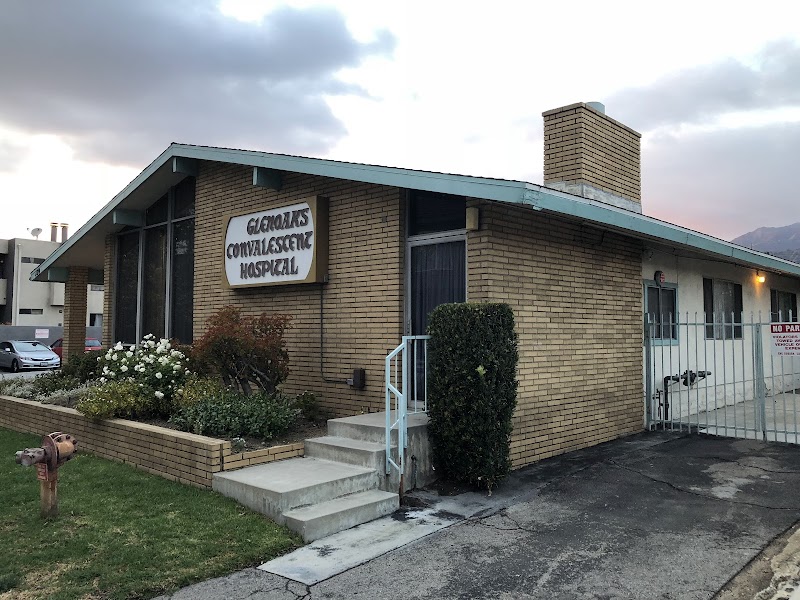
409 W. GLENOAKS BLVD., GLENDALE, CA 91202 (818) 240-4300
For profit - Corporation 99 Beds HELENE MAYER Data: November 2025 7 Immediate Jeopardy citations
Trust Grade
0/100
#1028 of 1155 in CA
Last Inspection: December 2024

Within standard 12-15 month inspection cycle. Federal law requires annual inspections.

Overview

Golden Haven Care Center in Glendale, California, has received a Trust Grade of F, indicating significant concerns about the quality of care provided. With a state rank of #1028 out of 1155, they are in the bottom half of California facilities, and #303 out of 369 in Los Angeles County, meaning there are many better options nearby. Although the facility is improving, having reduced issues from 37 in 2024 to just 2 in 2025, the current staffing rating is below average at 2 out of 5 stars, with a turnover rate of 47%, which is concerning. Financially, the $74,602 in fines is alarming and higher than 87% of other facilities in California, suggesting repeated compliance issues. Specific incidents include a failure to provide necessary respiratory care for a resident with chronic obstructive pulmonary disease and neglecting to properly manage blood sugar monitoring for a diabetic resident, both of which are critical care failures. Overall, while there are some positive trends in improvement, the facility's serious shortcomings in care and regulatory compliance raise red flags for families considering this nursing home.

Trust Score
F
0/100
In California
#1028/1155
Bottom 11%
Safety Record
High Risk
Review needed
Inspections
Getting Better
37 → 2 violations
Staff Stability
⚠ Watch
47% turnover. Above average. Higher turnover means staff may not know residents' routines.
Penalties
✓ Good
$74,602 in fines. Lower than most California facilities. Relatively clean record.
Skilled Nurses
⚠ Watch
Each resident gets only 25 minutes of Registered Nurse (RN) attention daily — below average for California. Fewer RN minutes means fewer trained eyes watching for problems.
Violations
⚠ Watch
88 deficiencies on record. Higher than average. Multiple issues found across inspections.
★☆☆☆☆
1.0
Overall Rating
★★☆☆☆
2.0
Staff Levels
★★★☆☆
3.0
Care Quality
★☆☆☆☆
1.0
Inspection Score
Stable
2024: 37 issues
2025: 2 issues

The Good

  • Full Sprinkler Coverage · Fire safety systems throughout facility
  • No fines on record

Facility shows strength in fire safety.

The Bad

1-Star Overall Rating

Below California average (3.1)

Significant quality concerns identified by CMS

Staff Turnover: 47%

Near California avg (46%)

Higher turnover may affect care consistency

Federal Fines: $74,602

Well above median ($33,413)

Moderate penalties - review what triggered them

Chain: HELENE MAYER

Part of a multi-facility chain

Ask about local staffing decisions and management

The Ugly 88 deficiencies on record

7 life-threatening 1 actual harm
May 2025 1 deficiency
CONCERN (D) 📢 Someone Reported This

A family member, employee, or ombudsman was alarmed enough to file a formal complaint

Potential for Harm - no one hurt, but risky conditions existed

Deficiency F0919 (Tag F0919)

Could have caused harm · This affected 1 resident

**NOTE- TERMS IN BRACKETS HAVE BEEN EDITED TO PROTECT CONFIDENTIALITY** Based on observation, interview, and record review the facility failed to ensure one out of seven sampled residents ( Resident 7...

Read full inspector narrative →
**NOTE- TERMS IN BRACKETS HAVE BEEN EDITED TO PROTECT CONFIDENTIALITY** Based on observation, interview, and record review the facility failed to ensure one out of seven sampled residents ( Resident 7) was provided a funtioning call light. This deficient practice had the potential to result in a delay in care and untimely response for Resident 7. Findings: A review of Resident 7 ' s admission Record indicated the resident was admitted to the facility on [DATE], with a diagnosis that included Dysphagia (difficulty with verbal communication) and Anxiety ( feelings of being worried or nervous). A review of Resident 7 ' s Minimum Data Set ( MDS, a resident assessment tool) dated 05/13/2025, indicates resident has moderate cognitive impairment ( decline in memory, attention, language, function) and requires moderate assistance ( helper does more that half the effort ) for activities of daily living such as oral hygiene, toileting hygiene, and dressing. A review of Resident 7 ' s Care Plan Titled Ophthalmology Consult, dated 05/07/2025, indicated a goal for Resident 7 to not have any falls or bruising related to impaired vision. The Care Plan indicated an intervention to have call lights within reach. A review of Resident 7 ' s Care Plan Titled Resident 7 has a communication problem related to impaired ability to understand and be understood sometimes, dated 05/14/2025, indicated to ensure and provide a safe environment with call light within reach, adequate low glare light, bed in lowest position and wheels locked and to avoid isolation. A review of Resident 7 ' s Care Plan Titled Resident 7 is at risk for falls related to adverse reactions from medications dated 05/08/25, indicated to ensure Resident 7 ' s call light was within reach and to encourage the resident to use the call light for assistance as needed. During an observation on 5/21/2025 at 10:40AM in resident 7 ' s room, Resident 7 ' s call light was observed on the floor and not within Resident 7 ' s reach. During an interview on 5/21/2025 at 10:40 AM with Resident 7, Resident 7 stated the call light did not work. During a concurrent observation and interview on 05/21/2025 AM, with certified nursing assistant ( CNA)1 in resident 7 ' s room , Resident 7 ' s call light was observed on the floor. CNA 1 pressed Resident 7 ' s call light, but the call light did not work. There was not light observed or sound heard when CNA 1 pressed Resident 7 ' s call light. CNA1 stated the button on the call light was not functional and could not be pressed. CNA1 stated it was important that the resident ' call lights were functional since that was how the resident called for assistance when staff were not in residents ' rooms. CNA 1 stated the call light alerted staff when a resident required assistance. During a concurrent observation and interview on 05/21/2025 at 10:50AM, with Registered Nurse (RN)1, in resident 7 ' s room, Resident 7 ' s call light was observed. RN 1 stated Resident 7 ' call light button was not functional since the button was stuck and could not be pressed. RN 1 stated it was crucial to have a working call light so that residents could alert facility staff when assistance was needed. During an interview with Maintenance Supervisor ( MS) on 05/21/2025 at 11:37 AM , stated he conducted weekly inspections to ensure all residents ' call lights were functioning properly. MS stated he maintained a binder to document any issues, including malfunctioning call lights, and that the binders were located in nursing station 1 and station 2, where staff ccoul report maintenance needs. The Maintenance Supervisor reported that the last documented check of Resident 7 ' s call light was conducted on 05/15/2025, with no issues. MS stated he had not received any reports or notifications regarding Resident 7 ' s non functioning call light. A review of the facility ' s policy and procedure titled, Communication Call System, revised October 24, 2022, the policy stated the purpose was to provide a mechanism for residents to promptly communicate with nursing staff. The Policy further indicated that should the primary call system become inoperable for any reason, the facility shall provide an alternative call system to enable residents to alert nursing staff from their beds and toileting/ bath facilities. Additionally, the policy required that defective call bells be reported immediately to maintenance and replaced immediately , and that hourly resident safety checks be conducted and documented until the primary call system is restored.
Feb 2025 1 deficiency
CONCERN (D) 📢 Someone Reported This

A family member, employee, or ombudsman was alarmed enough to file a formal complaint

Potential for Harm - no one hurt, but risky conditions existed

Medication Errors (Tag F0758)

Could have caused harm · This affected 1 resident

**NOTE- TERMS IN BRACKETS HAVE BEEN EDITED TO PROTECT CONFIDENTIALITY** Based on interview and record review, the facility failed to ensure one of three residents reviewed (Resident 1), who was receiv...

Read full inspector narrative →
**NOTE- TERMS IN BRACKETS HAVE BEEN EDITED TO PROTECT CONFIDENTIALITY** Based on interview and record review, the facility failed to ensure one of three residents reviewed (Resident 1), who was receiving Quetiapine (a medication used to treat bipolar disorder [a mental disorder that results in severe sadness and manic or extreme joy or elated behavior) was monitored for the specific behavior of paranoid delusions (false beliefs that someone is being threatened or mistreated) as indicated for use of the medication. This deficient practice placed Resident 1 at risk unnecessary use of medication and for mismanagement of her mental disorder and expose her to potential side effects associated with taking Quetiapine, such as drowsiness that could lead to accidents and falls. Findings: A review of Resident 1 ' s admission Record indicated the resident was admitted on [DATE] with diagnoses that included schizophrenia (a mental illness that is characterized by disturbances in thought), mood disorders, and dementia (a progressive state of decline in mental abilities). A review of Resident 1 ' s History and Physical (H&P), dated 1/24/2025, indicated the resident does not have the capacity to understand and make decisions. A review of Resident 1 ' s Minimum Data Set (MDS – a federally mandated resident assessment tool), dated 1/27/2025, indicated the resident had moderately impaired cognition (the ability to think and process thoughts). A review of Resident ' s Order Summary Report, dated 2/14/2025, indicated a physician ' s ordered for the resident to take Quetiapine Fumarate Oral Tablet 25 MG (MG, milligram, a unit of measuring weight) give 1 tablet by mouth at bedtime for schizophrenia manifested by (m/b) paranoid delusions. A review of Resident ' s Medication Administration Report (MAR) for the months of 1/2025 and 2/2025, indicated the resident was being administered Quetiapine Fumarate. The MAR did not indicate that Resident 1 ' s behavior of paranoid delusions was being monitored by staff. A review of Resident 1 ' s nursing progress notes for the months of 1/2025 and 2/2025, did not indicate documented evidence that the resident ' s specific behavior of paranoid delusions was identified and monitored. A review of Resident 1 ' s care plan for the use of Quetiapine, initiated on 1/26/2025, indicated the resident ' s behavior was to be monitored for effectiveness every shift. The care plan also indicated for the resident to be monitored for adverse reactions associated with taking Quetiapine. During a concurrent interview and record review on 2/18/2025 at 1:41 PM, Licensed Vocational Nurse (LVN) 1 stated,Resident 1 ' s entire medical records were reviewed, including the MAR and nursing progress notes. LVN 1 stated Resident 1 ' s records did not have documented evidence that Resident 1 ' s behavior of paranoid delusions was monitored. LVN 1 stated Resident 1 ' s behavior should have been monitored to ensure the medication is effective and Resident 1 ' s behavior is being treated. During an interview on 2/18/2025 at 3:45 PM with Director of Nursing (DON), DON stated Quetiapine is considered a psychotropic medication and its use must be monitored. DON stated psychotropic medications (medication that affects mood and behavior) must be monitored to ensure they are working. DON stated monitoring the behavior aids in determining if the medication needs to be discontinued or reduced in dose. DON stated not monitoring the medication could lead to mismanagement of Resident 1 ' s mental disease. DON further stated if the medication is not effective, taking the medication still exposes the resident to side effects that could be dangerous, such as drowsiness that could lead to falls or tremors (involuntary quivering movement). A review of the facility ' s policy and procedure (P&P) titled, Psychotherapeutic Drug Management, revised 10/24/2022, indicated nurses will monitor psychotropic drug use daily. The P&P also indicated nurses will monitor the presence of target behaviors. The P&P also indicated the weekly nursing summary will include as assessment of the psychotherapeutic drugs administered including manifestations.
Dec 2024 20 deficiencies 1 IJ
CRITICAL (J)

Immediate Jeopardy (IJ) - the most serious Medicare violation

Respiratory Care (Tag F0695)

Someone could have died · This affected 1 resident

**NOTE- TERMS IN BRACKETS HAVE BEEN EDITED TO PROTECT CONFIDENTIALITY** Based on observation, interview, and record review, the facility failed to provide the necessary respiratory care and implement ...

Read full inspector narrative →
**NOTE- TERMS IN BRACKETS HAVE BEEN EDITED TO PROTECT CONFIDENTIALITY** Based on observation, interview, and record review, the facility failed to provide the necessary respiratory care and implement interventions in accordance with the resident's needs, care plan, facility policy and professional standards of practice and the physician's order for one of three sampled residents (Resident 77) who had a diagnoses of chronic obstructive pulmonary disease exacerbation (COPD, sudden severe symptoms of a lung disease characterized by poor airflow to the lungs that results in shortness of breath (SOB), difficulty breathing and respiratory distress (a condition that occurs when the body needs more oxygen, resulting in difficulty breathing, rapid breathing, and low blood oxygen levels) and a history of pneumonia (a severe respiratory infection that results in shortness of breath and difficulty breathing) by failing to: 1. Monitor and evaluate if the oxygen provided was effective to relieve the resident's respiratory distress and oxygenation in accordance with the resident's care plan for COPD and physician's orders, when Resident 77 experienced shortness of breath (SOB), labored breathing (taking more effort to breath than usual), and an oxygen saturation (blood oxygen level) decreased to 72% (normal range 90-100%) while receiving oxygen via nasal cannula (NC- a plastic flexible tubing used to deliver oxygen into the nose) at 2 liters per minute (L/min) on [DATE] at 11:05 PM. 2. Follow physician orders to titrate (adjust) Resident 77's oxygen therapy at 2-5 L/min to maintain oxygen blood levels of 92% when Resident 77's oxygen saturation decreased to 72% on [DATE] at 12:10 AM, while receiving 2 L/min of oxygen via NC. 3. Ensure Licensed Vocational Nurse (LVN) 6 monitored and documented Resident 77's respiratory distress, treatments rendered (given), and report Resident 77's change in respiratory condition to the physician, in accordance with the physician orders and the facility's policy and procedure. 4. Ensure to notify the physician and 911 (an emergency number) emergency services immediately, when Resident 77 complained of not being able to breathe and exhibited signs and symptoms of respiratory distress as manifested by labored breathing and oxygen saturation of 72% on [DATE] at 12:10 AM. 5. Ensure the physician was aware that Resident 77 was refusing to go to the hospital while complaining of not being able to breath and exhibited signs and symptoms of respiratory distress as manifested by labored breathing and oxygen saturation of 72% on [DATE] at 12:10 AM. As a result of these deficient practices Resident 77 did not receive immediate respiratory care and interventions on [DATE] from 11:05 PM when the resident was initially observed with respiratory distress, labored breathing, decreased level of oxygenation, until [DATE] at 2:29 AM when the paramedics pronounced Resident 77 dead after providing unsuccessful CPR (cardiopulmonary resuscitation, an emergency treatment for someone who stopped breathing or heartbeat has stopped by providing chest compression [pressing on the chest over the heart] and rescue breathing [mouth-to-mouth resuscitation]) was provided. On [DATE] at 2:02 PM, while onsite at the facility, the California Department of Public Health (CDPH) identified an Immediate Jeopardy situation (IJ, a situation in which the provider's noncompliance with one or more requirements of participation has caused or is likely to cause serious injury, harm, impairment, or death of a resident) regarding the facility's failure to notify the physician regarding significant changes in Resident 77's respiratory conditions and provide the necessary respiratory care and monitoring. On [DATE] at 11:17 AM, the IJ was removed in the presence of the Administrator (ADM) and the Director of Nurses (DON) after the facility submitted an acceptable IJ Removal Plan (a plan that identifies all actions the facility will take to immediately address the noncompliance that has resulted in the IJ situation) and while onsite at the facility, the surveyors verified/confirmed the facility's implementation of the IJ Removal Plan and the IJ situation was no longer present. The IJ Removal Plan dated [DATE], included the following: 1. On [DATE], the Director of Nursing (DON) conducted a full house audit to identify all residents with a diagnosis of COPD, those on continuous and, PRN (as needed) oxygen. The audit identified 10 residents with COPD and 18 residents receiving oxygen therapy. The DON reviewed the care plans and physician's orders for these residents to ensure appropriate interventions such as following MD (Medical Doctor/physician) orders, oxygen therapy orders, repositioning of patients, checking oxygen saturation, assessment of signs and symptoms of hypoxia (low blood oxygen in the body tissues) respiratory failure (failure of the lungs to meet the body's demand for oxygen) for effectiveness of the intervention and monitoring for signs and symptoms of respiratory distress, verifying respiratory status using objective data such as oxygen saturation were in place. The DON will also review the communication to the Primary Care MD, if no response, the medical director and or emergency services will be called immediately. No additional residents were found to be at immediate risk. 2. On [DATE] a one to one in-service regarding MD notification, Medical Director notification, and emergency services was provided to the Night Shift Licensed Nurse assigned to Resident 77 on [DATE], by the facility's DON. The Licensed Nurse was also suspended pending the facility's investigation. 3. On [DATE] and [DATE] the Pharmacy Consultant initiated Medication Regimen Reviews (review of the medications the residents are receiving) for all residents receiving Oxygen Therapy and with COPD/SOB. 4. On [DATE], the facility conducted a root cause analysis (RCA) which included interviews with involved staff. The RCA revealed the following contributing factors: Lack of staff education on monitoring and reporting changes in respiratory status, and inadequate communication between nursing staff and physicians regarding significant changes in condition. 5. On [DATE] the Certified Nursing Assistant (CNA) assigned to Resident 77 on [DATE] during the night shift was provided a one-to-one in-service regarding Emergency Care Policy and Procedure. 6. On [DATE], the Director of Nursing/ Staff Development Coordinator (DSD) started to provide in- services to all Licensed Nursing staff for all shifts including CNAs, LVNS, RNs on Emergency Medical Response: A. Monitoring and reporting changes in respiratory status B. Following physician orders for oxygen titration and maintaining target oxygen saturation levels, and C. Facility policy and procedure for responding to respiratory distress, including immediate notification of the primary physician, emergency services, and medical director. 7. By [DATE], the DON reviewed the facility's policy and procedure for responding to respiratory distress to ensure clarity and consistency with current standards of practice. 8. By [DATE], the DON created a monitoring tool related to COPD and Oxygen Therapy to ensure clarity and consistency with current standards of practice. Findings: During a review of Resident 77's admission Record (AR), the AR indicated the facility admitted Resident 77 on [DATE] and readmitted on [DATE] with diagnoses that included COPD with exacerbation (worsened symptoms), pneumonia, hypertensive heart disease (high blood pressure), and type 2 diabetes mellitus (condition of having high blood sugar). During a review of Resident 77's Physician Orders for Life-Sustaining Treatment (POLST- a medical order that documents a patient's preferences for end-of-life care), dated [DATE], indicated if the resident was found with a pulse and/or was breathing, full treatment was ordered for medical interventions including intubation (a tube placed in the mouth to the airway to provide oxygenation), advanced airway interventions (a tube place in the airway), mechanical ventilation (assisted breathing provided with the use of a machine), and cardioversion (a medical procedure that restores a normal heart rhythm by using electricity or medication to treat an abnormal heart rhythm). During a review of Resident 77's Order Summary Report (OSR), indicated on [DATE], Resident 77 had physician orders to monitor for sign and symptoms of respiratory distress that included monitoring for pulse oximetry (a device used to monitor oxygen blood level), lethargy (a state of unusual drowsiness, fatigue, and lack of energy and mental alertness), accessory muscle usage (breathing using muscles other than those typically used for breathing to take in and expel air) and to document with hashmarks (or tally marks, a numerical system used to keep track of things by number) in the clinical record of the resident if present and report to the physician. The physician also ordered to titrate (adjust) oxygen at 2-5 L/min via NC continuously to maintain oxygen saturation at 92 % or above, and to notify the physician if oxygen saturation was below 92% for SOB. The OSR indicated in the event of an emergency, the Medical Director may be called if the attending physician or alternate physician are not available. During a review of Resident 77's History and Physical Examinations, dated [DATE], indicated Resident 77 had the capacity to understand and make decisions. During a review of Resident 77's OSR, indicated on [DATE], Resident 77 had a physician order for Full Code (a medical order that instructs the health care team to perform all possible life-saving measures if the resident goes into cardiac or respiratory arrest [when the heart stopped beating or the resident stopped breathing]). During a review of Resident 77's Physician Progress Note, dated [DATE], indicated Resident 77 exhibited alertness and cognitive ability to effectively communicate needs and his language comprehension and response during assessments were appropriate. The notes indicated Resident 77 continued under monitoring for anemia (a condition of not having enough healthy red blood cells to carry oxygen to the body's tissues) and has declined hospitalization despite the recommendation, understanding the associated risks and benefits. During a review of Resident 77's Physician Progress Note, dated [DATE], indicated when confronted with acute medical symptoms or conditions necessitating immediate attention for Resident 77, the staff has received explicit instructions to promptly trigger emergency medical services (EMS- a system that provides emergency medical care to residents after an incident of serious illness or injury) via 911 and direct the resident to the emergency department. These symptoms and conditions encompass, though are not confined to exacerbation (severe symptoms) of asthma (a respiratory disorder that makes it difficult to breath). The note indicated, the data mentioned above is based on information available during the encounter and may change as other data becomes available. During a review of Resident 77's Care plan, dated [DATE], indicated Resident 77 had exacerbation (worsened symptoms) of COPD manifested by wheezing (a high-pitched, whistling sound that occur during breathing when the airways in the lungs become narrowed or blocked) with the goal that the resident would display optimal breathing patterns daily. The care plan interventions included to give aerosol (a substance released in very fine mist) or bronchodilations (a medication that make breathing easier by relaxing the muscles in the lungs and widening the airways [bronchi])as ordered by the physician and monitor/document any side effects and effectiveness, to monitor for difficulty breathing on exertion, and to administer oxygen via nasal cannula at 2 L/min. During a review of Resident 77's OSR, indicated on [DATE], Resident 77 had a physician order for Ipratropium-Albuterol (a medication used to prevent wheezing, difficulty breathing, chest tightness, and coughing) 3 ml (milliliter, unit of volume) inhale (breathing in) orally (by mouth) every 6 hours as needed for SOB/wheezing for 14 days. During a review of Resident 77's Progress Notes, dated [DATE], indicated on [DATE] at 11:05 PM, during an initial assessment Licensed Vocational Nurse (LVN) 6 noted Resident 77 was in bed asleep but responsive to verbal stimuli with no complaint of pain or discomfort. The note indicated on [DATE] at 12:10 AM, Resident 77 was sitting on his bed and verbalized I can't breathe, I need a breathing treatment, breathing was labored with oxygen saturation was at 72%. The note indicated LVN 6 administered a breathing treatment and offered to transfer the resident to the hospital of which Resident 77 declined and on [DATE] at 12:30 AM, Resident 77 verbalized thank you, I'm feeling better. The note indicated at on [DATE] at 1 AM, Resident 77 was asleep with eyes closed and receiving continuous oxygen at 2 L/min, then at 1:55 AM, LVN 6 was alerted to Resident 77's room by Certified Nurse Assistant (CNA) 4, that Resident 77 was unresponsive with no chest movement and no pulse, CPR (cardiopulmonary resuscitation, is an emergency treatment that's done when someone's breathing or heartbeat has stopped by chest compression [pressing on the chest over the heart] and rescue breathing [mouth-to-mouth resuscitation]) was initiated and 911 was called. The notes indicated on [DATE] at 2:10 AM, the paramedics arrived and took over the CPR and Resident 77 was pronounced dead at 2:29 AM and Resident 77's physician was notified via text on [DATE] at 3:16 AM. During a review of Resident 77's Medication Administration Record (MAR) for [DATE], indicated on [DATE] at 12:10 AM, Ipratropium-Albuterol Inhalation Solution medication was given to Resident 77 for SOB/wheezing. During a review of Resident 77's Physician's Discharge Summary, dated [DATE], indicated Resident 77 was discharged from the facility due to resident expired. During a review of Paramedic Run Report, dated [DATE], indicated Resident 77 presented warm, pupils were fixed (indication of no brain activity), in asystole (no heart rhythm) and for the duration of CPR. The report indicated, Resident 77 remained in asystole with no changes after given 3 Epinephrine (the primary drug administered during CPR to reverse cardiac arrest) doses and was pronounced dead at 2:29 AM after 20 minutes of high-quality CPR. The report indicated, staff stated the patient (Resident 77) is being seen at this facility for COPD and possible pneumonia. Pt was advised to go to the hospital by staff numerous times for better care and treatment but declined for a week. Pt was given a breathing treatment by staff at midnight with no improvement and was found not breathing at around on [DATE] at 2 AM. Staff immediately began CPR and called 911. CPR taken over by EMS on [DATE] at 2:09 AM. During an interview on [DATE] at 4:37 PM with CNA 4, CNA 4 stated, when she came to work on [DATE] at around 11:06 PM, Resident 77 did not respond when she tried to greet him, his eyes were closed, and he was breathing very fast. CNA 4 stated, Resident 77 was receiving oxygen supplement with a tube in his nose. CNA 4 stated, LVN 6 told her that Resident 77 was not feeling well and that she should keep an eye on the resident. CNA 4 stated, she checked Resident 77 several times and observed Resident 77's breathing was getting loose and loose to the point of no breathing anymore, and his facial expression was flat. CNA 4 stated, she did not monitor for Resident 77's vital signs (measurement of the blood pressure, heart rate, respiratory rate, and body temperature) or oxygen saturation because it was the charge nurse's responsibility. CNA 4 stated, she asked LVN 6 to Please come and check on Resident 77 because she had to attend another resident. CNA 4 stated, LVN 6 went to see Resident 77 and she went to another resident's room to give care. CNA 4 stated, when she came out of the other resident's room, she saw LVN 4 bringing in a big oxygen tank to Resident 77's room. When she peeked in Resident 77's room, LVN 4 told her that the resident was dead. CNA 4 stated, she recalled LVN 4 was performing CPR on Resident 77, but she did not come to help in Resident 77's room because she was busy with the other resident. During an interview on [DATE] at 5:09 PM with LVN 6, LVN 6 stated, when he first checked on Resident 77 at the start of his shift on [DATE] at around 11 PM, Resident 77's vital signs including the oxygen saturation was around 94-95% while Resident 77 was receiving 2 L/min oxygen via NC. LVN 6 stated, Resident 77 was breathing heavily, and very labored. LVN 6 stated, about an hour later, Resident 77 told him I can't breathe, I want my breathing treatment. LVN 6 stated he checked Resident 77's oxygen saturation and it was at 72%. LVN 6 stated, he asked Resident 77 if he wanted to be transferred to the hospital, but Resident 77 stated No, meaning he didn't want to go the hospital, so LVN 6 gave Resident 77 Albuterol breathing treatment as ordered by the physician. LVN 6 stated, after the treatment, Resident 77's oxygen saturation went up, but not that high, to 75-78%. LVN 6 stated, he asked Resident 77 again if Resident 77 wanted to be transferred to the hospital, Resident 77 stated No. LVN 6 stated, after the breathing treatment was given, he put Resident 77 back to continuous oxygen at 3 L/min via NC. LVN 6 stated, he did not recheck Resident 77's vital signs when Resident 77 had an episode of decreased oxygen saturation of 72%, and he did not recheck and monitor Resident 77's oxygen saturation after giving Resident 77's breathing treatment when the oxygen saturation increased to 75-78%. LVN 6 stated, when communicating with the physicians at the facility, the staffs only text the doctors during the night, the staffs do not call the doctors if they need to report the resident's condition. LVN 6 stated, he did not document Resident 77's (Change of Condition) COC, notify the doctor via text or call, or call 911 regarding Resident 77's labored breathing, low oxygen level, changes in the respiratory and refusal to go to the hospital because Resident 77 had a behavior of refusing to be transferred to the hospital and because LVN 6 believed that Resident 77's breathing was better given that the oxygen saturation went up from 72 % to 75-78%. LVN 6 also stated, he was busy with other residents. LVN 6 stated, he told CNA 4 to keep an eye on Resident 77 for his movement in case Resident 77 was not breathing. LVN 6 stated, when CNA 4 came and told him to come to see Resident 77, he rushed in Resident 77's room, tapped on Resident 77's shoulder but the resident was not responding. LVN 6 stated, Resident 77's chest was not moving up and down, so he ran out of the room to call for help and brought in the bigger oxygen tank. LVN 6 stated, LVN 7 was helping him to call 911 while he went back to Resident 77's room and started CPR. LVN 6 stated, the resident's room did not have any button to activate Code Blue (a code announced through an overhead audio system to alert the staffs in the facility about a medical emergency). LVN 6 stated, he did not call for a Code Blue overhead because he did not want to panic other residents during the nighttime. During an interview on [DATE] at 6:06 PM with LVN 7, LVN 7 stated, he was at his nursing station when he heard LVN 6 running in the hallway, telling him, My patient is not responding. LVN 7 stated, he helped LVN 6 to call 911 at his station, when he finished his call with 911, he walked over to Resident 77's room and believed that there were two to three people in the room and recalled one of them was doing CPR. LVN 7 stated, he did not come in to help because the EMS already came in by that time. During a concurrent record review and interview on [DATE] at 9:14 AM with the Regional Medical Record (RMR), Resident 77's Change of Condition/MD notification and orders for the month of [DATE] were reviewed. The RMR stated, there was no documented evidence that a COC was completed, no indication that the physician was notified, and no physician order to address Resident 77's respiratory distress and decreased oxygenation on [DATE]. The RMR stated, there was no care plan for Resident 77's refusal to go to the hospital and no documented evidence that alternative interventions were discussed with Resident 77 regarding his refusal. There was also no documentation that the DON, Administrator or the facility's Medical Director was informed about Resident 77's change in respiratory condition. During an interview on [DATE] at 10:04 AM with the MDS Nurse (MDSN), the MDSN stated, when Resident 77 desaturated (a drop in blood oxygen level) and was having SOB, LVN 6 should follow the doctor's order to notify the doctor right away about the situation and the resident's low saturation even when the resident refused to be transferred to the hospital. The MDSN stated, the doctor should be notified about the resident's refusal because if the resident was alert enough, the doctor could explain to the resident that if he refused care, it could lead to death. The MDSN stated, it was important to notify the doctor right away so the LVN could have orders for immediate interventions and treatment. The MDSN stated, the doctor might also ask the nurse to just call 911. During an interview on [DATE] at 11:16 AM with the Director of Nurses (DON), the DON stated, at nighttime, the facility doesn't have any registered nurse, only LVNs. The DON stated, depending on the severity of the situation, the doctor could be contacted via calls or text messages. The DON stated, if the primary physician didn't respond, the medical director could be notified. The DON stated, he (DON) was also available 24/7 in case of emergency for guidance. The DON stated, in a situation when the resident's saturation went down to 72% and was having SOB and there was order for breathing treatment, the nurse could send the doctor a text to notify the doctor about the situation. The DON stated, while waiting for the doctor's response, the LVN should monitor for the resident's vital signs including oxygen saturation, put the resident on oxygen and titrate to the maximum oxygen level as ordered, give breathing treatment, and continue to monitor the resident for how the resident was doing with vital signs and document them in the resident's medical record. The DON stated, if the oxygen saturation was at 75-78% after treatment, the treatment was not effective. The DON stated, if the resident refused to be transferred to the hospital, the nurse should notify the doctor right away to report the situation that the oxygen and breathing treatment was given as ordered but the oxygen saturation level did not increase as expected and that the resident refused transferring to the hospital. The DON stated, LVN 6 should have reported Resident 77's desaturation episode and his refusal to the doctor even if LVN 6 respected Resident 77's right and have the doctor decide what to do. The DON stated, 911 should have been called to manage the situation. During an interview on [DATE] at 4:50 PM with Resident 77's primary physician (PMP 1), the PMP 1 stated, on the night of [DATE], he did not receive any text or call from the facility staff regarding Resident 77's desaturation and SOB. PMP 1 stated, he only got a text to notify him that his patient (Resident 77) had passed away early morning of [DATE] because of unresponsiveness and not breathing. PMP 1 stated, when the oxygen saturation went down to 72% and Resident 77 was having SOB, LVN 6 should give breathing treatment and notify him at least via text messages. PMP 1 stated, after breathing treatment, when the oxygen saturation went up to 75-78%, the saturation was still too low, and Resident 77 should have been transferred out to the hospital for higher level of care. PMP 1 stated, even when Resident 77 refused, LVN 6 should have let him know. PMP 1 stated, he would have asked LVN 6 to transfer or call 911. PMP 1 stated, the facility's practice is very aggressive with transferring out in cases of emergency that the patient was not able to be stabilized. PMP 1 stated, if he was aware of the patient's repeated refusal to care, he would consider hospice or discuss with him of changing in code status if Resident 77 was alert able to decide for himself. PMP 1 stated, LVN 6 should not decide by himself without informing the physician whether to not transfer Resident 77 to the hospital or not due to respecting the resident's right because Resident 77 was still a full code. During a review of the facility's Policies and Procedures (P&P) titled, Change of Condition (COC) Notification, revised [DATE], indicated the following: a. An acute COC is a sudden, clinically important deviation from a patient's baseline in physical, cognitive, behavioral, or functional domains. Clinical important means a deviation that, without intervention, may result in compilations or death. b. The Licensed nurse will notify the resident's Attending Physician when there is a significant change in the resident's physical, mental or psychosocial status, e.g., deterioration in health, life threatening conditions or clinical complications; a need to alter treatment signification; and a decision to transfer or discharge the resident from the facility. c. The Licensed Nurse will assess the resident's COC and document the observations and symptoms. d. The Attending Physician will be notified timely with the residents' COC. Notification to the Attending Physician will include a summary of the condition change, and an assessment of the resident's vital signs. e. In emergency situations (e.g., a resident is experiencing unexpected SOB), the Licensed Nurse will: immediately call the Attending Physician. f. If the Licensed Nurse is unable to reach the Attending Physician or the Physician on call during emergency situations, he/she will notify the Facility's Medical Director. If the resident deteriorates, the symptoms are serious, and the most rapid intervention available by a physician would place the resident in great jeopardy, call 911 for transport to hospital. g. Notify the Nursing Supervisor of emergency. During a review of the facility's P&P titled, Emergency Care - General, revised [DATE], indicated, emergency - Life threatening is the situation that requires prompt intervening actions to maintain physical, mental, and/or emotional health. Summon help and immediately call 911 for medical emergency assistance. These emergency situations would include but are not limited to: cessation (stop) of breathing and document the resident's vital signs including blood pressure, pulse, respirations and temperature. During a review of the facility's P&P titled, Pulse Oximetry (Assessing Oxygen Saturation), revised [DATE], indicated: a. For the safety and comfort of residents, the Facility will utilize pulse oximetry to measure levels of oxygen in the resident's blood when such measurement is ordered by the resident's Attending Physician or as indicated by the resident's condition. b. A normal oxygen saturation is between 90 to 100 percent. Anything below 90 percent should be closely monitored, including the maintenance of a flow chart or documentation record for oxygen saturation level. c. Residents with respiratory distress will have a respiratory assessment completed that may include the use of a pulse oximeter to noninvasively measure the resident's blood oxygen saturation. d. If oxygen saturation is less than 90 percent, if oxygen saturation is at less than an acceptable level fo the resident's condition, notify the Attending Physician. During a review of the facility's P&P titled, Oxygen Administration, dated [DATE], indicated to prevent or reverse hypoxia and provide oxygen to the tissues, the facility will, in an emergency situation or when a physician's order cannot be immediately obtained, oxygen may be initiated by a Licensed Nurse in the presence of acute chest pain or any other acute situation in which hypoxia is suspected. A physician is to be contacted as soon as possible after initiation of oxygen therapy in emergency situations, for verification and documentation of the order for oxygen therapy consultation, and further orders. Oxygen saturations will be measured and documented at a minimum of daily for resident's receiving oxygen therapy.
CONCERN (D)

Potential for Harm - no one hurt, but risky conditions existed

Resident Rights (Tag F0550)

Could have caused harm · This affected 1 resident

**NOTE- TERMS IN BRACKETS HAVE BEEN EDITED TO PROTECT CONFIDENTIALITY** Based on observation, interviews, and record reviews the facility failed to ensure one of the 18 sampled residents (Resident 48)...

Read full inspector narrative →
**NOTE- TERMS IN BRACKETS HAVE BEEN EDITED TO PROTECT CONFIDENTIALITY** Based on observation, interviews, and record reviews the facility failed to ensure one of the 18 sampled residents (Resident 48) received his meal tray at the same time with other residents that were sitting in the same table. It was not until 20 minutes later Resident 48 received his meal tray and was eating by himself. This deficient practice violated the rights of Resident 48 to have dignified, equal care and potentially cause emotional distress, loss of appetite, and further affect or damaged to (his, her) health condition. Findings: During an observation on 12/3/24 at 12:15 PM in Activity/Dining Room, Resident 48 was observed sitting in the dining room waiting for the lunch tray while other residents at the same table were eating. During a review of Resident 48 ' s admission Record, indicated Resident 48 was admitted on [DATE] with diagnoses that include but not limited to Gastroesophageal Reflux Disease (GERD- a condition in which the stomach contents leak backward from the stomach into the esophagus (food pipe)), and dysphagia (difficulty swallowing). During the same dining observation on 12/3/24 at 12:30 PM Resident 48 received his lunch tray. Resident 48 stated he waited extra 20 minutes before he received his lunch tray. During an interview with Resident 48 on 12/3/24 at 12:31 PM in the dining room, the resident stated I ' m the last, I always have to wait. I feel hurt. During an interview on 12/3/24 at 1:01 PM with the Activity Director (AD) in the dining room, the AD stated not aware that Resident 48 received lunch tray late and not sure why Resident 48 had to wait longer than 15 minutes for his lunch while other residents at the same table were eating. AD stated staffs would check trays first and deliver at the same time. During an interview on 12/4/24 10:40 AM with the Dietary Supervisor (DS) in the kitchen, the DS stated there are four carts total, divided by room numbers in general, from 1 to 47, the cart sequence for delivery is when the trays are completely prepared, room [ROOM NUMBER] to 11 are prepared first so sent out first, around 12 PM. The AD gives the list of residents that go to dining room for their meals and the carts will stop in front of dining room before it goes to the nursing stations. If there is a special request for early tray, that tray will be pulled out, prepared, and delivered to the resident once ready. During an interview on 12/6/24 at 10:00 AM with the Registered Dietitian (RD) on the phone, the RD stated it was not acceptable for some residents to wait longer than 2-5 minutes before receiving their meals while others were eating. RD also stated that residents who eat in the dining room should all be served at the same time regardless of residents are on the list or not. During a review of facility ' s policy and procedure titled, Meal Service dated 2023, indicated that all residents at the same table should be served at the same time. During a review of facility ' s policy and procedure titled, Privacy and Dignity dated 6/1/17, indicated that the facility promotes independence and dignity in dining.
CONCERN (D)

Potential for Harm - no one hurt, but risky conditions existed

Deficiency F0558 (Tag F0558)

Could have caused harm · This affected 1 resident

2. During a review of Resident 46 ' s admission Record (Face Sheet), dated 12/4/2024, the face sheet indicated the facility admitted Resident 46 on 12/ 4/2022, with diagnoses including Alzheimer's dis...

Read full inspector narrative →
2. During a review of Resident 46 ' s admission Record (Face Sheet), dated 12/4/2024, the face sheet indicated the facility admitted Resident 46 on 12/ 4/2022, with diagnoses including Alzheimer's disease (progressive mental deterioration), and diabetes mellitus (DM: long-term metabolic disorder that is characterized by high blood sugar, insulin resistance, and relative lack of insulin). During a review of Resident 46 ' s History and Physical (H&P), dated 7/18/2024 indicated, Resident 46 does not have the mental capacity to make medical decisions. During a review of Resident 46's Minimum Data Set (MDS-a federally mandated resident assessment tool), dated 10/23/2024, indicated the cognitive (the ability to think and process information) skills for daily decisions making was severely impaired, and needed supervision to extensive assistance from the staff for the activities of daily living. During a review of Resident 46's plan of care regarding risk for fall and/or injury-initiated 4/4/2024, indicated the resident will be free from fall or injury. The care plan interventions included the call light was to be placed within reach and answered promptly. During an observation on 12/3/2024, at 11:18 AM in Resident ' s 46 room, Resident 46 was observed seated in a Geriatric chair with a lap table. The call light was observed not within the resident's reach, leaving the resident unable to call for assistance if needed. During a concurrent observation and interview on 12/3/2024 at 12:28 PM with Certified Nurse Assistant 1 (CNA 1) in Resident 46 ' s room, CNA 1 stated that the resident is unable to get up or use the call light because the resident is seated in a Geriatric chair with a lap table, which the resident is unable to remove on her own. The CNA 1 further stated that this setup restricts the resident ' s movement and leaves her feeling stuck. CNA 1 stated the call light should be placed where the resident can reach it at all times. During an interview on 12/3/2024 at 12:35 PM with the License Vocational Nurse 2 (LVN 2), the LVN 2 stated Resident 46 occasionally uses the call light, but emphasized the importance of ensuring it is placed within closer reach. This will allow the resident to easily access it for assistance or in the event of a fall; otherwise, she may resort to yelling for help. A review of the facility's undated policy titled, Communication - Call System version 2.0, revised on 10/24/2022 indicated that the facility will provide a call system to enable the residents to alert the nursing staff from their beds when help is needed and would place the call cords within the resident's reach in the resident's room. Based on observation, interview, and record review, the facility failed to ensure that the call light (a system that alerts the nursing home staff to the needs of a resident) for 2 of two sampled residents (Resident 45 and Resident 46) who were lying in bed was within reach. This deficient practice had the potential to increase the resident ' s risk of falls, heighten the resident ' s anxiety (fear of the unknown) from not being able to easily call for help, and worsen the resident ' s medical condition due to delayed care. Findings: 1. A review of Resident 45 ' s admission Record indicated that the facility admitted the resident on 8/3/2021 and readmitted the resident on 3/7/2024 with diagnoses that included depression (a common mental health condition that can impact a person's thoughts, feelings, behavior, and sense of well-being). A review of Resident 45 ' s Minimum Data Set (MDS - a resident assessment tool), dated 11/4/2024, indicated that the resident ' s cognition (mental action or process of acquiring knowledge and understanding through thought, experience, and senses) was severely impaired and that the resident was dependent (helper does all of the effort and the assistance of 2 or more helpers are required for the resident to complete the activity) on a helper to perform daily living activities including but not limited to eating, toileting, and personal hygiene. A review of Resident 45 ' s plan of care that was created on 11/13/2024 indicated that the resident will be free of falls by ensuring that the resident ' s call light is within reach and encouraging the resident to use it for assistance as needed. During an observation on 12/3/2024 at 9:31 AM, the call light of Resident 45 was observed hanging on her bedside and was not within her reach. During a concurrent interview with Licensed Vocational Nurse (LVN) 3, she stated that the call light must be within the resident ' s reach to enable the resident to call for assistance when needed. During an interview on 12/3/2024 at 4:10 PM, LVN 1 stated that the Certified Nurse Assistant (CNA) is responsible for ensuring that the call light is within the resident ' s reach. During a concurrent interview with CNA 2, she stated that the call light of the resident frequently falls from the bed because the resident moves a lot; however, she stated that the CNA was responsible for ensuring that the call light was within the resident ' s reach. During an interview on 12/5/2024 at 2:41 PM, the Director of Nursing (DON) stated that the purpose of the call light is to enable the resident to call for assistance when needed. The DON stated if the resident does not have a working call light or is not within reach, the resident has the potential to be exposed to harm by not being able to alert the nursing staff when help is needed. The DON stated that it was the responsibility of all the nursing staff to ensure that the call light is within the reach of the resident after they provide bedside care or when they do their rounds.
CONCERN (D)

Potential for Harm - no one hurt, but risky conditions existed

Deficiency F0604 (Tag F0604)

Could have caused harm · This affected 1 resident

Based on observation, interview, and record review, the facility did not ensure that one of three sampled residents (Resident 46), was free from the use of physical restraints (anything that inhibits ...

Read full inspector narrative →
Based on observation, interview, and record review, the facility did not ensure that one of three sampled residents (Resident 46), was free from the use of physical restraints (anything that inhibits the resident freedom of movement (any change in place or position for the body or any part of the body that the person is physically able to control) and staff convenience. Resident 46 was observed from 11AM to 2:35PM on 12/3/2024 to in a Geri Chair (Geriatric chair a specialized chair with large pad and with wheels designed to assist seniors with limited mobility) with lap table attached to the Geri chair that the resident could not easily remove. This deficient practice had the potential to result in entrapment (an event in which a resident is caught, trapped, or entangled in the space in or about the bed rail), injury and a decline in resident's mobility and/or perform activities of daily living. Findings: During a review of Resident 46 ' s admission Record (Face Sheet), dated 12/4/2024, the face sheet indicated the facility admitted Resident 46 on 12/4/2022, with diagnoses including Alzheimer's disease (progressive mental deterioration), and diabetes mellitus (DM: long-term metabolic disorder that is characterized by high blood sugar, insulin resistance, and relative lack of insulin). During a review of Resident 46 ' s History and Physical (H&P), dated 7/18/2024 indicated, Resident 46 does not have the mental capacity to make medical decisions. During a review of Resident 46's Minimum Data Set (MDS-a federally mandated resident assessment tool), dated 10/23/2024, indicated Resident 46 ' s cognitive (the ability to think and process information) skills for daily decisions making was severely impaired, and needed supervision to extensive assistance and one-person assist for bed mobility, transfer, dressing, toilet use, and bathing. The MDS did not indicate the use of restraints. During a review of the current physician's orders for the month of 12/2024, there was no documented evidence that the physician ordered Resident 46 to be seated in a Geri Chair with a lap tray. During an observation on 12/3/2024 from 11:18 AM to 2 PM, in Resident 46 ' s room, Resident 46 was in the room sitting on a Geri chair with a lap table. Resident 46 was awake, when interviewed resident was confused and unable to answer questions appropriately. When asked if resident was able to remove the lap table, Resident 46 was not able to comprehend and was not able to follow direction to remove the latch underneath the tray table to pull the table out. During a concurrent observation and interview on 12/3/2024 at 12:28 PM with Certified Nurse Assistant 1 (CNA 1) in Resident 46 ' s room, CNA 1 stated she assisted Resident 46 to sit up on the Geri Chair at 11AM and that the resident was unable to get up because she was seated in a Geri chair with a lap table. CNA 1 stated Resident 46 was able to walk with assistance, CNA 1 stated the Geri Chair restricts the resident ' s movement, leaving the resident stuck in the chair and limiting the resident ' s freedom to move and ambulate for hours. CNA 1 stated Resident 46 tries to get up on her own and when we stop her she becomes combative. CNA 1 stated Resident 46 required assistance because of unsteady gait (walking in uncoordinated manner) and was at risk of falling. CNA 1 stated that it was easier to care for Resident 46 if she stays in the Geri chair, as she might fall if she tries to get up on her own when unattended. CNA 1 further stated that Resident 46 was typically seated in the Geri chair starting at 11 AM until 2 PM, with the lap table in place to keep her secured while eating snacks and lunch during the day. During an interview on 12/3/2024 at 2:35 PM with the License Vocational Nurse 2 (LVN 2), the LVN 2 stated that the lap table was attached to the Geri chair and was removable, but Resident 46 was unable to remove the tray by herself. the CNA must remove the table to assist her in standing, repositioning, or toileting needs. During an interview on 12/3/2024 at 2:47 PM with the Director of Nursing (DON), the DON stated he was unaware of the use of the Geri chair with lap table for Resident 46. The DON confirmed there was no physician's order in the clinical record for the use of Geri chair with lap table and there was no consent from responsible party for the use of the Geri chair with lap table. DON stated, Resident 46 will not be able to get out of the Geri chair with lap table if Resident 46 was unable to release it on her own. DON further stated when Resident 46 cannot remove the lap table it restricts movement of the resident, the use of it becomes a restraint. During a thorough review of Resident 46's medical record, DON was unable to provide written documentation that an assessment, physician order, consent, care plan and IDT meetings were completed for the use of the lay tray with the Geri chair. During a review of the facility's policy and procedure (P&P) titled, Restraints, revised 2017, indicated Residents shall be given an environment that is restrain-free, unless a restrain is necessary to treat a medical symptom in which case the least restrictive measures shall be used. It also indicated that the Facility honors the resident's right to be free from any restraints that are imposed for reasons other than that of treatment of the resident's medical symptoms. The Facility will ensure that restraints will not be imposed for purposes of discipline or convenience. The policy also indicated Acceptable forms of restrains are cloth vest, soft ties, soft cloth mitten, seat bels and trays with spring release devices.
CONCERN (D)

Potential for Harm - no one hurt, but risky conditions existed

Deficiency F0645 (Tag F0645)

Could have caused harm · This affected 1 resident

Based on interview and record review, the facility failed to ensure one of six sampled residents (Residents 35) preadmission screening and annual resident review (PASARR - a federal assessment require...

Read full inspector narrative →
Based on interview and record review, the facility failed to ensure one of six sampled residents (Residents 35) preadmission screening and annual resident review (PASARR - a federal assessment requirement to help ensure that individuals who have a mental disorder or intellectual disabilities are placed in facilities that can provide the appropriate care) assessment screening was complete to determine the facility's ability to provide the special need of the residents. This deficient practice placed the resident at risk of not receiving necessary care and services they need. Findings: During a review of Resident 35's medical diagnosis dated 4/19/22, indicated the resident was admitted to the facility with diagnoses that included depression (a mental illness that changes your mood), anxiety (a feeling of fear, dread, and uneasiness), and psychosis (a severe mental condition in which thought, and emotions are so affected that contact is lost with reality). During a review of Resident 35's Minimum Data Set (MDS--a federally mandated resident assessment tool) dated 5/1/22, indicated that the resident expressed feeling tired or little energy, moving or speaking so slowly that other people could have noticed, or the opposite- moving so fidgetily or restless that you have been moving around a lot more than usual, and is receiving antipsychotic (treat psychosis, a collection of symptoms that affect your ability to tell what's real and what isn't), antidepressant (prescription medicines to treat depression), and antianxiety (help reduce the symptoms of anxiety, panic attacks, or extreme fear and worry) medications on a routine basis. During a review of electronic health record (EHR) a Department of Heath Care Services (DHCS) letter to the resident dated 11/10/23 indicated that Positive Level I Screening Indicates a Level II mental Health Evaluation is required. No record of PASRR II in Resident 35 ' s chart or EHR. During an interview on 12/4/24 at 9:55 AM with Director of Nursing (DON), DON stated I don ' t have the access. California State DHCS is the one scheduling and managing PASARR and sending someone to do the eval, our responsibility is to wait for the result and plan our care. During an interview on 12/4/24 at 10:05 AM with admission Coordinator, admission Coordinator stated PASARR Screening is important for screening resident ' s mental health and identify residents ' needs for special mental health service. The admission Coordinator further stated it is the facility's responsibility to ensure the PASARR assessment is complete and clear. Resident 35 ' s Level II Evaluation should have been done. The admission Coordinator did not have knowledge as to why the Level II Evaluation Report was for Resident 35 ' s was not completed. During a review of the facility's dated policy and procedure titled Preadmission Screening and Annual Resident Review (PASARR), indicated a positive PASARR Level I screen necessitates an in-depth evaluation of the individual by a Level II Contractor, known as PASARR Level II, which must be conducted prior to admission. The PASARR result are maintained in the resident ' s medical records.
CONCERN (D)

Potential for Harm - no one hurt, but risky conditions existed

Comprehensive Care Plan (Tag F0656)

Could have caused harm · This affected 1 resident

**NOTE- TERMS IN BRACKETS HAVE BEEN EDITED TO PROTECT CONFIDENTIALITY** Based on observation, interview, and record review, the facility failed to develop and implement a comprehensive person-centered...

Read full inspector narrative →
**NOTE- TERMS IN BRACKETS HAVE BEEN EDITED TO PROTECT CONFIDENTIALITY** Based on observation, interview, and record review, the facility failed to develop and implement a comprehensive person-centered care plan as indicated in the facility ' s policy and procedure and physician ' s order for two of two sampled residents (Resident 54 and Resident 16) by failing to: Develop a plan of care for Resident 54 who had a history of thrombocythemia (a disease that caused the body to many too many platelets) and received antiplatelet therapy (medications that prevent blood clots from forming in arteries [tubes that connect to the heart, which distributes oxygen rich blood to the body] and heart by making platelets [disc-like cells that help stop bleeding, form clots, and helps wounds to heal] less sticky. Develop a plan of care for Resident 16 who exhibited the behaviors of agitation, screaming/yelling, and attempted to hit staff. These failures had the potential for Resident 54 not to be monitored for increased bruising or bleeding. In addition, Resident 16 ' s behavior will not be monitored to ensure interventions are provided to prevent harm to self and others. Findings: 1. During a review of Resident 54 ' s admission Record, the facility admitted Resident 54 on 3/12/2024 with diagnoses that include orthopedic (care related to muscles and bones) aftercare following surgical amputation (surgical procedure to remove a body part after injury or disease), osteomyelitis (inflammation of bone or bone marrow, usually due to infection), and hemorrhagic thrombocythemia (a condition where a resident has low levels of platelets in the body, which makes it difficult to stop bleeding). During a review of Resident 54 ' s Order Summary Report (instructions that communicated the medical care that the resident received while in the facility), with an ordered on 3/13/2024, Resident 54 received Aspirin (Non-steroidal anti-inflammatory medication with a mechanism to decrease the body ' s platelet ability to create clots) 81 milligrams (mg, unit of measure) 1 tablet by mouth once a day and received Clopidogrel Bisulfate (antiplatelet medication that prevents platelets from sticking together and forming a dangerous blood clot) 75 mg 1 tablet by mouth once a day for stroke prevention. During a review of Resident 54 ' s Order Summary Report (instructions that communicated the medical care that the resident received while in the facility), with an order start date of 8/29/2024, Resident 54 was to be monitored for sign and symptoms of bleeding every shift for anticoagulant therapy use. During a review of Resident 54 ' s Minimum Data Set (MDS, a resident assessment tool), dated 9/19/2024, the MDS indicated Resident 54 ' s cognition (a person ' s mental process of thinking, learning, remembering, and using judgement) was severely impaired. The MDS indicated Resident 54 needed partial assistance (helper does less than half the effort) for toileting hygiene and upper body dressing and needed substantial assistance (helper does more than half the effort) when bathing self. The MDS indicated Resident 54 required supervision assistance (helper provides verbal cues or contact guard assistance as resident completes the activity) when turning side to side in bed or moving from sitting to lying in bed. The MDS indicated Resident 54 received antiplatelet therapy (blood thinner therapy). During a concurrent interview and record review on 12/5/2024 at 2:08PM with Licensed Vocational Nurse (LVN) 5, Resident 54 ' s Order Summary Report and care plans were reviewed. LVN 5 stated, a resident who received anticoagulant therapy should be monitored for any signs and symptoms of bleeding such as bruising, scraps, or cuts. LVN 5 stated, there was no care plan created to monitor Resident 54 for increased risk of bleeding related to anticoagulant therapy. LVN 5 stated, it was important to create a care plan to look out for the resident ' s needs, and care plans were person-centered guidelines to help care the resident. During a concurrent interview and record review on 12/5/2024 at 2:18PM with the Director of Nursing (DON), Resident 54 ' s Order Summary Report and care plans were reviewed. The DON stated, Resident 54 did not have a care plan to monitor for signs and symptoms of bleeding. The DON stated, a care plan is created to create a plan of how to care for a resident based on their diagnosis and the goal of the care plan is to create interventions that person-centered focus. The DON stated, the risk of not creating a care plan was the interventions may be different from nurse to nurse, and the goal was for the multi-disciplinary team to be on the same page and aware of what cares and interventions were specific to the resident. 2. During a review of Resident 16 ' s admission Record (Face Sheet), dated 12/4/2024, the face sheet indicated the facility admitted Resident 16 on 5/14/2014, and readmitted on [DATE] with diagnoses including epilepsy (a brain disorder that can cause people to suddenly become unconscious and have violent, uncontrolled movements of the body), and intellectual disabilities. During a review of Resident 16 ' s History and Physical (H&P), dated 6/27/2024 indicated, Resident 16 does not have the mental capacity to make medical decisions. During a review of Resident 16's Minimum Data Set (MDS-a federally mandated resident assessment tool), dated 10/29/2024, indicated the cognitive (the ability to think and process information) skills for daily decisions making was severely impaired, and needed supervision to extensive assistance from the staff for the activities of daily living. During a review of Resident 16's care plan on 12/4/2024, indicated there was no care plan developed to address the resident ' s behavior of agitation, screaming/yelling, attempting to hitting staff members. During a review of Resident 16's Order Summary Report, dated 12/4/2024, the Order Summary Report indicated an order on 10/15/2024/ psychiatric consult due to agitation, screaming/yelling, and attempting to hit staff. During an interview on 12/3/2024 at 3:38 PM with the Director of Nursing (DON), the DON stated that care plans are essential communication tools for the care team, ensuring everyone knows the strategies for managing challenging behaviors. Without a proper care plan, opportunities to identify triggers, implement preventive actions, and track outcomes are missed. During an interview on 12/5/2024 at 1:45 PM with, the Licensed Vocational Nurse 2 (LVN 2) stated the importance of care plans in providing individualized, consistent, and effective care. LVN 2 stated that a care plan should have been developed to manage the resident ' s behaviors, such as agitation, yelling, and attempts to hit staff. LVN 2 stated that without a care plan, staff may struggle to respond effectively, leading to inconsistent or inadequate interventions and increasing the risk of harm to both the resident and staff. During a review of the facility ' s policies and procedures (P&P), Care Planning, revised on 10/24/2022, the P&P indicated the care plans served as a course of action to help the resident move toward resident-specific goals that address the resident ' s medical, nursing, mental, and psychosocial needs. The P&P indicated, the care plan will include measurable objectives and timetables to meet a resident ' s medical, nursing, mental, and psychosocial needs, and the care plan will include services needed to maintain the resident ' s highest practicable physical, mental, and psychosocial well-being.
CONCERN (D)

Potential for Harm - no one hurt, but risky conditions existed

Quality of Care (Tag F0684)

Could have caused harm · This affected 1 resident

**NOTE- TERMS IN BRACKETS HAVE BEEN EDITED TO PROTECT CONFIDENTIALITY** Based on observation, interview, and record review, the facility failed to ensure one of two sampled residents (Resident 54) was...

Read full inspector narrative →
**NOTE- TERMS IN BRACKETS HAVE BEEN EDITED TO PROTECT CONFIDENTIALITY** Based on observation, interview, and record review, the facility failed to ensure one of two sampled residents (Resident 54) was provided care and services for the infected nails by consulting the Dermatology (medicine specialized in treating skin, hair and nails) and Podiatry (medicine specialized in treating foot, ankle, and related structures of the leg) every 2 months and as needed for mycotic (fungal infection that affected the fingernails or toenails) and hypertrophic (nails that are abnormally thicken or misshapen) of the fingernails as ordered by the physician and in accordance with the plan of care. Resident's 54 ' s bilateral fingernails were observed thickened, dry, brittle, and broken after being caught in a blanket. This failure resulted in the resident's nails to fall off and progressive severe infection and pain or discomfort that could lead to hospitalization. Findings: During a review of Resident 54 ' s admission Record, the facility admitted Resident 54 on 3/12/2024 with diagnoses that included orthopedic (care related to muscles and bones) aftercare following surgical amputation, Type 2 Diabetes Mellitus (DM, a disorder characterized by difficulty in blood sugar control and poor wound healing) with diabetic neuropathy (nerve damage that can occur in people with DM), bilateral glaucoma (fluid buildup in the eye which causes vision loss and blindness), hemorrhagic thrombocythemia (a blood disorder where the body creates too many platelets shape), acquired absence of right leg above knee, and acquired absence of left leg above knee. During a review of Resident 54 ' s Skin Observation Checks, dated 3/13/2024, there was no documented evidence that Resident 54 was provided nail care and treatments. During a review of Resident 54 ' s Minimum Data Set (MDS, a resident assessment tool), dated 3/19/2024, Resident 54 had severely impaired cognition (a person ' s mental process related to thinking, learning, remembering, and using judgement). The MDS indicated Resident 54 had moderately impaired (limited vision; not able to see newspaper headlines but can identify objects) vision. The MDS indicated Resident 54 required moderate assistance (helper does less than half the effort) for activities of daily living (ADLs, activities such as bathing, dressing, and toileting a person performs daily) and moderate assistance for functional mobility (a person ' s ability to move safely and independently within their environment). During a review of Resident 54 ' s MDS, dated [DATE], indicated Resident 54 had severely impaired cognition that required moderate assistance (helper does less than half the effort) for ADLs and functional mobility. T During a review of Resident 54 ' s Order Summary Report (a physician's order) dated 3/12/2024, indicated an ordered for Dermatology (medicine specialized in treating skin, hair and nails) consult and management/treatment for Podiatry (medicine specialized in treating foot, ankle, and related structures of the leg) consult every 2 months and as needed for mycotic (fungal infection that affected the fingernails or toenails) and hypertrophic (nails that are abnormally thicken or misshapen) nails. During a review of Resident 54 ' s care plans, revised on 9/18/2024, indicated a podiatry consult with a goal for Resident 54 to receive adequate care treatment daily. The care plan interventions included provide evaluation for referral podiatry consult as needed. During an observation on 12/3/2024 at 11:35AM in Resident 54 ' s room, Resident 54 ' s bilateral hands and fingernails were observed with a dark red and scabbed nail bed, swollen and with redness around the cuticle (the area at the base of the nail). Resident 54 ' s right hand, the thumb, index, middle, and pinky fingers were brittle, dry, and overgrown. On Resident 54 ' s left hand, the thumb, middle, ring, and pinky fingers appeared brittle, dry, and overgrown. During a phone interview on 12/3/2024 at 2:15PM with Family Member (FM) 1, FM 1 stated, Resident 54 ' s bilateral hands fingernails appear to have fungus to me. FM 1 stated, Resident 54 ' s fingernails looked like this for a long time even before being admitted to the facility. During an interview on 12/3/2024 at 3:47PM in Resident 54 ' s room, Resident 54 stated, last night, his right hand was caught on the blanket, and the nail on his right ring fingernail fell off. and now it hurts. During a concurrent observation on 12/5/2024 at 8:24AM in Resident 54 ' s room, Resident 54 ' s bilateral hands were observed with the right ring fingernail bed appeared dark reddish in color and scabbed and with the right pinky fingernail appeared to have partially fallen off with a dark reddish color noted on half of the fingernail. In an interview Resident 54 stated, the right pinky fingernail fell off yesterday in the shower. The pain is 4/10. Resident 54 stated, his fingernails always grow in height and then falls off. During an interview on 12/5/2024 at 9:20AM with Certified Nurse Assistant (CNA) 7, CNA 7 stated, the podiatrist cuts the nails of higher risk residents such as diabetic residents or residents with long nails. CNA 7 stated, she would notify the charge nurse or the treatment nurse if a resident ' s nails appear abnormal. CNA 7 stated, there were no issues with Resident 54 ' s nails. During an interview on 12/5/2024 at 9:28AM with CNA 6, CNA 6 stated, she observes a resident ' s fingernails when in the shower. CNA 6 stated, if there was something wrong with a resident ' s fingernails, I will inform the Charge Nurse right away. CNA 6 stated, last week, Resident 54 ' s fingernails were a little long but they looked normal. During a concurrent observation and interview on 12/5/2024 at 9:45AM with CNA 6, Resident 54 ' s bilateral hands and fingernails were observed. CNA 6 stated, Resident 54 ' s fingernails did not appear normal. CNA 6 stated, Resident 54 ' s fingernails looked sick. I would inform the Charge Nurse right as soon as possible because the nurse needs to be informed. During an interview on 12/5/2024 at 10:20AM with Licensed Vocational Nurse (LVN) 5, LVN 5 stated, Resident 54 had overgrowth on almost on all nails on his bilateral hands for months. During a concurrent observation and interview on 12/5/2024 at 10:40AM with LVN 5 and Resident 54 in Resident 54 ' s room, Resident 54 ' s bilateral right ring and pinky fingernails had dark dried blood and the right middle, index, and thumb fingernails were overgrown. LVN 5 stated, Resident 54 ' s left thumb and ring fingernails were overgrown, Resident 54 ' s left pinky fingernail were long and thickened. LVN 5 stated, Resident 54 ' s she saw the overgrowth nails of Resident 54 yesterday, but did not notice the redness of the ring and pinky fingernails of the right hand. LVN 5 stated, Resident 54 ' s bilateral fingernails could be a fungal issue that could spread to the rest of his skin and nails. LVN 5 stated, if it was not taken care of, it could lead to an infection and to hospitalization. During an interview on 12/5/2024 at 10:40AM with LVN 5 and Resident 54, Resident 54 stated, he had 4 out of 10 pain level around the nail cuticle of his right ring and pinky finger. Resident 54 stated, his bilateral thumb nails have fallen off before. During a concurrent interview and record review on 12/5/2024 at 11:10AM with LVN 5, Resident 54 ' s admission Record, Order Summary Report, CoC, Care Plans, Interdisciplinary Team (IDT, a meeting where different healthcare professionals discuss a resident ' s needs and plan of care) meeting, and progress notes (a record documented by the healthcare professionals to document a patient ' s current condition and treatment response) were reviewed. LVN 5 stated, the physician was not notified of Resident 54 ' s nails because there was no CoC, no current oral or topical treatment, no IDT meeting, and no podiatry consultation notes in Resident 54 ' s medical records (written or electronic record of a resident ' s health history). LVN 5 stated, there was no nursing progress notes, no assessment, and no care plans about Resident 54 ' s nails in his medical records. LVN 5 stated, if Resident 54 ' s ring and pinky fingernails did not stop bleeding, Resident 54 could have experienced unstoppable bleeding. During an interview on 12/5/2024 at 11:37AM with Registered Nurse (RN) 1, RN 1 stated, she was not aware of any issues regarding Resident 54 ' s bilateral fingernails. During a concurrent observation and interview on 12/5/2024 at 11:45AM in Resident 54 ' s room with Resident 54, RN 1, and LVN 5, Resident 54 ' s bilateral fingernails were observed. RN 1 stated, Resident 54 ' s nails were not normal, and a physician needed to be notified about the residents' fingernails. RN 1 stated, Resident 54 ' s fingernails have fungus and were rough looking fingernails. RN 1 stated, she was not aware that Resident 54 had this issue. During a concurrent interview and record review on 12/5/2024 at 1:00PM with RN 1, Resident 54 ' s admission Record, Order Summary Report, and lab results were reviewed. RN 1 stated, if his nails were not treated, the fungus could become an infection, and the infection could lead to Resident 54 being hospitalized and losing his bilateral upper extremities. During a review of the facility ' s policies and procedures (P&P), Grooming Care of the Fingernails and Toenails, revised 6/1/2017, the P&P indicated high risk residents ands residents with hypertrophic, mycotic, and keratotic (thicken of nails) toenails will be referred to podiatrist. During a review of the facility ' s P&P, Policy and Procedure for Podiatry Consult, no date, the P&P indicated, it was the P&P of the facility to provide the service for podiatry consult due to the following: 1. As needed, 2. Resident consult must be put in the cart. During a review of the facility ' s P&P, Care and Services, revised 6/1/2017, the P&P indicated, residents were provided with the necessary care and services to maintain the highest practicable physical, mental, and social well-being level in an environment that enhances quality of life. The P&P indicated, the resident received an admission assessment where initial care and service needs were identified. During a review of the facility ' s P&P, Change of Condition Notification, revised 6/1/2017, the P&P indicated, the facility will inform the resident, attending physician, and notify the resident ' s legal representative when the resident endured a significant change in the resident ' s physical, cognitive, behavioral, or functional status. The P&P indicated, the physician will be notified timely with a resident ' s change in condition. During a review of the facility ' s P&P, Care Planning, revised 10/24/2022, the P&P indicated, that each comprehensive care plan will describe the services that were to be furnished to attain or maintain the resident ' s highest practicable physical, mental, and psychosocial well-being.
CONCERN (D)

Potential for Harm - no one hurt, but risky conditions existed

Pressure Ulcer Prevention (Tag F0686)

Could have caused harm · This affected 1 resident

**NOTE- TERMS IN BRACKETS HAVE BEEN EDITED TO PROTECT CONFIDENTIALITY** Based on observation, interview, and record review, the facility failed to ensure the residents who were admitted to the facilit...

Read full inspector narrative →
**NOTE- TERMS IN BRACKETS HAVE BEEN EDITED TO PROTECT CONFIDENTIALITY** Based on observation, interview, and record review, the facility failed to ensure the residents who were admitted to the facility with intact skin did not develop a pressure injury to skin and underlying tissue resulting from prolonged pressure on the skin or bony prominences) for one of three sampled residents (Resident 22) who had Stage 3 pressure injury (is a wound where the skin is completely broken, and the damage extends into the deeper layers of tissue beneath it) was not kept clean to prevent recurrent pressure injury. This failure resulted in delayed healing and reopening of the healed pressure injury on the sacrum (a triangular-shaped bone located at the base of the spine, forming the posterior wall of the pelvis). Findings: During a review of Resident 22 ' s admission Record (Face Sheet), the facility admitted Resident 22 on 5/1/2019 and readmitted on [DATE] with diagnoses that included Alzheimer's disease (progressive mental deterioration), and epilepsy (a brain disorder that can cause people to suddenly become unconscious and have violent, uncontrolled movements of the body). During a review of Resident 22's admission Assessment, dated 5/1/2019, the admission Assessment indicated the resident had intact skin. During a concurrent interview and record review on 12/6/2024 at 9:15 AM with Treatment nurse (TN) Resident 22 ' s the following documents were reviewed: COC (change of condition) Interact Assessment Form -a communication Checks, indicated on 7/26/2024 at 12:52 PM, Resident 22 developed a Deep tissue pressure injury (DTI) is a type of severe damage to the deeper layers of skin and tissue beneath it, often caused by pressure or a lack of blood flow.) on Sacrum (tailbone) area and the physician recommended to refer the resident to a wound consultant. COC Interact Assessment Form indicated on 8/2/2024 at 3:22 PM, Resident 22 ' s sacral DTI advanced to Stage 3 pressure injury. Skin Observation Checks, dated 8/2/2024, indicated Resident 22 had a Stage 3 in the sacrum area, measuring 3.0 centimeters (cm) in length, 3.6 cm in width, 0.3cm depth, 100 percent (%) granulation (new tissue) tissue with no sign and symptoms (s/s) of any infection, no foul odor, Skin Observation ?Checks,? dated 8/9/2024 was reviewed. The document indicated Resident 22 had a Stage 3 in the sacrum area, measuring 3.0 cm in length, 2.5 cm in width, 0.3 cm depth, wound remains stable and adequately healing, area noted with 100 % granulation tissue with no s/s of any infection, no foul odor, peri-wound (around the wound) remain intact resident denies pain/discomfort Skin Weekly Assessment, dated 8/16/2024 the document indicated Resident 22 had acquired a Stage 3 in the sacrum area, on 8/2/2024. Document also indicated ulcer healed and discontinued previous order due to due to wound is now healed. New orders Cleanse with normal saline ([NS]- sterile salt solution), pat dry, apply Zinc oxide (is a medicated cream, ointment or paste) for skin management. admission Assessment, dated 8/26/2024, indicated Resident 22 had intact skin. Skin Observation Checks, dated 8/27/2024 the document indicated Resident 22 skin was intact. COC Interact Assessment Form -a communication Checks, indicated on 9/4/2024 at 1:18 PM, Resident 22 ' s sacral pressure injury re-opened to Stage 3 pressure injury, the physician recommendations of Primary Clinician: wound consult and LAL (low-air loss- mattress designed to prevent and treat pressure injuries by reducing moisture and heat buildup) mattress. Braden Scale for Predicting Pressure Ulcer Risk (Checks commonly used in health care to assess and document a resident ' s risk for developing pressure ulcers), dated 8/27/2024 timed at 12:24 PM, indicated Resident 22 was bedbound and had very limited mobility making position changes to the body or extremities (arms/legs) independently as factors for pressure ulcer development. The Braden Scale indicated Resident 22 had a score of 10, indicating the resident was at high risk for developing pressure ulcers. During a review of Resident 22's Minimum Data Set (MDS-a federally mandated resident assessment Checks), dated 09/4/2024, indicated the cognitive (the ability to think and process information) skills for daily decisions making was severely impaired. The MDS indicated Resident 22 was dependent on staff for activities of daily living (ADL) including toileting, hygiene, and showering. During a review of Resident 22 ' s History and Physical (H&P), dated 10/20/2024 indicated, Resident 22 does not have the mental capacity to make medical decisions. During a review of Resident 22 's care plan for Resident is at risk for further skin breakdown dated 6/15/2024, the care plan indicated a goal Resident will have no further development of pressure ulcer daily. One of the care plan interventions was to reposition the resident every two hours. During an interview and record review on 12/6/2024 at 9:15 AM with Treatment Nurse 1 (TN 1), TN 1 stated that Resident 22 developed a stage 3 pressure ulcer (PU) on the sacrum on 7/26/2024, which healed by 8/16/2024 but reopened on 9/4/2024. TN1 stated the resident was identified as high risk for pressure injury upon admission, with intact skin. TN 1 stated Resident 22 was fully dependent on staff for repositioning, toileting. TN 1 stated there are days when she finds the residents with pressure injury with soiled incontinent briefs that had not been changed during the night which could cause a delay in healing of the pressure ulcer. TN 1 stated there was no medical reason preventing proper repositioning. During an interview and record review on 12/6/2024 at 9:15 AM with TN1, TN 1 stated 1, the wound was avoidable with proper repositioning and incontinence care. TN 1 stated Resident 22 cannot communicate when wet or soiled and relies entirely on staff for assistance. TN 1 stated that with proper staff intervention the reopening of the wound could have prevented. During a record review of the facility ' s Policy and Procedure (P&P) titled, Pressure ulcer prevention, revised date 6/2017, the P&P indicated the facility The facility will identify residents at risk for pressure ulcers and provide care and services to promote the prevention of pressure ulcer development.
CONCERN (D)

Potential for Harm - no one hurt, but risky conditions existed

Tube Feeding (Tag F0693)

Could have caused harm · This affected 1 resident

**NOTE- TERMS IN BRACKETS HAVE BEEN EDITED TO PROTECT CONFIDENTIALITY** Based on interview and record review the facility failed to ensure residents who have a Gastrostomy Tube (GT, a tube surgically ...

Read full inspector narrative →
**NOTE- TERMS IN BRACKETS HAVE BEEN EDITED TO PROTECT CONFIDENTIALITY** Based on interview and record review the facility failed to ensure residents who have a Gastrostomy Tube (GT, a tube surgically inserted into the stomach or small intestines used to deliver fluids and medications) receive treatment and services to prevent complications such peritonitis (redness and swelling (inflammation) of the lining of the abdomen, and perforation (a small hole) in the peritoneal (lining of the abdominal cavity) and spillage of gastric (acidic fluid in the stomach) contents in the abdominal tissue) for one of three sampled residents (Resident 1) who had GT placed since 2/2024, that the resident pulls out due to confusion. This failure resulted in Resident 1 having seven repeated hospitalizations to the general acute care hospital (GACH) for G-tube dislodgement, had the potential to result in trauma and infection to the g-tube stoma (a small opening in the abdomen), and had the potential to result in Resident 1 experiencing dehydration and malnutrition. Findings: During a review of Resident 1 ' s admission Record, the facility admitted Resident 1 on 11/17/2023 and readmitted Resident 54 on 9/7/2024 with diagnoses that included muscle wasting (loss of muscle mass and strength), dementia (a progressive state of decline in mental abilities), major depressive disorder (a serious mental health condition that causes persistent low mood) with severe psychotic (a person loses the ability to recognize reality) symptoms, and g-tube malfunction. During a review of Resident 1 ' s Skin Check Observation document, dated 2/18/2024, the document indicated, Resident 1 previous G-tube site was in the upper middle area of the abdomen. The document indicated, Resident 1 ' s active G-tube site was in the lower middle area of the abdomen. During a review of Resident 1 ' s Skin Check Observation document, dated 4/6/2024, the document indicated Resident 1 had a G-tube site in her abdomen. During a review of Resident 1 ' s Skin Check Observation document, dated 7/13/2024, there was no documented evidence of Resident 1 ' s G-tube site location. During a review of Resident 1 ' care plan, revised on 7/15/2024, Resident 1 required enteral nutrition feeding (deliver nutrients and fluids directly to the stomach) and Resident 1 ' s G-tube dependent with interventions that included monitoring the insertion site for infection or skin breakdown. During a review of Resident 1 ' s care plan, revised on 7/15/2024, Resident 1 had a behavior problem related to anxiety disorder manifested by pulling out the g-tube, agitation, and restlessness. The care plans review included Resident 1 receiving Buspirone HCL (anti-anxiety medication), 10 milligrams (mg, unit of measure), 1 tablet by G-tube two times a day for anxiety manifested by restlessness as evidence by pulling her G-tube. During a review of Resident 1 ' s Skin Check Observation dated 8/3/2024, the document indicated Resident 1 ' s skin was intact, and the G-tube was patent and intact. The document did not indicate the location of the G-tube site. During a review of Resident 1 ' s Skin Check Observation document, dated 8/4/2024, the document indicated Resident 1 ' s Skin was intact, and the G-tube was patient and intact. The document did not indicate the location of the G-tube site. During a review of Resident 1 ' s care plan, revised on 8/4/2024, Resident 1 had bilateral hand mitten restraints (soft protective padding protection wore on both hands) and abdominal binder (compression belt that is worn around the abdomen) with interventions that included alternatives to restraining the resident were frequent visual checks and resident needed close monitoring when restraint was removed to prevent G-tube dislodgement. During a review of Resident 1 ' s Siderail/Restraints/Device Assessment, dated 8/4/2024, Resident 1 had bilateral mittens applied because of multiple hospital transfers related to G-tube dislodgement despite the use of an abdominal binder. During a review of Resident 1 ' s care plan revised on 8/20/2024, Resident 1 pulled out her G-tube with interventions that included attempt to determine the pattern or cause for behavior. During a review of Resident 1 ' s Skin Check Observation document, dated 9/8/2024, there was no document evidence of Resident 1 ' s G-tube site location. During a review of Resident 1 ' s History and Physical (H&P, a comprehensive physician ' s note regarding the assessment of a resident ' s health status), dated 9/10/2024, Resident 1 did not have the capacity to understand and make decisions. During a review of Resident 1 ' s care plan, revised on 9/10/2024, Resident 1 required tube feeding for enteral feeding every shift with interventions that included using the abdominal binder to maintain placement of the G-tube. During a review of Resident 1 ' s care plan, revised on 9/26/2024, Resident 1 had a G-tube replacement due to the resident pulling out her G-tube with interventions that included identifying what may have caused Resident 1 to remove the G-tube when possible. During a review of Resident 1 ' s Order Summary Report (instructions that communicated the medical care that the resident received while in the facility), with an order start date of 10/9/2024, the Order Summary Report indicated Resident 1 received Buspirone HCL 10 mg, 1 tablet by G-tube twice a day for anxiety manifested by frequently attempting to pull out the G-tube feeding. During a review of Resident 1 ' s Minimum Data Set (MDS, a resident assessment tool) dated 10/17/2024, Resident 1 ' s cognitive (a person ' s mental process of thinking, learning, remembering, and using judgement) skills for daily decisions making were severely impaired. The MDS indicated Resident 1 was dependent (helper does all the effort for the resident to complete the activity) for all activities of daily living (ADLs, activities such as bathing, dressing, and toileting a person performs daily) and required maximal assistance (helper does more than half the effort) for functional mobility (a person ' s ability to move safely and independently within their environment). The basic categories include nasogastric [a thin tube inserted through the nose into the stomach] or G-tube) to receive her proper nourishment, fluids, and medications. During a review of Resident 1 ' s care plan, revised on 10/18/2024, Resident 1 continued to have enteral nutritional feeding with interventions to keep Resident 1 ' s head of up always elevated at least 30 degrees and to monitor the insertion site for infection or breakdown. During a review of Resident 1 ' s Order Summary Report, with an order start date of 10/30/2024, the Order Summary Report indicated Resident 1 received Seroquel (anti-psychotic medication) 25 mg, 1 tablet by G-tube once a day for psychosis manifested by constantly pulling out her G-tube. During a concurrent interview and record review on 12/6/2024 at 2:30PM with the Minimum Date Set Nurse (MDSN), Resident 1 ' s Change of Condition (CoC, a document used to record a resident ' s change of condition, required notification to the physician and responsible parties, care plan updates, and physician orders) and nursing progress notes (a written record that a nurse keeps about a resident ' s health status) were reviewed. The MDSN stated, Resident 1 had a history of pulling out her G-tube and was transferred out to the general acute hospital multiple times in 2024. The MDSN stated, Resident 1 ' s g-tube dislodgement timeline was: 5/7/2024 - Resident 1 pulled out her G-tube and was replaced at bedside by the Wound Care Company (WCC). 6/8/2024 - Resident 1 pulled out her G-tube and was transferred to GACH 1 and readmitted to the facility on [DATE]. 7/9/2024 - Resident 1 pulled out her G-tube and was transferred to GACH (unable to identify) and readmitted to the facility on [DATE]. 7/15/2024 - Resident 1 pulled out her G-tube, was transferred to GACH 1 on 7/16/2024, and was readmitted to the facility on [DATE]. 8/2/2024 - Resident 1 pulled out her G-tube, was transferred to GACH 1 on 8/2/2024, and readmitted back to the facility on 8/3/2024. 8/30/2024 - Resident 1 pulled out her G-tube, was transferred to GACH 1 on 8/30/2024, and readmitted back to the facility on 9/7/2024. 9/12/2024 - Resident 1 pulled out her G-tube, an order was placed to re-insert G-tube, and obtain an abdominal x-ray (imaging to take a picture of a resident ' s stomach) to ensure placement. The x-ray results indicated the G-tube was in place. 12/4/2024 - Resident 1 pulled out her G-tube, was transferred to GACH 1 on 12/4/2024, and readmitted back to the facility on [DATE]. During an interview on 12/5/2024 at 2:30PM with the MDSN, the MDSN stated, Resident 1 ' s care plans should have been revised and updated with other interventions tried. The MDSN stated, there was not an Interdisciplinary Team (IDT, a group of healthcare professionals to create a comprehensive care plan for a resident) meeting done after each incident to determine the reason why Resident 1 keeps pulling out her G-tube and what other interventions should have been implemented. During an interview on 12/5/2024 at 3:36PM with Licensed Vocational Nurse 8, LVN 8 stated, Resident 1 has been transferred to GACH recently for pulling out her G-tube. LVN 8 stated, some interventions to prevent g-tube dislodgement included the abdominal binder, reposition resident every two hours to monitor if resident has pulled out her G-tube, keep the head of bed elevated, and to check if the abdominal binder was on the Resident. LVN 8 stated, he was not sure if Resident 1 had the abdominal binder on before her transfer to GACH 1 on 12/4/2024. During an interview on 12/5/2024 at 3:51PM with Registered Nurse (RN) 1, RN 1 stated Resident 1 had a history of pulling out her G-tube. RN 1 stated, the facility attempted to place resident with mitten restraints, but Resident 1 was able to remove the mittens. RN 1 stated, Resident 1 had an abdominal binder but Resident 1 was able to put her hand under the abdominal binder and pull out her G-tube. RN 1 stated, Resident 1 ' s room was close to the nursing station for closer supervision. RN 1 stated, she reminded the Certified Nurse Assistants (CNAs) to do their charting outside of Resident 1 ' s room and to closely supervise Resident 1. RN 1 stated, she cannot recall if there was a CNA outside of Resident 1 ' s room for each incident and was unable to recall if Resident 1 had her abdominal binder on. During an interview on 12/6/2024 at 7:30PM with the Director of Nursing (DON), the DON stated, Resident 1 needed more frequent supervise to monitor Resident 1 and her G-tube. The DON stated, the risk of Resident 1 continuing to pull out her G-tube included trauma and infection to the site, dehydration, and malnutrition. During a review of the facility ' s policies and procedures (P&P), Feeding Tube - Site Care, revised 6/1/2017, the P&P indicated the site of a well-established enteral feeding tube will be inspected daily for signs and symptoms of irritation, gastric leakage, or infection. During a review of the facility ' s P&P, Care and Services, revised 6/1/2017, the P&P indicated resident are provided with the necessary care and services to maintain the highest practicable physical, mental, and social well-being level to enhance the quality of life. The P&P indicated, the facility will have sufficient staff to provide services with appropriate competencies and skill sets to provide nursing and related services to assure resident safety and attain or maintain the highest practicable physical, mental, and psychosocial well-being as determined by individualized resident assessments and plans of care.
CONCERN (D)

Potential for Harm - no one hurt, but risky conditions existed

Deficiency F0726 (Tag F0726)

Could have caused harm · This affected 1 resident

**NOTE- TERMS IN BRACKETS HAVE BEEN EDITED TO PROTECT CONFIDENTIALITY** Based on interview and record review, the facility failed to ensure that Licensed Vocational Nurse (LVN) 6 had the appropriate c...

Read full inspector narrative →
**NOTE- TERMS IN BRACKETS HAVE BEEN EDITED TO PROTECT CONFIDENTIALITY** Based on interview and record review, the facility failed to ensure that Licensed Vocational Nurse (LVN) 6 had the appropriate competencies and skills set to provide nursing care, which included assessing, evaluating, intervening timely and responding to one of three sampled residents (Resident 77) experiencing respiratory distress (trouble breathing often having to work harder to breathe or are not getting enough oxygen) associated with COPD. This failure resulted in the resident condition to decline and resulted in death. Cross reference to F695 and F580 Findings: During a review of Resident 77's admission Record, the facility admitted Resident 77 on [DATE] and readmitted Resident 77 on [DATE] with diagnoses that included Chronic Obstructive Pulmonary Disease (COPD, a chronic lung disease causing difficulty in breathing) with acute exacerbation and pneumonia. During a review of Resident 77's Physician Orders for Life- Sustaining Treatment (POLST, a form that contains written medical orders for healthcare professionals regarding specific medical treatments that can or cannot be done at the end of life), dated [DATE], the POLST indicated Resident 77 wished to have Cardiopulmonary Resuscitation (CPR, emergency procedure that involves chest compression and rescue breath like mouth to mouth breathing performed when a person's breathing or heartbeat has stopped). During a review of Resident 77's Order Summary Report (instructions that communicated the medical care that the resident received while in the facility), an order with a start date of [DATE], indicated in an event of an emergency, the Medical Director may be called if the attending physician or alternate physician are not available. During a review of Resident 77's Order Summary Report, an order with a start date of [DATE], the order indicated to titrate Resident 77's oxygen (colorless and odorless gas needed for life) between 2-5 liters per minute (LPM, unit of measure) via nasal cannula (NC, a small plastic tube, which fits into the person's nostrils for providing supplemental oxygen) continuously to maintain oxygen levels above 92%. The order indicated to notify the physician if oxygen saturation levels (normal oxygen levels is between 95-100%) were less than 92%, every shift for shortness of breath. During a review of Resident 77's Order Summary Report, an order with a start date of [DATE], the order indicated to monitor for signs and symptoms of respiratory distress which included respirations, pulse oximetry (non-invasive way to measure oxygen levels in the blood), increased heart rate, restlessness, diaphoresis (excessive sweating), headaches, lethargy (state of unusual drowsiness anergy and mental alertness), confusion, atelectasis (a collapse of an area of the lung), hemoptysis (coughing up blood), cough, pleuritic pain (sharp chest pain when breathing or coughing), accessory muscle usage, and skin color. The order indicated to document the signs and symptoms with hashmarks if monitored and report to the physician. During a review of Resident 77's Nursing Progress Notes (a written record that a nurse keeps about a resident's health status), dated [DATE] written by LVN 6, the progress note indicated the following: At 11:05PM - Resident 77 was sleeping in bed but responsive to verbal stimuli. At 12:10AM - Resident 77 stated I cannot breathe. I need a breathing treatment. Resident 77 had increased work of breathing, and his oxygen levels were 72%. LVN 6 administered a breathing treatment. LVN 6 offered to transfer Resident 77 to the GACH but Resident 77 declined. At 1:00AM - Resident was asleep with his eyes closed on continuous supplementary oxygen at 2 LPM. At 1:55AM - LVN 6 was alerted to Resident 77's by Certified Nurse Assistant (CNA) 4 and found Resident 77 unresponsive, no chest movement, and no pulse. At 3:16AM - the physician was notified by text message that Resident 77 expired. During a telephone interview on [DATE] at 4:37PM with CNA 4, CNA 4 stated, Resident 77 was not responsive to him, Resident 77's eyes were closed, and Resident 77 was breathing very fast. CNA 4 stated that LVN 6 reported to him that Resident 77 was not feeling well and that he (CNA 4) should keep an eye on him (Resident 77). During a telephone interview on [DATE] at 5:09PM with LVN 6, LVN 6 stated, Resident 77 was on 2 liters of continuous oxygen via NC, and his breathing was very labored. LVN 6 stated, he asked Resident 77 if he wanted to go to the hospital, and Resident 77 denied. LVN 6 stated, he gave Resident 77 a breathing treatment because his oxygen level was at 72%. LVN 6 stated, after the breathing treatment, his oxygen levels went up to 75-78%, and Resident 77 continued to refuse to be transferred to the hospital. LVN 6 stated, he told CNA 4 to monitor Resident 77 in case he was not breathing. LVN 6 stated, he does not remember if he called the doctor and did not complete a CoC because it happened so fast. LVN 6 stated, CNA 4 called him to Resident 77's room, and tapped his (Resident 77's) shoulder. He was not responding, and his chest was not moving up and down. LVN 6 stated, he ran out of Resident 77's room to call for help and get the oxygen tank. LVN 6 stated, the nurses do not call the physicians at night; the nurses text him during the night. LVN 6 stated, he did not call the physician because Resident 77 had a known behavior of refusing to be transferred to the hospital. During an interview on [DATE] at 10:04 AM with the Minimal Data Set Nurse (MDSN), the MDSN stated when a resident has low oxygen levels, the nurse should complete a CoC and notify the physician. The MDSN stated, the physician should be notified of Resident 77's shortness of breath, low oxygen levels, and refusal to be transferred to the hospital. The MDSN stated, it was important for the nurse to notify the physician of an emergency right away for proper care and treatment for the resident. During a phone interview on [DATE] at 11:16AM with the Director of Nursing (DON), the DON stated, there was no Registered Nurse (RN) during the nighttime only during the morning and afternoon shift. The DON stated, the nurse can call the physician or send a text message depending on the severity of the situation. The DON stated, if the primary physician cannot be reached, the facility's medical director should be notified. The DON stated, he was available 24-hours/7days a week as well. The DON stated, if a resident's oxygen levels went down to 72%, the LVN should have notified the physician about the resident's findings. The DON stated, there should have been continuous monitoring and assessment of Resident 77, and if there was an order, titrate (increase or decrease levels) the oxygen levels to the max oxygen level. The DON stated, if the resident refused to be transferred to the hospital, the nurse should notify the physician again about the situation and let the physician decide what he wants to do. During a phone interview on [DATE] at 4:50 PM with Resident 77's Primary Physician (PMP) 1, PMP 1 stated, he did not receive any text message or phone call the night of [DATE] about Resident 77's condition. PMP 1 stated, he received a text message the morning of [DATE] that Resident 77 had passed away due to being unresponsive. PMP 1 stated, even if Resident 77's oxygen levels went up to 75-78% after a breathing treatment and he continued to say no to transfer, Resident 77 should have been transferred out. PMP 1 stated, the nurse should discuss with the doctor about a resident's decision and should not decide whether a resident should be transferred to the hospital. During a review of the facility's policies and procedures (P&P), Care and Services, dated [DATE], the P&P indicated the facility will have sufficient staff to provide services to residents with the appropriate competencies and skill sets to provide nursing and related services to assure resident safety and attain or maintain the highest practicable physical, mental, and psychosocial well-being. During a review of the facility's P&P, Care Standards, dated [DATE], the P&P indicated the DON should ensure care and services are delivered according to accepted standards of clinical practice. The P&P indicated the authoritative resources for clinical standards of practice include but are not limited to: 1. State practice acts for specific credentials 2. Lippincott's Manual of Nursing Practice Ninth Edition 3. Lippincott's Nursing Procedures Sixth Edition 4. American Medical Association 5. American Nursing Association During a review of the facility's job description, Charge Nurse, date unknown, the job description indicated the Charge Nurses should consult with the resident's physician in providing the resident's care, treatment, rehabilitation, etc., as necessary. The job description indicated, the Charge Nurse should implement and maintain established nursing objectives and standards. The job description indicated, the Charge Nurse should notify the resident's attending physician when the resident is involved in an accident or incident, and should notify the resident's attending physician and next-of-kin when there is a change in the resident's condition.
CONCERN (D)

Potential for Harm - no one hurt, but risky conditions existed

Deficiency F0740 (Tag F0740)

Could have caused harm · This affected 1 resident

**NOTE- TERMS IN BRACKETS HAVE BEEN EDITED TO PROTECT CONFIDENTIALITY** Based on observations, interviews, and record reviews, the facility failed to implement appropriate behavior management and inte...

Read full inspector narrative →
**NOTE- TERMS IN BRACKETS HAVE BEEN EDITED TO PROTECT CONFIDENTIALITY** Based on observations, interviews, and record reviews, the facility failed to implement appropriate behavior management and interventions to address the resident's behavioral of agitation, yelling, and attempts to hit staff for one of 2 sampled residents (Resident 16) by failing to: Ensure that care and services were person-centered, aligned with the resident's goals, and maximized their dignity, autonomy, privacy, socialization, independence, choice, and safety. Ensure direct care staff did not consistently interact and communicate in ways that supported the resident's mental and psychosocial well-being. This deficiency could have the potential to result in the failure to implement appropriate behavior management interventions to address the resident's behavioral challenges and support their mental and psychosocial well-being. Findings: During a review of Resident 16 ' s admission Record (Face Sheet), dated 12/4/2024, the face sheet indicated the facility admitted Resident 16 on 5/14/2014, and readmitted on [DATE] with diagnoses including epilepsy (a brain disorder that can cause people to suddenly become unconscious and have violent, uncontrolled movements of the body), and intellectual disabilities. During a review of Resident 16 ' s History and Physical (H&P), dated 6/27/2024 indicated, Resident 16 does not have the mental capacity to make medical decisions. During a review of Resident 16's Minimum Data Set (MDS-a federally mandated resident assessment tool), dated 10/29/2024, indicated the cognitive (the ability to think and process information) skills for daily decisions making was severely impaired, and needed supervision to extensive assistance from the staff for the activities of daily living. During an observation on 12/3/2024 at 11:55 AM, Resident 16 was walking in the hallway wearing a long t-shirt without pants covering her private area. A Certified Nurse Assistant 4 (CNA 7) was observed redirecting Resident 16 back to her room by holding her by the shoulders as the resident yelled in in a foreign language saying to leave her alone. Resident 16 ' s repeatedly attempted to walk back to the hallway and continued to yell to be left alone, CNA 7 maintained physical contact and attempted to redirect her, saying, Let ' s go back to your room; you have no pants on. Let ' s dress you. CNA 7 did not release Resident 16 when she expressed her desire to be left alone. Resident 16 was held by the shoulder by CNA 7 and went back in the room. Then CNA 7 closed the door after they entered the room. During an interview on 12/3/2024 at 2:00 PM with the Certified Nurse Assistant (CNA 7), the CNA 7 stated that she attempted to calm Resident 16 and return her to her room because her body was exposed after removing her diaper. CNA 7 stated she did not seek help from other nurses, as they were busy, and she felt the task needed to be handled alone. CNA 7 stated that assisting Resident 16 by holding her shoulders and guiding her back to the room made the resident more agitated and the resident scratched her during the process. CNA 7 stated that her intention was to protect the resident ' s dignity and privacy. During an interview on 12/3/2024 at 2:15 PM with the License Vocational Nurse 2 (LVN 2), the LVN 2 stated the CNA 7 should have worked to de-escalate the situation by using a calmer approach. LVN 2 stated that if the CNA 7 had requested assistance, staff would have stepped in to help. LVN 2 stated, the resident usually calms down when staff talk to her and gently encourage her to return to her room. LVN 2 stated the importance of respecting the resident's rights, stating, If the resident says not to touch her and leave her alone, I will not continue to touch her until she calms down. It ' s important to respect her wishes and not touch her while she is saying not to. LVN 2 stated that the resident does tend to hit staff at times, physical intervention should only occur when necessary and after efforts to calm the resident verbally have been made. During an interview on 12/3/2024 at 3:38PM with the Director of Nursing (DON), the DON stated in handling the situation with Resident 16, CNA 7 should have used verbal and non-verbal de-escalation techniques, such as cues, to manage agitation or aggression in residents. In addition, the CNA should ensure the resident ' s safety is always the primary goal. DON stated that the CNA should not have physically forced the resident into the room or closed the door against the resident's will, as this violated the resident ' s rights to privacy and respect. DON stated Resident 16 must be allowed time and space to calm down without being physically chased, as this may increase agitation and create safety risks. DON stated that CNA 7 should have call for help if they cannot manage the situation, using appropriate methods to ensure the resident remains calm. DON stated that forcing the resident after she expressed a clear desire not to be touched is unacceptable and constitutes a violates Resident 16 rights. During a review of Resident 16's Order Summary Report, dated 12/4/2024, the Order Summary Report indicated an order on 10/15/2024/ psych consult due to agitation, screaming/yelling, and attempting to hit staff. During a review of the facility's policy and procedure (P&P) titled, Behavior-Management, revised 11/01/2017, indicated the facility will ensure that Facility Staff performs an appropriate assessment of the resident's behavioral symptoms and implement appropriate interventions before and after the resident begins ??a king psychotherapeutic medication. When a resident displays adverse behavioral symptoms (e.g., crying, yelling, hitting, resisting care, etc.), licensed Nursing Staff will assess the behavioral symptoms to determine possible causal factors, contact the Attending Physician, and implement non-drug interventions to alleviate the behavioral symptoms before initiating any psychotherapeutic agent(s). The facility must provide necessary behavioral health care and services which include: Ensuring that the necessary care and services are person-centered and reflect the resident ' s goals for care, while maximizing the resident ' s dignity, autonomy, privacy, socialization, independence, choice, and safety.
CONCERN (D)

Potential for Harm - no one hurt, but risky conditions existed

Medication Errors (Tag F0758)

Could have caused harm · This affected 1 resident

**NOTE- TERMS IN BRACKETS HAVE BEEN EDITED TO PROTECT CONFIDENTIALITY** Based on interviews and records review, the facility failed to ensure one of three residents (Resident 16) was free from unneces...

Read full inspector narrative →
**NOTE- TERMS IN BRACKETS HAVE BEEN EDITED TO PROTECT CONFIDENTIALITY** Based on interviews and records review, the facility failed to ensure one of three residents (Resident 16) was free from unnecessary medications by failing to ensure the resident does not receive Ativan (a medication used to relieve anxiety (severe fear of the unknown) by failing to document the justification for the continued use of Ativan PRN ( as needed) beyond the 14-days limit. These deficiencies have the potential to result in the use of unnecessary medication, that could lead to adverse reaction (undesired outcome of the medication use). Findings: During a review of Resident 16 ' s admission Record (Face Sheet), dated 12/4/2024, indicated the facility admitted Resident 16 on 5/14/2014, and readmitted on [DATE] with diagnoses that included seizures/epilepsy (a brain disorder that can cause people to suddenly become unconscious and have violent, uncontrolled movements of the body), and intellectual disabilities (a developmental disorder that affects a person's ability to learn and function in daily life). During a review of Resident 16 ' s History and Physical (H&P), dated 6/27/2024 indicated, Resident 16 does not have the mental capacity to make medical decisions. During a review of Resident 16's Minimum Data Set (MDS-a federally mandated resident assessment tool), dated 10/29/2024, indicated the cognitive (the ability to think and process information) skills for daily decisions making was severely impaired, and needed supervision to extensive assistance from the staff for the activities of daily living. During a review of Resident 16's Order Summary Report, dated 12/4/2024, the Order Summary Report indicated the physician ordered on 12/15/2023 to give Resident 16 Ativan (Lorazepam- antianxiety medication also used for seizures) 1 milligrams (mg) one tablet by gastrostomy tube (GT - an opening to the stomach from the abdominal wall made surgically for the introduction of food or medication) every four (4) hours as needed for seizures and to give Lorazepam injection solution 2mg/ milliliters (ml) inject 1 mg intramuscular every 12 hours as needed for anxiety related to Epilepsy. Ativan (Lorazepam)PRN (as needed). During an interview on 12/6/2024 at 5 PM with the Director of Nursing (DON) who stated the physician's order for Ativan PRN was not limited to 14 days use only. DON stated he plans to contact the physician to verify the PRN order and stated that the resident might require reevaluation. During a review of the facility's policy and procedure (P&P) titled, Psychotherapeutic Drug Management revised 2022, indicated that PRN orders for psychotropic drugs are limited to 14 days. If the Attending Physician/LHP believes that it is appropriate for the PRN order to be extended beyond 14 days, he or she should document their rationale in the resident's medical record and indicate the duration for the PRN order.
CONCERN (D)

Potential for Harm - no one hurt, but risky conditions existed

Unnecessary Medications (Tag F0759)

Could have caused harm · This affected 1 resident

**NOTE- TERMS IN BRACKETS HAVE BEEN EDITED TO PROTECT CONFIDENTIALITY** Based on observation, interview, and record review, the facility failed to administer medications to two of three sampled reside...

Read full inspector narrative →
**NOTE- TERMS IN BRACKETS HAVE BEEN EDITED TO PROTECT CONFIDENTIALITY** Based on observation, interview, and record review, the facility failed to administer medications to two of three sampled residents (Resident 45 and Resident 61) as prescribed by the physician during a medication administration observation that resulted in 7.14 % medication error rate by failing to ensure: 1. Resident 45 was administered vitamin D3 (a vitamin supplement to help prevent bone disorders) oral (given by mouth) tablet 25 micrograms (unit of measurement) via G-tube (a small, flexible tube that's inserted through the stomach wall and into the stomach to deliver nutrition, fluids, and medicine) to 2. Resident 61 was administered multivitamin supplement oral (given by mouth) tablet by mouth. Findings: 1. A review of Resident 45 ' s admission Record indicated that the facility admitted the resident on 8/3/2021 and readmitted the resident on 3/7/2024 with diagnoses that included vitamin D deficiency (a deficiency of not getting enough vitamin D to stay healthy). A review of Resident 45 ' s Minimum Data Set (MDS - a resident assessment tool), dated 11/4/2024, indicated that the resident ' s cognition (mental action or process of acquiring knowledge and understanding through thought, experience, and senses) was severely impaired. During a medication administration observation on 12/4/2024 at 9:05 AM, Licensed Vocational Nurse (LVN) 1 administered a total of nine (9) medications to Resident 45 via G-tube. A review of Resident 45 ' s medical record titled; Order Summary Report indicated that the physician ordered on 9/27/2023 to administer Vitamin D3 oral tablet 25 micrograms for supplement via G-tube to the resident every morning. During an interview with LVN 1 on 12/4/2024 at 12:27 PM, she stated that she missed giving Vitamin D3 oral tablet to Resident 45 during the medication administration observation because she accidentally checked off Vitamin D3 as administered in the resident ' s electronic Medication Administration Record (e-MAR) when she was reviewing the scheduled medications of the resident. 2. A review of Resident 61 ' s admission Record indicated that the facility admitted the resident on 11/3/2023 and readmitted the resident on 4/25/2024 with diagnoses that included metabolic encephalopathy (a brain disorder caused by a chemical imbalance in the blood that affects brain function). A review of Resident 61 ' s MDS, dated [DATE], indicated that the resident ' s cognition was intact. During a medication administration observation on 12/4/2024 at 10:16 AM, LVN 1 administered a total of eight (8) medications to Resident 61 by mouth. A review of Resident 61 ' s medical record titled; Order Summary Report indicated that the physician ordered on 10/10/2024 to administer a multivitamin oral tablet to be given by mouth one time a day for supplement. During an interview with LVN 1 on 12/4/2024 at 12:32 PM, she stated that she failed to administer the multivitamin oral tablet to Resident 61 because the Multivitamin did not populate (to add data to a table automatically) in the computer when she checked the medications that were scheduled for the resident. A review of the facility ' s undated policy titled, Medication - Administration version 1.0, revised on 6/1/2017, indicated that medications should be administered by a licensed nurse per the order of an attending physician or a licensed independent practitioner.
CONCERN (D)

Potential for Harm - no one hurt, but risky conditions existed

Deficiency F0807 (Tag F0807)

Could have caused harm · This affected 1 resident

**NOTE- TERMS IN BRACKETS HAVE BEEN EDITED TO PROTECT CONFIDENTIALITY** Based on observation, interview and record review, the facility failed to provide one out of 3 sampled residents (Residents 76) ...

Read full inspector narrative →
**NOTE- TERMS IN BRACKETS HAVE BEEN EDITED TO PROTECT CONFIDENTIALITY** Based on observation, interview and record review, the facility failed to provide one out of 3 sampled residents (Residents 76) with drinks that accommodated the resident ' s preferences. This deficient practice had the potential to result in decreased fluid intake and can lead to dehydration (not having enough fluid in the body). Findings: During an interview on 12/3/24 at 10:40 AM with Resident 76 regarding food service, Resident 76 stated I have told staff again and again, dietary staff would visit me and I would repeat what I don't want, I don't eat cheese, milk, pork or beef, but I'm still getting that. During an observation on 12/3/24 at 11:55 AM in the kitchen, tray card for Resident 76 indicated No beef. No Pork. No cheese. No milk. During a review of Resident 76 ' s admission Record, Resident 76 was admitted on [DATE] with diagnoses that include spondylosis (a condition in which there is abnormal wear on the cartilage and bones of the neck) and primary osteoarthritis (a progressive disorder of the joints, caused by a gradual loss of cartilage) of left and right hands. During a review of Minimal Data Sheet (MDS- a federally mandated resident assessment tool) dated 8/28/24 indicated that Resident 76 cognition is moderately impaired (short-term memory is more affected, significant difficulty with memory, reasoning, problem-solving, and daily tasks, including confusion, trouble following conversations, and challenges managing complex situations.) During a review of H&P dated 8/25/24 indicated that Resident 76 has early dementia (a progressive state of decline in mental abilities.) During a review of Physician Orders dated 11/26/24, the Physician Order indicated No added salt diet, mechanical soft texture, thin consistency. No pork, no beef, no milk no cheese per resident request. During a review of Care Plan dated 11/26/24 indicated interventions that included Encourage food intake as needed; Adhere to food preferences. During an observation on 12/5/24 at 2:05 PM at Resident # 76 ' s room, observed his lunch tray at bedside with plate and bowl were empty, a glass of milk on the tray was observed. Resident stated he liked the food for breakfast and lunch, but not know why milk was sent to him and stated would not drink it. During an interview on 12/5/24 at 2:20 PM with the Certified Dietary Manager (CDM) at Resident 76 ' s bedside, CDM read the tray card that indicated No milk and other items, stated aware of the resident ' s food preference, So this is not right, did not respond to the question why milk was provided to Resident 76. During a phone interview on 12/6/24 at 10AM with the Registered Dietitian (RD), the RD stated, Sufficient drinks are provided by the facility according to residents ' hydration needs, and their preferences and choices should be honored. During a review of the facility ' s policy and procedure titled, Resident Preference Interview dated 6/1/17, indicated, The Dietary Department will provide residents with meals consistent with their preferences as indicated on the tray card.
CONCERN (E)

Potential for Harm - no one hurt, but risky conditions existed

Deficiency F0578 (Tag F0578)

Could have caused harm · This affected multiple residents

**NOTE- TERMS IN BRACKETS HAVE BEEN EDITED TO PROTECT CONFIDENTIALITY** Based on observation, interview, and record review, the facility failed to ensure three of three sampled residents (Resident 19,...

Read full inspector narrative →
**NOTE- TERMS IN BRACKETS HAVE BEEN EDITED TO PROTECT CONFIDENTIALITY** Based on observation, interview, and record review, the facility failed to ensure three of three sampled residents (Resident 19, 1, and 20) had that their medical records updated to show documentations that: 1. Resident 19, Resident 20, or their Responsible Party (RP) were offered and explained on how to execute an Advance Directive (a written statement of a person ' s wishes regarding medical treatment made to ensure those wishes were carried out should the resident be unable to communicate them to the doctor). 2. Resident 1 and 20 ' s had a Physician Order Life Treatment (POLST, a portable medical order form that records the resident ' s treatment wishes so that emergency personnel know what treatments the resident wants in the event of a medical emergency) had a physician ' s signature. These failures had the potential to cause conflict with the resident ' s wishes regarding the alternatives in the provision of health care and the failure to convert the resident ' s wishes regarding life-sustaining treatment and resuscitation (the act of reviving someone who has stopped breathing or is unconscious) into physician orders. Findings: 1. During a review of Resident 19 ' s admission Record, the facility admitted Resident 19 on 12/16/2014 and readmitted Resident 19 on 5/20/2020 with diagnoses that included Chronic Obstructive Pulmonary Disease (COPD, a chronic lung disease causing difficulty in breathing), parkinsonism (a progressive disease of the nervous system marked by tremor, muscular rigidity, and slow, imprecise movement), and muscle weakness. During a review of Resident 19 ' s History and Physical (H&P, a comprehensive physician ' s note regarding the resident ' s health status), dated 10/10/2023, the H&P indicated Resident 19 had the capacity to understand and make decisions. During a review of Resident 19 ' s Advance Directive Acknowledgement form, dated 7/6/2024, there was no documented evidence whether the option of an advance directive was informed or offered to Resident 19 and their RP. During a review of Resident 19 ' s Minimum Data Set (MDS, a resident assessment tool), dated 9/29/2024, the MDS indicated that Resident 19 was moderately cognitively (a person ' s mental process of thinking, learning, remembering, and using judgement) impaired. The MDS indicated Resident 19 required substantial to dependent assistant for all ADLs. 2. During a review of Resident 20 ' s admission Record, the facility admitted Resident 20 on 10/25/2024 and readmitted Resident 20 on 11/18/2024 with diagnoses that included a displaced intertrochanteric fracture of the right femur (fracture of the right upper thigh bone), cellulitis (a bacterial skin infection) of the right lower limb, and paranoid schizophrenia (a mental illness where someone experiences intense paranoia characterized by hallucinations [perceptual experiences in the absence of real external sensory stimuli] and delusions [misconceptions or beliefs that were firmly held, contrary to reality]). During a review of Resident 20 ' s History and Physical (H&P, a comprehensive physician ' s note regarding the assessment of the resident ' s health status), dated 10/26/2024, the H&P indicated that Resident 20 had the ability to make her needs known but does not have the capacity to consent. During a review of Resident 20 ' s MDS, dated [DATE], the MDS indicated Resident 20 ' s cognitive status was severely impaired. The MDS indicated Resident 20 was dependent on all ADLs and required substantial assistance when moving from sitting on the side of the bed to lying down and when turning side to side in bed. The MDS indicated Resident 20 did not hallucinate or have delusions. During a review of Resident 20 ' s POLST form, dated 10/26/2024, the POLST did not have a physician ' s signature. During a review of Resident 20 ' s Advance Directive Acknowledgement form, dated 10/26/2024, there was no documented evidence whether the option of an advance directive was informed or offered to Resident 20 and her RP. 3. During a review of Resident 1 ' s admission Record, the facility admitted Resident 1 on 11/17/2023 and readmitted Resident 1 on 9/7/2024 with diagnoses that included muscle wasting and atrophy (wasting away of muscle mass), unspecified dementia (a progressive state of decline in mental abilities), and gastrostomy (a surgical opening fitted with a device to allow feedings to be administered directly to the stomach common for people with swallowing problems) malfunction. During a review of Resident 1 ' s H&P, dated 9/10/2024, the H&P indicated Resident 1 did not have the capacity to understand or make decisions. During a review of Resident 1 ' s MDS, dated [DATE], the MDS indicated that Resident 1 rarely or never made any daily decision makings. The MDS indicated that Resident 1 was dependent (a helper does all the effort or required the assistance of two or more helpers to complete the activity) for all activities of daily living (ADLs, activities such as bathing, dressing, and toileting a person performs daily). The MDS indicated that Resident 1 required substantial assistance (helper does more than half the effort) when turning side to side in bed and from sitting to lying in bed. During a review of Resident 1 ' s POLST form, dated 3/27/2024, Physician ' s 1 ' s signature was not documented. During a concurrent record review and interview on 12/4/2024 at 2:03PM with Registered Nurse (RN) 1, Resident 1, 19, and 20 ' s POLST and advance directive were reviewed. RN 1 stated, Resident 1 ' s POLST was not signed by the Physician 1. RN 1 stated, Resident 19 ' s advance directive was not filled out completely and did not indicate whether the advance directive was explained to Resident 19 ' s RP. RN 1 stated, Resident 20 ' s POLST was not signed by the physician (unable to identify) and the advance directive was not filled out completely and did not indicate whether the advance directive was explained to Resident 19 ' s RP. RN 1 stated, nursing initiated and completed the POLST upon admission, and the Social Services Director (SSD) follows up on the POLST the following day. RN 1 stated, the SSD reviews the POLST to ensure it was filled out, which included making sure a physician ' s signature was present. RN 1 stated, if the POLST was missing a physician ' s signature, the physician had 72 hours to come in the facility to sign the POLST. RN 1 stated, the POLST was a set list of physician ' s orders that required a physician ' s signature because it was important that the physician confirms that all the orders on the POLST were correct. RN 1 stated, the advance directive should be filled out to ensure the advance directive was thoroughly explained to the resident or the RP. RN 1 stated, if there was an advance directive, the advance directive should be followed because it was the resident ' s wishes in case of an emergency. During a concurrent record review and interview on 12/4/2024 at 2:35PM with the SSD, Resident 1, 19, and 20 ' s POLST and advance directive were reviewed. The SSD stated, she forgot to check the POLST and advance directive for completeness. The SSD stated, it was her responsibility to ensure the POLST and advance directive were explained to the resident and resident ' s RP and ensure the forms were filled out completely. The SSD stated, she and the Director of Nursing (DON) reviewed all POLST and advance directive forms to ensure completion, which included checking for physician and RP signatures. The SSD stated, the Medical Records Director (MRD), conducted a third audit to ensure the POLST and advance directive were filled out completely before uploading into the resident ' s medical chart. The SSD stated, the physician ' s signature should be on the POLST in 1-2 days upon admission because the physician needs to agree to the POLST. The SSD stated, it was important to explain what an advance directive was and what options the resident or resident ' s RP had. During a concurrent record review and interview on 12/4/2024 at 2:35PM with the MRD, Resident 1, 19, and 20 ' s POLST and advance directive were reviewed. The MRD stated, she audited the resident ' s medical records, which included checking that all sections of the POLST and advance directive. The MRD stated, she did not check Resident 1, 19, and 20 ' s POLST and advance directive for completeness. The MRD stated, if there was an incomplete section or a signature missing on the POLST or advance directive, she should have followed up with the SSD and with the physician. During a review of the facility ' s policies and procedures (P&P), Physician Orders for Life Sustaining Treatment (POLST), dated 6/1/2017, the P&P indicated a completed and signed POLST form is a legal physician order that was immediately actionable. The P&P indicated the physician will review the order after admission and consult with the resident to ensure that the order was consistent with the resident ' s goals. The P&P indicated that a licensed nurse or Social Services Designee will explain the POLST form to the resident or the resident ' s responsible party and will notify the physician, nurse practitioner or physician assistant. During a review of the facility ' s P&P, Advance Directives, revised on 6/1/2021, the P&P indicated, the facility will inform the resident of their right to execute an Advance Directive Form, if one does not already exist. The P&P indicated, if a resident does not have the capacity to understand the information about an advance directive, the facility may give advance directive information to the resident ' s representative in accordance with state law. The P&P indicated, each resident is informed of their choice to complete the advance directive, and the choice not to complete the advance directive Form is recorded in the resident ' s medical record.
CONCERN (E)

Potential for Harm - no one hurt, but risky conditions existed

Notification of Changes (Tag F0580)

Could have caused harm · This affected multiple residents

**NOTE- TERMS IN BRACKETS HAVE BEEN EDITED TO PROTECT CONFIDENTIALITY** Based on observation, interview, and record review, the facility failed to follow and implement the facility ' s Policies and Pr...

Read full inspector narrative →
**NOTE- TERMS IN BRACKETS HAVE BEEN EDITED TO PROTECT CONFIDENTIALITY** Based on observation, interview, and record review, the facility failed to follow and implement the facility ' s Policies and Procedures (P&P) titled, Change of Condition Notification, revised [DATE], for one of three sampled residents (Resident 77) with diagnoses of chronic obstructive pulmonary disease exacerbation (COPD, worsened and severe symptoms of a lung disease characterized by poor airflow to the lungs that results in shortness of breath, and respiratory distress (a condition that occurs when the body needs more oxygen than it's getting, leading to difficulty breathing, rapid breathing, and low blood oxygen levels) and a history of pneumonia (a severe respiratory infection that results in shortness of breath and difficulty breathing) by failing to: 1. Ensure to notify the physician and 911 (an emergency number) emergency services immediately, when Resident 77 complained of not being able to breath and exhibited signs and symptoms of respiratory distress, labored breathing (take more efforts to breath) and oxygen saturation of 72% (normal range 90 to 100 percent) on [DATE] at 12:10 AM. 2. Ensure the physician was informed that Resident 77 was refusing to go to the hospital while complaining of not being able to breath and exhibited signs and symptoms of respiratory distress, labored breathing, and oxygen saturation of 72% on [DATE] at 12:10 AM. As a result of these deficient practices Resident 77 did not receive immediate respiratory care and interventions on [DATE] from 11:06 PM when the resident was initially observed with respiratory distress, labored breathing, decreased level of oxygenation, until [DATE] at 2:29 AM when the paramedics pronounced Resident 77 dead after unsuccessful CPR (cardiopulmonary resuscitation, an emergency treatment for someone who stopped breathing or heartbeat has stopped by providing chest compression [pressing on the chest over the heart] and rescue breathing [mouth-to-mouth resuscitation]) was provided. Cross reference to F695 and F867 Findings: During a review of Resident 77's admission Record (AR), the AR indicated the facility admitted Resident 77 on [DATE] and readmitted on [DATE] with diagnoses that included COPD with exacerbation (worsened symptoms), pneumonia, hypertensive heart disease (high blood pressure), and type 2 diabetes mellitus (condition of having high blood sugar). During a review of Resident 77 ' s Physician Orders for Life-Sustaining Treatment (POLST- a medical order that documents a patient's preferences for end-of-life care), dated [DATE], indicated if the resident was found with a pulse and/or was breathing, full treatment was ordered for medical interventions including intubation (a tube placed in the mouth to the airway to provide oxygenation), advanced airway interventions (a tube place in the airway), mechanical ventilation (assisted breathing provided with the use of a machine), and cardioversion (a medical procedure that restores a normal heart rhythm by using electricity or medication to treat an abnormal heart rhythm). During a review of Resident 77 ' s Order Summary Report (OSR), indicated on [DATE], Resident 77 had physician orders to monitor for sign and symptoms of respiratory distress that included monitoring for pulse oximetry (a device used to monitor oxygen blood level), lethargy (a state of unusual drowsiness, fatigue, and lack of energy and mental alertness), accessory muscle usage (breathing using muscles other than those typically used for breathing to take in and expel air) and to document with hashmarks (or tally marks, a numerical system used to keep track of things by number) in the clinical record of the resident if present and report to the physician. The physician also ordered to titrate (adjust) oxygen at 2-5 L/min via NC continuously to maintain oxygen saturation at 92 % or above, and to notify the physician if oxygen saturation was below 92% for SOB. The OSR indicated in the event of an emergency, the Medical Director may be called if the attending physician or alternate physician are not available. During a review of Resident 77 ' s History and Physical Examinations, dated [DATE], indicated Resident 77 had the capacity to understand and make decisions. During a review of Resident 77 ' s OSR, indicated on [DATE], Resident 77 had a physician order for Full Code [a medical order that instructs the health care team to perform all possible life-saving measures if the resident goes into cardiac or respiratory arrest (when the heart stopped beating or the resident stopped breathing)]. During a review of Resident 77 ' s Physician Progress Note, dated [DATE], indicated Resident 77 exhibited alertness and cognitive ability to effectively communicate needs and his language comprehension and response during assessments were appropriate. The notes indicated Resident 77 continued under monitoring for anemia (a condition of not having enough healthy red blood cells to carry oxygen to the body's tissues) and has declined hospitalization despite the recommendation, understanding the associated risks and benefits. During a review of Resident 77 ' s Physician Progress Note, dated [DATE], indicated when confronted with acute medical symptoms or conditions necessitating immediate attention for Resident 77, the staff has received explicit instructions to promptly trigger emergency medical services (EMS) via 911 and direct the resident to the emergency department. These symptoms and conditions encompass, though are not confined to exacerbation (severe symptoms) of asthma (a respiratory disorder that makes it difficult to breath). The note indicated, the data mentioned above is based on information available during the encounter and may change as other data becomes available. During a review of Resident 77 ' s Progress Notes, dated [DATE], indicated on [DATE] at 11:05 PM, during an initial assessment Licensed Vocational Nurse (LVN) 6 noted Resident 77 was in bed asleep but responsive to verbal stimuli with no complaint of pain or discomfort. The note indicated on [DATE] at 12:10 AM, Resident 77 was sitting on his bed and verbalized I can ' t breathe, I need a breathing treatment, breathing was labored with oxygen saturation was at 72%. The note indicated LVN 6 administered a breathing treatment and offered to transfer the resident to the hospital of which Resident 77 declined and on [DATE] at 12:30 AM, Resident 77 verbalized thank you, I ' m feeling better. The note indicated at on [DATE] at 1 AM, Resident 77 was asleep with eyes closed and receiving continuous oxygen at 2 L/min, then at 1:55 AM, LVN 6 was alerted to Resident 77 ' s room by Certified Nurse Assistant (CNA) 4, that Resident 77 was unresponsive with no chest movement and no pulse, CPR was initiated and 911 was called. The notes indicated on [DATE] at 2:10 AM, the paramedics arrived and took over the CPR and Resident 77 was pronounced dead at 2:29 AM and Resident 77 ' s physician was notified via text on [DATE] at 3:16 AM. During a review of Resident 77 ' s Physician ' s Discharge Summary, dated [DATE], indicated Resident 77 was discharged from the facility due to resident expired. During a review of Paramedic Run Report, dated [DATE], indicated Resident 77 presented warm, pupils were fixed (indication of no brain activity), in asystole (no heart rhythm) and for the duration of CPR. The report indicated, Resident 77 remained in asystole with no changes after given 3 Epinephrine (the primary drug administered during CPR to reverse cardiac arrest) doses and was pronounced dead at 2:29 AM after 20 minutes of high-quality CPR. The report indicated, staff stated the patient Resident 77) is being seen at this facility for COPD and possible pneumonia. Pt was advised to go to the hospital by staff numerous times for better care and treatment but declined for a week. Pt was given a breathing treatment by staff at midnight with no improvement and was found not breathing at around on [DATE] at 2 AM. Staff immediately began CPR and called 911. CPR taken over by EMS on [DATE] at 2:09 AM. During an interview on [DATE] at 4:37 PM with CNA 4, CNA 4 stated, when she came to work on [DATE] at around 11:06 PM, Resident 77 did not respond when she tried to greet him, his eyes were closed, and he was breathing very fast. CNA 4 stated, Resident 77 was receiving oxygen supplement with a tube in his nose. CNA 4 stated, LVN 6 told her that Resident 77 was not feeling well and that she should keep an eye on the resident. CNA 4 stated, she checked Resident 77 several times and observed Resident 77 ' s breathing was getting loose and loose to the point of no breathing anymore, and his facial expression was flat. CNA 4 stated, she asked LVN 6 to Please come and check on Resident 77 because she had to attend another resident. CNA 4 stated, LVN 6 went to see Resident 77 and she went to another resident's room to give care. CNA 4 stated, when she came out of the other resident's room, she saw LVN 4 bringing in a big oxygen tank to Resident 77 ' s room. CNA 4 stated, when she looked into Resident 77 ' s room, LVN 4 told her that the resident was dead. CNA 4 stated, she recalled LVN 4 was performing CPR on Resident 77, but she did not come to help in Resident 77 ' s room because she was busy with the other resident. During an interview on [DATE] at 5:09 PM with LVN 6, LVN 6 stated, when he first checked on Resident 77 at the start of his shift on [DATE] at around 11 PM, Resident 77 ' s vital signs including the oxygen saturation was around 94-95% while Resident 77 was receiving 2 L/min oxygen via NC. LVN 6 stated, Resident 77 was breathing heavily, and very labored. LVN 6 stated, about an hour later, Resident 77 told him I can ' t breathe, I want my breathing treatment. LVN 6 stated he checked Resident 77 ' s oxygen saturation and it was at 72%. LVN 6 stated, he asked Resident 77 if he wanted to be transferred to the hospital, but Resident 77 stated No, meaning he didn't want to go the hospital, so LVN 6 gave Resident 77 Albuterol breathing treatment as ordered by the physician. LVN 6 stated, after the treatment, Resident 77 ' s oxygen saturation went up, but not that high, to 75-78%. LVN 6 stated, he asked Resident 77 again if Resident 77 wanted to be transferred to the hospital, Resident 77 stated No. LVN 6 stated, after the breathing treatment was given, he put Resident 77 back to continuous oxygen at 3 L/min via NC. LVN 6 stated, he did not recheck Resident 77 ' s vital signs when Resident 77 had an episode of decreased oxygen saturation of 72%, and he did not recheck and monitor Resident 77 ' s oxygen saturation after giving Resident 77 ' s breathing treatment when the oxygen saturation increased to 75-78%. LVN 6 stated, when communicating with the physicians at the facility, the staffs only text the doctors during the night, the staffs do not call the doctors if they need to report the resident ' s condition. LVN 6 stated, he did not document Resident 77 ' s COC, notify the doctor via text or call, or call 911 regarding Resident 77 ' s labored breathing, low oxygen level, changes in the respiratory and refusal to go to the hospital because Resident 77 had a behavior of refusing to be transferred to the hospital and because LVN 6 believed that Resident 77 ' s breathing was better given that the oxygen saturation went up from 72 % to 75-78%. LVN 6 also stated, he was busy with other residents. LVN 6 stated, he told CNA 4 to keep an eye on Resident 77 for his movement in case Resident 77 was not breathing. LVN 6 stated, when CNA 4 came and told him to come to see Resident 77, he rushed in Resident 77 ' s room, tapped on Resident 77 ' s shoulder but the resident was not responding. LVN 6 stated, Resident 77 ' s chest was not moving up and down, so he ran out of the room to call for help and brought in the bigger oxygen tank. LVN 6 stated, LVN 7 was helping him to call 911 while he went back to Resident 77 ' s room and started CPR. LVN 6 stated, the resident ' s room did not have any button to activate Code Blue. LVN 6 stated, he did not call for a Code Blude overhead because he did not want to panic other residents during the nighttime. During a concurrent record review and interview on [DATE] at 9:14 AM with the Regional Medical Record (RMR), Resident 77 ' s Change of Condition/MD notification and orders for the month of [DATE] were reviewed. The RMR stated, there was no documented evidence that a COC was completed, no indication that the physician was notified, and no physician order to address Resident 77 ' s respiratory distress and decreased oxygenation on [DATE]. The RMR stated, there was no care plan for Resident 77 ' s refusal to go to the hospital and no documented evidence that alternative interventions were discussed with Resident 77 regarding his refusal. There was also no documentation that the DON, Administrator or the facility ' s Medical Director was informed about Resident 77 ' s change in respiratory condition. During an interview on [DATE] at 10:04 AM with the MDS Nurse (MDSN), the MDSN stated, when Resident 77 desaturated (a drop in blood oxygen level) and was having SOB, LVN 6 should follow the doctor ' s order to notify the doctor right away about the situation and the resident's low saturation even when the resident refused to be transferred to the hospital. The MDSN stated, the doctor should be notified about the resident ' s refusal because if the resident was alert enough, the doctor could explain to the resident that if he refused care, it could lead to death. The MDSN stated, it was important to notify the doctor right away so the LVN could have orders for immediate interventions and treatment. The MDSN stated, the doctor might also ask the nurse to just call 911. During an interview on [DATE] at 11:16 AM with the Director of Nurses (DON), the DON stated, at nighttime, the facility doesn't have any registered nurse, only LVNs. The DON stated, depending on the severity of the situation, the doctor could be contacted via calls or text messages. The DON stated, if the primary physician didn ' t respond, the medical director could be notified. The DON stated, he was also available 24/7 in case of emergency for guidance. The DON stated, in a situation when the resident's saturation went down to 72% and was having SOB and there was order for breathing treatment, the nurse could send the doctor a text to notify the doctor about the situation. The DON stated, while waiting for the doctor ' s response, the LVN should monitor for the resident ' s vital signs including oxygen saturation, put the resident on oxygen and titrate to the max oxygen level as ordered, give breathing treatment and continue to monitor the resident for how the resident was doing with vital signs and document them in the resident ' s medical record. The DON stated, if the oxygen saturation was at 75-78% after treatment, the treatment was not effective. The DON stated, if the resident refused to be transferred to the hospital, the nurse should notify the doctor right away to report the situation that the oxygen and breathing treatment was given as ordered but the oxygen saturation level did not increase as expected and that the resident refused transferring to the hospital. The DON stated, LVN 6 should have reported Resident 77 ' s desaturation episode and his refusal to the doctor even if LVN 6 respected Resident 77 ' s right and have the doctor decide what to do. The DON stated, 911 should have been called to manage the situation. During an interview on [DATE] at 4:50 PM with Resident 77 ' s primary physician (PMP 1), the PMP 1 stated, on the night of [DATE], he did not receive any text or call from the facility staff regarding Resident 77 ' s desaturation and SOB. PMP 1 stated, he only got a text to notify him that his patient (Resident 77) had passed away early morning of [DATE] because of unresponsiveness and not breathing. PMP 1 stated, when the oxygen saturation went down to 72% and Resident 77 was having SOB, LVN 6 should give breathing treatment and notify him at least via text messages. PMP 1 stated, after breathing treatment, when the oxygen saturation went up to 75-78%, the saturation was still too low, and Resident 77 should have been transferred out to the hospital for higher level of care. PMP 1 stated, even when Resident 77 refused, LVN 6 should have let him know. PMP 1 stated, he would have asked LVN 6 to transfer or call 911. PMP 1 stated, their practice is very aggressive with transferring out in cases of emergency that the patient was not able to be stabilized. PMP 1 stated, if he was aware of the patient's repeated refusal to care, he would consider hospice or discuss with him of changing in code status if Resident 77 was alert able to decide for himself. PMP 1 stated, LVN 6 should not decide by himself without informing the physician whether to not transfer Resident 77 to the hospital or not due to respecting the resident ' s right because Resident 77 was still a full code. During a review of the facility ' s Policies and Procedures (P&P) titled, Change of Condition Notification, revised [DATE], indicated the following: a. An acute COC is a sudden, clinically important deviation from a patient ' s baseline in physical, cognitive, behavioral, or functional domains. Clinical important means a deviation that, without intervention, may result in compilations or death. b. The Licensed nurse will notify the resident ' s Attending Physician when there is a significant change in the resident's physical, mental or psychosocial status, e.g., deterioration in health, life threatening conditions or clinical complications; a need to alter treatment signification; and a decision to transfer or discharge the resident from the facility. c. The Licensed Nurse will assess the resident's COC and document the observations and symptoms. d. The Attending Physician will be notified timely with the residents ' COC. Notification to the Attending Physician will include a summary of the condition change, and an assessment of the resident ' s vital signs. e. In emergency situations (e.g., a resident is experiencing unexpected SOB), the Licensed Nurse will: immediately call the Attending Physician. f. If the Licensed Nurse is unable to reach the Attending Physician or the Physician on call during emergency situations, he/she will notify the Facility ' s Medical Director. If the resident deteriorates, the symptoms are serious, and the most rapid intervention available by a physician would place the resident in great jeopardy, call 911 for transport to hospital. g. Notify the Nursing Supervisor of emergency situation. During a review of the facility ' s P&P titled, Emergency Care - General, revised [DATE], indicated, emergency - Life threatening is the situation that requires prompt intervening actions to maintain physical, mental, and/or emotional health. Summon help and immediately call 911 for medical emergency assistance. These emergency situations would include but are not limited to: cessation (stop) of breathing and document the resident ' s vital signs including blood pressure, pulse, respirations and temperature. During a review of the facility ' s P&P titled, Pulse Oximetry (Assessing Oxygen Saturation), revised [DATE], indicated: a. A normal oxygen saturation is between 90 to 100 percent. Anything below 90 percent should be closely monitored, including the maintenance of a flow chart or documentation record for oxygen saturation level. b. If oxygen saturation is less than 90 percent, if oxygen saturation is at less than an acceptable level fo the resident ' s condition, notify the Attending Physician. During a review of the facility ' s P&P titled, Oxygen Administration, dated [DATE], indicated to prevent or reverse hypoxia and provide oxygen to the tissues, the facility will, in an emergency situation or when a physician's order cannot be immediately obtained, oxygen may be initiated by a Licensed Nurse in the presence of acute chest pain or any other acute situation in which hypoxia is suspected. A physician is to be contacted as soon as possible after initiation of oxygen therapy in emergency situations, for verification and documentation of the order for oxygen therapy consultation, and further orders. Oxygen saturations will be measured and documented at a minimum of daily for resident's receiving oxygen therapy.
CONCERN (E)

Potential for Harm - no one hurt, but risky conditions existed

Incontinence Care (Tag F0690)

Could have caused harm · This affected multiple residents

**NOTE- TERMS IN BRACKETS HAVE BEEN EDITED TO PROTECT CONFIDENTIALITY** Based on observation, interview, and record review, the facility failed to provide appropriate treatment and services to care fo...

Read full inspector narrative →
**NOTE- TERMS IN BRACKETS HAVE BEEN EDITED TO PROTECT CONFIDENTIALITY** Based on observation, interview, and record review, the facility failed to provide appropriate treatment and services to care for two of three sampled residents (Resident 65 and Resident 36) with indwelling catheter (a thin, flexible tube inserted into the bladder to drain urine and left in place for a set amount of time). Resident 65 and 36 with indwelling catheter was observed with presence of sediments (particles free floating in urine that could be sign of infection) in the urine that was not assessed, documented and reported to the physician. These failures had the potential to result in a delay in treatments, interventions, and services to treat a possible UTI (an infection in the urinary tract- urethra, bladder, utterer and kidney), which could lead to a resident ' s increased confusion, sepsis (a life-threatening blood infection), hospitalization, and possibly death. Findings: 1. During a review of Resident 65 ' s admission Record, the facility admitted Resident 65 on 2/2/2024 and readmitted Resident 65 on 6/7/2024 with diagnoses that included metabolic encephalopathy (a brain disorder that occurred when a chemical imbalance in the blood affects the brain) and acute kidney failure (kidneys suddenly stop working). During a review of Resident 65 ' s History and Physical (H&P, a comprehensive physician ' s note regarding the resident ' s health status), dated 6/17/2024, Resident 65 did not have the capacity to understand and make decisions. During a review of Resident 65 ' s Minimum Data Set (MDS, a resident assessment tool) dated 11/11/2024, the MDS indicated Resident 65 has severely impaired cognition (a person ' s mental process of thinking, learning, remembering, and using judgement). The MDS indicated Resident 65 was dependent (helper does all the effort. Resident does none of the effort to complete an activity) for all activities of daily living (ADLs, activities such as bathing, dressing, and toileting a person performs daily) and functional mobility (a person ' s ability to move safely and independently within their environment). The MDS indicated Resident 65 had an indwelling catheter. During a review of Resident 65 ' s Order Summary Report (a physician ' s order) dated 2/3/2024, indicated Resident 65 ' s indwelling catheter needed to be monitored and documented for sediments, foul odor, hematuria (blood in urine), or bladder distention (the bladder was stretched beyond its normal capacity due to blockage in the urinary tract). The physician order indicated to document (Y) if noted and to notify the physician, and to document (N) if none noted. During a review of Resident 65 ' s Order Summary Report, dated 2/3/2024, Resident 65 ' s indwelling catheter may be flushed with 60 milliliters (mL, unit of measure) of normal saline solution (NS) as needed for increased sediments. During a review of Resident 65 ' s care plan, revised on 11/13/2024, Resident 65 had an indwelling catheter with interventions that included monitoring for signs and symptoms for UTI such as pain, burning, blood-tinged urine, cloudiness, no output, deepening of urine color, increased heart rate, increased temperature, foul smelling urine, and a change in behavior. During a review of Resident 65 ' s Treatment Administration Record (TAR, a record of a resident ' s treatment in the resident ' s medical record), for the month December 2024, was reviewed. The TAR indicated Resident 65 ' s indwelling catheter was assessment for 12/3/2024 but did not indicate whether the indwelling catheter had sediments, foul odor, hematuria, or bladder distention. During a review of Resident 65 ' s TAR, for the month of December 2024, indicated Resident 65 ' s indwelling catheter was not flushed with 60 mL of NS on 12/3/2024. 2. During a review of Resident 36 ' s admission Records, the facility admitted Resident 36 on 2/3/2024 and readmitted Resident 36 on 8/1/2024 with diagnoses that included encephalopathy (a change in a resident ' s brain function), generalized osteoarthritis (a progressive disorder of the joints, caused by a gradual loss of cartilage), and an overactive bladder (increased urge to urinate that may be hard to control). During a review of Resident 36 ' s H&P, dated 9/10/2024, the H&P indicated Resident 36 did not have the capacity to understand and make decisions. During a review of Resident 36 ' s MDS, dated [DATE], the MDS indicated that Resident 36 ' s cognition was severely impaired. The MDS indicated Resident 36 required dependent assistance for all ADLs and functional mobility. The MDS indicated Resident 36 had an indwelling catheter. During a review of Resident 36 ' s Order Summary Report, dated /2/2024, indicated Resident 36 ' s indwelling catheter needed to be monitored and documented for sediments, foul odor, hematuria, or bladder distention. The order indicated to document (Y) if noted and to notify the physician, and to document (N) if none noted. During a review of Resident 36 ' s Order Summary Report, with an order start date of 8/2/2024, Resident 36 ' s indwelling catheter may be flushed with 60 mL of NS as needed for increased sediments. During a review of Resident 36 ' s care plan, revised on 11/12/2024, Resident 36 had an indwelling catheter and was at risk for development of complications such as developing a UTI with interventions that included monitoring for signs and symptoms of UTIs such as pain, burning, blood-tinged urine, cloudiness, deepening of urine color, increase heart rate, increase temperature, foul smelling urine, and a change in behavior. During a review of Resident 36 ' s TAR, for the month of December 2024, was reviewed. The TAR indicated Resident 36 did not have sediments in the indwelling catheter for 12/3/2024. During a review of Resident 36 ' s TAR, for the month of December 2024, was reviewed. The TAR indicated Resident 36 ' s indwelling catheter was not flushed with 60mL of NS for 12/3/2024. During an observation on 12/3/2024 at 9:05AM in Resident 36 ' s room, Resident 36 ' s indwelling catheter had sediments in the tubing. During an observation on 12/3/2024 at 9:30AM in Resident 65 ' s room, Resident 65 ' s indwelling catheter had sediments in the tubing. During a concurrent observation and interview on 12/4/2024 at 4:21PM with Licensed Vocational Nurse (LVN) 9, in Resident 36 ' s room, Resident 36 ' s indwelling catheter had sediment urine draining into the tubing. LVN 9 stated, there was a bit of sediment present in the indwelling catheter tubing. During a concurrent observation and interview on 12/4/2024 at 4:25PM with LVN 9, in Resident 65 ' s room, Resident 65 ' s indwelling catheter had sediment in the tubing. LVN 9 stated, there was some sediment present in the indwelling catheter tubing. During an interview on 12/4/2024 at 4:30PM with LVN 9, LVN 9 stated, he was unaware of the sediment in Resident 36 ' s and Resident 65 ' s urine. LVN 9 stated, Resident 36 and 65 ' s urine should be clear, and there should not be any cloudiness or sediment in the urine. LVN 9 stated, part of indwelling catheter care included following the physician ' s order for flushing the indwelling catheter for irrigation (a procedure that used NS to clear a blocked catheter and remove debris from the bladder) and monitoring the urine for cloudiness, sediments, urine color, or foul odor. During a concurrent interview and record review on 12/4/2024 at 4:45PM with LVN 9, Resident 36 and Resident 65 ' s Change of Condition Evaluation (CoC, a document used to record a resident ' s change of condition, required notifications to physicians and responsible parties, care plan updates, and physician orders), Nursing Progress Notes (a written record that a nurse keeps about a resident ' s health status), and TAR were reviewed. LVN 9 stated, the physician was not notified of Resident 36 and Resident 65 ' s sediment in the indwelling catheter because there was no CoC or nursing progress notes documented. LVN 9 stated, there was a place to document sediment in the urine in the TAR, and it was not documented. LVN 9 stated, the LVNs would document the sediment in the indwelling catheter in the TAR, document a progress note, create a CoC to notify the physician, and create a care plan. LVN 9 stated, sediment in the urine could lead to a UTI, and if the UTI was not properly treated, the resident could become hospitalized . During an interview on 12/6/2024 at 7:30PM with the Director of Nursing (DON), the DON stated, if there was hematuria, sediment, or foul odor noted in a resident ' s indwelling catheter, the physician should be notified. The DON stated, there was a place in the TAR for the licensed nurses to document any abnormal assessments of the indwelling catheter. The DON stated, it was important to assess the urine in the indwelling catheter because if there was sediment in the tubing, it could lead to blockage of the indwelling catheter tubing. The DON stated, this blockage could lead the urine to be backed up in the urinary tract and this could become a UTI. During a review of the facility ' s policies and procedures (P&P), Catheter - Care of, revised on 6/1/2017, the P&P indicated, a resident, with or without a catheter, receives the appropriate care and services to prevent infections to the extent possible. The P&P indicated, to report signs and symptoms of UTI to the attending physician such as fever, changes in urine such as foul odor or bloody/cloudy appearance. During a review of the facility ' s P&P, Change of Condition Notification, revised on 6/1/2017, the P&P indicated the facility will notify the resident ' s attending physician when the resident has a significant change in the resident ' s physical, cognitive, behavioral, or functional status. The P&P indicated a Licensed Nurse will document the date, time, and details of the incident and the assessment in the nursing notes, the time the physician was notified, and their recommendations.
CONCERN (E)

Potential for Harm - no one hurt, but risky conditions existed

Staffing Information (Tag F0732)

Could have caused harm · This affected multiple residents

Based on observation, interview, and record review, the facility failed to ensure the nurse staffing information was posted in a highly visible and prominent place that was readily accessible to resid...

Read full inspector narrative →
Based on observation, interview, and record review, the facility failed to ensure the nurse staffing information was posted in a highly visible and prominent place that was readily accessible to residents, staff, and visitors daily. This failure had the potential to result in residents and visitors not being able to access full view the facility's staffing information to ensure safe staffing sufficient staffing were implemented. Findings: During an observation on 12/3/2024 at 8:30AM in the front lobby, there was no nurse staffing information posted by the receptionist's desk. During an observation on 12/3/2024 at 9:00AM in Nursing Station 1, 2, and 3, there was no nurse staffing information posted with each Nursing Station. During a concurrent observation and interview on 12/6/2024 at 6:50 PM with the Director of Staff Development (DSD), the facility's nurse staffing information was posted next to the facility's shadow box frame by the main entrance that contained important facility documents not limited to the facility's business license and administrator's license, not easily visible to residents and visitors. The DSD stated, the nurse staffing information should be posted in a highly visible area so the residents and visitors could see the projected numbers of Certified Nurse Assistants (CNAs) would be working that day and how many CNAs will be caring for the facility's residents. During an interview on 12/6/2024 at 7:30PM with the Director of Nursing (DON), the DON stated, nurse staffing information was not posted in a highly visible area such as the nursing station or by the front lobby. The DON stated, it was important to have the nurse staffing information posted in a prominent place so all the residents and family members can see and have the assurance that there was enough staff taking care of their loved one on any day in the facility. During a review of the facility's policies and procedures (P&P), Nursing Department - Staffing, Scheduling, & Posting, revised on 10/24/2022, the P&P indicated the nurse staffing data must be posted in a clear and readable format and in a prominent place readily accessible to residents and visitors.
CONCERN (E)

Potential for Harm - no one hurt, but risky conditions existed

Deficiency F0761 (Tag F0761)

Could have caused harm · This affected multiple residents

**NOTE- TERMS IN BRACKETS HAVE BEEN EDITED TO PROTECT CONFIDENTIALITY** Based on observation, interview, and record review, the facility failed to safely and properly store medications and biologicals...

Read full inspector narrative →
**NOTE- TERMS IN BRACKETS HAVE BEEN EDITED TO PROTECT CONFIDENTIALITY** Based on observation, interview, and record review, the facility failed to safely and properly store medications and biologicals that were labeled and not expired in one of two medicaton cart and one on one medicaton room observed in accordance with the facility ' s policy and procedure titled Medications Storage in the Facility by failing to: 1. Remove thirteen (13) pieces of expired Tylenol Suppositories (a pain reliever and fever reducer medication that is designed to be inserted into the anus) from the shelf in the Medication Storage Room in Station 1. 2. Remove an expired container filled with Ondansetron HCL (a drug to treat nausea and vomiting) oral tablet 4 milligrams (unit of mass) from the Medication Cart 2. 3. Remove nine (9) pieces of expired N95 face masks (a respiratory protective device designed to achieve a very close facial fit and very efficient filtration of diseases acquired from the air) from the Medication Cart 2. 4. Label an opened Lidocaine cream (a medication to treat pain) with an open date. These deficient practices had the potential to cause medication errors, decreased medication potency to treat disease or relieve symptoms of a disease and expose the residents to adverse reactions (an undesired harmful effect) that could lead to serious harm or death. Findings: 1. A review of Resident 24 ' s admission Record indicated that the facility admitted the resident on 12/11/2018 with diagnoses that included muscle weakness and hypokalemia (a condition where the amount of potassium [a mineral that the body needs to work properly] in the blood is lower than normal). A review of Resident 24 ' s Minimum Data Set (MDS - a resident assessment tool), dated 11/16/2024, indicated that the resident ' s cognition (mental action or process of acquiring knowledge and understanding through thought, experience, and senses) was intact. A review of Resident 24 ' s medical record titled; Order Summary Report indicated that the physician made an order on 9/25/2023 to give one tablet of Ondansetron HCL oral tablet 4 milligrams by mouth to the resident every six hours as needed for nausea or vomiting. 2. A review of Resident 62 ' s admission Record indicated that the facility admitted the resident on 11/5/2024 with diagnoses that included encephalopathy (a general term for a group of conditions that cause brain dysfunction). A review of Resident 62 ' s MDS, dated [DATE], indicated that the resident ' s cognition was moderately impaired. A review of Resident 62 ' s medical record titled; Order Summary Report indicated that the physician made an order on 11/5/2024 to apply Lidocaine external cream 5% to the resident ' s knee three times a day for pain. During an observation on 12/4/2024 at 2:34 PM, thirteen (13) pieces of expired Tylenol suppositories were found on a shelf in the Medication Storage Room in Station 1. Four (4) of the 13 suppositories expired in 6/2024, six (6) pieces expired in 11/2024, and three (3) pieces expired in 12/2024. During an observation on 12/4/2024 at 3:07 PM, the following items were found in Medication Cart 2: A container filled with Ondansetron HCL oral tablet 4 milligrams that belonged to Resident 24, expired on 11/30/2024. Nine pieces of N95 face masks expired on 6/18/2022. An opened Lidocaine cream belonging to Resident 62 did not have an open date label. During a concurrent interview with Licensed Vocational Nurse (LVN) 4, she stated that the licensed nurses remove expired medications from the medication cart when they have time. LVN 4 stated that the pharmacist routinely comes over to the facility and removes expired medications when they inspect the medication carts and medication storage rooms. During an interview on 12/6/2024 at 8:31 AM, the Director of Nursing (DON) stated that the licensed nurses should routinely check, every shift, the expiration dates of the medications and supplies in the medication storage rooms and the medication carts. The DON stated that a system was in place where the charge nurses do a weekly revisit on each resident's profile to ensure that the resident's medication was not expired. The DON stated that the charge nurses most likely did not see the expired medications and expired supplies during the weekly audit. The DON stated that licensed nurses should put an open date label on a medication that has been opened as indicated in the facility ' s policy and in-service guidelines, since opening the medication may shorten the expiration date of the medicine. A review of the facility ' s undated policy titled; Medications Storage in the Facility revised in 1/2018, indicated that medications and biologicals should be stored safely, securely, and properly. When the original seal of a manufacturer ' s container or vial is initially broken, the nurse should place a date opened sticker on the medication and enter the date opened and the new date of expiration. All expired medications should be removed from the active supply and destroyed in the facility regardless of amount remaining.
CONCERN (E)

Potential for Harm - no one hurt, but risky conditions existed

QAPI Program (Tag F0867)

Could have caused harm · This affected multiple residents

**NOTE- TERMS IN BRACKETS HAVE BEEN EDITED TO PROTECT CONFIDENTIALITY** Based on observation, interview and record review the facility failed to develop a system to systemically identify adverse event...

Read full inspector narrative →
**NOTE- TERMS IN BRACKETS HAVE BEEN EDITED TO PROTECT CONFIDENTIALITY** Based on observation, interview and record review the facility failed to develop a system to systemically identify adverse events (a harmful and negative outcome that happens due to improper medical care), monitor, investigate, analyze root cause, implement and evaluate its Quality Assurance and Performance Improvement Program (QAPI, a program that is focused on action plan to correct identified quality deficiencies [a deviation in performance resulting in an actual or potential undesirable outcome, or an opportunity for improvement]) related to respiratory care for one of three sampled residents ( Resident 77). Resident 77 ' s change of condition that led to resident ' s death was not investigated, analyzed of the root cause, to determine if the resident ' s death was a result of the facility ' s staff to notify the physician and emergency services, follow oxygen orders, monitor, and document the resident ' s condition, and respond appropriately to severe respiratory distress. As a result of this deficient practice, Resident 77 experienced respiratory distress and expired at the facility. This deficient practice could also result in the residents with respiratory diseases not to receive the quality of care needed to relieve respiratory distress. Cross reference to F695 and F580 Findings: During a review of facilities Performance improvement Project indicated the facility did not have a written system in place to identify adverse events that included monitoring investigating, analyzing root cause, implement and evaluate its Quality Assurance and Performance Improvement Program, such in the case of Resident 77 ' s death. During a review if the facility's QAPI program indicated the facility did not perform an investigation to what lead to Resident 77 ' s death on [DATE]. Resident 77 had a significant change of condition to prevent recurrence of the deficient practice that impact quality of care, quality of life, and resident safety. During a review of Resident 77's admission Record (AR), the AR indicated the facility admitted Resident 77 on [DATE] and readmitted on [DATE] with diagnoses that included COPD with exacerbation, pneumonia, hypertensive heart disease without heart failure, type 2 diabetes mellitus without complications. For Resident 77 the facility failed to: 1. Monitor the resident for respiratory distress and change in respiratory condition, in accordance with the resident ' s care plan for COPD and physician orders, when Resident 77 experienced shortness of breath (SOB), labored breathing, and an oxygen saturation of 72% while on oxygen via nasal cannula (NC) at 2 LPM. 2. Follow physician orders to titrate the resident ' s oxygen at 2-5 liters to maintain oxygen levels of 92% and above, when Resident 77 ' s oxygen saturation was 72% on [DATE] at 12:10 AM, while on 2 LPM of oxygen via NC. 3. Ensure LVN 77 monitor and document Resident 77 ' s respiratory distress, treatments rendered, and report to the physician, in accordance with the physician orders. 4. Notify physician and 911 emergency services immediately, when Resident 77 complained of not being able to breath and exhibited signs and symptoms of respiratory distress as manifested by labored breathing and oxygen saturation of 72% on [DATE] at 12:10 AM. During a concurrent interview and record review on [DATE] at 12:07 PM of the facilities QUAPI/QAA (/Quality Assurance and Performance Improvement- data driven and proactive approach to quality improvement/Quality Assessment and Assurance - A Committee is responsible for identifying and responding to quality deficiencies that are identified in the facility) the Administrator (ADM) and Director of Nursing (DON) revealed several concerns. The DON stated that the facility had not identified or incorporated any adverse events into the QAPI program and confirmed that the cause of death of Resident 77 had not been investigated to determine if quality deficiencies existed or if corrective measures were necessary. Additionally, the DON confirmed that the current QAPI program focuses solely on fall prevention. The ADM stated that efforts are underway to hire a Registered Nurse (RN) for the night shift to address staffing gaps. During a review of the facility ' s policy and procedure titled QAPI Program with a revision date of [DATE] indicated The QAPI program overseen by the QAPI committee is designated Program designed to monitor and evaluate the quality of resident care, pursue methods to improve care quality, and resolve identified problems.
Aug 2024 4 deficiencies 2 IJ
CRITICAL (J) 📢 Someone Reported This

A family member, employee, or ombudsman was alarmed enough to file a formal complaint

Immediate Jeopardy (IJ) - the most serious Medicare violation

Deficiency F0635 (Tag F0635)

Someone could have died · This affected 1 resident

**NOTE- TERMS IN BRACKETS HAVE BEEN EDITED TO PROTECT CONFIDENTIALITY** Based on interviews and record reviews, the facility failed to ensure the attending physician (Medical Doctor [MD] 1) included b...

Read full inspector narrative →
**NOTE- TERMS IN BRACKETS HAVE BEEN EDITED TO PROTECT CONFIDENTIALITY** Based on interviews and record reviews, the facility failed to ensure the attending physician (Medical Doctor [MD] 1) included blood sugar monitoring [an intervention that is essential for managing diabetes that involves checking blood sugar levels using a device] and medications to manage Diabetes Mellitus [DM, a chronic disease where a person has high blood sugar levels because the body does not produce insulin (a hormone made by the pancreas- an organ in the body) normally] for one of three sampled residents (Resident 1) who was diabetic (a person with diagnosis of diabetes) by failing to: 1. Ensure the licensed staff reviewed Resident 1's general acute care hospital (GACH 1) records for all appropriate discharge orders and ensure admission orders from the facility and continuity of care for DM was verified with MD 1, upon admission to the facility, on [DATE]. 2. Ensure the licensed staff verified Resident 1's admission orders from the facility, by reviewing Resident 1's medical history from GACH 1 and addressed the resident's diagnoses of DM. There was no documented evidence diabetes management that included blood sugar monitoring, insulin administration and monitoring to prevent hyperglycemia (high blood sugar level) and hypoglycemia (low blood sugar level) was implemented while the resident resided in the facility from [DATE] to [DATE]. 3. Inform the physician that Resident 1 with DM did not have admission orders from the facility to monitor the resident's blood sugar and if the physician wanted to continue the orders for the resident to receive insulin to manage the resident's diabetes according to GACH 1's Discharge Documentation and in accordance with the facility's policy and procedure titled admission Assessment. 4. Ensure the plan of care for Resident 1's DM was implemented by monitoring the resident for hypoglycemia and hyperglycemia while residing in the facility from [DATE] to [DATE] (a total of 61 days). As a result, Resident 1 was transferred to GACH 2 via 911 emergency services on [DATE] due to altered level of consciousness (a change in a patient's state of awareness [ability to relate to self and the environment]), oxygen desaturation (a decrease in the amount of oxygen in the blood) of 77% (blood oxygen levels drop below a normal range [normal levels are 96 to100 %]) and a blood sugar level of 500 (normal blood sugar levels are between 70 to 100). Resident 1 arrived at GACH 2 Emergency Department (ED) with a blood sugar level of 810 (normal blood sugar levels are between 70 to 100) on [DATE]. Resident 1 was transferred to the Intensive Care Unit (ICU, a specialized unit in a hospital that caters to patients that are critically ill) for management of Diabetic Ketoacidosis (DKA - a serious complication of diabetes that happens when the body does not have enough of a hormone called insulin) and died on [DATE]. According to Resident 1's Certificate of Death (a legal document used by the state and federal government to prove someone has died), Resident 1's immediate cause of death (final disease or condition resulting in death) was Diabetic Ketoacidosis and the underlying cause of death (disease or injury that initiated the events resulting in death) was DM Type 2. On [DATE] at 7:33 PM, while onsite at the facility, the California Department of Public Health (CDPH) identified an Immediate Jeopardy situation (IJ, a situation in which the provider's noncompliance with one or more requirements of participation has caused or is likely to cause serious injury, harm, impairment, or death of a resident) regarding the facility's failure to ensure a resident with a diagnosis of DM Type 2 received the appropriate admission orders from the facility or diabetes care and management provided by a physician. The survey team notified the Administrator (ADM) and the Director of Nursing (DON) of an IJ situation on [DATE] at 7:33 PM, due to the facility's failure to ensure Resident 1 received the appropriate facility admission orders for diabetes care and management provided by a physician. On [DATE] at 3:02 PM, the ADM provided an acceptable IJ Removal Plan (a detailed plan to address the IJ findings). On [DATE] at 3:19 PM, while onsite and after the surveyor verified/confirmed the facility's full implementation of the IJ Removal Plan through observation, interview, and record review, and determined the IJ situation was no longer present, the IJ was removed onsite, in the presence of the ADM and the DON. The IJ Removal Plan dated [DATE], included the following: - On [DATE], the DON provided an in-service (training program while staff are employed) with Licensed Vocational Nurse (LVN) 1 on diabetic medication order clarifications, facility admission orders, implementation of care plans, verification of physician orders, and signs and symptoms of hyperglycemia (high blood sugar levels) and hypoglycemia (low blood sugar levels). - LVN 1 was provided with additional in-service on Diabetic Care Policy and Procedure, diabetic patient management, order clarification, and care planning on escalation (to involve someone of higher position) of interventions if medication list is not provided for residents upon admission. - Starting [DATE], the Director of Nurses (DON)/Designee initiated monthly in-services for three months to reinforce best practices in the admission process, to review all inquiries for newly admitted residents. Registered Nurse [RN]/DON will input all medication orders for newly admitted residents. RN/DON will complete all admission assessments for newly admitted residents. RN/ DON will contact the transferring acute care hospital and primary care provider to clarify all medication orders and compare to the patient's diagnosis/medical condition to ensure that all of the correct medications are ordered for each resident upon admission to the facility and correct any potentially missed medication orders in real time. - On [DATE] and [DATE], the DON provided all licensed nurses with an in-service regarding Diabetes Management including the review of facility admission diagnosis, diabetic medication order clarification, implementation of care plans, verification of physician orders, and proper documentation to ensure that all staff are updated on the current diabetic care policy and procedure. - On [DATE], the Pharmacist Consultant (provides facilities with expert advice and recommendations about resident's medications by performing medication reviews) completed a Medication Regimen Review (MRR, a process conducted by a pharmacist, to review a resident's medications) for all residents with diagnosis of DM at the facility and made recommendations. - On [DATE], the DON and Minimum Data Set (MDS- a comprehensive standardized assessment and screening tool) Nurse reviewed records for all current residents with the diagnosis of DM using a Diabetes Audit Log to identify other residents. All residents with diagnosis of DM were physically assessed, admission orders/documentation were reviewed, monitoring for signs and symptoms of hypoglycemia and hyperglycemia were reviewed, and care plans were reviewed/updated to address DM management. - On [DATE], the DON/MDS Nurse and the Medical Records Director (MRD), conducted an audit of medication administration records and treatment protocols for residents with a diagnosis of DM to ensure adherence to prescribed treatments. - Starting [DATE], the MDS Nurse will conduct an admission chart review audits for newly admitted residents the next day, after their admission to the facility to monitor compliance with diabetes management protocols, physician orders, blood sugar monitoring, and identify areas requiring corrective action. - Starting [DATE], the Interdisciplinary Team [IDT] will develop and implement comprehensive care plans for residents with DM, including regular monitoring, and preventive measures for complications. Care plans will be reviewed by IDT and updated during weekly meetings and as required by changes in the resident's condition by a licensed nurse. - Starting [DATE], the RN or DON will oversee documentation of care plans, assessments, medication orders, monitoring, and physician orders, ensuring that all interventions are properly recorded and that any issues or clarifications are addressed the same day that the residents are admitted . - On [DATE], the Medical Director provided an in-service with Resident 1's attending physician regarding admission orders, DM medication management, medication orders, order for blood sugar checks and monitoring for signs and symptoms of hypoglycemia and hyperglycemia. - On [DATE], the Medical Director provided an in service with the Pharmacist Consultant that reviewed Resident 1's medication regimen during the month of February 2024 to educate the consultant on reconciliation of all resident's diagnosis with medication orders concurrently. - On [DATE], the Medical Director educated the Pharmacist Consultant regarding medication recommendations regarding DM medication management, medication orders, and order for blood sugar checks and monitoring for signs and symptoms of hypoglycemia and hyperglycemia. - Starting [DATE], the DON/Designee will oversee the administration of diabetes-related medications and ensure that physician recommendations are followed daily. - Starting [DATE], the Medical Director will initiate an in-service of the facility's Primary Care Physicians, Nurse Practitioners, and Physicians Assistants on admission orders, DM medication management, medication orders, and order for blood sugar checks. Cross reference with F684, F711, F756 Findings: During a review of Resident 1's GACH 1 record, titled, Inpatient Progress Notes, dated [DATE], indicated Resident 1 had a diagnosis of DM . The GACH 1 record indicated a plan to continue Resident 1's insulin medication to maintain a blood sugar goal of less than 180. During a review of Resident 1's GACH 1 record titled Discharge Documentation dated [DATE], timed at 11:07 AM, indicated Issues to Address on Outpatient Follow Up/Discharge Action Plan which included Resident 1 to have continued diabetes management upon admission in the facility. The Discharge Documentation record indicated Resident 1 received insulin in GACH 1 and will need physician [follow up] for DM care. Further review of the Discharge Documentation indicated Resident 1's last blood sugar result in GACH 1 on [DATE] was 157. During a review of Resident 1's Facility admission Record indicated the resident was admitted to the facility on [DATE], with diagnoses that included DM, encephalopathy (damage or disease that affects the brain), dementia (a syndrome that causes a decline in cognitive [thought process] abilities, such as thinking, remembering, and making decisions, that can interfere with daily activities), and hypertension (high blood pressure). During a review of Resident 1's Facility Nursing admission Assessment, dated [DATE], timed at 6:03 PM, signed by LVN 1 and LVN 3, indicated the resident was admitted to the facility on [DATE] at around 5:10 P.M. The Nursing admission Assessment indicated Resident 1 had a diagnosis of DM Type 2. During a review of Resident 1's care plan titled, The resident [Resident 1] has DM, initiated on [DATE] and revised on [DATE], indicated a goal for the resident is to not have complications related to diabetes. The care plan interventions included to monitor, document, and report signs and symptoms of hyperglycemia and hypoglycemia. During a review of Resident 1's Order Summary Report (OSR) for all orders during Resident 1's stay at the facility from [DATE] to [DATE], included a physician order to administer Insulin Lispro [a class of insulin hormone] Injection Solution 100 Unit/ML [Unit per milliliter, a unit of measure] Inject as per sliding scale (a guide use to determine how much insulin to give to correct an elevated blood sugar) on [DATE]. The OSR indicated the order for Insulin Lispro sliding scale was discontinued the same date, [DATE]. During a review of Resident 1's facility records titled, Discontinue Order, dated [DATE], timed at 11:17 PM, signed by LVN 1, indicated a telephone order from MD 1 for Insulin Lispro Sliding Scale to be discontinued on [DATE], timed at 11:16 PM. The record indicated the reason for discontinuing was Clarification of Order. During the review of the resident's physician orders, there was no additional orders or justification for Lispro insulin after it had been discontinued. During a review of Resident 1's History and Physical (H&P), dated [DATE], signed by MD 1, indicated the resident did not have the capacity to understand and make decisions. The H&P indicated Resident 1 had a diagnosis of DM. During a review of Resident 1's admission MDS, dated [DATE], indicated the resident had severely impaired [a condition that significantly limits an individual's physical or mental abilities] cognition (ability to remember and process information). The admission MDS indicated Resident 1 did not have an order for insulin and did not include resident's diagnosis of DM. During a review of Resident 1's Change in Condition Evaluation (CIC), dated [DATE], timed at 7:04 PM, the CIC indicated Resident 1 was found to have labored breathing (a non-medical term used to describe when breathing is difficult or impaired) and with a blood sugar level of 500. The CIC indicated Resident 1 had signs and symptoms that included altered mental status, oxygen desaturation, and hyperglycemia. The CIC indicated MD 1 and Resident 1's family were notified. The CIC indicated Resident 1 was transferred via 911 emergency services to GACH 2 on [DATE]. During a review of Resident 1's Transfer Form, dated [DATE], the Transfer Form indicated Resident 1 was transferred to GACH 2 on [DATE]. The Transfer Form indicated the reason for the transfer was due to altered mental status. During a review of Resident 1's GACH 2 Emergency Department [ED] Reports dated [DATE], indicated the resident was admitted to the ED on [DATE] at 6:48 PM with a chief complaint of altered mental status and having a blood sugar of High [a glucometer (a portable device used to measure blood sugar levels) reading that means a very high blood sugar level above 600]. The GACH 2 ED Report indicated At around 5:50 PM, [Resident 1] refused her dinner and threw her juice on the floor and refused to eat. When [Resident 1] was reevaluated they [facility staff], noted that she [Resident 1] was breathing heavily [difficulty breathing] and not speaking. The GACH 2 ED Report indicated the facility staff tried to measure [Resident 1's] [blood] sugar, and the glucometer read as high. The GACH 2 ED Report indicated Resident 1's blood sugar level taken at the GACH 2 upon arrival to the ED was 810. During the same review of Resident 1's GACH 2 ED Report dated [DATE], indicated a diagnosis of DKA. The GACH 2 ED Report indicated the resident was started on insulin drip (insulin that is administered directly through a person's vein) and was admitted to the ICU for management of the DKA. During a review of Resident 1's GACH 2 Medication Administration Record [MAR], the GACH 2 MAR indicated GACH 2 started Resident 1 on insulin drip (insulin given through an intravenous [IV-thorough the vein] to get into the body more quickly to bring down high blood sugar) on [DATE]. During a review of Resident 1's GACH 2 records titled Discharge [DC] Summaries Notes, dated [DATE], timed at 3:11 PM, indicated Resident 1 coded [a medical term which means a person's heart stopped and basic life support was provided] and expired on [DATE] while in the ICU. The GACH 2 DC Summary indicated Resident 1's final diagnoses included DM Type 2, hyperosmolar hyperglycemic state (a serious complication of diabetes that happens when blood sugar levels are very high for a long period of time), DKA, sepsis (a serious condition in which the body responds improperly to an infection), and altered mental status . During a review of Resident 1's Certificate of Death indicated Resident 1 expired on [DATE] in GACH 2. The Certificate of Death indicated the immediate cause of death (final disease or condition resulting in death) as Diabetic Ketoacidosis and underlying cause of death (disease or injury that initiated the events resulting in death) indicated Diabetes Mellitus Type 2. During a concurrent interview on [DATE] at 1:28 PM with the MDS Nurse and record review of Resident 1's clinical records and physician orders provided by the facility from [DATE] to [DATE], the MDS Nurse stated there were no documented evidence that the facility licensed staff called MD 1 to verify the reason for the Clarification of Order for Resident 1's Insulin Lispro Sliding Scale that was discontinued on [DATE]. The MDS Nurse stated there was no additional orders or justification for discontinuing the resident's order for Lispro insulin after it had been discontinued on 2/8.2024. The MDS Nurse stated there was no documented evidence that licensed staff notified MD 1 or other physicians that Resident 1 was receiving insulin while at GACH 1. The MDS Nurse stated there was no documented evidence that licensed staff verified if MD 1 would continue the order for insulin and blood sugar monitoring as a diabetic regimen [course of treatment] for Resident 1. The MDS Nurse stated residents that have a diagnosis of DM should have an order to have their blood sugar monitored. The MDS Nurse stated discontinuing a medication should have a valid reason. The MDS Nurse stated the reason indicated by LVN 1 on [DATE], which read clarification of order, was not a valid reason for discontinuing the Insulin Lispro Sliding Scale on [DATE]. The MDS Nurse stated she did not call or clarify with MD 1 to verify the insulin medication order and blood sugar monitoring, upon completion of the resident's admission MDS [on [DATE]]. The MDS nurse stated there was no documented evidence that Resident 1 was monitored for signs and symptoms of hyperglycemia and hypoglycemia, as indicated in the resident care plan for DM developed on [DATE] and revised on [DATE]. During the same interview, on [DATE], at 1:28 PM, the MDS Nurse stated that she had reviewed the GACH 1 records provided to the facility upon Resident 1's admission on [DATE]. The MDS Nurse stated the GACH 1 records indicated Resident 1 was receiving insulin while at GACH 1. The MDS Nurse stated the facility should have continued Resident 1's blood sugar monitoring and insulin because it was the GACH 1's discharge plans for Resident 1, prior to facility admission. During a concurrent interview and record review of Resident 1's entire facility records, from [DATE] to [DATE], and the facility's policy and procedures on admission Assessment and admission and Orientation of Residents on [DATE] at 2:48 PM, LVN 2 stated there was no documented evidence that another licensed nurse, reviewed Resident 1's medication orders the next day after the resident's admission to the facility. LVN 2 reviewed the policy and procedures on admission and Orientation of Residents, that indicated a registered nurse will conduct the initial assessment of the resident. LVN 2 stated when a resident is admitted during the evening or night shift by an LVN, an RN must re-assess the resident again the next day, which should include the verification of the resident's medication orders. LVN 2 stated there was no documented evidence that another licensed staff (RN or another LVN) conducted a drug review of Resident 1's medication orders and re-assess Resident 1 the next day, which should include verification of the resident's medication orders, as indicated in the facility's policy titled admission Assessment and admission and Orientation of Residents to ensure all the required orders were included. During a phone interview on [DATE] at 4:25 PM with LVN 1, LVN 1 stated when a resident is admitted to the facility, the admitting nurse calls the physician and asks if the attending physician would like to continue everything [medication orders from the GACH]. LVN 1 stated she does not verbally read over the resident's entire medication list to the physician. LVN 1 stated she could not remember if she spoke to MD 1 on [DATE], when she admitted Resident 1 to the facility. LVN 1 stated she could not remember discontinuing any insulin medications or blood sugar monitoring for Resident 1 on [DATE]. LVN 1 stated discontinuing an insulin order required a valid reason such as supporting the discontinuation with laboratory results such as a Hemoglobin [Hb] A1C [a common blood test used to diagnose type 1 (pancreas does not make insulin) and type 2 (the pancreas make less insulin) diabetes] laboratory result. LVN 1 stated the facility practice was for the MDS Nurse to review a newly admitted resident's GACH records and for the RN supervisor to review the admission orders for accuracy. LVN 1 stated she did not know if another licensed staff or an RN reviewed Resident 1's admission orders the next day following admission on [DATE]. During an interview on [DATE] at 6:45 PM with the DON, the DON stated when a resident is newly admitted to the facility, the licensed nurse should verify all the resident's medications with the physician. The DON stated it is the licensed nurse's responsibility to notify the physician if a resident's medical diagnosis was not addressed, such as not having medications for a resident's diagnosis of DM. The DON stated for a resident with a diagnosis of DM, the expectation is for the licensed nurse to ask the physician to add an order for blood sugar monitoring. The DON stated discontinuing insulin must be supported by enough justification such as blood sugar trends or laboratory values like the Hemoglobin A1C. During a review of the facility's P&P titled, admission and Orientation of Residents, revised [DATE], indicated the following: 1. The resident's physician will provide medical orders, including a medical condition or problem associated with each medication. 2. The resident's physician will provide routine care orders to maintain or improve the resident's function. 3. A registered nurse will conduct the initial assessment of the resident. During a review of the facility's P&P titled, admission Assessment, [DATE], indicated the licensed nurse will complete a drug regimen review upon admission or as close to the actual time of admission as possible to identify any potential or actual clinically significant medication issues. During a review of the facility's policy and procedure titled Care Planning dated [DATE], indicated each resident should have a comprehensive person-centered care plan developed and implemented based on individual assessed needs.
CRITICAL (J) 📢 Someone Reported This

A family member, employee, or ombudsman was alarmed enough to file a formal complaint

Immediate Jeopardy (IJ) - the most serious Medicare violation

Quality of Care (Tag F0684)

Someone could have died · This affected 1 resident

**NOTE- TERMS IN BRACKETS HAVE BEEN EDITED TO PROTECT CONFIDENTIALITY** Based on interviews and record reviews, the facility failed to ensure one of three sampled residents (Resident 1) who had a diag...

Read full inspector narrative →
**NOTE- TERMS IN BRACKETS HAVE BEEN EDITED TO PROTECT CONFIDENTIALITY** Based on interviews and record reviews, the facility failed to ensure one of three sampled residents (Resident 1) who had a diagnosis of Diabetes Mellitus [DM, a chronic disease where a person has high blood sugar levels because the body does not produce insulin (a hormone made by the pancreas- an organ in the body) received treatment and services, in accordance with professional standards of practice, the care plan, physician orders, and the facility ' s policies and procedures, for the treatment and care of DM. The facility failed to: 1. Ensure a licensed staff reviewed Resident 1 ' s medical history of DM and discharge orders from GACH 1 that indicated Resident 1 was receiving insulin and blood sugar monitoring, prior to admission to the facility and verify with MD 1 if blood sugar monitoring and/or insulin should be continued while residing at the facility from [DATE] to [DATE]. 2. Implement the facility ' s policy and procedure titled admission Assessment, when another licensed nurse did not complete a drug regimen review on or after Resident 1 ' s admission at the facility to identify any potential or actual clinically significant medication issues. 3. Implement the facility ' s policy and procedure titled Diabetic Care and Resident 1 ' s plan of care for DM, which indicated the facility ' s licensed nurses would monitor Resident 1 for signs and symptoms of hypoglycemia (low blood sugar) and hyperglycemia (high blood sugar), and document in the resident ' s records, from the date of facility admission on [DATE]- [DATE] (a total of 61 days). 4. Ensure the facility ' s Interdisciplinary Team (IDT- a group of professionals with different areas of expertise who work together to achieve a common goal), that included the Director of Nursing (DON) was aware of Resident 1 ' s care plan for DM and reviewed the resident ' s records to ensure the care plan are being followed, in accordance with the DON ' s written job description. 5. Ensure that the facility ' s Pharmacist Consultant (PH) 1 have documented evidence in the facility ' s Medication Regimen Review (MRR, a process conducted by a pharmacist, to review a resident ' s medications) that pharmacy recommendations were provided to address concerns related to Resident 1 ' s diagnosis of DM, in accordance with the Pharmacist Consultant job description. The MRR did not indicate recommendations for blood sugar monitoring or insulin regimen to manage Resident 1 ' s DM. As a result, Resident 1 had a change in condition on [DATE], manifested by altered level of consciousness (a change in a patient's state of awareness [ability to relate to self and the environment]), oxygen desaturation (blood oxygen levels drop below a normal range [normal levels are 96 to100 %]) of 77% and a blood sugar of 500 (normal blood sugar levels are between 70 to 100). Resident 1 was transferred to the general acute care hospital (GACH) 2 via 911 emergency services. Resident 1 ' s blood sugar result from the GACH 2 indicated a blood sugar of 810 on [DATE]. Resident 1 died at the GACH 2 due to Diabetic Ketoacidosis (DKA - a serious complication of diabetes that happens when the body does not have enough of a hormone called insulin [a hormone made by the pancreas- an organ in the body)]) on [DATE]. Resident 1 ' s Certificate of Death (a legal document used by the state and federal government to prove someone has died) indicated the immediate cause of death (final disease or condition resulting in death) as Diabetic Ketoacidosis and underlying cause of death (disease or injury that initiated the events resulting in death) indicated DM Type 2 (a type of DM [chronic condition caused by not producing enough insulin in the body]) . On [DATE] at 7:43 PM, while onsite at the facility, the California Department of Public Health (CDPH) identified an Immediate Jeopardy situation (IJ, a situation in which the provider ' s noncompliance with one or more requirements of participation has caused or is likely to cause serious injury, harm, impairment, or death of a resident) regarding the facility ' s failure to ensure a resident with a diagnosis of Diabetes Mellitus (DM, a chronic disease where a person has high blood sugar levels because the body does not produce insulin normally and required blood sugar monitoring and/or medications to lower blood sugar levels]) Type 2 received treatment and services for diabetes. The survey team notified the Administrator (ADM) and the Director of Nursing (DON) of an IJ situation on [DATE] at 7:43 PM, due to the facility ' s failure to ensure Resident 1 received the appropriate admission orders for diabetes care and management provided by a physician. On [DATE] at 3:02 PM, the Administrator (ADM) provided an acceptable IJ Removal Plan (a detailed plan to address the IJ findings). On [DATE] at 3:19 PM, while onsite and after the surveyor verified/confirmed the facility ' s full implementation of the IJ Removal Plan through observation, interview, and record review, and determined the IJ situation was no longer present, the IJ was removed onsite, in the presence of the ADM and the DON. The IJ Removal Plan dated [DATE], included the following: · On [DATE], the DON provided an in-service (training program while staff are employed) with Licensed Vocational Nurse (LVN) 1 on diabetic medication order clarifications, admission orders, implementation of care plans, verification of physician orders, and signs and symptoms of hyperglycemia (high blood sugar levels) and hypoglycemia (low blood sugar levels). · LVN 1 was provided with additional in-service on Diabetic Care Policy and Procedure, diabetic patient management, order clarification, and care planning on escalation (to involve someone of higher position) of interventions if medication list is not provided for residents upon admission. · Starting [DATE], the Director of Nurses (DON)/Designee initiated monthly in-services for three months to reinforce best practices in the admission process, to review all inquiries for newly admitted residents. Registered Nurse [RN]/DON will input all medication orders for newly admitted residents. RN/DON will complete all admission assessments for newly admitted residents. RN/ DON will contact the transferring acute care hospital and primary care provider to clarify all medication orders and compare to the patient's diagnosis/medical condition to ensure that all of the correct medications are ordered for each resident upon admission and correct any potentially missed medication orders in real time. · On [DATE] and [DATE], the DON provided all licensed nurses with an in-service regarding Diabetes Management including the review of admission diagnosis, diabetic medication order clarification, implementation of care plans, verification of physician orders, and proper documentation to ensure that all staff are updated on the current diabetic care policy and procedure. · On [DATE], the Pharmacist Consultant (provides facilities with expert advice and recommendations about resident ' s medications by performing medication reviews) completed a Medication Regimen Review for all residents with diagnosis of DM at the facility and made recommendations. · On [DATE], the DON and Minimum Data Set (MDS- a comprehensive standardized assessment and screening tool) Nurse reviewed records for all current residents with the diagnosis of DM using a Diabetes Audit Log to identify other residents. All residents with diagnosis of DM were physically assessed, admission orders/documentation were reviewed, monitoring for signs and symptoms of hypoglycemia and hyperglycemia were reviewed, and care plans were reviewed/updated to address DM management. · On [DATE], the DON/MDS Nurse and the Medical Records Director (MRD), conducted an audit of medication administration records and treatment protocols (system of rules) for residents with a diagnosis of DM to ensure adherence to prescribed treatments. · Starting [DATE], the MDS Nurse will conduct an admission chart review audits for newly admitted residents the next day, after their admission to the facility to monitor compliance with diabetes management protocols, physician orders, blood sugar monitoring, and identify areas requiring corrective action. · Starting [DATE], the IDT will develop and implement comprehensive care plans for residents with DM, including regular monitoring, and preventive measures for complications. Care plans will be reviewed by IDT and updated during weekly meetings and as required by changes in the resident's condition by a licensed nurse. · Starting [DATE], the RN or DON will oversee documentation of care plans, assessments, medication orders, monitoring, and physician orders, ensuring that all interventions are properly recorded and that any issues or clarifications are addressed the same day that the residents are admitted . · On [DATE], the Medical Director provided an in-service with Resident 1 ' s attending physician regarding admission orders, DM medication management, medication orders, order for blood sugar checks and monitoring for signs and symptoms of hypoglycemia and hyperglycemia. · On [DATE], the Medical Director provided an in service with the Pharmacist Consultant that reviewed Resident 1's medication regimen during the month of February 2024 to educate the consultant on reconciliation of all resident's diagnosis with medication orders concurrently. · On [DATE], the Medical Director educated the Pharmacist Consultant regarding medication recommendations regarding DM medication management, medication orders, and order for blood sugar checks and monitoring for signs and symptoms of hypoglycemia and hyperglycemia. · Starting [DATE], the DON/Designee will oversee the administration of diabetes-related medications and ensure that physician recommendations are followed daily. · Starting [DATE], the Medical Director will initiate an in-service of the facility's Primary Care Physicians, Nurse Practitioners, and Physicians Assistants on admission orders, DM medication management, medication orders, and order for blood sugar checks. Cross reference to F635, F711, F756 Findings: During a review of Resident 1 ' s GACH 1 record, titled, Inpatient Progress Notes, dated [DATE], indicated Resident 1 had a diagnosis of DM . The GACH 1 record indicated a plan to continue Resident 1 ' s insulin medication to maintain a blood sugar goal of less than 180. During a review of Resident 1 ' s GACH 1 record titled Discharge Documentation dated [DATE], timed at 11:07 AM, indicated Issues to Address on Outpatient Follow Up/Discharge Action Plan which included Resident 1 to have continued diabetes management in the facility. The Discharge Documentation record indicated Resident 1 received insulin in GACH 1 and will need physician [follow up] for DM care. Further review of the Discharge Documentation indicated Resident 1 ' s last blood sugar result in GACH 1 on [DATE] was 157. During a review of Resident 1 ' s admission Record indicated the resident was admitted to the facility on [DATE], with diagnoses that included DM, encephalopathy (damage or disease that affects the brain), dementia (a syndrome that causes a decline in cognitive [thought process]) abilities, such as thinking, remembering, and making decisions, that can interfere with daily activities), and hypertension (high blood pressure). During a review of Resident 1 ' s Nursing admission Assessment, dated [DATE], timed at 6:03 PM, signed by LVN 1 and LVN 3, indicated the resident was admitted to the facility on [DATE] at around 5:10 P.M. The Nursing admission Assessment indicated Resident 1 had a diagnosis of DM Type 2. During a review of Resident 1 ' s care plan titled, The resident [Resident 1] has DM, initiated on [DATE] and revised on [DATE], indicated a goal for the resident to not have complications related to diabetes. The care plan interventions included to monitor, document, and report signs and symptoms of hyperglycemia and hypoglycemia. During a review of Resident 1 ' s Order Summary Report (OSR) for all orders during Resident 1 ' s stay at the facility from [DATE] to [DATE], included a physician order to administer Insulin Lispro [a class of insulin hormone] Injection Solution 100 Unit/ML [Unit per milliliter, a unit of measure] Inject as per sliding scale (a guide use to determine how much insulin to give to correct an elevated blood sugar) on [DATE]. The OSR indicated the order for Insulin Lispro sliding scale was discontinued the same date, [DATE]. During a review of Resident 1 ' s facility records titled, Discontinue Order, dated [DATE], timed at 11:17 PM, signed by LVN 1, indicated a telephone order from MD 1, for Insulin Lispro Sliding Scale to discontinue on [DATE], timed at 11:16 PM. The record indicated the reason for discontinuing was Clarification of Order. During a review of Resident 1 ' s admission MDS, dated [DATE], indicated the resident had severely impaired [a condition that significantly limits an individual's physical or mental abilities] cognition (ability to remember and process information). The admission MDS indicated Resident 1 did not have an order for insulin and did not include resident ' s diagnosis of DM. During a review of Resident 1 ' s admission MDS, dated [DATE], indicated the resident had severely impaired cognition (ability to remember and process information). The admission MDS indicated Resident 1 did not have an order for insulin and did not include resident ' s diagnosis of DM. During a review of Resident 1 ' s IDT Conference Record, dated [DATE], signed by different members of the facility ' s IDT from the Nursing Department, Activities Department, and Social Services, participated by Resident 1 ' s family member (FM 1), the IDT Record indicated Resident 1 had a diagnosis that included dementia and DM Type 2. The IDT Record indicated Resident 1 ' s plan of care to receive physical therapy (a healthcare profession that helps an individual ' s body improve and perform physical movements) and occupational therapy (therapy based on engagement in meaningful activities of daily life) while residing at the facility and the discharge goals to go home with FM 1. The IDT Conference Record did not indicate information that IDT addressed Resident 1 ' s plan of care for management of DM. During a review of Resident 1 ' s Change in Condition Evaluation (CIC), dated [DATE], timed at 7:04 PM, the CIC indicated Resident 1 was found to have labored breathing (a non-medical term used to describe when breathing is difficult or impaired) and with a blood sugar level of 500. The CIC indicated Resident 1 had signs and symptoms that included altered mental status, oxygen desaturation, and hyperglycemia. The CIC indicated MD 1 and Resident 1 ' s family were notified. The CIC indicated Resident 1 was transferred via 911 emergency services to GACH 2 on [DATE]. During a review of Resident 1 ' s Transfer Form, dated [DATE], the Transfer Form indicated Resident 1 was transferred to GACH 2 on [DATE]. The Transfer Form indicated the reason for the transfer was due to altered mental status. During a review of Resident 1 ' s GACH 2 Emergency Department [ED] Reports dated [DATE], indicated the resident was admitted to the ED on [DATE] at 6:48 PM with a chief complaint of altered mental status and having a blood sugar of High [a glucometer (a portable device used to measure blood sugar levels) reading that means a very high blood sugar level above 600]. The GACH 2 ED Report indicated At around 5:50 PM, [Resident 1] refused her dinner and threw her juice on the floor and refused to eat. When [Resident 1] was reevaluated they [facility staff], noted that she [Resident 1] was breathing heavily [difficulty breathing] and not speaking. The GACH 2 ED Report indicated the facility staff tried to measure [Resident 1 ' s] [blood] sugar, and the glucometer read as high. The GACH 2 ED Report indicated Resident 1 ' s blood sugar level taken at the GACH 2 upon arrival to the ED was 810. During the same review of Resident 1 ' s GACH 2 ED Report dated [DATE], indicated a diagnosis of DKA. The GACH 2 ED Report indicated the resident was started on insulin drip (insulin that is administered directly through a person ' s vein) and was admitted to the ICU for management of the DKA. During a review of Resident 1 ' s GACH 2 Medication Administration Records (MAR), the GACH 2 MAR indicated GACH 2 started Resident 1 on insulin drip (insulin given through an intravenous [IV-through the vein] to get into the body more quickly to bring down high blood sugar) on [DATE]. During a review of Resident 1 ' s GACH 2 records titled Discharge [DC] Summaries Notes, dated [DATE], timed at 3:11 PM, indicated Resident 1 coded [a medical term which means a person ' s heart stopped and basic life support was provided] and expired on [DATE] while in the ICU. The GACH 2 DC Summary indicated Resident 1 ' s final diagnoses included DM Type 2, hyperosmolar hyperglycemic state (a serious complication of diabetes that happens when blood sugar levels are very high for a long period of time), DKA, sepsis (a serious condition in which the body responds improperly to an infection), and altered mental status . During a review of Resident 1 ' s Certificate of Death indicated Resident 1 expired on [DATE] in GACH 2. The Certificate of Death indicated the immediate cause of death (final disease or condition resulting in death) as Diabetic Ketoacidosis and underlying cause of death (disease or injury that initiated the events resulting in death) indicated Diabetes Mellitus Type 2. During a concurrent interview on [DATE] at 1:28 PM with the MDS Nurse and record review of Resident 1 ' s clinical records provided by the facility from [DATE] to [DATE], the MDS Nurse stated there were no documented evidence that any licensed staff called MD 1 to verify the reason for the Clarification of Order for Resident 1 ' s Insulin Lispro Sliding Scale that was discontinued on [DATE]. The MDS Nurse stated there was no documented evidence that licensed staff notified MD 1 or other physicians that Resident 1 was receiving insulin from GACH 1. The MDS Nurses stated there was no documented evidence that licensed staff verified if MD 1 would continue the order for insulin and blood sugar monitoring as a diabetic regimen [course of treatment] for Resident 1. The MDS Nurse stated residents that have a diagnosis of DM should have an order to have their blood sugar monitored. The MDS Nurse stated discontinuing a medication should have a valid reason. The MDS Nurse stated the reason indicated by LVN 1 on [DATE], which read clarification of order, was not a valid reason for discontinuing the Insulin Lispro Sliding Scale on [DATE]. The MDS Nurse stated she did not call or clarify with MD 1 to verify the insulin medication order and blood sugar monitoring, upon completion of the resident ' s admission MDS [on [DATE]]. The MDS nurse stated there was no documented evidence that Resident 1 was monitored for signs and symptoms of hyperglycemia and hypoglycemia, as indicated in the resident care plan for DM developed on [DATE] and revised on [DATE]. During a concurrent interview on [DATE] at 1:28 PM with the MDS Nurse and record review of Resident 1 ' s clinical records provided by the facility from [DATE] to [DATE], the MDS Nurse stated there were no documented evidence that any licensed staff called MD 1 to verify the reason for the Clarification of Order for Resident 1 ' s Insulin Lispro Sliding Scale that was discontinued on [DATE]. The MDS Nurse stated there was no documented evidence that licensed staff notified MD 1 or other physicians that Resident 1 was receiving insulin from GACH 1. The MDS Nurses stated there was no documented evidence that licensed staff verified if MD 1 would continue the order for insulin and blood sugar monitoring as a diabetic regimen [course of treatment] for Resident 1. The MDS Nurse stated residents that have a diagnosis of DM should have an order to have their blood sugar monitored. The MDS Nurse stated discontinuing a medication should have a valid reason. The MDS Nurse stated the reason indicated by LVN 1 on [DATE], which read clarification of order, was not a valid reason for discontinuing the Insulin Lispro Sliding Scale on [DATE]. The MDS Nurse stated she did not call or clarify with MD 1 to verify the insulin medication order and blood sugar monitoring, upon completion of the resident ' s admission MDS [on [DATE]]. The MDS nurse stated there was no documented evidence that Resident 1 was monitored for signs and symptoms of hyperglycemia and hypoglycemia, as indicated in the resident care plan for DM developed on [DATE] and revised on [DATE]. During the same interview, on [DATE], at 1:28 PM, the MDS Nurse stated that she had reviewed the GACH 1 records, provided to the facility upon Resident 1 ' s admission on [DATE]. The MDS Nurse stated the GACH 1 records indicated Resident 1 was receiving insulin from the GACH. The MDS Nurse stated the facility should have continued Resident 1 ' s blood sugar monitoring and insulin because it was the GACH 1 ' s discharge plans for Resident 1, prior to facility admission. The MDS Nurse stated there was no documented evidence the facility ' s licensed nurses monitored Resident ' s blood sugar from [DATE] to [DATE]. The MDS Nurse stated the only blood sugar result she found for Resident 1 was taken on [DATE], with a blood sugar result of 500. During a concurrent interview and record review of Resident 1 ' s entire facility records, from [DATE] to [DATE], and the facility ' s policy and procedure on admission Assessment and admission and Orientation of Residents on [DATE] at 2:48 PM, LVN 2 stated there was no documented evidence that another licensed nurse, reviewed Resident 1 ' s medication orders the next day after the resident ' s admission to the facility. LVN 2 reviewed the policy and procedures on admission and Orientation of Residents, that indicated a registered nurse will conduct the initial assessment of the resident. LVN 2 stated when a resident is admitted during the evening or night shift by an LVN, an RN must re-assess the resident again the next day, which should include the verification of the resident ' s medication orders. LVN 2 stated there was no documented evidence that another licensed staff (RN or another LVN) conducted a drug review of Resident 1 ' s medication orders and re-assess Resident 1 the next day, which should include verification of the resident ' s medication orders, as indicated in the facility ' s policy titled admission Assessment and admission and Orientation of Residents to ensure all the required orders were included. During a phone interview on [DATE] at 4:25 PM with LVN 1, LVN 1 stated when a resident is admitted to the facility, the admitting nurse calls the physician and asks if the attending physician would like to continue everything [medication orders from the GACH]. LVN 1 stated she does not verbally read over the resident ' s entire medication list to the physician. LVN 1 stated she could not remember if she spoke to MD 1 on [DATE], when she admitted Resident 1 to the facility. LVN 1 stated she could not remember discontinuing any insulin medications or blood sugar monitoring for Resident 1 on [DATE]. LVN 1 stated discontinuing an insulin order required a valid reason such as supporting the discontinuation with laboratory results such as a Hemoglobin [Hb] A1C (a common blood test used to diagnose type 1 and type 2 diabetes) laboratory result. LVN 1 stated the facility practice was for the MDS Nurse to review a newly admitted resident ' s GACH records and for the RN supervisor to review the admission orders for accuracy. During an interview on [DATE] at 6:45 PM with the DON, the DON stated it is the licensed nurse ' s responsibility to notify the physician if a resident ' s medical diagnosis was not addressed, such as not having medications for a resident ' s diagnosis of DM. The DON stated for a resident with a diagnosis of DM, the expectation is for the licensed nurse to ask the physician to add an order for blood sugar monitoring. The DON stated discontinuing insulin must be supported by enough justification such as blood sugar trends or laboratory values like the Hemoglobin A1C. During a concurrent interview and record review of Resident 1 ' s IDT Conference Record dated [DATE], and the resident ' s entire records from [DATE] to [DATE], on [DATE] at 9:55 AM with the DON, the DON stated the IDT Record did not show evidence that Resident 1 ' s DM was addressed. The DON stated the IDT record did not indicate a plan for Resident 1 ' s DM such as adding an order for insulin or blood sugar monitoring. The DON stated he could not find documented evidence the facility ' s IDT addressed Resident 1 ' s DM plan of care interventions on [DATE], to meet care plan goals to prevent complications related to diabetes that included monitoring, documenting, and reporting signs and symptoms of hyperglycemia and hypoglycemia. The DON stated the standard of practice for residents with DM should include blood sugar monitoring or a Hemoglobin A1C result and visual monitoring of signs and symptoms of DM. The DON stated there was no evidence in Resident 1 ' s records that the facility ' s licensed nurses monitored the resident for signs and symptoms of hypoglycemia, hyperglycemia and other signs and symptoms of DM such as frequent urination or increased thirst. The DON stated there was no laboratory order made by the physician (MD 1) that included Hb A1c during the resident ' s stay in the facility from [DATE] to [DATE]. The DON stated that Resident 1 ' s MAR from [DATE] to [DATE] did not indicate Resident 1 was monitored for blood sugar levels and DM signs and symptoms. During a review of the facility ' s MRR for the months of 2/2024, 3/2024, and 4/2024, the MRR did not have documented evidence that Pharmacist Consultant (PH) 1 addressed or provided pharmacy recommendations related to Resident 1 ' s diagnosis of DM. The MRR did not indicate recommendations for blood sugar monitoring or insulin regimen to manage Resident 1 ' s DM. During an interview, on [DATE] at 11:45 AM, PH 1 stated she comes to the facility once a month to review the facility residents ' medications. PH 1 stated she reviews the residents ' current medications only and does not look at a resident ' s diagnoses when making her recommendations. PH 1 stated, she was not part of the medication review when a resident gets admitted to the facility. PH 1 stated, she does not look at admission orders that were not current or had been discontinued. PH 1 stated she would only be able to recommend insulin medication for a resident, if the resident was getting their blood sugars checked and would base her recommendations on the results of the blood sugar checks. PH 1 stated she could not remember Resident 1 and did not check the resident ' s medication records why Resident 1 ' s insulin and blood sugar checks were discontinued on admission ([DATE]). PH 1 stated that if she knew Resident 1 had diabetes and did not have any blood sugar checks, she would have recommended for blood sugar checks or a Hemoglobin A1C laboratory test to be done and would have recommended insulin or oral diabetes medications (medications taken by mouth to manage blood sugar levels). During an interview on [DATE] at 1:19 PM, MD 1 stated that normally the current medications from the acute hospital are continued when a resident is admitted to the facility. MD 1 stated he could not remember Resident 1, but he signed and performed the resident ' s History and Physical assessment on [DATE]. MD 1 stated, generally, unless the discharging physician in the GACH discontinued the GACH medications, the expectation is for current medications to be continued at the facility. MD 1 stated, he reviewed the medications of Resident 1 from GACH 1 and stated that all current medications was supposed to be continued. MD 1 stated Resident 1 ' s insulin medications should not have been discontinued. MD 1 stated Resident 1 ' s insulin should have been continued at the upon admission to the facility on [DATE]. MD 1 stated, he does not discontinue insulin medications, once admitted to the facility, but would review for any dosage changes. MD 1 stated, he was not aware Resident 1 ' s insulin was not continued in the facility and that there was no blood sugar monitoring ordered for the resident. MD 1 stated, if insulin is discontinued, the resident could get hyperglycemic [increase blood sugar levels]. MD 1 stated, Resident 1 should have received insulin while in the facility. MD 1 stated, Resident 1's blood sugar levels could go high if not monitored and complication such as DKA could happen and result in death. MD 1 stated, he was not aware Resident 1 did not have an order for blood sugar monitoring, and if he knew that Resident 1 had a diagnosis of diabetes, he would have placed an order for blood sugar monitoring. MD 1 stated he expected the facility ' s licensed nurses to let him know that Resident 1 did not have blood sugar monitoring for the management of DM. MD 1 stated, discontinuing insulin needs documented justification and could not recall if the facility ' s licensed nurses informed him of Resident 1 ' s blood sugar monitoring. During an interview on [DATE] at 5:25 PM, the DON stated that PH 1 did not have any pharmacy recommendations for Resident 1 for the months of 2/2024, 3/2024, and 4/2024. During a review of the facility ' s policy and procedure (P&P) titled, Diabetic Care, revised [DATE], indicated the following: 1. The purpose of the P&P is to provide a protocol for the immediate treatment of hypoglycemia in residents diagnosed with diabetes. 2. The Licensed Nurse will monitor residents for signs and symptoms (of) hypoglycemia and hyperglycemia. Signs and symptoms will be documented in the resident ' s medical record and the Attending Physician will be notified. 3. Notify the Attending Physician of treatment and results and for any possible changes in insulin or oral diabetes medications. During a review of the facility ' s P&P titled, admission and Orientation of Residents, revised [DATE], indicated the following: 1. The resident ' s physician will provide medical orders, including a medical condition or problem associated with each medication. 2. The resident ' s physician will provide routine care orders to maintain or improve the resident ' s function. 3. A registered nurse will conduct the initial assessment of the resident. During a review of the facility ' s P&P titled, admission Assessment, [DATE], indicated the the licensed nurse will complete a drug regimen review upon admission or as close to the actual time of admission as possible to identify any potential or actual clinically significant medication issues. During a review of the facility ' s policy and procedure titled Care Planning dated [DATE], indicated each resident should have a comprehensive person-centered care plan developed and implemented based on individual assessed needs. During a review of the facility ' s job description titled, Consultant Pharmacist, (undated) indicated the pharmacist is to: 1. Provide physicians, nurses, and patients with therapeutic recommendations and/or medication information. 2. Report any drug regimen irregularities to the attending physician and Director of [TRUNCATED]
CONCERN (D) 📢 Someone Reported This

A family member, employee, or ombudsman was alarmed enough to file a formal complaint

Potential for Harm - no one hurt, but risky conditions existed

Deficiency F0711 (Tag F0711)

Could have caused harm · This affected 1 resident

**NOTE- TERMS IN BRACKETS HAVE BEEN EDITED TO PROTECT CONFIDENTIALITY** Based on interviews and record reviews, the facility failed to ensure the attending physician (Medical Doctor [MD] 1) assessed a...

Read full inspector narrative →
**NOTE- TERMS IN BRACKETS HAVE BEEN EDITED TO PROTECT CONFIDENTIALITY** Based on interviews and record reviews, the facility failed to ensure the attending physician (Medical Doctor [MD] 1) assessed and evaluated the total program of care for one of three sampled residents (Resident 1) who was diabetic (a person with diagnosis of diabetes) by ensuring the resident ' s blood sugar was monitored [an intervention that is essential for managing diabetes that involves checking blood sugar levels using a device] and Lispro ( a medication that lowers the blood sugar level) to manage Diabetes Mellitus [DM, a chronic disease where a person has high blood sugar levels because the body does not produce insulin (a hormone made by the pancreas- an organ in the body) was not administered while under the physician ' s care in the facility from [DATE] to [DATE] ( a total of 61 days). As a result of this failure, Resident 1 ' s blood sugar was not monitored and did not receive any medication to control Resident 1 ' s blood sugar from [DATE] to [DATE]. On [DATE] at 6:42 PM, Resident 1 was transferred to General Acute Care Hospital (GACH) 2 via 911 emergency services (an emergency number for any police, fire, or medic) due to altered mental status and with a blood sugar reading of 500 (normal levels are between 70 to 100), oxygen desaturation (low oxygen blood level), and hyperglycemia. Resident 1 was admitted to GACH 2 with a diagnosis of Diabetic Ketoacidosis (DKA, a life-threatening problem related to DM in which the body starts breaking down fat too fast) and expired 2 days after admission to GACH 2 on [DATE]. Cross reference to F684, F756 and F635 Findings: During a review of Resident 1 ' s GACH 1 record, titled, Inpatient Progress Notes, dated [DATE], indicated Resident 1 had a diagnosis of DM. The GACH 1 record indicated a plan to continue Resident 1 ' s insulin medication to maintain a blood sugar goal of less than 180. During a review of Resident 1 ' s GACH 1 record titled Discharge Documentation dated [DATE], timed at 11:07 AM, indicated Issues to Address on Outpatient Follow Up/Discharge Action Plan which included Resident 1 to have continued diabetes management upon admission in the facility. The Discharge Documentation record indicated Resident 1 received insulin in GACH 1 and will need physician [follow up] for DM care. Further review of the Discharge Documentation indicated Resident 1 ' s last blood sugar result in GACH 1 on [DATE] was 157. During a review of Resident 1 ' s Facility admission Record indicated the resident was admitted to the facility on [DATE], with diagnoses that included DM, encephalopathy (damage or disease that affects the brain), dementia (a syndrome that causes a decline in cognitive [thought process] abilities, such as thinking, remembering, and making decisions, that can interfere with daily activities), and hypertension (high blood pressure). During a review of Resident 1 ' s Facility Nursing admission Assessment, dated [DATE], timed at 6:03 PM, signed by LVN 1 and LVN 3, indicated the resident was admitted to the facility on [DATE] at around 5:10 P.M. The Nursing admission Assessment indicated Resident 1 had a diagnosis of DM Type 2. During a review of Resident 1 ' s care plan titled, initiated on [DATE] and revised on [DATE], indicated to prevent complications related to diabetes, Resident 1 will be monitored and will document, and report signs and symptoms of hyperglycemia and hypoglycemia to the physician. During review of Resident 1 ' s Minimum Data Set (MDS, a comprehensive standardized assessment and screening tool), dated [DATE], indicated the resident had severely impaired cognition (ability to remember and process information). The MDS also did not indicate that Resident 1 had a diagnosis of DM. The MDS also indicated Resident 1 did not have an order for insulin (a type of hormone that is used as an injectable medication to control the blood sugar for a person with DM). During a review of Resident 1 ' s History and Physical (H&P), dated [DATE], signed by MD, indicated the resident did not have the capacity to understand and make decisions. The H&P indicated Resident 1 had a diagnosis of DM. The H&P did not indicate to administer insulin to the resident or to monitor blood sugar level. During a review of Resident 1 ' s, Order Summary Report (a list of physician ' s orders), dated [DATE] included an order to administer Insulin Lispro (medication that lowers blood sugar) Injection Solution 100 Unit/ML [Unit per milliliter, a unit of measure] (Insulin Lispro) Inject as per sliding scale. The report indicated the order for Insulin Lispro was discontinued on [DATE]. The record indicated the reason for discontinuing was clarification of order. There was no documented evidence in Resident 1 ' s physician orders the reason to discontinue Lispro and the clarification needed. During a review of Resident 1 ' s clinical record titled, Discontinue Order, dated [DATE], timed at 11:17 PM, indicated Insulin Lispro was discontinued on [DATE], timed at 11:16 PM. The record indicated the reason for discontinuing was clarification of order, but did not indicate what was clarified with the physician. The record also indicated the discontinuation was ordered by MD and there was indication for the reason the insulin was discontinued or not ordered. During a review of Resident 1 ' s Interdisciplinary Team Conference Record (IDT, a multidisciplinary meeting), dated [DATE], indicated Resident 1 had a diagnosis of DM. The IDT did not have documented evidence that Resident 1 ' s DM was discussed during the IDT and did not discuss that the MD ordered the resident to receive insulin and blood sugar to be monitored. During a review of Resident 1 ' s Medication Administration Record (MAR) for February 2024, [DATE], and [DATE], did not have documented evidence that Resident 1 was administered Insulin Lispro, the blood sugar level was monitored. and that staff monitored Resident 1 for signs and symptoms of hypoglycemia or hyperglycemia, as indicated in the resident ' s care plan. During a review of Resident 1 ' s Transfer Form, dated [DATE], timed at 6:42 PM, indicated Resident 1 was transferred to GACH 2, due to altered mental status. During a review of Resident 1 ' s Change in Condition Evaluation (CIC), dated [DATE], indicated Resident 1 was found with labored breathing and blood sugar level of 500 (mg/dL). The CIC also indicated Resident 1 had signs and symptoms that included altered mental status, oxygen desaturation, and hyperglycemia. The CIC also indicated Resident 1 was transferred via 911 to GACH 2. During a review of Resident 1 ' s Emergency Department Reports from GACH 2, dated [DATE], indicated the resident was admitted to the Emergency Department (ED) on [DATE] at 6:48 PM with chief complaint of altered mental status and the blood sugar was high. The report indicated on [DATE] at around 5:50 PM, [Resident 1] refused her dinner and threw her juice on the floor and refused to eat. When [Resident 1] was reevaluated by [facility staff], they noted that she was breathing heavily and not speaking. The report also indicated the facility staff tried to measure [Resident 1 ' s] sugar, their glucometer (a device used to measure the blood sugar) read as high. Additionally, the laboratory blood test conducted in the ED indicated the following: 1. Arterial Blood Gas (ABG)- pCO2 level of 17.0 (pCO2, partial pressure of carbon dioxide, the measure of carbon dioxide within the blood, normal levels fall between 35 to 45) a sign indicating ketoacidosis. 2. ABG- pO2 level of 306 (pO2, partial pressure oxygen level, the amount of oxygen gas dissolved in the blood, normal levels fall between 75 to 100) high pressure of oxygen in the lungs that could cause lungs to collapse. 3. ABG- HCO3 level of 9.6 (HCO3, bicarbonate, concentration of bicarbonate in arterial blood, normal levels fall between 22 to 26) indication of metabolic acidosis (the body produces too much acid that could be caused by ketoacidosis). 4. Blood Sugar of 810 mg/dL (Normal levels fall between 70 to 100) During a review of the Emergency Department Reports from GACH 2, dated [DATE], indicated the resident had a diagnosis of DKA. The ED report also indicated the resident was started on insulin drip (insulin that is administered directly through a person ' s vein) and was admitted to the Intensive Care Unit (ICU, a specialized unit in a hospital that caters to patients that are critically ill) for DKA. During a review of Resident 1 ' s Discharge Summaries Notes from GACH 2, dated [DATE], timed at 3:11 PM, indicated Resident 1 coded [a medical term which means a person ' s heart stopped and basic life support was provided] and expired on 4/11 while in the ICU. The notes indicated the final diagnoses of: 1. Diabetes Mellitus Type 2 2. Hyperosmolar hyperglycemic state (a serious complication of diabetes that happens when blood sugar levels are very high for a long period of time) 3. Diabetic Ketoacidosis 4. Sepsis (a serious condition in which the body responds improperly to an infection) During a review of Resident 1 ' s Certificate of Death indicated Resident 1 expired on [DATE] at 6:45 AM in GACH 2. The certificate indicated the immediate cause of death as Diabetic Ketoacidosis and sequentially, Diabetes Mellitus Type 2. During a concurrent interview and record review on [DATE] at 1:28 PM with MDS Nurse, Resident 1 ' s clinical records, including the progress notes, were reviewed. The MDS Nurse stated there is no documented evidence in Resident 1 ' s clinical record that the physician ordered insulin or to monitor the Resident 1 ' s blood sugar. The MDS Nurse also indicated there was no documented evidence that the staff administered insulin to Resident 1 and monitored Resident 1 ' s blood sugar. The MDS Nurse stated residents that have a diagnosis of DM should have an order to have their blood sugar monitored. During the same concurrent interview and record review of Resident 1's Order Summary Report, dated [DATE] on [DATE] at 1:28 PM, the MDS Nurse stated the report had a signature but did not indicate who signed it and when it was signed. The MDS Nurse stated there should be a name and a date along with the signature. The MDS Nurse stated the signature is an indication that Resident 1 ' s medications were reviewed by the physician who signed it. The MDS Nurse stated the Order Summary Report did not have an order for insulin or blood sugar monitoring. During a phone interview on [DATE] at 1:19 PM with MD 1, MD 1 stated he does not recall Resident 1 but he was the primary physician for the resident since admitted to the facility. MD 1 stated residents admitted to the facility from a hospital usually continues medications at the facility because the medications had been reviewed and optimized for the resident. MD 1 stated Resident 1 ' s insulin should have been continued to be administered in the facility and there should have been an order for blood sugar monitoring because if sugar is not checked the resident could develop hyperglycemia and DKA could lead to septic induced hyperglycemia. MD 1 stated the DKA cause Resident 1 to become dehydrated, acidotic, ketosis and death if the resident does not get immediate help. MD 1 stated he was not sure why Resident 1 ' s insulin was discontinued and why there was no order for the blood sugar to be monitored. MD 1 stated he was not aware that the blood sugar of Resident 1 was not being checked. MD 1 stated the doctors have the final say and oversee discontinuing the medications. During a review of the facility ' s policy and procedure (P&P) titled, Diabetic Care, revised [DATE], indicated blood [sugar] levels will be monitored at specific intervals as ordered by the attending physician. During a review of the facility ' s P&P titled, admission and Orientation of Residents, revised [DATE], indicated the following: 1. The resident ' s physician will provide medical orders, including a medical condition or problem associated with each medication. 2. The resident ' s physician will provide routine care orders to maintain or improve the resident ' s function. During a review of the facility ' s P&P titled, Physician Services & Visits, revised [DATE], indicated the physician is to provide advice, treatment, and determination of appropriate level of care needed for each [resident]. The P&P also indicated for the physician ' s participation in the resident ' s assessment and care planning and monitoring changes in resident ' s medical status. The P&P also indicated for the physician to participate in an evaluation of the [resident] and review of orders for care and treatment.
CONCERN (D) 📢 Someone Reported This

A family member, employee, or ombudsman was alarmed enough to file a formal complaint

Potential for Harm - no one hurt, but risky conditions existed

Drug Regimen Review (Tag F0756)

Could have caused harm · This affected 1 resident

**NOTE- TERMS IN BRACKETS HAVE BEEN EDITED TO PROTECT CONFIDENTIALITY** Based on interview and record review, the facility failed to ensure the facility ' s pharmacy consultant thoroughly reviewed and...

Read full inspector narrative →
**NOTE- TERMS IN BRACKETS HAVE BEEN EDITED TO PROTECT CONFIDENTIALITY** Based on interview and record review, the facility failed to ensure the facility ' s pharmacy consultant thoroughly reviewed and reported irregularities to the attending physician and the facility ' s medical director and Director of Nursing (DON) during Medication Regimen Review (MRR-a structured, critical examination of a person's medicines of the residents to ensure they receive the right medications and monitoring needed to optimize the impact of medicines) for one of one sampled residents (Resident 1) who was admitted to the facility from [DATE] to [DATE] (total 2 months), with diagnosis of Diabetes Mellitus Type 2 (DM, a chronic disease where a person has high blood sugar [glucose] levels) and did not receive insulin that was discontinued without clear indication and blood sugar was not monitored. As a result of this failure, Resident 1 ' s blood sugar level was not monitored and did not receive any Lispro (medication to control blood sugar level) from [DATE] to [DATE]. On [DATE] at 6:42 PM, Resident 1 was transferred to General Acute Care Hospital (GACH) 2 via 911 (an emergency number for any police, fire, or medic) due to altered mental status and with a blood sugar reading of 500 (normal levels are between 70 to 100). Resident 1 was admitted to GACH 2 with a diagnosis of Diabetic Ketoacidosis (DKA, a life-threatening problem related to DM in which the body starts breaking down fat too fast) and expired 2 days after on [DATE]. Cross reference to F635, F684, and F711 Findings: During a review of Resident 1 ' s GACH 1 record, titled, Inpatient Progress Notes, dated [DATE], indicated Resident 1 had a diagnosis of DM . The GACH 1 record indicated a plan to continue Resident 1 ' s insulin medication to maintain a blood sugar goal of less than 180. During a review of Resident 1 ' s GACH 1 record titled Discharge Documentation dated [DATE], timed at 11:07 AM, indicated Issues to Address on Outpatient Follow Up/Discharge Action Plan which included Resident 1 to have continued diabetes management upon admission in the facility. The Discharge Documentation record indicated Resident 1 received insulin in GACH 1 and will need physician [follow up] for DM care. Further review of the Discharge Documentation indicated Resident 1 ' s last blood sugar result in GACH 1 on [DATE] was 157. During a review of Resident 1 ' s Facility admission Record indicated the resident was admitted to the facility on [DATE], with diagnoses that included DM, encephalopathy (damage or disease that affects the brain), dementia (a syndrome that causes a decline in cognitive [thought process] abilities, such as thinking, remembering, and making decisions, that can interfere with daily activities), and hypertension (high blood pressure). During a review of Resident 1 ' s Facility Nursing admission Assessment, dated [DATE], timed at 6:03 PM, signed by LVN 1 and LVN 3, indicated the resident was admitted to the facility on [DATE] at around 5:10 P.M. The Nursing admission Assessment indicated Resident 1 had a diagnosis of DM Type 2. During a review of Resident 1 ' s facility records titled, Discontinue Order, dated [DATE], timed at 11:17 PM, signed by LVN 1, indicated a telephone order from MD 1 for Insulin Lispro Sliding Scale to be discontinued on [DATE], timed at 11:16 PM. The record indicated the reason for discontinuing was Clarification of Order. During the review of the resident ' s physician orders, there was no additional orders or justification for Lispro insulin after it had been discontinued. During a review of Resident 1 ' s History and Physical (H&P), dated [DATE], signed by MD 1, indicated the resident did not have the capacity to understand and make decisions. The H&P indicated Resident 1 had a diagnosis of DM. During a review of Resident 1 ' s Minimum Data Set (MDS, a comprehensive standardized assessment and screening tool), dated [DATE], indicated the resident had severely impaired cognition (ability to remember and process information). The MDS also did not indicate that Resident 1 had a diagnosis of DM. The MDS also indicated Resident 1 did not have an order for insulin (a type of hormone that is used as an injectable medication to control the blood sugar for a person with DM). During a review of Resident 1 ' s clinical record from General Acute Care Hospital (GACH) 1 that was provided by the facility titled, Inpatient Progress Notes, dated [DATE], timed at 8:51 PM, indicated Resident 1 had DM. The GACH 1 record indicated a plan to continue Resident 1 ' s insulin. During a review of Resident 1 ' s Order Summary Report (OSR) for all orders during Resident 1 ' s stay at the facility from [DATE] to [DATE], included a physician order to administer Insulin Lispro [a class of insulin hormone] Injection Solution 100 Unit/ML [Unit per milliliter, a unit of measure] Inject as per sliding scale (a guide use to determine how much insulin to give to correct an elevated blood sugar) on [DATE]. The OSR indicated the order for Insulin Lispro sliding scale was discontinued the same date, [DATE]. During a review of Resident 1 ' s Order Summary Report, dated [DATE], did not include an order for insulin or blood sugar monitoring. The report was signed but does not indicate the person who the signed the report on the section right next to the signature. The report did not indicate the date when the report was signed. During a review of Resident 1 ' s facility records titled, Discontinue Order, dated [DATE], timed at 11:17 PM, signed by LVN 1, indicated a telephone order from MD 1, for Insulin Lispro Sliding Scale to discontinue on [DATE], timed at 11:16 PM. The record indicated the reason for discontinuing was Clarification of Order. During a review of Resident 1 ' s clinical record titled, Discontinue Order, dated [DATE], timed at 11:17 PM, signed by LVN 1, indicated the order for Insulin Lispro was discontinued on [DATE], timed at 11:16 PM. The record indicated the reason for discontinuing was clarification of order. The record also indicated the discontinuation was ordered by MD. During a review of Resident 1 ' s Medication Administration Record (MAR) for February 2024, [DATE], and [DATE], did not have documented evidence that Resident 1 was administered Insulin Lispro. The MAR also did not have documented evidence that Resident 1 ' s blood sugar level was monitored. The MAR also did not have documented evidence that staff monitored Resident 1 for signs and symptoms of hypoglycemia or hyperglycemia, as indicated in the resident ' s care plan. During a review of Resident 1 ' s Interdisciplinary Team Conference Record (IDT, a multidisciplinary meeting ), dated [DATE], indicated Resident 1 had a diagnosis of DM. The IDT did not have documented evidence that Resident 1 ' s DM was discussed during the IDT. During a review of the facility ' s Medication Regimen Review (MRR, process conducted, usually by a pharmacist , to review a resident ' s medication regimen) MRR for the months of 2/2024, 3/2024, and 4/2024, the MRR did not have documented evidence that Pharmacist Consultant (PH) 1 addressed or provided pharmacy recommendations related to Resident 1 ' s diagnosis of DM. The MRR did not indicate recommendations for blood sugar monitoring or insulin regimen to manage Resident 1 ' s DM. The MRR did not have documented evidence that PH 1 informed the DON or MD 1 to recommend to check the blood sugar level of Resident 1 to determine if the resident required DM management. During a review of Resident 1 ' s Change in Condition Evaluation (CIC), dated [DATE], timed at 7:04 PM, indicated Resident 1 was found to have labored breathing and with a blood sugar level of 500 (mg/dL). The CIC also indicated Resident 1 had signs and symptoms that included altered mental status, oxygen desaturation, and hyperglycemia. The CIC indicated MD and family were notified. The CIC also indicated Resident 1 was transferred via 911 to GACH 2. During a review of Resident 1 ' s Emergency Department Reports from GACH 2, dated [DATE], indicated the resident was admitted to the Emergency Department (ED) on [DATE] at 6:48 PM with chief complaint of altered mental status and the blood sugar was high with laboratory blood test conducted in the ED indicated Resident 1 ' s blood Sugar level of 810 (Normal levels fall between 70 to 100). During a review of the Emergency Department Reports from GACH 2, dated [DATE], indicated the resident had a diagnosis of DKA. The ED report also indicated the resident was started on insulin drip (insulin that is administered directly through a person ' s vein) and was admitted to the Intensive Care Unit (ICU, a specialized unit in a hospital that caters to patients that are critically ill) for DKA. The report also indicated Resident 1 ' s condition as critical. During a review of Resident 1 ' s MAR from GACH 2 indicated the resident received the following medication between [DATE] to [DATE]: 1. Insulin drip: Insulin regular 100 units [units, a unit of measure] (1 units/hour) + manufacturer premix 100 mL. The order was started on [DATE] at 11:39 PM. 2. Vasopressin: Vasopressin 20 units (0.03 units/min) + manufacturer premix 100 mL. The order was started on [DATE] at 3:00 PM. During a review of Resident 1 ' s H&P from GACH 2, dated [DATE], timed at 1:05 AM, indicated Resident 1 intubated (a person that is intubated underwent a process in which a plastic tube is inserted through the mouth and into the person ' s airway for the purpose of providing artificial breaths) with During a review of Resident 1 ' s H&P from GACH 2, dated [DATE], times at 1:07 AM, indicated Resident 1 ' s MAR from the facility did not include any medications for Resident 1 ' s DM. The notes indicated Resident 1 had a diagnosis of DM and was receiving insulin during a recent hospitalization. During a review of Resident 1 ' s Discharge Summaries Notes from GACH 2, dated [DATE], timed at 3:11 PM, indicated Resident 1 coded [a medical term which means a person ' s heart stopped and basic life support was provided] and expired on 4/11 while in the ICU with the primary diagnosis of DKA and sepsis. During a review of Resident 1 ' s Certificate of Death indicated Resident 1 expired on [DATE] at 6:45 AM in GACH 2. The certificate indicated the immediate cause of death as Diabetic Ketoacidosis and sequentially, Diabetes Mellitus Type 2. During a concurrent interview and record review on [DATE] at 1:28 PM with the MDS Nurse, Resident 1 ' s entire medical records, including the progress notes, were reviewed. The MDS Nurse stated there is no documented evidence that licensed staff administered insulin to Resident 1 and monitored Resident 1 ' s blood sugar. The MDS Nurse stated residents that have a diagnosis of DM should have an order to have their blood sugar monitored. During a phone interview on [DATE] at 11:45 AM with PH 1, PH 1 stated she only reviews the residents ' current medications and not discontinued medications or the resident ' s diagnoses when making recommendations. PH 1 added she would not have known if a resident was taking insulin if the insulin was discontinued. PH 1 stated if she was aware that Resident 1 had a diagnosis of DM, she would have recommended for the resident to have the blood sugar monitored and for the resident to start receiving medications to control the blood sugar. During a phone interview on [DATE] at 1:19 PM with MD 1, MD 1 stated Resident 1 ' s insulin should have been continued and Resident 1 ' s blood sugar should have been monitored. MD 1 stated a resident who has a diagnosis of DM and who was not receiving insulin could suffer DKA. MD 1 stated DKA could cause death. During a concurrent interview and record review on [DATE] at 5:25 PM with Director of Nursing (DON), the facility ' s Medication Regiment Review (MRR) for February 2024, [DATE], and [DATE], was reviewed. The DON stated the MRR does not have any recommendations, such as adding insulin to Resident 1 ' s medication regimen or blood sugar monitoring, from PH 1 to address Resident 1 ' s diagnosis of DM. During a review of the facility ' s job description titled, Consultant Pharmacist, undated, indicated the pharmacist is to: 1. Provide physicians, nurses, and patients with therapeutic recommendations and/or medication information. 2. Report any drug regimen irregularities to the attending physician and Director of Nursing. During a review of the facility ' s P&P titled, Drug Regimen Review, revised [DATE], indicated the following: 1. The pharmacist will review each resident ' s medication regimen at least once a month to identify irregularities. 2. Irregularity refers to identification of conditions that may warrant initiation of medication therapy.
Jul 2024 1 deficiency
CONCERN (D) 📢 Someone Reported This

A family member, employee, or ombudsman was alarmed enough to file a formal complaint

Potential for Harm - no one hurt, but risky conditions existed

Infection Control (Tag F0880)

Could have caused harm · This affected 1 resident

**NOTE- TERMS IN BRACKETS HAVE BEEN EDITED TO PROTECT CONFIDENTIALITY** Based on interview and record review, the facility failed to ensure that outbreaks of communicable disease are identified and re...

Read full inspector narrative →
**NOTE- TERMS IN BRACKETS HAVE BEEN EDITED TO PROTECT CONFIDENTIALITY** Based on interview and record review, the facility failed to ensure that outbreaks of communicable disease are identified and reported to the California Department of Public Health (CDPH) and local public health officer, in accordance with the facility ' s policy and procedure on Communicable Diseases – Outbreak. The facility failed to report a Coronavirus 2019 (COVID- 19, an infectious disease) Outbreak in the facility, to the CDPH within 24 hours of occurrence for five (Residents 1, 2, 3, 4, and 5 of eight sampled residents who tested positive for COVID-19. The facility reported to the local health department on 7/16/2024 but did not notify the CDPH. The facility ' s first resident with positive COVID 19 result was Resident 1, As a result, the California Department of Public Health was not aware of the incident and could not conduct a timely on-site investigation to ensure the facility was taking proper precautions to ensure the welfare and safety of the residents and staff during this outbreak. Findings: A review of resident 1 ' s admission record indicated the resident was admitted on [DATE], with a diagnosis of, but not limited to Hemiplegia (cannot move muscles) and hemiparesis (weakness on one side of body) following cerebral infarction (an interruption in the flow of blood to cells in the brain). A review of Resident 1 ' s History and Physical dated 7/7/2024, indicated this resident did not have the capacity to understand and make decisions. A review of Resident 1 ' s Rapid antigen test for Covid 19 dated 1/15/2024, indicated a positive Covid 19 result. A review of Resident 2 ' s admission record indicated the resident was admitted on [DATE], with a diagnosis of, but not limited to Chronic obstructive pulmonary disease (common lung disease that causes airflow and breathing problems). A review of Residents 2 ' s history and physical dated 12/18/2023, indicated this resident does not have the capacity to understand and make decisions. A review of Resident 2 ' s Rapid antigen test for covid 19 dated 1/15/2024, indicated a positive Covid 19 result. A review of Resident 3 ' s admission record indicated the resident was admitted on [DATE], with a diagnosis of, but not limited to Muscle wasting (the weakening, shrinking, and loss of muscle) and atrophy (the loss of skeletal muscle mass). A review of Resident 3 ' s History and Physical dated 2/12/2024, indicated this resident has the capacity to understand and make decisions. A review of Resident 3 ' s Rapid antigen test for covid 19 dated 1/15/2024, indicated a positive Covid 19 result. A review of Resident 4 ' s admission Record indicated Resident 5 was initially admitted on [DATE] and readmitted on [DATE] with a diagnosis of Covid 19 (an infectious respiratory disease-causing SOB). A review of Resident 4 ' s History and physical dated 7/29/2024, indicated the resident does not have the capacity to understand and make decisions. A review of Resident 4 ' s Progress notes dated 7/10/2024, indicated resident was transferred to GACH 1 on 7/10/2024 at 1:20pm. A review of Resident 4 ' s GACH 1 record dated 7/13/2024, indicated resident confirmed positive for Covid 19 on 7/12/2024. A review of Resident 4 ' s progress notes dated 7/15/2024, indicated resident returned from GACH 1 A review of Resident 4 ' s progress notes dated 7/10/2024 at 11:pm, indicated resident with syncope (fainting) and oxygen saturation (a measurement of how much oxygen is in the blood) of 94%. A review of Resident 4 ' s Progress notes dated 7/15/2024, indicated resident was readmitted from GACH 1 via Ambulance escorted by two EMT ' s. A review of Resident 5 ' s admission Records indicated resident was admitted on [DATE], with a diagnosis of right fracture of the femur (break or crack in thigh bone). A review of Resident 5 ' s History and Physical dated 6/21/2024, indicated this Resident does not have the capacity to understand and make decisions. A review of Resident 5 ' s progress notes dated 7/15/2024, indicated resident left facility in private car, against medical advice, positive for Covid 19. During an interview on 7/23/2024 at 10:15 am with the IP, the IP stated Resident 5 was reported positive for COVID 19 on 7/15/2024 and left facility against medical advice on same day (7/15/2024). During an interview with the Infection preventionist (IP), on 7/23/2024 at 10:15AM, the IP stated that Resident 5 was transferred to the General Acute Care Hospital (GACH) on 7/10/2024. On 7/12/2024, the GACH called the facility and was notified that Resident 5 tested positive for COVID 19. The IP stated Resident 2 reported having Covid symptoms in morning and tested positive for COVID 19. IP stated mass testing was initiated on 7/15/2024, totaling 5 COVID positive residents. The IP stated that as of today, 7/23/20224, there were a total of seven COVID 19 positive residents tested in the facility. When asked if IP reported to the CDPH and local health officer, the IP stated she did not report to CDPH because she did not know where to call. The IP stated she reported to the local health officer on 7/16/2024. During an interview on 7/23/2024 at 3:02 pm with the DON, the DON stated if an outbreak occurs, the facility should notify CDPH. The DON stated that the IP informed him that CDPH had been notified. A review of the facility ' s COVID 19 outbreak notification letter from the local health department, dated 7/16/2024, indicated all healthcare personnel and residents who are cases (confirmed and suspect), hospitalizations, deaths, and contacts regardless of symptom status and regardless of whether they are associated with the outbreak, to LAC DPH via the outbreak line list. A review of the facility ' s policy and procedure (P&P) titled, Communicable Diseases – Outbreak revised 3/6/2024, indicated facility was to ensure that outbreaks of communicable disease are identified, handled, and reported as required. Procedures for contact tracing between the infected individuals and other residents and staff are initiated. Symptomatic residents and employees are to be considered potentially infected and are assessed for appropriate action and the administrator will be responsible for: Reporting to the Department of Public Health and local public health officer.
Jun 2024 3 deficiencies
CONCERN (D) 📢 Someone Reported This

A family member, employee, or ombudsman was alarmed enough to file a formal complaint

Potential for Harm - no one hurt, but risky conditions existed

Respiratory Care (Tag F0695)

Could have caused harm · This affected 1 resident

Deficiency Text Not Available

Read full inspector narrative →
Deficiency Text Not Available
CONCERN (D) 📢 Someone Reported This

A family member, employee, or ombudsman was alarmed enough to file a formal complaint

Potential for Harm - no one hurt, but risky conditions existed

Deficiency F0726 (Tag F0726)

Could have caused harm · This affected 1 resident

**NOTE- TERMS IN BRACKETS HAVE BEEN EDITED TO PROTECT CONFIDENTIALITY** Based on observation, interview, and record review, the facility failed to ensure the facility ' s licensed nursing staff met sp...

Read full inspector narrative →
**NOTE- TERMS IN BRACKETS HAVE BEEN EDITED TO PROTECT CONFIDENTIALITY** Based on observation, interview, and record review, the facility failed to ensure the facility ' s licensed nursing staff met specific annual competencies to skill sets needed to care for a resident ' s respiratory care and services that included respiratory assessments and change in respiratory condition and skills when and how to provide interventions when appropriate for one of two sampled residents (Resident 1). This deficient practice had the potential for Resident 1 to experience a decline in respiratory condition and the potential to delay appropriate treatments and services. Finding: A review of Resident 1 ' s admission Record indicated the facility admitted the resident on [DATE] with diagnoses including acute respiratory failure (difficulty breathing on own) with hypoxia (low levels of oxygen in body tissues), atherosclerotic heart disease (hardening of the blood vessels), and heart failure. During a review of Resident 1 ' s Care Plan dated [DATE], indicated the resident was at risk for SOB with goal of resident not to have signs and symptoms of SOB or discomfort. The care plan Interventions indicated to assess alteration in sputum characteristic and effectiveness of treatment. Resident 1 ' s records did not indicate documented evidence for routine respiratory assessments performed by licensed nurses. A review of Resident 1 ' s History and Physical Dated [DATE], indicated Resident 1 did not have the capacity to understand and make decisions. A review of Resident 1 ' s Physician Orders for Life – Sustaining Treatment (POLST - a portable medical order form that records patients ' treatment wishes so that emergency personnel know what treatments the patient wants in the event of a medical emergency) prepared on [DATE], signed by the resident ' s power of attorney (POA) on [DATE], and signed and dated by Physician 1 on [DATE], indicated the medical interventions to be performed if the resident was found with no pulse and not breathing. The POLST indicated Do Not Attempt Cardiopulmonary Resuscitation (CPR - an emergency procedure used to restart a person's heartbeat and breathing after one or both have stopped) and to Allow Natural Death. The POLST further indicated under Medical Interventions, to provide the resident with Selective Treatment described as To treat medical condition while avoiding burdensome measures, that included in addition to treatment described in comfort- focused treatment, use of medical treatment, IV antibiotics, and IV fluids as indicated. The POLST further indicated Do not intubate, but May use non – invasive positive airway pressure (the delivery of oxygen into the lungs by face mask, nasal canula, ambu bag [device as a bag valve mask with is used to provide respiratory support to patients]), and generally avoid intensive care. The POLST indicated a handwritten statement indicated under Additional Orders of No Transfer. A review of Resident 1 ' s care plan for Alteration in Respiratory Function manifested by congestion dated [DATE] indicated the resident would have effective airway clearance daily for 90 days. The care plan indicated care plan interventions that included assessing the resident ' s respiratory status and alerting physician promptly, administering prescribed medications, and providing oxygen treatment as needed. A review of Resident 1 ' s Order Summary for [DATE] indicated a physician order dated [DATE], indicating May titrate (a bedside measurement to evaluate a body ' s oxygen needs during exercise and at rest) oxygen at 2 to 5 Liters per minute by nasal canula (a thin, flexible tube that goes around the head and into the nose to deliver oxygen) to maintain oxygen saturation (amount of oxygen in the blood) of 92% and above. The physician order further indicated to notify the physician if oxygen saturation is less than (<) 92%, as needed for shortness of breath or oxygen saturation less than 92% via room air. Resident 1 ' s records did not indicate an order for continuous order of oxygen via nasal cannula (NC). A review of Resident 1 ' s Order Summary for [DATE] indicated a physician order dated [DATE] to perform oral suctioning as needed for secretion management. A review of Resident 1 ' s Order Summary for [DATE] indicated a physician order dated [DATE] with a start date of [DATE] to administer Ipratropium –Albuterol inhalation solution 0.5 - 2.5 (3) milligrams (mg-unit of measurement)/3 milliliter (ml), 1 vial inhale orally every six hours for pulmonary congestion (a condition in which the lungs fill with fluid causing shortness of breath) until [DATE]. A review of Resident 1 ' s Weights and Vitals Summary for [DATE], indicated Resident 1 ' s Oxygen Summary Saturation Summary. The Oxygen Summary indicated 36 entries that showed Resident 1 ' s oxygen saturations measured with oxygen via nasal cannula but did not indicate the amount of oxygen administered. -[DATE] at 1:07 AM, 95% (oxygen via NC) -[DATE] at 10:09 AM, 95% (oxygen via NC) -[DATE] at 12:41 AM, 96% (oxygen via NC) -[DATE] at 10:39 AM, 95% (oxygen via NC) -[DATE] at 12:37 AM, 95% (oxygen via NC) -[DATE] at 12:46 AM, 95% (oxygen via NC) -[DATE] at 11:00 AM, 95% (oxygen via NC) -[DATE] at 11:01 AM, 95% (oxygen via NC) -[DATE] at 8:45 AM, 97% (oxygen via NC) -[DATE] at 8:52 AM, 96% (oxygen via Mask) -[DATE] at 2:54 AM, 95% (oxygen via NC) -[DATE] at 11:23 AM, 95% (oxygen via NC) -[DATE] at 12:26 AM, 98% (oxygen via NC) -[DATE] at 9:36 AM, 95% (oxygen via NC) -[DATE] at 9:42 AM, 95% (oxygen via NC) -[DATE] at 11:02 AM, 95% (oxygen via NC) -[DATE] at 12:24 AM, 95% (oxygen via NC) -[DATE] at 10:04 AM, 96% (oxygen via NC) -[DATE] at 6:04 PM, 97% (oxygen via NC) -[DATE] at 1:20 AM, 99% (oxygen via NC) -[DATE] at 4:03 AM, 96% (oxygen via NC) -[DATE] at 10:10 AM, 97% (oxygen via NC) -[DATE] at 3:03 AM, 96% (oxygen via NC) -[DATE] at 1:31 AM, 96% (oxygen via NC) -[DATE] at 1:35 AM, 96% (oxygen via NC) -[DATE] at 12:33 PM, 95% (oxygen via NC) -[DATE] at 9:26 AM, 97% (oxygen via NC) -[DATE] at 4:20 AM, 96% (oxygen via NC) -[DATE] at 2:51 PM, 97% (oxygen via NC) -[DATE] at 2:32 AM, 96% (oxygen via NC) -[DATE] at 12:35 AM, 98% (oxygen via NC) -[DATE] at 1236 AM, 98% (oxygen via NC) -[DATE] at 12:35 PM, 95% (oxygen via NC) -[DATE] at 6:08 PM, 97% (oxygen via NC) -[DATE] at 8:08 PM, 97% (oxygen via NC) -[DATE] at 12:39 PM, 96% (oxygen via NC) A review of Resident 1 ' s Weights and Vitals Summary for [DATE], indicated Resident 1 ' s Oxygen Summary Saturation Summary. The Oxygen Summary indicated 49 entries that showed Resident 1 ' s oxygen saturations measured on room air. -[DATE] at 1:07 AM, 96% (room air) -[DATE] at 10:09 AM, 96% (room air) -[DATE] at 6:59 AM, 96% (room air) -[DATE] at 10:38 AM, 97% (room air) -[DATE] at 11:00 PM, 97% (room air) -[DATE] at 3:48 AM, 96% (room air) -[DATE] at 12:39 PM, 97% (room air) -[DATE] at 623 PM, 97% (room air) -[DATE] at 1:54 PM, 97% (room air) -[DATE] at 3:23 AM, 97% (room air) -[DATE] at 10:36 AM, 96% (room air) -[DATE] at 4:28 AM, 97% (room air) -[DATE] at 9:46 AM, 98% (room air) -[DATE] at 1:53 PM, 98% (room air) -[DATE] at 11:22 AM, 97% (room air) -[DATE] at 10:11 PM, 97% (room air) -[DATE] at 7:23 PM, 96% (room air) -[DATE] at 6:00 AM, 97% (room air) -[DATE] at 11:02 AM, 97% (room air) -[DATE] at 1:28 AM, 97% (room air) -[DATE] at 1:30 AM, 97% (room air) -[DATE] at 12:24 AM, 97% (room air) -[DATE] at 9:54 AM, 96% (room air) -[DATE] at 10:11 AM, 97% (room air) -[DATE] at 3:05 AM, 96% (room air) -[DATE] at 12:27 PM, 97% (room air) -[DATE] at 10:32 AM, 97% (room air) -[DATE] at 10:33 AM, 97% (room air) -[DATE] at 4:15 AM, 96% (room air) -[DATE] at 12:27 PM, 97% (room air) -[DATE] at 12:18 PM, 97% (room air) -[DATE] at 12:19 PM, 97% (room air) -[DATE] at 3:41 AM, 97% (room air) -[DATE] at 3:42 AM, 97% (room air) -[DATE] at 12:33 PM, 97% (room air) -[DATE] at 12:34 PM, 97% (room air) -[DATE] at 2:43 PM, 97% (room air) -[DATE] at 6:08 PM, 97% (room air) -[DATE] at 11:09 AM, 97% (room air) -[DATE] at 2:07 AM, 96% (room air) -[DATE] 2:08 AM, 96% (room air) -[DATE] 12:34 PM, 97% (room air) -5:24/24 at 9:50 AM, 97% (room air) -[DATE] at 9:51 AM, 97% (room air) -[DATE] at 12:57 AM, 97% (room air) -[DATE] at 12:59 AM, 97% (room air) -[DATE] at 7:10 PM, 97% (room air) -[DATE] at 4:39 AM, 98% (room air) -[DATE] at 1:38 PM, 97% (room air) During a telephone interview with the DON on [DATE] at 4:28 PM, the DON stated he could not find documented evidence when Resident 1 ' s change in condition started since the documentation indicated Resident 1 was found pulseless, no respiration on [DATE]. The DON stated he could not find documented evidence if Resident 1was provided with oral suctioning and the resident ' s response to the respiratory treatments. The DON stated the resident ' s POLST also indicated may perform other selective treatments such as suctioning. The DON stated the license nurses should be listening to breath sounds and performing other respiratory assessments every shift. During a telephone interview on [DATE] at 5:41pm with LVN1, LVN 1 stated Resident 1 ' s need for oxygen was continuous requiring 2 liters of Oxygen by nasal cannula. LVN 1 stated Resident 1 would desaturate to 92% without the use of oxygen and might go as low as 90% with out its use. LVN 1 stated the day Resident 1 expired ([DATE]) the resident was on oxygen. LVN 1 stated Resident 1 was wheezing prior to oxygen treatment. LVN 1 stated he did not inform the physician anymore. LVN 1 stated she found Resident 1 deceased around 2 pm in the resident ' s room on [DATE]. During an interview on [DATE] at 1:21 pm with the DON, the DON stated the facility documents whether a resident was on oxygen or not in the Weights and Vitals Summary. The DON stated whenever he conducts facility rounds, the DON would always observe Resident 1 using oxygen by nasal cannula. When asked why Weights and Vitals Summary record indicated Resident 1 was on room air at times, the DON stated the Weights and Vital Summary record indicated by what method the LVN checked oxygenation (off or on oxygen) not whether the resident is using oxygen. The DON stated because the physician ordered oxygen as needed (PRN) it was acceptable to check oxygen saturation on room air even if Resident 1 was currently requiring oxygen by nasal canula. During an interview on [DATE] at 6:00 pm, the DON stated he had only provided competency check off for two facility licensed staff members. The DON stated one Registered Nurse and one Licensed Vocational Nurse. The DON stated he had checked on the facility staff ' s records and could not locate any past employee competencies. During an interview on [DATE] at 10 am with Resident 1 ' s attending physician (Physician 1), Physician 1 stated Resident 1 required continuous oxygen by nasal cannula. Physician 1 stated he did not know why the oxygen was not ordered as continuous in the physician ' s orders. Physician 1 stated that Resident 1 ' s family (Family 1) requested comfort measures only. Physician 1 stated he thought he documented the discussion with Family 1 in the resident ' s records. A review of the facility ' s policy and procedure titled, Oxygen Administration Policy No – NP- 243 Revised on [DATE], indicated documentation to be included in medical chart shall include date and time oxygen is being used, oxygen flow rate and device being used. Findings of physical assessment such as skin color, breathing pattern, effort of breathing, rate, depth, and oxygen saturation to be included. A review of the Facility ' s policy and procedure titled, Pulse Oximetry Policy No – NP -246 Revised on [DATE], indicated the process the Licensed Nurse would follow in the use of pulse oximetry . The policy did not indicate the removal of oxygen prior to obtaining oxygenation status. During an interview on [DATE], the DON stated it is a standard of practice and a staffing requirement to have competent nurses. The DON stated the nurse ' s competency gets evaluated upon hire and as part of their evaluation on annual bases. The DON stated he could not find a facility policy for annual staff competencies.
CONCERN (D) 📢 Someone Reported This

A family member, employee, or ombudsman was alarmed enough to file a formal complaint

Potential for Harm - no one hurt, but risky conditions existed

Medical Records (Tag F0842)

Could have caused harm · This affected 1 resident

Based on observation, interview, and record review the facility failed to document that one of two sampled residents (Resident 1) were provided respiratory treatment and services in the resident ' s m...

Read full inspector narrative →
Based on observation, interview, and record review the facility failed to document that one of two sampled residents (Resident 1) were provided respiratory treatment and services in the resident ' s medical records. This deficient practice had the potential for serious negative consequences of patient care and overall compliance with the facility ' s policy with potential to result in medical records containing inaccurate documentation. Findings: A review of Resident 1 ' s admission Record indicated the facility admitted the resident on 2/14/2024 with diagnoses including acute respiratory failure (difficulty breathing on own) with hypoxia (low levels of oxygen in body tissues), atherosclerotic heart disease (hardening of the blood vessels), and heart failure. During a review of Resident 1 ' s Care Plan dated 2/14/2024, indicated the resident was at risk for SOB with goal of resident not to have signs and symptoms of SOB or discomfort. The care plan Interventions indicated to assess alteration in sputum characteristic and effectiveness of treatment. Resident 1 ' s records did not indicate documented evidence for routine respiratory assessments and post assessments after breathing treatments were performed by licensed nurses. A review of Resident 1 ' s History and Physical Dated 2/15/2024, indicated Resident 1 did not have the capacity to understand and make decisions. A review of Resident 1 ' s care plan for Alteration in Respiratory Function manifested by congestion dated 4/10/24 indicated the resident would have effective airway clearance daily for 90 days. The care plan indicated care plan interventions that included assessing the resident ' s respiratory status and alerting physician promptly, administering prescribed medications, and providing oxygen treatment as needed. A review of Resident 1 ' s Progress Notes entry dated: 5/26/2024 timed at 2:20 PM, authored by LVN 1, (7am – 3pm shift) indicated Resident [1] pulseless without respirations. [Physician 1] notified. Resident POA notified [sic]. POA explained she will call back later to give the name of crematory. A review of the next entry on Resident 1 ' s Progress Notes dated 5/26/2024 timed at 4:10 PM, authored by LVN 2 (7am – 3pm shift), indicated [Resident 1] POA here but refused to give crematory name. A review of the following entries made in Resident 1 ' s Progress Notes indicated the following information: -On 5/26/2024 timed at 7:23 PM, authored by Registered Nurse (RN) 1, indicated Crematory here to pick up resident body [sic]. -On 5/26/2024 timed at 8:54 PM, authored by LVN 3 (3pm – 11pm shift), indicated Body picked up at [7:40 PM] by mortuary. A review of Resident 1 ' s Care conference interdisciplinary team meeting (IDT) dated 2/20/2024, did not indicate Resident 1 ' s condition was discussed with the resident ' s family member and Power of Attorney (POA) and in agreement for Resident 1 to be placed on comfort care or palliative care (end of life care) this care focuses on providing comfort, symptom management, nearing the end of life. A review of Resident 1 ' s Care plans indicated no documented evidence that a care plan for comfort care had been created to ensure that the residents needs were met, and their comfort is prioritized. The care plan should outline the specific interventions and strategies that will be implemented to provide comfort and support to the resident. A review of Resident 1 ' s physician progress notes indicated Resident 1 ' s plan of care had been reviewed, and treatment goals, expected outcomes and prognosis were established with care coordinated to staff and providers. There was no documentation or evidence of indicated discussion in the IDT meeting notes or resident care plans. During a concurrent interview and record review on 5/31/24 at 4:28 pm, Resident 1 ' s Nursing notes dated 5/26/2024 at 2:20 pm was reviewed with the DON. The DON stated RN 1 ' s documentation of Resident 1 being pulseless without respiration, performing vital signs and informing the physician. The DON verified no evidence of documentation for RN1 informing the physician and performing vital signs could be found under RN1 ' s electronic signature in the facility ' s electronic records. The DON stated he could not find documented evidence when Resident 1 ' s change in condition started since the documentation indicated Resident 1 was found pulseless, no respiration on 5/26/24. The DON stated he could not find documented evidence if Resident 1was provided with oral suctioning and the resident ' s response to the respiratory treatments. The DON stated the resident ' s POLST also indicated may perform other selective treatments such as suctioning. The DON stated the license nurses should be listening to breath sounds and performing other respiratory assessments every shift. During a telephone interview on 6/4/2024 at 10 am with Resident 1 ' s attending physician (Physician 1), Physician 1 stated he documented in March progress notes, that Resident 1 ' s family (POA) requested comfort measures only. Physician 1 stated he thought he documented the discussion with Family 1 in the resident ' s records. There was no documented evidence found for this discussion in the physician progress notes and Resident ' 1s IDT records. During a telephone interview on 6/4/24 at 10 am, RN1 stated she was not able to access the facility ' s electronic charting using the password the facility had provided to RN 1. RN 1 stated she asked LVN1 for her electronic password to document in the electronic chart. RN 1 stated that is why Resident 1 ' s electronic records under the nursing entry did not indicate it was RN 1 who documented the nursing progress notes of Resident 1 ' s condition on 5/26/24. A review of the facility ' s policy and procedure titled, Documentation Policy No. – Np – 105 with revision date of 6/1/2017, indicated its purpose was to provide documentation of resident status and care given by nursing staff. Policy indicated Nursing documentation will be concise, clear, pertinent, and accurate. Nursing staff will not falsify or improperly correct nursing documentation.
May 2024 2 deficiencies 1 Harm
SERIOUS (G) 📢 Someone Reported This

A family member, employee, or ombudsman was alarmed enough to file a formal complaint

Actual Harm - a resident was hurt due to facility failures

Accident Prevention (Tag F0689)

A resident was harmed · This affected 1 resident

**NOTE- TERMS IN BRACKETS HAVE BEEN EDITED TO PROTECT CONFIDENTIALITY** Based on interview and record review, the facility failed to prevent one of two sampled residents (Resident 1), who was a high r...

Read full inspector narrative →
**NOTE- TERMS IN BRACKETS HAVE BEEN EDITED TO PROTECT CONFIDENTIALITY** Based on interview and record review, the facility failed to prevent one of two sampled residents (Resident 1), who was a high risk for falls, history of seizures [a sudden, uncontrolled burst of electrical activity in the brain], which can cause changes in behavior, movements, feelings and levels of consciousness), and needed two persons, moderate assistance for transferring, from falling and sustaining injuries by failing to: 1. Develop a care plan and place Resident 1 on seizure monitoring and seizure precautions, upon admission to the facility on 3/2/24, that included the use of seizure pads and floor mats as indicated in the facility's policy and procedures titled Seizure Precautions and Fall Management Program, and bilateral side rails up, in accordance with the physician's order on 3/2/24. 2. Conduct an IDT-Falls Committee meeting within 72 hours when Resident 1 had a fall and sustained physical injuries from the fall and update the resident's care plan interventions, on 3/7/24 and 3/18/24, to prevent further falls that can result to an injury, in accordance with the facility's policy and procedure titled Fall Management Program. Resident 1 sustained a laceration (skin wound) on the left eyebrow after the fall on 3/7/24 and a small skin tear to the right lateral top side of the pinky finger (little finger) after the fall on 3/18/24. As a result, on 5/2/24, Resident 1 was found on the floor bleeding from the head with seizure activity and foaming of the mouth, as witnessed by Certified Nurse Assistant (CNA) 1 for three to five seconds. Resident 1 was transferred to the general acute care hospital (GACH 3) via 911 emergency services for head injury evaluation and surgical incisions to the head. In GACH 3, Resident 1's trauma to the posterior (located behind or toward the back) scalp required laceration repair by skin staples (a surgical procedure to close an open wound) on the scalp that measured 5 centimeters (cm- unit of measurement) long. Findings: A review of Resident 1's GACH 1 records, titled History and Physical (H&P), dated 1/24/24 timed at 9:25 a.m., and GACH 1 Progress Notes, dated 2/14/24 timed at 12:35 p.m., indicated Resident 1 had a history of head injury (due to an assault), cardiac arrest (a condition when the heart stops beating suddenly), and seizure. A review of Resident 1's facility record titled, admission Record indicated Resident 1 was admitted to the facility from GACH 1 on 3/2/24 and readmitted on [DATE] with diagnosis that included Parkinson's disease (a brain disorder that causes unintended or uncontrollable movements, such as shaking, stiffness, and difficulty with balance and coordination), anoxic brain damage (caused by a complete lack of oxygen to the brain, with symptoms that included problems with thinking and focus, seizures, muscle wasting (a weakening, and loss of muscle caused by disease or lack of use) and atrophy (progressive decline of a body part), difficulty walking, and injury of the head. A review of Resident 1's facility records, titled Order Summary Report, for March 2024, indicated a physician order dated 3/2/24, that indicated the resident may have bilateral side rails up as enabler to assist with bed mobility, transfers, and repositioning. A review of Resident 1's record titled, Fall Risk Assessment, dated 3/3/24 timed at 9:09 a.m., indicated Resident 1 was at high risk for falling due to impaired gait (difficulty rising from chair, uses chair arms to get up, bounces to rise; keeps head down when walking, watches the ground; grasps furniture, person, or aid when ambulating; cannot walk unassisted). A review of Resident 1's facility Care plan, dated 3/3/24 indicated, Resident 1 was at risk for falls and/or injuries related to balance deficit, cognitive impairment (a condition when a person has trouble remembering, learning new things, concentrating, or making decisions that affect their everyday life), and history of falls. The care plan interventions indicated to attach call light within reach and encourage resident to use it, developing an activity program to refocus resident, educate/remind resident to ask for assistance, frequent visual checks, keep bed in low position, keep resident up in wheelchair in a supervised area, and postural devices as needed. A review of Resident 1's facility Care plan, dated 3/7/24 and revised on 3/8/24 indicated, Resident 1 had an actual fall with left eyebrow laceration with poor balance and unsteady gait. The care plan interventions included to continue interventions on the At risk plan, to determine and address the causative factors of the fall, neuro-checks, and physical therapy consult. A review of Resident 1's Progress Notes New, dated 3/7/24 timed at 2:26 p.m. indicated Resident 1 had an unwitnessed fall around 8:40 a.m. when the resident was found on the floor in the Activity Room, which resulted in laceration on left eyebrow and a transfer to GACH 2. A review of Resident 1's Order Summary Report, for the month of March, 2024 indicated, Resident 1 had a physician order on 3/7/24 to be transferred to GACH 2 via ambulance for further evaluation and treatment. A review of Resident 1's GACH 2 records titled Physician H&P, dated 3/8/24 at 7:50 a.m. indicated Resident 1 was referred to urgent care for evaluation from the facility for evaluation of a head injury that he sustained when he had unwitnessed fall on 3/7/24 and was admitted to GACH 2 for syncope (fainting or passing out), laceration from fall, and bradycardia (abnormal low heart rate). The GACH 2 Physician H&P indicated Resident 1 was bleeding from the left eyebrow. The GACH 2 Physician H&P indicated [Resident 1] had a history of unstable gait that could have led to the fall, but it is possible the patient (Resident 1) may have had a syncopal episode (fainting or passing out). A review of Resident 1's facility record, titled Progress Notes New, dated 3/13/24 timed at 6:54 p.m., indicated the resident was readmitted back from the facility in stable condition. A review of Resident 1's facility record indicated the Minimum Data Set (MDS- a comprehensive assessment and screening tool) dated 3/17/24, the MDS indicated, Resident 1's cognitive skills for daily decision making was severe impairment (difficulty with or unable to make decisions, learn, remember things). The MDS indicated Resident 1 needed moderate assistance (helper does less than half the effort, helper lifts, holds, or supports trunk or limb, but provides less than half the effort) to transfer to and from a bed to a chair/wheelchair, and walk at least ten (10) feet in a room, corridor, or similar space. The MDS indicated due to medical conditions or safety concerns, walking 50 feet with two turns had not been attempted for Resident 1. The MDS under Fall History, indicated Resident 1 had an episode of fall within the last month of the MDS assessment date of 3/17/24. A review of Resident 1's facility records, titled Progress Notes New, dated 3/18/24 at 3:20 p.m. indicated Resident 1 had another unwitnessed fall when the resident was found lying on the right side on 3/18/24 timed at 2:40 p.m. The Progress Note indicated Resident 1's fall on 3/18/24 resulted in a small skin tear noted to the right lateral top side of the pinky finger. A review of Resident 1's facility record indicated a Physician Order, dated 5/2/24 at 5:06 p.m. indicated Resident 1 had an order to be transferred out via 911 emergency services to GACH 3 related to status post (an event that a person experienced previously) unwitnessed fall with seizure activity. A review of Resident 1's facility records, titled Progress Notes New, dated 5/2/24 timed at 5:12 p.m. indicated Resident 1 had an unwitnessed fall at 4:50 p.m. when he was found on the floor bleeding from the head with seizure activity noted from three to five seconds. The Progress Note indicated Resident 1 was transferred to GACH 3 via 911 emergency services on 5/2/24. A review of Resident 1's GACH 3 Emergency Department (ED) Notes dated 5/2/24 timed at 7:20 p.m., indicated the resident was resting in bed . with eyes open. The ED Note indicated Resident 1 was Unable to recall what happened, where he lives but knows he's in the hospital . Patient complains of left hip/leg knee pain, appears uncomfortable. Moving back in fourth in bed [sic] . Patient requires frequent redirection to lay still but forgets and rolls around in bed . A review of Resident 1's GACH 3 records, titled Trauma Surgery History and Physical, dated 5/2/24 at 6:56 p.m. indicated Resident 1 arrived at the GACH 1 ED, status post witnessed seizure and fall. The GACH 3 record indicated, The patient (Resident 1) was found on the ground in a convalescent home following an unwitnessed event that was described as seizure-like. The event lasted for approximately 3-5 seconds and involved the patient foaming at the mouth. The patient was reportedly altered during the entirety of the event. Patient reportedly recently had a cardiac arrest. Staples applied to posterior scalp laceration . A review of Resident 1's GACH 3 records, titled Laceration Repair Procedure Note, dated 5/2/24 timed at 7:06 p.m. indicated, Resident 1 was admitted for trauma to the posterior scalp, which required laceration repair by skin staples on the scalp measuring 5 cm long. A review of Resident 1's GACH 3 records, titled Computed Tomography [CT] ( uses a computer linked to an x-ray machine to make a series of detailed pictures of areas inside the body) Brain without contrast, dated 5/2/24 indicated critical finding of Small focus of acute posttraumatic subarachnoid hemorrhage (bleeding in the brain) in the left medial frontal region (area just behind the forehead). A review of Resident 1's GACH 3 records, titled Neurology Consult Note, dated 5/3/24 at 10:16 a.m. indicated Patient had a scalp laceration for which he received staples. A review of Resident 1's facility records, titled Progress Notes New, dated 5/8/24 timed at 7:57 p.m., indicated the resident was readmitted back to the facility from GACH 3 with diagnosis of head injury. A review of Resident 1's facility records, titled Skin Observation Checks, dated 5/9/24 indicated Resident 1 had surgical incision with four (4) staples in the back of the head, which measured at 4 x 0.1 centimeters (a unit of length). During an interview on 5/17/24 at 11 a.m. with Certified Nurse Assistant (CNA) 1, CNA 1 stated Resident 1 was known in the facility to be high risk for falls due to forgetfulness and confusion. CNA 1 stated, on 5/2/24, at around 4 p.m., CNA 1 helped Resident 1 back to bed after sitting on the wheelchair located on the right side of his bed. CNA 1 stated, after putting Resident 1 to bed, while helping CNA 2 with another resident in a different room, CNA 1 heard a sound that indicated somebody had fallen. CNA 1 stated they found Resident 1 on the floor on the right side of his bed, with the resident's head bleeding. CNA 1 stated, that on 5/2/24, CNA 1 observed that there was no floor mat on the right side of Resident 1's bed and the side rails for both sides were down and she did not know why. When asked if CNA 1 had put the bed siderails up for Resident 1 on 5/2/24 at around 4 p.m., CNA 1 stated, she could not recall if she put the side rails up after putting Resident 1 back to bed. CNA 1 stated Resident 1 was not strong enough to put the bed side rails down by himself if the side rails were up. CNA 1 stated, she believed that Resident 1 was trying to go to the bathroom, which was located toward the right side of the bed because going to the bathroom was what Resident 1 frequently requested. CNA 1 stated that Resident 1's stronger side was on the right side where he usually gets up from the bed. CNA 1 stated Resident 1 had a fall a few times in the facility before and needed assistance with walking because his walk was not steady. During an interview on 5/17/24 at 11:40 a.m. with CNA 2, CNA 2 stated she was the first one that saw Resident 1 on the floor, on 5/2/24 at around 4:45 to 4:50 p.m. CNA 2 stated, Resident 1 was in bed when she asked CNA 1 for help in another room around 4:30 p.m. CNA 2 stated, while CNA 1 was helping CNA 2 with one of her assigned residents, they heard a boom sound so CNA 2 went to check each resident's rooms until she went to Resident 1's room and found him lying face up on the floor bleeding from his head. CNA 2 stated the area that they (CNA 1 and 2) were assigned had a lot of residents that were high risk for falls. CNA 2 stated, Resident 1 should be on one-to-one monitoring because Resident 1 was very unpredictable, forgetful, confused and not compliant with nurse's recommendation to call for help before getting up on his own. During an interview on 5/17/24 at 12:15 p.m. with Registered Nurse (RN) 1, RN 1 stated on 5/2/24 in the afternoon, she heard a commotion and went to Resident 1's room. RN 1 stated she saw Resident 1 on the floor with a lot of blood, and there was no floor mat on the right side where Resident 1 was lying. RN 1 stated, Resident 1 was a high fall risk because of his unsteady balance. RN 1 stated, Resident 1 was known for forgetfulness and never listened to the nurse's reminder to call for help before getting up. RN 1 stated, there should be a non-compliance care plan for Resident 1 because he had fallen in the facility before. RN 1 stated Resident 1 had a history of seizures so there should also be seizure care plan initiated upon admission for Resident 1. During an interview on 5/17/24 at 12:47 p.m. with LVN 1, LVN 1 stated she was called by CNA 1 and CNA 2 on 5/2/24 and asked for help. LVN 1 stated, when she came, Resident 1 was lying on the floor on the right side of the bed facing up. LVN 1 stated, there was one floor mat that was placed on the left side of Resident 1's bed but Resident 1 fell on the right side of the bed where there was no floor mat. LVN 1 stated, blood was everywhere, and Resident 1 was Shaking really bad for three to five seconds. LVN 1 stated, Resident 1 did not have any bed side rails up and was not on one-to-one monitoring. LVN 1 stated, Resident 1 had history of falls in the facility prior to the fall on 5/2/24 and was restless, non-compliant when nurses asked him to call before getting up. LVN 1 stated, she did not know if the physician was made aware of Resident 1's noncompliance. During an interview on 5/17/24 at 1:06 p.m. with the Director of Nurses (DON), the DON stated, on 5/2/24 at around 5 p.m., he responded to a call for assistance in Resident 1's room. The DON stated, Resident 1 was lying on the floor and his head was bleeding. The DON stated, Resident 1 was having seizures and foaming from his mouth for about three to five seconds. The DON stated, there was no floor mat on the side that Resident 1 fell in, and the side rails were not up. The DON stated, he did not know for sure if the seizure triggered Resident 1's fall or his noncompliant behavior triggered the fall. The DON stated, for fall risk residents, interventions should be initiated that included frequent monitoring, and use of the floor mats. On 5/17/24 at 2:45 p.m., during a concurrent record review of Resident 1's Nursing admission Assessment, dated 3/2/24 timed at 8:29 p.m., and interview with the Infection Prevention Nurse (IPN), Resident 1's diagnoses included localization related idiopathic epilepsy [partial seizures that originate from a localized region of the brain that process and register incoming sensory information (data received through our senses such as sight, smell, touch, taste, and hearing) and make possible the conscious awareness of the world] and epileptic syndrome. The IPN stated, the term was the same as seizure. The IPN stated, if the resident was admitted with history of seizure, a care plan for seizure monitoring and intervention should be initiated. The IPN stated, he could not find documented evidence that a care plan was developed to address seizure precautions for Resident 1 since facility admission on [DATE]. The IPN stated, seizure precaution care plan was initiated on 5/9/24, after Resident 1 was found on the floor with seizure activity on 5/2/24. During a concurrent record review and interview on 5/17/24 at 3 p.m. with the IPN, Resident 1's GACH 1 record titled History and Physical, dated 1/24/24 timed at 9:25 a.m. and GACH 1 Progress Notes, dated 2/14/24, timed at 12:35 p.m. were reviewed, the IPN stated that GACH 1 was the acute hospital where Resident 1 was originally admitted from on 3/2/24. During a concurrent record review and interview on 5/17/24 at 3:15 p.m., Resident 1's History and Physical (H&P) dated 3/7/24 and Resident 1's GACH 2's Physician H&P dated 3/8/24 at 7:50 a.m. were reviewed with the IPN. The IPN stated, GACH 2 was the acute hospital where Resident 1 was sent to after his first fall on 3/7/24. The IPN stated, the records indicated that Resident 1 had history of dementia or Parkinson's disease dementia. The IPN stated, dementia should be listed in Resident 1's admission record and a care plan to address dementia should be initiated on 3/8/24. The IPN stated, he could not find any care plan for dementia. During a concurrent record review and interview on 5/17/24 at 3:45 p.m., with the IPN, Resident 1's Progress Notes, dated from 3/2/24 to 5/17/24 were reviewed, the IPN stated, the records indicated Resident 1 had recurrent falls in the facility that happened on 3/7/24, 3/18/24, and 5/2/24. During a concurrent record review and interview on 5/17/24 at 4:20 p.m. with the IPN, Resident 1's Care Plan since 3/2/24 was reviewed. The IPN stated, Resident 1 had his first fall on 3/7/24 with a care plan created. The IPN stated, when Resident 1 had his second fall on 3/18/24, there should be a revised care plan to evaluate the interventions and make changes as needed to prevent another incident. The IPN stated, he could not find any revised care plan to address the incident on 3/18/24. During the same concurrent record review and interview with the IPN, on 5/17/24 at 4:20 p.m., the IPN stated, if a resident had non-compliant behaviors with recommendations, it should have been addressed in the care plan. The IPN stated, he could not find any care plan that addressed Resident 1's non-compliant behaviors. During an observation on 5/17/24 at 4:55 p.m. with Resident 1, Resident 1's back of the head was observed with stitches. During an interview on 5/17/24 at 5:05 p.m. with CNA 3, CNA 3 stated Resident 1 was known for trying to get up by himself if no staff was available to watch him and had history of several falls. During a concurrent interview and record review on 5/17/24 at 5:20 p.m., Resident 1's care plans since 3/2/24 was reviewed with the DON, the DON stated, if the same fall incidents happened again, the resident's fall risks needed to be reassessed to see the gap in behaviors and root cause so that the interventions could be adjusted. The DON stated, the physician should be notified. The DON stated, prior to the actual fall, if the resident was identified as non-compliant, trying to get out of bed, high risk for falls, the behaviors should be addressed in the care plan. The DON stated, in Resident 1's records, there were no care plan that indicated specific behaviors from Resident 1 had that could increase the resident's risk for falls. The DON stated it was very important to address Resident 1's non-compliant behavior so that all care providers could be aware and know how to take care of the resident. During a concurrent record review and interview on 5/17/24 at 5:40 p.m., Resident 1's Nursing admission Assessment, dated 3/2/24 timed at 8:29 p.m. and Resident 1's Order Summary Report dated 3/2/24 were reviewed, the DON stated that Resident 1 had history of seizure and had order for Levetiracetam (a type of drug that is used to control/prevent seizures or convulsions) 1000 mg (unit of weight) by mouth two times a day for anticonvulsant since 3/2/24. The DON stated, if a resident had history of seizure and was taking any anticonvulsant medication, he would expect to have a care plan developed and seizure precautions added in the care plan interventions from 3/2/24 facility admission, that included padded side rails up, seizure monitoring and floor mats. The DON stated, he could not find the diagnosis of seizure in Resident 1's medical record. The DON stated, seizure precautions, monitoring order, and care plan were put in place on 5/9/24, after Resident 1 had a fall incident with seizure activity on 5/2/24, 61 days from facility admission on [DATE]. During a concurrent record review and interview on 5/17/24 at 6 p.m., Resident 1's H&P dated 3/7/24 and Resident 1's GACH 2's Physician H&P dated 3/8/24 at 7:50 a.m. were reviewed with the DON, the DON stated, Resident 1 had dementia as indicated in the records. The DON stated, dementia could be at risk for fall because by nature, the resident's thinking process was impaired. The DON stated, if the resident had a history of dementia, care plan should be initiated to make sure all care providers know how to take care the resident. The DON stated, he could not find any dementia care plan for Resident 1. During a concurrent interview and record review on 5/17/24 at 6:15 p.m., Resident 1's clinical records since admission date of 3/2/24 were reviewed with the DON, the DON stated there was no documented evidence that the facility's IDT Falls committee addressed the resident's falls and identify interventions to prevent recurrence of falls to prevent injuries for 3/7/24 and 3/18/24. The DON stated that the IDT meeting should be conducted to identify a root cause of resident's recurrent falls, develop a care plan to identify interventions and revise as needed to prevent future fall incidents. The DON stated, he could only find one IDT Falls committee meeting on 5/9/24, that addressed Resident 1's fall on 5/2/24. The DON stated, there was supposed to be IDT meetings performed on 3/7/24 and 3/18/24 that could have prevented another fall with injury on 5/2/24. During an interview on 5/17/24 at 6:30 p.m., the DON stated, to prevent physical injury when a high-risk resident falls on the floor, the facility utilizes floor mats. The DON stated, floor mats could be placed on both sides of the bed or only one side of the bed. The DON stated, the floor mat should be placed on the side that resident tends to get up to or his strong side. The DON stated that Resident 1's CNAs reported that Resident 1 normally tried getting up from the right side of the bed, then the floor mat should have been placed on the right side of Resident 1's bed to prevent injury from fall. During an interview on 5/17/24 at 6:50 p.m. with the Administrator (ADM), the ADM stated that she could not find Resident 1's diagnosis of seizure and dementia in his admission record. The ADM confirmed that if Resident 1's seizure and dementia was addressed and monitored in the care plan and an IDT meeting was held within 72 hours after the fall to conduct a root cause analysis and further interventions, on 3/7/24 and 3/18/24, Resident 1's fall incident which resulted in bleeding from his head and a transfer to GACH 1 on 5/2/24 could have been prevented. A review of the facility's policy and procedure (P&P) titled, Seizure Precautions, dated 6/1/17, indicated that residents considered at high risk for seizure activity would have seizure precautions initiated, seizure pads will be placed on the resident's side rails. Floor mats may be used. A review of the facility's policy and procedure (P&P) titled, Fall Management Program, dated 6/1/17 indicated: -The Nursing Staff will develop a plan of care specific to the resident's needs with interventions to reduce the risk of falls. -The Interdisciplinary Team will routinely review the plan of care at a minimum of quarterly, with a significant change in condition, and post fall. Interventions will be implemented or changed based on the resident's condition and response. -Suggested measures that can be used in the prevention of falls included determine the safest use of side rails. -Post Fall: The IDT-Falls Committee will meet within 72 hours of a fall. The IDT-Falls Committee will review and document: Summary of event following a fall; root cause analysis; Referrals, as necessary; and Interventions to prevent future falls. The resident's Care Plan will be updated as necessary.
CONCERN (D) 📢 Someone Reported This

A family member, employee, or ombudsman was alarmed enough to file a formal complaint

Potential for Harm - no one hurt, but risky conditions existed

Comprehensive Care Plan (Tag F0656)

Could have caused harm · This affected 1 resident

**NOTE- TERMS IN BRACKETS HAVE BEEN EDITED TO PROTECT CONFIDENTIALITY** Based on observation, interview and record review the facility failed to develop and implement a resident specific comprehensive...

Read full inspector narrative →
**NOTE- TERMS IN BRACKETS HAVE BEEN EDITED TO PROTECT CONFIDENTIALITY** Based on observation, interview and record review the facility failed to develop and implement a resident specific comprehensive care plan to (a document that outlines the facility ' s plan to provide personalized care to a resident based on the resident ' s needs) for one of two sampled residents (Resident 1) by failing to: 1. Address appropriate interventions to prevent major injury during recurrent seizure activity (a sudden, uncontrolled burst of electrical activity in the brain that causes uncontrolled movement and loss of consciousness) to one of two sampled residents (Resident 1). 2. Address appropriate interventions for dementia ( a progressive brain disorder that result in memory loss and impairs the thought process). 3. Address appropriate interventions for Resident 1 ' s noncompliance with care and instructions. As a result of these failures Resident fell during seizure activity and resulted in major laceration and bleeding on the head. Findings: A review of Resident 1 ' s GACH 1 record titled History and Physical, dated 1/24/24 timed at 9:25 a.m. and GACH 1 Progress Notes, dated 2/14/24 timed at 12:35 p.m. indicated Resident 1 had a history of head injury (due to an assault), cardiac arrest (a condition when the heart stops beating suddenly), and seizure which can cause changes in behavior, movements, feelings and levels of consciousness). A review of Resident 1 ' s admission Record indicated Resident 1 was admitted to the facility from GACH 1 on 3/2/24 and readmitted on [DATE] with diagnosis that included Parkinson ' s disease (a brain disorder that causes unintended or uncontrollable movements, such as shaking, stiffness, and difficulty with balance and coordination), anoxic brain damage (caused by a complete lack of oxygen to the brain, with symptoms that included problems with thinking and focus, seizures, muscle wasting (a weakening, and loss of muscle caused by disease or lack of use) and atrophy (progressive decline of a body part), difficulty walking, and injury of the head. A review of Resident 1's Minimum Data Set (MDS- a comprehensive assessment and screening tool) dated 3/17/24, the MDS indicated, Resident 1 ' s cognitive skills for daily decision making was severe impairment (difficulty with or unable to make decisions, learn, remember things). The MDS indicated Resident 1 needed moderate assistance (helper does less than half the effort, helper lifts, holds, or supports trunk or limb, but provides les than half the effort) to transfer to and from a bed to a chair/wheelchair, and walk at least ten (10) feet in a room, corridor or similar space. The MDS indicated due to medical conditions or safety concerns, walking 50 feet with two turns had not been attempted for Resident 1. A review of Resident 1 ' s Initial History and Physical (H&P), dated 3/7/24 indicated Resident 1 had dementia. A review of Resident 1 ' s GACH 2 ' s Physician H&P, dated 3/8/24 indicated Resident 1 had Parkinson ' s disease and dementia. During an interview on 5/17/24 at 11 a.m. with Certified Nurse Assistant (CNA) 1, CNA 1 stated, Resident 1 was known to be confused, forgetful at times. CNA 1 stated, Resident 1 tend to get up in bed or chair when the staff looks away and he would not listen to the nurses ' recommendations to call for help and wait for the nurses come before getting up by himself. During an interview on 5/17/24 at 11:40 a.m. with CNA 2, CNA 2 stated, Resident 1 was very unpredictable, forgetful, confused and not compliant with nurse ' s recommendation to call for help before getting up on his own. During an interview on 5/17/24 at 12:15 p.m. with Registered Nurse (RN) 1, RN 1 stated Resident 1 was known for forgetfulness and never listened to the nurse ' s reminder to call for help before getting up. RN 1 stated, a plan of care was not developed for Resident 1 who was noncompliant with not getting out of bed or chair without calling for assistance, and there was no care plan developed since resident was admitted to the facility that specifically indicated interventions to prevent major injury during seizure activity. RN 1 stated Resident 1 had a history of seizures prior to admission to the facility, so a care plan should have been a care plan initiated upon admission for Resident 1 with history of seizure activity. During an interview on 5/17/24 at 12:47 p.m. with LVN 1, LVN 1 stated Resident 1 was restless, non-compliant when nurses asked him to call before getting up. LVN 1 stated, Resident 1 was known to get up from bed or chair and try to walk on his won when no one was watching him. LVN 1 stated, she did not know if the physician was made aware of Resident 1 ' s noncompliance. On 5/17/24 at 2:45 p.m., during a concurrent record review of Resident 1 ' s Nursing admission Assessment, dated 3/2/24 timed at 8:29 p.m., and interview with the Infection Prevention Nurse (IPN), indicated Resident 1 ' s diagnoses included seizure. The IPN stated, if the resident was admitted with history of seizure, a care plan for seizure monitoring and intervention should be initiated. The IPN stated, he could not find documented evidence that a care plan was developed to address seizure precautions for Resident 1 since facility admission on [DATE]. During a concurrent record review and interview on 5/17/24 at 3 p.m., Resident 1 ' s GACH 1 record titled History and Physical, dated 1/24/24 timed at 9:25 a.m. and GACH 1 Progress Notes, dated 2/14/24 timed at 12:35 p.m. were reviewed with the IPN. The IPN stated Resident 1 was originally admitted from GACH 1 on 3/2/24. During a concurrent record review and interview on 5/17/24 at 3:15 p.m., Resident 1 ' s History and Physical (H&P) dated 3/7/24 and Resident 1 ' s GACH 2 ' s Physician H&P dated 3/8/24 timed at 7:50 a.m. were reviewed with the IPN. The IPN stated, Resident 1 was sent to GACH 2 after he had a fall on 3/7/24. The IPN stated, the records indicated that Resident 1 had history of dementia or Parkinson ' s disease dementia. The IPN stated, dementia should be listed in Resident 1 ' s admission record and a care plan should had been developed to address dementia should be initiated on 3/8/24. The IPN stated, he could not find any care plan for dementia. During a concurrent record review and interview on 5/17/24 at 4:20 p.m. with the IPN, Resident 1 ' s Care Plan since 3/2/24 was reviewed. The IPN stated, if a resident had non-compliant behaviors with recommendations, it should have been addressed in the care plan. The IPN stated, he could not find any care plan that addressed Resident 1 ' s non-compliant behaviors. During an interview on 5/17/24 at 5:05 p.m. with CNA 3, CNA 3 stated Resident 1 was known for trying to get up from bed or chair by himself if no staff was available to watch him and had history of several falls. During a concurrent interview and record review on 5/17/24 at 5:20 p.m., Resident 1 ' s care plans since 3/2/24 was reviewed with the DON. The DON stated, if the resident was identified as non-compliant, trying to get out of bed, high risk for falls, the behaviors should be addressed in the care plan. The DON stated, in Resident 1 ' s records, there were no care plan that indicated specific behaviors from Resident 1 had that could increase the resident ' s risk for falls. The DON stated it was very important to address Resident 1 ' s non-compliant behavior so that all care providers could be aware and know how to take care of the resident. During a concurrent record review and interview on 5/17/24 at 5:40 p.m., Resident 1 ' s Nursing admission Assessment, dated 3/2/24 timed at 8:29 p.m. and Order Summary Report dated 3/2/24 were reviewed, the DON stated Resident 1 had history of seizure and the physician ordered Resident 1 to receive Levetiracetam (a type of drug that is used to control/prevent seizures or convulsions) 1000 mg (unit of weight) by mouth two times a day for anticonvulsant (prevent seizure). The DON stated, if a resident had history of seizure and was taking any anticonvulsant medication, he would expect to have a care plan developed and seizure precautions added in the care plan interventions when the resident was admitted to the facility which included padded side rails up, seizure monitoring and floor mats. The DON stated, seizure precautions, monitoring order, and care plan were put in place on 5/9/24, after Resident 1 had a fall incident with seizure activity on 5/2/24, 61 days from facility admission on [DATE]. During a concurrent record review and interview on 5/17/24 at 6 p.m., Resident 1 ' s H&P dated 3/7/24 and Resident 1 ' s GACH 2 ' s Physician H&P dated 3/8/24 at 7:50 a.m. were reviewed with the DON. Resident 1 had dementia and a care plan should be initiated to make sure all care providers know how to take care the resident. The DON stated, he could not find any dementia care plan for Resident 1. A review of the facility ' s Care Planning, revised 10/24/22, indicated the following information: -Ensure that a comprehensive person-centered Care Plan is developed for each resident based on their individual assessed needs. -The Facility will develop a person-centered Baseline Care plan for each resident within 48 hours od admission. The Care Plan will include at least the following information: initial goals based on admission orders; Physician orders. -The Baseline Care Plan will be updated to reflect changes in the resident ' s condition or needs occurring prior to the development of the Comprehensive Care Plan. -Each resident ' s Comprehensive Care Plan will describe the services that are to be furnished to attain or maintain the resident ' s highest practicable physical, mental and psychosocial well-being
Apr 2024 3 deficiencies
CONCERN (D) 📢 Someone Reported This

A family member, employee, or ombudsman was alarmed enough to file a formal complaint

Potential for Harm - no one hurt, but risky conditions existed

Staffing Information (Tag F0732)

Could have caused harm · This affected 1 resident

Based on observation, interview and record review, the facility failed to post accurate nurse staffing information of actual hours worked by the licensed and unlicensed nursing staff directly responsi...

Read full inspector narrative →
Based on observation, interview and record review, the facility failed to post accurate nurse staffing information of actual hours worked by the licensed and unlicensed nursing staff directly responsible for resident care per shift daily and was not posted in a prominent location readily accessible to residents and visitors for viewing in accordance with the facility ' s policy and procedure titled Nursing Department – Staffing, Scheduling and Posting. This deficient practice of posting inaccurate nurse staffing information could mislead the residents and visitors that may affect the quality of nursing care provided to the residents. Findings: A review of the Facility ' s Daily Nursing Staffing Posting , dated 4/8/24 indicated the facility census, projected ppd (per patient day ) for three shifts (day, evening, night) for RN ' s (registered nurse), LVN ' s (licensed vocation nurse), CNA ' s (certified nursing assistant) and RNA ' s (restorative nursing assistant). During an observation, on 4/23/24 at 10:17 a.m., the facility ' s projected daily nursing staffing was observed on the wall of the nursing station. The census was 86. During an interview, on 4/23/24 at 10:17 a.m., Director of Staff Development consultant (DSD consultant) stated the daily staffing should be updated daily, and if she ' s not around, the administrator and RN supervisor should be updating the staffing. It was important to keep staffing assignment updated because it provided information for everyone. The risk of not having the update staffing assignment was not having the accurate information. During an interview, on 4/23/24 at 10:38 a.m., the Director of Nursing (DON) stated the daily nursing staffing posting should be updated daily, and that it was important to keep the daily nursing staffing updated since it was required by the facility. The DON stated the daily nursing staffing posting provided assurance for family, informed family, and visitor that staff was adequate. The DON stated the daily staff posting observed on the wall at the nurses ' station was not updated, and when the staff posting was not updated, information was not readily accessible to visitor or family, and could create a sense of insecurity for adequate staffing. A review of the facility's policy and procedure (P&P) titled Nursing Department-Staffing, Scheduling & Postings, revised 10/24/2022, indicated the facility will post the following information daily: and indicating the current date. The P&P indicated the facility would post the nursing staffing data daily at the beginning of each shift.
CONCERN (E) 📢 Someone Reported This

A family member, employee, or ombudsman was alarmed enough to file a formal complaint

Potential for Harm - no one hurt, but risky conditions existed

Deficiency F0760 (Tag F0760)

Could have caused harm · This affected multiple residents

**NOTE- TERMS IN BRACKETS HAVE BEEN EDITED TO PROTECT CONFIDENTIALITY** Based on observation, interview, and record review, the facility failed to ensure licensed nursing staff did not administer expi...

Read full inspector narrative →
**NOTE- TERMS IN BRACKETS HAVE BEEN EDITED TO PROTECT CONFIDENTIALITY** Based on observation, interview, and record review, the facility failed to ensure licensed nursing staff did not administer expired insulin (a medication used to treat high blood sugar) to six out of 10 residents (Resident 5, 6, 7, 8, 12 and 14) whose insulin was found to be expired during the inspection of two of two medication carts (Station 2 Medication Cart 2 and Station 1 Medication Cart 1), and ensure Resident 14 ' s Basaglar (Insulin Glargine) KwikPen (prefilled insulin glargine pen) was administered in accordance with manufacturer ' s specifications of once daily and not as a sliding scale. (Cross Reference F761) These failures resulted in residents (Resident 5, 6, 7, 8, 12 and 14) receiving expired insulin doses and insulin not in accordance with manufacturer ' s specification that could affect the effectiveness of the medication to lower the blood sugar level and the potential to result in serious health complications due to uncontrolled blood sugar levels possibly resulting in hospitalization, coma, or death. Findings: 1. During a concurrent interview and medication cart inspection on 4/23/2024 at 10:00 AM with a Licensed Vocational Nurse (LVN) 3, LVN 3 stated insulin has an expiration date of 28 days once opened per facility and pharmacy policy. LVN 3 stated expired medication would not have the effect it should have. The Blood Glucose (a type of sugar)/Sugar (BG or BS) could spike up, the expired medication would not be doing the job to control the resident ' s BS. a. During a review of Resident 14's admission Record, (a document containing demographic and diagnostic information), dated 4/23/2024, the admission Record indicated Resident 14 was admitted to the facility on [DATE], and readmitted on [DATE], diagnoses included Type 2 Diabetes Mellitus (a medical condition characterized by the inability to control blood sugar) and Diabetes Mellitus with Diabetic Neuropathy (nerve damage that can occur with diabetes). During a review of Resident 14's History and Physical (H&P), dated 4/13/2023, Resident 14 ' s H&P indicated the resident did not have the capacity to understand and make decisions. During a concurrent medication cart inspection and interview on 4/23/2024 at 10:03 AM, with LVN 3, Medication Cart 3 on Station 2 was inspected, observed inside of the medication cart was Basaglar labeled for Resident 14, with an open date of 2/25/2024. LVN 3 stated that Resident 14 ' s insulin was expired because the insulin had been opened for more than 28 days. Resident 14 ' s Basaglar opened on 2/25/24 expired on 3/24/2024. Resident 14 ' s prescription label for Basaglar (Insulin Glargine) KwikPen (prefilled insulin glargine pen) injection solution 100 units/milliliters (mL), indicated to inject 12 units subcutaneously (injection under the skin) at bedtime and to hold if blood sugar is less than 100 milligrams (mg, unit of mass) per deciliter (dl, unit of volume). During a review of Resident 14's Order Summary Report (a document containing a summary of all active physician orders), indicated an order for Basaglar (Insulin Glargine) KwikPen (prefilled insulin glargine pen) injection solution 100 units/milliliters (mL), order date 2/26/2024, instructions indicated to inject as per sliding scale (insulin doses based on blood glucose [BG, a type of sugar] level): if 151-200 = 2 units; 201-250 =4 units; 251-300 = 6 units; 301-350 = 8 units; 351-400 = 10 units; if BG is less than 70 or greater than 400 milligrams (mg, unit of mass) per deciliter (dl, unit of volume) Notify MD. Inject subcutaneously (injection just under the skin) before meals and at bedtime for Type 2 Diabetes Mellitus. According to manufacturer, BASAGLAR® (insulin glargine) injection 100 units/mL is a once-daily injection. BASAGLAR MUST BE INJECTED ONCE A DAY AT THE SAME TIME EVERY DAY. BASAGLAR may cause serious side effects. Some of these can lead to death. The possible serious side effects of BASAGLAR are: Low blood sugar. This can lead to, dizziness or light-headedness, headache, shakiness, irritability, sweating, blurred vision, fast heartbeat, mood change, confusion, slurred speech, anxiety (a mental disorder characterized by persistent feelings of worry, nervousness, or unease strong enough to interfere with daily activities), and hunger. During a concurrent interview and record review on 4/23/2024 at 10:20 AM with LVN 3, LVN 3 looked through Medication Cart 3 located on Station 2 and stated there was not another Basaglar available for Resident 14. LVN 3 reviewed Resident 14 ' s Basaglar Medication Administration Record (MAR) for the month of 4/2024, and stated Resident 14 was administered Basaglar after the insulin had expired. During a review of Resident 14 ' s 4/2024 MAR documentation indicated licensed nurse initialed administration of Basaglar as a sliding scale insulin and not as a once a day long-acting insulin with nine doses being administered after expiration for Resident 14 on: 4/2/2024 at 4:30 PM, two units 4/5/2024 at 11:30 AM, two units 4/11/2024 at 11:30 AM, two units 4/12/2024 at 11:30 AM, two units 4/20/2024 at 6:30 AM, four units 4/20/2024 at 11:30 AM, two units 4/20/2024 at 4:30 PM, two units 4/22/2024 at 6:30 AM, two units 4/23/2024 at 6:30 AM, two units b. During a review of Resident 12's admission Record, dated 4/23/2024, the admission Record indicated, Resident 12 was admitted to the facility on [DATE], diagnoses included Type 2 Diabetes Mellitus, Diabetes Mellitus with Diabetic Neuropathy, and Glaucoma (a group of eye conditions that can cause blindness). During a review of Resident 12's H&P, dated 12/12/2022, Resident 12 ' s H&P indicated the resident did not have the capacity to understand and make decisions. During a review of Resident 12's Order Summary Report indicated an order for Humalog (Insulin Lispro) Injection Solution, order date 10/1/2023, instructions indicated to inject as per sliding scale: if 70 -149 = 0 unit if BS (Blood Sugar) is less than 70, able to swallow give orange juice and recheck in 15 minutes. Notify MD.; if 150-199 = 2 units; 200-249 =4 units; 250-299 = 6 units; 300-349 = 8 units; 350-399 = 10 units; if BS is greater than 400 mg/dl Call MD., subcutaneously before meals for Type 2 Diabetes Mellitus. During a concurrent observation, interview, and record review on 4/23/2024 at 10:20 AM with LVN 3, LVN 3, observed inside of Medication Cart 3 located on Nursing Station 2 was a vial of Insulin Lispro labeled for Resident 12 with an open date of 3/19/2023. LVN 3 stated Resident 12 ' s Insulin Lispro was expired as of 4/16/2024. LVN 3 reviewed Resident 12 ' s Insulin Lispro administration record and stated the resident was administered insulin after the expiration date. Review of the 4/2024 MAR indicated the resident was administered 13 doses of expired Insulin Lispro between 4/17/24 through 4/22/2024 on: 4/17/2024 at 1130 AM, four units 4/17/2024 at 4:30 PM, six units 4/18/2024 at 11:30 AM, two units 4/18/2024 at 4:30 PM, six units 4/19/2024 at 4:30 PM, two units 4/20/2024 at 11:30 AM, two units 4/20/2024 at 4:30 PM, two units 4/21/2024 at 6:30 AM, two units 4/21/2024 at 1130 PM, two units 4/21/2024 at 4:30 PM, ten units 4/22/2024 at 6:30 AM, four units 4/22/2024 at 11:30 AM, four units 4/22/2024 at 4:30 PM, two units 2. During a concurrent observation, interview, and medication cart inspection, on 4/23/2024 at 10:44 AM with LVN 1, Medication Cart 1 located on Station 1 was inspected. LVN 1 stated the insulin observed inside of the medication cart labeled with open dates over 28 days were expired and no longer good to administer to the residents. Insulin for the following residents (Residents 5, 6, 7, and 8) were observed expired and available for resident use inside of Medication Cart 1 on Station 1: For Resident 7, one vial of Novolog (insulin Aspart) with an open date of 3/8/2024. LVN 1 stated Resident 7 ' s Novolog expired on 4/5/2024 and that there was not another vial of Novolog available for Resident 7. For Resident 8, one vial of Humalog (Insulin Lispro) with an open date of 2/23/2024 became expired on 3/22/2024. For Resident 6, one Insulin Lispro Pen with an open date of 3/8/2024 became expired on 4/5/2024 For Resident 5, one Insulin Glargine Pen, with an open date of 3/6/2024, became expired on 4/3/2024 a. During a review of Resident 7's admission Record, dated 4/23/2024, the admission Record indicated Resident 7 was admitted to the facility on [DATE], diagnoses included Type 2 Diabetes Mellitus and Diabetes Mellitus with Diabetic Neuropathy. During a review of Resident 7 ' s H&P, dated 12/13/2023, Resident 7 ' s H&P indicated the resident had the capacity to understand and make decisions. During a review of Resident 7's Order Summary Report dated 4/23/2024, indicated an order for NovoLog Injection Solution 100 UNIT/ML (Insulin Aspart), order date 12/30/2023, instructions indicated to inject as per sliding scale: if 70 – 149 = 0 if BS less than (<) 70 and if resident conscious, give 4-6 ounces of juice and recheck in 15 minutes. Notify MD.; 150 - 199 = 2 units; 200-249 = 4 units; 250 - 299 = 6 units; 300 - 349 = 8 units; 350 - 399 = 10 units; 400+ = 12 units if BS greater than (>) 400 call Hospice MD., subcutaneously before meals and at bedtime for DM II (Type 2 Diabetes Mellitus). During a concurrent interview, and record review on 4/23/2024 at 11:05 AM with LVN 1, Resident 7 ' s MAR was reviewed. LVN 1 stated Resident 7 ' s vial of Novolog (insulin Aspart) with an open date of 3/8/2024 expired on 4/5/2024 and should have been removed from the medication cart. LVN 1 stated expired insulin was no longer effective if administered to residents to control blood sugar. During a review of Resident 7 ' s MAR dated 4/6/2024 to 4/22/2024, the MAR indicated Resident 7 was administered 18 doses of expired Novolog on: 4/7/2024 at 11:30 AM and 4:30 PM 4/8/2024 at 4:30 PM and 9 PM 4/12/2024 at 4:30 PM 4/13/2024 at 11:30 AM, 4:30 PM, and 9 PM 4/14/2024 at 11:30 AM and 4:30 PM 4/15/2024 at 9 PM 4/16/2024 at 6:30 AM 4/17/2024 at 11:30 AM 4/19/2024 at11:30 AM 4/20/2024 at 4:30 PM 4/21/2024 at 4:30 PM 4/22/2024 at 11:30 AM and 4:30 PM b. During a review of Resident 8's admission Record, dated 4/23/2024, the admission Record, indicated Resident 8 was admitted to the facility on [DATE], and readmitted on [DATE], diagnoses included Type 2 Diabetes Mellitus. During a review of Resident 8's H&P, dated 4/17/2024, Resident 8 ' s H&P indicated the resident does not have the capacity to understand and make decisions. During a review of Resident 8's Telephone Order dated 4/15/2024 indicated an order for Humalog Injection Solution 100 UNIT/ML (Insulin Lispro) Inject as per sliding scale: if 0 - 150 = 0 units BS <70 and Patient is conscious give 4-6 oz of orange juice and re-check after 15 minutes, notify MD.; 51 - 200 = 2 units; 201 - 250 = 4 units; 251 - 300 = 6 units; 301 - 350 = 8 units; 351 -400 = 10 units 10 units for blood sugar >401, then call MD, subcutaneously before meals and at bedtime for DM II., subcutaneously before meals and at bedtime for DM 2 During a concurrent interview, and record review on 4/23/2024 at 11:05 AM with LVN 1, Resident 8 ' s MAR was reviewed. LVN 1 stated Resident 8 ' s vial of Humalog (Insulin Lispro) with an open date of 2/23/2024 became expired on 3/22/2024 and should have been removed from the medication cart. LVN 1 stated expired insulin was no longer effective if administered to residents to control blood sugar. During a review of Resident 8 ' s MAR dated 3/23/2024 to 4/9/2024, the MAR indicated Resident 8 was administered 10 doses of expired Humalog on: 3/23/2024 at 11:30 AM 4/2/2024 at 11:30 AM 4/3/2024 at 11:30 AM 4/4/2024 at 6:30 AM 4/5/2024 at 6:30 AM and 11:30 AM 4/6/2024 at 6:30 AM 4/8/2024 at 9 PM 4/9/2024 at 6:30 AM and 11:30 AM c. During a review of Resident 6's admission Record, dated 4/23/2024, the admission Record indicated Resident 6 was admitted to the facility on [DATE], and readmitted on [DATE], diagnoses included Type 2 Diabetes Mellitus and Long-Term (Current) Use of Insulin. A review of Resident 6's admission Minimum Data Set (MDS - a standardized assessment and care screening tool), dated 3/16/2024, indicated Resident 6 had moderate cognitive (mental ability to make decisions of daily living) impairment. During a review of Resident 6's Physician Order indicated an order for Insulin Lispro Injection Solution 100 UNIT/ML Inject as per sliding scale: if 150 - 199 = 1 unit; 200 - 249 = 3 units; 250 - 299 = 5 units; 300 - 349 = 7 units; 350 - 399 = 9 units for BS >400mg/dl notify MD., subcutaneously three times a day for DM before meals, order date 3/6/2024. During a concurrent interview, and record review on 4/23/2024 at 11:27 AM with Director of Nursing (DON) and LVN 1, Resident 6 ' s MAR was reviewed. DON stated Resident 6 ' s Insulin Lispro had an open date of 3/8/2024 and should not have been administered to the resident after 4/5/2024. DON stated the licensed nurses cannot continue to administer insulin beyond 28 days from the open date. DON stated administering expired insulin to residents increase the risk for side effects such as uncontrolled blood glucose (a type of sugar), acidosis (when blood glucose levels remain dangerously high), hospitalization, coma, and death. DON stated the facility ' s practice is to discard insulin 28 days after opened. During a review of Resident 6 ' s MAR dated 3/23/2024 to 4/9/2024, the MAR indicated Resident 6 was administered 6 doses of expired Insulin Lispro on: 4/8/2024 at 6:30 AM 4/10/2024 at 4:30 PM 4/11/2024 at 11:30 AM 4/12/2024 at 11:30 AM 4.18/2024 at 11:30 AM 4/22/2024 at 11:30 AM d. During a review of Resident 5's admission Record, dated 4/23/2024, the admission Record indicated Resident 5 was admitted to the facility on [DATE], diagnoses included Type 2 Diabetes Mellitus. During a review of Resident 5's H&P, dated 4/7/2024, Resident ' s H&P indicated the resident had the capacity to understand and make decisions. During a review of Resident 5's Order Summary Report indicated an order for Insulin Glargine subcutaneous Solution 100 UNIT/ML (Insulin Glargine) Inject 25 unit subcutaneously at bedtime for DM Type 2, order date 3/5/2024. During a concurrent interview, and record review on 4/23/2024 at 11:35 AM with Director of Nursing (DON) and LVN 1, Resident 5 ' s MAR was reviewed. DON stated Resident 5 ' s Insulin Glargine had an open date of 3/6/2024 and should not have been administered to the resident after 4/3/2024. DON stated Resident 5 was administered 14 doses of expired Insulin Glargine between 4/8/2024 to 4/23/2024. During an interview on 4/23/2024 at 3:08 PM with the DON, DON stated insulin expiration date was shorten once opened. DON read the facility ' s policy titled, Medication Storage in Facility. A review of the facility ' s Policy and Procedure P&P) titled, Medication Storage in the Facility, dated 1/2022, the P&P indicated, All expired medications will be removed from the active supply and destroyed in the facility, regardless of amount remaining . Nursing staff should consult with the dispensing pharmacist for any questions related to medication expiration dates .When the original seal of a manufacturer ' s container or vial is initially broken, the container or vial will be dated. The nurse shall place a ' date opened ' sticker on the medication and enter the date opened and the new date of expiration (NOTE: the best stickers to affix contain both a ' date opened ' and ' expiration ' notation line .(See Appendix 28 – Medications With Shortened Expiration Dates). A review of the facility ' s undated Appendix 28 titled, Abridged List of Medications with Shortened Expiration Dates, indicated, Once certain products are opened and in use, they must be used within a specific timeframe to avoid reduced stability, sterility and potentially reduced efficacy .A drug product ' s Beyond Use Date (BUD) is the manufacturer supplied expiration date OR the shortened date after opening (See BUD Notes below), whichever comes first. Beyond Use Date (BUD) Notes after accessing Insulin for First Use indicated for Insulin Aspart (Novolog), Insulin Lispro (Admelog and Humalog), Insulin Glargine (Lantus and Basaglar) expired in 28 days.
CONCERN (E) 📢 Someone Reported This

A family member, employee, or ombudsman was alarmed enough to file a formal complaint

Potential for Harm - no one hurt, but risky conditions existed

Deficiency F0761 (Tag F0761)

Could have caused harm · This affected multiple residents

**NOTE- TERMS IN BRACKETS HAVE BEEN EDITED TO PROTECT CONFIDENTIALITY** Based on observation, interview, and record review, the facility failed to ensure expired and discontinued medications were disc...

Read full inspector narrative →
**NOTE- TERMS IN BRACKETS HAVE BEEN EDITED TO PROTECT CONFIDENTIALITY** Based on observation, interview, and record review, the facility failed to ensure expired and discontinued medications were discarded and disposed of properly according to the facility's policy and procedure. 1. The facility failed to ensure expired insulin (a medication used to treat high blood sugar) was removed and discarded for 10 out of 12 residents (Residents 1, 5, 6, 7, 8, 9, 11, 12, 13, and 14) medications reviewed in two of two inspected medication carts (Station 2 Medication Cart 2 and Station 1 Medication Cart 1). (Cross Reference F760) 2.The facility failed to ensure medication remaining at the facility after one of one resident (Resident 10) was discharged from the facility was removed from active supply, marked discontinued and securely stored until destroyed in accordance with the facility ' s Policy and Procedure (P&P) titled, Discontinued Medications, dated 1/2022. 3. The facility failed to ensure a medication, Eliquis (a blood thinner) prescribed for Resident 15 was disposed of with a witness and disposal documented in accordance with the facility ' s P&P titled, Medication Destruction for Non-Controlled Medications, dated 1/2022. These failures increased the risk that Residents 1, 5, 6, 7, 8, 9, 11, 12, 13, and 14 could have received medication that had become ineffective or toxic due to improper storage or labeling, which had the potential to lead to health complications related to Diabetes (a group of disease that result in too much sugar in the blood), hospitalization or death. For Resident 10 and Resident 15, the facility failed to ensure discontinued medications were removed from active supply and securely stored until disposal to prevent the potential for inadvertent (accidental) administration to residents, misuse, and medication errors. Findings: 1 a. During a concurrent interview and medication cart inspection on 4/23/2024 at 10:00 AM with a Licensed Vocational Nurse (LVN) 3, LVN 3 stated insulin has an expiration date of 28 days once opened per facility and pharmacy policy. LVN 3 opened Medication Cart 3 located on Station 2 and the following medications were found either expired, stored in a manner contrary to their respective manufacturer's requirements, or not labeled with an open date as required by their respective manufacturer's specifications. a. One vial of Insulin Lispro (Brand names, Admelog and Humalog) labeled for Resident 1 was opened with no open date. b. One vial of Insulin Lispro labeled for Resident 12 with an open date of 3/19/2024, was available for use after 28 days from the opened date. Resident 12 ' s Insulin Lispro expired on 4/17/2024. c. One vial of Insulin Lispro labeled for Resident 13 was opened with no open date According to manufacturer's labeling, Insulin Lispro (Brand Names: Admelog and Humalog), After opening, store at room temperature. Throw away any part not used after 28 days. d. Three vials of Insulin Glargine (Brand names, Lantus and Basaglar) each labeled for Resident 11 was observed stored in the medication cart undated, one of three vials of Lantus was opened with no open date, and two of three vials were undated and unopened stored unrefrigerated inside of the medication cart. According to manufacturer ' s labeling Store unused Lantus vials in the refrigerator between 36 degrees (°) Fahrenheit (F, a scale for measuring temperature) to 46°F (2° Celsius [C, a scale for measuring temperature] to 8°C). Store in-use (opened) Lantus vials in a refrigerator or at room temperature below 86°F (30°C) .The Lantus vials you are using should be thrown away after 28 days, even if it still has insulin left in it. e. One Basaglar (Insulin Glargine) KwikPen (prefilled insulin glargine pen) labeled for Resident 14 with an open date of 2/25/2024, was available for use after 28 days from the opened date. Resident 14 ' s Basaglar KwikPen expired on 3/25/2024. According to manufacturer ' s labeling, Unopened Basaglar KwikPens should be stored in the refrigerator. Opened KwikPens should be stored at room temperature for up to 28 days. Once in use, do not return the Basaglar KwikPen to the refrigerator. Do not use the Basaglar KwikPen after the expiration date. During an interview on 4/23/2024 between 10:13 AM with LVN 3 on Nursing Station 2 at Medication Cart 3, LVN 3 stated Resident 14 ' s Basaglar insulin had an open date of 2/25/2024 was expired. LVN 3 stated two vials of Lantus was delivered on 4/22/2024 for Resident 11 and they should have been stored in the refrigerator until opened. LVN 3 read the blue sticker attached to Resident 11 prescription bottles for Lantus that indicated, Refrigerate Until Opened. LVN 3 stated four vials and two insulin pens containing insulin were stored in Medication Cart 3 on Nursing Station 2 which were open and did not have open dates or was expired for five different residents. LVN 3 identified the residents which included Resident 1, Resident 11, Resident 12, Resident 13, and Resident 14. LVN 3 stated expired insulin medication if administered to the residents would not be effective in controlling residents ' blood sugar levels. 1b. During a concurrent interview and medication cart inspection on 4/23/2024 at 10:33 AM with LVN 1, Medication Cart 1 located on Station 1 was inspected and the following medications were found either expired, stored in a manner contrary to their respective manufacturer's requirements, or not labeled with an open date as required by their respective manufacturer's specifications. a. One vial of Insulin Aspart (Brand name Novolog) labeled for Resident 7 with an open date of 3/8/2024, was available for use after 28 days from the opened date. LVN 1 stated Resident 7 ' s insulin with an open date of 3/8/2024 expired and should not be administered to the resident after 4/5/2024. According to manufacturer ' s labeling indicated, Storage after use, keep at room temperature (below 86°F) or refrigerated for up to 28 days .Dispose after 28 days, even if there is insulin left in the pen or vial. b. One vial of Humalog (Generic name, Insulin Lispro) labeled for Resident 8 with an open date of 2/23/2024, was available for use after 28 days from the opened date. According to manufacturer ' s labeling, once opened / in-use or once stored at room temperature, Humalog insulin must be used within 28 days or be discarded. Resident 8 ' s Humalog expired on 3/23/2024. c. One vial of Insulin Lispro labeled for Resident 9 with an open date of 2/23/2024, was available for use after 28 days from the opened date. Resident 9 ' s Insulin Lispro became expired on 3/23/2024. d. Two vials of Lantus insulin labeled for Resident 9 were rubber banded together, one vial had an open date of 3/7/2024 and the second vial had an open date of 4/10/2024. LVN 1 stated the two vials of Lantus labeled for Resident 9 should not have been together because you cannot use the expired medication. LVN 1 stated there is a risked that Resident 9 may be administered the expired insulin. e. One Insulin Glargine Pen labeled for Resident 5 with an open date of 3/6/2024 was written on a yellow sticker attached to insulin pen and written on the prescription label along with another date handwritten on the body of the pen indicated a different open date of 4/1/2024. LVN 1 stated there should not be two different open dates written on insulin for residents, which is confusing, and the nurses would not know which date is correct. LVN 1 stated based on the older open date the licensed nurses should not administer the insulin to Resident 5 because it has been opened for longer than 28 days. f. One Insulin Lispro Pen labeled for Resident 6 with an open date of 3/8/2024 was available for use after 28 days from the opened date. Resident 6 ' s Insulin Lispro became expired on 4/6/2024. During an interview on 4/23/2024, at 11:16 AM, with the Director of Nursing (DON), the DON stated if an expired vial of Lantus insulin was stored together with an unexpired vial of Lantus insulin in the medication cart for Resident 9 there was a high likelihood that the resident could be administered the expired insulin.The DON stated having two different dates on an insulin vial or pen as observed for Resident 7 and Resident 8 were inconsistent and misleading, and no one would know when the medication was originally opened.The DON stated the potency of the insulin could be affected and the residents would not receive the desired effect intended to control the residents blood glucose (a type of sugar) level. The DON stated the facility ' s policy was to discard opened insulin after 28 days. The DON stated licensed nurses should not continue to administer insulin that was beyond 28 days from the date opened that would increase risk to the resident that can include diabetic acidosis (when blood glucose levels remain dangerously high), hospitalization, coma, and death. During a review of the facility ' s P&P titled, Storage of Medication, dated 02/2022, the P&P indicated, All expired medications will be removed from the active supply and destroyed in the facility, regardless of amount remaining . Nursing staff should consult with the dispensing pharmacist for any questions related to medication expiration dates .When the original seal of a manufacturer ' s container or vial is initially broken, the container or vial will be dated. The nurse shall place a ' date opened ' sticker on the medication and enter the date opened and the new date of expiration (NOTE: the best stickers to affix contain both a ' date opened ' and ' expiration ' notation line .(See Appendix 28 – Medications With Shortened Expiration Dates). A review of the facility ' s undated Appendix 28 titled, Abridged List of Medications with Shortened Expiration Dates, indicated, Once certain products are opened and in use, they must be used within a specific timeframe to avoid reduced stability, sterility and potentially reduced efficacy .A drug product ' s Beyond Use Date (BUD) is the manufacturer supplied expiration date OR the shortened date after opening (See BUD Notes below), whichever comes first. Beyond Use Date (BUD) Notes after accessing Insulin for First Use indicated for Insulin Aspart (Novolog), Insulin Lispro (Admelog and Humalog), Insulin Glargine (Lantus and Basaglar) expired in 28 days. 2. During a review of Resident 10's admission Record, (a document containing demographic and diagnostic information), dated 4/23/2024, the admission record indicated that the resident was admitted on [DATE], diagnoses included, Type 2 Diabetes Mellitus (a medical condition characterized by the inability to control blood sugar), Hyperlipidemia (high cholesterol), and Epilepsy (a condition that affects the brain and causes frequent seizures [a sudden, uncontrolled burst of electrical activity in the brain]). During a review of the facility ' s form titled, Notice of Proposed Discharge/Transfer, indicated Resident 10 was transferred out of the facility to a General Acute Care Hospital (GACH) on 4/14/2024. A box was checked on the form which indicated, Reason for Discharge/Transfer: The discharge is necessary for the resident ' s welfare and the resident ' s needs cannot be met in this facility. During a concurrent observation and interview on 4/23/2024 at 11:47 AM, with LVN 1 and DON, Medication Cart 1 located at Station 1 was inspected, inside of Medication Cart 1 was multiple bubble packs (a specific type of packaging used primarily for unit-dose packaging of medications) of medications labeled for Resident 10 mixed in with current residents ' medications. LVN 1 stated Resident 10 was transferred to the hospital on 4/14/2024 and was discharged from the facility on 4/21/2024. DON stated Resident 10 ' s medications should not still be in Medication Cart 1 on Station 1. DON stated medications should be removed immediately from the medication cart once a resident is transferred out of the facility and placed in a designated location in the medication storage room. Prescription medications labeled for Resident 10 observed remaining inside of Medication Cart 1 located on Station 1, after resident ' s transfer and discharge from the facility included the following medications: a. Divalproex (used to treat certain types of seizures [epilepsy]) b. Levetiracetam (used to treat seizures [epilepsy]) c. Benztropine (used for movement problems that are side effects from other medications) d. Tamsulosin (used to treat men who have symptoms of an enlarged prostate gland [a gland in the male reproductive system]) e. Vitamin D (treat Vitamin D deficiency) f. Fenofibrate (treat high cholesterol) g. Folic Acid (helps the body make healthy red blood cells) h. Famotidine (used to prevent and treat heartburn due to acid indigestion) i. Levothyroxine (a hormone needed to regulate the body ' s functions) j. Risperdal (an antipsychotic medication used to treat mental illness) During a review of the facility's P&P titled, Discontinued Medications, dated 01/2022, the P&P indicated, Medications are removed from the medication cart or active supply immediately upon receipt of an order to discontinue (to avoid inadvertent administration). Medications awaiting disposal or return are stored in a locked secure area designated for that purpose until destroyed or picked up by pharmacy. 3. During a review of Resident 15's admission Record, dated 4/23/2024, the admission record indicated that the resident was admitted on [DATE] and readmitted on [DATE], diagnoses included, Sepsis (the body's most extreme response to an infection), and Cellulitis (potentially serious bacterial skin infection) of Right Lower Limb. During a review of Resident 15's History and Physical, dated 1/5/2024, the document indicated resident has the capacity to understand and make decisions. During a review of Resident 15 ' s Order Summary Report, dated 4/19/2024, included an order for Apixaban (Eliquis) 5 milligram (mg, a unit of measurement of mass), dated 4/18/2024, instructions indicated to administer one tablet by mouth two times a day for Atrial Fibrillation (an irregular, often rapid heart rate that commonly causes poor blood flow). During a review of Resident 15 ' s Telephone orders, dated 4/18/2024, indicated a new order for Eliquis 5 mg by mouth two times a day, along with an order to discontinue the resident ' s previous order for Eliquis 2.5 mg, one tablet by mouth two times a day, initially started on 3/24/2024. During a concurrent medication pass observation and interview on 4/23/2024 at 8:57 AM, with LVN 3 at Medication Cart 2 on Station 2, LVN 3 was observed preparing medications for Resident 15. LVN 3 pulled out a bubble pack of medication prescribed for Resident 15 that was labeled to contained Eliquis 2.5 mg. LVN 3 stated the Eliquis 2.5 mg tablets was not the correct dosage for Resident 15. LVN 3 pulled out a second bubble pack prescribed for Resident 15 that was labeled to contain Eliquis 5 mg and removed one dose of the Eliquis 5 mg tablet and placed the tablet into a medication cup. LVN 3 stated she would discard the Eliquis 2.5 mg tablets. LVN 3 popped out five tablets of Eliquis 2.5 mg and threw them away in a container located in the bottom drawer of Medication Cart 2. LVN 3 stated Resident 15 ' s Eliquis 2.5 mg tablets was discontinued on 4/18/24. During an interview on 4/23/24 at 9:18 AM with LVN 3, LVN 3 stated to discard medications there were two options: a. Take the medication to the medication room and discard or place the discontinued medication in the medication room or, b. Take the bubble pack, pop out the medications into a medication cup and dispose of the medications in the biohazard container located in the bottle of the medication cart. LVN 3 stated she did not have to document the disposal of non-controlled medications. LVN 3 stated controlled medications must be taken to the DON. During an interview on 4/23/2024 at 11:59 AM with the DON, the DON stated, all medication destruction must be documented with a record of the medication destruction. The DON stated discarded medication must be; witnessed by a second nurse; placed in a designated container inside of the medication room that gets picked up by a contracted medication disposal company; and a destruction record must be kept. During a review of the facility's P&P titled, Medication Destruction for Non-Controlled Medications, dated 01/2022, the P&P indicated, Medication destruction occurs only in the presence of at least two licensed healthcare professionals or accordance to regulation and applicable law. The licensed healthcare professionals witnessing the destruction ensure that the following information is entered on the medication disposition form: 1) Date of destruction 2) Resident ' s name 3) Name and strength of medication 4) Prescription number, if applicable 5) Amount of medication destroyed 6) Signatures of witnesses
Mar 2024 2 deficiencies
CONCERN (D) 📢 Someone Reported This

A family member, employee, or ombudsman was alarmed enough to file a formal complaint

Potential for Harm - no one hurt, but risky conditions existed

Deficiency F0604 (Tag F0604)

Could have caused harm · This affected 1 resident

**NOTE- TERMS IN BRACKETS HAVE BEEN EDITED TO PROTECT CONFIDENTIALITY** Based on observation, interview and record review, the facility failed to ensure a resident was free from physical restraints, w...

Read full inspector narrative →
**NOTE- TERMS IN BRACKETS HAVE BEEN EDITED TO PROTECT CONFIDENTIALITY** Based on observation, interview and record review, the facility failed to ensure a resident was free from physical restraints, when Certified Nurse Assistant (CNA) 1 placed both full length side rails up of the bed to prevent one of three sampled residents (Resident 2) from getting out of bed, without a physician ' s order and ongoing assessments, in accordance with the facility policy and procedure on Bed Rails and Restraints. This deficient practice had the potential to place Resident 2 for accidents, injury and decline in physical functioning due to the use of bed side rails on both sides of the bed, without physician orders and ongoing assessment. In addition, this deficient practice had the potential to cause depression, feelings of imprisonment and loss of dignity and respect. Findings: A Review of Resident 2 ' s admission Record indicated the facility admitted the resident on 1/4/2024, with diagnoses that included but not limited to hemiplegia (unable to move one side of body) and hemiparesis (weakness on one side of body) affecting the left side. A review of Residents 2 ' s History and physical (H&P) dated 1/5/2024, indicated the resident had the capacity to understand and make decisions. A review of Resident 2 ' s Minimum Data Set (MDS- a standardized assessment tool that measures health status in nursing home resident) dated 1/10/2024, indicated the resident ' s cognition was severely impaired. The MDS indicated Resident 2 required moderate assistance with chair to bed transfers and requires substantial to maximum assistance with walking. A review of Resident 2 ' s Fall Risk assessment dated [DATE], indicated Resident 2 had history of falls, at high risk for falling and had impaired gait, overestimating or forgets limits. A review of Resident 2 ' s care plan titled High risk for falls dated 1/5/2024, indicated Resident 2 is confused, has gait and balance problems and is unaware of safety needs. The care plan interventions indicated the resident will be free of falls. The care plan interventions indicated the facility to anticipate and meet the resident ' s needs, be sure the resident ' s call light is within reach and encourage the resident to use it for assistance as needed. The care plan indicated the resident needs prompt response to all requests for assistance. The care plan did not indicate documented evidence of care plan interventions that included the use of bilateral full-length bedside rails for safety or fall prevention. A review of Resident ' s 2 Physician ' s Orders dated 3/1/2024, indicated there were no physicians ' order for the use of physical restraints while in bed or for the use of bilateral full-length side rails up to prevent the resident from getting out of bed. During an observation on 3/1/2024, at 9:40 AM, Resident 2 was observed laying reversed in bed with head at the foot of the bed. During the observation, Resident 2 ' s had bilateral full -length bed siderails up while in bed. Observed Resident 2 pointing at dentures on nightstand dresser and using the call light to ask for assistance. Observed resident 2 unable to get out of bed, nightstand is out of reach. During an interview on 3/1/2024, at 10 AM with CNA 1, CNA 1 stated I put the bed siderails up because he (Resident 2) is a fall risk. CNA 1 stated, I am unsure if he has an order for siderails to be up. CNA 1 went on to say it is not okay to put bedrails up without a physician order. CNA 1 stated Resident 2 is not able to lower the bedside rails by himself. When asked what resident 2 is pointing at, CNA1 stated oh resident 2 wants his dentures put on and to be dressed to get up for the day. During a concurrent interview and record review of Resident 1 ' s physician orders for February 2024, on 3/1/2024 at 11:52 AM, Registered Nurse (RN) 1 stated she could not find a physician order for restraints or the use of bilateral full length siderails. RN 1 stated that if bedside rails are to be used for a resident, the facility need to get an order from the physician. During a review of the facility ' s policy and procedure titled Bed Rails, Policy No. - NP- 278, revised on 10/24/2022, indicated a bed rail is considered a restraint if the bed rail keeps a resident from voluntarily getting out of bed in a safe manner due to a physical or cognitive inability to lower the bed rail independently. During a review of the facility ' s policy and procedure titled Restraints, Policy No. - NP- 277, revised on 11/1/2017, indicated that residents shall be provided an environment that is restraint- free, unless a restraint if necessary to treat a medical symptom in which case the least restrictive measures shall be used. The policy indicated a physical restraint is defined as any manual method or physical or mechanical device, material, or equipment attached or adjacent to the resident ' s body that the individual cannot remove easily which restricts freedom of movement or normal access to one ' s body. This may include bed rails, beds against walls, restrictive clothing, etc. The policy and procedure further indicated that the facility will not use restraints on a prn or as necessary basis. There must be a physician ' s order for the use of the restraint which includes medical symptoms for use, frequency of use, and type of restraint.
CONCERN (E) 📢 Someone Reported This

A family member, employee, or ombudsman was alarmed enough to file a formal complaint

Potential for Harm - no one hurt, but risky conditions existed

Deficiency F0700 (Tag F0700)

Could have caused harm · This affected multiple residents

**NOTE- TERMS IN BRACKETS HAVE BEEN EDITED TO PROTECT CONFIDENTIALITY** Based on observation, interview, and record review, the facility failed to assess the medical need and evaluate the risks of ent...

Read full inspector narrative →
**NOTE- TERMS IN BRACKETS HAVE BEEN EDITED TO PROTECT CONFIDENTIALITY** Based on observation, interview, and record review, the facility failed to assess the medical need and evaluate the risks of entrapment for the use of full-length bed side rails for seven of 15 sampled residents (Resident 2, 9, 10, 11, 12, 13, and 14). These deficient practices placed the residents at risk for potential accident such as a body part being caught between the rails, falls if a resident attempts to climb over, around, between, or through the rails. Findings: 1. A Review of Resident 2 ' s admission Record indicated the facility admitted the resident on 1/4 /2024, with diagnoses that included but not limited to hemiplegia (unable to move one side of body) and hemiparesis (weakness on one side of body) affecting the left side. A review of Residents 2 ' s History and physical (H&P) dated 1/5/2024, indicated the resident had the capacity to understand and make decisions. A review of Resident 2 ' s Minimum data Set (MDS- a standardized assessment tool that measures health status in nursing home resident) dated 1/10 /2024, indicated the resident ' s cognition was severely impaired. The MDS indicated Resident 1 required moderate assistance with chair to bed transfers and requires substantial to maximum assistance with walking. A review of Resident 2 ' s Fall Risk Assessment, dated 1/10/2024, indicated Resident 2 had history of falls and was assessed at high risk for falling. The Fall Risk Assessment indicated Resident 2 had impaired gait, overestimating or forgets limits. A review of Resident 2 ' s care plan (document that outlines the facility ' s plan to provide personalized care to a resident based on the resident ' s needs) titled, High risk for falls, dated 1/5/2024, indicated Resident 2 is confused, had gait and balance problems and is unaware of safety needs. The care plan interventions indicated the Resident will be free of falls. The care plan interventions indicated the facility to anticipate and meet the resident ' s needs, be sure the resident ' s call light is within reach and encourage the resident to use it for assistance as needed. The resident needs prompt response to all requests for assistance. The care plan did not indicate documented evidence of care plan interventions that included the use of bilateral full-length bedside rails to be free from falls. A review of Resident ' s 2 Physician ' s Orders, dated 3/1 /2024, indicated there were no physicians ' orders for the use of bilateral full-length bed side rails up or a Bedrail Assessment. 2. A review of Resident 9 ' s admission Record indicated the resident was admitted on [DATE], with diagnoses that included but not limited to chronic obstructive pulmonary disease (COPD - a lung disease causing restricted airflow and breathing problems), schizophrenia (mental illness that affects how a per thinks, feels, and behaves), major depressive disorder (constant feeling of sadness) and obesity. A review of Resident 9 ' s H&P dated 2/12 /2024, indicated the resident had the capacity to understand and make decisions. A Review Resident 9 ' s MDS, indicated the resident required moderate assistance with positioning and no attempt to transfer or assist with locomotion due to medical condition or safety concerns. A review of Resident 9 ' s Fall Risk assessment dated [DATE], indicated Resident 9 was assessed at high risk for potential falls. A review of Resident 9 ' s Order Summary Report dated 9/29/2023, indicated there is an order for bilateral half upper side rails up when on bed for mobility and repositioning. There is no documented evidence of a physician ' s order for the use of bilateral full-length side rails. A review of Resident 9 ' s care plan titled, Use of Bilateral Half upper side Rails, dated 6/9/2023, indicated a referral to the interdisciplinary team members for an evaluation and recommendation of appropriate use of correct non- restraint device. There is no documented evidence of a care plan for the use of bilateral full-length bed side rails. 3. A review of Resident 10 ' s admission Record indicated the resident was admitted on [DATE] with diagnosis hemiplegia (Loss of movement on one side of body) and hemiparesis (weakness on one side of the body). A review of Resident 10 ' s H&P dated 3/2022, indicated the resident had the capacity to understand and make decisions. A review of Resident 10 ' s MDS dated [DATE], indicated the resident required maximal assistance with sit to lying, lying to sitting, not attempting to sit to stand, perform transfer and locomotion due to medical condition or safety concerns. A review of Resident 10 ' s Fall Risk assessment dated [DATE], indicated the resident cannot walk unassisted and was assessed at high risk for falling. A review of Resident 10 ' s care plan dated 12/6/2022, indicated bilateral half upper siderails up when in bed for mobility and repositioning. The care plan interventions included to refer to interdisciplinary team members for an evaluation and recommendation of appropriate use of correct non- restraint device. The care plan interventions indicated to check the bed siderails periodically for safety/security and refer to maintenance when necessary. The care plan interventions indicated the space between mattress and siderails will be assessed for possible entrapment. A review of Resident 10 ' s Order Summary Report dated 3/1/2024, indicated there were no physicians ' orders for the use of bilateral full-length bed side rails up or a Bedrail Assessment. 4. A review of Resident 11 ' s admission Record indicated the resident was admitted on [DATE], with diagnoses that included but not limited to chronic obstructive pulmonary disease (diseases that cause airflow blockage and breathing problems), and dementia (loss of ability to think, remember and reason). A review of Resident 11 ' s H&P dated 2/14/2024, indicated the resident was admitted for rehabilitation. A review of Resident 11 ' s MDS dated [DATE], indicated the resident uses a walker to walk and requires partial assistance from a helper for walking indoors. The MDS indicated the resident has severed cognitive impairment. A review of Resident 11 ' s Fall Risk assessment dated [DATE], indicated a history of falling with impaired gait, overestimates or forgets limits. A review of Resident 11 ' s Order Summary Report dated 3/1/2024, indicated there were no physicians ' orders for the use of bilateral full-length bed side rails up or a Bedrail Assessment. A review of Resident 11 ' s care plans did not indicate documented evidence of a care plan developed for the resident ' s use of bed side rails. The care plan did not indicate documented evidence of care plan interventions that included the use of bilateral full-length bedside rails to be free from falls. 5. A review of Resident 12 ' s admission Record indicated the resident was admitted to the facility on [DATE] with diagnoses that included epilepsy (or seizures, involuntary movement with or without loss of consciousness) and anxiety (feeling of fear, dread, and uneasiness). A review of Resident 12 ' s H&P dated 1/20/2024, indicated the resident did not have the capacity to understand and make medical decisions. A review of Resident 12 ' s MDS dated [DATE], indicated the resident had impaired cognitive skills (ability to make decisions). The MDS also indicated the resident required maximal assist (helper does more than half the effort) with bed mobility and is dependent (helper does all the effort) on staff for activities of daily living (ADLs) such as toileting, showering, and dressing. A review of Resident 12 ' s Fall Risk assessment dated [DATE], indicated the resident was assessed at high risk for falls. A review of Resident 12 ' s care plan dated 11/9/2022, indicated the resident has impaired decision making and is at risk for decline in decision making ability, needs not met, and injury. The care plan indicated the staff ' s interventions were to assist in ADLs, provide a safe environment, and anticipate care. Further review of Resident 12 ' s care plans, indicated no documented evidence of a care plan developed for the resident ' s use of bed side rails. A review of Resident 12 ' s Order Summary Report, dated 3/1/2024, indicated there were no physicians ' orders for the use of bilateral full-length bed side rails up or a Bedrail Assessment. 6. A review of Resident 13 ' s admission Record indicated the resident was originally admitted to the facility on [DATE] and was readmitted on [DATE] with diagnoses that included impulse disorder (medical condition making it difficult to control actions or reactions), dementia (disease that impairs the ability to remember, think, or make decisions), and schizophrenia (mental illness that affects how a person thinks, feels, and behaves). A review of Resident 13 ' s H&P dated 1/9/2024, indicated the resident had fluctuating capacity to understand and make decisions. A review of Resident 13 ' s MDS, dated [DATE], indicated the resident had severely impaired (never/rarely made decisions) cognition. The MDS indicated the resident is dependent on staff for bed mobility and ADLs for toileting, bathing, and lower body dressing. A review of Resident 13 ' s Fall Risk assessment dated [DATE], indicated the resident was assessed at high risk for falls. A review of Resident 13 ' s care plan, initiated on 2/29/2024, indicated the resident had impaired visual function related to dementia. The care plan indicated one of the goals is for the resident to be comfortable and be safe in the environment. Further review of Resident 13 ' s care plans indicated no documented evidence of a care plan developed for the resident ' s use of bed side rails. 7. A review of Resident 14 ' s admission Record indicated the resident was admitted to the facility on [DATE], with diagnoses that included abnormalities in gait and mobility, muscle wasting and atrophy (decrease in size of muscle), and absence of right leg below the knee. A review of Resident 14 ' s H&P dated 2/8/2024, indicated the resident had the capacity to understand and make decisions. A review of Resident 14 ' s MDS dated [DATE], indicated the resident required maximal assist for bed mobility and ADLs for toileting, bathing, and upper body dressing. The MDS indicated the resident is dependent to accomplish movements from sitting to standing and ADLs for lower body dressing and putting on and taking off footwear. A review of Resident 14 ' s Fall Risk assessment dated [DATE], indicated the resident was assessed at moderate risk for falls. A review of Resident 14 ' s care plan initiated on 2/2/2024, indicated the resident was at risk for falls related to gait and balance problems. The care plan interventions included to provide the resident a safe environment the use of side rails. During observations of all residents ' rooms on 3/1/2024 at 1:04 PM with Registered Nurse (RN) 1, Residents 2, 9, 10, 11, 12, 13, and 14 were observed to have bilateral full-length bed side rails up. The siderails of the beds were observed to span the entire length of both sides of the bed, leaving only a gap of 1 foot to 1.5 feet opening between the end of the rail and the footboard and the headboard. During an interview and concurrent record review on 3/1/2024 at 2:21 PM with RN 1, the residents ' records of Residents 2, 9, 10, 11, 12, 13, and 14 were reviewed. RN 1 stated she could not locate the Side Rails Risk Assessments for Residents 2, 9, 10, 11, 12, 13, and 14 anywhere in the electronic chart and paper based resident records. RN 1 stated the Side Rail Risk Assessments are used to assess if the use of side rails were safe to use on the residents. RN 1 stated improper use of side rails can cause accidents, such as falls and strangulations. During an interview on 3/1/2024 at 2:48 PM with Licensed Vocational Nurse (LVN) 3, LVN 3 stated all residents should have side rail assessments completed prior to side rail use. LVN 3 stated the side rail assessments are completed to ensure safe use of side rails and prevent accidents such as falls. During an interview on 3/1/2024 at 4:09 PM with the Director of Nursing (DON), the DON stated the Bed Rail Utilization Assessment should be completed by licensed nurses on each resident, especially since the current beds are already equipped with side rails that run almost the entire length of the residents ' beds. The DON stated the side rail assessment is important because not doing so can put residents at risk for serious accidents such as falls if residents climb over the railing or strangulation such as body parts getting caught between the rails. A review of the facility ' s policy and procedure (P&P) titled, Bed Rails, revised on 10/24/2022, indicated if bed rails are used, the assessment form - NP - 278- Form B - Bed Rail Utilization Assessment must be used. The P&P also indicated the facility must assess the resident for risk of entrapment from bed rails before installing a bed rail. The P&P also indicated the facility is to conduct a review of the use of bed rails at a minimum of quarterly. A review of the facility ' s P&P titled, Restraints (Policy no - NP - 277), revised on 11/1/2017, indicated residents shall be provided an environment that is restraint-free, unless a restraint is necessary to treat a medical symptom. The P&P defined Physical Restraint as a device that restricts freedom of movement and may include bed rails. The P&P indicated an assessment will be completed by a Licensed Nurse prior to the application of any device that restricts movement of access to one ' s body. If the Facility is utilizing bed - rails, the assessment form NP - 278- Form B - Side Rails Utilization Assessment will be completed by a Licensed Nurse prior to the installation of bed rails.
Feb 2024 2 deficiencies
CONCERN (D) 📢 Someone Reported This

A family member, employee, or ombudsman was alarmed enough to file a formal complaint

Potential for Harm - no one hurt, but risky conditions existed

Comprehensive Care Plan (Tag F0656)

Could have caused harm · This affected 1 resident

**NOTE- TERMS IN BRACKETS HAVE BEEN EDITED TO PROTECT CONFIDENTIALITY** Based on interview and record review, the facility failed to develop resident-centered care plan for one of six sampled resident...

Read full inspector narrative →
**NOTE- TERMS IN BRACKETS HAVE BEEN EDITED TO PROTECT CONFIDENTIALITY** Based on interview and record review, the facility failed to develop resident-centered care plan for one of six sampled residents (Resident 6). Resident 6 did not have a care plan for smoking. This deficient practice had the potential for care and services to be delayed based on the specific needs of the resident. Findings: During a re view of Residents 1, 2, 3, 4, 5, and 6 medical records, the following information were obtained: 1. A review of Resident 1 ' s admission Record indicated the resident was initially admitted to the facility on [DATE], with the diagnoses including unspecified psychosis (a mental disorder characterized by a disconnection from reality), depression (constant feeling of sadness), and cardiomyopathy (diseases of the heart muscle, where the walls of the heart chambers have become stretched, thickened, or stiff. This affects the heart's ability to pump blood around the body). A review of Resident 1 ' s History and Physical dated 6/06/2023, indicated the resident had mild dementia (impaired ability to remember, think, or make decisions that interferes with doing everyday activities). A review of Resident 1 ' s Minimum Data Set (MDS – a standardize assessment and care screening tool) dated 12/27/2023, indicated the resident had moderately impaired cognition (the ability or mental action or process of acquiring knowledge and understanding). A review of Resident 1 ' s Care Plan dated 12/12/2023, indicated Resident 1 smokes. The care plan approaches included to explain to the resident that smoking is allowed only in designated areas, monitoring by staff to ensure compliance of safety rules for smoking in the facility, and regularly remind resident of safety rules. 2. A review of Resident 2 ' s admission Record indicated the resident was initially admitted to the facility on [DATE], with the diagnoses including hypertensive heart disease (heart problems that occur because of high blood pressure that is present over a long time), unspecified arterial fibrillation(abnormal heartbeat, extremely fast and irregular beats from the upper chambers of the heart (usually more than 400 beats per minute) , and hypothyroidism(the thyroid gland can't make enough thyroid hormone to keep the body running normally). A review of Resident 2 ' s History and Physical dated 10/19/2023, indicated the resident had the capacity to understand and make decision. A review of Resident 2 ' s MDS dated [DATE], indicated the resident had intact cognition (the ability or mental action or process of acquiring knowledge and understanding). A review of Resident 2 ' s Care Plan dated 12/12/2023, indicated Resident 2 smokes. The care plan approaches indicated explaining to the resident that smoking is allowed only in designated areas, show the resident the designated smoking areas, monitoring by staff to ensure compliance of safety rules for smoking in the facility, and regularly remind resident of the smoking safety rules. 3. A review of Resident 3 ' s admission Record indicated the resident was initially admitted to the facility on [DATE], with the diagnoses of chronic obstructive pulmonary disease (chronic lung diseases that block airflow and make it difficult to breathe), atherosclerotic hearth disease (thickening or hardening of the arteries caused by a buildup of plaque in the inner lining of an artery), and supraventricular tachycardia (abnormally fast heart rhythm). A review of Resident 3 ' s History and Physical dated 11/10/2023 indicated that the resident [NAME] the capacity to understand and make decision. A review of Resident 3 ' s MDS dated [DATE], indicated the resident had intact cognition. A review of Resident 3 ' s Care Plan dated 12/12/2023, indicated Resident 3 smokes. The care plan approaches included explaining to the resident that smoking is allowed only in designated areas, showing resident the designated smoking areas, monitoring by staff to ensure compliance of safety rules for smoking in the facility, and regularly remind the resident of the smoking safety rules. 4. A review of Resident 4 ' s admission Record indicated the resident was initially admitted to the facility on [DATE] with the diagnosis of nonrheumatic aortic stenosis (a thickening and narrowing of the valve between the heart's main pumping chamber and the body's main artery), and muscle wasting and atrophy (the decrease in size and wasting of muscle tissue). A review of Resident 4 ' s History and Physical dated 2/2/2024 indicated that the resident has the capacity to understand and make decision. A review of Resident 4 ' s Minimum Data Set (MDS – a standardize assessment and care screening tool) dated 1/22/2024 indicated that the resident had intact cognition (the ability or mental action or process of acquiring knowledge and understanding). A review of Resident 4 ' s Care Plan dated 1/20/2024 indicated the Resident 4 is a smoker. The care plan approaches included to instruct the resident about the facility policy on smoking with regards to location, times, safety concerns and notify the charge nurse immediately if it is suspected that the resident has violated the facility smoking policy. 5. A review of Resident 5 ' s admission Record indicated the resident was initially admitted to the facility on [DATE], with the diagnoses including chronic obstructive pulmonary disease(chronic lung diseases that block airflow and make it difficult to breathe ),hearth failure ( a condition that develops when your heart doesn't pump enough blood for your body's needs), and cardiomyopathy (a disease of the heart muscle that makes it harder for the heart to pump blood to the rest of the body). A review of Resident 5 ' s History and Physical dated 1/30/2024, indicated the resident had the capacity to understand and make decision. A review of Resident 5 ' s MDS dated [DATE], indicated that the resident had intact cognition. A review of Resident 5 ' s Care Plan dated 1/24/2024, indicated Resident 5 is a smoker. The care plan approaches included instructing the resident about the facility policy on smoking with regards to location, times, safety concerns, and notify the charge nurse immediately if it is suspected that resident had violated the facility smoking policy. 6. A review of Resident 6 ' s admission Record indicated the resident was initially admitted to the facility on [DATE], with the diagnoses of chronic obstructive pulmonary disease (chronic lung diseases that block airflow and make it difficult to breathe, epilepsy (a disorder of the brain characterized by repeated seizures(uncontrolled body movement), and unspecified psychosis( when people lose some contact with reality, this might involve seeing or hearing things that other people cannot see or hear). A review of Resident 6 ' s History and Physical dated 12/12/2023, indicated the resident is alert oriented to self, location, city and year. The H&P indicated Resident 6 was admitted for concern for inability to care to self, placement. A review of Resident 6 ' s MDS dated [DATE] indicated that the resident has moderately impaired cognition. During the review of Resident 6 ' s care plan, Resident 6 did not have a care plan developed for being a smoker while residing in the facility and for smoking within the facility premises. During an interview and record review of a facility document titled Resident that smoke, on 2/14/2024 at 12:32 PM, with the Director of Nursing (DON), the DON stated the facility had six smokers, Residents 1, 2, 3, 4, 5, and 6. The DON stated three residents were admitted to the facility (Resident 4 with admission date of 1/17/2024, Resident 5 with admission date of 1/23/2024, and Resident 6 with admission date of 1/11/2024) after the last health recertification survey with an exit date of 12/08/2023. During a concurrent interview and record review on 2/14/2024 at 2:46 PM, with DON, Resident 6 ' s Care Plan was reviewed. DON stated there was no care plan for Resident 6 that addressed the Resident 6 smoking behavior. DON stated care plan could provide directions to the nurses and other interdisciplinary team members on how to care for the residents who smokes to ensure resident safety. During a review of the facility ' s policy and procedure titled, Care Planning, revised 10/24/22, indicated, To ensure that a comprehensive person-centered Care Plan is developed for each resident based on their individual assessed needs. The Facility will develop a person-centered Baseline Care Plan for each resident within 48 hours of admission. The Baseline Care Plan will include at least the following information: A. Initial goals based on admission orders, Physician orders, Dietary orders, Therapy services, Social services. Each resident's Comprehensive Care Plan will describe the following: Services that are to be furnished to attain or maintain the resident's highest practicable physical, mental and psychosocial well-being; Any services that would be required, but are not provided due to the resident's exercise of rights, which includes the right to refuse treatment; The resident's goals for admission and desired outcomes; and Discharge plans as appropriate in accordance with §483.21(c) including: The resident's preference and potential for future discharge. The Comprehensive Care Plan must be completed within 7 days after completion of the Comprehensive admission Assessment, and must be periodically reviewed and revised by a team of qualified persons after each assessment, including the comprehensive and quarterly review assessments.
CONCERN (E) 📢 Someone Reported This

A family member, employee, or ombudsman was alarmed enough to file a formal complaint

Potential for Harm - no one hurt, but risky conditions existed

Accident Prevention (Tag F0689)

Could have caused harm · This affected multiple residents

**NOTE- TERMS IN BRACKETS HAVE BEEN EDITED TO PROTECT CONFIDENTIALITY** Based on observation, interview, and record review, the facility failed to ensure that a system was in place to provide a safe r...

Read full inspector narrative →
**NOTE- TERMS IN BRACKETS HAVE BEEN EDITED TO PROTECT CONFIDENTIALITY** Based on observation, interview, and record review, the facility failed to ensure that a system was in place to provide a safe resident environment for residents who smoke and for residents who do not smoke. The facility failed to identify smoking hazards for (8) eight of (8) sampled residents (Residents 1, 2, 3, 4, 5, and 6) who uses a non-smoking designated area at the facility ' s courtyard patio to smoke and failed to ensure residents (Residents 7 and 8) who do not smoke and was on continuous oxygen use were kept safe, comfortable and free from the hazards of second hand smoke, as indicated in the resident ' s written plans of care and the facility ' s policy and procedure on Smoking. These deficient practices had the potential for residents to acquire unexpected burns, fire hazard and /or injuries caused by unsafe smoking and exposed non-smoking residents and visitors to secondhand smoke. Findings: During an interview on [DATE] at 11:04 AM, the facility ' s Activity Director (AD) was interviewed regarding the facility ' s Smoking policy and procedure. The AD stated the facility has a designated Smoking Area located in the facility ' s Parking Lot. The AD stated the facility does not use the Smoking Area located at the Parking lot because the facility was waiting for a city permit. The AD stated that currently, the residents who smokes would smoke outside by the facility ' s patio (courtyard patio) next to a sign indicating No Smoking, next to Resident 7 ' s room. The AD stated the facilty ' s (courtyard) patio should not be the designated Smoking Area since residents ' rooms sliding doors were in close proximity to the courtyard patio. The AD stated smoking was a potential fire hazard. The AD stated the facility ' s (courtyard) patio was the designated Smoking Area at this time, for residents who smokes in the facility. During an interview on [DATE] at 11:09 AM, Resident 2 stated he smokes in the (courtyard) patio because facility staff told him not to use the Smoking Area located in the facility ' s Parking Lot. During an interview on [DATE] at 11:14 AM, Resident 1 stated he smokes in the facility ' s (courtyard) patio in the presence of Activity Assistant (AA) 1. Resident 1 stated he was aware of the No Smoking posted in the courtyard patio, but the facility staff told him to smoke in the courtyard patio. During an interview on [DATE] at 11:18 AM, Resident 3 stated he smokes in the facility ' s (courtyard) patio because the facility staff told him not to use the facility ' s Smoking Area by the Parking Lot. During an observation on [DATE] at 11:39 AM, while in the facility ' s courtyard patio, the facility ' s courtyard patio, the No Smoking sign was observed at the corner end, approximately 2 feet from Resident 7 and Resident 8 ' s room and sliding door. Resident 7 and 8 ' s sliding door facing the courtyard patio open with only curtains, covering the room for privacy. During the observation, a round metal open top trash can with no lid (cover) was observed adjacent to the No Smoking signage. The open top trash can contain multiple cigarette butts. During a re view of Residents 1, 2, 3, 4, 5, 6, 7, and 8 ' s medical records, the following information were obtained: 1. A review of Resident 1 ' s admission Record indicated the resident was initially admitted to the facility on [DATE], with the diagnoses including unspecified psychosis (a mental disorder characterized by a disconnection from reality), depression (constant feeling of sadness), and cardiomyopathy (diseases of the heart muscle, where the walls of the heart chambers have become stretched, thickened, or stiff. This affects the heart's ability to pump blood around the body). A review of Resident 1 ' s History and Physical dated [DATE], indicated the resident had mild dementia (impaired ability to remember, think, or make decisions that interferes with doing everyday activities). A review of Resident 1 ' s Minimum Data Set (MDS – a standardize assessment and care screening tool) dated [DATE], indicated the resident had moderately impaired cognition (the ability or mental action or process of acquiring knowledge and understanding). A review of Resident 1 ' s Care Plan dated [DATE], indicated Resident 1 smokes. The care plan approaches included to explain to the resident that smoking is allowed only in designated areas, monitoring by staff to ensure compliance of safety rules for smoking in the facility, and regularly remind resident of safety rules. 2. A review of Resident 2 ' s admission Record indicated the resident was initially admitted to the facility on [DATE], with the diagnoses including hypertensive heart disease (heart problems that occur because of high blood pressure that is present over a long time), unspecified arterial fibrillation(abnormal heartbeat, extremely fast and irregular beats from the upper chambers of the heart (usually more than 400 beats per minute) , and hypothyroidism(the thyroid gland can't make enough thyroid hormone to keep the body running normally). A review of Resident 2 ' s History and Physical dated [DATE], indicated the resident had the capacity to understand and make decision. A review of Resident 2 ' s MDS dated [DATE], indicated the resident had intact cognition (the ability or mental action or process of acquiring knowledge and understanding). A review of Resident 2 ' s Care Plan dated [DATE], indicated Resident 2 smokes. The care plan approaches indicated explaining to the resident that smoking is allowed only in designated areas, show the resident the designated smoking areas, monitoring by staff to ensure compliance of safety rules for smoking in the facility, and regularly remind resident of the smoking safety rules. 3. A review of Resident 3 ' s admission Record indicated the resident was initially admitted to the facility on [DATE], with the diagnoses of chronic obstructive pulmonary disease (chronic lung diseases that block airflow and make it difficult to breathe), atherosclerotic hearth disease (thickening or hardening of the arteries caused by a buildup of plaque in the inner lining of an artery), and supraventricular tachycardia (abnormally fast heart rhythm). A review of Resident 3 ' s History and Physical dated [DATE] indicated that the resident [NAME] the capacity to understand and make decision. A review of Resident 3 ' s MDS dated [DATE], indicated the resident had intact cognition. A review of Resident 3 ' s Care Plan dated [DATE], indicated Resident 3 smokes. The care plan approaches included explaining to the resident that smoking is allowed only in designated areas, showing resident the designated smoking areas, monitoring by staff to ensure compliance of safety rules for smoking in the facility, and regularly remind the resident of the smoking safety rules. 4. A review of Resident 4 ' s admission Record indicated the resident was initially admitted to the facility on [DATE] with the diagnosis of nonrheumatic aortic stenosis (a thickening and narrowing of the valve between the heart's main pumping chamber and the body's main artery), and muscle wasting and atrophy (the decrease in size and wasting of muscle tissue). A review of Resident 4 ' s History and Physical dated [DATE] indicated that the resident has the capacity to understand and make decision. A review of Resident 4 ' s Minimum Data Set (MDS – a standardize assessment and care screening tool) dated [DATE] indicated that the resident had intact cognition (the ability or mental action or process of acquiring knowledge and understanding). A review of Resident 4 ' s Care Plan dated [DATE] indicated the Resident 4 is a smoker. The care plan approaches included to instruct the resident about the facility policy on smoking with regards to location, times, safety concerns and notify the charge nurse immediately if it is suspected that the resident has violated the facility smoking policy. 5. A review of Resident 5 ' s admission Record indicated the resident was initially admitted to the facility on [DATE], with the diagnoses including chronic obstructive pulmonary disease(chronic lung diseases that block airflow and make it difficult to breathe ),hearth failure ( a condition that develops when your heart doesn't pump enough blood for your body's needs), and cardiomyopathy (a disease of the heart muscle that makes it harder for the heart to pump blood to the rest of the body). A review of Resident 5 ' s History and Physical dated [DATE], indicated the resident had the capacity to understand and make decision. A review of Resident 5 ' s MDS dated [DATE], indicated that the resident had intact cognition. A review of Resident 5 ' s Care Plan dated [DATE], indicated Resident 5 is a smoker. The care plan approaches included instructing the resident about the facility policy on smoking with regards to location, times, safety concerns, and notify the charge nurse immediately if it is suspected that resident had violated the facility smoking policy. 6. A review of Resident 6 ' s admission Record indicated the resident was initially admitted to the facility on [DATE], with the diagnoses of chronic obstructive pulmonary disease (chronic lung diseases that block airflow and make it difficult to breathe, epilepsy (a disorder of the brain characterized by repeated seizures(uncontrolled body movement), and unspecified psychosis( when people lose some contact with reality, this might involve seeing or hearing things that other people cannot see or hear). A review of Resident 6 ' s History and Physical dated [DATE], indicated the resident is alert oriented to self, location, city and year. The H&P indicated Resident 6 was admitted for concern for inability to care to self, placement. A review of Resident 6 ' s MDS dated [DATE] indicated that the resident has moderately impaired cognition. During the review of Resident 6 ' s care plan, Resident 6 did not have a care plan developed for being a smoker while residing in the facility and for smoking within the facility premises. 7. A review of Resident 7 ' s admission Record indicated the resident was initially admitted to the facility on [DATE] with diagnoses including Parkinsonism (a disorder of the central nervous system that affects movement, often including tremors), heart failure (occurs when the heart muscle doesn't pump blood as well as it should), and quadriplegia (paralysis(the loss of the ability to move ) that affects all a person's limbs and body from the neck down). A review of Resident 7 ' s History and Physical dated [DATE], indicated that the resident did not have the capacity to understand and make decision. A review of Resident 7 ' s MDS dated [DATE], indicated that the resident has moderately impaired cognition. A review of Resident 7 ' s Physician orders for [DATE], indicated Oxygen at 2-3 liter per minute via nasal cannula continuously. A review of Resident 7 ' s Care Plan dated [DATE] indicated Resident 7 was on oxygen therapy related to shortness of breath. The care plan goal indicated Resident 7 will have no sign and symptom of poor oxygen absorption. A review of Resident 7 ' s Care Plan dated [DATE], indicated the Resident is at risk for abnormal pulse shortness of breath, chest pain, edema and elevated blood pressure related to history diagnosis of heart failure. The care plan goal indicated the resident will be free from shortness of breath after nursing intervention. 8. A review of Resident 8 ' s admission Record indicated the resident was initially admitted to the facility on [DATE], with the diagnoses including metabolic encephalopathy(brain disease that alters brain function and can appear as confusion, memory loss, personality changes and/or coma in the most severe form), muscle wasting and atrophy (the decrease in size and wasting of muscle tissue), and pressure ulcer (Injury to skin and underlying tissue). A review of Resident 8 ' s History and Physical dated [DATE], indicated the resident did not have the capacity to understand and make decision. A review of Resident 8 ' s MDS dated [DATE] indicated that the resident has severe cognitive impairment (the ability or mental action or process of acquiring knowledge and understanding). A review of Resident 8 ' s Physician Orders for [DATE], indicated May titrate oxygen at 2 – 5 liter per minute via nasal cannula as needed to maintain oxygen Saturation 92% and above. A review of Resident 8 ' s Care Plan dated [DATE], indicated Resident 8 needs special care related to oxygen use. The care plan approaches included to maintain the oxygen flow rate and concentration with humidification as ordered and do not allow tobacco use while oxygen is in use, do not permit oil, grease, or other combustible material to come in contact with cylinders, and administer oxygen only with safety functioning. During an interview on [DATE] at 11:48 AM, AA 1 stated residents smoke in the facility ' s courtyard patio next to Resident 7 and Resident 8 ' s room with sliding exit doors facing the patio. AA 1 stated that the courtyard patio was not a true designated smoking area because the smoking area needs to be outside the facility 6 feet away from the building. AA 1 stated there was no fire extinguisher placed near the courtyard patio where residents ' smokes. AA1 stated he was not aware where the closest fire extinguisher was located around the facility. AA 1 stated if a resident would be on fire, he would use his clothes to put out the fire. During an observation and interview on [DATE] at 12:21 PM, in the presence of License Vocational Nurse (LVN) 1, Resident 7 was lying in bed while receiving oxygen therapy at 2.5 liters per minute (L/min) via nasal cannula (NC-a device used to deliver supplemental oxygen that should be placed directly on the resident's nostrils) connected to the oxygen concentrator (a medical device that concentrates oxygen from environmental air used for supplemental oxygen) located at the bedside. LVN 1 stated Resident 7 was on oxygen continuously at 2.5 liters per minute. During an observation and interview inside Resident 8 ' s room on [DATE] at 12:23 PM, with LVN 1, Resident 8 was lying in bed while receiving oxygen therapy at 2.5 liters per minute via NC connected to the oxygen concentrator located at the bedside. LVN 1 stated Resident 8 was on oxygen continuously at 2.5 liters per minute. During subsequent interview on [DATE] at 12:26 PM, LVN 1 stated residents should not smoke next to Resident 7 and Resident 8 ' s room who had exit sliding doors to the courtyard patio. LVN 1 stated there was a sign indicating No Smoking by the courtyard patio because both Resident 7 and 8 is on oxygen. LVN 1 stated both Residents 7 and 8 would suffer from secondhand smoking complications. LVN 1 stated the residents who smokes do not have any other place to smoke within the facility that is why the resident smokers' smokes in the courtyard patio. During an interview on [DATE] at 12:28 PM, the Maintenance Supervisor (MS) stated residents' smokes in the courtyard patio under the sign where it indicated No Smoking. The MS stated there was a designated area by the facility ' s Parking Lot for smoking, but the facility was still waiting for the city permit. The MS stated the Administrator (ADM) told him not to use the Parking Lot area for smoking. The MS measured the corner of the courtyard patio where residents smoke and disposes cigarette butts by an open trash can to the closet fire extinguisher located inside the facility. The MS stated the closest fire extinguisher located inside the facility in the hallway 64 feet. During an interview and record review of a facility document titled Resident that smoke, on [DATE] at 12:32 PM, with the Director of Nursing (DON), the DON stated the facility had six smokers, Residents 1, 2, 3, 4, 5, and 6. The DON stated three residents were admitted to the facility (Resident 4 with admission date of [DATE], Resident 5 with admission date of [DATE], and Resident 6 with admission date of [DATE]) after the last health recertification survey with an exit date of [DATE]. The DON stated there was a designated area in the facility ' s Parking Lot for smoking but currently not in use because the facility is waiting for the permit from the city. The DON stated the resident smokers smoke by the courtyard patio next to Residents 7 and 8 ' s room. The DON stated the courtyard patio was considered inside the facility. The DON stated Residents 7 and 8 were both on continuous oxygen use. The DON stated smoking should be outside the facility six feet away for safety issues and also to prevent the other residents to be exposed to secondhand smoke. During an observation on [DATE] at 1:06 PM, at the facility ' s courtyard patio, the patio was surrounded by seven (7) residents ' rooms with sliding doors facing the courtyard patio. There were No Smoking signs posted throughout the patio. During this observation, Resident 1 was observed in the courtyard patio sitting on a wheelchair and smoking next to Resident 7 and Resident 8 ' s room with the room ' s sliding doors open. AA 1 was observed standing next to Resident 1. During the observation, Resident 1 was observed disposing his cigarette butt inside the open top metal trashcan full of old cigarette butts. During a concurrent observation of the open top metal trash can located by the courtyard patio with AA 1, on [DATE] at 1:09 PM, AA 1 stated he was not sure if the facility had smoking receptacles or ashtrays made of noncombustible material and safe design or metal containers with self-closing covers. AA 1 stated the facility had been using the open top metal trash can and pointed to the metal trash can, full of cigarette butts located by the courtyard patio. A review of the facility ' s submitted Plan of Correction (POC) dated [DATE], indicated in the Center for Medicare and Medicaid Services (CMS) 2567 (Statement of Deficiencies) during a Health Rectification Survey with an exit date of [DATE], indicated There is a designated smoking area outside of the facility in the parking lot area . Smoking is never allowed inside the facility or in any resident room. Smoking times have been established and will be followed. Smoking materials are never to be kept by the resident. Smoking materials are kept in a secure place in Activities and distributed at smoking times by Activities Director/Designee. Any residents ' noncompliance or continued non-compliance with the Smoking Policies and Procedures of the facility will allow the facility to disallow smoking privileges of the non-compliant resident . The submitted POC indicated that the POC would be monitored for compliance by the Activities Director/Designee with walking rounds during and in between smoking hours. A review of the facility ' s policy titled, Smoking, revised [DATE], indicated To respect resident/employee choice to smoke and to maintain a safe healthy environment for both smokers and non-smokers. Smoking is not allowed anywhere inside the Facility. The Facility permits smoking only in the area(s} designated by the Facility's Safety Committee. The Facility discourages smoking by residents and ensures that those residents who choose to smoke do so safely. Residents will be allowed to smoke in designated smoking area(s) only. Location of the smoking area(s) may depend upon local and/or state smoking laws. All designated smoking locations will display appropriate signage. Cigarette butts are disposed of only in provided receptacles. A review of The Centers for Medicare & Medicaid Services Guideline Ref: S&C: 12-04-NH , dated [DATE], indicated The Centers for Medicare & Medicaid Services is revisiting smoking safety in long term care facilities. A resident death related to smoking was reported to us recently. In this situation, a resident was smoking outside the building without supervision and accidentally ignited her clothing. Staff members who were inside the building attempted to assist but could not reach the resident in time and she died as a result of her injuries. The resident was not wearing a smoking apron and her wheelchair was blocking the fire extinguisher in the vicinity. The resident had been deemed appropriate to smoke unsupervised. This case prompted our review of current regulations and Guidance to Surveyors (Interpretive Guidelines) at 42 CFR, Part 483.25(h), F323, Accidents and Supervision. This Guidance describes appropriate precautions such as smoking only in designated areas, supervising residents whose assessment and plans of care indicate a need for supervised smoking, and limiting the accessibility of matches and lighters by residents who need supervision when smoking. The facility is obligated to ensure the safety of designated smoking areas which includes protection of residents from weather conditions and non-smoking residents from second hand smoke. The facility is also required to provide portable fire extinguishers in all facilities (NFPA 101, 2000 ed., 18/19.3.5.6). The Life Safety Code (NFPA 101, 2000 ed., 19.7.4) requires each smoking area be provided with ashtrays made of noncombustible material and safe design. Metal containers with self closing covers into which ashtrays can be emptied must be readily available. Oxygen use is prohibited in smoking areas for the safety of residents (NFPA 101, 2000 ed., 19.7.4). An oxygen-enriched environment facilitates ignition and combustion of any material, especially smoking products such as matches and cigarettes. Facilities should ensure resident safety by such efforts as informing visitors of smoking policies and hazards to prevent smoking related incidents and/or injuries.
Dec 2023 14 deficiencies
CONCERN (D)

Potential for Harm - no one hurt, but risky conditions existed

Deficiency F0679 (Tag F0679)

Could have caused harm · This affected 1 resident

**NOTE- TERMS IN BRACKETS HAVE BEEN EDITED TO PROTECT CONFIDENTIALITY** Based on observation, interview and record review, the facility failed to assess and provide on-going activities, based on resid...

Read full inspector narrative →
**NOTE- TERMS IN BRACKETS HAVE BEEN EDITED TO PROTECT CONFIDENTIALITY** Based on observation, interview and record review, the facility failed to assess and provide on-going activities, based on resident's preferences, interests and support the physical, mental and psychosocial (mental and emotional) well-being of two of six sampled residents (Resident 6 and Resident 59). This deficient practice had the potential for the resident's quality of life to decline and not to meet the residents highest practicable psychosocial well-being of the residents. Findings: 1. A review of Resident 59's Record of Admission, dated 10/19/22, the record indicated, Resident 59 was admitted to the facility on [DATE] with diagnoses that included Cerebrovascular Accident (CVA, a stroke or an interruption of blood flow to the brain) with left hemiparesis (weakness or the inability to move on one side of the body, dementia [the loss of cognitive functioning (thinking, remembering, and reasoning) to such an extent that it interferes with a person's daily life and activities. A review of Resident 59's Minimum Data Set (MDS- a comprehensive assessment and screening tool) dated 11/1/23, the MDS indicated, Resident 59 was cognitively (ability to think and reason) intact, able to express ideas/wants and understand others. A review of Resident 59's Resident Profile and Activities Program Information, dated 10/19/23, indicated, Resident 59's preferences were watching movies, listening to music, and watching TV. Resident 59 was also on 1:1 (one on one) room visit program (AD staff providing activity in the resident's room). During an observation and interview on 12/6/23 at 8:30 a.m. with Resident 59 was observed lying in bed in the room. In a concurrent interview Resident 59 stated, I like to talk to people but there's no one to talk to here. During an interview on 12/6/23 at 2:56 p.m. with Activity Director (AD), the AD stated, I did not know Resident 59's preferences because I did not assess or review Resident 59's activity record. The AD stated, it was important to assess for residents' preferences so that the activities can fit their interest and needs. During a concurrent observation and interview on 12/6/23 at 4 p.m., in Resident 59's room, Resident 59 was in the room lying in bed with sad affect. Resident 59 stated, There's no activities, no human interaction. I feel like a dead meat. I'm here waiting to die. I don't want to get in trouble for complaining. During an interview on 12/7/23 at 8:52 a.m. with Activity Assistant (AA). The AA stated, she did not come in for 1:1 room visit on 12/5/23 and 12/6/23 because she because I had to go back to the activities room to assist other residents that was already up. During an interview on 12/7/23 at 9 a.m., the AD stated, AA should have visited all residents on 1:1 room visit daily per facility's policy. AD stated, he did not formulate a list of residents on that require a 1:1 activity room visit. 2. A review of Resident 6's Record of Admission, dated 12/30/20, the record indicated, Resident 6 was admitted to the facility on [DATE] with diagnoses that included Dementia, Alzheimer's disease (a brain disorder that slowly destroys memory and thinking skills, and eventually, the ability to carry out the simplest tasks), hypothyroidism (a common condition where the thyroid doesn't create and release enough thyroid hormone into the bloodstream). A review of Resident 6's MDS, dated [DATE], indicated, Resident 6 had difficulty communicating some words or finishing thoughts but able to express ideas or wants if prompted or given time, and usually understood verbal content. A review of Resident 6's MDS, dated [DATE], indicated, it was very important for Resident 6 to listen to music, keep up with news, do favorite activities and go outside to get fresh air when the weather is good. It was also important for Resident 6 to do things with groups of people. A review of Resident 6's Resident Profile and Activities Program Information, dated 12/30/22, indicated, Resident 6 had interest in cooking, movies, and TV and was receiving a 1:1 activity room visit. During a concurrent observation and interview on 12/8/23 at 10 a.m. with Resident 6 in Resident 6's room, Resident 6 was observed lying in bed. Resident 6 stated, I feel sad staying in bed all day long. Resident 6 stated, she would love to get up and socialize with other residents. She didn't know the dining room was also the activities room and didn't know that she could watch movies there. Resident 6 also added, she had been in the room the whole time. During a concurrent interview on 12/8/23 at 10:02 a.m. with Resident 6 and Licensed Vocational Nurse (LVN) 3, Resident 6 stated she would love to watch movies in the activity room. LVN 3 stated, she did not know Resident 6's activity's preferences so she didn't ask the resident to join the activity in the morning. During an interview on 12/8/23 at 10:04 a.m. with Certified Nurse Assistant (CNA) 4, CNA 4 stated, Resident 6 has not been able to join activities because she hasn't assisted Resident 6 to get up to and sit on the wheelchair in the last few days due to her leg wound. During an interview on 12/8/23 at 10:19 a.m. Registered Nurse (RN) 2, RN 2 stated, there was no restriction in getting Resident 6 up in the wheelchair to the activities room. It's important to get her up and have activities. Residents could be sad not having activities that they liked. During an interview on 12/8/23 at 11:40 a.m. with Director of Nursing (DON), the DON stated, it was important to provide activities based on inputs and preferences from the residents so that the residents will be compliant with care. If the residents refuse to participate because the activities were not in their interest, their psychosocial wellbeing can decline. A review of the facility's policy and procedure (P&P) titled, Activities Program, dated 4/1/21, the P&P indicated, The facility provides an Activity Program designed to meet the needs, interests, preferences of residents. The activities are varied to address the needs and interests identified through the assessment process. A variety of activities are offered on a daily basis, which includes weekends and evenings. The Activity Department will maintain accurate records of each resident's participation in group, independent and room visit involvement. Participation will be documented on a daily basis.
CONCERN (D)

Potential for Harm - no one hurt, but risky conditions existed

Quality of Care (Tag F0684)

Could have caused harm · This affected 1 resident

**NOTE- TERMS IN BRACKETS HAVE BEEN EDITED TO PROTECT CONFIDENTIALITY** Based on observation, interview and record review, the facility failed to assess, monitor, and intervene to prevent skin breakdo...

Read full inspector narrative →
**NOTE- TERMS IN BRACKETS HAVE BEEN EDITED TO PROTECT CONFIDENTIALITY** Based on observation, interview and record review, the facility failed to assess, monitor, and intervene to prevent skin breakdown for one of four sampled resident (Resident 6). Resident 6 was observed with an arterial wound (a wound due to lack or decreased blood flow of the arteries on the foot) on the right second toe with dry scab covering the wound that was not previously identified by the facility. A bed cradle (a frame installed at the foot of the bed to keep sheets/blankets off legs/feet) was not used for Resident 6 as ordered by the physician for wound prevention and management. As a result of this deficient practice Resident 6 did not receive wound treatment and monitoring that could result in worsening and development of new skin breakdown. Findings: A review of Resident 6's Record of Admission, dated 12/30/20, indicated, Resident 6 was admitted to the facility on [DATE] with diagnoses that included dementia (the loss of cognitive [thinking, remembering, and reasoning] functioning to such an extent that it interferes with a person's daily life and activities), Alzheimer's disease (a brain disorder that slowly destroys memory and thinking skills, and eventually, the ability to carry out the simplest tasks), hypothyroidism (a common condition where the thyroid doesn't create and release enough thyroid hormone into the bloodstream). A review of Resident 6's Minimum Data Set (MDS- a comprehensive assessment and screening tool) dated 9/6/23, the MDS indicated, Resident 6 was at risk for developing pressure ulcers/injuries, Resident 6 did not have any pressure ulcers/injuries (a skin injury that breaks down the skin and underlying tissue due to prolonged pressure in bony area of the body) and did not have any venous ulcers (leg ulcers caused by problems with blood flow in the leg veins) or arterial ulcers (wound caused when blood is unable to flow into the lower extremities, like legs and feet) presented. During a review of Resident 59's Physician Orders, recapitulation (summary), for December 2023, indicated, the physician ordered on 7/2/23 for Resident 6 to have a bed cradle to keep sheet off the feet for wound management. During an observation on 12/5/23 at 9:55 a.m. in Resident 6's room at bedside, Resident 6 was observed with a thick blanket covering and touching both legs and feet, and a bed cradle at the end of the bed was used to ensure the blanket does not touch the second toe wound and both feet. During an observation on 12/5/23 at 10 a.m. with the Treatment Nurse (TXN), Resident 6 had an opened wound/without a dressing with dry brown scab and bordered with pink skin color on the bony area of the right foot's second toe. On the head of the bed a small piece of paper with handwritten note indicated Don't cover right foot with blanket, related to redness on second toe taped on the lights over the headboard. The TXN stated, she did not know why there was a note over the bed headboard. The TXN also stated, The wound is new to me, not sure if it's pressure injury, the wound looks like it's been there for a few days, it could be from the use of the blanket. During a concurrent interview and record review on 12/5/23 at 10:05 a.m. with TXN, the Body Check Assessment, dated 11/20/23, indicated, Resident 6 did not have a right second toe wound. TXN stated, she could not find any documentation in Resident 6's medical record that a Change of Condition report, or Care plan related to the wound of the second toe was initiated. A review of Resident 6's clinical record indicated Resident 6's was physician's order and was not provided treatment for the right second toe wound. During an interview on 12/5/23 at 10:11 a.m. with Licensed Vocational Nurse (LVN) 2, LVN 2 stated, she was the nurse in charge of Resident 6, but she did not assess Resident 6's skin for breakdown. LVN 2 stated she was not in charge of resident's skin assessment, and it was the Certified Nursing Assistant (CNA) to assess the skin during bath or shower days. LVN 2 stated, LVN 2 did not get any report from any CNA or CNA from the hospice agency about Resident 6's wound on the right second toe. During an interview on 12/5/23 at 10:19 a.m. with Director of Nursing (DON), DON stated, all staffs are responsible for skin check to see if something was new for immediate treatment. The DON stated, Resident 6's wound on the right second toe looks like it's been there for a few days, not overnight that should have been timely identified by the charge nurse and treatment nurse. They should have developed a care plan, completed a change of condition report, notified the family, and called the doctor for immediate treatment. The DON stated, It's important not to delay treatment to prevent worsening of the wound. A review of Resident 6's Wound progress note, dated 12/6/23 at 5:21 p.m., indicated, Resident 6 has arterial ulcer wound limited to breakdown of skin on the second right toe, measured with 0.4 x 0.6 x 0.1 centimeter (a metric unit used to measure length). A review of the facility's policy and procedure (P&P) titled, Wound management, dated 11/1/17, indicated, A resident who has wound will receive necessary treatment and services to promote healing, prevent infection and prevent ulcers from developing. A Licensed Nurse will perform a skin assessment upon admission, readmission, weekly, and as needed for each resident. CNAs will complete body checks on resident's shower days and report unusual findings to the Licensed Nurse. A review of the facility's policy and procedure (P&P) titled, Wound management, dated 11/1/17, indicated, Upon identification of a new wound, the nurse will initiate a Wound Monitoring Record sheet and implement a wound treatment per physician's order. Per Attending Physician order, the Nursing Staff will initiate treatment and utilize interventions for pressure redistribution and wound management. A Licensed Nurse will develop a Care Plan for the resident based on recommendations from Dietary, Rehabilitation and the Attending Physician. Wound documentation will occur at a minimum of weekly until the wound is healed. A review of the facility's policy and procedure (P&P) titled, Wound management, dated 11/1/17, indicated, Licensed Nurse will document effectiveness of current treatment in the resident's medical record on a weekly basis. Document all notifications following a change in the resident's skin condition. Update the resident's Care Plan as necessary. A review of the facility's policy and procedure (P&P) titled, Pressure Ulcer Prevention, dated 6/1/17, indicated, the facility will identify residents at risk for pressure ulcers and provide care and services to promote the prevention of pressure ulcer development. If the resident is identified as having a wound at any time other than admission, the Wound Monitoring Record will be implemented. A Wound Monitoring Record will be implemented for each identified wound.
CONCERN (D)

Potential for Harm - no one hurt, but risky conditions existed

Tube Feeding (Tag F0693)

Could have caused harm · This affected 1 resident

Based on observation, interview, and record review, the facility failed to ensure residents received the correct amount of gastrostomy tube (GT - an opening to the stomach from the abdominal wall made...

Read full inspector narrative →
Based on observation, interview, and record review, the facility failed to ensure residents received the correct amount of gastrostomy tube (GT - an opening to the stomach from the abdominal wall made surgically for the introduction of food) feeding formula for one of three (3) sampled residents (Resident 30). This deficient practice placed the resident at risk for weight control problems and hydration problems (a harmful reduction or increase in the amount of water in the body). Findings: A review of Resident 30's Face Sheet (admission record) indicated the resident was admitted to facility on 3/30/2023 with medical diagnoses of Parkinson's Disease (a progressive disorder that affects the nervous system and the parts of the body controlled by the nerves), dysphagia (difficulty swallowing), and quadriplegia (paralysis of the legs and arms). A review of Resident 30's initial History and Physical dated 03/31/2023 indicated Resident 30 did not have capacity to make decisions. A review of Resident 30's Minimum Data Set (MDS, a standardized resident assessment and care screening tool) dated 10/11/2023, indicated Resident 30's cognition was severely impaired. A review of Resident 30's Physician orders for 12/01/2023, indicated: Give Glucerna 1.2 at 40cc/hr over 20 hours to receive 800 cc/960 kcal over 24 hours via enteral pump. A review of Resident 30's Physician orders for 6/15/2023, indicated: G-tube feeding on, at 12 noon and off, at 8 AM. During an initial tour of the facility on 12/5/2023 at 12:35 PM, Resident 30 was observed lying in bed with the Glucerna 1.2 calories formula bottle (1000 cc) infusing at 40 cc per hour. The formula bottle was labeled with a date of 12/3/23, at 11 PM at the rate of 40 cc per hour, and there was 400 cc of formula left in the bottle. A review of the label on Resident 30's Glucerna formula bottle indicated the formula was started 37 hours ago, and the resident should have received at least 800 cc's of formula. However, during the observation, the formula bottle had 400 cc's of formula left (Resident 30 received 220 cc less). During an interview and record review of Resident 30's Physician order dated 12/1/23 to 12/31/23, on 12/05/23 at 12:50 PM, Licensed Vocational Nurse (LVN) 1 stated Resident 30 is receiving Glucerna 1.2 at 40 cc/hr over 20 hours to receive 800 cc/960kcal over 24 ours via enteral pump. LVN 1 stated the feeding started on 12/3/2023 at 11 PM and the resident was supposed to receive 40cc/hr. LVN 1 stated she was not able to verify if Resident 30 received the right amount of tube feeding since the Gtube feeding should have been completed at that time. LVN 1 stated the Gtube feeding sometimes stops when staff assists Resident 30 during ADLs such as changing incontinence briefs. During an interview and record review of Resident 30's physician order dated 12/1/2023 to 12/31/2023, on 12/05/23 at 4:20 PM, the Director of Nursing (DON) stated the physician order is to administer Glucerna 1.2 at 40 cc over 20 hours 800 cc/960kcal over 24 ours via enteral pump. The DON stated Resident 30's gtube feeding started on 12/3/2023 at 11 PM and the gtube feeding was administered at 40cc/hr on 12/4/2023 at 7 PM, there should only be 200 cc left in the bottle. The DON stated the new gtube feeding should have been started on 12/5/2023 at 12 PM and from 12/5/2023 12 PM to 12:30PM Resident should have received additional 20 cc in half an hour. The DON stated Resident 30 received less than what the physician had ordered. The DON stated the potential outcome would be, nutritional deficit and worsening pressure ulcer. A review of the facility's policy and procedure titled Tube feeding revised June 2017, indicated, the purpose of the policy is to ensure that the Facility meets the nutritional guidelines and resident's nutritional requirements per physician orders. Oral gratification is considered by mouth intake for oral satisfaction but is not for nutritional support. The consistency of any oral gratification provided will be determined by the physician and speech therapist.
CONCERN (D)

Potential for Harm - no one hurt, but risky conditions existed

Deficiency F0745 (Tag F0745)

Could have caused harm · This affected 1 resident

**NOTE- TERMS IN BRACKETS HAVE BEEN EDITED TO PROTECT CONFIDENTIALITY** Based on observation, interview, and record review, the facility failed to medically related services by failed to coordinate th...

Read full inspector narrative →
**NOTE- TERMS IN BRACKETS HAVE BEEN EDITED TO PROTECT CONFIDENTIALITY** Based on observation, interview, and record review, the facility failed to medically related services by failed to coordinate the care with the hospice agency (an agency in charge end of life concern) for one of three sampled residents (Resident 23) who was under hospice care, to ensure the resident received services to renew the identification card Medi-Cal card (a government funded medical insurance). This deficient practice had the potential to negatively affect the resident's psychosocial well-being and delay the delivery of care services to Resident 23. Findings: During a review of Resident 23's admission record, it indicated Resident 23 was admitted on [DATE] with diagnoses that included unspecified heart failure (a disorder characterized by the inability of the heart to pump blood at an adequate volume to meet tissue metabolic requirements), unspecified atrial fibrillation (an irregular and often very rapid heart rhythm), extrapyramidal (impaired motor control) and essential hypertension (high blood pressure due to obesity, family history and an unhealthy diet). During a review of the Minimum Data Set (MDS- a comprehensive assessment and screening tool) dated 9/14/2023, the MDS indicated the resident has impaired cognitive patterns (a person has trouble remembering, learning new things, concentrating, or making decisions that affect their everyday life), needed assistance from staff members for locomotion on and off the unit, and was always incontinent of bowel and bladder. A review of the Psychosocial/Spiritual Update Comprehensive Assessment, dated 11/20/23, the Hospice staff indicated, the facility requested the facility's business office staff to assist Resident 6 regarding renewal of Medi-Cal card. During an interview with Resident 23 on 12/5/2023 at 9:08 a.m., Resident 23 stated she need a voucher to go out of the facility to renew her Medi-Cal card because she was not able to get assistance from the facility. During an interview with Resident 23 on 12/5/2023 at 11:33 a.m., Resident 23 stated she needed an X-ray (a picture of the body part using radiation) for the removal of her teeth and to begin the process of obtaining her dentures, but she needs to renew her Medi-Cal card. During an interview with Social Services Director (SSD) on 12/5/2023 at 1:14 p.m., SSD stated she did not know about Resident 23's had concerns to renew her Medi-Cal card to get dental care. During an interview with Director of Nurses (DON) on 12/5/2023 at 3:15 p.m., DON stated she has not assigned a designated nurse to monitor and coordinate the hospice residents' progress and the hospice nurses' visits. During a review of the Resident Care Plan, dated 3/2/2022, Resident Care Plan indicated SNF (Skill Nursing Facility) and Hospice staff will communicate at care plan meeting & as needed to ensure resident's needs are met. During a review of Resident 23's IDT (Interdisciplinary team), IDT meeting notes dated 12/4/ 2023, the IDT did not indicate address of resident's social service needs and concerns about Medi-Cal card. The facility's policy and procedure (P&P) titled, End of Life Care, revised on 6/1/2021, indicated the facility will assist residents who are diagnosed with terminal illnesses with obtaining emotional and spiritual support to cope with their illness. The P&P indicated Social Services Staff (SSS) will coordinate with the hospice staff to ensure that the resident's needs are communicated to the hospice agency. and Social Services Staff (SSS) may include the hospice team in the resident's IDT conference.
CONCERN (E)

Potential for Harm - no one hurt, but risky conditions existed

Deficiency F0558 (Tag F0558)

Could have caused harm · This affected multiple residents

**NOTE- TERMS IN BRACKETS HAVE BEEN EDITED TO PROTECT CONFIDENTIALITY** 2. A review of Resident 38's admission Record indicated Resident 38 was admitted to the facility on 3/15/ 2022, with diagnoses t...

Read full inspector narrative →
**NOTE- TERMS IN BRACKETS HAVE BEEN EDITED TO PROTECT CONFIDENTIALITY** 2. A review of Resident 38's admission Record indicated Resident 38 was admitted to the facility on 3/15/ 2022, with diagnoses that included left side hemiplegia (a severe or complete loss of strength or paralysis of the body) and left side hemiparesis (a slight weakness in leg, arm, or face) following other cerebrovascular disease (a group of conditions that affect blood flow and the blood vessels in the brain) affecting left side of the body and dysphagia (difficulty swallowing). During a review of Resident 38's Minimum Data Set (MDS- a comprehensive assessment and screening tool) dated 9/22/2023, the MDS indicated Resident 38 was able to follow commands, and required extensive assistance with the toilet, personal hygiene, change of position and transfer. A review of Resident 38's care plan titled Potential for Self-care Deficit dated 3/24/22 and reevaluated on 12/2023, indicated Resident 38 required assistance in activities of daily living. The care plan indicated Resident 38 required total assistance with bed mobility, toilet use and dressing. The care plan interventions included for facility staff to maintain Resident 38's call light within easy reach. During an observation on 12/5/2023 at 8:22 a.m., in the resident's room, Resident 38 was observed lying in bed with face up. During the observation, Resident 38's call light device was placed near the resident's right elbow. During an interview on 12/5/2023 at 08:26 a.m., with Resident 38, Resident 38 stated she was not able to reach her call light device. Resident 38 stated her roommate helps her to call a Certified Nurse Assistant (CNA)s most of the time. During an interview on 12/5/2023 at 08:38 a.m. with CNA 1, who was assigned to Resident 38 on 12/5/2023 during the 7 a.m. to 3 p.m., CNA 1 stated she did not know that the call light should be on Resident 38's stronger side (right side). CNA1 stated the call light should have been in Resident 38's right hand, so that the call light is within the resident's reach and strong side. CNA 1 stated this way, Resident 38 can call for assistance. During another observation on 12/6/2023 at 11:11 a.m., Resident 38 was seen lying flat on her bed. During the observation, Resident 38's call light device was placed at the left side of the bed and tied to the side rail. During a subsequent interview on 12/6/2023 at 11:13 a.m. with Resident 38, Resident 38 stated she could not locate her call light device. During a subsequent interview with CNA 1 on 12/6/2023 at 11:15 a.m., CNA 1 stated that Resident 38's call light was supposed to be within resident's reach near the resident's right hand. CNA 1 stated she should have placed the resident's call light on her right hand and not tie the call light device to the left side of the bed siderail. CNA 1 stated Resident 38 could not call for staff assistance in a timely manner if the call light was tied to the siderail. During a review of the facility's policy and procedure titled Communication-call system, revised on 10/24/22, indicated call cords will be placed within the resident's reach in the resident's room. The purpose of the call cords is to provide a mechanism for residents to promptly communicate with nursing staff. Based on observation, interview, and record review, the facility failed to accommodate the need for three of four sampled residents (Resident 59 and 38) by ensuring the resident's call light device (an alerting device for nurses or other nursing personnel to assist a resident when in need) was within reach ((Resident 59 and 38). As a result of this deficient practice the residents are at risk of not receiving the care and needed especially during an emergency and a potential decline in the resident's activities for daily living, self-esteem, and self-worth. Findings: 1. A review of Resident 59's Record of Admission, dated 10/19/22, the record indicated, Resident 59 was admitted to the facility on [DATE] with diagnoses that included Cerebrovascular Accident (CVA-a stroke of an interruption of blood flow to the brain) with left hemiparesis (weakness or the inability to move on one side of the body), Type 2 diabetes mellitus (DM2 - condition that results in too much sugar circulating in the blood), hypertension (high blood pressure), hyperlipidemia too much fat particles in the blood), dementia [the loss of cognitive functioning (thinking, remembering, and reasoning) to such an extent that it interferes with a person's daily life and activities]. A review of Resident 59's Minimum Data Set (MDS- a comprehensive assessment and screening tool) dated 11/1/23, indicated, Resident 59 was cognitively (ability to think and reason) intact, able to express ideas/wants, and understand others. The MDS also indicated, Resident 59 was dependent (helper does all of the effort. Resident does none of the effort to complete the activity. Or the assistance of 2 or more helpers is required for the resident to complete the activity) in toilet hygiene and required substantial/maximal assistance (helper does more than half the effort. Helper lifts or holds trunk or limbs and provides more than half the effort) in upper body dressing and personal hygiene (combing hair, shaving, washing/drying face and hands). A review of Resident 59's Care plan, dated 10/19/22, indicated, Resident 59 was at risk for fall/injury related to use of antidepressants (medications used to treat severe sadness and hopelessness) and at risk for skin breakdown related to incontinent bowel/bladder (unable to control urine or feces from coming out of their body), the interventions included to make sure the call light was within reach and answered promptly. A review of Resident 59's Care plan, dated 11/1/22, the Care plan indicated, Resident 59 had potential for selfcare deficit (unable to care for self independently), and the interventions included to maintain call light within easy reach and answer promptly. During an interview on 12/5/23 at 9:06 a.m. with Certified Nurse Assistant (CNA) 3, CNA 3 stated, We have to ensure the residents call light were within resident's reach because if the resident needs help and not able to call for help, there's a potential in delaying in care at risk for fall. Resident can get harm without the staff know. During a concurrent observation and interview on 12/6/23 at 9 a.m. in Resident's 59's room, a call light was observed clipped on the left top corner of the bed mattress. Resident 59 was observed not able to turn to his left side and reach for the call light. Resident 59 stated, I can't reach the call light. Resident 59 also stated, he would call when his brief was wet or sometimes needs help with eating due to the left side body weakness. During a concurrent observation and interview on 12/6/23 at 9 a.m. with Licensed Vocational Nurse (LVN) 3 in Resident's 59's room, Resident 59 was not able to reach for the call light, LVN 3 stated If the resident has left side weakness, we have to ensure the call light and personal belongings within resident's reach by placing them on the right side so that the resident can reach for them. LVN 3 stated, LVN 3 did not know why the call light was placed on the resident's weakness side. LVN 3 stated, the call light should not be placed in that position. LVN 3 also stated, the call light should always be within the resident's reach so that the staff will know when the resident needs help to assist right away and prevent potential fall.
CONCERN (E)

Potential for Harm - no one hurt, but risky conditions existed

Comprehensive Care Plan (Tag F0656)

Could have caused harm · This affected multiple residents

**NOTE- TERMS IN BRACKETS HAVE BEEN EDITED TO PROTECT CONFIDENTIALITY** Based on observation, interview and record review, the facility failed to develop and implement a comprehensive person-centered ...

Read full inspector narrative →
**NOTE- TERMS IN BRACKETS HAVE BEEN EDITED TO PROTECT CONFIDENTIALITY** Based on observation, interview and record review, the facility failed to develop and implement a comprehensive person-centered care plan for the use of psychotropic medications (medications that affects mood and behavior) for four of four sample residents (Resident 25, 63, 40 and 41). The facility failed to: 1. For Resident 25 a plan of care was not developed while receiving psychotropic (medications that affects mood and behavior) medications. 2- For Residents 63 and 40 a plan ofa care was not developed for smoking and saafety. 3. For Resident 41 a plan of care was not developed to address weight loss. These deficient practices put the residents at risk for not receiving necessary care and services to achieve their highest potential. Findings: 1. During a review of Resident 25's Record of admission indicated the facility initially admitted Resident 25 on 3/23/22 and readmitted the resident on 9/29/23 with diagnoses that included heart failure (a condition that develops when the heart does not pump enough blood for the body's needs). During a review of Resident 25's, Minimum Data Set (MDS-la resident assessment and care screening tool), dated 10/6/23, indicated Resident 25 had severely impaired memory and cognitive (ability to think and reasonably) impairment. The MDS indicated Resident 25 did not exhibit behavior of psychosis (a mental disorder characterized by disconnection from reality), physical behavioral symptoms directed toward others (hitting, kicking, pushing, scratching, grabbing, abusing others sexually), verbal behavioral symptoms directed toward others (threatening others, screaming at others, cursing at others), other behavioral symptoms not directed toward others (physical symptoms such as hitting or scratching self, pacing, rummaging, public sexual acts, disrobing in public, throwing or smearing food or bodily wastes, or verbal/vocal symptoms like screaming disruptive sounds), rejection of care and wandering. The MDS indicated Resident 25 required substantial/maximal assistance (helper does more than half the effort) with eating, and dependent (helper does all of the effort) with personal hygiene, lower body dressing, toilet hygiene, shower/bath self, and chair/bed-to-chair transfer. During a review of Resident 25's Psychiatric Follow Up Note, dated 11/8/23, indicated Resident 25 had a diagnosis of schizophrenia (a mental illness that affects how a person thinks, feels, and behaves clearly). During a review of Resident 25's Physician Orders, dated 10/1/23, indicated Resident 25 was ordered to receive: a. Trazodone Hydrochloride (a medication is used to treat depression) 50 mg one tablet by mouth at bedtime for depression. Chart frequency of occurrence. Tally by hashmark every shift. Monitor side effects. b. Risperdal (a medication is used to treat schizophrenia) two mg one tablet by mouth every day for paranoid schizophrenia. Chart frequency of occurrence. Tally by hashmark every shift. Monitor side effects. During a record review of Resident 25's Medication Administration Record (MAR), dated 11/1/23 to 11/30/23 and 12/1/23 to 12/31/23, indicated Resident 25 received Trazodone Hydrochloride 50 mg one tablet by mouth at bedtime and Risperdal two mg one tablet by mouth every day from 11/1/23 to 12/5/23. During an observation on 12/5/23 at 8:40 AM, Resident 25 was sleeping on her bed. During an observation on 12/5/23 at 3:21 PM, Resident 25 was sitting up on her calmly. During an interview on 12/6/23 at 3:40 PM, with Licensed Vocational Nurse (LVN) 2, LVN 2 stated the staff did not monitor and document Resident 25's specific behaviors for depression and paranoid schizophrenia and the side effects of the psychotropic medications in the MAR while receiving Trazodone hydrochloride and Risperdal as the physician's order since 11/1/23. During a concurrent interview and record review on 12/6/23 at 3:50 PM, with LVN 2, Resident 25's Care Plan was reviewed. LVN 2 stated there was no care plan for Resident 25 that addressed the monitoring for behavior and adverse effects related to psychotropic therapy. LVN 2 stated nurses should have developed the care plan for Resident 25's behavioral symptoms and psychotropic therapy so that the staff could develop and implement interventions to monitor the specific behaviors for the use and side effects of psychotropics, and to ensure resident safety. During an interview on 12/6/23 at 3:55 PM, with Registered Nurse (RN) 1, RN 1 stated it was important to develop and implement the care plan addressing the use of psychotropic medications because it could provide directions to the nurses and other interdisciplinary team members on how to care for the residents who were taking psychotropics and to prevent unnecessary use of medication and adverse side effects. 2. A review of Resident 63's admission Record indicated the resident was initially admitted to the facility on [DATE] with the diagnosis of chronic obstructive pulmonary disease (lung disease that blocks airflow from the lungs) and congestive heart failure (weakened heart condition that causes fluid buildup in the feet, arms, lungs, and other organs). A review of Resident 63's Minimum Data Set (MDS - a standardize assessment and care screening tool) dated 10/19/2022 indicated that the resident had intact cognition (the ability or mental action or process of acquiring knowledge and understanding). A review of Resident 63's History and Physical dated 11/10/2023 indicated that the resident had the capacity to understand and make decisions. 3. A review of Resident 40's admission Record indicated the resident was initially admitted to the facility on [DATE] with the diagnosis of dementia (the loss of cognitive functioning - thinking, remembering, and reasoning) and atrial fibrillation (abnormal heartbeat). A review of Resident 40's Minimum Data Set (MDS - a standardize assessment and care screening tool) dated 9/28/2023 indicated that the resident has moderately impaired cognition (the ability or mental action or process of acquiring knowledge and understanding). A review of Resident 40's History and Physical dated 6/22/2023 indicated that the resident did not have the capacity to understand and make decisions 4. A review of Resident 41's admission Record indicated the resident was initially admitted to the facility on [DATE] with the diagnosis of dementia (The loss of cognitive functioning - thinking, remembering, and reasoning) and dysphagia (difficulty swallowing). A review of Resident 41's Minimum Data Set (MDS - a standardize assessment and care screening tool) dated 9/14/2023 indicated that the resident had a severely impaired cognition (the ability or mental action or process of acquiring knowledge and understanding). A review of Resident 41's History and Physical dated 11/10/2023 indicated that the Resident 41 did not have the capacity to understand and make decisions. A review of Resident 41's Monthly Weights, indicated Resident 41's weight in August 2023 was 143lbs. A review of Resident 41's Telephone Orders dated 8/27/2023, indicated Resident 41 was transferred to the General Acute Care Hospital (GACH) via 911 due to desaturation (when you have low blood oxygen levels). A review of Resident 41's History and Physical from GACH Records dated 8/27/2023, indicated Resident 41 weight was 59.5 Kilograms (a unit of measurement of weight equal to 1000 grams or 2.2 pounds) or 130 lbs. During a concurrent interview and record review on 12/7/2023 at 10:00 AM, Resident 63's care plans were reviewed. The DON stated Resident 63 did not have a care plan for smoking. During a concurrent interview and record review on 12/7/2023 at 10:00 AM, Resident 40's care plans were reviewed. The DON stated Resident 40 did not have a care plan for smoking. The DON stated it was the responsibility of the licensed nurses (LN) to make to ensure resident care plans were initiated to residents specific needs, such as smoking. DON stated the care plan for smoking was important since care plans had intervention that promote safe smoking and can aid in the preventing of smoke related injuries, such as burns. The DON stated the potential for a smoke related injuries could increase since smoking care plans were not initiated according to residents specific needs. During a concurrent interview and record review on 12/7/2023 at 4:05 PM of Resident 41's care plan with the DON. The DON stated there was no care plan initiated for Resident 41 regarding the weight loss on august 2023. DON stated weight loss care plan should have been initiated immediately since the Resident 41's weight loss was significant and considered a change in condition. The DON stated a weight loss care plan was important since the care plan would have interventions to aid in the prevention of further weight loss. The DON stated since Resident 41's weight loss care plan had not been initiated, there was a potential for Resident 41 to be severely dehydrated (occurs when your body does not have as much water and fluids as it needs) and could lead to hospitalization. A review of the facility's policy titled, Care Planning revised 10/24/2022, indicated to ensure that a comprehensive person-centered care plan is developed for each resident based on their individual assessed needs. The policy indicates the facility will develop a person-centered Baseline Care Plan for each resident within 48 hours of admission. The indicates the comprehensive care plan must be completed within 7 days after completion of the comprehensive admission Assessment, and must be periodically reviewed and revised by a team of qualified persons after each assessment, including the comprehensive and quarterly review assessments. During a review of the facility's policy and procedure titled, Psychotherapeutic Drug Management, revised 10/4/22, indicated The care plan will reflect an individualized team approach emphasizing person-centered interventions with measurable goals, timetables and specific interventions for the management of behavioral and psychological symptoms.
CONCERN (E)

Potential for Harm - no one hurt, but risky conditions existed

Deficiency F0688 (Tag F0688)

Could have caused harm · This affected multiple residents

**NOTE- TERMS IN BRACKETS HAVE BEEN EDITED TO PROTECT CONFIDENTIALITY** 2. During a review of Resident 38's admission Record, it indicated Resident 38 was admitted to the facility on [DATE] with diagn...

Read full inspector narrative →
**NOTE- TERMS IN BRACKETS HAVE BEEN EDITED TO PROTECT CONFIDENTIALITY** 2. During a review of Resident 38's admission Record, it indicated Resident 38 was admitted to the facility on [DATE] with diagnosis of that included hemiplegia (a severe or complete loss of strength or paralysis on one side of the body) and hemiparesis ( Hemiparesis is a slight weakness in leg, arm, or face) following other cerebrovascular disease (a group of conditions that affect blood flow and the blood vessels in the brain) affecting left side of the body and dysphagia (difficulty swallowing). During a review of Resident 38's Minimum Data Set (MDS- a comprehensive assessment and screening tool) dated 9/22/2023, indicated the resident was cognitively intact, and required extensive assistance with toilet, personal hygiene, change of position and transfer. During a review of Resident 38's Order Summary Report, dated 5/1/2022, indicate Resident 38 was to receive RNA) assisted exercises as follows: 1. Passive range of motion (PROM - amount of motion at a given joint when moved by another person) exercises to both left upper and left lower extremities daily five times per week, every day shift or as tolerated. 2. Active range of motion (AAROM - manually helping a resident move a particular body part along a joint) exercises to both right upper and right lower extremities daily five times per week, every day shift or as tolerated. During an observation on 12/5/2023, at 8:22 a.m. in Resident 38's room, Resident 38 was laying down on her bed with her face up. Resident 38 was observed not able to move herself on her bed. Resident 38 was able to move her right hand with limited of range of motion. During an interview on 12/5/2023 at 8:40 a.m., Resident 38 stated the RNA had not provide ROM exercises for a long time. Resident 38 stated that no one came to assist her with exercise after that girl(RNA) quit working from the facility. During a review of Resident 38's RNA treatment records for 11/2023, indicted Resident 38 did not receive RNA assisted ROM exercises from 11/1/2023 to 11/24/2023. 3. During a review of Resident 48's admission Record indicated the Resident 48 was admitted to the facility on [DATE] and Resident 48 readmitted to the facility on [DATE] with diagnosis that included left side hemiplegia (a severe or complete loss of strength or paralysis on one side of the body) and hemiparesis (hemiparesis is a slight weakness in leg, arm, or face) following cerebral infarction (occurs as a result of disrupted blood flow to the brain due to problems with the blood vessels that supply it), chronic embolism and thrombosis (blockage of the veins or arteries due to a blood clot). During a review of Resident 48's MDS, dated [DATE], indicated the resident was cognitively intact, and required extensive assistance with toilet, personal hygiene, change of position and transfer. During a review of Resident 48's Order Summary Report, dated 11/16/2022, Resident 48 was to receive RNA assisted exercises as follows: 1. Passive range of motion (PROM - amount of motion at a given joint when moved by an external force or another person) exercises to both left upper and left lower extremities daily five times per week every day shift or as tolerated. 2. Active range of motion (AAROM - manually helping a resident move a particular body part along a joint) exercises to both right upper and right lower extremities daily five times per week every day shift or as tolerated. During an interview on 12/5/2023 at 09:00 a.m., Resident 48 stated he was tired of his bed and his room. Resident 48 stated he wants to sit up and walk in the hallway. Resident 48 stated he did not receive RNA assisted exercises therapy for more than a month. During an interview on 12/6/2023 at 3:05 p.m. with Director of Staff Development (DSD), DSD stated she only scheduled RNAs to work from Monday to Friday for eight hours per day. During an interview on 12/7/2023 at 9:15 a.m. with RNA1, RNA1 stated there were no RNA assisted exercises performed for Resident 38 and 48 from 11/1/2023 to 11/24/2023 (total of 24 days) due to short of staffs for the month of November. RNA1 stated there was only one RNA on floor almost every day for the month of November. The other RNA must work as a Certified Nurse Assistant (CNA) for almost the whole month of November 2023. During an interview on 12/6/2023 at 3:10 p.m. with RNA 1 and 2, RNA1 and 2 stated they only need to initial the Restorative Charting Record for individual resident after they have done the restorative activities with the residents for that day. RNA1 and RNA2 are not able to provide any daily RNAs work progress log sheets during the interview. A review of the facility's policy and procedure titled, Restorative Nursing Program Guidelines, revised on 6/1/2017, indicated Director of Nursing Services (DNS), or their designee, managers and directs the Restorative Nursing Program. Licensed Rehabilitation Professionals, (physical therapists, occupational therapists, and speech therapists) provide ongoing consultation and education for the Restorative Nursing Program. The policy also indicated the Restorative Nurse's Aide (RNA) carries out the restorative program according to the care plan and documents daily. In addition, the RNA completes a written weekly summary for all residents on a Restorative Nursing Program. The Restorative Nursing Program Coordinator (DNS or designee) reviews RNA weekly summary notes on a regular basis.The Restorative Nursing Program provides nursing interventions that promote the resident's ability to adapt and adjust to living as independently and safety as possible. This program actively focuses on achieving and maintaining optimal physical, mental, and psychosocial functioning. The P&P also indicated, The Restorative Nurse's Aide carries out the restorative program according to the Care plan and documents daily. Based on interview, and record review, the facility failed to ensure its residents with limited range of motion (ROM - movement of the joints) receive appropriate treatment and services to increase, prevent, or maintain the ROM mobility for three of four residents (Resident 59, 38 and 48) with the physician's orders for Restorative Nursing Assistant (RNA) assisted exercises. 1. Residents 59 did not receive RNA assisted exercises from 11/1/23 to 11/24/23 (a total of 24 days), 2. Resident 38 was not provided RNA assisted ROM exercises from 11/1/2023 to 11/24/2023 as (a total of 24 days) ordered by the physician. 3. Resident 48 was not provided RNA assisted ROM and AAROM exercises from 11/1/2023 to 11/24/2023 as (a total of 24 days) ordered by the physician. These deficient practices place Resident 59, 39 and 48 at risk for decline in physical function, mobility, and contractures (a condition that results in muscles, tendons, joints, or other tissues to tighten or shorten causing a deformity) pain, and permanent loss of movement in the joint. Findings: 1. A review of Resident 59's Record of Admission, dated 10/19/22, the record indicated, Resident 59 was admitted to the facility on [DATE] with diagnoses that included Cerebrovascular Accident (CVA- a stroke due to interruption of blood flow in the brain) with left hemiparesis (weakness or the inability to move on one side of the body), dementia (the loss of cognitive [ability to think and reason] functioning, thinking, remembering, and reasoning to such an extent that it interferes with a person's daily life and activities). A review of Resident 59's Minimum Data Set (MDS- a comprehensive assessment and screening tool) dated 11/1/23, the MDS indicated, Resident 59 was cognitively intact, able to express ideas/wants and understand others. The MDS also indicated, Resident 59 was dependent (helper does all of the effort. Resident does none of the effort to complete the activity. Or the assistance of 2 or more helpers is required for the resident to complete the activity) in toilet hygiene and required substantial/maximal assistance (helper does more than half the effort. Helper lifts or holds trunk or limbs and provides more than half the effort) in upper body dressing and personal hygiene (combing hair, shaving, washing/drying face and hands). A review of Resident 59's Physician Orders, dated 11/16/22, indicated, Resident 59 was ordered to receive RNA assisted exercises/program to left upper and lower extremity daily for five days a week or as tolerated. During a concurrent interview and record review on 12/7/23 at 2:30 p.m. with RNA 2, Resident 59's Restorative-Charting Record indicated Resident 59 was not provided RNA 2 assisted exercised and services were not provided from 11/1/23 to 11/24/23 (total of 24 days). RNA 2 stated, RNA 2 assisted exercises and services was not provided by RNA 2 because of staff shortage in November 2023. RNA 2 stated, Resident 59 was placed on RNA program because he was weak and needed help. RNA 2 also added, if RNA services were not provided as ordered, there would be potential risk for the resident's decline in health. A review of Resident 59's Care Plan, dated 10/19/22, indicated, Resident 59 has limited mobility related to left side weakness. To maintain or prevent further decline in ROM, contractures, functional mobility, the interventions included to provide ROM by RNA as ordered by the physician.
CONCERN (E) 📢 Someone Reported This

A family member, employee, or ombudsman was alarmed enough to file a formal complaint

Potential for Harm - no one hurt, but risky conditions existed

Accident Prevention (Tag F0689)

Could have caused harm · This affected multiple residents

**NOTE- TERMS IN BRACKETS HAVE BEEN EDITED TO PROTECT CONFIDENTIALITY** Based on observation, interview, and record review, the facility failed to ensure two of two sampled residents (Resident 63 and ...

Read full inspector narrative →
**NOTE- TERMS IN BRACKETS HAVE BEEN EDITED TO PROTECT CONFIDENTIALITY** Based on observation, interview, and record review, the facility failed to ensure two of two sampled residents (Resident 63 and Resident 40) were assessed to safely smoke in the facility. 1. Resident 63 did not have a smoking assessment completed. 2. Resident 40 did not have a smoking assessment completed. This deficient practice had a potential to cause a fire hazard and /or injuries caused by unsafe smoking. Findings: A review of Resident 63's admission Record indicated the resident was initially admitted to the facility on [DATE] with the diagnosis of chronic obstructive pulmonary disease (lung disease that blocks airflow from the lungs) and congestive heart failure (weakened heart condition that causes fluid buildup in the feet, arms, lungs, and other organs). A review of Resident 63's Minimum Data Set (MDS - a standardize assessment and care screening tool) dated 10/19/2022 indicated that the resident had intact cognition (the ability or mental action or process of acquiring knowledge and understanding). A review of Resident 63's History and Physical dated 11/10/2023 indicated that the resident had the capacity to understand and make decisions. A review of Resident 40's admission Record indicated the resident was initially admitted to the facility on [DATE] with the diagnosis of dementia (the loss of cognitive functioning - thinking, remembering, and reasoning) and atrial fibrillation (abnormal heartbeat). A review of Resident 40's Minimum Data Set (MDS - a standardize assessment and care screening tool) dated 9/28/2023 indicated that the resident has moderately impaired cognition (the ability or mental action or process of acquiring knowledge and understanding). A review of Resident 40's History and Physical dated 6/22/2023 indicated that the resident did not have the capacity to understand and make decisions During an interview on 12/7/2023 at 7:25 AM, Activity Assistant (AA) stated the current designated smoking is not a true designated area because it needs to be outside the facility in parking lot area 6 feet away from the building the current area is the patio area next to residents room. During an observation on 12/7/2023 at 7:40 AM, the facility's outdoor patio (smoke break area) was observed. The patio was surrounded by seven (7) residents rooms and had five (5) 'No smoking signs' throughout the patio. Resident 63 was observed in the patio smoking without a smoking apron (prevent burns in clothing and keep hot ashes from burning the skin). During an interview on 12/7/2023 at 7:45 AM, Resident 63 stated he was aware of the no smoking signs posted in the patio, but stated the patio was the facility's dedicated smoking area. Resident 63 stated not wanting to wear a smoking apron, and that the activity assistant (AA) was aware that Resident 63 did not want to use the facility's provided smoking apron. During an interview on 12/7/2023 at 9:31 AM, Activity Director (AD) stated the patio should not be the designated smoking area since residents rooms sliding doors were in close proximity to the patio. The AD stated smoking was a potential fire hazard. The AD stated the facility's patio was the designated smoking area for residents who smoke in the facility. During a concurrent interview and record review on 12/7/2023 at 10 AM with the Director of Nursing (DON), Resident 63's medical record was reviewed. The DON stated Resident 63 did not have a smoking assessment completed on admission, quarterly or as needed. During a concurrent interview and record review on 12/7/2023 at 10:05 AM with the Director of Nursing (DON), Resident 40's medical record was reviewed. The DON stated Resident 40 did not have a smoking assessment completed on admission, quarterly or as needed. The DON stated smoking assessment were required for all residents who smoke in the facility to assess residents' health status and mental capacity to ensure safe smoking. The DON stated since there was no smoking assessment, the potential for injury increases since residents were not assessed to determine if Residents 40 and 63 could smoke safely. A review of the facility's policy titled, Smoking revised 3/24/2023, indicated, to respect residents choice to smoke and to maintain a safe healthy environment for both smokers and nonsmokers. The policy indicated residents who want to smoke will be assessed for their ability to smoke safely prior to being allowed to smoke independently in these areas. The policy indicates all smokers shall be assessed related to smoking safety at the time of admission and then at least quarterly as outlined by OBRA assessment timeframes.
CONCERN (E)

Potential for Harm - no one hurt, but risky conditions existed

Drug Regimen Review (Tag F0756)

Could have caused harm · This affected multiple residents

**NOTE- TERMS IN BRACKETS HAVE BEEN EDITED TO PROTECT CONFIDENTIALITY** 5. A review of Resident 59's Record of Admission, dated 10/19/22, the record indicated, Resident 59 was admitted to the facility...

Read full inspector narrative →
**NOTE- TERMS IN BRACKETS HAVE BEEN EDITED TO PROTECT CONFIDENTIALITY** 5. A review of Resident 59's Record of Admission, dated 10/19/22, the record indicated, Resident 59 was admitted to the facility on [DATE] with diagnoses that included Cerebral Vascular Accident (CVA- a brain attack, is an interruption in the flow of blood to cells in the brain) with left hemiparesis (weakness or the inability to move on one side of the body), Type 2 diabetes mellitus (condition that results in too much sugar circulating in the blood), hypertension (high blood pressure), dementia. A review of Resident 59's Minimum Data Set (MDS- a comprehensive assessment and screening tool) dated 11/1/23, the MDS indicated, Resident 59 was cognitively intact, able to express ideas/wants and understand others. The MDS also indicated, Resident 59 was dependent (helper does all of the effort. Resident does none of the effort to complete the activity. Or the assistance of 2 or more helpers is required for the resident to complete the activity) in toilet hygiene and required substantial/maximal assistance (helper does more than half the effort. A review of Resident 59's Physician Order, dated 10/19/22, indicated Resident 59 had order to take 50 milligrams (mg) tablet of Zoloft (a medication is used to treat certain mental/mood condition) every day for depression (a constant feeling of sadness and loss of interest, which stops the patient from doing normal activities). The order indicated, to monitor feeling of hopelessness, loneliness; to chart frequency of occurrence, tally by hashmark each shift and monitor side effects. A review of Resident 59's Physician Order, dated 10/19/22, indicated Resident 59 had order to take one 12.5 mg tablet of Seroquel by mouth two times daily for psychosis (a mental disorder characterized by a disconnection from reality). The order indicated, to chart frequency of occurrence, tally by hashmark every shift, and monitor side effects. During a concurrent interview and record review on 12/7/23 at 3:48 p.m. with Licensed Vocational Nurse (LVN) 4, Resident 59's Medical Administration Record (MAR), dated from 11/1/23 to 11/30/23 and from 12/1/23 to 12/31/23 was reviewed. LVN 4 stated, LVN 4 did not know that she had to monitor and document the frequency of occurrence in the MAR. LVN 4 stated, there was no charting since 10/19/22. During a concurrent interview and record review on 12/7/23 at 3:48 p.m. with LVN 4, Resident 59's Resident Care Conference (or Interdisciplinary Progress Notes -IDT notes), dated 10/21/22, 2/3/23, and 11/7/23 was reviewed. IDT notes indicated; no documentation of antipsychotic medication use was found. LVN 4 stated, she could not find any other document in the chart. During an interview on 12/8/23 at 9:45 AM, the DON stated there was no documentation of monitoring the disturbing behaviors and the side effects since 10/19/22, the pharmacist did not accurately identify during review that Resident 59's records of the monthly behavioral specific for the medication use and side effects were not monitored. The DON stated the pharmacist did not inform her and the licensed staffs about this irregularity and did not conduct the Medication Regimen Review properly. A review of the facility's job description titled Consultant Pharmacist indicated the POSITION SUMMARY: The consultant pharmacist will be responsible for performing drug regimen reviews and nursing unit inspection. He/she will participate at the long-term center's Quality Assurance Committee, infection control committee, and other committees requiring a pharmacist's expertise. The consultant will provide pharmacist-to-nursing in-services. ESSENTIAL DUTIES: 1.Provide regular and timely consultant services to client facilities and make recommendations as appropriate. 2. Review patient drug regimen in assigned facilities. 3. Report any drug regimen irregularities to the Attending Physician and Director of Nursing. 4. Provide physicians, nurses, and patients with therapeutic recommendations and/or medication Information. 5. Establish a system of records of receipt and disposition of all controlled drugs in sufficient detail to enable an accurate reconciliation. A review of the facility's Policy and Procedure titled Psychotherapeutic Drug Management revised October 2022 indicated the Pharmacist Responsibility. a. The Consulting Pharmacist will review the Monthly Psychotherapeutic Summary and make recommendations as appropriate. b. he Consulting Pharmacist will note in the resident's medical record that the pharmacy medication review regimen was completed. c. The consulting Pharmacist will report any irregularities such as unnecessary drugs (which include but are not limited to excessive dosage, excessive duration, inadequate monitoring, inadequate indications for use or adverse consequences of use) to the Facility's Medical Director, Director of Nursing, and the Attending Physician/LHP ( Licensed Health Practitioner). d. The report will include the resident's name, the relevant drug, and the irregularity the pharmacist identified will be submitted within 3 business days of review, unless the irregularity is an emergent issue requiring immediate action. 3 .During a review of Resident 18's admission Record indicated the facility admitted Resident 18 on 9/23/20 with diagnoses that included Alzheimer's disease (a progressive disease beginning with mild memory loss and possibly leading to loss of the ability to carry on a conversation and respond to the environment) and hyperlipidemia (a condition in which there are high levels of fat particles in the blood). During a review of Resident 18's Minimum Data Set (MDS, a standardized assessment and care planning tool), dated 11/16/23, indicated Resident 18 had severely impacted memory and cognitive (ability to think and reasonably) impairment. The MDS indicated Resident 18 required substantial/Maximal assistance (helper does more than half the effort) with eating, personal hygiene, and lower body dressing, and dependent (helper does all of the effort) with toilet hygiene, shower/bath self, and chair/bed-to-chair transfer. During a review of Resident 18's physician Orders, dated 10/17/2023, indicated Resident 18 to receive Seroquel (a medication is used to treat certain mental/mood condition) 25 milligrams (mg) one tablet by mouth twice a day for psychosis (a mental disorder characterized by a disconnection from reality). The PO indicated to monitor Resident 18's psychosis manifesting by constantly getting out of bed and constantly to get back to bed few minutes after out of bed, chart frequency of occurrence, tally by hashmark each shift, and monitor side effects. During a review of Resident 18's Interdisciplinary Progress Notes, dated 12/3/23 and 12/4/23, indicated there was no documentation for monitoring Resident 18's for constantly getting out of bed and constantly to get back to bed few minutes after out of bed, chart frequency of occurrence, tally by hashmark each shift, and monitor side effects of Seroquel. During a review of Resident 18's Licensed Personnel Weekly Progress Notes, dated from 9/18/23 to 12/2/23, indicated there was no documentation for monitoring Resident 18's for constantly getting out of bed and constantly to get back to bed few minutes after out of bed, chart frequency of occurrence, tally by hashmark each shift, and monitor side effects of Seroquel. During a concurrent interview and record review on 12/5/23 at 2:57 PM, with Licensed Vocation Nurse (LVN) 1, Resident 18's Medication Administration Record (MAR), dated 11/1/23 to 11/30/23 and 12/1/23 to 12/31/23 were reviewed. The MAR indicated Resident 18 received Seroquel 25 mg one tablet orally twice a day for psychosis from 11/1/23 to 12/5/23. LVN 1n stated the staff had not monitored and documented Resident 18's specified behaviors for indication of use and side effects in the MAR while he was taking Sequel as the physician's order since 11/1/23. During a concurrent interview and record review on 12/5/23 at 3:10 PM, with LVN 1, Resident 18's Behavior/Intervention Monthly Flow Record was reviewed, LVN 1 stated there was no documentation for monitoring Resident 18's specified behaviors for indication of use while he was taking Sequel. 4. During a review of Resident 25's Record of admission indicated the facility originally admitted Resident 25 on 3/23/22 and readmitted her on 9/29/23 with diagnoses that included heart failure (a condition that develops when the heart does not pump enough blood for the body's needs). During a review of Resident 25's MDS, dated [DATE], indicated Resident 25 had severely impacted memory and cognitive (ability to think and reasonably) impairment. The MDS indicated Resident 25 required substantial/Maximal assistance (helper does more than half the effort) with eating, and dependent (helper does all of the effort) with personal hygiene, lower body dressing, toilet hygiene, shower/bath self, and chair/bed-to-chair transfer. During a review of Resident 25's Physician Orders, dated 10/1/23, indicated Resident 25 to receive: a. Trazodone Hydrochloride (a medication is used to treat depression) 50 mg one tablet by mouth at bedime for depression. Chart frequency of occurrence. Tally by hashmark every shift. Monitor side effects. b. Risperdal (a medication is used to treat schizophrenia) two mg one tablet by mouth every day for paranoid schizophrenia. Chart frequency of occurrence. Tally by hashmark every shift. Monitor side effects. During a review of Resident 25's Psychiatric Follow Up Note, dated 11/8/23, indicated Resident 25 had a diagnosis of schizophrenia. During a review of Resident 25's Progress Notes, dated from 11/1/23, 11/2/23, 11/3/23, indicated there was no documentation regarding monitoring Resident 25's specific behaviors for depression and paranoid schizophrenia, and the side effects of Trazodone hydrochloride and Risperdal while she was taking Trazodone hydrochloride and Risperdal. During a review of Resident 25's Licensed Personnel Weekly Progress Notes, dated from 11/3/23 to 12/5/23, indicated there was no documentation regarding monitoring Resident 25's specific behaviors for depression and paranoid schizophrenia, and the side effects of Trazodone hydrochloride and Risperdal while she was taking Trazodone hydrochloride and Risperdal. During a current interview and record review on 12/6/23 at 3:40 PM, with LVN 2, Resident 25's Medication Administration Record (MAR), dated 11/1/23 to 11/30/23 and 12/1/23 to 12/31/23 were reviewed. The MAR indicated Resident 25 received Trazodone Hydrochloride 50 mg one tablet by mouth at bedtime and Risperdal two mg one tablet by mouth every day from 11/1/23 to 12/5/23. LVN 2 stated the staff had not monitored and documented Resident 25's specific disturbing behaviors for depression and paranoid schizophrenia and the side effects in the MAR while she was taking Trazodone hydrochloride and Risperdal as the physician's order since 11/1/23. During a concurrent interview and record review on 12/6/23 at 3:45 PM, with LVN 2, Resident 18's medical record was reviewed. LVN 2 stated there was no Behavior/Intervention Monthly Flow Record was documented for monitoring Resident 18's behavior related to depression while she was taking Trazodone hydrochloride and behavior related to schizophrenia related to while taking Risperdal. LVN 2 stated it was important to monitor and document the disturbing behavior and the side effects to make sure Resident 25 was receiving the necessary medications at a right dose. During an interview on 12/8/23 at 9:47 AM, with the Director of Nursing (DON), the DON stated the pharmacist consultant should have reviewed every medication for all the residents in the facility every month. To ensure the residents are monitored for the side effects and the behavior of residents specific to the behaviors indicated for the use of psychotropic medications for Resident 18 and Resident 25. The DON stated since there was no documentation of monitoring of behaviors and the side effects from 11/1/23 to 11/30/23, the pharmacist did not review Resident 18 and Resident 25's records of the monthly behavioral and side effects monitoring. The DON stated the pharmacist did not inform the staff about this irregularity and did not conduct the Medication Regimen Review properly and accurately for the month of November for Resident 18 and 25. Based on interview and record review the facility failed to ensure the pharmacy consultant accurately identify and report irregularities to the attending physician and facility's medical director and the Director of Nursing (DON) during the drug regimen review for 5 of 5 sampled residents (Residents 30, 44,18 ,59 and 25). The pharmacy consultant failed to identify the irregularities in the following residents receiving psychotropic (medications that affects mood and behavior) medications. 1a. Resident 30 received Seroquel (an antidepressant or medication used to treat depression [a feeling of severe sadness and hopelessness]) for mood/agitation as ordered by the physician. 2. Resident 44 received Remeron (antidepressant) for depression, manifested by poor appetite and Klonopin for anxiety (feeling of severe fear of the unknown) was not monitored for frequency of occurrence or tally (count) by hashmark every shift and its side effects as ordered by the physician. 3. For Resident 18, received Seroquel had no documented evidence the resident was monitored for the behavior depression and its side effects of (a medication is used to treat certain mental/mood condition) as ordered by the physician. 4. For Resident 25 received Trazodone Hydrochloride (a medication is used to treat depression [severe feeling of sadness and hopelessness]) and Risperdal (a medication to treat schizophrenia [a mental illness that affects how a person thinks, feels, and behaves clearly]) had no documented evidence the resident was monitored for the behavior of depression and schizophrenia as ordered by the physician. 5. Resident 59 received Zoloft (a medication is used to treat certain mental/mood condition) every day for depression and Seroquel for psychosis without monitoring of behavior for the indication of use, for frequency of occurrence, tally by hashmark every shift, and monitor side effects as ordered by the physician. These deficient practices put the residents at risk for overdose and unnecessary use of medications and undue side effects (undesired effect of medication) that is not detected and cause permanent decline in the residents mental and physical wellbeing. Cross reference to F656 and F758 Findings: A review of Executive Summary of consultant pharmacist Medication Region Review Date completed on 11/22/23 for outcome entered between 11/21/23 to 11/22/23 indicated 77 Residents chart were reviewed including Residents 30, 44, 18 and 25. Instead, the pharmacist documented that overall, charts are complete, organized, and unfragmented. MARs (Medication Administration Record) are documented properly. 1. A review of Resident 30's Face Sheet (admission record) indicated the resident was admitted to the facility on [DATE], with diagnoses of Parkinson's Disease ( a progressive disorder that affects the nervous system and the parts of the body controlled by the nerves), major depressive disorder (a mood disorder that causes a persistent feeling of sadness, loss of interest, and interfere with daily functioning), and quadriplegia (paralysis of the legs and arms.). A review of Resident 30's initial History and Physical (H&P) dated 03/31/2023 indicated Resident 30 did not have capacity to make decisions. A review of Resident 30's Minimum Data Set (MDS, a standardized resident assessment and care screening tool) dated 10/11/2023, indicated Resident 30's cognition was severely impaired. During a review of Resident 30's Physician orders for 12/1/2023 indicated to give Seroquel 25 mg tablet, one tablet via Gastrostomy tube (GT- a tube surgically inserted into the stomach used to deliver fluids) every day for mood/agitation on 4/25/2023. A review of Resident 30's clinical record indicated Resident 30 was not monitored for episodes of agitation and side effects of Seroquel. 2. A review of Resident 44's Face Sheet indicated the resident was admitted to the facility on [DATE], with diagnoses that included schizophrenia (mental illness characterized by thoughts or experiences that is out of touch with reality, disorganized speech or behavior), unspecific psychosis (severe mental condition in which thought and emotions are so affected that contact is lost with external reality), and Type 2 diabetes (high blood sugar). A review of Resident 44's History and Physical dated 08/07/2023, indicated the resident had no capacity to make decisions, with diagnoses that included dementia (impaired ability to remember, think, or make decisions that interferes with doing everyday activities), depression. A review of Resident 44's MDS, dated [DATE], indicated Resident 44's cognition was moderately impaired. A review of Resident 44's Physician orders for December 2023 indicated to administer: a. Remeron 15 mg, one (1) tablet orally at bedtime for depression, manifested by poor appetite. Chart frequency of occurrence. Tally (count) by hashmark every shift monitor side effect, with an order date of 12/11/2020. b. Klonopin 1 mg Tablet one (1) tab oral every twelve hours for anxiety. Monitor for anxiety manifested by resisting care. Chart frequency of occurrence. Tally by hashmark every shift Monitor Side Effect, with an order date of 7/13/2022. During an interview and concurrent record review on 12/06/23 at 2:30 PM with the Director of Nursing (DON) stated, the MAR for the month of November 2023 and December 2023 indicated Resident 30 received Seroquel and Resident 44 received Klonopin, Remeron, Risperidone, Seroquel that are antipsychotic, antidepressant , antianxiety medication that had no documented evidence that the behavior indicated for use of the psychotropic medication, episodes of behavior were tallied, and the side effect of medication were monitored. The DON stated Resident 44 and Resident 30 were not monitored for the specific behavior the medication was used and the side effects as ordered by the physician. The DON stated if the MD ordered was not followed, we will not know if resident need the psychotropic medication, and the side effect may happen which can potentially harm to resident. The DON stated she was not able to provide documented evidence that the weekly nursing summary and psychotherapeutic summary to indicated that monitoring of the use if psychotropic medications were provided for Resident 30 and Resident 44. During an interview and record review on 12/08/23 at 9:40 AM, the Director of Nursing (DON) stated Consultant pharmacy Drug regimen reviewed cannot be accurate since there is no behavior monitoring and side effect documented in the MAR for Resident 30 and Resident 44 for the whole month of November. DON stated the Pharmacist did not make any recommendation or identified irregularities on the Executive Summary report completed by the pharmacy consultant on the Medication Regimen Review, completed on 11/22/23, the outcome entered between 11/21/23 to 11/22/23,
CONCERN (E)

Potential for Harm - no one hurt, but risky conditions existed

Medication Errors (Tag F0758)

Could have caused harm · This affected multiple residents

**NOTE- TERMS IN BRACKETS HAVE BEEN EDITED TO PROTECT CONFIDENTIALITY** 3. During a review of Resident 18's admission Record indicated the facility admitted Resident 18 on 9/23/20 with diagnoses that ...

Read full inspector narrative →
**NOTE- TERMS IN BRACKETS HAVE BEEN EDITED TO PROTECT CONFIDENTIALITY** 3. During a review of Resident 18's admission Record indicated the facility admitted Resident 18 on 9/23/20 with diagnoses that included Alzheimer's disease (a progressive disease beginning with mild memory loss and possibly leading to loss of the ability to carry on a conversation and respond to the environment) and hyperlipidemia (a condition in which there are high levels of fat particles in the blood). During a review of Resident 18's Minimum Data Set (MDS, a standardized assessment and care planning tool), dated 11/16/23, indicated Resident 18 had severely impacted memory and cognitive (ability to think and reasonably) impairment. The MDS indicated Resident 18 did not exhibit behavior of psychosis (a mental disorder characterized by disconnection from reality), The MDS indicated Resident 18 required substantial/Maximal assistance (helper does more than half the effort) with eating, personal hygiene, and lower body dressing, and dependent (helper does all of the effort) with toilet hygiene, shower/bath self, and chair/bed-to-chair transfer. During a review of Resident 18's physician Orders (PO), dated 10/17/2023, indicated Resident 18 to receive Seroquel 25 milligrams (mg-a unit of measurement) one tablet by mouth twice a day. The PO indicated to monitor Resident 18's psychosis manifesting by constantly getting out of bed and constantly to get back to bed few minutes after out of bed, chart frequency of occurrence, tally by hashmark each shift, and monitor side effects. During a review of Resident 18's Interdisciplinary Progress Notes, dated 12/3/23 and 12/4/23, indicated there was no documentation that indicated Resident 18's specific behavior was monitored while he was taking Sequel. During a review of Resident 18's Licensed Personnel Weekly Progress Notes, dated from 9/18/23 to 12/2/23 (a total of 2 ½ months), indicated there was no documentation that Resident 18 was monitored for psychosis manifested by constantly getting out of bed and constantly to get back to bed few minutes after out of bed and was not tallied (counted) by hashmark each shift, and/or monitored for the side effects of Seroquel. During a review of Resident 18's Progress Notes, dated 12/3/23, 12/4/23/ and 12/5/23 (a total of three days), indicated there was no documentation that Resident 18 was monitored for psychosis manifested by constantly getting out of bed and constantly to get back to bed few minutes after out of bed and was not tallied by hashmark each shift, and/or monitored for the side effects of Seroquel. During an observation on 12/5/23 at 9:36 AM, Resident 18 was sitting on his wheelchair calmly. Resident 18 stated he was going to the activity room now. During a concurrent interview and record review on 12/5/23 at 2:57 PM, with Licensed Vocation Nurse (LVN) 1, Resident 18's Medication Administration Record (MAR), dated 11/1/23 to 11/30/23 and 12/1/23 to 12/31/23 (a total of two months) were reviewed. The MAR indicated Resident 18 received Seroquel 25 mg one tablet orally twice a day for psychosis from 11/1/23 to 12/5/23. LVN 1 stated the staff did not monitor and document Resident 18's psychosis behaviors and side effects in the MAR while he was taking Sequel as the physician's order since 11/1/23. During a concurrent interview and record review on 12/5/23 at 3:10 PM, with LVN 1, Resident 18's Behavior/Intervention Monthly Flow Record was reviewed, LVN 1 stated there was no document for monitoring Resident 18's psychosis behaviors while taking Sequel since 11/1/23. 4. During a review of Resident 25's Record of admission indicated the facility originally admitted Resident 25 on 3/23/22 and readmitted her on 9/29/23 with diagnoses that included heart failure (a condition that develops when the heart does not pump enough blood for the body's needs). During a review of Resident 25's MDS, dated [DATE], indicated Resident 25 had severely impaired memory and cognitive (ability to think and reasonably) impairment. The MDS indicated Resident 25 did not exhibit behavior of psychosis physical behavioral symptoms directed toward others, verbal behavioral symptoms directed toward others, other behavioral symptoms not directed toward others, and rejection of care and wandering. The MDS indicated Resident 25 required substantial/Maximal assistance with personal hygiene, lower body dressing, toilet hygiene, shower/bath self, and chair/bed-to-chair transfer. During a review of Resident 25's Physician Orders, dated 10/1/23, indicated Resident 25 to receive: a. Trazodone Hydrochloride 50 mg one tablet by mouth at bedtime for depression. Chart frequency of occurrence. Tally by hashmark every shift. Monitor side effects. b. Risperdal two mg one tablet by mouth every day for paranoid schizophrenia. Chart frequency of occurrence. Tally by hashmark every shift. Monitor side effects. During a review of Resident 25's Psychiatric Follow Up Note, dated 11/8/23, indicated Resident 25 had a diagnosis of schizophrenia. During a review of Resident 25's Progress Notes, dated from 11/1/23, 11/2/23, 11/3/23 (total of three days), indicated there was no documentation that indicated Resident 25's was monitored for behaviors related to depression or paranoid schizophrenia and the side effects of Trazodone hydrochloride and Risperdal while taking these medications. During a review of Resident 25's Licensed Personnel Weekly Progress Notes, dated from 11/3/23 to 12/5/23 (a total of two months), indicated there was no documentation that Resident 25's was monitored for behaviors of depression and paranoid schizophrenia, and the side effects of Trazodone hydrochloride and Risperdal while taking these medications. During an observation on 12/5/23 at 8:40 AM, Resident 25 was sleeping on her bed. During an observation on 12/5/23 at 3:21 PM, Resident 25 was sitting up on her calmly. During an interview on 12/6/23 at 8:30 AM, with the Director of Nursing (DON), the DON stated when residents are receiving psychotropic medication, the licensed nurses should monitor and document the specific behaviors for the indication of use and the psychotropic medication side effects, so that the facility could evaluate the resident's condition and determine if the medication was effective or unnecessary. During a current interview and record review on 12/6/23 at 3:40 PM, with LVN 2, Resident 25's MAR, dated 11/1/23 to 11/30/23 and 12/1/23 to 12/31/23 were reviewed. The MAR indicated Resident 25 received Trazodone Hydrochloride 50 mg one tablet by mouth at bedtime and Risperdal two mg one tablet by mouth every day from 11/1/23 to 12/5/23 (one month and five days). LVN 2 stated the staff did not monitor and document Resident 25's specific behaviors of depression and paranoid schizophrenia, and the side effects in the MAR while receiving Trazodone hydrochloride and Risperdal as the physician ordered since 11/1/23. During a concurrent interview and record review on 12/6/23 at 3:45 PM, with LVN 2, Resident 18's medical record was reviewed. LVN 2 stated there was no Behavior/Intervention Monthly Flow Record document for monitoring Resident 18's disturbing behavior while she was taking Trazodone hydrochloride and Risperdal. LVN 2 stated it was important to monitor and document the disturbing behavior and the side effects to make sure Resident 25 was receiving the necessary medications at a right dose. A review of the facility's Policy and Procedure titled Antipsychotropic Medication Use revised July 2022, indicated Residents will not receive medications that are not clinically indicated to treat a specific condition. Antipsychotic medications will be prescribed at the lowest possible dosage for the shortest period of time and are subject to gradual dose reduction and re-review. The staff will observe, document, and report to the attending physician information regarding the effectiveness of any interventions, including antipsychotic medications. Nursing staff shall monitor for and report any of the following side effects and adverse consequences of anti-psychotic medications to the attending physician: General/anticholinergic: constipation, blurred vision, dry mouth, urinary retention, sedation; Cardiovascular: orthostatic hypotension, arrhythmias; Metabolic: increase in total cholesterol/triglycerides, unstable or poorly controlled blood sugar, weight gain; or Neurologic: akathisia, dystonia, extrapyramidal effects, akinesia; or tardive dyskinesia, stroke or TIA. A review of the facility's Policy and Procedure titled Guideline for Psychotherapeutic Medications revised June 2017, indicated Residents receiving antidepressant drugs shall have behaviors and side effects monitored on the Medication Administration Record. Resident care plans shall include non-drug interventions for depression and attempts to decrease isolation and increase socialization for the resident. Dose reductions are not required, however monitoring to assure that the resident is improving on the medication is required. A review of the facility's Policy and Procedure titled Psychotherapeutic Drug Management revised October 2022, indicated To help promote or maintain the resident's highest practicable mental, physical, and psychosocial well-being, promote resident safety and security, and to enhance the resident's ability to interact positively with his/her environment. To ensure that any potential contribution the medication regimen has to an unanticipated decline or newly emerging or worsening symptoms is recognized and evaluated and the regimen is modified when appropriate. Nursing responsibilities: Will monitor psychotropic drug use daily noting any adverse effects (i.e., EPS, Tardive dyskinesia, excessive dose or distressed behavior). Will monitor the presence of target behaviors on a daily basis charting by exception (i.e., charting only when the behaviors are present). Side effects of the drug i.e. drooling, dry mouth, abnormal gait etc. The weekly nursing summary will include an assessment of the psychotherapeutic drugs administered including manifestations, non-pharmacologic interventions used, side effects and an assessment of the resident's progress in normalizing behaviors. The monthly psychotherapeutic summary will be completed. Based on interview and record review, the facility failed to monitor the presence of the resident's target behaviors to justify the continued use of an antipsychotic medication (a medication used to treat psychosis or mental illness) and its adverse effects (side effects) daily, as indicated in the facility's policy and procedure on Psychotherapeutic Drug Management and Guideline for Psychotherapeutic Medications, for four of four sampled residents (Resident 30, 44, 25 and 18). 1. Resident 30 was taking Seroquel ( a medication used to treat mood and agitation). The target behavior manifested by mood and agitation and its corresponding side effects were not monitored November and December 2023, as indicated in the physician's orders. Resident 30 received Seroquel (class of drug belongs to antipsychotic) 75 mg instead of 25 mg on 11/8/23,11/9/23,11/10/23,11/11/23,11/12/23, 11/13/23 (6 days extra dose of 50 mg of Seroquel) Resident 30 received Seroquel 50 mg instead of 25 mg on 11/14/23 to 12/2/2023 (50 doses). These deficient practices put the residents at risk for overuse of unnecessary medications and undue side effects. 2. Resident 44 received Remeron (antidepressant) for depression (severe feeling of sadness and hopelessness), manifested by poor appetite and Klonopin for anxiety (feeling of severe fear of the unknown) was not monitored for frequency of occurrence or tally (count) by hashmark every shift and its side effects as ordered by the physician. Resident 44 received Remeron 22.5 mg instead of 7.5 mg on 11/9/23,11/10/23/,11/11/23 (3 day extra dose of 15 mg Remeron). Resident 44 was taking Klonopin for anxiety manifested by resisting care. The target behavior of anxiety manifested by resisting care and its side effects were not monitored on November and December 2023, as indicated in the physician's orders. Resident 44 was taking Seroquel for schizophrenia manifested by false claim people are hurting her. The target behavior schizophrenia (mental illness characterized by thoughts or experiences that is out of touch with reality, disorganized speech or behavior), manifested by false claim people are hurting her and its corresponding side effects were not monitored November and December 2023, as indicated in the physician's orders. Resident 44 was taking Risperidone for psychosis manifested by delusion of religious grandiose. The target behavior psychosis manifested by delusion of religious grandiose and its corresponding side effects were not monitored November and December 2023, as indicated in the physician's orders. 3. For Resident 18, received Seroquel had no documented evidence the resident was monitored for the behavior depression and its side effects of as ordered by the physician. 4. For Resident 25 received Trazodone Hydrochloride (a medication is used to treat depression [severe feeling of sadness and hopelessness]) and Risperdal (a medication to treat schizophrenia [a mental illness that affects how a person thinks, feels, and behaves clearly]) had no documented evidence the resident was monitored for the behavior of depression and schizophrenia as ordered by the physician. Findings: 1. A review of Resident 30's Face Sheet (admission record) indicated the resident was admitted to the facility on [DATE], with diagnoses of Parkinson's Disease ( a progressive disorder that affects the nervous system and the parts of the body controlled by the nerves), major depressive disorder (a mood disorder that causes a persistent feeling of sadness, loss of interest, and interfere with daily functioning), and quadriplegia (paralysis of the legs and arms.). A review of Resident 30's initial History and Physical (H&P) dated 03/31/2023 indicated Resident 30 did not have capacity to make decisions. A review of Resident 30's Minimum Data Set (MDS, a standardized resident assessment and care screening tool) dated 10/11/2023, indicated Resident 30's cognition was severely impaired. During a review of Resident 30's Physician orders for 12/1/2023 indicated physician order to give Seroquel 25 mg tablet, one tablet via Gastrostomy tube every day for mood/agitation on 4/25/2023. Chart frequency of occurrence. Tally by hashmark every shift. Monitor side effects. On 12/6/2023 at 1:27 PM, during an interview and record review of Resident 30 MAR for the month of November 2023 and December 2023, Licensed Vocational Nurse (LVN) 1 stated there was a physician order to monitor Resident 30's behaviors and side effects for the use of Seroquel. LVN 1 stated he could not find documented evidence that the licensed staff monitored Resident 30 for the target behavior for the use of Seroquel. LVN 1 stated it is important to know what kind of behavior to monitor to track the resident's progress to know if the medication was effective or if the resident still needs the medication. LVN 1 stated he could not find documented evidence that the licensed staff monitored the side effects of the medication. During the same interview, on 12/6/2023 at 1:27 PM, LVN 1 stated that according to Resident 30's MAR from 11/1/2023 to 11/30/2023, Resident 30 received one tablet of Seroquel 25 mg two times a day and one tablet of Seroquel 25 mg 1 time a day from 11/08/23 to 11/13/23. LVN 1 further stated that Resident 30 also received Seroquel 75 mg total for a day, instead of 50 mg from 11/8/23 to 11/13/23 (6 days extra dose of 25 mg of Seroquel). During a review of Resident 30's Physician orders for December 2023 indicated physician order to give Seroquel 25 mg tablet, one tablet via Gastrostomy tube every day for mood/agitation dated 4/25/2023. A review of Resident 30's Medication Administration Records (MAR) from 11/1/2023 to 12/31/2023, indicated Resident 30 received the following doses of Seroquel: a. Seroquel 25 mg tablet (order dated 4/25/23 written in November 2023) 1 tablet every day, via G-tube from 11/1/2023 to 11/13/2023 (13 doses). A line with a handwritten note that indicated DC (discontinued) written across the column dated 11/14/23. The DC note did not indicate the licensed nurses' initials. b. Another Seroquel 25 mg tablet (order dated 4/25/23 written in the December 2023 MAR) 1 tablet via Gtube. The MAR indicated a handwritten note that showed D/C 9/29/23. The DC note did not indicate the licensed nurses' initials. c. Seroquel 25 mg tablet 1 tablet two times a day via G-tube on 11/8/2023 to 12/02/2023 (50 doses). During a review of Resident 30's physician orders, there was no documented evidence found for Seroquel 25 mg 1 tablet two times a day via Gtube. The medication was only transcribed in the MAR starting 11/8/2023. During a concurrent interview and record review of Resident 30's MAR for the months of November 2023 and December 2023, on 12/06/23 at 1:27 PM, Licensed Vocational Nurse (LVN) 1 stated Resident 30 received the following doses of Seroquel from 11/1/2023 to 12/2/2023. LVN 1 stated Resident 30 received Seroquel 25 mg tablet 1 tablet every day, via G-tube from 11/1/2023 to 11/13/2023 (13 doses) and received another Seroquel 25 mg tablet 1 tablet two times a day via G-tube from 11/8/2023 to 12/02/2023 (50 doses, with 6 days extra dose of 25 mg). 2. A review of Resident 44's Face Sheet (admission record) indicated the resident was admitted to the facility on [DATE], with diagnoses that included schizophrenia unspecific psychosis (severe mental condition in which thought and emotions are so affected that contact is lost with external reality), and Type 2 diabetes (high blood sugar). A review of Resident 44's initial History and Physical dated 08/07/2023, indicated diagnoses that included dementia (impaired ability to remember, think, or make decisions that interferes with doing everyday activities), depression (a mood disorder that causes a persistent feeling of sadness, loss of interest, and interfere with daily functioning). The History and Physical indicated Resident 44 did not have capacity to make decisions. A review of Resident 44's MDS dated [DATE], indicated Resident 44's cognition was moderately impaired. A review of Resident 44's Physician orders recapped in December 2023 indicated the following: a. Remeron (class of drug belongs to tetracyclic antidepressant) 15 mg, one (1) tablet orally at bedtime for depression. Monitor Depression manifested by poor appetite. Chart Frequency of occurrence. Tally by hashmark every shift Monitor Side Effect, with an order date of 12/11/2020. b. Klonopin (class of drug belongs to benzodiazepine) 1 mg tablet one (1) tab orally every twelve hours for anxiety. Monitor Anxiety manifested by resisting care. Chart frequency of occurrence. Tally by hashmark every shift Monitor Side Effect, with an order date of 7/13/2022. c. Seroquel (class of drug belongs to antipsychotic) 50 mg tablet one (1) tablet orally three times a day for schizophrenia. Monitor schizophrenia manifested by false claim people are hurting her. Chart frequency of occurrence. Tally by hashmark every shift Monitor Side Effect, with an order date of 4/1/2022. d. Risperidone (class of drug belongs to antipsychotic) 2 mg tablet one (1) tablet orally every day for psychosis. Monitor psychosis manifested by delusion of religious grandiose. Chart frequency of occurrence. Tally by hashmark every shift Monitor Side Effect, with an order date of 10/14/2022. During a review of Resident 44's Physician Telephone orders, dated 11/08/2023, another set of physician orders were found for the following medications to administer Remeron oral tablet, 7.5 mg by mouth, one time a day for depression and Klonopin oral tablet, 0.5 mg by mouth every twelve hours for anxiety. On 12/6/23 at 1:50 PM, during a concurrent interview and record review of Resident 44's MAR for the months of November 2023 and December 2023, License Vocational Nurse (LVN) 1 stated there is a physician order to monitor Resident 44's behavior and side effects for use of the Klonopin, Remeron, Risperidone and Seroquel. LVN 1 stated he could not find documented evidence that the licensed staff monitored Resident 44 for the target behaviors for the medications. LVN 1 stated it is important to know what kind of behavior to monitor to track resident's progress to know if the medications are effective or if the resident still needs that medication. LVN 1 stated he could not find documented evidence that the licensed staff monitored the side effects of the medication. LVN 1 stated that according to the MAR from 11/1/2023 to 11/30/2023, Resident 44 received Remeron 15 mg every day and another Remeron 7.5 mg 1 tablet every day from 11/09/23 to 11/11/23 (3 day extra dose of 15 mg Remeron). A review of Resident 44's Physician orders for December 2023 indicated the following: a. Remeron (class of drug belongs to tetracyclic antidepressant) 15 mg, one (1) tablet orally at bedtime for depression. Monitor Depression manifested by poor appetite. Chart Frequency of occurrence. Tally by hashmark every shift Monitor Side Effect, with an order date of 12/11/2020. b. Klonopin (class of drug belongs to benzodiazepine) 1 mg Tablet one (1) tab oral every twelve hours for anxiety. Monitor Anxiety manifested by resisting care. Chart frequency of occurrence. Tally by hashmark every shift Monitor Side Effect, with an order date of 7/13/2022. A review of Resident 44's Physician Telephone order dated 11/08/2023, timed at 10:14 PM indicated the following orders: a. Remeron oral Tablet 7.5 mg by mouth one time a day for depression. b. Klonopin oral tablet 0.5 mg by mouth every twelve hours for anxiety. A review of Resident 44's Physician Telephone order dated 11/08/2023, indicated discontinue previous order of Remeron 15 mg by mouth and change to Remeron 7.5 mg by mouth GDR. A review of Resident 44's MAR from 11/1/2023 to 12/31/2023, indicated the resident received the following doses of psychotropic medications: Klonopin 1 mg Tablet one (1) tablet orally, every twelve hours for anxiety from 11/1/2023 to 11/08/2023. Klonopin 0.5 mg Tablet one (1) tablet orally, every twelve hours for anxiety from 11/09/2023 to 12/06/2023. Remeron 15 mg one (1) tablet orally at bedtime, for depression from 11/1/2023 to 11/11/2023. Remeron 7.5 mg one (1) tablet orally at bedtime for depression from 11/9/2023 to 12/06/2023. On 12/06/23 at 01:50 PM, during a concurrent interview and record review of Resident 44's MAR for the month of November 2023 and December 2023, License Vocational Nurse (LVN 1) stated Resident 44 received the following psychotropic medications: Klonopin 1 mg Tablet one (1) tablet orally, every twelve hours for anxiety from 11/1/2023 to 11/08/2023. Klonopin 0.5 mg Tablet one (1) tablet orally, every twelve hours for anxiety from 11/09/2023 to 12/06/2023. Remeron 15 mg one (1) tablet orally at bedtime, for depression from 11/1/2023 to 11/11/2023. Remeron 7.5 mg one (1) tablet orally at bedtime for depression from 11/9/2023 to 12/06/2023. During the same interview, on 12/06/22 at 1:52 PM, LVN 1 stated every month the physician order recap should be done to prevent confusion, which means transferring all new orders including telephone order in the physician orders. LVN 1 stated that based on the MAR from 11/1/2023 to 11/30/2023, Resident 1 received Remeron 15 mg every day and Remeron 7.5 mg one (1) tab every day from 11/09/23 to 11/11/23 (3-day extra dose of 15 mg Remeron). On 12/06/23 at 2:30 PM, during a concurrent interview and record review of Resident 44 Physician orders for the months of November 2023 and December 2023, the Director of Nursing (DON) stated that medication recap means at the end of each month all the new orders including telephone orders would be recapped in one form called the Physician Order. The DON stated Resident 44 physician order recap were not done since there are physician phone orders that were not included in the Physician Order form for the month of December 2023. The DON stated that the facility's policy on medication recap indicated it should be done every month to prevent confusion for nurses and to prevent medication errors. The DON stated it can lead to discrepancy in carrying out the physician orders. The DON stated the facility is transitioning from paper to electronic, so the recapped orders were missed. On 12/06/23 at 2:35 PM, during a concurrent interview and record review of Resident 30 Physician orders for the months of November 2023 and December 2023, the Director of Nursing (DON) stated that medication recap means at the end of each month all the new orders including telephone orders would be recapped in one form called the Physician Order. The DON stated Resident 30's physician order recap were not done since there are physician phone orders that were not included in the Physician Order form for the month of December 2023. The DON stated she could not find documented evidence that the Seroquel 25 mg tablet BID was written in the physician's order (only in the MAR) for Resident 30. The DON stated Resident 30 received Seroquel 25 mg tablet 1 tablet every day, via G-tube from 11/1/2023 to 11/13/2023 (13 doses) and received another Seroquel 25 mg tablet 1 tablet two times a day via G-tube from 11/8/2023 to 12/02/2023 (50 doses, with 6 days extra dose of 25 mg). DON stated that the facility's policy on medication recap indicated it should be done every month to prevent confusion for nurses and to prevent medication errors. The DON stated it can lead to discrepancy in carrying out the physician orders. The DON stated the facility is transitioning from paper to electronic, so the recapped orders were missed. On 12/6/23 at 2:35 PM, during a concurrent interview and record review of Resident 44 and Resident 30's MARs for the months of November and December 2023, the Director of Nursing (DON) stated for all the residents that are on antipsychotic, antidepressant, antianxiety medications, the licensed staff should monitor and document the resident's behavior for the use of medication, number of the episodes of behavior, and the side effects. The DON stated Resident 44 and Resident 30 were not monitored for the target behaviors for the medications and side effects. The DON stated that the facility's policy indicated the target behaviors for psychotropic medications should have been monitored as ordered by the physician. The DON stated she could not provide documented evidence that Resident 30 and 44's target behaviors and side effects were monitored. The DON stated the facility did not do the medication recap orders for the months of November and December 2023, since the facility was transitioning to electronic charting.
CONCERN (E)

Potential for Harm - no one hurt, but risky conditions existed

Food Safety (Tag F0812)

Could have caused harm · This affected multiple residents

Based on observation, interview, and record review, the facility failed to properly store foods in the refrigerator. These deficient practices had the potential to result in residents being exposed to...

Read full inspector narrative →
Based on observation, interview, and record review, the facility failed to properly store foods in the refrigerator. These deficient practices had the potential to result in residents being exposed to food borne illnesses. Findings: During an observation of the kitchen during the initial kitchen tour on 12/5/2023 at 8:35 AM with the Dietary Supervisor (DS), the dry storage area was observed. A sticky brown substance the size of a silver dollar coin was observed on a container lid of sugar. During an interview on 12/5/23 at 8:36 AM with the dietary supervisor (DS), DS stated the sugar container lid should be clean and free of debris, and that a sticky substance could attract roaches and would contaminate the food. During a concurrent observation and interview of the kitchen during the initial kitchen tour on 12/5/2023 at 8:48 AM with the DS, refrigerator 1 was observed to have 35 prepared white liquid in cups without labels or dates. The DS stated the cups with white liquid was milk, and should have been labeled with what the contents was, and the date the milk was prepared. The DS stated dating and labeling food was important to ensure food was not expired, and to prevent residents from becoming sick. A review of the facility's policy titled, Food Storage revised 6/1/2017, indicated food items will be stored, thawed, and prepared in accordance with good sanitary practice.
CONCERN (E)

Potential for Harm - no one hurt, but risky conditions existed

QAPI Program (Tag F0867)

Could have caused harm · This affected multiple residents

**NOTE- TERMS IN BRACKETS HAVE BEEN EDITED TO PROTECT CONFIDENTIALITY** Based on observation, interview and record review, the facility failed to implement, monitor, and evaluate identified Quality As...

Read full inspector narrative →
**NOTE- TERMS IN BRACKETS HAVE BEEN EDITED TO PROTECT CONFIDENTIALITY** Based on observation, interview and record review, the facility failed to implement, monitor, and evaluate identified Quality Assurance and Performance Improvement Program (QAPI, a program that is focused on action plan to correct identified quality deficiencies (a deviation in performance resulting in an actual or potential undesirable outcome, or an opportunity for improvement) relating to residents receiving psychotropic (a drug that affects how the brain works and causes changes in mood, awareness, thoughts, feelings, or behavior) and with skin breakdown. The facility failed to: 1. Documented evidence the QAPI program implemented a plan to ensure the drug regimen irregularities were identified accurately and reported to the physician, the medical director and Director of Nursing (DON) from the month of November 2023 to December 2023 by the pharmacy consultant. 2. Document evidence that the QAPI plan had a specific staff to oversight the implementation of the plan to assess, monitor and prevent further repeat deficient practices related to pharmacy services. 3. Failed to develop a QAPI plan to address interventions to prevent development and worsening of skin breakdown. These deficient practices resulted in the residents and other potential residents not identified with new skin breakdown and residents received medication that was not monitored for side effects and behavior for indication of use. Cross Reference to F756, F758, F684 Findings: 1. During the recertification survey five residents (Residents 30, 44, 18, 25 and 59) who were receiving psychotropic medications without adequate monitoring for behavior for specific indication of use and was not tallied by hashmarks and was not monitored for the side effects as ordered by the physician. a. Resident 30 received Seroquel (an antidepressant or medication used to treat depression [a feeling of severe sadness and hopelessness]) for mood/agitation. A review of Resident 30's Face Sheet (admission record) indicated the resident was admitted to the facility on [DATE], with diagnoses of Parkinson's Disease ( a progressive disorder that affects the nervous system and the parts of the body controlled by the nerves), major depressive disorder (a mood disorder that causes a persistent feeling of sadness, loss of interest, and interfere with daily functioning), and quadriplegia (paralysis of the legs and arms.). b. Resident 44 received Remeron (antidepressant) for depression, manifested by poor appetite and Klonopin for anxiety (feeling of severe fear of the unknown) was not monitored for frequency of occurrence or tally (count) by hashmark every shift and its side effects. A review of Resident 44's Face Sheet indicated the resident was admitted to the facility on [DATE], with diagnoses that included schizophrenia (mental illness characterized by thoughts or experiences that is out of touch with reality, disorganized speech or behavior), psychosis (severe mental condition in which thought and emotions are so affected that contact is lost with external reality), and Type 2 diabetes (high blood sugar). c. For Resident 18, received Seroquel had no documented evidence the resident was monitored for the behavior depression and its side effects of (a medication is used to treat certain mental/mood condition) as ordered by the physician. During a review of Resident 18's admission Record indicated the facility admitted Resident 18 on 9/23/20 with diagnoses that included Alzheimer's disease (a progressive disease beginning with mild memory loss and possibly leading to loss of the ability to carry on a conversation and respond to the environment) and hyperlipidemia (a condition in which there are high levels of fat particles in the blood). d. For Resident 25 received Trazodone Hydrochloride (a medication is used to treat depression [severe feeling of sadness and hopelessness]) and Risperdal (a medication to treat schizophrenia [a mental illness that affects how a person thinks, feels, and behaves clearly]) had no documented evidence the resident was monitored for the behavior of depression and schizophrenia. During a review of Resident 25's Record of admission indicated the facility initially admitted Resident 25 on 3/23/22 and readmitted the resident on 9/29/23 with diagnoses that included heart failure (a condition that develops when the heart does not pump enough blood for the body's needs). e. Resident 59 received Zoloft (a medication is used to treat certain mental/mood condition) every day for depression and Seroquel for psychosis without monitoring of behavior for the indication of use, for frequency of occurrence, tally by hashmark every shift, and monitor side effects. A review of Resident 59's Record of Admission, dated 10/19/22, the record indicated, Resident 59 was admitted to the facility on [DATE] with diagnoses that included Cerebral Vascular Accident (CVA- a brain attack, is an interruption in the flow of blood to cells in the brain) with left hemiparesis (weakness or the inability to move on one side of the body), Type 2 diabetes mellitus and dementia. A review of facility document titled QAPI: Behavior Management and Psychotropic Assessment, initiated on 10/10/23, indicated there was an inconsistent completion of documentations and assessment for psychotropic medication use due to the following root causes: a. There was inconsistent follow up audit process on psychotropic management. b. There was inconsistent documentation in the clinical record per facility's policy and procedure on psychotropic management. c. IDT (Interdisciplinary Team- a team of staffs that leads the care planning for the residents) was not consistently conducted. d. Psychotropic Behavior Monitoring Summary was not consistently done. The goal of the QAPI: Behavior Management and Psychotropic Assessment, included the facility staff will complete the documentation in clinical record for psychotropic medication use per facility's policy and procedure for the next 30 days. The QAPI plan included but not limited to: a. Behavior Management Committee/IDT during scheduled review will review psychotropic medications, use, will review completion of clinical documentation in the clinical records of the patients per facility policy and procedures. b. Medical records staffs to provide audit reports on psychotropic medications use to the DON (Director of Nursing)/ADON (assistant DON) and Behavior Management Committee for further review of the committee for needed documentations in resident's clinical records per policy and procedure. During an interview on 12/8/23 at 10:02 AM, the Director of Nursing (DON) stated, the QAPI committee did not implement the action plans to correct identified quality care deficiencies as indicated in the QAPI: Behavior Management and Psychotropic Assessment. The DON stated the QAPI plan was not consistently implemented as evidence by the residents receiving psychotropic medications (Resident 30, 44) had no documented evidence that they were monitored for side effects, behaviors that required the continued use of psychotropic medications, and if non-pharmacologic (without the use of medications) interventions were effective or not effective to justify the need for the psychotropic medication use. During an interview on 12/8/23 at 12:40 PM, the Administrator (ADM) stated facility should have fixed the issues related to the deficient practices identified during the QAPI on 10/10/2023. ADM stated she was new to facility and did not have a chance to implement and fix the issue related to inconsistency of documentation for behavior monitoring for Residents on antipsychotic and monitoring side effects. 2. During an observation and concurrent interview on 12/5/23 at 10 a.m. to 10:05 AM, with the Treatment Nurse (TXN), one resident (Resident 6) was observed with the a skin breakdown on the right second toe that the facility failed to identify. A review of Resident 6's Record of Admission, dated 12/30/20, the record indicated, Resident 6 was admitted to the facility on [DATE] with diagnoses that included dementia, Alzheimer's disease hypothyroidism (a common condition where the thyroid doesn't create and release enough thyroid hormone into the bloodstream). During an interview with the DON and the ADM on 12/8/23 at 12:40 PM, the Administrator stated there was no QAPI plan to indicate the interventions to prevent residents from developing or preventing and ensuring care was provided as ordered by the physician. The ADM stated the skin breakdown is an identified concern at the facility and should have had a QAPI-plan. The ADM stated there was no committee in charge of the prevention of pressure injuries and skin breakdown. The ADM stated there was no audit tool used by the facility to monitor staff compliance with prevention of skin breakdown of the residents and to ensure the physician's order was implemented. A review of the Facility's Quality Assessment and Assurance Committee -Composition & Duties Program revised June 2017, indicated the purpose of the policy is to promote the quality of resident care by overseeing, identifying, tracking, addressing and follow-up on all quality issues. A review of the Facility's policy titled, QAPI Program revised October 2022, indicated the facility implements and maintains an ongoing, facility-wide Quality Assurance and Performance Improvement (QAA) Program designed to monitor and evaluate the quality of resident care, pursue methods to improve care quality, and resolve identified problems. The Quality Assessment & Assurance (QAA) Committee oversees implementation of the QAPI Program. The Quality Assessment and Assurance Chairperson, or designee, coordinates the QAA Committee activities. The QAA Committee will make good faith attempts to identify and correct quality deficiencies. The QAA committee meets at least quarterly to review reports, evaluate the significance of data, and monitor quality-related activities of all departments. The QAA Committee oversees and authorizes QAPI activities, including data-collection tools, monitoring tools, and the effectiveness of QAPI activities.
CONCERN (E)

Potential for Harm - no one hurt, but risky conditions existed

Infection Control (Tag F0880)

Could have caused harm · This affected multiple residents

**NOTE- TERMS IN BRACKETS HAVE BEEN EDITED TO PROTECT CONFIDENTIALITY** 2.During a review of Resident 68's Record of admission indicated the facility admitted Resident 68 on [DATE] with diagnoses that...

Read full inspector narrative →
**NOTE- TERMS IN BRACKETS HAVE BEEN EDITED TO PROTECT CONFIDENTIALITY** 2.During a review of Resident 68's Record of admission indicated the facility admitted Resident 68 on [DATE] with diagnoses that include dementia (a term for a range of conditions that affect the brain's ability to think, remember, and function normally) and hypertension (high blood pressure). During a review of Resident 68's Minimum Data Set (MDS, a standardized assessment and care planning tool), dated, indicated Resident 68 had severely impaired cognition (ability to think and reason) for daily decision making. During a review of Resident 68's Physician Orders, dated [DATE], indicated Resident 170 to receive oxygen at two to five L/MIN liters/minute (L/minin) via nasal cannula. During an observation on [DATE] at 9:39 AM, Resident 68 was lying on the bed, and he was on oxygen at three L/minin with a nasal cannula (NC) inserted into the nares (nose opening). Resident 68's with the NC tubing was hanging down the bed and touching the floor. During a concurrent observation and interview on [DATE] at 9:42 AM with Certified Nursing Assistant (CNA) 3, Resident 68's NC tubing was touching the floor. CNA 3 stated, the NC tubing touching the floor was an infection issue and Resident 68 could get sick from the dirty equipment. CNA 3 stated the facility staff needed to changed the dirty NC tubing for Resident 68. During a review of Resident 170's Record of admission indicated the facility admitted Resident 170 on with diagnoses that include heart failure (a condition that develops when the heart does not pump enough blood for the body's needs) and hemiplegia (paralysis of one side of the body). During a review of Resident 170's History and Physical (H&P), dated [DATE], indicated Resident 170 did not have the capacity to understand and make decisions. During a review of Resident 170's Minimum Data Set (MDS, a standardized assessment and care planning tool), dated [DATE], indicated Resident 170 had moderately impaired cognition (ability to think and reason) for daily decision making. During a review of Resident 68's Physician's Telephone Orders, dated [DATE], indicated Resident 170 to receive oxygen at L/min via NC as needed. During an observation on [DATE] at 9:50 AM, Resident 170 was asleep on the bed, and he was on oxygen at two L/min with a NC inserted into the nares. Resident 170's NC tubing was hanging down the bed and touching the floor. During a concurrent observation and interview on [DATE] at 9:52 AM with CNA 2, Resident 170's NC tubing was touching the floor. CNA 2 stated, the NC tubing should not be the floor because Resident 170 could get sick from the dirty NC tubing, and the soiled NC tubing needed to be changed for Resident 170. A review of the facility's Policy and Procedure titled Oxygen Administration revised [DATE], indicated, the purpose of the policy is to prevent and reverse hypoxemia and provide oxygen to the tissue. Infection Control section indicated all oxygen tubing, humidifiers, masks, and cannulas used to deliver oxygen will be changed weekly and when visibly soiled. Based on observation, interview, and record review, the facility failed implement the facility's policy and procedure on infection control to prevent spread of infection by ensuring 1. nasal cannula (NC) tubing (a device used to deliver supplemental oxygen placed directly on a resident's nostrils) and humidifier is changed weekly in accordance with the facility's policy and procedure for Oxygen Administration for one of 3 sampled residents (Resident 30). 2.the nasal cannula (NC-a device used to deliver supplemental oxygen to people) tubing was not touch the floor for two of 10 sampled residents (Resident 68 and Resident 170)' This deficient practice has a potential for 1.Resident 30 and other potential residents receiving oxygen therapy to develop an infection associated. 2.Resident 68 and 170 to use contaminated or soiled NC tubing and result in the infection (a process when a microorganism, such as bacteria, fungi, or a virus, enters a person's body and causes harm) and a widespread infection in the facility. Findings: A review of Resident 30's Face Sheet (admission record) indicated the resident was admitted to facility on [DATE] with medical diagnoses of Parkinson's Disease ( a progressive disorder that affects the nervous system and the parts of the body controlled by the nerves), palliative care (specialized medical care that focuses on providing relief from pain and other symptoms of a serious illness ), and quadriplegia (paralysis of the legs and arms.). A review of Resident 30's initial History and Physical dated [DATE] indicated Resident 30 does not have capacity to make decision. A review of Resident 30's Minimum Data Set (MDS, a standardized resident assessment and care screening tool) dated [DATE], indicated Resident 30 cognition was severely impaired. A review of Resident 30's Physician orders for [DATE] indicated for the resident to receive oxygen at 2 to 4 liter per minute (L/min) via nasal cannula (a device used to deliver supplemental oxygen that should be placed directly on the resident's nostrils) continuously for shortness of breath (SOB). During an observation on [DATE] at 12:35 P.M., Resident 30 was observed lying in bed while receiving oxygen therapy at 2 (L/min) via nasal cannula connected to the oxygen humidifier (a device moistened oxygen delivered through a humidifier to a standard oxygen and (concentrator (a medical device that concentrates oxygen from environmental air used for supplemental oxygen) located at the bedside. The nasal cannula tubing dated [DATE], humidifier dated [DATE] and empty, no water. During an observation and interview on [DATE] at 12:41 P.M., License Vocational Nurse (LVN)1, stated the nasal cannula tubing and humidifier must be labeled with the date when it was first removed from the package so that the staff know when it should be changed which is every 7 days per facility's policy and procedure to prevent infection. LVN 1 stated Resident 1 is on continues oxygen 2L for SOB, and the oxygen tubing and humidifier should be changed every week or when there is no water in humidifier. LVN 1 stated there is no water in humidifier and it is expired 3 days ago on [DATE]. LVN 1 further stated the humidifier is needed to prevent dryness in the residents along the resident nasal passages. LVN 1 stated oxygen tubing is expired, and it should have been changed 3 days ago on [DATE] to prevent infection. During an interview with Director of Nursing (DON), on [DATE] at 4:11 PM, the DON stated Resident 30 uses oxygen 2 L/min continuous per physician's order. The DON further stated nasal cannula tubing and humidifier must have a date and needs to be changed every 7 days to prevent infection per facility policy. The DON stated humidifier moistened the oxygen and moistened oxygen is less likely to cause irritations to Resident 30 throat and nose.
CONCERN (E)

Potential for Harm - no one hurt, but risky conditions existed

Deficiency F0883 (Tag F0883)

Could have caused harm · This affected multiple residents

**NOTE- TERMS IN BRACKETS HAVE BEEN EDITED TO PROTECT CONFIDENTIALITY** Based on interview and record review, the facility failed to provide education regarding the risks and benefits and side effects...

Read full inspector narrative →
**NOTE- TERMS IN BRACKETS HAVE BEEN EDITED TO PROTECT CONFIDENTIALITY** Based on interview and record review, the facility failed to provide education regarding the risks and benefits and side effects (undesired effect) of influenza or flu vaccine (a medication administered via injection to prevent particular kinds of flu viruses that causes flu [a contagious respiratory illness]) prior to the administration of the flu vaccine for four of five sampled residents (Resident 10, Resident 45, Resident 46, and Resident 59). This deficient practice violated the resident or responsible party's rights to make an informed decision. Findings: 1.During a review of Resident 10's Record of admission indicated the facility admitted Resident 10 on 3/4/2009 with diagnoses that included hypertension (high blood pressure) and diabetes mellitus (a diseases that result in too much sugar in the blood). During a review of Resident 10's Minimum Data Set (MDS, a standardized assessment and care planning tool), dated 9/4/23, indicated Resident 10 had moderately impaired memory and cognition (ability to think and reason) for daily decision making. During a review of Resident 10's Consent for Services and Medical Records Information, dated 10/24/23, indicated the facility staff administered flu vaccine to Resident 10 on 10/24/23. 2. During a review of Resident 45's Record of admission indicated the facility admitted Resident 45 on 6/26/21 with diagnoses that included pulmonary hypertension (A type of high blood pressure that affects the lungs and the heart) and hemiplegia (paralysis of one side of the body). During a review of Resident 45's MDS, dated [DATE], indicated Resident 45 had severely impaired memory and cognition (ability to think and reason) for daily decision making. During a review of Resident 45's Immunization Record, dated 10/24/23, indicated Resident 45 received flu vaccine on 10/24/23. 3. During a review of Resident 46's Record of admission indicated the facility admitted Resident 46 on 10/20/22 with diagnoses that included heart failure (a condition that develops when the heart doesn't pump enough blood for the body's needs) and atrial fibrillation (a type abnormal heartbeat). During a review of Resident 46's MDS, dated [DATE], indicated Resident 46 had severely impaired memory and cognition (ability to think and reason) for daily decision making. During a review of Resident 46's Immunization History Report, dated 10/24/23, indicated Resident 46 received flu vaccine on 10/24/23 in the facility. 4. During a review of Resident 59's Record of admission indicated the facility admitted Resident 59 on 10/19/22 with diagnoses that included hypertension and diabetes mellitus. During a review of Resident 59's MDS, dated [DATE], indicated Resident 59 had moderately impaired memory and cognition (ability to think and reason) for daily decision making. During a review of Resident 59's Immunization Record, dated 10/24/23, indicated Resident 59 received flu vaccine on 10/24/23. During an interview on 12/8/23 at 9:03 AM, with Resident 59, Resident 59 stated he received the flu vaccine about one month ago, but the staff did not explain the risks and benefits of the flu vaccine and did not provide a copy of Vaccine Information Statement [VIS, information regarding a vaccination issued by the Centers for Disease Control and Prevention (see attached CDC VIS)] to him prior to the administration of flu vaccine. During a concurrent interview and record review of the medical records for Resident 10, 45, 46, and 59 were reviewed on 12/8/23 at 9:10 AM, with the Infection Preventionist (IP). The IP stated there was no documentation that education on the risks and benefits of the flu vaccine were provided to Resident 10, 45, 46, and 59 and their responsible parties (RPs) prior to administration of the flu vaccine. The IP stated the copy of VIS for flu vaccine was not provided to the residents and their RPs and the form was not placed in the residents' medical records. The IP stated it was important to provide the education of the risks and benefits of Influenza vaccine to the residents and their RPs, so they could make informed decision on the residents' care. During a review of the facility's policy and procedure titled, Influenza Prevention & Control, revised 3/6/23, indicated Before offering the influenza vaccine, each resident or the resident representative receives education regarding the benefits and potential side effects of the vaccination and the resident's medical record includes documentation, at a minimum, the resident or the resident representative was provided education regarding the benefits and potential side effects of influenza vaccination and the resident was given a copy of VIS-influenza vaccine which was to be placed in the resident's medical record.
Sept 2023 3 deficiencies 2 IJ
CRITICAL (J) 📢 Someone Reported This

A family member, employee, or ombudsman was alarmed enough to file a formal complaint

Immediate Jeopardy (IJ) - the most serious Medicare violation

Free from Abuse/Neglect (Tag F0600)

Someone could have died · This affected 1 resident

Based on observation, interview and record review, the facility failed to ensure one of three sampled residents (Resident 1) who was alert, oriented to name, place, time and person, and able to make n...

Read full inspector narrative →
Based on observation, interview and record review, the facility failed to ensure one of three sampled residents (Resident 1) who was alert, oriented to name, place, time and person, and able to make needs known was free from sexual abuse (non-nonconsensual touching of one person for the sexual gratification of another) by failing to ensure: 1. Resident 1 was not sexually abused by the Laundry Staff from 8/30/23 to 9/1/23. 2. Resident 1 was protected from sexual abuse from the Laundry Staff. The Licensed Vocational Nurse (LVN 1) and the Director of Nursing (DON) was aware of Resident 1's allegation of sexual abuse when it was reported by Resident 1 on 9/2/23. The Laundry Staff continued to work in the facility until 9/5/23. These deficient practices resulted in Resident 1 experiencing sexual abuse, verbalized feeling unhappy, uncomfortable, disgusted, shocked, and violated (failing to respect someone ' s peace or privacy) from the action and abuse of the Laundry Staff. This deficient practice also had the potential to affect other vulnerable residents in the facility to experience sexual abuse. On 9/12/23 at 2:39 pm, the California Department of Public Health (CDPH) called and was notified of an Immediate Jeopardy situation (IJ, a situation in which the facility's noncompliance with one or more requirements of participation has caused, or is likely to cause, serious injury, harm, impairment, or death to a resident) with regards to the facility ' s failure to protect the residents from sexual abuse, allowing Laundry Staff back to the facility and went into Resident 1 ' s room talking to her. The facility submitted an acceptable IJ Removal Plan (action to correct the deficient practices), to CDPH on 9/13/23 at 5:07 PM. The IJ was removed on 9/13/23, after the surveyors verified and confirmed the facility implemented the facility ' s IJ Removal Plan (a detailed plan to address the IJ findings) while onsite by observation, interview, and record review. The IJ was removed in the presence of Administrator (ADM) and the Director of Nursing (DON). The acceptable IJ Removal Plan included the following information: 1. Administrator provided a 1:1 (one on one) in-service regarding Abuse Prevention and Prohibition and immediately. 2. Terminated Laundry Staff on 9/13/23. 3. DON and Treatment Nurse proceeded to assessed Resident 1 and conduct a body assessment on 9/5/23 at 11:10 AM. Resident body check was noted to be clear and skin intact. 4. Resident was assessed as alert, oriented and no complaint of any pain, discomfort, was noted to be calm and cheerful and no signs and symptoms of any emotional distress such as crying, sadness or being emotional, denied feeling of fear and anxiety. 5. Change of Condition/SBAR (stands for 'Situation, Background, Assessment, Recommendation a communication tool communication between members of the health care team about a patient's condition) was initiated by the DON on 9/5/23 at 11:30 AM, Primary MD (Medical Doctor) and Family 1 made aware of the alleged abuse allegation of Resident 1. Primary MD ordered refers to psychiatrist and continue monitor for signs and symptoms of emotional distress times 14 days. Care plan for Risks for emotional distress and discomfort related to Alleged Abuse allegation by a male laundry employee was initiated on 9/5/23. 6. IDT (Interdisciplinary Team-team of facility staff that work together to develop the plan care of the residents) team met with Resident 1 on 9/5/23 at 12:00 PM to discuss her alleged allegation of abuse regarding the laundry male staff. Resident was informed regarding the Laundry Staff being suspended this morning to provide reassurance and ensure her safety. Resident 1 was informed to report any concern or issues regarding any facility staff to licensed nurses immediately to ensure her safety. 7. On 9/5/23 at 12:30 PM, Regional Clinical Director (RCD) provided in-service training to Administrator and DON regarding Abuse Prohibition and Management specifically on timely reporting of alleged resident abuse and protection of resident who made the allegation of abuse. 8. A physician order for monitoring of Resident 1 for signs and symptoms of emotional distress by the licensed nurse each shift was initiated on 9/5/23 at 1:30 PM and will be ongoing indefinitely to ensure that any resident issue be communicated to primary MD and psychiatrist timely. RCD provide in-services regarding Abuse Prohibition and Management including reporting and prevention to Dietary staff, Housekeeping and nursing staff on 9/5/23 at 1:00 PM. Administrator continued to provide Abuse Prohibition and Management in-service to facility on 9/5/23 3-11 shift and DON provided Abuse Management to nursing staff on 9/6/23 11-7 shift. All facility staff were made aware of Resident 1 allegation of abuse regarding the male Laundry Staff during the abuse in-services. Cross Reference F607 Findings: A review of Resident 1 ' s admission Record indicated the Resident 1 was admitted the facility on 12/11/18 with diagnoses that included unspecified Epilepsy (neurological disorder in which a person has two or more unprovoked seizures that occur more than 24 hours apart), myocardial infarction (partial blockage of one of the coronary arteries, causing reduced flow of oxygen-rich blood to the heart muscle), and, muscle weakness (when full effort doesn't produce a normal muscle contraction or movement). A review of Resident 1's Minimum Data Set (MDS, a standardized assessment and care planning screening tool), dated 8/17/23, indicated Resident 1 had the capacity to make needs known and understand others, and with moderate cognitive impairment (ability to understand and make decisions). During an interview on 9/7/23 at 11:20 am, the DON stated she was informed by LVN 1 on 9/3/23 around 2:30 pm on Sunday of Resident 1 ' s sexual abuse allegation. The DON stated Resident 1 ' s allegation was not considered an allegation of abuse since she has dementia (progressive or persistent loss of intellectual functioning). The DON stated she told LVN 1 she will come back tomorrow (9/4/23) to assess the sexual allegation. The DON stated Resident 1 informed her about the allegation of sexual abuse on 9/4/23 at around 6:35 pm. The DON stated she did not report Resident 1 ' s allegation of sexual abuse to the adult protective services, the state survey agency, ombudsman, and the local law enforcement, and did not investigate the allegation of sexual abuse because Resident 1 has dementia. The DON stated the facility ' s Abuse policy indicated the facility ' s abuse coordinator was the ADM who should report any allegation of abuse to the Department, Ombudsman, and local law enforcement within two hours. DON admitted it was her fault she did not inform the ADM and suspend the Laundry Staff when she was informed by LVN 1 about the sexual abuse allegation on 9/3/23. The DON denied that she was informed of the allegation of sexual abuse on 9/2/23 as reported by Resident 1 to the law enforcement and the surveyor. During an interview on 9/7/23 at 11:50 am, the ADM stated he was not informed of Resident 1 ' s sexual abuse allegation on 9/2/2023 as reported by Resident 1. The ADM stated he was notified of the alleged sexual abuse on 9/5/23 around 9 am. The ADM stated DON and LVN 1 did not report Resident 1 ' s allegation of sexual abuse to the adult protective services, the state survey agency, ombudsman, and the local law enforcement. The ADM stated the facility ' s Abuse policy indicated the facility should report any allegation of abuse to the Department, Ombudsman, and local law enforcement within two hours of alleged sexual abuse. During an observation and interview with Resident 1 on 9/7/23 at 12:30 PM, Resident 1 was observed sitting on the bed. In an interview, Resident 1 was alert and oriented to name, place, time and date. Resident 1 stated on 8/30/23 while she was sitting on the bed, the Laundry Staff stood in front of her and said something to her that she could not understand. The Laundry Staff then grabbed her left hand and put her hand under his buckle belt and had her rub his penis five to six times back and forth. Resident 1 stated the Laundry Staff was smiling and kept looking behind him to see if there was anyone watching. Resident 1 stated before the Laundry Staff left her room, he said he was coming back. Resident 1 stated, the next day on 8/31/23, the Laundry Staff went in her room between 10 AM to 11 AM, and again grabbed her hand and rubbed her hand on penis about five to six times and he kept watching the door to see if someone was coming. Resident 1 stated on 9/1/23, the Laundry Staff came into her room again, grabbed and rubbed her hand against his penis. Resident 1 stated she pulled back her left hand and told Laundry Staff Not to do that ever again. Resident 1 stated she felt unhappy, uncomfortable, disgusted, and shocked with the incident. Resident 1 stated she did not know what to do and who to tell. Resident 1 stated she talked to Family 1 (FAM1) about the sexual abuse. Resident 1 stated FAM 1 informed the Licensed Vocational Nurse (LVN 1) about the sexual abuse by the Laundry Staff on 9/2/23. A review of Police Report (PR) from Police Department (PD1) reported dated on 9/5/23 at 11:52 am. PD1 conducted an interview with Resident 1 and the PR indicated the following: 1. Resident 1 stated on 8/30/23 around 1 pm, Laundry Staff went into her room and approached her bedside. Resident 1 was in a sitting position on her bed and Laundry Staff stood on left side of her bed, grabbed her left hand, and pulled towards the bottom portion of his belt buckle. Resident 1 stated the Laundry Staff rubbed the back of her hand approximately five to six times back and forth between his belt-buckle and his penis. Laundry Staff placed her hand over his paints and not under his clothes. Laundry Staff was looking back toward the bedroom door to see if anyone was approaching her bedroom. Resident 1 said Laundry Staff looked at her, touched her face with his other hand. Laundry Staff released her left hand and put his finger to his mouth and said Shh, shh shh, I ' ll be back. 2. Resident 1 stated on 8/31/23 between 10 am to 11 am, Laundry Staff went into her room and approached her left side of bed. Resident 1 was in a sitting position on her bed and Laundry Staff stood on the left side. Laundry Staff grabbed her left hand and pulled it toward his groin area. Resident 1 stated in the manner the Laundry Staff grabbed her hand form a fist position. Resident 1 said Laundry Staff rubbed the back of her hand below his belt buckle over his pants approximately six times back and forth between his belt-buckle and his penis. Laundry Staff was looking back toward the bedroom door to see if anyone was approaching her bedroom. Laundry Staff released her left hand and put his finger to his mouth and said Shh . shh shh, I ' ll be back. 3. Resident 1 stated on 9/1/23 between 10 am to 11 am, Laundry Staff went into her room and approached her left side of bed. Resident 1 was in a sitting position on her bed and Laundry Staff stood on the left side. Laundry Staff grabbed her left hand and pulled it toward his groin area. Resident 1 stated the manner in which the Laundry Staff grabbed her hand form a fist position. Resident 1 said Laundry Staff rubbed the back of her hand below his belt buckle over his pants two times. Resident 1 hand was rubbed back and forth between his belt-buckle and his penis. Resident said she was in shocked the other two times that Laundry Staff assaulted her and now she was angry and pulled her hand away. Resident 1 recalled saying No don ' t ever do that again, Laundry Staff walked away and never returned. 4. Resident 1 stated she notified LVN 1 on 9/2/23. 5. Resident 1 stated on 9/5/23 at around 9 am the Laundry Staff walked in her room and said, Momma, momma, momma, please don ' t. I have a sick daughter in college. Please momma, please don ' t get me fired. I won ' t be able to get work. 6. The report indicated the Resident 1 was coherent and provided detailed statements of the answer to the question and the allegation appeared credible. During an interview on 9/12/23 at 10:35 am LVN 1 stated Resident 1 ' s Family (FAM 1) called him around noon time on 9/3/23 and told him about Resident 1 was sexual abuse by the Laundry Staff on 8/30/23, 8/31/23 and 9/1/23. LVN 1 went to Resident 1 ' s room to gather information from Resident 1. LVN 1 stated at the beginning, on 9/3/23 Resident 1 she was in shocked and hesitated to tell the whole story. LVN 1 stated Resident 1 reported that feeling anxious and afraid to go to nursing station to look for him. LVN 1 stated Resident 1 was able to give detailed information of the sexual abuse incident clearly and was not confused. LVN 1 stated he reported Resident 1 ' s allegation of sexual abuse to DON around 2 pm on 9/3/23. LVN 1 denied that he received Resident 1 ' s allegation of sexual abuse on 9/2/23 as reported by Resident 1 to the police the surveyor. During an interview on 9/12/23 at 12:10 pm with Maintenance and Laundry supervisor (MLS), stated that he was informed by LVN 1 on 9/3/23 about the Resident 1 ' s alleged sexual abuse by the Laundry Staff. Laundry Staff was off on 9/3/23 and 9/4/23. MLS stated Laundry Staff returned to work on 9/5/23. During an interview on 9/13/23 at 3:20 pm with the DON, stated that she talked to the Laundry Staff on 9/5/23 not to go to Resident 1 ' s room. A review of Resident 1 ' s progress note titled Psych evaluation following an alleged sexual abuse, dated 9/8/23, indicated Resident 1 was sexually violated by a facility staff on 8/30/23, 8/31/23 and 9/1/23. The evaluation indicated, on 8/30/23 the Laundry Staff came into to her room and stoked her face with his hand; on 8/31/23 Resident 1 stated the Laundry Staff came to her room and stoked her arms; Resident 1 stated she felt uncomfortable and unhappy by the action of the Laundry Staff; and on 9/1/23 Resident 1 stated Laundry Staff came to her room and held her left hand to rub his groin. Resident 1 reported she felt violated and disgusted by the action of the Laundry Staff. A review of the facility ' s policy and procedure, titled Abuse Prevention and Prohibition Program revised on 10/24/22, indicated the residents had the right to be free from abuse and the facility had zero-tolerance for abuse, neglect, and mistreatment of each resident. The policy indicated the facility was committed to protecting residents from abuse by anyone, including from the facility staff; shall thoroughly investigate; and report resident allegation of abuse no later than two hours after forming the allegation to the ombudsman, law enforcement: adult protective services and state survey agency; protect resident from any harm that could result from investigation; and the facility staff member accused of committing abuse against a resident is suspended until the investigation is complete, and the findings had been reviewed by the Administrator.
CRITICAL (J) 📢 Someone Reported This

A family member, employee, or ombudsman was alarmed enough to file a formal complaint

Immediate Jeopardy (IJ) - the most serious Medicare violation

Abuse Prevention Policies (Tag F0607)

Someone could have died · This affected 1 resident

**NOTE- TERMS IN BRACKETS HAVE BEEN EDITED TO PROTECT CONFIDENTIALITY** Based on observation, interview and record review, the facility staff failed to implement the facility's policy and procedure, t...

Read full inspector narrative →
**NOTE- TERMS IN BRACKETS HAVE BEEN EDITED TO PROTECT CONFIDENTIALITY** Based on observation, interview and record review, the facility staff failed to implement the facility's policy and procedure, titled Abuse Prevention and Prohibition Program Policy for one of three sampled residents (Resident 1) by not protecting, preventing, reporting, investigating an allegation of sexual abuse (non-consensual touching of one person for the sexual gratification of another) from the facility's male Laundry Staff. The facility failed to: 1. Prevent Resident 1 from sexual abuse when the facility's male Laundry Staff grabbed and rubbed Resident 1's hand between his belt buckle and his penis five to six times back and forth while in the Resident 1's room on 8/30/23 and 8/31/23. 2. Protect Resident 1 from sexual abuse on 9/1/23, when the Laundry Staff continued to go into Resident 1's room putting the resident's hand above his penis. Resident 1 pulled away and told the Laundry Staff Not to do that ever again. 3. Protect Resident 1 from sexual abuse when the Laundry Staff remained employed at the facility from 9/2/23 to 9/5/23, for four days after reported to the Licensed Vocational Nurse (LVN 1) 1 and the Director of Nursing (DON) on 9/2/23 by Resident 1 and Family 1 (FAM1). 4. Report Resident 1's allegation of sexual abuse to the Department of Public Health (State Survey Agency), local law enforcement, Ombudsman (state agency that advocates for the residents) and Adult Protective Services (agency that protects the adults and elderly) on 9/2/23 by Resident 1 and FAM 1 to LVN 1 and the DON. 5. Investigate an allegation of sexual abuse when the sexual abuse was reported by Resident 1 to the Licensed LVN 1 and the DON on 9/2/23. The allegation was investigated on 9/5/23 (four days after the alleged abuse occurred). These deficient practices resulted in Resident 1 experiencing sexual abuse, verbalized feeling unhappy, uncomfortable, disgusted, shocked, and violated (failing to respect someone's peace or privacy) from the action and abuse of the facility Laundry Staff. This deficient practice also had the potential to affect other vulnerable residents in the facility to experience sexual abuse. On 9/12/23 at 2:39 pm, the California Department of Public Health (CDPH) notified the facility of an Immediate Jeopardy situation (IJ, a situation in which the facility's noncompliance with one or more requirements of participation has caused, or is likely to cause, serious injury, harm, impairment, or death to a resident) in the presence of the DON and the Administrator (ADM) with regards to the facility's the failure to implement the facility's Abuse prevention and prohibition program. The facility submitted an acceptable IJ Removal Plan (a detailed plan to address the IJ findings) to CDPH on 9/13/23 at 5:07 pm. The IJ was removed on 9/13/23, after the surveyors verified and confirmed that the facility implemented the facility's IJ Removal Plan while onsite by observation, interview, and record review. The IJ was removed in the presence of the ADM and DON. The acceptable IJ Removal Plan included the following information: 1. Facility Administrator provided a 1:1 (one on one or one person providing in service to one staff) in-service regarding Abuse Prevention and Prohibition and immediately and suspended the Laundry Staff on 9/5/23 on 10:30 am. 2. Facility Administrator reported Resident 1's alleged sexual abuse allegation to Department of Public Health on 9/5/23 at 11:00 am by telephone. 3. The DON reported Resident 1's allegation of sexual abuse of via telephone to the police on 9/5/23 at 11:40 am. 4. The Administrator called the ombudsman (a state agent that advocates for the residents) on 9/5/23 at 12:00 pm and left message regarding Resident 1 alleged sexual abuse allegation. 5. Facility Administrator completed the SOC (State of California) 314 (form used by the facility to report suspected adult or elderly abuse to the stated survey agency) was faxed to CDPH on 9/5/23 at 4:07 pm and the Ombudsman office on 9/5/23 at 4:09 pm. 6. The local police came to the facility on 9/5/23 at 12:20 pm and interviewed Resident 1 via telephone. 7. On 9/5/23 at 12:00 pm, Regional Clinical Director provided a 1:1 in-service training to the DON regarding timely reporting of abuse to the abuse coordinator (Administrator) and timely initiation of investigation upon knowledge of Resident 1 alleged sexual abuse allegation to ensure Resident 1 safety and prevent psychological (mental) and emotional trauma (traumatizing experiences that leave you feeling unsafe or helpless). 8. On 9/5/23 at 12:30 pm, Regional Clinical Director (RCD) provided in-service training to Administrator and DON regarding Abuse Prohibition and Management specifically on timely reporting of alleged resident abuse and protection of resident who made the allegation of abuse. 9. RCD provided in-services regarding Abuse Prohibition and Management including reporting and prevention to Dietary staff, Housekeeping and nursing staff on 9/5/23 at 1:00 pm. The Administrator continued to provide Abuse Prohibition and Management in-service to facility on 9/5/23 during 3pm-11pm shift, and the DON provided Abuse Management to nursing staff on 9/6/23 11pm-7am shift. All facility staff was made aware of Resident 1 allegation of abuse regarding the male Laundry Staff during the abuse in-services. 10. Abuse binder on each station was initiated by the DON on 9/12/23 at 8:15 pm and provided in-service to the licensed nurses regarding the Abuse binder contents and information on the 3pm-11pm shift and will be ongoing till all licensed nurses will be in-service by 9/13/23. The Abuse binder will contain the following information: 1.) Contact number and fax number for CDPH, Contact Number and Fax number for Ombudsman and contact number for the police district. 2.) Name and Title of the Abuse Coordinator and DON 3.) Copies of SOC 341 form 4.) Facility policy and Procedure for Abuse Prohibition and Management. 11. Facility will continue to provide staff education regarding Abuse Prevention, Investigation and Reporting monthly for the next 6 months starting in the month of October 2023 to ensure facility compliance with facility's policy and procedure on Abuse Prohibition and Management. 12. Facility initiated QAPI (Quality Assurance Program Improvement-program to improve the quality of care at the facility) for Abuse Management on 9/5/23 to prevent recurrence of any late reporting, prevention of abuse and protection of resident including timely investigation of any alleged abuse resident report. Cross Reference to F600 Findings: A review of Resident 1's admission Record indicated the Resident 1 was admitted to the facility on [DATE] with diagnoses that included unspecified epilepsy (a disorder due to disturbed activity in the brain), myocardial infarction (partial blockage of one of the coronary arteries, causing reduced flow of oxygen-rich blood to the heart muscle) and, muscle weakness (when full effort doesn't produce a normal muscle contraction or movement). A review of Resident 1's Minimum Data Set (MDS, a standardized assessment and care planning screening tool), dated 8/17/23, indicated Resident 1 had the capacity to make needs known and understand others, and with moderate cognitive impairment (ability to understand and make decisions) that required extensive assistance (resident involved in activity, staff provide weight bearing support) with one-person physical assistance on bed mobility and transfer. A review of Police Report (PR) from Police Department (PD1) report dated, 9/5/23 at 11:52 am. PD1 conducted an interview with Resident 1 and the PR that indicated the following: 1. Resident 1 stated on 8/30/23 around 1 pm, Laundry Staff went into her room and approached her bedside. Resident 1 was in a sitting position on her bed and Laundry Staff stood on left side of Resident 1's bed, grabbed her left hand and pulled towards the bottom portion of his belt buckle. Resident 1 stated the Laundry Staff rubbed the back of her hand approximately five to six times back and forth between his belt-buckle and his penis. Laundry Staff placed her hand over his pants and not under his clothes. Laundry Staff was looking back toward the bedroom door to see if anyone was approaching the resident's bedroom. Resident 1 said Laundry Staff looked at her, touched her face with his other hand. The Laundry Staff released her left hand and put his finger to his mouth and said Shh, shh shh, I'll be back. 2. Resident 1 stated on 8/31/23 between 10 am to 11 am, the male Laundry Staff went into her room and approached her left side of bed. Resident 1 was in a sitting position on her bed and Laundry Staff stood on the left side. Laundry Staff grabbed her left hand and pulled it toward his groin area. Resident 1 stated the way Laundry Staff grabbed her hand form a fist position. Resident 1 said Laundry Staff rubbed the back of her hand below his belt buckle over his pants approximately six times back and forth between his belt-buckle and his penis. Laundry Staff was looking back toward the bedroom door to see if anyone was approaching her bedroom. Laundry Staff released her left hand and put his finger to his mouth and said Shh, shh shh, I'll be back. 3. Resident 1 stated on 9/1/23 between 10 am to 11 am, Laundry Staff went into her room and approached her left side of bed. Resident 1 stated she was in a sitting position on her bed and the Laundry Staff stood on the left side. Laundry Staff grabbed her left hand and pulled it towards his groin area. Resident 1 stated the way Laundry Staff grabbed her hand form a fist position. Resident 1 said the Laundry Staff rubbed the back of her hand below his belt buckle over his pants two times. Resident 1's hand was rubbed back and forth between his belt-buckle and his penis. Resident said she was in shock the other two times that Laundry Staff assaulted her and now she was angry and pulled her hand away. Resident 1 recalled saying No don't ever do that again, Laundry Staff walked away and never returned. 4. Resident 1 stated she notified LVN 1 on 9/2/23. 5. Resident 1 stated on 9/5/23 at around 9 am the Laundry Staff walked in her room and said, Momma, momma, momma, please don't. I have a sick daughter in college. Please momma, please don't get me fired. I won't be able to get work. 6. The report indicated the Resident 1 was coherent and provided detailed statements and the allegation appeared credible. During an interview on 9/7/23 at 11:20 am, the DON stated she was informed by LVN 1 on 9/3/23 around 2:30 pm on Sunday of Resident 1's sexual abuse allegation. The DON stated Resident 1's allegation was not investigated because the allegations was not considered sexual abuse since Resident 1 has dementia (progressive or persistent loss of intellectual functioning). The DON stated she told LVN 1 on 9/3/23 that she will come back tomorrow (9/4/23) to assess the sexual allegation. The DON stated she talked to Resident 1 on 9/4/23 around 6:35 pm. The DON stated she did not report Resident 1's allegation of sexual abuse to the adult protective services, the state survey agency, ombudsman, and the local law enforcement, and did not investigate the allegation of sexual abuse because Resident 1 has dementia. The DON stated the facility's Abuse policy indicated the facility's abuse coordinator was the ADM who should report any allegation of abuse to the Department, adult protective services, ombudsman, and local law enforcement within two hours. The DON admitted it was her fault she did not inform the ADM and suspend the Laundry Staff when she was informed by LVN 1 about the sexual abuse allegation on 9/3/23. The DON denied being informed of the allegation of sexual abuse on 9/2/23 as reported by Resident 1 to the law enforcement and the surveyor. Resident 1 stated FAM 1 informed LVN 1 about the sexual abuse by the Laundry Staff on 9/2/23. During an interview on 9/7/23 at 11:50 am, ADM stated he was not informed of Resident 1's sexual abuse allegation on 9/2/2023. The ADM stated he was notified of the alleged sexual abuse during the morning meeting on 9/5/23 around 9 am. The ADM stated the DON and LVN 1 did not report Resident 1's allegation of sexual abuse to CDPH, adult protective services, ombudsman, and the local law enforcement. The ADM stated the facility's Abuse policy indicated the facility should report any allegation of abuse to CDPH, ombudsman, and local law enforcement within two hours of alleged sexual abuse. During an interview on 9/12/23 at 10:35 am LVN 1 stated Resident 1's Family (FAM 1) called him around noon time on 9/3/23 and told him Resident 1 was being sexually abused by the Laundry Staff on 8/30/23, 8/31/23 and 9/1/23. LVN 1 went to Resident 1's room to gather information from Resident 1. LVN 1 stated at the beginning, on 9/3/23 Resident 1 was in shock and hesitated to tell the whole story. LVN 1 stated Resident 1 reported feeling anxious and afraid to go to the nursing station to look for him. LVN 1 stated Resident 1 was able to give detailed information of the sexual abuse incident clearly and was not confused. LVN 1 stated he reported Resident 1's allegation of sexual abuse to DON around 2 pm on 9/3/23. LVN 1 denied that he received Resident 1's allegation of sexual abuse on 9/2/23 as reported by Resident 1 to the police officer and the surveyor. During an interview on 9/12/23 at 12:10 pm with Maintenance and Laundry supervisor (MLS), stated that he was informed by LVN 1 on 9/3/23 about the Resident 1's alleged sexual abuse by the Laundry Staff. Laundry Staff was off on 9/3/23 and 9/4/23. MLS stated Laundry Staff returned to work on 9/5/23. During an interview on 9/13/23 at 3:20 pm with DON, stated that she talked to the Laundry Staff on 9/5/23 to inform him not to go to Resident 1's room. The DON stated she did not suspend the Laundry Staff on 9/3/23 when LVN 1 reported to her the alleged sexual abuse of Resident 1 by the Laundry Staff. A review of Resident 1's progress note titled Psych evaluation following an alleged sexual abuse, dated 9/8/23, indicated Resident 1 was sexually violated by a facility staff on 8/30/23, 8/31/23 and 9/1/23. The evaluation indicated, on 8/30/23 the Laundry Staff came into to her room and stoked her face with his hand; on 8/31/23 Resident 1 stated the Laundry Staff came to her room and stoked her arms; Resident 1 stated she felt uncomfortable and unhappy by the action of the Laundry Staff; and on 9/1/23 Resident 1 stated the Laundry Staff came to her room and held her left hand to rub his groin. Resident 1 reported she felt violated and disgusted by the action of the Laundry Staff. A review of the facility's policy and procedure, titled Abuse Prevention and Prohibition Program revised on 10/24/22, indicated the residents had the right to be free from abuse and the facility had zero-tolerance for abuse, neglect, and mistreatment of each resident. The policy indicated the facility will: 1. Protect residents from abuse by anyone, including from the facility staff. Protect the resident from any harm that could result from investigation; and the facility staff member accused of committing abuse against a resident is suspended until the investigation is complete, and the findings had been reviewed by the Administrator. 2. Promptly and thoroughly investigate reports of resident abuse. If the ADM receives a report of abuse and mistreatment, the ADM or designee will appoint a member of the facility's management team to investigate the allegation by making an investigation report, interview witnesses, resident (as medically appropriate) and review all relevant documents. 3. Report resident's allegation of abuse no later than two hours after forming the allegation to the ombudsman, law enforcement: adult protective services and state survey agency. The ADM will submit initial and follow up written reports of the result of all the abuse investigation consequences actions to the appropriate agencies. 4. Prevent resident from abuse by ensuring the supervisors immediately intervene, correct, and report identified situation where about is at risk for occurring.
CONCERN (D) 📢 Someone Reported This

A family member, employee, or ombudsman was alarmed enough to file a formal complaint

Potential for Harm - no one hurt, but risky conditions existed

Deficiency F0943 (Tag F0943)

Could have caused harm · This affected 1 resident

**NOTE- TERMS IN BRACKETS HAVE BEEN EDITED TO PROTECT CONFIDENTIALITY** Based on interview, record review, the facility failed to ensure Certified Nurse Assistant (CNA) 5 received training on abuse pr...

Read full inspector narrative →
**NOTE- TERMS IN BRACKETS HAVE BEEN EDITED TO PROTECT CONFIDENTIALITY** Based on interview, record review, the facility failed to ensure Certified Nurse Assistant (CNA) 5 received training on abuse prevention and reporting prior to performing resident care at the facility. This failure had the potential to result in failure to identify or report abuse and result in emotional distress to one of three sampled residents (Resident 1) as indicated in Resident 1 ' s care plan and in accordance with the facility ' s policy on Orientation Program for Newly Hired Employees, Transfers, Volunteers. Findings: A review of Resident 1 ' s Record of admission indicated the resident was initially admitted to the facility on [DATE], and readmitted on [DATE], with diagnoses of epilepsy (a neurological disorder in which a person has two or more unprovoked seizures that occur more than 24 hours apart) and myocardial Infarction (partial blockage of one of the coronary arteries, causing reduced flow of oxygen-rich blood to the heart muscle). A review of Resident 1 ' S Minimum Data Set (MDS - a standardized resident assessment care screening tool), dated 8/17/2023, indicated the resident had moderate cognitive impairment (ability to think, remember, and reason), and was totally dependent (full staff performance every time during entire 7-day period) when walking, and required extensive assistance (resident involved in activity, staff provide weight-bearing support) for personal hygiene and transfer (how a resident moves between surfaces including to and from: bed, chair, wheelchair, standing position). During a review of Resident 1 ' s Care Plan, dated 9/5/2023, the Care Plan indicated Resident 1 was at risk for emotional distress/discomfort related to alleged male employee touching and placing resident hand near his private area. During a review of the facility ' s Assignment Schedule, dated 10/18/2023, the Assignment Schedule indicated only female CNAs were to be assigned to Resident 1 ' s room. The Assignment Schedule indicated CNA 5, was assigned to Resident 1. During an interview on 10/18/2023 at 10:54 AM with CNA 5, CNA 5 stated today is his first day as a registry (staff personnel provided by a placement service on a temporary or on a day-to-day basis) CNA at the facility. CNA 5 stated the facility did not go over the facility policies with him immediately upon arriving to the facility and before he began providing care for the residents. CNA 5 stated he was not made aware of any past abuse incidences and was not aware of any residents that were to be assigned female staff only. CNA 5 stated he was not sure where he could find the facility ' s policy for abuse and abuse reporting. During an interview on 10/18/2023 at 11:36 AM, with Director of Staff Development (DSD), the DSD stated Registry staff should have a brief orientation from the facility when they arrive for their first day at the facility and are provided a training checklist. The DSD stated she did not perform any orientations for the new staff (CNA 5) today. The DSD stated all staff, including registry staff, should be made aware of the facility ' s abuse and abuse reporting policy during orientation. The DSD stated all CNAs should be aware that Resident 1 was to receive care only from female CNAs. During a concurrent interview and record review on 10/18/2023 at 12 PM with the DSD, CNA 5 ' s Agency/Registry Staff - CNA Orientation Checklist, (undated) was reviewed. The Orientation Checklist was not completed or signed by CNA 5 or DSD, indicating CNA 5 was not oriented to the facility ' s abuse prevention policy. The DSD stated the Orientation Checklist was not conducted today for CNA 5. The DSD stated she was not aware CNA 5 started working at the facility today. The DSD stated CNA 5 would have checked in with the charge nurses when he came in this morning, but it was not the charge nurse ' s responsibility to give him orientation. During an interview on 10/18/2023 at 12:44 PM, with Resident 1, Resident 1 stated she had been receiving care from female staff and feels safe. During an interview on 10/18/2023, at 3 PM, with Infection Preventionist Nurse (IPN), the IPN stated she was not aware of the new CNA from registry (CNA 5) that started this morning. The IPN stated the facility ' s Orientation Checklist was mainly the DSD ' s responsibility. The IPN stated the registry staff should be oriented with the checklist before they begin performing resident care. During a review of the facility ' s Agency/Registry - CNA Orientation Checklist, revised 4/2023, the Agency/Registry - CNA Orientation Checklist indicated it is the policy of this facility that an orientation process for CNA registry staff working at this facility will be implemented and coordinated by the Director of Staff Development. During a review of the facility ' s policy and procedure titled, Abuse Prevention and Prohibition Program, revised 10/24/2022, indicated Covered individuals will be trained through orientation and on-going training sessions, no less than annually, on the following topics: Who is a covered individual responsible for reporting Abuse prevention Identification and recognition of signs and symptoms of abuse/neglect Protection of residents during an abuse investigation Investigation Reporting and documentation of abuse and neglect without far or reprisal Appropriate interventions to deal with aggressive and/or catastrophic reactions of residents. During a review of the facility ' s policy and procedure titled, Orientation Program for Newly Hired Employees, Transfers, Volunteers, revised 5/2019, indicated, An orientation program shall be conducted for all newly hired employees, transfers from other departments, those providing services under contractual arrangements, and volunteers . In addition to our general orientation, each department orients the newly hired employee/transfer/volunteer/contractor to his or her department ' s policies and procedures, as well as other data that will aid him/her in understanding the team concept, attitudes and approaches to resident care.
Aug 2023 5 deficiencies 2 IJ
CRITICAL (J) 📢 Someone Reported This

A family member, employee, or ombudsman was alarmed enough to file a formal complaint

Immediate Jeopardy (IJ) - the most serious Medicare violation

Notification of Changes (Tag F0580)

Someone could have died · This affected 1 resident

**NOTE- TERMS IN BRACKETS HAVE BEEN EDITED TO PROTECT CONFIDENTIALITY** Based on interviews and record reviews, the facility failed to notify the attending physician (Physician 1) and responsible part...

Read full inspector narrative →
**NOTE- TERMS IN BRACKETS HAVE BEEN EDITED TO PROTECT CONFIDENTIALITY** Based on interviews and record reviews, the facility failed to notify the attending physician (Physician 1) and responsible party (Family 1 and 2) promptly when a resident, who tested positive for COVID-19 (coronavirus disease 2019; a disease caused by a very contagious virus and often causes respiratory symptoms) on 8/16/23, had a change in condition (COC) and developed unresolved cough, difficulty breathing, congestion, [an abnormal or excessive accumulation of body fluid]), and shallow breathing (rapid, deep breathing) on 8/17/23 and 8/18/23 for one of four sampled residents (Resident 1), in accordance with the resident ' s plan of care for COPD (chronic obstructive pulmonary disease) and the facility policy on COC Notification. In addition, the facility failed to notify the physician when the resident had faint (weak) heartbeat and facility staff had to place Resident 1 on nonrebreather oxygen mask (a device that gives high concentration of oxygen, usually in an emergency) due to low saturation levels [normal blood oxygen levels are between 95% to 100%]) (actual oxygen saturation level not documented in resident ' s records), on 8/18/23. These deficient practices resulted to a delay in respiratory care, treatment, and services of Resident 1 ' s respiratory condition. Resident 1 passed away on 8/18/23 between the hours of 9:15 PM to 9:30 PM, while in the facility (two days after testing positive for COVID-19). On 8/23/2023 at 3:06 PM, during the facility ' s Focused Infection Control Survey (a focused survey conducted by the California Department of Public Health to Skilled Nursing Facilities associated with the transmission of COVID-19 among staff and residents in facilities), an Immediate Jeopardy (IJ-a situation in which the facility ' s noncompliance with one or more requirements of participation has caused, or is likely to cause, serious injury, harm, impairment, or death to a resident) was identified regarding the facility ' s failure to notify Physician 1 regarding significant changes in Resident 1 ' s respiratory conditions (unresolved, congestion, low saturation levels requiring oxygen, use of non-rebreather oxygen mask, faint heartbeat) in accordance with the facility ' s policy on Change of Condition Notification and the plan of care for COPD. On 8/25/2023 at 3:06 PM, the IJ was removed after the surveyors verified and confirmed the facility implemented the facility ' s IJ Removal Plan (a detailed plan to address the IJ findings) while onsite by observation, interview, and record review. The IJ was removed in the presence of the Regional Clinical Director (RCD). The acceptable IJ Removal Plan included the following: 1. On 8/23/2023, the Director of Staff Development (DSD), Minimum Data Set (MDS; an assessment screening tool) Nurse and another licensed staff/designee re-assessed all 56 residents identified to have COVID 19 positive results from rapid testing for any changes in condition and assessments to be completed on 8/24/2023. All 56 residents care plans for COVID 19 were updated and revised on 8/24/2023 for risks of COVID related symptoms by the licensed nurses and communicated to the staff. 2. On 8/23/2023, the facility ' s Medical Director was notified by the Regional Clinical Director (RCD) regarding the 56 residents with positive COVID 19 results. 3. On 8/23/2023, an in-service was provided by the RCD to all licensed nurses present during the 3 PM to 11 PM shift regarding contacting the attending physician as soon as possible for any residents ' change in the condition and decreased oxygen saturation levels. 4.On 8/24/2023, the RCD provided one on one in-service to LVN 2 regarding facility policy for resident change in condition and notification of physician. 5.On 8/24/2023, the RCD provided in-service and education to licensed staff to review the POLST when there is a change of condition for residents to ensure licensed staff follow any directives for life sustaining treatments. 6. On 8/24/2023, the RCD created a mini orientation checklist for registry licensed staff regarding the facility ' s policy/processes at the facility to be provided by the DSD during Monday to Fridays and lead licensed staff for Saturdays and Sundays. 7. The RCD to provide one on one training to the Director of Nurses (DON) upon return to work at the facility as DON is currently on sick leave. Trainings to include resident ' s change of conditions, providing supervision and follow up assessments, prompt communication to physician for new orders, and possible transfer to hospital based on facility policy. Cross Reference to F695. Findings: A review of Resident 1 ' s Face Sheet (admission record) indicated the facility admitted the resident on 5/8/2023 with diagnoses that included vascular dementia (brain damage caused by multiple strokes [occurs when something blocks blood supply to part of the brain or when a blood vessel in the brain bursts]), hyperlipidemia (high level of fat particles in the blood), and hypertension (high blood pressure). A review of Resident 1 ' s POLST signed and dated by Physician 1 on 6/25/2023, indicated the following medical interventions if the resident is found with a pulse and/or is breathing to perform selective treatment (goal of treating medical conditions while avoiding burdensome measures) and additional orders that indicated a handwritten note, Hospital. A review of Resident 1 ' s History and Physical assessment dated [DATE], indicated Resident 1 did not have the capacity to understand and make decisions. The History and Physical Assessment indicated Resident 1 had COPD. A review of Resident 1 ' s care plan for COPD dated 7/30/2023, indicated Resident 1 is at risk for shortness of breath/respiratory distress (a life-threatening lung injury that allows fluid to leak into the lungs) related to COPD. The care plan interventions indicated the staff would monitor the resident for shortness of breath, irregular (abnormal) respiration, wheezing (a high-pitched whistling sound made while breathing, often associated with difficulty breathing), crackles (brief popping when a person breathes, often associated with presence of fluid in the lungs), rhonchi (occur when there are secretions or obstruction in the larger airways of the lungs), excessive secretion, and inform the physician promptly. The care plan interventions indicated to administer oxygen inhalation as ordered, monitor oxygen saturation as needed/ordered, breathing treatment as ordered and monitor the effect of treatment. The care plan indicated to inform the physician if treatment is ineffective. A review of Resident 1 ' s care plan for COVID-19 Positive antigen rapid test dated 8/16/2023, did not indicate physician notification in the nursing interventions for any changes in resident condition related to COVID-19. A review of Resident 1 ' s Minimum Data Set (MDS, an assessment and screen tool) dated 8/11/2023 indicated Resident 1 had moderately impaired cognitive (thought process) skills for daily decision making. The MDS indicated Resident 1 required total dependence (full staff performance every time during entire seven-day period) with bed mobility, dressing, eating, toilet use, and personal hygiene. A review of Resident 1 ' s written Physician order dated 8/16/2023 timed at 10 AM, indicated Transmission Based Precaution (TBP; extra measures centered on a specific mode of transmission for patient with known or suspected infection) contact isolation precautions (use of appropriate protective equipment prior to patient contact) for COVID 19 virus for 14 days . A review of Resident 1 ' s Situation, Background, Assessment, Recommendation (SBAR; a communication document for licensed nurses for residents with change of conditions) Communication Form dated 8/16/23, indicated Resident 1 had a change in condition with signs and symptoms observed COVID + (positive) and coughing that started on 8/16/2023. The SBAR indicated Resident 1 ' s most recent blood pressure was 140/59 millimeters of mercury (mmHg; unit of measurement to measure blood pressure) ., and oxygen saturation level at 95 % on room air (when a resident is not receiving any supplemental oxygen, then the resident is breathing on room air). The SBAR indicated Family 1 and 2, including Physician 1 was notified on 8/16/23 timed at 10 AM. The SBAR did not indicate what specific information was provided to Physician 1 and Family 1 or 2. The SBAR did not indicate any other new physician orders but to monitor vital signs (clinical measurements, specifically pulse rate, temperature, respiration rate, and blood pressure, that indicate the state of a person ' s essential body functions). A review of Resident 1 ' s Licensed Personnel Weekly Progress Notes indicated the following information for dates 8/17/2023 to 8/18/2023: 1. On 8/17/2023 timed at 3 PM to 11 PM shift (no specific time written), authored by LVN 2, indicated On monitoring for COVID + (positive), has coughing noted, no signs and symptoms (s/s) of fever, nausea/vomiting (n/v), diarrhea (loose, watery stools three or more times a day), chills, fatigue noted at this time. All needs are met . Vital signs blood pressure (B/P) 117/80, pulse is 70, respiration is 17, temperature is 97.8 . 2. On 8/18/23 timed at 11 PM to 7 AM (no specific time written) authored by LVN 2, indicated Monitoring for COVID + (positive), has coughing noted, no s/s of any fever, n/v, diarrhea, chills noted at the moment. All needs met. B/P 127/80, pulse 67, respiration 17, temperature is 97.8 . 3. On 8/18/2023 timed at 7 AM to 3 PM (no specific time written) authored by LVN 1, indicated Resident 1 on monitoring for COVID 19 positive and no cardiac arrest (occurs when the heart suddenly and unexpectedly stops pumping)/distress noted, no signs/symptoms of pain, or discomfort noted, vital signs within normal limits (WNL) . nonproductive cough noted. 4. On 8/18/2023 timed at 3 PM to 11 PM (no specific time written) authored by LVN 1, indicated Resident 1 passed away at 9:15 PM, family in to visit and say last goodbyes. MD (Physician 1) notified; mortuary (a funeral home) . Resident 1 ' s body warm to touch, heartbeat faint (weak) upon family arrival. No pulse or respiratory noted. Resident 1 was placed on nonrebreather upon low oxygen saturation level (sic). During a telephone interview with Resident 1 ' s family members (Family 1 and 2) on 8/22/2023 at 4 PM, Family 1 stated she called the facility every day to check on Resident 1. Family 1 stated the facility staff did not tell her Resident 1 was not feeling well. Family 1 stated she called the facility in the morning on 8/18/2023 and staff told her Resident 1 was okay but was sleeping. Family 1 stated she called the same day, later in the afternoon, and no one answered. Family 1 stated at around 9:15 PM on 8/18/2023, she received a call from the facility, instructing her to come now, because Resident 1 is dying. Family 1 stated she arrived at the facility at 9:30 PM. Family 1 stated when Family 1 and 2 arrived at Resident 1 ' s room, Resident 1 was receiving oxygen attached to clear balloon. Family 1 stated she did not know what the clear balloon was used for. Family 2 stated there was an oxygen tank in Resident 1 ' s room, but it was not attached to Resident 1 when Family 1 and 2 arrived in Resident 1 ' s room on 8/18/23. Family 1 stated an unknown nurse was also in Resident 1 ' s room. Family 1 stated the unknown nurse in the room did not mention to transfer Resident 1 to the acute hospital. Family 1 stated Resident 1 passed away shortly 15 to 30 minutes after they arrived at the facility. Family 2 stated Resident 1 has had a cough since 8/15/2023. On 8/22/2023 at 5:54 PM, during a concurrent interview and record review of Resident 1 ' s Licensed Nurses Weekly Progress Notes (from 8/16/2023 to 8/18/2023) with the Registered Nurse Supervisor (RNS), the RNS stated Resident 1 passed away on 8/18/2023 at 9:15 PM due to infection (a condition in which bacteria or viruses that cause disease have entered the body) and COVID 19. The RNS stated there was no documented evidence in Resident 1 ' s progress notes and clinical record that Physician 1 was notified of changes in the resident ' s medical condition (unresolved, congestion, low saturation levels requiring oxygen, use of non-rebreather oxygen mask, faint heartbeat) before Resident 1 passed away on 8/18/23. During a concurrent interview and record review of Resident 1 ' s SBAR Communication Forms for the month of August 2023 with the RNS on 8/22/2023 at 5:57 PM, RNS stated the only change of condition with physician notification documented in the resident ' s records were from 8/16/2023, when Resident 1 became positive with COVID 19. During an interview with LVN 1 on 8/22/2023 at 6:51 PM, LVN 1 stated she did not notify Physician 1 of Resident 1 ' s change of condition (low saturation levels, congestion, use of nonrebreather oxygen mask, faint heartbeat), because she expected the DON, who was also in Resident 1 ' s room on 8/18/2023, to notify Physician 1. LVN 1 stated the DON spoke with Resident 1 ' s family and transferring the resident to the acute hospital was not offered to Family 1 and 2. LVN 1 stated she thought the DON would document in Resident 1 ' s SBAR form, which is why LVN 1 did not document Resident 1 ' s change of condition. LVN 1 stated she forgot to document all the vital signs she took from Resident 1 on 8/18/2023 during the 7 AM to 3 PM shift and 3 PM to 11 PM shift. During the same interview, on 8/22/23 at 6:51 PM, LVN 1 further stated she bumped up (increased) Resident 1 ' s oxygen therapy and used a nonrebreather mask instead of a nasal cannula (a medical device that consists of a small, flexible tube with two prongs that sit inside a patient ' s nostrils). LVN 1 stated she increased Resident 1 ' s oxygen therapy up to 8 liters per minute via nonrebreather mask. LVN 1 stated when she noticed that Resident 1 was still unresponsive to 8 LPM of oxygen therapy, LVN 1 stated she called and notified Resident 1 ' s family. LVN 1 stated she did not remember what Resident 1 ' s oxygen saturation level during the time she called Resident 1 ' s family. LVN 1 stated she did not document any of Resident 1 ' s vital signs in the resident ' s records. LVN 1 stated when Resident 1 ' s family arrived, Resident 1 was wearing a nonrebreather mask, and presented with shallow breathing (rapid, deep breathing). LVN 1 stated during the endorsement report from LVN 2 (11 PM to 7 AM night shift licensed nurse) on 8/18/2023, LVN 2 reported that during the night shift, LVN 2 stated that Resident 1 was suctioned (removing mucus and fluids from the nose, mouth or back of the throat with a bulb syringe [a device that is used to inject fluid into, or withdraw fluid from the body]) or a catheter [thin flexible tube]) in the mouth. LVN 1 stated she also suctioned Resident 1 orally on 8/18/2023 but could not recall the time. LVN 1 stated Resident 1 sounded congested (abnormal or excessive accumulation of a body fluid) in his chest. LVN 1 stated she did not listen to Resident 1 ' s lung sounds. LVN 1 stated she looked at Resident 1 and saw Resident 1 ' s oxygen saturation level was low. LVN 1 stated she did not document Resident 1 ' s oxygen saturation level and vital signs on 8/18/2023. LVN 1 stated she could not recall Resident 1 ' s oxygen saturation level and vital signs during that time (8/18/2023). During the same interview, on 8/22/23 at 6:51 PM, LVN 1 stated she worked a double shift from 7 AM to 3 PM and 3 PM to 11 PM shifts on 8/18/23 and was assigned to care for Resident 1. LVN 1 stated the certified nursing assistant (CNA 1) informed her that Resident 1 was not feeling well after dinner on 8/18/2023. LVN 1 stated prior to dinner, Resident 1 did not have any issues. LVN 1 stated after CNA 1 notified her of Resident 1 ' s status (not feeling well after dinner), LVN 1 went to Resident 1 ' s room and took the resident ' s vital signs. LVN 1 stated she did not document and could not recall the results of Resident 1 ' s vital signs on 8/18/2023, after dinner. LVN 1 stated Resident 1 looked like he was transitioning (beginning of the final stage of dying). LVN 1 stated that on 8/18/2023, Resident 1 was transitioning and had a change of condition but could not recall the exact time, after dinner of Resident 1 ' s change of condition. LVN 1 was asked to explain what she meant by Resident 1 was transitioning and stated her definition of transitioning was if I am looking at him (Resident 1), skin was pale, it looks like something was changing that I could not take care of him, it was something he could not recover from. During a telephone interview with the DON on 8/22/2023 at 7:59 PM, the DON stated she was at the Nursing Station when LVN 1 informed her that Resident 1 ' respiratory condition was declining (to deteriorate gradually) due to low saturation levels and difficulty breathing. The DON stated she did not check the entirety of Resident 1 ' s documented POLST which indicated Resident 1 may be transferred to an acute hospital as a form of selective treatment. The DON stated she went to Resident 1 ' s room on 8/18/2023 and checked Resident 1 ' s pulse and oxygen saturation level. The DON stated she could not remember the time she went inside Resident 1 ' s room and what Resident 1 ' s oxygen saturation level was on 8/18/23. The DON stated the oxygen saturation of Resident 1 was 88 % or something. The DON stated she did not write Resident 1 ' s oxygen saturation level down anywhere in the resident ' s medical records. During the same telephone interview, on 8/22/2023 at 7:59 PM, the DON stated, I was thinking LVN 1 was going to notify Physician 1 of resident ' s change of condition (unresolved cough, congestion, low saturation levels requiring oxygen, use of non-rebreather oxygen mask, faint heartbeat). The DON stated she told LVN 1 that if Resident 1 started declining, to notify the family and Physician 1. The DON stated she knew Resident 1 was a DNR but did not check Resident 1 ' s entire POLST document. The DON stated she did not see the additional selective treatments indicated in Resident 1 ' s POLST that Resident 1 could be transferred to an acute hospital. The DON stated she could not find documented evidence in Resident 1 ' s POLST not to transfer Resident 1 to the acute hospital. The DON stated Resident 1 ' s family did not request Resident 1 not to be transferred to an acute hospital and the DON did not ask Resident 1 ' s family if they wanted Resident 1 to be transferred to the acute hospital. The DON stated she did not document anything with regards to the change of condition in Resident 1 ' s medical records, on 8/18/23. During a telephone interview with Physician 1 on 8/23/2023 at 10 AM, Physician 1 stated he was not notified of Resident 1 ' s death, on 8/18/23. Physician 1 stated he went to the facility a few days after Resident 1 ' s death. Physician 1 stated he was not notified of Resident 1 ' s change of condition (difficulty breathing, low saturation levels not improving with oxygen administration) on 8/17/2023 or 8/18/2023. Physician 1 stated he did not know Resident 1 ' s oxygen level was not improving with oxygen administration. Physician 1 stated that Resident 1 had end stage dementia (the stage in which dementia loss of memory, language, problem-solving and other thinking abilities symptoms become severe to the point where a person requires help with everyday activities) but if he was notified of the Resident 1 ' s change in condition (difficulty breathing, low saturation levels not improving with oxygen administration) on 8/18/23, he would have contacted Resident 1 ' s family members (Family 1 and/or 2) and discussed if family members (Family 1 or 2) would have wanted the resident to be transferred to the acute hospital. Physician 1 stated he would have ordered the facility ' s licensed nurses for Resident 1 to be transferred to the acute hospital. During the review of Resident 1 ' s Licensed Personnel Weekly Progress Notes from 8/17/2023 through 8/18/2023 did not indicate documented evidence that Physician 1 was notified and consulted of a decline or abnormal changes (unresolved cough, congestion, low saturation levels, difficulty breathing requiring the use of nonrebreather mask, faint heartbeat) in Resident 1 ' s respiratory status. During a telephone interview with LVN 2 on 8/23/2023 at 11:06 AM, LVN 2 stated she was assigned to Resident 1 on 8/17/2023 during the 3 PM to 11 PM and the next shift on 11 PM to 7 AM. LVN 2 stated that on 8/17/2023, during the 3 PM to 11 PM shift, the DON and the infection prevention nurse (IPN) were present in Resident 1 ' s room when Resident 1 had a change of condition (difficulty breathing, congestion, low saturation level). LVN 2 stated when she came back from her lunch break during the 3 PM to 11 PM shift (unable to recall exact time), on 8/17/2023, she was told by the DON and IPN that Resident 1 was not blinking. LVN 2 stated the DON and IPN told her Resident 1 was breathing, but not breathing well (difficulty breathing) so when they suctioned the resident, LVN 2 that the IPN and DON informed her that Resident 1 Came back to the normal oxygen saturation level. LVN 2 stated the DON, the IPN, and another unknown LVN she could not remember, were all in Resident 1 ' s room and got Resident 1 back to baseline (provides a critical reference point for assessing changes and impact, as it establishes a basis for comparing the situation before and after an intervention, because Resident 1 was unresponsive). LVN 2 stated she did not know what Resident 1 ' s baseline or oxygen saturation levels before and after the resident was suctioned by IPN and the DON. LVN 2 stated that on 8/17/2023, she did not assess or listen to Resident 1 ' s lung sounds because she was on her lunch break. LVN 2 stated there was no documentation of Resident 1 ' s change of condition (difficulty breathing, congestion, low saturation level) on 8/17/2023 during the 3 PM to 11 PM shift, while she was on lunch break. LVN 2 stated she did not call and notify Physician 1 of Resident 1 ' s change of condition on 8/17/2023. LVN 2 stated she was unsure if Physician 1 was notified by any other licensed nurses, regarding Resident 1 ' s change of condition on 8/17/2023. During an interview with the IPN on 8/23/2023 at 2:12 PM, the IPN stated that on 8/17/2023 during the 3 PM to 11 PM shift, she heard a commotion by Resident 1 ' s room. IPN stated she went to Resident 1 ' s room and saw Resident 1 was coughing and having trouble breathing. The IPN stated the DON was also inside Resident 1 ' s room. The IPN stated Resident 1 was not on any oxygen therapy at that time (8/17/23). The IPN stated she saw that there was a suctioning machine set up (a type of medical device that is primarily used for removing or aspirating obstructions - like secretions (discharges), saliva) at Resident 1 ' s bedside. The IPN stated because she saw the suctioning machine set up and saliva fluids in Resident 1 ' s mouth, she told the DON Let ' s suction. The IPN stated she and the DON suctioned Resident 1 (on 8/17/2023). The IPN stated she suctioned Resident 1 ' s saliva and used a yankauer (a firm, plastic suction tip used to suction thick oral secretions). The IPN stated she did not know and did not verify if Resident 1 had physician orders for suctioning. The IPN stated she did not notify Physician 1 of providing suctioning treatment to Resident 1 due to the resident having difficulty breathing. The IPN stated a change of condition should have been completed and documented in Resident 1 ' s medical records. The IPN stated But like I said, the DON was there and another licensed nurse, I assumed they were taking care of everything, I only went in there because I heard a noise and to see if they needed help. A review of the facility ' s policy and procedure titled Change of Condition Notification, dated 6/1/2017 indicated the licensed nurse will notify the resident ' s Attending Physician when there is a significant change in the resident ' s physical, mental or psychological status, deterioration in health, mental or psychosocial status, life-threatening conditions or clinical complications. The policy indicated the licensed nurse will assess the resident ' s change of condition and document the observations and symptoms. The policy indicated the Attending Physician will be notified timely with a resident ' s change in condition. The policy indicated notification to the Attending Physician will include a summary of the condition change and an assessment of the resident ' s vital signs and system review focusing on the condition and/or signs and symptoms for which the notification is required. The policy indicated the licensed nurse will review the resident ' s advanced directives (a written statement of a person's wishes regarding medical treatment, often including a living will, made to ensure those wishes are carried out should the person be unable to communicate them to a doctor) and ensure that the Attending Physician is aware of the resident ' s wishes. The policy indicated in emergency situations if the resident deteriorates, the symptoms serious, and the most rapid intervention available would place the resident in great jeopardy, call 911 for transport to the hospital. The policy indicated the licensed nurse will document the time the family/responsible person was contacted.
CRITICAL (J) 📢 Someone Reported This

A family member, employee, or ombudsman was alarmed enough to file a formal complaint

Immediate Jeopardy (IJ) - the most serious Medicare violation

Respiratory Care (Tag F0695)

Someone could have died · This affected 1 resident

**NOTE- TERMS IN BRACKETS HAVE BEEN EDITED TO PROTECT CONFIDENTIALITY** Based on interview and record review, the facility failed to provide the necessary respiratory care and implement interventions ...

Read full inspector narrative →
**NOTE- TERMS IN BRACKETS HAVE BEEN EDITED TO PROTECT CONFIDENTIALITY** Based on interview and record review, the facility failed to provide the necessary respiratory care and implement interventions in accordance with the resident ' s needs, care plan, facility policy and professional standards of practice, consistently across all shifts (7 AM to 3 PM, 3 PM to 11 PM, and 11 PM to 7 AM) for one of four sampled residents (Resident 1) by: 1. Not monitoring and informing the attending physician (Physician 1) in accordance with the resident ' s care plan for COPD (chronic obstructive pulmonary disease; a group of lung diseases that block airflow and make it difficult to breathe) when Resident 1 experienced shortness of breath (SOB), irregular respiration, excessive secretion, wheezing (a high-pitched whistling sound made while breathing, often associated with difficulty breathing), crackles (brief popping when a person breathes, often associated with presence of fluid in the lungs), and/or rhonchi (occur when there are secretions or obstruction in the larger airways of the lungs). 2. Not monitoring and informing Physician 1, in accordance with the resident ' s care plan for COPD when Resident 1 was having congestion, difficulty breathing and had low oxygen saturations (amount of oxygen circulating in the blood [normal blood oxygen levels are between 95% to 100%]) on 8/17/2023 and 8/18/2023. 3. Ensuring the facility ' s licensed nurses for all shifts (Licensed Vocational Nurses [LVN] 1 and 2), Infection Preventionist Nurse (IPN), and the director of nurses (DON) monitor and document Resident 1 ' s respiratory changes in conditions, respiratory status and treatments rendered in accordance with professional standards of practice, Resident 1 ' s care plan for COPD, and facility policy on Change of Condition Notification. 4. Not monitoring and documenting Resident 1 ' s signs and symptoms of COVID 19, vital signs (clinical measurements, specifically pulse rate, temperature, respiration rate, and blood pressure, that indicate the state of a patient's essential body functions), including oxygen saturation on 8/17/2023 and 8/18/2023 every four hours consistently, in accordance with the physician ' s order. 5. Not following the facility ' s policy on Oxygen Administration to obtain a physician ' s order for oxygen therapy that includes oxygen flow rate, method of administration, usage of therapy, titration (selection of oxygen delivery system based on level of oxygen support required) instructions when LVN 1 and 2, the IPN, and the DON applied oxygen and a nonrebreather mask (a special medical device that helps provide oxygen in emergencies) to Resident 1 and increase the oxygen flow rate up to 8 liters per minute (LPM; unit of measurement for oxygen therapy) on 8/17/23 and 8/18/23. Resident 1, who was diagnosed with COPD and tested positive for COVID-19 (coronavirus disease 2019; a disease caused by a virus that can be very contagious and often causes respiratory symptoms that may attack more than lungs and respiratory system)on 8/16/2023. These failures resulted in the delay in diagnosis, care, and services of Resident 1 ' s respiratory condition. Resident 1 passed away on 8/18/2023 between the hours of 9:15 PM to 9:30 PM, two days after testing positive for COVID 19, due to difficulty breathing and low saturation levels (actual oxygen saturation level not documented in resident ' s records). On 8/23/2023 at 3:09 PM, during the facility ' s Focused Infection Control Survey (a focused survey conducted by the California Department of Public Health to Skilled Nursing Facilities associated with the transmission of COVID-19 among staff and residents in facilities), an Immediate Jeopardy (IJ-a situation in which the facility ' s noncompliance with one or more requirements of participation has caused, or is likely to cause, serious injury, harm, impairment, or death to a resident) was identified regarding the facility ' s failure to provide necessary respiratory care and implement interventions in accordance with the resident ' s needs, care plan, facility policy and professional standards of practice, consistently across all shifts. On 8/25/2023 at 3:06 PM, the IJ was removed after the surveyors verified and confirmed the facility implemented the facility ' s IJ Removal Plan (a detailed plan to address the IJ findings) while onsite by observation, interview, and record review. The IJ was removed in the presence of the Regional Clinical Director (RCD). The acceptable IJ Removal Plan included the following: 1. On 8/23/2023, the RCD contacted the facility Medical Director to discuss appropriate Oxygen orders, parameters (factors or limits that affect the way something can be done), and standard of practice acceptable for a resident with diagnosis of COPD and other respiratory condition. 2. On 8/23/2023, an in-service was provided by the RCD to all licensed nurses to monitor resident ' s vital signs and oxygen saturation per physician ' s order, resident care plan intervention implementation and documentation of specific interventions provided to a resident with diagnosis of COPD, and to review policy and procedure regarding oxygen administration specifically on obtaining a physician order prior to oxygen administration. 3. On 8/24/2023, the RCD developed a respiratory monitoring checklist for licensed nurses each shift to monitor the respiratory changes/status of each resident with a diagnosis of COPD. An in-service regarding the monitoring checklist was given to the 3 PM to 11 PM staff and ongoing. 4.On 8/24/2023, the RCD and Minimum Data Set (MDS; an assessment and monitoring tool) Nurse reviewed residents clinical records, out of 56 COVID 19 positive residents, 11 residents had COPD diagnosis. Four of 11 residents had routine oxygen orders. 5. On 8/24/2023, the MDS Nurse/Director of Staff Development (DSD) and other licensed staff-initiated re-assessments and re-evaluation of residents with COPD with oxygen therapy orders for symptoms of SOB and low oxygen saturation levels. 6. On 8/24/2023, the MDS Nurse/DSD validated the active diagnosis of COVID 19 positive residents with their primary care physician for active monitoring and updated the plan of care. 7. On 8/24/2023, the Medical Records Personnel updated the face sheet for the active diagnoses of all residents identified with COVID 19 in the facility. Cross Reference to F580. Findings: A review of Resident 1 ' s Face Sheet (admission record) indicated the facility admitted the resident on 5/8/2023 with diagnoses that included vascular dementia (brain damage caused by multiple strokes), hyperlipidemia (high level of fat particles in the blood), and hypertension (high blood pressure) A review of Resident 1 ' s History and Physical assessment dated [DATE], indicated Resident 1 did not have the capacity to understand and make decisions. The History and Physical Assessment indicated Resident 1 had COPD. A review of Resident 1 ' s care plan for COPD dated 7/30/2023, indicated Resident 1 is at risk for shortness of breath/respiratory distress (a life-threatening lung injury that allows fluid to leak into the lungs) related to COPD. The care plan interventions indicated the staff would monitor the resident for shortness of breath, irregular respiration, wheezing, crackles, rhonchi, and excessive secretion, and inform the physician promptly. The care plan interventions indicated to administer oxygen inhalation as ordered ., monitor oxygen saturation as needed/ordered, breathing treatment as ordered and monitor the effect of treatment. The care plan indicated to inform the physician if treatment is ineffective. A review of Resident 1 ' s MDS dated [DATE] indicated Resident 1 had moderately impaired cognitive (thought process) skills for daily decision making. The MDS indicated Resident 1 required total dependence (full staff performance every time during entire seven-day period) with bed mobility, dressing, eating, toilet use, and personal hygiene. A review of the facility ' s undated Resident Line List (a template/list for data collection and active monitoring of both residents and staff during a suspected/active outbreak) indicated Resident 1 received a positive COVID 19 test result on 8/16/2023. A review of Resident 1 ' s written Physician ' s order dated 8/16/2023 timed at 10 AM, indicated Transmission Based Precaution (TBP; extra measures centered on a specific mode of transmission for patient with known or suspected infection) contact isolation precautions (use of appropriate protective equipment prior to patient contact) for COVID 19 virus for 14 days . Monitor vital signs every 4 hours for 14 days (blood pressure, temperature, pulse, respiratory rate, oxygen saturation level, and pain) and monitor for COVID 19 virus symptoms every 4 hours (0= none, 1= headache, 2= cough, 3= shortness of breath, 4= increase in temperature, 5= nausea and vomiting, 6= diarrhea, 7= chills, 8= sore throat, 9= fatigue or weakness, 10= new loss of taste or smell). A review of Resident 1 ' s Situation, Background, Assessment, Recommendation (SBAR) Communication Form indicated Resident 1 had a change in condition with signs and symptoms observed COVID + (positive) and coughing that started on 8/16/2023. The SBAR indicated Resident 1 ' s most recent blood pressure was 140/59 millimeters of mercury (mmHg; unit of measurement to measure blood pressure) ., and oxygen saturation level at 95 % on room air. The SBAR indicated Family 1 and 2, including Physician 1 was notified on 8/16/23 timed at 10 AM. The SBAR did not indicate any other new physician orders but to monitor vital signs. A review of Resident 1 ' s Licensed Personnel Weekly Progress Notes indicated the following information: 1. On 8/17/2023 timed at 3 PM to 11 PM shift (no specific time written) authored by LVN 2, indicated On monitoring for COVID +, has coughing noted, no signs and symptoms (s/s) of fever, nausea/vomiting (n/v), diarrhea, chills, fatigue noted at this time. All needs are met . Vital signs B/P (blood pressure) 117/80, pulse is 70, respiration is 17, temperature is 97.8 . 2. On 8/18/23 timed at 11 PM to 7 AM (no specific time written) authored by LVN 2, indicated Monitoring for COVID +, has coughing noted, no s/s of any fever, n/v, diarrhea, chills noted at the moment. All needs met. B/P 127/80, pulse 67, respiration 17, temperature is 97.8 . 3. On 8/18/2023 timed at 7 AM to 3 PM (no specific time written) authored by LVN 1, indicated Resident 1 on monitoring for COVID 19 positive and no cardiac arrest distress noted, no signs/symptoms, pain, or discomfort noted, vital signs within normal limits (WNL) . nonproductive cough noted. 4. On 8/18/2023 timed at 3 PM to 11 PM (no specific time written) authored by LVN 1, indicated Resident 1 passed away at 9:15 PM, family in to visit and say last goodbyes. MD (Physician 1) notified; mortuary (a funeral home) . Resident 1 ' s body warm to touch, heartbeat faint (weak) upon family arrival. No pulse or respiratory noted. Resident 1 was placed on nonrebreather mask upon low oxygen saturation level (sic). During the review of Resident 1 ' s Licensed Personnel Weekly Progress Notes for 8/17/2023 and 8/18/2023 did not indicate documented evidence that Physician 1 was notified and consulted of changes in Resident 1 ' s respiratory condition. During a telephone interview with Resident 1 ' s family members (Family 1 and 2) on 8/22/2023 at 4 PM, Family 1 stated she called the facility every day to check on Resident 1 . Family 2 stated Resident 1 has had a cough since 8/15/2023. Family 1 stated she called the facility in the morning of 8/18/2023 and facility staff told her Resident 1 was okay but was sleeping. Family 1 stated she called the same day, later in the afternoon, and no one answered from the facility. Family 1 stated at around 9:15 PM on 8/18/2023, she received a call from the facility, instructing her to come now, because [Resident 1] is dying. Family 1 stated she arrived at the facility at 9:30 PM. Family 1 stated when Family 1 and 2 arrived at Resident 1 ' s room, Resident 1 was receiving oxygen was attached to clear balloon. Family 1 stated she did not know what the clear balloon was used for. Family 2 stated there was an oxygen tank in Resident 1 ' s room, but it was not attached to Resident 1 when Family 1 and 2 arrived in Resident 1 ' s room on 8/18/23. Family 1 stated an unknown nurse was also in Resident 1 ' s room. Family 1 stated the facility should have sent Resident 1 to the acute hospital. Family 1 stated Resident 1 passed away shortly 15 to 30 minutes after their arrival. On 8/22/2023 at 5:54 PM, during a concurrent interview and record review of Resident 1 ' s Licensed Nurses Weekly Progress Notes (from 8/16/23 to 8/18/23) with the Registered Nurse Supervisor (RNS), the RNS stated Resident 1 passed away on 8/18/2023 at 9:15 PM due to infection (a condition in which bacteria or viruses that cause disease have entered the body) and COVID 19. RNS stated she could not find documented evidence in Resident 1 ' s progress notes that Physician 1 was notified for any changes in condition before Resident 1 passed away on 8/18/2023. On 8/22/2023 at 6 PM, during a concurrent interview and record review of Resident 1 ' s Monitoring for Signs and Symptoms of COVID 19 and Vital Signs every Four Hours form with the RNS, the RNS stated that Resident 1 ' s signs and symptoms of COVID 19 dated 8/17/2023 timed at 4 PM and 8 PM were blank. The RNS further stated that on 8/18/2023 at 12 AM, 4 AM, 8 AM, 12 PM, 4 PM, and 8 PM, Resident 1 ' s COVID 19 Monitoring for signs and symptoms form were also blank. The RNS further stated that Resident 1 ' s vital signs, including oxygen saturation levels on 8/18/2023 timed at 8 AM, 12 PM, 4 PM, and 8 PM were left blank. The RNS stated she could not find documented evidence that Resident 1 ' s signs and symptoms of COVID 19 and vital signs were consistently monitored every four hours on 8/17/2023 and 8/18/2023, according to the physician ' s orders. During an interview with LVN 1 on 8/22/2023 at 6:51 PM, LVN 1 stated she worked a double shift on 7 AM to 3 PM and 3 PM to 11 PM shifts on 8/18/23 and was assigned to care for Resident 1. LVN 1 stated the certified nursing assistant (CNA 1) informed her that Resident 1 was not feeling well after dinner on 8/18/2023. LVN 1 stated prior to dinner, Resident 1 did not have any issues. LVN 1 stated after CNA 1 notified her of Resident 1 ' s status (not feeling well after dinner), LVN 1 went to Resident 1 ' s room and took the resident ' s vital signs. LVN 1 stated she did not document and could not recall the results of Resident 1 ' s vital signs on 8/18/2023, after dinner. LVN 1 stated Resident 1 looked like he was transitioning (beginning of the final stage of dying). LVN 1 stated that on 8/18/2023, Resident 1 was transitioning but could not recall the exact time, after dinner. LVN 1 was asked to explain what she meant by Resident 1 was transitioning and stated her definition of transitioning was if I am looking at him (Resident 1), skin was pale, it looks like something was changing that I could not take care of him, it was something he could not recover from. During the same interview, on 8/22/23 at 6:51 PM, LVN 1 stated she did not notify Physician 1 because she expected the DON to notify the physician of Resident 1 ' s change of condition (difficulty breathing, low saturation levels not improving with oxygen administration, faint heartbeat). LVN 1 stated she thought the DON would document the resident ' s symptoms and change in condition (unresolved, congestion, low saturation levels requiring oxygen, use of non-rebreather oxygen mask, faint heartbeat) in Resident 1 ' s SBAR form. LVN 1 stated she did not document Resident 1 ' s changes in condition (unresolved, congestion, low saturation levels requiring oxygen, use of non-rebreather oxygen mask) and interventions provided on 8/18/2023. LVN 1 stated she forgot to document all the vital signs she took from Resident 1 on 8/18/2023 during the 7 AM to 3 PM shift and 3 PM to 11 PM shift. During the same interview, on 8/22/23 at 6:51 PM, LVN 1 further stated she bumped up (increased) Resident 1 ' s oxygen therapy and used a nonrebreather mask instead of a nasal cannula (a medical device that consists of a small, flexible tube with two prongs that sit inside a patient ' s nostrils). LVN 1 stated she increased Resident 1 ' s oxygen therapy up to 8 liters per minute via nonrebreather mask. LVN 1 stated when she noticed that Resident 1 was still unresponsive to 8 LPM of oxygen therapy, LVN 1 stated she called and notified Resident 1 ' s family. LVN 1 stated she did not remember what Resident 1 ' s oxygen saturation level during the time she called Resident 1 ' s family. LVN 1 stated she did not document any of Resident 1 ' s vital signs in the resident ' s records. LVN 1 stated when Resident 1 ' s family arrived, Resident 1 was wearing a nonrebreather mask, and presented with shallow breathing (rapid, deep breathing). LVN 1 stated during the endorsement report from LVN 2 (11 PM to 7 AM night shift licensed nurse) on 8/18/2023, LVN 2 reported that during the night shift, LVN 2 stated that Resident 1 was suctioned (removing mucus and fluids from the nose, mouth or back of the throat with a bulb syringe [a device that is used to inject fluid into, or withdraw fluid from the body]) or a catheter [thin flexible tube]) in the mouth. LVN 1 stated she also suctioned Resident 1 orally on 8/18/2023 but could not recall the time. LVN 1 stated Resident 1 sounded congested (abnormal or excessive accumulation of a body fluid) in his chest. LVN 1 stated she did not listen to Resident 1 ' s lung sounds. LVN 1 stated she looked at Resident 1 and saw Resident 1 ' s oxygen saturation level was low. LVN 1 stated she did not document Resident 1 ' s oxygen saturation level and vital signs on 8/18/2023. LVN 1 stated she could not recall Resident 1 ' s oxygen saturation level and vital signs during that time (8/18/2023). During an interview with CNA 1 on 8/22/2023 at 7:13 PM, CNA 1 stated when he arrived at the facility for the 3 PM to 11 PM shift at around 3 PM, on 8/18/2023, Resident 1 was wearing an oxygen nonrebreather mask. CNA 1 stated LVN 1 suctioned Resident 1 ' s mouth right before dinner. CNA 1 stated after Resident 1 was suctioned he tried to feed Resident 1, and Resident 1 ate a little and then would not eat anymore. CNA 1 stated prior to dinner, Resident 1 was breathing fast while wearing the nonrebreather mask. CNA 1 stated he went back to Resident 1 ' s room around 8 PM and CNA 1 noticed Resident 1 was not breathing anymore. CNA 1 stated I did not see him breathing and CNA 1 stated he felt Resident 1 ' s pulse was faint (weak), so he called and notified LVN 1. During a telephone interview with the DON on 8/22/2023 at 7:59 PM, the DON stated she was at the Nursing Station when LVN 1 informed her that Resident 1 was declining (to deteriorate gradually). The DON stated she went to Resident 1 ' s room and checked Resident 1 ' s pulse and oxygen saturation level. The DON stated she forgot what Resident 1 ' s oxygen saturation level was on 8/18/2023. The DON stated the oxygen saturation of Resident 1 was 88 % (normal blood oxygen levels are between 95% to 100%) or something. The DON stated she could not remember the time she went inside Resident 1 ' s room and what Resident 1 ' s oxygen saturation level was on 8/18/2023. The DON stated when she walked into Resident 1 ' s room and Resident 1 was wearing a nonrebreather mask, the resident ' s oxygen was at 4 LPM before it was increased to 8 LPM. The DON stated she told LVN 1 to make sure Resident 1 ' s oxygen therapy was increased to 8 LPM. The DON stated she did not write Resident 1 ' s oxygen saturation level down anywhere in the resident ' s medical records. The DON stated she did not document anything with regards to the change of condition (unresolved, congestion, low saturation levels requiring oxygen, use of non-rebreather oxygen mask, faint heartbeat) in Resident 1 ' s medical records, on 8/18/23. The DON stated she did not listen to Resident 1 ' s lung sounds as indicated in Resident 1 ' s care plan for COPD. During a telephone interview with Physician 1 on 8/23/2023 at 10 AM, Physician 1 stated he was not notified of Resident 1 ' s death, on 8/18/23. Physician 1 stated he was not notified by the facility staff of Resident 1 ' s change of condition (unresolved cough, congestion, difficulty breathing, congestion, low oxygen saturation) on 8/17/2023 or 8/18/2023. Physician 1 stated he did not know Resident 1 ' s oxygen level was not improving with oxygen administration. Physician 1 stated if he was notified of the resident ' s change in condition (difficulty breathing, low saturation levels not improving with oxygen administration) on 8/18/23 . Physician 1 would have ordered Resident 1 to be transferred to the acute hospital. On 8/23/2023 at 10:04 AM, during a concurrent interview and record review of Resident 1 ' s COPD care plan with the DON, the DON stated she did not review and implement all of Resident 1 ' s care plan for COPD. The DON stated she did not know she needed to assess and listen to Resident 1 ' s lungs sound. The DON stated she should have assessed Resident 1 ' s lungs. The DON stated she wanted to check on Resident 1 ' s oxygen saturation levels at first and stated that was her fault. During a telephone interview with LVN 2 on 8/23/2023 at 11:06 AM, LVN 2 stated she was assigned to Resident 1 on 8/17/2023 during the 3 PM to 11 PM and the next shift on 11 PM to 7 AM. LVN 2 stated that on 8/17/2023, during the 3 PM to 11 PM shift, the DON and the infection prevention nurse (IPN) were present in Resident 1 ' s room, when Resident 1 had a change of condition. LVN 2 stated when she came back from her lunch break on 8/17/2023, she was told by the DON and IPN that Resident 1 was not blinking. LVN 2 stated the DON and IPN told her Resident 1 was breathing, but not breathing well so when they suctioned him . LVN 2 stated she did not assess or listen to Resident 1 ' s lung sounds because she was on her lunch break. LVN 2 stated she did not know what Resident 1 ' s oxygen saturation levels before and after the resident was suctioned. LVN 2 stated there was no documentation of Resident 1 ' s change of condition on 8/17/2023 during the 3 PM to 11 PM shift, while she was on lunch break. LVN 2 stated she did not call Physician 1 on 8/17/2023. LVN 2 stated she was unsure if Physician 1 was notified by any other licensed nurses, regarding Resident 1 ' s change of condition on 8/17/2023. During an interview with the IPN on 8/23/2023 at 2:12 PM, the IPN stated that on 8/17/2023 during the 3 PM to 11 PM shift, she heard a commotion by Resident 1 ' s room. IPN stated she went to Resident 1 ' s room and saw Resident 1 was coughing and having trouble breathing. The IPN stated the DON was also inside Resident 1 ' s room. The IPN stated Resident 1 was not on any oxygen therapy at that time (8/17/23). The IPN stated she saw that there was a suctioning machine set up (a type of medical device that is primarily used for removing or aspirating obstructions - like secretions [discharges], saliva) at Resident 1 ' s bedside. The IPN stated because she saw the suctioning machine set up and saliva fluids in Resident 1 ' s mouth, she told the DON Let ' s suction. The IPN stated she and the DON suctioned Resident 1 (on 8/17/2023). The IPN stated she suctioned Resident 1 ' s saliva and used a yankauer (a firm, plastic suction tip used to suction thick oral secretions). The IPN stated she did not know and did not verify if Resident 1 had physician orders for suctioning. The IPN stated she did not notify Physician 1 of providing suctioning treatment to Resident 1 due to the resident having difficulty breathing. The IPN stated Resident 1 ' s change of condition should have been documented in Resident 1 ' s medical records to reflect the resident ' s symptoms and treatments provided. The IPN stated But like I said, the DON was there and another licensed nurse, I assumed they were taking care of everything, I only went in there because I heard a noise and to see if they needed help. A review of the facility ' s policy and procedure titled Change of Condition Notification, dated 6/1/2017 indicated the licensed nurse will assess the resident ' s change of condition and document the observations and symptoms. The policy indicated the Attending Physician will be notified timely with a resident ' s change in condition . The policy indicated the licensed nurse will review the resident ' s advanced directives (a written statement of a person's wishes regarding medical treatment, often including a living will, made to ensure those wishes are carried out should the person be unable to communicate them to a doctor) and ensure that the Attending Physician is aware of the resident ' s wishes. The policy indicated in emergency situations if the resident deteriorates, the symptoms serious, and the most rapid intervention available by a physician would place the resident in great jeopardy (danger), call 911 for transport to the hospital. A review of the facility ' s policy and procedure titled Oxygen Administration, dated 6/1/2017 indicated a physician ' s order is required to initiate oxygen therapy, except in an emergency situation, the order shall include oxygen flow rate, method of administration, usage of therapy, titration instructions, and indications for use. The policy indicated that a physician is to be contacted as soon as possible after initiation of oxygen therapy in emergency situations, for verification and documentation of the order for oxygen therapy consultation, and further orders. The policy indicated oxygen saturations will be measured and documented at a minimum of daily for resident ' s receiving oxygen therapy.
CONCERN (D) 📢 Someone Reported This

A family member, employee, or ombudsman was alarmed enough to file a formal complaint

Potential for Harm - no one hurt, but risky conditions existed

Deficiency F0624 (Tag F0624)

Could have caused harm · This affected 1 resident

**NOTE- TERMS IN BRACKETS HAVE BEEN EDITED TO PROTECT CONFIDENTIALITY** The facility (Facility 1) failed to ensure that sufficient preparation, orientation, and discharge planning were provided for on...

Read full inspector narrative →
**NOTE- TERMS IN BRACKETS HAVE BEEN EDITED TO PROTECT CONFIDENTIALITY** The facility (Facility 1) failed to ensure that sufficient preparation, orientation, and discharge planning were provided for one of one resident (Resident 2) prior to discharge to Facility 2, by failing to: 1. Explain and discuss to Resident 2 or resident ' s representative the reason why the resident was being discharged to another facility (Facility 2) and could not remain at Facility 1. 2. Document the orientation and preparation of Resident 2 ' s discharge plans to Facility 2. 3. Ensure Resident 2 ' s discharge documentation and notification contained a valid basis for discharge. 4. Ensure that a reasonable advance notice was provided to Resident 2 and resident ' s representative prior to discharge. 5. Ensure Resident 2 was transferred to an appropriate locked facility. As a result, Resident 2 was discharged from the facility without receiving discharge planning and being informed of their rights prior to discharge from the facility. A review of Resident 2 ' s admission Record indicated the resident was initially admitted to the facility on [DATE] with the diagnosis of dementia (the impaired ability to remember, think, or make decisions that interferes with doing everyday activities), essential hypertension (high blood pressure that is not due to another medical condition). A review of Resident 2 ' s History and Physical (H and P) dated 4/20/23 indicated the resident had fluctuating capacity to understand and make decisions. A review of Resident 2 ' s Minimum Data Set (MDS – a standardize assessment and care screening tool) dated 8/02/23 indicated the resident has a moderately impaired cognition (the ability or mental action or process of acquiring knowledge and understanding). A review of Resident 2 ' s Discharge Summary documented dated 8/18/23 indicated Facility 1 transferred Resident 2 to Facility 2 on 8/18/23. A review of Resident 2 ' s Notice of Proposed Transfer/Discharge document dated 8/18/23, indicated that Facility 1 transferred Resident 2 to Facility 2 on 8/18/23. The notice did not indicate a specific reason for transfer discharge. The notice indicated a space for Facility 1 representative signature which was left blank. The notice included a space for Resident 2 or Resident 2 ' s Representative signature was observed blank. A review of Resident 2 ' s Social Work Progress Notes dated 8/22/23, indicated Per charge nurse Resident 2 eloped on 8/16/23 came back the same day. Resident 2 was transferred to Facility 2 8/18/23. A review of Resident 2 ' s Physician ' s telephone orders dated 8/18/23 at 2 PM indicated Discharge Resident 2 to a Board and Care facility (Facility 2) with the Hospice agency to follow. During an interview on 8/22/23 at 10:05 AM, Facility 1 Administrator stated Resident 2 was discharged to a locked facility (Facility 2) because Facility 1 has no wanderguard system (relies on three components: bracelets that residents wear, sensors that monitor doors and a technology platform that sends safety alerts to facility in real time) or surveillance cameras in place to monitor and supervise residents at risk for elopement, like Resident 2. During an interview and concurrent record review on 8/22/23 at 1:56 PM with Registered Nurse Supervisor (RNS), RNS stated Resident 2 was discharged (transferred) to a locked facility because of Resident 1 ' s recent elopement on 8/16/23. During a telephone interview on 8/22/23 at 3:45 PM, Hospice Licensed Vocational Nurse (Hospice LVN) stated Resident 2 was not transferred to a locked facility (Facility 2) because the Hospice agency could not find a locked facility within two days. During a telephone interview on 8/23/23 at 3:52 PM with Hospice Director of Nursing (Hospice DON), Hospice DON stated the Hospice agency received a call from Facility 1 giving them 2 days to transfer Resident 2. Hospice DON stated the facility (Facility 1) did not give Resident 2 ' s responsible party any notices of transfer or discharge. Facility 1 requested for the responsible party to find another facility for Resident 2 and gave 2 days notification via telephone. Hospice DON stated Resident 2 was not transferred to a locked facility as they did not have enough time to find an appropriate facility for Resident 2. During an interview on 8/22/23 at 4:40 PM with Infection Prevention Nurse (IPN), IPN stated she filled out Resident 2 ' s Notice of Proposed Transfer/Discharge. IPN stated she forgot to include a reason for Resident 2 ' ' s transfer in the form. IPN stated she did not provide Resident 2 or Resident 2 ' s responsible party with a copy of the Transfer or Discharge Notice before or after the resident was transferred as indicated in facilities policy and procedure. A review of Facility ' s policy and procedure titled Transfer or Discharge Notice revised in December 2016, indicated 1. The resident and/or representative (sponsor), will be given a thirty(30)day advance notice of an impending transfer or discharge from facility. 2. Under the following circumstances, the notice will be given as soon as it is practicable but before the transfer or discharge (a)The transfers is necessary for the resident ' s welfare and the resident ' s needs cannot be net in the facility; (b) The transfer or discharge is appropriate because the resident ' s health has improved sufficiently so the resident no longer needs the service provided by the facility; (c)The safety of individuals in the facility is endangered; (d)The health of individuals in the facility would otherwise be endangered; (e) The resident has failed, after reasonable and appropriate notice, to pay for (or to have paid under Medicare or Medicaid) a stay at the facility; (f) an immediate transfer or discharge is required by the resident ' s urgent medical needs; (g) The resident has not resided in the facility for thirty (30) days; and/or (h)the facility ceases to operate.
CONCERN (D) 📢 Someone Reported This

A family member, employee, or ombudsman was alarmed enough to file a formal complaint

Potential for Harm - no one hurt, but risky conditions existed

Accident Prevention (Tag F0689)

Could have caused harm · This affected 1 resident

**NOTE- TERMS IN BRACKETS HAVE BEEN EDITED TO PROTECT CONFIDENTIALITY** Based on observation, interview and record review the facility failed to put measures in place to ensure safety and supervise re...

Read full inspector narrative →
**NOTE- TERMS IN BRACKETS HAVE BEEN EDITED TO PROTECT CONFIDENTIALITY** Based on observation, interview and record review the facility failed to put measures in place to ensure safety and supervise residents who had diagnoses of mental illness and were deemed at risk for elopement (leaving a facility without notice) to properly provide supervision to prevent episodes of elopement. These deficient practices resulted in 1 out of 2 sampled residents (Resident 1) leaving the facility unsupervised on 8/16/23 and placed the residents at risk for serious injuries, death, and had the potential for residents to elope from the facility. Findings: A review of Resident 1 ' s admission Record indicated the resident was initially admitted to the facility on [DATE] with the diagnosis of dementia (the impaired ability to remember, think, or make decisions that interferes with doing everyday activities), essential hypertension (high blood pressure that is not due to another medical condition). A review of Resident 1 ' s History and Physical (H and P) dated 4/20/23 indicated the resident had fluctuating capacity to understand and make decisions. A review of Resident 1 ' s Minimum Data Set (MDS – a standardize assessment and care screening tool) dated 8/02/23 indicated the resident has a moderately impaired cognition (the ability or mental action or process of acquiring knowledge and understanding). A review of Resident 1 ' s Elopement Risk assessment dated [DATE], indicated Resident 1 was considered at risk for elopement. A review of Resident 1 Elopement Risk assessment dated [DATE], indicated Resident 1 was considered at risk for elopement A review of Resident 1 ' s typewritten Care plan dated 4/23/23, indicated Resident 1 had concerns/problems for Potential for injury and/or accidents related to constant pacing around the facility with episode of forgetfulness. The care plan indicated under concerns/problems a handwritten note indicating 8/16/23, Elopement. The approach plan (interventions) included: 1. Re orient resident to room locations as needed 2. Encourage to attend activities and attempt to keep occupied. 3. Observe resident ' s location as often as possible 4. Keep environment safe and free from all hazards. 5. Check resident ' s ID band/replace accordingly or if resident refuses photograph in chart 6. Observe for behavioral changes and report to physician accordingly 7. Update Physician/family for any change on condition The approach plan did not indicate specific interventions for Resident 2 ' s Elopement Risk Assessment identified on 4/20/23 and 7/21/23. A review of Resident 1 ' s Situation, Background, Assessment, Recommendations (SBAR) Communication Form dated 8/16/23, indicated Resident 1 eloped from the facility on 8/16/23. The SBAR indicated at approximately 11:45 AM Resident 1 was unaccounted for in the facility. The SBAR indicated search teams were sent out to locate Resident 1. The SBAR indicated Resident 1 was returned to facility at 8:00 PM via police escort. During a concurrent interview and record review on 8/22/23 at with Registered Nurse Supervisor (RNS1), RNS 1 stated Resident 1 did not have a specific elopement care plan that listed interventions to prevent elopement prior to elopement. During a telephone interview on 8/23/23 at 4:02 PM with Director of Nursing (DON), the DON stated prior to Resident 1 ' s elopement the facility did not have a system in place to identify or prevent elopement for those residents who were identified as high risk for elopement. A review of the facility ' s policy titled Wandering and Elopement dated with a revision date of June 1,2017, indicated the residents risk for elopement and preventative interventions will be documented in the resident ' s medical record and will be reviewed and re-evaluated by IDT upon admission, quarterly and upon change in condition. The policy did not indicate specific interventions for facility staff to follow to prevent resident elopements to those assessed as high risk.
CONCERN (E) 📢 Someone Reported This

A family member, employee, or ombudsman was alarmed enough to file a formal complaint

Potential for Harm - no one hurt, but risky conditions existed

Infection Control (Tag F0880)

Could have caused harm · This affected multiple residents

**NOTE- TERMS IN BRACKETS HAVE BEEN EDITED TO PROTECT CONFIDENTIALITY** Based on observation, interview, and record review, the facility failed to maintain a safe, sanitary environment to help prevent...

Read full inspector narrative →
**NOTE- TERMS IN BRACKETS HAVE BEEN EDITED TO PROTECT CONFIDENTIALITY** Based on observation, interview, and record review, the facility failed to maintain a safe, sanitary environment to help prevent the spread Coronavirus 2019 (COVID-19, an illness caused by a virus that can spread from person to person) and other infectious diseases for seven (7) of seven (7) sampled residents (Residents 4, 5, 6,7,8,9 and 10) in accordance with the facility ' s policy and procedure by failing to: 1. Ensure Licensed Vocational Nurse (LVN) 4 changed isolation gown before and after performing nasal rapid COVID-19 (used to detect antigens of the SARS-CoV-2 virus in individuals suspected of having COVID-19) for Resident 4 and 5. 2. Ensure Certified Nurse Assistant (CNA) 2 performed hand hygiene (a way of cleaning the hands, which can prevent the spread of germs) before exiting Resident 7 ' s room and entering Resident 8 ' s room in the COVID-19 Zone (residents who positive for COVID-19). 2b. Ensure that CNA 2 doff (remove) personal protective equipment (PPE, equipment worn to minimize exposure to a variety of hazards) before exiting Resident 7 ' s room and entering Resident 8 ' s room in the COVID-19 Zone. 3. Ensure Licensed Vocational Nurse (LVN) 6 was wearing N95 respirator mask (a respiratory protective device designed to achieve a very close facial fit and very efficient filtration of air particles) to cover the nose and mouth, prior to entering Resident 4 ' s room and before providing care in an enhanced standard precautions room. 4. Ensure linen cart was monitored and stored in an area, away from mobile COVID-19 zone residents between Resident 7 and Resident 8 door. 5. Educate Visitor (Visitor 1) the importance of wearing PPE in an enhanced barrier precaution room. 6. Ensure CNA 3 was wearing N95 respirator mask to cover the nose and mouth, prior to entering Resident 10 ' s room, before and after providing care in a COVID-19 zone room. These deficient practices had the potential for further increased transmission and outbreak (sudden rise) of infectious diseases including COVID-19 to facility residents, staff members and visitors. Findings: 1. A review of Resident 4 ' s Record of admission indicated Resident 4 was admitted on [DATE], and readmitted on [DATE], with diagnoses including epilepsy (a brain disorder that causes recurring seizures), and with gastrostomy tube (tube inserted through the belly that brings nutrition directly to the stomach). A review of Resident 4 ' s Minimum Data Set (MDS, a standardized assessment and screening tool), dated 6/7/2023, indicated Resident 4 ' s mental status was severely impaired. The MDS indicated Resident 4 was assessed as limited assistance on staff with bed mobility, dressing, eating, toilet use, and personal hygiene. A review of Resident 5 ' s Record of admission indicated Resident 5 was admitted on [DATE], with diagnoses including urinary tract infection (infection in the urinary tract), generalized muscle weakness, and hyperlipidemia (too many fats in the blood). A review of Resident 5 ' s Minimum Data Set (MDS, a standardized assessment and screening tool), dated 6/7/2023, indicated Resident 5 ' s mental status was severely impaired. The MDS indicated Resident 5 was assessed as limited assistance on staff with bed mobility, dressing, eating, toilet use, and personal hygiene. During an observation on 8/11/23 at 10:45 a.m. in front of Residents 4 and 5 room with LVN 4, observed a signage posted by the door titled Enhance Barrier Precautions. The signage indicated Do not wear the same gown and gloves for the care of more than one person. Observed LVN 4 went in the room and do a nasal rapid COVID-19 testing for Resident 4 and Resident 5 using the same gown. During an interview on 8/11/23 at 10:52 a.m. with LVN 4, LVN 4 stated, I did my hand hygiene and change gloves but forgot to change gown when I did the nasal rapid COVID-19 test to both residents. LVN 4 added, By not changing my gown between residents, it could cause a spread of virus and/or bacteria. A review of the facility ' s policy and procedure titled, Personal Protective Equipment,(undated), indicated, When gowns are used, they are used only once and discarded into appropriate receptacles located in the room in which the procedure was performed. 2. A review of Resident 7 ' s Record of admission indicated the facility admitted the resident on 11/6/2020 with diagnoses including pneumonitis (lung inflammation) due to food inhalation, hemiplegia (paralysis of one side of the body) and hemiparesis (weakness on one side of the body). A review of Resident 7 ' s History and Physical assessment dated [DATE], indicated Resident 7 did not have the capacity to understand and make decisions. A review of Resident 7 ' s MDS dated [DATE] indicated Resident 7 required extensive assistance (resident involved in activity, staff provide weight-bearing support) with bed mobility and total dependence (full staff performance every time during entire 7-day period) for transfer. A review of Resident 8 ' s Record of admission indicated the facility admitted the resident on 5/27/2020 with diagnoses including respiratory failure (condition in which blood does not have enough oxygen and cannot sufficiently remove carbon monoxide from the body), unspecified sequelae (residual effect) of cerebral infarction (damage to tissue in the brain due to a loss of oxygen to the area), and aphasia (loss of ability to understand or express speech). A review of Resident 8 ' s History and Physical assessment dated [DATE], indicated Resident 8 had fluctuating capacity to understand and make decisions. A review of Resident 8 ' s MDS dated [DATE] indicated Resident 8 was independent (no help or staff oversight at any time) for bed mobility and required extensive assistance for transfer. During a concurrent observation and interview on 8/22/2023 at 10:51 AM in the COVID-19 zone, a special droplet/contact precaution (means wearing a face mask [also called a surgical mask] when in a room with a person with a respiratory infection that spread by droplets) signage was observed prior to entering Resident 7 ' s door. The signage indicated everyone must: clean hands when entering and leaving room, wear face mask, wear eye protection (face shield or goggles), gown and glove at door. During an observation on 8/22/2023 at 10:52 AM, CNA 2 was observed inside Resident 7 ' s room using her personal cellular phone and not wearing an isolation gown or gloves. CNA 2 did not perform hand prior to exiting Resident 7 ' s room. CNA 2 proceeded to don (put on) PPE prior to entering Resident 8 ' s room. A special droplet/contact precaution signage was observed prior to entering Resident 8 ' s door. During an observation on 8/22/2023 at 10:54 AM, CNA 2 entered Resident 8 ' s room holding her personal cell phone. CNA 2 put her personal cell phone on Resident 8 ' s bedside table and walked out of Resident 8 ' s room with wearing PPE and entered Resident 7 ' s room to get a blood pressure cuff (a device used to check blood pressure) while still wearing the same PPE. CNA 2 entered Resident 8 ' s room with the same PPE and proceeded to take Resident 8 ' s temperature with a thermometer. CNA 2 stated she went into Resident 8 ' s room to check his vital signs and forgot the blood pressure cuff in Resident 7 ' s room. In an interview CNA 2 could not state why did not perform hand hygiene or doff PPE. During an interview on 8/22/2023 at 10:58 AM in the presence of the Registered Nurse Consultant (RNC), RNC stated CNA 2 will be in-serviced regarding these safe infection control precautions. 3. During a concurrent observation and interview on 8/22/2023 at 12:58 PM in the COVID-19 quarantine (isolation) zone, Enhanced Barrier Precautions Enhanced Barrier Precautions (using gown and glove during high contact resident care activities, designed to reduce transmission of germs) and Special Droplet/Contact Precautions signages were observed prior to entering Resident 44 ' s door. The signages indicated to clean hands, wear face mask, wear eye protection, gown and glove at door. LVN 6 was observed entering Resident 4 ' s room wearing N95 respirator mask that was underneath his chin, nose and his mouth was left exposed. At 1:00 PM, LVN 6 was observed at Resident 4 ' s bedside, touching Resident 4 ' s shoulder with gloves on. LVN 6 then touched his N95 respirator with his hand with same pair of gloves, then he covered his nose and mouth. LVN 6 stated the purpose of wearing PPE inside the resident room is to prevent infection. LVN 6 stated he should have had the N95 respirator mask on correctly before entering the room, but he forgot. 4. During an observation of the COVID-19 zone hallway with the Infection Prevention Nurse (IPN) on 8/22/2023 at 1:09 PM, Resident 8 was sitting in his wheelchair without a face mask and touching a linen cart located in between Resident 7 and Resident 8 ' s door. In an interview on 8/22/1023 at 1:11 PM, IPN stated some of the residents are non-compliant and staff do their best to encourage them. IPN stated Resident 8 does not listen and does what he wants. IPN stated she will move the linen cart near Resident 7 ' s room. 5. A review of Resident 9 ' s Record of admission indicated the facility admitted the resident on 3/30/2023 with diagnoses including Parkinson ' s Disease (a brain disorder that causes uncontrollable movements, such as shaking, stiffness, and difficulty with balance and coordination), dysphagia (difficulty swallowing), and for palliative care (specialized medical care for people living with a serious illness). A review of Resident 9 ' s History and Physical assessment dated [DATE], indicated Resident 9 did not have the capacity to understand and make decisions. A review of Resident 9 ' s MDS dated [DATE] indicated Resident 9 required extensive assistance for bed mobility and transfer. During a concurrent observation and interview on 8/22/2023 at 1:30 PM in the COVID-19 quarantine zone, Enhanced Barrier Precautions and Special Droplet/Contact Precautions signages were observed prior to entering Resident 46 ' s door. Resident 9 ' s visitor (Visitor 1) was observed inside wearing an N95 respirator mask and was less than 3 feet away from Resident 9. Visitor 1 was observed touching Resident 9 ' s arm and belongings on the bedside table. Visitor 1 stated she was Resident 9 ' s caregiver. Visitor 1 stated Do you want me to wear a gown? I come here often and was not told. During an interview with the IPN on 8/22/2023 at 1:45 PM, IPN stated Visitor 1 does what she wants, but she was instructed to put on PPE before. 6. A review of Resident 10 ' s Record of admission indicated the facility admitted the resident on 12/13/2021 with diagnoses including atrial flutter (abnormal heart rhythm or arrhythmia), Type 2 Diabetes Mellitus (condition in which the body does not use insulin properly, resulting in unusual blood sugar levels), and hyperlipidemia (an excess of lipids or fats in blood). A review of Resident 10 ' s History and Physical Assessment, dated 2/17/2023, indicated Resident 10 had fluctuating capacity to understand and make decisions. A review of Resident 10 ' s MDS dated [DATE] indicated Resident 10 required extensive assistance for bed mobility and transfer. During a concurrent observation and interview on 8/22/2023 at 1:47 PM in the COVID-19 zone, a special droplet/ contact precaution signage was observed prior to entering Resident 10 ' s door. CNA 3 was observed entering Resident 10 ' s room without performing hand hygiene and putting on isolation gown and gloves inside the resident ' s room. CNA 3 was observed wearing N95 respirator mask with the nose exposed. At 1:48 PM, CNA 3 closed the room door. At 1:50 PM, the room door opened, and CNA 3 was observed fixing Resident 10 ' s bed and wearing N95 respirator mask with the nose exposed. CNA 3 doffed PPE, performed hand hygiene and exited Resident 9 ' s room. CNA 3 stated the purpose of wearing the correct PPE is so she does not get exposed to infection. CNA 3 she was not covering her nose with the N95 respirator mask because she could not breathe. A review of the facility ' s policy and procedure titled, Hand Hygiene, dated 6/1/2017 indicated the purpose was to ensure that all individuals use appropriate hand hygiene while at the facility. The policy indicated facility staff follow the hand hygiene procedures to help prevent the spread of infections to other staff, residents, visitors. A review of the facility ' s policy and procedure titled Resident Isolation- Categories of Transmission-Based Precautions, dated 10/24/2022 indicated, the transmission-based precautions are used whenever measures more stringent than standard precautions are needed to prevent or control the spread of infection. The policy indicated under Contact Precautions gloves are worn when entering the room, while caring for a resident, gloves are changed after having contact with infective material; gloves are removed before leaving the room and hand hygiene is performed immediately; after gloves are removed and hands are washed; the potentially contaminated environmental surfaces or items in the resident ' s room, are not touched; a gown I worn for interactions that may involve contact with the resident or potentially contaminated items in the resident ' s environment; the gown is removed, and hand hygiene is performed before leaving the resident ' s environment. The policy indicated under droplet precautions a mask is worn when working within upon entry to the room.
Dec 2022 26 deficiencies
CONCERN (D)

Potential for Harm - no one hurt, but risky conditions existed

Resident Rights (Tag F0550)

Could have caused harm · This affected 1 resident

**NOTE- TERMS IN BRACKETS HAVE BEEN EDITED TO PROTECT CONFIDENTIALITY** Based on observation, interview and record review the facility failed to provide dignity and respect for three of three sampled ...

Read full inspector narrative →
**NOTE- TERMS IN BRACKETS HAVE BEEN EDITED TO PROTECT CONFIDENTIALITY** Based on observation, interview and record review the facility failed to provide dignity and respect for three of three sampled residents (Resident 35, Resident 15, and Resident 44) as indicated in the facility's policies by failing to: 1. Ensure Resident 35's Foley catheter (FC: a thin, flexible tube placed in your bladder to drain your urine) drainage bag was covered. 2. Certified Nurse Assistant (CNA 1) was observed standing over Resident 15 and 44 while providing assistance during dining. This deficient practice had the potential to result in residents not being respected in a manner to maintain dignity. Findings: 1. During an observation in Resident 35's room on 12/6/22 at 9:49 AM, Resident 35's Foley catheter drainage bag was observed exposed and draining yellow urine, hanging on the left side of Resident 35's bed frame. The drainage bag was exposed to all passersby from the facility hallway. During a follow up observation in Resident 35's room on 12/6/22 at 2:57 PM, Resident 35's Foley catheter drainage bag was still exposed and noticeable to passerby. A review of Resident 35's Record of admission indicated an admission to the facility on 4/19/22 with diagnoses of heart disease, epilepsy (a disorder in which nerve cell activity in the brain is disturbed, causing seizures [uncontrolled moving]), and hypertension (high blood pressure). A review of Resident 35's History and Physical indicated Resident 35 had the capacity to understand and make decisions. A review of Resident 35's quarterly Minimum Data Set (MDS- a care area screening and assessment tool) dated 11/1/22, indicated Resident 35 required extensive assistance (staff provide weight bearing support) with one-person assist with bed mobility, dressing, and personal hygiene. The MDS indicated Resident 45 was totally dependent with two-person assist for transfers and toilet use. The MDS indicated Resident 35 required supervision with eating. During an interview on 12/7/22 at 11:25AM, CNA 1 stated FC drainage bags were never covered and stated having not seen or was aware that there was a cover to be placed over the drainage bag. During an interview on 12/8/22 at 7:23 AM, the DON stated all Foley catheter urinary drainage bags must be covered with a dignity bag. The DON stated when urinary drainage bags are exposed, other residents could see them, the dignity of the resident would not be maintained. The DON stated exposed urinary drainage bag may present a sore to the eye, in which it was not pleasant to see, therefore, must always keep the urinary drainage bag covered for all residents. 2. A review of Resident 15's Records of admission indicated an admission to the facility on 2/2/17 with diagnoses of Bell's Palsy (a condition that causes sudden weakness in the muscles on one side of the face), osteoarthritis (wearing down of the protective tissue at the ends of bones), and Diabetes Mellitus Type 2 (high levels of sugar in the blood). A review of Resident 15's History and Physical indicated fluctuating capacity to understand and make decisions. A review of Resident 15's quarterly MDS dated [DATE] indicated Resident 15 required extensive assistance with one- person assist for bed mobility, transfers, dressing, toilet use, and personal hygiene. The MDS indicated Resident 15 required limited assistance with eating with one-person assist. 3. A review of Resident 44's Record of admission indicated an admission to the facility on 6/18/21 with diagnoses of cerebral infarction (damage to tissues in the brain due to a loss of oxygen to the area) hypertension (high blood pressure), and chronic obstructive pulmonary disorder (COPD: chronic inflammatory lung disease that causes obstructed airflow from the lungs). A review of Resident 44's History and Physical indicated no capacity to understand or make decisions. A review of Resident 44's quarterly MDS dated [DATE] indicated Resident 44 was totally dependent with one person assist for bed mobility, dressing, eating, toilet use, and personal hygiene. During a concurrent dining observation in Resident 15 and Resident 44's room on 12/6/22 at 12:15 PM, certified nurse assistant (CNA1) was observed providing assistance during dining. CNA 1 was observed standing in between Resident 15 and Resident 44's bed and assisting Resident 15 to eat. CNA 1was observed standing over Resident 44 the entire dining assistance. During the observation, a folded chair was observed behind Resident 15 and Resident 44's door. During an interview on 12/6/22 at 1:59 PM, CNA1 stated that CNAs usually stand right next to their residents during mealtimes to assist with eating, and it was up to the CNA if they decided to sit down when assisting residents to eat. CNA1 stated not recalling any Inservice about having to sit down or be at eye level while assisting in feeding residents. CNA 1 stated she does not see any issues when standing over residents while assisting residents to eat. During an interview on 12/9/22 at 7:40AM, CNA2 stated when assisting residents to eat in the facility, staff assisting dining must be at eye level. CNA2 stated the staff must be at the same level of the resident for dignity and to talk with residents. CNA2 stated since she started working at the facility, seating with residents during dining was always addressed and a facility practice. During an interview on 12/9/22 at 9AM, the Director of Nursing (DON) stated all staff were informed about being seated during mealtimes and that it was a facility practice. The DON stated staff should never stand over residents and must sit during mealtimes when assisting residents to eat to ensure residents were provided with respect and dignity. The DON stated being at eye level with the resident and conversing with a resident during dining assistance provides the resident with respect and feelings of not being rushed to eat. The DON stated chairs were always available either in a resident's room or close by to ensure staff could sit when assisting residents with their meals. A review of the facility's undated Policy and Procedure for Feeding Residents indicated it was the policy of the facility to assist any residents requiring assistance when eating meals, to avail themselves to residents. The policy indicated certified nurse assistant (CNA) would be at eye level when feeding resident. A review of the facility's undated policy, titled Resident Rights, indicated the right to a dignified existence. The policy indicated the right to be treated with respect and dignity. A review of the facility's undated policy, titled Residents have the Right to be Treated with Respect and Dignity, indicated all Residents would be treated in a manner which maintains and enhances their dignity.
CONCERN (D)

Potential for Harm - no one hurt, but risky conditions existed

Deficiency F0558 (Tag F0558)

Could have caused harm · This affected 1 resident

**NOTE- TERMS IN BRACKETS HAVE BEEN EDITED TO PROTECT CONFIDENTIALITY** 2. A review of Resident 45's admission record indicated the resident was admitted to the facility on [DATE], with diagnoses that...

Read full inspector narrative →
**NOTE- TERMS IN BRACKETS HAVE BEEN EDITED TO PROTECT CONFIDENTIALITY** 2. A review of Resident 45's admission record indicated the resident was admitted to the facility on [DATE], with diagnoses that included cervical spinal stenosis (a narrowing of the spinal canal in the neck area that may cause pain or numbness to the neck and shoulders). A review of Resident 45's Minimum Data Set (MDS - a comprehensive assessment and care-screening tool) dated September 24, 2022, indicated Resident 45 was cognitively (mental processes) intact with daily decision-making. 3. A review of Resident 209's admission record indicated the resident was originally admitted to the facility on [DATE], and was readmitted on [DATE], with diagnoses that included a malignant neoplasm (cancer (abnormal cell growth that harms the body)) unspecified (location is unknown). A review of Resident 209's Minimum Data Set (MDS - a comprehensive assessment and care-screening tool) dated October 7, 2022, indicated Resident 209 was cognitively (mental processes) intact with daily decision-making. 4. A review of Resident 12's admission record indicated the resident was admitted to the facility on [DATE], and was readmitted on [DATE], with diagnoses that included muscle wasting (a weakening and loss of muscle caused by disease). A review of Resident 12's Minimum Data Set (MDS - a comprehensive assessment and care-screening tool) dated September 22, 2022, indicated Resident 12 was cognitively (mental processes) intact with daily decision-making. During a Hallway Observation on December 6, 2022, at 9:42 AM Resident 12 was observed sitting in his wheelchair going up and down the hallway by room complaining out loud about his roommate constant moaning which prevented him from getting any rest. Resident 12 stated he did not want to be interviewed because he was very upset and not in a good mood. During a concurrent observation and interview with Resident 209 on December 6, 2022, timed at 10:29 AM was awake, alert, and restless. Resident 209 stated she has not been able to rest or sleep because her roommate yells very loud and repeats the phrase over and over. Resident 209 further stated she turns on the volume of the television loudly to drown out her roommate's yelling. During a Hallway Observation on December 6, 2022, at 11:00 AM, Resident's 209 roommate was yelling in loud voice her own name over and over, which continued for 15 minutes until a CNA entered the room to ask her what was wrong. During an interview with a Registry CNA on December 6, 2022, at 11:20 AM, he stated this is the normal the facility, and tries his best to help the residents as best he can especially if they are yelling and bothering other residents. During an interview with Resident 45 on December 9, 2022, timed at 4:37 PM, following up to the resident council issues stated the noise level in the hallway is getting ridiculous loud and it is affecting my health and well-being of residents from not being able to rest or get sleep. Resident 45 further stated he had brought up issue with DON about residents that yell and scream, but nothing gets done. A review of the facility's policies and procedures dated on January 22, 2020, titled Resident Rights, indicated you have the right to self-determination through support of your choice, including the right to: choose activities, schedules (including sleeping and waking times), health care providers of health care services consistent with your interest, assessments, and plan of care. Based on observation, interview, and records review the facility failed to accommodate resident needs for rest with the high noise levels and respond to call lights timely for four of four sampled residents (Residents 45, 12, 110, and 209). This deficient practice resulted in residents not receiving needed services and not feeling rested and sleep. Findings: 1. A review of Resident 110's admission record (a document that gives a resident's information at a quick glance) indicated, the facility admitted Resident 110 on 04/07/2022 with diagnoses including cerebral palsy (a group of disorders that affect a person's ability to move and maintain balance and posture), hypertension (an abnormally high blood pressure), bilateral primary osteoarthritis of hip (a degenerative joint disease in which tissue in the joint [a point where two or more bones joined together] break down over time), and muscle wasting and atrophy (a wasting or thinning of muscles mass) in multiple sites. A review of Resident 110's Initial History and Physical dated 9/28/2022, indicated the resident has the capacity to understand and make decisions. A review of Resident 110's MDS dated [DATE], indicated resident has intact cognition. The MDS indicated Resident 110 requires extensive assistance (resident involved in activity, staff provide weight-bearing support) with dressing, toilet use, and personal hygiene. The MDS indicated Resident 110 was totally dependent (full staff performance every time during entire 7-day period) for bed mobility and transfers. A review of Resident 110's Potential for Self-Care Deficit Care plan initiated on 4/18/2022 and re-evaluated on 9/11/2022, indicated resident required extensive assistance in activities of daily living (ADLs) such as with toilet use, dressing, personal hygiene, and bathing. The care plan indicated goals for the resident to be neat and clean, well-groomed, and odor-free at all possible times daily for three months. The care plan approach section indicated interventions to render excellent oral hygiene regularly, keep resident clean and dry at all possible times, and maintain call light withing reach and answer promptly. A review of Resident 110's At Risk for Skin Breakdown and Urinary Tract Infection (UTI, an infection in any part of the urinary system) Related Care plan initiated on 4/18/2022 and re-evaluated on 9/11/2022, indicated resident was always incontinent for bladder and bowel (inability to control bowel movement and passing of urine). The care plan approach section indicated interventions to assist/provide perineal care (involves cleaning the private areas of a patient) after each episode of incontinence, keep the call light within reach, and answer to the call light promptly. During an observation and interview on 12/07/22 at 08:44 AM, Resident 110 stated when he presses the call light, it takes 30 minutes to an hour for the staff to come for the diaper change. Resident 110 stated when I push the call light, I already gone in the briefs. I sit in a poop at least 15 minutes to an hour, I looked the clock in the wall, and it happens at night. I push the call light as soon as I have episode. I feel miserable because I am sitting in my poop. I have burning even when I pee too. During an interview on 12/9/2022 at 2:36 PM, Director of Staff Development (DSD) stated call light response times within 45 minutes is unacceptable, call lights response time should be right away. During an interview on 12/9/2022 at 4:28 PM, Director of Nursing (DON) stated call light response time should be immediately. A review of the facility's policy and procedures titled Call Lights and Use of The Call Light reviewed and approved on 1/22/2020, indicated the purpose of the policy is to assure that residents receive assistance promptly, monitor the lights, and then answer promptly.
CONCERN (D)

Potential for Harm - no one hurt, but risky conditions existed

Deficiency F0565 (Tag F0565)

Could have caused harm · This affected 1 resident

**NOTE- TERMS IN BRACKETS HAVE BEEN EDITED TO PROTECT CONFIDENTIALITY** Based on interview and record review the facility failed to ensure that residents were informed of their rights to organize a gr...

Read full inspector narrative →
**NOTE- TERMS IN BRACKETS HAVE BEEN EDITED TO PROTECT CONFIDENTIALITY** Based on interview and record review the facility failed to ensure that residents were informed of their rights to organize a group such as a Resident Council and be able to meet as a group in accordance with the facility's policy and procedure. Four out of five sampled residents (Resident 25, Resident 34, Resident 45, and Resident 51) stated they were not informed by the facility about monthly Resident Council Meetings (an independent group of long-term care facility residents who typically meet at a minimum of once a month to discuss concerns and suggestions in the facility and to plan activities that are important to them). This deficient practice had the potential for residents' inability to discuss their concerns regarding care of the facility staff /administration and expressed their frustration with or without facility staff's presence. Findings: During a concurrent interview and record review of the facility's list of Resident Council members with the Director of Activities (DA) on 12/7/2022 at 8:46 AM, the DA was asked to provide the new and the old list of the facility's Resident Council members. During the interview, the DA provided only the list of Resident Council members as of 12/9/2022. During a group interview on 12/7/2022 at 10:26 AM, Resident 25, Resident 34, Resident 45, and Resident 51 stated they have never attended a Resident Council meeting, and this is their first meeting. Resident 45 stated the facility did not have a Resident Council meeting last month or on a regular basis. Resident 45 stated We just assembled last month, other people gone, and few of us got invitation last month. I did not know we had Resident Council until I was approached about it. All the team got invitation last month. During an interview in the Resident Council Meeting on 12/7/2022 at 10:26 AM, Resident 34, Resident 45, and Resident 51 stated the staff did not talk to them or review with them the resident's rights of residents in the facility. Resident 25, Resident 34, Resident 45, and Resident 51 stated they were not aware of the location of the results of State inspection book that was available for them to read. 1. A review of Resident 25's Record of admission indicated Resident 25 was admitted to the facility on [DATE]. A review of Resident 25's Minimum Data Set (MDS- a standardized assessment and screening tool) dated 10/7/2022, indicated Resident 25 had intact cognition. 2. A review of Resident 34's Record of admission indicated Resident 34 was admitted to the facility on [DATE]. A review of Resident 34's History and Physical dated 11/17/2022, indicated the resident has the capacity to understand and make decisions. A review of Resident 34's MDS dated [DATE], indicated Resident 34 had intact cognition. 3. A review of Resident 45's Record of admission indicated Resident 45 was admitted to the facility on [DATE]. A review of Resident 45's History and Physical dated 12/14/2021, indicated the resident has the capacity to understand and make decisions. A review of Resident 45's MDS dated [DATE], indicated Resident 45 had intact cognition. A review of Resident 51's Record of admission indicated Resident 51 was admitted to the facility on [DATE]. A review of Resident 51's History and Physical dated 6/2/2022, indicated the resident has the capacity to understand and make decisions. A review of Resident 51's MDS dated [DATE], indicated Resident 51 had intact cognition. A review of the facility's Resident Council Binder and copies provided by the facility for all the Resident Council Minutes from January 2022 to December 2022 on 12/07/22 11:36 AM, indicated the facility had Resident Council Minutes records for June 2022, July 2022, August 2022, September 2022, October 2022, and November 2022. A review of the Resident Council minutes indicated: - In June 2022 Resident Council Minutes Record's Resident Sign in Sheet indicated that Resident 34 was participated in the Resident council, while during an interview in the Resident Council Meeting on 12/7/2022 at 10:26 AM, Resident 34 stated they have never attended the Resident Council meeting and that this was their first meeting in the collective interview. - In July 2022 Resident Council Minutes Record's Resident Sign in Sheet indicated that Resident 34 was participated in the Resident council, while during an interview in the Resident Council Meeting on 12/7/2022 at 10:26 AM, Resident 34 stated they have never attended the Resident Council meeting and that this was their first meeting in the collective interview. - In August 2022 Resident Council Minutes Record's Resident Sign in Sheet indicated that Resident 34 was participated in the Resident council, while during an interview in the Resident Council Meeting on 12/7/2022 at 10:26 AM, Resident 34 stated they have never attended the Resident Council meeting and that this was their first meeting in the collective interview. - In September 2022 Resident Council Minutes Record's Resident Sign in Sheet indicated that Resident 34 was participated in the Resident council, while during an interview in the Resident Council Meeting on 12/7/2022 at 10:26 AM, Resident 34 stated they have never attended the Resident Council meeting and that this was their first meeting in the collective interview. - In October 2022 Resident Council Minutes Record's Resident Sign in Sheet indicated that Resident 34 and Resident 45 were participated in the Resident council, while during an interview in the Resident Council Meeting on 12/7/2022 at 10:26 AM, Resident 34 and Resident 45 stated they have never attended the Resident Council meeting and that this was their first meeting in the collective interview. - In November 2022 Resident Council Minutes Record's Resident Sign in Sheet indicated that Resident 34 and Resident 45 were participated in the Resident council, while during an interview in the Resident Council Meeting on 12/7/2022 at 10:26 AM, Resident 34 and Resident 45 stated they have not attended the Resident Council meeting and that this was their first meeting in the collective interview. During an interview with the DA on 12/7/2022 at 11:29 PM, the DA stated last Resident Council was in June 2022. The DA stated, we had last Resident Council in June, there are new patients, Resident 25 and 34. A review of the facility's policy and procedures titled Resident Council reviewed and approved as of 1/22/2020, indicated it is the policy of this facility to: - Support and assist formation of a Resident Council. All Residents will be considered eligible members. - Assume Responsibility to support the ongoing functioning of the Resident Council. - Designate a staff member - Activity Supervisor or Social Service Designee, responsibility of organizing, facilitating, recording, and filling all recorded minutes from the Resident Council minutes from the Resident Council Meetings. - Confer with the Resident Council to Schedule meetings on a regular monthly basis. The policy's Procedure section indicated the Activity Director or Social Services Designee will maintain a written record of each meeting, including the names of all who attended, commencement and closure times of the meeting, and all discussions and action which take place.
CONCERN (D)

Potential for Harm - no one hurt, but risky conditions existed

Deficiency F0572 (Tag F0572)

Could have caused harm · This affected 1 resident

**NOTE- TERMS IN BRACKETS HAVE BEEN EDITED TO PROTECT CONFIDENTIALITY** Based on interview and record review the facility failed to review the rights of the residents during the resident's stay in the...

Read full inspector narrative →
**NOTE- TERMS IN BRACKETS HAVE BEEN EDITED TO PROTECT CONFIDENTIALITY** Based on interview and record review the facility failed to review the rights of the residents during the resident's stay in the facility and provide ongoing communication to residents about their rights for four out of five sampled residents (Resident 25, Resident 34, Resident 45, and Resident 51) in accordance with the facility's policy and procedure. This deficient practice had violated the residents and their representative's rights to know his or her rights and responsibilities while residing and receiving care in the facility. Findings: During the facility's Resident Council Meeting on 12/7/2022 at 10:26 AM, Resident 25, Resident 34, Resident 45, and Resident 51 stated they have never attended the Resident Council meeting, and this is the first meeting they were invited to. Resident 45 stated the facility did not have a Resident Council meeting last month or on a regular basis. Resident 45 stated We just assembled last month, other people gone, and few of us got invitation last month. I did not know we had Resident Council until I was approached about it. All the team got invitation last month. Resident 34, Resident 45, and Resident 51 stated the facility staff did not talk to them or review with them the resident's rights they have in the facility. Resident 25, Resident 34, Resident 45, and Resident 51 stated they were not aware of the location of the results of State inspection book that was available for them to read. During an interview with the Activity Director (AD) on 12/7/2022 at 11:29 PM, AD stated the facility's last Resident Council was in June 2022. The AD stated, we had last Resident Council in June, there are new patients, Resident 25 and 34. During an interview on 12/07/2022 at 11:36 AM, AD did not know where the residents' rights were posted in the facility. AD stated she was an AD since this year and did not know where the facility was posting a copy of the residents' rights within the facility. The AD stated the facility have the forms they sign upon admission. During an interview on 12/07/2022 at 11:38 AM, the AD stated it is important for the residents to know what rights they have because when they do something, they ask something, they will know that is their right to do it. The AD stated they don't have resident's rights posted somewhere in the facility, but they discuss if residents have questions. The AD stated, I don't have records, when they ask me things, I don't have those records. During a concurrent observation and interview on 12/7/2022 at 11:41 AM in Nursing Station 1, the Director of Nursing (DON) stated I thought the residents' rights were posted here. The DON could not find the resident's rights posted anywhere. The Administrator joined the observation and interview and stated that residents get their rights notification in their admission. The DON stated it is important to post resident's rights so residents will know what they can do or what they cannot do. The Administrator stated they forgot to post it and that regulation stated that residents should be able to find in the common areas. The Administrator stated he will make sure the Activity Room has the resident's rights posting. A review of Resident 25's Record of admission indicated Resident 25 was admitted to the facility on [DATE]. A review of Resident 25's Minimum Data Set (MDS- a standardized assessment and screening tool) dated 10/7/2022, indicated Resident 25 is cognitively intact. A review of Resident 34's Record of admission indicated Resident 34 was admitted to the facility on [DATE]. A review of Resident 34's History and Physical dated 11/17/2022, indicated the resident has the capacity to understand and make decisions. A review of Resident 34's MDS dated [DATE], indicated Resident 34 is cognitively intact. A review of Resident 45's Record of admission indicated Resident 45 was admitted to the facility on [DATE]. A review of Resident 45's History and Physical dated 12/14/2021, indicated the resident has the capacity to understand and make decisions. A review of Resident 45's MDS dated [DATE], indicated Resident 22 is cognitively intact. A review of Resident 51's Record of admission indicated Resident 51 was admitted to the facility on [DATE]. A review of Resident 51's History and Physical dated 6/2/2022, indicated the resident has the capacity to understand and make decisions. A review of Resident 51's MDS dated [DATE], indicated Resident 51 is cognitively intact. A review of the facility's policy and procedures titled Resident Rights reviewed and approved as of 1/22/2020, indicated: As a resident of this facility, residents have the right to a dignified existence, self-determination, and communication with and access to persons and services inside and outside the facility. Residents have the rights to exercise their rights without interference, coercion, discrimination, or reprisal from the facility as a resident of the facility and as a citizen or resident of the United States. The policy indicated under Information and Communication section indicated that residents have the right to be informed of their rights and all the rules and regulations governing resident conduct and responsibilities during their stay in the facility. The policy indicated residents have the right to examine the results if the most recent survey of the facility conducted by Federal or State surveyors and any plan of correction in effect with respect to the facility.
CONCERN (D)

Potential for Harm - no one hurt, but risky conditions existed

Deficiency F0582 (Tag F0582)

Could have caused harm · This affected 1 resident

**NOTE- TERMS IN BRACKETS HAVE BEEN EDITED TO PROTECT CONFIDENTIALITY** Based on interview and record review, the facility failed to ensure residents and/or the representatives reviewed the SNF (Skill...

Read full inspector narrative →
**NOTE- TERMS IN BRACKETS HAVE BEEN EDITED TO PROTECT CONFIDENTIALITY** Based on interview and record review, the facility failed to ensure residents and/or the representatives reviewed the SNF (Skilled Nursing Facility) Beneficiary Protection Notification (BPN) and received written copies of the Notice of Medicare Non-Coverage (NOMNOC) after the termination Medicare Part A services and were info request for the expedited appeal from Medicare Part A health plan and/or received written copies of the Notice of Medicare Non-Coverage (NOMNOC) including the contact number before the termination of Medicare Part A services for three of three sampled residents (Residents 49, 160 and 211). This deficient practice resulted in the residents and/or the representatives inability to exercise their rights to request for expedited appeal from Medicare Part A health plan and to make informed decisions about the resident's care. Findings: 1. A review of Resident 49's admission Record indicated the resident was admitted to the facility on [DATE] with diagnoses that included dementia (general term for loss of memory, language, problem-solving and other thinking abilities that are severe enough to interfere with daily life). The resident has a listed representative under the Resident Representative section. A review of Resident 49's MDS dated [DATE], indicated the resident had a severe memory and cognitive ( ability to think and reason) impairment. A review of Resident 49's History and Physical dated 12/14/2021, indicated the resident had a diagnosis of dementia and did not have the capacity to understand and make decisions. A review of Resident 49's NOMNOC indicated that the resident's representative was verbally notified on 9/8/2022, time unknown, regarding the residents' last covered Medicare Part A coverage day. The copy of the NOMNOC did not have a signature of the resident's representative to indicate acknowledging receipt of the form, that included a phone number to to request for the expidited appeal from Medicare Part A health plan, and the form was not signed and dated by the Skilled Nursing Facility (SNF) Representative. A review of Resident 49's NOMNOC indicated the resident signed the document on 9/16/2022. A review of the SNF Beneficiary Protection Notification Review indicated the last day covered for Part A services was 9/16/2022. A review of the SNFABN indicated date of notice was given on 9/8/2022. The signature date is 6/17/2022, signed by Resident 49. The form did not have an estimated cost for services, it was blank. 2. A review of Resident 160's admission Record indicated the resident was admitted to the facility on [DATE] with diagnoses that included dementia. The resident has a listed representative under the Resident Representative section. A review of Resident 160's MDS dated [DATE], indicated the resident had a moderate memory and moderate cognitive impairment. A review of Resident 160's History and Physical dated 5/5/2022, indicated the Resident 160 had dementia and does not have the capacity to understand and make decisions. A review of Resident 160's NOMNOC indicated the resident signed the document on 9/16/2022. A review of the SNF Beneficiary Protection Notification Review indicated the last day covered for Part A services was 9/16/2022. A review of the SNFABN indicated date of notice was given on 9/8/2022. The signature date is 6/17/2022, signed by Resident 160. The form did not have an estimated cost for services, it was blank. A review of Resident 160's NOMNOC indicated that the resident's representative was verbally notified on 9/8/2022, time unknown, regarding the residents' last covered Medicare day. The copy of the NOMNOC did not have a signature of the resident's representative acknowledging receipt of the form nor was the form signed and dated by the Skilled Nursing Facility representative. request for the expedited appeal from Medicare Part A health plan 3. A review of Resident 211's admission Record indicated the resident was admitted to the facility on [DATE] with diagnoses that included Cerebral Vascular Accident (CVA- also known as stroke, occurs when something blocks blood supply to part of the brain or when a blood vessel in the brain bursts). Resident 211 had a listed representative under the Resident Representative section. A review of Resident 211's MDS dated [DATE], indicated the Resident 211 had a moderate and cognitive impairment. A review of Resident 211's History and Physical dated 4/13/2022, indicated the resident does not had the capacity to understand and make decisions. A review of the SNF Beneficiary Protection Notification Review indicated the last day covered for Part A services was 9/16/2022. A review of the SNFABN indicated date of notice was given on 9/9/2022. The signature date is 9/16/2022, signed by Resident 211. A review of Resident 211's NOMNOC indicated the resident signed the document on 9/16/2022. A review of Resident 211's NOMNOC indicated that the facility filled out the NOMNOC Confirmation Notice by telephone on 9/9/2022, time unknown, regarding the residents' last covered Medicare day. Resident 211's name is listed as the name of person contacted. The copy of the NOMNOC did not have a signature of the resident's representative acknowledging receipt of the form nor was the form signed and dated by the SNF Representative. During an interview on 12/8/2022 at 11:38AM, BOM stated she did not review the NOMNOC with residents or their representatives. She stated Residents 49, 160 and 211 and nor their representatives were not given a written copy of the NOMNOC whether given in-person or mailed. BOM stated she had residents and/or their representatives sign the documents without telling them what they were signing. The BOM stated she did not inform the resident's representative about the phone number to request for the expedited appeal from Medicare Part A health plan and/or received written copies of the Notice of Medicare Non-Coverage (NOMNOC). During a concurrent interview and record review on 12/8/2022 at 11:38AM, BOM stated reason Resident 109's date of notice on the SNFABN is 9/8/2022 when the signature date is 6/17/2022 is because of a typo. BOM stated that the estimated cost section should be filled out, even if to indicate there is no cost. During that same concurrent interview and record on 12/8/2022, at 2:28 PM, BOM was asked if Resident 49 should have a representative signed their SNF Beneficiary Protection Notice Review, including the SNFABN and NOMNOC. BOM stated the residents and representative could consent for the residents when they were admitted . BOM stated that selecting an option on the SNFABN form before signing is considered decision making. The BOM stated she did not know how residents who do not have decision-making capacity were signing legal documents that concerns them. The BOM declined to answer when asked if this has the potential for for not signing the (BPN) and/or received written copies of the Notice of Medicare Non-Coverage (NOMNOC) form. the BOM stated the residents and their representatives should had been provided the phone number to request In a concurrent interview and record review on 12/8/2022 at 6:10 PM with the Administrator (ADN), ADM was shown Beneficiary Protection Notice Review for Resident 11. The ADM confirmed he signed the documents related to BPN and NOMNOC but he did not know what the documents were and he did not know if it the information in the forms were accurate.
CONCERN (D)

Potential for Harm - no one hurt, but risky conditions existed

Deficiency F0604 (Tag F0604)

Could have caused harm · This affected 1 resident

**NOTE- TERMS IN BRACKETS HAVE BEEN EDITED TO PROTECT CONFIDENTIALITY** Based on observation, interview and record review the facility failed to ensure one of two sampled residents (Resident 157) were...

Read full inspector narrative →
**NOTE- TERMS IN BRACKETS HAVE BEEN EDITED TO PROTECT CONFIDENTIALITY** Based on observation, interview and record review the facility failed to ensure one of two sampled residents (Resident 157) were free from physical restraints (physical or mechanical device, equipment, or material that meets all of the following criteria: is attached or adjacent to the resident's body; cannot be removed easily [can be removed intentionally by the resident in the same manner as it was applied by the staff] by the resident; and restricts the resident's freedom of movement or normal access to his/her body). This deficient practice resulted in violation of rights to be free from physical restraint of Resident 157 to have limited movement and freedom of movement and activity. Findings: A review of Resident 157's Record of admission indicated an admission to the facility on 3/2/22 with diagnoses of heart failure (a chronic condition in which the heart doesn't pump blood as well as it should), hypertension (high blood pressure) and extrapyramidal symptoms (EPS) and movement disorder (movement dysfunction such as dystonia (continuous spasms and muscle contractions), akathisia (may manifest as motor restlessness), parkinsonism characteristic symptoms such as rigidity, bradykinesia (slowness of movement), tremor, and tardive dyskinesia (irregular, jerky movements). A review of Resident 157's History and Physical indicated the resident did not have the capacity to understand and make decisions. A review of Resident 157's quarterly Minimum Data Set (MDS: a care area screening and assessment tool) dated 9/14/22, indicated Resident 157 required extensive assistance with one person assist with bed mobility, dressing and eating. Resident 157 was totally dependent with transfers, toilet use, and personal hygiene. A review of Resident 157's Care Plan for At Risk for Injuries related to Extrapyramidal and Movement Disorder, revised 9/22, indicated to use proper assistive device as needed and to observe for safety. The care plan did not indicate the indication for the use of a Geriatric Chair (Geri-chair: large, padded, reclining chair). A review of Resident 157's Care Plan for Side Rails (often metal, that hang on the side of beds) initiated on 3/2/22, and revised 9/22, indicated bilateral full padded side rails (made with high-density foam to create a safe environment) to provide protection/ avoid injury due to EPS and movement disorders. The Care Plan indicated the goal was to prevent decrease functioning and immobility. The Care Plan indicated to monitor resident every two hours. The Care Plan indicated to refer to the interdisciplinary team (IDT) for an evaluation and recommendation of appropriate use of correct non-restraint device and attempt to use less restrictive device on an ongoing basis. A review of Resident 157's Bed Rail assessment dated [DATE] indicated no bed rails and to assist with positioning and activities of daily living (ADL) to ensure comfort and pain relief. A review of Resident 157's Bed Rail Reassessment (180-day assessment) dated 9/14/22 indicated Resident 157 would continue with bilateral full padded bed rails while in bed. A review of Resident 157's Hospice (care for people who are nearing the end of life. Physician Recertification dated 10/14/22 indicated Resident 157 was in a Geri-chair for impulsion and agitation. A review of Resident 157's Hospice Plan of care Review/Recert Note dated 10/20/22 indicated resident was agitated and restless, and non-ambulatory. A review of Resident 157's Plan of Care Review for Recertification dated 10/20/22 indicated to transfer to Geri chair with assistance, non-ambulatory. A review of Resident 157's Physician Orders for December 2022, indicated an order for bilateral full padded side rails while in bed to provide protection/ avoid injury due to EPS and movement disorder, with an order date of 3/20/22. During an observation on 12/6/22 at 10:02 AM, Resident 157 was observed seated in a geri-chair with table securely attached. Resident 157 was unable to remove the table. Resident 157 was moving forward, able to scoot the Geri chair forward. Resident 157's bed was observed with full bilateral side rails attached to 157's bed pulled down at this time. During a concurrent observation and interview in Resident 157's room on 12/6/22 at 10:46 AM, certified nurse assistant (CNA)1 stated Resident 157 was not able to remove the table secured to the Geri- chair on her own. CNA stated Resident 157 frequently attempts to get up, therefore, the Geri-chair attached table was utilized to prevent Resident 157 from getting up. CNA stated the only way the table attached to the Geri-chair could be removed was when facility staff would remove the table. CNA stated Resident 157 was usually up in the Geri-chair, secured with the table attached, throughout the day. CNA stated Resident 157 also has full, bilateral bed rails to prevent Resident 157 from getting out of bed. CNA stated Resident 157 was unable to lower the bed rails on her own. During an observation on 12/8/22 at 7:09 AM, Resident 157 was observed sleeping in bed with bilateral full side rails in use. During a concurrent interview and record review of Resident 157's consent forms for bed rails and Geri-chair on 12/8/22 at 10:55 AM, the Director of Staff Development (DSD) stated there was no consent forms signed for the use of full bed rails and the use of a Geri chair. The DSD stated there must be a consent form signed for the utilization of bed rails and Resident 157's Geri chair since the usage was a restraint. The DSD stated Resident 157 was unable to remove the table from the Geri chair while seated in the Geri chair, and the bed rails while in bed. The DSD stated 157's had the tendency to keep getting up, therefore the use of full bed rails and the table attached to the Geri chair was utilized to prevent Resident 157 from getting up unassisted. The DSD stated since it was a restraint, the usage must be assessed and reassessed and notified to the responsible party to ensure the responsible party was aware of the reason for the bed rail and Geri chair usage, and to ensure the rights of Resident 157. During an interview on 12/8/22 at 1:49 PM, the Director of Nursing (DON) stated Resident 157 was unable to remove the attached table from the Geri chair. The DON stated a restraint was considered when a resident was unable to freely remove a device or equipment on their own. The DON stated informed consent must be signed prior to using any form of restraints, which include bed rails and Geri chair. The DON stated there was no bed rail consent signed from the Resident 157's admission to the facility on 3/2/22 to 12/8/22. A review of the facility's undated Policy titled, Physical Restraints, the definition for physical restraints was any manual method or physical or mechanical device, material, or equipment attached to, adjacent to the resident's body, that the individual cannot remove easily, which restricts their freedom of movement or manual access to one's body. The Policy indicated the goal was to obtain informed consent, use the least restrictive, for the shortest amount of time. A review of the facility's undated policy, titled, Safe use of Bedrails, indicated bed rails are not intended as a form of restraint. The policy indicated a consent must be obtained from the resident of resident representative and signed by the primary physical before a bed rail is installed.
CONCERN (D)

Potential for Harm - no one hurt, but risky conditions existed

Assessment Accuracy (Tag F0641)

Could have caused harm · This affected 1 resident

**NOTE- TERMS IN BRACKETS HAVE BEEN EDITED TO PROTECT CONFIDENTIALITY** 3. A review of the Resident 11's Record of Admission, indicated the facility admitted the resident on 6/2/2011 with diagnoses in...

Read full inspector narrative →
**NOTE- TERMS IN BRACKETS HAVE BEEN EDITED TO PROTECT CONFIDENTIALITY** 3. A review of the Resident 11's Record of Admission, indicated the facility admitted the resident on 6/2/2011 with diagnoses including schizophrenia (a serious mental disorder in which people interpret reality abnormally), dementia (a general term for loss of memory, language, problem-solving and other thinking abilities that are sever enough to interfere with person's daily life), psychotic disorder (a severe mental disorder that causes abnormal thinking and perception) with delusions (false beliefs) and hallucinations (a perception of having seen, heard, touched, tasted, or smelled something that wan not actually there), impulse disorder (a chronic problems in which person lack the ability to maintain self-control), and psychosis (a mental disorder characterized by a disconnection from reality). A review of the Resident 11's History and Physical dated 11/27/2021, indicated resident does not have the capacity to understand and make decisions. A review of the Resident 11's Medical Doctor (MD1)'s Note dated 12/3/2022 indicated, Resident 11 continuous to have intermittent periodic agitation and was confused. Review of Systems Psychiatric section indicated that Resident 11 had memory loss and disorientation. A review of the Resident 11's Minimum Data Set (MDS, a federally mandated process for clinical assessment of the residents) dated 9/24/2022, indicated Resident 11 had Brief Interview for Mental Status (BIMS, an assessment tool used to identify a resident's cognitive function changes. BIMS summary score will be based on the conducted interview with the resident which includes repetition and recall of three words and temporal orientation [orientation to year, month, and day]) score of 12 which indicated Resident 11 had moderately impaired cognition. The Hearing, Speech, and Vision's Speech Clarity section in the MDS indicated Resident 11's speech pattern as having No speech (an absence of spoken words). The Ability to Makes Self Understood section in the MDs that includes both verbal and non-verbal expression, indicated Resident 11 sometimes understood (an ability is limited to making concrete requests). The Ability to Understand Others and Understanding the Verbal Content section in the MDS indicated Resident 11 usually understands (misses some part/intent of message but comprehends most conversation). A review of the Resident 11's Impaired Decision-Making Care plan re-evaluated on 6/24/2022, indicated resident's decision making was moderately impaired and resident had short- and long-term memory problems due to dementia, psychosis, and schizophrenia. The care plan indicated Resident 11 was at risk for decline in decision making ability (refers to possessing the ability [as defined by State law] to make decisions regarding health care and related treatment choice). The care plan's approach plan section indicated interventions to explain all procedures and purpose of the visit, verbal reminders and cues which assists resident in orientation, and reality orientation while giving care as needed. A review of the Resident 11's Alteration in thought process related to Schizophrenia Disorder Care plan re-evaluated on 6/24/2022, indicated resident is at risk for increased confusion. The care plan's approach plan section indicated interventions to provide reorientation every shift and assist resident in solving problems or making decisions. A review of the Resident 11's Psychiatric Follow up Note dated 11/11/2022 indicated, Resident 11 was oriented only to person (a method to score person's orientation on a scale of one to four: to person, place, time, and event), had impaired insight and judgement, and had blocking thought process (defined as any experience where a person suddenly finds themselves unable to think, speak, or move in response to events that are happening around them). During an observation of the Resident 11 in his room on 12/6/2022 at 9:42 AM, Resident 11 was awake and unable to respond to interview questions. During an interview and concurrent record review with the Administrator on 12/8/2022 at 6:10 PM, the Administrator stated that Resident 11 is not able to sign for himself and does not have next of kin. Administrator stated Resident 11 was not able to make decision. When the Administrator was asked why the Administrator signed Beneficiary Notice (a written notice given to the residents to notify them about denial of payments for treatments and services) paperwork for the Resident 11 who has BIMS score of 12, the Administrator stated, have you seen resident, he can't make decision. Asked Administrator if Resident 11's BIMS score of 12 is inaccurate in the MDS, the Administrator stated, I don't know. During an interview and concurrent record review on 12/9/2022 at 4:28 PM, the Director of Nursing (DON) stated Resident 11 doesn't have capacity to make decisions. The DON was asked to clarify Resident 11's BIMS score of 12 in the MDS dated [DATE], the DON stated when Physician assesses, Resident 11 might be sleeping, and the assessment might not be accurate. The DON stated Resident 11 can communicate by responding with thumbs up or down. A review of the facility's policy titled, Resident Assessment Instrument/Minimum Date Set (MDS), revised 11/05/2010, indicated the assessment shell be an accurate, standardized; reproducible assessment of each resident's functional capacity based on the information collected and evaluated by the discipline. Based on observation, interview and record review the facility failed to ensure three of three sampled residents (Resident 11, Resident 15, and 157) assessments during the MDS (Minimum Data Set - a care area screening and assessment tool) observation periods were accurate. This deficient practice resulted in inaccurate assessment representing the status of residents and had the potential to affect the resident's care plan development while in the facility. Findings: 1. During an observation in Resident 15's room on 12/6/22 at 9:24 AM, Resident 15 was observed sleeping with full, bilateral bed side rails up. A review of Resident 15's Records of admission indicated an admission to the facility on 2/2/17 with diagnoses of Bell's Palsy (a condition that causes sudden weakness in the muscles on one side of the face), osteoarthritis (wearing down of the protective tissue at the ends of bones), and Diabetes Mellitus type 2 (high levels of sugar in the blood). A review of Resident 15's History and Physical indicated fluctuating capacity to understand and make decisions. A review of Resident 15's quarterly Minimum Data Set, dated [DATE] indicated Resident 15 required extensive assistance with one- person assist with bed mobility, transfers, dressing, toilet use, and personal hygiene. Resident 15 required limited assistance for eating with one-person assist. The MDS indicated on Section P- Restraints and Alarms, was coded 0 that indicated bed rails not in use. 2. During an observation on 12/6/22 at 10:02 AM, Resident 157 was observed seated in a geriatric chair (geri-chair: large, padded, reclining chair) with a table securely attached. Resident 157 was unable to remove the table. Resident 157 was moving forward, able to scoot the geri-chair forward gradually. Resident 157's bed was observed with full bilateral side rails attached to 157's bed pulled down at this time. During an observation on 12/8/22 at 7:09 AM, Resident 157 was observed sleeping in bed with bilateral full side rails in use. A review of Resident 157's Record of admission indicated an admission to the facility on 3/2/22 with diagnoses of heart failure (a chronic condition in which the heart doesn't pump blood as well as it should), hypertension (high blood pressure) and extrapyramidal symptoms (a variety of movement disorders). A review of Resident 157's History and Physical indicated no capacity to understand and make decisions. A review of Resident 157's quarterly MDS dated [DATE], indicated Resident 157 required extensive assistance with one person assist for bed mobility, dressing and eating. Resident 157 was totally dependent with transfers, toilet use, and personal hygiene. The MDS indicated on Section P- Restraints and Alarms, was coded a 0 (zero) that indicated bed rails not in use. The MDS Section P also indicated a code 0 indicating chair preventing rising not used. During an interview on 12/9/22 at 2:11 PM, the Minimum Data Set Nurse (MDS) stated the MDS was an initial assessment of a resident in which interviews and direct observation of residents are conducted. The MDS nurse stated observing residents daily was necessary to obtain the most current and accurate assessment with the consideration of the seven (7) day look back period. The MDS nurse stated she was aware of Resident 15 and 157's use of the bilateral full bed side rails. The MDS nurses stated she did not consider the use of bed rails as restraints; therefore, she did not indicate the bed rail usage on the MDS assessment. The MDS nurse stated since Resident 15 and Resident 157 were using bedrails, and the MDS did not reflect the use of bedrails, the MDS was inaccurate. The MDS nurse stated an MDS must be accurate to ensure care is geared towards the correct care of the resident since the assessment is based on the overall assessment of the resident and should always be accurate and true. During an interview on 12/9/22 at 3:03 PM, The Director of Nursing (DON) stated the MDS was an official record for residents, therefore the MDS must be accurate. The DON stated the MDS was based on resident assessments. The DON stated the usage of bed rails must be indicated on the MDS if they are in use, and when the MDS did not indicate bed rail usage, the MDS was inaccurate. A review of the facilities policy titled, Resident Assessment Instrument/ Minimum Data Set (MDS), revised 11/10, indicated the assessment must be accurate and standardized. The Policy indicated information was collected and evaluated, and if any errors were detected, corrections would be made.
CONCERN (D)

Potential for Harm - no one hurt, but risky conditions existed

Comprehensive Care Plan (Tag F0656)

Could have caused harm · This affected 1 resident

**NOTE- TERMS IN BRACKETS HAVE BEEN EDITED TO PROTECT CONFIDENTIALITY** 3. A review of Resident 20's Record of admission indicated the facility admitted the resident to the facility on 6/25/20 with di...

Read full inspector narrative →
**NOTE- TERMS IN BRACKETS HAVE BEEN EDITED TO PROTECT CONFIDENTIALITY** 3. A review of Resident 20's Record of admission indicated the facility admitted the resident to the facility on 6/25/20 with diagnoses that included heart failure (condition that occurs when the heart can't pump blood to the body) and Parkinson's disease (brain disorder that causes unintended or uncontrollable movements, such as shaking, stiffness, and difficulty with balance and coordination). A review of Resident 20's MDS dated [DATE], indicated the resident had intact cognitive skills (ability to make daily decisions). The MDS indicated the resident required total dependence (full staff performance every time during entire seven (7) day assessment period) for toilet use and personal hygiene. The MDS indicated the resident had an active diagnosis of non-Alzheimer's dementia (not the common type of dementia). On 12/8/22 at 5 PM, during a concurrent interview and record review, LVN 3 stated Resident 20's Physician Progress Record dated 5/19/22, indicated a diagnosis of dementia. LVN 3 stated the dementia care plan was developed in 7/8/21 (50 days later). LVN 3 stated, a dementia care plan should have been created immediately on 5/19/22 by any licensed nurse. LVN 3 stated a care plan is a guide that needs to be followed on how to care for the residents' individualized needs. LVN 3 stated without a care plan from 5/19/21 to 7/8/21, Resident 20's cognitive status could have declined without monitoring. A review of the facility's undated policy and procedure titled, Procedure: Using the Resident Care Plan, indicated the nursing care plan acts as a communication instrument between nurses and other disciplines. The policy indicated it contains information of importance for all nurses concerning nursing approach and problem solving. Record the following: care necessitated by the resident's individual needs. A review of the facility's undated policy and procedure titled, The Resident Care Plan, indicated each discipline writes the portion of the plan that pertains to his/her field and includes his/her approach to the resident' current problem(s). The policy indicated it is updated at the meeting of the health team, within 14 days of admission, and as often as necessary to keep the plan current and effective. Based on observation, interview and record review the facility failed to initiate a comprehensive care plan based on three of three sampled residents (Resident 15, Resident 157 and Resident 20) by failing to: 1. Develop an actual falls care plan after Resident 15 sustained a fall in the facility on 10/18/22. 2. Develop a care plan for the use of a geriatric chair (Geri-chair: large, padded, reclining chair) for Resident 157. 3. Develop a care plan timely for Resident 20's dementia diagnosis (impaired ability to remember, think, or make decisions that interferes with doing everyday activities) documented by resident's primary physician on the Physician's Progress Record (PPR) on 5/19/21 and care planned 50 days later, on 7/8/21. This deficient practice had the potential for residents inability to meet his or her preferences and goals, and address the resident's medical, physical, mental and psychosocial needs. Findings: 1. During an observation in Resident 15's room on 12/6/22 at 9:24 AM, Resident 15 was observed sleeping with full, bilateral bed side rails up. A review of Resident 15's Records of admission indicated an admission to the facility on 2/2/17 with diagnoses of Bell's Palsy (a condition that causes sudden weakness in the muscles on one side of the face), osteoarthritis (wearing down of the protective tissue at the ends of bones), and Diabetes Mellitus type 2 (high levels of sugar in the blood). A review of Resident 15's History and Physical indicated fluctuating capacity to understand and make decisions. A review of Resident 15's quarterly Minimum Data Set (MDS: A care area screening and assessment tool) dated 11/10/22 indicated Resident 15 required extensive assistance with one- person assist with bed mobility, transfers, dressing, toilet use, and personal hygiene. Resident 15 required limited assistance with eating with one-person assist. A review of Resident 15's Care Plan indicated a care plan for Potential for pain related to fracture of left wrist, dated 10/18/22. A review of Resident 15's SBAR Communication Form, dated 10/18/22 indicated pain and swelling to left wrist related to a guided fall. The SBAR form indicated reported by CNA with guided fall to left side floor with pressure applied to left arm, complaints of left wrist pain with swelling observed. The SBAR form indicated an order for an X-ray to the left wrist due to pain and swelling. A review of Resident 15's X-ray report, dated 10/18/22, indicated a nondisplaced fracture with a referral for an orthopedics (ortho) consult. A review of Resident 15's care plans did not indicate documented evidence that a care plan was developed as a result of the resident's fall on 10/18/22. During an interview on 12/8/22 at 9:54 AM, Treatment nurse (TN) stated Resident 15 had a fall in the facility and sustained a wrist fracture to the left wrist. TN stated Resident 15's fall occurred two (2) months ago. TN stated Resident 15's wrist fracture had healed and no longer required any treatment. During an interview and concurrent record review of Resident 15's Care Plans on 12/8/22 at 11:16 AM, the Director of Staff Development (DSD) stated Resident 15's sustained a guided fall on 10/18/22 with pain and swelling to the left wrist. The DSD stated there was no Care Plan developed for Resident 15's actual fall on 10/18/22. The DSD stated Resident 15's fall should have been care planned to identify the goals and interventions for Resident 15 after the fall. The DSD stated care plans indicated the problems or concerns of a resident and required to be tracked and documented to guide the plan of care to get residents better and prevent the problem or concerns from occurring again. 2. During an observation on 12/6/22 at 10:02 AM, Resident 157 was observed seated in a geriatric chair (Geri-chair: large, padded, reclining chair) with a table securely attached. During the observation, Resident 157 was unable to remove the table. Resident 157 was moving forward, able to scoot the Geri chair forward. Resident 157's bed was observed with full bilateral side rails attached to 157's bed pulled down at that time. During a concurrent observation and interview in Resident 157's room on 12/6/22 at 10:46 AM, Certified Nurse Assistant (CNA) 1 stated Resident 157 was not able to remove the table secured to the Geri- chair on her own. CNA 1 stated Resident 157 frequently attempts to get up, therefore, the Geri-chair attached to the table was utilized to prevent Resident 157 from getting up. CNA 1 stated the only way the table attached to the Geri-chair could be removed was when facility staff would remove the table. CNA 1 stated Resident 157 was up in the Geri-chair, secured with the table attached, throughout the day. CNA 1 stated Resident 157 also has full, bilateral bed rails to prevent Resident 157 from getting out of bed. CNA 1 stated Resident 157 was unable to lower the bed rails on her own. A review of Resident 157's Record of admission indicated an admission to the facility on 3/2/22 with diagnoses of heart failure (a chronic condition in which the heart doesn't pump blood as well as it should), hypertension (high blood pressure) and extrapyramidal symptoms (EPS) and movement disorder (movement dysfunction such as dystonia (continuous spasms and muscle contractions), akathisia (may manifest as motor restlessness), parkinsonism characteristic symptoms such as rigidity, bradykinesia (slowness of movement), tremor, and tardive dyskinesia (irregular, jerky movements). A review of Resident 157's History and Physical indicated no capacity to understand and make decisions. A review of Resident 157's quarterly MDS dated [DATE], indicated Resident 157 required extensive assistance with one person assist for bed mobility, dressing and eating. The MDS indicated Resident 157 was totally dependent with transfers, toilet use, and personal hygiene. During a concurrent interview and record review of Resident 157's care plans on 12/8/22 at 1:49 PM, the DSD stated Resident 157 had a care plan for the use of a Geri-chair. The DSD stated a care plan should have been initiated since it was a potential restraint and was utilized daily to protect Resident 157 and prevent the resident from rising to a standing position unassisted. The DSD stated Resident 157 was non-ambulatory. During an interview on 12/8/22 at 12:58 PM, the Director of Nursing (DON) stated any occurrence such as a fall in the facility, and all medical diagnoses of a resident must be care planned. The DON stated the care plan was a plan of care followed for a specific resident, as a tool to guide in the care of the specific issue of the resident. The DON stated when a care plan was not initiated, the problem would not be addressed, and the care of the resident may or may not be provided. The DON stated care plans were utilized daily and was an important part to care for residents' problems/ concerns appropriately. A review of the facility's undated policy, titled, Using the Residents Care Plans, indicated to provide an individualized nursing care plan, to promote continuity of resident care, and to provide orientation for nursing personnel. The policy indicated to record procedures directly ordered by the physician, procedure associated with the specific resident teaching, and the care necessitated by the residents individual needs. The policy indicated the nursing care plan acts as a communication instrument between nurses and other disciplines and contains information on importance for all nursing approach and problem solving. The policy indicated the care plan should include resident changes as needed to reflect the resident's current status. The policy indicated it was the DON's responsibility to ensure all professional involved in the care of the resident is aware of the written plan of care, including its location, the current problem of the resident, and the goals or objectives of the plan.
CONCERN (D)

Potential for Harm - no one hurt, but risky conditions existed

Deficiency F0676 (Tag F0676)

Could have caused harm · This affected 1 resident

**NOTE- TERMS IN BRACKETS HAVE BEEN EDITED TO PROTECT CONFIDENTIALITY** Based on observation, interview and record review, the facility failed to ensure a resident was provide a communication device (...

Read full inspector narrative →
**NOTE- TERMS IN BRACKETS HAVE BEEN EDITED TO PROTECT CONFIDENTIALITY** Based on observation, interview and record review, the facility failed to ensure a resident was provide a communication device (a tool used to communicate with someone, such as a communication board or online translator) in a language that the resident could understand for one of three sample residents (Resident 48). This deficient practice resulted in the resident not to effectively communicate care needs with the staffs that could lead to a delay in receiving appropriate care/treatment when needed resident needed. Findings: A review of Resident 48's admission record indicated the resident was admitted to the facility 11/6/2021 and readmitted on [DATE] with diagnoses that included hypertension (a condition of having high blood pressure). The admission record indicated Resident 48 spoke a foreign language. A review of Resident 48's Minimum Data Set (MDS - a comprehensive assessment and care-screening tool) dated 9/23/2022, indicated Resident 48's cognition (mental processes) is severely impaired with daily decision-making. During a medication pass observation in Resident 48's room conducted with Licensed Vocational Nurse (LVN 4) on 12/08/22, at 7:57 AM, Resident 48 was tapping with a cup on her bedside table, pointed into to the empty cup and then gave a drinking motion and spoke in a foreign language LVN 4. Resident 48 tried to communicate with LVN 4 without a communication device. LVN 4 stated I think she wanted something to drink. LVN 4 stated that Resident 48 main language was a foreign language that she could not understand. LVN 4 further stated that Resident 48's room has no communication board or any device to assist with simple words translation from the resident's native language to a language that the staffs could understand. LVN 4 stated she was not certain what Resident 48 wanted or trying to communicate. LVN 4 further stated having a translation board would be very helpful to communicate with Resident 48. During an interview with the Activity Director (AD) on 12/8/2022 at 1:14 PM, the AD stated she hasn't had time to visit all the residents to help them with any issues. The AD further stated for any residents that speak a foreign language, she has not had time to order a communication board to assist with translation. The AD further stated a foreign language communication board would have been a very useful tool so staffs could understand the residents that spoke a foreign language it would have helped staff understand Resident 48 when she asked for assistance from the staffs. A review of the facility's policy and procedure dated 1/22/2020, titled Communication Language Barrier indicated, the facility will provide and post communication board beside the resident's bed, that is visible and easy access to the residents.
CONCERN (D)

Potential for Harm - no one hurt, but risky conditions existed

Deficiency F0679 (Tag F0679)

Could have caused harm · This affected 1 resident

**NOTE- TERMS IN BRACKETS HAVE BEEN EDITED TO PROTECT CONFIDENTIALITY** Based on observations, interview, and record review the facility failed to provide an appropriate ongoing and consistent activit...

Read full inspector narrative →
**NOTE- TERMS IN BRACKETS HAVE BEEN EDITED TO PROTECT CONFIDENTIALITY** Based on observations, interview, and record review the facility failed to provide an appropriate ongoing and consistent activities for two of three sampled residents (Resident 28 and 208) based on the comprehensive assessment and care plan and the preferences of each resident. This deficient practice had the potential for the residents to decline in physical mobility, cognition (ability to think and reason), feeling of isolation, psychosocial wellbeing and quality of life. Findings: a. A review of Resident 28's admission record indicated the resident was admitted to the facility on [DATE], with diagnoses that included depression (serious mental illness that results in severe sadness and hopelessness that negatively affects how you feel, the way you think and how you act). A review of Resident 28's Minimum Data Set (MDS, a resident assessment and care-screening tool) dated 10/17/2022, indicated Resident 28 was cognitively (thought processes) intact and able to understand others and express her ideas and wants. During an observation on 12/6/2022 at 8:53 AM, Resident 28 was not involved in the room and concurrent interview with Resident 28 Resident 28 stated I keep to myself, and I don't like to participate in activities, but no one has offered me to join in any activities. A review of Resident 28's Activities Care Plan dated on 7/9/2018, indicated Resident 28 needs continuous encouragement to stay involve in group activities. To ensure Resident 28 will attend 3 to 5 activities per week, the facility will assist the resident to get up resident on time to attend activities of choice. During an interview with Resident 28 on 12/7/22 at 10:43 AM, Resident 28 stated that no one offered her to participate in activities today and the resident went back to sleep. b. A review of Resident 208's admission record indicated the resident was admitted to the facility on [DATE], with diagnoses that included depression. A review of Resident 208's MDS dated [DATE], indicated Resident 208 was moderately impaired in cognition (mental processes) and able to understand others and express her ideas and wants. A review of Resident 208's Activities Care Plan dated on 12/10/2020, indicated Resident 208 needs continuous encouragement to stay involve in group activities. It further indicated to ensure Resident 208 will attend 3 to 5 activities per week the facility staff will assist the resident to get up resident on time to attend activities of choice. During a room observation and concurrent interview with Resident 208 on 12/6/2022 at 11:00 AM, outside of Residents 208 room at the entry door was a sign posted for contact isolation (used for patients with diseases that are spread through direct contact). Resident 208 stated in a foreign language that she was very bothered being isolated and no one has offered her any activities to do. During an interview with Resident 208 on 12/7/2022, timed at 11:30 AM, Resident 208 stated in a foreign language, she was Bored out of her mind because she is stuck in her room with nothing to do. During an interview with the Activity Director (AD) on 12/8/2022 at 1:14 PM, the AD stated she hasn't had time to visit all the residents but she will do her best visit Resident 28 and Resident 208 to see how they are doing. The AD further stated activities are important to residents so they don't get depressed. A review of the facility's policy and procedure titled Activity Director dated 1/22/2020, indicated the primary purpose of AD is to plan, organize, develop, and overall operations of the Activity Department in accordance with the current federal, state, and local standards.
CONCERN (D)

Potential for Harm - no one hurt, but risky conditions existed

Quality of Care (Tag F0684)

Could have caused harm · This affected 1 resident

**NOTE- TERMS IN BRACKETS HAVE BEEN EDITED TO PROTECT CONFIDENTIALITY** Based on observation, interview, and record review, the facility failed to promote healing of an existing non-pressure skin inju...

Read full inspector narrative →
**NOTE- TERMS IN BRACKETS HAVE BEEN EDITED TO PROTECT CONFIDENTIALITY** Based on observation, interview, and record review, the facility failed to promote healing of an existing non-pressure skin injuries (groin, scrotum, buttocks, inguinal areas) including prevention of new skin breakdown for one of one sampled resident (Resident 110) by failing to: 1. Monitor and assess the progress of the non-pressure skin injuries in Resident 110's groin, scrotum, buttocks, inguinal areas by having a licensed nurse (or treatment nurse assessed and document the progress/status of the resident's generalized Moisture-Associated Skin Damage (MASD, an inflammation and erosion of the skin that results from prolonged exposure to different sources of moisture such as feces, urine, sweat, mucus, and other bodily fluids) as indicated in the facility's Weekly Non-Pressure Sores Log for November 2022. 2. Maintain an accurate Treatment Administration Records to document the administration of Calmoseptine and Nystatin powder by the licensed nurses or treatment nurse to Resident 110's groin areas as indicated in the facility's Weekly Non-Pressure Sores Log for November 2022. This deficient practice resulted in a delayed healing of Resident 110's non-pressure skin injury and complained of burning in the injury sites due to a delay in notifying the physician of the resident's non-pressure skin injuries. On 12/9/2022, Resident 110's attending physician documented a diagnosis of Tinea Corporis (a fungal infection of the skin) to the resident's right and left inguinal scrotum in the perineal/perianal areas and required new skin treatments for healing. Findings: During an observation and interview on 12/6/2022 at 12:03 PM inside Resident 110's room, Resident 110 stated When I pee overnight, burning sensation is the same in my wound as before, I had little spot in my buttocks, and it hurts. My penis hurts too, it's been there since I was admitted to the facility for about six months. Resident 110 stated it hurts when he goes to the bathroom. Resident 110 stated I got rash and it hurts even when I poop. They (facility staff) are putting cream. During a concurrent observation and interview on 12/7/22 at 9:11 AM, Resident 110 stated he has a rash in his buttock and penis. Resident 110 stated the medication cream was not helping. A review of Resident 110's Record of admission indicated the facility admitted Resident 110 on 4/07/2022 with diagnoses including cerebral palsy (a group of disorders that affect a person's ability to move and maintain balance and posture). A review of Resident 110's Initial History and Physical dated 9/28/2022, indicated the resident had the capacity to understand and make decisions. A review of Resident 110's MDS dated [DATE], indicated the resident had intact cognition. The MDS indicated Resident 110 required extensive assistance (resident involved in activity, staff provide weight-bearing support) with dressing, toilet use, and personal hygiene. The MDS indicated Resident 110 was totally dependent (full staff performance every time during entire 7-day period) with staff for bed mobility and transfers. A review of Resident 110's care plan initiated on 4/8/2022, indicated the resident had Impaired Skin Integrity. The care plan indicated Resident 110 had redness in his groin (the area between the abdomen and the thigh on either side of the body) and coccyx (tailbone, a bone located at the bottom of the spine) area. The care plan indicated interventions to provide treatment as ordered, notify the physician if treatment is not effective, notify the physician for failure to heal and respond to the treatment plan, keep resident clean and dry, keep call light within reach, wash skin with soap and pat dry, and apply zinc oxide (a medication used to treat and prevent diaper rash and other skin irritations) every day for 30 days. A review of Resident 110's care plan initiated on 4/18/2022 and re-evaluated on 9/11/2022, indicated the resident's Risk for Skin Breakdown and Urinary Tract Infection (UTI, an infection in any part of the urinary system). The care plan indicated the resident was always incontinent of bladder and bowel (inability to control bowel movement and passing of urine). The care plan goal indicated the resident will be free from skin breakdown. The interventions indicated to assist/provide the resident with perineal care (involves cleaning the private areas of a patient) after each episode of incontinence, monitor and report skin redness and breakdown, and keep the call light within reach and answer promptly. A review of the facility's Weekly Non-Pressure Sores Log for November 2022 indicated Resident 110 had redness in the groin area treated with Calmoseptine (a medication used to treat and prevent skin irritations) with the order date of 9/19/2022. The log indicated Resident 110 had generalized MASD in the groin area with the treatment of Calmoseptine with the start date of 9/19/2022 and Nystatin powder (a medication used to treat or prevent infections caused by a fungus [yeast]) order with the order date of 3/19/2022. A review of Resident 110's Treatment Records for November 2022 and prior to the start of the facility's Recertification Survey dated 12/6/2022, did not indicate documented evidence of Treatment Administration Records for the resident's MASD in the groin area that included Calmoseptine medication and nystatin powder. A review of Resident 110's Treatment Records for November 2022 and prior to the start of the facility's Recertification Survey dated 12/6/2022, did not indicate documented evidence of an assessment of the resident's MASD to the groin area/buttock/scrotum/perineal areas, described as a rash that hurts by Resident 110 during an interview on 12/6/2022 at 12:03 PM. A review of Resident 110's Weekly Non-Pressure Ulcer Documentation form dated 12/9/2022 (two days after Resident 110's interview), indicated a new documented entry by a licensed nurse indicating Resident 110's redness and complaints of burning in the inguinal (a region of the body also known as the groin) scrotum (an anatomical male reproductive structure) perineal area. A review of Resident 110's Physician Order dated 12/8/2022, indicated new physician treatment orders to treat fungal skin infection to be applied to the resident's right and left inguinal scrotum in perineal area and to the right and left inguinal scrotum perineal/perianal (an area located around an anus) area for the diagnosis of Tinea Corporis. The new treatment orders were also transferred to the resident's Treatment Administration Records for application as of 12/9/2022. During an interview on 12/8/22 at 2:45 PM, the Infection Preventionist Nurse (IPN) stated for Calmoseptine and zinc oxide needed prescription. The IPN stated it should be ordered for skin maintenance. The IPN stated CNAs are not allowed to put the cream, it has to be administered by the treatment nurse or by the licensed nurse. During an interview on 12/8/2022 at 3:38 PM, CNA 3 stated I can clean and apply zinc, I go and ask from the treatment nurse or charge nurse in station two. I am applying the cream, it is in the treatment cart, it is with the treatment nurse. Sometimes they have it. CNA 3 stated, I apply each round, three times in my shift. CNA 3 stated there is dryness in Resident 110's buttock and the balls are red. CNA 3 stated there was no cream the other day. CNA 3 stated she could not evaluate Resident 110's wound/skin abnormality or progress when applying the cream during the shift. During an interview on 12/8/2022 at 3:46 PM, LVN 2 stated I am not doing the treatment, the treatment nurse is doing the treatment. LVN 2 stated if it is Calmoseptine, it's the treatment for redness, the CNAs would apply it on the resident, especially nighttime. LVN 2 stated CNAs are allowed to apply the ointment. During an interview and concurrent record review on 12/8/22 at 1:34 PM, the Treatment Nurse (TN) stated Resident 110 had an existing MASD since 9/19/2022. The TN stated the treatment was Calmoseptine and it was helping. The TN stated the facility evaluate the resident by not complaining of the feeling of burning. The TN stated they do not take photos of the resident's skin breakdown. The TN stated the skin breakdown are on Resident 110's groin area, buttock, and penile area. During another observation and interview on 12/9/22 3:48 PM inside Resident 110's room, Resident 110 stated They put the cream in my rash but it still hurts. During an interview and concurrent record review on 12/9/22 at 3:57 PM, the DON stated she could not find documented evidence of Resident 110's Treatment Administration Record (TAR) and treatment orders for November 2022. The DON stated the TAR was not in Resident 110's medical records or in the treatment binder. The DON stated she called the facility's Wound Care Physician skin doctor who came the previous night (12/8/22) and evaluated Resident 110. The DON stated that Resident 110 was given new treatment orders for the skin breakdown. The DON stated Resident 110 had fungal infection with diagnoses of Tinea Corporis and Seborrheic dermatitis and they ordered new medications. The DON stated that A and D ointment and zinc oxide should be considered as treatment, therefore, the treatment nurse should administer the medication. The DON stated for this condition it is important to monitor the treatment and have weekly progress notes. The DON stated when CNAs are administering zinc oxide, they are not able to monitor the treatment and the wound progress. The DON stated the TN performed the treatment, but she might have forgotten to document in the resident's Treatment Administration Record. The DON stated there was no record in the facility's November treatment log for Resident 110's skin progress and treatment for November 2022. A review of the facility's policy titled Non-pressure sites wound treatment reviewed and approved as of 1/22/2020, indicated the purpose of the policy is to provide immediate treatment on non-pressure sites wound identified. The policy indicated: - Facility treatment protocol is initiated with verbal or written approval by a doctor and then later treatment orders is signed by the primary physician. - Wounds are re-evaluated after the expiration or duration of the treatment order. Licensed nurse chart the re-evaluation and update care plan accordingly. - Licensed nurse to call doctor if initial treatment orders are not effective. A review of the facility's policy titled Medication Administration - General Guidelines reviewed and approved as of 1/22/2020, indicated medications are administered as prescribed, in accordance with good nursing principles and practices and only by persons legally authorized to do so. The policy indicated the personnel authorized to administer medications do so only after they have familiarized themselves with the medication. Procedure section indicated: - Medications are prepared, administered, and recorded only by licensed nursing, medical, or pharmacy personnel authorized by state laws and regulations to administer medications. - Medications are administered in accordance wit written orders of the attending physician. - Topical medications used in treatments are listed on the treatment administration record (TAR). - Only the licensed nurse or individual authorized by state regulations who prepares a medication may administer it. This individual records the administration on the residents MAR at the time the medication is given. A review of facility's Certified Nursing Assistant (CNA) position job description, Special Nursing Care Functions section indicated the following: - Observe and report the presence of pressure areas and skin breakdowns to prevent decubitus ulcers (bedsores), - Report injuries of an unknown source, including skin tears, - Provide daily perineal care. The CNA position's job duties and responsibilities form did not indicate duty or responsibility to administer topical (a medication applied onto the body). medications.
CONCERN (D)

Potential for Harm - no one hurt, but risky conditions existed

Deficiency F0685 (Tag F0685)

Could have caused harm · This affected 1 resident

**NOTE- TERMS IN BRACKETS HAVE BEEN EDITED TO PROTECT CONFIDENTIALITY** Based on observation, interview and record review the facility failed to ensure one of two sampled residents (Resident 158), who...

Read full inspector narrative →
**NOTE- TERMS IN BRACKETS HAVE BEEN EDITED TO PROTECT CONFIDENTIALITY** Based on observation, interview and record review the facility failed to ensure one of two sampled residents (Resident 158), who is legally blind and required assistance with activities of daily living such as eating and walking/locomotion around the resident's room was provided with assistance and/or assistive devices for vision impairment as indicated in the resident care plan for Blindness and facility's policy for Accommodating the Needs of the Resident. This deficient practice had the potential to limit Resident 158's activities of daily living due to no provisions of assistive devices for vision impairment. Impaired functioning/injuries. Findings: During a concurrent observation and interview in Resident 158's room on 12/6/22 at 9:24 AM, Resident 158 was observed seated in a wheelchair, beside Resident 15's bed with curtains drawn, blocking Resident 158 and Resident 15's bed from view to passerby in the facility hallway. Resident 158 stated she was by Resident 15's bed to stay with her since Resident 15 was not able to hear well, and Resident 158 was not able to see. Resident 158 stated it was hard to not be able to see and stated wishing she had a blind cane (blind cane: extends from the floor to the user's waist, providing information about surroundings around a step ahead to assist when walking) since it was so difficult to not be able to see. Resident 158 stated facility staff were aware that Resident 158 could not see. During an interview on 12/7/22 at 8:23 AM, the activity director, (AD) stated Resident 158 could not see and that Resident 158's activities included listening to Spanish religious gospels and coffee social. The AD stated when the AD would pass coffee to Resident 158, she would need to ensure Resident 158 coffee cup was placed in her hand to prevent Resident 158 from spilling coffee on Resident 158's self, since Resident 158 might accidentally hit the coffee cup if it were placed on Resident 158's bedside table. During a dining observation in Resident 158's room on 12/8/22 at 7:28AM, Resident 158 was observed in bed eating breakfast, with her breakfast tray placed on top of her bedside table. Resident 158 was observed eating alone, without assistance and observed Resident 158's hands feeling around her meal tray. During the dining observation, Resident 158's breakfast tray had an empty cup, tipped over, as Resident 158 placed it inadvertently on top of her uneaten food. During a concurrent observation and interview in Resident 158's room on 12/8/22 at 7:30 AM, Resident 158 stated she was unable to see the food on her breakfast tray but would feel for the food. Resident 158 stated she could not find a napkin on her tray and was observed continuing to feel for the napkin throughout her breakfast tray. Resident 158 stated it was very hard to not see and stated she would like assistance to help with her needs. A review of Resident 158's Record of admission indicated an admission to the facility on [DATE] with diagnoses of diabetes (high blood sugar in the blood), legal blindness, and hyperlipidemia (high level of fat particles in the blood). A review of Resident 158's History and Physical, dated 8/8/22, indicated no capacity to understand or make decisions. A review of Resident 158's Minimum Data Set (MDS: A care area screening and assessment tool), dated 9/29/22 indicated Resident 158 vision was severely impaired (no vision or sees only light, colors, or shapes; eyes do not appear to follow objects). Resident 158 required limited assistance (staff provide guided maneuvering with one person assist) for bed mobility. Resident 158 required extensive assistance (staff provide weight bearing support) with transfers, dressing, eating, toilet use, and personal hygiene. The MDS indicated Resident 158 required supervision with locomotion off the unit (how resident moves between to and from off-unit locations [ areas for dining, activities]). A review of Resident 158's Care Plan for Blindness, initiated on 10/19/20 and revised 12/28/20, indicated Resident 158 was legally blind and was at risk for impaired functioning/injuries. The Care Plan indicated to set up supplies as needed for eating and grooming and to cue resident as needed. The Care Plan indicated to observe the resident for safety. A review of Resident 158's Care Plan for Risk for Injuries initiated on 10/19/20, indicated the resident has poor vision secondary to blindness. The care plan indicated to encourage the resident's independence in activities of daily livings (ADL's: activities necessary for independent living) and visual appliance as ordered. A review of Resident 158's Care Plan for ADL's, initiated on 12/28/22 indicated Resident 158 required extensive assistance with eating and assistance with meals as needed. During an interview on 12/8/22 at 7:36 AM, Certified Nurse Assistant (CNA) 1 stated Resident 158 was not able to see and was only able to see shadows or small figures. CNA 1 stated Resident 158 was able to feed herself and if Resident 158 needed help she would guide her but would not stay the entire time to assist Resident 158 during eating. During a concurrent interview and record review of Resident 158's MDS on 12/8/22 at 1:20 PM, the Director of Nursing (DON) stated Resident 158 was only able to see minimally. The DON stated Resident 158 did not require assistance with eating since she was able to feed herself. The DON stated awareness of Resident 158's vision impairment and stated Resident 158's MDS indicated extensive assistance with eating, therefore, staff must physically stay with Resident 158 during mealtimes and to assist Resident 158. The DON stated although Resident 158 was vision impaired, it was important to still provide Resident 158's independence, therefore staff should stay and guide Resident 158 during all meals. A review of the facility's undated policy, titled Accommodating the Needs of the Resident, indicated to accommodate the needs of Residents whenever possible. A review of the facility's undated policy, titled Resident Rights indicated Residents have the right to receive services in the facility with reasonable accommodations of needs and preference.
CONCERN (D)

Potential for Harm - no one hurt, but risky conditions existed

Incontinence Care (Tag F0690)

Could have caused harm · This affected 1 resident

**NOTE- TERMS IN BRACKETS HAVE BEEN EDITED TO PROTECT CONFIDENTIALITY** Based on observation, interview and record review the facility failed to ensure appropriate care and services were provided for ...

Read full inspector narrative →
**NOTE- TERMS IN BRACKETS HAVE BEEN EDITED TO PROTECT CONFIDENTIALITY** Based on observation, interview and record review the facility failed to ensure appropriate care and services were provided for one of two sampled residents (Resident 35) who had a foley catheter (F/C: a thin, flexible tube placed in your bladder to drain the urine). 1. Resident 35's urinary catheter tubing was not secured and anchored to the resident's leg and was freely moving. 2. Resident 35's urinary (foley) catheter was not changed every month as indicated in the physician's orders. 3. Treatment Nurse (TN) did not follow the facility's policy Foley Catheter Maintenance, during an observation of catheter care that indicated never elevate the drainage bag to or above the level of the bladder. The TN did not follow the facility policy to secure the foley catheter tube to resident's leg to prevent from accidental pulling. 4. TN did not follow the facility's policy during Resident 35's urinary catheter changes to avoid contamination. This deficient practice had the potential for Resident 35 to develop or have recurring episodes of urinary tract infection (UTI: an infection in any part of your urinary system, which includes your kidneys, bladder, ureters, and urethra). Resident 35 received antibiotic therapy starting 11/30/2022 for seven days due to urinary tract infection. Findings: During a concurrent observation and interview on 12/6/22 at 9:49AM, in Resident 35's room, Resident 35's foley catheter drainage bag was observed exposed and draining yellow urine, hanging on the left side of Resident 35's bed frame. Resident 35 stated having had a catheter since being admitted to the facility on [DATE]. Resident 35 stated the foley catheter tubing was not secured and anchored to her leg and was freely moving. Resident 35 stated reporting vaginal bleeding to facility staff, but since she was on hospice, the hospice nurse assessed and stated they would monitor the bleeding. Resident 35 stated she previously started on antibiotics and stated that the blood was coming from her vagina and not present in her urine. Resident 35 denied any trauma to her vaginal area. Resident 35 stated the facility staff have not changed her foley catheter in a while and stated maybe in months. A review of Resident 35's Record of admission indicated an admission to the facility on 4/19/22 with diagnoses of heart disease, epilepsy (a disorder in which nerve cell activity in the brain is disturbed, causing seizures [uncontrolled movements]), and hypertension (high blood pressure). A review of Resident 35's History and Physical indicated Resident 35 had the capacity to understand and make decisions. A review of Resident 35's quarterly Minimum Data Set (MDS- a care area screening and assessment tool) dated 11/1/22, indicated Resident 35 required extensive assistance (staff provide weight bearing support) with one-person assist with bed mobility, dressing, and personal hygiene. The MDS indicated Resident 45 was totally dependent with two-person assist with transfers and toilet use. Resident 35 required supervision with eating. A review of Resident 35's Physician Orders for 12/22, indicated Foley Catheter (F/C) 16 French (FR: measurement of external diameter) for pressure sore management with an order date of 4/22/22. The Physician Orders indicated to change F/C every month and as needed if plugging or accidental removal. A review of Resident 35's initial Bowel and Bladder Assessment, dated 4/20/22, indicated a total score of nine (9), indicating Resident 35 was a possible candidate for bowel and bladder (B&B) retraining. The Assessment indicated Resident 35 was an unlikely candidate for B&B retraining due to long term catheter use and severe limitations. A review of Resident 35's Care Plan for Foley Catheter, revised 11/22 indicated the presence of a 16 FR F/C with ten (10) cc (milliliter: a unit of measurement) for pressure management and at risk for UTI due to indwelling catheter. The Care Plan interventions indicated to monitor indwelling catheter and change catheter or bag when needed, and to monitor lab and report to the physician any abnormal values. A review of Resident 35's Care Plan for At Risk for skin breakdown and UTI related to F/C, revised 11/2022, indicated to provide F/C care daily and as needed. A review of Resident 35's Treatment Administration Record (TAR) for 10/22, did not indicate a documentation of Resident 35's F/C changed, or F/C bag changed. A review of Resident 35's Treatment Administration Record (TAR) for 11/22, did not indicate a documentation of Resident 35's F/C changed. A review of Resident 35's Physician's telephone orders, dated 11/30/22 indicated an order for Cipro (used to treat a variety of bacterial infections) 500 mg one tablet, by mouth, two times a day for seven (7) days for UTI. A review of Resident 35's Treatment Administration Record (TAR) for 12/22, did not indicate and documentation of Resident 35's F/C changed, or F/C bag changed. During an interview on 12/8/22 at 1:05 PM, the Director of Nursing (DON) stated the facility changes Foley Catheters monthly and as needed if there is leakage or obstruction. The DON stated Resident 35's F/C was placed due to a Stage 4 pressure injury (PI: Injury to skin and underlying tissue resulting from prolonged pressure on the skin) and had been present since admission for wound healing. The DON stated the facility would remove Resident 35's FC only when the Stage 4 PI was healed entirely. The DON stated Resident stage 4 pressure injury was not yet healed. During an observation on 12/9/22 at 7:41 AM, treatment nurse (TN) was observed in Resident 35's room assessing Resident 35's foley catheter due to Resident 35's complaining of leakage. TN was observed removing Resident 35's newly placed dignity bag covering Resident 35's urinary drainage bag and leaving the dignity bag on the floor. TN was observed removing the urinary drainage bag handing from Resident 35's bed frame and lifting the drainage bag up to Resident 35's bed right by Resident 35's left inner thigh, and at the level of Resident 35's bladder. TN then proceeds to hold the urinary drainage bag and tubing in her left hand and with her right hand holding a newly opened syringe to deflate the balloon in Resident 35's urinary catheter. There was no leg strap observed to secure Resident 35's urinary catheter to prevent from accidental pulling. TN nurse discards Resident 35's Foley catheter attached to the drainage bag and disposes it into small trash, uncovered located at Resident 35's bedside. TN did not assess the tip of the catheter to ensure the catheter was intact after removal. TN nurse then proceeded to remove her gloves and exit the room to obtain supplies for urinary catheter insertion for Resident 35. During an observation on 12/9/22 at 8:49 AM, TN was observed preparing to insert a Foley Catheter into Resident 35. TN prepared the supplies on Resident 35's roommate's bedside table, in which TN nurse must cross over drawn curtains. TN opens the Foley catheter and exposes the tip of the catheter and dips the catheter tip into lubricant. TN does not place a sterile drape onto Resident 35. TN identifies the size of the catheter (14 Fr) and proceeds to leave the room to obtain another catheter of the correct size. TN return after seven (7) minutes with the correct size foley catheter (16 Fr). TN places on regular gloves and drapes Resident 35 using her right hand and holding the foley catheter tubing, still in the manufacturer's package in the left hand. TN proceeds to place on sterile gloves with only using her right hand. After the right sterile glove is donned, TN proceeds to don on left sterile gloves and switches foley catheter supplies to the right hand that now has the sterile gloves. The right hand now has the foley catheter still in the manufacturer's package that was not sterile, and not enclosed in the sterile foley catheter kit. TN applies betadine to Resident 35. TN then reaches over to Resident 35's roommates bedside table, past the curtains, and grabs the foley catheter kit from the bottom, that was not sterile using her left hand. TN proceeds to insert the lubricated foley catheter into Resident 35. During an interview on 12/12/22 at 8:11 AM, TN stated a size 14 Fr was obtained to insert into Resident 35 because the TN stated that was the supply in her treatment cart. TN stated initially she was not aware if the facility had a size 16 French (Fr) FC. TN stated that a size 16 Fr was obtained in the facility's central supply. TN stated hospice usually changes Resident 35's FC, since changing Resident 35's FC was difficult. TN stated when a break in the sterile field occurs, cross contamination could happen. TN stated that urinary drainage bags must always be lower than Resident 35's bladder and could not state why TN lifted Resident 35's drainage bag up. TN stated when urinary bags were lifted above the bladder, there was a chance for urine to backflow, potentially causing an infection. TN stated she does not utilize a leg strap to secure the resident's urinary catheter. During the same interview, TN stated she does not document in the treatment administration record (TAR) when providing care for a resident and would often not document on the TAR because TN stated she had no time. TN stated she was providing foley care but does not document to ensure treatment care and services are accounted for. During an interview on 12/12/22 at 10:53, the DON stated when the FC was removed it must be documented and assessed that the catheter is still intact. The DON stated that the insertion of a FC was a sterile procedure and when a break in the sterile field had occurred, supplies must be thrown away to prevent contamination. The DON stated the outside of the foley catheter kit was not sterile, nor was the foley catheter manufactures package. The DON stated that all residents who have a FC must be secured to the leg with tape (body tape) to prevent pulling and to secure the catheter properly. The DON stated when a FC was inserted, physicians' orders must be followed in identifying the size of the catheter, to prevent leakage or trauma. A review of the facility's undated policy, titled Foley Catheter Maintenance, indicated never elevate the drainage bag to or above the level of the bladder. The policy indicated to secure foley catheter tube to resident's leg to prevent from accidental pulling. A review of the facility's undated policy titled Catheterization- Female, indicated steps for insertion was to explain the procedure to the resident and bring equipment to the bedside. The policy indicated to open sterile wrap to provide sterile field and place under pad beneath resident to avoid contamination. The policy indicated to obtain new equipment if equipment in use becomes contaminated. The policy indicated to don on sterile gloves, and to cleanse with antiseptic solution. The policy indicated to keep one gloved hand sterile. The policy indicated using the hand that remain sterile, remove catheter from tray and insert into the urinary meatus about one and half inches. The policy indicated to inflate balloon to its capacity with sterile water or air. The policy indicated to chart in medical record. A review of the facility's undated policy titled, Foley Catheter Removal indicated to chart in medical record the date, time, quantify and color of urine. The policy indicated if a resident has a foley catheter in for pressure sore management and it has been determined that the area is healing and is no longer a stage 3 or 4, the foley will be removed within 24 hours.
CONCERN (D)

Potential for Harm - no one hurt, but risky conditions existed

Tube Feeding (Tag F0693)

Could have caused harm · This affected 1 resident

**NOTE- TERMS IN BRACKETS HAVE BEEN EDITED TO PROTECT CONFIDENTIALITY** During an observation, interview, and record review, the facility failed to ensure to change Resident 19's feeding syringe (an e...

Read full inspector narrative →
**NOTE- TERMS IN BRACKETS HAVE BEEN EDITED TO PROTECT CONFIDENTIALITY** During an observation, interview, and record review, the facility failed to ensure to change Resident 19's feeding syringe (an equipment help to flash gastrostomy tube [G-tube, a surgically inserted tube through the belly that brings nutrition directly to the stomach] once daily with water and to give medication and formula daily. This deficient practice had the potential to increase the risk of Resident 19 developing G-tube complications. Findings: During an observation on 12/6/2022 at 11:48 AM in Resident 19's room, Resident 19's tube feeding syringe was hanging in the pole (a device used to hang enteral feeding liquid) inside a plastic bag dated and labeled 12/5/2022 (previous day). During another observation on 12/7/2022 at 8:25 AM in Resident 19's room, Resident 19's tube feeding syringe was observed for the second time, the next day, hanging in the pole in the plastic bag dated and labeled with the same date, 12/5/2022 (two days ago). During an interview and concurrent record review on 12/07/22 at 12:14 PM, the Infection Preventionist stated Resident 19 had tube feeding Jevity 1.5 to give three times daily bolus with an order date of 3/26/2022. The IP stated Resident 19 had to receive Jevity 1.5 900 mL and 1350 kcal from 8 PM to 6 AM. The IP stated the facility staff should change the tubing, bags of the formula, and tube feeding syringe every day. The IP stated everything (G-tube feeding) gets changed every 24 hours. During another observation in Resident 19's room, on 12/08/2022 at 10:04 AM, Resident 19's tube feeding syringing was hanging on the pole with the same syringe labeled dated 12/5/2022. During a concurrent observation with the IP, the IP stated Resident 19's tube feeding syringe was dated 12/5/2022 and stated it should be changed every day. The IP stated the label must have date, time, rate, amount of the feeding formula and the name of resident with the room/bed number. The IP stated it was important to change the tube feeding and syringe every day to prevent infection. A review of Resident 19's Record of admission indicated an admission to the facility on 5/19/2014 and readmission on [DATE] with diagnoses that included dysphagia (difficulty swallowing foods and liquids), and respiratory failure (a condition when lungs cannot get enough oxygen [a chemical element or a gas that is vital to human life] into the blood). A review of Resident 19's History and Physical indicated the resident did not have the capacity to understand and make decisions due to mental retardation (an intellectual disability causing limitations in learning and adaptive functioning). A review of Resident 19's MDS dated [DATE] indicated, Resident 19 required total dependence (full staff performance every time during entire seven-day period) with one-person physical assistance on eating. A review of Resident 19's Feeding Tubes care plan initiated on 3/26/2022 and re-evaluated on 5/8/2022, indicated resident had gastrotomy tube and was at risk for ostomy (a surgically created opening in the abdomen) site infection with feeding tube device insertion. The care plan indicated goal resident will be free of ostomy site infection. A review of Resident 19's Physician Orders from 12/1/2022 to 12/31/2022, indicated orders dated 3/26/2022: Change enteral feeding system (feeding tube sets used to deliver the feeding solution) with each bottle. Change not to exceed 24 hours. A review of the facility policy reviewed and approved as of 1/22/2020 and titled Enteral feeding indicated: - Feeding tubing is changed once daily at the first feeding bag hang after midnight. The tubing must be dated on the red tag designed for this purpose. - Feeding syringes are to be changed daily and kept at bedside in original plastic container - place patient's name and date on the container. - Cleanliness in caring for the resident receiving enteral feeding is of extreme importance.
CONCERN (D)

Potential for Harm - no one hurt, but risky conditions existed

Deficiency F0700 (Tag F0700)

Could have caused harm · This affected 1 resident

**NOTE- TERMS IN BRACKETS HAVE BEEN EDITED TO PROTECT CONFIDENTIALITY** 2. During an observation on 12/6/2022 at 9:40 AM, Resident 22 was observed lying in bed with bilateral full-length bed rails (me...

Read full inspector narrative →
**NOTE- TERMS IN BRACKETS HAVE BEEN EDITED TO PROTECT CONFIDENTIALITY** 2. During an observation on 12/6/2022 at 9:40 AM, Resident 22 was observed lying in bed with bilateral full-length bed rails (metal rails that hang on each side of the patient's bed and covers full length of the bed) up. During a concurrent observation on 12/8/2022 at 11:29 AM, Resident 22 was observed sleeping in bed with bilateral full-length bed rails up. A review of Resident 22's Record of admission indicated the facility admitted Resident 22 on 10/15/2022, with diagnoses including dementia (a general term for loss of memory, language, problem-solving and other thinking abilities that are severe enough to interfere with daily life), hypertension (an abnormally high blood pressure), and anxiety disorder (an intense, excessive, and persistent worry and fear about everyday situations. A review of Resident 22's undated History and Physical, indicated the resident does not have the capacity to understand and make decisions. A review of Resident 22's MDS dated [DATE], indicated the resident required extensive assistance (resident involved in activity, staff provide weight-bearing support) with bed mobility, dressing, toilet use, and personal hygiene. A review of Resident 22's care plan for use of Siderails initiated on 10/17/2022, indicated keep bilateral full side rails up when in bed for mobility and repositioning. The care plan indicated interventions that included educating the family and resident of the necessity of the use of non-restraint device and the consequences if not utilized and explaining the risk of entrapment and death in the use of side rails. A review of Resident 22's Physician Orders for 12/1/2022 to 12/31/2022, indicated an order dated 10/17/2022 for the resident to use bilateral full side rails up when in bed for mobility and repositioning. A review of Resident 22's Bed Rail assessment dated [DATE], indicated no bedrails indicated at this time. The Quarterly Review Bedrail Assessment section dated 10/17/2022, indicated a new recommendation to use full side rails up for Resident 22's mobility and repositioning. A review of Resident 22's Informed and Voluntary Consent to Use Bed Rails Device dated 10/17/2022, indicated a physician's signature but did not indicate documented evidence that the resident/resident's representative signed the witness sections which remained blank. During an interview and concurrent record review on 12/8/2022 at 12:52 PM, the Director of Staff Development (DSD) stated they assess the resident's need for bed rails and notify family or representative. The DSD stated verbal and physical consent are both acceptable. The DSD confirmed that Resident 22's bed rails assessment form dated 10/16/2022, indicated that based on the assessment of the resident's needs, bed rails were not indicated for Resident 22 at that time. The DSD stated that the same assessment dated [DATE] indicated the change for the need of side rails for the resident's bed mobility. The DSD stated that whether the resident is on hospice or not, the facility cannot use bed side rails without the resident's or family's consent. The DSD stated this will be considered a restraint. The DSD stated she was not able to find any other bed rails consent in Resident 22's records. The DSD confirmed that Resident 22's Informed and Voluntary Consent to Use Bed Rails Device form dated 10/17/2022, did not indicate a family or resident's representative signature or a statement that the consent was obtained verbally or over the phone. 3. During an observation and interview on 12/06/22 at 10:41 AM, Resident 24 was observed in bed with bilateral full-length bed rails up. During an observation, interview, and concurrent record review on 12/8/2022 at 2:32 PM, the DSD stated she was not able to find the bed rails consent in the resident's records. The DSD stated Resident 24 needed bed rails for bed mobility and positioning but she was not able to find the consent in the resident's chart. During the observation, the DSD stated Resident 24's bilateral single side rails were up, and the side rails were raised in its highest level. The DSD stated Resident 24 needed to have a consent signed prior to using bilateral side rails in bed. A review of Resident 24's Record of admission indicated, the facility admitted Resident 24 on 6/15/2017 and readmitted on [DATE] with diagnoses including dementia, heart failure (a chronic, progressive condition in which the heart muscle is unable to pump enough blood to meet body's need), and dysphasia (a condition that affects person's ability to produce and understand spoken language). A review of Resident 24's History and Physical dated 11/8/2022, indicated the resident does not have the capacity to understand and make decisions. A review of Resident 24's MDS dated [DATE], indicated resident had intact cognition. The MDS indicated Resident 24 required extensive assistance with eating and totally dependent (full staff performance every time during entire 7-day period) with staff for bed mobility, dressing, personal hygiene, and toileting. A review of Resident 24's Physician Orders for 12/1/2022 to 12/31/2022, indicated an order dated 1/31/2021 for the resident to use bilateral full side rails up when in bed for activities of daily living (ADL) changes, mobility, repositioning, and as an enabler. A review of Resident 24's care plan for the use of Siderails initiated on 11/6/2020, indicated to keep bilateral full side rails up when in bed for ADL changes, mobility, repositioning, and as an enabler. The care plan indicated approach interventions that included educating family and resident of necessity of use of non-restraint device and the consequences of it if not utilized and explain the risk of entrapment and death in the use of side rails. A review of Resident 24's Bed Rail assessment dated [DATE], indicated the resident continuous to need significant assistance in bed mobility. The Bed Rail Assessment's did not indicate the attendees and dates of attendance of the facility's Interdisciplinary Review Team Resident/Family as indicated in the form. The Quarterly Review Bedrail Assessment section dated 8/5/2022 indicated to continue bilateral full side rails for ADL changes, mobility, and repositioning. During an interview on 12/8/22 at 3:56 PM, the DON stated for the bed rail use the facility need to notify and obtain consent from the family or representative. The DON stated if they are not able to get physical consent, they need to communicate with the family or representative to obtain telephone or verbal consent prior to bed rail use. 4. On 12/6/22 at 2:20 PM, during a concurrent observation in Resident 53's room, in the presence of the DON, Resident 53 was observed in bed with both upper bed siderails up. On 12/6/22 at 2:39 PM, during a concurrent interview and record review, the DON stated Resident 53 did not have a signed consent form for the use of bed siderails in the resident's records. The DON stated bed siderails are a form of restraint and the facility staff should obtain consent for the use of bilateral bed side rails by alert and oriented residents or their responsible parties. A review of Resident 53's Record of admission indicated the resident admitted to the facility on [DATE] with diagnoses that included heart failure (condition that occurs when the heart can't pump blood to the body) and Parkinson's disease (brain disorder that causes unintended or uncontrollable movements, such as shaking, stiffness, and difficulty with balance and coordination) A review of Resident 53's MDS, dated [DATE] indicated the resident had intact cognitive skills (ability to make daily decisions). The MDS indicated the resident required total dependence (full staff performance every time during entire seven (7) day period for toilet use and personal hygiene. A review of Resident 53's Physician Order, dated 9/23/22, indicated both siderails up to enable resident to reposition self. A review of the facility's undated Policy titled, Physical Restraints, the definition for physical restraints was any manual method or physical or mechanical device, material, or equipment attached to, adjacent to the resident's body, that the individual cannot remove easily, which restricts their freedom of movement or manual access to one's body. The Policy indicated the goal was to obtain informed consent, use the least restrictive, for the shortest amount of time. A review of the facility's undated policy, titled, Safe use of Bedrails, indicated bed rails are not intended as a form of restraint. The policy indicated a consent must be obtained from the resident of resident representative and signed by the primary physical before a bed rail is installed. The policy indicated that all alternatives should be considered, and bed rails should only be used when identified need outweighs potential risks. Based on observation, interview and record review the facility failed to ensure informed consents were obtained and/or updated to ensure the correct type of bed rails (also known as siderail [structural support attached to the frame of a bed and intended to prevent a patient from falling]) were used, prior to the use of bed rails for four of four sampled residents (Resident 15, Resident 22, Resident 24 and Resident 53). This deficient practice violated the residents' or resident representatives' rights to understand risks from use of bed rails, how these risks will be mitigated, and to give voluntary informed consent for the use of bed rails. Findings: 1. During an observation in Resident 15's room on 12/6/22 at 9:24 AM, Resident 15 was observed sleeping in bed with full, bilateral bed rails up. During an observation in Resident 15's Room on 12/8/22 at 7:15 AM, Resident 15 was observed sleeping in bed, with the bed side table over Resident 15 and full bilateral bed rails up. During an observation in Resident 15's Room on 12/8/22 at 9:53 AM, Resident 15 was awake in bed, with bilateral full bed rails up. A review of Resident 15's Record of admission indicated an admission to the facility on 2/2/17 with diagnoses of Bell's Palsy (a condition that causes sudden weakness in the muscles on one side of the face), osteoarthritis (wearing down of the protective tissue at the ends of bones), and Diabetes Mellitus type 2 (high levels of sugar in the blood). A review of Resident 15's History and Physical indicated fluctuating capacity to understand and make decisions. A review of Resident 15's quarterly Minimum Data Set (MDS- a care area screening and assessment tool) dated 11/10/22 indicated Resident 15 had severe impaired cognition. Resident 15 required extensive assistance with one- person assist with bed mobility, transfers, dressing, toilet use, and personal hygiene. Resident 15 required limited assistance with eating using one-person assist. The MDS indicated on Section P- Restraints and Alarms, coded 0 indicated bed rails not in use. A review of Resident 15's 12/22 Physician Orders indicated an order for bilateral half upper bed rails when in bed for repositioning and other functional mobility, ordered 7/8/19. A review of Resident 15's Physicians Telephone order, dated 12/7/22 indicated to discontinue bilateral half upper bed rails. The Physician Order indicated to apply bilateral full bed rails up in bed for mobility and repositioning. A review of Resident 15's Restraint assessment dated [DATE], indicated no physical restraint noted at this time. A review of Resident 15's Restraint Re-assessment dated [DATE], indicated no physical restraint noted at this time. A review of Resident 15's Restraint Re-assessment dated [DATE], indicated no physical restraint noted at this time. A review of Resident 15's Restraint Re-assessment dated [DATE], indicated no physical restraint noted at this time. A review of Resident 15's Bed Rail Assessment, dated 12/7/22, indicated Resident 15 required extensive assistance with bed mobility, with recommendations of bilateral full side rails up when in bed for mobility and repositioning. There was no documented evidence found of a previous Bed Rails Assessment for Resident 15. A review of Resident 15's Informed and Voluntary Consent to Use Bed Rail Device, dated 12/7/22, indicated the reason for bed rail use was to enable to reposition and other functional mobility. A review of Resident 15's Care Plan for Bed Rails, dated 12/7/22, indicated bilateral full bed rails, with interventions to educate family and the resident of necessity of use, and to explain the risk of entrapment (a situation where a resident is caught by their head, neck or chest in the tight spaces around the bed rail and death in the use of bed rails). During a concurrent interview and record review of Resident 15's Bed Rails Informed Consent provided to the Department on 12/8/22 at 11:16 AM, the Director of Staff Development (DSD) stated an informed consent for the use of full bed rails for Resident 15 had been obtained on 12/7/22, one day after the start of the facility's Recertification Survey. The DSD stated bed rail consent should have been obtained prior to the use of bed rails to inform Resident 15's representative since bed rails could be considered a restraint, and risk for injury could occur with the use of bed rails, such as a resident could become stuck in the bed rails. The DSD stated no previous bed rail consent for Resident 15 indicating the use for full bilateral siderails prior to 12/7/22. During an interview on 12/9/22 at 3:02 PM, the Director of Nursing (DON) stated Resident 15 did not have a previous order for the use of full bilateral bed rails. The DON stated the facility obtained an informed consent for Resident 15 on 12/7/22, a day after the facility's Recertification Survey entered on 12/6/22. The DON stated informed consent must always be signed prior to the use of bed rails so the resident or family was aware of the use and the risk of the use a bed rails. The DON stated when an informed consent was not signed, there was no indication indicating resident or resident family was aware and/or notified on the care for the resident.
CONCERN (D)

Potential for Harm - no one hurt, but risky conditions existed

Deficiency F0726 (Tag F0726)

Could have caused harm · This affected 1 resident

Based on interview and record review, the facility failed to ensure an annual competency (applied skills and knowledge that enable people to successfully perform at their profession) evaluation requir...

Read full inspector narrative →
Based on interview and record review, the facility failed to ensure an annual competency (applied skills and knowledge that enable people to successfully perform at their profession) evaluation requirements for three of three Certified Nurse Assistants (CNAs). 1. CNA 6 was hired on 10/15/2021 with no documented evidence of a completed annual competency in 2022. 2. CNA 11 was hired on 8/1/2012 with no documented evidence of completed annual competency from 2019 thru 2022. 3. CNA 2 was hired on 6/21/2010 with no documented evidence of completed annual competency from 2019 thru 2022. Findings: During an interview with CNA 11 on December 8, 2022, at 10:40 AM stated she does not remember the last time she had an annual competency. During an interview with CNA 2 on December 8, 2022, timed at 10:49 AM stated she does not remember the last time she had any annual competency. During an interview with CNA 6 on December 8, 2022, at 10:55 AM state she does not remember the last time there was an annual competency. During an interview with the Director of Staff Development (DSD) on December 8, 2022, at 2:37 PM stated she has been the DSD since 2016 and one of her responsibilities is to make sure that the CNA's are up to date with their annual competency training and education which has not been done in over 4 years. The DSD further stated she does her DSD responsibilities on Thursday's and Friday's on Monday, Tuesday, and Wednesday she is the infection prevention nurse (IPN) responsibilities. The DSD further stated she does not feel like she consistently can complete her DSD responsibilities during the week. A review of the facility's Policy and Procedure titled, Certified Nursing Assistant, dated 1/22/2020, indicated CNA's attend and participate in scheduled training and educational classes to maintain current certification as nursing assistant. A review of the facility's Policy and Procedure titled, Staff Developer, dated 1/22/2020, indicated DSD plan, develop, direct, evaluate and coordinate educational and on-the-job training programs.
CONCERN (D)

Potential for Harm - no one hurt, but risky conditions existed

Deficiency F0745 (Tag F0745)

Could have caused harm · This affected 1 resident

**NOTE- TERMS IN BRACKETS HAVE BEEN EDITED TO PROTECT CONFIDENTIALITY** Based on interview and record review, the facility failed to ensure provisions with social service- related assistance was provi...

Read full inspector narrative →
**NOTE- TERMS IN BRACKETS HAVE BEEN EDITED TO PROTECT CONFIDENTIALITY** Based on interview and record review, the facility failed to ensure provisions with social service- related assistance was provided for one of two sampled residents (Resident 34) by failure to follow up with resident's physician ordered referral to the gynecologist (physician who specializes in treating diseases of the female reproductive organs and providing well-woman health care). This deficient practice had the potential to worsen Resident 34's endometrial hyperplasia (irregular thickening of the uterine lining) medical condition. Findings: A review of Resident 34's Record of admission indicated the resident admitted to the facility on [DATE] with diagnoses that included transient cerebral ischemic attack (mini stroke- temporary disruption in the blood supply to part of the brain) and hemiplegia and hemiparesis following cerebral infarction affecting the non-dominant left side (weakness and paralysis to left side of body). A review of Resident 34's Minimum Data Set (MDS, a standardized assessment and care-screening tool), dated 11/1/22, indicated the resident had intact cognitive skills (ability to make daily decisions). The MDS indicated the resident required extensive assistance (resident involved in activity, staff provide weight-bearing support) for bed mobility, transfer, dressing, toilet use, and personal hygiene. A review of Resident 34's General Acute Care Hospital (GACH) record, dated 10/27/22, authored by Resident 34's primary physician (MD 1) indicated resident was diagnosed with endometrial hyperplasia and need to schedule to see the gynecologist. On 12/12/22 at 10:09 AM, during an interview, Director of Staff Development (DSD) stated Resident 34 had a gynecologist referral ordered by resident's primary physician on 10/27/22 and needed to get authorization from Resident 34's health maintenance organization (HMO- type of insurance plan that contracts physicians and healthcare groups to provide healthcare services to the subscribers of the HMO), insurance company. DSD stated she was responsible for completing the authorization forms and faxing to the corresponding insurance company. DSD stated from the date of Resident 34's physician order (10/27/2022) until the day of interview on 12/12/22, DSD did not fill out and submitted Resident 34's authorization form for referral to the gynecologist. DSD stated the delay in services can potentially worsen resident's medical condition and failed to meet the resident's needs. DSD stated physician orders should be followed through. DSD stated the DON was responsible for following up with resident's referrals as well. On 12/12/22 at 10:33 AM., during a concurrent interview and record review of Resident 34's medical records, the Director of Nursing (DON) stated she was unsure if Resident 34 went to her gynecologist appointment. The DON stated there were no documentation in Resident 34's medical records of Resident 34 attending her gynecologist appointment. The DON stated the importance of following through with physician's orders and referrals were to provide residents with care and treatment that meets their needs. A review of the facility's undated policy and procedure titled, Policy on Charting and Documentation, indicated if it is not documented in the medical record, it did not happen. A review of the facility's undated policy and procedure titled, Policy and Procedure for Medical Referral, indicated depending on HMO insurance, authorization form filled out by the DSD. Forms are faxed to corresponding Insurance Company. When authorization is obtained, desk nurse will call specialists who is referred by attending physician to schedule appointment. DSD will inform SSD to arrange transportation.
CONCERN (D)

Potential for Harm - no one hurt, but risky conditions existed

Deficiency F0761 (Tag F0761)

Could have caused harm · This affected 1 resident

**NOTE- TERMS IN BRACKETS HAVE BEEN EDITED TO PROTECT CONFIDENTIALITY** 3. During the facility's medication storage inspection and observation conducted on [DATE], at 9:32 AM and a concurrent intervie...

Read full inspector narrative →
**NOTE- TERMS IN BRACKETS HAVE BEEN EDITED TO PROTECT CONFIDENTIALITY** 3. During the facility's medication storage inspection and observation conducted on [DATE], at 9:32 AM and a concurrent interview with the DON, a house stock medication (commonly used over the counter medication) of Magnesium Citrate (liquid laxative medication that aids the body to have a bowel movement that can help with constipation) unopened had an expiration date of 11/2022. The DON observed and acknowledged the medication was expired and stated that expired medication has the potential to lose its potency and not be as effective and may be harmful if ingested. Upon inspection of the emergency kit opened by the DON, a vial of Tobramycin (is an intravenous (given into the vein) medication to treat serious bacterial (tiny organism that harms the body) infections in many different parts of the body) had an expiration date of 7/2022. The DON stated an expired intravenous medication would seriously harm a resident because this medication is given directly into a residents blood stream. The DON further stated she will notify the pharmacy about the expired medication immediately and to replace the emergency kit. A review of the facility's undated policies and procedures titled Storage of Medications, indicated medications and biologicals are stored safely, securely, and properly, following manufacturer's recommendations or those of the supplier. A review of the facility's undated policy, titled, Medication Administration-General Guidelines indicated, medication was administered in accordance with good principles and practices. According to the National Institute of Health, updated on 9/2019, the expiration date is the final day that the manufacturer guarantees the full potency and safety of a medication. Drug expiration dates exist on most medication labels, including prescription, over-the-counter (OTC) and dietary (herbal) supplements. https://www.ncbi.nlm.nih.gov/pmc/articles/PMC7040264/ Based on observation, interview and record review, the facility failed to ensure safe administration of medications and/or supplements as indicated in the facility's policy and procedures and the current accepted professional principles for two of five residents (Residents 35 and 8) by failing to: 1. Check the expiration date of Cranberry 400 milligrams (mg[s]a unit of measurement) tablet (a supplement used for reducing the risk of bladder infections) prior to administration of the supplement for Resident 8. 2. Ensure Resident 35 does not receive Pro Stat sugar free supplement from a bottle stored in the central supply room was not opened, remained sealed and when stored in the central storage. These deficient practices had the potential for the residents to receive medications with less active ingredients and become less effective, and/or result in an undesired reaction to the medications/supplements that were administered on or beyond the expiration date. Findings: 1. A review of Resident 8's admission record indicated, Resident 8 was admitted to the facility with the diagnoses that included urinary tract infection (UTI: infection in any part of the urinary system), hydronephrosis (condition where one or both kidneys become stretched and swollen as the result of a build-up of urine inside them), and calculus of kidney (hard deposits made of minerals and salts that form inside your kidneys). A review of Resident 8's Minimum Data Set (MDS: a care area screening and assessment tool) dated [DATE], indicated moderate impaired cognition (ability to think and reason). A review of Resident 8's Physician's Order Summary Report for 12/2022, indicated to administer Cranberry 400 milligram (mg: a unit of measurement) one tablet (tab) by mouth, two times a day for UTI prophylaxis (prevention). During a medication observation on [DATE] at 8:04 AM, for Resident 8 the Licensed Vocational Nurse (LVN) 1 prepared a Cranberry 400 milligrams (mg[s]a unit of measurement) tablet (a supplement used for reducing the risk of bladder infections) from a bottled container that did not have a label indicating the expiration date. During an interview on [DATE] at 8:06 AM, LVN 1 stated the bottle container of Cranberry 400 mg tablet did not have a label that indicated the expiration date and LVN 1 could not state the reason on why the bottle was not labeled with the expiration date. LVN 1 stated the expired medication would not be effective and, the expiration dates of the medications should had been identified. 2. A review of Resident 35's Record of admission indicated an admission to the facility on [DATE] with diagnoses of heart disease, epilepsy (a disorder in which nerve cell activity in the brain is disturbed, causing seizures [uncontrolled movements]), and hypertension (high blood pressure). A review of Resident 35's History and Physical indicated Resident 35 had the capacity to understand and make decisions. A review of Resident 35's quarterly Minimum Data Set, dated [DATE], indicated Resident 35 required extensive assistance (staff provide weight bearing support) with one-person assist with bed mobility, dressing, and personal hygiene. The MDS indicated Resident 35 was totally dependent with two-person assist with transfers and toilet use. Resident 35 required supervision with eating. During a medication observation for Resident 35 on [DATE] at 8:33 AM, LVN 1 poured Pro Stat sugar free (nutritional management of individuals with wounds and/or at risk for pressure ulcers) 30 milliliters (mL: a unit of measurement) liquid solution in a medication cup without checking the expiration date of Pro Stat Sugar free bottle. During an observation on [DATE] at 8:34 AM, before LVN 1 administered the Pro Stat to Resident 8, LVN 1 was asked to check the expiration date on the bottle which indicated it expired on [DATE]. LVN 1 obtained a new bottle of Pro Stat Sugar Free solution from the central supply room. When LVN 1 opened the bottle, she stated it was not sealed and did not have a full content. The Pro Stat bottle was observed with a label that was ripped and the expiration date, resident name and physician's name could not be identified. During an interview on [DATE] at 11:28 AM, the DON stated prior to administering medications, the expiration date must be checked and, if the medication were expired it should not be administered to the residents. The DON stated, checking the expiration of the medication is one of the Rights of Medication Administration (a procedure used to prevent medication administration error). The DON explained expired medication were not effective when administered to the residents. The DON stated supplements such as Pro Stat must be dated when opened and should be administered only to residents that was originally ordered.
CONCERN (D)

Potential for Harm - no one hurt, but risky conditions existed

Deficiency F0802 (Tag F0802)

Could have caused harm · This affected 1 resident

Based on observation, interview, and record review, the facility failed to ensure the Dietary Supervisor (DS)/Director of Food Services (DFS) and three (3) of four (4) Dietary Cooks (DC's 1, 2, and 4)...

Read full inspector narrative →
Based on observation, interview, and record review, the facility failed to ensure the Dietary Supervisor (DS)/Director of Food Services (DFS) and three (3) of four (4) Dietary Cooks (DC's 1, 2, and 4) had appropriate competencies and skill sets to carry out the duties of the DS position and DC's position in accordance with the facility's policy and procedure. These deficient practices resulted to DS/DFS oversight DC 1 not having Food Handler Certificate of Completion (FHCC- ensure employees receive a reasonable level of training in food safety practices to reduce the potential for foodborne illness [illness caused by food contaminated with bacteria, viruses, parasites, or toxins]) and DC 3 and 4's expired FHCC which placed residents in the facility at risk for getting food borne illnesses. Findings: On 12/6/22 at 8:20 AM, during an initial tour of the kitchen, 3 staff were present, DS/DFS, DC's 1 and 2. On 12/6/22 at 9:39 AM, during a concurrent observation and interview, DS/DFS stated the certificates on the wall next to the kitchen entrance were of the facility's dietary staff. DS/DFS stated DC 2 and 4's FHCC both expired in July 2022 and needed to be up to date. On 12/12/22 at 9:21 AM, during an interview, Registered Dietician (RD) stated DC 1 did not have a FHCC at all. RD stated there was an oversight of not making sure DC 1 had a FHCC and oversight of not making sure DC 2 and 4 had renewed their FHCC. RD stated DC 1, 2, and 4 should not be in the kitchen. RD stated the purpose of the FHCC was to educate food handlers how to safely handle food such as to know correct temperature of cooking food and acceptable temperature range of cooked foods, how to prepare foods the correct way. The RD stated it was important to have the FHCC to ensure dietary staff are doing it to prevent spread of infection and/ or food- borne illnesses. On 12/12/22 at 1:50 PM, during an interview and record review, DS/DPS stated she only has a ServSafe certificate (verifies that a manager or person-in-charge has sufficient food safety knowledge to protect the public from foodborne illness) and was currently enrolled in school which was started March 2022 and has not graduated from an accredited course in dietetic training approved by the American Dietetic Association (ADA) or have a baccalaureate degree with a major in food or nutrition, dietetics or good management as indicated in the facility's policy and procedure (PNP). On 12/12/22 at 2:19 PM, during a concurrent interview and record review, RD provided an undated job description policy titled, Dietary Service Supervisor indicating the qualifications needed for a Dietary Service Supervisor position. The qualifications listed included a completion of Certified Dietary Manager's program as required by State Regulations. According to the job description listed, Admin stated DS/DFS did not complete any one of the criterions to qualify for the position and that the DS was not a DS but rather a DFS. During the same concurrent interview and record review, Admin provided an undated job description policy titled, Director of Food Services indicating a DFS must be a graduate of an accredited course in dietetic training approved by the American Dietetic Association. Upon review, Admin stated DS/DFS did not meet the educational background qualifications as a DFS as well.
CONCERN (D)

Potential for Harm - no one hurt, but risky conditions existed

Menu Adequacy (Tag F0803)

Could have caused harm · This affected 1 resident

**NOTE- TERMS IN BRACKETS HAVE BEEN EDITED TO PROTECT CONFIDENTIALITY** Based on observation, interview, and record review, the facility failed to ensure that all food items served by the facility's o...

Read full inspector narrative →
**NOTE- TERMS IN BRACKETS HAVE BEEN EDITED TO PROTECT CONFIDENTIALITY** Based on observation, interview, and record review, the facility failed to ensure that all food items served by the facility's one of one Dietary Supervisor/Director of Food Services (DS/DFS) meet the projected nutritional values, by following the pre-approved food preparation procedures of the facility's lunch menu dated 12/6/22 and 12/9/22 by: A. Failing to follow the facility's lunch menu recipes for: Hot German Potato Salad and Double banana pudding on 12/6/22. B. Failing to follow the facility's lunch menu recipes for: Filet Vera [NAME], baked sweet potato with margarine, broccoli with lemon butter, and mocha iced brownie on 12/9/2022. This deficient practice resulted in the DS/DFS making alterations to the pre-calculated nutritional value/pre-approved recipes for residents without the approval of the Registered Dietician (RD), potentially leading to weight loss/weight gain by residents of the facility. Findings: A. On 12/6/22 at 12:08 PM, during an observation Certified Nursing Assistant 3 (CNA 3) was observed dropping of Resident 34's lunch tray. On 12/6/22 at 12:10 PM, during a concurrent observation and interview, Resident 34 stated she was served an unidentifiable yellow mush with small red pieces of something throughout and banana pudding. On 12/12/22 at 1 PM, during a concurrent interview and record review, in the presence of the facility's RD, DS/DFS stated Hot German Potato Salad recipe consists of green peppers. DS/DFS stated green peppers were not used and were substituted by red peppers. DS/DFS stated double banana pudding recipe consisted of vanilla wafer cookies, whipped topping, and ground cinnamon. DS/DFS stated the double banana pudding were served without the vanilla wafer cookies, whipping topping, and ground cinnamon. B. On 12/9/2022 at 10:25 AM, during a concurrent interview and record review, DS/DFS stated 12/9/22's lunch menu was Filet Vera [NAME], baked sweet potato with margarine, broccoli with lemon butter, and mocha iced brownie. On 12/9/22 at 10:33 AM, during an observation, Dietary [NAME] 3 (DC 3) was observed placing frozen (hard/cold to touch) fish filet patties on baking trays to be placed in oven 1 of 2 (left). Oven 2 of 2 (right) had canned sweet potato covered with aluminum foil on baking trays being heated. On 12/9/22 at 12 PM, during tray line observation, DS/DFS and DC 3 placed a baked fish filet patty, broccoli and canned sweet potato onto resident's plates with a wedge of lemon. Residents on regular diets also had brownies prepared on the trays without the mocha icing. On 12/12/22 at 1 PM, during a concurrent interview and record review, in the presence of the facility's Registered Dietician (RD), DS/DFS stated the ingredients for Filet Vera [NAME] included: white fish filet, lime juice, paprika, melted margarine, chopped green peppers, chopped onions, fresh diced tomato, and freshly chopped parsley. DS/DFS stated the procedure was to combine lime juice and paprika, dip each fish filet into the lime juice mixture to marinate. Place in a single layer on a greased serving pan. Refrigerate at less than 41-degree Fahrenheit (scale of temperature) for no longer than 1 hr. Sauté onions and green peppers in margarine until tender, add tomatoes and cook additional two (2) minutes, add chopped parsley. Drain lime juice from the serving pans, top each portion with #30 scoop of vegetable mixture. Bake at 400-degree Fahrenheit for 10-15 minutes. DS/DFS stated the Filet Vera [NAME] recipe was not followed as intended for residents to receive the nutritional value from fresh fish, spices and vegetables. DS/DFS/DFS stated the meal did not meet the nutritional needs of the residents of the facility. During the same interview and concurrent review of the facility's 12/9/22 lunch menu recipe, DS/DFS stated the ingredients for baked sweet potato included: sweet potatoes or yams and shortening. DS/DFS stated even sized sweet potatoes or yams need to be scrubbed and baked at 425-degree Fahrenheit for 40-50 mins, or until tender. DS/DFS stated the facility did not use fresh sweet potatoes or yams but instead used canned sweet potatoes that were heated up for serving. During the same interview and concurrent review of the facility's 12/9/22 lunch menu recipe. DS/DFS stated preparation for broccoli with lemon butter included: melting margarine, stir in lemon juice and grated lemon peel, and pour over top of broccoli. DS/DFS stated the facility did not follow the facility's recipe. During the same interview and concurrent review of the facility's 12/9/22 lunch menu recipe, DS/DFS stated the recipe for mocha iced brownie were two (2) parts: brownie recipe and mocha frosting recipe. DS/DFS stated mocha frosting were not placed on the brownies. DS/DFS stated the facility did not follow the facility's recipe. During the same interview and concurrent review, RD stated the facility uses a third-party company who provides the facility's menu, recipe, and calculate the nutritional value for independent resident's needs such as regular diet (no food restrictions), mechanical soft diet (designed for people who have trouble chewing and swallowing), etcetera (a number of other things- other type of diets). RD stated the recipes need to be followed so the residents receive the nutritional intake designed by the third-party company and approved by the RD. RD stated when recipes are not followed residents lose out on vitamins and minerals received from fresh foods. RD stated food additives (substance added to another in for food preservation) in canned foods are not healthy choices for residents. On 12/12/22 at 2:11 PM, during an interview, RD stated food substitutions need to be communicated and approved by RD prior to the food being served to meet the nutritional value of the residents. RD stated DS/DFS had not communicate any food alternatives in the past 6 (six) months On 12/12/22 at 2:17 PM, during an interview, RD stated the potential for unauthorized food alterations can contribute to resident's weight loss/weight gain. A review of the facility's policy and procedure titled, Dietary Care, dated 1/2020, indicated all residents shall be served nourishing and attractive meals according to the diets prescribed by their physician.
CONCERN (D)

Potential for Harm - no one hurt, but risky conditions existed

Deficiency F0804 (Tag F0804)

Could have caused harm · This affected 1 resident

Based on observation, interview, and record review, the facility failed to ensure food served was palatable for one of two sampled residents (Resident 34) who was receiving a regular no added salt (NA...

Read full inspector narrative →
Based on observation, interview, and record review, the facility failed to ensure food served was palatable for one of two sampled residents (Resident 34) who was receiving a regular no added salt (NAS) diet. This deficient practice had the potential for Resident 34's poor meal intake and which could lead to weight loss. Findings: a. On 12/6/22 at 12:08 PM, during an observation Certified Nursing Assistant 3 (CNA 3) was observed dropping off Resident 34's lunch tray. The resident's tray card indicated for the resident to receive a regular NAS diet and likes quesadilla for lunch and dinner. On 12/6/22 at 12:10 PM, during a concurrent observation and interview, Resident 34 stated the food being served did not look appetizing. Resident 34 was unable to identify what foods were being served on the food tray. Resident 34 took a bite of the yellow mush with small red pieces of something throughout and stated, it tastes nasty, it's horrible, it is mustard potato, didn't expect that. Resident 34 did not eat the remaining foods that was served. Resident 34 stated she is served quesadilla as a substitute because the tray card indicates so but doesn't want to eat quesadilla for lunch and dinner for 2 years. Resident 34 also stated the tray card should indicate she does not like scrambled eggs. Resident 34 stated she told the dietician she did not like scrambled eggs, but it was not written on the tray card. Resident 34 stated she was served scrambled eggs for breakfast on 12/5/22. A review of Resident 34's Record of admission indicated the facility admitted the resident to the facility on 4/20/21 with diagnoses that included transient cerebral ischemic attack (mini stroke- temporary disruption in the blood supply to part of the brain) and hemiplegia and hemiparesis following cerebral infarction affecting the non-dominant left side (weakness and paralysis to left side of body). A review of Resident 34's MDS (MDS, a standardized assessment and care-screening tool), dated 11/1/22, indicated the resident had intact cognitive skills (ability to make daily decisions). A review of Resident 34's Physician Orders, dated 4/23/21, indicated Resident 34 had an order for a regular NAS diet. A review of the facilities Lets Dine and Be Nourished Winter 2022-2023 Menu, dated 12/5/22, indicated scrambled eggs with cheese were being served for breakfast. A review of the facilities Lets Dine and Be Nourished Winter 2022-2023 Menu, dated 12/6/22, indicated Hot German Potato Salad was being served for lunch. On 12/7/22 at 10:26 AM, during a Resident Council Meeting, Resident 34 stated the food gets repetitive and the menu did not change even when residents ask. A review of the facility's policy titled, Nutrition Care: Resident/Patient Food Preferences, dated 1/2020, indicated the food preferences should be reviewed quarterly with the resident/patient by the Directory Service Supervisor (DSS) and recorded in the medical record, profile and tray card. Appropriate substitutions will be offered for individual resident/patient dislikes. A review of the facility's policy and procedure titled, Dietary Care, dated 1/2020, indicated all residents shall be served nourishing and attractive meals according to the diets prescribed by their physician.
CONCERN (D)

Potential for Harm - no one hurt, but risky conditions existed

Medical Records (Tag F0842)

Could have caused harm · This affected 1 resident

**NOTE- TERMS IN BRACKETS HAVE BEEN EDITED TO PROTECT CONFIDENTIALITY** Based on interview and record review, the facility failed to ensure the clinical records were complete and accurately documented...

Read full inspector narrative →
**NOTE- TERMS IN BRACKETS HAVE BEEN EDITED TO PROTECT CONFIDENTIALITY** Based on interview and record review, the facility failed to ensure the clinical records were complete and accurately documented for two (2) of two sampled residents (Residents 20 and 50) by failing to ensure Resident 20 and 50's Record of Admissions indicated an active diagnosis of dementia a general term for the (impaired ability to remember, think, or make decisions that interferes with doing everyday activities). This deficient practice resulted to inaccurate Record of Admissions for Residents 20 and 50 with a potential for the residents not to receive the appropriate plans of care necessary for dementia residents. Findings: 1. A review of Resident 20's Record of admission indicated the facility admitted the resident to the facility on 6/25/20 with diagnoses that included heart failure (condition that occurs when the heart can't pump blood to the body) and Parkinson's disease (brain disorder that causes unintended or uncontrollable movements, such as shaking, stiffness, and difficulty with balance and coordination). A review of Resident 20's Minimum Data Set (MDS, a standardized assessment and care-screening tool), dated 10/7/22 indicated the resident had intact cognitive skills (ability to make daily decisions). The MDS indicated the resident required total dependence (full staff performance every time during entire seven (7) day assessment period) for toilet use and personal hygiene. The MDS indicated the resident had an active diagnosis of non-Alzheimer's dementia (not the common type of dementia). On 12/8/22 at 4:24 PM, during a concurrent interview and record review of Resident 20's History & Physical (H&P) dated 10/20/22, the MDS nurse stated Resident 20's H&P indicated a diagnosis of dementia. On 12/8/22 at 5 PM, during a concurrent interview and record review, LVN 3 stated Resident 20's Physician Progress Record dated 5/19/22, indicated a diagnosis of dementia. LVN 3 stated the dementia care plan was developed in 7/8/21 (50 days later). LVN 3 stated, a dementia care plan should have been created immediately on 5/19/22 by any licensed nurse. 2. A review of Resident 50's Record of admission indicated the facility admitted the resident to the facility on [DATE] with diagnoses that included atherosclerosis of coronary artery bypass graft(s) with unstable angina pectoris (surgical procedure to create a pathway for blood flow and oxygenation to the heart from buildup of fatty material) and hemiplegia and hemiparesis following other cerebrovascular disease affecting left non-dominant side (lack of blood flow to brain causing weakness and paralysis to the left side of the body). A review of Resident 's MDS dated [DATE], indicated the resident had moderately impaired cognitive skills (ability to make daily decisions). The MDS indicated the resident required extensive assistance (resident involved in activity, staff provide weight-bearing support) for bed mobility, dressing, toilet use, and personal hygiene. On 12/8/22 at 4:24 PM, during a concurrent interview and record review of Resident 50's Physician Progress Record dated 5/19/22, the MDS nurse stated Resident 50's Physician Progress Record indicated a diagnosis of dementia. During the same interview and concurrent review of Residents 20 and 50's Records of Admission, on 12/8/22 at 4:24 PM, the MDS nurse stated Residents 20 and 50's Records of admission did not reflect an active diagnosis of dementia. The MDS nurse stated that the residents records should be accurate, complete and match each resident's diagnosis to assist in accurate resident care and prevent errors in care areas. A review of the facility's undated policy, titled Policy on Charting and Documentation, indicated a complete history or resident and present illness is required under current law and regulations at the time of admission.
CONCERN (D)

Potential for Harm - no one hurt, but risky conditions existed

Infection Control (Tag F0880)

Could have caused harm · This affected 1 resident

**NOTE- TERMS IN BRACKETS HAVE BEEN EDITED TO PROTECT CONFIDENTIALITY** Based on observation, interview and record review the facility failed to implement the facility's infection control program to p...

Read full inspector narrative →
**NOTE- TERMS IN BRACKETS HAVE BEEN EDITED TO PROTECT CONFIDENTIALITY** Based on observation, interview and record review the facility failed to implement the facility's infection control program to prevent the spread of infection for one of two Certified Nurse Assistants (CNA 1) observed during dining by failing to: Perform hand hygiene and/or wear a pair of gloves from one resident to another resident during dining assistance provided to Residents 158, 44 and 15. This deficient practice had the potential to result in cross contamination (the physical movement or transfer of harmful bacteria or harmful organism from one person, object or place to another) or illness that could lead to a widespread infection in the facility. Findings: During an observation on 12/6/22 at 12:17 PM, Resident 15 was observed seated in bed drinking from a cup. Resident 15 had not attempted to feed herself at this time. During an observation on 12/6/22 at 12:25 PM, CNA 1 entered Resident 158, 44, and 15's room and asked if the Resident 158 needed assistance to eat. CNA 1 opened the cover of Resident 158's pudding and proceeded to walk towards Resident 15. CNA 1 asked Resident 15 if she wanted to eat, then CNA lifted Resident 15's feeding utensil with food on it and fed Resident 15. CNA 1 was not observed perform hand hygiene or wear gloves before and after assisting Resident 15 and Resident 158 with their meals. During an observation on 12/6/22 at 12:27 PM, CNA1 was observed standing in between Resident 44's and Resident 15's while assisting Resident 44 with her lunch. Resident 158 was seated on her wheelchair, in front of Resident 44's foot of bed. CNA1 put on gloves and repositioned Resident 44 in bed and placed a towel over Resident 44's chest to prepare for meals. Then CNA 1 touched Resident 15's milk on her meal tray and asked if Resident 15 would like to drink her milk. CNA 1 then proceeded back to Resident 44 and continued feeding Resident 44. CNA1 then touched Resident 15's face, and lifted Resident 15's spoon from her meal tray and attempted to again offer food to Resident 15. CNA 1 then unwrapped the clear plastic of Resident 15's sandwich for Resident 15 to grab. CNA1 then proceeded to assist Resident 44 with feeding without performing hand hygiene before and after assisting Resident 15 and 44. During an observation on 12/6/22 at 12:33 PM, CNA 1 continued to feed Resident 44 and then assisted Resident 158 by uncovering the plastic cover on her plate. Then CNA1 disposed her gloves and exited the room to remove Resident 158's meal tray. During an observation on 12/6/22 at 12:35PM, CNA1 re-entered Resident 158, 44, and 15's room and gave Resident 158 a cup of coffee. CNA 1 dons (put on) on a pair of gloves, and resumed feeding Resident 44. Then CNA 1 assisted Resident 15 to hold her pudding and opened her bread. CNA 1 proceeded to hand Resident 158 with the plated snack then went back to assist Resident 44 with meals using the same gloves. A review of Resident 15's Records of admission indicated an admission to the facility on 2/2/17 with diagnoses that included Bell's Palsy (a condition that causes sudden weakness in the muscles on one side of the face), osteoarthritis (wearing down of the protective tissue at the ends of bones), and Diabetes Mellitus type 2 (high levels of sugar in the blood). A review of Resident 15's History and Physical indicated the resident had fluctuating (changing frequently) capacity to understand and make decisions. A review of Resident 15's quarterly Minimum Data Set (MDS- a care area screening and assessment tool) dated 11/10/22 indicated, Resident 15 required extensive assistance (resident participated in activity and staff provided weight bearing support) with one-person physical assistance on bed mobility, transfers, dressing, toilet use, and personal hygiene. Resident 15 required limited assistance (resident highly involved in activity staff provide guided maneuvering of the limbs) with one-person assist on eating A review of Resident 158's Record of admission indicated an admission to the facility on [DATE] with diagnoses that included diabetes (high blood sugar in the blood), legal blindness (a person has a corrected vision of 20/200 in their best-seeing eye), and hyperlipidemia (high level of fat particles in the blood). A review of Resident 158's History and Physical, dated 8/8/22, indicated Resident 158 had no capacity to understand or make decisions. A review of Resident 158's MDS, dated [DATE] indicated, Resident 158 had severely impaired vision (no vision or sees only light, colors, or shapes; eyes do not appear to follow objects) that required. Resident 158 required extensive assistance (resident participated in activity and staff provided weight bearing support) with one-person physical assistance with eating. A review of Resident 44's Record of admission indicated an admission to the facility on 6/18/21 with diagnoses that included cerebral infarction (damage to tissues in the brain due to a loss of oxygen to the area). A review of Resident 44's History and Physical indicated Resident 44 had no capacity to understand or make decisions. A review of Resident 44's quarterly MDS, dated [DATE] indicated Resident 44 was totally dependent (full staff performance every time) with one person assistance on for bed mobility, dressing, eating. toilet use, and personal hygiene. During an interview on 12/6/22 at 1:59PM, CNA 1 stated she does not change gloves when handling residents, a cup or plate. CNA 1 stated, she only changes her gloves when feeding a resident that was new, or different residents. CNA 1 stated, she did not change her gloves in between assisting Residents 158, 44, and 15. CNA 1 explained, if the gloves are not changed or when hand hygiene was not performed there was a risk for cross contamination. During an interview with on 12/9/22 at 9 AM, the Director of Nursing (DON) stated gloves and hand hygiene should be performed before and after each resident encounter. The DON stated gloves used on one Resident should not be used on another resident, and the gloves must be changed in between each resident to prevent the transmission of infection. The DON stated all staffs are aware and should follow basic infection control practices. A review of the facility's undated policy and procedure, titled Handwashing/Hand Hygiene, indicated hand washing should be considered the primary means to prevent the spread of infection. The Policy indicated all facility staff should perform hand hygiene before and after eating, handling food, and before and after assisting residents with meals.
CONCERN (D)

Potential for Harm - no one hurt, but risky conditions existed

Antibiotic Stewardship (Tag F0881)

Could have caused harm · This affected 1 resident

Based on observation, interview and record review the facility failed to implement protocols used prior to the administration of antibiotics for one of two sampled residents (Resident 35). 1. Facility...

Read full inspector narrative →
Based on observation, interview and record review the facility failed to implement protocols used prior to the administration of antibiotics for one of two sampled residents (Resident 35). 1. Facility did not have a consistent tracking and documenting log to account for Resident 35's antibiotic usage 2. Facility did not follow the antibiotic use criteria prior to the administration of antibiotics for Resident 35. This deficient practice had the potential for Resident 35's actual symptoms to be untreated and increased the risk for Resident 35 to develop resistance to prescribed antibiotics. Findings: During a concurrent observation and interview on 12/6/22 at 9:49 AM, in Resident 35's room, Resident 35's foley catheter drainage bag was observed exposed and draining yellow urine, hanging on the left side of Resident 35's bed frame. Resident 35 stated she reported vaginal bleeding to facility staff, but since she was on hospice (care is for people who are nearing the end of life), the hospice nurse assessed and stated hospice would monitor the bleeding. Resident 35 stated the blood was from her vagina and blood was not present in her urine and did not have any other symptoms of having UTI. Resident 35 stated the facility started her on antibiotics and she did not believe she had a UTI. Resident 35 stated no laboratory test (urinalysis, [test of your urine] and/ or blood test to determine any infection) were obtained prior to Resident 35 was given antibiotics. A review of Resident 35's admission record indicated an admission to the facility on 4/19/22 with diagnoses of heart disease, epilepsy (a disorder in which nerve cell activity in the brain is disturbed, causing seizures [uncontrolled movements]), and hypertension (high blood pressure). A review of Resident 35's History and Physical indicated Resident 35 had the capacity to understand and make decisions. A review of Resident 35's quarterly Minimum Data Set (MDS- a care area screening and assessment tool) dated 11/1/22, indicated Resident 35 required extensive assistance (staff provide weight bearing support) with one-person assist with bed mobility, dressing, and personal hygiene. The MDS indicated Resident 35 was totally dependent with two-person assist with transfers and toilet use. A review of Resident 35's Care plan for Foley Catheter (a thin, flexible tube placed in your bladder to drain your urine) indicated 4/19/22, indicated to monitor lab and report to physician any abnormal values. A review of Resident 35's Care Plan for at Risk for urinary tract infection (UTI: an infection in any part of the urinary system, the kidneys, bladder, or urethra) indicated to report to the physician if resident has UTI such as fever, hematuria, urine odor, pain on urination, worsening of mental of functional status. A review of Resident 35's Physician Telephone Order, dated 11/30/22 indicated an order for ciprofloxacin (cipro, antibiotic used to treat several bacterial infections) 500 milligrams tablet, by mouth, two times a day for seven (7) days for UTI. During a concurrent interview of Resident 35's Situation, Background, Assessment and Recommendation (SBAR: used for communicating important, often critical information that requires immediate attention and action) on 12/8/22 at 10:31 AM, the Director of Staff Development (DSD) stated the SBAR indicated Resident 35 had vaginal bleeding and was started on ciprofloxacin (antibiotic used to treat several bacterial infections) 500 milligrams (mg: a unit of measurement) two times a day for seven days on 11/30/22. The DSD stated there were no laboratory test performed for Resident 35 and the resident did not meet the criteria in accordance to the McGeer criteria (tool used to determine true infection and used to retrospectively assess antibiotic initiation appropriateness) for Long term care to initiate the use of antibiotics. The DSD stated she/ he did not know why the medical director was not made aware that Resident 35 did not meet the criteria to start on antibiotics. During a concurrent interview and record review of the facility's Surveillance log and antibiotic Stewardship binder, on 12/8/22 at 4:30 PM, the DSD stated Resident 35 was not documented onto the Antibiotic Monitoring Form of Infection Prevention and Control Surveillance Log for the month of November 2022. The DSD stated Resident 35 should have been documented on both logs since Resident 35 was prescribed and taking antibiotics. During a concurrent interview and record review of Resident 35's Surveillance Data Collection form of 12/8/22 at 4:40 PM, the DSD stated the form indicated cipro initiated on 11/30/22. The DSD stated, the form did not indicate resident had any signs and symptoms for UTI. The DSD stated. It was left blank meaning it was not done. During an interview on 12/9/22 at 1:57 PM, the Director of Nursing (DON) stated Resident 35 was very alert and highly active in her plan of care. The DON stated the antibiotic stewardship program were steps taken prior to the start of the administration of antibiotics. The program included meeting criteria with laboratory test obtained, and if a resident did not meet the criteria, it was documented in the residents record that criterion was not met. The DON stated licensed nurses (LN) who obtained the physicians order was the responsible individual to conduct the McGeer criteria, and that the DON would follow up. The DON stated when the criteria indicated not met, it was then reported to the physician and other alternative were suggested. The DON stated the facility did not obtain cultures (a test to confirm whether you have a bacterial infection) or blood draws. The DON stated since Resident 35 did not meet the criteria and was started on ciprofloxacin, there was a potential for Resident 35 to be immune or develop antibiotic resistance (happens when germs like bacteria and fungi develop the ability to defeat the drugs designed to kill them) to the antibiotic prescribed. The DON stated the importance of tracking infections amongst the residents in the facility in the antibiotic stewardship program was for the facility to track the percentage of infections and identify trends and initiate an investigation to identify the causing factor of infections. The DON stated it was important to keep track. A review of the facility's Surveillance handbook, titled, Surveillance Program, dated October 2012, indicated surveillance was the key component of infection prevention and control whereby the Infection Preventionist (IP) collects data on the resident's clinical condition as it relates to possible infection. A review of the Facility provided Infection Prevention and Control Resources, titled Revised McGeer Criteria for Long Term Care (LTC) dated 10/12, indicated Urinary tract infections (UTI) for Residents with an indwelling catheter indicated both criteria one and two must be present: Criteria 1: one of the following must be present: At least one of the following signs and symptom sub criteria: o Fever, rigors, or new-onset hypotension, with no alternate site of infection o Either acute change in mental status or acute functional decline, with no alternate diagnosis or leukocytosis (high white blood cell count) o New onset suprapubic pain or costovertebral angle is located on your back at the bottom of your ribcage) pain or tenderness o Purulent discharge (thick with a yellow, green or brown color, with a pungent, strong, foul, fecal or musty odor) from around the catheter or acute pain, swelling, or tenderness Criteria 2: the following must be present o Urinary catheter specimen culture with at least 100,000 colony forming units per milliliter of any organism. A review of the facility's undated policy, titled, Antibiotic Stewardship Program (ASP) indicated the purpose of the program was to optimize the utilization of antimicrobial agents (kill or limit the growth of microorganisms) to improve patient outcomes while minimizing toxicity, the selection of pathogenic organisms and the emergence of antimicrobial resistance. The policy indicated the program was used to promote judicious use of antimicrobial. The policy indicated to track why and how the antibiotics are prescribed. A review of the facility's undated policy, titled Antibiotic Stewardship, indicated antibiotics would be prescribed and administered to residents under the guidance of the facility's Antibiotic Stewardship Program. The policy indicated the purpose of the Antibiotic Stewardship Program was to monitor the use of antibiotics. The policy indicated when laboratory test is ordered, the laboratory test results and current clinical situation would be communicated to the prescriber as soon as available to determine if antibiotic therapy should be started, continued, modified, or discontinued. The policy indicated the Infection Preventionist (IP) would be responsible for infection surveillance and multidrug resistant organism (MDRO: a germ that is resistant to many antibiotics) tracking.
CONCERN (D)

Potential for Harm - no one hurt, but risky conditions existed

Deficiency F0882 (Tag F0882)

Could have caused harm · This affected 1 resident

During an interview and concurrent record review of the Nursing Staffing Assignment and Sign- In Sheets for November 2022 and December 2022 on 12/9/2022 at 2:36 PM, IP stated: - On 11/28/2022 (Monday...

Read full inspector narrative →
During an interview and concurrent record review of the Nursing Staffing Assignment and Sign- In Sheets for November 2022 and December 2022 on 12/9/2022 at 2:36 PM, IP stated: - On 11/28/2022 (Monday) and On 11/29/2022 (Tuesday), she worked as a charge nurse. IP stated when she gets assigned as a charge nurse, she would work as a charge nurse and did not perform IP task. - On 11/30/2022 (Wednesday), IP stated she worked as the IP. IP stated for the week of 11/27/2022 to 12/3/2022, she worked only 1 (one) day as the IP. - On 12/1/2022 (Thursday) and 12/2/2022 (Friday), IP stated she worked as the DSD. - On 12/5/2022 (Monday), IP stated she worked two shifts and for both shifts she worked as a charge nurse only. IP stated she worked double shift on 12/5/2022 but she was not assigned as an IP nor DSD. - On 12/6/2022 (Tuesday), IP stated she worked as the charge nurse on the floor. - On 12/7/2022 Wednesday, IP stated she worked as an IP. IP stated it happened a lot when she had to work as a DSD and/or charge nurse and was assigned as an IP only one day for the whole week. A review of the IP's Employee Time Card Record for 11/21/2022 to 12/4/2022, indicated IP worked for 7.83 hours on 12/7/2022. A review of the facility's policy, reviewed and approved as of 1/22/2020 and titled, titled, Infection Prevention and Control, indicated it was the policy of the facility to employ a full-time Infection Preventionist (IP) to ensure compliance with all procedures for the facility and Public Health Requirements. The policy indicated a full-time IP working 40-hours per week. The policy indicated the IP nurse would have a certification of training in infection control and prevention. A review of the facility's policy, reviewed and approved as of 1/22/2020 and titled Coronavirus Disease 2019 (Covid-19) Mitigation Plan, indicated the facility has a full-time, designated IP to address and improve infection control based on public health advisories (federal and state) and spends adequate time in the building focused on activities dedicated to infection control handling. A review of the facility's undated Infection Preventionist Job Description, indicated the IP was accountable for decreasing the incidence and transmission of infectious diseases between patients, staff, visitors and the community. The Description indicated the responsibilities of the IP was to oversees the operations of the infection prevention and was accountable for surveillance of healthcare acquired and community acquired infection. Based on observation, interview and record review the facility failed to designate a full-time Infection Preventionist (IP). This deficient practice had the potential for the facility's inability to control and manage infection control practices in the facility, including identifying and containing the spread of infections within the facility. Findings: During an interview on 12/6/2022 at 8:54 AM, the DON stated she is the facility's full time Director of Nursing (DON) and works from Monday to Friday including weekends. The DON stated since the facility was not able to find an IP and the current IP could not do full time, they had to share responsibilities of an IP nurse. The DON stated their IP nurse was also their Director of Staff Development (DSD); the IP/ DSD was working as an IP nurse every Monday, Tuesday, and Wednesday and worked as the DSD twice a week every Thursday and Friday. The DON stated she was not able to provide proof for her hours or logs that was spent for DON tasks and IP tasks. The DON stated it was important to have full time IP to prevent infection and if there is an infection they can treat immediately. During an interview on 12/7/2022 at 1:11 PM, the IP nurse stated for the week of 12/4/2022 to 12/10/2022, she was charge nurse for two days on 12/5/2022 (Monday) and 12/6/2022 (Tuesday). IP nurse stated she was IP today on 12/7/2022 and for the next two days on Thursday 12/8/2022 and Friday 12/9/2022 she would be the DSD. IP stated she would be the IP nurse only one day for this week. IP stated being an IP for just one day in a week, she was not able to complete the work thoroughly. IP stated she had to keep up with antibiotic stewardship program (a program to promote judicious use of antimicrobials [medications used to treat and prevent infections]), gowning, hand hygiene, masking along with everything else. IP stated, I feel I don't have enough time to address IP needs. IP stated per the facility's Coronavirus Disease (an infectious disease caused by the most recently discovered coronavirus) 2019 (Covid-19) Mitigation Plan, they are required to have a full time IP (40 hours/week workday). During an interview on 12/8/22 at 2:53 PM, the Infection Preventionist (IP) who was also the designated Director of Staff Development (DSD) stated she was the designated IP on Mondays, Tuesdays and Wednesdays and was the facility's DSD on Thursdays and Fridays. The IP stated on the days she was the DSD the Director of Nursing (DON) was the IP. The IP stated she did not have enough time to complete IP responsibilities and could not perform efficiently right now. The IP stated the antibiotics surveillance and infection tracking and monitoring for infection control practices was a shared role between the IP and the DON. During an interview on 12/9/22 at 9:15 AM, the DON stated she was the facility's designated IP and DON on12/9/22. The DON stated functioning as the facility' IP and DON were not ideal but would have to make it work. The DON stated the facility was unable to hire a full-time IP since 2020. The DON stated the other IP was also the DSD and did not have a DSD assistant. During an interview on 12/9/22 at 10:05 AM, certified nurse assistant (CNA) 4, CNA5 and the Activity director (AD) stated they would assist in helping the IP/DSD with responsibilities, such as obtaining Coronavirus 2019 (COVID-19: a mild to severe respiratory illness spread from person to person) swab testing and record results when reported. CNA4, CNA5 and the AD all stated they did not have training and certificate for Infection Preventionist. During an interview on 12/9/22 at 11:11 AM, the Administrator (ADM) stated CNA4 tracked all rapid COVID- 19 testing and was not IP certified. During an interview on 12/9/22 at 11:50 AM, the IP stated they did not have a tracking log or any documentation that indicated the IP was the designated IP for certain hours during the day to account and fulfil the 40-hours IP dedication.
CONCERN (E)

Potential for Harm - no one hurt, but risky conditions existed

Deficiency F0883 (Tag F0883)

Could have caused harm · This affected multiple residents

During an interview on 12/08/2022 02:45 PM, the Infection Preventionist (IP) stated they did not provide education for pneumococcal vaccine to all the residents in the facility and stated she was not ...

Read full inspector narrative →
During an interview on 12/08/2022 02:45 PM, the Infection Preventionist (IP) stated they did not provide education for pneumococcal vaccine to all the residents in the facility and stated she was not sure if it was required. IP stated she did not do the tracking of the pneumococcal vaccine this year. During an interview on 12/9/2022 at 2:36PM, the IP stated in the pneumococcal vaccine log consented mean residents either due or they don't have the vaccine and they need to get the vaccine. During an interview and concurrent record review on 12/12/2022 at 5:32 PM, the updated pneumococcal vaccination log dated 12/12/2022, the DON stated 33 residents consented pneumococcal vaccine today and yesterday. The DON stated Residents 157, 1, 46, 35, 43,11, 42, 310, 315, 51, 50, 311, 312, 36, 49, 34, 53, 314, 159, 13,308, 28, 207, 49, 23, 211, 212, 213, 214, 25, 208, 22, and 164 were due to receive the pneumococcal vaccine since 2020 and were not offered prior to 12/8/22. A review of the undated facility's Policy and Procedure, titled Influenza and Pneumovax Vaccine indicated it was the policy of the facility the flu and pneumovax vaccine would be given to all residents especially those considered high risk with a physician's order, family, or resident choice, at the time of admission. The policy indicated all pneumovax would be recorded on the immunization record. Based on observation, interview and record review the facility failed to provide pneumococcal vaccines (can protect against pneumococcal disease, which is any type of infection caused by Streptococcus pneumoniae bacteria) for 33 of 33 sampled residents (Residents 157, 1, 46, 35, 43,11, 42, 310, 315, 51, 50, 311, 312, 36, 49, 34, 53, 314, 159, 13,308, 28, 207, 49, 23, 211, 212, 213,214,25,208, 22, and 164). 1. Facility failed to educate and document education given to the residents/ resident representative about the pneumococcal vaccine prior to obtaining consent 2. Facility failed to offer the pneumococcal vaccine to residents. 3. Facility failed track the administration of the pneumococcal vaccine. This deficient practice had the potential to increase the risk of acquiring, transmitting, or experiencing complications from pneumococcal disease. Findings: During an interview on 12/8/2022 at 2:53 PM, the Infection Preventionist (IP) stated the facility has not offered the pneumococcal vaccine to residents in the facility since 2020. The IP could not state who required a follow up pneumococcal vaccine since the IP did not have a current pneumococcal tracking log. The IP stated when residents were not offered the pneumococcal vaccine and a resident contracted pneumonia with complication the facility was liable. The IP stated it was important that pneumococcal vaccines were tracked so they can know when was the resident due for another dose was required after five (5) years. During an interview on 12/8/2022 at 5:30 PM, the IP stated the facility has not offered and administered pneumococcal vaccine for one (1) year, and that the facility did not have any pneumococcal vaccines available in the facility. During an interview on 12/12/2022 at 11:27 AM, the Director of Nursing (DON) stated the last time the pneumococcal was in stock at the facility was in 2020. The DON stated tracking was necessary and must be followed up to ensure residents receive the pneumococcal vaccines timely and if requested by the resident if the resident meets the criteria to get the vaccine. The DON stated the pneumococcal vaccine was administered for pneumonia (an infection that inflames the air sacs in one or both lungs), and when a resident had received the vaccine 5 years ago, another dose was required. The DON stated when obtaining consent for the pneumococcal vaccine, education must be provided to the resident, or the resident responsible party explain the risk and benefits of the vaccine to ensure an informed decision was conducted. The DON stated education hand out were previously provided but could not state and present a copy of educational handouts were utilized in the facility when obtaining the current pneumococcal vaccines. During an interview on 12/12/22 at 11:56 AM, in the presence of the DON, the IP stated, the facility did not provide education, and discussed the risk and benefits to the residents who newly consented to the administration of the pneumococcal vaccine on 12/8/22. The IP stated utilizing an educational handout indicating pneumococcal vaccine should have been discussed with residents, along with the risk and benefits. The IP stated only asking residents if they wanted the pneumococcal vaccine and not providing additional education, risk, or benefits. The IP stated when residents were not provided informed education, residents would not understand the reason for the vaccine or the expectations of the administered vaccine or may deny the vaccine.
Nov 2022 1 deficiency
CONCERN (D) 📢 Someone Reported This

A family member, employee, or ombudsman was alarmed enough to file a formal complaint

Potential for Harm - no one hurt, but risky conditions existed

Deficiency F0658 (Tag F0658)

Could have caused harm · This affected 1 resident

**NOTE- TERMS IN BRACKETS HAVE BEEN EDITED TO PROTECT CONFIDENTIALITY** Based on observation, interview, and record review, the facility failed to implement interventions to prevent and control the sp...

Read full inspector narrative →
**NOTE- TERMS IN BRACKETS HAVE BEEN EDITED TO PROTECT CONFIDENTIALITY** Based on observation, interview, and record review, the facility failed to implement interventions to prevent and control the spread of COVID-19 (Coronavirus disease, a severe respiratory illness caused by virus and spread from person to person) in accordance with the professional standards of practice for masking while in the facility for one of one facility staff (Administrator) while around the residents by failing to: a. Ensure staff always wore a facemask while in the facility and in resident care areas. This deficient practice had the potential to spread COVID-19 among residents, staff, and visitors. Findings: During a concurrent observation and interview on 11/01/2022 at 9:30 AM, the facility's administrator was observed walking through the resident care area towards the facility's front doors leading to the facility's lobby without a mask on. The administrator stated, Don ' t write me up and stated he never wore a mask in the facility because of lung problems. The administrator stated a mask should be worn but confirmed he did not and stated, Don ' t give me a hard time about it. The administrator then proceeded to walk toward Station 2, the administrator did not have a mask on. During the observation, multiple residents were sitting by the facility's hallway as the administrator passed by (within 6 feet). During a concurrent observation and interview on 11/01/2022 at 9:45 AM, the administrator was observed with a mask hanging from the left ear. The administrator walked through Station 2 into Station 1 and to the Activity Room with the mask hanging from his ear. The administrator then walked back through the facility to the Social Services Office with the mask hanging from his left ear. The administrator stated he did not wear a mask because of personal issues. When asked about the potential to spread COVID-19 the administrator stated, okay whatever, whatever you say. During a facility tour on 11/01/2022 at 10:10 AM, multiple signs were observed throughout the facility walls indicating Masks should be worn inside the facility at all times. A review of a facility document titled Coronavirus Disease 2019 (COVID-19) Mitigation Plan undated, indicated Signs have been posted immediately outside of resident rooms indicating appropriate infection control and prevention precautions and required PPP (personal protective equipment) in accordance with CDPH (California Department of Public Health) guidance. The document indicated, All HCP (health care providers) are wearing a facemask [NAME] in the facility at all times. A review of CDPH ' s Guidance for the use of face masks dated 09/20/2022, indicated In the following healthcare and long-term care indoor settings, masks are required for all individuals regardless of vaccination status. Surgical masks or higher-level respirators (e.g., N95s, KN95s, KF94s) with good fit are highly recommended (Healthcare Settings and Long-Term Care Settings & Adult and Senior Care Facilities). The guidance indicated Universal masking of all staff and residents, regardless of vaccination status and Community Level, is required in all clinical areas (or when any healthcare is being delivered), including isolation and quarantine areas, or any other areas that are covered by other specified high-risk settings. https://www.cdph.ca.gov/Programs/CID/DCDC/Pages/COVID-19/guidance-for-face-coverings.aspx
Understanding Severity Codes (click to expand)
Life-Threatening (Immediate Jeopardy)
J - Isolated K - Pattern L - Widespread
Actual Harm
G - Isolated H - Pattern I - Widespread
Potential for Harm
D - Isolated E - Pattern F - Widespread
No Harm (Minor)
A - Isolated B - Pattern C - Widespread

Questions to Ask on Your Visit

  • "What changes have you made since the serious inspection findings?"
  • "Can I speak with families of current residents?"
  • "What's your RN coverage like on weekends and overnight?"

Our Honest Assessment

Strengths
  • • Licensed and certified facility. Meets minimum state requirements.
Concerns
  • • Multiple safety concerns identified: 7 life-threatening violation(s), 1 harm violation(s), $74,602 in fines, Payment denial on record. Review inspection reports carefully.
  • • 88 deficiencies on record, including 7 critical (life-threatening) violations. These warrant careful review before choosing this facility.
  • • $74,602 in fines. Extremely high, among the most fined facilities in California. Major compliance failures.
  • • Grade F (0/100). Below average facility with significant concerns.
Bottom line: This facility has 7 Immediate Jeopardy findings. Serious concerns require careful evaluation.

About This Facility

What is Golden Haven's CMS Rating?

CMS assigns GOLDEN HAVEN CARE CENTER an overall rating of 1 out of 5 stars, which is considered much below average nationally. Within California, this rating places the facility higher than 0% of the state's 100 nursing homes. A rating at this level reflects concerns identified through health inspections, staffing assessments, or quality measures that families should carefully consider.
How is Golden Haven Staffed?

CMS rates GOLDEN HAVEN CARE CENTER's staffing level at 2 out of 5 stars, which is below average compared to other nursing homes. Staff turnover is 47%, compared to the California average of 46%.

What Have Inspectors Found at Golden Haven?

State health inspectors documented 88 deficiencies at GOLDEN HAVEN CARE CENTER during 2022 to 2025. These included: 7 Immediate Jeopardy (the most serious level, indicating potential for serious harm or death), 1 that caused actual resident harm, and 80 with potential for harm. Immediate Jeopardy findings are rare and represent the most serious regulatory concerns. They require immediate corrective action.
Who Owns and Operates Golden Haven?

GOLDEN HAVEN CARE CENTER is owned by a for-profit company. For-profit facilities operate as businesses with obligations to shareholders or private owners. The facility is operated by HELENE MAYER, a chain that manages multiple nursing homes. With 99 certified beds and approximately 87 residents (about 88% occupancy), it is a smaller facility located in GLENDALE, California.
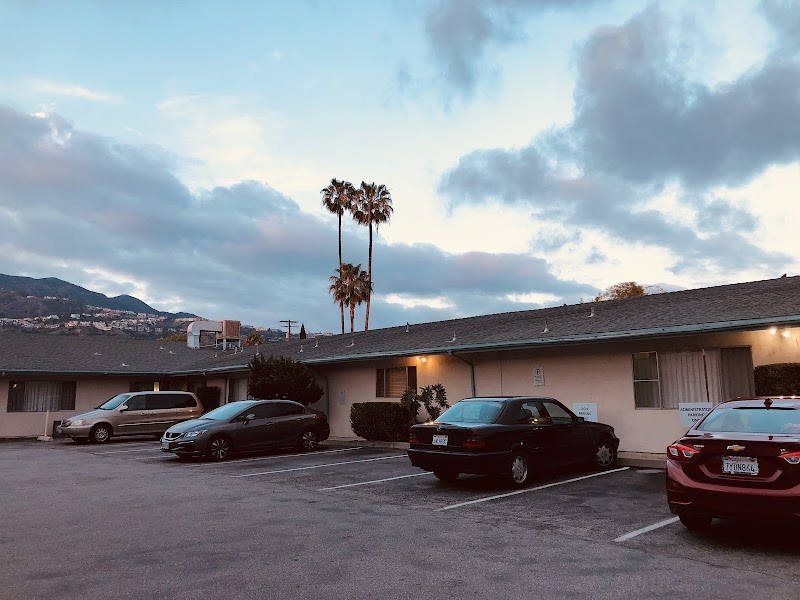
How Does Golden Haven Compare to Other California Nursing Homes?

Compared to the 100 nursing homes in California, GOLDEN HAVEN CARE CENTER's overall rating (1 stars) is below the state average of 3.1, staff turnover (47%) is near the state average of 46%, and health inspection rating (1 stars) is much below the national benchmark.

What Should Families Ask When Visiting Golden Haven?

Based on this facility's data, families visiting should ask: "What changes have been made since the serious inspection findings, and how are you preventing similar issues?" "Can you walk me through typical staffing levels on day, evening, and night shifts?" "Can I visit during a mealtime to observe dining assistance and food quality?" "How do you handle medical emergencies, and what is your hospital transfer rate?" These questions are particularly relevant given the facility's Immediate Jeopardy citations and the below-average staffing rating.

Is Golden Haven Safe?

Based on CMS inspection data, GOLDEN HAVEN CARE CENTER has documented safety concerns. Inspectors have issued 7 Immediate Jeopardy citations (the most serious violation level indicating risk of serious injury or death). The facility has a 1-star overall rating and ranks #100 of 100 nursing homes in California. Families considering this facility should ask detailed questions about what corrective actions have been taken since these incidents.

Do Nurses at Golden Haven Stick Around?

GOLDEN HAVEN CARE CENTER has a staff turnover rate of 47%, which is about average for California nursing homes (state average: 46%). Moderate turnover is common in nursing homes, but families should still ask about staff tenure and how the facility maintains care continuity when employees leave.

Was Golden Haven Ever Fined?

GOLDEN HAVEN CARE CENTER has been fined $74,602 across 3 penalty actions. This is above the California average of $33,825. Fines in this range indicate compliance issues significant enough for CMS to impose meaningful financial consequences. Common causes include delayed correction of deficiencies, repeat violations, or care failures affecting resident safety. Families should ask facility leadership what changes have been made since these penalties.

Is Golden Haven on Any Federal Watch List?

GOLDEN HAVEN CARE CENTER is not on any federal watch list. The most significant is the Special Focus Facility (SFF) program, which identifies the bottom 1% of nursing homes nationally based on persistent, serious quality problems. Not being on this list means the facility has avoided the pattern of deficiencies that triggers enhanced federal oversight. This is a positive indicator, though families should still review the facility's inspection history directly.