GRIFFITH PARK HEALTHCARE CENTER
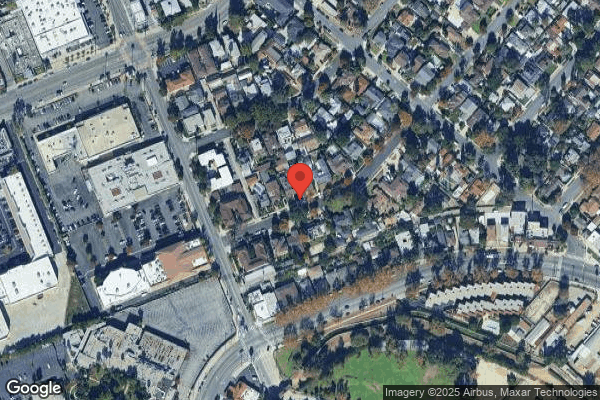
201 ALLEN AVE., GLENDALE, CA 91201 (818) 845-8507
For profit - Limited Liability company 94 Beds CRYSTAL SOLORZANO Data: November 2025 3 Immediate Jeopardy citations
Trust Grade
14/100
#817 of 1155 in CA
Last Inspection: October 2024

Within standard 12-15 month inspection cycle. Federal law requires annual inspections.

Overview

Griffith Park Healthcare Center has received a Trust Grade of F, indicating significant concerns with care quality. They are ranked #817 out of 1155 nursing homes in California, placing them in the bottom half, and #190 out of 369 in Los Angeles County, meaning only a few local options are better. The facility has shown an improving trend, reducing issues from 27 in 2024 to 11 in 2025, but still faces challenges. While staffing is a relative strength with a turnover rate of 18%, lower than the state average, the overall health inspection rating is only 1 out of 5 stars, indicating poor performance. Specific incidents of concern include failures related to smoking supervision for residents identified as unsafe smokers, inadequate measures to prevent a resident with severe cognitive impairment from wandering away, and not providing necessary behavioral health services for a resident expressing suicidal thoughts. Additionally, the facility has incurred $36,920 in fines, which is higher than 77% of California facilities, raising flags about compliance issues. On a positive note, they have excellent quality measures with a 5 out of 5 star rating, indicating some strengths in resident outcomes.

Trust Score
F
14/100
In California
#817/1155
Bottom 30%
Safety Record
High Risk
Review needed
Inspections
Getting Better
27 → 11 violations
Staff Stability
✓ Good
18% annual turnover. Excellent stability, 30 points below California's 48% average. Staff who stay learn residents' needs.
Penalties
✓ Good
$36,920 in fines. Lower than most California facilities. Relatively clean record.
Skilled Nurses
⚠ Watch
Each resident gets only 16 minutes of Registered Nurse (RN) attention daily — below average for California. Fewer RN minutes means fewer trained eyes watching for problems.
Violations
⚠ Watch
79 deficiencies on record. Higher than average. Multiple issues found across inspections.
★★☆☆☆
2.0
Overall Rating
★★★☆☆
3.0
Staff Levels
★★★★★
5.0
Care Quality
★☆☆☆☆
1.0
Inspection Score
Stable
2024: 27 issues
2025: 11 issues

The Good

  • 5-Star Quality Measures · Strong clinical quality outcomes
  • Low Staff Turnover (18%) · Staff stability means consistent care
  • Full Sprinkler Coverage · Fire safety systems throughout facility
  • No fines on record
  • Staff turnover is low (18%)

    30 points below California average of 48%

Facility shows strength in quality measures, staff retention, fire safety.

The Bad

2-Star Overall Rating

Below California average (3.1)

Below average - review inspection findings carefully

Federal Fines: $36,920

Above median ($33,413)

Moderate penalties - review what triggered them

Chain: CRYSTAL SOLORZANO

Part of a multi-facility chain

Ask about local staffing decisions and management

The Ugly 79 deficiencies on record

3 life-threatening
Sept 2025 1 deficiency
CONCERN (D) 📢 Someone Reported This

A family member, employee, or ombudsman was alarmed enough to file a formal complaint

Potential for Harm - no one hurt, but risky conditions existed

Comprehensive Care Plan (Tag F0656)

Could have caused harm · This affected 1 resident

**NOTE- TERMS IN BRACKETS HAVE BEEN EDITED TO PROTECT CONFIDENTIALITY** Based on observation, interview, and record review, the facility failed to implement a person-centered comprehensive care plan t...

Read full inspector narrative →
**NOTE- TERMS IN BRACKETS HAVE BEEN EDITED TO PROTECT CONFIDENTIALITY** Based on observation, interview, and record review, the facility failed to implement a person-centered comprehensive care plan to address the resident's medical and physical needs for one of three sampled residents (Resident 2), reviewed for pressure injury and prevention. Resident 2 who was admitted with a Stage 3 pressure injury (an open, full-thickness skin wound that extends into the fatty tissue but not into the muscle, bone, or tendon) on his sacrum (situated just above the buttocks) and a SDTPI (suspected deep tissue pressure injury) to the right and left heel, did not have a weekly treatment documentation from the facility's wound doctor (WMD) nor the treatment nurse (TN) of a risk assessment, that included measurements of each area of the skin breakdown. This deficient practice had the potential to result in the worsening of Resident 2's pressure injuries, by not having a wound doctor evaluate the pressure injury weekly and current treatments, which could negatively affect Resident 2's comfort and quality of life. Findings: During a review of Resident 2's admission Record, the admission Record indicated the resident was originally admitted to the facility on [DATE], and readmitted on [DATE], with diagnoses that included metabolic encephalopathy (a brain dysfunction caused by an underlying condition), hemiplegia and hemiparesis (paralysis/weakness) following cerebral infarction (a blood clot or blockage restricts blood flow and oxygen to the brain, damaging brain cells) affecting the left non-dominant side, and diabetes mellitus (blood sugar is too high). During a review of Resident 2's facility document titled Skin Observation Tool dated 8/29/2025 (date of admission), the Skin Observation Tool indicated Resident 2 had a Stage 3 pressure injury (PI) on his sacrum and SDTPI on the right and left heel. During a review of Resident 2's History and Physical Examination (HPE), dated 8/31/2025, the H & P indicated Resident 2 had fluctuating capacity to understand and make decisions During a review of Resident 2's Care Plan (CP) for Stage 3 pressure Injury to the sacrum dated 8/29/2025, the Care Plan included the listed interventions a) Assess/record/monitor wound healing, measure length. with and depth where possible and report improvements and declines to the Medical Doctor (MD), b) weekly treatment documentation to include measurement of each area of skin breakdown, width, depth, type of tissue and exudate. During a review of Resident 2's care plan (CP) for SDTPI on left heel dated 8/29/2025, the Care Plan interventions included to: a) assess/record/monitor wound healing, measure length. with and depth where possible and report improvements and declines to Medical Doctor (MD), b) weekly treatment documentation to include measurement of each area of skin breakdown, width, depth, type of tissue and exudate. During a review of Resident 2's care plan (CP) for SDTPI on the right heel dated 8/29/2025, the Care Plan interventions included to: a) assess/record/monitor wound healing, measure length. with and depth where possible and report improvements and declines to the Medical Doctor (MD), b) weekly treatment documentation to include measurement of each area of skin breakdown, width, depth, type of tissue and exudate. During a review of Resident 2's facility document titled Braden Scale For Predicting Pressure Sore Risk dated 8/29/2025, the Braden Scale indicated Resident 2 was bedfast (confined to bed), slightly limited mobility, and moderately at risk for pressure sore. During a review of Resident 2's facility document titled Order Summary Report (OSR) dated 8/29/2025, indicated a physician's order for wound consult and follow up visit by skilled wound care weekly, day shift Thursday Skilled Wound Care (SWC) (company that sends wound MD to facilities for wound evaluation and treatment). During a review of Resident 2's Minimum Data Set (MDS, a resident assessment tool), dated 9/5/2025, the MDS indicated Resident 2's cognitive skills (ability to make daily decisions) were severely impaired. The MDS indicated Resident 2 required supervision or touching assistance (Helper provides verbal cues and or touching steadying) with eating, and substantial/maximal assistance (helper does more than half the effort) with bathing, toileting, personal hygiene and dressing. During an observation on 9/16/2025 at 11:30 AM while in Resident 2's room, Resident 2 was in bed on his back, with limited mobility, verbalizing words making little or no sense. During a concurrent interview and record review, on 9/16/2025, at 2:30 PM, with Treatment Nurse (TN) 1, the (undated) facility binder for Skilled Wound Care (SWC) Communication Log was reviewed, the binder did not have a weekly assessment from WMD or TN 1 of Resident 2's Stage 3 PI on the sacrum area, and the SDTPI on Resident 2's right and left heel. TN 1 stated he did not have a weekly assessment of Resident 2's PI ‘s because he forgot to tell the WMD. TN 1 stated Resident 2 PI's were not reported to the WMD for evaluation, management and treatment and was not evaluated weekly by the WMD as per the plan of care. TN 1 stated, Resident 2 missed two weekly assessments, on 9/4/2025 and 9/11/2025. TN 1 stated it is important for WMD to assess and evaluate Resident 2's PI's to make sure if the wound is getting better or not, and to ensure proper treatment was being used, due to potential for the PI's to worsened. During a concurrent interview and record review, on 9/16/2025, at 3 PM, with the Director of Nurses (DON), Resident 2's electronic medical record (EMR -a collection of medical information about a person that is stored on a computer) from 8/29/2025 until present was reviewed. EMR did not indicate Resident 2 was evaluated by WMD or had a weekly assessment by WMD. DON stated, the facility did not have any documentation of WMD initial wound assessment or weekly assessment of Resident 2's PI's as per plan of care. During an interview on 9/16/2025, at 3:30 PM with the DON, the DON stated the facility did implement the plan of care for Resident 2's PI's. The DON stated the WMD as well as TN 1 did not have a weekly assessment. The DON stated not having a weekly assessment of Resident 2 PI's had the potential to result in the worsening of Resident 2's PI's, by not having a WMD evaluate the pressure injury and effectiveness of current treatments, which could affect Resident 2's quality of life. A review of the facility's policy and procedure (P&P) titled, Prevention of Pressure Injuries, revised on 4/2020, indicated the following: a) the policy's purpose is to provide information regarding identification of pressure injury risk factors and interventions for specific risk factors, b) review the resident's care plan and identify the risk factors as well as the interventions designed to reduce or eliminate those considered modifiable, c) assess resident on admission for existing pressure injury risk factors, repeat the risk assessment weekly and upon changes of condition, and evaluate, report and document potential changes in skin, review the interventions and strategies for effectiveness on an ongoing basis. A review of the facility's policy and procedure (P&P) titled, Pressure Ulcers/Skin Breakdown - Clinical Protocol, revised on 4/2020, indicated a) the nursing staff and practitioner will assess and document an individuals significant risk factors for developing pressure ulcer, b) the staff and the practitioner will examine the skin of newly admitted residents for evidence of existing pressure ulcers or other skin conditions, c) the physician will help staff characterize there likelihood of wound healing based on the review of pertinent factors, and d) the physician will identify medical interventions related to wound management. A review of the facility's policy and procedure (P&P) titled, Care Plans, Comprehensive Person - Centered, revised on 12/2016, indicated; a) a comprehensive care plan that includes measurable objectives and timetables to meet the resident's physical and functional needs is developed and implemented for each resident, b) comprehensive, person centered care plan will described services that are to be furnished to attain or maintain highest practicable physical, mental wellbeing, and include resident stated goals upon admission and desired outcomes.
Aug 2025 3 deficiencies
CONCERN (D) 📢 Someone Reported This

A family member, employee, or ombudsman was alarmed enough to file a formal complaint

Potential for Harm - no one hurt, but risky conditions existed

Deficiency F0554 (Tag F0554)

Could have caused harm · This affected 1 resident

**NOTE- TERMS IN BRACKETS HAVE BEEN EDITED TO PROTECT CONFIDENTIALITY** Based on observation, interview, and record review, the facility's interdisciplinary team (IDT-a coordinated group of experts fr...

Read full inspector narrative →
**NOTE- TERMS IN BRACKETS HAVE BEEN EDITED TO PROTECT CONFIDENTIALITY** Based on observation, interview, and record review, the facility's interdisciplinary team (IDT-a coordinated group of experts from several different fields who work together toward the care goals of the resident) failed to evaluate and assess residents mental and physical abilities for one of one sampled resident (Resident 1) to determine whether self-administering medications was clinically appropriate for the resident.Resident 1 was observed with five bottles of supplements at bedside which included vitamin C, calcium, vitamin D3, vitamin E and vitamin B12.This deficient practice had the potential to cause negative side effects to Resident 1's health.Findings: During a review of Residents 1's admission Record, the admission record indicated the resident was admitted to the facility on [DATE] with diagnoses including delusional disorders (a type of mental health condition in which a person cannot tell real from imagined), diabetes (blood sugar level to become too high), left and right eye blindness category 3 (means severe visual impairment that is worse than legal blindness, but can still perceive some light), and anemia (not having enough healthy red blood cells or hemoglobin to carry oxygen to the body's tissues). During a review of Resident 1's History and Physical (H&P) dated 8/11/2025, the H&P indicated Resident 1 had the capacity to understand and make decisions. During a review of Resident 1's Minimum Data Set (MDS, a resident assessment tool), initiated 8/15/2025, the MDS was not completed until 8/25/2025. The MDS indicated Resident 1 required partial/moderate assistance (helper does less than half the effort) with toileting, and personal hygiene, and required substantial /maximal assistance (helper does more than half the effort) with bathing. The MDS indicated Resident 1 was frequently incontinent of urine, and occasionally incontinent of bowel. During a concurrent interview and record review on 8/25/2025 at 8:30 AM, with Resident 1 in Residents 1's room, Resident 1 had five bottles of supplements (vitamin C, calcium, vitamin D3, vitamin E and vitamin B12) at the right-side bedside table within reach to Resident 1. Resident 1 stated she had been taking the vitamins herself for years, and she was aware she had her vitamins at bedside. Resident 1 stated she sometimes had diarrhea (passing loose, watery stools), then stated being surrounded by a magnetic field and nonsensical things. During an interview on 8/25/2025 at 9:35 AM in Resident 1's room with Licensed Vocational Nurse (LVN) 1, LVN 1 stated she was not aware Resident 1 had the vitamin supplements at bedside, and she was not sure if Resident 1 was assessed prior to having the vitamin supplement at bedside. LVN 1 stated Resident 1 might consume too many vitamins, and it may not be good for Resident 1. During a concurrent interview and record review on 8/25/2025 at 10:30 AM, with the Director of Nurses (DON), Resident 1's electronic health record (EHR) dated from admission 8/8/2025 to present 8/25/2025 was reviewed. The record did not have an assessment or an evaluation from the IDT to determine if Resident 1 was clinically appropriate and safe to self-administer her supplements. The record also did not indicate a physician's order for Resident 1 to self-administer the supplements. The DON stated Resident 1 was not evaluated by the IDT nor by the medical doctor if Resident 1 was appropriate to have supplements at bedside. The DON stated the facility did not have any documentation of any type of assessment for Resident 1 regarding self-administering medications. The DON stated having the supplements by Resident 1's bedside and Resident 1 verbalizing she takes it herself had the potential to cause an overdose of the supplements that could affect her health. A review of the facility's policy and procedure (P&P) titled, Self-Administration of Medications, revised 12/2016, indicated a) Residents had the right to self-administer medications if the interdisciplinary team determined that it was clinically appropriate and safe for the resident to do so, b)as part of the overall evaluation, the staff and practitioner would assess each resident mental and physical abilities whether self-administering medications was clinically appropriate for the resident, c)the staff and practitioner would document their findings who are identified being able to self-administer medications, and d) nursing staff would review the self -administered medication recorded on each nursing shift and transfer pertinent information to the medication administration record (MAR) kept at the nursing station, appropriately noting that the doses were self-administered.
CONCERN (D) 📢 Someone Reported This

A family member, employee, or ombudsman was alarmed enough to file a formal complaint

Potential for Harm - no one hurt, but risky conditions existed

Comprehensive Assessments (Tag F0636)

Could have caused harm · This affected 1 resident

**NOTE- TERMS IN BRACKETS HAVE BEEN EDITED TO PROTECT CONFIDENTIALITY** Based on observation, interview, and record review, the facility failed to ensure one of three sampled residents (Resident 1) ha...

Read full inspector narrative →
**NOTE- TERMS IN BRACKETS HAVE BEEN EDITED TO PROTECT CONFIDENTIALITY** Based on observation, interview, and record review, the facility failed to ensure one of three sampled residents (Resident 1) had a complete comprehensive assessment of a resident's needs, strengths, goals, and preferences, using Resident 1's Minimum Data Set (MDS, a resident assessment tool) document, within 14 calendar days after admission, per facility policy. Resident 1 was admitted on [DATE] and the MDS was due to be completed on 8/21/2025 but was completed on 8/25/2025 (four days late).This deficient practice potentially resulted in Resident 1, who had left and right eye blindness category 3 (means severe visual impairment that is worse than legal blindness but can still perceive some light) verbalizing feeling of frustration about her care.Findings: During a review of Residents 1's admission Record, the admission record indicated the resident was admitted to the facility on [DATE] with diagnoses including delusional disorders (a type of mental health condition in which a person cannot tell reality from imagined), and category 3 left and right eye blindness. During a review of Resident 's History and Physical (H&P) dated 8/11/2025, the H&P indicated Resident 1 had the capacity to understand and make decisions. During a review of Resident 1's MDS initiated 8/15/2025, the MDS indicated a completion date of 8/25/2025. The MDS indicated Resident 1 required partial / moderate assistance (helper does less than half the effort) with toileting, and personal hygiene. The MDS indicated Resident 1 was frequently incontinent of urine, and occasionally incontinent of bowel. During a concurrent observation and interview on 8/25/2025 at 9:10 AM with Resident 1 and Certified Nurse Assistant (CNA) 1, in Resident 1's room, CNA 1 came to the room and asked Resident 1 for a diaper change. Resident 1 refused. Resident 1 stated, They do not know what to do with me. I am very frustrated with my care. CNA 1 stated when Resident 1 refused to have her diaper changed, she did not know what else to do. During a concurrent interview and record review on 8/25/2025 at 10:30 AM, with the Director of Nurses (DON), Resident 1's electronic health record (EHR) dated from admission 8/8/2025 to present 8/25/2025 was reviewed. The record did not have a plan of care for Resident 1's actual left and right eye blindness category 3. The DON stated that the facility did not have a plan of care for Resident 1's blindness maybe because the MDS initial comprehensive assessment was not completed thoroughly. The DON stated not having a plan of care for Resident 1's blindness may have contributed to her frustration about her care. During a concurrent interview and record review on 8/25/2025 at 11:25 AM, with MDS Nurse (MDSN) and the DON, Resident 1's electronic health records (EHR) under MDS summary (undated) was reviewed. The document indicated Resident 1 was admitted on [DATE] and the document must be completed by 8/21/2025. The MDSN stated she was the assessment coordinator for the facility, and Resident 1's MDS was not completed timely. The MDSN stated the MDS assessment was critical in capturing and addressing the patient's needs and modify it as needed. The DON stated since the facility did not have a timely full assessment of Resident 1, the facility was not able to address all her needs that potentially caused Resident 1 to be angry and frustrated with her care. A review of the facility's policy and procedure (P&P) titled, MDS Completion and Submission Timeframes, revised 7/2017, indicated; a) the facility would conduct and submit assessments in accordance with current federal and state submission timeframes, b) the assessment coordinator or designee was responsible for ensuring that resident assessments were submitted to CMS (a federal agency under the U.S. Department of Health and Human Services that provides health coverage for more than 160 million people through programs like Medicare, Medicaid, and the Children's Health Insurance Program) in accordance with current federal and state guidelines. A review of the facility's P&P titled, Resident Assessments, revised 7/2019, indicated a) a comprehensive assessment of every residents needs was made at intervals designated by OBRA (federal standards for nursing home care to protect residents' rights, safety, and quality of life) requirement, b) OBRA required assessments - conducted for all residents in the facility includes; Initial assessment (Comprehensive) - conducted within fourteen (14) days of the resident's admission to the facility, the result of the assessments were used to develop, review and revise the resident's comprehensive care plan.
CONCERN (D) 📢 Someone Reported This

A family member, employee, or ombudsman was alarmed enough to file a formal complaint

Potential for Harm - no one hurt, but risky conditions existed

Pressure Ulcer Prevention (Tag F0686)

Could have caused harm · This affected 1 resident

**NOTE- TERMS IN BRACKETS HAVE BEEN EDITED TO PROTECT CONFIDENTIALITY** Based on interview and record review, the facility failed to ensure one of three sampled residents (Resident 1) received care co...

Read full inspector narrative →
**NOTE- TERMS IN BRACKETS HAVE BEEN EDITED TO PROTECT CONFIDENTIALITY** Based on interview and record review, the facility failed to ensure one of three sampled residents (Resident 1) received care consistent with professional standards of practice to prevent pressure injury (localized, pressure-related damage to the skin and/or underlying tissue usually over a bony prominence), when Resident 1, who was admitted with Moisture-Associated Skin Damage (MASD, skin irritation or breakdown caused by prolonged exposure to wetness from bodily fluids) to the buttocks extending to the groin area, did not have a weekly skin assessment, per facility policy.This deficient practice had the potential to result in worsening the MASD or infection and could negatively affect Resident 1's quality of life.Findings:During a review of Residents 1's admission Record, the admission record indicated the resident was admitted to the facility on [DATE] with diagnoses including diabetes (blood sugar level to become too high) and anemia (not having enough healthy red blood cells or hemoglobin to carry oxygen to the body's tissues). During a review of Resident 's History and Physical (H&P) dated 8/11/2025, the H&P indicated Resident 1 had the capacity to understand and make decisions. During a review of Resident 1's Minimum Data Set (MDS, a resident assessment tool), initiated 8/15/2025, the MDS indicated a completion date of 8/25/2025. The MDS indicated Resident 1 required partial/moderate assistance (helper does less than half the effort) with toileting, and personal hygiene. The MDS indicated Resident 1 was frequently incontinent of urine and had occasional incontinence of bowel. During a review of Resident 1's Braden's Scale for Predicting Pressure Risk, dated 8/8/2025, the document indicated Resident 1 had a high risk for pressure injury. During a review of Resident 1's care plan for Actual Impairment to Skin Integrity of the buttocks extending to the groin area related to MASD dated 8/8/2025, the care plan interventions indicated to monitor/document location, size and treatment of skin injury, report abnormalities, failure to heal, signs of infection etc. and report to the doctor. During a concurrent interview and record review on 8/25/2025 at 10:30 AM, with the Director of Nurses (DON), Resident 1's electronic health record (EHR) dated from admission 8/8/2025 to present 8/25/2025 was reviewed. The record indicated Resident 1 had MASD upon admission but did not have a weekly skin assessment completed per policy. The DON stated Resident 1 did not have a weekly skin assessment for her MASD, that included location, size and if treatment was effective. The DON stated not having a weekly skin assessment of Resident 1's MASD had the potential for further skin breakdown. During an interview on 8/25/2025 at 2 PM with Treatment Nurse (TN) 1, TN 1 stated Resident 1 had MASD upon admission on [DATE], and there was no weekly assessment because it was missed. TN 1 stated it was very important to have a weekly assessment of Resident 1's MASD, due to the resident's occasional refusal of diaper change. TN 1 stated the weekly skin assessment would determine if the current treatment was working or not, and if the MD needed to be notified. A review of the facility's policy and procedure (P&P) titled, Prevention of Pressure Injuries, revised 4/2020, indicated the purpose was to provide information regarding identification of pressure injury factors and interventions to specific risk factors and to assess the resident on admission for existing pressure injury risk factors and repeat risk assessment weekly. The P&P indicated to evaluate, report and document potential changes in the skin, and to review the interventions and strategies for effectiveness on and ongoing basis.
Jul 2025 1 deficiency
CONCERN (D) 📢 Someone Reported This

A family member, employee, or ombudsman was alarmed enough to file a formal complaint

Potential for Harm - no one hurt, but risky conditions existed

Deficiency F0602 (Tag F0602)

Could have caused harm · This affected 1 resident

**NOTE- TERMS IN BRACKETS HAVE BEEN EDITED TO PROTECT CONFIDENTIALITY** Based on interview and record review, the facility failed to implement its policy and procedures titled Release of Resident's Pe...

Read full inspector narrative →
**NOTE- TERMS IN BRACKETS HAVE BEEN EDITED TO PROTECT CONFIDENTIALITY** Based on interview and record review, the facility failed to implement its policy and procedures titled Release of Resident's Personal Belongings , to prevent misappropriation (unauthorized or improper use of someone else property) of resident's property and ensure accurate accounting and safe keeping of resident's personal belonging for one of three sampled residents (Resident 1). This deficient practice had resulted in the violation of residents rights for Resident 1 and a potential for other residents in the facility to loose their personal items. CMS 2567 amended [DATE]Findings: During a review of Resident 1's admission Records (AR), the AR indicated Resident 1 was admitted to the facility on [DATE] and readmitted on [DATE] with diagnoses that included hypertension (high blood pressure), Type 2 Diabetes (high blood sugar), and dementia (decline in mental ability which can interfere with daily activities). During a review of Resident 1's History and Physical (H&P, a comprehensive physician's note regarding the assessment of the resident's health status), dated [DATE], the H&P indicated Resident 1 did not have the capacity to understand and make decisions. During a review of Resident 1's Minimum Data Set (MDS, a federally mandated resident assessment tool), dated [DATE], the MDS indicated the resident was moderately impaired in cognition (problems with a person's ability to think, learn, remember, use judgement, and make decisions). During a review of Resident 1's, Health Status Note signed by Register Nurse (RN)1 dated [DATE] timed at 2:25 PM indicated Resident transferred via 911 picked up 2:20 P.M. due to desaturation (low oxygen blood level) and respiratory distress. Resident 1 left the facility conscious, skin intact. Notified RP (Responsible Party) 1. A review of Resident 1's, Plan of Care Note signed by Social Service Assistant (SSA)1 dated [DATE] timed at 4:32 PM indicated, SSA 1 spoke with RP1 regarding Resident 1 belonging. RP 1 wants SSA 1 to send Resident1's belonging to him. During a review of Parcel Shipping Order provided by DOM, dated [DATE] indicated Director of Marketing (DM) 1 shipped Resident 1's clothing, phone, tablet, prepacked items, and battery inside devices without the hearing aide to Resident's 1 RP1. During an interview on [DATE] at 11:02 A.M. with Registered Nurse (RN) 1, RN 1 stated she assisted with the transfer of Resident 1 to the hospital on [DATE] due to resident's low oxygen blood level. RN 1 stated she did not update the Inventory Check list of Resident 1 when the resident transferred to the hospital. RN1 stated based on the facility's policy the Inventory Check list should be updated/ completed upon transfer of the residents. During an interview on [DATE] at 12:12 P.M., with SSA 2, SSA 2 stated the Inventory Checklist should be completed upon admission, updated and completed upon discharge or transfer of the residents to the hospital to prevent misappropriation of resident's property. SSA2 stated Resident 1 Inventory Checklist was not updated completed upon discharge of the resident which resulted in the facility's failure to keep track of the resident's personal item missing. During an interview on [DATE] at 12:20 P.M., with CNA 1 stated she was assigned to Resident 1 on [DATE] and was at facility when Resident 1 transferred to the hospital. CNA 1 stated upon transferring Resident 1 to the hospital she did not complete the inventory list since she was not aware of the policy and believed it was the licensed nurses' responsibility to complete the inventory. During an interview and record review of 4 pictures of the belongings of Resident 1, provided by facility, on [DATE] at 12:30 P.M., with Director of Marketing (DOM), DOM stated in the beginning month of July she received a call from RP 1 requesting Resident 1's belongings. DM stated RP1 emailed him 4 pictures that were sent to him by SSA1 which included:During a review of 4 pictures of the belonging of Resident 1, provided by Director of Marketing (DOM),Picture 1 was a picture of one closed carbon box with Resident 1 name handwritten on it Picture 2 was a picture of a closed black suitcase.Picture 3 was a picture of an opened box with shoes towel and comforter.Picture 4 was a picture of an opened suitcase with clothes, tablet, wallet, phone, reading glasses, photo of dog and phone charger. During concurrent interview on [DATE] at 12:36 P.M., with DOM, DOM stated she looked for Resident 1's belonging and was able to find a box which included Resident 1 clothing, phone, tablet, prepacked items, and battery inside devices but she was not able to find the hearing aids. DM 1 stated she shipped the clothing, phone, tablet, prepacked, and batteries to RP 1 on [DATE], however the facility was not able to find the black suitcase. DM 1 stated she was not sure if the items that were sent to RP 1 was all the belongings of Resident 1 . During an interview on [DATE], and timed at 1:13 P.M., with Director of Nursing (DON), the DON stated the purpose of completing the inventory list was to prevent misappropriation of property and to prevent loss of Resident1's belonging. The DON stated based on facility policy inventory list should be completed upon admission, when resident bring new items, and when residents are transferred to hospital. During an interview and record review of Resident 1's Inventory List signed by Register Nurse (RN)1 dated [DATE], with the DON on [DATE] at 1: 20 P.M., DON stated the inventory list indicated Resident 1 was admitted to the facility with the following items: one hospital gown and hearing aids left and right ears. During the same interview the DON stated the section that staff should have been filled up in the Inventory Check list when Resident 1 was transferred to the hospital was blank. DON stated Resident 1's inventory list was not completed/updated upon transfer to hospital which can result in misappropriation of Resident 1's property. During an interview on [DATE], and timed at 1:26 P.M., with RP 1, RP 1stated RN1 contacted him that Resident 1 was transferred to hospital on [DATE] and Resident 1 expired on [DATE]. RP1 stated he requested SSA 1 on [DATE] to send him Resident 1 ‘s belonging. RP 1 stated SSA 1 promised to send Resident 1's belonging to him, however, he did not receive the belonging up to today [DATE]. RP 1 stated SSA sent him 4 picture of Resident 1's belonging on [DATE] which included: Picture 1 was a picture of one closed carbon box with Resident 1 name handwritten on it Picture 2 was a picture of a closed black suitcase.Picture 3 was a picture of an opened box with shoes towel and comforter.Picture 4 was a picture of an opened suitcase with clothes, tablet, wallet, phone, reading glasses, photo of dog and phone charger. During an interview and record review of Resident 1 documents on [DATE] at 2:20 P.M., with Administrator (ADM), the ADM stated he is unable to provide any document that inventory checklist completed or updated when Resident 1 was transferred to hospital on [DATE]. A review of the facility's policy and procedures titled, Release of Resident's Personal Belongings ', revised [DATE], indicated, Our facility protects the personal belongings of a resident who has been transferred or discharged from our facility. The personal belongings of a resident who is temporarily transferred or discharged from the facility will be inventoried and stored by the facility until the resident has returned or such items have been picked up by the resident's representative.
Jun 2025 1 deficiency
CONCERN (D) 📢 Someone Reported This

A family member, employee, or ombudsman was alarmed enough to file a formal complaint

Potential for Harm - no one hurt, but risky conditions existed

Deficiency F0742 (Tag F0742)

Could have caused harm · This affected 1 resident

**NOTE- TERMS IN BRACKETS HAVE BEEN EDITED TO PROTECT CONFIDENTIALITY** Based on interview, and record review the facility failed to provide treatment and services to attain the highest practicable me...

Read full inspector narrative →
**NOTE- TERMS IN BRACKETS HAVE BEEN EDITED TO PROTECT CONFIDENTIALITY** Based on interview, and record review the facility failed to provide treatment and services to attain the highest practicable mental and psychosocial well- being for Resident 1 who was diagnosed with major depressive disorder, anxiety and schizophrenia (a mental illness that affect how person think, feel, behave, mixed symptoms such as hallucination, delusion, disorganized thinking and who was identified as having behavioral issues and verbalization of wanting to go to the hospital on 6/16/2025 at 8:15 PM to 11 PM, in one of two sampled residents reviewed for behaviors (Resident 1), by failing to: 1. Ensure 1:1 sitter (provide one to one nursing or observation care to an individual patient for a period of time) intervention was put in place for Resident 1 whose behaviors were escalating on 6/16/2025. 2. Inform Resident 1 ' s physician of Resident 1 ' s complaint of pain or chest pain and fall on 6/16/2025 and request to go to the acute hospital. Follow up with Resident 1 ' s physician for any new order when Resident 1 ' s physician did not give any instructions or orders on 6/16/2025 at 8:58 PM, upon Licensed Vocational Nurse (LVN) 1 ' s notification that Resident 1 had been readmitted back to the facility, in accordance with the facility ' s P&P on Change in a Resident's Condition or Status 3. Ensure additional follow up and intervention was developed for Resident 1 to ensure Resident 1 ' s safety and prevent injury and harm to self or to others after resident ' s behavior was observed to be escalating and not managed as reported by CNAs 1 and 2 to LVNs 1, 2 and 3, in accordance with the facility ' s P&P on Behavioral Assessment, Intervention and Monitoring. 4. Ensure the facility meet Resident 1 ' s mental health needs when LVNs 1, 2, and 3 did not address Resident 1 ' s request to go to the hospital and threatening behavior of putting her self on the floor, in accordance with the facility ' s P&P on Behavioral Assessment, Intervention and Monitoring. 5. Provide a safe environment by ensuring Resident 1 was supervised/monitor adequately to prevent accidents/hazards that may put Resident 1 or others in danger, in accordance with the facility ' s P&P on Behavioral Assessment, Intervention and Monitoring. This deficient practice resulted in the facility violating its policy and escalating Resident ' s1 behavior resulting in the resident smashing a glass window and obtaining a sharp object (broken glass), which she was actively brandishing (wave or flourish something or a weapon, as a threat or in anger or excitement) and holding toward her neck, in an attempt to leave the facility and be transferred to the acute hospital. This failure has the potential to cause physical injury to Resident 1. Resident 1 was transferred to the General Acute Care Hospital (GACH) 1 on 6/17/2025 via 911 emergency services for Suicide Attempt. Findings: During a review of Resident 1 ' s admission Records (AR), the AR indicated Resident 1 was admitted to the facility on [DATE] and readmitted to the facility on [DATE] with diagnosis that included major depressive disorder, anxiety disorder and schizophrenia (a mental illness that affect how person think , feel, behave , mixed symptoms such as hallucination, delusion , disorganized thinking). During a review of Resident 1 ' s Hospital Progress Note provided by the facility from General Acute Care Hospital (GACH) 1, with date of service of 6/12/2025, the Note indicated Resident 1 has extensive During a review of Resident 1 ' s Hospital Progress Note provided by the facility from General Acute Care Hospital (GACH) 1, with date of service of 6/13/2025, the Hospital Progress Note indicated Resident 1 was recently admitted to GACH 1 Emergency Department (ED) on 5/30/25 for seizure activity. The GACH 1 record indicated the resident was discharged back to the facility on 6/16/2025. During a review of Resident 1 ' s Minimum Data Set (MDS, a federally mandated resident assessment tool), dated 5/30/2025, the MDS indicated the resident was moderately impaired in cognition (problems with a person ' s ability to think, learn, remember, use judgement, and make decisions). During a review of Resident 1 ' s Change of Condition (COC), dated 6/16/2025 timed at 8:15 PM documented by LVN 1 indicated Resident admitted at 7:45 PM. At 8:15 Resident 1 was lying on the floor on her back next to bed. During a review of a facility provided text message obtained on the facility ' s physician communication phone, between Physician 1 and LVN 1, on 6/16/2025 at 8:57 PM, the text message indicated LVN 1 texted Physician 1 and reported Resident 1 requested to go back to the hospital and was found on the floor. The text message further indicated LVN 1 informing Physician 1 that [Resident 1] was not happy. On 6/16/2025 at 8:58 PM, Physician 2 responded via text message asking if Resident 1 was sent back to the facility. On 6/16/2025 at 8:58 PM, LVN 1 responded via text yes. On 6/16/2025 at 8:58 PM, Physician 1 asked via text message, Where is she [Resident 1]? On 6/16/2025 at 9:55 PM, LVN 1 responded via text message At the facility. During a review of Resident 1 ' s Nurse Note dated, 6/16/2025 timed at 10:39 PM documented by LVN 1, the Note indicated Resident 1 was observed moving herself off the bed onto the floor two times, lying and screaming for no apparent reason stating, I am going back on the floor. The Note indicated Risks and benefits explained to the resident moving herself to the floor is unsafe. Frequent visual checks rendered. During a review of Resident 1 ' s Nurse Note dated 6/17/2025 timed at 12:50 AM documented by LVN 3 indicated, the Note indicated A behavioral emergency (Code Orange) was in progress, involving a newly readmitted resident. The Note indicated that [LVN 1] stated that [Resident 1] shattered her room window using an unknown object and is armed with a large shard of glass. The Note indicated LVN 3 observed Resident 1 obtained a sharp jagged piece of glass approximately 2 feet in length and several inches wide, which she [Resident 1] was actively brandishing and holding toward her neck. The Note indicated Resident 1 was stating loudly and repeatedly, to send her back to the hospital, and demanding her nitroglycerin (medication to provide relief of chest pain). The Note indicated Resident 1 ' s Tone was threatening and unstable, subjective of acute psychological distress. The Note further indicated It was later discovered that the glass shard had been concealed under her [Resident 1] bedsheet immediately after breaking the window, indication intent to avoid detection and possible premeditation. The Note indicated 911 EMS was contacted, and a staff was assigned maintain line of sight observation. The Note indicated that at 1 AM, law enforcement and 911 EMS arrived at the facility and transferred Resident 1 back to GACH 1 for psychiatric evaluation. During a review of the Police Report dated 06/17/2025 timed at 12:56 AM, the Report indicated, on 06/17/25 at approximately 1 AM, the police officer arrived at the facility and upon arrival, medical (facility) staff informed the police officer that Resident 1 smashed the window by her bed and used the (broken) glass to threaten to take her own life. The Police Report further indicated that facility staff also stated that the resident was not ambulatory, however the resident (Resident 1) was in her bed, holding the piece of glass to her own neck. The Police Report indicated that after making contact with Resident 1 it was apparent that the resident was now holding the large piece of glass on her chest and a smaller piece in her right hand. The Police Report indicated when Resident 1 was asked why she was holding the glass; Resident 1 stated the facility staff mistreated her because they refused to give her medication. The Police Report indicated Resident 1 decided to threaten to take her own life. The Police Report indicated, after talking to Resident 1, she agreed to put down the glass as she wanted to transport her to the hospital. The Police Report indicated Resident 1 stated she had to act this way to get the appropriate attention so she could get her medication. The Police Report indicated the police officer spoke with [LVN 1] who stated Resident 1 arrived at 7:30 PM that evening (6/16/25) and had been complaining about treatment since her arrival, stating that she [Resident 1] needed medication. The Police Report indicated [LVN 1] also stated she found that the resident got herself out of bed and positioned herself on the floor multiple times. The Police Report indicated [LVN 1] stated that due to the fact that they refused to give Resident 1 medication, Resident 1 broke the glass and threatened to take her own life, at which point the staff called the police department and Resident 1 was transported to the hospital. During a review of the Transfer Form dated, 6/17/2025 timed at 1:36 AM, documented by LVN 3, the Form indicated Resident 1 was transferred to GACH 1 for suicide attempt. During an interview on 6/18/2025 at 10:25 AM with the ADON, the ADON stated on 6/17/2025 at around 1 AM, Resident 1 broke her room ' s window glass and placed the glass next to her neck. The ADON stated Resident 1 was transferred to the hospital for attempted suicide. During an interview on 6/18/2025 at 10:48 AM with the Administrator, the Administrator stated on 6/17/2025 around 1:30 AM, he was informed by LVN 3 that Resident 1 broke the window in her room and held the glass next to her neck. The Administrator stated he arrived at the facility on 6/17/2025 at around 2 AM but Resident 1 was already transferred to GACH 1 and observed that Resident 1 ' s window glass inside the room was broken. The Administrator stated it was not usual for the facility to have a resident break the glass and attempt suicide During an interview on 6/18/2025 at 12:03 PM with LVN 1, LVN 1 stated she was working on 6/16/2025 from 3 PM to 6/16/2025 at 11 PM, however LVN 1 stayed longer due to the incident that happened that night with Resident 1. LVN 1 stated Resident 1 was admitted to the facility on [DATE] at around 7:45 PM. LVN 1 stated that on 6/16/2025 at around 8:15 PM, LVN 1 was informed by CNA 1 that Resident 1 was on the floor. LVN 1 stated Resident 1 was agitated and screaming that she does not want to stay at the facility. LVN 1 stated she sent a text message to Physician 1 that Resident 1 does not want to stay at the facility. LVN 1 stated Physician 1 asked where Resident 1 is but did not give any instructions or orders. LVN 1 stated she did not follow up or call Physician 1 to clarify any orders. LVN 1 stated about 30 minutes later, after Physician 1 ' s text message, Resident 1 started screaming for no reason and try to get out of the bed and asked to send her to the hospital. During the same interview on 6/18/2025 at 12:03 PM with LVN 1, LVN 1 stated she asked CNA 1 to do frequent rounds and check on Resident 1 to prevent her from getting out of bed and fall. LVN 1 stated Resident 1 behavior (yelling and screaming) was escalating through the night, and it was not manageable try to talk to her [Resident 1] and redirect, but Resident 1 did not want to stay at the facility. LVN 1 stated on the same night at around 11:39 PM, Resident 1 was found again on the floor and screaming and agitated demanding to go back to hospital. LVN 1 stated Resident 1 was assisted back to bed but at around 12:30 AM to 1 AM (12/17/25), the facility staff heard a noise and observed Resident 1 inside her room with a broken glass in her hand and holding it close to her neck and saying she has chest pain and wants to go to the hospital. LVN 1 stated Resident 1 was not redirectable and behavior was not managed. LVN 1 stated she was scared for the safety of Resident 1 and other residents, and staff. LVN 1 stated she did not follow up or called Physician 1 that Resident 1 ' s behavior was escalating and behavior is not being managed in the facility. LVN 1 stated she did not document a change in condition [COC] form for Resident 1 ' s behavior. During an interview on 6/18/2025 at 12:55 PM with LVN 3, LVN 3 stated he was at the facility on 6/16/2025 from 3 PM to 11 PM, however stayed longer due to the incident that happen. LVN 3 stated on 6/16/2025 at around 10:30 PM, LVN 1 informed her that Resident 1 was on the floor, and she need help to transfer Resident 1 back to bed. LVN 3 stated he delegated to CNA 1 to help LVN 1. LVN3 stated he asked CNA 2 around 11 PM to do frequent rounds on Resident 1 and stay with her, however CNA 2 would come to the Nursing Station and informed LVN 3 that Resident 1 ' s behavior (getting out of bed) was not manageable. LVN 3 stated he reinstructed CNA 2 to stay with Resident 1. LVN 3 stated he was informed by LVN 1 around 1 AM that Resident 1 broke the window glass. LVN 3 stated he went to Resident 1 ' s room and observed Resident 1 holding a big glass next to her neck. LVN 3 stated he called 911 EMS. LVN 3 stated if a resident ' s behavior is not managed and escalating (screaming and demanding to go back to hospital), staff should call and notify the physician and if the physician is not available, staff should call 911. LVN 3 stated he did not call 911 right away, since LVN 2 was already on duty and assigned to Resident 1. During an interview on 6/18/2025 at 1:28 PM with LVN 2, LVN 2 stated he was working on 6/16/2025 from 11 PM to 6/17/2025 at 7 AM and was assigned to Resident 1. LVN 2 stated around 11 PM to 11:30 PM Resident 1 reported to him that she has pain, and she was screaming and yelling that she wants to go to hospital, and no one was helping her. LVN 2 stated he asked where the pain was but Resident 1 could not tell her where the pain is, she was screaming, and she was not responding to redirection. LVN 2 stated he ask CNA 2 to do frequent check to Resident 1 since LVN 2 had to attend another resident. LVN 2 stated Resident 1 ' s behavior was not managed. LVN 2 stated he does not know how he could he managed the behavior of yelling and screaming and trying to get out of bed. LVN 2 stated he did not call the physician to notify the physician of Resident 1 ' s pain and escalating behavior. During an interview on 6/18/2025 at 1:52 PM with CNA 1, CNA 1 stated he was working on 6/16/2025 from 3 PM to 11 PM and was assigned to Resident 1. CNA 1 stated on 6/16/2025 at around 8:15 PM, he found Resident 1 on the floor and reported it to LVN 1. CNA 1 stated Resident 1 was demanding to go to the hospital and does not want to stay in the facility. CNA 1 stated he heard that Resident 1 reported to LVN1 that she wants to go to the hospital, but LVN 1 reported to her that she has to ask the physician. CNA 1 stated Resident 1 constantly asking from 8:15 PM to 11 PM, on 6/16/2025 to send her to the hospital. CNA 1 stated she reported the behavior to LVN 1 and LVN 3 and they were aware. During an interview on 6/18/2025 at 2:02 PM with CNA 2 , CNA 2 stated he was working on 6/16/2025 from 11 PM to 6/17/2025 at 7 AM and was assigned to Resident 1.CNA 2 stated from the beginning of his shift on 6/16/2025 at 11 PM , Resident 1 was asking to go to the hospital and telling LVN 2 that she has a chest pain and requesting Nitroglycerin. CNA 2 stated LVN 2 left Resident 1 ' s room and did not come back. CNA 2 stated Resident 1 was yelling and agitated from 11 PM until the incident happened. CNA 2 stated he stayed the room with Resident 1 and try to calm her down, but she was not redirectable. CNA 2 stated around 12:50 AM, CNA2 observed Resident 1 breaking the window of her room and holding on to a glass in her hand very close to her neck and demanding to go to the hospital. CNA 2 stated LVN 2 did not attend to care for Resident 1, until Resident 1 broke the glass. During an interview and record review of Resident 1 medical records from 6/16/2025 to 6/17/2025, on 6/18/2025 at 2:08 PM with the ADON, the ADON stated if a resident ' s mental or physical condition change such as Resident 1 ' s report of pain or chest pain, the staff should do a complete assessment, inform the physician, and document in the COC form. The ADON stated if Resident 1 refuse assessment, staff should document in the nurses note that resident refused. If Resident behavior is not managed and agitated and staff was unable to assess Resident 1 and unable to redirect, the staff should inform the physician. The ADON stated if the physician was not available and behavior not managed, staff should call 911 EMS. The ADON stated Resident 1 ' s behavior was not managed in this incident and could have been prevented if staff would have assigned one on one supervision and call 911 for the report of chest pain if staff cannot assess properly such as check blood pressure or heart rate. The ADON stated since Resident 1 was a new admit, there was no comprehensive care plan initiated yet. The ADON stated there is no documentation that Resident 1 had pain, chest pain, or the behavior (screaming yelling) was present. The ADON stated there is no documentation what intervention was provided to manage her behavior. During a review of facility P&P titled Behavioral Assessment, Intervention and Monitoring revised March 2019, the P&P indicated The facility will provide, and residents will receive behavioral health services as needed to attain or maintain the highest practicable physical, mental ,and psychosocial well being in accordance with the comprehensive assessment and plan of care. Behavioral health services will be provided by qualified staff who have the competencies and skills necessary to provide appropriate services to Residents. Residents will have minimal complication associated with management of altered or impaired behavior. Behavior is the response ofan individual to a wide variety of factors. These factors may include [NAME].) physical, functional, psychosocial, emotional, psychiatric, or environmental causes. a. Behavior is regulated by the brain and is influenced by past experiences, personality traits, environment, and interactions with other people. b. Behavior can be a way for an individual in distress to communicate unmet needs, indicate discomfort, or express thoughts that cannot be articulated. As part of the comprehensive assessment, staff will evaluate, based on input from the resident, family and caregivers, review of medical record and general observations: The resident's usual patterns of cognition, mood and behavior; b The Resident's usual method of communicating things like pain, hunger, thirst, and other physical discomforts . The resident's typical or past responses to stress, fatigue, fear, anxiety, frustration and other triggers; The resident's previous patterns of coping with stress, anxiety, and depression. The nursing staff will identify, document, and inform the physician about specific details regarding changes in an individual's mental status, behavior, and cognition, including: a. Onset, duration, intensity and frequency of behavioral symptoms; b. Any recent precipitation or relevant factors or environmental triggers (e.g., medication changes , infection , recent transfer from hospital) Appearance and alertness of the resident and related observations. New onset or changes in behavior will be documented regardless of the degree of risk to the resident or others. The Resident or /and resident surrogate will have a right to refuse treatment . Innervations will be individualized and part of an overall care environment that supports physical, functional and psychosocial needs, and strives to understand , prevent or relive the resident distress or loss of ability. During a review of facility P&P titled Change in a Resident's Condition or Status revised May 2017, the P&P indicated Our facility shall promptly notify the resident, his or her Attending Physician, and representative (sponsor) of changes in the resident's medical/mental condition and/or status (e.g., changes in level of care, billing/payments, resident rights, etc.). The nurse will notify the resident's Attending Physician or physician on call when there has been a(an) significant change in the resident's physical/emotional/mental condition; need to alter the resident's medical treatment significantly; refusal of treatment or medications two (2) or more consecutive times); need to transfer the resident to a hospital/treatment center; specific instruction to notify the Physician of changes in the resident's condition. Asignificant change of condition is a major decline or improvement in the resident's status that: Will not normally resolve itself without intervention by staff or by implementing standard disease- related clinical interventions (is not self-limiting); Prior to notifying the Physician or healthcare provider, the nurse will make detailed observations and gather relevant and pertinent information for the provider, including (for example) information prompted by the Interact SBAR Communication Form. The nurse will record in the resident's medical record information relative to changes in the resident's medical/mental condition or status.
Jun 2025 1 deficiency
CONCERN (D) 📢 Someone Reported This

A family member, employee, or ombudsman was alarmed enough to file a formal complaint

Potential for Harm - no one hurt, but risky conditions existed

Free from Abuse/Neglect (Tag F0600)

Could have caused harm · This affected 1 resident

**NOTE- TERMS IN BRACKETS HAVE BEEN EDITED TO PROTECT CONFIDENTIALITY** Based on observation, interview, and record review, the facility failed to protect the resident ' s rights to be free from physi...

Read full inspector narrative →
**NOTE- TERMS IN BRACKETS HAVE BEEN EDITED TO PROTECT CONFIDENTIALITY** Based on observation, interview, and record review, the facility failed to protect the resident ' s rights to be free from physical and verbal abuse for one of three sampled residents (Resident 2) by failing to protect Resident 2 from Resident 1, after Residents 1 and 2 had a prior physical altercation on 5/29/2025 at around 8 AM and 10 AM. This deficient practice resulted in Resident 2 experiencing physical and verbal abuse from Resideht 1 on 5/29/2025 and had the potential to result to physical injury and/or affect Resident 2 psychosocially. Findings: During a review of Resident 1 ' s admission Record (AR), the AR indicated a readmission to the facility on 4/9/2025 with diagnoses including schizoaffective disorder (a mental health condition including schizophrenia [a serious mental health condition that affects how people think, feel and behave] and mood disorder symptoms), hemiplegia (severe or complete loss of strength leading to paralysis on one side of the body) and hemiparesis (one-sided muscle weakness) following cerebral infarction (when the blood supply to part of the brain is blocked or reduced) affecting right dominant side, and dysphagia (difficulty swallowing). During a review of Resident 1 ' s History and Physical Assessment (H&P) dated 11/16/2024, the H&P indicated Resident 1 did not have the capacity to understand and make decisions. During a review of Resident 1 ' s Minimum Data Set (MDS, an assessment and screen tool) dated 4/9/2025, the MDS indicated Resident 1 had moderately impaired cognition (mental action or process of acquiring knowledge and understanding through thought, experience and the senses). During a review of Resident 1 ' s Progress Notes dated 5/29/2025 timed at 8:03 AM, the notes indicated Resident 1 was moved to another room. During a review of Resident 1 ' s Progress Notes dated 5/29/2025 timed at 10:33 AM, the notes indicated Resident 1 ' s attending physician was notified of Resident 1 ' s physical altercation with another resident and was ordered to transfer to the acute hospital for medical and psychiatric evaluation. During a review of Resident 1 ' s Progress Notes dated 5/29/2025 timed at 12 noon, Resident 1 refused medications due and the physician was made aware. The notes indicated Resident1 was picked up by ambulance due to elevated blood pressure. During a review of Resident 2 ' s AR, the AR indicated an admission to the facility on 5/8/2025 with diagnoses including radiculopathy lumbar region (disorder that causes pain in the lower back and hip), polyneuropathies (condition in which a person ' s peripheral nerves are damaged), and osteoarthritis (degenerative joint disease, in which the tissues in the joint break down overtime). During a review of Resident 2 ' s H&P dated 5/9/2025, the H&P indicated Resident 2 had the capacity to understand and make decisions. During a review of Resident 2 ' s MDS dated [DATE], the MDS indicated Resident 2 ' s cognition was intact. During a review of Resident 2 ' s SBAR Communication Form dated 5/29/2025 timed at 8 AM, the form indicated At approximately 7:40 AM, Resident 2 was having a verbal disagreement about his curtain and whether or not it should be closed. Victim (Resident 2) requested for it to be closed, which led to Aggressor (Resident 1) to get agitated and strike at Victim (Resident 2). Staff immediately responded and separated both residents. Took aggressor (Resident 1) to a different room and a head-to-toe assessment was done on Victim (Resident 2). Police and physician notified. Resident continuing to be monitored. During an interview on 6/6/2025 at 12:18 PM, the Social Services Director (SSD) stated on 5/29/2025 before 8 AM (around breakfast time), Resident 1 hit Resident 2. The SSD stated Resident 2 asked Certified Nursing Assistant (CNA) 1 to close the curtain between Resident 1 and 2 ' s beds. The SSD stated Resident 1 opened the curtains and hit Resident 2. The SSD stated both residents were separated and the police came to the facility. The SSD stated after that first incident, Resident 1 went back to his room to use the bathroom and turned on the tv, then told Resident 2 I ' m going get you. The SSD stated Resident 2 told Resident 1 I ' m ready for you to come at me. SSD staff were able to get Resident 1 out of the room. The SSD stated Resident 2 told her to call the police again and wanted Resident 1 to be arrested (around 10 AM). The police came back around 10 AM. During an interview on 6/6/2025 at 1:05 PM, Registered Nurse Supervisor (RNS) 1 stated after Resident 1 hit Resident 2 on 5/29/2025 (before 8 AM), Resident 1 was moved to another room. RNS 1 stated CNA 2 saw Resident 1 return back to his original room with Resident 2. RNS 1 stated she did not know how Resident 1 was able to go back to his original room after being moved to another room and should have been supervised. RNS 1 stated I don ' t know what happened, maybe lack of communication. During an interview on 6/6/2025 at 1:29 PM, CNA 2 stated that on 5/29/2025, she saw Resident 1 go back to the room and saw him turn on/off the television. CNA 2 stated she did not go and follow Resident 1 to the original room to stop Resident 1 from going back. During an interview on 6/6/2025 at 1:52 PM, Resident 2 stated that on 5/29/2025, he did not want to eat his breakfast and wanted CNA 1 to close the curtain to sleep. Resident 2 stated Resident 1 did not want the curtain closed and started hitting me. Resident 2 stated he had his pillow as defense and staff came to separate the 2 residents. Resident 2 stated he had no problems with Resident 1 before, they never spoke to each other. Resident 2 stated Resident 1 was not a pleasant person so he never spoke to him. Resident 2 stated after Resident 1 hit him, staff moved Resident 1 to another room. Resident 2 could not recall the time and heard someone in the bathroom and then turned the television on. Resident 2 stated Resident 1 said to him I ' m gonna get you. Resident 2 stated he told Resident 1 come at me then. Resident 2 stated staff took Resident 1 out of the room. Resident 2 stated he told the SSD to call the police again, because Resident 2 wanted to file charges against Resident 1. Resident 2 stated he did not feel safe while at the facility that time when Resident 1 keeps coming back and threatening him. During a telephone interview on 6/6/2025 at 2:10 PM, Activities Aide (AA) 1 stated he was watching Resident 1 and brought him to the Dining/Activity Room on 5/29/2025 after the altercation. AA 1 stated AA 2 covered for him when he went to lunch. During an interview on 6/6/2025 at 2:15 PM, AA 2 stated on 5/29/2025 in the morning, AA 1 brought Resident 1 to the activity room after the altercation with Resident 2 and another resident asked for coffee. AA 2 stated AA 1 left the room to get coffee for the other resident. AA 2 stated she did not notice Resident 1 leave the activity room. AA 2 stated she noticed Resident 1 was gone when AA 1 returned from getting the other resident ' s coffee. During a concurrent interview and record review of Resident 1 ' s progress notes, RNS 1 stated We didn ' t do another progress note because we thought it was the same, no one thought after the second incident happened, that they had to do another one. RNS 1 stated the second incident should have been included and should be in the progress notes. RNS 1 stated it was missed because they were so focused working on Resident 1 ' s transfer. RNS 1 stated Resident 1 should have been supervised the whole time, because he was the aggressor and went back to the room. RNS 1 stated it was important for residents to be separated for resident safety. During an interview on 6/6/2025 at 3:02 PM, the Director of Nursing (DON) stated she expects staff to document and notify the physician. The DON stated it was important to include documentation of the 2ndincident to make sure it was included in the resident ' s record. The DON stated the physician would be notified and interventions would be in place in care plan for resident. The DON stated the residents should have been completely separated to ensure the safety of residents. The DON stated if there was proper supervision, the 2nd incident between Resident 1 and 2 would not have happened. A review of the facility ' s undated policy and procedure (P&P) titled Abuse Prevention/Prohibition, indicated the facility does not condone any form of resident abuse, neglect, misappropriation of resident property, exploitation and/or mistreatment, and develops policies, procedures, training programs and systems in order to promote an environment free from abuse and mistreatment.
May 2025 1 deficiency
CONCERN (D) 📢 Someone Reported This

A family member, employee, or ombudsman was alarmed enough to file a formal complaint

Potential for Harm - no one hurt, but risky conditions existed

Deficiency F0628 (Tag F0628)

Could have caused harm · This affected 1 resident

Based on interview and record review, the facility failed to ensure one of two sampled residents (Resident 1) and responsible party (RP) was provided written information regarding bed holds (a reserva...

Read full inspector narrative →
Based on interview and record review, the facility failed to ensure one of two sampled residents (Resident 1) and responsible party (RP) was provided written information regarding bed holds (a reservation that allows one to stay in, or return to, a care facility) upon Resident 1 ' s transfer to the General Acute Care Hospital (GACH) in accordance to the facility ' s Policy and Procedure (P&P) for Bed Holds and Returns. This deficient practice had the potential to result in Resident 1 and RP 1 being misinformed or unaware of Resident 1 ' s reservation of a bed and rights to return to the facility. Findings: During a review of Resident 1 ' s admission Record (AR), the AR indicated the facility initially admitted Resident 1 to the facility on 9/1/23 and readmitted the Resident on 5/22/25. Resident 1's diagnosis included Type 2 Diabetes (high blood sugar), chronic obstructive pulmonary disease (COPD-a chronic lung disease causing difficulty in breathing), and schizoaffective disorder (a mental illness that can affect thoughts, mood, and behavior). The AR indicated Resident 1 had a Public Guardian (oversees the care of people, including the elderly and those who are gravely disabled due to mental illness, who are unable to care for themselves). During a review of Resident 1's Minimum Data Set (MDS, a resident assessment tool), dated 3/5/25, the MDS indicated Resident 1 ' s cognition (thought process) is moderately impaired. During a record review of Resident ' s 1 telephone order dated 5/7/25 at 7:55 P.M., documented by registered nurse (RN) 1, the order indicated to transfers Resident 1 to the General Acute Care Hospital (GACH) for psychiatric evaluation due to refusing medication, hostile behavior and increased delusion. The ordered indicated for a seven (7) day bed hold. During a record review of Resident ' s 1 Progress Note, dated 5/7/2025 at 10:20 P.M., the Note indicated Resident 1 was transferred to the GACH on 5/7/25 at 10:25 P.M. and was in no distress. During an interview on 5/27/2025 at 10:08 A.M., Resident 1 stated she was not informed and/or provided information about the bed hold policy when she was transferred to GACH. During an interview on 5/27/2025 at 11:09 A.M., Resident 1 ' s Responsible Party (RP) 1stated, RP 1 was informed by facility staff that Resident 1 was transferred to the GACH on 5/7/2025 due to behavior issues, however, RP 1 stated shewas not informed and/or provided written information regarding the facility ' s bed-hold policy upon transfer or after Resident 1 was transferred to the GACH on 5/7/25. During a concurrentinterview and record review of Resident 1 ' s Bed hold order dated 5/7/25 at 7:55 P.M., and documented by RN 1, the order indicated to transfer Resident 1 to the GACH for a psychiatric evaluation due to refusing medication, hostile behavior and increased delusion. The order indicated for a 7-day bed hold, initiated on 5/7/25 at 11:40 A.M. RN 1 stated after receiving the order, RN 1 did not inform or provide any written information to RP 1 regarding the facility ' s bed hold policy. During a concurrent interview and record review on 5/27/25 at 11:49 A.M., with the Director of Nurses (DON), the facility ' s Policy and Procedure (P&P) for Bed hold, revised October 2022 was reviewed. DON stated nurse must notify the Resident and/or RP regarding the bed hold policy, upon admission and/or transfer to GACH. The DON stated if transfer was conducted via 911 call or emergency transfer, a written bed hold notification information must be provided within 24 hours to the RP based on facility policy. DON stated there was no documentation indicating RP 1 ' s notification upon Resident 1 ' s transfer to the GACH, or thereafter. The DON stated there was not written information regarding Bed Holds provided to RP 1. A review of the facility's P&P for Bed-Holds and Returns, revised 2022. The P&P indicated, all residents and/or representative are provided written information regarding facility and state bed-hold policies, which address holding or reserving a resident ' s bed during periods of absence. Residents, regardless of payer source, are provided written notice about these policies at least twice: notice 1: well in advance of any transfer (e.g. in the admission packet); and notice 2: at the time of transfer (or, if the transfer was an emergency, within 24 hours).
May 2025 1 deficiency
CONCERN (D) 📢 Someone Reported This

A family member, employee, or ombudsman was alarmed enough to file a formal complaint

Potential for Harm - no one hurt, but risky conditions existed

Comprehensive Care Plan (Tag F0656)

Could have caused harm · This affected 1 resident

**NOTE- TERMS IN BRACKETS HAVE BEEN EDITED TO PROTECT CONFIDENTIALITY** Based on observation, interview, and record review, the facility failed to ensure one of two sampled residents (Resident 1) had ...

Read full inspector narrative →
**NOTE- TERMS IN BRACKETS HAVE BEEN EDITED TO PROTECT CONFIDENTIALITY** Based on observation, interview, and record review, the facility failed to ensure one of two sampled residents (Resident 1) had a person-centered comprehensive care developed to address Resident 1 ' s behaviors related to bipolar disorder(mood swings that range from the lows of depression to elevated periods of emotional highs) and depression (a mood disorder that causes a persistent feeling of sadness and loss of interest). This deficient practice had the potential for a delay in care and services specific to Resident 1 ' s needs. Findings: A review of Resident 1 ' s admission Record indicated the resident was originally admitted on [DATE], and readmitted on [DATE], with diagnoses that included hemiplegia (total paralysis of the arm, leg, and trunk on the same side of the body) and seizures (a sudden, uncontrolled electrical disturbance in the brain which can cause uncontrolled jerking, blank stares, and loss of consciousness). A review of Resident 1 ' s History and Physical (H&P), dated 5/2/2025, indicated the resident does not have the capacity to understand and make decisions. The H&P also indicated that the resident has a diagnosis of mood disorder ---. The H&P further indicated that the resident ' s plan included psychiatric consultation. A review of Resident 1 ' s Psychiatric Examination, dated 5/1/2025, indicated the resident was depressed at the time of examination. The examination also indicated that the resident has a diagnosis of depression. A review of Resident 1 ' s Minimum Data Set (MDS - a resident assessment tool), dated 5/5/2025, did not indicate if the resident had intact cognition. A review of Resident 1 ' s Order Summary Report (OSR), dated 5/5/2025, indicated medication orders for: a. Lexapro HCl (medication to control depression) Oral Tablet 100 MG (Escitalopram Oxalate) Give 1 tablet by mouth one time a day for Depression [manifested by] low mood [as evidenced by] loss of interest to everything. b. Risperidone (medication used to control mood in residents with bipolar disorder) Oral Tablet 0.25 MG (Risperidone) 1 tablet by mouth three times a day for Bipolar Disorder manifested [by] manic (mental state of an extreme highs or depressive lows) episode [as evidenced by] uncontrolled agitation. c. Risperidone Oral Tablet 0.5 MG (Risperidone) 1 tablet by mouth at bedtime for bipolar disorder manic type [as evidenced by] uncontrolled agitation. During a review of Resident 1 ' s active care plans, the care plans did not indicate specific behaviors for Resident 1 associated with the use of Lexapro and Risperidone. During a concurrent interview and record review of Resident 1 ' s active care plans on 5/9/2025 at 3:14 PM with the Director of Nursing (DON), the DON stated Resident 1 ' s care plans did not include a specificcare plan addressing Resident 1 ' s depression or bipolar disorder. The DON also stated there was no care plan that addresses Resident 1 ' s medications Lexapro and Risperidone. The DON stated there should be care plans that address the resident ' s behaviors and the use of specific medications such as Lexapro and Risperidone. During a concurrent interview and record review with the DON on 5/9/2025 at 3:22 PM, the facility ' policy and procedure (P&P) titled, Care Plans, Comprehensive Person-Centered, revised 12/2016, were reviewed. The DON stated the P&P indicated the care plan must incorporate problem areas of the resident. The DON stated not having a care plan could lead to the mismanagement of Resident 1 ' s condition because the facility could not track if interventions were effective or required changes. A review of the facility ' s P&P titled, Care Plans, Comprehensive Person-Centered, revised 12/2016, indicated the care plan interventions are derived from a thorough analysis of the information gathered as part of the comprehensive assessment. The P&P also indicated that the care plan will describe services that are to be furnished to attain or maintain the resident ' s highest practicable physical, mental, and psychosocial well-being. The P&P also indicated assessments of residents are ongoing, and care plans are revised as information about the residents and the residents ' conditions change.
Mar 2025 2 deficiencies
CONCERN (D) 📢 Someone Reported This

A family member, employee, or ombudsman was alarmed enough to file a formal complaint

Potential for Harm - no one hurt, but risky conditions existed

Abuse Prevention Policies (Tag F0607)

Could have caused harm · This affected 1 resident

**NOTE- TERMS IN BRACKETS HAVE BEEN EDITED TO PROTECT CONFIDENTIALITY** Based on interview and record review, the facility failed to implement their policy and procedure for abuse prevention and repor...

Read full inspector narrative →
**NOTE- TERMS IN BRACKETS HAVE BEEN EDITED TO PROTECT CONFIDENTIALITY** Based on interview and record review, the facility failed to implement their policy and procedure for abuse prevention and reporting when Resident 1 had a verbal altercation with Licensed Vocational Nurse (LVN) 1. The facility failed to: 1. Investigate the allegation of abuse between LVN 1 and Resident 1 on 2/11/2025. 2. Suspend LVN 1 on 2/11/2025, pending the results of the facility's investigation, as indicated in the facility's policy and procedure (P&P). 3. Prevent further contact between LVN 1 and Resident 1, following the incident of verbal altercation on 2/11/2025. This deficient practice placed Resident 1 and other residents at risk for potential abuse from LVN 1, which could cause physical, mental, and emotional harm. Findings: A review of Resident 1's admission Record indicated the resident was admitted on [DATE] with diagnoses that included lack of coordination, muscle wasting (loss of muscle mass and strength), and depression. A review of Resident 1's History and Physical (H&P), dated 11/6/2024, indicated the resident have the capacity to understand and make decisions. A review of Resident 1's Psychiatric Progress Notes, dated 11/13/2024, indicated the resident was assessed to not having delusions (false beliefs that are firmly held despite overwhelming evidence to the contrary) or hallucinations (sensory experiences that occur in the absence of an external stimulus). A review of Resident 1 's Minimum Data Set (MDS - a resident assessment tool), dated 2/12/2025, indicated the resident had intact cognition (ability to process thoughts). The MDS also indicated the resident requires moderate assistance (helper does less than half the effort) for self-care activities such as bathing and personal hygiene. The MDS also indicated the resident requires moderate assistance for mobility such as rolling in bed, standing from a sitting position, and sitting from a lying position. A review of Resident 1's nursing progress notes, dated 2/11/2025, timed at 11:33 PM, entered by Registered Nurse (RN) 1, indicated the resident called police at 7:20 PM complaining what happen this morning. Police asked the behavior of resident and left card in the RN book. A review of Resident 1's Nursing Progress Notes, from 2/11/2025 to 3/11/2025, did not indicate documented evidence that the facility staff interviewed Resident 1 regarding reason why he called the Police. The Progress Notes did not indicate any documented evidence that an allegation of abuse was investigated involving Resident 1 and any staff, including LVN 1. A review of Resident 1's social worker Progress Notes, from 12/11/2024 to 3/11/2025, did not indicate documented evidence that the social worker interviewed Resident 1 regarding why he called the Police. A review of Resident 2's admission Record indicated Resident 2 was admitted on [DATE], with diagnoses that included lack of coordination, hypertension (high blood pressure), and diabetes mellitus (a disorder characterized by difficulty in blood sugar control and poor wound healing). A review of Resident 2's H&P, dated 7/22/2024, indicated Resident 2 has fluctuating capacity to understand and make decisions. A review of Resident 2's MDS, dated [DATE], indicated Resident 2 has intact cognition. During an interview on 3/19/2025 at 2:59 PM with Resident 2 (Resident 1's roommate), Resident 2 stated he heard a verbal argument between Resident 1 and a male staff (LVN 1). Resident 2 stated no one has interviewed him regarding that incident. During a phone interview on 3/19/2025 at 3:19 PM with the Police Office (PO), the PO stated he went to the facility in response to Resident 1's call to the Police. The PO stated Resident 1 stated he had a verbal argument with a male staff, LVN 1. The PO stated he conducted a phone interview with LVN 1 regarding the allegation. During an interview on 3/19/2025 at 3:25 PM, LVN 1 stated on 2/11/2025 at around 2:30 PM, he heard Resident 1 yelling at CNA 1 on the hallway. LVN 1 stated he went to grab Resident 1's wheelchair to take Resident 1 to the patio to calm him down. LVN 1 added that Resident 1 got up from his wheelchair, started yelling at him, and threw a baseball cap towards him. LVN 1 stated the PO called him on his phone the night of 2/11/2025 and interviewed him regarding the allegation that he threatened Resident 1 by allegedly telling Resident 1 that he will bring 2 guys to hurt [Resident 1]. LVN 1 stated he did not report the allegation to the DON or the ADM. During another interview on 3/19/2025 at 3:37 PM, LVN 1 stated he was not suspended by the facility because of the altercation between him and Resident 1. LVN 1 added he spoke to Resident 1 again, two days after the altercation. During an interview on 3/19/2025 at 3:48 PM, RN 1 stated she remembered that a police officer visited the facility to interview Resident 1. RN 1 stated she attempted to interview Resident 1 one time, but Resident 1 did not want to talk about the incident. RN 1 stated she did not report to the DON or ADM that the police was called into the facility by Resident 1 or to ask for help in interviewing Resident 1 to find out the why the resident called the police. During an interview on 3/19/2025 at 4:40 PM, the DON stated she was never informed that the PO was called to the facility to investigate an allegation of abuse by Resident 1 against LVN 1. The DON stated LVN 1 never reported to her that he was interviewed by the PO. The DON stated that facility staff should have reported the incident to her or the ADM to investigate the alleged incident and protect the residents from further abuse. The DON stated if allegations of abuse are not addressed, residents could suffer harm such as physical harm and emotional distress. The DON added LVN 1 should have been suspended immediately to prevent further contact with Resident 1 and other residents. During a concurrent interview and record review on 3/19/2025 at 4:43 PM, Resident 1's entire medical records were reviewed with the DON. The DON stated there is no evidence that the allegation of abuse was investigated. During a follow up interview on 3/20/2025 at 9:19 AM, the DON stated LVN 1 has been suspended due to the allegation of resident abuse. The DON stated LVN 1 should have been suspended right away on 3/11/25 after the alleged incident wiith Resident 1, until the investigation was conducted to prevent possible abuse to Resident 1 and other residents. The DON also stated LVN 1 should not have made contact again with Resident 1 after the allegation on 3/11/25. During an interview on 3/20/2025 at 9:44 AM, CNA 1 stated Resident 1 was yelling at her on the hallway because Resident 1 wanted a different CNA to care for him. CNA 1 stated LVN 1 approached Resident 1 and grabbed Resident 1's wheelchair. CNA 1 added Resident 1 stood up and started yelling at LVN 1. CNA 1 stated LVN 1 told Resident 1 to Respect the CNAs. CNA 1 stated she was never interviewed regarding the incident between LVN 1 and Resident 1. During an interview on 3/20/2025 at 10:49 AM, the ADM stated verbal altercations are reportable because it could be ruled as a verbal abuse. The ADM stated if he is not in the facility, such as at night, a nurse could initiate the investigation of an incident involving a potential abuse allegation. During another interview on 3/20/2025 at 11:10 AM, the ADM stated CNA 1 and LVN 1 should have reported the incident to him, because all staff are mandated reporters of abuse. The ADM added RN 1 should have also reported that the Police was in the facility so that he could instruct the staff to investigate, and he could further investigated the reason for the police officer's visit to the facility. The ADM stated the verbal altercation with Resident 1 was a reportable incident for possible abuse. The ADM stated all allegations and incidents of abuse should be investigated because it is part of taking care of residents and to prevent abuse from reoccurring. A review of Resident 1's Behavioral Symptoms care plan, initiated on 2/12/2025, indicated the resident has behavioral symptom or yelling/screaming and cursing, threatening staff . A review of the care plan did not include to take the resident to the patio, as an intervention for the behavior. The care plan included interventions for staff to: 1. Honor resident's rights at all times. 2. Identify times/approaches/staff that result in least resistance. 3. When behavior occurs, remind resident of potential risks. Coax but do not force compliance. A review of the facility's job description for a Registered Nurse (RN), undated, indicated it is a job function of an RN to comply with abuse prevention and reporting policies and procedures. A review of the facility's job description for a Licensed Vocational Nurse (LVN), undated, indicated it is a job function of an LVN to comply with abuse prevention and reporting policies and procedures. A review of the facility's policy and procedure (P&P) titled, Abuse, Neglect, Exploitation or Misappropriation – Reporting and Investigating , revised 9/2022, indicated: 1. All reports of resident abuse . are reported to local, state, and federal agencies (as required by current regulations) and thoroughly investigated by facility management. 2. Any employee who has been accused of resident abuse is placed on leave with no resident contact until the investigation is complete. 3. Investigations may be assigned to an individual trained in reviewing, investigation, and reporting such allegations. 4. The individual conducting the investigation as a minimum: a. Interviews the person(s) reporting the incident. b. Interviews any witnesses to the incident. A review of the facility's policy and procedure (P&P) titled, Abuse Prevention Program , revised 12/2016, indicated residents have the right to be free from abuse, neglect, misappropriation of resident property and exploitation. This includes but is not limited to freedom from corporal punishment, involuntary seclusion, verbal, mental, sexual or physical abuse. The P&P indicated that the admin will identify and assess all possible incidents of abuse. The P&P further indicated to investigate and report any allegations of abuse within timeframes as required by federal requirements.
CONCERN (D) 📢 Someone Reported This

A family member, employee, or ombudsman was alarmed enough to file a formal complaint

Potential for Harm - no one hurt, but risky conditions existed

Report Alleged Abuse (Tag F0609)

Could have caused harm · This affected 1 resident

**NOTE- TERMS IN BRACKETS HAVE BEEN EDITED TO PROTECT CONFIDENTIALITY** Based on interview and record review, the facility failed to notify the State Srvey Agency (SA) immediately or within two hours ...

Read full inspector narrative →
**NOTE- TERMS IN BRACKETS HAVE BEEN EDITED TO PROTECT CONFIDENTIALITY** Based on interview and record review, the facility failed to notify the State Srvey Agency (SA) immediately or within two hours of an allegation involving abuse for one of two sampled residents (Resident 1) Resident 1 made an allegation of verbal abuse against Licensed Vocational Nurse (LVN) 1 by calling a Police Officer on 3/11/25 and arrived at the facility at 7:20 PM, as indicated in Registered Nurse (RN) 1's notes. RN 1 and LVN 1 did not notify the facility's Abuse Coordinator and/or the State Survey Agency (SA) within two hours after having knowledge of Resident 1's allegation of verbal abuse against LVN 1 on 3/11/25. This deficient practice had the potential for facility staff to under report all types of abuse allegations and placed Resident 1 at risk for further abuse and caused the facility to fail to address Resident 1's complaints of abuse. Findings: A review of Resident 1's admission Record indicated the resident was admitted on [DATE] with diagnoses that included lack of coordination, muscle wasting (loss of muscle mass and strength), and depression. A review of Resident 1's History and Physical (H&P), dated 11/6/2024, indicated the resident does have the capacity to understand and make decisions. A review of Resident 1's Psychiatric Progress Notes, dated 11/13/2024, indicated the resident was assessed to not having delusions (false beliefs that are firmly held despite overwhelming evidence to the contrary) or hallucinations (sensory experiences that occur in the absence of an external stimulus). A review of Resident 1 's Minimum Data Set (MDS - a resident assessment tool), dated 2/12/2025, indicated the resident has intact cognition (ability to process thoughts). The MDS also indicated the resident requires moderate assistance (helper does less than half the effort) for self-care activities such as bathing and personal hygiene. The MDS also indicated the resident requires moderate assistance for mobility such as rolling in bed, standing from a sitting position, and sitting from a lying position. A review of Resident 1's Nursing Progress Notes, dated 2/11/2025, timed at 11:33 PM, entered by Registered Nurse (RN) 1, indicated the resident called police at 7:20 PM complaining what happen this morning. Police asked the behavior of resident and left card in the RN book. A review of Resident 1's Nursing Progress Notes, from 2/11/2025 to 3/11/2025, did not indicate documented evidence that the facility staff interviewed Resident 1 regarding reason why he called the police. A review of Resident 1's social worker Progress Notes, from 12/11/2024 to 3/11/2025, did not indicate documented evidence that the social worker interviewed Resident 1 regarding why he called the police. A review of Resident 2's admission Record indicated Resident 2 was admitted on [DATE], with diagnoses that included lack of coordination, hypertension (high blood pressure), and diabetes mellitus (a disorder characterized by difficulty in blood sugar control and poor wound healing). A review of Resident 2's H&P, dated 7/22/2024, indicated Resident 2 has fluctuating capacity to understand and make decisions. A review of Resident 2's MDS, dated [DATE], indicated Resident 2 has intact cognition. During an interview on 3/19/2025 at 2:59 PM with Resident 1's roommate, Resident 2, Resident 2 stated he heard a verbal argument between Resident 1 and a male staff. Resident 2 stated no one has talked to him regarding that incident. During a phone interview on 3/19/2025 at 3:19 PM with Police Office (PO), the PO stated he went to the facility in response to Resident 1's call to the police. The PO stated Resident 1 stated he had a verbal argument with a male staff, LVN 1. The PO stated he conducted a phone interview with LVN 1 regarding the allegation. During an interview on 3/19/2025 at 3:25 PM, LVN 1 stated on 2/11/2025 at around 2:30 PM, he heard Resident 1 yelling at CNA 1 on the hallway. LVN 1 stated he went to grab Resident 1's wheelchair to take Resident 1 to the patio to calm him down. LVN 1 added that Resident 1 got up from his wheelchair, started yelling at him, and threw a baseball cap towards him. LVN 1 stated the PO called him on his phone on the night of 2/11/2025 and interviewed him regarding the allegation that he threatened Resident 1 by allegedly telling Resident 1 that he will bring 2 guys to hurt [Resident 1]. LVN 1 stated he did not report the allegation to the DON or the ADM. During an interview 3/19/2025 at 3:48 PM, RN 1 stated she remembers that a police officer visited the facility to interview Resident 1. RN 1 stated Resident 1 did not want to talk about the incident when she attempted to interview Resident 1. RN 1 stated she did not report to DON or ADM or the SA, that the police was called into the facility by Resident 1. During an interview on 3/19/2025 at 4:40 PM, the DON stated she was never informed that PO was called to the facility to investigate an allegation of abuse by Resident 1 against LVN 1. The DON stated LVN 1 never reported to her that he was interviewed by PO. The DON stated staff should have reported the incident to her or ADM for them to investigate the incident and protect the residents from further abuse. The DON stated if allegations of abuse are not addressed, residents could suffer harm such as physical harm and emotional distress. During an interview on 3/20/2025 at 9:44 AM, CNA 1 stated Resident 1 was yelling at her on the hallway because Resident 1 wanted a different CNA to care for him. CNA 1 stated LVN 1 approached Resident 1 and grabbed Resident 1's wheelchair. CNA 1 added Resident 1 stood up and started yelling at LVN 1. CNA 1 stated LVN 1 told Resident 1 to respect the CNA's. CNA 1 stated she did not report what she saw or heard to the DON or ADM or the SA. During an interview on 3/20/2025 at 11:10 AM, the ADM stated CNA 1 and LVN 1 should have reported the incident to him, because all facility staff are mandated reporters of abuse. The ADM added RN 1 should have also reported that the police was in the facility so that he could have further investigated the reason for the police officer's visit to the facility. The ADM stated the verbal altercation with Resident 1 was a reportable incident for possible abuse. The ADM stated all allegations and incidents of abuse should be reported and investigated because it is part of taking care of residents and to prevent abuse from reoccurring. A review of Resident 1's Behavioral Symptoms care plan, initiated on 2/12/2025, indicated the resident has behavioral symptom or yelling/screaming and cursing, threatening staff . A review of the care plan did not include to take the resident to the patio, as an intervention for the behavior. The care plan included interventions for staff to: Honor resident's rights at all times. Identify times/approaches/staff that result in least resistance. When behavior occurs, remind resident of potential risks. Coax but do not force compliance. A review of the facility's job description for a Registered Nurse (RN), undated, indicated it is a job function of an RN to comply with abuse prevention and reporting policies and procedures. A review of the facility's job description for a Licensed Vocational Nurse (LVN), undated, indicated it is a job function of an LVN to comply with abuse prevention and reporting policies and procedures. A review of the facility's job description for a Certified Nursing Assistant (CNA), undated, indicated it is a job function of a CNA to report all accidents and incidents [they] observe on the shift that they occur. The job description also indicated that a CNA is to report all allegations of resident abuse. A review of the facility's policy and procedure (P&P) titled, Abuse, Neglect, Exploitation or Misappropriation – Reporting and Investigating , revised 9/2022, indicated: If resident abuse is suspected, the suspicion must be reported immediately to the administrator and to other officials according to state law. 'Immediately' is defined as within two hours of an allegation involving abuse . All reports of resident abuse . are reported to local, state, and federal agencies (as required by current regulations) and thoroughly investigated by facility management. A review of the facility's policy and procedure (P&P) titled, Abuse Prevention Program , revised 12/2016, indicated residents have the right to be free from abuse, neglect, misappropriation of resident property and exploitation. This includes but is not limited to freedom from corporal punishment, involuntary seclusion, verbal, mental, sexual or physical abuse. The P&P indicated that the admin will identify and assess all possible incidents of abuse. The P&P further indicated to investigate and report any allegations of abuse within timeframes as required by federal requirements.
Oct 2024 21 deficiencies 1 IJ (1 affecting multiple)
CRITICAL (K)

Immediate Jeopardy (IJ) - the most serious Medicare violation

Accident Prevention (Tag F0689)

Someone could have died · This affected multiple residents

**NOTE- TERMS IN BRACKETS HAVE BEEN EDITED TO PROTECT CONFIDENTIALITY** Based on observations, interviews and record reviews, the facility failed to implement the facility ' s policy and procedure (P&...

Read full inspector narrative →
**NOTE- TERMS IN BRACKETS HAVE BEEN EDITED TO PROTECT CONFIDENTIALITY** Based on observations, interviews and record reviews, the facility failed to implement the facility ' s policy and procedure (P&P) titled, Smoking Policy-Residents, dated 8/2022, to ensure eight of eight sampled residents (Residents 2, 3, 9, 14, 18, 56, 67 and 136) who were smokers (residents who smoked cigarettes) had an environment free of accident hazards (risk) by failing to: 1. Provide supervision while smoking to Residents 2, 3, 9, 14, 18, 56, 67 and 136 when Resident 2, 3, 14, 18, 56, 67 and 136, were assessed by the facility as unsafe smokers, and when Resident 9 ' s smoking assessment was not completed by the facility. 2. Ensure Resident 9 was assessed for the level of supervision while smoking. 3. Ensure Resident 3 did not store cigarettes and lighters in Resident 3 ' s drawer. 4. Ensure Resident 14, who was assessed by the facility as unable to light tobacco [a preparation of the nicotine (a toxic colorless or yellowish oily liquid that is the chief active constituent of tobacco) rich leaves of an American plant, which are cured by a process of drying and fermentation for smoking or chewing safely, did not pass/share cigarettes with Residents 9, 56 and 136, and used Resident 67 ' s lighter to light cigarettes. 5. Ensure Receptionist (REC) 1 did not provide lit cigarettes and allowed Residents 9 and 14 to smoke unsupervised during nonscheduled smoking time. 6. Identify Residents 2, 9, 14, 18 and 136 as noncompliant with the facility ' s smoking policy when Residents 2, 9, 14, 18 and 136 smoked during nonscheduled smoking time. 7. Ensure Residents 3, 56 and 67 who were identified as non-compliant with facility ' s smoking policy, were not allowed by the facility to continue to keep cigarettes and lighters in Resident 3, 56 and 67 ' s possession. 8. Ensure a designated staff was scheduled to supervise the smoking patio area during the scheduled and nonscheduled smoking time. 9. Ensure the facility has a plan of action in place on how to care for residents who did not comply with the facility ' s smoking policy. These deficient practices had the potential for Residents 2, 3, 9, 14, 18, 56, 67 and 136 to be at risk for accidental burn, fire hazards that could affect the health, safety, wellbeing of residents, staffs, visitors and result in serious injuries, hospitalization and death. On October 22, 2024, at 3:32 PM, while onsite at the facility, the California Department of Public Health (CDPH) identified an Immediate Jeopardy situation (IJ, a situation in which the provider ' s noncompliance with one or more requirements of participation has caused or is likely to cause serious injury, harm, impairment, or death of a resident) regarding the facility ' s failure to prevent smoking hazards by not monitoring and supervising smoking activities for Residents 2, 3, 9, 14, 18, 56, 67 and 136. The facility also failed to safely secure/store lighters and cigarettes. On 10/24/2024 at 1:42 PM, the IJ was removed in the presence of the Director of Nurses (DON, who was covering and acting as the facility ' s Administrator), Quality Assurance Consultant 1, and Clinical Consultant 1 after the facility submitted an acceptable IJ Removal Plan (a plan that identifies all actions the facility will take to immediately address the noncompliance that has resulted in the IJ situation) and while onsite at the facility, the surveyors verified/confirmed the facility ' s implementation of the IJ Removal Plan and the IJ situation was no longer present. The facility had a plan in place to supervise all smokers. The IJ Removal Plan dated 10/24/2024, included the following: 1. On 10/21/2024 at around 5 PM, Residents 3, 56 and 67 ' s two packs of cigarettes and lighter were taken from Residents 3, 56 and 67 ' s bedside drawers by the DON and kept in the locked drawer in the receptionist desk. 2. On 10/21/2024 at around 5 PM, Resident 67 was provided education by the Social Service Director (SSD), and the DON regarding facility staff keeping the smoking materials and Resident 67 would not smoke without any supervision by the facility staff. Resident 67 agreed to comply with the facility staff after discussion with Resident 67. The facility ' s receptionist would be the keeper of the smoking items and smoking materials. Only staff would have access to the keys of the smoking items. 3. On 10/21/2024 at around 5 PM, Resident 3 was educated by the SSD on the facility ' s smoking P&P including surrendering cigarettes and smoking materials to facility staff. 4. On 10/21/24 Residents 3 and 56 ' s Care Plans (CPs, a document that outlines the facility ' s plan to provide personalized care to a resident based on the resident ' s needs) for smoking were updated by the licensed nurses indicating the interventions for Resident 3 and 56 to safety smoke, and the DON initiated additional CPs for Resident 3 and 56 ' s non-compliance with smoking per P&P. 5. On 10/21/2022 Resident 136 was transferred to the General Acute Hospital (GACH) and would be re-educated by the SSD or designee regarding the facility ' s smoking P&P including not giving and not receiving cigarettes from other residents. 6. On 10/22/24 the smoking attendants were provided education by the DON/Designee on the facility ' s smoking P&P regarding the importance of supervision and being on the designated smoking area during smoking schedule. No smoking attendant would be assigned as a smoking attendant without being educated on the importance of being at smoking area during smoking schedule. 7. On 10/22/24, the facility implemented dedicated smoking attendants to monitor smokers 24 hours a day during scheduled and nonscheduled smoking times. The Activities Director (AD)/designee was responsible to schedule the smoking attendants weekly or as needed. The dedicated smoking attendant would log the behavior of the identified non-compliant residents and would intervene accordingly if residents found to not following the facility ' s P&P such as smoking on nonscheduled times or having in possession smoking paraphernalia (any device used, intended for use, or designed for use in smoking) when inside or outside the facility. 8. On 10/22/2024, Residents 2, 9, 14, and 18 ' s CPs were updated to reflect smoking non-compliance. 9. On 10/22/2024 at around 6 PM, Resident 9 was re-educated regarding the facility ' s P&P for smoking including lighting cigarettes in the smoking area by the delegated smoking supervisor. 10. On 10/22/2024, around 6 PM, Residents 3 and 56 were provided education by the SSD about safety on smoking and not to smoke without any supervision by staff. 11. On 10/24/2024, Resident 14 was re-educated by the SSD regarding the facility ' s smoking P&P including not giving and not receiving cigarettes from other residents. 12. On 10/24/2024, REC 1 was provided a 1:1 (a direct encounter between 2 persons) in-service by the DON regarding the facility ' s new smoking P&P including supervision of smokers. 13. On 10/24/2024, the SSD and Interdisciplinary Team (IDT, a team of people from different disciplines who work together to improve patient/resident care) members initiated a discussion with all residents who smoke (not limited to Residents 3 and 56) regarding the facility ' s P&P on smoking and importance of adhering to the policy for safety. Residents 3 and 56 agreed on complying on 10/24/2024 per IDT discussion. 14. On 10/24/2024, the quality Assessment and Assurance Committee (QAA, committee established for the purpose of improving the safety and quality of health services) members with the medical director and administrator updated the smoking policy with the policy not limited to addressing supervision of smokers and indicating potential outcomes for the non-compliant smokers. 15. On 10/24/2024, the DSD/designee initiated an in-service to licensed, non-licensed staff and smoking attendants on the importance of ensuring supervision of smokers In-service to all staff would be continued until all smoking attendants that would l be scheduled were provided education on supervision. Total of 8 residents were observed non-compliant with the facility ' s smoking policy and procedure. The facility ' s census was 84 and there were 23 smokers. Findings: a. During a review of Resident 2's admission Record (AR), the AR indicated the facility admitted Resident 2 on 6/23/2016 and readmitted on [DATE] with diagnoses that included chronic obstructive pulmonary disease (COPD, a lung disease characterized by long-term poor airflow) and nicotine dependence, cigarettes (occurs when the resident needed nicotine and could stop using it). During a review of Resident 2 ' s History and Physical (H&P, a comprehensive physician ' s note regarding the assessment of the resident ' s health status), dated 12/29/2023, the H&P indicated, Resident 2 did not have the capacity to understand and make decisions. During a review of Resident 2 ' s Order Summary Report (OSR), the OSR indicated on 12/16/2023, Resident 2 had a physician order that Resident 2 may smoke cigarette per preference with staff supervision in designated smoking area and in accordance with facility ' s smoking policy. During a review of Resident 2 ' s Minimum Data Set (MDS, a federally mandated resident assessment tool), dated 8/15/2024, the MDS indicated Resident 2 ' s cognition (ability to think, remember, and reason) was severely impaired, and Resident 2 needed supervision in walking 150 feet in a corridor or similar space. During a review of Resident 2 ' s Smoking and Safety (S&S), dated 8/15/2024, the form indicated Resident 2 was a tobacco user. During a review of Resident 2 ' s CP, titled Smoking, dated 8/27/2024, the CP indicated Resident 2 was at risk for hazard/injury (burns) related to smoking cigarettes. The interventions included for facility staff to provide frequent monitoring to Resident 2 during smoking times. b. During a review of Resident 3's AR, the AR indicated the facility admitted Resident 3 on 10/10/2017 and readmitted on [DATE] with diagnoses that included hemiplegia [a condition that causes half of the body to be paralyzed (or unable to move)] and hemiparesis (weakness or the inability to move on one side of the body) following cerebral infarction (or a stroke, which is a medical emergency that occurs when blood flow to the brain is cut off) affecting right dominant side, and COPD. During a review of Resident 3 ' s OSR, the OSR indicated on 5/6/2024, Resident 3 had a physician order that Resident 3 may smoke cigarette per preference with staff supervision in designated smoking area and in accordance with facility ' s smoking policy. During a review of Resident 3 ' s H&P, dated 5/8/2024, the H&P indicated Resident 3 had the capacity to understand and make decisions. During a review of Resident 3 ' s MDS, dated [DATE], the MDS indicated Resident 3 ' s cognition was intact. The MDS indicated Resident 3 was a tobacco user, and able to independently (resident completes the activity by themselves with no assistance from a helper) utilize the wheelchair to manually wheel at least 50 feet, make two turns or at least 150 feet in a corridor or similar space. During a review of Resident 3 ' s S&S, dated 9/6/2024, the S&S indicated Resident 3 had balance problems while sitting or standing, and required supervision during smoking breaks. The form indicated the goal was for Resident 3 to adhere to the facility ' s Tobacco/Smoking Policies. During a review of Resident 3 ' s CP titled, Smoking, dated 10/2024, the CP indicated Resident 3 was at risk for discomfort, shortness of breath (SOB, the feeling of not get enough air into the lungs) and injury related to smoking. The interventions included for facility staff to provide frequent monitoring, remind Resident 3 of smoking schedule, and reorient Resident 3 to the smoking area. During a review of Resident 3 ' s CP, tilted Non-Compliance with Smoking, dated 10/2024, the CP indicated Resident 3 was not following smoking schedule and was keeping/hiding smoking paraphernalia such as lighters, matches and at risk for injury related to smoking and non-compliance behavior. The interventions included for staff to conduct an IDT conference with Resident 3 and for facility staff to supervise designated smoking area. c. During a review of Resident 9's AR, the AR indicated the facility admitted Resident 9 on 6/24/2019 with diagnoses that included COPD, and arthritis [the swelling and tenderness of one or more joints (places where two bones meet, such as the elbow or knee)]. During a review of Resident 9 ' s OSR, indicated on 7/11/2019, Resident 9 had a physician order that Resident 9 may smoke cigarette per preference with staff supervision in designated smoking area and in accordance with facility ' s smoking policy. During a review of Resident 9 ' s MDS, dated [DATE], the MDS indicated Resident 9 ' s cognition was intact, and Resident 9 was able to wheel the wheelchair at least 150 feet in a corridor or similar space. During a review of Resident 9 ' s S&S, dated 6/3/2024, the S&S indicated Resident 9 was a tobacco user and the CP ' s goal was for the resident to adhere to the facility ' s Tobacco/Smoking Policies. d. During a review of Resident 14's AR, the AR indicated the facility admitted Resident 14 on 1/13/2020 and readmitted on [DATE] with diagnoses that included COPD, and nicotine dependence, cigarettes. During a review of Resident 14 ' s OSR, dated on 5/30/2014, the OSR indicated Resident 14 had a physician order that Resident 14 may smoke cigarette per preference with staff supervision in designated smoking area and in accordance with facility ' s smoking policy. During a review of Resident 14 ' s MDS, dated [DATE], the MDS indicated Resident 14 ' s cognition was intact, and Resident 14 needed supervision in walking 150 feet in a corridor or similar space. During a review of Resident 14 ' s S&S, dated 8/22/2024, the S&S indicated Resident 14 was a tobacco user. The form indicated Resident 14 was unable to light tobacco safely, and Resident 14 required supervision during smoking breaks. e. During a review of Resident 18's AR, the AR indicated the facility admitted Resident 18 on 7/6/2017 and readmitted on [DATE] with diagnoses that included COPD, and nicotine dependence, cigarettes. During a review of Resident 18 ' s OSR, dated 4/7/2023, the OSR indicated Resident 18 had a physician order that Resident 18 may smoke cigarette per preference with staff supervision in designated smoking area and in accordance with facility ' s smoking policy. During a review of Resident 18 ' s MDS, dated [DATE], the MDS indicated Resident 18 ' s cognition was intact. The MDS indicated Resident 18 was a tobacco user and was able to utilize the wheelchair with supervision to wheel at east 150 feet in a corridor or similar space. During a review of Resident 18 ' s H&P, dated 4/4/2024, the H&P indicated Resident 18 had the capacity to understand and make decisions. During a review of Resident 18 ' s S&S, dated 8/14/2024, the S&S indicated Resident 18 was a tobacco user, and Resident 18 had balance problems while sitting or standing. During a review of Resident 18 ' s CP titled, Smoking, dated 8/16/2024, the CP indicated Resident 18 was at risk for hazards/injury (burns) related to smoking cigarettes. The interventions included for facility staff to provide frequent monitoring to Resident 18 during smoking times. f. During a review of Resident 56's AR, the AR indicated the facility admitted Resident 56 on 4/10/2024 with diagnoses that included nicotine dependence, cigarettes, and psychoactive substance (a drug or other substance that affects how the brain works and causes changes in mood, awareness, thoughts, feelings, or behavior) abuse. During a review of Resident 56 ' s OSR, dated 4/10/2024, the OSR indicated Resident 56 had a physician order that Resident 56 may smoke cigarette per preference with staff supervision in designated smoking area and in accordance with facility ' s smoking policy. During a review of Resident 56 ' s H&P, dated 4/10/2024, the H&P indicated Resident 56 was a smoker, and had the capacity to understand and make decisions. During a review of Resident 56 ' s MDS, dated [DATE], indicated Resident 56 ' s cognition was intact. The MDS indicated Resident 56 needed supervision (helper provides verbal cues and/or touching/steadying and/or contact guard assistance as resident completes activity) when walking 150 feet in a corridor or similar space. During a review of Resident 56 ' s CP titled, Smoking, dated 4/10/2024, the CP indicated Resident 56 was at risk for discomfort, SOB and injury related to smoking. The interventions included for staff to frequent monitoring Resident 56 while smoking, remind Resident 56 of smoking schedule, and to wear smoking apron. During a review of Resident 56 ' s Activity Participation Notes, dated 9/23/2024, the notes indicated Resident 56 was noncompliant with Smoking Policy and Procedure. The notes indicated Resident 56 smoked whenever and wherever Resident 56 wanted, and Resident 56 continued to supply cigarettes to other residents. The notes indicated Resident 56 declined to surrender smoking paraphernalia like lighters and cigarettes. During a review of Resident 56 ' s S&S, dated 10/16/2024, the S&S indicated Resident 56 was a tobacco user and was noncompliant with smoking times. g. During a review of Resident 67's AR, the AR indicated the facility admitted Resident 67 on 4/18/2024 with diagnoses that included COPD due to drugs, and nicotine dependence, cigarettes. During a review of Resident 67 ' s H&P, dated 7/5/2024, the H&P indicated Resident 67 had a smoking history, and had the capacity to understand and make decisions. During a review of Resident 67 ' s S&S, dated 7/25/2024, the S&S indicated Resident 67 was a tobacco user. The S&S indicated Resident 67 had balance problems while sitting or standing, and required supervision during smoking. During a review of Resident 67 ' s CP titled, Smoking, dated 7/5/2024, the CP indicated Resident 67 was at risk for discomfort, SOB and injury related to smoking. The interventions included for facility staff to provide frequent monitoring, reorienting Resident 67 to the smoking area, and offering smoking apron. During a review of Resident 67 ' s IDT Care Conference notes, dated 7/30/2024, the notes indicated the IDT met with Resident 67 regarding the smoking P&P. The notes indicated Resident 67 was re-educated and the resident agreed to comply with the smoking scheduled time. The notes indicated Resident 67 was reminded that any smoking paraphernalia should be surrendered to the activity staff, including cigarettes and lighters for safekeeping. During a review of Resident 67 ' s CP titled, Noncompliance with Smoking, dated 8/1/2024, the CP indicated Resident 67 did not follow the facility ' s smoking schedule. The CP indicated Resident 67 shared/passed only one cigarette and smoked the same cigarette with other residents. The CP indicated Resident 67 was at high risk for transmitting infection. The interventions included for facility staff to supervise designated smoking area, offer smoking apron every schedule smoking time to Resident 67, and notify Resident 67 ' s Medical Doctor (MD) about Resident 67 ' s non-compliance. During a review of Resident 67 ' s Activity Participation Notes, dated 9/23/2024, the notes indicated Resident 67 was noncompliant with Smoking P&P. The notes indicated Resident 67 smoked whenever and wherever she wanted. The notes indicated Resident 67 continued to supply cigarettes to other residents and declined to surrender smoking paraphernalia like lighters and cigarettes. During a review of Resident 67 ' s MDS, dated [DATE], the MDS indicated Resident 67 ' s cognition was moderately impaired. The MDS indicated Resident 67, needed supervision in walking 150 feet in a corridor or similar space. h. During a review of Resident 136's AR, the AR, indicated the facility admitted Resident 136 on 10/1/2024 and readmitted on [DATE] with diagnoses that included lack of coordination, drug induced secondary parkinsonism (condition that manifested by tremors, muscle stiffness and slow movement), and hypertension (high blood pressure). During a review of Resident 136 ' s H&P, dated 10/2/2024, the H&P indicated Resident 136 had the capacity to understand and make decisions. During a review of Resident 136 ' s MDS, dated [DATE], the MDS indicated Resident 136 ' s cognition was moderately impaired. The MDS indicated Resident 136 needed partial assistance (helper does less than half the effort) in walking at least 10 feet in a room, corridor, or similar space. During a review of Resident 136 ' s OSR, dated 10/17/2024, the OSR indicated Resident 136 had a physician order that Resident 136 may smoke cigarette per preference with staff supervision in designated smoking area and in accordance with facility ' s smoking policy. During a review of Resident 136 ' s S&S, dated 10/17/2024, the S&S indicated Resident 136 was a tobacco user. The S&S indicated Resident 136 had balance problems while sitting or standing, and Resident 136 needed staff supervision during smoking hours. During a concurrent observation and interviews on 10/21/2024 at 10:34 AM with Residents 14 and 136 in the smoking area, Residents 14 and 136 were smoking during nonscheduled smoking time. The Smoking time/schedule sign were as follows: 8AM-9AM, 1PM-2PM, 6PM-7PM. Resident 136 stated, Resident 136 could smoke anytime he wanted. Resident 136 stated, Resident 14 gave Resident 136 cigarettes. Resident 136 stated, Resident 14 lit the cigarettes for Resident 136. Resident 14 stated, Resident 14 got the cigarettes and lighter from REC 1 at the front desk. During a concurrent observation and interview on 10/21/2024 at 10:46 AM with Resident 14, Resident 14 walked out of the facility ' s entrance door with a lit cigarette in Resident 14 ' s hand and smoked his cigarette approximately 10 feet away from the designated smoking area in the patio without any staff supervision. Resident 14 stated, he received the cigarette from REC 1. After smoking a cigarette, Resident 14 threw the cigarette butt on the ground and stamped on the lit cigarette with Resident 14 ' s right foot instead of disposing the lit cigarette in the designated smoking receptacle (container or device used to extinguish and dispose of cigarette waste). During an observation on 10/21/2024 at 11:10 AM in the smoking area, seven (7) residents including Resident 18 were smoking in the patio during nonscheduled smoking time without a staff supervising the residents. During an observation on 10/21/2024 at 12:05 PM in Resident 14 ' s room, Resident 14 was holding a full pack of cigarettes. During an observation on 10/21/2024 from 1PM to 2PM (scheduled smoking time) in the facility ' s designated smoking area, Residents 2, 9, 14, 18 and 136 were smoking without a staff supervising the residents. During an observation on 10/21/2024 at 3:09 PM (nonscheduled smoking time) in the patio, Resident 9 was smoking with no staff presented to supervise the resident. Resident 9 pointed to REC 1 and stated Resident 9 received his lit cigarette from REC 1 who was sitting at the front desk inside the facility. During a concurrent observation and interview on 10/21/2024 at 3:10 PM in the facility ' s designated smoking area with Resident 56, Resident 56 threw Resident 56 ' s cigarette butt behind the planter and took Resident 14 ' s cigarette after Resident 14 offered a lit cigarette to Resident 56. Resident 56 stated, Resident 56 had his own cigarette lighter since admission and Resident 56 kept the lighter in his pant pocket. During an observation on 10/21/2024 at 3:12 PM (nonscheduled smoking time) in the patio, Residents 2, 14, and 67 with five (5) other residents were smoking without any staff to supervise the residents. During a concurrent observation and interview on 10/21/2024 at 3:15 PM (nonscheduled smoking time) with Resident 67 and Resident 14 in the patio, Resident 67 was sitting on a wheelchair smoking with no staff supervision, Resident 67 ' s cigarette ashes dropped down on Resident 67 ' s clothes from the top part of Resident 67 ' s chest to the resident ' s waist. One blue cigarette lighter was observed on top of a napkin in Resident 67 ' s wheelchair ' s cup holder. Resident 67 stated, she usually smoked one to one and a half pack of cigarettes per day and Resident 67 could smoke anytime she wanted. Resident 67 stated, she kept a lighter within her possession since she was admitted to the facility. Resident 14 stated he used Resident 67 ' s lighter to light his cigarettes. During an interview on 10/21/2024 at 3:20PM with REC 1, REC 1 stated, the designated smoking area was right outside of the facility ' s entrance. REC 1 stated, he was assigned to give out lit cigarettes to the smokers and watched the residents smoke through the facility ' s glass door while sitting inside the facility. REC 1 pointed to a monitor on the right side of the front desk and stated, he could observe the smokers through the monitor but was not assigned to monitor the residents in the smoking area because he was assigned to do other tasks such as answer phone calls and watch the people coming in and out of the facility. REC 1 stated, REC 1 gave cigarettes to the residents whose names were on the smoking list. REC 1 stated, he was aware that Resident 3 and Resident 67 had their own cigarettes and lighters. REC 1 stated, he allowed Resident 3 and Resident 67 to keep their cigarettes and lighters because their families ' members had been supplying them with the smoking materials. During a concurrent observation and interview on 10/21/2024 at 3:43 PM with Certified Nursing Assistant (CNA) 4 in Resident 3 ' s room, there was one red lighter in the left corner of Resident 3 ' s bedside drawer. CNA 4 stated, the lighter was functional and should not be kept in Resident 3 ' s bedside drawer due to potential of fire hazard. During an interview on 10/21/2024 at 4 PM with CNA 3, CNA 3 stated no resident should keep the lighters or cigarettes. CNA 3 stated, Resident 14 and Resident 56 wanted to continuously smoke even during nonscheduled smoking time. During an interview on 10/21/2024 at 4:25 PM with the DON, the DON stated, it was the facility ' s policy not to allow residents to keep their cigarettes and lighters within their possession due to fire hazard and accidental burns. The DON stated, staff supervision during scheduled smoking time was essential to ensure the residents safely smoke their cigarettes without hurting themselves such as cigarette burn and burn from the cigarette ashes. The DON stated the facility resident ' s population included residents (unspecified) with behavior problems so staff supervision was required so that the residents would not fight or became aggressive during the smoking time. The DON stated the activity staff who was scheduled to observe and supervise in the smoking area was supposed to give out cigarettes and light the cigarettes for the residents. The DON stated, when a resident was noncompliant with the facility ' s smoking policy, she expected the previous AD (AD 1) to develop a CP and conduct an IDT meeting to address the resident ' s noncompliance. The DON stated AD 1 was no longer working for the facility since 10/10/2024 and the new hired AD (AD 2) should know how to take care of residents who were noncompliance with smoking policy. The DON stated, since AD 1 was no longer worked for the facility, no one oversaw the activity staffs to make sure the activity staffs were present during the scheduled smoking time or knew how to care for noncompliant residents. During a concurrent record review and interview on 10/21/2024 at 4:30 PM with the MDS Nurse (MDSN), Resident 56 ' s CPs including the CP tilted, Smoking, dated 4/10/2024, and Resident 56 ' s IDT records since admission on [DATE] were reviewed. The MDSN stated, Resident 56 was known to be noncompliant with the facility ' s smoking policy because Resident 56 kept Resident 56 ' s cigarettes and lighter at his bedside drawer. The MDSN stated, the MDSN could not find any documented evidence that a CP related to noncompliance with smoking policy in Resident 56 ' s medical record (chart). The MDSN stated there was no IDT meeting conducted for Resident 56. During a concurrent review and interview on 10/21/2024 at 4:35 PM with the MDSN, Resident 3 ' s CP tilted, Noncompliance with Smoking, dated 10/2024, indicated Resident 3 was noncompliant with the smoking schedule time, Resident 3 kept/hid his smoking cigarettes, lighter, matches and Resident 3 was at risk for injury related to smoking and non-compliance behavior. The MDSN stated, the interventions included to conduct IDT conference with Resident 3. The MDSN stated, per record, no IDT meeting was conducted with Resident 3 since 9/23/2024. During a concurrent record review and interview on 10/21/2024 at 4:40 PM with the MDSN, Resident 67 ' s CP titled, Noncompliance with Smoking, dated 8/1/2024, and Resident 67 ' s progress notes titled, Activity Participation Notes, dated 9/23/2024, were reviewed. The MDSN stated, per record, Resident 67 had been keeping the cigarettes/lighters in Resident 67 ' s possession. The MDSN stated Resident 67 did not follow the facility ' s smoking schedule and Resident 67 shared her cigarettes with other residents in the facility since 7/30/2024. The MDSN stated Resident 67 ' s CP titled, Noncompliance with Smoking, dated 8/1/2024, was not revised, and IDT meeting was not conducted when Resident 67 was found to be noncompliant with smoking during nonscheduled smoking time, and when Resident 67 refused to surrender her cigarette/lighter and supplied cigarettes to other residents on 9/23/2024. During an interview on 10/21/2024 at 4:45 PM with Payroll Staff (PS) 1 in the presence of the DON, PS 1 stated, the PS 1 was in charge of staffing scheduling. PS 1 stated, AD 1 ' s last working date was 10/9/2024. PS 1 stated, when AD 1 left, nobody was assigned to cover for the AD 1 ' s role. During an interview on 10/21/2024 at 4:51 PM with the DON, the DON stated, for residents (Resident 2, 9, 14, 18 and 136) who were noncompliant with their smoking policy, the facility supposed to develop a CP followed by an IDT meeting to go over the noncompliant issue and offer solutions, interventions, suggestions and discuss with the residents for the plan of care. The DON stated, when Resident 67 continued to be noncompliant on 9/23/2024, the AD 1 supposed to review and revise the CP to find out why Resident 67 continued to be noncompliant and to
CONCERN (D)

Potential for Harm - no one hurt, but risky conditions existed

Deficiency F0658 (Tag F0658)

Could have caused harm · This affected 1 resident

Based on interview and record review, the facility failed to provide care that meets the professional standards of quality for one of five sampled residents (Resident 72) by failing to: 1. Document -...

Read full inspector narrative →
Based on interview and record review, the facility failed to provide care that meets the professional standards of quality for one of five sampled residents (Resident 72) by failing to: 1. Document - Morphine Sulfate a controlled medication (a drug whose manufacture, possession, or use is regulated by a government) on the Control Drug Record on 10/10/2024 as administered to Resident 72 on her in accordance with the facility's policy and protocol. 2. Document the wrong physician order and wrong volume of receiving medication vial on Resident 72's Control Drug Record. These deficient practices had the potential to result in medication errors, which could lead to adverse reactions (any unexpected or dangerous reaction to a drug) for Resident 72, and undetected diversion (illegal distribution or abuse of prescription drugs or their use for unintended purposes) of controlled medication. Cross reference to F755 Findings: 1.During a review of Resident 72's admission Record indicated the facility admitted Resident 72 on 6/30/2023 with diagnoses that included dementia (a general term for loss of memory, language, problem-solving and other thinking abilities that are severe enough to interfere with daily life) and malnutrition (Lack of sufficient nutrients in the body). During a review of Resident 72's Minimum Data Set (MDS, a federally mandated resident assessment tool), dated 10/5/2024, indicated Resident 72 had severe cognitive (ability to think and reason) impairment. The MDS indicated Resident 72 required supervision or touching assistance with eating, oral hygiene, and personal hygiene, and partial/moderate assistance with toileting hygiene, shower/bathe self, and chair/bed-to-chair transfer. During a review of Resident 72's Order Summary Report, dated 9/30/2024, indicated the physician ordered to administered Morphine Sulfate (MS, a controlled medication is used to treat moderate to severe pain) Oral Solution 20 milligram (mg, a unit of measurement)/milliliter (ml, a unit of measurement) 0.25 ml (a multidose vial [bottle]) orally in the morning for pain, starting on 7/31/2024. During a review of Resident 72's Medication Administration Record (MAR), dated 10/1/2024 to 10/10/31/2024, indicated Resident 72 received MS 20mg/ml 0.25 ml orally on 10/10/2024. During a concurrent interview and record review on 10/23/2024 at 12:20 PM, with Registered Nurse (RN) 2, Resident 72's Control Drug Record dated 7/31/2024 to 10/9/2024, was reviewed. RN 2 stated Licensed Vocational Nurse (LVN) 4 administered MS 20mg/ml 0.25 ml and documented it on the MAR on 10/10/2024, but LVN 4 did not document in the Control Drug Record that MS 20mg/ml 0.25 ml orally was administered on 10/10/2024. RN 2 stated LVN 4 should have documented that MS 20mg/ml 0.25 ml was administered to Resident 72 on 10/10/2024 to ensure the count for MS was correct. During an interview on 10/23/2024 at 12:35 PM, with the Director of Nursing (DON), the DON stated when the nurse removes a MS from a vial to administer to a resident, the nurse must document on the Controlled Drug Record so that they could keep track on the amount of the MS to prevent medication errors and diversion. During a telephone interview on 10/23/2024 at 1:28 PM, with LVN 4, LVN 4 stated she does not remember if she administered MS to Resident 72 on 10/10/2024. LVN 4 stated according to their facility ' s policy and procedure the nurses are supposed to document the amount of MS that was administered to the resident on the Controlled Drug Record to keep track of the count on controlled medications. 2. During a review of Resident 72's Controlled Drug Record for MS, dated 7/31/2024 to 10/9/2024, indicated Morphine Sulfate 100mg/5ml Conc. Give 0.25 under tongue Q (every) 4° PRN (as needed) for severe pain. The Controlled Drug Record indicated the MS vial contained 30 ml. During a review of Resident 72's MS Pharmacy Delivery Receipt, dated 7/29/2024, indicated MS 100mg/5ml in a quantity of 15 (unknown number if dosage or vial count) was delivered on 7/29/2024 at 9:09 PM. During a review of Resident 72's MS Pharmacy Delivery Receipt, dated 8/22/2024, indicated MS 100mg/5ml in a quantity of 3.75 (unknown number if dosage or vial count) was delivered on 8/22/2024 at 12:33 PM. During a review of Resident 72's MS Pharmacy Delivery Receipt, dated 9/5/2024, indicated MS 100mg/5ml in a quantity of 3.75 (unknown number if dosage or vial count) was delivered on 9/5/2024 at 2:10 PM. During an interview and record review on 10/23/2024 at 12:36 PM, with RN 1, RN 1 stated Resident 72 was receiving MS 20mg/ml 0.25ml daily since 7/31/2024. RN 1 stated there was no Physican order to administer MS every four hours as needed. RN 1 stated the instruction for the use of MS on Resident 72's Controlled Drug Record was incorrect. RN 1 stated the nurse who received the delivery of MS vials should have verified the instruction on the Controlled Drug Record by checking the physician order and the MS Pharmacy Delivery receipts. RN 1 stated if the nurse saw a discrepancy on the MS Pharmacy Delivery receipts and the physician's orders, and the nurse must clarify the order and correct the Controlled Drug Record. During a telephone interview on 10/24/2024 at 12:17 PM, with Pharmacist 1, Pharmacist 1 stated the pharmacy delivered MS 100mg/5ml in a quantity of 15 ml to the facility on 7/29/2024, 3.75 ml on 8/22/2024, and 3.75 ml on 9/5/2024. During an interview on 10/24/2024 at 4:40 PM, with the DON, the DON stated the receiving volume of MS on Resident 72's Controlled Drug Record was incorrect. The DON stated the nurse who received the MS should write down 15 ml instead of 30 ml on the Controlled Drug Record. The DON stated the pharmacy delivered the MS one bottle at a time for three times on 7/29/2024, 8/22/2024 and 9/5/20204, and the nurse should have created three separate Controlled Drug Records for the MS they received on 7/29/2024, 8/22/2024 and 9/5/2024. The nurse should check the physician order, the medications that received, and the Controlled Drug Record to make sure the instruction and the received amount of the medication were correct to prevent medication errors and diversion of controlled medications. During a review of the facility's policy and procedure (P&P) titled, reconciliation of Medication on Admission, dated 7/2017, indicated If there is a discrepancy or conflict in medications, dose, route or frequency, determine the most appropriate action to resolve the discrepancy. During a review of the facility's P&P titled, Controlled Substances, dated 11/2022, indicated once controlled substance was delivered and the count is correct, an individual resident-controlled substance record is made for each resident who will be receiving a controlled substance. Do not enter more than one prescription per page. This record contains: .Quantity received; number on hand, time of administration, and Controlled substance inventory is monitored and reconciled to identify loss or potential diversion in a manner that minimizes the time between loos/diversion and detection/follow-up.
CONCERN (D)

Potential for Harm - no one hurt, but risky conditions existed

Quality of Care (Tag F0684)

Could have caused harm · This affected 1 resident

**NOTE- TERMS IN BRACKETS HAVE BEEN EDITED TO PROTECT CONFIDENTIALITY** Based on observation, interview, and record review, the facility failed to ensure proper footwear for one of two sampled residen...

Read full inspector narrative →
**NOTE- TERMS IN BRACKETS HAVE BEEN EDITED TO PROTECT CONFIDENTIALITY** Based on observation, interview, and record review, the facility failed to ensure proper footwear for one of two sampled residents (Resident 76). This deficient practice had the potential to result in Resident 76's discomfort and placed Resident 76 at risk for falls and injuries. Findings: During a review of Resident 76's admission Record indicated the facility originally admitted Resident 76 on 2/26/2024 and readmitted on [DATE] with diagnoses that included diabetes mellitus (a group of diseases that affect how the body uses blood sugar) and cellulitis (a deep infection of the skin caused by bacteria) of right lower limb During a review of Resident 76's Minimum Data Set (MDS, a federally mandated resident assessment tool), dated 9/12/2024, indicated Resident 76 had moderate memory and cognitive (ability to think and reasonably) impairment. The MDS indicated Resident 76 required setup or clean-up assistance with eating, supervision or touching assistance with oral hygiene, partial/moderate assistance with toileting hygiene, shower/bathe self, personal hygiene, and chair/bed-to-chair transfer. During a review of Resident 76's Discharge Summary 2 from the General Acute Care Hospital (GACH), dated 6/8/2024, indicated Resident 76 was placed in a surgical shoe after a surgery performed on 6/6/2024. During a review of Resident 76's Fall Risk Evaluation, dated 8/18/2024, indicated Resident 76 had one to two falls in the past three months, and that Resident 76 was at risk for falls. During a review of Resident 76's Order Summary Report, dated 10/1/2024, indicated the physician ordered for Resident 76's ulcers (an open sore or wound that develops on the skin) at the right 5th toe and right great toe, to cleanse with normal saline (a mixture of water and salt), pat dry, apply mupirocin two percent ointment (a medication to treat skin infections and cover with abdominal (relating to belly) pad, wrap with roll bandage daily. During an observation on 10/21/2024 at 9:07 AM, in Resident 76's room, Resident 76 was observed lying in bed and her right foot was wrapped with gauze (a thin, translucent fabric with a loose open weave). A pair of gray-colored open toe Velcro strap slippers were on the floor at the right side of the bed. The Velcro on the right side of the slippers was taped with a piece of duct tape. During an interview on 10/21/2024 at 11:32 AM, Resident 76 stated she had wounds on her right foot and that her foot was wrapped in gauze. Resident 76 stated she could not put on the right side of the slippers because the strap was too tight. Resident 76 stated family member (FM) 1 opened the Velcro strap and taped a piece of duct tape over the Velcro strap so that Resident 76 could have more room in the slipper so that the right foot slipper would fit properly. Resident 76 stated she had been wearing the duct-taped slipper for two months now. Resident 76 stated she wanted to wear shoes because she wanted to feel comfortable and did not want to get the gauze on her right foot dirty. During an interview on 10/21/2024 at 11:37 AM, with the certified Nursing Assistant (CNA) 2, CNA 2 stated she seen Resident 76 wearing the slippers that was duct taped. CNA 2 stated Resident 76's family member placed the duct tape on Resident 76's slipper and CNA 2 did not see any concern with the duct-taped slippers worn by Resident 76. CNA 2 stated it was safe for Resident 76 to wear the duct-taped slipper. During an interview on 10/21/2024 at 12:41 PM, with Physical Therapist (PT) 1, PT 1 stated Resident 76's right side of the slippers, that was secured with a piece of duct tape at the Velcro strap, was not safe for Resident 76 to wear. PT 1 stated Resident 76 should wear the post-op shoe (surgical shoes or medical shoes, are designed to minimize harm and feature highly adjustable strapping systems, which enable the shoe to accommodate swelling and bandaging that could not fit inside a normal shoe). PT 1 stated the duct tape could get ripped and torn when Resident 76 was wearing it, leading to potential falls and injuries. PT 1 stated he was supposed to conduct a Joint Mobility Assessment upon each return of Resident 76 to the facility to screen her rehabilitative needs. PT 1 stated he did not pay attention to Resident 76's footwear and did not know for how long Resident 76 had worn the duct-taped slipper. During an interview on 10/21/2024 at 3:55 PM, with the Treatment Nurse (TXN), the TXN stated he provided wound care to Resident 76's right foot every day and he stated he did not notice what Resident 76 was wearing as her footwear. The TXN stated Resident 76 had a post-op shoe after her surgery in 6/2024, but he did not know where her post-op shoe was and for how long Resident 76 had worn the duct-taped slipper. The TXN stated the duct-taped slipper was not comfortable and not safe for Resident 76 to wear. The TXN stated the staff should have assessed Resident 76 and provided an appropriate shoe to her ensure comfort and safety. During an interview on 10/24/2024 at 8:45 AM, with FM 1, FM 1 stated Resident 76 had a post-op shoe for her right foot after her surgery in 6/2024. FM 1 stated the post- op shoe was missing. FM 1 stated he saw Resident 76 did not have shoes to wear in the facility about two months ago, so he bought a pair of slippers for her. FM 1 stated Resident 76 had a thick bandage around her right foot and the right side of the slipper did not fit, so he opened the Velcro strap and duct-taped it for Resident 76 to wear. FM 1 stated he was not a medical person, and he did not know what Resident 76 needed to protect her foot, but the facility staff did not mention and did not provide the proper footwear to Resident 76. During an interview on 10/24/2024 at 4:45 PM, the DON stated the staff should have assessed Residents 76's needs and provided the resident the appropriate footwear to ensure comfort and safety. During a review of the facility's policy and procedure (P&P) titled, Foot Care, dated 10/2022, indicated Residents receive appropriate care and treatment in order to maintain mobility and foot health. During a review of the facility's P&P titled, Falls and Fall Risk, Managing, dated 3/2018, indicated the staff should identify the resident's specific fall risk factors, including footwear that is unsafe or absent.
CONCERN (D)

Potential for Harm - no one hurt, but risky conditions existed

Pressure Ulcer Prevention (Tag F0686)

Could have caused harm · This affected 1 resident

**NOTE- TERMS IN BRACKETS HAVE BEEN EDITED TO PROTECT CONFIDENTIALITY** Based on interview and record review, the facility failed to ensure residents who were at risk for skin breakdown and pressure i...

Read full inspector narrative →
**NOTE- TERMS IN BRACKETS HAVE BEEN EDITED TO PROTECT CONFIDENTIALITY** Based on interview and record review, the facility failed to ensure residents who were at risk for skin breakdown and pressure injuries (localized damage to the skin and underlying soft tissue, usually occurring over a bony prominence or related to medical devices) received treatment and services to prevent skin breakdown for one of three sampled residents (Resident 21) with pressure injury by failing to ensure the low air loss mattress (LAL Mattress -air filled mattress used to relieve pressure) was set according to resident's weight. Resident 21's LAL mattress was set for 320 pounds (lbs.) body weight instead of 200 lbs. body weight since Resident 21's weigh was 185 lbs. As a result of this deficient practice Resident 21 was at a potential risk for developing pressure injury and/or worsened pressure injury to both heels. Findings: During a review of Resident 21's admission Record (Face Sheet), dated 4/6/2023, the face sheet indicated the facility admitted Resident 4 on 4/6/2023, and readmitted on [DATE] with diagnoses including peripheral vascular disease (narrowing and hardening of the arteries in the legs and feet), Diabetes type 2 (high blood sugar). During a review of Resident 21's History and Physical (H&P), dated 1/11/2024, indicated, Resident 21 did not have the mental capacity to make medical decisions. During a review of Resident 21's Order Summary Report, dated 6/3/2024 indicated low air loss mattress (LAL Mattress) monitor setting, placement, and functioning q-shift daily- every shift. During a review of Resident 21's Minimum Data Set (MDS-a federally mandated resident assessment tool.), dated 7/25/2024, indicated has severe cognitive impairment (the ability to think and process information). The MDS indicated the resident required substantial/maximal assistance (helper does more than half the effort, lifts or holds trunk or limbs) for toilet use and transfers, was not able to walk, and needed extensive assistance with bed mobility, personal hygiene, and dressing. During a review of Resident 21's Weight records, for 2024, indicated Resident 21's weight 185 pounds (lbs.-unit of measurement) for the 10/3/2024. During an observation on 10/21/2024 at 10:40 AM, Resident 21 was observed with a LAL Mattress was set for a person weighing 320 lbs. During a concurrent interview and record review on 10/22/2024 at 2:20 PM with Treatment Nurse (TXN), indicated Resident 21's Weight Summary, dated 10/3/2024, was 185 lbs. TXN stated the LAL Mattress setting for Resident 21 was not set correctly so the air could be distributed correctly. TXN stated that if the LAL mattress was not set correctly, it can give more pressure on the wound and be harmful instead of beneficial to the resident. TXN stated the LAL Mattress setting for Resident 21 should be at 200 lbs. since Resident 21's weigh was 185 lbs. TXN stated incorrect settings of LAL mattress places the resident at higher risk for further skin breakdown. During a review of the facility's policy and procedure (P&P) titled, Pressure Ulcers/Skin Breakdown-Clinical Protocol, revised 2018, indicated the physician will order pertinent wound treatments, including pressure reduction surfaces, wound cleansing and debridement approaches, dressings (occlusive, absorptive, etc.), and application of topical agents. During a review of Low Air Loss Mattress Owner's Manual indicated, Protek Are 3000 pump and mattress system, is indicated for the prevention and treatment of all stage pressure ulcers when used in conjunction with a comprehensive pressure ulcer management program. The owner's manual also indicated to determine the patient's weight and set the control knob to the weight setting on the control unit.
CONCERN (D)

Potential for Harm - no one hurt, but risky conditions existed

Deficiency F0687 (Tag F0687)

Could have caused harm · This affected 1 resident

**NOTE- TERMS IN BRACKETS HAVE BEEN EDITED TO PROTECT CONFIDENTIALITY** Based on observation, interview and record review, the facility failed to provide foot care for one of three sampled residents (...

Read full inspector narrative →
**NOTE- TERMS IN BRACKETS HAVE BEEN EDITED TO PROTECT CONFIDENTIALITY** Based on observation, interview and record review, the facility failed to provide foot care for one of three sampled residents (Resident 45) with long nails and [NAME] infection and was documented by the facility as the resident refused podiatric (a physician specialized in foot treatment) treatment and no alternative services were offered or provided to ensure foot care was provided. Resident 45 stated he was never asked and provided foot and nails care by the facility's staff. This deficient practice resulted in Resident 45's feeling pain and uncomfortable when his feet were being touched and had a potential to result in worsened foot infection. Cross Reference to F656. Findings: During a review of Resident 45's admission Record, indicated Resident 45 was admitted to the facility on [DATE] and readmitted on [DATE] with diagnoses that included paraplegia (chronic condition that refers to the loss of muscle function in the lower half of the body, including the legs and sometimes the abdomen), primary osteoarthritis (arthritis that occurs when flexible tissue at the ends of bones wears down). During a review of Resident 45's Order Summary Report, indicated on 3/18/2024 Resident 45 had a physician order for podiatry care (a physician specialized in treating foot care) every 60-90 days as needed for mycotic (a fungal infection that affects the fingernails or toenails), hypertrophic (the abnormal enlargement) toenails and/or foot problems. During a review of Resident 45's History and Physical (H&P), dated 7/27/2024, indicated Resident 45 had the capacity to understand and make decisions. During a review of Resident 45's Minimum Data Set (MDS, a federally mandated resident assessment tool), dated 9/25/2024, indicated Resident 45 ' s cognition (ability to think, remember, and reason with no difficulty) was intact, and needed moderate assistance for personal hygiene. During a review of Resident 45's Patient Care Plan: ADL (Activities of Daily Living, the basic tasks people need to do to care for themselves, such as eating, dressing, and using the toilet) Function, dated 7/25/2024, indicated Resident 45 had ADL deficit related to extensive assistance in personal hygiene, the goal was that the resident would be able to groom daily, and the interventions included to assist with ADL as needed. During a review of Resident 45's Plan of Care Note, dated 10/11/2024, indicated Resident 45 refused to be seen by Podiatry on 10/7/2024. During a review of Resident 45's Podiatric Evaluation and Treatment, dated 10/7/2024, indicated no podiatric evaluation and treatment completed due to Resident 45's refusal. During a concurrent observation and interview on 10/21/2024 at 10:11 AM in Resident 45's room, Resident 45's left and right big toe ' nails were measured approximately one inch per toenail. Resident 45 stated, he needed his toenails clipped because it was very uncomfortable to have them long. During a concurrent observation and interview on 10/23/2024 at 10:24 AM in Resident 45's room, Resident 45's left and right big toe' nails were observed approximately one inch toenail. Resident 45 stated, his toenails were too long, which caused him to experience pain when being touched on his feet. Resident 45 stated, the facility had never assisted to have his nails trimmed and whenever the staff touched him in his feet, he would scream for pain. During an interview on 10/23/2024 at 1 PM with Certified Nurse Assistant (CNA) 5, CNA 5 stated, she noticed that Resident 45's big toenails were long. CNA 5 stated, she did not report it to the Charge Nurse because the Social Service Director (SSD) usually took care of the nail trimming. During an interview on 10/23/2024 at 10:35 AM with the Licensed Vocational Nurse (LVN 3), LVN 3 stated, she was not aware that Resident 45's toenails were long. LVN 3 stated, she should have assessed and asked if Resident 45 needed his toenails trimmed and followed up with the SSD needed. During a concurrent observation and interview on 10/23/2024 at 10:48 AM with the Social Service Designee (SSD) in Resident 45's room, when the SSD asked if Resident 45 needed his big toenails trimmed, Resident 45 stated, yes, of course. During a concurrent interview and record review on 10/23/2024 at 10:53 AM with the SSD, Resident 45's Podiatric Evaluation and Treatment, dated 10/7/2024, Resident 45's Plan of Care Note, dated 10/11/2024 was reviewed. The SSD stated, according to the review of the record, the Podiatrist did not see Resident 45 on 10/7/2024 because Resident 45 refused to be seen. The SSD stated, the document did not indicate if the facility's staff assessed Resident 45 to the reason of refusal and explained to him the risk and benefits for refusal to treatment. The SSD stated, she did not know Resident 45 refused his toenails to be trimmed due to pain. The SSD stated, she could not find any care plan and interdisciplinary team (IDT - a coordinated group of experts from several different fields) meeting conducted that addressed Resident 45's refusal to nail care. During an interview on 10/23/2024 at 11:10AM with the Director of Nurses (DON), the DON stated, when Resident 45 refused podiatric care on 10/7/2024, the SSD should have assessed Resident 45 explained the purpose of treatment, the risk of refusal and assessed the reason why Resident 45 refused care. The DON stated, without addressing the reason for refusal, Resident 45 did not get the care he needed. The DON stated the CNAs were supposed to report her findings of Resident 45 ' s long toenails to the LVN and the LVN supposed to follow up with the SSD to make sure nail care was given to Resident 45. During a review of the facility's policy and procedure (P&P) titled, Activities of Daily Living (ADL), Supporting, dated March 2018, indicated residents who are unable to carry out ADL independently will receive the services necessary to maintain good nutrition, grooming and personal and oral hygiene. During a review of the facility's P&P titled, Foot Care, dated October 2022, indicated residents receive appropriate care and treatment in order to maintain mobility and foot health. During a review of the facility's P&P titled, Requesting, Refusing, and/or Discontinuing Care or Treatment, dated February 2021, indicated the following: -If a resident/representative requests, discontinues or refuses care or treatment, n appropriate member of the interdisciplinary team (IDT) will meet with the resident/representative to: determine why he or she is requesting, refusing or discontinuing care or treatment; try to address his or her concerns and discuss alternative options; and discuss the potential outcomes or consequences of the decision. -Detailed information relating to the request, refusal or discontinuation of treatment are documented in the resident's medical record.
CONCERN (D)

Potential for Harm - no one hurt, but risky conditions existed

Tube Feeding (Tag F0693)

Could have caused harm · This affected 1 resident

**NOTE- TERMS IN BRACKETS HAVE BEEN EDITED TO PROTECT CONFIDENTIALITY** Based on observation, interview, and record review, the facility failed to ensure one of two sampled residents (Resident 28), wa...

Read full inspector narrative →
**NOTE- TERMS IN BRACKETS HAVE BEEN EDITED TO PROTECT CONFIDENTIALITY** Based on observation, interview, and record review, the facility failed to ensure one of two sampled residents (Resident 28), was administered with the correct feeding formula (nutritional formula) delivered via gastrointestinal tube (GT- a tube surgically inserted into the stomach to deliver liquids and medications) as ordered by the physician. This failure had a potential to result in Resident 28's weight loss, intolerance (not able to absorb formula effectively) to GT feeding formula, such as having increased GT residual, vomiting, diarrhea, and stomach pain/discomfort. Findings: During a review of Resident 28's admission Record, indicated Resident 28 was admitted to the facility on [DATE] and readmitted on [DATE] with diagnoses that included dementia [the loss of cognitive functioning (thinking, remembering, and reasoning) to such an extent that it interferes with a person's daily life and activities], gastrostomy (a surgical procedure used to insert a tube, often referred to as a G-tube, through the abdomen and into the stomach), protein-calories malnutrition (inadequate intake of food as a source of protein, calories, and other essential nutrients), and dysphagia (difficulty swallowing). During a review of Resident 28's History and Physical (H&P), dated 4/25/2024, indicated Resident 28 did not have the capacity to understand and make decisions. During a review of Resident 28's Nutrition Care Plan, and Resident Care Plan: G-tube Feeding, dated 4/11/2024, indicated Resident 28 was at risk for altered nutrition/hydration related to dementia, malnutrition (poor nutrition or food intake) and the intervention was to give GT feeding as ordered. During a review of Resident 28's Minimum Data Set (MDS, a federally mandated resident assessment tool), dated 8/22/2024, indicated Resident 28 was dependent (helper does all of the effort, resident does none of the effort to complete the activity) in activity of daily livings including eating, and had active diagnosis of or at risk of malnutrition. During a review of Resident 28's Order Summary Report, indicated on 9/18/2024, Resident 28 had a physician order to administer Peptamen [NAME] PHGG (a type of tube feeding formula) and/or Vital AF 1.2 (a type of tube feeding formula) at the rate of 80 ml (unit of volume) per hour for 20 hours. During a review of Resident 28's Nutrition/Dietary Note, dated 9/10/2024, indicated Resident 28 had recommendation for Peptamen [NAME] PHGG or Vital AF 1.2 at the rate of 80 ml per hour for 20 hours with the goal of weight gain. During an observation on 10/21/2024 at 12:17 PM in Resident 28's room, a bag of Peptamen AF tube (not the Peptamen [NAME] PHGG as the physician ordered) feeding was observed running at 80 ml/hr by a flexible tube that connected to Resident 28's GT on the left abdomen area. During an interview on 10/23/2024 at 8:47 AM with the Registered Dietician (RD), the RD stated, there were different type of tube feeding formula depending on the resident's diagnosis and how much they could tolerate. The RD stated, Peptamen [NAME] PHGG and Peptamen AF were not the same formula. The RD stated, she recommended Peptamen [NAME] PHGG because it was gentler to the resident's stomach and had less allergens (chemicals that causes allergic reaction). The RD stated, in case they had to use an alternative formula, the nurses would need to let her know so she could adjust the rate accordingly. The RD stated, if the incorrect tube feeding formula was given for a long time, the resident would not be able to tolerate it, such as having high residual, vomiting, and diarrhea. During a concurrent observation and interview on 10/23/2024 at 9:33 AM with Registered Nurse (RN) 2 in Resident 28's room, a bag of Peptamen AF tube feeding was observed running at 80 ml/hr by a flexible tube that connected to Resident 28's left abdomen area. RN 2 stated, they had been using Peptamen AF to feed Resident 28 via GT. RN 2 stated, she thought Peptamen [NAME] PHGG and Peptamen AF are the same formula. During an interview on 10/23/2024 at 10 AM with the Director of Nurses (DON), the DON stated, Peptamen [NAME] PHGG and Peptamen AF were two different tube feeding formulas. The DON stated, when an alternative formula was used, the nurse must let the doctor know to have an order for the new formula to be used. The DON stated, incorrect formula could result in Resident 28's intolerance to GT feeding formula and potentially resulted in weight loss. During a review of the facility's policy and procedure (P&P) titled, Enteral Nutrition, dated November 2018, indicated enteral nutrition is ordered by the provider based on the recommendations of the dietitian, complete orders for entera nutrition included the enteral nutrition product, potential benefits of using a feeding tube included addressing malnutrition and dehydration.
CONCERN (D)

Potential for Harm - no one hurt, but risky conditions existed

Respiratory Care (Tag F0695)

Could have caused harm · This affected 1 resident

**NOTE- TERMS IN BRACKETS HAVE BEEN EDITED TO PROTECT CONFIDENTIALITY** Based on observation, interview and record review, the facility failed to ensure one of three sample residents (Resident 55) was...

Read full inspector narrative →
**NOTE- TERMS IN BRACKETS HAVE BEEN EDITED TO PROTECT CONFIDENTIALITY** Based on observation, interview and record review, the facility failed to ensure one of three sample residents (Resident 55) was provided respiratory care was consistent with professional standards of practice and facility's policy and procedure for by failing to ensure Resident 55's nebulizer mask (changes medication from a liquid to a mist so you can inhale it into your lungs) was kept in a plastic bag when not in use. The deficient practice had the potential to spread bacteria and infection to the residents and resulted in contamination of Residents 55's oxygen equipment and can place the resident at risk for infection. Findings: During a review of Resident 55's admission Record (Face Sheet), dated 7/25/2023, the face sheet indicated the facility admitted Resident 55 on 7/25/2023, and readmitted on [DATE] with diagnoses including disorder of the lung and generalized anxiety disorder. During a review of Resident 55's Minimum Data Set (MDS-a federally mandated resident assessment tool.), dated 9/7/2024, indicated the cognitive (the ability to think and process information) skills for daily decisions making was intact, and required limited assistance of one-person physical assist for activities of daily living. During a review of Resident 55's History and Physical (H&P), dated 8/1/2024, indicated, Resident 55 had the mental capacity to make medical decisions. During a review of Resident 55's Order Summary Report dated 10/01/2024, indicated a physician order for Ipratropium-Albuterol Nebu Solution (a medication that opens the medium and large airways in the lungs) 0.5-2.5 (3) milligram (mg) /3 milliliters (ml) 3 ml inhale orally every 4 hours as needed for Shortness of Breath (SOB) give 1 Nebule (a small cloud) via a hand-held nebulizer (HHN) nebulizer with a start date of 8/1/2024. During an observation on 10/22/2024 at 11:20 AM, in Resident 55 room, Resident 55 was observed lying on the bed. Resident 55's nebulizer mask was observed placed on top of Resident 55's bedside dresser. During an interview on 10/24/2024 at 3:05 PM with the Infection Prevention Nurse (IP), the IP stated Resident 55's nebulizer mask should be kept in bag when not in use to prevent from getting any contamination. During a review of the facility P&P titled, Departmental (Respiratory Therapy)- Prevention of infection, dated 11/2011, indicated Infection Control Considerations Related to Medication Nebulizers/Continuous Agents: 1. Obtain equipment (i.e., administration set-up, plastic bag, gauze sponges). 2. Wash hands. 3. After completion of the therapy: a. Remove the nebulizer container; b. Rinse the container with fresh tap water; and c. Dry on a clean paper towel or gauze sponge. 4. Reconnect to the administration: set-up when air dried. 5. Take care not to contaminate internal nebulizer tubes. 6. Wipe the mouthpiece with damp paper towel or gauze sponge. 7. Store the circuit (the tubing that connects a nebulizer to an air pump, called a compressor, and to a mouthpiece or mask) in plastic bag, marked with date and resident's name, between uses. 8. Wash hands. 9. Discard the administration: set up every seven (7) days.
CONCERN (D)

Potential for Harm - no one hurt, but risky conditions existed

Pharmacy Services (Tag F0755)

Could have caused harm · This affected 1 resident

Based on observation, interview and record review, the facility failed to accurately and safely provide pharmaceutical services, in accordance with the facility ' s policy and procedure (P&P) titled C...

Read full inspector narrative →
Based on observation, interview and record review, the facility failed to accurately and safely provide pharmaceutical services, in accordance with the facility ' s policy and procedure (P&P) titled Controlled Substances and Discarding and Destroying Medications, by failing to: 1.Properly discard and destroy the remaining Morphine Sulfate (MS, a controlled medication [a drug whose manufacture, possession, or use is regulated by a government] is used to treat moderate to severe pain) for Resident 72. 2. Document the MS administered to Resident 72 on her Control Drug Record on 10/10/2024 in accordance with the facility ' s P&P. 3. Document the correct instruction and the correct volume of the MS to start on Resident 72 ' s Control Drug Record. 4. Maintain a record of the receipts of Resident 72 ' s MS that was delivered by the hospice pharmacy. 5. Ensure the nurses to sign on the facility ' s Narcotic Medications Surveillance when they completed the narcotic count. These deficient practices had placed Resident 72 at risk for medication errors, which could lead to adverse reactions (any unexpected or dangerous reaction to a drug) for Resident 72. In addition, the deficient practices could lead to narcotic loss, misuse and undetected diversion (illegal distribution or abuse of prescription drugs or their use for unintended purposes) of controlled medications. Findings: During a review of Resident 72 ' s admission Record indicated the facility admitted Resident 72 on 6/30/2023 with diagnoses that included dementia (a general term for loss of memory, language, problem-solving and other thinking abilities that are severe enough to interfere with daily life) and malnutrition (lack of sufficient nutrients in the body). During a review of Resident 72 ' s Order Summary Report, dated 9/30/2024, indicated the physician ordered to administer MS Oral Solution 20 milligram (mg, a unit of measurement)/milliliter (ml, a unit of measurement) 0.25 ml orally in the morning for pain, starting on 7/31/2024. During a review of Resident 72's Minimum Data Set (MDS, a federally mandated resident assessment tool), dated 10/5/2024, indicated Resident 72 had severe cognitive (ability to think and reasonably) impairment. The MDS indicated Resident 72 required supervision or touching assistance with eating, oral hygiene, and personal hygiene, and partial/moderate assistance with toileting hygiene, shower/bathe self, and chair/bed-to-chair transfer. 1. During a concurrent observation and interview on 10/23/2024 at 11:40 AM, Registered Nurse (RN) 2 and Licensed Vocational Nurse (LVN) 3 were observed conducting narcotic count (a process that two licensed nurses count the controlled medications stored in the narcotic drawer to verify the actual number of controlled medications were matching the records) in the narcotics drawer of Medication Cart 2 RN 2 and LVN 3 upon completing the count, RN 2 and LVN 3 were not observed counting Resident 72 ' s MS solution in the vial in the narcotics drawer of Medication Cart 2. RN 2 stated she did not notice Resident 72 ' s MS solution in the narcotics drawer. During the observation, LVN 3 stated she did not see a Controlled Drug Record (a document used to document and track the administration of controlled medication) for MS for Resident 72 in the Active Narcotics Binder (a binder holds the Controlled Drug Records for the controlled medications that residents currently using) during the count, so she did not count the MS solution. During a concurrent interview and record review on 10/23/2024 at 11:45 AM with LVN 3, Resident 72 ' s Controlled Drug Record for MS, dated 7/31/2024 to 10/9/2024, was reviewed. LVN 3 stated the Controlled Drug Record for MS was filed in the Completed Narcotics Binder (a binder holds the Controlled Drug Records of the controlled medications that residents had completed) and she could not find the current Controlled Drug Records of MS for Resident 72 in the active facility records. LVN 3 stated Resident 72 ' s Controlled Drug Record for MS indicated 15 ml of MS was remaining. LVN 3 stated the physician discontinued the MS on 10/10/2024. LVN 3 stated the nurse should turn in the remaining MS vial and the Controlled Drug Record to the DON for destruction on 10/10/2024. LVN 3 stated the nurse should not have left the remaining MS vial in the narcotics drawer in the medication cart up until now and should not have filed the Controlled Drug Record for MS in the Completed Narcotics Binder. During an interview on 10/23/2024 at 12:04 PM with RN 2, RN 2 stated she did not know why Resident 72 ' s remaining MS vial, that was discontinued on 10/10/2024, remained in the narcotics drawer of Medication Cart 2. RN 2 stated if MS was discontinued and there was remaining MS in the vial, the nurse who received the medication order to be discontinued should surrender the remaining MS in the vial and the Controlled Drug Record for MS to the DON right away for proper destruction to prevent potential diversion. During an interview and record review on 10/23/2024 at 12:37 PM with the Director of Nurses (DON), the Narcotics Destruction Binder was reviewed. The DON stated there was no destruction of MS for Resident 72 in the past three months and no staff had turned in Resident 72 ' s MS for destruction. The DON stated the nurse who received the discontinued order should bring the remaining MS and the Controlled Drug Record to her immediately after receiving the order for destruction, so that it could be destroyed properly to prevent potential diversion of the controlled medication. During an observation on 10/24/2024 at 11:56 AM, the DON and RN 1 destroyed 5.8 ml of MS from the MS bottle, dated 9/4/2024. The DON documented the destruction on the Narcotic Destruction Binder. During a concurrent interview and record review on 10/24/2024 at 12:00 PM with the DON, Resident 72 ' s Controlled Drug Record for MS, dated 7/31/2024 to 10/9/2024 was reviewed. The DON stated according to the record, the remaining MS should had been 15 ml for destruction, but she and RN 1 only destroyed 5.8 ml of MS. The DON stated she was responsible for overseeing the controlled medications, but she solely relied on the licensed nurses to bring the controlled medication for destruction to her and she trusted that her staff would follow the policy and procedures. The DON stated for hospice (a type of care that provides physical comfort and emotional, social and spiritual support for people nearing the end of life) residents, such as Resident 72, if the nurses did not bring the controlled medication for destruction to her, she would not know which and how much of a controlled medication needed to be destroyed because she did not keep a record for what controlled medications and how much of them being delivered by the hospice pharmacy to the facility. 2. During a review of Resident 72 ' s Medication Administration Record (MAR), dated 10/1/2024 to 10/10/31/2024, indicated Resident 72 received MS 20mg/ml 0.25 ml orally on 10/10/2024. During a concurrent interview and record review on 10/23/2024 at 12:20 PM with RN 2, Resident 72 ' s Control Drug Record for MS, dated 7/31/2024 to 10/9/2024, was reviewed. RN 2 stated LVN 4 administered MS 20 mg/ml 0.25 ml and documented it on the MAR on 10/10/2024, without documenting in the Control Drug Record on 10/10/2024. RN 2 stated LVN 4 should document the amount of MS that she had took out to administer to Resident 72 on 10/10/2024 to ensure the count for MS was correct. During an interview on 10/23/2024 at 12:35 PM with the DON, the DON stated when the nurse removed a controlled medication to administer to a resident, the nurse must document on the Controlled Drug Record so that they could keep track on the count of the controlled medications and prevent medication errors and diversion. During a telephone interview on 10/23/2024 at 1:28 PM with LVN 4, LVN 4 stated she did not remember if she administered MS to Resident 72 on 10/10/2024. LVN 4 stated according to the facility ' s P&P the nurses should document how much MS was taken out from the narcotics drawer on the Controlled Drug Record and how much MS was administered to the resident on the MAR to keep track of the count on controlled medications. 3. During a review of Resident 72 ' s Controlled Drug Record for MS, dated 7/31/2024 to 10/9/2024, indicated to administer Morphine Sulfate 100mg/5ml Conc. Give 0.25 under tongue Q (every) 4° PRN (as needed) for severe pain. The Controlled Drug Record indicated the receiving MS vial was 30 ml. During a review of Resident 72 ' s MS Pharmacy Delivery Receipt, dated 7/29/2024, indicated MS 100mg/5ml in a quantity of 15 was delivered on 7/29/2024 at 9:09 PM. During a review of Resident 72 ' s MS Pharmacy Delivery Receipt, dated 8/22/2024, indicated MS 100mg/5ml in a quantity of 3.75 was delivered on 8/22/2024 at 12:33 PM. During a review of Resident 72 ' s MS Pharmacy Delivery Receipt, dated 9/5/2024, indicated MS 100mg/5ml in a quantity of 3.75 was delivered on 9/5/2024 at 2:10 PM. During an interview on 10/23/2024 at 12:36 PM with RN 1, RN 1 stated Resident 72 was on MS 20mg/ml 0.25ml daily since 7/31/2024 and the physician did not order MS every four hours as needed. RN 1 stated the instruction for the use of MS on Resident 72 ' s Controlled Drug Record was incorrect. RN 1 stated the nurse who received the delivery of MS should verify the instruction on the Controlled Drug Record by checking the physician order. RN 1 stated if there was a discrepancy on the record, the nurse must clarify the order and correct the Controlled Drug Record. During a telephone interview on 10/24/2024 at 12:17 PM with Pharmacist 1, Pharmacist 1 stated the pharmacy delivered MS 100mg/5ml in a quantity of 15 ml to the facility on 7/29/2024, 3.75 ml on 8/22/2024, and 3.75 ml on 9/5/2024. During an interview on 10/24/2024 at 4:40 PM with the DON, the DON stated the received volume listed in Resident 72 ' s Controlled Drug Record was incorrect. The DON stated the nurse who received the MS should have written 15 ml instead of 30 ml on the Controlled Drug Record. The DON stated the pharmacy delivered the MS one bottle at a time for three times on 7/29/2024, 8/22/2024 and 9/5/20204, and the nurse should create three separate Controlled Drug Records for the MS they received on 7/29/2024, 8/22/2024 and 9/5/2024. The nurse should check the physician ' s order and the MS vial to make sure the instruction and the receiving amount of the medication were correct to prevent medication errors and diversion of controlled medications. 4. During a concurrent interview and record review on 10/24/2024 at 10:27 AM with the Infection Preventionist (IP), Resident 72 ' s MS Pharmacy Delivery Receipt, dated 9/5/2024, was reviewed. The IP stated LVN 4 was busy, and he helped LVN 4 to sign for the delivery of Resident 72 ' s MS on 9/5/2024. The IP stated he handed the MS over to LVN 4 after he received the MS from the pharmacy. The IP stated he did not know what LVN 4 do with the new bottle of MS. During an interview on 10/24/2024 at 11:05 AM with the DON, the DON stated Resident 72 was under hospice care and her medications were provided by a hospice pharmacy. The DON stated the facility does not keep the receipts of the medications delivered from the hospice pharmacy for Resident 72. The DON stated so she does not know what controlled medications was facility received from the pharmacy. The DON stated without the receipt information, she could not accurately reconcile (a process of comparing a patient ' s medication orders to all of the medications that the patient has been taking) what quantity of MS was administered or destroyed to Resident 72, which could lead to undetected diversion of the controlled medications. During a telephone interview on 10/24/2024 at 4:14 PM with Pharmacist 2, Pharmacist 2 stated he could review and monitor the controlled medications that delivered by the facility pharmacy because he had records of them, but it was hard to follow up the controlled medications that were delivered by the hospice pharmacy because he did not have records of those deliveries. Pharmacist 2 stated he reviewed the count sheets (Controlled Drug Record) of the controlled medications when they were destroyed with the DON, but he did not know what controlled medication and its quantity was delivered to the facility to start by the hospice pharmacy. 5. During a record review of Narcotic Medications Surveillance for Station 2, dated 8/2024, 9/2024, and 10/2024, indicated no signature for the narcotic count that was performed for the following dates and work shifts: Date Time Nurse(s) 8/5/2024 11 PM Leaving 8/10/2024 11 PM Leaving 8/12/2024 11 PM Oncoming 8/13/2024 3 PM Leaving 8/18/2024 3 PM Oncoming 8/19/2024 3 PM Oncoming 8/19/2024 11 PM Oncoming & Leaving 8/20/2024 3 PM Oncoming 8/20/2024 11 PM Leaving 8/21/2024 11 PM Oncoming 8/22/2024 7 AM Leaving 8/24/2024 11 PM Leaving 8/25/2024 11 PM Oncoming 8/26/2024 7 AM Leaving 8/28/2024 11 PM Oncoming 8/29/2024 7 AM Leaving 8/30/2024 11 PM Oncoming 8/31/2024 7 AM Leaving 8/31/2024 3 PM Oncoming 9/4/2024 11 PM Leaving 9/6/2024 11 PM Oncoming 9/7/2024 3 PM Leaving 9/8/2024 7 PM Leaving 9/9/2024 3 PM Oncoming 9/9/2024 11 PM Leaving 9/11/2024 3 PM Oncoming 9/11/2024 11 PM Leaving 9/13/2024 3 PM Oncoming 9/13/2024 11 PM Leaving 9/16/2024 11 PM Leaving 9/17/2024 11 PM Leaving 9/18/2024 11 PM Leaving 9/21/2024 3 PM Oncoming 9/21/2024 11 PM Leaving 9/22/2024 3 PM Oncoming 9/23/2024 11 PM Leaving 9/24/2024 11 PM Leaving 10/1/2024 11 PM Leaving 10/2/2024 3 PM Oncoming 10/2/2024 11 PM Leaving 10/4/2024 3 PM Oncoming 10/4/2024 11 PM Leaving 10/5/2024 3 PM Oncoming 10/5/2024 11 PM Leaving 10/6/2024 3 PM Oncoming 10/6/2024 11 PM Leaving 10/8/2024 7 AM Oncoming 10/14/2024 11 PM Oncoming & Leaving 10/15/2024 7 AM, 11 PM Leaving 10/16/2024 3 PM Oncoming 10/16/2024 11 PM Leaving 10/21/2024 11 PM Oncoming & Leaving 10/22/2024 7 AM Leaving 10/23/2024 11 PM Leaving During a concurrent interview and record review on 10/24/2024 at 1:23 PM with LVN 1, the Narcotic Medications Surveillance for Station 2, dated 10/2024, were reviewed. LVN 1 stated the in-coming nurses, and the out-going nurses should conduct narcotic count at the end of each shift together and both nurses should sign on Narcotic Medication Surveillance to make sure the count for the controlled medications were correct. LVN 1 stated there were multiple unsigned sections on the Narcotic Medication Surveillance log indicating the nurses did not reconcile the medications together. LVN 1 stated if there was no documentation that means it was not done. During a concurrent interview on 10/24/2024 at 4:42 PM, the DON stated the nurses should sign on the Narcotic Medication Surveillance when they completed the narcotic count at the end of each shift. The DON stated if there was no documented or signatures, the narcotic count was not done for those shifts. The DON stated she did not oversee and review the Narcotic Medication Surveillance logs because she trusted her staff nurses. The DON stated she should have audited the Narcotic Medication Surveillance logs to ensure the nurses conducted the narcotic count each shift to prevent undetected diversion of the controlled medications. During a review of the facility ' s policy and procedure (P&P) titled, Controlled Substances, dated 11/2022, indicted controlled substances are counted upon delivery. The P&P indicated the nurse receiving the medication and the person delivering the medication must count and sign the designated controlled substance record. The P&P indicated If the count is correct, an individual resident-controlled substance record is made for each resident who will be receiving a controlled substance. Do not enter more than one prescription per page. This record contains: .Quantity received; number on hand; . time of administration, and Controlled substance inventory is monitored and reconciled to identify loss or potential diversion in a manner that minimizes the time between loos/diversion and detection/follow-up. The P&P also indicated Nursing staff count controlled medication inventory at the end of each shift, using these records to reconcile the inventory count. During a review of the facility ' s P&P titled, Discarding and Destroying Medications, dated 11/2022, indicated Disposal of Controlled substances must take place immediately (no longer than three days) after discontinuation of use by the resident.
CONCERN (D)

Potential for Harm - no one hurt, but risky conditions existed

Deficiency F0806 (Tag F0806)

Could have caused harm · This affected 1 resident

**NOTE- TERMS IN BRACKETS HAVE BEEN EDITED TO PROTECT CONFIDENTIALITY** Based on observation, interview and record review, the facility failed to provide one out of 23 sampled residents (Residents 62)...

Read full inspector narrative →
**NOTE- TERMS IN BRACKETS HAVE BEEN EDITED TO PROTECT CONFIDENTIALITY** Based on observation, interview and record review, the facility failed to provide one out of 23 sampled residents (Residents 62) with meals that accommodated the resident's food preferences. Residents 62 received tomato products and milk with her meals, despite her dislikes for tomato products and allergy to milk. This deficient practice had the potential to result in decreased meal intake and can lead to weight loss and malnutrition. Findings: During a review of Resident 62's admission Record, indicated Resident 62 was admitted to the facility on [DATE] with diagnoses that included Moderate Protein-Calorie Malnutrition (lack of proper nutrition, caused by not having enough to eat, not eating enough of the right things, or being unable to use the food that one does eat) and Gastro-esophageal reflux disease (GERD-is a chronic condition that occurs when stomach contents flow back up into the esophagus). During a review of Resident 62's Minimum Data Set (MDS-a federally mandated resident assessment tool), dated 10/14/2024, indicated Resident 62 had moderate impairment of cognitive (the ability to think and process information) skills for daily decisions making. During an interview with Resident 62 on 10/21/2024 at 10:52 AM, the resident stated, Food is a problem. Resident 62 stated her food preferences of not to be served milk products were not considered and the facility continued to serve her milk products which she was allergic to, and she was still being served tomato products even though she told dietary staff that she does not like tomatoes. Resident 62 stated I have GERD and tomatoes triggers it. Resident 62 stated, her food preference Even says on my menu card. During a dining observation on 10/21/2024 at 12:35 PM, in the Resident 62 ' s room, Resident 62 ' s lunch tray was served on the table in front of her. Resident 62's meal included spaghetti, ground beef, zucchini, and chocolate ice cream. The tray meal card read: no added salt (NAS), consistent/controlled carbohydrates (CCHO) diet, mechanical soft texture. Resident 62's meal card indicated her food dislikes are Tomato Products, Milk products, milk, and spinach. During an observation with Registered Nurse 1 (RN 1) on 10/21/2024 at 12:39 PM, in Resident 62's room, RN 1 confirmed that the resident received tomato products even though it is indicated as Dislike Tomatoes in the meal card. RN 1 stated Resident 62 should not have been served tomato sauce and alternative should have been given to the resident. RN 1 removed the tray and took it back to the kitchen and requested an alternative meal for the resident. During an interview with the Dietary Supervisor (DS) on 10/22/2024 at 9:23 AM, the DS stated he goes to each individual resident and asks them about their preferences. The DS also stated he revises the menus to take in resident suggestions and preferences. When asked about who was responsible for checking diet cards and comparing it to the trays, the DS stated that there are three checks. Before the tray leaves the kitchen, the tray line staff checks the menu cards with the tray. The DS stated he, himself, does a final check before the trays go out or if he is not available the Dietary supervisor assistant (DSA) does the second check. The third and final check is the licensed nurse who helps pass out the trays to the residents. During a review of the facility policy and procedure titled Food substitutions during tray line and alternative for food item recorded on the tray card indicated, the cook will provide a food substitute at each meal for a food item that a resident may dislike, which has been noted on their tray card.
CONCERN (D)

Potential for Harm - no one hurt, but risky conditions existed

QAPI Program (Tag F0867)

Could have caused harm · This affected 1 resident

Based on observation, interview, and record review, the facility's Quality Assessment and Assurance committee (QAA, committee established for the purpose of improving the safety and quality of health ...

Read full inspector narrative →
Based on observation, interview, and record review, the facility's Quality Assessment and Assurance committee (QAA, committee established for the purpose of improving the safety and quality of health services) failed to establish and implement written policies and procedures to address noncompliance to the facility's smoking policy for 8 out of 28 residents (Resident 2, 3, 9, 14, 18, 56, 67 and 136) who were smokers, by failing to: 1. Identify quality deficiencies related to noncompliance with the facility's smoking policy. 2. Ensure effective oversight of the facility's smoking area. 3. Ensure effective system to obtain input from the Activity Director (AD) 1 to develop and implement appropriate plan of action to address noncompliance with the facility's smoking policy. This failure resulted in eight residents (Resident 2, 3, 9, 14, 18, 56, 67 and 136) smoking unsupervised during nonscheduled smoking time, which had the potential for the residents to be at risk for accidental burn, fire hazards that could affect the health, safety, wellbeing of residents, staffs, visitors. Cross Reference to F689. Findings: During an interview on 10/21/2024 at 8:45 AM, the Director of Nurses (DON) stated, the DON was covering and acting as the facility's Administrator. During an observation on 10/21/2024 from 9 AM to 4 PM, a total of eight residents were observed smoking with no staff supervision during nonscheduled smoking time (The facility's scheduled smoking time were: 8AM-9AM, 1PM-2PM, 6PM-7PM), two of the eight observed smoking residents had cigarette lighters in their possession. During an interview on 10/21/2024 at 5:22 PM with the Activity Staff (AS) 1, AS 1 stated, he was aware that some residents were noncompliant with the facility's smoking policy. AS 1 stated, he reported to the previous AD (AD 1), who no longer worked in the facility for the last 2 weeks. AS 1 stated, some residents had their own lighters and cigarettes from their families, relatives, and friends. AS 1 stated, he could not do anything to stop the residents because the residents could get mad and kept bugging him until they could smoke as they wanted. AS 1 stated, he had to let the residents smoke cigarettes as they wanted and did not know what to do. During an interview on 10/22/2024 at 12:01 PM with the AD 2, the AD 2 stated, she was hired since 10/11/2024 but officially worked as an AD since 10/21/2024. The AD 2 stated, when a resident was noncompliant with the smoking policy, the facility's staff needed to follow their policy for noncompliance with smoking to know what to do. During an interview on 10/22/2024 at 2:20 PM with the DON, the DON stated the facility did not have any policy on the interventions to implement for noncompliance with smoking. The DON stated, a policy for noncompliance with smoking was important because it was a guidance for staffs to know what to do, what not to do. The DON stated without the policy, the staffs would not know how to address the noncompliance with smoking. During an interview on 10/24/2024 at 5:10 PM with the DON, the DON stated, she was aware that some residents were noncompliant with their smoking policy because AD 1 had brought up his concern during the daily stand-up staff meeting in the past. The DON stated, due to the lack of oversight, they did not have any noncompliance policy related to smoking, which resulted in residents smoking unsupervised during nonscheduled smoking time and had a potential risk for the residents to have accidental burns or fire. The DON stated, AD 1's concern should have been prioritized due to residents' safety and discussed during their monthly QAA meeting to make improvement and to develop a noncompliance policy for smoking. During a review of the facility's policy and procedure (P&P) titled, Quality Assurance and Performance Improvement (QAPI) Program, revised February 2020, the P&P indicated the following: - The facility shall develop, implement, and maintain an ongoing, facility-wide, data-driven QAPI program that is focused on indicators of the outcomes of care and quality of life for the residents. -The objectives of the QAPI programs are to provide a means to measure current and potential indicators for outcomes of care and quality of life; provide a means to establish and implement performance improvement projects to correct identified negative or problematic indicators. -The QAPI plan describes the process for identifying and correcting quality deficiencies. Key components of this process include tracking and measuring performance and identifying and prioritizing quality deficiencies.
CONCERN (D)

Potential for Harm - no one hurt, but risky conditions existed

Deficiency F0919 (Tag F0919)

Could have caused harm · This affected 1 resident

**NOTE- TERMS IN BRACKETS HAVE BEEN EDITED TO PROTECT CONFIDENTIALITY** Based on observation, interview, and record review, the facility failed to provide and maintain a functioning call light (a devi...

Read full inspector narrative →
**NOTE- TERMS IN BRACKETS HAVE BEEN EDITED TO PROTECT CONFIDENTIALITY** Based on observation, interview, and record review, the facility failed to provide and maintain a functioning call light (a device that allows residents to communicate with their care providers when they need assistance) for one of 23 sampled residents (Resident 10). This deficient practice had the potential to result in a delay in meeting the resident's needs for assistance and can lead to falls and accidents. Findings: During a review of the admission record indicated Resident 10 was admitted to the facility on [DATE], and readmitted on [DATE], with diagnoses including but not limited to lack of coordination, chronic obstructive pulmonary disease (COPD, a progressive lung disease that makes it hard to breathe), and cognitive communication deficit. During a review of the Minimum Data Set Minimum Data Set (MDS-a federally mandated resident assessment tool), dated 10/10/2024 indicated Resident 10 had severely impaired cognitive skills for daily decision making and required extensive assistance for bed mobility, transfer, toilet use, personal hygiene, and bathing. During an observation on 10/21/24 at 10:18 AM in Resident 10 room, there was no call light system in the resident ' s room. During a concurrent observation and interview on 10/21/24 at 10:18 AM with CNA 5, when asked how long no call light in the room there had been, she stated that she can does not recall. Stated it is important for the resident to have a call light within reach in case of an emergency. She will inform her charge nurse. During an interview on 10/21/2024 at 10:19 AM with the Register Nurse 1 (RN1), Stated that resident did not have a call light, and it was unacceptable. Stated she will follow up with maintenance. Stated per policy all residents should have a call light within reach to call for assistance. During a review of the facility's policy and procedure (P&P) titled, Call system, revised 2022, indicated each resident is provided with a means to call staff directly for assistance from his/her bed, from toileting/bathing facilities and from the floor.
CONCERN (D)

Potential for Harm - no one hurt, but risky conditions existed

Safe Environment (Tag F0921)

Could have caused harm · This affected 1 resident

**NOTE- TERMS IN BRACKETS HAVE BEEN EDITED TO PROTECT CONFIDENTIALITY** Based on observation, interview and record review, the facility failed to provide a clean and sanitary environment for four of f...

Read full inspector narrative →
**NOTE- TERMS IN BRACKETS HAVE BEEN EDITED TO PROTECT CONFIDENTIALITY** Based on observation, interview and record review, the facility failed to provide a clean and sanitary environment for four of four sampled residents (Residents 58, 60, 66, and 74) by failing to: 1. Ensure Resident 66's oxygen concentrator machine (a medical device that supplies oxygen and it can help people with breathing difficulties breathe more easily) was clean. 2. Ensure the facility maintained an effective pest control in the facility. Three of three residents (Resident 58, 60, and 74) were observed in the dining room with flies while eating their meals. These deficient practices had the potential for Resident 66 to have an allergic reaction from the dust and had a potential to result in Resident 58, 60, and 74's food contamination transfer of disease-causing organism from the flies from one contact area to another that could result in infection. Findings: 1. During a review of Resident 66's admission Record indicated the facility admitted Resident 66 on 7/1/2022 with diagnoses that included anxiety disorder (a mental health condition that involves persistent and excessive worry that interferes with daily activities) and dementia (a chronic condition that causes a decline in mental abilities, such as thinking, remembering, and reasoning, that interferes with daily life). During a review of Resident 66's Minimum Data Set (MDS, a federally mandated resident assessment tool), dated 10/10/2024, indicated Resident 66 had severely impaired cognitive (ability to think and reason) skills for daily decision making. The MDS indicated Resident 66 required substantial/maximal assistance with toileting hygiene, and was dependent with eating, oral hygiene, shower/bathe self, and personal hygiene. During a review of Resident 66's Order Summary Report, dated 9/30/2024, indicated the physician ordered to administer oxygen at two liter per minute (PLM, a unit of measurement). During an observation on 10/21/2024 at 9:52 AM, Resident 66 was lying on the bed and receiving oxygen delivery through a tubing. The oxygen tubing was connected to a blue oxygen concentrator machine located on the floor on the right of the bed with a layer of accumulated white dust was on top of the oxygen concentrator machine. During an observation on 10/21/2024 at 10:05 AM, with Licensed Vocational Nurse (LVN) 3, LVN 3 stated it was a layer of dust that accumulated on top of the oxygen concentrator machine, and it should be cleaned to maintain a sanitary environment for the resident ' s comfort and prevent infection. LVN 3 stated she did not notice there was dust on top of the machine until the surveyor informed her. LVN 3 stated she did not know for how long the staff had not wipe and clean the machine. LVN 3 stated LVNs and Certified Nursing assistants (CNAs) were responsible to wipe and clean the oxygen concentrator machine. During an observation on 10/24/2024 at 4:48 PM, with the Director of Nursing (DON), the DON stated reuseable medical equipment should be cleaned and disinfected if soiled to provide a sanitary and comfortable environment for the residents. 2a. During a review of Resident 58's admission Record indicated the facility originally admitted Resident 58 on 7/26/2024 and readmitted her on 2/12/2024 with diagnoses that included heart failure (a serious condition that occurs when the heart is unable to pump enough blood to meet the body's needs) and hyperlipidemia (a condition where there are abnormally high levels of fats in the blood). During a review of Resident 58's MDS, dated [DATE], indicated Resident 58 had moderately impaired memory and cognition. The MDS indicated Resident 58 required supervision or touching assistance with eating, partial/moderate assistance with oral hygiene and toileting hygiene, and substantial/maximal assistance with shower/bathe self and chair/bed-to-chair transfer. 2b. During a review of Resident 60's admission Record indicated the facility originally admitted Resident 60 on 1/25/2022 and readmitted her on 8/12/2024 with diagnoses that included anxiety disorder and dementia. During a review of Resident 60's MDS, dated [DATE], indicated Resident 60 had intact memory and cognition. The MDS indicated Resident 60 required setup or clean-up assistance with oral hygiene and personal hygiene, and supervision or touching assistance with eating, toileting hygiene, shower/bathe self, and chair/bed-to-chair transfer. 2c. During a review of Resident 74's admission Record indicated the facility admitted Resident 74 on 1/18/2024 with diagnoses that included dementia and encephalopathy (a group of conditions that cause brain dysfunction). During a review of Resident 74's MDS, dated [DATE], indicated Resident 74 had severely impaired cognitive skills for daily decision making. The MDS indicated Resident 74 required supervision or touching assistance with eating, oral hygiene and personal hygiene, and partial/moderate assistance with toileting hygiene, shower/bathe self, and chair/bed-to-chair transfer. During an observation on 10/21/24 at 12:14 PM, residents were eating lunch in the dining room. Resident 60, Resident 74 and Resident 58 were sitting at the same table with their food uncovered on the table. A fly flew over their food. Resident 60, Resident 74 and Resident 58 shooed away the fly with their hands that was trying to land on their food. Certified Nursing Assistant (CNA) 6, who was sitting at the same table providing assistance, also shooed away the fly for the residents. The Physical Therapy Assistant (PTA), who was sitting at the table next Resident 60, 74, and 58, got up and helped to shoo away the fly for them. During an interview on 10/21/2024 at 12:15 PM, with the PTA, the PTA stated she saw a fly in the dining room, and she tried to shoo away the fly that was trying to land on residents ' food to make sure the food was clean. The PTA stated to prevent residents from consuming contaminated food which could get them sick. During an interview on 10/21/2024 at 12:16 PM, with CNA 6, CNA 6 stated she saw a fly in the dining room, and she shooed away for the residents, so the fly would not land on the food and contaminated the food. During an interview on 10/21/2024 at 12:36 PM, with Resident 60, Resident 60 stated she sometimes see flies in the dining room for the past two months and the residents reported to the facility, but the facility did not do anything about it. Resident 60 stated it was annoying to having flies around inside the facility and she was worried the residents would get sick from ingesting food that were contaminated by flies. During an interview on 10/24/24 at 4:38 PM, with the Infection Preventionist (IP), the IP stated it had been a problem with flies in the facility because the building was next to a horse stable. The IP stated flies should not be in facility to prevent the spread of infection. During a review of the facility's policy and procedure (P&P) titled, Pest Control, dated 5/2008, indicated the facility ensure that the building is free of insects. During a review of the facility's P&P titled, Homelike Environment, dated 2/2021, indicated the facility ensure residents were provided with a clean, sanitary and orderly environment.
CONCERN (E)

Potential for Harm - no one hurt, but risky conditions existed

Deficiency F0578 (Tag F0578)

Could have caused harm · This affected multiple residents

**NOTE- TERMS IN BRACKETS HAVE BEEN EDITED TO PROTECT CONFIDENTIALITY** 2. During a review of Resident 14's admission Record (Face sheet), the facility admitted Resident 14 on 1/13/2020 and readmitted...

Read full inspector narrative →
**NOTE- TERMS IN BRACKETS HAVE BEEN EDITED TO PROTECT CONFIDENTIALITY** 2. During a review of Resident 14's admission Record (Face sheet), the facility admitted Resident 14 on 1/13/2020 and readmitted him on 9/7/2023 with diagnoses of bipolar (a mental illness that causes extreme mood swings that range from lows of depression to elevated periods of emotional highs) schizoaffective disorder (a mental illness that can affect thoughts, mood, and behavior) and nicotine (a highly addictive substance found in cigarettes, cigars, and e-cigarettes) dependence. During a review of Resident 14's Letter of Conservatorship (when a judge appointed another person to act and make decisions for a person who needs help), dated 2/22/2021, this document indicated that Resident 14 was still gravely disabled and was reappointed a conservator. During a review of Resident 14's History and Physical (H&P, a comprehensive physician's note regarding the assessment of the resident's health status), dated 6/29/2024, indicated Resident 14 did not have the capacity to understand and make decisions. During a review of Resident 14's Minimal Data Set (MDS, a federally mandated resident assessment tool), dated 8/22/2024, indicated the resident was cognitively (a person's ability to think, reason, and judge) intact. During a concurrent interview and record review on 10/23/2024 at 12:22PM with Registered Nurse (RN) 1, the POLST and AD acknowledgement form was not present in Resident 14's clinical records. RN 1 stated, there was no documented evidence that a POLST or AD Acknowledgement form was completed and was offered to Resident 14's. RN 1 stated, it was important to have resident's POLST in the clinical records and readily accessible to know what the resident's wishes were in case of an emergency. During a review of the facility's policies and procedures (P&P) titled Physican Orders for Life Sustaining Treatment (POLST), dated 9/2018, indicated the facility will make a copy of the completed POLST form and file the POLST in the resident ' s clinical records. During a review of the facility's P&P titled, Advance Directives, revised 9/2022, indicated written information about the right to formulate an advanced directive was provided in a manner that was easily understood by the resident or representative. The P&P indicated the facility staff will offer assistance in establishing an advance directive and the nursing staff will document in the medical records the offer to assist and the resident's decision to accept or decline assistance. Based on observation, interview, and record review, the facility failed to: 1. Ensure the residents' Physican Orders for Life-Sustaining Treatment (POLST, a written order from a provider that outlined a patient ' s preference for medical treatment) were in the resident's clinical record for three of seven sampled residents (Resident 66, 69, and 77). 2. Ensure the resident's POLST and Advance Directive (AD, written statement of a person's wishes regarding medical treatment should the person be unable to communicate them to a doctor) acknowledgement forms were in the resident ' s clinical record for one of seven sampled residents (Resident 14). These deficient practices had the potential to cause conflict with the residents' wishes regarding their healthcare decisions. Findings: 1a. During a review of Resident 66's admission Record, indicated the facility admitted Resident 66 on 7/1/2022 with diagnoses that included anxiety disorder (a mental health condition that involves persistent and excessive worry that interferes with daily activities) and dementia (a chronic condition that causes a decline in mental abilities, such as thinking, remembering, and reasoning, that interferes with daily life). During a review of Resident 66's Minimum Data Set (MDS, a federally mandated resident assessment tool), dated 10/10/2024, indicated Resident 76 had severely impaired cognitive skills for daily decision making. During a concurrent interview and record review on 10/21/2024 at 4:30 PM, with Registered Nurse (RN) 2, Resident 66's paper chart was reviewed. RN 2 stated there was no POLST in Resident 66's paper chart. During a concurrent observation and interview on 10/21/2024 at 4:31 PM, RN 2 was observed taking out Resident 66's hospice chart, which was placed underneath the desk in the nurses' station. RN 2 stated they kept a copy of Resident 66's POLST in the hospice chart. RN 2 stated it was important to keep the POLST in Resident 66's facility chart so if there was an emergency, the POLST could be easily accessible by facility staff when placed in Resident 66's paper chart. 1b. During a review of Resident 69's admission Record indicated the facility originally admitted Resident 69 on 4/10/2023 and readmitted on [DATE] with diagnoses that included diabetes (a group of disease that result in too much sugar in the blood) and hyperlipidemia (a condition in which there are high levels of fat in the blood). During a review of Resident 69's MDS, dated [DATE], indicated Resident 69 had moderately impaired memory and cognition (ability to think and reason). During a concurrent interview and record review on 10/21/2024 at 4:32 PM, with RN 2, Resident 69's paper chart was reviewed. RN 2 stated there was no POLST in Resident 69's paper chart. During a concurrent observation and interview on 10/21/2024 at 4:33 PM, RN 2 was observed obtaining a binder, labeled with a physician's name, from underneath the desk in the nurses' station, which had Resident 69's POLST. RN 2 stated facility staff collected and kept residents' documents that required a physician's signature in the binder, so the physician could sign those when the physician came to facility. During a concurrent interview and record review on 10/21/2024 at 4:34 PM, Resident 69's POLST, dated 8/2/2024, was reviewed. RN 2 stated Resident 69 had completed and signed the POLST on 8/2/2024, but the physician had not signed the order since Resident 69 had signed the POLST on 8/2/24. RN 2 stated the physician should have signed the order earlier. RN 2 stated Resident 69's POLST should be kept in Resident's 69's paper chart instead of the binder, which was located underneath the desk in the nurses' station. RN 2 stated the POLST was an indication of the code status of residents an their wishes during emergent medical treatment. 1c. During a review of Resident 77's admission Record indicated the facility admitted Resident 77 on 8/1/2024 with diagnoses that included diabetes and hyperlipidemia. During a review of Resident 77's MDS, dated [DATE], indicated Resident 77 had moderately impaired memory and cognition. During a concurrent interview and record review on 10/21/2024 at 4:35 PM, with RN 2, Resident 77's paper chart was reviewed. RN 2 stated Resident 77's POLST was not in Resident 77's physical chart and could did not know what Resident 77's wishes were during emergency medical treatment. During an interview on 10/21/2024 at 4:36 PM, with the Director of Nursing (DON), the DON stated POLST should be signed by the residents and the physician and kept in resident's paper chart so that facility staff would know the code status and residents' wishes regarding treatment during a medical emergency. During a review of the facility's policy and procedure (P&P) titled, During a review of the facility's policy and procedure (P&P) titled, Physician Orders for Life Sustaining Treatment (POLST), dated 9/2018, indicated the purpose of POLST was to provide resident and responsible party the option to honor their desire/choice or preference for life-sustaining treatment. The P&P indicated POLST form is legally recognized as a physician order and must be signed a physician. The P&P indicated POLST form would be filed in the Advanced Directive or the legal section of the medical record.
CONCERN (E)

Potential for Harm - no one hurt, but risky conditions existed

Comprehensive Care Plan (Tag F0656)

Could have caused harm · This affected multiple residents

**NOTE- TERMS IN BRACKETS HAVE BEEN EDITED TO PROTECT CONFIDENTIALITY** Based on observation, interview and record review, the facility failed to develop and implement a comprehensive person-centered ...

Read full inspector narrative →
**NOTE- TERMS IN BRACKETS HAVE BEEN EDITED TO PROTECT CONFIDENTIALITY** Based on observation, interview and record review, the facility failed to develop and implement a comprehensive person-centered care plan to address Resident 45's refusal to treat the long nails with [NAME] infection and for podiatric (a physician specialized in foot treatment) treatment on 10/7/2024. This deficient practice had a potential result in Resident 45's inadequate and incomplete provision of care and result in worsened foot infection. Cross Reference to F687. Findings: During a review of Resident 45's admission Record, indicated Resident 45 was admitted to the facility on [DATE] and readmitted on [DATE] with diagnoses that included paraplegia (chronic condition that refers to the loss of muscle function in the lower half of the body, including the legs and sometimes the abdomen), primary osteoarthritis (arthritis that occurs when flexible tissue at the ends of bones wears down). During a review of Resident 45's Order Summary Report, indicated on 3/18/2024 Resident 45 had a physician order for podiatry care every 60-90 days as needed for mycotic (a fungal infection that affects the fingernails or toenails), hypertrophic (the abnormal enlargement) toenails and/or foot problems. During a review of Resident 45's History and Physical (H&P), dated 7/27/2024, indicated Resident 45 had the capacity to understand and make decisions. During a review of Resident 45's Minimum Data Set (MDS, a federally mandated resident assessment tool), dated 9/25/2024, indicated Resident 45 ' s cognition (ability to think, remember, and reason with no difficulty) was intact, and needed moderate assistance for personal hygiene. During a review of Resident 45's Patient Care Plan: ADL (Activities of Daily Living, the basic tasks people need to do to care for themselves, such as eating, dressing, and using the toilet) Function, dated 7/25/2024, indicated Resident 45 had ADL deficit related to extensive assistance in personal hygiene, the goal was that the resident would be able to groom daily, and the interventions included to assist with ADL as needed. During a review of Resident 45's Podiatric Evaluation and Treatment, dated 10/7/2024, indicated no podiatric evaluation and treatment completed due to Resident 45's refusal. During a review of Resident 45's Plan of Care Note, dated 10/11/2024, indicated Resident 45 refused to be seen by Podiatry on 10/7/2024. During a concurrent observation and interview on 10/23/2024 at 10:24 AM in Resident 45's room, Resident 45's left and right big toe' nails that were approximately one-inch-long toenail. Resident 45 stated, his toenails were too long, which causes him to experience pain when being touched on his feet. Resident 45 stated, the facility had never assisted to have his nails trimmed and whenever the staff touched him in his feet, he would scream for pain. During a concurrent interview and record review on 10/23/2024 at 10:53 AM with the Social Service Director (SSD), Resident 45's Podiatric Evaluation and Treatment, dated 10/7/2024, Resident 45's Plan of Care Note, dated 10/11/2024 was reviewed. The SSD stated, according to the Podiatric Evaluation and Treatment, the Podiatrist did not see Resident 45 on 10/7/2024 because Resident 45 refused to be seen. The SSD stated, the document did not indicate if the facility's staff assessed Resident 45 to the reason of refusal and explained to him the risk and benefits for refusal to treatment. The SSD stated, she could not find any care plan and interdisciplinary team (IDT - a coordinated group of experts from several different fields) meeting conducted that addressed Resident 45's refusal to nail care. During an interview on 10/23/2024 at 11:10AM with the Director of Nurses (DON), the DON stated, when Resident 45 refused podiatric care on 10/7/2024, there should be a care plan, and an IDT meeting conducted related to Resident 45's refusal. The DON stated a care plan that address Resident 45's refusal to podiatric care was essential so that staffs knew how to take care of the resident and discussed in the IDT. The DON stated, the resident would not have the right interventions for his refusal to care and staffs would not be able to provide services based on the resident's specific needs. During a review of the facility's P&P titled, Requesting, Refusing, and/or Discontinuing Care or Treatment, dated February 2021, indicated the following: -If a resident/representative requests, discontinues or refuses care or treatment, an appropriate member of the interdisciplinary team (IDT) will meet with the resident/representative to: determine why he or she is requesting, refusing or discontinuing care or treatment; try to address his or her concerns and discuss alternative options; and discuss the potential outcomes or consequences of the decision. -Detailed information relating to the request, refusal or discontinuation of treatment are documented in the resident's medical record.
CONCERN (E)

Potential for Harm - no one hurt, but risky conditions existed

Deficiency F0725 (Tag F0725)

Could have caused harm · This affected multiple residents

Based on observation, interview, and record review, the facility failed to ensure that the facility had sufficient staffing to monitor and supervise 8 out of 23 sampled residents (Resident 2, 3, 9, 14...

Read full inspector narrative →
Based on observation, interview, and record review, the facility failed to ensure that the facility had sufficient staffing to monitor and supervise 8 out of 23 sampled residents (Resident 2, 3, 9, 14, 18, 56, 67 and 136) while smoking during the scheduled and nonscheduled smoking time in the patio and monitor for residents that are at risk of elopement (leaving the facility without permission) from 1-2 PM on 10/21/2024. These failures could result in the residents to be at risk for accidental burn, fire and accidents that could result in major injuries and death. Findings: During an observation on 10/21/2024 at 11:10 AM (nonscheduled smoking time) in the smoking area, seven (7) unidentified residents were smoking in the patio without a staff present supervising the residents. During an observation on 10/21/2024 from 1PM to 2PM (scheduled smoking time) in the facility's designated smoking area, a total of 8 residents (Resident 2, 3, 9, 14, 18, 56, 67 and 136) were smoking without any staff supervision. During an interview on 10/21/2024 at 5:22 PM with the Activity Staff (AS) 1, AS 1 stated, during the scheduled smoking time between 1-2 PM, he was not able to supervise the smoking area while the residents were smoking because he was busy doing activities with the residents inside the facility. AS 1 stated, the facility had been having problems with short staffing, in which for a few times he had to concurrently observe the smoking area and the other areas in the facility to monitor the resident at risk of elopement. During an interview on 10/22/2024 at 12:10 PM with the AS 2, the AS 2 stated, he was not at the smoking area from 1-2 PM on 10/21/2024 because he was assigned to monitor the facility's entrance and the street to ensure residents who were at risk for elopement did not leave the facility. The AS 2 stated, sometimes he watched the smoking area and the street at the same time. During an interview on 10/22/2024 at 3:30 PM with the MR, the MR stated, besides doing his task as a medical record personnel, he was also assigned to monitor and watch the outside facility for residents on elopement risk from 10/1/2024 to 10/4/2024, on 10/8/2024, 10/9/2024, 10/14/2024, and 10/15/2024 by the previous Activity Director (AD) 1 due to the facility's short staffing. During an interview on 10/22/2024 at 3:50 PM with Licensed Vocational Nurse (LVN) 5, LVN 5 stated, he usually clocked out of his timecard when he ended his working day or when he left the facility. LVN 5 stated, the facility had been having issue with short staffing, he had been asked by the AD 1 to stay over on 10/9/2024 and 10/17/2024 to watch the outside facility for residents on elopement risk. During an interview on 10/24/2024 at 11 AM with the Director of Nurses (DON), the DON stated, each designated area for smoking and elopement was supposed to be assigned to one activity staff per area. The DON stated, one staff should not watch both areas at the same time because there would be no supervision provided to the smoking area with residents smoking if the staff was watching on the street for residents at risk for elopement, and there would be no staff to monitor the resident at risk for elopement if the staff was supervising the residents in the smoking area, The DON stated, the lack of sufficient staff contributed to the lack of staff supervision provided to the residents while smoking scheduled/nonscheduled smoking times on 10/21/2024. During a review of the facility ' s Policy and Procedure (P&P) titled, Staffing, Sufficient and Competent Nursing, dated, indicated the facility provides sufficient numbers of nursing staff with the appropriate skills and competency necessary to provide nursing and related care and services for all residents in accordance with resident care plans and the facility assessment. Other resident services (e.g., administrative, food and nutrition services, specialized rehabilitation services, activities/recreational, social, therapy, environmental, etc.) are staffed to ensure that resident needs are met.
CONCERN (E)

Potential for Harm - no one hurt, but risky conditions existed

Deficiency F0761 (Tag F0761)

Could have caused harm · This affected multiple residents

**NOTE- TERMS IN BRACKETS HAVE BEEN EDITED TO PROTECT CONFIDENTIALITY** Based on observation, interview, and record review, the facility failed to implement the facility's policy and procedure by ensu...

Read full inspector narrative →
**NOTE- TERMS IN BRACKETS HAVE BEEN EDITED TO PROTECT CONFIDENTIALITY** Based on observation, interview, and record review, the facility failed to implement the facility's policy and procedure by ensuring to store all drugs and biologicals in a safe, secure, and orderly manner, under proper temperature, light, and humidity controls and controlled medications are stored in separately locked, permanently affixed compartments for four of five sampled residents (Residents 3, 66, 69 and 76). The facility failed to: 1. Store Glargine (a medication to treat diabetes [a group of disease that result in too much sugar in the blood]) Pen for Residents 3, 69, 76. 2. Store Lorazepam (a controlled medication to treat anxiety) oral (given by mouth) concentrate in a sanitary environment inside the medication refrigerator at the Medication room [ROOM NUMBER] for Resident 66. 3. Store Lorazepam oral concentrate within the required temperature range between 36 Fahrenheit degrees (°F, a unit of measurement of temperature) and 46 °F in the medication refrigerator in the Medication room [ROOM NUMBER]. 4. Ensure Lorazepam oral concentrate was separately locked in permanently affixed compartment for Resident 66's. These deficient practices had the potential to result in deterioration in the integrity of medication and its potency and potential for the residents to receive ineffective drug dosages. In addition, the deficient practice had the potential to result in undetected diversion (illegal distribution or abuse of prescription drugs or their use for unintended purposes) or loss of controlled medication. Findings: 1a. During a review of Resident 3's admission Record (AR) indicated the facility originally admitted Resident 3 on 10/10/2017 and readmitted on [DATE] with diagnoses that included diabetes (a condition of having high blood sugar) and hyperlipidemia (a condition in which there are high levels of fat in the blood). During a review of Resident 3's Minimum Data Set (MDS, a federally mandated resident assessment tool), dated 9/6/2024, indicated Resident 3 had no memory impairment and cognition (ability to think and reasonably) impairment. During a review of Resident 3's Order Summary Report (OSR), dated 9/30/2024, indicated the physician ordered to administer Insulin Glargine 20 unit subcutaneously (under the skin) every 12 hours, starting on 6/3/2024. 1b. During a review of Resident 69 's AR, indicated the facility originally admitted Resident 69 on 4/10/2023 and readmitted on [DATE] with diagnoses that included diabetes and hyperlipidemia. During a review of Resident 69's MDS, dated [DATE], indicated Resident 69 had moderately impaired memory and cognitive impairment. During a review of Resident 69's OSR, dated 9/30/2024, indicated the physician ordered to administer Insulin Glargine 100 unit/milliliter (ml, a unit of measurement) six ml subcutaneously at bedtime, starting on 6/3/2024. 1c. During a review of Resident 76's AR, indicated the facility originally admitted Resident 76 on 2/26/2024 and readmitted on [DATE] with diagnoses that included diabetes and cellulitis (a deep infection of the skin caused by bacteria) of right lower limb. During a review of Resident 76's MDS, dated [DATE], indicated Resident 76 had moderate memory and cognitive (ability to think and reasonably) impairment. During a review of Resident 76's OSR, dated 10/1/2024, indicated the physician ordered to administer Insulin Glargine 100 unit/milliliter (ml, a unit of measurement) six ml subcutaneously at bedtime, starting on 10/2/2024. 2. During a review of Resident 66's AR, indicated the facility admitted Resident 66 on 7/1/2022 with diagnoses that included anxiety disorder (a mental health condition that involves persistent and excessive worry that interferes with daily activities) and dementia (a chronic condition that causes a decline in mental abilities, such as thinking, remembering, and reasoning, that interferes with daily life). During a review of Resident 66's MDS, dated [DATE], indicated Resident 66 had severely impaired cognitive skills for daily decision making. During a review of Resident 66's OSR, dated 9/30/2024, indicated the physician ordered to administer Lorazepam Concentrate 2 milligram (mg, a unit of measurement)/ milliliter (ml, a unit of measurement) 0.25 ml sublingually every 12 hours as needed for anxiety manifested by physical restlessness as evidenced by thrashing back and forth in the bed, starting on 6/3/2024. During a concurrent observation and interview on 10/22/2024 at 1:36 PM, with Licensed Vocational Nurse (LVN) 3, inside the Medication room [ROOM NUMBER], a single door mini refrigerator with freezer compartment with water dripping down from the freezer to the first shelf of the refrigerator that had accumulated pool of water and also dripped into a blue bin containing Insulin Glargine pens labeled with Residents 3, 69 and 76's names, stored in a partially sealed Ziploc bags with water that dripped down from the freezer. In addition, a vial of Lorazepam oral concentrate and an empty syringe were inside a box stored on the first shelf of the refrigerator door. The Lorazepam box, the syringe and the plastic syringe cover were wet. LVN 3 stated the ice from the freezer compartment melted inside the refrigerator and caused water to go into the other parts of the refrigerator where the medications were stored. LVN 3 stated she did not know the ice melted until the surveyor informed her. LVN 3 stated it was important to store medication properly to prevent contamination and ensure the efficacy of medication. During an interview on 10/22/2024 at 1:43 PM, with Registered Nurse (RN) 1, RN 1 stated the medication refrigerator should be checked every shift to make sure it was dry and clean to protect the medications. During an interview on 10/22/2024 at 1:46 PM, with the LVN 3, LVN 3 stated she checked the refrigerator this morning, but she did not check if there was water in the refrigerator and did not check if the ice was melting from the freezer compartment in the morning. LVN 3 stated she did not know for how long the refrigerator was not working properly. During an interview on 10/22/2024 at 2:17 PM, with the Maintenance Supervisor (MS), the MS stated the nurses was responsible to check if the ice was melting from the freezer compartment inside the medication refrigerator and he did not know about the ice was melting in the medication refrigerator at Medication room [ROOM NUMBER] until the nurses informed him just now. The MS stated he found the temperature regulator inside the refrigerator was pointing at number five, which was the wrong setting and resulting the ice from the freezer compartment started to melt. The MS stated he did not know who change the setting. During an interview on 10/24/2024 at 4:47 PM, with the Director of Nursing (DON), the DON stated the inside of the refrigerator where medications were stored should be wet to prevent damage of the medication and contamination. 3. During a concurrent observation and interview on 10/24/2024 at 7:50 AM, with the DON, in the Medication room [ROOM NUMBER], the door of the refrigerator where the medication was stored was open and the thermometer and inside the refrigerator read 52 °F. A vial of Resident 66's Lorazepam oral concentrate was stored inside the refrigerator. The DON stated she did not know when and who opened the refrigerator and did not close it. The DON stated the door of the medication refrigerator should be closed to maintain at the correct temperature between 36 °F and 42 °F. During a concurrent interview and record review on 10/24/2024 at 7:52 AM, with the DON, Refrigerator's Temperature for Station 1, dated 10/2024, was reviewed. The DON stated the temperature of the medication refrigerator was out of range and should be kept between 36 °F and 42 °F to ensure the potency of the medications. During a concurrent interview and record review on 10/24/2024 at 7:54 AM, with the DON, the Label and Instruction on Resident 66's Lorazepam Oral Concentrate box was reviewed which indicated to keep refrigerate between 36°F and 46°F. The DON stated the temperature of the medication refrigerator was out of range and Resident 66's Lorazepam was stored at the wrong temperature, as the result, Resident 66's Lorazepam might not be effective to control her anxiety and should not be administered to Resident 66. 4. During a concurrent observation and interview on 10/24/2024 at 7:57 AM, with the DON, in Medication room [ROOM NUMBER], Resident 66's Lorazepam Oral Concentrate was inside the medication refrigerator, which was not locked. The DON stated Resident 66's Lorazepam Oral Concentrate should be stored and locked separately from other medications to prevent undetected of controlled medication. During a review of the facility's policy and Procedure (P&P) titled, Storage of Medications, dated 4/2019, indicated the facility stores all drugs and biologicals in a safe, secure, and orderly manner, under proper temperature, light, and humidity controls. The P&P indicated controlled medications are stored in separately locked, permanently affixed compartments.
CONCERN (E)

Potential for Harm - no one hurt, but risky conditions existed

Food Safety (Tag F0812)

Could have caused harm · This affected multiple residents

Based on observation, interview, and record review, the facility failed to ensure the food were stored prepared and distributed of food under sanitary conditions to all the residents in the facility i...

Read full inspector narrative →
Based on observation, interview, and record review, the facility failed to ensure the food were stored prepared and distributed of food under sanitary conditions to all the residents in the facility in accordance with the facility ' s policy and procedure by failing to: 1. Monitoring and documenting Sanitization Sink Solution Log. 2. Monitoring and documenting Cold Storage temperature Log. 3. Monitoring and documenting Sanitization Solution Log. These deficient practices placed the residents at risk for foodborne illnesses (refers to illness caused by the ingestion of contaminated food or beverages). Findings: 1. During a concurrent observation and interview on 10/1/2024 at 9:33 AM during an initial Kitchen tour in the presence of Dietary Aid (DA), when asked about the three-compartment sink washing procedure, the DA stated he first removes all food particles by either soaking, scraping, or rinsing. The first compartment is for washing dishes, the second is for rinsing with hot water, and the third is for sanitizing. DA tested the water with the test strip, and it read 200ppm. The DA would then log the results in the sink sanitation log. Observed the water to be pink and clear. During a concurrent interview and record review on 10/21/2024 at 9:33 AM with the Dietary Supervisor Assistant (DSA), the review of the Sanitizing Sink solution log was reviewed. DSA stated the Sanitizing Sink solution log was missing entries for the PM shift (afternoon) on 10/4/2024 through 10/8/2024 and from 10/11/2024 through 10/15/2024 and 10/18/2024 through 10/21/2024. According to DSA, staff members should fill out the sanitizing sink log twice during each shift to verify that the sanitization solution is working effectively. DSA stated that if it is not recorded, it is unknown if the water was tested for the appropriate sanitizing range for Sani-Tech which is 200ppm- 400ppm (parts per million or ppm means out of a million). During a review of the facility's policy and procedure (P&P) titled, 3-Compartment procedure for manual dishwashing, Test the concentration with the appropriate test strips, which is dipped in the sanitizer solution 10 seconds before reading and record on the log. 2. During a concurrent initial kitchen observation and interview in the presence of the Dietary Supervisor Assistant (DSA), on 10/21/2024 at 9:40 AM, the DSA stated the cook comes in and checks the refrigerator and freezer temperatures and logs them in the log. Keeping track of the temperature is essential because if it is not working correctly, the food can go wrong, becoming a real problem. The temperature must be logged in the fridge temperature logs when they check it. Temperatures are checked twice a day. During a concurrent interview and record review on 10/21/2024 at 9:40 AM with the DSA, the Cold Storage Temperature Log review for October 2024 had missing entries for the PM shift on 10/25/2024. During a review of the facility's policy and procedure (P&P) titled, Procedure for refrigerated storage, indicated, A temperature will be logged in twice daily by a designated employee upon opening of the kitchen and upon closing the kitchen. 3. During a concurrent interview and record review on 10/21/2024 at 9:45 AM with the DSA, the Sanitizer Solution Log for October 2024. The form indicated the use of Quaternary sanitizing solution (sanitizing solution): Dip a quaternary strip into the solution to be tested for 1-2 seconds; compare the strip to the color chart; it should read between 200-400ppm. The DSA stated there was no record to indicate that the sanitization solution in the red bucket from 12 PM to 6 PM on 10/1/2024 through 10/19/2024 was tested for the concentration of the solution. DSA stated staff is supposed to fill out the log every two hours after testing the water for 1-2 seconds. The DSA stated the sanitizing solution is used to sanitize the food preparation area to reduce the number of bacteria on non-food contact surfaces. The incomplete log indicated the facility's kitchen was not sanitized according to the facility's policy. During an interview with the DS on 10/21/2024 at 9:47 AM, when asked about the procedure of completing the Sanitizer Solution Log, the DS stated that the staff is supposed to fill out the log after testing the water. If the PPM is not at the acceptable range, a new water bucket with sanitizing agent must be retested and change more often as needed. The DS verified that log entries for the dates mentioned above were missing. DS stated it is the responsibility of the DSA to oversee the staff when he is not here. He is only part-time at this facility. The DS stated that every kitchen staff member must complete the log. The DS said he would follow up and make sure everyone follows through. The DS stated he would ensure the log was filled out accurately and consistently. During a review of the facility's policy and procedure (P&P) titled, Quaternary Ammonium Log Policy, indicated the concentration of the ammonium in the quaternary sanitizer will be tested to ensure the effectiveness of the solution. Food and Nutrition Services staff will record the readings twice a day, once in the morning and once in the PM, to document the process was completed.
CONCERN (E)

Potential for Harm - no one hurt, but risky conditions existed

Infection Control (Tag F0880)

Could have caused harm · This affected multiple residents

**NOTE- TERMS IN BRACKETS HAVE BEEN EDITED TO PROTECT CONFIDENTIALITY** 2. During a concurrent observation and interview on 10/23/2024 at 9:15 AM with the Maintenance Supervisor (MS), there was no doc...

Read full inspector narrative →
**NOTE- TERMS IN BRACKETS HAVE BEEN EDITED TO PROTECT CONFIDENTIALITY** 2. During a concurrent observation and interview on 10/23/2024 at 9:15 AM with the Maintenance Supervisor (MS), there was no documentation that the facility tested their water management system for Legionella. The MS stated, the facility conducted their own testing for Legionella with a minilab test kit. The MS stated, the water system was tested for Legionella, and the results were recorded in the previous administrator's phone. The MS stated the previous administrator was no longer employed by the facility and had been out for about two months. The MS stated, it was important to test for Legionella because Legionella can survive in water and grow in human-made water systems. The MS stated residents, staff, and visitors were at risk for developing Legionella because everyone uses the water system. During an interview on 10/23/2024 at 9:44 AM with the Director of Nursing (DON), the DON stated, it was important to test for water safety because it could affect everyone in the facility. During an interview on 10/23/2024 at 10:12 AM with the Infection Preventionist (IP), the IP stated, it was important to ensure that there was no Legionella in the facility because all the residents, staff, and contractors who use the water system were affected. During a review of the facility's policy and procedures (P&P), titled Legionella Water Management Program dated 9/2022, the P&:P indicated the water management program included specific measures used to control the introduction and/or spread of Legionella by having control limits or parameters that are acceptable and monitored, and a system to monitor the control limits and the effectiveness of control measures. Based on observation, interview, and record review, the facility failed to ensure the standard infection control practices were followed by: 1. Failing to follow the facility's policies and procedures (P&P) Cleaning and Disinfection of Resident-care Items and Equipment for two of two sampled residents (Resident 46 and 71) as evidenced by the blood pressure cuff (a device used to measure the blood pressure [BP, the force of the blood pushing against the walls of the arteries [tubelike structures transporting blood from the heart to the rest of the body]) and the BP monitor (a small portable device that records BP readings) was not cleaned and disinfected (remove dirt or stains, and apply a chemical to a surface in order to destroy germs) before and after each use. 2. Failing to provide a surveillance system to monitor the facility's water system that serves 84 of 84 residents in the facility and to identify presence of Legionella (a disease-causing organism that may be transmitted through microscopic water droplets that have been contaminated and may be inhaled into a person ' s lungs and cause Legionnaires' disease [a serious type of pneumonia that was characterized by fever, muscle pain, and cough] or Pontiac fever [a mild, flu-like illness]). These deficient practices placed Resident 71 at risk for contracting infections from contaminated medical device. These deficient practices also had the potential to result in the spread of Legionnaires' disease within the facility and residents, staffs, and contractors who used the water system in the facility. Findings: 1. During a review of Resident 46's admission Record indicated the facility originally admitted Resident 46 on 2/14/2023 and readmitted on [DATE] with diagnoses that included schizophrenia (a chronic mental illness that affects a person's thoughts, feelings, and behaviors) and anemia (a blood disorder that occurs when your body doesn't produce enough healthy red blood cells [a type of blood cell that transport oxygen and nutrients throughout the body] or the red blood cells you have don't function properly). During a review of Resident 46's Minimum Data Set (MDS, a federally mandated resident assessment tool), dated 8/15/2024, indicated Resident 46 had intact memory and cognition (ability to think and reasonably). During a review of Resident 71's admission Record indicated the facility originally admitted Resident 71 on 6/13/2023 and readmitted on [DATE] with diagnoses that included chronic congestive heart failure (a serious condition that occurs when the heart can't pump enough blood to meet the body's needs) and anemia. During a review of Resident 71's MDS, dated [DATE], indicated Resident 71 had intact memory and cognition (ability to think and reasonably). During an observation on 10/22/2024 at 8:01 AM, Licensed Vocational Nurse (LVN) 4 applied a BP cuff to Resident 46's right arm and used the BP monitor to check Resident 46's BP, then, LVN 4 placed the used BP cuff and the BP monitor on top of the medication cart without cleaning and disinfecting. During an observation on 10/22/2024 at 8:11 AM, LVN 4 took the BP cuff and the BP monitor that were not disinfected from the top of the medication cart and used it to check Resident 71's BP. During an interview on 10/22/24 at 8:12 AM, with LVN 4, LVN 4 stated she did not disinfect the BP cuff and the monitor after using them on Resident 46 and did not disinfect them before using them on Resident 71. LVN 4 stated she should disinfect the BP cuff and the monitor after and before each use to prevent the spread of infection to the residents. During an interview on 10/24/2024 at 4:45 PM, with the DON, the DON stated reusable equipment should be clean and disinfected before and after each use to prevent transmission of infection. During a review of the facility's P&P titled, Cleaning and disinfection of Resident-Care Items and Equipment, dated 9/2022, the P&P indicated Reusable items are cleaned and disinfected .between residents (e.g., stethoscopes, durable medical equipment).
CONCERN (E)

Potential for Harm - no one hurt, but risky conditions existed

Deficiency F0925 (Tag F0925)

Could have caused harm · This affected multiple residents

Based on observation, interview, and record review, the facility failed to maintain an effective pest control program by ensuring the supply room containing enteral nutrition (a form of nutrition deli...

Read full inspector narrative →
Based on observation, interview, and record review, the facility failed to maintain an effective pest control program by ensuring the supply room containing enteral nutrition (a form of nutrition delivered through a tube into the digestive system as a liquid) and other food products did not have any cockroaches and pests. This failure had the potential for the residents to contract illnesses, including food borne illnesses [an illness that comes from eating contaminated (containing disease causing organism) food] brought in by the pest and cockroaches. Findings: During an observation on 10/23/2024 at 10:00 AM, the supply room had one large brown cockroach approximately two inches in length that was alive and was on the floor under a metal storage shelf rack containing boxes of canned enteral nutrition. During a concurrent observation and interview on 10/24/2024 at 10:05 AM with the Infection Preventionist (IP, a healthcare professional who works to prevent the spread of infections in healthcare facilities) inside the facility 's storage room, a large, live, brown cockroach was on the floor. The IP stated, It is a cockroach, still alive. The IP stated, the facility stored enteral nutrition formula and cleaning supplies in the storage room. The IP stated the cockroache should not get in the storage room because it could contaminate the food products and spread disease. During a concurrent interview and record review on 10/23/2024 at 10:20 AM with the Maintenance Supervisor (MS), the facility's exterminator service report (ESR) from 9/10/2024 and 10/11/2024 was reviewed. The ESR, dated 9/10/2024, indicated the technician treated the exterior perimeter of the property with a liquid residual pesticide that included window frames, door frames, dumpster areas, and all cracks and crevices as well as the corners of the kitchen areas. The ESR, dated 10/11/2024, indicated the technician treated the interior perimeter along the kitchen area behind appliances, as well as checking for gnat activity and noted the facility had gnats coming out of clogged drains. The MS stated, the facility had pest control personnel that only came at nighttime and did not come inside the facility to inspect or treat for pest unless requested. The MS stated, the exterminator did not inspect or treat the storage rooms because the facility always locked their supply rooms. The MS stated that the facility should have inspected the supply rooms and had them treated as needed. The MS confirmed that the facility had an ineffective pest control plan. During a record review of the facility's policy and procedure (P&P) titled, Pest Control, dated May 2008, the P&P indicated, This facility maintains an on-going pest control program to ensure that the building is kept free of insects and rodents. During a record review of the facility's P&P titled, Storage of Food and Supplies, dated 2023, the P&P indicated, Routine cleaning and pest control procedures should be developed and followed.
MINOR (B)

Minor Issue - procedural, no safety impact

Deficiency F0911 (Tag F0911)

Minor procedural issue · This affected multiple residents

**NOTE- TERMS IN BRACKETS HAVE BEEN EDITED TO PROTECT CONFIDENTIALITY** Based on observation, interview, and record review, the facility failed to ensure five (5) out of thirty (30) resident's rooms (...

Read full inspector narrative →
**NOTE- TERMS IN BRACKETS HAVE BEEN EDITED TO PROTECT CONFIDENTIALITY** Based on observation, interview, and record review, the facility failed to ensure five (5) out of thirty (30) resident's rooms (room [ROOM NUMBER], 32, 33, 34, and 35) accommodated no more than four residents in each room. All 5 resident rooms consisted of six (6) bed capacity. This deficient practice had the potential adversely affect the delivery of care, quality of life, safety and violate the resident's rights for privacy. Findings: During the entrance conference interview, the Director of Nurses (DON) on 10/21/2024 at 8:45 AM, the DON stated there were five rooms (room [ROOM NUMBER], 32, 33, 34, and 35) in the facility that did not meet the federal regulation [a regulation that the Long-Term Facilities was required to follow to meet federal requirement of by Centers for Medicare & Medicaid Services (CMS)] for no more than four residents in each room. The DON stated, the facility had a Room Variance Waiver (a permit approved for rooms that did not meet the regulation requirement) in place and would like to request an additional waiver this year. The DON stated, the multiple beds per room had no impact on care of the residents. During a concurrent observation and interview on 10/21/2024 at 9:15 AM in room [ROOM NUMBER], room [ROOM NUMBER] had 6 beds, each bed had their own drawers. In the room, Resident 4 was observed ambulating around the room with no difficulty. Resident 4 stated, she had no concern with the space and felt like she had enough space to move around with her wheelchair. During a concurrent observation and interview on 10/21/2024 at 9:50 AM in room [ROOM NUMBER], room [ROOM NUMBER] had 6 beds, each bed had their own drawers. Resident 50 was observed lying in bed. Resident 50 stated, he can walk around the room with no difficulty and had no concern with limited space. During a concurrent observation and interview on 10/21/2024 at 11:10 AM in room [ROOM NUMBER], room [ROOM NUMBER] had 6 beds, each bed had their own drawers. Resident 24 stated, he had no concern with the room size, and stated, the facility staffs and him were able to move around freely. During an observation on 10/21/2024 at 12:05 PM in room [ROOM NUMBER], room [ROOM NUMBER] had 6 beds, each bed had their own drawers. Resident 14 was observed walking around the room with no difficulty and no concern with limited space. During a concurrent observation and interview on 10/21/2024 at 12:24 PM in room [ROOM NUMBER], room [ROOM NUMBER] had 6 beds, each bed had their own drawers. Resident 82 stated, he had enough space for his belongings and move around comfortably. During a review of the facility's Client Accommodations Analysis, dated 10/24/2024, indicated the facility had 5 rooms (room [ROOM NUMBER], 32, 33, 34, and 35) that had more than four residents per room. During a review of the facility's request letter for room waiver, dated 10/24/2024, indicated room [ROOM NUMBER], 32, 33, 34, and 35 had 6 resident's beds in each room. The room waiver indicated having more than 4 residents in each room had no adverse effect in the health, safety, or in maintaining the wellbeing of the residents, and the facility attempted to ensure that residents' needs were met. The record also indicated; the facility will ensure: - Residents' wheelchair can freely move in and out of the toilet as needed. - Residents' room can have space for at least one visitor's chair. - Residents' room can have space for a bedside table (nightstand), over the bed table, and a built-in closet for their belongings. - If a resident expresses discomfort from the room and space, the said resident will be relocated to an available room that meets their needs. - The residents' needs and concerns regarding room and comfort will be identified during room rounds, which are conducted by the ADM and the IDT. - Residents that express concerns regarding room and comfort will be discussed during the IDT meeting for proper interventions to take place. During a review of the facility's Resident Census from the last Health Recertification Survey with exit date of 11/2/2023, indicated the residents that occupied room [ROOM NUMBER], 32, 33, 34, and 35 were not the same residents that currently occupies room [ROOM NUMBER], 32, 33, 34, and 35 during this current Health Recertification Survey for 10/21/2024 to 10/24/2024. During a review of the facility's policy and procedures (P&P) titled, Bedroom, dated May 2017, indicated all residents are provided with clean, comfortable and safe bedrooms that meet federal and state requirements, bedrooms accommodate no more than two residents at a time.
MINOR (B)

Minor Issue - procedural, no safety impact

Deficiency F0912 (Tag F0912)

Minor procedural issue · This affected multiple residents

**NOTE- TERMS IN BRACKETS HAVE BEEN EDITED TO PROTECT CONFIDENTIALITY** Based on observation, interview and record review, the facility failed to provide a minimum of 80 square feet (sq. ft., unit of ...

Read full inspector narrative →
**NOTE- TERMS IN BRACKETS HAVE BEEN EDITED TO PROTECT CONFIDENTIALITY** Based on observation, interview and record review, the facility failed to provide a minimum of 80 square feet (sq. ft., unit of measurement) per resident for five (5) out of thirty (30) resident rooms (room [ROOM NUMBER], 32, 33, 34, and 35). This deficient practice had the potential to negatively impact the quality-of-care and the ability of the nursing care to safely provide care and privacy to the residents. Findings: During the entrance conference interview, the Director of Nurses (DON) on 10/21/2024 at 8:45 AM, the DON stated there were five rooms (room [ROOM NUMBER], 32, 33, 34, and 35) in the facility that did not meet the federal regulation [a regulation that the Long-Term Facilities was required to follow to meet federal requirement of by Centers for Medicare & Medicaid Services (CMS)] to ensure at least 80 square feet of space per resident in each room. The DON stated, the facility had a Room Variance Waiver (a permit approved for rooms that did not meet the regulation requirement) in place and would like to request an additional waiver this year. The DON stated, the lack of space had no adverse effect in the health safety, or in maintaining the wellbeing of the residents. During a concurrent observation and interview on 10/21/2024 at 9:15 AM in room [ROOM NUMBER], room [ROOM NUMBER] had 6 beds, each bed had their own drawers. In the room, Resident 4 was observed ambulating around the room with no difficulty. Resident 4 stated, she had no concern with the space and felt like she had enough space to move around with her wheelchair. During a concurrent observation and interview on 10/21/2024 at 9:50 AM in room [ROOM NUMBER], room [ROOM NUMBER] had 6 beds, each bed had their own drawers. Resident 50 was observed lying in bed. Resident 50 stated, he can walk around the room with no difficulty and had no concern with limited space. During a concurrent observation and interview on 10/21/2024 at 11:10 AM in room [ROOM NUMBER], room [ROOM NUMBER] had 6 beds, each bed had their own drawers. Resident 24 stated, he had no concern with the room size, and stated, the facility staffs and him were able to move around freely. During an observation on 10/21/2024 at 12:05 PM in room [ROOM NUMBER], room [ROOM NUMBER] had 6 beds, each bed had their own drawers. Resident 14 was observed walking around the room with no difficulty and no concern with limited space. During a concurrent observation and interview on 10/21/2024 at 12:24 PM in room [ROOM NUMBER], room [ROOM NUMBER] had 6 beds, each bed had their own drawers. Resident 82 stated, he had enough space for his belongings and move around comfortably. During a review of the facility's Client Accommodations Analysis, dated 10/24/2024, indicated the facility had 5 rooms (room [ROOM NUMBER], 32, 33, 34, and 35) that had more than four residents per room. During a review of the facility's request letter for room waiver, dated 10/24/2024, indicated room [ROOM NUMBER], 32, 33, 34, and 35 provided 72.33 square feet per resident in each room. The room waiver indicated; the facility will ensure: - Residents' wheelchair can freely move in and out of the toilet as needed. - Residents' room can have space for at least one visitor's chair. - Residents' room can have space for a bedside table (nightstand), over the bed table, and a built-in closet for their belongings. - If a resident expresses discomfort from the room and space, the said resident will be relocated to an available room that meets their needs. - The residents' needs and concerns regarding room and comfort will be identified during room rounds, which are conducted by the ADM and the IDT. - Residents that express concerns regarding room and comfort will be discussed during the IDT meeting for proper interventions to take place. During a review of the facility's Resident Census from the last Health Recertification Survey with exit date of 11/2/2023, indicated the residents that occupied room [ROOM NUMBER], 32, 33, 34, and 35 were not the same residents that occupies room [ROOM NUMBER], 32, 33, 34, and 35 during this current Health Recertification Survey for 10/21/2024 to 10/24/2024. During a review of the facility's policy and procedures (P&P) titled, Bedroom, dated May 2017, indicated all residents are provided with clean, comfortable and safe bedrooms that meet federal and state requirements, bedrooms measure at least 80 square feet of space per resident in double rooms.
Sept 2024 2 deficiencies 1 IJ
CRITICAL (J) 📢 Someone Reported This

A family member, employee, or ombudsman was alarmed enough to file a formal complaint

Immediate Jeopardy (IJ) - the most serious Medicare violation

Accident Prevention (Tag F0689)

Someone could have died · This affected 1 resident

**NOTE- TERMS IN BRACKETS HAVE BEEN EDITED TO PROTECT CONFIDENTIALITY** Based on observation, interview, and record review, the facility failed to prevent and respond to the elopement (an act of leavi...

Read full inspector narrative →
**NOTE- TERMS IN BRACKETS HAVE BEEN EDITED TO PROTECT CONFIDENTIALITY** Based on observation, interview, and record review, the facility failed to prevent and respond to the elopement (an act of leaving a care facility or safe area independently without notifying anyone) of one of three residents (Resident 1), who had severely impaired cognition (a condition that significantly impacts a person's ability to learn, remember, think, and communicate, making it difficult or impossible for them to live independently), by failing to implement the facility's policy and procedures by: 1. Not assessing and identifying Resident 1 as at risk for unsafe wandering (aimlessly going to places) and elopement when the facility observed the resident wandering to other resident ' s room and front lobby as indicated in the facility ' s policy and procedure titled Wandering and Elopement. 2. Not providing adequate supervision to ensure Resident 1 who had fluctuating capacity to understand and make decisions, with diagnoses including, schizoaffective disorder (mental illness that can affect thoughts, mood, and behavior) , HIV (Human Immunodeficiency Virus), dysphagia (difficulty swallowing) and lack of coordination was properly assessed for risk of wandering and elopement as indicated in the facility ' s policy and procedure titled Nursing- Wandering and Elopement. 3. Not conducting a thorough investigation on how Resident 1 eloped and exited the facility to prevent other residents at risk of elopement from eloping in the exit areas as indicated in the facility ' s policy and procedure titled Accidents and Incidents- Investigating and Reporting. 4. Not developing a care plan to ensure Resident 1 received interventions, monitoring, and supervision to prevent elopement and wandering to other resident ' s rooms as indicated in the facility ' s policy and procedure titled Nursing- Wandering and Elopement. 5. The facility did not implement CODE [NAME] (a code called out in the facility ' s paging system [microphone announce a message] to alert staffs and visitors that a resident is missing or eloped) immediately when the resident was found missing as indicated in the facility ' s policy and procedure titled Use of Wander Guard(Wander Guard-a set of equipment, consisting of a watch-like device worn by a person and a door alarm that is set off once the watch-like device gets in close proximity to the door alarm; used for the purpose of preventing a person from exiting an area) and Nursing Wandering and Elopement. As a result of these failures, on 9/16/2024 at around 1:15 PM, Resident 1 was discovered to be missing, exposing Resident 1 to extreme weather, medical complications, malnutrition (lack of sufficient nutrients in the body), and death. Resident 1 missed her daily medications, including psychoactive medication (medication to manage mental disorders) and antiviral medication (medication to manage viral diseases such as HIV). Resident 1 remained missing on 9/19/2024. On 9/17/2024 at 9:20 AM, the California Department of Public Health conducted an unannounced visit to the facility to investigate Resident 1 ' s elopement. On 9/17/2024 at 7:15 PM, while onsite at the facility, the California Department of Public Health (CDPH) identified an Immediate Jeopardy situation (IJ, a situation in which the provider ' s noncompliance with one or more requirements of participation has caused or is likely to cause serious injury, harm, impairment, or death of a resident) regarding the failure to prevent and investigate how Resident 1 eloped and other residents at risk for elopement from the facility. The facility ' s Administrator (ADM) and Director of Nursing (DON) were notified of the IJ situation on 9/17/2024 at 7:15 PM. On 9/18/2024 at 12:13 PM, the Administrator (ADM) provided an acceptable IJ Removal Plan (a detailed plan to address the IJ findings). On 9/19/2024 at 5:33 PM, the IJ was removed in the presence of ADM and DON after the facility submitted an acceptable IJ Removal Plan (a plan that identifies all actions the facility will take to immediately address the noncompliance that has resulted in the IJ situation) and the surveyor verified/confirmed during onsite the facility ' s implementation of the IJ Removal Plan and the IJ situation was removed. The IJ Removal Plan Dated 9/19/2024, included the following: Immediate action(s) taken for the resident found to have been affected included: On 9/16/2024 the facility initiated an investigation, notified law enforcement, residents responsible party, primary physician and CDPH. The facility contacted hospitals in the area to inquire if they have admitted the resident. Multiple staff members searched in the nearby areas including, parks, stores, shopping centers as well as neighboring areas. The facility will continue its efforts to search for the resident on a daily basis for 3 months which would include contacting law enforcement as well as local hospitals and additionally search the local area weekly for 3 months. Identification of other residents having the potential to be affected was accomplished by: On 9/16/2024, the DON immediately initiated a review making sure that all residents are accurately reassessed, monitored, and supervised residents at risk of wandering behavior and elopement. Residents at risk for elopement are monitored and their whereabouts always accounted for and only three residents were identified in this category of which two of them have a wander guard and one of them was on a one-on-one monitoring (one staff monitoring one resident) until a wander guard can be placed on her. On 9/18/2024 sliding doors in Rooms B and C were reported to be opening to a width that a person could pass through. On 9/18/2024 The maintenance supervisor immediately made appropriate adjustments by putting a stopper making sure the door does not open to a width that a person can pass through. On 9/18/2024 the maintenance supervisor assessed the rest of the facility and made sure that there were no possible exit doors or windows that residents with risk of elopement could exit from by making sure that the alarms that are on them are working and that if they were to be opened the staff would be alerted. Based on the facilities investigation it seems that the resident exited from the main lobby doors. Actions taken/systems put into place to reduce the risk of future occurrence include: A scheduled 24 hour receptionist is in place to monitor the front doors. Additional monitoring of residents every 2 hours by the assigned nurse and reviewed by the shift charge nurse. Additional staff monitor implemented at the outside entrance of the facility from 7 am to 7pm and an alarm that cannot be easily removed without special tools will be activated at the facility's front door from 7pm to 7am. The Maintenance supervisor/ Designee will conduct daily audits making sure that they are working. On 9/16/2024 the DON/ Designee initiated in-services on: How to accurately assess residents for risk of wandering behavior and elopement How to care for residents at risk for elopement, based on the elopement assessment the plan of care will be individualized How to monitor and supervise residents for wandering behavior and elopement to identify risk factors for each resident such as cognitive impairment, history of wandering and/or elopement and conducting elopement risk assessment upon admission quarterly and as needed. Ensuring residents at risk for elopement were monitored and their whereabouts were always accounted for, and a wander guard was placed on them or other measures such as a one on one monitoring. Staff respond promptly by the following: Charge nurse should be contacted right away and immediately do the following: Page Code Green. Assign staff members to search throughout the inside of the facility premises and search in the immediate outside vicinity. Verify whether or not the resident has gone out on pass or at an appointment. And immediately contact: Law enforcement, resident ' s family members, physician and CDPH (California Department of Public Health) within 2 hours. The maintenance supervisor was in serviced by the administrator on 9/18/2024 in regard to the importance of making sure all sliding doors are only opening enough that a person can't pass through it. The maintenance supervisor/Designee will conduct daily checks for 3 months on the sliding doors, ensuring they are only opening enough that a person can't pass through it. Inservice was conducted on 9/19/2024 to all supervisors in regard to properly investigating any incidents including interviewing staff, roommates, residents' family members or any other person that might be able to provide useful information. Monitoring of the Removal Plan include: Starting the week of 9/16/2024 the DON/ Designee will conduct weekly audit logs making sure that residents are being accurately assessed for the risk of wandering behavior and elopement, residents at risk for elopement are monitored and their whereabouts always accounted for every 2 hours. The Director of Staffing Development (DSD) will conduct weekly Audits by asking random staff on how to care for residents that have been found to be at risk for elopement and that staff are responding promptly by calling out Code green per the facilities policy and procedures. The administrator will review on a daily basis from Monday through Friday for 3 months the previous days log for the additional monitoring staff. The administrator will conduct weekly checks on resident room sliding doors for 3 months making sure that they are functioning properly. The Administrator will conduct weekly checks on the door alarms for 3 months making sure that they are working properly. A Quality Assurance Program Improvement- (QAPI measures set by the facility to improve delivery of care at the facility) has been initiated in regard to ensuring that there is a system in place for residents who are at risk or maybe at risk for elopement, Elopement risk assessments, and elopement management. The administrator will conduct a weekly review of all investigations for three months making sure that incidents are being thoroughly investigated and include Interviews of staff, roommates, residents' family members or any other person that might be able to provide useful information. The results will be reviewed by the QA for further evaluation and recommendation if necessary. Findings: 1. A review of Resident 1 ' s admission Record indicated the resident was originally admitted to the facility on [DATE], and readmitted on [DATE], with diagnoses that included lack of coordination, schizophrenia (a chronic and severe mental disorder that affects how a person thinks, feels, and behaves), anemia (a condition that develops when your blood produces a lower-than-normal amount of healthy red blood cells), and dysphagia (difficulty swallowing). A review of Resident 1 ' s History and Physical (H&P), dated 5/3/2024, indicated the resident has fluctuating capacity to understand and make decisions. The H&P also indicated Resident 1 has a diagnosis of HIV (Human immunodeficiency virus is a virus that attacks the body's immune system, specifically white blood). A review of Resident 1 ' s Minimum Data Set (MDS, a comprehensive standardized assessment and screening tool), dated 6/17/2024, indicated the resident has severe cognitive impairment. The MDS indicated Resident 1 can walk 150 with supervision (helper provides verbal cues and/or touching assistance). The MDS also indicated Resident 1 does not use any mobility devices such as a cane, walker, or wheelchair and did not exhibit wandering behavior. A review of Resident 1 ' s Change in Condition Evaluation form, dated 9/16/2024, timed at 4:07 PM, conducted with the Director of Nursing (DON), indicated on 9/16/2024 at 1PM, Certified Nursing Assistant (CNA) was doing rounds and she noticed that [Resident 1] is not in her room. She looked if the resident is in the front which she always frequented but nowhere to be found. A review of Resident 1 ' s Order Summary Report dated 9/17/2024, included the following orders: -Olanzapine (medication that affects mood and behavior) tablet 15 MG (milligrams - a unit of measurement) to give 2 tablets orally (by mouth) at bedtime for Schizophrenia [manifested by] delusions [as evidenced by] believing her food has been poisoned -Tivacay (Dolutegravir Sodium-medication used to treat HIV virus) oral tablet 50 MG to be given one tablet by mouth one time a day for HIV. A review of Resident 1 ' s Progress Notes from 6/3/2024 to 9/17/2024, indicated no documented evidence that staff implemented interventions to monitor, supervise Resident 1 with wandering behavior of going into other resident ' s room. A review of Resident 1 ' s plan of care indicated no documented evidence that the facility developed a plan of care and implemented interventions to monitor, supervise and prevent Resident 1 from wandering or eloping from the facility after the facility observed Resident 1 wander to other resident ' s room and wanders to the front lobby near the exit door that leads to a busy street. During an interview on 9/17/2024 at 11:15 AM with Certified Nursing Assistant (CNA) 1, CNA 1 stated Resident 1 usually sits in the front lobby, by the front exit. CNA 1 stated Resident 1 can walk by herself independently. CNA 1 stated the last time she saw Resident 1 was on 9/16/2024 at around 12 PM when Resident 1 was eating lunch inside of the resident ' s room. During an interview on 9/17/2024 at 11:32 AM with Receptionist (RP) 1, RP 1 stated Resident 1 was sitting by the front entrance in the lobby at around 11 AM to 11:30 AM on 9/16/2024 but did not notice Resident 1 leave the facility. During an interview on 9/17/2024 at 11:49 AM with RP 2, RP 2 stated he last saw Resident 1 sitting in the front lobby near the facility ' s entrance door at around 11 to 11:30 AM on 9/17/2024. RP 2 stated he did not see where Resident 1 went after 11:30 AM because it became busy, and visitors started coming in. During an interview on 9/17/2024 at 12:08 PM with CNA 1, CNA 1 stated she noticed Resident 1 was missing at 1:15 PM because she could not find Resident 1 in her room and the front entrance. CNA 1 stated she reported to Licensed Vocational Nurse (LVN) 1 that Resident 1 was missing at around 1:20 PM. During an interview on 9/17/2024 at 12:10 PM, with LVN 1, LVN 1 stated she knows it was the usual routine of Resident 1 to sit on the chair by the front entrance of the facility. LVN 1 stated she was notified by CNA 1 at around 1:15 PM to 1:30 P.M on 9/16/2024 that Resident 1 was missing. LVN 1 stated she informed CNA 1, CNA 2, and CNA 3 to look for Resident 1. LVN 1 stated she immediately checked the rooms, starting from rooms in her station LVN 1 stated after checking the rooms in her station ' s rooms, she checked the rooms in 2 other stations and the front lobby. LVN 1 stated when she could not find the resident, she informed the Director of Nursing (DON) at around 2PM on 9/16/2024. During an interview on 9/17/2024 at 12:12 PM, LVN 1 and CNA 1 both stated they panicked and forgot to announce the Code Green into the facility ' s paging system. LVN 1 stated announcing code green a code used to alert all facility staff that a resident is missing or has eloped. During an interview on 9/17/2024 at 1:13 PM with CNA 2, CNA 2 stated he was verbally informed by LVN 1 that Resident 1 was missing at around 1:15 PM on 9/16/2024. CNA 2 stated Resident 1 usually wanders to other resident ' s room and bathrooms, on 9/16/2024 at 1:15 PM when she looked for the resident, she did not find the resident in the facility. During an interview on 9/17/2024 at 1:27 PM with CNA 3, CNA 3 stated she was informed by LVN 1 that Resident 1 was missing at around 1:30 PM. CNA 3 stated Resident 1 walks around the facility without any help from the staff. CNA 3 stated Resident 1 goes to other residents ' rooms but when she looked for the resident on 9/1/6/2024, she did not find the resident in the facility. During an interview on 9/17/2024 at 12:28 PM with the DON, the DON stated LVN 1 reported to her that Resident 1 was missing at around 2PM. DON stated her initial response was to go out of the facility to look for the resident. The DON stated she and LVN 1 drove around the facility ' s area and came back at around 3PM but did not find Resident 1. DON stated when she came back into the facility, and she informed the Administrator (ADM) that Resident 1 was missing, and reported the resident was missing to the police department. DON stated, Code Green was never announced on the facility ' s paging system because she and the other staffs panicked. The DON stated announcing Code Green was used by the facility to help spread information to all staff that a resident has gone missing and to potentially help in preventing the resident from going out and far from the facility ' s premises. During an interview on 9/17/2024 at 1:58 PM with CNA 1, CNA 1 stated Resident 1 can walk without any need for assistance or devices. CNA 1 stated Resident 1 was not under any supervision or monitoring because she is quiet and just walks slowly. During an interview on 9/17/2024 at 1:59 PM with LVN 1, LVN 1 stated Resident 1 was not under any supervision and monitoring for wandering and elopement. LVN 1 stated Resident 1 was not one of the three residents listed in the elopement binder to be at risk for elopement in the facility. LVN 1 stated residents that are at risk for elopement are listed in the elopement binder. During an interview on 9/17/2024 at 2:52 PM with Registered Nurse (RN) 1, RN 1 stated the facility has an elopement binder labeled, Elopement Risk Residents which has a list of resident's names that are at risk for elopement. RN 1 stated residents are added into the list based on the assessment of the resident by the nurse using the Elopement Evaluation form. RN 1 stated if the resident was assessed to have any risk factor, then the resident must be added into the list. RN 1 stated a resident who was at risk for elopement must have interventions put in place to prevent an elopement such as monitoring the resident ' s whereabouts and supervision. During a concurrent interview and record review on 9/17/2024 at 3PM with RN 1, Resident 1 ' s Elopement Evaluation form, dated 6/17/2024 and 9/16/2024 were reviewed. RN 1 stated the following questions were incorrectly answered No instead of answering Yes. -Has the resident verbally expressed the desire to go home, packed belongings to go home or stayed near an exit door. -Does the resident wander. -Is the wandering behavior a pattern, goal-directed (an action taken with the specific intention of achieving a desired outcome). -Is the wandering behavior likely to affect the privacy of others. Score value or 1 or higher indicate Risk of Elopement. During a follow up interview on 9/17/2024 at 3:05 PM with RN 1, RN 1 stated the questions should have been answered yes and the score should be greater than one because Resident 1 frequently stays in the front lobby, walks around the facility, and even wanders to other residents ' rooms. RN 1 stated if the form was answered correctly, Resident 1 could have been assessed as a high risk for elopement and put on the list for residents at risk for elopement. RN 1 stated Resident 1 should have been monitored to prevent elopement. During another concurrent interview and record review on 9/17/2024 at 3:06 PM with RN 1, Resident 1 ' s Elopement Evaluation form, dated 9/16/2024, was reviewed. RN 1 stated she did identify Resident 1 as at risk for wandering and elopement because she followed the answers in the previous Elopement Evaluation form dated 6/17/2024 that indicated Resident 1 as not at risk for wandering and elopement. RN 1 stated because she evaluated the resident as not at risk for elopement, the staffs would not know that the resident was at risk for elopement. During an interview on 9/18/2024 at 10:01 AM with Director of Staff Development (DSD), DSD stated residents who wander around the facility aimlessly and have psychiatric (mental, behavioral, and emotional disorders) medical diagnosis like Resident 1 are at risk for elopement. DSD added residents with psychiatric illness like Resident 1 have tendency to go out if the doors are left open which can jeopardize the safety of the resident and other residents who have behavior of wandering if they are not monitored or supervised. During a concurrent interview and observation on 9/18/2024 at 2:14 PM with CNA 5, Room B and Room C were checked. CNA 5 stated Room B and Room C both have sliding doors that opens wide enough for a person to walk out to and leave the facility. CNA 5 stated any resident could go out of the sliding doors that leads to the back side of the building and elope. During a concurrent interview and observation on 9/18/2024 at 2:30 PM with DON, Room B and Room C were checked. DON stated Room B was next to Resident 1 ' s room and Resident 1 could have eloped through the sliding doors. DON stated there were no alarms after a resident has passed through the sliding doors that could have alerted staff that a resident was eloping. DON stated there are no locks to the gate outside the sliding doors that could prevent any resident from leaving the facility. DON stated the sliding doors of Room B and Room C were not supposed to open wide enough for a person to be able to walk out. During an interview on 9/18/2024 at 2:40 PM with Maintenance Supervisor (MS), MS stated the area outside the sliding doors of Room C and Room D do not have any alarms, sensors, or cameras that could notify staff if a resident was outside. MS stated the facility does not lock the gate outside of the sliding doors. A review of Resident 2 ' s admission Record indicated the resident was originally admitted on [DATE], readmitted on [DATE], with diagnoses that included spondylosis (abnormal wear on the cartilage [flexible tissue that lines joints] and bones of the back) and dysphagia. A review of Resident 2 ' s H&P, dated 10/25/2023, indicated Resident 2 has the capacity to understand and make decisions. A review of Resident 2 ' s MDS, dated [DATE], indicated Resident 2 had no cognitive impairment. During an interview on 9/18/2024 at 3:20 PM, Resident 2 stated Resident 1 mentioned to her that Resident 1 was anxious to go home. Resident 2 stated no one has asked her regarding Resident 1 who was missing. A review of Resident 3 ' s admission Record indicated the resident was originally admitted on [DATE], readmitted on [DATE], with diagnoses that included fibromyalgia (a chronic condition that causes widespread pain and tenderness in the muscles and soft tissues of the body) and epilepsy (a chronic brain disorder that causes recurrent seizures, which are episodes of involuntary brain activity). A review of Resident 3 ' s H&P, dated 5/6/2024, indicated Resident 3 has the capacity to understand and make decisions. A review of Resident 3 ' s MDS, dated [DATE], indicated Resident 2 has no cognitive impairment. During an interview on 9/18/2024 at 3:23 PM, Resident 3 was interviewed. Resident 3 stated no one has interviewed her regarding Resident 1. Resident 3 stated she sees the resident wander around the facility. During a concurrent interview and record review on 9/19/2024 at 9:52 AM with ADM, ADM ' s written statement and the facility ' s investigation report were reviewed. ADM stated he and the DON did not interview residents to verify if Resident 1 had wandering behavior or if the resident verbalized wanting to leave the facility during the facility ' s investigation about Resident 1 ' s elopement. ADM stated residents should have been interviewed because they can be witnesses that could provide valuable information and it is basic to interview residents. ADM stated he and DON leads the investigation to Resident 1 ' s elopement. ADM added the investigation was not thorough because no resident interviews were conducted and he does not know the possible area where Resident 1 exited from the facility on the day the resident eloped because the doors that were possible exit doors were not checked until the surveyor informed him about the sliding doors that could be opened and used as exit. During an interview on 9/19/2024 at 10:01 AM with Social Services Director (SSD), SSD stated she was not instructed to interview any residents about Resident 1 ' s elopement. SSD stated she did not interview Resident 2 and other residents regarding Resident 1 ' s elopement. During a phone interview on 9/19/2024 at 11:05 AM with Medical Doctor (MD), MD stated the facility never contacted him to provide a physician orders to prevent Resident 1 from eloping. MD stated the facility did not consider Resident 1 as at risk for elopement. During an interview on 9/19/2024 at 12:54 PM with SSD, Resident 2 was interviewed concurrently with SSD. During the interview, Resident 2 stated Resident 1 has been verbalizing of wanting to go home. During an interview on 9/19/2024 at 2:39 PM with DON, DON stated Resident 1 ' s cognitive ability was not reliable because of her medical diagnoses of schizophrenia. DON stated it was risky that Resident 1 was walking around the facility without any supervision or monitoring. DON also stated the facility should have contacted the police right away for assistance when they could not find the resident in the facility, instead of driving outside before calling the police. DON added it was her booboo or mistake on instructing staff to copy the Resident 1 ' s previous elopement evaluation onto a new elopement evaluation form. During a concurrent interview and record review on 9/19/2024 at 2:39 PM with DON, Resident 1 ' s entire medical records were reviewed. DON stated there was no care plan developed for Resident 1 to prevent the resident from elopement. DON stated there was no documented evidence that staff monitored or intervened to prevent Resident 1 from eloping. DON stated Resident 1 ' s Elopement Evaluation, dated 6/17/2024, was not answered correctly. DON stated Resident 1 should have been one of the residents in the facility ' s elopement list. DON stated she admits the facility was at fault of Resident 1 ' s elopement because of not accurately assessing and identifying Resident 1 as at risk of elopement and not implementing any interventions to prevent Resident 1 from eloping. DON stated the facility could have used a Wander guard to prevent Resident 1 from eloping. DON stated Resident 1 ' s medical condition could worsen because Resident 1 has not received the scheduled medications while out in the facility since 9/16/2024 and the resident had not been found. A review of the facility ' s Elopement Risk Residents binder conducted with the DON on 9/19/2024 at 2:39 PM did not include Resident 1 on the list. During a concurrent interview and record review on 9/19/2024 at 5:12 PM with ADM, the facility ' s policy and procedure (P&P) titled, Accidents and Incidents- Investigating and Reporting, revised 7/2017, was reviewed. ADM stated the investigation should include witnesses and their accounts of the accident or incident. ADM stated residents are witnesses that could provide valuable information to the investigation. A review of the facility ' s job description for Director of Nursing Services undated, indicated it is the DON ' s responsibility to promote a safe environment within the facility, which includes fire and accident prevention. The job description also indicated the DON assumes responsibility for investigations of alleged abuse or unusual occurrence. A review of the facility ' s P&P titled, Use of Wander guard, dated 7/23/2021, indicated when a resident is wearing a Wander guard or wristband that transmitter attempts to exit a monitored doorway, an audible alarm sounds. The P&P indicated Wander guard may be used for residents who has impaired cognition & decision-making skills yet verbalizes of wanting to leave the facility without supervision. The P&P also indicated if a resident is noted missing, the nurse will call Code [NAME] and organize a search immediately. A review or the facility ' s P&P titled, Nursing- Wandering and Elopement, released 6/2018, indicated residents who are deemed to be high risk for elopement or wandering will have a photograph maintained in their medical record. The P&P indicated the facility will develop a plan of care considering the individual risk factors of the resident. A review of the facility ' s P&P titled, Safety and Supervision of Residents, revised 7/2017, indicated the facility shall analyze information obtained from assessments and observations to identify any specific accident hazards or risks for individual residents. The P&P indicated resident supervision is a core component to safety. The P&P indicated risk factors include wandering. A review of the facility ' s P&P titled, Elopements, revised 12/2007, indicated if an employee discovers a resident is missing, he/she shall initiate an extensive search of the surrounding area. The P&P also indicated if the resident is not located in the facility ' s building(s) and premises, he/she shall notify law enforcement. A review of the facility ' s P&P titled, Wandering and Elopements, revised 3/2019, indicated the facility will identify residents who are at risk for unsafe wandering and elopement, the resident ' s care plan will include strategies and interventions to maintain resident ' s safety. The P&P also indicated if a resident is missing, initiate a search of the building(s) and premises; and if the resident is not located, notify the administrator and director of nursing services, the resident ' s legal representative, the attending physician, law enforcement officials.
CONCERN (E) 📢 Someone Reported This

A family member, employee, or ombudsman was alarmed enough to file a formal complaint

Potential for Harm - no one hurt, but risky conditions existed

Deficiency F0726 (Tag F0726)

Could have caused harm · This affected multiple residents

**NOTE- TERMS IN BRACKETS HAVE BEEN EDITED TO PROTECT CONFIDENTIALITY** Based on interview and record review, the facility failed to ensure three of three facility staffs had appropriate competencies ...

Read full inspector narrative →
**NOTE- TERMS IN BRACKETS HAVE BEEN EDITED TO PROTECT CONFIDENTIALITY** Based on interview and record review, the facility failed to ensure three of three facility staffs had appropriate competencies and skills sets necessary to provide nursing related services related to residents with wandering behavior (walking or going to places aimlessly) and at risk for elopement (running away or leaving the facility without proper permission) as indicated in the facility's policy and procedure titled Staffing, Sufficient and Competent Nursing. The facility failed to ensure: 1. Licensed Vocational Nurse (LVN) 1 attended in-services for elopement and Code Green (the code used to alert all facility staff that a resident is missing or has eloped). 2. Director of Staffing Development (DSD) evaluate the competencies of staff after in-services and when Resident 1 eloped. 3. DSD did not have specific clear instructions in the in-services provided about Code Green. 4. Registered Nurse (RN) 1 to completed Resident 1's Elopement Evaluation (EE) and not copying the previous form which was incorrect and indicated Resident 1 was not at risk for elopement. 5. Care plan was developed to by the licensed nurse responsible with Resident 1 to ensure interventions were implemented to prevent the resident from wandering and eloping. As a result of these deficient practices, Resident 1 eloped and remained missing as of 9/19/2024 which put the resident at risk for harm from extreme weather, car accidents and other accidents resulting in injuries or even death. Cross reference to F689 Findings: A review of Resident 1's admission Record indicated the resident was originally admitted on [DATE], readmitted on [DATE], with diagnoses that included lack of coordination, schizophrenia (a chronic and severe mental disorder that affects how a person thinks, feels, and behaves), anemia (a condition that develops when your blood produces a lower-than-normal amount of healthy red blood cells), and dysphagia (difficulty swallowing). A review of Resident 1's History and Physical (H&P), dated 5/3/2024, indicated the resident has fluctuating capacity to understand and make decisions. The H&P also indicated Resident 1 has a diagnosis of HIV. A review of Resident 1's Minimum Data Set (MDS, a comprehensive standardized assessment and screening tool), dated 6/17/2024, indicated the resident has severe cognitive impairment. The MDS indicated Resident 1 was able to walk 150 with supervision (helper provides verbal cues and/or touching assistance). The MDS also indicated Resident 1 does not use any mobility devices such as a cane, walker, or wheelchair. A review of Resident 1's Elopement Evaluation form, dated 6/17/2024, times at 9:09 AM, and on 9/16/2024, timed at 5:32 PM was answered no to the following questions indicating resident was not at risk of elopement instead of Yes due to Resident 1 ' s behavior or wandering to other resident's room and verbalized wanting to go home. a. Resident verbally expressed the desire to go home, packed belongings to go home or stayed near an exit door. b. Does the Resident wander. c. Is the wandering behavior a pattern, goal directed. d. Wandering behavior likely to affect the privacy of others. A review of Resident 1's Change in Condition Evaluation form, dated 9/16/2024, timed at 4:07 PM, signed by DON, indicated at 1PM, CNA stated she was doing rounds, and she noticed that [Resident 1] was not in her room. She looked if the resident was in the front lobby which she always frequented but the resident was nowhere to be found. A review of Resident 1's entire Progress Notes from 6/3/2024 to 9/17/2024, did not have documented evidence that staff implemented interventions to prevent Resident 1 from eloping from the facility prior to elopement on 9/16/2024. A review of Resident 1's clinical record indicated no Care Plans were developed that addressed interventions to prevent Resident 1 from elopement and who was at risk for elopement. During an interview on 9/17/2024 at 12:08 PM with CNA 1, CNA 1 stated she noticed Resident 1 was missing and was not in her room or the front entrance at 1:15 PM which she reported her discovery to LVN 1 at 1:20 PM. During an interview on 9/17/2024 at 12:10 PM with LVN 1, LVN 1 stated she knows it is the usual routine of Resident 1 to sit on the chair by the front entrance of the facility. LVN 1 stated she was notified by CNA 1 at around 1:15 PM to 1:30 P.M. LVN 1 stated she informed CNA 1, CNA 2, and CNA 3 to look for Resident 1. LVN 1 stated she checked the rooms, starting from rooms in her station. LVN 1 stated after checking her station ' s rooms, she checked the rooms in the 2 other stations and the front lobby. LVN 1 stated when she could not find the resident, she informed the DON at around 2PM (40 minutes after the resident was discovered missing). During an interview on 9/17/2024 at 12:12 PM with LVN 1 and CNA 1, both LVN 1 and CNA 1 stated they panicked and forgot to announce Code Green into the facility ' s paging system. LVN 1 stated announcing Code Green is the code used to alert all facility staff that a resident is missing or has eloped. During an interview on 9/17/2024 at 12:28 PM with DON, DON stated LVN 1 reported to her that Resident 1 was missing at around 2PM. DON stated Code Green was never announced because she and other staff panicked. DON stated announcing Code Green is used to help spread information to all staff that a resident has gone missing and to potentially help in preventing the resident from going out and far from the facility ' s premises. During a phone interview on 9/17/2024 at 4:05 PM with DSD, DSD stated staff must announce Code green into the facility ' s speaker system when a resident has been discovered missing. DSD stated he has provided education to staff regarding the facility ' s procedure when an elopement is suspected. DSD stated he randomly tests staff regarding the study materials. DSD stated there is no checklist or paper system to track who has been tested. DSD stated when staff attend the in-service, they attest that they attended the in-service by signing on the attendance roster. During an interview on 9/17/2024 at 4:42 PM with LVN 1, LVN 1 stated she does not remember if she attended an in-service for elopement for the year 2024. LVN 1 stated if she attended, she would have signed in the attendance roster. LVN 1 stated if she did not sign the attendance roster, it means she did not attend the in-service. During an interview o 9/18/2024 at 9:40 AM with CNA 3, CNA 3 stated when Code Green is announced, she will go to the front lobby to see what happened. CNA 3 stated she is not sure what the other CNA ' s will do, but [she] will go to the front and ask the charge nurse what happened. During a concurrent interview and record review on 9/18/2024 at 10:33 AM with DSD, DSD ' s written statement was reviewed and in-services were reviewed. DSD stated he forgot to write that someone will page ' Code [NAME] ' as well. DSD stated someone must announce Code Green via the facility ' s speaker system to broadcast to the entire facility for the purpose of letting all staff aware of a missing resident. During a review of the in-services titled, Elopement, dated 2/9/2024 to 2/12/2024, and Dementia (Elopement & Wandering), dated 8/1/2024 to 8/3/2024, DSD stated there are no clear instructions on how to announce, Code Green. DSD further stated he does not test all staff if they have understood the in-service. During an interview on 9/19/2024 at 10:01 AM with Social Services Director (SSD), SSD stated when she was notified that Resident 1 was missing, she went on a search outside of the facility for about one hour. SSD stated she called the police department only after searching for Resident 1 outside of the facility. During a concurrent interview and record review on 9/19/2024 at 12:04 with DSD, the in-services titled, Elopement, dated 2/9/2024 to 2/12/2024, and Dementia (Elopement & Wandering), dated 8/1/2024 to 8/3/2024, were reviewed. DSD stated LVN 1 did not have signatures in the attendance roster for the in-services. DSD stated LVN 1 must not have attended the in-services. DSD stated if LVN 1 had attended the in-services, LVN 1 would have known what to do when Resident 1 was discovered missing such as to announce Code Green using the facility ' s speaker system. DSD stated it is his responsibility to make sure all staff receive the in-service. During an interview on 9/19/2024 at 2:39 PM with DON, DON stated the facility should have contacted the police right away for assistance when they couldn ' t find the resident in the facility, instead of driving around outside before calling the police. DON added it was her booboo or mistake on instructing staff to copy the Resident 1 ' s previous elopement evaluation onto a new elopement evaluation form. A review of the facility ' s in-services titled, Elopement, dated 2/9/2024 to 2/12/2024, and Dementia (Elopement & Wandering), dated 8/1/2024 to 8/3/2024, did not include LVN 1 attended the in-service. The in-services also did not include instructions on announcing Code Green. During an interview on 9/19/2024 at 5:12 PM with Administrator (ADM), ADM stated DSD will provide in-services to staff that includes clear instructions for staff to follow in the event of a resident elopement. A review of the facility ' s in-service titled, Elopement Risk & Prevention, dated 9/19/2024, provided by DSD, indicated in the vent of an elopement, staff respond promptly by informing the charge nurse or LVN. The in-service indicated the charge nurse should page ' Code [NAME] ' and immediately assign staff members to: Search throughout the inside of the facility premises. Search in the immediate outside vicinity. Verify whether or not the resident has gone out on pass or at an appointment. Immediately contact Law Enforcement. Contact residents family members. Notify Physician. Contact [the California Department of Public Health] within 2 hours. A review of the facility ' s job description for Director of Staff Development, undated, indicated the Director of Staff Development (DSD) is responsible for planning, implementation, and evaluation of the facility ' s educational programs for all employees. The job description indicated the DSD coordinates and conducts an effective on-going in-service plan to all employees. It also indicated the DSD is to monitor, support, teach, and supervise the nursing staff on established procedures. A review of the facility ' s job description for Director of Nursing Services, undated, indicated it is the responsibility of the Director of Nursing (DON) to assure that an adequate orientation and in-service training program is provided for all nursing personnel. The job description also indicates the DON assumes ultimate responsibility for coordinating plans for the total care of each resident. A review of the facility ' s Policy and Procedure (P&P) titled, Elopements, revised 12/2007, indicated if an employee discovers a resident is missing, he/she shall initiate an extensive search of the surrounding area. The P&P also indicated if the resident is not located in the facility ' s building(s) and premises, he/she shall notify law enforcement. A review of the facility ' s P&P titled, Wandering and Elopements, revised 3/2019, indicated if a resident is missing, initiate a search of the building(s) and premises; and if the resident is not located, notify the administrator and director of nursing services, the resident ' s legal representative, the attending physician, law enforcement officials. A review of the facility ' s P&P titled, Staffing, Sufficient and Competent Nursing, revised 8/2022, indicated the facility provides nursing staff with appropriate skills and competency necessary to provide nursing and related care and services for all residents. The P&P indicated ' Competency ' is a measurable pattern of knowledge, skills, abilities, behaviors, and other characteristics that in individual needs to perform work roles or occupational functions successfully. The P&P also indicated competency requirements and training for nursing staff are established and monitored to ensure that tracking or other mechanisms are in place to evaluate effectiveness of training.
Apr 2024 3 deficiencies
CONCERN (D) 📢 Someone Reported This

A family member, employee, or ombudsman was alarmed enough to file a formal complaint

Potential for Harm - no one hurt, but risky conditions existed

Transfer Requirements (Tag F0622)

Could have caused harm · This affected 1 resident

**NOTE- TERMS IN BRACKETS HAVE BEEN EDITED TO PROTECT CONFIDENTIALITY** Based on interview, and record review, the facility failed to ensure one of two sampled residents (Resident 1), was appropriatel...

Read full inspector narrative →
**NOTE- TERMS IN BRACKETS HAVE BEEN EDITED TO PROTECT CONFIDENTIALITY** Based on interview, and record review, the facility failed to ensure one of two sampled residents (Resident 1), was appropriately transferred/discharged on 4/11/24 at 9 pm, in accordance with the facility ' s policy and procedure titled Discharging the Resident. As a result, Resident 1 was inappropriately discharged to Law Enforcement and then to home with Family (FAM) 1 on 4/11/24 at 9 pm, without a physician ' s order, discharge medications, and appropriate discharge planning. This deficient practice had resulted to Resident 1 not getting any of the prescribed and routine medications from 4/12/24 to 4/17/24 (6 days). This deficient practice may further result to medical complications due to inability to receive routine medications and the unsafe/unplanned discharge back to home. Findings: A review of Resident 1 ' s admission Record indicated Resident 1 was admitted to the facility on [DATE], with diagnoses that included immunodeficiency (the decreased ability of the body to fight infections and other diseases), schizophrenia, and generalized anxiety disorder (a condition in which a person has excessive worry and feelings of fear, dread, and uneasiness). A review of Resident 1's Minimum Data Set (MDS- a comprehensive assessment and screening tool) dated 1/29/24, the MDS indicated, Resident 1 was cognitively intact (able to think, remember and reason) and need supervision or touching assistance (helper provides verbal cues and/or touching/steadying and/or contact guard assistance as resident completes activity. Assistance may be provided throughout the activity or intermittently) in eating, and partial/moderate assistance (helper does less than half the effort. Helper lifts, holds, or supports trunk or limbs, but provides less than half the effort) in oral hygiene, and toilet hygiene. A review of Resident 1 ' s Medication Administration Record (MAR) for the month of April 2024, indicated the residents had ordered medications scheduled to be administered routinely. The MAR indicated all routine including as needed medications were discontinued on 4/11/24. -Docusate sodium 100 milligrams (mg) twice a day for bowel management. -Risperidone 1 mg tablet twice day for schizoaffective disorder. -Vitamin D3 25 micrograms (mcg) once a day for supplement. -Prednisone 5mg tablet once a day, for idiopathic thromobocytopenic purpura. -Invegga Sustena 156 mg/ml, intramusculary (IM) every month on the third day, for schizophrenia. -Levothyroxine 100 mcg capsule everyday before breakfast, for hypothyroidism. -Liothyronine 5 mcg tablet, every day before breakfast, for hypothyroidism. -Famotidine 20 mg tablet twice a day, for GERD. -Desmopressin 0.1 mg tablet twice a day for bleeding disorder. A review of Resident 1 ' s physician orders indicated an order dated 4/12/24 timed at 6:30 pm (one day after Resident 1 was discharged with law enforcement on 4/11/24) to discharge Resident 1 to home with family. The physician order did not indicate discharge medications or other follow up discharge orders for Resident 1. A review of Resident 1 ' s Physician Discharge Summary showed a pre-typed discharge summary form signed by the attending physician (not dated) that indicated the reason why the resident ' s transfer/discharge was necessary, discharge diagnosis and prognosis. The reason indicated in the form remained blank. The discharge diagnosis and prognosis also remained blank. A review of Resident 1 ' s Departmental Notes dated 4/12/24 at 5:27 pm, written by Licensed Vocational Nurse (LVN) 2, indicated that around 9 pm on 4/11/24, two Police Officers arrived at the facility and informed LVN 2 that Resident 1 had been reported missing for quite some time now. The Departmental Note indicated the police officers needed to take Resident 1 to the Police Station. The Departmental Notes indicated that after the police officers talked to Resident 1, the resident willingly went to the Police Station with the two police officers. The Departmental Notes indicated that LVN 2 left a message to the attending physician around 9:30 pm. The Departmental Notes indicated [NAME] Resident 1 ' s family member (FAM 1) called the facility (no time and date) to inform the LVN that Resident 1 will be coming back to the facility after being interviewed by the police. During a telephone interview on 4/24/24 at 10:30 am with Resident 1, Resident 1 stated that on 4/11/24 at around 8:45 pm, two police officers came to the facility and talked to her. Resident 1 stated, the police officers asked her to come with them to the Police Station. Resident 1 stated that she got scared when the police officers arrived at the facility and talked to her. Resident 1 stated, the police officers later told her that her family has been waiting for her, that is why she went with the police officers to the Police Station on 4/11/24. Resident 1 stated, she did not know how long she would stay in the Police Station when she went with them on 4/11/24. Resident 1 stated, no facility staff had expressed any concern about her going to the Police Station on 4/11/24. Resident 1 stated, LVN 2 did not educate her about the importance of her medications or why she should stay in the facility, before she left the faciity on 4/11/24. Resident 1 stated she did not receive any documentation regarding her diagnoses, medications, or any treatments that she needed before leaving the facility and going to the Police Station. During an interview on 4/24/24 at 10:45 am with FAM 1, FAM 1 stated, he did not know what medications or treatments that Resident 1 needed when he picked her up at the Police Station. FAM 1 stated, Resident 1 did not get any prescribed medications from 4/12/24 to 4/17/24. FAM 1 stated, he had to call the general acute care hospital (GACH) and gather whatever medications that Resident 1 had prior to be missing from home. FAM 1 stated, he did not receive any call from the nursing facility to check on Resident 1 ' s safety and discharge orders. FAM 1 stated, the first time he heard from the nursing facility ' s Administrator was on 4/17/24, six days after Resident 1 left the faciity on 4/11/24. During an interview on 4/24/24 at 3:24 pm with the Director of Nurses (DON), the DON stated, on 4/11/24 at nighttime, she received a telephone call from LVN 2 letting her know that police officers were at the facility. The DON stated, LVN 2 informed her that the police officers wanted to take Resident 1 to the Police Station for questioning. The DON stated the incident was so unusual that she did not know what to do. The DON stated, there was no physician ' s order to allow Resident 1 to go out of the facility on 4/11/24. The DON stated, they were police officers so they could not say no and therefore, allowed Resident 1 to go with the police officers on 4/11/24. During an interview on 4/24/24 at 3:49 pm with the Social Service Worker (SSW), the SSW stated, before a resident can transfer to another facility, or go out with supervision, there has to be a physician ' s approval to make sure the resident is stable enough to leave the facility because the resident still needs treatments, medications and care from the facility. The SSW stated any transfer from the facility to a different facility without a physician ' s order is considered as improper (inappropriate) discharge because it is an unsafe transfer. During an interview on 4/24/24 at 4:05 pm with LVN 2, LVN 2 stated, on 4/11/24 at around 8:45 pm, two police officers came to the facility and informed him that Resident 1 had been missing and requested to speak to the resident. LVN 2 stated that when the police officers came out of Resident 1 ' s room after talking to the resident, the police officers told LVn 2 that they were going to take Resident 1 to prison. LVN 2 stated, that around 9 pm, LVN 2 let Resident 1 go with the police officers without knowing how long Resident 1 would be out of the facility, and if Resident 1 would come back to the facility. LVN 2 stated, he called Resident 1 ' s attending physician after Resident 1 already left the faciity on 4/11/24. LVN 2 stated, he did not know if Resident 1 needed any medications before letting Resident 1 go because he was not Resident 1 ' s medication nurse. During an interview on 4/24/24 at 4:37 pm with the DON, the DON stated, the facility was responsible for Resident 1 ' s safety and make sure the resident had a safe discharge or transfer to another facility. The DON stated that the transfer/discharge to the Police Station on 4/11/24 at 9 pm was inappropriate. The DON stated, the facility could have asked the police officers to come back for questioning or bring the family to the nursing facility the next day, for a proper discharge to home. The DON stated, the incident happened so fast that they (DON and LVN 2) did not think clearly enough. During an interview on 4/24/234 at 4:52 pm with the ADM, the ADM stated, he followed up with the Police Station on 4/12/24 and could not get a confirmation if Resident 1 was released safely to her family or not. The ADM stated, on 4/15/24 (4 days after Resident 1 left the facility), he got FAM 1 ' s phone numbers from the Police Station and had a brief conversation with FAM 1 to confirm Resident 1 ' s location. The ADM stated, they were responsible for the resident ' s whereabouts and safety. The ADM stated, they did not have any information for how long Resident 1 would stay in the Police Station and if she would come back to the facility, on 4/11/24. The ADM stated, they should have been more upfront with the police officers to gain more information and made better decision, on 4/11/24. The ADM confirmed that the Police Station would not be able to provide any medical care that Resident 1 needed. A review of the facility ' s Policy and Procedure (P&P) titled Discharging the Resident, revised December 2016, indicated the following information: -The resident should be consulted about the discharge. -If the resident is being discharged home, ensure that resident and/or responsible party receive teaching and discharge instruction. -If the resident is being discharged to a hospital or another facility, ensure that a transfer summary is completed, and telephone report is called to the receiving facility. -Assess and document resident ' s condition at discharge. A review of the facility ' s P&P titled Discharging a Resident without a Physician ' s Approval, revised October 2012, indicated the following information: -A physician ' s order should be obtained for all discharges, unless a resident or representative is discharging himself o herself against medical advice. -If the resident or representative (sponsor) insists upon being discharged without the approval of the Attending Physician, the resident and/or representative (sponsor) must sign a Release of Responsibility form. Should either party refuse to sign the release, such refusal must be documented in the resident ' s medical record and witnessed by two staff members.
CONCERN (D) 📢 Someone Reported This

A family member, employee, or ombudsman was alarmed enough to file a formal complaint

Potential for Harm - no one hurt, but risky conditions existed

Comprehensive Care Plan (Tag F0656)

Could have caused harm · This affected 1 resident

**NOTE- TERMS IN BRACKETS HAVE BEEN EDITED TO PROTECT CONFIDENTIALITY** Based on interview, and record review, the facility failed to ensure one of two sampled residents (Resident 1), had a developed ...

Read full inspector narrative →
**NOTE- TERMS IN BRACKETS HAVE BEEN EDITED TO PROTECT CONFIDENTIALITY** Based on interview, and record review, the facility failed to ensure one of two sampled residents (Resident 1), had a developed comprehensive care plan that addressed refusal to medications, specifically the risperidone (antipsychotic medication). This failure had a potential to result in not meeting the resident ' s needs and could lead to medical complications. Findings: A review of Resident 1 ' s admission Record indicated Resident 1 was admitted to the facility on [DATE] with diagnoses that included immunodeficiency (the decreased ability of the body to fight infections and other diseases), schizophrenia (a serious mental illness that affects how a person thinks, feels, and behaves), and generalized anxiety disorder (a condition in which a person has excessive worry and feelings of fear, dread, and uneasiness). A review of Resident 1's Minimum Data Set (MDS- a comprehensive assessment and screening tool) dated 1/29/24, the MDS indicated, Resident 1 was cognitively intact (able to think, remember and reason) and need supervision or touching assistance (helper provides verbal cues and/or touching/steadying and/or contact guard assistance as resident completes activity. Assistance may be provided throughout the activity or intermittently) in eating, and partial/moderate assistance (helper does less than half the effort. Helper lifts, holds, or supports trunk or limbs, but provides less than half the effort) in oral hygiene, and toilet hygiene. A review of Resident 1 ' s Order Summary Report, for April 2024, indicated Resident 1 had a physician order dated 4/3/24, to administer Risperidone 1 mg tablet to be taken orally twice a day for schizoaffective disorder related to delusion resulting in persistent distress and danger to self. A review of Resident 1 ' s Medication Administration Record for the month of April 2024, indicated Risperidone was not administered from 4/4/24 to 4/9/24 for the scheduled dose timed at 9 am, and from 4/4/24 to 4/7/24 for the scheduled dose timed at 5 pm. A review of Resident 1 ' s care plan titled Non-compliance/Refusal dated 4/4/24, indicated REsident 1 had the potential for injury, worsening condition, related to non-compliance with wearing mask, proper hygiene/shower/grooming, and changing clothes. The care plan did not indicate that Resident 1 had concerns/problems with refusing the Risperidone medications. The care plan did not indicate interventions geared towards Resident 1 ' s refusal of the Risperidone medication. During an interview on 4/24/24 at 10:30 am with Resident 1, Resident 1 stated, she had been refusing Risperidone because it was ordered for her when she was in the general acute care hospital prior to transferring to the facility. Resident 1 stated, she had not seen a psychiatrist yet in the facility, so she believed that she did not need the medication (Risperidone). During an interview on 4/24/24 at 2:40 pm with Licensed Vocational Nurse (LVN) 1, LVN 1 stated, he was taking care of Resident 1 since admission dated 4/3/24. LVN 1 stated, Resident 1 had been refusing her Risperidone since admission on [DATE]. LVN 1 stated, when a resident refused their medications, they would initiate a care plan to address it. LVN 1 stated, the care plan was important because it is a guide to know how to take care of the resident and tailored to the resident ' s condition and needs. During a concurrent interview and record review on 4/24/24 at 3:24 pm with the Director of Nurses (DON), Resident 1 ' s care plan for Non-Compliance/Refusal, dated 4/4/24 was reviewed. The DON stated, when a resident refused their medications, the facility would have to create a care plan for non-compliant with medications so that they would know to monitor the resident ' s behavior, especially with Resident 1, who was diagnosed with psychiatric disorder and refused her medication for treatment. The DON confirmed that the facility did not develop a care plan to address Resident 1 ' s non-compliance with taking the Risperidone. A review of the facility ' s Policy and Procedure titled, Care Plans, Comprehensive Person-Centered, revised March 2022, indicated the comprehensive, person-centered care plan includes measurable objectives and timeframes; describes the services that are to be furnished to attain or maintain the resident ' s highest practicable physical, mental, and psychosocial well-being, including: services that would otherwise be provided for the above, but are not provided due to the resident exercising his or her rights, including the right to refuse treatment.
CONCERN (D) 📢 Someone Reported This

A family member, employee, or ombudsman was alarmed enough to file a formal complaint

Potential for Harm - no one hurt, but risky conditions existed

Medication Errors (Tag F0758)

Could have caused harm · This affected 1 resident

**NOTE- TERMS IN BRACKETS HAVE BEEN EDITED TO PROTECT CONFIDENTIALITY** Based on interview, and record review, the facility failed to ensure one of two sampled residents (Resident 1), had behavior mon...

Read full inspector narrative →
**NOTE- TERMS IN BRACKETS HAVE BEEN EDITED TO PROTECT CONFIDENTIALITY** Based on interview, and record review, the facility failed to ensure one of two sampled residents (Resident 1), had behavior monitoring related to schizophrenia (a serious mental illness that affects how a person thinks, feels, and behaves), in accordance with the facility ' s policy and procedure titled Behavior, Mood and Cognition. This failure had a potential to result in a delay in physician ' s notification, interventions, and treatment of the resident ' s psychotropic medications. Findings: A review of Resident 1 ' s admission Record indicated Resident 1 was admitted to the facility on [DATE] with diagnoses that included immunodeficiency (the decreased ability of the body to fight infections and other diseases), schizophrenia, and generalized anxiety disorder (a condition in which a person has excessive worry and feelings of fear, dread, and uneasiness). A review of Resident 1's Minimum Data Set (MDS- a comprehensive assessment and screening tool) dated 1/29/24, the MDS indicated, Resident 1 was cognitively intact (able to think, remember and reason) and need supervision or touching assistance (helper provides verbal cues and/or touching/steadying and/or contact guard assistance as resident completes activity. Assistance may be provided throughout the activity or intermittently) in eating, and partial/moderate assistance (helper does less than half the effort. Helper lifts, holds, or supports trunk or limbs, but provides less than half the effort) in oral hygiene, and toilet hygiene. A review of Resident 1 ' s Order Summary Report, for April 2024, indicated Resident 1 had a physician order dated 4/3/24, to administer Risperidone 1 mg tablet to be taken orally twice a day for schizoaffective disorder related to delusion resulting in persistent distress and danger to self. On 4/9/24, the physician discontinued Risperidone 1 mg for schizoaffective disorder and a new order for Risperidone 1 mg tablet to be taken orally twice a day was placed on 4/9/24 for schizophrenia manifested by delusions resulting in persistent distress and danger to self. The MAR did not indicate the specific behavior manifested for the Risperidone was monitored by the facility, as indicated in the facility ' s policy and procedure. A review of Resident 1 ' s Care Plan, dated 4/4/24, indicated Resident 1 was admitted with psychiatric diagnosis of schizophrenia related to delusions resulting in persistent distress and danger to self and periods of anxiety. The care plan indicated Resident 1 was taking Risperidone for the diagnosis of schizophrenia. The interventions included to maintain close supervision and vigilance at all possible times and to monitor and record episodes of behavior per facility ' s policy/protocol. During a concurrent interview and record review on 4/24/24 at 2:40 pm with Licensed Vocational Nurse (LVN) 1, Resident 1 ' s Order Summary for April 2024 was reviewed. LVN 1 stated, he was taking care of Resident 1 since admission. LVN 1 stated, Resident 1 was admitted with diagnosis of schizophrenia and was supposed to be monitored for the manifested behavior (delusions resulting in persistent distress and danger to self) since admission. LVN 1 stated there was no order to monitor the resident ' s behavior from 4/3/24 to 4/8/24 and he did not know why. LVN 1 stated, it was important to monitor for psychiatric related behavior because Resident 1 had a history of delusion and danger to self. During a concurrent interview and record review on 4/24/24 at 3:24 pm with the Director of Nurses (DON), Resident 1 ' s Medication Administration Record for April 2024 was reviewed. The DON stated, for residents admitted with psychiatric issue, it ' s their protocol that they supposed to monitor for behavior since admission. The DON stated, she reviewed the physician ' s order but forgot about behavior monitoring so the facility staff did not monitor the resident ' s behavior from 4/3/24 to 4/8/24. The DON stated, without behavior monitoring, they would not know the resident ' s behavior and could have miss any episode of delusion, which could lead to a delay in physician notification, interventions, and treatment. A review of the facility ' s Policy and Procedure titled Behavior, Mood and Cognition, revised March 2019, indicated the following: -The nursing staff will identify, document, and inform the physician about specific details regarding changes in an individual ' s mental status, behavior, and cognition, including: a. onset, duration, intensity and frequency of behavioral symptoms; b. any recent precipitating or relevant factors or environmental triggers (e.g., medication changes, infection, recent transfer from hospital); and c. appearance and alertness of the resident and related observations. -If the resident is being treated for altered behavior or mood, the IDT will seek and document any improvements or worsening in the individual ' s behavior, mood, and function.
Feb 2024 1 deficiency
CONCERN (D) 📢 Someone Reported This

A family member, employee, or ombudsman was alarmed enough to file a formal complaint

Potential for Harm - no one hurt, but risky conditions existed

Accident Prevention (Tag F0689)

Could have caused harm · This affected 1 resident

Based on interview and record review, the facility failed to supervise one of four sampled residents (Resident 1) who walked out of the facility ' s premises without the facility ' s knowledge on 2/8/...

Read full inspector narrative →
Based on interview and record review, the facility failed to supervise one of four sampled residents (Resident 1) who walked out of the facility ' s premises without the facility ' s knowledge on 2/8/24. As a result, Resident 1 was found on the street by the local police and was transferred to a general acute care hospital (GACH) with no injury. This deficient practice placed Resident 1 at risk to cold exposure, dehydration (a dangerous loss of body fluid caused by illness, sweating, or inadequate intake) and other medical complications, and being struck by a motor vehicle. Findings: During a review of Resident 1 ' s face sheet indicated the facility admitted Resident 1 on 12/22/23 with diagnoses that included schizophrenia (a disorder that affects a person's ability to think, feel, and behave clearly) and dementia ((a term for a range of conditions that affect the brain's ability to think, remember, and function normally). During a review of Resident 1 ' s History and Physical (H&P), dated 12/23/23, indicated Resident 1 does not have the capacity to understand and make decisions. During a review of Resident 1 ' s Minimum Data Set (MDS, a standardized assessment and care planning tool), dated 2/8/24, indicated Resident 1 had moderately impaired memory and cognition (ability to think and reasonably). The MDS indicated Resident 1 exhibited wandering behavior occurred one to three days and the wandering place the resident at significant risk of getting to a potentially dangerous place (stairs, outside of the facility). The MDS indicated Resident 1 required setup or clean-up assistance with eating, and supervision or touching assistance with oral hygiene, toilet hygiene, sit to stand, chair/bed-to-chair transfer, personal hygiene and walk 150 feet. During a review of Resident ' s Review Situation, Background, Assessment, and Recommendation (SBAR, a structured communication framework that can help teams share information about the condition of a patient or team member or about another issue your team needs to address), dated 2/8/24, indicated Resident 1 left the facility without notice and was found at the GACH. During a concurrent observation and interview on 2/22/24 at 11:06 AM, with Activity Staff (AS) 1, AS 1 was observed sitting behind the front desk of the lobby. AS 1 stated he was an activity staff and was covering for the receptionist who stepped away. AS 1 stated as a receptionist, he had to monitor and stop residents from walking out. During the interview, the front desk phone rang, AS 1 had to stop the interview and answer the phone call. During an observation on 2/22/24 at 11:07 AM, one female resident was observed walking out of the lobby and standing outside the lobby area. One male resident was observed walking in the lobby. The receptionist was on the phone. There was no other facility staff present to monitor the residents who came in and out of the lobby. During a concurrent observation and interview on 2/22/24 at 11:08 AM, AS 1 hung up the phone and turned to the left to face the surveyor. AS 1 stated the receptionist was responsible for answering the phone, monitoring the residents, and stopping the residents from walking out of the facility. AS 1 stated from where the receptionist sit, he could not see the half part of the driveway and parking lot immediate outside the lobby but could not see the other half part of driveway and parking lot that were adjacent to the street. AS 1 stated if a resident walked down the driveway and out of his sight, he would go out to redirect the resident back to the facility. AS 1 stated he should have a visual on all residents who were in the front of the facility, such as the lobby area, the smoking area, driveway and parking lot, to prevent residents from walking out of the facility. During a concurrent observation and interview on 2/22/24 at 11:42 AM, with the Receptionist, the Receptionist stated her responsibilities were to monitor the residents in the front, answer the phone calls, monitor residents and visitors who walked in and out of the facility, signed residents who go out on pass and cleaned the patio and main door. The Receptionist stated she also monitored the live video on the area around the building. The front desk phone rang, the Receptionist turned her body to the right to answer the phone. The interview was interrupted. During a concurrent observation and interview on 2/22/24 at 11:45 AM, with the Receptionist, who stated if a resident walks down the driveway to the street, she could see the resident walking down through the glass wall of the lobby. The Receptionist stated once the resident walks down the driveway and out of her sight, she would have to go outside to check on the resident to prevent him or her from walking away from the facility property. During an interview on 2/22/24 at 12:22 PM, with AS 2, AS 2 stated she worked as the receptionist on 2/8/24 from 3 PM to 11 PM. AS 2 stated as a receptionist, she was responsible for answering front desk phones, attending to other residents who came to the front desk, monitoring the residents and visitors at front of the facility, and making sure residents did not leave the premises without notifying the staff. AS 2 stated if a resident was outside the lobby, she needed to keep an eye on them. AS 2 stated she was also responsible to monitor the video footage to see if any residents were outside the building. AS 2 stated from where the receptionist sit, she would see the half part of the driveway and parking lot outside of the lobby but could not see the other half part of the driveway and parking lot that was adjacent to the street. AS 2 stated if the resident walked down the driveway and to the street, once the resident was out of her sight, she would go out to stop him or her. AS 2 stated Resident 1 was not really alert and she did not remember seeing Resident 1 going out the facility through the lobby on 2/8/24. During a concurrent interview and record review on 2/22/24 at 12:40 PM, with the Director of Nursing (DON), the facility investigation report, dated 2/13/24, was reviewed. The DON stated the staff watched the video footage when Resident 1 walked out the lobby door down the driveway around 3:30 PM on 2/8/24, but the camera ' s view was obstructed by the truck which was parking in the parking lot at the time. The DON stated the video footage did not catch Resident 1 walking out the facility premises. The DON stated when later they realized the resident eloped, the facility staff search for him. The DON stated around 5 PM, they received a phone call from the GACH informing them the resident was at the hospital. The DON stated the Activity Director (AD) was sent to pick up the resident back to the facility around 5:30 PM. The DON stated no staff saw Resident 1 leaving the facility. During an interview on 2/22/24 at 12:55 PM, with Licensed Vocational Nurse (LVN) 1, LVN 1 stated he did not check the facility ' s elopement (elopement referred to a resident who is incapable of adequately protecting himself and departs from a healthcare facility unsupervised and undetected) binder and he was not sure if Resident 1 was on the facility ' s elopement list. During an interview on 2/22/24 at 1:12 PM, with Certified Nursing Assistant (CNA) 1, CNA 1stated Resident 1 was ambulatory and would walk to the front of the facility. CNA 1 stated if the residents were in the front of the facility, the receptionist was there to monitor the residents. CNA 1 stated around 4:30 PM on 2/8/24, she could not locate Resident 1, then, they started to look for him in the facility. During an interview on 2/22/24 at 1:41 PM, with LVN 2, LVN 2 stated the receptionist and activity staff were in the front of the facility to monitor the resident at front. During an interview on 2/22/24 at 2:15 PM, with the DON, the DON stated on 2/8/24, the police saw Resident 1 walking on the street and stopped him. The DON stated the police asked Resident 1 where he was going and Resident 1 told the police he wanted to go to the hospital, so the police took Resident 1 to the hospital. The DON stated the hospital called the facility around 5 PM, and the facility picked up the resident back to the facility at 5:30 PM. The DON stated Resident 1 did not sustain any injury. During an interview on 2/22/24 at 2:37 PM, with the AD, the AD stated he watched the video footage of 2/8/24, seeing Resident 1 walked out the lobby door and was standing outside the lobby. AD stated there was a truck parking on the driveway at that time. The AD stated Resident 1 quickly turned to the right side and walked down the driveway through the space between the truck and the lobby wall. The AD stated the receptionist was able to see Resident 1 walking down to the driveway and out of her sight when Resident 1 was trying to elope from the front desk, but if the receptionist was helping another resident and had her eyes away from the direction of the driveway, the receptionist would not be able to see Resident 1 walking out of the facility and miss the moment of stopping the resident from eloping. During an interview on 2/22/24 at 3:12 PM, with AS 2, AS 2 stated she did not see Resident 1 walk out the lobby door on 2/8/24. AS 2 stated when there were a lot of residents or things going on in the lobby, it is difficult to monitor every resident in and out of the facility. During an interview on 2/22/24 at 3:31 PM, with the DON, the DON stated the receptionist responsibilities including assisting the residents, observing the residents, answering phone, and helping the residents. The DON stated monitoring the residents in the lobby area and the smoking patio area was their extra job responsibility. The DON stated the receptionist was solely responsible to monitor the residents in the lobby area and the smoking patio area when it was not the scheduled smoking time. The DON stated the receptionist could miss seeing the resident going out the facility when she or he got busy with multiple tasks at the same time. She stated when a resident eloped from the facility, the resident was at risk for harm and injury. During a review of the facility ' s policy and procedure (P&P) titled, Wandering and Elopements, dated 3/2019, the P&P indicated The facility will identify residents who are at risk of unsafe wandering and strive to prevent harm while maintaining the least restrictive environment for residents .if an employee observes a resident leaving the premises, he/she should attempt to prevent the resident from leaving in a courteous manner. During a review of the facility ' s policy and procedure titled, Safety and Supervision of Residents, dated 7/2017, the P&P indicated Resident supervision is a core component of the system approach to safety. During a review of the facility ' s policy and procedure (P&P) titled, Receptionist, Job Description, dated 10/2003, the P&P indicated the receptionist ' s general job function including Promotes a safe environment for residents, visitors, and staff at all times.
Dec 2023 1 deficiency
CONCERN (D) 📢 Someone Reported This

A family member, employee, or ombudsman was alarmed enough to file a formal complaint

Potential for Harm - no one hurt, but risky conditions existed

Accident Prevention (Tag F0689)

Could have caused harm · This affected 1 resident

**NOTE- TERMS IN BRACKETS HAVE BEEN EDITED TO PROTECT CONFIDENTIALITY** Based on interview and record review, the facility failed to provide sufficient monitoring and supervision for one of three samp...

Read full inspector narrative →
**NOTE- TERMS IN BRACKETS HAVE BEEN EDITED TO PROTECT CONFIDENTIALITY** Based on interview and record review, the facility failed to provide sufficient monitoring and supervision for one of three sampled residents (Resident 1) who eloped (the act of leaving a facility premises or a safe area without notifying anyone) or was absent without official leave (AWOL) from the facility. Resident 1 left the faciity on an approved out on pass order from his physician on 11/30/23 at 5:30 am. The resident had not returned and his whereabouts were unknown until he returned to the facility on [DATE]. This deficient practice had the potential for Resident 1 and other residents with out of on pass orders to be at risk to be in danger or harm from the environment and extreme weather conditions, which could lead to accidents, dehydration (when the body doesn't have enough water and other fluids to carry out its normal functions), and injuries. Findings: A review of Resident 1's Face sheet indicated the facility admitted the resident on 9/18/23 with diagnoses that included but not limited to, bipolar disorder (a mental health condition that causes extreme mood swings that include emotional highs (mania or hypomania) and lows (depression), major depressive disorder (a mental health disorder characterized by persistently depressed mood or loss of interest in activities, causing significant impairment in daily life), and generalized anxiety disorder (Severe, ongoing anxiety that interferes with daily activities). A review of Resident 1 ' s History and Physical dated 9/20/23 indicated the resident had fluctuating (changing) capacity to understand and make decisions. A review of Resident 1's Minimum Data Set (MDS, a standardized resident assessment and care screening tool), dated 9/25/23, indicated Resident 1 required supervision for all activities of daily living (ADL ' s- dressing, grooming, toileting, walking), including supervision for resident when off unit. A review of Resident 1 ' s Physicians ' Orders dated 9/18/23 indicated the resident, may go out on pass for therapeutic activity. A review of Resident 1 ' s Care Plan titled, Out-on-Pass, dated 9/18/23, indicated the resident, may go out on pass for a maximum number of hours per Physician ' s Orders. A review of the Facility ' s document titled, Out on Pass Resident, indicated that Resident 1 signed himself of the facility on 11/30/23 at 5:30 am. A review of Resident 1 ' s Progress Notes dated 11/30/23 at 10:57pm indicated the resident had not returned to the facility (over 17 hours from time the resident left the facility). The Notes also indicated the facility staff informed the administrator of the resident elopement after 17 hours of when the resident left the facility. A review of Residents 1 ' s Progress Notes dated 12/1/23 at 9:06 am indicated that the resident ' s physician was notified that the resident had not returned to the facility (27.5 hours after the resident left). During an interview on 12/1/23 at 2:00pm, Assistant Director of Nursing (ADON) stated that Resident 1 had been out of the facility since yesterday morning and that the facility cannot find the resident. The ADON stated Resident 1 had plans to take a bus and a train to outside the city to collect some of his belongings and had not returned yet (32.5 hours after leaving the facility). The ADON stated the resident was allowed to go out on pass for 8 hours. The ADON could not verify through Resident 1 ' s physician orders that this was correct. During a concurrent interview and record review of Resident 1 ' s Physicians Orders, dated 9/23/23 on 12/1/23 at 2:13pm, the ADON stated a physician ' s order for out of on pass did not give a time frame or limit for how long the resident safely may leave the facility. The ADON stated that if the resident is gone for more than 6-8 hours then the facility would follow up. The ADON also stated that an out on pass order was dependent on the resident ' s capacity to understand and make decisions. During a concurrent interview and record review of the facility ' s out of pass log on 12/1/23 at 2:30 pm, the ADON stated that there was no documented evidence or indication of expected return time for Resident 1. During an interview on 12/1/23 at 240 pm, Registered Nurse 1 (RN1) stated that it was noticed that Resident 1 had not returned to the facility because she noticed that Resident 1 did not take his medication that was due at 1pm and it was late. RN1 stated the resident is usually back by between 3-5pm. RN1 stated she informed the next shift (3pm-11pm) that Resident 1 had not returned after leaving the facility. RN 1 stated she tried calling the Resident 1 ' s cellular phone number, but the line was not in working order. During an interview on 12/1/23 at 3:20 pm, RN 2 stated the time of return for a resident going on out pass should be written on the facility ' s out of pass log. RN 2 stated the usual time frames for out of pass orders are 4 hours. RN 2 further stated if a resident exceeds the set number of hours, then there should be concern for the resident ' s safety. During an interview on 12/1/23 at 4:55 pm, the Administrator (ADM) stated there should be a time limit on the out on pass order for how long the resident can safely leave the facility. ADM stated that a criteria for safe out on pass needed to be specified. ADM stated that he was not notified that the resident was missing until almost midnight. (18 hours after the resident left the facility) and that the facility staff should have notified him sooner. ADM stated the police were not notified after discovering Resident 1 being gone until 10 am on 12/1/23 (28.5 hours after resident left the facility and could not be located. The facility must notify the police department within 24 hours of discovering the resident had not returned to the facility).The ADM stated that the facility staff needed to address the out on pass policy and protocols to prevent a similar situation from happening again. A review of the facility ' s policy titled, Signing Residents Out, dated 8/2006, indicated that, a sign out register is located at each nurses ' station. Registers must indicate the resident ' s expected time of return. A review of the facility ' s policy titled, Emergency Procedure- Missing Resident, dated 8/2016, indicated that, staff will implement the protocol for missing resident immediately upon discovering that a resident cannot be located. It also indicated that to, notify the administrator and director of nursing, as well as, attending physician. The facility failed to provide a policy for Out of Pass when requested.
Nov 2023 1 deficiency
CONCERN (D) 📢 Someone Reported This

A family member, employee, or ombudsman was alarmed enough to file a formal complaint

Potential for Harm - no one hurt, but risky conditions existed

Deficiency F0740 (Tag F0740)

Could have caused harm · This affected 1 resident

**NOTE- TERMS IN BRACKETS HAVE BEEN EDITED TO PROTECT CONFIDENTIALITY** Based on interview and record review, the facility failed to provide behavioral health care and services to maintain physical, m...

Read full inspector narrative →
**NOTE- TERMS IN BRACKETS HAVE BEEN EDITED TO PROTECT CONFIDENTIALITY** Based on interview and record review, the facility failed to provide behavioral health care and services to maintain physical, mental and psychosocial wellbeing for one of two sampled residents (Resident 1). Resident 1 is a parolee (a person released from prison) wearing an ankle tracking device (an ankle monitor used to track location and is monitored 24 hours a day around the clock). On 10/2/23, Resident 1 had a decrease in dose of Haloperidol (Haldol) an antipsychotic medication. There was no individualized plan of care developed to address the resident's immediate needs and standard of care to reflect changes in approaches, as needed, that could result in significant changes in the resident's mental and psychosocial condition or needs. This deficient practice had the potential to negatively affect the Resident 1's emotional and psychosocial well-being. Findings: A review of Resident 1's Face sheet indicated the resident was initially admitted to the facility on [DATE] with diagnoses of paranoid schizophrenia (behavior where a person feels distrustful and suspicious of other people and acts combine with seeing or hearing things that others do not), depression (serious medical illness that negatively affects how you feel, the way you think and how you act) and type 2 diabetes mellitus (body failure to regulate and uses sugar as a fuel). A review of Resident 1's History and Physical Examination (HPE), dated 6/26/2023, indicated Resident 1 has the capacity to understand and make decisions. A review of Resident 1's Minimum Data Set (MDS - a standardized resident assessment care screening tool), dated 9/21/2023, indicated the resident was cognitively intact (ability to think, remember, and reason). but required limited assistance (resident is highly involved in activity; staff provide guided maneuvering of limbs or other non-weight bearing assistance) for bed motility; transfer; dressing, toilet use, and personal hygiene. A review of Resident 1's initial assessment and psychology treatment plan dated 6/29/23, indicated the resident had a history of aggressiveness toward others, currently on parole with a tracking device. The assessment indicated the resident was not taking his medication consistently and was hearing voices. A review of Resident 1's gradual dosage reduction (GDR) dated 10/2/23 indicated the physician agreed to perform a trial dose reduction of Haloperidol (antipsychotic medication to treat schizophrenia) from 5 milligrams (mg, unit of measurement) decreased to 2.5 mg by mouth twice a day. A review of Resident 1's physician orders dated 10/2/23, indicated to administer Haloperidol 5 mg tablet, give half tablet 2.5 mg by mouth for schizophrenia manifested by behavior paranoid delusion and as evidenced by suspicious with others. During a concurrent interview and record review with the Assistant Director of Nursing (ADON) on 11/10/23 at 10:10 AM, the ADON stated the facility is aware the resident is a parolee with a tracking device on his left ankle. The ADON further stated that GDR was performed on 10/2/23 and Haloperidol dosage was reduced from 5mg to 2.5 mg twice a day. The ADON stated the facility did not conduct a care planning or Interdisciplinary Team (IDT) meeting to address the resident wearing an ankle tracking device. In addition, the ADON validated there is no care plan for dose reduction of Haloperidol. The ADON stated the facility should have developed a care plan for the resident's ankle tracking device and dose reduction of Haldol. Concurrently, a review of Resident 1's medical record with the ADON indicated no documented evidence an IDT conference record or care plan addressing the resident being on parole with an ankle tracking device. In addition, the ADON validated there was no care plan developed for dose reduction of Haldoperidol from 5mg to 2.5mg twice a day. During an interview with the administrator (ADM) on 11/10/23 at 12:10 PM, the ADM stated the facility is aware Resident 1 is a parolee with an ankle tracking device. The ADM further stated facility staff should have performed an IDT and developed a care plan for individualized approaches to care for the resident's needs. A review of the facility's policy and procedure, revised on 3/2022 and titled, Care Plans - Baseline, indicated a baseline plan of care to meet the resident's immediate health and safety needs is developed for each resident within forty-eight (48) hours of admission. The baseline care plan includes instructions needed to provide effective, person-centered care of the resident that meet professional standards of quality care and must include the minimum healthcare information necessary to properly care for the resident. A review of the facility's policy and procedure, titled, Care plan, comprehensive person - centered, indicated the care plan intervention are derived from a thorough analysis of the information gathered as part of the comprehensive assessment. Care plan interventions arc chosen only after data gathering, proper sequencing or events, careful consideration of the relationship between the resident's problem areas and their causes, and relevant clinical decision making.
Nov 2023 20 deficiencies
CONCERN (D)

Potential for Harm - no one hurt, but risky conditions existed

Deficiency F0552 (Tag F0552)

Could have caused harm · This affected 1 resident

**NOTE- TERMS IN BRACKETS HAVE BEEN EDITED TO PROTECT CONFIDENTIALITY** Based on, observation, interview, and record review, the facility failed to ensure two of three sampled residents (Resident 63 a...

Read full inspector narrative →
**NOTE- TERMS IN BRACKETS HAVE BEEN EDITED TO PROTECT CONFIDENTIALITY** Based on, observation, interview, and record review, the facility failed to ensure two of three sampled residents (Resident 63 and Resident 42) had the right to be informed and make treatment decisions. 1. Resident 63 refused care that included diaper change and nail care, had an interdisciplinary (IDT) plan of care to determine the cause of the refusal, in accordance with the facility's policy and procedure on Requesting, Refusing and/or Discontinuing Care or Treatment. 2. Resident 42 was prescribed Lorazepam (medication used to treat anxiety [a mental disorder that result in having the fear of the unknown]) without informed consent. This failure violated Resident 42's and Resident 63's rights to be informed when choosing the type of care or treatment to be received, and make decisions on alternative measures the resident or responsible party preferred. Findings: 1. A review of Resident 63's Facesheet (an admission record) indicated the resident was initially admitted to the facility on [DATE] with diagnoses of generalized anxiety disorder (a group of mental disorders characterized by significant feelings of fear), contracture (the shortening and hardening of muscles, tendons, or other tissue, often leading to deformity and rigidity of joints) of the left hand and left elbow, and unstageable pressure ulcer (pressure ulcer - injury to skin and/or underlying tissue resulting from prolonged pressure or friction on the skin; unstageable - full thickness tissue loss in which actual depth of the ulcer is completely obscured by slough [yellow, tan, gray, green, or brown] and/or eschar [tan, brown, or black] in the wound bed) of the sacral region and right heel. A review of Resident 63's History and Physical Examination (HPE), dated 7/29/2023, indicated Resident 63 has the capacity to understand and make decisions. A review of Resident 63's Minimum Data Set (MDS - a standardized resident assessment care screening tool), dated 7/31/2023, indicated the resident was cognitively intact (ability to think, remember, and reason), but required extensive assistance (resident involved in activity, staff provide weight-bearing support) for dressing, toilet use, and personal hygiene. During a review of, Resident 63's ADL (Activities of Daily Living) Flowsheet, dated 8/2023, the ADL Flowsheet indicated the following: a. On 8/2/2023 at 9AM, Certified Nurse Assistant (CNA) 4 offered to clean Resident 63's nails, but Resident 63 refused. CNA 4 would try again later. b. On 8/17/2023, the Flowsheet indicated Resident 63 refused a diaper change, and nurse was made aware. During an interview on 11/1/2023 at 9:03AM with CNA 1, CNA 1 stated, Resident 63 was her assignment for the last couple months. CNA 1 stated, when residents complain or refuse care, CNA 1 would notify the charge nurse. During an interview 11/1/2023 at 9:21 AM, Social Services Director (SSD) was asked if Resident 63 had a history of refusing treatment. SSD stated, staff once encouraged Resident 63 to clip her fingernails because of a concern that Resident 63 could scratch herself. SSD stated the nurse explained to Resident 63 that her fingernails needed to be clipped, and Resident 63 allowed it. SSD stated on 10/31/2023, Resident 63 informed her of the incident regarding nail clipping. During an interview on 11/1/2023 at 3:15PM with CNA 2, CNA 2 stated, when caring for Resident 63 at night with diaper change, sometimes Resident 63 refuses and gets mad. CNA 2 stated he would not always change Resident 63, as Resident 63 would become angry at times. CNA 2 stated when that happens, he notifies the licensed nurse. During an interview on 11/2/2023 at 8:33AM with Registered Nurse Supervisor (RNS), RNS stated, if a resident is noncompliant with care, the staff will call the RNS to speak with the resident. RNS stated if a resident is refusing care, staff will continue to offer. RNS stated Resident 63 is bed bound ( stays in bed all the time) and was at risk for a bed sore if she refuses diaper change. During an interview on 11/2/2023 at 9:19AM with LVN 2, LVN 2 stated, Resident 63 sometimes refuses to allow diaper change. LVN 2 stated the facility's protocol was to document refusals. LVN2 stated CNAs would notify the charge nurse so the charge nurse could speak to the resident and offer care from another CNA if necessary. LVN 2 stated the protocol was to offer at least three times before endorsing the task to next shift. LVN 2 stated, Resident 63 refuses diaper changes on her shift about three to five times per month. LVN 2 stated she was not sure if diaper change refusals were documented on Resident 63's care plan. LVN 2 stated Resident 63 is alert and oriented during her shifts. LVN 2 stated she has never been notified by CNA 2 regarding Resident 63's noncompliance with care. During a concurrent interview and record review, on 11/2/2023 at 9:34AM with DON, Resident 63's ADL (Activities of Daily Living) Flowsheet, dated 8/2023 was reviewed. The ADL Flowsheet indicated the following: a. On 8/2/2023, Resident 63 refused nail care. b. On 8/3/2023, Resident refused nail care. c. On 8/17/2023, Resident refused diaper change. The DON stated Resident 63 did not have any care plan for refusal to cut her nails or for noncompliance with ADLs. The DON stated, a care plan should have been made so staff could initiate interventions to address Resident 63's behavior of refusing care. During a concurrent observation and interview on 11/2/2023 at 10:15AM with Resident 63 in Resident 63's room, Resident 63 was observed lying in bed, awake, alert, and oriented to person, place, and time. Resident 63 stated, she has never refused a diaper change. Resident 63 stated at night, the nurses change her at 5AM. Resident 63 stated she has never asked for the night nurse to come back later when they offer to change her diaper. During a concurrent interview and record review, 11/2/2023 at 12:11PM with the DON, Resident 63's ADL Flowsheet, dated 8/2023 was reviewed. The DON stated, according to the ADL Flowsheet, Resident 63 refused to be changed on 8/17/2023, and refused nail care on 8/2/2023 and 8/3/2023. The DON stated, to her knowledge, Resident 63 has not had any refusals for October. The DON stated, if the resident refusing to cut her nails, the facility policy is to create a care plan, notify the responsible party, explain the risks and benefits, and document the refusal. The DON stated, if a resident is refusing a diaper change, the physician should be notified because there is a risk of skin breakdown. The DON stated, if the resident is refusing care from a CNA, the CNA should respect the resident's rights, leave the resident alone, and try to offer care again later; after three refusals, the CNA should report it to the charge nurse so the charge nurse can explain the risks and benefits, and notify physician and family of refusal. The DON stated a care plan was not created for Resident 63's refusal of care. The DON stated a care plan should have been created, as all nursing staff can create a care plan. During a review of the facility's policy and procedure titled, Requesting, Refusing and/or Discontinuing Care or Treatment, revised 2/2021, indicated, if a resident/representative requests, discontinues or refuses care or treatment, an appropriate member of the interdisciplinary team (IDT) will meet with the resident/representative to: a. Determine why he or she is requesting, refusing or discontinuing care or treatment; b. Try to address his or her concern and discuss alternative options; and c. Discuss the potential outcomes or consequences (positive and negative of the decision. The policy and procedure also indicated, detailed information relating to the request, refusal or discontinuation of treatment are documented in the resident's medical record. Documentation pertaining to a resident's request, discontinuation or refusal of treatment includes at least the following: a. The date and time the care or treatment was attempted; b. The type of care or treatment; c. The resident's response and stated reason(s) for request, discontinuation or refusal; d. The name of the person who attempted to administer the care or treatment; e. That the resident was informed (to the extent of their ability to understand) of the purpose of the treatment and the potential outcome of not receiving the medication/or treatment; f. The resident's condition and any adverse effects due to the request; g. The date and time the practitioner was notified as well as the practitioner's response; h. All other pertinent observations; and i. The signature and title of the person recording the data. During a review of the facility's policy and procedure titled, Care Plans, Comprehensive Person-Centered, revised 3/2022, indicated, The resident has the right to refuse to participate in the development of his/her care plan and medical and nursing treatments. Such refusals are documented in the resident's clinical record in accordance with established policies. 2. A review of Resident 42's face sheet (an admission record) indicated the facility admitted the resident on 2/15/2023 with diagnosis of that included acute respiratory failure (failure of the lungs to meet the oxygen demand of the body which result in impairment of gas exchange between the lungs and the blood), and dementia (impaired ability to remember, think, or make decisions that interferes with doing everyday activities), late and uses sugar as a fuel), hypertension (high blood pressure), and Parkinson's disease (unintended or uncontrollable movements, such as shaking, stiffness, and difficulty with balance and coordination). A review of a Minimum Data Set (MDS, an assessment and care screening tool), dated 10/9/2023, indicated Resident 42 had severe cognitive skills (ability to think, understand, and reason) impairment. The MDS also indicated Resident 42 was totally dependent (full staff performance every time during entire 7-day period) and needs extensive assistance (resident involved in activity, staff provide weight-bearing support) for mobility, toilet use, dressing and personal hygiene care. A review of Resident 42's Physician Orders for the month of 11/2023, indicated to administer Lorazepam 0.5 milligrams (mg, unit of measurement) tablet, tablet by mouth every 6 hours as needed for anxiety. During a concurrent record review and interview with RN Supervisor (RNS) on 11/1/2023 at 10:14 PM, the RNS stated there was documented evidence in Resident 42's clinical record that a consent was obtained from Resident 42's or representative to administer Lorazepam 0.5mg give 1 tablet by mouth every 6 hours as needed for anxiety. The RNS stated, a consent should had been obtained from Resident 42 or the representative before the administration use of Lorazepam and keep the consent in Resident 42's clinical records. A review of the facility's policy and procedure, titled Informed Consent revised on 7/8/2016, NP-67, indicated the facility shall involve residents in their care decisions by facilitating information and obtaining consent for the use of psychotropic drugs (medications that affects mood and behavior).
CONCERN (D)

Potential for Harm - no one hurt, but risky conditions existed

Deficiency F0558 (Tag F0558)

Could have caused harm · This affected 1 resident

**NOTE- TERMS IN BRACKETS HAVE BEEN EDITED TO PROTECT CONFIDENTIALITY** Based on observation, interview, and record review, the facility failed to ensure that the call light (an alerting device for re...

Read full inspector narrative →
**NOTE- TERMS IN BRACKETS HAVE BEEN EDITED TO PROTECT CONFIDENTIALITY** Based on observation, interview, and record review, the facility failed to ensure that the call light (an alerting device for residents to call nurses or other nursing personnel to assist when they are in need) was accessible for one of ten sampled residents (Resident 20). This failure had the potential to result in Resident 20 not being able to call staff for assistance and result in delayed or no emergency care when needed. Findings: A review of Resident 20's Facesheet indicated the resident was initially admitted to the facility on [DATE] with diagnoses of chronic obstructive pulmonary disease (a lung disease characterized by long-term poor airflow), bilateral osteoarthritis (arthritis that occurs when flexible tissue at the ends of bones wears down) of the hip and morbid obesity (a severe and dangerous level of being overweight that significantly and negatively impacts health and shortens the lifespan). A review of Resident 20's History and Physical Examination, dated 4/5/2023, indicated Resident 20 had the capacity to understand and make decisions. A review of Resident 20'S Minimum Data Set (MDS - a standardized resident assessment care screening tool), dated 8/10/2023, indicated the resident was cognitively intact (ability to think, remember, and reason), but required supervision (oversight, encouragement or cueing) with bed mobility (how resident moves to and from lying position, turns side to side, and positions body while in bed or alternate sleep furniture) and transfer (how resident moves to and from bed, chair, wheelchair, standing position). During a concurrent observation and interview on 10/30/2023, at 8:34AM, in Resident 20's room, Resident 20 was observed lying awake in bed with the call light on the floor. Resident 20 stated he could not reach the call light, and when I need help the call light is difficult to get a hold of. During a concurrent observation and interview on 10/31/2023 at 10:04AM with Resident 20 in Resident 20's room, Resident 20 was observed sitting on his bed with the call light on the floor. Resident 20 stated he could not reach the call light. During an interview on 10/31/23 at 10:05 AM with Certified Nurse Assistant (CNA) 3, CNA 3 stated, her responsibility was to assist residents when they press the call lights. CNA 3 stated she only sometimes checked residents call light to ensure the call lights were within reach of the resident. CNA 3 stated when a call light was not within reach of the resident, the resident could possibly get hurt trying to reach for the call light since it was not within reach. During a review of Resident 20's ADL(activities of daily living) Self Care Deficit care plan, dated 8/10/2023, indicated Resident 20 had self-care deficits related to unsteady gait, and interventions included call light within reach and attend to needs promptly. During a review of the facility's policy and procedure titled, Answering the Call Light, revised 9/2022, indicated, ensure that the call light is accessible to the resident when in bed, from the toilet, from the shower, or bathing facility and from the floor.
CONCERN (D)

Potential for Harm - no one hurt, but risky conditions existed

Deficiency F0578 (Tag F0578)

Could have caused harm · This affected 1 resident

**NOTE- TERMS IN BRACKETS HAVE BEEN EDITED TO PROTECT CONFIDENTIALITY** Based on interview and record review the facility failed to follow their policy and procedure titled, Physician Orders for Life ...

Read full inspector narrative →
**NOTE- TERMS IN BRACKETS HAVE BEEN EDITED TO PROTECT CONFIDENTIALITY** Based on interview and record review the facility failed to follow their policy and procedure titled, Physician Orders for Life Sustaining Treatment (POLST; a person's treatment wishes during a medical emergency), for one of 18 sampled residents (Resident 23) by not ensuring the revised POLST form showing the resident's code status (the type of emergent treatment a person would or would not receive if their heart or breathing were to stop) as Do Not Resuscitate (DNR; no medical measures to maintain life) was in Resident 23's medical chart. This failure had the potential to result in Resident 23's wishes not being met during a medical emergency. Findings: During a review of Resident 23's Facesheet (an admission record) indicated the resident was admitted on [DATE] with the following diagnoses; malignant neoplasm of brain (a fast-growing cancer that spreads to other areas of the brain and spine) and hypertensive heart disease (a long-term condition that develops over many years in people who have high blood pressure which is a condition in which the force of the blood against the artery walls are too high) with heart failure (a condition when the heart doesn't pump enough blood to meet the body's needs). During a review of Resident 23's History and Physical dated [DATE], the History and Physical indicated that the resident did not have the capacity to make decisions. During a review of Resident 23's physician orders, dated [DATE], the physician order indicated Resident 23's Code Status: DNR, comfort measures, no artificial measures of nutrition. During a review of Resident 23's clinical record, the POLST form, dated [DATE] indicated, to Attempt Resuscitation (the action or process of reviving someone from unconsciousness or apparent death) / Cardiopulmonary Resuscitation (CPR; an emergency lifesaving procedure performed when the heart stops beating). During a review of the Hospice (an end of life care) binder, Resident 23's POLST form, dated [DATE] indicated, Do Not Attempt Resuscitation/DNR (Allow Natural Death). During an interview on [DATE] at 1:38 PM the Registered Nurse (RN1), stated that when there's a physician order for a code status change, the new POLST form should be placed into the resident's clinical record and the Hospice binder. During an interview on [DATE] at 1:42 PM with the the Director of Nursing (DON), DON stated after receiving the order to change the code status, the updated POLST should be placed in both the resident's medical chart and their hospice binder. The DON stated the updated POLST for Resident 23 was not in the resident's clinical record which can result in the staff performing CPR on Resident 23 during a medical emergency since the medical chart shows that the resident is full code and not DNR. During a record review of the facility's policy and procedure, titled Physician Order for Life Sustaining Treatment (POLST), dated [DATE], indicated under Revoking the POLST Form: Licensed Nurse or Social Service Designee must ensure that the new POLST form is signed by the Attending Physician, Physician Assistant or Nurse Practitioner and the Resident or legally recognized health care decision-maker, and the revoked POLST form is voided. Whenever the POLST, is reviewed, revised or revoked this will be documented in the medical record by the Attending Physician and/or health care provider's involved.
CONCERN (D)

Potential for Harm - no one hurt, but risky conditions existed

Deficiency F0582 (Tag F0582)

Could have caused harm · This affected 1 resident

**NOTE- TERMS IN BRACKETS HAVE BEEN EDITED TO PROTECT CONFIDENTIALITY** Based on interview and record review, the facility failed to provide Skilled Nursing Facility (SNF) Advanced Beneficiary Notice ...

Read full inspector narrative →
**NOTE- TERMS IN BRACKETS HAVE BEEN EDITED TO PROTECT CONFIDENTIALITY** Based on interview and record review, the facility failed to provide Skilled Nursing Facility (SNF) Advanced Beneficiary Notice of Non-coverage (SNF ABN, CMS-10055 form to notify beneficiary about potential non-coverage and the option to continue services with the beneficiary accepting financial liability for those services) to one of three sample residents (Resident 62), who was discharged from Medicare skilled service and continued to stay at the facility under custodial care (non-medical care that helps individuals with their activities of daily living, such as eating and bathing). This failure resulted in Resident 62 not knowing about the financial liability for services provided by the facility. Findings: A review of Resident 62 ' s Facesheet (a document that contains a summary of a patient ' s physical and demographic information) indicated the resident was admitted to the facility on [DATE] with diagnoses of urinary tract infection, paraplegia (paralysis of the legs and lower body), lack of coordination, contracture of both ankles, feet and right hand (the shortening and hardening of muscles, tendons, or other tissue, often leading to deformity and rigidity of joints), and bed confinement status. A review of Resident 62 ' s History of Physical Examination, dated 07/19/2023, indicated Resident 62 can understand and make decisions. During a record review of SNF Beneficiary Protection Notification Review (Form CMS-20052, form for facility to indicate if it issued appropriate notice to beneficiaries) completed by facility on 11/01/2023, the Form CMS-20052 indicated that the facility did not provide SNF ABN to Resident 62 with reason of Notice of Medicare Non-Coverage (NOMNC, CMS-10123 form to inform beneficiaries of the right to an expedited review by a Quality Improvement Organization) was issued. During an interview on 11/01/2023 at 1:51 PM with Rehab Director (RD), PTD stated Resident 62 was admitted to the facility for rehab therapy but refused rehab therapy therefore facility discharged Resident 62 from skilled service and put resident on custodial care. RD stated that facility did not provide SNF ABN to Resident 62 because NONMC was issued. During an interview on 11/01/2023 at 3:28 PM with Business Office Manager (BOM), BOM stated NOMNC is the only form issued to residents who stays at the facility after discharged from Medicare skilled service. BOM stated he had not issue any SNF ABN to any residents since working here and was not familiar with SNF ABN. During an interview on 11/01/2023 at 4:09 PM with Administrator (ADM), ADM stated SNF ABN was required for Resident 62, but the facility did not provide to the SNF ABN to the resident. The ADM stated the SNF ABN was to notify residents that certain service may not be covered by Medicare and certain service may be stopped due to non-coverage. During a review of the facility ' s policy and procedure (P&P) titled, Medicare Advance Beneficiary and Medicare Non-Coverage Notices, dated 2022, the P&P indicated, the facility issue the Skilled Nursing Facility Advance Beneficiary Notice (CMS form 10055) . in the situation in which the director of admissions or benefits coordinator believed Medicare will not pay for extended care items or services that a physician has ordered, a SNF ABN is issued to the beneficiary before those non-covered extended care items or services are furnished to the beneficiary.
CONCERN (D) 📢 Someone Reported This

A family member, employee, or ombudsman was alarmed enough to file a formal complaint

Potential for Harm - no one hurt, but risky conditions existed

Abuse Prevention Policies (Tag F0607)

Could have caused harm · This affected 1 resident

**NOTE- TERMS IN BRACKETS HAVE BEEN EDITED TO PROTECT CONFIDENTIALITY** Based on observation, interview and record review the facility failed to ensure that facility staff prevent abuse by implementin...

Read full inspector narrative →
**NOTE- TERMS IN BRACKETS HAVE BEEN EDITED TO PROTECT CONFIDENTIALITY** Based on observation, interview and record review the facility failed to ensure that facility staff prevent abuse by implementing the facility's abuse policy titled Abuse, Neglect, Exploitation or Misappropriation - Reporting and Investigating during the provision of care and services for one of four sampled residents (Resident 63). The facility failed to: 1. Identify an allegation of physical abuse which was reported by Resident 63 to the Social Services Director (SSD) on 10/31/2023, when Certified Nurse Assistant (CNA) 4 allegedly got on top of Resident 63, pulled the resident's right arm down, put CNA 4's knee on the resident, and cut the resident's nails, approximately about two to three weeks ago, as verbalized by the resident. 2. Start the investigation of Resident 63's allegations of abuse to CNA 4 to determine if abuse had occurred on 10/31/2023. 3. Protect Resident 63 from an alleged physical abuse, by not suspending CNA 4 and reporting to the facility's abuse coordinator the resident's allegations of CNA 4 allegedly got on top of Resident 63, pulled the resident's right arm down, put CNA 4's knee on the resident, and cut the resident's nails, approximately about two to three weeks ago. 4. Report Resident 63's alleged violations of abuse immediately to the Administrator (ADM), state agency, adult protective services (a social services program serving older adults and adults with disabilities) and to all other required agencies within two hours, on 10/31/2023. These deficient practices resulted in Resident 63 feeling that she had experienced physical abuse from CNA 4. Resident 63 verbalized to the psychiatrist (MD 1) on 11/1/2023 that the incident hurt her and that she felt CNA 4 intentionally tried to hurt her. Findings: A review of Resident 63's Facesheet indicated the resident was initially admitted to the facility on [DATE], with diagnoses of generalized anxiety disorder (a group of mental disorders characterized by significant feelings of fear) and contracture (the shortening and hardening of muscles, tendons, or other tissue, often leading to deformity and rigidity of joints) of the left hand and left elbow. A review of Resident 63's History and Physical Examination (HPE), dated 7/29/2023, indicated Resident 63 has the capacity to understand and make decisions. A review of Resident 63's Minimum Data Set (MDS - a standardized resident assessment care screening tool), dated 7/31/2023, indicated the resident was cognitively intact (ability to think, remember, and reason), but required extensive assistance (resident involved in activity, staff provide weight-bearing support) for dressing, toilet use, and personal hygiene. A review of Resident 63's ADL (Activities of Daily Living) Flowsheet, dated 8/2023, indicated, on 8/2/23 at 9 AM, CNA 4 offered to clean Resident 63's nails, but Resident 63 refused. The ADL Flowsheet indicated CNA 4 left Resident 63's room and indicated would try again later. The ADL Flowsheet indicated, on 8/3/23 at 10 AM, CNA 4 offered to cut Resident 63's nails. The ADL Flowsheet further indicated, Charge Nurse 1 (CN 1), in the presence of CNA 4, spoke to Resident 63 and Resident 63 accepted. A review of Resident 63's Social Services Notes, dated 10/31/2023, timed at 8:07AM, the Social Services Notes indicated, [Resident 63] verbalized a CNA [CNA 4] from 7 to 3 [day] shift got on top of the bed and beat her up. SSD asked why she did not let any staff member know resident alleged she let nurse know from morning shift. SSD made RN Supervisor aware, RN made body assessment. SSD will provide further investigation . A review of Resident 63's Nurse's Notes dated 10/31/2023 timed at 8:25 AM, indicated Follow up made regarding resident [Resident 63] mentioning to Social Services Director, that a CNA [CNA 4] got on top of her bed and beaten her up a month ago. Resident denies and said no one beat her up. Skin assessment done. No bruising noted. Skin intact. During a review of Resident 63's Patient Care Plan: Alleged Abuse, dated 10/31/2023, the care plan indicated Resident 63 Alleged that CNA went on top of her and beat her and forced to cut her nails, with planned interventions that included, Report to CDPH, Ombudsman, and Law Enforcement. During an interview 11/1/2023 at 09:21 AM, the Social Services Director (SSD) was asked if Resident 63 had a history of refusing treatment. The SSD stated, the facility staff once encouraged Resident 63 to clip her fingernails because of a concern that Resident 63 could scratch herself. The SSD stated the nurse explained to Resident 63 that her fingernails needed to be clipped, and Resident 63 allowed it. The SSD stated on 10/31/2023, Resident 63 informed her of the incident when CNA 4 had her nail clipped. During a review of Resident 63's facility provided psychiatric evaluation from MD (Doctor of Medicine) 1, dated 11/1/2023, the psychiatric evaluation indicated, Social Worker call me again that patient accused a different staff of physically abusing her, but with the RN interviewing her she denied that ever happened . patient reported that female staff was helping her in cutting her nail and showering, and after she helped her shower, she put her in bed, which was wet and there was an argument between her and staff about that, she continued to report that the staff put her knee on the patient hand which hurt her and she feel the staff did that intentionally to harm her. The patient reported that RN did interview her yesterday for that but she claim that she confirmed that to them and did not deny it as it was reported to us .Overall as I mentioned above patient have some conflict about timing and about exactly what happened between different stories to staff and to us it seem that the story changed when I interviewed her with very specific question, but there is no way to find if that happened or not, Clinically patient have a diagnoses of generalized anxiety disorder and does not have any diagnosis of delusion or psychosis and I do not feel that she is currently delusional or psychotic. During a concurrent interview and record review on 11/2/23 at 8:33 AM of Resident 63's Nurse's Note, dated 10/31/2023 at 8:25AM with the Registered Nurse Supervisor (RNS). The Nurse's Note indicated, Follow up made regarding resident mentioning to Social Service Director, that CNA 4 got on top of her bed and beaten her up a month ago. Resident denies and said no one beat her up. Skin assessment done. No bruising noted. Skin intact. The Nurse's Note was signed by the RNS. The RNS stated, the SSD reported an abuse allegation made by Resident 63 to the DON, and the DON instructed the RNS to assess Resident 63. The RNS stated, when I spoke to [Resident 63], I asked if someone got on top of her bed and beat her. She stated no, no one beat me. The RNS stated, if a resident is noncompliant with care, the staff should call the RNS to speak with the resident. The RNS stated she had never spoken to Resident 63 about any noncompliance with care such as nail clipping. During an interview on 11/2/2023 at 9:15 AM with the SSD, the SSD stated on 10/31/2023, Resident 63 reported to her the allegation of physical abuse by CNA 4. The SSD stated she reported the allegation to the DON. The SSD stated it should have been reported to CDPH. The SSD stated CNA 4 was at the facility in this day, 11/2/2023. The SSD stated the facility (DON or SSD) had not interviewed CNA 4 about Resident 63's allegation of abuse. During an interview on 11/2/2023 at 9:34 AM with the DON, the DON stated that for allegations of physical abuse, it must be reported to the facility's ADM. The DON stated the ADM reports to the police department, CDPH, and the ombudsman. The DON stated the SSD conducted a psychosocial evaluation on Resident 63 on 10/31/2023 due to another previous allegation. The DON stated that during the SSD's psychosocial evaluation, Resident 63 reported to the SSD that a month ago, a CNA (CNA 4) got on top of her and beat her. The DON stated she was made aware of the allegation by the SSD on 10/31/2023 at around 8 AM to 10 AM (2 days ago). The DON stated she did not report it to CDPH, the police department, or ombudsman, and the facility did not complete an SOC 341 (State of California form used to report suspected dependent adult/elder abuse) as indicated in their policy. The DON stated abuse allegations need to be reported within two hours, but it was not implemented for Resident 63's allegation of physical abuse. During the same interview, on 11/2/2023 at 9:34 AM, the DON stated Resident 63 did not have any care plan for refusal to cut her nails or for noncompliance with ADLs. The DON stated, a care plan should have been made so there would be interventions for staff to address refusal behaviors. During another interview with the DON, on 11/2/2023 at 9:46AM, the DON stated, the facility's policy on abuse indicated that abuse allegations should be reported to appropriate agencies and investigated. The DON stated the alleged perpetrator must be temporarily not allowed to work in the facility. The DON stated the allegation was made by Resident 63 on 10/31/2023, but CNA 4 remained working in the facility up to this day (11/2/2023). The DON stated they did not follow the facility's policy on abuse allegations. On 11/2/2023 at 9:49 AM, during a concurrent interview and record review of Resident 63's ADL Flowsheet, dated 8/2023, with CNA 4, the ADL Flowsheet indicated Resident 63 had refused nail cleaning and cutting from CNA 4. CNA 4 stated, Resident 63 had refused nail cutting and shower from her on 8/2/2023. CNA 4 stated she offered again later, and once more the next day, on 8/3/2023, but Resident 63 refused; CN 1 spoke to Resident 63, and Resident 63 then allowed for shower and nail clipping. CNA 4 stated, both CNA 4 and CN 1 were in Resident 63's room at the time her nails were cut. CNA 4 stated, the DON just informed her on 10/31/2023, that if Resident 63 needs help, all staff must go with another staff member. CNA 4 stated that if another CNA asked for her help in providing care to Resident 63, she would still go to Resident 63's room. During a concurrent observation and interview on 11/2/2023 at 10:15 AM with Resident 63, in Resident 63's room, Resident 63 was observed lying in bed, awake, alert, and oriented to person, place, and time. Resident 63 was asked about her allegations towards CNA 4 getting on top of the bed and beat her up. Resident 63 stated I did not tell anyone they hit me because nobody hit me . Resident 63 continued and stated, [CNA 4] got on top of me because I had long nails. It was two to three weeks ago. [CNA 4] got on top of me, pulled my right arm down, put her knee on me (pointing between the inside of her right forearm and upper arm) and cut my nails .She [CNA 4] was the only person in the room when my nails were cut. During an interview on 11/2/2023, at 10:25 AM, the ADM stated he first heard about Resident 63's abuse allegation from the DON today, 11/2/2023, at around 10 AM. The ADM stated the facility policy for abuse is to suspend the CNA, investigate, speak to the resident and make sure the resident was safe, interview other residents, and report to appropriate agencies within 2 hours. During an interview on 11/2/2023, at 10:30 AM with Charge Nurse (CN) 1, CN 1 stated she was not in Resident 63's room when CNA 4 cut Resident 63's nails, as indicated on Resident 63's 8/2/2023 ADL Flowsheet. CN 1 stated, she asked CNA 4 to cut Resident 63's nails, but Resident 63 refused. CN 1 stated the next day, she explained to Resident 63 the risk of accidentally scratching herself, and Resident 63 agreed to let CNA 4 cut her nails. CN 1 stated she then left the room and did not see Resident 63 until an hour later. During an interview on 11/2/2023 at 10:38 AM with the DON, the DON stated, when Resident 63's allegation of physical abuse was initially reported to her, she did not report it to ADM. The DON could not state the reason why she did not report the abuse allegation immediately to the ADM. During another interview on 11/2/2023 at 12:11 PM, the DON stated, if Resident 63 was refusing to cut her nails, the facility policy is to create a care plan, notify the responsible party, explain the risks and benefits, and document the refusal. The DON stated, if the resident is refusing care from a CNA, the CNA should respect the resident's rights, leave the resident alone, and try to offer care again later; after three refusals, the CNA should report it to the charge nurse so the charge nurse can explain the risks and benefits, and notify physician and family of refusal. The DON stated a care plan was not created for Resident 63's refusal of care. The DON stated a care plan should have been created for Resident 63's refusal to cut her nails. A review of the facility's policy and procedure titled, Abuse, Neglect, Exploitation or Misappropriation - Reporting and Investigating, revised 9/2022, indicated, If a resident abuse, neglect, exploitation, misappropriation of resident property or injury of unknown source is suspected, the suspicion must be reported immediately or within two hours to the administrator and to other officials according to state law. 'Immediately' is defined as: within two hours of an allegation involving abuse or result in serious bodily injury . The policy indicated All allegations are thoroughly investigated. The administrator initiates investigations . Any employee who has been accused of resident abuse is placed on leave with no resident contact until the investigation is complete . The individual conducting the investigation as a minimum: interviews the person(s) reporting the incident; interviews any witnesses to the incident; interviews the resident (as medically appropriate) or the resident's representative; interviews staff members (on all shifts) who have had contact with the resident during the period of the alleged incident; interviews other residents to whom the accused employee provides care or services; reviews all events leading up to the alleged incident; and documents the investigation completely and thoroughly .
CONCERN (D) 📢 Someone Reported This

A family member, employee, or ombudsman was alarmed enough to file a formal complaint

Potential for Harm - no one hurt, but risky conditions existed

Report Alleged Abuse (Tag F0609)

Could have caused harm · This affected 1 resident

**NOTE- TERMS IN BRACKETS HAVE BEEN EDITED TO PROTECT CONFIDENTIALITY** Based on interview, observation, and record review, the facility failed to report a suspected abuse immediately to the Administr...

Read full inspector narrative →
**NOTE- TERMS IN BRACKETS HAVE BEEN EDITED TO PROTECT CONFIDENTIALITY** Based on interview, observation, and record review, the facility failed to report a suspected abuse immediately to the Administrator immediately (within two hours of an allegation involving abuse or result in serious bodily injury) to the administrator and to other officials [state agency, adult protective services (a social services program serving older adults and adults with disabilities)] according to state law and in accordance with the facility's policy and procedure on Abuse, Neglect, Exploitation or Misappropriation - Reporting and Investigating, for one of four sampled residents (Resident 63). The facility did notify the appropriate agencies within two hours when the Social Services Director (SSD) was informed of Resident 63's allegation of abuse towards Certified Nurse Assistant (CNA) 4, on 10/31/2023. Certified Nurse Assistant (CNA) 4 allegedly got on top of Resident 63, pulled the resident's right arm down, put CNA 4's knee on the resident, and cut the resident's nails, approximately about two to three weeks ago, as verbalized by the resident. This failure had the potential to result in unidentified abuse in the facility and the risk of further abuse to residents. Findings: A review of Resident 63's Facesheet indicated the resident was initially admitted to the facility on [DATE], with diagnoses that included generalized anxiety disorder (a group of mental disorders characterized by significant feelings of fear) and contracture (the shortening and hardening of muscles, tendons, or other tissue, often leading to deformity and rigidity of joints) of the left hand and left elbow. A review of Resident 63's History and Physical Examination (HPE), dated 7/29/2023, indicated Resident 63 had the capacity to understand and make decisions. A review of Resident 63's Minimum Data Set (MDS - a standardized resident assessment care screening tool), dated 7/31/2023, indicated the resident was cognitively intact (ability to think, remember, and reason), but required extensive assistance (resident involved in activity, staff provide weight-bearing support) for dressing, toilet use, and personal hygiene. A review of Resident 63's ADL (Activities of Daily Living) Flowsheet, dated 8/2023, indicated, on 8/2/23 at 9 AM, CNA 4 offered to clean Resident 63's nails, but Resident 63 refused. The ADL Flowsheet indicated CNA 4 left Resident 63's room and indicated would try again later. The ADL Flowsheet indicated, on 8/3/23 at 10 AM, CNA 4 offered to cut Resident 63's nails. The ADL Flowsheet further indicated, Charge Nurse 1 (CN 1), in the presence of CNA 4, spoke to Resident 63 and Resident 63 accepted. A review of Resident 63's Social Services Notes, dated 10/31/2023, timed at 8:07AM, the Social Services Notes indicated, [Resident 63] verbalized a CNA [CNA 4] from 7 to 3 [day] shift got on top of the bed and beat her up. SSD asked why she did not let any staff member know resident alleged she let nurse know from morning shift. SSD made RN Supervisor aware, RN made body assessment. SSD will provide further investigation . A review of Resident 63's Nurse's Notes dated 10/31/2023 timed at 8:25 AM, indicated Follow up made regarding resident [Resident 63] mentioning to Social Services Director, that a CNA [CNA 4] got on top of her bed and beaten her up a month ago. Resident denies and said no one beat her up. Skin assessment done. No bruising noted. Skin intact. During a review of Resident 63's Patient Care Plan: Alleged Abuse, dated 10/31/2023, the care plan indicated Resident 63 Alleged that CNA went on top of her and beat her and forced to cut her nails, with planned interventions that included, Report to CDPH, Ombudsman, and Law Enforcement. A review of Resident 63's facility provided psychiatric evaluation from MD (Doctor of Medicine) 1, dated 11/1/2023, indicated, Social Worker call me again that patient accused a different staff of physically abusing her, but with the RN interviewing her she denied that ever happened . patient reported that female staff was helping her in cutting her nail and showering, and after she helped her shower, she put her in bed, which was wet and there was an argument between her and staff about that, she continued to report that the staff put her knee on the patient hand which hurt her and she feel the staff did that intentionally to harm her. The patient reported that RN did interview her yesterday for that but she claim that she confirmed that to them and did not deny it as it was reported to us .Overall as I mentioned above patient have some conflict about timing and about exactly what happened between different stories to staff and to us it seem that the story changed when I interviewed her with very specific question, but there is no way to find if that happened or not, Clinically patient have a diagnoses of generalized anxiety disorder and does not have any diagnosis of delusion or psychosis and I do not feel that she is currently delusional or psychotic. During an interview 11/1/2023 at 09:21 AM, the Social Services Director (SSD) was asked if Resident 63 had a history of refusing treatment. The SSD stated, the facility staff once encouraged Resident 63 to clip her fingernails because of a concern that Resident 63 could scratch herself. The SSD stated the nurse explained to Resident 63 that her fingernails needed to be clipped, and Resident 63 allowed it. The SSD stated on 10/31/2023, Resident 63 informed her of the incident when CNA 4 had her nail clipped. On 11/2/2023 at 8:33 AM, during a concurrent interview and record review of Resident 63's Nurse's Note with the Registered Nurse Supervisor (RNS), the Nurse's Note dated 10/31/2023, timed at 8:25 AM, indicated a follow up was made by the SSD about an allegation that CNA 4 got on top of Resident 63 and beaten her up a month ago. The RNS stated she wrote the Nurses Note on the day the SSD reported an abuse allegation made by Resident 63. The RNS stated the SSD informed the Director of Nurses (DON) of the abuse allegation, and that is why the DON instructed her (RNS) to assess Resident 63. During an interview on 11/2/2023 at 9:15 AM with the SSD, the SSD stated on 10/31/2023, Resident 63 reported to her the allegation of abuse by CNA 4. The SSD stated she reported the allegation to the DON. The SSD stated it should have been reported to CDPH immediately, according to the facility policy. During an interview on 11/2/2023 at 9:34 AM with the DON, the DON stated that for allegations of physical abuse, it must be reported to the facility's ADM . The DON stated the SSD conducted a psychosocial evaluation on Resident 63 on 10/31/2023 due to another previous allegation. The DON stated that during the SSD's psychosocial evaluation, Resident 63 reported to the SSD that a month ago, a CNA (CNA 4) got on top of her and beat her. The DON stated she was made aware of the allegation by the SSD on 10/31/2023 at around 8 AM to 10 AM (2 days ago). The DON stated she did not report it to CDPH, the police department, or ombudsman . The DON stated abuse allegations need to be reported within two hours, but it was not implemented for Resident 63's allegation of physical abuse. During an interview on 11/2/2023 at 9:46 AM with DON, DON stated, the facility's policy on abuse is that abuse should be reported to CDPH and investigated thoroughly. The DON stated they did not follow the facility policy. During a concurrent observation and interview on 11/2/2023 at 10:15 AM with Resident 63, in Resident 63's room, Resident 63 was observed lying in bed, awake, alert, and oriented to person, place, and time. Resident 63 was asked about her allegations towards CNA 4 getting on top of the bed and beat her up. Resident 63 stated I did not tell anyone they hit me because nobody hit me . Resident 63 continued and stated, [CNA 4] got on top of me because I had long nails. It was two to three weeks ago. [CNA 4] got on top of me, pulled my right arm down, put her knee on me (pointing between the inside of her right forearm and upper arm) and cut my nails .She [CNA 4] was the only person in the room when my nails were cut. During a concurrent interview and record review, on 11/2/2023, at 10:25 AM, the ADM stated, Resident 63's physical abuse allegation should have been reported on the date of the note, on 10/31/2023 . The ADM stated he first heard about Resident 63's abuse allegation from the DON today, 11/2/2023, at around 10 AM. The ADM stated the facility's policy for abuse is to suspend the alleged CNA, investigate, speak to the resident and make sure the resident was safe, interview other residents, and report within 2 hours. During an interview on 11/2/2023 at 10:38 AM with the DON, the DON stated, when Resident 63's allegation of physical abuse was initially reported to her, she did not report it to the ADM. A review of the facility's policy and procedure titled Abuse, Neglect, Exploitation or Misappropriation - Reporting and Investigating, revised 9/2022, indicated, If a resident abuse, neglect, exploitation, misappropriation of resident property or injury of unknown source is suspected, the suspicion must be reported immediately to the administrator and to other officials according to state law. The administrator or the individual making the allegation immediately reports his or her suspicion to the following persons or agencies: a. The state licensing/certification agency responsible for surveying/licensing the facility; b. The local/state ombudsman; c. The resident's representative; d. Adult protective services (where state law provides jurisdiction in long-term care); e. Law enforcement officials; f. The resident's attending physician; and g. The facility medical director. 'Immediately' is defined as: within two hours of an allegation involving abuse or result in serious bodily injury. All allegations are thoroughly investigated. The administrator initiates investigations. Any employee who has been accused of resident abuse is placed on leave with no resident contact until the investigation is complete.
CONCERN (D)

Potential for Harm - no one hurt, but risky conditions existed

Deficiency F0645 (Tag F0645)

Could have caused harm · This affected 1 resident

**NOTE- TERMS IN BRACKETS HAVE BEEN EDITED TO PROTECT CONFIDENTIALITY** Based on observation, interview and record review, the facility failed to obtain a Preadmission Screening and Resident Review (P...

Read full inspector narrative →
**NOTE- TERMS IN BRACKETS HAVE BEEN EDITED TO PROTECT CONFIDENTIALITY** Based on observation, interview and record review, the facility failed to obtain a Preadmission Screening and Resident Review (PASRR - a federally required screening for mental health; Level I screening identifies suspected mental illness, intellectual/developmental disability or related condition; Level II screening determines if the individual would benefit from specialized mental health services) Level II evaluation for two of three sampled residents (Resident 20 and 78). This failure had the potential to result in Resident 20 and Resident 78 not receiving necessary mental health services. Findings: A review of Resident 20's Facesheet indicated the resident was initially admitted to the facility on [DATE] with diagnoses of bipolar disorder (a mental illness that causes unusual shifts in mood, energy, and concentration), schizoaffective disorder (mental illness that affects mood and has symptoms of hallucinations and/or delusions), suicidal ideations (having thoughts of possibility of ending one's life, ranging from thinking that one would be better off dead to formulating plans), and major depressive disorder (a mental health disorder characterized by persistently depressed mood or loss of interest in activities, causing significant impairment in daily life). A review of Resident 20's History and Physical Examination, dated 4/5/2023, indicated Resident 20 has the capacity to understand and make decisions. A review of Resident 20'S Minimum Data Set (MDS - a standardized resident assessment care screening tool), dated 8/10/2023, indicated the resident was cognitively intact (ability to think, remember, and reason). A review of the Resident 20's letter from Department of Health Care Services (DHCS) - PASRR Section, dated 4/8/2023, indicated, Resident 78 had a Positive Level I Screening and required a Level II Mental Health Evaluation. A review of Resident 78's Facesheet indicated the resident was initially admitted to the facility on [DATE] with diagnoses of depression (mood disorder that causes a persistent feeling of sadness and loss of interest in life), dementia (a condition characterized by progressive or persistent loss of intellectual functioning), and generalized anxiety disorder (a group of mental disorders characterized by significant feelings of fear). A review of Resident 78's History and Physical Examination, dated 6/21/2023, indicated Resident 78 can understand and make medical decisions. A review of the Resident 78's letter from DHCS - PASRR Section, dated 5/27/2023, indicated, Resident 78 had a Positive Level I Screening and required a Level II Mental Health Evaluation. During a concurrent interview and record review on 11/3/2023 at 10:05AM with the MDS Nurse (MDSN), Resident 20's letter from DHCS - PASRR Section, dated 4/8/2023, was reviewed. The letter indicated Resident 20 had a positive Level I, and required a Level II PASRR. MDSN stated Resident 20 did not have a PASARR Level II. MDSN stated, if the facility receives a letter indicating a PASRR Level II was required for a resident, the facility must follow up on the status of the case by checking the DHCS website. MDSN stated if the Level II was not completed and the case closed or there was no answer, the facility must apply for another Level I screening. MDSN stated the facility did not reapply for a level I screening for Resident 20. MDSN stated, we did not know what to do with that case. During an interview on 11/1/2023 at 10:19AM with the DON, DON stated, a PASRR screening indicated that the resident had mental health issues. DON stated level I determined if a level II was required; if a level II was required, the MDSN had to follow up by checking the status of the case on the DHCS website. DON stated if the website indicated the case was closed, the MDSN should follow up immediately. DON stated if Resident 20 did not have a Level II screening. During an interview on 11/1/2023 at 11:37AM with DON, DON stated, Resident 20's Level II was not done, and the facility has not done a follow up. During a concurrent interview and record review, on 11/1/2023, at12:08PM, with MDSN, PASRR Log 2023, [undated] was reviewed. The PASRR Log 2023 did not indicate Resident 20 and Resident 78 on the log. MDSN stated the purpose of the log was to have a checklist to see if PASRR screening had been completed and if a follow up was required. During a concurrent interview and record review, on 11/1/2023, at12:29PM, with MDSN, PASRR Log 2023, [undated] was reviewed. The PASRR Log 2023 indicated checklist columns titled Level 1 +, Level 2 Not Req, and Individualized. MDSN stated Level 1 + indicated which residents were positive for Level I, Level 2 Not Req indicated which residents did not require level II screening, and Individualized indicated that the resident had received their PASRR screening determination. MDSN stated residents on the log who were not checked off under Level 2 Not Req would require a Level II screening. MDSN could not state if the DHCS was contacted. MDSN stated after PASRR Level II screening, the facility received a PASRR Individualized Determination Report (IDR) from DHCS, which provided recommendations of specialized services required to update residents care plans. During an interview on 11/1/2023 at 12:27PM with MDSN, MDSN stated, according to facility policy, if a resident is positive for Level I, MDSN waits for the state agency to come to the facility or call. MDSN stated we do not contact them. They automatically call us. MDSN stated the state agency would send letters to medical records to ask for documents to initiate the investigation. During a concurrent interview and record review on 11/1/2023 at 12:49PM with MDSN, the facility's policy and procedure (P&P) titled, Pre-admission Screening and Resident Review (PASSR), revised 8/1/2023, was reviewed. The P&P indicated, If the Level I screening results indicate that the applicant should receive the Level II screening, the Facility shall contact the appropriate state agency for additional screening. MDSN states she did not contact the state agency for additional screening. MDSN stated residents would be on the PASRR log if they have been contacted by the state agency or received determination. MDSN stated Residents 20 and 78 were not on the PASRR log, and it is probably why they did not receive their Level II screening. During a review of Resident 20's Psychotherapeutic Medication Use care plan, dated 8/10/2023, indicated Resident 20 has periods of schizoaffective disorder manifested by auditory hallucinations, as evidenced by persistent talking to self and unseen others; utilizing Zyprexa (an antipsychotic medication that can treat several mental health conditions) medication. The care plan also indicated, Resident 20 has periods of bipolar disorder manifested by sudden shifts in mood from pleasant to extreme anger, as evidenced by yelling or screaming; utilizing Divalproex (divalproex sodium - an anticonvulsant medication used to treat bipolar disorder) medication. During a review of Resident 20's Resident Care Plan - Suicide Risk, dated 4/8/2023, the Resident Care Plan indicated, Resident 20 had direct or indirect threats to commit suicide, manifested by a history of suicidal ideation with no plan. During a review of the facility's policy and procedure titled, Pre-admission Screening and Resident Review (PASSR), revised 8/1/2023, indicated, I. If the Level I screening results indicate that the applicant should receive the Level II screening, the Facility shall contact the appropriate state agency for additional screening. II. The state agency will arrange for Level II screening and determine whether the individual should be admitted to the Facility, and if so, what services the individual will need. The Level II screening must be completed prior to admission. III. The state is responsible for providing specialized services to residents with MD/ID residing in Medicaid-certified facilities. IV. Recommendations from the Level II screening will be incorporated into the residents' care plan.
CONCERN (D)

Potential for Harm - no one hurt, but risky conditions existed

Deficiency F0655 (Tag F0655)

Could have caused harm · This affected 1 resident

**NOTE- TERMS IN BRACKETS HAVE BEEN EDITED TO PROTECT CONFIDENTIALITY** Based on interview and record review, the facility failed to develop a baseline and comprehensive care plan for one of four samp...

Read full inspector narrative →
**NOTE- TERMS IN BRACKETS HAVE BEEN EDITED TO PROTECT CONFIDENTIALITY** Based on interview and record review, the facility failed to develop a baseline and comprehensive care plan for one of four sampled residents (Resident 3), who was receiving Eliquis (an anticoagulant or a medication that thins the blood or blood thinner which makes the blood flow through veins and arteries more easily). This deficient practice had the potential for Resident 3's not to receive the assessment and monitoring or other interventions needed to prevent or intervene when complications such as bleeding and bruising occurs while receiving anticoagulant. Findings: A review of Resident 3's Face Sheet (an admission record) indicated the resident was admitted to the facility on [DATE] with diagnoses that including pulmonary embolism (a sudden blockage in your pulmonary arteries, the blood vessels that send blood to your lungs), cirrhosis of liver (liver damage where healthy cells are replaced by scar tissue, and Type II Diabetes (a condition of high blood sugar). A review of Resident 3's History and Physical (H&P), dated 8/2/2023, indicated Resident 3 has the capacity to understand and make decisions. A review of Resident 3's Minimum Data Set (MDS, a standardized resident assessment and care screening tool) dated 9/7/2023, indicated Resident 3 had no cognitive (thought process or ability to think and reason) impairment. A review of Resident 3's physician orders, dated 10/28/2023, indicated to administer Eliquis 5 mg 1 tablet by mouth twice a day for blood clot in the lung starting on 8/1/2023. A review of Resident 3's Medication Administration Record (MAR) from 10/1/2023 to 10/30/2023 indicated Resident 3 received Eliquis 5 mg two times a day at 9AM and at 5PM. On 10/31/2023 at 8:26AM, during an interview and record review of Resident 3's MAR from 10/1/2023 to 10/30/2023 with Register Nurse Supervisor (RNS), RNS stated Resident 3 received Eliquis 5 mg two times a day due to a blood clot in his lungs. RNS stated Eliquis was a blood thinner that could cause major and serious bleeding. RNS stated it was necessary to develop a baseline care plan for residents receiving anticoagulants, so that the nurses know what to monitor, what intervention to do in case of bleeding. RNS stated data gathered from the care plan was discussed during the IDT (Interdisciplinary Team- a group of staffs that develops the plan of care for residents) meeting. During a concurrent record review RN 1 reviewed Resident 3's care plans and stated Resident 3 had no care plan developed to indicate interventions while receiving Eliquis. During an interview on 10/31/2023 at 8:35 AM, RNS stated the development of baseline care plan should be initiated within 48 hours of resident admission. The RNS stated, based on the initial care plan, a comprehensive care plan will be developed within 7 days, and updated quarterly, annually, or in case of major changes based on the data gathered. The RNS explained, the care plan provides guideline and the intervention that are necessary to provide quality of care to meet the residents needs and desired outcome. During an interview on 10/31/2023 at 4:10 PM, the Director of Nursing (DON) stated a baseline and comprehensive care plans were not initiated for Resident 3 who was receiving Eliquis since admitted to the facility on [DATE]. The DON stated the purpose of developing a care plan was to inform the staff to monitor the resident for bleeding and inform the physician in case of bleeding. A review of the facility's policy and procedure, revised on 11/2018, titled Anticoagulation - Clinical Protocol, indicated the facility staff and physician will monitor for possible complications in individuals who are being anticoagulated, and will manage related problems. If an individual on anticoagulation therapy shows signs of excessive bruising, hematuria, hemoptysis, or other evidence of bleeding. A review of the facility's policy and procedure, revised on 3/2022 and titled, Care Plans - Baseline, indicated a baseline plan of care to meet the resident's immediate health and safety needs is developed for each resident within forty-eight (48) hours of admission. The baseline care plan includes instructions needed to provide effective, person-centered care of the resident that meet professional standards of quality care and must include the minimum healthcare information necessary to properly care for the resident. The baseline care plan was used until the staff can conduct the comprehensive assessment and develop an interdisciplinary person-centered comprehensive care plan (no later than 21 days after admission). The baseline care plan was updated as needed to meet the resident's needs until the comprehensive care plan is developed.
CONCERN (D)

Potential for Harm - no one hurt, but risky conditions existed

Deficiency F0657 (Tag F0657)

Could have caused harm · This affected 1 resident

**NOTE- TERMS IN BRACKETS HAVE BEEN EDITED TO PROTECT CONFIDENTIALITY** Based on interview and record review the facility failed to revise the plan of care for one of 18 sampled residents (Resident 23...

Read full inspector narrative →
**NOTE- TERMS IN BRACKETS HAVE BEEN EDITED TO PROTECT CONFIDENTIALITY** Based on interview and record review the facility failed to revise the plan of care for one of 18 sampled residents (Resident 23) to reflect the new physician's order for Life-Sustaining Treatment (POLST-a person's treatment wishes during a medical emergency) from full code (all medical measures will be taken to maintain life) to Do Not Resuscitate (DNR-no medical measures to maintain life). This failure had the potential for Resident 23 not to receive the emergency treatment and intervention according to the resident's wishes. Findings: During a review of Resident 23's Facesheet (an admission record) indicated the resident was admitted to the facility on [DATE] with the following diagnoses of malignant neoplasm of brain (a fast-growing cancer that spread to other areas of the brain and spine) and hypertensive heart disease with heart failure (a long-term condition that develops over many years in people who have high blood pressure which is a condition in which the force of the blood against the artery walls are too high). During a record review of Resident 23's History and Physical, dated [DATE], indicated the resident did not have the capacity to make decisions. During a review of Resident 23's physician's order, dated [DATE], indicated, the physician ordered Resident 23's Code Status (the type of emergent treatment a person would or would not receive if their heart or breathing were to stop) to DNR, provide comfort measures (medical treatment of a dying person where the natural dying process is permitted to occur while assuring maximum comfort), and no artificial measures of nutrition (providing a person with nutritional support without requiring them to chew and swallow). During a concurrent interview and record review with Social Services Director (SSD), on [DATE] at 1:30 PM, Resident 23's POLST care plan, dated [DATE], indicated to provide Resident 23 with Cardiopulmonary Resuscitation (CPR; an emergency life-saving procedure provided when someone stopped breathing or no heartbeat) full treatment (providing the resident with all means to maintain life) and long-term artificial nutrition. The SSD confirmed during the interview that she did not update Resident 23's care plan to reflect the change in the resident's code status from full code to DNR. During an interview on [DATE] at 1:38 PM with Registered Nurse (RN1), RN1 stated, when a physician orders to changed the resident's code status (the type of emergent treatment a person would or would not receive if their heart or breathing stop its function), the new POLST form will be placed in the resident's medical chart and the resident's hospice (focuses on the care, and quality of life of a person with a serious illness who is approaching the end of life) binder. RN1 stated the resident's care plan will be revised to reflect the change in the physician's order. During an interview on [DATE] at 1:42 PM with the Director of Nursing (DON), the DON stated after receiving the order to change the code status, the POLST care plan will be updated. The DON reviewed Resident 23's clinical record and stated Resident 23's care plan was not revised to reflect the new POLST which could result in Resident 23 to receive the wrong treatment in an emergency situation. During a record review of the facility's policy and procedure, titled Physician Order for Life Sustaining Treatment (POLST), dated [DATE] indicated under Reviewing and Revising the POLST Form: The plan-of-care for the resident shall include continuing reassessment of the Resident's needs in order to ensure that all appropriate and desired care is being provided to the extent possible.
CONCERN (D)

Potential for Harm - no one hurt, but risky conditions existed

Quality of Care (Tag F0684)

Could have caused harm · This affected 1 resident

**NOTE- TERMS IN BRACKETS HAVE BEEN EDITED TO PROTECT CONFIDENTIALITY** Based on interview and record review, the facility failed to collaborate with hospice (a team of health care professionals that ...

Read full inspector narrative →
**NOTE- TERMS IN BRACKETS HAVE BEEN EDITED TO PROTECT CONFIDENTIALITY** Based on interview and record review, the facility failed to collaborate with hospice (a team of health care professionals that focuses of end-of-life pain and symptoms and attend to the emotional and spiritual needs at the end of life) for the development, implementation of, and revision of the coordinated plan of care for two of two residents (Resident 9, 77) reviewed for care plans by failing to ensure Resident 9, 77 had coordinated care plans with the hospice providing end of life care. This deficient practice had the potential to negatively affect the delivery of care and services related to the end-of-life status of Resident 9, 77. Findings: 1. A review of Resident 9's Face Sheet indicated the resident was admitted to the facility on [DATE] with diagnoses of, Alzheimer's Disease (a progressive disease that destroys memory and other important mental functions), hypertensive heart disease (heart problems that occur because of high blood pressure that is present over a long time), and dysphagia (difficulty swallowing). A review of Resident 9's History and Physical dated 08/04/2023 indicated that the resident did not have the capacity to make decisions. A review of Resident 9's comprehensive admission Minimum Data Set (MDS - a standardized assessment and screening tool) dated 08/07/2023, indicated the resident had severely impaired cognitive (mental action or process of acquiring knowledge and understanding) skills for daily decision-making. The MDS indicated the resident required extensive assistance from facility staff for bed mobility (how resident moves to and from lying positions, turning from side to side), eating, transfers (how resident moves between surfaces including bed, chair, wheelchair), locomotion on the unit (how resident moves between locations in room or adjacent corridor), and locomotion off the unit (how resident moves to and returns from off- unit locations), dressing, toilet use, and personal hygiene (including combing hair, brushing teeth, washing hands/face). A review of Resident 9's, Physician's Orders for Life-Sustaining Treatment (POLST) dated 11/03/2022, indicated Resident 9 was do not attempt resuscitation (DNR- in case of an emergency or change of condition, allow natural death), and was on comfort focused treatment (primary goal of care to maximize comfort). A review of Resident 9's, Election of Medicare Hospice Benefit, dated 11/03/2022, indicated Hospice services was initiated on 11/03/2022. A review of Resident 9's, Interdisciplinary Team (IDT) Conference, dated 08/07/2023, did not indicate hospice care team members were present during the IDT meeting. A review of Resident 9's care plan titled, Hospice, dated 11/03/2022 indicated the facility approach/plan was to coordinate with hospice staff members. During a concurrent interview and record review on 10/31/2023 at 1:44 PM with social service designee (SSD), Resident 9's IDT, dated 08/07/2023 was reviewed. SSD stated there was no documentation of attendance for who attended Resident 9's IDT on 08/07/2023 and could not state if the hospice care team were present. The SSD stated there were no indication of care coordination from the hospice team and the facility. During a concurrent interview and record review on 10/31/2023 at 2:15 PM with the Director of Nursing (DON), Resident 9's IDT dated 08/07/2023 was reviewed., The DON stated the IDT did not indicate any hospice representative present during the IDT to coordinate hospice care for Resident 9. The DON stated hospice was for comfort measures for dying residents, and that hospice and the facility should coordinate care to ensure that the resident is comfortable at the end of life. 2. A review of Resident 77's Face Sheet indicated the resident was admitted to the facility on [DATE] with diagnoses of, but not limited to, chronic obstructive pulmonary failure (A progressive disease that destroys memory and other important mental functions), hypertensive heart disease (heart problems that occur because of high blood pressure that is present over a long time), Alzheimer's disease (A progressive disease that destroys memory and other important mental functions), and paranoid schizophrenia (a severe mental health condition that can involve delusions and paranoia). A review of Resident 77's History and Physical dated 07/21/2023 indicated that the resident did not have the capacity to make decisions. A review of Resident 77's comprehensive admission Minimum Data Set (MDS - a standardized assessment and screening tool) dated 9/25/2023, indicated the resident had severely impaired cognitive (mental action or process of acquiring knowledge and understanding) skills for daily decision-making. The MDS indicated the resident required limited assistance from facility staff for bed mobility (how resident moves to and from lying positions, turning from side to side), and eating. Resident 77 required extensive assistance from facility staff for transfers (how resident moves between surfaces including bed, chair, wheelchair), locomotion on the unit (how resident moves between locations in room or adjacent corridor), and locomotion off the unit (how resident moves to and returns from off- unit locations), dressing, toilet use, and personal hygiene (including combing hair, brushing teeth, washing hands/face). A review of Resident 77's POLST dated 07/07/2023 indicated Resident 77 was and was on comfort focused treatment. A review of Resident 77's Physicians Certification for Hospice Benefit, dated 06/16/2023 indicated Resident 77 began hospice services on 06/16/2023. A review of Resident 77's IDT dated 08/07/2023, did not indicate hospice care members present. A review of Resident 77's care plan titled, Hospice, dated 06/16/2023, indicated that the facility approach/plan was to coordinate with hospice staff members. During a concurrent interview and concurrent record review on 10/31/2023 at 1:48 PM, Resident 77's IDT, dated 8/7/2023 was reviewed. SSD stated that there was no documentation indicating hospice care team present to coordinate Resident 77's hospice care. During a concurrent interview and record review with the DON on 10/31/2023 at 2:03 PM, Resident 77's IDT dated 08/07/2023 was reviewed. The IDT indicated no documentation from the hospice care team. The DON stated there was no documentation indicated from the hospice care team to coordinate Resident 77's hospice care . A review of the facility's policy titled, Hospice Program,' dated 07/2017, indicated that, it is the responsibility of the facility to meet the resident's personal care and nursing needs in coordination with the hospice representative, and ensure that the level of care provided is appropriately based on the resident's needs.
CONCERN (D)

Potential for Harm - no one hurt, but risky conditions existed

Accident Prevention (Tag F0689)

Could have caused harm · This affected 1 resident

**NOTE- TERMS IN BRACKETS HAVE BEEN EDITED TO PROTECT CONFIDENTIALITY** Based on observation and interview, the facility failed to ensure 1 of 10 sampled residents (Resident 7) environment remained fr...

Read full inspector narrative →
**NOTE- TERMS IN BRACKETS HAVE BEEN EDITED TO PROTECT CONFIDENTIALITY** Based on observation and interview, the facility failed to ensure 1 of 10 sampled residents (Resident 7) environment remained free of exposed electrical wiring. This deficient practice had the potential to result in Resident 7 sustaining an electrocution or burn injury. Findings: A review of Resident 7's admission Record indicated the resident was initially admitted to the facility on [DATE], with diagnoses of schizophrenia (a severe mental illness that causes disturbed or unusual thinking, loss of interest in life, and strong or inappropriate emotions), chronic kidney disease (longstanding disease of the kidneys leading to renal failure), and morbid obesity (a severe and dangerous level of being overweight that significantly and negatively impacts health and shortens the lifespan). A review of Resident 7'S Minimum Data Set (MDS - a standardized resident assessment care screening tool), dated 7/31/2023, indicated the resident was cognitively intact (ability to think, remember, and reason), but required extensive assistance (resident involved in activity, staff provide weight-bearing support) for bed mobility (how resident moves to and from lying position, turns side to side, and positions body while In bed or alternate sleep furniture). During an observation on 10/31/2023 at 1:05PM, In Resident 7's room, resident's call light was observed with exposed wiring on top of Resident 7's bed. During a concurrent observation and interview on 10/31/2023 at 1:06PM with Certified Nurse Assistant (CNA) 5 in Resident 7's room, Resident 7's call light with exposed wiring was observed. CNA 5 stated she noticed the exposed wire this morning and had notified Maintenance Supervisor (MS). During a concurrent observation and interview on 10/31/2023 at 2:30PM with Maintenance Supervisor (MS) in Resident 7's room, Resident 7's call light with exposed wiring was observed. MS stated he was aware that the Residents 7's call light had exposed electrical wires and would push the electrical wires back in to the cord of the call light. During an interview on 10/31/2023 at 2:56PM with MS, MS stated, staff should directly report maintenance requests to MS. MS stated the exposed wiring on Resident 7's call light was not reported to him. During a concurrent observation and interview on 10/31/2023 at 3:15PM with DON in Resident 7's room, Resident 7's call light with exposed wiring was observed. DON stated, the exposed wiring was a hazard because there was a potential for Resident 7 to be electrocuted. DON stated the call light must be replaced immediately. A review of the facility's policy and procedure titled, Fire Safety and Prevention, revised 5/2011, indicated, Whoever identifies a fire hazard, or other conditions that could develop into a fire hazard, must report the situation to the department director or Maintenance Director as soon as practical .All personnel must report observations of: frayed or worn electrical cords .Hazardous conditions must be corrected as soon as practical. Appropriate departments, such as Building Engineers/Maintenance, etc., shall be responsible for the prompt correction of electrical, plumbing, or structural hazards. A review of the facility's policy and procedure titled, Hazardous Areas, Devices and Equipment, revised 7/2017, indicated, A hazard is defined as anything in the environment that has the potential to cause injury or illness. Examples of environmental hazards include, but are not limited to the following: Devices and equipment that are improperly used or poorly maintained.
CONCERN (D)

Potential for Harm - no one hurt, but risky conditions existed

Deficiency F0692 (Tag F0692)

Could have caused harm · This affected 1 resident

**NOTE- TERMS IN BRACKETS HAVE BEEN EDITED TO PROTECT CONFIDENTIALITY** Based on observation, interview, and record review, the facility failed to ensure nursing staff to follow physician order to pro...

Read full inspector narrative →
**NOTE- TERMS IN BRACKETS HAVE BEEN EDITED TO PROTECT CONFIDENTIALITY** Based on observation, interview, and record review, the facility failed to ensure nursing staff to follow physician order to provide correct amount of feeding formula for one of two sampled residents (Resident 78) who was on tube feeding (a therapy where a feeding tube supplies nutrients to people who cannot get enough nutrition through eating) by giving more feeding formula amount than physician ordered. This failure had the potential to result in putting Resident 78 at risk for aspiration (when food, liquid or some other material enters the airway or lungs by accident) and unplanned weight gain. Findings: A review of Resident 78 ' s Facesheet (a document that contains a summary of a patient ' s physical and demographic information) indicated the resident was admitted to the facility on [DATE] with diagnoses including dysphagia (difficulty swallowing), Gastrostomy status (GT - a tube that is surgically inserted into the resident's stomach to allow access for food, fluids and medications), lack of coordination, dementia (a condition characterized by progressive or persistent loss of intellectual functioning) and generalized anxiety disorder (a group of mental disorders characterized by significant feelings of fear). A review of Resident 78 ' s History and Physical Examination, dated 6/21/2023, indicated Resident 78 can understand and make medical decisions. A review of Resident 78 ' s care plan (document of identified problems, interventions and goals), initiated on 09/03/2023, the care plan indicated Resident 78 had altered nutrition related to weight gain of 9 pounds (lb, a unit of measure) in a month. The short-term goal included to minimize further weight again. The intervention listed in the care plan included to provide tube feeding as ordered. During a concurrent observation and interview on 11/01/2023 at 10:14 AM with Registered Nurse Supervisor (RNS) in Resident 78 ' s room, tube feeding for Resident 78 was running with Fibersource (a type of tube feeding formula) at 65 millimeters per hour (ml/hr, a unit of measure) with amount of 1357 millimeters (ml, a unit of measure) showing on the feeding pump (a machine used with feeding tube to deliver feeding formula to people who cannot obtain by eating). RNS confirmed total feeding formula of 1357 ml was given to Resident 78. During a concurrent interview and record review on 11/01/2023 at 10:14 AM with RNS, the facility ' s physician orders for the month of November 2023 was reviewed. The physician order with order date 10/11/2023 indicated, Enteral feed (a way to deliver nutrition directly to the stomach by feeding tube) order: Fibersource 1.2 kilocalorie per millimeters (Kcal/ml, a unit of measure) at 65ml/hr x 20 hours (hrs, a unit of measure) to provide [1300 ml/ 1560 Kcal] in 24 hrs via enteral pump (a machine used with feeding tube to deliver feeding formula to people who cannot obtain by eating). On at 12 PM and off at 8 AM or until dose is met. RNS stated, the charge nurse forgot to turn off the feeding. RNS stated Resident 78 received more feeding than what was ordered, it can cause aspiration and weight gain if the resident was overfed. During a review of the facility ' s policy and procedure (P&P) titled, Enteral Nutrition, dated 2018, the P&P indicated, Adequate nutritional support through enteral nutrition is provided to residents as ordered.
CONCERN (D)

Potential for Harm - no one hurt, but risky conditions existed

Respiratory Care (Tag F0695)

Could have caused harm · This affected 1 resident

Based on observation, interview, and record review, the facility failed to implement the facility's policy and procedure related to respiratory care, titled Departmental (Respiratory Therapy) Preventi...

Read full inspector narrative →
Based on observation, interview, and record review, the facility failed to implement the facility's policy and procedure related to respiratory care, titled Departmental (Respiratory Therapy) Prevention of Infection by ensuring the oxygen humidifier bottle (a device used to make supplemental oxygen moist) was labeled with the accurate the date of when first used for one of 3 sampled residents (Resident 77). This deficient practice has the potential for Resident 77 and other potential residents to develop an infection associated with unlabeled humidifier bottle. Findings: A review of Resident 77's Face sheet (admission Record) indicated the facility initially admitted Resident 77 to the facility on 7/1/22 with the diagnoses that included, acute respiratory failure(serious condition that happens when lungs cannot get enough oxygen into your blood or remove enough carbon) chronic obstructive pulmonary disease (lung diseases that block airflow and make it difficult to breathe) and paranoid schizophrenia (disorder that affects a person's ability to think, feel, and behave clearly which involve false beliefs and seeing or hearing things that don't exist). A review of Resident 77's History and Physical (H&P), dated 7/21/23, indicated Resident 77 does not have the capacity to understand and make decision. A review of Resident 77's Minimum Data Set (MDS, a standardized resident assessment and care screening tool), dated 9/5/23, indicated Resident 77's cognitive skills (ability to think and reason) for daily decision making was severely impaired. A review of a care plan, dated 9/19/23, indicated Resident 77 had a potential for episodes of Shortness of Breath (SOB) and required use of oxygen. The interventions indicated to check/fill humidifier bottle every 3 days and as needed if consumed. A review of Resident 77's physician order for November 2023 indicated on 9/24/23 the physician ordered to change the humidifier bottle every 3 days and as needed if consumed. The physician order indicated the start date was 9/24/23. During an observation conducted with the Registered Nurse (RN ) on 11/1/23 at 12:35 P.M., Resident 77 was observed lying in bed while receiving oxygen therapy at 2 liters per minute (L/min) via nasal cannula (a device used to deliver supplemental oxygen that should be placed directly on the resident's nostrils) connected to the oxygen concentrator (a medical device that concentrates oxygen from environmental air used for supplemental oxygen) located at the bedside. The nasal cannula tubing was connected to humidifier bottle that was dated 12/29/23 and one forth of the water left in the humidifier bottle. During a concurrent interview on 11/1/23 at 12:35 P.M., Registered Nurse (RN )1, stated the humidifier bottle was not dated accurately, it must be labeled with the date when it was first removed from the package so that the staff know when the humidifier bottle should be changed, which was every 3 days per facility's policy and procedure to prevent infection. RN 1 stated if the humidifier bottle was not labeled with the accurate date, the staff will not know when it will need to be changed or the last time it was changed. During observation and interview on 11/1/23 at 1:05 P.M., the Licensed Vocational Nurse (LVN)1, stated Resident 77 was under hospice care (an end of life care) and she was receiving oxygen therapy continuously. LVN 1 stated the humidifier bottle was necessary to prevent dryness in naris (an opening in the nose), infection and prevent the humidifier bottle to run out water. LVN 1 stated the humidifier bottle for Resident 77 was dated 12/29/23, which was not an accurate date. During an interview with Director of Nursing (DON), on 10/5/23 at 8:14 AM, the DON stated Resident 77 uses oxygen at 2 liters per minute for comfort. The DON stated the humidifier bottle bottle must have an accurate date and changed every 3 days to prevent infection as per facility policy. The DON stated there was an MD order to change humidifier bottle every 3 days and care plan indicated to change every 3 days. A review of the facility's policy revised November 2011, titled Departmental (Respiratory Therapy) -Prevention of Infection, indicated the purpose of this procedure is to guide prevention of infection associated with respiratory therapy tasks and equipment, including ventilators, among residents and staff. The plan of care indicated the facility will review the resident's care plan to assess for any special circumstances or precautions related to the resident. The humidifier bottle's distill water used in respiratory therapy must be dated and initiated when opened and will be discarded after 24 hours. The humidifier bottle bottle will be mark with date and initials upon opening and discard after 24 hours.
CONCERN (D)

Potential for Harm - no one hurt, but risky conditions existed

Deficiency F0790 (Tag F0790)

Could have caused harm · This affected 1 resident

**NOTE- TERMS IN BRACKETS HAVE BEEN EDITED TO PROTECT CONFIDENTIALITY** Based on observation, interview, and record review, the facility failed to arrange dental service for to one of one sample resid...

Read full inspector narrative →
**NOTE- TERMS IN BRACKETS HAVE BEEN EDITED TO PROTECT CONFIDENTIALITY** Based on observation, interview, and record review, the facility failed to arrange dental service for to one of one sample resident (Resident 86) in a timely manner after Resident 86 was re-admitted to the facility. This failure has the potential to put Resident 86 at risk for oral infection and pain. Findings: A review of Resident 86 ' s Facesheet (a document that contains a summary of a patient ' s physical and demographic information) indicated the resident was admitted to the facility on [DATE] with diagnoses of Type 2 diabetes mellitus (condition that results in too much sugar circulating in the blood) with hyperglycemia (high blood sugar), dysphagia (difficulty swallowing), lack of coordination, seizures, generalized anxiety disorder (a group of mental disorders characterized by significant feelings of fear), and major depressive disorder (mood disorder that causes a persistent feeling of sadness and loss of interest in life). A review of Resident 86 ' s History of Physical Examination, dated 10/16/2023, indicated Resident 86 can understand and make decisions. A review of Resident 86 ' s Minimum Data Set (MDS - a standardized resident assessment care screening tool), dated 8/10/2023, indicated the resident was cognitively intact (ability to think, remember, and reason). During an observation on 10/30/2023 at 3:42 PM with Resident 86, Resident has a black chipped front lower tooth. During an interview on 10/30/2023 at 3:42 PM with Resident 86, Resident 86 stated that he has cavities and informed staff about the need to see a dentist. Resident 86 stated he had sensitivity to his right upper jaw when chewing meat. During an interview on 10/31/2023 at 1:56 PM with Social Service Director (SSD), SSD stated she helped to arrange dental appointment for residents, but no one informed her that Resident 86 needed dental service therefore no dental appointment was made for Resident 86. During an interview on 10/31/2023 at 3:31 PM with Resident 86, Resident 86 stated he did not remember seeing a dentist at this facility. Resident 86 stated he had sensitivity to his right upper jaw when chewing meat. During an interview on 11/2/2023 at 10:20 AM with Director of Nursing (DON), DON stated that she was aware that Resident 86 ' s dental referral was not done. DON stated that social service arranged dental appointment and kept a list of residents who need to see dentist. DON stated, maybe she missed it. During an interview on 11/2/2023 at 10:21 AM with DON, the DON stated cavities can cause pain and infection. During a review of Resident 86 ' s care plan titled, Dental Status Care Plan initiated on 10/10/2023, the care plan indicated potential for dental disorder related to obvious or likely cavity or broken natural teeth, missing teeth on upper and lower gums. The goals included to remain free from oral pain or discomfort for 90 days and to reduce or minimize risk of oral disease for 90 days. The intervention listed in the care plan included dental consult and follow up as ordered. SSD to follow up. During a review of Resident 86 ' s physician orders for month of November 2023, the physician order dated 10/10/2023 indicated, may have dental exam and follow up treatment as needed. During a review of the facility ' s policy and procedure (P&P) titled, Dental Service, dated 2016, the P&P indicated, routine and emergency dental services are available to meet the resident ' s oral health services in accordance with the resident ' s assessment and plan of care . social service representatives will assist residents with appointments, transportation arrangements, and for reimbursement of dental service under the state plan, if eligible.
CONCERN (E)

Potential for Harm - no one hurt, but risky conditions existed

Safe Environment (Tag F0584)

Could have caused harm · This affected multiple residents

**NOTE- TERMS IN BRACKETS HAVE BEEN EDITED TO PROTECT CONFIDENTIALITY** 1f. A review of Resident 2's Facesheet (a document that contains a summary of a patient's physical and demographic information) ...

Read full inspector narrative →
**NOTE- TERMS IN BRACKETS HAVE BEEN EDITED TO PROTECT CONFIDENTIALITY** 1f. A review of Resident 2's Facesheet (a document that contains a summary of a patient's physical and demographic information) indicated the resident was initially admitted to the facility on [DATE] with diagnoses of Parkinsonism (progressive neurological disease characterized by a fixed inexpressive face, tremor at rest, slowing of voluntary movements, lack of coordination, chronic obstructive pulmonary disease (COPD - a lung disease characterized by long-term poor airflow), and paranoid schizophrenia (mental illness that affects mood and has symptoms of hallucinations and/or delusions) A review of Resident 2's History of Physical Examination, dated 6/26/2023, indicated Resident 2 had the capacity to understand and make decisions. During an observation on 10/31/2023 at 2:22 PM in Resident 2's room, observed cubicle curtain next to Resident 2's bed with large light brown color stain at the bottom of the curtain. Observed there were multiple brown stains on the curtain located by the window in Resident 2's room. During an interview on 10/31/2023 at 2:24 PM with Certified Nurse Assistant (CNA) 6 in Resident 2's room, CNA 6 confirmed there were stain on both curtains. CNA 6 stated, the curtains were not clean, CNA 6 stated the curtain should be removed and sent to the laundry to be washed. During an interview, on 10/31/2023 at 2:37 PM, the Registered Nurse Supervisor (RNS), RNS stated it was the housekeeping staff's responsibility to maintain the curtains clean and free of stain. The RNS stated it was not acceptable to have stained curtains in the resident's rooms because of infection control and it was not presentable. During a concurrent observation and interview on 10/31/2023 at 2:44PM, the Maintenance Supervisor (MS) in the window curtain in Resident 2's room were observed with brown stain bottom of the curtain. The MS stated, the curtains should be removed and washed right away. 1g. A review of Resident 26's Facesheet indicated the resident was initially admitted to the facility on [DATE] with diagnoses that included Type 2 diabetes mellitus (DM2 - condition that results in too much sugar circulating in the blood), Parkinsonism, lack of coordination, and dementia (a condition characterized by progressive or persistent loss of intellectual functioning). A review of Resident 26's History and Physical, dated 8/12/2023, indicated Resident 26 was unable to make decisions due to dementia. 1h. A review of Resident 34's Facesheet indicated the resident was initially admitted to the facility on [DATE] with diagnoses of COPD, lack of coordination, dementia and depression (mood disorder that causes a persistent feeling of sadness and loss of interest in life). A review of Resident 34's History and Physical, dated 07/17/2023, indicated Resident 34 had no capacity to understand and make decisions. 1i. A review of Resident 50's Facesheet indicated the resident was initially admitted to the facility on [DATE] with diagnoses of Alzheimer's disease (a progressive disease that destroys memory and other important mental functions), paranoid schizophrenia, and major depressive disorder (MDD - a mental health disorder characterized by persistently depressed mood or loss of interest in activities, causing significant impairment in daily life. A review of Resident 50's History of Physical, dated 08/28/2023, indicated Resident 50 did not have capacity to make decisions. 1j. A review of Resident 78's Facesheet indicated the resident was admitted to the facility on [DATE] with diagnoses including dementia and generalized anxiety disorder (a group of mental disorders characterized by significant feelings of fear). A review of Resident 78's History and Physical Examination, dated 6/21/2023, indicated Resident 78 can understand and make medical decisions. During an observation on 10/31/2023 at 2:17 PM, in a room shared by Residents 26, 34, 50, and 78, the window curtain next to Resident 78's bed was observed with brown stains and a tear in the fabric. During an interview on 10/31/2023 at 2:53 PM, the MS stated the curtains were stained but the housekeeping staffs cleans the window curtain every two to three months and changes the curtains every month. During a review of the facility's policy and procedure titled, Cleaning and Disinfection of Environmental Surfaces revised 8/2019, indicated, Environmental surfaces will be cleaned and disinfected according to current CDC [Centers for Disease Control and Prevention] recommendations for disinfection of healthcare facilities and the OSHA [Occupational Safety and Health Administration] bloodborne pathogens standard. Walls, blinds, and window curtains in resident areas will be cleaned when these surfaces are visibly contaminated or soiled. Spills of blood and other potentially infectious materials will promptly be cleaned and decontaminated. A review of the CDC's Guideline for Disinfection and Sterilization in Healthcare Facilities, 2008, updated 5/2019, indicated, environmental surfaces close to the patient can be contaminated with microbes; researchers have suggested that environmental surfaces should be disinfected on a regular schedule. Surfaces should be cleaned routinely and when dirty or soiled to provide an aesthetically pleasing environment and to prevent potentially contaminated objects from serving as a source for health-care associated infections During a review of the facility's policy and procedure titled, Hazardous areas, Devices, and Equipment, revised 6/2017, indicated, As a part of the facility's overall safety and accident prevention program, hazardous areas and objects in the resident environment will be identified and addressed by the safety committee. A hazard is defined as anything in the environment that has the potential to cause injury or illness. Based on interview, observation, record review, the facility failed to ensure the maintenance of a safe, clean, and home-like environment for twelve of twelve sample residents as evidenced by: 1. Soiled curtains in rooms for Residents 2, 7, 23, 26, 34, 50, 54, 63, 70, and 78. 2. Residents 12 and 60's restrooms had damaged and peeling paint. This deficient practice placed the residents at risk for physical discomfort and had the potential for the spread of infection. Findings: 1a. A review of Resident 70's Facesheet indicated the resident was initially admitted to the facility on [DATE] with diagnoses of chronic obstructive pulmonary disease (a lung disease characterized by long-term poor airflow) and chronic kidney disease (longstanding disease of the kidneys leading to renal failure). A review of Resident 70's History and Physical Examination (HPE), dated 7/27/2023, indicated Resident 70 ha the capacity to understand and make decisions. A review of Resident 70'S Minimum Data Set (MDS - a standardized resident assessment care screening tool), dated 7/31/2023, indicated the resident was moderately impaired (ability to think, remember, and reason), but required extensive assistance (resident involved in activity, staff provide weight-bearing support) for dressing, toilet use, and personal hygiene. During an interview on 10/30/2023 at 9:11AM with Resident 70, Resident 70 stated, the [window] curtains in my room are filthy. Sometimes I need to use the windowsill to pull myself up. On sunny days, I see the dust come out of it. I don't know if they ever do a room deep clean. It hasn't been done since I've come here. During an interview on 10/30/2023 at 10:39AM with Housekeeper (HK), HK stated, routine cleaning for resident rooms includes mopping the floor, cleaning the tables, and cleaning the restroom. HK stated there is no scheduled deep clean, but the facility does a routine clean once a day. HK stated he never washes the curtains. During an observation on 10/30/2023 at 12:33PM, in Resident 70's room, brown stains were observed on Resident 70's window curtain. A tear on Resident 70's curtain fabric was also observed. During an interview on 10/31/2023 at 1:17PM with Resident 70, Resident 70 stated, Maintenance was supposed to clean the [window] curtains. They were like this when I was admitted , and the staff have not touched them since. Room [privacy] curtains have not been cleaned. 1b. A review of Resident 7's Face Sheet indicated the resident was initially admitted to the facility on [DATE], with diagnoses of schizophrenia (a severe mental illness that causes disturbed or unusual thinking, loss of interest in life, and strong or inappropriate emotions), chronic kidney disease (longstanding disease of the kidneys leading to renal failure), and morbid obesity (a severe and dangerous level of being overweight that significantly and negatively impacts health and shortens the lifespan). A review of Resident 7'S Minimum Data Set (MDS - a standardized resident assessment care screening tool), dated 7/31/2023, indicated the resident was cognitively intact (ability to think, remember, and reason), but required extensive assistance (resident involved in activity, staff provide weight-bearing support) for bed mobility (how resident moves to and from lying position, turns side to side, and positions body while In bed or alternate sleep furniture). During a concurrent observation and interview on 10/30/2023 at 12:20PM with Resident 7 in Resident 7's room, brown stains were observed on the window curtains. Resident 7 stated, they take the room curtains down, but they never take down the window curtains. They're filthy. During an interview on 10/31/2023 at 1:06PM with Resident 7, Resident 7 stated, the window curtains have been dirty since she came to the facility. During an interview on 10/31/2023 at 2:19PM with Maintenance Supervisor (MS), MS stated, the cleaning of privacy curtains is scheduled. MS stated window curtains were cleaned as necessary; if they were dirty, curtains were removed and disinfected. MS stated the process was the housekeeper reported dirty curtains to MS, and the MS would take the curtains down. MS stated if there was a new admission or a room change, curtains were changed. MS stated he was made aware of the brown stains on Resident 70's window curtains a couple weeks ago, but MS had not cleaned the window curtains. During a concurrent observation and interview on 10/31/2023 at 2:30PM with MS and Resident 7 in Resident 7's room, brown stains were observed on Resident 7's window curtains. MS stated, the curtains were dirty and housekeeping should have reported the dirty window curtains to the MS for cleaning. MS also stated privacy curtains were cleaned once a month and as needed. Resident 7 stated she had informed housekeeping of the dirty curtains, but nothing was done. MS stated all staff can report dirty curtains in the maintenance log and he was unaware of Resident 7's dirty window curtains. MS stated room rounds were done with everyone, so everyone has responsibility for reporting dirty curtains. 1c. A review of Resident 63's Facesheet indicated Resident 63 was initially admitted to the facility on [DATE] with diagnoses of generalized anxiety disorder (a group of mental disorders characterized by significant feelings of fear) and contracture (the shortening and hardening of muscles, tendons, or other tissue, often leading to deformity and rigidity of joints) of the left hand and left elbow. A review of Resident 63's History and Physical Examination (HPE), dated 7/29/2023, indicated Resident 63 has the capacity to understand and make decisions. A review of Resident 63'S Minimum Data Set (MDS - a standardized resident assessment care screening tool), dated 7/31/2023, indicated the resident was cognitively intact (ability to think, remember, and reason), but required extensive assistance (resident involved in activity, staff provide weight-bearing support) for dressing, toilet use, and personal hygiene. During a concurrent observation and interview on 10/31/2023 at 2:41PM with MS in Resident 63's room, window curtains next to Resident 63's bed were observed with brown stains. MS stated, the window curtains need to be cleaned. 1d. During a review of Resident 23's admission record, the admission record indicated that the resident was admitted on [DATE] with the following diagnoses of malignant neoplasm of brain (a fast-growing cancer that spreads to other areas of the brain and spine) and hypertensive heart disease (a long-term condition that develops over many years in people who have high blood pressure which is a condition in which the force of the blood against the artery walls are too high) with heart failure (a condition that develops when your heart doesn't pump enough blood for your body's needs). During a review of Resident 23's History and Physical dated 6/26/23, the History and Physical indicated that the resident does not have the capacity to make decisions. During an observation on 10/30/23 at 10:12 AM in Resident 23's Room, Resident 23's privacy curtains were observed to have multiple brown stains along the bottom of Resident 23's curtain. During a concurrent observation and interview on 10/31/2023 at 2:49PM with MS in Resident 23's room, brown stains were observed on Resident 23's privacy curtains. MS stated, privacy curtains required cleaning. 1e. A review of Resident 54's face sheet indicated the facility admitted the resident on 6/12/2023 with diagnosis of Dysphagia (difficulty swallowing), dementia (impaired ability to remember, think, or make decisions that interferes with doing everyday activities), and type 2 diabetes mellitus (body failure to regulate and uses sugar as a fuel). A review of Resident 54's history and physical examination indicated resident 54 does not have the capacity to understand and make decision. A review of Resident 54's Minimum Data Set (MDS, an assessment and care screening tool), dated 7/6/2023, indicated Resident 54 cognitive skills (ability to think, understand, and reason) was severely impaired. The MDS also indicated Resident 54 needs extensive assistance for transfer, dressing, mobility, and limited assistance for toilet use and personal hygiene care. During an observation on 10/30/23 at 10:20 AM in Resident 54's room, Resident 54's big window curtains was observed with a 10 inch long coffee colored stain to the right lower corner of the window curtain. During a concurrent observation and interview on 10/31/2023 at 2:50 PM with MS in Resident 54's room, brown stains were observed on the big window curtains next to Resident 54's bed. MS stated, the big window curtains required cleaning. 2. A review of Resident 12's Facesheet indicated the facility admitted Resident 12 on 04/13/2023, with diagnoses that included dysphagia (difficulty swallowing), schizophrenia (a disorder that affects a person's ability to think, feel, and behave clearly), and chronic obstructive pulmonary disease (COPD- a group of lung diseases that block airflow and make it difficult to breathe). A review of Resident 12's MDS, dated [DATE], indicated Resident 12 required limited assistance with bed mobility, transfer, walking, eating, toilet use and personal hygiene. The MDS indicated that Resident 12 required extensive assistance with dressing. A review of Resident 12's History and Physical dated 04/15/2023 indicated that Resident 12 did not have the capacity to make decisions. A review of Resident 60's Facesheet indicated the facility admitted Resident 60 on 06/07/2023, with diagnoses that included dysphagia, schizophrenia, and adult failure to thrive (a decline in older adults that manifests as a downward spiral of health and ability). A review of Resident 60's History and Physical dated 06/10/2023 indicated that Resident 60 did not have the capacity to make decisions. A review of Resident 60's MDS dated [DATE], indicated Resident 60 required limited assistance with transfer, walking, dressing, toilet use and personal hygiene. During an observation on 11/01/23 at 10:42 AM, Resident 12 and 60's room had damaged paint peeling in large pieces on several places on the door frame of the restroom. During a concurrent observation and interview on 11/01/23 at 10:45 AM, Maintenance supervisor (MS) stated that the paint in Resident 12 and 60's bathroom was peeling and should had been fixed. The MS stated that he was aware that both of Resident 12 and 60's wheelchairs hit the doorframe and damages the door frames and paint. During a concurrent observation and interview on 11/01/23 at 10:50 AM, Registered Nurse 2 (RN2), indicated that the peeling paint in Resident 12 and 60's rooms could be a health hazard and it should be fixed. A review of the facility's policy titled, Homelike Environment, dated 02/2021, indicated that, Residents are provided with safe, clean, comfortable, and homelike environment.
CONCERN (E)

Potential for Harm - no one hurt, but risky conditions existed

Deficiency F0638 (Tag F0638)

Could have caused harm · This affected multiple residents

**NOTE- TERMS IN BRACKETS HAVE BEEN EDITED TO PROTECT CONFIDENTIALITY** Based on interview and record review, the facility failed to ensure the Quarterly Minimum Data Set (MDS-a resident assessment an...

Read full inspector narrative →
**NOTE- TERMS IN BRACKETS HAVE BEEN EDITED TO PROTECT CONFIDENTIALITY** Based on interview and record review, the facility failed to ensure the Quarterly Minimum Data Set (MDS-a resident assessment and care-screening tool) was performed timely and transmitted to the Centers for Medicare and Medicaid Services (CMS) system for 5 of 11 sampled residents (Residents 46, 49, 53, 82, 83). This deficient practice had the potential for the residents not to receive the care and services to achieve their highest potential. Findings: 1. A review of Resident 46's Facesheet indicated the facility admitted Resident 46 on 05/25/2022 with diagnoses that included diabetes (a group of diseases that result in too much sugar in the blood), and schizophrenia (a mental disorder that affects a person's ability to think, feel, and behave clearly). A review of Resident 46's MDS, dated [DATE] indicated Resident 46 limited assistance (staff provided guided maneuvering of arms/legs) for bed mobility, toilet use, and personal hygiene. Resident 46's MDS indicated that Resident 46 required extensive assistance (staff providing weight bearing support) for transfer, walking in room, walking in corridor, and dressing. The MDS for Resident 46 indicated the resident could eat independently. A review of Resident 46's History and Physical dated 6/30/2023 indicated that Resident 46 had fluctuating capacity to make decisions. During a concurrent interview and record review on 11/2/2023, at 10AM, the MDSN stated that last quarterly assessment and report for Resident 46 was due 9/20/2023 and was still not completed. 2. A review of Resident 49's Facesheet indicated the facility admitted Resident 49 on 06/08/2022 with diagnoses that included dysphagia and chronic obstructive pulmonary disease (COPD- a group of lung diseases that block airflow and make it difficult to breathe), and depression. A review of Resident 49's MDS, dated [DATE] indicated Resident 49 required supervision (oversight, encouragement, or cueing) for bed mobility, transfer, walking, dressing, eating, toilet use, and personal hygiene. A review of Resident 49's History and Physical, dated 7/31/2023, indicated that Resident 49 had fluctuating (varied or changing) capacity to make decisions. During a concurrent interview and record review on 11/02/2023, at 10:00 AM, Regional Resident Assessment Instrument (RAI) Specialist (MDS) stated that last quarterly assessment and report for Resident 49 was due 9/13/2023 and was not completed. 3. A review of Resident 53's Facesheet indicated the facility admitted Resident 53 on 04/11/2023 with diagnoses that included dysphagia, diabetes and schizophrenia. A review of Resident 53's MDS, dated [DATE] indicated Resident 53 required supervision for transfer, walking, toilet use, and personal hygiene. Resident 53's MDS also indicated that Resident 53 required extensive assistance for dressing. Resident 53 was independent with eating. A review of Resident 53's History and Physical dated 04/11/2023 indicated that Resident 53 had fluctuating capacity to make decisions. During a concurrent interview and record review on 11/02/2023, at 10 AM, the MDSN stated that last quarterly assessment and report for Resident 53 was due 9/26/2023 and was not completed due to backlog of other workload. 4. A review of Resident 82's Facesheet indicated the facility admitted Resident 82 on 05/30/2023 with diagnoses that included dysphagia and generalized anxiety disorder (involves a persistent feeling of anxiety or dread that interferes with how you live your life). A review of Resident 82's MDS, dated [DATE], indicated Resident 82 required limited assistance for transfer, walking, dressing, toilet use, and personal hygiene. The MDS also indicated that Resident 82 was independent with bed mobility and eating. A review of Resident 82's History and Physical, dated 5/30/2023, indicated that Resident 82 had capacity to make decisions. During a concurrent interview and record review on 11/2/2023, at 10AM, the MDSN stated that last quarterly assessment and report for Resident 82 was due 9/3/2023, which was not completed. 5. A review of Resident 83's Facesheet indicated the facility admitted Resident 83 on 6/13/2023 with diagnoses that included dysphagia and generalized anxiety disorder. A review of Resident 83's MDS, dated [DATE], indicated Resident 83 required extensive assistance from staff for bed mobility, transfer, walking, dressing, toilet use, and personal hygiene. The MDS also indicated Resident 83 was independent with eating. A review of Resident 83's History and Physical, dated 6/16/2023, indicated that Resident 83 did not have capacity to make decisions. During a concurrent interview and record review on 11/2/2023, at 10AM, the MDSN stated that last quarterly assessment and report for Resident 83 was due 9/18/2023 which was not completed. A review of the facility's policy titled Resident Assessments, dated March 2022, indicated that, The RAI User's Manual (chapter 2) provides detailed information on timing and submission of assessment. A review of CMS Long-Term Care Facility RAI 3.0 User's Manual, dated 10/19, indicated Discharge MDS assessment must be completed within 7 days of the MDS assessment due date.
CONCERN (E)

Potential for Harm - no one hurt, but risky conditions existed

MDS Data Transmission (Tag F0640)

Could have caused harm · This affected multiple residents

**NOTE- TERMS IN BRACKETS HAVE BEEN EDITED TO PROTECT CONFIDENTIALITY** Based on interview and record review, the facility failed to ensure the Minimum Data Set (MDS-a resident assessment and care-scr...

Read full inspector narrative →
**NOTE- TERMS IN BRACKETS HAVE BEEN EDITED TO PROTECT CONFIDENTIALITY** Based on interview and record review, the facility failed to ensure the Minimum Data Set (MDS-a resident assessment and care-screening tool) was transmitted (a process of transferring report) Transmittal requirements within 14 days after a facility completes the resident's assessment, into the Centers for Medicare and Medicaid Services (CMS) system information for 7 of 11 sampled residents (Residents 8, 19, 46, 49, 53, 82, 83). This deficient practice had the potential to result in confusion regarding the care and services provided to Residents 8, 19, 46, 49, 53, 82, and 83. It also had a potential to affect the facility's quality of care monitoring system that measures the effective, safe, efficient, patient-centered, equitable (fair), and timely care. Findings: 1. A review of Resident 8's Face Sheet (an admission record) indicated the facility admitted Resident 8 on 4/17/2023 with diagnoses that included depression (a mood disorder that causes a persistent feeling of sadness and loss of interest and can interfere with the daily life) and hypertensive heart disease (disease refers to heart problems that occur because of high blood pressure that is present over a long time), deaf (not able to hear), and dysphagia (difficulty swallowing). A review of Resident 8's MDS, dated [DATE], indicated Resident 8 required supervision (resident required oversight, encouragement or cueing) with bed mobility, transfer, walking, dressing, eating, toilet use and personal hygiene. A review of Resident 8's History and Physical assessment, dated 4/20/2023 indicated Resident 8 had the capacity to make decisions. During a concurrent interview and record review on 11/2/2023, at 10 AM, MDS Nurse (MDSN) stated, the last quarterly MDS assessment and report for Resident 8 was completed on 6/24/2023. MDSN stated that the annual assessment and report was due 9/8/2023 and was not done or submitted. MDSN stated it should have been transmitted to the CMS system information within 14 days of the due date on 9/8/2023 (a total of 41 days overdue). 2. A review of Resident 19's Face Sheet indicated the facility admitted Resident 19 on 7/5/2019 with diagnoses that included hemiplegia (muscle weakness or partial paralysis on one side of the body that can affect the arms, legs, and facial muscles), epilepsy (a disorder in which nerve cell activity in the brain is disturbed, causing seizures), and dementia (a group of thinking and social symptoms that interferes with daily functioning). A review of Resident 19's MDS, dated [DATE], indicated Resident 19 required supervision with bed mobility, transfer, dressing, eating, toilet use and personal hygiene. The MDS also indicated Resident 19 required limited assistance (staff provided guided maneuvering of arms/legs) for walking. A review of Resident 19's History and Physical, dated 7/21/2023, indicated Resident 19 had the capacity to make decisions. During a concurrent interview and record review on 11/2/2023, at 10AM, the MDSN stated the last quarterly MDS assessment and report for Resident 19 was performed on 9/11/2023, but the submission of the MDS assessment report was had not been transmitted to the CMS system information. The MDSN stated that submission was overdue (a total of 38 days overdue). 3. A review of Resident 46's Face sheet indicated the facility admitted Resident 46 on 5/25/2022 with diagnoses that included diabetes (a condition of having high blood sugar), and schizophrenia (a serious mental illness that affects how a person think, feel, and behave). A review of Resident 46's MDS, dated [DATE] indicated Resident 46 limited assistance (staff provided guided maneuvering of arms/legs) for bed mobility, toilet use, and personal hygiene. Resident 46's MDS indicated that Resident 46 required extensive assistance (staff providing weight bearing support) for transfer, walking in room, walking in corridor, and dressing. The MDS indicated Resident 46 could eat independently. A review of Resident 46's History and Physical dated 6/30/2023 indicated that Resident 46 had fluctuating (varied or changing) capacity to make decisions. During a concurrent interview and record review on 11/2/2023, at 10 AM, the MDSN stated that last quarterly MDS assessment and report for Resident 46 was due 9/20/2023 (43 days overdue) and was still not completed. 4. A review of Resident 49's Facesheet indicated the facility admitted Resident 49 on 6/8/2022 with diagnoses that included dysphagia and chronic obstructive pulmonary disease (COPD- A group of lung diseases that block airflow and make it difficult to breathe), and depression (a mood disorder that causes a persistent feeling of sadness and loss of interest and can interfere with the daily life). A review of an MDS, dated [DATE] indicated Resident 49 required supervision (oversight, encouragement, or cueing) for bed mobility, transfer, walking, dressing, eating, toilet use, and personal hygiene. A review of Resident 49's History and Physical, dated 7/31/2023, indicated that Resident 49 had fluctuating capacity to make decisions. During a concurrent interview and record review on 11/2/2023, at 10 AM, the MDSN stated that last quarterly MDS assessment and report for Resident 49 was due on 9/13/2023 (60 days overdue) and was not completed or submitted to the CMS system information. 5. A review of Resident 53's Facesheet indicated the facility admitted Resident 53 on 4/11/2023 with diagnoses that included dysphagia, diabetes, and schizophrenia. A review of Resident 53's MDS, dated [DATE] indicated Resident 53 required supervision for transfer, walking, toilet use, and personal hygiene. Resident 53's MDS also indicated that Resident 53 required extensive assistance for dressing. Resident 53 was independent with eating. A review of Resident 53's History and Physical, dated 4/11/2023, indicated that Resident 53 had fluctuating capacity to make decisions. During a concurrent interview and record review on 11/2/2023, at 10AM, the MDSN stated that last quarterly MDS assessment and report for Resident 53 was due 9/26/2023 (37 days overdue) and was not completed due to a backlog of work and was being busy with staff trainings and that the assessment was late. MDSN stated that if the assessment was due on 9/26/2023 it should have been transmitted or submitted to the CMS system information no later than 10/9/2023. 6. A review of Resident 82's Facesheet indicated the facility admitted Resident 82 on 5/30/2023 with diagnoses that included dysphagia and generalized anxiety disorder (involves a persistent feeling of anxiety or dread that interferes with how you live your life). A review of Resident 82's MDS, dated [DATE], indicated Resident 82 required limited assistance for transfer, walking, dressing, toilet use, and personal hygiene. Resident 82's MDS also indicated that Resident 82 was independent with bed mobility and eating. A review of Resident 82's History and Physical, dated 5/30/2023 indicated that Resident 82 had capacity to make decisions. During a concurrent interview and record review on 11/2/2023, at 10:00 AM, the MDSN stated that last quarterly assessment and report for Resident 82 was due 09/03/2023 not completed or submitted. 7. A review of Resident 83's Facesheet indicated the facility admitted Resident 83 on 6/13/2023 with diagnoses that included dysphagia and generalized anxiety disorder. A review of Resident 83's MDS, dated [DATE] indicated Resident 83 required extensive assistance from staff for bed mobility, transfer, walking, dressing, toilet use, and personal hygiene. The MDS indicated Resident 83's was independent with eating. A review of Resident 83's History and Physical, dated 6/16/2023, indicated that Resident 83 did not have capacity to make decisions. During a concurrent interview and record review on 11/2/2023, at 10AM, the MDSN stated that last quarterly MDS assessment and report for Resident 83 was due 9/18/2023 (a total of 45 days overdue), but the MDS assessment had not been completed or submitted. A review of the facility's policy titled Resident Assessments, dated March 2022, indicated that, The Resident Assessment Instrument (RAI) User's Manual (chapter 2) provided detailed information on timing and submission of assessment. A review of CMS Long-Term Care Facility RAI 3.0 User's Manual, dated 10/19, indicated Discharge MDS assessment must be submitted within 14 days of the MDS completion date.
CONCERN (E)

Potential for Harm - no one hurt, but risky conditions existed

Deficiency F0847 (Tag F0847)

Could have caused harm · This affected multiple residents

**NOTE- TERMS IN BRACKETS HAVE BEEN EDITED TO PROTECT CONFIDENTIALITY** Based on interview and record review, the facility failed to follow their policy and procedure titled, Arbitration Agreement, fo...

Read full inspector narrative →
**NOTE- TERMS IN BRACKETS HAVE BEEN EDITED TO PROTECT CONFIDENTIALITY** Based on interview and record review, the facility failed to follow their policy and procedure titled, Arbitration Agreement, for three of three sampled residents (Resident 4, 40 and 86) by not ensuring that they were informed and understood any proposed binding arbitration agreement (resolving disputes with a neutral third party instead of the court) before having them enter into one. This failure resulted in Resident 4,40 and 86 unknowingly giving up their right to resolve any disputes with the facility through a court of law before a jury. Findings: 1. During a review of Resident 4's Facesheet (an admission record) indicated the resident was admitted to the facility on [DATE] with the following diagnoses of schizoaffective disorder (a mental health illness that can affect your thoughts, moods and behavior) and generalized anxiety disorder (severe, ongoing anxiety that interferes with daily activities). During a review of Resident 4's History and Physical dated 3/7/23, the History and Physical indicated that the resident has the capacity to understand and make decisions. During a review of Resident 4's Minimum Data Set (MDS-a standardized assessment and care screening tool) dated 8/11/23, the MDS indicated that the resident was cognitively intact (ability to think, remember, and reason) and requires supervision for bed mobility, transfer, moving around her room and facility, dressing (how a resident puts on, fastens and takes off all items of clothing), toilet use and personal hygiene. During an interview on 11/2/23 at 10:25 AM with Resident 4, Resident 4 stated she does not remember signing a binding arbitration agreement or having anyone explain to her what a binding arbitration was. 2. During a review of Resident 40's facesheet indicated the resident was admitted to the facility on [DATE] with the following diagnoses of chronic obstructive pulmonary disease (COPD; a condition involving a narrowing of the airways and difficulty or discomfort in breathing) and hypertensive heart and chronic kidney disease (a condition in which the kidneys are damaged and cannot filter blood as well as they should) without heart failure (a condition that develops when your heart doesn't pump enough blood for your body's needs). During a review of Resident 40's History and Physical, dated 8/18/23, indicated the resident had the capacity to understand and make decisions. During a review of Resident 40's MDS, the MDS indicated that the resident was moderately impaired of cognition but needed extensive assistance (resident involved in activity, staff provide weight-bearing support) for bed mobility, transfer, moving around his room and the facility, dressing, toilet use and personal hygiene and is independent with eating. During an interview on 11/2/23 at 10:29 AM, Resident 40 stated, he does not remember signing a form about binding arbitration. Resident 40 stated he did not know what a binding arbitration was. 3. During a review of Resident 86's admission record indicated the resident was initially admitted to the facility on [DATE] with diagnoses of type 2 diabetes mellitus (a chronic condition that affects the way the body processes blood sugar) with hyperglycemia (high blood sugar levels) and generalized anxiety disorder and major depressive disorder (a mental health disorder characterized by persistently depressed mood or loss of interest in activities, causing significant impairment in daily life). During a review of Resident 86's History and Physical, dated 10/10/23, indicated that the resident has the capacity to understand and make decisions. During a review of Resident 86'S MDS dated [DATE], the MDS indicated the resident was moderately impaired in cognition and needed supervision with eating and partial or moderate assistance with eating, personal hygiene, and dressing. During an interview on at 11/2/23 at 11:11 AM with Resident 86, Resident 86 stated that he does remember signing paper works when he was admitted to the facility, but did not know what binding arbitration was and that no one explained or talked to him about what it was. He also stated that he did not remember signing a binding arbitration agreement form. During an interview on 11/2/23 at 10:39 AM with Admissions Director (AD), AD stated that both he and the Social Services Director (SSD) explain what binding arbitration agreement was to the residents and their representatives within 72 hours after admitted to the facility. The AD stated that he keeps electronic copies of the signed arbitration agreements, but he had no documentation that indicated he explained the binding arbitration agreement to the residents or their representative, and the resident understood what a binding agreement was. The AD also stated that if the binding agreement was not properly understood, the resident could feel like they were deceived by the facility. During an interview on 11/2/23 at 11:58 AM, the SSD stated she does not keep documentation explicitly stating that she explained and understood by the residents and or their representative what was a binding arbitration agreement. She also stated, It could be a violation of the Resident's Rights, if a binding arbitration agreement was not properly explained or understood by the resident. During a review of the facility's policy and procedure titled, Arbitration Agreement, dated July 2022, indicated: Fundamental Information. The agreement must be explained in a form a manner that allows a resident or his or her representative understand the contract. There must be an acknowledgement of the agreement. The polciy indicated the agreement must be explained so that the resident or his or her representative understand the terms of the agreement and understands that they are giving up their right to litigation in a court proceeding.
MINOR (B)

Minor Issue - procedural, no safety impact

Deficiency F0911 (Tag F0911)

Minor procedural issue · This affected multiple residents

**NOTE- TERMS IN BRACKETS HAVE BEEN EDITED TO PROTECT CONFIDENTIALITY** Based on observation, interview and record review, the facility failed to ensure each resident's room accommodates no more than ...

Read full inspector narrative →
**NOTE- TERMS IN BRACKETS HAVE BEEN EDITED TO PROTECT CONFIDENTIALITY** Based on observation, interview and record review, the facility failed to ensure each resident's room accommodates no more than four residents. The facility had 5 out of 30 residents' rooms (room [ROOM NUMBER], 32, 33, 34, and 35) that had six residents' beds in the room. This had the potential to have inadequate space for resident care and mobility for daily activities. Findings: During an observation on 10/30/23 at 10:27 AM, room [ROOM NUMBER] had six residents' beds in the room, beds A, B, C, D, E and F. Four of the six beds were occupied by the residents that shared one bathroom. During an observation on 10/30/23 11:16 AM in room [ROOM NUMBER], Resident 50 was sitting in the wheelchair, wheeling self to the bathroom using both legs. room [ROOM NUMBER] had sufficient space for Resident 33 to move about in the room with the wheelchair. During an observation on 10/31/23 at 8:25 AM, room [ROOM NUMBER] had six resident beds that were all occupied in beds A, B, C, D, E and F. During an observation and concurrent interview on 11/01/23 02:48 PM, the Maintenance Supervisor (MS), room [ROOM NUMBER] had six beds all occupied by residents (Resident 27, 46, 30, 43, 23 and 31) currently residing in the room. In an interview Resident 46, stated the room [ROOM NUMBER] room size was okay and Not too small. Resident 46 stated there was sufficient space and was happy to be in the room. During an interview with the Administrator on 10/31/2023 at 2:06 PM and concurrent review of the facility's application letter for Room Variance Waiver (request to permit room variation that have no more than four beds per room), the Administrator stated, he submitted the application for Room Variance Waiver for Rooms 31, 32, 33, 34 and 35. The application letter for the Room Variance Waiver indicated, Rooms 31, 32, 33, 34 and 35 did not meet the federal regulation (a regulation that the Long Term Facilities was required to follow to meet federal requirement of CMS) that required the facilities to keep no more than 4 bed in each resident's room. The letter indicated the facility would review room assignments during the resident's admission process and check frequently for appropriateness of room assignments. The letter also indicted ample space is provided for resident care and mobility, allowing us to meet their special needs without adversely affecting their health and welfare. The facility's room waiver request indicated the following: Rooms 31, 32, 33, 34 and 35 room size was 437.56 sq. ft. with six resident's bed in the room and total of 72.9 sq. ft per resident area.
MINOR (B)

Minor Issue - procedural, no safety impact

Deficiency F0912 (Tag F0912)

Minor procedural issue · This affected multiple residents

Based on observation and interview, and record review, the facility failed to ensure 5 of 29 resident rooms (Rooms 31, 32, 33, 34 and 35) met the required 80 square feet (sq. ft.) per resident area as...

Read full inspector narrative →
Based on observation and interview, and record review, the facility failed to ensure 5 of 29 resident rooms (Rooms 31, 32, 33, 34 and 35) met the required 80 square feet (sq. ft.) per resident area as indicated in the federal regulation or the CMS (Centers for Medicare and Medicaid Services). The rooms were occupied by residents or consisted of six resident beds in each rooms, a total of 24 residents occupied the 5 rooms. This deficient practice had the potential to result to inadequate space for resident care, mobility, and privacy of the resident that affects the health and safety of the residents. Findings: During an observation from 10/30//23 to 11/2/23, the residents residing in the Rooms 31, 32, 33, 34 and 35 were observed with sufficient space for the residents to move freely inside the rooms during the care delivery and daily activities. During an observation on 11/1/23 at 2:48 PM, of Rooms 31, 32, 33, 34 and 35, each room was occupied by the residents and had resident beds, side tables with drawers. There were adequate room for the operation and use of wheelchairs, walkers, or canes etc. A record review of client accommodation analysis with room size measurement, indicated Rooms 31, 32, 33, 34 and 35, that did not meet the CMS requirement to ensure the residents had 80 sq. ft per resident areas. During an observation the room sizes did not affect the care and services provided to the residents when facility staff were providing care. During an interview with Administrator on 10/31/23 at 2:06 pm and review of the facility's application letter for Room Variance Waiver, the Administrator (ADM) stated, he submitted the application for a Room Variance Waiver for 5 rooms (31, 32, 33, 34 and 35). The room variance letter indicated these rooms (31, 32, 33, 34 and 35) did not meet the 80 square feet per resident care area requirement per Long Term Care (LTC) CMS requirement. The letter indicated the facility will review room assignments during the resident's admission process and will check frequently for appropriateness of room assignments. The Room Variance Waiver request indicated the following Rooms 31, 32, 33, 34 and 35 room size was 437.56 sq. ft. with six resident's bed in the room and total of 72.9 sq. ft per resident area. During a review of the policy and procedure titled, Bedroom, revised on May 2017, indicated the facility will maintain bedrooms that measure at least 80 square feet of space per resident in double rooms, and at least 100 square feet of space in single rooms. (Note: Individual variations on this may be permitted by federal authorities if it demonstrated that the variation is in accordance with special needs of the resident and will not adversely affect the resident's health and safety).
Oct 2023 1 deficiency
CONCERN (F) 📢 Someone Reported This

A family member, employee, or ombudsman was alarmed enough to file a formal complaint

Potential for Harm - no one hurt, but risky conditions existed

Safe Environment (Tag F0921)

Could have caused harm · This affected most or all residents

Based on observation, interview, and record review, the facility failed to obtain a permit from the Department of Healthcare Access and Information (HCAI - the State agency having jurisdiction that re...

Read full inspector narrative →
Based on observation, interview, and record review, the facility failed to obtain a permit from the Department of Healthcare Access and Information (HCAI - the State agency having jurisdiction that reviews and approves plans for construction, repairs, renovations, and remodeling made to buildings to comply with State codes) for the replacement of the sprinklers throughout the facility. This deficient practice does not ensure that the installation of the sprinklers complies with the appropriate safety codes and regulations and could potentially pose a risk to the residents, staff, and visitors at the facility. Findings: During an interview, on 10/27/2023, at 10:56 a.m., with the Administrator, the Administrator stated that the facility was in the process of changing all of the sprinklers in the facility due to the fact that the sprinklers heads had been tested and the testing agency found that the sample had failed, and it was required to replace them. The Administrator stated that there was not an available HCAI permit for this sprinkler change project. During a concurrent observation and interview, on 10/27/2023, at 11:36 a.m., with the Administrator, in the hallway, sprinklers along the ceiling were observed to have been changed. The Administrator stated that the hallway ' s sprinklers had been changed that day as a part of the sprinkler project. During a review of the record titled Fire and Life Safety Inspection Report dated 9/6/2023, the report indicated FIRE SPRINKLER SYSTEM HAS OPEN DEFCIENCIES. All fire protection systems, devices, or equipment shall be maintained in an operative condition at all times. Replace or repair where defective by qualified personnel only. Any alterations to the system shall be completed under permit.
Oct 2023 1 deficiency
CONCERN (D) 📢 Someone Reported This

A family member, employee, or ombudsman was alarmed enough to file a formal complaint

Potential for Harm - no one hurt, but risky conditions existed

Deficiency F0744 (Tag F0744)

Could have caused harm · This affected 1 resident

**NOTE- TERMS IN BRACKETS HAVE BEEN EDITED TO PROTECT CONFIDENTIALITY** Based on observation, interview, and record review, the facility failed to provide appropriate treatment and services for one of...

Read full inspector narrative →
**NOTE- TERMS IN BRACKETS HAVE BEEN EDITED TO PROTECT CONFIDENTIALITY** Based on observation, interview, and record review, the facility failed to provide appropriate treatment and services for one of three sampled residents (Resident 1) with diagnosis of dementia (impaired ability to remember, think, or make decisions that interferes with doing everyday activities) and wandering (moving from place to place without a fixed plan; roaming; rambling) behavior by entering to other resident ' s room and nursing stations, and episodes of angry outburst (sudden violent and explosive behavior). Resident 1 was not monitored and supervised, and no plan of care developed to address behaviors related to dementia in accordance to the facility's policy and procedure. These deficient practices had resulted in physical altercation (a dispute between individuals in which one or more persons sustain bodily injury arising out of the dispute) with another resident (Resident 2) who sustained facial skin tear. In addition Resident 1 had a potential to be abused (intentionally hurting someone) and/or result in another physical altercation with other residents. Findings: A review of an admission record indicated, Resident 1 was admitted to the facility on [DATE] with diagnoses that included dementia, bipolar disorder (a mental illness that causes unusual shifts in a person's mood, energy, activity levels, and concentration) and anxiety disorder (persistent and excessive worry that interferes with daily activities). A review of the MDS (Minimum Data Set), a resident assessment and care screening tool, dated 7/11/23, indicated, Resident 1 had severe cognitive impairment. The MDS indicated, Resident 1 was independent with Activities of Daily Living (ADL) except dressing which Resident 1 required limited assistance (resident highly involved in activity; staff provided guided maneuvering of limbs or other non-weight bearing assistance). A review of an admission record indicated, Resident 2 was admitted to the facility on [DATE] with diagnoses the included mood affective disorder (marked disruptions in emotions), bipolar disorder (mental illness that causes unusual shifts in a person's mood, energy, activity levels, and concentration), and paranoid schizophrenia (behavior where a person feels distrustful and suspicious of other people). A review of the MDS (Minimum Data Set), a resident assessment and care screening tool, dated 8/17/23, indicated, Resident 2 had moderate cognitive impairment. The MDS indicated, Resident 2 required supervision (oversight, encouragement or cueing) with eating and locomotion on unit, and limited assistance (resident highly involved in activity; staff provided guided maneuvering of limbs or other non-weight bearing assistance) with walking in room and corridor on unit, locomotion off unit, toilet use and personal hygiene. A review of Resident 1's clinical record indicated no plan of care was developed for dementia and address wandering behavior. A review of Resident 1' s plan of care, dated 5/17/23, titled Behavioral Symptoms indicated, Resident 1 had actual altered behavioral patterns manifested by: sudden anger outburst and intrusive (tactless or otherwise objectionable thrusting into others' affairs) behavior. The interventions included to administer medications as ordered, monitor and record episode/s of behavior per facility protocol. A review of Resident 1's plan of care, dated 10/3/23, indicated Resident 1 had a physical altercation (fight) with another resident (Resident 2). The interventions included to separate the resident from the other resident as soon as possible and redirect the resident to another area away from the group of residents. A review Resident 1's Physician Orders, dated October 2023, indicated, Resident 1 was receiving Valproic Acid (a medication that stabilize mood and behavior) 500 mg (milligrams- a unit of measurement) twice a day for mood disorder manifested by sudden anger outburst. A review of Resident 1' s progress notes, dated 10/3/23 timed at 1:46 PM, the Social Service Director (SSD) documented Resident 1 was seen inside Station 2 (Resident 1 was from another station) and had a physical altercation with Resident 2. Resident 1 punched Resident 2 in the face and sustained a skin tear on the face. During a concurrent observation and interview on 10/6/23 at 8:54 AM, Resident 2 was in his room sitting on a wheelchair and noted to have an open skin tear about one centimeter in diameter between his left eye and the upper bridge of the nose. Resident 2 stated, on Tuesday (10/3/23) Resident 1 went to the nursing station and took a cup of water. Resident 2 stated, Resident 1 belongs to another nursing station, so he told Resident 1 to Get out and knocked the water cup from Resident 1' s hand. Resident 2 stated, Resident 1 then hit him on his head, face and back, so the facility staff separated them and informed the police department. During an observation on 10/6/23 at 9:12 AM, Resident 1 was in the hallway near the nurses ' station, observed Resident 1 came out of another resident' s room before going to his room next door. In a concurrent interview Resident 1 stated with a firm voice I do not want to talk to you. Resident 1 then walked towards the other nurse' s station. During an interview on 10/6/23 at 9:17 AM with Certified Nursing Assistant (CNA)1, CNA 1 stated, Resident 1 was confused just walks around the facility, and she does not know if she needs to supervise Resident 1. During an observation on 10/6/23 at 9:25 AM, Resident 1 wandering in the hallway walked towards other nursing station without a staff supervision. During an interview on 10/6/23 at 9:33 AM, LVN 1 stated Resident 1 had dementia and was normal for Resident 1 to walk around and goes to other nurse's station to get water. LVN 1 stated, if Resident 1 was not in her nursing station, she assumed Resident 1 will be redirected back to his room by other nursing staff in other stations. During an observation on 10/6/23 at 9:50 AM, Resident 1 observed wandering in the hallway of another nurse's station located in front of Resident 2's room without supervision. During an observation on 10/6/23 at 10:15 AM in a nursing station hallway, Resident 1 was observed wandering in the hallway in front of Resident 2's room without supervision. During an interview on 10/6/23 at 12:10 PM, CNA 2 stated, she saw Resident 1 hitting Resident 2 on his back during the altercation on but she did not see how the altercation started on 10/3/23. During a concurrent interview and record review on 10/6/23 at 1:53 PM, LVN 1 stated, Resident 1's clinical record had no documented evidence a plan of care was developed to identify interventions for dementia and wandering behavior. LVN 1 stated, not having a plan of care for wandering may affect the safety of Resident 1 and others. LVN 1 stated, having a care plan could ensure Resident 1's safety and prevent repeat altercation. During an interview on 10/6/23 at 3:24 PM, the Director of Nurses (DON) stated, Resident 1 wanders around the unit and would try to get water or juice at the nurse's station. The DON stated, Resident 1 does not have a plan of care for wandering behavior who also has dementia. The DON stated, not having a plan of care for dementia, and wandering behavior had the potential for Resident 1's safety, other staffs, and other residents to be risk. During a review of the facility's, undated policy and procedure (P&P) titled, Wandering and Elopement, the P&P indicated, the facility will identify residents who are at risk of unsafe wandering and strive to prevent harm while maintaining the least restrictive environment for residents. The P&P also indicated, if identified as a risk for wandering, elopement or other safety issues, the resident care plan will include strategies and interventions to maintain the resident's safety. A review of the facility's policy and procedure, dated 11/2018, titled, Clinical Protocol Dementia indicated for the residents confirmed with dementia, the IDT (interdisciplinary team of staff from different disciplines in the facility that meet to develop the plan of care for the residents) will identify a resident-centered care plan to maximize remaiing function and quality of life. The nursing assistants will receive training in care of the residents with dementia and related behaviors.
Apr 2023 1 deficiency
CONCERN (D) 📢 Someone Reported This

A family member, employee, or ombudsman was alarmed enough to file a formal complaint

Potential for Harm - no one hurt, but risky conditions existed

Resident Rights (Tag F0550)

Could have caused harm · This affected 1 resident

**NOTE- TERMS IN BRACKETS HAVE BEEN EDITED TO PROTECT CONFIDENTIALITY** Based on observation, interview, and record review, the facility failed to ensure the staff provided respect and dignity while a...

Read full inspector narrative →
**NOTE- TERMS IN BRACKETS HAVE BEEN EDITED TO PROTECT CONFIDENTIALITY** Based on observation, interview, and record review, the facility failed to ensure the staff provided respect and dignity while assisting two of five sampled residents (Residents 4 and 5) while eating. The Certified Nursing Assistant (CNA 1) and Licensed Vocational Nurse (LVN 2) were standing up next to Resident 5 and Resident 4 bedside, respectively, and were not at the eye level of the residents while assisting the residents to eat. This failure had the potential to cause for Resident 4 and 5, and other potential residents to feel intimidated and result in psychosocial (mental, emotional, social, and spiritual effects) harm. Findings: 1. A review of Resident 4 ' s admission record indicated the resident was initially admitted to the facility on [DATE] and readmitted on [DATE], with diagnoses that included vascular dementia (problems with reasoning, planning, judgment, memory and other thought processes caused by brain damage from impaired blood flow to the brain and schizophrenia (a serious mental illness in which people interpret reality abnormally). A review of Resident 4 ' s Minimum Data Set (MDS- a standardized resident assessment and care screening tool) dated 2/21/2023, indicated the resident had severe cognitive (ability to think, remember and reason) impairment. The MDS indicated Resident 4 required limited assistance (resident highly involved in activity; staff provide guided maneuvering of limbs or other non-weight bearing assistance) with eating. A review of Resident 4 ' s Care Plan, dated 3/18/2023, indicated Resident 4 required supervision with eating. The care plan goals indicated the resident will maintain ADL (ADL- the tasks of everyday life fundamental to caring for oneself) function resident will be assisted with ADLS. A review of Resident 4 ' s Physician Telephone Orders, dated 3/24/2023, timed at 9:15 PM, indicated, to assist Resident 4 during meals. During an observation and interview on 3/24/2023 at 5:46 PM, Licensed Vocational Nurse (LVN) 2 was observed standing up next to Resident 4 ' s bedside while providing feeding assistance to the resident. LVN 2 was not at the eye level of Resident 4. LVN 2 stated it was important to be at the eye-level of the residents while providing feeding assistance to the residents to prevent the resident from aspiration (the accidental breathing in of food or fluid into the lungs, potentially causing pneumonia or other lung problems) and to allow the resident what they want to eat from the food tray and wait for the resident cues. 2. A review of Resident 5 ' s admission record indicated the resident was admitted to the facility 7/1/2022 with diagnoses of dementia, dysphagia (difficulty or discomfort in swallowing), and schizophrenia. A review of Resident 5 ' s MDS, dated [DATE], indicated the resident had severe cognitive impairment, that required limited assistance with eating. A review of Resident 5 ' s Care Plan dated 10/6/2022, for ADL, indicated the resident required limited eating assistance. The care plan goals indicated Resident 5 will maintain ADL function by assisting the resident with ADLS. A review of Resident 5 ' s Physician Telephone Orders dated 3/24/2023, indicated to assist Resident 5 with meals. During an observation on 3/24/2023 at 5:36 PM, CNA 1 was standing next to Resident 5 ' s bedside while providing feeding assistance that was not at the eye level of Resident 5. CNA 1 provided beverages and assisted Resident 5 ' s with eating her meal for over ten minutes. During an interview on 3/24/2023 at 5:50 PM, CNA 1 stated according to the facility ' s policy and procedure for assisting residents with feeding, she was supposed to be seated next to the resident. CNA 1 stated it is possible for Resident 5 to feel intimidated when she was stands up next to the resident, and when not at the eye level while providing feeding assistance. During an interview on 3/24/2023 at 9:06 PM, LVN 1 stated that staff need to listen and watch for cues from the resident while providing feeding assistance to them. LVN 1 stated it was important for staff to be at eye level of the residents when providing feeding assistance so that they would not feel intimidated by staff and also to provide dignity and respect. A review of the facility ' s policy and procedure (P&P) titled, Assistance with Meals, revised 7/2017, indicated residents shall receive assistance with meals in a manner that meets the individual needs of each resident. The P&P indicated residents who cannot feed themselves with attention to safety, comfort, and dignity, for example; not standing over residents while assisting them with meals and avoiding the use of bibs or clothing protectors instead of napkins, unless requested by the resident. A review of the facility ' s P&P titled, Quality of Life- Accommodation of Needs, revised 8/2009, indicated the facility ' s environment and staff behaviors are directed toward assisting the resident in maintaining and/or achieving functioning, dignity, and well-being. The P&P indicated in order to accommodate individual needs and preferences, staff attitudes and behaviors must be directed towards assisting the residents in maintaining independence, dignity, and well-being to the extent possible and in accordance with the residents ' wishes.
Mar 2023 1 deficiency
CONCERN (D) 📢 Someone Reported This

A family member, employee, or ombudsman was alarmed enough to file a formal complaint

Potential for Harm - no one hurt, but risky conditions existed

Accident Prevention (Tag F0689)

Could have caused harm · This affected 1 resident

**NOTE- TERMS IN BRACKETS HAVE BEEN EDITED TO PROTECT CONFIDENTIALITY** Based on observation, interview, and record review the facility failed to ensure a resident who had a history of suicidal ideati...

Read full inspector narrative →
**NOTE- TERMS IN BRACKETS HAVE BEEN EDITED TO PROTECT CONFIDENTIALITY** Based on observation, interview, and record review the facility failed to ensure a resident who had a history of suicidal ideations, which included wrapping his neck with a call light cord, remained to have a hazard free and safe environment by checking and removing items that could cause harm for one of three sampled residents ' (Resident 1), in accordance with the resident ' s care plan for Suicide Risk and documented Interdisciplinary (IDT) Care Conference dated 2/7/2023. During an observation on 3/7/2023, Resident 1 ' s room was found a roll of metal wire and a gaming device charging cable/cord found by the resident ' s bedside. This deficient practice had the potential to place Resident 1 at risk for suicide and self-harm. Findings: A review of Resident 1 ' s admission Record indicated the resident was initially admitted to the facility on [DATE] and readmitted on [DATE], with diagnoses of major depressive disorder (is a mood disorder that causes a persistent feeling of sadness and loss of interest), anxiety disorder (A mental health disorder characterized by feelings of worry, anxiety, or fear that are strong enough to interfere with one's daily activities) and schizoaffective disorder (is a combination of symptoms of schizophrenia and mood disorder, such as depression or bipolar disorder). A review of Resident 1 ' s care plan for Suicide Risk initiated on 8/16/2022, indicated the resident had a history of planning to overdose on medications and wanting to wrap a call light cord around his neck. Resident 1 ' s care plan for suicide risk was updated on 1/25/2023 and indicated the resident wrapped a call light cord around his neck. The care plan interventions indicated to prevent resident from harming self, replace call light cords with a manual call bell, environmental hazard free by checking all items of clothing, personal belongings, and the environment for items that could cause harm and remove them (e.g. belts, shoelaces, cords, sharp objects, breakable glass, plastic bags, etc ), and coordinate with maintenance/administrative designee for environmental risk for resident safety. A review of a facility Investigation Report Summary dated 1/25/2022, indicated Resident 1 had an altercation with a facility staff that had upset him and went into his room and unplugged the call-light and returned to the hallway with the cord wrapped around his neck and yelled, Now I am not faking it? Resident 1 was stopped by facility staff fromself-harm and escorted Resident 1 back to his room. The Summary indicated Resident 1 was later transferred to the general acute care hospital (GACH 1) for evaluation. A review of Resident 1 ' s physician ' s order dated 1/25/2023 indicated to transfer to GACH 1 for psychiatric evaluation and treatment due to wrapping call light cord around his neck. A review of Resident 1 ' s History and Physical Examination (HPE) signed by the attending physician dated 2/3/2023 indicated the resident had the capacity to understand and make decisions. The HPE indicated Resident 1 had a history of suicidal ideations and to follow up with psychiatrist. A review of Resident 1 ' s Minimum Data Set (MDS, care screening tool), dated 2/13/2023, indicated Resident 1 ' s cognitive skills (mental action or process of acquiring knowledge and understanding) for daily decision making was moderately impaired. The MDS indicated Resident 1 required supervision (oversight) with bed mobility, walking in room, eating and toilet use. A review of Resident 1 ' s physician ' s order dated 2/03/2023 indicated an order to monitor Resident 1 forsuicidal ideation every shift. A review of GACH 1 ' s chief complaint dated 1/26/2022, indicated Resident 1was admitted due to suicide attempt and endorsed self-injurious behavior, and stated the resident attempted to asphyxiate himself due to feeling overwhelmed by increased life stressors. A review of the facility ' s IDT care conference dated 2/07/2023 for Resident 1 indicated the facility addressed Resident 1 ' s behavioral management and history of suicidal ideation. The IDT care conference indicated interventions that were discussed during the conference included to ensure Resident ' s 1 safety included by providing a safe environment, scan resident ' senvironment for hazards and replace the call light cord with manual call bell. On 2/07/2023 at 1:38 PM, during an interview with the Administrator, he stated on 1/25/2023 at around 7 AM, Resident 1 had been following around Certified Nursing Assistant (CNA 1) to apologize to her for yelling at her and other CNAs the previous day. The Administrator stated that CNA 1 told him that he did not need to apologize but he kept on following her and moments after at the hallway and complained of knee pain and he sat on the floor; which CNA 1 told resident not to fake it. Resident 1 then went to his room and pulled of the string from his call light, went back to the hallway where the CNA 1 was, with the string around his neck and according to the Administrator and witness reports, said Now am I faking it. The Administrator stated Resident 1 stayed at the GACH from 1/25/2023 to 2/03/2023 On 2/07/2023 at 2:33 PM, during an interview with Resident 1, he admitted on having an incident with a facility staff that upset him, so he wrapped a cord around his neck. Resident 1 stated he did not want to discuss the incident any further. On 2/07/2023 at 2:56 PM, during aninterview with Restorative Nursing Assistant (RNA 1) stated she witnessed Resident 1 ' s suicide attempt at the facility on 1/25/2023. RNA 1 stated she heard residents yell in the hallway that he was notfaking it and had a call light cord around his neck. RNA 1 stated that when she saw the incident, the cord was immediately removed from the resident ' s neck. On 2/07/2023 at 3:04 PM, during aninterview with the Director of Nursing (DON), she stated that Resident 1 had a suicide attempt at the facility on 1/25/2023, when he wrapped a call light cord around his neck because he was upset with a facilitystaff. On 3/09/2023 at 10 AM, during afacility revisit and observation of Resident 1 ' s room with the DON, there was a roll of metal wire (measuring about 3 feet long) on resident ' s bed side drawer and a gaming device attached to a charging cable cord (measuring about 3.5 feet long) on Resident 1 ' s bed side table plugged into a wall outlet. The DON stated these items (charging cable cord and roll of metal wire) should not be in Resident 1 ' s room because he could harm himself with them. The DON stated both the roll of metal wire and cable cord can be used to wrap around the resident ' s neck and cause injury or death to the resident. The DON stated she is not sure how long the roll of metal wire and cable cord have been in the resident ' s room, but Resident 1 ' s CNA and Activities Assistant are supposed to do a room check this morning and should have removed them. On 3/09/2023 at 10:15 AM, during an interview with Resident 1, he stated he had a portable gaming device that he likes to play with and has had it for a few weeks in his room to keep him entertained. Resident 1 stated he can charge the gaming device in his room without any supervision since he had it. Resident 1 stated he also likes to make arts and crafts in his room and has craft material that he has been using for a few months, like the metal wire and is able to use and keep it in his room without any supervision. On 3/09/2023 at 10:40 AM, during an observation and interview with Social Services Assistant (SSA), she stated Resident 1 ' s room had a roll of metal wire and portable gaming device, along with charging cable cord for a month because resident likes to do crafts and she hadseen these items in the resident ' s room. The SSAbelieves that activities staff does room visits every day but somehow did not remove the items because they did not want to upset the resident. The SSA stated usually when a resident is at risk for suicide, the DON would tell her to make sure the resident ' s room is safe but did not mention anything about removing items such as the metal wire and cable cord. The SSA stated these items should have been removed from Resident 1 ' s room because Resident 1 had a history of an attempted suicide and could harm himself using these items to wrap around his neck. On 3/09/2023 at 10:48 AM, during an observation and interview, the Activities Assistant (AA) stated he does room checks in Resident 1 ' s room every day to make sure the resident did not have his call light cord or overhead light string but did not check other items around the resident ' s room. The AA stated he was aware that Resident 1 is a suicide risk because the resident attempted to put a cord around his neck a few weeks ago. The AA stated the roll of metal wire and portable gaming device charging cable cord has been in the resident ' s room for a few weeks because he did not see them as a safety concern and did not want to upset the resident by taking them away. The AA stated the resident should not have these items in his room because the resident had suicidal ideations. On 3/09/2023 at 10:59 AM, during an observation and interview with CNA 2 stated Resident 1 ' s roll of metal wire and his portable gaming device, along with charging cable cord was in the room this morning around 7:15 AM when she checked in on the resident. CNA 1 stated these items should not be in Resident ' s room because he is at risk for suicide and these items could be used to harm the resident. On 3/09/2023 at 11:13 AM, during an observation and interview with the Administrator, he stated the portable gaming device charging cord cable and roll of metal wire should not have been over looked during room checks by the staff because the resident is at risk for suicide due to his attempt of wrapping a cord around his neck on 1/25/2023 and these items could be used by the resident to hurt himself. A review of the facility ' s policy titled Safety and Supervision of Residents dated July 2017, indicated the facility strives to provide an environment free from accidents hazards by training employees on potential accident hazards and demonstrate competency on how to identify and report accident hazards, and try to prevent avoidable accidents.
Nov 2022 1 deficiency
CONCERN (D) 📢 Someone Reported This

A family member, employee, or ombudsman was alarmed enough to file a formal complaint

Potential for Harm - no one hurt, but risky conditions existed

Infection Control (Tag F0880)

Could have caused harm · This affected 1 resident

**NOTE- TERMS IN BRACKETS HAVE BEEN EDITED TO PROTECT CONFIDENTIALITY** Based on observation, interview, and record review, the facility failed to maintain a safe, sanitary environment to help prevent...

Read full inspector narrative →
**NOTE- TERMS IN BRACKETS HAVE BEEN EDITED TO PROTECT CONFIDENTIALITY** Based on observation, interview, and record review, the facility failed to maintain a safe, sanitary environment to help prevent the spread of infection such as Coronavirus 2019 (COVID-19, an illness caused by a virus that can spread from person to person) and other infectious diseases for one (1) of eight (8) sampled residents and two (2) of one hundred and seven (107) facility staff, in accordance with the facility's policy and procedure by failing to: 1. Ensure that Certified Nurse Assistant (CNA) 1 and CNA 2 performed hand hygiene before entering Resident 5's room and before and after providing resident care, in the Yellow Zone (suspected or exposed residents, and residents who were recently admitted , or who frequently leave the facility for medical appointments). 2. Ensure that CNA 1 and CNA 2 don personal protective equipment (PPE) before entering Resident 5's room in the Yellow Zone. 3. Ensure the water dispenser located in the Nursing Station 2 hallway is facing away from the hallway with access to residents. These deficient practices caused an increased risk in the development and transmission of communicable disease and infections, including COVID-19 to facility residents, staff members, and visitors. Findings: A review of Resident 5's Face Sheet (admission record) indicated the facility admitted the resident on 6/12/2017 with diagnoses including debility (physical weakness), hyperlipidemia (condition in which there are high levels of fat particles [lipids] in the blood), and Type 2 diabetes mellitus (chronic condition that affects the way the body processes blood sugar). A review of Resident 5's History and Physical assessment dated [DATE], indicated Resident 5 did not have the capacity to understand and make decisions. A review of Resident 5's Minimum Data Set (MDS, an assessment and screen tool) dated 08/29/2022 indicated Resident 5 required limited assistance (resident highly involved in activity; staff provide guided maneuvering of limbs or other non-weight-bearing assistance) with bed mobility and toilet use, and extensive assistance (resident involved in activity, staff provide weight-bearing support) in personal hygiene. During an interview with the facility's infection preventionist (IP) on 11/28/2022 at 4 PM, the IP stated the facility's census was 72 with a bed capacity of 94. The IP stated 15 residents were in the Red Zone (confirmed Covid-19 [a mild to severe respiratory illness] positive residents) and the remaining 57 residents were in the facility's Yellow Zone. During an observation of Nursing Station 2 on 11/28/2022 at 4:44 PM, a water dispenser was observed on top of the Nursing Station 2 counter with the spout facing towards the facility hallway, where it can be accessible to residents. There were no facility staff observed in Nursing Station 2. During a tour of the facility on 11/28/2022 at 4:55 PM, CNA 1 was observed wearing a face shield and N95 respirator (respiratory protective device designed to achieve a very close facial fit and very efficient filtration of airborne particles) while sitting in a chair at the entrance of Resident 5's room which is a Yellow Zone room, half of the chair exposed inside Resident 5's room and the other half exposed to the hallway. CNA 2 was observed sitting in the hallway 6 feet from Resident 5's room without a face shield or a mask, CNA 2 had a disposable surgical mask under the chin and leaving her nose and mouth exposed. CNA 2 was observed quickly pulled her surgical mask to cover her nose and mouth and walked inside Resident 5's room with only a surgical mask on and no face shield. CNA 2 did not perform hand hygiene or don (put on) the correct PPE (isolation gown, N95 respirator, gloves, and face shield) prior to entering Resident 5's room. Consecutively, CNA 1 got up from the seat and entered Resident 5's room without donning PPE or performing hand hygiene. During a concurrent observation and interview in the Yellow Zone hallway with CNA 1 on 11/28/2022 at 4:57 PM, CNA 1 stated he is assigned in the Yellow Zone. CNA 1's N95 respirator was observed slipping off his nose and exposing the nose. CNA 1 stated he had been fit tested for his N95 respirator and it is sometimes hard to breathe. CNA 1 fixed his N95 respirator and showed an unused and packaged N95 respirator from his back pocket. At 4:57 PM, during an interview with CNA 1, CNA 1 could not state why he entered Resident 5's room without donning the appropriate PPE. CNA 1 stated prior to entering a Yellow Zone room he must first perform hand hygiene and then don the appropriate PPE, which includes the isolation gown, gloves, N95 respirator, and face shield. At 4:58 PM, during a subsequent observation, both straps of CNA 1's N95 respirator appeared loose fitting and the N95 respirator was observed slipping off his nose and exposing his nose again. During a concurrent observation and interview in Resident 5's room with CNA 2 on 11/28/2022 at 4:57 PM, CNA 2 was observed next to Resident 5's bed setting up the resident's incontinent pad (pads that are worn outside of underwear to soak up urine). CNA 2 stated she was in the process of starting to change Resident 5's incontinent pad. CNA 2 was observed not wearing an isolation gown or gloves. CNA 2 stated she forgot to don gloves and isolation gown. CNA 2 was observed touching Resident 5's arms and blanket with ungloved hands and informed Resident 5 that she would be back. CNA 2 walked outside of the room without performing hand hygiene. CNA 5 was observed putting on gloves, then went back to Resident 5's room back to the resident's bedside and paused. CNA 5 stated, I'm going to get a gown. CNA 2 proceeded to walk outside of the room for the second time, without performing hand hygiene and pull out an isolation gown from the isolation cart. CNA 2 was not observed performing hand hygiene during the entire observation while inside Resident 5's room. CNA 2 stated I know they told us to wear an N95 mask, but I don't like wearing it because it fogs up my glasses. CNA 2 stated I know I'm suppose to be wearing gown and gloves, but I forgot to put them on, now I remembered and that's why I'm getting the gown now. CNA 2 stated she did not think she had to perform hand hygiene because she had not changed Resident 5's incontinent pad yet. CNA 2 stated she had been provided in-service by the facility's IP on wearing the proper PPE in the Yellow and the Red Zones. CNA 2 stated she just did not like wearing an N95 respirator. During a concurrent observation and interview with the IP on 11/28/2022 at 5:10 PM, the IP was informed of the observation in Nursing Station 2 and verified with the IP that the water dispenser in Nursing Station 2 on top of the counter. The IP stated the water dispenser should be inside the nursing station for infection control and to prevent transmission. During an interview with the IP on 11/28/2022 at 5:15 PM, the IP stated all staff were fit-tested for two types of N95 respirators. The IP stated the importance of wearing the correct PPE is to prevent transmission of infection and to protect themselves and the residents. The IP stated staff should wear full PPE which includes gown, gloves, mask and face shield prior to entering a Yellow Zone room even if they do not touch the resident. The IP stated surgical masks are not allowed in the Yellow Zone or in the hallway of the facility. The IP stated staff must wear a face shield if in contact with a resident. A review of the facility's policy and procedure titled Coronavirus Disease (COVID-19)- Infection Prevention and Control Measures, dated 04/2020 indicated while in the building, personnel are required to strictly adhere to established infection prevention and control policies including: hand hygiene; respiratory hygiene; and appropriate use of PPE. The policy and procedure indicated if there are COVID-19 cases in the facility: staff wear all recommended PPE (i.e. gloves, gown, eye protection and respirator or facemask) for the care of all residents on the unit. A review of the facility's policy and procedure titled Infection Control Guidelines for All Nursing Procedures, dated 08/2012 indicated employees must wash their hands for ten to fifteen seconds using antimicrobial or non-antimicrobial soap and water under the follow conditions: before and after direct contact with residents. A review of the facility's mitigation plan dated 08/02/2022 indicated staff should wear complete set of PPE (N95, eye goggles or face shield, disposable gown, and gloves). The facility's Mitigation Plan indicated all staff shall wash or use alcohol-based before and after care and before and after shift. The mitigation plan indicated healthcare personnel are required to wear a N95 respirator when working in the green, yellow, and red zone.
Jul 2021 14 deficiencies 1 IJ
CRITICAL (J)

Immediate Jeopardy (IJ) - the most serious Medicare violation

Deficiency F0740 (Tag F0740)

Someone could have died · This affected 1 resident

**NOTE- TERMS IN BRACKETS HAVE BEEN EDITED TO PROTECT CONFIDENTIALITY** Based on observation, interview, and record review, the facility failed to ensure behavioral health care and services were provi...

Read full inspector narrative →
**NOTE- TERMS IN BRACKETS HAVE BEEN EDITED TO PROTECT CONFIDENTIALITY** Based on observation, interview, and record review, the facility failed to ensure behavioral health care and services were provided for one of two sampled residents (Resident 7) who have suicidal ideations (means thinking about wanting to take own life), in accordance with the facility policy, by failing to: 1. Identify and address Resident 7's behavioral issue of verbalizing wanting to hurt himself (suicidal ideations) and prevent the resident from harming oneself. 2. Develop and implement Resident 1's care needs on 5/28/2021 when Resident 7 was identified to have suicidal ideations by Registered Nurse (RNS) 2 and prevent the resident from attempting to hang himself with a call light on 7/1/21 while residing in the facility. 3. Develop individualized interventions related to Resident 7's identified underlying issues by providing a comprehensive behavioral assessment of Resident 7's Social Service needs (an activity aiming to promote the welfare of others) that may have contributed to the resident's suicidal ideations. The Social Services Designee (SSD) did not conduct a comprehensive assessment and behavioral follow up assessments of Resident 7's behaviors that included verbalization of wanting to hurt himself due to a failed relationship, a failed attempt to hang himself using a call light cord, and suicidal ideations from 5/4/2021 to 7/29/2021. 4. To evaluate and alter the resident's environment (Resident 7's room) upon readmission back to the facility, on 7/12/2021 after the resident attempted to hang himself with a call light cord while residing in the facility on 7/1/2021. The same call light cord was observed on 7/28/2021 inside Resident 7's room at the resident's bedside. These deficient practices and failures had the potential to result in Resident 7's continued attempts of suicide and possible death, including other four residents identified with history of suicidal ideations in the facility. The Department called an Immediate Jeopardy (IJ, a situation in which the facility's noncompliance with one or more requirement of participation has caused or is likely to cause serious injury, impairment, or death to a resident) situation on 7/28/2021 at 6:33 PM, in the presence of the Administrator (ADM) and Director of Nursing (DON). The ADM and DON were informed of the facility's failure to have systems in place to address Resident 7's suicidal ideations. On 7/29/2021 at 3:34 PM the survey team verified the implementation of the acceptable Plan of Action (POA, a detailed plan) through observation, interviews, and record review. The ADM and DON provided an acceptable plan of action on 7/29/2021 and the POA was accepted on 7/29/2021. On 7/29/2021 at 3:52 PM the survey team confirmed the removal of the IJ and IJ was lifted in the presence of the ADM and DON. The facility's plan of action included: 1. Resident 7 was placed on one-on-one person monitoring (continuous observation) with a certified nurse assistant, on 7/28/2021 to monitor the resident's whereabouts and to ensure his safety and well-being. Resident 7's attending psychiatrist ordered to transfer the resident to the acute hospital for further evaluation. 2. The Interdisciplinary Team (IDT; a group of health care professionals from diverse fields who work in a coordinated fashion toward a common goal for the patient) would continue to meet on a weekly basis to reassess Resident 7's concerns and psychosocial well-being and provide additional interventions as needed such as identifying possible causes of depression or suicidal thoughts, diversional activities, use knowledge of past interests and hobbies to engage, involve, and distract; reach out to friends and family members and involve in plan of care if possible; referral to pharmacist for medication regimen review as needed for psychotropic medications; referral to registered dietitian, assess environmental safety such as use for plastic utensils versus silverware for meals, replace call bell as an alternative for call light system, full-room sweep to make sure it is free from objects that may be used for self-harm. 3. When Resident 7 is readmitted back to the facility (discharged to acute hospital on 7/29/2021), the facility's Behavioral Management Committee, which included the Quality Assurance Nurse, the Social Services Director, Activity Director, and Psychiatrist would review acute hospital's history and physical and progress notes, would assess Resident 7 utilizing the trauma informed assessment, and conduct interview to evaluate for psychosocial needs. Hourly Behavioral Monitoring Form will be initiated for 72 hours and licensed nurses would also monitor resident for any changes every shift for 14 days. Any changes in behavior in relation to suicidal ideation such as verbalization of depression, tearfulness and/or crying would be promptly reported to resident's attending psychiatrist and/or physician and/or psychologist for further orders and/or interventions for evaluation. 4. On 7/29/2021, the Clinical Resource Consultant conducted an in-service to the members of the Behavioral Management Committee regarding their role in reviewing the resident's acute hospital's history and physical and progress notes, assessing the resident utilizing the trauma informed assessments, and conduct interview to evaluate for psychosocial needs. 5. Person-Centered Care Plan (formal process that includes correctly identifying existing needs, as well as recognizing potential needs) was initiated on 7/28/21 for Resident 7 to reflect plan of care such as provision of 1:1 CNA, plastic utensils versus silverware for meals, call lights in the room where Resident 7 was located were removed on 7/28/2021 and replaced with a call bell as an alternative for call light system. Registered Nurse made a full room sweep to make sure it was free from objects that may be used for self-harm. Licensed nurses would observe resident's behavior upon admission, utilize facility's non-pharmacologic interventions if note, & focus on verbalization of suicidal ideation, suicide threats, and suicide attempts. 6. Social Services on 7/28/2021 initiated a re-visit for Resident 7 to address psychosocial support. The Social Service Director and Social Service Designee will provide psychosocial support daily. In-service was provided on 7/29/2021 by the Administrator and DON to the Social Services Director (SSD) and Designee regarding assessing resident's needs for psychosocial support and providing visits daily to reassess the resident. 7. On 7/28/21, licensed nurses were provided in-service education by the Director of Staff Development consultant on identification of residents with potential suicidal ideation and provision of interventions for resident safety. In-services will be completed by facility's Director of Staff Development by 8/4/2021. 8. Current residents of the facility identified by the licensed nurses who have history of suicidal ideation were reassessed by the licensed nurses on 7/28/2021. Per licensed nurses' assessment, four (4) of the identified residents have not had any of the following episodes as outlined in the residents' Suicide Risk Care Plan. 9. In-service was provided to Social Services Director and Social Services Designee today 7/29/2021 by the Administrator and Director of nursing regarding assessing resident's needs upon admission and identification of suicidal thoughts/ideation or depressive symptoms for psychosocial support and providing visits daily for 72 hours and as needed thereafter per Interdisciplinary Team and Licensed Nurses re-evaluation of the residents. Findings: A review of Resident 7's Face Sheet indicated the facility admitted the resident on 10/01/2020 with diagnoses that included schizophrenia (a mental disorder that affects person's ability to think, feel, and behave clearly), dementia (loss of cognitive functioning - thinking, remembering, and reasoning that interferes with a person's daily life and activities), metabolic encephalopathy (a problem in the brain caused by a chemical imbalance in the blood) and recurrent depressive disorder (a mental disorder characterized by persistently depressed mood or loss of interest in activities, causing significant impairment in daily life). A review of Resident 7's Minimum Data Set (MDS, a standardized assessment and screening tool) dated 4/27/2021, indicated the resident had moderately impaired cognition (mental abilities such as memory and thinking skills). The MDS indicated resident needed supervision (provide resident oversight help) with bed mobility, transfer, walking, dressing, eating, personal hygiene, and toilet use. A review of Resident 20's History and Physical dated 5/13/2021, indicated Resident 20 had the capacity to understand and make decisions. A review of Resident 7's Social Services (SS) note dated 5/4/2021 indicated Resident 7 expressed his love for Housekeeping Staff (HK) 1, and stated HK 1 told the resident she misses him, and that resident wants to further the relationship and resident proposed to marry HK 1. The progress note indicated that SSD informed Resident 7 that facility does not allow anybody from facility staff to have inappropriate relationship with any of the residents. The SS note did not include a comprehensive assessment or psychosocial support offered to Resident 7 regarding the alleged (claimed) relationship between the resident and HK 1. A review of Resident 7's Social Services (SS) note dated 5/7/2021, indicated the facility's IDT discussed the alleged relationship with HK 1. The SS note indicated the allegation was denied by HK 1. A review of Resident 7's IDT Care Conference dated 5/26/2021 was conducted and attended by Registered Nurse (RNS) 1, RNS 2, SSD, and Activity Staff (AS) 3 about the alleged relationship between HK 1 and Resident 7. A review of Resident 7's care plan titled Alteration in Behavior dated 5/26/2021, indicated behaviors manifested by the resident included: Behavior #1 - thinking that Resident 7 had a romantic relationship with housekeeping staff (HK 1). Behavior #2 - Resident 7 thought that they break up [sic] and wanting to hurt himself. Behavior #3 - Negative statements. The care plan indicated interventions that included to observe and document the behavior every shift and report any changes to the physician. A review of Resident 7's Medication Administration Records (MAR) for July 2021, indicated the following behaviors were monitored: a. On 10/1/2020, for depression manifested by persistent verbalization of sadness every shift and tally. b. On 10/1/2020, for episode of depression manifested by persistent feeling of hopelessness every shift and tally. c. On 7/12/2021, for episode of schizophrenia (mental illness affects person's thinking, feelings, and behavior) manifested by delusion every shift. A review of Resident 7's IDT Care Conference dated 5/28/2021, attended by the Social Services Assistant (SSA), SSD, and the Director of Nurses (DON) indicated the IDT discussed the allegation between HK 1 and Resident 7. The IDT did not indicate a discussion about Resident 7's suicidal ideations and verbalization. A review of Resident 7's Progress notes dated 5/28/2021 and authored by RNS 2, indicated Resident 7 was upset of the recent IDT meeting (5/28/2021) with the DON and SSD. The progress note indicated Resident 7 verbalized to the IDT staff that it is, Better to hang myself and. I wish I will [sic] just drop dead, but you know that wish does not always come true. The progress note indicated Resident 7 was notified of Psychiatrist 1's order to transfer Resident 7 to the acute hospital due to verbalization of suicidal thoughts. The progress note indicated Resident 7 refused to be transferred to the acute hospital. A review of Resident 7's SS Notes dated 7/1/2021 indicated the IDT members went to Resident 7's room to meet with the resident, but the resident responded, I am not feeling talking today [sic] to their visit. A review of Resident 7's SS Notes dated 7/1/2021, indicated Social Services Director (SSD) spoke with Psychologist 1. The SS note indicated that Psychologist 1 reported to the SSD that Resident 7 was a danger to himself due to Resident 7's roommate (Resident 20) stated that Resident 7 showed him the call light cord wrapped around his neck and planned to hang himself through the curtain rod or the water sprinkler if Resident 7 had the opportunity. A review of Resident 7's Situation, Background, Assessment, and Recommendation (SBAR) form dated 7/1/2021, indicated Resident 20 reported to a psychologist (Psychologist 1) that his roommate, Resident 7, wrapped the call light cord around his neck looking for a sprinkler and curtain rod to hang himself. The SBAR note indicated Resident 7 denied the allegation, stating Resident 7 was, Just teasing Resident 20. The report indicated the facility's IDT placed Resident 7 on one-on-one monitoring for suicidal ideation (on 7/1/2021). The SBAR note indicated Psychiatrist 1 was notified and ordered a 5150 hold (allows a qualified officer or clinician to involuntarily [against their will] confine a person who is deemed to have a mental disorder that makes him or her a danger to themselves or others) for Resident 7. A review of Resident 7's MD 1 Individual Psychotherapy Progress Notes dated 7/1/2021, indicated Resident 20 reported to Psychologist 1 that he had seen the Resident 7 wrap his call light cord around his neck. The progress note indicated Resident 7's risk factors as suicidal ideation and Psychologist 1 informed the facility staff of Resident 7's suicide attempt, on 7/1/2021. The progress note indicated that Resident 7 claimed the incident never happened, and Resident 20 was lying. A review of Resident 7's Nurses Notes dated 7/1/2021 to 7/2/2021, indicated the following information: a. At 7:21 PM, on 7/1/2021, Resident 7 continued to be on one-on-one monitoring for suicidal ideations. The note indicated, no episodes noted of resident trying to wrap the call light cord around the neck. b. At 7:23 PM, on 7/1/2021, indicated that Psychiatrist 1 ordered a 5150 hold to Resident 7, due to danger to self for suicidal ideation. c. At 5:30 AM, on 7/2/2021, the nurses' note indicated Resident 7 continued to be on one-on-one monitoring for suicidal ideation and frequent visual checks were conducted for safety. d. At 11:37 PM, on 7/2/2021, the nurses' note indicated Resident 7 was transported via ambulance to the general acute care hospital (GACH) 1 for further psychiatric evaluation and treatment. A review of Resident 7's GACH 1 Mental Health Unit Crisis Team Evaluation form dated 7/2/2021, indicated Resident 7 met the criteria for 5150 due to suicidal ideation and active suicidal plan. The form indicated, Patient is experiencing depressive symptoms which are triggering suicidal ideation. A review of Resident 7's GACH 1 ED (Emergency Department) Physician Note dated 7/2/2021 timed at 9:04 PM, indicated Resident 7 was sent to GACH 1 for medical evaluation. The ED note indicated that Resident 7 was brought by the paramedics from the facility where resident tried to hang himself. The ED note further indicated Resident 7 now says that he did not try to hang himself and he is not suicidal, he apparently was making an attempt to hang himself in his bed in the emergency department [sic]. The ED note indicated Resident 7's diagnostic primary impression was Suicide attempt. The ED note indicated the plan for Resident 7 was to be admitted to the Psychiatric Unit. A review of Resident 7's Face Sheet indicated the facility readmitted back Resident 7 to the facility from GACH 1, on 7/12/2021 with diagnoses of schizophrenia, dementia, and recurrent depressive disorder. Resident 7's Psychosocial Evaluation was conducted by SSD on 7/14/2021 at 12:32 PM. The psychosocial evaluation did not indicate an assessment or information about Resident 7's psychosocial/behavioral needs due to depression manifested by wanting to hurt himself or suicidal ideations. During an interview on 7/28/2021 at 9:29 AM, Resident 7 was asked if he had any suicidal thoughts. Resident 7 stated, Not today, but they never completely go away. Resident 7 was asked if he had any current plan to commit suicide. Resident 7 stated, It happened recently three weeks ago .I am not thinking of killing my self today . It is woman problem. I am okay now. I don't know if that thoughts really go away. Resident 7 stated, The psychiatric hospital did not help me with my suicidal thoughts and the facility does not know that I tried. Resident 7 stated he was in his room during that time and was getting up into the nightstand. Resident 7 stated, I was standing, and I was pretty close. It happened a month ago and my roommate knew. During an interview and record review of Resident 7's progress notes and care plans from 5/1/2021 to 7/28/2021, on 7/28/2021 with RNS 2 at 10:45 AM, RNS 2 stated that on 5/28/2021, Resident 7 verbalized to the IDT staff that it was better to hang himself. RNS 2 stated that Resident 7 had an IDT meeting with the Administrator, DON, and SSD on 5/28/2021, but could not find documented evidence that the IDT care conferences (5/26/2021 and 5/28/2021), discussed Resident 7's suicidal ideations. RNS 2 stated she took Resident 7's verbalization of suicidal thoughts seriously and notified Psychiatrist 1 of Resident 7's verbalization of suicidal ideations, on 5/28/2021. RNS 2 further stated upon record review, she could not find documented evidence that Resident 7's behavior monitoring of wanting to hurt/harm himself were implemented as indicated in the 5/26/2021 care plan. RNS 2 stated there was no one-on-one staff monitoring implemented, after Resident 7 made RNS 2 aware of his suicidal thoughts on 5/28/2021. RNS 2 stated she should have developed an individualized care plan for Resident 7, on 5/28/2021 that was specific to Resident 7's suicidal thoughts and ideations so the facility staff could monitor the behaviors. RNS 2 stated she should have recommended and asked Psychiatrist 1 for facility staff to conduct a one-on-one monitoring on Resident 7 on 5/28/2021. During an interview on 7/28/2021 at 10:45 AM, RNS 2 stated Resident 7 was sent to GACH 1 for psychiatric evaluation on 7/2/2021. RNS 2 stated that Resident 7's roommate (Resident 20) saw Resident 7 with the call light cord wrapped around his neck (on 7/1/2021). RNS 2 stated that Resident 7 expressed to Resident 20 that if he had the opportunity to hang himself, he would hang himself. RNS 2 stated that no one in the facility knew that Resident 7 had suicidal thoughts but a history of depression. RNS 2 stated the incident (suicide attempt) occurred on 7/1/2021. During an interview on 7/28/2021 at 10:45 AM, RNS 2 stated depression care plans were developed and Resident 7's behavior was monitored for depression but there was no suicidal monitoring implemented or documented upon readmission back to the facility, on 7/12/2021. During the same interview and record review with RNS 2, on 7/28/2021 at 10:45 AM, RNS 2 further stated Resident 7's progress notes, IDT notes, and care plans from 7/12/2021, when Resident 7 was readmitted back to the facility, did not have documented evidence that the facility's IDT conducted care conferences to discuss Resident 7's behavioral healthcare needs due to suicidal ideations and develop appropriate person-centered care plans to ensure Resident 7's safety after being readmitted back from the acute hospital. RNS 2 stated that after Resident 7 came back from the acute hospital on 7/12/2021, Resident 7 seemed happy. RNS 2 stated the facility staff monitored Resident 7, but not particular for suicidal [sic]. During same interview, and record review with RNS 2, on 7/28/2021 at 10:45 AM, RNS 2 stated there were no documented evidence from Resident 7's progress notes, IDT notes, and care plans, how the facility staff monitored Resident 7's whereabouts and safety while in the facility. RNS 2 stated she could not find documented evidence that Resident 7 suicidal thoughts/ideations were monitored by facility staff upon readmission on [DATE] until the present day. RNS 2 stated Resident 7 should have an individualized care needs developed and implemented for the history of attempted suicide on 7/1/2021 and resident's suicidal thoughts/ideations that includes goals and interventions to protect and prevent the resident from harm. During another interview on 7/28/2021 at 3:55 PM, RNS 2 stated that in every readmission the facility staff must develop new individualized care plans (formal process that includes correctly identifying existing needs, as well as recognizing potential needs) for the residents. RNS 2 stated the facility provided monitoring for Resident 7 upon readmission on [DATE] for 72 hours. RNS 2 stated the facility staff provides 72-hour monitoring for all residents' readmissions, regardless if the resident had suicidal ideations. RNS 2 stated the facility staff should have monitored for Resident 7's whereabouts and behavior of suicidal thoughts and check on the resident every two hours upon readmission on [DATE]. RNS 2 stated upon readmission of Resident 7 the licensed nurse should have asked questions for suicidal ideations such as if the resident was having thoughts of hurting himself, how resident was feeling, and if resident was feeling safe. RNS 2 stated that if Resident 7 verbalized suicidal ideations, the facility staff would conduct a one-on-one monitoring, call the attending physician, and develop a care plan. During a concurrent interview and record review of Resident 7's Social Services Notes and Evaluations from 5/1/2021 to 7/28/2021, on 7/28/2021 at 3:55 PM, SSD was asked about his role and the social services department's responsibilities when a resident had suicidal ideations. The SSD stated he would refer the resident immediately for a psychological and psychiatric evaluation. The SSD stated that the SSD role is to prevent the resident from harming himself by talking to the resident, encouraging the resident to express feelings, and ask the specific underlying concerns about his suicidal ideations. The SSD stated that he should document after each discussion/meeting with the resident. The SSD stated he could not find documented evidences from the SS notes and evaluations that the social services department (SSD or SSA) had fulfilled its roles and responsibilities in meeting the behavioral healthcare needs of Resident 7 due to history of suicidal attempt and ideations of Resident 7 from 5/4/2021 to 7/28/2021. The SSD stated he did not include, and touch based on Resident 7's suicidal thoughts when he conducted his psychosocial evaluation on the resident on 7/14/2021, two days after readmission to the facility (7/12/21). The SSD stated he did not develop a comprehensive care plan for Resident 7's behavioral healthcare needs to address any underlying issues related to a recent history of suicidal thoughts/ideations or Resident 7 wanting to hurt himself to ensure the resident's safety. During an interview on 7/28/2021 at 5:33 PM, Resident 20 stated Resident 7 called him over his bed and saw that Resident 7 had the call light cord wrapped around his neck. Resident 20 was unable to recall the exact date and stated it happened a few weeks ago. Resident 20 stated Resident 7 told him that he planned on hanging it around the curtain's rod and Resident 20 stated he told Resident 7 that the curtain rod would not hold his weight. Resident 20 stated that Resident 7 had been verbalizing hurting himself since they became roommates for two and half months. Resident 20 further stated I saw Resident 7 in his bed that day and the call light cord was wrapped around his neck. Resident 20 stated that Resident 7 wanted to kill himself because he was in love with a woman and the woman did not share the same feelings. During a concurrent observation and interview on 7/28/2021 at 5:40 PM, inside Resident 7's room, in the presence of Maintenance Staff (MS) 1, a long call light cord and overhead light cord still hanged by Resident 7's wall. MS 1 stated this was the same room Resident 7 had prior to the readmission, on 7/12/2021. MS 1 measured the length of Resident 7's call light cord and stated the call light cord was seven feet long. MS 1 stated the overhead light cord above the Resident 7's bed measured four feet and seven inches long. During another interview with Resident 7 on 7/28/2021 at 5:47 PM, Resident 7 stated his attempted suicide (7/1/2021) happened a few weeks ago (unable to state exact date) and Occupational Therapist Assistant (OTA) 1 caught him inside his room when he was in the middle of wrapping the call light cord around his neck. Resident 7 stated that he was getting ready to hang himself with the call light cord while standing on top of the dresser, when OTA 1 walked into his room. Resident 7 stated he dropped the cord to the other side of the curtain when OTA 1 walked into his room. Resident 7 stated OTA 1 saw him standing on top of the dresser, but OTA 1 did not see Resident 7 holding the call light cord. During the same interview, on 7/28/2021 at 5:47 PM, Resident 7 was asked if the facility staff had asked him about his suicidal thoughts, and Resident 7 stated Nobody ever believed me to begin with, they (facility staff) told me that I act like I am too smart to do that. Resident 7 stated that he had told facility staff for several weeks before that day (7/1/2021) when he was caught with the call light cord wrapped around his neck. Resident 7 refused to disclose who were the other facility staff he had verbalized his suicidal ideations. Resident 7 added I learned by going psych world you don't tell anyone anything anymore. A review of a Physician's Telephone Order dated 7/28/2021 timed at 10:30 PM, indicated an order to transfer Resident 7 via 5150 hold to GACH 2 due to danger to self. A review of GACH 2's Mental Health Unit Crisis Team Evaluation Form dated 7/28/2021 timed at 10:31 PM, indicated Resident 7 was placed on 5150 hold and met criteria for suicidal ideation and being a danger to self. A review of GACH 2's Psychiatric 1's Consultation note dated 7/29/2021, indicated Resident 7 reported to Psychiatrist 1 that he was depressed, and suicidality would always be there. Psychiatrist 1's note indicated Resident 7 had a depressed mood with depressed affect, positive suicidal ideation, and positive for delusion of persecution (falsely believing that someone or others are going to harm or are already harming the person). The note indicated Resident 7 verbalized that he would always be suicidal but no specific plan how Resident 7 was going to harm himself. During a telephone interview on 7/29/2021 at 2:08 PM, OTA 1 stated that she worked with Resident 7 a few months ago in March and April 2021. OTA 1 stated on 5/28/2021 she found Resident 7 standing on the bed putting up a poster on the window. OTA 1 stated she told Resident 7 to get down. OTA 1 stated she did not see Resident 7 on top of the dresser and messing with call light cord. OTA 1 stated on the same time, that day (5/28/2021) Resident 20 informed OTA 1 that Resident 7 tried to hurt himself. OTA 1 stated she notified RNS 2. A review of the facility's undated job description for the Director of Social Services indicated the SSD would develop preliminary and comprehensive assessments of the social service needs of each resident and develop plans of care that identifies the problems/needs of the resident and the goals to be accomplished for each problem/need identified. A review of the facility's policy and procedure titled Behavioral Assessment, Intervention, and Monitoring Policy and Procedure revised on March 2019 indicated the following information: a. The facility would provide, and residents would receive behavioral health services as needed to attain or maintain the highest practical physical, mental, and psychosocial well-being in accordance with the comprehensive assessment and plan of care. b. New onset or changes in behavior will be documented regardless of the degree of risk to the resident or others. c. The IDT would thoroughly evaluate new or changing behavioral symptoms in order to identify underlying causes and address any modifiable factors that may have contributed to the resident's change in condition. d. The interdisciplinary team will evaluate behavioral symptoms in residents to determine the degree of severity, distress, and potential safety risk to the resident, and develop a plan of care accordingly. Safety strategies would be implemented immediately if necessary, to protect the resident and others from harm. e. The care plan will be consistent incorporate findings from the comprehensive assessment and be consistent with current standards of practice. A review of the facility's policy and procedure titled Suicide Threats revised on December 2007 indicated the following information: a. Resident's suicide threats shall be taken seriously and addressed appropriately. b. Staff shall report any resident threats of suicide immediately to the Nurse Supervisor/Charge Nurse. c. The Nurse Supervisor/Charge Nurse shall immediately assess the situation and notify the Charge Nurse/Supervisor and/or Director of Nursing Services of such threats. d. If the resident remains in the facility, staff will monitor the resident's mood and behavior and update care plan accordingly, until a physician had determined that a risk of suicide does not appear to be present. e. Staff shall document details of the situation objectively in the resident's medical record.
CONCERN (D)

Potential for Harm - no one hurt, but risky conditions existed

Resident Rights (Tag F0550)

Could have caused harm · This affected 1 resident

Based on Interview and record review, the facility failed to treat one of forty sampled residents · (Resident 117) with respect and dignity by_ failing to speak In a language that the resident ...

Read full inspector narrative →
Based on Interview and record review, the facility failed to treat one of forty sampled residents · (Resident 117) with respect and dignity by_ failing to speak In a language that the resident could understand whlfe providing care. This deficient practice had the potential to negatively affect Resident 117's psychosocial well-being. Findings: A review of Resident 117's Face Sheet indicated the facility admitted the resident 7/23/21, with diagnoses Including unspecified dementia (brain diseases that cause a long-term and often gradual decrease In the ability to.think and remember that affect a person's daily functioning) with behavioral disturbance and lack of coordination. A review of Resident 117's care plan dated 7/23/21, Indicated the resident had dementia The· care plan goal Indicated the resident's physical' and emotional safety wlll be addressed for three months. The approaches Included provide a caring environment, establish a trusting relationship with the resident, listen attentively, and allow the resident to make his choices. A review of Resident 117's Care Conference Summary dated 7/26/21, Indicated the resident was alert and oriented, verbally responstve,.and o required extensive assistance with activities of daily living. During an Interview.on 7/2 /21 at 10:10 AM, Resident 117 complained that staff would talk in a different language in front of him and while providing care. Resident 117 stated he does not, like It and It bothers him because he does not understand what the staff are talking about. Durfng an interview on 7/28/21 at 3:22 PM, the director of nursing (DON) stated staff must speal< in English In front of the residents and while providing care to promote dignity and respect. The DON stated the administrator always reminds everyone to speak in English. A review of the faclllty's policy and procedures titled, Quality of Life- Dignity, dated 8/2009, indicated each resident shall be cared for In a manner that promotes and enhances quality of life, dignity, respect, and individuality. The policy indicated residents shall be treated with dignity o and respect at all times, Treated with dignity means the resident will be assisted In maintaining and enhancing his or her self-esteem and self-worth.
CONCERN (D)

Potential for Harm - no one hurt, but risky conditions existed

Deficiency F0565 (Tag F0565)

Could have caused harm · This affected 1 resident

Based on interview and record review, facility failed to ensure that the resident council group were able to conduct their group meeting without the staff present in their meeting. This deficient prac...

Read full inspector narrative →
Based on interview and record review, facility failed to ensure that the resident council group were able to conduct their group meeting without the staff present in their meeting. This deficient practice had a potential to impede the resident ability to organize the group meeting and not able to verbalize their concern. Findings: During the resident council meeting conducted on 7/27/21 at 8:05 AM. Resident 67 (President of the Resident Council Meeting (RCM) stated, the Administrator (ADM) and the Activity Director (AD) were present in the last two resident council meeting dated 6/2021 and 7/2021. Resident 67 stated ADM told him that he did not know that he should not be present in the RCM. During the resident council meeting attended by 18 residents on 7/27/21 at 11:54 AM, 14 out of 18 residents verified and stated the last two resident council meetings were scheduled and attended by the ADM and AD. Resident 67 stated the ADM and AD led the meeting and their concern were not addressed. During the resident council meeting on 7/27/21 at 11:54 AM, Resident 67 stated the ADM and AD updated and informed the resident council members changes and minutes but did not get a chance to express their concerns and issues Resident 67 stated there were concerns and issues from the resident council members but were not expressed during the meeting. Resident 67 stated there were concerns and issues from the resident council members but were not expressed during the meeting. During an interview on 7/29/21 at 9:49 AM, AD stated. before the scheduled RCM he discussed the meeting minutes with Resident 67, and he was present in the meetings. The ADM and AD stated, they scheduled the last two meetings on 6/2021 and 7/2021 and led the meetings. ADM stated that he did not know that him and AD should not be present on the resident council meeting. A review of facility's policy titled Resident Council revised on December 2006 indicated, the purpose of the RCM Is to provide a forum for residents to have input in the operation of the facility, discussion of concerns, consensus building and communicate n between residents and facility staff and staff to disseminate Information and gather feedback from interested residents. A review of facility's policy Resident Council revised on December 2006 indicated, the Quality Assurance Committee (QAC) within the facility will review the data from RCM as part of their quality review. A review of facility's policy Resident's Right revised on December 2016 indicated, resident exercise his or her rights as a resident of the facility, be supported by the facility in exercising his or her rights; exercise his or her rights without Interference, coercion, discrimination or reprisal from the facility.
CONCERN (D)

Potential for Harm - no one hurt, but risky conditions existed

Deficiency F0578 (Tag F0578)

Could have caused harm · This affected 1 resident

Based on Interview and record review, the facility failed to complete an advance directive (a written instruction, such as a living will or durable power · of attorney for health care, recogniz...

Read full inspector narrative →
Based on Interview and record review, the facility failed to complete an advance directive (a written instruction, such as a living will or durable power · of attorney for health care, recognized by state law, relating to the provisions of health care when the individual is Incapacitated) for one of forty sampled residents (Resident 22). This deficient practice had the potential to delay emergency treatment or had the potential to execute emergency, life sustaining procedures against Resident 22's personal preferences. Findings: A review of Resident 22's Face Sheet indicated that the facility admitted the resident on 12/26/2020, with diagnoses including bilateral osteoarthritis (occurs when the cartilage that cushions the ends of bones in the joints deteriorates) of knee and muscle wasting and atrophy (decrease in size or wasting away of a body part or tissue). The Face Sheet Indicated Family Member (FM) 1 was Resident 22's responsible party. A review of Resident 22's History and Physical Examination dated 1/7/21, indicated the resident does not have the capacity to understand and make decisions. A review of Resident 22's Minimum Data Set (MDS), a standardized assessment and care planning tool, dated 5/19/21, indicated the resident was not able to communicate and had severely Impaired cognition (ability to think, understand, learn, and remember). The MDS indicated the resident required extensive assistance (resident involved in activity, staff provide weight-bearing support) with bed mobility, transfer, dressing, toilet use, personal hygiene, and bathing, and required total assistance (full staff performance every time during entire-7-day period) with eating. During an interview and concurrent record review 7/28/21 at 8:25 AM, the social services director (SSC) stated Resident 22 has no advance directive in the resident current medical record. The SSD stated he will check the resident's overflow. The SSD stated' FM 1 was Resident 22's responsible party and decision maker. The SSD stated when a resident was admitted to the facility, he would check if the resident had any written advance directives. SSD stated upon admission of the resident to the facility, he would provide written information and offer to formulate an advance directive to the resident or the responsible party. The SSD stated he would have the resident or responsible party complete and sign the Advance Directive Acknowledgment form. During a follow-up Interview on 7/28/21 at 10:07 AM, the SSD stated and confirmed that the resident did not have an advance directive. The SSD was unable to provide documentation that the resident's responsible party was given written Information and option to formulate advance directive until 7/28/21. A review of the facility's policy and procedures titled, Advance Directives, revised in 4/2013, indicated the following: 1. Prior to or upon admission of a resident to the will provide written information to the resident facility, the social services director or designee concerning his/her right to make decisions concerning medical care, including the right to accept or refuse medical or surgical treatment, and the right to formulate advance directives. 2. Prior to or upon admission of a resident the social services director or designee will inquire of the resident, and/or his/her family members, about the existence of any written advance directives, information about whether or not the resident has executed an advance directive shall be displayed prominently in the medical record. 3. If the resident Indicates that he or she has not established advance directives, the facility staff will offer assistance in establishing advance directives. The resident will be given the option to accept or decline the assistance, and care will not be contingent on either decision. Nursing staff will document in the medical record the offer to assist and the resident's decision to accept or decline.
CONCERN (D)

Potential for Harm - no one hurt, but risky conditions existed

Respiratory Care (Tag F0695)

Could have caused harm · This affected 1 resident

**NOTE- TERMS IN BRACKETS HAVE BEEN EDITED TO PROTECT CONFIDENTIALITY** Based on observation, interviews, and record review. the facility failed to assess a resident's oxygen level on room air for one...

Read full inspector narrative →
**NOTE- TERMS IN BRACKETS HAVE BEEN EDITED TO PROTECT CONFIDENTIALITY** Based on observation, interviews, and record review. the facility failed to assess a resident's oxygen level on room air for one of one sampled resident (Resident 52) receiving oxygen treatment. This deficient practice placed the resident at risk and the potential for adverse side effects from oxygen use. Findings: A review of admission record Indicated Resident 62 was admitted to the facility on [DATE] and readmitted on [DATE], with a diagnosis that included acute respiratory failure with hypoxia (a condition in which the body Is deprived of adequate oxygen supply). A review of the Resident 52's Minimum Data Set (MDS - a standardized assessment and care screening tool), dated 7/7/2021, indicated the resident had moderately impaired cognitive abilities (a mental action or process of acquiring knowledge and understanding) and was totally dependent on staff for bathing and personal hygiene and needs extensive assistance for transfer and toilet use. A review of Resident 52's physician order dated 4/3/2021, indicated to administer 2 to 3 LPM of oxygen if oxygen level Is below 92 percent on room air. On 7/26/2021 at 12:59 p.m., during an observation Inside resident's room, Resident 52 was observed receiving oxygen with humidification (a medical device used to provide moisture during oxygen therapy) at 3 liters per minute (LPM, unit of volume) through a nasal canula (a device consisting of a lightweight tube which on one end splits into two prongs which are placed in the nose and from which a mixture of air and oxygen flows). On 7/26/2021 at 9:59 a.m., during an interview, Resident 52 stated he had been on continuous oxygen therapy for as long as he remembered. On 7/26/2021 at 10:10 a.m., during an interview, CNA 9 stated that Resident 52 was always on oxygen and nobody checked Resident 52's oxygen saturation (the amount of oxygen that's in your bloodstream; values under 90% without oxygen use are considered low) on room air. CNA 9 stated he has not seen Resident 52 having shortness of breath. On 7/27/2021 at 11:18 a.m., during a record review and concurrent interview, LVN 1 stated Resident 52 Is receiving oxygen treatment because Resident 52 had a history of Asthma (a respiratory condition causing difficulty in breathing) and his oxygen saturation drops below normal. LVN 1 stated the lowest oxygen saturation Resident 52 had for the month of July 2021 is 95%. LVN 1 stated that all recorded oxygen saturation of Resident 52 on his medical records Is with oxygen at 2 to 3 LPM via nasal canula. LVN 1 stated there was no documented evidence that the facility staff assessed Resident 52's oxygen saturation in room air or evidence that the resident's oxygen saturation dropped below 92%. LVN 1 reviewed Resldent52's care plan and stated he was unable to find an individualized care plan to address the prn (as needed) order for oxygen use. On 7/29/2021 at 11:32 a.m., during an interview, the DON stated that for any resident with a prn order for oxygen use, they should have a documentation every week of oxygen saturation on room air to better assess resident needs for oxygenation. The DON stated too much oxygen can be harmful that could lead to lung damage.
CONCERN (D)

Potential for Harm - no one hurt, but risky conditions existed

Drug Regimen Review (Tag F0756)

Could have caused harm · This affected 1 resident

**NOTE- TERMS IN BRACKETS HAVE BEEN EDITED TO PROTECT CONFIDENTIALITY** Based on interview and record review, the facility failed to ensure that the attending physician responded to two recommendation...

Read full inspector narrative →
**NOTE- TERMS IN BRACKETS HAVE BEEN EDITED TO PROTECT CONFIDENTIALITY** Based on interview and record review, the facility failed to ensure that the attending physician responded to two recommendations made by the consultant pharmacist (CP) regarding medication therapy for one of three sampled residents (Resident 7) in July 2021. This deficient practice increased the risk that medication therapy for Resident 7 may not have been optimized for the best possible health outcomes and could have led to a negative impact on his overall physical, mental, and psychosocial well-being. Findings: During a review of Resident 7's Face Sheet (a document containing diagnostic and demographic information), dated 7/28/21, the Face Sheet indicated he was readmitted to the facility on [DATE] with diagnoses including other recurrent depressive disorders (depression - a mental illness characterized by depressed mood, low energy, and lack of interest in activities). During a review of Resident 7's Physician Order Summary, dated July 2021, the Physician Order Summary indicated on 7/12/21 he was prescribed Lexapro (a medication used to treat depression) 5 milligrams (mg - a unit of measure for mass) by mouth every day for depression manifested by persistent verbalization of sadness and methocarbamol (a medication used to relax muscles) 750 mg by mouth every six hours for muscle spasms. During a review of the Consultant Pharmacist's Medication Regimen Review (MRR - a monthly report summarizing he consultant pharmacist's individualized suggestions to the attending physician to optimize a resident's medication therapy dated 7/2/21, the MRR indicated the CP made the following two recommendations regarding Resident 7's medication therapy : 1. Consider a gradual dosage reduction (GDR - a planned reduction in dose of medication used periodically to determine if a resident's symptoms can be controlled at a lower dose) for Lexapro 5 mg. 2. Provide a duration and justification of continued use for methocarbamol if the benefits of continued use outweigh the risks. During further review of the MRR dated 7/2/21, the MRR indicated in the Follow-Through column (where the facility typically documents action taken regarding the CP's recommendations), in response to the two recommendations listed above the facility documented hospital. During a review of Resident 7's clinical record, no apparent response from the attending physician to the two recommendations listed above could be found. During an interview on 7/28/21 at 2:00 PM with the Registered Nurse Supervisor (RNS 1), RNS 1 stated the facility failed to follow up on the CP's recommendations listed above for Resident 7 from 7/2/21. RNS 1 stated that Resident 7 was hospitalized at the time the facility was reviewing CP's recommendations and that the facility ultimately failed to forward the CP's recommendations to the attending physician or take any other action when he returned to the facility. RNS 1 stated that following up on the CP's recommendations is important to ensure that the medication therapy helps the resident achieve their best possible outcomes. During a review of the facility's policy Medication Regimen Reviews, revised May 2019, the policy indicated An 'irregularity' refers to the use of medication that is inconsistent with accepted pharmaceutical services standards of practice; is not supported by medication evidence; and/or impedes or interferes with achieving the intended outcomes of pharmaceutical services. It may also include the use of medication without indication, without adequate monitoring, in excessive doses, and or in the presence of adverse consequences . The attending physician documents in the medical record that the irregularity has been reviewed and what (if any) action was taken to address it.
CONCERN (D)

Potential for Harm - no one hurt, but risky conditions existed

Deficiency F0761 (Tag F0761)

Could have caused harm · This affected 1 resident

**NOTE- TERMS IN BRACKETS HAVE BEEN EDITED TO PROTECT CONFIDENTIALITY** Based on observation, interview, and record review, the facility failed to ensure one expired vial of Novolin R insulin (a medic...

Read full inspector narrative →
**NOTE- TERMS IN BRACKETS HAVE BEEN EDITED TO PROTECT CONFIDENTIALITY** Based on observation, interview, and record review, the facility failed to ensure one expired vial of Novolin R insulin (a medication used to treat high blood sugar) for Resident 46 was removed from the medication cart and discarded in one of two inspected medication carts (Station 2 Medication Cart.) This deficient practice increased the risk that Resident 46 could have received expired medication that had become ineffective or toxic possibly leading to health complications resulting in hospitalization or death. Findings: During a concurrent observation and interview, on [DATE] at 10:35 AM, with the Licensed Vocational Nurse (LVN) 2, in Nursing Station 2, one vial of Novolin R insulin was found in Station 2 Medication Cart labeled with an open date of [DATE]. LVN 2 stated the Novolin R was considered expired as the manufacturer indicated that it is only good for 31 days once opened and should have been removed from the medication cart yesterday. LVN 2 stated Resident 46 did not receive doses of the Novolin R yesterday or today as it is only used on an as needed basis. LVN 2 stated that giving expired insulin to a resident could cause health complications because it might not work to control blood sugar when needed. LVN 2 stated uncontrolled high blood sugar may result in serious health complications leading to hospitalization. During a review of the facility's policy Storage of Medications, dated [DATE], the policy indicated Outdated, contaminated, or deteriorated medications . shall be immediately removed from stock, disposed of according to procedures for medication disposal (and reordered from the pharmacy if a current order exists.)
CONCERN (E)

Potential for Harm - no one hurt, but risky conditions existed

Deficiency F0558 (Tag F0558)

Could have caused harm · This affected multiple residents

**NOTE- TERMS IN BRACKETS HAVE BEEN EDITED TO PROTECT CONFIDENTIALITY** 3. A review of Resident 11's admission Record Indicated the r sfdent was admitted to the faclllty on 3/13/2015, with a diagnosis...

Read full inspector narrative →
**NOTE- TERMS IN BRACKETS HAVE BEEN EDITED TO PROTECT CONFIDENTIALITY** 3. A review of Resident 11's admission Record Indicated the r sfdent was admitted to the faclllty on 3/13/2015, with a diagnosis that Included diabetes (a condition In which the body does not properly process food for use as energy) and multiple sclerosis (a disabling disease of the brain and spinal cord). A review of the Resident 11's Minimum Data Set (MOS - a standardized assessment and care screening tool), dated 5/4/2021, indicated the resident had severely Impaired cognitive abilities (a mental action or process of acquiring knowledge and understanding) and was totally dependent on staff for transfers and needs extensive assistance for dressing, toilet use and 11 personal hygiene. Resident 11 was lying awake in bed. The resident's call light was observed on the floor behind the bed. During the observation, CNA 9 picked up the call light device on the floor and handed it to Resident 11. CNA 9 stated that the resident's call light devices should always be accessible and within easy reach of the resident. CNA 9 stated call light devices should not be left on the floor. On 7/28/2021, at 10:10 a.m., during an observation in Resident 111s room, and concurrent interview, Resident 11 was lying In bed looking left and right on the floor. The resident's call fight was on the floor. CNA 1o picked up the call light d vice and gave It back to Resident 11. CNA 10 stated call fight devices should always be next to the resident. CNA 10 stated resident might fall from his bed trying to look for his call light on the floor. On 7/28/2021, at 11:35 a.m., during an interview, the DON stated resident's call light should always be within the resident's reach. The DON stated if call light Is not within resident's reach or if it Is on the floor, residents may not call for assistance and fall. The facility's policy titled Answering the Call Light.'' dated 10/2010, Indicated that when the resident Is In bed or confine to a chair be sure the call light Is within easy reach of the resident. Based on observation, Interviews, and record review, the facfllty falled to ensure call lights were within easy reach for three of 19 sampled residents for accommodation of need (Residents 11, 117, and 119). This deficient practice had the potential to cause the resident to be unable to make their needs known and increased the resident's risk for falls. Findings: 1. A review of Resident 117's Face Sheet Indicated the facility admitted the resident on 7/23/21, with diagnoses Including unspecified dementia with behavioral disturbance and lack of coordination. A review of Resident 117's care plan dated 7/23/21, Indicated the resident had activities of [NAME] living (AOL) deficit and required extensive assistance with personal hygiene, bed mobility, dressing. toilet use, bathing, transfer, walking in room and corridor, and locomotion on and off unit, and required supervision with eating. The care plan goal Indicated the resident will Increase AOL independence and maintain AOL function for 90 days. The approaches Included to assist the resident with ADL as needed, encourage Independence, monitor the resident for ADL needs, and the call light within reach and for the staff to answer promptly. A review of Resident 117's Care Conference Summary dated 7/26/21, Indicated the resident ! was alert and oriented, verbally responsive, and required extensive assistance with activities of daily living. During an observation and concurrent Interview on 7/26/21 at 10:10 AM, Resident 117's call light was observed on top of the open drawer next to the resident's bed. Resident 117 stated he was unable to reach the call light. During an interview on 7/28/21 at 3:14 PM, the director of nursing (DON) stated the call light must be placed within the resident's reach so the resident can easily call for help. The DON stated certified nursing assistants were supposed to make rounds to ensure call lights were within residents' reach. The DON stated department heads also would make rounds every morning and lunch time to check on the call lights. A review of the facility's policy and procedures titled, Answering the Call Light revised in 10/20101 Indicated the purpose of this procedure is to respond to the resident's requests and needs. The policy Indicated be sure that the call light is plugged in at all times. When the resident is in bed or confined to a chair be sure the call light is within easy reach of the resident. 3. A review of Resident 119's Face Sheet indicated the facility admitted the resident in the facility with diagnoses including schizoaffective disorder. bipolar type (a mental health disorder marked by a combination of symptoms. such as hallucinations or delusions, and mood disorder symptoms, such as depression or mania). A review of Resident 119's care plan dated 8/17/21, indicated the resident had activities of daily living deficit and required supervision with eating, personal hygiene, bed mobility, dressing, toilet use, bathing, transfer, walking in room and corridor, and locomotion on and off unit. The care plan goal indicated the resident will increase AOL independence and maintain ADL function for 90 days. The approaches Included to assist the resident with ADL as needed, encourage independence. monitor the resident for AOL needs and have call light within reach and for the staff to answer promptly. A review of Resident 119's History and Physical 1 Examination dated 6/20/21, Indicated the resident has the capacity to understand and make decisions. A review of Resident 119's Minimum Data Set (MDS), a standardized assessment and care planning tool, dated 6/23/21, Indicated the resident was usually able to communicate and had moderately Impaired cognition (ability to think, understand. learn, and remember). The MDS Indicated the resident required limited assistance (resident highly Involved In activity staff provide guided maneuvering of limbs or other non-weight-bearing assistance) with bed mobility, transfer, walking in room and corridor. locomotion on and off unit, dressing, toilet use, personal hygiene, and bathing, and required supervision (oversight, encouragement, or cueing) with eating During an observation and concurrent Interview on 7/26/21 at2 PM, Resident 119 complained that her call light was not working so she had to use bed A's call light to call for help. CNA 11 then walked in the room to assist the resident. Resident 119 Informed CNA 11 that her call light was not working. CNA 11 looked for Resident 119's call light to test it out and found the resident's call light stuck behind the resident's bedside drawer and not within the resident's reach. CNA 11 was observed moving the resident's drawer to pull out and untangle the resident's call light. During an interview on 7/28/21 at 3:14 PM, the director of nursing (DON) stated the call light must be placed within the resident's reach so the resident can easily call for help. The DON stated certified nursing assistants were supposed to make rounds to ensure call lights were within residents' reach. The DON stated department heads also would make rounds every morning and lunch time to check on the call lights.
CONCERN (E)

Potential for Harm - no one hurt, but risky conditions existed

Report Alleged Abuse (Tag F0609)

Could have caused harm · This affected multiple residents

**NOTE- TERMS IN BRACKETS HAVE BEEN EDITED TO PROTECT CONFIDENTIALITY** Based on interview and record review, the facility failed to ensure Activity Staff (AS) 1, Security Guard (SG) 1, and Licensed V...

Read full inspector narrative →
**NOTE- TERMS IN BRACKETS HAVE BEEN EDITED TO PROTECT CONFIDENTIALITY** Based on interview and record review, the facility failed to ensure Activity Staff (AS) 1, Security Guard (SG) 1, and Licensed Vocational Nurse (LVN) 3 reported an allegation of resident-to-resident verbal abuse immediately, but not later than two hours to the local, state, and federal agencies for two of two sampled residents (Resident 119 and 57). Resident 119 stated Resident 57 called her bad names and threatened to kill and hurt her on 7/25/21. Resident 119 stated she reported the alleged verbal abuse to SG 1 and LVN 3. Resident 57 stated Resident 119 called him names and threatened him, so he called her names and threatened her. Resident 57 stated AS 1, SG 1, and LVN 3 witnessed the incident. AS 1, SG 1, and LVN 3 failed to report it to the facility administrator or director of nursing (DON) immediately. The alleged resident to resident verbal abuse was reported to the DON on 7/28/21. The director of nursing reported to the Department and Ombudsman on 7/26/21. This deficient practice had the potential for the facility not to report alleged abuse and not to investigate alleged abuse in a timely manner. Findings: 1. A review of Resident 119's Face Sheet indicated the facility admitted the resident on 6/17/21, with diagnoses Including schizoaffective disorder, bipolar type (a mental health disorder marked by a combination of symptoms, such as hallucinations or delusions, and mood disorder, symptoms, such as depression or mania). A review of Resident 119's History and Physical Examination dated 6/20/21, indicated the resident had the capacity to understand and make decisions. A review of Resident 119's care plan dated 6/19/21, Indicated the resident needed behavior management for diagnosis of schizoaffective and bipolar disorder manifested by paranoia, sudden mood swings, anxiety, and repetitive anxious complications and was at risk for Injury. The care plan goal indicated the resident will have less episodes of paranoia, mood swings, and anxious complaints, will minimize injury/fall daily, and behavior will be redirected [NAME]. The approaches/plan included to monitor episodes of behavior, administer medications as ordered, allow the resident to verbalize emotional needs, give emotional support, encourage to participate in activities, and inform the physician when behavior interferes with activities of daily living functions. A review of Resident 119's Minimum Data Set (MDS), a standardized assessment and care planning tool, dated 6/23/21, indicated the resident was usually able to communicate and had moderately impaired cognition (ability to think, understand, learn, and remember). The MDS Indicated the resident required limited assistance (resident highly involved in activity staff provide guided maneuvering of limbs or other non-weight-bearing assistance) with bed mobility, transfer, walking in room and corridor, locomotion on and off unit, dressing, toilet use, personal hygiene, and bathing, and required supervision (oversight, encouragement or cueing) with eating. During an Interview on 7/26/21 at 10:48 AM, Resident 119 stated she received threats from Resident 57 the previous night (7/25/21) around 8:30 PM while at the smoking patio. Resident 119 stated she saw Resident 67 passed out snacks to other residents after touching his buttocks and not washing his hands. Resident 119 stated Resident 57 got upset because she called him out and told the staff about It. Resident 119 stated Resident 57 tried to attack her and swing at her. Resident 119 stated Resident 57 called her a hundred bitches and threatened to kill and hurt her. Resident 119 stated she was scared. Resident 119 stated staff were there and separated them right away. Resident 119 stated she reported the incident to Security Guard 1 and Licensed Vocational Nurse (LVN) 3 but they did not make a report about the incident. 2. A review of Resident 57's Face Sheet indicated the facility admitted the resident on 11/18/19, with diagnoses including disorder of bone density and structure and narcolepsy (a chronic sleep disorder that causes overwhelming daytime drowsiness) with cataplexy (a sudden muscle weakness that occurs while a person is awake). A review of Resident 57's History and Physical Examination dated 1/29/21, indicated the resident had fluctuating capacity to understand and make decisions. A review of Resident 57's MDS dated [DATE], indicated the resident was able to communicate and had moderately impaired cognition. The MDS Indicated the resident required supervision with bed mobility, transfer, walking in room and corridor, locomotion on and off unit, dressing, eating, toilet use, and personal hygiene and required physical help limited to transfer only with bathing. A review of Resident 57's care plan revised on 7/8/21, indicated the resident had actual altered behavioral patterns manifested by delusions, extreme shifts in mood, persistent loss of interest in daily activities, and increased agitation. The care plan goal indicated minimize frequency of behavior exhibited, reduce risk for potential harm, and ensure resident's safety for three months. The approaches included to attempt to refocus resident's behavior to something positive when noted, always approach the resident calmly and unhurriedly, administer medications as ordered, encourage the resident to participate with activities, and call the resident's physician If behavior interferes with functioning. During an interview on 7/26/21 at 12:27 PM, Resident 57 stated Resident 119 would meddle with his business all the time and would tell him what not to do. Resident 57 stated the previous night (7/25/21), he got pissed off because Resident 119 kept saying the same thing to him. Resident 67 stated Resident 119 picked up a I chair and attempted to throw it at him, so he picked up a chair and attempted to throw it at Resident 119. Resident 57 stated staff were there and separated them. Resident 57 stated he called Resident 119 names and cursed her out because she called him names and cursed him out and he threatened her because she threatened him first. Resident 57 stated no one got hurt physically. A review of Resident 119 and Resident 57's medical records on 7/26/21 has no documentation about the Incident that occurred on 7/25/21 between the two residents. During an Interview on 7/28/21 at 4:05 PM, the director of nursing (DON) stated she did not receive any reports of resident-to-resident altercation between Resident 119 and Resident 57. The DON stated she would investigation immediately. During an Interview on 7/27/21 2:14 PM, Activity Staff (AS) 2 stated on 7/25/21 around 8:30 PM. Resident 119 reported that Resident 67 was picking on his buttocks and not washing his hands and she did not like ft. Resident 119 started yelling and saying bad words to Resident 57, so Resident 57 started yelling and saying bad words to Resident 119. AS 2 stated he attempted to calm down both residents and kept them apart. AS 2 stated he called the facility's security guard for help. AS 2 stated he saw Resident 119 and Resident 57 pick up a chair to throw at each other, but the security guard was able to stop them from throwing the chairs. AS 2 stated he did not report the Incident to anyone because the Licensed Vocational Nurse (LVN) 3 was present during the Incident and spoke with the two residents privately. During an Interview on 7/28/21 at 7:39 AM, the administrator (ADM) stated he did not receive any report about the Incident that happened on 7/25/21 between Resident 119 and Resident 57 until the afternoon of 7/28/21. The ADM stated any allegations of abuse Including verbal abuse or altercation must be reported to the stated the charge nurse must start the initial Investigation, complete the SOC 341 form, and notify the Department, Ombudsman, and the initial investigation, complete the SOC 341 form, and notify the Department within two hours. The ADM stated he or the DON will complete the investigation and submit the final report to the Department within five days. During an Interview on 7/28/21 at 3:19 PM, the DON stated during a resident-to-resident altercation, the staff must try to safely separate the residents. The staff must report the Incident to the charge nurse and the administrator. The charge nurse must complete the initial report and send It to the Department and the Ombudsman within two hours. The charge nurse must start an Incident report, SBAR documentation, and monitor the resident's whereabouts. The staff must also notify the resident's physician and the responsible party of the resident. The following day. the administrator and DON will conduct further Investigation. The ADM or DON will send the final report to the Department within five days. The DON stated LVN 3 failed to report the Incident within two hours and failed to document the Incident in the residents' medical record. During an Interview on 7/29/21 at 11:33 AM, LVN 3 stated on 7/25/21 at around 9 PM, a resident (unknown) informed him that Resident 119 and Resident 57 were having an argument at the smoking patio. LVN 3 stated he went to the smoking patio and found Resident 119 and Resident 57 seated quietly and away from each other. LVN 3 stated he asked SG 1 and AS 2 what happened. LVN 3 stated SG 1 and AS 2 reported that the two residents had an argument about Resident 57 giving out snacks after touching his buttocks and not washing his hands. LVN 3 stated he talked to both residents and ensured they felt safe. LVN 3 stated he was not aware of the kind of words exchanged during the argument, so he did not report It. A review of the facility's policy and procedures titled Abuse Reporting and investigation updated in 11/2018, Indicated the facility will report all allegations of abuse as required by law and regulations to the appropriate agencies within 2 hours.
CONCERN (E)

Potential for Harm - no one hurt, but risky conditions existed

Comprehensive Care Plan (Tag F0656)

Could have caused harm · This affected multiple residents

**NOTE- TERMS IN BRACKETS HAVE BEEN EDITED TO PROTECT CONFIDENTIALITY** 6. A review of Resident 9's Face Sheet indicated the facility admitted the resident on 4/30/21, with diagnoses including schizoa...

Read full inspector narrative →
**NOTE- TERMS IN BRACKETS HAVE BEEN EDITED TO PROTECT CONFIDENTIALITY** 6. A review of Resident 9's Face Sheet indicated the facility admitted the resident on 4/30/21, with diagnoses including schizoaffective disorder, bipolar type (a mental health disorder marked by a combination of symptoms, such as hallucinations or delusions, and mood disorder symptoms, such as depression or mania) and Parkinson's disease (a brain disorder that affects movement, often including tremors). A review of Resident 9's History and Physical Examination dated 5/2/21, indicated the resident has the capacity to understand and make decisions. A review of Resident 9's Minimum Data Set (MDS), a standardized assessment and care planning tool, dated 5/4/21, indicated the resident was usually able to communicate and had moderately impaired cognition (the ability to think, understand, learn, and remember). The MDS indicated the resident required limited assistance (resident highly involved in activity; staff provide guided maneuvering of limbs or other non-weight-bearing assistance) with bed mobility, locomotion on and off unit, and personal hygiene, extensive assistance (resident highly involved in activity, staff provide weight-bearing assistance) with transfer, walking in room and corridor, dressing, toilet use, and bathing, and required supervision with eating. The MDS indicated the resident exhibited other behavioral symptoms not directed toward others for one to three days and received antipsychotic, antidepressant, and antianxiety medications during the last seven days. During an interview on 7/26/21 at 11:24 AM, Resident 9 stated the staff do not give her Depakote, Zyprexa, and Ativan at bedtime. Resident 9 stated the staff told her there was no physician's order for these medications. Resident 9 stated she needs all three medications because she has bipolar disorder. Resident 9 stated she does not feel good without her Depakote, Zyprexa, and Ativan. During an interview and concurrent record review on 7/30/21 at 9 AM, Registered Nurse Supervisor (RNS) 1 stated Resident 9 has physician's orders for Depakote 500 mg TID for bipolar disorder m/b extreme mood swings that include mania (high) and depressed (low), Zyprexa 10 mg twice a day (BID) for schizoaffective disorder m/b extreme mood swing causing distress to self and others, and Ativan 0.5 mg TID for anxiety m/b repetitive anxious complaints of yelling whenever need is not immediately met. RNS 1 stated Resident 9 was still having episodes of targeted behaviors for the use of Depakote, Zyprexa, and Ativan. RNS 1 stated there was no person-centered care plan in the resident's medical record to address Resident 9's anxiety and use of Ativan. A review of the facility's policy and procedures, Care Plans, Comprehensive Person-Centered, revised on 12/2016, indicated a comprehensive, person-centered care plan that includes measurable objectives and timetables to meet the resident's physical, psychosocial and functional needs is developed and implemented for each resident. 5. A review of admission Record indicated Resident 52 was admitted to the facility on [DATE] and readmitted on [DATE], with a diagnosis that included acute respiratory failure with hypoxia (a condition in which the body is deprived of adequate oxygen supply). A review of the Resident 52's Minimum Data Set (MDS - a standardized assessment and care screening tool), dated 7/7/2021, indicated the resident had moderately impaired cognitive abilities (a mental action or process of acquiring knowledge and understanding) and was totally dependent on staff for bathing and personal hygiene and needs extensive assistance for transfer and toilet use. On 7/26/2021 at 12:59 p.m., during an observation inside the resident's room, Resident 52 was observed receiving oxygen with humidification (a medical device used to provide moisture during oxygen therapy) at 3 liters per minute (LPM, unit of volume) through a nasal canula (a device consisting of a lightweight tube which on one end splits into two prongs which are placed in the nose and from which a mixture of air and oxygen flows). A review of Resident 52's physician order dated 4/3/2021, indicated to administer 2 to 3 LPM of oxygen if oxygen level is below 92 percent room air. During an interview on 7/26/2021 at 9:59 a.m., Resident 52 stated he had been on continuous oxygen therapy for as long as he remembered. On 7/27/2021 at 11:18 a.m., during a record review and concurrent interview, LVN 1 stated Resident 52 is on oxygen treatment because Resident 52 has a history of Asthma (a respiratory condition causing difficulty in breathing) and his oxygen saturation (shows percentage of oxygen level in your blood; normal level will be around 95-100%) drops below normal. LVN 1 stated that the lowest oxygen saturation Resident 52 had for the month of July 2021 is 95%. LVN 1 stated that all recorded oxygen saturation of Resident 52 on his medical records is with oxygen at 2 to 3 LPM via nasal canula. LVN 1 stated there is no recorded oxygen saturation on room air for Resident 52 nor his oxygen saturation drops below 92%. LVN 1 reviewed Resident 52's care plans and stated he was unable to find an individualized care plan to address the prn order for oxygen use. On 7/29/2021 at 11:32 a.m., during an interview, the DON stated there was no documented evidence that a plan of care was developed for Resident 52's oxygen use. The DON stated a care plan should be developed upon admission and any identified problem and interventions should be documented and implemented to meet the goal and to address the problem. A review of the facility's policy and procedures titled, Care Plans Comprehensive Person-Centered revised 12/2016, indicated a comprehensive, person-centered care plan that includes measurable objectives and timetables to meet the resident's physical, psychosocial and functional needs is developed and implemented for each resident. 4. During a review of Resident 117's Face Sheet (a document containing demographic and diagnostic information), dated 7/28/21, the Face Sheet indicated he was admitted to the facility on [DATE] with diagnoses including unspecified dementia with behavioral disturbance (a group of thinking and social symptoms that interfered with daily functioning and causes behavioral problems.) During a review of Resident 117's Physician Order Summary, dated July 2021, the Physician Order Summary indicated that on 7/23/21, Resident 17 was prescribed quetiapine (a psychotropic medication used to treat mental illness) ER (Extended Release - a slow-release dose delivery technology) 50 milligrams (mg - a unit of measure for mass) by mouth three times daily for dementia with psychosis manifested by physical aggressiveness as evidenced by hitting and throwing things. During a review of Resident 117's available care plans, no care plan was available that addressed the specific behaviors of hitting and throwing things or identified a clinical goal for the management of these behaviors with quetiapine ER 50 mg. During an interview on 7/28/21 at 1:55 PM with the Registered Nurse Supervisor (RNS 1), RNS 1 confirmed Resident 117's clinical record did not contain a care plan to address the specific behaviors of hitting and throwing things or a clinical goal for the management of those behaviors with quetiapine ER 50 mg. RNS 1 stated the facility failed to create a care plan for Resident 117's hitting and throwing things. RNS 1 stated it is important to care plan for those behaviors to ensure that they are managed properly and do not continue to be a safety risk to other residents or staff and to ensure the quetiapine ER 50 mg is effective at controlling them. RNS 1 stated if there is no care plan, it may be difficult to determine if medications or other interventions used to control those behaviors are ultimately working and may cause Resident 117 to receive unnecessary medications or higher dosages for longer than necessary negatively impacting his quality of life. During a review of the facility's policy Care Planning - Interdisciplinary Team, revised September 2013, the policy indicated Our facility's Care Planning/Interdisciplinary Team is responsible for the development of an individualized comprehensive care plan for each resident. Based on interview and record review, the facility failed to create care plans with specific clinical goals for six of 21 sampled residents (Residents 7, 9, 20, 62, 117, 468). The deficient practice of falling to create care plan with a specific clinical goal for behaviors Increased the risk that Residents 7, 9, 52, 20, 117, and 468's care was not coordinated or optimized and could have led to a negative Impact to his physical, mental, or psychosocial well-being. Findings: 1. A review of Resident 7's Face Sheet indicated the facility admitted the resident on 10/01/2020 with diagnoses that included schizophrenia (a mental disorder that affects person's ability to think, feel, and behave clearly), dementia (loss of cognitive functioning - thinking, remembering, and reasoning that interferes with a person's daily life and activities), metabolic encephalopathy (a problem in the brain caused by a chemical imbalance in the blood) and recurrent depressive disorder (a mental disorder characterized by persistently depressed mood or loss of interest in activities, causing significant impairment in daily life). A review of Resident 7's Initial History and Physical dated 10/3/2020, indicated the resident has the capacity to understand and make decisions. A review of Resident 7's MDS dated [DATE], indicated resident had moderately impaired cognition (mental abilities such as memory and thinking skills). MDS indicated resident needed supervision (provide resident oversight help) with bed mobility, transfer, walking, dressing, eating, personal hygiene, and toilet use. A review of Resident 7's GACH 1 Mental Health Unit Crisis Team Evaluation form dated 7/2/2021, indicated Resident 7 met the criteria for 5150 due to suicidal ideation and active suicidal plan. The form indicated, Patient is experiencing depressive symptoms which are triggering suicidal ideation. A review of Resident 7's GACH 1 ED (Emergency Department) Physician Note dated 7/2/2021 timed at 9:04 PM, indicated Resident 7 was sent to GACH 1 for medical evaluation. The ED note indicated that Resident 7 was brought by the paramedics from the facility where resident tried to hang himself. The ED note further indicated Resident 7 now says that he did not try to hang himself and he is not suicidal, he apparently was making an attempt to hang himself in his bed in the emergency department [sic]. The ED note indicated Resident 7's diagnostic primary impression was Suicide attempt. The ED note indicated the plan for Resident 7 was to be admitted to the Psychiatric Unit. During another interview on 7/28/2021 at 3:55 PM, RNS 2 stated that in every readmission the facility staff must develop new individualized care plans (formal process that includes correctly identifying existing needs, as well as recognizing potential needs) for the residents. RNS 2 stated the facility provided monitoring for Resident 7 upon readmission on [DATE] for 72 hours. RNS 2 stated the facility staff provides 72-hour monitoring for all residents' readmissions, regardless if the resident had suicidal ideations. RNS 2 stated the facility staff should have monitored for Resident 7's whereabouts and behavior of suicidal thoughts and check on the resident every two hours upon readmission on [DATE]. RNS 2 stated upon readmission of Resident 7 the licensed nurse should have asked questions for suicidal ideations such as if the resident was having thoughts of hurting himself, how resident was feeling, and if resident was feeling safe. RNS 2 stated that if Resident 7 verbalized suicidal ideations, the facility staff would conduct a one-on-one monitoring, call the attending physician, and develop a care plan. During a concurrent interview and record review of Resident 7's Social Services Notes and Evaluations from 5/1/2021 to 7/28/2021, on 7/28/2021 at 3:55 PM, SSD was asked about his role and the social services department's responsibilities when a resident had suicidal ideations. The SSD stated he did not develop a comprehensive care plan for Resident 7's behavioral healthcare needs to address any underlying issues related to a recent history of suicidal thoughts/ideations or Resident 7 wanting to hurt himself to ensure the resident's safety. 2. A review of Resident 20's Face Sheet indicated the facility admitted the resident on 5/13/2021 with diagnoses of generalized anxiety disorder and depressive (a mental health disorder characterized by persistently depressed mood or loss of interest in activities, causing significant impairment in daily life) episodes. A review of Resident 20's History and Physical dated 5/13/2021, indicated the resident has the capacity to understand and make decisions. A review of Resident 20's Minimum Data Set (MDS), a standardized assessment and care planning tool, dated 5/19/2021, indicated resident had moderately impaired cognition (the ability to think, understand, learn, and remember). The MDS indicated the resident required limited assistance (resident highly involved in activity; staff provide guided maneuvering of limbs or other non-weight-bearing assistance) with bed mobility, transfer, locomotion on and off unit, toilet use, and personal hygiene. A review of Resident 20's Psychiatric History and Physical Preliminary Report dated 5/6/2021 at 10:05 AM, History of Present Illness section indicated Resident 20 stated he felt increasingly depressed, anxious, and suicidal. Resident admitted having suicidal plan of ingesting Drano (drain cleaner product). A review of Resident 20's Initial Assessment and Psychology Treatment, Psychology Treatment Plan dated 5/19/2021, indicated Resident 20 has a history of depression and suicidal ideation. A review of Resident 20's Interdisciplinary Team Conference Summary dated 5/17/2021 at 10 AM, indicated was admitted from GACH due to suicidal ideation. IDT indicated behavioral monitoring for anxiety manifested by repetitive anxious complaints, depression manifested by persistent feeling of hopelessness, and monitoring for behavior manifestations every shift. The IDT meeting did not indicate suicidal ideation monitoring. During an interview and record review on 7/30/2021 at 8:45 AM, the DON stated Resident 20 had a history of suicidal ideation and could not find a care plan for history of suicidal ideations care plan. The DON reviewed Resident 20's all active care plans and he did not have an active care plan for suicidal ideation monitoring. 3. A review of Resident 468's Face Sheet indicated the facility admitted the resident on 7/15/2021 with diagnoses of paranoid schizophrenia (a severe mental disorder characterized by delusional (unshakable believe that is not true) thinking, hallucinations (perception of having, seen, heard, touched tasted, and smelled something that was not actually there), and disordered thinking and behaviors) episodes, major depressive disorder, anxiety disorder, and psychosis (a severe mental disorder in which thought and emotions are so impaired that contact is lost with external reality). A review of Resident 468's History and Physical dated 7/21/2021, indicated the resident has the capacity to understand and make decisions. A review of Resident 468's MDS, a standardized assessment and care planning tool, dated 7/22/2021, indicated the resident had moderately impaired cognition. The MDS indicated the resident required limited assistance (resident highly involved in activity; staff provide guided maneuvering of limbs or other non-weight-bearing assistance) with bed mobility, transfer, locomotion on and off unit, and toilet use. Resident required extensive (resident involved in activity, staff provide weight bearing support) assistance with personal hygiene. A review of Resident 468's MDs Psychiatric Evaluation from GACH dated 7/11/2021 at 11:29 AM, indicated Resident 468 was admitted to GACH for 5150 hold (allows a qualified officer or clinician to involuntarily (against their will) confine a person who is deemed to have a mental disorder that makes him or her a danger to themselves or others) as dangerous to self. The evaluation indicated that Resident 468 told the police that she wanted to cut her vein and she was cutting herself. A review of Resident 468's MDs Medical Management Consultation Note from the GACH dated 7/12/2021 at 9:49 AM, indicated Resident 468 was admitted to the GACH on 5150, for suicidal ideation. A review of Resident 468's Interdisciplinary Team Resident's Care Planning Care Conference Summary dated 7/16/2021 at 2 PM, indicated behavioral monitoring for anxiety manifested by repetitive anxious complaints, depression manifested by persistent feeling of hopelessness, behavioral monitoring for schizophrenia manifested by persistent thinking that her hands are dirty, and monitoring for behavior manifestations every shift. IDT meeting did not indicate suicidal ideation monitoring. A review of Resident 468's Behavior care plan dated initiated on 7/26/2021, indicated alteration in behavior as evidenced by wanting to hurt himself but the care plan did not indicate suicidal ideation monitoring or interventions. During an interview and record review on 7/30/21 at 8:40 AM, the DON stated Resident 468 have suicidal ideation history but there is no care plan to address that issue. There was no care plan developed after Resident 468 came back from the GACH due to 5150 for suicidal ideation. The DON stated they will start a care plan for suicidal ideation now to address and monitor that behavior.
CONCERN (E)

Potential for Harm - no one hurt, but risky conditions existed

Pharmacy Services (Tag F0755)

Could have caused harm · This affected multiple residents

Based on observation, interview, and record review, the facility failed to accurately account for 20 doses of controlled substances (medications with a high potential for abuse) affecting fourteen res...

Read full inspector narrative →
Based on observation, interview, and record review, the facility failed to accurately account for 20 doses of controlled substances (medications with a high potential for abuse) affecting fourteen residents (Residents 2, 4, 7, 9, 21, 30, 32, 34, 41, 43, 44, 367, 369, and 469 ) in one of two inspected medication carts (Station 2 Medication Cart). This deficient practice increased the risk that Residents 2, 4, 7, 9, 21, 30, 32, 34, 41, 43, 44, 367, 369, and 469 could have received too much or too little medication due to lack of documentation possibly resulting in serious health complications requiring hospitalization. Findings: During an inspection of Station 2 Medication Cart, on 7/26/21 at 10:35 AM, the following discrepancies were found between the Record of Controlled Substances (a log signed by the nurse with the date and time each time a controlled substance is given to a resident) and the medication card (a bubble pack from the dispensing pharmacy labeled with the resident's information that contains the individual doses of the medication): 1. Resident 367's Record of Controlled Substances for hydrocodone/apap (a medication used to treat pain) 7.5/325 milligrams (mg - a unit of measure for mass) indicated that there were 24 doses left, however, the medication card contained 23 doses. 2. Resident 7's Record of Controlled Substances for oxycodone (a medication used to treat pain) 10 mg indicated that there were seven doses left, however, the medication card contained six doses. 3. Resident 369's Record of Controlled Substances for lorazepam (a medication used to treat mental illness) 2 mg indicated that there were 22 doses left, however, the medication card contained 21 doses. 4. Resident 369's Record of Controlled Substances for oxycodone/apap (a medication used to treat pain) 5/325 mg indicated that there were 17 doses left, however, the medication card contained 16 doses. 5. Resident 469's Record of Controlled Substances for lorazepam 1 mg indicated that there were nine doses left, however, the medication card contained eight doses. 6. Resident 43's Record of Controlled Substances for morphine sulfate ER (a slow-release medication used to treat pain) 30 mg indicated that there were 19 doses left, however, the medication card contained 18 doses. 7. Resident 34's Record of Controlled Substances for lorazepam 1 mg indicated that there were 24 doses left, however, the medication card contained 23 doses. 8. Resident 34's Record of Controlled Substances for pregabalin (a medication used to treat pain) 50 mg indicated that there were five doses left, however, the medication card contained four doses. 9. Resident 34's Record of Controlled Substances for carisoprodol (a medication used to relax muscles) 250 mg indicated that there were 18 doses left, however, the medication card contained 17 doses. 10. Resident 34's Record of Controlled Substances for dextroamphetamine/amphetamine (a medication used to treat mental illness) 30 mg indicated that there were 28 doses left, however, the medication card contained 27 doses. 11. Resident 4's Record of Controlled Substances for clonazepam (a medication used to treat mental illness) 0.5 mg indicated that there were 18 doses left, however, the medication card contained 17 doses. 12. Resident 30's Record of Controlled Substances for clonazepam 0.5 mg indicated that there were five doses left, however, the medication card contained four doses. 13. Resident 41's Record of Controlled Substances for hydrocodone/apap 7.5/325 milligrams indicated that there were seven doses left, however, the medication card contained six doses. 14. Resident 39's Record of Controlled Substances for alprazolam (a medication used to treat mental illness) 0.25 mg indicated that there were twelve doses left, however, the medication card contained eleven doses. 15. Resident 9's Record of Controlled Substances for lorazepam 0.5 mg indicated that there were 27 doses left, however, the medication card contained 26 doses. 16. Resident 44's Record of Controlled Substances for tramadol (a medication used to treat pain) 50 mg indicated that there were 18 doses left, however, the medication card contained 17 doses. 17. Resident 21's Record of Controlled Substances for clonazepam 0.5 mg indicated that there were 24 doses left, however, the medication card contained 23 doses. 18. Resident 32's Record of Controlled Substances for lorazepam 0.5 mg indicated that there were 25 doses left, however, the medication card contained 23 doses. 19. Resident 2's Record of Controlled Substances for alprazolam 0.5 mg indicated that there were five doses left, however, the medication card contained four doses. During a concurrent interview with the Licensed Vocational Nurse (LVN 2), LVN 2 stated she administered all the missing doses of controlled substances noted above to their respective residents this morning during her medication administration and failed to sign the Record of Controlled Substances for any of them. LVN 2 stated she was planning to sign for all the missing doses at the end of her shift. LVN 2 stated the policy is to sign for each dose of a controlled substance right after the medication is administered to the resident. LVN 2 stated this is important to know exactly what medications the resident received to ensure they do not accidentally get too much. LVN 2 stated that if a resident received too much medication, it could cause health complications. LVN 2 stated it is also important to ensure that controlled medication doses are always accounted for to ensure they are not stolen or misplaced. During a review of the facility's policy Controlled Substances, revised April 2019, the policy indicated Controlled substances are reconciled upon receipt, administration, disposition, and at the end of each shift . Upon administration, the nurse administering the medication is responsible for recording . quantity of medication remaining, and signature of nurse administering medication .
CONCERN (E)

Potential for Harm - no one hurt, but risky conditions existed

Medication Errors (Tag F0758)

Could have caused harm · This affected multiple residents

**NOTE- TERMS IN BRACKETS HAVE BEEN EDITED TO PROTECT CONFIDENTIALITY** 4. A review of Resident 9's Face Sheet indicated the facility admitted the resident on 4/30/21, with diagnoses including schizoa...

Read full inspector narrative →
**NOTE- TERMS IN BRACKETS HAVE BEEN EDITED TO PROTECT CONFIDENTIALITY** 4. A review of Resident 9's Face Sheet indicated the facility admitted the resident on 4/30/21, with diagnoses including schizoaffective disorder, bipolar type (a mental health disorder marked by a combination of symptoms, such as hallucinations or delusions, and mood disorder symptoms, such as depression or mania) and Parkinson's disease (a brain disorder that affects movement, often including tremors). A review of Resident 9's care plan dated 4/30/21, indicated the resident needed behavior management for diagnosis of schizoaffective disorder as manifested by (m/b) mood swings and aggressive behaviors and the use of Aripiprazole. The care plan goal indicated the resident will have less episode of mood swings and aggressive behavior and will be free from adverse (harmful) side effects (ASE) from medication daily for three months. The approaches included to administer medication as ordered, monitor episodes of behavior, monitor ASE from medication, and monitor behavior summary for drug reduction/drug holiday when indicated. A review of Resident 9's History and Physical Examination dated 5/2/21, indicated the resident has the capacity to understand and make decisions. A review of Resident 9's Minimum Data Set (MDS), a standardized assessment and care planning tool, dated 5/4/21, indicated the resident was usually able to communicate and had moderately impaired cognition (the ability to think, understand, learn, and remember). The MDS indicated the resident required limited assistance (resident highly involved in activity; staff provide guided maneuvering of limbs or other non-weight-bearing assistance) with bed mobility, locomotion on and off unit, and personal hygiene, extensive assistance (resident highly involved in activity, staff provide weight-bearing assistance) with transfer, walking in room and corridor, dressing, toilet use, and bathing, and required supervision with eating. The MDS indicated the resident exhibited other behavioral symptoms not directed toward others for one to three days and received antipsychotic, antidepressant, and antianxiety medications during the last seven days. A review of Resident 9's physician order dated 5/26/21, indicated Aripiprazole (a drug used to treat certain mental/mood disorders) 15 milligrams (mg), give one tablet by mouth two times a day (BID) for schizoaffective disorder manifested by easily angered and aggressive behavior. During an interview and concurrent record review on 7/30/21 at 9 AM, Registered Nurse Supervisor (RNS) 1 stated Resident 9 was on Aripiprazole 15 mg BID for behaviors of being easily angered and having aggressive behavior. RNS 1 stated Resident 9 would have episodes of verbal aggression towards the staff and would curse, yell, and scream at the staff. RNS 1 stated easily angered and aggressive behavior were not specific enough to adequately monitor for or setup up a specific clinical goal to evaluate the medication's effectiveness. RNS 1 stated easily angered and aggressive behavior may mean different things to different nurses monitoring for it and thus needs to be specified for proper monitoring. During an interview and concurrent record review on 7/30/21 at 10:10 AM, Licensed Vocational Nurse (LVN) 4 stated Resident 9 was on Aripiprazole BID and was being monitored for episodes of being easily angered and having aggressive behavior. LVN 4 stated Resident 9 would have episodes of throwing tantrums by screaming and cursing at the staff. 5. A review of Resident 57's Face Sheet indicated the facility admitted the resident on 11/18/19, with diagnoses including disorder of bone density and structure and narcolepsy (a chronic sleep disorder that causes overwhelming daytime drowsiness) with cataplexy (a sudden muscle weakness that occurs while a person is awake). A review of Resident 57's History and Physical Examination dated 1/29/21, indicated the resident had fluctuating capacity to understand and make decisions. A review of Resident 57's MDS dated [DATE], indicated the resident was able to communicate and had moderately impaired cognition. The MDS indicated the resident required supervision with bed mobility, transfer, walking in room and corridor, locomotion on and off unit, dressing, eating, toilet use, and personal hygiene and required physical help limited to transfer only with bathing. The MDS indicated the resident did not exhibit behavioral symptoms and received antipsychotic and antidepressant medications during the last seven days. A review of Resident 57's care plan revised on 7/8/21, indicated the resident had actual altered behavioral patterns manifested by delusions, extreme shifts in mood, persistent loss of interest in daily activities, and increased agitation. The care plan goal indicated minimize frequency of behavior exhibited, reduce risk for potential harm, and ensure resident's safety for three months. The approaches included to attempt to refocus resident's behavior to something positive when noted, always approach the resident calmly and unhurriedly, administer medications as ordered, encourage the resident to participate with activities, and call the resident's physician if behavior interferes with functioning. A review of Resident 57's physician orders for July 2021, indicated the following orders: 1. Ativan 1 mg, give one tablet by mouth as needed (PRN) every six hours for anxiety manifested by increased agitation, ordered on 11/20/19. 2. Clozapine 100 mg, give one tablet by mouth BID, every morning and bedtime, for schizophrenia manifested by delusions, ordered on 11/24/19. During an interview and concurrent record review on 7/29/21 at 9:54 AM, Registered Nurse Supervisor (RNS) 1 stated Resident 57 was on Clozapine 100 mg BID for delusions and Ativan 1 mg PRN for increased agitation. RNS 1 stated delusions and increased agitation were not specific enough to adequately monitor for or setup up a specific clinical goal to evaluate the medication's effectiveness. RNS 1 stated delusions and increased agitation could have a different meaning to each nurse monitoring for the resident behavior and thus needs to be specified for proper monitoring. During an interview and concurrent record review on 7/29/21 at 11:49 AM, LVN 1 stated Resident 57 was on Clozapine BID and was being monitored for episodes of delusions. LVN 1 stated Resident 57 would have episodes of thinking that he was part of the staff. LVN 1 stated Resident 57 was on Ativan PRN and was being monitored for episodes of agitation. LVN 2 stated the resident would have episodes of yelling, screaming, and cursing. A review of the facility's policy and procedures titled, Psychoactive Drug Monitoring, dated 11/2020, indicated residents who receive antidepressant, hypnotic, antianxiety, or antipsychotic medications shall be monitored to evaluate the effectiveness of the medication. Every effort is made to ensure that residents receiving these medications obtain the maximum benefit with the minimum of untoward effects. All of the following conditions shall be satisfied prior to initiation and/or continuation of therapy: 1) Possible reversible causes for the resident's distress have been ruled out. 2) Use results in maintenance or improvement in the resident's functional status. 3) Long-term daily use has been accompanied by unsuccessful gradual dosage reductions. 4) The need for and response to therapy shall be monitored and documented in the resident's medical record. Based on interview and record review, the facility failed to: 1. Define and monitor for specific target behaviors tied to the use of psychotropic medications (medications that affect brain activities associated with mental processes and behavior) in three of five sampled residents (Resident 9, 14 and 57). 2. Monitor for general adverse effects (unwanted or dangerous side effects of medication) such as drowsiness, dizziness, or constipation related to the use of antipsychotic (medications used to treat mental illness) medications in two of five sampled residents (Residents 7 and 117). These deficient practices increased the risk that Residents 7, 9, 14, 57, and 117 may have experienced adverse effects of psychotropic medication therapy leading to an overall negative impact on their physical, mental, and psychosocial well-being. Findings: 1. During a review of Resident 14's Face Sheet (a document containing diagnostic and demographic information), dated 7/28/21, the Face Sheet indicated she was readmitted to the facility on [DATE] with diagnoses including anxiety disorder (a mental illness characterized by feelings or thoughts of worry strong enough to interfere with everyday activities.) During a review of Resident 14's Physician Order Summary, dated July 2021, the Physician Order Summary indicated on 5/6/21 she was prescribed Ativan (a medication used to treat anxiety) 1 milligram (mg - a unit of measure for mass) by mouth twice daily for anxiety manifested by inability to relax. During a review of Resident 14's available care plans, none of the available care plans indicated which behaviors constituted inability to relax or how Resident 14 would be monitored for behaviors related to anxiety. During an interview on 7/28/21 at 1:51 PM with the Registered Nurse Supervisor (RNS 1), RNS 1 stated the behavior of inability to relax is not specific enough to adequately monitor for or to set up a specific clinical goal to evaluate the medication's effectiveness. RNS 1 stated without the ability to monitor specific behaviors, there is a risk that the medication may cause more harm than good because it may be difficulty to objectively measure if the medication is a true benefit to the resident. RNS 1 stated inability to relax may mean different things to different nurses monitoring for it and thus needs to be specified for proper monitoring. RNS 1 stated if the benefit of the medication versus the risk cannot be fully assessed, Resident 14 may be subject to longer durations or higher doses of psychotropic medications like Ativan which may cause additional adverse effects. 2. During a review of Resident 7's Face Sheet), dated 7/28/21, the Face Sheet indicated he was readmitted to the facility on [DATE] with diagnoses including other schizophrenia (a mental illness characterized by hearing or seeing things that are not there, delusional or paranoid behavior.) During a review of Resident 7's Physician Order Summary, dated July 2021, the Physician Order Summary indicated on 7/12/21 he was prescribed Abilify (an antipsychotic medication used to treat schizophrenia) 5 mg by mouth every day for schizophrenia manifested by delusion. During a review of Resident 7's Medication Administration Record (MAR - a record of all medications administered and monitoring performed for a resident by nursing staff), dated July 2021, the MAR indicated that Resident 7 was not being monitored for general adverse effects of antipsychotics such as drowsiness, dizziness, or constipation. 3. During a review of Resident 117's Face Sheet (a document containing demographic and diagnostic information), dated 7/28/21, the Face Sheet indicated he was admitted to the facility on [DATE] with diagnoses including unspecified dementia with behavioral disturbance (a group of thinking and social symptoms that interfered with daily functioning and causes behavioral problems.) During a review of Resident 117's Physician Order Summary, dated July 2021, the Physician Order Summary indicated that on 7/23/21, Resident 17 was prescribed quetiapine (an antipsychotic medication used to treat mental illness) ER (Extended Release - a slow release dose delivery technology) 50 mg by mouth three times daily for dementia with psychosis manifested by physical aggressiveness as evidenced by hitting and throwing things. During a review of Resident 117's Medication Administration Record, dated July 2021, the MAR indicated that Resident 117 was not being monitored for general adverse effects of antipsychotics such as drowsiness, dizziness, or constipation. During an interview on 7/28/21 at 2:00 PM with RNS 1, RNS 1 stated the facility failed to monitor for the general side effects of antipsychotic therapy for Residents 7 and 117. RNS 1 stated this could have put the residents at risk of experiencing drowsiness, dizziness, constipation, or other side effects which would not have been monitored or quantified. RNS 1 stated that monitoring the resident for those side effects while on antipsychotics is important to be able to objectively evaluate that the medication is not causing more harm than good and to know if it is appropriate to decrease the dose of discontinue a medication if it is causing intolerable adverse effects. During a review of the facility's policy Antipsychotic Medication Use, revised December 2016, the policy indicated Nursing staff shall monitor for and report any of the following side effects and adverse consequences of antipsychotic medications to the attending physician: General/anticholinergic: constipation, blurred vision, dry mouth, urinary retention, sedation .
CONCERN (E)

Potential for Harm - no one hurt, but risky conditions existed

Menu Adequacy (Tag F0803)

Could have caused harm · This affected multiple residents

Based on observation, interview and record review, the facility failed to ensure [NAME] 2 followed food production recipes and spreadsheet (food serving portion guide) during 7/27/21 lunch when [NAME]...

Read full inspector narrative →
Based on observation, interview and record review, the facility failed to ensure [NAME] 2 followed food production recipes and spreadsheet (food serving portion guide) during 7/27/21 lunch when [NAME] 2 chopped meats manually instead of grinding meats using a food processor for the mechanical soft (diet texture altered to allow easier chewing and swallowing) ground diet. This failure resulted in inconsistent chopped meat sizes and had the potential to increase choking risk for 7 out of 76 residents who required a mechanical soft ground diet. Findings: During a trayline observation on 7/27/21 at 12:09 p.m., [NAME] 1 was plating a mechanical soft ground meat diet from a pan of finely chopped meats with tomato sauce. The pan of meat in the steam table had inconsistent sizes, some appeared to be ground meat sizes, but some pieces appeared to be chopped to 1/4 inch sizes. A review of facility's lunch menu spreadsheet for Week 2 Tuesday indicated the swiss teak with tomatoes should be grinded for the ground diet. A review of swiss steak with tomato recipes indicated 8. Ground: grind meat to size of small curd cottage cheese .serve #12 (scoop size) with tomato sauce. During an interview with the dietary service supervisor (DSS) on 7/27/21 at 12:23 p.m., DSS stated cooks made the ground meats using the robot coupe food processor. During an interview with [NAME] 2 who made lunch ground meats on 7/27/21 at 12:51 p.m., [NAME] 2 stated he manually chopped the meats and he did not use the food processor to grind it. During an interview with the registered dietitian (RD) on 7/27/21 at 12:53 p.m., RD also stated ground meats should be grinded using the food processor. [NAME] should not chop it manually. A review of facility's policy and procedure titled, Mechanically altered diet, dated 2017, indicated the mechanically altered diet consists of foods that are soft and easy to chew and swallow .meat should be moist and .ground to small curd cottage size.
CONCERN (F)

Potential for Harm - no one hurt, but risky conditions existed

Food Safety (Tag F0812)

Could have caused harm · This affected most or all residents

**NOTE- TERMS IN BRACKETS HAVE BEEN EDITED TO PROTECT CONFIDENTIALITY** Based on observation, interview, and record review, the facility failed to ensure safe and sanitary food storage and food prepar...

Read full inspector narrative →
**NOTE- TERMS IN BRACKETS HAVE BEEN EDITED TO PROTECT CONFIDENTIALITY** Based on observation, interview, and record review, the facility failed to ensure safe and sanitary food storage and food preparation practices in the kitchen when: 1. Not all foods were dated upon received, after opened and labeled to identify food content. 2. Microwave and can opener were dirty and two shelving with food equipment contact surfaces paint were chipped and rusted. 3. Dishwasher 1 (DW1) stored washed clean trays inside dirty food delivery carts that were not cleaned and sanitized. 4. Dishwasher 2 (DW 2) stored washed spatula inside the utensil bin without air drying it completely. 5. [NAME] 1 was preparing food using the manual warewashing sink drain board while dishwasher 2 (DW 2) was washing pot and pans in the same sink. These failures had the potential to result in cross contamination (transfer of harmful bacteria from one place to another) that could lead to foodborne illness for 76 out of 79 medically compromised residents who received food from the kitchen. FINDINGS: 1. During a concurrent kitchen tour observation and interview with [NAME] 1 on 7/26/21 at 8:35 a.m., there were one baking soda and one bottle of soy sauce on the counter shelf without a date indicating when it was received, opened or when to use it by. [NAME] 1 stated he could not find a date on both items and stated foods should be dated when it was received and opened. During a concurrent tour inside the walk-in refrigerator and interview with [NAME] 1 on 7/26/21 at 9:03 a.m., there were four small cups without label identifying content on a tray. There were two trays of beverages on the shelf, one tray dated 7/26/21 but did not have a name label and one tray without a date nor a name label indicating what beverages were on the tray. There was one Styrofoam cup with thick white liquid inside on the beverage tray. [NAME] 1 stated the small cups contained cottage cheese, peanut butter and apple sauce. [NAME] 1 stated diet aide forgot to put label and date on the beverages. During an interview with the diet aide 1 (DA1) on 7/26/21 at 9:04 a.m., DA 1 stated they only put date on the tray and not labels for beverages. DA 1 stated she was unsure what the white liquid inside the styrofoam cup was and stated it should be discarded. During an interview with the dietary service supervisor (DSS) on 7/26/21 at 9:30 a.m., DSS stated prepared foods in the refrigerator should be labeled with what item it is to identify content. A review of facility's policy and procedure, titled Labeling/ date marking and safe storage of refrigerated & frozen item, dated 1/1/2017, indicated Liquids and food which are prepared and not served shall be tightly covered, stored appropriately, clearly labeled and dated. 2. During a concurrent kitchen tour observation and interview with [NAME] 1 on 7/26/21 at 8:37 a.m., observed microwave plate was dirty and the microwave inner door and frame were rusted. [NAME] 1 stated staff did not use microwave this morning, it was probably not cleaned by the staff from the night before. [NAME] 1 stated he could see the microwave was rusty and it should've been replaced. During a concurrent kitchen tour observation and interview with [NAME] 1 on 7/26/21 at 8:39 a.m., the can opener on the counter had black residue build up on the blade. There were [NAME] and black residues build up on the shank shaft and base. [NAME] 1 stated staff did not use the can opener this morning and it was probably not washed from the night before. [NAME] 1 stated both can opener and the shaft should be cleaned after each use. During an observation on 7/26/21 at 8:44 a.m., observed shelving under the table counter had chipped paint and rusted. Several cooking pans were stored directly on the shelf. The shelf next to the side door also had chipped paints and rusty color under the paint, doom lids and base were stored directly on the shelf. During an interview with the DSS on 7/26/21 at 9:30 a.m., DSS stated staff should clean the can opener and microwave daily. DSS also stated it would not be ok to store food pans and doom lids on the rusted and chipped shelf surface as there would be a potential for cross contamination from the chipped paint. A review of facility's policy and procedure titled bench can opener cleaning procedure, dated 2017, indicated can opener shank should be cleaned after each use by the person using it. The procedure indicated Shank and top of base are to be cleaned and sanitized after each use; the base plate will be removed and cleaned/ sanitized monthly. 3. During an observation on 7/26/21 at 8:48 a.m., observed dishwasher 1 (DW 1) took several washed trays from the dishwashing area and stacked them inside two food delivery carts. There was coffee like drippings in one of the carts that stored food trays. During an interview with the DW 1 on 7/26/21 at 8:49 a.m., DW 1 stated the trays in the carts were already washed. DW 1 stated he had not cleaned and sanitized the cart yet, but he placed the washed trays inside the cart because there were no space in the dishwashing drying area. DW 1 stated he would clean and sanitize the cart after he finish washing all dishes. During an interview with the DSS on 7/26/21 at 10:54 a.m., DSS stated they did not have a policy and procedure on cross contamination prevention specific to storage of clean trays. DSS stated dishwasher should have put clean trays back into cleaned and sanitized cart, and not dirty carts. DSS said the dishwasher should have either cleaned the cart first or used one of the clean utility carts to store washed trays to prevent cross contamination. 4. During an observation on 7/26/21 at 11:57 a.m., dishwasher 2 (DW 2) was washing pot and pans in the manual warewashing sink. Observed DW 2 placed a metal spatula and other serving utensils into the utensil bin under the counter. The spatula was still wet inside the utensil bin. During a concurrent observation and interview with the DSS on 7/26/21 at 11:08 a.m., DSS stated she could see there was still water on the spatula. DSS stated they should be air dried before storing in the bin. A review of facility's policy and procedure titled Manual method of dishwashing, dated 2017, indicated 4. Air dry on drain board. Dishtowel should not be used. 5. During a concurrent observation with the DSS on 7/26/21 at 11:57 a.m., observed [NAME] 1 poured cooked corn into a colander on the drain board by the manual warewashing sink. [NAME] 1 did not clean and sanitize the drain board by the wash sink before placing colander on the drain board, and at the same time, DW 2 was washing and scrubbing pots and pans in the wash sink next to [NAME] 1 while [NAME] 1 was draining the cooked corn. During an interview with the DSS on 7/6/21 at 11:58 a.m., DSS stated they did not have a food preparation sink designated for food only. Staffs need to use manual warewashing sink to wash produce and do food preparation. DSS stated she agreed that when the sink was used simultaneously for food preparation and dishwashing, there was a risk for cross contamination of soap and food debris from the pot scrubbing and washing to the food. According to the 2017 U.S. Food and Drug Administration Food Code chapter 4-501. 16, warewashing sinks use limitation, If a warewashing sink is used to wash wiping cloths, wash produce, or thaw food, the sink shall be cleaned before and after each time it is used to wash wiping cloths or wash produce or thaw FOOD. Sinks used to wash or thaw food shall be sanitized before and after using the sink to wash produce or thaw food.
Understanding Severity Codes (click to expand)
Life-Threatening (Immediate Jeopardy)
J - Isolated K - Pattern L - Widespread
Actual Harm
G - Isolated H - Pattern I - Widespread
Potential for Harm
D - Isolated E - Pattern F - Widespread
No Harm (Minor)
A - Isolated B - Pattern C - Widespread

Questions to Ask on Your Visit

  • "What changes have you made since the serious inspection findings?"
  • "Can I speak with families of current residents?"
  • "What's your RN coverage like on weekends and overnight?"

Our Honest Assessment

Strengths
  • • 18% annual turnover. Excellent stability, 30 points below California's 48% average. Staff who stay learn residents' needs.
Concerns
  • • Multiple safety concerns identified: 3 life-threatening violation(s), $36,920 in fines. Review inspection reports carefully.
  • • 79 deficiencies on record, including 3 critical (life-threatening) violations. These warrant careful review before choosing this facility.
  • • $36,920 in fines. Higher than 94% of California facilities, suggesting repeated compliance issues.
  • • Grade F (14/100). Below average facility with significant concerns.
Bottom line: This facility has 3 Immediate Jeopardy findings. Serious concerns require careful evaluation.

About This Facility

What is Griffith Park Healthcare Center's CMS Rating?

CMS assigns GRIFFITH PARK HEALTHCARE CENTER an overall rating of 2 out of 5 stars, which is considered below average nationally. Within California, this rating places the facility higher than 0% of the state's 100 nursing homes. A rating at this level reflects concerns identified through health inspections, staffing assessments, or quality measures that families should carefully consider.
How is Griffith Park Healthcare Center Staffed?

CMS rates GRIFFITH PARK HEALTHCARE CENTER's staffing level at 3 out of 5 stars, which is average compared to other nursing homes. Staff turnover is 18%, compared to the California average of 46%. This relatively stable workforce can support continuity of care.

What Have Inspectors Found at Griffith Park Healthcare Center?

State health inspectors documented 79 deficiencies at GRIFFITH PARK HEALTHCARE CENTER during 2021 to 2025. These included: 3 Immediate Jeopardy (the most serious level, indicating potential for serious harm or death), 72 with potential for harm, and 4 minor or isolated issues. Immediate Jeopardy findings are rare and represent the most serious regulatory concerns. They require immediate corrective action.
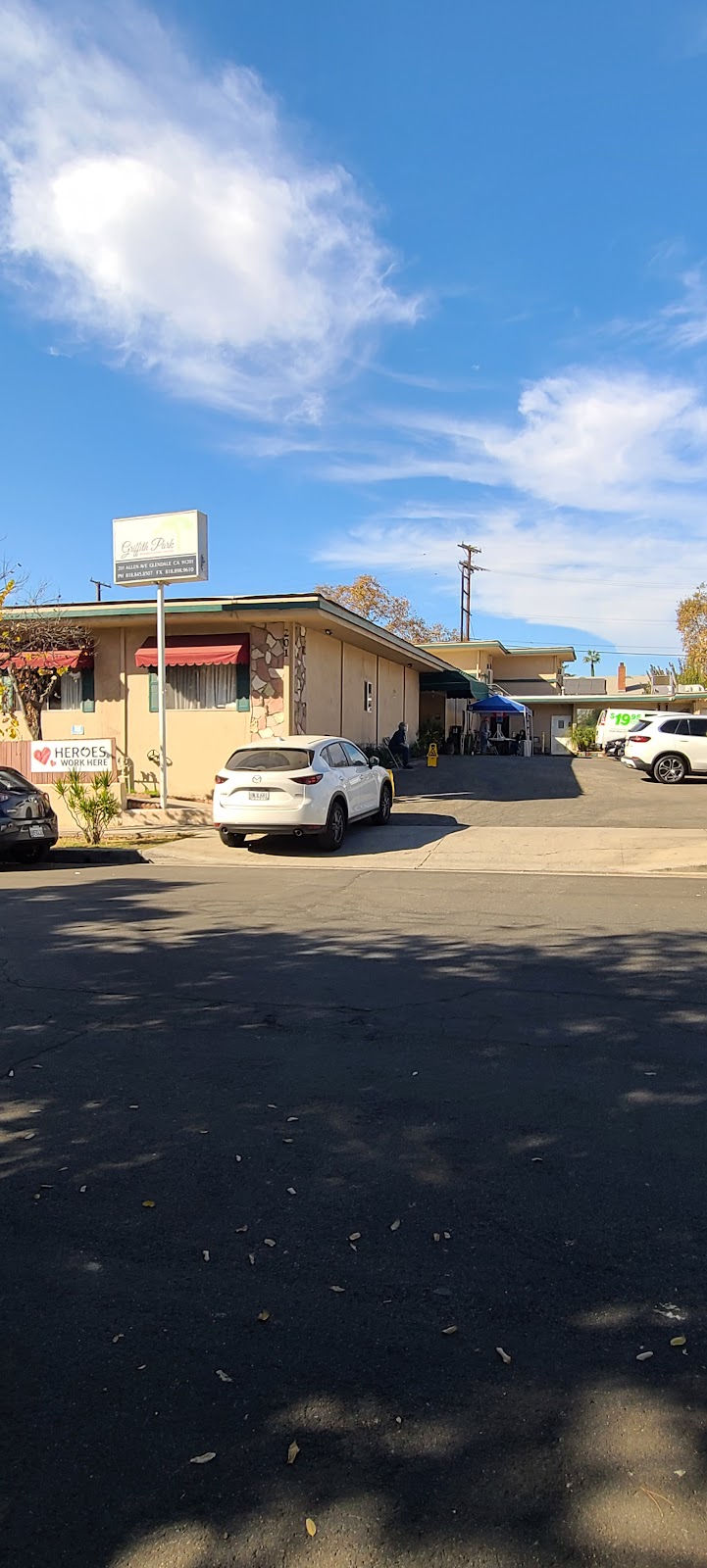
Who Owns and Operates Griffith Park Healthcare Center?

GRIFFITH PARK HEALTHCARE CENTER is owned by a for-profit company. For-profit facilities operate as businesses with obligations to shareholders or private owners. The facility is operated by CRYSTAL SOLORZANO, a chain that manages multiple nursing homes. With 94 certified beds and approximately 91 residents (about 97% occupancy), it is a smaller facility located in GLENDALE, California.
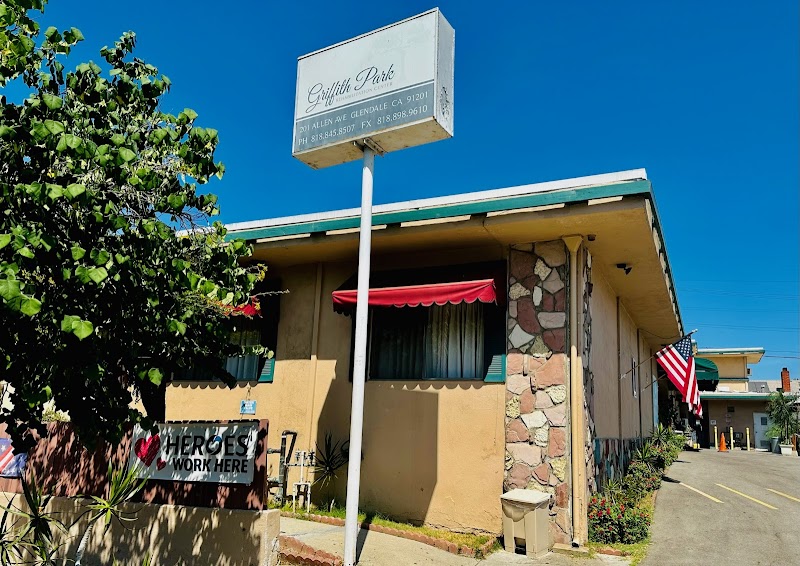
How Does Griffith Park Healthcare Center Compare to Other California Nursing Homes?

Compared to the 100 nursing homes in California, GRIFFITH PARK HEALTHCARE CENTER's overall rating (2 stars) is below the state average of 3.1, staff turnover (18%) is significantly lower than the state average of 46%, and health inspection rating (1 stars) is much below the national benchmark.

What Should Families Ask When Visiting Griffith Park Healthcare Center?

Based on this facility's data, families visiting should ask: "What changes have been made since the serious inspection findings, and how are you preventing similar issues?" "Can I visit during a mealtime to observe dining assistance and food quality?" "How do you handle medical emergencies, and what is your hospital transfer rate?" "Can I speak with family members of current residents about their experience?" These questions are particularly relevant given the facility's Immediate Jeopardy citations.

Is Griffith Park Healthcare Center Safe?

Based on CMS inspection data, GRIFFITH PARK HEALTHCARE CENTER has documented safety concerns. Inspectors have issued 3 Immediate Jeopardy citations (the most serious violation level indicating risk of serious injury or death). The facility has a 2-star overall rating and ranks #100 of 100 nursing homes in California. Families considering this facility should ask detailed questions about what corrective actions have been taken since these incidents.

Do Nurses at Griffith Park Healthcare Center Stick Around?

Staff at GRIFFITH PARK HEALTHCARE CENTER tend to stick around. With a turnover rate of 18%, the facility is 28 percentage points below the California average of 46%. Low turnover is a positive sign. It means caregivers have time to learn each resident's needs, medications, and personal preferences. Consistent staff also notice subtle changes in a resident's condition more quickly.

Was Griffith Park Healthcare Center Ever Fined?

GRIFFITH PARK HEALTHCARE CENTER has been fined $36,920 across 2 penalty actions. The California average is $33,448. While any fine indicates a compliance issue, fines under $50,000 are relatively common and typically reflect isolated problems that were subsequently corrected. Families should ask what specific issues led to these fines and confirm they've been resolved.

Is Griffith Park Healthcare Center on Any Federal Watch List?

GRIFFITH PARK HEALTHCARE CENTER is not on any federal watch list. The most significant is the Special Focus Facility (SFF) program, which identifies the bottom 1% of nursing homes nationally based on persistent, serious quality problems. Not being on this list means the facility has avoided the pattern of deficiencies that triggers enhanced federal oversight. This is a positive indicator, though families should still review the facility's inspection history directly.