LEISURE GLEN POST ACUTE CARE CENTER
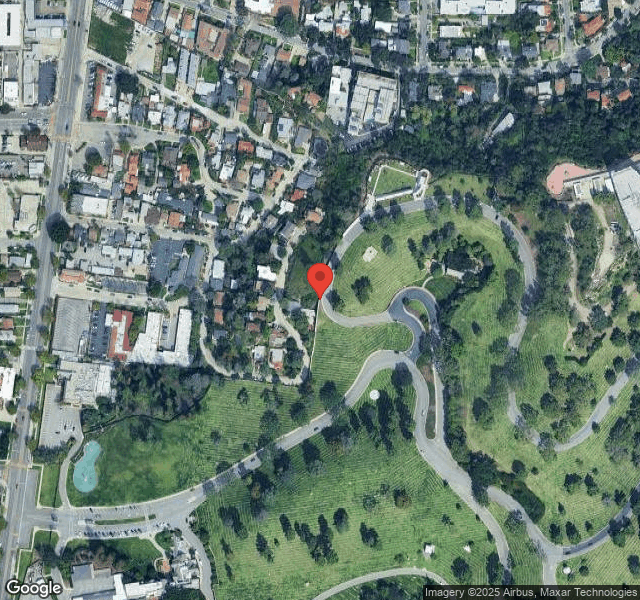
330 MISSION ROAD, GLENDALE, CA 91205 (818) 247-4476
For profit - Limited Liability company 108 Beds ABRAHAM BAK & MENACHEM GASTWIRTH Data: November 2025
Trust Grade
68/100
#387 of 1155 in CA
Last Inspection: June 2025

Inspected within the last 6 months. Data reflects current conditions.

Overview

Leisure Glen Post Acute Care Center has a Trust Grade of C+, which means it is considered decent and slightly above average. It ranks #387 out of 1155 facilities in California, placing it in the top half, and #58 out of 369 in Los Angeles County, indicating that there are only a few better options nearby. The facility is improving, having reduced issues from 14 in 2024 to 10 in 2025. Staffing has a rating of 3 out of 5 stars, with a turnover rate of 31%, which is better than the California average, indicating that staff members are generally stable. However, it has incurred $9,750 in fines, which is average, and there are concerns with specific incidents, such as failing to ensure safety alarms were working and not monitoring residents properly during oxygen therapy, which could risk their health. Overall, while there are notable strengths, there are also critical areas for improvement that families should consider.

Trust Score
C+
68/100
In California
#387/1155
Top 33%
Safety Record
Low Risk
No red flags
Inspections
Getting Better
14 → 10 violations
Staff Stability
○ Average
31% turnover. Near California's 48% average. Typical for the industry.
Penalties
✓ Good
$9,750 in fines. Lower than most California facilities. Relatively clean record.
Skilled Nurses
○ Average
Each resident gets 30 minutes of Registered Nurse (RN) attention daily — about average for California. RNs are the most trained staff who monitor for health changes.
Violations
⚠ Watch
43 deficiencies on record. Higher than average. Multiple issues found across inspections.
★★★★☆
4.0
Overall Rating
★★★☆☆
3.0
Staff Levels
★★★★☆
4.0
Care Quality
★★★★☆
4.0
Inspection Score
Stable
2024: 14 issues
2025: 10 issues

The Good

  • 4-Star Quality Measures · Strong clinical quality outcomes
  • Full Sprinkler Coverage · Fire safety systems throughout facility
  • No fines on record
  • Staff turnover below average (31%)

    17 points below California average of 48%

Facility shows strength in quality measures, fire safety.

The Bad

Staff Turnover: 31%

15pts below California avg (46%)

Typical for the industry

Federal Fines: $9,750

Below median ($33,413)

Minor penalties assessed

Chain: ABRAHAM BAK & MENACHEM GASTWIRTH

Part of a multi-facility chain

Ask about local staffing decisions and management

The Ugly 43 deficiencies on record

Jun 2025 10 deficiencies
CONCERN (D)

Potential for Harm - no one hurt, but risky conditions existed

Safe Environment (Tag F0584)

Could have caused harm · This affected 1 resident

Based on observation, interview and record review, the facility failed to provide a homelike environment for one of one sampled resident (Residents 11) by not ensuring Resident 11 was provided a funct...

Read full inspector narrative →
Based on observation, interview and record review, the facility failed to provide a homelike environment for one of one sampled resident (Residents 11) by not ensuring Resident 11 was provided a functional wall clock in the room. This deficient practice had the potential to cause disorientation and Resident 11 verbalizing feelings of frustration. Findings: During a review of Resident 11's admission Record (AR), the AR indicated the facility admitted Resident 11 on 4/14/2025 with diagnoses that included dementia (progressive decline in cognitive function, memory, and thinking abilities that can impact daily life), osteoarthritis (a degenerative joint disease, in which the tissues in the joint break down over time), and muscle wasting. During a review of Resident 11's History and Physical Examination (H&P), dated 4/16/2025, the H&P indicated Resident 11 had the capacity to understand and make decisions. During a review of Resident 11's Minimum Data Set (MDS - a resident assessment tool), dated 4/18/2025, the MDS indicated Resident 11 required supervision or touching assistance (Helper provides verbal cues and or touching steadying) with eating, partial/moderate assistance (helper does less than half the effort) with personal hygiene, substantial/maximal assistance (helper does more than half the effort) with bathing and dressing, and dependent (helper does all the effort) with toileting. During a concurrent observation and interview on 6/24/2025 at 9:30 AM with Resident 11 and Certified Nurse Assistant (CNA) 2, in Resident 11's room, Resident 11 was observed staring at the wall clock that indicated the current time as 6:05 (shorthand pointed at #6 and long hand pointed at #1). Resident 11 stated, the time on the wall clock was wrong, and that Resident 11 was frustrated since she had to ask facility staff for the current time. CNA 2 stated the time on the wall clock was wrong and she would inform the maintenance right away to fix Resident 11's wall clock since it caused confusion and frustration to Resident 11. During an interview on 6/24/2025 at 9:37 AM with license Vocational Nurse (LVN)2 in Resident 11's room, LVN 2 stated, it was important to ensure residents' wall clocks indicated the accurate time to help with her orientation and to minimize frustration. LVN 2 stated having a functional clock that indicates the accurate time was part of providing a homelike environment to Resident 11. During an interview on 6/25/2025 at 10:59 AM with the Director of Nurses (DON), DON stated, to create a homelike environment for the residents would include having a wall clock that indicated the accurate time in every room. DON stated, not having an accurate time on Resident 11's wall clock had the potential for disorientation and resulted in frustration, and not a homelike environment. A review of the facility's policy and procedure (P&P) titled, , Homelike Environment, revised 5/2017 indicated: a) Residents are provided with a safe, clean , comfortable and homelike environment, b) staff shall provide person-centered care that emphasizes the residents comfort , independence and personal needs and preferences and, c) the facility staff and management shall maximize to the extent possible, the characteristics of the facility that reflects a personalized, homelike setting.
CONCERN (D)

Potential for Harm - no one hurt, but risky conditions existed

Grievances (Tag F0585)

Could have caused harm · This affected 1 resident

**NOTE- TERMS IN BRACKETS HAVE BEEN EDITED TO PROTECT CONFIDENTIALITY** Based on observation, interview and record review, the facility failed to ensure a prompt response to address grievances for one...

Read full inspector narrative →
**NOTE- TERMS IN BRACKETS HAVE BEEN EDITED TO PROTECT CONFIDENTIALITY** Based on observation, interview and record review, the facility failed to ensure a prompt response to address grievances for one of one sampled resident (Resident 5) Resident Representative (FAM 1), when FAM 1 reported missing clothing items belonging to Resident 5. This deficient practice delayed the process of investigating Resident 5's missing clothing items and violated the residents' right to have grievances addressed promptly. Findings: During a review of Resident 5's admission Record (AR), the AR indicated the facility originally admitted Resident 5 on 4/26/2023 and readmitted on [DATE] with diagnoses that included dementia (progressive decline in cognitive function, memory, and thinking abilities that can impact daily life), atherosclerotic heart disease (thickening or hardening of the arteries), and chronic kidney disease (a condition in which the kidneys are damaged and can't filter blood as well as they should). The AR indicated Resident 5 had a Representative for her care (FAM 1). During a review of Resident 5's History and Physical Examination (H&P), dated 6/12/2025, the H&P indicated Resident 5 does not have the capacity to understand and make decisions. During a review of Resident 5's Minimum Data Set (MDS - a resident assessment tool), dated 4/18/2025, the MDS indicated Resident 5 required supervision or touching assistance (Helper provides verbal cues and or touching steadying) with eating, partial/moderate assistance (helper does less than half the effort) with personal hygiene, substantial/maximal assistance (helper does more than half the effort) with bathing and dressing and dependent (helper does all the effort) with toileting. During an interview on 6/24/2025 at 1:45 PM with FAM 1, FAM 1 stated when Resident 5 was discharged home on 6/3/2025, FAM 1 informed Social Service Assistant (SSA) that Resident 5 was missing two pants and a blouse. FAM 1 stated the facility had not informed FAM 1 regarding the outcome of the missing clothing for Resident 5. FAM 1 stated, the facility was aware that she does the laundry, and FAM 1 was concerned that Resident 5's clothing would get lost again. During an interview on 6/24/2025 at 2:28 PM with SSA, SSA stated Resident 5 was discharged to home on 6/3/2025 and readmitted to the facility on [DATE]. SSA stated, she was aware that family did Resident 5's laundry, and prior to Resident 5's discharge from the facility on 6/3/2025, FAM 1 informed SSA that Resident 5 was missing some clothes. SSA stated she thought FAM 1 would come to the facility to find Resident 5's missing clothing. SSA stated, she did not initiate a grievance report nor did SSA follow up with FAM 1. SSA stated she should have initiated a grievance report when FAM 1 informed the SSA of Resident 5's missing clothes. SSA stated it was a violation of resident's rights that a grievance report was not initiated when the facility became aware of Resident 5's missing clothing items. During a concurrent interview and record review, on 6/24/2025 at 4:27 PM with SSA, the facility document titled Concern/Grievance Log, dated June/2025 was reviewed. The Log did not indicate any grievance initiated from Resident 5 and/or FAM 1. SSA stated, grievance from FAM 1 was not initiated, and that with any grievances filed the DON (Director of Nurses) and the Administrator should have been informed. During an interview on 6/25/2025 at 10:53 AM with DON, DON stated SSA should have reached out to FAM 1 regarding Resident 5's missing clothing, and that a grievance report should have been initiated. DON stated not promptly addressing Resident 5 and/or FAM 1 grievance violates resident rights. During an interview on 6/25/2025 at 2:20 PM, with the Administrator (ADM), ADM stated, she was not aware Resident 5's clothes were missing. The ADM stated a grievance report should have promptly been initiated in accordance with the facility's policy and procedure, and by not promptly conducting a grievance report violated residents rights. A review of the facility's policy and procedure (P&P) titled, Grievances/Complaints, Filing, revised 4/2017 indicated; a)Residents and their representative have the right to file grievances, either orally or in writing to the facility staff or to agency designated to hear grievances, b) the administrator and staff will make prompt efforts to resolve grievances to the satisfaction of the resident and/or representative, c) resident representative may file grievance or complaint regarding resident stay in the facility, and d) all grievances concerning resident care will be considered and actions on the issues will be responded to in writing, including rationale for the response. A review of the facility's policy and procedure (P&P) titled, Resident Rights, revised 12/2016 indicated: a) employees shall treat all residents with kindness, respect and dignity, b) resident rights include voice grievances to the facility and have the facility respond to his or her grievances.
CONCERN (D)

Potential for Harm - no one hurt, but risky conditions existed

Assessment Accuracy (Tag F0641)

Could have caused harm · This affected 1 resident

**NOTE- TERMS IN BRACKETS HAVE BEEN EDITED TO PROTECT CONFIDENTIALITY** Based on observation, interview, and record review the facility failed to ensure the Minimum Data Set (MDS, a federally mandated...

Read full inspector narrative →
**NOTE- TERMS IN BRACKETS HAVE BEEN EDITED TO PROTECT CONFIDENTIALITY** Based on observation, interview, and record review the facility failed to ensure the Minimum Data Set (MDS, a federally mandated standardized assessment and care-screening tool) and Quarterly Risk Assessment was accurate for two (2) of 2 sampled residents (Resident 69 and 102) who had a diagnosis of dementia and was not evaluated for elopement risk. These deficient practices had the potential to result in Resident 69 and 102 not receiving appropriate treatment and/or services. Findings: 1. A review of Resident 69’s admission Record indicated Resident 69 was initially admitted to the facility on [DATE], with diagnoses that included metabolic encephalopathy (change in how the brain works due to an underlying condition), unspecified dementia (general term for loss of memory, language, problem-solving and other thinking abilities that are severe enough to interfere with daily life), and Alzheimer’s disease (progressive disease that destroys memory and other important mental functions). During a review of Resident 69’s Admission/readmission Initial assessment dated [DATE] indicated resident walked frequently (walks outside room at least twice a day and inside room at least once every two hours during waking hours) with no limitation. The MDS assessment indicated an evaluation of resident elopement risk was not completed. The evaluation of resident elopement risk indicated resident was not independently mobile. During a review of Resident 69’s History and Physical (H&P) dated 3/27/2025 indicated Resident 69 did not have the capacity to understand and make decisions. During a review of Resident 69’s MDS dated [DATE], indicated Resident 69 was independent with indoor mobility (walking from room to room [with or without a device such as a cane, crutch, or walker]). During a review of Resident 69’s Quarterly Risk assessment dated [DATE] indicated resident walked frequently with no limitation. The assessment indicated an evaluation of resident elopement risk was not completed. The evaluation of resident elopement risk indicated resident was not independently mobile. During a review of Resident 69’S MDS dated [DATE] indicated Resident 69 required partial/moderate assistance to walk 10 feet and walk 50 feet with two turns. During a concurrent interview and record review of Resident 69’s Admission/readmission Initial assessment dated [DATE] on 6/26/2025 at 12:03 PM, Registered Nurse (RN) 2 stated she should have documented Resident 69 walked occasionally instead of frequently because resident was only walking inside the room. RN 2 stated the level of activity should have been documented accurately because the admission assessment is the baseline of the resident. During an interview on 6/26/2025 at 12:28 PM, Minimum Data Set Nurse (MDSN) 2 stated she has seen Resident 69 walk and exercise around the facility. MDSN 2 stated Resident 69 was able to walk around to activities room, facility patio, and resident rooms to speak with other residents. During a concurrent interview and record review of Resident 69’s Quarterly Risk Assessments dated 6/19/2025 on 6/26/2025 at 12:37 PM, MDSN 2 confirmed she did not complete the evaluation for elopement risk. MDSN 2 stated she used her own judgment that Resident 69 was not a “wanderer” (moving from one place to another aimlessly) and selected “no” for the first question “is the resident independently mobile.” MDSN 2 stated she misinterpreted the question and chose “no” because from her understanding, Resident 69 was not an elopement risk. MDSN 2 stated she knew Resident 69 was independently mobile and she was just focused on the elopement risk and decided Resident 69 was not an elopement risk. MDSN 2 stated it was important for documentation to be accurate so the whole facility knows that Resident 69 could have potential to wander or elope. During the same interview on 6/26/2025 at 12:43 PM, MDSN 2 stated when documenting the quarterly evaluation of Elopement Risk, she always thinks about elopement, “I didn’t really think dementia could be a risk for elopement and misinterpreted the questions.” MDSN 2 stated residents with dementia repeat themselves, are agitated and irritable, only remember certain things and are forgetful. MDSN 2 stated when she was doing the quarterly assessment, she would see the residents and assess them from head to toe, ask other staff like certified nursing assistants, charge nurses about the resident. MDSN 2 stated she should have been answering questions for the quarterly risk assessment as a cumulative of the resident’s current status. During an interview on 6/26/2025 at 1:18 PM, MDSN 1 stated she focuses on resident admission when they are admitted to facility and oversees MDSN 2 who focuses on quarterly assessments when residents are in long term care. MDSN 1 stated she has to review and sign off MDSN 2’s quarterly risk assessments. During a concurrent interview and record review of Resident 69’s Quarterly Risk Assessments dated 6/19/2025 on 6/26/2025 at 1:24 PM, MDSN 1 confirmed the evaluation for elopement risk should have been filled out correctly. MDSN 1 stated this was “so you have a proper idea of where the residents are, functionally.” MDSN 1 stated because of this, there was a discrepancy on the MDS, the MDS provides an overview of what kind of care the resident needs. MDSN 1 stated the assessment needs to be accurate so the facility knows who would need individualized care. During the same interview on 6/26/2025 at 1:30 PM, MDSN 1 stated MDSN 2 documents residents quarterly risk assessment and quarterly MDS. MDSN 1 stated she reviews MDSN 2’s documentation. MDSN 1 stated “I was not focusing on elopement because we know our patients here. MDSN 2 misinterpreted the question, I trust her, and I didn’t check.” MDSN 1 stated she reassessed all the residents of the facility yesterday. MDSN 1 stated she should be reviewing for accuracy so that it would be a correct reflection of the resident and to show that MDSN 2 was competent in assessing. MDSN 1 stated this showed MDSN 2’s failure to accurately assess residents. During an interview on 6/27/2025 at 1:38 PM, the Director of Nursing (DON) stated the elopement risk assessment should have been accurate and filled out completely in order to provide an accurate intervention for resident. The DON stated if a resident was high risk for elopement they need to have appropriate placement. The DON stated if there was a resident who tried to elope, the facility needs to provide intervention right away and look for placement because the facility was not an appropriate place for resident who was at high risk for elopement. 2. A review of Resident 102’s admission Record indicated Resident 102 was initially admitted to the facility on [DATE], with diagnoses that included unspecified dementia, muscle wasting and atrophy and cognitive communication deficit. During a review of Resident 102’s History and Physical (H&P) dated 8/14/2024 indicated Resident 102 did not have the capacity to understand and make decisions. During a review of Resident 102’s MDS dated [DATE], indicated Resident 102 was independent with indoor mobility (walking from room to room [with or without a device such as a cane, crutch, or walker]). During a review of Resident 102’s Quarterly Risk assessment dated [DATE] indicated resident walked occasionally with no limitation. The assessment indicated an evaluation of resident elopement risk was not completed. The evaluation of resident elopement risk indicated resident was not independently mobile. During a review of Resident 102’s Quarterly Risk assessment dated [DATE] indicated resident walked occasionally with no limitation. The assessment indicated an evaluation of resident elopement risk was not completed. The evaluation of resident elopement risk indicated resident was not independently mobile. During a review of Resident 102’s Quarterly Risk assessment dated [DATE] indicated resident walked occasionally with no limitation. The assessment indicated an evaluation of resident elopement risk was not completed. The evaluation of resident elopement risk indicated resident was not independently mobile. During a review of Resident 102’s MDS dated [DATE] indicated Resident 102 required partial/moderate assistance to walk 10 feet and walk 50 feet with two turns. During a concurrent interview and record review of Resident 102’s Quarterly Risk assessment dated [DATE] on 6/26/2025 at 12:43 PM, MDSN 2 confirmed Resident 102’s elopement risk evaluation was not completed. MDSN 2 stated when documenting Resident 102’s elopement risk she “did not think dementia could be a risk for elopement and misinterpreted the question.” During a concurrent interview and record review of Resident 102’s Quarterly Risk assessment dated [DATE] on 6/26/2025 at 1:46 PM, MDSN 1 confirmed Resident 102’s elopement risk was incorrect and should have been filled out correctly. MDSN 1 stated need to make sure documentation was accurate to get a proper picture of the resident and what their activity levels and needs are. A review of the facility’s policy and procedure (P&P) titled “Resident Assessments” dated 12/2024 indicated risk assessments will be conducted on admission, quarterly, and as needed to include fall, elopement, pain, Braden scale, bowel and bladder and dehydration risk assessments. The P&P indicated all persons who have completed any portion of the MDS resident assessment form must sign the document attesting to the accuracy of such information. The P&P indicated the results of the assessments are used to develop, review, and revise the resident’s comprehensive care plan. A review of the facility’s P&P titled “Charting and Documentation” dated 7/2017 indicated documentation in the medical record will be objective (not opinionated or speculative), complete, and accurate.
CONCERN (D)

Potential for Harm - no one hurt, but risky conditions existed

Deficiency F0657 (Tag F0657)

Could have caused harm · This affected 1 resident

**NOTE- TERMS IN BRACKETS HAVE BEEN EDITED TO PROTECT CONFIDENTIALITY** Based on interview and record review, the facility failed to ensure the care plan was revised for two of two sampled residents (...

Read full inspector narrative →
**NOTE- TERMS IN BRACKETS HAVE BEEN EDITED TO PROTECT CONFIDENTIALITY** Based on interview and record review, the facility failed to ensure the care plan was revised for two of two sampled residents (Resident 69 and 102) who had an active care plan for a diagnosis for dementia (a progressive brain disorder that results in a decline in memory and thought process).This deficient practice had the potential result in Resident 69 and 102 no receiving appropriate interventions and treatment and/or services. Cross Referenced to F641 and F744 Findings: 1. A review of Resident 69’s admission Record indicated Resident 69 was initially admitted to the facility on [DATE], with diagnoses that included metabolic encephalopathy (change in how the brain works due to an underlying condition), unspecified dementia (general term for loss of memory, language, problem-solving and other thinking abilities that are severe enough to interfere with daily life), and Alzheimer’s disease (progressive disease that destroys memory and other important mental functions). During a review of Resident 69’s History and Physical (H&P) dated 3/27/2025 indicated Resident 69 did not have the capacity to understand and make decisions. During a review of Resident 69’s MDS dated [DATE], indicated Resident 69 was independent with indoor mobility (walking from room to room [with or without a device such as a cane, crutch, or walker]). During a review of Resident 69’s Dementia Care plan dated 3/17/2025 did not indicate resident specific behaviors to monitor. During an interview on 6/26/2025 at 11:53 AM, Registered Nurse (RN) 2 stated Resident 69 stated in the past 2 weeks resident has become more mobile. RN 2 stated if Resident 69 had a behavior of going into the wrong resident room she would tell the charge nurses and Certified Nursing Assistants (CNAs) to monitor for when Resident 69 goes into other resident rooms. RN 2 stated a care plan should be created for this to protect other residents' privacy. RN 2 stated the care plan is developed to ensure specific interventions for her tailored to her and her behaviors. RN 2 stated this should be added to Resident 69’s care plan. RN 2 stated licensed nurses can update or create care plan. During an interview on 6/26/2025 at 12:28 PM, Minimum Data Set Nurse (MDSN) 2 stated she has seen Resident 69 walk and exercise around the facility. MDSN 2 stated Resident 69 was able to walk around to activities room, facility patio, and resident rooms to speak with other residents. During an interview on 6/26/2025 at 1:35 PM, MDSN 1 stated for residents with dementia care plan would include medication, activities, and reorienting the resident if needed. MDSN 1 stated the care plan should be created on admission and updated quarterly or as needed if there was a change. MDSN 1 stated when staff notice behaviors, they should notify the charge nurse, and the care plan should be updated specific to Resident 69. MDSN 1 stated if Resident 69 walks into another resident’s room, there could be a “terrible altercation” if the other resident does not want Resident 69 in the room. During a concurrent interview and record review of Resident 69’s Dementia Care Plan on 6/27/2025 at 11:14 AM, MDSN 1 stated there was no actual behavior indicated to increase monitoring for Resident 69. MDSN 1 stated the care plan was not resident specific. 2. A review of Resident 102’s admission Record indicated Resident 102 was initially admitted to the facility on [DATE], with diagnoses that included unspecified dementia, muscle wasting and atrophy and cognitive communication deficit. During a review of Resident 102’s History and Physical (H&P) dated 8/14/2024 indicated Resident 102 did not have the capacity to understand and make decisions. During a review of Resident 102’s MDS dated [DATE] indicated Resident 102 required partial/moderate assistance to walk 10 feet and walk 50 feet with two turns. During a review of Resident 102’s Dementia Care plan dated 8/12/2024 did not indicate the specific resident’s behaviors to be monitor. During a concurrent interview and record review of Resident 102’s Dementia Care Plan on 6/27/2025 at 11:16 AM, MDSN 1 stated there was no actual resident behavior to monitor for Resident 102. MDSN 1 stated the care plan was not resident specific. During an interview on 6/27/2025 at 1:40 PM, the Director of Nursing (DON) stated the residents care plan should have specific behavior so that licensed nurses and staff could be aware of residents' specific behaviors and interventions for the behaviors to ensure everyone was aware of what was going on and what to do. The DON stated care plan should be revised to show patient specific behaviors to monitor. A review of the facility’s policy and procedure (P&P) titled “Care Plans, Comprehensive Person-Centered” dated 12/2016 indicated a comprehensive, person-centered care plan that includes measurable objectives and timetables to meet the resident’s physical, psychosocial and functional needs was developed and implemented for each resident. The P&P indicated assessments of residents are ongoing and care plans are revised as information about the residents and the residents’ conditions change. The P&P indicated the interdisciplinary team must review and update the care plan at least quarterly, in conjunction with the required quarterly MDS assessment.
CONCERN (D)

Potential for Harm - no one hurt, but risky conditions existed

Pressure Ulcer Prevention (Tag F0686)

Could have caused harm · This affected 1 resident

Based on interview, observation and record review, the facility failed to set the Alternating Pressure Mattress (APM, mattress that provides pressure redistribution by filling and un-filling air cells...

Read full inspector narrative →
Based on interview, observation and record review, the facility failed to set the Alternating Pressure Mattress (APM, mattress that provides pressure redistribution by filling and un-filling air cells within the mattress so that contact points with the body are reduced) according to the resident's weight as indicated in the manufacturer's recommendation and physicians orders for one of [three] residents (Resident 94). This deficient practice had the increased potential for Resident 94 to develop new pressure ulcer or injury (skin injury due to prolonged unrelieved pressure or skin friction) and/or delay the resident's wound to heal. Findings: During a review of Resident 94's admission Record (AR), the AR indicated the facility admitted Resident 1 on 2/22/2008 with diagnoses that included fracture of unspecified part of neck of right femur [the section of the thigh bone (femur) that connects the femoral head (the ball of the hip joint) to the femoral shaft (the main part of the thigh bone)], muscle wasting and atrophy (loss of muscle mass and strength), type 2 diabetes mellitus (DM2 – a condition that results in too much sugar circulating in the blood). During a review of Resident 94’s History and Physical (H&P), dated 2/24/2025, the H&P indicated the Resident 94 did not have the capacity to understand and make decisions. During a review of Resident 94’s Order Summary Report (OSR), the OSR indicated the physician ordered on 2/26/2025, without an end date, indicated that Resident 94 may have Low Air Loss mattress (LALM-a type of the APM) for skin management and to monitor for function and settings every shift. During a review of Resident 94’s “Pressure Ulcer Assessment,” dated 3/4/2025, the assessment indicated Resident 94 had a healed unstageable right sacrococcyx [a single bony structure formed by the fusion of the sacrum (a large, triangular bone at the base of the spine) and the coccyx (also known as the tailbone)] due to Deep Tissue Injury (DTI, damage to the tissues beneath the skin, often caused by sustained pressure and/or shear forces). The assessment indicated Resident 94 remained at risk for further skin breakdown due to recent hospitalization and the preventive measures included a LAL mattress. During a review of Resident 75's Minimum Data Set (MDS, a standardized assessment and care planning tool), dated 6/1/2025, the MDS indicated Resident 94’s cognition (ability to think, remember, and reason) was severely impaired. The MDS indicated Resident 94 needed set up/clean up assistance in eating and oral hygiene; and needed moderate assistance (helper lifts, holds, or supports trunk or limbs, but provides less than half the effort) in toileting hygiene and shower. During a concurrent observation and interview on 6/24/2025 at 9:26 AM with Licensed Vocational Nurse (LVN 3) in Resident 94’s room, Resident 94 was lying in bed in supine position with the head of bed slightly elevated and the LAL mattress setting was set at 350 lbs. There was a yellow circle sticker with Resident 94’s room and bed number with 120-180 lbs. written on it. LVN 3 confirmed Resident 94’s mattress setting was at 350 lbs. LVN 3 stated, she did not know what the correct setting for Resident 94’s LALM was supposed to be as the Treatment Nurse (TN) was the one who is in charge of adjusting the LALM settings for the residents. During a concurrent interview and observation on 6/24/2025 at 9:56 AM with TN 1 in Resident 94’s room, the TN 1 stated Resident 94’s LAL mattress should always be in the correct setting according to the resident’s weight range as indicated in the yellow sticker pasted on Resident 94’s LALM. TN 1 stated, Resident 94’s LALM setting should be between 120-180 pounds maximum to help Resident 94 prevent further pressure injury as Resident 94 was not mobile and had a previous sacrococcyx pressure injury in the past. TN 1 stated, she did not know why the LALM was set at 350 lbs., which was not the correct setting for the Resident 94. During a review of manufacture’s guidelines for Drive-Med Aire Melody control unit, indicated the following: - The Med Aire Melody Alternating Pressure and Low Air Loss Mattress is indicated for the prevention and treatment of any and all stage pressure ulcers when used in conjunction with a comprehensive pressure ulcer management program. - Operating instructions Step 6: Determine the patients' weight and set the control knob to that weight setting on the control unit.
CONCERN (D)

Potential for Harm - no one hurt, but risky conditions existed

Deficiency F0726 (Tag F0726)

Could have caused harm · This affected 1 resident

**NOTE- TERMS IN BRACKETS HAVE BEEN EDITED TO PROTECT CONFIDENTIALITY** Based on interview and record review, the facility failed to ensure two of two licensed nurses (Minimum Data Set Nurse [MDSN] 1 ...

Read full inspector narrative →
**NOTE- TERMS IN BRACKETS HAVE BEEN EDITED TO PROTECT CONFIDENTIALITY** Based on interview and record review, the facility failed to ensure two of two licensed nurses (Minimum Data Set Nurse [MDSN] 1 and 2) were trained and with sufficient competency to conduct and coordinate the development and completion the residents MDS assessment by failing to: Ensure MDSN 1 and MDSN 2 conducted an accurate MDS assessment of Resident 69 and 102's elopement risk. Ensure MDSN 2 had an updated competency skills to conduct annual evaluation used for MDS assessment. This deficient practice placed residents at risk for not receiving appropriate services, treatments, and unsafe level and type of care necessary for the resident population. Cross Referenced to F641 Findings: 1. A review of Resident 69's admission Record indicated Resident 69 was initially admitted to the facility on [DATE], with diagnoses that included metabolic encephalopathy (change in how the brain works due to an underlying condition), unspecified dementia (general term for loss of memory, language, problem-solving and other thinking abilities that are severe enough to interfere with daily life), and Alzheimer's disease (progressive disease that destroys memory and other important mental functions). During a review of Resident 69's Admission/readmission Initial assessment dated [DATE] indicated resident walked frequently (walks outside room at least twice a day and inside room at least once every two hours during waking hours) with no limitation. The assessment indicated an evaluation of resident elopement risk was not completed. The evaluation of resident elopement risk indicated resident was not independently mobile. During a review of Resident 69's History and Physical (H&P) dated 3/27/2025 indicated Resident 69 did not have the capacity to understand and make decisions. During a review of Resident 69's MDS dated [DATE], indicated Resident 69 was independent with indoor mobility (walking from room to room [with or without a device such as a cane, crutch, or walker]). During a review of Resident 69's Quarterly Risk assessment dated [DATE] indicated resident walked frequently with no limitation. The assessment indicated an evaluation of resident elopement risk was not completed. The evaluation of resident elopement risk indicated resident was not independently mobile. During a review of Resident 69'S MDS dated [DATE] indicated Resident 69 required partial/moderate assistance to walk 10 feet and walk 50 feet with two turns. During a concurrent interview and record review of Resident 69's Admission/readmission Initial assessment dated [DATE] on 6/26/2025 at 12:03 PM, Registered Nurse (RN) 2 stated she should have documented Resident 69 walked occasionally instead of frequently because resident was only walking inside the room. RN 2 stated the level of activity should have been documented accurately because the admission assessment is the baseline assessment of the resident. During an interview on 6/26/2025 at 12:28 PM, Minimum Data Set Nurse (MDSN) 2 stated she has seen Resident 69 walk and exercise around the facility. MDSN 2 stated Resident 69 was able to walk around to activities room, facility patio, and resident rooms to speak with other residents. During a concurrent interview and record review of Resident 69's Quarterly Risk Assessments dated 6/19/2025 on 6/26/2025 at 12:37 PM, MDSN 2 confirmed she did not complete the evaluation for elopement risk. MDSN 2 stated she used her own judgment that Resident 69 was not a wanderer (going to one place to another aimlessly) and selected no for the first question is the resident independently mobile. MDSN 2 stated she misinterpreted the question and chose no because from her understanding, Resident 69 was not an elopement risk. MDSN 2 stated she knew Resident 69 was independently mobile and she was just focusing on the elopement risk. MDSN 2 stated she decided Resident 69 was not an elopement risk. MDSN 2 stated it was important for documentation to be accurate so the whole facility knows that Resident 69 had the potential to wander or elope. During the same interview on 6/26/2025 at 12:43 PM, MDSN 2 stated when documenting the quarterly evaluation of Elopement Risk, she always thinks about elopement, I didn't really think dementia could be a risk factor for elopement and misinterpreted the questions. MDSN 2 stated residents with dementia repeat themselves, are agitated and irritable, only remember certain things and are forgetful. MDSN 2 stated when she was doing the quarterly assessment, she would see the residents and assess them from head to toe, ask other staff like certified nursing assistants, charge nurses about the resident. MDSN 2 stated she should be answering questions for the quarterly risk assessment as a cumulative of the resident's current status. During an interview on 6/26/2025 at 1:18 PM, MDSN 1 stated she focuses on resident admission when they are admitted to facility and oversees MDSN 2 who focuses on quarterly assessments when residents are in long term care. MDSN 1 stated she has to review and sign off MDSN 2's quarterly risk assessments. During a concurrent interview and record review of Resident 69's Quarterly Risk Assessments dated 6/19/2025 on 6/26/2025 at 1:24 PM, MDSN 1 confirmed the evaluation for elopement risk should have been filled out correctly. MDSN 1 stated this was so you have a proper idea of where the residents are, functionally. MDSN 1 stated because of this, there was a discrepancy on the MDS, the MDS provides an overview of what kind of care the resident needs. MDSN 1 stated the assessment needs to be accurate so the facility knows who would need individualized care. During the same interview on 6/26/2025 at 1:30 PM, MDSN 1 stated MDSN 2 documents residents quarterly risk assessment and quarterly MDS. MDSN 1 stated she reviews MDSN 2's documentation. MDSN 1 stated I was not focusing on elopement because we know our patients here. MDSN 2 misinterpreted the question, I trust her, and I didn't check. MDSN 1 stated she reassessed all the residents of the facility yesterday. MDSN 1 stated she should be reviewing for accuracy so that it would be a correct reflection of the resident and to show that MDSN 2 was competent in assessing. MDSN 1 stated this showed MDSN 2's failure to accurately assess residents. During an interview on 6/27/2025 at 1:38 PM, the Director of Nursing (DON) stated the elopement risk assessment should have been accurate and filled out completely. The DON stated this was to provide an accurate intervention for resident. The DON stated if a resident was high risk for elopement they need to have appropriate placement. The DON stated if there was a resident who tried to elope, the facility needs to provide intervention right away and look for placement because the facility was not an appropriate place for resident who was at high risk for elopement. 2. A review of Resident 102's admission Record indicated Resident 102 was initially admitted to the facility on [DATE], with diagnoses that included unspecified dementia, muscle wasting and atrophy and cognitive communication deficit. During a review of Resident 102's History and Physical (H&P) dated 8/14/2024 indicated Resident 102 did not have the capacity to understand and make decisions. During a review of Resident 102's MDS dated [DATE], indicated Resident 102 was independent with indoor mobility (walking from room to room [with or without a device such as a cane, crutch, or walker]). During a review of Resident 102's Quarterly Risk Assessments dated 11/14/2024, 2/13/2025 and 5/15/2025 indicated resident walked occasionally with no limitation and the evaluation of resident elopement risk was not completed. The evaluation of resident elopement risk indicated resident was not independently mobile. During a review of Resident 102's MDS dated [DATE] indicated Resident 102 required partial/moderate assistance to walk 10 feet and walk 50 feet with two turns. During a concurrent interview and record review of Resident 102's Quarterly Risk assessment dated [DATE] on 6/26/2025 at 12:43 PM, MDSN 2 confirmed Resident 102's elopement risk evaluation was not completed. MDSN 2 stated when documenting Resident 102's elopement risk she did not think dementia could be a risk for elopement and misinterpreted the question. During a concurrent interview and record review of Resident 102's Quarterly Risk assessment dated [DATE] on 6/26/2025 at 1:46 PM, MDSN 1 confirmed Resident 102's elopement risk was incorrect and should have been filled out correctly. MDSN 1 stated need to make sure documentation was accurate to get a proper picture of the resident and what their activity levels and needs are. A review of MDSN 1's Competency Skills Checklist dated 5/12/2025 indicated MDSN 1 was satisfactory in following established protocols for completing and submitting MDS Assessments ensuring accuracy and compliance in regulatory requirements. A review of MDSN 2's Competency Skills Checklist dated 11/24/2023 indicated MDSN 2 was satisfactory in accurate documentation. A review of the facility's job description for Resident Care Coordinator (MDSN 1) dated 8/2006 indicated major duties and responsibilities included: to conduct and coordinate the development and completion of the resident assessment (MDS) in accordance with current rules, regulations, and guidelines that govern the resident assessment; ensure that quarterly and annual assessments and care plans reviews are made in a timely basis; inform all team members of the requirements for accuracy and completion of the resident assessment (MDS). The job description indicated the MDSN 1 was supervised by the DON. A review of the facility's policy and procedure (P&P) titled Competency of Nursing Staff dated 3/2025 indicated licensed nurses employed by the facility will demonstrate specific competencies and skills sets deemed necessary to care for the needs of residents, as identified through resident assessments and described in the plans of care.
CONCERN (D)

Potential for Harm - no one hurt, but risky conditions existed

Staffing Information (Tag F0732)

Could have caused harm · This affected 1 resident

Based on interview and record review, the facility failed to post the nurse staffing information of the number of Registered Nurses (RN), License Vocational Nurse (LVN)/ License Practical Nurse (LPN) ...

Read full inspector narrative →
Based on interview and record review, the facility failed to post the nurse staffing information of the number of Registered Nurses (RN), License Vocational Nurse (LVN)/ License Practical Nurse (LPN) and Certified Nursing Assistant (CNA)/Nursing Assistant (NA) per shift in a prominent location in accordance with the facility's policy and procedure titled Posting Direct Care Daily Staffing Numbers. This deficient practice had the potential to not inform and cause misleading information to the residents and the visitors of the nursing care provided to the residents. Findings: During an observation on 6/24/2025 at 8:30 AM, one page of the Census and Direct Care Service Hours per Patient Day (DHPPD), dated 6/24/2025, was posted on the wall by the facility entrance near Nursing Station 2. There was no other nursing staff information posted. During an observation on 6/25/2025 at 2:40 PM, only the DHPPD, dated 6/25/2025 was posted on the wall by each nursing stations. there was no information posted indicating how many RN ' s, LVN ' s and CNA ' s were on shift for 6/25/25. During a concurrent observation and interview on 6/25/2025 at 2:44 PM with the Staffer, the Staffer removed the DHPPD from the wall sign holder and revealed a second page of paper behind the DHPPD. The Staffer stated the nursing staffing information of the number of RNs, LVNs, and CNAs was on the second page behind the DHPPD, which was not visible to the residents and visitors. The Staffer stated she had worked as the Staffer for three months and had always placed the posting that way. The Staffer stated the nursing staffing information should be posted in clear view and visible to all residents and the visitors. During an interview on 6/27/25 at 9:25 AM with the Director of Nursing (DON), the DON stated facility staff did not post the entire nursing staffing information for the RNs, LVNs, and CNAs per shift which could result in the residents and the visitor did not know the actual number of nursing staff working to provide care to the residents and cause misleading information of nursing care that the residents received. During a review of the facility ' s policy and procedure (P&P) titled, Posting Direct Care Daily Staffing Numbers, dated 8/2022, the P&P indicated; a)the facility will post on a daily basis for each shift nurse staffing data, including the number of nursing personnel responsible for providing direct care to resident, b) within two hours of the beginning of each shift the number of licensed nurses (RNs, LPNs, and LVNs) directly responsible for resident care is posted in a prominent location (accessible to residents and visitors) and in clear and readable format.
CONCERN (E)

Potential for Harm - no one hurt, but risky conditions existed

Accident Prevention (Tag F0689)

Could have caused harm · This affected multiple residents

**NOTE- TERMS IN BRACKETS HAVE BEEN EDITED TO PROTECT CONFIDENTIALITY** Based on observation, interview, and record review, the facility failed to provide safe and hazard free environment and interven...

Read full inspector narrative →
**NOTE- TERMS IN BRACKETS HAVE BEEN EDITED TO PROTECT CONFIDENTIALITY** Based on observation, interview, and record review, the facility failed to provide safe and hazard free environment and interventions for safety and supervision for four of four sampled residents (Residents 7,69,102, and 79) the facility failed to: 1.Ensure Resident 7's bed alarm was in the working condition. 2.Provide adequate supervision and safety measures to ensure safety to Residents 69 and 102 who are at risk for elopement (leaving the facility without permission) keeping the patio gate closed and not kept opened with a wire. 3a.Ensure Certified Nurse Assistants 3 and 4 maintain Resident 79, environment free from accidents/hazards, by using caution during transfers and bed mobility, to prevent striking the resident's arms, legs, and hands against any sharp or hard surface to prevent bruising/bleeding for Resident 79, who was assessed at risk for bleeding and bruising due to Lovenox (an anticoagulant) medication, in accordance with the resident's developed care plans. 3b. Ensure that LVN 6 notified Resident 79's representative (RP 1) of Resident 79's accident that resulted to an open ecchymosis and bleeding on the right dorsal forearm on 6/13/25, in accordance with the facility's policy and procedure (P&P) titled Safety and Supervision of Residents. 3c. Ensure Resident 79's information recorded in the resident's record titled Situation Background Report (SBAR) report was accurately documented to include that RP 1 was notified of Resident 79's open ecchymosis and bleeding to the right dorsal forearm on 6/13/25, in accordance with the facility's policy and procedure (P&P) titled Safety and Supervision of Residents. 3d. Ensure Resident 79's information recorded in the resident's record titled Situation Background Report (SBAR) report was accurately documented to include that Resident 79's open ecchymosis was bleeding on the right dorsal forearm on 6/13/25, as reported by Resident 79 and CNA 4, in accordance with the facility's policy and procedure (P&P) titled Safety and Supervision of Residents. LVN 6 verbalized on 6/27/25 at 11:22 AM during an interview that Resident 79's right forearm skin tear was bleeding on 6/13/25, but the SBAR documentation indicated No bleeding noted. LVN 6 verbalized on 6/27/25 at 11:22 AM during an interview that she did not notify RP 1 of Resident 79's skin tear to the right dorsal forearm, but the SBAR documentation indicated [RP 1] was made aware. These deficient practices had placed the residents: Resident 7 at risk for fall and injury. Resident 69 and 102 to be at risk for elopement and potential harm, which could lead to serious injury and decline in the resident's well-being. and for Resident 79 to be at risk for injury and harm. Findings: 1. During a review of Resident 7's admission Record (AR), the AR indicated the facility originally admitted Resident 7 on 7/22/2022 and readmitted on [DATE] with diagnoses that included dementia (a group of thinking and social symptoms that interferes with daily functioning) and repeated falls. During a review of Resident 7's Minimum Data Set (MDS, a resident assessment tool), dated 4/9/2025, the MDS indicated Resident 7 had severely impaired memory and cognition (ability to think and reasonably). The MDS indicated Resident 7 required partial/moderate assistance with eating and oral hygiene, and substantial/maximal assistance with personal hygiene, toileting hygiene, shower/bathe self and chair/bed-to-chair transfer. During a review of Resident 7's Order Summary Report, dated 6/24/2025, the Report indicated the physician ordered sensor bed alarm (a device placed on or under a bed that alerts caregivers when someone starts to get up or get out of bed) for safety every shift, starting on 1/9/2024. During a review of Resident 7's Care Plan, dated 1/9/2024, the Care Plan indicated interventions for a sensor pad in bed for safety was implemented to prevent falls. During a review of Resident 7's Quarterly Risk Assessment and Assessment Outcomes, dated 4/9/2025, the assessment indicated Resident 7 had a total score of 14 for fall risk, which represented high risk for fall. During a concurrent observation and interview on 6/24/2025 at 9:29 AM with Registered Nurse (RN) 1 in Resident 7's room, Resident 7's bed alarm monitor was observed on the floor next to Resident 7's bed, with the sensor pad plug disconnected from the sensor mat jack. RN 1 inserted the sensor pad plug into the sensor mat jack on the monitor and hung the sensor pad on the bed rail, but the sensor pad plug fell out the sensor mat jack. on the monitor. RN 1 stated, the sensor pad plug was loose, and since the sensor mat plug could be easily disconnected, the bed alarm monitor was not in good working condition. RN 1 stated, Resident 7 was at risk for falls and the resident could get out of bed without staff's knowledge, which could lead to fall and injury. During an interview on 6/24/25 at 11:04 AM with Certified Nursing Assistant (CNA) 1, CNA 1 stated she did not check Resident 7's bed alarms this morning (6/24/25) and did not know Resident 7's bed alarm monitor's sensor plug was loose. CNA 1 stated, if the bed alarm was not working, the bed alarm would not trigger to alert facility staff that Resident 7 attempted to get out of bed. CNA 1 stated the bed alarm monitor was used to assist and aid in the prevention of fall. when the resident was trying to get out of bed in time to prevent fall. During an interview on 6/27/25 at 9:24 AM with the Director of Nursing (DON), the DON stated staff must check and make sure bed alarms were in place and working properly every shift. The DON stated, if the resident's bed alarm was not working properly, it could place the resident at risk for fall and injury. During a review of the undated facility's policy and procedures (P&P) titled, User Manual, the P&P indicated to insert the sensor pad's telephone style plug into the ‘sensor Mat' jack on the monitor until you hear or feel the ‘click' of the plug locking in place. During a review of the facility's P&P titled, Falls-Clinical Protocol, dated 3/2018, the P&P indicated Based on the proceeding assessment, the staff and physician will identify pertinent interventions to try to prevent subsequent falls and to address the risks of clinically significant consequences of falling.Examples of such interventions may include.use of bed and wheelchair alarm. 2a. During an observation of the facility's outdoor patio on 6/25/2025 at 4:35 PM, a visitor was observed exiting through patio get that was held open. The patio gate held open by gray wire that was tied onto nearby bush. Patio exits gate leads to main residential street. During a concurrent observation of the open patio gate and interview on 6/25/2025 at 4:37 PM, treatment nurse (TN) 2 confirmed patio gate was left open and tied onto a nearby bush with a gray wire. TN 2 stated he did not know who tied the wire to the bush to hold the patio gate open. TN 2 stated the gate was not locked from the inside (patio area) and there was no alarm to indicate the patio gate was open. TN 2 stated the patio gate was locked from the outside so no one can enter. During a concurrent observation of the open patio gate and interview on 6/25/2025 at 4:47 PM, the Administrator (ADM) confirmed patio gate was left open and tied onto a nearby bush with a gray wire. The ADM stated the gate is kept unlocked from the patio for fire safety and remains locked from the outside so no one can get in. The ADM stated she did not know who would tie a wire on the bush. The ADM stated the patio gate should be kept closed because someone can come into the patio area. During an observation of the facility's outdoor patio on 6/26/2025 at 11:36 AM, a family member (FM) 2 was observed trying to exit through patio gate. Door alarm was heard as patio door was pushed. During an interview on 6/26/2025 at 11:39 AM, FM 2 stated she was trying to go through the patio gate exit to smoke. FM 2 stated the patio gate never had an alarm before and now they are saying we cannot use this exit and must go around. FM 2 stated the alarm was never there before and would often use the patio gate as an exit gate. FM 2 stated she has seen the patio gate held open before. During an interview on 6/26/2025 at 11:46 AM, FM 3 stated the door alarm was new. FM 3 stated she has never used the patio gate as an exit before but had seen nursing students use the exit gate through the patio. FM 3 stated she has seen the patio gate open a few times and the gate was even held open by a wire. FM 3 stated she has seen the wire. During a review of Resident 69's admission Record indicated Resident 69 was initially admitted to the facility on [DATE], with diagnoses that included metabolic encephalopathy (change in how the brain works due to an underlying condition), unspecified dementia (general term for loss of memory, language, problem-solving and other thinking abilities that are severe enough to interfere with daily life), and Alzheimer's disease (progressive disease that destroys memory and other important mental functions). During a review of Resident 69's History and Physical (H&P) dated 3/27/2025 indicated Resident 69 did not have the capacity to understand and make decisions. During a review of Resident 69's Minimum Data Set (MDS, a federally mandated resident assessment tool), dated 6/19/2025, indicated the resident had severely impaired cognitive skills for decision making. During a review of Resident 69's active care plans, had no documented evidence of a care plan or interventions were created to prevent the resident from elopement for elopement risk. During a review of Resident 69's Quarterly Risk assessment dated [DATE] indicated resident walked frequently with no limitation. The assessment indicated an evaluation of resident elopement risk was not completed. During a concurrent interview and record review of Resident 69's Quarterly Risk Assessments dated 6/19/2025 on 6/26/2025 at 1:24 PM, MDSN 1 stated the evaluation for elopement risk should have been filled out correctly. MDSN 1 stated this was so you have a proper idea of where the residents are, functionally. MDSN 1 stated because of this, there was a discrepancy on the MDS, the MDS provides an overview of what kind of care the resident needs. MDSN 1 stated the assessment needs to be accurate so the facility knows who would need individualized care. b. During a review of Resident 102's admission Record indicated Resident 102 was initially admitted to the facility on [DATE], with diagnoses that included unspecified dementia, muscle wasting and atrophy and cognitive communication deficit. During a review of Resident 102's History and Physical (H&P) dated 8/14/2024 indicated Resident 102 did not have the capacity to understand and make decisions. During a review of Resident 102's MDS, dated [DATE], indicated the resident had severely impaired cognition. During a review of Resident 102's active care plans, had no documented evidence of a care plan or interventions created for elopement risk. During a review of Resident 102's Quarterly Risk assessment dated [DATE] indicated resident walked occasionally with no limitation. The assessment indicated an evaluation of resident elopement risk was not completed. During a review of Resident 102's Quarterly Risk assessment dated [DATE] indicated resident walked occasionally with no limitation. The assessment indicated an evaluation of resident elopement risk was not completed. During a review of Resident 102's Quarterly Risk assessment dated [DATE] indicated resident walked occasionally with no limitation. The assessment indicated an evaluation of resident elopement risk was not completed. During a concurrent interview and record review of Resident 102's Quarterly Risk assessment dated [DATE] on 6/26/2025 at 12:43 PM, MDSN 2 confirmed Resident 102's elopement risk evaluation was not completed. MDSN 2 stated when documenting Resident 102's elopement risk she did not think dementia could be a risk for elopement and misinterpreted the question. During a concurrent interview and record review of Resident 102's Quarterly Risk assessment dated [DATE] on 6/26/2025 at 1:46 PM, MDSN 1 confirmed Resident 102's elopement risk was incorrect and should have been filled out correctly. MDSN 1 stated need to make sure documentation was accurate to get a proper picture of the resident and what their activity levels and needs are. During an interview on 6/27/2025 at 1:36 PM, the Director of Nursing (DON) stated the patio gate was not an exit and should not be used as an exit. The DON stated the patio gate should only be used for fire safety. The DON stated if the patio gate is left open it becomes a safety issue for the residents. During an interview on 6/27/2025 at 1:38 PM, the Director of Nursing (DON) stated the elopement risk assessment should have been accurate and filled out completely. The DON stated this was to provide an accurate intervention for resident. The DON stated if a resident was a high risk for elopement they need to have appropriate placement. The DON stated if there was a resident who tried to elope, the facility needs to provide intervention right away and look for placement because the facility was not an appropriate place for resident who was at high risk for elopement. A review of the facility's policy and procedure (P&P) titled Safety and Supervision of Residents dated 7/2017 indicated the facility strives to make the environment free from accident hazards as possible, resident safety and supervision and assistance to prevent accidents are facility-wide priorities. 3a. During a review of Resident 79's admission Record (AR), the AR indicated the facility originally admitted the resident on 12/10/2024 and readmitted on [DATE] with diagnoses that included muscle weakness (a reduced ability of one or more muscles to exert force), Acute pulmonary edema (APE- A condition caused by excess fluid in the lungs). During a review of Resident 79's History and Physical [H&P] dated 12/11/2024, the H&P indicated Resident 79 does not have the capacity to understand and make decisions. During a review of Resident 79's care plan for Potential for bleeding/bruising due to anticoagulant therapy for DVT prophylaxis, initiated on 1/25/25, the care plan interventions included a goal to monitor the resident for signs of bleeding. During a review of Resident 79's Order Summary Report, dated 6/1/25, the Order Summary Report indicated the following orders: a. Lovenox (an anticoagulant, or blood thinner, meaning it helps prevent the formation of blood clots) injection solution prefilled syringe 40 milligrams (a unit of measure), inject subcutaneously in the morning for Deep vein thrombosis (DVT- is a condition where a blood clot forms in a deep vein) prophylaxis. b. Monitor for signs and symptoms of bleeding for anticoagulant use: blood in urine, blood in stool, coffee ground emesis, bleeding gums, confusion, cols clammy skin and notify primary care practitioner if present, document Y= with symptoms and N=no symptoms every shift. During a review of Resident 79's previously developed care plan initiated on 6/01/25 for Skin: left lower extremity redness related to recent hospitalization ., the care plan indicated as an intervention to use caution during transfer and bed mobility to prevent striking arms, legs, and hands against any sharp or hard surface. During a review of Resident 79's Minimum Data Set (MDS, a standardized assessment and care planning tool), dated 6/12/2025, the MDS indicated Resident 79 had severely impaired memory and cognition (ability to think and reasonably). The MDS indicated Resident 79 is dependent (helper does all of the effort) on staff with toileting, shower and putting on and taking off footwear. The MDS indicated Resident 79 required partial/moderate assistance with upper body dressing, The MDS indicated Resident 79 required supervision (helper provided verbal cues) when eating in addition the MDS indicated Resident 79 required set up (helper sets up or cleans up) for oral hygiene. During a review of the SBAR communication form authored by Licensed Vocational Nurse (LVN 6), dated 6/13/2025 for Resident 79, the SBAR indicated Resident [79] is alert and oriented X 4, no change in level of consciousness noted. During rounding noted resident with open ecchymosis (a discoloration of the skin resulting from bleeding underneath, typically caused by bruising) on right dorsal (relating to the upper side) forearm, 2.5 centimeters. No bleeding noted. No sign and symptoms of infection noted. Asked resident what happened, the resident stated that I accidently hit on the side rail when reaching to my side table, it wasn't that hard, but I still got this. Resident [79] denied pain and discomfort. Resident [79] is on Lovenox daily which predispose the resident for easy bruising. Good skin care provided, and first aid done.Called Nurse Practitioner and made aware with no new orders at this time. Resident [79]'s representative made aware. During a review of Resident 79's care plan for Open ecchymosis on right dorsal forearm initiated in 6/13/2025, the care plan did not include resident specific interventions to use caution during transfers and bed mobility to prevent striking arms, legs, and hands against any sharp or hard surfaces, in accordance with Resident 79's previous history of accidents/injuries incurred during bed mobility. During an interview on 6/24/25 at 10:05 AM with Resident 79, and in the presence of Resident 79's Resident Representative (RP 1), Resident 79 stated a few weeks ago, two Certified Nursing Assistants (CNAs), Whammed me [Resident 79] against the bed rail, it happened last week at night. Resident 79 stated she was banged against the bed and the wall. Resident 79 further stated After we (Resident 79 and the two CNAs) saw blood dripping [from Resident 79's arm], the CNAs called the charge nurse (LVN 6) to come in. Resident 79 stated LVN 6 came inside her room and wiped off the blood from her arm (right arm) and put a band aid on top of it. During the same interview, RP 1 stated the incident happened a couple weeks ago. RP 1 stated he was not notified by any facility staff of Resident 79 having a skin tear due to hitting her arm against the bed side rails, that night. RP 1 stated he found out about the incident, the following day (6/13/25 AM shift) when he came to visit Resident 79 at the facility, on 6/13/25 and was informed by Resident 79 about the incident. During a review of a facility provided document signed and dated 6/27/2025, the document indicated This letter is a follow up letter regarding an allegation incident that occurred on 6/13/2025, approximately at 1:10 AM. Resident 79 reported on 6/27/25 at 3 pm to the Social Worker and Assistant Director of Nursing that at approximately 1:10 AM, on 6/13/25, two female Certified Nursing Assistants (CNA) came into her [Resident 79] room and while changing her [Resident 79], they turned her to the right side and her right forearm accidently hit the side rail causing an open ecchymosis During an interview on 6/27/25 at 11:22 AM with LVN 6, LVN 6 stated that on 6/13/25, she was asked by CNA 3 to go look at Resident 79 and stated that the resident's skin was open like a skin tear. LVN 6 stated, she went to Resident 79's room to do an assessment and cleaned the bleeding wound (skin tear) with saline solution then put antiseptic and covered the wound. LVN 4 stated she could not recall if it was Resident 79 or CNA 3, who explained to her how the incident (skin tear) occurred. LVN 4 stated she documented in Resident 79's record that she notified Resident 79's RP (RP 1) but she actually did not notify RP 1. LVN 6 stated she actually endorsed the RP notification to another Licensed Vocational Nurse (LVN 3) and Treatment Nurse 1. During an interview on 6/27/25 at 1:36 PM with CNA 4, CNA 4 stated, she was asked by CNA 3 for assistance in changing Resident 79 on 6/13/25. CNA 4 stated she observed CNA 3 changed Resident 79 while lying in bed and when they turned Resident 79, she heard Resident 79 yell out Ouch. CNA 4 stated she asked Resident 79 What happened Mama and Resident 79 proceeded to show her arm, which was bleeding. CNA 4 stated CNA 3 immediately left the room to call LVN 6. CNA 4 stated when CNA 3 returned to the room with LVN 6, CNA 3 left as she had her assigned residents to care for. CNA 4 stated she did not report the actual cause of Resident 79's skin tear to LVN 6, because she assumed CNA 3 informed LVN 6 what had occurred and no one from the facility had called her to ask how or what had occurred to Resident 79. During a review of the facility's policy and procedure (P&P) titled, Safety and Supervision of Residents, with a revision date of July 2017, the P&P indicated Our facility strives to make the environment as free from accident hazards as possible. Resident safety and supervision and assistance to prevent accidents are facility-wide priorities. The policy further indicated 4. Employees shall be trained on potential accident hazards and demonstrate knowledge on how to identify and report accident hazards and try to prevent avoidable accidents.
CONCERN (E)

Potential for Harm - no one hurt, but risky conditions existed

Respiratory Care (Tag F0695)

Could have caused harm · This affected multiple residents

**NOTE- TERMS IN BRACKETS HAVE BEEN EDITED TO PROTECT CONFIDENTIALITY** Based on observation, interview, and record review, the facility to failed to provide respiratory care to ensure four of 4 sampl...

Read full inspector narrative →
**NOTE- TERMS IN BRACKETS HAVE BEEN EDITED TO PROTECT CONFIDENTIALITY** Based on observation, interview, and record review, the facility to failed to provide respiratory care to ensure four of 4 sampled residents (Resident 15, 99, 75, and 213) who were receiving oxygen therapy were provided care in accordance with the professional standard of practice and facility's policy and procedure by failing to: 1.Ensure Resident 99 was monitored to ensure the resident wears the nasal cannula (a tube inserted into the nostril used to deliver oxygen into the lungs) to received continuous oxygen as ordered by the physician ordered for oxygen administration. 2.Ensure Resident 15's oxygen tubing (flexible plastic tubing used to deliver oxygen through nostrils and the tubing is fitted over the patient's ears) was placed in designated plastic bag when not in use. 3. Facility failed to provide a working/ functioning BIPAP (a type of non-invasive ventilation that helps people breathe by providing two different levels of air pressure through a mask) machine for one of one sampled resident (Resident 213) with a diagnoses of sleep apnea upon admission and for 7 days after (7/17/2025-7/24/2025). 4.Ensure the nasal cannula (NC-a flexible tube used to deliver supplemental oxygen to people through the nostrils) was changed every seven (7) days for Resident 75 and to ensure to label the oxygen humidifier bottle (a device used to add moisture to oxygen gas, making it more comfortable and less drying for patients who require supplemental oxygen therapy) with the date it was opened and used for Resident 75. These deficient practices placed Residents 15, 99, 75, and 213 at risk for shortness of breath and/or hypoxia (low levels of oxygen in the body tissues), respiratory infection (a process when a microorganism, such as bacteria, fungi, or a virus, enters a person's body and causes harm) and a widespread infection in the facility which can lead into serious injury or death. Findings: 1. During a review of Resident 99's admission record indicated the resident was admitted to the facility on [DATE] with diagnoses that included fusion of spine lumbar region (surgical procedure that joins two or more vertebrae in the lower back, aiming to stabilize the spine and reduce pain), acute respiratory failure, and muscle wasting and atrophy (partial or complete wasting away of a part of the body). During a review of Resident 99's History and Physical (H&P), dated 6/20/2025, indicated the resident had the capacity to understand and make decisions. During a review of Resident 99's Order Summary Report dated 6/13/2025, indicated a physician order to administer Oxygen at 2 to 3 LPM (liters per minute) via nasal cannula continuously for acute respiratory failure (ARF-failure of the lungs to meet the body's oxygen demand), may titrate up to 5 LPM via nasal cannula and if oxygen saturation still < 95% may titrate up to 6-10 LPM via non-rebreather mask (a mask used to deliver high flow and concentrated oxygen)to keep oxygen saturation > 95% with humidifier for 2 to 3 L per resident and responsible party request every shift. During an observation in Resident 99's room on 6/24/2025 at 8:56 AM, Resident 99's was talking on the phone and not wearing nasal cannula with the oxygen concentrator on. Resident 99 stated the nasal cannula was behind her head. During a concurrent observation and interview in Resident 99's room on 6/24/2025 at 9:09 AM, verified with RN 1 of Resident 99 was not wearing the nasal cannula. RN 1 reminded Resident 99 to wear oxygen via nasal cannula. During an interview with the DON on 6/27/2025 at 1:35 PM, the DON stated if resident does not wear oxygen nasal cannula as ordered it should be documented, and care plan should be revised. The DON stated the nurse should notify the physician. The DON stated if the resident does not wear oxygen, there could be a decrease in oxygen saturation. 2. During a review of Resident 15's admission record indicated the resident was readmitted on [DATE] with diagnoses that included acute respiratory failure with hypoxia (a state in which oxygen is not available in sufficient amounts at the tissue level to maintain adequate homeostasis), chronic obstructive pulmonary disease (COPD, lung disease causing restricted airflow and breathing problems) with (acute) exacerbation (worsening of a disease or an increase in its symptoms), and intervertebral disc degeneration lumbar region (breakdown of the discs between the vertebrae [back bones] in the lower back) with discogenic back pain (type of low back pain that originates from a damaged or degenerated intervertebral disc). During a review of Resident 15's History and Physical (H&P), dated 6/10/2025, indicated the resident did not have the capacity to understand and make decisions. During a review of Resident 15's Order Summary Report dated 4/11/2025, indicated a physician order to administer Oxygen at 2 to 3 liters (L, unit of measure) per minute (PM) via nasal cannula continuous for COPD, may titrate up to 5 LPM via nasal cannula and if oxygen saturation still < 95 may titrate up to 6-10 LPM via non-rebreather mask to keep oxygen saturation > 95% every shift. During an observation in Resident 15's room on 6/24/2025 at 9:01 AM, Resident 15's oxygen tubing and nasal cannula was observed on resident's soiled bed and oxygen machine still on. Resident 15 was not in the room. During a concurrent observation and interview in Resident 15's room on 6/24/2025 at 9:09 AM, verified with registered nurse (RN) 1 of Resident 15's oxygen tubing and nasal cannula on the resident bed, not in use. RN 1 stated the oxygen tubing and nasal cannula should be in the plastic bag and not on the bed because of infection control. During an interview with the Director of Nursing (DON) on 6/27/2025 at 1:34 PM, the DON stated when oxygen was not in use, the oxygen tubing and nasal cannula should be placed in the designated bag due to infection control. DON stated resident would be at risk for respiratory infection. A review of the facility's policy and procedure (P&P) titled Oxygen Administration dated 2001 indicated to provide guidelines for safe oxygen administration. 3. During a review of Resident 213's admission Record (AR), the AR indicated the facility admitted Resident 1 on 6/17/2025 with diagnoses that included acute respiratory failure (failure of the lungs to meet the body's oxygen demand) with hypercapnia (a condition where the lungs cannot adequately remove carbon dioxide (CO2) from the blood), obstructive sleep apnea (sleep disorder where breathing repeatedly stops and starts during sleep due to a blockage in the upper airway). During a review of Resident 213's History and Physical [H&P] dated 6/18/2025, the H&P indicated the resident has the capacity to understand and make medical decisions. During a review of Resident 213's Order Summary Report, indicated the physician ordered on 6/17/2025 for BIPAP for obstructive sleep apnea at least 12 hours at bedtime. During a review of Resident 213's Progress notes dated 6/18/2025 timed at 11PM, indicated BIPAP not used due to missing parts, applied oxygen inhalation at 3 liters (unit of measurement) via nasal canula (a device that delivers extra oxygen through a tube and into your nose) authored by Licensed Vocational Nurse (LVN 4). During a review of Resident 213's Progress notes dated 6/19/2025. timed at 12:20 AM indicated, CPAP noted missing parts no strap, hose doesn't fit mask. Staff to follow up on missing parts at appropriate time. authored by LVN 4. During a review of Resident 213's Progress notes dated 6/23/2025 timed at 9:30 PM indicated awaiting mask strap, will apply when available authored by LVN 4. During a review of Facility provided document titled delivery receipt that included billed to Resident 213, dated 6/18/2024, indicated the following items were delivered to the facility: 1.Full face mask quantity 1.2. Headgear for CPAP/BiPAP quantity 1.3. Tubing 6 feet quantity 1,4. Enrichment FOR CPAP quantity 1 ,5. BIPAP G3 [NAME] quantity 1,6. BIPAP Humidifier G3 [NAME] quantity 1. During a review of Facility provided document titled delivery receipt that included billed to Resident 213, dated 6/24/2024, indicated the following items were delivered to the facility: 1.Full face mask quantity 1, 2. Headgear for CPAP/BiPAP quantity 1 , 3. Tubing 6 feet quantity 1, 4. Enrichment FOR CPAP quantity 1 During an interview on 6/24/2025 at 9:11 AM with Resident 213, Resident 213 stated he has sleep apnea and needs a CPAP in order to sleep at night. Resident 213 stated the day he was admitted to the facility they ordered a CPAP machine on admission but it wasn't working. Resident 213 stated the nurse who was helping me put it on said it was missing pieces and it was leaking, she said they would order a new one. Resident 213 stated with out his CPAP machine he can't sleep at night. Resident 213 stated a few days ago I woke up and I couldn't breathe it felt like I couldn't catch my breath. Resident 213 stated he asked his nurse again few days after admission but she told him they are still waiting for the missing parts. Resident 213 stated he is very tired during the day because he is not able to get quality sleep and wakes up feeling like he's choking at night. Resident 213 stated last night another nurse came and tried putting the same machine back on him and also said it wasn't working and that the facility would re- order a new one. During a telephone interview on 6/27/2025 at 9:37 AM with License Vocational Nurse (LVN 4), LVN 4 stated she was Resident 213's on admission [DATE]) when Resident 213 informed them he uses a CPAP to sleep at night. LVN 4 stated RN supervisor that evening ordered the machine. When the machine came in that same evening LVN 4 stated she put the machine together and fitted the mask to the resident at bedtime but the straps were not the correct ones as they did not fit Resident 213 and the machine would leak when it was on from the hose part, it sounded like air was leaking. LVN 4 stated she informed the charge nurse that night of the issue. LVN 4 stated on 3/23/25 Resident 213 told her he needed to use his CPAP machine at bedtime. LVN 4 stated she called the RN supervisor to fit the mask on Resident 213 and it still didn't fit correctly then RN supervisor told Resident 213 they were going to order a new machine. LVN 4 stated she forgot to follow up with anyone up after 6/18/25 until 6/23/225 when Resident 213 asked for the machine again at bedtime. During an interview and record review on 6/27/2025 at 2:04 PM with Director of Nursing (DON), DON stated there was no record that the facility followed up on Resident 213's BIPAP machine after 6/18/2025 when it was initially found defective by LVN 4. DON stated it is important to follow up and make sure the Resident's have the correct equipment available to prevent any respiratory distress. DON stated facility should have had the equipment available in functioning matter for the resident. 4. During a review of Resident 75's admission Record (AR), the AR indicated the facility admitted Resident 75 on 3/26/2024 with diagnoses that included chronic pulmonary edema (a condition where fluid builds up in the lungs, making it difficult to breathe) and congestive heart failure (a condition where the heart doesn't pump blood as efficiently as it should, leading to a buildup of fluid in the body). During a review of Resident 75's Minimum Data Set (MDS, a resident assessment tool), dated 6/16/2025, the MDS indicated Resident 75 had intact memory and cognitive (ability to think and reasonably). The MDS indicated Resident 75 required partial/moderate assistance with eating, shower/bathe self, and chair/bed-to-chair transfer. During a review of Resident 75's Order Summary Report, dated 6/24/2025, the Report indicated a physician's order for oxygen at two (2) to three LPM [liters (unit of volume) per minute (unit of time)] via NC at bedtime for comfort, may titrate up to five (5) LPM via NC. The Report indicated, if oxygen saturation (O2 sat, a measure of how much oxygen is carried in your blood) is still less than 95 %, may titrate up to six (6) to 10 LPM via non re-breather mask (a medical device used to deliver high concentrations of oxygen to patients) to keep O2 sat greater than 95 %, starting on 3/12/2025. The Report also indicated to change NC/mask every 7 days on Thursday 7 AM- 3 PM shift and as needed when soiled, starting on 3/13/2025. During a review of Resident 75's Care Plan dated 3/13/2025, the Care plan indicated interventions for Resident 75's use of oxygen was to change the resident's NC/mask every 7 days on Thursday. During a concurrent observation and interview on 6/24/2025 at 10:21 AM with Resident 75 in Resident 75's room, Resident 75's NC tubing, which was connected to the oxygen concentrator (a medical device that provide oxygen supplement), was labeled and dated 6/12/2025. An oxygen humidifier (a device used to add moisture to oxygen gas before it is inhaled by a patient) bottle, which was attached to the oxygen concentrator (a medical device that provides supplemental oxygen) did not have a label to indicate when the oxygen concentrator was changed. During a concurrent observation and interview on 6/24/2025 at 10:26 AM with Licensed Vocational Nurse (LVN) 1 in Resident 75's room, LVN 1 stated Resident 75's NC tubing was dated 6/12/2025 and there was no label on the oxygen humidifier with the date the humidifier was started. on the oxygen humidifier. LVN 1 stated, the staff did not change Resident 75's NC tubing on the seventh day, which was supposed to be on 6/19/2025, per policy. LVN 1 stated, the staff did not label the oxygen humidifier with the date when it was opened and used, so facility staff would not know for how long the oxygen humidifier had been used. LVN 1 stated, the humidifier bottle should be replaced every 7 days. LVN 1 stated, Resident 75 would be at risk of infection when the NC tubing or the oxygen humidifier was not changed every 7 days. During an interview on 6/24/2025 at 10:36 AM with the Central Supply (CS), the CS stated he was responsible to change the residents' NC tubing and oxygen humidifier every Thursday. The CS stated, he did not change Resident 75's NC tubing on 6/19/2025 when it was due to change. The CS stated, he did not label the oxygen humidifier with the date when it was opened and used for Resident 75. The CS stated as a result, Resident 75 was at risk for respiratory illness and infection. During an interview on 6/27/25 at 9:23 AM with the Director of Nursing (DON), the DON stated according to the facility's policy, NC tubing and oxygen humidifier bottles should be labeled with the date started to prevent infection to the residents. During a review of the facility's P&P titled, Cleaning and Disinfecting Non-Critical Resident-Care Items, dated 6/2011, the P&P indicated Single used items such as nebulizer tubing, oxygen tubing's, humidifiers, suction tubing. These tubing are replaced every 7 days, labeled with the date started.
CONCERN (E)

Potential for Harm - no one hurt, but risky conditions existed

Infection Control (Tag F0880)

Could have caused harm · This affected multiple residents

Based on observation, interview, and record review, the facility failed to enforce the facility's policy and procedure to ensure a visitor was monitored and instructed not obtain the cups, spoons, jui...

Read full inspector narrative →
Based on observation, interview, and record review, the facility failed to enforce the facility's policy and procedure to ensure a visitor was monitored and instructed not obtain the cups, spoons, juice and water pitchers from medication cart for 1 of 3 sampled resident (Resident 15). This deficiency has the potential to result in cross contamination (the process by which bacteria or other microorganism unintentionally transfer from one object to another with harmful effect) and spread of infection in the facility. Findings: During a medication pass observation on 6/25/2025 at 12:51 PM with Licensed Vocational Nurse (LVN 5), LVN 5 was preparing to dispense medication from medication cart - when a facility visitor (Visitor 1) grabbed multiple cups and pulled out a cup from the middle of the cup stack on top of the medication cart and then proceeded to pour juice and water in the presence of LVN 5. LVN 5 did not inform the visitor that she could not get cups, pour juice and water from the cart then take to the resident's room. During a concurrent medication pass observation on 6/25/2025 at 12:52 PM with LVN 5 facility Visitor 1 was observed exiting a Resident 15's room approach the medication cart again to grab spoons. During a review of Resident 15's admission Record (AR), the AR indicated the facility admitted Resident 15 on 4/11/2025 with that included acute respiratory failure (failure of the lungs to meet the body's oxygen demand) with hypoxia, type 2 diabetes mellitus (DM2 - a condition that results in too much sugar circulating in the blood). During an interview on 6/27/2025 at 7:39 AM with Infection Prevention Nurse (IPN), IPN stated the facility does not allow for visitors or residents to grab cups, spoons, juice or water from the medication carts because it can cause contamination as we do not know if they did hand hygiene. Standard Precautions, Enhanced Barrier Precautions and Transmission Based precautions indicated, purpose of the policy: to provide guidelines for infection control practices to reduce the potential for transmission of pathogens including Covid-19 and multi-drug-resistant organisms and viruses. Furthermore, the policy indicated J. Residents, visitor, volunteers shall be educated and instructed in hand hygiene protocols, PE use, and other infection control practices.
Jun 2024 11 deficiencies
CONCERN (D)

Potential for Harm - no one hurt, but risky conditions existed

Resident Rights (Tag F0550)

Could have caused harm · This affected 1 resident

**NOTE- TERMS IN BRACKETS HAVE BEEN EDITED TO PROTECT CONFIDENTIALITY** Based on observation, interview and record review, the facility failed to provide care in a manner that maintained or enhanced a...

Read full inspector narrative →
**NOTE- TERMS IN BRACKETS HAVE BEEN EDITED TO PROTECT CONFIDENTIALITY** Based on observation, interview and record review, the facility failed to provide care in a manner that maintained or enhanced a resident's dignity and respect in full recognition of his individuality for one (1) of one sampled resident (Resident 32) by ensuring the facility staff was observed standing over the resident while assisting during a meal. This deficient practice had the potential to affect Resident 32's self-esteem and self-worth. Findings: A review of Resident 32's admission Record indicated the resident was initially admitted to the facility on [DATE] and re-admitted on [DATE] with diagnoses that included hyperlipidemia (a condition in which there are high levels of fat particles (lipids) in the blood) and type II type 2 diabetes mellitus (a medication condition characterized by the body's inability to regulate blood sugar level). A review of the History and Physical Examination (H&P) dated 05/14/2024, indicated Resident 32 does not have the capacity to understand and make decisions. A review of Resident 32's Minimum Data Set (MDS, a standardized assessment and care screening tool), dated 05/17/2024, indicated Resident 32 had severely impaired cognitive skills (mental action or process of acquiring knowledge and understanding) in decision making and required partial/moderate (helper does less than half the effort) assistance with toileting hygiene, shower/bathe self, lower body dressing, and putting on/taking off footwear. During a meal observation on 06/11/2024 at 12:50 PM, at Resident 32's room, Resident 32 was lying in a lowered bed with the head-of-bed elevated. Certified Nursing Assistant 4 (CNA) stood on the left side of the bed while assisting Resident 32 to eat. There was a two-foot height difference between Resident 32's lowered position and CNA 4 standing position while spoon-feeding. There was no chair observed in Resident 32's room. During an interview on 06/11/2024 at 01:26 PM, CNA 4 stated he did not sit while assisting Resident 32 to eat. CNA 4 stated it was not appropriate for him to be standing when feeding a resident. During an interview on 06/12/2024 at 02:25 PM, the facility's Director of Nursing (DON) stated that staff was supposed to be at eye level and sitting down while assisting residents during meals to promote resident independence and dignity in dining. A review of facility's policies and procedures titled, Dignity revised dated 02/2024, indicated residents are treated with dignity and respect at all time and residents are provided with a dignified dining experience.
CONCERN (D)

Potential for Harm - no one hurt, but risky conditions existed

Deficiency F0558 (Tag F0558)

Could have caused harm · This affected 1 resident

**NOTE- TERMS IN BRACKETS HAVE BEEN EDITED TO PROTECT CONFIDENTIALITY** Based on observation, Interview, and record review, the facility failed to ensure call light was within reach for one of eight s...

Read full inspector narrative →
**NOTE- TERMS IN BRACKETS HAVE BEEN EDITED TO PROTECT CONFIDENTIALITY** Based on observation, Interview, and record review, the facility failed to ensure call light was within reach for one of eight sampled residents (Resident 11). This deficient practice has the potential to delay necessary assistance, not meeting the needs of the resident promptly. Ensuring that the call light is always within reach is crucial for the safety and well- being of resident. The delay in in meeting the resident's needs for assistance can lead to frustration, falls and accidents. Finding: A review of Resident 11's admission Record indicated the resident was originally admitted to the facility on [DATE], with diagnoses that included repeated falls and abnormalities of gait (walking pattern) and mobility. A review of Resident 11's Care Plan, dated 2/6/2023, indicated the resident was high risk for falls. Resident 11's care plan further indicated to strongly reinforce the use of call light for assistance. A review of Resident 11's Minimum set data (MDS - a comprehensive assessment and care screening tool) dated 1/30/ 2024, indicated Resident 11 had severely impaired cognitive skills and required extensive assistance for bed mobility, transfer, toilet use, personal hygiene, and bathing. During an observation on 6/10/2024 at 1:14 p.m., Resident 11 was observed in the room, sitting in the wheelchair with lunch tray positioned in front of her on the bedside table. Resident 11 was observed no staff present to assist the resident with the meal, nor call light in reach to for needed assistance. During a concurrent observation and interview on 6/10/2024 at 1:15 p.m. with CNA 4 in Resident 11's room, CNA 4 verified the call light was not within reach of Resident 11. CNA 4 stated the importance of having a call light within reach is important in case of emergencies like choking while a resident is eating and to receive help quickly. A Review of the facility's policy and procedure Revised on 10/2010, and titled, Answering the Call light, indicated the purpose of this procedure is to respond to the resident's requests and needs. General guidelines when the resident is in bed or confined to a chair be sure the call light is within easy reach of the resident.
CONCERN (D)

Potential for Harm - no one hurt, but risky conditions existed

Deficiency F0561 (Tag F0561)

Could have caused harm · This affected 1 resident

Based on observation, interview, and record review, the facility failed to ensure one of eight sampled residents (Resident 46), was informed of where to find the facility's monthly and alternative, br...

Read full inspector narrative →
Based on observation, interview, and record review, the facility failed to ensure one of eight sampled residents (Resident 46), was informed of where to find the facility's monthly and alternative, breakfast, lunch, and dinner menu. This deficient practice denied the resident the right to choose and participate in food choices, leading to feelings of helplessness and loss of autonomy, which can have negative impacts on their overall wellbeing. Findings: A review of the admission Record indicated Resident 46 was admitted to facility on 05/08/2024, with the diagnoses of right femur fracture (hip fracture or break), abnormality of gait (walking abnormality) and mobility. A review of the History and Physical dated 05/17/2024, indicated Resident 46 had the capacity to understand and make decisions. A review of Resident 46's care plan dated 05/09/2024, indicated Resident 46 had nutritional risk for weight changes and risk for variable intake of nutrition due to poor appetite. The care plan interventions indicated for dietary service to assess likes and dislikes, food preferences, and to offer alternatives. A review of the Minimum Date Set (MDS - a standardized assessment and care planning tool) dated 05/12/2024, indicated Resident 46 required partial assistance to complete any activities such as walking with or without a crutch. During a concurrent observation and interview on 06/10/2024 at 11:43AM with Resident 46, observed no visible food menu posted in the resident's room. Resident 46 stated if he did not like what is being served, the resident notifies the dietitian. Resident 46 stated if he asked for an alternative meal, it sometimes takes as long a one - two hours before resident can eat. Resident 46 stated he had never been informed by staff that he could choose from an alternative menu. During an interview on 06/11/2024 at 01:07 PM with LVN 4, LVN 4 stated the weekly food menu is kept in the residents' rooms. During an interview on 06/11/2024 at 02:15 PM with the RD, the RD stated we keep a regular menu in the resident's room. During an interview on 06/11/2024 at 02:28 PM with the DS, the DS stated if a resident does not like the meal that is being served, the facility have prepared alternative meals ready for exchange. During a concurrent observation and interview on 06/12/2024 at 08:38 AM with LVN 1, observed no menu posted in a resident's room. LVN 1 stated not seeing a menu in the resident's room. LVN 1 stated the facility keep the menu in the hallway and in front of the kitchen. LVN 1 stated the resident would need to go to hallway or in front of the kitchen to view the menu. LVN 1 stated the resident would not know what is being served until the meal has been served. During an interview on 06/12/2024 at 09:43 AM with DS, stated we only make alternative meals per request. Stated we have no meals ready to go. Stated alternative meals are not premade, the resident must wait until the meal is prepared. During an interview on 06/12/2024 at 02:03PM with Resident 46 stated, I do not know where the food menu is posted. Stated I do not get out of bed myself and my vision is poor. During an interview on 06/12/2024 at 02:19 PM with family member of Resident 46 stated, I do not believe my mother was told of where the menu was posted. Family member stated I was not informed of an alternative menu being available, nor was I aware of location of food menu. A Review of the facility's Policy and Procedure titled, Resident Food Preferences revised December 2008, indicated the Dietitian and nursing staff will accommodate resident preferences and Food Services Department will offer a limited number of food substitutes for individuals who do not want to eat the primary meal.
CONCERN (D)

Potential for Harm - no one hurt, but risky conditions existed

Deficiency F0578 (Tag F0578)

Could have caused harm · This affected 1 resident

**NOTE- TERMS IN BRACKETS HAVE BEEN EDITED TO PROTECT CONFIDENTIALITY** Based on interview and record review, the facility failed to ensure a copy of an Advance Health Care Directives form (AHCD - wri...

Read full inspector narrative →
**NOTE- TERMS IN BRACKETS HAVE BEEN EDITED TO PROTECT CONFIDENTIALITY** Based on interview and record review, the facility failed to ensure a copy of an Advance Health Care Directives form (AHCD - written statement of a person's wishes regarding medical treatment made to ensure those wishes are carried out should the person be unable to communicate them to a doctor) readily available for review in the medical record of one (1) of 3 sampled residents (Resident 162). This deficient practice had the potential to cause conflict in carrying out the resident's wishes regarding health care. Findings: A review of the admission record indicated Resident 162 was admitted on [DATE], with diagnoses that included hyperlipidemia (a condition in which there are high levels of fat particles (lipids) in the blood) and major depression (a common and serious medical illness that negatively affects how the person feels, the way they think and how they act). A review of the History and Physical Examination (H&P) dated 5/30/24, indicated Resident 162 has fluctuating capacity to understand and make decision. A review of the Minimum Data Set (MDS, a standardized assessment and care-screening tool), dated 6/2/24, indicated Resident 162 indicated the resident's cognitive skill (mental action or process of acquiring knowledge and understanding for daily decision-making) was moderately impaired. The MDS indicated that Resident 162 required setup or clean-up assistance (helper assists only prior to or following the activity) with eating and oral care and Resident 162 required partial/moderate (helper does less than half the effort) assistance with eating, toileting hygiene, and shower/bathe self. A review of Resident 162's Physician Orders for Life-Sustaining Treatment (POLST-a form that gives seriously ill patients more control over their end-of-life care) dated 6/1/24, indicated Resident 162 had an Advance Health Care Directive. During a concurrent record review and interview with Licensed vocational Nurse (LVN) 2 on 6/10/24 at 1:13 PM. The LVN 2 stated there was no AHCD filing in the Resident 162's medical chart. The LVN 2 stated it is important to have the AHCD in the residents' charts to know what his wishes. During a concurrent record review and interview with the Director of Nursing (DON) on 6/13/24 at 2:28 PM, the DON stated that Resident 162's AHCD Acknowledgement form, dated 6/1/24, indicated that Resident 162 has an Advance Directive. The DON stated if resident already had Advance Directive, the staff should obtain a copy of the Advance Directive and place it in the resident's medical record. The DON stated The AHCD let the staff know what the residents' wishes were. During a concurrent record review and interview with the Social Service Director (SSD) on 6/13/24 at 4:23 PM, The SSD stated Family (FAM) 1 has the the original copy of Resident162's AHCD and she was supposed to give a copy to facility. The SSD stated there was no documentation that follow-up was done to obtain a copy of the Advance Directive from Resident 162's FAM 1. A review of the facility's policy and the procedure titled Advance Healthcare Directives, revised dated December 2021, indicated that upon admission, social service director (SSD) or the admission staff or designee will inform the resident of his/her right to execute an AHCD. If the resident has an AHCD, the SSD, admission staff or designee will place a copy of the AHCD in the resident ' s medical record and will notify the IDT of the existence of the document.
CONCERN (D)

Potential for Harm - no one hurt, but risky conditions existed

Comprehensive Care Plan (Tag F0656)

Could have caused harm · This affected 1 resident

**NOTE- TERMS IN BRACKETS HAVE BEEN EDITED TO PROTECT CONFIDENTIALITY** Based on observation, interview and record review, the facility failed to formulate a care plan for one out of 22 total sample r...

Read full inspector narrative →
**NOTE- TERMS IN BRACKETS HAVE BEEN EDITED TO PROTECT CONFIDENTIALITY** Based on observation, interview and record review, the facility failed to formulate a care plan for one out of 22 total sample residents (Resident 35) who did not understand the formal language in the facility and did not have a care plan to address the resident's communication needs. This deficient practice had the potential to lead to miscommunication between staff and the resident and the delay in the delivery of care for Resident 35. Findings: A review of Resident 35's admission record indicated Resident 35 was originally admitted to the facility on [DATE], readmitted on [DATE], with diagnoses that included encephalopathy (damage or disease that affects the brain), diabetes mellitus (a chronic disease that result in high blood sugar levels in the blood), and muscle weakness. A review of Resident 35's History and Physical (H&P), dated 5/15/2024, indicated the resident does not have the capacity to understand and make decisions. A review of Resident 35's Minimum Data Set (MDS, a comprehensive standardized assessment and screening tool), dated 5/18/2024, indicated the resident has moderate cognitive impairment. The MDS also indicated the resident requires supervision (helper provides verbal cues and/or touching/steadying assistance as resident completes activity) for activities such as eating (the ability to use utensils to eat). A review of Resident 35's IDT (Interdisciplinary Team- team of staff that work together to develop the plan of care for the residents in the facility) Care Conference Notes, dated 5/15/2024, indicated the resident was able to verbalize needs in a foreign language. A review of Resident 35's Social Services admission Assessment, dated 5/15/2024, timed at 10:58 AM, indicated the Resident 35's spoken language was a foreign language. A review of Resident 35's care plans did not have documented evidence for the presence for a care plan that addresses the resident's communication needs. During a concurrent observation and interview on 6/12/2024 at 10:57 AM inside Resident 35's room with Certified Nursing Assistant (CNA) 8, Resident 35 was observed speaking in a non-English language while CNA 8 was providing care to Resident 35. CNA 8 stated she does not speak Resident 35's language and Resident 35 does not speak English. During a concurrent interview and record review on 6/12/2024 at 10:59 AM with Licensed Vocational Nurse (LVN) 5, Resident 35's care plans were reviewed. LVN 5 stated Resident 35 does not have a care plan for the resident's communication needs. LVN 5 stated Resident 35 should have a care plan for communication needs because the resident does not understand and speak the formal language in the facility. LVN 5 stated the care plan will help staff in formulating ways to facilitate communication between staff and Resident 35. During an interview on 6/13/2024 at 9:48 AM with Director of Nursing (DON), DON stated Resident 35 only understands and communicates using foreign language. The DON stated there should be a care plan to address the resident ' s communication needs. DON stated there should be a plan for when the resident needs to speak with staff, especially during the delivery of care. A review of the facility's policy and procedure (P&P) titled, Care Plans, Comprehensive Person-Centered, revised 12/2016, indicated the comprehensive, person-centered care plan will incorporate identified problem areas. The P&P also indicated the care plan will aid in preventing or reducing decline in the resident's functional status and/or functional levels.
CONCERN (D)

Potential for Harm - no one hurt, but risky conditions existed

Deficiency F0676 (Tag F0676)

Could have caused harm · This affected 1 resident

**NOTE- TERMS IN BRACKETS HAVE BEEN EDITED TO PROTECT CONFIDENTIALITY** Based on observation, interview, and record review, the facility failed provide a communication tool for one of 22 total sample ...

Read full inspector narrative →
**NOTE- TERMS IN BRACKETS HAVE BEEN EDITED TO PROTECT CONFIDENTIALITY** Based on observation, interview, and record review, the facility failed provide a communication tool for one of 22 total sample residents (Resident 35) who did not understand the formal language, was not provided a communication board (a communication device, usually a whiteboard and a marker, used to facilitate communication between resident and staff). This deficient practice had the potential to lead to miscommunication between staff and the resident and the delay in the delivery of care for Resident 35. Findings: A review of Resident 35's admission record indicated Resident 35 was originally admitted to the facility on [DATE], readmitted on [DATE], with diagnoses that included encephalopathy (damage or disease that affects the brain), diabetes mellitus (a chronic disease that result in high blood sugar levels in the blood), and muscle weakness. A review of Resident 35's History and Physical (H&P), dated 5/15/2024, indicated the resident does not have the capacity to understand and make decisions. A review of Resident 35's Minimum Data Set (MDS, a comprehensive standardized assessment and screening tool), dated 5/18/2024, indicated the resident has moderate cognitive impairment. The MDS also indicated the resident requires supervision (helper provides verbal cues and/or touching/steadying assistance as resident completes activity) for activities such as eating (the ability to use utensils to eat). A review of Resident 35's IDT Care Conference Notes, dated 5/15/2024, indicated the resident was able to verbalize needs in a foreign language. A review of Resident 35's Social Services admission Assessment, dated 5/15/2024, timed at 10:58 AM, indicated the Resident 35's speaks a foreign language. During a concurrent observation and interview on 6/12/2024 at 10:57 AM inside Resident 35's room with Certified Nursing Assistant (CNA) 8, Resident 35 was observed speaking in a non-English language while CNA 8 was providing care to Resident 35. CNA 8 stated she does not speak Resident 35's language and Resident 35 does not speak the formal language in the facility. CNA 8 stated Resident 35 does not have a communication board. During an interview on 6/12/2024 at 10:59 AM with Licensed Vocational Nurse (LVN) 5, LVN 5 stated Resident 35 does not speak English. LVN 5 stated Resident 35 should have a communication board to help the resident communicate with staff. During an interview on 6/13/2024 at 9:48 AM with Director of Nursing (DON), DON stated Resident 35 only understands and communicates in a foreign language. DON stated Resident 35 should have a communication board for when Resident 35 needs to communicate with staff, especially while Resident 35 is receiving care. DON stated using other ways to communicate, such as via a phone translator, will not be adequate to immediately address the resident ' s communication needs. A review of the facility's policy and procedure (P&P) titled, Communication with Persons with Limited English Proficiency, revised 6/2024, indicated language assistance will be provided through the use of interpreters and a communication board. The P&P indicated the communication board will be available in the resident ' s room that is easily accessible to the resident and staff. The P&P also indicated staff will utilize the communication board to meet the needs of the resident.
CONCERN (D)

Potential for Harm - no one hurt, but risky conditions existed

ADL Care (Tag F0677)

Could have caused harm · This affected 1 resident

**NOTE- TERMS IN BRACKETS HAVE BEEN EDITED TO PROTECT CONFIDENTIALITY** Based on observation, interview, and record review, the facility failed to ensure one of three sampled residents (Resident 106),...

Read full inspector narrative →
**NOTE- TERMS IN BRACKETS HAVE BEEN EDITED TO PROTECT CONFIDENTIALITY** Based on observation, interview, and record review, the facility failed to ensure one of three sampled residents (Resident 106), received care and services for urine and bowel incontinence (no control) care promptly and after each incontinent episode as indicated in the resident's care plan and the facility's policy and procedure. Resident 106 waited one hour before she was assisted to be cleaned and brief to be changed due to incontinent. This deficient practice could result in discomfort and pain due to skin breakdown that could lead to skin infection. Findings: A review of Resident 106's admission Record indicated Resident 106 was initially admitted to the facility on [DATE] and readmitted on [DATE] with diagnosis that included muscle wasting and atrophy (decrease in size of muscle tissue), generalized muscle weakness, diabetes mellitus (a condition that happens when the blood sugar is too high), osteoporosis (a condition with a decrease in the amount and thickness of bone tissue, which causes the bones to become weak and break more easily), and urinary tract infection (UTI, a condition in which bacteria invade and grow in the urinary tract which includes the organs that make urine and remove it from the body). A review of Resident 106's Minimum Data Set (MDS- a comprehensive assessment and screening tool) dated 5/5/24 indicated, Resident 106 ' s cognitive skills for daily decision making was severely impaired (difficulty with or unable to make decisions, learn, remember things) and was dependent (helper does all of the effort with assistance of two or more helpers was required for the resident to complete the activity) in toilet hygiene (the ability to maintain perineal hygiene, adjust clothes before and after using the toilet, commode, bedpan, or urinal) and personal hygiene (the ability to maintain personal hygiene, including combing hair, washing/drying face and hands). A review of Resident 106's History and Physical, dated 5/4/24, indicated Resident 106 did not have the capacity to understand and make decisions. A review of Resident 106's Weekly Summary, dated 6/12/24 at 8:10 PM, indicated from 6/5/24 to 6/12/24 that Resident 106's mental status was alert and confused. The record indicated Resident 106 needed substantial/maximal assistance (helper does more than half the effort, lifts or holds trunk or limbs) in toileting hygiene and personal hygiene. A review of Resident 106's Care Plan (a document that outlines the facility ' s plan to provide personalized care to a resident based on the resident ' s needs), dated 5/5/24, indicated Resident 106 ' s was at risk for UTI, and skin breakdown due to total incontinence. The care plan goal was for Resident 106 to be kept clean, dry, odor free, and free from skin breakdown daily and without sign/symptoms of UTI. The interventions included to answer call light promptly and provided incontinence care after each incontinent episode. During a concurrent observation and interview on 6/10/24 at 11:15 AM in Resident 106's room, Resident 106 was observed lying in bed tapping on the right bed siderail multiple times, Resident 106 stated, she had urinated in her incontinent brief and needed somebody to help her with brief change. During an observation on 6/10/24 at 11:27 AM in the hallway outside of Resident 106's room, two facility's staffs were observed walking by Resident 106 room while Resident 106 continued to tap on the side rails multiple times. During an observation on 6/10/24 at 11:45 AM in the hallway outside of Resident 106's room, three facility's staffs were observed walking by the resident ' s room while Resident 106 was calling out Help! Please, please, somebody helps! with multiple tapings on the siderails. During a concurrent observation and interview on 6/10/24 at 12:08 PM in Resident 106 ' s room, Certified Nurse Assistant (CNA) 1 was observed assisting Resident 106 with brief change. CNA 1 stated, she was busy with other tasks and was helping another resident in the room next door when she heard Resident 106 yelling for help. CNA 1 stated, she had to finish assisting the other resident first before she could assist Resident 106. CNA 1 stated, Resident 106's brief was wet and needed to be changed. CNA 1 stated, she should have asked other staff to assist Resident 106 right when she heard Resident 106 calling for help. During an interview on 6/12/24 at 11:5 AM with Licensed Vocational Nurse (LVN) 1, LVN 1 stated, brief change for incontinent residents should be immediately because sitting on a wet brief for an hour could damage the skin. LVN 1 stated, if the CNA was busy, and heard that a resident was calling for help, she expected the CNA to let her know right away so that she could help right away. LVN 1 stated, she did not receive any request for help from any CNA on 6/10/24. During an interview on 6/12/24 at 12:31 PM with CNA 2, CNA 2 stated, Resident 106 was known to tap on the side rails or her bedside table when she called for help aside from pressing the call light. During an interview on 6/13/24 at 3:07 PM with the Director of Staff Development (DSD), the DSD stated, incontinent resident had a high risk for skin breakdown. The DSD stated, she expected CNA 1 to come and assist Resident 106 right away. The DSD stated, if CNA 1 was busy, CNA 1 should have called for help, because it was not acceptable for the residents to wait for one hour before they receive the help they needed. The DSD stated, sitting on a wet diaper could increase the risk of skin breakdown and their health could decline. A review of the facility's Policy and Procedure (P&P) titled Activities of Daily Living (ADLs), Supporting, revised March 2018, indicated appropriate care and services will be provided for residents who are unable to carry out ADLs independently including appropriate support and assistance with hygiene (bathing, dressing, grooming, and oral care), and elimination (toileting). A review of the facility's P&P titled Prevention of Pressure Injuries, revised April 2020, indicated preventions for pressure injuries including skin care by keeping the skin clean and hydrated, and cleaning promptly after episodes of incontinence.
CONCERN (D)

Potential for Harm - no one hurt, but risky conditions existed

Respiratory Care (Tag F0695)

Could have caused harm · This affected 1 resident

**NOTE- TERMS IN BRACKETS HAVE BEEN EDITED TO PROTECT CONFIDENTIALITY** Based on observation, interview, and record review, the facility failed to ensure the facility provided respiratory care as indi...

Read full inspector narrative →
**NOTE- TERMS IN BRACKETS HAVE BEEN EDITED TO PROTECT CONFIDENTIALITY** Based on observation, interview, and record review, the facility failed to ensure the facility provided respiratory care as indicated in the facility's policy and procedure and plan of care for one out of 22 residents (Resident 24) with a physician order to receive continuous oxygen therapy was observed with an empty oxygen tank that required a refill. This deficient practice had the potential to cause Resident 24 to suffer complications associated to inadequate oxygen intake such as shortness of breath. Findings: A review of Resident 24's admission record indicated the resident was originally admitted on [DATE] and was readmitted on [DATE] with diagnoses that included asthma (inflammation and muscle tightening around the airways, which makes it harder to breathe), chronic obstructive pulmonary disease (lung disease causing restricted airflow and breathing problems), and respiratory failure (a serious condition that makes it difficult to breathe). A review of Resident 24's history and physical (H&P), dated 6/3/2024, indicated the resident does not have the capacity to understand and make decisions. A review of Resident 24's Minimum Data Set (MDS, a comprehensive standardized assessment and screening tool), dated 5/8/2024, indicated Resident 24 has severe cognitive (ability to process information) impairment. The MDS also indicated Resident 24 was assessed to have shortness of breath when lying flat. A review of Resident 24's Order Summary Report, dated 6/12/2024, included an order of Oxygen at 2 L/min (Liters, unit of measure, per minute) via N/C (Nasal cannula, a thin plastic tube used to deliver oxygen from a source to a person ' s nares) continuously every shift. A review of Resident 24's care plan for oxygen, initiated on 7/18/2023, indicated the resident needs continuous oxygen therapy for shortness of breath. During an observation on 6/10/2024 at 12:43 PM inside Resident 24's room, Resident 24 was observed sitting on the wheelchair, eating. Resident 24 was observed using a nasal cannula that was connected to an oxygen tank. The oxygen tank ' s gauge dial was observed pointing at the word refill. During a concurrent observation and interview on 6/10/2024 at 1:14 PM inside Resident 24's room with Licensed Vocational Nurse (LVN) 5, LVN 5 stated Resident 24 ' s oxygen tank was empty because the dial pointed to refill and was on red. LVN 5 stated he was not sure when the oxygen tank was last checked and who connected the resident to the oxygen tank. LVN 5 stated Resident 24 could have had an episode of shortness of breath because the resident was not receiving any oxygen. During a concurrent interview and record review on 6/11/2024 at 3:11 PM with LVN 5 of Resident 24's medical records, LVN 5 stated there was no documented evidence that Resident 24's oxygen tank was assessed. LVN 5 stated there was also no documentation pertaining to Resident 24 getting set up to use the oxygen tank. During a concurrent interview and record review on 6/13/2024 at 9:48 PM with Director of Nursing (DON), the facility's policy and procedure (P&P) titled, Oxygen Administration, revised 10/2010, was reviewed. DON stated the P&P indicated nursing staff should document in the resident's medical records when residents are set up to use oxygen tanks. DON stated only licensed nursing staff, such as LVN or Registered Nurses, could assess and set up residents to use oxygen tanks. DON stated part of the assessment performed by licensed nurses included checking the level of the oxygen tank. DON stated if licensed staff only documented that Resident 24 was transitioned to an oxygen tank, the resident's oxygen tank would not have gone down to empty. A review of the facility ' s P&P titled, Oxygen Administration, revised 10/2010, indicated a step in the administration of oxygen included for staff to observe the resident upon set up and periodically thereafter to be sure oxygen is being tolerated. The P&P also indicated after completing the oxygen setup, the following information should be recorded in the resident ' s medical record: 1. The date and time that the procedure was performed. 2. The name and title of the individual who performed the procedure. 3. The rate of oxygen flow, route, and rationale. 4. The frequency and duration of the treatment. 5. The reason for PRN (as-needed) administration. 6. All assessment data obtained before, during, and after the procedure. 7. How the resident tolerated the procedure. 8. If the resident refused the procedure, the reason(s) why and the intervention taken. 9. The signature and title of the person recording the data.
CONCERN (D)

Potential for Harm - no one hurt, but risky conditions existed

Infection Control (Tag F0880)

Could have caused harm · This affected 1 resident

**NOTE- TERMS IN BRACKETS HAVE BEEN EDITED TO PROTECT CONFIDENTIALITY** Based on observation, interview, and record review, the facility failed to implement the facility's policy and procedure for sta...

Read full inspector narrative →
**NOTE- TERMS IN BRACKETS HAVE BEEN EDITED TO PROTECT CONFIDENTIALITY** Based on observation, interview, and record review, the facility failed to implement the facility's policy and procedure for standard infection prevention control practices (a set of practices that prevent or stop the spread of infections and or diseases in the healthcare setting) for one of one resident (Resident 31) by ensuring the Permcath (a flexible tube inserted into the skin and into the blood vessels and used for hemodialysis [is a type of treatment that helps your body remove extra fluid and waste products from the blood when the kidneys]) dressing was not peeling off. This deficient practice placed the resident at risk for infection and accidental dislodgement (removal) of the Permacath. Findings: A review of an admission Records indicated resident 31 was originally admitted to the facility on [DATE] and admitted on [DATE] with diagnoses including dependence on renal (kidneys) dialysis and type II type 2 diabetes mellitus (a medication condition characterized by the body's inability to regulate blood sugar level). A review of the History and Physical Examination (H&P) dated 02/01/2024, indicated Resident 31 does not have the capacity to understand and make decisions. A review of the Minimum Data Set (MDS, a standardized assessment and care-screening tool), dated 09/20/2023, indicated Resident 3's cognitive skill (mental action or process of acquiring knowledge and understanding for daily decision-making) was moderately impaired. The MDS indicated Resident 31 required substantial/maximal (helper does more than half the effort) assistance from staff for toileting hygiene and lower body dressing. A review of Resident 31's Order Summary Report (a summary of all currently active physician orders), dated 06/11/2024, indicated for Resident 31 who was on hemodialysis treatment the physician ordered as follows: a. Always keep dressing to dialysis access site (right chest Permacath) dry and intact. Dialysis line care and dressing changes to be done by dialysis center pre and post treatment. Facility staff may change dressing if accidental removal of transparent dressing has occurred, wet or dressing is no longer occlusive as needed. b. Monitor hemodialysis access site (right chest Permacath) for sign and symptoms of complications and infection such as bleeding, swelling, pain, drainage, odor, hardness, or redness at site. Notify the physician and dialysis center immediately with any urgent problems every shift. During an observation on 06/10/2024 at 10:20 AM, Resident 31 was observed in the room lying in bed with the Permacath on the right upper chest. The transparent gauze dressing on the Permacath was observed peeling off at three corners and the gauze dressing came loose. During a concurrent observation and interview on 06/10/2024 at 10:24 AM in resident 31 ' s room, a License Vocational Nurse, Treatment Nurse 1 (TXN) verified Resident 31 ' s transparent dressing for the Permacath peeled off, the gauze dressing came loose. TXN 1 stated that Resident 31 was scheduled to have dialysis treatment on every Tuesday, Thursday, and Saturday and the dressing should be changed each dialysis treatment by dialysis staff, to minimize the risk of infection and consequently reduce the potential for patient harm. During a concurrent observation and interview with Director of Nursing (DON) on 06/10/2024 at 10:26 AM, the DON stated it was importance to maintain dressing over the Permacath access in a clean, dry, and intact manner to prevent infection. The DON stated the facility ' s licensed nurse should perform dressing changed immediately if the integrity of the dressing has been compromised from getting wet, loose, or soiled. A review of the facility's policies and procedures titled, End Stage Renal Disease, Care of a Resident, revised dated on 11/08/2023 indicated, the Hemodialysis site dressing will be changed in accordance with attending physician's order. A review of the facility's policies and procedures titled, Hemodialysis Catheter dated 06/2018, indicated licensed nurses in the facility shall monitor the device and document: a. Any signs and symptoms of complications at the exit site; redness, drainage, bleeding, swelling, odor or skin irritation. b. That the dressing placed over the exit site is intact. Change the dressing PRN (as needed) if the integrity of the dressing has been compromised (wet, loose or soiled).
CONCERN (E)

Potential for Harm - no one hurt, but risky conditions existed

Deficiency F0730 (Tag F0730)

Could have caused harm · This affected multiple residents

Based on interview, and record review, the facility failed to complete a performance review by completing the Annual Core Clinical Competencies (ACCC, an assessment and training on the Certified Nurse...

Read full inspector narrative →
Based on interview, and record review, the facility failed to complete a performance review by completing the Annual Core Clinical Competencies (ACCC, an assessment and training on the Certified Nurse Assistant(s) (CNA) the ability to perform clinical nursing care). In addition, the facility did not have a system in place to keep track of the CNA's performance evaluation to ensure three of five CNAs (CNA 1, CNA 2 and CNA 3) were evaluated for their competencies annually and provided training based on the outcome of the review for each of the CNAs. This failure had a potential to result in the facility's resident's population based on the Facility Assessment (an assessment to make decisions about direct care staff needs, as well capabilities to provide services to the residents) not to receive quality care services from CNAs with insufficient skills and competencies. Findings: A review of the facility's undated Tracking log, indicated there was no tracking for the facility's CNA's ACCC that indicated which CNA required the training. During an interview on 6/13/2024 at 2:08 PM with Registered Nurse (RN) 1, RN 1 stated, she used to assist the facility as the Director of Staff Development (DSD) and has been helping to train the new DSD. RN 1 stated, all CNAs were required to have yearly clinical skills competency check. RN 1 stated, she based on the CNAs month of hire for the CNA's ACCC due date. RN 1 stated, once completed, she would file the CNAs' ACCC to the Administrator (ADM)'s office for records. RN 1 stated, there was no tracking system available to know if any CNA's ACCC was not completed or up to date. During an observation and record review on 6/13/2024 at 2:22 PM in the ADM's office, the DSD, RN 1 and ADM were observed checking the records for five sampled CNAs. The records indicated: 1. CNA 1 was hired on 10/22/1996 and the last competency date was 9/1/2022. 2. CNA 2 was hired on 8/9/2016 and the last competency date was 4/19/2021. 3. CNA 3 was hired on 8/19/20 and the last competency date was 8/23/2023. During an interview on 6/13/2024 at 2:57 PM with the DSD, the DSD stated, CNAs were supposed to have yearly clinical skills competency check based on the facility's CNA Core Clinical Competencies check list to assess for their competency and to refresh their knowledge on how to provide appropriate care to the residents. The DSD stated, she just started the DSD position about eleven weeks ago and she did not have a system to log and keep track of the CNAs' ACCC. The DSD stated, if the CNAs' skills were not checked annually, the CNAs could miss important details care that could affect the residents' overall health. During an interview on 6/13/2024 at 3:45 PM with the Infection Control Nurse (IPN), the IPN stated, she held an in-person lesson in July and August 2023, which was considered as an annual ACCC for all CNAs. The IPN stated, all facility's CNAs were required to attend and watch a video with post test given. The IPN stated, some CNAs but not all of them were called to demonstrate the skills after watching the video. During a concurrent record review and interview on 6/19/24 at 4 PM with the IPN, the facility's record Lesson Plan, with the title of Certified Nursing Assistant IPC (Infection Prevention) Curriculum, undated, was reviewed. The IPN stated, the lesson plan was used for the in-person lesson in July and August 2023. The IPN stated, not all skills listed in the facility's CNA Core Clinical Competencies were included in the lesson plan. A review of the facility's policy and procedure (P&P) titled, Competency of Nursing Staff, revised May 2019, indicated the following: a. Licensed nurses and nursing assistants employed by the facility will demonstrate specific competencies and skill sets deemed necessary to care for the needs of residents. b. Facility and resident-specific competency evaluations will be conducted upon hire, annually and as deemed necessary based on the facility assessment. c. Facility and resident-specific competency evaluations will include lecture with return demonstration for physical activities; demonstrated ability to use tools, devices, or equipment used to care for residents; demonstrated ability to perform activities that are within the scope of practice an individual is licensed or certified to perform.
CONCERN (E)

Potential for Harm - no one hurt, but risky conditions existed

Food Safety (Tag F0812)

Could have caused harm · This affected multiple residents

Based on observation, interview, and record review, the facility failed to store food in accordance with professional standards of food service safety for residents in the facility by failing to label...

Read full inspector narrative →
Based on observation, interview, and record review, the facility failed to store food in accordance with professional standards of food service safety for residents in the facility by failing to label, date and store food in the refrigerator and freezer. Facility failed to ensure [NAME] 1 change visible soiled gloves prior to plating the residents' food. This deficient practice had the potential to place residents at risk for developing food borne illness (food poisoning) with symptoms including upset stomach, stomach cramps, nausea, vomiting, diarrhea, and fever and can lead to other serious medical complications and hospitalization. Findings: During a concurrent observation and interview on 06/10/2024 at 8:50 AM, with Dietary Service Supervisor, observed multiple open items in the walk- in refrigerator without a use by date. Those items were: Chicken broth - open date 5/3/2024 - no use by date. Lemon Juice - open date 5/3/2024 - no use by date. Sweet sour sauce - open date 4/6/2024 - no use by date. Yogurt - open date 6/9/2024 - no use by date. Feta cheese- open date 6/9/2024 - no use by date. Half watermelon - dated 6/9/2024 - no use by date. Fruit cocktail - open date 6/10/2024 - no use by date. Bacon - open date 6/9/2024 - no use by date. Fish (tilapia / marinated) dated 6/10/2024 - no use by date. Milk- open date 6/10/2024- no use by date. Apple sauce in plastic container - open date 6/10/2024 - no use by date. Ready Care shakes - open date 6/6/2024 - no use by date During the same interview with the Dietary Supervisor on 6/10/2024 at 8:50 AM, the Dietary Service Supervisor (DSS) stated the opened food items do not have the use by date labels. The DSS stated the facility uses the manufactures expiration date. The DSS stated the reason for an expiration date is to know when food expires. During a concurrent observation and interview on 06/10/2024 at 9:00 AM, with the DSS, observed frozen food boxes on floor of freezer. The DSS stated the boxes are not to be on the floor. During a concurrent observation and interview with the DSS, on 06/10/2024 at 9:10 AM, the facility was observed with multiple dry items including canned, without use by date. The DSS stated the facility does not have to have a use by date. Tomato can date 5/30/2-23 - no use by date. Fruit cocktail opened 5/30/2024 - no use by date. Lemon pepper - opened 9/2/2023 - no use by date. Mint - open date 11/23/2024 - no use by date. During a concurrent observation on 6/10/2024 at 11:15 AM with LVN 3, observed Med cart in hallway without use by date on apple sauce, juice, and water. LVN3 stated it has the date it was made but no use by date. During an interview on 6/10/2024 at 12:20PM with the Infection Preventionist (IP), the IP stated the apple sauce and juice on the medication cart must be changed every day and labeled with a use by date. The IP stated the facility indicates the date, so nurses are aware when to throw a food item away. During a concurrent observation and interview on 6/12/2024 at 12:00 pm with the [NAME] in the facility's kitchen. The following were observed: Breaded fish filet removed from tray with gloves to plate, then used of same gloves to grab clean plates. No change of gloves in-between. Lasagna pushed off serving spatula gloves becoming soiled with pasta and meat sauce, then proceeded to touch countertop, serving spoons, and clean plates. No change of gloves. The [NAME] stated when his gloves have pasta on them or become soiled, he need to change the gloves. The [NAME] stated he did not change his gloves. During a review of the facility's policy and procedure titled, Food Handling, dated 2023, indicated, Food will be prepared and served in a safe and sanitary manner. Gloves should be changed, and personnel shall use suitable utensils. During a review of the facility's policy and procedure titled, Labeling and Dating of foods, dated 2023, indicated All food items in the storeroom, refrigerator, and freezer need to be labeled and dated. Newley opened food items will need to be closed and labeled with an open date and used by date that follows the various storage guidelines.
Apr 2024 1 deficiency
CONCERN (D) 📢 Someone Reported This

A family member, employee, or ombudsman was alarmed enough to file a formal complaint

Potential for Harm - no one hurt, but risky conditions existed

Report Alleged Abuse (Tag F0609)

Could have caused harm · This affected 1 resident

Based on observation, interviews and record review, the facility failed to report an allegation of abuse to the Department and other officials immediately, but not later than two hours for one of one ...

Read full inspector narrative →
Based on observation, interviews and record review, the facility failed to report an allegation of abuse to the Department and other officials immediately, but not later than two hours for one of one sampled resident (Resident 1) in accordance with the mandated Federal and State regulatory guidelines. This deficient practice had the potential for the facility to under report allegations of abuse, which could lead to failure to investigate alleged abuse in a timely manner. Findings: A review of Resident 1 ' s admission Record indicated an admission date on 4/3/2024 with diagnoses including hemiplegia (paralysis on one side of body) and hemiparesis (muscle weakness on one side of body) following cerebral infarction (stroke) affecting left non-dominant side. A review of Resident 1 ' s History and Physical Examination dated 4/9/2024, indicated Resident 1 had the capacity to understand and make decisions. A review of Resident 1 ' s Minimum Data Set (MDS, an assessment and screen tool) dated 4/7/2024 indicated Resident 1 had moderately impaired cognition and needed some help with self-care, indoor mobility (ambulation) and function cognition (the need for assistance with planning regular tasks). A review of Resident 1 ' s Progress note dated 4/14/2024 timed at 2:13 PM indicated two (2) uniformed local enforcement officers came to facility to speak with Resident 1. The progress note indicated Resident 1 had concerns about a suppository (a solid but readily meltable cone or cylinder of usually medicated material for insertion into a bodily passage or cavity) not being given. During an interview with Resident 1 on 4/19/2024 at 1:14 PM, Resident 1 stated he felt sexually and verbally abused by the Administrator (ADM) because the ADM did not respect resident 1 ' s privacy when discussing the use of a plastic applicator for the suppositoryand spoke about an applicator that was being used for a suppository. Resident 1 stated the ADM verbalized to Resident 1 said in a common area within the facility that you told staff you want the thing up and to twirl it around. Resident 1 stated he was upset with the ADM. During an interview with the Social Services Director (SSD) on 4/19/2024 at 1:38 PM, SSD stated she attempted to speak with Resident 1 multiple times after the local enforcement came to the facility to speak with Resident 1. SSD stated she did not document any follow up note after the local enforcement came since the SSD did not speak with the resident. During a concurrent interview and record review of Resident 1 ' s Progress notes with the Director of Nursing (DON) on 4/19/2024 at 2:25 PM, the DON could not find documented evidence to indicate an investigation was done after the local law enforcement was at the facility for Resident 1. The DON could not find documented evidence that the SSD attempted to follow up with Resident 1 after local law enforcement came to see resident. The DON stated the SSD should have documented that she attempted to follow up with Resident 1. The DON stated there should be an investigation and follow up with Resident 1 to address what the resident was feeling and make sure Resident 1 ' S psychosocial well-being is intact. A review of the facility ' s policy and procedure titled Abuse, Neglect, Exploitation or Misappropriation- Reporting and Investigating, dated 4/2024 indicated all reports of resident abuse (including injuries of unknown origin), neglect, exploitation, or theft/misappropriation of resident property are reported to local, state and federal agencies (as required by current regulations) and thoroughly investigated by facility management, findings of all investigations are documented and reported.
Feb 2024 1 deficiency
CONCERN (E) 📢 Someone Reported This

A family member, employee, or ombudsman was alarmed enough to file a formal complaint

Potential for Harm - no one hurt, but risky conditions existed

Deficiency F0808 (Tag F0808)

Could have caused harm · This affected multiple residents

Based on observation, interview and record review, the facility failed to provide fortified diet (diet enhanced to increase caloric content) as ordered by the physician for 19 out of 102 residents req...

Read full inspector narrative →
Based on observation, interview and record review, the facility failed to provide fortified diet (diet enhanced to increase caloric content) as ordered by the physician for 19 out of 102 residents requiring fortified diet. This deficient practice had the potential to result in decrease caloric intake and lead to undesirable weight loss. Findings: During an observation of the tray line service for lunch on 2/2/2024 at 12:15 PM, residents who were on fortified diet received the same food as those residents who did not have an order for fortified diets. Dietary Aide (DA1) did not communicate the fortified diet orders written on the meal tickets during the observation of the facility's tray line for lunch service. A concurrent review of the tray or meal tickets on the meal cart indicated the orders for each resident's fortified diet. During the observation, DA 1 did not read out loud the fortified diet and the cook (Cook1) did not add any additional food items to the resident's meal trays with orders for fortified diet. During an interview with [NAME] 1 on 2/2/2024 at 12:40 PM, [NAME] 1 stated he has melted butter for fortified diets. [NAME] 1 stated he did not add any melted butter today during lunch service. [NAME] 1 stated the tray line staff (DA 1) did not read out the fortified diets. [NAME] 1 stated the fortified diets are for residents who are losing weights and it ' s a physician order. [NAME] 1 stated fortified diets get additional butter on the vegetable or starch. During a concurrent interview with DA 1 and Dietary Supervisor (DS) on 2/2/2024 at 1:10 PM, DA 1 stated that she saw the orders for fortified diets but did not read them out for [NAME] 1 to serve extra butter. The DS stated fortified diets are orders from the physician. The DS stated that fortified diets are for residents who have decrease intake and needs the extra calories to maintain nutritional status. The DS stated the residents with fortified diets receives either butter or gravy to increase caloric intake. During the same interview, the DS stated Fortified diets are recommended by the registered dietitian as part of the nutritional assessment and then ordered by the physician. The DS stated that today [2/2/2024] the residents on fortified diets did not receive fortified food for lunch. A review of facility policy titled Fortified Diet (not dated) indicated, The fortified diet is designed for residents who cannot consume adequate amounts of calories and or protein to maintain their weight or nutritional status. The amount of calorie increase should be 300-400 per day. Examples of adding calories may include Extra butter, gravy .etc.
Jan 2024 1 deficiency
CONCERN (D) 📢 Someone Reported This

A family member, employee, or ombudsman was alarmed enough to file a formal complaint

Potential for Harm - no one hurt, but risky conditions existed

Infection Control (Tag F0880)

Could have caused harm · This affected 1 resident

**NOTE- TERMS IN BRACKETS HAVE BEEN EDITED TO PROTECT CONFIDENTIALITY** Based on observation, interview, and record review, the facility failed to maintain a safe, sanitary environment to help prevent...

Read full inspector narrative →
**NOTE- TERMS IN BRACKETS HAVE BEEN EDITED TO PROTECT CONFIDENTIALITY** Based on observation, interview, and record review, the facility failed to maintain a safe, sanitary environment to help prevent the spread and transmission of infections for two of three sampled Resident (Resident 2 and 3) in accordance with the facility ' s policy and procedure titled Hand Hygiene revised 10/2022, Covid-19, Prevention and Control revised 9/29/2023 and infection Prevention Quality Control Plan revised 10/10/2021, by failing to: 1.Ensure the Licensed Vocational Nurse (LVN) 1 performed hand hygiene (cleaning/washing hands to prevent the spread of germs) before entering Resident 3 ' s room to administer Resident 3 ' s medication. 2.Ensure Certified Nurse Assistant (CNA) 2 perform hand hygiene before entering Resident 2s room to render personal care. This deficient practice had the potential to spread infection such as COVID- 19 virus to Resident 2 and Resident 3 and negatively affect their quality of life. Findings: During an observation on 1/18/2024 at 8:15 AM in the facility ' s front entrance, observed a signage from California Department of Public Health (CDPH) indicating a notice a Covid- 19 exposure at the facility dated 1/2/2024. During an interview on 1/18/2024 at 8:56 AM with Infection Preventionist (IP), stated the facility is currently following their Covid-19 outbreak protocol as per policy. 1) During a review of Resident 3s admission Record dated 1/18/2024, indicated Resident 3 was admitted to the facility on [DATE], with diagnoses that included Chronic Pulmonary Edema (a condition in which too much fluid accumulates in the lungs, interfering with a person's ability to breathe normally), morbid obesity (severely overweight), and cerebral ischemia (brain injury). A review of Resident 3s History and Physical Examination, dated 12/27/2023, indicated Resident 3 has the capacity to understand and make decisions. A review of Minimum Data Set (MDS, a standardized assessment and care screening tool), date 12/11/2023, indicated Resident 3s cognitive skills (ability to make daily decisions) was intact. The MDS indicated Resident 3 required partial/moderate assistance (helper does less than half the effort) with bathing and dressing, supervision or touching assistance (helper provides verbal cues and/or touching/steadying and assistance as resident completes activity) with toileting and set up or clean-up assistance (helper sets up or clean up resident; resident completes activity. Helper assists only prior to or following the activity) with eating. During a concurrent observation and interview on 1/18/2024 at 10:00 AM with Licensed Vocational Nurse (LVN) 1, observed LVN 1 after interacting with the residents in the hallway, LVN1 entered Resident 3s room with Resident 3 ' s medication in a cup without perform hand hygiene. LVN1 stated, He should have performed hand hygiene before entering the room and giving Resident 3 her medication, it just slipped his mind. LVN 1 stated, it is important to perform hand hygiene before caring for residents to prevent the spread of bacteria and viruses such as covid 19, especially we had an outbreak in the facility. During a review of Resident 2s admission Record dated 1/18/2024, indicated Resident 2 was admitted to the facility on [DATE], with diagnoses that included Chronic Pulmonary Edema , acute respiratory failure (a condition in which the lungs have a hard time loading the blood with oxygen or removing carbon dioxide) and pneumonia (an infection that inflames the air sacs in one or both lungs). A review of Resident 2s History and Physical Examination, dated 12/18/2023, indicated Resident 2 does not have the capacity to understand and make decisions. A review of Minimum Data Set (MDS, a standardized assessment and care screening tool), date 12/18/2023, indicated Resident 2s cognitive skills was severely impaired. The MDS indicated Resident 2 was dependent (helper does all the effort) with rolling left to right, bed to chair, toilet transfer and toileting, required substantial/maximal assist (helper does more than half the effort) with dressing and bathing, required partial/moderate assistance with oral hygiene and supervision or touching assistance with eating. During a concurrent observation and interview on 1/18/2024 at 10:28 AM with certified nurse assistant (CNA) 2, observed CNA 2 brought a towel to Resident 2s room and provided personal care to Resident 2 without performing hand hygiene. CNA 2 stated, she is aware she should have performed hand hygiene before entering the room and before providing personal care to Resident 2, especially during a Covid 19 outbreak in the facility. CNA 2 stated, not performing hand hygiene can cause the spread of bacteria and viruses, she just forgot. During an interview on 1/18/2024 at 1:30 PM with Director of Nurses (DON), stated her expectation was for the staff to perform hand hygiene prior to entering residents ' room and rendering care for their residents. DON stated, hand hygiene could prevent the spread of bacteria and viruses, and the staff should follow the covid outbreak policy and procedure. A review of the facility policy and procedure (P&P) titled, Hand Hygiene, revised 10/2022, the P&P indicated; a) all personnel shall follow the handwashing/hand hygiene procedures to help prevent the spread of infections to other personnel, residents, and visitors, c): Employees must use alcohol-based hand sanitizer before and after direct contact with residents., Before preparing or handing medications. A review of the facility policy and procedure (P&P) titled, Infection Prevention Quality Control Plan, revised 10/2022, the P&P indicated guidelines for general infection control while caring for residents include; 1)Standard precaution (infection control practices used to prevent transmission of diseases that can be acquired by contact with blood, body fluids, non-intact skin, and mucous membranes) will be used in the care of all residents in all situations regardless of suspected or confirmed the presence of infectious diseases, 3) Employees must wash their hands for 20 (twenty) seconds using antimicrobial or non-antimicrobial soap and water before and after direct contact with residents., 4) In most situations hand hygiene should be performed a. before and after direct contact with residents; d. before preparing or handling medications. A review of the facility policy and procedure (P&P) titled, Covid-19, Prevention and Control, revised 9/29/2023, indicated prevention guideline included: Standard precautions- presumes that all moist body fluids from all residents/patients are colonized or infected with one or more transmissible infectious agents. In addition to hand hygiene, standard precaution requires gowns gloves, mask, and goggles when health care personnel (HCP) anticipate that their hands , clothes, mucous membranes of eyes, nose, or mouth or skin on the face will be exposed to blood or body fluids.
Mar 2023 1 deficiency
CONCERN (D) 📢 Someone Reported This

A family member, employee, or ombudsman was alarmed enough to file a formal complaint

Potential for Harm - no one hurt, but risky conditions existed

Deficiency F0557 (Tag F0557)

Could have caused harm · This affected 1 resident

Based on interview and record review, the facility failed to treat one of four sampled residents (Resident 1) with dignity and respect as indicated in the facility's policy titled Quality of Life-Dign...

Read full inspector narrative →
Based on interview and record review, the facility failed to treat one of four sampled residents (Resident 1) with dignity and respect as indicated in the facility's policy titled Quality of Life-Dignity, when Certified Nurse Assistant (CNA) 2 reported witnessing CNA 1 allegedly hit Resident 1's hand on 2/21/2023 around 4 PM. During an interview with CNA 1 on 3/1/2023, CNA 1 stated that on 2/21/2023 she was playing with Resident 1 and removed Resident 1's bed control remote and place it next to his feet so Resident 1 could not reach. This deficient practice had the potential to negatively affect Residents 1's psychosocial wellbeing. Findings: A review of Resident 1's Face Sheet (admission record) indicated the facility admitted the resident on 2/24/2020 with diagnoses of heart failure (heart cannot pump enough blood and oxygen to support other organs in your body), Parkinson's (a brain disorder that causes unintended or uncontrollable movements, such as shaking, stiffness, and difficulty with balance and coordination) disease and, psychosis (when perceive or interpret reality is different from people around). A review of Resident 1's History and Physical (H&P) dated 9/29/2022, indicated Resident 1 did not have the capacity to understand and make decisions. A review of Resident 1's Minimum Data Set (MDS, a standardized resident assessment and care screening tool) dated 12/24/2022, indicated the resident's cognition was severely impaired. The MDS indicated Resident 1 required extensive one-person assistance during bed mobility, dressing, toilet use, and personal hygiene; extensive two-people assistance during transfer. The MDS indicated Resident 1 could not walk. A review of the facility's investigation report dated 02/21/2023, signed by CNA 1, indicated CNA 1's interview statement on 2/21/2023 timed at 3:30 PM, stated she was inside Resident 1's room and she was playing with Resident 1. During an interview on 3/1/2023 at 9:45 AM, the administrator stated that CNA 2 reported on 2/21/23 around 4 PM witnessing CNA 1 hit Resident 1's hand while CNA 2 was standing outside Resident 1's window. The administrator stated that she had called CNA 1 right away to give her statement of CNA 2's allegation. During a concurrent observation and interview with Resident 1's room, on 3/1/2023 at 10:50 AM Resident 1's bed was observed right next to the window and the window had a clear view from the outside. Resident 1 was able to state his name but could not state where he is at and was unable to state the time of the day or describe current situation. Resident 1 was unable to state any information about any incident that happened on 2/21/2023. During an interview with the Director of Nursing (DON) on 3/01/2023 at 12:20 PM, the DON stated Resident 1 is alert oriented to self and situation with episodes of confusion, and wheelchair bound. The DON stated CNA 1 reported on 2/21/2023 around 3:30 PM that she was joking and playing with Resident1. The DON stated she did not know what CNA 1 meant by her playing with Resident 1, touching or not touching. During an interview with the Director of Staff Development (DSD) on 3/01/2023 at 12:30 PM, the DSD stated, CNA 1 reported on 2/21/2023 around 3:30 PM that she was playing and joking around with Resident 1. The DSD stated she did not know what CNA 1 meant by playing with Resident 1. The DSD stated it was not acceptable to joke or play with Resident 1 because Resident 1 may not like it because of the resident's culture or mood. During an interview with the Social Services Director (SSD) on 3/01/2023 at 12:45 PM, the SSD stated, CNA 1 reported on 2/21/2023 at around 3:30 PM that she was playing with Resident 1 by giving and taking stuff (things) from him. During a telephone interview with CNA 1 on 3/01/2023 at 1:02 PM, CNA 1 stated she was familiar with Resident 1 and was usually assigned to him. CNA 1 stated Resident 1 was alert and oriented to self, playful and has the mental capacity of a child. CNA 1 stated Resident 1 would joke with her, making comments, and she would joke back. CNA 1 stated on 2/21/2023 between 3:30 PM to 4:30 PM she heard a noise from Resident 1's room and went to Resident 1's room. CNA 1 stated that on 2/21/2023 between 3:30 PM to 4:30 PM, Resident 1 was lying in bed, and he was moving the bed up and down with the bed remote control. CNA 1 stated that she grabbed the bed remote control from Resident 1's hand without asking the resident and placed it next to Resident 1's foot so he could not reach the remote and stop moving the bed up and down. CNA 1 stated the bed was making noise. When CNA 1 was asked what she meant by playing with Resident 1 CNA 1 stated playing means grabbing the remote control from the resident and placing next to his feet. CNA 1 stated it was not acceptable to take something from the resident without their consent, because it was violating the resident's rights. CNA 1 stated it was not acceptable to joke with residents since it was not professional, and it can make resident feel uncomfortable. During an interview with CNA 3 on 3/01/2023 at 1:30 PM, CNA 3 stated she is familiar with Resident 1, Resident 1 is alert and wheelchair bound. CNA 3 stated, it was not acceptable to take something from residents without their permission. CNA 1 stated it was not acceptable to joke around with residents because it may affect the resident's dignity, and it was not professional. During an interview with the DON on 3/01/2023 at 2:05 PM, the DON stated the bed remote control was provided to the resident so they can adjust the bed comfortably. The DON stated it is not acceptable to take something without the patient's permission. The DON stated it is the resident's rights and dignity. The DON stated it was not professional to joke with residents since it can be misinterpreted. A review of the facility's policy and procedures titled, Quality of Life-Dignity, revised October 2009, indicated under Policy Statement each resident shall be cared for in a manner that promotes and enhances quality of life, dignity, respect, and individuality. Under Policy Interpretation and Implementation indicated residents shall be treated with dignity and respect at all times. Treated with dignity means the resident will be assisted in maintaining and enhancing his or her self-esteem and self-worth. Residents' private space and property shall be respected at all times. Staff will not handle or move a resident's personal belongings (including radios and televisions) without the resident's permission. Staff shall treat cognitively impaired residents with dignity and sensitivity; for example: Addressing the underlying motives or root causes for behavior; and not challenging or contradicting the resident's beliefs or statements. A review of the facility's policy and procedures titled, Resident Rights Guidelines for All Nursing Procedures, revised October 2010, indicated the purpose is to provide general guidelines for resident rights while caring for the resident. Prior to having direct-care responsibilities for residents, staff must have appropriate in-service training on resident rights, including Resident dignity and respect; Resident freedom of choice.
Dec 2022 1 deficiency
CONCERN (D) 📢 Someone Reported This

A family member, employee, or ombudsman was alarmed enough to file a formal complaint

Potential for Harm - no one hurt, but risky conditions existed

Infection Control (Tag F0880)

Could have caused harm · This affected 1 resident

**NOTE- TERMS IN BRACKETS HAVE BEEN EDITED TO PROTECT CONFIDENTIALITY** Based on observation, interview, and record review, the facility failed to maintain a safe, sanitary environment to help prevent...

Read full inspector narrative →
**NOTE- TERMS IN BRACKETS HAVE BEEN EDITED TO PROTECT CONFIDENTIALITY** Based on observation, interview, and record review, the facility failed to maintain a safe, sanitary environment to help prevent the spread of infection such as Coronavirus 2019 (COVID-19, an illness caused by a virus that can spread from person to person) for one of 5 sampled residents and one of 13 facility staff, in accordance with the facility's policy and procedure by failing to: Ensure to wear the personal protective device (PPE) correctly which included the N95 respirator mask and use face shield/goggles when in the facility's Yellow Zone. This deficient practice had the potential to cause an increased risk in the development and transmission of communicable disease and infections, including COVID-19 to facility residents, staff members, and visitors. Findings: A review of Resident 2's Face Sheet (admission record) indicated the facility admitted the resident on 8/5/2021 with diagnoses including congestive heart failure (chronic progressive condition that affects the pumping of the heart muscle), dysphagia (difficulty swallowing), and Type 2 diabetes mellitus (chronic condition that affects the way the body processes blood sugar). A review of Resident 2's History and Physical assessment dated [DATE], indicated Resident 2 did not have the capacity to understand and make decisions. A review of Resident 2's Minimum Data Set (MDS, an assessment and screen tool) dated 08/29/2022 indicated Resident 2 required extensive assistance (resident involved in activity, staff provide weight-bearing support with bed mobility, transfer, and toilet use. During an interview with the facility's Director of Nursing (DON) on 12/2/2022 at 9:20 AM, the DON stated the facility's census was 98 with a bed capacity of 125. The DON stated 28 residents were in the Red Zone (confirmed Covid-19 [a mild to severe respiratory illness] positive residents), 43 residents were in the facility's Yellow Zone (suspected or exposed residents, and residents who were recently admitted , or who frequently leave the facility for medical appointments), and 27 residents were in the facility's [NAME] Zone (zero confirmed Covid-19 cases). During a concurrent observation and interview in the Yellow Zone with the Director of Staff Development (DSD) and Certified Nursing Assistant (CNA) 1 on 12/2/2022 at 10:50 AM, CNA 1 was observed inside Resident 2's room, without a face shield and wearing a black-colored surgical mask underneath the N95 respirator (respiratory protective device designed to achieve a very close facial fit and very efficient filtration of airborne particles). Resident 2's door entrance signage was observed indicating Before entering you must wear gown, gloves, N95, face shield and/or goggles. CNA 1 was observed wearing her personal eyeglasses and the DSD stated CNA 1 should be wearing a face shield. CNA 1 stated Resident 2 was in the restroom, CNA 1 opened the restroom door to check on Resident 2 and closed the restroom door. CNA 1 stated her black surgical mask was brought from home. CNA 1 stated she does not like the smell of the N95 respirator which is why she was wearing the surgical mask brought from home underneath the N95 respirator. CNA 1 stated this is usually how she wore her N95 respirator and believed It is more protection to wear it this way. During the concurrent observation, in the presence of the DSD, the DSD stated CNA 1 was not supposed to wear a surgical mask underneath the N95 respirator because the N95 respirator would not be fitted to her face. The DSD stated CNA 1 will be given an in-service on what PPE to wear in a Yellow Zone room and how to wear PPE correctly. A review of the facility's policy and procedure titled Personal Protective Equipment- Using Protective Eyewear, dated 9/2010 indicated personal eyeglasses should not be considered as adequate protective eyewear. A review of the facility's policy and procedure titled COVID-19, Prevention and Control dated 10/3/22 indicated in the Yellow and Red Cohorts, all staff regardless of vaccination status should wear N95 respirators when providing resident care. The policy and procedure indicated eye protection is required during period of high community transmission or during a COVID-19 outbreak. A review of the facility's Mitigation Plan dated 10/3/22 indicated health care personnel (HCP) shall adhere to administrative and engineering controls to limit potential PPE surface contamination (such as using face shields to prevent droplet spray contamination to N95 respirators or facemasks). According to the Centers for Disease Control and Prevention (CDC) titled How to use your N95 Respirator dated 3/16/2022, the CDC indicated to wear an N95 properly, so it is effective. The CDC indicated N95s must form a seal to the face to work properly . The article indicated If you feel air leaking out from the edges of the N95 and if you are wearing glasses and they fog up, its not snug. https://www.cdc.gov/coronavirus/2019-ncov/prevent-getting-sick/COVID-19_NIOSH
Nov 2021 17 deficiencies
CONCERN (D)

Potential for Harm - no one hurt, but risky conditions existed

Resident Rights (Tag F0550)

Could have caused harm · This affected 1 resident

**NOTE- TERMS IN BRACKETS HAVE BEEN EDITED TO PROTECT CONFIDENTIALITY** Based on observation, interview, and record review, the facility failed to ensure that one of two sampled residents (Resident 70...

Read full inspector narrative →
**NOTE- TERMS IN BRACKETS HAVE BEEN EDITED TO PROTECT CONFIDENTIALITY** Based on observation, interview, and record review, the facility failed to ensure that one of two sampled residents (Resident 70) was treated with dignity and respect when staff assisted Resident 70 with his meal. A Certified Nursing Assistant 3 (CNA 3) was feeding Resident 70 not at eye level. This deficient practice had the potential for the resident to feel rushed and impersonal with the staff. Findings: During an observation, on 11/17/21 at 8:08 AM, CNA 3 was observed feeding Resident 70 while standing at the resident's bedside. During a concurrent observation and interview with CNA 4 on 11/17/21 at 8:10 AM, CNA 4 went inside the room and handed a chair to CNA 3, who was feeding Resident 40 while standing. CNA 4 stated staff should feed the residents at eye level or sitting down so residents do not feel rushed. A review of Resident 70's Face Sheet (a record of admission) indicated Resident 70 admitted to the facility on [DATE] with diagnoses that included acute respiratory failure (serious condition that develops when the lungs can't get enough oxygen into the blood) and aortic aneurysm [balloon-like bulge in an artery (blood vessels that carry blood from heart to organs)]. A review of Resident 79's Minimum Data Set (MDS, a standardized assessment and care-screening tool), dated 10/24/21, indicated Resident 70 had moderate impairment in cognitive skills (ability to make daily decisions). The MDS indicated Resident 70 required extensive assistance (resident involved in activity, staff provide weight-bearing support) from staff for bed mobility, transferring, dressing, toileting, and personal hygiene. During an interview, on 11/18/21 at 8:53 AM, CNA 3 stated she should feed Resident 70 and other residents, who needed feeding assistance while sitting down, at the same height or eye level so residents would feel comfortable and not feel rushed. During an interview, on 11/18/21 at 1:34 PM, the Director of Nursing (DON) stated nurses should feed residents sitting down at the resident's eye level to prevent residents from choking, for better communication, provided reassurance that nurses have the time to help the resident to eat and maintain their dignity. A review of facility's policy and procedure titled, Assistance with Meals, revised on 7/2017, indicated residents would be fed with attention to safety, comfort, and dignity by not standing over residents while assisting them with meals.
CONCERN (D)

Potential for Harm - no one hurt, but risky conditions existed

Deficiency F0554 (Tag F0554)

Could have caused harm · This affected 1 resident

**NOTE- TERMS IN BRACKETS HAVE BEEN EDITED TO PROTECT CONFIDENTIALITY** Based on observation, interview, and record review, the facility failed to ensure one of four sampled residents (Resident 44) ha...

Read full inspector narrative →
**NOTE- TERMS IN BRACKETS HAVE BEEN EDITED TO PROTECT CONFIDENTIALITY** Based on observation, interview, and record review, the facility failed to ensure one of four sampled residents (Resident 44) had an interdisciplinary team (IDT, a team of professionals responsible for planning and coordinating a resident's care) assessment and physician order for self-administration of medications. During a medication pass observation, Resident 44 self-administered Symbicort (a medication used to treat breathing problems) without an assessment or physician's order indicating the resident was safe to do so. This deficient practice had the potential for the resident to administer medications incorrectly, which could result in over or under medicating and negatively impact the resident's overall health and well-being. Findings: A review of Resident 44's admission Record indicated the resident admitted to the facility on [DATE] with diagnoses that included chronic obstructive pulmonary disease (COPD, group of lung diseases that block airflow and make it difficult to breathe), essential hypertension (high blood pressure that doesn't have a known secondary cause), and glaucoma (group of eye conditions that can cause blindness). A review of Resident 44's Minimum Data Set (MDS, a standardized assessment and care-screening tool), dated 9/17/21, indicated the resident was cognitively (thinking and reasoning) intact and able to make needs known. The MDS indicated Resident 44 required limited assistance (resident highly involved in activity, staff provide guided maneuvering of limbs or other non-weight-bearing assistance) from staff with bed mobility, transferring, dressing, toileting, and personal hygiene. A review of Resident 44's Physician Order Report for the month of November 2021, indicated an order for the resident to receive Symbicort HFA aerosol inhaler to inhale two puffs orally twice a day. The order also indicated, clinician administration (intended for a licensed nurse to administer the medication). During a medication administration observation on 11/16/21 at 9:43 AM, a Licensed Vocational Nurse 1 (LVN 1) handed Resident 44's Symbicort inhaler to the resident. Resident 44 was observed administering a dose of inhaler to himself while LVN 1 watched. Resident 44 opened his mouth and talked to LVN 1 after administering one puff of inhaler, not following LVN 1's instructions to hold his breath for at least 10 seconds. Resident 44 did not wait for a minute before he was observed administering the second puff of the inhaler. During an interview on 11/16/21 at 11:22 AM, Resident 44 stated he usually takes his Symbicort inhaler by himself everyday with the facility's LVNs supervising him. Resident 44 stated he felt that his Symbicort inhaler was not effective as compared to his previous inhaler medication (resident was on a different medication). During an interview on 11/16/21 at 11:27 AM, LVN 1 stated she did not administer the Symbicort inhaler to Resident 44 as indicated on the resident's physician's orders. LVN 1 stated Resident 44 administered the inhaler medication himself while she supervised. LVN 1 stated after verifying the facility's policy with her supervisor, LVN 1 stated that she understood in order for a resident to self-administer medications, the facility needed an IDT assessment and physician's approval even if the resident seemed capable. LVN 1 stated that it was important to administer the medications to the resident directly to ensure proper technique and medication was performed. During an interview on 11:45 AM, a Registered Nurse 1 (RN 1) confirmed Resident 44 did not have an IDT assessment or physician's order for self-administration of medications. RN 1 stated RN supervisors must complete a self-administration medication evaluation to determine if residents could safely self-administer medications. During an interview on 11/18/21 at 1:34 PM, the Director of Nursing (DON) stated residents must be evaluated first if the resident was able to self-administer medication safely. The DON stated that the RN supervisor must complete a self-administration of medication evaluation form and the resident needed to sign it. The DON stated after completing the self-administration of medication evaluation, the resident's physician needed to approve and give an order indicating the resident was safe to self-administer medications. The DON stated licensed nurses must still supervise and observe residents who were cleared to self-administer their medications. A review of the facility's policy and procedure titled, Self-Administration of Medications, revised on 2/2021, indicated residents have the right to self-administer medications if the interdisciplinary team has determined that it was clinically appropriate and safe for the resident to do so. The policy indicated if it was deemed safe and appropriate for a resident to self-administer medications, this was documented in the medical record, care plan and reassessed periodically based on changes in the resident's medical and/or decision-making status.
CONCERN (D)

Potential for Harm - no one hurt, but risky conditions existed

Deficiency F0657 (Tag F0657)

Could have caused harm · This affected 1 resident

**NOTE- TERMS IN BRACKETS HAVE BEEN EDITED TO PROTECT CONFIDENTIALITY** Based on interviews and record review, the facility failed to revise the care plans for two of two sampled residents (Residents ...

Read full inspector narrative →
**NOTE- TERMS IN BRACKETS HAVE BEEN EDITED TO PROTECT CONFIDENTIALITY** Based on interviews and record review, the facility failed to revise the care plans for two of two sampled residents (Residents 63 and 76). Resident 63 and Resident 76, who were receiving Hemodialysis (a treatment to filter wastes and water from your blood, as your kidneys did when they were healthy), had care plans for risk of infection at the dialysis access site that were not updated to include the residents had a Permacath catheter (a long, flexible tube that is inserted into a vein most commonly in the neck vein) as the access site for treatment. This failure had the potential for the residents to not receive the appropriate care and services individualized to their needs. Findings: 1. A review of Resident 63's Face Sheet (a record of admission) indicated the resident readmitted to the facility on [DATE], with a diagnosis that included end stage renal disease (ESRD, a medical condition in which a person's kidneys stop functioning on a permanent basis) needing hemodialysis treatment, cellulitis (a common bacterial skin infection that causes redness, swelling, and pain in the infected area of the skin), and pneumonia (an infection of the lungs). A review of Resident 63's Minimum Data Set (MDS, a standardized assessment and care screening tool), dated 10/30/2021, indicated the resident was cognitively impaired and required extensive assistance (resident involved in activity, staff provided weight-bearing support) from staff for transferring, dressing, personal hygiene, and toileting. On 11/16/2021 at 11:30 AM, during an interview, a Licensed Vocational Nurse 3 (LVN 3) stated Resident 63's hemodialysis access site was in the resident's right upper chest and the resident had a Permacath. LVN 3 stated Resident 63 also has an arteriovenous (AV, an abnormal connection between an artery and a vein, surgically created to help with hemodialysis treatment) fistula/shunt on the left upper arm that was not being used for dialysis treatment for the past three (3) months because Resident 63's left arm got swollen and developed cellulitis (a skin infection). On 11/17/2021 at 10:40 AM, during an interview and record review, Registered Nurse Supervisor (RN 1) stated Resident 63 had a Permacath catheter on the right upper chest used as the dialysis treatment access site and had not used the AV shunt on the left upper arm for months. RN 1 stated Resident 63's care plan titled, ESRD with Renal Dialysis. Resident at risk for infection at the dialysis access site - AV shunt LUA (left upper arm), dated 10/30/2021, was not revised to reflect that the resident had a Permacath catheter as the access site for dialysis treatment. 2. A review of Resident 76's Face Sheet indicated the resident initially admitted to the facility on [DATE] and readmitted on [DATE], with diagnoses that included ESRD needing hemodialysis treatment and hypertension (high blood pressure). A review of Resident 76's MDS, dated [DATE], indicated the resident had no impairment in cognitive skills intact and total dependence (full staff performance every time) from staff for transferring, personal hygiene, toileting, and bathing. On 11/16/2021 at 11:25 AM, during a concurrent observation and interview, Resident 76 was observed awake in bed and had a Permacath on the right upper chest with clean, dry dressing. Resident 76 stated she had the catheter for dialysis treatment for the past two (2) years and her AV shunt on the left upper arm was not working anymore. On 11/16/2021 at 11:35 AM, during an interview, LVN 3 stated Resident 76's hemodialysis access site was in her right upper chest with a Permacath. LVN 3 stated Resident 76 had an AV shunt on the left upper arm that it was not working and was not being used for dialysis for the past 2 years. On 11/17/2021 at 10:40 AM, during an interview and record review, RN 1 stated Resident 76 had a Permacath dialysis catheter on the right upper chest used as the dialysis treatment access site and had not used the AV fistula/shunt on the left upper arm for months. RN 1 stated Resident 76's care plan titled, ESRD with Renal Dialysis. Resident at risk for infection at the dialysis access site - Left arm fistula, dated 11/13/2021, was not revised to reflect that the resident had a Permacath dialysis catheter as the access site for dialysis treatment. A review of the facility's policy and procedure titled, Care Plans, Comprehensive Person-Centered, revised December 2016, indicated assessments of residents were ongoing and care plans were revised as information about the residents and the resident's condition changed.
CONCERN (D)

Potential for Harm - no one hurt, but risky conditions existed

Deficiency F0692 (Tag F0692)

Could have caused harm · This affected 1 resident

**NOTE- TERMS IN BRACKETS HAVE BEEN EDITED TO PROTECT CONFIDENTIALITY** Based on observation, interview, and record review, the facility failed to ensure one of three sampled residents (Resident 70),...

Read full inspector narrative →
**NOTE- TERMS IN BRACKETS HAVE BEEN EDITED TO PROTECT CONFIDENTIALITY** Based on observation, interview, and record review, the facility failed to ensure one of three sampled residents (Resident 70), who was at risk for weight loss and/or decline in nutritional status, was monitored. The facility failed to complete the following: 1. Monitor and accurately document Resident 70's meal percentage intake. 2. Monitor and record Resident 70's weights as ordered by the physician. 3. Implement the resident's care plan interventions for the resident's altered nutritional status. These deficient practices had the potential for the resident to have unplanned weight loss that could adversely affect the resident's health and safety. Findings: A review of Resident 70's Face Sheet (a record of admission) indicated the resident admitted to the facility on [DATE] with diagnoses that included acute respiratory failure (serious condition that develops when the lungs can't get enough oxygen into the blood) and aortic aneurysm (balloon-like bulge in an artery [blood vessels that carry blood from heart to organs]). A review of Resident 70's Minimum Data Set (MDS, a standardized assessment and care-screening tool) dated 10/24/21, indicated Resident 70 had moderate impairment in cognitive skills (ability to make daily decision). The MDS indicated Resident 70 required extensive assistance (resident involved in activity, staff provide weight-bearing support) from staff for transferring, dressing, toileting, and personal hygiene and limited assistance (supervision and cueing) from staff with one person assistance for eating. During a dining observation in Resident 70's room, on 11/15/21 at 12:39 PM, Resident 70's lunch tray was served by a CNA 5. CNA 5 placed the resident's lunch tray on the overbed table in front of Resident 70. CNA 5 set up the meal tray for Resident 70 while he was lying on his bed, in a semi-Fowlers position (resident positioned on their back with the head and trunk raised to between 15 to 45 degrees). CNA 5 left Resident 70 in the room after setting up the tray and Resident 70 started eating. During an observation, on 11/15/2021 at 12:52 PM, Resident 70 was observed sleeping with the lunch tray in front of him. Resident 70's lunch tray observed with 10% of the meal eaten. After approximately four minutes, Resident 70 remained sleeping with his lunch meal tray in front of him. No staff returned to check on Resident 70 with his meal. During an observation outside Resident 70's room and interview with CNA 5, on 11/15/2021 at 12:58 PM, CNA 5 removed Resident 70's meal tray from Resident's 70's table and placed it inside the meal cart while Resident 70 was still sleeping. CNA 5 stated that Resident 70 consumed approximately 10% of the meal served. CNA 5 stated Resident 70 did not want to be fed and did not like to finish his lunch. CNA 5 stated she would report it to her Charge Nurse. During an interview, on 11/17/2021 at 8:22 AM, Resident 70 stated nurses usually helped the resident set up the lunch tray, but he would eat by himself. Resident 70 stated that recently the facility nurses started feeding him. During an interview and record review, on 11/17/2021 at 8:30 PM, the MDS Nurse (MDSN) stated Resident 70 was discharged from Hospice (a special kind of care that focused on the quality of life for people and their caregivers who were experiencing advanced, life limiting illnesses) on July 2021 because the resident's condition improved and got better. MDSN stated Resident 70 needed limited assistance with one person when eating. MDSN stated someone needed to stay with the resident to help set up his tray, cue, and encourage Resident 70 to eat. MDSN stated that Resident 70' physician ordered on 10/29/2021 and 11/3/2021 indicated to check and record Resident 70's weight weekly for four weeks. During an interview and record review, on 11/17/21 at 8:47 AM, a Restorative Nurse Assistant 1 (RNA 1) stated the facility had weekly weight variance meetings with RNA, Registered Dietitian (RD), the Director of Nursing (DON), Activity Director (AD), and Social Services Director (SSD) in attendance. RNA 1 stated one of the agendas of the weight variance meeting was to discuss the resident's weights and which resident to weigh and how often. RNA 1 stated the LVNs also received a communication form with the name of residents who needed to be weighed so they could discuss any concerns and could call the resident's physician if there was any change in condition, such as significant weight loss and/or gain. RNA 1 stated that Resident 70's order for weekly weights was missed and not done. RNA 1 stated that the facility's monthly and weekly weights list for the month of November 2021 indicated Resident 70 was missing two consecutive weeks (11/6/2021 and 11/13/2021). RNA 1 stated Resident 70's name was not included in the weekly weights list. During an interview, on 11/18/2021 at 9:15 AM, LVN 5 stated Resident 70 sometimes ate by himself and usually ate well during breakfast but sometimes the resident did not eat very much at lunch. LVN 5 stated Resident 70 needed cueing and encouragement from time to time. LVN 5 stated nurses did not need to feed Resident 70 but someone needed to stay or check on the resident often when during meals. LVN 5 stated CNAs needed to accurately document resident's meal percentage intake so the facility could track if residents were eating well or not and then notify resident's physician if needed. During a follow up interview and record review, on 11/18/2021 at 9:27 AM, CNA 5 stated she documented on Resident 70's meal percentage intake record for 11/15/2021 for the lunch meal as the resident ate 25 to 50%, when the resident ate 10% on 11/15/2021 (during the lunch observation). CNA 5 stated Resident 70 would eat good when someone was sitting beside him, cueing, and encouraging him. CNA 5 stated Resident 70 did not want to be fed sometimes. CNA 5 also stated that she needed to check Resident 70 from to time to time to check if he was eating or not. CNA 5 stated she was supposed to give residents enough time to finish their food and not rush the resident by removing Resident 70's meal tray if he was not done yet. CNA 5 stated it was important to accurately document resident's meal percentage intake so that licensed nurses and the dietitian could monitor the resident's meal intake to prevent weight loss and so that the facility staff could notify the resident's physician timely if needed. During an interview with RD and Dietary Supervisor (DS), on 11/18/2021 at 11:40 AM, RD stated she was the one who recommended for Resident 70 to be weighed weekly for four weeks to monitor his nutritional status and check how if the additional supplement was helping Resident 70's weight. RD stated Resident 70's physician ordered to weigh Resident 70 but it was not done. RD stated it was important for nurses to document meal percentage intake accurately so the facility knew what interventions to make. During an interview, on 11/18/2021 at 1:34 PM, the DON stated nurses should document meal percentage intake accurately so the facility would know what interventions to change or make. The DON stated they do weekly weight meetings and IDT meetings, communicate with nursing including RNAs about dietary recommendations and lists of residents to weigh and how often. The DON stated Resident 70 required limited assistance with one person assistance with eating, meaning someone needed to stay and assist, cue, and/or encourage Resident 70. The DON stated care plans should be reviewed by licensed nurses and interventions should be updated if needed. The DON stated if residents were non-compliant or refusing treatments or interventions, it should be documented, or care planned. A review of Resident 70's care plan titled, Potential for altered nutrition, dated 7/24/2021, indicated a goal for the resident to consume at least 75% of meals. The care plan included interventions such as monitoring the resident's weekly weight and the certified nursing assistants (CNAs)/rehabilitative nursing assistants (RNAs) to assist during mealtimes. A review of facility's policy and procedure titled, Activities of Daily Living (ADL), Supporting, revised in 3/2018, indicated appropriate care and services would be provided for residents who were unable to carry out ADLs independently, with the consent of the resident, and in accordance with the plan of care, including appropriate support and assistance with dining (meals and snacks). A review of facility's policy and procedure titled, Weight Assessment and Interventions, revised in 9/2008, indicated weights would be recorded in each unit's weight record chart or notebook and in the individual's medical record. A review of facility's policy and procedure titled, Nutritional Assessment, revised in 12/2011, indicated the nutritional assessment would be conducted by the multidisciplinary team and shall identify at least the following components: a. current height and weight, b. a description of the resident's usual intake and appetite, c. usual meal and snack patterns.
CONCERN (D)

Potential for Harm - no one hurt, but risky conditions existed

Deficiency F0745 (Tag F0745)

Could have caused harm · This affected 1 resident

**NOTE- TERMS IN BRACKETS HAVE BEEN EDITED TO PROTECT CONFIDENTIALITY** 2. A review of Resident 79's Face Sheet (a record of admission) indicated the resident initially admitted to the facility on [DA...

Read full inspector narrative →
**NOTE- TERMS IN BRACKETS HAVE BEEN EDITED TO PROTECT CONFIDENTIALITY** 2. A review of Resident 79's Face Sheet (a record of admission) indicated the resident initially admitted to the facility on [DATE] with diagnoses that included peripheral vascular disease (a condition in which narrowed blood vessels reduce blood flow to the limbs), peripheral autonomic neuropathy (condition caused by damage to person's nerves), and osteoarthritis (occurs when flexible tissue at the ends of bones wears down). A review of Resident 79's History and Physical, dated 9/21/2021, indicated Resident 79 had the capacity to understand and make decisions. A review of Resident 79's Minimum Data Set (MDS, a standardized assessment and care screening tool), dated 11/1/2021, indicated the resident required total dependence (full staff performance every time) from staff for transferring, dressing, toileting, and personal hygiene. A review of Resident 79's care plan titled, Had a language barrier problem, dated 9/21/2021, indicated the following interventions for the resident: use a communication device and place a communication board as needed on designated areas. A review of Resident 79's Interdisciplinary team (IDT) Care Plan Summary Note, dated on 6/22/2021 and 9/23/2021, the Social Services Director (SSD) documented that Resident 79 spoke Armenian and that a communication board was provided. During observations from 11/15/2021 to 11/17/2021, Resident 79 did not have a communication board at the resident bedside. During an interview, on 11/15/21 at 10:23 AM, Resident 79 stated she spoke and understood Armenian language only. During an observation and interview, on 11/17/21 at 8:06 AM, a Registered Nurse 1 (RN 1) stated Resident 79 needed an Armenian communication board and there was none currently in the resident's room. RN 1 stated she would put an Armenian communication board at Resident 79's bedside right away. During an interview, on 11/18/21 at 8:53 AM, a Certified Nurse Assistant 3 (CNA 3) stated she did not speak Armenian and would communicate with Resident 79 by calling other staff who spoke the resident's language. CNA 3 stated if there were no staff available who spoke the same language as the residents, she would use the communication board. CNA 3 stated it was important to have a communication board at the resident's bedside since it helped her and other staff to communicate with residents who spoke other languages other than English. During an interview, on 11/18/21 at 1:34 PM, the Director of Nursing (DON) stated communication boards in different languages should be available at the resident's bedside for all residents who did not speak or understood English. The DON stated it was the SSD's responsibility to make sure communication boards were provided to the residents and accessible to all staff. A review of the facility's undated document titled, Language Preference, indicated the facility complied/adhered to all state and federal regulations that required the promotion of care for residents in a manner in an environment that maintained or enhanced each resident's dignity and respect in full recognition of his or her individuality. The document indicated, when engaging in caring for or speaking to a resident, employees will use the residents native or normal language, a language board would be utilized if an interpreter is not available to speak their normal language or speak through an interpreter. A review of the facility's policy and procedure (P&P) titled, Translation and/or Interpretation of Facility Services, revised May 2017, indicated the assurance that individuals with limited English proficiency (LEP) shall have meaningful access to information and services provided by the facility. The P&P indicated that it was understood that providing meaningful access to services provided by the facility required that the LEP residents' needs and questions were accurately communicated to the staff. A review of the facility's P&P titled, Social Services, revised October 2021, indicated medically related social services was provided to maintain or improve each resident's ability to control everyday physical needs, and mental and psychosocial needs. The P&P indicated to arrange for social and emotional support, and develop supportive services for residents according to their individual needs and interest. Based on observation, interview, and record review the facility failed to provide readily accessible language communication boards (a device that displays photos, symbols, or illustrations to help people with limited language skills express themselves) for three of four sampled residents (Residents 23, and 79) who were not fluent in English and had difficulty making needs known due to the language barrier and/or medical diagnoses. 1. Resident 23, who spoke Armenian, did not have a communication board present in the resident room. 2. Resident 79, who spoke Armenian, did not have a communication board in the resident's room. This deficient practice had the potential for a delay in the residents' needs not being met and/or provided. Findings: 1. A review of Resident 23's Face Sheet (a record of admission) indicated the resident admitted to the facility on [DATE] with diagnoses that included Parkinson's disease (a disorder of the central nervous system that affects movement, often including tremors), dementia (a group of thinking and social symptoms that interferes with daily functioning), and depression (a common and serious medical illness that negatively affects how you feel, the way you think and how you act). The Face Sheet also indicated Armenian as the resident's preferred language. A review of Resident 23's Minimum Data Set (MDS, a standardized assessment and care-screening tool), dated 9/13/21, indicated the resident mild impairment in cognitive skills (ability to make daily decisions). The MDS indicated Resident 23 made self-understood and understood others. A review of Resident 23's care plan titled, Altered Cognition related to dementia, dated 9/13/21, indicated the resident had a problem due to language barrier. The care plan indicated the facility provide an interpreter as needed and use of a communication device. During an initial observation of Resident 23's room, on 11/15/21 at 10:44 AM, Resident 23 was observed lying in bed and speaking in Armenian with no language communication board in the resident's room. During a concurrent observation and interview with a Certified Nursing Assistant 1 (CNA 1) in Resident 23's room, on 11/16/21 at 8:40 AM, Resident 23 was observed speaking in Armenian and pointing at Resident 23's bed. CNA 1 stated that Resident 23 did not speak any English. CNA 1 stated she knew very little Armenian to communicate with Resident 23. CNA 1 could not translate what Resident 23 was saying. CNA 1 stated she was permanently assigned to Resident 23. CNA 1 stated there was no language communication board in Resident 23's room to aid staff in interacting with Resident 23. CNA 1 stated the communication board should be placed at the head of the bed to help staff understand Resident 23 since Resident 23 did not speak English and the communication board could help identify the resident's needs. During an observation and interview, on 11/16/21 at 9:54 AM, a Licensed Vocational Nurse 5 (LVN 5) stated she could not speak or understand Armenian. LVN 5 stated when providing care for Resident 23 she would find staff who were available to translate for the resident. LVN 5 stated if no one was available, LVN 5 would use the communication board. LVN 5 stated there was no communication board at Resident 23's bedside. LVN 5 stated it was important for a communication board to be present so care could be understood between both the staff and residents. During an interview, on 11/18/21 at 1:33 PM, the Director of Nursing (DON) stated a communication board was necessary and must be located in all residents' rooms who were unable to speak English. The DON stated it was the responsibility of the social services to follow up once the language barrier was identified. The DON stated it was important for communication boards to be accessible in residents' rooms to ensure that medical needs were met.
CONCERN (D)

Potential for Harm - no one hurt, but risky conditions existed

Pharmacy Services (Tag F0755)

Could have caused harm · This affected 1 resident

**NOTE- TERMS IN BRACKETS HAVE BEEN EDITED TO PROTECT CONFIDENTIALITY** Based on observation, interview, and record review, the facility failed to accurately account for the use of one controlled subs...

Read full inspector narrative →
**NOTE- TERMS IN BRACKETS HAVE BEEN EDITED TO PROTECT CONFIDENTIALITY** Based on observation, interview, and record review, the facility failed to accurately account for the use of one controlled substance (medications with a high potential for abuse), Pregabalin (a medication used to treat nerve and muscle pain) for one sampled resident (Resident 79) in one of three medication carts inspected (Unit 300). This deficient practice increased the risk that Resident 79 could have received too much or too little medication due to lack of documentation possibly resulting in serious health complications requiring hospitalization. Findings: During an inspection and record review of the medication cart in Unit 300 with a Licensed Vocational Nurse 5 (LVN 5), on 11/16/21 at 2:36 PM, the facility's Controlled Drug Record (a log signed by the nurse with the date and time each time a controlled substance was given to a resident) and the medication card (a bubble pack from the dispensing pharmacy labeled with the resident's information that contains the individual doses of the medication) for Resident 79's for Pregabalin 25 milligram (mg, a unit of measurement) did not match. Resident 79's Controlled Drug Record for Pregabalin indicated that there was 17 capsules left. Resident 79's medication card contained 16 pills. During an interview, on 11/16/21 at 2:38 PM, LVN 5 stated she administered one dose of Pregabalin medication to Resident 79 this morning (11/16/2021) but did not sign on the narcotic record (Controlled Drug Record) after administration. LVN 5 stated it was important to sign on the Controlled Drug Record for all doses administered to ensure that there was a record that the resident received it. LVN 5 stated she must log, document, and sign the Controlled Drug Record as soon as she took the medication out of the medication card. LVN 5 stated it was important to sign the Controlled Drug Record to ensure accountability for controlled substances was maintained and to make sure that residents or staff do not steal them or accidentally take them. During an interview on 11/18/21 at 9:40 AM, Registered Nurse (RN 1) stated licensed nurses must sign the Controlled Drug Record sheet as soon as they took it out from the medication card to show who gave the controlled drug and to which resident it was given. RN 1 stated documenting both in on the electronic Medication Administration Record (eMAR) and Controlled Drug Record were important when giving a controlled medication. During an interview, on 11/18/21 at 1:34 PM, the Director of Nursing (DON) stated licensed nurses must sign the Controlled Drug Record sheet as soon as they took the controlled medication out of the medication card to ensure accountability of controlled substances. A review of Resident 79's Face Sheet (a record of admission) indicated the resident initially admitted to the facility on [DATE] with diagnoses that included peripheral vascular disease (a condition in which narrowed blood vessels reduce blood flow to the limbs), peripheral autonomic neuropathy (condition caused by damage to person's nerves), and osteoarthritis (occurs when flexible tissue at the ends of bones wears down). A review of Resident 79's History and Physical, dated 9/21/2021, indicated Resident 79 had the capacity to understand and make decisions. A review of Resident 79's Minimum Data Set (MDS, a standardized assessment and care-screening tool), dated 11/1/2021, indicated the resident required total dependence (full staff performance every time) from staff for transferring, dressing, toileting, and personal hygiene. A review of Resident 79's monthly Physician Order Report for November 2021, indicated an order for Pregabalin 25 mg 1 capsule orally twice a day. A review of facility's policy and procedure titled, Controlled Substances, revised on 4/2019, indicated that upon administration of a controlled medication the administering nurse was responsible for recording the quantity of the medication remaining and sign for the medication administered.
CONCERN (D)

Potential for Harm - no one hurt, but risky conditions existed

Medication Errors (Tag F0758)

Could have caused harm · This affected 1 resident

**NOTE- TERMS IN BRACKETS HAVE BEEN EDITED TO PROTECT CONFIDENTIALITY** Based on interview and record review, the facility failed to define and monitor specific target behaviors related to the use of ...

Read full inspector narrative →
**NOTE- TERMS IN BRACKETS HAVE BEEN EDITED TO PROTECT CONFIDENTIALITY** Based on interview and record review, the facility failed to define and monitor specific target behaviors related to the use of psychotropic medications (medications that affect brain activities associated with mental processes and behavior) for one of five sampled residents (Resident 43). Resident 43, who was receiving quetiapine (a medication used to treat schizophrenia) and escitalopram oxalate (a medication used to treat depression), did not have specific behaviors the resident exhibited to monitor the use of these psychotropic medications. This deficient practice increased the risk for the resident to have adverse effects (unwanted or dangerous medication side effects) of psychotropic medications and/or inability to monitor effectiveness of each medication. Findings: A review of Resident 43's Face Sheet (a record of admission) indicated the resident initially admitted to the facility on [DATE] and readmitted on [DATE], with diagnoses that included schizophrenia (a brain disorder that affects a person's ability to think, feel, and behave clearly), major depressive disorder (a mental health disorder characterized by persistently depressed mood or loss of interest in activities), and dementia (general term for loss of memory, language, problem-solving and other thinking abilities). A review of Resident 43's Minimum Data Set (MDS, a standardized assessment and care-screening tool), dated 8/17/2021, indicated the resident was cognitively impaired and required extensive assistance (resident involved in activity, staff provided weight bearing support) from staff for transferring, dressing, bathing, and toileting. A review of Resident 43's physician order report, dated 9/28/21, indicated Resident 43 was ordered for the following medications: a. quetiapine 25 milligrams (mg, a unit of measurement) 1 tablet by mouth twice a day for psychotic disorder manifested by paranoia (the feeling that you're being threatened in some way, such as people watching you or acting against you, even though there's no proof). b. escitalopram oxalate 10 mg 1 tablet by mouth once a day for major depression manifested by isolated lack of motivation. A review of Resident 43's Medication Administration Record (MAR) for October 2021 to November 2021, indicated Resident 43 received quetiapine twice daily and escitalopram oxalate once daily as ordered. On 11/17/2021 at 1:38 PM, during an interview, Registered Nurse 2 (RN 2) stated that she documented on Resident 43's behavior monitoring for paranoia on 11/5/21 because the resident had increased agitation and was talking to himself that he wanted to leave, verbalizing that he did not belong in the facility. RN 2 stated the specific behavior she would document on Resident 43's behavior monitoring for lack of motivation was if the resident was not participating in activities and refusing activities of daily living (ADLs, such as feeding oneself, bathing, grooming, and dressing). RN 2 stated that the behavior monitoring of paranoia and lack of motivation were not specific behaviors for the resident. RN 2 stated resident's target behaviors should be specific to the resident to improve behavior monitoring and care planning. On 11/17/2021 at 2:52 PM, during an interview, LVN 4 stated the behaviors tied to the use of quetiapine and escitalopram oxalate for Resident 43 were not specific. LVN 4 stated the she would document under paranoia on the behavior monitoring log if the resident had increased agitation, verbalizing that someone wanted to hurt him, and wanting to leave. LVN 4 stated she would document under lack of motivation on the behavior monitoring log if Resident 43 did not take his medications and just wanted to sleep all the time. LVN 4 stated that without specific behaviors tied to the use of psychotropic medications, it would be difficult to assess the effectiveness of psychotropic medication therapy and care plan properly. On 11/18/2021 at 10:35 AM, during an interview, the DON stated Resident 43's behavior monitoring for the use of psychotropic medications were not specific and the facility addressed the issue. DON stated it was important to monitor specific behaviors of the resident because each resident had different manifestations and lack of motivation and paranoia differed from one resident to another. DON stated it was important for the facility to monitor and log specific behaviors to make sure the medicine worked and was not causing harm to the resident. A review of the facility's policy and procedure titled, Behavioral Assessment, Intervention and Monitoring, revised March 2019, indicated when medications were prescribed for behavioral symptoms, documentation would include specific target behaviors and expected outcomes.
CONCERN (D)

Potential for Harm - no one hurt, but risky conditions existed

Deficiency F0760 (Tag F0760)

Could have caused harm · This affected 1 resident

**NOTE- TERMS IN BRACKETS HAVE BEEN EDITED TO PROTECT CONFIDENTIALITY** Based on observation, interview, and record review, the facility failed to ensure Symbicort HFA aerosol inhaler (a medication us...

Read full inspector narrative →
**NOTE- TERMS IN BRACKETS HAVE BEEN EDITED TO PROTECT CONFIDENTIALITY** Based on observation, interview, and record review, the facility failed to ensure Symbicort HFA aerosol inhaler (a medication used to treat breathing problems) medication was administered to one of four sampled residents (Resident 44) in accordance with physician's order. This deficient practice had the potential in complications that could lead to hospitalization and/or death. Findings: A review of Resident 44's Face Sheet (a record of admission) indicated the resident admitted to the facility on [DATE] with diagnoses that included chronic obstructive pulmonary disease (COPD, group of lung diseases that block airflow and make it difficult to breathe), essential hypertension (high blood pressure that doesn't have a known secondary cause), and glaucoma (group of eye conditions that can cause blindness). A review of Resident 44's Minimum Data Set (MDS, a standardized assessment and care-screening tool), dated 9/17/2021, indicated the resident had no impairment in cognitive skills (ability to make daily decisions) and able to make needs known. The MDS indicated Resident 44 required limited assistance (resident highly involved in activity, staff provide guided maneuvering of limbs or other non-weight-bearing assistance) from staff for transferring, dressing, toileting, personal hygiene. A review of Resident 44's monthly Physician Order Report for November 2021, indicated an order for Symbicort HFA aerosol inhaler to inhale two puffs orally twice a day. The order specified this to be a clinician administration (intended to be administered by a licensed nurse). During a medication pass observation, on 11/16/2021 at 9:43 AM, a Licensed Vocational Nurse 1 (LVN 1) handed the Symbicort inhaler to Resident 44. Resident 44 administered a dose of the inhaler to himself while LVN 1 watched. Resident 44 was observed improperly self-administering the inhaler by opening his mouth and talking to LVN 1 as soon as he administered one puff. Resident 44 did not listen to LVN 1 to hold his breath for at least 10 seconds. Resident 44 also observed administering a second puff less than a minute after the first puff. During an interview, on 11/16/2021 at 11:22 AM, Resident 44 stated he usually takes his Symbicort inhaler by himself everyday supervised by LVNs. Resident 44 stated he felt his medication Symbicort inhaler was not effective as compared to his previous inhaler medication. During an interview, on 11/16/2021 at 11:27 AM, LVN 1 stated she did not administer the Symbicort inhaler to Resident 44 as the physician orders. LVN 1 stated Resident 44 administered the inhaler medication to himself while she supervised. LVN 1 stated after verifying policy with her supervisor, she understands that for a resident to be able to self-administer medications, they first need an IDT assessment and physician approval even if they seem otherwise capable. LVN 1 stated that she understands the importance of administering the medications directly to the resident to ensure proper technique and medication. LVN 1 stated it is important for Resident 44 to receive correct inhaler medication dose to prevent Resident 44 from having respiratory (organs and other parts of the person's body involved in breathing) symptoms like shortness of breath and wheezing. During an interview, on 11/16/2021 at 11:45 AM, Registered Nurse (RN 1) confirmed Resident 44 does not have an evaluation and physician order for self-administering medication. RN 1 stated RN supervisors must complete a self-administration medication evaluation first to determine if residents can safely self-administer medication. RN 1 stated it is important for residents to properly administer medication for the medication to work and to prevent worsening of resident's condition. During an interview, on 11/18/2021 at 1:34 PM, the Director of Nursing (DON) stated residents must be evaluated first if able to self-administer medication safely, then RN supervisor must complete a self-administration of medication evaluation and the resident needs to sign it. RN 1 stated after completing the self-administration of medication evaluation, resident's physician needs to approve and give an order. RN 1 stated licensed nurses must still supervise and observe those residents self-administering their medications. A review of Resident 44's care plan titled, Impaired Respiratory Status ., revised on 9/18/2021, indicated a long term goal for the resident not to exhibit signs and symptoms of respiratory distress. The care plan indicated interventions breathing treatment as ordered (clinician administration not self-administration of medication).
CONCERN (D)

Potential for Harm - no one hurt, but risky conditions existed

Menu Adequacy (Tag F0803)

Could have caused harm · This affected 1 resident

Based on observation, interview, and record review, the facility failed to follow the menu and recipe on preparation of foods during a lunch tray line observation. The following were observed: 1. [NAM...

Read full inspector narrative →
Based on observation, interview, and record review, the facility failed to follow the menu and recipe on preparation of foods during a lunch tray line observation. The following were observed: 1. [NAME] 1 did not follow the recipe to make southern green beans and served plain steamed green bean. 2. [NAME] 1 prepared the pureed southern green beans by using peas instead of pureed southern green beans and did not have a recipe to make pureed diet. This deficient practice had the potential for the nutritional value and/or tastes of the prepared foods to not be met. Findings: A review of the facility's lunch menu for 11/15/2021, indicated the following items would be served: 1. Meatball sandwich with sauce and shredded cheese (1 sandwich), 2. Southern [NAME] Beans ½ cup, 3. Creamy cucumber and celery salad ½ cup, and 4. Pudding with whipped Topping 1/3 cup. During a lunch tray line observation and interview, on 11/15/2021 at 10:40 AM, [NAME] 1 was blending peas and not southern green beans for the puree diet. [NAME] 1 stated the green beans for residents who were on a regular diet were steamed green beans (not southern green beans). During a test tray, on 11/15/32021 at 12:45 PM, the southern green beans of the regular diet the tasted like plain steamed green beans with no seasonings or onions. The pureed diet tray, the southern green beans tasted like peas and not like green beans. A review of the facility's undated record titled, Recipe: Southern [NAME] Beans, indicated the following ingredients: 1. Frozen, cut green beans 2. Onions, chopped 3. Bacon fat or margarine 4. Salt and pepper Directions included to heat green beans and drain well. Sauté (fry onions) in margarine or bacon fat until tender, then combine green beans, onions, and the seasonings. The facility did not provide a recipe for preparing the pureed diet for southern green beans. During an interview, on 11/15/2021 at 1 PM, [NAME] 1 stated she had all the ingredients, but she forgot to follow the recipe to make the southern green beans. [NAME] 1 stated that the southern green beans should have had sautéed onions and cooked with margarine/bacon fat and seasonings (salt and pepper). [NAME] 1 stated that the taste between southern green beans and plain green beans) was different. During an interview with Dietary Supervisor (DS) and Registered Dietitian (RD), on 11/15/2021 at 1:20 PM, DS stated [NAME] 1 did not make the southern green beans as indicated on the menu. DS stated that the kitchen had all the ingredients for the recipe. During an interview, on 11/15/2021 at 1:20 PM, [NAME] 1 stated that she used peas to blend for the puree diet, because peas have a lot of starch and adding the peas would make the mixture thicker. [NAME] 1 stated that she did not follow a recipe to make the pureed diet for the beans. A review of facility's policy and procedure titled, Menu Planning, dated 2018, indicated that the menus were planned to meet nutritional needs of residents in accordance with established national guidelines, physician's orders, and in accordance with the most recent recommended dietary allowances.
CONCERN (D)

Potential for Harm - no one hurt, but risky conditions existed

Deficiency F0804 (Tag F0804)

Could have caused harm · This affected 1 resident

Based on observation, interview, and record review, the facility failed to prepare food in manner that was flavorful and had a variety of food options. Two of 22 sampled residents (Residents 5 and 67)...

Read full inspector narrative →
Based on observation, interview, and record review, the facility failed to prepare food in manner that was flavorful and had a variety of food options. Two of 22 sampled residents (Residents 5 and 67), who were on mechanical diets (texture modified diet that restricts foods that are difficult to chew or swallow), complained that the food served lacked flavor and that the facility did not have many choices to choose from. This deficient practice had the potential to affect the resident's satisfaction and decrease meal intake which could result in weight loss. Findings: During a test tray observation, on 11/15/2021 at 12:45 PM, a regular and pureed diet of meatball sandwiches and southern green beans were tested. The southern green beans tasted like plain steamed green beans with no seasonings (salt and pepper) or sauteed onions. The pureed southern green beans tasted like peas and not like green beans. The meatballs from the sandwich was dry and had no flavor. A review of the facility's undated record titled, Recipe: Southern [NAME] Beans, indicated to sauté onions in margarine or bacon fat until tender, combine green beans, onions and seasonings (salt and pepper), and heat to serving temperature. During an interview, on 11/15/2021 at 1 PM, [NAME] 1 stated I do have the ingredients but forgot to follow the recipe to make the southern green beans. [NAME] 1 stated that the southern green beans should have been prepared with sautéed onions with margarine or bacon fat and seasonings. [NAME] 1 stated that the taste was different from plain green beans and southern green beans. During an interview, on 11/15/2021 at 9:53 AM, Resident 5 stated she did not like the food at the facility. Resident 5 stated the food was lousy. Resident 5 stated that there was no menu to select from and/or options to choose from. Resident stated that she has been in the facility for five years. Resident 5 stated that she did not like the taste of the foods served at the facility. During an interview, on 11/16/2021 at 12:10 PM, Resident 67 stated that menus were not provided to the residents in the facility and that when meal trays arrive that it was a surprise and that they find out what was being served after the tray arrived. A review of facility's policy and procedure titled, Menu Planning, dated 2018, indicated that menus were planned to meet nutritional needs of residents in accordance with established national guidelines, physician's orders, and in accordance with the most recent recommended dietary allowances.
CONCERN (D)

Potential for Harm - no one hurt, but risky conditions existed

Food Safety (Tag F0812)

Could have caused harm · This affected 1 resident

Based on observation and interview, the facility failed to ensure safe and sanitary food storage and food preparation practices in the kitchen. Dish Washer (DW) did not wash hands when removing the cl...

Read full inspector narrative →
Based on observation and interview, the facility failed to ensure safe and sanitary food storage and food preparation practices in the kitchen. Dish Washer (DW) did not wash hands when removing the clean and sanitized dishes from the dish machine. This failure had the potential for cross contamination (the physical movement or transfer of harmful bacteria from one person, object or place to another) that could lead to foodborne illness (caused by food contaminated with bacteria, viruses, parasites, or toxins) for 85 of 87 residents who eat meals prepared from the facility's kitchen. Findings: During an observation on 11/15/2021 at 8:45 AM in the dish washing area, Dish Washer (DW) was observed rinsing (no soap used) dirty dishes before loading the dirty dishes into the sanitization machine. After the sanitization machine finished sanitizing the dishes, DW rinsed (no soap used) his soiled hands under the faucet that was used to wash dirty dishes. The sink contained soiled dishes. DW then proceeded to remove the clean and sanitized dishes from the dish machine without performing proper hand-hygiene (washing hands with soap and water). During a concurrent observation and interview on 11/15/2021 at 9 AM, DW stated that he washed his hands using the faucet above the counter used to rinse soiled dishes. DW stated after he washed hands, he shook off the excess water and removed the clean dishes. During a concurrent interview, on 11/15/2021 at 9:15 AM, DS stated that hand washing should be in the hand washing sink. DS also stated that, It doesn't make sense for DW to leave the dishwashing area and go to the hand washing sink to wash hands then return. DS further stated it was best for DW to wash hands using the faucet on the counter next to dish machine that contained dirty dishes. During an interview, on 11/15/2021 at 1 PM, a Registered Dietitian (RD) stated that the faucet located in the dirty dishes area was not where staff should perform handwashing. The facility did not have a policy and procedure to provide guidance on where to conduct proper hand hygiene in the kitchen to ensure that cross contamination of service of foods did not occur.
CONCERN (E)

Potential for Harm - no one hurt, but risky conditions existed

Assessment Accuracy (Tag F0641)

Could have caused harm · This affected multiple residents

**NOTE- TERMS IN BRACKETS HAVE BEEN EDITED TO PROTECT CONFIDENTIALITY** 2. A review of Resident 43's Face Sheet indicated the resident initially admitted to the facility on [DATE] and readmitted on [D...

Read full inspector narrative →
**NOTE- TERMS IN BRACKETS HAVE BEEN EDITED TO PROTECT CONFIDENTIALITY** 2. A review of Resident 43's Face Sheet indicated the resident initially admitted to the facility on [DATE] and readmitted on [DATE], with diagnoses that included pneumonia (an infection of the lungs), heart failure (a condition when your heart doesn't pump enough blood for your body's needs), and schizophrenia (a brain disorder that affects a person's ability to think, feel, and behave clearly). A review of Resident 43's Psychiatric Examination, dated 8/9/2021, indicated a diagnosis of schizophrenia, major depression, and insomnia (inability to sleep). A review of Resident 43's MDS, dated [DATE], indicated the resident was cognitively impaired and required extensive assistance from staff for transferring, dressing, bathing, and toileting. On 11/17/2021 at 2:05 PM, during a concurrent interview and record review, MDSC stated that if a resident had a mental disorder diagnosis, then it would be coded on the MDS as an active diagnosis. MDSC stated Resident 43's Psychiatric Examination, dated 8/9/2021, indicated schizophrenia as one of Resident 43's diagnosis. MDSC stated Resident 43's MDS, dated [DATE], under Section I did not indicate schizophrenia as an active diagnosis. MDSC stated the coding for schizophrenia as a diagnosis was missed and that the MDS was coded inaccurately. A review of the facility's policy and procedure tilted, MDS Completion and Submission Timeframes, revised October 2010, indicated the facility would conduct and submit resident assessments in accordance with current federal and state submission timeframes. A review of the facility policy and procedure titled, Resident Assessment Instrument, revised September 2010, indicated all person who have completed any portion of the MDS Resident Assessment Form must sign such document attesting to the accuracy of such information. Based on observation, interview, and record review, the facility failed to ensure the Minimum Data Set (MDS, a standardized assessment and care-screening tool) was accurate for two of four sampled residents (Residents 58 and 43). 1. Resident 58's MDS, dated [DATE], did not accurately reflect the resident's active diagnoses for anxiety (intense, excessive, and persistent worry and fear about everyday situations). 2. Resident 43's MDS Section I (Active Diagnosis) did not indicate schizophrenia (a mental disorder characterized by delusions, hallucinations, disorganized speech and behavior) as one of the diagnosis. These deficient practices had the potential for the residents to not receive appropriate treatment and/or services. Findings: 1. A review of Resident 58's Face Sheet (a record of admission) indicated the resident admitted to the facility on [DATE] with a diagnoses of chronic obstructive pulmonary disorder (COPD, a chronic inflammatory lung disease that causes obstructed airflow from the lungs), dementia (a loss of mental functions that is severe enough to affect your daily life and activities), and depression (a common and serious medical illness that negatively affects how you feel, the way you think and how you act). A review of Resident 58's MDS, dated [DATE], indicated Resident 58 required extensive assistance (staff provide weight bearing support) from staff for transferring, dressing, toileting, and personal hygiene. Resident 58's MDS, under Section I, did not indicate anxiety disorder for psychiatric/mood disorder. A record review of Resident 58's Physician's Orders indicated an order for buspirone (a medication used to treat certain anxiety disorders or to relieve the symptoms of anxiety) 5 milligram (mg, a unit of measurement) tablet, two times a day for anxiety manifested by striking out and leading to resisting care. A review of Resident 58's Psychiatric Exam, dated 10/1/2021, indicated under chief complaint, anxious diagnoses with major depression and anxiety. During a concurrent interview and record review of Resident 58's MDS, on 11/18/2021 at 12:55 PM, Minimum Data Set Coordinator (MDSC) stated Resident 58's MDS, dated [DATE], was the current and completed quarterly MDS. MDSC stated when completing a resident's MDS, resident medical records and assessments were reviewed, along with the resident's current presenting state with a seven (7) day lookback period. MDSC stated Resident 58's MDS Section I should include the resident's diagnosis of anxiety. MDSC stated that the resident's MDS was inaccurate and could affect the resident's plan of care.
CONCERN (E)

Potential for Harm - no one hurt, but risky conditions existed

Comprehensive Care Plan (Tag F0656)

Could have caused harm · This affected multiple residents

**NOTE- TERMS IN BRACKETS HAVE BEEN EDITED TO PROTECT CONFIDENTIALITY** 4. A review of Resident 17's Face Sheet indicated the resident initially admitted to the facility on [DATE] and re-admitted on [...

Read full inspector narrative →
**NOTE- TERMS IN BRACKETS HAVE BEEN EDITED TO PROTECT CONFIDENTIALITY** 4. A review of Resident 17's Face Sheet indicated the resident initially admitted to the facility on [DATE] and re-admitted on [DATE] with diagnoses that included heart failure, unspecified (A chronic condition in which the heart doesn't pump blood as well as it should) and muscle weakness. A review of Resident 17's John Hopkins Fall Risk Assessment Tool (a screening tool to measure an individual's fall risk), dated 5/9/2021, indicated Resident 17 was at moderate fall risk. A review of Resident 17's Physical Therapy Evaluation, dated 5/10/2021, indicated Resident 17 had impaired strength, impaired aerobic capacity and impaired balance. The patient is at risk for falls, decreased ability to return to prior living environment, decreased participation in functional tasks and increased dependency on caregivers. A review of Resident 17's History and Physical, dated 7/20/2021, indicated Resident 17 had a medical history of advanced dementia and complete blindness of the right eye. During an observation on 11/15/2021 at 9:10 AM, Resident 17 was observed seated in her wheelchair by the foot of her bed falling asleep without any supervision. Resident 17's call light was not within reach. During the same observation, there were no fall identifiers in place (for example, armband, sticker, star, etcetera). During an observation and interview, on 11/16/2021 at 8:10 AM, a Certified Nursing Assistant 1 (CNA 1) stated that Resident 17's bed was not positioned at the lowest position and that the bed was positioned about four (4) feet (ft, a unit of measurement) from the floor. During a concurrent observation and interview, on 11/16/2021 at 8:15 AM, CNA 1 stated the resident always does that. She gets the bed remote and puts her bed in a high position because she wants to be closer to the bedside table. CNA 1 stated the fall risk identifier for the residents were a red sticker next to their name upon entry to the room. There was no identifier (red sticker) next to Resident 17's name outside the resident's room. Resident 17 had one fall mat that on the left side of the resident's bed (between the resident and her roommate). Resident 17's body was observed to be leaning on the right side, grabbing onto the right-side rail located on the head of the bed. During an interview on 11/16/2021 at 10:58 AM, the DON stated that a fall was considered to be a change of condition. The DON stated some interventions that were applied to prevent a fall included: placing the bed in the lowest position with fall mats in place. The DON stated newly admitted residents and re-admitted residents have a fall risk assessment completed. The DON stated that, In the beginning we always assess the resident for falls and start care planning upon admission/re-admission if they have a history of falls or range moderate to high in fall risk. The DON stated the fall risk identifiers were a red mark on the door upon entry to the resident's room. The DON stated that, Every fall risk resident has a fall risk armband, especially those who have fallen in the past and are high risk. During a concurrent interview and record review, on 11/16/2021 at 11:05 AM , the DON stated that she could not locate a fall risk care plan completed (for admission period from 5/9/2021 to 10/13/2021). During a concurrent interview and record review on 11/16/2021 at 11:10 AM, the Administrator (ADM) stated that Resident 17 did not have a care plan for the resident's risk for falls from the admission period 5/9/2021 to 10/13/2021 in the resident's active care plans. A review of the facility policy and procedure (P&P) titled, Care Plans, Comprehensive Person- Centered, revised December 2016, indicated that a comprehensive, person-centered care plan included measurable objectives and timetables to meet the resident's physical, psychosocial and functional needs is developed and implemented for each resident. The P&P indicated the care plan interventions were derived from a thorough analysis of the information gathered as part of the comprehensive assessment. The P&P indicated the comprehensive, person-centered care plan would include measurable objectives and timeframes, and were furnished to attain or maintain the resident's highest practicable physical, mental, and psychosocial well-being. The P&P indicated the comprehensive, person-centered care plan would reflect treatment goals, timetables, and objectives in measurable outcomes. A review of the facility's P&P titled, Care Planning-Interdisciplinary Team (IDT), revised December 2008, indicated that the care planning/IDT was responsible for the development of an individualized comprehensive care plan for each resident. 3. A review of Resident 31's Face Sheet indicated the resident admitted to the facility on [DATE], with diagnosis that included heart failure (a condition when your heart doesn't pump enough blood for your body's needs), COPD, and generalized muscle weakness. A review of Resident 31's MDS, dated [DATE], indicated the resident was cognitively impaired and required extensive assistance from staff for transferring, dressing, and personal hygiene. A review of Resident 31's physician's orders, dated 6/01/2021, indicated to provide Eliquis 2.5 mg 1 tablet by mouth twice a day for the diagnosis of deep vein thrombosis (DVT, a blood clot in a deep vein, usually in the legs). On 11/17/2021 at 10:40 AM, during a concurrent interview and record review, RN Supervisor (RN 1) reviewed Resident 31's care plans and stated she was unable to find an individualized plan of care to address Resident 31's use of the medication Eliquis. RN 1 stated care plans should be developed upon admission, readmission, change of condition, and/or any identified problem and revised as needed. RN 1 stated it was important to develop a comprehensive care plan for the use of Eliquis to establish goals and implement interventions in the event the resident experienced unusual bleeding, which was a side-effect of the medication. Based on observation, interview, and record review, the facility failed to develop a comprehensive, resident-centered care plan for four of 20 sampled residents (Residents 58, 20, 31, and 17). 1. Resident 58's care plan did not have a measurable goal to address the resident's diagnosis of anxiety. 2. Resident 20's care plan did not indicate a measurable goal for tracking behaviors of psychosis (a mental disorder characterized by a disconnection from reality) for the use of quetiapine (a medication used to treat bipolar disorder, schizophrenia, and depression). 3. The facility did not develop an individualized plan of care for Resident 31's use of Eliquis (a medication used to prevent blood clots). 4. The facility failed to develop an care plan for Resident 17's for risk for falls upon readmission on [DATE]. These deficient practices had the potential for the residents to not have person-centered interventions addressing the residents' specific needs, potentially resulting in a decline in emotional, physical, psychosocial well-being, and quality of life. Findings: 1. During an observation, on 11/15/2021 at 9:13 AM, Resident 58 was observed lying in bed sleeping. Resident 58 had bilateral landing mats and the bed was in a low position. Resident 58's bedside table was within reach with a pink pitcher placed on top. Resident 58 did have a roommate. A review of Resident 58's Face Sheet (a record of admission) indicated the resident admitted to the facility on [DATE] with diagnoses that included chronic obstructive pulmonary disorder (COPD, a chronic inflammatory lung disease that causes obstructed airflow from the lungs), dementia (a loss of mental functions that is severe enough to affect your daily life and activities), and depression (a common and serious medical illness that negatively affects how you feel, the way you think and how you act). A review of Resident 58's History and Physical, dated 6/29/2021, indicated Resident 58 did not have the capacity to understand and make decisions. A review of Resident 58's Minimum Data Set (MDS, a standardized assessment and care-screening tool), dated 10/10/2021, indicated Resident 58 required extensive assistance (staff provide weight bearing support) from staff for transferring, dressing, toileting, and personal hygiene. Resident 58's MDS Section I (Active Diagnoses) did not indicate anxiety disorder for psychiatric/mood disorder. A record review of Resident 58's monthly Physician's Orders for November 2021 indicated order for the following medications: a. Buspirone (a medication used to treat certain anxiety disorders or to relieve the symptoms of anxiety) 5 milligram (mg, a unit of measurement) tablet, two times a day for anxiety manifested by striking out and leading to resisting care. b. Paroxetine hydrochloride (a medication used to treat depression, panic attacks, and obsessive-compulsive disorder), 10 mg one tablet daily for depression manifested by verbalization of sadness. A review of Resident 58's Psychiatric Exam, dated 10/1/2021, indicated under chief complaint the resident had anxious diagnoses with major depression and anxiety. A record review of Resident 58's care plan titled, Alteration in Mood Behaviors and psycho-social well-being related to anxiety, dated 10/10/2021, indicated Resident 58 would have reduce episodes of striking out leading to resisting care daily. The care plan did not indicate a specific measurable goal. 2. During an observation, on 11/16/2021 at 2:18 PM, Resident 20 was seated on the side of her bed, folding the facility language communication board, and banging it on the resident's mattress. Resident 20 was then observed pulling on the right side of the bed rails up and down. Resident 20 then retrieved her white linen from her bedside and started to wipe the bed rails and stated she was cleaning the bed. A review of Resident 20's Face Sheet indicated the resident admitted to the facility on [DATE] with diagnoses that included heart failure (a condition in which the heart can't pump enough blood to meet the body's needs), dementia, and schizophrenia (a disorder that affects a person's ability to think, feel, and behave clearly). A review of Resident 20's History and Physical, dated 8/22/2021, indicated Resident 20 did not have the capacity to understand and make decisions. A review of Resident 20's Psychiatric Progress Note, dated 11/3/2021, indicated Resident 20 was delusional (a false belief that is based on an incorrect interpretation of reality), with auditory hallucinations (false perceptions of sound). A review of Resident 20's monthly Physician Order for November 2021, indicated an order for quetiapine 25 mg one tablet, once a day for schizophrenia leading to hitting, flipping objects with the potential for self-injury and others. A review of Resident 20's Medication Administration Record (MAR) for November 2021, indicated to monitor the resident's behavior for schizophrenia leading to hitting, flipping objects with the potential for self-injury and others. The MAR also indicated special instructions for staff to add frequency (how often the resident's behavior occurred) and intensity (how resident responded to redirection) onto the MAR for tracking (monitoring the behavior) every shift. A review of Resident 20's care plan titled, Alteration in mood, behaviors, due to psychosis, leading to hitting, flipping objects, dated 9/8/2021, indicated a goal to reduce episodes of psychosis. The care plan did not indicate a specific, measurable goal. During an interview, on 11/18/2021 at 10:11 AM, Licensed Vocational Nurse 5 (LVN 5) stated Resident 20 had usual behaviors of banging on her bed, flipping objects, such as the bed mattress in Resident 20's room, and talking to herself. LVN 5 stated Resident 20's behavior had decreased from the previous month. LVN 5 stated upon monitoring of behaviors of psychosis, Resident 20 seldom scored zero (0, having no episodes of behavior). LVN 5 could not state what the expected number of episodes manifested by Resident 20 was acceptable to track if quetiapine was effective for Resident 20. During a concurrent interview and record review of Resident 20's care plan for Alteration in mood and behaviors, on 11/18/2021 at 1:33 PM, the Director of Nursing (DON) stated that care plans were individualized to each resident and that the Registered Nurse Supervisor and licensed nurses were responsible for initiating care plans. The DON stated care plans were a representation of the resident's care, and that the care plan was indicative on how to care for the resident and the approaches necessary to obtain the specific goals for the resident. The DON stated the care plan must be very specific and that when monitoring behaviors, a determination of efficacy (ability to perform a task to a satisfactory or expected degree) must be identified by clearly indicating the allowable threshold (the level above which the medication has a reasonable likelihood of achieving the most clinical benefit) of behaviors. The DON stated Resident 20's care plan did not specify a measurable goal by tracking how many acceptable behaviors was allowed in determining the effectiveness of the medication for quetiapine use for Resident 20.
CONCERN (E)

Potential for Harm - no one hurt, but risky conditions existed

Deficiency F0658 (Tag F0658)

Could have caused harm · This affected multiple residents

**NOTE- TERMS IN BRACKETS HAVE BEEN EDITED TO PROTECT CONFIDENTIALITY** 2. A review of Resident 30's Face Sheet indicated the resident admitted to the facility on [DATE] with diagnoses that included t...

Read full inspector narrative →
**NOTE- TERMS IN BRACKETS HAVE BEEN EDITED TO PROTECT CONFIDENTIALITY** 2. A review of Resident 30's Face Sheet indicated the resident admitted to the facility on [DATE] with diagnoses that included type 2 diabetes mellitus (a condition that affects the way the body processes blood sugar) and chronic kidney disease (kidney failure in which there is a gradual loss in the body's ability filter waste and excess fluid from the body). A review of Resident 30's History and Physical, dated 4/25/2021, indicated Resident 30 had the capacity to understand and make decisions. A review of Resident 30's MDS, dated [DATE], indicated the resident required extensive assistance from staff for transferring, dressing, and personal hygiene. A review of Resident 30's monthly Physician's Order Report for November 2021, indicated an order dated on 7/9/21 for the resident to receive 2 CAL 120 milliliter (ml, unit of measurement) orally three times a day with medication pass (at 9 AM, 1 PM, and 5 PM). A review of Resident 30's care plan titled, Nutritional Status, dated 5/1/2021, indicated Resident 30 had experienced weight loss with an intervention (updated on 8/6/21) to increase 2 CAL to 120 ml orally three times a day with medication. A review of Resident 30's, Progress Notes: Registered Dietician (RD) Weight Review, dated on 10/4/2021 and 11/2/2021, the RD documented that Resident 30 was at risk for weight loss due to poor oral intake. The notes on both 10/4/2021 and 11/2/2021 indicated the resident was currently receiving nutritional supplement 2 CAL three times a day with medication pass. During a medication administration pass observation, on 11/16/2021 at 10:08 AM, LVN 1 did not provide Resident 30 the nutritional supplement 2 CAL. During an interview, on 11/16/2021 at 1:56 PM, LVN 1 stated that she did not give Resident 30's 2 CAL during the medication pass observation. LVN 1 stated after checking Resident 30's physician order that she should have given Resident 30 her 2 CAL during medication pass. LVN 1 stated that the resident's physician ordered a nutritional supplement because it was recommended by the RD because the resident was losing weight and the nutritional supplement (2 CAL) would provide more nutrients and calories to the resident. During an interview, on 11/18/2021 at 9:50 AM, Resident 30 (with a Registered Nurse 1 for interpretation) stated she never received her nutritional drink supplement when she received her medications. Resident 30 stated she did not like the taste of the nutritional supplement, and she has been refusing it and returning it to the nurses. On 11/18/2021 at 9:50 AM, during the same interview and record review, LVN 1 stated Resident 30 refused 2 CAL yesterday as well. LVN 1 stated that Resident 30's eMAR indicated 2 CAL was given everyday from the month of October 2021 to present (11/18/2021). LVN 1 stated licensed nurses including her should be documenting that Resident 30 has been refusing 2 CAL. LVN 1 stated it was important to document that the supplement was given accurately so that the RD could review and evaluate Resident 30's dietary and nutritional needs. A review of Resident 30's Progress Notes from October 2021 to November 2021, there was no documentation that the resident has been refusing her 2 CAL. During an interview with RD and Dietary Supervisor (DS), on 11/18/2021 at 11:40 AM, RD stated she usually recommended giving supplements like 2 CAL during medication pass since it helped residents to drink and consume it well. RD stated 2 CAL was usually recommended and prescribed to residents at risk of weight loss due it having high calories and high protein contents. DS and RD stated that they were not aware that Resident 30 was refusing her 2 CAL. RD stated licensed nurses should document and report to her and to the DS whenever residents refused any supplements. During an interview, on 11/18/2021 at 1:34 PM, the DON stated supplements should be given as ordered by the physician. The DON stated licensed nurses should document in the eMAR if residents refused any medication or supplements. The DON stated that if residents refused for 3 days or more, licensed nurses should document and report to the family, RD, and resident's physician. The DON stated if the resident did not want the supplement, the resident's physician could have changed the order to something else. A review of facility's policy and procedure titled, Documentation of Medication Administration, revised on April 2007, indicated documentation must include reason(s) why medication was withheld, not administered, or refused. Based on observation, interview, and record review, the facility failed to ensure professional standards of nursing care were followed. 1. During a treatment observation for Resident 14's pressure injury (injuries to the skin and underlying tissue, primarily caused by prolonged pressure), a Licensed Vocational Nurse 2 (LVN 2) left treatment medication (Calcium Alginate, a highly absorbent, biodegradable dressing derived from seaweed and Medi-Honey, a treatment used on wounds for non-draining to moderately draining wounds) and treatment supplies unsupervised. 2. LVN 1 did not give Resident 30's 2 Cal (nutritional drink supplement) during medication pass as ordered. LVN 1 signed and documented in Resident 30's eMAR (electronic Medication Administration Record) that it was given when the resident refused the 2 Cal nutritional drink. LVN 1 did not document that it was refused. This deficient practice had the potential for accidental application, consumption, and/or contamination of the treatment medications for medication and supplies left at the bedside unattended. This deficient practice also had the potential for an inaccurate account of the resident's nutritional status from the refusal of nutritional supplements, which could lead to unplanned weight loss. Findings: A review of Resident 14's Face Sheet indicated the resident admitted to the facility on [DATE] with diagnoses that included diabetes (disease that occurs when your blood glucose, also called blood sugar, is too high), history of transient ischemic attack (TIA, a temporary blockage of blood flow to the brain), and hypertension (high blood pressure). A review of Resident 14's History and Physical, dated 8/30/2021, indicated Resident 14 did not have the capacity to understand and make decisions. A review of Resident 14's Minimum Data Set (MDS, a standardized assessment and care screening tool), dated 8/25/2021, indicated Resident 14 required extensive assistance (staff provide weight bearing support) from staff for transferring, dressing, toileting, and personal hygiene. A review of Resident 14's monthly physician's order for November 2021, indicated the following treatment order, Medi-honey paste 100% to the left ischium (lower and back part of hip bone) unstageable (full thickness tissue loss covered by extensive necrotic/dead tissue). The order indicated to cleanse with normal saline (NS, a mixture of salt and water similar to the body's fluids), pat dry, apply Medi-honey, apply Calcium Alginate, and cover with a dry dressing daily for fourteen (14) days. During an observation in Resident 14's room, on 11/17/2021 at 9:29 AM, Licensed Vocational Nurse 2 (LVN 2) was observed providing treatment for Resident 14's pressure injury with Certified Nursing Assistant 5 (CNA 5). LVN 2 was observed discarding Resident 14's previous (soiled) dressing and went around Resident 14's curtain to wash LVN 2's hands. LVN 2 told CNA 5 to watch Resident 14's supplies and treatment medication while LVN 2 left them unattended at Resident 14's bedside. LVN 2 returned to Resident 14's bedside and continued with the dressing change treatment. LVN 2 was observed leaving treatment supplies unattended again to wash her hands. CNA 5 was on the opposite side of the prepared treatment medications. LVN 2's treatment medication and supplies were not within sight of LVN 2 since Resident 14's curtains were drawn while she was washing her hands the second time. During an interview, on 11/17/2021 at 9:45 AM, LVN 2 stated treatment medications and supplies should be within sight of LVN 2, and that LVN 2 should not have CNA 5 watch the prepared medication since CNA 5 was not a licensed staff. LVN 2 stated treatment medications and supplies were prepared by licensed staff, therefore, it was the licensed staff's responsibility to oversee the medications, and that when the medications were not within sight, accidental spillage or consumption might occur. During an interview, on 11/17/2021 at 11:05 AM, Registered Nurse 1 (RN 1) stated Medi-honey and calcium alginate were considered medications, therefore, must be kept within sight of the licensed nurse, and not a CNA. RN 1 stated it was the accountability of the licensed nurse to ensure medications, including treatment medications, were safeguarded and given appropriately. During an interview, on 11/18/2021 at 11:16 AM, the Director of Nursing (DON) stated treatment medications must stay within the sight of the licensed nurse administering the medication/treatment. The DON stated when the licensed nurses stepped away, the treatment medication must stay within sight. The DON stated CNA's could not supervise unattended medications since they were not licensed nurses. The DON stated when medications were left unattended it was possible for residents to spill, grab, or another resident could ingest the medications. The DON stated to prevent that from occurring, medications must be protected by always keeping the medications within sight. A review of the facility' undated policy and procedure titled, Administering Medications, indicated medications were administered in a safe and timely manner, and as prescribed.
CONCERN (E)

Potential for Harm - no one hurt, but risky conditions existed

Accident Prevention (Tag F0689)

Could have caused harm · This affected multiple residents

**NOTE- TERMS IN BRACKETS HAVE BEEN EDITED TO PROTECT CONFIDENTIALITY** 3. A review of Resident 17's Face Sheet indicated the resident initially admitted to the facility on [DATE] and re-admitted on [...

Read full inspector narrative →
**NOTE- TERMS IN BRACKETS HAVE BEEN EDITED TO PROTECT CONFIDENTIALITY** 3. A review of Resident 17's Face Sheet indicated the resident initially admitted to the facility on [DATE] and re-admitted on [DATE] with diagnoses that included heart failure, unspecified (A chronic condition in which the heart doesn't pump blood as well as it should) and muscle weakness. A review of Resident 17's Physical Therapy Evaluation, dated 5/10/2021, indicated Resident 17 had impaired strength, impaired aerobic capacity and impaired balance. The patient is at risk for falls, decreased ability to return to prior living environment, decreased participation in functional tasks and increased dependency on caregivers. A review of Resident 17's History and Physical, dated 7/20/2021, indicated Resident 17 had a medical history of advanced dementia and complete blindness of the right eye. A review of Resident 17's John Hopkins Fall Risk Assessment Tool (a screening tool to measure an individual's fall risk), dated 9/4/2021, indicated Resident 17 had a score of 15 which indicated at high fall risk (greater than score of 13 was high fall risk). A review of Resident 17's care plan titled, Cognitive Loss/Dementia, revised on 9/10/2021, indicated to provide a safe and secure environment. A review of Resident 17's care plan titled, Falls, initiated on 11/10/2021, indicated to offer two floor mats for safety. The care plan indicated the resident refused and the facility would continue to offer (the floor mats). During an observation on 11/15/2021 at 9:10 AM, Resident 17 was observed seated in her wheelchair by the foot of her bed falling asleep without any supervision. Resident 17's call light was not within reach. During the same observation, there were no fall identifiers in place (for example, armband, sticker, star, etcetera). During an observation and interview, on 11/16/2021 at 8:10 AM, a Certified Nursing Assistant 1 (CNA 1) stated that Resident 17's bed was not positioned at the lowest position and that the bed was positioned about four (4) feet (ft, a unit of measurement) from the floor. During a concurrent observation and interview, on 11/16/2021 at 8:15 AM, CNA 1 stated the resident always does that. She gets the bed remote and puts her bed in a high position because she wants to be closer to the bedside table. CNA 1 stated the fall risk identifier for the residents were a red sticker next to their name upon entry to the room. There was no identifier (red sticker) next to Resident 17's name outside the resident's room. Resident 17 had one fall mat that on the left side of the resident's bed (between the resident and her roommate). Resident 17's body was observed to be leaning on the right side, grabbing onto the right-side rail located on the head of the bed. During an interview on 11/16/2021 at 10:58 AM, the DON stated some interventions that were applied to prevent a fall included: placing the bed in the lowest position with fall mats in place. The DON stated the fall risk identifiers were a red mark on the door upon entry to the resident's room. The DON stated that, Every fall risk resident has a fall risk armband, especially those who have fallen in the past and are high risk. Based on observation, interview, and record review, the facility failed to ensure the resident's environment was free of accidental hazards for three of three sampled residents (Residents 31, 63, and 17), who were assessed at risk for falls. Residents 31, 63, and 17 were not observed in bed in the lowest position. This deficient practice had the potential to result in injury and harm to the residents in the event of a fall. Findings: 1. A review of Resident 31's Face Sheet (a record of admission) indicated the resident admitted to the facility on [DATE], with diagnoses that included heart failure (a condition when your heart doesn't pump enough blood for your body's needs), chronic obstructive pulmonary disease (COPD, a group of lung diseases that block airflow and make it difficult to breathe), and generalized muscle weakness. A review of Resident 31's Fall Risk Assessment Tool, dated 9/14/2021, indicated Resident 31 was at risk for falls. A review of Resident 31's care plan titled, At risk for falls due to dementia (a brain disease or injury marked by memory disorders, personality changes, and impaired reasoning) ., initiated on 9/14/2021, indicated for Resident 31 to be free of falls and/or serious injuries. The care plan included an intervention to keep the bed in the lowest possible position. A review of Resident 31's Minimum Data Set (MDS, a standardized assessment and care-screening tool), dated 9/18/2021, indicated the resident was cognitively impaired and required extensive assistance (resident involved in activity, staff provided weight bearing support) from staff for transferring, dressing, and personal hygiene. On 11/16/2021 at 9:35 AM, during an observation Resident 31 was observed lying in bed with the bed not on a low position. On 11/17/2021 at 10:31 AM, during a concurrent observation and interview, a Licensed Vocational Nurse 1 (LVN 1) stated that Resident 31's bed was not in the lowest position. LVN 1 stated Resident 31 was at risk for falls, and it was important for the resident's bed to be in the lowest position for the resident's safety and to prevent injury in the event of a fall incident. 2. A review of Resident 63's Face Sheet indicated the resident readmitted to the facility on [DATE], with diagnoses that included end stage renal disease (a medical condition in which a person's kidneys stop functioning on a permanent basis), cellulitis (a common bacterial skin infection that causes redness, swelling, and pain in the infected area of the skin), and pneumonia (an infection of the lungs). A review of Resident 63's Fall Risk Assessment Tool, dated 10/10/2021, indicated Resident 63 was a high fall risk. A review of Resident 63's care plan titled, Safety/Fall Risk, initiated on 10/30/2021, indicated Resident 63 was at risk for falls due to history of falls. The care plan indicated a goal for Resident 63 to have reduced risk of complications from safety devices daily and would have reduced risk of falls or injuries daily for 3 months. The care plan indicated the resident to be on a low bed. A review of Resident 63's MDS, dated [DATE], indicated the resident was cognitively impaired and required extensive assistance from staff for transferring, dressing, personal hygiene, and toileting. On 11/16/2021 at 10:12 AM, during an observation Resident 63 was observed sleeping in bed not in the lowest position. On 11/17/2021 at 10:20 AM, during a concurrent observation and interview, LVN 3 stated Resident 63's bed was not in the lowest position and bed position should always be in the lowest position for her own safety. LVN 3 pressed the button of the resident's bed control and lowered the bed to the lowest possible position. On 11/18/2021 at 10:35 AM, during an interview, the Director of Nursing (DON) stated if the resident was at risk for falls according to the Fall Risk Assessment tool, interventions should be implemented which included placing the resident on a low bed. DON stated if the resident's bed was not on the lowest setting, it could lead to a possible injury to the resident in the event of a fall. A review of the facility's policy and procedure titled, Managing Falls and Fall Risk, revised March 2018, indicated the facility staff would identify interventions related to the resident's specific risks and causes to try to prevent the resident from falling and to try to minimize complications from falling. Factors that could contribute to the risk of falls included incorrect bed height or width.
CONCERN (E)

Potential for Harm - no one hurt, but risky conditions existed

Deficiency F0761 (Tag F0761)

Could have caused harm · This affected multiple residents

Based on observation, interview, and record review the facility failed to store, discard, and/or label medications in accordance with the facility's policy and procedure. The following were observed d...

Read full inspector narrative →
Based on observation, interview, and record review the facility failed to store, discard, and/or label medications in accordance with the facility's policy and procedure. The following were observed during inspection of the medications carts: 1. Medication cart in Unit 300 had expired Budesonide Inhalation Suspension (a medication used to prevent difficulty of breathing, chest tightness, wheezing and coughing; used to treat breathing problems) for Resident 69. 2. Medication cart in Unit 300 had Anoro Ellipta (a medication used to treat breathing problems) for Resident 53 that was opened and not labeled with when it was opened to ensure how long it was good to use. 3. Medication cart in Unit 200 had Ipratropium-Albuterol (a medication used to treat breathing problems) inhaler for Resident 11 that was opened and not labeled with when it was opened to ensure how long it was good for. These deficient practices had the potential for the residents to be at risk for ineffective medications and/or suffer from side effects of using expired medications. Findings: During an inspection of the medication cart in Unit 300 and interview, on 11/16/2021 at 2:36 PM, the following was observed with a Licensed Vocational Nurse 5 (LVN 5): 1. For Resident 69, one Budesonide Inhalation Suspension foil envelope was opened and dated 10/14/2021. According to the manufacturer's product label, it indicated that once the foil envelope was opened to use the ampules within two weeks (now 32 days after opening). 2. For Resident 53, one foil tray of Anoro Ellipta was opened and not labeled with an open date. According to the manufacturer's product label, it indicated that once removed from the protective foil pack, Anoro Ellipta inhalers must be used or discarded within six weeks. LVN 5 stated that the medications were not stored properly, one was expired (Budesonide) and one not labeled with an open date (Anoro Ellipta). LVN 5 stated that licensed nurses must check the cart for expired medications routinely, identify and remove medications that were in the cart longer than they should be based on their expiration dates. LVN 5 stated if a medication was expired and given to a resident, there was a chance it might not work as intended and could cause harm to the resident. 3. During an inspection of the medication cart in Unit 200 and interview, on 11/16/21 at 3:37 PM, the following medications were observed with LVN 4: a. For Resident 11, one Ipratropium-Albuterol (a medication used to treat breathing problems) inhaler was opened and not labeled with an open date. According to the manufacturer's product label, it indicated once the medication was removed from the protective foil pack, Ipratropium-Albuterol inhalers must be used or discarded within two weeks. LVN 4 stated that the inhaler for Resident 11 was not stored properly because it was not labeled with open date. LVN 4 stated licensed nurses must label the inhalers with an open date once it was opened and routinely check the cart for expired medications. LVN 4 stated if a medication was expired and given to a resident, there was a chance it might not work as intended and could cause harm to the resident. During an interview, on 11/18/21 at 1:34 PM, the Director of Nursing (DON) stated medications should be properly stored and labeled, making sure no expired medications were present in the medication carts and/or medication storage rooms. The DON stated it was important to follow the manufacturer's label instructions to make sure residents were given unexpired medications. The DON stated that expired medications could affect the efficacy (ability to produce the desired result) of the medications and could harm the residents. A review of facility's policy and procedure titled, Storage of Medications, dated 11/2020, indicated outdated or deteriorated drugs and biologicals were returned to the dispensing pharmacy or destroyed.
CONCERN (E)

Potential for Harm - no one hurt, but risky conditions existed

Infection Control (Tag F0880)

Could have caused harm · This affected multiple residents

**NOTE- TERMS IN BRACKETS HAVE BEEN EDITED TO PROTECT CONFIDENTIALITY** Based on observation, interview, and record review, the facility failed to perform hand hygiene before and after assisting two o...

Read full inspector narrative →
**NOTE- TERMS IN BRACKETS HAVE BEEN EDITED TO PROTECT CONFIDENTIALITY** Based on observation, interview, and record review, the facility failed to perform hand hygiene before and after assisting two of two sampled residents (Residents 9 and 24). During an observation, a Certified Nursing Assistant 1 (CNA 1) was helping Resident 9 and went into Resident 24's room to assist Resident 24 without performing hand hygiene. This deficient practice had the potential to increase the spread of infection and illnesses to other residents, staff, and the community. Findings: During an observation while in Resident 24's room, on 11/18/2021 at 7:49 AM, Resident 24 was observed eating breakfast while seated in bed. CNA 1 was observed in an adjacent (next door) room, seated in front of Resident 9, preparing Resident 9's breakfast tray. CNA 1 was then observed standing up and walking into Resident 24's room, and picked up Resident 24's spoon and began feeding Resident 24 a spoonful of oatmeal. CNA 1 did not perform hand hygiene prior to entering Resident 24's room or prior to touching Resident 24's spoon (after leaving Resident 9's room). During an interview, on 11/18/2021 at 7:50 AM, CNA 1 stated she was assisting Resident 9 for breakfast and that she came into Resident 24's room to check in on Resident 24. CNA 1 stated she had not performed hand hygiene before coming into Resident 24's room and touching Resident 24's spoon. CNA 1 stated staff must always perform hand hygiene before entering a resident's room and providing care. CNA 1 stated she should have washed her hands (after helping Resident 9 and before helping Resident 24) for safety and the prevention of the spread of infections. During an interview, on 11/18/2021 at 1:33 PM, the Director of Nursing (DON) stated the facility's staff were to sanitize hands before going in and again when staff were leaving residents' rooms. The DON stated hand hygiene was performed for infection control practices to limit the spread of infections. The DON stated not performing hand hygiene before staff was assisting a resident with care was not appropriate and strict hand hygiene should be followed. A review of Resident 9's Face Sheet (a record of admission) indicated the resident initially admitted to the facility on [DATE] and readmitted on [DATE] with diagnoses that included heart failure (heart doesn't pump enough blood for your body's needs., hypertension (high blood pressure) and vascular dementia (a decline in thinking skills caused by conditions that block or reduce blood flow to various regions of the brain, depriving them of oxygen and nutrients). A review of Resident 9's Minimum Data Set (MDS, a standardized assessment and care screening tool), dated 8/16/2021, indicated Resident 9 had severe impairment in cognitive skills (ability to make daily decisions). The MDS indicated Resident 9 required supervision (staff to provide cue) for eating. A review of Resident 24's Face Sheet indicated the resident admitted to the facility on [DATE] with diagnoses that included hypertension, dementia (a group of symptoms affecting memory, thinking and social abilities severely enough to interfere with your daily life), and contact with and (suspected) exposure to other viral communicable diseases. A review of Resident 24's History and Physical, dated 12/16/2020 indicated Resident 24 did not have the capacity to understand or make decisions. A review of Resident 24's MDS, dated [DATE], indicated Resident 24 required extensive assistance (resident involved in activity, staff provided weight bearing support) from staff for eating. A review of the facility's policy and procedure (P&P) titled, Standard Precaution, revised October 2018, indicated hand hygiene referred to handwashing with soap (anti-microbial or non-antimicrobial) or the use of a alcohol based hand rub (ABHR), which did not require access to water. The P&P indicated hand hygiene was performed before and after contact with the resident and after contact with items in the resident's room.
Understanding Severity Codes (click to expand)
Life-Threatening (Immediate Jeopardy)
J - Isolated K - Pattern L - Widespread
Actual Harm
G - Isolated H - Pattern I - Widespread
Potential for Harm
D - Isolated E - Pattern F - Widespread
No Harm (Minor)
A - Isolated B - Pattern C - Widespread

Questions to Ask on Your Visit

  • "Can I speak with families of current residents?"
  • "What's your RN coverage like on weekends and overnight?"

Our Honest Assessment

Strengths
  • • No major safety red flags. No abuse findings, life-threatening violations, or SFF status.
  • • 31% turnover. Below California's 48% average. Good staff retention means consistent care.
Concerns
  • • 43 deficiencies on record. Higher than average. Multiple issues found across inspections.
Bottom line: Mixed indicators with Trust Score of 68/100. Visit in person and ask pointed questions.

About This Facility

What is Leisure Glen Post Acute's CMS Rating?

CMS assigns LEISURE GLEN POST ACUTE CARE CENTER an overall rating of 4 out of 5 stars, which is considered above average nationally. Within California, this rating places the facility higher than 99% of the state's 100 nursing homes. This rating reflects solid performance across the metrics CMS uses to evaluate nursing home quality.
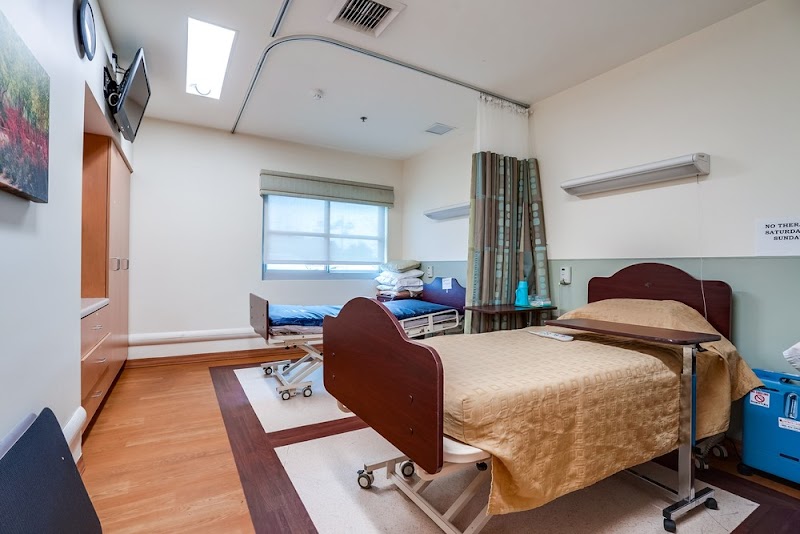
How is Leisure Glen Post Acute Staffed?

CMS rates LEISURE GLEN POST ACUTE CARE CENTER's staffing level at 3 out of 5 stars, which is average compared to other nursing homes. Staff turnover is 31%, compared to the California average of 46%. This relatively stable workforce can support continuity of care.

What Have Inspectors Found at Leisure Glen Post Acute?

State health inspectors documented 43 deficiencies at LEISURE GLEN POST ACUTE CARE CENTER during 2021 to 2025. These included: 43 with potential for harm.

Who Owns and Operates Leisure Glen Post Acute?

LEISURE GLEN POST ACUTE CARE CENTER is owned by a for-profit company. For-profit facilities operate as businesses with obligations to shareholders or private owners. The facility is operated by ABRAHAM BAK & MENACHEM GASTWIRTH, a chain that manages multiple nursing homes. With 108 certified beds and approximately 114 residents (about 106% occupancy), it is a mid-sized facility located in GLENDALE, California.

How Does Leisure Glen Post Acute Compare to Other California Nursing Homes?

Compared to the 100 nursing homes in California, LEISURE GLEN POST ACUTE CARE CENTER's overall rating (4 stars) is above the state average of 3.2, staff turnover (31%) is significantly lower than the state average of 46%, and health inspection rating (4 stars) is above the national benchmark.

What Should Families Ask When Visiting Leisure Glen Post Acute?

Based on this facility's data, families visiting should ask: "Can I visit during a mealtime to observe dining assistance and food quality?" "How do you handle medical emergencies, and what is your hospital transfer rate?" "Can I speak with family members of current residents about their experience?"

Is Leisure Glen Post Acute Safe?

Based on CMS inspection data, LEISURE GLEN POST ACUTE CARE CENTER has a clean safety record: no substantiated abuse findings (meaning no confirmed cases of resident harm), no Immediate Jeopardy citations (the most serious violation level indicating risk of serious injury or death), and is not on the Special Focus Facility watch list (a federal program monitoring the lowest-performing 1% of nursing homes). The facility has a 4-star overall rating and ranks #1 of 100 nursing homes in California. While no facility is perfect, families should still ask about staff-to-resident ratios and recent inspection results during their visit.

Do Nurses at Leisure Glen Post Acute Stick Around?

LEISURE GLEN POST ACUTE CARE CENTER has a staff turnover rate of 31%, which is about average for California nursing homes (state average: 46%). Moderate turnover is common in nursing homes, but families should still ask about staff tenure and how the facility maintains care continuity when employees leave.

Was Leisure Glen Post Acute Ever Fined?

LEISURE GLEN POST ACUTE CARE CENTER has been fined $9,750 across 1 penalty action. This is below the California average of $33,176. While any fine indicates a compliance issue, fines under $50,000 are relatively common and typically reflect isolated problems that were subsequently corrected. Families should ask what specific issues led to these fines and confirm they've been resolved.

Is Leisure Glen Post Acute on Any Federal Watch List?

LEISURE GLEN POST ACUTE CARE CENTER is not on any federal watch list. The most significant is the Special Focus Facility (SFF) program, which identifies the bottom 1% of nursing homes nationally based on persistent, serious quality problems. Not being on this list means the facility has avoided the pattern of deficiencies that triggers enhanced federal oversight. This is a positive indicator, though families should still review the facility's inspection history directly.