ROYAL PALMS POST ACUTE
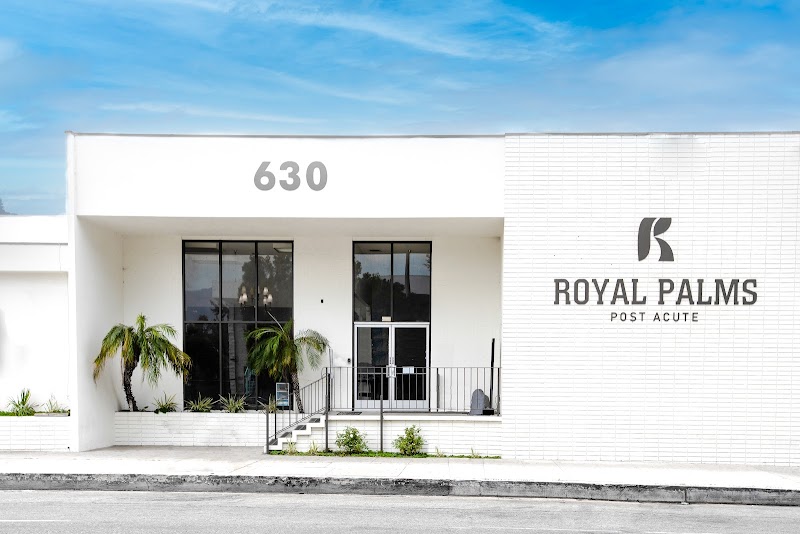
630 W. BROADWAY, GLENDALE, CA 91204 (818) 247-3395
For profit - Corporation 140 Beds SERRANO GROUP Data: November 2025 2 Immediate Jeopardy citations
Trust Grade
0/100
#1097 of 1155 in CA
Last Inspection: February 2025

Within standard 12-15 month inspection cycle. Federal law requires annual inspections.

Overview

Royal Palms Post Acute has received a Trust Grade of F, indicating significant concerns about the facility's performance. With a state rank of #1097 out of 1155 and a county rank of #337 out of 369, it falls in the bottom half of California and Los Angeles County facilities. However, it is worth noting that the facility's trend is improving, with the number of issues decreasing from 39 in 2024 to 18 in 2025. Staffing is a relative strength with a rating of 4 out of 5 stars and a turnover rate of 28%, better than the state average. On the downside, the facility has incurred $79,980 in fines, which is concerning, and has reported critical incidents, such as serving food that residents were allergic to and improperly restraining a resident, raising serious safety and care quality concerns.

Trust Score
F
0/100
In California
#1097/1155
Bottom 6%
Safety Record
High Risk
Review needed
Inspections
Getting Better
39 → 18 violations
Staff Stability
✓ Good
28% annual turnover. Excellent stability, 20 points below California's 48% average. Staff who stay learn residents' needs.
Penalties
✓ Good
$79,980 in fines. Lower than most California facilities. Relatively clean record.
Skilled Nurses
⚠ Watch
Each resident gets only 24 minutes of Registered Nurse (RN) attention daily — below average for California. Fewer RN minutes means fewer trained eyes watching for problems.
Violations
⚠ Watch
85 deficiencies on record. Higher than average. Multiple issues found across inspections.
★☆☆☆☆
1.0
Overall Rating
★★★★☆
4.0
Staff Levels
★★★★☆
4.0
Care Quality
★☆☆☆☆
1.0
Inspection Score
Stable
2024: 39 issues
2025: 18 issues

The Good

  • 4-Star Staffing Rating · Above-average nurse staffing levels
  • 4-Star Quality Measures · Strong clinical quality outcomes
  • Low Staff Turnover (28%) · Staff stability means consistent care
  • Full Sprinkler Coverage · Fire safety systems throughout facility
  • No fines on record
  • Staff turnover is low (28%)

    20 points below California average of 48%

Facility shows strength in staffing levels, quality measures, staff retention, fire safety.

The Bad

1-Star Overall Rating

Below California average (3.1)

Significant quality concerns identified by CMS

Federal Fines: $79,980

Well above median ($33,413)

Moderate penalties - review what triggered them

Chain: SERRANO GROUP

Part of a multi-facility chain

Ask about local staffing decisions and management

The Ugly 85 deficiencies on record

2 life-threatening 2 actual harm
May 2025 1 deficiency
CONCERN (E) 📢 Someone Reported This

A family member, employee, or ombudsman was alarmed enough to file a formal complaint

Potential for Harm - no one hurt, but risky conditions existed

Infection Control (Tag F0880)

Could have caused harm · This affected multiple residents

**NOTE- TERMS IN BRACKETS HAVE BEEN EDITED TO PROTECT CONFIDENTIALITY** Based on observations, interviews, and record reviews, the facility failed to ensure infection prevention and practices were imp...

Read full inspector narrative →
**NOTE- TERMS IN BRACKETS HAVE BEEN EDITED TO PROTECT CONFIDENTIALITY** Based on observations, interviews, and record reviews, the facility failed to ensure infection prevention and practices were implemented for three of three sampled residents (Resident 1, 2, and 3) in accordance to the facility ' s Policy and Procedure (P&P) titled Infection Prevention and Control Program, by failing to: 1. Ensure Resident 1 was immediately placed on isolation (the separation of a patient from others to prevent the spread of infections or to protect them from potential harm due to their own vulnerabilities) after the physician ordered Resident 1 to be transferred to the General Acute Care Hospital (GACH) for a diagnosis of impetigo (a contagious skin infection). 2. Ensure Resident 2 and Resident 3 were placed on isolation after being exposed to Resident 1. 3. Ensure signage was posted outside of Resident 1, Resident 2, and Resident 3 ' s room to alert facility staff and visitors on the specific personal protective equipment (PPEequipment worn to minimize exposure to hazards that cause serious workplace injuries and illnesses) to utilize. These deficient practices had the potential to result in the transmission of disease and infection from resident to resident. Findings: During a review of Resident 1's admission Record (AR), the AR indicated the resident was admitted to the facility on [DATE] with diagnoses including pneumonia (an infection/inflammation in the lungs), Anemia (condition where the blood has a reduced ability to carry oxygen, can be caused by several factors), and hypertension (a condition of high blood pressure). During a review of Resident 1's History and Physical (H&P) dated 2/16/2025, the H&P indicated Resident 1 does not have the capacity to understand and make healthcare decisions. During a review of Resident 1's Minimum Data Set (MDS, a resident assessment tool) dated 4/17/2025, the MDS indicated the resident ' s cognition is severely impaired. During a review of Resident 2's AR, the AR indicated the resident was admitted to the facility on [DATE] with diagnoses including metabolic encephalopathy (a brain dysfunction caused by a disruption in the body's chemical balance, often due to underlying medical conditions like diabetes, liver disease, or kidney failure), hearth failure (a condition when the heart can't pump enough blood to meet the body's needs), and hypertension (a condition of high blood pressure). During a review of Resident 2's History and Physical (H&P) dated 4/23/2025,the H&P indicated Resident 2 does have the capacity to understand and make healthcare decisions. During a review of Resident 2's MDS dated [DATE],the MDS indicated the resident ' s cognition is moderately impaired. During a review of Resident 3's AR, the AR indicated the resident was admitted to the facility on [DATE] with diagnoses including type 2 diabetes (a condition of high blood sugar), Anemia (condition where the blood has a reduced ability to carry oxygen, can be caused by several factors), and hypertension (a condition of high blood pressure). During a review of Resident 3's H&P dated 2/3/2025, the H&P indicated Resident 3 mental status is competent to understand his/her medical condition. During a review of Resident 3's MDS dated [DATE], the MDS indicated the resident ' s cognition is intact. During a review of Facility Census dated 5/19/2025, the Census indicated Resident 1 was sharing the room with Resident 2 and Resident 3. During a review of Resident 1's physician telephone orders dated 5/19/2025 and timed at 11:42 AM indicated to transfer Resident 1 to the General Acute Care Hospital (GACH) 1 for further evaluation of impetigo involving the right side of the neck, ear and face . During a review of Resident 1's Change of Condition (COC), dated 5/19/2025 and timed at 9:58 AM, the COC indicated worsening of the right neck rashes with yellow and red crust and some blister and weeping, and right facial swelling. The COC indicated a Physician order was obtained to transfer Resident 1 to the GACH for further evaluation. The COC indicated a diagnosis of impetigo. During a review of Resident 1's nursing progress note dated 5/19/2025 and timed at 5:40 PM, the progress note indicated Resident was transported to GACH 1 at 5:25 PM via Ambulance due to the suspicion of impetigo affecting the right neck, ear and face for further evaluation. During a review of facility provided document titled Infectious Organism Transfer Form dated 5/19/2025 indicated, the form indicated Resident 1 was on contact precaution and required PPE, which included gown and gloves. The form indicated Resident 1 infectious organism was Impetigo involving Right side of the neck ,ear, and face . During a review of a facility provided phone text message sent by Infection Preventionist(IP) Nurse on 5/19/2025 at 9:58 AM, the text indicated We need to isolate Resident 1, shingles. During an interview on 5/20/2025 at 10:16 AM with Director of Nursing (DON), DON stated Resident 1 was transferred to the GACH on 5/19/25 for further evaluation of impetigo . DON stated she was not aware if Impetigo required contact isolation. DON stated Resident 1 ' s roommates (Resident 2 and Resident 3) were not placed on isolation. During an observation on 5/20/2025 at 10:23 AM, in Resident 1 ' s room, Resident 2 and Resident 3 were observed lying in bed. There was no isolation signage posted outside of Resident 2 and 3 ' s room. During a concurrent observation and interview on 5/20/2025 at 10:24 AM with Licensed Vocational Nurse (LVN) 1, Resident 1 ' s room was observed. Resident 2 and Resident 3 were lying on the bed and Resident 1 ' s bed empty. LVN 1 stated there were no isolation signage posted on the door. LVN 1 stated she was assigned to care for Resident 2 and Resident 3 on 5/20/2025 . LVN 1 stated Residents 2 and 3 were not on any kind of isolation. LVN 1 stated she did not receive any report to isolate them. LVN 1 stated Residents 2 and 3 were present yesterday, 5/19/2025 and shared the room with Resident 1. LVN 1 stated if she was aware that Resident 1 was transferred to the GACH for further evaluation for impetigo, Resident 2 and Resident 3 should be placed on isolation since the room was shared with Resident 1, to prevent the transmission of infection. LVN 1 stated she would post an isolation signage to alert staff and visitors to wear PPE to prevent the spread of infection. During an interview on 5/20/2025 at 10:47 AM with Certified Nursing Assistance (CNA) 1, CNA 1 stated she was assigned to care for Resident 1 on 5/19/25 from 7 AM to 3 PM, and also provide care for Resident 2 and Resident 3 (they were all roommate) . CNA 1 stated if a Resident was on isolation the facility should must post an isolation sign so staff and visitors would know what PPE to wear upon entering the room. CNA 1 stated Resident 1 was not on any isolation yesterday 5/19/2025 . CNA 1 stated Resident 2 and 3 were currently not on any isolation. CNA 1 stated not wearing PPE when caring for Resident 1 yesterday, or Resident 2 and 3. CNA 1 stated if she was aware that Resident 1 required isolation and required a gown and gloves when providing care, CNA 1 would have worn the PPE when caring for Resident 1. CNA 1 stated not using PPE for Resident 1, Resident 2 and Resident 3. During an interview on 5/20/2025 at 11:02 AM with Register Nurse (RN) 1,RN 1 stated she was assigned to Resident 1 on 5/19/25 and that Resident 1 was sharing a room with Resident 2 and Resident 3. RN 1 stated around 9:45 AM to 10:00 AM, RN 1 went to Resident 1 ' s room with IP nurse to assess Resident 1 skin. RN 1 stated Resident 1 had a rash, yellow crust and some blisters to the right side, around the neck area. RN 1 stated that the physician was informed, and an order to transfer Resident 1 to the GACH for further evaluation was obtained. RN 1 stated Resident 1 ' s diagnosis was impetigo. RN 1 stated Resident 1 was transferred to hospital around 5 PM on 5/19/2025 . RN1 stated Resident 1 was not place on contact isolation yesterday 5/19/2025 and no isolation signage were posted outside of Resident 1, 2 and 3 ' s room. RN 1 stated Resident 1 should have been placed on contact isolation to prevent the transition of infection. During an interview and record review on 5/20/2025 at 11:29 AM with DON, Resident 3 ' s physician telephone orders dated from 5/20/2025 at 10:54 AM reviewed. Resident 3 ' s physician telephone order indicated Enhanced Barrier Precaution (Staff to utilize gown and gloves for high-contact resident care activities). The DON stated Resident 1 should have been placed on isolation since Resident 3 shared a room with Resident 1. During an interview on 5/20/2025 at 11:35 AM with IP Nurse ,IP Nurse stated Resident 1 , Resident 2, and Resident 3 shared room on 5/19/2025 . IP nurse stated on 5/19/2025 around 9:50 AM, IP assessed Resident 1 ' s skin around the neck area with RN 1 and suspected shingles (a viral infection that causes a painful rash). The IP stated a text was sent to the physician on 5/19/2025 at 9:58 AM, and that Resident 1 required isolation. IP stated a physician order was received to transfer Resident 1 to the GACH around 11:30 AM for further evaluation of impetigo. IP stated Resident 1 remained in the room with Resident 2 and 3 from until Resident 1 was transferred to the GACH at approximately 5 PM ( approximately 8 hours after Resident 1 was ordered for isolation). IP nurse stated he did not place Resident 1 on contact isolation and did not post any sign on 5/19/2025. IP nurse stated Resident 2 and Resident 3 were not placed on isolation either until the next morning, 5/20/2025. IP nurse stated Resident 1, Resident 2 and Resident 3 should have been placed on isolation to prevent spread of infection. During an interview and record review on 5/20/2025 at 12:52 PM with DON, DON stated the Resident 1 room was not placed on contact isolation on 4/19/2025 when physician order tranfer Residnet1 to GACH for further eval impetigo. DON stated staff should have place Resident 1, contact isolation and place Resident 1 ' s roommates (Resident 2 and Resident 3) on Enhanced Barrier precaution. DON stated the potential outcome was the transmission of infection. During a concurrent interview and record review on 5/20/2025 at 1:02 PM with DON, Resident 1 ' s physician orders were reviewed. DON stated there was no order from the physician to place Resident 1 on isolation. During a concurrent interview and record review on 5/20/2025 at 1:10 PM with DON, Resident 1 ' s active care plans were reviewed. DON stated there was no care plan initiated for Resident 1 indicating a diagnosis of Impetigo, nor was there any care plans that indicated to place resident on contact precaution. DON stated care plans should have been initiated to address Resident 1 ' s specific need such as the type of isolation in place, and the type of PPE to use prior to entering Resident 1 ' s room. During a concurrent interview and record review on 5/20/2025 at 1:19 PM of a facility provided document by the IP nurse titled Centers for Disease Control and Prevention Group A Step Infection, and Clinical Guidance for Group A streptococcal Impetigo was reviewed. The IP nurse stated the facility was not following CDC guideline. IP nurse stated based on the CDC guidelines if the facility suspected a resident to have Impetigo the resident should be placed on contact isolation which means staff and visitors will wear gloves when entering he room, and remove before leaving the room, hand hygiene, and disposable trays. IP stated CDC guideline indicated contact with someone else with impetigo was the common risk for infection. A review of the facility ' s provided document titled CDC Group A Step Infection , Clinical Guidance for Group A streptococcal Impetigo, reference 2015 indicated: Impetigo (also called pyoderma) was a superficial bacterial skin infection caused by either S. pyogenes or S. aureus, Close Contact, contact with someone else with impetigo was the most common risk factor for infection. This includes contact with drainage from impetigo lesions. A review of the facility ' s policy and procedure titled Isolation-Categories of Transimission-Based Precautions, revised on October 2018 indicated: Transmission-Based Precautions was initiated when a resident develops signs and symptoms of a transmissible infection; arrives for admission with symptoms of an infection; or has a laboratory confirmed infection; and is at risk of transmitting the infection to other residents. The Centers for Disease Control and Prevention (CDC) maintains a list of diseases, modes of transmission and recommended precautions. Contact Precautions may be implemented for residents known or suspected to be infected with microorganisms that can be transmitted by direct contact with the resident or indirect contact with environmental surfaces or resident-care items in the resident's environment. The decision on whether contact precautions are necessary will be evaluated on a case by case basis. The individual on contact precautions will be placed in a private room if possible. If a private room is not available, the Infection Preventionist will assess various risks associated with other resident placement options (e.g., cohorting, placing with a low risk roommate). Staff and visitors will wear gloves (clean, non-sterile) when entering the room. While caring for a resident, staff will change gloves after having contact with infective material (for example, fecal material and wound drainage).b. Gloves will be removed and hand hygiene performed before leaving the room c.Staff will avoid touching potentia11y contaminated environmental surfaces or items in the resident's room after gloves are removed. Staff and visitors will wear a disposable gown upon entering the room and remove before leaving the room and avoid touching potentially contaminated surfaces with clothing after gown is removed. When transporting individuals with skin lesions, excretions, secretions, or drainage that is difficult to contain, contact precautions will be taken during resident transport to minimize the risk of transmission. A review of the facility ' s policy and procedure titled Infection prevention and Control Program , revised on October 2018 indicated: An infection prevention and control program (IPCP) is established and maintained to provide a safe, sanitary and comfortable environment and to help prevent the development and transmission of communicable diseases and infections. Prevention of Infection : a.Important facets of infection prevention include: (1) identifying possible infections or potential complications of existing infections; (2) instituting measures to avoid complications or dissemination; (3) educating staff and ensuring that they adhere to proper techniques and procedures; (4) communicating the importance of standard precautions and cough etiquette to visitors and family members; (5) enhancing screening for possible significant pathogens; (7) implementing appropriate isolation precautions when necessary; and (8) following established general and disease-specific guidelines such as those of the Centers for Disease Control (CDC). A review of the facility ' s policy and procedure titled Care Plans, Comprehensive Person-Centered , revised on December 2016 indicated: A comprehensive, person-centered care plan that includes measurable objectives and timetables to meet the resident's physical, psychosocial and functional needs is developed and implemented for each resident. Care plan interventions are chosen only after careful data gathering, proper sequencing of events, careful consideration of the relationship between the resident's problem areas and their causes, and relevant clinical decision making. When possible, interventions address the underlying source(s) of the problem area(s), not just addressing only symptoms or triggers. Care planning individual symptoms in isolation may have little, if any, benefit for the resident. The comprehensive, person-centered care plan is developed within seven (7) days of the completion of the required comprehensive assessment (MOS). Assessments of residents are ongoing and care plans are revised as information about the residents and the residents' conditions change.
Apr 2025 1 deficiency
CONCERN (E) 📢 Someone Reported This

A family member, employee, or ombudsman was alarmed enough to file a formal complaint

Potential for Harm - no one hurt, but risky conditions existed

Infection Control (Tag F0880)

Could have caused harm · This affected multiple residents

**NOTE- TERMS IN BRACKETS HAVE BEEN EDITED TO PROTECT CONFIDENTIALITY** Based on interview, and record review, the facility failed to implement the facility's Infection Prevention and Control Program ...

Read full inspector narrative →
**NOTE- TERMS IN BRACKETS HAVE BEEN EDITED TO PROTECT CONFIDENTIALITY** Based on interview, and record review, the facility failed to implement the facility's Infection Prevention and Control Program (IPCP) for 27 of 129 residents (Residents 1 5, 6, 7, 8, 9, 10, 11, 12, 13, 14, 15, 16, 17, 18, 19, 20, 21, 22, 23, 24, 25, 26, 27, 28, 29, and 30) when: 1. The facility failed to initiate surveillance tracking and interventions for the 26 affected residents when the Local Health Officer's Public Health Nurse (PHN 1) informed the facility's Director of Nursing (DON) on 3/27/2025 that Resident 1 tested positive for Carbapenem-Resistant Acinetobacter baumannii (CRAB) Tier 2 (an antibiotic resistant, communicable rare disease) right leg wound. 2. The facility failed to notify Resident 1's Primary Medical Doctor (PMD) 1 that Resident 1 had a positive right leg wound culture (CRAB) Tier 2. 3. The facility failed to notify and coordinate with the attending physicians of Residents 5, 6, 7, 8, 9, 10, 11, 12, 13, 14, 15, 16, 17, 18, 19, 20, 21, 22, 23, 24, 25, 26, 27, 28, 29, and 30 that PHN 1 recommended to conduct rectal swab screening for CRAB due to potential exposure to Resident 1. 4. Report to the California Department of Public Health (CDPH) Licensing and Certification District Office since CRAB TIER 2 is considered an unusual disease occurrence. These deficient practices had a) the potential spread of CRAB in the facility, b) resulted in Resident 1 not getting appropriate treatment and recommendations from his PMD, and c) resulted in Residents 5 to 30 not getting appropriate treatment and recommendations from their PMD's, which can negatively affect facility's Resident's quality of life Findings: During a review of Resident 1's General Acute Care Hospital (GACH) 1's document for microbiology culture results, (undated), the culture result indicated Resident 1 was admitted at GACH 1 on 2/16/2025 and discharged on 2/24/2025. The document indicated leg wound was cultured on 2/17/2025, with final report on 2/21/2025 indicating CRAB complex - multidrug resistant organism. (Culture results sent to LA county public health for further studies). During a review of Resident 1's right leg wound culture (specimen received from GACH 1 collected on 2/17/2025 for further studies) results from the Local Health Department's Laboratory document, dated 3/15/2025, the document indicated Resident 1's right leg wound culture result showed CRAB Tier 2. During a review of Resident 1's admission Record (AR), the AR indicated Resident 1 latest readmission to the facility was on 3/20/2025, with diagnoses that included sepsis (a life-threatening medical emergency where the body's response to an infection damages its own tissues and organs), anemia (a problem of not having enough healthy red blood cells or hemoglobin to carry oxygen to the body's tissues), chronic kidney disease (a disease characterized by progressive damage and loss of function in the kidneys), gastroesophageal reflux disease (GERD) (a condition in which stomach acid repeatedly flows back up into the tube connecting the mouth and stomach), and cellulitis of the right lower limb (a bacterial infection of the skin and tissue just below the skin on the right leg). During a review of Resident 1's History and Physical Examination (H&P), dated 3/21/2025, the H&P indicated Resident 1 had the capacity to understand and make decisions for healthcare purposes, able to identify needs in management of activities of daily living, and to make needs known. During a review of Resident 1's Minimum Data Set (MDS) -a resident assessment tool dated 3/24/2025, the MDS indicated Resident 1 cognitive status (ability to think, remember and reason) was intact. The MDS indicated Resident 1 required supervision or touching assistance (Helper provides verbal cues and or touching steadying) with eating, required partial/moderate assistance (helper does less than half the effort) with oral hygiene, dependent with toileting and bathing. The MDS indicated Resident 1 was at risk in developing pressure ulcers/injuries. During a review of an email communication dated 3/27/2025, from the Local Health Officer PHN 1 to the facility indicated PHN 1 informed the DON that Resident 1's right leg wound culture tested positive (GACH 1) for a rare and emerging multi-drug-resistant organism named CRAB Tier 2. PHN 1's email also indicated recommendations that included for the facility to: 1. Determine if any exposure have occurred, and screen exposed patients. 2. Use the Local Health Department's Multidrug Resistant Organism (MDRO) Screening Guidance for Tier 2 CRAB as indicated in the email notification. 3. Screen exposed contacts (residents/staff) and perform surveillance (tracking) for any potential transmission. 4. Report to the California Department of Public Health (CDPH) Licensing and Certification District Office since CRAB TIER 2 is considered an unusual disease occurrence. During a review of the facility's document list titled Rectal Swab Screening for CRAB dated 4/8/2025, due to possible exposure from Resident 1, the list indicated 26 residents residing at the facility (23 tested, 3 refused), were included in the list for CRAB screening test (tested Residents 5, 6, 7, 8, 9, 10, 11,12,13, 14, 15, 16, 17, 18, 19, 20, 21, 22, 23, 24, 25, 26, 27, 28, 29, 30. The list indicated Residents 9, 10, and 14 refused the rectal swab screening. During an interview on 4/8/2025 at 9:00 AM with the DON, the DON stated, Resident 1 was a very fragile resident. The DON stated Resident 1 was originally admitted to the facility on [DATE] and was hospitalized to GACH 1 on 2/16/2025. The DON stated Resident 1 was readmitted back to the facility from GACH 1 on 2/24/2025 and was sent to the GACH again on 3/13/2025 and readmitted back to the facility on 3/20/2025. The DON stated Resident 1 was transferred again to a GACH on 4/6/2025, for persistent vomiting. The DON stated, Resident 1 was still residing at the facility on 3/27/2025 when PHN 1 called and informed the facility and send an email notification that Resident 1 had a positive culture of CRAB TIER 2, from Resident 1's right leg wound. The DON stated, on 3/27/2025 PHN 1 emailed her (DON) the local health department's recommendations to contain any potential spread of CRAB TIER 2 within the facility. During a concurrent interview with the DON and record review of the Local Health Officer PHN 1's email communication dated 3/27/2025, to the DON, on 4/8/2025, at 10:10 AM, the DON stated, she did not initiated any of PHN 1's recommendations from the local health department on 3/27/25, except to complete an in service to the facility staff on 3/28/2025. The DON stated, she did not initiate, and did not have any documentation that surveillance tracking was initiated on 3/27/2025 or 3/28/2025 after receiving the email notification and recommendations from PHN 1 regarding facility's exposure to CRAB Tier 2. The DON stated the screening for possible exposed residents was initiated on 4/7/2025 (11 days after receiving PHN 1 CRAB Tier 2 notification exposure). The DON stated, she did not report the unusual occurrence to CDPH within 24 hours (3/28/25) after learning the unusual occurrence of a potential CRAB outbreak from PHN 1 on 3/27/2025. He DON stated Resident 1 was positive for CRAB Tier 2 on his right leg wound according to PHN 1. The DON stated, she was covering for the facility's infection preventionist (IP)on 3/27/2025 and did not get a permanent IP until 4/2/2025. The DON stated she was too busy to follow up on PHN 1's notification of a potential CRAB outbreak, failed to notify CDPH within 24 hours and implement the facility's IPCP by following PHN 1's recommendations, including initiating appropriate surveillance tracking of residents and/or staff that may have been exposed from Resident 1 During an interview on 4/8/2025 at 10:40 AM with facility's IP, the IP stated, he was in-serviced by PHN 2 on 4/4/2025, and the local health officer sent the facility the rectal swabs and highlighted the facility map that showed those residents' rooms, who were possibly exposed from Resident 1's CRAB Tier 2. The IP stated the rectal swab screening test was done on 4/7/2025 after receiving the swabs. The IP stated he started being the facility's designated IP on 4/2/2025, so he did not have an answer as to why the facility did not initiate any surveillance tracking of possible exposed residents to CRAB Tier 2 on 3/27/2025. During a concurrent interview and record review, on 4/8/2025, at 11 AM, with Medical Record Director (MRD) and the DON, Resident 1's electronic health record (EHR) until 4/6/2025 was reviewed. Resident 1's EHR did not have any documented evidence of Resident 1 having tested positive of CRAB Tier 2 on his right leg according to PHN 1 notification on 3/27/25. The EHR did not have documentation of a Change of Condition (COC), including notification to Resident 1's attending physician. The DON stated, Resident 1's attending physician was not made aware of Resident 1 positive CRAB Tier 2, and the COC form was not initiated. The DON stated Resident 1's records did not indicate any evidence of having CRAB Tier 2 on the right leg wound, the DON stated documentation was missed. During an interview on 4/8/2025 at 11:30 AM with the DON, the DON stated, not following the Local Health Department's recommendations on 3/27/2025 such initiating surveillance and not notifying CDPH timely had the potential for CRAB TIER 2, a communicable rare disease to spread in the facility. The DON stated, not notifying Resident 1's attending physician, had resulted Resident 1 to not receive any type of treatment or recommendations from the physician about the disease. During an interview on 4/8/2025 at 12:45 PM with the IP, the IP stated, on 4/7/2025 he tested 23 residents out of 26 (three refused) residents for possible exposure to Resident 1's CRAB TIER 2 for CRAB Tier 2. The IP stated, the attending physicians of the 26 residents who were possibly exposed was not notified of the exposure and recommendations for rectal swabbing. The IP stated there was no documentation or notification, or COC form completed for all 26 residents exposed. The IP stated, the facility should have notified the attending physicians of the possible exposed residents for update, any type of treatment or recommendations. The IP stated, it would be hard to track residents who are being tested if it's not in the residents' medical records, and appropriate IPCP surveillance tracking log. During an interview on 4/8/2025 at 2:35 PM with PHN 1, PHN 1 stated, she spoke with the DON and sent her an email of her recommendations that contain recommendations to prevent potential spread of CRAB TIER 2. PHN 1 stated that the CRAB TIER 2, which Resident 1 had, was a rare communicable antibiotic-resistant disease that the local health department is tracking. PHN 1 stated, she was not aware the facility did not notify Resident 1's attending physician and CDPH timely. PHN 1 stated the facility should have notified the physicians and CDPH timely. During an interview on 4/8/2025 at 3:40 PM with the DON, the DON stated she was busy, and it was a difficult transition, not having an IP during that time when she was notified of Resident 1's positive CRAB Tier 2. The DON stated, all the physicians of the 26 exposed residents were not made aware of the rectal swab testing done on 4/7/2025. The DON stated, surveillance tracking of all potentially exposed residents or staff should have been done timely as per PHN 1's recommendation to ensure the disease does not spread in the facility. During a review of the facility's policy and procedure (P&P) titled, Infection Prevention and Control Program (IPCP) dated 12/2024, the P&P indicated; a) the infection prevention and control program is established and maintained to provide a safe, sanitary and comfortable environment and to help the development and transmission of communicable diseases and infections, b)surveillance and data reporting is used to inform the committee of potential issues and trend, c) Process of surveillance (adherence to infection prevention and control practices) and outcome surveillance ( incidence of prevalence of healthcare acquired infections) are used as measures of the IPCP effectiveness and d) surveillance tools are used for identifying the occurrence of infections, recording their number and frequency, detecting outbreaks and epidemics, monitoring adherence to infection prevention and control practices ,ands detecting unusual pathogens with infection and control implications. During a review of the facility's policy and procedure (P&P) titled, Subject: Changes in Resident Condition , dated 11/3/2023, the P&P indicated; a) attending physician are notified when changes in condition or certain events occur, b) the facility must immediately consult with resident's physician when there is a significant physical or clinical condition, c) examples of clinical condition changes includes change in resident's baseline / onset of new concern and d) immediate notification to physician would include but not limited to critical lab values, and significant change in wound status. During a review of the facility's policy and procedure (P&P) titled, Unusual Occurrence Reporting , dated 12/2007, the (P&P) indicated; a)as required by state or federal regulations the facility reports unusual occurrence or other reportable events which affect the health and safety, or welfare of the resident , employees or visitors, b) the facility will report to appropriate agencies an outbreak of any communicable diseases and c) unusual occurrences shall be reported via telephone to appropriate agencies as required by law and/or regulations within twenty-four hours (24) of such incident or as otherwise required by federal or state regulations.
Feb 2025 14 deficiencies
CONCERN (D)

Potential for Harm - no one hurt, but risky conditions existed

Deficiency F0558 (Tag F0558)

Could have caused harm · This affected 1 resident

**NOTE- TERMS IN BRACKETS HAVE BEEN EDITED TO PROTECT CONFIDENTIALITY** Based on observation, interview, and record review, the facility failed to accommodate the needs of one out of four sampled resi...

Read full inspector narrative →
**NOTE- TERMS IN BRACKETS HAVE BEEN EDITED TO PROTECT CONFIDENTIALITY** Based on observation, interview, and record review, the facility failed to accommodate the needs of one out of four sampled residents (Resident 31) by ensuring the resident's call light (a device used to alert staff to the resident's room) was within their reach (within arm's reach) as indicated in the resident's plan of care. This deficient practice had the potential for Resident 31 not to receive or receive delayed care and services that could result in accidents and falls. Findings: During a review of Resident 31's admission Record indicated the resident was admitted on [DATE] with diagnoses that included difficulty in walking, muscle weakness, and diabetes type 2 (ability to process thoughts). During a review of Resident 31's History and Physical (H&P), dated 12/15/2025, indicated the resident does not have the capacity to understand and make decisions. During a review of Resident 31's Minimum Data Set (MDS - a federally mandated resident assessment tool), dated 1/29/2025, indicated the resident has no impairment in cognition (ability to process thoughts). The MDS also indicated the resident requires moderate assistance (helper does less than half the effort) for self-care activities such as upper body dressing, oral hygiene, and personal hygiene. The MDS also indicated the resident requires touching assistance (helper provides verbal cues and/or touching/steadying assistance as the resident completes the activity) for mobility such as lying to sitting on the side of the bed, sit to lying, and rolling left and right. During a review of Resident 31's care plans included a care plan for heart disease, at risk for falls/injuries, initiated on 12/23/2024. The care plan indicated for staff to encourage the resident to use the call light for assistance. The resident ' s care plans also included a care plan for decline in [activities of daily living] and bed mobility, initiated on 1/23/2025. The care plan indicated for staff to ensure care equipment are within reach. During an observation and interview on 2/25/2025 at 10:27 AM inside Resident 31 ' s room, Resident 31 stated he needed help, but cannot find the call light. Resident 31 ' s call light was observed stuck behind the resident ' s bed and on the floor. During a concurrent observation and interview on 2/25/2025 at 10:33 AM inside Resident 31 ' s room, Registered Nurse (RN) 3 stated Resident 31 is not able to reach the call light because it is on the floor. RN 3 stated Resident 31 would not be able to call for help if he is not able to reach the call light. RN 3 stated the call light is a care equipment that should be accessible to the resident and within the resident ' s reach (within arm ' s length). During a concurrent interview and record review on 2//27/2025 at 9:49 AM with the Director of Nursing (DON), the facility ' s policy and procedure (P&P) titled, Answering the Call Light, revised 9/2022, was reviewed. DON stated call lights must be accessible to the resident and the resident should be able to reach the call light. DON stated if the call lights are not accessible to the resident, the resident would not be able to ask for assistance and could potentially have accidents such as falls. During a review of the facility ' s P&P titled, Answering the Call Light, revised 9/2022, indicated staff must ensure the call light is accessible to the resident when in bed. The P&P indicated staff must ensure the call light is plugged in and functioning at all times. The P&P also indicated for staff to answer the call system immediately.
CONCERN (D)

Potential for Harm - no one hurt, but risky conditions existed

Deficiency F0645 (Tag F0645)

Could have caused harm · This affected 1 resident

**NOTE- TERMS IN BRACKETS HAVE BEEN EDITED TO PROTECT CONFIDENTIALITY** Based on observation, interview and record review, the facility failed to follow up a Preadmission Screening and Resident Review...

Read full inspector narrative →
**NOTE- TERMS IN BRACKETS HAVE BEEN EDITED TO PROTECT CONFIDENTIALITY** Based on observation, interview and record review, the facility failed to follow up a Preadmission Screening and Resident Review (PASRR - a federally required screening for mental health; PASRR Level I identify suspected mental illness, intellectual/developmental disability, or related condition; Level II screening determines if the individual would benefit from specialized mental health services) evaluation for one of three sampled residents (Residents 10) who was assessed as having a positive level I screening on 11/15/2023, that indicated a level II mental health screening. This failure had the potential to result in Resident 10 not to receive care and services in the most integrated setting appropriate to his mental needs, which can negatively affect his quality of life. Findings: During a review of Resident 10's admission Record, indicated the facility originally admitted Resident 10 on 5/21/2021 and readmitted on [DATE] with diagnoses that included psychotic disorder (a collection of symptoms that affect the mind, where there has been some loss of contact with reality), schizoaffective disorder (a mental health condition where someone experiences symptoms of both schizophrenia like hallucinations and delusions (a false perception of objects or events and an unshakable belief in something that's untrue) and a mood disorder like mania (a period of abnormally elevated, extreme changes in your mood or emotions)and depression (mood disorder that causes a persistent feeling of sadness and loss of interest and can interfere with your daily). During a review of Resident 10's History and Physical Examination (H&P), dated 1/29/2025, indicated Resident 1 was alert and interactive. During a review of Resident 10's Minimum Data Set (MDS - a resident assessment tool), dated 1/27/2025, indicated Resident 10 required substantial/maximal assist (helper does more than half the effort) with eating and roll left and right, and dependent (helper does all the effort) with toileting, bathing, dressing and personal hygiene. A review of Resident 10's letter from Department of Health Care Services (DHCS) - PASRR Section, dated 11/15/2023, indicated, Resident 10 had positive PASRR Level 1 Screening and required a PASRR Level II mental health evaluation. During a concurrent observation and interview on 2/25/2025 at 11AM with Certified Nurse Assistant (CNA) 1 in Resident 10 ' s room, Resident 10 was observed frowning (to wrinkle the forehead [as in anger or thought]) trying to pull the string for his overhead light. CNA 1 stated, Resident 10 have episodes of agitation when he gets frustrated. A review of Resident 10's Order Summary Report (OSR), dated 2/27/2025, indicated; a)to give Risperdal (medication used to treat certain mental/mood disorders) 2 mg (a unit of mass measurement) one tablet two times a day for schizoaffective disorder manifested by sudden outburst of anger) to give Sertraline (medication used to treat depression) 100 mg one tablet daily for depression manifested by persistent agitation. During a concurrent interview and record review, on 2/27/2025, at 11:11 AM, with MDS Nurse (MDSN), and Assistant Director of Nurses (ADON), Resident 10 ' s, Physical Chart, and Electronic Health Record up to 2/27/2025 was reviewed. The documents did not indicate Resident 10 was not referred for a PASRR level II mental health evaluation. MDSN stated, she was responsible in following up the PASRR II requirement, but she just missed to refer Resident 10. The ADON stated, moving forward she will help in following up PASRR II requirement for all residents. ADON stated, it was important to have a level II evaluation for residents who needs it to ensure proper care, physical, psychological, and mental would provide in accordance with the recommendation. During an interview on 2/27/2025 at 11:30 AM with Director of Nurses (DON), DON stated, the facility did not have a system to follow up PASRR II, moving forward the responsible party would be MDS nurse and ADON and DON. DON stated, PASRR II evaluation and recommendation is important to ensure Resident 10's physical, mental, and psychological needs are being met, otherwise it had the potential to negatively affect Resident 10's quality of life. A review of the facility's policy and procedure (P&P) titled, Subject : PASRR, dated 9/26/2023, indicated; a) the purpose is to ensure compliance with California State PASRR ( Pre-admission Screen and Resident Review) rules and requirements, and b) all residents are required to have a PASRR level I screen completed prior to nursing facility admission, PASSRR level I and II (when applicable will be kept of file in the resident ' s medical record and be kept accurate according to the OBRA and state regulations.
CONCERN (D)

Potential for Harm - no one hurt, but risky conditions existed

Comprehensive Care Plan (Tag F0656)

Could have caused harm · This affected 1 resident

**NOTE- TERMS IN BRACKETS HAVE BEEN EDITED TO PROTECT CONFIDENTIALITY** Based on interview and record review, the facility failed to update and implement a resident centered care plan for one of three...

Read full inspector narrative →
**NOTE- TERMS IN BRACKETS HAVE BEEN EDITED TO PROTECT CONFIDENTIALITY** Based on interview and record review, the facility failed to update and implement a resident centered care plan for one of three residents (Resident 29) who was admitted to the facility with pressure developed a left upper buttock Stage 1 pressure injury (an intact skin with non-blanchable redness [meaning the area doesn't turn white when pressed] that developed due to prolonged unrelieved pressure and friction). This deficiency practice had the potential to result in the development of new and worsened pressure injury for Residents Findings: A review of Resident 29's admission Record (AR), the AR indicated Resident 29 was readmitted to the facility on [DATE], with diagnoses that included quadriplegia (a condition that causes a person to lose all ability to move all part of the body) and contracture (when muscle shorten causing a deformity) of the lower right and left leg. A review of Resident 29's History and Physical Examination (HPE, a comprehensive physician's note regarding the assessment of the Patient's health status) signed by the attending physician on 12/11/2024, the HPE indicated that Resident 29 does have the capacity to understand and make decisions. A review of Resident 29's Minimum Data Set (MDS, a resident assessment and screening tool) dated 2/4/2025, the MDS indicated the Resident 29 cognition (thought process) was intact. The MDS indicated Resident 29 was dependent care for rolling left to right, sit to lying, bed to chair transfer and toileting hygiene. A review of Resident 29's Care Plan titled The resident has potential for pressure ulcer development related to (r/t) immobility. The care plan indicated on 2/3/2023 Resident 29 would have intact skin, free of redness, blisters or discoloration. The care plan indicated on 2/3/2023 the facility will follow polices for the prevention of skin breakdown by keeping Resident 29 body parts from excessive moisture, keep skin clean, dry and use lotion on dry skin. A review of Resident 29's Care Plan titled Episodes of being non-compliant with care and treatment. The care plan indicated on 2/21/2025 Resident 29 will maintain clean and intact skin and will be free of injury by assessing for pain prior to activities of daily living (ADL) care, checking on the air-loss mattress settings are correct, and to educate Resident 29 on how to prevent skin injuries. A review of Resident 29's COC [Change in Condition]/SBAR [Situation, Background, Assessment, Recommendation] dated 2/21/2025 time at 1:39PM, indicated Resident 29 was noted with a new left upper buttock Stage 1 pressure injury. During an interview on 2/27/2025 at 7:50AM, Treatment Nurse (TN 1) stated that Resident 29 was admitted to the facility with no skins issues and Resident 29 developed at Stage 1 pressure ulcer left upper buttock on 2/21/2025 and had orders for treatment. During an interview on 2/27/2025 at 9:55AM, Registered Nurse (RN 4) stated Resident 29 was admitted on 6/2015, Resident 29 had developed the PI stage 1 at the facility on 2/21/2025. RN 4 stated Resident 29 skin breakdown care plan was not updated regarding the PI on 2/21/2025. RN 4 stated had there been an updated care plan it would have prevent the PI from developing. During a concurrent record review of Resident 28 care plan titled The resident has potential for pressure ulcer development r/t immobility and interview on 2/27/2025 at 9:55AM, Director of Nursing (DON) stated that Resident 28 care plan for skin breakdown was not updated regarding the PI on 2/21/2025. DON that had her licensed nurses updated the care plan for the PI on 2/21/2025 it would have prevented the PI. DON stated that Resident 29 was now at risk for developing an infection. A Review of the facility's P&P titled Care Plans, Comprehensive Person-Centered revised 12/2016, indicated a comprehensive, person-centered care plan that includes measurable objectives and timetables to meet the resident's physical, psychosocial and functional needs is developed and implemented for each resident. The P&P indicated identifying problem areas and their causes, and developing interventions.
CONCERN (D)

Potential for Harm - no one hurt, but risky conditions existed

Deficiency F0657 (Tag F0657)

Could have caused harm · This affected 1 resident

**NOTE- TERMS IN BRACKETS HAVE BEEN EDITED TO PROTECT CONFIDENTIALITY** Based on observation, interview, and record review the facility failed to ensure one of three sampled residents (Resident 11) ca...

Read full inspector narrative →
**NOTE- TERMS IN BRACKETS HAVE BEEN EDITED TO PROTECT CONFIDENTIALITY** Based on observation, interview, and record review the facility failed to ensure one of three sampled residents (Resident 11) care plan was revised and updated according to the residents current plan of care for the use of Febuxostat (an oral medication used to control gout [a disease that causes inflammation of the joints that causes pain and swelling]). This deficient practice had the potential for facility staff to not monitor the effectiveness or ineffectiveness of Resident 11's health status. Findings: A review of Resident 11's admission Record indicated the resident was originally admitted to the facility on [DATE] and readmitted on [DATE] with diagnoses that included gout, low back pain, and spinal stenosis (a condition where the spinal canal, the bony tunnel that contains the spinal cord and nerve roots, becomes narrowed, often causing pain, numbness, and weakness). A review of Resident 11's History and Physical (H&P), dated 12/31/2024, indicated the resident had the capacity to understand and make decisions. A review of Resident 11's Minimum Data Set (MDS - a resident assessment tool), dated 2/10/2025, indicated the resident had moderately impaired cognition (ability to process thoughts). The MDS also indicated in the section titled, Pain Assessment Interview, that the resident had pain during the last 5 days at the time of the assessment. The interview also indicated that the resident occasionally feels pain and the pain interferes with the resident ' s sleep, therapy, and day-to-day activities. A review of Resident 11's Order Summary Report (OSR), dated 2/27/2025, indicated a physician ' s order, with a start date of 12/31/2024, for Febuxostat Oral Tablet 40 mg (mg, milligram, a unit of measuring weight) Give 1 tablet orally one time a day for Gout. A review of Resident 11's Medication Administration Report (MAR) for the months of 1/2025 and 2/2025, indicated the resident was taking Febuxostat. A review of Resident 11's Care Plans for pain related to gout, initiated on 11/12/2024 indicated a goal that the resident will not have discomfort related to side effects of medications. The interventions for the care plan did not indicate Resident 11 ' s medication Febuxostat. During a concurrent interview and record review on 2/27/2025 at 12:40 PM with Registered Nurse (RN) 1, Resident 11's care plans were reviewed. RN 1 stated the resident ' s care plans was not updated to indicate Resident 11's medication, Febuxostat. RN 1 stated Resident 11's care plan should have been revised to indicate the use of Febuxostat since it was part of the interventions to control the resident's pain. RN 1 stated care plans were used by staff to monitor if the current treatment for the resident ' s pain was effective. RN 1 stated the resident ' s pain could worsen if staff were not monitoring and evaluating the effectiveness of the interventions. During an interview on 2/28/2025 with the Director of Nursing (DON), DON stated care plans must be updated when new treatments are ordered, such as new medications. DON stated if care plans are not updated, staff would not be able to monitor if the current interventions were effective. DON further stated if care plans were not updated, the facility would not be able to meet the resident ' s goals and needs. During a review of the facility ' s policy and procedure (P&P) titled, Care Plans, Comprehensive Person-Centered, revised 3/2022, indicated care plans describes the services that are to be furnished for the resident. The P&P indicated the interdisciplinary team reviews and updates the care plan. The P&P also indicated assessments of residents are ongoing, and care plans are revised as information about the resident and residents ' conditions change.
CONCERN (D)

Potential for Harm - no one hurt, but risky conditions existed

Deficiency F0676 (Tag F0676)

Could have caused harm · This affected 1 resident

**NOTE- TERMS IN BRACKETS HAVE BEEN EDITED TO PROTECT CONFIDENTIALITY** Based on observation, interview and record review, the facility failed to provide a communication tool or device that translate ...

Read full inspector narrative →
**NOTE- TERMS IN BRACKETS HAVE BEEN EDITED TO PROTECT CONFIDENTIALITY** Based on observation, interview and record review, the facility failed to provide a communication tool or device that translate to a language the resident could understand for one of three residents (Resident 28) who does not speak the formal language in the facility. This deficient practice prevented Resident 28 from communicating with the staff the necessary needs that could delay in the resident receiving appropriate care/treatment the resident needed. Finding: A review of Resident 28 ' s admission Record (AR), the AR indicated Resident 28 was readmitted to the facility on [DATE], with diagnoses that included dementia (mental decline that affects memory and thinking) and Alzheimer ' s disease (brain disorder that slowly destroys memory and thinking). AR indicated Resident 28 primary language was listed as other than the formal language in the facility. A review of Resident 28's History and Physical Examination (HPE, a comprehensive physician ' s note regarding the assessment of the Patient ' s health status) signed by the attending physician on 12/24/2024, the HPE indicated that Resident 28 did not have the capacity to understand and make decisions. A review of Resident 28's Minimum Data Set (MDS, a federally mandated resident assessment tool) dated 12/31/2024, the MDS indicated the Resident 28 cognition (thought process) was severely impaired. The MDS indicated Resident 28 was dependent care for eating and toileting hygiene. During an observation on 2/25/2025 at 9:59AM, Resident 28 room did not have any communication tool or device, or translation material posted around her living area. During a concurrent resident room observation and interview on 2/25/2025 at 11:25AM, Certified Nursing Assistant (CNA 2) stated that she did not see any translation or communication tool or device and material in Resident 28 living area. CNA 2 stated that Resident 28 does not speak the formal language in the facility. CNA 2 stated it was important to have translation material at bedside for residents that don't speak English so the resident will be able to communicate her needs for any type of assistance and while providing ADL care. During an interview on 2/25/2025 at 11:45AM, Director of Nursing (DON) stated that residents that speak a different language than the formal language spoken in the facility and the residents need a communication tool at their bedside. DON stated that Resident 28 need a communication tool to be able to communicate her needs. A review of the facility's P&P titled Translation and/or Interpretation of Facility Services revised 5/2017, indicated the facility ' s language access program will ensure that individuals with limited English proficiency (LEP) shall have meaningful access to information and services provided by the facility.
CONCERN (D)

Potential for Harm - no one hurt, but risky conditions existed

ADL Care (Tag F0677)

Could have caused harm · This affected 1 resident

**NOTE- TERMS IN BRACKETS HAVE BEEN EDITED TO PROTECT CONFIDENTIALITY** Based on observation, interview, and record review the facility failed to provide necessary care and services to residents who w...

Read full inspector narrative →
**NOTE- TERMS IN BRACKETS HAVE BEEN EDITED TO PROTECT CONFIDENTIALITY** Based on observation, interview, and record review the facility failed to provide necessary care and services to residents who was dependent with the staff to carry out activities of daily living (ADL) for one of one sampled resident (Resident 10) who had communication problems related to slurred (speech are weak or are hard to control) and was at risk for fall by not ensuring Resident 10 ' s call light was within reach to be used to communicate needs with the staffs. This deficient practice had the potential for Resident 10 not to receive the necessary care and treatments timely especially in an event of emergency. Findings: During a review of Resident 10's admission Record, indicated the facility originally admitted Resident 10 on 5/21/2021 and readmitted on [DATE] with diagnoses that included spastic quadriplegic cerebral palsy (four limbs (arms and legs) are affected by muscle stiffness and tightness, causing difficulty with movement), contracture (a shortening of muscles, tendons, skin, and nearby soft tissues that causes the joints to shorten and become very stiff, preventing normal movement) of left and right knee, and anxiety disorder (condition in which a person has excessive worry and feelings of fear, dread, and uneasiness). During a review of Resident 10's History and Physical Examination (H&P), dated 1/29/2025, indicated Resident 1 was alert and interactive. During a review of Resident 10's Minimum Data Set (MDS - a resident assessment tool), dated 1/27/2025, indicated Resident 10 requires substantial/maximal assist (helper does more than half the effort) with eating and roll left and right, and dependent (helper does all the effort) with toileting, bathing, dressing and personal hygiene. A review of Resident 10's care plan (CP) for communication problems related to slurring, dated 12/23/2021, indicated; a) anticipate and meet needs, ensure and provide safe environment, and keep call light within reach. A review of Resident 10's care plan (CP) for high risk for fall related to gait and balance problems, poor communication and unaware of safety needs, dated 12/23/2021, indicated anticipate and meet residents needs. During an observation on 2/25/2025 at 11AM in Resident 10's room, Resident 10 was laying on his left side, and noted the call light was wrapped on the bottom of the right siderail, the button was pointing down at the side of the bed that Resident 10 could not reach. Resident 10 frowning (to wrinkle the forehead [as in anger or thought]) trying to pull the string for the overhead light. During a concurrent interview on 2/25/2025 at 11:05 AM with certified nurse assistant (CNA) 1 in Resident 10 ' s room. CNA 1 stated, Resident 10 was able to use his call light for assistance and for his care, but the call light was not within reach to Resident 10. CNA 1 stated Resident 10 needed assistance to turn off his overhead light. CNA 1 stated, the call light should always be within reach for Resident 10, so he can ask for assistance, especially in case of emergency. During an interview on 2/27/2025 at 9:36 AM with Registered Nurse (RN) 1, RN 1 stated, Resident 10 should always have his call light within reach so he can call for assistance in accordance with the facility's policy for ADLs, and especially in case of emergency. RN 1 stated, not having call light within reach had the potential to cause frustration or even harm for Resident 10. During an interview on 2/27/2025 at 10:01 AM with Director of Nurses (DON), DON stated, Resident 10 ' s call light should always be within reach as per policy, so he is able to get assistance with his ADLs and in case of emergency. DON stated, not being able to call for assistance can cause accident or even fall that could affect Resident 10 ' s quality of life. A review of the facility ' s policy and procedure (P&P) titled Activities of Daily Living (ADLs), Supporting, dated 3/2018, The P&P indicated, a) Residents who are unable to carry out activities of daily living independently will receive the services necessary to maintain good nutrition, grooming, and personal and oral hygiene, and b) appropriate care and services will be provided for residents who are unable to carry out ADLs independently in accordance with the plan of care including support and assistance with mobility and communication. A review of the facility ' s policy and procedure (P&P) titled Answering the Call Light, dated 9/2022, The P&P indicated purpose to ensure timely responses to resident ' s request and needs. The P&P indicated; a) ensure the call light is accessible to the resident when in bed, and b) answer the resident call system immediately.
CONCERN (D)

Potential for Harm - no one hurt, but risky conditions existed

Pressure Ulcer Prevention (Tag F0686)

Could have caused harm · This affected 1 resident

**NOTE- TERMS IN BRACKETS HAVE BEEN EDITED TO PROTECT CONFIDENTIALITY** Based on observation, interview, and record review, the facility failed to ensure two of three sampled residents (Resident 9 and...

Read full inspector narrative →
**NOTE- TERMS IN BRACKETS HAVE BEEN EDITED TO PROTECT CONFIDENTIALITY** Based on observation, interview, and record review, the facility failed to ensure two of three sampled residents (Resident 9 and Resident 29), received care to prevent the development of pressure injuries (PI, areas of skin and underlying tissue damage caused by prolonged pressure) in accordance with the facility's policy and procedure and care plans by failing to ensure: 1. Resident 9, who had a history of PI and was on a low air loss mattress (LAL- mattress designed to prevent and treat pressure sore [a skin breakdown due to unrelieved pressure and friction to the skin]), had the LAL correctly set at Resident 9's current weight as indicated in the manufacturer ' s guidelines to prevent and/or minimize skin pressure on the bony prominences of the body. 2. Resident 29, who was admitted to the facility without pressure injury does not developed a Stage 1 PI at the left upper buttock on 2/21/2025 and preogressed to Stage 2 PI (an open wound that extends to the bottom layer of the skin) in two days 2/23/25 As a result of these deficient practices, Resident 9 and Resident 29 were at risk for development of new or worsened PI and lead to infection, pain and discomfort. Findings: 1. A review of Residents 9's admission Record indicated the resident was admitted to the facility on [DATE] with diagnoses that included diabetes (lifelong condition that causes a person's blood sugar level to become too high), peripheral vascular disease (the reduced circulation of blood to a body part, other than the brain or heart, due to a narrowed or blocked blood vessel), and generalized muscle weakness. A review of Resident 9's History and Physical (H&P) dated 2/12/2025, indicated Resident 9 can understand and make own medical decision. A review of Resident 9's Minimum Data Set (MDS, a resident assessment tool), dated 2/18/2025, indicated Resident 9's mental status was intact. The MDS indicated Resident 9 required partial/moderate assistance (helper does less than half the effort) with eating and rolling left and right, and substantial/maximal assist (helper does more than half the effort) with personal hygiene and dressing and dependent (helper does all the effort) with toileting and bathing. A review of Resident 9's care plan (CP) for risk for development of pressure related injuries and other skin breakdown contributing factor includes history of PI stage 4 at Sacro-coccyx area, dated 6/11/2022, the CP intervention included to use an LAL mattress for wound prevention. The CP indicated to check settings were correct per resident ' s weight. A review of Resident 9's facility document titled Braden Scale for Predicting Pressure Sore Risk, dated 2/20/2025, indicated Resident 9 was at risk for developing pressure sores. During a concurrent observation and interview on 2/25/2025 at 10:45 AM with Treatment Nurse (TN) 1 in Resident 9 ' s room, Resident was observed in bed laying on his back, with the LAL mattress set at 150 pounds (lbs., a unit of measurement). TN 1 stated, the LAL mattress setting was incorrect, since Resident 9 ' s current weight was 117 lbs., and that the LAL mattress was not correctly set according to the Resident 9 ' s weight. TN 1 stated, it was important that the LAL mattress was at the correct setting for pressure sore prevention especially for Resident 9 who had history of pressure sore and was at risk for pressure sore to reoccur. During an interview on 2/25/2025 at 11:00 AM with Licensed Vocational Nurse (LVN) 3, LVN 3 stated, Resident 9 ' s LAL mattress should be set according to Resident 9 ' s weight, which was 117 lbs. LVN 3 stated when the LAL mattress was set at an incorrect weight, the LAL mattress would not assist in preventing PI. A review of Resident 9's care plan (CP) for potential impairment to skin integrity related to poor mobility, dated 2/25/2025, interventions included to use LAL mattress for skin management and wound prevention and to check settings are correct per resident ' s weight 117 pounds. A review of Resident 9 ' s facility document titled Order Summary Report (OSR), dated 2/27/2025, the document indicated, to use Low Air Loss Mattress for skin management: and to check that settings are correct per resident ' s weight 117 lbs. as of 2/5/2025. During an interview on 2/27/2025 at 9:46 AM with Registered Nurse (RN) 1, RN 1 stated, LAL mattress was used to prevent and/or manage PI, therefore the settings should be set according to Resident 9 ' s weight. RN 1 stated, if the setting was incorrect, the LAL mattress would not do its purpose of managing and/or preventing PI, which can potentially affect negatively Resident 9 ' s quality of life. During an interview on 2/27/2025 at 10:01 AM with Director of Nurses (DON), DON stated, LAL mattress was used for Resident 9 because there was an identified risk, which included a history of PI and poor mobility. DON stated, Resident 9 ' s LAL mattress should always be set according to her weight, otherwise it defeats the purpose of the mattress and the therapeutic effect of PI and /or prevention, which could potentially have negative -affects on Resident 9 ' s quality of life. A review of manufactures guidelines for the LAL mattress (Med-Aire Melody Alternating Pressure Low Air Loss Mattress Replacement System), (undated), the guidelines indicated, operating instructions included to determine the patient ' s weight and set the control knob to the weight setting on the control unit. A review of the facility ' s policy and procedure (P&P) titled, Support Surface Guidelines (undated), indicated; a) provide guidelines for appropriate pressure reducing and relieving devices for resident at risk of skin breakdown, b)any individual at risk for developing pressure ulcers should be placed on a redistribution support surface such as alternating air or air-loss device, when lying in bed and monitor for other pressure ulcer risk factors and provide interventions as indicated. A review of the facility ' s policy and procedure (P&P) titled, Pressure Ulcer/Skin Breakdown - Clinical Protocol, revised 4/2018, indicated; a) the physician will order pertinent wound treatments, including pressure reduction surfaces, b) the physician will help identify medical interventions related to wound management, and c) the physician will guide the care plan as appropriate, especially when wounds are not healing as anticipated. 2. During a review of Resident 29's admission Record (AR), the AR indicated Resident 29 was readmitted to the facility on [DATE], with diagnoses that included quadriplegia (a condition that causes a person to lose all ability to move all part of the body) and contracture (when muscle shorten causing a deformity) of the lower right and left leg. During a review of Resident 29's History and Physical Examination (HPE, a comprehensive physician ' s note regarding the assessment of the Patient ' s health status) signed by the attending physician on 12/11/2024, the HPE indicated that Resident 29 have the capacity to understand and make decisions. During a review of Resident 29's Minimum Data Set (MDS, a resident assessment and screening tool) dated 12/31/2024, the MDS indicated the Resident 29 cognition (thought process) was intact. The MDS indicated Resident 28 was dependent for care during eating and toileting hygiene. During a review of Resident 29's Braden Scale for Predicting Pressure Sore Risk (Tool to assess residents at risk of developing a pressure injury) dated 1/31/2025, indicated Resident 29 had a score of 13 and was at a moderate risk for developing a PI. During a review of Resident 29's Care Plan titled The resident has potential for pressure ulcer development related to (r/t) immobility. The care plan indicated on 8/19/2019 Resident 29 would have intact skin, free of redness, blisters or discoloration. The care plan indicated on 8/19/2019 the facility will follow polices for the prevention of skin breakdown. During a review of Resident 29's Care Plan titled Episodes of being non-compliant with care and treatment. The care plan indicated on 2/21/2025 Resident 29 will maintain clean and intact skin and will be free of injury. During a review of Resident 29's COC [Change in Condition]/SBAR [Situation, Background, Assessment, Recommendation] dated 2/21/2025 time at 1:39 PM, the COC indicated Resident 29 was noted with a left upper buttock Stage 1 pressure injury (PI) (damage to skin and soft tissue). During a review of Resident 29's Nursing Progress Notes dated 2/22/2025 timed at 7:15AM, the Progress Notes indicated that Resident 29 was on monitoring for a Stage 1 pressure injury (damage to skin and soft tissue) on the left buttock. During a review of Resident 29's COC/SBAR dated 2/23/2025 timed at 10:53AM, indicated that the TN noted that Resident 29 stage 1 PI progressed to a Stage 2 on the left upper buttock. The COC/SBAR indicated the wound bed measure of the PI measured as follows: 2.0cm (unit of measure) width (unit of measure) x 4.0cm length (unit of measure) x superficial depth (unit of measure). The COC/SBAR indicated the wound had a 90% (unit of measure) red to pink color and 10% yellow color. The COC/SBAR indicated noted a light serosanguinous (pinkish red fluid) drainage (fluid that comes from the wound). The COC/SBAR indicated the Stage 2 wound was fragile (weak skin tissue) and discolored. During a review of Resident 29's Braden Scale for Predicting Pressure Sore Risk (Tool to assess Residents at risk of developing a pressure injury) dated 2/23/2025, indicated Resident 29 had a score of 13 and was at a moderate risk for developing a PI. During an interview on 2/27/2025 at 7:50AM, the Treatment Nurse (TN 1) stated that Resident 29 was admitted to the facility with no skin issues and no PI. TN 1 stated Resident 29 developed at Stage 1 PI to the left upper buttock on 2/21/2025. TN stated that it was reported to him that Resident 29 ' Stage 1 PI had progressed to a Stage 2 on 2/23/2025 and the MD was notified, and Resident 29 was under the care of a wound specialist. During an interview on 2/27/2025 at 9:55AM, the Registered Nurse (RN 2) stated that Resident 29 was admitted on 6/2015 without any PI. RN 2 stated that Resident 29 had developed the PI Stage 1 at the facility on 2/21/2025 and the PI progressed to a Stage 2 on 2/23/2025. RN 2 stated Resident 29 ' s skin breakdown care plan and treatments were not updated to address interventions when the resident was noted with the Stage 1 PI on 2/21/2025. During a wound treatment observation on 2/27/2025 at 1:01 PM, with TN 1 reviewed treatment orders, washed his hands, gloves placed on and began preparing his sterile field. TN 1 removed the foam dressing then cleansed the wound with saline. TN 1 measured the Stage 2 PI, 2.0 cm was the width x 4.0 cm was the length and the depth was superficial. TN 1 observed some slight sloughing with a yellowish color. During a concurrent interview and record review of Resident 29's Care plan titled The resident has potential for pressure ulcer development related to r/t immobility, the Director of Nursing stated that had her licensed staff updated the care plan and implement treatment interventions for the Stage 1 PI on 2/21/25, the PI would have prevented from developing and becoming a Stage 2. The DON stated that Resident 29 was now at risk for developing a Stage 3 and an infection. During a review of the facility's P&P titled Pressure Ulcer/Injury Risk Assessment revised July 2017, indicated the purpose of this procedure is to provide guidelines for the structured assessment and identification of residents at risk of developing pressure ulcers/injuries. The P&P indicated the purpose of a structured risk assessment is to identify all risk factors and then to determine which can be modified and which cannot, or which can be immediately addressed, and which will take time to modify. The P&P indicated Once the assessment is conducted and risk factors are identified and characterized, a resident-centered care plan can be created to address the modifiable risks for pressure ulcers/injuries.
CONCERN (D)

Potential for Harm - no one hurt, but risky conditions existed

Respiratory Care (Tag F0695)

Could have caused harm · This affected 1 resident

**NOTE- TERMS IN BRACKETS HAVE BEEN EDITED TO PROTECT CONFIDENTIALITY** Based on observation, interview, and record review, the facility failed to ensure two out of four sampled residents (Residents 1...

Read full inspector narrative →
**NOTE- TERMS IN BRACKETS HAVE BEEN EDITED TO PROTECT CONFIDENTIALITY** Based on observation, interview, and record review, the facility failed to ensure two out of four sampled residents (Residents 116 and 69) received oxygen treatment as defined in the facility ' s policy and procedures when: 1. Resident 116's nasal cannula (a thin plastic tube that is placed in the nostril) was observed on the floor, and not on the resident's nostril. 2. Resident 69 was administered oxygen without a physician's order. This deficient practice had the potential to place Resident 116 at risk for inadequate oxygenation that could lead to (a serious medical condition where the lungs are unable to adequately exchange oxygen and carbon dioxide in the blood) and for Resident 69 to receive excessive oxygen which could result in oxygen toxicity (develop toxins in the body and result in lung damage due breathing in too much oxygen). Findings: 1 A review of Resident 116 ' s admission Record indicated the resident was admitted on [DATE] with diagnoses that included pneumonia (an infection/inflammation in the lungs), sleep apnea (a disorder in which breathing stops and starts repeatedly during sleep), and heart failure (a heart disorder which causes the heart to not pump the blood efficiently, sometimes resulting in fluid build-up in the lungs which makes breathing difficult). A review of Resident 116's History and Physical (H&P), dated 11/15/2024, indicated the resident had the capacity to understand and make decisions. The H&P indicated the resident had a diagnosis of respiratory failure. A review of Resident 116's Minimum Data Set (MDS - a resident assessment tool), dated 2/17/2025, indicated the resident had intact cognition (ability to process thoughts). The MDS indicated the resident required substantial assistance (helper does more than half the effort) for self-care activities such as upper body dressing, oral hygiene, and personal hygiene. The MDS also indicated the resident required moderate assistance (helper does less than half the effort) for mobility such as lying to sitting on the side of the bed, sit to lying, and rolling left and right. A review of Resident 116 ' s Order Summary Report (OSR), dated 2/27/2025, indicated an order for Oxygen at 2-3 L/min (liters per minute, L/min, a unit of measuring the amount of oxygen delivered) via nasal cannula. A review of Resident 116 ' s Care Plan for shortness of breath (SOB), wheezing, and congestion, initiated on 11/18/2024, indicated interventions to administer oxygen at 2 L/min to maintain oxygen saturation level (O2 sat- a measurement of how much oxygen the blood is carrying as a percentage) to more than 92%. During a concurrent observation and interview on 2/25/2025 at 9:18 AM, inside Resident 116 ' s room, Resident 116 ' s nasal cannula was observed on the floor to the left side of Resident 116 ' s bed. Licensed Vocational Nurse (LVN) 2 stated Resident 116 was not receiving oxygen because the nasal cannula was on the floor. LVN 2 stated the resident could have a hard time breathing since Resident 116 was not being administered oxygen. During an interview on 2/25/2025 at 9:31 AM with LVN 4, LVN 4 could not state the last time seeing Resident 116 receiving oxygen via nasal canula. LVN 4 stated not checking on Resident 116 at the beginning of her shift at 7:30 AM. During a concurrent interview and record review on 2/27/2025 at 9:49 AM with Director of Nursing (DON), the facility ' s policy and procedure (P&P) titled, Oxygen Administration, revised 10/2010, was reviewed. DON stated staff must ensure the resident ' s nasal cannula was placed correctly to ensure the resident receives oxygen. DON also stated staff must periodically check the resident to ensure of the nasal cannula ' s placement. DON stated if the resident does not receive oxygen for a prolonged period, the resident could become distressed and become short of breath. A review of the facility ' s P&P titled, Oxygen Administration, revised 10/2010, indicated for staff to check the nasal cannula to be sure they are in good working order and are securely fastened. The P&P also indicated for staff to observe the resident upon setup and periodically thereafter to be sure oxygen is being tolerated. 2. A review of Resident 69 ' s admission Record, indicated the resident was originally admitted to the facility on [DATE] and readmitted on [DATE] with diagnoses that included Huntington ' s disease (a rare, inherited brain disorder that causes nerve cells to break down over time), atherosclerotic heart disease (a buildup of plaque in the arteries that hardens and thickens them), and diabetes (lifelong condition that causes a person's blood sugar level to become too high. A review of Resident 69's MDS, dated [DATE], indicated Resident 69 ' s cognitive status was moderately impaired. The MDS indicated Resident 69 required supervision or touching assistance (helper provides verbal cues and/or touching/steadying and or contact guard assistance as resident completes activity) with eating, rolling left and right, partial/moderate assistance with personal hygiene, toileting, bathing and dressing. During an observation on 2/25/2025 at 10:00 AM in Resident 69's room, Resident 69 was observed in bed with the head of bed elevated, receiving oxygen via nasal cannula at 3 liters per minute. During a concurrent interview and record review, on 2/25/2025, at 10:02 AM, with Licensed Vocational Nurse (LVN) 2, Resident 69's electronic health records (EHR) dated 2/1/2025 to 2/25/2025 was reviewed. The EHR did not indicate a physician ' s order for oxygen. LVN 2 stated, Resident 69 did not have an order for oxygen, though she does use oxygen sometimes. LVN 2 stated, she should have made sure Resident 69 had a supplemental oxygen order. LVN 2 stated, supplemental oxygen should have an order prior to administration because too much oxygen could result in oxygen toxicity. During a concurrent observation and interview on 2/25/2025 at 10:07 AM with LVN 2 in Resident 69 ' s room. LVN 2 was observed obtaining Resident 69 ' s pulse oximeter reading (noninvasive method of measuring the saturation of oxygen in a person's blood) with results indicating 94 percent. LVN 2 then proceeded to turned off Resident 69 ' s supplemental oxygen. LVN 2 stated, Resident 69 did not need supplemental oxygen at that time. A review of Resident 69's facility document titled O2 sats Summary, dated 2/1/2025 to 2/25/2025, indicated, Resident 69 was administered oxygen on 2/9/2025, 2/11/2025, 2/14/2025, 2/18/2025, 2/19/2025, 2,22,5,2/23/25, and 2/25/2025 without a physician ' s order. A review of Resident 69's facility document titled Order Summary Report, dated 2/27/2025, did not indicate an order for supplemental oxygen until 2/25/2025 (date Resident 69 was observed receiving oxygen without a physician order). During an interview on 2/27/2025 at 9:40 AM with RN 1, RN 1 stated, unless Resident was in distress, prior to administering oxygen a physician order was required, and Resident 69 should have been assessed. RN 1 stated, providing supplemental oxygen without a physicians ' order had the potential to cause oxygen toxicity. During an interview on 2/27/2025 at 10:05 AM DON, DON stated, prior to providing oxygen, there must be a clinical assessment, and a physician ' s order. DON stated, providing supplemental oxygen without a physician ' s order had the potential to give too much oxygen and could result in oxygen toxicity. A review of the facility's P&P titled, Physician Orders, 4/1/2023, indicated: a) to ensure that all physician orders are complete and accurate, b) the Licensed Nurse receiving the order will be responsible for documenting and implementing the order and c) medication orders will be transcribed onto the appropriate resident administration record. A review of the facility ' s P&P titled, Oxygen Administration, dated 10/2010, indicated: a) the purpose is to provide guidelines for safe oxygen administration, b) preparation includes to verify that there is a physician order for the procedure, review the physician orders or facility protocol for oxygen administration c) before administering oxygen and while the resident is receiving oxygen assess for signs or symptoms of oxygen toxicity and vital signs.
CONCERN (D)

Potential for Harm - no one hurt, but risky conditions existed

Pharmacy Services (Tag F0755)

Could have caused harm · This affected 1 resident

Based on observation, interview, and record review, the facility failed to implement its policy and procedure on Transmitting Medication Orders by failing to reorder a scheduled medication (Finasterid...

Read full inspector narrative →
Based on observation, interview, and record review, the facility failed to implement its policy and procedure on Transmitting Medication Orders by failing to reorder a scheduled medication (Finasteride oral tablet, a drug to treat an enlarged prostate [a condition where the prostate gland grows larger than normal]) in a timely manner for one of three sampled residents (Resident 15). As a result, Resident 15 did not receive Finasteride 5 milligrams (mg- metric unit of measurement, used for medication dosage and/or amount) during a medication pass observation because the medicine was not available in the medication cart. This deficient practice had the potential to result in complications related to enlarged prostate such as difficulty with urination and worsen the health condition of the resident. Findings: A review of Resident 15 ' s admission Record indicated that the facility initially admitted the resident on 11/10/2022 and readmitted the resident on 9/23/2024 with diagnoses that included benign prostatic hyperplasia (BPH) without lower urinary tract symptoms (a non-cancerous enlargement of the prostate gland). A review of Resident 15 ' s Minimum Data Set (MDS - a resident assessment tool), dated 1/27/2025, indicated that the resident ' s cognition (mental action or process of acquiring knowledge and understanding through thought, experience, and senses) was moderately impaired. A review of Resident 15 ' s Order Summary Report, printed on 2/26/2025, indicated that the physician made an order on 9/24/2024 to administer Finasteride Oral Tablet 5 mg one time a day for BPH. A review of Resident 15 ' s Medication Administration Record (MAR) for 2/2025 indicated that LVN 1 did not administer Finasteride Oral Tablet 5 mg on 2/26/2025 at 9 AM as ordered. During a medication administration observation on 2/26/2025 at 8:40 AM, Licensed Vocational Nurse (LVN) 1 did not administer Finasteride 5 mg to Resident 15. In an interview LVN 1 stated, Finasteride was not available in the medication cart. When LVN 1 realized that the medicine was not available, she immediately called the pharmacy and made a STAT order (designed to give priority to orders that are needed most quickly) to refill the medication. During a concurrent interview with LVN on 2/26/2025 at 8:40 AM, LVN 1 stated the charge nurse should order for a medication refill when there are about 2-3 doses left. LVN 1 stated that she gave the last Finasteride 5 mg tablet to Resident 15 yesterday and called the pharmacy to request for a refill. LVN 1 was not able to provide proof that she ordered Finasteride 5 mg because the request was documented. LVN 1 stated that scheduled medications should always be available in the medication cart because missing a dose may result to serious health problems and lead to hospitalization or death. During an interview with the Director of Nursing (DON) on 2/26/2025 at 11:21 AM, the DON stated that the licensed nurse should request for a medication refill from the pharmacy whenever there are only three medication doses left. The DON stated that the health of the resident could be compromised if the resident does not receive a prescribed medication on time; hence, licensed nurses should always request for a medication refill in a timely manner. A review of the facility ' s undated policy titled; Transmitting Medication Orders indicated that the nurse should reorder medications when a three to five-day supply remains in the medication cart. The nurse shall make a note in the resident ' s medical record the date, time, and the name of the pharmacist to whom the order was made. A review of the facility ' s undated policy titled; Pharmacy Services Overview, revised in 4/2019 indicated that residents should have a sufficient supply of their prescribed medications and should receive medications in a timely manner. The nursing staff should communicate prescriber orders to the pharmacy and are responsible for contacting the pharmacy if a resident ' s medication is not available for administration. A review of the facility ' s undated policy titled; Administering Medications, version 2.1, revised in 4/2019 indicated that medications should be administered in a safe and timely manner and as prescribed.
CONCERN (D)

Potential for Harm - no one hurt, but risky conditions existed

Medical Records (Tag F0842)

Could have caused harm · This affected 1 resident

**NOTE- TERMS IN BRACKETS HAVE BEEN EDITED TO PROTECT CONFIDENTIALITY** Based on interview and record review, the facility failed to implement its policy and procedure on charting and documentation by...

Read full inspector narrative →
**NOTE- TERMS IN BRACKETS HAVE BEEN EDITED TO PROTECT CONFIDENTIALITY** Based on interview and record review, the facility failed to implement its policy and procedure on charting and documentation by failing to ensure that the resident has signed the POLST (Physician ' s Orders for Life-Sustaining Treatment, a portable medical order form that documents a patient's preferences for end-of-life care) for two of ten sampled residents (Resident 24 and Resident 179) before placing it in the resident ' s chart. This deficient practice can lead to misdiagnoses, inappropriate treatment, and gaps in patient care that could result to adverse health outcomes. Findings: A review of Resident 24's admission Record indicated that the facility initially admitted Resident 24 on [DATE] and readmitted the resident on [DATE] with diagnoses that included peripheral vascular disease (PVD- a slow progressive narrowing of the blood flow to the arms and legs). A review of Resident 24's Minimum Data Set (MDS - a resident assessment tool), dated [DATE], indicated that Resident 24 ' s cognition (mental action or process of acquiring knowledge and understanding) was intact. A review of Resident 24's medical chart indicated that the facility offered the POLST to Resident 24 on [DATE], prepared the form, but failed to obtain the signature of the resident before placing it in the resident's chart. A review of Resident 179's admission Record indicated that the facility admitted Resident 179 on [DATE] with diagnoses that included type 2 diabetes with foot ulcer (a disorder characterized by difficulty in blood sugar control and poor wound healing). A review of Resident 179's MDS dated [DATE], indicated that Resident 179 ' s cognition was intact. A review of Resident 179's medical chart indicated that the facility offered the POLST to Resident 179 on [DATE], prepared the form, but failed to obtain the signature of the resident before placing it in the resident ' s chart. During an interview with the Medical Records Director (MRD) on [DATE] at 8:10 AM, the MRD stated that the admission nurse was the person responsible for offering the POLST to the resident. The MRD stated that during the IDT meeting, the team ensures that the staff who admitted the resident offered the POLST to the resident, filled out the form properly, and was signed accordingly. During an interview with the Social Services Director (SSD) on [DATE] at 8:23 AM, the SSD stated that she was responsible for ensuring that the admitting staff offered the POLST to the resident during admission. The SSD stated that the MRD should take the initiative to take the POLST to the physician's office if the physician has not yet signed the form. The SSD stated that an incomplete POLST could delay treatment for a resident during emergency situations since the facility would need to call the physician to confirm if the resident should be resuscitated (revive from unconsciousness or apparent death) or not. During an interview with the Medical Records Assistant (MRA) on [DATE] at 9:11 AM, the MRA stated that the facility offers the POLST to the resident during admission. The MRA stated that the POLST in the resident's chart may not be the complete form since he maintains a binder that contains the POLST of all residents. During a concurrent record review of Resident 24 and 179's POLST forms with the MRA, he showed that the POLST of Residents 24 and 197, which he took from his binder, were prepared on [DATE] and [DATE] respectively and was signed by the physician. The MRA stated that he should have placed the signed POLST in the chart of Residents 24 and 197 after it has been completed. During an interview with the Director of Nursing (DON) on [DATE] at 9:40 AM, the DON stated that a complete and accurate copy of the POLST should be placed in the chart of the resident since an incomplete POLST could delay treatment for a resident during emergency situations which could lead to harm or death. A review of the directions on how to complete the POLST form, indicated that for a POLST to be valid, the form must be signed by a physician, or by a nurse practitioner, or a physician assistant acting under the supervision of a physician, and by the patient or decision maker. A review of the facility ' s policy titled, Charting and Documentation, Version 1.2, revised in 7/2017, indicated that the documentation in the medical record should be complete and accurate.
CONCERN (D)

Potential for Harm - no one hurt, but risky conditions existed

Safe Environment (Tag F0921)

Could have caused harm · This affected 1 resident

**NOTE- TERMS IN BRACKETS HAVE BEEN EDITED TO PROTECT CONFIDENTIALITY** Based on observation and interview the facility failed to maintain a safe, sanitary and clean homelike environment by ensuring 2...

Read full inspector narrative →
**NOTE- TERMS IN BRACKETS HAVE BEEN EDITED TO PROTECT CONFIDENTIALITY** Based on observation and interview the facility failed to maintain a safe, sanitary and clean homelike environment by ensuring 2 of 2 bathrooms observed (Bathroom [ROOM NUMBER] and Bathroom [ROOM NUMBER]) did not have paint bubbling and peeling off the wall behind the sink and the bathroom sink had no light brown discoloration on grout sealer around sink and a white residue around faucet head. This deficient practice had the potential for the residents to be at risk for the spread of infection. Findings: During an observation on 2/27/2025 at 9:31AM at facility Bathroom [ROOM NUMBER] ' s wall paint was bubbling and peeling off on the back of water faucet. There was a light brown discoloration on grout sealer around sink and a white residue around faucet head. During an observation on 2/27/2025 at 9:39AM at facility Bathroom [ROOM NUMBER] ' s the wall paint was bubbling and peeling off on the back of water faucet, grout sealer was peeling off and there was white residue around the faucet head. During a concurrent facility Bathroom [ROOM NUMBER] and 2 observations and interview on 2/27/2025 at 11:30AM with the Maintenance Super (MS), the MS stated the paint was bubbling and peeling in the back of the faucet for both facility Bathroom [ROOM NUMBER]and 2 which was a potential source for infection control because of the discoloration of the grout and the paint peeling off that could get on the resident hands while handwashing. MS stated the resident could get sick and affect their health. A review of the facility ' s P&P titled Homelike Environment revised 2/2021, indicated residents are provided with a safe, clean, comfortable and homelike environment and encouraged to use their personal belongings to the extent possible. The P&P indicated the facility staff and management maximizes, to the extent possible, the characteristics of the facility that reflect a personalized, homelike setting. These characteristics include a clean, sanitary and orderly environment.
CONCERN (D)

Potential for Harm - no one hurt, but risky conditions existed

Smoking Policies (Tag F0926)

Could have caused harm · This affected 1 resident

**NOTE- TERMS IN BRACKETS HAVE BEEN EDITED TO PROTECT CONFIDENTIALITY** Based on observation, interview, and record review, the facility failed to ensure residents receives adequate supervision to pre...

Read full inspector narrative →
**NOTE- TERMS IN BRACKETS HAVE BEEN EDITED TO PROTECT CONFIDENTIALITY** Based on observation, interview, and record review, the facility failed to ensure residents receives adequate supervision to prevent accidents for two of two sampled residents out of 16 smokers (Residents 104 and 79) in accordance with the acility ' s smoking policy and facility document titled smoking/vaping risk evaluation, who were observed with a cigarette lighter in their possession. This deficient practice had the potential to cause a fire or accidents especially in a facility that uses oxygen, which can negatively affect the life and safety of residents and staff. Findings: 1. A review of Resident 104 ' s admission record indicated the resident was admitted to the facility on [DATE] with diagnoses that included hemiplegia (hemiplegia is paralysis on one side of the body) and (hemiparesis is weakness on one side of the body) following cerebral infarction (blockage of blood flow to the brain) affecting right dominant side and left non- dominant side, diabetes (lifelong condition that causes a person's blood sugar level to become too high) and lack of coordination. A review of Minimum Data Set (MDS, a federally mandated resident assessment tool), dated 2/3/2025, indicated Resident 104 ' s cognitive skills (ability to make daily decisions) was moderately impaired. The MDS indicated Resident 104 required setup or clean-up assistance (helper sets up or cleans up; resident completes activity) with eating, substantial/maximal assist (helper does more than half the effort) with toileting, bathing, dressing and personal hygiene. A review of Resident 104 ' s care plan (CP), dated 11/5/2024, indicated the resident need supervision when smoking. The interventions included: the resident will be monitored for any unsafe smoking practices; notify charge nurse immediately if it is suspected resident has violated facility smoking policy, and supervision will be provided while smoking. A review of Resident 104 ' s facility document titled Smoking/Vaping Risk Evaluation, dated 2/3/2025, the document indicated; Resident 104 was not to keep a cigarette lighter under personal control possession, and staff must store Resident 104 ' s smoking materials. During a concurrent observation and interview on 2/25/2025 at 3:46 PM, Resident 104 was observed in his room with a cigarette lighter on his bedside table. Resident 104 stated, the cigarette lighter belongs to him and he does not hide the cigarette lighter from anyone. During an interview on 2/25/2025 at 4:00 PM with Registered Nurse (RN) 2, RN 2 stated, Resident 104 does not have an independent smoking privileges and should not have a cigarette lighter in his possession, we should be supervising him better as per our policy. RN 2 stated, having a cigarette lighter in Resident 104 ' s possession potentially can cause fire or accidents, especially we have residents that uses oxygen. 2. A review of Resident 79 ' s admission record indicated the resident was admitted to the facility on [DATE] with diagnoses that included Parkinson ' s Disease (causes movement problems, mental health issues, and other health concerns), diabetes, and muscle weakness. A review of Minimum Data Set (MDS, a resident assessment tool), dated 1/18/2025, indicated Resident 79 ' s cognitive skills was moderately impaired. The MDS indicated Resident 79 required partial/moderate assistance (helper does less than half the effort) with eating, toileting, bathing, dressing and personal hygiene. A review of Resident 79 ' s facility document titled Smoking/Vaping Risk Evaluation, dated 12/23/2024, the document indicated; Resident 79 was not to keep a cigarette lighter under personal control possession, and staff must store Resident 79 ' s smoking materials. A review of Resident 79 ' s care plan (CP) for supervised smoker, dated 12/24/2024, intervention included: to monitor the resident for any unsafe smoking practices and to notify charge nurse immediately if it is suspected resident has violated facility smoking policy, supervision while smoking, and smoking supplies were to be stored in Nursing Station 1 and activity locker. During a concurrent observation and interview on 2/26/2025 at 4PM with Resident 79 in smoking patio area, Resident 79 was smoking with a cigarette lighter on top of his walker. Resident 79 stated, it was his cigarette lighter, and he always had it, and no one had taken it away from him. During an observation and concurrent interview on 2/26/2025 at 4:05 PM with Director of Activities (DA), in the smoking patio area, DA stated, she was supervising the residents that are smokers, and she was not aware that Resident 79 had a cigarette lighter in his possession. DA stated, the staff should supervise the smokers better to ensure that they do not have a cigarette lighter in their possession. DA stated, the lighter could cause accident and affect the residents and staff. During an interview on 2/27/2025 at 9:50 AM with Registered Nurse (RN) 1, RN 1 stated, supervised smokers were not supposed to have a cigarette lighter in their possession, and Residents 104 and 79 required to be supervised, as per facility ' s policy and procedure. RN 1 stated, the residents that smokes require better supervision to ensure they do not have a cigarette lighter in their possession. RN 1 stated, it is to prevent accidents and for the health and safety of residents and staff, especially in a facility that uses oxygen. During an interview on 2/27/2025 at 10:15 AM with Director of Nurses (DON), DON stated, according to our initial risk smoking evaluation Residents 104 and 79 should not have a cigarette lighter in their possession and were supervised. DON stated, we need better supervision of the residents who smokes and make sure they do not have a cigarettes' lighter, because it is a life and safety hazard and had the potential to cause fire and accident, especially we have oxygen in the building. A review of the facility ' s policy and procedure (P & P) titled, Safety and Supervision of Residents, dated 7/2017, indicated, a) the facility strives to make the environment as free from hazards as possible, b)Resident safety and supervision and assistance to prevent accidents are facility -wide priorities, and c) employees shall be trained on potential accident hazards and demonstrate competency and how to identify and report accident hazards, and try to prevent avoidable accidents. A review of the facility ' s policy and procedure (P & P) titled, Smoking Policy - Residents, dated 7/2017, indicated, a) the facility shall establish and maintain safe resident smoking practices, b) If a smoker, the evaluation will include ability to smoke safely or without supervision (per completed Safe Smoking Evaluation), and c) Residents without independent smoking privileges may not have or keep any smoking articles including cigarettes, tobacco, etc., except when they are under direct supervision.
CONCERN (F)

Potential for Harm - no one hurt, but risky conditions existed

Garbage Disposal (Tag F0814)

Could have caused harm · This affected most or all residents

Based on observation, interview, and record review, the facility failed to dispose garbage and refuse (food waste, scraps) properly by not having a lid on one of four metal dumpsters (large trash cont...

Read full inspector narrative →
Based on observation, interview, and record review, the facility failed to dispose garbage and refuse (food waste, scraps) properly by not having a lid on one of four metal dumpsters (large trash container designed to be emptied into a truck) which was overflowing with boxes, and garbage area with food waste on the ground and littered with rubbish such as dirty crates, broken chairs, broken carts, broken shelves, etc. This deficient practice had a potential to attract insects and harbor pests, attract birds, flies, insects, pest, rodents, which could spread infection to residents and staffs in the facility. Findings: During a concurrent observation and interview on 2/25/2024 at 8AM with the Director of Nurses (DON) in the facility ' s ' garbage area, observed one of four metal dumpsters without a lid and was overflowing with boxes, and the garbage area with food waste on the ground and littered with rubbish such as dirty crates, broken chairs, broken carts, broken shelves, etc . DON stated, she was not aware that one of the bins did not have a lid, she would immediately talk to maintenance supervisor (MS) and housekeeping supervisor (HKS) to order a lid for the trash bin and make sure the garbage area was clean, because it can bring rats, birds and spread infection. During an interview on 2/26/2025 at 7:59 AM with HKS, HKS stated, he and the MS was responsible in making sure the trash bins were covered and not overflowing with trash, and the garbage area was clean, This was just missed. HKS stated, it was an environmental concern to have the trash uncovered and overflowing because it could cause infestation of rats, insects and birds which can cause infection to residents and staff. During an interview on 2/26/2025 at 8:17 AM with MS, MS stated, HKS and himself are responsible in making sure the trash bin was not overflowing, and that the garbage area was always clean, they just missed it. MS stated, he ordered the lid for the trash bin and will not use it until replaced. MS stated, the kitchen staff also use the trash bin for their trash. MS stated, not having the area clean may cause infestation of insects, birds and rodents that could spread disease and affect everyone. During an interview on 2/26/2025 at 8:25 AM with Dietary Service Supervisor (DSS), DSS stated, the dietary staff also uses the trash bin outside of the facility for our food waste and trash. The DSS stated he was not aware that there was an overflowing trash bin, and the garbage area was not clean. DSS stated, moving forward he will notify MS and HKS, if the trash bin is overflowing, and the garbage is not clean. DSS stated, not keeping the area clean may cause infestation of insects, rodents, and had the potential to spread infection and disease that could affect the residents and staff. During an interview on 2/26/2025 at 8:38 AM with Director of Nurses (DON), DON stated, the trash bin should not be overflowing, always covered with a lid, and the garbage area should always be clean to prevent infestations of insects, rodents, that could cause the spread of diseases and/or infections that had the potential to affect the life and safety of residents and staff. A review of the facility's policies and procedures (P&P) titled Food-Related Garbage and Refuse Disposal, (undated), indicated: a)all food waste shall be kept in containers, b) garbage and refuse containing food wastes will be stored in a manner that is inaccessible to pests, and c)outside dumpster provided by garbage pickup services will be kept closed and free of surrounding litter.
MINOR (B)

Minor Issue - procedural, no safety impact

Deficiency F0912 (Tag F0912)

Minor procedural issue · This affected multiple residents

Based on observation, Record review and interview, the facility failed to ensure 40 out of 54 residents' rooms meet the square footage requirement of 80 square feet per resident ' s room. The 40 resid...

Read full inspector narrative →
Based on observation, Record review and interview, the facility failed to ensure 40 out of 54 residents' rooms meet the square footage requirement of 80 square feet per resident ' s room. The 40 resident's rooms consisted of 5 two bedrooms and 35 - three bedrooms. This deficient practice had the potential to result in inadequate useable living space for the residents and working space for facility staff. Findings: A review of the facility's letter, dated 2/28/2025, indicated that the Administrator requested a room waiver. The letter indicated that resident ' s rooms 1, 2, 3, 4, 5, 6, 7, 8, 9, 10, 11, 12, 14, 15, 16, 19, 20, 21, 22, 23, 24, 25, 26, 27, 28, 29, 30, 41, 42, 43, 44, 45, 46, 47, 48, 49, 50, 51, 52, 53, 54, and 55 did not meet the minimum requirement of 80 sq. ft. per resident room in a multi-resident room. The Room Waiver request indicated that there indicated the room sizes are in accordance with the needs of each resident and does not adversely affect residents's health and safety. The Room Waiver request letter indicated the following rooms provided less than 80 square feet per resident: Room# Room Size Sq Ft 1 240 X 132 220 (3 beds) 2 240 X 132 220 (3 beds) 3 240 X 132 218.3 (3 beds) 4 240 X 132 218.3 (3 beds) 5 240 X 132 154.4 (2 beds) 6 240 X 132 157.1 (2 beds) 7 240 X 132 218.3 (3 beds) 8 240 X 132 218.3 (3 beds) 9 240 X 132 220 (3 beds) 10 240 X 132 218.3 (3 beds) 11 173 X 129 155.8 (2 beds) 12 240 X 132 220 (3 beds) 14 240x131 218.3 (3 beds) 15 241x131 219.24 (3 beds) 16 241 X 131 219.24 (3 beds) 18 133 X 174 144.7 (2 beds) 19 241 X 131 219.24 (3 beds) 20 240 X 131 218.3 (3 beds) 21 244 X 132 223.6 (3 beds) 22 240 X 131 218.3 (3 beds) 23 244 X 131 222.7 (3 beds) 24 240 X 131 218.3 (3 beds) 25 242X 131 220 .15 (3 beds) 26 240 X 132 220 (3 beds) 27 240 X 131 218.3 (3 beds) 28 241 X 131 219.24 (3 beds) 29 171 X 131 155.56 (2 beds) 30 174 X 131 158.29 (2 beds) 40 95 X 131 177.39 (2 beds) 41 241 X 131 219.24 (3 beds) 42 41 X 131 219 (3 beds) 43 241 X 131 220.15 (3 beds) 44 241 X 131 219 (3 beds) 45 159 X 131 146 (2 beds) 46 241 X 131 219.24 (3 beds) 47 243 X 131 222 (3 beds) 48 243 X 131 222 (3 beds) 49 209 X 179 259.79 (2 beds) 50 241 X 132 220.9 (3 beds) 51 178 X 131 145.93 (2 beds) 52 178 X 131 145.93 (2 beds) 53 242 X 131 220.15 (3 beds) 54 242 X 131 220.15 (3 beds) 55 241 x 128 214.2 (3 beds) The minimum square footage for a 2-bed room is 160 sq. ft and for a 3-bed room is 240 sq. Ft. During an interview 2/25/2025 at 9:09 AM with Resident 11, the resident stated the room was big enough for her to go around with her wheelchair and staff to provide care. Per resident, she can even have multiple tables in the room and still have space. During another interview on 2/25/2025 at 10:27 AM with Resident 31, the resident stated the room was spacious for him to allow space to go around on his wheelchair and walker. Per resident, staff do not have difficulty going in and out of the room to help him. During the recertification survey from 2/25/2025 to 2/28/2025, observations of the rooms indicated that nursing staff ' s duties were not hindered by the provided space. Observations did not present deficits in care, privacy, and safety towards residents. During a review of the facility ' s policy and procedure (P&P), titled, Bedrooms, revised 5/2017, all resident are provided with clean, comfortable and safe bedrooms that meet federal and state requirements. The P&P indicated bedrooms accommodate no more than two residents at a time. The P&P also indicated bedrooms measure at least 80 square feet of space per resident in [multi-bed rooms].
Feb 2025 2 deficiencies
CONCERN (D) 📢 Someone Reported This

A family member, employee, or ombudsman was alarmed enough to file a formal complaint

Potential for Harm - no one hurt, but risky conditions existed

Notification of Changes (Tag F0580)

Could have caused harm · This affected 1 resident

**NOTE- TERMS IN BRACKETS HAVE BEEN EDITED TO PROTECT CONFIDENTIALITY** Based on interview and record review the facility failed to notify the resident ' s representative (RR) a change of condition fo...

Read full inspector narrative →
**NOTE- TERMS IN BRACKETS HAVE BEEN EDITED TO PROTECT CONFIDENTIALITY** Based on interview and record review the facility failed to notify the resident ' s representative (RR) a change of condition for one (1) of three (3) sampled residents (Resident 1) by failing to notify the RR Resident 1 ' s diabetic ulcer by not implementing the facility ' s policy & procedure (P&P) titled, change in a Resident ' s Condition or Status, revised May 2017. The P&P statement indicated Our facility shall promptly notify the resident, his or her attending physician, and representative (sponsor) of changes in the resident ' s medical/mental condition and/or status (e.g. changes in level of care). This deficient practice had violated the RR ' s right to be informed of Resident 1 ' s change of medical condition that led to RR not able to request medical treatment and care for Resident 1, to prevent further worsening of the condition that can potentially lead to serious condition such as amputation. Findings: During a review of Resident 1 ' s admission Record (AR), the AR indicated the facility admitted the resident on 6/1/2017 and re-admitted on [DATE], with diagnoses including encephalopathy (a disease, disorder, or damage that affects the brain ' s structure or function), quadriplegia (paralysis from the neck down, including legs, and arms, usually due to a spinal cord injury), and type two (2) diabetes mellitus (DM-a disorder characterized by difficulty in blood sugar control and poor wound healing). During a review of Resident 1 ' s History and Physical (H&P) dated 9/19/2024, the H&P indicated Resident 1 had severe cognitive impairment (problems with a person ' s ability to think, learn, remember, use judgement, and make decisions). During a review of Resident 1 ' s Nursing Progress Notes dated 9/19/2024 at 6:24 PM, the Nursing Progress Note indicated the resident was re-admitted from the General Acute Care Hospital (GACH) and reoriented to his room and roommates. The Nursing Progress Note indicated the Resident ' s Representative (RR) was informed of the facility ' s policy and care. The Nursing Progress Note did not indicate the RR was notified or informed of any diabetic ulcer (a sore or open wound that develops on the foot of a person with diabetes). During a review of Resident 1 ' s admission Data Collection dated 9/19/2024 at 6:36 PM, the admission Data Collection indicated the resident had a left lateral malleolus (the prominent bone on the outside of the ankle) diabetic ulcer, 100% purple, no drainage, non-foul odor, surrounding tissue was fragile, scarred, and discolored. The admission Data Collection indicated the RR was informed of the admission to the facility and telephone consent was provided by the RR for all documents that required a signature. The admission Data Collection did not indicate the RR was informed of the resident ' s diabetic ulcer. During a review of Resident 1 ' s physician ' s order dated 9/20/2025, the physician ' s order indicated treatment – left lateral malleolus diabetic ulcer, cleanse with normal saline (NS), pat dry, paint with betadine and leave open to air, every day shift for four (4) weeks. During a review of Resident 1 ' s Weekly Wound Note dated 9/26/2024 at 4:01 PM, the Weekly Wound Note indicated the resident had a left lateral malleolus diabetic wound, no exudate (fluid that leaks from blood vessels into nearby tissues), non-foul odor, 100% eschar (dead tissue that forms over healthy skin and then, over time, falls off (sheds), surrounding skin was fragile and discolored, with interventions of off-loading (the practice of reducing pressure on a wound to help it heal) and repositioning. The Weekly Wound Note indicated updates to family but did not indicate what information was updated to the family. During a review of Resident 1's Minimum Data Set (MDS – a federally mandated resident assessment tool) dated 10/15/2024, the MDS indicated the resident had moderate cognitive impairment (a person was experiencing noticeable and significant difficulties with thinking, learning, remembering, and other cognitive skills that impact their daily life). The MDS indicated the resident had a diabetic foot ulcer and was receiving treatments for pressure ulcer/injury care, applications ointment/medications, and application of dressings to feet. During a review of Resident 1 ' s Change of Condition (COC) dated 1/17/2025 at 1:59 PM, the COC indicated the residents left lateral leg diabetic ulcer was non healing and increasing in size. The COC indicated the RR and physician was notified and ordered for the resident to discharge to the GACH. During a review of Resident 1 ' s Nursing Progress Note dated 1/17/2025 at 2 PM, the Nursing Progress Note indicated the RR was provided an update of the resident ' s wound conditions. The Nursing Progress Note indicated the resident ' s wound was not healing and responding to treatment and the facility would be sending the Resident 1 to the GACH for further evaluation and management. During an interview on 2/5/2025 at 12:05 PM, the RR stated the facility never informed her about the resident ' s diabetic ulcer. The RR stated she found out about the wound on the day the resident transferred to the GACH for further evaluation and management of the wound. The RR stated she was in contact with the facility but was shocked to hear of the diabetic ulcer because the wound was never brought up in any meetings. During an interview on 2/6/2025 at 4 PM, the Social Services Director (SSD) stated she was responsible to coordinate interdisciplinary team (IDT) meetings with the RR to discuss the whole care provided to the resident including wound care. The SSD stated she was unaware the resident ' s wound worsened and was unable to find an IDT with the RR present regarding discussion of the resident ' s wounds. During an interview on 2/6/2025 at 5 PM, the SSD stated there also was no documentation in the progress notes the family was notified of the diabetic ulcer. The SSD stated there should have been documentation of what was discussed with the family. The SSD stated there should have been documentation if the RR was not reachable as well, to show proof the facility was reaching out to the RR. The SSD stated if there was no proof to show the facility was informing the RR of the resident ' s care, the family could think the facility did not care for the resident. During a review of the facility ' s policy and procedure (P&P) titled Change in a Resident ' s Condition or Status, revised May 2017, indicated the facility shall promptly notify the resident, his or her attending physician, and representation of changes in the resident ' s medical/mental condition and/or status. The P&P also indicated the nurse will notify the resident ' s representative when there was a significant change in the resident ' s physical, mental, or psychosocial status.
CONCERN (D) 📢 Someone Reported This

A family member, employee, or ombudsman was alarmed enough to file a formal complaint

Potential for Harm - no one hurt, but risky conditions existed

Comprehensive Care Plan (Tag F0656)

Could have caused harm · This affected 1 resident

**NOTE- TERMS IN BRACKETS HAVE BEEN EDITED TO PROTECT CONFIDENTIALITY** Based on interview and record review the facility failed to develop a person-centered care plan (a treatment plan that focuses o...

Read full inspector narrative →
**NOTE- TERMS IN BRACKETS HAVE BEEN EDITED TO PROTECT CONFIDENTIALITY** Based on interview and record review the facility failed to develop a person-centered care plan (a treatment plan that focuses on the needs and preferences of a patient or individual) for one (1) of three (3) sampled residents (Resident 1). Resident 1 did not have a resident specific care plan for Prevalon boots (a cushioned bottom that floats the heel off the surface of the mattress, helping to reduce pressure), and the care plan did not include interventions on how to maintain the Prevalon boots. These deficient practices were lack of individualized focused quality care that provided to Resident 1 and had the potential to lead to worsening or irreversible of condition. Findings: During a review of Resident 1 ' s admission Record (AR), the AR indicated the facility admitted the resident on 6/1/2017 and re-admitted on [DATE], with diagnoses including encephalopathy (a disease, disorder, or damage that affects the brain ' s structure or function), quadriplegia (paralysis from the neck down, including legs, and arms, usually due to a spinal cord injury), and type two (2) diabetes mellitus (DM-a disorder characterized by difficulty in blood sugar control and poor wound healing). During a review of Resident 1 ' s Care Plan titled Potential impairment to skin integrity of the bilateral heel related to poor mobility dated 2/23/2024, the Care Plan indicated an intervention to have bilateral Prevalon boots. The Care Plan did not include how to clean or maintain the boot. During a review of Resident 1 ' s History and Physical (H&P) dated 9/19/2024, the H&P indicated Resident 1 had severe cognitive impairment (problems with a person ' s ability to think, learn, remember, use judgement, and make decisions). During a review of Resident 1 ' s admission Data Collection dated 9/19/2024 at 6:36 PM, the admission Data Collection indicated the resident had bilateral Prevalon boots (a cushioned boot that helps prevent bedsores by keeping the heel elevated). During a review of Resident 1's Minimum Data Set (MDS - a resident assessment tool) dated 10/15/2024, the MDS indicated the resident had moderate cognitive impairment (a person was experiencing noticeable and significant difficulties with thinking, learning, remembering, and other cognitive skills that impact their daily life). The MDS indicated the resident had a Stage 3 pressure ulcer (a deep, open wound that goes through the skin and into the underlying tissue, including the fatty layer beneath the skin (the hypodermis) present upon admission/reentry. The MDS indicated the resident had a diabetic foot ulcer and was receiving treatments for pressure ulcer/injury care, applications ointment/medications, and application of dressings to feet. During a review of Resident 1 ' s physician ' s order dated 9/20/2024, the physician ' s order indicated treatment – may have bilateral Prevalon boots every shift. The physician ' s order did not include how to clean or maintain the boot. During a review of Resident 1 ' s Treatment Administration Record (TAR) dated 1/1/2025 to 1/31/2025, the TAR indicated a section to document the resident ' s bilateral Prevalon boots every shift. The TAR did not include how to clean or maintain the boot. During an interview on 2/5/2025 at 12:05 PM, the Resident ' s Representative (RR) stated the resident ' s boots were disgusting and had old blood and pus (a milky-like fluid that can form underneath your skin or ooze from wounds, among other places) stains. During an interview on 2/6/2025 at 10:47 AM, Certified Nursing Assistant (CNA) 1 stated Resident 1 had two Prevalon boots for each foot and there was no place to document when the Prevalon boots were washed/cleaned and was unsure how often the Prevalon boots should have been cleaned. CNA 1 stated there should have been documentation to make the staff more accountable. CNA 1 stated if the Prevalon boots were not properly maintained that could lead to other illnesses or infections for Resident 1. During an interview on 2/6/2025 at 12:16 PM, Licensed Vocational Nurse (LVN) 1 stated the resident should have had a care plan for the Prevalon boots and how to care for them. LVN 1 stated the Prevalon boots should have been cleaned and if there was not a care plan for the Prevalon boots the wound could get dirty and become infected or start another wound. During a concurrent interview and record review with the Treatment Nurse (TN) on 2/6/2025 at 12:47 PM. The facility ' s policy and procedure (P&P) titled, Care Plans, Comprehensive Person-Centered revised December 2016 the P&P indicated the comprehensive, person-centered care plan would describe the services that were to be furnished to attain or maintain the resident ' s highest practicable physical, mental, and psychosocial well-being; incorporate identified problem areas; and incorporate risk factors associated with identified problems. The P&P indicated assessments of residents were ongoing, and care plans were revised as information about the residents and the resident ' s conditions change. The P&P indicated the interdisciplinary team would review and update the care plan when there had been a significant change in the resident ' s condition or when the desired outcome was not met. The TN stated there should have been a care plan for each individual care that was given to the resident including a care plan for the Prevalon boot. The TN stated if there was no documentation for the Prevalon boot, there would not be evidence anything was done including wearing or maintaining the boot. The TN stated the facility was not following the P&P and if the Prevalon boot was not washed properly, the Prevalon boot would not be clean and could cause an infection. During a concurrent interview and record review with the Director of Nursing (DON) on 2/6/2025 at 4:15 PM. The facility ' s policy and procedure (P&P) titled, Care Plans, Comprehensive Person-Centered revised December 2016, the P&P indicated the comprehensive, person-centered care plan would describe the services that were to be furnished to attain or maintain the resident ' s highest practicable physical, mental, and psychosocial well-being; incorporate identified problem areas; and incorporate risk factors associated with identified problems. The P&P indicated assessments of residents were ongoing, and care plans were revised as information about the residents and the resident ' s conditions change. The P&P indicated the interdisciplinary team would review and update the care plan when there had been a significant change in the resident ' s condition or when the desired outcome was not met. The DON stated there was no specification or order on how to clean the Prevalon boot. The DON stated if the Prevalon boot was not cleaned that was an infection control issue and the resident could get an infection. The DON stated the facility was not following the P&P and the resident could have been at risk and the resident ' s existing conditions could have been affected.
Oct 2024 1 deficiency
CONCERN (E) 📢 Someone Reported This

A family member, employee, or ombudsman was alarmed enough to file a formal complaint

Potential for Harm - no one hurt, but risky conditions existed

Deficiency F0552 (Tag F0552)

Could have caused harm · This affected multiple residents

**NOTE- TERMS IN BRACKETS HAVE BEEN EDITED TO PROTECT CONFIDENTIALITY** Based on interview and record review, the facility failed to follow its policy and procedures for one of four sampled residents ...

Read full inspector narrative →
**NOTE- TERMS IN BRACKETS HAVE BEEN EDITED TO PROTECT CONFIDENTIALITY** Based on interview and record review, the facility failed to follow its policy and procedures for one of four sampled residents (Resident 1), who is dependent on Dialysis (a procedure to remove waste products and excess fluid from the blood when the kidneys stop working properly. It often involves diverting blood to a machine to be cleaned) by failing to: 1. Develop and implement a comprehensive person-centered care plan when Resident 1 repeatedly refused prescribed scheduled medications, vitamins, and supplements. 2. Ensure Resident 1 ' s responsible party (RP 1) was informed about Resident 1 repeatedly refusing prescribed medications, vitamins, and supplement; and communicate the resident ' s status to the Dialysis center. These deficiencies resulted in Resident 1's admission to the Generalized Acute Care Hospital (GACH) on 10/23/2024 due to weakness and abnormal laboratory values that included a hemoglobin level of 5.6 Range (12.0-15.1 G/dL)). Findings: During a review of Resident 1's Face Sheet (admission record) indicated Resident 1 was admitted to the facility on [DATE] with diagnoses that included end stage renal disease (a condition in which the kidneys lose the ability to remove waste and balance fluids), anemia (a blood disorder that occurs when the body does not produce enough healthy red blood cell or the red blood cell don ' t function properly),and hypertension (high blood pressure). The Face sheet indicated Responsible Party (RP) 1 is the responsible party, emergency contact, and next of kin. During a review of Resident 1's History and Physical (H&P) dated 6/22/2024, the H & P indicated Resident 1 received Dialysis treatments on Tuesday, Thursday, and Saturday. During a review of Resident 1's Minimum Data Set MDS (a federally mandated resident assessment tool) dated 7/31/2024, indicated the resident ' s cognition was severely impaired. During a review of Resident 1's Progress Note dated 9/30/2024 at 2:58 PM, the notes indicated Registered Nurse 1 (RN 1) documented that she received a call from Registered Dietitian (RD) 1 from the Dialysis ceneter that she is requesting to have an IDT meeting . Social Service Director (SSD) and Director of Nursing (DON) made aware, RP 1 made aware. SSD to schedule IDT meeting. During a review of Resident 1 ' s Generalized Acute Care Hospital (GACH) records dated 10/23/2024 and timed 10:29 PM indicated, Resident 1 was brought into the emergency room with complaints of severe muscle weakness. On admission Resident 1 ' s hemoglobin was 5.6 and the patient was admitted for a blood transfusion and hemodialysis management. During a review of Resident 1 ' s Nutrition and Blood Test Result Report the report indicated the following information: - Phosphorus Goal of 3.0 to 5.5 mg/dL( Take phosphorus binder as prescribed) -On 09/19/2024: Phosphorus: - 8.7 mg/dL -On 10/17/2024: Phosphorus: 6.1 mg/dL -Hemoglobin Goal of Range 12.0-15.1 G/dL (test measure red blood cell count) -On 9/26/2024 :Hemoglobin: 7.2 g/dL. -On 10/17/2024: Hemoglobin: 5.3 G/dL -Iron Saturation (Goal of 20% to 50%) - On 10/01/2024 : Iron Saturation 14.0 % -On 10/22/2024: Iron Saturation: 12.0 % During a review of Resident 1's MAR from 9/1/2024 to 9/30/2024 indicated the following information: 1. Amlodipine Besylate (can treat high blood pressure and chest pain) oral tablet 10 MG give 1 tablet by mouth one time a day for hypertension. Hold SBP (systolic blood pressure) less than 110 indicated a code number 2 (Drug Refused) for 9 AM on 9/08/2024, 9/09/2024, 9/16/2024, 9/19/2024, 9/23/2024, and 9/26/2024 [six times in September]. 2. Ativan (used before medical procedures to relieve anxiety) oral Tablet 1 MG give one tablet by moth every Tuesday, Thursday, and Saturday for anxiety. Give an hour prior to Dialysis as scheduled on Tuesday, Thursday, and Saturday manifested by excessive worry and panic attacks prior to Dialysis treatment as evidenced by fluctuating behavior from calm to manic episodes attempting to pull out shunt or outburst of anger for no appropriate reason indicated a code number 2 (Drug Refused) for 7AM to 3PM on 9/07/2024, 9/14/2024, 9/17/2024, 9/21/2024, 9/24/2024 and 9/26/2024 [six times in September]. 3. Citalopram Hydrobromide (medication treat depression)oral tablet 10 MG give 1 tablet by mouth one time a day for depression manifested by persistent restlessness as evidenced by sudden severe disorganized behavior with agitation with screaming indicated a code number 2 (Drug Refused) for 9 AM on 9/05/2024, 9/08/2024, 9/9/2024, 9/12/2024, 9/16/2024, 9/19/2024, 9/23/2024 and 9/26/2024 [eight times in September]. 4. Ferrous Sulfate (treating or preventing low levels of iron in the blood) oral 325MG. Give 1 tablet by mouth one time a day for Supplement indicated a code number 2 (Drug Refused) for 9 AM on 9/05/2024, 9/08/2024, 9/9/2024, 9/12/2024, 9/19/2024, 9/23/2024 and 9/26/2024 [seven times in September. 5. Folic Acid (vitamin B ) Oral Tablet 1 MG. Give 1 tablet by mouth one time a day for Supplement for 9 AM indicated a code number 2 (Drug Refused) for 9 AM on 9/05/2024, 9/08/2024, 9/9/2024, 9/12/2024, 9/16/2024, 9/19/2024, 9/23/2024 and 9/26/2024 [eight times in September]. 6. Nephro-Vite (combination of B vitamins used to treat or prevent vitamin deficiency due to poor diet, or certain illness)Oral Tablet 0.8 MG give 1 tablet by mouth one time a day for Supplement indicated a code number 2 (Drug Refused) for 9 AM on 9/05/2024, 9/08/2024, 9/9/2024, 9/12/2024, 9/16/2024, 9/19/2024, 9/23/2024 and 9/26/2024 [eight times in September]. 7. Vitamin D3 Oral Tablet 25 MCG (1000 UT). Give 1 tablet by mouth one time a day for Vitamin D Deficiency indicated a code number 2 (Drug Refused) for 9 AM on 9/05/2024, 9/08/2024, 9/9/2024, 9/12/2024, 9/16/2024, 9/19/2024, 9/23/2024 and 9/26/2024 [eight times in September]. 8. Nova source( two times a day for supplement give 1 carton with medication pass indicated a code number 2 (Drug Refused) for 9 AM on 9/05/2024, 9/08/2024, 9/9/2024, 9/12/2024, 9/19/2024, 9/23/2024 and 9/26/2024. [seven times in September]. 9. Pro-Stat AWC Sugar Free Liquid (Nutrient dense, providing 15 g of protein and 100 calories per 1 oz) Give 30 ml by mouth three times a day for supplement pass indicated a code number 2 (Drug Refused) for 9 AM and 1 PM on 9/05/2024, 9/08/2024, 9/9/2024, 9/12/2024, 9/16/2024, 9/19/2024, 9/23/2024 and 9/26/2024. [eight times in September]. 10. Sevelamer Carbonate (a medication to control high level of phosphorus in people with chronic kidney disease who are on Dialysis) oral Tablet 800 MG Give 1 tablet by mouth with meals pass indicated a code number 2 (Drug Refused) for 9 AM on 9/02/2024, 9/05/2024, 9/08/2024, 9/9/2024, 9/12/2024, 9/19/2024, 9/23/2024and 9/26/2024 and for 12:30 PM on 9/05/2024, 9/08/2024, 9/9/2024, 9/16/2024, 9/19/2024, 9/23/2024 and 9/26/2024. [fifteen times in September]. During a review of Resident 1's Medication Administration Record (MAR) for October 20924 from 10/1/2024 to 10/31/2024 indicated the following information: 1. Amlodipine Besylate oral tablet 10 MG give 1 tablet by mouth one time a day for Hypertension Hold SBP (systolic blood pressure) less than 110 indicated a Code Number 2 (Drug Refused) for 9 AM on 10/7/2024, 10/10/2024, 10/15/2024 and 10/17/2024 [four times for the month of October]. 2. Ativan oral Tablet 1 MG give one tablet by mouth every Tuesday, Thursday, and Saturday for anxiety Give an hour prior to Dialysis as scheduled Tuesday, Thursday, and Saturday manifested by excessive worry and panic attacks prior to Dialysis treatment as evidence by fluctuating behavior from calm to manic episodes by attempting to pull out shunt or outburst of anger for no appropriate reason indicated a Code Number 2 (Drug Refused) for 7AM to 3PM on 10/1/2024 and 10/8/2024 [two times for the month of October]. 3-Calcitriol Oral Capsule 0.5 MCG give 2 capsules by mouth one time a day for Vitamin deficiency indicated a code number 2 (Drug Refused) for 9 AM on 10/7/2024, 10/10/2024, 10/15/2024 and 10/17/2024 [four times in October]. 4-Citalopram Hydrobromide oral tablet 10 MG give 1 tablet by mouth one time a day for depression manifested by persistent restlessness as evidenced by sudden severe disorganized behavior with agitation with screaming indicated a code number 2 (Drug Refused) for 9 AM on 10/7/2024, 10/10/2024, 10/15/2024 and 10/17/2024 [four times in October]. 5- Ferrous Sulfate oral 325MG give 1 tablet by mouth one time a day for Supplement indicated a code number 2 (Drug Refused) for 9 AM on 10/7/2024, 10/10/2024, 10/15/2024 and 10/17/2024 [four times in October]. 6. Folic Acid Oral Tablet 1 MG (Folic Acid) Give 1 tablet by mouth one time a day for Supplement for 9 AM indicated a code number 2 (Drug Refused) for 9 AM on 10/7/2024, 10/10/2024, 10/15/2024 and 10/17/2024 [four times in October]. 7. Nephro-Vite Oral Tablet 0.8 MG (B-Complex w/ C & Folic Acid) Give 1 tablet by mouth one time a day for Supplement indicated a code number 2 (Drug Refused) for 9 AM on 10/7/2024, 10/10/2024, 10/15/2024 and 10/17/2024. [four times in October]. 8. Vitamin D3 Oral Tablet 25 MCG (1000 UT) (Cholecalciferol) Give 1 tablet by mouth one time a day for Vitamin D Deficiency indicated a code number 2 (Drug Refused) for 9 AM on 10/7/2024, 10/10/2024, 10/15/2024 and 10/17/2024. [four times in October]. 9. Nova source two times a day for supplement give 1 carton with medication pass indicated a code number 2 (Drug Refused) for 9 AM on 10/7/2024, 10/10/2024, 10/15/2024 and 10/17/2024. [four times in October]. 10. Pro-Stat AWC Sugar Free Liquid Give 30 ml by mouth three times a day for supplement indicated a code number 2 (Drug Refused) for 9 AM on 10/7/2024, 10/10/2024, 10/15/2024, 10/17/2024 and for 1 PM on 10/15/2024 and 10/17/2024. [Six times in October]. 11. Sevelamer Carbonate oral Tablet 800 MG Give 1 tablet by mouth with meal pass indicated a code number 2 (Drug Refused) for 9 AM on 10/7/2024, 10/10/2024, 10/15/2024, 10/17/2024 and for 12:30 PM on 10/10/2024, 10/15/2024 and 10/17/2024. [Seven times in October]. During a review of Resident ' s 1 care plan date initiated 6/14/2024, indicated,The resident has nutritional problem or potential nutritional problem related to ESRD, hemoDialysis, BLE decubitus, HTN, Dementia, depression, BMl <17, at risk for protein calorie malnutrition, therapeutic diet restriction, poor PO. fluid restriction, altered labs, at risk for weight fluctuation, as intervention indicated Novasource Renal two times a day for Supplement give 1 carton with med pass. Provide and serve diet as ordered, Provide and serve supplements as ordered Specify. During a review of Resident ' s 1 care plan date initiated 8/08/2024, indicated, The resident has unplanned/unexpected weight loss of -9 lbs x 1 month and -13 lbs related to acute illness, Poor food intake, Recent hospitalization, as intervention indicated: Give the resident supplements as ordered. Alert nurse/ dietitian if not consuming on a routine basis. If weight decline persists, contact physician and dietician immediately. Labs as ordered. Report results to physician and ensure dietician is aware. Offer substitutes as requested or indicated. The resident prefers. During a review of Resident ' s 1 care plan date initiated 8/22/2024, indicated The resident uses anti-anxiety medications Ativan (Lorazepam) for Anxiety give an hour prior to Dialysis as schedule Tuesday, Thursday, Saturday. Manifestoed by excessive worry and panic attacks prior to Dialysis treatment as scheduled as evidence by sudden fluctuate behavior from calm to manic episodes attempt pulling out Shunt or outburst of anger no apparent reason.as intervention indicated: Administer ANTI-ANXIETY medications as ordered by physician. Give 1 tablet by mouth every Tuesday, Thursday, Saturday for Anxiety give an hour Nur prior to Dialysis. During a review of Resident ' s 1 care plan date initiated 8/25/2024, indicated The resident has depression r/t Dementia manifested by restless as evidence by sudden severe disorganized behavior with agitation with screaming and yelling, as intervention indicated, administer medication as ordered. Monitor document for side effect and effectiveness. Discuss with the resident/family/caregivers any concerns, fears, issues regarding health or other subjects. During an interview on 10/17/2024 at 11:03 AM with Registered Dietitian [RD] 1, RD 1 stated since she was concerned about Resident 1 ' s health and the risk for hospitalization due to abnormal lab values, she attempted many times to contact the DON or Administrator (ADM) at the facility. RD 1 stated she also sent an email to the ADM on 10/04/2024 to have an IDT meeting for Resident 1 but the facility did not arrange any IDT meeting. RD 1 stated the IDT meeting is necessary since Resident 1 may require G-tube feeding (a tube inserted through the wall of the abdomen directly into the stomach. It can be used to give medication, liquid food). During an interview on 10/17/2024 at 1:50 PM with RP 1, RP 1 stated he contacted the facility about two weeks ago and spoke with the Social Services Director [SSD] and requested an IDT meeting. RP 1 stated he is concerned about Resident 1s health, but no facility staff member gave him a specific answer, and no IDT meeting was scheduled within last 2 weeks. RP 1 tated he is unaware that Resident 1 was refusing any treatments, medications, or supplements. During an interview on 10/17/2024 at 2:07 PM with the SSD, the SSD stated Resident 1 cannot advocate for herself due to medical illness, RP 1 is the responsible party and should attend IDT meeting. The SSD reported that no IDT meetings have been held in the last two weeks from this interview date, regarding Resident 1 refusing medications and supplements. The SSD stated she did not arrange any IDT meetings with the Dialysis ceneter from the past two weeks as requested by RP 1 and the Dialysis ceneter. The SSD stated she did not arrange any IDT meetings to discuss Resident 1 ' s continued refusal of medications and supplements. During an observation on 10/17/2024 at 2:34 PM inside Resident 1 ' s room, Resident 1 was in bed confused and not interviewable. During an interview on 10/18/2024 at 9:09 AM with RD 2, RD 2 stated she is the Registered dietitian at the facility and assigned to Resident 1. RD 2 stated she consulted with RD 1 at the Dialysis ceneter on 10/12/2024 and RD 1 was recommending G-tube placement for Resident 1. RD 2 stated she informed the ADON to arrange an IDT meeting, however RD 2 did not receive any follow up call from the facility and no IDT meeting was scheduled. RD 2 stated she was not aware that Resident 1 was refusing supplements and medications to control high level of phosphorus in people with chronic kidney disease who are on Dialysis. During an interview and record review of Resident 1's active care plans and nurses notes for the month of September and October, on 10/18/2024 at 10:15 AM, the Assistant Director of Nursing (ADON) stated if a resident refuse any treatment or medication staff should offer 3 times, if still refused, document refusal in nurses note, the reason for refusal, inform the MD and develop a care Plan. The ADON stated she is unable to find documented evidence that staff follow the steps such as informing MD and family. The ADON stated there is no care plan indicating Resident 1 refusing medication and supplements. The ADON stated the purpose of care plan is to find alternative measures to approach resident and provide care. ADON stated there is no IDT scheduled the last 2 weeks discussing Resident 1 condition. During an interview and record review of Resident 1's MAR for the month of October 2024, on 10/18/2024 at 10:50 AM, LVN 1 stated Resident 1 did not receive the following medications due to resident refusals: 1-Amlodipine Besylate oral tablet 10 MG for 9 AM on 10/7/2024, 10/10/2024, 10/15/2024, 10/17/2024. 2-Ativan oral Tablet 1 MG on 10/1/2024, 10/8/2024. 3. Calcitriol Oral Capsule 0.5 MCG for 9 AM on 10/7/2024, 10/10/2024, 10/15/2024, 10/17/2024. 4. Citalopram Hydrobromide oral tablet 10 MG for 9 AM on 10/7/2024, 10/10/2024, 10/15/2024, and 10/17/2024. 5. Ferrous Sulfate oral 325 MG for 9 AM on 10/7/2024, 10/10/2024, 10/15/2024 and 10/17/2024. 6. Folic Acid Oral Tablet 1 MG (Folic Acid) for 9 AM on 10/7/2024, 10/10/2024, 10/15/2024 and 10/17/2024. 7. Nephro-Vite Oral Tablet 0.8 MG for 9 AM on 10/7/2024, 10/10/2024, 10/15/2024 and 10/17/2024. 8. Vitamin D3 Oral Tablet 25 MCG for 9 AM on 10/7/2024, 10/10/2024, 10/15/2024 and 10/17/2024. 9. Nova source for 9 AM on 10/7/2024, 10/10/2024, 10/15/2024 and 10/17/2024. 10. Pro-Stat AWC Sugar Free Liquid for 9 AM on 10/7/2024, 10/10/2024, 10/15/2024, 10/17/2024 and for 1:00 PM on 10/15/2024, 10/17/2024. 11. Sevelamer Carbonate oral Tablet 800 MG for 9 AM on 10/7/2024, 10/10/2024, 10/15/2024, 10/17/2024 and for 12:30 PM on 10/10/2024, 10/15/2024 and 10/17/2024. During a concurrent interview and record review of Resident 1's MAR for the month of September 2024, on 10/18/2024 at 11:00 AM, LVN 1 stated Resident 1 did not receive the following medications due to resident refusals: 1. Amlodipine Besylate oral tablet 10 MG for 9 AM on 9/08/2024, 9/09/2024, 9/16/2024, 9/19/2024, 9/23/2024, and 9/26/2024. 2. Ativan oral Tablet 1 MG for 7AM to 3PM on 9/07/2024, 9/14/2024, 9/17/2024, 9/21/2024, 9/24/2024 and 9/26/2024. 3-Citalopram Hydrobromide oral tablet 10 MG for 9 AM on 9/05/2024, 9/08/2024, 9/9/2024, 9/12/2024, 9/16/2024, 9/19/2024, 9/23/2024and 9/26/2024. 4- Ferrous Sulfate oral 325MG for 9 AM on 9/05/2024, 9/08/2024, 9/9/2024, 9/12/2024, 9/19/2024, 9/23/2024 and 9/26/2024. 5- Folic Acid Oral Tablet 1 MG for 9 AM on 9/05/2024, 9/08/2024, 9/9/2024, 9/12/2024, 9/16/2024, 9/19/2024, 9/23/2024 and 9/26/2024. 6. Nephro-Vite Oral Tablet 0.8 MG for 9 AM on 9/05/2024, 9/08/2024, 9/9/2024, 9/12/2024, 9/16/2024, 9/19/2024, 9/23/2024 and 9/26/2024. 7. Vitamin D3 Oral Tablet 25 MCG for 9 AM on 9/05/2024, 9/08/2024, 9/9/2024, 9/12/2024, 9/16/2024, 9/19/2024, 9/23/2024 and 9/26/2024. 8. Nova source for 9 AM on 9/05/2024, 9/08/2024, 9/9/2024, 9/12/2024, 9/19/2024, 9/23/2024 and 9/26/2024. 9. Pro-Stat AWC Sugar Free Liquid for 9 AM and 1 PM on 9/05/2024, 9/08/2024, 9/9/2024, 9/12/2024, 9/16/2024, 9/19/2024, 9/23/2024 and 9/26/2024. 10. Sevelamer Carbonate oral Tablet 800 MG for 9 AM on 9/02/2024, 9/05/2024, 9/08/2024, 9/9/2024, 9/12/2024, 9/19/2024, 9/23/2024and 9/26/2024 and for 12:30 PM on 9/05/2024, 9/08/2024, 9/9/2024, 9/16/2024, 9/19/2024, 9/23/2024 and 9/26/2024. During a concurrent interview and record review of Resident 1's active care plans, on 10/18/2024 at 12:15 PM, the DON stated if a Resident refused a medication, facility staff should explore the reason why Resident 1 was refusing and explain the risk and benefit. The DON stated that staff should at least offer 3 times if still refuse try to find alternative measures such as administrating with food, getting assistance from family if still refused informed MD, Family, and create care plan. The DON stated that refusal of medication should be discussed during IDT meeting with the responsible party and team. The DON stated there is no care plan nor IDT meeting initiated for refusing medication and supplement repeatedly. The DON stated the potential outcome is weight loss, high blood pressure, low iron, and low hemoglobin which can lead to medical complication. The DON stated she cannot provide documented evidence that refusal of medication and supplements repeatedly was discussed with RP 1. During a review of the facility ' s policy and procedure, revised in September 2010 and titled, End-Stage Renal Disease, Care of a Resident with, indicated, Residents with end-stage renal disease (ESRD) will be cared for according to currently recognized standards of care. Agreements between this facility and the contracted ESRD facility include all aspects of how the resident's care will be managed, including: How the care plan will be developed and implemented; How information will be exchanged between the facilities; and Responsibility for waste handling, sterilization and disinfection of equipment. The resident's comprehensive care plan will reflect the resident's needs related to ESRD/Dialysis care. During a review of the facility ' s policy and procedure, revised in December 2016 and titled, Care Plans, Comprehensive Person-Centered, indicated: A comprehensive, person-centered care plan that includes measurable objectives and timetables to meet the resident's physical, psychosocial and functional needs is developed and implemented for each resident. The Interdisciplinary Team (IDT), in conjunction with the resident and his/her family or legal representative, develops and implements a comprehensive, person-centered care plan for each resident. The IDT includes a. The Attending Physician; b. A registered nurse who has responsibility for the resident. c. A nurse aide who has responsibility for the resident. d. A member of the food and nutrition services staff; e. The resident and the resident's legal representative (to the extent practicable); and f. Other appropriate staff or professionals as determined by the resident's needs or as requested by the resident. Each resident's comprehensive person-centered care plan will be consistent with the resident's rights to participate in the development and implementation of his or her plan of care, including the right to: Participate in the planning process; Identify individuals or roles to be included; Request meetings. During a review of the facility ' s policy and procedure, revised in May 2017 and titled, Requesting, Refusing and/or Discontinuing Care or Treatment, indicated: Residents have the right to request, refuse and/or discontinue treatment prescribed by his or her healthcare practitioner, as well as care routines outlined on the resident's assessment and plan of care. Residents/representatives will be informed (in advance) of the care that will be furnished or made available to the resident based on his or her assessment and plan of care; the risks and benefits of the proposed treatment and/or care; the type of caregiver or professional that will provide the care; and any changes to the resident's care plan. The resident/representative will be informed of his or her rights to: request, refuse and/or discontinue treatment-----If a resident requests, discontinues or refuses care or treatment, the Unit Manager, Charge Nurse, or Director of Nursing Services will meet with the resident to: determine why the resident is requesting, refusing or discontinuing care or treatment; try to address the resident's concerns and discuss alternative options; and discuss the potential outcomes or consequences (positive and negative) of the resident's decision. The interdisciplinary team will assess the resident's needs and offer the resident alternative treatments, if available and pertinent, while continuing to provide other services outlined in the care plan. Detailed information relating to the request, refusal or discontinuation of care or treatment will be documented in the resident's medical record. Documentation pertaining to a resident's request, discontinuation or refusal of treatment shall include at least the following: The date and time the care or treatment was attempted. During a review of the facility ' s policy and procedure, with no date and titled, Resident Rights, indicated: Federal and state laws guarantee certain basic rights to all residents of this facility. These rights include the resident's right to: be notified of his or her medical condition and of any changes in his or her condition, be informed of, and participate in, his or her care planning and treatment; choose an attending physician and participate in decision-making regarding his or her care.
Sept 2024 1 deficiency
CONCERN (D) 📢 Someone Reported This

A family member, employee, or ombudsman was alarmed enough to file a formal complaint

Potential for Harm - no one hurt, but risky conditions existed

Deficiency F0808 (Tag F0808)

Could have caused harm · This affected 1 resident

**NOTE- TERMS IN BRACKETS HAVE BEEN EDITED TO PROTECT CONFIDENTIALITY** Based on observation, interview, and record review, the facility failed to serve therapeutic pureed textured diet (food that hav...

Read full inspector narrative →
**NOTE- TERMS IN BRACKETS HAVE BEEN EDITED TO PROTECT CONFIDENTIALITY** Based on observation, interview, and record review, the facility failed to serve therapeutic pureed textured diet (food that have a soft, pudding-like consistency as prescribed by the physician) in accordance with resident's plan of care and preference for one of three sampled residents (Resident 1). Resident 1 had a tooth extraction of the lower gums 8/19/2024 that resulted in soreness of the gums verbalized to the staffs to be served a pureed textured diet (two days from the day of tooth extraction), but the facility continued to serve Resident 1 regular textured diet (food that does not require modification). This deficient practice resulted in Resident 1 ' s frustration of being served regular textured diet and refusal to eat meal due to discomfort which could result in weight loss and decline in overall health of the resident. Finding: A review of the admission record indicated Resident 1 was originally admitted to the facility on [DATE], and readmitted [DATE], with diagnoses that included congestive heart failure (a condition that develops when your heart doesn't pump enough blood for your body's needs), diabetes (disease that occurs when blood sugar is too high), and anemia (a problem of not having enough healthy red blood cells or hemoglobin to carry oxygen to the body's tissues). A review of Minimum Data Set (MDS, a standardized assessment and care screening tool), date 6/26/2024, indicated Resident 1 ' s cognitive skills (ability to make daily decisions) was intact. The MDS indicated Resident 1 required setup or clean-up assistance (helper sets up or cleans up; resident completes activity) with eating. During a concurrent observation and interview on 9/4/2024 at 12:30 PM with Resident 1 ' s room, Resident 1 ' s tray had pureed textured diet, but the diet ticket indicated regular textured diet. Resident 1 stated, he received the pureed textured diet because surveyor was in the building. Resident 1 stated, he always preferred pureed textured diet since his tooth extraction on 8/19/24, and because his lower gums were still sore. Resident 1 stated, the facility continues to send him regular textured diet, and often requests for the meal to be replaced, or sometimes not, which gets frustrating. Resident 1 stated sometimes he would refuse to eat his meal. Resident 1 stated, he mentioned the concern about wrong texture of food served him to the nurses, DS (Dietary Supervisor) and the IDT team (different health care disciplines to help people receive the care they need) including the Administrator (ADM), Director of Nurses (DON), Social Service Director (SSD) and Rehab Director, but the staffs still serve him regular textured diet. A review of facility document titled Onsite Skilled Dental Care dated 8/19/2024, indicated Resident 1 had a tooth extraction. A review of Resident 1 ' s care plan (CP) for Resident Preferred Puree diet consistency due to status post extraction, dated 8/19/2024, the CP indicated intervention included a) RD (Registered Dietician) consult F/U (follow up) treatment as indicated and PRN for appropriate recommendation, b) monitor for significant change and call MD and notify MD if will affect quality of life, c) respect resident wishes. A review of facility document titled Nursing-Dietary Communication Form dated 8/23/2024 and 8/24/2024 indicated Resident 1 requested for pureed food. A review of Resident 1 ' s diet ticket (a paper slip that goes with the resident ' s tray indicating the diet and texture of the food), dated 8/29/2024, 9/2/2024/ and 9/4/2024 indicated Resident 1 was served regular textured diet. A review of facility document titled Diet Type Report, dated 9/4/2024, indicated Resident 1 ordered diet texture was regular texture. During an interview on 9/4/2024 at 12:40 PM with DS in Resident 1 ' s room. DS stated, he was told by Resident 1 about two weeks ago that he wants pureed diet, he was not sure why the current order remained regular textured diet. DS stated, he told the dietary staff that Resident 1 preferred pureed diet but did not tell the nursing. DS stated, this may be the reason the preferred pureed textured diet was not ordered or extended per resident ' s request. A review of Resident 1 ' s facility document titled Order Listing Report - Category: Dietary, Status: Active Completed Discontinued dated 9/4/2024, indicated Resident 1 was ordered pureed textured diet for two days on 8/20/2024 and the current active diet order was for regular textured diet. During an interview on 9/4/2024 at 1:15 PM with SSD, SSD stated, she had IDT with Resident 1 and the team on 8/26/2024. SSD stated, Resident 1 ' s main concern during the meeting was his diet preference for pureed textured diet due recent tooth extraction. SSD stated, she was not aware that the pureed textured diet ended on 8/22/2024 and was not extended to present, considering it was preferred by Resident 1. During an interview on 9/4/2024 at 1:50 PM with DS, DS stated, Resident 1 requested for pureed textured diet two (2) weeks ago, and he should have notified nursing to extend the order so there was no confusion in preparing Resident 1 ' s food tray. DS stated, it was important to provide the right therapeutic diet for the resident to improve nutrition, intake and prevent weight loss. During an interview on 9/4/2024 at 2:10 PM with DON, DON stated, not extending the order of pureed textured diet was an oversight (unintentional failure) in the process of communicating the diet request of Resident 1. DON stated, after the IDT on 8/26/2024, she thought Resident 1 was still on pureed textured diet, she should have verified the order. DON stated, it is important to follow Resident 1 ' s preferred diet request, because if not it may cause weight variance, affect Resident 1 ' s nutrition that may affect his food intake and weight. A review of facility document for Job Description of Dietary Service Manager, dated 9/2020, indicated; a) Responsible for planning, organizing, developing, and directing the overall operation of the Dietary Department, and b) maintains a record of diet orders and food preferences, ensures an accurate menu and tray card is available for each meal for each resident. A review of the facility ' s policy and procedure (P&P) titled Food Nutrition Services, revised 2017 indicated; a) each resident is provided with a nourishing palatable, well-balanced diet, that meets his or her daily nutritional and special dietary needs , taking into consideration the preference of each resident, b) the multidisciplinary staff, including nursing staff, the attending physician, and the dietitian will assess each resident ' s nutritional needs, food likes, dislikes, and eating habits, as well as physical, functional, and psychosocial factors that affect eating and nutritional intake and utilization, and c) Reasonable efforts will be made to accommodate resident choices and preferences. A review of the facility ' s policy and procedure (P&P) titled Therapeutic Diets, revised 2017 indicated; a) therapeutic diet are prescribed by the attending physician to support the resident ' s treatment and the plan of care and in accordance with his or her goals and preferences, b) Diet will be determined in accordance with the resident ' s informed choices, preferences, treatment goals and wishes and c) the dietician, nursing staff, and attending physician will regularly review the need for, and resident acceptance of prescribed therapeutic diet.
Jun 2024 3 deficiencies
CONCERN (D) 📢 Someone Reported This

A family member, employee, or ombudsman was alarmed enough to file a formal complaint

Potential for Harm - no one hurt, but risky conditions existed

Deficiency F0657 (Tag F0657)

Could have caused harm · This affected 1 resident

Based on observation, interview, and record review, the nursing staff did not revise the diabetes mellitus (a disease occurs when a person ' s blood sugar is too high) care plan for one of three sampl...

Read full inspector narrative →
Based on observation, interview, and record review, the nursing staff did not revise the diabetes mellitus (a disease occurs when a person ' s blood sugar is too high) care plan for one of three sampled residents (Resident 1) by: 1. Not addressing Resident 1 ' s new order for longterm acting insulin- Lantus (medication to lower blood sugar) dated 6/11/24 in the current active care plan. These deficient practices had the potential for the residents to not receive appropriate care treatment and/or services. Findings: A review of Resident 1's Face Sheet indicated the facility readmitted Resident 1 on 8/3/2023 with diagnoses that included cerebral vascular accident/stroke (blood flow to the brain has stopped from blockage or bleeding) and diabetes mellitus (high blood sugar). A review of Resident 1's History and Physical dated 11/13/2023, indicated R1 had a fluctuating capacity to understand and make decision. A review of Resident 1's Minimum Data Set (MDS, a standardized assessment and care planning tool), dated 4/8/2024, indicated Resident 1's cognition (ability to think and reasonably) was intact. A review of Resident 1 ' s Laboratory Hemoglobin A1C Record dated 6/5/2024, indicated R1 A1C results was 13.5% (percent is a unit of measurement) and the normal range was from 4% to 6%. A review of Resident 1 ' s Order Summary Report dated 6/25/2024, indicated a phone order on 6/11/2024 for Lantus Subcutaneous (SQ) Solution 100Units/ML (Units of measurements) inject 2 units SQ in the morning for type 2 diabetes mellitus. A review of Resident 1's care plan titled The resident has DM undated with RN1, RN1 stated Resdent 1's care plan was not updated regarding the medication alert for Lantus and by not updating the care plan it would have delayed treatment for R1 high blood sugar levels. During a concurrent interview and record review on 6/25/2024 at 3:25 PM with the Director of Nursing (DON), Residents 1 ' s care plan titled The resident has MD undated, the DON stated Resident 1's care plan was not updated regarding the administration of Lantus and by not updating the care plan it would have delayed treatment for Resident 1's high blood sugar levels and R1 could have been symptomatic related to high blood sugar levels. During review of the facility ' s policy and procedure titled, Care Plans, Comprehensive Person-Centered revised 12/2016, indicated a comprehensive, person-centered care plan that includes measurable objectives and timetables to meet the resident ' s physical, psychosocial and functional needs is developed and implemented for each resident. The policy indicated areas of concern that are identified during the resident assessment will be evaluated before interventions are added to the care plan.
CONCERN (D) 📢 Someone Reported This

A family member, employee, or ombudsman was alarmed enough to file a formal complaint

Potential for Harm - no one hurt, but risky conditions existed

Deficiency F0658 (Tag F0658)

Could have caused harm · This affected 1 resident

Based on observation, interview, and record review, the facility failed to meet professional standards of quality for one of three sample residents (Resident 1) by: 1. Not ensuring to notify the phys...

Read full inspector narrative →
Based on observation, interview, and record review, the facility failed to meet professional standards of quality for one of three sample residents (Resident 1) by: 1. Not ensuring to notify the physician for a medication alert for Lantus (medication to lower blood sugar) daily dose was below the usual dose on 6/11/2024 for Resident 1. 2. Not ensuring Resident 1 endocrinology consult was ordered on 6/6/2024 for an elevated hemoglobin A1C (blood test that measures blood sugar levels that helps diagnose diabetes (a disease occurs when a person ' s blood sugar is too high)) on 6/5/2024. These deficient practices had the potential to result in Resident 1 having an unintended complication related to the management of high blood sugar such as diabetic ketoacidosis (complication from high blood sugar levels) which can lead to coma or death. Findings: A review of Resident 1's Face Sheet indicated the facility readmitted Resident 1 on 8/3/2023 with diagnoses that included cerebral vascular accident/stroke (blood flow to the brain has stopped from blockage or bleeding) and diabetes mellitus (high blood sugar). A review of Resident 1's History and Physical dated 11/13/2023, indicated Resident 1 had a fluctuating capacity to understand and make decision. A review of Resident 1's Minimum Data Set (MDS, a standardized assessment and care planning tool), dated 4/8/2024, indicated Resident 1 cognition (ability to think and reasonably) was intact. A review of Resident 1 ' s Laboratory Hemoglobin A1C Record dated 6/5/2024, indicated Resident 1 A1C results was 13.5% (percent is a unit of measurement) and the normal range was from 4% to 6%. A review of Resident 1 ' s Change of Condition (COC) dated 6/5/2024, indicated Resident 1 A1C level was 13.5% and Nurse Practitioner (NP1) was notified and awaiting orders. A review of Resident 1 ' s Nursing Notes dated 6/6/2024 timed at 7:06PM, indicated NP1 wrote an order for endocrinology consult for Hemoglobin A1C results. A review of Resident 1 ' s Order Summary Report dated 6/25/2024, indicated a phone order on 6/11/2024 for Lantus Subcutaneous (SQ) Solution 100Units/ML (Units of measurements) inject 2units SQ in the morning for type 2 diabetes mellitus. A review of Resident 1 ' s Electronic Physician Order Note dated 6/11/2024 timed at 8:26 PM, indicated Lantus 2units daily dose is below the usual dose of 2.3224 to 29.0299 units. During a concurrent interview and record review on 6/25/2024 at 2:30PM with Registered Nurse (RN1) 1, Residents 1 ' s Electronic Physician Order Note dated 6/11/2024 was reviewed. RN1 stated that the physician order note was an electronic alert that indicated the diabetic medication Lantus 2 units SQ was below the recommend dose meaning the medication would not have any effect of lowering Resident 1 blood sugar. RN 1 stated the medication alert was electronically sent to the Pharmacist and Medical Doctor (MD). RN1 stated there was no indication on Resident 1 electronic chart or hard chart that the Pharmacist and MD were alerted because there was no MD order or note to revise or update the Lantus order. RN1 stated he should have followed up by contacting the MD and Pharmacist, but he did not. RN1 stated by not following up the electronic alerts for Lantus being below the recommended dose that Resident 1 would get sick and be hospitalized for high blood sugar levels. During a concurrent interview and record review on 6/25/2024 at 3:25PM with the Director of Nursing (DON), Residents 1 ' s Electronic Physician Order Note dated 6/11/2024 was reviewed. DON stated that the physician order note was an electronic alert indicated that the diabetic medication Lantus 2 units SQ was below the recommend dose. DON stated while review Resident 1 electronic chart that the MD and Pharmacist did not write a note or order regarding the Lantus medication alert. The DON stated that RN 1 should have called the Pharmacist and MD to follow up so Resident 1 could get the correct dose of insulin to lower Resident 1 blood sugar. The DON stated by not following up with the MD about medication alert for Lantus and Resident 1 high blood sugar values could have harmed Resident 1 and she would have been hospitalized . During a concurrent interview and record review on 6/25/2024 at 3:40PM with the Social Worker (SW2), Resident 1 ' s Nursing Notes dated 6/6/2024 timed at 12:18PM was reviewed. SW2 stated that there was an order for an endocrinology consult according to the nursing notes, but she was not notified of the endocrinology consult by RN2 or the Case Manager (CM1). SW2 stated that Resident 1 was under custodial care and the endocrine consult should have been authorized then ordered by her department. SW2 stated that there was no endocrine consult done according to her records. During a concurrent interview and record review on 6/25/2024 at 4:00PM with the DON, Resident 1 ' s Nursing Notes dated 6/6/2024 timed at 12:18PM was reviewed. DON stated that RN 2 should have followed up with SW2 and not CM1. DON stated CM1 should have also notified SW2 regarding the endocrine consult. DON stated as result of RN 2 not notifying SW2 that the endocrine consult was not done. DON stated since the order was not followed up and not ordered it delayed treatment for Resident 1 high blood sugars and could have caused Resident 1 harm and to be hospitalized . During review of the facility ' s policy and procedure titled, Nursing Services Policy and Procedure Manual revised 8/2006, indicated services provided to our residents are performed in accordance with current acceptable standards of clinical practices. The policy indicated staff are encouraged to reference such manual when needed to assure that appropriate protocol is followed in accordance with established procedures. During a review of the facility ' s policy and procedure titled, Telephone Orders revised 2/2014, indicated verbal telephone orders maybe accepted from each resident ' s Attending Physician. The policy indicated the orders must contain instructions form the physician, date, time, and the signature and title of the person transcribing the information.
CONCERN (D) 📢 Someone Reported This

A family member, employee, or ombudsman was alarmed enough to file a formal complaint

Potential for Harm - no one hurt, but risky conditions existed

Deficiency F0745 (Tag F0745)

Could have caused harm · This affected 1 resident

Based on interview and record review, the facility failed to provide social services for one out of three sampled residents (Resident 1) by failing to follow up on the physician's order for endocrinol...

Read full inspector narrative →
Based on interview and record review, the facility failed to provide social services for one out of three sampled residents (Resident 1) by failing to follow up on the physician's order for endocrinology consult for an elevated hemoglobin A1C (blood test that measures blood sugar levels that helps diagnose diabetes (a disease occurs when a person ' s blood sugar is too high) on 6/5/2024. This deficient practice had the potential for delay in the delivery of care and services. Findings: A review of Resident 1's Face Sheet indicated the facility readmitted Resident 1 on 8/3/2023 with diagnoses that included cerebral vascular accident/stroke (blood flow to the brain has stopped from blockage or bleeding) and diabetes mellitus (high blood sugar). A review of Resident 1's History and Physical dated 11/13/2023, indicated Resident 1 had a fluctuating capacity to understand and make decision. A review of Resident 1's Minimum Data Set (MDS, a standardized assessment and care planning tool), dated 4/8/2024, indicated Resident 1 cognition (ability to think and reasonably) was intact. A review of Resident 1 ' s Laboratory Hemoglobin A1C Record dated 6/5/2024, indicated Resident 1 A1C results was 13.5% (percent is a unit of measurement) and the normal range was from 4% to 6%. A review of Resident 1 ' s Nursing Notes dated 6/6/2024 timed at 7:06PM, indicated NP1 wrote an order for endocrinology consult for Hemoglobin A1C results. During a concurrent interview and record review on 6/25/2024 at 3:40PM with Social Worker (SW) 2, Resident 1 Nursing Note dated 6/6/24 timed at 12:18PM was reviewed. SW2 stated that there was an order for an endocrinology consult according to the nursing note, but she was not notified of the endocrinology consult by Resident Nurse (RN) 2 or the Case Manager (CM) 1. SW 2 stated that Resident 1 was under custodial care and the endocrine consult should have been authorized then ordered by the SW department. SW 2 stated that there was no endocrinology consult done according to her records. SW2 stated by not ordering the endocrinology consult on 6/6/24 it had delayed treatment for Resident 1. During a concurrent interview and record review on 6/25/2024 at 4 PM with the Director of Nursing (DON), Resident 1 Nursing Note dated 6/6/24 timed at 12:18PM was reviewed. The DON stated that RN 2 should have followed up with SW2 and not CM 1. The DON stated CM1 should have notified SW 2 regarding the endocrine consult. DON stated as result of RN 2 not notifying SW2 that the endocrine consult which was ordered on 6/6/24 was not done. The DON stated since the order was not followed up and not ordered delayed treatment for R1 high blood sugar levels and could have caused R1 harm and she would have been hospitalized . During an interview on 6/25/2024 at 4:15PM with RN3, stated that RN 2 should have notified SW2 and not CM1 because R1 was under custodial care and led to the endocrinology consult not being ordered. During a review of the facility ' s policy and procedure titled, Social Services revised 10/2010, indicated Our facility provides medically related social services to assure that each resident can attain or maintain his/her highest practicable physical. mental. or psychosocial well-being. The policy indicated the director or social services is a qualified social worker and is responsible for: consultation with other departments regarding program planning, policy development, and priority setting of social services.
May 2024 2 deficiencies
CONCERN (D) 📢 Someone Reported This

A family member, employee, or ombudsman was alarmed enough to file a formal complaint

Potential for Harm - no one hurt, but risky conditions existed

Grievances (Tag F0585)

Could have caused harm · This affected 1 resident

**NOTE- TERMS IN BRACKETS HAVE BEEN EDITED TO PROTECT CONFIDENTIALITY** Based on interview and record review, the facility failed to respond to the grievance (an official statement of a complaint over...

Read full inspector narrative →
**NOTE- TERMS IN BRACKETS HAVE BEEN EDITED TO PROTECT CONFIDENTIALITY** Based on interview and record review, the facility failed to respond to the grievance (an official statement of a complaint over something believed to be wrong or unfair) for one of three residents (Resident 2) when Resident 2 verbalized to facility staff of wanting to file a grievance. This failure resulted in Resident 2's grievance not being addressed. Findings: A review of Resident 2's admission Record indicated the resident was originally admitted to the facility on [DATE], and readmitted on [DATE], with diagnoses that included diabetes mellitus type 2 (DM, a chronic disease that result in high blood sugar levels in the blood) and ileus (a condition in which the bowel does not work correctly and cannot push food and waste out of the body ). A review of Resident 2's History and Physical (H&P), dated 3/16/2024, indicated Resident 2 did not have the capacity to understand or make needs known. The H&P indicated Resident 2 had a very distended abdomen and still had bloating at the time of assessment. A review of Resident 2's Minimum Data Set (MDS, a comprehensive standardized assessment and screening tool), dated 3/1/2024, indicated Resident 2 had intact cognition. The MDS also indicated Resident 2 was dependent (helper does all of the effort and resident does none of the effort to complete the activity) on activities such as eating, oral hygiene, toileting, bathing, dressing, and personal hygiene. The MDS also indicated Resident 2 was dependent on functional abilities such as bed mobility, sitting to standing, and chair-to-chair or bed-to-chair transfers (the ability to transfer from a bed to a chair. The MDS also indicated Resident 2 was not able to perform walking of 10 feet or more. A review of Resident 2's Order Summary Report, dated 5/13/2024, indicated an order for Fleet Enema [a bottle with a small plastic nozzle containing a liquid solution that is directly inserted into a resident's rectum to help in defecating] Rectal Enema 7-19 gm/118mL [gm/mL, grams per milliliter, a unit of measurement] (Sodium Phosphatase) Insert 1 rectally [via the rectum] as needed for constipation [difficulty in defecating] once daily. During an interview on 5/13/2024 at 11:15 PM with Resident 2, Resident 2 stated Licensed Vocational Nurse (LVN) 1 administered his enema in the presence of Certified Nursing Assistant (CNA) 1 about a week ago. Resident 2 stated he felt that LVN 1 did not do the procedure correctly, so he wanted to speak to a Registered Nurse (RN) 1 about it. Resident 2 stated he spoke to RN 1 about his grievance that night. Resident 2 stated RN 1 did not do anything and RN 1 did not come back after he spoke to RN 1. Resident 2 stated no one has spoken to him since the day he reported his grievance to RN 1. During a phone interview on 5/13/2024 at 12:06 PM with RN 1, RN 1 stated Resident 2 spoke to RN1 about Resident 2's grievance regarding LVN 1. RN 1 stated he spoke to LVN 1 and informed the facility's Assistant Director of Nursing (ADON) through text message on the night Resident 2 reported the grievance to LVN1. RN 1 stated he was not able to follow up with ADON regarding the grievance because he did not work the next day. During a phone interview on 5/13/2024 at 12:12 PM with CNA 1, CNA 1 stated he assisted LVN 1 when LVN 1 administered Resident 2's enema. CNA 1 stated Resident 1 was giving LVN 1 instructions on how to administer the enema. CNA 1 stated LVN 1 was following Resident 1's instructions. During a phone interview on 5/13/2024 at 12:21 PM with LVN 1, LVN 1 stated he administered Resident 2's enema. LVN 1 stated the resident was able to defecate (have a bowl movement) after LVN1 administered the enema. LVN 1 stated he told RN 1 regarding Resident 2's grievance. During an interview on 5/13/2024 at 1:10 PM with the ADON, the ADON stated he was notified by RN 1 on the night Resident 2 complained about LVN 1. ADON stated he received a text message from RN 1. The ADON stated he did not follow up on Resident 2's grievance. The ADON stated a grievance for Resident 1 should have been completed and addressed. During an interview on 5/13/2024 at 3:28 PM with the Director of Nursing (DON), the DON stated if a resident's grievances are not addressed, it could affect the psychosocial wellbeing of the resident. The DON stated the overall health of the resident could be affected. A review of the facility's Grievances/Complaint Log, for the months of 1/2024, 2/2024, 3/2024, 4/2024, and 5/2024, did not show documented evidence that Resident 2's grievance regarding LVN 1 was filed or addressed. A review of Resident 2's Progress Notes, for the date range of 3/1/2024 to 5/13/2024, did not show documented evidence that Resident 2's grievance was addressed. A review of the facility's Policy and Procedure (P&P) titled, Resident Rights, revised 2/2021, indicated a resident's rights includes the right to voice grievances to the facility. The P&P also indicated a resident's rights includes the right to have the facility respond to his or her grievances. A review of the facility's P&P titled, Grievances/Complains, Filing, revised 4/2017, indicated the following: a. Residents may file a grievance or complaint concerning care, treatment, behavior of other residents, staff members, theft of property, or any other concerns regarding his or her stay at the facility. b. Residents have the right to voice or file grievances without discrimination or reprisal in any form, and without fear of discrimination or reprisal. c. Grievances and/or complaints may be submitted orally or in writing and may be filed anonymously. d. The administrator and staff will take immediate action to prevent further potential violations of resident rights while the alleged violation is being investigated.
CONCERN (D) 📢 Someone Reported This

A family member, employee, or ombudsman was alarmed enough to file a formal complaint

Potential for Harm - no one hurt, but risky conditions existed

Deficiency F0757 (Tag F0757)

Could have caused harm · This affected 1 resident

**NOTE- TERMS IN BRACKETS HAVE BEEN EDITED TO PROTECT CONFIDENTIALITY** Based on interview and record review, the facility failed to monitor the behavior for one of three residents (Resident 1) for th...

Read full inspector narrative →
**NOTE- TERMS IN BRACKETS HAVE BEEN EDITED TO PROTECT CONFIDENTIALITY** Based on interview and record review, the facility failed to monitor the behavior for one of three residents (Resident 1) for the use of Trileptal (medication for convulsions) Oral Tablet 150 mg for Resident 1's behavior of hitting staff and throwing objects. As a result of the failure, Resident 1's behavior was not monitored for effectiveness of the prescribed medication, placing Resident 1 at risk for an unnecessary medication. Findings: A review of Resident 1's admission Record indicated Resident 1 was originally admitted to the facility on [DATE], readmitted on [DATE], with diagnoses that included schizophrenia (a severe mental condition in which thought, and emotions are so affected that contact is lost with external reality) and bipolar disorder (mental illness that causes unusual shifts in mood from extreme happiness to extreme sadness and vice-versa). A review of Resident 1's History and Physical (H&P), dated 5/7/2024, indicated Resident 1 did not have the capacity to make decisions or make needs known. A review of Resident 1's Minimum Data Set (MDS, a comprehensive standardized assessment and screening tool), dated 3/3/2024, indicated Resident 1 had severe cognitive impairment. A review of Resident 1's Order Summary Report, dated 5/13/2024, indicated an order was started on 5/7/2024 for Trileptal (medication for convulsions) Oral Tablet 150 mg (milligrams, a unit of measurement) Give 1 tablet by mouth every 12 hours for poor impulse control [manifested by] getting agitated easily becoming physically aggressive hitting staff and throwing objects. During a review of Resident 1's Medical Administrator Record (MAR), from 5/1/2024 to 5/13/2024, Resident 1's MAR did not indicate that Resident 1's behavior for poor impulse control of getting agitated easily becoming physically aggressive hitting staff and throwing objects was being monitored. The MAR indicated Resident 1 was being given the Trileptal every day since it was ordered on 5/7/2024. A review of Resident 1's Progress Notes, for date range of 3/1/2024 to 5/13/2024, did not show documented evidence that Resident 1's behavior was being monitored. A review of Resident 1's Change in Condition Evaluation (CIC), dated 4/22/2024, timed at 4:30 PM, indicated Resident 1 attempted to leave the facility unassisted, spitting and throwing things at staff. A review of Resident 1's CIC, dated 4/12/2024, timed at 2:05 PM, indicated Resident 1 was biting himself and throwing stuff. A review of Resident 1's CIC, dated 4/7/2024, timed at 3:04 PM, indicated Resident 1 with aggressing behavior throwing things to staff and hitting the wall with his [hands]. During a concurrent interview and record review 5/13/2024 at 3:28 with Assistant Director of Nursing. (ADON) Resident 1's MAR was reviewed. ADON stated there was no documented evidence that Resident 1's behavior was being monitored. ADON stated Trileptal was ordered for Resident 1's poor impulse control. ADON stated the behavior should be monitored to make sure the medication was effective. During an interview on 5/13/2024 at 3:28 PM with the Director of Nursing (DON), the DON stated medications administered to residents should be monitored for their effectiveness and for potential side effects. The DON stated Resident 1's behavior should be monitored to make sure the medication was effective. The DON stated if the medication's efficacy was not monitored, the resident's aggressive behavior could get worse. A review of the facility's policy and procedure (P&P) titled, Administering Medications, revised 4/2019, indicated the individual administering the medication records in the resident's medical record any results achieved and when those results were observed. A review of the facility's P&P titled, Medication Utilization and Prescribing- Clinical Protocol, revised 4/2018, indicated staff will evaluate the effectiveness and effects of the medications in a resident's regimen.
May 2024 2 deficiencies
CONCERN (D) 📢 Someone Reported This

A family member, employee, or ombudsman was alarmed enough to file a formal complaint

Potential for Harm - no one hurt, but risky conditions existed

Notification of Changes (Tag F0580)

Could have caused harm · This affected 1 resident

**NOTE- TERMS IN BRACKETS HAVE BEEN EDITED TO PROTECT CONFIDENTIALITY** Based on interview, and record review, the facility failed to immediately contact and communicate with the attending physician/p...

Read full inspector narrative →
**NOTE- TERMS IN BRACKETS HAVE BEEN EDITED TO PROTECT CONFIDENTIALITY** Based on interview, and record review, the facility failed to immediately contact and communicate with the attending physician/practitioner regarding any significant changes in the resident ' s status that may impact the dialysis portion of the care plan for one of two sampled residents (Resident 1), who required dialysis (a procedure to remove waste products and excess fluid from the blood when the kidneys stop working properly) treatments. The facility ' s licensed nurse failed to notify Physician 1 on 4/13/2024 after Resident 1 missed his dialysis treatment due to transportation issues. In addition, the facility failed to promptly inform Physician 1 the second time, Resident 1 missed the second dialysis treatment rescheduled on 4/16/2024. Licensed Vocational Nurse (LVN) 1 notified Physician 1 on 4/17/2024 at 1 am. In addition, the facility staff did not inform resident ' s emergency contact (Family 1) of the missed dialysis treatments promptly as indicated in the facility policy and procedure on Change in Resident ' s Condition or Status. As a result, Resident 1 missed two dialysis treatments scheduled on 4/13/24 and 4/16/2024. In addition, Resident 1 was transferred to the General Acute Care Hospital (GACH) Emergency Department (ED) for weakness and lethargy. GACH 1 ED report dated 4/17/24 indicated Resident 1 was at risk for central nervous system [brain and spinal cord (a long, tube-like band of tissue that connects the brain to the lower back), cardiopulmonary (heart and lungs), metabolic (chemical changes that take place in a cell or an organism to produce energy and basic materials needed for important life processes), renal demise (dying of kidney) and required aggressive intervention. Findings: A review of the facility ' s Preadmission Report – Patient Analysis for Resident 1 dated 4/1120234, indicated Resident 1 ' s diagnosis included being dialysis dependent with dialysis days being Tuesdays, Thursdays, and Saturdays. The Preadmission Report indicated blank under transportation. A review of Resident 1 ' s admission Record indicated the facility admitted the resident on 4/11/24, with diagnoses that included chronic kidney disease (a condition in which the kidneys are damaged and cannot filter blood as well as they should), type 2 diabetes mellitus (a disease that occurs when the body ' s blood sugar is too high), dependence on renal dialysis, hypertension (high blood pressure). The admission Record listed Family Member (FAM) 1 in the contact information as the Responsible Party for Resident 1. A review of Resident 1 ' s History and Physical (H&P), dated 4/11/2024, indicated Resident 1 had the capacity to make decisions or make needs known. The H&P indicated Resident 1 had generalized weakness that needed maximal assist (helper does more than half the effort) for transfers, unable to balance sitting, standing and unable to ambulate. A review of Resident 1 ' s Clinical Physician Orders, dated 4/12/2024 (Friday), indicated Resident 1 had dialysis orders with chair time at 3:45 am to 7:30 am, scheduled every Tuesdays, Thursdays, and Saturdays. A review of an email communication from the facility ' s admission Specialist (AS) dated 4/13/2024 timed at 9:56 am, addressed to the facility ' s corporate office and courtesy copies sent to the interim DON, Administrator (ADM), and the admission Coordinator (ADC) indicated, We have an issue with transportation . The patient does not qualify for routine transportation, including dialysis, only for emergency to hospital .The courtesy ride did not show up to pick up patient today for dialysis per nursing notes. A review of Nursing Progress Notes dated 4/16/2024 timed at 6 am, the progress note authored by Licensed Vocational Nurse (LVN) 1 (11 pm to 7 am shift), indicated No transportation showed up to pick up resident for dialysis treatment. RN (registered nurse) made aware and followed up with dialysis. New schedule received for chair time (dialysis treatment] today at [1:30 pm]. Resident made aware. A review of the Nursing Progress Notes from 4/13/2024 to 4/16/2024, did not indicate an entry if attending physician/practitioner was notified of Resident 1 ' s missed dialysis treatments. A review of Resident 1 ' s Change in Condition Evaluation dated 4/17/2024, indicated LVN 1 notified Physician 1 on the missed dialysis treatments on 4/17/2024 timed at 1 am (11 pm to 7 am shift). The Change in Condition Evaluation indicated Physician 1 ordered to transfer Resident 1 to the GACH (GACH 1). A review of Resident 1 ' s Clinical Physician Orders, dated 4/17/2024, indicated to transfer the resident to the acute hospital (GACH 1) related to two missed dialysis treatments, poor intake, for treatment and further evaluation. A review of Resident 1 ' s GACH 1 record titled Physician History and Physical, dated 4/18/2024 timed at 2:09 pm, indicated Resident 1 was admitted to GACH 1 with weakness lethargy (lack of energy). The record also indicated patient is extremely lethargic, somnolent (drowsy) and difficult to verbalize complaints. During an interview on 4/30/2024 at 3 pm with RNS 1. RNS 1 stated if a resident missed any dialysis treatments, the licensed nurse was responsible to inform the physician and call the dialysis center to reschedule dialysis treatment for the earliest possible time available. RNS 1 stated, the licensed nurse would need to create a change in condition form and monitor the resident for any complications of missed dialysis until the next scheduled dialysis treatment. During a concurrent interview and record review of the facility ' s internal communication record, titled Care Communication, dated 4/13/2024 (Saturday) timed at 6:56 am, on 4/30/2024 at 3:30 pm, RNS 1 stated, the communication record indicated Resident 1 had missed a dialysis treatment on 4/13/2024, but was not documented in the resident ' s records. RNS 1 stated the missed dialysis treatment on 4/13/2024 should be documented in Resident 1 ' s medical records to make sure everyone who took care Resident 1 be aware of the situation. RNS 1 further stated the physician should be informed on the same day for recommendations and monitoring. After reviewing Resident 1 ' s Change of Condition, Nurses Progress Notes, Orders Summary and Care Plan since admission [DATE]), RNS 1 stated, he could not find any documents in Resident 1 ' s record to indicate that Resident 1 had missed a dialysis treatment and if it was reported to the physician on 4/13/2024. During an interview on 5/1/24 at 11 am with Resident 1 ' s FAM 1, FAM 1 stated, she told the facility ' s staff nurse (could not recall the staff ' s name) when Resident 1 was admitted on [DATE] that Resident 1 was dependent on dialysis and that it was very important that he should not miss any dialysis treatment. FAM 1 stated, she was not informed that Resident 1 had missed a dialysis treatment on 4/13/2024. FAM 1 stated, when she called the facility for an update on Resident 1 (4/17/2024), she was informed that Resident 1 was already transferred to the acute hospital because he was getting very sick. During an interview on 5/1/2024 at 2:39 pm with LVN 1, LVN 1 stated, he worked night shift on 4/15/2024 from 11 pm to 7 am up to the morning on 4/16/2024. LVN 1 stated, Resident 1 was scheduled for dialysis treatment and was supposed to be picked up around 4 am on 4/16/2024 but the transportation did not show up. LVN 1 stated he informed the RNS in charge so she could reschedule the dialysis for another time. LVN 1 stated, Resident 1 did not refuse any dialysis treatment. LVN 1 stated, he did not inform the physician and did not ask the RNS if she reported it to the physician. LVN 1 stated, the morning shift LVN and RN (LVN 1 could not recall who) should have reported the missing dialysis treatment to the physician and received order to transfer the resident for dialysis treatment during the day of 4/16/2024. LVN 1 stated, when he came back to work on the night of 4/16/2024, he asked Resident 1 and was informed that Resident 1 did not have his dialysis treatment re-scheduled, so he informed the physician and was recommended to transfer Resident 1 to GACH 1 for dialysis. During an interview on 5/1/2024 at 3:30 pm with the interim Director of Nurses (DON), the DON stated, when Resident 1 missed the dialysis treatment the first time on 4/13/2024, the physician should already be informed, and a Change in Condition form should be completed. The DON stated, when Resident 1 missed his dialysis treatment for the second time on 4/16/2024, the physician should be informed, and Change in Condition form should be completed right away, even if the dialysis treatment could be rescheduled for a later time. The DON stated the licensed nurses should not wait for the next day when the same licensed nurse (LVN 1) to come back to notify the physician because it could cause a delay in dialysis treatment and the resident could be at risk for complications. A review of the facility ' s policy and procedure titled, Change in a Resident ' s Condition or Status, revised May 2017, indicated the facility shall promptly notify the resident, his or her Attending Physician, and representative of changes in the resident ' s medical/mental condition and/or status.
CONCERN (D) 📢 Someone Reported This

A family member, employee, or ombudsman was alarmed enough to file a formal complaint

Potential for Harm - no one hurt, but risky conditions existed

Deficiency F0698 (Tag F0698)

Could have caused harm · This affected 1 resident

**NOTE- TERMS IN BRACKETS HAVE BEEN EDITED TO PROTECT CONFIDENTIALITY** Based on interview, and record review, the facility failed to ensure the resident ' s needs related to dialysis (a procedure to ...

Read full inspector narrative →
**NOTE- TERMS IN BRACKETS HAVE BEEN EDITED TO PROTECT CONFIDENTIALITY** Based on interview, and record review, the facility failed to ensure the resident ' s needs related to dialysis (a procedure to remove waste products and excess fluid from the blood when the kidneys stop working properly) treatments for one of two sampled residents (Resident 1), who was to receive scheduled dialysis treatments, as ordered by the physician. The facility failed to arrange services to transport Resident 1 to and from the off-site certified dialysis facility (an entity that provides outpatient maintenance dialysis services) for dialysis treatments on 4/13/2024 and 4/16/2024. As a result, Resident 1 missed two dialysis treatments scheduled on 4/13/24 and 4/16/2024. In addition, Resident 1 was transferred to the General Acute Care Hospital (GACH) Emergency Department (ED) for weakness and lethargy. GACH 1 ED report dated 4/17/24 indicated Resident 1 was at risk for central nervous system [brain and spinal cord (a long, tube-like band of tissue that connects the brain to the lower back), cardiopulmonary (heart and lungs), metabolic (chemical changes that take place in a cell or an organism to produce energy and basic materials needed for important life processes), renal demise (dying of kidney) and required aggressive intervention. Findings: A review of the facility ' s Preadmission Report – Patient Analysis for Resident 1 dated 4/1120234, indicated Resident 1 ' s diagnosis included being dialysis dependent with dialysis days being Tuesdays, Thursdays, and Saturdays. The Preadmission Report indicated blank under transportation. A review of Resident 1 ' s admission Record indicated the facility admitted the resident on 4/11/2024, with diagnoses that included chronic kidney disease (a condition in which the kidneys are damaged and cannot filter blood as well as they should) Stage 3, Type 2 diabetes mellitus (a disease that occurs when the body ' s blood sugar is too high), dependence on renal dialysis, hypertension (high blood pressure). The admission Record indicated Resident 1 as self-responsible and listed Family Member (FAM) 1 in the contact information as the first contact for Resident 1. A review of Resident 1 ' s History and Physical (H&P), dated 4/11/2024, indicated Resident 1 had the capacity to make decisions or make needs known. The H&P indicated Resident 1 had generalized weakness that needed maximal assist (helper does more than half the effort) for transfers, unable to balance sitting, standing and unable to ambulate. A review of Resident 1 ' s Clinical Physician Orders, dated 4/12/2024 (Friday), indicated Resident 1 had dialysis orders with chair time at 3:45 am to 7:30 am, scheduled every Tuesdays, Thursdays, and Saturdays. A review of the facility ' s internal communication record, titled Care Communication, dated 4/13/2024 (Saturday) timed at 6:56 am, indicated a communication entry for Resident 1 that indicated, Scheduled dialysis T-Th-S (Tuesday-Thursday-Saturday) with 3:45 am chair time (dialysis appointment time). No one showed up to pick up patient this morning. Please arrange transportation. A review of an email communication from the facility ' s admission Specialist (AS) dated 4/13/2024 timed at 9:56 am, addressed to the facility ' s corporate office and courtesy copies sent to the interim DON, Administrator (ADM), and the admission Coordinator (ADC) indicated, We have an issue with transportation . The patient does not qualify for routine transportation, including dialysis, only for emergency to hospital .The courtesy ride did not show up to pick up patient today for dialysis per nursing notes. A review of Resident 1 ' s Nursing Progress Note, for April 2024 indicated the following documented information: 1. On 4/11/2024 timed at 2:29 PM, the progress notes indicated Resident 1 was admitted to the facility via ambulance, with all orders verified with attending physician. The progress note indicated Resident 1 had a right chest Perma catheter intact and with dry dressing. The progress note indicated Resident 1 ' s last dialysis was performed on 4/10/2024. The progress notes indicated continue to monitor pt. (patient), endorsed. The Nursing Progress Notes from 4/13/2024 to 4/15/2024, did not indicate an entry indicating any missed scheduled dialysis treatment to Resident 1 on 4/13/2024 or if a dialysis treatment was rescheduled, and/or if attending physician was notified. 2. On 4/16/2024 timed at 6 am, the progress note authored by Licensed Vocational Nurse (LVN) 1 (11 pm to 7 am shift), indicated No transportation showed up to pick up resident for dialysis treatment. RN (registered nurse) made aware and followed up with dialysis. New schedule received for chair time (dialysis treatment] today at [1:30 pm]. Resident made aware. 3. On 4/16/2024 timed at 7:20 am, another progress note entry authored by LVN 1 (11 pm to 7 am shift), indicated Endorsed to morning shift LVN and SSD (social services designee) to follow up transportation. 4. On 4/17/2024 timed at 1:17 am, a progress note authored by LVN 1 (11 pm to 7 am shift), indicated Resident missed dialysis. No signs of distress noted. Another note indicated, Transfer resident to [GACH1]. 5. On 4/17/2024 timed at 5:59 am, another progress note entry authored by LVN 1 (11 pm to 7 am shift), indicated Resident in bed slept in long intervals . Currently being monitored due to missed dialysis . No signs of fluid overload . Also, on monitoring for poor PO intake. 6. On 4/17/2024 timed at 2:41 pm (7 am to 3 pm shift), the progress note authored by RN Supervisor (RNS) 2 indicated, Resident 1 was picked up by the ambulance to transfer to GACH 1 in stable condition. The progress note indicated FAM 1 was informed of the GACH 1 transfer due to missed dialysis treatment. A review of Resident 1 ' s Clinical Physician Orders, dated 4/17/2024, indicated to transfer the resident to the acute hospital (GACH 1) related to two missed dialysis treatments, poor intake, for treatment and further evaluation. A review of Resident 1 ' s GACH 1 ED record, dated 4/17/2024 timed at 3:16 am, indicated Resident 1 was seen by the GACH 1 physician for dizziness and syncope with chief complaint indicating dialysis patient refusing dialysis and presented with weakness, malaise (discomfort, illness or lack of well-being)/fatigue (extreme tiredness and lack of energy). The record also indicated the patient was at risk for central nervous system, cardiopulmonary, metabolic, renal demise and required aggressive intervention. A review of Resident 1 ' s GACH 1 record titled Physician History and Physical, dated 4/18/2024 timed at 2:09 pm, indicated Resident 1 was admitted to GACH 1 with weakness lethargy (lack of energy). The record also indicated patient is extremely lethargic, somnolent (drowsy) and difficult to verbalize complaints. During a concurrent interview and record review of the facility ' s internal communication record, titled Care Communication, dated 4/13/2024 (Saturday) timed at 6:56 am, on 4/30/2024 at 3:30 pm, RNS 1 stated, the communication record indicated Resident 1 had missed a dialysis treatment on 4/13/2024, but was not documented in the resident ' s records. RNS 1 stated the missed dialysis treatment on 4/13/2024 should be documented in Resident 1 ' s medical records to make sure everyone who took care Resident 1 be aware of the situation. RNS 1 further stated the physician should be informed on the same day for recommendations and monitoring. After reviewing Resident 1 ' s Change of Condition, Nurses Progress Notes, Orders Summary and Care Plan since admission [DATE]), RNS 1 stated, he could not find any documents in Resident 1 ' s record to indicate that Resident 1 had missed a dialysis treatment and if it was reported to the physician on 4/13/2024. During an interview on 4/30/2024 at 4:21 pm, with the admission Specialist (AS), the AS stated, Resident 1 was admitted to the facility on [DATE] and had a scheduled dialysis treatment on 4/13/2024. The AS stated, the transportation did not come to pick up Resident 1 on 4/13/2024, so the AS was informed by the facility ' s staff nurse (unable to recall nurse). The AS stated, he contacted Resident 1 ' s insurance company and was informed that Resident 1 did not have transportation benefits. The AS stated, he emailed the facility ' s department heads, including the admission Coordinator (ADC), the Administrator, and the interim DON to inform them about Resident 1 ' s transportation benefit issues on 4/13/2024. During an interview on 4/30/2024 at 4:44 pm with the ADC, the ADC stated, the Social Service Worker (SSW) usually takes care of dialysis transportation. The ADC stated, she did not inform the SSW when she was informed by the AS on 4/13/2024 that Resident 1 had missed his scheduled dialysis treatment on 4/13/2024, due to no transportation benefit because it was a Saturday. During an interview on 4/30/2024 at 5 pm with the SSW, the SSW stated, she did not know that Resident 1 had missed his scheduled dialysis treatment on 4/13/24, due to transportation benefit issue. The SSW stated, she was made aware of Resident 1 ' s missing dialysis treatment on 4/16/2024 but did not know that it was the second time Resident 1 missed his dialysis treatment. The SSW stated, if she was made aware on 4/13/2024 and was sure that it was because of the transportation benefit issue, she would provide other solutions so that Resident 1 would not miss his second dialysis treatment on 4/16/2024. The SSW stated, the second missed dialysis treatment should had been prevented if SSW was notified by facility staff (AS, ADC, ADM, DON) on 4/13/2024. During an interview on 5/1/24 at 11 am with Resident 1 ' s FAM 1, FAM 1 stated, she told the facility ' s staff nurse (could not recall the staff ' s name) when Resident 1 was admitted on [DATE] that Resident 1 was dependent on dialysis and that it was very important that he should not miss any dialysis treatment. FAM 1 stated, she was not informed that Resident 1 had missed a dialysis treatment on 4/13/2024. FAM 1 stated, when she called the facility for an update on Resident 1 (4/17/2024), she was informed that Resident 1 was already transferred to the acute hospital because he was getting very sick. During an interview on 5/1/2024 at 1:12 pm, with the interim Director of Nurses (DON), the DON stated, he received the email from the AS on 4/13/2024, but did not check the situation so he was not aware of the resident ' s transportation issue. The DON stated, if he was aware of the transportation issue on 4/13/2024, he would follow up with the physician and the SSW to resolve it timely, which could prevent the second missed dialysis treatment on 4/16/2024. During an interview on 5/1/2024 at 2:39 pm with LVN 1, LVN 1 stated, he worked night shift on 4/15/2024 from 11 pm to 7 am up to the morning on 4/16/2024. LVN 1 stated, Resident 1 was scheduled for dialysis treatment and was supposed to be picked up around 4 am on 4/16/2024 but the transportation did not show up. LVN 1 stated he informed the RNS in charge so she could reschedule the dialysis for another time. LVN 1 stated, Resident 1 did not refuse any dialysis treatment. A review of the facility ' s policy and procedure titled, End Stage Renal Disease, Care of a Resident With, dated September 2010, indicated Residents with End Stage Rebal Disease will be cared for according to currently recognized standards of care. The policy indicated The resident ' s comprehensive care plan will reflect the resident ' s needs related to ESRD/dialysis care.
Apr 2024 3 deficiencies 1 IJ
CRITICAL (J) 📢 Someone Reported This

A family member, employee, or ombudsman was alarmed enough to file a formal complaint

Immediate Jeopardy (IJ) - the most serious Medicare violation

Deficiency F0604 (Tag F0604)

Someone could have died · This affected 1 resident

**NOTE- TERMS IN BRACKETS HAVE BEEN EDITED TO PROTECT CONFIDENTIALITY** Based on interviews and record reviews, the facility failed to ensure one of two residents (Resident 1) was free from physical r...

Read full inspector narrative →
**NOTE- TERMS IN BRACKETS HAVE BEEN EDITED TO PROTECT CONFIDENTIALITY** Based on interviews and record reviews, the facility failed to ensure one of two residents (Resident 1) was free from physical restraint (any device attached or adjacent to the body that cannot be easily removed and restricts freedom of movement) when Certified Nursing Assistant 1 (CNA 1) tied the resident with a bed sheet to the waist and around the wheelchair on 4/11/24. According to CNA 1, she tied down the resident down in the wheelchair with a bed sheet to prevent the resident from getting up while she was attending to another resident (Resident 2) This deficient practice resulted in Resident 1's rights being violated, and held against her will. As a result of being tied down, Resident 1 expressed verbalization of feeling hopeless, humiliated, upset, cried, verbalized being treated like a kid, scared of CNA 1, and felt that day like a nightmare. Resident 1 verbalized that she felt helpless and overpowered . and that CNA 1 took her freedom away. On 4/16/2024 at 5:12 PM, while onsite at the facility, the California Department of Public Health (CDPH) identified an Immediate Jeopardy situation (IJ, a situation in which the provider's noncompliance with one or more requirements of participation has caused or is likely to cause serious injury, harm, impairment, or death of a resident) regarding the inappropriate use of physical restraint. The survey team notified the Director of Nursing (DON) and the Administrator (ADM) of an IJ situation due to the facility's failure to ensure Resident 1 was free from physical restraints imposed for discipline or staff convenience when CNA 1 tied Resident 1 to the wheelchair with a bedsheet, to restrict Resident 1's freedom of movement after finding Resident 1 playing with water in the toilet bowl and prevent the resident from falling, on 4/11/2024 during the 3 PM to 11 PM shift. On 4/17/2024 at 6:01 PM, the IJ was removed while onsite at the facility, in the presence of the ADM and the DON, after the facility submitted an acceptable IJ Removal Plan (a plan that identifies all actions the facility will take to immediately address the noncompliance that has resulted in the IJ situation) and the surveyor verified/confirmed onsite the facility's implementation of the IJ Removal Plan and the IJ situation was no longer present. The IJ Removal Plan dated 4/16/2024, included the following: 1. CNA 1 was suspended from employment on 4/12/2024 and upon facility's investigation CNA 1 was terminated from the facility on 4/16/2024. 2. Resident 1 was assessed by the DON on 4/12/2024. There are no visible injuries noted on Resident 1. 3. Resident 1 was monitored by the DON initially and the Licensed Vocational Nurses (LVNs) every shift for 72 hours for negative psychosocial impact starting 4/12/2024. 4. Social Services Director (SSD 1) conducted an evaluation of Resident 1 for emotional distress on 4/12/2024, 4/15/2024 and 4/16/2024 and will continue daily visits for two weeks. Licensed nurses monitored Resident 1 every shift on 4/13/24 and 4 14/2024 to ensure the resident's psychosocial well-being. The facility's Interdisciplinary Team (IDT; team of professionals with a common goal) met with Resident 1 on 4/12/2024. 5. Resident 1 was seen by the primary care physician on 4/15/2024 and recommended Psychology (the scientific study of the human mind and its functions, especially those affecting behavior) and Psychiatry (the branch of medicine concerned with the study, diagnosis, and treatment of mental illness) consult. 6. Resident 1 was referred to and seen by the psychologist on 4/16/2024 via telehealth (facetime) in the resident's room and will be visited weekly. The Psychologist will follow up with a resident in-person visit on 4/18/2024, to continue to monitor and notify, will be seen via telehealth (facetime) as needed. 7. Resident 1 was referred to and seen by the psychiatrist on 4/16/2024 via telehealth (facetime) in the resident's room with recommendation to monitor for any changes and continue current medication regimen. 8. Residents who were assigned to CNA 1 were interviewed by the Assistant DON on 4/15/2024. There are no other residents identified to be affected by the same deficient practice. 9. Immediate in-service was provided to facility staff; CNA, Licensed Vocational Nurses, Registered Nurse (RN) Supervisor, Rehabilitation Department staff, housekeeping staff, Activity staff, Maintenance staff, Kitchen staff and laundry staff that started on 4/15/2024 and will continue until 100 % achieved (estimated completion: 4/17/2024) regarding the following: - Resident's rights to be free from physical restraint. - Policy and Procedure on the use of restraint - Policy and Procedure on Identifying Involuntary Seclusion and Unauthorized Restraint - Abuse Reporting (Timely reporting of abuse-2-hour reporting) - Any staff that has not undergone the above training will not be put in the facility's schedule. - The Director of Staff Development (DSD) rechecked professional licenses and certificate for current staff such as CNAs, Licensed staff and therapists on 4/17/2024 for any disciplinary action related to abuse. Any staff member with disciplinary action against their professional license will be subject for investigation by the ADM. 10. Department Managers will conduct room rounds in the morning for safety and observation of any physical restraints and will conduct interview with current residents who are alert and interviewable, for five days a week starting 4/17/2024. LVNs and RN supervisors will monitor residents every shift to ensure restraints are not being used. 11. During weekends, the Administrator/DON will assign room rounds to RN Supervisors and Manager of the day (MOD) regarding the inappropriate use of physical restraints. 12. For non-interviewable residents, LVNs and RN supervisors will monitor residents every shift to ensure physical restraints are not being used in the facility. 13. Any negative findings during room rounds and monitoring will be reported immediately to the ADM/DON and will conduct investigation appropriately and report to appropriate agencies (local police, ombudsman, CDPH licensing). 14. The Department Manager as part of room rounds will conduct safety and observation of any physical restraints and will conduct interview with current residents who are alert and interviewable five days a week in the morning. 15. Any findings of the use of physical restraints during daily rounds will be reported to CEO/Quality Assurance and Performance Improvement (QAPI) Committee for additional recommendations. 16. The QAPI Committee should evaluate weekly the implementation of the plan of correction (room rounds, daily safety observation of the residents), monitor for effectiveness and revise plan as necessary for continuous improvement until the resolution is achieved. Findings: A review of Resident 1's admission Record indicated the resident was admitted to the facility on [DATE], with diagnoses that included pneumonia (infection of one or two lungs), anxiety (feeling of fear, dread, and uneasiness), depression (mood disorder that causes a persistent feeling of sadness) and bipolar disorder (mental illness that causes unusual shifts in mood from extreme happiness to extreme sadness and vice-versa) A review of Resident 1's History and Physical dated 3/22/2024, indicated the resident did not have the capacity to make decisions. A review of Resident 1's Minimum Data Set (MDS, a comprehensive standardized assessment and screening tool) with assessment reference date of 3/28/2024, indicated the resident had severe cognitive (thought process) impairment. The MDS indicated Resident 1 was independent (able to complete task by themselves) in walking, with the use of a walker. The MDS indicated Resident 1 required maximal assistance (helper does more than half the effort) on tasks such as lower body dressing, bathing, and toileting, moderate assistance (helper does less than half the effort) on tasks such as upper body dressing, and supervision on tasks such as sit to stand and bed mobility. The MDS indicated Resident 1 did not have physical restraints used during the MDS assessment reference date. A review of Resident 1's Fall Risk Evaluation, dated 3/22/2024, indicated Resident 1 was assessed at high risk for falls. The Fall Risk Evaluation indicated Resident 1 had no falls for the past 90 days. A review of Resident 1's care plan dated 3/23/2024, indicated the resident was high risk for falls related to confusion, balance problems, and cognitive impairment. The care plan interventions included anticipating/meeting the resident's needs, providing the resident with a safe environment, and reevaluating the use of adaptive equipment and devices to ensure the appropriateness on the use of least restrictive device or restraints. A review Resident 1's Progress Notes New, dated 4/12/24, timed at 9:30 AM, indicated a Nursing Progress Note authored by the DON, that the DON received a report from the Director of Rehabilitation (DOR) regarding an alleged incident of abuse; Resident [1] was tied with white single sheet around the waist in the wheelchair on 4/11/2024 during 3 to 11 shift . The progress notes indicated CNA 1 admitted tying Resident 1 in the wheelchair to prevent the resident from falling while CNA 1 was attending to other residents. The progress notes indicated the DON reached out to Speech Therapist (ST) 1 who saw Resident 1 in the resident's room on 4/11/2024. The progress notes indicated Resident 1 informed ST 1 that there was a sheet around Resident 1's waist and ST 1 immediately informed the charge nurse (LVN 1). The progress notes indicated Resident 1 was slightly upset/frustrated about the incident . and stated that someone tied her with a bed sheet around her waist in the wheelchair . A review of a facility record titled Care Plan Conference Summary dated 4/12/2024, authored by SSD 1, indicated that Resident 1 stated that the evening shift CNA tied her with a bedsheet around her waist while sitting in the wheelchair. The record indicated Resident 1 stated that she could not get up and became frustrated and informed ST 1 that she was tied to the wheelchair. A review of Resident 1's Psychosocial/Social Note, dated 4/16/2024, and timed at 6:36 PM, authored by SSD 1, indicated Resident 1 stated the incident made her feel helpless, and was asking for help when two people walked by. The Psychosocial/Social Note indicated Resident 1 felt overpowered by the CNA who seemed not seeing her even though she was there. During an interview on 4/12/2024 at 2:42 PM, Resident 1 stated she remembered being tied up yesterday (4/11/2024) with a staff that works at the facility. Resident 1 stated when the new nurse (CNA 1) came in the nurse tied Resident 1 using a bed sheet around the waist to the wheelchair for hours. Resident 1 stated she kept screaming while she was tied up. Resident 1 stated while she was screaming She heard two people walking by and nothing happened. Resident 1 stated being tied up upset her that she cried, felt humiliated, and being tied up made her feel like a person that got caught in a nightmare. Resident 1 further stated that being tied up made her feel like a kid who had no control and that her life was over because someone had the power to make her a bad person. Resident 1 stated she could not remove the bedsheet. Resident 1 stated she would feel scared if she ever sees CNA 1 again. Resident 1 stated CNA1 took her freedom away. During an interview on 4/12/2024 at 4:22 PM with CNA 1, CNA 1 stated she was assigned to Resident 1 and Resident 2 in the same room, on 4/11/2024 for the 3 PM to 11 PM shift. CNA 1 stated when she was doing her initial rounds for her assigned residents when Resident 2 asked for assistance go to the bathroom. CNA 1 stated she was helping Resident 2 in the bathroom when Resident 1 started getting up from the bed. CNA 1 stated she did not call other staff for help because when she looked outside of Resident 1's room, there was no other staff available in the hallway. CNA 1 stated she put Resident 1 in the wheelchair and tied her to the wheelchair using a bed sheet. CNA 1 stated she tied Resident 1 to prevent the resident from falling because Resident 1 kept trying to get up. CNA 1 stated she started her initial rounds within 30 minutes of her arrival into the facility during the 3 PM to 11 PM shift. CNA 1 stated she finished the evening shift and had Resident 1 in her assignment throughout the shift, on 4/11/2024. CNA 1 stated that she informed LVN 2 on 4/11/2024, that she tied Resident 1 to the wheelchair. During an interview on 4/12/2024 at 4:36 PM with ST 1, ST 1 stated he went to Resident 1's room at around 5:45 PM to 6 PM and when he opened the door, he heard a resident yelling for help. ST 1 stated when Resident 1 saw ST 1, Resident 1 called ST 1 by his first name, asking for help to get her out. ST 1 stated he walked closer to Resident 1's bedside and he saw that Resident 1 was sitting on a wheelchair with a bed sheet wrapped around the waist and the wheelchair. ST 1 stated Resident 1 had a bedside table in front of her. ST 1 stated that during that same time, CNA 1 was inside the room, feeding another resident (Resident 3). ST 1 stated he reported what he saw to LVN 1 and the DOR. During an interview on 4/12/2024 at 4:13 PM with the DOR, the DOR stated she received a text message from ST 1 on 4/11/2024 at around 6 PM, stating that a resident was tied to the wheelchair. The DOR stated the text message also indicated that ST 1 informed a nurse about the incident. During an interview on 4/12/2024 at 5:33 PM with LVN 1, LVN 1 stated ST 1 reported to her that there was something blocking Resident 1. LVN 1 stated she started to walk towards Resident 1's room, but as she got closer to the room, she saw the resident walking outside of the room with LVN 2 and CNA 1. LVN 1 further stated she did not approach the resident or staff. During an interview on 4/12/2024 at 6 PM with LVN 2, LVN 2 stated CNA 1 did not inform him on 4/11/2024 that she tied Resident 1 to the wheelchair. LVN 2 stated he was not aware that CNA 1 tied Resident 1 with a bedsheet to the wheelchair on 4/11/2024. During an interview on 4/16/2024 at 3:19 PM, with Resident 2 (Resident 1's roommate) and Resident 2's family member (Family 1), Family 1 stated she talked to Resident 2 on 4/11/2024, on the phone but there was a lot of noise during that time, and she could not make sense of what Resident 2 was telling her. Family 1 stated so she told Resident 2 to stop talking about it. Family 1 stated that when she was at the facility, she had seen Resident 1 attempts to get up from bed frequently. During the interview, Resident 2 stated she was in the room with Resident 1, on the evening of 4/11/2024 but did not see Resident 1 being tied up in the wheelchair. However, Resident 2 stated that she heard Resident 1 screaming for help and swearing at the nurse (CNA 1) that evening. Resident 2 stated Resident 1 was screaming for a long time. A review of Resident 2's admission Record indicated Resident 2 was admitted to the facility on [DATE], with diagnoses that included weakness, hypertension (consistent high blood pressure), and lack of coordination. A review of Resident 2's MDS dated [DATE], indicated Resident 2 has intact cognition. The MDS indicated Resident 2 has adequate (no difficulty) hearing without the use of a hearing aid. On 4/16/2024 at 6:14 PM, during another interview with Resident 1, in the presence of SSD 1, five days after Resident 1 was tied up in the wheelchair on 4/11/2024, Resident 1 stated she remembered being tied to the wheelchair with a bedsheet by a staff. Resident 1 stated her trauma does not go away. Resident 1 stated that she cried and was upset. Resident 1 stated she remembered calling for help because she heard two people passing by and they did not stop. During an interview on 4/12/2024 at 8:24 PM, with the DON, the DON stated CNA 1 tied Resident 1 to the wheelchair with the bed sheet and it was a form of physical restraint. The DON stated other non-restrictive alternatives must be unsuccessful before physical restraints may be used and there must be a physician's order, proper monitoring, consent, and evaluation prior to the use of restraints. The DON stated Resident 1 could suffer from emotional trauma and physical injuries affecting the resident's quality of life with the improper use of restraints. During an interview on 4/15/24 at 3:10 PM, with the ADM, the ADM stated the improper use of restraints on Resident 1 with or without consent, could be classified as a form of physical, emotional, and psychological abuse. The ADM stated there was no reason for CNA 1 to tie down Resident 1. A review of the facility's policy and procedure titled, Identifying Involuntary Seclusion and Unauthorized Restraint, revised in September 2022, indicated Risk of falling is not considered a medical symptom or self-injurious behavior that warrants the use of restraints. The policy and procedure indicated Restraints that are used as a last resort to protect the safety of the resident and others must be accompanied by an order from the practitioner and documentation reflecting the circumstances that led up to the decision to restrain the resident. A review of the facility's policy and procedure titled Resident Rights, (undated), indicated it is the resident's right to be free from corporal punishment or involuntary seclusion, and physical restraints.
CONCERN (D) 📢 Someone Reported This

A family member, employee, or ombudsman was alarmed enough to file a formal complaint

Potential for Harm - no one hurt, but risky conditions existed

Report Alleged Abuse (Tag F0609)

Could have caused harm · This affected 1 resident

**NOTE- TERMS IN BRACKETS HAVE BEEN EDITED TO PROTECT CONFIDENTIALITY** Based on interview and record review, the facility failed to ensure that all allegations of abuse are reported immediately but n...

Read full inspector narrative →
**NOTE- TERMS IN BRACKETS HAVE BEEN EDITED TO PROTECT CONFIDENTIALITY** Based on interview and record review, the facility failed to ensure that all allegations of abuse are reported immediately but no later than two hours if the alleged violation involves abuse, to the local, state, and federal agencies, in accordance with the facility ' s policy and procedure on Abuse Investigation and Reporting for one of two sampled residents (Resident 1). Speech Therapist (ST) 1 found Resident 1 tied by a whitesheet around the wheelchair by Certified Nursing Assistant (CNA) 1 on 4/11/24 at 6 PM. The facility abuse coordinator was made aware of the incident on 4/12/24 at 9 AM and the facility reported to the California Department of Public Health (CDPH) on 4/12/24 at 11:41 AM (18 hours). This deficient practice put Resident 1 the potential to suffer further abuse, including other residents assigned to CNA 1. Findings: A review of Resident 1 ' s admission Record indicated the resident was admitted to the facility on [DATE], with diagnoses that included pneumonia (an infection of one or both lungs), anxiety (feeling of fear, dread, and uneasiness), depression (mood disorder that causes a persistent feeling of sadness) and bipolar disorder (mental illness that causes unusual shifts in mood from extreme happiness to extreme sadness and vice-versa). A review of Resident 1 ' s History and Physical (H&P), dated 3/22/2024, indicated the resident did not have the capacity to make decisions. A review of Resident 1 ' s Minimum Data Set (MDS, a comprehensive standardized assessment and screening tool), dated 3/28/24, indicated the resident has severe cognitive (thought process) impairment. The MDS indicated the resident was independent (able to complete task by themselves) in walking with the use of a walker. The MDS indicated the resident required maximal assistance (helper does more than half the effort) on tasks such as lower body dressing, bathing, and toileting, moderate assistance (helper does less than half the effort) on tasks such as upper body dressing, and supervision on tasks such as sit to stand and bed mobility. A review Resident 1 ' s Progress Notes New, dated 4/12/24, timed at 9:30 AM, indicated a Nursing Progress Note authored by the DON, that the DON received a report from the Director of Rehabilitation (DOR) regarding an alleged incident of abuse; Resident [1] was tied with white single sheet around the waist in the wheelchair on 4/11/2024 during 3 to 11 shift . The progress notes indicated CNA 1 admitted tying Resident 1 in the wheelchair to prevent the resident from falling while CNA 1 was attending to other residents. The progress notes indicated the DON reached out to Speech Therapist (ST) 1 who saw Resident 1 in the resident ' s room on 4/11/2024. The progress notes indicated Resident 1 informed ST 1 that there was a sheet around Resident 1 ' s waist and ST 1 immediately informed the charge nurse (LVN 1). The progress notes indicated Resident 1 was slightly upset/frustrated about the incident . and stated that someone tied her with a bed sheet around her waist in the wheelchair . A review of a facility record titled Care Plan Conference Summary dated 4/12/2024, authored by SSD 1, indicated that Resident 1 stated that the evening shift CNA tied her with a bedsheet around her waist while sitting in the wheelchair. The record indicated Resident 1 stated that she could not get up and became frustrated and informed ST 1 that she was tied to the wheelchair. During an interview on 4/12/2024 at 2:42 PM, Resident 1 stated she remembered being tied up yesterday (4/11/2024) with a staff that works at the facility. Resident 1 stated when the new nurse (CNA 1) came in the nurse tied Resident 1 using a bed sheet around the waist to the wheelchair for hours. Resident 1 stated she kept screaming while she was tied up. Resident 1 stated while she was screaming She heard two people walking by and nothing happened. Resident 1 stated being tied up upset her that she cried, felt humiliated, and being tied up made her feel like a person that got caught in a nightmare. Resident 1 further stated that being tied up made her feel like a kid who had no control and that her life was over because someone had the power to make her a bad person. Resident 1 stated she could not remove the bedsheet. Resident 1 stated she would feel scared if she ever sees CNA 1 again. Resident 1 stated CNA1 took her freedom away. During an interview on 4/16/2024 at 3:19 PM, with Resident 2 (Resident 1 ' s roommate) and Resident 2 ' s family member (Family 1), Family 1 stated that she talked to Resident 2 on 4/11/2024, on the phone but there was a lot of noise during that time, and she could not make sense of what Resident 2 was telling her. Family 1 stated so she told Resident 2 to stop talking about it. Family 1 stated that when she was at the facility, she had seen Resident 1 attempts to get up from bed frequently. During the interview, Resident 2 stated she was in the room with Resident 1, on the evening of 4/11/2024 but did not see Resident 1 being tied up in the wheelchair. However, Resident 2 stated that she heard Resident 1 screaming for help and swearing at the nurse (CNA 1) that evening. Resident 2 stated Resident 1 was screaming for a long time. During a follow up interview on 4/16/24 at 3:44 PM with ST, ST stated Resident 1 suffered a form of abuse when Resident 1 was tied to the wheelchair by CNA 1. ST stated he should have reported the incident to the abuse coordinator or to the state agency. ST stated he is a mandated reporter and there was no excuse for [him] to not report it. ST further stated cases of abuse should be reported immediately or within 2 hours to protect the affected resident and other residents from suffering abuse. During an interview on 4/12/2024 at 4:13 PM with the DOR, the DOR stated she received a text message from ST 1 at around 6 PM, stating that a resident was tied to the wheelchair. The DOR stated the text message also indicated that ST 1 informed a nurse about the incident. The DOR stated ST 1 did not mention talking to the facility ' s abuse coordinator. The DOR stated she did not report to the abuse coordinator what happened to Resident 1, until 4/12/2024 at around 9 AM. The DOR stated the incident is a case of abuse and should have been reported immediately or within 2 hours of finding out about the abuse. The DOR further stated if abuse allegations are not reported within 2 hours, the affected resident and other residents could suffer further abuse. During an interview on 4/12/2024 at 4:22 PM with CNA 1, CNA 1 stated she was assigned to Resident 1 and Resident 2 in the same room, on 4/11/2024 for the 3 PM to 11 PM shift. CNA 1 stated when she was doing her initial rounds for her assigned residents, Resident 2 asked for assistance go to the bathroom. CNA 1 stated she was helping Resident 2 in the bathroom when Resident 1 started getting up from the bed. CNA 1 stated she did not call other staff for help because when she looked outside the resident ' s room, no one was in the hallway. CNA 1 stated she put Resident 1 in the wheelchair and tied her to the wheelchair using a bed sheet. CNA 1 stated she tied Resident 1 to prevent the resident from falling because Resident 1 kept trying to get up. CNA 1 stated she started her initial rounds within 30 minutes of her arrival into the facility during the 3 PM to 11 PM shift. CNA 1 stated she finished the evening shift and had Resident 1 in her assignment throughout the shift, on 4/11/2024. CNA 1 stated that she informed LVN 2 on 4/11/2024, that she tied Resident 1 to the wheelchair. During an interview on 4/12/2024 at 4:36 PM with ST 1, ST 1 stated he went to Resident 1 ' s room at around 5:45 PM to 6 PM and when he opened the door, he heard a resident yelling for help. ST 1 stated when Resident 1 saw ST 1, Resident 1 called ST 1 by his first name, asking for help to get her out. ST 1 stated he walked closer to Resident 1 ' s bedside and he saw that Resident 1 was sitting on a wheelchair with a bed sheet wrapped around the waist and the wheelchair. ST 1 stated Resident 1 had a bedside table in front of her. ST 1 stated that during that same time, CNA 1 was inside the room, feeding another resident (Resident 3). ST 1 stated he reported what he saw to LVN 1 and the DOR (on 4/11/2024). During an interview on 4/12/2024 at 5:33 PM with LVN 1, LVN 1 stated ST 1 reported to her that there was something blocking Resident 1. LVN 1 stated when she went to see Resident 1. LVN 1 stated that when she was closed to Resident 1 ' s room, she saw Resident 1 was already walking outside of her room with CNA 1 and LVN 2, so LVN 1 did not bother to go closer to Resident 1. During an interview on 4/12/2024 at 6 PM with LVN 2, LVN 2 stated CNA 1 did not inform him on 4/11/2024 that she tied Resident 1 to the wheelchair. LVN 2 stated he did not report the incident to the abuse coordinator. During an interview on 4/12/2024 at 8:24 PM with the DON, the DON stated ST 1 should have reported the incident to the facility ' s abuse coordinator (Administrator). The DON stated CNA 1 should have been suspended and sent home immediately on 4/11/2024, until the investigation was finished to protect Resident 1 and other residents. The DON stated because the incident was not reported timely, Resident 1 could have suffered more psychological harm and other residents could have become victims of abuse. A review of the facility ' s Nursing Assignment dated 4/11/2024, for the 3 PM to 11 PM shift, indicated CNA 1 was assigned to 10 residents, including Resident 1 and Resident 2. A review of CNA 1 ' s timesheet for the week of 4/7/2024 to 4/13/2024 indicated CNA 1 indicated clocked out from the facility on 4/11/2024 at 11 PM. During an interview on 4/15/2024 at 3:10 PM, with the Administrator (ADM), the ADM stated the improper use of restraints on Resident 1 with or without consent, could be classified as a form of physical, emotional, and psychological abuse. The ADM stated he was notified of the incident on 4/12/2024 at 9 AM. The ADM stated ST 1 should have reported the incident to him on 4/11/2024 so that the facility could have acted sooner such as sending CNA 1 home and not let CNA 1 finish her shift. A review of CNA 1 ' s timesheet for the week of 4/7/24 to 4/13/24 indicated CNA 1 clocked into the facility on 4/11/24 at 3:22 PM. The timesheet also indicated CNA 1 finished her shift and clocked out of the facility on 4/11/24 at 11:00 PM. A review of the facility ' s policy and procedure (P&P) titled, Abuse Investigation and Reporting, revised 7/17, indicated all reports of abuse shall be promptly reported to local, state, and federal agencies. The P&P also indicated an alleged violation of abuse will be reported immediately, but no later than two hours if the alleged violation involves abuse.
CONCERN (D) 📢 Someone Reported This

A family member, employee, or ombudsman was alarmed enough to file a formal complaint

Potential for Harm - no one hurt, but risky conditions existed

Pharmacy Services (Tag F0755)

Could have caused harm · This affected 1 resident

**NOTE- TERMS IN BRACKETS HAVE BEEN EDITED TO PROTECT CONFIDENTIALITY** Based on interview and record review, the facility failed to follow its policy and procedure to ensure that only persons license...

Read full inspector narrative →
**NOTE- TERMS IN BRACKETS HAVE BEEN EDITED TO PROTECT CONFIDENTIALITY** Based on interview and record review, the facility failed to follow its policy and procedure to ensure that only persons licensed or permitted by the state to prepare, administer, and document the administration of medications may administer medications for one of two sampled residents. Licensed Vocational Nurse (LVN) 2 delegated CNA 1 to administer medications (atorvastatin, melatonin, propranolol, senna, trazodone hydrochloride, and divalproex sodium) to Resident 1 on 4/11/2024. This deficient practice put Resident 1 at risk for harm due to lack of qualified staff ' s supervision of adverse reaction after medication administration. Findings: A review of Resident 1 ' s admission Record indicated the resident was admitted to the facility on [DATE], with diagnoses that included pneumonia (an infection of one or both lungs), anxiety (feeling of fear, dread, and uneasiness), depression (mood disorder that causes a persistent feeling of sadness) and bipolar disorder (mental illness that causes unusual shifts in mood from extreme happiness to extreme sadness and vice-versa). A review of Resident 1 ' s History and Physical (H&P), dated 3/22/2024, indicated the resident did not have the capacity to make decisions. A review of Resident 1 ' s Minimum Data Set (MDS, a comprehensive standardized assessment and screening tool), dated 3/28/2024, indicated the resident has severe cognitive (thought process) impairment. The MDS indicated the resident was independent (able to complete task by themselves) in walking with the use of a walker. The MDS indicated the resident required maximal assistance (helper does more than half the effort) on tasks such as lower body dressing, bathing, and toileting, moderate assistance (helper does less than half the effort) on tasks such as upper body dressing, and supervision on tasks such as sit to stand and bed mobility. During an interview on 4/12/2024 at 5:53 PM with CNA 1, CNA 1 stated LVN 2 gave her a cup containing apple sauce mixed with Resident 1 ' s crushed medications and LVN 2 told her to give the medications to Resident 1. CNA 1 stated she did not know what medications were in the cup. CNA 1 further stated she was not trained to give medications and did not know why LVN 2 delegated to her to give Resident 1 ' s medications. During an interview on 4/12/24 at 6 PM with LVN 2, LVN 2 stated he instructed CNA 1 to give Resident 1 ' s medications on 4/11/2024. LVN 2 stated he handed CNA 1 a medication cup containing Resident 1 ' s crushed medications mixed with apple sauce. LVN 2 stated CNA 1 cannot give medications because CNAs were not trained to administer medications. LVN 2 stated the medications in the medication cup included the following: -Atorvastatin 20 milligrams (mg, a unit of measurement) 1 tablet by mouth at bedtime for hyperlipidemia (elevated cholesterol levels) -Melatonin 5 mg 1 tabled by mouth at bedtime for supplement -Propranolol HCL 60 mg 1 tabled by mouth at bedtime for hypertension (constant elevated blood pressure) -Senna 8.6 mg 2 Tablets by mouth at bedtime for stool softener -Trazodone HCL 100 mg 1 Tabled by mouth at bedtime for depression -Divalproex Sodium 250 mg 1 Tabled by mouth two times a day for bipolar disorder During an interview on 4/12/2024 at 6:25 PM with CNA 2, CNA 2 stated CNAs are not trained to administer medications and should not administer medications to residents. During an interview on 4/12/2024 at 7:58 PM with LVN 1, LVN 1 stated having unlicensed staff such as CNAs administer medications instead of licensed nurses is not safe. LVN 1 stated CNAs are not trained to administer medications and lack the knowledge and training to give medications. LVN 2 also stated it is not within a CNA ' s scope of practice to administer medications. During an interview on 4/12/2024 at 8:01 PM with Registered Nurse 1, RN 1 stated CNAs should not administer medications to residents. RN 1 stated residents are put in danger because CNAs are not trained about the adverse effects of medications and what to do if such effects occur. During an interview on 4/12/2024 at 8:24 PM with the Director of Nursing (DON), the DON stated CNAs should not administer medications because they are not qualified. The DON stated if CNAs are made to administer medications, residents are at risk for harm because of lack of supervision of dangerous adverse effects of the medications. A review of the facility ' s document titled, Certified Nursing Assistant- Skills Check Evaluation Competency, signed by CNA 1 on 1/5/2024, did not include administration of medication as one of the skills CNA 1 was evaluated for competency. A review of the facility ' s job description for a Certified Nurse Assistant, updated on September 2020, did not indicate that CNAs are permitted to administer medications to residents. A review of the facility ' s job description for a Charge Nurse, revised 3/14, indicated one of the roles is to administer medications, treatments, and provide direct care to residents. The job description also indicated a charge nurse must have a current, active license as Registered Nurse or Licensed Vocational Nurse. A review of the facility ' s policy and procedure (P&P) titled, Administering Medications, revised April 2019, indicated only persons licensed or permitted by this state to prepare, administer, and document the administration of medications may do so.
Mar 2024 2 deficiencies
CONCERN (D) 📢 Someone Reported This

A family member, employee, or ombudsman was alarmed enough to file a formal complaint

Potential for Harm - no one hurt, but risky conditions existed

Free from Abuse/Neglect (Tag F0600)

Could have caused harm · This affected 1 resident

**NOTE- TERMS IN BRACKETS HAVE BEEN EDITED TO PROTECT CONFIDENTIALITY** Based on interview and record review, the facility failed to ensure a resident was free from abuse for one of four sampled resid...

Read full inspector narrative →
**NOTE- TERMS IN BRACKETS HAVE BEEN EDITED TO PROTECT CONFIDENTIALITY** Based on interview and record review, the facility failed to ensure a resident was free from abuse for one of four sampled resident (Resident 2) when Resident 1 threw a cup of coffee at Resident 2 on 2/15/24 and the facility did not investigate the incident. Resident 1 and Resident 2 where then involved in another resident-to-resident altercation on 3/16/24 when Resident 1 punched Resident 2 on the right arm. This deficient practice had the potential for Resident 1 to suffer negative psychosocial outcome such as anger, fear, anxiety, or loss of self-esteem. Findings: A review of Resident 1 ' s admission Record indicated the resident was originally admitted to the facility on [DATE] with diagnoses that included schizophrenia (a chronic and severe mental disorder that affects how a person thinks, feels, and behaves) and encephalopathy (damage or disease that affects the brain). A review of Resident 1 ' s History and Physical (H&P), dated 4/13/23, indicated the resident did not have the capacity to make decisions or make needs known. A review of Resident 1 ' s Minimum Data Set (MDS, a comprehensive standardized assessment and screening tool), dated 12/18/23, indicated the resident had severe cognitive impairment. The MDS also indicated the resident requires supervision (helper provides verbal cues and/or touching to assist) for mobility such as sit to stand, chair to chair transfers, and walking 10 feet. A review of Resident 1 ' s Change in condition (CIC), dated 2/15/24 at 2:50 PM, indicated Resident 1 had been aggressive for the past three (3 days) and threw a cup of coffee to one of the residents. Good thing coffee is cold. The CIC did not indicate to whom Resident 1 threw the cup of coffee. A review of Resident 1 ' s Care Plan for agitation, initiated 3/10/24, indicated Resident 1 had episodes of agitation manifested by being combative and trying to hit staff during care. The care plan indicated interventions to monitor resident 1 every shift for signs and symptoms of increased agitation and to monitor Resident 1 for frequent episodes of agitation. A review of Resident 1 ' s Care Plans for aggressive behavior, initiated 3/16/24, indicated Resident 1 hit Resident 2. There was no other care plan indicating Resident 1 and Resident 2 ' s previous incident. A review of Resident 2 ' s admission Record indicated the resident was originally admitted to the facility on [DATE] with diagnoses that included dementia (a disorder of the brain, causing gradual decline in mental ability) and anxiety (feeling of fear, dread, and uneasiness). A review of Resident 2 ' s H&P, dated 12/5/22, indicated the resident did not have the capacity to understand and make decisions. A review of Resident 2 ' s MDS, dated [DATE], indicated the resident has intact cognition. The MDS also indicated the resident requires maximal assistance (helper does more than half the effort) for mobility in sit to lying, chair to chair transfers, and sit to stand. The MDS also indicated the resident could not attempt to walk 10 feet due to medical condition or safety concerns. A review of Resident 2 ' s progress notes, dated 2/1/24 to 3/20/24, did not indicate documented evidence that Resident 2 was assessed or investigated when Resident 1 threw a cup of coffee at Resident 2. A review of Resident 2 ' s document titled, Change in Condition Evaluation (CIC), dated 3/16/24, timed at 10:33 PM, indicated the resident was hit on her [right] arm by [Resident 1] while sitting on her wheelchair inside her room with no reason at all as reported by [Resident 3]. A review of Resident 2 ' s care plan, initiated on 3/16/24, indicated Resident 2 was hit on her right arm by another resident. The care plan indicated to provide safety to Resident 1 and conduct frequent visual checks. There were no other care plans indicating a previous incident between Resident 2 and Resident 1. A review or Resident 3 ' s admission Record indicated the resident was originally admitted to the facility on [DATE] with diagnoses that included chronic kidney disease (progressive damage and loss of function in the kidneys) and kidney failure (one or both of your kidneys no longer function well on their own). A review of Resident 3 ' s MDS, dated [DATE], indicated the resident had intact cognition. A review of Resident 4 ' s admission Record indicated the resident was originally admitted to the facility on [DATE] with diagnoses that included diabetes mellitus (elevated blood sugar levels) and hypertension (elevated blood pressure). A review of Resident 4 ' s H&P, dated 5/6/23, indicated the resident had the capacity to understand and make decisions. A review of Resident 4 ' s MDS, dated [DATE], indicated the resident had intact cognition. During an interview on 3/20/24 at 11:34 AM with Resident 2, Resident 2 stated she got punched on the right arm a few days ago by Resident 1. Resident 2 stated the same resident, Resident 1, threw coffee at her about a month ago in the hallway. Resident 2 stated she was hit by the Styrofoam cup and got wet with the coffee. During an interview on 3/20/24 at 11:38 AM with Resident 3, Resident 3 stated he was aware that Resident 1 punched Resident 2 on the right arm because he reported the incident to a nurse on 3/16/24. Resident 3 stated Resident 1 had another incident involving Resident 2 where Resident 1 threw a cup of coffee at Resident 2. Resident 3 stated always seeing Resident 1 moving around in the facility on his wheelchair. During an interview on 3/20/24 at 11:42 AM with Resident 4, Resident 4 stated she was the roommate of Resident 2. Resident 4 stated previously Resident 1 threw a cup of coffee at Resident 2. Resident 4 stated she often sees Resident 1 moving around in the facility on his wheelchair unattended. During an interview on 3/20/24 at 12:51 PM with Licensed Vocational Nurse (LVN) 1, LVN 1 stated if an altercation between two residents occurred, both residents must be assessed for injuries. LVN 1 stated an investigation of the incident must be completed and documented to prevent another incident from occurring in the future. During an interview on 3/20/24 at 1:29 PM with LVN 3, LVN 3 stated if an altercation between two residents occurred, a change in condition must be done in the chart for both residents. LVN 3 stated the CIC was done for incidents such as a change in a resident ' s condition or an altercation between two residents. LVN 3 stated if the CIC was not done for both residents, then the investigation was incomplete and there was a risk for altercations to happen again in the future. During an interview on 3/20/24 at 12:55 PM with RN 2, RN 2 stated altercations between two residents was abuse and should be reported within two hours of when staff were made aware. RN 2 stated allegations of abuse should be reported to the Director of Nursing (DON), administrator, and the Department of Public Health (DPH and an investigation of the incident was important to prevent further abuse. During an interview on 3/20/24 at 1:43 PM with Family Member (FM), FM stated he was not made aware that Resident 2 had an altercation with Resident 1 when Resident 1 threw a cup of coffee at Resident 2. During an interview on 3/20/24 at 2:59 PM with Social Services Director (SSD), SSD stated she was not aware of the incident that occurred on 2/15/24 involving Resident 1 throwing a cup of coffee at Resident 2. SSD stated there should have been an investigation completed when the altercation occurred. During a concurrent interview and record review on 3/20/24 at 12:16 PM, Resident 2 ' s progress notes, dated 2/1/24 to 3/20/24, was reviewed. The DON stated there was no documentation indicating that Resident 2 was assessed, or a CIC was completed regarding the incident between Resident 1 and Resident 2 on 2/15/24. The DON stated there was no documentation that Resident 2 ' s physician was notified, and no other investigation was conducted regarding the resident-to-resident altercation on 2/15/24 between Resident 1 and 2. The DON stated there was no care plan initiated for the incident on 2/15/24. The DON stated if staff had investigated the incident on 2/15/24 and updated the care plan, proper precautions and interventions could have been in place to prevent the incident that occurred on 3/16/24 when Resident 1 punched Resident 2 on the right arm. A review of the facility ' s policy and procedure (P&P) titled, Abuse Investigation and Reporting, revised 7/17, indicated all reports of resident abuse, shall be promptly reported to local, state, and federal agencies, and thoroughly investigated by facility management. The P&P indicated the Administrator will ensure that any further potential abuse, neglect, exploitation, or mistreatment is prevented. The P&P indicated an alleged violation of abuse will be reported immediately but not later than two (2) hours if the alleged violation involved abuse OR has resulted in serious bodily injury.
CONCERN (D) 📢 Someone Reported This

A family member, employee, or ombudsman was alarmed enough to file a formal complaint

Potential for Harm - no one hurt, but risky conditions existed

Report Alleged Abuse (Tag F0609)

Could have caused harm · This affected 1 resident

**NOTE- TERMS IN BRACKETS HAVE BEEN EDITED TO PROTECT CONFIDENTIALITY** Based on interview and record review, the facility failed to report an allegation of resident abuse for one of two sampled resid...

Read full inspector narrative →
**NOTE- TERMS IN BRACKETS HAVE BEEN EDITED TO PROTECT CONFIDENTIALITY** Based on interview and record review, the facility failed to report an allegation of resident abuse for one of two sampled residents (Resident 1) to the California Department of Public Health (CDPH) Licensing and Certification, within two hours by telephone and written report, in accordance with the facility ' s policy and procedure titled Abuse – Reporting and Investigations. This failure had the potential for Resident 1 to be at risk for further abuse and resulted in the facility under reporting allegations of abuse. Findings: A review of Resident 1 ' s admission Record indicated the resident was originally admitted to the facility on [DATE] with diagnoses that included schizophrenia (a chronic and severe mental disorder that affects how a person thinks, feels, and behaves) and encephalopathy (damage or disease that affects the brain). A review of Resident 1 ' s History and Physical (H&P), dated 4/13/23, indicated the resident did not have the capacity to make decisions or make needs known. A review of Resident 1 ' s Minimum Data Set (MDS, a comprehensive standardized assessment and screening tool), dated 12/18/23, indicated the resident had severe cognitive impairment. The MDS also indicated the resident requires supervision (helper provides verbal cues and/or touching to assist) for mobility such as sit to stand, chair to chair transfers, and walking 10 feet. A review of Resident 1 ' s Change in condition (CIC), dated 2/15/24 at 2:50 PM, documented by Registered Nurse 1 (RN1), indicated Resident 1 had been aggressive for the past three (3 days) and threw a cup of coffee to one of the residents. Good thing coffee is cold. The CIC did not indicate to whom Resident 1 threw the cup of coffee or if the incident was reported to CDPH. A review of Resident 2 ' s admission Record indicated the resident was originally admitted to the facility on [DATE] with diagnoses that included dementia (a disorder of the brain, causing gradual decline in mental ability) and anxiety (feeling of fear, dread, and uneasiness). A review of Resident 2 ' s H&P, dated 12/5/22, indicated the resident did not have the capacity to understand and make decisions. A review of Resident 2 ' s MDS, dated [DATE], indicated the resident has intact cognition. The MDS also indicated the resident requires maximal assistance (helper does more than half the effort) for mobility in sit to lying, chair to chair transfers, and sit to stand. The MDS also indicated the resident could not attempt to walk 10 feet due to medical condition or safety concerns. A review of Resident 2 ' s document titled, Change in Condition Evaluation (CIC), dated 3/16/24, timed at 10:33 PM, indicated the resident was hit on her [right] arm by [Resident 1] while sitting on her wheelchair inside her room with no reason at all as reported by [Resident 3]. There was no other CIC for Resident 2 indicating the incident between Resident 1 and Resident 2 on 2/15/24. A review of Resident 4 ' s admission Record indicated the resident was originally admitted to the facility on [DATE] with diagnoses that included diabetes mellitus (elevated blood sugar levels) and hypertension (elevated blood pressure). A review of Resident 4 ' s H&P, dated 5/6/23, indicated the resident had the capacity to understand and make decisions. A review of Resident 4 ' s MDS, dated [DATE], indicated the resident had intact cognition. During an interview on 3/20/24 at 11:34 AM with Resident 2, Resident 2 stated she was punched on the right arm a few days ago by Resident 1. Resident 2 stated the same resident, Resident 1, threw coffee at her about a month ago in the hallway. Resident 2 stated she was hit by the Styrofoam cup and got wet with the coffee. During an interview on 3/20/24 at 11:42 AM with Resident 4, Resident 4 stated she was the roommate of Resident 2. Resident 4 stated she remembers that Resident 1 threw a cup of coffee on Resident 2. Resident 4 stated she often saw Resident 1 moving around the facility, unattended on his wheelchair. During an interview on 3/20/24 at 12:55 PM with RN 2, RN 2 stated altercations between two residents was abuse. RN 2 stated abuse should be reported within two hours of when staff are made aware. RN 2 stated allegations of abuse must be reported to the Director of Nursing (DON), administrator, and the Department of Public Health (DPH). RN 2 stated an investigation was conducted to ensure the safety for the residents and prevent further abuse. During an interview on 3/20/24 at 2:59 PM with Social Services Director (SSD), SSD stated she was not notified regarding the incident that occurred on 2/15/24 when Resident 1 threw coffee at Resident 2. SSD stated there should have been an investigation completed when the altercation occurred and a report to the California Department of Public Health (CDPH) should have been done. During an interview and concurrent record review on 3/20/24 at 12:16 PM, Resident 1 ' s CIC, dated 2/15/24, timed at 2:50 PM, was reviewed. The DON stated the CIC indicated Resident 1 threw a cup of coffee at another resident. The DON stated Registered nurse (RN1) did not report the incident to the DON. The DON stated RN1 should have reported the incident to the DON or to the administrator because the incident was abuse and should have been reported to CDPH. The DON stated if RN1 had reported and investigated the incident on 2/15/24, proper precautions or interventions could have been in placed to prevent the incident that occurred on 3/16/24 when Resident 1 punched Resident 2 on the right arm. A review of the facility ' s policy and procedure (P&P) titled, Abuse Investigation and Reporting, revised 7/17, indicated all reports of resident abuse, shall be promptly reported to local, state, and federal agencies, and thoroughly investigated by facility management. The P&P indicated the Administrator will ensure that any further potential abuse, neglect, exploitation, or mistreatment is prevented. The P&P indicated an alleged violation of abuse will be reported immediately but not later than two (2) hours if the alleged violation involved abuse OR has resulted in serious bodily injury. A review the facility ' s policy and procedure (P&P) titled, Resident-to-resident Altercations, revised 12/16, indicated staff to report incidents, findings, and corrective measures to appropriate agencies.
Feb 2024 17 deficiencies 1 IJ (1 affecting multiple)
CRITICAL (K)

Immediate Jeopardy (IJ) - the most serious Medicare violation

Deficiency F0806 (Tag F0806)

Someone could have died · This affected multiple residents

**NOTE- TERMS IN BRACKETS HAVE BEEN EDITED TO PROTECT CONFIDENTIALITY** Based on observation, interview and record review, the facility failed to ensure two (2) of two (2) sampled residents (Residents...

Read full inspector narrative →
**NOTE- TERMS IN BRACKETS HAVE BEEN EDITED TO PROTECT CONFIDENTIALITY** Based on observation, interview and record review, the facility failed to ensure two (2) of two (2) sampled residents (Residents 285 and 131), who had food intolerances (food sensitivity and inability to digest a certain food) and food allergies (a serious and potentially life-threatening medical condition to substances that are usually not harmful) were assessed for food restrictions, including food allergies and served with food substitutions (replaced food with allergens with food without allergens) as indicated in the facility ' s policies and procedures titled, Food Allergies and Intolerances, and Nutrition Assessment, by failing to: 1. Ensure [NAME] 1 did not serve fish and fish containing products to Resident 285 and Resident 131, who were allergic to fish on 2/18/2024. [NAME] 1 served seashell tuna bake [tuna casserole, made with pasta and canned tuna (a type of fish)] on 2/18/2024 for dinner to Resident 285 and Resident 131. 2. Ensure Resident 285 and 131 ' s Primary Care Provider (PCP) 1 was aware that Residents 285 and 131 were allergic to fish, and Resident 285 was intolerant to milk. 3. Ensure Resident 285 ' s food allergies/intolerance were indicated in Resident 285 ' s physician ' s orders and Resident 131 ' s food allergies were indicated in Resident 131 ' s physician ' s orders. 4. Ensure the Dietary Services Supervisor (DSS) did not serve a High Protein Nutrient (HPN) [contains 2% milk and sugar] milk supplement from the facility ' s kitchen, on 2/20/2024, 2/21/2024, and 2/22/2024 to Resident 285, who was intolerant (unable to fully digest) to milk. 5. Ensure the Registered Dietitian (RD) conducted a resident interview with Resident 285 and did not rely on the information entered by the Admitting Licensed Nurse (ALN) to complete Resident 285 ' s Nutrition Assessment and documented NKFA (No Known Food Allergies) in Resident 285 ' s nutrition assessment. 6. Ensure the DSS conducted a thorough verification during Resident 285 ' s interview for Resident 285 ' s food allergies and preferences when Resident 285 informed the DSS not to give Resident 285 fish or milk. 7. Ensure the DSS maintained a record of Resident 285 ' s allergy to fish in Resident 285 ' s tray card (a card on each meal tray that indicated food allergies/preferences) after Resident 285 reported fish allergy to [NAME] 1 on 2/17/2024. These deficient practices had the potential for Resident 285 and Resident 131 to experience severe allergic reaction to fish, which could cause a life-threatening condition such as severe tachycardia (increased heart rate), anaphylaxis (severe allergic reaction including closure of airways), cardiac arrest (sudden loss of heart function, breathing and consciousness), and or death. On 2/22/2024 at 3:45 PM, while onsite at the facility, the California Department of Public Health (CDPH) identified an Immediate Jeopardy situation (IJ, a situation in which the provider ' s noncompliance with one or more requirements of participation has caused or is likely to cause serious injury, harm, impairment, or death of a resident) regarding food and nutrition services. The survey team notified the Director of Nursing (DON), the Administrator (ADM) and the Registered Dietitian (RD) of the IJ situation due to Resident 285 and Resident 131, who reported food allergies to fish were served with seashell tuna bake on 2/18/2024; and Resident 285 who was lactose intolerant (unable to fully digest the sugar [lactose] in milk) was served with HPN on 2/20/2024, 2/21/2024, and 2/22/2024. On 2/23/2024 at 6:13 PM, the IJ was removed in the presence of the ADM, and the DON after the facility submitted an acceptable IJ Removal Plan (a plan that identifies all actions the facility will take to immediately address the noncompliance that has resulted in the IJ situation) and the surveyor verified/confirmed onsite the facility ' s implementation of the IJ Removal Plan and the IJ situation was no longer present. The IJ Removal Plan dated 2/23/2024, included the following: 1. On 2/22/2024, Residents 285 and 131 were immediately assessed for food allergies and food preferences by the Assistant Director of Nurses (ADON). PCP 1 was informed by the ADON. The food preferences and food allergies were communicated to the DSS and updated the [NAME] (a reference that is separate from the resident ' s chart). 2. On 2/22/2024, Resident 285 was interviewed by the Interdisciplinary Team (IDT - a group of professionals all working collaboratively toward a common goal) for food allergies. 3. On 2/22/2024, findings of Residents 285 and 131 ' s food preferences and food allergies were documented on Resident 285 and 131 ' s electronic medical record and meal cards so it could be reflected when diet types are printed and used during meal tray verification prior to serving the resident ' s meal trays. 4. On 2/22/2024, the DON, ADON, RD and DSS conducted a review of all current residents for verification of food allergies through resident/responsible party interviews and record reviews to ensure food allergens (a substance that causes an allergic reaction) and dislikes are not served to residents with known food allergies and dislikes. 5. On 2/22/2024, nine residents (Residents 113, 57, 28, 99, 117, 131, 31, 108, and 285) were identified with food allergies. The food allergies and food preferences identified were documented on each of the residents ' medical records and meal cards. Residents 113, 57, 28, 99, 117, 131, 31, 108, and 285 ' s food preferences and allergies would reflect in the residents ' diet orders were printed and used during meal tray verification prior to serving the resident ' s meal trays. 6. On 2/22/2024, The DSS and Licensed Nurses (all Licensed Nurses) conducted food preference assessment to all active residents and updated diet care plans. 7. On 2/22/2024, the RD started reassessments of all residents ' Nutritional Status to ensure nutritional plan, dietary restrictions and food preferences are up to date. 8. On 2/22/2024, the Director of Staff Development (DSD) provided in-service to all Licensed Nurses to check the dietary slip for food allergies or food references prior to serving meal trays to the residents. 9. On 2/22/2024, the DON and DSD provided in-service and training to the RD and the DSS regarding the facility ' s system in place for all newly admitted residents having thorough verification for food allergies conducting through resident/responsible party interviews and record reviews to ensure food allergens were not served to residents with known food allergies. 10. On 2/23/2024, the ADM, and the RD interviewed Resident 285 for lactose intolerance. Resident 285 ' s care plan and [NAME] (allergic to fish, lactose intolerance, no milk) was immediately updated, and offered Resident 285 with soy milk. 11. On 2/23/2024, the facility signed a contract and implemented a new menu system, called Menus 2U which integrated in the facility ' s Electronic Health Records (EHR-electronic version of a patient ' s medical history) to ensure that all new dietary orders, food allergies and food references that were entered in EHR would be automatically generated. The software would include printing of the updated diet slip for each meal by the DSS or designee and the dietary would reference the meal preparation during tray line avoiding inaccuracies and identifying food dislikes and allergies list. Included in the diet slip are Diet Order, Diet Consistency, Diet Texture, Likes and Dislike, Food Allergy, Beverage Preference, Tray Instruction, and Feed Instructions. 12. On 2/23/2024, a list of residents (Residents 113, 57, 28, 99, 117, 131, 31, 108, and 285) with food allergies and dislikes was posted in the kitchen meal preparation area. Thus, allowing all dietary staff to easily identify all residents with allergies, and help with accuracy. 13. On 2/23/2024, Licensed Nurses assessed all residents on PO (per orem -by mouth) meals to ensure accuracy on the meal served for breakfast. 14. As of 2/23/2024, the Registered Nurse Supervisor would oversee the allergy report upon admission. 15. As of 2/23/2024, upon admission, Registered Nurse Supervisor/Licensed Nurses would input the allergy information obtained from the residents to the facility ' s EHR and provide a printout to Dietary Department, Activity Department. Nursing Department, and Dietary Department should ensure a Dietary list in each Meal Cart. 16. Starting on 2/23/2024, Residents 113, 57, 28, 99, 117, 131, 31, 108, and 285 ' s diet orders to match in the individual meal tray cards with identified food allergies written in bold red font with orange sticker attached and in addition those residents identified will wear orange bands. 17. As of 2/23/2024, identified residents (Residents 113, 57, 28, 99, 117, 131, 31, 108, and 285) with food allergies and food dislike upon admission would be given/served alternate/substitute meals. 18. As of 2/23/2024, upon admission, the DSS would conduct a food preference interview with the resident including food allergies, food preferences and ensure to communicate with nursing to input in the EHR. In addition, the RD would include food allergies/food preferences when conducting assessment during quarterly, annually and/or significant change assessment and would include in RD recommendation report to nursing if any identified food allergies and food preferences that was not captured prior to nutritional assessment. Findings: 1.A review of Resident 285 ' s admission Record indicated the facility admitted the resident on 2/5/2024, with diagnoses that included severe protein-calorie malnutrition [occurs when an elderly does not eat enough protein and energy (measured by calories) to meet nutritional needs], muscle weakness, age-related cognitive decline (overall slowness in thinking and difficulties sustaining attention, multitasking, holding information in mind and word-finding due to aging), and adult failure to thrive (happens when an older adult has a loss of appetite, eats and drinks less than usual, loses weight, and is less active than normal). A review of a facility document titled Resident Meet and Greet, dated 2/6/2024, completed by the DSS for Resident 285, indicated No fish listed under food dislikes, and No milk listed under beverage of choice. A review of Resident 285 ' s Minimum Data Set (MDS, a standard assessment tool that measures health status), dated 2/11/2024, indicated Resident 285 was cognitively intact (able to understand and process information). The MDS indicated Resident 285 needed set up or clean up assistance for eating and needed supervision or touching assistance (helper provided verbal cues and/or touching/steadying and/or contact guard assistance as resident completes activity) for oral/personal hygiene. A review of Resident 285 ' s Order Summary Report, dated 2/22/2024, indicated Resident 285 had a diet order of regular diet with regular texture, and regular/thin consistency since 2/6/2024. During a concurrent observation and interview on 2/20/2024 at 9:45 AM, with Resident 285 in Resident 285 ' s room, a glass of milk covered with a plastic food wrap with written HPN was on Resident 285 ' s meal tray. Resident 285 stated Resident 285 was severely allergic to fish and mildly with milk but the facility served Resident 285 with fish on 2/18/2024, during dinner time and milk with almost every meal. During an observation on 2/20/2024 at 12:57 PM, in Resident 285 ' s room, a meal card was observed on Resident 285 ' s meal tray indicating No fish, No milk. A glass of milk covered with a plastic food wrap with written HPN was on Resident 285 ' s meal tray. During a concurrent observation and interview on 2/21/2024 at 12:30 PM with Resident 285 in Resident 285 ' s room, a glass of milk covered with a plastic food wrap with written 4 oz HPN, was on Resident 285 ' s meal tray. Resident 285 stated, Resident 285 ' s meal card indicated No milk but the facility kitchen staff gave Resident 285 milk again. During an observation on 2/22/2024 at 6:45 AM, in the kitchen, the DSS was observed making HPN. The HPN was made out of 2% milk (reduced fat milk) with a cup of sugar. During an observation on 2/22/2024 at 7:15 AM, by the facility hallway in front of the kitchen, two food carts were observed coming out of the kitchen. Treatment Nurse (TN) 1 and TN 2 were reading from a printout titled Diet Type Report dated 2/22/2024, during meal verification of each resident ' s meal trays. During a concurrent interview and record review of the Dietary Type Report dated 2/22/2024 and a random resident ' s (Resident 102 ' s) tray card, on 2/22/2024 at 7:17 AM, with TN 1 and TN 2, TN 1 stated that licensed treatment nurses (all treatment nurses) were responsible for using the Diet Type Report, to compare with each residents ' tray card during meal tray verification to check for the right diet, texture, and any additional directions. TN 1 stated, when a resident had preferences or any other instruction for eating, the information would be included in the tray card, and Diet Type Report written under Additional Directions. TN 1 stated, when a resident ' s food allergies and preferences were not listed in the Additional Directions or the resident ' s tray card, the licensed nurses would not know. TN 2 stated, resident ' s tray card only listed likes and dislikes. TN 2 stated a resident ' s tray card had no section that listed food allergies and preferences. During a concurrent interview and record review of the Dietary Type Report, dated 2/22/2024 and Resident 285 ' s tray card, on 2/22/2024 at 7:20 AM with TN 2, TN 2 stated there was no information listed under Additional Direction indicating Resident 285 was allergic to fish. TN 2 stated Resident 285 ' s tray card listed No fish, No milk under the Dislikes section of the tray card. TN 2 stated that the dislike meant that Resident 285 did not like eating fish or drinking milk. TN 2 stated, there should be no fish and no milk in Resident 285 ' s meal tray. During a concurrent interview and record review of Resident 285 ' s Nutritional Assessment Form, dated 2/13/2024, on 2/22/2024 at 7:37 AM, the Form indicated NKFA under the Food Allergies section of the Form. The RD stated Resident 285 had no known food allergy, according to the information in Resident 285 ' s EHR. The RD stated, she would know if a resident had any food allergy by looking at the EHR because it would show under the resident ' s dashboard. The RD stated the information was entered by the admitting licensed vocational nurse (LVN 8) who admitted the resident to the facility. The RD stated she used the admitting licensed nurse ' notes and progress notes to complete Resident 285 ' s Nutritional Assessment and RD recommendations. The RD stated she did not interview Resident 285 personally. The RD stated, the RD would not know Resident 285 ' s food preferences because the DSS took care of it (Resident 285 ' s food references). The RD stated it was important to make sure the facility ' s staff (in general) knew Resident 285 ' s food allergies because consuming food allergens could lead to allergic reaction and death. During an interview on 2/22/2024 at 8:14 AM, the DSS stated, Resident 285 disliked fish and milk because Resident 285 told him I don ' t eat fish, and no milk. The DSS stated, he did not ask Resident 285 why Resident 285 did not eat fish and stated, no milk. The DSS stated Resident 285 ' s fish allergy and milk intolerance were not documented in Resident 285 ' s medical records. The DSS stated, it was important to document Resident 285 ' s or any resident ' s food allergies int the medical record because it could cost their life. During a concurrent record review and interview of Resident 285 ' s Nursing-Dietary Communication Form (resident ' s meal order form) dated 2/17/2024 (Saturday), on 2/22/2024 at 8:32 AM, with the DSS in the DSS ' s office, the DSS stated that the communication form was handwritten by Resident 285. The DSS stated the communication form indicated Allergic to Fish. The DSS stated the DSS did not know (did not review the communication form) and did not update the information (fish allergy) indicated in Resident 285 ' s Nursing-Dietary Communication Form because the DSS received all communication forms submitted over the weekend on the following week/Monday (2/19/2024) to keep for records purposes only. During a concurrent interview and record review of a facility document titled, Winter Menu, undated, on 2/22/2024 at 8:38 AM, the DSS stated, the main dinner menu served to the residents (including Resident 285 and 131) on 2/18/2024 was seashell tuna bake, made from canned tuna, a type of fish. During a concurrent interview and record review on 2/22/2024 at 8:45 AM, the DSS stated, when a resident (in general) was allergic to any food from the facility ' s main menu, the resident would be served with the alternative menu or whatever the resident would order using the Nursing-Dietary Communication Form. The DSS stated, the DSS could not find any Nursing-Dietary Communication Form that Resident 285 submitted on 2/18/2024 for dinner, to indicate that Resident 285 ordered an alternative menu, aside from Seashell tuna bake that was served on 2/18/2024. During an interview on 2/22/2024 at 9 AM with [NAME] 1 in the DSS ' s office in the absence of the DSS, [NAME] 1 stated she was in charge of receiving the Nursing-Dietary Communication Forms and cooked during the weekend. [NAME] 1 stated, she received the Nursing-Dietary Communication Forms, kept the forms for record purposes and handed them to the DSS, on Monday of the following week. [NAME] 1 stated, she was aware that Resident 285 was allergic to fish because she remembered one of Resident 285's Nursing-Dietary Communication Forms indicated allergic to fish was handwritten by Resident 285 on 2/17/2024. [NAME] 1 stated she did not inform anyone from the facility, including the DSS about Resident 285 ' s Nursing-Dietary Communication form of allergic to fish. [NAME] 1 stated she just left all communication forms on the DSS ' s desk. During an interview on 2/22/2024 at 9:45 AM, with the DSS, the DSS stated he did not have a printout list of all residents in the facility with food allergies, intolerances, or preferences. The DSS stated he had a binder with all the residents ' nutrition assessments, titled Resident Meet and Greet. The DSS stated he would just go through the binder as needed. During the time of the interview, the DSS stated the facility had a total of four (4) residents with identified food allergies (not nine residents). During a concurrent interview and record review of Resident 285 ' s physician orders, admission assessments, care plans, and medication records since admission on [DATE], on 2/22/2024 at 10:28 AM, Registered Nurse (RN) 1 stated she could not find documented evidence of Resident 285 ' s food allergy to fish or milk. RN 1 stated when a resident was admitted to the facility, the licensed nurses (in general) must complete an admission Data Collection form for a thorough assessment that included the resident ' s allergies. RN 1 stated the information the licensed nurses entered in the admission Data Collection Form were all based on the information that the acute hospital provided to the facility through a discharge paper packet and phone call for report, which did not include Resident 285 ' s food allergies. During the same interview, on 2/22/2024 at 10:28 AM, RN 1 stated that when Resident 285 informed the facility staff (Cook 1) of an allergy, [NAME] 1 had to report to the DSS, and the DSS had to document Resident 285 ' s food allergy in the EHR, so Resident 285 ' s allergy information could be updated. RN 1 stated, it was important to make sure Resident 285 had the most updated allergy list because the resident could die from an allergic reaction. During an interview on 2/22/2024 at 12:15 PM, with Dietary Assistant (DA) 2, [NAME] 1 and the DSS in the kitchen, DA 2 stated he worked with [NAME] 1 on 2/18/2024. DA 2 stated a nurse (DA 2 could not recall who) came to the kitchen during dinner time on 2/18/2024, to return Resident 285 ' s dinner plate, stating that Resident 285 complained about having fish in her pasta plate, and requested a replacement. [NAME] 1 stated, when serving the main dinner menu for all residents on 2/18/2024, she served pasta with tuna fish (Seashell tuna bake). During an interview on 2/22/2024 at 1:30 PM with Resident 285, Resident 285 stated, she had severe allergic reaction to fish. Resident 285 stated, her face and throat were swollen, and she could not breathe when she ate fish in the past during her teenager year (could not recall the exact year) that led to her transfer to an acute hospital. Resident 285 stated, she never ate fish again after that incident. Resident 285 stated, she could have died from eating fish. Resident 285 stated, when ingesting milk or milk products on an empty stomach, she would have abdominal bloating, nausea and stomach upset. Resident 285 stated, she did not want to be served with milk due to uncomfortable experience with milk. During a concurrent interview and observation on 2/23/2024 at 1:10 PM, with Resident 285 in Resident 285 ' s room, Resident 285 stated the facility kitchen staff served her milk again during breakfast, and stated she was upset because facility staff did not respect her food preferences. During an interview on 2/23/2024 at 1:20 PM, the RD stated she did not ask Resident 285 if Resident 285 was lactose intolerant. The RD stated she assumed Resident 285 was not intolerant to milk because Resident 285 could take ice-cream and a little bit of milk with cereal for breakfast. During another interview with Resident 285, on 2/23/2024 at 1:30 PM, in the presence of the ADM and the RD, Resident 285 stated she was lactose intolerant, and she did not want milk. Resident 285 stated that in the morning when breakfast did not taste good, she had no choice but to take a little bit of milk for the cereal. Resident 285 stated she could not take a lot of milk or take milk on an empty stomach because milk always gave her discomfort. 2. A review of Resident 131 ' s admission Record indicated the facility admitted the resident on 1/24/2024, with diagnoses that included osteomyelitis (inflammation or swelling that occurs in the bone) and type 2 diabetes mellitus (a disease that occurs when blood sugar level is too high). A review of Resident 131 ' s MDS dated [DATE], indicated Resident 131 was cognitively intact, independent (resident competes the activity by themselves with no assistance from a helper) in eating, oral hygiene, and personal hygiene. A review of Resident 131 ' s Allergy Report indicated in the EHR with created date 1/25/2024, indicated Resident 131 had a food allergy and the allergen was Fish. The Allergy Report severity indicated Moderate. The Allergy Report did not indicate an information under Reaction Manifestation and was left blank under Reaction Note. A review of a facility document titled, Resident Meet and Greet dated 1/24/2024, indicated Resident 131 was allergic to fish. The document did not have Resident 131 ' s allergy manifestation or reactions. A review of Resident 131 ' s Nutrition assessment dated [DATE], indicated Resident 131 was allergic to fish. A review of Resident 131 ' s physician diet order dated 2/22/2024, indicated Resident 131 ' s diet order of consistent carbohydrates (CCHO, the same amount of carbohydrate served each meal) with regular texture, and regular/thin consistency. During a concurrent interview and record review of the Dietary Type Report dated 2/22/2024, on 2/22/2024 at 7:20 AM with TN 2, TN 2 stated there was no listed allergy information for Resident 131 in the Dietary Type Report. During a concurrent interview and record review of Resident 131 ' s physician orders, admission assessments, care plans, and medication records since admission to the facility from 1/24/2024, on 2/22/2024 at 12:33 PM, the MDS nurse stated Resident 131 was known to be allergic to fish since admission to the facility on 1/24/2024. The MDS nurse stated the facility did not develop a care plan to address Resident 131 ' s fish allergy since admission. The MDS nurse stated the RD needed to create the care plan to address Resident 131 ' s food allergies. The MDS nurse stated she did not know how to pull up a list of residents with allergies in the EHR. The MDS stated the facility did not have a list of residents with food allergies. A review of Resident 131 ' s Care Plan Conference Summary, dated 2/22/2024 at 4 PM, indicated Resident 131 was allergic to fish, and during the facility ' s IDT conference meeting with Resident 131, the Care Plan Conference Summary indicated, Resident 131 informed the IDT that he was also served with seashell tuna bake on 2/18/2024. During an interview on 2/23/2024 at 8:39 AM with the Social Service Assistant (SSA) in the SSA ' s office, the SSA stated she came and talked to Resident 131 on 2/22/2024. The SSA stated that Resident 131 told her that he was served with fish by the facility but could not remember the exact date. The SSA stated Resident 131 told her that when Resident 131 was served with fish in the facility, he pushed the tray away and called a Certified Nurse Assistant (CNA [unable to recall who]) in to replace the food. A review of the facility ' s policy and procedure (P&P) titled, Food Allergies and Intolerances, revised August 2017, indicated the following: -Residents are assessed for history of food allergies and intolerances upon admission and as part of the comprehensive assessment. -All resident reported food allergies and intolerances are documented in the assessment notes and incorporated into the resident ' s care plan. -Severe food allergies are noted on the face of the chart (in the form of a sticker or permanent marking indicating Severe Food Allergy: (number of food) and communicated in writing directly to the dietitian and the director of food and nutrition services. -Residents with food intolerances and allergies are offered appropriate substitutions for foods that they cannot eat. A review of the facility ' s P&P titled, Nutritional Assessment, revised October 2017, indicated the following: -As part of the comprehensive assessment, the nutritional assessment will be a systematic, multidisciplinary process that includes gathering and interpreting data and using that data to help define meaningful interventions for the resident at risk for or with impaired nutrition. -The nutritional assessment will be conducted by the multidisciplinary team and shall identify at least the following components .Food preferences and dislikes (including flavors, textures, and forms); Food restrictions, including food allergies and cultural or religious practices affecting food choices. A review of the facility ' s P&P titled, Diet Orders and Profile Card ([NAME] Card), revised 1/1/2018, indicated a current profile card shall be maintained for each patient (resident), indicating diet order, likes, dislikes, allergies to foods, diagnosis and instructions or guidelines to be followed in the preparation and serving of food for the patient (resident). A review of the facility ' s P&P titled, Dietary Services Manager-Job Description, dated September 2020, indicated responsibilities included the following: -Visit resident/family on admission to complete diet history/nutritional assessment and to review dietary requirements and preferences of each resident admitted . -Maintains a record of diet orders and food preferences. Ensures an accurate menu or tray card is available for each meal for each resident. A review of the facility ' s P&P titled, Registered Dietician-Job Description, dated September 2020, indicated responsibilities included the following: -Ensures that a current, legible diet card with resident ' s name, room number, diet order, food preferences and any other pertinent information is available for all residents who receive meals and is updated as needed. -Ensures documentation is accurate, informative, and descriptive of resident ' s condition, care provided and resident ' s response.
CONCERN (D)

Potential for Harm - no one hurt, but risky conditions existed

Deficiency F0558 (Tag F0558)

Could have caused harm · This affected 1 resident

**NOTE- TERMS IN BRACKETS HAVE BEEN EDITED TO PROTECT CONFIDENTIALITY** Based on observation, interview, and record review, the facility failed to provide reasonable accommodations for resident needs ...

Read full inspector narrative →
**NOTE- TERMS IN BRACKETS HAVE BEEN EDITED TO PROTECT CONFIDENTIALITY** Based on observation, interview, and record review, the facility failed to provide reasonable accommodations for resident needs and preferences for one (1) of five (5) sampled residents (Residents 20) by failing to ensure the call light was withing reach. The deficient practice resulted in the resident delays in care and not receiving assistance with activities of daily living (ADLs). Findings, A review of Resident 20's admission Record indicated the resident was originally admitted to the facility on [DATE] and re-admitted on [DATE], with diagnoses that included complete traumatic amputation (surgically cut-off) of left hand at wrist level and history of malignant neoplasm of brain (a fast-growing cancer that spreads to other areas of the brain and spine). A review of Resident 20 ' s the Minimum Data Set (MDS, a standardized assessment and care-screening tool), dated 12/13/23, indicated Resident 20 had intact cognitive (mental action or process of acquiring knowledge and understanding) for daily decision making. The MDS indicated Resident 20 needed required substantial/maximal assistance (helper does more than half the effort) with shower/bathe self and lower body dressing. Resident 20 was dependent (helper does all of the effort) in putting on/taking off footwear. A review of Resident 20 ' s Care Plan initiated on 1/5/20, indicated, resident has an ADL self-care performance deficit related to right side weakness and amputation of left hand at wrist level. The Care Plan indicated interventions included call light within easy reach and encourage the resident to use bell to call for assistance. During a concurrent observation in Resident 20 ' s room and interview on 2/20/24 at 9:48 AM, Resident 20 was observed sitting by bedside with his left arm stump (absence of left upper arm below elbow) on top of the push call light (remote like where resident presses the button to active the call light or call for staff assistance) on the bed attempted to stabilize it and while using his right hand with splint (a device used to keep in place and protect an injury part) to press the call light button. Resident 20 was observed that it took the resident seven minutes to activate the call light. During an interview in the Resident 20 ' s room on 2/20/24 at 9:55 AM, the Resident 20 stated he had a hard time using the call light for assistance. Resident 20 stated she sometimes could not use the push call light because his left arm was amputated, and his right arm was weak. Resident 20 stated it would be nice to have a tap call light (a device used by resident to tap/touch to activate the call light for staff assistance). During an interview with the Registered Nurse (RN) 1, on 2/20/24 at 10:07 AM, the RN 1 stated the pushing call light, or the bell were inappropriate for Resident 20 who has dexterity limitation (it affects his ability to use his arms, hands, and fingers). The RN1 stated the facility should provide a touch or tap call light to Resident 20, it would be easy for him to call for assistance. A record review of facility ' s policy and procedure titled, Activities of Daily Living (ADLs), Supporting revised dated 3/2018, indicated appropriate care and services will be provided for residents who are unable to carry out ADLs independently, with the consent of the resident and in accordance with the plan of care, including appropriate support and assistance with communication (any functional communication systems).
CONCERN (D)

Potential for Harm - no one hurt, but risky conditions existed

Grievances (Tag F0585)

Could have caused harm · This affected 1 resident

Based on interview and record review, the facility failed to make prompt efforts to file, resolve a resident ' s representative ' s (Family [FAM] 1) grievance and keep FAM 1 appropriately apprised of ...

Read full inspector narrative →
Based on interview and record review, the facility failed to make prompt efforts to file, resolve a resident ' s representative ' s (Family [FAM] 1) grievance and keep FAM 1 appropriately apprised of progress toward resolution for one of two sampled resident ' s missing personal belongings (Resident 29). This deficient practice violated the resident's right to have his representative ' s concern addressed. Findings: A review of Resident 29 ' s admission Record, dated 2/23/2024, indicated the facility originally admitted the resident on 6/1/2017, and readmitted the resident on 8/19/2023 with diagnoses that included hemiplegia (inability to move one-sided muscle or weakness) and hemiparesis (weakness or the inability to move on one side of the body) epilepsy (a disorder of the brain characterized by repeated seizures) and functional quadriplegia (complete inability to move due to severe disability or frailty, not due to spinal cord damage or stroke). A review of Resident 29 ' s Minimum Data Sheet (MDS, a standard assessment tool that measures health status), dated 2/1/2024, indicated Resident 285 ' s cognitive level was moderately impaired. The MDS indicated Resident 29 was dependent (helper does all of the effort. Resident does none of the effort to complete the activity) in eating, oral hygiene, toileting hygiene, shower/bathe self, upper and lower body dressing, and personal hygiene. A review of Resident 29 ' s Inventory of Personal Effects, dated 11/10/2020, indicated Resident 29 had one black Samsung TV. A review of Resident 29 ' s Inventory of Personal Effects, dated 11/25/2020, indicated Resident 29 had one black flatscreen with antenna. A review of Resident 29 ' s Inventory of Personal Effects, dated 4/23/2021, indicated Resident 29 had one black Samsung flatscreen with antenna. During an interview on 2/21/2024 at 1 pm with FAM 1, FAM 1 stated she gave Resident 29 a TV a few years ago for his birthday but did not see the TV in Resident 29 ' s room anymore the last time she came to see him, approximately a month ago. FAM 1 stated, she came and talked to Business Office (BO) 1, around the date of 2/5/2024. FAM 1 stated she could not recall the exact date and reported that Resident 29 used to have a phone, a TV and a special blanket but they were all missing from his room. During an interview on 2/23/2024 at 10:41 AM with BO 1, BO 1 stated he spoke to FAM 1 about the week of 2/5/2024. BO 1 stated FAM 1 expressed concerns with Resident 29 ' s personal belongings, which included the TV and some clothes. BO 1 stated, he could not recall if FAM 1 mentioned about the phone. BO 1 stated, he remembered FAM 1 mentioned that there was a blue wool that was missing, and BO 1 stated he believed the TV was still in Resident 29 ' s previous room. BO 1 stated he informed the Director of Housekeeping (DOH) and Maintenance Supervisor (MS) 1 about FAM 1 ' s concerns. BO 1 stated, he did not report FAM 1 ' s concern to the Administrator (ADM), the Director of Nurses (DON) or the Social Worker (SW) and did not file grievances because he did not know if the items were actually missing as reported. During an interview on 2/23/2024 at 10:58 AM with the DOH, the DOH stated he spoke to FAM 1 when she came in about two weeks ago (could not recall the date) about the missing blanket. The DOH stated he walked with FAM 1 to search for the missing blanket but could not find it anywhere. The DOH stated when residents ' personal belongings are missing, the Social Worker (SW) usually replace them. The DOH stated he did not inform the SW about FAM 1 ' s concerns about Resident 29 ' s missing TV and other personal belongings. FAM 1 stated he did not go further to report FAM 1 ' s concerns to the ADM, DON or SW. The DOH stated, he did not inform the SW or file grievances because FAM 1 stated the blanket was brought in more than two years ago when he was not with the facility. During an interview on 2/23/2024 at 11:10 AM, with the SW, the SW stated she was not informed by the DOH about Resident 29 ' s missing blanket and TV. The SW stated the facility ' s theft and lost program included the SW initiating an investigation, even if the resident inventory list did not list the item that the resident or resident ' s family member reported as missing. The SW stated she would expect all facility staff to notify her if any resident or resident ' s family member reported missing belongings so that they could promptly respond to the concern. During an interview on 2/23/2024 at 12:26 PM with the DON, the DON stated the last time he spoke to FAM 1 was on the phone around 2/3/2024. The DON stated that FAM 1 informed him about the Resident 29 ' s missing TV. The DON stated he requested MS 1 to track down where the TV was because when they made room changes, Resident 29 ' s TV was not transferred with him to the new room. The DON stated, he did not know that MS 1 already disposed Resident 29 ' s TV. The DON stated MS 1 should not dispose the TV without Resident 29 or FAM 1 ' s consent. The DON stated MS 1 should have informed FAM 1 about the TV first and asked if FAM 1 wanted to have it back or if FAM 1 wanted MS 1 to dispose the TV in the facility, because the TV is the resident ' s property. The DON stated, he did not file grievances because he did not think FAM 1 ' s concern as a complaint. A review of the facility ' s policy and procedure (P&P) titled, Grievances/Complaints, Filing, revised April 2017, indicated the following: -Residents and their representatives have the right to file grievances, either orally or in writing, to the facility staff or to the facility staff or to the agency designated to hear grievances. -Any resident, family member, or appointed resident representative may file a grievance or complaint concerning care, treatment, behavior of other residents, staff members, theft of property, or any their concerns regarding his or her stay at the facility. Grievances also may be voiced or filed regarding care that has not been furnished. -All grievances, complaints or recommendations stemming from the resident or family groups concerning issues of resident care in the facility will be considered. -Grievances and or complaints may be submitted orally or in writing and may be filled anonymously. -The resident, or person filling the grievance and/or complaint on behalf of the resident, will be informed (verbally and in writing) of the investigation and the actions that will be taken to correct any identified problems. A written summary of the investigation will also be provided to the resident, and a copy will be filed in the business office. -The results of all grievances files investigated and reported will be maintained on file for a minimum of three years from the issuance of the grievance decision.
CONCERN (D)

Potential for Harm - no one hurt, but risky conditions existed

Deficiency F0602 (Tag F0602)

Could have caused harm · This affected 1 resident

Based on interview and record review, the facility failed to protect a resident ' s rights to be free from misappropriation of property (the deliberate misplacement, exploitation, or wrongful, tempora...

Read full inspector narrative →
Based on interview and record review, the facility failed to protect a resident ' s rights to be free from misappropriation of property (the deliberate misplacement, exploitation, or wrongful, temporary, or permanent use of a resident's belongings or money without the resident ' s consent) for one of two sampled residents (Resident 29) by disposing Resident 29 ' s television (TV) without the resident ' s or Resident 29 ' s family member ' s (FAM 1) consent, in accordance with the facility ' s policy and procedure on Personal Property and Investigating Incidents of Theft and/or Misappropriation of Resident Property. This deficient practice violated Resident 29 ' s rights to decide what to do to his personal belongings which included a TV brought to the facility. Findings: A review of Resident 29 ' s admission Record, dated 2/23/2024, indicated the facility originally admitted the resident on 6/1/2017, and readmitted the resident on 8/19/2023, with diagnoses that included hemiplegia (inability to move one-sided muscle or weakness) and hemiparesis (weakness or the inability to move on one side of the body) epilepsy (a disorder of the brain characterized by repeated seizures) and functional quadriplegia (complete inability to move due to severe disability or frailty, not due to spinal cord damage or stroke). A review of Resident 29 ' s Minimum Data Sheet (MDS, a standard assessment tool that measures health status), dated 2/1/2024, indicated Resident 285 ' s cognitive level was moderately impaired. The MDS indicated Resident 29 was dependent (helper does all of the effort. Resident does none of the effort to complete the activity) in eating, oral hygiene, toileting hygiene, shower/bathe self, upper and lower body dressing, and personal hygiene. A review of Resident 29 ' s Inventory of Personal Effects, dated 11/10/2020, indicated Resident 29 had one black Samsung TV. A review of Resident 29 ' s Inventory of Personal Effects, dated 11/25/2020, indicated Resident 29 had one black flatscreen with antenna. A review of Resident 29 ' s Inventory of Personal Effects, dated 4/23/2021, indicated Resident 29 had one black Samsung flatscreen with antenna. During an interview on 2/21/2024 at 1 pm with FAM 1, FAM 1 stated she gave Resident 29 a TV a few years ago for his birthday but did not see the TV in Resident 29 ' s room anymore the last time she came to see him, approximately a month ago. FAM 1 stated, she came and talked to Business Office (BO) 1, around the date of 2/5/2024. FAM 1 stated she could not recall the exact date and reported that Resident 29 used to have a phone, a TV and a special blanket but they were all missing from his room. During an interview on 2/23/2024 at 10:41 AM with BO 1, BO 1 stated he spoke to FAM 1 about the week of 2/5/2024. BO 1 stated FAM 1 expressed concerns with Resident 29 ' s personal belongings, which included a TV, some clothes, and a blanket. BO 1 stated, he could not recall if FAM 1 mentioned about the phone. BO 1 stated, he remembered FAM 1 mentioned that there was a blue wool blanket that was missing. Regarding a TV, BO 1 stated he believed that he saw Resident 29 ' s TV with a broken stand in the resident ' s room. BO 1 stated he informed the Director of Housekeeping (DOH) and Maintenance Supervisor (MS) 1 about FAM 1 ' s concerns then left it there. During an interview on 2/23/2024 at 10:58 AM with the DOH, the DOH stated he spoke to FAM 1 when BO 1 informed him about Resident 29 ' s missing belongings because he was in charge of the residents ' clothing. The DOH stated he walked with FAM 1 to search for some clothes and a special blue blanket, but could not find the blanket anywhere. The DOH stated when residents ' personal belongings are missing, the Social Worker (SW) usually replace them. The DOH stated he did not report FAM 1 ' s concerns regarding Resident 29 ' s missing TV and other personal belongings to the SW because FAM 1 told him that she brought them in more than two years ago, when he was not here with the facility. During an interview on 2/23/2024 at 11:10 AM, with the SW, the SW stated she was not informed by the DOH about Resident 29 ' s missing blanket and TV. The SW stated the facility ' s theft and lost program included the SW initiating an investigation, even if the resident inventory list did not list the item that the resident or resident ' s family member reported as missing. The SW stated she would expect all facility staff to notify her if any resident or resident ' s family member reported missing belongings so that they could promptly respond to the concern. During an interview on 2/23/2024 at 12:22 PM, with MS 1, MS 1 stated he threw out Resident 29 ' s TV because it was broken. MS 1 stated he did not inform Resident 29 or FAM 1 before throwing it away because he thought that the Director of Nurses (DON) had been communicating with FAM 1. MS 1 stated MS 1 did not have any record to prove that Resident 29 ' s TV was broken or any other proof indicating when MS 1 threw the TW away. During an interview on 2/23/2024 at 12:26 PM with the DON, the DON stated the last time he spoke to FAM 1 was on the phone around 2/3/2024. The DON stated that FAM 1 informed him about Resident 29 ' s missing TV. The DON stated he requested MS 1 to track down where the TV was because when they made room changes, Resident 29 ' s TV was not transferred with him to the new room. The DON stated, they were still in the process of searching for the TV, so he had not informed FAM 1 the finding yet. During the same interview, on 2/23/2024 at 12:26 PM, the DON stated, he did not know that MS 1 already disposed Resident 29 ' s TV. The DON stated MS 1 should not dispose the TV without Resident 29 or FAM 1 ' s consent. The DON stated MS 1 should have informed FAM 1 about the TV first and asked if FAM 1 wanted to have it back or if FAM 1 wanted MS 1 to dispose the TV in the facility, because the TV was Resident 29 ' s property. A review of the facility ' s policy and procedure (P&P) titled, Personal Property, revised September 2012, indicated the following: -The resident is encouraged to maintain his/her room in a home-like environment by bringing personal items to place on nightstands, televisions, etc. -The resident ' personal belongings and clothing shall be inventoried and documented upon admission and as such items are replenished. -The facility will promptly investigate any complaints of misappropriation or mistreatment of resident property. A review of the facility ' s P&P titled, Investigating Incidents of Theft and/or Misappropriation of Resident Property, revised April 2017, indicated the following: -All reports of theft or misappropriation of resident property shall be promptly and thoroughly investigated. -The facility will exercise reasonable care to protect the resident from property loss or theft, including implementing policies that strictly prohibit, and pursue to the full extent of the law, staff or employee theft or misappropriation of resident property; Providing measures to safeguard resident valuables from easy public access; Promptly responding to and investigating complaints of theft or misappropriation of property. A review of the facility ' s P&P titled, Abuse Prevention Program, revised December 2016, indicated our residents have the right to be free from abuse, neglect, misappropriation of resident property and exploitation.
CONCERN (D) 📢 Someone Reported This

A family member, employee, or ombudsman was alarmed enough to file a formal complaint

Potential for Harm - no one hurt, but risky conditions existed

Report Alleged Abuse (Tag F0609)

Could have caused harm · This affected 1 resident

**NOTE- TERMS IN BRACKETS HAVE BEEN EDITED TO PROTECT CONFIDENTIALITY** Based on interviews and record reviews, the facility failed to report one of one sampled resident (Resident 97)allegation of abu...

Read full inspector narrative →
**NOTE- TERMS IN BRACKETS HAVE BEEN EDITED TO PROTECT CONFIDENTIALITY** Based on interviews and record reviews, the facility failed to report one of one sampled resident (Resident 97)allegation of abuse within 2 hours. This deficient practice resulted in the facility under reporting allegations of abuse and had the potential to result in the decline in Resident 97 ' s emotional and psychosocial status. Findings: A review of Resident 97 ' s admission Record indicated the resident was admitted to the facility on [DATE] with diagnoses that included depression. A review of Resident 97 ' s Minimum Data Set (MDS; a care assessment and screening tool) dated 4/14/23, indicated Resident 97 had no cognitive impairment (when a person has trouble remaining, learning new things, concentrating, or making decisions that affect their everyday life), and has no behavioral issues. A review of Resident 118s admission Record indicated the resident was admitted to the facility on [DATE] with diagnoses that included end stage renal disease (when a person ' s kidneys permanently stop functioning). A review of Resident 118 ' s History and Physical (H&P) dated 10/22/23, H&P indicated Resident 118 has the capacity to understand and make decisions. A review of Resident 118s Minimum Data Set (MDS; a care assessment and screening tool) dated 10/20/23, indicated Resident 118 has no cognitive impairment and has no behavioral issues. A review of Resident 97 ' s Nursing Progress Notes, dated 2/12/24 at 5:36 PM, the Notes indicated, Resident 97 verbalized that Resident 118 demonstrated physical aggression towards him in the dining room on 2/11/2024 afternoon while watching the football game, after speaking up on behalf of other residents' complaints due to Resident 118 was extremely loud, cheering. Resident 118 did not appreciate his approach and landed an arm swing on his shoulder. The Notes indicated the social worker (SW) contacted the Police Department to address the issue. The Notes indicated upon investigation, on 2/11/2024 residents (Resident 97 and Resident 118) were separated by one of the activity staffs (AA) due to verbal confrontation during the football game but did not witness any physical altercation. A review of Resident 118 ' s Nursing Progress Notes, dated 2/12/24 at 5:18 PM, the Nursing Progress Notes indicated, Resident 97 reported to SW regarding Resident 118. The notes indicated Upon investigation, on 2/11/24 Residents 97 and 118 were separated by one of the activity staffs (AA) due to a verbal confrontation during the football game. The notes indicated the physical altercation was unwitnessed, and that Resident 118 denied all allegations from Resident 97. The Notes indicated SW contacted the PD A review of Resident 118 ' s Care Plan for Alleged: Physical Aggression during a football game on 2/11/24, indicated an initiation date of 2/12/24. During an interview on 2/20/24 at 1:00 PM with Resident 97, Resident 97 stated, telling Resident 118 to be quiet while watching the Super Bowl. Resident 118 became angry and punched Resident 97 on the shoulder. Resident 97 stated he was able to block the punch to the face from Resident 118. Resident 97 stated informing the Activities Assistant (AA) to call the police since Resident 97 was assaulted. Resident 97 stated AA could not report the incident between Resident 97 and Resident 118, since the AA did not witness the incident. Resident 97 stated AA did not report the incident, and that it was not until the next day when Resident 97 reported the incident to the SW was a police report made. During an interview on 2/22/24 at 11:15 AM with AA, AA stated, I saw Resident 97 and Resident 118 arguing while watching the football game, but I did not see yelling or punching so I did not report it. During an interview on 2/22/24 at 11:42 AM with SW, SW stated, Resident 97 reported the alleged abuse to me on 2/12/24 at 2:15 PM and I reported it to the Administrator (ADM). During an interview on 2/23/24 at 9:12 AM with the Administrator (ADM), ADM stated, Staff should report abuse if a resident states that he was assaulted by another resident whether they saw it or not. It should be reported within 2 hours to a nursing supervisor or administrator. A review of the facility ' s policy and procedure (P&P) titled, Abuse Prevention dated July 2017, indicated, All alleged violations involving abuse will be reported immediately but not later than: 2 hours if the alleged violation involves abuse. A review of Resident 118 ' s Care Plan for Alleged: Physical Aggression during a football game on 2/11/24, indicated an initiation date of 2/12/24. A review of the facility ' s policy and procedure (P&P) titled, Abuse Prevention dated July 2017, indicated, All alleged violations involving abuse will be reported immediately but not later than: 2 hours if the alleged violation involves abuse.
CONCERN (D)

Potential for Harm - no one hurt, but risky conditions existed

Comprehensive Care Plan (Tag F0656)

Could have caused harm · This affected 1 resident

**NOTE- TERMS IN BRACKETS HAVE BEEN EDITED TO PROTECT CONFIDENTIALITY** Based on interview and record review, the facility failed to develop a care plan for one of two sampled residents (Resident 131)...

Read full inspector narrative →
**NOTE- TERMS IN BRACKETS HAVE BEEN EDITED TO PROTECT CONFIDENTIALITY** Based on interview and record review, the facility failed to develop a care plan for one of two sampled residents (Resident 131) with food allergy. This deficient practice resulted in the facility served Resident 131 with food allergy on 2/18/2024, which placed Resident 131 at risk for allergic reactions that can cause death. Findings: A review of Resident 131 ' s admission Record indicated the facility admitted the resident on 1/24/2024, with diagnoses that included osteomyelitis (inflammation or swelling that occurs in the bone), type 2 diabetes mellitus (a disease that occurs when blood sugar level is too high) with foot ulcer (open sore or wound) and diabetic peripheral angiopathy (damage to cells in the blood vessels caused by high levels of sugar). A review of Resident 131 ' s Minimum Data Set (MDS, a standard assessment tool that measures health status), dated 2/11/2024, indicated Resident 131 was cognitively intact, independent (resident competes the activity by themselves with no assistance from a helper) in eating, oral hygiene, and personal hygiene. A review of Resident 131 ' s physician diet order dated 2/22/2024, indicated Resident 131 ' s diet order of consistent carbohydrates (CCHO, the same amount of carbohydrate served each meal) with regular texture, and regular/thin consistency. A review of a facility document titled Resident Meet and Greet dated 1/24/2024, indicated Resident 131 was allergic to fish. A review of Resident 131 ' s Allergy Report indicated in the Electronic Health Records (EHR-electronic version of a patient ' s medical history) with created date 1/25/2024, indicated Resident 131 had a food allergy and the allergen was Fish. The Allergy Report severity indicated Moderate. A review of Resident 131 ' s Nutrition assessment dated [DATE], indicated Resident 131 was allergic to fish, and iodine. During a concurrent interview and record review of Resident 131 ' s EHR since admission to the facility from 1/24/2024, on 2/22/2024 at 12:33 PM, the MDS nurse stated Resident 131 was known to be allergic to fish since admission to the facility on 1/24/2024. The MDS nurse stated the facility did not develop a care plan to address Resident 131 ' s fish allergy since admission. The MDS stated the Registered Dietician (RD) usually creates the care plan to address residents ' food allergies. The MDS stated she was just made aware by the RD and the Dietary Service Supervisor to help create a care plan today. The MDS stated, the care plan addressing food allergy is important because they want to make sure everyone that take care of the resident to be aware and make sure to not give allergic food to the resident because it can lead to anaphylaxis reaction, which can cause death. A review of Resident 131 ' s Care Plan Conference Summary, dated 2/22/2024 at 4 PM, indicated Resident 131 was allergic to fish, and during the facility ' s Interdisciplinary Team (IDT - a group of professionals all working collaboratively toward a common goal) conference meeting with Resident 131, the Care Plan Conference Summary indicated, Resident 131 informed the IDT that he was also served with tuna fish on 2/18/2024. During an interview on 2/23/2024 at 8:39 AM with the Social Service Assistant (SSA) in the SSA ' s office, the SSA stated she came and talked to Resident 131 on 2/22/2024. The SSA stated that Resident 131 told her that he was served with fish in the past but could not remember the exact date. The SSA stated Resident 131 told her that when Resident 131 was served fish in the facility, he pushed the tray away and called a Certified Nurse Assistant (CNA) in to replace the food. A review of the facility ' s policy and procedure (P&P) titled, Food Allergies and Intolerances, revised August 2017, indicated All resident reported food allergies and intolerances are documented in the assessment notes and incorporated into the resident ' s care plan. A review of the facility ' s P&P titled, Care Plans, Comprehensive Person-Centered, dated December 2016 indicated, The comprehensive, person-centered care plan will: a. Include measurable objectives and timeframes; b. Describe services that are to be furnished to attain or maintain the resident ' s highest practicable physical, mental and psychological well-being; g. Incorporate identified problem areas; h. Incorporate risk factors associated with identified problems.
CONCERN (D)

Potential for Harm - no one hurt, but risky conditions existed

Deficiency F0657 (Tag F0657)

Could have caused harm · This affected 1 resident

**NOTE- TERMS IN BRACKETS HAVE BEEN EDITED TO PROTECT CONFIDENTIALITY** Based on interviews and record reviews, the facility failed to develop a care plan for one of three sampled resident ' s (Reside...

Read full inspector narrative →
**NOTE- TERMS IN BRACKETS HAVE BEEN EDITED TO PROTECT CONFIDENTIALITY** Based on interviews and record reviews, the facility failed to develop a care plan for one of three sampled resident ' s (Resident 114) low air loss mattress (LALM; air filled mattress used to relieve pressure). This deficient practice had the potential to result in the decline of Resident 114 ' s skin integrity. Findings: A review of Resident 114 ' s admission Record indicated the resident was admitted to the facility on [DATE], with diagnoses that included pressure ulcer (injury to skin and underlying tissue resulting from prolonged pressure to skin) of the right and left buttock, morbid (severe) obesity (excessive body fat), and abnormalities of gait (walking) and mobility. A review of Resident 114 ' s History and Physical Examination dated 10/31/23, indicated that Resident 1 had the capacity to understand and make decisions. A review of Resident 114 ' s Weight Summary dated 10/9/23, indicated Resident 114 ' s weight was 342 lbs. A review of Resident 114 ' s Order Recap Report dated 1/1/24 to 2/29/24, indicated an order on 2/5/24 for a low air loss mattress (LALM), for skin breakdown prevention. A review of Resident 114 ' s Minimum Data Set (MDS; a care assessment and screening tool) dated 2/13/24, indicated Resident 114 was at risk of developing pressure ulcers/injuries. During a concurrent interview and record review on 2/23/24 at 7:13 AM with Licensed Vocational Nurse (LVN) 4, Resident 114 ' s Care Plan History was reviewed. The Care Plan History did not have a care plan for Resident 114 ' s LALM. LVN 4 stated, Resident 114 did not have a LALM care plan. A LALM care plan was important for Resident 114 since Resident 114 had a pressure injury. LVN4 stated the care plan would help coordinate care and treatments. LVN4 stated since there was no CarePlan initiated for Resident 114 ' s LALM, staff could be unaware of Resident 114 ' s LALM, and this can lead to a negative outcome. During a concurrent interview and record review on 2/23/24 at 7:20 AM with the Director of Nursing (DON), Resident 114 ' s Care Plan History was reviewed. The Care Plan History did not have a care plan for Resident 114 ' s LALM. The DON stated, Resident 114 did not have a LALM care plan. The DON stated the purpose of the care plan was to identify risk factors, determine improvements and to see if goals were met. The DON stated without a care plan, residents progress could not be tracked. A review of the facility ' s policy and procedure (P&P) titled, Care Plans, Comprehensive Person-Centered, dated December 2016 the P&P indicated, 8. The comprehensive, person-centered care plan will: a. Include measurable objectives and timeframes; b. Describe services that are to be furnished to attain or maintain the resident ' s highest practicable physical, mental and psychological well-being; g. Incorporate identified problem areas; h. Incorporate risk factors associated with identified problems.
CONCERN (D)

Potential for Harm - no one hurt, but risky conditions existed

ADL Care (Tag F0677)

Could have caused harm · This affected 1 resident

**NOTE- TERMS IN BRACKETS HAVE BEEN EDITED TO PROTECT CONFIDENTIALITY** Based on observation, interview, and record review, the facility failed to ensure one of two sampled residents (Resident 1) for ...

Read full inspector narrative →
**NOTE- TERMS IN BRACKETS HAVE BEEN EDITED TO PROTECT CONFIDENTIALITY** Based on observation, interview, and record review, the facility failed to ensure one of two sampled residents (Resident 1) for the activities of daily living care area was provided care and services to maintain good grooming and personal hygiene. This deficient practice had the potential to result in a negative impact on Resident 1's quality of life and self-esteem. Findings: A review of the admission record indicated Resident 1 was originally admitted to the facility on [DATE] and readmitted on [DATE] with sepsis (infection of the blood), type 2 diabetes mellitus (a disease that occurs when the blood sugar is too high), and quadriplegia (a form of paralysis that affects all four limbs). A review of Resident 1's Minimum Data Set (MDS - a comprehensive standardized assessment and screening tool), dated 12/1/23, indicated Resident 1's was cognitively (a mental process of acquiring knowledge and understanding) intact. The MDS indicated Resident 1 required total dependence (full staff performance) on staff for transfers (moving from one surface to another), eating, oral hygiene, toileting, and personal hygiene. A review of Resident 1's plan of care initiated on 3/21/23 with a target / reevaluation date of 12/5/23, indicated Resident 1 has an impaired ADL skill, dependence on staff in meeting ADL (Activities of Daily Living) needs. The plan of care outlined several interventions, including helping with grooming daily, brush teeth, trim fingernails, comb hair, eye and ear care, and shave if indicated. During an observation in Resident 1 ' s room on 02/20/24 at 01:56 PM, Resident 1 was observed lying in bed. Resident 1 ' s fingernails were observed untrimmed (long) and blackish in color underneath the fingernails, and fingernails pressing against Resident 1 ' s palms. During a concurrent observation in Resident 1 ' s room and interview with Certified Nursing Assistant 1 (CNA), on 2/20/23 at 2:40 PM, CNA 1 stated Resident 1's fingernail on both hands were long and dirty. CNA 1 stated the resident's fingernails needed to be trimmed. During a concurrent observation in Resident 1 ' s room and interview with Registered Nurse (RN) 1, on 2/20/23 at 2:48 PM, RN 1 stated part of grooming for the residents includes fingernail care. RN 1 stated, Resident 1 ' s fingers were contracted (condition that causes one or more fingers to bend toward the palm of the hand) and hits the resident ' s palms. RN 1 stated Resident 1 was at risk for skin breakdown on his palms and risk for infection because of the dirty and long fingernails. During an interview, on 2/23/24 at 11:49 AM, the Director of Nursing (DON) stated it was a duty of a CNA to provide fingernails care as part of the grooming and it was done on bath day and as necessary. The DON further stated the purpose of nail care was to provide cleanliness and to prevent infection. A review of the facility`s policy titled, Fingernails/Toenails, revised date February 2018, indicated the purposed of this procedure are to clean the nail bed, to keep nails trimmed, and to prevent infections.
CONCERN (D)

Potential for Harm - no one hurt, but risky conditions existed

Deficiency F0745 (Tag F0745)

Could have caused harm · This affected 1 resident

**NOTE- TERMS IN BRACKETS HAVE BEEN EDITED TO PROTECT CONFIDENTIALITY** Based on observation, interview and record review, the facility failed to provide medically related social services (means servi...

Read full inspector narrative →
**NOTE- TERMS IN BRACKETS HAVE BEEN EDITED TO PROTECT CONFIDENTIALITY** Based on observation, interview and record review, the facility failed to provide medically related social services (means services provided by the facility ' s staff to assist residents in attaining or maintaining their mental and psychosocial health) by failing to arrange for resident ' s communication needs through the resident ' s primary method of communication for one of twenty- nine sampled resident (Resident 74). This failure had the potential for Resident 74 feel frustrated (the feeling of irritability or anger because of the inability to achieve something) communicating with staff and visitors which could negatively affect Resident 74 ' s quality of life and quality of care. Findings: A review of Resident 74 ' s admission Record indicated the resident was originally admitted to the facility on [DATE] and readmitted on [DATE] with diagnoses that included malignant neoplasm of prostate (prostate cancer), legal blindness, deaf nonspeaking, depression (mood disorder that causes a persistent feeling of sadness and loss of interest and can interfere with your daily), and anxiety disorder (experience fear and worry that is both intense and excessive). A review of Resident 74 ' s History and Physical Examination (H&P), dated 10/11/2023, indicated Resident 74 with history of complete deafness (hearing loss that is present at birth) and complete blindness (visually impaired at birth). The H&P also indicated the resident has the capacity to understand and make decisions with appropriate communication. A review of Minimum Data Set (MDS, a standardized assessment and care screening tool), date 12/28/2023, indicated Resident 74 ' s cognitive skills (ability to make daily decisions) was intact. The MDS indicated Resident 74 required set up or clean-up assistance (helper sets up or clean up resident; resident completes activity. Helper assists only prior to or following the activity) with eating, and dependent (helper does all the effort) with toileting, bathing, dressing, personal hygiene, chair/bed-to-chair transfer. The MDS indicated Resident 74 hearing was highly impaired (absence of useful hearing), had no speech (absence of spoken words), and vision was severely impaired (no vision or sees only light, colors or shapes; eyes do not appear to follow objects). A review of Resident 74 ' s facility document titled Care Plan Facility Summary, dated 12/29/2023, indicated the resident has impaired communication and Resident 74 ' s primary language was sign language. The Care Plan Facility Summary also indicated the resident need and want an interpreter to communicate with a doctor or healthcare staff. A review of Resident 74 ' s care plan (CP), date initiated 1/3/20234, the CP indicated Resident 74 has communication problem related to diagnoses of speech disturbances, bilateral hearing loss, legal blindness. The CP indicated interventions included encourage resident to continue stating thoughts even if resident is having difficulty. A review of Resident 74 ' s CP, date initiated 1/11/2023, the CP indicated Resident 74 had a psychosocial well-being problem (actual or potential) related to cancer, physical limitations such as blindness, mute (unable to speak), hearing loss, infections. The CP indicated interventions included increase communication between resident/family/caregivers about care and living environment. During a concurrent observation and interview on 2/21/2024 at 8:10 AM with Licensed Vocational Nurse (LVN) 6 in Resident 74 ' s room, observed Resident 74 in bed does not respond when spoken to, with a flat affect (shows no facial expressions). LVN 6 stated, Resident 74 is mute, blind, and deaf. LVN 6 stated, she communicates with Resident 74 by writing on his palm, sometimes he responds by writing on a piece of paper on the clip board sometimes he does not. During a concurrent observation and interview on 2/21/2024 at 8:36 AM with Registered Nurse (RN) 2 in Resident 74 ' s room, observed Resident 74 with a Braille keyboard (special kinds of keyboards that allow visually impaired and blind people who rely on braille [a system of raised dots that can be read with the fingers by people who are blind or who have low vision] to communicate) connected to a phone in front of Resident 74. RN 2 stated, the nurses does not have the phone to communicate with the Resident 74, only the social worker has the phone. RN2 stated, she does not know if Resident 74 has a translator. During an interview on 2/22/2024 at 12:39 PM with Social Worker (SW), SW stated, Resident 74 is able to communicate with her via text (cellphone connected to the braille keyboard). SW did not have an answer about communication with Resident 74 when she is not at work. During an interview on 2/23/2024 at 12:17 PM with Fam 1 (Resident 74 ' s responsible party and substitute decision maker), Fam 1 stated, she had been requesting for American tactile sign language ( a method of communicating using touch that's used by some children who have both a hearing and sight impairment) interpreter for Resident 74 for a long time and every time they would have a meeting with the of facility staff. Fam 1 stated, Resident 74 was born this way, and his primary language was tactile sign language. Fam 1 stated, the social worker, the Director of Nurses (DON), and the Administrator are all aware, and she was always told the braille keyboard is fine. Fam 1 stated, she does not think the facility even looked into an American tactile sign language interpreter. Fam 1 stated, she is concern of Resident 74 ' s needs may be missed because of not being able to communicate well with staff in a timely manner. Fam 1 stated, there where instances when staff forgets to give Resident 74 ' s medications and missing outside doctor ' s appointment due to not having an American tactile sign language interpreter. During a concurrent observation and interview on 2/23/2024 at 12:45 PM with Resident 74 (interpreted by Friend 1 [Resident 74 ' s friend] who knows tactile sign language) in a Private office with Resident 74, Friend 1, and Fam 1, observed Resident 74 on his wheelchair, smiling and excited communicating with Friend 1 using tactile sign language. Resident 74 stated (via tactile sign language), he gets frustrated when he is communicating with the nurses because, they have difficulty understanding what he wants, and it makes him sad and sometimes upset. During an interview on 2/23/2024 at 1:19 PM, with SW, SW stated, she had been aware of Fam 1 ' s request for a tactile sign language interpreter. SW stated, the facility did not attempt to get Resident 74 a tactile sign language interpreter, because they thought the braille keyboard was enough. During an interview on 2/23/2024 at 1:25 PM with the DON, the DON stated, there was no attempt to look into Fam 1 request for a tactile sign language interpreter. During an interview on 2/23/2024 at 1:30 PM with the Administrator (ADM), ADM stated, there was no attempt made to find a tactile sign language interpreter for Resident 74. ADM stated, he will reach out to Fam 1 to address the issue of the getting a tactile sign language interpreter. A review of the facility ' s policy and procedure (P&P) titled, Referrals, Social Services, dated 12/2008, the P&P indicated, social service personnel shall coordinate most resident referrals with outside agencies, social service will document the referral in the resident medical records. A review of the facility ' s policy and procedure (P&P) titled, Translation and/or Interpretation of Facility Services, revised 2017, the P&P indicated, the facility ' s language access program will ensure that individuals with limited English proficiency (LEP) shall have meaningful access to information and services provided by the facility. A review of facility document titled Job Description (JD) for Director of Social Services, dated 9/2020, the JD indicated the position directs the overall operation of the social service department in accordance with current federal, state and local standards, guidelines and regulations and company policies and procedures to assist each resident and family adjust to placement, illness, and plan of care so as to attain the highest practicable level of functioning. Ensures that all residents are treated fairly, with kindness, dignity and respect and their right are protected at all times.
CONCERN (D)

Potential for Harm - no one hurt, but risky conditions existed

Pharmacy Services (Tag F0755)

Could have caused harm · This affected 1 resident

**NOTE- TERMS IN BRACKETS HAVE BEEN EDITED TO PROTECT CONFIDENTIALITY** Based on observation, interview and record review, the facility failed to provide pharmaceutical services to prevent consequence...

Read full inspector narrative →
**NOTE- TERMS IN BRACKETS HAVE BEEN EDITED TO PROTECT CONFIDENTIALITY** Based on observation, interview and record review, the facility failed to provide pharmaceutical services to prevent consequences of medication-related adverse events for one (1) of seven (7) sampled residents (Resident 57) by failing to administer metformin (medication order to control blood sugar) with food per physician's order. This deficient practice had the potential to result in Resident 57 experiencing stomach or bowel side effects such as nausea, bloating, or diarrhea. Findings: A review of Resident 57's admission Record indicated the resident was admitted to the facility on [DATE] with diagnoses that included type two diabetes (a disease that affect how the body uses blood sugar) and hyperlipidemia (a condition in which there are high levels of fat particles [lipids] in the blood). A review of Resident 57's Minimum Data Set (MDS, comprehensive standardized assessment and screening tool) dated 1/4/24 indicated resident cognitive skill (mental action or process of acquiring knowledge and understanding for daily decision-making) was moderately impaired. Resident 57 required supervision (oversight, encouragement, or cueing) from staff for oral hygiene and personal hygiene. A review of the History and Physical Examination (H&P), dated 1/2/24, indicated Resident 57 has the capacity to understand and make decisions. During a medication pass observation on 2/22/24 at 4:17 PM, LVN 3 prepared the following medications for Resident 57: a. Eliquis (a medication used to prevent blood clots) five (5) milligrams (mg, unit of measure) one tablet b. Metformin 1000 mg one tablet c. Methadone (medication used to treat severe pain) hydrochloride (HCL) 5 mg one tablet d. Senna (stool softener) 8.6 mg one tablet During an observation in Resident 57 ' s room on 2/22/24 at 4:31 PM, Resident 57 took all four (4) medications prepared by LVN 3. Food was not offered and/or given to the resident. During a concurrent record review of Resident 57 ' s Monthly Physician ' s Orders for February 2024 and interview with LVN 3, on 2/22/24 at 4:39 PM, LVN3 stated that Resident 57 was ordered to take Metformin Hydrochloride ( HCL) 1000 mg by mouth (PO) twice a day (BID), with food. LVN3 stated that he did not offer snack or food to Resident 57. LVN 3 stated that dinner was scheduled at 5 PM. During a concurrent observation in Resident 57 ' s room and interview with LVN 3 on 2/22/24 at 5:24 PM, LVN 3 stated Resident 57 had not received her meal tray. Resident 57 did not have food within 30 minutes after administering metformin. LVN3 stated since Resident 57 did not take metformin with food, resident may feel sick and complain of nausea and stomach discomfort. During an interview with the Director of Nursing (DON), on 2/22/24 at 5:40 PM, the DON stated that Resident 57 had an order on 2/1/24 for metformin HCL 1000 mg PO BID with food. The DON stated that the nurse could give the medication with apple sauce or cookies. The DON stated if the medication indicated to administer with food and the nurse did not follow the order, it could put the resident at risk for stomach or bowel side effect such as nausea, vomiting, or stomachache. A review of the facility ' s policy and procedure titled, Medication Administration, revised April 2019, indicated that medications are administered in accordance with the prescriber order.
CONCERN (D)

Potential for Harm - no one hurt, but risky conditions existed

Deficiency F0761 (Tag F0761)

Could have caused harm · This affected 1 resident

Based on observation and interview the facility failed to ensure safe provision of pharmaceutical services by failing to ensure the intramuscular injection (IM- medication administered into a muscle) ...

Read full inspector narrative →
Based on observation and interview the facility failed to ensure safe provision of pharmaceutical services by failing to ensure the intramuscular injection (IM- medication administered into a muscle) emergency kit (E-Kit- secured container containing medications which are used for either immediate administration to residents or in an emergency situation.) located in Station 2 was replaced before the expiration date for one (1) of three (3) E-kit per facility's policy. This deficient practice had the potential for adverse reaction in the event that the expired medications were administered to the residents. Findings: During an inspection of the medication room in Station 2 with Registered Nurse 1 (RN 1), on 2/23/24 at 10:25 AM, the IM E-Kit was observed sealed with two (2) orange plastic tags and indicated an expiration date of 10/12/23. During an interview with RN 1, on 2/23/24 at 12:32 PM, RN 1 stated the kits were inspected by the consultant pharmacist monthly for expiration dating and integrity. During an interview the with Director of Nursing (DON), on 2/23/24 at 3:56 PM, the DON stated the licensed nurse should be checking for the emergency kit expiration date even though the kit was not used. The DON stated, the kit should be reordered at least 72 hours before the expiration date. A review of the facility ' s policy and procedure titled, Emergency Medications, revised dated 4/2021, indicated the consultant pharmacist shall inspect the emergency medication kits monthly and record the findings on the record maintained with each kit.
CONCERN (D)

Potential for Harm - no one hurt, but risky conditions existed

Deficiency F0801 (Tag F0801)

Could have caused harm · This affected 1 resident

**NOTE- TERMS IN BRACKETS HAVE BEEN EDITED TO PROTECT CONFIDENTIALITY** Based on observation, interview, and record review, the facility failed to ensure adequate oversight was provided by a qualified...

Read full inspector narrative →
**NOTE- TERMS IN BRACKETS HAVE BEEN EDITED TO PROTECT CONFIDENTIALITY** Based on observation, interview, and record review, the facility failed to ensure adequate oversight was provided by a qualified staff to carry out the facility ' s Food and Nutrition Services for two of two sampled residents (Residents 131 and 285) by failing to: 1. Ensure the Registered Dietitian (RD) and the Dietary Service Supervisor (DSS) correctly assess and verify food allergies and food intolerance to Resident 285. 2. Ensure the RD create a care plan that addressed fish allergy for Resident 131. 3. Ensure the RD and the DSS maintain records of residents ' food likes, dislikes and food allergies per facility ' s policy. 4. Ensure the RD conduct regular audits of the Food and Nutrition Services to ensure food safety and sanitation systems, practices and meal service requirements were in place and followed, as evidenced by no audit was done in January 2024. These deficient practices had to potential to result in non-compliance with the facility ' s policy and negatively affect overall health for residents living in the facility. Findings: 1.A review of Resident 285 ' s admission Record indicated the facility admitted the resident on 2/5/2024, with diagnoses that included severe protein-calorie malnutrition [occurs when an elderly does not eat enough protein and energy (measured by calories) to meet nutritional needs], muscle weakness, age-related cognitive decline (overall slowness in thinking and difficulties sustaining attention, multitasking, holding information in mind and word-finding due to aging), and adult failure to thrive (happens when an older adult has a loss of appetite, eats and drinks less than usual, loses weight, and is less active than normal). A review of a facility document titled Resident Meet and Greet, dated 2/6/2024, completed by the DSS for Resident 285, indicated No fish listed under food dislikes, and No milk listed under beverage of choice. A review of Resident 285 ' s Minimum Data Set (MDS, a standard assessment tool that measures health status), dated 2/11/2024, indicated Resident 285 was cognitively intact (able to understand and process information). The MDS indicated Resident 285 needed set up or clean up assistance for eating and needed supervision or touching assistance (helper provided verbal cues and/or touching/steadying and/or contact guard assistance as resident completes activity) for oral/personal hygiene. A review of Resident 285 ' s Order Summary Report, dated 2/22/2024, indicated Resident 285 had a diet order of regular diet with regular texture, and regular/thin consistency since 2/6/2024. During a concurrent observation and interview on 2/20/2024 at 9:45 AM, with Resident 285 in Resident 285 ' s room, a glass of milk covered with a plastic food wrap with written HPN was on Resident 285 ' s meal tray. Resident 285 stated Resident 285 was severely allergic to fish and mildly with milk but the facility served Resident 285 with fish on 2/18/2024, during dinner time and milk with almost every meal. During an observation on 2/20/2024 at 12:57 PM, in Resident 285 ' s room, a meal card was observed on Resident 285 ' s meal tray indicating No fish, No milk. A glass of milk covered with a plastic food wrap with written HPN was on Resident 285 ' s meal tray. During a concurrent observation and interview on 2/21/2024 at 12:30 PM with Resident 285 in Resident 285 ' s room, a glass of milk covered with a plastic food wrap with written 4 oz HPN, was on Resident 285 ' s meal tray. Resident 285 stated, Resident 285 ' s meal card indicated No milk but the facility kitchen staff gave Resident 285 milk again. During an observation on 2/22/2024 at 6:45 AM, in the kitchen, the DSS was observed making HPN. The HPN was made out of 2% milk (reduced fat milk) with a cup of sugar. During a concurrent interview and record review of Resident 285 ' s Nutritional Assessment Form, dated 2/13/2024, on 2/22/2024 at 7:37 AM, the Form indicated NKFA under the Food Allergies section of the Form. The RD stated Resident 285 had no known food allergy, according to the information in Resident 285 ' s EHR. The RD stated, she would know if a resident had any food allergy by looking at the EHR because it would show under the resident ' s dashboard. The RD stated the information was entered by the admitting licensed vocational nurse (LVN 8) who admitted the resident to the facility. The RD stated she used the admitting licensed nurse ' notes and progress notes to complete Resident 285 ' s Nutritional Assessment and RD recommendations. The RD stated she did not interview Resident 285 personally. The RD stated, the RD would not know Resident 285 ' s food preferences because the DSS took care of it (Resident 285 ' s food references). The RD stated it was important to make sure the facility ' s staff (in general) knew Resident 285 ' s food allergies because consuming food allergens could lead to allergic reaction and death. During an interview on 2/22/2024 at 8:14 AM, the DSS stated, Resident 285 disliked fish and milk because Resident 285 told him I don ' t eat fish, and no milk. The DSS stated, he did not ask Resident 285 why Resident 285 did not eat fish and stated, no milk. The DSS stated Resident 285 ' s fish allergy and milk intolerance were not documented in Resident 285 ' s medical records. The DSS stated, it was important to document Resident 285 ' s or any resident ' s food allergies int the medical record because it could cost their life. During a concurrent record review and interview of Resident 285 ' s Nursing-Dietary Communication Form (resident ' s meal order form) dated 2/17/2024 (Saturday), on 2/22/2024 at 8:32 AM, with the DSS in the DSS ' s office, the DSS stated that the communication form was handwritten by Resident 285. The DSS stated the communication form indicated Allergic to Fish. The DSS stated the DSS did not know (did not review the communication form) and did not update the information (fish allergy) indicated in Resident 285 ' s Nursing-Dietary Communication Form because the DSS received all communication forms submitted over the weekend on the following week/Monday (2/19/2024) to keep for records purposes only. During an interview on 2/22/2024 at 9 AM with [NAME] 1 in the DSS ' s office in the absence of the DSS, [NAME] 1 stated she was in charge of receiving the Nursing-Dietary Communication Forms and cooked during the weekend. [NAME] 1 stated, she received the Nursing-Dietary Communication Forms, kept the forms for record purposes and handed them to the DSS, on Monday of the following week. [NAME] 1 stated, she was aware that Resident 285 was allergic to fish because she remembered one of Resident 285's Nursing-Dietary Communication Forms indicated allergic to fish was handwritten by Resident 285 on 2/17/2024. [NAME] 1 stated she did not inform anyone from the facility, including the DSS about Resident 285 ' s Nursing-Dietary Communication form of allergic to fish. [NAME] 1 stated she just left all communication forms on the DSS ' s desk. During an interview on 2/22/2024 at 9:45 AM, with the DSS, the DSS stated he did not have a printout list of all residents in the facility with food allergies, intolerances, or preferences. The DSS stated he had a binder with all the residents ' nutrition assessments, titled Resident Meet and Greet. The DSS stated he would just go through the binder as needed. During the time of the interview, the DSS stated the facility had a total of four (4) residents with identified food allergies (not nine residents). During a concurrent interview and record review of Resident 285 ' s physician orders, admission assessments, care plans, and medication records since admission on [DATE], on 2/22/2024 at 10:28 AM, Registered Nurse (RN) 1 stated she could not find documented evidence of Resident 285 ' s food allergy to fish or milk. RN 1 stated when a resident was admitted to the facility, the licensed nurses (in general) must complete an admission Data Collection form for a thorough assessment that included the resident ' s allergies. RN 1 stated the information the licensed nurses entered in the admission Data Collection Form were all based on the information that the acute hospital provided to the facility through a discharge paper packet and phone call for report, which did not include Resident 285 ' s food allergies. During the same interview, on 2/22/2024 at 10:28 AM, RN 1 stated that when Resident 285 informed the facility staff (Cook 1) of an allergy, [NAME] 1 had to report to the DSS, and the DSS had to document Resident 285 ' s food allergy in the EHR, so Resident 285 ' s allergy information could be updated. RN 1 stated, it was important to make sure Resident 285 had the most updated allergy list because the resident could die from an allergic reaction. During an interview on 2/22/2024 at 1:30 PM with Resident 285, Resident 285 stated, she had severe allergic reaction to fish. Resident 285 stated, her face and throat were swollen, and she could not breathe when she ate fish in the past during her teenager year (could not recall the exact year) that led to her transfer to an acute hospital. Resident 285 stated, she never ate fish again after that incident. Resident 285 stated, she could have died from eating fish. Resident 285 stated, when ingesting milk or milk products on an empty stomach, she would have abdominal bloating, nausea and stomach upset. Resident 285 stated, she did not want to be served with milk due to uncomfortable experience with milk. During a concurrent interview and observation on 2/23/2024 at 1:10 PM, with Resident 285 in Resident 285 ' s room, Resident 285 stated the facility kitchen staff served her milk again during breakfast, and stated she was upset because facility staff did not respect her food preferences. During an interview on 2/23/2024 at 1:20 PM, the RD stated she did not ask Resident 285 if Resident 285 was lactose intolerant. The RD stated she assumed Resident 285 was not intolerant to milk because Resident 285 could take ice-cream and a little bit of milk with cereal for breakfast. During another interview with Resident 285, on 2/23/2024 at 1:30 PM, in the presence of the ADM and the RD, Resident 285 stated she was lactose intolerant, and she did not want milk. Resident 285 stated that in the morning when breakfast did not taste good, she had no choice but to take a little bit of milk for the cereal. Resident 285 stated she could not take a lot of milk or take milk on an empty stomach because milk always gave her discomfort. 2. A review of Resident 131 ' s admission Record indicated the facility admitted the resident on 1/24/2024, with diagnoses that included osteomyelitis (inflammation or swelling that occurs in the bone) and type 2 diabetes mellitus (a disease that occurs when blood sugar level is too high). A review of Resident 131 ' s MDS dated [DATE], indicated Resident 131 was cognitively intact, independent (resident competes the activity by themselves with no assistance from a helper) in eating, oral hygiene, and personal hygiene. A review of Resident 131 ' s Allergy Report indicated in the EHR with created date 1/25/2024, indicated Resident 131 had a food allergy and the allergen was Fish. The Allergy Report severity indicated Moderate. The Allergy Report did not indicate an information under Reaction Manifestation and was left blank under Reaction Note. A review of a facility document titled, Resident Meet and Greet dated 1/24/2024, indicated Resident 131 was allergic to fish. The document did not have Resident 131 ' s allergy manifestation or reactions. A review of Resident 131 ' s Nutrition assessment dated [DATE], indicated Resident 131 was allergic to fish. A review of Resident 131 ' s physician diet order dated 2/22/2024, indicated Resident 131 ' s diet order of consistent carbohydrates (CCHO, the same amount of carbohydrate served each meal) with regular texture, and regular/thin consistency. During a concurrent interview and record review of the Dietary Type Report dated 2/22/2024, on 2/22/2024 at 7:20 AM with TN 2, TN 2 stated there was no listed allergy information for Resident 131 in the Dietary Type Report. During a concurrent interview and record review of Resident 131 ' s physician orders, admission assessments, care plans, and medication records since admission to the facility from 1/24/2024, on 2/22/2024 at 12:33 PM, the MDS nurse stated Resident 131 was known to be allergic to fish since admission to the facility on 1/24/2024. The MDS nurse stated the facility did not develop a care plan to address Resident 131 ' s fish allergy since admission and the RD needed to create a care plan to address Resident 131 ' s food allergies. The MDS stated, the care plan was important because they needed to make sure Resident 131 ' s care team to be aware and not to give fish to him because he could have allergic reaction, which could cause death. The MDS nurse stated she did not know how to pull up a list of residents with allergies in the EHR. The MDS stated the facility did not have a list of residents with food allergies. During an interview on 2/23/24 at 1 PM with the Infection Prevention Nurse (IP), the IP stated, it was important to do monthly kitchen auditing to properly identify any hazardous foods, unlabeled food items, dietary staff with deficient practices such as not washing hands or not wearing appropriate PPE, that can potentially cause food borne illness. During a concurrent record review and interview on 2/23/24 at 3 PM with the RD, Kitchen Sanitation Checklist, dated 12/28/23 was reviewed. The RD stated, her responsibility included monthly kitchen audit with recommendations to the DSS. The RD stated, she had to go through all the checklist to make sure everything is compliant with the facility ' s policy. The RD stated, she did not do her kitchen rounds/audit for January 2024 because she was busy. A review of the facility ' s policy and procedure (P&P) titled, Registered Dietician-Job Description, updated September 2020, indicated the following: -The Registered Dietician (RD) is responsible for the nutritional care of the residents to ensure that quality food service and nutritional care appropriate to each resident is provided at all times. -Ensures that all residents are treated fairly, with kindness, dignity, and respect, and their rights are protected at all times. -Develops nutritional plan of care in conjunction with facility interdisciplinary members. -Ensure that a current, legible diet card with resident ' s name. Room number, diet order, food preferences and any other pertinent information is available for all residents who receive meals and is updated as needed. -Ensure document is accurate, informative and descriptive of resident ' s condition, care provided and resident ' s response. -Maintains records of residents ' food likes and dislikes. -Involves resident and family in planning objectives and goals for resident. -Inspect food storage/supply rooms, food prep./service and dining no less than monthly and makes recommendations to Dietary Service Director. A review of the facility ' s P&P titled, Dietary Services Manager-Job Description, updated September 2020, indicated the following: -Visits resident/family on admission to complete diet history/nutritional assessment and to review dietary requirements and preferences of each resident admitted . Periodically meets with resident/family to evaluate satisfaction and attend to any suggestions or requests. -Maintains a record of diet orders and food preferences. Ensures an accurate menu or tray card is available for each meal for each resident.
CONCERN (D)

Potential for Harm - no one hurt, but risky conditions existed

Infection Control (Tag F0880)

Could have caused harm · This affected 1 resident

**NOTE- TERMS IN BRACKETS HAVE BEEN EDITED TO PROTECT CONFIDENTIALITY** Based on observation, interview, and record review, the facility failed to prevent the spread of infection for 2 of 6 sampled re...

Read full inspector narrative →
**NOTE- TERMS IN BRACKETS HAVE BEEN EDITED TO PROTECT CONFIDENTIALITY** Based on observation, interview, and record review, the facility failed to prevent the spread of infection for 2 of 6 sampled residents (Residents 27 and 92) by failing to ensure: Resident 27 ' s BiPAP (a type of ventilator device that helps with breathing) tubing and mask were left hanging on the resident's bed rail uncovered with moisture inside. There was no date and time of when it was last cleaned or changed. Resident 92 ' s handheld nebulizer (HHN) (a machine to compressed air to vaporize medication) tubing set up was not dated from when it was last changed. This failure had the potential to cause and/or spread disease which can negatively affect Residents 27 and 92 ' s quality of life. Findings: 1) A review of Resident 27 ' s admission Record indicated the resident was originally admitted to the facility on [DATE] and readmitted on [DATE], with diagnoses that included chronic obstructive pulmonary disease (COPD-a disease that cause airflow blockage in the lungs and difficulty breathing), obstructive sleep apnea (problem in which your breathing pauses during sleep), and severe obesity (overweight) with alveolar hypoventilation (a person does not take enough breaths per minute). During a review of Resident 27 ' s Minimum Data Set (MDS) -a standardized assessment and screening tool dated 11/16/2023, the MDS indicated Resident 27 ' s cognitive status (ability to think, remember and reason) was intact. The MDS indicated Resident 27 was assessed requiring set up or clean-up assistance (helper sets up or clean up resident; resident completes activity. Helper assists only prior to or following the activity) with eating and oral hygiene, required partial/moderate assistance (helper does less than half the effort) with upper body dressing, roll left and right, sit to lying, required substantial/maximal assist (helper does more than half the effort) with toileting, bathing, lower body dressing, lying to sitting. During an observation on 2/21/2024 at 8:13 AM, Resident 27 was observed in his room receiving oxygen via nasal cannula (medical device to provide supplemental oxygen therapy) at 2 liters per minute. The resident ' s BiPap tubing and mask were observed hanging on the resident ' s bedrail left uncovered with moisture. There is no date or time to indicate of when the tubing or mask was last cleaned or changed. During a concurrent interview with Resident 27, the resident stated he uses the mask at night to help with breathing. The resident stated he was unaware of when the mask was last cleaned or changed. During an interview on 2/21/2024 at 9:30 AM with Licensed Vocational Nurse (LVN) 8, LVN 8 stated, she does not know the last time Resident 27 ' s BiPap mask or tubing was changed or cleaned. LVN 8 stated, she would not know to clean it unless there was an order to do so. A concurrent interview and record review, on 2/21/2024, at 11:00 AM, with LVN 8, Resident 27 ' s current MAR (medication administration record), treatment record and physician orders for the month of February was reviewed with LVN 8 that indicated no evidence of orders to clean the BiPap mask and tubing. LVN 8 stated, the mask and tubing should be cleaned daily as per policy. During an interview on 2/22/2024 at 11:56 AM with Registered Nurse (RN) 2, RN 2 stated, Resident 27 ' s BiPap mask and tubing should have a log or an order to ensure it is cleaned daily as per policy because it has the potential for bacterial growth and infection. During an interview on 2/23/2024 at 3:36 PM Infection Preventionist Nurse (IPN), IPN stated, BiPap mask and tubing should be cleaned daily per policy because it could be a source of bacterial growth that potentially could cause infection. A review of Resident 27 ' s care plan (CP), date initiated 11/9/2023, the CP indicated Resident 27 had altered respiratory status/difficulty breathing chest pain without pressure related to sleep apnea. The CP interventions included use BiPap at night routine with full face mask and monitor for sign and symptoms of respiratory distress and report to medical doctor as needed. A review of the facility ' s policy and procedure (P&P) titled, CPAP/BiPAP Support, Revised 2015, the P & P under general guidelines for cleaning indicated, mask, nasal pillow and tubing are clean daily by placing in warm water soapy water and soaking/agitating for 5 minutes, then rinse with warm water and allow to air dry. 2) A review of Resident 92 ' s admission Record indicated the resident was admitted to the facility on [DATE], with diagnoses that included acute and chronic respiratory failure (a condition in which the lungs have a hard time loading the blood with oxygen or removing carbon dioxide), hemiplegia ( paralysis that affects only one side of your body) and hemiparesis (weakness or the inability to move on one side of the body) following cerebral infarction (damage to tissues in the brain due to a loss of oxygen to the area) affecting the left side, and Diabetes (lifelong condition that causes a person's blood sugar level to become too high. A review of Resident 92 ' s History and Physical Examination, dated 1/11/2024, indicated Resident 92 has fluctuating capacity to understand and make decisions. During a review of Resident 92 ' s Minimum Data Set (MDS) -a standardized assessment and screening tool dated 1/15/2024, the MDS indicated Resident 92 ' s cognitive status (ability to think, remember and reason) was intact. The MDS indicated the resident was assessed requiring partial/moderate assistance (helper does less than half the effort) with oral hygiene, upper body dressing, personal hygiene, roll left and right, required substantial/maximal assist (helper does more than half the effort) with toileting, bathing, lower body dressing, sit to lying, chair/bed to chair transfer. During an observation on 2/20/2024, at 9:51 AM, Resident 92 was observed in the room in bed awake, and alert. Resident 92 ' s HHN tubing set up was observed with no date or indication of when it was last changed. During an interview, Resident 92 stated he used the HHN for breathing treatments twice a day and did not know when was the last time the tubing had been changed. During a concurrent observation and interview on 2/20/2024 at 9:55 AM with LVN 5 in Resident 92 ' s room, LVN 5 validated Resident 92 ' s HHN tubing did not have a date. LVN 5 stated, Resident 92 ' s HHN tubing should have a date to indicate of when the tubing was last changed to avoid infection control issues. During an interview on 2/21/2024 at 12:34 PM with Resident 92, Resident 92 stated, it is important for him the HHN tubing setup is replaced because he does not want to get germs. During an interview on 2/21/2024 at 12:40 PM with RN 2, RN 2 stated, Resident 92 ' s HHN tubing should have been dated, so staff would know the last time it was changed. RN 2 stated, HHN tubing should be change weekly as per policy to prevent bacteria build up that potentially may cause infection. During an interview on 2/23/2024 at 3:36 PM with IPN, IPN stated, HHN tubing should be dated, otherwise the staff would not know the last time it was changed. IPN stated, HHN tubing should be change weekly as per policy to prevent bacteria build up, that may cause infection. A review of Resident 92 ' s care plan (CP), dated 1/10/2024 indicated, Resident 92 has altered respiratory status at risk for difficulty breathing related to acute and chronic respiratory failure with hypoxia (low levels of oxygen in your body tissues). CP interventions included Resident 92 to receive budesonide (medication used to manage and treat inflammatory disease) inhalation suspension two times a day. A review of the facility ' s policy and procedure (P&P) titled, Departmental (Respiratory Therapy) – Prevention of Infection, date revised 11/2011, the P & P under Infection Control Considerations Related to Medication Nebulizers/Continuous Aerosol indicated; a) Take care not to contaminate internal nebulizer tubes, b) store the circuit in a plastic bag, marked with date and resident ' s name, between uses, discard the administration set-up every seven (7) days. A review of the facility ' s policy and procedure (P&P) titled, Infection Prevention and Control Program, Revised 2018, the P & P under prevention of infection indicated; a) identifying possible infections or potential complications of existing infections, b) instituting measures to avoid complications or dissemination (spread), and c) educating staff and ensuring that they adhere to proper techniques and procedures.
CONCERN (D)

Potential for Harm - no one hurt, but risky conditions existed

Deficiency F0919 (Tag F0919)

Could have caused harm · This affected 1 resident

**NOTE- TERMS IN BRACKETS HAVE BEEN EDITED TO PROTECT CONFIDENTIALITY** Based on observation, interview, record review, the facility failed to ensure having a call system (allows patients to signal ca...

Read full inspector narrative →
**NOTE- TERMS IN BRACKETS HAVE BEEN EDITED TO PROTECT CONFIDENTIALITY** Based on observation, interview, record review, the facility failed to ensure having a call system (allows patients to signal caregivers when they are urgently needed and allows caregivers to communicate with each other at a distance) accessible to residents while in bed, when the call light was observed on the floor for one of six sampled resident (Resident 89). This failure had the potential to result Resident 89 not getting assistance which can cause a decline in activities of daily living (ADL) and further skin breakdown. Findings: A review of Resident 89 ' s admission record indicated the resident was originally admitted to the facility on [DATE] and readmitted on [DATE] with diagnoses that included right above the knee amputation (removing the leg from the body by cutting through both the thigh tissue and femoral bone), peripheral vascular disease (a slow and progressive circulation disorder caused by narrowing, blockage or spasms in a blood vessel), and type 2 diabetes mellitus (inadequate control of blood levels of glucose/sugar). A review of Resident 1 ' s History and Physical (H&P), dated 1/30/2024, the H & P indicated Resident 89 had the capacity to understand and make decision. A review of Minimum Data Set (MDS, a standardized assessment and care screening tool), dated 1/30/2024, indicated Resident 89 ' s cognitive skills (ability to make daily decisions) was moderately impaired. The MDS indicated, Resident 89 required supervision or touching assistance (helper provides verbal cues and/or touching/steadying and or contact guar assistance as resident completes activity) with eating, required substantial/maximal assist (helper does more than half the effort) with upper body dressing, personal hygiene, roll left and right, and dependent (helper does all the effort) with oral hygiene, toileting, bathing. A review of Resident 89 ' s Care Plan (CP) date initiated 11/30/2022 and revised 2/21/2024, the CP indicated Resident 89 had impaired and fluctuating ADL skills related to physical limitations, status post AKA, severe malnutrition, failure to thrive, use of psychotropic medication (medications that affect the mind, emotions, and behavior) and anemia. The CP also indicated Resident 89 was at risk for ADL decline, fall and injury and further skin breakdown. The CP indicated intervention to include assist with ADLs as indicated, provide enough support, and encourage the resident to use bell to call for assistance. During a concurrent observation and interview on 2/20/2024 at 9:32 AM with Licensed Vocational Nurse (LVN) 5 in Resident 89 ' s room, observed Resident 89 ' s call light on the floor, not accessible to Resident 89 who was in bed. LVN 5 stated, Resident 89 ' s call light should be within the resident ' s reach (an arm ' s length), Resident 89 knows how to use it. LVN 5 stated, Resident 89 uses the call light to call facility staff when he needs assistance such as diaper change, repositioning, or things that he needs. During an interview on 2/20/2024 at 12:30 PM with Resident 89, Resident 89 stated, he uses his call light to call for facility staff when he needs assistance in diaper change, because he gets uncomfortable. Resident 89 stated he also uses it to get assistance for repositioning in bed or if he gets hungry. During an interview on 2/23/2024 at 3:03 PM with certified nurse assistant (CNA) 4, CNA 4 stated, Resident 89 should have call light within the resident ' s reach, so he can call and ask for assistance. CNA 4 stated, Resident 89 is at risk for fall if cannot reach the call light and if the resident tries to get up on his own or try to reach for the call light to be able to ask for assistance. During an interview on 2/23/2024 at 3:13 PM with the Director of Nursing (DON), the DON stated call light should be accessible to Resident 89 so he can ask for assistance when he needs to reposition himself in bed or to assist him with other things. The DON also stated, it could cause further skin breakdown if he was not able to call for help to be repositioned in bed and placed resident at risk for falling if resident tried to reach for the call light. A review of the facility ' s policy and procedure titled, Answering the Call Light, (undated), indicated; be sure call light is plugged in and functioning at all times, ensure that the call light is accessible to the resident when in bed, from the toilet, and answer the call system immediately.
CONCERN (E)

Potential for Harm - no one hurt, but risky conditions existed

Pressure Ulcer Prevention (Tag F0686)

Could have caused harm · This affected multiple residents

**NOTE- TERMS IN BRACKETS HAVE BEEN EDITED TO PROTECT CONFIDENTIALITY** Based on interviews and record reviews, the facility failed to ensure residents who are at risk for skin breakdown and pressure ...

Read full inspector narrative →
**NOTE- TERMS IN BRACKETS HAVE BEEN EDITED TO PROTECT CONFIDENTIALITY** Based on interviews and record reviews, the facility failed to ensure residents who are at risk for skin breakdown and pressure injuries receives treatment and services to prevent skin breakdown for two of_three___ (Resident 114 and Resident 16) sampled residents by failing to: 1. Use correct settings for Resident 114 ' s low air loss mattress (LALM; air filled mattress used to relieve pressure). 2. Reposition Resident 16 every two hours as indicated in the resident ' s care plan. These deficient practices had the potential to result in the decline in Resident 16 and 114 ' s skin integrity. Findings: 1. A review of Resident 114 ' s admission Record indicated the resident was admitted to the facility on [DATE], with diagnoses that included pressure ulcer (injury to skin an underlying tissue resulting from prolonged pressure on the skin) of the right and left buttock, morbid (severe) obesity (excessive fat), and abnormalities of gait (walking) and mobility. A review of Resident 114 ' s History and Physical Examination dated 10/31/23, indicated that Resident 1 had the capacity to understand and make decisions. A review of Resident 114 ' s Care Plan History, initiated on 10/31/23, indicated Resident 114 had an actual impairment of the skin integrity to the Right Buttock related to Pressure Injury Stage 3 (full thickness skin loss) A review of Resident 114 ' s Order Recap Report dated 1/1/24 to 2/29/24, indicated an order for LALM for skin breakdown prevention, ordered 2/5/24. The order indicated to check settings, placement and functioning of LALM every shift. A review of Resident 114 ' s Weight Summary dated 1/9/23, indicated Resident 114 ' s weight was 342 lbs. A review of Resident 114 ' s Minimum Data Set (MDS; a care assessment and screening tool) dated 2/13/24, indicated Resident 114 is at risk of developing pressure ulcers/injuries. During a concurrent interview and record review on 2/20/24 at 2:37 PM with Licensed Vocational Nurse (LVN) 1, Resident 114 ' s Weight Summary dated 10/9/23 was reviewed. The Weight Summary indicated Resident 114 weight was 342 lbs. LVN 1 stated, Resident 114 ' s LALM was set at 490 lbs. LVN1 stated the LALM settings on Resident 114 ' s LALM was incorrect and setting the LALM at incorrect settings places the resident at risk for skin breakdown. During an interview on 2/22/24 at 10:17 AM with LVN 2, LVN 2 stated, setting the LALM at a weight higher than a resident ' s actual weight makes the mattress too hard. LVN 2 stated a hard/firm mattress for Resident 114 could cause redness, bedsores and prevent wounds from healing, therefore there was a potential to cause harm, when setting of LALM were incorrectly set. 2. During an observation on 2/21/24 at 9:59 AM, 11:50 AM, 2:05 PM, and 4:15 PM Resident 16 was observed on his back. A review of Resident 16 ' s admission Record indicated the resident was admitted to the facility on [DATE] with diagnoses that included stage 3 pressure ulcer (injury to skin and underlying tissue resulting from prolonged pressure to the skin) of the sacral (tailbone) region, and diabetes (high blood sugar) A review of Resident 16 ' s Braden Scale (tool used to identify residents at risk for developing a pressure ulcer) dated 12/28/23 indicated that Resident 16 is at high risk of pressure sores. A review of Resident 16 ' s History and Physical Examination dated 12/29/23, indicated that Resident 16 does not have the capacity to understand and make decisions. A review of Resident 16 ' s Minimum Data Set (MDS; a care assessment and screening tool) dated 2/13/24, indicated Resident 16 requires maximal assistance to roll in bed from his back to the left and right. A review of Resident 16 ' s Progress Notes dated 1/1/24 to 2/2/24, indicated that there was no documentation of Resident 16 being turned. A review of Resident 16 ' s Care plan for pressure ulcer, initiated on 1/9/24, indicated Resident 16 had a stage 3 pressure ulcer on the sacral area. The care plan intervention indicated to turn and reposition Resident 16 every two (2) hours, more often as needed or requested. During a concurrent observation and interview on 2/22/24 at 10:34 AM with Certified Nurse Assistant (CNA) 2, Resident 16 was observed laying on his bed positioned on his back. CNA 2 stated, Resident 16 was lying on his back. CNA2 stated there were no notes indicated on Resident 16 ' s records indicating Resident 16 was turned. CNA 2 stated repositioning of residents were not documented. During an interview on 2/22/24 at 11:50 AM with Licensed Vocational Nurse (LVN) 5, LVN 5 stated, We do visual rounds to check if residents need to be turned. We do not have a turning clock at this facility. LVN 5 stated there was no account or documentation of a resident's repositioning. LVN 5 stated when residents are not repositioned, there was a possibility of skin breakdown. A review of the owner ' s manual for Proactive Protekt Aire 8000 indicated the LAL system was intended to help reduce the incidence of pressure ulcers while optimizing patient comfort. The owner ' s manual also indicated that when the Normal Pressure indicator (green) comes on to indicate that the pressure has been adjusted to a desired level of firmness that the patient can lie on the mattress. A review of the facility ' s policy and procedure (P&P) titled, Prevention of Pressure Ulcers/Injuries undated, indicated, Support Surfaces and Pressure Redistribution: Select appropriate support surfaces based (on) the resident ' s mobility, continence, skin moisture and perfusion, body size, weight, and overall risk factors. The policy indicated At least every two hours, reposition residents who are dependent on staff for repositioning. A review of the facility ' s policy and procedure (P&P) titled, Repositioning, dated 5/2013 the P&P indicated, 3. Residents who are in bed should be on at least every two-hour repositioning schedule. Documentation: The following information should be recorded in the resident ' s medical record: 1. The position in which the resident was placed.
CONCERN (E)

Potential for Harm - no one hurt, but risky conditions existed

Food Safety (Tag F0812)

Could have caused harm · This affected multiple residents

Based on observation, interview, and record review, the facility failed to store food in accordance with professional standards of food service safety for residents in the facility by failing to label...

Read full inspector narrative →
Based on observation, interview, and record review, the facility failed to store food in accordance with professional standards of food service safety for residents in the facility by failing to label and date food in the refrigerator. This deficient practice had the potential to place residents at risk for developing food borne illness (food poisoning) with symptoms including upset stomach, stomach cramps, nausea, vomiting, diarrhea and fever and can lead to other serious medical complications and hospitalization. Findings: During an observation, on 02/20/2024, at 08:51 AM, in the presence of the Dietary Service Supervisor, there were several open items in the walk-in refrigerator without label and no expiration date. Those Items were: Jell- o dated 2/19/24, no use by date. Cut watermelon dated 2/20/24, no use by date. Cheese dated 2/20/24, no use by date. Yogurt and fruit plate dated 2/20/24, no use by date. Salad plate dated 2/20/24, no use by date. Orange Juice dated 2/20/24, no use by date Milk dated 2/20/24, no use by date. During the concurrent observation and interview on 2/20/2024 at 9:15 AM, with Director of nutrition, stated the juice and special plates should have use by dates, if it had no use by date we would not know if it it was still good and should throw out the unlabeled food. A review of Facility Policy titled Food Receiving and Storage (undated) indicated all foods stored in the refrigerator or freezer are covered, labeled and dated use by date.
MINOR (B)

Minor Issue - procedural, no safety impact

Deficiency F0912 (Tag F0912)

Minor procedural issue · This affected multiple residents

Based on observation, Record review and interview, the facility failed to ensure 40 out of 54 residents ' rooms meet the square footage requirement of 80 square feet per resident ' s room. The 40 resi...

Read full inspector narrative →
Based on observation, Record review and interview, the facility failed to ensure 40 out of 54 residents ' rooms meet the square footage requirement of 80 square feet per resident ' s room. The 40 resident ' s rooms consisted of 6 two bedrooms and 34 - three bedrooms. This deficient practice had the potential to result in inadequate useable living space for the residents and working space for facility staff. Findings: A review of the facility ' s letter, dated 2/21/2024, indicated that the Administrator requested a room waiver. The letter indicated that resident ' s rooms 1, 2, 2, 4, 5, 6, 7, 8, 9, 10, 11, 12, 14,16, 17, 18, 19, 20, 21, 22, 23, 24, 25, 26, 27, 28, 29, 30, 31, 32, 33, 34, 35, 36, 37, 38, 39, 40, 41, 42, 43, 44, 45, 46, 47, 48, 49, 50, 51, 52, 53, 54, and 55 did not meet the minimum requirement of 80 sq. ft. per resident room. The Room Waiver request indicated that there was ample room to accommodate wheelchairs and other medical equipment, as well as space for mobility and movement of ambulatory residents. The letter also indicated that there was adequate space for nursing care, and the health and safety of residents occupying these rooms are not in jeopardy. The Room Waiver request indicated that rooms are in accordance with the special needs of the residents, and do not have an adverse effect on the reside nt's health and safety or impede the ability of any resident in the rooms to attain his or her highest practical well - being. The Room Waiver request letter indicated the following rooms provided less than 80 square feet per resident. Room# Room Size Sq Ft Room# Room Size Sq Ft 1 240 X 132 220 (3 beds) 2 240 X 132 220 (3 beds) 3 240 X 132 218.3 (3 beds) 4 240 X 132 218.3 (3 beds) 5 240 X 132 154.4 (2 beds) 6 240 X 132 257.1 (2 beds) 7 240 X 132 218.3 (3 beds) 8 240 X 132 218.3 (3 beds) 9 240 X 132 220 (3 beds) 10 240 X 132 218.3 (3 beds) 11 173 X 129 155.8 (2 beds) 12 240 X 132 220 (3 beds) 14 240x131 218.3 (3 beds) 15 241x131 219.24 (3 beds) 16 241 X 131 219 (3 beds) 17 192 X 131 174.7 (2 beds) 18 133 X 174 161 (2 beds) 19 241 X 131 219.24 (3 beds) 20 240 X 131 218.3 (3 beds) 21 244 X 132 223.6 (3 beds) 22 240 X 131 218.3 (3 beds) 23 244 X 131 222.7 (3 beds) 24 240 X 131 218.3 (3 beds) 25 242X 131 220 .15 (3 beds) 26 240 X 132 220 (3 beds) 27 240 X 131 218.3 (3 beds) 28 241 X 131 219.24 (3 beds) 29 171 X 131 155.56 (2 beds) 30 174 X 131 158.29 (2 beds) 31 195 X 132 179 (2 beds) 32 133 X 122 112.68 (1 beds) 33 195 X 131 177.39 (2 beds) 34 134 X 117 108.87 (0 beds) 35 195 X 131 177.39 (2 beds) 36 195 X 131 177.39 (2 beds) 37 195 X 131 177.39 (2 beds) 38 195 X 131 177.39 (2 beds) 39 95 X 131 177 (2 beds) 40 95 X 131 177.39 (2 beds) 41 241 X 131 219.24 (3 beds) 42 41 X 131 219 (3 beds) 43 241 X 131 220.15 (3 beds) 44 241 X 131 219 (3 beds) 45 159 X 131 146 (2 beds) 46 241 X 131 219.24 (3 beds) 47 243 X 131 222 (3 beds) 48 243 X 131 222 (3 beds) 49 209 X 179 259.79 (2 beds) 50 241 X 132 220.9 (3 beds) 51 178 X 131 1621.93(2 beds) 52 178 X 131 161.93 (2 beds) 53 242 X 131 220.15 (3 beds) 54 242 X 131 220.15 (3 beds) 55 241 x 128 214.2 (3 beds) The minimum square footage for a 3- bed room is 240 sq. Ft. During an interview on 2/23/2023 at 8:30 AM, with Resident (3) stated they did not have issue with size of room and went on to say the curtains provided adequate privacy with no issue from sound levels. During an interview on 2/23/24 at 8:35 AM, with Resident (45) stated the room was of adequate side and feels the room proves enough space for his personal belongings and went on to state he has no issue with three people in the room. During the recertification survey from 2/20/2024 to 2/23/2024, observations of the rooms showed that the nursing staff had enough space to provide care to the residents, and that the privacy curtains provided privacy for each resident and the rooms had direct access to the corridors. During the review of the facility's Variance request, dated 2/21/24, indicated that granting the variance will not adversely affect the residents' health and safety or impede the ability of any resident to obtain their highest level of partible wellbeing.
Feb 2024 1 deficiency
CONCERN (D) 📢 Someone Reported This

A family member, employee, or ombudsman was alarmed enough to file a formal complaint

Potential for Harm - no one hurt, but risky conditions existed

Deficiency F0624 (Tag F0624)

Could have caused harm · This affected 1 resident

**NOTE- TERMS IN BRACKETS HAVE BEEN EDITED TO PROTECT CONFIDENTIALITY** Based on interview, and record review, the facility (SNF 1) failed to provide and document sufficient preparation to the residen...

Read full inspector narrative →
**NOTE- TERMS IN BRACKETS HAVE BEEN EDITED TO PROTECT CONFIDENTIALITY** Based on interview, and record review, the facility (SNF 1) failed to provide and document sufficient preparation to the resident to ensure a safe and orderly discharge from the facility (SNF1) to a transitional living facility (transitional housing refers to a supportive – yet temporary – type of accommodation that is meant to bridge the gap from homelessness to permanent housing) or one of one sampled resident (Resident 1), in accordance with the facility ' s policy and procedures, by failing to: 1. Provide an appropriate and safe discharge planning prior to discharge from the facility to a Transitional Living Facility on 2/1/2024. 2. Provide a Discharge Notice in advance to the Ombudsman (a person who investigates, reports on, and helps settle complaints) office, at least twenty-four (24) hours before the resident ' s discharge or transfer from the facility. These failures resulted in Resident 1 being transferred to a Transitional Living Facility (TL) 1 on 2/1/2024, not equipped to care and meet Resident 1 ' s needs. As a result, Resident 1 was transferred to General Acute Care Hospital (GACH) 1, then GACH 2, and then SNF 2 to manage Resident 1 ' s care which had the potential to negatively affect Resident 1 ' s quality of life and quality of care. Findings: A review of Resident 1 ' s admission Record indicated SNF 1 was the responsible party for Resident 1. The admission Record indicated Resident 1 was admitted to the facility on [DATE], with diagnoses that included, right hemiplegia (one-sided paralysis), right hemiparesis (one-sided muscle weakness), following cerebral infarction (disrupted blood flow to the brain), Dementia (a group of related symptoms associated with an ongoing decline of the brain and its abilities), and hypertension (elevated blood pressure). A review of Resident 1 ' s History and Physical Examination, dated 4/13/2023, indicated Resident 1 ' s cognitive capacity was impaired and could not give appropriate consent. A review of Resident 1s care plan, date initiated on 9/25/2018, indicated Resident 1 has a self-care performance deficit related to history of CVA, with right sided weakness and dementia. A review of Resident 1s care plan, date initiated on 10/10/2023, indicated Resident 1 was dependent on staff for meeting emotional, intellectual, physical, and social needs related to physical limitations. A review of Minimum Data Set (MDS, a standardized assessment and care screening tool), date 12/12/2023, indicated Resident 1 ' s cognitive skills (ability to make daily decisions) was severely impaired. The MDS indicated Resident 1 required set up or clean-up assistance (helper sets up or clean up resident; resident completes activity. Helper assists only prior to or following the activity) with eating and oral hygiene, supervision or touching assistance (helper provides verbal cues and/or touching/steadying and or contact guar assistance as resident completes activity) with toileting and dressing, and partial/moderate assistance (helper does less than half the effort) with bathing and lower body dressing. A review of Resident 1 ' s Order Summary Report, dated 2/1/2024 timed at 11:45 AM, indicated to discharge Resident 1 on 2/1/2024 at 12 PM to the Transitional Living Facility. A review of Resident 1 ' s facility document titled Recapitulation of Stay and Discharge Summary, dated 2/1/2024, indicated SNF 1 did not provide Resident 1 ' s current reconciled medication list to the Transitional Living Facility. A review of Resident 1s facility document titled Notice of Proposed Transfer/ Discharge dated 2/1/2024, indicated the notification was faxed to the ombudsman on 2/1/2024 (day of discharge). During an interview on 2/16/2024 at 9:25 AM with the Director of Nurses (DON), the DON stated Resident 1 was discharged to a Transitional Living Facility on 2/1/2024. The DON stated that Transitional Living Facility could not take care of Resident 1 and they transferred him to a General Acute Hospital (GACH) 2 on 2/3/2024. A review of Resident 1 ' s GACH 2 ' s document titled History and Physical Report, dated 2/4/2024 timed at 4:17 PM, indicated Resident 1 with history of cirrhosis (severe scarring of the liver), alcohol use, presented to GACH 2 Emergency Department reporting 4 months of right sided weakness/numbness. Resident 1 was recently evaluated at GACH 1 emergency department for placement from 2/1/2024 to 2/2/2024, at the time complaint of right lower extremity pain and stiffness and was evaluated by physical therapy. The GACH 2 record indicated it was determined Resident 1 had no skilled nursing needs and was discharged back to the Transitional Living Facility on 2/3/2024. GACH 2 records indicated that Resident 1 stated, he did not have a primary physician and he takes no medications. During a telephone interview on 2/16/2024 at 10 AM with GACH 2 SW (Social Worker), GACH 2 SW stated, Resident 1 was transferred from GACH 2 to another Skilled Nursing Facility (SNF 2) on 2/15/24, for continued nursing care. During an interview on 2/16/2024 at 10:05 AM with SNF 1 social worker (SNF 1 SW), SNF 1 SW stated Resident 1 ' s discharge was a facility-initiated discharge. SNF 1 SW stated, Resident 1 did not have the capacity to make decisions. SNF 1 SW stated that the SNF 1 Facility Bioethics Committee which includes the medical doctor, the administrator, the social worker, the DON, and the assistant director of nurses (ADON) were the responsible party for Resident 1. During an interview, on 2/16/2024 at 10:10 AM with SNF 1 SW, SNF 1 SW stated Resident 1 was sent to GACH 2 by the owner of the Transitional Living Facility via a private ride-hailing services (UBER) on 2/3/2024, because the Transitional Living Facility owner could not take care of Resident 1. During an interview on 2/16/2024 at 10:30 AM, with the owner of the Transitional Living (OTL 1), OTL 1 stated he received a phone call from SNF 1 SW on the day of discharge (2/1/2024), about Resident 1, and was told that Resident 1 had an income and a nice guy. OTL 1 stated, the Transitional Living Facility could not take care of Resident 1, because Resident 1, did not have income could barely communicate, refuses his medications, and does not want to stay in the Transitional Living Facility. OTL 1 took Resident 1 to GACH 1 first then took Resident 1 back 2 days after and sent him to GACH 2 because they could not take care of him. OTL 1 stated Resident 1 was only assessed 1 time by OTL 1 ' s family member which also works with him at the Transitional Living Facility, on the day of discharge from the facility, on 2/1/2024. During an interview on 2/16/2024 at 12:20 AM, with the DON, the DON stated Resident 1 ' s discharge was facility initiated. The DON stated that SNF 1 did not have a discharge plan for Resident 1. The DON stated that SNF 1 did not have an Interdisciplinary team (IDT) (a group of health care professionals with various areas of expertise who work together toward the goals of their clients) meeting until the day of discharge (2/1/2024). The DON stated SNF 1 did not have any documentation about the pre or post planned discharge plans for Resident 1. The DON stated SNF 1 put Resident 1 at risk for harm because the facility-initiated discharge to the Transitional Living Facility on 2/1/2024, was not a well-planned discharge. During an interview on 2/16/2024 at 1:30 PM, the SNF 1 SW stated the facility did not have a post discharge plan for Resident 1 and the SNF 1 ' s IDT was only conducted on the day of discharge (2/1/2024). SNF 1 SW stated she was not aware the Ombudsman ' s office needed to be notified at least 30 days prior to a planned discharge. SNF SW 1 stated the facility put Resident 1 at risk for harm, for not planning well and not knowing the Transitional Living Facility was not equipped to take care of Resident 1 prior to discharge. During an interview on 2/16/2024 at 1:30 PM, the Assistant Director of Nurses (ADON) stated the facility did not have documentation of Resident 1 ' s discharge plans prior to 2/1/2024. The ADON stated that notification to the Ombudsman was only sent the day of discharge, 2/1/2024. The ADON stated Resident 1 ' s discharge was not well planned, and the facility put Resident 1 at risk for harm. A review of the facility ' s policy and procedure (P&P) titled, Transfer or Discharge Notice, date revised 12/2016, indicated, the facility shall provide a resident and/or the resident ' s representative (sponsor) with a thirty (30)- day written notice of an impending transfer or discharge and a copy of the notice will be sent to the Office of the State Long -Term Care Ombudsman. A review of the facility ' s policy and procedure (P&P) titled, Transfer or Discharge, Preparing a Resident for, date revised 12/2016, indicated; a0 Resident will be prepared in advance for discharge, b) a post discharge plan is developed for each resident prior to his or her transfer or discharge, this plan will be reviewed with the resident , and/or his or her family, at least twenty-four (24) hours before the resident ' s discharge or transfer from the facility. C) nursing services is responsible for preparing the discharge summary and post-discharge plan and preparing medications to be discharge with the resident (as permitted by law).
Jan 2024 1 deficiency
CONCERN (D) 📢 Someone Reported This

A family member, employee, or ombudsman was alarmed enough to file a formal complaint

Potential for Harm - no one hurt, but risky conditions existed

Deficiency F0602 (Tag F0602)

Could have caused harm · This affected 1 resident

**NOTE- TERMS IN BRACKETS HAVE BEEN EDITED TO PROTECT CONFIDENTIALITY** Based on observation, interview, record review, the facility failed to exercise reasonable care to protect the resident from pro...

Read full inspector narrative →
**NOTE- TERMS IN BRACKETS HAVE BEEN EDITED TO PROTECT CONFIDENTIALITY** Based on observation, interview, record review, the facility failed to exercise reasonable care to protect the resident from property loss or theft, by not having an accurate inventory of belongings for one of one sampled resident (Resident 1) that resulted in a missing wheelchair which had caused sadness and had the potential to negatively affect Resident 1s quality of life. Findings: A review of Resident 1s admission Record indicated the resident was originally admitted to the facility on [DATE] and readmitted on [DATE] with diagnoses that included Chronic Obstructive Pulmonary Disease (COPD) (diseases that cause airflow blockage and breathing-related problems), left hemiplegia (one-sided paralysis),left hemiparesis (one-sided muscle weakness) following cerebral infarction (disrupted blood flow to the brain), and congested heart failure (heart can't pump blood well enough to meet your body's needs). A review of Resident 1s History and Physical Examination, dated 11/13/2023, indicated Resident 1 has fluctuating capacity to understand and make decisions. A review of Minimum Data Set (MDS, a standardized assessment and care screening tool), date 1/10/2024, indicated Resident 1s cognitive skills (ability to make daily decisions) was intact. The MDS indicated Resident 1 required supervision or touching assistance (helper provides verbal cues and/or touching/steadying and or contact guardassistance as resident completes activity) with eating, substantial/maximal assist (helper does more than half the effort) oral hygiene, toileting, bathing, dressing, roll left to right, sit to lying, and dependent (helper does all the effort) with persona hygiene, chair bed-to-chair transfer. During a concurrent interview and record review, on 1/31/2024, at 8:30 AM, with Registered Nurse (RN) 1, Resident 1s physical chart and document titled inventory of personal effect (IPE), (undated) was reviewed. The IPE was left blank with no indication of a wheelchair. RN 1 stated, she is not sure why the IPE was blank, and should have been completed upon admission. RN 1 stated for missing items, the social worker should know about it. During a concurrent observation and interview on 1/31/2024 at 9:36 AM with Resident 1 in Resident 1s room, observed Resident 1 in bed with Head of Bed (HOB) elevated unable to move left side of her body, pointing at the wheelchair at the foot of the bed stating the facility lost her personal wheelchair a year ago, so Family 2 purchased her another wheelchair since the facility lost it. Resident 1 stated, she feels sad because her first wheelchair was more comfortable and more expensive. During an interview on 1/31/2024 at 10:48 AM with Resident 1's family (Family 1), she stated, the resident ' s other family member (Family 2) gave the current wheelchair to the resident as a gift. Family 1 stated, the facility lost Resident 1's wheelchair several months ago and she reported it to a supervisor, but unable to recall the name of the supervisor. During an interview on 1/31/2024 at 11:06 AM with Social Service Director (SSD), SSD stated, she was not aware that Resident 1 had lost her first wheelchair. The SSD stated, she knows now that Resident 1's personal wheelchair was on the inventory on 1/5/2021, but no longer in the inventory on 3/26/2023 and 8/3/2023. The SSD stated, she will try to resolve the missing wheelchair by getting a referral for Resident 1 to get a new wheelchair. During a concurrent interview and record review, on 1/31/2023, at 1:40 PM, with Director of Nurses (DON), Resident 1's physical chart and document titled Inventory of Personal Effect (IPE), (undated) was reviewed. The IPE was blank, with no indication of a personal wheelchair. The DON stated, inventory of the resident ' s personal belongings should have been completed upon admission. The process is having the charge nurse input the belonging information and inform the social worker of the content. The DON did not know why the IPE was not completed. During an interview on 1/31/2024 at 2:00 PM with SSD, the SSD stated, completing residents ' IPE is important and to ensure it is completed in it entirety. The SSD stated, residents belongings inventory needs to be done every six months and updated as needed. During an interview on 1/31/2024 at 3:30 PM with Administrator (ADM), stated the facility should have looked into residents ' inventory. A review of Resident 1s IPE, dated 1/5/2021, indicated one (1) personal wheelchair listed. A review of Resident 1s IPE, dated 3/26/2023, did not indicate a personal wheelchair was listed. A review of Resident 1s IPE, dated 8/3/2023 (Resident 1s readmission to the facility), did not indicate a personal wheelchair was listed. During a review of the facility ' s policy and procedure (P&P) titled, Investigating Incidents of Theft and/or Misappropriation of Resident Property, (undated), indicated a) Residents have the right to be free from theft and /or misappropriation of personal property (is defined as deliberate misplacement, exploitation, or wrongful, temporary or permanent use of a resident ' s belongings or money without the resident ' s consent, b) facility will exercise reasonable care to protect the resident from property loss of theft including inventorying resident belongings upon admission.
Jan 2024 4 deficiencies
CONCERN (D) 📢 Someone Reported This

A family member, employee, or ombudsman was alarmed enough to file a formal complaint

Potential for Harm - no one hurt, but risky conditions existed

Resident Rights (Tag F0550)

Could have caused harm · This affected 1 resident

**NOTE- TERMS IN BRACKETS HAVE BEEN EDITED TO PROTECT CONFIDENTIALITY** Based on observation, interview and record review, the facility failed to provide care in a manner that maintained or enhanced a...

Read full inspector narrative →
**NOTE- TERMS IN BRACKETS HAVE BEEN EDITED TO PROTECT CONFIDENTIALITY** Based on observation, interview and record review, the facility failed to provide care in a manner that maintained or enhanced a resident's dignity and respect in full recognition of her individuality for one (1) of three sampled residents (Resident 1). The facility staff was observed standing over Resident 1 while assisting the resident during a meal. This deficient practice had the potential to affect Resident 1's self-esteem and self-worth. Findings: During an observation on 1/09/24 at 12:29 PM, at Resident 1's room, Resident 1 was observed lying in bed. Resident 1 was sharing the room with two other residents. No sign in place for reverse isolation. A review of Resident 1 ' s admission Record, indicated Resident 1 was admitted to the facility on [DATE] and readmitted on [DATE], with diagnoses that included malignant neoplasm of unspecified ovary (an abnormal mass of tissue forming on the ovary with cells growing and dividing more quickly than they should), aphasia (a language disorder that affects a person's ability to communicate), dysphagia (difficulty swallowing). A review of Resident 1's History and Physical (H&P), dated 12/14/23, indicated Resident 1 had fluctuating capacity to understand and make decisions. A review of Resident 1's Minimum Data Set (MDS- a comprehensive assessment and screening tool) dated 12/18/23, indicated the resident ' s cognition was severely impaired. The MDS indicated Resident 1 required partial/moderate (helper does less than half the effort) assistance for eating. During a meal observation on 1/09/24 at 12:29 PM, at Resident 1's room, Resident 1 was observed lying in bed. Certified Nursing Assistant (CNA) 1 was observed standing while assisting Resident 1 during lunch. During another meal observation on 1/09/24 at 12:51 PM, at Resident 1's room, Resident 1 was observed lying in bed. Certified Nursing Assistant (CNA) 1 was observed standing while assisting Resident 1 during lunch. Resident 1 was observed extending her neck to look up at CNA 1 during eating. During an interview on 1/09/24 at 12:53 PM, the Director of Staff Development (DSD) stated that facility staff should sit down and not hover over while assisting residents during mealtimes to preserve the resident ' s dignity. During an interview on 1/09/24 at 4:03 PM, the Director of Nursing (DON) stated facility staff should sit down while assisting residents to eat. A review of the facility's policies and procedures titled Assistance with Meals, revised in July 2017, indicated residents shall receive assistance with meals in manner that meets the individual needs of each resident. Residents who cannot feed themselves will be fed with attention to safety, comfort and dignity, for example: Not standing over residents while assisting them with meals.
CONCERN (D) 📢 Someone Reported This

A family member, employee, or ombudsman was alarmed enough to file a formal complaint

Potential for Harm - no one hurt, but risky conditions existed

Comprehensive Care Plan (Tag F0656)

Could have caused harm · This affected 1 resident

**NOTE- TERMS IN BRACKETS HAVE BEEN EDITED TO PROTECT CONFIDENTIALITY** Based on observation, interview, and record review, the facility failed to develop and implement an individualized and comprehen...

Read full inspector narrative →
**NOTE- TERMS IN BRACKETS HAVE BEEN EDITED TO PROTECT CONFIDENTIALITY** Based on observation, interview, and record review, the facility failed to develop and implement an individualized and comprehensive care plan for one of three sampled residents (Resident 1). Who was receiving chemotherapy treatments and had Stage 1 pressure ulcer (skin intact erythema redness) discovered on 12/13/23. This deficient practice had the potential for facility staff to not meet and address Resident 1 ' s medical, physical, mental, and psychosocial needs according to the resident ' s assessed needs, physician orders, preferences, and desired outcomes. Findings: A review of Resident 1 ' s admission Record, indicated Resident 1 was admitted to the facility on [DATE] and readmitted on [DATE], with diagnoses that included malignant neoplasm of unspecified ovary (an abnormal mass of tissue forming on the ovary with cells growing and dividing more quickly than they should), aphasia (a language disorder that affects a person's ability to communicate), dysphagia (difficulty swallowing). A review of Resident 1's History and Physical (H&P), dated 12/14/23, indicated Resident 1 had fluctuating capacity to understand and make decisions. A review of Resident 1's Minimum Data Set (MDS- a comprehensive assessment and screening tool) dated 12/18/23, indicated the resident ' s cognition was severely impaired. The MDS indicated Resident 1 required partial/moderate (helper does less than half the effort) assistance for eating. The MDS indicated Resident 1 required substantial/maximal assistance (helper does more than half of the effort) for rolling to the left and right, sit to stand, lying to sitting on the side of the bed. The MDS indicated Resident 1 was dependent (helper does all the effort) for chair/bed-to chair transfer, toilet transfer, tub, shower transfer, toileting hygiene. The MDS indicated resident was at risk for developing pressure ulcer (a skin injury that breaks down the skin and underlying tissue due to prolonged pressure in bony area of the body). The MDS indicated Resident 1 ' s other problems included moisture associated skin damage and treatments included nutrition and application of ointments. A review of Resident 1 ' s Braden Scale for Predicting Pressure Sore Risk, dated 12/12/23, indicated a score of 16. The Braden Scale indicated a score of 16 indicated Resident 1 is at risk for developing pressure ulcer. A review of a facility document titled admission and readmission Data Collection, dated 12/13/23, indicated Resident 1 was assessed upon being admitted to the facility with redness (Stage 1- observable, pressure-related alteration of intact skin with non-blanchable redness of a localized area usually over a bony prominence) to the sacrococcyx area. The document indicated the physician was made aware with new orders noted and carried out. The document indicated Resident 1 had problems with friction and shear and would require maximum to moderate assistance in moving, frequently slides down in bed or chair, and would require frequent repositioning with maximum assistance. The document indicated Resident 1 was assessed at risk for developing pressure sores. A review of Resident 1 ' s SBAR Communication Form dated 12/27/23 timed at 12:34 PM (14 days from Stage 1 discovery on sacrococcyx), indicated a change in condition that showed Resident 1 developed a Stage 2 pressure ulcer to the sacrococcyx area. During a review of Resident 1 ' s Order Summary Report, printed on 01/9/24, indicated the following physician orders: -Order date on 12/18/23, the report indicated Resident 1 had a medical appointment scheduled on 12/18/23, at 9 A.M. for chemotherapy treatment with Doctor 1 at Oncology Clinic 1 (approximately 30 miles from the facility). -Order date on 12/19/23, the report indicated Resident 1 had another appointment scheduled on 12/19/23, at 9 A.M. for chemotherapy treatment with Doctor 1 at Oncology Clinic 1 (approximately 30-mile from the facility). During a review of a facility form titled [Facility Name] Transportation Request, for Resident 1 indicated the following information: -Date of Appointment :12/18/23, and time of appointment at 9AM, with time of pick up at 7:25 AM. -Date of Appointment :12/19/23, and time of appointment at 9AM, with time of pick up at 7:25 AM. During a review Resident 1 ' s Progress Notes for December 2023, indicated the following information: -On 12/18/2023, 10:56 AM, Resident 1 returned from her scheduled chemotherapy appointment with no progress notes attached. The Progress Note indicated that according to the transportation driver, Resident 1 was not seen due to a long wait at the oncology clinic of approximately one hour and 20 minutes, which exceeded the transportation company ' s allowed time to wait, Resident 1 would need to be rescheduled. -On 12/19/2023, 9:57 PM, Resident 1 back from the oncologist appointment in stable condition with a new appointment schedule date. During an observation on 1/09/24 at 12:29 PM, at Resident 1's room, Resident 1 was observed lying in bed. Resident 1 was sharing the room with two other residents. During the observation, there were no indications that Resident 1 was placed on any precautions for reverse isolation (the practices used for protecting vulnerable persons for contracting an infection. When people with weakened immune systems are exposed to organisms, it could lead to infection and serious complications). On 1/9/24, during a review of Resident 1 ' s care plans developed for the months of December 2023 and current month of January 2024, Resident 1 ' s care plans did not indicate a care plan with interventions to prevent further skin breakdown were developed for Resident 1 ' s sacrococcyx redness found on 12/13/23. During an interview on 1/09/24 at 11:07 AM, Family (FAM) 1 stated Resident 1 was admitted to the facility on [DATE], and visited the resident on 12/13/23, sometime in the morning shift (could not recall the exact time). FAM 1 stated finding Resident 1 ' s incontinence brief soiled and wet. FAM 1 stated she could smell Resident 1 ' s urine and feces. FAM 1 stated she requested facility staff to clean and change Resident 1, and it took more than 30 minutes for the facility staff to come back and change Resident 1. FAM 1 stated Resident 1 was recently diagnosed with cancer in November of 2023 and was undergoing chemotherapy treatment at an outside click (Oncology Clinic 1). FAM 1 stated on 12/19/23, Resident 1 was transported from the facility to Oncology Clinic 1 to receive a scheduled chemotherapy treatment scheduled at 9 AM. FAM 1 stated Resident 1 was at Oncology Clinic 1 for more than eight (8) hours without food (boxed lunch) or a bottled water/drink. During the same interview, on 1/9/24 at 11:07 AM, FAM 1 stated Resident 1 was dependent and required a lot of assistance with activities of daily living. FAM 1 stated Resident 1 was incontinent of bowel and bladder and required assistance with diaper changes. FAM 1 stated being wet and soiled for a long time not only would affect Resident 1 physically but also cause the resident embarrassment and feel humiliated. FAM 1 stated the facility staff did not communicate with FAM 1 Resident 1 ' s plan of care which included how to fulfill Resident 1 ' s activities of daily living (water, food, diaper change, wound treatments) while Resident 1 was undergoing chemotherapy treatments for eight hours outside of the facility (Oncology Clinic 1). FAM 1 stated if the facility informed Resident 1 ' s family members that Resident 1 would not have company and assistance while having chemotherapy treatments outside the facility, then FAM 1 or another family member would have accompanied Resident 1 at Oncology Clinic 1. During an interview on 1/09/24 at 3:48 PM, FAM 2 stated that since Resident 1 was admitted to the facility on [DATE], FAM 2 stated the facility staff/s had not had a family conference with family regarding Resident 1 ' s needs while undergoing chemotherapy treatment outside the facility. FAM 2 stated that Resident 1 ' s chemotherapy treatment at Oncology Clinic 1 usually takes between five to six hours, in addition to transportation time which is approximately two hours drive from the facility. FAM 2 stated the facility did not discuss how the facility would meet Resident 1 ' s needs while in the facility and when out of the facility during chemotherapy treatments. During an interview on 1/09/24 at 1:12 PM, Licensed Vocational Nurse (LVN) 1 stated Resident 1 is bed bound, incontinent of bowel and bladder, needed maximum assistance with ADLs, and has a Stage 2 pressure ulcer in the sacrococcyx area. LVN 1 stated Resident 1 went to the oncology clinic on 12/18/23 but did not receive the treatment since it exceeded transport time. LVN 1 stated Resident 1 went again to the oncology clinic on 12/19/23 and received chemotherapy treatment. LVN 1 stated it would benefit to have someone escort Resident 1 to the oncology clinic since she has a Stage 2 pressure ulcer in the coccyx area and needs to be turned every two hours, including toileting assistance for bowel and bladder. LVN 1 stated leaving Resident 1 with unchanged and soiled diaper, including not turning the resident will worsen the Resident 1 ' s pressure ulcer. LVN 1 stated that the facility staff at the oncology clinic will not change Resident 1 ' s diapers. During an interview on 1/9/24 at 4:03 PM, with the Director of Nursing (DON), the DON stated Resident 1 is bed bound, incontinent, and receives chemotherapy treatment at the oncology clinic. The DON stated he did not know how often Resident 1 goes to the oncology clinic to receive chemotherapy treatments. The DON stated he was unsure if the oncology staff provides toileting, personal hygiene, bed mobility assistance to Resident 1 while undergoing chemotherapy such as diaper changes, repositioning to prevent pressure, and provide lunch or water. During a concurrent interview and record review of Resident 1 ' s Transportation Request and Progress Notes dated 12/18/24 and 12/19/24, on 1/9/24 at 4:15 PM with the DON, the DON stated that the nurses should document where and what time, and Resident 1 ' s condition before and after sending Resident 1 to receive chemotherapy treatments outside the facility to keep track of the resident ' s status and activities of daily living. During an interview and record review of the document titled [Facility name] Transportation Request on 1/9/24 at 4:42 PM, with Social Service Director (SSD) 1, SSD 1 stated the document indicated Resident 1 would be picked up by transportation company at the facility around 7:25 AM, to be at Oncology Clinic 1 by 9 AM. SSD 1 stated the transportation company would have to wait for 90 minutes and then leave. SSD 1 stated Resident 1 will be at Oncology Clinic 1 for chemotherapy treatment and when Resident 1 is ready to be picked up, Oncology Clinic 1 should contact the facility to pick up Resident 1 with the same transportation company. SSD 1 stated she did not send a facility staff with Resident 1 to Oncology Clinic 1 since Resident 1 was going via gurney. SSD 1 stated the facility ' s Nursing Department did not inform her (SSD 1) Resident 1 would need a companion. SSD 1 stated it is the Nursing Department ' s responsibility to inform SSD 1 if Resident 1 needed company during transportation or at the oncology clinic appointment during chemotherapy. During an observation on 1/10/24 at 10:20 AM, inside Resident 1's room, Resident 1 was observed lying in bed. During the observation, Resident 1 ' s room was changed from a three bedroom into a private room with an isolation signage in place indicating To wear mask, gown, and gloves. During an interview on 1/10/24 at 10:30 AM, with the Infection Preventionist nurse (IP), the IP stated residents who are receiving chemotherapy should be on protective/reverse isolation because their immune system is low, and they are prone to infection. The IP stated the potential outcome for Resident 1 would be complications such as infection. The IP stated Resident 1 was receiving chemotherapy and should had been placed on protective/reverse isolation. The IP stated Resident 1 was not placed on protective/reverse isolation until today, 1/10/24. During an interview and record review of Resident 1 ' s Braden scale for Predicting pressure sore risk dated 12/12/23, on 1/10/24 at 10:38 AM with Treatment Nurse (TXN) 1, TXN 1 stated the Braden Scale Report Resident 1 was assessed at risk for developing pressure ulcer. During an interview and record review on 1/10/24 at 10:42 A.M. with TXN 1, the admission and readmission Data Collection dated 12/13/23, indicated Sacrococcyx redness. TXN 1 stated redness consider stage 1 pressure ulcer skin intact . TXN 1 stated, he could not find any documentation in Resident 1 ' s medical record that a Care plan related to the stage 1 pressure ulcer was developed. TXN 1 stated wound measurement is done once a week Thursday. During a concurrent interview and record review of the document titled [Facility name] Transportation Request on 1/10/24 at 11:42 AM with Treatment Nurse (TXN) 2, TXN2 stated TXN 2 could not find documented evidence that facility staff provided information regarding Resident 1 ' s current skin condition prior to leaving the facility for chemotherapy appointment onb 12/18/23. TXN 2 stated she could not find documented evidence of Resident 1 ' s current skin condition upon coming back from chemotherapy appointment on 12/19/2023 at 9:57 PM. TXN2 stated Resident 1 was outside the facility for more than 15 hours. TXN 2 stated Resident 1 was bed bound, incontinent of bowel and bladder and required assistance with diaper changes. TXN 2 stated that if Resident 1 was left wet and soiled for long periods of time (more than two hours) and not repositioned would make Resident 1 ' s pressure ulcers worse. During an interview on 1/10/24 at 12:23 P.M. with Director of Nursing (DON), the DON stated, Resident 1 had Stage 1 on 12/13/23 and COC with Stage 2 on 12/27/23. The DON stated, staff should have had developed a care plan for the Stage 1 and do skin assessment each week. The DON stated there is no care plan for Stage 1 Pressure Ulcer. The DON stated a baseline care plan should have been developed within 48 hours to meet Resident 1's needs. The DON stated there is a gap for skin assessment from 12/13/23 until 12/27/23. The DON stated skin assessment is important to know if the intervention was effective, and the pressure ulcer is getting better or worse. During a concurrent interview on 1/10/24 at 12:30 PM with the Director of Nursing (DON), the DON stated there was no care plan developed specifically to address Resident 1 ' s needs and potential complications while undergoing chemotherapy treatments. The DON stated a baseline care plan should have been developed within 48 hours to meet Resident 1 ' s initial needs and developed a comprehensive care plan to identify the needs for a resident undergoing chemotherapy. During an interview and record review of Resident 1 ' s care plans, on 1/10/24 at 2:20 PM with the MDS nurse, the MDS nurse stated there is no care plan initiated for Resident 1 ' s Stage 1 pressure ulcer. During an interview and record review of Resident 1 care plans, on 1/10/24 at 2:25 PM with the MDS nurse, the MDS nurse stated there is no care plan initiated to address Resident 1 ' s chemotherapy needs. The MDS stated that baseline care plans should have been initiated within 48 hours of admission to meet Resident 1 needs. The MDS stated that interventions for residents receiving chemotherapy includes preventative isolation because Resident 1 is prone to infection, coordination of care with the oncology clinic, referral to the Registered Dietitian for therapeutic diet, endorsing to the oncology clinic that Resident 1 has pressure ulcers so the oncology clinic will continue to turn and reposition the resident while undergoing chemotherapy for long hours. The MDS nurse stated Resident 1 is immunocompromised (a way to describe a weak immune system, when the body cannot fight off viruses, bacteria and can lead to serious infections/health risk). During an interview on 1/10/24 at 2:40 PM, the DON stated that the facility did not have a facility policy and procedure for residents undergoing chemotherapy treatments and residents going out of the facility for chemotherapy appointments. A review of the facility ' s policy and procedure titled, Care Plans-Baseline, revised December 2016, indicated, A baseline plan of care to meet the resident's immediate needs shall be developed for each resident within fortyeight (48) hours of admission. To assure that the resident's immediate care needs are met and maintained, a baseline care plan will be developed within forty-eight (48) hours of the resident's admission. The Interdisciplinary Team will review the healthcare practitioner's orders (e.g., dietary needs, medications, routine treatments, etc.) and implement a baseline care plan to meet the resident's immediate care needs including but not limited to: Initial goals based on admission orders; Physician orders; Dietary orders; Therapy services; Social services. The baseline care plan will be used until the staff can conduct the comprehensive assessment and develop an interdisciplinary person-centered care plan. A review of the facility ' s policy and procedure titled, Care Plans-Comprehensive Person-Centered, revised December 2016, indicated, A comprehensive, person-centered care plan that includes measurable objectives and timetables to meet the resident's physical, psychosocial and functional needs is developed and implemented for each resident. The policy indicated that the Interdisciplinary Team {IDT), in conjunction with the resident and his/her family or legal representative, develops and implements a comprehensive, person-centered care plan for each resident. The policy indicated that the careplan should Describe the services that are to be furnished to attain or maintain the resident's highest practicable physical, mental, and psychosocial well-being; Describe services that would otherwise be provided for the above, but are not provided due to the resident exercising his or her rights, including the right to refuse treatment.
CONCERN (D) 📢 Someone Reported This

A family member, employee, or ombudsman was alarmed enough to file a formal complaint

Potential for Harm - no one hurt, but risky conditions existed

Quality of Care (Tag F0684)

Could have caused harm · This affected 1 resident

**NOTE- TERMS IN BRACKETS HAVE BEEN EDITED TO PROTECT CONFIDENTIALITY** Based on interview, and record review, the facility failed to assess a resident going to chemotherapy treatments outside of the ...

Read full inspector narrative →
**NOTE- TERMS IN BRACKETS HAVE BEEN EDITED TO PROTECT CONFIDENTIALITY** Based on interview, and record review, the facility failed to assess a resident going to chemotherapy treatments outside of the facility, coordinate and address the medical and ADL (activities of daily living) needs of a resident who required moderate assistance to total dependence and was receiving chemotherapy (a drug treatment that uses powerful chemicals to kill fast-growing cells in the body, most often used to treat cancer) outside the facility, for one of three sampled residents (Resident 1). This deficient practice had the potential to negatively affect the resident ' s physical and psychosocial well-being and cause a delay in the delivery of care and services to Resident 1. In addition, Resident 1 had the potential to develop undesired complications while receiving chemotherapy treatment. Findings: During an observation on 1/09/24 at 12:29 PM, at Resident 1's room, Resident 1 was observed lying in bed. Resident 1 was sharing the room with two other residents. No sign in place for reverse isolation. A review of Resident 1 ' s admission Record, indicated Resident 1 was admitted to the facility on [DATE] and readmitted on [DATE], with diagnoses that included malignant neoplasm of unspecified ovary (an abnormal mass of tissue forming on the ovary with cells growing and dividing more quickly than they should), aphasia (a language disorder that affects a person's ability to communicate), dysphagia (difficulty swallowing). A review of Resident 1's History and Physical (H&P), dated 12/14/23, indicated Resident 1 had fluctuating capacity to understand and make decisions. A review of Resident 1's Minimum Data Set (MDS- a comprehensive assessment and screening tool) dated 12/18/23, indicated the resident ' s cognition was severely impaired. The MDS indicated Resident 1 required partial/moderate (helper does less than half the effort) assistance for eating. The MDS indicated Resident 1 required substantial/maximal assistance (helper does more than half of the effort) for rolling to the left and right, sit to stand, lying to sitting on the side of the bed. The MDS indicated Resident 1 was dependent (helper does all the effort) for chair/bed-to chair transfer, toilet transfer, tub, shower transfer, toileting hygiene. The MDS indicated resident was at risk for developing pressure ulcer (a skin injury that breaks down the skin and underlying tissue due to prolonged pressure in bony area of the body). The MDS indicated Resident 1 ' s other problems included moisture associated skin damage and treatments included nutrition and application of ointments. A review of Resident 1's Care Plan, dated 12/13/23, indicated the resident has bladder incontinence related to chronic symptomatic infections, disease process history, ovarian cancer, impaired mobility and physical limitations. The care plan interventions included cleaning the resident ' s peri-area (located between the buttocks and around the rectum on men and women) with each incontinence episode. A review of Resident 1's Care Plan, dated 12/22/23, indicated the resident has impaired cognitive function/dementia or impaired thought processes related to cancer, vertigo, cognitive communication deficit, and depression. The care plan interventions included asking yes/no questions in order to determine the resident's needs, cue, reorient and supervise as needed, keeping the resident's routine consistent, discuss concerns about confusion, disease process, nursing home placement with resident, family, caregivers. A review of Resident 1's Care Plan, dated 12/22/23, indicated the resident has communication problems related to vertigo, cancer, Chrohn's disease, dysphagia, cognition, communication deficit, and aphasia. The care plan interventions included to be conscious of the resident ' s position when in groups, activities, and dining room to promote proper communication with others. On 1/9/24, during a review of Resident 1 ' s care plans developed for the months of December 2023 and current month of January 2024, Resident 1 ' s care plans did not indicate a care plan with interventions to prevent further skin breakdown were developed for Resident 1 ' s sacrococcyx redness found on 12/13/23. The care plans also did not indicate a care plan was developed for Resident 1 ' s needs and potential complications while undergoing chemotherapy treatments outside the facility for long periods of time, until 1/10/24. A review of Resident 1 ' s SBAR Communication Form dated 12/27/23 timed at 12:34 PM, indicated a change in condition that showed Resident 1 developed a Stage 2 pressure ulcer to the sacrococcyx area. During a review of Resident 1 ' s Order Summary Report, printed on 01/9/24, indicated the following physician orders: -Order date on 12/18/23, the report indicated Resident 1 had a medical appointment scheduled on 12/18/23, at 9 A.M. for chemotherapy treatment with Doctor 1 at Oncology Clinic 1 (approximately 30 miles from the facility). -Order date on 12/19/23, the report indicated Resident 1 had another appointment scheduled on 12/19/23, at 9 A.M. for chemotherapy treatment with Doctor 1 at Oncology Clinic 1 (approximately 30-mile from the facility). During a review of a facility form titled [Facility Name] Transportation Request, for Resident 1 indicated the following information: -Date of Appointment :12/18/23, and time of appointment at 9AM, with time of pick up at 7:25 AM. -Date of Appointment :12/19/23, and time of appointment at 9AM, with time of pick up at 7:25 AM. During a review Resident 1 ' s Progress Notes for December 2023, indicated the following information: -On 12/18/2023, 10:56 AM, Resident 1 returned from her scheduled chemotherapy appointment with no progress notes attached. The Progress Note indicated that according to the transportation driver, Resident 1 was not seen due to a long wait at the oncology clinic of approximately one hour and 20 minutes, which exceeded the transportation company ' s allowed time to wait, Resident 1 would need to be rescheduled. -On 12/19/2023, 9:57 PM, Resident 1 back from the oncologist appointment in stable condition with a new appointment schedule date. During an observation on 1/09/24 at 12:29 PM, at Resident 1's room, Resident 1 was observed lying in bed. Resident 1 was sharing the room with two other residents. During the observation, there were no indications that Resident 1 was placed on any precautions for reverse isolation (the practices used for protecting vulnerable persons for contracting an infection. When people with weakened immune systems are exposed to organisms, it could lead to infection and serious complications). During an interview on 1/09/24 at 11:07 AM, Family (FAM) 1 stated Resident 1 was admitted to the facility on [DATE], and visited the resident on 12/13/23, sometime in the morning shift (could not recall the exact time). FAM 1 stated finding Resident 1 ' s incontinence brief soiled and wet. FAM 1 stated she could smell Resident 1 ' s urine and feces. FAM 1 stated she requested facility staff to clean and change Resident 1, and it took more than 30 minutes for the facility staff to come back and change Resident 1. FAM 1 stated Resident 1 was recently diagnosed with cancer in November of 2023 and was undergoing chemotherapy treatment at an outside click (Oncology Clinic 1). FAM 1 stated on 12/19/23, Resident 1 was transported from the facility to Oncology Clinic 1 to receive a scheduled chemotherapy treatment scheduled at 9 AM. FAM 1 stated Resident 1 was at Oncology Clinic 1 for more than eight (8) hours without food (boxed lunch) or a bottled water/drink. During the same interview, on 1/9/24 at 11:07 AM, FAM 1 stated Resident 1 was dependent and required a lot of assistance with activities of daily living. FAM 1 stated Resident 1 was incontinent of bowel and bladder and required assistance with diaper changes. FAM 1 stated being wet and soiled for a long time not only would affect Resident 1 physically but also cause the resident embarrassment and feel humiliated. FAM 1 stated the facility staff did not communicate with FAM 1 Resident 1 ' s plan of care which included how to fulfill Resident 1 ' s activities of daily living (water, food, diaper change, wound treatments) while Resident 1 was undergoing chemotherapy treatments for eight hours outside of the facility (Oncology Clinic 1). FAM 1 stated if the facility informed Resident 1 ' s family members that Resident 1 would not have company and assistance while having chemotherapy treatments outside the facility, then FAM 1 or another family member would have accompanied Resident 1 at Oncology Clinic 1. During an interview on 1/09/24 at 3:48 PM, FAM 2 stated that since Resident 1 was admitted to the facility on [DATE], FAM 2 stated the facility staff/s had not had a family conference with family regarding Resident 1 ' s needs while undergoing chemotherapy treatment outside the facility. FAM 2 stated that Resident 1 ' s chemotherapy treatment at Oncology Clinic 1 usually takes between five to six hours, in addition to transportation time which is approximately two hours drive from the facility. FAM 2 stated the facility did not discuss how the facility would meet Resident 1 ' s needs while in the facility and when out of the facility during chemotherapy treatments. During an interview on 1/9/24 at 4:03 PM, with the Director of Nursing (DON), the DON stated Resident 1 is bed bound, incontinent, and receives chemotherapy treatment at the oncology clinic. The DON stated he did not know how often Resident 1 goes to the oncology clinic to receive chemotherapy treatments. The DON stated he was unsure if the oncology staff provides toileting, personal hygiene, bed mobility assistance to Resident 1 while undergoing chemotherapy such as diaper changes, repositioning to prevent pressure, and provide lunch or water. During a concurrent interview and record review of Resident 1 ' s Transportation Request and Progress Notes dated 12/18/24 and 12/19/24, on 1/9/24 at 4:15 PM with the DON, the DON stated there is no documented evidence of Resident 1 ' s status prior to leaving the facility for chemotherapy treatment on 12/18/23, but there was a documentation indicating the resident came back to the facility on [DATE] at 10:56 AM due to issues with long wait at the oncology clinic and issues with the transportation allowable waiting times. The DON stated that according to what was indicated in the progress notes, Resident 1 ' s chemotherapy appointment needed to be rescheduled. The DON stated there was also no documented evidence of Resident 1 ' s status prior to leaving the facility on 12/19/23, but there was documentation the resident came back to the facility on [DATE] at 9:57 PM. The DON stated Resident 1 was gone for more than 12 hours while in Oncology Clinic 1. The DON stated that the nurses should document where and what time, and Resident 1 ' s condition before and after sending Resident 1 to receive chemotherapy treatments outside the facility to keep track of the resident ' s status and activities of daily living. During an interview and record review of the document titled [Facility name] Transportation Request on 1/9/24 at 4:42 PM, with Social Service Director (SSD) 1, SSD 1 stated the document indicated Resident 1 would be picked up by transportation company at the facility around 7:25 AM, to be at Oncology Clinic 1 by 9 AM. SSD 1 stated the transportation company would have to wait for 90 minutes and then leave. SSD 1 stated Resident 1 will be at Oncology Clinic 1 for chemotherapy treatment and when Resident 1 is ready to be picked up, Oncology Clinic 1 should contact the facility to pick up Resident 1 with the same transportation company. SSD 1 stated she did not send a facility staff with Resident 1 to Oncology Clinic 1 since Resident 1 was going via gurney. SSD 1 stated the facility ' s Nursing Department did not inform her (SSD 1) Resident 1 would need a companion. SSD 1 stated it is the Nursing Department ' s responsibility to inform SSD 1 if Resident 1 needed company during transportation or at the oncology clinic appointment during chemotherapy. During an observation on 1/10/24 at 10:20 AM, inside Resident 1's room, Resident 1 was observed lying in bed. During the observation, Resident 1 ' s room was changed from a three bedroom into a private room with an isolation signage in place indicating To wear mask, gown, and gloves. During an interview on 1/10/24 at 10:30 AM, with the Infection Preventionist nurse (IP), the IP stated residents who are receiving chemotherapy should be on protective/reverse isolation because their immune system is low, and they are prone to infection. The IP stated the potential outcome for Resident 1 would be complications such as infection. The IP stated Resident 1 was receiving chemotherapy and should had been placed on protective/reverse isolation. The IP stated Resident 1 was not placed on protective/reverse isolation until today, 1/10/24. During a concurrent interview and record review of the document titled [Facility name] Transportation Request on 1/10/24 at 11:42 AM with Treatment Nurse (TXN) 2, TXN2 stated TXN 2 could not find documented evidence that facility staff provided information regarding Resident 1 ' s current skin condition prior to leaving the facility for chemotherapy appointment onb 12/18/23. TXN 2 stated she could not find documented evidence of Resident 1 ' s current skin condition upon coming back from chemotherapy appointment on 12/19/2023 at 9:57 PM. TXN2 stated Resident 1 was outside the facility for more than 15 hours. TXN 2 stated Resident 1 was bed bound, incontinent of bowel and bladder and required assistance with diaper changes. TXN 2 stated that if Resident 1 was left wet and soiled for long periods of time (more than two hours) and not repositioned would make Resident 1 ' s pressure ulcers worse. During an interview on 1/10/24 at 12:30 PM with the Director of Nursing (DON), the DON stated there was no discussion with Resident 1 ' s family and the facility ' s IDT specific how the facility would address Resident 1 ' s chemotherapy treatment needs, including transportation issues. The DON stated there was no care plan developed specifically to address Resident 1 ' s needs and potential complications while undergoing chemotherapy treatments. The DON stated a baseline care plan should have been developed within 48 hours to meet Resident 1 ' s initial needs and developed a comprehensive care plan to identify the needs for a resident undergoing chemotherapy. During an interview and record review of Resident 1 care plans, on 1/10/24 at 2:25 PM with the MDS nurse, the MDS nurse stated there is no care plan initiated for Resident 1 ' s chemotherapy. The MDS stated that baseline care plans should have been initiated within 48 hours of admission to meet Resident 1 needs. The MDS stated that interventions for residents receiving chemotherapy includes preventative isolation because Resident 1 is prone to infection, coordination of care with the oncology clinic, referral to the Registered Dietitian for therapeutic diet, endorsing to the oncology clinic that Resident 1 has pressure ulcers so the oncology clinic will continue to turn and reposition the resident while undergoing chemotherapy for long hours. The MDS nurse stated Resident 1 is immunocompromised (a way to describe a weak immune system, when the body cannot fight off viruses, bacteria and can lead to serious infections/health risk). During an interview on 1/10/24 at 2:40 PM, DON stated that the facility did not have a facility policy and procedure for residents undergoing chemotherapy treatments and residents going out of the facility for chemotherapy appointments. A review of the facility ' s Job Description titled, Director of Social Services, updated September 2020, indicated that the director of social services, Directs the overall operation of the Social Services Department in accordance with current federal, state, and local standards, guidelines and regulations and company policies and procedures to assist each resident and family adjust to placement, illness, and plan of care so as to attain the highest practicable level of functioning. The Job description indicated the duties of the director of social services included to Identify problems, issues, or needs that are addressed through Interdisciplinary Team and care plan process, develops and maintains plan of care in conjunction with the facility ' s interdisciplinary team, assists resident and family with transition and adjustment to placement in the facility. A review of the facility ' s policy and procedure titled, Social Services, revised October 2010, indicated, Our facility provides medically-related social services to assure that each resident can attain or maintain his/her highest practicable physical, mental, or psychosocial well-being. The Director of Social Services is a qualified social worker and is responsible for: Consultation with other departments regarding program planning, policy development, and priority setting of social services; Consultation to allied professional health personnel regarding provisions for the social and emotional needs of the resident and family. Medically related social services is provided to maintain or improve each resident ' s ability to control everyday physical needs (e.g., appropriate adaptive equipment for eating, ambulation, etc.) . The policy also indicated Obtaining pertinent social data about personal and family problems related to the resident ' s illness and care ., maintaining regular progress and follow-up notes indicating the resident ' s response to the plan and adjustment to the institutional setting; Making supportive visits to residents and performing needed services (i.e., communication with the family or friends, coordinating resources and services to meet the resident ' s needs . A review of the facility ' s policy and procedure titled, Care Plans-Baseline, revised December 2016, indicated, A baseline plan of care to meet the resident's immediate needs shall be developed for each resident within fortyeight (48) hours of admission. To assure that the resident's immediate care needs are met and maintained, a baseline care plan will be developed within forty-eight (48) hours of the resident's admission. The Interdisciplinary Team will review the healthcare practitioner's orders (e.g., dietary needs, medications, routine treatments, etc.) and implement a baseline care plan to meet the resident's immediate care needs including but not limited to: Initial goals based on admission orders; Physician orders; Dietary orders; Therapy services; Social services. The baseline care plan will be used until the staff can conduct the comprehensive assessment and develop an interdisciplinary person-centered care plan. A review of the facility ' s policy and procedure titled, Care Plans-Comprehensive Person-Centered, revised December 2016, indicated, A comprehensive, person-centered care plan that includes measurable objectives and timetables to meet the resident's physical, psychosocial and functional needs is developed and implemented for each resident. The policy indicated that the Interdisciplinary Team {IDT), in conjunction with the resident and his/her family or legal representative, develops and implements a comprehensive, person-centered care plan for each resident. The policy indicated that the careplan should Describe the services that are to be furnished to attain or maintain the resident's highest practicable physical, mental, and psychosocial well-being; Describe services that would otherwise be provided for the above, but are not provided due to the resident exercising his or her rights, including the right to refuse treatment. A review of the facility ' s policy and procedure titled, Charting and Documentation, revised July 2017, indicated, All services provided to the resident, progress toward the care plan goals, or any changes in the resident ' s medical, physical, functional or psychosocial condition, shall be documented in the resident ' s medical record. The policy indicated the Medical record should facilitate communication between the interdisciplinary team regarding the resident ' s condition and response to care. The following information is to be documented in the resident medical record: Treatments or services performed; Events, incidents or accidents involving the resident; and progress toward or changes in the care plan goals and objectives. Documentation of procedures and treatments will include care-specific details, including: The date and time the procedure/treatment was provided; The name and title of the individual(s) who provided the care; The assessment data and/or any unusual findings obtained during the procedure/treatment; How the resident tolerated the procedure/treatment; The signature and title of the individual documenting.
CONCERN (D) 📢 Someone Reported This

A family member, employee, or ombudsman was alarmed enough to file a formal complaint

Potential for Harm - no one hurt, but risky conditions existed

Pressure Ulcer Prevention (Tag F0686)

Could have caused harm · This affected 1 resident

**NOTE- TERMS IN BRACKETS HAVE BEEN EDITED TO PROTECT CONFIDENTIALITY** Based on observation, interview and record review, the facility failed to provide proper skin assessment and treatment intervent...

Read full inspector narrative →
**NOTE- TERMS IN BRACKETS HAVE BEEN EDITED TO PROTECT CONFIDENTIALITY** Based on observation, interview and record review, the facility failed to provide proper skin assessment and treatment intervention for a resident who was assessed at risk for developing pressure ulcer for one of three sampled resident (Resident 1). Resident 1 had a Stage 1 pressure ulcer (skin intact erythema redness) on12/13/23, and developed to a Stage 2 pressure ulcer (partial thickness loss of dermis presenting as a shallow open ulcer with a red or pink wound bed) on 12/27/23. In addition, the facility failed to address Resident 1 ' s incontinence needs while outside the facility during chemotherapy treatments for more than eight hours, including turning and repositioning which predisposes the resident for further skin breakdown. As a result of this deficient practice Resident 1 had the potential for further skin breakdown and worsening of the sacrococcyx pressure ulcer. Findings: A review of Resident 1 ' s admission Record, indicated Resident 1 was admitted to the facility on [DATE] and readmitted on [DATE], with diagnoses that included malignant neoplasm of unspecified ovary (an abnormal mass of tissue forming on the ovary with cells growing and dividing more quickly than they should), aphasia (a language disorder that affects a person's ability to communicate), dysphagia (difficulty swallowing). A review of Resident 1's History and Physical (H&P), dated 12/14/23, indicated Resident 1 had fluctuating capacity to understand and make decisions. A review of Resident 1's Minimum Data Set (MDS- a comprehensive assessment and screening tool) dated 12/18/23, indicated the resident ' s cognition was severely impaired. The MDS indicated Resident 1 required partial/moderate (helper does less than half the effort) assistance for eating. The MDS indicated Resident 1 required substantial/maximal assistance (helper does more than half of the effort) for rolling to the left and right, sit to stand, lying to sitting on the side of the bed. The MDS indicated Resident 1 was dependent (helper does all the effort) for chair/bed-to chair transfer, toilet transfer, tub, shower transfer, toileting hygiene. The MDS indicated resident was at risk for developing pressure ulcer (a skin injury that breaks down the skin and underlying tissue due to prolonged pressure in bony area of the body). The MDS indicated Resident 1 ' s other problems included moisture associated skin damage and treatments included nutrition and application of ointments. A review of Resident 1 ' s Braden Scale for Predicting Pressure Sore Risk, dated 12/12/23, indicated a score of 16. The Braden Scale indicated a score of 16 indicated Resident 1 is at risk for developing pressure ulcer. A review of a facility document titled admission and readmission Data Collection, dated 12/13/23, indicated Resident 1 was assessed upon being admitted to the facility with redness (Stage 1- observable, pressure-related alteration of intact skin with non-blanchable redness of a localized area usually over a bony prominence) to the sacrococcyx area. The document indicated the physician was made aware with new orders noted and carried out. The document indicated Resident 1 had problems with friction and shear and would require maximum to moderate assistance in moving, frequently slides down in bed or chair, and would require frequent repositioning with maximum assistance. The document indicated Resident 1 was assessed at risk for developing pressure sores. A review of Resident 1 ' s SBAR Communication Form dated 12/27/23 timed at 12:34 PM (14 days from Stage 1 discovery on sacrococcyx), indicated a change in condition that showed Resident 1 developed a Stage 2 pressure ulcer to the sacrococcyx area. A review of Resident 1 ' care plans indicated the resident had an actual skin impairment manifested by a Stage 2 (partial thickness loss of dermis presenting as a shallow open ulcer with a red or pink wound bed, without slough or bruising) in the resident sacorcoccyx area. The interventions included following the facility ' s protocol for the prevention/treatment of skin breakdown, offloading/repositioning every two hours as tolerated, and educating the family and caregivers to the causes of skin breakdown which include transfer/positioning requirements. On 1/9/24, during a review of Resident 1 ' s care plans developed for the months of December 2023 and current month of January 2024, Resident 1 ' s care plans did not indicate a care plan with interventions to prevent further skin breakdown were developed for Resident 1 ' s sacrococcyx redness found on 12/13/23. A review of Resident 1's Care Plan, dated 12/13/23, indicated the resident has bladder incontinence related to chronic symptomatic infections, disease process history, ovarian cancer, impaired mobility and physical limitations. The care plan interventions included cleaning the resident ' s peri-area (located between the buttocks and around the rectum on men and women) with each incontinence episode. A review of Resident 1's Care Plan, dated 12/22/23, indicated the resident has impaired cognitive function/dementia or impaired thought processes related to cancer, vertigo, cognitive communication deficit, and depression. The interventions included to Assess/record/monitor wound healing (specify frequency), measure length, width, and depth where possible, assess and document status of wound perimeter, wound bed and healing progress. During a review Resident 1 ' s Progress Notes for December 2023, indicated the following information: -On 12/18/2023, 10:56 AM, Resident 1 returned from her scheduled chemotherapy appointment with no progress notes attached. The Progress Note indicated that according to the transportation driver, Resident 1 was not seen due to a long wait at the oncology clinic of approximately one hour and 20 minutes, which exceeded the transportation company ' s allowed time to wait, Resident 1 would need to be rescheduled. -On 12/19/2023, 9:57 PM, Resident 1 back from the oncologist appointment in stable condition with a new appointment schedule date (time of appointment at 9 AM). During an interview on 1/09/24 at 11:07 AM, Family (FAM) 1 stated Resident 1 was admitted to the facility on [DATE], and visited the resident on 12/13/23, sometime in the morning shift (could not recall the exact time). FAM 1 stated finding Resident 1 ' s incontinence brief soiled and wet. FAM 1 stated she could smell Resident 1 ' s urine and feces. FAM 1 stated she requested facility staff to clean and change Resident 1, and it took more than 30 minutes for the facility staff to come back and change Resident 1. FAM 1 stated Resident 1 was recently diagnosed with cancer in November of 2023 and was undergoing chemotherapy treatment at an outside click (Oncology Clinic 1). FAM 1 stated on 12/19/23, Resident 1 was transported from the facility to Oncology Clinic 1 to receive a scheduled chemotherapy treatment scheduled at 9 AM. FAM 1 stated Resident 1 was at Oncology Clinic 1 for more than eight (8) hours without food (boxed lunch) or a bottled water/drink. During the same interview, on 1/9/24 at 11:07 AM, FAM 1 stated Resident 1 was dependent and required a lot of assistance with activities of daily living. FAM 1 stated Resident 1 was incontinent of bowel and bladder and required assistance with diaper changes. FAM 1 stated being wet and soiled for a long time not only would affect Resident 1 physically but also cause the resident embarrassment and feel humiliated. FAM 1 stated the facility staff did not communicate with FAM 1 Resident 1 ' s plan of care which included how to fulfill Resident 1 ' s activities of daily living (water, food, diaper change, wound treatments) while Resident 1 was undergoing chemotherapy treatments for eight hours outside of the facility (Oncology Clinic 1). FAM 1 stated if the facility informed Resident 1 ' s family members that Resident 1 would not have company and assistance while having chemotherapy treatments outside the facility, then FAM 1 or another family member would have accompanied Resident 1 at Oncology Clinic 1. During an interview on 1/09/24 at 3:48 PM, FAM 2 stated that since Resident 1 was admitted to the facility on [DATE], FAM 2 stated the facility staff/s had not had a family conference with family regarding Resident 1 ' s needs while undergoing chemotherapy treatment outside the facility. FAM 2 stated that Resident 1 ' s chemotherapy treatment at Oncology Clinic 1 usually takes between five to six hours, in addition to transportation time which is approximately two hours drive from the facility. FAM 2 stated the facility did not discuss the length of Resident 1 ' s chemotherapy treatment outside the facility and how the facility would meet Resident 1 ' s needs while in the facility and when out of the facility during chemotherapy treatments. During an interview on 1/09/24 at 1:12 PM, Licensed Vocational Nurse (LVN) 1 stated Resident 1 is bed bound, incontinent of bowel and bladder, needed maximum assistance with ADLs, and has a Stage 2 pressure ulcer in the sacrococcyx area. LVN 1 stated Resident 1 went to the oncology clinic on 12/18/23 but did not receive the treatment since it exceeded transport time. LVN 1 stated Resident 1 went again to the oncology clinic on 12/19/23 and received chemotherapy treatment. LVN 1 stated it would benefit to have someone escort Resident 1 to the oncology clinic since she has a Stage 2 pressure ulcer in the coccyx area and needs to be turned every two hours, including toileting assistance for bowel and bladder. LVN 1 stated leaving Resident 1 with unchanged and soiled diaper, including not turning the resident will worsen the Resident 1 ' s pressure ulcer. LVN 1 stated that the facility staff at the oncology clinic will not change Resident 1 ' s diapers. During an interview on 1/9/24 at 4:03 PM, with the Director of Nursing (DON), the DON stated Resident 1 is bed bound, incontinent, and receives chemotherapy treatment at the oncology clinic. The DON stated he did not know how often Resident 1 goes to the oncology clinic to receive chemotherapy treatments. The DON stated he was unsure if the oncology staff provides toileting, personal hygiene, bed mobility assistance to Resident 1 while undergoing chemotherapy such as diaper changes, repositioning to prevent pressure, and provide lunch or water. During a concurrent interview and record review of Resident 1 ' s Transportation Request and Progress Notes dated 12/18/24 and 12/19/24, on 1/9/24 at 4:15 PM with the DON . the DON stated there was also no documented evidence of Resident 1 ' s status prior to leaving the facility on 12/19/23, but there was documentation the resident came back to the facility on [DATE] at 9:57 PM. The DON stated Resident 1 was gone for more than 12 hours while in Oncology Clinic 1. The DON stated that the nurses should document where and what time, and Resident 1 ' s condition before and after sending Resident 1 to receive chemotherapy treatments outside the facility to keep track of the resident ' s status and activities of daily living. During an interview and record review of Resident 1 ' s Braden scale for Predicting pressure sore risk dated 12/12/23, on 1/10/24 at 10:38 AM with Treatment Nurse (TXN) 1, TXN 1 stated the Braden Scale Report Resident 1 was assessed at risk for developing pressure ulcer. During an interview and record review on 1/10/24 at 10:42 A.M. with TXN 1, the admission and readmission Data Collection dated 12/13/23, indicated Sacrococcyx redness. TXN 1 stated redness consider stage 1 pressure ulcer skin intact, intervention is barrier cream, reposition every 2 hours, supplement, and if incontinent frequent check to make sure resident is not wet or soiled, and offloading. TXN 1 stated applying only barrier cream for stage 1 is not adequate intervention. TXN 1 stated, he could not find any documentation in Resident 1 ' s medical record that a Care plan related to the stage 1 pressure ulcer was developed. TXN 1 stated wound measurement is done once a week Thursday. TXN 1 stated he could not find documented evidence that wound measurement was performed for Resident 1 after 12/13/23, the next wound assessment was on 12/27/23 which was change of condition and discovered stage 2 pressure ulcer in Sacrococcyx area. During an observation on 1/10/24 at 11:16 A.M. , at Resident 1's room, Resident 1 was observed lying in bed. TNX 1 was changing Resident 1 dressing in sacrococcyx area. Observe sacrococcyx pressure ulcer Stage 2, with measurement of 2 cm by 0.3 cm with granulation tissue, scant serosanguinous drainage, non-foul odor, surrounding tissue is discolored, fragile, and scarred. During a concurrent interview and record review of Resident 1 ' s Change of condition Evaluation dated 12/27/23, on 1/10/24 at 11:42 AM with TXN2, TXN 2 stated Resident 1 was noted with sacrococcyx pressure ulcer Stage 2, with measurement of 1.5 cm by 1.5 cm. TXN 2 stated, TXN 2 conducted Resident 1 ' s initial skin assessment on 12/13/23 and discovered a Stage 1 in Resident 1 ' s sacrococcyx area. TXN 2 stated he did not initiate a care plan for Resident 1 ' s Stage 1 to the sacrococcyx area. TXN 2 stated it was important not to delay the care plan and interventions to prevent worsening of the Stage 1 during that time. TXN 2 stated he did not do another skin assessment for Resident 1 after the initial skin assessment on 12/13/23. TXN 2 stated he was supposed to do another skin assessment on Resident 1 on 12/21/23, but was not able to do the assessment. TXN 2 stated that if Resident 1 was left wet and soiled for long periods of time (more than two hours) and not repositioned would make Resident 1 ' s pressure ulcers worse. During the same interview, TXN2 stated TXN 2 could not find documented evidence that facility staff provided information regarding Resident 1 ' s current skin condition prior to leaving the facility for chemotherapy appointment on 12/18/23. TXN 2 stated she could not find documented evidence of Resident 1 ' s current skin condition upon coming back from chemotherapy appointment on 12/19/2023 at 9:57 PM. TXN2 stated Resident 1 was outside the facility for more than 15 hours. TXN 2 stated Resident 1 was bed bound, incontinent of bowel and bladder and required assistance with diaper changes. During an interview and record review of Resident 1 ' s care plans, on 1/10/24 at 2:20 PM with the MDS nurse, the MDS nurse stated there is no care plan initiated for Resident 1 ' s Stage 1 pressure ulcer. During concurrent interview and record review of Resident 1 Care Plan, date initiated 12/22/23, on 1/10/24 at 2:22 PM with the MDS nurse, The MDS Nurse stated the resident has the potential for pressure ulcer development related to physical cognitive limitations and incontinence. The MDS nurse stated the interventions in the care plan was not measurable, specific and accurate since it is missing the frequency of assessment/record/monitoring of the wound because Resident 1 already had a Stage 1 pressure ulcer discovered on 12/13/23. A review of the facility ' s policy and procedure (P&P) titled, Wound Care, revised October 2010, indicated, The purpose of this procedure is to provide guideline for the care of wounds to promote healing, review the Resident care plan to assess for any special needs of the resident . Documentation, the following information should be recorded in the resident's medical record utilizing facility forms: The type of assessment(s) conducted. The date and time and type of skin care provided, if appropriate. The name and title (or initials) of the individual who conducted the assessment. The condition of the resident's skin (i.e., the size and location of any red or tender areas), if identified. How the resident tolerated the procedure or his/her ability to participate in the procedure. A review of the facility ' s policy and procedure (P&P) titled, Pressure Injuries Overview, revised March 2020, indicated, The purpose of this procedure is to provide information regarding definitions and clinical features of pressure injuries. Pressure Ulcer/Injury (PU/PI) refers to localized damage to the skin and/or underlying soft tissue usually over a bony prominence or related to a medical or other device. Pressure ulcers/injuries occur as a result of intense and/or prolonged pressure or pressure in combination with shear. The tolerance of soft tissue for pressure and shear may also be affected by skin temperature and moisture, nutrition, perfusion, co-morbidities and condition of the soft tissue. Avoidable means that the resident developed a pressure ulcer/injury and that one or more of the following was not completed: Definition or implementation of interventions that are consistent with resident needs, resident goals, and professional standards of practice; Monitoring or evaluation of the impact of the interventions; or Revision of the interventions as appropriate. Stage 1 Pressure Injury: Non-blanchable erythema of intact skin, Intact skin with a localized area of non-blanchable erythema (redness), which may appear differently in darkly pigmented skin. A review of the facility ' s Job Description titled, Treatment Nurse, update September 2020 indicated, Position summary as to Provides primary skin care to residents under the medical direction and supervision of residents' attending physicians, Director of Nursing or Medical Director of facility with an emphasis on treatment and therapy of skin orders. Assists in modifying the treatment regimen to meet physical and psychosocial needs of resident, in accordance with established medical practices, governmental requirements and Company policies and procedures. Completes weekly skin assessment of resident and records results with assessment. Serves on Interdisciplinary Care Plan Team and works to develop a comprehensive assessment and care plan for assigned residents Initiates requests for consultation or referral. Responds to requests from resident, physician, or nursing staff.
Jan 2024 2 deficiencies
CONCERN (D) 📢 Someone Reported This

A family member, employee, or ombudsman was alarmed enough to file a formal complaint

Potential for Harm - no one hurt, but risky conditions existed

ADL Care (Tag F0677)

Could have caused harm · This affected 1 resident

**NOTE- TERMS IN BRACKETS HAVE BEEN EDITED TO PROTECT CONFIDENTIALITY** Based on observation, interview, and record review, the facility failed to ensure one of three sampled residents (Resident 1), w...

Read full inspector narrative →
**NOTE- TERMS IN BRACKETS HAVE BEEN EDITED TO PROTECT CONFIDENTIALITY** Based on observation, interview, and record review, the facility failed to ensure one of three sampled residents (Resident 1), was provided care and services with grooming and personal hygiene that includes bathing, showering and kept clean. The deficient practice has the potential to result in Resident 1' s to develop skin breakdown, infection and a decline in the physical and mental wellbeing. Findings: A review of Resident 1's admission Record, dated 4/1/23, indicated Resident 1 was admitted to the facility on [DATE], with diagnoses included diabetic mellitus (a condition that results in too much sugar circulating in the blood), hypertension (high blood pressure), dementia [the loss of cognitive functioning (thinking, remembering, and reasoning) to such an extent that it interferes with a person's daily life and activities], schizophrenia (a severe mental illness that causes disturbed or unusual thinking, loss of interest in life, and strong or inappropriate emotions), depression (mood disorder that causes a persistent feeling of sadness and loss of interest in life), and anxiety (a group of mental disorders characterized by significant feelings of fear). A review of Resident 1's History and Physical, dated 4/2/23, indicated Resident 1 did not have the capacity to understand and make decisions. A review of Resident 1's Minimum Data Set (MDS, a standardized assessment and care screening tool), dated 4/21/23, indicated the resident is assessed with impaired cognitive skills (unable to make own decisions). The MDS indicated Resident 1 required extensive assistance (resident involved in activity, staff provide weight-bearing support) from staff for bed mobility, toileting use, and personal hygiene. During an observation on 1/4/23 at 10:02 a.m. in Resident 1 ' s room, Resident 1 was observed laying in bed. On the floor of Resident 1 ' s left side of the bed was a white blanket placed on personal belongings (unable to identify), tied trash bag. On the bedside table, dirty dish was observed. On the dresser on the left side of Resident 1 ' s bed, a halfway unfinished cup of orange juice was observed next to a tied trash bag. During a concurrent observation and interview on 1/4/23 at 11:35 a.m. in Resident 1 ' s room, with Licensed Vocational Nurse (LVN) 1 and Certified Nurse Assistant (CNA) 1, Resident 1 observed lying in bed with hair unkept and a variety of things noted on the floor next to her bed. CNA 1 identified them as a white blanket laying on top of Resident 1 ' s special blanket, a white sheet linen with poop staining on the linen and on the floor, a dirty pull up diaper, a trash bag filled with blue stuffs that she did not know what they were. LVN 1 stated, the brown color on the floor and the linen looked like poop to him. During an interview on 1/4/23 at 11:40 a.m. with LVN 1, LVN 1 stated, he last checked on Resident 1 at 8:30 a.m. when he gave her the morning medications. LVN 1 stated, he usually checked on his assigned residents every hour, but he could not do it today because he was busy with other residents in the last three hours. During an interview on 1/4/23 at 11:50 a.m. with LVN 1, LVN 1 stated, it was not acceptable to have poop around the resident like that because of infection control, quality of care and dignity issue. During a concurrent interview and record review on 1/4/23 at 3:00 p.m. with LVN 1, LVN 1 stated, Resident 1 had this behavior of throwing stuff on the floor for at least three months. LVN 1 stated, when there was a new change in behavior, there should be a Change in Condition (COC) and care plan completed. LVN 1 stated, he could not find the COC or care plan indicating the resident ' s behavior of throwing dirty diaper on the floor. During an interview on 1/4/23 at 3:35 p.m. with CNA 2, CNA 2 stated, she was assigned to Resident 1. CNA 2 stated, she came to Resident 1 ' s room around 8:30 a.m. but Resident 1 refused to be cleaned so she just left and did not ask for why. CNA 2 added, she should have come back and check on Resident 1 again, but she got so busy with other residents, so she did not have a chance to check on Resident 1 again. CNA 2 stated, she did not notify her charge nurse when Resident 1 refused care. During an interview on 1/4/23 at 4:45 p.m. with Director of Staff Development (DSD), DSD stated, it was under their policy that the staff must complete rounds on residents they are assigned to every two hours. The DSD also stated, even if the resident throws stuff on the floor, it should not take staff two hours to notice it and should clean it up due to infection control and dignity issue. During an interview on 1/4/23 at 6:00 p.m. with Director of Nurses (DON), DON stated, Resident 1 was known to throw stuff on the floor so he expected the staff to be familiar with her condition so that they could monitor and provide her with the right care. The DON added, if a resident threw her dirty diaper on the floor, he expected the staff to clean it immediately. The DON stated, it was important because of infection control, dignity, and quality of care. DON stated, you don ' t want anyone to sit on their own poop. DON stated, it was all the staff members ' responsibility to assist the resident right away if they walked by her room, not only the assigned CNA. A review of Resident 1 ' s Nursing Progress Note, dated 11/14/23, indicated, Resident 1 was noted with still with episodes found used diaper, towel and linen on the floor mostly on left side of her bed. A review of Resident 1' s care plan, dated 11/14/23, indicated, Resident 1 had a care plan that focused on her episodes of having used diaper, towel and linen on the floor mostly on left side of her bed, upon room rounds, with the goal to maintain cleanliness and safety of her room daily if possible without complication will occur, and the interventions included to keep place safe and hazard free, all need well attended and anticipated, and get housekeeping involved maintaining cleanliness of the room when available. A review of Resident 1' s Progress Note-Internal Medicine, dated 11/25/23, indicated, Resident 1 had diagnoses included advanced dementia, and resident was noted with used diaper, towel, and linen on the floor per nurse ' s note with recommendation for nurses to do frequent monitoring, if possible, keep place safe and hazard free. A review of the facility ' s policy and procedure (P&P) titled, Dementia - Clinical Protocol, undated, indicated the following information: a. Direct care staff will support the resident in initiating and completing activities and tasks of daily living. b. Resident needs will be communicated to direct care staff through care plan conferences, during change of shift communications and through written documentation (nurses ' notes and documentation tools). A review of the facility ' s P&P titled, Activities of daily Living (ADLs), Supporting, undated, indicated the following information: a. Residents will be provided with care, treatment, and services as appropriate to maintain or improve their ability to carry out ADLs. b. Residents who are unable to carry out ADLs independently will receive the services necessary to maintain good nutrition, grooming and personal and oral hygiene. c. If residents with cognitive impairment or dementia resist care, staff will attempt to identify the underlying cause of the problem and not just assume the resident is refusing or declining care. Approaching the resident in a different way or at a different time or having another staff member speak with the resident may be appropriate. A review of the facility ' s P&P titled, Routine Resident Checks, undated, indicated staff shall make routine resident checks to help maintain resident safety and well-being. Routine resident checks involve entering the resident ' s room and/or identifying the resident elsewhere on the unit to determine if the resident ' s needs are being met, identify any change in the resident ' s condition, identify whether the resident has any concerns, and see if the resident is sleeping, needs toileting assistance, etc. A review of the facility ' s P&P titled, Certified Nursing Assistant (CNA) Job Description, dated 09/2020, indicated CNAs are responsible to provide routine daily nursing care and services in accordance with the care plan of each resident based on established nursing care procedures and at the direction of supervisor to ensure resident ' s needs are maintained with highest degree of dignity. The P&P also indicated, CNAs are responsible to review care plans daily to determine if changes in resident ' s daily care routine have been made.
CONCERN (D) 📢 Someone Reported This

A family member, employee, or ombudsman was alarmed enough to file a formal complaint

Potential for Harm - no one hurt, but risky conditions existed

Deficiency F0725 (Tag F0725)

Could have caused harm · This affected 1 resident

**NOTE- TERMS IN BRACKETS HAVE BEEN EDITED TO PROTECT CONFIDENTIALITY** Based on observation, interview, and record review, the facility failed to provide sufficient staffing to provided care and serv...

Read full inspector narrative →
**NOTE- TERMS IN BRACKETS HAVE BEEN EDITED TO PROTECT CONFIDENTIALITY** Based on observation, interview, and record review, the facility failed to provide sufficient staffing to provided care and services with grooming and personal hygiene that included assistance with ADL (Activities of Daily Living) such as bathing, showering and kept clean and to ensure safety for one of three sampled residents (Resident 1). The deficient practice had resulted in Resident 1's not receiving ADL assistance timely that could result in skin breakdown or infection and a risk for resident to fall which could result in a decline in disease process. Findings: A review of Resident 1's admission Record, dated 4/1/23, indicated Resident 1 was admitted to the facility on [DATE], with diagnoses including diabetic mellitus (a condition that results in too much sugar circulating in the blood), hypertension (high blood pressure), dementia [the loss of cognitive functioning (thinking, remembering, and reasoning) to such an extent that it interferes with a person's daily life and activities], schizophrenia (a severe mental illness that causes disturbed or unusual thinking, loss of interest in life, and strong or inappropriate emotions), depression (mood disorder that causes a persistent feeling of sadness and loss of interest in life), and anxiety (a group of mental disorders characterized by significant feelings of fear). A review of Resident 1's History and Physical, dated 4/2/23, indicated Resident 1 did not have the capacity to understand and make decisions. A review of Resident 1's Minimum Data Set (MDS, a standardized assessment and care screening tool), dated 4/21/23, indicated the resident was assessed with impaired cognitive skills (unable to make own decisions). The MDS indicated Resident 1 required extensive assistance (resident involved in activity, staff provide weight-bearing support) from staff for bed mobility, toileting use, and personal hygiene. During an observation and interview on 1/4/24 at 10:02 a.m. in Resident 1's room, Resident 1 was observed in the room lying in bed. When interviewed Resident 1 was confused and unable to carry out a conversation. On the floor in the left side of Resident 1, there was white blanket placed on top of her personal belongings (unable to identify) and a tied trash bag, the bedside table had a dirty dish. On the dresser, in the left side of Resident 1's bed, a halfway unfinished cup of orange juice was observed next to another tied trash bag. During an observation on 1/4/24 at 10:05 a.m. in the hallway outside of Resident 1's room, no staff member was presented to come and assist the resident. During an observation on 1/4/24 at 11:35 a.m. in Resident 1's room, the floor was observed with the same stuffs as noted at 10:02 a.m., no staff present to assist the resident, so the surveyor asked Licensed Vocational Nurse (LVN) 1 and Certified Nurse Assistant (CNA) 1 to assist Resident 1 with the ADL need. During a concurrent observation and interview on 1/4/24 at 11:35 a.m. in Resident 1's room, with LVN 1 and CNA 1, Resident 1 observed lying in bed with hair unkept and a variety of things noted on the floor next to her bed. CNA 1 identified them as a white blanket laying on top of Resident 1's special blanket, a white sheet linen with poop staining on the linen and on the floor, a dirty pull up diaper, a trash bag filled with blue stuff that she did not know what they were. LVN 1 stated, the brown color on the floor and the linen looked like poop to him. During an interview on 1/4/24 at 11:37 a.m. with CNA 1, CNA 1 stated, she was not assigned to Resident 1 and she not covering for CNA 2 who was assigned to Resident 1. CNA 1 stated CNA 2 was probably on lunch break, and she did not know who was covering for CNA 2. During an interview on 1/4/24 at 11:40 a.m. with LVN 1, LVN 1 stated, he last checked on Resident 1 at 8:30 a.m. when he gave her the morning medications. LVN 1 stated, he could not check on the resident again from 8:30 a.m., because he was busy with other residents in the last three hours. During an interview on 1/4/24 at 11:50 a.m. with LVN 1, LVN 1 stated, it was not acceptable to have poop around the resident like that because of infection control, quality of care and dignity issue. LVN 1 stated, he had thirty-five residents and was busy giving medications, so he did not have a chance to come back and check on Resident 1. During an interview on 1/4/24 at 3:35 p.m. with CNA 2, CNA 2 stated, she was assigned to Resident 1. CNA 2 stated, she came to Resident 1's room around 8:30 a.m. but Resident 1 refused to be cleaned so she just left and did not ask for why. CNA 2 added, she should have come back and check on Resident 1 again, but she got so busy with other residents, so she did not have a chance to check on Resident 1 again. CNA 2 stated, she did not notify her charge nurse when Resident 1 refused care. A review of Resident 1's care plan, dated 11/14/23, indicated, Resident 1 had episodes of having used diaper, towel and linen on the floor mostly on left side of her bed, upon room rounds, with the goal to maintain cleanliness and safety, if possible, without complication to occur. The care plan interventions included to keep place safe and hazard free, all need well attended and anticipated, and get housekeeping involved maintaining cleanliness of the room when available. During an interview on 1/4/24 at 3:35 p.m. with CNA 2, CNA 2 stated, she was assigned to Resident 1. CNA 2 stated, she did not have time to come check on Resident 1 since 8:30 am because she was very busy attending other residents' needs. CNA 2 state she had to give two residents a shower and got one resident ready for an appointment in the morning. CNA 2 stated, she normally had eight (8) residents to take care of, but today she had ten (10) residents in her assignment, so she did not have enough time to check on Resident 1 since 8:30 a.m., and before going to her lunch break at 11:30 am. (a total of three hours). CNA 2 stated she did not check Resident 1 if she needed assistance before going to her lunch break. During an interview on 1/4/24 at 4:45 p.m. with Director of Staff Development (DSD), DSD stated, it was under their policy that the staff must round on their residents every two hours. The DSD stated the morning shift (7-3PM) CNAs were busy, so it was hard to take care of the residents. During an interview on 1/4/24 at 6:00 p.m. with Director of Nurses (DON), DON stated, Resident 1 was known to throw stuff on the floor, so he expected the staffs to attend to the resident immediately. DON stated, it was important because of infection control, dignity, and quality of care. DON stated, you don't want anyone to sit on their own poop. DON stated, it was all the staff members' responsibility to assist the resident right away if they walked by her room, not only the assigned CNA. A review of the undated, facilities policy and procedure titled Staffing indicated the facility provides enough staff with the skills and competency necessary to provide care and services for all residents in accordance with resident care plans and the facility assessment. Staffing numbers and the skill requirements of direct care staff are determined by the needs of the residents based on each resident's plan of care.
Nov 2023 1 deficiency
CONCERN (D) 📢 Someone Reported This

A family member, employee, or ombudsman was alarmed enough to file a formal complaint

Potential for Harm - no one hurt, but risky conditions existed

Deficiency F0557 (Tag F0557)

Could have caused harm · This affected 1 resident

**NOTE- TERMS IN BRACKETS HAVE BEEN EDITED TO PROTECT CONFIDENTIALITY** Based on observation, interview, and record review, the facility failed to treat one of two sampled residents with dignity and r...

Read full inspector narrative →
**NOTE- TERMS IN BRACKETS HAVE BEEN EDITED TO PROTECT CONFIDENTIALITY** Based on observation, interview, and record review, the facility failed to treat one of two sampled residents with dignity and respect, in accordance with the facility's policy and procedure on Quality of Life - Dignity and Resident Rights, for one of two sampled residents (Resident 1) by failing to: 1. Ensure Resident 1's personal belongings were not packed by facility staff and placed outside the facility's parking lot without Resident 1s permission. The facility attempted to discharge Resident 1 from the facility on 11/21/23 after Resident 1 left the facility to go to an appointment in the morning. Resident 1 was readmitted back to the facility on [DATE] (same day) in the evening at around ____ PM. 2. Ensure another resident (Resident 2) was not transferred to Resident 1's room when Resident 1 attempted to discharge Resident 1 on 11/21/23. Resident 1 verbalized he felt very disappointed going out of the facility for an appointment in the morning of 11/21/23 and coming back to the facility in a different room, after the facility attempted to discharge the resident, the same day. This deficient practice resulted to Resident 1 feeling upset and verbalized not feeling so good, feeling way below, and disrespected. Resident 1 verbalized not getting his previous room back when he was readmitted back to the facility in the evening of 11/21/23. This deficient practice had the potential to negatively affect Resident 1s quality of life, psychologically and socially. Findings: A review of Resident 1's admission Record indicated the resident was initially admitted to the facility on [DATE], with diagnoses that included neuropathy (condition often causes weakness, numbness and pain, usually in the hands and feet), paraplegia (the inability to voluntarily move the lower parts of the body), neuromuscular dysfunction of bladder (person lacks bladder control due to brain, spinal cord or nerve problems), and colostomy (surgical procedure that brings one end of the large intestine out through an opening made in the abdominal wall). A review of Resident 1s History and Physical Examination (HPE), dated 05/10/22, indicated Resident 1 was alert and oriented, has good judgement and insights (a deep understanding of a person or thing). A review of Resident 1's Minimum Data Set (MDS - a standardized resident assessment care screening tool), dated 11/08/23, indicated Resident 1's cognitive status (ability to think, remember, and reason) was intact. The MDS indicated Resident 1 required partial/moderate assistance (helper does less than half the effort) with walking 10 feet, tub/shower transfer, required supervision or touching assistance (helper provides verbal cues and/or touching/steadying and or contact guar assistance as resident completes activity) with sit to stand, chair/bed to chair transfer, toilet transfer, toilet hygiene, bath, dressing, personal hygiene, and set up or clean-up assistance (helper sets up or clean up resident; resident completes activity. Helper assists only prior to or following the activity) with eating, oral hygiene, roll left to right, sit to lying, lying to sitting on side of the bed. A review of Resident 1's Progress Notes under Interdisciplinary team (IDT) (a group of health care professionals with various areas of expertise who work together toward the goals of their clients), dated 11/20/23 at 3:25 PM, indicated Resident 1's out-on-pass order (temporary permission of a patient to leave the hospital in a specified time) was revoked for safety purposes, behavioral issues and non-compliance that disrupts other residents and care provided. The Progress Notes indicated Resident 1 had an outburst of emotions. A review of Resident 1's Progress Notes under nursing progress notes dated 11/21/23 at 8:45 AM, indicated the Director of Nurses (DON) told Resident 1 that leaving the facility without the physician's permission will lead to discharge. The Progress Note indicated Resident 1 set up a private transportation (transportation that provides ride-hailing services) and left the facility. During an interview on 11/21/23 at 1 PM by phone with Resident 1, Resident 1 stated, I am not feeling so good. Resident 1 stated, the administrator (ADM) took his out-on-pass privileges yesterday. Resident 1 stated, the social worker (SW) told him he was getting discharge from the facility. Resident 1 stated, he did not get a notice of discharge, or sign or agree to getting discharged from the facility. Resident 1 stated, he just went out of the facility applying for low-income apartment. During a concurrent observation and interview on 11/21/23 at 3:20 PM accompanied by the ADM, DON, and SW in the facility by Resident 1s room, Resident 1's bed was observed currently occupied by another resident (Resident 2). The ADM stated, Resident 1 was out and not in the facility. The ADM stated Resident 1's belongings are outside the facility. During a concurrent observation and interview on 11/21/23 at 3:25 PM, accompanied by the ADM, DON, and social worker (SW) on the facility's parking lot located at the back of the facility's building, Resident 1's personal belongings were observed in several big clear plastic bags (trash bags), and a walker on top of one wooden pallet without cover and exposed under the sun by the facility's parking lot. The ADM stated, the ADM, DON, and SW packed Resident 1's personal belongings. During an interview on 11/21/23 at 3:28 PM with the ADM, the ADM stated, Resident 1's out-on-pass order was revoked on 11/20/23. The ADM stated, Resident 1 left against medical advice (AMA), and he would not accept him back because he threatened the ADM as well as the staff. During an interview on 11/21/23 at 3:40 PM with the SW, SW stated, the plan was to send Resident 1 to an Assisted Living Facility, but the resident did not want to go. The SW stated that revoking Resident 1's out-on pass triggered his outburst in the morning of 11/20/23. During an interview on 11/21/23 at 4:30 PM, the ADM stated Resident 1 left against medical advice (AMA) and the facility is not taking him back. The ADM stated, he was prepared to sign the Department's penalty (fine). The ADM stated, Resident 1 did not want to go to Assisted Living Facility. During an interview on 11/21/23 at 5:04 PM with the DON, the DON stated, the facility should have informed the Police Department when Resident 1 threatened the ADM and the staff. The DON stated the Police Department was not notified because the facility was able to calm the resident down afterwards. The DON stated, Resident 1 left the facility AMA, and the facility cannot take him back. The DON stated, Resident 1 refused to sign the AMA. The DON stated Resident 1 verbalized smoking marijuana (impairing or mind-altering compound). The DON stated, the team does not have evidence of Resident 1 smoking marijuana, and they still revoked Resident 1's out-on-pass privilege. The DON stated the facility had not conducted an IDT care conference with the resident's behavior issues before the facility discharged him. The DON stated, the social worker told him Resident 1 went out-on-pass to fix something in the social security office. During an interview on 11/21/23 at 5:55 PM with the ADM, the ADM stated the IDT decided to admit Resident 1 back to the facility. During an interview on 11/22/23 at 2:45 PM with Resident 1, Resident 1 stated, the facility discharged him, and he had to find a way to be readmitted back to the facility. Resident 1 stated, he was very disappointed, he felt low, and disrespected. Resident 1 stated, they discharge me and admitted me in this room, I want to go back to my old room. Resident 1 stated, he does not feel it was right that the facility had already someone else in his previous room. Resident 1 stated he had talked to the ADM and the ADM told him he would think about it. Resident 1 stated it was not right that the facility has already placed another resident in his previous room just a few hours before he was inappropriately discharged . Resident 1 stated that in the morning of 11/21/23, he had informed the SW that he had an appointment at 9 AM in the Social Security Office, but the SW stated I could not go. On 11/22/23, at 3:30 PM, during an observation and interview in Resident 2's room (Resident 1's former bedroom, Resident 2 stated he was moved to Resident 1's former room on 11/21/23, because he had been requesting the facility to transfer to another room. Resident 2 stated it was because he did not like his former roommate. During an interview on 11/22/23 at 4:30 PM, the SW stated when Resident 1 left the faciity on [DATE], the SW verified that it was true, Resident 1 had an appointment that day because the person that was assisting Resident 1 to apply for low income and section housing confirmed Resident 1 had an appointment to see another apartment that day. The SW stated when he called Resident 1, Resident 1 stated he also went to Social Security Office that day and is coming back around 3 PM. The SW stated Resident 1 was already discharged out of the system and the facility had packed Resident 1's belongings and stored them for safekeeping. The SW acknowledged that the facility had an actual locked storage at the back of the facility, but the facility decided to just leave Resident 1's belongings outside the facility and not inside the facility storage. During a review of the facility's policy and procedure (P&P) titled, Quality of Life - Dignity, revised 2/21, indicated each resident shall be cared for in a manner that promotes and enhances his or her sense of well-being, level of satisfaction with life, feeling of self-worth and self-esteem. The P&P indicated; a) residents are treated with dignity and respect at all times, b) resident private space and property are respected at all times, c) staff do not handle or move a resident's personal belongings without the resident's permission. During a review of the facility's policy and procedure (P&P) titled, Resident Rights, revised 2/21, indicated employees shall treat all residents with kindness, respect, and dignity. The P&P indicated, Federal and state laws guarantee certain basic rights to all residents of this facility. These rights include the resident's right to a) voice grievances to the facility, or other agency that hears grievances, without discrimination or reprisal, b) have the facility respond to his or her grievances.
Nov 2023 1 deficiency
CONCERN (D) 📢 Someone Reported This

A family member, employee, or ombudsman was alarmed enough to file a formal complaint

Potential for Harm - no one hurt, but risky conditions existed

Accident Prevention (Tag F0689)

Could have caused harm · This affected 1 resident

**NOTE- TERMS IN BRACKETS HAVE BEEN EDITED TO PROTECT CONFIDENTIALITY** Based on interview and record review, the facility failed to ensure one of three sampled residents (Resident 1), who had severel...

Read full inspector narrative →
**NOTE- TERMS IN BRACKETS HAVE BEEN EDITED TO PROTECT CONFIDENTIALITY** Based on interview and record review, the facility failed to ensure one of three sampled residents (Resident 1), who had severely impaired cognition (thought process) was provided with adequate supervision, in accordance with the facility ' s policy on Safety and Supervision of Residents, and the resident ' s care plan for Impaired Cognitive Function/Dementia and Physical Limitation. This deficient practice resulted in Resident 1 eloping from the facility on 11/9/2023 from 11:20 AM to 7:20 PM (approximately 8 hours), when Placement Coordinator 1 (from Facility 2) did not accompany Resident 1 on 11/9/2023, to ensure the resident make it back physically, inside Facility 1, after a tour at Facility 2. The facility failed to inform Placement Coordinator 1 that Resident 1 had poor cognition and required redirection. Resident 1 was found on the same day, 11/9/2023 after an individual called the facility to report that Resident 1 appeared lost confused and asking for directions at around 6:45 PM. Facility 1 picked up Resident 1 at a location, 8.5 miles away from the facility. Resident 1 did not sustain physical injury or change in condition but had the potential for injury due to physical limitations and had the potential to suffer from adverse reactions of low and high blood sugar levels due to the diagnosis of diabetes mellitus. Findings: A review of Resident 1's Face Sheet (admission record) indicated the resident was admitted to the facility on [DATE], with diagnoses including unspecified mood disorder(a mood disorder that causes clinically significant distress or impairment in social, occupational, or other important areas of functioning predominate but do not at the time of the evaluation meet the full criteria for any of the disorders in either the bipolar or the depressive disorders), hypertension(high blood pressure),and Type II Diabetes (a condition of having high blood sugars). A review of Resident 1's Minimum Data Set (MDS, a standardized resident assessment and care screening tool) dated 10/21/2023, indicated the resident ' s cognition was severely impaired. The MDS indicated Resident 1 required supervision or touching assistance (helper provides verbal cues and/or touching/steadying and/or contact guard assistance as resident completes activity. Assistance may be provided throughout the activity or intermittently) during sit to stand, chair/bed-to chair transfer, toilet transfer, tub, shower transfer, walk 150 feet. The MDS indicated Resident 1 uses a manual wheelchair. A review of Resident 1 ' s care plan titled Resident has Potential for Impaired Cognitive Function/Dementia or Impaired Thought Process initiated on 8/06/2023 and revised on 10/01/2023. The care plan interventions indicated to reorient and supervise the resident as needed, keep the resident ' s routine consistent and try to provide consistent care givers as much as possible, in order to decrease confusion, including changes in decision making ability, memory, recall and general awareness difficulty. The interventions further included to monitor/document/report PRN any changes in cognitive function, specifically change in decision making ability, memory, recall and general awareness, difficulty expressing self, difficulty understanding others, level of consciousness, and mental status. A review of Resident 1 ' s care plan titled The Resident is Dependent on Staff for Meeting Emotional, Intellectual, Physical, and Social Needs related to Physical Limitation initiated on 7/20/2022 and revised on 10/01/2023. The care plan interventions indicated all staff to converse with the resident while providing care, the resident needing assistance with ADL as required during the activity and needing assistance/escort to activity functions. A review of Resident 1 ' s Social Worker note dated 11/09/2023 timed at 11:20 AM, indicated Resident 1 was picked up by Facility 2 Placement Coordinator 1 for a tour to Facility 2. A review of a Police Report dated 11/09/2023 and timed at 5:37 PM, indicated that on 11/09/2023 at approximately 4:35 PM, a Police Officer contacted the facility ' s social worker for a missing person investigation. The Police Report indicated that the Social Worker stated that on 11/9/2023 at approximately 11 AM, Resident 1 was last seen in the common area by the facility employees. At 3:30 PM, facility 1 received a call from a Store employee indicating Resident 1 appeared lost and confused. The Police Report indicated the facility ' s Social Worker set up an Uber Ride for Resident 1 but the resident had left the location when the Uber Driver arrived. The Police Report indicated that no further information on the location was given. The Police Report indicated Resident 1 is diabetic and must take daily medication, with an undiagnosed cognitive issue, did not have a cellphone, money or a metro card. The Police Report indicated Resident 1 was wearing Facility 1 ' s bracelet (name band) with his information, the address, and the number to Facility 1. The Police Report indicated Resident 1 ' s information was entered in the missing person system; a medical alert was sent out and was notified to check the area. A review of a facility document titled Incident Note dated 11/09/2023 and timed at 4 PM, signed by the Director of Nursing (DON) indicated an Incident of Elopement; at around 3:20 PM, the facility received a call from a store informing that one of the facility's residents (Resident 1) stopped by the store. The Incident Note indicated that upon receiving the report, a search was initiated into the building and premises which resident was not located. The Incident Note indicated the Administrator and Social Service Director was notified, and the Police Department was alerted of the elopement incident. The Incident Note indicated that further investigation revealed that the resident went out of Facility 1 with Facility 2 Placement Coordinator 1, to go on a tour at Facility 2 that day (11/9/2023) at 11 AM. The Incident Note indicated that Facility 2 Placement Coordinator 1 was contacted to gather more information and revealed that after the Facility 2 tour, Placement Coordinator 1 setup an UBER ride Resident 1 going back to Facility 1, followed the UBER car until Resident 1 was dropped off in front of Facility 1, but did not wait for Resident 1 to get back inside Facility 1 ' s building. A review of the facility ' s Incident of Elopement Report dated 11/09/2023, indicated a written report titled Incident of Elopement. The report indicated that at 3:20 PM the facility received a call from a store assistant informing the facility that one of the facility's residents stopped by the store. The report indicated that at 7:20 PM, Facility 1 ' s Social Worker and DON picked up Resident 1, stable, alert and verbally responsive with episode of confusion as usual with no changes in level of consciousness During an observation and interview on 11/13/2023 at 12:30 PM, Resident 1 was observed in his room, Resident 1 was standing next to his bed and bedside table. Resident 1 was observed to be alert and oriented to his name and situation. Resident 1 stated someone took him outside the facility and showed him expensive places which he liked, then he decided to go to the bank after because he had an appointment. Resident 1 stated that during that day (unable to recall date) he walked and walked . During an interview on 11/13/2023 at 12:51 PM, Certified Nurse Assistant (CNA) 1 stated Resident 1 was alert and oriented times 2 to 3 with episodes of confusion. CNA 1 stated Resident 1 was able to ambulate and usually leans on the wheelchair for support to walk. CNA 1 stated Resident 1 needs redirection since he is confused at times. During an interview on 11/13/2023 at 12:58 PM, the DON stated that on 11/09/2023 at around 11 AM, Resident 1 was accompanied by Facility 2 ' s Placement Coordinator for a tour at Facility 2 (Assisted Living Facility). The DON stated that on 11/9/2023, at around 3:20 PM, they received a call from a store informing them that one of the facility's residents stopped by the store. The DON stated they searched for Resident 1 in the facility but unable to find the resident. The DON stated that according to Facility 2 Placement Coordinator 1, after the Facility 2 tour, she setup an UBER ride for Resident 1 to go back to Facility 1 and followed the UBER car until Resident 1 was dropped off in front of the facility. The DON stated that Facility 2 Placement Coordinator 1 did not wait for Resident1 to get inside the facility building. The DON further stated that on the same day, at around 6:45 PM, the facility received a call from another unknown person stating, she was approached by a gentleman, asking for help which seemed kind of lost and she noticed that the resident was wearing a name band, so the unknown person contacted the facility. The DON stated the facility picked up Resident 1 at around 7:20 PM (8.5 miles away from the facility). The DON stated Resident 1 was found confused. The DON stated that according to Resident 1, he was looking for a bank and got lost. The DON stated that Facility 2 Placement Coordinator 1 accompanied Resident 1, but it was the facility ' s responsibility to ensure of Resident 1 ' s safety while outside the facility. The DON stated Facility 2 Placement Coordinator 1 should have [NAME] Resident 1 back to the facility. The DON stated the facility was not informed when Resident 1 was dropped off by the UBER driver in front of the facility ' s building. The DON stated there was potential for injury since Resident 1 was outside of the facility for almost 8 hours (from 11:20 AM to 7:20 PM). The DON stated Resident 1 has a diagnosis of diabetes and hypoglycemic (low blood sugar) episode could have happened such as loss of consciousness. During an interview on 11/13/2023 at 1:14 PM, Licensed Vocational Nurse (LVN) 1 stated that she was Resident 1 ' s charge nurse on 11/09/2023, and recalled Resident 1 received all his morning medication including Metformin (medication to lower blood sugar). LVN 1 stated Resident 1 had the potential to have an episode of hypoglycemia (low blood sugar) that day. LVN 1 stated Resident 1 had episodes of forgetfulness and needs redirection. LVN 1 stated Resident 1 never tried to elope and would not leave the facility without permission. LVN 1 stated Facility 2 Placement Coordinator 1 took the Resident 1 outside and should have brought Resident 1 back to the facility to prevent the elopement incident. During an interview on 11/13/2023 at 1:50 PM, Facility 1 ' s Social Worker stated Resident 1 communicates very well in one-to-one conservation but had episodes of confusion and needs redirection. The Social Worker stated, stated she would have never sent Resident 1 to Facility 2 alone, because he had trouble with orientation and needed to be reoriented at times. The Social Worker stated Resident 1 would not know which way to go. The Social Worker stated the facility usually sends Resident 1 with a facility staff however, on 11/09/2023 she was not able to send the resident with a facility staff. The Social Worker stated she did not want Resident 1 to miss the chance to get accepted to the Assisted Living Facility (Facility 2), she did not cancel the appointment. The Social Worker stated that the elopement incident could have been prevented if Facility 2 Placement Coordinator 1 escorted Resident 1 back inside Facility 1. During an interview on 11/14/2023 at 3:40 PM, Facility 2 ' s Placement Coordinator 1 stated she followed Resident 1 ' s car driven by a ride sharing transportation network company (Uber – a company that, via website and mobile apps, matches passengers with drivers of vehicles for hire) from Facility 2 back to Facility 1, on 11/9/23. Placement Coordinator 1 stated she did not accompany Resident 1 to ensure the resident make it back physically, inside Facility 1. Stated she was not informed the Resident 1 has poor cognition or requires redirection if so will accompany the Resident inside the facility or transport the Resident with the driver from facility 2 to prevent the incident. A review of the facility ' s policy and procedure titled Safety and Supervision of Residents, revised July 2017, indicated Facility strives to make the environment as free from accident hazards as possible. Resident safety and supervision and assistance to prevent accidents are facility-wide priorities. Our facility-oriented approach to safety addresses risks for groups of residents. Safety risks and environmental hazards arc identified on an ongoing basis through a combination of employee training, employee monitoring, and reporting processes . The policy further indicated Our individualized, resident-centered approach to safety addresses safety and accident hazards for individual residents . Implementing interventions to reduce accident risks and hazards shall include the following: a. Communicating specific interventions to all relevant staff b. Assigning responsibility for carrying out interventions . The policy further indicated Resident supervision is a core component of the systems approach to safety. The type and frequency of resident supervision is determined by the individual resident ' s assessed needs and identified hazards in the environment. The type and frequency of resident supervision may vary among residents and over time for the same resident .
Sept 2023 1 deficiency
CONCERN (D) 📢 Someone Reported This

A family member, employee, or ombudsman was alarmed enough to file a formal complaint

Potential for Harm - no one hurt, but risky conditions existed

Deficiency F0557 (Tag F0557)

Could have caused harm · This affected 1 resident

**NOTE- TERMS IN BRACKETS HAVE BEEN EDITED TO PROTECT CONFIDENTIALITY** Based on interview and record review, the facility failed to provide an environment that promotes dignity and respect for one of...

Read full inspector narrative →
**NOTE- TERMS IN BRACKETS HAVE BEEN EDITED TO PROTECT CONFIDENTIALITY** Based on interview and record review, the facility failed to provide an environment that promotes dignity and respect for one of seven sampled residents (Resident 1) who observed a male resident (Resident 2) inappropriately touching his private region from across her room. Resident 1 stated she was not provided supervision when she requested to be supervised by the staff becaused she felt scared after she witnessed Resident 2 looking at her while he was touching his private region. This deficient practice had negatively affected Resident 1's psychosocial (having to do with the mental, emotional, social, and spiritual) wellbeing as evidenced by Resident 1 stated she was angry and scared. Findings During a review of an admission Record indicated Resident 1 was admitted to the facility on [DATE] with diagnoses that included hyperlipidemia (a condition in which there are high levels of fat particles (lipids) in the blood) and hypertension (high blood pressure). During a review of a Minimum Data Set (MDS, a standardized assessment and care-screening tool), dated 6/22/23, indicated Resident 1 ' s cognitive (relating to the process of acquiring knowledge and understanding) and decision-making skills were intact. The MDS indicated Resident 1 required limited assistance (resident highly involved in activity; staff provide guided maneuvering of limbs or other non-weight bearing assistance) from staff for bed mobility, transfer, toileting, and personal hygiene. During a review of a police report, dated 7/30/2023, indicated Police Officer (PO) 1 interviewed Resident 2 by writing on the white board, and asked Were you masturbating in front of the window yesterday? ' Police report indicated Resident 2 immediately replied that he was very sorry and would not do it again. Resident 2 stated that he gets [NAME] (tend to emotional need) up sometimes without a female and he gets carried away. The police report indicated PO asked Resident 2 if he made eye contact with the female (Resident 1) staying in the room across from him while he was masturbating yesterday (7/29/23). The police report indicated Resident 2 stated that he just said hello but he did not make any physical contact with her. A review of Resident 2 ' s clinical record indicated; no plan of care related to Resident 2 ' s behavior of masturbation before 7/29/23. During a review of Resident 1 ' s Care Plan, dated 7/30/23, indicated Resident 1 was at risk for emotional distress related to feeling uncomfortable with another resident ' s behavior. The goal indicated Resident 1 would be free of sign and symptoms of distress and Resident 1 would express positive feelings about care. The care plan interventions included assess for sign and symptom of distress, psychology consult as needed, provided emotional support and reassurance, and social service follow up call to encourage resident to reach out for psychosocial support from friends, family, and primary care provider professional help. During a telephone interview on 8/8/23, at 9:08 AM, with Resident 1, Resident 1 stated she felt angry and uncomfortable seeing Resident 2 inappropriately touching his private part. During a telephone interview on 8/8/23, at 1:12 PM, with the Director of Nurse (DON), the DON stated the facility attempted to counsel Resident 2 to accommodate his sexual needs by remaining in his own room and closing the door when engaging in the personal activity. The DON stated the facility failed to ensure Resident 2 failed to provide privacy in this occasion on 7/29/23. The DON further stated this failure result in the loss of dignity of Resident 1. During a telephone interview on 9/8/2023, at 10:43 PM, Resident 1 stated on 7/29/2023 around lunch time, whenshe was coming out from her room, she saw Resident 2 standing and facing the window in the room across from hers. with Resident 2 ' s buttocks exposed, and he was playing with his private part. Resident 1 stated Resident 2 was looking at her while the resident was playing with his private part. Resident 1 stated she was angry and scared. Resident 1 stated she reported the incident to the facility staffs and informed the staffs that she was afraid that Resident 2 will go to her room. Resident 1 state, she was informed by the charge nurse that a staff will monitor her at night. Resident 1 stated there was no staff that stayed with her on the night of 7/29/23. Resident 1 stated she could not sleep on 7/29/23, so she used her cellphone to take pictures of her door at night because she was scared that Resident 2 would come to her room during the night while she was asleep at night. A review of Resident 1's clinical record indicated no documented evidence Resident 1 was provided supervision on 7/29/23. A review of facility ' s policy and procedure titled, Quality of Life-Dignity, revised dated 2/2020, the facility will make sure to always treat each resident with dignity and respect and that demeaning practices and standards of care that compromise dignity is prohibited.
Aug 2023 3 deficiencies
CONCERN (D) 📢 Someone Reported This

A family member, employee, or ombudsman was alarmed enough to file a formal complaint

Potential for Harm - no one hurt, but risky conditions existed

Deficiency F0558 (Tag F0558)

Could have caused harm · This affected 1 resident

Based on observation, interview and record review, the facility failed to provide a reasonable accommodation of needs for home like environment and privacy for one of three sampled residents (Resident...

Read full inspector narrative →
Based on observation, interview and record review, the facility failed to provide a reasonable accommodation of needs for home like environment and privacy for one of three sampled residents (Resident 1). Resident 1's room had a missing vertical window blinds slats (the pieces that tilt, raise, and lower when operating the blinds) exposing the resident's room to the outside walkway. This deficient practice violated the resident's right to have privacy and a homelike environment that resulted in Resident 1's feeling uncomfortable and not safe in the room. Findings: During a review Resident 1's admission Record, indicated the facility admitted Resident 1 on 8/10/2023 with diagnoses that included diabetes mellitus (a disease that affects how the body uses blood sugar) and abscess (a buildup of a pus) of buttock. During a review of Resident 1's Minimum Data Set (MDS, a standardized assessment and care planning tool), dated 8/17/2023, indicated Resident 1 had intact memory and cognition (ability to think and reason), that required supervision (oversight, encouragement, or cueing) with bed mobility, transferring, dressing, eating, toilet use and personal hygiene. During an observation on 8/22/2023 at 10:29 AM, Resident 1's room window had five pieces of vertical blind slats missing which exposed Resident 1's to the outside walkway. During an interview on 8/22/2023, at 10:30 AM, Resident 1 stated, the window blinds had missing slats since the first day she arrived in the facility two weeks ago. Resident 1 stated she reported to the staffs about the missing blinds slats, but no one came to fix it. Resident 1 stated she sees people walking passing by the bedroom window all the time that provided her no privacy. Resident 1 stated sometimes she feels uncomfortable being exposed from the window with missing blind slats when she walks out of the restroom with her body not fully covered after cleaning herself. Resident 1 stated her room was not homelike and making her concerned about her privacy and safety in the facility. During an observation on 8/22/2023, at 10:55 AM, a male person walked passing by Resident 1's window looking through the part of the window with missing blinds slats. During an interview on 8/22/2023, at 12:17 PM, the Maintenance Director (MD), stated he was aware that Resident 1's bedroom had missing window blind slats about 2 weeks ago, but he forgot to fix it. The MD stated he had not ordered the replacement for the window blind slats and he should have ordered the replacement the blind slats when he noticed it. The MD stated it was important to replace the missing blinds to provide homelike environment and ensure the resident's privacy. During an interview on 8/22/2023, at 12:32 PM, with Certified Nursing Assistant (CNA) 1, CNA 1 stated the staffs or visitors would walk, passing through Resident 1's window through the walkway and looks inside of Resident 1's room. CNA 1 stated it was important to replace the missing blinds slats so Resident 1 could feel her room as more homelike and respected her privacy . During an interview on 8/22/2023, at 3:15 PM, with the Director of Nursing (DON), the DON stated it was important to get missing window blinds fixed to provide privacy. During a review of the facility's policy and procedure (P&P) titled, Homelike Environment, dated 2/2021, indicated, Residents' private space and property are respected at all times and Staff will promote, maintain and protect resident's privacy.
CONCERN (D) 📢 Someone Reported This

A family member, employee, or ombudsman was alarmed enough to file a formal complaint

Potential for Harm - no one hurt, but risky conditions existed

Deficiency F0697 (Tag F0697)

Could have caused harm · This affected 1 resident

**NOTE- TERMS IN BRACKETS HAVE BEEN EDITED TO PROTECT CONFIDENTIALITY** Based on interview and record review, the facility failed to provide pain medication timely to manage the pain of one of the thr...

Read full inspector narrative →
**NOTE- TERMS IN BRACKETS HAVE BEEN EDITED TO PROTECT CONFIDENTIALITY** Based on interview and record review, the facility failed to provide pain medication timely to manage the pain of one of the three sampled residents (Resident 1). Resident 1 received pain medication Norco (a combination opioid medication used to manage pain) the next day after reported having severe pain on the buttocks due to an incision and drainage (I&D -a surgical procedure to remove dead, infected or contaminated tissue from a wound to promote healing) to drain an abscess (a buildup of a pus) on 8/10/23. This deficient practice had resulted in Resident 1's unrelieved pain for prolonged period of time from 5 pm on 8/10/23 to the unspecified time in the morning on 8/11/23. Findings: During a review of Resident 1's admission Record, indicated the facility admitted Resident 1 on 8/10/2023 with diagnoses that included diabetes mellitus (a disease that affects how the body uses blood sugar) and abscess of the buttock. During a review of Resident 1's History & Physical Examination (H&P), dated 8/3/2023, indicated Resident 1 had an abscess in the buttock for two weeks and received incision and debridement I&D on 8/3/2023. The H&P indicated Resident 1 had an open wound in the buttock. During a review of Resident 1's Wound Assessment Plan of Care, dated 8/7/2023, indicated Resident 1 had a wound in the right gluteal (buttock) with measurement of 6.5 centimeter (cm) in length, five cm in width and 1.5 cm in depth. During a review of Resident 1's Admission/readmission Data Collection, indicated Resident 1 was admitted to the facility on [DATE], at 2:20 pm. During a review of the Pain Evaluation dated 8/10/23 timed at 6:50 pm. indicated, Resident 1 reported a pain level of 3 out of 10 on the pain scale (0-no pain and 10-severe pain). During a review of Resident 1's Progress Note, dated 8/11/2023, timed at 6:42 pm, indicated Resident 1 requested for pain medication Norco due to back pain and the staff told Resident 1 that Norco was not available and awaiting for pharmacy to deliver Norco. During a review of Proof of Prescription Delivery, dated 8/11/2023, indicated the Norco [Hydrocodone-Acetaminophen 5-325 milligram (mg) for Resident 1 was delivered to the facility on 8/11/2023 at 10:38 am. During a review of Resident 1's Minimum Data Set (MDS, a standardized assessment and care planning tool), dated 8/17/2023, indicated Resident 1 had intact memory and cognition (ability to think and reason). Resident 1 required supervision (oversight, encouragement, or cueing) with bed mobility, transferring, dressing, eating, toilet use and personal hygiene. During a review of Resident 1's Order Summary Report, indicated Resident 1 was to receive Norco 5-325 mg one tablet every six hours as needed for severe pain starting on 8/10/2023. During an observation on 8/22/2023, at 10:29 am, Resident 1 was lying in bed on her left side with wound dressing on the right buttock. Resident 1 turned her body slightly to the right in a slow, gentle motion and was grimacing when changing position. During an interview on 8/22/2023, at 10:29 am, Resident 1 stated she had been in the facility for almost two weeks. Resident 1 stated when she arrived at the facility she had a pain on the buttocks at pain level of 10 out of 10 on the pain scale, and was throbbing especially whenever she moved, walked, used the toilet, turned on her right side, and received wound care. Resident 1 stated she did not receive pain medication until the second day she was admitted to the facility. Resident 1 stated she started to ask for pain medication on 8/10/23 at around 5 pm and every hour thereafter until she was so tired and fell asleep. Resident 1 stated the staff kept telling her they did not have Norco available. Resident 1 stated she asked for pain medication again the next day (8/11/23) and the staff stated she was still waiting for Norco to be delivered from the pharmacy. Resident 1 stated she was in an excruciating pain (severe pain) and without pain medication for almost one day at the facility. Resident 1 stated after the staff gave her first dose of Norco, the pain was not relieved, so the doctor increased the dosage from Norco 5 mg to Norco 10 mg (Hydrocodone-Acetaminophen 5-325 mg) to bring down her pain. Resident 1 stated she was devastated (overwhelming) that she had to experience unnecessary pain for a long time. During a telephone interview on 8/22/2023, at 4:30 pm, Pharmacist 1 stated the pharmacy received the initial request of Norco for Resident 1 on 8/10/2023 at 5:41 pm. and the pharmacy delivered Norco 5 mg (Hydrocodone-Acetaminophen 5-325 mg) on 8/11/2023 at 10:38 am. During an interview on 8/24/2023, at 10:00 am, with Licensed Vocational Nurse (LVN) 1, LVN 1 stated she was assigned to Resident 1 on 8/11/2023 from 7 am. to 1 pm. LVN 1 stated Resident 1 complained of severe pain on the wound area but she could not give Resident 1 Norco because the facility did not have Norco available until the pharmacy delivered Norco on 8/11/2023 in the morning. LVN 1 stated she gave Resident 1 Norco 5 mg (Hydrocodone-Acetaminophen 5-325 mg) one tablet as soon as she received Norco 5 mg on 8/11/2023 morning which was the first dose of pain medication Resident 1 received for her complaint of severe pain. During a concurrent interview and record review on 8/24/2023, at 11:28 AM, with LVN 2, Resident 1's Narcotic and Hypnotic Record for Norco, indicated LVN 2 signed out one tablet of Norco on 8/11/2023 at 2 PM. LVN 2 stated he gave the one tablet of Norco to Resident 1 on 8/11/2023 around 2 PM because Resident 1 continued to complain of severe pain on the wound site after she received her first dose Norco in the morning of 8/11/2023. During an interview on 8/24/2023, at 2:07 PM, Pharmacist 2 stated it was important to assess the residen's pain and administer pain medication as ordered by the doctor. Pharmacist 2 stated if a pain medication was delayed, the resident's pain level could increase and it would take higher dose of pain medication to control the resident's pain. During an interview on 8/24/2023, at 3:54 PM, with the Director of Nursing (DON), the DON stated it was important to control the pain level of the residents, so the residents could have a good quality of life during the stay in the facility. The DON stated the facility should have Norco available to administer for Resident 1 in a timely manner to make sure her pain level was under control when she was admitted to the facility on [DATE]. The DON stated the facility did not provide pain medication to Resident 1 in a timely manner that caused Resident 1 to suffer pain unnecessary. During a review of the facility's policy and procedure titled, Pain Assessment and Management, revised 3/2015, indicated pain management was a facility-wide commitment to resident comfort and to alleviate the resident's pain.
CONCERN (D) 📢 Someone Reported This

A family member, employee, or ombudsman was alarmed enough to file a formal complaint

Potential for Harm - no one hurt, but risky conditions existed

Medical Records (Tag F0842)

Could have caused harm · This affected 1 resident

Based on interview and record review, the facility failed to maintain complete and accurate medical records in accordance with accepted professional standard of practice (specialty practice guidelines...

Read full inspector narrative →
Based on interview and record review, the facility failed to maintain complete and accurate medical records in accordance with accepted professional standard of practice (specialty practice guidelines or protocols of care for specific populations) for one of three sampled residents (Resident 1). The licensed staffs did not document in the medication administration record (MAR) after the controlled medications (medications with a likelihood for physical and mental dependence) were administered Resident 1. This deficient practice had the potential to result in medication errors, overdose (excessive and dangerous medication dosage) or underdose (insufficient medication dosage) to relieve pain or treat illness that could lead to adverse reactions (any unexpected or dangerous reaction to a drug) or uncontrolled pain. Findings: During a review of Resident 1's admission Record, the admission Record indicated the facility admitted Resident 1 on 8/10/2023 with diagnoses that included type II diabetes mellitus (a disease that affects how the body uses blood sugar) and abscess (a buildup of a pus) of buttock. During a review of Resident 1 ' s Order Summary Report, dated 8/10/2023, indicated Resident 1 was to receive Norco (Hydrocodone-Acetaminophen 5-325 milligram [mg-a unit of measurement], a combination opioid medication used to manage moderate pain) one tablet every six hours as needed for severe pain starting on 8/10/2023. During a review of Resident 1 ' s Order Summary Report, dated 8/11/2023, indicated Resident 1 was to receive Norco 10-325 mg (Hydrocodone-Acetaminophen 10-325 mg) one tablet every six hours as needed for severe pain starting on 8/11/2023. During a concurrent interview and record review on 8/24/2023, at 11:00 am, with Licensed Vocational Nurse (LVN) 1, Resident 1 ' s MAR, dated 8/2023, and the progress note, dated 8/23/2023, were reviewed, LVN 1 stated she administered one tablet of Norco 5-325 mg to Resident 1 as soon as she received the delivery from the pharmacy on 8/11/2023 at 10:38 am. LVN 1 stated she did not document in Resident 1 ' s MAR or the Progress Notes after she administered Norco 5mg-350 mg in the morning on 8/11/2023 to Resident 1. LVN 1 stated she could not remember what time she gave Norco 5mg-350 mg. LVN 1 also stated she did not document in Resident 1 ' s MAR and the Progress Notes after she administered Norco 5mg-350 mg on 8/12/2023 at 9:00 am to Resident 1. During a concurrent interview and record review on 8/24/2023, at 11:28 am, with LVN 2, Resident 1 ' s MAR, dated 8/2023, and the progress note, dated 8/23/2023, were reviewed. LVN 2 stated he administered one tablet of Norco 5 to Resident 1 on 8/11/2023 at 2:00 pm, but he did not document the administration of Norco 5mg-350 mg in Resident 1 ' s MAR and Progress Note. LVN 2 stated he could not remember what time Resident 1 received the previous dose of Norco 5mg-350 mg because it was not documented. LVN 2 stated the licensed nurse should document all the medications administered and the time the medications were administered to the residents in the MAR so the other staffs would know what medication and what dosage of medication was given to the resident at what time. LVN 2 stated by not documenting the administration of medication in the residents MAR and Progress Notes could result in medication error and put residents at risk for harm. During a telephone interview on 8/24/2023, at 2:07 pm, the Pharmacist 2 stated the professional standard of practice for the medication administration was for licensed nurses to document each medication given to a resident in the resident ' s MAR correctly with right patient, right dose, right route, right medication and the right time. The Pharmacist 2 stated if a licensed nurse does not document the administration of medication in the resident ' s records then, other staff would not know when the medication was last given or if it was not given, as a result, medication errors could occur and the resident could be at risk for harm from overdose and underdose (not enough dosage of medication to treat illness or pain). During a telephone interview on 8/24/2023, at 2:34 pm, LVN 3 stated he administered one tablet of Norco 10-350 mg to Resident 1 on 8/15/2023 at 6:00 pm and at 10:00 pm, but he did not document in Resident 1 ' s MAR and Progress Note that the medications were given LVN 3 stated without accurate documentation, he could put Resident 1 at risk for medication errors and harm. During a review of Resident 1 ' s MAR, dated 8/2023, the MAR indicated there was no documentation of one tablet of Norco 10-350 mg was given on 8/15/2023 at 6:00 pm and at 10:00 pm. During a review of Resident 1 ' s Progress Note, date 8/22/2023, the Progress Note indicated there was documentation of one tablet of Norco 10-350 mg was given on 8/15/2023 at 6:00 pm and 10:00 pm. During an interview on 8/24/2023, at 3:54 pm, with the Director of Nursing, the DON stated the licensed nurses must document the administration of medication correctly in the MAR, which is the professional standard of practice for medication administration. The DON stated if the nurses were not following the professional standard of practice, medication errors could occur, and the facility would not be able to meet the resident ' s needs. During a review of the facility ' s policy and procedure titled, Administering Medications, dated 4/2019, indicated the individual administering the medication will record in the resident ' s medical record with the date and time the medication was administered, the dosage, the route of administration, the signature and title of the person administering the drug.
Jul 2023 2 deficiencies
CONCERN (D) 📢 Someone Reported This

A family member, employee, or ombudsman was alarmed enough to file a formal complaint

Potential for Harm - no one hurt, but risky conditions existed

Report Alleged Abuse (Tag F0609)

Could have caused harm · This affected 1 resident

**NOTE- TERMS IN BRACKETS HAVE BEEN EDITED TO PROTECT CONFIDENTIALITY** Based on interview and record review the facility failed to report to the appropriate agencies and officials (including to the S...

Read full inspector narrative →
**NOTE- TERMS IN BRACKETS HAVE BEEN EDITED TO PROTECT CONFIDENTIALITY** Based on interview and record review the facility failed to report to the appropriate agencies and officials (including to the State Survey Agency, and adult protective services where state law provides for jurisdiction in long-term care facilities) an unusual occurrence for one of 3 sampled residents (Resident 1) who elopement (the act of leaving a safe area without notifying anyone) or noted AWOL (absence without official leave) from the facility within 24 hours as required by the State and Federal regulations. Resident 1 ' s was noted AWOL on 6/26/23 at 1:40 PM. The facility reported the incident to the state agency on 7/5/23 at 1:47 p.m. (nine days after) Resident 1 was noted AWOL) from the facility. This deficient practice had the potential for Resident 1 to be at risk of abuse and neglected which could result in a decline in the resident ' s psychosocial and physical well-being. Findings: A review of Resident 1's Face Sheet (an admission record) indicated Resident 1 was admitted on [DATE], with diagnoses including, alcoholic liver cirrhosis ( a liver damage due to alcohol abuse) encephalopathy (a general term that describes a disease that damages your brain), and lack of coordination. A review of Resident 1's Minimum Data Set (MDS, a standardized resident assessment and care screening tool), dated 5/2/23, indicated Resident 1 had severely impaired cognition (ability to think and reason). The MDS indicated Resident 1 required extensive assistance (resident involved in activity, staff provided weight-bearing support) from staff for bed mobility, toilet use, and personal hygiene. A review of Resident 1's Change in Condition Evaluation report, indicated, on 6/26/23 at 1:30 p.m., Resident 1 was noted AWOL and was suspected to have escaped out of the bedroom window as evidence by removed/popped out sliding window and pushed out window screen. A review of Resident Progress Notes, dated 6/26/23 at 1:30 p.m., indicated by Resident 1 could not be found by the charge nurse inside the facility after thorough searching. During an interview and record review on 7/6/23 at 10:17 AM, the Director of Nursing (DON) stated that Resident 1 had an actual elopement on 6/26/23 and was not found in the room when Certified Nursing Assistant (CNA) collected the lunch tray. The DON explained, the facility staffs searched the facility for Resident 1, but had no sign of the resident. The DON confirmed the window in Resident 1 ' s room was open and the window screen was pushed out. A review of the facility ' s faxed transmission record to the Department of Public Health (DPH), the Complaint and Incident Intake Report (a record used to report a complaint or an incident), dated 7/5/23 at 1:47 p.m., indicated the facility reported that Resident 1 was noted AWOL on 6/26/23 at 1:15 p.m. (nine days after Resident 1 was noted AWOL) from the facility. During an interview and record review on 7/6/23 at 12:04 p.m., the Director of Nursing (DON) stated that Resident 1 had an actual elopement on 6/26/23. The DON stated that the facility faxed the Complaint and Incident Intake Report to Department of Public Health on 7/5/23 (9 days after the incident occurred). The DON also stated that the facility ' s response to the resident elopement should be to immediately report to all the staffs and the resident ' s representative and appropriate agencies, local authorities such as the DPH. A review of the facility's policy and procedure, dated 3/2019, titled, Wondering and Elopements, indicated the facility shall promptly report any resident who tries to leave the premises or is suspected of being missing to the charge nurse or DON. The policy indicated if the resident is missing, determine if the resident is out on authorized leave or pass and if the resident is not located, notify the administrator, and Director of Nursing Services, the physician, law enforcement and the resident ' s legal representatives. A review of the facility's policy and prcocedure, dated 12/2007. titled Unusual Occurrence Reporting indicted the facility shall report via telephone to appropriate agencies as required by current law and/or regulations within twenty-four (24) hours of such incident or as otherwise required by federal and state regulations. A written report detailing the incident and actions taken by the facility after the event shall be sent or delivered to the state agency (and other appropriate agencies as required by law) within forty-eight (48) hours of reporting the event or as required by federal and state regulations. The administration will keep a copy of written reports on file.
CONCERN (E) 📢 Someone Reported This

A family member, employee, or ombudsman was alarmed enough to file a formal complaint

Potential for Harm - no one hurt, but risky conditions existed

Accident Prevention (Tag F0689)

Could have caused harm · This affected multiple residents

**NOTE- TERMS IN BRACKETS HAVE BEEN EDITED TO PROTECT CONFIDENTIALITY** Based on interview and record review, the facility failed to provide sufficient monitoring and supervision for two of 3 sampled ...

Read full inspector narrative →
**NOTE- TERMS IN BRACKETS HAVE BEEN EDITED TO PROTECT CONFIDENTIALITY** Based on interview and record review, the facility failed to provide sufficient monitoring and supervision for two of 3 sampled residents (Resident 1 and Resident 2) who elopement (the act of leaving a facility premises or a safe area without notifying anyone) or absent without official leave (AWOL) from the facility. 1. Resident 1's was observed AWOL on 6/26/23 at 1:30 PM. The facility staff suspected Resident 1 escaped out of the bedroom window as evidence by removed/ popped out sliding window & pushed out window screen. 2. Resident 2 was observed leaving the facility on 6/30/23 at 9:40 AM. and was not verified by the facility staff if the resident had permission from the physician to leave the facility alone. 3. The facility failed to ensure the alarm system at the main entrance was turned on to alert the staff when the residents are leaving the facility. These deficient practices had the potential for Resident 1 and Resident 2 and other residents at risk for elopement to be in danger or harm from the environment and extreme weather conditions, which could lead to accidents and injuries. Findings: 1. A review of Resident 1's Face Sheet (an admission record) indicated Resident 1 was admitted on [DATE], with diagnoses including, alcoholic liver cirrhosis ( a liver damage due to alcohol abuse) encephalopathy (a general term that describes a disease that damages your brain), and lack of coordination. A review of Resident 1's Minimum Data Set (MDS, a standardized resident assessment and care screening tool), dated 5/2/23, indicated Resident 1 had severely impaired cognition (ability to think and reason). The MDS indicated Resident 1 required extensive assistance (resident involved in activity, staff provided weight-bearing support) from staff for bed mobility, toilet use, and personal hygiene. A review of Resident 1's Change in Condition Evaluation report, indicated, on 6/26/23 at 1:30 p.m., the resident had an actual AWOL episode, and Resident 1 was suspected to have escaped out of the bedroom window as evidence by removed/popped out sliding window and pushed out window screen. A review of Resident Progress Notes, dated 6/26/23 at 1:30 p.m., indicated by Resident 1 could not be found by the charge nurse inside the facility after thorough searching. During an interview and record review on 7/6/23 at 10:17 AM, the Director of Nursing (DON) stated that Resident 1 had an actual elopement on 6/26/23, and was not found in the room when Certified Nursing Assistant (CNA) collected the lunch tray. The DON explained, the facility staffs searched the facility for Resident 1, but had no sign of the resident. The DON confirmed the window in Resident 1's room was open and the window screen was pushed out. 2. A review of Resident 2's Face Sheet indicated the facility admitted Resident 2 on 6/16/23, with diagnoses that included, unsteady gait, alcohol use disorder, depression (a feeling of serve sadness and hopelessness), and suicide ideation (thought of killing one self). A review of Resident 2's MDS, dated [DATE], indicated the resident was able to understand others and make self-understood, that required limited assistance (resident highly involved in activity; staff provide guided maneuvering of limbs) with set up only help with activities of daily living (dressing, toilet use, and personal hygiene). The MDS indicated Resident 2 did not have a steady gait when moving, walking, turning around, and surface to surface transfer. A review of the History and Physical Examination dated 6/27/23, indicated Resident 2 had the capacity to understand and made decisions. A review of Resident 2's Change in Condition Evaluation indicated that on 6/30/23 at 1:52 p.m., the resident had an actual AWOL episode. During an interview on 7/6/23 at 12:20 PM, the Activity Aid (AA) stated, she observed Resident 2 exited the main door on 6/30/23 at 9:45 AM. and the receptionist was at the reception area next to the front door. The AA stated she did not stop Resident 2 from leaving the facility because she thought Resident 2 had a doctor's appointment and signed out with the Receptionist to leave. 3. During an observation on 7/6/23 at 12:40 p.m., with the front desk Receptionist, the alarm system at the front door was turned off. In a concurrent interview, the Receptionist explained, the alarm in the front door was turned off because the front door was high traffic area where the alarm sounded every time the door was opened. The Receptionist stated everyone who exited the front door needed to sign out with her to make sure residents did not exit the building without her acknowledgement. The Receptionist stated, Resident 2 did not sign out to her when the resident left the facility. During an observation and concurrent interview and with the DON on 7/6/23 at 1:22 p.m., the front door alarm was turned off. The DON explained because the alarm at the front door was turned off, the Receptionist did not hear the alarms sounding loudly when Resident 2 exited the building on 6/30/23. The DON further stated, if AA observed Resident 2 leaving the facility, he should have informed the Receptionist and inquire if Resident 2 had the permission or leave the facility alone. The DON stated, the AA should have reported to the charge nurse that Resident 2 was leaving the facility, and she should have stopped the resident from leaving the facility until the resident was confirmed safe to leave or with permission to leave. A review of the facility's undated policy and procedure titled, Elopements, indicated, the staff shall promptly report any resident who tries to leave the premises or is suspected of being missing to the Charge Nurse or Director of Nursing. If an employee observes a resident leaving the premises, he/she should: a. Attempt to prevent the departure in a courteous manner. b. Get help from other staff members in the immediate vicinity, if necessary; and c. Instruct another staff member to inform the Charge Nurse or Director of Nursing Services that a resident has left the premises. A review of the facility's policy and procedure, dated 7/2007, titled Safety and Supervision of Residents indicated the facility resident safety, supervision and assistance to prevent accidents are facility wide priorities. The facility will identify safety risk and environmental hazard on an ongoing basis. Implementing interventions to reduce to reduce accidental risk and hazard shall include communicating specific interventions to all relevant staffs.
Mar 2023 2 deficiencies
CONCERN (D) 📢 Someone Reported This

A family member, employee, or ombudsman was alarmed enough to file a formal complaint

Potential for Harm - no one hurt, but risky conditions existed

Report Alleged Abuse (Tag F0609)

Could have caused harm · This affected 1 resident

**NOTE- TERMS IN BRACKETS HAVE BEEN EDITED TO PROTECT CONFIDENTIALITY** Based interview and record review, the facility failed to identify a situation as an alleged violation involving abuse and repor...

Read full inspector narrative →
**NOTE- TERMS IN BRACKETS HAVE BEEN EDITED TO PROTECT CONFIDENTIALITY** Based interview and record review, the facility failed to identify a situation as an alleged violation involving abuse and report to the Department of Public Health (DPH) immediately but not later than two hours for one of two sampled residents, in accordance with the facility's policy on two separate occasions when: 1. Resident 1 reported an allegation of sexual abuse (non-consensual sexual contact of any type with a resident) and inappropriate sexual comments against Resident 2 on 7/20/2022. The facility reported the allegation of sexual abuse to DPH on 2/16/2023 (seven months after the allegation was made). 2. On 10/5/2022, Resident 2's medical records indicated another resident (unknown) notified facility staff that Resident 2 grabbed another resident's private area inappropriately while ambulating through the hallway. The facility did not report the alleged sexual abuse to DPH. This deficient practice resulted in Resident 1 being fearful of Resident 2 and had flashbacks and nightmares after the resident made the first sexual abuse allegation from 7/20/2022 up to the present. This had caused Resident 1 to experience psychological distress and had the potential to place other residents at risk to experience the same allegation of sexual abuse. Findings: A review of Resident 1's admission record indicated the facility admitted the resident on 7/15/2023 with diagnoses of humerus fracture (broken bone of upper arm), multiple rib fractures (broken bone of rib cage) and lack of coordination (inability to control position of arms, legs, and one's posture). A review of Resident 1's Minimum Data Set (MDS- resident assessment and care screening tool), dated 1/19/2023, indicated the resident had intact memory and cognition (ability to think, remember and reason). The MDS indicated that Resident 1 required supervision (oversight, encouragement, or cueing) with bed mobility, transfers, walking, dressing, eating and personal hygiene. A review of Resident 1's History and Physical dated 8/5/2022, indicated the resident had the capacity to understand and make decisions. A review of Resident 1's care plan initiated on 2/16/2023 and revised on 2/17/2023, indicated the resident was at risk for negative psychosocial impact, fear, emotional distress related to alleged sexual abuse by roommate in September. The care plan interventions included continuously monitoring both residents' activity and whereabouts, minimize environmental stressor, and notify Ombudsman, Police Department, and Department of Health Services as indicated. A review of Resident 1's Progress Notes dated 7/20/2022 authored by the facility's Social Services Director (SSD), with the MDS Nurse (MDSN), indicated Resident 1 came to the SSD with concerns regarding another resident. The Progress Note indicated the facility staff conducted interviews with appropriate reporting. The Progress Note dated 8/6/2022, indicated Resident 1 was moved to another room to a different room due to incompatibility with roommates. A review of the facility's Grievance Log dated 8/12/2022, indicated Resident 1 was moved to another resident's room (formerly sharing rooms with Resident 2) on 8/6/2022. A review of Resident 1's Progress Notes dated 2/16/2023 at 12:07 PM, indicated the facility's interdisciplinary team (IDT) met with Resident 1 and during the meeting Resident 1 alleged that he was digitally (fingers) sexually assaulted by his past roommate (Resident 2) and that the facility did not do anything about it. The Progress Note indicated Resident 1 reported the abuse in the past that his roommate (Resident 2) made inappropriate remarks and a room change was offered at the time, but Resident 2 declined. The Progress Note indicated the Ombudsman, Police department and California Department of Public Health (CDPH) were notified. On 2/22/2023 at 2:45 PM, a concurrent interview and record review of Resident 1's Progress Notes dated 7/20/2022 was made with the MDS Nurse, the MDSN stated that according to the Progress Note, Resident 1 came to the SSD with concerns regarding another resident and facility staff conducted interviews with appropriate reporting. The MDSN stated that the Progress Note went on to indicate that on 8/6/2022, Resident 1 was moved from the previous room where he was roommates with Resident 2 to a different room due to incompatibility with the roommate. 2. A review of Resident 2's admission record indicated the resident was admitted to the facility on [DATE] and readmitted on [DATE] with diagnoses of dementia (loss of memory, language, problem-solving and other thinking abilities that interfere with daily life) schizophrenia (mental disorder in which people interpret reality abnormally), and depression (persistent sadness and loss of interest). A review of Resident 2's MDS dated [DATE], indicated Resident 2 had moderately impaired cognition. The MDS indicated the resident required limited assistance (resident highly involved in activity; staff provide guided maneuvering of limbs or other non-weight-bearing assistance) with bed mobility, transfers, walking, dressing, eating and personal hygiene. A review of Resident 2's Progress Notes dated 7/20/2022 timed at 2:40 PM, indicated another resident (unknown) reported Resident 2 touched the resident (unknown) on his private area. The Progress Note indicated Resident 2, and the other unknown resident were separated right away, whereabouts were monitored to avoid another incident. A review of Resident 2's care plan initiated on 2/16/2022, indicated the resident had an allegation of inappropriate sexual abuse manifested by touching another resident. The care plan interventions included to do an investigation of the alleged report, do a completed assessment of the resident, and follow abuse reporting protocol. During an interview and concurrent record review with the Director of Nursing (DON) and Administrator (ADM), ADM stated that Resident 1 and Resident 2 were roommates when Resident 1 was first admitted to the facility and at the time, the room change happened on 8/6/2022 after Resident 1 reported to the SW on 7/20/2022, and alleged Resident 2 of making sexual comments to Resident 1. During an interview on 2/22/2023 at 11:24 AM with Resident 1, Resident stated he was sexually abused by Resident 2 a couple of days after being admitted to the facility, around 7/15/2022. Resident 1 stated when the alleged sexual abuse took place, Resident 2 told him, I want to be your friend, I want to suck your balls (scrotum- male genitalia) and I want to suck your cock (penis) inch by inch. I want to swallow you so good and stick my fingers in you. Resident 1 stated he was unable to stop Resident 2 because of difficulty moving from pain due to broken ribs and broken shoulder and body weakness. Resident 1 stated the alleged sexual abuse happened three nights in a row, and on the third night, an unknown certified nurse assistant (CNA) came into Resident 1 and 2's room due to noise. Resident 1 stated he told the unknown CNA what happened. Resident 1 told Social Services Director (SSD) a few days later that Resident 2 had been touching Resident 1's scrotum and put his fingers inside of Resident 1's buttocks. Resident 1 stated he told the SSD he was having flashbacks and nightmares of the alleged sexual abuse. Resident 1 stated he felt as though the SSD was, brushing him off. Resident 1 stated about a week or so later (unable to recall exact date) he had a meeting with facility staff (could not recall who) including SSD. Resident 1 stated that during the meeting with the facility staff, Resident 1 was told that he did not have physical evidence of the alleged sexual abuse so there was no point in reporting the alleged abuse. Resident 1 stated that the reason why the facility changed his room on 8/6/2022 was because he told the facility staff that he was having nightmares and was mentally scared due to experiencing sexual abuse with Resident 2. During a concurrent interview and record review on 2/22/2023 at 12:55 PM, the SSD stated the first time she heard of the alleged sexual abuse of Resident 1 was on 2/16/2023 during the IDT meeting. The SSD stated she notified, Adult Protective Services (APS- social services program provided state or local governments servings adults 60 years and older), the Police Department, Ombudsman and CDPH. The SSD stated Resident 2 did not pose a risk to Resident 1 or other residents because Resident 2 only made inappropriate sexual comments and no actual touching. The SSD stated an allegation of physical sexual abuse against Resident 2 would be impossible because Resident 2 was bed-ridden and had to be assisted when transferring in a wheelchair. The SSD stated that facility staff redirects Resident 2 whenever inappropriate sexual comments were made. During an interview in 2/22/2023 at 12:25 PM, Rehabilitation Nurse Assistant (RNA) 1 stated Resident 2 was able to move around the facility in his wheelchair independently by himself. RNA 1 stated Resident 2 required some assistance getting in and out of bed but had no mobility issues with his upper extremities (arms). During an interview on 2/22/2023 at 2:17 PM, CNA 1 stated Resident 2 sometimes says inappropriate sexual comments such as, It would be nice to touch you, or I'm going to touch you and will be good. CNA 1 stated Resident 2 had told him he will touch CNA 1's body in a sexual way. On the day of the interview, CNA 1 stated Resident 2 told CNA 1 he was going to touch CNA 1's body, and CNA 1 pointed to his buttocks and genitals. CNA 1 stated he tries to redirect Resident 2 when he displays these types of behaviors. CNA 1 stated when he redirects Resident 2, the resident would get mad and yell at the CNA to get out of his room. CNA 1 stated he does not report the inappropriate behavior to anyone else because according to him, everyone knows Resident 2 could be that way. During an interview on 3/2/2023 at 12:54 PM, the ADM stated that if another resident made unwanted sexually inappropriate comments to another resident, it is a form of abuse. The ADM stated he is the facility's abuse coordinator and a mandated reporter (a person who because their profession, is legally required to report any suspicion of abuse or neglect) along with all staff at the facility. The ADM stated that when Resident 1 spoke to him regarding the allegation of sexual abuse on 7/20/2022 against Resident 2, the ADM made a judgement call not to report the allegation. 2. During a concurrent interview and record review on 2/22/2023 at 3:53 PM, the MDS Nurse read a Change of Condition (COC)/Situation, Background, Assessment, Recommendation (SBAR) note from Resident 2's records dated 10/5/2022 at 4:09 AM. The COC note indicated that on 2/22/2023 at 12:30 AM, a resident (unknown) reported to Charge Nurse (CN) 2 that the resident observed Resident 2 grab another male resident's private area inappropriately while the resident was ambulating in the hallway. The COC note indicated Resident 2 was redirected and advised not to indulge in such abnormal behavior. A review of Resident 2's Progress Note dated 10/6/2022 at 5:36 AM, indicated the resident was being monitored for inappropriate behavior of touching the private area of another male resident. During a concurrent interview and record review on 2/22/2022 at 2:27 PM, the MDS Nurse reviewed the care plan of Resident 2. The MDS Nurse stated the care plan initiated on 10/6/2022, indicated Resident 2 had a behavior of grabbing another resident's private area while on Seroquel (antipsychotic medication). The MDS Nurse stated that no interventions included to investigate or report the allegation of sexual abuse. During an interview on 2/22/2023 at 4:30 PM, the DON and the ADM stated the allegation of sexual abuse against Resident 2 could have been prevented on 10/6/2022 if the allegation of sexual abuse on 7/20/2022 had been investigated, reported, and if Resident 2's care plan had been updated. During a concurrent interview and record review on 2/22/2023 at 4:45 PM, the ADM, DON, SSD, and the MDS Nurse showed the Progress Note of Resident 2 dated 10/6/2022 that indicated the resident had an allegation of inappropriate sexual behavior manifested by touching another resident and that the DON was notified. The ADM and the SSD stated they were not aware of this allegation and who else was involved in the allegation. The ADM and SSD stated the allegations of sexual abuse involving Resident 2 did not get investigated or reported. The DON stated she was not made aware of any allegation of sexual abuse by Resident 2 or Resident 1. During an interview on 3/2/2023 at 12:54 PM, the ADM stated that on 10/5/2022 when an allegation of sexual abuse was made against Resident 2, the facility should have investigated and reported it. A review of the facility's policy and procedure titled, Abuse Investigation and Reporting, revised 7/2017, indicated all reports of resident abuse, neglect, exploitation, misappropriation of resident property, mistreatment and/or injuries of unknown source (abuse) shall be promptly reported to local, State, and Federal agencies (as defined by current regulations) and thoroughly investigated by facility management. It indicated findings of abuse investigations will also be reported, and that the role of the ADM is to assign the investigation of an incident or suspected incident of resident abuse to an appropriate individual.
CONCERN (D) 📢 Someone Reported This

A family member, employee, or ombudsman was alarmed enough to file a formal complaint

Potential for Harm - no one hurt, but risky conditions existed

Investigate Abuse (Tag F0610)

Could have caused harm · This affected 1 resident

**NOTE- TERMS IN BRACKETS HAVE BEEN EDITED TO PROTECT CONFIDENTIALITY** Based on interview and record review, the facility failed to implement measures and appropriate corrective actions for one of tw...

Read full inspector narrative →
**NOTE- TERMS IN BRACKETS HAVE BEEN EDITED TO PROTECT CONFIDENTIALITY** Based on interview and record review, the facility failed to implement measures and appropriate corrective actions for one of two sampled residents' allegations of abuse (Resident 1) by failing to: 1. Complete a thorough investigation on 7/20/2022 when Resident 1 informed Social Services Director (SSD) that Resident 2 had allegedly made sexually inappropriate remarks to Resident 1 and had touched Resident's 1 scrotum (male genitalia) and put his fingers inside of Resident 1's buttocks. The facility reported the allegation of sexual abuse to DPH on 2/16/2023 and investigated (seven months after the allegation was made). As a result, Resident 1 verbalized being fearful of Resident 2 and had flashbacks and nightmares after Resident 2 made the first sexual abuse allegation from 7/20/2022 up to the present. In addition to this deficient practice, the alleged perpetrator (Resident 2) continued to be alleged by other residents/staff for inappropriate sexual advances as indicated in Resident 2's documented medical records. Findings: 1. A review of Resident 1's admission record indicated the facility admitted the resident on 7/15/2023 with diagnoses of humerus fracture (broken bone of upper arm), multiple rib fractures (broken bone of rib cage) and lack of coordination (inability to control position of arms, legs, and one's posture). A review of Resident 1's Minimum Data Set (MDS- resident assessment and care screening tool), dated 1/19/2023, indicated the resident had intact memory and cognition (ability to think, remember and reason). The MDS indicated that Resident 1 required supervision (oversight, encouragement, or cueing) with bed mobility, transfers, walking, dressing, eating and personal hygiene. A review of Resident 1's History and Physical dated 8/5/2022, indicated the resident had the capacity to understand and make decisions. A review of Resident 1's Progress Notes dated 7/20/2022 authored by the facility's Social Worker (SW), with the MDS Nurse, indicated Resident 1 came to the SW with concerns regarding another resident. The Progress Note indicated the facility staff conducted interviews with appropriate reporting. The Progress Note dated 8/6/2022, indicated Resident 1 was moved to another room to a different room due to incompatibility with roommates. A review of the facility's Grievance Log dated 8/12/2022, indicated Resident 1 was moved to another resident's room (formerly sharing rooms with Resident 2) on 8/6/2022. A review of Resident 1's Progress Notes dated 2/16/2023 timed at 12:07 PM, indicated the facility's interdisciplinary team (IDT) met with Resident 1 and during the meeting Resident 1 alleged that he was digitally (fingers) sexually assaulted by his past roommate (Resident 2) and that the facility did not do anything about it. The Progress Note indicated Resident 1 reported the abuse in the past that his roommate (Resident 2) made inappropriate remarks and a room change was offered at the time, but Resident 2 declined. The Progress Note indicated the Ombudsman, Police department and California Department of Public Health (CDPH) were notified. A review of Resident 1's care plan initiated on 2/16/2023 and revised 2/17/2023, indicated the resident was at risk for negative psychosocial impact, fear, emotional distress related to an alleged sexual abuse by roommate in September. During an interview on 2/22/2023 at 11:24 AM with Resident 1, Resident stated he was sexually abused by Resident 2 a couple of days after being admitted to the facility, around 7/15/2022. Resident 1 stated when the alleged sexual abuse took place, Resident 2 told him, I want to be your friend, I want to suck your balls (scrotum- male genitalia) and I want to suck your cock (penis) inch by inch. I want to swallow you so good and stick my fingers in you. Resident 1 stated he was unable to stop Resident 2 because of difficulty moving from pain due to broken ribs and broken shoulder and body weakness. Resident 1 stated the alleged sexual abuse happened three nights in a row, and on the third night, an unknown certified nurse assistant (CNA) came into Resident 1 and 2's room due to noise. Resident 1 stated he told the unknown CNA what happened. Resident 1 told Social Services Director (SSD) a few days later that Resident 2 had been touching Resident 1's scrotum and put his fingers inside of Resident 1's buttocks. Resident 1 stated he told the SSD he was having flashbacks and nightmares of the alleged sexual abuse. Resident 1 stated he felt as though the SSD was, brushing him off. Resident 1 stated about a week or so later (unable to recall exact date) he had a meeting with facility staff (could not recall who) including SSD. Resident 1 stated that during the meeting with the facility staff, Resident 1 was told that he did not have physical evidence of the alleged sexual abuse so there was no point in reporting the alleged abuse. Resident 1 stated that the reason why the facility changed his room on 8/6/2022 was because he told the facility staff that he was having nightmares and was mentally scared due to experiencing sexual abuse with Resident 2. On 2/22/2023 at 2:45 PM, a concurrent interview and record review of Resident 1's Progress Notes dated 7/20/2022 was made with the MDS Nurse, the MDSN stated that according to the Progress Note, Resident 1 came to SSD with concerns regarding another resident and facility staff conducted interviews with appropriate reporting. The MDSN stated that the Progress Note went on to indicate that on 8/6/2022, Resident 1 was moved from the previous room where he was roommates with Resident 2 to a different room due to incompatibility with the roommate. 2. A review of Resident 2's admission record indicated the resident was admitted to the facility on [DATE] and readmitted on [DATE] with diagnoses of dementia (loss of memory, language, problem-solving and other thinking abilities that interfere with daily life) schizophrenia (mental disorder in which people interpret reality abnormally), and depression (persistent sadness and loss of interest). A review of Resident 2's MDS dated [DATE], indicated Resident 2 had moderately impaired cognition. The MDS indicated the resident required limited assistance (resident highly involved in activity; staff provide guided maneuvering of limbs or other non-weight-bearing assistance) with bed mobility, transfers, walking, dressing, eating and personal hygiene. During an interview in 2/22/2023 at 12:25 PM, Rehabilitation Nurse Assistant (RNA) 1 stated Resident 2 was able to move around the facility in his wheelchair independently by himself. RNA 1 stated Resident 2 required some assistance getting in and out of bed but had no mobility issues with his upper extremities (arms). On 2/22/2023 at 2:27 PM, a concurrent interview and record review of Resident 2's care plan initiated on 10/6/2022 with the MDSN, indicated Resident 2 had a behavior of grabbing and touching another resident's (unknown) private area. During an interview on 2/22/2023 at 2:17 PM, CNA 1 stated Resident 2 sometimes says inappropriate sexual comments such as, It would be nice to touch you, or I'm going to touch you and will be good. CNA 1 stated Resident 2 had told him he will touch CNA 1's body in a sexual way. On the day of the interview, CNA 1 stated Resident 2 told CNA 1 he was going to touch CNA 1's body, and CNA 1 pointed to his buttocks and genitals. CNA 1 stated he tries to redirect Resident 2 when he displays these types of behaviors. CNA 1 stated when he redirects Resident 2, the resident would get mad and yell at the CNA to get out of his room. During another concurrent interview and record review on 2/22/2023 at 3:53 PM, the MDS Nurse read a Change of Condition (COC)/Situation, Background, Assessment, Recommendation (SBAR) note from Resident 2's records dated 10/5/2022 at 4:09 AM. The COC note indicated that on 10/5/2022 at 12:30 AM, a resident (unknown) reported to Charge Nurse (CN) 2 that the resident observed Resident 2 grab another male resident's private area inappropriately while the resident was ambulating in the hallway. During an interview on 2/22/2023 at 4:45 PM, the facility Administrator (ADM), DON, and Social Services Director (SSD) stated they were not aware that an allegation of sexual abuse had been made against Resident 2 on 10/5/2022. The ADM and SSD stated they were not aware of who else was involved in the allegation against Resident 2 and have not supported any alleged victims in the allegation. The ADM and SSD stated the allegations of sexual abuse involving Resident 2 did not get investigated or reported. The ADM stated there was no investigation or report made of the sexual abuse that allegedly took place on 10/5/2022. During a concurrent interview and record review of Resident 2's Care Plan initiated 10/6/2022 for grabbing another resident's private area, on 3/2/2023 at 12:19 PM, Quality Assurance Nurse (QAN) stated she is the one who made the care plan. The QAN stated she made the care plan for Resident 2 after being informed from RNS 1 made the SBAR for Resident 2 on 10/5/2022. The QAN stated she did not do any follow up with RNS, DON, ADM, or SSD after making the care plan to ensure the allegation of sexual abuse against Resident 2 was investigated on 10/5/2022. A review of Resident 2's Progress Notes dated 7/20/2022 timed at 2:40 PM, indicated another resident reported Resident 2 touch a resident on his private area. The Progress Note indicated Resident 2, and the other resident were separated right away, whereabouts were monitored to avoid another incident. During a concurrent record review and interview of Resident 2's care plan, initiated on 7/29/2021, on 2/22/2023 at 2:27 PM with the MDSN, the MDSN stated that Resident 2 had an alleged behavior of grabbing another resident's private parts. The MDSN stated the care plan interventions indicated to assess the resident, interview resident regarding allegations, call the police, psychiatric evaluation, and transfer to hospital for 5150 (unvoluntary 72-hour hospitalization for mental health concerns). On 2/22/2023 at 3:06 PM, during an interview and concurrent record review with the Director of Nursing (DON) and Administrator (ADM), the ADM stated that Resident 1 and Resident 2 were roommates when Resident 1 was admitted to the facility, and at the time the room change was done after Resident 1 alleged Resident 2 was making sexual comments on 7/20/2022 to the SSD. During an interview on 2/22/2023 at 4:30 PM, the ADM stated the facility should have done more than change the room of Resident 1 out of Resident 2's room. The ADM stated the allegation of sexual abuse against Resident 2 by other residents could have been avoid if the allegation by Resident 1 to Resident 2 from 7/20/2022 had been thoroughly investigated and reported to the required authorities. During an interview on 3/2/2023 at 12:54 PM, the ADM stated he is a mandated reporter and on 7/20/2022, the ADM made a judgement call to not investigate or report the allegation of sexual abuse made against Resident 2. During an interview on 2/22/2023 at 4:30 PM, the DON and the ADM stated the allegation of sexual abuse against Resident 2 could have been prevented on 10/6/2022 if the allegation of sexual abuse on 7/20/2022 had been investigated, reported, and if Resident 2's care plan had been updated. During a concurrent interview and record review on 2/22/2023 at 4:45 PM, the ADM, DON, SSD, and the MDS Nurse showed the Progress Note of Resident 2 dated 10/6/2022 that indicated the resident had an allegation of inappropriate sexual behavior manifested by touching another resident and that the DON was notified. The ADM and the SSD stated they were not aware of this allegation and who else was involved in the allegation. The ADM and SSD stated the allegations of sexual abuse involving Resident 2 did not get investigated or reported. The DON stated she was not made aware of any allegation of sexual abuse by Resident 2 or Resident 1. During an interview on 3/2/2023 at 12:54 PM, the ADM stated the facility should have investigated and reported the documented allegation of sexual abuse against Resident 2 on 10/5/2022. A review of the facility's policy and procedure titled, Abuse Investigation and Reporting, revised on 7/2017, indicated all reports of resident abuse, neglect, exploitation, misappropriation of resident property, mistreatment and/or injuries of unknown source (abuse) shall be promptly reported to local, state and federal agencies (as defined by current regulations) and thoroughly investigated by facility management. It indicated findings of abuse investigations will also be reported, and that the role of the ADM is to assign the investigation of an incident or suspected incident of resident abuse to an appropriate individual.
Jan 2023 3 deficiencies 2 Harm
SERIOUS (G) 📢 Someone Reported This

A family member, employee, or ombudsman was alarmed enough to file a formal complaint

Actual Harm - a resident was hurt due to facility failures

Deficiency F0635 (Tag F0635)

A resident was harmed · This affected 1 resident

**NOTE- TERMS IN BRACKETS HAVE BEEN EDITED TO PROTECT CONFIDENTIALITY** Based on interview, and record review, the facility failed to ensure residents received treatment and care in accordance with pr...

Read full inspector narrative →
**NOTE- TERMS IN BRACKETS HAVE BEEN EDITED TO PROTECT CONFIDENTIALITY** Based on interview, and record review, the facility failed to ensure residents received treatment and care in accordance with professional standards of practice and the facility's policies and procedure for one of three sampled residents (Resident 1), when it failed to: 1. Provide oversight to ensure all appropriate medical records that included treatments and other follow up discharge orders were provided to the facility prior to or upon the resident's admission to the facility as indicated in the facility's policy titled Admissions Policy. 2. Ensure Resident 1's general acute care hospital (GACH 1) discharge orders and discharge diagnoses were verified with the attending physician (Physician 1) upon admission to the facility on [DATE], to ensure continuity of care and implement appropriate care plan interventions while resident was residing in the facility. As a result of this deficient practice, Resident 1 did not receive the care and services that included routine laboratory work, outpatient consultations/procedures, and the development of care plan interventions necessary for the resident's diagnoses which are essential to the resident's continued care and medical treatment in the facility from 10/21/22 to 12/2/22. Resident 1 was transferred back to GACH 1 on 12/2/22 due to increasing altered mental status and found with marked urinary retention (a condition in which you are unable to empty all the urine from the bladder), hyperkalemia (a potassium level in the blood that's higher than normal [normal levels are between 3.5-5.0 milliequivalents per liter [mEq/L]) with potassium level of 6.9 mEq/L, metabolic acidosis (a serious disorder characterized by an imbalance in the body's acid-base balance [a mechanism developed by the body to keep bodily fluids as close to a neutral pH as possible]), significant anemia (a condition in which you lack enough healthy red blood cells to carry adequate oxygen to your body's tissues), and delirium (serious disturbance in mental abilities that results in confused thinking and reduced awareness of surroundings). Resident 1 was admitted to GACH 1's Intensive Care Unit (ICU [a department of a hospital in which patients who are dangerously ill are kept under constant observation]). Resident 1 was seen by a Nephrologist (a doctor who specializes in the diseases and disorders of the kidneys) and was assessed being hypovolemic (occurs when a person does not have enough fluid [blood] volume circulating in the body) with acute kidney injury, uremia (urine in the blood?and refers to?the effects of the waste product accumulation which causes fluid and electrolyte imbalances). Resident 1 received emergent (requiring immediate action) hemodialysis (a machine filters wastes, salts, and fluid from the blood), intravenous fluids (administration of fluids into a vein by means of a steel needle or plastic catheter to correct fluid volume/imbalance), and blood transfusion (given directly through the vein to replace blood and blood components that may be too low). Cross reference to F711, F692, F842 Findings: 1. A review of Resident 1's GACH 1 Discharge Documentation/Discharge Action Plan dated 10/21/22 timed at 2:34 PM, indicated Resident 1 was discharged to the facility on [DATE]. The GACH Discharge Documentation indicated a Discharge Summary of Resident 1's diagnoses, discharge medications, and issues to address on discharge that included: a. Psychiatric (relating to mental illness) care for further titration (a way to limit potential side effects by taking time to see how your body will react to a drug) of psychiatric care medications for bipolar disorder (a mental health condition that causes extreme mood swings) and delirium management. b. Outpatient cardiology (medical specialty concerned about the heart) follow-up regarding Atrioventricular [NAME] Reentrant Tachycardia ([AVNRT] sudden episodes of irregularly fast heartbeat), on metoprolol (medication to treat high blood pressure) 25 milligrams (mg, unit of measure) twice a day. c. Outpatient Fine Needle Aspiration ([FNA] a procedure that uses a thin needle to take out cells from a nodule [growth of abnormal tissue] in the thyroid gland (releases hormones into the bloodstream to control metabolism). d. Monitor Basic Metabolic Panel ([BMP] a blood test that gives information about fluid balance, levels of electrolytes [minerals in blood that carry an electric charge] and how well the kidneys are working) weekly and liberalize (loosen restrictions) fluid restriction if sodium (electrolyte that maintain a balance of body fluids) remains normal. e. Diet of regular, mechanical soft (any foods that can be blended, mashed, pureed, or chopped using a kitchen tool), and a fluid restriction (when an individual is advised to take a limited amount of fluid each day) of 2.5 liters. A review of the GACH 1 Discharge Documentation indicated GACH 1's Discharge summary dated [DATE] timed at 2:34 PM, indicated seven diagnoses listed in the record. The Discharge Summary indicated the following diagnoses including toxic metabolic encephalopathy (a broad term that describes brain dysfunction characterized by symptoms of delirium and/or confusion), acute on chronic lithium toxicity (occurs when a person take too much lithium [a mood-stabilizing medication]), history of bipolar disorder, hypernatremia (imbalance of sodium and water in the body) secondary to lithium toxicity induced diabetes insipidus (an uncommon disorder that causes an imbalance of fluids in the body. This imbalance produces large amounts of urine), acute kidney injury (AKI) secondary to lithium toxicity versus lithium toxicity versus AKI, AVNRT versus atrial tachycardia (a fast heartbeat), and thyroid nodules (an unusual lump [growth] of cells on the thyroid gland). The Discharge Summary indicated a discharge diet of regular, mechanical soft, and a fluid restriction of 2.5 liters. A review of Resident 1's admission Record indicated the facility admitted the resident on 10/21/22 with diagnoses that included toxic encephalopathy (brain dysfunction caused by toxic exposure), acute kidney failure, bipolar disorder, atrial fibrillation (a disease of the heart characterized by irregular and often faster heartbeat), and iron deficiency anemia (a condition in which blood lacks adequate healthy red blood cells). The admission Record did not indicate Resident 1's history of hypernatremia, lithium toxicity induced diabetes insipidus, and AVNRT versus atrial tachycardia as indicated in GACH 1's Discharge Summary. A review of Resident 1's Facility admission orders dated 10/21/22, did not indicate the following physician orders were ordered in the facility, as described from GACH 1's Discharge Documentation/Discharge Action Plan dated 10/21/22: 1. Outpatient cardiology follow-up regarding AVNRT. 2. Outpatient FNA a procedure that uses a thin needle to take out cells from a nodule in the thyroid gland. 3. Monitor BMP weekly and liberalize fluid restriction if sodium remains normal. 4. Diet of regular, mechanical soft, and a fluid restriction of 2.5 liters. A review of Resident 1's History and Physical (H&P) (undated) in the facility, indicated a handwritten statement from Physician 1 that the resident did not have the capacity to understand and make decisions. The undated H&P indicated Physician 1 saw Resident 1 in the GACH (no date indicated) and was found to have metabolic encephalopathy (problem in the brain that is caused by a chemical imbalance in the blood). The Physical Examination portion of the undated H&P was blank indicating see attached but there was no attachment. The Diagnosis portion of the undated H&P was blank. The H&P indicated Physician 1 signed the undated H&P but did not indicate a date of completion and when it was signed. A review of the facility's Physician 1 Progress Note dated 11/17/22, indicated a handwritten statement from Physician 1 that wrote See attached but there was no attachment found in Physician 1's Progress Note. A review of Resident 1's Nursing Progress Notes in the facility for November and December 2022 indicated the following information: 1. On 10/22/22 indicated an admission Summary note from Registered Nurse (RN) 1 indicating the resident's primary admission diagnoses of acute on chronic lithium toxicity, metabolic encephalopathy, history of bipolar, hypernatremia secondary to lithium toxicity induced diabetes insipidus, acute kidney injury, AVNRT VS atrial tachycardia, and thyroid nodules with a diet at mechanical soft, no added salt. 2. On 11/3/22 timed at 10 AM, indicated Resident 1 was found sliding himself down from his wheelchair, then lie on the floor. The Note indicated Physician 1 was notified and informed that Resident 1 was already on psychotropic medications. 3. On 11/9/22 timed at 4:48 PM, indicated Resident 1's increasing aggressive behavior and unable to be redirected by facility staff. The Progress Note indicated Physician 1 was notified with an order to transfer Resident 1 to the GACH for uncontrolled behavior. 4. On 11/10/22 and 11/11/22, indicated Resident 1 would undress himself, confused, and disoriented and exhibiting abnormal behavior endangering self and others. Resident 1 was talking to self loudly, taking off clothes while walking in the facility hallway. The Note indicated visual checks were implemented on these days. 5. On 11/11/22, timed at 1:02 PM, Resident 1 was seen and evaluated by the PNP, with new medication orders (Benztropine Mesylate- used to treat symptoms of involuntary movements due to the side effects of certain psychiatric drugs) on the same date. 6. On 11/11/22, timed at 6:48 AM, Resident 1 was talking to self loudly and crawling on the floor. 7. On 11/17/22, timed at 1:45 PM, Resident 1 was seen and examined by Physician 1 inside the room. The Note indicated Physician 1 did not have any new orders. 8. On 11/30/22, timed at 2:50 PM, Registered Nurse (RN) 2 indicated that Family 1 was requesting for Resident 1 to be transferred to the GACH to check on him. The Note indicated that Family 1 verbalized concern with Resident 1's health was declining. The Note indicated RN 2 Made the doctor aware. Waiting for response. 9. On 11/30/22, timed at 2:50 PM, Registered Nurse (RN) 2 wrote that Family 1 requested for Resident 1 to be transferred to the GACH and to check on him. The Note indicated that Family 1 verbalized concerns about Resident 1's declining health. The Note indicated RN 2 Made the doctor aware. Waiting for response. 10. On 12/2/22, timed at 8 PM, Resident 1 was transferred to GACH 1 via ambulance. The Note indicated the facility staff informed Physician 1 and Family 1. The Note indicated Resident 1's vital signs were 129/90 (blood pressure), 99 (heart rate), 96% (oxygen saturation -the measure of how much oxygen is traveling through the body) on room air. The Note indicated Resident 1 did not have signs of acute distress and no changes in behavior or level of consciousness. On 12/15/22 at 10:10 AM, during a concurrent interview and record review of Resident 1's Progress Notes and Physician Orders for November and December 2022 with Quality Assurance Nurse (QAN) 1, QAN 1 stated she could not find documented evidence that the facility followed-up with Physician 1, regarding Family 1's request to transfer Resident 1 to the GACH on 11/30/22. QAN 1 stated there was no documented evidence in the Nursing Progress Notes of the reason why Resident 1 was not transferred to GACH 1 until 12/2/22. During an interview with the Director of Nursing (DON) and Health Information Director (HIMD) 1 on 1/3/2023 at 3:28 PM, the DON stated there was no other H&P (with date and signature) in Resident 1's medical records at the facility from 10/21/2022 to 1/3/2023. HIMD 1 stated he checked Resident 1's medical records and found that Resident 1's H&P indicated to see attached, handwritten by Physician 1 and did not have a date of encounter. HIMD 1 stated there were no other documents attached in the H&P. HIMD 1 stated there was no attachments found in Physician 1's progress notes dated 11/17/22. On 1/3/2023 at 4:24 PM, during a concurrent interview and record review of Resident 1's admission records and GACH 1 records, the MDS (Minimum Data Set - a care assessment tool) coordinator stated she based the resident's diagnoses she coded on Resident 1's MDS assessment and the facility's admission record from the GACH 1 records provided to the facility. The MDS coordinator stated the GACH 1 records should have been reviewed by Physician 1. The MDS coordinator stated, after she review the H&P and GACH Discharge Summary to check the diagnoses to update the facility records because sometimes the attending physician might add a diagnosis or discontinue some of the diagnoses from the acute hospital. MDS stated she did not see Physician 1's documented diagnoses in the facility's H&P and physician progress notes therefore, the diagnoses included in Resident 1's MDS assessment and admission records were derived from the GACH 1 records the facility had received on Resident 1's admission [DATE]). On 1/6/2023 at 1:47 PM, during a concurrent interview and record review of Resident 1's entire facility records from 10/21/22 to 12/2/22 and GACH 1 records received by the facility upon resident's admission with the DON and the Administrator, the DON stated they did not see the discharge orders in the GACH 1 records the facility had in Resident 1's records. The DON stated the GACH 1 records the facility had on file only included Resident 1's previous Medication Administration Records (MAR) in the GACH 1 for October 2022 and did not indicate the actual GACH 1 discharge orders. The DON and the Administrator stated the GACH 1 MAR should not be used as a basis for admission orders to be ordered upon admission to the facility. The Administrator stated the admitting nurse, or any licensed nurse should have obtained the GACH 1 discharge orders and GACH 1 discharge summary to verify the admitting orders from Physician 1. On 1/6/2023 at 2:35 PM, a concurrent interview with the DON and record review of Resident 1's GACH 1 Discharge Documentation, Discharge Action Plan, and Discharge summary dated [DATE] requested by the Department of Public Health from GACH 1 was conducted. Upon review of the GACH 1 discharge records, the DON stated she did not know if the facility had received the GACH 1 discharge records upon Resident 1's admission to the facility because the documents were not filed in Resident 1's records in the facility. The DON stated she could not find what GACH 1 record, Registered Nurse (RN) 1 (admitting nurse in the facility) reviewed to verify Resident 1's admission orders and admitting diagnoses for Resident 1. The DON stated she did not know if Physician 1 had reviewed the GACH 1 discharge orders dated 10/21/22 because they could not find it in the facility's paper and electronic resident records. On 1/6/2023 at 2:35 PM, during the same concurrent record review of GACH 1 Discharge Documentation/Discharge Action Plan dated 10/21/22, the DON stated that outpatient cardiology, outpatient FNA referral, delirium management, weekly BMP laboratory tests, and fluid restriction of 2.5 L were not ordered during Resident 1's entire stay in the facility (from 10/21/22 to 12/2/22). The DON stated that if Resident 1's BMP laboratory test was ordered by Physician 1 and was monitored by the facility weekly, Resident 1's decline in health status and transfer to GACH 1 could have been prevented. The DON stated if she saw GACH 1's Discharge Documentation/Discharge Action Plan in Resident 1's records, she would have followed up with Physician 1 to ensure the BMP, fluid restriction, and other consults/referrals were ordered. The DON stated she could not find documented evidence that the facility followed up with GACH 1 to obtain a copy of the 10/21/22 GACH 1 discharge orders and discharge summary. During the same interview, on 1/6/2023 at 2:35 PM, during a concurrent interview and record review of Resident 1's care plans from 10/21/22 to 12/2/22, the DON stated the facility did not develop care plans for diabetes insipidus, delirium management, and fluid restriction, in accordance with the GACH 1 Discharge Documentation and Discharge Action Plan dated 10/21/22. During the same interview, on 1/6/2023 at 2:35 PM, the Administrator stated the facility's policy indicated Physician 1 should perform medical evaluation, write, sign, and date Resident 1's H&P and Physician Progress Notes on the day of the resident visit. The Administrator stated the facility staff working the following day, after Resident 1's admission [DATE]), should have followed up with GACH 1 if the GACH discharge orders were missing in Resident 1's records upon admission to the facility, to ensure continuity of care. During an interview with Registered Nurse (RN) 1 on 1/7/2023 at 8:09 AM, RN 1 stated she remembered reviewing a printout of GACH 1's actual Discharge orders dated 10/21/22. RN 1 stated she knew that she should be using the reconciled medications (a process of identifying the most accurate list of all medications a patient is taking) from GACH 1 to review for Resident 1's admission orders. RN 1 stated Resident 1 arrived at the facility on 10/21/22, during change of shift at around 11 PM. RN 1 stated she worked during the 11 PM to 7 AM shift on 10/21/22 and entered the GACH 1 discharge orders. RN 1 stated she entered all the medication orders in the facility's electronic record but could not remember if there were laboratory orders or consults in the GACH 1 discharge orders. RN 1 stated she did not talk to Physician 1 to verify Resident 1's facility admission orders on 10/21/22 during the night shift. RN 1 stated she sent a text message to Physician 1 to inform Physician 1 that Resident 1 had arrived at the facility. RN 1 stated Physician 1 did not call back during her shift (11 PM to 7 AM) to verify the admission orders. RN 1 stated she did not know why the GACH 1 discharge records were not found in Resident 1's paper records anymore. RN 1 stated she endorsed to the morning shift for 10/22/22 (7 AM to 3 PM) to check all the admission orders entered during the night shift and verify all admission orders to Physician 1. RN 1 stated she did not know if the morning shift licensed nurse (Licensed Vocational Nurse [LVN] 1) verified Resident 1's admission orders on 10/22/22. RN 1 stated she did not document in the progress notes that she had endorsed Resident 1's admission orders to the next shift. During an interview on 1/11/2023 at 1:50 PM, the DON stated Licensed Vocational Nurse (LVN) 1 was the nurse during the 7 AM to 3 PM shift on 10/22/22, after Resident 1's admission to the facility. The DON stated she did not know if LVN 1 had verified the admission orders with Physician 1 because she was not there during that day. The DON stated she could not find documentation that LVN 1 had spoken to Physician 1 to verify Resident 1's admission orders. A review of the facility's Change in Condition (COC) Evaluation to Resident 1, on 12/2/22 timed at 1:44 PM, indicated Resident 1 had generalized body weakness on 12/2/22, during the afternoon. The COC evaluation indicated Physician 1 was notified on 12/2/22 timed at 2 PM and ordered to transfer Resident 1 to GACH 1 emergency room (ER) Department due to generalized weakness for further evaluation and treatment as needed per Family 1's request. A review of Resident 1's Physician phone orders dated 12/2/22 timed at 1:59 PM, indicated to transfer Resident 1 to GACH 1 due to weakness for further evaluation and treatment as needed per Family 1's request. A review of Resident 1's GACH 1 Emergency Documentation dated 12/2/22 timed at 10:13 PM indicated Resident 1 presented to the GACH 1 Emergency Department on 12/2/22, with concern for generalized weakness for two days and mild altered mental status with low cognitive (thought process) baseline. A review of Resident 1's GACH 1 Consultation Notes dated 12/2/22 timed at 11:26 PM indicated a Nephrology (the branch of medicine concerned with the kidney) Consultation indicated Resident 1 appeared hypovolemic. The Consultation Note indicated the following issues: a. Acute Kidney Injury - Uremia - The Note indicated the resident's creatinine level (a waste product in the body typically removed through the kidneys and should leave the body through urine [normal levels are between 0.8 to 1.3 milligrams per deciliter [mg/dL]) was 1.06 two months ago (prior to admission to the facility on [DATE]) and now 10.13 with BUN ([Blood Urea Nitrogen] a waste product created in the liver and normally filtered by the kidneys out by urinating [normal levels are between 6 to 20 mg/dL]) of 198 and had altered mental status. A urinary catheter (allows urine to drain from the bladder for collection) was placed, and the resident was put on a strict intake and output (to monitor how much liquid was consumed and how much was eliminated as urine). A line (access site through the vein for hemodialysis) was placed to Resident 1 for urgent hemodialysis due to hyperkalemia, metabolic acidosis, and AMS (altered mental status). b. Hyperkalemia - The Note indicated to administer Lasix (furosemide, medication used to reduce extra fluid in the body) after the intravenous fluid via bolus (any concentrate given as a single dose to achieve an immediate effect). c. High metabolic acidosis (develops when too much acid is produced in the body) - The Note indicated to perform hemodialysis d. Anemia - The Note indicated the resident's hemoglobin (a protein in red blood cells that carries iron) level (prior to admission to the facility on [DATE]) was 9.3 (normal levels are 12 grams per deciliter [g/dL] or higher for female and 13 or higher for male), and now presented with hemoglobin level of 6.4 g/dL. The Note indicated Resident 1 to have blood transfusion (medical procedure in which donated blood is provided through a narrow tube placed within a vein) to keep hemoglobin levels above 7 or 8 g/dL. A review of Resident 1's GACH 1 History and Physical Reports dated 12/3/22 timed at 1:42 AM, indicated Resident 1 was admitted to the ICU for emergent hemodialysis and had decreased mentation (process of reasoning and thinking) and found to be in acute renal failure with elevated BUN/Creatinine, secondary to obstructive uropathy (occurs when urine cannot drain through the urinary tract [the body's drainage system for removing urine]) with urinary retention (retaining urine in the bladder, not able to fully empty). The History and Physical Reports indicated Resident 1 also had significant anemia and appeared to be developing hematuria (blood in the urine). The Report indicated Resident 1 received blood and intravenous fluids (IVF specially formulated liquids that are injected into a vein). A review of Resident 1's GACH 1 Discharge Documentation dated 12/19/22 timed at 9:45 PM indicated Resident 1 was discharged from GACH 1 on 12/19/22 to another facility (total of 18 days). During an interview, on 1/4/2023 at 2:11 PM, the DON stated when RN 2 notified the DON of Family 1's request to transfer Resident 1 to GACH 1, RN 2 did not notice any change of condition with Resident 1 on 11/30/22 when Family 1 raised his concerns about Resident 1, that is why there was no documentation of RN 2's assessment to Resident 1. The DON stated they could not find other reasons for Resident 1 to transfer to GACH 1. The DON stated the facility staff indicated generalized weakness to Resident 1 as the reason for transfer to GACH 1 on 12/2/22. During an interview with Family 1 on 1/4/2023 at 2:20 PM, Family 1 stated he talked to the facility staff about his concerns for Resident 1's declining health while in the facility approximately before 11/27/22. Family 1 stated he had seen Resident 1 a few days before 11/27/22 and again on that following Tuesday (11/29/22) and informed the licensed nurses (unable to recall which nurses) that Resident 1 did not look too good. Family 1 stated Resident 1 looked so pale with gray colored lips, shivering, cold to touch, very confused, sleepy, and mumbling to himself. Family 1 stated the licensed nurses informed him that Resident 1 had been sleeping a lot. Family 1 stated he had been asking the facility to transfer Resident 1 to the GACH everyday prior to 11/27/22 and was only transferred on 12/2/2022, approximately one week. Family 1 stated if he had not forced the facility to transfer Resident 1 back to GACH 1, Resident 1 would not be evaluated for his declining health. Family 1 stated Physician 1 had not spoken or discussed Resident 1's health status with him. During an interview with Physician 1 on 1/10/2023 at 3:32 PM, Physician 1 stated that for newly admitted residents he would review the GACH records which included the discharge orders, and medications to make sure everything makes sense. Physician 1 stated when the licensed nurses called him about resident admission orders, he had to rely on the accuracy of the licensed nurses reviewing the GACH information since he does not necessarily have the GACH discharge papers in front of him to review. Physician 1 stated it is a standard of practice/routine to review the newly admitted resident's previous acute hospital records during regular physician visits to the facility. Physician 1 stated he could not remember the conversation with the admitting nurse regarding Resident 1's admission on [DATE]. Physician 1 stated he could not remember if he had reviewed Resident 1's GACH 1 record when he visited the facility. Physician 1 stated he could not recall and did not know why laboratory works were not ordered for Resident 1 during his entire stay in the facility. During the same interview on 1/10/2023 at 3:32 PM, Physician 1 stated he is responsible for Resident 1's overall care in the facility and needs to know everything that was going on. Physician 1 stated the licensed nurses must call him and go over the acute hospital discharge paperwork and verify the admission orders for the resident. Physician 1 stated he is required to evaluate newly admitted residents in the facility within 72 hours of their admission, however, could not recall when he had seen Resident 1 in the facility. Physician 1 stated when he is in the facility, he would review the resident's discharge orders from the GACH and make sure the facility admission orders were correct. During the same interview, on 1/10/2023 at 3:32 PM, Physician 1 stated he relies on the licensed nurses when they call him for the resident's status and assessment. Physician 1 stated he did not recall any orders for management of delirium for Resident 1. Physician 1 stated he could not recall if Resident 1 should be on fluid restriction. Physician 1 stated he remembered being notified of Family 1's request to transfer Resident 1 but could not recall the date and details of the conversation with facility staff. Physician 1 stated the licensed nurse told him Family 1 did not feel Resident 1 was thriving (doing well) in the facility. When Physician 1 was asked if the licensed nurses described Resident 1's condition when he was notified by phone, that included shivering, cold, pale to gray lip color, and skin cold to touch, Physician 1 stated he did not remember that specific description from the licensed nurse's assessment because an assessment like that would get his attention. A review of the facility's policy titled admission Criteria revised in October 2012, indicated prior to or at the time of admission, the resident's Attending Physician must provide the facility with information needed for the immediate care of the resident including orders covering at least: a. Type of diet (e.g., regular, mechanical, etc); b. Medication orders, including (as necessary) a medical condition or problem associated with each medication; and c. Routine care orders to maintain or improve the resident's function until the physician and care planning team can conduct a comprehensive assessment and develop a more detailed Interdisciplinary Care Plan.
SERIOUS (G) 📢 Someone Reported This

A family member, employee, or ombudsman was alarmed enough to file a formal complaint

Actual Harm - a resident was hurt due to facility failures

Deficiency F0711 (Tag F0711)

A resident was harmed · This affected 1 resident

**NOTE- TERMS IN BRACKETS HAVE BEEN EDITED TO PROTECT CONFIDENTIALITY** Based on interviews and record reviews, the facility failed to ensure the facility's attending physician (Physician 1) reviewed ...

Read full inspector narrative →
**NOTE- TERMS IN BRACKETS HAVE BEEN EDITED TO PROTECT CONFIDENTIALITY** Based on interviews and record reviews, the facility failed to ensure the facility's attending physician (Physician 1) reviewed one of three residents' (Resident 1) total program of care, including reviewing the resident's medications and treatments while residing in the facility from 10/21/22 to 12/2/22 in accordance with the facility's policy and procedure (P&Ps), by failing to: 1. Review Resident 1's general acute care hospital (GACH 1) Discharge Documentation/Discharge Action Plan and Discharge Summary, that indicated the GACH 1's discharge orders upon admission to the facility on [DATE], to ensure continuity of care in the facility. 2. Ensure Resident 1's History and Physical (H& P) and physician progress notes were completed and documented in the resident's facility medical records with each visit, from 10/21/22 to 12/2/22. As a result of these deficient practices, Resident 1 did not receive the necessary care and services essential to the resident's continued care and medical treatment while residing in the facility from 10/21/22 to 12/2/22. Resident 1 was transferred back to GACH 1 on 12/2/22 due to increasing altered mental status and found with marked urinary retention (a condition in which you are unable to empty all the urine from the bladder, hyperkalemia (a potassium level in the blood that's higher than normal [normal levels are between 3.5-5.0 mEq/L]), metabolic acidosis (a serious electrolyte disorder characterized by an imbalance in the body's acid-base balance), significant anemia (a condition in which you lack enough healthy red blood cells to carry adequate oxygen to your body's tissues), and delirium (serious disturbance in mental abilities that results in confused thinking and reduced awareness of surroundings). Resident 1 was admitted to GACH 1's Intensive Care Unit (ICU [a department of a hospital in which patients who are dangerously ill are kept under constant observation]). Resident 1 was seen by a Nephrologist (the branch of medicine concerned with the kidney) and was assessed being hypovolemic (occurs when a person does not have enough fluid [blood] volume circulating in the body) with Acute Kidney Injury ([AKI], also known as acute renal failure (ARF), a sudden episode of kidney failure or kidney damage that happens within a few hours or a few days with uremia having a buildup of toxins in the blood. It occurs when the kidneys stop filtering toxins out through your urine), uremia (urine in the blood and refers to the effects of the waste product accumulation which causes fluid and electrolyte imbalances). Resident 1 received emergent hemodialysis (a machine filters wastes, salts, and fluid from the blood), intravenous fluids (administration of fluids into a vein by means of a steel needle or plastic catheter to correct fluid volume/imbalance), and blood transfusion (given directly through the vein to replace blood and blood components that may be too low). Cross referenced to F635 and F692. Findings: A review of Resident 1's GACH Discharge Documentation/Discharge Action Plan dated 10/21/22 timed at 2:34 PM, indicated Resident 1 was discharged to the facility on [DATE]. The GACH Discharge Documentation indicated a Discharge Summary of Resident 1's diagnoses, discharge medications, and issues to address on discharge that included: 1. Psychiatric care for further titration (a way to limit potential side effects by taking time to see how your body will react to a drug) of psychiatric care medications for bipolar disorder (a mental health condition that causes extreme mood swings) and delirium management. 2. Outpatient cardiology (medical specialty concerned about the heart) follow-up regarding Atrioventricular [NAME] Reentrant Tachycardia ([AVNRT] sudden episodes of irregularly fast heartbeat), on metoprolol (medication to treat high blood pressure) 25 milligrams (mg, unit of measure) twice a day. 3. Outpatient Fine Needle Aspiration ([FNA] a procedure that uses a thin needle to take out cells from a nodule [growth of abnormal tissue] in the thyroid gland. 4. Monitor Basic Metabolic Panel ([BMP] a blood test that gives information fluid balance, levels of electrolytes [minerals in blood that carry an electric charge] like sodium and potassium, and how well the kidneys are working) weekly and liberalize fluid restriction if sodium remains normal. 5. Diet of regular, mechanical soft (any foods that can be blended, mashed, pureed, or chopped using a kitchen tool such as a knife, a grinder, a blender, or a food processor), and a fluid restriction (when an individual is advised to take a limited amount of fluid each day) of 2.5 liters. A review of the GACH 1 Discharge Documentation indicated GACH 1's Discharge summary dated [DATE] timed at 2:34 PM, indicated seven diagnoses listed in the record. The Discharge Summary indicated the following diagnoses including toxic metabolic encephalopathy, acute on chronic lithium toxicity, history of bipolar disorder (a mental health condition that causes extreme mood swings), hypernatremia (imbalance of sodium and water in the body) secondary to lithium toxicity induced diabetes insipidus (an uncommon disorder that causes an imbalance of fluids in the body. This imbalance leads to produce large amounts of urine), acute kidney injury (AKI) secondary to lithium toxicity versus lithium toxicity versus AKI, AVNRT versus atrial tachycardia (a fast heartbeat), and thyroid nodules (an unusual lump [growth] of cells on the thyroid gland). The Discharge Summary indicated a discharge diet of regular home, mechanical soft, and a fluid restriction of 2.5 liters. A review of Resident 1's admission Record indicated the facility admitted the resident on 10/21/22 with diagnoses that included toxic encephalopathy (brain dysfunction caused by toxic exposure), acute kidney failure ([AKI] condition in which the kidneys suddenly cannot filter waste from the blood), bipolar disorder, atrial fibrillation (a disease of the heart characterized by irregular and often faster heartbeat), and iron deficiency anemia (a condition in which blood lacks adequate healthy red blood cells). The admission Record did not indicate Resident 1's history of hypernatremia, lithium toxicity induced diabetes insipidus, and AVNRT versus atrial tachycardia as indicated in GACH 1's Discharge Summary. A review of Resident 1's Facility admission orders dated 10/21/22, did not indicate the following physician orders as described from GACH's Discharge Documentation/Discharge Action Plan: 1. Outpatient cardiology follow-up regarding AVNRT, on metoprolol 25 mg twice a day. 2. Outpatient FNA a procedure that uses a thin needle to take out cells from a nodule in the thyroid gland. 3. Monitor BMP weekly and liberalize fluid restriction if sodium remains normal. 4. Diet of regular, mechanical soft, and a fluid restriction of 2.5 liters. A review of Resident 1's History and Physical (H&P) (undated) in the facility, indicated a handwritten statement from Physician 1 that the resident did not have the capacity to understand and make decisions. The undated H&P indicated Physician 1 saw Resident 1 in the GACH (no date indicated) and was found to have metabolic encephalopathy (problem in the brain that is caused by a chemical imbalance in the blood). The Physical Examination portion of the undated H&P was blank indicating see attached but there was no attachment. The H&P indicated Physician 1 signed the undated H&P but did not indicate a date of completion and when it was signed. A review of a facility document titled Physician's Visit Log indicated Physician 1's handwritten signature with a stamped date of 11/17/22. A review of the facility's Physician 1 Progress Note dated 11/17/22, indicated a handwritten statement from Physician 1 that wrote See attached but there was no attachment found in Physician 1's Progress Note. During an interview with the Director of Nursing (DON) and Health Information Director (HIMD) 1 on 1/3/2023 at 3:28 PM, the DON stated there was no other H&P (with date and signature) in Resident 1's medical records at the facility from 10/21/2022 to 1/3/2023. HIMD 1 stated he checked Resident 1's medical records and found that Resident 1's H&P did not have a date of encounter and indicated to see attached, handwritten by Physician 1, but there were no other documents attached. HIMD 1 stated there was no attachment with physician progress notes on 11/17/22 found in Resident 1's medical records. A further review of Resident 1's Facility H&P dated 10/21/22 (received from the facility on 1/4/2023) indicated Physician 1 electronically signed the H&P on 1/3/2023 timed at 9:56 PM (74 days after Resident 1 was admitted to the facility on [DATE]). The H&P did not indicate Resident 1's history of hypernatremia (a high concentration of sodium in the blood) secondary to lithium (type of medicine known as a mood stabilizer) toxicity induced diabetes insipidus (an uncommon condition where the body produces too much urine and often feel thirsty) and AVNRT versus atrial tachycardia. The H&P did not indicate Resident 1's current medications to be continued in the facility, laboratory orders such as BMP, or treatment plans such as delirium management, outpatient physician referrals and follow ups. A review of Resident 1's Nursing Progress Notes in the facility for November 2022, indicated the following information: 1. On 10/22/22 indicated an admission Summary note from Registered Nurse (RN) 1 indicating the resident's primary admission diagnoses of acute on chronic lithium toxicity, metabolic encephalopathy, history of bipolar, hypernatremia secondary to lithium toxicity induced diabetes insipidus, acute kidney injury, AVNRT VS atrial tachycardia, and thyroid nodules with a diet at mechanical soft, no added salt. 2. On 11/11/22, timed at 6:35 PM, the progress note indicated Resident 1 needed Registered Dietitian (RD) evaluation and monitoring for weight gain. 3. On 11/13/22, timed at 6:40 AM, Resident 1 was on monitoring for weight gain of 15 lbs. (pounds; unit of measurement) in one month. The Note indicated the resident was encouraged to adhere with dietary plan. A review of Resident 1's facility physician progress notes dated 11/17/22, indicated the name of Physician 1, and a chief complaint indicating SNF Visit. Physician 1's Progress Note did not indicate Resident 1's total program of care that included the follow up plan for Resident 1's current medications, follow up on laboratory orders/results (BMP and FNA) as indicated in GACH 1 discharge action plan, outpatient physician (cardiology) referrals/consults as indicated in GACH 1 discharge action plan. Physician 1's Progress Note did not indicate Resident 1's significant weight gain of 15 lbs. The document indicated Physician 1 electronically signed the Physician Progress Note on 1/3/2023 timed at 10:11 PM (74 days after Resident 1 was admitted to the facility on [DATE]). A review of Resident 1's Nursing Progress Notes dated 11/30/22, timed at 2:50 PM, indicated Registered Nurse (RN) 2 wrote that Family 1 requested for Resident 1 to be transferred to the GACH to check on him. The Note indicated that Family 1 verbalized concern about Resident 1's declining health. The Note indicated RN 2 Made the doctor aware. Waiting for response. A review of Resident 1's Physician orders dated 12/2/22 indicated to transfer Resident 1 to GACH 1 due to generalized weakness. On 1/3/2023 at 4:24 PM, during a concurrent interview and record review of Resident 1's admission records and GACH 1 records, the MDS (Minimum Data Set - a care assessment tool) coordinator stated she based the resident ' s diagnoses she coded on Resident 1's MDS assessment and the facility ' s admission record from the GACH 1 records provided to the facility. The MDS coordinator stated the GACH 1 records should have been reviewed by Physician 1. The MDS coordinator stated, after she review the H&P and GACH Discharge Summary to check the diagnoses to update the facility records because sometimes the attending physician might add a diagnosis or discontinue some of the diagnoses from the acute hospital. MDS stated she did not see Physician 1's documented diagnoses in the facility's H&P and physician progress notes therefore, the diagnoses included in Resident 1's MDS assessment and admission records were derived from the GACH 1 records the facility had received on Resident 1 ' s admission [DATE]). During the same interview, on 1/3/22 at 4:24 PM, during a concurrent interview with the Minimum Data Set (MDS, a care assessment tool) coordinator and record review of Resident 1 ' s Progress Notes and Physician Orders from 11/30/22 (after 2:50 PM) to 12/1/22, the MDS coordinator stated there were no documented evidence found in the resident ' s medical records that indicated a follow through or monitoring of Resident 1 ' s change of condition by Physician 1, after RN 2 made Physician 1 aware of Family 1 ' s concerns with Resident 1 ' s declining health. The MDS coordinator stated, she could not find any new physician orders from 11/30/22 after 2:50 PM to 12/1/22. During an interview with Family 1 on 1/4/2023 at 2:20 PM, Family 1 stated if he had not forced the facility to transfer Resident 1 to GACH 1 since 11/30/22, Resident 1 would not have been transferred and evaluated for his declining health. Family 1 stated Physician 1 had not spoken to or discussed Resident 1's health status with him. A review of Resident 1's Change in Condition Evaluation on 12/2/22 timed at 1:44 PM indicated the resident had generalized body weakness on 12/2/22 in the afternoon. The evaluation indicated Physician 1 was notified on 12/2/22 timed at 2:00 PM with the recommendation to transfer resident to GACH ER (Emergency Room) Department due to weakness for further evaluation and treatment per Family 1's request. A review of Resident 1's GACH 1 Emergency Documentation dated 12/2/22 timed at 10:13 PM indicated Resident 1 admitted to GACH ED (Emergency Department) on 12/2/22, with having generalized weakness for two days and mild altered mental status with low cognitive baseline (unable to make decision or understand). A review of Resident 1's GACH 1 Consultation Notes dated 12/2/22 timed at 11:26 PM indicated a Nephrology (the branch of medicine concerned with the kidney) Consultation indicated Resident 1 appeared hypovolemic (occurs when a person does not have enough fluid [blood] volume circulating in the body). The Consultation Note indicated the following issues: 1. Acute Kidney Injury - Uremia - The Note indicated the resident's creatinine level (a waste product in the body typically removed through the kidneys and should leave the body through urine [normal levels are between 0.8 to 1.3 mg/dL]) was 1.06 two months ago (prior to admission to the facility on [DATE]) and now 10.13 with BUN ([Blood Urea Nitrogen] a waste product created in the liver and normally filtered by the kidneys out by urinating [normal levels are between 6 to 20 mg/dL) of 198 and had altered mental status. A urinary catheter (allows urine to drain from the bladder for collection) was placed, and the resident was put on a strict intake and output (to monitor how much liquid was consumed and how much was eliminated as urine). A line (access site through the vein for hemodialysis) was placed to Resident 1 for urgent hemodialysis due to hyperkalemia, metabolic acidosis, and AMS (altered mental status). 2. Hyperkalemia - The Note indicated to administer Lasix (furosemide, medication used to reduce extra fluid in the body) after the intravenous fluid via bolus (any concentrate given as a single dose to achieve an immediate effect). 3. High metabolic acidosis (develops when too much acid is produced in the body) - The Note indicated to perform hemodialysis 4. Anemia - The Note indicated the resident's hemoglobin (a protein in red blood cells that carries iron) level (prior to admission to the facility on [DATE]) was 9.3 (normal levels are 12 or higher for female and 13 or higher for male), and now presented with hemoglobin level of 6.4. The Note indicated Resident 1 to have blood transfusion (medical procedure in which donated blood is provided through a narrow tube placed within a vein) to keep hemoglobin levels above 7 or 8. A review of the GACH 1 History and Physical Reports dated 12/3/22 timed at 1:42 AM, indicated Resident 1 was admitted to the ICU for emergent hemodialysis and had decreased mentation (process of reasoning and thinking) and found to be in acute renal failure with elevated BUN/Creatinine, secondary to obstructive uropathy (occurs when urine cannot drain through the urinary tract [the body's drainage system for removing urine]) with urinary retention (retaining urine in the bladder, not able to fully empty). The History and Physical Reports indicated Resident 1 also had significant anemia and appeared to be developing hematuria (blood in the urine). The Report indicated Resident 1 received blood and IV fluids (IVF). A review of Resident 1's GACH Discharge Documentation dated 12/19/22 timed at 9:45 PM indicated Resident 1 was discharged from GACH 1 to another facility on 12/19/22 (total of 17 days stay in GACH). On 1/6/2023 at 1:47 PM, during a concurrent interview and record review of Resident 1's entire medical records from 10/21/22 to 12/2/22, the DON stated Resident 1's medical records did not indicate any laboratory orders (BMP, FNA of the thyroid gland), laboratory results, or outpatient cardiology order and/or consults including fluid restriction ordered by Physician 1. On 1/6/2023 at 2:35 PM, a concurrent interview and record review of Resident 1's GACH 1 Discharge Documentation, Discharge Action Plan, and Discharge summary dated [DATE] timed at 1:47 PM, requested by the Department of Public Health from GACH 1 was conducted with the DON, in the presence of the MDS Nurse, QAN 1, and HIM 2. The DON stated they did not know if the facility had received GACH 1 discharge documents upon Resident 1's admission to the facility. However, the DON stated that RN 1's facility Progress Notes dated 10/22/22 timed at 4:02 AM titled admission Summary, indicated the exact verbiage documented by RN 1 of Resident 1's seven primary diagnoses used and found in the GACH 1 Discharge Documentation dated 10/21/22 timed at 1:47 PM. On 1/6/2023 at 2:35 PM, during the same concurrent record review of GACH 1 Discharge Documentation/Discharge Action Plan dated 10/21/22, the DON stated that outpatient cardiology, outpatient FNA referral, delirium management, weekly BMP laboratory tests, and fluid restriction of 2.5 L was not ordered during Resident 1's entire stay in the facility (from 10/21/22 to 12/2/22). The DON stated that if Resident 1's BMP laboratory results was ordered by Physician 1 and was monitored by the facility weekly, Resident 1's decline in health status and transfer to GACH 1 could had been prevented. During the same interview, on 1/6/2023 at 2:35 PM, the Administrator stated the facility's policy indicated Physician 1 should perform medical evaluation, write, sign, and date Resident 1's H&P and Physician Progress Notes on the day of the resident visit. The Administrator stated the facility's Medical Director, Administrator, and the DON were responsible for enforcing the facility's policy to ensure the physician review the resident's total program of care and sign/date and document progress notes on each visit for all the facility's physicians. The Administrator stated, Physician 1 is the facility's current medical director. During an interview with RN 1 on 1/7/2023 at 8:09 AM, RN 1 stated she sent a text message to Physician 1 during her shift on 10/21/22 (11 PM to 7 AM) to inform Physician 1 that Resident 1 had arrived at the facility. RN 1 stated Physician 1 did not call back during her shift (11 PM to 7 AM). RN 1 stated she did not know why the GACH 1 Discharge papers were not found in Resident 1's paper records anymore. RN 1 stated that the facility practice was to endorse and for the oncoming (morning) shift for 10/22/22 (7 AM to 3 PM) to check all the admission orders entered by the night shift for Resident 1 and verify all orders were correct to Physician 1. During an interview with Physician 1 on 1/10/2023 at 3:32 PM, Physician 1 stated that for newly admitted residents he would review the GACH records which included the discharge orders, and medications to make sure everything makes sense. Physician 1 stated when the licensed nurses call him about resident admission orders, he had to rely on the accuracy of the licensed nurses reviewing the GACH information since he does not necessarily have the GACH discharge papers in front of him to review. Physician 1 stated it is a standard of practice/routine to review the newly admitted resident's previous GACH records during regular physician visits to the facility. Physician 1 stated he could not remember the conversation with the admitting nurse regarding Resident 1's admission on [DATE]. Physician 1 stated he could not remember if he had reviewed Resident 1's GACH records when he visited the facility. During the same interview on 1/10/2023 at 3:32 PM, Physician 1 stated he is responsible for Resident 1's overall care in the facility and needs to know everything that was going on. Physician 1 stated the licensed nurses must call him and go over the GACH discharge paperwork and verify the admission orders for the resident. Physician 1 stated he is required to evaluate newly admitted residents in the facility within 72 hours of their admission, however, could not recall when he had seen Resident 1 in the facility. Physician 1 stated when he is in the facility, he would review the resident's discharge orders from the GACH and make sure the facility admission orders were correct. Physician 1 stated when he evaluates the resident in the facility, he would document using his office electronic medical record and not the facility's electronic records. Physician 1 stated he would try to get the resident documents (such as the H&P and Physician Progress Notes) to the facility timely, because the facility also needed to have the H&P on file within 72 hours. Physician 1 stated he did not always get his progress notes to the facility on time and sometimes he would forget. During the same interview, on 1/10/2023 at 3:32 PM, Physician 1 stated when the facility asked him for Resident 1's H&P and Progress Notes on 1/3/2023, for some reason he did not finish/complete the documents and did not electronically sign the documents until 1/3/2023. Physician 1 stated sometimes he is working a lot and forgets to sign. Physician 1 stated it is ideal for the facility H&P and Physician Progress Notes to be completed and filed in the resident's records timely, on the day the physician's visits. Physician 1 stated the physician needs to be informed or reminded by the facility. Physician 1 stated he could not remember whether the facility called him about Resident 1's H&P and Progress Notes up until recently, on 1/3/2023. A review of the facility's policy titled Admissions Policies revised in December 2006 indicated the objective of the facility's admission policy was to ensure to admit residents who can be adequately cared for by the facility. The policy further indicated that the facility would Assure that appropriate medical and financial records are provided to the facility prior to or upon the resident's admission. A review of the facility's policy titled Physician Visits revised in April 2013 indicated The Attending Physician will visit residents in a timely fashion, consistent with applicable state and federal requirements, and depending on the individual's medical stability, recent and previous medical history, and the presence of medical conditions or problems that cannot be handled readily by phone. The policy further indicated The Attending Physician must perform relevant tasks at the time of each visit, including a review of the resident's total program of care and appropriate documentation. A review of the facility's policy titled Physician Progress Notes revised in February 2008, indicated Physician progress notes must be maintained for each resident. The policy indicated Physician progress notes reflect the resident's progress and response to his or her care plan, medications, etc. The policy further indicated The resident's Attending Physician must write, sign, and date the physician progress notes upon each visit. A review of the facility's policy titled admission Criteria revised in October 2012, indicated prior to or at the time of admission, the resident's Attending Physician must provide the facility with information needed for the immediate care of the resident including orders covering at least: a. Type of diet (e.g., regular, mechanical, etc.); b. Medication orders, including (as necessary) a medical condition or problem associated with each medication; and c. Routine care orders to maintain or improve the resident's function until the physician and care planning team can conduct a comprehensive assessment and develop a more detailed Interdisciplinary Care Plan.
CONCERN (D) 📢 Someone Reported This

A family member, employee, or ombudsman was alarmed enough to file a formal complaint

Potential for Harm - no one hurt, but risky conditions existed

Deficiency F0692 (Tag F0692)

Could have caused harm · This affected 1 resident

**NOTE- TERMS IN BRACKETS HAVE BEEN EDITED TO PROTECT CONFIDENTIALITY** Based on interview and record review, the facility failed to ensure one of two sampled residents (Resident 1), who had diagnoses...

Read full inspector narrative →
**NOTE- TERMS IN BRACKETS HAVE BEEN EDITED TO PROTECT CONFIDENTIALITY** Based on interview and record review, the facility failed to ensure one of two sampled residents (Resident 1), who had diagnoses of obesity, anemia, atrial fibrillation, acute kidney injury, diabetes insipidus, history of hypernatremia, and maintained acceptable parameters of nutritional status and electrolyte balance by failing to: 1. Ensure the Registered Dietitian (RD) perform a comprehensive RD evaluation of Resident 1 as indicated in the resident's care plan and nursing progress notes. 2. Follow Physician orders to conduct weekly weights on admission as ordered by Physician 1. 3. Assess Resident 1's nutritional/hydration needs thoroughly and monitor Resident 1 appropriately after having a significant weight gain of 15 lbs. (pounds; unit of measurement) in two weeks (from 10/24/22 to 11/7/22). RD 1's note indicated Resident 1 had significant weight gain of 15 lbs. in one month instead of two weeks as indicated in Resident 1's Weights Summary. RD 1 did not make any other recommendations or changes in Resident 1's plan of care. This deficient practice resulted to facility staff not monitoring and following up on Resident 1's nutritional/hydration needs, including weights, after having a significant weight gain of 15 lbs. in two weeks. Cross referenced to F711 and F635. Findings: A review of Resident 1's admission Record indicated the facility admitted the resident on 10/21/22 with diagnoses that included toxic encephalopathy (brain dysfunction caused by toxic exposure), acute kidney failure, bipolar disorder, atrial fibrillation (a disease of the heart characterized by irregular and often faster heartbeat), and iron deficiency anemia (a condition in which blood lacks adequate healthy red blood cells). A review of Resident 1's Facility admission orders dated 10/21/22, included Resident 1's mechanical soft, no added salt diet and to take Resident 1's admission weight, followed by weekly weights for three weeks and then monthly. A review of Resident 1's History and Physical (H&P) (undated) in the facility, indicated a handwritten statement from Physician 1 that the resident did not have the capacity to understand and make decisions. A review of Resident 1's Nursing Progress Notes dated 10/22/22 indicated an admission Summary note from Registered Nurse (RN) 1 indicating the resident's primary admission diagnoses of acute on chronic lithium toxicity, metabolic encephalopathy, history of bipolar, hypernatremia secondary to lithium toxicity induced diabetes insipidus, acute kidney injury, AVNRT VS atrial tachycardia, and thyroid nodules with a diet at mechanical soft, no added salt. A review of Resident 1's care plan developed on 10/31/22, indicated the resident had a nutritional problem related to diet restrictions, obesity, anemia, atrial fibrillation, acute kidney injury, and dysphagia. The interventions included but not limited for RD to evaluate, and obtain, monitor laboratory or diagnostic work as ordered. A review of Resident 1's Weight Summary print out from the facility's electronic record indicated an admission weight of 185 lbs. taken on 10/24/22 (3 days after admission). The Weight Summary indicated a second weight taken after two weeks dated 11/7/22 (27 days after admission), that indicated Resident 1's weight of 200 lbs. (15 weight gain). There were no other weights taken by the facility staff after 11/17/22. A review of Resident 1's Nursing Progress Notes dated 11/11/22, timed at 6:35 PM, the progress note indicated Resident 1 needed a Registered Dietitian (RD) evaluation and monitoring for weight gain. A review of Resident 1's Nursing Progress Notes dated 11/13/22, timed at 6:40 AM, indicated Resident 1 was on monitoring for weight gain of 15 lbs. in one month. The Note indicated the resident was encouraged to adhere with dietary plan. A review of Resident 1's Progress Note dated 11/15/22 timed at 2:54 PM, authored by the facility's Registered Dietitian (RD) 1 indicated a Weight Change Note. RD 1's Note indicated that RD 1 reviewed Resident 1's records due to the 15 lbs. weight gain in one month with a current weight of 200 lbs. RD 1's Note indicated Resident 1's ideal body weight was 154 lbs., with an oral intake of 75% to 100% on mechanical soft/no added salt diet. RD 1's Note indicated Resident 1's pertinent medical history that included morbid obesity (a condition in which a person have a body mass index (BMI) higher than 35. [BMI- used to estimate body fat]), dysphagia (difficulty swallowing), anemia, bipolar disorder, and medications in the facility. RD 1's Note indicated Resident 1's bowel regimen was noted, and that Resident 1 had no desire to have reduced portions with daily meals which increases risk for continued weight gain. RD 1's Note indicated Will continue to monitor weights as needed. RD 1's Note did not have any other recommendations or changes in the plan of care indicated for Resident 1. A review of Resident 1's Nursing Progress Note dated 12/2/22, timed at 8 PM, Resident 1 was transferred to GACH 1 via ambulance. The Note indicated the facility staff informed Physician 1 and Family 1. The Note indicated Resident 1's vital signs were 129/90 (blood pressure), 99 (heart rate), 96% (oxygen saturation -the measure of how much oxygen is traveling through the body) on room air. The Note indicated Resident 1 did not have signs of acute distress and no changes in behavior or level of consciousness. A review of Resident 1's Physician phone orders dated 12/2/22 timed at 1:59 PM, indicated to transfer Resident 1 to GACH 1 due to weakness for further evaluation and treatment as needed per Family 1's request. On 1/10/2023 at 1:09 PM, during a concurrent interview and record reviews of Resident 1's RD Note dated 11/15/22, and Weights Summary dated 10/24/22 and 11/7/22 with RD 1, RD 1 stated RD evaluations are performed on all newly admitted /readmitted residents by the 14th day of the resident's admission. RD 1 stated she did not conduct an RD evaluation of Resident 1. RD 1 stated she had missed Resident 1's RD evaluation and should have completed it by the 14th day of Resident 1's admission [DATE]). RD 1 stated the RD Progress Note documented on 11/15/22 timed at 2:54 PM was a follow up RD note due to Resident 1's weight gain of 15 lbs. RD 1 stated that when she conducts her RD evaluation, she would review the resident's diagnoses and other information that was entered/indicated in the facility's records. RD 1 stated that she did not see Resident 1's diagnoses of having a recent history of hypernatremia and diabetes insipidus. RD 1 stated if she had seen those diagnoses, RD 1 would have recommended to have a baseline laboratory work such as CBC (complete blood count) or BMP. RD 1 stated ordering laboratory works for residents are all situational but personally, when someone is newly admitted to a facility, there should be a baseline laboratory result on record. During the same interview, on 1/10/2023 at 1:09 PM, when RD 1 was asked why she had indicated one month variance to Resident 1's weight gain of 15 lbs. from 10/24/22 to 11/7/22 when it should had been only two weeks. RD 1 stated she had not noticed the number of weeks because she had printed out a monthly weight variance for Resident 1. RD 1 stated Resident 1's weight gain of 15 lbs. should have been indicated as two weeks instead of one month. RD 1 stated that two weeks variance would be considered more significant weight gain than over one month. RD 1 could not state why she did not recommend additional weights monitoring as indicated in her last RD Note on 11/15/22. RD 1 stated it was the licensed nurse's responsibility to monitor and implement the physician's admission orders to monitor the resident's weekly weights. RD 1 stated that for a significant weight variance like Resident 1's weight gain of 15 lbs. in two weeks, RD 1 would have recommended to monitor Resident 1's weekly weights for two more weeks, and perform laboratory works to review with the interdisciplinary team. On 1/10/2023 at 3:04 PM, during a concurrent interview and record review of Resident 1's electronic record titled Weights and Vitals Summary and weight log binder for October to November 2022, with the Minimum Data Set (MDS) Coordinator on 1/10/2023 at 3:04 PM, the MDS Coordinator stated the only weights documented she found for Resident 1 were documented in the Weights and Vitals Summary. The MDS Coordinator stated in Resident 1's electronic record, Resident 1's weight was documented for 10/24/22 and 11/7/22. The MDS Coordinator stated the restorative nursing aides are responsible in taking residents weights. The MDS Coordinator stated when there is a newly admitted resident there is usually an order for weekly weights to be done for 4 weeks. The MDS coordinator stated she found the weight log binder but could not find the weekly weights for Resident 1 aside from weights taken from 10/24/22 and 11/7/22. During the same interview, on 1/10/2023 at 3:32 PM, Physician 1 stated he relies on the licensed nurses when they call him for the history and physical assessment. Physician 1 stated he could not recall if he was notified about Resident 1's significant weight gain of 15 pounds. Physician 1 stated if he was made aware of Resident 1's 15 lbs. significant weight gain within two weeks, he would have ordered laboratory works done like metabolic panels and protein levels to find out what was going on. Physician 1 stated he could not recall if Resident 1 should be on fluid restriction. Physician 1 stated that the RD should have been involved in Resident 1's care and because it should be routine to have an RD evaluation on all new admissions. A review of the facility's policy titled Dietitian revised on October 2017, indicated, a qualified Dietitian or other clinically qualified nutrition professional will help oversee food and nutrition services provided to the residents. The policy indicated the facility's Dietitian is responsible for, but not necessarily limited to: assessing nutritional needs of residents; and developing and evaluating regular and therapeutic diets.
Dec 2022 2 deficiencies
CONCERN (D) 📢 Someone Reported This

A family member, employee, or ombudsman was alarmed enough to file a formal complaint

Potential for Harm - no one hurt, but risky conditions existed

Comprehensive Care Plan (Tag F0656)

Could have caused harm · This affected 1 resident

**NOTE- TERMS IN BRACKETS HAVE BEEN EDITED TO PROTECT CONFIDENTIALITY** Based on observation, interview and record review, the facility failed to ensure one of for sampled residents (Resident 1) care ...

Read full inspector narrative →
**NOTE- TERMS IN BRACKETS HAVE BEEN EDITED TO PROTECT CONFIDENTIALITY** Based on observation, interview and record review, the facility failed to ensure one of for sampled residents (Resident 1) care plan interventions were implemented on a resident with chronic pain and required pain medications as needed by failing to: 1. Assess Resident 1's pain level as ordered by Resident 1's attending physician (Physician 1) and in accordance with the facility's policy. 2. Implement Resident 1's care plan interventions for pain to administer pain medication as ordered and monitor the effectiveness of the pain medication. Findings: During a concurrent observation and interview with Resident 1 on 11/21/2022 at 10:27 AM, Resident 1 was observed walking back and forth by the resident's bed while holding on to his back. Resident 1 complained of back pain and stated he was miserable (severe pain). Resident 1 stated he was waiting for the hospice nurse or pharmacy to deliver his pain medication. Resident 1 stated he was waiting for the charge nurse to give him his pain medication (oxycodone), for approximately 8 to 9 hours. Resident 1 stated this was not the first time it happened when the facility ran out of his pain medication. Resident 1 stated the first incident happened a few months ago and did not administer his pain medication for almost 48 hours. Resident 1 stated he could not understand why the facility's licensed nurses were not able to refill his pain medication before its [NAME] out. Resident 1 stated the licensed nurses were usually pointing blame to either the pharmacy or the physician. A review of Resident 1's admission Record indicated the resident was initially admitted to the facility on [DATE] with diagnoses that included chronic pain syndrome (persistent pain that lasts weeks to years), chronic pancreatitis (a condition where the pancreas [a small organ located behind the stomach and below the ribcage] becomes permanently damaged from inflammation), and schizophrenia (a disorder that affects a person's ability to think, feel, and behave clearly). A review of Resident 1's History and Physical (H&P), dated 6/2/2022, indicated Resident 1 had the capacity to understand and make own decision. A review of Resident 1's Minimum Data Set (MDS, a standardized resident assessment and care-screening tool), dated 8/12/2021, indicated Resident 1 required supervision (oversight, encouragement, and cueing) with bed mobility, transfer, dressing, eating, toilet use, and personal hygiene. A review of Resident 1's Order Summary Report for the month of November 2022 indicated the following physician's orders: 1.Pain assessment every 6 hours for pain scale 1 to 3 for mild pain, 4 to 6 for moderate pain, and 7 to 10 for severe pain. 2.Oxycodone HCL tablet 10 milligrams (mg-unit of measurement of mass) to give 1 tablet orally PRN (as needed) every 3 hours for severe pain (pain score of 7 on a 10-point scale). A review of Resident 1's care plan for pain dated 9/26/2022, indicated Resident 1 was at risk for pain related to resident's chronic pain syndrome. The care plan interventions included administering pain medication as ordered and monitoring the effectiveness of the pain medication. A review of Resident 1's Narcotic and Hypnotic Record (controlled substance) count sheet for oxycodone from 11/17/2022 to 11/20/2022, indicated Resident 1 was given oxycodone HCL 10 mg on the following dates and doses: 1.11/17/2022 - total of 7 doses 2.11/18/2022 - total of 7 doses 3.11/19/2022-total of 8 doses 4. 11/20/2022-total of 6 doses A review of Resident 1's Medication Administration Record (MAR) for the month of November 2022, indicated a documentation of oxycodone HCL 10 mg administration on the following dates and doses: 1.11/17/2022 - total of 2 doses 2.11/18/2022 - total of 6 doses 3.11/19/2022-total of 5 doses 4. 11/20/2022-total of 1 dose A review of Resident 1's MAR for November 2022 indicated the following information about Resident 1's pain assessments: 1.11/17/2022 - total of 2 pain assessments were performed instead of 7 pain assessments as indicated in the total number of Oxycodone taken out from Resident 1's Narcotic and Hypnotic Record. 2.11/18/2022 - total of 6 pain assessments were performed instead of 7 pain assessments as indicated in the total number of Oxycodone taken out from Resident 1's Narcotic and Hypnotic Record. 3.11/19/2022-total of 5 pain assessments were performed instead of 8 pain assessments as indicated in the total number of Oxycodone taken out from Resident 1's Narcotic and Hypnotic Record. 4. 11/20/2022-total of 1 pain assessment was performed instead of 6 pain assessments as indicated in the total number of Oxycodone taken out from Resident 1's Narcotic and Hypnotic Record. During a concurrent interview and record review of Resident 1's Medication Administration Record (MAR) for the month of November 2022 on 11/30/22 at 3:44 PM, the Director of Nursing with the assistance of Medical Records Director (MRD) stated oxycodone medication administration documentation were not accurate. The DON stated there were discrepancies between the total number of doses administered as documented in Resident 1's MAR compared to the total number of doses administered in Resident 1's narcotic count sheet. The DON stated from 11/17/22 to 11/20/22, there were a greater number of oxycodone doses documented as given in Resident 1's narcotic count sheet than in MAR. The DON stated documentation of medication especially controlled substance should be accurate as it can increase risk for drug diversion. The DON stated if medication administration was not documented, it means it was not given. During the same concurrent interview and record review of Resident 1's November 2022 MAR on 11/30/22 at 3:44 PM, the DON stated the number of pain assessments documented were not equal or same number with the total number of doses the oxycodone was administered according to the narcotic count sheets. The DON stated it is important for licensed nurses to assess Resident 1's pain level regularly and as ordered by the physician to know the pain level of the resident and if the pain medication administered was effective or not. During the same interview on 11/20/22 at 3:44 PM, the DON stated it was the MDS nurse's responsibility to update the resident's care plan. The DON stated it is important to implement the resident's care plan intervention to administer the pain medication as ordered and monitor the effectiveness of the pain medication. During an interview on 11/30/22 at 4:16 PM, Licensed Vocational Nurse (LVN) 2 stated Resident 1 was complaining of pain and getting PRN oxycodone medication every three (3) hours for chronic and generalized pain. LVN 2 stated Resident 1 was able to communicate verbally and tell the licensed nurses when he is in pain. LVN 2 stated licensed nurses were monitoring Resident 1's level, and location of pain every shift only. LVN 2 stated every medication administration should be documented in resident's MAR. LVN 2 stated licensed nurses should initial all medication administration in the MAR, which means it was given/administered to the resident because if it was not documented it means the medication was not given. LVN 2 stated the MAR and the Narcotic Count Sheet should tally to prevent drug diversion. During a concurrent interview and record review of Resident 1's MAR on 12/1/2022 at 10:36 AM, the DON stated since licensed nurses were not assessing Resident 1 for pain prior to and after administering the oxycodone. The DON stated licensed nurses should assess residents for pain prior to administering medication to know the resident's level of pain and what medication to give. The DON stated licensed nurses should assess resident's pain again at least one (1) hr. after pain medication administration to monitor if the pain medication is effective or not. A review of the facility's policy and procedure titled Pain Assessment and Management revised in March 2015, indicated that The pain management program is based on a facility-wide commitment to resident comfort. The P&P stated pain management is a multidisciplinary care processes that includes developing and implementing approaches to pain management. The P&P stated the following: 1.Review the medication administration record to determine how often the individual requests and receives pain medication, and to what extent the administered medications relieve the resident's pain. 2.Pain management interventions shall be consistent with the resident's goals for treatment. Such goals will be specifically defined and documented. 3.Pain management intervention shall reflect the sources, type and severity of pain. A review of facility's policy and procedure titled Care Plan, Comprehensive Person-Centered revised in December 2016, indicated that A comprehensive, person-centered care plan that includes measurable objectives and timetables to meet the resident's physical, psychosocial and functional needs is developed and implemented for each resident. The policy indicated each resident's comprehensive person-centered care plan will be consistent with the resident's rights to participate in the development and implementation of his or her plan of care, including the right to receive the services and/or items included in the plan of care.
CONCERN (D) 📢 Someone Reported This

A family member, employee, or ombudsman was alarmed enough to file a formal complaint

Potential for Harm - no one hurt, but risky conditions existed

Pharmacy Services (Tag F0755)

Could have caused harm · This affected 1 resident

**NOTE- TERMS IN BRACKETS HAVE BEEN EDITED TO PROTECT CONFIDENTIALITY** Based on observation, interview, and record review, facility failed to obtain the pain medication ordered for a resident who was...

Read full inspector narrative →
**NOTE- TERMS IN BRACKETS HAVE BEEN EDITED TO PROTECT CONFIDENTIALITY** Based on observation, interview, and record review, facility failed to obtain the pain medication ordered for a resident who was to receive the pain medication every three to six hours as needed (PRN) for mild, moderate, or severe pain. The investigation confirmed that one of four sampled residents (Resident 1) had been without the PRN pain medication for 9 to 10 hours. This deficient practice resulted in Resident 1 complaining of unrelieved and severe pain (e.g., a pain score of 7 to 10 on a 10-point scale). Findings: During a concurrent observation and interview with Resident 1 on 11/21/2022 at 10:27 AM, Resident 1 was observed walking back and forth by the resident's bed while holding on to his back. Resident 1 complained of back pain and stated he was miserable (severe pain). Resident 1 stated he was waiting for pharmacy to deliver his pain medication. Resident 1 stated he was waiting for the charge nurse to give him his pain medication (oxycodone), for approximately 8 to 9 hours. Resident 1 stated this was not the first time it happened when the facility ran out of his pain medication. Resident 1 stated the first incident happened a few months ago and did not administer his pain medication for almost 48 hours. Resident 1 stated he could not understand why the facility's licensed nurses were not able to refill his pain medication before it ran out. Resident 1 stated the licensed nurses were usually pointing blame to either the pharmacy or the physician. A review of Resident 1's admission Record indicated the resident was initially admitted to the facility on [DATE] with diagnoses that included chronic pain syndrome (persistent pain that lasts weeks to years), chronic pancreatitis (a condition where the pancreas [a small organ located behind the stomach and below the ribcage] becomes permanently damaged from inflammation), and schizophrenia (a disorder that affects a person's ability to think, feel, and behave clearly). A review of Resident 1's History and Physical (H&P), dated 6/2/2022, indicated Resident 1 had the capacity to understand and make own decision. A review of Resident 1's Minimum Data Set (MDS, a standardized resident assessment and care-screening tool), dated 8/12/2021, indicated Resident 1 required supervision (oversight, encouragement, and cueing) with bed mobility, transfer, dressing, eating, toilet use, and personal hygiene. A review of Resident 1's Order Summary Report for the month of November 2022 indicated the following physician's orders: 1.Pain assessment every 6 hours for pain scale 1 to 3 for mild pain, 4 to 6 for moderate pain, and 7 to 10 for severe pain. 2.Oxycodone HCL tablet 10 milligrams (mg-unit of measurement of mass) to give 1 tablet orally PRN (as needed) every 3 hours for severe pain (pain score of 7 on a 10-point scale). During an interview on 11/21/2022 at 10:41 AM, Registered Nurse (RN 1) stated she was waiting for the pharmacy to deliver Resident 1's pain medication (oxycodone). RN 1 stated Resident 1 had been taking the oxycodone pain medication for several months and should always be available in the facility. RN 1 stated licensed nurses should request for the oxycodone refill before the medication [NAME] out. RN 1 stated licensed nurses can call and request for refill from the facility pharmacy any time and including the weekends. RN 1 stated she would call the physician and the facility pharmacy to follow the refill of the oxycodone pain medication. During an interview on 11/21/2022 at 11:02 AM, Licensed Vocational Nurse (LVN) 1 stated licensed nurses should fax and call the pharmacy to request for medication refill when the medications were seven (7) days low. LVN 1 stated licensed nurses can call the pharmacy any time including weekends. LVN 1 stated medications must always be available so medication can be administered as ordered by the physician. LVN 1 stated it is important to administer the medications as ordered, especially for pain medications so it can be given to alleviate the resident's pain. During a concurrent interview with RN 1 and record review of Resident 1's Narcotic and Hypnotic Record (controlled substance) count sheet for oxycodone on 11/21/2022 at 11:33 AM, the RN 1 stated oxycodone was last administered to Resident 1 on 11/21/2022 at 1:15 AM (9 to 10 hours). RN 1 stated licensed nurses should have requested the oxycodone refill around 11/20/2022 or when there were only 3 to 5 tablets of oxycodone left since licensed nurses were aware that Resident 1 was constantly complaining of severe pain and would get agitated. RN 1 stated Resident 1 was taking oxycodone every 3 hours for severe pain PRN as ordered. RN 1 stated she followed up with the pharmacy and was told that the pharmacy was waiting for the physician's authorization, causing the delay but would deliver that day (11/21/2022) at around 1 PM. During an interview on 11/21/2022 at 12:37 PM, the Assistant Director of Nursing (ADON) stated licensed nurses should request the pharmacy for medication refill, four (4) days before the medication [NAME] out so there will be no gaps on medication administration times especially with pain medications. A review of the facility's policy and procedures (P&P) titled Administering Medications revised in April 2019, indicated Medications are administered in a safe and timely manner, and as prescribed'. The P&P stated, medications are administered in accordance with prescriber orders, including any required time frame. A review of the facility's P&P titled Medication Orders and Receipt Record revised in April 2007, indicated that Medications should be ordered in advance, based on dispensing pharmacy's required lead time.
Jan 2022 13 deficiencies
CONCERN (D)

Potential for Harm - no one hurt, but risky conditions existed

Deficiency F0638 (Tag F0638)

Could have caused harm · This affected 1 resident

**NOTE- TERMS IN BRACKETS HAVE BEEN EDITED TO PROTECT CONFIDENTIALITY** Based on interview and record review, the facility failed to assess one of two sampled residents (Resident 1) using the Quarterl...

Read full inspector narrative →
**NOTE- TERMS IN BRACKETS HAVE BEEN EDITED TO PROTECT CONFIDENTIALITY** Based on interview and record review, the facility failed to assess one of two sampled residents (Resident 1) using the Quarterly Review assessment tool no less than once every three (3) months between comprehensive assessments and transmitted to Center of Medicare and Medicaid Services (CMS) in accordance with current federal and state submission timeframes. This deficient practice failed to provide CMS specific resident information for quality care measure and tracking purposes. Findings: A review of Resident 1's Face Sheet (admission record), indicated Resident 1 was originally admitted to the facility on [DATE] and then readmitted on [DATE] with a diagnoses of spinal stenosis(is a narrowing of the spaces within your spine, which can put pressure on the nerves that travel through the spine), anemia (a condition in which you lack enough healthy red blood cells to carry adequate oxygen to your body's tissues), Type 2 diabetes mellitus (a chronic condition that affects the way the body processes blood sugar). A review of Resident 1's Minimum Data Set (MDS, a care area screening assessment tool) dated 8/07/21 indicated the resident's last submitted MDS assessment was a quarterly assessment. On 1/06/2022 at 11:37 AM during and interview and concurrent record review of Resident 1's medical records with the MDS coordinator, the MDS coordinator stated the most recent quarterly MDS for resident 1 was in progress. The MDS coordinator stated it should have been completed on 11/7/2021 but it has not been completed and transmitted to CMS yet. The MDS coordinator stated it was late and she would make sure it was completed and submitted. The MDS coordinator stated MDS should be completed upon a resident's admission, quarterly assessment, and upon change of condition once MDS is completed it needs to be transmitted to CMS within 14 days of completion. A review of facility policy and procedure titled Electronic Transmission of the MDS dated [DATE], indicated All MDS assessments (e.g., admission, annual, significant change, quarterly review etc.) and discharge and reentry records will be completed and electronically encoded into our facility's MDS information system and transmitted to CMS' QIES (a federal government website managed and paid for by the U.S Centers for Medicare & Medicaid services)Assessment submission and processing (ASAP) system in accordance with current OBRA (Omnibus Budget Reconciliation Act) regulations governing the transmission of MDS data.
CONCERN (D)

Potential for Harm - no one hurt, but risky conditions existed

Assessment Accuracy (Tag F0641)

Could have caused harm · This affected 1 resident

**NOTE- TERMS IN BRACKETS HAVE BEEN EDITED TO PROTECT CONFIDENTIALITY** Based on observation, interview, and record review the facility failed to ensure the Minimum Data Set (MDS: a standardized asses...

Read full inspector narrative →
**NOTE- TERMS IN BRACKETS HAVE BEEN EDITED TO PROTECT CONFIDENTIALITY** Based on observation, interview, and record review the facility failed to ensure the Minimum Data Set (MDS: a standardized assessment and care-screening tool) was accurate for one of three sampled residents (Resident 5) for the use of physical restraints (any manual method or physical or mechanical device, material or equipment attached or adjacent to the resident's body that the individual cannot remove easily which restricts freedom of movement or normal access to one's body). This deficient practice had the potential to result in Resident 5 not receiving appropriate treatment and/or services. Findings: A review of Resident 5's admission Record indicated an initial admission to the facility on 7/20/2007, and a readmission on [DATE] with diagnoses of epilepsy (a disorder in which nerve cell activity in the brain is disturbed, causing seizures), pseudobulbar affect (characterized by episodes of sudden uncontrollable and inappropriate laughing or crying), and quadriplegia (paralysis of all four limbs). A review of Resident 5's Minimum Data Set (MDS: a care area screening and assessment tool) dated 1/1/2022, indicated Resident 5 required extensive assistance (staff provide weight bearing support) with one-person physical assist for bed mobility and dressing. The MDS indicated Resident 5 was totally dependent (full staff performance) with one-person physical assist with transfers, eating, toilet use, and personal hygiene. The MDS indicated under Section P: physical restraints for used in bed indicated bed rails (a rail along the side of a bed connecting the headboard to the footboard) were not used. A review of Resident 5's Side Rails (bed rail) Consent form dated 9/20/2017 indicated the use for ¾ partial bilateral (side rails that are quarter length of the bed) side rails. The Side Rail consent form did not indicate a check mark to indicate whether it was the left upper or lower side rails or the right upper or lower side rails. A review of Resident 5's Order Summary Report for January 2022 indicated an order for full side rails (full rails the length of bed) up times two (2) padded to prevent self-inflicted injury during seizure. During an observation in Resident 5's room on 1/4/2022 at 10:08 AM, Resident 5 was observed lying in bed, with the head of bed up. Resident 5's bed had bilateral full side rails up with padding. Resident 5 was making incomprehensible noises and was non-interview able. During an observation in Resident 5's room on 1/5/2022 at 11 AM, Resident 5's bilateral full side rails were up, and no padding was observed. During an observation in Resident 5's room on 1/6/2022 at 7:18 AM, Resident 5's bilateral full side rails were up with padding on the left side rail and no padding on the side rail on the right. During a concurrent interview on 1/6/22 at 12:49 PM and record review of Resident 5's, the ADON, in the presence of the DON and Registered Nurse (RN) 2 stated section P of the MDS indicated bed rails were not in use. During this same interview Resident 5's MDS dated [DATE] was reviewed by the ADON and under Section P, indicated bed rails were not in use. The ADON stated the MDS for 1/1/2022 had already been locked and was awaiting transmission and could no longer be changed. The ADON and the DON stated the MDS was inaccurate because Resident 5 used full side rails daily. The DON stated Resident 5 would be reassessed and an Interdisciplinary team (IDT: a group of health care professionals with various areas of expertise who work together toward the goals of their clients) meeting would take place for evaluation of Resident 5's use for full side rails. During a concurrent interview and record review of Resident 5's MDS, dated [DATE], on 1/6/22 at 1:40 PM, The MDS nurse stated Resident 5's MDS was already locked and ready for transmission. The MDS nurses stated she was aware that Resident 5 always used full side rails while in bed, and that the initial check of not used was inaccurate. The MDS nurse stated when conducting MDS assessments a full assessment of the resident is conducted which included direct observation of the resident, interviewing of the resident, and observing the overall status of the resident that included their medical history. The MDS nurse stated accurate completion of a resident's MDS was important so it could provide a clear picture of the overall wellbeing of the resident and care of the resident. The MDS stated when the MDS is inaccurately completed; the plan of care would not match the care Resident 5's required. During an interview on 1/7/2022 at 7:57 AM, the DON stated although Resident 5's full side rails were not used as a physical restraint, but the use of full side rails in the facility was always considered a restraint, therefore, should be indicated as bed rails used daily on the MDS for accuracy. A review of the facility policy titled, Resident Assessment Instrument, revised September 2010, indicated all person who have completed any portion of the MDS Resident Assessment Form must sign such document attesting to the accuracy of such information.
CONCERN (D)

Potential for Harm - no one hurt, but risky conditions existed

Comprehensive Care Plan (Tag F0656)

Could have caused harm · This affected 1 resident

**NOTE- TERMS IN BRACKETS HAVE BEEN EDITED TO PROTECT CONFIDENTIALITY** Based on interview and record review, the facility failed develop and implement resident specific care plans for 4 of 4 sampled ...

Read full inspector narrative →
**NOTE- TERMS IN BRACKETS HAVE BEEN EDITED TO PROTECT CONFIDENTIALITY** Based on interview and record review, the facility failed develop and implement resident specific care plans for 4 of 4 sampled residents (Resident 61, 96, 16 and Resident 5). 1. For Resident 61, the care plan for the use and monitoring of specific behaviors for Divalproex [Depakote, a medication that is used to treat the manic phase, a sustained period or abnormally elevated or irritable mood, intense energy, racing thoughts and other extreme and exaggerated behaviors of bipolar disorder ( a disorder associated with episodes of mood swings ranging from depressive lows to manic highs)], and Wellbutrin [Bupropion, an antidepressant (medication that treats depression, a persistent feeling of sadness and loss of interest)] were not developed. 2. For Resident 96, the care plan for side effects and specific behaviors to monitor for the use of Duloxetine (antidepressant medication used to treat depression and anxiety) was not developed. 3. For Resident 16, the care plan to ensure Resident 16's call light is within reach was not implemented. 4. For Resident 5, the care plan for the use of full side rails was not developed. These deficient practices had the potential to result in the use of unnecessary medication, injury and further decline to the residents without appropriate intervention or preventive measures. Findings: 1.A review of Resident 61's admission Record indicated an initial admission on [DATE], with diagnoses of schizophrenia (a mental health disorder which reality is interpreted abnormally), major depressive disorder, and anxiety disorder (a mental health disorder characterized by feelings of worry, anxiety, fear that are strong enough to interfere with one's activities). A review of Resident 61's History and Physical dated 03/12/2021, indicated Resident 61 had the capacity to understand and make decisions. A review of Resident 61's latest comprehensive Minimum Data Set (MDS, a standardized assessment and care planning tool), dated 11/27/21, indicated he had the ability to make self be understood, and understands others. A review of Resident 61's Physician Order Summary for 01/2022, indicated to administer Divalproex Sodium Tablet Delayed Release 375 milligrams (mg, a unit of measure for mass) by mouth three times a day for mood disorder manifested by outburst of anger and to monitor behavior episodes of mood disorder manifested by outburst of anger with hashmarks for each episode on the Medication Administration Record (MAR) every shift. A review of Resident 61's care plan last revised 9/28/2021 for Divalproex Sodium Tablet Delayed Release for Mood Disorder manifested by outburst of anger did not indicate how Resident 61 was going to be monitored for outburst of anger. A review of Resident 61's Physician Order Summary for 01/2022, indicated to administer Bupropion Hcl ER Tablet Extended Release 12 Hour 100 mg 2 tablet by mouth one time a day related to major depressive disorder and monitor behavior episodes of depression manifested by verbalization of feeling sad with hashmarks for each episode on the MAR every shift. A review of Resident 61's care plan last revised 9/28/2021 for the resident uses antidepressant medication Bupropion Hcl as ordered for depression manifested by verbalization of feeling sad did not indicate how Resident 61 was going to be monitored for feeling sad. During an interview and record review of Resident 61's care plans for Divalproex and Bupropion, on 01/06/22 at 1:34 PM, the Minimum Data Set (MDS) Nurse stated he could not find documented evidence in the resident's care plan that indicated how Resident 61 would be monitored for outburst of anger for the use of Divalproex and feeling sad for the use of Bupropion. The MDS nurse stated the care plans did not specify the behaviors. The MDS nurse stated care plans should be specific to the resident. 2. A review of Resident 96's admission Record indicated Resident 96 was originally admitted on [DATE] and then readmitted to the facility on [DATE] with a diagnoses including Cellulitis (is a deep infection of the skin caused by bacteria) of right lower limb, Type 2 diabetes mellitus with diabetic neuropathy(condition that affects the way the body processes blood sugar), Major depressive disorder(mental health disorder characterized by persistently depressed mood or loss of interest in activities),anxiety disorder(mental health disorder characterized by feelings of worry, anxiety, or fear that are strong enough to interfere with one's daily activities),borderline personality disorder(personality disorder characterized by severe mood swings, impulsive behavior, and difficulty forming stable personal relationships). A review of Resident 96's Minimum Data Set (MDS, a standardized assessment and care planning tool), dated 12/24/21, indicated she had the ability to make self be understood, and understands others. A review of Resident 96's Physician Order Summary for 01/2022, indicated an order for Duloxetine HCL capsule delayed release sprinkle 30 milligrams (mg), to give 1 capsule by mouth in the afternoon related to Major depressive disorder, single episode, unspecified as manifested by excessive verbalization of sadness. A review of Resident 96's Physician order summary for 01/2022, indicated monitor with hashmarks every shift for episodes of Depression as manifested by excessive verbalization of sadness secondary to the use of Duloxetine. A review of Resident 96's care plan last reviewed on 09/29/21 for the Use of antidepressant medication on Duloxetine related to depression did not indicate how Resident 96 was monitored for excessive verbalization of sadness. During an interview and record review, on 01/06/22 at 2:08 PM, the MDS nurse stated Resident 96's care plan for Duloxetine did not include specific behaviors to monitor the use of Duloxetine. The MDS nurse further stated care plan did not indicate how Resident 96 was going to be monitored for excessive verbalization of sadness. 3. A review of Resident 16's admission Record indicated Resident 16 was admitted to the facility on [DATE] with a diagnoses of Type 2 diabetes mellitus without complications (condition that affects the way the body processes blood sugar), anemia (a condition in which you lack enough healthy red blood cells to carry adequate oxygen to your body's tissues) unspecified glaucoma (a condition that damages your eye's optic nerve that can cause vision loss and blindness) A review of Resident 16's Minimum Data set (MDS, a standardized assessment and care planning tool) dated 10/11/21, indicated Resident 16 had moderate cognitive impairment and required limited assistance for bed mobility, walking in room, dressing, eating and toilet use. A review of Resident 16's care plan dated 12/09/20, indicated Resident 16 was low to moderate risk for falls related to psychoactive drugs use, unsteadiness on feet, severe malnutrition, Anemia, Diabetes Mellitus type 2. The documented care plan interventions indicated Resident 16's call light will be within reach and encourage the resident to use it for assistance as needed. During an interview and observation on 01/04/22 at 9:57 AM, Resident 16 was standing next to his bed with one arm extended touching the items near by . Resident 16 stated he could not see and could not find his call light. Resident 16's call light was observed on the bedside drawer under Resident 16's radio. During an observation on 01/04/22 at 9:58 AM, Certified Nursing Assistant 4 (CNA 4) entered Resident 16's room and placed Resident 16's call light on his bed. CAN 4 stated Resident 16 could not see well and did not know how Resident 16's call light was placed out of his reach.CNA 4 stated it was important for Resident 16 to have his call light within reach to prevent Resident 16 from falling while trying to find his call light.During an interview on 1/07/22 at 8:09 AM, the Director of Nursing (DON) stated it was very important for Resident 16's call light to always be in the same place and within reach especially for Resident 16 because he cannot see clearly and to prevent Resident 16 from accidently falling. 4. A review of Resident 5's admission Record indicated an initial admission to the facility on 7/20/2007, and a readmission on [DATE] with diagnoses of epilepsy (a disorder in which nerve cell activity in the brain is disturbed, causing seizures), pseudobulbar affect (characterized by episodes of sudden uncontrollable and inappropriate laughing or crying), and quadriplegia (paralysis of all four limbs). A review of Resident 5's Minimum Data Set (MDS: a care area screening and assessment tool) dated 1/1/2022, indicated Resident 5 required extensive assistance (staff provide weight bearing support) with one-person physical assist for bed mobility and dressing. The MDS indicated Resident 5 was totally dependent (full staff performance) with one-person physical assist with transfers, eating, toilet use, and personal hygiene. A review of Resident 5's Side Rails (bed rail) Consent form dated 9/20/2017 indicated the use for ¾ partial bilateral (side rails that are quarter length of the bed) side rails. The Side Rail consent form did not indicate a check mark to indicate whether it was the left or right upper or lower side rails. A review of Resident 5's Order Summary Report for January 2022 indicated an order for bilateral full side rails (full rails the length of bed) with pads to prevent self-inflicted injury during seizure. During an observation in Resident 5's room on 1/4/2022 at 10:08 AM, Resident 5 was observed lying in bed, with the head of bed up. Resident 5's bed had bilateral full side rails up with padding. Resident 5 was making incomprehensible noises and was non-interview able. During an interview and record review of Resident 5's electronic medical record on 1/6/2022 at 12:46 PM, the Assistant Director of Nursing (ADON) in the presence of Registered Nurse (RN) 1, stated awareness of Resident 5's continuous use of full side rails. The ADON stated there were no care plan for the use of full side rails for Resident 5, and the only care plan for side rails were for Resident 5's non-compliance with padded side rails. The ADON stated a care plan should have been initiated for Resident 5 for the use of full side rails since side rails were considered a restraint (any manual method or physical or mechanical device, material, or equipment attached or adjacent to the resident's body that the individual cannot remove easily which restricts freedom of movement or normal access to one's body), and should be monitored closely. The ADON stated when a care plan is not initiated, resident- centered concerns may not be addressed. During an interview on 1/7/2022 at 7:57 AM, the Director of Nurses (DON) stated Resident 5 used full side rails (length of side rails on bilateral bed side are equal to the length of the bed) for safety due to Resident 5 having involuntary movements. The DON stated Resident 5's use of full side rails and must be care planned since it was considered part of Resident 5's care and treatment for resident safety. A review of the facility's policy and procedure titled Care Plans, Comprehensive Person- Centered, dated 12/2016, indicated a comprehensive, person-centered care plan that includes measurable objectives and timetables to meet the resident's physical, psychosocial and functional needs is developed and implemented for each resident.
CONCERN (D)

Potential for Harm - no one hurt, but risky conditions existed

Deficiency F0657 (Tag F0657)

Could have caused harm · This affected 1 resident

**NOTE- TERMS IN BRACKETS HAVE BEEN EDITED TO PROTECT CONFIDENTIALITY** Based on observation, interview, and record review the facility failed to revise the care plans for two of three sampled residen...

Read full inspector narrative →
**NOTE- TERMS IN BRACKETS HAVE BEEN EDITED TO PROTECT CONFIDENTIALITY** Based on observation, interview, and record review the facility failed to revise the care plans for two of three sampled residents (Resident 5 and Resident 13) in accordance to the facility's policy and procedure by failing to: 1. Ensure Resident 5's Care Plan for risk of injury due to seizure (unusual electrical activity in the brain that can cause changes in behavior, movement, or feelings) was updated every quarter 2. Ensure Resident 13's Care Plan for the use of Side Rails (a structural support attached to the frame of a bed) was updated every quarter This deficient practice had the potential to result in Resident 5 and Resident 13 not receiving the care and service individualized to their needs. Findings: A review of Resident 5's admission Record indicated an initial admission to the facility on 7/20/2007, and a readmission on [DATE] with diagnoses of epilepsy (a disorder in which nerve cell activity in the brain is disturbed, causing seizures), pseudobulbar affect (characterized by episodes of sudden uncontrollable and inappropriate laughing or crying), and quadriplegia (paralysis of all four limbs). A review of Resident 5's Minimum Data Set (MDS: a care area screening and assessment tool) dated 1/1/2022, indicated Resident 5 required extensive assistance (staff provide weight bearing support) with one-person physical assist for bed mobility and dressing. The MDS indicated Resident 5 was totally dependent (full staff performance) with one-person physical assist with transfers, eating, toilet use, and personal hygiene. The MDS indicated under Section P: physical restraints for Used in bed indicated bed rails were not used. A review of Resident 5's Order Summary Report for January 2022 indicated an on 3/19/2021 an order for full side (side rails the length of bed) rails up times two (2) padded to prevent self-inflicted injury during seizure. A review of Resident 5's care plan indicated a care plan, revised on 4/19/2021 for at risk for injury due to seizures. A review of Resident 13's admission Record indicated an admission to the facility on 1/23/2018 with diagnoses of encephalopathy (brain disease that alters brain function or structure), epilepsy (a brain disorder that causes people to have recurring seizures), and hypertension (high blood pressure). A review of Resident 13's Minimum Data Set (MDS), dated [DATE], indicated Resident 13 had mild cognitive impairment. The MDS indicated Resident 13 required extensive assistance (staff provide weight bearing support) with one-person physical assist for bed mobility, dressing, eating, toilet use, and personal hygiene. The MDS indicated Resident 13 was totally dependent on staff with transfers. A review of Resident 13's Order Summary Report for January 2022 indicated an order for Side rails up times ½ head ends (space between the top of the bed to the headboard) with padded side rails to prevent self- inflicted injury during seizures. The order start date was 3/9/2021. A review of Resident 13's Side Rail Consent Form dated 8/15/2019, indicated for the use of ¾ partial bilateral upper side rails. A review of Resident 13's Care Plan, dated 3/9/2021 indicated Side rails up times ½ head end to promote bed mobility and functional mobility. There was no quarterly revised care plan for the use of full side rails. During an observation in Resident 5's room on 1/4/2022 at 10:08 AM, Resident 5 was observed lying in bed, with the head of bed up. Resident 5 was wearing a hospital gown and a diaper. Resident 5's bed had bilateral full side rails up with padding. Resident 5 was making incomprehensible noises and was non-interview able. During an observation in Resident 13's room on 1/4/2022 at 10:47 AM, Resident 13 was observed lying in bed, with the head of bed up. Resident 13 had bilateral full side rails up and padded. Resident 13's white linen blanket covered his body from his neck down. During an interview on 1/6/2022 at 12:32 PM, the Assistant Director of Nursing (ADON) stated care plans were revised quarterly and as needed. The ADON stated care plans were individualized to each resident and was tailored to a resident's specific needs. The purpose for care plan reassessments and revisions was to monitor if interventions were effective or if interventions needed to be changed. The ADON stated when care plans did not show a revision date, the care plan was not up to date. The ADON stated all resident care plans need to be initiated, updated, and/or completed, meaning the resident's specific goal was met. During a concurrent interview and record review of Resident 5's Care plan for at risk for seizures, dated 4/9/2021, on 1/6/2022 at 12:37 PM, the ADON stated the care plan had not been revised since 4/2021. During a concurrent interview and record review of Resident 13's Care Plan, dated 3/9/2021, on 1/6/2022 at 12:38 PM, indicated half Side rails up times (head end) to promote bed mobility and functional mobility. The ADON stated the care plan for the use of half side rails up should have been revised to indicate the use of full side rails for Resident 13. During an interview on 1/7/2022 at 7:57 AM, the Director of Nursing (DON) stated care plans were an important part of resident care and acts as a plan on how to care for each resident. The DON stated care plans must be revised quarterly and as needed to assess resident's care treatment. The DON stated the importance of reassessing residents care plan was to monitor if interventions were effective, and/or if changes were necessary. The DON stated it was important to monitor the effectiveness of each specific goal to ensure the residents care concerns were addressed, therefore, revisions and reassessments of care plans were critical to resident care. The DON stated, when revision dates on care plans were lacking, the care plan was overdue and not updated. The DON stated revisions on care plans must be done and the date of revision must be documented. A review of the facility's policy and procedure titled, Care Plans, Comprehensive Person-Centered, revised December 2016, indicated assessments of residents are ongoing, and care plans are revised as information about the residents and residents conditions change. The policy indicated the interdisciplinary team must review and update the care plan at least quarterly , in conjunction with the required quarterly MDS assessment
CONCERN (D)

Potential for Harm - no one hurt, but risky conditions existed

Deficiency F0658 (Tag F0658)

Could have caused harm · This affected 1 resident

**NOTE- TERMS IN BRACKETS HAVE BEEN EDITED TO PROTECT CONFIDENTIALITY** Based on observation, interview, and record review the facility failed to ensure one of two sampled residents (Resident 78) were...

Read full inspector narrative →
**NOTE- TERMS IN BRACKETS HAVE BEEN EDITED TO PROTECT CONFIDENTIALITY** Based on observation, interview, and record review the facility failed to ensure one of two sampled residents (Resident 78) were receiving appropriate care and services for residents receiving enteral feedings. Resident 78's enteral (intake of food via the gastrointestinal [GI] tract) bag was labeled with incorrect date. This deficient practice had the potential to result in Resident 78 not receiving required calories and nutrition that can result to malnutrition and infection. Findings: A review of Resident 78's admission Record indicated an initial admission to the facility on [DATE] and readmitted [DATE], with a medical diagnosis of Encephalopathy (brain disease that alters brain function or structure), chronic obstructive pulmonary disease (lung diseases that block airflow and make it difficult to breathe), chronic kidney disease (Longstanding disease of the kidneys leading to renal failure). A review of Resident 78's History and Physical dated 8/18/21, indicated Resident 78 did not have the capacity to understand and make decisions. A review of Resident 78's physician order dated 11/19/21, indicated an enteral feed order for Nutren 2.0 at 75 milliliters per hour (mL/hr) for 12 hours to provide 900ml/1800 kilocalories (kcal) via pump to turn ON at 6pm and off at 6am or until dose is completed. During an observation on 01/04/22 at 11:16 AM, Resident 78's enteral feeding pump was observed off. Resident 78's Nutren 2.0 bag indicated in black handwritten words: Resident 78's first and last name, the date Nutren 2.0 bag was hung as 01/01/21 at 0315 AM at 75cc/hr. During an interview and observation on 01/04/22 at 11:18 AM, a licensed vocation nurse (LVN2) stated it was the facility's policy to hang enteral feeding formulas for no more than 24 hours. LVN2 stated Resident 78 should not have an enteral feeding with a date of 01/01/22 and proceeded to discard Resident 78's enteral feeding bag and tubbing. During an interview on 1/06/22 at 2:50 PM, the DON stated it was best practice to change enteral feeding bag and tubbing every 24 hours to prevent residents from getting sick and for residents to receive their nutritional benefits. A review of the facility's policy and procedure dated May 2014, titled Enteral Feedings-Safety precautions, indicated To ensure the safe administration of enteral nutrition Preventing Contamination 5. Hang timesfor . C. Closed-system enteral formulas have a hang time of 24-48 hours, per manufacturer's instruction.
CONCERN (D)

Potential for Harm - no one hurt, but risky conditions existed

Accident Prevention (Tag F0689)

Could have caused harm · This affected 1 resident

**NOTE- TERMS IN BRACKETS HAVE BEEN EDITED TO PROTECT CONFIDENTIALITY** Based on observation, interview, and record review, the facility failed to ensure adequate supervision and safety measures to pr...

Read full inspector narrative →
**NOTE- TERMS IN BRACKETS HAVE BEEN EDITED TO PROTECT CONFIDENTIALITY** Based on observation, interview, and record review, the facility failed to ensure adequate supervision and safety measures to prevent a fall (refers to unintentionally coming to rest on the ground, floor, or other lower level, but not as a result of an overwhelming external force) for one of one sampled residents (Resident 14) with high risk for fall. Resident 14 was observed sitting in a wheelchair, unsupervised at the outdoor parking lot. This deficient practice had the potential for Resident 14 to sustain serious injuries. Findings: A review of Resident 14's admission Record indicated an initial admission on [DATE] with diagnoses of schizoaffective disorder [a mental health condition that is a combination of symptoms of schizophrenia (a disorder that affects a person's ability to think, feel, and behave clearly), history of falling, and acquired absence of left leg above knee. A review of Resident 14's History and Physical dated 03/23/2021 indicated Resident 14 had fluctuating capacity to understand and make decisions. A review of Resident 14's latest comprehensive Minimum Data Set (MDS, a standardized assessment and care planning tool), dated 10/11/21, indicated he had the ability to make self-understood, and understands others. The MDS indicated Resident 14 used a wheelchair and had a functional status for locomotion off unit (how resident moves to and returns from off-unit locations) that required supervision. The MDS indicated Resident 14 was not independent for activities for daily living (bed mobility, transfer, locomotion on and off unit, dressing, personal hygiene), he required supervision and limited assistance. A review of Resident 14's Fall Risk assessment dated [DATE] timed at 1:21 PM, indicated the resident was considered at high risk for potential falls due to a history of falls, loss of limb, and the use of the following types of medications: antihypertensives (drugs used to treat high blood pressure), antiseizure (drugs used to treat seizures and/or treatment for bipolar disorder (disorder associated with episodes of mood swings ranging from depressive lows to manic highs) and borderline personality disorder (mental disorder characterized by unstable moods, behavior, and relationships), and narcotics (substance used to treat moderate to severe pain). A review of Resident 14's Fall risk care plan with last revision date of 03/13/2021, indicated Resident 14 was at risk for falls related to limited mobility secondary to left knee above amputation. The care plan indicated Resident 14 was to be observed with frequent visual checks. A review of Resident 14's Non-compliance care plan last revision date of 03/16/2021, indicated Resident 14 was to be monitored closely and keep visible if possible. During a concurrent observation and interview on 01/05/2022 at 3:58 PM, Resident 14 was observed at the facility's the outdoor parking lot leaning forward in wheelchair without staff in the vicinity and stated he needed assistance locating his hair tie on the floor. Resident 14 stated he will wheel himself through the front reception area and exit through the side door and wheel himself up a slight incline out to the parking lot located at the back of facility. Resident 14 stated he tried to go outside daily and has already been outside for about 30 minutes today. Resident 14 stated he could not remember who let him out the door today. Resident 14 stated when he was done he usually wheels himself back to the side door of facility and knocks until someone opens the door. During a concurrent interview and record review on 01/07/2022 at 10:54 AM, Licensed Vocational Nurse (LVN) 1 stated since she's started working at the facility she has not read that Resident 14 had a fall or on fall precaution. Verified with LVN 1 Resident 14 had a diagnosis of History of Falling on face sheet dated 10/18/2019. LVN 1 stated when a resident is high risk for falls they are assisted for mobility and have frequent visual checks. LVN 1 stated it was not reported to her when Resident 14 was in the outdoor parking lot on 01/05/2022. LVN 1 stated when residents go out on pass or out of the facility it is charted in the communication board and/or in the progress notes and residents must sign the sign out book located in the Nursing Station. Verified with LVN 1, no communication note, progress note, or sign out in sign out book found for Resident 14 on 01/05/2022. During a concurrent interview with Licensed Vocational Nurse (LVN) 1 on 1/7/2022 at 10:54 AM and review or Resident 14's Face Sheet dated 10/18/2019, the face sheet indicated resident had a diagnosis of history of falls. LVN 1 stated she only knew about it now that Resident 14 had a fall or on fall precaution. LVN 1 stated when a resident is high risk for falls they are assisted for mobility and have frequent visual checks. During a concurrent interview with LVN1 on 1/7/2022 at 11:05 AM and review of Resident 14's medical records, LVN 1 stated there was no communication note, progress note, or sign out in sign out book found for Resident 14 on 01/05/2022. LVN 1 stated it was not reported to her when Resident 14 was in the outdoor parking lot on 01/05/2022 at 3:58 PM. LVN 1 stated when residents go out on pass or out of the facility it should be charted in the communication board and/or in the progress notes and residents must sign the sign out book located in the Nursing Station. A review of the facility's policy and procedure titled Signing Residents Out dated 08/2006, indicated all residents leaving the premises must be signed out. A review of the facility's policy and procedure titled Falls and Fall Risk, Managing dated 03/2018, indicated the staff, with the input of the attending physician, will implement a resident-centered fall prevention plan to reduce the specific risk factor(s) of falls for each resident at risk or with a history of falls. The policy indicated the staff will monitor and document each response to interventions intended to reduce falling of the risks of falling
CONCERN (D)

Potential for Harm - no one hurt, but risky conditions existed

Incontinence Care (Tag F0690)

Could have caused harm · This affected 1 resident

**NOTE- TERMS IN BRACKETS HAVE BEEN EDITED TO PROTECT CONFIDENTIALITY** Based on observation, interview, and record review the facility failed to provide appropriate urinary incontinence (loss of blad...

Read full inspector narrative →
**NOTE- TERMS IN BRACKETS HAVE BEEN EDITED TO PROTECT CONFIDENTIALITY** Based on observation, interview, and record review the facility failed to provide appropriate urinary incontinence (loss of bladder control, varying from a slight loss of urine after sneezing, coughing, or laughing to complete inability to control urination) services for one of two sampled residents (Resident 63) by failing to secure his urinary catheter tubing (tube placed in the body to drain and collect urine from the bladder). This deficient practice had the potential to result in trauma to Resident 63's insertion site (urethra- duct that transmits urine from the bladder to the exterior of the body during urination) of the urinary catheter due to tugging of the freely moving urinary catheter tubing. Findings: A review of Resident 63's admission Record indicated an admission to the facility on 9/4/2021 with a diagnoses of dysphagia (difficulty swallowing), chronic obstructive pulmonary disorder (COPD: is a chronic inflammatory lung disease that causes obstructed airflow from the lungs), and hemiplegia and hemiparesis following cerebral infarction affecting the left non-dominant side (paralysis and weakness to the left side of the body after a heart attack). A review of Resident 63's Initial History and Physical dated 9/10/2021 indicated Resident 63 did not have the capacity to understand and make decisions. A review of Resident 63's MDS dated [DATE] indicated Resident 63 had moderate cognitive impairment. The Minimum Data Set (MDS: a care area screening and assessment tool) indicated Resident 63 required extensive assistance with one-person physical assist for bed mobility, dressing, eating, and toilet use. The MDS indicated Resident 63 was totally dependent on transfers and personal hygiene. A review of Resident 63's Order Summary Report for January 2022 indicated to apply stat-lock (stabilization device designed to reduce the risk of accidental removal and catheter movement) to prevent pulling of the catheter tubing with a start date of 12/30/2021. A review of Resident 63's undated Care Plan for at risk for recurrent urinary tract infection (UTI) due to indwelling catheter indicated may apply stat-lock to prevent pulling of the catheter tubing every shift and as needed. A review of Resident 63's Change of Condition (COC) dated 12/26/2021 indicated Resident 63's Foley catheter (a urinary catheter is a thin, flexible tube placed in your bladder to drain urine) was dislodged. The COC indicated a reinsertion of the Foley catheter was attempted three times but was unsuccessfully. The COC indicated Resident 63 was transferred to the general acute care hospital (GACH) for reinsertion of Foley catheter . During an observation in Resident 63's room on 1/4/2022 at 11:27 AM, Resident 63 was observed laying in bed, with the head of bed up and resident facing towards his left side. Resident 63 was wearing a hospital gown and had white linen draped on his legs. To the left side of the bed, Resident 63's urinary drainage bag (clear, urine collection bag) and urinary catheter tubing was observed touching the floor. The urinary drainage bag was not covered with dignity bag (cover for discreet urine drainage). During a concurrent observation and interview on 1/4/2021 at 11:28 AM in Resident 63's room, Licensed Vocational Nurse (LVN 1) stated Resident 63's urinary catheter tubing and drainage bag should never touch the floor. LVN 1 was observed following the urinary catheter line towards Resident 63's body and stated Resident 63 did not have a stat-lock placed to secure the urinary catheter tubing. LVN 1 stated all residents with urinary catheters required a stat-lock to anchor the urinary tubing in place to prevent pulling on the urinary catheter tubing, which could lead to dislodgement and trauma to Resident 63. During an interview on 1/7/2022 at 7:35 AM, the Director of Nursing (DON) stated the position of a Foley catheter drainage bag must be placed below the bladder and should be hanging on Resident 63's bed frame, without any parts of the Foley catheter tube and urinary drainage bag touching the floor. The DON stated it was important to ensure a stat-lock was applied to the Foley catheter tubing to anchor and secure the tube. The DON stated the purpose of the stat-lock was to ensure the tubing was not moving freely and to prevent trauma or pulling of the Foley catheter tubing. The DON stated Resident 63 had a history of Foley catheter tubing dislodgment, therefore, it was important to ensure a stat-lock secured with a leg band was applied. A review of the facility's policy for Catheter Care, Urinary, with a revision date of September 2014, indicated to check resident frequently to be sure the resident was not lying on the catheter and to keep the catheter and tubing free from kinks. The policy indicated to secure the catheter utilizing a leg band (a catheter securement device).
CONCERN (D)

Potential for Harm - no one hurt, but risky conditions existed

Deficiency F0692 (Tag F0692)

Could have caused harm · This affected 1 resident

**NOTE- TERMS IN BRACKETS HAVE BEEN EDITED TO PROTECT CONFIDENTIALITY** Based on observation, interview, and record review the facility failed to ensure feeding assistance was provided for one of thre...

Read full inspector narrative →
**NOTE- TERMS IN BRACKETS HAVE BEEN EDITED TO PROTECT CONFIDENTIALITY** Based on observation, interview, and record review the facility failed to ensure feeding assistance was provided for one of three sampled residents (Resident 63). This deficient practice had the potential to result in Resident 63 losing weight. Findings: A review of Resident 63's admission Record indicated an admission to the facility on 9/4/2021 with a diagnoses of dysphagia (difficulty swallowing), chronic obstructive pulmonary disorder (COPD: is a chronic inflammatory lung disease that causes obstructed airflow from the lungs), generalized edema (swelling), and hemiplegia and hemiparesis following cerebral infarction affecting the left non-dominant side (paralysis and weakness to the left side of the body after a heart attack). A review of Resident 63's Initial History and Physical dated 9/10/2021 indicated Resident 63 did not have the capacity to understand and make decisions. A review of Resident 63's Minimum Data Set (MDS: a care area screening and assessment tool) dated 11/30/2021 indicated Resident 63 had moderate cognitive impairment indicated Resident 63 required extensive assistance with one-person physical assist for bed mobility, dressing, eating, and toilet use. The MDS indicated Resident 63's swallowing/nutritional status indicated resident had a loss of more than five (5) percent (%) weight loss in the last month or more than ten (10) % in the last six months. The nutritional approaches indicated mechanically altered diet and therapeutic diet. A review of Resident 63's Order Summary Report for January 2022 indicated a consistent carbohydrate (CCHO- diabetic diet), mechanical soft texture, and thin liquid consistency diet. The Order Summary report indicated, Restorative Nursing Assistant (RNA) feeding program (resident is encouraged to eat for himself with assistance provided as needed) with an order date of 10/8/2021. A review of Resident 63's Care plan for Weight loss dated 10/7/2021 indicated for Resident 63 to be on the RNA feeding program times three meals a day for weight loss and to improve function. A review of Resident 63's undated Care plan for risk for potential nutritional problem indicated interventions to monitor, document, and report for any signs and symptoms of dysphagia, and to use a plate guard (helps prevent food from accidentally being pushed off the plate while eating, minimizing spills at mealtime). A review of Resident 63's Nutritional assessment dated [DATE]. The Assessment indicated for by mouth (PO) intake with current diet to maintain weights, without further recommendations. During an observation in Resident 63's room on 1/5/2022 at 8:33 AM, Resident 63 was observed sitting in bed. Resident 63 was wearing a blue gown and observed with food spillage to the left and right side of the gown by Resident 63's shoulders. There was no staff present. During an interview on 1/5/2022 at 8:33 AM, Certified Nurse Assistant (CNA 1) stated Resident 63 was able to feed himself and only required oversight. CNA stated she would set up Resident 63's meal tray and leave to tend to other residents. CNA stated she would check on Resident 63 for time to time during meals but would not stay or assist with feeding Resident 63. During an interview on 1/6/2022 at 11:56 AM, CNA 2 stated she was not assigned to Resident 63 today but was monitoring Resident 63 while CNA 1 was on break. CNA 2 stated an RNA feeding program was meant for a resident who required assistance with meals due to illness and required assistance with feeding. CNA 2 stated when a resident is on the RNA feeding program it was important to ensure the meal tray received for the resident had the correct food consistency that was ordered. CNA 2 stated if a resident was on the RNA feeding program, the staff must stay with the resident the whole-time during meals and assist the resident to ensure resident is eating well and does not choke. CNA 2 stated Resident 63 had weakness on the left side of the body, therefore required assistance with feeding to prevent choking and weight loss. During a concurrent interview and record review of Resident 63's electronic physician orders for January 2022, on 1/6/2022 at 12:15 PM, the Assistant Director of Nursing (ADON) stated Resident 63 was on the RNA feeding program and required feeding assistance from staff in which staff should have stayed with Resident 63 for the entire mealtime. The ADON stated the Resident 63 was always extensive assistance with eating because Resident 63 was unable to move arms. During an interview on 1/7/2022 at 7:51 AM, the Director of Nursing (DON) stated the DON and the rehabilitation director did the recommendation for the RNA feeding program. The DON stated Resident 63 required the RNA feeding program because Resident 63 required cueing (prompt or reminder) during meals and had previous weight loss since readmission from the GACH, and due to the use of diuretics (medication used to increase the production of urine) for edema (swelling). The DON stated since Resident 63 was on the RNA feeding program, the program was considered a part of treatment, and it was expected that staff remain with Resident 63 during all meal times to monitor if treatment was effective or not, and to ensure Resident 63 was eating without any difficulties. The DON stated it was not expected that Resident 63, who was on the RNA feeding program had food spillage on his gown. The DON stated staff must remain with Resident 63 the entire time during each meals. A review of the facility's policy and procedure for Restorative Nursing Services, revised July 2017, indicated Residents would receive restorative nursing care as needed to help promote optimal safety and independence. The policy indicated the restorative goals and objectives were individualized ad resident-centered, and were outlined in the resident's plan of care.
CONCERN (D)

Potential for Harm - no one hurt, but risky conditions existed

Deficiency F0700 (Tag F0700)

Could have caused harm · This affected 1 resident

**NOTE- TERMS IN BRACKETS HAVE BEEN EDITED TO PROTECT CONFIDENTIALITY** Based on observation, interview, and record review the facility failed to obtain informed consents for the use of full side rail...

Read full inspector narrative →
**NOTE- TERMS IN BRACKETS HAVE BEEN EDITED TO PROTECT CONFIDENTIALITY** Based on observation, interview, and record review the facility failed to obtain informed consents for the use of full side rails (a structural support attached to the side of a bed from the head of the bed to the foot of the bed) for two of two sampled residents (Resident 5 and Resident 13). This deficient practice had the potential to result in Resident 5 and Resident 13 not being notified of the risk and benefits for the continuous use full side rails. Findings: A review of Resident 5's admission Record indicated an initial admission to the facility on 7/20/2007, and a readmission on [DATE] with diagnoses of epilepsy (a disorder in which nerve cell activity in the brain is disturbed, causing seizures), pseudobulbar affect (characterized by episodes of sudden uncontrollable and inappropriate laughing or crying), and quadriplegia (paralysis of all four limbs). A review of Resident 5's Minimum Data Set (MDS: a care area screening and assessment tool) dated 1/1/2022, indicated Resident 5 required extensive assistance (staff provide weight bearing support) with one-person physical assist for bed mobility and dressing. The MDS indicated Resident 5 was totally dependent (full staff performance) with one-person physical assist with transfers, eating, toilet use, and personal hygiene. The MDS indicated under Section P: physical restraints for Used in bed indicated bed rails were not used. A review of Resident 5's Order Summary Report for 01/2022 indicated an order for full side rails up times two (2) padded to prevent self-inflicted injury during seizure. A review of Resident 5's Side Rails Consent form dated 9/20/2017 indicated the use for ¾ partial bilateral (side rails that are quarter length of the bed) side rails. The form did not indicate a check mark to indicate whether it was the left upper or lower side rails or the right upper or lower side rails. There was no side rail consent form for full side rails. A review of Resident 13's admission Record indicated an admission to the facility on 1/23/2018 with diagnoses of encephalopathy (brain disease that alters brain function or structure), epilepsy (a brain disorder that causes people to have recurring seizures), and hypertension (high blood pressure). A review of Resident 13's dated 10/10/2021, indicated Resident 13 had mild cognitive impairment. The MDS indicated Resident 13 required extensive assistance (staff provide weight bearing support) with one-person physical assist for bed mobility, dressing, eating, toilet use, and personal hygiene. The MDS indicated Resident 13 was totally dependent on staff with transfers. A review of Resident 13's Order Summary Report for 01/2022 indicated on 3/9/2021 an order for Side rails up times ½ head ends (space between the top of the bed to the headboard) with padded side rails to prevent self- inflicted injury during seizures A review of Resident 13's Care Plan, dated 3/9/2021 indicated Side rails up times ½ head end to promote bed mobility and functional mobility. A review of Resident 13's Side Rail Consent Form dated 8/15/2019, indicated for the use of ¾ partial bilateral upper side rails. During an observation in Resident 5's room on 1/4/2022 at 10:08 AM, Resident 5 was observed lying in bed, with the head of bed up. Resident 5 was wearing a hospital gown and a diaper. Resident 5's bed had bilateral full side rails up with padding. Resident 5 was making incomprehensible noises and was non-interview able. During an observation in Resident 13's room on 1/4/2022 at 10:47 AM, Resident 13 was observed lying in bed, with the head of bed up. Resident 13 had bilateral full side rails up and padded. Resident 13's white linen blanket covered his body from his neck down. During an observation in Resident 5's room on 1/5/2022 at 11 AM, the use of full side rails was observed. The full side rails were not padded. During an observation in Resident 5's room on 1/6/2022 at 7:18 AM, the use of full side rails was observed. The full side rails had padding to the left bed rail. During an observation in Resident 13's room on 1/7/2022 at 7:31 AM, Resident 13 was observed lying in bed with the head of bed up. Bilateral full side rails were up and padded. During a concurrent interview and record review of Resident 5's Side Rail Consent form dated 9/20/2017, on 1/6/2022 at 12:49 PM, the Assistant Director of Nursing (ADON), in the presence of the Director of Nursing (DON) and Registered Nurse (RN) 1 stated the consent for side rails indicated the use for ¾ partial side rails. The ADON stated there was no consent forms signed for the use of full side rails. The DON added when residents use any type of side rails, it was facility practice to obtain an informed consent prior to the application of side rails to a residents bed because side rails were considered a restraint (any manual method or physical or mechanical device, material, or equipment attached or adjacent to the resident's body that the individual cannot remove easily which restricts freedom of movement or normal access to one's body). During a concurrent interview and record review of Resident 13's Side Rail Consent Form dated, 8/15/2019, on 1/6/2022 at 12:50 PM, in the presence of the DON and RN1, the ADON stated Resident 13's consent form indicated the use of ¾ partial bilateral upper side rails. The ADON stated there was no physician order or consent form signed for the use of full side rails for Resident 13. A review of the facility's policy and procedure titled, Bed Safety, revised 12/2017, indicated staff would obtain consent for the use of side rails for the resident or the resident's legal representative prior to use. The Bed Safety policy indicated before using side rails for any reason, the staff shall inform the resident and family about the benefits and potential hazards associated with side rails. The Bed Safety policy indicated, side rails should not be used as protective restraints (any manual method or physical or mechanical device, material, or equipment attached or adjacent to the resident's body that the individual cannot remove easily which restricts freedom of movement or normal access to one's body); should a protective restraint be used, the facility's protocol for the use of restraints would be followed. A review of the facility's policy and procedure titled, Proper Use of Side Rails, revised 12/2016, indicated the purpose was to ensure the safe use of side rails as resident mobility aids and to prohibit the use of side rails as restraints. The Proper Use of Side Rails policy indicated consent for using restrictive devices would be obtained from the resident or legal representative per facility protocol. The policy indicated signed consent forms would not relieve the facility from meeting requirements for restraint use, including proper assessment and care planning. A review of the facility's policy and procedure titled, Use of Restraints, revised April 2017, indicated, restraint should only be used upon the written order of a physician and after obtaining consent for the resident and/or representative.
CONCERN (D)

Potential for Harm - no one hurt, but risky conditions existed

Deficiency F0726 (Tag F0726)

Could have caused harm · This affected 1 resident

Based on interview and record review, the Facility failed to ensure three out of four staff (certified nurse assistant (CNA) 3, Minimum Data Set nurse (MDS), and Licensed Vocational Nurse (LVN) 3 ) em...

Read full inspector narrative →
Based on interview and record review, the Facility failed to ensure three out of four staff (certified nurse assistant (CNA) 3, Minimum Data Set nurse (MDS), and Licensed Vocational Nurse (LVN) 3 ) employee files reviewed indicated annual competency skills to care for residents. This deficient practice placed the residents at risk for not receiving appropriate services, treatments, and risk for infection from daily care. Findings: During an interview on 1/7/2022 at 10:59 AM, the Director of Staff Development (DSD) stated she was responsible for ensuring facility staff were up to date with their annual competency skills. The DSD stated she was newly hired and was in the process of auditing employee records. The DSD stated she could not specify which staff (licensed and unlicensed) required their annual skills competency and have up to date requirements. DSD stated she had not kept track of previously employed staff prior to her coming to the facility, and could only provide updates for newly hired staff as of December 2021. The DSD stated could not verify pending staff requiring competency validations. During a concurrent interview with the DSD and record review of Certified Nurse assistant (CNA) 3's skills employee checklist on 1/7/2022 at 12:27 PM, the DSD stated the last annual skills competency provided for CNA 3 was 6/24/2018. The DSD could not state why CNA 3's last annual skills competency was 2018, and stated annual competency was required. During a concurrent interview with the DSD and record review of Minimum Data Set Nurse's (MDS) skill performance checklist on 1/7/2022 at 12:27 PM, the DSD stated the last annual skills competency provided for MDS nurse was dated in 3/13/2017 . The DSD could not state why CNA 3's last annual skills competency was 2018, and stated annual competency was required. During a concurrent interview with the DSD and record review of Licensed Vocational nurse (LVN) 3's skills performance checklist on 1/7/2022 at 12:28PM, the DSD stated the last annual skills competency provided for LVN 4 was dated in 2/23/2020. The DSD could not state why CNA 3's last annual skills competency was 2018, and stated annual competency was required. During an interview on 1/7/2022 at 3:17 PM, the Director of Nursing (DON) stated annual competency was required for all staff and was the responsibility of the DSD to follow up on prospective staff to prevent overdue or timely competency evaluation. The DON stated the DON and DSD plan and lead the skills lab (a teaching strategy that creates a situation or environment to allow persons to experience a representation of a real event for the purpose of practice, learning, evaluation, testing, or to gain understanding of systems or human actions), and could not recall the last skills date. The DON stated she was unsure if all staff were up to date on their annual skill competency. The DON stated annual competencies were performed to ensure residents were being cared for by competent nursing staff, and that all competencies were important to help identify needed improvements for the staff. The DON stated she would work on this immediately. A review of the facility's policy and procedure titled, Competency of Nursing Staff, revised May 2019, indicated all nursing staff must meet the specific competency requirement of their respective licensure and certification requirements defined by law. In addition, licensed nurses and nursing assistants would participate in a facility-specific, competency-based staff development and training program, and would demonstrate specific competencies and skills set deemed necessary to care for the needs of residents, as identified through resident assessments and described in the plan of care. The policy indicated the facility assessment included an evaluation of the staff competencies that were necessary to provide the level and types of care specific to resident population. The policy indicated facility and resident-specific competency evaluations would be completed upon hire, annually, and as deemed necessary based on the facility assessment.
CONCERN (D)

Potential for Harm - no one hurt, but risky conditions existed

Infection Control (Tag F0880)

Could have caused harm · This affected 1 resident

**NOTE- TERMS IN BRACKETS HAVE BEEN EDITED TO PROTECT CONFIDENTIALITY** Based on observation, interview, and record review the facility failed to follow infection control practices when providing care...

Read full inspector narrative →
**NOTE- TERMS IN BRACKETS HAVE BEEN EDITED TO PROTECT CONFIDENTIALITY** Based on observation, interview, and record review the facility failed to follow infection control practices when providing care for two of three sampled residents (Resident 52 and Resident 63). 1.Certified Nurse Assistant (CNA) 1 did not follow transmission-based precautions (TBP: used in addition to Standard Precautions for patients with known or suspected infections) when transferring Resident 52 to another location within the facility. 2. Resident 63's urinary catheter tubing (a flexible tube placed in your bladder to drain urine) and urinary drainage bag (clear, urine collection bag) was on the floor. This deficient practice had the potential to result in the occurrence or spread of infections. Findings: A review of Resident 52's admission Record indicated an initial admission to the facility on 8/28/2015, and a readmission date of 3/8/2016 with diagnoses of (hemiplegia and hemiparesis following cerebral infarction affecting left non-dominant side (paralysis/ weakness to the left side after a heart attack), diabetes (high blood sugar), and dementia. A review of Resident 52's Initial History and Physical, dated 12/10/2021, indicated Resident 52 did not have the capacity to understand and make decisions. A review of Resident 52's MDS dated [DATE] indicated Resident 52 required extensive assistance with one-person physical assist with bed mobility, toilet use, and personal hygiene. The MDS indicated Resident 52 was totally dependent with transfers and dressing. During an observation in Resident 52's room on 1/5/2022 at 9:24 AM, Certified Nurse Assistant (CNA) 1 and Restorative Nurse Assistant (RNA) 1 were both observed wearing personal protective equipment (PPE) which included an N95 respirator (a respiratory protective device designed to achieve a very close facial fit and very efficient filtration of airborne particles), face shield (a protective covering for all or part of the face that is commonly made of clear plastic and is worn especially to prevent injury (as from impact, extreme temperature, or a dangerous substance) or to reduce the spread of transmissible disease)/googles, gown, and gloves. Resident 52's room had transmission based precaution signage outside her room, and identified a yellow zone room (residents who have been exposed to coronavirus 2019 [ COVID-19: a mild to severe respiratory illness that can spread from person to person]). CNA 1 and RNA 1 were observed transferring Resident 52 into a shower chair using a Hoyer lift (allow a person to be lifted and transferred with a minimum of physical effort). Prior to exiting Resident 52's room, CNA 1 and RNA 1 were doffed their gown and gloves. CNA 1 proceeded to wheel Resident 52 in the shower chair, with Resident 52 draped in previous bed linen from her room, and into the hallway to Bath C. CNA 1 was not wearing a gown or glove while transporting Resident 52. Resident 52 was not offered to wear a mask, and was not wearing a mask while he was transferred from his room to Bath C. During a concurrent observation outside of Bath C and interview on 1/5/2022 at 9:38 AM, CNA 1 was observed not wearing gown and gloves while wheeling Resident 52 from Bath C and into the hallway. CNA 1 stated she had not used a gown or gloves while showering Resident 52, but stated she should have used them. CNA 1 stated she was unsure if a new gown and gloves should be donned on while wheeling Resident 52 from her room to Bath C. During an interview on 1/5/2022 at 9:39 AM, the Infection Preventionist (IP) stated PPE must be worn with any direct resident contact and within six (6) feet (ft. - a unit of measurement) of contact. The IP stated the need for PPE was required because Resident 52 was in the yellow zone and considered a person under investigation (PUI: close contact or exposure to confirmed COVID-19 persons). The IP stated that an N95, face shield/ goggles, gown and gloves must be worn when providing residents showers and prior to leaving the shower room. The used gown and gloves were doffed in the shower room, and then a new gown and gloves were donned on outside the shower room prior to escorting Resident 52 back to her room. The IP stated since Resident 52 was on TBP, any time staff assisted Resident 52 outside of her room, full PPE must be worn to prevent the spread of infections. The IP stated an in-service would be conducted to educate the staff on appropriate infection control practices when transferring and assisting yellow zone residents outside of their rooms. A review of Resident 63's admission Record indicated an admission to the facility on 9/4/2021 with diagnoses of dysphagia (difficulty swallowing), chronic obstructive pulmonary disorder (COPD: is a chronic inflammatory lung disease that causes obstructed airflow from the lungs), and hemiplegia and hemiparesis following cerebral infarction affecting the left non-dominant side (paralysis and weakness to the left side of the body after a heart attack). A review of Resident 63's Initial History and Physical dated 9/10/2021 indicated Resident 63 did not have the capacity to understand and make decisions. A review of Resident 63's MDS dated [DATE] indicated Resident 63 had moderate cognitive impairment. The MDS indicated Resident 63 required extensive assistance with one-person physical assist for bed mobility, dressing, eating, and toilet use. The MDS indicated Resident 63 was totally dependent on transfers and personal hygiene. During an observation in Resident 63's room on 1/4/2022 at 11:27 AM, Resident 63 was observed laying in bed, with the head of bed up, facing towards his left side. Resident 63 was wearing a hospital gown and had white linen draped on his legs. To the left side of the bed, Resident 63's urinary drainage bag (clear, urine collection bag) and urinary catheter tubing was observed touching the floor. The urinary drainage bag was not covered with a dignity bag (cover for discreet urine drainage). During a concurrent observation and interview on 1/4/2021 at 11:28 AM in Resident 63's room, Licensed Vocational Nurse (LVN) 1 stated Resident 63's urinary catheter tubing and drainage bag was touching the floor and was not covered by a dignity bag. LVN 1 stated the urinary catheter bag and tubing should never touch the floor and should always be covered with a dignity bag. LVN 1 stated the dignity bag was to protect resident's dignity and also aid with infection control. During an interview on 1/7/2022 at 7:35 AM, the Director of Nursing (DON) stated the position of a urinary catheter drainage bag must be placed below the bladder and should be hanging on Resident 63's bed frame, without any parts of the urinary catheter tube and urinary drainage bag touching the floor. The DON stated the urinary catheter tubing and/or the urinary drainage bag should never touch the floor, since there would be a potential for the introduction of bacteria. The DON stated the use of a dignity bag to cover the urinary drainage bag was used to protect the dignity of the residents', but also used to aid in infection control. A review of the facility's Mitigation Plan (MP- guidance to help mitigate the transmission of the coronavirus and provide safe and healthy working environments), revised on 1/4/2022, indicated residents leaving their rooms will be asked to wear a mask. The MP indicated all staff would wear the recommended PPE (N96 mask, face shield/goggles, gown and gloves in the yellow zone during any resident care) while in the facility building A review of the facility's policy and procedure, titled Catheter Care, Urinary, revised on 09/2014, indicated the purpose of the procedure was to prevent catheter- associated urinary tract infections (CAUTI: an infection of the urinary tract caused by a tube [urinary catheter] that has been placed to drain urine from the bladder). The Catheter Care, Urinary policy indicated to be sure the catheter tubing and drainage bag are kept off the floor.
CONCERN (D)

Potential for Harm - no one hurt, but risky conditions existed

Deficiency F0912 (Tag F0912)

Could have caused harm · This affected 1 resident

**NOTE- TERMS IN BRACKETS HAVE BEEN EDITED TO PROTECT CONFIDENTIALITY** Based on observation, interview and record review, the facility failed to provide a minimum of 80 square feet per resident for 4...

Read full inspector narrative →
**NOTE- TERMS IN BRACKETS HAVE BEEN EDITED TO PROTECT CONFIDENTIALITY** Based on observation, interview and record review, the facility failed to provide a minimum of 80 square feet per resident for 40 out of 54 resident rooms (Rooms 1,2,3,4,5,6,7,8,9,10,11,12,14,15,16,18,20,21,22,23,24,25,26,27,28,41,42,43,44,45,46,47,48,49,50,51,52,53,54,55) . The 40 resident rooms consisted of 6 -two bedrooms and 34 -three bedrooms. This deficient practice had the potential to impact the ability to provide safe nursing care and privacy to the residents. Findings: During the recertification survey from 1/4/22 to 1/7/22, during a general observation of the facility and resident rooms, it was observed that the residents residing in the rooms with an application for variance had sufficient amount of space for residents to move freely inside the rooms. There was adequate room for the operation and use of wheelchairs, walkers, or canes. Nursing staff provided care to these residents and the room variance did not affect the care and services provided to the residents. A review of the facility's Client Accommodations Analysis form and letter prepared by the Administrator on 1/4/22, revealed 40 resident rooms (Rooms 1,2,3,4,5,6,7,8,9,10,11,12,14,15,16,18,20,21,22,23,24,25,26,27,28,41,42,43,44,45,46,47,48,49,50,51,52,53,54,55) . did not meet the 80 square feet per resident requirements per federal regulation. The letter indicated the rooms are in accordance with the special needs of residents and would not have an adverse effect on the residents' health and safety. The room waiver request showed the following: Room # #of Beds Room size room [ROOM NUMBER] (3 beds) 3 residents 214.76 sq. ft. 71.5. sq. ft. room [ROOM NUMBER] (3 beds) 2 residents 214.76 sq. ft. 71.5.6 sq. ft. room [ROOM NUMBER] (3 beds) 2 resident 214.76 sq. ft. 71.5 sq. ft. room [ROOM NUMBER] (3 beds) 3 residents 214.76 sq. ft. 71.5 sq. ft. room [ROOM NUMBER] (2 beds) 2 residents 155.61 sq. ft. 77.8 sq. ft. room [ROOM NUMBER] (2 beds) 2 residents 155.61 sq. ft. 77.8 sq. ft. room [ROOM NUMBER] (3 beds) 3 residents 214.76 sq. ft. 71.5 sq. ft. room [ROOM NUMBER] (3 beds) 1 residents 214.76 sq. ft. 71.5 sq. ft. room [ROOM NUMBER] (3 beds) 3 residents 214.76 sq. ft. 71.5 sq. ft. room [ROOM NUMBER] (3 beds) 3 residents 214.46 sq. ft. 71.5 sq. ft. room [ROOM NUMBER] (2 beds) 1 residents 155.61 sq. ft. 77.8 sq. ft. room [ROOM NUMBER] (3 beds) 2 resident 214.76 sq. ft. 71.5 sq. ft. room [ROOM NUMBER] (3 beds) 2 residents 214.76 sq. ft. 71.5 sq. ft. room [ROOM NUMBER] (3 beds) 3 residents 214.76 sq. ft. 71.5 sq. ft. room [ROOM NUMBER] (3 beds) 3 residents 214.76 sq. ft. 71.5 sq. ft. room [ROOM NUMBER] (3 beds) 1 residents 214.76 sq. ft. 71.5 sq. ft. room [ROOM NUMBER] (3 beds) 2 residents 214.76 sq. ft. 71.5 sq. ft. room [ROOM NUMBER] (3 beds) 0 residents 214.76 sq. ft. 71.5 sq. ft. room [ROOM NUMBER] (3 beds) 2 residents 214.76 sq. ft. 71.5 sq. ft. room [ROOM NUMBER] (3 beds) 2 residents 214.76 sq. ft. 71.5 sq. ft. room [ROOM NUMBER] (3 beds) 3 resident 214.76 sq. ft. 71.5 sq. ft. room [ROOM NUMBER] (3 beds) 0 residents 214.76 sq. ft. 71.5 sq. ft. room [ROOM NUMBER] (3 beds) 2 residents 214.76 sq. ft. 71.5 sq. ft. room [ROOM NUMBER] (3 beds) 0 residents 214.76 sq. ft. 71.5 sq. ft. room [ROOM NUMBER] (3 beds) 1 residents 214.76 sq. ft. 71.5 sq. ft. room [ROOM NUMBER] (3 beds) 3 residents 214.76 sq. ft. 71.5 sq. ft. room [ROOM NUMBER] (3 beds) 3 residents 214.76 sq. ft. 71.5 sq. ft. room [ROOM NUMBER] (3 beds) 3 residents 214.76 sq. ft. 71.5 sq. ft. room [ROOM NUMBER] (3 beds) 3 residents 214.76 sq. ft. 71.5 sq. ft. room [ROOM NUMBER] (2 beds) 2 residents 45.56 sq. ft. 72.7 sq. ft. room [ROOM NUMBER] (3 beds) 1 residents 214.76 sq. ft. 71.5 sq. ft. room [ROOM NUMBER] (3 beds) 1 residents 214.76 sq. ft. 71.5 sq. ft. room [ROOM NUMBER] (3 beds) 3 residents 214.76 sq. ft. 71.5 sq. ft. room [ROOM NUMBER] (3 beds) 3 residents 214.76 sq. ft. 71.5 sq. ft. room [ROOM NUMBER] (3 beds) 3 residents 170 sq. ft. 56.6 sq. ft. room [ROOM NUMBER] (2 beds) 2 residents 154 sq. ft. 77 sq. ft. room [ROOM NUMBER] (2 beds) 2 residents 154 sq. ft. 77 sq. ft. room [ROOM NUMBER] (3 beds) 3 residents 214.76 sq. ft. 71.5 sq. ft. room [ROOM NUMBER] (3 beds) 3 residents 214.76 sq. ft. 71.5 sq. ft. room [ROOM NUMBER] (3 beds) 3 residents 214.76 sq. ft. 71.5 sq. ft. The Department recommends for the approval of the room waivers.
CONCERN (E)

Potential for Harm - no one hurt, but risky conditions existed

Deficiency F0578 (Tag F0578)

Could have caused harm · This affected multiple residents

**NOTE- TERMS IN BRACKETS HAVE BEEN EDITED TO PROTECT CONFIDENTIALITY** Based on interview and record review the facility failed to ensure 18 of 18 sampled residents (Resident 27, Resident 63, Residen...

Read full inspector narrative →
**NOTE- TERMS IN BRACKETS HAVE BEEN EDITED TO PROTECT CONFIDENTIALITY** Based on interview and record review the facility failed to ensure 18 of 18 sampled residents (Resident 27, Resident 63, Resident 88, Resident 19, Resident 8, Resident 69, Resident 92, Resident 33, Resident 14, Resident 52, Resident 5, Resident 298, Resident 83, Resident 53, Resident 75, Resident 61, Resident 58, and Resident 38) had a completed advanced directive acknowledgment form (a form indicating to the resident or responsible party the right to give written directions about future treatment before becoming seriously ill or unable to make healthcare decisions). This deficient practice had the potential to result in misinformation of medical care and treatment and not honoring resident's wishes in cases where the resident and/or responsible party was unable to participate in making healthcare decisions. Findings: A review of Resident 88's admission Record indicated an initial admission on [DATE] with diagnoses of unilateral (one side) primary osteoarthritis (a type of arthritis that occurs when flexible tissue at the ends of bones wears down) of left knee and hypertensive (high blood pressure) chronic kidney disease (disease of the kidneys leading to renal failure). A review of Resident 88's History and Physical dated 08/18/2021 indicated Resident 88 had the capacity to understand and make decisions. A review of Resident 8's admission Record indicated an initial admission on [DATE] with diagnoses of alcoholic cirrhosis (chronic liver damage from a variety of causes leading to scarring and liver failure) of liver with ascites (abdominal swelling caused by accumulation of fluid), malignant ascites (caused by cancer that has spread to the lining of the organs inside your abdomen), and protein calorie malnutrition (state of inadequate intake of food). A review of Resident 8's History and Physical dated 10/02/2021 indicated Resident 8 had the capacity to understand and make decisions. A review of Resident 14's admission Record indicated an initial admission on [DATE] with diagnoses of chronic obstructive pulmonary disease (COPD, a group of lung diseases that block airflow and make it difficult to breathe), schizoaffective disorder [a mental health condition that is a combination of symptoms of schizophrenia (a disorder that affects a person's ability to think, feel, and behave clearly) and mood disorder (depression[feelings of sadness]or bipolar disorder [a disorder associated with episodes of mood swings ranging from depressive lows to manic highs]), and type 2 diabetes mellitus without complications (a chronic condition that affects the way the body processes blood sugar). A review of Resident 14's History and Physical dated 03/23/2021 indicated Resident 14 had fluctuating capacity to understand and make decisions. A review of Resident 298's admission Record indicated an initial admission on [DATE] with diagnoses of diverticulosis (inflammation or infection in one or more small pouches in the digestive tract) of intestine, sequelae (condition which is the consequence of previous disease or injury) of cerebral infarction (ischemic stroke, a result of disrupted blood flow to the brain), and hemiplegia (paralysis of one side of the body) affecting right dominant side. A review of Resident 298's History and Physical dated 11/19/2021 indicated Resident 298 had fluctuating capacity to understand and make decisions. A review of Resident 53's admission Record indicated an initial admission on [DATE] with diagnoses of primary osteoarthritis of left shoulder, gastrostomy (an opening into the stomach from the abdominal wall, made surgically for the introduction of food), and type 2 diabetes mellitus without complications. A review of Resident 53's History and Physical dated 02/01/2021 indicated Resident 53 did not have the capacity to understand and make decisions. A review of Resident 61's admission Record indicated an initial admission on [DATE] with diagnoses of idiopathic (condition or disease which arises spontaneously) peripheral autonomic neuropathy (occurs when the nerves that control involuntary bodily functions are damaged), unspecified viral hepatitis C (an infection caused by a virus that attacks the liver and leads to inflammation), and hypertensive heart disease (heart conditions that included diseased vessels, structural problems, and blood clots). A review of Resident 61's History and Physical dated 03/12/2021 indicated Resident 61 had the capacity to understand and make decisions. A review of Resident 58's admission Record indicated an initial admission on [DATE] with diagnoses of chronic respiratory failure (condition in which blood doesn't have enough oxygen or has too much carbon dioxide), heart failure (chronic condition in which the heart doesn't pump blood as well as it should) and COPD. A review of Resident 58's History and Physical dated 08/22/2021 indicated Resident 58 had fluctuating capacity to understand and make decisions. During a concurrent interview and record review on 01/05/22 at 9:05 AM with the Assistant Director of Nursing (ADON), the ADON stated the following residents did not have an advanced directive acknowledgment form established in the following medical records for: Resident 88, Resident 8, Resident 14, Resident 298, Resident 53, Resident 61, and Resident 58. ADON stated if advanced directive acknowledgment from is not in medical chart it could be with medical records. During an interview on 01/05/22 at 9:30 AM with the Director of Health Information (DHI), stated he will look for advanced directive acknowledgment forms that were not found in Resident 88, Resident 8, Resident 14, Resident 298, Resident 53, Resident 61, and Resident 58's medical charts. During an interview on 01/05/22 at 9:36 AM, the ADON stated all consents are done during admission by the admission nurse or charge nurse. ADON stated any consent that is not in the medical chart should have been with medical records. During an interview on 01/05/22 at 1:43 PM with the Social Services Assistant (SSA), the SSA stated she just started working at the facility a week ago and prior to that she did not know how the system was with the last Social Services Director (SSD). SSA stated nothing was communicated from the last SSD about where all the advanced directive acknowledgment forms would be found. SSA stated she was currently working on missing advanced directive acknowledgment forms from the medical charts requested earlier with the DHI. A review of Resident 5's admission Record indicated an initial admission to the facility on 7/20/2007, and a readmission on [DATE] with diagnoses of epilepsy (a disorder in which nerve cell activity in the brain is disturbed, causing seizures), pseudobulbar affect (characterized by episodes of sudden uncontrollable and inappropriate laughing or crying), and quadriplegia (paralysis of all four limbs). A review of Resident 5's Minimum Data Set (MDS: a care area screening and assessment tool) dated 1/1/2022, indicated Resident 5 required extensive assistance (staff provide weight bearing support) with one-person physical assist for bed mobility and dressing. The MDS indicated Resident 5 was totally dependent (full staff performance) with one-person physical assist with transfers, eating, toilet use, and personal hygiene. A review of Resident 33's admission Record indicated an admission to the facility on [DATE] with diagnoses of encephalopathy (brain disease that alters brain function or structure), schizophrenia (a disorder that affects a person's ability to think, feel, and behave clearly), and chronic systolic heart failure (heart does not pump efficiently, and does not contract the way it should between heartbeats). A review of Resident 33's MDS dated [DATE] indicated Resident 33 had mild cognitive impairment. The MDS indicated Resident 33 required extensive assistance with one-person physical assist for bed mobility, dressing, and personal hygiene. The MDS indicated Resident 33 was total dependent with transfers and toilet use. A review of Resident 38's admission Record indicated an admission to the facility on 7/31/2021 with diagnoses of metabolic encephalopathy, malignant neoplasm of the prostate (cancer of the prostate), and dementia (the loss of cognitive functioning thinking, remembering, and reasoning). A review of Resident 38's MDS dated [DATE], indicated Resident 38 had moderate cognitive impairment. The MDS indicated Resident 38 required limited assistance (staff provide guided maneuvering) with one-person physical assistance for bed mobility, transfers, and dressing. The MDS indicated Resident 38 required extensive assistance for toilet use and personal hygiene. Resident 38 required supervision with eating. A review of Resident 52's admission Record indicated an initial admission to the facility on 8/28/2015, and a readmission date of 3/8/2016 with diagnoses of (hemiplegia and hemiparesis following cerebral infarction affecting left non-dominant side (paralysis/ weakness to the left side after a heart attack), diabetes (high blood sugar), and dementia. A review of Resident 52's Initial History and Physical, dated 12/10/2021, indicated Resident 52 did not have the capacity to understand and make decisions. A review of Resident 52's MDS dated [DATE], indicated Resident 52 required extensive assistance with one-person physical assist with bed mobility, toilet use, and personal hygiene. The MDS indicated Resident 52 was totally dependent with transfers and dressing. A review of Resident 63's admission Record indicated an admission to the facility on 9/4/2021 with diagnoses of dysphagia (difficulty swallowing), chronic obstructive pulmonary disorder (COPD: is a chronic inflammatory lung disease that causes obstructed airflow from the lungs), and hemiplegia and hemiparesis following cerebral infarction affecting the left non-dominant side (paralysis and weakness to the left side of the body after a heart attack). A review of Resident 63's Initial History and Physical dated 9/10/2021 indicated Resident 63 did not have the capacity to understand and make decisions. A review of Resident 63's MDS dated [DATE] indicated Resident 63 had moderate cognitive impairment. The MDS indicated Resident 63 required extensive assistance with one-person physical assist for bed mobility, dressing, eating, and toilet use. The MDS indicated Resident 63 was totally dependent on transfers and personal hygiene. A review of Resident 75's admission Record indicated an initial admission to the facility on 3/19/2021, and readmission on [DATE] with diagnoses of quadriplegia (paralysis of all four limbs), epilepsy (a disorder in which nerve cell activity in the brain is disturbed, causing seizures), and cerebral palsy (a group of disorders that affect a person's ability to move and maintain balance and posture). A review of Resident 75's Initial History and physical dated 3/20/2021, indicated Resident 75 did not have the capacity to understand and make decisions. A review of Resident 75's MDS dated [DATE], indicated Resident 75was totally dependent with one-person physical assist with bed mobility, transfers, dressing, eating, toilet use, and personal hygiene. A review of Resident 83's admission Record indicated an initial admission to the facility on 8/25/2016, and a readmission date on 8/3/2019 with diagnoses of sepsis (a life-threatening complication of an infection), metabolic encephalopathy (a result of infections, toxins, or organ failure), and adult failure to thrive (state of decline that is multifactorial and may be caused by chronic concurrent diseases and functional impairments). A review of Resident 83's Initial History and Physical dated 12/31/2021, indicated Resident 83 had fluctuating capacity to understand and make decisions. A review of Resident 83's MDS dated [DATE] indicated Resident 83 required extensive assistance with one-person physical assist for bed mobility and dressing. The MDS indicated Resident 83 was totally dependent on transfers, toilet use, and personal hygiene. During a concurrent interview and record review of Resident 5, 33, 38, 52, 63, 75, and 83's medical records on 1/5/2022 at 12:52 PM, Registered Nurse (RN ) 1 stated the advanced directive acknowledgement form was not in the following Resident's (Resident 5, 33, 38, 52, 63, 75, and 83) medical records. RN 1 stated the advanced directive acknowledgement forms were always located in resident's medical records which included both the hard copy and electronic medical record and was always placed together with the Physician Orders for Life-Sustaining Treatment (POLST: instructions for medical treatments for specific health-related emergencies or conditions). RN 1 stated if it was not in the resident's medical records meaning it was not completed and done, since there was no other place they would have kept the Advanced Directive Acknowledgement forms of Resident 5, 33, 38, 52, 63, 75, and 83. During an interview on 1/6/2022 at 10:45 AM, Social Service Assistant (SS) stated she was recently hired and started last week. SS stated she was catching up on Residents Advanced Directive Acknowledgement form and had only caught up for residents who were recently admitted within the week. SS stated advanced directive acknowledgement forms was placed in both the resident's medical chart and electronic chart. SS stated Advanced Directive Acknowledgment's were part of the admission process and completed upon admission to the facility. The SS stated the Advanced Directive Acknowledgements were important to complete since it was the determination of care when a resident no longer has the capacity to make medical decisions. During an interview on 1/7/2022 at 7:35 AM, the Director of Nursing (DON) stated an Advanced Directive Acknowledgment form was a form that indicated an appointed person responsible to make decision on behalf of a resident when residents were no longer capable to make decisions on their own. The DON stated the completion of the form was done by the social worker and should be established during the admission process. The DON stated the form was important because the form indicated to the licensed nurses whom to contact when a change in condition of a resident is encountered. The DON stated the facility was lacking in the aspect of completing advanced directive acknowledgement forms and stated plans to conduct audit reviews for resident charts to ensure timely completion of advanced directive forms. A review of Resident 19's admission Record indicated Resident 19 was admitted to the facility on [DATE] ith a diagnosis of cerebrovascular disease (a group of conditions that affect blood flow and the blood vessels in the brain), essential primary hypertension (abnormally high blood pressure that's not the result of a medical condition) A review of Resident 19's History and Physical dated 07/11/2021 indicated Resident 19 did not have the capacity to understand and make decisions. A review of Resident 69's admission Record indicated Resident 69 was initially admitted to the facility on [DATE] and then readmitted on [DATE] with diagnoses of type 2 diabetes mellitus (is a disease in which your blood glucose, or blood sugar, levels are too high with diabetic chronic kidney disease (kidneys are damaged and can't filter blood the way they should.) hypertension (abnormally high blood pressure that's not the result of a medical condition) A review of Resident 69's History and Physical dated 02/27/2021 indicated the resident had a capacity to understand and make decisions. A review of Resident 92's admission Record indicated Resident 92 was admitted to the facility on [DATE] with a diagnosis of type 2 diabetes mellitus without complications, unspecified asthma (a respiratory condition marked by spasms in the bronchi of the lungs, causing difficulty in breathing) A review of Resident 92's History and Physical dated 12/1720/21 indicated Resident 92 did not have the capacity to understand and make decisions. On 01/05/2021 at 9:59 AM during an interview and concurrent record review of Resident 19, Resident 69 and Resident 92's medical records with Social Services (SS), SS stated there was no advance directives for Resident 19, Resident 69 or Resident 92. SS stated advance directives was completed on admission as part of resident's admission paperwork. SS stated she/ he just started working a week ago at the facility and was working on completing an audit of all residents' charts for Advance Directives. A review of the facility's policy and procedure titled Advance Directives, dated 12/2016, indicated Advance directives will be respected in accordance with state law and facility policy, 6. Prior to or upon admission of a resident, the Social Services Director or designee will inquire of the resident, his/her family members and/or his or her legal representatives, about the existence of any written advance directives, 7. Information about whether or not the resident has executed an advance directive shall be displayed prominently in the medical records.
Understanding Severity Codes (click to expand)
Life-Threatening (Immediate Jeopardy)
J - Isolated K - Pattern L - Widespread
Actual Harm
G - Isolated H - Pattern I - Widespread
Potential for Harm
D - Isolated E - Pattern F - Widespread
No Harm (Minor)
A - Isolated B - Pattern C - Widespread

Questions to Ask on Your Visit

  • "What changes have you made since the serious inspection findings?"
  • "Can I speak with families of current residents?"
  • "What's your RN coverage like on weekends and overnight?"

Our Honest Assessment

Strengths
  • • 28% annual turnover. Excellent stability, 20 points below California's 48% average. Staff who stay learn residents' needs.
Concerns
  • • Multiple safety concerns identified: 2 life-threatening violation(s), 2 harm violation(s), $79,980 in fines, Payment denial on record. Review inspection reports carefully.
  • • 85 deficiencies on record, including 2 critical (life-threatening) violations. These warrant careful review before choosing this facility.
  • • $79,980 in fines. Extremely high, among the most fined facilities in California. Major compliance failures.
  • • Grade F (0/100). Below average facility with significant concerns.
Bottom line: Trust Score of 0/100 indicates significant concerns. Thoroughly evaluate alternatives.

About This Facility

What is Royal Palms Post Acute's CMS Rating?

CMS assigns ROYAL PALMS POST ACUTE an overall rating of 1 out of 5 stars, which is considered much below average nationally. Within California, this rating places the facility higher than 0% of the state's 100 nursing homes. A rating at this level reflects concerns identified through health inspections, staffing assessments, or quality measures that families should carefully consider.

How is Royal Palms Post Acute Staffed?

CMS rates ROYAL PALMS POST ACUTE's staffing level at 4 out of 5 stars, which is above average compared to other nursing homes. Staff turnover is 28%, compared to the California average of 46%. This relatively stable workforce can support continuity of care.

What Have Inspectors Found at Royal Palms Post Acute?

State health inspectors documented 85 deficiencies at ROYAL PALMS POST ACUTE during 2022 to 2025. These included: 2 Immediate Jeopardy (the most serious level, indicating potential for serious harm or death), 2 that caused actual resident harm, 79 with potential for harm, and 2 minor or isolated issues. Immediate Jeopardy findings are rare and represent the most serious regulatory concerns. They require immediate corrective action.
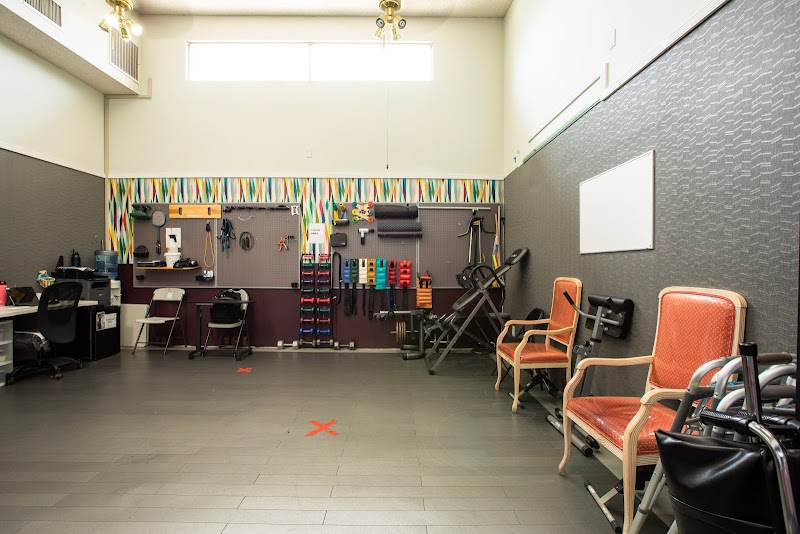
Who Owns and Operates Royal Palms Post Acute?

ROYAL PALMS POST ACUTE is owned by a for-profit company. For-profit facilities operate as businesses with obligations to shareholders or private owners. The facility is operated by SERRANO GROUP, a chain that manages multiple nursing homes. With 140 certified beds and approximately 130 residents (about 93% occupancy), it is a mid-sized facility located in GLENDALE, California.
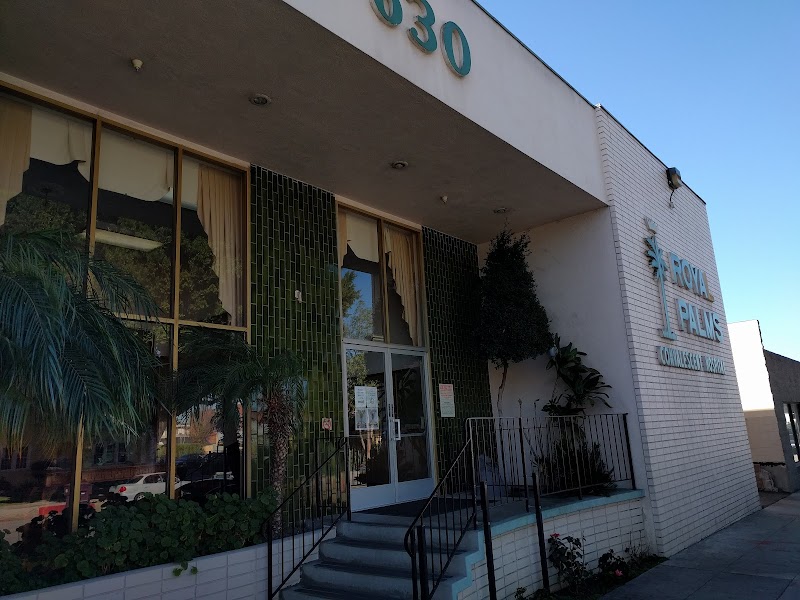
How Does Royal Palms Post Acute Compare to Other California Nursing Homes?

Compared to the 100 nursing homes in California, ROYAL PALMS POST ACUTE's overall rating (1 stars) is below the state average of 3.1, staff turnover (28%) is significantly lower than the state average of 46%, and health inspection rating (1 stars) is much below the national benchmark.

What Should Families Ask When Visiting Royal Palms Post Acute?

Based on this facility's data, families visiting should ask: "What changes have been made since the serious inspection findings, and how are you preventing similar issues?" "Can I visit during a mealtime to observe dining assistance and food quality?" "How do you handle medical emergencies, and what is your hospital transfer rate?" "Can I speak with family members of current residents about their experience?" These questions are particularly relevant given the facility's Immediate Jeopardy citations.

Is Royal Palms Post Acute Safe?

Based on CMS inspection data, ROYAL PALMS POST ACUTE has documented safety concerns. Inspectors have issued 2 Immediate Jeopardy citations (the most serious violation level indicating risk of serious injury or death). The facility has a 1-star overall rating and ranks #100 of 100 nursing homes in California. Families considering this facility should ask detailed questions about what corrective actions have been taken since these incidents.

Do Nurses at Royal Palms Post Acute Stick Around?

Staff at ROYAL PALMS POST ACUTE tend to stick around. With a turnover rate of 28%, the facility is 18 percentage points below the California average of 46%. Low turnover is a positive sign. It means caregivers have time to learn each resident's needs, medications, and personal preferences. Consistent staff also notice subtle changes in a resident's condition more quickly.

Was Royal Palms Post Acute Ever Fined?

ROYAL PALMS POST ACUTE has been fined $79,980 across 2 penalty actions. This is above the California average of $33,879. Fines in this range indicate compliance issues significant enough for CMS to impose meaningful financial consequences. Common causes include delayed correction of deficiencies, repeat violations, or care failures affecting resident safety. Families should ask facility leadership what changes have been made since these penalties.

Is Royal Palms Post Acute on Any Federal Watch List?

ROYAL PALMS POST ACUTE is not on any federal watch list. The most significant is the Special Focus Facility (SFF) program, which identifies the bottom 1% of nursing homes nationally based on persistent, serious quality problems. Not being on this list means the facility has avoided the pattern of deficiencies that triggers enhanced federal oversight. This is a positive indicator, though families should still review the facility's inspection history directly.