ARBOR GLEN CARE CENTER
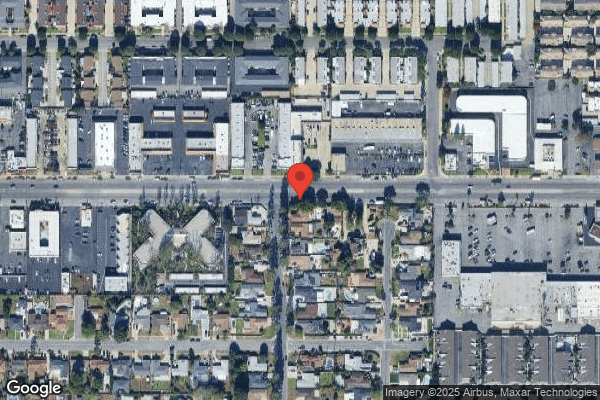
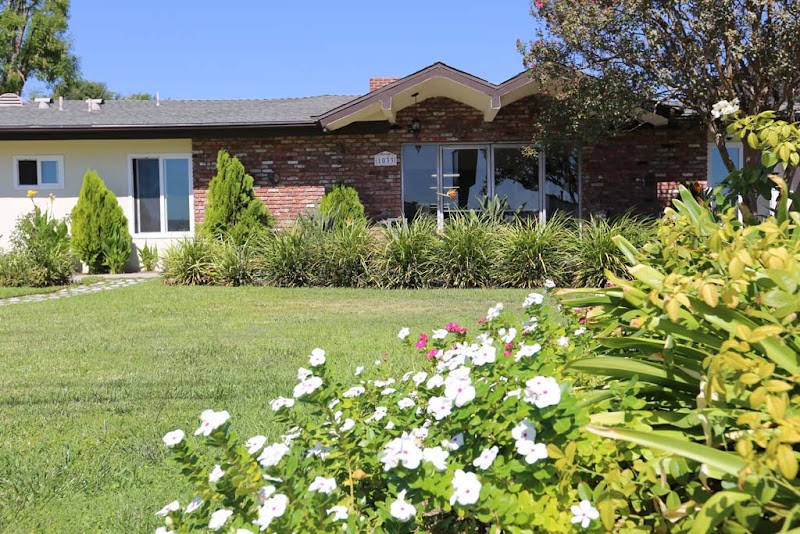
1033 E. ARROW HIGHWAY, GLENDORA, CA 91740 (626) 963-7531
For profit - Limited Liability company 98 Beds THE ENSIGN GROUP Data: November 2025
Trust Grade
25/100
#973 of 1155 in CA
Last Inspection: February 2025

Within standard 12-15 month inspection cycle. Federal law requires annual inspections.

Overview

Families considering Arbor Glen Care Center should be aware that it has received a Trust Grade of F, indicating significant concerns and poor performance overall. Ranking #973 out of 1155 facilities in California places it in the bottom half, and #270 out of 369 in Los Angeles County suggests limited local options are better. While the facility is improving, reducing its issues from 33 to 24 over the past year, it still faces serious challenges, including 90 total deficiencies found during inspections. Staffing is a concern here with a 69% turnover rate, which is significantly higher than the state average, though the facility has no recorded fines, which is a positive sign. Notably, there have been serious incidents, such as a failure to promptly address a resident's breast lump and inadequate management of another resident's leg pain, leading to physical and emotional distress. Additionally, the facility had issues with an inoperable fire alarm system, raising safety concerns for residents and staff.

Trust Score
F
25/100
In California
#973/1155
Bottom 16%
Safety Record
Moderate
Needs review
Inspections
Getting Better
33 → 24 violations
Staff Stability
⚠ Watch
69% turnover. Above average. Higher turnover means staff may not know residents' routines.
Penalties
✓ Good
No fines on record. Clean compliance history, better than most California facilities.
Skilled Nurses
⚠ Watch
Each resident gets only 22 minutes of Registered Nurse (RN) attention daily — below average for California. Fewer RN minutes means fewer trained eyes watching for problems.
Violations
⚠ Watch
90 deficiencies on record. Higher than average. Multiple issues found across inspections.
★☆☆☆☆
1.0
Overall Rating
★★☆☆☆
2.0
Staff Levels
★★★★☆
4.0
Care Quality
★☆☆☆☆
1.0
Inspection Score
Stable
2024: 33 issues
2025: 24 issues

The Good

  • 4-Star Quality Measures · Strong clinical quality outcomes
  • Full Sprinkler Coverage · Fire safety systems throughout facility
  • No fines on record

Facility shows strength in quality measures, fire safety.

The Bad

1-Star Overall Rating

Below California average (3.1)

Significant quality concerns identified by CMS

Staff Turnover: 69%

23pts above California avg (46%)

Frequent staff changes - ask about care continuity

Chain: THE ENSIGN GROUP

Part of a multi-facility chain

Ask about local staffing decisions and management

Staff turnover is elevated (69%)

21 points above California average of 48%

The Ugly 90 deficiencies on record

2 actual harm
Apr 2025 2 deficiencies
CONCERN (D) 📢 Someone Reported This

A family member, employee, or ombudsman was alarmed enough to file a formal complaint

Potential for Harm - no one hurt, but risky conditions existed

Resident Rights (Tag F0550)

Could have caused harm · This affected 1 resident

Based on observation, interview, and record review, the facility failed to maintain the dignity of one of four sampled residents (Residents 2) when staff failed to promptly respond to Resident 2 ' s c...

Read full inspector narrative →
Based on observation, interview, and record review, the facility failed to maintain the dignity of one of four sampled residents (Residents 2) when staff failed to promptly respond to Resident 2 ' s call light. This failure had the potential to result in Resident 2 feeling unimportant and disrespected and for Resident 2 ' s needs not being met. Cross Reference F677 Findings: During a review of Resident 2 ' s admission Record (AR), the AR indicated the facility admitted Resident 2 on 3/4/25, with diagnoses that included end stage renal disease (ESRD- irreversible kidney failure), hypoglycemia (low blood sugar level), muscle weakness, and other abnormalities of gait (pattern of walking) and mobility (ability to move freely). During a review of Resident 2's Minimum Data Set (MDS, a resident assessment tool), dated 3/8/25, the MDS indicated Resident 2 had intact cognition (ability to think, learn, and remember). The MDS indicated Resident 2 required substantial/maximal assistance (helper does more than half the effort) with toileting hygiene, showering/bathing self, and upper and lower body dressing and partial/moderate assistance (helper does less than half the effort) with personal hygiene. The MDS indicated Resident 2 was frequently incontinent of urine and bowel. During a review of Resident 2 ' s care plan (CP) titled, Care Plan Report, revised 3/24/25, the CP indicated Resident 2 was at risk for falls related to episodes of incontinence. The CP interventions included for staff to anticipate and meet Resident 2 ' s needs and ensure the call light was within reach and encourage Resident 2 to use it to call for assistance as needed. During an observation and interview on 4/10/25 at 4:27 pm with Resident 2, in Resident 2 ' s room, Resident 2 ' s call light was activated. Resident 2 stated Resident 2 pressed the call light because Resident 2 needed a brief change. Resident 2 stated staff (in general) would take 30 minutes to answer Resident 2 ' s call light and staff would say staff would come back to help Resident 2, but staff would not come back for over 30 minutes. Resident 2 stated she would then wait for an hour to get assistance with brief change. Resident 2 stated staff (in general) would sometimes tell Resident 2 that Resident 2 needed to wait until staff finished their rounds before staff could change Resident 2. Resident 2 stated if the staff assigned to Resident 2 was not available and another staff answered Resident 2 ' s call light, that staff would then tell Resident 2 to wait for the assigned staff to help Resident 2. During an observation on 4/10/25 at 4:34 pm, in Resident 2 ' s room, Resident 2 ' s call light had not been answered. There were six staff observed walking by Resident 2 ' s room while Resident 2 ' s call light was on. During an observation on 4/10/25 at 4:36 pm, in Resident 2 ' s room, Resident 2 ' s call light alert was announced and the light above Resident 2 ' s door was lit indicating Resident 2 ' s call light was on. During an observation on 4/10/25 at 4:37 pm, in Resident 2 ' s room, Resident 2 pressed Resident 2 ' s call light again. During a concurrent observation and interview on 4/10/25 at 4:38 pm with Certified Nursing Assistant (CNA) 1, in Resident 2 ' s room, CNA 1 stated residents (in general) should not wait for more than five minutes for staff to answer the residents ' call lights because the residents may be in pain or may need something right away. During an interview on 4/11/25 at 3:55 pm with CNA 2, CNA 2 stated licensed nurses (LNs- unidentified) did not help with answering residents ' call lights. CNA 2 stated sometimes when CNA 2 would go on her (15 minute) break or lunchbreak, the LNs would not answer the call lights for CNA 2. CNA 2 stated it was frustrating when the LNs did not help with answering call lights and did not help with residents ' (in general) simple requests like needing water or comb or changing residents ' television channel. During an interview on 4/11/25 at 4:12 pm with CNA 1, CNA 1 stated LNs did not help in answering residents ' call lights. CNA 1 stated CNAs (in general) needed to ask LNs for help to answer the call light and LNs would not just help if the call light was going off. CNA 1 stated LNs would put it on the CNAs to do all of it. During an interview on 4/11/25 at 4:35 pm with Licensed Vocational Nurse (LVN) 1, LVN 1 stated it was everyone ' s responsibility to answer residents ' call lights. LVN 1 stated residents (in general) should not wait more than one (1) to two (2) minutes for the residents ' call lights to be answered because everyone (all staff) should be on the floor. LVN 1 stated even if LVN 1 was not assigned to the resident and LVN 1 saw a call light on, LVN 1 needed to answer it if LVN 1 was available. LVN 1 stated it was important to answer the call light within 1 to 2 minutes because it could be a safety or emergency issue. LVN 1 stated residents were in the facility to get help, so staff needed to help the residents because the facility was the residents ' home and residents deserved to have their needs met. During an interview on 4/11/25 at 5:33 pm with the Director of Nursing (DON), the DON stated it was everyone ' s (all staff) responsibility to answer call lights. The DON stated it was important that all staff answer the call lights as soon as possible so residents could get the residents ' needs met. The DON stated it could be upsetting to the resident to wait a long time for the call light to be answered. The DON stated everyone including LNs needed to answer call lights. During a review of the facility ' s policy and procedure (P&P) titled, Call Light/Bell, undated, the P&P indicated, It is the policy of this facility to provide the resident a means of communication with nursing staff. The P&P indicated . 1. Answer the light/bell within a reasonable time. 2. Listen to the resident ' s request/need. 3. Respond to the request. If the item is not available or you are unable to assist, explain to the resident and notify the charge nurse for further instructions. 4. Turn off the call light/bell after request/need have been resolved.
CONCERN (D) 📢 Someone Reported This

A family member, employee, or ombudsman was alarmed enough to file a formal complaint

Potential for Harm - no one hurt, but risky conditions existed

ADL Care (Tag F0677)

Could have caused harm · This affected 1 resident

Based on observation, interview, and record review, the facility failed to ensure one of four sampled residents (Resident 2) who required assistance with activities of daily living (ADLs- tasks of eve...

Read full inspector narrative →
Based on observation, interview, and record review, the facility failed to ensure one of four sampled residents (Resident 2) who required assistance with activities of daily living (ADLs- tasks of everyday life such as bathing, dressing, and toileting) was provided care timely when staff did not answer Resident 2 ' s call light promptly and assist Resident 2 with incontinence (involuntary loss of urine or feces) care. This failure resulted in Resident 2 to not receive timely assistance with ADL as needed and had the potential to result in skin breakdown and affect Resident 2 ' s well-being. Cross Reference F550 Findings: During a review of Resident 2 ' s admission Record (AR), the AR indicated the facility admitted Resident 2 on 3/4/25, with diagnoses that included end stage renal disease (ESRD- irreversible kidney failure), hypoglycemia (low blood sugar level), muscle weakness, and other abnormalities of gait (pattern of walking) and mobility (ability to move freely). During a review of Resident 2's Minimum Data Set (MDS, a resident assessment tool), dated 3/8/25, the MDS indicated Resident 2 had intact cognition (ability to think, learn, and remember). The MDS indicated Resident 2 required substantial/maximal assistance (helper does more than half the effort) with toileting hygiene, showering/bathing self, and upper and lower body dressing and partial/moderate assistance (helper does less than half the effort) with personal hygiene. The MDS indicated Resident 2 was frequently incontinent of urine and bowel. During a review of Resident 2 ' s care plan (CP) titled, Care Plan Report, revised on 3/24/25, the CP indicated Resident 2 had ADL Self Care Performance Deficit and required assistance completing ADLs. The CP goal indicated Resident 2 would safely perform . dressing, grooming, toilet use and personal hygiene with assistance through the review date. The CP interventions included for staff to encourage Resident 2 to fully participate with each interaction. During a review of another Resident 2 ' s CP titled, Care Plan Report, revised 3/24/25, the CP indicated Resident 2 was at risk for falls related to episodes of incontinence. The CP interventions included for staff to anticipate and meet Resident 2 ' s needs and ensure the call light was within reach and encourage Resident 2 to use it to call for assistance as needed. During an observation and interview on 4/10/25 at 4:27 pm with Resident 2, in Resident 2 ' s room, Resident 2 ' s call light was activated. Resident 2 stated Resident 2 pressed the call light because Resident 2 needed a brief change. Resident 2 stated staff (in general) would take 30 minutes to answer Resident 2 ' s call light and staff would say staff would come back to help Resident 2, but staff would not come back for over 30 minutes. Resident 2 stated she would then wait for an hour to get assistance with brief change. Resident 2 stated staff (in general) would sometimes tell Resident 2 that Resident 2 needed to wait until staff finished their rounds before staff could change Resident 2. Resident 2 stated if the staff assigned to Resident 2 was not available and another staff answered Resident 2 ' s call light, that staff would then tell Resident 2 to wait for the assigned staff to help Resident 2. During an observation on 4/10/25 at 4:34 pm, in Resident 2 ' s room, Resident 2 ' s call light had not been answered. There were six staff observed walking by Resident 2 ' s room while Resident 2 ' s call light was on. During an observation on 4/10/25 at 4:36 pm, in Resident 2 ' s room, Resident 2 ' s call light alert was announced and the light above Resident 2 ' s door was lit, indicating Resident 2 ' s call light was on. During an observation on 4/10/25 at 4:37 pm, in Resident 2 ' s room, Resident 2 pressed Resident 2 ' s call light again. During a concurrent observation and interview on 4/10/25 at 4:38 pm with Certified Nursing Assistant (CNA) 1, in Resident 2 ' s room, CNA 1 stated residents (in general) should not wait for more than five minutes for staff to answer the residents ' call lights because the residents may be in pain or may need something right away. During an interview on 4/11/25 at 3:55 pm with CNA 2, CNA 2 stated licensed nurses (LNs- unidentified) did not help with answering residents ' call lights. CNA 2 stated sometimes when CNA 2 would go on her (15 minute) break or lunchbreak, the LNs would not answer the call lights for CNA 2. CNA 2 stated it was frustrating when the LNs did not help with answering call lights and did not help with residents ' (in general) simple requests like needing water or comb or changing residents ' television channel. During an interview on 4/11/25 at 4:12 pm with CNA 1, CNA 1 stated LNs did not help in answering residents ' call lights. CNA 1 stated CNAs (in general) needed to ask LNs for help to answer the call light and LNs would not just help if the call light was going off. CNA 1 stated LNs would put it on the CNAs to do all of it. During an interview on 4/11/25 at 4:35 pm with Licensed Vocational Nurse (LVN) 1, LVN 1 stated it was everyone ' s responsibility to answer residents ' call lights. LVN 1 stated residents (in general) should not wait more than one (1) to two (2) minutes for the residents ' call lights to be answered because everyone (all staff) should be on the floor. LVN 1 stated even if LVN 1 was not assigned to the resident and LVN 1 saw a call light on, LVN 1 needed to answer it if LVN 1 was available. LVN 1 stated it was important to answer the call light within 1 to 2 minutes because it could be a safety or emergency issue. LVN 1 stated residents were in the facility to get help, so staff needed to help the residents because the facility was the residents ' home and residents deserved to have their needs met. During an interview on 4/11/25 at 5:33 pm with the Director of Nursing (DON), the DON stated it was everyone ' s (all staff) responsibility to answer call lights. The DON stated it was important that all staff answer the call lights as soon as possible so residents could get the residents ' needs met. The DON stated it could be upsetting to the resident to wait a long time for the call light to be answered. The DON stated everyone including LNs needed to answer call lights. During a review of the facility ' s policy and procedure (P&P) titled, ADL, Services to carry out, revised 3/2023, the P&P indicated, It is the policy of this facility that residents are given the appropriate treatment and services to maintain or improve his/her abilities. The P&P indicated, Residents who are unable to carry out activities of daily living (ADL) will receive necessary services to maintain . grooming, personal hygiene .
Mar 2025 3 deficiencies
CONCERN (D) 📢 Someone Reported This

A family member, employee, or ombudsman was alarmed enough to file a formal complaint

Potential for Harm - no one hurt, but risky conditions existed

Tube Feeding (Tag F0693)

Could have caused harm · This affected 1 resident

**NOTE- TERMS IN BRACKETS HAVE BEEN EDITED TO PROTECT CONFIDENTIALITY** Based on observation, interview, and record review, the facility failed to ensure 1 of 3 sampled residents (Resident 3) who rece...

Read full inspector narrative →
**NOTE- TERMS IN BRACKETS HAVE BEEN EDITED TO PROTECT CONFIDENTIALITY** Based on observation, interview, and record review, the facility failed to ensure 1 of 3 sampled residents (Resident 3) who received enteral feeding (tube feeding, the delivery of nutrients through a feeding tube directly into the stomach) received care and services from staff who were trained and competent in feeding tube management according to the facility ' s policies and procedures (P&P) titled, Gastrostomy Tube. This failure had the potential for Resident 3 and all residents who received tube feeding to not receive appropriate feeding tube nutrition and feeding tube care. Cross reference F726 Findings: During a review of Resident 3 ' s Face Sheet (FS, front page of the chart that contains a summary of basic information about the resident), the FS indicated Resident 3 was admitted to the facility on [DATE] with diagnoses which included dysphagia (difficulty swallowing) and failure to thrive (a decline caused by chronic diseases and functional impairments which can cause weight loss, decreased appetite, poor nutrition, and inactivity). The FS indicated Resident 3 had a gastrostomy (a surgical opening fitted with a device to allow feedings to be administered directly to the stomach commonly for people with swallowing problems). During a review of Resident 3 ' s History and Physical (H&P, physician ' s clinical evaluation and examination of the resident), dated 3/3/25, the H&P indicated Resident 3 did not have the capacity to understand and make decisions. The H&P also indicated Resident 3 had a gastrostomy tube (G-tube, a tube surgically placed through the abdomen and into the stomach, and used to administer nutrition, liquids, or medications). During a review of Resident 3 ' s admission Minimum Data Set (MDS – a resident assessment tool), dated 3/4/25, the MDS indicated Resident 3 was dependent on others for oral hygiene, toileting hygiene, personal hygiene, upper and lower body dressing, putting on/taking off footwear, and with bed mobility. The MDS indicated Resident 3 received tube feeding for nutrition. During a review of Resident 3 ' s physician ' s order (PO), dated 3/11/25, the PO indicated to provide [brand name] tube feeding to Resident 3 to run at 55 milliliters (ml, unit of measure) per hour for 20 hours to provide 1100 ml/1650 calories in 24 hours via feeding pump machine (enteral feeding pump, a medical device used to deliver tube feeding directly to the stomach). During an observation on 3/20/25 at 5:20 am inside Resident 3 ' s room, Certified Nursing Assistant (CNA) 3 provided care to Resident 3 while Resident 3 was in bed. Resident 3 ' s tube feeding machine at the bedside read, holding, which indicated Resident 3 ' s tube feeding was on hold and not running or infusing. During an observation on 3/20/25 from 5:23 am to 5:27 am outside Resident 3 ' s room, no other staff went inside Resident 3 ' s room while CNA 3 provided care to Resident 3 inside the room. During a concurrent observation and interview on 3/20/25 at 5:28 am inside Resident 3 ' s room, Resident 3 ' s tube feeding machine at the bedside read, running, which indicated Resident 3 ' s tube feeding was infusing. CNA 3 stated CNA 3 turned Resident 3 ' s tube feeding machine to run after CNA 3 provided care to Resident 3. During a subsequent interview on 3/20/25 at 5:29 am in Station 1 nurses ' station with CNA 3, CNA 3 stated CNAs were not supposed to turn residents ' tube feeding machine on and off. CNA 3 stated licensed nurses were supposed to turn residents ' tube feeding machine on and off for the CNAs. CNA 3 stated CNA 3 turned Resident 3 ' s tube feeding machine to run because CNA 3 did not want the tube feeding machine alarm to wake the residents up. CNA 3 stated an alarm would go off after the tube feeding machine was on hold for some time. During an interview on 3/20/25 at 5:50 am with CNA 4, CNA 4 stated CNAs were allowed to put tube feeding machines on hold, but not allowed to turn tube feeding machines on or off. CNA 4 stated it was common practice for CNA 4 to put residents ' tube feeding machine on hold when CNA 4 provided care to the resident and then put the tube feeding machine to run after CNA 4 provided care to the resident. During an interview on 3/20/25 at 6:24 am Licensed Vocational Nurse (LVN) 5, LVN 5 stated CNAs must not touch tube feeding machines because they could accidentally change the setting on the tube feeding machines. LVN 5 stated only licensed nurses could turn tube feeding machines on, off, on hold, and/or run. During an interview on 3/20/25 at 8:49 am with the Director of Staff Development (DSD), the DSD stated CNAs were not allowed to put tube feeding machines on, off, on hold, and/or run. The DSD stated only licensed nurses must turn tube feeding pumps on, off, on hold, and/or run. Before CNAs provided care to the resident, CNAs must notify the licensed nurse assigned to the resident to put the tube feeding machine on hold or to disconnect the resident from the tube feeding machine. If the licensed nurse assigned to the resident was busy, CNAs must ask another licensed nurse to put the tube feeding machine on hold or to disconnect the resident from the tube feeding machine. The DSD stated CNAs were not trained on how to operate tube feeding machines and operating tube feeding machines did not fall under the CNAs scope of practice. The DSD stated during new hire orientation and during yearly skills check, CNAs were taught not to disconnect any machines or equipment connected to residents and/or to turn machines or equipment connected to residents on or off. During an interview on 3/20/25 at 9:25 am with the DSD, the CNA Job Description and the most current CNA Comprehensive Clinical Competency Review – Skills Checklist for CNA 3 and CNA 4 were reviewed with the DSD. The DSD stated feeding tubes and tube feeding machines were not included in the competency review and skills check. During an interview on 3/20/25 at 10:16 am with the Director of Nursing (DON), the DON stated CNAs must not turn tube feeding machines on or off. The DON stated providing tube feeding was considered medication/treatment administration and was not in the CNAs scope of practice. According to the California Health and Safety Code Section (d) (3), Certified nurse assistant means any person who holds himself or herself out as a certified nurse assistant and who, for compensation, performs basic patient care services directed at the safety, comfort, personal hygiene, and protection of patients, and is certified as having completed the requirements of this article. These services shall not include any services which may only be performed by a licensed person and otherwise shall be performed under the supervision of a registered nurse, as defined in Section 2725 of the Business and Professions Code, or a licensed vocational nurse, as defined in Section 2859 of the Business and Professions Code. During a review of the facility ' s P&P titled, Gastrostomy Tube, dated 2/8/21, the P&P indicated it was part of the facility ' s Licensed Nurse Procedures. The P&P indicated, it is the policy of this facility to provide proper care and maintenance of a gastrostomy tube .
CONCERN (D) 📢 Someone Reported This

A family member, employee, or ombudsman was alarmed enough to file a formal complaint

Potential for Harm - no one hurt, but risky conditions existed

Deficiency F0726 (Tag F0726)

Could have caused harm · This affected 1 resident

**NOTE- TERMS IN BRACKETS HAVE BEEN EDITED TO PROTECT CONFIDENTIALITY** Based on observation, interview, and record review, the facility failed to ensure appropriate staff provided proper care and mai...

Read full inspector narrative →
**NOTE- TERMS IN BRACKETS HAVE BEEN EDITED TO PROTECT CONFIDENTIALITY** Based on observation, interview, and record review, the facility failed to ensure appropriate staff provided proper care and maintenance for one of three sampled residents (Resident 3) who received enteral feeding (tube feeding, the delivery of nutrients through a feeding tube directly into the stomach). This failure had the potential for Resident 3 to not receive appropriate feeding tube nutrition and care by trained and competent staff. Cross reference F693 Findings: During a review of Resident 3's Face Sheet (FS, front page of the chart that contains a summary of basic information about the resident), the FS indicated Resident 3 was admitted to the facility on [DATE] with diagnoses which included dysphagia (difficulty swallowing) and failure to thrive (a decline caused by chronic diseases and functional impairments which can cause weight loss, decreased appetite, poor nutrition, and inactivity). The FS indicated Resident 3 had a gastrostomy (a surgical opening fitted with a device to allow feedings to be administered directly to the stomach commonly for people with swallowing problems). During a review of Resident 3's History and Physical (H&P, physician's clinical evaluation and examination of the resident), dated 3/3/25, the H&P indicated Resident 3 did not have the capacity to understand and make decisions. The H&P also indicated Resident 3 had a gastrostomy tube. During a review of Resident 3's admission Minimum Data Set (MDS - a resident assessment tool), dated 3/4/25, the MDS indicated Resident 3 was dependent on others for oral hygiene, toileting hygiene, personal hygiene, upper and lower body dressing, putting on/taking off footwear, and with bed mobility. The MDS indicated Resident 3 received tube feeding for nutrition. During a review of Resident 3's physician's order (PO), dated 3/7/25, the PO indicated to provide [brand name] tube feeding via feeding pump machine (enteral feeding pump, a medical device used to deliver tube feeding directly to the stomach) to Resident 3 to run at 55 milliliters (ml, unit of measure) per hour to provide 1100 ml in 24 hours. During an observation on 3/20/25 at 5:20 am inside Resident 3's room, Certified Nursing Assistant (CNA) 3 provided care to Resident 3 while Resident 3 was in bed. Resident 3's tube feeding machine at the bedside read, holding, which indicated Resident 3's tube feeding was on hold and not running or infusing. During an observation on 3/20/25 from 5:23 am to 5:27 am outside Resident 3's room, no other staff went inside Resident 3's room while CNA 3 provided care to Resident 3 inside the room. During a concurrent observation and interview on 3/20/25 at 5:28 am inside Resident 3's room, Resident 3's tube feeding machine at the bedside read, running, which indicated Resident 3's tube feeding was infusing. CNA 3 stated CNA 3 turned Resident 3's tube feeding machine to run after CNA 3 provided care to Resident 3. During a subsequent interview on 3/20/25 at 5:29 am in Station 1 nurses' station with CNA 3, CNA 3 stated CNAs were not supposed to turn residents' tube feeding machine on and off. CNA 3 stated licensed nurses were supposed to turn residents' tube feeding machine on and off for the CNAs. CNA 3 stated CNA 3 turned Resident 3's tube feeding machine to run because CNA 3 did not want the tube feeding machine alarm to wake the residents up. CNA 3 stated an alarm would go off after the tube feeding machine was on hold for some time. During an interview on 3/20/25 at 5:50 am with CNA 4, CNA 4 stated CNAs were allowed to put tube feeding machines on hold, but not allowed to turn tube feeding machines on or off. CNA 4 stated it was common practice for CNA 4 to put residents' tube feeding machine on hold when CNA 4 provided care to the resident and then put the tube feeding machine to run after CNA 4 provided care to the resident. During an interview on 3/20/25 at 6:24 am Licensed Vocational Nurse (LVN) 5, LVN 5 stated CNAs must not touch tube feeding machines because they could accidentally change the setting on the tube feeding machines. LVN 5 stated only licensed nurses could turn tube feeding machines on, off, on hold, and/or run. During an interview on 3/20/25 at 8:49 am with the Director of Staff Development (DSD), the DSD stated CNAs were not allowed to put tube feeding machines on, off, on hold, and/or run. The DSD stated only licensed nurses must turn tube feeding pumps on, off, on hold, and/or run. Before CNAs provided care to the resident, CNAs must notify the licensed nurse assigned to the resident to put the tube feeding machine on hold or to disconnect the resident from the tube feeding machine. If the licensed nurse assigned to the resident was busy, CNAs must ask another licensed nurse to put the tube feeding machine on hold or to disconnect the resident from the tube feeding machine. The DSD stated CNAs were not trained on how to operate tube feeding machines and operating tube feeding machines did not fall under the CNAs scope of practice. The DSD stated during new hire orientation and during yearly skills check, CNAs were taught not to disconnect any machines or equipment connected to residents and/or to turn machines or equipment connected to residents on or off. During an interview on 3/20/25 at 9:25 am with the DSD, the CNA Job Description and the CNA Comprehensive Clinical Competency Review - Skills Checklist for CNA 3 and CNA 4 were reviewed with the DSD. The DSD stated feeding tubes and tube feeding machines were not included in the competency review and skills check. During an interview on 3/20/25 at 10:16 am with the Director of Nursing (DON), the DON stated CNAs must not turn tube feeding machines on or off. The DON stated providing tube feeding was considered medication/treatment administration and was not in the CNAs scope of practice. According to the California Health and Safety Code Section (d) (3), Certified nurse assistant means any person who holds himself or herself out as a certified nurse assistant and who, for compensation, performs basic patient care services directed at the safety, comfort, personal hygiene, and protection of patients, and is certified as having completed the requirements of this article. These services shall not include any services which may only be performed by a licensed person and otherwise shall be performed under the supervision of a registered nurse, as defined in Section 2725 of the Business and Professions Code, or a licensed vocational nurse, as defined in Section 2859 of the Business and Professions Code. During a review of the facility's policy and procedure (P&P) titled, Gastrostomy Tube, dated 2/8/21, the P&P indicated it was part of the facility's Licensed Nurse Procedures. The P&P indicated, it is the policy of this facility to provide proper care and maintenance of a gastrostomy tube .
CONCERN (D) 📢 Someone Reported This

A family member, employee, or ombudsman was alarmed enough to file a formal complaint

Potential for Harm - no one hurt, but risky conditions existed

Infection Control (Tag F0880)

Could have caused harm · This affected 1 resident

**NOTE- TERMS IN BRACKETS HAVE BEEN EDITED TO PROTECT CONFIDENTIALITY** Based on observation, interview, and record review, the facility failed to implement Enhanced Barrier Precautions (EBP- an infec...

Read full inspector narrative →
**NOTE- TERMS IN BRACKETS HAVE BEEN EDITED TO PROTECT CONFIDENTIALITY** Based on observation, interview, and record review, the facility failed to implement Enhanced Barrier Precautions (EBP- an infection control strategy in nursing homes that expands the use of personal protective equipment [PPE], specifically gowns and gloves, during high-contact resident care to prevent the spread of infection) for one of 13 sampled residents (Resident 3). This failure had the potential to spread infections to the residents, staff, and visitors that could lead to hospitalization and/or death. Findings: During a review of Resident 3 ' s Face Sheet (FS, front page of the chart that contains a summary of basic information about the resident), the FS indicated Resident 3 was admitted to the facility on [DATE] with diagnoses which included dysphagia (difficulty swallowing) and failure to thrive (a decline caused by chronic diseases and functional impairments which can cause weight loss, decreased appetite, poor nutrition, and inactivity). The FS indicated Resident 3 had a gastrostomy (a surgical opening fitted with a device to allow feedings to be administered directly to the stomach commonly for people with swallowing problems). During a review of Resident 3 ' s History and Physical (H&P, physician ' s clinical evaluation and examination of the resident), dated 3/3/25, the H&P indicated Resident 3 did not have the capacity to understand and make decisions. The H&P also indicated Resident 3 had a gastrostomy tube (G-tube, a tube surgically placed through the abdomen and into the stomach, and used to administer nutrition, liquids, or medications). During a review of Resident 3 ' s admission Minimum Data Set (MDS – a resident assessment tool), dated 3/4/25, the MDS indicated Resident 3 was dependent on others for oral hygiene, toileting hygiene, personal hygiene, upper and lower body dressing, putting on/taking off footwear, and with bed mobility. The MDS indicated Resident 3 received tube feeding for nutrition. During an observation on 3/20/25 at 5:20 am inside Resident 3 ' s room, Certified Nursing Assistant (CNA) 3 provided care to Resident 3 while Resident 3 was in bed. Resident 3 ' s tube feeding machine at the bedside read, holding, which indicated Resident 3 ' s tube feeding was on hold and not running or infusing. CNA 3 did not have an isolation gown on. During an observation on 3/20/25 from 5:23 am to 5:27 am outside Resident 3 ' s room, there was a sign posted on the outside wall next to the doorway to Resident 3 ' s room which indicated Resident 3 was on EBP. During an interview on 3/20/25 at 5:29 am with CNA 3, CNA 3 stated EBP must be observed when providing care to residents with G-tubes because residents who have G-tubes were more at risk for infection. CNA 3 stated staff must wear an isolation gown when providing care to Resident 3. CNA 3 stated CNA 3 forgot to put on an isolation gown when CNA 3 walked inside Resident 3 ' s room. During an interview on 3/20/25 at 8:49 am with the Director of Staff Development (DSD), the DSD stated CNAs must follow EBP when providing care to residents with tubes, ports, or wounds because residents with tubes, ports, or wounds were more at risk for getting an infection. During an interview on 3/20/25 at 9:06 am with the Infection Prevention Nurse (IPN), the IPN stated staff needed to follow EBP when providing care to residents with tubes, wounds, catheters and with any type of device which required protection from infection. Staff must put on mask, gown, and gloves when providing care to residents on EBP. The IPN stated it was important for staff (general) to follow EBP so that residents do not get infections. During an interview on 3/20/25 at 10:16 am with the Director of Nursing (DON), the DON stated it was important for all staff to put on masks, gown, and gloves when providing care to residents on EBP to protect the residents from infection. During a review of the facility ' s policy and procedure (P&P) titled, IPCP Standard and Transmission-Based Precautions, dated 1/2025, the P&P indicated, Enhanced Barrier Protection (EBP) is used in conjunction with standard precautions and expand use of PPE through the use of gown and gloves during high-contact resident care activities that provide opportunities for indirect transfer of MDROs to staff hands and clothing then indirectly transferred to residents or from resident-to-resident (e.g., residents with wounds and indwelling medical devices are at especially high risk of both acquisition of and colonization of MDROs) .Examples of high-contact resident care activities requiring gown and glove use for Enhanced Barrier Precautions include dressing, bathing/showering, transferring, providing hygiene, changing linens, changing briefs or assisting with toileting .
Feb 2025 17 deficiencies
CONCERN (D)

Potential for Harm - no one hurt, but risky conditions existed

Resident Rights (Tag F0550)

Could have caused harm · This affected 1 resident

**NOTE- TERMS IN BRACKETS HAVE BEEN EDITED TO PROTECT CONFIDENTIALITY** Based on interview and record review, the facility failed to treat one of one sampled resident (Resident 39) with respect and di...

Read full inspector narrative →
**NOTE- TERMS IN BRACKETS HAVE BEEN EDITED TO PROTECT CONFIDENTIALITY** Based on interview and record review, the facility failed to treat one of one sampled resident (Resident 39) with respect and dignity when Certified Nursing Assistant 4 (CNA 4) was observed saying, not right now, I am busy now to Resident 39 when Resident 39 asked CNA 4 for assistance on 2/6/2025. This deficient practice had the potential to compromise Resident 39's dignity and individuality and result in psychosocial decline to Resident 39. Findings: During a review of Resident 39's an admission Record (AR), the AR indicated Resident 39 was admitted to the facility on [DATE] with diagnosis that included Alzheimer's disease (disease causing memory loss and other mental functions), generalized muscle weakness, and abnormal posture. During a review of Resident 39's History and Physical Reports (H&P), dated 11/4/2024, the H&P indicated Resident 39 did not have the capacity to understand and make decisions. During a review of a Minimum Data Set (MDS, a resident assessment and care-screening tool), dated 8/23/2024, the MDS indicated Resident 39's cognition (ability to understand and process information) was severely impaired and Resident 39 needed maximal assistance (helper does more than half the effort) with personal hygiene, sit to stand, and chair to bed transfers. During an observation on 2/6/2025 at 4:10 PM, CNA 4, CNA 5 and CNA 6 were observed passing water to the residents from a cart located in the hallway. Resident 39 was sitting on her wheelchair in the hallway and followed (wheeling self) CNA 4, CNA 5, and CNA 6, stated help, help, while pointing down the hallway. CNA 4 turned to address Resident 39 and stated, not right now, I am busy. CNA 4 turned her back to Resident 39 and continued to pass water to other residents. During an interview with CNA 6 on 2/6/2025, at 4:14 PM, CNA 6 stated CNA 6 would not have turned CNA 6's back from Resident 39. CNA 6 stated Resident 39 was confused and just wanted some assistance. CNA 6 stated I feel bad for Resident 39. During an interview with CNA 5 on 2/6/2025 at 4:17 PM, CNA 5 stated CNA 5 should not have told Resident 39 I'm busy. CNA 5 stated CNA 5 should have asked another CNA to help Resident 39. CNA 5 stated Resident 39 deserved service, help, and [to be treated with] dignity. During an interview with the Director of Nursing (DON), on 2/6/2025 at 4:20 PM, the DON stated the facility should treat all residents with compassion and empathy. The DON stated, all residents should be treated with dignity, even confused residents. During a review of the facility's policy and procedure (P&P), titled Resident Rights: Dignity and Respect, revised 1/2025, the P&P indicated it was the policy of the facility for all residents to be treated with kindness, dignity, and respect.
CONCERN (D)

Potential for Harm - no one hurt, but risky conditions existed

Deficiency F0558 (Tag F0558)

Could have caused harm · This affected 1 resident

Based on observation, interview, and record review, the facility failed to provide reasonable accommodation to meet the resident's needs by failing to ensure the resident's call light system was acces...

Read full inspector narrative →
Based on observation, interview, and record review, the facility failed to provide reasonable accommodation to meet the resident's needs by failing to ensure the resident's call light system was accessible and functional for one of six sampled residents (Resident 53). This deficient practice had the potential to negatively impact the psychosocial well-being of Resident 53 or result in delayed provision of services. Findings: During a review of Resident 53's admission Record (AR), the AR indicated the facility admitted Resident 53 on 3/19/2024, and re-admitted the resident 4/4/2024, with diagnoses including metabolic encephalopathy (a change in how your brain works due to an underlying condition) Parkinson's disease (a progressive disease of the nervous system marked by tremor, muscular rigidity, and slow, imprecise movements) without dyskinesia (involuntary muscle movements that can feel like tremors, spasms, or writhing), and muscle weakness. During a review of Resident 53's History and Physical (H&P), dated 4/9/2024, the H&P indicated Resident 53 did not have the capacity to understand and make decisions. During a review of Resident 53's Minimum Data Set (MDS, a federally mandated resident assessment tool), dated 1/8/2025, the MDS indicated Resident 53 was dependent (helper does all the effort) with activities of daily living (ADL, term used in healthcare that refers to self-care activities) and dependent with mobility. During an observation on 2/3/2025 at 9:45 AM, Resident 53's bilateral (both) hands appeared rigid (when something is stiff, inflexible, and unable to bend or change easily) and Resident 53 had a push call light system. During a concurrent interview and record review on 2/3/2025 at 2:35 PM, with Licensed Vocational Nurse (LVN) 1, Resident 53's Care Plan (CP), initiated on 3/20/2024, and revised on 1/23/2025 was reviewed. Resident 53's CP indicated Resident 53 had a diagnosis of Parkinson's disease and the resident was at risk for stiffness of the arms, legs, and trunk, decline in range of motion (ROM- a measure of joint functionality and flexibility), decline in mobility, speech difficulty, constipation, alteration in balance and coordination that may lead to a fall, fall reoccurrence and injuries. LVN 1 stated Resident 53 did not have a call light suitable for Resident 53's hand rigidity and a push button call light system made it difficult for Resident 53 to operate the call light. LVN 1 stated a tap or mechanical pad call system was more appropriate for Resident 53. LVN 1 stated the facility should continuously assess every resident to determine the most appropriate and suitable call system for that resident. LVN 1 stated ta suitable call system allowed residents to quickly alert staff if they need assistance, whether for medical attention, help with mobility, or to address immediate needs. During an interview on 2/6/2025 at 11:37 AM, with the Director of Nursing (DON), the DON stated staff should assess residents' needs for an adequate and suitable call system both at admission and periodically thereafter. The DON stated it was crucial to evaluate the individual's mobility, communication abilities, and level of care required to ensure call systems were appropriate for resident needs. The DON stated ongoing assessments ensured the facility provided the most effective care and maintained a safe environment for residents. During a review of the facility's policy and procedure (P&P) titled, Resident's Rights/Accommodations of Needs, undated, the P&P indicated that it was the policy of the facility to provide accommodation of reasonable needs to the residents while in the facility. Examples of Accommodation of needs but is not limited to the following: Bed Size Room and Roommates Devices to Use Special Diet Location of placement in the facility Showers Call lights, etc.
CONCERN (D) 📢 Someone Reported This

A family member, employee, or ombudsman was alarmed enough to file a formal complaint

Potential for Harm - no one hurt, but risky conditions existed

Assessment Accuracy (Tag F0641)

Could have caused harm · This affected 1 resident

Based on interview and record review, the facility failed to ensure an accurate assessment was completed to reflect the history of falls within the past 3 months of the assessment for one of one sampl...

Read full inspector narrative →
Based on interview and record review, the facility failed to ensure an accurate assessment was completed to reflect the history of falls within the past 3 months of the assessment for one of one sampled resident (Resident 59). This deficient practice had the potential to negatively affect Resident 59's plan of care and delivery of necessary care and services. Findings: During a review of Resident 59's admission Record (AR), the AR indicated the facility admitted Resident 59 on 5/21/2024, and re-admitted the resident on 10/18/2024, with diagnoses including psychosis (a severe mental condition in which thought, and emotions are so affected that contact is lost with reality), muscle weakness, abnormalities of gait (the way a person walks or moves, including the pattern of foot movements and arm swing) and mobility, and dementia (a progressive state of decline in mental abilities). During a review of Resident 59's History and Physical (H&P), dated 10/19/2024, the H&P indicated Resident 59 did not have the capacity to understand and make decisions. During a review of Resident 59's Minimum Data Set (MDS, a federally mandated resident assessment tool), dated 11/25/2024, the MDS indicated Resident 59 required supervision or touching assistance (helper provides verbal cues and/or touching/steadying and/or contact guard assistance as resident completes activity) with activities of daily living (ADL, term used in healthcare that refers to self-care activities) and required substantial/maximal assistance (helper does more than half the effort) with mobility. During a record review of Resident 59's Situation, Background, Assessment and Recommendation (SBAR, structured communication framework that helps teams share information about the condition of a resident), Communication Form, dated 12/23/2024, the SBAR indicated Resident 59 sustained a fall. During a review of Resident 59's SBAR Communication Form, dated 12/31/2024, the SBAR indicated Resident 59 sustained a fall. During a review of Resident 59's SBAR Communication Form, dated 12/31/2024, the SBAR indicated Resident 59 sustained a fall. During a review of Resident 59's Change in Condition Evaluation (COC, a sudden clinically important deviation from a resident's baseline in physical, cognitive, behavioral, or functional domains) Evaluation, dated 1/22/2025, the evaluation indicated Resident 59 slid from the bed to the floor. During a review of Resident 59's Fall Risk Evaluation, dated 1/22/2025, the evaluation indicated Resident 59 was at high risk for falls with an overall score of 14. The Fall Risk Assessment indicated Resident 59 had 3 or more falls in the past 3 months. During a review of Resident 59's Fall Risk Evaluation, dated 1/31/2025, the evaluation indicated Resident 59 was a medium risk for falls with an overall score of 8. The evaluation indicated Resident 59 had 1 to 2 falls in the past 3 months. During a concurrent interview and record review on 2/5/2025 at 3:33 PM, Resident 59's SBAR's and COC evaluation for December 2024 and January 2025 regarding falls were reviewed with Licensed Vocational Nurse (LVN) 2, LVN 2 stated LVN 2 inaccurately documented Resident 59 had only one or two falls in the past 3 months when LVN 2 completed Resident 59's Fall Risk assessment on 1/31/2025. LVN 2 stated Resident 59 sustained 3 or more falls in the past 3 months. LVN 2 stated sliding from the bed to the floor was considered a fall as the resident experienced on 1/22/2025. LVN 2 stated by not accurately documenting the history falls on the fall risk assessment on 1/31/2025, this significantly changed the category from a high fall risk to a medium fall risk as previously indicated on the fall risk evaluation that was completed on 1/22/2025. LVN 2 stated completing an accurate fall risk assessment provided a safer, more effective care and improved the quality of life for the residents. LVN 2 stated accurate assessments helped identify individuals who were at higher risk for falls and allowed for the implementation of targeted interventions to avoid further or future falls. During an interview on 2/6/2025 at 4:31 PM, with Registered Nurse (RN) 1, RN 1 stated accurate fall risk assessments were essential for preventing injuries, ensuring effective care, improved patient outcomes, tailored fall risk care plans, and maintained ethical and legal standards. During a review of the facility's policy and procedure (P&P) titled, Resident Assessment and Associated Processes, revised 12/2023, the P&P indicated: -It is the policy of the facility that resident's will be assessed, and the findings documented in their clinical health record. These will be comprehensive, accurate, standardized reproducible assessment of each resident and will be conducted initially and periodically as part of an ongoing process through which each resident's preferences and goals of care, functional and health status, strengths and needs will be identified. -Assessment information will be used to develop, review, and revise the resident's comprehensive care plan.
CONCERN (D)

Potential for Harm - no one hurt, but risky conditions existed

Deficiency F0645 (Tag F0645)

Could have caused harm · This affected 1 resident

**NOTE- TERMS IN BRACKETS HAVE BEEN EDITED TO PROTECT CONFIDENTIALITY** Based on observation, interview, and record review, the facility failed to ensure one of one sampled resident (Resident 45), who...

Read full inspector narrative →
**NOTE- TERMS IN BRACKETS HAVE BEEN EDITED TO PROTECT CONFIDENTIALITY** Based on observation, interview, and record review, the facility failed to ensure one of one sampled resident (Resident 45), who was a newly admitted resident was pre-screened for PASARR (Preadmission Screening and Resident Review - a federal assessment requirement to help ensure that individuals who have a mental disorder or intellectual disabilities are placed in facilities that can provide the appropriate care) prior to admission to the facility and a record of the PASARR was retained in Resident 45's medical record. These deficient practices had the potential for Resident 45's mental disorder was not identified and could result in Resident 45 not receiving specialized care and/or rehabilitative services as needed. Findings: During a review of Resident 45's admission Record (AR), the AR indicated Resident 45 was admitted to the facility on [DATE] with multiple diagnoses including unspecified dementia (a progressive state of decline in mental abilities), unspecified severity, without behavioral disturbance, psychotic (relating to or affected with a psychosis - a severe mental condition in which thought, and emotions are so affected that contact is lost with reality) disturbance, mood disturbance, anxiety (intense, excessive, and persistent worry and fear about everyday situations), unspecified psychosis not due to a substance or known physiological condition, depression (a mental disorder of persistent feeling of sadness and loss of interest and can interfere with your daily life), and schizophrenia (a mental illness that is characterized by disturbances in thought). During a review of Resident 45's History and Physical (H&P), dated 1/9/25, the H&P indicated Resident 45 currently possessed the general capacity to make his own decisions. During a review of Resident 45's Minimum Data Set (MDS, a resident assessment tool), dated 1/12/25, the MDS indicated, Resident 45's BIMS (Brief Interview for Mental Status - an assessment tool used by facilities to screen and identify memory, orientation, and judgement status of the resident) Summary Score was intact. The MDS indicated, Resident 45 was taking antipsychotic, antianxiety and antidepressant medications. During a concurrent observation and interview on 2/4/25 at 9:29 a.m. with Certified Nursing Assistant (CNA) 9, Resident 45 was asleep in bed with Resident 45's breakfast tray on the bedside table. CNA 9 stated, Resident 45 sometimes did not want to eat breakfast. During an observation and interview on 2/4/25 at 12:47 p.m. with Resident 45, Resident 45 was in bed with a flat affect (low or lack of an emotional expression). Resident 45 stated, Resident 45 did not want to participate in activities at the facility. During a concurrent interview and record review on 2/5/25 at 10:07 a.m. with the admission Coordinator (AD), Resident 45's medical record was reviewed. The AD stated, Resident 45's admitting diagnoses included diagnoses that were considered mental disorder. The AD stated, Resident 45 should have been screened for PASARR prior to admission to the facility. The AD stated, the AD could not find a PASARR in Resident 45's medical record. The AD stated, it was important for Resident 45 to have a PASARR so facility would know if Resident 45 would need a higher level care as far as the mental disorder. During a concurrent interview and record review on 2/6/25 at 9:55 a.m. with the Director of Nursing (DON), Resident 45's admitting diagnoses were reviewed. The DON stated, Resident 45's admitting diagnoses included mental disorder. The DON stated, there should have been a PASARR done from the hospital for Resident 45 upon admission to the facility. The DON stated, It was important for Resident 45 to have a PASARR so the facility would know if Resident 45 was getting outside treatment for mental issues. During a review of the facility's policy and procedure (P&P) titled, admission Practice, revised 01/2011, the P&P indicated, it was the policy of the facility to assure that appropriate medical and financial records were provided to the facility prior to or upon the resident's admission. During a review of the facility's P&P titled, PASARR, revised 01/2024, the P&P indicated, it was the policy of the facility to ensure that each resident was properly screened using the PASARR specified by State. The P&P indicated, a PASARR should be completed on every resident upon admission.
CONCERN (D) 📢 Someone Reported This

A family member, employee, or ombudsman was alarmed enough to file a formal complaint

Potential for Harm - no one hurt, but risky conditions existed

Deficiency F0657 (Tag F0657)

Could have caused harm · This affected 1 resident

**NOTE- TERMS IN BRACKETS HAVE BEEN EDITED TO PROTECT CONFIDENTIALITY** B. During a review of Resident 183's AR, the AR indicated the facility initially admitted Resident 183 on 1/31/2024, and readmit...

Read full inspector narrative →
**NOTE- TERMS IN BRACKETS HAVE BEEN EDITED TO PROTECT CONFIDENTIALITY** B. During a review of Resident 183's AR, the AR indicated the facility initially admitted Resident 183 on 1/31/2024, and readmitted Resident 183 on 1/29/2025, with diagnoses that included cerebral infarction, fracture of the sacrum, fracture of the left pubis. During a review of Resident 183's MDS, dated [DATE], the MDS indicated Resident 183 usually understands verbal content and was usually able to express ideas and wants. The MDS indicated Resident 183 was dependent with bed mobility such as rolling left and right, sit to lying, lying to sitting on the side of the bed, and sit to stand. During a review of Resident 183's change of condition (COC), dated 2/5/2025, the COC indicated upper right and upper left buttocks pressure injury and worsening MASD in the inner buttocks. During an observation on 2/5/2025 at 11:50 AM, CNA 2 repositioned Resident 183 to the left side when requested for skin observation. Resident 183 was resistant by holding on to the bedrails on both sides. CNA 2 asked another staff for assistance to turn Resident 183. During this same observation, there were discolored areas on Resident 183's upper part of the right and left buttocks. CNA 2 positioned Resident 183 on her back and moved the HOB up approximately 30 degrees. During an observation on 2/5/2025 at 1:25 PM, Treatment Nurse (TN) 1 cleaned the discolored area on the upper right & left buttocks with NS and the inner peri-anal area (near the anus area). TN 1 measured the discolored areas as follows: 4-centimeter (cm) x 2 cm on the right upper buttocks. 3 cm X 3 cm on the left upper buttocks. During this same observation, TN 1 stated some discoloration was light red and some areas were dark. TN1 stated the discolored areas were non-blanchable. During an observation on 2/6/2025 at 11:30 AM, the Wound Care Physician Assistant (WC) who was visiting was unable to observe and assess Resident 148's skin condition in the upper right and upper left buttocks due to Resident 183 refusing to turn and reposition. During an observation on 2/6/2025 at 3:15PM, Resident 183 continued to refuse turning and repositioning offered by RN 1 and an unidentified CNA. During a concurrent record review of Resident 183's CP for the potential/actual impairment of skin intergrity, initiated 2/5/2025, and interview on 2/6/2025 at 3:58 PM, the CP's interventions indicated to avoid scratching, keep fingernails short, encourage good nutrition and hydration, encourage turning and repositioning, identify causative factors, monitor skin injury and report to MD. RN 1 stated the interventions were not specific to Resident 183's new pressure injury. RN 1 stated the CP was Generic and the CP needed to be specific. RN 1 stated to encourage Resident 183 to turn, the CP should not be generic. RN 1 stated the CP needed to include specific interventions if Resident 183 continued to refuse turning. During a review of the facility's Policy and Procedure (P&P) titled Comprehensive Person-Centered Care Planning dated 10/2022, the P&P indicated it is the policy of the facility that the interdisciplinary team (IDT) shall develop a comprehensive person-centered care plan for each resident that includes measurable objectives and timeframes to meet a resident's medical, nursing, mental and psychosocial needs that are identified in the comprehensive assessment. Based on interview, and record review, the facility failed to revise a care plan (CP) for two of two sampled residents (Resident 59 and 183), by failing to: A. Revise a CP for Resident 59 after the resident sustained a fall on 12/31/2024 and was at risk for recurrent falls. B. Revise a CP for Resident 183 after the resident developed a pressure injury [PI, localized injury to the skin and or underlying tissue usually over a bony prominence as result of pressure or pressure in combination with shear (mechanical force that cause the skin to break off) and/or friction) and when Resident 183 refused to turn and be repositioned. This deficient practice had the potential to result in unmet individualized needs for Residents 59 and 183 and the potential to affect the resident's physical well-being. Findings: A. During a review of Resident 59's admission Record (AR), the AR indicated the facility admitted Resident 59 5/21/2024, and re-admitted the resident 10/18/2024, with diagnoses including psychosis (a severe mental condition in which thought, and emotions are so affected that contact is lost with reality), muscle weakness, abnormalities of gait (the way a person walks or moves, including the pattern of foot movements and arm swing) mobility, and dementia (a progressive state of decline in mental abilities). During a review of Resident 59's History and Physical (H&P), dated 10/19/2024, the H&P indicated Resident 59 did not have the capacity to understand and make decisions. During a review of Resident 59's Minimum Data Set (MDS, a federally mandated resident assessment tool), dated 11/25/2024, the MDS indicated Resident 59 required supervision or touching assistance (helper provides verbal cues and/or touching/steadying and/or contact guard assistance as resident completes activity) with activities of daily living (ADL, term used in healthcare that refers to self-care activities) and required substantial/maximal assistance (helper does more than half the effort) with mobility. During a review of Resident 59's Situation, Background, Assessment and Recommendation (SBAR, structured communication framework that helps teams share information about the condition of a resident) Communication Form, dated 12/23/2024, the SBAR indicated Resident 59 sustained a fall. During a review of Resident 59's SBAR Communication Form, dated 12/31/2024, the SBAR indicated Resident 59 sustained a fall. During a concurrent interview and record review on 2/5/2025 at 3:33 PM, Resident 59's at risk for falls Care Plan (CP), created 10/22/2024, and SBAR dated 12/31/2024, was reviewed with Licensed Vocational Nurse (LVN) 2. The SBAR indicated Resident 59 sustained a fall on 12/31/2024. LVN 2 stated Resident 59's CP was not revised after Resident 59 fell on [DATE]. LVN 2 stated fall CPs should be updated after every fall to ensure resident individual needs were reassessed and any factors contributing to the falls were addressed. During an interview on 2/6/2025 at 4:31 PM, with Registered Nurse (RN) 1, RN 1 stated fall CPs should be updated after each fall. RN 1 stated updating CPs after a fall was key to identify the cause, reassess health status, adjust interventions, and prevent future falls. RN 1 stated updating CPs after an incident helped reduce the likelihood of recurrence, enhanced safety, and supported the individual's overall well-being. During a review of the facility's undated policy and procedure (P&P) titled, Fall Prevention, undated, the P&P indicated: If a resident sustains a fall, a Risk Management is initiated. A Post Fall Review is also completed to assist in identifying factors that might have contributed to the fall. The care plan or an update to an existing care plan will then be generated.
CONCERN (D)

Potential for Harm - no one hurt, but risky conditions existed

Deficiency F0679 (Tag F0679)

Could have caused harm · This affected 1 resident

**NOTE- TERMS IN BRACKETS HAVE BEEN EDITED TO PROTECT CONFIDENTIALITY** Based on observation, interview and record review, the facility failed to ensure activities was provided to one of two residents...

Read full inspector narrative →
**NOTE- TERMS IN BRACKETS HAVE BEEN EDITED TO PROTECT CONFIDENTIALITY** Based on observation, interview and record review, the facility failed to ensure activities was provided to one of two residents (Resident 62). This deficient practice had the potential to affect Resident 62's psychosocial wellbeing. Findings: During an observation on 2/5/2025 from 8:30 AM to 12:07 PM and from 12:30 PM to 3 PM, Resident 62 was in bed, lying on her back. During an interview on 2/6/2025 at 1:59 PM with the Activities Director, the Activities Director (AD) stated the facility provides one to one (1:1) activities to residents who stay inside their room and would not join group activities. The Activities Director (AD) stated the Activities Staff (AS) would conduct 1:1 room visits between 8:30-9 AM and 1:30-2 PM. The Activities Director was unable to provide proof or documentation of activities provided to Resident 62. The Activities Director stated the AS do not document activities provided to residents (in general). During the same interview, the AD stated the documentation of 1:1 room visits would be the angel rounds documentation conducted by different department heads. During an interview on 2/6/2025 at 2:05 PM, the Director of Admissions stated they do not provide activities to the residents and would check the residents (in general) for any concerns during the angel rounds. The DA provided a copy of the Angel Rounds. During an interview and record review on 2/5/2025 at 2:10 PM, there was no admission Activities Assessment for Resident 62. The AD stated there was an activity preference assessment on the MDS. The MDS dated [DATE] was reviewed with the AD, the staff assessment of daily and activity preferences was blank. The AD stated based on the assessment, it would not guide the AS on what activities would be meaningful for Resident 62. During a review of the facility's Policy and Procedure titled Quality of Life, Activities Program dated 3/2019. The P&P indicated it is the policy of this facility to implement an ongoing resident centered activities program that incorporates the resident's interests, hobbies and cultural preferences which is integral to maintaining and/or improving a resident's physical, mental, and psychosocial well-being and independence.
CONCERN (D)

Potential for Harm - no one hurt, but risky conditions existed

Quality of Care (Tag F0684)

Could have caused harm · This affected 1 resident

**NOTE- TERMS IN BRACKETS HAVE BEEN EDITED TO PROTECT CONFIDENTIALITY** Based on observation, interview, and record review, the facility failed to ensure one of one sampled resident (Resident 42), was...

Read full inspector narrative →
**NOTE- TERMS IN BRACKETS HAVE BEEN EDITED TO PROTECT CONFIDENTIALITY** Based on observation, interview, and record review, the facility failed to ensure one of one sampled resident (Resident 42), was provided care in accordance with professional standards of practice by failing to: 1. Notify Resident 42's physician when Resident 42 had multiples bowl movements and refused to take Milk of Magnesia suspension (MOM, a laxative, medication used to relieve occasional constipation) when the resident had constipation. 2. Follow Resident 42's physician's orders for Dulcolax suppository (a medication that stimulates bowel movements [bm] designed to be inserted into the anus). These deficient practices resulted in Resident 42 having multiple bm and Resident 42 feeling anxious and miserable. Resident 42 was transferred to the General Acute Care Hospital (GACH) for further evaluation. Findings: During a review of Resident 42's admission Record (AR), the AR indicated, Resident 42 was admitted to the facility on [DATE] with multiple diagnoses including unspecified intracapsular fracture (a partial or complete break in the bone within the joint capsule) of right femur (thigh bone), subsequent encounter for closed fracture (simple fracture - a broken bone with the skin still intact) with routine healing, muscle weakness (generalized) and old myocardial infarction (MI - heart attack). During a review of Resident 42's History and Physical (H&P), dated 1/11/25, the H&P indicated, Resident 42 was alert, oriented x 3 (referring to person, place and time) and not in distress or having acute (sudden) concerns except occasional constipation (when a person has difficulty passing stool [poo]). During a review of Resident 42's Minimum Data Set (MDS, a resident assessment tool), dated 1/30/25, the MDS indicated, Resident 42's BIMS (Brief Interview for Mental Status - an assessment tool used by facilities to screen and identify memory, orientation, and judgement status of the resident) Summary Score was intact. The MDS indicated, Resident 42 had symptoms of feeling down, depressed (in a state of general unhappiness), or hopeless. The MDS indicated, Resident 42 required substantial/maximal assistance (helper does more than half the effort) with toileting hygiene (the ability to maintain perineal hygiene, adjust clothes before and after voiding or having a bowel movement). The MDS indicated, Resident 42 was frequently incontinent [two or more episodes of bowel incontinence, but at least one continent bm] of bowel and had no constipation. During a review of Resident 42's Order Summary Report (OSR), active orders as of 1/26/25, the OSR indicated, medication orders on 1/25/25 for bowel management as follow: 1. Docusate Sodium (a stool softener, medication used to increase the amount of water the stool absorbs in the gut, making the stool softer and easier to pass) capsule 100 milligram (mg, unit of measurement) give 1 capsule by mouth two times a day for bowel management. 2. Dulcolax (a stimulant laxative, medication used to increase the movement of the intestines, helping the stool to come out) Suppository 10 mg, insert 1 suppository rectally every 24 hours as needed for constipation if MOM (Milk of Magnesia) ineffective. 3. Milk of Magnesia suspension 400 mg/5 ml (milliliters - a unit of measurement), give 30 ml by mouth every 24 hours as needed for constipation. 4. Senna Tablet (medication used on a short-term basis to treat constipation) 8.6 mg (Sennosides) give 2 tablets by mouth at bedtime for bowel management - hold for loose stool. The OSR indicated, medication orders on 1/26/25 as follow: 1. Aspirin EC (used to treat pain and can cause bleeding) adult low dose oral tablet delayed release 81 mg, give 1 table by mouth one time a day for CVA (cerebrovascular disease - stroke, a medical emergency where blood flow to the brain is interrupted) 2. Lactulose (medication used to treat constipation and liver disease) oral solution 10 gm (grams - a unit of measurement)/15 ml, give 15 ml by mouth, one time a day for hepatic encephalopathy (brain dysfunction due to a damaged liver) 3. Rivaroxaban (a blood thinner used to treat and prevent blood clots) oral (by mouth) tablet 10 mg, give 1 tablet in the evening for atrial fibrillation (an irregular, often rapid heart rate that commonly causes poor blood flow). During an observation and interview on 2/3/25 at 10:55 a.m. Resident 42 was awake and alert in bed and appeared anxious. Resident 42 stated, Resident 42 was miserable. Resident 42 stated, Resident 42 had constipation for a year and now I keep going and wished somebody would take care of it. Resident 42 stated Resident 42 has had maybe 5-6 times (bm) today. During an interview on 2/5/25 at 9:10 a.m. with Certified Nursing Assistant (CNA) 9, CNA 9 stated, Resident 42 was having bm, averaging twice during CNA 9's shift (7:00 a.m. - 3:00 p.m.). CNA 9 stated, Resident 42 had a bloody bm on 2/4/25. During a review of Resident 42's Progress Notes (PN), dated 2/5/25, timed at 5:26 p.m., the PN indicated, Resident 42 was transferred to the GACH at 5:00 p.m. for further evaluation related to blood in stool. The PN indicated, Resident 42 started having episodes of blood in the stool on 2/4/25 during the morning shift and had gotten worse. During a concurrent interview and record review on 2/5/25 at 2:01 p.m. with Licensed Vocational Nurse (LVN) 4, Resident 42's Bowel movement/Bowel continence (BMBC), dated 1/24/25 - 2/5/25, Medication Administration Record (MAR), dated 2/1/25 - 2/28/25 and OSR, were reviewed. The BMBC indicated, Resident 42 had multiple bm since 1/31/25. The BMBC indicated, Resident 42 had medium amount bm on 2/3/25 at 2:27 p.m., 2:28 p.m., 2:59 p.m. and a large amount at 9:08 p.m. The BMBC indicated, Resident 42 had large amount bm on 2/4/25 at 1:13 a.m. and 6:19 a.m. and a medium amount at 11:37 a.m. The OSR indicated orders that included MOM suspension 400 mg/5 ml, give 30 ml by mouth every 24 hours as needed for constipation and Dulcolax Suppository 10 mg, insert 1 suppository rectally every 24 hours as needed for constipation if MOM ineffective. The MAR indicated, LVN 4 administered (given) one Dulcolax Suppository 10 mg rectally on 2/4/25 at 12:47 p.m. LVN 4 stated, Dulcolax suppository was for constipation and did not administer the MOM as ordered since Resident 42 did not like the MOM. LVN 4 stated, LVN 4 administered the Dulcolax suppository since Resident 42 kept saying there's something stuck in there. LVN 4 stated, LVN 4 was just trying to make Resident 42 feel comfortable since Resident 42 kept saying that Resident 42 needed something and LVN 4 was just trying to help Resident 42. LVN 4 stated, LVN 4 should have checked first how many times Resident 42 had bm before administering the Dulcolax suppository and should have notified Resident 42's physician that Resident 42 had been having bm and had refused the MOM previously for constipation. LVN 4 stated, it was important to notify the physician so the physician could give new orders or could have given an alternative. LVN 4 stated, a suppository could be traumatizing too. During a concurrent interview and record review on 2/6/25 at 9:55 a.m. with the Director of Nursing (DON), Resident 42's BMBC and MAR were reviewed. The DON stated, Resident 42 had some blood in the stool and Resident 42 was transferred to the GACH on 2/5/25. The DON did not want to use the word constipation but the DON stated, Resident 42 was having bm before LVN 4 administered the Dulcolax suppository. The DON stated, LVN 4 was not following the physician's orders. The DON stated, the DON did not know what LVN 4's nursing judgement was and why LVN 4 administered the Dulcolax suppository. The DON stated, staff should have documented Resident 42 refused the MOM and staff should have notified the physician that Resident 42 refused the MOM and Resident 42 had been having bm you got to let them know. The DON stated, it was important to notify the physician so the doctor can decide what he wants to do. During a review of Resident 42's undated care plan (CP - provides direction on the type of nursing care an individual needs that include goals of treatment, specific nursing interventions [actions, treatments, procedures, or activities designed to meet an objective] and an evaluation plan]), titled [Resident 42] has constipation r/t (related to) decreased mobility, medication side effects, pain, the CP indicated, interventions included to administer medications as ordered, monitor medications for side effects of constipation and keep physician informed of any problems. During a review of the facility's policy and procedure (P&P) titled, Change of Condition Reporting, revised 11/2024, the P&P indicated, any change in a resident's condition manifested by a marked change in physical or mental behavior would be communicated to the physician. During a review of the facility's undated P&P titled, Specific Medication Administration Procedures, the P&P indicated, medications were administered as prescribed in accordance with good nursing principles and practices. The P&P indicated, note any allergies or contraindications the resident may have to drug administration. The P&P indicated, if resident refused medication, document refusal on MAR or TAR (Treatment Administration Record).
CONCERN (D) 📢 Someone Reported This

A family member, employee, or ombudsman was alarmed enough to file a formal complaint

Potential for Harm - no one hurt, but risky conditions existed

Accident Prevention (Tag F0689)

Could have caused harm · This affected 1 resident

**NOTE- TERMS IN BRACKETS HAVE BEEN EDITED TO PROTECT CONFIDENTIALITY** Based on observation, interview, and record review, the facility failed to ensure two of two sampled residents' (Resident 233 an...

Read full inspector narrative →
**NOTE- TERMS IN BRACKETS HAVE BEEN EDITED TO PROTECT CONFIDENTIALITY** Based on observation, interview, and record review, the facility failed to ensure two of two sampled residents' (Resident 233 and Resident 59) environment remained free of accident (refers to any unexpected or unintentional incident, which results or may result in injury or illness to a resident) hazards to prevent a falls (refers to unintentionally coming to rest on the ground, floor, or other lower level, but not as a result of an overwhelming external force) by failing to: A. Ensure Resident 233's bed always remained in a low position. B. Ensure Resident 59 received staff assistance on 1/31/2025 to prevent Resident 59 from falling. These deficient practices had the potential for Resident 233 who was a risk for fall to sustain a fall and result in injury and resulted in Resident 59 sustaining a fall on 1/31/2025. Findings: A. During a review of Resident 233's admission Record (AR), the AR indicated, Resident 233 was admitted to the facility on [DATE] with multiple diagnoses including muscle weakness (generalized), other abnormalities of gait (a person's manner of walking), mobility, and type 2 diabetes mellitus (DM II - adult-onset disorder characterized by difficulty in blood sugar control and poor wound healing) without complications. During a review of Resident 233's History and Physical (H&P), dated 1/28/2025, the H&P indicated, Resident 233 currently possessed the general capacity to make Resident 233's own decisions. During a review of Resident 233's Minimum Data Set (MDS, a resident assessment tool), dated 1/31/2025, the MDS indicated, Resident 233's cognition (ability to understand and process information) was intact. The MDS indicated, Resident 233 required partial/moderate assistance (helper does less than half the effort) to substantial/maximal assistance (helper does more than half the effort) with mobility. During a review of Resident 233's Order Summary Report (OSR), active orders as of 2/1/2025, the OSR indicated, an order dated 1/27/2025 to have Resident 233's bed at the lowest position for safety precautions. During a review of Resident 233's Fall Risk Evaluation (FRE), dated 1/27/2025, the FRE indicated, Resident 233 was a medium risk for fall. During a review of Resident 233's Care Plan (CP), dated initiated 1/28/2025, for at risk for falls related to history of falls. The CP indicated, one of the interventions was for Resident 233's bed to remain in the lowest position. During a concurrent observation and interview on 2/3/2025 at 10:12 AM, with Certified Nursing Assistant (CNA) 8, Resident 233 was awake in bed and had a long blue colored floor mat (a cushioned floor pad designed to help prevent injury should a person fall) located on the right side of Resident 233's bed. Resident 233's bed was in a high position about 3 ½ feet above the floor. CNA 8 stated the floor mat was for fall risk residents and the bed should be in a low position to follow fall precautions. During an interview on 2/6/2025 at 4:04 PM, with Registered Nurse (RN) 1, RN 1 stated, it was important for Resident 233's bed to be at the lowest position to lessen the risk of injury if a fall occurred. During a review of the facility's policy and procedure (P&P) titled, 'Fall Management System, revised 1/2022, the P&P indicated, it was the policy of the facility to provide an environment that remained as free of accident hazards as possible. The P&P indicated to provide each resident with appropriate assessment and interventions to prevent falls and to minimize complications if a fall occurred. The P&P indicated, the care plan interventions would be developed to prevent falls by addressing the risk factors and would consider the particular elements of the evaluation that put the resident at risk. During a review of the facility's P&P titled, Safety, Resident revised date 01/2025, the P&P indicated, it was the policy of the facility to create a safe environment for the resident. B. During a review of Resident 59's AR, the AR indicated the facility admitted Resident 59 on 5/21/2024 and re-admitted the resident on 10/18/2024, with diagnoses including psychosis (a severe mental condition in which thought, and emotions are so affected that contact is lost with reality), muscle weakness, abnormalities of gait (the way a person walks or moves, including the pattern of foot movements and arm swing) and mobility, and dementia (a progressive state of decline in mental abilities). During a review of Resident 59's H&P, dated 10/19/2024, indicated Resident 59 did not have the capacity to understand and make decisions. During a review of Resident 59's MDS, dated [DATE], the MDS indicated Resident 59 required supervision or touching assistance (helper provides verbal cues and/or touching/steadying and/or contact guard assistance as resident completes activity) with activities of daily living (ADL, term used in healthcare that refers to self-care activities) and required substantial/maximal assistance (helper does more than half the effort) with mobility. During a review of Resident 9's (Resident 59's roommate)admission Record (AR), the AR indicated the facility admitted Resident 9 on 6/13/2017 and re-admitted the resident on 4/22/2024, with diagnoses including hypertensive heart disease (a collection of heart issues that develop over time due to high blood pressure[the force of blood against the walls of your arteries as your heart pumps blood]) with heart failure (occurs when the heart can't pump enough blood and oxygen to the body), type 2 diabetes mellitus (DM-a disorder characterized by difficulty in blood sugar control and poor wound healing), and anxiety disorder. During a review of Resident 9's MDS, dated [DATE], the MDS indicated Resident 9's cognition (the ability to think and process information) was intact. The MDS indicated Resident 9 required supervision or touching assistance (helper provides verbal cues and/or touching/steadying and/or contact guard assistance as resident completes activity) with activities of daily living (ADL, term used in healthcare that refers to self-care activities) and required partial/moderate assistance (helper does less than half the effort) with mobility. During a record review of Resident 59's At Risk for Falls/Injuries CP, initiated date on 10/22/2024, the CP indicated that part of the interventions/tasks was to anticipate and meet the needs of Resident 59. During a record review of Resident 59's FRE, created 1/22/2025, the evaluation indicated Resident 59 was a high risk for falls with an overall score of 14. The evaluation indicated Resident 59 had 3 or more falls in the past 3 months. During a review of Resident 59's Situation, Background, Assessment and Recommendation (SBAR, structured communication framework that helps teams share information about the condition of a resident) Communication Form, dated 1/31/2025, the SBAR indicated Resident 59 sustained a fall. During an interview on 2/4/2025 at 4:20 PM, with CNA 10, CNA 10 stated on 1/31/2025, between 5:30 PM AND 6 PM, CNA 10 was assisting residents from the dining area back to their rooms. CNA 10 stated she happened to be walking past room [ROOM NUMBER] when she overheard LVN 2 tell Resident 59 that's not my job, it's the aides responsibility. CNA 10 stated LVN 2 walked out the room and before CNA 10 could react CNA 10 witnessed Resident 59 fall to the floor next to her bed. CNA 10 stated the incident happened so fast that CNA 10 was unable to get to Resident 59 before Resident 59's fall. CNA 10 stated Resident 59 had dementia and had the tendency to get confused and disoriented and occasionally tried to get up from Resident 59's bed without calling for staff assistance. CNA 10 stated CNA 10 immediately assisted Resident 9 back to bed, didn't notice any physical injuries, and CNA 10 took Resident 59's vital signs. CNA 10 stated CNA 10 reported the incident to LVN 5. CNA 10 stated LVN 2 had the tendency to get so preoccupied in her tasks and forgot the work environment required teamwork and collaboration regardless of LVN 2's role or title as this ensured patient safety and well-being. During an interview on 2/4/2025 at 4:36 PM, with CNA 11, CNA 11 stated CNA 11 understood LVN 2 had specific responsibilities as part of her scope of practice. CNA 11 stated in his experience working with LVN 2 there was a lack of teamwork and collaboration from LVN 2, especially when LVN 2 resisted doing basic patient care tasks and relied heavily on the CNAs. CNA 11 stated, this behavior from LVN 2 created several serious issues that could compromise resident safety. CNA 11 stated LVN 2 got so caught up with medication administration that she forgot about her ethical and professional obligation to provide direct care and ensure resident safety. CNA 11 stated relying solely on CNAs for basic care could jeopardize patient well-being and compromise the quality of care provided. CNA 11 stated LVN 2 acted superior because of her title and had repeatedly told CNAs she did not perform certain basic patient care tasks because that was not her job or responsibility. CNA 11 stated teamwork and communication were essential to ensure safe patient care no matter what title you held. During an interview on 2/5/2025 at 9:07 AM, with Resident 9, Resident 9 stated Resident 59 had a recent fall in their room. Resident 9 stated Resident 9 could not recall the exact date but stated the event had happened recently. Resident 9 stated Resident 9 noticed Resident 59 had been trying to get up from Resident 59's bed without assistance and was concerned for her safety. Resident 9 stated, the day of the fall, Resident 9 pressed the call light for help and LVN 2 responded. Resident 9 stated Resident 9 told LVN 2 Resident 59 needed assistance because she was trying to get up from her bed. Resident 9 stated LVN 2 seemed oblivious to the situation and disregarded her concern, and stated, that's not my job or responsibility. Resident 9 stated LVN 2 had also mentioned she was busy passing medications. Resident 9 stated CNA 10 assisted Resident 59 back to bed and couldn't tell if Resident 59 had sustained any injuries. Resident 9 stated LVN 2 hardly demonstrated willingness to help with basic care needs when the CNAs were unavailable to assist. During an interview on 2/6/2025 at 11:37 AM, with the Director of Nursing (DON), the DON stated staff should be working together to ensure all aspects of the residents' needs were met from physical care to emotional support. The DON stated, staff should communicate effectively about changes in the resident's condition, promoting a more coordinated and efficient care environment. The DON stated collaboration enhanced the resident's comfort and safety and helped reduce the chance of oversights in care. The DON stated even though LVNs have more advanced responsibilities and training, they still played a hands-on role in basic patient care, ensuring the residents received consistent, comprehensive care. The DON stated LVNs should perform basic care tasks, such as: ADLs, taking vital signs (the basic measurements of your body's functions, like your temperature, heart rate (pulse), breathing rate, and blood pressure [the force of blood against the walls of your arteries as your heart pumps blood]), and helping with mobility and transfers. During an interview on 2/6/2025 at 4:31 PM, with RN 1, RN 1 stated LVNs might not be responsible for performing all basic care tasks, their role included ensuring patient safety and well-being, especially in emergency or urgent situations. RN 1 stated when a resident attempted to get out of bed and a CNA was unavailable, the LVN must intervene to protect the patient from harm and provide the necessary care until further support was available. During a review of the facility's P&P titled, Fall Risk Assessment, revised 5/2007, the P&P indicated any resident identified as high risk will have a prevention protocol initiated and documented on the care plan. The P&P indicated Prevention protocol examples, but not limited to: Provide supervision. During a review of the facility's P&P titled, Fall Management System, revised 1/2022, the P&P indicated it is the policy of the facility to provide an environment that remains as free of accident hazards as possible. The P&P indicated it is also the policy of this facility to provide each resident with appropriate assessment and interventions to prevent falls and to minimize complications if a fall occurs.
CONCERN (D)

Potential for Harm - no one hurt, but risky conditions existed

Respiratory Care (Tag F0695)

Could have caused harm · This affected 1 resident

**NOTE- TERMS IN BRACKETS HAVE BEEN EDITED TO PROTECT CONFIDENTIALITY** Based on observation, interview and record review, the facility failed to post oxygen (02 - a colorless, odorless, tasteless gas...

Read full inspector narrative →
**NOTE- TERMS IN BRACKETS HAVE BEEN EDITED TO PROTECT CONFIDENTIALITY** Based on observation, interview and record review, the facility failed to post oxygen (02 - a colorless, odorless, tasteless gas that's essential for life) signage per facility's policy and procedure (P&P) for one of three sampled residents (Resident 233) when Resident 233 was receiving supplemental continuous oxygen. This deficient practice had the potential for an unsafe environment for Resident 233, other residents, staff and visitors due to the risk of fire related to the use of supplemental 02. Findings: During a review of Resident 233's admission Record (AR), the AR indicated, Resident 233 was admitted to the facility on [DATE] with multiple diagnoses including respiratory failure (a serious condition that makes it difficult to breathe on your own), unspecified, unspecified whether with hypoxia (low levels of oxygen in your body tissues) or hypercapnia (when you have too much carbon dioxide in your blood), shortness of breath and heart failure, unspecified. During a review of Resident 233's History and Physical (H&P), dated 1/28/25, the H&P indicated, Resident 233 currently possessed the general capacity to make Resident 233's own decisions. During a review of Resident 233's Minimum Data Set (MDS, a resident assessment tool), dated 1/31/25, the MDS indicated, Resident 233's BIMS (Brief Interview for Mental Status - an assessment tool used by facilities to screen and identify memory, orientation, and judgement status of the resident) Summary Score was intact. The MDS indicated, Resident 233 was receiving 02 therapy. During a review of Resident 233's Order Summary Report (OSR), active orders as of 2/1/25, the OSR indicated, an order on 1/27/25 for continuous 02 to titrate (slowly increasing the dose) starting at 2 LPM (liters per minute) via NC (nasal cannula - a small plastic tube, which fits into the person's nostrils for providing supplemental oxygen)/mask to keep 02 saturation (your blood oxygen level) above 88% R/T (related to) COPD (chronic obstructive pulmonary disease - a chronic lung disease causing difficulty in breathing) every shift. During a review of Resident 233's Medication Administration Record (MAR), dated 2/1/25 - 2/28/25, the MAR indicated, Resident 233 had been getting continuous 02 at 2 LPM every shift. During an observation on 2/3/25 at 10:12 a.m. Resident 233 was awake and alert in bed on 2 LPM of continuous 02 via N/C. Resident 233's room did not have an 02 warning signage posted. During a concurrent observation and interview on 2/3/25 at 11:19 a.m. with Licensed Vocational Nurse (LVN) 3, LVN 3 stated, Resident 233 was on 02. LVN 3 stated, there should have been a signage posted regarding 02 use so Resident 233 and Resident 233's visitors would be alerted and not use anything flammable anything cause fire such as a cigarette, for safety. During a review of the facility's undated P&P titled, Oxygen, Use of, the P&P indicated, It was the policy of the facility to promote safety in administering 02. During a review of the facility's P&P titled, Oxygen Therapy, date revised 01/2019, the P&P indicated, it was the policy of the facility to administer 02 in a safe manner under physician's orders and during emergencies following emergency protocols. The P&P indicated, one of the equipment in administering 02 included NO SMOKING/OXYGEN IN USE signs.
CONCERN (D)

Potential for Harm - no one hurt, but risky conditions existed

Food Safety (Tag F0812)

Could have caused harm · This affected 1 resident

**NOTE- TERMS IN BRACKETS HAVE BEEN EDITED TO PROTECT CONFIDENTIALITY** Based on observation, interview, and record review, the facility failed to ensure one of two sanitation buckets (bucket 1) in th...

Read full inspector narrative →
**NOTE- TERMS IN BRACKETS HAVE BEEN EDITED TO PROTECT CONFIDENTIALITY** Based on observation, interview, and record review, the facility failed to ensure one of two sanitation buckets (bucket 1) in the kitchen had adequate amount of quaternary sanitizing solution (an ammonium solution used for sanitizing surfaces) for the disinfection of key areas in the kitchen utilized to prepare resident's food. This deficient practice placed the residents at increased risk of infections and could have impacted the health and safety of residents. Findings: During an observation on 2/3/2025 at 8:57 AM, the [NAME] (CK) checked the quaternary sanitizing solution and used a quaternary test strip for two sanitation buckets located in the kitchen. The CK placed the test strip in bucket 1 for 10 seconds. The strip indicated 100 ppm (ppm-parts per million, unit of measurements). The CK placed the quaternary test strip in bucket 2 for 10 seconds, the strip indicated 300 ppm. During an interview and record review on 2/3/2025 at 9:05 AM, with the CK, the CK stated the quaternary test strip was used to check if the sanitizing solution was effective. The CK stated the strip should be in the solution for at least ten seconds before the results were checked. The CK stated the quaternary solution should be between 200ppm to 400ppm to ensure the sanitizing solution was effective and strong enough to disinfect. The CK stated sanitation bucket 1 was out of range with a reading of 100 ppm and the result indicated a reduced effectiveness in the sanitizing solution. During an interview on 2/3/2025 at 11:49 AM, with the Registered Dietician (RD), the RD stated the sanitation buckets were rechecked and the RD determined sanitation bucket 1 had too many washcloths in the bucket which affected the effectiveness of the quaternary sanitizing solution. The RD stated the efficacy of the solution could have been compromised if there were too many washcloths in the solution. The RD stated if the washcloths were too dirty or heavily soiled, they could absorb the disinfectant solution reducing the potency needed to kill germs. During an interview on 2/6/2025 at 1:10 PM, with the Director of Dining Services (DDS), the DDS stated ensuring proper quaternary solution levels was critical for preventing cross contamination (process by which bacteria can be transferred from one area to another) because if the disinfectant was not at the correct strength, it may not effectively kill harmful microorganisms, like bacteria (living organism that can cause an infection) and viruses, that can spread between surfaces. The DDS stated maintaining proper quaternary sanitizing solution levels ensured the disinfectant was strong enough to kill germs, lowering the risk of cross-contamination and kept the environment clean and safe for the residents. During a review of the undated Hydrion QT-10 test strip instructions, the instructions indicated to immerse the test strip paper for ten seconds in the sanitizing solution. During a review of the undated [NAME] Chemicals the manufacturer's instructions indicated to test sanitizing solution to assure proper solution strength between 200 ppm-400 ppm. During a review of the facility's policy and procedure (P&P) titled, Quaternary Ammonium Log Policy, dated 2018, the P&P indicated: -The concentration of the ammonium in the quaternary sanitizer will be tested to ensure the effectiveness of the solution. -The food & nutrition worker will place the solution in the appropriate bucket labeled for its contents and will test concentration of the sanitation solution. -The solution will be tested at least every shift or when the solution is cloudy. -The solution will be replaced when the reading is below 200 ppm.
CONCERN (D)

Potential for Harm - no one hurt, but risky conditions existed

Deficiency F0868 (Tag F0868)

Could have caused harm · This affected 1 resident

Based on interview and record review, the facility failed to ensure a Director of Nursing (DON) attended the Quality Assurance Performance Improvement quarterly meeting. This deficient practice had th...

Read full inspector narrative →
Based on interview and record review, the facility failed to ensure a Director of Nursing (DON) attended the Quality Assurance Performance Improvement quarterly meeting. This deficient practice had the potential to affect residents' physical, mental and psychosocial well-being. Findings: During a concurrent record review of the QAPI Sign in Sheet and interview on 2/6/2025 at 5:30 PM, there was no Director of Nursing among the attendees. The Administrator stated there was no DON during the QAPI meeting om 1/24/2025. During an interview on 2/6/20255 at 5:40 PM, the Administrator stated the DON needed to be in all the QAPI meetings. The DON is the head of the nursing department, so she needs to be in the planning and monitoring nursing related services. The Administrator stated he needed to have an acting DON attend the QAPI meeting when the previous DON left. During a review of the facility's 2025 Quality Assurance and Performance Improvement Plan (QAPI), the plan indicated the department heads who had been named to the QAPI leadership team and indicated what their individual roles within the program entailed, including the DON as the clinical care sub-committee leader.
CONCERN (D)

Potential for Harm - no one hurt, but risky conditions existed

Deficiency F0911 (Tag F0911)

Could have caused harm · This affected 1 resident

**NOTE- TERMS IN BRACKETS HAVE BEEN EDITED TO PROTECT CONFIDENTIALITY** Based on observation and interview, the facility failed to ensure one out of 34 rooms had no more than 4 residents (room [ROOM N...

Read full inspector narrative →
**NOTE- TERMS IN BRACKETS HAVE BEEN EDITED TO PROTECT CONFIDENTIALITY** Based on observation and interview, the facility failed to ensure one out of 34 rooms had no more than 4 residents (room [ROOM NUMBER]) in the room. This failure had the potential to result in lack of space and privacy for the residents residing in that room. Findings: During an observation and interview on 2/6/2025 at 10:46 AM with Treatment Nurse (TN) 1, TN 1 stated there were six residents inside room [ROOM NUMBER]. During an interview on 2/6/2025 at 2:56 PM with the Administrator (ADM), the ADM stated when the ADM was first hired at the facility 8/2024, room [ROOM NUMBER] had five beds and five residents. The ADM stated the facility added the sixth bed on 1/20/2025 and admitted the sixth resident to occupy the bed on 1/21/2025. During an interview on 2/6/2025 at 4:42 PM with the ADM, the ADM stated the facility did not have a policy that indicated how many residents could be accommodated in a single room.
CONCERN (E)

Potential for Harm - no one hurt, but risky conditions existed

Pressure Ulcer Prevention (Tag F0686)

Could have caused harm · This affected multiple residents

**NOTE- TERMS IN BRACKETS HAVE BEEN EDITED TO PROTECT CONFIDENTIALITY** Based on observation, interview and record review, the facility failed to ensure to provide care and services to prevent and man...

Read full inspector narrative →
**NOTE- TERMS IN BRACKETS HAVE BEEN EDITED TO PROTECT CONFIDENTIALITY** Based on observation, interview and record review, the facility failed to ensure to provide care and services to prevent and manage pressure ulcers for three of four residents (Resident 32, Resident 62 and Resident 183) by failing to: 1. Ensure Certified Nursing Assistant 1 (CNA 1) turned and repositioned Resident 62 who had a Stage 4 pressure ulcer (ulcer that extends into the muscle and bone and causing extensive damage on the sacrococcyx (the fused sacrum and coccyx. Sacrum is the large, triangular bone at the base of the spine. Coccyx is the triangular arrangement of bone that makes up the very bottom portion of the spine below the sacrum). 2. Ensure Certified Nursing Assistant 2 (CNA 2) turned and repositioned Resident 183, Resident 183 was assessed as high risk for the development of pressure ulcer. 3. Ensure the low air loss mattress (LAL - tiny laser made air holes in the mattress top surface continually blow out air causing the patient to float) pump was turned on for Resident 32 who had a Stage 3 pressure ulcer (Full-thickness loss of skin, in which subcutaneous fat may be visible in the ulcer and granulation tissue and epibole (rolled wound edges) are often present) on the right trochanter (bony knob at the top of the thigh bone on the outside of your hip) and a diabetic ulcer (open wound or sore that can be difficult to heal ) on the right heel. These deficient practices had the potential to result in the worsening of Resident 32 and Resident 62's pressure ulcers and resulted in Resident 183 to develop a pressure injury (unidentified) Findings: 1. During a review of Resident 62's admission Record (AR), the AR indicated the facility admitted Resident 62 on 8/16/24, with diagnoses that included cerebral infarction (stroke - type of ischemic [deficient supply of blood] stroke [sudden death of brain cells in a localized area due to inadequate blood flow] resulting from a blockage in the blood vessels supplying blood to the brain, metabolic encephalopathy (means damage or disease that affects the brain). During a review of Resident 62's Initial admission Record dated 8/15/2024, the record indicated Resident 62 with a stage 4 sacral wound. During a review of Resident 62's Minimum Data Set (MDS - a federally mandated resident assessment too) dated 10/23/24, the MDS indicated Resident 62 had severe cognitive impairment. The MDS indicated Resident 62 was dependent with toileting hygiene and bed mobility such as rolling left and right, sit to lying, lying to sitting and sit to stand. During a review of Resident 62's Braden Scale for Predicting Pressure Sore Risk dated 11/12/2024, the Braden Scale indicated a score of 13 that indicated Resident was assessed as moderate risk for the development of pressure ulcer. During an observation on 2/5/2025 at 9:11 AM, Resident 62 was awake, lying on her back. The Low air loss mattress was on and was set at 100. During an observation on 2/5/2025 at 9:14 AM, CNA 1 brought a resident from room [ROOM NUMBER] back to the room from the shower. During an observation on 2/5/2025 at 9:51 AM, RNA 1 coming out of Resident 62's room, RNA 1 stated RNA 1 was providing exercises to Resident 62's roommate in Bed A. During an observation on 2/5/2025 at 9:54 AM, CNA 1 was inside Resident 62's room, CNA 1 was providing care to Resident 62's roommate in Bed A and the roommate was later wheeled out of the room to activities. During an observation on 2/5/2025 at 10:04 AM, Resident 62 was lying on her back, lying diagonal in bed, with the head on the left side of the bed near the bedrails and the lower body on the right side of the bed. Licensed Vocational Nurse 1 (LVN 1) was preparing medications for Resident 62's roommate in Bed C and CNA 1 was preparing Resident 62's roommate in Bed C to transfer to the shower chair. During an observation on 2/5/2025 10:26 AM, CNA 1 wheeled Resident 62's roommate in Bed C to the shower area on a shower chair. During an observation on 2/5/2025 at 10:37 AM, CNA 1 was waiting outside the shower room with Resident 62's roommate in Bed C. During an observation 2/5/2025 at 10:58 AM, CNA 1 wheeled Resident 62's roommate on a shower chair back to the room. Physical Therapy Assistant 1 went inside to assist. PTA1 stated PTA 1 assisted CNA 1 to transfer Resident 62's roommate back to bed. During an observation on 2/5/2025 at 11:14 AM, CNA 1 was assisting Resident 62's roommate in Bed C. During an observation on 2/5/2025 at 11:21 AM, Resident 62 was lying on her back, lying diagonally in bed, with the head on the left side, close to the bedrails and the lower part of the body on the right side of the bed. During an observation on 2/5/2025 at 11:25 AM, CNA 1 was assisting Resident 62's roommate in Bed C. During an observation on 2/5/2025 at 11:38 AM, Resident 62 was lying on her back, lying diagonally in bed, with the head near the left side of the bedrails and the lower body on the right side of the bed. Resident 62 was holding a carton of ensure in her left hand. During an observation on 2/5/2025 at 12:04 PM, Resident 62 was lying on her back, lying diagonally in bed, with the head near the left side of the bedrails and the lower body on the right side of the bed. Resident 62 was holding a carton of ensure in her left hand. During an observation on 2/5/2025 at 12:34 pm, Resident 62 was lying on her back, lying diagonally in bed with the head on the left side of the bedrails and the lower body on the right side of the bed. During a concurrent observation and interview on 2/5/25 at 1:35 PM, Resident 62 was getting agitated when Treatment Nurse 1 (TN 1) and CNA 1 approached Resident 62. Resident 62 was yelling Get out of here. TN 1 stated CNA 1 had not informed TN 1 that CNA 1 was not able to turn and reposition Resident 62. During an observation on 2/5/2025 at 1:50 PM, Resident 62 was lying on her back with her head close to the left side of the bedrails. There was a pillow under Resident 62's left shoulder from the left shoulder towards the waist. During a concurrent interview and observation on 2/5/2025 at 1:57 PM, CNA 1 stated CNA 1 placed the pillow on Resident 62's left side when CNA 1 was assisting Resident 1's roommate in the A bed. CNA 1 stated CNA 1 did not know exactly what time CNA 1 assisted Resident 1's roommate in Bed A. CNA 1 stated that would be before Bed A was brought to activities. CNA 1 stated Resident 62 was lying on her back with the pillow under the left shoulder. CNA 1 stated CNA 1 did not ask for help from other staff to reposition Resident 62. During a concurrent observation and interview on 2/5/2025 at 1:58 PM, Resident 62 was lying on her back with a pillow under the left shoulder, Resident 62's head was close to the left bedrail and the lower part of the body towards the right side of the bed. Registered Nurse 1 (RN 1) stated when a resident (in general) is repositioned and the resident would turn back to a preferred side, the staff needed to use multiple pillows or a wedge to keep the resident from turning back to a preferred side. Resident 62 was lying on her back even with the pillow on the left shoulder, RN 1 stated Resident 62 was not repositioned well towards the right side; Resident 62 could be at risk for further skin breakdown. RN 1 stated if the resident was resistant to repositioning, CNA 1 needed to ask help from another staff. RN 1 stated CNA 1 needed to inform the charge nurse to assess Resident 62 because the resident could be in pain and that could be the reason for refusing to turn. During an observation on 2/5/2025 at 2:12 PM, RN 1 and CNA 1 attempted to reposition Resident 62. Resident 62 was screaming Get out of here. RN 1 and CNA 1 were able to move Resident 62 towards the middle of the bed, away from the bedrails. RN 1 stated RN 1 and CNA 1 were unable to turn Resident 62 who became agitated. During an interview on 2/5/2025 at 3:25 PM, CNA 3 stated Resident 62's would usually start to get agitated and upset after lunch. CNA 3 stated this behavior is not new. During an interview on 2/6/2025 at 10:37 AM, the Lead Certified Nursing Assistant (Lead CNA) stated Resident 62 had this behavior of refusing patient care since Resident 62 had been admitted . The Lead CNA stated when Resident 62 would refuse repositioning, the Lead CNA would ask Resident 62 at a later time. The Lead CNA stated it would be better to reposition Resident 62 with 2 or more staff because Resident 62 would fight sometimes, and we need to ensure Resident 62 would not get hurt during the repositioning. During a concurrent interview and observation on 2/6/2025 10:40 AM with the Lead CNA, the Lead CNA stated the facility would follow the repositioning schedule, the Lead CNA stated 9:00 AM to 11:00 AM, Resident 62 needed to be on Resident 62's left side. During an observation with the Lead CNA, Resident 62 had a pillow in the right and left side, in between the legs and under Resident 62's legs. The Lead CNA stated Resident 62 was lying on her back with the shoulder slightly turned to the left. The Lead CNA stated when positioning a resident to the left, the whole body needed to be turned to the left. The Lead CNA proceeded to reposition Resident 62 towards the left by placing a pillow under Resident 62's right side, Resident 62's whole body was turned to the left side. Resident 62 verbalized resident was comfortable. During an interview on 2/6/25 at 12:17 PM, Treatment Nurse 2 (TN2) stated Resident 62 had refused wound care treatment one time since Admission. TN 2 stated Resident 62 would initially refuse, and TN 2 would go back and talk to Resident 62. During a review of Resident 62's care plan titled At risk for alteration in skin integrity dated 11/24/2024, the care plan indicated to turn and reposition every 2 hours and as needed (prn). During a review of Resident 62's care plan titled has pressure ulcer to sacrococcyx stage 4 the care plan indicated encourage to turn and reposition and provide assistance as necessary. During a review of Resident 62's care plan titled refusing care manifested by yelling and screaming, Patient has yelling and screaming for no apparent reason dated 12/3/2024, the care plan indicated if resident resists with activities of daily living (ADL), reassure resident, leave and return 5-10 minutes later and try again. The care plan indicated Social Services Director (SSD) to provide visit for psychosocial needs and to assure all needs are being met. During a review of Resident 62's Interdisciplinary Team (IDT) Skin Review on the following dates: 1/3/2025, 1/10/2025, 1/17/2025, 1/31/2025. The IDT did not address Resident 62's refusal of care. 2. During a review of Resident 183's AR, the AR indicated the facility initially admitted Resident 183 on 1/31/2024 and readmitted Resident 183 on 1/29/2025, with diagnoses that included cerebral infarction, fracture of the sacrum, fracture of the left pubis. During a review of Resident 183's MDS, dated [DATE], the MDS indicated Resident 183 usually understands verbal content and was usually able to express ideas and wants. The MDS indicated Resident 183 was dependent with bed mobility such as rolling left and right, sit to lying, lying to sitting on the side of the bed, and sit to stand. During a review of Resident 183's Braden Scale for Predicting Pressure Sore Risk dated 1/29/25, the Braden Scale indicated a score of 11 that indicated Resident 183 was at high risk for the development of a pressure ulcer. During a review of Resident 183's care plan initiated on 1/29/24 and revised on 2/4/2025, titled, At risk for alteration in skin integrity, the care plan indicated to turn and reposition as tolerated, During an observation on 2/5/2025 at 9:10 AM, Resident 183 was lying on her back with the head of the bed (HOB) elevated approximately 45 degrees. During an observation on 2/5/2025 at 9:51 AM, Resident 183 was lying on her back with a pillow on her chest, the head of the bed was up, there was no pillow under her head. During an observation on 2/5/2025 at 10:27 AM, Resident 183 was lying on her back with a pillow in front of her chest, the HOB was elevated 45 degrees. During an observation on 2/5/2025 at 10:32 AM, CNA 2 was assisting a resident in 111 out of bed to the chair. During an observation on 2/5/2025 at 11:05 AM, CNA 2 was not on the floor, CNA 2 was not inside the rooms assigned to CNA 2. Resident 183 was lying on her back with a pillow in front of her chest, the HOB was elevated approximately 45 degrees. During an observation on 2/5/2025 at 11:32 AM Resident 183 was lying on her back with the HOB elevated approximately 45 degrees. During an observation on 2/5/2025 at 11:50 AM, CNA 2 repositioned Resident 183 to the left side when requested for skin observation. Resident 183 was resistant by holding on to the bedrails on both sides. CNA 2 asked another staff for assistance to turn Resident 183. During this same observation, there were discolored areas on Resident 183's upper part of the right and left buttocks. CNA 2 positioned Resident 183 on her back and moved the HOB elevated approximately 30 degrees. During an observation on 2/5/2025 at 1:01 PM, Resident 183 was lying on her back with the HOB elevated. During an observation on 2/5/2025 at 1:10 PM the TN 1 prepared materials for wound care. During an observation on 2/5/2025 at 1:25 PM, TN 1 cleaned the discolored area on the upper right & left buttocks with NS and the inner peri-anal area (near the anus area). TN 1 measured the discolored areas which measured as follows: 4-centimeter (cm) x 2 cm on the right upper buttocks. 3 cm X 3 cm on the left upper buttocks. During this same observation, TN 1 stated some discoloration was light red and some areas were dark. TN1 stated the discolored areas were non-blanchable. During an observation on 2/5/2025 at 1:33 PM, TN 1 and CNA 2 positioned Resident 183 on her back and did not reposition the resident to another side after wound care. During an interview on 2/5/2025 at 2:42 PM, CNA 2 stated CNA 2 reported to the Lead CNA that CNA 2 was unable to turn Resident 183. CNA 2 stated CNA 2 had tried to reposition Resident 183 at 7:30 am, but Resident 183 would hold the bedrails so CNA 2 was unable to turn Resident 183 and moved the HOB up to get Resident 183 ready for breakfast. CNA 2 stated the staff needed to turn and reposition the residents every two hours, but CNA 2 stated CNA 2 did not turn Resident 183 because CNA 2 did not want Resident 183 to fall off the bed. During an interview on 2/5/2025 at 2:52 PM, the Lead CNA stated CNA 2 did not inform the Lead CNA that CNA 2 was unable to reposition Resident 183 and if CNA 2 did inform the Lead CNA, then the Lead CNA would assist CNA 2. During an observation on 2/5/2025 at 3:40 PM, Resident 183 was lying on her back. Resident 183's family member was at the bedside. During an interview on 2/6/2025 at 10:27 AM, the lead CNA stated the responsibilities of the Lead CNA would be to complete the CNA staffing, the CNA daily assignments, find replacements for CNA's who called off, ensure residents get their showers and getting incontinent care. The Lead CNA stated CNA 2 was aware of the turning schedule and if CNA 2 was unable to turn/reposition Resident 183, CNA 2 needed to ask for assistance, CNA 2 did not ask the Lead CNA for assistance in turning/repositioning Resident 183. The Lead CNA stated the turning schedule needed to be followed because that was the schedule in place for the residents who could not turn/reposition themselves. The Lead CNA stated the Lead CNA had not observed Resident 183 turn independently but had observed Resident 183 wiggle in bed. During an observation on 2/6/2025 at 11:30 AM, the Wound Care Physician who was visiting was unable to observe and assess Resident 183 skin condition in the upper right and upper left buttocks. Resident 183 was refusing to turn and reposition. During an interview on 2/6/2025 at 12:49 PM, Treatment Nurse 2 (TN2) stated TN2 admitted Resident 183 and did not see any discoloration or MASD upon admission. TN2 stated TN2 wrote Resident 183 change of condition dated 2/3/2025. TN 2 stated the Moisture Associated Skin Damage (MASD) was located around the anal area, the area was moist and macerated because Resident 183 had diarrhea, the diarrhea only lasted that one day, the MASD was not located on the upper buttocks. During an observation on 2/6/2025 at 3:15 PM, Resident 183 continued to refuse turning and repositioning offered by RN 1 and an unidentified CNA. During a concurrent record review of Resident 183's plan of care and interview on 2/6/2025 at 3:58 PM, the care plan indicated to avoid scratching, keep fingernails short, encourage good nutrition and hydration, encourage turning and repositioning, identify causative factors, monitor skin injury and report to MD. RN 1 stated the interventions were not specific to Resident 183's new pressure injury. RN 1 stated the care plan was Generic. RN 1 stated the care plan needed to be specific. RN 1 stated encourage to turn was generic. RN 1 stated the care plan needed other interventions to take if Resident 183 continued to refuse turning. During a review of Resident 183's change of condition (COC) dated 2/5/2025, the COC indicated Resident 183 had an upper right and upper left buttocks pressure injury and a worsening MASD on the inner buttocks. During a review of Resident 183's undated care plan with a print date on 2/6/2025, the care plan indicated to turn and reposition every 2 hours and as needed (prn). During a review of the facility's Policy and Procedure (P&P) titled Care and Treatment, Pressure Ulcers the P&P indicated it is the policy of the facility that a resident who enters the facility without pressure ulcer does not develop pressure ulcers. A resident having pressure ulcers receives necessary treatment and services to promote healing, prevent infection and prevent new sores from developing. The P&P indicated for prevention: A. Stabilize, reduce or remove underlying risk, monitor impact of interventions and modify interventions as appropriate B. Turning and Repositioning at least every 2 hours and as needed during nursing staff rounds. C. Support surface, pressure relieving devices . For Treatment A. Continue preventive measure and pressure reduction . 3. During a review of Resident 32's AR, the AR indicated, Resident 32 was originally admitted to the facility on [DATE] and last readmitted on [DATE] with multiple diagnoses including other acute (sudden in onset) osteomyelitis (inflammation of bone or bone marrow, usually due to infection), muscle weakness (generalized) and type 2 diabetes mellitus (DM II - adult onset disorder characterized by difficulty in blood sugar control and poor wound healing) without complications. During a review of Resident 32's undated History and Physical Examination (H&P), the H&P indicated, Resident 32 had the capacity to understand and make decisions. During a review of Resident 32's Minimum Data Set (MDS, a resident assessment tool), dated 11/4/24, the MDS indicated, Resident 32's BIMS (Brief Interview for Mental Status - an assessment tool used by facilities to screen and identify memory, orientation, and judgement status of the resident) Summary Score was intact. The MDS indicated Resident 32 was dependent (helper does all of the effort and resident does none of the effort to complete the activity) for rolling left and right (the ability to roll from lying to back to left and right side and return to lying on back on the bed). The MDS indicated, Resident 32 had a PU, was at risk of developing PU, and had one or more unhealed PU. The MDS indicated, Resident 32 had a pressure reducing device for bed and PU care. During a review of Resident 32's Care Plan (CP - provides direction on the type of nursing care an individual needs that include goals of treatment, specific nursing interventions [actions, treatments, procedures, or activities designed to meet an objective] and an evaluation plan), titled, Has pressure ulcer to right hip stage 3, date initiated 11/12/24, the CP indicated, one of the interventions was LAL mattress for tissue load management, check placement, motor and setting every shift. During a review of Resident's Order Summary Report (OSR), active orders as of 2/1/25, the OSR indicated, an order on 12/17/24 for LAL mattress for tissue load management, check placement, motor and setting every shift. During a concurrent observation and interview on 2/4/25 at 8:01 a.m. with Certified Nursing Assistant (CNA) 2, Resident 32 was in bed, on a LAL mattress being fed by CNA 7. The LAL mattress pump was off and was unplugged from the wall electrical outlet located behind Resident 32's head of the bed. CNA 2 stated the LAL mattress pump was the motor for the LAL mattress and CNA 2 did not know how long the pump had been off. CNA 2 stated the LAL mattress was to prevent resident's (in general) back from PU. During an interview on 2/6/25 at 8:38 a.m. with Treatment Nurse (TN) 1, TN 1 stated, Resident 32's LAL mattress should not be off because the LAL mattress was for preventative measures so Resident 32's PU could be improved and not worsened. During an observation on 2/6/25 at 8:48 a.m. with TN 1 and the Wound Consultant (WC), during Resident 32's wound care, Resident 32 had a dry, closed healing wound that measured .5 cm (centimeters, a unit of measurement) x .7 cm x .3 cm on Resident 32's right heel. Resident 32 had a small 1 cm x 8 cm moist wound draining very small clear drainage with purplish discoloration around the wound edges on Resident 32's right trochanter (bone of your hip) area. During a review of the facility's policy and procedure (P&P) titled, Low Air Loss, Alternating Pressure Pad or Mattress, revised 01/2025, the P&P indicated, the use of LAL, alternating-pressure mattress or other types of mattresses as prescribed by physician was to prevent skin breakdown and to treat pressure ulcers. The P&P indicated, one of the instructions for use of the LAL mattress was to attach tubing to the pump connectors and plug into appropriate electrical outlet.
CONCERN (E) 📢 Someone Reported This

A family member, employee, or ombudsman was alarmed enough to file a formal complaint

Potential for Harm - no one hurt, but risky conditions existed

Deficiency F0725 (Tag F0725)

Could have caused harm · This affected multiple residents

**NOTE- TERMS IN BRACKETS HAVE BEEN EDITED TO PROTECT CONFIDENTIALITY** Based on observation, interview, and record review, the facility failed to have sufficient staff to ensure timely incontinence c...

Read full inspector narrative →
**NOTE- TERMS IN BRACKETS HAVE BEEN EDITED TO PROTECT CONFIDENTIALITY** Based on observation, interview, and record review, the facility failed to have sufficient staff to ensure timely incontinence care and dignity was provided for two of two sampled residents (Resident 233 and Resident 39). This failure had the potential for Resident 233 and Resident 39 to experience skin breakdown and loss of dignity. a decline in psychosocial well-being. Cross reference F550 Findings: During a review of Resident 233's admission Record, the AR indicated Resident 233 was admitted to the facility on [DATE] with multiple diagnoses including heart failure (condition that develops when one's heart does not pump enough blood to meet the body's needs) and type 2 diabetes (-a disorder characterized by difficulty in blood sugar control and poor wound healing). During a review of Resident 233's Minimum Data Set (MDS - a resident assessment tool) dated 1/31/2025, the MDS indicated Resident 233 had intact cognition (ability to reason, think, plan) and required substantial or maximum assistance (helper does more than half the effort) for toileting hygiene and toilet transfers. During an interview on 2/5/2025 at 11 AM with Resident 233's Family Member (FM), the FM stated the FM observed multiple times when Resident 233 had to wait 30 minutes to one hour for Resident 233's soiled brief to be changed. During an interview on 2/6/2025 at 3:42 PM with the FM, the FM stated this morning around 9 AM, Resident 233 had soiled herself with feces and pressed Resident 233 the call light for assistance. The FM stated Resident 233 was not changed until 11AM. During an interview on 2/6/2025 at 4 PM with Certified Nursing Assistant (CNA) 4, CNA 4 stated the facility was short staffed at times especially during the evening and night shifts. CNA 4 stated the previous night on 2/5/2025 CNA 4 was assigned to care for eighteen residents which was difficult and unusual. CNA 4 stated the average amount of residents CNA 4 normally cared for was 10 to 11 residents which was manageable. During a review of the facility's 11-7 AM CNA Assignment (CNAA), dated 2/5/2025, the CNAA indicated five CNAs were responsible for the care of 90 residents. Four out of Five CNAs were assigned to care for 18 residents each. During an interview on 2/6/2025 at 4:05 PM with Resident 233, Resident 233 stated Resident 233 was supposed to go to physical therapy at 9 AM but was unable to because Resident 233 had soiled Resident 233's diaper. Resident 233 stated the Physical Therapist pressed the call light for Resident 233 to be changed. Resident 233 stated no staff came into the room to change Resident 233's soiled diaper until 11 AM. Resident 233 stated Resident 233 often had to wait a long time to get help from staff (in general). Resident 233 stated Resident 233 did not always press the call light because Resident 233 was worried about bothering the staff because the staff was always so busy. During a review of Resident 39's AR, indicated Resident 39 was admitted to the facility on [DATE] with diagnosis that included Alzheimer's disease (disease causing memory loss and other mental functions), generalized muscle weakness, and abnormal posture. During a review of a History and Physical Reports (H&P), dated 11/4/2024, the H&P indicated Resident 39 did not have the capacity to understand and make decisions. During a review of Resident 39's MDS dated [DATE], the MDS indicated Resident 39 needed maximal assist (helper does more than half the effort) with personal hygiene (maintain body hygiene) sit to stand, and chair to bed transfers. During an observation on 2/6/2025 at 4:10 PM, CNA 4, CNA 5, and CNA 6 were observed passing water from a cart located in the hallway. During the same observation, Resident 39 was observed sitting on her wheelchair in the facility hallway, following CNA 4, CNA 5, and CNA 6, stating help, help, while pointing down the hallway. CNA 4 turned to address Resident 39, stated not right now, I am busy. CNA 4 then turned her back to Resident 39 and continued to pass water. During an interview with CNA 6, on 2/6/2025 at 4:14 PM, CNA 6 stated CNA 6 would not have turned CNA 6's back from Resident 39. CNA 6 stated Resident 39 was confused and just wanted some assistance. CNA 6 stated I feel bad for Resident 39. During an interview with CNA 5, on 2/6/2025 at 4:17 PM, CNA 5 stated CNA 5 should not have told Resident 39 I'm busy. CNA 5 stated CNA 5 should have asked another CNA to help Resident 39. CNA 5 stated Resident 39 deserved service, help, and [to be treated with] dignity. During an interview with the Director of Nursing (DON), on 2/6/2025 at 4:20 PM, the DON stated the facility should treat all residents with compassion and empathy. The DON stated, all residents should be treated with dignity, even the confused residents. During a review of the facility's policy and procedure, titled Resident Rights: Dignity and Respect, revised 1/2025, indicated it was the policy of the facility that all residents be treated with kindness, dignity and respect. During a review of the facility's policy and procedure (P&P), titled Nursing Administration - Staffing, Adequate, dated 10/2014, the P&P indicated the facility maintains adequate staff on each shift to assure that the resident's needs are met.
CONCERN (E)

Potential for Harm - no one hurt, but risky conditions existed

Infection Control (Tag F0880)

Could have caused harm · This affected multiple residents

**NOTE- TERMS IN BRACKETS HAVE BEEN EDITED TO PROTECT CONFIDENTIALITY** c1. During a review of Resident 40's admission Record (AR), the AR indicated the facility admitted Resident 40 on 1/21/2021, wit...

Read full inspector narrative →
**NOTE- TERMS IN BRACKETS HAVE BEEN EDITED TO PROTECT CONFIDENTIALITY** c1. During a review of Resident 40's admission Record (AR), the AR indicated the facility admitted Resident 40 on 1/21/2021, with diagnoses that included immunodeficiency (weak immune system, allowing infections and other health problems to occur more easily) due to drugs, candidiasis (a yeast that lives in parts of the body, grows out of control). During a review of Resident 40's Physician Order dated 6/6/2022, the order indicated to place Resident 40 on contact isolation for C. auris. During a review of Resident 40's Minimum Data Set (MDS - a federally mandated resident assessment tool) dated 1/22/2025, the MDS indicated Resident 40 required supervision or touching assistance (helper provides verbal cues and/or touching/steadying and/or contact guard assistance as resident completes activity most activities and bed mobility. c2. During a review of Resident 46's AR, the AR indicated the facility admitted Resident 46 on 6/19/23, with diagnoses that included urinary tract infection (UTI, an infection in the urinary system that could include the kidneys, bladder and urethra), acute respiratory failure (Respiratory failure is a serious condition that happens when your lungs cannot get enough oxygen into your blood). During a review of Resident 46's Physician Order dated 6/23/2023, the order indicated contact isolation precautions for C. auris. During an observation on 2/4/2025 at 3:30 PM, CNA 2 entered the room which had a contact precaution sign on the door. CNA 2 was not wearing a gown and gloves while carrying two pitchers of water. CNA 2 dropped off the pitchers then took the used pitchers from both Resident 40 and Resident 46's table and left the room. During a follow up interview on 2/4/2025 at 3:32 PM, CNA 2 stated CNA 2 would wear a gown and gloves only when providing care. During an interview on 2/4/2025 at 3:58 PM, the IPN stated when a resident (in general) was on contact precautions, staff needed to wear a gown and gloves every time staff would enter the room of the resident on contact precautions. The IPN stated Resident 40 and Resident 46 were both on contact precautions for C. auris, staff needed to wear PPE before entering Resident 40 and 46's room. The IPN stated C auris would get passed easily and the staff needed to wrap the contaminated tray and pitcher when coming from a contact isolation room. Based on observation, interview and record review, the facility failed to implement the facility's policy and procedure (P&P) titled, Infection Prevention and Control Program (IPCP) Standard and Transmission-Based Precautions, for nine of nine sampled residents (Residents 42, 235, 236, 234, 23, 61, 237, 40 and 46) by failing to: a. Ensure unlabeled personal toiletries were not stored inside Residents 42, 235, 236 and 234's [NAME] n' [NAME] restroom (a restroom that has two doors and is sandwiched between two bedrooms and is accessible by both bedrooms). b. Ensure staff was wearing and/or changed personal protective equipment (PPE - clothing and equipment that is worn or used to provide protection against hazardous substances and/or environment) during care for Residents 61 and 237 who were in contact isolation (a set of precautions that help prevent the spread of germs from a resident to others by separation of residents with an infection from residents without an infection). c. Ensure Certified Nursing Assistant 2 (CNA 2) was wearing PPE upon entering Resident 40 and Resident 46's room when Residents 40 and 46 were on contact precautions for Candida Auris (C. auris - is an emerging fungus that can cause severe, often multidrug-resistant, infections. It spreads easily among patients in healthcare facilities). These deficient practices had the potential to result in cross contamination and/or the development and transmission of disease (an illness or sickness) and infection for Residents 42, 235, 236, 234, 23, 61, 237, 40 and 46, other residents, staff and visitors. Findings: a1. During a review of Resident 42's admission Record (AR), the AR indicated, Resident 42 was admitted to the facility on [DATE] with multiple diagnoses including unspecified intracapsular fracture (a partial or complete break in the bone within the joint capsule) of right femur (thigh bone), subsequent encounter for closed fracture (simple fracture - a broken bone with the skin still intact) with routine healing, muscle weakness (generalized), and old myocardial infarction (MI - heart attack). During a review of Resident 42's History and Physical (H&P), dated 1/11/25, the H&P indicated, Resident 42 was alert, oriented x 3 (referring to person, place and time) and not in distress or having acute (sudden) concerns except occasional constipation (when a person has difficulty passing stool [poo]). During a review of Resident 42's Minimum Data Set (MDS, a resident assessment tool), dated 1/30/25, the MDS indicated, Resident 42's BIMS (Brief Interview for Mental Status - an assessment tool used by facilities to screen and identify memory, orientation, and judgement status of the resident) Summary Score was intact. The MDS indicated, Resident 42 required substantial/maximal assistance (helper does more than half the effort) with toileting hygiene (the ability to maintain perineal hygiene, adjust clothes before and after voiding or having a bowel movement). The MDS indicated, Resident 42's ability to shower/bath self (the ability to bathe self, including washing, rinsing, and drying self) was not attempted due to medical condition or safety concerns. The MDS indicated, Resident 42 was occasionally incontinent (involuntary loss of urine or stool) [less than 7 episodes of incontinence] of bowel and had no constipation. a2. During a review of Resident 235's AR, the AR indicated, Resident 235 was admitted to the facility on [DATE] with multiple diagnoses including muscle weakness (generalized), difficulty in walking, not elsewhere classified and urinary tract infection (UTI - an infection in the bladder/urinary tract). During a review of Resident 235's H&P, dated 1/22/25, the H&P indicated, Resident 235 currently possessed the general capacity to make Resident 235's own decisions. During a review of Resident 235's MDS, dated 1/26/25, the MDS indicated, Resident 235's BIMS Summary Score was intact. The MDS indicated, Resident 235's ability for toileting hygiene and shower/bathe self (the ability to bathe self, including washing, rinsing, and drying self) was not attempted due to medical condition or safety concerns. The MDS indicated, Resident 235 was frequently incontinent of urine (7 or more episodes of urinary incontinence) and bowel (2 or more episodes of bowel incontinence). a3. During a review of Resident 236's AR, the AR indicated, Resident 236 was admitted to the facility on [DATE] with multiple diagnoses including type 2 diabetes mellitus (DM II - adult-onset disorder characterized by difficulty in blood sugar control and poor wound healing) without complications, muscle weakness (generalized), and heart failure, unspecified. During a review of Resident 236's H&P, dated 1/29/25, the H&P indicated, Resident 236 had the capacity to understand and make decisions. a4. During a review of Resident 234's AR, the AR indicated, Resident 234 was admitted to the facility on [DATE] with multiple diagnoses including cellulitis (a skin infection that causes swelling and redness), type 2 diabetes mellitus with other skin ulcer (a small open sore or wound generally found in the stomach or on the skin) and unspecified atrial fibrillation (an irregular, often rapid heart rate that commonly causes poor blood flow). During a review of Resident 234's H&P, dated 1/26/25, the H&P indicated, Resident 234 had the capacity to understand and make decisions. During a review of Resident 234's MDS, dated 1/27/25, the MDS indicated, Resident 234's BIMS Summary Score was intact. The MDS indicated, Resident 234 required substantial/maximal assistance with toileting hygiene. The MDS indicated, Resident 234's ability for shower/bathe self was not attempted due to medical condition or safety concerns. The MDS indicated, Resident 235 was frequently incontinent of urine and bowel. During a concurrent observation and interview on 2/3/25 at 10:36 a.m. with Certified Nursing Assistant (CNA) 5, an opened, unlabeled 220 ml (milliliters - a unit of measurement) bottle of PeriFresh Rinse Free Perineal Cleanser and an opened 8 fl oz (fluid ounce - a unit of volume used for measuring liquid) bottle of McKesson Shampoo & Body Wash were stored on the sink inside the [NAME] n' [NAME] restroom shared by Residents 42, 235, 236 and 234. CNA 5 stated, the PeriFresh Rinse Free Perineal Cleanser and the McKesson Shampoo & Body Wash were supposed to clean the private (the genital organs on the outside part of the body) and to clean the body. CNA 5 stated, the personal toiletries were supposed to be labeled with the resident's (in general) name and bed number and kept at the resident's bedside table for infection control. During an interview on 2/4/25 at 4:02 p.m. with the Infection Preventionist Nurse (IPN), the IPN stated, anything used for personal should always be labeled, not kept in public spaces or shared. The IPN stated keeping personal belongings at the bedside for dignity and of course, infection control. The IPN stated, I wouldn't want anybody using mine. b1. During a review of Resident 23's AR, the AR indicated, Resident 23 was originally admitted to the facility on [DATE] and last readmitted on [DATE] with multiple diagnoses including type 2 diabetes mellitus without complications, pneumonia (an infection/inflammation in the lungs) and gastrostomy (a surgical opening fitted with a device to allow feedings to be administered directly into the stomach common for people with swallowing problems) status. During a review of Resident 23's MDS, dated 8/23/24, the MDS indicated, Resident 23's BIMS Summary Score was intact. The MDS indicated, Resident 23 required substantial/maximal assistance to dependent with self-care. The MDS indicated, Resident 23 was always incontinent (no episodes of continence) of urine and bowel. During a review of Resident 23's H&P, dated 12/26/24, the H&P indicated, Resident 23 could make needs known but could not make medical decisions. During a review of Resident 23's Order Summary Report (OSR), active order status as of 2/1/25, the OSR indicated, an order on 1/31/25 for Enhanced Barrier Precautions (a set of infection control measures that use gowns and gloves to reduce the spread of multidrug-resistant organisms (MDROs]): PPE required for high resident contact care activities, indication: indwelling medical device every shift. b2. During a review of Resident 61's AR, the AR indicated, Resident 61 was originally admitted to the facility on [DATE] and last readmitted on [DATE] with multiple diagnoses including muscle weakness (generalized), essential (primary) hypertension (HTN - high blood pressure) and hypothyroidism (underactive thyroid disease), unspecified. During a review of Resident 61's H&P, dated 12/8/24, the H&P indicated, Resident 61 did not have the capacity to understand and make decisions. During a review of Resident 61's MDS, dated 12/8/24, the MDS indicated, Resident 61's cognitive skills (ability to think and process information) for daily decision making was severely impaired (never/rarely made decisions). The MDS indicated, Resident 61 substantial/maximal assistance with toileting hygiene and shower/bathe self. The MDS indicated, Resident 61 was frequently incontinent of urine and bowel. b3. During a review of Resident 237's AR, the AR indicated, Resident 237 was admitted to the facility on [DATE] with multiple diagnoses including unspecified atrial fibrillation, urinary tract infection, site not specified and type 2 diabetes mellitus without complications. During a review of Resident 237's H&P, dated 1/19/25, the H&P indicated, Resident 237 was alert and oriented x 3. During a review of Resident 237's MDS, dated 1/22/25, the MDS indicated, Resident 237's BIMS Summary Score was intact. The MDS indicated, Resident 237 required supervision or touching assistance (helper provides verbal cues and/or touching/steadying and/or contact guard assistance as resident completes activity) to substantial/maximal assistance with toileting hygiene and shower/bathe self. The MDS indicated, Resident 237 was frequently incontinent of bowel. During a review of Resident 237's OSR, active orders as of 2/6/25, the OSR indicated, an order on 2/3/25 for contact isolation precautions for VRE (Vancomycin-resistant enterococci - a type of bacteria that is resistant to many antibiotics) in the urine every shift. During an observation on 2/3/25 at 12:46 p.m. Residents 23, 61 and 237 were cohorted (grouped together) in the same room. A Contact Precautions signage posted and a black trimmed colored 3-drawer PPE cart outside of Residents 23, 61 and 237's room. During an interview on 2/4/25 at 4:02 p.m. with the IPN, the IPN stated, Residents 23, 61 and 237 who were cohorted in the same room were on contact precautions. The IPN stated Resident 237 was in contact isolation for VRE in the urine. Resident 23 was on EBP for GT (gastrostomy tube) and Resident 61 is nothing (not requiring to be on precautionary isolation). The IPN stated, Residents 237, 23 and 61 were treated for contact isolation precautions and the highest level precaution contact signage was posted. The IPN stated, staff would have to change PPE in between when providing care for Residents 23, 61 and 237. During an observation on 2/5/25 at 7:55 a.m. in Resident 23, 61 and 237's cohorted room, CNA 2, CNA 8 and CNA 9 had PPE on while assisting/repositioning Resident 237 in bed to get ready for breakfast. During a concurrent observation of CNAs 8 and 9 and interview with CNA 2 on 2/5/25 at 8:02 a.m., CNA 9 removed gloves without changing gown and donning (putting) new gloves after assisting Resident 237, CNA 9 went to set up Resident 61's breakfast tray then proceeded to assist CNA 8. CNA 8 removed gloves, set up Resident 237's breakfast tray and moving/adjusting Resident 237's bedside table while CNA 9 was carrying Resident 237's breakfast tray. CNA 9 placed Resident 237's breakfast tray on Resident 237's bedside table after CNA 8 set up Resident 237's bedside table. CNA 8 proceeded to sit at Resident 237's bedside to feed Resident 237 without wearing gloves. CNA 9 proceeded to feed Resident 61 without changing gown and donning gloves. CNA 2 stated staff (in general) was supposed to wear gown and gloves when in contact with residents in isolation so there would be no cross contamination. CNA 2 stated staff's understanding for the use of PPE was to protect staff. During an interview on 2/5/25 at 12:37 p.m. with the IPN, the IPN stated, it was important to change PPE in between caring for residents in isolation for infection control and making sure the patients are safe. During a review of the facility's P&P titled, IPCP Standard and Transmission-Based Precautions, last revised 3/2024, the P&P indicated, It was the policy to the facility to implement infection control measures to prevent the spread of communicable diseases and conditions. The P&P indicated, Residents on contact precautions should be restricted to their rooms and restricted from participation in group activities. The P&P indicated, for staff to wear a gown and gloves for all interactions that may involve contact with the patient/resident or the patient's/resident's environment.
CONCERN (E)

Potential for Harm - no one hurt, but risky conditions existed

Antibiotic Stewardship (Tag F0881)

Could have caused harm · This affected multiple residents

**NOTE- TERMS IN BRACKETS HAVE BEEN EDITED TO PROTECT CONFIDENTIALITY** Based on interview and record review, the facility failed to implement its antibiotic (ABX, medication used to treat infections)...

Read full inspector narrative →
**NOTE- TERMS IN BRACKETS HAVE BEEN EDITED TO PROTECT CONFIDENTIALITY** Based on interview and record review, the facility failed to implement its antibiotic (ABX, medication used to treat infections) stewardship program (efforts that ensure antibiotics are used only when necessary and appropriate) for three of seven sampled residents (Resident 10, Resident 72, and Resident 134) sampled residents. Residents 10, 72, and 134 did not meet McGreer's criteria (infection surveillance checklist to help determine appropriate antibiotic) for antibiotic use. These deficient practices had the potential for unnecessary administration of antibiotics and lead to resistance (when the antibiotic can no longer kill the bacteria [living organism that can cause an infection]) to antibiotics for Residents 10, 72, and 134. Findings: A. During a review of Resident 10's admission Record (AR), indicated Resident 10 was re-admitted to the facility on [DATE] with diagnosis that included sepsis (life-threatening complication of an infection), dementia (a group of conditions, decline in mental ability that interfere with daily activities) and generalized weakness. During a review of Resident 10's Minimum Data Set (MDS, a resident assessment and care-screening tool), dated 11/22/2024, the MDS indicated Resident 10 had clear speech and had the ability to understand and be understood. During a review of Resident 10's Order Summary Report (OSR), dated active as of 2/1/2025, the OSR included a physician's order, dated 1/31/2025, for Ertapenem Sodium (ABX used to treat a wide range of bacterial infections) 500 milligrams (mg, unit of measurement) given intravenous (IV, a soft flexible tube placed inside a vein, usually in the hand or arm and used to give a person medicine or fluids) at bedtime for seven days. During a review of Resident 10's IV Medication Administration Record (IVMAR) for February 2025, the IVMAR indicted Resident 10 was administered Ertapenem Sodium 500 mg on 2/1/2025m 2/2/2025, 2/3/2025, 2/4/2025, 2/5/2025 and 2/6/2025. During a review of Resident 10's care plan (CP), titled Diarrhea related to antibiotic use (Ertapenem Sodium), created on 2/4/2025, the CP's goal indicated Resident 10 would have reduced or no episodes of diarrhea. During an interview with the Infection Prevention Nurse (IPN 2), and a concurrent record review of Resident 10's electronic and paper medical record (chart), on 2/6/2025 at 11:01 PM, IPN 2 stated the facility used McGreer's criteria for infection surveillance. IPN 2 stated an Infection Surveillance - V2 Form (ISV2F), was competed for every resident who was administered ABXs. IPN 2 stated Resident 10 did not have a ISV2F filled out for the use of Ertapenem Sodium. IPN 2 stated the form was never filled out to determine if Resident 10 met the criteria for the use of the antibiotic [Ertapenem Sodium]. IPN 2 stated any resident with an ABX order must have ABX surveillance and the facility must determine if the resident met the criteria to deter the risks of resistance from happening. B. During a review of Resident 72's AR indicated Resident 72 was admitted to the facility on [DATE] with diagnosis that included sepsis and generalized muscle weakness. During a review of a Minimum Data Set (MDS, a resident assessment and care-screening tool), dated 1/12/2025, the MDS indicated Resident 72 was cognitively intact, had clear speech, and had the ability to understand and be understood. The MDS indicated Resident 72 needed moderate assistance (staff does less than half the effort) with toilet and personal hygiene, lower body dressing, and with sit to stand (ability to stand/sit from a chair). During a review of Resident 72's OSR, the OSR indicated an order, dated 1/13/2025, for Ampicillin Sodium (an ABX), three grams (G, unit of measurement), given IV every 6 hours (q6h). During a review of Resident 72's IVMAR, the IVMAR indicted Resident 72 was administered Ampicillin Sodium 3G q6h on 2/1/2025, 2/2/2025, 2/3/2025, 2/4/2025, 2/5/2025 and 2/6/2025. During a review and concurrent interview with IPN 2, on 2/6/2025 at 11:01 PM, Resident 72's Infection Surveillance -V2 (ISV2), dated 1/8/2025 was reviewed. The documented indicated at least one McGreer's criteria must be present to start ABX treatment for cellulitis (infection in the skin), soft tissue, or wound infection. IPN 2 stated Resident 72's ISV2 was not completed. IPN 2 stated Resident 72's ISV2 did not indicated if Resident 72 met the criteria for ABX administration for cellulitis, soft tissue, or wound infection. IPN stated IPN did not follow up with Resident 72's physician regarding Resident 72 ABX use. IPN stated it was important to follow up with physician regarding ABX use to ensure criteria was met and to prevent ABX resistance. C. During a review of Resident 134's AR, the AR indicated Resident 134 was admitted to the facility on [DATE] with diagnosis that acute respiratory failure (not enough oxygen in the lungs), generalized muscle weakness, and diabetes (elevated blood sugar). During a review of Resident 134's OSR, dated active as of 2/6/2025, the OSR indicated a physician's order, dated 2/4/2025, for Zosyn (an antibiotic) intravenous solution 3/0.375 mg IV q8h for pneumonia (infection that inflames the air sacs of the lungs). During a review of Resident 134's IVMAR, the IVMAR indicted Resident 72 was administered Zosyn intravenous solution 3/0.375 mg IV q8h on 2/4/2025, 2/5/2025 and 2/6/2025. During an interview with the IPN 2 on 2/6/2025 at 11:01 PM, and concurrent record review of Resident 134's ISV2 for Respiratory Tract Infections (RTI), dated 1/31/2025, IPN 2 stated Resident 134's ISV2F was in-complete. IPN 2 stated the ISV2 did not indicate if Resident 134 had McGreer's criteria needed to determine the need for ABX use. ICN 2 stated any resident with an ABX order must have ABX surveillance to determine if they met the criteria and to deter the risk of ABX resistance. During a review of the facility's policy titled Antibiotic Stewardship, revised 12/2023, indicated it was the policy to implement an Antibiotic Stewardship Program (ASP) that is incorporated in the overall infection prevention and control program which will promote appropriate use of antibiotic while optimizing the treatment of infections, at the same time reducing the possible adverse events associated with antibiotic use. This policy has the potential to limit antibiotic resistance in the post-acute care setting, while improving treatment efficacy and resident safety, and reducing treatment -related cost.
CONCERN (E)

Potential for Harm - no one hurt, but risky conditions existed

Deficiency F0919 (Tag F0919)

Could have caused harm · This affected multiple residents

Based on observation, interview, and record review, the facility failed to ensure the call light was within reach for one of one sampled resident (Resident 283). This deficient practice had the potent...

Read full inspector narrative →
Based on observation, interview, and record review, the facility failed to ensure the call light was within reach for one of one sampled resident (Resident 283). This deficient practice had the potential to result in a delay or the inability for Resident 283 to obtain necessary care and services. Findings: During a review of Resident 283's admission Record (AR), the AR indicated the facility admitted Resident 283 on 1/19/2025, with diagnoses including unspecified head injury, muscle weakness, and epilepsy (a brain disorder that causes seizures, which are abnormal electrical activity in the brain). During a review of Resident 283's Minimum Data Set (MDS, a federally mandated resident assessment tool), dated 1/23/2025, the MDS indicated Resident 283 cognition (the ability to think and process information) was moderately impaired. The MDS indicated Resident 283 required substantial/maximal assistance (helper does more than half the effort) with activities of daily living (ADL, term used in healthcare that refers to self-care activities) and required substantial/maximal assistance with mobility. During an observation on 2/3/2025 at 9:45 AM, Resident 283's call light was found on the floor and underneath Resident 283's bed. The call light was not within the resident's reach. During an interview on 2/3/2025 at 2:35 PM, with Licensed Vocational Nurse (LVN) 1, LVN 1 stated Resident 283's call light wasn't within reach. LVN 1 stated all call lights should be easily accessible to all residents. LVN 1 stated call lights within reach enhanced the resident's safety and well-being as it allowed residents to quickly alert staff if they need assistance, whether for medical attention, help with mobility, or addressing immediate needs. LVN 1 stated call lights within the resident's reach helped prevent and reduced the risk of accidents, such as falls. During an interview on 2/6/2025 at 11:37 AM, with the Director of Nursing (DON), the DON stated staff should ensure call lights were always accessible to the residents. The DON stated ensuring call lights were within reach promoted a safer, more dignified, and responsive care environment for all residents. During a review of the facility's policy and procedure (P&P) titled, Call Light/Bell, undated, the P&P indicated it was the policy of the facility to provide the resident a means of communication with nursing staff. The P&P indicated to leave the resident comfortable, place the call device within resident's reach before leaving room, and if the call/light bell is defective, immediately report this information to the unit supervisor.
Jan 2025 2 deficiencies
CONCERN (D) 📢 Someone Reported This

A family member, employee, or ombudsman was alarmed enough to file a formal complaint

Potential for Harm - no one hurt, but risky conditions existed

Comprehensive Care Plan (Tag F0656)

Could have caused harm · This affected 1 resident

Based on observation, interview, and record review, the facility failed to implement a care plan for the use of an abdominal binder (a wide band of elastic or cotton material that fits around the abdo...

Read full inspector narrative →
Based on observation, interview, and record review, the facility failed to implement a care plan for the use of an abdominal binder (a wide band of elastic or cotton material that fits around the abdomen) for one of eight sampled residents (Resident 1). This deficient practice had the potential for Resident 1 to receive inconsistent care and services. Findings: During an observation on 1/28/2025 at 11:03 am, in the presence of Licensed Vocational Nurse 2 (LVN 2), Resident 1 was observed with an abdominal binder around Resident 1's abdomen. During a review of Resident 1's admission Record (AR), the AR indicated the facility originally admitted Resident 1 on 3/13/2021 and recently admitted the resident on 12/29/2023 with diagnoses that included cerebral infarction due to thrombosis of right carotid artery (a stroke caused by a blood clot that blocks or disrupts blood flow to the brain), malignant neoplasm of colon (cancer of the large intestine), and gastrostomy status (having the presence of a gastrostomy tube [a flexible tube that delivers food, liquids, and medicine directly into the stomach or small intestine]). During a review of Resident 1's Minimum Data Set (MDS - a resident assessment tool), dated 11/1/2024, the MDS indicated Resident 1 was rarely/never understood by others and rarely/never had the ability to understand others. The MDS indicated Resident 1 was dependent (helper does all of the effort) with eating, oral hygiene, toileting hygiene, shower/bathe self, upper body dressing, lower body dressing, putting on/taking off footwear, and personal hygiene. The MDS indicated Resident 1 had a feeding tube (gastrostomy tube). During a review of Resident 1's Progress Notes (PN), dated 1/16/2025 at 1:13 pm, the PN indicated the Case Manager (CM) spoke to Resident 1's Responsible Party (RP) about Resident 1's gastrostomy tube being dislodged (pulled out or fell out) multiple times. The PN indicated the CM discussed with Resident 1's RP the option of an abdominal binder to be placed on Resident 1. The PN indicated the CM notified the physician and obtained the order for an abdominal binder. During a review of Resident 1's Order Summary Report (OSR), dated 1/28/2025 and timed at 11:38 am, the OSR indicated Resident 1 had a physician's order to have an abdominal binder with an order date of 1/21/2025. During an interview on 1/29/2025 at 3:21 pm, with the CM, the CM stated Resident 1's RP requested for the facility to implement a measure to prevent Resident 1's gastrostomy tube from dislodging. The CM stated the CM was not sure if there was a care plan for the abdominal binder. During an interview on 1/29/2025 at 4:20 pm, with the Director of Nursing (DON), the DON stated a care plan should be created anytime there was a new physician's order. The DON stated, It was important to have a care plan to show what the plan of care is for the resident. The DON stated each work shift should be provided an in-service so the staff would know how to provide the care to the resident. During a review of the facility's policy and procedure (P&P) titled, Comprehensive Resident Centered Care Plan: Care Planning, revised in January 2021, the P&P indicated It is the policy of the facility that the interdisciplinary team (IDT) shall develop and implement a comprehensive person-centered care plan for each resident, consistent with the resident rights, that includes measurable objectives and timeframes to meet a resident's medical, nursing, and mental and psychosocial needs that are identified in the comprehensive assessment.
CONCERN (E) 📢 Someone Reported This

A family member, employee, or ombudsman was alarmed enough to file a formal complaint

Potential for Harm - no one hurt, but risky conditions existed

Pharmacy Services (Tag F0755)

Could have caused harm · This affected multiple residents

Based on observation, interview, and record review, the facility failed to follow the facility's policy and procedure (P&P) titled, Medication Administration: Controlled Medications, for five of five ...

Read full inspector narrative →
Based on observation, interview, and record review, the facility failed to follow the facility's policy and procedure (P&P) titled, Medication Administration: Controlled Medications, for five of five sampled residents (Resident 2, Resident 3, Resident 4, Resident 5, Resident 6) by failing to: 1. Ensure the facility's controlled medication (refers to a substance [narcotics] that is regulated by the government due to its potential for abuse and addiction) count sheets were signed after Licensed Vocational Nurse 1 (LVN 1) administered the controlled medications for Resident 2, Resident 3, Resident 4, Resident 5, and Resident 6. 2. Ensure LVN 1 signed the Medication Administration Record (MAR) after the controlled medications were administered for Resident 4 and Resident 6. These deficient practices had the potential for controlled medications to not be properly accounted for. Findings: During a concurrent observation and interview on 1/29/2025 at 1:15 pm, LVN 1 and LVN 3 were observed counting the controlled medications that were in one of the facility's medication carts (Cart 3). During the count, five controlled medication count sheets for Resident 2, Resident 3, Resident 4, Resident 5, and Resident 6 were observed with missing signatures. LVN 1 stated LVN 1 administered the controlled medications to the five residents. During a concurrent interview and record review on 1/29/2025 at 1:36 pm, with LVN 1, Resident 4's MAR indicated the hydrocodone-acetaminophen (medication for moderate to severe pain) oral tablet 5-325 mg (milligram) had no signature to indicate the medication was given on 1/29/2025 to Resident 4. Resident 6's MAR indicated the Norco (medication to relieve moderate to severe pain) oral tablet 7.5-325 mg had no signature to indicate the medication was given to Resident 6 on 1/29/2025. LVN 1 stated LVN 1 administered the controlled medications to Resident 4 and Resident 6 on 1/29/2025 but did not document on the MAR. During an interview on 1/29/2025 at 1:56 pm, with LVN 1, LVN 1 stated it was important to sign the controlled medication count sheet to prevent double dosing or underdosing the resident in case LVN 1 had to walk away or in case another staff member had to take over administering medications. LVN 1 stated medications could go missing any time and staff would have to be responsible for the medication and for the residents. During an interview on 1/29/2025 at 2:48 pm and at 4:20 pm, with the Director of Nursing (DON), the DON stated staff was supposed to follow the MAR if a resident complained of pain. The DON stated staff was supposed to look at the MAR and the resident's pain level, pop the controlled medication out of the pack, sign the controlled medication count sheet, administer the controlled medication to the resident, and sign the MAR. The DON stated it was important to sign the controlled medication count sheet and the MAR for resident's safety. The DON stated it was important to accurately document the administration of controlled medications to know that the staff was administering the controlled medication and not performing diversion (a medication is taken for use by someone other than whom it is prescribed for). During a review of the facility's P&P titled, Medication Administration: Controlled Medications, revised in January 2025, the P&P indicated when a controlled medication is administered, the licensed nurse administering the medication immediately enters all of the following information on the accountability record: date and time of administration, amount administered, and signature of the nurse administering the dose, completed after the medication is actually administered.
Dec 2024 2 deficiencies
CONCERN (D) 📢 Someone Reported This

A family member, employee, or ombudsman was alarmed enough to file a formal complaint

Potential for Harm - no one hurt, but risky conditions existed

Deficiency F0694 (Tag F0694)

Could have caused harm · This affected 1 resident

**NOTE- TERMS IN BRACKETS HAVE BEEN EDITED TO PROTECT CONFIDENTIALITY** Based on observation, interview, and record review, the facility failed to ensure 1 of 13 sampled residents (Resident 2) was pro...

Read full inspector narrative →
**NOTE- TERMS IN BRACKETS HAVE BEEN EDITED TO PROTECT CONFIDENTIALITY** Based on observation, interview, and record review, the facility failed to ensure 1 of 13 sampled residents (Resident 2) was provided peripherally inserted central catheter (PICC - a thin, flexible tube that's inserted into a vein in the arm and threaded into a large vein near the heart. It is used to administer intravenous (IV) fluids, blood transfusions, chemotherapy, and other drugs, and to draw blood samples) care according to the physician's order and the facility's policy and procedure. This failure had the potential for Resident 2 to develop an infection on Resident 2's PICC site and/or develop sepsis (a life-threatening blood infection). Findings: During a review of Resident 2's admission Record (AR), the AR indicated Resident 2 was admitted to the facility on [DATE] with multiple diagnoses which included cellulitis (a skin infection that causes swelling and redness) of the right lower limb and Diabetes Mellitus (DM-a disorder characterized by difficulty in blood sugar control and poor wound healing). During a review of Resident 2's Physician's Order (PO), dated 12/1/24, the PO indicated to monitor Resident 2's PICC site for complications every 8 hours. The PO, dated 12/2/24, indicated to administer levofloxacin (antibiotic-medication used to prevent and treat infections) 500 milligrams (mg-unit of measure) IV solution to Resident 2 one time a day for diabetic infection of the lower limb. The PO, dated 12/3/24, indicated to administer daptomycin (antibiotic) 500 mg IV solution to Resident 2 every evening for diabetic infection of the lower limb. During a review of Resident 2's IV Medication Administration Record (IV MAR), dated 12/1/24-12/31/24, the IV MAR indicated Registered Nurse 1 (RN 1) administered levofloxacin 500 mg IV to Resident 2 and checked Resident 2's IV site at 9 am on 12/12/24 and on 12/13/24. The IV MAR indicated RN 2 administered daptomycin 500 mg IV to Resident 2 and checked Resident 2's IV site at 5 pm on 12/12/24. The IV MAR indicated Resident 2's PICC site had not been cleaned and the dressing had not been changed until 12/13/24 at 3 pm. During a review of Resident 2's History and Physical (H&P-physician's clinical evaluation and examination of the resident), dated 12/4/24, the H&P indicated Resident 2 had the capacity to understand and make decisions. During a concurrent interview and observation on 12/12/13 at 4:44 pm with Resident 2, Resident 2's left upper arm PICC site had dried blood on it and the transparent dressing which was supposed to cover the PICC site had dried blood on it, was falling off, and did not completely cover the PICC site. Resident 2 stated the nurses would take care of Resident 2's PICC site dressing when the nurses give Resident 2's IV medication later that night. Resident 2 stated it was Resident 2's fault for not telling the nurses the dressing for Resident 2's PICC was coming off. During an interview on 12/13/24 at 1:14 pm with Resident 2, Resident 2 stated the nurses had not changed the dressing on Resident 2's PICC site. Resident 2 stated the nurses gave Resident 2 IV medication last night (12/12/24) and this morning (12/13/24). Resident 2 stated it was Resident 2's fault the PICC site dressing was not changed because I haven't told them (nurses), and they (nurses) can't really see it (PICC site) unless I pull my sleeve up. During an interview on 12/13/24 at 2 pm with RN 1, RN 1 stated RN 1 administered Resident 2's levofloxacin 500 mg IV at 9 am on 12/12/24 and on 12/13/24. RN 1 stated RN 1 did not pull up Resident 2's sleeve to check Resident 2's PICC site after RN 1 administered levofloxacin 500 mg IV at 9 am on 12/13/24. RN 1 stated RN 1 must assess the PICC site for any irritation and any signs of infection. RN 1 stated it was important to have a clean dressing on the PICC site to avoid infection. During an interview on 12/13/24 at 2:21 pm with the Interim Director of Nursing (IDON), the IDON stated PICC site dressings were changed every 7 days and as needed if soiled. The IDON stated RNs must check PICC sites when flushing the PICC every day and when giving IV medications to prevent infections. During an interview on 12/13/24 at 3:19 pm with RN 2, RN 2 stated RN 2 administered IV medication to Resident 2 at 5 pm on 12/12/24. RN 2 stated RN 2 did not check Resident 2's PICC site on 12/12/24 after IV medication administration. RN 2 stated RNs must check the PICC site after IV medication administration to ensure there were no signs of infection, no redness, no pain, and no bleeding from the PICC site. During a review of the facility's policy and procedure (P&P) titled, Care of Peripheral Inserted Central Lines (PICC) - Dressing Change and Site Care, undated, the P&P indicated PICC site dressing change and PICC site care is done to minimize the possibility of local and systemic infection .Transparent PICC line dressings are routinely changed every 7 days or when the dressing becomes loose, wet or soiled, unless otherwise ordered .
CONCERN (E) 📢 Someone Reported This

A family member, employee, or ombudsman was alarmed enough to file a formal complaint

Potential for Harm - no one hurt, but risky conditions existed

Infection Control (Tag F0880)

Could have caused harm · This affected multiple residents

Based on observation, interview, and record review, the facility failed to provide a sanitary (clean) environment to prevent the spread of infections for 3 of 13 sampled residents (Resident 5, Residen...

Read full inspector narrative →
Based on observation, interview, and record review, the facility failed to provide a sanitary (clean) environment to prevent the spread of infections for 3 of 13 sampled residents (Resident 5, Resident 12, and Resident 13) by failing to ensure Certified Nursing Assistant 3 (CNA 3) and Licensed Vocational Nurse 1 (LVN 1) performed hand hygiene (cleaning hands by either washing them with soap and water, or by using an alcohol-based hand sanitizer) according to the facility's Hand Washing policy and procedure (P&P). These failures had the potential to spread infection to all residents, staff, and visitors in the facility. Findings: During an observation on 12/13/24 at 12:16 pm, LVN 1 fist bumped (greeting someone by lightly tapping each other's clenched fist) with a male resident (Resident 12) in the dining room while passing out lunch trays to the residents. After LVN 1 fist bumped with the resident, LVN 1 started touching residents' trays inside the meal cart while checking residents' trays, without washing hands or using hand sanitizer first. During an interview on 12/13/24 at 12:20 pm with LVN 1, LVN 1 stated LVN 1 must use hand sanitizer after fist bumping with a resident and before touching the lunch trays. LVN 1 stated it was important to use hand sanitizer and/or wash hands to prevent the spread of infection. During an observation on 12/13/24 at 12:31 pm, CNA 3 was observed assisting Resident 5 to set-up Resident 5's lunch tray at the bedside. CNA 3 touched Resident 5's overbed table and privacy curtain. CNA 3 did not wash hands and/or use hand sanitizer after exiting Resident 5's room. CNA 3 then picked up a tray from inside the meal cart and delivered the tray to Resident 13. During an interview on 12/13/24 at 12:35 pm with CNA 3, CNA 3 stated CNA 3 forgot to use hand sanitizer after exiting Resident 5's room. CNA 3 stated CNA 3 must use hand sanitizer or wash hands after exiting a resident's room. During an interview on 12/13/24 at 2:21 pm with the Interim Director or Nursing (IDON), the IDON stated staff must perform hand hygiene before and after handling/touching meal trays to prevent infection and perform hand hygiene before and after touching a resident and/or equipment in a resident's room, and in between residents. The IDON stated it was important to perform hand hygiene to prevent the spread of infection. During a review of the Centers for Disease Control and Prevention's (CDC-the national public health agency of the United States) Clinical Safety: Hand Hygiene for Healthcare Workers, dated 2/27/24, the CDC recommendations indicated for healthcare workers to clean their hands immediately before touching a patient, before performing an aseptic (free from disease-causing microorganisms) task such as placing an indwelling device or handling invasive medical devices, before moving from work on a soiled body site to a clean body site on the same patient, after touching a patient or patient's surroundings, after contact with blood, bloody fluids, or contaminated surfaces, and immediately after glove removal. [Source: https://www.cdc.gov/clean-hands/hcp/clinical-safety/index.html]
Nov 2024 1 deficiency
CONCERN (D) 📢 Someone Reported This

A family member, employee, or ombudsman was alarmed enough to file a formal complaint

Potential for Harm - no one hurt, but risky conditions existed

Accident Prevention (Tag F0689)

Could have caused harm · This affected 1 resident

Based on observation, interview and record review, the facility failed to reduce the risk of a fall and injury hazard for Resident 1 (who had a fall with a skin tear at the facility on 7/17/24), by no...

Read full inspector narrative →
Based on observation, interview and record review, the facility failed to reduce the risk of a fall and injury hazard for Resident 1 (who had a fall with a skin tear at the facility on 7/17/24), by not providing Resident 1 with bilateral floor mats as indicated in Resdient 1's care plan and physician order. This deficient practice had the potential to placed Resident 1 at risk for recurrent falls and injury. Findings: During a review of Resident 1's admission Record (AR), the AR indicated the facility originally admitted Resident 1 on 4/7/24 with diagnoses including metabolic encephalopathy (a group of conditions that cause brain dysfunction), muscle weakness (a lack of muscle strength), multiple sclerosis (MS - a chronic, progressive disease involving damage to the nerve cells in the brain and spinal cord), contracture (a stiffening/shortening at any joint, that reduces the joint's range of motion) of right and left knees, and abnormal posture (a chronic, involuntary, or rigid body position or movement that can indicate a severe brain or spinal cord injury). During a review of Resident 1's History & Physical (H&P) dated 4/10/24, the H&P indicated Resident 1 did not have the capacity to understand and make decisions. During a review of Resident 1's Care Plan, initiated on 7/17/24 indicated Resident 1 had a fall on 7/17/24. The care plan indicated, the goal was for Resident 1's skin tear to resolve without complication. The interventions were to place Resident 1's bed in lowest position, provide bilateral floor mats, continue interventions on the at-risk plan, and conduct requent visual checks. During a review of Resident 1's Fall Risk Assessments, dated 7/17/24, the assessments indicated the resient had a fall risk score of 13 (high risk). During a review of Resident 1's Physician Order Summary Report, dated 7/19/24, the report indicated, an active physician order for bilateral floor mats. During a review of Resident 1's Fall Risk Assessments, dated 10/10/24, the assessments indicated the resient had a fall risk score of 14 (high risk). During a review of Resident 1's Fall Risk Assessments, dated 10/30/24, the assessments indicated the resient had a fall risk score of 12 (high risk). During an observation on 11/21/24 at 8:30 a.m. in Resident 1's, Resident 1 was lying in bed and there were no bilateral floor mats present at Resident 1's bedside. During an interview on 11/21/24 at 10:46 a.m., with the Licensed Vocational Nurse 1 (LVN 1), LVN 1 stated Resident 1 is forgetful, but pleasant, and able to make her needs known. During an interview on 11/21/24 at 1:06 p.m., with the Certified Nurse Assistant 1 (CNA 1), CNA 1 stated If the resident has floor mats, then the resident is a fall risk. CNA 1 stated, During huddles; if a resident is a fall risk; supervisors will let us know to keep an eye on the resident. During an interview on 11/21/24 at 1:28 p.m., with Licensed Vocational Nurse 2 (LVN 2), LVN 2 stated there is no fall precaution sticker [by the name of the resident outside the room on the nameplate] to let staff know that Resident 1 is a fall risk. LVN 2 stated the bedside floor mats indicate the resident is a fall risk. During an interview on 11/21/24 at 1:46 p.m., with LVN 3, LVN 3 stated For fall prevention, there should be floor mats, no clutter in the room, residents should be advised not to get up when feeling dizzy, and educate to call for help by using the call light. LVN 3 stated, When you go into the room and see floor mats beside the bed, which should be in the lowest position, these are indicators to let you know the resident is at risk for a fall. LVN 3 stated the resident at risk for a fall should be communicated between staff during shift change. During an interview on 11/21/24 at 3:10 p.m., with Family Member 1 (FM 1) by Resident 1's room, FM 1 stated, there were gray mats previously there on the floor on both sides of Resident 1's bed. FM 1 stated, nursing staff and even myself were tripping over the mats, so the mats were removed, but I don't remember exactly when that happened. During an interview and concurrent review of Resident 1's Fall Assessments and Care Plan (dated 7/17/24) on 11/21/24 at 4:41 p.m., with Registered Nurse 1 (RN 1) by Resident 1's room, RN 1 stated there are no floor mats on either side of Resident 1's bed. RN 1 stated it is a safety issue because Resident 1 is a high risk for falls. RN 1 stated, We should follow the physician orders for the floor mats. During a review of the facility's policy and procedure (P&P) titled, Physician's Orders, Telephone Orders and Recapitulation Process, dated 1/2024, the P&P indicated, Physician's orders shall be obtained prior to the initiation of any medication or treatment. The P&P indicated, All orders shall be reviewed by a licensed nurse prior to the placement of these orders into the resident's medical record. The following is to be completed during the review: Review all orders for accuracy and completeness. The P&P further indicated, Physician orders are in effect for 45 days from the date of the physician's signature unless otherwise specified. During a review of the facility's policy and procedure (P&P) titled, Comprehensive Care Plan, dated 1/2024, the P&P, indicated a comprehensive person-centered care plan that includes measurable objectives and timetables to meet the resident`s medical, nursing, mental and psychosocial needs is developed for each resident.
Nov 2024 4 deficiencies 1 Harm
SERIOUS (G) 📢 Someone Reported This

A family member, employee, or ombudsman was alarmed enough to file a formal complaint

Actual Harm - a resident was hurt due to facility failures

Quality of Care (Tag F0684)

A resident was harmed · This affected 1 resident

**NOTE- TERMS IN BRACKETS HAVE BEEN EDITED TO PROTECT CONFIDENTIALITY** Based on interview and record review, the facility failed to provide the care and services for one of six sampled residents (Res...

Read full inspector narrative →
**NOTE- TERMS IN BRACKETS HAVE BEEN EDITED TO PROTECT CONFIDENTIALITY** Based on interview and record review, the facility failed to provide the care and services for one of six sampled residents (Resident 2) according to the facility's policies and procedures (P&P) titled, Resident Care, Monitoring of, Change of Condition Reporting, and Significant Change of Condition, Response, by failing to: 1. Ensure Licensed Vocational Nurse (LVN) 1 notified Resident 2's Primary Care Provider/Medical Doctor (MD) 1 promptly (quickly/with little or no delay) when LVN 1 noted a lump (growth, swelling, or mass that can appear anywhere on the body) in Resident 2's left breast on 4/17/2024 at 12:15 pm. 2. Ensure LVN 1 and/or assigned licensed nurses (LVNs or Registered Nurses [RNs]) developed a plan of care and implemented interventions to address Resident 2's left breast lump. 3. Ensure LVNs 1, 4, 5, 6, 8, 9, 10, and 11 communicated with MD 1 and clarified MD 1's recommendation to order a mammogram (X-ray [pictures of the inside of the body] examination of the breast to help detect breast cancer [a disease caused by an uncontrolled division of abnormal cells in a part of the body]) to Resident 2's both breast as documented on Resident 2's eINTERACT Change in Condition Evaluation (CIC [a change in the resident's health or functioning that requires further assessment and intervention] Evaluation) dated 4/17/2024, timed at 12:15 pm. 4. Ensure the assigned licensed nurses reassessed the condition of Resident 2's left breast lump after 72 hours (on 4/21/2024) and followed-up with MD 1 to obtain the necessary orders to care and/or treat Resident 2's unresolved left breast lump. 5. Ensure MD 1's order for mammogram to Resident 2's both breasts dated 4/25/2024 was carried out (to do or complete) as MD 1 ordered on 4/25/2024. As a result, Resident 2 did not receive the care and services for Resident 2's left breast lump from 4/17/2024 to 7/1/2024. On 7/1/2024 at 3:15 am, Resident 2 complained of severe and uncontrolled pain under Resident 2's left breast and left rib cage (bones in the chest that protect the lungs and heart). On 7/1/2024 at 8:50 am, Resident 2 was transferred to General Acute Care Hospital (GACH) 1 for further evaluation of the left breast lump. Resident 2 was found with a 1.8 centimeter (cm, unit of measurement) by 2.4 cm by 1.3 cm mass suspicious for malignancy (cancer) on Resident 2's left breast at GACH 1. On 7/31/2024, Resident 2 had an ultrasound guided biopsy (procedure that involves removing cells or tissue from the body for examination and testing by a physician and laboratory) at GACH 1 which showed infiltrating ductal carcinoma (a type of breast cancer that originates in the milk ducts of the breast and then spreads into surrounding tissue) of the left breast. Cross Reference F580 and F656 Findings: During a review of Resident 2's admission Record (AR), the AR indicated Resident 2 was initially admitted to the facility on [DATE], and readmitted on [DATE], with diagnoses that included multiple sclerosis (long standing disease that affects the brain, spinal cord, optic nerves, and blocks messages between the brain and body), hydronephrosis (condition where one or both kidneys become stretched and swollen as a result of build-up of urine), and cerebral palsy (disorder of movement, muscle tone, or posture). During a review of Resident 2's eINTERACT CIC Evaluation dated 4/17/2024, timed at 12:50 pm, the CIC Evaluation indicated Resident 2 was noted with a lump on the left breast after showering. The CIC Evaluation indicated LVN 1 notified MD 1 on 4/17/2024 at 12:15 pm and MD 1 recommended to order a mammogram to both breasts for Resident 2. During a review of Resident 2's physician order (PO) dated 4/25/2024, transcribed by LVN 6, the PO indicated an order for a mammogram to both breasts for Resident 2. During a review of Resident 2's CIC Evaluation dated 7/1/2024, timed at 3:05 am, the CIC Evaluation indicated Resident 2 complained of uncontrolled and severe pain under Resident 2's left breast, and left rib cage. The CIC Evaluation indicated Resident 2 requested to be transferred to GACH 1. During a review of Resident 2's Progress Notes (PN) dated 7/1/2024, timed at 3:15 am, the PN indicated MD 1 was notified regarding Resident 2's complaint of severe pain under Resident 2's left breast and left rib cage not relieved with pain medication (name of pain medication was not listed). The PN indicated MD 1 ordered to transfer Resident 2 to GACH 1 Emergency Department (GACH 1 ED) for further evaluation. The PN indicated the facility transferred Resident 2 to GACH 1 ED on 7/1/2024 at 8:50 am. During a review of Resident 2's GACH 1 ED General Note, dated 7/1/2024, timed at 9:05 am, the GACH 1 ED General Note indicated Resident 2 was brought to GACH 1 for severe pain on the left ribs unrelieved by pain medication. The GACH 1 ED General Note indicated Resident 2 had a mass on the left breast that was noted three months ago (4/17/2024) and Resident 2 had not had a mammogram. During a review of Resident 2's GACH 1 Ultrasound (US- imaging that uses soundwaves to make pictures of organs, tissue, and other structures inside the body) Report of Resident 2's left breast dated 7/1/2024, timed at 12:48 pm, the US Report indicated Resident 2 had a 1.8 cm by 2.4 cm by 1.3 cm mass in the left breast, highly suspicious for malignancy (cancer). The US Report indicated a recommendation for a mammogram and US-guided biopsy of Resident 2's left breast to ensure appropriate care. During a review of Resident 2's GACH 1 ED Assuming Care Note (EDACN), dated 7/1/2024, timed at 2:03 pm, the EDACN indicated (on 7/1/2024) at 3:36 pm, Resident 2 was unable to get into position to perform a mammogram and the mammogram was canceled. The EDACN indicated (on 7/1/2024) at 3:42 pm, Resident 2's breast US showed a category four (indicates likelihood for malignancy) suspicious breast lesion (mass), and a US-guided biopsy was recommended. The EDACN indicated (on 7/1/2024) at 3:47 pm, Resident 2's breast US showed concerning malignancy and required further workup from a specialist. The EDACN indicated Resident 2 would follow-up with MD 1 with a referral for breast cancer specialist. During a review of Resident 2's Minimum Data Set (MDS, a federally mandated resident assessment tool), dated 10/3/2024, the MDS indicated Resident 2 had intact cognition (ability to think, remember, and reason). The MDS indicated Resident 2 was dependent (helper did all the effort or the assistance of two or more helpers was required for the resident to complete the activity) on staff for showering/bathing self, putting on/taking off footwear, sitting to lying (in bed), sitting to standing, chair/bed-to-chair transfers, and toilet transfers. The MDS indicated Resident 2 required substantial/maximal assistance (helper did more than half the effort; helper lifted or held the trunk or limbs and provided more than half effort) with oral hygiene, toileting, personal hygiene, upper and lower body dressing, and rolling left and right (in bed). During a review of Resident 2's GACH 1 Hematology (study of blood and blood disorders) Oncology (branch of medicine that specializes in the diagnosis and treatment of cancer) Progress Note (HOPN) dated 10/25/2024, the HOPN indicated Resident 2's US-guided biopsy dated 7/31/2024 showed Resident 2 had infiltrating ductal carcinoma (breast cancer). During a telephone interview on 11/4/2024 at 12:07 pm with Resident 2, Resident 2 stated in later part of April 2024 (unable to specify date), the facility nurses (unable to identify) found a lump in Resident 2's left breast. Resident 2 stated the facility was not doing anything. Resident 2 stated Resident 2 expressed to the facility that Resident 2 was stressed and concerned about the lump, but Resident 2 was dismissed by facility staff (unidentified). Resident 2 stated Resident 2 had asked facility staff (unidentified) more than three times to call MD 1 to inform MD 1 regarding Resident 2's left breast lump and pain in Resident 2's left breast but was dismissed by facility staff. Resident 2 stated Resident 2 was not seen by MD 1 or taken to the hospital until 7/1/2024, when Resident 2 had a lot of pain in her chest and ribs. Resident 2 stated the only reason Resident 2's left breast lump was assessed at GACH 1 on 7/1/2024 was because Resident 2 advocated for herself and told the ED physician Resident 2 had a lump. Resident 2 stated MD 1 did not assess Resident 2 for a left breast lump until 7/2/2024, when GACH 1 informed MD 1 Resident 2 needed to be referred to a specialist for breast cancer. Resident 2 stated Resident 2 cried every day and tried to keep a positive attitude about the diagnosis, but it was hard because Resident 2 was struggling to not give up. Resident 2 stated Resident 2 felt like a death sentence had been given to her (Resident 2). Resident 2 stated Resident 2 felt so unseen and dismissed because facility staff did not listen to her. During a telephone interview on 11/5/2024 at 1:38 pm, with the hematologist/oncologist (physician who specializes in blood disorders and cancer)/MD 2, MD 2 stated MD 2 was Resident 2's primary oncologist. MD 2 stated Resident 2 was diagnosed with infiltrating ductal carcinoma with metastasis (process by which cancer cells spread from their original location to other parts of the body) to the bone. MD 2 stated it was important for Resident's 2 left breast lump to be assessed as soon as it was found and get a biopsy to investigate if the lump was cancerous. MD 2 stated a biopsy was needed to be done as soon as possible to determine the best course of treatment for Resident 2. MD 2 stated a delay in assessment and treatment could affect Resident 2's cancer prognosis. MD 2 stated with cancer, the faster the diagnosis was made, the faster [the oncologist] can treat cancer symptoms and hope to reduce the size of the tumor. MD 2 stated at this time, Resident 2's cancer was not curable. During an interview on 11/5/2024 at 3:08 pm with the Director of Nursing (DON), the DON stated LVN 1 was on maternity leave and could not be reached for an interview. During a telephone interview on 11/6/2024 at 8:12 am with LVN 5, LVN 5 stated (in general) when a resident had a change in condition, LVN 5 needed to notify the resident's physician (MD 1) to see if any orders were needed. LVN 5 stated if LVN 5 was unable to speak to the physician (MD 1), LVN 5 needed to follow-up and speak with the physician to obtain orders. LVN 5 stated when there was a change in resident's (Resident 2's) condition licensed staff (in general) needed to monitor a resident for at least 72 hours. LVN 5 stated when the condition was still present after 72 hours, the licensed nurses needed to inform the resident's physician to see if new orders such as a referral or hospital transfer for further evaluation was needed. LVN 5 stated when a resident's physician could not be reached, it could be fatal and could endanger the resident's health in a negative way. LVN 5 stated Resident 2's left breast lump needed to be followed-up on in April 2024 because the lump turned out to be cancerous and could metastasize. LVN 5 stated when Resident 2's cancer metastasized, the cancer could spread to other organs, be harder to treat, and could be fatal. LVN 5 stated Resident 2's left breast lump required reassessment by the licensed nurses. LVN 5 stated the assigned licensed nurses (all the assigned licensed nurses) to Resident 2 needed to call MD 1 to report Resident 2's left breast lump and obtain the necessary orders to care and/or treat Resident 2's left breast lump. During a telephone interview on 11/6/2024 at 9:08 am with LVN 6, LVN 6 stated (in general) when completing change in resident condition monitoring, when LVN 6 did not see any new orders or progress notes indicating new orders from the resident's physician, LVN 6 would need to follow-up and call the physician (in general) immediately to see if orders were needed to ensure appropriate care and treatment were provided and the best possible prognosis of the change in condition was possible. LVN 6 stated Resident 2 complained that the Resident 2's left breast lump hurt (unable to specify date and time). LVN 6 stated it was important for staff to communicate and follow-up with MD 1 regarding Resident 2's left breast lump so orders and referrals could have been made for Resident 2. LVN 6 stated Resident 2 could have been assessed by MD 1 in April 2024 and there would have been no delay in care. During a concurrent telephone interview and record review on 11/6/2024 at 12:03 pm with LVN 6, Resident 2's PO dated 4/17/2024 to 4/20/2024 and 4/25/2024 were reviewed. Resident 2's PO dated 4/17/2024 to 4/20/2024, indicated no transcribed (put into written or printed form) telephone order from MD 1 for Resident 2's mammogram to both breasts as indicated on Resident 2's CIC Evaluation dated 4/17/2024. LVN 6 stated LVN 6 documented a telephone order from MD 1 on 4/25/2024 at 12:31 pm, for Resident 2 to have a mammogram to both breasts. LVN 6 stated LVN 1 instructed LVN 6 to transcribe the mammogram order because MD 1 requested the mammogram, so LVN 6 made the physician order. LVN 6 stated LVN 6 could not remember if LVN 6 notified the Social Services Director (SSD) to arrange and schedule Resident 2's mammogram appointment. LVN 6 stated notifying the SSD regarding Resident 2's mammogram order was important so the SSD could arrange and schedule an appointment for Resident 2. LVN 6 stated he did not notify MD 1 regarding Resident 2's left breast lump and did not obtain the mammogram order directly from MD 1 on 4/25/2024. During a concurrent interview and record review on 11/6/2024 at 12:55 pm with MD 1, Resident 2's Physician Progress Notes (PPN) dated 4/27/2024, 5/20/2024, 6/26/2024, and 7/2/2024 were reviewed. MD 1 stated there was no documentation in Resident 2's PPN dated 4/27/2024, regarding Resident 2's left breast lump because facility staff did not notify MD 1 of Resident 2's left breast lump on 4/17/2024. MD 1 stated when facility staff notified MD 1 regarding any change in resident's condition, MD 1 would see the resident as soon as possible. MD 1 stated MD 1 would have assessed and documented Resident 2's left breast lump in Resident 2's PPN dated 4/27/2024 and recommended a mammogram if MD 1 knew about Resident 2's breast lump when MD 1 examined Resident 2 on 4/27/2024. MD 1 stated MD 1 did not give an order for a mammogram on 4/25/2024. MD 1 stated GACH 1 ED staff notified MD 1 on 7/1/2024 regarding Resident 2's breast cancer while Resident 2 was at GACH 1. MD 1 stated MD 1 visited Resident 2 at the facility on 7/2/2024, examined and assessed Resident 2's left breast lump, and placed an order for mammogram on 7/2/2024. MD 1 stated Resident 2 could not have a mammogram due to Resident 2's medical condition so Resident 2 had an US-guided biopsy of the left breast lump instead. MD 1 stated Resident 2 had the US-guided biopsy of the left breast lump on 7/31/2024 which showed infiltrating ductal carcinoma. MD 1 stated Resident 2 was referred to a surgeon for evaluation. MD 1 stated when a lump was found in a resident's breast, the lump needed to be investigated immediately to rule out cancer. MD 2 stated cancer needed to be diagnosed quickly so the resident could get the appropriate treatment. MD 1 stated it was possible the delay in assessment and diagnosis could have negatively impacted Resident 2's cancer prognosis. During a concurrent interview and record review on 11/6/2024 at 1:06 pm with the SSD, Resident 2's PN dated 4/17/2024 to 7/31/2024 were reviewed. The PN indicated no documented evidence that the physician order dated 4/25/2024 for Resident 2's mammogram to both breasts was carried out. The SSD stated when SSD received a physician order or referral to schedule an appointment from licensed nurses, the SSD would arrange and schedule the appointment for the resident. The SSD stated the SSD could not schedule any resident appointments until the SSD received the order or referral from the licensed nurses (any licensed nurses). The SSD stated the SSD did not receive any orders to schedule a mammogram for Resident 2 on 4/25/2024. The SSD stated it was important for licensed nurses to inform the SSD about any ordered appointments/referrals so the SSD could arrange and scheduled the appropriate care/services. During an interview on 11/6/2024 at 4:29 pm with the DON, the DON stated (in general) when a resident had a change in condition, licensed staff needed to assess the resident, inform the resident's physician of the change in condition and assessment, and await orders, and inform the resident and/or the resident's family. The DON stated licensed nurses needed to carry out the orders provided and monitor the resident for 72 hours. The DON stated monitoring the resident for 72 hours after a change in condition helped determine if a physician order was carried out. The DON stated licensed nurses needed to communicate with each other and document in the PN to ensure orders were carried out after a change in the resident's condition. The DON stated the licensed nurse who obtained the phone order from the physician should transcribe/input the order in the electronic health record (EHR) to ensure there was no lapse in care or confusion. The DON stated when new orders due to a change in the resident's condition were not carried out, it was not safe for the resident because it could cause further complications and/or negative outcomes for the resident. The DON stated if the SSD did not schedule a mammogram for Resident 2 on 4/25/2024, it was most likely because the SSD was not informed by the nursing staff to schedule the appointment for Resident 2. The DON stated if Resident 2's left breast lump had been addressed earlier than 7/2/2024, then facility staff and MD 1 could have provided earlier interventions to see what could have been done. The DON stated not doing this for Resident 2 was considered a delay in care could cause further complications for Resident 2 and affect Resident 2's cancer prognosis. During a concurrent interview and record review on 11/6/2024 at 4:29 pm with the DON, Resident 2's Progress Notes (PN) dated 4/17/2024 to 4/20/2024 were reviewed. The PN indicated no documented evidence that LVNs 1, 4, 5, 6, 8, 9, 10, and 11 communicated with MD 1, clarified MD 1's recommendation for a mammogram as indicated in Resident 2's CIC Evaluation dated 4/17/24, and obtained/transcribed the mammogram order in Resident 2's medical record. The DON stated if MD 1 recommended for Resident 2 to have a mammogram on 4/17/2024 when Resident 2's lump was first assessed, then the order for mammogram should have been transcribed on 4/17/2024 by the licensed nurse who wrote it on the CIC Evaluation (LVN 1). During the same concurrent interview and record review on 11/6/2024 at 4:29 pm with the DON, Resident 2's untitled care plans and medical record were reviewed. Resident 2's untitled care plans and medical record indicated no care plan was developed for Resident 2's left breast lump. The DON stated Resident 2 did not have a care plan developed and interventions implemented to address Resident 2's left breast lump. During a review of the facility's P&P titled, Resident Care, Monitoring of, reviewed 1/2024, the P&P indicated, Nursing service Staff cares for its residents in manner and in an environment that promotes maintenance or enhancement of each resident's quality of life and promotes care for residents in a manner and in an environment that maintains or enhances each resident's dignity and respect in full recognition of his or her individuality. The P&P indicated, Each resident receives or is provided the necessary care and services enabling him/her to attain or maintain the highest practicable physical, mental, and psychosocial well-being, in accordance with the comprehensive assessment and plan of care. During a review of the facility's P&P titled, Change of Condition Reporting, undated, the P&P indicated, Our facility shall promptly notify the resident, his or her Attending Physician, and representative of changes in resident's medical/mental condition and/or status . The P&P indicated, The nurse will notify the resident's Attending Physician or physician on call when there has been a (an) . d. significant change in the resident's physical/emotional/mental condition; e. need to alter the resident's medical treatment significantly . The P&P indicated, A significant change of condition is a major decline or improvement in the resident's status that: a. will not normally resolve itself without intervention by staff or implementing standard disease-related clinical interventions (is not self-limiting) . c. Requires interdisciplinary review and/or revision to the care plan . During a review of the facility's P&P titled, Significant Change of Condition, Response, reviewed 12/2023, the P&P indicated, If, at any time, it is recognized by any one of the team members that the condition of care needs of the resident have changed, the Licensed Nurse or Nurse Supervisor should be made aware . The P&P indicated, The nurse will perform and document an assessment of the resident and identify need for additional interventions, considering implementation of existing orders or nursing interventions or through communication with the resident's provider . to obtain new orders or interventions. The P&P indicated, The resident will be placed on the 24-Hour Report and Nursing will provide no less than three (3) days of observation, documentation, and response to any interventions . The P&P indicated, The nurse shall use his/her clinical judgement and shall contact the physician based on the urgency of the situation . The P&P indicated, Each department notified will perform their own evaluation and assessment to determine if the change requires further intervention and implement actions accordingly. The nurse will transcribe the treatment and plan of care relative to the change of condition on the resident Electronic Medical Record (EMR). The P&P indicated, the facility shall collaborate with the attending physician, resident, and/or resident representative to review risk indicators and the plan of care .
CONCERN (D) 📢 Someone Reported This

A family member, employee, or ombudsman was alarmed enough to file a formal complaint

Potential for Harm - no one hurt, but risky conditions existed

Resident Rights (Tag F0550)

Could have caused harm · This affected 1 resident

**NOTE- TERMS IN BRACKETS HAVE BEEN EDITED TO PROTECT CONFIDENTIALITY** Based on interview and record review, Certified Nursing Assistant (CNA) 2 and CNA 3 failed to treat one of six sampled residents...

Read full inspector narrative →
**NOTE- TERMS IN BRACKETS HAVE BEEN EDITED TO PROTECT CONFIDENTIALITY** Based on interview and record review, Certified Nursing Assistant (CNA) 2 and CNA 3 failed to treat one of six sampled residents (Resident 2) with consideration, respect, and full recognition of Resident 2's dignity and individuality according to the facility's policy and procedure (P&P) titled, Resident Rights, by failing to listen and respect Resident 2's request to be turned a certain way in bed during patient care. This failure caused Resident 2 to feel degraded and feel that Resident 2 had no say about her care in the facility. Findings: During a review of Resident 2's admission Record (AR), the AR indicated Resident 2 was initially admitted to the facility on [DATE], and readmitted on [DATE], with diagnoses that included multiple sclerosis (long standing disease that affects the brain, spinal cord, optic nerves, and blocks messages between the brain and body), hydronephrosis (condition where one or both kidneys become stretched and swollen as a result of build-up of urine), and cerebral palsy (disorder of movement, muscle tone, or posture). During a review of Resident 2's Minimum Data Set (MDS, a resident assessment tool), dated 10/3/2024, the MDS indicated Resident 2 had intact cognition (ability to think, remember, and reason). The MDS indicated Resident 2 was dependent (helper did all the effort or the assistance of two or more helpers was required for the resident to complete the activity) on staff for showering/bathing self, putting on/taking off footwear, sitting to lying (in bed), sitting to standing, chair/bed-to-chair transfers, and toilet transfers. The MDS indicated Resident 2 required substantial/maximal assistance (helper did more than half the effort; helper lifted or held the trunk or limbs and provided more than half effort) with oral hygiene, toileting, personal hygiene, upper and lower body dressing, and rolling left and right (in bed). During a review of Resident 2's eINTERACT Change in Condition (CIC [a change in the resident's health or functioning that requires further assessment and intervention] Evaluation) dated 10/20/2024 at 3:05 pm, the CIC Evaluation indicated Resident 2 complained of severe right elbow pain when turned by a CNA (unidentified in form). The CIC Evaluation indicated Resident 2's Primary Physician/Medical Doctor (MD) 1 recommended Resident 2 have a stat (immediate) x-ray (type of image that uses radiation to produce images of inside the body to diagnose injury, disease, and other conditions). During a review of Resident 2's phone orders (PO) dated 10/20/2024 at 3:11 pm, the PO indicated an order for Resident 2 to transfer to General Acute Care Hospital (GACH) 1 due to uncontrolled pain at the right elbow. During a review of Resident 2's progress notes (PN) dated 10/20/2024 at 6:33 pm, the PN indicated Resident 2 was transferred to GACH 1 at 6:30 pm, via emergency transport. During a review of Resident 2's GACH 1 Emergency Department Narrative (EDN) dated 10/20/2024 at 7:14 pm, the EDN indicated Resident 2 was brought to the GACH 1 when Resident 2 heard a popping sound during movement three hours prior to being brought in. The EDN indicated Resident 2 had acute pain at the right elbow. The EDN indicated an x-ray on 10/20/2024 at 6:59 pm showed Resident 2 had a displaced (when pieces of the bone have moved out of alignment creating a gap around the break) oblique (break in bone that occurs at an angle rather than in a straight line across) fracture of the mid (middle) humeral (humerus- upper arm bone) diaphysis (long, cylindrical middle section of a bone). During a review of Police Department (PD) 1 Incident report (PDIR) dated 10/22/2024 at 9:58 am, the PDIR indicated CNA 2 stated on 10/20/2024 at approximately 3 pm, Resident 2 requested a brief change because Resident 2 soiled herself. PDIR indicated CNA 3 was, Going back and forth with Resident 2 over how to position Resident 2. The PDIR indicated Resident 2 gave CNA 2 Resident 2's right hand so Resident 2 could be assisted over. The PDIR indicated while CNA 2 assisted Resident 2 over, CNA 2 lifted Resident 2's arm upward and her torso (chest and stomach area) left. The PDIR indicated at that point, CNA 2 heard Resident 2's arm (not specified) break. The PDIR indicated CNA 2 stated the break, Might have happened, because CNA 2 tried to, Overcompensate, lifting Resident 2 because of CNA 2's small stature, so CNA 2, Used extra force, to try and lift Resident 2. During a review of Resident 2's GACH 1 Orthopedic (Specialty physician who deals with bones, muscles, tendons, and ligaments) Progress Note (OPN) dated 10/26/2024 at 11:41 am, the OPN indicated Resident 2 had an open-reduction-internal-fixation (ORIF- surgery used to repair displaced fractures of bone) of the right humeral shaft fracture on 10/25/2024. The OPN indicated Resident 2 had a sling (adjustable device used to support broken bones) on both arms. The OPN indicated Resident 2 was experiencing moderate pain. During a review of Resident 2's GACH 1 Hematology (study of blood and blood disorders) Oncology (branch of medicine that specializes in the diagnosis and treatment of cancer) Progress Note (HOPN) dated 10/30/2024, the HOPN indicated Resident 2 had severe osteoporosis (disease in which the bones become weak and are more likely to break), was not on any osteoporosis medication, and was recently diagnosed with left breast cancer (a disease caused by an uncontrolled division of abnormal cells in a part of the body). The HOPN indicated Resident 2 was at high risk for new fracture. The HOPN indicated the (right) humeral fracture was suspected due to osteoporosis. During a telephone interview on 11/4/2024 at 12:07 pm, with Resident 2, Resident 2 stated on 10/20/2024, during the 7 am to 3 pm shift, two CNAs (unable to recall names) were assisting to turn Resident 2. Resident 2 stated one of the CNAs had just assisted Resident 2's roommate (Resident 3). Resident 2 stated the CNA on her right side took Resident 2's right hand and Resident 2 thought the CNA was going to put her hand on the left bedrail. Resident 2 told the CNA she wanted to be turned a certain way because Resident 2's left arm was broken and hurting. Resident 2 stated the CNA told Resident 2, You have to do what we want, not what you want. Resident 2 stated the CNA told her Resident 2 had to be turned the way the CNA wanted because the CNA, knew better, than Resident 2. Resident 2 stated the CNAs had attitude and would not listen to Resident 2. Resident 2 stated, the CNA then took Resident 2's right hand and pulled it towards the CNA, away from Resident 2's body, like it was a wishbone. Resident 2 stated Resident 2 heard a pop so loud, Resident 2's roommate (Resident 3) heard it. Resident 2 stated Resident 2 was instantly in excruciating pain. Resident 2 stated Resident 2 informed the CNA she broke Resident 2's right arm. Resident 2 stated it made Resident 2 feel degraded and that Resident 2 had no say as to what Resident 2 could and not could not do with her body. Resident 2 stated Resident 2 felt trapped inside her body own because Resident 2 cannot use her own arms to feed herself or get dressed and felt like Resident 2 was in a nightmare. During an interview on 11/5/2024 at 1:51 pm, with Resident 3, inside Resident 3's room, Resident 3 stated Resident 3 occupied the bed, next to Resident 2 Resident 3 stated about a week ago (exact date unknown), Resident 2 requested CNA 2's assistance to turn from right to left in bed. Resident 3 stated Resident 2 instructed CNA 2 how to be turned since Resident 2 already had a broken left arm. Resident 3 stated Resident 2 and CNA 2 were arguing back and forth on how to turn Resident 2. Resided 3 stated Resident 3 heard CNA 2 state what do you want me to do then! Resident 3 stated immediately after CNA 2's comment, Resident 3 heard a crack and Resident 2 went crazy. Resident 3 stated Resident 3 heard Resident state I have two broken arms now! During a telephone interview on 11/6/2024 at 4:11 pm, with CNA 2, CNA 2 stated on 10/20/2024, CNA 2 assisted Resident 2 to turn her position in bed from right to left. CNA 2 stated Resident 2 had a broken left arm, and Resident 2 attempted to give CNA 2 instructions on how to turn while CNA 2 was explaining to Resident 2 the best way on how to turn. CNA 2 stated CNA 2 my hand was holding her hand and started to move Resident 2. CNA 2 stated while moving Resident 2, Resident 2 yelled out and stated, God not my other arm! CNA 2 stated as soon as she (Resident 2) yelled, I ran out of the room. CNA 2 stated I'm not sure if she injured her arm. I assumed she was in pain. During an interview on 11/6/2024 at 5:04 pm, with the Director of Nursing (DON), the DON stated facility staff should listen to the residents, respect their rights, and treat the residents with dignity and respect. The DON stated facility staff needed to listen to residents' requests and provide the care specific to residents' needs and wishes. The DON stated residents needed to have a say in their care. The DON stated treating residents with dignity was important because that was considered basic human right. During a review of the facility's P&P titled, Resident Rights, revised 1/2024, the P&P indicated, It is the policy of this facility that all resident rights be followed per state and federal guidelines as well as other regulative agencies. The P&P indicated, The Resident has the right to be treated with consideration, respect, and full recognition of his or her dignity and individuality.
CONCERN (D) 📢 Someone Reported This

A family member, employee, or ombudsman was alarmed enough to file a formal complaint

Potential for Harm - no one hurt, but risky conditions existed

Notification of Changes (Tag F0580)

Could have caused harm · This affected 1 resident

**NOTE- TERMS IN BRACKETS HAVE BEEN EDITED TO PROTECT CONFIDENTIALITY** Based on interview and record review, the facility failed to promptly (quickly/with little or no delay; immediately) notify the ...

Read full inspector narrative →
**NOTE- TERMS IN BRACKETS HAVE BEEN EDITED TO PROTECT CONFIDENTIALITY** Based on interview and record review, the facility failed to promptly (quickly/with little or no delay; immediately) notify the physician for one of six sampled residents (Resident 2) who experienced a change of condition (COC- a sudden clinically important deviation from a resident/patient's baseline in physical, behavioral, or functional domains) as indicated in the facility's policy and procedure (PP) titled, Change of Condition Reporting, by failing to: 1. Ensure Licensed Vocational Nurse (LVN) 1 notified Resident 2's Primary Care Provider/Medical Doctor (MD) 1 promptly when LVN 1 noted a lump (growth, swelling, or mass that can appear anywhere on the body) in Resident 2's left breast on 4/17/2024 at 12:15 pm. 2. Ensure LVNs 1, 4, 5, 6, 8, 9, 10, and 11 communicated with MD 1 and clarified MD 1's recommendation to order a mammogram (X-ray [pictures of the inside of the body] examination of the breast to help detect breast cancer [a disease caused by an uncontrolled division of abnormal cells in a part of the body]) to Resident 2's both breast as documented on Resident 2's eINTERACT Change in Condition Evaluation (CIC [a change in the resident's health or functioning that requires further assessment and intervention] Evaluation) dated 4/17/2024, timed at 12:15 pm. 3. Ensure the assigned licensed nurses reassessed the condition of Resident 2's left breast lump after 72 hours (on 4/21/2024) and followed-up with MD 1 to obtain the necessary orders to care and/or treat Resident 2's unresolved left breast lump. These failures caused a delay in providing the necessary care and services to Resident 2. Cross Reference F684 and F656 Findings: During a review of Resident 2's admission Record (AR), the AR indicated Resident 2 was initially admitted to the facility on [DATE], and readmitted on [DATE], with diagnoses that included multiple sclerosis (long standing disease that affects the brain, spinal cord, optic nerves, and blocks messages between the brain and body), hydronephrosis (condition where one or both kidneys become stretched and swollen as a result of build-up of urine), and cerebral palsy (disorder of movement, muscle tone, or posture). During a review of Resident 2's eINTERACT CIC Evaluation dated 4/17/2024, timed at 12:50 pm, the CIC Evaluation indicated Resident 2 was noted with a lump on the left breast after showering. The CIC Evaluation indicated LVN 1 notified MD 1 on 4/17/2024 at 12:15 pm and MD 1 recommended to order a mammogram to both breasts for Resident 2. During a review of Resident 2's active physician orders (PO) dated 4/17/2024 to 4/20/2024, the PO indicated no transcribed (put into written or printed form) telephone order from MD 1 for Resident 2's mammogram to both breasts as indicated on Resident 2's CIC Evaluation dated 4/17/2024. During a review of Resident 2's PO dated 4/25/2024, transcribed by LVN 6, the PO indicated an order for a mammogram to both breasts for Resident 2. During a review of Resident 2's CIC Evaluation dated 7/1/2024, timed at 3:05 am, the CIC Evaluation indicated Resident 2 complained of uncontrolled and severe pain under Resident 2's left breast, and left rib cage. The CIC Evaluation indicated Resident 2 requested to be transferred to GACH 1. During a review of Resident 2's Progress Notes (PN) dated 7/1/2024, timed at 3:15 am, the PN indicated MD 1 was notified regarding Resident 2's complaint of severe pain under Resident 2's left breast and left rib cage not relieved with pain medication (name of pain medication was not listed). The PN indicated MD 1 ordered to transfer Resident 2 to GACH 1 Emergency Department (GACH 1 ED) for further evaluation. The PN indicated the facility transferred Resident 2 to GACH 1 ED on 7/1/2024 at 8:50 am. During a review of Resident 2's GACH 1 ED General Note, dated 7/1/2024, timed at 9:05 am, the GACH 1 ED General Note indicated Resident 2 was brought to GACH 1 for severe pain on the left ribs unrelieved by pain medication. The GACH 1 ED General Note indicated Resident 2 had a mass on the left breast that was noted three months ago (4/17/2024) and Resident 2 had not had a mammogram. During a review of Resident 2's GACH 1 Ultrasound (US- imaging that uses soundwaves to make pictures of organs, tissue, and other structures inside the body) Report of Resident 2's left breast dated 7/1/2024, timed at 12:48 pm, the US Report indicated Resident 2 had a 1.8 cm by 2.4 cm by 1.3cm mass in the left breast, highly suspicious for malignancy (cancer). The US Report indicated a recommendation for a mammogram and US-guided biopsy of Resident 2's left breast to ensure appropriate care. During a review of Resident 2's GACH 1 ED Assuming Care Note (EDACN), dated 7/1/2024, timed at 2:03 pm, the EDACN indicated (on 7/1/2024) at 3:36 pm, Resident 2 was unable to get into position to perform a mammogram and the mammogram was canceled. The EDACN indicated (on 7/1/2024) at 3:42 pm, Resident 2's breast US showed a category four (indicates likelihood for malignancy) suspicious breast lesion (mass), and a US-guided biopsy was recommended. The EDACN indicated (on 7/1/2024) at 3:47 pm, Resident 2's breast US showed concerning malignancy and required further work-up from a specialist. The EDACN indicated Resident 2 would follow-up with MD 1 with a referral for breast cancer specialist. During a review of Resident 2's Minimum Data Set (MDS, a federally mandated resident assessment tool), dated 10/3/2024, the MDS indicated Resident 2 had intact cognition (ability to think, remember, and reason). The MDS indicated Resident 2 was dependent (helper did all the effort or the assistance of two or more helpers was required for the resident to complete the activity) on staff for showering/bathing self, putting on/taking off footwear, sitting to lying (in bed), sitting to standing, chair/bed-to-chair transfers, and toilet transfers. The MDS indicated Resident 2 required substantial/maximal assistance (helper did more than half the effort; helper lifted or held the trunk or limbs and provided more than half effort) with oral hygiene, toileting, personal hygiene, upper and lower body dressing, and rolling left and right (in bed). During a telephone interview on 11/4/2024 at 12:07 pm with Resident 2, Resident 2 stated in later part of April 2024 (unable to specify date), the facility nurses (unable to identify) found a lump in Resident 2's left breast. Resident 2 stated the facility was not doing anything. Resident 2 stated Resident 2 expressed to the facility that Resident 2 was stressed and concerned about the lump, but Resident 2 was dismissed by facility staff (unidentified). Resident 2 stated Resident 2 had asked facility staff (unidentified) more than three times to call MD 1 to inform MD 1 regarding Resident 2's left breast lump and pain in Resident 2's left breast but was dismissed by facility staff. Resident 2 stated Resident 2 was not seen by MD 1 or taken to the hospital until 7/1/2024, when Resident 2 had a lot of pain in her chest and ribs. Resident 2 stated the only reason Resident 2's left breast lump was assessed at GACH 1 on 7/1/2024 was because Resident 2 advocated for herself and told the ED physician Resident 2 had a lump. Resident 2 stated MD 1 did not assess Resident 2 for a left breast lump until 7/2/2024, when GACH 1 informed MD 1 Resident 2 needed to be referred to a specialist for breast cancer. Resident 2 stated Resident 2 cried every day and tried to keep a positive attitude about the diagnosis, but it was hard because Resident 2 was struggling to not give up. Resident 2 stated Resident 2 felt like a death sentence had been given to her (Resident 2). Resident 2 stated Resident 2 felt so unseen and dismissed because facility staff did not listen to her. During a telephone interview on 11/5/2024 at 1:38 pm, with the hematologist/oncologist (physician who specializes in blood disorders and cancer)/MD 2, MD 2 stated MD 2 was Resident 2's primary oncologist. MD 2 stated Resident 2 was diagnosed with infiltrating ductal carcinoma with metastasis (process by which cancer cells spread from their original location to other parts of the body) to the bone. MD 2 stated it was important for Resident's 2 left breast lump to be assessed as soon as it was found and get a biopsy to investigate if the lump was cancerous. MD 2 stated a biopsy was needed to be done as soon as possible to determine the best course of treatment for Resident 2. MD 2 stated a delay in assessment and treatment could affect Resident 2's cancer prognosis. MD 2 stated with cancer, the faster the diagnosis was made, the faster [the oncologist] can treat cancer symptoms and hope to reduce the size of the tumor. MD 2 stated at this time, Resident 2's cancer was not curable. During an interview on 11/5/2024 at 3:08 pm with the Director of Nursing (DON), the DON stated LVN 1 was on maternity leave and could not be reached for an interview. During a telephone interview on 11/6/2024 at 8:12 am with LVN 5, LVN 5 stated (in general) when a resident had a change in condition, LVN 5 needed to notify the resident's physician (MD 1) to see if any orders were needed. LVN 5 stated if LVN 5 was unable to speak to the physician (MD 1), LVN 5 needed to follow-up and speak with the physician to obtain orders. LVN 5 stated when there was a change in resident's (Resident 2's) condition licensed staff (in general) needed to monitor a resident for at least 72 hours. LVN 5 stated when the condition was still present after 72 hours, the licensed nurses needed to inform the resident's physician to see if new orders such as a referral or hospital transfer for further evaluation was needed. LVN 5 stated when a resident's physician could not be reached, it could be fatal and could endanger the resident's health in a negative way. LVN 5 stated Resident 2's left breast lump needed to be followed-up on in April 2024 because the lump turned out to be cancerous and could metastasize. LVN 5 stated when Resident 2's cancer metastasized, the cancer could spread to other organs, be harder to treat, and could be fatal. LVN 5 stated Resident 2's left breast lump required reassessment by the licensed nurses. LVN 5 stated the assigned licensed nurses (all the assigned licensed nurses) to Resident 2 needed to call MD 1 to report Resident 2's left breast lump and obtain the necessary orders to care and/or treat Resident 2's left breast lump. During a telephone interview on 11/6/2024 at 9:08 am with LVN 6, LVN 6 stated (in general) when completing change in resident condition monitoring, when LVN 6 did not see any new orders or progress notes indicating new orders from the resident's physician, LVN 6 would need to follow-up and call the physician (in general) immediately to see if orders were needed to ensure appropriate care and treatment were provided and the best possible prognosis of the change in condition was possible. LVN 6 stated Resident 2 complained that the Resident 2's left breast lump hurt (unable to specify date and time). LVN 6 stated it was important for staff to communicate and follow-up with MD 1 regarding Resident 2's left breast lump so orders and referrals could have been made for Resident 2. LVN 6 stated Resident 2 could have been assessed by MD 1 in April 2024 and there would have been no delay in care. During a concurrent telephone interview and record review on 11/6/2024 at 12:03 pm with LVN 6, Resident 2's PO dated 4/25/2024 was reviewed. LVN 6 stated LVN 6 documented a telephone order from MD 1 on 4/25/2024 at 12:31 pm, for Resident 2 to have a mammogram to both breasts. LVN 6 stated LVN 1 instructed LVN 6 to transcribe the mammogram order because MD 1 requested the mammogram, so LVN 6 made the physician order. LVN 6 stated he did not notify MD 1 regarding Resident 2's left breast lump and did not obtain the mammogram order directly from MD 1. During a concurrent interview and record review on 11/6/2024 at 12:55 pm with MD 1, Resident 2's Physician Progress Notes (PPN) dated 4/27/2024, 5/20/2024, 6/26/2024, and 7/2/2024 were reviewed. MD 1 stated there was no documentation in Resident 2's PPN dated 4/27/2024, regarding Resident 2's left breast lump because facility staff did not notify MD 1 of Resident 2's left breast lump on 4/17/2024. MD 1 stated when facility staff notified MD 1 regarding any change in resident's condition, MD 1 would see the resident as soon as possible. MD 1 stated MD 1 would have assessed and documented Resident 2's left breast lump in Resident 2's PPN dated 4/27/2024 and recommended a mammogram if MD 1 knew about Resident 2's breast lump when MD 1 examined Resident 2 on 4/27/2024. MD 1 stated MD 1 did not give an order for a mammogram on 4/25/2024. MD 1 stated GACH 1 ED staff notified MD 1 on 7/1/2024 regarding Resident 2's breast cancer while Resident 2 was at GACH 1. MD 1 stated MD 1 visited Resident 2 at the facility on 7/2/2024, examined and assessed Resident 2's left breast lump, and placed an order for mammogram on 7/2/2024. MD 1 stated Resident 2 could not have a mammogram due to Resident 2's medical condition so Resident 2 had an US-guided biopsy of the left breast lump instead. MD 1 stated Resident 2 had the US-guided biopsy of the left breast lump on 7/31/2024 which showed infiltrating ductal carcinoma. MD 1 stated Resident 2 was referred to a surgeon for evaluation. MD 1 stated when a lump was found in a resident's breast, the lump needed to be investigated immediately to rule out cancer. MD 2 stated cancer needed to be diagnosed quickly so the resident could get the appropriate treatment. MD 1 stated it was possible the delay in assessment and diagnosis could have negatively impacted Resident 2's cancer prognosis. During an interview on 11/6/2024 at 4:29 pm with the DON, the DON stated (in general) when a resident had a change in condition, licensed staff needed to assess the resident, inform the resident's physician of the change in condition and assessment, and await orders, and inform the resident and/or the resident's family. The DON stated licensed nurses needed to carry out the orders provided and monitor the resident for 72 hours. The DON stated monitoring the resident for 72 hours after a change in condition helped determine if a physician order was carried out. The DON stated licensed nurses needed to communicate with each other and document in the PN to ensure orders were carried out after a change in the resident's condition. The DON stated the licensed nurse who obtained the phone order from the physician should transcribe/input the order in the electronic health record (EHR) to ensure there was no lapse in care or confusion. The DON stated if Resident 2's left breast lump had been addressed earlier than 7/2/2024, then facility staff and MD 1 could have provided earlier interventions to see what could have been done. The DON stated not doing this for Resident 2 was considered a delay in care could cause further complications for Resident 2 and affect Resident 2's cancer prognosis. During a concurrent interview and record review on 11/6/2024 at 4:29 pm with the DON, Resident 2's Progress Notes (PN) dated 4/17/2024 to 4/20/2024 were reviewed. The PN indicated no documented evidence that LVNs 1, 4, 5, 6, 8, 9, 10, and 11 communicated with MD 1, clarified MD 1's recommendation for a mammogram as indicated in Resident 2's CIC Evaluation dated 4/17/24, and obtained/transcribed the mammogram order in Resident 2's medical record. The DON stated if MD 1 recommended for Resident 2 to have a mammogram on 4/17/2024 when Resident 2's lump was first assessed, then the order for mammogram should have been transcribed on 4/17/2024 by the licensed nurse who wrote it on the CIC Evaluation (LVN 1). During a review of the facility's P&P titled, Change of Condition Reporting, undated, the P&P indicated, Our facility shall promptly notify the resident, his or her Attending Physician, and representative of changes in resident's medical/mental condition and/or status . The P&P indicated, The nurse will notify the resident's Attending Physician or physician on call when there has been a (an) . d. significant change in the resident's physical/emotional/mental condition; e. need to alter the resident's medical treatment significantly . The P&P indicated, A significant change of condition is a major decline or improvement in the resident's status that: a. will not normally resolve itself without intervention by staff or implementing standard disease-related clinical interventions (is not self-limiting) . c. Requires interdisciplinary review and/or revision to the care plan . During a review of the facility's P&P titled, Significant Change of Condition, Response, reviewed 12/2023, the P&P indicated, If, at any time, it is recognized by any one of the team members that the condition of care needs of the resident have changed, the Licensed Nurse or Nurse Supervisor should be made aware . The P&P indicated, The nurse will perform and document an assessment of the resident and identify need for additional interventions, considering implementation of existing orders or nursing interventions or through communication with the resident's provider . to obtain new orders or interventions. The P&P indicated, The resident will be placed on the 24-Hour Report and Nursing will provide no less than three (3) days of observation, documentation, and response to any interventions . The P&P indicated, The nurse shall use his/her clinical judgement and shall contact the physician based on the urgency of the situation . The P&P indicated, Each department notified will perform their own evaluation and assessment to determine if the change requires further intervention and implement actions accordingly. The nurse will transcribe the treatment and plan of care relative to the change of condition on the resident Electronic Medical Record (EMR). The P&P indicated, the facility shall collaborate with the attending physician, resident, and/or resident representative to review risk indicators and the plan of care .
CONCERN (D) 📢 Someone Reported This

A family member, employee, or ombudsman was alarmed enough to file a formal complaint

Potential for Harm - no one hurt, but risky conditions existed

Comprehensive Care Plan (Tag F0656)

Could have caused harm · This affected 1 resident

**NOTE- TERMS IN BRACKETS HAVE BEEN EDITED TO PROTECT CONFIDENTIALITY** Based on interview and record review, the facility failed to develop and implement a care plan (CP) upon a significant change of...

Read full inspector narrative →
**NOTE- TERMS IN BRACKETS HAVE BEEN EDITED TO PROTECT CONFIDENTIALITY** Based on interview and record review, the facility failed to develop and implement a care plan (CP) upon a significant change of condition for one of six sampled residents (Resident 2) according to the facility's policy and procedure (P&P) titled, Care Planning, revised 1/2024, by failing to: 1. Ensure Licensed Vocational Nurse (LVN) 1 and/or assigned licensed nurses (LVNs or Registered Nurses [RNs]) developed and implemented a CP when LVN 1 noted a lump (growth, swelling, or mass that can appear anywhere on the body) in Resident 2's left breast on 4/17/2024. 2. Ensure licensed nurses (LVNs or RNs) developed and implemented a CP when Resident 2 was found to have a suspicious for malignancy (cancer [a disease in which abnormal cells divide without control and can invade nearby tissues] breast lesion on Resident 2's left breast on 7/1/2024 and was diagnosed with infiltrating ductal carcinoma (breast cancer [disease that occurs when cells grow and divide uncontrollably, potentially invading other parts of the body]) on 7/31/2024. These failures resulted in Resident 2 to not receive the care and services needed to address Resident 2's left breast lump from 4/17/2024 to 7/1/2024 and to address Resident 2's diagnosis of breast cancer. These failures had the potential for Resident 2 to have a decline in health. Cross Reference F684 Findings: During a review of Resident 2's admission Record (AR), the AR indicated Resident 2 was initially admitted to the facility on [DATE], and readmitted on [DATE], with diagnoses that included multiple sclerosis (long standing disease that affects the brain, spinal cord, optic nerves, and blocks messages between the brain and body), hydronephrosis (condition where one or both kidneys become stretched and swollen as a result of build-up of urine), and cerebral palsy (disorder of movement, muscle tone, or posture). During a review of Resident 2's eINTERACT Change in Condition (CIC [a change in the resident's health or functioning that requires further assessment and intervention] Evaluation) dated 4/17/2024, timed at 12:50 pm, the CIC Evaluation indicated Resident 2 was noted with a lump on the left breast after showering. The CIC Evaluation indicated LVN 1 notified MD 1 on 4/17/2024 at 12:15 pm and MD 1 recommended to order a mammogram to both breasts for Resident 2. During a review of Resident 2's active physician orders (PO) dated 4/17/2024 to 4/20/2024, the PO indicated no transcribed (put into written or printed form) telephone order from MD 1 for Resident 2's mammogram to both breasts as indicated on Resident 2's CIC Evaluation dated 4/17/2024. During a review of Resident 2's CIC Evaluation dated 7/1/2024, timed at 3:05 am, the CIC Evaluation indicated Resident 2 complained of uncontrolled and severe pain under Resident 2's left breast, and left rib cage. The CIC Evaluation indicated Resident 2 requested to be transferred to GACH 1. During a review of Resident 2's Progress Notes (PN) dated 7/1/2024, timed at 3:15 am, the PN indicated MD 1 was notified regarding Resident 2's complaint of severe pain under Resident 2's left breast and left rib cage not relieved with pain medication (name of pain medication was not listed). The PN indicated MD 1 ordered to transfer Resident 2 to GACH 1 Emergency Department (GACH 1 ED) for further evaluation. The PN indicated the facility transferred Resident 2 to GACH 1 ED on 7/1/2024 at 8:50 am. During a review of Resident 2's GACH 1 ED General Note, dated 7/1/2024, timed at 9:05 am, the GACH 1 ED General Note indicated Resident 2 was brought to GACH 1 for severe pain on the left ribs unrelieved by pain medication. The GACH 1 ED General Note indicated Resident 2 had a mass on the left breast that was noted three months ago (4/17/2024) and Resident 2 had not had a mammogram. During a review of Resident 2's GACH 1 Ultrasound (US- imaging that uses soundwaves to make pictures of organs, tissue, and other structures inside the body) Report of Resident 2's left breast dated 7/1/2024, timed at 12:48 pm, the US Report indicated Resident 2 had a 1.8 cm by 2.4 cm by 1.3cm mass in the left breast, highly suspicious for malignancy (cancer). The US Report indicated a recommendation for a mammogram and US-guided biopsy of Resident 2's left breast to ensure appropriate care. During a review of Resident 2's GACH 1 ED Assuming Care Note (EDACN), dated 7/1/2024, timed at 2:03 pm, the EDACN indicated (on 7/1/2024) at 3:36 pm, Resident 2 was unable to get into position to perform a mammogram and the mammogram was canceled. The EDACN indicated (on 7/1/2024) at 3:42 pm, Resident 2's breast US showed a category four (indicates likelihood for malignancy) suspicious breast lesion (mass), and a US-guided biopsy was recommended. The EDACN indicated (on 7/1/2024) at 3:47 pm, Resident 2's breast US showed concerning malignancy and required further work-up from a specialist. The EDACN indicated Resident 2 would follow-up with MD 1 with a referral for breast cancer specialist. During a review of Resident 2's Minimum Data Set (MDS, a federally mandated resident assessment tool), dated 10/3/2024, the MDS indicated Resident 2 had intact cognition (ability to think, remember, and reason). The MDS indicated Resident 2 was dependent (helper did all the effort or the assistance of two or more helpers was required for the resident to complete the activity) on staff for showering/bathing self, putting on/taking off footwear, sitting to lying (in bed), sitting to standing, chair/bed-to-chair transfers, and toilet transfers. The MDS indicated Resident 2 required substantial/maximal assistance (helper did more than half the effort; helper lifted or held the trunk or limbs and provided more than half effort) with oral hygiene, toileting, personal hygiene, upper and lower body dressing, and rolling left and right (in bed). During a review of Resident 2's GACH 1 Hematology (study of blood and blood disorders) Oncology (branch of medicine that specializes in the diagnosis and treatment of cancer) Progress Note (HOPN) dated 10/25/2024, the HOPN indicated Resident 2's US-guided biopsy dated 7/31/2024 showed Resident 2 had infiltrating ductal carcinoma (breast cancer). During an interview on 11/5/2024 at 3:08 pm with the Director of Nursing (DON), the DON stated LVN 1 was on maternity leave and could not be reached for an interview. During an interview on 11/6/2024 at 3:25 pm with LVN 4, LVN 4 stated (in general) when a resident had a change in condition, a CP needed to be developed and implemented. LVN 4 stated developing and implementing a CP was important to make sure interventions to treat and direct the care of a resident was being done. LVN 4 stated when a CP was not made for Resident 2's left breast lump or cancer, then there was no plan of care for Resident 2. LVN 4 stated when no CP was made for Resident 2, then staff would not know how to treat the problem and proceed with interventions. During an interview on 11/6/2024 at 4:29 pm with the Director of Nursing (DON), the DON stated (in general) when a resident had a change in condition, staff were to assess the resident, inform the resident's physician of the change in condition and assessment, await orders, inform the resident and/or family, and create a care plan for the change in condition. The DON stated when a resident had a change in condition, staff needed to develop a CP because it was a blueprint of how staff cared for the residents. The DON stated without a CP, staff would not know what interventions to attempt for Resident 2. The DON stated when a CP was not developed for Resident 2's left breast lump or breast cancer diagnosis, then staff would not know how to proceed with interventions specific to Resident 2's diagnosis and could lead to a decline in health or a delay in care. During a review of the facility's P&P titled, Care Planning, reviewed 1/2024, the P&P indicated, It is the policy of this facility that the interdisciplinary team (IDT- group of health care professionals with various areas of expertise who work together toward goals of their residents) shall develop a comprehensive care plan for each resident. The P&P indicated, Revision or updating of the care plan will occur with quarterly, annually, upon significant changes of condition, or as requested by resident/resident representative or as deemed necessary by IDT.
Sept 2024 1 deficiency
CONCERN (D) 📢 Someone Reported This

A family member, employee, or ombudsman was alarmed enough to file a formal complaint

Potential for Harm - no one hurt, but risky conditions existed

Report Alleged Abuse (Tag F0609)

Could have caused harm · This affected 1 resident

**NOTE- TERMS IN BRACKETS HAVE BEEN EDITED TO PROTECT CONFIDENTIALITY** Based on interview and record review, the facility failed to follow the facility's policy and procedure (P&P) titled, Reporting ...

Read full inspector narrative →
**NOTE- TERMS IN BRACKETS HAVE BEEN EDITED TO PROTECT CONFIDENTIALITY** Based on interview and record review, the facility failed to follow the facility's policy and procedure (P&P) titled, Reporting Alleged Violations of Abuse, Neglect, Exploitation or Mistreatment, when the facility failed to report an allegation of abuse to the California Department of Public Health (the Department) for one of three sampled residents (Resident 1). This failure violated Resident 1's rights, had the potential to compromise Resident 1's safety, and could subject Resident 1 to potential further abuse. Findings: During a review of Resident 1's admission Record (AR), the AR indicated, Resident 1 was admitted to the facility on [DATE], with diagnoses that included other cervical disc degeneration (a condition affecting the neck's spinal discs which can lead to neck pain, headaches, and other symptoms) unspecified cervical region (made up of the cervical spine, which is the first seven vertebrae in the spine), dysphagia (difficulty swallowing), oropharyngeal phase (swallowing problems occurring in the mouth and/or the throat), and anxiety disorder (mental health condition that cause uncontrollable and excessive feelings of fear or worry). During a review of Resident 1's History and Physical Examination (H&P), dated 6/18/2024, the H&P indicated, Resident 1 did not have the capacity to understand and make decisions. During a review of Resident 1's Minimum Data Set (MDS - a federally mandated resident assessment tool), dated 8/25/2024, the MDS indicated, Resident 1 had severe impairment in cognitive (mental action or process of acquiring knowledge and understanding) skills for daily decision making. The MDS indicated, Resident 1 required partial/moderate assistance (helper does less than half the effort) for toileting hygiene, upper and lower body dressing, and putting on/taking off footwear. The MDS indicated, Resident 1 required partial/moderate assistance for rolling left and right in bed (the ability to roll from lying on back to left and right side and return to lying on back on the bed). During a review of Resident 1's untitled care plan (CP), initiated on 8/27/2024, the CP indicated, Resident 1 had a potential for a psychosocial well-being problem related to an incident (unspecified) on 8/27/2024. The CP interventions included for staff to monitor Resident 1 for signs of mental anguish or emotional distress for 72 hours. During a review of Resident 1's As Needed (PRN) Skin Evaluation (SE), dated 8/27/2024 and timed at 10:37 AM, the PRN SE indicated, Resident 1's skin assessment was done. The SE indicated, no new skin issues were noted. The PRN SE indicated, Resident 1 had no bruising, no discoloration, no signs of trauma, and no redness noted. The PRN SE indicated, Resident 1's skin was intact. During a review of Resident 1's Condition Monitoring (CM), dated 8/28/2024 and timed at 11:27 PM, the CM indicated, the date of original condition being monitored was 8/27/2024. The CM indicated, Resident 1 was verbally abusive towards staff. During a review of Resident 1's medical chart, there was no Nurse's Note or CM regarding any allegation of abuse involving Resident 1 and facility staff. During an interview on 9/27/2024 at 4:28 PM with the Administrator (ADM), the ADM stated Licensed Vocational Nurse (LVN) 2 and Certified Nursing Assistant (CNA) 1 alleged that the Activities Supervisor (AS) placed the AS's hands on Resident 1's shoulders and LVN 1 force fed medications down Resident 1's throat. The ADM stated the Director of Nursing (DON) did a full body assessment on Resident 1, including checking Resident 1's mouth. The ADM stated AS and LVN 1 were suspended during the investigation. The ADM stated the ADM considered these incidents as accusations of abuse. The ADM stated it was the ADM's job to do a thorough investigation when there was an allegation of abuse. The ADM stated the facility's abuse policy indicated to report all alleged violations no later than two hours if it included abuse or serious bodily injury or 24 hours if it did not involve abuse or serious bodily injury. The ADM stated the abuse allegations should have been reported to the Department. The ADM stated residents could be at risk for abuse when allegations of abuse were not reported. During a review of the facility's P&P titled, Reporting Alleged Violations of Abuse, Neglect, Exploitation or Mistreatment, revised December 2023, the P&P indicated, the definition of an alleged violation is a situation or occurrence that is observed or reported by staff, resident, relative, visitor, another health care provider, or others but has not yet been investigated and, if verified, could be noncompliance with the Federal requirements related to mistreatment, exploitation, neglect, or abuse, including injuries of unknown source, and misappropriation of resident property. The P&P indicated, In response to allegations of abuse, neglect, exploitation, or mistreatment, the Facility will: a. Ensure that all alleged violations involving abuse, neglect, exploitation or mistreatment, including injuries of unknown source and misappropriation of resident property, are reported immediately but: not later than two (2) hours after the allegation is made if the events that cause the allegation involves abuse or results in serious bodily or not later than twenty-four (24) hours if the events that cause the allegation does not involve abuse and does not result in serious bodily injury. The P&P indicated, Ensure that all alleged violations involving abuse, neglect, exploitation or mistreatment, including injuries of unknown source and misappropriation of resident property, are reported to: The Administrator of the Facility, The State Survey Agency, and Adult Protective Services (as appropriate).
Sept 2024 1 deficiency
CONCERN (E) 📢 Someone Reported This

A family member, employee, or ombudsman was alarmed enough to file a formal complaint

Potential for Harm - no one hurt, but risky conditions existed

Deficiency F0725 (Tag F0725)

Could have caused harm · This affected multiple residents

**NOTE- TERMS IN BRACKETS HAVE BEEN EDITED TO PROTECT CONFIDENTIALITY** Based on interview and record review, the facility failed to provide sufficient nursing staffing for one of three shifts (the no...

Read full inspector narrative →
**NOTE- TERMS IN BRACKETS HAVE BEEN EDITED TO PROTECT CONFIDENTIALITY** Based on interview and record review, the facility failed to provide sufficient nursing staffing for one of three shifts (the nocturnal shift [NOC- night shift, 11 pm to 7 am]) on 08/24/2024, from 3 am to 7 am, to provide safe and timely nursing care to four of eight sampled residents (Residents 1, 3, 4, and 5). This failure resulted in Residents 1, 3, 4, and 5 to feel unsafe during the NOC shift on 08/24/2024 from 3 am to 7 am, and had the potential to delay the provision of care for the residents. Findings: 1. During a review of Resident 1's admission Record (AR), the AR indicated, Resident 1 was admitted to the facility on [DATE], with diagnoses including peripheral vascular disease (narrowed blood vessels reduce blood flow to the arms or legs)) and muscle wasting (a weakening, shrinking, and loss of muscle caused by disease or lack of use) and atrophy (wasting away of a body part or tissue). During a review of Resident 1's Minimum Data Set (MDS, a standardized assessment and screening tool), dated 06/01/2024, the MDS indicated Resident 1 was cognitively intact (able to think, learn, remember, use judgement, and make decisions). 2. During a review of Resident's 3 AR, the AR indicated, Resident 3 was admitted to the facility on [DATE], with diagnoses including acute respiratory failure with hypoxia (a serious medical condition that occurs when the lungs have trouble exchanging oxygen and carbon dioxide with the blood) and dysphagia (difficulty or discomfort in swallowing, as a symptom of disease). During a review of Resident 3's MDS, dated 08/02/2024, the MDS indicated, Resident 3 was cognitively intact. 3. During a review of Resident's 4 AR, the AR indicated, Resident 4 was admitted to the facility on [DATE], with diagnoses including metabolic encephalopathy (a problem in the brain caused by a chemical imbalance in the blood) and end stage renal disease (a permanent condition where the kidneys stop functioning, requiring dialysis [treatment that helps the body remove extra fluid and waste products from the blood when the kidneys are not able to] or a kidney transplant to survive). During a review of Resident 4's MDS, dated 07/05/2024, the MDS indicated, Resident 4 was cognitively intact. 4. During a review of Resident's 5 AR indicated, the AR indicated, Resident 5 was admitted to the facility on [DATE], with diagnoses including Parkinson's Disease (a brain disorder that causes unintended or uncontrollable movements, such as shaking, stiffness, and difficulty with balance and coordination) and anemia (a condition in which the body does not have enough healthy red blood cells [cells that provide oxygen to body tissues]). During a review of Resident 5's MDS, dated 06/23/2024, the MDS indicated Resident 5 was cognitively intact. During an interview on 09/10/2024 at 10:46 am with Licensed Vocational Nurse (LVN) 2, LVN 2 stated the normal staffing for licensed nurses on the NOC shift was two (2) LVNs. LVN 2 stated on 08/24/2024, from 3:00 am to 7:00 am, there was only one (1) nurse (LVN 1) assigned to care for 86 residents in the facility. LVN 2 stated it was impossible for LVN 1 to do everything by herself, and it was not safe for the residents in case of an emergency like a code. During an interview on 09/10/2024 at 11:30 am with Resident 1, Resident 1 stated Resident 1 knew only LVN 1 was taking care of everyone in the facility sometime last month. Resident 1 stated Resident 1 did not feel safe with 1 LVN because there was always 2 LVNs on the NOC shift. Resident 1 stated if there would have been an emergency what would LVN 1 do alone. Resident 1 stated it was not safe for the residents. During an interview on 09/10/2024 at 1:30 pm with LVN 1, LVN 1 stated the NOC shift nursing staffing was always 2 LVNs, but on 08/24/2024, from 3 am to 7 am, there was only 1 LVN in the facility with 86 residents. LVN 1 stated this was not safe for the residents, and it delayed the care. During a concurrent interview and record review on 9/10/2024 at 2:23 pm with the Director of Staff Development (DSD), the facility's nursing staffing chart ladder (NSCL, a chart that indicated how many staff on each shift for the number of residents in facility) was reviewed. The DSD stated the facility followed the nursing staffing chart ladder to staff the facility (depending on the census). The DSD stated the NSCL indicated for a facility census of 86, 2 LVNs and six (6) Certified Nursing Assistants (CNAs) were required to work on the NOC shift. The DSD stated on 08/23/2024 to 08/24/2024, during the 11 p.m. to 7 a.m. shift, LVN 1 was the only LVN working with 86 residents from 3 a.m. to 7 a.m. The DSD stated it was unsafe for the residents to only have one LVN in the facility during those hours and LVN 1 not having any support. The DSD stated the facility did not follow its chart ladder for staffing. During an interview on 09/10/2024 at 3:00 pm with Resident 3, Resident 3 stated LVN 1 was taking care of all residents in the facility (on 8/24/24 from 3 am to 7 am) which was unsafe. Resident 3 stated LVN 1 had to pass some medications early and the next shift (morning shift) nurse had to pass some medications late. During an interview on 09/10/2024 at 3:15 pm with Resident 4, Resident 4 stated it was unsafe for all the residents to have only 1 LVN in the facility. Resident 4 stated LVN 1 could not give everyone's medications on time. During an interview on 09/10/2024 at 3:30 pm with Resident 5, Resident 5 stated LVN 1 was the only LVN taking care of all the residents in the facility (unable to recall exact date). Resident 5 stated LVN 1 was early with medication pass and the morning nurses were late with medication pass. Resident 5 stated that was not safe for the residents. During a concurrent interview and record review on 09/11/2024 at 11 am with the Director of Nursing (DON), the facility's Nursing Staffing Assignment and Sign-In Sheet (Staff Assignment) dated 08/23/2024 for 11 pm to 7 am shift were reviewed. The Staff Assignment indicated one LVN was assigned to care for 86 residents. The DON stated it was unsafe for LVN 1 to be assigned to care for the 86 residents in the facility from 3 am to 7 am (total of four hours) on 8/24/2024. The DON stated the nursing staffing was always 2 LVNs in the facility for the NOC shift. During an interview on 09/11/2024 at 1 pm with CNA 2, CNA 2 stated on 08/24/2024 from 3 am to 7 am, LVN 1 was the only LVN assigned to 86 residents which was not safe for the residents in the facility. CNA 2 stated the staffing needed to have 2 LVNs on the NOC shift. During an interview on 9/11/24 at 4:30 pm with the Administrator, the Administrator stated it was not safe for the residents and/or LVN 1 to be the only LVN in the facility with 86 residents. The Administrator stated the normal facility staffing was 2 LVNs for the NOC shift. During a review of the facility's policy and procedure (P&P) titled, Nursing Services Staffing Adequate, dated 1/2024, the P&P indicated, It is the policy of this facility to provide adequate staffing to meet the needs of the resident population . The P&P indicated, The facility maintains adequate staff on each shift to assure that the resident's needs are met. Inquiries concerning staffing should be referred to the Director of Nursing Services and/or the administrator. During a review of the facility's Facility Assessment (FA), dated 2024, the FA indicated, Staffing decisions are determined at the facility level (corporate input may be included) to ensure there are enough staff with appropriate competencies and skill set necessary to care for its residents' needs as identified through resident assessments and plans of care.
Jul 2024 1 deficiency
CONCERN (D) 📢 Someone Reported This

A family member, employee, or ombudsman was alarmed enough to file a formal complaint

Potential for Harm - no one hurt, but risky conditions existed

Incontinence Care (Tag F0690)

Could have caused harm · This affected 1 resident

**NOTE- TERMS IN BRACKETS HAVE BEEN EDITED TO PROTECT CONFIDENTIALITY** Based on observation, interview, and record review, the facility failed to ensure the indwelling Foley catheter (thin, sterile t...

Read full inspector narrative →
**NOTE- TERMS IN BRACKETS HAVE BEEN EDITED TO PROTECT CONFIDENTIALITY** Based on observation, interview, and record review, the facility failed to ensure the indwelling Foley catheter (thin, sterile tube inserted into the bladder to drain urine into a bag outside the body) tubing was free from urine sediments (bacteria and white blood cells are shed into the urine) for one of one sampled resident (Resident 6). This failure had the potential for Resident 6 to receive delay in care and treatment and placed the resident at risk for urinary tract infection (UTI- infection in the urinary system). Findings: During a review of Resident 6's admission Record (AR), the AR indicated the resident was admitted to the facility on [DATE] with diagnoses that included metabolic encephalopathy (chemical imbalance in the brain caused by illness or organ dysfunction), UTI and sepsis (life-threatening complication of an infection). During a review of Resident 6's Physician Orders (PO) dated 4/8/24, the PO indicated for staff to monitor signs or symptoms of infection due to indwelling catheter use: hematuria (blood in urine), increase in sediments in the urine, temp, foul odor, and cloudy appearance in the urine and notify MD if signs or symptoms were present every shift. During a review of Resident 6's History & Physical (H&P), dated 4/10/24, the H&P indicated Resident 6 does not have the capacity to understand and make decisions. During a review of Resident 6's Minimum Data Set (MDS, a resident assessment and care screening tool) dated 4/11/24, the MDS indicated Resident 6's cognition (a term referring to an individual's ability to process thoughts and the ability of an individual to perform the various mental activities) was severely impaired. The MDS indicated Resident 6 required substantial/maximal assistance with personal hygiene and the resident was always incontinent and dependent with toileting hygiene. During a concurrent interview and observation of Resident 6's Foley catheter tubing on 7/12/24, at 4:05 p.m., with Licensed Vocational Nurse 3 (LVN 3), a white, cloudy substance was observed in Resident 6's Foley catheter tubing. LVN 3 stated it could be a sign or symptom of infection and the physician needed to be notified. LVN 3 stated sediments in the Foley catheter tubing was not normal and can be a sign of infection. LVN 3 stated urine should be yellow in color and clear in appearance. LVN 3 stated Resident 6's Foley catheter was last changed on 7/9/24 and was checked 7/12/24 by day shift licensed nurses. During a concurrent interview and record review on 7/12/24, at 6:05 p.m. with LVN 5, LVN 5 stated it was all staff's responsibility to check the appearance of the resident's Foley catheter. LVN 5 stated that LVN 5 documents on the Treatment Administration Record (TAR). LVN 5 stated this afternoon (7/12/24) LVN 3 told LVN 5 about the sediments in Resident 6's Foley catheter. LVN 5 stated LVN 5 went and looked at Resident 6's Foley catheter tubing. LVN 5 stated LVN 5 saw the sediments in Resident 6's Foley catheter tubing. LVN 5 stated the presence of sediments could be a sign of infection and the physician needed to be notified. During an interview on 7/12/24 at 6:31pm with the Director of Nursing (DON), the DON stated sediments in Resident 6's Foley catheter tubing could indicate infection. During a concurrent record review of Resident 6's TAR, the DON stated the initials indicated on Resident 6's TAR was from LVN 5. During a review of Resident 6's TAR dated July 2024, the TAR indicated Resident 6's indwelling catheter was monitored every (q) shift for signs or symptoms of infection due to indwelling catheter use. The TAR indicated signs and symptoms of infection include hematuria, increase in sediments in the urine, temp, foul odor, and cloudy appearance in the urine. During a review of Resident 6's undated care plan titled Risk for Infection related to constant removal of wound dressings and indwelling device (indwelling catheter for wound management), the care plan indicated for staff to monitor for signs or symptoms of active infection and notify physician. During a review of the facility's undated Policy & Procedure (P&P), titled, Catheter Care- Policy/Procedure, the P&P indicated it is the policy of the facility that each resident with an indwelling catheter will receive the necessary care and services related to minimizing the risks and promoting the highest practicable well-being.
Mar 2024 1 deficiency
CONCERN (D) 📢 Someone Reported This

A family member, employee, or ombudsman was alarmed enough to file a formal complaint

Potential for Harm - no one hurt, but risky conditions existed

Deficiency F0558 (Tag F0558)

Could have caused harm · This affected 1 resident

**NOTE- TERMS IN BRACKETS HAVE BEEN EDITED TO PROTECT CONFIDENTIALITY** Based on observation, interview, and record review, the facility failed to ensure 1 of 10 sampled residents (Resident 7) had the...

Read full inspector narrative →
**NOTE- TERMS IN BRACKETS HAVE BEEN EDITED TO PROTECT CONFIDENTIALITY** Based on observation, interview, and record review, the facility failed to ensure 1 of 10 sampled residents (Resident 7) had the call light within reach. This deficient practice had the potential to result in Resident 7 being unable to summon health care workers for assistance for care and services as needed. Findings: During a review of the admission Record (AR), the AR indicated Resident 7 was admitted to the facility on [DATE] with diagnoses included but not limited to cerebral palsy (a group of disorders that affect a person's ability to move and maintain balance and posture), hypertension (when the pressure in your blood vessels is to high), and gastro esophageal reflux disease (stomach acid repeatedly flows back into the tube connecting your mouth and stomach). During a review of the History and Physical Examination (H&P- the most formal and complete assessment of the patient and the problem), dated 10/23/2023, the H&P indicated Resident 7 has the capacity to understand and make decisions. During a review of the Minimum Data Set (MDS- a comprehensive standardized assessment and screening tool), dated 1/2/2024, the MDS indicated Resident 7 brief interview for mental status (BIMS- standard cognitive assessment scores 00-15) score of 15 indicating cognitive status (ability to understand and process information) was intact. During a concurrent interview and observation on 3/22/2024 at 6:05 a.m., in Resident 7 room with licensed vocational nurse 1 (LVN 1), Resident 7 stated, I am unable to stretch to reach the call light. The call light with the cord attached to the middle right side of Resident 7's bed. Resident 7 had contracted right arm and hand. LVN 1 stated the call light should be given to Resident 7 and placed in Resident 7's hand and within the resident's reach because Resident 7 could not use her right or left arms to reach for the call light. During an interview on 3/22/2024 at 7:00 a.m., with certified nurse assistant 1 (CNA 1), CNA 1 stated, Resident 7's call light should be within the resident's reach at all times so Resident 7 could call for help when needed. CNA 1 stated the call light should be given to Resident 7 in the resident's hand, so Resident 7 could call for help because of Resident 7's inability to move. During an interview on 3/22/2024 at 1:45 p.m., with Administrator, the Administrator stated, the call light should always be within reach for the residents (in general). The Administrator stated, it is our policy. During a review of the facility's undated policy and procedure (P&P) titled, Nursing Clinical, Call Light/Bell, the P&P indicated Leave the resident comfortable. Place the call device within the resident's reach before leaving room.
Mar 2024 1 deficiency
CONCERN (D) 📢 Someone Reported This

A family member, employee, or ombudsman was alarmed enough to file a formal complaint

Potential for Harm - no one hurt, but risky conditions existed

Resident Rights (Tag F0550)

Could have caused harm · This affected 1 resident

Based on interview and record review, the facility failed to provide a dignified existence and self-determination to one of five sampled residents (Resident 1) by failing to: Ensure facility staff sho...

Read full inspector narrative →
Based on interview and record review, the facility failed to provide a dignified existence and self-determination to one of five sampled residents (Resident 1) by failing to: Ensure facility staff showered or provided a full bath (an all-over washing, as given to a person confided to bed, done with a wet sponge or washcloth rather than in a bathtub or shower than includes the washing of hair and or shaving) or sponge bath (an all-over washing, as given to a person confided to bed, done with a wet sponge or washcloth rather than in a bathtub or shower) to Resident 1 on 2/12/2024 which was a designated shower day for Resident 1. This deficient practice had the potential for Resident 1 to develop infection, skin breakdown, and suffer psychosocial (mental, emotional, social, and spiritual effects) harm. Findings: During a review of Resident 1's admission Record (AR), the AR indicated, the facility admitted Resident 1 to the facility on 2/5/2024 with diagnoses that included end-stage renal disease (ESRD- condition in which the kidneys cease functioning on a permanent basis leading to the need for regular course of long-term dialysis or kidney transplant to maintain life) and dependence on renal dialysis (treatment to clean one's blood by removing waste and extra fluid when the kidneys are unable to). During a review of Resident 1's Minimum Data Set (MDS- a standardized resident assessment and care screening tool), dated 2/9/2024, the MDS indicated, Resident 1 had the ability to express idea and wants, and the ability to understand others. The MDS indicated, Resident 1 had intact cognition (ability to think, remember, and reason). The MDS indicated, Resident 1 required partial/moderate assistance (helper did less than half the effort and lifted or held trunk or limbs but provided less than half the effort) with toileting hygiene, upper and lower body dressing, and putting on/taking off footwear. The MDS indicated, showering/bathing self was not attempted due to Resident 1's medical condition or safety concerns. During a review of Resident 1's Care Plan (CP), undated, the CP indicated, Resident 1 had a diagnosis of ESRD. The CP interventions indicated for staff to assist Resident 1 with activities of daily living (ADL) as needed. During a review of the facility's document titled, Shower Schedule for Patients, undated, the document indicated, residents in A beds were showered every Monday and Thursday. The document indicated, residents in B beds were showered every Tuesday and Friday. The document indicated residents in C/D beds were showered every Wednesday and Saturday. The document indicated, no showers were given on Sundays. The document indicated, showers/bed baths (bath given to a help wash a resident who cannot get out of bed) could be requested as needed. During a telephone interview on 3/1/2024 at 2:25 pm with Resident 1 and Resident 1's Responsible Party (RP) 1, Resident 1 stated while Resident 1 was residing at the facility, staff never offered Resident 1 a shower. Resident 1 stated Certified Nursing Assistants (CNAs) never offered to get Resident 1 cleaned up. Resident 1 stated Resident 1 asked for a bath everyday while Resident 1 was at the facility but staff ignored his request. RP 1 stated RP 1 gave Resident 1 three sponge baths while Resident 1 was at the facility because staff had not combed Resident 1's hair or washed Resident 1's face. RP 1 stated RP 1 asked CNAs and nurses (unidentified) if Resident 1 could be taken to the shower room to be properly showered but staff (unidentified) told RP 1 that Resident 1 had to wait because they were busy with other residents. Resident 1 stated it made Resident 1 feel like an animal and not a human. Resident 1 stated not being bathed made Resident 1 feel like no one cared about Resident 1. During an interview on 3/5/2024 at 5:07 pm with Licensed Vocational Nurse (LVN) 1, LVN 1 stated staff were supposed to shower residents in A beds on Mondays and Thursdays, residents in B beds on Tuesdays and Fridays, and residents in C beds on Wednesdays and Saturdays. LVN 1 stated it was important to ensure residents were showered on their assigned shower days because it helped the residents feel good and aided in the prevention of infection and skin breakdown. LVN 1 stated if a resident did not receive a shower during the morning shift (7 am to 3 pm), the evening shift (3 pm to 11 pm) was supposed to give the resident a shower in the shower room. LVN 1 stated staff (in general) had to ask the resident what type of shower the resident preferred on the assigned shower day. During an interview on 3/5/2024 at 5:34 pm with CNA 2, CNA 2 stated if a resident did not get showered in the shower room during the morning shift, the evening shift CNA was supposed to do it. CNA 2 stated it was important to ensure residents were showered on their shower days for skin health, sanitary purposes, and for good hygiene. CNA 2 stated a sponge bath was a light cleaning of the resident's body. CNA 2 stated a full bath was like a sponge bath, but CNA 2 would wash the resident's hair. CNA 2 stated giving a resident a shower meant the resident was getting cleaner than being given a sponge bath or full bath. During a concurrent interview and record review on 3/5/2024 on 6:36 pm with the Director of Nursing (DON), Resident 1's Documentation Survey Report v2 (DSR- a document that indicated the tasks a CNA performed on a resident) for 2/2024 was reviewed. The DON stated the DSR indicated, no documentation to show that Resident 1 received any type of bath or shower on 2/12/2024. The DON stated 2/12/2024 was Resident 1's designated shower day. The DON stated it was important to ensure staff showered Resident 1 on Resident 1's designated shower days. The DON stated it was important to bathe Resident 1 because Resident 1 was on dialysis and was immunocompromised (a reduced ability to fight infections and other diseases). The DON stated showers were important for a resident's comfort and skin integrity. The DON stated if residents were not showered, they were at risk for infection, skin issues, decline of health, and may be uncomfortable. The DON stated if staff were not giving a sponge bath, full bath, or shower to a resident, staff were not supposed to document they gave one in the DSR. The DON stated if the morning shift CNA was not able to bathe a resident, the CNA was supposed to endorse it to the evening shift CNA so the evening shift CNA could give a shower or bed bath as indicated. The DON stated not bathing a resident was a violation of resident's rights and could lead to medical and psychosocial decline. During a review of the facility's policy and procedure (PP) titled, Resident Rights, revised on 10/4/2016, the PP indicated, a resident in the facility had the right to a dignified existence, self-determination, and communication with access to persons and services inside and outside the facility. The PP indicated, residents had the right to exercise their rights without interference, coercion, or discrimination. The PP indicated, a resident had the right to self-determination through support of choice, including the right to choose activities, schedules (including sleeping and walking times), health care and providers of health care services consistent with their interests, assessments, and plan of care. The PP indicated, a resident had the right to make choices about aspects of their life in the facility that were significant to them.
Jan 2024 21 deficiencies
CONCERN (D)

Potential for Harm - no one hurt, but risky conditions existed

Deficiency F0582 (Tag F0582)

Could have caused harm · This affected 1 resident

**NOTE- TERMS IN BRACKETS HAVE BEEN EDITED TO PROTECT CONFIDENTIALITY** Based on interview and record review, the facility failed to ensure one of three sampled residents (Resident 284), was provided ...

Read full inspector narrative →
**NOTE- TERMS IN BRACKETS HAVE BEEN EDITED TO PROTECT CONFIDENTIALITY** Based on interview and record review, the facility failed to ensure one of three sampled residents (Resident 284), was provided with a Skilled Nursing Facility Advance Beneficiary Notice of Non-Coverage (SNF ABN, a document that informs the resident they may need to pay out of pocket for their care). This failure had the potential to result in Resident 284 to not be able to make an informed decision about Resident 284's care. Findings: During a review of Resident 284's admission Record (AR), the AR indicated Resident 284 was admitted to the facility on [DATE] with multiple diagnoses including type 2 diabetes mellitus (a chronic condition that affects the way the body processes blood sugar), heart failure (condition in which the heart cannot pump enough blood to all parts of the body), and dysphagia (difficulty swallowing foods or liquids). The AR indicated Resident 284 was discharged from the facility on 11/16/23. During a review of Resident 284's Minimum Data Set (MDS, a standardized assessment and care screening tool), dated 11/4/23, the MDS indicated Resident 284 had no impairment in cognitive skills (the ability to make daily decisions). The MDS indicated Resident 284 was dependent (helper does all the effort) on staff for toilet hygiene and dressing. During a concurrent interview and record review on 1/25/24 at 4:30 p.m. with the Case Manager (CM), Resident 284's SNF Beneficiary Notification Review, undated, was reviewed. The SNF Beneficiary Notification Review indicated Resident 284's last covered day of Part A services (Medicare hospital insurance covering skilled nursing facility care for a limited time) was on 11/5/23. The SNF Beneficiary Notification Review indicated Resident 284 was not provided a Skilled Nursing Facility Advance Beneficiary Notice of Non-Coverage (SNF ABN, a document that informs the resident they may need to pay out of pocket for their care). The CM stated Resident 284 was not discharge from the facility until 11/16/23. The CM stated Resident 284 would have to pay for Resident 284's stay at the facility from 11/6/23 until Resident 284 discharged (11/16/23), if Resident 284 did not have another form of insurance to cover Resident 284's stay, since Resident 284 no longer had Part A coverage. The CM stated the facility should have provided Resident 284 with the SNF ABN to inform Resident 284 Medicare Part A would no longer pay for services if Resident 284 stayed at the facility. The CM stated Resident 284 needed the SNF ABN to know who was paying for Resident 284's care at the facility. During a review of Resident 284's Notice of Medicare Non-Coverage, NOMNC), issued 8/30/23, the NOMNC indicated Resident 284's last covered day of Part A services was on 11/5/23. During a review of the facility's Manual titled, Beneficiary Liability Protection Notice Scenarios for Surveyors (CMS-20052), dated 11/2017, the Manual indicated when a resident has skilled benefit days remaining and is being discharged from Part A services and will continue living in the facility, the facility needed to provide a SNF ABN to the resident.
CONCERN (D)

Potential for Harm - no one hurt, but risky conditions existed

Safe Environment (Tag F0584)

Could have caused harm · This affected 1 resident

**NOTE- TERMS IN BRACKETS HAVE BEEN EDITED TO PROTECT CONFIDENTIALITY** Based on observation, interview, and record review, the facility failed to ensure a comfortable environment and failed to protec...

Read full inspector narrative →
**NOTE- TERMS IN BRACKETS HAVE BEEN EDITED TO PROTECT CONFIDENTIALITY** Based on observation, interview, and record review, the facility failed to ensure a comfortable environment and failed to protect resident (in general) property for two of two sampled residents (Resident 131 and Resident 26) as indicated in the facility policy and procedures (P&P), titled, Hot Water Temperatures, Controlling and Personal Belonging, Inventory of, when, a. For Resident 131, the facility staff gave Resident 131 a bed bath (an all-over wash given to a person in bed) with water that was not hot enough or comfortable for Resident 131. b. For Resident 26, Resident 26's personalized blanket went missing and the blanket was not added to Resident 26's inventory list. These failures resulted in Resident 131 to experience an uncomfortable environment and had the potential to affect Resident 131's health and safety. In addition, the failure had the potential to result in a decline in Resident 26's psychological-psychosocial well- being. Findings: a.During a review of Resident 131's admission Record (AR), the AR indicated Resident 131 was admitted to the facility on [DATE] with multiple diagnoses including fracture (broken bone) of upper end of right humerus (bone of the arm), type 2 diabetes mellitus (a chronic condition that affects the way the body processes blood sugar), and muscle weakness. During a review of Resident 131's Minimum Data Set (MDS, a standardized assessment and care screening tool), dated 1/13/24, the MDS indicated Resident 131 had no impairment in cognitive skills (the ability to make daily decisions). The MDS indicated Resident 131 required substantial/maximal assistance (helper does more than half the effort) from staff for toileting and dressing. During an interview on 1/23/24 at 8:45 a.m. with Resident 131, Resident 131 stated the hot water was not working properly. Resident 131 stated Resident 131 was given a bed bath yesterday with water that was lukewarm. During a concurrent observation and interview on 1/23/24 at 9:38 a.m. with the Environmental Services Director (EVSD), Resident 131's bathroom faucet was observed. The hot water from the faucet was left running for two minutes and the water temperature was measured with a thermometer. The hot water temperature was 84 degrees Fahrenheit (F, unit of measurement). The EVSD stated there was a problem with one of the water heaters. The EVSD stated the water in Resident 131's bathroom should be hotter. The EVSD stated the plumber was currently at the facility now looking at the water heater. The EVSD stated the EVSD was made aware of the hot water issue sometime during the previous week. The EVSD stated the EVSD did not know how hot the water should be in Resident 131's bathroom. The EVSD stated the EVSD would provide the facility's P&P on hot water temperatures. During a review of the facility's P&P titled, Hot Water Temperatures, Controlling revised 2/2023, the P&P indicated the facility would ensure proper and safe water temperatures on a consistent basis. The P&P indicated the hot water temperatures in residence areas needed to be 100° F to 120° F. b. During a review of Resident 26's AR, the AR indicated the facility initially admitted Resident 26 on 3/13/2021 with multiple diagnoses including stroke (brain damage due to blocked blood flow to the brain) with hemiplegia (paralysis of one side of the body) and muscle atrophy (reduced muscle mass due to lack of muscle use), type 2 diabetes mellitus (chronic condition wherein body does not produce enough or resists insulin [hormone that regulates blood sugar]) with long-term use of insulin, and colon cancer (growth of malignant cells in the lower end of the digestive tract), During a review of Resident 26's MDS, dated [DATE], the MDS indicated Resident 26 had severely impaired cognitive skills (ability to acquire and understand information) for daily decision-making. The MDS indicated Resident 26 had impairment in both sides of Resident 26's upper and lower extremities. The MDS indicated Resident 26 was dependent on staff with eating, oral hygiene, toileting hygiene, showering, dressing, putting on/taking off footwear, and personal hygiene. During a review of the Theft and Loss-Referral Slip (TLRS), dated 1/19/2024, the TLRS indicated Responsible Party 1 (RP 1) reported the missing quilt' blanket to Social Services on 1/19/2024. The TLRS indicated Social Services staff immediately searched for the item in Resident 26's room and closet, informed housekeeping/laundry department, but the item was not found. During an interview on 1/23/2024 at 10:34 a.m., RP 1 stated they brought Resident 26's personalized quilt blanket to the facility during the time when family visits were restricted due to COVID-19 (Coronavirus, an infectious disease that can cause mild to severe respiratory illness and is a virus that spreads from person to person) outbreaks. RP 1 stated, Resident 26 liked Dodger games and the blanket was made from old shirts. RP 1 stated RP 1 was uncertain if an updated inventory list was provided at the time. RP 1 stated RP 1 first noted the quilt blanket missing in 2023, but the staff at the time informed RP 1 that it must have been sent to laundry. RP 1 stated during RP 1's last visit at the facility on 1/2024, RP 1 reported the blanket was missing and the head of Housekeeping Department could not locate the blanket. RP 1 stated staff (unknow) stated the blanket could have gotten lost from the room changes and/or the blanket was labeled with the room number, instead of the resident's name. During an interview on 1/24/2024 at 3:43 p.m., the Social Services Director (SSD) stated RP 1 reported last week that Resident 26 had a missing quilt sports-themed blanket made with pictures of family members. The SSD stated the blanket has not been found. The SSD stated CNAs, licensed nurses, and/or Social Service staff must label all of resident (in general) belongings, including those brought in by the family members, with resident names to ensure proper accounting of belongings. During an interview on 1/25/2024 at 8:52 a.m., Certified Nursing Assistant 3 (CNA 3) stated CNA 3 was assigned to Resident 26, but CNA 3 was not aware of any missing blankets for Resident 26. CNA 3 stated both CNAs and licensed nurses were responsible for labeling all resident belongings and adding them in the Resident's Clothing and Possessions form (C&P). During a concurrent interview and record review on 1/25/2024 at 9:28 a.m. with the SSD, Resident 26's Notification of Room or Roommate Changes from 6/2023 to 1/2024 and C&P forms were reviewed. The SSD stated the missing quilt blanket was not reflected in any of Resident 26's C&P forms, dated 10/27/2022, 2/13/2023, and 1/19/2024. The SSD stated facility staff did not add the Dodger blanket to any of Resident 26's inventory lists. The SSD stated if the missing quilt blanket was not found, the facility would replace or reimburse the item, depending on the resident's and/or the responsible party's wishes. The SSD stated the following [regarding Resident 26's room change activity]: 1. On 6/8/2023, Resident 26 was moved from room [ROOM NUMBER]B to room [ROOM NUMBER]A due to the need for isolation. 2. On 12/1/2023, Resident 26 was moved from room [ROOM NUMBER]C to room [ROOM NUMBER]B due to family request. 3. On 12/18/2023, Resident 26 was moved from room [ROOM NUMBER]B to room [ROOM NUMBER]B by the Admissions Coordinator. 4. On 1/3/2024, Resident 26 was moved from room [ROOM NUMBER]B to room [ROOM NUMBER]B due to the need for isolation. 5. On 1/11/2024, Resident 26 was moved from room [ROOM NUMBER]B to room [ROOM NUMBER]B due to roommate compatibility. The SSD stated due to the need to have more electric outlets for the medical equipment of each resident, Resident 26 was moved to another room. During an interview on 1/25/2024 at 6:27 p.m., the Director of Nursing (DON) stated the responsible party (in general) must coordinate with the licensed nurse to add personal items brought in to the facility on the C&P form. The DON stated if the resident was hospitalized , the belongings could be sent home with the RP or the belongings would be bagged and stored in the Social Services Office until the resident got back to the facility. The DON stated if an item was reported missing and could not be found, the facility could either reimburse or replace the item. During a review of the facility's policy and procedures (P&P), titled Personal Belonging, Inventory of, dated 2/1/2023, the P&P indicated the following: 1. The facility must take reasonable steps to protect the personal property of the residents. 2. When a resident is admitted to the facility, an inventory of the resident's personal effects-including all personal clothing, valuable articles, etc. brought into the facility with and retained by the resident-must be done and recorded on the Inventory of Personal Belonging form by a staff member of the facility. 3. When any personal item is brought into the facility for a resident after admission, the item must be recorded, dated and signed by a staff on the Inventory of Personal Belonging form. 4. A copy of the completed original form must be given to the resident or the responsible party.
CONCERN (D)

Potential for Harm - no one hurt, but risky conditions existed

Comprehensive Assessments (Tag F0636)

Could have caused harm · This affected 1 resident

**NOTE- TERMS IN BRACKETS HAVE BEEN EDITED TO PROTECT CONFIDENTIALITY** b.During a review of Resident 61's admission Record (AR), the AR indicated, Resident 61 was admitted on [DATE] with multiple dia...

Read full inspector narrative →
**NOTE- TERMS IN BRACKETS HAVE BEEN EDITED TO PROTECT CONFIDENTIALITY** b.During a review of Resident 61's admission Record (AR), the AR indicated, Resident 61 was admitted on [DATE] with multiple diagnoses including type 2 diabetes mellitus with diabetic with hyperglycemia (adult on-set disease characterized by high levels of sugar in the blood) and sepsis (a serious condition in which the body responds improperly to an infection [an invasion of the body by harmful microorganisms or parasites]). During a review of Resident 61's History and Physical (H&P), dated 7/19/23, the H&P indicated, Resident 61 had the capacity to understand and make decisions. During a review of Resident 61's Minimum Data Set (MDS, a standardized assessment and care screening tool), dated 7/21/23, the MDS indicated, Resident 61's cognitive (ability to think and process information) skills for daily decision making were intact. The MDS indicated Resident 61 did not have any ulcers (an open sore on an external or internal surface of the body, caused by a break in the skin or mucous membrane that fails to heal), wounds or skin problems present. During an interview on 1/25/24 at 12:49 p.m. with Licensed Vocational Nurse (LVN) 6, LVN 6 stated, LVN 6 had not seen a wound on Resident 61 since admission. During a concurrent interview and record review on 1/25/24 at 4:47 p.m. with the MDS Nurse (MDSN), Resident 61's MDS dated 10/20/23 was reviewed. The MDS indicated, Resident 61 had an active diagnosis of wound infection and sepsis, unspecified organism. The MDS indicated, Resident 61 did not have any ulcers, wounds or skin problems present and was not on antibiotic (a medicine that inhibits the growth of or destroys microorganisms). The MDSN stated, the MDS was updated and reported to CMS (Centers for Medicare & Medicaid) on admission and every three months. The MDSN stated, the MDS dated [DATE] was not accurate and should not have been coded with the diagnosis of wound infection and sepsis. The MDSN stated, Resident 61 was admitted on [DATE] with sepsis and was coded again on 10/20/23 and that's why it shows major infection - wound. The MDSN stated, it was important for the MDS to be accurate because the information on the MDS included resident information, what's going on with the patient and [assist] the facility to give the best care based on the assessment. During a review of the facility's policy and procedure (P&P) titled, Resident Assessement, updated 10/1/23, the P&P indicated, it was the policy of the facility to conduct initially and periodically a comprehensive, accurate, standardized reproducible assessment of each resident's functional capacity which are based on the State's specific Resident Assessment Instrument (RAI) and the facility's interdepartmental assessment forms. Based on interview and record review, the facility failed to conduct a comprehensive and accurate assessment, for two of two sampled residents (Resident 181 and 61) when, a. For Resident 181's admission Minimum Data Set (MDS, an assessment and screening tool), dated 1/2/24, indicated Resident 181 had minimal difficulty hearing (when a person speaks softly, or a setting is noisy) when Resident 181 had difficulty hearing and was hard of hearing. b.For Resident 61, the MDS was not completed accurately. This failure resulted in inaccurate assessments of Resident 181's hearing and Resident 61 and had the potential to result in physical and psychosocial declines to Resident 181 and could potentially result in Resident 181 and 61 to not receive appropriate care and services based on the resident's preferences, goals of care, functional-health status, strengths, and needs. Cross Reference F656 Findings: a.During a review of Resident 181's admission Record (AR), the AR indicated Resident 181 was readmitted to the facility on [DATE] with diagnoses that included pneumonia (infection that inflames one or both air sacs in the lungs), hypo-osmolality and hyponatremia (the metabolic consequence of excess fluid retention), and dysphagia (difficulty swallowing). During a review of Resident 181's admission MDS, dated [DATE], indicated Resident 181 had moderate cognitive impairment (a term referring to an individual's ability to process thoughts and the ability of an individual to perform the various mental activities). The MDS indicated Resident 181 had minimal difficulty hearing and used no hearing aid. During a concurrent observation and interview, on 1/22/24, at 12:07 p.m., with Resident 181, the surveyor was close to Resident 181's ear and spoke to Resident 181. Resident 181 stated Resident 181 lost Resident 181's hearing aid. During a concurrent observation and interview on 1/24/24, at 11:15 a.m., with Certified Nursing Assistant (CNA 2), Resident 181 was observed pointing at Resident 181's right ear and Resident 181 stated, huh, when asked several questions. Resident 181 had questions repeated three to four times and Resident 181 stated Resident 181 could not hear, scrunched Resident 181's face and stated, huh. During a concurrent record review and interview on 1/24/24, at 11:21 a.m., with CNA 1, the undated Resident's Clothing and Possessions List was reviewed. The Resident's Clothing and Possessions List did not indicate Resident 181 had a hearing aid. CNA 1 stated CNA 1 had to talk loudly to Resident 181 this morning because Resident 181 did not hear so good. CNA 1 stated Resident 181 needed hearing aids. During an interview on 1/25/24, at 12:50 p.m., Responsible Party 1 (RP 1) stated Resident 181 was hard of hearing in both ears, RP 1 stated can you help us? During a concurrent interview ad record review on 1/25/24 at 4:44 p.m., with Social Service Director (SSD 1), the Initial Assessment Record, dated 12/29/23, was reviewed. The Initial Assessment Record indicated, Resident 181 had moderate difficulty hearing (speaker must increase volume and speak distinctly), and a hearing aid was not present upon admission. SSD 1 stated, this morning RP 1 requested a hearing consultation for both of Resident 181's ears. During a concurrent record review and interview on 1/25/24, 5:27 p.m., with MDS Nurse (MDS 1), the MDS, dated [DATE], was reviewed. The MDS indicated, Resident 181 had minimal difficulty hearing. MDS 1 stated MDS 1 remembered when talking to Resident 181, Resident 181 had difficulty hearing. MDS 1 stated an accurate [admission MDS] assessment was important to provide the best care [for residents [in general]), the assessments had to be accurate. During a record review of the Policy and Procedure (P&P), titled, Resident Assessment, dated 2023, the P&P indicated, it was the policy of the facility to initially and periodically conduct a comprehensive, accurate, standardized reproducible assessment of each resident's functional capacity, which are based on the State's specific Resident Assessment Instrument (RAI) and the facility's interdepartmental assessment forms. The facility shall include at least the following: A. Identification Information, B. Hearing, Speech, and Vision.
CONCERN (D)

Potential for Harm - no one hurt, but risky conditions existed

Deficiency F0655 (Tag F0655)

Could have caused harm · This affected 1 resident

Based on interviews and record review, the facility failed to develop and implement a baseline care plan within 48 hours of admission for the physician's orders for medications used to treat anxiety d...

Read full inspector narrative →
Based on interviews and record review, the facility failed to develop and implement a baseline care plan within 48 hours of admission for the physician's orders for medications used to treat anxiety disorder (anxiety, persistent or excessive worry about activities or events, including routine and ordinary issues), psychosis (mental condition wherein one loses some contact with reality), and major depressive disorder (depression, persistently low or depressed mood and loss of interest in activities that brought joy previously, interfering with daily life) for one of one sampled resident (Resident 131). This failure had the potential to lead to inaccurate or inconsistent provision of treatments and services to Resident 131. Findings: During a review of Resident 131's admission Record (AR), the AR indicated the facility initially admitted Resident 131 on 1/9/2024 with multiple diagnoses including fracture (partial or complete break in the bone) of the right upper arm, chronic kidney disease, cirrhosis of the liver (scarring of liver, causing permanent damage), psychosis, major depressive disorder, and anxiety disorder. During a review of Resident 131's Internal Medicine note (IM note), dated 1/10/2024, the IM note indicated Resident 131 was alert and oriented and capable of making own decisions. The IM note indicated Resident 131 was stable on Zoloft (medication used to treat mental and mood disorders), brand name for sertraline hydrochloride (HCl), and required monitoring. During a review of Resident 131's Minimum Data Set (MDS, a standardized resident assessment and care-planning tool), dated 1/13/2024, the MDS indicated Resident 131 did not have any impairment with cognition. The MDS indicated Resident 131 stated Resident 131 was feeling down, depressed, and hopeless nearly every day and feeling bad about herself-or that Resident 131 was a failure or had let herself or family down nearly every day. The MDS indicated Resident 131 sometimes felt lonely or isolated from the people around Resident 131. During a review of Resident 131's Order Summary Report (OSR) for 1/2024, the OSR indicated the following physician's orders: 1. Order Date: 1/9/2024 - Buspirone HCl (medication to treat anxiety) 30 milligrams (mg, unit of measurement) 1 tablet by mouth two times a day for anxiety as manifested by verbalization of feeling anxious. 2. Order Date: 1/10/2024 - Quetiapine Fumarate (medication used to treat mental health conditions) 200 mg 1 tablet by mouth at bedtime for psychosis (a collection of symptoms that affect the mind, where there has been some loss of contact with reality) as manifested by visual hallucinations (seeing things that were not there). 3. Order Date: 1/10/2024 - Sertraline (medication used to treat mental and mood disorders), HCl 200 mg 1 capsule by mouth at bedtime for depression as manifested by constant feeling of sadness. During an interview and concurrent record review on 1/25/2024 at 10:10 a.m. with MDS nurse 1 (MDSN 1), Resident 131's admission record, physician's notes, physician's orders, IDT notes, and care plans were reviewed. MDSN 1 stated there was no documented evidence that a person-centered baseline care plan or comprehensive care plan related to the physician orders for Buspirone HCL, Quetiapine Fumarate, and Sertraline and the use of these medications were developed and implemented within the required timeframes. MDSN 1 stated developing a care plan within the required timeframes was important to address Resident 131's health problems, identifying goals for Resident 131, and implementing interventions consistently. During an interview on 1/25/2023 at 6:27 p.m., the Director of Nursing (DON) stated baseline care plans must be developed and implemented within 48 hours of a resident's (in general) admission by the licensed nurses. The DON stated the comprehensive care plans must be initiated by the licensed nurses within 14 days of resident admissions, and the MDS nurses revised or updated the comprehensive care plans as necessary. During a review of the facility's policy and procedure (P&P), titled Comprehensive Person-Centered Care Planning, revised 2/1/23, the P&P indicated it was the policy of the facility for the Interdisciplinary Team (IDT, a team of health care professions who work together to establish plans of care for residents) to develop a comprehensive person-centered care plan for each resident that includes measurable objectives and timeframes to meet a resident's medical, nursing, mental and psychosocial needs that are identified in the comprehensive assessment. The IDT team will also develop and implement a baseline care plan for each resident, within 48 hours of admission that includes minimum healthcare information necessary to properly care for each resident.
CONCERN (D)

Potential for Harm - no one hurt, but risky conditions existed

Comprehensive Care Plan (Tag F0656)

Could have caused harm · This affected 1 resident

**NOTE- TERMS IN BRACKETS HAVE BEEN EDITED TO PROTECT CONFIDENTIALITY** Based on interview and record review, the facility failed to implement a comprehensive plan of care for one of one sampled resid...

Read full inspector narrative →
**NOTE- TERMS IN BRACKETS HAVE BEEN EDITED TO PROTECT CONFIDENTIALITY** Based on interview and record review, the facility failed to implement a comprehensive plan of care for one of one sampled resident (Resident 181) when: 1. Resident 181 was hard of hearing and there were no alternative communication tools like a communication board at Resident 181's bedside as indicated in Resident 181's care plan (CP). This failure resulted in no individualized care to Resident 181 and did not maintain Resident 181's highest practical physical and mental well-being. Findings: 1.During a review of Resident 181's admission Record (AR), the AR indicated Resident 181 was readmitted to the facility on [DATE] with diagnoses that included pneumonia (infection that inflames one or both air sacs in the lungs), hypo-osmolality and hyponatremia (the metabolic consequence of excess fluid retention), and dysphagia (difficulty swallowing). During a review of Resident 181's Minimum Data Set (MDS, a resident assessment and care screening tool) dated 1/2/24, indicated Resident 181 had moderate cognitive impairment (a term referring to an individual's ability to process thoughts and the ability of an individual to perform the various mental activities). The MDS indicated Resident 181 had minimal difficulty hearing (when a person speaks softly, or a setting is noisy) and used no hearing aid. During a review of Resident 18's social Services Assessment/Evaluation, dated 1/2/24, the evaluation indicated Resident 181 was hard of hearing and Resident 181 had no hearing aid. During a concurrent observation and interview, on 1/22/24, at 12:07 p.m., with Resident 181, Resident 181 was spoken to, and the surveyor was close to Resident 181's ear. Resident 181 stated Resident 181 lost Resident 181's hearing aid. During a concurrent observation and interview on 1/24/24, at 11:15 a.m., with Certified Nursing Assistant (CNA 2), Resident 181 was observed pointing at Resident 181's right ear and Resident 181 stated, huh, when asked several questions. Resident 181 had questions repeated three to four times and Resident 181 stated Resident 181 could not hear, scrunched Resident 181's face and stated, huh. During a concurrent observation and interview, on 1/24/24, at 1:08 p.m., with CNA 2, there was no communication board found at Resident 181's bedside. During a concurrent observation and interview on 1/25/24, at 10:35 a.m., with the Licensed Vocational Nurse (LVN 1), there was no communication board observed at Resident 181's bedside, LVN 1 stated no, the resident [Resident 181] does not have a communication board. During an interview on 1/25/24, at 12:50 p.m., Responsible Party 1 (RP 1) stated Resident 181 was hard of hearing in both ears. During an interview on 1/25/24, at 6:41 p.m., the Director of Nursing (DON) stated the nurse initiated initial care plans (CP) and initial care plans were developed within seven days of admission. The DON stated the importance of developing and following an individualized CP was because if we [the facility] don't know [a] plan or interventions for the patient (in general), [this can] create unwanted circumstances for the patient. During a review of Resident 181's At Risk for a Communication Problem CP, dated 1/23/24, the CP's interventions indicated the use of alternative communication tools as needed, such as communication book/board, writing pad, gestures, signs, and pictures. During a review of the facility's Policy and Procedure (P&P), titled, Care and Treatment- Comprehensive Person-Centered Care Planning, reviewed 2/1/2023, indicated, it was the policy of the facility that the Interdisciplinary Team (IDT, a team of health care professions who work together to establish plans of care for residents) to develop a comprehensive person-centered care plan for each resident that includes measurable objectives and timeframes to meet a resident's medical, nursing, mental and psychosocial needs that are identified in the comprehensive assessment. The IDT team will also develop and implement [a CP] that includes minimum healthcare information necessary to properly care for each resident and instructions needed to provide effective and person-centered care that meets professional standards of quality care.
CONCERN (D)

Potential for Harm - no one hurt, but risky conditions existed

Deficiency F0657 (Tag F0657)

Could have caused harm · This affected 1 resident

**NOTE- TERMS IN BRACKETS HAVE BEEN EDITED TO PROTECT CONFIDENTIALITY** Based on interview and record review, the facility failed to ensure one of one sampled resident's (Resident 59) care plan (CP, p...

Read full inspector narrative →
**NOTE- TERMS IN BRACKETS HAVE BEEN EDITED TO PROTECT CONFIDENTIALITY** Based on interview and record review, the facility failed to ensure one of one sampled resident's (Resident 59) care plan (CP, provides direction on the type of nursing care an individual needs that include goals of treatment, specific nursing interventions [actions, treatments, procedures, or activities designed to meet an objective] and an evaluation plan) was revised in accordance with the facility's policies and procedures (P&P) titled, Comprehensive Person-Centered Care Planning. This failure had the potential to result in Resident 59, who had a change in condition, to receive inadequate care and services. Findings: During a review of Resident 59's admission Record (AR), the AR indicated, Resident 59 was admitted on [DATE] with multiple diagnoses including muscle weakness (generalized), other abnormalities of gait and mobility, essential (primary) hypertension (a type of high blood pressure that has no clearly identifiable cause) and history of falling. During a review of Resident 59's History and Physical (H&P), dated 11/6/23, the H&P indicated Resident 59's Resident 59 was confused. During a review of Resident 59's Minimum Data Set (MDS, a standardized assessment and care screening tool), dated 12/6/23, indicated, Resident 59's cognitive (ability to think and process information) skills for daily decision making was severely impaired. The MDS indicated, Resident 59 required substantial/maximal assistance to roll left and right (the ability to roll from lying on back to left and right side, and return to lying on back on the bed) and to sit to lying (the ability to move from sitting on side of bed to lying flat on the bed). The MDS indicated, Resident 59 was dependent for sit to stand (the ability to come to a standing position from sitting in a chair, wheelchair, or on the side of the bed). The MDS indicated, Resident 59 was at risk for developing pressure ulcers/injuries (PU/PI, refers to localized damage to the skin and/or underlying soft tissue usually over a bony prominence or related to a medical or other device). During a concurrent interview and record review on 1/25/24 at 9:42 a.m. with the Director of Nursing (DON), Resident 59's Braden Scale for Predicting Pressure Sore Risk (BSPPSR, a standardized, evidence-based assessment tool commonly used in health care to assess and document a patient's risk for developing PU/PI), and care plan titled At risk for alteration in skin integrity, initiated 9/29/22 were reviewed. The BSPPSR dated 9/29/22, timed at 6:30 p.m. indicated, Resident 59 had a score of 14 which placed Resident 59 at moderate risk to develop PIs. The BSPPSR dated 12/5/23, timed at 10:55 p.m. indicated, Resident 59' score of 12 which placed Resident 59 at high risk to develop PIs. The care plan indicated; the latest interventions were initiated on 10/23/22. The DON stated care plans were reviewed quarterly and revised if there was a change in condition. The DON stated, it was important for care plans to be revised because that's the plan of care and Resident 59 had a change in condition [when Resident 59 became a] higher risk for PU/PI. During a review of the facility's P&P titled, Comprehensive Person-Centered Care Planning, reviewed 2/1/23, the P&P indicated, the resident's comprehensive plan of care will be reviewed and/or revised by the IDT after each assessment.
CONCERN (D)

Potential for Harm - no one hurt, but risky conditions existed

Deficiency F0679 (Tag F0679)

Could have caused harm · This affected 1 resident

Based on observation, interview, and record review, the facility failed to ensure one of 20 sampled residents (Resident 26) was provided with activities that met the resident's interests and supported...

Read full inspector narrative →
Based on observation, interview, and record review, the facility failed to ensure one of 20 sampled residents (Resident 26) was provided with activities that met the resident's interests and supported the resident's physical, mental, and psychosocial well-being. This failure had the potential to cause a decline in Resident 26's physical, mental, social, and emotional well-being. Findings: During a review of Resident 26's admission Record (AR), the AR indicated the facility initially admitted Resident 26 on 3/13/2021 with multiple diagnoses including stroke (brain damage due to blocked blood flow to the brain) with hemiplegia (paralysis of one side of the body) and muscle atrophy (reduced muscle mass due to lack of muscle use), type 2 diabetes mellitus (chronic condition wherein body does not produce enough or resists insulin [hormone that regulates blood sugar]) with long-term use of insulin, and colon cancer (growth of malignant cells in the lower end of the digestive tract). During a review of Resident 26's Minimum Data Set (MDS, a standardized resident assessment and care-planning tool), dated 10/31/2023, the MDS indicated Resident 26 had severely impaired cognitive skills (ability to acquire and understand information) for daily decision-making. The MDS indicated Resident 26 had impairment on both sides of her upper and lower extremities. The MDS indicated Resident 26 was dependent on staff with eating, oral hygiene, toileting hygiene, showering, dressing, putting on/taking off footwear, and personal hygiene. The MDS indicated Resident 26 had an abdominal feeding tube (gastrostomy tube, tube inserted through the abdomen to bring nutrition directly to the stomach). During a review of Resident 26's Order Summary Report (OSR) for 1/2024, the OSR indicated a physician's order, dated 12/29/2023, May participate in Activity Plan as not in conflict with treatment plan. During a review of Resident 26's Activity-Quarterly Evaluation (A-QE), dated 1/4/2024, the A-QE indicated Resident 26 was independent when describing resident's participation/responses in activities. The A-QE indicated Resident 26 was limited to eye contact and sensory activity and her most cherished activity was spending time with her beloved family. The A-QE indicated the Activities Department would provide in-room visits two to three times a week to promote social interaction. During an observation on 1/22/2024 at 11:49 a.m., Resident 26 was in bed with her eyes closed. Resident 26 was not engaged in any activity. During an observation on 1/23/2024 at 8:30 a.m., Resident 26 was in bed with her eyes. Resident 26 was not engaged in any activity. During an interview on 1/23/2024 at 10:50 a.m. with Responsible Party 1 (RP 1), RP 1 stated the facility had not provided activities to Resident 26. RP 1 stated Resident 26 liked to watch the Dodgers games and Western movies. RP 1 stated Resident 26 liked listening to some music. During an observation on 1/24/2024 at 10:09 a.m. with Licensed Vocational Nurse 1 (LVN 1), Resident 26 was verbally responding to LVN 1's simple questions even with her (Resident 26) eyes closed. Resident 26 was not engaged in any activity. During an interview on 1/25/2024 at 8:52 a.m. with Certified Nursing Assistant 3 (CNA 3), CNA 3 stated Resident 26 did not like going to the Activities Room. CNA 3 stated she provided a chair to Resident 26's family when the family visited Resident 26 at the facility. CNA 3 stated other than that, she was not aware of any other activities provided to Resident 26. During an interview on 1/25/2024 at 9:09 a.m. with the Activities Director (AD), the AD stated Resident 26 liked to be in her room. The AD stated he would provide massages to Resident 26's hands and brush the resident's hair for sensory stimulation. The AD stated if a Dodgers game was on, the AD would turn on the television in Resident 26's room and let Resident 26 hear the game. The AD stated he would play movies in the Activity Room (across Resident 26's room) about 3 times per week and let Resident 26 hear it (from her room). The AD stated he was not aware of the music that Resident 26 liked. The AD stated he was not responsible for developing and updating Resident 26's Activities Care Plan. The AD stated he did not have any documentation of the activities he provided on a daily and/or weekly basis to Resident 26. The AD stated he only documented the activities provided to Resident 26 on the quarterly and annual activity evaluation. During a concurrent interview and record review on 1/25/2024 at 5:46 p.m. with LVN 2, Resident 26's care plans and activity assessments were reviewed. Resident 26's care plan (CP) dated 12/29/2023, indicated the resident was at risk for further alteration and decline in cognitive function. The CP interventions indicated Reduce any distractions - turn off TV, radio, close door, etc. and Engage in simple, structured activities that avoid overly demanding tasks. LVN 2 stated Resident 26's CP interventions were not individualized or person-centered to reflect Resident 26's likes, needs, and preferences. LVN 2 stated it was important to provide activities preferred by Resident 26 to improve or maintain Resident 26's quality of life. During an interview on 1/25/2024 at 6:27 p.m. with the Director of Nursing (DON), the DON stated the AD was part of the care plan meetings with the resident/resident's family, so the AD was responsible for developing a care plan for activities to be provided to Resident 26. The DON stated it was important to consistently provide appropriate activities to Resident 26 to keep the resident busy and/or to improve the resident's quality of life. During a review of the facility's policy and procedures (P&P 1) titled, Delivery of Activity Services, dated 2/1/2023, P&P 1 indicated the following: 1. The activity program must be designed to stimulate and support the resident's desire to use his/her physical and mental capability to the fullest extent and to enable the resident to maintain the highest attainable social, physical, and emotional functioning and their usefulness and self-respect. 2. The emphasis must be on activities that motivate the individual to further involvement and aid the resident to continued independence and dignity. 3. The Activity Director must provide for a balanced activity program to meet the psychosocial needs of individuals and groups and to prevent further physical and mental deterioration. 4. The Activity Director must maintain written documentation on residents in accordance with the current Federal and State regulations.
CONCERN (D)

Potential for Harm - no one hurt, but risky conditions existed

Quality of Care (Tag F0684)

Could have caused harm · This affected 1 resident

**NOTE- TERMS IN BRACKETS HAVE BEEN EDITED TO PROTECT CONFIDENTIALITY** Based on observations, interviews and record review, the facility failed to provide care and services to meet the residents' phy...

Read full inspector narrative →
**NOTE- TERMS IN BRACKETS HAVE BEEN EDITED TO PROTECT CONFIDENTIALITY** Based on observations, interviews and record review, the facility failed to provide care and services to meet the residents' physical, mental, and psychosocial needs for two of two sampled residents (Residents 181 and 185) by failing to ensure: a. Resident 181 who was hard of hearing was provided audiology (hearing) services. b. Resident 185's order for urine sample for culture and analysis was carried out as ordered by the physician. These failures had the potential to result in the delay of necessary care and services for Residents 181 and 185. Findings: During a review of Resident 181's admission Record (AR), the AR indicated Resident 181 was admitted to the facility on [DATE] with diagnoses that included pneumonia (infection in the lungs), muscle weakness, and dysphagia (difficulty swallowing). During a review of Resident 181's Minimum Data Set (MDS, a resident assessment and care screening tool) dated 1/2/24, the MDS indicated Resident 181 had moderately impaired cognition (ability to process thoughts and perform various mental activities). The MDS indicated Resident 181 had minimal difficulty hearing and did not use hearing aid. During a concurrent observation and interview on 1/22/24 at 12:07 p.m., with Resident 181, Resident 181 stated Resident 181 lost Resident 181's hearing aid. The surveyor was close to Resident 181's ear when spoken to. During a concurrent observation and interview on 1/24/24 at 11:15 a.m., with Certified Nursing Assistant 2 (CNA 2), Resident 181 was observed pointing at Resident 181's right ear and Resident 181 stated, huh, when asked several questions. Resident 181 had questions repeated three to four times and Resident 181 stated Resident 181 could not hear; Resident 181 scrunched (become wrinkled) Resident 181's face and stated, huh. During a concurrent record review and interview on 1/24/24, at 11:21 a.m., with CNA 1, Resident 181's undated Clothing and Possessions List was reviewed. Resident 181's Clothing and Possessions List did not indicate Resident 181 had a hearing aid. CNA 1 stated CNA 1 had to talk loudly to Resident 181 this morning because Resident 181 did not hear CNA 1 well. CNA 1 stated Resident 181 needed hearing aids. During an interview on 1/25/24, at 12:50 p.m., Resident 181's Responsible Party 1 (RP 1) stated, Resident 181 was hard of hearing on both ears. During a concurrent interview and record review on 1/25/24 at 4:44 p.m., with Social Service Director (SSD 1), Resident 181's Initial Assessment Record, dated 12/29/23, was reviewed. The Initial Assessment Record indicated Resident 181 had moderate difficulty hearing (speaker must increase volume and speak distinctly), and a hearing aid was not present upon admission. SSD 1 stated, Resident 181 was not scheduled for audiology consult yet and SSD 1 did not call to schedule hearing consult for Resident 181. SSD 1 did not state the reason why Resident 181 was not scheduled for audiology consult and why SSD 1 did not call to schedule a hearing consult for Resident 181. During a review of the facility's Policy and Procedure (P&P) titled Social Services, Provision of Medically-Related, revised 12/2023, the P&P indicated Social Services is responsible for providing for the medically related social services of the each resident. Examples: (d) scheduling appointments (arranging for equipment needs) b. During a review of Resident 185's admission Record (AR), the AR indicated Resident 185 was admitted on [DATE] with diagnoses that included fracture (break in the bone) of left acetabulum (socket of the hip bone), enterocolitis (inflammation throughout the intestines) due to Clostridium difficile (bacteria that causes inflammation of the colon), polyneuropathy (simultaneous malfunction of peripheral nerves throughout the body), and cirrhosis of the liver (chronic liver damage). During a review of Resident 185's History & Physical (H&P), dated 1/13/24, the H&P indicated Resident 185 had a history of a fall and had the capacity to understand and make medical decisions. During a review of Resident 185's MDS dated [DATE], the MDS indicated Resident 185's cognition (ability to understand and process information) was intact. The MDS indicated Resident 185 was occasionally incontinent (no voluntary control) with urinary elimination and frequently incontinent with bowel elimination. During an interview on 1/23/24, at 10:07 a.m., Resident 185 stated she felt some pain in the lower abdomen. Resident 185 stated she had an order for urine test, but her urine had not been collected by staff. During an interview on 1/24/24, at 4:00 p.m., Licensed Vocational Nurse 3 (LVN 3) stated the Desk Nurse was following up today (1/24/24) on the urine analysis (UA) and culture (test to find germs) and sensitivity (test to determine the kind of medicine that will work to treat the infection) (C&S) ordered to Resident 185 by Resident 185'2 physician on 1/21/24. During a concurrent interview and record review, on 1/24/24, at 4:36 p.m., with LVN 11, Resident 185's Physician's Order was reviewed. Resident 185's Physician's Order dated 1/21/24 indicated, for staff to obtain a Complete Blood Count (CBC-a blood test to look at a person's overall health), Basic Metabolic Panel (BMP- blood test to determine the body's fluid balance and levels of electrolytes[ minerals in the blood]), and UA with C&S on 1/22/24. LVN 11 stated Resident 185's CBC and BMP tests were completed on 1/22/24 but the facility is still waiting for urine collection for UA. LVN 11 stated the Desk Nurse needed to notify the License Nurse and the Licensed Nurse needed to notify the CNA to collect the urine sample for UA/C&S. LVN 3 stated it was important not to delay the collection of urine to immediately determine if Resident 185 had any infection and interventions could be implemented. During an interview on 1/25/24 at 11:27 a.m., LVN 12 stated the UA laboratory collection process was for staff to fill out the requisition form and call the laboratory to let them know there was an order. LVN 12 stated this process was done usually the same day when the Physician's Order was received. LVN 12 stated urine collection needed to be done as soon as it was ordered. LVN 12 stated it was not normal to wait for three days to collect the urine sample from Resident 185. LVN 12 stated urine collection should not be delayed. During an interview, on 1/25/24, at 6:24 p.m., the DON stated, for urine sample collection, it should not take three days to collect a urine sample unless the resident refused, or the resident was out for an appointment. The DON stated it was important not to delay Resident 185's urine collection in order to obtain immediate results necessary for the physician to determine treatment and prevent the delay of care which may result in infection. During a review of Resident 185's Core Analytics Laboratory Services Laboratory Report, dated 1/25/24, the Core Analytics Laboratory Services Laboratory Report indicated Resident 185's urine was collected on 1/25/24.
CONCERN (D)

Potential for Harm - no one hurt, but risky conditions existed

Pressure Ulcer Prevention (Tag F0686)

Could have caused harm · This affected 1 resident

**NOTE- TERMS IN BRACKETS HAVE BEEN EDITED TO PROTECT CONFIDENTIALITY** Based on observation, interview, and record review the facility failed to ensure two of two sampled residents (Resident 70 and R...

Read full inspector narrative →
**NOTE- TERMS IN BRACKETS HAVE BEEN EDITED TO PROTECT CONFIDENTIALITY** Based on observation, interview, and record review the facility failed to ensure two of two sampled residents (Resident 70 and Resident 59) were provided proper treatment to promote the prevention of pressure ulcer/injury (PU/PI, refers to localized damage to the skin and/or underlying soft tissue usually over a bony prominence or related to a medical or other device) development by failing to ensure the low air loss mattress (LAL, special type of mattress used for both the prevention and treatment of PU/PI) was set correctly. This failure could result in the development of PU/PI for Resident 70 and Resident 59 due to incorrect LAL setting. Findings: a.During a review of Resident 70's admission Record (AR), the AR indicated, Resident 70 was admitted on [DATE] with multiple diagnoses including type 2 diabetes mellitus (adult on-set disease characterized by high levels of sugar in the blood) and essential (primary) hypertension (a type of high blood pressure that has no clearly identifiable cause). During a review of Resident 70's Braden Scale for Predicting Pressure Sore Risk (BSPPSR, a standardized, evidence-based assessment tool commonly used in health care to assess and document a patient's risk for developing PU/PI), dated 11/10/23, timed at 11:10 a.m. indicated, Resident 70's score was 20 and was a low risk. During a review of Resident 70's Care Plan (CP, provides direction on the type of nursing care an individual needs that include goals of treatment, specific nursing interventions [actions, treatments, procedures, or activities designed to meet an objective] and an evaluaton plan), titled, At risk for alteration in skin integrity, initiated 11/10/23 indicated, one of the interventions was LAL mattress for tissue load management, initiated on 1/23/24. During a review of Resident 70's Minimum Data Set (MDS, a standardized assessment and care screening tool), dated 11/14/23 indicated, Resident 70's cognitive (ability to think and process information) skills for daily decision making was intact. The MDS indicated, Resident 70 required substantial/maximal assistance to roll left and right (the ability to roll from lying on back to left and right side,and return to lying on back on the bed) and to sit to lying (the ability to move from sitting on side of bed to lying flat on the bed). The MDS indicated, Resident 70 was frequently incontinent of bowel and at risk for developing PU/PI and had a pressure reducing device for bed. During a review of Resident 70's Weekly Skin Evaluation (WSE), dated 1/14/24 timed at 11:09 a.m., the WSE indicated, Resident 70 had a scar on the coccyx (tailbone) and had no new skin issues. During a review of Resident 70's Order Summary Report (OSR), indicated, an order dated 1/23/24 for LAL mattress for tissue load management. During a review of Resident 70's Treatment Administration Record (TAR), dated 1/2024, the TAR indicated, Resident 70 was on a LAL mattress for tissue load management. During a review of Resident 70's undated Weight Record (WR), the WR indicated, Resident 70's weights were: 105.0 lbs (pounds, a part of the measurement system) on 11/11/23 105.0 lbs on 12/4/23 103.0 lbs on 1/3/24. b.During a review of Resident 59's AR, the AR indicated, Resident 59 was admitted on [DATE] with multiple diagnoses including muscle weakness (generalized), other abnormalities of gait and mobility and history of falling. A review of Resident 59's CP, titled, At risk for alteration in skin integrity, initiated 9/29/22 indicated, one of the interventions was have LAL mattress for skin management, initiated on 5/18/23. A review of Resident 59's OSR, indicated, an order dated 5/11/23 for LAL mattress for skin management. During a review of Resident 59's BSPPSR, dated 12/5/23, timed at 10:55 p.m. indicated, Resident 59's score was 12 and was a high risk. During a review of Resident 59's MDS, dated 12/6/23 indicated, Resident 59's cognitive skills for daily decision making was severely impaired. The MDS indicated, Resident 59 required substantial/maximal assistance to roll left and right and to sit to lying. The MDS indicated, Resident 59 was at risk for developing PU/PI. During a review of Resident 59's undated Weight Record (WR), the WR indicated, Resident 59's weights were: 101 lbs on 11/2/23 105 lbs on 12/4/23 102 lbs on 1/1/24. During a concurrent observation and interview on 1/22/24 at 11:19 a.m. with Licensed Vocational Nurse (LVN) 4, Resident 70 was observed awake and alert lying in bed on a LAL mattress set at 210 lbs. LVN 4 stated, Resident 70 did not look like 210 lbs. and the LAL mattress should be set according to the resident's weight. During a concurrent observation and interview on 1/22/24 at 12:27 p.m. with LVN 5, Resident 59 was observed thin, petite, awake lying in bed on a LAL mattress set between 120 and 150. LVN 5 stated, Resident 59 did not look like she weighed between 120 - 150 lbs. LVN 5 stated, Resident 59's LAL mattress setting was not correct, honestly, setting could be possibly not right. LVN 5 stated, the LAL mattress setting was based on resident's weight and/or comfort level. LVN 5 stated, it was important to set the LAL mattress correctly to prevent PU/PI. During an interview on 1/24/24 at 6:33 a.m. with LVN 6, LVN 6 stated, the LAL mattress was used for residents who were at risk for [developing] PU. LVN 6 stated, residents at risk for developing PU included residents who were immobile, specifically who could not reposition and turn themselves, and the elderly. LVN 6 stated, the LAL mattress was set to resident's weights. During an interview on 1/25/24 at 12:49 p.m. with LVN 6, LVN 6 stated Resident 70 had a scar on Resident 70's right buttock when Resident 70 was admitted . LVN 6 stated, you could tell it was a pressure ulcer. LVN 6 stated, Resident 59 had a wound on her coccyx but resolved [healed] on 6/8/23. During a review of the facility's policy and procedure (P&P) titled, Skin and Wound Monitoring and Management, reviewed date 2/1/23, the P&P indicated, it was the policy of the facility that a resident who entered the facility without PI did not develop PI unless individual's clinical condition or other factors demonstrated that a developed PI was unavoidable. During a review of the facility's (P&P) titled, Low Air Loss, Alternating Pad or Mattress, revised date 2/1/23, the P&P indicated, it was the policy of the facility to prevent and treat PU, alternate pressure under bony prominences and provide resident comfort.
CONCERN (D)

Potential for Harm - no one hurt, but risky conditions existed

Accident Prevention (Tag F0689)

Could have caused harm · This affected 1 resident

**NOTE- TERMS IN BRACKETS HAVE BEEN EDITED TO PROTECT CONFIDENTIALITY** Based on observation, interview and, record review the facility failed to ensure, for one of two sampled residents (Resident 59)...

Read full inspector narrative →
**NOTE- TERMS IN BRACKETS HAVE BEEN EDITED TO PROTECT CONFIDENTIALITY** Based on observation, interview and, record review the facility failed to ensure, for one of two sampled residents (Resident 59), was free of accident (any unexpected or unintentional incident, which results or may result in injury or illness to a resident) hazards by failing to ensure Resident 59's bed remained in a low position when Resident 59 had a history of falls (refers to unintentionally coming to rest on the ground, floor, or other lower level, but not as a result of an overwhelming external force e.g., resident pushes another resident). This failure could potentially result in Resident 59 falling and sustaining injuries. Findings: During a review of Resident 59's admission Record (AR), the AR indicated, Resident 59 was admitted to the facility on [DATE] with multiple diagnoses including muscle weakness (generalized), other abnormalities of gait (how a person walks) and mobility (the ability to move or be moved freely and easily), essential (primary) hypertension (a type of high blood pressure that has no clearly identifiable cause), history of falling and anxiety disorder (a mental health disorder characterized by feelings of worry, anxiety, or fear that are strong enough to interfere with one's daily activities) unspecified. During a review of Resident 59's Care Plan (CP, provides direction on the type of nursing care an individual needs that include goals of treatment, specific nursing interventions [actions, treatments, procedures, or activities designed to meet an objective] and an evaluation plan), titled, At risk for Falls/Injuries, initiated on 9/29/22, the CP indicated, one of the interventions was for Resident 59 to have a safe environment such as keeping the bed in low position. During a review of Resident 59's Fall Risk Evaluation (FRE), dated 12/5/23 timed at 10:56 p.m., the FRE indicated, Resident 59 was at medium risk for fall. During a review of Resident 59's Minimum Data Set (MDS, a standardized assessment and care screening tool), dated 12/6/23, indicated, Resident 59's cognitive (ability to think and process information) skills for daily decision making was severely impaired. The MDS indicated, Resident 59 required substantial/maximal assistance to roll left and right (the ability to roll from lying on back to left and right side and return to lying on back on the bed) and from sit to lying (the ability to move from sitting on side of bed to lying flat on the bed). The MDS indicated, Resident 59 was dependent for sit to stand (the ability to come to a standing position from sitting in a chair, wheelchair, or on the side of the bed). During a concurrent observation and interview on 1/22/24 at 12:26 p.m. with Certified Nursing Assistant (CNA) 4, Resident 59 was lying in bed on a low air loss mattress ((LAL, special type of mattress used for both the prevention and treatment pressure ulcers/injuries [PU/PI, refers to localized damage to the skin and/or underlying soft tissue usually over a bony prominence or related to a medical or other device) with the bed positioned high and at the surveyor's waist. There were maroon colored floor mats (mats placed at the bedside to attenuate force and reduce injury risk should a patient exit the bed unattended and fall) on both sides of the bed. CNA 4 stated, Resident 59's bed should not be in a high position for safety [purposes]. During a concurrent observation and interview on 1/22/24 at 12:28 p.m. with Licensed Vocational Nurse (LVN) 5, Resident 59 was lying in bed on a LAL mattress with the bed positioned high and at the surveyor's waist. There were maroon colored floor mats on both sides of the bed. LVN 5 stated, Resident 59 had the floor mats, and the bed should not be in a high position since Resident 59 was a fall risk, tends to turn and possibly could roll over and fall, safety issue. LVN 5 attempted to lower the bed and the bed remote control was not functioning. LVN 5 could not lower Resident 59's bed. During a review of the facility's policy and procedure (P&P), titled, Fall Management System, revised/reviewed 2/1/23, the P&P indicated, it was the policy of the facility to provide an environment that remained as free of accident hazards as possible. The P&P indicated, it was the policy of the facility to provide each resident with appropriate assessment and interventions to prevent falls and to minimize complications if a falls occurs.
CONCERN (D)

Potential for Harm - no one hurt, but risky conditions existed

Deficiency F0697 (Tag F0697)

Could have caused harm · This affected 1 resident

**NOTE- TERMS IN BRACKETS HAVE BEEN EDITED TO PROTECT CONFIDENTIALITY** Based on observation, interview, and record review the facility failed to manage pain and follow its policy and procedure to con...

Read full inspector narrative →
**NOTE- TERMS IN BRACKETS HAVE BEEN EDITED TO PROTECT CONFIDENTIALITY** Based on observation, interview, and record review the facility failed to manage pain and follow its policy and procedure to consult physician for pain not relieved by current pain medication orders for one of two residents (Resident 185). As a result, Resident 185's pain was unrelieved. These failures caused Resident 185 physical and emotional distress and failed to maintain Resident 185's highest practical physical, mental, and psychosocial well-being. Findings: A review of Resident 185's Face Sheet indicated she was admitted on [DATE] with diagnoses that included fracture of left acetabulum (a painful injury usually caused by a high impact incident or weakened bones), enterocolitis due to Clostridium difficile (bacteria that causes inflammation of the colon), polyneuropathy (simultaneous malfunction of many peripheral nerves), and cirrhosis of the liver (chronic liver damage). A review of Resident 185's History & Physical (H&P), dated 1/13/24, indicated Resident 185 is status post (s/p) fall and has the capacity to understand and make medical decisions. A review of Resident 185's Acute/Chronic Pain Care Plan, dated 1/13/24, the Acute/Chronic Pain Care Plan indicated to anticipate need for pain relief and respond immediately to any complaint of pain. A review of Resident 185's Minimum Date Set (MDS), a resident assessment and care-screening tool, dated 1/17/23, indicated Resident 185 had an intact cognitive (processes of thinking and reasoning) . The MDS indicated Resident 185 and required substantial/maximal assistance for upper body dressing and dependent on staff for lower body dressing. During a concurrent observation and interview, on 1/23/24, at 9:15 a.m., with Resident 185, Resident 185 stated her pain level in her bilateral hips and back was between 6-10 daily on the pain scale between 0-10. Resident 185 stated she had some pain in her lower abdomen. Resident 185 stated she was given Morphine (pain medication used to relief severe pain) in the hospital and the Morphine worked better for her pain. Resident 185 was observed with facial grimacing when moving and positioning. Resident 185 stated she told the nurse (unable to identify) that she was in pain and asked staff for a different mattress because the mattress was uncomfortable on her hip. During a concurrent interview and record review, on 1/24/24, at 4:00 p.m., the Medication Administration Record (MAR), dated 1/1/2024-1/31/2024, was reviewed. The MAR indicated, Resident 185's pain level was ranged from 5-8 on the numeric pain scale between 0 to 10. LVN 3 stated the physician was contacted and Voltaren gel (a topical nonsteroidal anti-inflammatory used for pain relief, including back pain) was ordered to apply once a day. During an interview, on 1/24/24, at 1:31 p.m., with Resident 185, Resident 185 stated Resident 185's pain level was 6 on pain scale between 0-10. Resident 185 stated the Voltaren gel was not applied for pain during the night and Resident 185 stated the Nurse (unable to identify) told Resident 185 that she (the Nurse) had to call the doctor. During a concurrent observation and interview, on 1/25/24, at 10:35 a.m., Resident 185 was observed with facial grimacing. Resident 185 stated her pain level was at an eight on the numeric pain scale 0-10 in her lower abdominal region and hip. During an interview, 1/25/24, at 12:45 p.m., Resident 185 stated her pain level was at a 7 on the numeric pain scale 0-10. During a concurrent interview and record review, on 1/25/24, at 1:00 p.m., with Licensed Vocational Nurse (LVN 10), the MAR, dated for the month of January 2024 was reviewed. The MAR indicated, Resident 185 was given Norco (medication used to relief moderate pain) 5-325 milligrams (mg), Baclofen 10 mg, Gabapentin 300 mg, and Ibuprofen 800 mg. LVN 10 stated the pain medication for Resident 185 was not working. LVN 10 stated Resident 185's current pain medication regimen is not managing Resident 185's pain. LVN 10 stated pain prevented Resident 185 to have good physical therapy, and a good overall outcome, and pain caused emotional distress to Resident 185. During an interview, on 1/25/24, at 1:05 p.m., Resident 185 stated her pain level was 6 on a pain scale of 0-10 in her lower back, outer legs, and inner thighs. Resident 185 stated she received Norco at night, and she slept good for about 3-4 hours. Resident 185 stated sometimes she received pain medication before therapy but sometimes she does not. During an interview, on 1/25/24, at 6:33 p.m., the Director of Nursing (DON) stated pain management is for patient comfort. The DON stated pain management is important because pain could affect Resident 185's ability to participate in rehab services and other activities. The DON stated pain could affect Resident 185 and made the resident anxious. During a record review of the Order Summary Report, dated 1/25/24, the Order Summary Report indicated Acetaminophen (medication used to relief mild pain) Oral Tablet 325 milligrams (mg), give two tablet by mouth every 24 hours as needed for Pain Management prior to Rehab/RNA Services, Acetaminophen Tablet 325 mg, give two tablets by mouth every four hours as needed for moderate pain (4-6), Acetaminophen Tablet 500 mg, give one tablet by mouth every four hours as needed for mild pain (1-3), Acetaminophen Tablet 500 mg, give two tablets by mouth every four as needed for severe pain (7-10), Ibuprofen Tablet 800 mg, give one tablet by mouth every eight hours as needed for moderate pain (4-6), Norco Oral Tablet 5-325 mg, give one tablet by mouth every six hours as needed for severe pain (7-10), and Voltaren External Gel 1% 2 grams, apply to lower back and both hips topically one time a day for pain. During a record review of the facility's Policy & Procedure (P&P), titled, Pain Recognition and Management, dated 2023, indicated, monitor pain status every shift using the numerical pain rating (1-10) or PAINAD (Pain Advanced Dementia- for the cognitively impaired) scale. If the pain management program is not effective, the licensed nurse will contact the resident's physician. Consult physician for additional interventions if pain is not relieved by current orders.
CONCERN (D)

Potential for Harm - no one hurt, but risky conditions existed

Deficiency F0698 (Tag F0698)

Could have caused harm · This affected 1 resident

Based on interviews and record review, the facility failed to ensure, one of one sampled resident (Resident 40), who received hemodialysis (dialysis, process of filtering the blood of an individual wh...

Read full inspector narrative →
Based on interviews and record review, the facility failed to ensure, one of one sampled resident (Resident 40), who received hemodialysis (dialysis, process of filtering the blood of an individual whose kidneys are impaired) received care and services consistent with Resident 40's care plans and the facility's policy and procedures (P&P). This failure had the potential to cause a decline in Resident 40's physiological and psychosocial well-being. Findings: During a review of Resident 40's admission Record (AR), the AR indicated the facility initially admitted Resident 40 on 3/13/2021 with multiple diagnoses including end-stage renal disease (final, permanent stage of chronic [long standing] kidney disease) with dependence on renal dialysis, hypertension (high BP, high pressure of blood pushing against the walls of arteries with normal values being less than 120/80 millimeters of mercury [mm Hg, unit of measurement of pressure]), rheumatic tricuspid valve disease (defect in the heart valve, restricting blood flow), peripheral vascular disease (narrowing of blood vessels, causing reduced blood flow to the limbs), and type 2 diabetes mellitus (chronic condition wherein body does not produce or resists insulin, hormone that regulates the blood sugar). During a review of Resident 40's Order Summary Report (OSR) with active orders as of 1/1/2024, the OSR indicated the following physician orders: 1. Order Date: 3/13/2021 - Amlodipine Besylate (medication for high BP) 10 milligrams (mg, unit of measurement) 1 tablet by mouth one time a day for hypertension (high BP). 2. Order Date: 4/1/2021 - Labetalol hydrochloride (medication for high BP) 100 milligrams tablet by mouth two times a day 3. Order Date: 11/23/2021 - Hydralazine HCl (hydrochloride, unit of measurement, medication for high BP) 10 milligrams 1 tablet by mouth two times a day 4. Order Date: 5/25/2022 - Hemodialysis at Outpatient Dialysis Center 1 (ODC 1) every Tuesdays, Thursdays, and Saturdays at 2:15 p.m. During a review of Resident 40's History and Physical Examination (H&P), dated 2/27/2023, the H&P indicated Resident 40 had the capacity to understand and make decisions. During a review of Resident 40's care plan (CP) for dialysis, initiated on 12/6/2023, the CP indicated the following: 1. Per ODC 1 staff, Patient is okay to take all medications on dialysis days. No need to hold anything. 2. Interventions included Monitor/document/report to physician as needed for signs and symptoms of renal insufficiency (kidneys not functioning well, possibly making it less able to regulate blood pressure). During a review of Resident 40's Minimum Data Set (MDS, a standardized resident assessment and care-planning tool), dated 12/27/2023, the MDS indicated Resident 40 did not have an impairment in cognition (ability to acquire and understand information). The MDS indicated Resident 40 was dependent on staff with oral hygiene, toileting, showers, upper and lower body dressing, putting on/taking off footwear, and personal hygiene. During a review of Resident 40's Facility/Dialysis Center Nursing Communication Record 1 (FDCNCR 1), dated 1/16/2024, the FDCNCR 1 indicated Dialysis Center Nurse 1 (DCN 1) communicated to the facility nurse to ensure Resident 40's blood pressure was checked and Resident 40's BP medications were administered as ordered by the physician. The FDCNCR 1 indicated DCN 1 administered Clonidine (medication to treat high BP) 0.2 milligrams at ODC 1 due to elevated blood pressure of 204/97 (BP with the upper number above 180 is considered a hypertensive crisis and requires immediate medical attention) at 4:30 p.m. During a review of Resident 40's SBAR [Situation, Background, Assessment, Recommendations] Communication Form, dated 1/16/2024, the SBAR Communication Form indicated Resident 40's primary physician was notified of Resident 40's elevated BP of 204/97 and the physician's recommendations included, Continue to monitor and with current medications as ordered. During a review of Resident 40's FDCNCR 2, dated 1/18/2024, the FDCNCR 2 indicated Licensed Vocational Nurse 1 (LVN 1) documented Resident 40's BP was 162/89 prior to leaving the facility for dialysis. The FDCNCR 2 indicated DCN 1 administered Clonidine 0.2 milligrams to Resident 40 orally at ODC 1 at 4:21 p.m. DCN 1 documented Resident 40 had been coming to ODC 1 with elevated BP with upper BP number on 200s, 190s, 180s. The FDCNCR 2 indicated DCN 1 documented, Called Tuesday to ask what BP medication you administer[ed]. No one called to confirm . Please administer medication and please write what BP medication you administered. I did not order to hold BP medication, call me for clarification. During a concurrent interview and record review on 1/25/2024 at 10:54 a.m. with MDS nurse 1 (MDSN 1), Resident 40's dialysis records, Change in Condition forms, physician's orders, and progress notes were reviewed. MDSN 1 stated on 1/18/2024 when Resident 40's BP was 162/89, the licensed nurse should have checked the BP again and notified the physician and obtain new orders as necessary. MDSN 1stated the licensed nurse should have clarified with the dialysis nurse if the BP meds needed to be held and the rationale [for holding], since the current BP was very high and [placed] Resident 40 at a higher risk for stroke and/or death, if not addressed immediately. MDSN 1 stated there was no documented evidence that the licensed nurse called Resident 40's physician to report the high BP and clarify if BP medications needed to be held. During an interview on 1/25/2024 at 11:21 a.m., Licensed Vocational Nurse 1 (LVN 1) stated LVN 1 received a phone call from DCN 1 on 1/16/2024 and as LVN 1 understood DCN 1 at the time, DCN 1 requested to hold BP meds [medications] because DCN 1 did not know what BP meds she [Resident 40] was taking. LVN 1 stated LVN 1 followed DCN 1's request to hold BP meds because of high BP, without calling Resident 40's primary physician or clarifying DCN 1's request. LVN 1 stated LVN 1 should have called Resident 40's primary physician at the facility and the nephrologist (kidney specialist) to clarify the orders regarding BP meds and ensure resident safety, because systolic BP (upper number) of 160 and above could lead to stroke and/or death. During an interview on 1/25/2024 at 6:27 p.m., the Director of Nursing (DON) stated the licensed nurse must use critical thinking and call the physician to clarify an order regarding holding BP medications if a resident's (in general) BP was very high, since the high BP could lead to stroke or more serious cardiovascular issues. During a review of the facility's policy and procedures (P&P 1), titled Dialysis (Renal), Pre- and Post-Care, dated 2/1/2023, P&P 1 indicated the following: 1. The facility must assist resident in maintaining homeostasis (maintaining internal stability while adjusting to changing external conditions) pre- and post-renal dialysis and participate in ongoing communication and collaboration with the dialysis facility regarding dialysis care and services. 2. Resident's blood pressure in non-fistula arm must be assessed prior to being transported to the dialysis unit. 3. Any staff concerns about the resident's condition that might influence the dialysis treatment must be addressed prior to leaving the skilled nursing facility as the resident might need to be assessed in an emergency room. 4. Staff must immediately contact and communicate with the attending physician/practitioner, resident/resident representative, and designated dialysis staff regarding any significant changes in the resident's status related to clinical complications or emergent situations that might impact the dialysis portion of the care plan. 5. Documentation related to the dialysis care must be placed in the clinical record and include resident assessments, interventions, and any provided education; and communication between the facility and dialysis staff or medical provider. During a review of the facility's P&P, titled Prescriber Medication Orders (undated), the P&P indicated any dose of a prescriber's order that appears inappropriate considering the resident's age, condition, allergies, or diagnosis must be verified with the attending physician. During a review of the facility's P&P, titled Dialysis (Renal), Pre-and Post-Care, revised 2/1/2023, indicated it is the policy of the facility to assist the resident in maintaining homeostasis (equilibrium maintained) before and after kidney dialysis, participate in ongoing communication and collaboration with the dialysis facility regarding dialysis care and services.
CONCERN (D)

Potential for Harm - no one hurt, but risky conditions existed

Pharmacy Services (Tag F0755)

Could have caused harm · This affected 1 resident

Based on observation, interview, and record review, the facility failed to ensure a system of accurate acquisition, receipt, dispensing of all routine drugs for one of 4 sampled residents (Resident 26...

Read full inspector narrative →
Based on observation, interview, and record review, the facility failed to ensure a system of accurate acquisition, receipt, dispensing of all routine drugs for one of 4 sampled residents (Resident 26) was in place with documentation readily available for review. This failure had the potential to lead to a decline in Resident 26's well-being due to missed medications and possible drug diversion (transfer of a resident's prescribed medication to another individual) related to unaccounted medications. Cross Reference with F759, F760, and F761. Findings: During a review of Resident 26's admission Record (AR), the AR indicated the facility initially admitted Resident 26 on 3/13/2021 with multiple diagnoses including stroke (brain damage due to blocked blood flow to the brain) with hemiplegia (paralysis of one side of the body) and muscle atrophy (reduced muscle mass due to lack of muscle use), type 2 diabetes mellitus (chronic condition wherein body does not produce enough or resists insulin [hormone that regulates blood sugar]) with long-term use of insulin, and colon cancer (growth of malignant cells in the lower end of the digestive tract). During a review of Resident 26's Minimum Data Set (MDS, a standardized resident assessment and care-planning tool), dated 10/31/2023, the MDS indicated Resident 26 had severely impaired cognitive skills (ability to acquire and understand information) for daily decision-making. The MDS indicated Resident 26 had impairment in both sides of her upper and lower extremities. The MDS indicated Resident 26 was dependent on staff with eating, oral hygiene, toileting hygiene, showering, dressing, putting on/taking off footwear, and personal hygiene. The MDS indicated Resident 26 had an abdominal feeding tube (gastrostomy tube, tube inserted through the abdomen to bring nutrition directly to the stomach). The MDS indicated Resident 26 had a Stage 4 unhealed pressure sore (injury to the skin due to prolonged pressure). During a review of Resident 26's physician (MD) orders for 1/2024, the MD orders indicated the following: 1. Order Date: 12/29/2023 - Insulin glargine solution (long-acting insulin that keeps blood sugar levels stable during periods of fasting) 100 units/milliliters - Inject 30 units subcutaneously (under the skin) two times a day for DM type 2 - Hold for blood sugar (BG) < 60 and call MD, Call for BG > 300. 2. Order Date: 12/29/2023 - Insulin aspart (rapid-acting insulin taken before meals that works quickly to prevent blood sugar from going too high after carbohydrates intake) - Inject as per sliding scale (151-200 = 1 unit; 201-250 = 2 units; 251-300 = 3 units; 301-350 = 4 units; 351-400 = 5 units subcutaneously two times a day for diabetes; 400 and above = Give 6 units and call MD. If BS < 60, give 1 gram intramuscular (IM) Glucagon (medication to treat low blood sugar). 3. Order Date: 12/29/2023 - Hydroxyzine hydrochloride (HCl) (antiallergy medication to alleviate itching) 50 milligrams 1 tablet via GT three times a day for itching. 4. Order Date: 1/12/2024 - Zinc Sulfate (mineral that promotes skin health) oral tablet 220 milligrams via GT one time a day for wound healing for 21 days. During a concurrent observation and interview on 1/24/2024 at 9:15 a.m. with Licensed Vocational Nurse 1 (LVN 1), LVN 1 stated the insulin aspart, Hydroxyzine, and Zinc Sulfate were missing from the medication cart and were not available to be administered for the scheduled 9 a.m. administration. The insulin glargine pen had a label with the pharmacy dispense date 11/21/2023, manufacturer's expiration date 11/30/2025, and a handwritten Date Opened (with a marker) 11/3/2024. LVN 1 stated she would discard the insulin glargine in the medication cart because the Date Opened was inaccurate. LVN 1 stated she would obtain a new insulin glargine pen from the Medication Room refrigerator. During a concurrent observation and interview on 1/24/2024 at 10:18 a.m. with LVN 1, LVN 1 prepared Resident 26's 9 a.m. scheduled medications via GT. LVN 1 stated she would hold the insulin glargine at this time since the insulin glargine pens available in the Medication Room refrigerator were not individually labeled with Resident 26's name. LVN 1 stated the pharmacy regularly delivers the medications, but the licensed nurse could call the pharmacy if determined that there were a few doses left. During a concurrent observation and interview on 1/24/2024 at 10:53 a.m. with LVN 1, LVN 1 administered Resident 26's 9 a.m. scheduled medications via GT, except for the insulin glargine, insulin aspart, Zinc sulfate, and Hydroxyzine. LVN 1 stated the medications must be administered within least 1 hour before or 1 hour after of the scheduled administration time (that is, for 9 a.m. scheduled medications - must be administered between 8 a.m. - 10 a.m.) During an interview on 1/25/2024 at 6:27 p.m., the Director of Nursing (DON) stated, after multiple requests to obtain the Pharmacy Records for Resident 26's medications, she did not have the Pharmacy Receipts for the insulin glargine, insulin aspart, Zinc Sulfate, and Hydroxyzine. The DON stated the delivery receipts were important for the accounting of all the medications delivered to and received by the facility to ensure Resident 26 had all the medications available for administration as ordered. The DON stated the medications must be reordered by the licensed nurse about 3 days before it runs out, so the treatment of the resident (in general) was not interrupted. During a review of the facility's policy and procedures, titled Pharmacy Hours and Delivery Schedule (undated), the P&P indicated the following: 1. The administrator, director of nursing, and dispensing pharmacy must establish a daily delivery and pick-up schedule for medication orders. 2. The dispensing pharmacy must transport medications to the facility in a manner that prevents contamination, degradation, and diversion of medications. 3. The pharmacy provides a method of confirmation of receipt of medications by the courier for each delivery that leaves the dispensing pharmacy. 4. Upon arrival at the facility, the courier delivers the medication directly to a licensed nurse, and the pharmacy provides a method for both parties to confirm delivery. 5. The pharmacy must be notified within 24 hours regarding any discrepancies with respect to medication delivery. In addition, during a review of the facility's policy and procedures, titled Prescriber Medication Orders (undated), the P&P indicated the following: 1. The prescriber must be contacted for direction when the medication would not be available. 2. To ensure complete documentation and receipt of medications, any orders must be clarified as necessary; entered on a medication order form; and medication order/s must be called, faxed, or electronically transferred to the provider pharmacy.
CONCERN (D)

Potential for Harm - no one hurt, but risky conditions existed

Medication Errors (Tag F0758)

Could have caused harm · This affected 1 resident

**NOTE- TERMS IN BRACKETS HAVE BEEN EDITED TO PROTECT CONFIDENTIALITY** Based on interview and record review, the facility failed to ensure one of one sampled resident (Resident 282), who received a p...

Read full inspector narrative →
**NOTE- TERMS IN BRACKETS HAVE BEEN EDITED TO PROTECT CONFIDENTIALITY** Based on interview and record review, the facility failed to ensure one of one sampled resident (Resident 282), who received a psychotropic drug (any drug that affects brain activities associated with mental processes and behavior), was monitored for adverse consequences (unwanted, uncomfortable, or dangerous effects) as indicated in the facility's Policy and Procedure (P&P), titled, Psychotropic Drug Use. This failure had the potential to result in Resident 282 to experience adverse consequences from administration of psychotropic drugs and the potential to result in a physical decline to Resident 282. Findings: During a review of Resident 282's admission Record (AR), the AR indicated Resident 282 was admitted to the facility on [DATE] with multiple diagnoses including Parkinson's disease (a brain disorder that causes unintended or uncontrollable movements, such as shaking, stiffness, and difficulty with balance and coordination), unspecified psychosis (a mental disorder characterized by a disconnection from reality), and muscle weakness. During a review of Resident 282's Minimum Data Set (MDS, a standardized assessment and care screening tool), dated 12/27/23, the MDS indicated Resident 282 severely impaired (unable to make daily decisions) in cognitive skills. The MDS indicated Resident 282 required was dependent (helper does all the effort) on staff for toilet hygiene and dressing. The MDS indicated Resident 282 received antipsychotic medications (psychotropic drugs). During a review of Resident 282's care plan titled, Resident has Diagnosis of Psychosis Manifested by, dated 12/27/23, the care plan indicated staff were to document side effects of antipsychotic drugs. During a review of Resident 282's Order Summary Report, dated 1/24/24, the Order Summary Report indicated Resident 282 had a physician's order, dated 1/12/24, that indicated quetiapine fumarate (a psychotropic medication given for the treatment of psychosis [a collection of symptoms that affect the mind, where there has been some loss of contact with reality]) 200 milligrams (MG, a unit of measurement) 2 times a day for psychosis. The Order Summary Report indicated Resident 282 had a physician's order, dated 12/25/23, to monitor Resident 282 for side effects (adverse consequences) of antipsychotic medications every shift. During a concurrent interview and record review on 1/24/24 at 8:40 a.m. with the Director of Nursing (DON), Resident 282's Medication Administration Record (MAR), for January 2024, was reviewed. The MAR indicated nursing staff did not monitor for side effects of antipsychotic medications on the evening (3 p.m. to 11 p.m.) shift of 1/17/24 and the morning (7 a.m. to 3 p.m.) and night (11 p.m. to 7 a.m.) shifts of 1/21/24. The DON stated staff documented the monitoring of side effects of psychotropic medications on the MAR for each shift. The DON stated if there was no documentation of the monitoring of side effects on the MAR or progress notes then they [the facility] could not verify they were monitoring for side effects. The DON stated the staff needed to document the monitoring of side effects on the MAR because everyone used the MAR to communicate and track any side effects residents (in general) may have. During a review of the facility's Policy and Procedure (P&P) titled, Psychotropic Drug Use, reviewed 2/2023, the P&P indicated the facility would monitor for adverse consequences and effectiveness of medications.
CONCERN (D)

Potential for Harm - no one hurt, but risky conditions existed

Deficiency F0847 (Tag F0847)

Could have caused harm · This affected 1 resident

**NOTE- TERMS IN BRACKETS HAVE BEEN EDITED TO PROTECT CONFIDENTIALITY** Based on interview and record review, the facility failed to, for one of three sampled residents (Resident 38), provide the Agre...

Read full inspector narrative →
**NOTE- TERMS IN BRACKETS HAVE BEEN EDITED TO PROTECT CONFIDENTIALITY** Based on interview and record review, the facility failed to, for one of three sampled residents (Resident 38), provide the Agreement To Arbitrate Disputes Related To Medical Malpractice Binding Arbitration Agreement (Binding Arbitration Agreement), in a language Resident 38 understood when the facility asked Resident 38 to enter into an agreement for binding arbitration (involves the submission of a dispute to a neutral party who hears the ca12se and makes a decision). This failure had the potential to result in Resident 38 to not be able to make an informed decision and/or his rights to be denied. Findings: During a review of Resident 38's admission Record (AR), the AR indicated Resident 38 was admitted to the facility on [DATE] with multiple diagnoses including fracture (broken bone) of unspecified lumbar vertebra (back bone), type 2 diabetes mellitus (a chronic condition that affects the way the body processes blood sugar), and dysphagia (difficulty swallowing foods or liquids). During a review of Resident 38's Minimum Data Set (MDS, a standardized assessment and care screening tool), dated 12/15/23, the MDS indicated Resident 38 had no impairment in cognitive skills (the ability to make daily decisions). The MDS indicated Resident 38 was dependent (helper does all the effort) on staff for toileting and bathing. During an interview on 1/25/24 at 10:29 a.m. with the Administrative Assistant (AA) 1 in the admission Department, AA 1 stated she was one of two staff who presented the Binding Arbitration Agreement to new residents at the facility. AA 1 stated she only had English versions of the Binding Arbitration Agreement. During an interview on 1/25/24 at 10:42 a.m. with the Admissions Coordinator (AC), the AC stated if a resident's first language was not English, the AC would obtain a Binding Arbitration Agreement in the language the resident (in general) needed [understood]. During a concurrent interview and record review on 1/25/24 at 10:54 a.m. with Resident 38, Resident 38's Binding Arbitration Agreement, signed 12/12/23, was reviewed. The Binding Arbitration Agreement indicated Resident 38 signed the document on 12/12/23. Resident 38 stated Resident 38 signed the document. Resident 38 stated Resident 38 did not know what the Binding Arbitration Agreement was about. Resident 38 stated the AC gave Resident 38 a bunch of paperwork. Resident 38 stated Resident 38 wanted to wait until Resident 38's family was at the facility and help Resident 38 understand all the paperwork. Resident 38 stated Resident 38 had a hard time reading English. Resident 38 stated Resident 38 understand Spanish better. Resident 38 stated Resident 38 did not know what binding arbitration was. Resident 38 stated the AC said, it was just paperwork and to just sign it. Resident 38 stated Resident 38 felt pressured to sign the Binding Arbitration Agreement. During an interview on 1/25/24 at 10:58 a.m. with the AC, the AC stated since Spanish was Resident 38's preferred language, the AC should have provided Resident 38 a Spanish Binding Arbitration Agreement. The AC stated Resident 38 needed Spanish documentation to fully understand what Resident 38 was signing. The AC stated if Resident 38 did not get the Binding Arbitration Agreement in Spanish then Resident 38 would not understand what Resident 38 was signing. During an interview on 1/25/24 at 11:41 a.m. with Resident 38, Resident 38 stated his primary language was Spanish. Resident 38 stated no one at the facility asked Resident 38 what Resident 38's primary language was. Resident 38 stated he could read English, but it was hard for him to understand everything. Resident 38 stated Resident 38 could not understand medical or legal words in English. During a review of the facility's job description titled Job Description Admissions Manager, undated, the job description indicated the duties of the AC included: explain to the resident, and/or guardian, room Mates, billing procedures, visitor/guest privileges, restrictions, resident care procedures, etc., as appropriate.
CONCERN (E)

Potential for Harm - no one hurt, but risky conditions existed

Resident Rights (Tag F0550)

Could have caused harm · This affected multiple residents

**NOTE- TERMS IN BRACKETS HAVE BEEN EDITED TO PROTECT CONFIDENTIALITY** Based on interview and record review, the facility failed to maintain the dignity of five of seven sampled residents (Residents ...

Read full inspector narrative →
**NOTE- TERMS IN BRACKETS HAVE BEEN EDITED TO PROTECT CONFIDENTIALITY** Based on interview and record review, the facility failed to maintain the dignity of five of seven sampled residents (Residents 1, 20, 25, 281, and 283): a. For Resident 1, 20, and 25, facility staff failed to promptly respond to call lights (a device used by a resident to signal his or her need for assistance from staff). b. For Resident 281, facility staff failed to promptly respond to Resident 281's call light during the night, to assist Resident 281 to the toilet. c. For Resident 283, the facility failed to assist Resident 283 in getting dressed for the day, in a timely manner. These failures resulted with Resident 281 to feel miserable and like crying and for Resident 283 to feel afraid. The failures had the potential to result in Residents 1, 20, 25, 281, and 283 to feel like their concerns were unheard and feel disrespected. Findings: a. During a review of Resident 1's admission Record (AR) the AR indicated Resident 1 was admitted to the facility on [DATE] with multiple diagnoses including muscle weakness, hypertension (high blood pressure), and dysphagia (difficulty swallowing foods or liquids). During a review of Resident 1's Minimum Data Set (MDS, a standardized assessment and care screening tool), dated 1/2/24, the MDS indicated Resident 1 had no impairment in cognitive skills (the ability to make daily decisions). The MDS indicated Resident 1 required substantial/maximal assistance (helper does more than half the effort) from staff for toileting, dressing, and personal hygiene. During a review of Resident 20's AR the AR indicated Resident 20 was admitted to the facility on [DATE] with multiple diagnoses including epilepsy (a disorder in which nerve cell activity in the brain is disturbed, causing seizures), type 2 diabetes mellitus (a chronic condition that affects the way the body processes blood sugar), and muscle weakness. During a review of Resident 20's MDS, dated 12/11/23, the MDS indicated Resident 20 was moderately impaired in cognitive skills. The MDS indicated Resident 20 required substantial/maximal assistance (helper does more than half the effort) from staff for toileting, dressing, and bathing. During a review of Resident 25's AR the AR indicated Resident 25 was admitted to the facility on [DATE] with multiple diagnoses including heart failure (condition in which the heart cannot pump enough blood to all parts of the body), respiratory failure (when the lungs can't get enough oxygen into the blood), and type 2 diabetes mellitus (a chronic condition that affects the way the body processes blood sugar). During a review of Resident 25's MDS, dated 11/14/23, the MDS indicated Resident 25 had no impairment in cognitive skills (the ability to make daily decisions). The MDS indicated Resident 25 required supervision or touch assistance from staff for toileting, dressing, and oral hygiene. During a review of the facility's Resident Council Meeting, dated 11/24/23, the Resident Council Meeting indicated residents who attended the Resident Council Meeting complained, staff were not answering call lights on 11/7/23. During an interview on 1/23/24 at 2:03 p.m. at the Resident Council Meeting, with Residents 1, 20, and 25, Resident 25 stated Resident 25 had to wait up to 30 minutes to get assistance from staff after pressing Resident 25's call light. Resident 20 stated Resident 20 had to wait 45 minutes to get assistance from staff to change his clothes. Resident 20 stated staff came in after Resident 20 pressed Resident 20's light and [staff] told Resident 20 they would come back to assist Resident 20. Resident 20 stated the staff never came back to assist him. Resident 1 stated it was difficult to get assistance from staff during the holidays. b. During a review of Resident 281's AR the AR indicated Resident 281 was admitted to the facility on [DATE] with multiple diagnoses including hypertension (high blood pressure), fracture (broken bone) of lower end of right femur (leg bone), and hyperlipidemia (a condition in which there are high levels of fat particles [lipids] in the blood). During a review of Resident 281's History and Physical (H&P), dated 1/19/24, the H&P indicated Resident 283's decision making capacity was intact. During a review of Resident 281's care plan titled, Altered Skin Integrity Related to Surgical Wound on, dated 1/23/23, the care plan indicated staff were to keep Resident 281's skin clean and dry. During an interview on 1/22/24 at 11:37 a.m. with Resident 281, Resident 281 stated Resident 281 waited 1 and a half hours for Resident 281's call light to be answered and to be assisted to the toilet. Resident 281 stated the incident occurred on 1/20/24 during the night shift (11 p.m. to 7a.m.). Resident 281 stated Resident 281 did not have a bowel accident (incontinence, inability to control bowel movement resulting in involuntary soiling) but that Resident 281 felt miserable the time Resident 281 was waiting for someone to come and assist her to the toilet. Resident 281 stated on other occasions, Resident 281 wanted to cry because Resident 281 had accidents(incontinence) when staff took too long to assist Resident 281 to the toilet after Resident 281 pressed the call light. c. During a review of Resident 283's AR the AR indicated Resident 283 was admitted to the facility on [DATE] with multiple diagnoses including epilepsy (a disorder in which nerve cell activity in the brain is disturbed, causing seizures), dysphagia (difficulty swallowing foods or liquids), and type 2 diabetes mellitus (a chronic condition that affects the way the body processes blood sugar). During a review of Resident 283's History and Physical (H&P), dated 1/22/24, the H&P indicated Resident 283 had the capacity to understand and make decisions. During a concurrent observation and interview on 1/23/24 at 10:23 a.m. with Resident 283, Resident 283 was in Resident 283's bed wearing Resident 283's nightgown. Resident 283 stated Resident 283 had been asking for assistance since 8:30 a.m., from staff, with dressing for the day. Resident 283 stated Physical Therapy (unknown staff) came in earlier and asked why Resident 283 was not dressed. Resident 283 stated staff kept coming into Resident 283's room and said they would dress Resident 283 later. Resident 283 stated Resident 283 was afraid to press Resident 283's call light because staff might get upset at Resident 283 if Resident 283 asked [the staff for help with dressing] again. During an interview on 1/23/24 at 10:35 a.m. with Occupational Therapy Assistant (OTA) 1, OTA 1 stated OTA 1 saw Resident 283 at 10:00 a.m. and asked Resident 283 if Resident 283 was ready to do some therapy. OTA 1 stated Resident 283 did not want to do therapy because Resident 283 was not dressed yet. OTA 1 stated OTA 1 told Resident 283 to press Resident 283's call light, and someone would help Resident 283 get dressed. OTA 1 stated OTA 1 told Resident 283 OTA 1 would come back later in the day to do therapy with Resident 238. During an interview on 1/24/24 at 10:09 a.m. with the Director of Nursing (DON), the DON stated staff expectation was for them to answer call lights as soon as possible. The DON stated if staff could not assist residents right away after they pressed their call light, staff were to inform the resident they would be back. The DON stated if the need was urgent staff would inform another staff so that someone could assist right away. The DON stated a resident's need to use the toilet was considered urgent. The DON stated if a resident was incontinent and needed their briefs changed, the resident should not have to wait 15 minutes. The DON stated the resident could experience skin breakdown or infections if they were left in their soiled (incontinence) briefs (diaper) for too long. The DON stated residents should be dressed before their scheduled time for therapy. During a review of the facility's P&P titled, Resident Rights-Dignity and Respect, reviewed 2/1/23, the P&P indicated all residents were to be treated with dignity and respect. The P&P indicated schedules of daily activities are to allow maximum flexibility for residents to exercise choices about what they will do and when they will do it. During a review of the facility's P&P titled, Call Lights, reviewed 2/1/23, the P&P indicated staff would answer the call light within a reasonable time.
CONCERN (E)

Potential for Harm - no one hurt, but risky conditions existed

Unnecessary Medications (Tag F0759)

Could have caused harm · This affected multiple residents

Based on observation, interview, and record review, the facility failed to ensure the medication error rate was less than 5% (percents) for one of four sampled residents (Resident 26). The medication ...

Read full inspector narrative →
Based on observation, interview, and record review, the facility failed to ensure the medication error rate was less than 5% (percents) for one of four sampled residents (Resident 26). The medication error rate was 11.76 % due to four medication errors in a total of 34 opportunities observed during the medication administration. The facility failed to: A. Ensure Resident 26's insulin glargine (long-acting insulin [hormone that regulates blood sugar] that keeps blood sugar levels stable during periods of fasting) was properly labeled and available for administration as ordered by the physician. B. Ensure Resident 26's insulin aspart (rapid-acting insulin taken before meals that works quickly to prevent blood sugar from going too high after carbohydrates intake) was available for administration per the physician's insulin sliding scale order. C. Ensure Resident 26's Zinc sulfate (mineral that promotes skin health) was available for administration as ordered by the physician. D. Ensure Resident 26's Hydroxyzine (antiallergy medication to alleviate itching) for itching was available for administration as ordered by the physician during episodes of itchiness. These failures had the potential to result in a decline in the Resident 26's physiologic and psychosocial well-being related to possible increased adverse effects due to missed medications. Cross Reference with F755, F760, and F761. Findings: During a review of Resident 26's admission Record (AR), the AR indicated the facility initially admitted Resident 26 on 3/13/2021 with multiple diagnoses including stroke (brain damage due to blocked blood flow to the brain) with hemiplegia (paralysis of one side of the body) and muscle atrophy (reduced muscle mass due to lack of muscle use), type 2 diabetes mellitus (chronic condition wherein body does not produce enough or resists insulin [hormone that regulates blood sugar]) with long-term use of insulin, and colon cancer (growth of malignant cells in the lower end of the digestive tract). During a review of Resident 26's Minimum Data Set (MDS, a standardized resident assessment and care-planning tool), dated 10/31/2023, the MDS indicated Resident 26 had severely impaired cognitive skills (ability to acquire and understand information) for daily decision-making. The MDS indicated Resident 26 had impairment in both sides of her upper and lower extremities. The MDS indicated Resident 26 was dependent on staff with eating, oral hygiene, toileting hygiene, showering, dressing, putting on/taking off footwear, and personal hygiene. The MDS indicated Resident 26 had an abdominal feeding tube (gastrostomy tube, tube inserted through the abdomen to bring nutrition directly to the stomach). The MDS indicated Resident 26 had a Stage 4 unhealed pressure sore (injury to the skin due to prolonged pressure). During a review of Resident 26's physician (MD) orders for 1/2024, the MD orders indicated the following: 1. Order Date: 12/29/2023 - Insulin glargine Solution 100 units/milliliters Inject 30 units subcutaneously (under the skin) two times a day for DM type 2 - Hold for blood sugar (BG) < 60 and call MD, Call for BG > 300. 2. Order Date: 12/29/2023 - Insulin aspart - Inject as per sliding scale (151-200 = 1 unit; 201-250 = 2 units; 251-300 = 3 units; 301-350 = 4 units; 351-400 = 5 units subcutaneously two times a day for diabetes; 400 and above = Give 6 units and call MD. If BS < 60, give 1-gram intramuscular (IM) Glucagon (medication to treat low blood sugar). 3. Order Date: 12/29/2023 - Hydroxyzine HCl 50 milligrams 1 tablet via GT three times a day for itching. 4. Order Date: 1/12/2024 - Zinc Sulfate Oral tablet 220 milligrams via GT one time a day for wound healing for 21 days. During a review of Resident 26's care plans (CPs), the CPs indicated the following: 1. CP #1 regarding risk for alteration in skin integrity related to Stage 4 pressure sore to the coccyx (tailbone area), dated 12/29/2023 - Interventions included administering Zinc daily. 2. CP #2 regarding risk for hypoglycemic (low blood sugar)/hyperglycemic (high blood sugar) episodes, dated 1/22/2024 - Interventions included Administer insulin as ordered by the doctor. Monitor/document for side effects and effectiveness. 3. CP #3 regarding risk for a skin problem related to itching, dated 1/24/2024 - interventions included administering Hydroxyzine as ordered. During a concurrent observation and interview on 1/24/2024 at 9:15 a.m. with Licensed Vocational Nurse 1 (LVN 1), LVN 1 stated insulin aspart, Hydroxyzine, and Zinc Sulfate were missing from the medication cart and were not available to be administered for the scheduled 9 a.m. administration. Insulin glargine pen had a label with the pharmacy dispense date 11/21/2023, manufacture's expiration date 11/30/2025, and a handwritten Date Opened (with a marker) 11/3/2024. LVN 1 stated she would discard the Insulin glargine in the medication cart because the Date Opened was inaccurate. LVN 1 stated she would obtain a new one from the Medication Room refrigerator. During a concurrent observation and interview on 1/24/2024 at 10:18 a.m. with LVN 1, LVN 1 prepared Resident 26's 9 a.m. scheduled medications via GT. LVN 1 stated the pharmacy regularly delivers the medications, but the licensed nurse could call the pharmacy if determined that there were a few doses left. LVN 1 stated she would also hold Resident 26's insulin glargine since the insulin glargine pens available in the Medication Room refrigerator were not individually labeled with Resident 26's name. During a concurrent observation and interview on 1/24/2024 at 10:53 a.m. with LVN 1, LVN 1 administered Resident 26's 9 a.m. scheduled medications via GT, except for the insulin glargine, insulin aspart, Zinc sulfate, and Hydroxyzine. LVN 1 stated the medications must be administered within least 1 hour before or 1 hour after of the scheduled administration time (that is, for 9 a.m. scheduled medications - must be administered between 8 a.m. - 10 a.m.). LVN 1 stated it was important to check Resident 26's blood sugar and administer insulin as ordered consistently daily to have blood sugar well-controlled and not develop complications from too high or too low blood sugar. Resident 26 was observed scratching her head against her pillow. LVN 1 stated it was important to administer Hydroxyzine as ordered due to active itching being experienced by Resident 26 that could lead to skin breakdown. LVN 1 stated it was important to administer Zinc as ordered to promote skin healing. During an interview on 1/25/2024 at 6:27 p.m., the Director of Nursing (DON) stated the medications must be reordered by the licensed nurse about 3 days before it runs out, so the treatment of the resident (in general) was not interrupted. The DON stated it was important to check blood sugar and administer insulin within 1 hour before and 1 hour after of the scheduled administration time to ensure accuracy and safety. During a review of the facility' policy and procedures, titled Physician Order, dated 2/1/2023, the P&P indicated the following: 1. All medication order or changes must be either called or faxed to the pharmacy. 2. Orders must be documented in the Nursing Notes. Resident and/or resident representative must be notified of the new orders and documented. During a review of the facility's policy and procedures, titled Prescriber Medication Orders (undated), the P&P indicated the following: 1. The prescriber must be contacted for direction when the medication would not be available. 2. To ensure complete documentation and receipt of medications, any orders must be clarified as necessary; entered on a medication order form; and medication order/s must be called, faxed, or electronically transferred to the provider pharmacy.
CONCERN (E)

Potential for Harm - no one hurt, but risky conditions existed

Deficiency F0760 (Tag F0760)

Could have caused harm · This affected multiple residents

**NOTE- TERMS IN BRACKETS HAVE BEEN EDITED TO PROTECT CONFIDENTIALITY** b. A review of Resident 38's admission Record indicated the facility admitted the resident on 12/11/2023, with diagnoses includi...

Read full inspector narrative →
**NOTE- TERMS IN BRACKETS HAVE BEEN EDITED TO PROTECT CONFIDENTIALITY** b. A review of Resident 38's admission Record indicated the facility admitted the resident on 12/11/2023, with diagnoses including type 2 diabetes mellitus (a disease that occurs when your blood sugar is too high). A review of Resident 38's Minimum Data Set (MDS - a standardized assessment and care planning tool) dated 12/15/2023, indicated the resident had intact cognition (able to make decisions of daily living). A review of Resident 38's Order Summary Report (OSR) dated 1/24/2024, the OSR indicated to give insulin per sliding scale (a dosing regimen that prescribes how much insulin to give for different levels of blood sugar) before meals and at bedtime. During an interview on 1/24/2024 at 12:02 p.m. with Resident 38, Resident 38 stated they sometimes get their insulin after meals. During a concurrent observation and interview on 1/24/2024 at 12:27 p.m. with Resident 38 in their room, Resident 38 received his lunch tray and began to eat. Resident 38 stated his blood sugar had not been checked yet. During an interview on 1/24/2024 at 1:35p.m. with Licensed Vocational Nurse 1 (LVN 1), LVN 1 stated Resident 38's BG was checked, and insulin was administered around 1:30 p.m. LVN 1 further stated the BG should have been checked between 11:30 and 12:30 p.m. before eating or else this could give an inaccurate result and affect how much insulin Resident 38 receives. During an interview on 1/24/2024 at 3:57 p.m. with Resident 38, Resident 38 stated sometimes the nurses check my BG after my meals and it can be higher those times. During an interview on 1/25/2024 at 6:57 p.m. with Director of Nursing (DON), DON stated BG level checks should be done before meals to make sure they are accurate readings and it's important to follow the physician's orders as written to make sure the resident's BG evel is well maintained and to prevent further complications such as high or low blood sugar, nerve damage or diabetic coma (dangerously high or low blood sugar leading to unconsciousness). A review of Resident 38's Care Plan dated 12/12/2023, the Care Plan indicated Resident 38 was at risk for hypo/ hyperglycemic episodes (low/ high blood sugars) and interventions indicated to give insulin as ordered by the doctor.c.During a review of Resident 183's admission Record indicated he was admitted to the facility on [DATE] with diagnoses that included COVID-19 (Coronavirus, an infectious disease that can cause mild to severe respiratory illness and is a virus that spreads from person to person), pneumonia (infection that inflames air sacs in one or both lungs), and Type 2 diabetes mellitus (chronic condition affecting the way the body processes blood sugar-glucose). During a review of Resident 183's Minimum Data Set (MDS, a resident assessment and care screening tool) dated 1/14/24, indicated Resident 183 was cognition (ability to understand and process information) intact and required substantial/maximal assistance with upper & lower body dressing and supervision or touching assistance with personal hygiene. During a review of Resident 183's History & Physical (H&P), dated 1/22/24, indicated Resident 183 had a history of diabetes mellitus. During a review of Resident 183's Care Plan (CP) At Risk for Hypoglycemic (low BS)/Hyperglycemic (high BS) Episodes related to Diagnosis of Diabetes Mellitus, initiated 1/22/24, indicated give Aspart and Detemir insulins as ordered by doctor. During a review of Resident 183's Order Summary Report (OSR), with active orders as of 1/25/24, the OSR indicated the following physician's orders: - Glipizide-Metformin HCl (hydrochloric acid, unit of molarity, combination of drug to treat high blood sugar [BS]) oral (by mouth) tablet 2.5-500 mg (milligrams, unit of measurement) give one tablet by mouth two times a day for diabetes (a disease that results in elevated levels of glucose in the blood), dated 1/24/24. - Insulin Aspart (rapid acting drug that treats high blood sugar) Injection Solution 100 unit/ml inject 8 unit subcutaneously (SQ, under the skin) with meals for diabetes, dated 1/10/24. - Insulin Aspart Injection Solution 100 unit/ml inject as per sliding scale (scale followed, dose of insulin varies based on blood sugar levels): 151 to 200 = 2 units, 201 to 250 = 4 units, 251 to 300 = 6 units, 301 to 350 = 8 units, 351 to 400 = 10 units SQ before meals and at bedtime for diabetes (a disease that results in elevated levels of glucose in the blood) (if blood sugar [BS] is less than 60 give orange juice if awake, if not awake give IM (injection through the muscle) Glucagon (emergency medication, hormone administered to control BS). During a review of Resident 183's Medication Administration Record (MAR) for 01/2024, indicated Resident 183's BS had to be checked at 11:30 a.m. During an interview on 01/22/24 at 1:41 p.m., Family Member 1 (FM 1) stated Resident 183's BS had been running high and Resident 183 had a history of diabetes (a disease that results in elevated levels of glucose in the blood). During an observation on 1/24/24, at 1 p.m. in Resident 183's room, Resident 183 was eating an orange on his bedside table. During an interview on 1/24/24 at 1:01 p.m., Licensed Vocational Nurse 3 (LVN 3) stated LVN 3 had not yet administered insulin to Resident 183. During an observation and concurrent interview on 1/24/24 at 1:14 p.m., Resident 183's BS was checked by LVN 3 and Resident's BS level was 483 mg/dL (milligrams per deciliter, units of measurement, [a blood sugar level less than 140 mg/dL is considered normal]. LVN 3 stated LVN 3 had to call the physician because Resident's BS was over 400. LVN 3 stated Resident 183's BS checks were scheduled from 11:30 a.m. to 12:30p.m. but LVN 3 was running a little behind today. LVN 3 stated Resident 183 already ate lunch and was eating an orange and the orange would bring up [the BS.] LVN 3 stated if residents (in general) did not receive insulin timely before eating, this could have affected Resident 183's blood sugar. LVN 3 stated, high blood sugars could affect residents negatively and result in altered level of consciousness, increased thirst, and frequent urination. During an interview on 01/25/24 at 11:03 a.m., and concurrent review of the Resident's 183's MAR, the Case Manager (CM) stated the CM worked on the floor sometimes when coverage was needed and followed sliding scales and the doctor's orders. The CM stated it was very important to get the BS checked before lunch because [checking the BS after a meal could result in a BS that was] too high and that's crucial. The CM stated, Resident 183's MAR indicated that on 11/22/24 insulin Aspart was not administered on time to Resident 183. The CM stated this insulin was scheduled at 11:30 a.m. and administered at 1:22 p.m. The CM stated the CM was running behind with all the BS checks and insulin administration. The CM stated if [a nurse] checked the blood sugars after the lunch meal the BS reading might be incorrect. During a review of the facility's policy and procedures (P&P), titled Diabetic Management, dated 2/1/2023, the P&P indicated the following: 1. The facility must prevent complications to the insulin and non-insulin controlled diabetic residents. 2. A Fasting Blood Sugar (FSBS) order must include frequency and parameters. 3. A sliding scale order must include frequency and parameters for action to be taken as ordered by the physician. 4. The Blood Sugar results must be documented in the clinical chart and abnormal results reported to the physician as appropriate. 5. All unusual or usual results, possible causes of fluctuations, physician notification must be documented. During a review of the facility's P&P, titled Prescriber Medication Orders (undated), the P&P indicated the following: 1. The prescriber must be contacted to verify or clarify an order as necessary. 2. The prescriber must be contacted for direction when the medication would not be available. During a review of insulin Aspart's manufacturer's instructions, undated, the instructions indicated to inject the medication five to ten minutes before a meal. Based on observation, interviews, and record review, the facility failed to ensure three of three sampled residents (Resident 26, 38, and 183) had their blood sugar (BG) levels checked and were adminitered insulin (medication used to control sugar in the blood) as indicated in the physician's orders. a. For Resident 26, during medication administration observation on 1/24/2024, insulin glargine (long-acting insulin [hormone that regulates blood sugar] that keeps blood sugar levels stable during periods of fasting) and insulin aspart (rapid-acting insulin taken before meals that works quickly to prevent blood sugar from going too high after carbohydrates intake) were not available for administration. b. For Resident 38, on 1/24/2024, the BG level was not checked prior to meals. c.For Resident 183, the BG level was not checked prior to meals and on 1/22/24, insulin aspart was administered late to Resident 183. These failures placed Residents 26, Resident 38, and Resident 183 at risk for untreated, high, or low blood sugar, the failures had the potential to lead to complications, such as nerve damage or diabetic coma (dangerously high or low blood sugar leading to unconsciousness) and had the potential to result in physical declines due to ineffective blood sugar management of diabetes mellitus. Cross Reference with F755, F759, and F761 Findings: a.During a review of Resident 26's admission Record (AR), the AR indicated the facility initially admitted Resident 26 on 3/13/2021 with multiple diagnoses including stroke (brain damage due to blocked blood flow to the brain) with hemiplegia (paralysis of one side of the body) and muscle atrophy (reduced muscle mass due to lack of muscle use), type 2 diabetes mellitus (chronic condition wherein body does not produce enough or resists insulin [hormone that regulates blood sugar]) with long-term use of insulin, and colon cancer (growth of malignant cells in the lower end of the digestive tract), During a review of Resident 26's Minimum Data Set (MDS, a standardized resident assessment and care-planning tool), dated 10/31/2023, the MDS indicated Resident 26 had severely impaired cognitive skills (ability to acquire and understand information) for daily decision-making. The MDS indicated Resident 26 had impairment in both sides of Resident 26's upper and lower extremities. The MDS indicated Resident 26 was dependent on staff with eating, oral hygiene, toileting hygiene, showering, dressing, putting on/taking off footwear, and personal hygiene. The MDS indicated Resident 26 had an abdominal feeding tube (gastrostomy tube, tube inserted through the abdomen to bring nutrition directly to the stomach). The MDS indicated Resident 26 had a Stage 4 unhealed pressure sore (injury to the skin due to prolonged pressure). During a review of Resident 26's physician (MD) orders for 1/2024, the MD orders indicated the following: 1. Order Date: 12/29/2023 - Insulin glargine solution 100 units/milliliters (ML, unit of fluid volume) Inject 30 units subcutaneously (under the skin) two times a day for DM type 2 - Hold for blood sugar (BG) < 60 and call MD, Call for BG > 300 2. Order Date: 12/29/2023 - Insulin aspart - Inject as per sliding scale (insulin administration according to BG results, 151-200 = 1 unit; 201-250 = 2 units; 251-300 = 3 units; 301-350 = 4 units; 351-400 = 5 units subcutaneously two times a day for diabetes; 400 and above = Give 6 units and call MD. If BS < 60, give 1 Gram intramuscular (IM) Glucagon (medication to treat low blood sugar). During a review of Resident 26's care plan regarding risk for hypoglycemic (low blood sugar)/hyperglycemic (high blood sugar) episodes, dated 1/22/2024, the CP indicated interventions that included Administer insulin as ordered by the doctor. Monitor/document for side effects and effectiveness. During a concurrent observation and interview on 1/24/2024 at 9:15 a.m. with Licensed Vocational Nurse 1 (LVN 1), LVN 1 stated the insulin aspart was missing from the medication cart and was not available for the administration scheduled at 9 a.m. The insulin glargine pen had a label with a pharmacy dispense date of 11/21/2023, manufacture's expiration date 11/30/2025, and a handwritten Date Opened (with a marker) 11/3/2024. LVN 1 stated LVN 1 would discard the Insulin Glargine on the cart because the Date Opened was inaccurate. LVN 1 stated LVN 1 would obtain a new one from the Medication Room refrigerator. During a concurrent observation and interview on 1/24/2024 at 10:18 a.m. with LVN 1, LVN 1 prepared Resident 26's 9 a.m. scheduled medications to be administered by GT. LVN 1 stated LVN 1 would hold Resident 26's insulin glargine since the insulin glargine pens available in the Medication Room refrigerator were not individually labeled with Resident 26's name. LVN 1 stated the pharmacy regularly delivered the medications, but the licensed nurses could call the pharmacy if determined that there were a few doses left. During a concurrent observation and interview on 1/24/2024 at 10:53 a.m. with LVN 1, LVN 1 administered Resident 26's 9 a.m. scheduled medications by GT, insulin Glargine and insulin aspart were not administered. LVN 1 stated the medications must be administered within 1 hour before or 1 hour after the scheduled administration time (9 a.m. scheduled medications for Resident 26 must be administered between 8 a.m. - 10 a.m.). LVN 1 stated it was important to check Resident 26's blood sugar and administer insulin as ordered consistently daily to have the blood sugar well-controlled and not develop complications from too high or too low blood sugar. During an interview on 1/25/2024 at 6:27 p.m., the Director of Nursing (DON) stated the medications must be reordered by the licensed nurse about 3 days before it runs out, so the treatment of the resident (in general) was not interrupted. The DON stated it was important to check blood sugar [levels] and administer insulin within 1 hour before and 1 hour after of the scheduled administration time to ensure accuracy and safety. The DON stated if the window administration time passed or the resident (in general) had a meal, the licensed nurse must call the physician and obtain orders to give or hold the insulin. The DON stated it was important to follow the physician's orders consistently when checking blood sugars and administering insulin to manage diabetes mellitus well and prevent complications from diabetes, such as nephropathy (deterioration of kidney function) and diabetic retinopathy (complication of diabetes that affects the eyes).
CONCERN (E)

Potential for Harm - no one hurt, but risky conditions existed

Deficiency F0761 (Tag F0761)

Could have caused harm · This affected multiple residents

**NOTE- TERMS IN BRACKETS HAVE BEEN EDITED TO PROTECT CONFIDENTIALITY** Based on observation, interview, and record review, the facility failed to ensure all medications were properly labeled and stor...

Read full inspector narrative →
**NOTE- TERMS IN BRACKETS HAVE BEEN EDITED TO PROTECT CONFIDENTIALITY** Based on observation, interview, and record review, the facility failed to ensure all medications were properly labeled and stored as indicated in the facility's policies and procedures (P&P): a. The facility did not properly label Resident 26's insulin glargine pen (long-acting insulin [hormone that regulates blood sugar] that keeps blood sugar levels stable during periods of fasting) in one of three medication carts (Med Cart 3). b. The facility staff did not dispose of expired Epi-Pen (life-saving medication to treat a severe allergic reactions) in one of three medication carts (Med Cart 1). c. The facility did not properly label and store in a designated locked area the discontinued medications or medications of discharged residents. These failures had the potential to lead to medication administration errors and/or drug diversion (transfer of a resident's prescribed controlled medication to another individual). Cross Reference with F759 Findings: a.During a review of Resident 26's admission Record (AR), the AR indicated the facility initially admitted Resident 26 on [DATE] with multiple diagnoses including stroke (brain damage due to blocked blood flow to the brain) with hemiplegia (paralysis of one side of the body) and muscle atrophy (reduced muscle mass due to lack of muscle use), type 2 diabetes mellitus (DM, chronic condition wherein body does not produce enough or resists insulin [hormone that regulates blood sugar]) with long-term use of insulin, and colon cancer (growth of malignant cells in the lower end of the digestive tract). During a review of Resident 26's Minimum Data Set (MDS, a standardized resident assessment and care-planning tool), dated [DATE], the MDS indicated Resident 26 had severely impaired cognitive skills (ability to acquire and understand information) for daily decision-making. During a review of Resident 26's physician (MD) orders for 1/2024, the MD orders indicated an order, dated [DATE], for insulin glargine solution 100 units/milliliters - Inject 30 units subcutaneously (under the skin) two times a day for DM type 2 - Hold for blood sugar (BG) < 60 and call MD, Call for BG > 300. During a concurrent observation and interview on [DATE] at 9:15 a.m. with Licensed Vocational Nurse 1 (LVN 1), LVN 1 stated the Insulin Glargine pen had a label with the pharmacy dispense date [DATE], manufacture's expiration date [DATE], and a handwritten Date Opened (with a marker) [DATE]. LVN 1 stated LVN 1 would discard the insulin glargine in the medication cart because the Date Opened was inaccurate. LVN 1 stated LVN 1 would obtain a new Insulin Glargine pen from the Medication Room refrigerator. During a concurrent observation and interview on [DATE] at 10:18 a.m. with LVN 1, LVN 1 prepared Resident 26's 9 a.m. scheduled medications to be administered by GT. LVN 1 stated LVN 1 would hold Resident 26's insulin glargine since the insulin glargine pens available in the Medication Room refrigerator were not individually labeled with Resident 26's name. b.During a concurrent observation and interview on [DATE] at 3:47 p.m. with the Director of Nursing (DON), a box of Epi-Pens was observed inside the 2nd drawer of Medication Cart 1 with an expiration date of 11/2022. The DON stated the box of Epi-Pens were house supply, and should be discarded in the Medication Room due to decreased [medication] effectiveness and to avoid the use during an emergency. c.During a concurrent observation and interview on [DATE] at 3:54 p.m. with the DON, a box of non-controlled medications in blister packs were observed on the floor in the DON's office while several staff members were present. The DON stated the blister packs were discontinued medications or medications of discharged residents, but the medications were not labeled discontinued. The DON stated the DON did not have a log to indicate all discontinued medications given to her [the DON], but the DON placed them [non-controlled medications in blister packs] in the DON's office for destruction. During a review of the facility's P&P, titled Procedures for All Medications (undated), the P&P indicated medications must be administered in a safe and effective manner. The P&P indicated when opening a multi-dose container, the date must be placed on the container and the expiration date must be checked. The P&P indicated medication label must be read before administering the medication. During a review of the facility's P&P, titled Storage of Medications (undated), the P&P indicated the following: 1. Medications must be stored safely, securely, and properly. 2. Only licensed nurses, pharmacy personnel, those lawfully authorized are allowed access to medications by having medication rooms, carts, and medication supplies being locked or attended by persons with authorized access. 3. Outdated, contaminated, or deteriorated medications and those in containers that are cracked, soiled, or without secure closures must be immediately removed from stock, disposed of according to procedures for medication disposal, and reordered from the pharmacy if a current order exists. During a review of the facility's P&P, titled Discontinued Medications (undated), the P&P indicated the following: 1. When medications are expired, discontinued by a prescriber due to a resident's transfer, discharge, or resident's death, the medication container/s must be marked as discontinued with the date it was discontinued and stored in a separate location designated solely for this purpose and later destroyed. 2. Medications awaiting disposal or return must be stored in a locked secure area designated for that purpose until destroyed. 3. Medications must be removed from the medication cart or storage area prior to expiration and immediately upon receipt of an order to discontinue. During a review of the facility's P&P, titled Medication Destruction (undated), the P&P indicated the following: 1. All discontinued medications and medications left in the facility after a resident's discharge must be destroyed. 2. All medications must be placed in the proper waste container per facility policy. The facility must maintain a contract with a waste disposal company specifying pick-up and disposal procedures. 3. Non-controlled medication destruction must occur in the presence of two licensed nurses. 4. The medication disposition form must be kept on file in the facility for 3 years.
CONCERN (E)

Potential for Harm - no one hurt, but risky conditions existed

Medical Records (Tag F0842)

Could have caused harm · This affected multiple residents

**NOTE- TERMS IN BRACKETS HAVE BEEN EDITED TO PROTECT CONFIDENTIALITY** Based on interview and record review, the facility failed to ensure accurate documention for three of three sampled residents (R...

Read full inspector narrative →
**NOTE- TERMS IN BRACKETS HAVE BEEN EDITED TO PROTECT CONFIDENTIALITY** Based on interview and record review, the facility failed to ensure accurate documention for three of three sampled residents (Resident 38, 183, and 26) by failing to document the insulin (medication used to lower blood sugar levels) administration as soon as it was administered. This failure had to the potential result in staff and health care providers to use inacurate and insufficient resident information during care planning and a changing status, in addtion, there was a potential to show inaccurate trends in Residents 38, 183, and 26's blood sugar management. Findings: a.A review of Resident 38's admission Record indicated the facility admitted the resident on 12/11/2023, with diagnoses including type 2 diabetes mellitus (a disease that occurs when your blood sugar is too high). A review of Resident 38's Minimum Data Set (MDS - a standardized assessment and care planning tool) dated 12/15/2023, indicated the resident had intact cognition (able to make decisions of daily living). A review of Resident 38's Order Summary Report (OSR) dated 1/24/2024, the OSR indicated. to give insulin per sliding scale (a dosing regimen that prescribes how much insulin to give for different levels of blood sugar) before meals and at bedtime. During a concurrent interview and record review on 1/25/2024 at 11:35 p.m. with Licensed Vocational Nurse 2 (LVN 2), Resident 38's Medication Administration Record (MAR) dated 1/22/2024 was reviewed. The MAR indicated that insulin was administered at 12:58 p.m. LVN 2 stated she had completed blood sugar level checks and given insulin on time but documented later so the MAR indicated the insulin was administered at 12:58 p.m. instead of the actual time it was given. LVN 2 further stated late documentation could potentially affect the next scheduled insulin dose for the resident. During an interview on 1/25/2024 at 6:57 p.m. with Director of Nursing (DON), DON stated the nurse performing the blood sugar level checks and insulin administration should document at the time it is done. b. During a review of Resident 183's admission Record (AR), the AR indicated Resident 183 was admitted to the facility on [DATE] with diagnoses that included COVID-19 (Coronavirus, an infectious disease that can cause mild to severe respiratory illness and is a virus that spreads from person to person), pneumonia (infection that inflames air sacs in one or both lungs), Type 2 diabetes mellitus (chronic condition affecting the way the body processes blood sugar-glucose). During a review of Resident 183's Minimum Data Set (MDS, a resident assessment and care screening tool) dated 1/14/24, indicated Resident 183 was cognitively (ability to understand and process information) intact and required substantial/maximal assistance with upper and lower body dressing and supervision or touching assistance with personal hygiene. During a review of Resident 183's History & Physical (H&P), dated 1/22/24, the H&P indicated Resident 183 had a diagnosis of diabetes mellitus. During a review of Resident 183's Order Summary Report (OSR), with active orders as of 1/25/23, the OSR indicated Glipizide-Metformin HCl (combination of drugs used to treat high blood sugar) one Oral (by mouth) tablet 2.5-500 mg (milligrams, unit of measurement) give one tablet by mouth two times a day for diabetes, dated 1/24/24. Insulin Aspart (short acting medication used to treat high blood sugar) Injection Solution 100 unit/ml (milliliters, unit of volume) inject 8 unit subcutaneously (under the skin) with meals for diabetes, dated 1/10/24, and Insulin Aspart Injection Solution 100 unit/ml inject as per sliding scale (scale followed, dose of medication varies and based on blood sugar levels, the higher the blood glucose the higher the dose), dated 1/10/24. During a review of Resident 183's Medication Administration Record-Location of Administration Report (MAR-LAR), dated 1/1/24 to 1/31/24, the MAR-LAR indicated Resident 183's insulin was scheduled on 1/22/24 at 12 p.m. and the insulin was administered on 1/22/24 at 1:23 pm. During a concurrent interview and record review on 1/24/24, at 11:05 a.m., with the CM (also a Licensed Vocational Nurse), Resident 183's MAR-LAR was reviewed. The MAR indicated, Insulin Aspart Injection Solution (insulin) was scheduled to be administered on 1/22/24 to Resident 183 at 12 p.m. and the insulin was administered at 1:23 p.m. The CM stated the CM worked on the floor [caring for residents] sometimes when the facility needed coverage. The CM stated the documentation [MAR] was wrong and the CM should've gone back and changed the time on 1/22/24 to 11:45 a.m. because the CM administered the insulin at that time. During a review of the facility's Policy & Procedure (P&P), titled, Licensed Nurse Procedures- Physician Orders, dated 2023, indicated, after administration return to the cart and document administration on the (MAR or TAR). During a review of the facility's policy and procedure (P&P) titled, Procedures for All Medications, undated, the P&P indicated to document in the medication administration record after administering medication. c. During a review of Resident 26's admission Record (AR), the AR indicated the facility initially admitted Resident 26 on 3/13/2021 with multiple diagnoses including stroke (brain damage due to blocked blood flow to the brain) with hemiplegia (paralysis of one side of the body) and muscle atrophy (reduced muscle mass due to lack of muscle use), type 2 diabetes mellitus (chronic condition wherein body does not produce enough or resists insulin [hormone that regulates blood sugar]) with long-term use of insulin, and colon cancer (growth of malignant cells in the lower end of the digestive tract), During a review of Resident 26's Minimum Data Set (MDS, a standardized resident assessment and care-planning tool), dated 10/31/2023, the MDS indicated Resident 26 had severely impaired cognitive skills (ability to acquire and understand information) for daily decision-making. The MDS indicated Resident 26 had impairment in both sides of her upper and lower extremities. During a review of Resident 26's physician (MD) orders for 1/2024, the MD orders indicated the following: 1. Order Date: 12/29/2023 - Insulin glargine solution 100 units/milliliters (ML, unit of fluid volume) Inject 30 units subcutaneously (under the skin) two times a day for DM type 2 - Hold for blood sugar (BG) < 60 and call MD, Call for BG > 300 2. Order Date: 12/29/2023 - Insulin aspart - Inject as per sliding scale (insulin administration according to BG results, 151-200 = 1 unit; 201-250 = 2 units; 251-300 = 3 units; 301-350 = 4 units; 351-400 = 5 units subcutaneously two times a day for diabetes; 400 and above = Give 6 units and call MD. If BS < 60, give 1 Gram intramuscular (IM) Glucagon (medication to treat low blood sugar). During a review of Resident 26's care plan regarding risk for hypoglycemic (low blood sugar)/hyperglycemic (high blood sugar) episodes, dated 1/22/2024, the CP indicated interventions that included Administer insulin as ordered by the doctor. Monitor/document for side effects and effectiveness. During a concurrent observation and interview on 1/24/2024 at 10:53 a.m. with LVN 1, LVN 1 administered Resident 26's 9 a.m. scheduled medications via GT. LVN 1 stated the medications must be administered within least 1 hour before or 1 hour after of the scheduled administration time (that is, 9 a.m. scheduled medications must be administered between 8 a.m. - 10 a.m.). During a concurrent interview and record review on 1/24/2024 at 3:20 p.m. with LVN 1, Resident 26's physician orders and Medication Administration Record (MAR) for 1/2024 were reviewed. LVN 1 stated LVN 1 administered Resident 26's medications but documented [in the MAR] late. The following administration times (scheduled at 9 a.m.) were indicated in the MAR for insulin aspart: 1. 1/11/2024 - BG checked and insulin administered at 10:30 a.m. 2. 1/13/2024 - BG checked and insulin administered at 11:14 a.m. 3. 1/15/2024 - BG checked and insulin administered at 11:23 a.m. 4. 1/16/2024 - BG checked and insulin administered at 1:27 p.m. 5. 1/17/2024 - BG checked and insulin administered at 11:04 a.m. 6. 1/18/2024 - BG checked and insulin administered at 10:56 a.m. 7. 1/19/2024 - BG checked and insulin administered at 11:32 a.m. 8. 1/23/2024 - BG checked and insulin administered at 11:17 a.m. During an interview on 1/25/2024 at 6:27 p.m., the Director of Nursing (DON) stated it was important to document accurately the times when blood sugars were checked and insulin was administered to ensure resident safety and prevent complications due to possible [administration] of other insulin doses given too late or too early. During a review of the facility's policy and procedures, titled Procedures for All Medications (undated), the P&P indicated medications must be administered in a safe and effective manner. The P&P indicated after medication administration, the licensed nurse must return to the cart and document administration of the Medication Administration Record (MAR).
CONCERN (E)

Potential for Harm - no one hurt, but risky conditions existed

Infection Control (Tag F0880)

Could have caused harm · This affected multiple residents

**NOTE- TERMS IN BRACKETS HAVE BEEN EDITED TO PROTECT CONFIDENTIALITY** Based on observation, interview, and record review the facility failed to follow infection control practices to maintain a safe,...

Read full inspector narrative →
**NOTE- TERMS IN BRACKETS HAVE BEEN EDITED TO PROTECT CONFIDENTIALITY** Based on observation, interview, and record review the facility failed to follow infection control practices to maintain a safe, sanitary environment for three of three sampled residents (Resident 25, 1, and 181) in accordance with the facility's policies and procedures (P&P) when, a-b.the facility failed to store resident care equipment properly. On 1/22/24, there was an unlabeled bedpan stored on the floor in Resident 1 and Resident 25's shared restroom and the facility did not know which resident the bedpan belonged to. c.For Resident 181, on 1/22/24 the Director of Rehabilitation (DR) exited Resident 181's room without performing hand hygiene. These failures had the potential to result in cross contamination (process by which bacteria can be transferred from one area to another) and/or the development and transmission of disease and infection to Residents 25, 1 and Resident 181. Findings: a.During a review of Resident 25's admission Record (AR), the AR indicated Resident 25 was originally admitted to the facility on [DATE] and last readmitted on [DATE] with multiple diagnoses including heart failure, type 2 diabetes mellitus (adult-onset high levels of sugar in the blood), phlebitis (inflammation of a vein near the surface of the skin) and thrombophlebitis (an inflammatory process that causes a blood clot to form and block one or more veins) of unspecified site. During a review of Resident 25's care plans (CP, provides direction on the type of nursing care an individual needs that include goals of treatment, specific nursing interventions [actions, treatments, procedures, or activities designed to meet an objective] and an evaluation plan), Resident 25 was care planned for At risk for S/SX (signs and symptoms) of infection, initiated 6/12/23 and a CP for At risk for eye infection, initiated on 6/23/23. During a review of Resident 25's History and Physical Examination (H&P), dated 10/15/23, the H&P indicated Resident 25 had the capacity to understand and make decisions. During a review of Resident 25's Minimum Data Set (MDS, an assessment and screening tool), dated 11/14/23, the MDS indicated, Resident 25's cognitive (ability to think and process information) status was intact and Resident 25 needed supervision or touching assistance (helper provides verbal cues and/or touching/steadying and/or contact guard assistance as resident completes activity) with toileting hygiene. b.During a review of Resident 1's AR, the AR indicated, Resident 1 was originally admitted on [DATE] and last readmitted on [DATE] with multiple diagnoses including muscle weakness (generalized), essential (primary) hypertension (a type of high blood pressure that has no clearly identifiable cause) and gastro-esophageal reflux disease (GERD, occurs when stomach acid repeatedly flows back into the tube connecting your mouth and stomach [esophagus]) without esophagitis (inflammation of the esophagus). During a review of Resident 1's H&P, dated 10/23/23, the H&P indicated, Resident 1 had the capacity to understand and make decisions. During a review of Resident 1's MDS, dated 1/2/24, the MDS indicated, Resident 1's cognitive status was intact and Resident 1 needed substantial/maximal assistance (helper does more than half the effort) with toileting hygiene. During a concurrent observation and interview on 1/22/24 at 12:10 p.m. with Licensed Vocational Nurse (LVN) 4, an unlabeled gray colored bedpan was stored on the floor underneath the sink and next to a trash can inside the shared restroom of Resident 1 and Resident 25. LVN 4 stated, LVN 4 did not know who the bedpan belonged to and [the bedpan] should not be where it was for infection control [purposes]. During an interview on 1/25/24 at 10:19 a.m. with the Infection Preventionist (IP), the IP stated, the bedpan should not be stored on the floor underneath the sink in the restroom. The IP stated it was not ok to put [store] the bedpan on the floor. The IP stated, the bedpan and all resident care equipment being used should be labeled with a resident's (in general) name and room number, placed inside a plastic bag, and kept in the resident's drawer for infection control [purposes]. During a review of the facility's undated P&P titled, Infection Prevention - Control of Transmission of Infection, the P&P indicated, it was the policy of the facility to implement infection control measures to prevent the spread of communicable diseases and conditions. During a review of the facility's P&P titled, Infection Prevention and Control Program, revision/review date 12/2023, the P&P indicated, goals included decrease the risk of infection to residents and personnel, recognize infection control practices while providing care and promote individual resident's rights and well-being while trying to prevent and control the spread of infection. The P&P indicated, Provide guidelines for the safe cleaning and reprocessing of reusable resident care equipment. During a review of the facility's P&P titled, Bedpans and Urinals, Cleaning of, revised 2/2023, the P&P indicated, routine daily cleaning of bedpans after washing and drying was to return to resident's bedside stand. The P&P indicated returning the sanitized (disinfected) covered bedpan to respective resident's bedside stand.c. During a review of Resident 181's admission Record (AR), the AR indicated Resident 181 was admitted to the facility on [DATE] with diagnoses that included pneumonia (infection in the lungs), muscle weakness, and dysphagia (difficulty swallowing). During a review of Resident 181's Minimum Data Set (MDS, a resident assessment and care screening tool) dated 1/2/24, the MDS indicated Resident 181 had moderately impaired cognition (ability to process thoughts and perform various mental activities). During an observation on 1/22/24 at 11:40 a.m., the Director of Rehabilitation (DR) provided care to Resident 181 with another staff. The DR exited Resident 181's room with a plate with sandwich and the DR did not perform hand hygiene before leaving Resident 181's room. The DR proceeded towards Nursing Station 1 hallway to return the plate with sandwich to the kitchen because Resident 181 did not want the sandwich. The DR did not perform hand hygiene. During an interview on 1/22/24, at 11:44 a.m., with the DR, the DR stated staff needed to perform hand hygiene or hand washing when exiting a resident's room after providing care. The DR stated, after moving Resident 181, she forgot to perform hand hygiene and did not wash her hands before leaving Resident 181's room. The DR stated it was important to perform hand hygiene to prevent the spread of bacteria or virus to the residents. During an interview on 1/24/24, at 10:08 a.m., with the Director of Nursing (DON), the DON stated the standard of practice was for staff to wash hands before and after care of the resident. The DON stated if staff touched the resident, staff needed to wash hands, to prevent cross contamination (process by which harmful bacteria are transferred from one object to another) to the next resident. The DON stated moving the resident up was considered resident care/resident contact because staff touched the resident. During a review of the facility's Policy & Procedure (P&P), titled, Hand Hygiene, date 2023, the P&P indicated to provide the necessary supplies, education, and oversight to ensure healthcare workers perform hand hygiene, which is one of the most effective measures to prevent the spread of infection, based on accepted standards. Use an alcohol-based hand rub containing at least 62% alcohol; or alternatively, soap (antimicrobial or non-antimicrobial) and water for the following situations: b. Before and after direct contact with residents.
Aug 2023 1 deficiency
CONCERN (D) 📢 Someone Reported This

A family member, employee, or ombudsman was alarmed enough to file a formal complaint

Potential for Harm - no one hurt, but risky conditions existed

Investigate Abuse (Tag F0610)

Could have caused harm · This affected 1 resident

**NOTE- TERMS IN BRACKETS HAVE BEEN EDITED TO PROTECT CONFIDENTIALITY** Based on observation, interview and record review, the facility failed to suspend three of eight staff (Certified Nursing Assist...

Read full inspector narrative →
**NOTE- TERMS IN BRACKETS HAVE BEEN EDITED TO PROTECT CONFIDENTIALITY** Based on observation, interview and record review, the facility failed to suspend three of eight staff (Certified Nursing Assistant 1 [CNA 1], CNA 2, and CNA 4) pending the investigation of an abuse allegation as indicated in the facility's Policy and Procedure (P&P) titled, Resident Rights - Abuse: Prevention of and Prohibition Against. This failure had the potential to result in compromised safety for all residents residing at the facility. Findings: During a review of the admission Record (AR), the AR indicated Resident 1 was admitted to the facility on [DATE] with diagnoses that included spinal stenosis (narrowing of the spinal cord causing back or neck pain), heart failure (heart cannot pump enough blood to meet the body's needs), chronic obstructive pulmonary diseases (COPD, lung airways narrow and cause difficulty or discomfort in breathing), and abnormality of gait (walk). During a review of Resident 1's Minimum Data Set (MDS, a standardized assessment and care screening tool), dated 8/16/2023, the MDS indicated Resident 1 had clear speech, was usually able to understand others, and usually understood. The MDS indicated Resident 1 required limited assistance when Resident 1 walked in room and supervision with locomotion (how resident moves between locations in his room and adjacent corridor) on and off the unit. During a review of Resident 1's Progress Notes, dated 8/22/2023 at 3:00 am, indicated Resident 1 was transferred to a general acute hospital (GACH) for further evaluation after sustaining a fall. During an interview with the Administrator (ADM) on 8/25/2023 at 4:38 pm, the ADM stated on 8/22/2023 at 9:20 am, a police officer came to the facility and informed the ADM Resident 1 had said four nurses which included CNA 1, CNA 2, and CNA 4, and worked at the facility, tackled Resident 1 and threw him out on the street. The ADM stated he started the investigation for the alleged abuse on 8/22/2023 and completed the investigation on 8/24/2023. The ADM stated CNA 1, CNA 2 and CNA 4 were a part of the alleged abuse and were included in the investigation. During an interview with CNA 2 on 8/30/2023 at 10:20 am, CNA 2 stated CNA 2 was not suspended and worked on 8/22/2023 and on 8/23/2023. During record review of the facility's Nursing Staffing Assignment and Sign-in Sheets (NS), dated 8/22/2023, the NS indicated, CNA 2 signed in to work at 11:28 pm and signed out at 6:55 am on 8/23/2023. During record review of the NS, dated 8/23/2023, the NS indicated CNA 1's shift started at 11:29 pm and ended at 6:30 am (8/24/2023). During a record review of CNA 4's Labor Hour Report, dated 8/23/2023, indicated CNA 4 signed in to work at 10:55 pm and signed out at 7:01 am on 8/24/2023. During an interview with the ADM, on 8/25/23 at 5:43 pm, the ADM stated the ADM should have completed the abuse allegation investigation prior to allowing CNA 1, CNA 2, and CNA 4 return to work to ensure resident safety. The ADM stated staff (in general) who were accused of abuse should not return to work if the investigation was active (no completed). The ADM stated the ADM did not suspend CNA 1, CNA 2, and CNA 4, who were accused of the abuse and while pending completion of the investigation. A review of the facility's P&P, titled Resident Rights - Abuse: Prevention of and Prohibition Against, undated, indicated this facility that each resident had the right to be free from abuse, neglect, misappropriation of resident property and exploitation. The P&P indicated, after receiving an allegation of abuse, and during and after the investigation, the Administrator would ensure all residents were protected from physical or psychosocial harm. If the allegation of abuse involved an employee, the facility would: suspend the employee(s) during the pendency of the investigation.
Aug 2023 1 deficiency
CONCERN (E) 📢 Someone Reported This

A family member, employee, or ombudsman was alarmed enough to file a formal complaint

Potential for Harm - no one hurt, but risky conditions existed

Room Equipment (Tag F0908)

Could have caused harm · This affected multiple residents

Based on observation, interview, and record review, the facility failed to maintain two out of two swamp coolers (a device that cools air through the evaporation of water) used to supply the kitchen w...

Read full inspector narrative →
Based on observation, interview, and record review, the facility failed to maintain two out of two swamp coolers (a device that cools air through the evaporation of water) used to supply the kitchen with cool air in operable condition. This failure resulted in an increase of temperature in the kitchen relative to the rest of the facility potentially affecting equipment functionality (refrigeration units, etc.) and staff ' s ability to safely prepare food for residents. Findings: During an interview on 8/19/2023, at 3:20 p.m., with the Housekeeper/Maintenance (HM), the HM stated that the two swamp coolers located on the roof were not fully operational because the chillers (the portion of the unit that uses cold water to cool the air) are leaking. During an interview on 8/19/2023, at 3:33 p.m., with the Administrator, the Administrator stated that the facility was in the process of replacing the two broken swamp coolers on the roof because the two units are not operational. During an observation on 8/19/2023, at 3:57 p.m., in the Kitchen with the HM, the ambient temperature of the kitchen measured between 84 and 86 degrees Fahrenheit (F, a unit of temperature measurement) and the area near the central vent in the main kitchen measured at 87 degrees F. The ambient temperature of the Kitchen Freezer Room (room used to hold food on racks and in the refrigeration units along the wall) measured at 81 degrees F and the area near the central vent measured at 81 degrees F. During a review of the record titled Invoice dated 8/8/2023, the invoice indicated that the facility was in the process of receiving new swamp coolers.
Aug 2023 1 deficiency
CONCERN (D) 📢 Someone Reported This

A family member, employee, or ombudsman was alarmed enough to file a formal complaint

Potential for Harm - no one hurt, but risky conditions existed

Pharmacy Services (Tag F0755)

Could have caused harm · This affected 1 resident

Based on interview and record review, the facility failed to administer medication to one of seven sampled residents (Resident 1) according to its policy and procedure by failing to ensure: 1. Morphin...

Read full inspector narrative →
Based on interview and record review, the facility failed to administer medication to one of seven sampled residents (Resident 1) according to its policy and procedure by failing to ensure: 1. Morphine (controlled medication [regulated by the government] for pain) was administered to Resident 1 on 8/6/2023 at 2 pm and at 10 pm, and on 8/7/2023 at 6 am and at 2 pm. 2. The pharmacy delivered Resident 1's Morphine before the supply ran out. 3. The pharmacy replaced the Emergency Drug Supply (E-kit) as soon as the last Morphine dose was removed from the E-kit. These failures resulted in Resident 1 did not get the Morphine as prescribed by the physician and had the potential for Resident 1 to have unrelieved pain. These failure also resulted in inaccurate Medication Administration Record (MAR) for Resident 1 and had the potential for unsafe medication administration. Findings: During a review of Resident 1's admission Record, the admission Record indicated the facility admitted Resident 1 on 5/25/2023 with diagnoses which included lung and bone cancer. During a review of Resident 1's History and Physical (H&P, physician's clinical evaluation and examination of the resident), dated 5/29/2023, the H&P indicated Resident 1 verbalized his needs and had the capacity to understand and make decisions. During an interview on 8/17/2023 at 2 pm with Resident 1, Resident 1 stated he did not get Morphine from 8/4/2023 at 6 am until 8/7/2023 at 11 pm. During a concurrent interview and record review on 8/17/2023 at 2:41 pm with LVN 3, Resident 1's MAR, dated from 8/1/2023 to 8/31/2023 indicated Resident 1 had a physician's order, dated 6/30/2023, to receive Morphine 60 milligrams (mg, a unit of measure) every eight (8) hours. The MAR indicated the licensed nurse did not initial and/or document administration or non-administration of Resident 1's Morphine 60 mg on 8/6/2023 at 2 pm. The MAR indicated Resident 1 did not get Morphine 60 mg on 8/6/2023 at 10 pm and on 8/7/2023 at 6 am and at 2 pm. LVN 3 stated LVN 2 did not document if she gave or held Resident 1's Morphine 60 mg on 8/6/2023 at 2 pm. LVN 3 stated LVN 5 did not give Resident 1 his Morphine 60 mg on 8/6/2023 at 10 pm and on 8/7/2023 at 6 am. LVN 3 stated LVN 4 did not give Resident 1 his Morphine 60 mg on 8/7/2023 at 2 pm. During a concurrent interview and record review on 8/17/2023 at 2:41 pm with LVN 3, Resident 1's Controlled Drug Record for Morphine 60 mg, dated from 8/1/2023 to 8/17/2023. The Controlled Drug Record indicated Morphine 60 mg was not signed out as given to Resident 1 on 8/6/2023 at 2 pm and at 10 pm, and on 8/7/2023 at 6 am and at 2 pm. LVN 3 stated the Controlled Drug Record indicated after the 8/5/2023 10 pm dose, the next dose of Morphine 60 mg recorded as given to Resident 1 was on 8/8/2023 at 6 am. During a concurrent observation, interview and record review on 8/17/2023 at 2:57 pm with LVN 3, LVN 3 looked through the box containing the E-kit slips in Station 1 Medication Room. LVN 3 found an E-kit slip for Resident 1's Morphine 60 mg, dated 8/6/2023 and timed 6 am. LVN 3 found an E-kit slip for Resident 1's Morphine 60 mg, dated 8/7/2023 and timed 9:30 pm. LVN 3 stated Resident 1 received his Morphine 60 mg from the E-kit on 8/6/2023 at 6 am, and on 8/7/2023 at 9:30 pm. LVN 3 did not find E-kit slips for Resident 1's Morphine 60 mg doses for 8/6/2023 at 2 pm and at 10 pm, and for 8/7/2023 at 6 am and at 2 pm. During an interview on 8/17/2023 at 3:50 pm with LVN 4, LVN 4 stated she did not give Resident 1 Morphine 60 mg on 8/7/2023 at 2 pm. LVN 4 stated on 8/7/2023 she did not find Morphine 60 mg for Resident 1 inside the medication cart and there was no Morphine left in the E-kit. LVN 4 stated she called the pharmacy on 8/7/2023 before 2 pm to ask when Resident 1's Morphine 60 mg will be delivered to the facility. LVN 4 stated the pharmacy staff told her they were waiting for Resident 1's physician to sign the controlled drug order for Resident 1's Morphine 60 mg before they deliver the medication. During a phone interview with LVN 2 on 8/17/2023 at 6:09 pm, LVN 2 stated she did not remember why she did not document the administration or non-administration of Resident 1's Morphine 60 mg on the MAR on 8/6/2023 at 2 pm. LVN 2 stated she was supposed to document on the MAR as soon as she gives a medication to the resident. LVN 2 stated she was supposed to document on the Controlled Drug Record as soon as she takes a controlled medication out of the controlled drug supply. LVN 2 stated if she did not sign the Controlled Drug Record for Resident 1's Morphine 60 mg and did not sign an E-kit slip for Resident 1's Morphine 60 mg on 8/6/2023 at 2pm, then she did not give Resident 1 Morphine 60 mg on 8/6/2023 at 2 pm. During an interview on 8/17/2023 at 7:47 pm with the Director of Nursing (DON), the DON stated the licensed nurses notified her on 8/7/2023 they ran out of Resident 1's Morphine 60 mg and ran out of Morphine in the E-kit. The DON stated the licensed nurses should have ordered Resident 1's Morphine 60 mg earlier. The DON stated her expectation was for licensed nurses to reorder medications when they only have 7-days' supply left. The DON stated the licensed nurses ordered Resident 1's Morphine 60 mg on time but the pharmacy did not deliver the medication before the medication ran out. The DON stated according to pharmacy staff, they could not deliver Resident 1's Morphine 60 mg until the physician signed the controlled drug order form for the medication. The DON stated on 8/7/2023, she informed the pharmacy manager that the E-kit replacement was not delivered right away. The DON stated the E-kit was delivered on 8/7/2023 after she spoke to the pharmacy manager. The DON stated licensed nurses must document (medication) administration or action in the MAR. During a review of the facility's policy and procedure (P&P) titled, Medication Administration, dated 11/2017, the P&P indicated, It is the policy of this facility to accurately prepare, administer, and document medications given to residents. During a review of the facility's P&P titled, Ordering and Receiving Controlled Medication, undated, the P&P indicated, The Director of Nursing and the Consultant Pharmacist maintain the facility's compliance with federal and state laws and regulations in the handling of controlled medications . During a review of the facility's P&P titled, Emergency Pharmacy Service and Emergency Kits, undated, the P&P indicated, Emergency pharmacy service is available on a 24-hour basis. Emergency needs for medication are met by using the facility's approved emergency medication supply or by special order from the provider pharmacy .
Aug 2023 1 deficiency
CONCERN (D) 📢 Someone Reported This

A family member, employee, or ombudsman was alarmed enough to file a formal complaint

Potential for Harm - no one hurt, but risky conditions existed

Quality of Care (Tag F0684)

Could have caused harm · This affected 1 resident

**NOTE- TERMS IN BRACKETS HAVE BEEN EDITED TO PROTECT CONFIDENTIALITY** Based on interview and record review, the facility failed to ensure one of three newly admitted sampled residents (Resident 1) w...

Read full inspector narrative →
**NOTE- TERMS IN BRACKETS HAVE BEEN EDITED TO PROTECT CONFIDENTIALITY** Based on interview and record review, the facility failed to ensure one of three newly admitted sampled residents (Resident 1) was administered antibiotic medication that was started at the acute hospital before admission to the skilled nursing facility. Resident 1 was started Meropenem (an antibiotic used for the treatment of bacterial infections) 1000 milligrams (mg) thru intravenous (IV) injection every 12 hours at the acute hospital. Resident 1 was transferred to the facility on 8/3/2023, for continuation of the IV antibiotic Meropenem. Resident 1 was not administered the IV antibiotic Meropenem until 8/4/2023. This had the potential risk for the resident's bacterial infection to get worse. Findings: During a review of Resident 1's, Discharge Summary, from the acute hospital, dated 8/3/2023, indicated Resident 1 was admitted on [DATE] with left foot cellulitis (a potentially serious bacterial skin infection) with osteomyelitis (an infection in a bone) and had a transmetatarsal amputation (TMA, surgical removal of a part of the foot) on the left foot. The discharge summary indicated Resident 1 was currently being administered Meropenem 1000 mg IV every 12 hours, and will continue for 6 weeks, to end on 9/12/2023. The discharge instructions on the, Discharge Summary, indicated Resident 1 will be transferred to a skilled nursing facility to continue with the IV antibiotics (Meropenem) and physical therapy. During a review of Resident 1's admission Record indicated Resident 1 was admitted to the facility on [DATE], with diagnoses that included peripheral vascular disease (reduced circulation of blood to a body part other than the brain or heart) and generalized muscle weakness. During a review of Resident 1's physician's orders, dated 8/4/2023, indicated an order for Meropenem 1 gram (equivalent to 1000 mg) IV every 12 hours until 9/12/2023. During a review of Resident 1's August 2023 medication administration record, indicated that the first dose of the Meropenem 1 gram (gm) IV every 12 hours for was initially given at the facility on 8/4/2023 at 9 PM. During a review of Resident 1's, History and Physical (H&P), dated 8/7/2023, the H&P indicated Resident 1 was assessed with osteomyelitis, type 2 diabetes mellitus (a condition where the body loses the ability to regulate blood sugar level) with peripheral angiopathy (narrowing in the arteries resulting in an undersupply of blood and oxygen to different organs and can lead to damage in the long term), and debility due to recent left leg surgery. During an interview on 8/23/2023, at 2:50 PM, Licensed Vocational Nurse 2 (LVN 2) stated, the Meropenem was not ordered and started upon admission because resident and family was inquiring about their concern regarding resident having multiple antibiotic allergies and the facility has to verify first with the physician if it was okay to give the Meropenem. During an interview on 8/23/2023 at 3:45 PM, LVN 1 stated, Resident 1 met the criteria to receive the antibiotic that the acute hospital had listed for Resident 1 to continue to receive when transfered to the skilled nursing facility, and does not know why it was not included in the admission orders.
Jul 2023 2 deficiencies
CONCERN (D) 📢 Someone Reported This

A family member, employee, or ombudsman was alarmed enough to file a formal complaint

Potential for Harm - no one hurt, but risky conditions existed

Transfer Requirements (Tag F0622)

Could have caused harm · This affected 1 resident

Based on observation, interview, and record review the facility transferred one of one sampled resident (Resident 1) without an appropriate reason or documentation, which was not in alignment with the...

Read full inspector narrative →
Based on observation, interview, and record review the facility transferred one of one sampled resident (Resident 1) without an appropriate reason or documentation, which was not in alignment with the resident ' s care needs. The facility transferred Resident 1 to another skilled nursing facility on 07/24/2023 without medical necessity. This deficient practice displaced Resident 1 from his new home, with the potential to cause emotional harm due to feeling of rejection and eviction. Findings: A review of Resident 1 ' s admission Record indicated the facility admitted the Resident 1 on 06/27/2023 with diagnoses that included urinary tract infection (UTI, infection of the urinary system) and dementia (decline in memory or other thinking skills severe enough to reduce a person's ability to perform everyday activities). A review of Resident 1 ' s Minimum Data Set (MDS- standardized data collection tool used to assess cognitive and functional status) dated 07/01/2023, indicated the Resident 1 had a brief interview for mental status (BIMS: a screen used to assist with identifying a resident ' s current cognition and to help determine if any interventions need to occur) score of 8 out of 15, indicating the resident had moderate cognitive impairment. A review of Resident 1 ' s History and Physical (H&P) dated 06/30/2023, indicated the resident had the capacity to understand and make decisions. A review of Resident 1 ' s Discharge Summary- Nursing note, dated 07/21/2023 at 4:33 PM, indicated the reason for discharge was The resident is being discharged due to: pt (patient) being transferred to SNF. A review of Resident 1 ' s Social Services Note, dated 07/21/2023 at 6:09 PM, indicated Received order from MD to transfer resident to another SNF. A review of Resident 1 ' s Clinical Physician ' s Orders, dated 07/21/2023, indicated Resident 1 was to discharge to a skilled nursing care facility (SNF). The order did not indicate the reason for discharge from one SNF to another. A review of Resident 1 ' s Physician Discharge Summary, not sign or dated, indicated Resident 1 was to be discharged to another SNF. The summary did not indicate Resident 1 ' s disposition (mode of transportation), condition on discharge, and final diagnosis as required on the summary. A review of Resident 1 ' s Notice of Proposed Transfer/Discharge dated 07/24/2023, indicated Federal Regulations require that your transfer/discharge be made for one of the following reasons, the reasons were: resident needs could not be met at the facility, improved health no longer requiring facility services, safety of individuals in the facility in danger due to residents clinical behavior, endangered health, failure to pay for facility stay, and the facility ceases to operate. Resident 1 ' s notice did not have a reason checked. During an interview on 07/28/2023 at 5:05 PM, the Director of Nursing (DON) stated she did not know why Resident 1 was discharge to another SNF. The DON stated lateral transfers (transfer from a facility to another facility who provides the same level of care and services) was allowed and stated, I am sure it is allowed; I don ' t know why it would not be allowed. During a follow up interview on 07/28/2023 at 5:55 PM, with the DON and Department supervisor the DON stated Resident 1 ' s discharge was initiated by the physician. The DON reviewed Resident 1 ' s Notice of Proposed Transfer/Discharge, dated 07/24/2023, and confirmed the notice did not have a federally required reason for discharge indicated. During an interview on 07/28/2023 at 6:12 PM, the Social Services Director (SSD) stated Resident 1 ' s discharge was driven by the physician and did not know the reason for discharge. The SSD stated as soon as the physician ordered a transfer to another SNF the SSD filled out the Notice of Proposed Transfer/Discharge and had Resident 1 sign the notice. The SSD confirmed she did not provide a federally required reason for transfer to the resident because none applied to the resident. The SSD stated instead she wrote MD Order on the form. A review of an undated facility policy and procedure titled, Admission, Transfer, and Discharge Rights, indicated It is the policy of this Facility that the discharge planning process focuses on the resident ' s discharge goals, involving the residents as active partners. The policy indicated The Facility ' s discharge planning process shall: a. Provide sufficient preparation and orientation to residents, in a form and manner that the resident can understand. B. Ensure that the discharge needs of each resident are identified on admission, and that a discharge plan for the resident is developed and implemented in a timely manner. A review of an undated facility policy and procedure titled, Resident Rights, indicated the resident had the right: to refuse to be transferred or discharged for the facility unless: A. The transfer or discharge is necessary for the Resident's welfare because his or her needs cannot be met in the Nursing Center. B. Resident's health has improved sufficiently so that the services of the facility are no longer necessary. C. Resident failed, after a reasonable and appropriate notice, to pay or arrange for payment or be made under Medicare or Medicaid. D. Nursing Center ceases to operate and/or is no longer authorized to care for Resident under applicable law.
CONCERN (D) 📢 Someone Reported This

A family member, employee, or ombudsman was alarmed enough to file a formal complaint

Potential for Harm - no one hurt, but risky conditions existed

Room Equipment (Tag F0908)

Could have caused harm · This affected 1 resident

**NOTE- TERMS IN BRACKETS HAVE BEEN EDITED TO PROTECT CONFIDENTIALITY** Based on observation, interview, and record review the facility failed to maintain properly functioning alarm system and secured...

Read full inspector narrative →
**NOTE- TERMS IN BRACKETS HAVE BEEN EDITED TO PROTECT CONFIDENTIALITY** Based on observation, interview, and record review the facility failed to maintain properly functioning alarm system and secured doors. This deficient practice resulted in Resident 1 eloping from the facility on 07/11/2023 through the unalarmed/unsecured door placing Resident 1 at risk for injury. Findings: A review of Resident 1 ' s admission Record indicated the facility admitted Resident 1 on 06/27/2023 with diagnoses that included urinary tract infection (UTI, infection of the urinary system) and dementia (decline in memory or other thinking skills severe enough to reduce a person's ability to perform everyday activities). A review of Resident 1 ' s Minimum Data Set (MDS- standardized data collection tool used to assess cognitive and functional status) dated 07/01/2023, indicated the resident had a brief interview for mental status (BIMS: a screen used to assist with identifying a resident's current cognition and to help determine if any interventions need to occur) score of eight out of 15, indicating the resident had moderate cognitive impairment. A review of Resident 1 ' s History and Physical (H&P) dated 06/30/2023, indicated the resident had the capacity to understand and make decisions. During a concurrent observation and interview of the facility exit doors, on 07/28/2023 at 12:39 PM, with the Environmental Services Supervisor (EVSS), the emergency exit located in the South Hallway next to room [ROOM NUMBER] was observed not alarmed. The EVSS was asked to open the door to test the emergency alarm, the EVSS pushed the door open, and no alarm sounded. The EVSS checked the alarm and confirmed the alarm was turned off. The EVSS placed a key in the alarm box and activated the alarm. The EVSS stated the alarm should always be activated in case a resident escaped. The rehabilitation room located in the Southeast corner of the facility across from rooms [ROOM NUMBERS] had sliding glass doors that led to the front courtyard of the facility. The sliding glass doors were unlocked. The front courtyard had a black metal fence 4 feet in height, with a gate. The gate had no lock and was opened by lifting a small latch. The gate led to the front parking lot and main street. The emergency exit located in the Northeast corner of the facility next to the Human Resource (HR)/Payroll office did not have an emergency exit alarm and was unlocked. The wander guard system was powered by a black power cord that plugged into an outlet on the wall next to the door. The plug and outlet were not secured. A clear plastic box around the outlet and plug had no cover. The EVSS stated, the wander guard system was not secured, and the plastic box cover was missing. The EVSS stated a resident could easily unplug the power and disable to wander guard system. The EVSS stated the door should have been locked, especially since the door did not have an alarm. The emergency exit located in the Northwest corner of the facility next to room [ROOM NUMBER] had a wander guard system which had no power. The plug and outlet were not secured, and a clear plastic box was around the outlet and plug but not covered. The exit door alarm was turned off. The EVSS attempted to unplug and reconnect the cord to the outlet, but the system did not power on. The EVSS stated the wander guard system was not functioning and confirmed the door was not alarmed or locked. The EVSS stated any resident could walk out. The emergency exit located in the Southwest corner of the facility next to the Director of Staff Development (DSD) office had a wander guard system powered by a black power cord that plugged into an outlet on the wall next to the door. The plug and outlet were not secured, and a clear plastic box was around the outlet and plug but not covered. The EVSS stated the exit led to the front parking lot. The EVSS stated the facility did not have any maintenance logs for the wander guard system. During a concurrent observation and interview on 07/28/2023 at 12:55 PM with the Director of Nursing (DON), in the rehabilitation (rehab) room, the DON confirmed the rehab room ' s sliding doors leading to the front courtyard were unlocked and left open. The DON confirmed the front gate was not secured and had no lock. A resident was observed self-propelling in a wheelchair, entering the unsupervised rehabilitation room, and exiting the sliding doors to the front courtyard. The DON confirmed the exit located next to the HR/Payroll office was not secured and stated the system could be easily disabled. The DON then checked the wander guard system next to the laundry room and confirmed the system had no power and was not functioning. The DON then checked the wander guard system by the DSD office and stated the system was not secured and could be easily disabled. During a telephone interview on 07/28/2023 at 1:12 PM with the FMS, FMS stated Resident 1 eloped on 07/11/2023 around 9:30 PM. The FMS stated two wander guard exits were not working and the protective covering to the outlets were not in place that would prevent the power cord from being unplugged. During a concurrent interview and record review on 7/28/2023 at 6:22 PM with the Operations Resource Officer (ORO) and DON, the ORO and DON confirmed the facility utilized a messaging application (app) for communication amongst staff and administration. The ORO stated the message in the messaging app indicated Resident 1 eloped from the facility. The DON was unaware and denied knowing about the elopement. The DON stated per the messages the resident eloped and looks like they realized right away, and they found him. The ORO reviewed the facility ' s Maintenance Request Log for the month of July 2023 Nurse Station 1 and stated it verified that the wander guard system was not functioning on 07/12/2023. A review of the facility ' s policy and procedure titled, Physical Environment: Equipment Maintenance, revised on 09/2018 indicated it is the policy of this facility to establish procedures for routine and non-routine care of equipment and to ensure that equipment remains in good working order for resident and staff safety. A review of an undated facility ' s policy and procedure titled, Elopement/Unsafe Wandering, indicated it is the policy of this facility to provide a safe environment for all residents through appropriate assessment and interventions to prevent accidents related to unsafe wandering or elopement. Wandering is defined as random or repetitive locomotion and can be either goal directed or nongoal directed/aimless. Elopement is when a resident leaves the facility premises or a safe area without authorization (i.e. an order for discharge or leave of absence) and/or any necessary supervision to do so. The policy and procedure indicated 3. Staff shall promptly report any resident who is trying to leave the premises or is suspected of being missing to the Charge Nurse or Supervisor to evaluate the need for further interventions. 4. If a resident is missing it is a facility-wide emergency. The missing resident procedures will be initiated: A. Determine if the resident is out on an authorized leave or pass. B. If the resident was not authorized to leave, institute a search of the premises. C. If the resident is unaccounted for after a thorough search of the building and grounds, immediately notify the administration, resident's legal representative or emergency contact, attending physician, and law enforcement officials.
Jul 2023 1 deficiency
CONCERN (F) 📢 Someone Reported This

A family member, employee, or ombudsman was alarmed enough to file a formal complaint

Potential for Harm - no one hurt, but risky conditions existed

Safe Environment (Tag F0921)

Could have caused harm · This affected most or all residents

Based on observation, interview, and record review, the facility failed provide a safe and functional environment for residents, staff, and the public, due to an inoperable fire alarm control panel (t...

Read full inspector narrative →
Based on observation, interview, and record review, the facility failed provide a safe and functional environment for residents, staff, and the public, due to an inoperable fire alarm control panel (the notification panel for the building's fire alarm system which monitors the status of fire detection devices and notifies the building and emergency services of potential fire). This deficient practice has the potential to have a negative impact on the wellbeing and safety of residents, staff, and the public. Findings: On 7/11/23, at 1:30 pm, during an interview, the director of nursing (DON) stated she was not too familiar with the fire panel project and needed to refer to the administrator. On 7/11/23, at 1:40 pm, during a telephone interview, the administrator stated the original fire panel stopped working a couple of months ago. The facility immediately notified the local fire department of the fire panel malfunction and informed them that the facility will initiate fire watch (the process when facility staff patrol the building for fire threats, when the fire alarm system and/or sprinkler system are non-functional). On 7/11/23, at 2:10 pm, during an interview, the maintenance supervisor stated that a couple months ago, the fire panel stopped working and the facility went on fire watch. The facility's corporate office obtained the approved authorization and permit from HCAI (The Department of Health Care Access and Information - the State agency responsible for reviewing and approving the plans for construction, repairs, renovations, and remodeling made to buildings to comply with State codes.) to install a new fire panel. After the fire alarm company installed the new fire panel, the facility's Inspector on Record (IOR-an independent inspector who verifies the contractors are following the architect's plans) to the facility they could stop the fire watch. On 7/11/23, at 2:45 pm, during observation, the fire alarm panel was located across from Station 1 and appeared to be functioning. On the panel, an annual fire alarm service sticker indicated that the panel was serviced in May 2023. On 7/11/23, at 3:15 pm, during a review of the fire watch policy (not dated), it was indicated that when the fire alarm system goes out of service for more than 4 hours in a 24-hour period, the authority having jurisdiction (this Department) shall be notified. A review of the fire watch log indicated that fire watch was initiated on 1/20/23 at 10:00 am and stopped fire watch on 3/3/23 at 7:45 pm. A review of the resident census (dated 7/10/23) indicated that there were 85 resident in-house. On 7/11/23, at 4:15 pm, during an interview, the administrator stated that when the fire panel stopped working, the facility initiated fire watch and notified the local fire department. The administrator stated that he was not sure if this department was notified of the fire panel outage and of the fire watch initiation.
May 2023 1 deficiency
CONCERN (D) 📢 Someone Reported This

A family member, employee, or ombudsman was alarmed enough to file a formal complaint

Potential for Harm - no one hurt, but risky conditions existed

Medical Records (Tag F0842)

Could have caused harm · This affected 1 resident

Based on interview and record review, the facility failed to ensure one of 14 sampled residents (Resident 1) Weekly Summary (a summary of the resident ' s experience and occurrences surrounding the re...

Read full inspector narrative →
Based on interview and record review, the facility failed to ensure one of 14 sampled residents (Resident 1) Weekly Summary (a summary of the resident ' s experience and occurrences surrounding the resident within the past week), dated 2/27/2023, contained accurate information regarding Resident 1 ' s skin condition and respiratory (relating to breathing) condition. This deficient practice placed Resident 1 at risk to not receive appropriate care. Findings: A review of Resident 1 ' s admission Record indicated the facility admitted Resident 1 on 2/23/2023 with diagnoses thatincluded encephalopathy (disturbance of the brain's functioning that leads to problems like confusion and memory loss), respiratory failure (when the lungs cannot get enough oxygen into the blood or remove carbon dioxide [waste gas made in the body's cells] from the blood), and pneumonia (an infection that affects one or both lungs). A review of Resident 1 ' s Order Summary Report dated 2/23/2023, indicated for Resident 1 to be on continuous oxygen and to titrate (to continuously measure and adjust) starting at 5 liters (measure of volume) per minute (LPM) via [brand name reservoir nasal cannula] (a plastic tubing with a small receptacle to store oxygen and prongs placed in each nostril to deliver oxygen). A review of Resident 1 ' s Initial admission Evaluation notes dated 2/23/2023, at 10:14 pm, indicated Resident 1 had shortness of breath, had trouble breathing when: sitting or at rest, lying flat, and with exertion (effort). The notes indicated Resident 1 used oxygen and had a stage II pressure ulcer (a shallow open wound caused by pressure on the skin) on the coccyx (tailbone). A review of Resident 1 ' s Minimum Data Set (MDS, a standardized assessment and care planning tool), dated 2/27/2023, indicated Resident 1 had moderately impaired cognitive (ability to think and reason) skills for decision making and required extensive assistance of staff to move around in bed, to dress, to use the toilet, and to maintain personal hygiene (includes combing hair, brushing teeth, shaving, applying make-up, washing/drying face and hands). The MDS indicated Resident 1 had shortness of breath or troubled breathing during exertion (activity), when sitting or at rest, and when lying flat, and required oxygen therapy. The MDS further indicated Resident 1 had a stage II pressure ulcer (a shallow open wound caused by prolonged pressure on the skin) present upon admission to the facility. A review of Resident 1 ' s Licensed Nurse (LN)Daily Skilled notes, dated 2/27/2023 at 9:11 pm, indicated Resident 1 had shortness of breath/troubled breathing (dyspnea) with exertion, when sitting at rest, and when lying flat, and was on continuous oxygen to keep his oxygen saturation (blood oxygen level) above 88 percent. The notes indicated Resident 1 had a pressure ulcer on his tailbone and had a pressure reducing device for bed and was on a turning and repositioning program. A review of Resident 1 ' s Nursing Weekly Summary, dated 2/27/2023 at 11:49 pm, indicated Resident 1 ' s skin was free of any open areas, and his lungs were clear with no shortness of breath. The Weekly Summary indicated Resident 1 did not use oxygen. During an interview with the Director of Staff Development (DSD) on 4/6/2023 at 4:41 pm, she stated licensed nurses needed to assess Resident 1 before any documentation including daily notes and weekly summary. During an interview with Licensed Vocational Nurse 3 (LVN 3) on 4/6/2023 at 4:57 pm, she stated licensed nurses must gather information regarding the resident including any change in the resident ' s condition when doing the weekly summary. During a concurrent interview and record review with LVN 4 on 4/6/2023 at 5:11 pm, she reviewed Resident 1 ' s weekly summary, dated 2/27/2023 at 11:49 pm, and stated she was the one who did the weekly summary. LVN 4 stated the weekly summary needed to indicate Resident 1 had shortness of breath, used oxygen, and had a pressure ulcer. LVN 4 stated to write an accurate weekly summary on a resident, she must first assess the resident and gather all information regarding the resident. During an interview with the Director of Nursing (DON) on 4/7/2023 at 3:52 pm, she stated licensed nurses (in general) must assess and look at the resident before any documentation including weekly summary. The DON stated documentation must reflect the real picture of the resident ' s experience and what happened; weekly summary must include what occurred within the past week. A review of the facility policy and procedure titled, Charting and Documentation, with a revision date of 1/2023, indicated the purpose of the procedure is to provide a complete account of the resident ' s care, treatment, response to the care, signs and symptoms, as well as the progress of the resident ' s care. The policy and procedure indicated documentation pertaining to special observations and monitoring should include date and time observation made, name of person reporting the observation, any expected side effects, the effect of any new medications or treatments, any observation ordered, as well as the length of time the observation was ordered, all pertinent observations, and signature and title of person recording the data.
Mar 2023 6 deficiencies 1 Harm
SERIOUS (G) 📢 Someone Reported This

A family member, employee, or ombudsman was alarmed enough to file a formal complaint

Actual Harm - a resident was hurt due to facility failures

Deficiency F0697 (Tag F0697)

A resident was harmed · This affected 1 resident

**NOTE- TERMS IN BRACKETS HAVE BEEN EDITED TO PROTECT CONFIDENTIALITY** Based on observation, interview, and record review, the facility failed to manage pain for one of three sampled residents (Resid...

Read full inspector narrative →
**NOTE- TERMS IN BRACKETS HAVE BEEN EDITED TO PROTECT CONFIDENTIALITY** Based on observation, interview, and record review, the facility failed to manage pain for one of three sampled residents (Resident 3) by failing to: 1. Ensure Licensed Vocational Nurse 1 (LVN 1) assessed Resident 3 ' s leg pain (pain on both legs) and re-evaluated the effectiveness of the Tylenol (pain relief medication) administration on 3/16/23, at 2 p.m. as indicated in Resident 3 ' s care plan for pain. 2. Ensure LVN 1 implemented the facility ' s policy and procedure titled, Nursing Administration, when LVN 1 did not notify Medical Doctor 1 (MD 1) regarding Resident 3 ' s uncontrolled/unrelieved leg pain (unrated). As a result, on 3/16/23 and on 3/17/23, Resident 3 experienced physical and emotional distress due to unrelieved/uncontrolled pain on both legs. Cross reference: F580 Findings: A review of Resident 3 ' s admission Record indicated Resident 3 was admitted to the facility on [DATE] with diagnoses that included sepsis (a life-threatening complication of an infection) and contractures (shortening and hardening of muscles, tendons, or tissues leading to deformity and joint stiffness) on both knees. A review of Resident 3 ' s Care Plan for Pain, initiated on 10/18/22, revised on 1/1/23, indicated Resident 3 was at risk for alteration in comfort related to pain manifested by complaints of pain, facial grimace (facial expression of disgust or pain), guarded movements (stiff or rigid movements). The goal was for Resident 3 not to have interruptions in normal activities due to pain. The nursing interventions included for nursing staff (in general) to anticipate the need for pain relief, respond immediately to any complaint of pain, and evaluate the effectiveness of pain interventions. A review of Resident 3 ' s History and Physical (H&P), dated 10/28/22, indicated Resident 3 did not have the capacity to understand and make decisions. A review of Resident 3 ' s Minimum Data Set (MDS, a comprehensive assessment and a care planning tool), dated 1/22/23, indicated Resident 3 had severe cognitive (processes of thinking and reasoning) impairment and had unclear speech. The MDS indicated Resident 3 required extensive assistance (resident involved in activities, staff provide weight bearing support) with bed mobility, dressing, and toilet use. The MDS indicated Resident 3 received a scheduled pain medication regimen. A review of Resident 3 ' s Order Summary Report, active orders as of 3/1/23, indicated Resident 3 had the following physician orders: 1. Order dated 10/18/22, indicated pain assessment according to scale: 0 = no pain, 1 to 3 = mild pain, 4 to 6 = moderate pain, and 7 to 10 = severe pain. 2. Order dated 10/18/22, indicated Tylenol, tablet, 500 milligrams (mg, unit of measurement), one tablet given via feeding tube [a tube that is inserted through the nose, down the throat and esophagus (canal that connects the throat to the stomach), and into the stomach] every four hours as needed for mild pain rated 1 to 3. 3. Order dated 10/18/22, indicated Tylenol tablet 325 mg, two tablets given via feeding tube every four hours as needed for moderate pain rated 4 to 6. 4. Order dated 10/18/22, indicated Tylenol tablet 500 mg, two tablets given via feeding tube every four hours as needed for severe pain rated 7 to 10. 5. Order dated 10/18/22, indicated Meloxicam (medication to treat swelling, stiffness, and joint pain) tablet 7.5 mg, one tablet given via feeding tube, one time a day for pain management. 6. Order dated 10/19/22, indicated pain assessment and management completed every shift. 7. Order dated 11/21/22, indicated Tylenol 325 mg tablet, two tablets given through the feeding tube, every six hours for management of leg pain. 8. Order dated, 2/7/23, indicated Restorative Nursing Assistant (RNA, staff that provides exercises designed to help with joint movement) to apply extension splints (a firm material used for supporting and immobilizing a bone) on both knees for up to 2.5 hours (2 hours and 30 minutes) once a day, seven times per week. A review of Resident 3 ' s Physician ' s Order, dated 3/9/23, indicated Tramadol Hydrochloric Acid (HCL, medication that treats moderate to severe pain) 50 mg tablet, one tablet given via feeding tube, two times a day for management of leg pain. During a concurrent observation of Resident 3 ' s room and interview with Resident 3 on 3/16/23, at 2:28 p.m., Resident 3 ' s head of the bed was raised and Resident 3 ' s legs were bent toward the resident ' s abdomen. Resident 3 was lying in bed with flushed face (reddening of the face) and sweat drops on the resident ' s forehead. Resident 3 was crying, screaming, tossing (move from side to side) on the bed. Resident 3 was turning his head from left to right with facial grimacing and was restless (inability to rest or relax). Resident 3 had tears coming down his face and the resident ' s hair was wet. Resident 3 bit his fist and continued to cry and scream. Resident 3 did not respond when the surveyor asked if the resident was in pain. During an observation and concurrent interview on 3/16/23, at 2:30 p.m., Resident 3 had splints on both legs. Restorative Nursing Assistant 1 (RNA 1) stated Resident 3 was grimacing, crying, screaming, biting his fist, moving his upper body on the bed and was restless. RNA 1 stated Resident 3 ' s face looked red, and the resident ' s head was sweaty. RNA 1 stated Resident 3 had the splints on, and the splints were too painful for Resident 3. RNA 1 stated, See how he tries to bite his hand from the pain he has. RNA 1 stated she applied the splint on Resident 3 today at 2 p.m. and Resident 3 had to keep the splints on for four hours. RNA 1 stated Resident 3 could not tolerate wearing the splints. During an interview on 3/16/23, at 2:32 p.m., Resident 4 (Resident 3 ' s roommate) stated Resident 3 cried in pain even at nighttime. Resident 4 stated I feel so bad for him. During an observation on 3/16/23, at 2:37 p.m., Resident 3 remained restless in bed. Resident 3 was screaming and hitting his face with his left hand. Resident 3 continued to cry and yell. During an observation and concurrent interview on 3/16/23, at 2:38 p.m., LVN 1 and Certified Nurse Assistant 1 (CNA 1) walked in Resident 3 ' s room. CNA 1 repositioned Resident 3 and Resident 3 screamed. LVN 1 stated Resident 3 ' s adult brief (disposable underwear) was dry and clean, and she (LVN 1) administered the pain relief medication (Tylenol) at 2 p.m. LVN 1 stated she would let MD 1 know that Resident 3 ' s pain was not controlled due to Resident 3 ' s grimacing, crying, screaming, sweating, and restlessness. A review of Resident 3 ' s Restorative Nursing Weekly Summary Range of Motion/Exercises, dated 3/16/23, indicated to apply splints on both knees up to 2.5 hours, seven times per week. The summary indicated Resident 3 was cooperative, had pain, and nursing was notified. A review of Resident 3 ' s Medication Administration Record (MAR), dated 3/16/23, under Pain Assessment, indicated Resident 3 did not have pain the whole day, during the morning, evening, and night shifts. The MAR indicated Resident 3 did not have any episodes of yelling out, moaning, and groaning during any of the shifts on 3/16/23. The MAR indicated Resident 3 received Tylenol 500 mg, two tablets (1000 mg) on 3/16/23, at 2 p.m. A review of Resident 3 ' s Nurses Note, dated 3/16/23, indicated there was no documentation regarding Resident 3 ' s screening, crying, and yelling due to pain. The note indicated there was no documented evidence LVN 1 notified MD 1 about Resident 3 ' s unrelieved pain after the Tylenol administration on 3/16/23 at 2 p.m. During an interview on 3/17/23, at 5 p.m., the Assistant Director of Nursing (ADON) stated the ways to determine pain for Resident 3 were assessing for grimacing, moaning, crying, and guarding. The ADON stated other signs and symptoms of severe pain included being physically uncomfortable, tensed, yelling, sweating/flushing, and restlessness. The ADON stated the purpose of administering breakthrough pain (a sudden flare up of pain from long standing medical conditions and additional pain medication is needed) medication was to prevent severe pain. The ADON stated staff (in general) needed to administer pain relief medication for breakthrough pain when routine pain medication did not work, or when the next routine pain medication was not due to be given. The ADON stated it was important to accurately assess Resident 3 ' s pain to prevent the resident from feeling uncomfortable. The ADON stated pain reassessment could be done to determine if pain medication was ineffective (not working). During a concurrent interview on 3/17/23, at 5:15 p.m. and a review of Resident 3 ' s Nurse Notes, dated 3/16/23, the ADON stated Resident 3 received Meloxicam and Tramadol for pain management due to contractures. The ADON stated Resident 3 received pain relief medication (Tylenol 1000 mg) on 3/16/23 at 2 p.m. The ADON stated nurses (in general) needed to assess Resident 3 for pain during splint application on Resident 3 ' s contracted legs. The ADON stated the application of the splints could be painful for Resident 3. The ADON stated on 3/16/23, at 2:38 p.m., after LVN 1 witnessed Resident 3 crying and yelling in pain, LVN 1 did not notify MD 1 regarding Resident 3 ' s pain. The ADON reviewed Resident 3 ' s Nurse Notes, dated 3/16/23 and stated there was no documented evidence to indicate LVN 1 notified MD 1 regarding Resident 3 ' s uncontrolled pain during the splint application despite of Tylenol administration on 3/16/23, at 2 p.m. During a concurrent review of Resident 3 ' s Care Plan for Pain, initiated on 10/18/22, and an interview on 3/17/23, at 5:51 p.m., the ADON stated LVN 1 did not implement nursing interventions to respond to Resident 3 ' s complaint of pain or re-evaluate the effectiveness of Resident 3 ' s pain relief medication. A review of the facility ' s Daily Staffing Sheet, dated 3/17/23, indicated LVN 1 was not scheduled to work on 3/17/23 (LVN 1 was not available to be interviewed). During an interview on 3/17/23, at 6:23 p.m., LVN 2 who was assigned to care for Resident 3, stated signs and symptoms of pain for Resident 3 included facial grimacing, clenched hands, and moaning. LVN 2 stated when Resident 3 was in pain, the pain had to be treated before it reached moderate or severe pain level (rated at 7-10). LVN 2 stated pain could cause mental anguish (mental suffering). During an interview on 3/17/23, at 6:40 p.m., CNA 3 who was assigned to care for Resident 3, stated when Resident 3 yelled he could be frustrated or in pain. CNA 3 stated when Resident 3 was in pain, the resident bit his fist. CNA 3 stated when Resident 3 bit his fist it was to communicate to staff (in general) that he was in pain. During an observation and concurrent interview on 3/17/23, at 6:50 p.m., Resident 3 was screaming, and moaning help me. LVN 2 asked Resident 3, Are you in pain? Resident 3 yelled, yes, yes, help me. A review of Resident 3's Progress Notes, dated 3/17/2023, indicated Resident 3 had a change of condition (COC, a sudden clinically important deviation from a resident's baseline in physical, cognitive, behavioral, or functional domains) due to increased pain (no specific location and the pain was not rated). The notes indicated LVN 2 notified MD 1 at 8 p.m. regarding Resident 3 ' s COC. A review of Resident 3 ' s Physician ' s Order, dated 3/17/28, timed at 8:18 p.m., indicated MD 1 ordered to increase Tramadol HCL, 50 mg, one tablet given via feeding tube, three times a day, for management of leg pain. A review of the facility ' s undated policy & procedure, titled, Nursing Administration, indicated the policy ' s subject was pain management. The policy indicated the facility was to provide an environment that assisted each resident who had pain to attain or maintain resident ' s highest practicable physical, mental, and psychosocial well-being by comprehensively assessing the pain, developing, and implementing a plan. The policy indicated to document residents ' response to pain treatment and assess significant change to ensure pain remains controlled. The policy indicated to monitor pain status, treatment effects and consult the physician for additional interventions if pain is not relieved by currently ordered treatment modalities and comfort measures. The policy indicated if the resident is unable to communicate pain using the rating scale, the clinician will assess behavioral factors that signal pain or discomfort.
CONCERN (D) 📢 Someone Reported This

A family member, employee, or ombudsman was alarmed enough to file a formal complaint

Potential for Harm - no one hurt, but risky conditions existed

Deficiency F0558 (Tag F0558)

Could have caused harm · This affected 1 resident

Based on observation and interview, the facility failed to provide a bed that was comfortable and long enough for one of 13 sampled residents (Resident 2). This deficient practice resulted in Resident...

Read full inspector narrative →
Based on observation and interview, the facility failed to provide a bed that was comfortable and long enough for one of 13 sampled residents (Resident 2). This deficient practice resulted in Resident 2 having pain on his feet when the foot cradle (a device that gently supports and cushions the lower leg, ankle, and foot to reduce the risk of skin friction and pressure points, permitting ventilation for proper air circulation) touched the foot board of the bed. Findings: A review of Resident 2 ' s admission Record indicated the facility admitted the resident on 2/28/2023, with diagnoses that included, sepsis (the body's extreme response to an infection), acute respiratory failure (a serious condition that makes it difficult to breathe on your own), and muscle weakness. A review of Resident 2 ' s Minimum Data Set (MDS, a standardized assessment and care planning tool), dated 3/4/2023, indicated Resident 2 was severely cognitively (ability to think and process information) impaired and required extensive physical assistance from two-persons for bed mobility, dressing, and eating. During an observation and concurrent interview on 3/16/23, at 1 pm, Resident 2 was lying in bed and wearing foot cradles on both feet. Both feet cradles were observed pressing against the foot board of the bed. Resident 2 stated, when he sat up, the bed was too short, My feet touch the foot board and it hurts, I ' ve mentioned it to the nurses [no name recall] every day. Resident 2 stated he was 6 feet 2 inches tall. During an interview on 3/16/23 at 5:48 pm, the Maintenance Supervisor (MS) stated, Resident 2 ' s bed was 80 inches long but when Resident 2 sat up in bed, his feet touched the foot board and that was the reason Resident 2 required a longer bed. During a concurrent interview on 3/17/23, at 7:02 pm., the MS stated there was no unoccupied bed that was longer and Resident 2 ' s needs were not being accommodated. During a concurrent observation and interview with the Director of Nursing (DON) on 3/17/23, at 7:20 pm., Resident 2 ' s feet cradle was observed touching the footboard of the bed. The DON stated, Resident 2 required a longer bed. A review of the facility ' s policy and procedure titled, Nursing Clinical, section Resident ' s Rights, subject Accommodation of Needs, undated, indicated it is the policy of the facility to provide accommodation of reasonable needs to the resident ' s while in the facility. The procedure included the staff would review the resident ' s preferences and accommodate their needs. Examples of accommodation of needs included bed size. A review of the facility's policy and procedure titled, Physical Environment, revised 11/2019, indicated a comfortable environment for residents and a separate bed of proper height and size for the safety and convenience of the resident.
CONCERN (D) 📢 Someone Reported This

A family member, employee, or ombudsman was alarmed enough to file a formal complaint

Potential for Harm - no one hurt, but risky conditions existed

Notification of Changes (Tag F0580)

Could have caused harm · This affected 1 resident

**NOTE- TERMS IN BRACKETS HAVE BEEN EDITED TO PROTECT CONFIDENTIALITY** Based on observation, interview, and record review, the facility failed to notify the physician for one of 13 sampled residents ...

Read full inspector narrative →
**NOTE- TERMS IN BRACKETS HAVE BEEN EDITED TO PROTECT CONFIDENTIALITY** Based on observation, interview, and record review, the facility failed to notify the physician for one of 13 sampled residents (Resident 3) of a change in condition. This deficient practice resulted in a delay in treatment and prolonged pain for Resident 3. Cross Reference F697 Findings: A review of Resident 3 ' s admission Record indicated Resident 3 was admitted to the facility on [DATE] with diagnoses that included sepsis (a life-threatening complication of an infection) and contractures (shortening and hardening of muscles, tendons, or tissues leading to deformity and joint stiffness) on both knees. A review of Resident 3 ' s Minimum Data Set (MDS, a comprehensive assessment and a care planning tool), dated 1/22/23, indicated Resident 3 had severe cognitive (processes of thinking and reasoning) impairment and had unclear speech. The MDS indicated Resident 3 required extensive assistance (resident involved in activities, staff provide weight bearing support) with bed mobility, dressing, and toilet use. During an observation and concurrent interview on 3/16/23, at 2:38 p.m., Licensed Vocational Nurse 1 (LVN 1) and Certified Nurse Assistant 1 (CNA 1) walked in Resident 3 ' s room. CNA 1 repositioned Resident 3 and Resident 3 screamed. LVN 1 stated Resident 3 ' s adult brief (disposable underwear) was dry and clean, and she (LVN 1) administered the pain relief medication (Tylenol) at 2 p.m. LVN 1 stated she would let MD 1 know that Resident 3 ' s pain was not controlled due to Resident 3 ' s grimacing, crying, screaming, sweating, and restlessness. During a concurrent interview on 3/17/23, at 5:15 p.m. and a review of Resident 3 ' s Nurse Notes, dated 3/16/23, the Assistant Director of Nursing (ADON) stated on 3/16/23, at 2:38 p.m., after LVN 1 witnessed Resident 3 crying and yelling in pain, LVN 1 did not notify MD 1 regarding Resident 3 ' s pain. The ADON reviewed Resident 3 ' s Nurse Notes, dated 3/16/23 and stated there was no documented evidence to indicate LVN 1 notified MD 1 regarding Resident 3 ' s uncontrolled pain and despite of Tylenol administration on 3/16/23, at 2 p.m. A review of the facility ' s policy and procedure dated 1/2023, titled, Policy/Procedure- Nursing Administration, section Care and Treatment, subject Change of Condition Reporting, indicated it was the policy of the facility that all changes in condition will be communicated to the physician. The policy indicated any change in a resident ' s condition manifested by a marked change in physical or mental behavior will be communicated to the physician.
CONCERN (D) 📢 Someone Reported This

A family member, employee, or ombudsman was alarmed enough to file a formal complaint

Potential for Harm - no one hurt, but risky conditions existed

Safe Environment (Tag F0584)

Could have caused harm · This affected 1 resident

**NOTE- TERMS IN BRACKETS HAVE BEEN EDITED TO PROTECT CONFIDENTIALITY** Based on observation, interview, and record the facility failed to maintain a homelike environment for two of 13 sampled residen...

Read full inspector narrative →
**NOTE- TERMS IN BRACKETS HAVE BEEN EDITED TO PROTECT CONFIDENTIALITY** Based on observation, interview, and record the facility failed to maintain a homelike environment for two of 13 sampled residents (Residents 4 and 5) by failing to provide a quiet environment. This deficient practice resulted in difficulty sleeping for Residents 4 and 5. Findings: A review of Resident 4 ' s admission Record indicated Resident 4 was admitted to the facility on [DATE] with diagnoses that included candidiasis (a fungal infection typically on the skin or mucous membranes) and type 2 diabetes mellitus (a group of diseases that result in too much sugar in the blood). A review of Resident 4 ' s Minimum Date Set (MDS, a resident assessment and care-screening tool), dated 3/9/23, indicated Resident 4 was cognitively (ability to think and process information) intact. Resident 4 required total assistance from staff with toilet use, extensive assistance with bed mobility, dressing, and supervision with eating. A review of Resident 5 ' s admission Record indicated Resident 5 was admitted to the facility on [DATE] with diagnoses that included urinary tract infection (an infection in any part of the urinary system: kidneys, bladder, or urethra [tube through which the urine leaves the body]), and chronic pain syndrome (long standing or persistent pain despite medication or treatment). A review of Resident 5 ' s MDS, dated [DATE], indicated Resident 5 was cognitively intact, required extensive assistance with toilet use, extensive assistance with bed mobility/dressing, and supervision with eating. During an interview on 3/16/23, at 2:32 p.m., Resident 4 stated Resident 3 (Resident 4 ' s roommate) cried in pain even at nighttime. Resident 4 stated he did not get enough sleep because Resident 3 screamed a lot. Resident 4 stated being very sleepy but being able to go to sleep due to Resident 3 ' s screaming. During an observation on 3/16/23, at 2:37 p.m., Resident 3 was screaming, crying, and yelling. During an interview with Social Service Staff (SS) on 3/16/23, at 4:10 pm, SS stated the facility did not have a grievance regarding noise in the last six months. SS stated Resident 5 had expressed, February 2022, that she was bothered by noise (moaning and screaming) made by Resident 3. During an interview 3/17/23, at 6:01 pm, the Assistant Director of Nursing (ADON) stated if she was Resident 3 ' s roommate, Resident 3 ' s yelling would disturb the ADON ' s ability to talk on the phone and it would not be a comfortable environment that would affect her sleep. During an observation on 3/17/23, at 6:50 p.m., Resident 3 was heard screaming and moaning. During an interview on 3/30/23, at 2:17 pm, Resident 5 stated she was not the only one complaining about Resident 3 ' s yelling. Resident 5 stated all the residents (in general) were complaining and sometimes Resident 3yelled all night. Resident 5 stated, Resident 3 was moved to another room and sometimes was heard from a distance. A review of the facility ' s Grievance Resolution Form, dated 2/28/23, indicated Resident 5 expressed not being able to sleep last night because the resident next door (Resident 3) was loud. The Grievance Resolution Form, dated 3/8/23, indicated Resident 5 reported a resident next door (Resident 3) was constantly yelling. The form indicated Resident 3 ' s roommates stated he had episodes of yelling. A review of the facility's policy and procedure titled, Physical Environment, revised 11/2019, indicated it was the policy of the facility to provide a safe, functional, sanitary, and comfortable environment for the residents, staff, and the public through monthly environmental rounds.
CONCERN (D) 📢 Someone Reported This

A family member, employee, or ombudsman was alarmed enough to file a formal complaint

Potential for Harm - no one hurt, but risky conditions existed

Comprehensive Care Plan (Tag F0656)

Could have caused harm · This affected 1 resident

**NOTE- TERMS IN BRACKETS HAVE BEEN EDITED TO PROTECT CONFIDENTIALITY** Based on interview and record review, the facility failed to: a. For one of 13 sampled residents (Resident 1), follow interventi...

Read full inspector narrative →
**NOTE- TERMS IN BRACKETS HAVE BEEN EDITED TO PROTECT CONFIDENTIALITY** Based on interview and record review, the facility failed to: a. For one of 13 sampled residents (Resident 1), follow interventions included in the Stage 2 pressure injury (PI-partial thickness loss of the skin presenting as a shallow open ulcer with a red or pink wound bed) plan of care, dated 5/18/22 and failed to develop a plan of care that included interventions to address and treat Resident 1 ' s Stage 3 PI (full thickness tissue loss, subcutaneous fat may be visible, but bone, tendon, or muscle is not exposed). b. For one of 13 sampled residents (Resident 3), follow the plan of care for pain management, dated 10/18/22. These deficient practices had the potential to result in worsening of pressure injury (PI, injuries to the skin and underlying tissue, primarily caused by prolonged pressure on the skin) for Resident 1's and had the potential to result in uncontrolled pain for Resident 3. Cross Reference F686 and F697 Findings: a. A review of Resident 1 ' s admission Record indicated the facility admitted Resident 1 on 5/18/22 with diagnoses that included, type 2 diabetes mellitus (diabetes- a medical condition characterized by the body's inability to regulate blood sugar levels) with diabetic chronic (long standing) kidney disease and surgical site incision (surgical cut made in the skin) following a procedure. A review of Resident 1 ' s Initial admission Record-Skin Assessment, dated 5/18/2022, indicated a sacral region (long triangular bone located at the bottom of the spine) Stage 2 PI. A review of Resident 1 ' s Physician ' s Order, dated 5/18/22, indicated cleansing of Resident 1 ' s pressure area located in the sacrum area with normal saline (NS, saltwater solution), pat dry, apply Medihoney (mixture of two honeys, used for wound care and contribute to wound healing), and cover with a dry dressing every, day shift. A review of Resident 1 ' s Care Plan for altered skin integrity related to Stage 2 PI on the sacrum dated 6/9/22, indicated the goal was signs of healing and remaining free from infection on Resident 1 ' s PI. The nursing interventions included to assess, record, and document status of the wound and healing progress, and to report improvements and declines to the physician. A review of Resident 1 ' s Progress Notes dated 6/23/2022, timed at 2:40 pm., indicated Resident 1 left the facility at 10:30 am. for an appointment at General Acute Hospital 1 (GACH 1). At 1:20 pm, GACH 1's physician (Medical Doctor 1, MD 1) notified the facility that Resident 1 would be admitted to GACH 1 due to necrotic (dead) spots on his right leg (surgical incision site). The status of the Stage 2 PI was not documented in Resident 1 ' s medical record. A review of Resident 1 ' s Progress Notes dated 6/30/2022, timed at 1:35 pm., indicated a readmission skin check that included a Stage 3 PI located on the coccyx area and measured 6 centimeters (cm- a measurement unit) by 6 cm. A review of Resident 1 ' s Order Summary Report included a physician ' s order, dated 6/30/2022, indicated to cleanse Resident 1 ' s PI located in the coccyx (tailbone) with NS, pat dry, apply Medihoney, and cover with dry dressing. A review of Resident 1 ' s Minimum Data Set (MDS, a standardized assessment and care planning tool), dated 7/4/22, indicated Resident 1 had intact cognition (ability to think and process information). The MDS indicated Resident 1 was admitted to the facility with one Stage 2 pressure injury (PIs, injuries to the skin and underlying tissue, primarily caused by prolonged pressure on the skin). During an interview and concurrent record review on 3/17/23, at 4:12 pm, the Assistant Director of Nursing (ADON) verified there was no care plan in Resident 1 ' s medical record that indicated the resident had a Stage 3 PI in the coccyx area. The ADON stated, the care plan for skin integrity for Resident 1 ' s admission on [DATE] for Stage 2 PI, included interventions to assess, record and monitor wound healing, measure length, width, and depth, where possible; assess and document status of wound healing progress and report improvement and declines to the physician, was not followed. The ADON stated, not developing a care plan for Resident 1 ' s Stage 3 pressure injury and not following interventions from the previous Stage 2 PI care plan had the potential to result in missed and delayed treatments and missed interventions. The ADON stated, this could negatively affect Resident 1 and could result in complications, more wounds, worsening of wounds, and infections. The ADON stated, it was important to develop a care plan for the Stage 3 PI to be able to measure if the interventions being implemented were effective or required revisions. A review of the facility's policy and procedures titled, Nursing Administration, Care and Treatment, Comprehensive Person-Centered Care Planning, reviewed 10/22, indicated that it was the policy of this facility that the interdisciplinary team (IDT-a group of health care professionals with various areas of expertise who work together toward the goals of their clients) shall develop a comprehensive person-centered care plan for each resident that includes measurable objectives and timeframes to meet a resident's medical, nursing, mental, and psychosocial needs. b. A review of Resident 3 ' s admission Record indicated the facility admitted the resident on 10/18/2022 with diagnoses that included, sepsis (a life-threatening complication of an infection), pneumonia (an infection that affects one or both lungs. It causes the air sacs, or alveoli, of the lungs to fill up with fluid or pus making it difficult to breath), and muscle weakness. A review of Resident 3 ' s plan of care titled, At Risk for Episodes of Alteration in Comfort Related to Pain, initiated 10/18/22, indicated a goal for Resident 3 to not have interruptions in normal activities due to pain. The nursing interventions included the need for pain relief and respond immediately to any complaint of pain. Identify, record, and treat the resident ' s existing conditions which may increase pain and/or discomfort. Monitor and document the probable cause of each pain episode. Remove and/or limit causes where possible. A review of Resident 3 ' s Minimum Data Set (MDS, a comprehensive assessment and a care planning tool), dated 1/22/23, indicated Resident 3 had severe cognitive (processes of thinking and reasoning) impairment and had unclear speech. The MDS indicated Resident 3 required extensive assistance (resident involved in activities, staff provide weight bearing support) with bed mobility, dressing, and toilet use. During a concurrent observation of Resident 3 ' s room on 3/16/23, at 2:28 p.m., Resident 3 ' s head of the bed was raised and Resident 3 ' s legs were bent toward the resident ' s abdomen. Resident 3 was lying in bed with flushed face (reddening of the face) and sweat drops on the resident ' s forehead. Resident 3 was crying, screaming, tossing (move from side to side) on the bed. Resident 3 was turning his head from left to right with facial grimacing and was restless (inability to rest or relax). Resident 3 had tears coming down his face and the resident ' s hair was wet. Resident 3 bit his fist and continued to cry and scream. Resident 3 did not respond when the surveyor asked if the resident was in pain. During an observation and concurrent interview on 3/16/2023 at 2:30 pm, Restorative Nurse Assistant 1 (RNA) 1 stated Resident 3 was grimacing, crying, screaming and was restlessly in bed. RNA 1 stated Resident 3 was sweating from pain, probably due to the splint (immobilizer) she applied on his left leg. RNA 1 stated the splint was applied at 2 pm and Resident 3 was not able to tolerate wearing it. RNA 1 stated, see how he tries to bite his hand from the pain he has? During an interview and concurrent record review on 3/17/23 at 5:51 pm, the ADON stated, the facility failed to follow Resident 3 ' s plan of care titled, At risk for episodes of alteration in comfort related to pain, by not identifying the probable causes of pain for Resident 3 ' s pain episode on 3/16/2023. The ADON stated the facility failed to monitor and document probable causes for each pain episode, remove and limit possible causes. The ADON stated, the facility failed to follow Resident 3 ' s care plan by not accurately assessing his pain and re-evaluate the effectiveness of his current treatment, failed to anticipate for pain relieve methods prior to providing therapies like Restorative Nursing Aide Program (RNA, nursing aid program that helps residents to maintain their function and joint mobility), providing passive range of motion exercises (ROM- activities aimed at improving movement of a specific joint, a point where two bones make contact), and when providing wound care. A review of the facility's policy and procedures titled, Pain Management, undated indicated: The facility assists each resident with pain to maintain or achieve the highest practicable level of well-being and functioning by: Comprehensively assessing the pain. Developing and implementing a plan, using pharmacologic and/or non-pharmacologic interventions to manage the pain consistent with the resident's goals.
CONCERN (E) 📢 Someone Reported This

A family member, employee, or ombudsman was alarmed enough to file a formal complaint

Potential for Harm - no one hurt, but risky conditions existed

Pressure Ulcer Prevention (Tag F0686)

Could have caused harm · This affected multiple residents

Based on interview and record review, the facility failed to provide pressure injury (PIs, injuries to the skin and underlying tissue, primarily caused by prolonged pressure on the skin) care, and tre...

Read full inspector narrative →
Based on interview and record review, the facility failed to provide pressure injury (PIs, injuries to the skin and underlying tissue, primarily caused by prolonged pressure on the skin) care, and treatments for one of 13 sampled residents (Resident 1), by failing conduct weekly skin assessments and routine pressure injury (PIs, injuries to the skin and underlying tissue, primarily caused by prolonged pressure on the skin) measurements for Resident 1. This deficient practice had the potential to result in complications and worsening of Resident 1 ' s PI. Cross Reference F656 Finding: A review of Resident 1 ' s admission Record indicated the facility admitted Resident 1 on 5/18/22 with diagnoses that included, type 2 diabetes mellitus (diabetes- a medical condition characterized by the body's inability to regulate blood sugar levels) with diabetic chronic (long standing) kidney disease and surgical site incision (surgical cut made in the skin) following a procedure. A review of Resident 1 ' s Initial admission Record-Skin Assessment, dated 5/18/22, indicated a sacral region (long triangular bone located at the bottom of the spine) stage 2 PI. A review of Resident 1 ' s Braden Scale (an assessment tool to assess the risk of PIs) for Predicting Pressure Sore Risk, dated 5/18/22, indicated Resident 1 was at high risk for developing PIs. A review of Resident 1 ' s Physician ' s Order, dated 5/18/22, indicated cleansing of Resident 1 ' s pressure area located in the sacrum area with normal saline (NS, saltwater solution), pat dry, apply Medihoney (mixture of two honeys, used for wound care and contribute to wound healing), and cover with a dry dressing every, day shift. A review of Resident 1 ' s Care Plan for altered skin integrity related to stage 2 PI located on the sacrum, dated 6/9/22, indicated the goal was signs of healing and remaining free from infection on Resident 1 ' s PI. The nursing interventions included to assess, record, and document status of the wound and healing progress, and to report improvements and declines to the physician. A review of Resident 1 ' s Medical Record with the Assistant Director of Nursing (ADON) on 3/17/23, at 2:18 pm., the ADON verified there were no weekly skin assessments documented for Resident 1 ' s pressure injuries in Resident 1 ' s medical record between 5/18/22 and 6/22/22. A review of Resident 1 ' s Progress Notes dated 6/23/22, timed at 2:40 pm., indicated Resident 1 left the facility at 10:30 am. for an appointment at General Acute Hospital 1 (GACH 1). At 1:20 pm, GACH 1's physician (Medical Doctor 1, MD 1) notified the facility that Resident 1 would be admitted to GACH 1 due to necrotic (dead) spots on his right leg (surgical incision site). The status of the stage 2 PI was not documented in Resident 1 ' s medical record. A review of Resident 1 ' s Minimum Data Set (MDS, a standardized assessment and care planning tool), dated 7/4/22, indicated Resident 1 had intact cognition (ability to think and process information). The MDS indicated Resident 1 was admitted to the facility with one stage 2 pressure injury (PIs, injuries to the skin and underlying tissue, primarily caused by prolonged pressure on the skin), the location was not indicated in the MDS. A review of Resident 1 ' s Initial admission Record (readmission), dated 6/30/22, timed at 12:55 pm., indicated a wound with a patch on the coccyx area and reddened. A review of Resident 1 ' s Progress Notes dated 6/30/22, timed at 1:35 pm., indicated a readmission skin check was done and findings included a stage 3 PI located on the coccyx area that measured 6 centimeters (cm- a measurement unit) by 6 cm. A review of Resident 1 ' s Order Summary Report included a physician ' s order, dated 6/30/22, indicated to cleanse Resident 1 ' s PI located in the coccyx (tailbone) with NS, pat dry, apply Medihoney, and cover with dry dressing. During a concurrent record review and interview on 3/17/2023, at 2:18 pm, the ADON stated there were no weekly skin assessments in Resident 1 ' s medical record for dates ranging from 6/30/2022 to 7/29/2022. In addition, there was no documented evidence that a skin assessment was done for Resident 1 prior to transferring the resident to GACH 1 on 7/29/2022. During an interview on 2/17/23, at 3:20 pm, the ADON stated that it was important to do weekly skin assessments to monitor the progress for Resident 1 ' s PI and to see if the current treatment needed to be changed or if the wound was worsening. The ADON stated this was how the facility monitored the effectiveness of current treatments. The ADON stated there were no wound measurements documented in Resident 1 ' s medical record and only the initial measurements were and documented in the initial (admission) skin assessments for dates 5/18/2022 and 6/30/2022. During an interview and concurrent record review with the ADON on 3/17/23 at 4:12 pm, the ADON stated that a care plan for Resident 1 ' s stage 3 pressure injury was not developed. The ADON stated it was important to develop a care plan for Resident 1 ' s stage 3 PI because it required different interventions than stage 2 PI. In addition, it was important to measure if interventions implemented were effective or needed to be revised. A review of the Facility ' s Policy and Procedures, titled: Quality of Care, Skin Management System, undated, indicated that a plan of care will be initiated to address areas of actual skin breakdown, residents will have ongoing head to toe assessment done weekly. A report of all wounds and their progress will be updated by the treatment nurse weekly. A review of the Facility ' s undated Policy and Procedures titled: Care and Treatment, Prevention and Management of Pressure Injuries indicated that monitoring included to evaluate, report and document changes in the skin.
Aug 2021 19 deficiencies
CONCERN (D)

Potential for Harm - no one hurt, but risky conditions existed

Deficiency F0551 (Tag F0551)

Could have caused harm · This affected 1 resident

**NOTE- TERMS IN BRACKETS HAVE BEEN EDITED TO PROTECT CONFIDENTIALITY** Based on interview and record review, the facility failed to obtain legal representation for one of 24 sampled residents (Reside...

Read full inspector narrative →
**NOTE- TERMS IN BRACKETS HAVE BEEN EDITED TO PROTECT CONFIDENTIALITY** Based on interview and record review, the facility failed to obtain legal representation for one of 24 sampled residents (Resident 6 ) who was adjudged incompetent (does not have the capacity to understand and make decisions), to address residents' advance directives (AD, a written instruction, such as a living will or durable power of attorney for health care, recognized under State law [whether statutory or as recognized by the courts of the State] relating to the provision of health care when the individual is incapacitated. This deficient practice had resulted in the resident to not exercise the right to have an advocate and defend resident's rights related to quality of care and qualiy of life according to their choices and wishes. Cross reference F578 Findings: A review of the admission Record indicated Resident 6 was originally admitted to the facility on [DATE] and readmitted on [DATE] and on 7/16/20. Resident 6's diagnoses included dysphagia (difficulty swallowing), muscle weakness, dementia (a decline in mental ability), and Parkinson's disease (a disorder that affects movement). A review of the History and Physical Examination form, dated 3/15/21, indicated Resident 6 does not have the capacity to understand and make decisions. A review of the Social Service Assessment/Evaluation, dated 6/11/21, indicated the resident or resident representative were not informed of Resident 6's right to formulate an AD (box not checked on the form). Per SSD 1, this box is not checked when a resident does not have a legal representative. On 8/10/21 at 11:30 am., during an interview, Social Service Director 1 (SSD 1) stated her role entails offering ADs to residents or resident representatives upon admission. SSD 1 stated when a resident does not have a legal representative, no capacity to make decisions, has dementia, and no AD, the facility does not call the family to ask if they are interested in becoming a legal representative or apply for county conservatorship to address no AD for residents. A review of the Centers of Medicaid and Medicare Services/State Operations Manual for long-term care facilities, appendix PP, dated November 2017 indicated, §483.10(b)(7) In the case of a resident adjudged incompetent under the laws of a State by a court of competent jurisdiction, the rights of the resident devolve to and are exercised by the resident representative appointed under State law to act on the resident's behalf. The court-appointed resident representative exercises the resident's rights to the extent judged necessary by a court of competent jurisdiction, in accordance with State law.
CONCERN (D)

Potential for Harm - no one hurt, but risky conditions existed

Deficiency F0558 (Tag F0558)

Could have caused harm · This affected 1 resident

Based on observation, interview, and record review, the facility failed to ensure a comfortable bed was provided for one of 24 sampled residents (Resident 20). This deficient practice resulted with R...

Read full inspector narrative →
Based on observation, interview, and record review, the facility failed to ensure a comfortable bed was provided for one of 24 sampled residents (Resident 20). This deficient practice resulted with Resident 20 to be uncomfortable and caused her back to hurt. Findings: A review of Resident 20's admission Record indicated the facility admitted the resident on 2/8/2021 with diagnoses of muscle weakness, anxiety disorder, hypertension (high blood pressure), type 2 diabetes (high blood sugar), difficulty walking, and overactive bladder (a problem with bladder function that causes the sudden need to urinate). A review of Resident 20's Minimum Data Set (MDS, standardized assessment and care screening tool) dated 2/12/2021 indicated Resident 20's cognition (mental action or process of acquiring knowledge and understanding) was intact and was able to understand and be understood by others. Resident 20 is totally dependent with assistance from two staff for bed mobility (how the resident moves to and from lying position, turns side to side, and positions body while in bed). The MDS indicated Resident 20 was at risk of developing pressure injuries. During an observation and concurrent interview, on 8/9/2021 at 10:14 am, Resident 20 was lying in bed awake and alert. Resident 20 stated that her mid back hurt and the mattress felt hard. Resident 20 stated that she told multiple nurses aware. During an interview on 8/10/2021 at 7:20 am, Certified Nursing Assistant 3 (CNA 3) stated she cared for Resident 20 about three weeks ago (unidentified date) and the resident mentioned her back was hurting and the mattress was uncomfortable and hard. CNA 3 stated she told the charge nurse (no name recall) and the mattress was checked but the nurse said it was fine. CNA 3 stated that on 8/9/2021, the housekeeper, charge nurse, and she, changed the mattress after lunch and Resident 20 said it was more comfortable. During an interview on 8/12/21 at 8:36 am, Central Supply Staff (CSS) stated that on 8/9/2021, the mattress was replaced with the same mattress type and the bed frame was changed to another type as well (the frame is more joined at the base). CSS stated that about three weeks ago staff made her aware Resident 20 was complaining about the mattress and it was changed then but, I think that changing the bed frame was the solution it was not done before. A review of the Resident's Rights-Accommodation of Needs policy and procedure with a revised date of 1/27/2021 indicated it was the policy of the facility to provide accommodation of reasonable needs to the residents while in the facility, and if the request or need could not be met, another intervention would be in place to ensure the resident was comfortable.
CONCERN (D)

Potential for Harm - no one hurt, but risky conditions existed

Deficiency F0578 (Tag F0578)

Could have caused harm · This affected 1 resident

**NOTE- TERMS IN BRACKETS HAVE BEEN EDITED TO PROTECT CONFIDENTIALITY** A review of the admission Record indicated Resident 16 was admitted to the facility on [DATE] with diagnoses of muscle weakness,...

Read full inspector narrative →
**NOTE- TERMS IN BRACKETS HAVE BEEN EDITED TO PROTECT CONFIDENTIALITY** A review of the admission Record indicated Resident 16 was admitted to the facility on [DATE] with diagnoses of muscle weakness, hypertension (high blood pressure), dementia (a decline in mental ability), major depressive disorder (), and anxiety disorder (). The admission Record indicated Resident 16 has a legal representative (LP 1). A review of the History and Physical Examination form, dated 2/4/2021 indicated Resident 16 does not have the capacity to understand and make decisions. A review of the Citation for Conservatorship (the appointment of a guardian or a protector by a judge to manage the financial affairs and/or daily life of another person due to old age or physical or mental limitations) dated 5/14/21, indicated the facility was served with the conservatorship documents on 4/22/21 at 12:35 pm. A review of the Social Service Assessment/Evaluation, dated 4/28/2021 indicated LP 1 was not informed of Resident 16's right to formulate an AD (box not checked on the form). On 8/10/21 at 8:31 am, during an interview, Social Service Director 1 (SSD 1) stated her role entails offering advance directives to residents or resident representative upon admission. SSD 1 stated, when a resident is unable to formulate an advance directive because they don't have the capacity to make decisions, We don't formulate one. SSD 1 stated the facility will ask the family if an advance directive was in place prior to the residents having dementia and will obtain a copy to place in the medical record. SSD 1 stated only the resident can sign an advance directive and if the resident has a legal representative, an advance directive is discussed with them. A review of the facility policy and procedure titled, Advance Directive, revised 1/27/2021, indicated that a resident's choice about AD will be recognized and respected. It indicated for the facility to inform and provide information to all residents concerning the right to accept or refuse medical or surgical treatment, and at the resident's option, formulate an advance directive. The staff will inquire from residents, and/or their family members, about the exercise of any Advance directives. Should the resident indicate that he or she has issued Ads about his/her care and treatment, the facility will require that a copy of such directives be included in the medical record. If the resident is incapacitated at the time of admission and is unable to receive information or indicate whether or not he/she has executed an AD, the facility may give AD information to the resident's representative in accordance with existing State Law.
CONCERN (D)

Potential for Harm - no one hurt, but risky conditions existed

Report Alleged Abuse (Tag F0609)

Could have caused harm · This affected 1 resident

**NOTE- TERMS IN BRACKETS HAVE BEEN EDITED TO PROTECT CONFIDENTIALITY** b. A review of Resident 129's admission Record indicated the resident was admitted to facility on 7/14/2021 with diagnoses that ...

Read full inspector narrative →
**NOTE- TERMS IN BRACKETS HAVE BEEN EDITED TO PROTECT CONFIDENTIALITY** b. A review of Resident 129's admission Record indicated the resident was admitted to facility on 7/14/2021 with diagnoses that included myocardial Infarction (a heart attack or blockage of blood flow to the heart due to blood clot or hardening of the artery), muscle weakness-generalized, difficulty walking, low back pain, Parkinson's Disease (progressive nervous system disorder that affects movement). A review of Resident 129's MDS, dated [DATE], indicated Resident 129 had intact cognitive skills (ability to think, understand, and reason) and required extensive assistance with one-person assistance on toilet use and personal hygiene. A review of Resident 129's Discharge Summary indicated Resident 129 was discharged home on 8/6/2021. A review of the local Police Department Detail Report dated 7/24/2021 and timed at 10:19 am, indicated Resident 129 reported Certified Nursing Assistant 1 (CNA 1) was mean and refused to bring water to her. The report indicated Resident 129's Responsible Party (RP 1) reported the staff was neglecting and was verbally abusive towards the resident. The report indicated the facility's Administrator stated CNA 1 had a bad attitude and the facility would take disciplinary measures. During an interview on 8/12/2021 at 10:06 am the ADM stated, on 7/24/2021 Resident 129's RP called the police regarding a complaint that Resident 129 was not being well taken care of by staff and not bringing the resident water. The ADM stated the police officer investigated the incident and informed the police about the problem with CNA 1. The ADM stated he treated the situation as a grievance regarding miscommunication with the staff member and not an allegation of abuse. A review of the undated policy and procedure titled Abuse: Prevention of and Prohibition Against, contains the definition of both abuse and neglect. The policy indicated under Section H. Reporting/Response, 2. Allegations of abuse, neglect, misappropriation of resident property, or exploitation will be reported outside the Facility and to the appropriate State or Federal agencies in the applicable timeframes, as per this policy and applicable regulations. Based on interview and record review, the facility failed to report an abuse allegation to the California Department of Public Health (CDPH) within two hours of the incident for two of two sampled residents (Resident 44 and 129). This deficient practice resulted in late reporting and had the potential to cause harm to the residents. Findings: A review of Resident 44's admission Record indicated the facility admitted the resident on 6/16/2021 with diagnoses of fracture of left femur (broken thighbone), muscle weakness, heart failure, and type 2 diabetes (high blood sugar). A review of Resident 44's Minimum Data Set (MDS, standardized assessment and care screening tool) dated 6/20/2021 indicated Resident 44's cognition was intact and was able to understand and be understood by others. During an observation and concurrent interview on 8/9/2021 at 4:20 pm, Resident 44 was lying in bed, alert and oriented, and stated that two weeks ago, Certified Nursing Assistant 5 (CNA 5) screamed and was verbally abusive toward her and Shoved me on my right shoulder to lay back on the bed. Resident 44 stated that CNA 6 witnessed the incident and she made Licensed Vocational Nurse 7 (LVN 7) aware of the incident the same day or the following day. During an interview on 8/10/2021 at 3:09 pm, LVN 7 stated that about two weeks ago, Resident 44 told her CNA 5 pushed her. LVN 7 stated CNA 5 used the buddy system (entering a resident room with another staff member) with this resident and Resident 44 had a history of fabricating stories. LVN 7 stated she asked CNA 5 and CNA 6 and they denied the allegation. LVN 7 stated that this situation is a physical abuse allegation and if proven, it has to be reported to the ombudsman, police, the state, and administrator within two hours. LVN 7 stated that there was no proof, so she did not report the resident's allegation. During an interview on 8/11/2021 at 10:30 am, Social Service Director 1 (SSD 1) stated she was aware of the incident during a visit from the ombudsman on 8/5/2021. SSD 1 stated she reported the incident to the Administrator (ADM) and The Department of Health Services (DHS).
CONCERN (D)

Potential for Harm - no one hurt, but risky conditions existed

Accident Prevention (Tag F0689)

Could have caused harm · This affected 1 resident

Based on observation, interview, and record review, the facility failed to provide a safe environment for two of 24 sampled residents (Resident 48 and Resident 6 ) by failing to: a. Ensure Resident 4...

Read full inspector narrative →
Based on observation, interview, and record review, the facility failed to provide a safe environment for two of 24 sampled residents (Resident 48 and Resident 6 ) by failing to: a. Ensure Resident 48's bed was kept at the lowest position while the resident was unattended. b. Ensure Resident 6 who had a diagnosis of seizure ( a sudden burst of electrical activity in the brain that results in involuntary muscle movement and loss of awareness) had the bed rails padded. These deficient practices had the potential to result in harm, injury, or hospitalization. Findings: a. A review of Resident 48's admission Record indicated the facility admitted the resident on 8/19/2019 with diagnoses of dementia (a progressive brain disorder that result in decline in memory and cognition (ability to think and reason), Parkinson's disease (a progressive brain disorder that affects balance and movements) muscle weakness, and glaucoma (an eye condition that damage the optic nerve and results in blindness). A review of Resident 48's Minimum Data Set (MDS, standardized assessment and care screening tool), dated 5/14/2021 indicated Resident 48's had severe impairment in memory and cognition (ability to think and reason) and functional status and required extensive assist with one-person physical assist for bed mobility, toilet use, and personal hygiene and total dependence with one person physical assist for bathing. A record review of Resident 48's Fall Risk Evaluation dated 8/2/2021, indicated Resident 48 was at high risk for falls. The falls risk evaluation indicated Resident 48 was disoriented, required regular assist with elimination, balance problem while standing/walking, decreased muscular coordination/jerking movements, change in gait patter when walking, and required use of assistive devise. A review of Resident 48's Falls Care Plan with a revised date of 8/9/2021, indicated Resident 48 was at high risk for injuries and the resident had a fall on 4/21/2021, 5/4/2021, 6/6/2021, 6/16/2021, and 8/2/2021. The care plan indicated for the nursing staff to place the resident's bed in the lowest position. A review of Resident 48's Physician Order Summary Report dated 8/10/2021, indicated Resident 48 to have the bed at lowest position for safety precaution every shift. During a concurrent observation of Resident 48's bed in high position (hip level) and interview on 8/10/2021 at 7:20 am, Certified Nursing Assistant 3 (CNA 3) stated the bed should be lower. CNA 3 stated Resident 48 was at high risk for falls and the importance of keeping the bed at lowest position was to prevent falls. A review of the facility's policy and procedure titled, Fall Management System, with a revised date of 6/2020, indicated care plan interventions would be developed to prevent falls by addressing the risk factors and would consider the particular elements of the Fall Risk Evaluation that put the resident at risk. b.A review of Resident 6 's admission Record indicated the facility admitted the resident on 10/30/2010 and readmitted the resident on 7/16/2020 with diagnoses of dysphagia (difficulty swallowing), muscle weakness, dementia (a decline in mental ability), Parkinson's disease (a disorder that affects movement), anxiety disorder, and epilepsy (nerve cell activity in the brain is disturbed causing seizures). A review of Resident 6's History and Physical Examination dated 3/15/2021 indicated the resident did not have the capacity to understand and make decisions. A review of Resident 6's History of Seizure Disorder care plan initiated 3/13/2021 and revised 5/28/2021 indicated Resident 6 was at risk for recurrence of seizures that could lead to a fall or injuries, loss of consciousness or awareness. The care plan indicated the goal was for Resident 6 to be free from injury during seizure activity and interventions included to monitor seizure activity every shift, give medications as ordered, seizure documentation, for staff not to leave the resident alone during a seizure, and protect the resident from injury. The care plan did not include interventions to include side rail padding. During an observation on 8/9/2021 at 11:11 am, Resident 6 was lying in bed and had redness to her right eye. Resident 6's bed had both upper side rails up and there was no padding on the side rails. During an interview on 8/10/2021 at 10:59 am, Licensed Vocational Nurse 8 (LVN 8) stated Resident 6 had a history of seizures and took the medication Keppra to prevent seizures. LVN 8 stated interventions for resident with a history of seizures included, keeping the head of the bed elevated, LVN 8 stated that the facility had not provided specific training for residents who were on seizure precautions and Resident 6 had never had her side rails padded. During an interview on 8/10/2021 at 11:37 am, Director of Staff Development (DSD) stated her role entailed teaching all staff through in-services, and interventions to teach staff for residents with a history of seizures: always to have padded side rails and turn the resident to the left side during seizure episodes of more than five minutes to call 911 (emergency services) soon after. During an observation and concurrent interview on 8/10/2021 at 11:42 am, Resident 6 was lying in bed and both upper side rails were up and not padded. DSD stated that she was not aware Resident 6 had a history of seizures or on seizure precautions and she was not sure if the facility had pads for the side rails. The facility could not provide an accident prevention/seizure precaution policy and procedure that contained step by step instructions for staff to follow in order to prevent injury during seizure activities.
CONCERN (D)

Potential for Harm - no one hurt, but risky conditions existed

Tube Feeding (Tag F0693)

Could have caused harm · This affected 1 resident

Based on observation, interview, and record review, the facility failed to ensure one of three sampled residents (Resident 43) had the head of bed elevated at 30-45 degrees angle during gastrostomy tu...

Read full inspector narrative →
Based on observation, interview, and record review, the facility failed to ensure one of three sampled residents (Resident 43) had the head of bed elevated at 30-45 degrees angle during gastrostomy tube (G-tube, a tube inserted through the abdomen that delivers nutrition directly to the stomach) feeding, as indicated in the plan of care. This deficient practice had the potential to place Resident 43 at risk for aspiration pneumonia (a lung infection that develops when food, liquid, or vomit enters the lungs) and/or choking. Findings: A review of Resident 43's admission Record dated 8/10/2021, indicated the facility admitted Resident 43 on 3/13/2021 with diagnoses of muscle weakness, muscle wasting and atrophy (wasting away or loss of muscle tissue) and dysphagia (difficulty swallowing). A review of Resident 43's G-tube Feeding Care Plan, revised on 4/6/2021, indicated the interventions were to have the resident's head of bed elevated 30 to 45 degrees during and thirty minutes after tube feed to prevent risk for aspiration related to being on tube feeding. A review of Resident 43's Minimum Data Set (MDS, standardized assessment and care screening tool), dated 6/15/2021, indicated Resident 43 had severely impaired cognitive skills (ability to think and reason) for daily decision making and required extensive assist with two-person physical assist for bed mobility, transfer, and total dependence with one person physical assist for bathing. A review of Resident 43's Physician Order Summary, dated on 8/10/2021, indicated to elevate head of bed to 30-45 degrees at all times during enteral feeding except during care and repositioning. During an observation on 8/10/2021 at 9:17 am, with Restorative Nursing Attendant 1 (RNA 1, nursing aide program that helps residents maintain their function and joint mobility), Physical Therapist 1(PT 1) and Licensed Vocational Nurse 3 (LVN 3), LVN 3 pressed the hold button on the feeding pump and stated she put the tube feeding on hold, but the feeding pump remained on and read running. LVN 3 pressed the power button to turn off the feeding pump. RNA 1 and PT 2 lowered the head of bed flat to reposition the resident. The feeding pump continued to read running. LVN 3, put on gloves, returned to feeding pump and pressed the power button until the pump turned off. During an interview on 8/10/2021 at 9:26 am, LVN 3 stated the feeding pump should had been properly turned off while Resident 43 was being repositioned with the head of the bed down to prevent aspiration pneumonia.
CONCERN (E)

Potential for Harm - no one hurt, but risky conditions existed

Resident Rights (Tag F0550)

Could have caused harm · This affected multiple residents

**NOTE- TERMS IN BRACKETS HAVE BEEN EDITED TO PROTECT CONFIDENTIALITY** c. A review of Resident 129's admission Record indicated Resident 129 was admitted to facility on 7/14/2021. Resident 129's diag...

Read full inspector narrative →
**NOTE- TERMS IN BRACKETS HAVE BEEN EDITED TO PROTECT CONFIDENTIALITY** c. A review of Resident 129's admission Record indicated Resident 129 was admitted to facility on 7/14/2021. Resident 129's diagnoses included myocardial Infarction (a heart attack or blockage of blood flow to the heart due to blood clot or hardening of the artery), muscle weakness-generalized, difficulty walking, low back pain, and Parkinson's Disease (progressive nervous system disorder that affects movement). A review of the Minimum Data Set, (MDS, assessment and care screening tool), dated 7/19/2021, indicated Resident 129 was assessed as independent for cognitive skills (ability to think, understand, and reason) for daily decision making. Resident 129 required one person extensive assistance with toileting (cleansing after elimination, changing of diaper) and personal hygiene (brushing her hair, brushing her teeth and washing and drying of hands and face). On 7/24/2021, Resident 129's RP1 called the police department to report negligence and elderly abuse against CNA 1. Resident 129's RP1 reported as result, Resident 129 felt fearful and uncomfortable. During an interview on 8/10/2021 at 7:38 am, Licensed Vocational Nurse 1 (LVN 1) stated she has worked with CNA 1. LVN 1 described CNA 1 with very commanding voice and tend to be very rude, very condescending, and made statements of why don't you like me when given an assignment that she may not like. A review of the policy and procedure titled Dignity and Respect, dated 1/27/2021, indicated the facility will treat all residents with kindness, dignity and respect. The facility staff shall display respect for residents when speaking with, caring for or talking about them as constant affirmation of their individuality and dignity as human. Based on observation, interview and record review, the facility failed to promote resident's rights to maintain respect and dignity for three of five sampled residents (Resident 74, 433, and 129) as indicated in the facility's policy and procedure. a. Resident 74 was observed tearful and verbalized feeling horrible, when the staff (unidentified) ignored his repeated request to cut his long and dirty nails. b. Resident 433 verbalized staff (unidentified) did not provide toileting assistance prior to having breakfast. c. Resident 129 reported feeling fearful and uncomfortable with Certified Nursing Assistant 1 (CNA 1) These deficient practices violated the residents' rights to be treated with dignity and respect and had the potential to result in a decline in their quality of life. Findings: a. A review of Resident 74's admission Record indicated Resident 74 was admitted to the facility on [DATE]. Resident 74's diagnoses included sepsis (severe life-threatening infection in the blood), end stage renal disease (failure of the kidney to filter out toxins from fluid), and generalized muscle weakness. A review of Resident 74's Minimum Data Set (MDS, standardized assessment and care screening tool), dated 8/2/2021, indicated Resident 74 was moderately impaired with cognitive (ability to think and reason) skills for daily decision making. The MDS indicated Resident 74 was totally dependent with two-person physical assistance with bed mobility, bathing and toilet use. Resident 74 required one person physical assistance with personal hygiene. During an observation and interview on 8/11/2021 at 8:30 am with Registered Nurse (RN2), Resident 74 was observed leaving to go to a Dialysis Center for dialysis ( a medical procedure to filter and remove toxins and excess fluid in the blood with the use of a machine). Resident 74 was upset, tearful and stated he had been asking for someone to cut his long finger nails since he was admitted to the facility. Resident 74's finger nails were long with brown debris ingrained underneath. During an interview and observation on 8/12/2021 at 8:32 am, Resident 74's finger nails were observed long with brown debris ingrained underneath the nails. Resident 74 stated his finger nails were not cut and he had asked repeatedly for someone to cut his nails. During an interview on 8/12/2021 at 8:35 am in Resident 74's room, Licensed Vocational Nurse (LVN 4) stated he would follow up with Resident 74's nail care. During an observation and concurrent interview on 8/12/2021 at 11:08 am, while Resident 74 was eating, he stated no one has come to cut my finger nails and he has been begging for weeks to get his finger nails cut. Resident 74 further stated, no one cleaned his hands before he started eating his food today. Resident 74's finger nails were long with brown debris ingrained underneath. Resident 74 was tearful and upset and stated, It makes me feel horrible. I've been begging for someone to cut my finger nails for weeks. They are so dirty, and I shouldn't be eating like this! During an interview on 8/12/2021 at 11:20 am, with RN 2 while cleaning Resident 74's hands and finger nails at bedside, RN 2 stated Resident 74's hands should have been cleaned during morning care and washed before eating to make sure they are cleaned and for infection control. RN 2 stated residents notify the nurses if they want nail care. b. A review of Resident 433's admission Record indicated Resident 433 was admitted to the facility on [DATE]. Resident 433's diagnoses included sepsis, urinary tract infection ( presence of disease causing organism in the urethra, ureter, bladder and/or kidney), and muscle weakness. A review of Resident 433's History and Physical record, dated 8/12/2021, indicated Resident 433 was able to make needs known. During an interview on 8/10/2021 at 7:34 am, Resident 433 stated she needed to be changed and did not know how to use the call light. During a concurrent observation and interview on 8/10/2021 at 8:03 am, Resident 433 stated she still had not been cleaned. CNA 4 walked into Resident 433's room and put a breakfast tray on the side table. CNA 4 set Resident 433 up to eat breakfast. Resident 433 told CNA 4 she needed to be changed. CNA 4 stated he would clean her after she finishes her breakfast. CNA 4 added, he could not clean Resident 433 now because her roommate was eating, and the smell would bother her. CNA 4 stated they perform resident checks every two hours, but he got busy with other things. CNA 4 stated the last shift should have changed her since Resident 433 needed to be cleaned since 7:30 am. A review of Resident 433's care plan titled, Altered Skin Integrity Related to Moisture-Associated Skin Damage (MASD, inflammation or skin erosion caused by prolonged exposure to a source of moisture) on Buttocks, revised 8/8/2021, staff intervention included was to keep resident clean and dry.
CONCERN (E)

Potential for Harm - no one hurt, but risky conditions existed

Deficiency F0577 (Tag F0577)

Could have caused harm · This affected multiple residents

**NOTE- TERMS IN BRACKETS HAVE BEEN EDITED TO PROTECT CONFIDENTIALITY** Based on observation and interview, the facility failed to ensure four of four sampled residents (Residents 30, 32, 33, and 231)...

Read full inspector narrative →
**NOTE- TERMS IN BRACKETS HAVE BEEN EDITED TO PROTECT CONFIDENTIALITY** Based on observation and interview, the facility failed to ensure four of four sampled residents (Residents 30, 32, 33, and 231) who attended the resident council group meeting were not aware of the availability and location of the latest State Recertification Survey results. This deficient practice had the potential for residents to not be fully informed of the facility's deficient practices and their plans of corrections. Finding: During a group interview on 8/10/21 at 2:10 pm, four out of four alert and orientated residents stated they were not aware of the availability, location, and results of the yearly stated on-site facility inspections. a. A review of a face sheet indicated Resident 30 was admitted to the facility of 5/24/21 with diagnosis that included acute kidney failure (abrupt loss of kidney function) and generalized weakness. A review of the Minimum Data Set (MDS, a resident assessment and screening tool) indicated Resident 30 was cognitively intact with a Brief Interview for Mental Status (BIMS) score of 15 (8 and above indicate interviewable) and had clear speech and was able to usually understood (difficulty communicating some words but able to when prompted) and usually understands (missing some part but able to comprehend most conversation). b. A review of a face sheet indicated Resident 32 was admitted to the facility on [DATE] with diagnosis that included hypertension (elevated blood pressure) and diabetes (elevated blood sugar). A review of the MDS, dated [DATE], indicated Resident 32 was cognitively intact with a BIMS score of 15, had clear speech and had the ability to understand and be understood. c. A review of a face sheet indicated Resident 33 was re-admitted to the facility on [DATE] with diagnosis that included hypertension (elevated blood pressure) and morbid obesity. A review of the MDS, dated [DATE], indicated Resident 33 was cognitively intact with a BIMS score of 15, had clear speech and had the ability to understand and be understood. d. A review of a face sheet indicated Resident 231 was re-admitted to the facility on [DATE] with diagnosis that included anemia (low hemoglobin) and compression fracture (when one or more bones in the spine weaken and crumple). A review of the MDS, dated [DATE], indicated Resident 231 was cognitively intact with a BIMS score of 12, had clear speech and was usually understood and had the ability to usually understand. During an interview, on 8/12/21 at 2:36 pm, the Director of Nursing (DON) stated it was very important for resident to know where the survey results binders are for them to be informed with what is going on with in the facility.
CONCERN (E)

Potential for Harm - no one hurt, but risky conditions existed

Safe Environment (Tag F0584)

Could have caused harm · This affected multiple residents

Based on observation, interview, and record review the facility failed to enusre the facility maintained a comfortable noise level for four of four alert and oriented sampled residents (Residents 30, ...

Read full inspector narrative →
Based on observation, interview, and record review the facility failed to enusre the facility maintained a comfortable noise level for four of four alert and oriented sampled residents (Residents 30, 32, 30 and 231). This deficient practice resulted for the residents not to be able to rest. Findings: A review of the Resident Council Meeting, conducted on 6/24/2021, four residents who attended the meeting indicated a concern related to the high noise level. The plan of action the facility documented was to ensure the residents use call lights (device used by a resident to signal his or her need for assistance from a professional staff), instead of hollering for the CNA, (Certified Nursing Attendant). During a facility tour on 8/9/2021 at 2:45 pm, there were six facility staff in the Nursing Station 1 who were speaking loudly. During an interview on 8/10/2021 at 1:22 pm, during a resident council interview attended by Residents 30, 32, 33, and 231 who reported it was too noisy in the nursing station as if the staff was having a party especially during the change of shift and the weekend. During an interview on 8/10/2021 at 1:22 pm Resident B (who requested to be anonymous) stated, the hallway was so loud that Resident B often closed the door to have a quiet dinner. During an interview on 8/10/2021 at 12:30 pm, the Administrator (ADM) stated the facility addressed the noise level in the past but with the residents who were loud due to confusion. A policy and procedure related to maintaining comfortable sound level in the facility was requested from the facility on 8/10/ 2021, 8/12/2021, 8/23/2021, and 8/42/2021, and the facility did not provide a policy.
CONCERN (E)

Potential for Harm - no one hurt, but risky conditions existed

Comprehensive Care Plan (Tag F0656)

Could have caused harm · This affected multiple residents

**NOTE- TERMS IN BRACKETS HAVE BEEN EDITED TO PROTECT CONFIDENTIALITY** Based on observation, interview and record review, the facility failed to develop and implement a plan of care for one of 24 sam...

Read full inspector narrative →
**NOTE- TERMS IN BRACKETS HAVE BEEN EDITED TO PROTECT CONFIDENTIALITY** Based on observation, interview and record review, the facility failed to develop and implement a plan of care for one of 24 sampled residents ( Resident 5). Resident 5 had no plan of care for the bilateral skin breakdown with thickened flaky skin dryness with scabs and pink open skin areas. This deficient practice resulted in the resident not receiving the necessary care and services for the dry flaky skin with dry scabs and redness of both legs. Cross reference to F684 Findings: a. A review of an admission Record indicated Resident 5 was admitted to the facility on [DATE] and readmitted on [DATE] with diagnoses that included cerebrovascular disease ( CVA or stroke is a brain disorder due to interruption of blood flow to the brain) and aphasia ( loss of ability to understand or express speech). A review of Resident 5's Minimum Data Set (MDS- a standardized assessment and care planning tool,) dated 7/19/21, indicated the resident had no ability to speak, sometimes able to respond to simple direct communication and express ideas and wants. The MDS indicated Resident 5 required extensive assistance with one person physical assistance for toilet use and personal hygiene. During an observation on 8/10/21 at 9:23 AM, Certified Nursing Assistant 1 (CNA 1) assisted Resident 5 with bed bath. While receiving bed bath Resident 5's legs were observed with thickened dry flaky skin with scabs and scattered redness on both anterior (front) areas of the legs. During a concurrent interview and review of Resident 5's clinical record with Treatment Nurse (TN 1), Resident 5 had no plan of care to address interventions to assess, treat and evaluate the skin breakdown on the resident's legs. TN 1 stated a plan of care should had been developed to assess and determine if the treatment provided to Resident 5 was effective to prevent worsened or infected skin breakdown. A review of the facility's undated Policy and Procedure, titled Care Planning indicated the interdisciplinary team (IDT) shall develop a comprehensive care plan for each resident. To the extent possible, the resident, the resident's family and or responsible party should participate in the development of care plan.
CONCERN (E)

Potential for Harm - no one hurt, but risky conditions existed

Deficiency F0676 (Tag F0676)

Could have caused harm · This affected multiple residents

c. A review of Resident 129's admission Record indicated the resident was admitted to facility on 7/14/2021 with diagnoses that included myocardial Infarction (a heart attack or blockage of blood flow...

Read full inspector narrative →
c. A review of Resident 129's admission Record indicated the resident was admitted to facility on 7/14/2021 with diagnoses that included myocardial Infarction (a heart attack or blockage of blood flow to the heart due to blood clot or hardening of the artery), muscle weakness-generalized, difficulty walking, low back pain, Parkinson's Disease (progressive nervous system disorder that affects movement). A review of the Minimum Data Set, (MDS, assessment and care screening tool), dated 7/19/2021, indicated Resident 129 had intact cognitive skills (ability to think, understand, and reason). The resident required extensive assistance with one-person assistance on toilet use and personal hygiene. A review of the complaint investigation indicated on 7/23/21 at around 8 PM, Resident 129 pressed the call light and no one responded and then she again pressed the call light at around 11:00 PM, CNA 1 responded around 12:00 AM. The complaint investigation indicated Resident 129 called both times to request water and was only given water four hours later. A review of Resident 129's Discharge Summary indicated Resident 129 was discharged to home on 8/6/2021. During an interview on 8/12/21 at 7:04 AM with CNA 1 stated she was passing water and responded to the resident's call light, and told the resident to wait until she finished passing water and then she would come back and change the resident's incontinent brief. CNA 1 stated she came back about 10-30 minutes later. CNA 1 stated she was the only CNA assigned to 17 residents during the night that Resident 129 complained about the call light. CNA 1 stated she did not think she needed help to answer the call lights to assist the residents therefore she did ask for help from the charge nurse. CNA 1 stated that night, Resident 129 asked her for assistance to change the incontinent brief. CNA 1 stated Resident 129 did not asked her for water. A review of the policy and procedure, dated 1/27/21, titled Call lights/Bell, indicated the facility will answer the call lights within reasonable time and will respond to the resident's request. If the item is not available or unable to assist, explain to the resident and notify the charge nurse for further instructions. Based on observation, interview and record review, the facility failed to ensure six of six sampled residents (Residents 5, 33, 231, 32, 30 and 129) were provided with care and services consistent with the residents' needs. a. Resident 5, who was aphasic (unable to speak), was not provided with a communication device to communicate his needs. b. Residents 33, 231, 32, 30 reported facility's staffs did not answer the call lights timely. Staff turned the call light off without providing assistance, they come back much later to assist with the residents' hygiene needs. c. Resident 129 had to wait for a long time to receive assistance from staff to change the incontinent brief. These deficient practices the residents were not provided the services they needed timely and efficiently. Findings: a. During an observation on 8/09/21 at 11:34 AM, Resident 5 was observed repeatedly pointing at his right hand and moving his hands and fingers from his face and pointing again. During a concurrent interview Licensed Vocational Nurse 7 (LVN 7) asked Resident 5 if he was in pain. Resident 5 nodded and continued to move his head and mouth the word No but continued to point at his right hand. During an interview with LVN 7 on 8/9/21 at 11:37 AM, she stated she did not understand what Resident 5 was trying to communicate but the resident does not have a communicate device to communicate his needs. During an observation on 8/9/21 at 11:49 AM, the Activity Staff (AS) brought the communication board and chart with pictures to Resident 5. During a concurrent interview AS stated, Resident 5 should have had a communication board so that he could communicate his needs to staff. A review of the facility's undated, policy and procedure, titled Activities of Daily Living (ADL) services to carry out, indicated the residents are given the appropriate treatment and services to maintain or improve his and her abilities. b. A review of the facility's policy and procedure, dated 1/27/21, titled Call lights/Bell, indicated the facility will answer the call lights within reasonable time and will respond to the resident's request. If the item is not available or unable to assist, explain to the resident and notify the charge nurse for further instructions. A review of the Resident Council Meeting minutes, dated 3/15/21, indicated the following complaints from the resident council meeting: 1. the call light was not answered timely 2. Resident waited an hour for call light to be answered 3. Resident had to make her own bed. The plan of correction by the facility indicated the staffs were provided an in-service. A review of the Resident Council Meeting minutes, conducted on 6/24/21, four residents in the residents that attended indicated a concern related to the high noise level. The plan of action the facility documented was to ensure the residents use call lights instead of hollering for the Certified Nurse Assistant. During a resident council interview on 8/10/21 at 1:22 PM, Residents 33, 231, 32 and 30 reported that facility's staffs takes a long time to answer the call lights or turn the call light off then leave and comes back much later. All four residents reported they often call if they needed water to drink of needed to have their incontinent brief changed after urination or bowel movement for hygiene need. During an interview with the Administrator (ADM) and the Director of Nursing (DON) on 8/11/21 at 5:10 PM, they stated the Call Light problem is a concern at the facility which was included in the Quality Assurance and Performance Improvement Plan. When the ADM and DON asked to provide a documentation of the plan and how the plan was implemented and evaluated, the DON stated there was no document if the interventions to ensure the call lights were implemented and evaluated if the interventions were effective or not. A review of the facility's undated, policy and procedure, titled Activities of Daily Living services to carry out, indicated Residents who are unable to carry out activities of daily living will receive necessary care and services to maintain personal hygiene and grooming.
CONCERN (E)

Potential for Harm - no one hurt, but risky conditions existed

ADL Care (Tag F0677)

Could have caused harm · This affected multiple residents

**NOTE- TERMS IN BRACKETS HAVE BEEN EDITED TO PROTECT CONFIDENTIALITY** c. A review of Resident 74's admission Record dated on 08/10/2021, indicated the facility admitted Resident 74 on 07/29/2021 wit...

Read full inspector narrative →
**NOTE- TERMS IN BRACKETS HAVE BEEN EDITED TO PROTECT CONFIDENTIALITY** c. A review of Resident 74's admission Record dated on 08/10/2021, indicated the facility admitted Resident 74 on 07/29/2021 with diagnoses included sepsis (severe life-threatening infection in the blood), end stage renal disease (failure of the kidney to filter out toxins from fluid), and generalized muscle weakness. A review of Resident 74's Minimum Data Set (MDS, standardized assessment and care screening tool), dated 8/2/2021, indicated Resident 74's moderately impaired in memory and cognition (ability to think and reason). Resident 74 was total dependence with two-persons physical assist for bed mobility, bathing, and toilet use and one person with physical assist with personal hygiene (combing hair, brushing teeth, shaving, washing/drying face and hands). During an observation of Resident 74's nails and concurrent interview on 8/11/2021 at 8:30 am, with Resident 74 and RN 2, Resident 74 was upset and stated he had been asking for someone to cut his nails since he got to the facility. Resident 74's nails were long with brown debris ingrained underneath. RN 2 stated a follow up would be done once Resident 74 returned from dialysis. During an observation of Resident 74's nails and concurrent interview on 8/12/2021 at 8:32 am, Resident 74 stated he still has not gotten his nails cut and he ask been asking for someone to cut his nails. Resident 74's nails were long with brown debris ingrained underneath. During an observation and concurrent interview on 8/12/2021 at 11:08 am, Resident 74 was eating and stated no one has come to cut my nails and he has been begging for weeks to get his nails cut. Resident 74 further stated no one cleaned his hands before he started eating his food today. Resident 74's nails were long with brown debris ingrained underneath. When asked how this made him feel, Resident 74 answered tearful and upset It makes me feel horrible. I've been begging for someone to cut my nails for weeks. They are so dirty, and I shouldn't be eating like this! During an interview on 8/12/2021 at 11:20 am, with Registered Nurse 2 (RN 2) while cleaning Resident 74's hands and nails at the bedside, RN 2 stated Resident 74's hands should have been cleaned during morning care and washed before eating to make sure they are cleaned and for infection control. RN 2 stated residents notify the nurses if they want nail care and the nurse notifies social work who then arranges for the podiatrist to come. During an interview on 8/12/2021 at 11:22 am in Resident 74's room, LVN 4 stated for diabetic residents, a licensed nurse can file fingernails and notify the social worker to schedule an appointment with the podiatrist to cut toenails. A review of Resident 74's Order Summary Report dated 8/5/2021, indicated Podiatry Services every 60 days and as needed. A review of the undated, policy and procedure, titled Services to carry out ADL, the facility will give the residents appropriate and treatment and services to maintain or improve his/her abilities. The residents who are unable to carry out ADL will receive necessary services with grooming and personal hygiene. b. A review of Resident 20's admission Record indicated, the resident was admitted to the facility 2/8/21 with diagnoses that included muscle weakness, anxiety disorder, hypertension (high blood pressure), type 2 diabetes (high blood sugar), difficulty walking, and overactive bladder (a problem with bladder function that causes the sudden need to urinate). A review of the Minimum Data Set (MDS, standardized assessment and care screening tool), dated 2/12/21, indicated Resident 20's cognition was intact and is able to understand and be understood by others. Resident 20 required extensive two-person assistance for toilet use and extensive one-person assist with personal hygiene. A review of Resident 20's Activities of Daily Living (ADL) Self-Care Deficit care plan revised on 3/27/21 indicated Resident 20 exhibits need in assistance with ADLs, has poor balance, and gait (walk) instability. Interventions include, toilet use assistance: wash hands, adjust clothing, clean self, transfer to and off toilet, and use of toilet. There is no toilet schedule for Resident 20 and the facility could not provide a policy regarding resident personal hygiene, grooming, or toilet use. A review of Resident 20's care plan for bowel and bladder incontinence revised 8/9/21 indicated Resident 20 at risk for further decline in bladder function. The care plan indicated Resident 20 needs staff assistance in toileting and is incontinent in bladder and bowel. The goal was for Resident 20 to remain free from skin breakdown due to incontinence and brief use. The Interventions included for staff to check for incontinence, wash, rinse, and dry perineum (area between the anus and the scrotum or vulva). On 8/9/21 at 10:14 am., during an observation with Licensed Vocational Nurse 2 (LVN 2) and concurrent interview, Resident 20 was lying in bed awake and alert. LVN checked Resident 2's diaper, the diaper was soaked, and the sheet was wet. In addition, Resident 20's call light was no functioning when pressed. LVN 2 stated she will have CNA 3 changed Resident 20's diaper and call maintenance to check the call light. On 8/9/21 at 12:56 pm., during an interview, Resident 20 stated staff changed her incontinent brief at night but not in the morning. Resident 20 stated, this happens frequently where her incontinent brief is charged until lunch or past lunch time around 2:00 pm., and staff tell Resident 20 she has to wait even when it soiled with a bowel movement. Resident 20 stated that this morning Certified Nursing Assistant 3 (CNA 3) just didn't come in the resident's room. On 8/10/21 at 7:20 am., during an interview, CNA 3 stated that yesterday (8/9/21) she cared for Resident 20 and stated the resident was wet and she changed her as soon as the surveyor left the room. CNA 3 stated that she started her shift at 7:00 am. and her usual routine is to start resident incontinent brief changes after breakfast from 8:30 am to 9:00 am. CNA 3 stated that incontinent brief changes are also changed when residents request and Resident 20 knows how to use her call light for assistance. CNA 3 was not aware that Resident 20's call light was not working. Based on observation, interview and record review, the facility failed to ensure three of three sampled residents (Residents 5, 20, and 74) who were unable to carry out activities of daily living (ADL) were provided necessary services according to facility's policy and procedure and the residents' plan of care. a. Resident 5 was observed with weakness and contractures (a condition of shortening and hardening of muscles, tendons, or other tissue, often leading to deformity and rigidity of joints) of both hands and the resident's finger nails were not cut and trim. This deficient practice had the potential to result in skin injury related to the nails digging into Resident 5's skin. b. Resident 20 was left soiled, per resident she had not been changed by staff from the morning shift. This deficient practice had the potential for Resident 5 to acquire moisture associated skin damage (MASD) and or infection. c. Resident 74 was not assisted to maintain the finger nails clean, trimmed and hand hygiene prior to dining. This deficient practice resulted in Resident 74 was upset when he eat with unclean hands and placed the resident at risk for ingesting bacteria/germs. Findings: a. A review of Resident 5's admission Record indicated the resident was admitted to the facility on [DATE] and readmitted on [DATE] with diagnoses that included cerebrovascular disease (CVA or stroke, a brain disorder due to interruption of blood flow to the brain) and aphasia (unable to speak), and UTI (urinary tract infection-presence of disease causing organisms in the bladder, urethra, kidney and/or ureters). A review of the MDS, dated [DATE], indicated Resident 5 had no ability to speak, sometimes able to respond to simple direct communication and express ideas and wants. The MDS indicated Resident 5 required extensive assistance with one person physical assistance in toilet use and personal hygiene. During an observation on 8/9/21 at 11:36 AM conducted with Licensed Vocational Nurse 7 (LVN 7), Resident 5 was in lying in bed, unable to talk and the resident had no voluntary movement to the right arm. Resident 5's right hand was closed tight with contractures. Resident 5's right hand was observed with long untrimmed finger nails. During a concurrent interview LVN 7 stated Resident 5's finger nails need to be kept trimmed and cut to prevent the finger nails from digging into the skin.
CONCERN (E)

Potential for Harm - no one hurt, but risky conditions existed

Quality of Care (Tag F0684)

Could have caused harm · This affected multiple residents

**NOTE- TERMS IN BRACKETS HAVE BEEN EDITED TO PROTECT CONFIDENTIALITY** Based on observation, interview and record review, the facility failed to provide care and services to 5 of 5 residents (Residen...

Read full inspector narrative →
**NOTE- TERMS IN BRACKETS HAVE BEEN EDITED TO PROTECT CONFIDENTIALITY** Based on observation, interview and record review, the facility failed to provide care and services to 5 of 5 residents (Residents 73, 5, 53, 330 and 6 ) as indicated in the facility's policy and procedure and plan of care by failing to: a. For Resident 73, the facility failed to assess, evaluate and prevent the development of moisture associated skin damage (MASD a skin damage due to prolonged exposure to moisture that included stool) due to staff did not clean the resident right away when he requested to be cleaned after a bowel movement. b. For Resident 5, the facility failed to perform a full body assessment, provide treatment to bilateral lower extremities thickened dry skin with redness and dry scabs that was not previously identified by the facility. c. For Resident 53, the facility failed to assess, evaluate and prevent the development of MASD due to the resident reported that staff did not clean him right away when he requested to be cleaned after a bowel movement. d. For Resident 330, the resident has MASD the facility failed to perform a daily body check and reposition the resident every two hours. e. For Resident 6, the resident was not provided care, services and treatments for right upper and lower eyelids discoloration with slight swelling and crust like material on the lower eyelids. These deficient practices had the potential to result in worsened and infected wound damage or breakdown that results in the decline of Resident 73's, 5's, 53's, 330's and 6's wellbeing. Findings: a. A review of Resident 73's admission Record indicated the resident was admitted to the facility on [DATE] and readmitted on [DATE] with diagnoses that included urinary tract infection (UTI, presence of disease causing organism in the the bladder, ureter, urethra and kidney). A review of the MDS (Minimum Data Set, a resident assessment and care screening tool), dated 4/16/21, indicated Resident 73 had no impairment in memory and cognition (thought process). The MDS indicated Resident 73 required extensive assistance ( resident involved in activity and the staff provide weigh bearing support) with one person physical assistance for toilet use and personal hygiene. A review of the physician's order, dated 7/29/21, indicated for Resident 73 to receive Lamisil AT cream 1% (medication use to treat fungal infection), apply to the perineal (between the anus and scrotum) redness one time a day for redness for 21 days. During an observation on 8/9/21 at 11:55 AM, Resident 73 was sitting in the wheelchair with the foley catheter (a tube inserted in the bladder that drains urine into he collection bag) hanging on the side of the wheelchair. In a concurrent interview Resident 73 stated he had a rash in the buttocks and the groin because the staff took a long time to assist him to change his brief after a bowel movement. Resident 73 also stated it took at least three weeks of treatment for the skin redness in the buttocks and groin area to go away. During an observation with the Treatment Nurse (TN 2) on 8/10/21 at 9:13 AM, Resident 73 was observed with dark redness in the groin and the perineal area. During a concurrent interview Resident 73 stated the skin redness in his groin and perineal area was itchy and painful at times. During an interview on 8/10/21 at 9:21 AM Resident 73 stated he received treatment to the skin redness in the buttocks and groin area which was sometimes administered by the Certified Nursing Attendant 7 (CNA 7). During an interview on 8/10/21 at 9:35 PM, CNA 7 stated he sometimes apply the ointment to Resident 73's groin and buttocks when the TN gives him the medication. During an interview on 8/10/21 at 10:38 a.m., the TN 1 stated, Resident 73 had MASD and stated she sometimes let CNA 7 to apply an antifugal medication to Resident 73. TN 1 explained when the CNA applied the antifugal medication to Resident 73 she did not have the time to assess Resident 73's wound to determine if the wound was improved or worsted. b. A review of Resident 5's admission Record indicated the Resident was admitted to the facility on [DATE] and readmitted on [DATE] with diagnoses that included cerebrovascular disease ( CVA or stroke, a brain disorder due to interruption of blood flow to the brain), aphasia ( unable to speak) and UTI. A review of the MDS, dated [DATE], indicated Resident 5 had no ability to speak, sometimes able to respond to simple direct communication and express ideas and wants. The MDS indicated Resident 5 required extensive assistance with one person physical assistance in toilet use and personal hygiene. During an observation on 8/10/21 at 9:23 AM, CNA 1 was assisting Resident 5 with the bed bath. While receiving a bed bath Resident 5's legs were observed with thickened dry flaky skin with scabs and scattered redness on the anterior (front) of both legs. During an interview on 8/10/21 at 9:23 AM, Resident 5 denied having pain or feeling itchy on the legs. During a concurrent interview on 8/10/21 at 9:25 AM, CNA 7 stated he observed Resident 5 with the same skin breakdown to both legs for more than a month. CNA 7 stated Resident 5 had dry flaky rashes on both legs with redness and open skin area and dry scabs. CNA 7 stated he did not inform the Licensed Nurses/Treatment Nurses (in general) that Resident 5 had skin rashes because he thought the they were already providing treatment to the resident. During an observation and interview on 8/10/21 at 9:25 AM, TN 1 stated she was not aware that Resident 5 had the skin breakdown on both legs. TN 1 also stated she was not providing skin treatment to Resident 5's legs because there was no order from the physician. A review of Resident 5's Licensed Nurse Skin Ulcer Non Pressure Weekly assessments, dated 5/19/21, indicated Resident 5 had scattered dry flaky skin on bilateral lower extremities (BLE) which was treated with soap and water, pat dry and apply A & D ointment. A review of Resident 5's Licensed Nurse Skin Ulcer Non Pressure Weekly assessment from 6/22/21 to 8/10/21 (a total of 8 weeks) indicated Resident 5 was not assessed, treated and evaluated for the characteristic, size, of the BLE skin breakdown. A review of Resident 5's Licensed Nurse Skin Ulcer Non Pressure Weekly assessment dated [DATE], timed at 4:44 a.m., indicated Resident 5 had MASD on the right and left groin extending to the inner buttocks. The skin assessment did not include a thickened dry skin with scattered redness and dry scabs on BLE. A review of Resident 5's Licensed Nurse Skin Ulcer Non Pressure Weekly assessment, dated 8/20/21, indicated Resident 5 was assessed with bilateral Lower extremities superficial dermatitis cleans with normal saline (sterilized water with sodium), pat dry, swab with Betadine (medications that kills bacteria) solution and apply triple antibiotics ointment and barrier cream daily for 14 days. During an interview and concurrent review of Resident 5's clinical record on 8/11/21 at 10:38 AM, TN 2 stated she assessed Resident 5's skin in the buttocks and sacral area but she failed to complete the head to toes assessment (assessment of the resident's full body) as she was required to do every week because did not have the time. TN 2 stated it was important to complete the full body assessment but if the CNA does not report that the resident had a new skin breakdown she does not do a full body assessment. TN 2 explained if the residents were not assessed and the skin breakdown was not reported to the physician, the residents skin could get worst and get infected due to lack of treatment and assessment. c. A review of an admission record indicated Resident 53 was admitted to the facility on [DATE] and readmitted on [DATE] with diagnoses that included heart failure (inability of the heart to pump and meet the body's blood and oxygen demand). A review of the MDS, dated [DATE], indicated Resident 53 had no impairment in cognition and memory. The MDS indicated Resident 53 required extensive assistance with one person physical assistance for toilet use and personal hygiene. A review of Resident 53's plan of care, revised on 7/22/21, indicated the resident was at risk for pain, infection, skin breakdown. The goal was to prevent complication related to skin breakdown and to keep the resident clean and dry. During an interview on 8/9/21 at 11:15 AM during a facility tour, Resident 53 was observed supine (laying on the back) in bed. During a concurrent interview, Resident 53 stated staff does not change his briefs timely and he often wait a while to be changed after he had a bowel movement. During an interview on 8/11/21 at 10:32 AM, TN 2 stated, Resident 53 had a recurrent MASD due to incontinence of stool and perspiration. TN 2 stated she was not sure when the MASD recurred because she does not have the time to do a weekly full body assessment of the resident. A review of the Licensed Nurses Skin Ulcer-Non Pressure Weekly Assessment, dated 8/10/21, indicated Resident 53 had scattered MASD in the mid back, right buttocks and blanchable (red when it blanches, turns white when pressed with a fingertip) redness with the unknown onset date. A review of the undated policy and procedure, titled Skin and Wound Assessment, indicated the facility licensed nurse must assess, evaluate a resident's skin at least weekly. The policy indicated all areas of breakdown or other unusual findings must be documented on the Nurse's Narrative Notes. The assessment and evaluation should include, measurement, location, characteristic and possible complication or sign/symptoms of infection. Once a wound was identified the wound shall be treated as per physician's order. d. A review of Resident 330's admission Record, indicated the resident was admitted to the facility on [DATE] with diagnoses that included cerebral infarction (damage to tissues in the brain due to a loss of oxygen to the area), type 2 diabetes mellitus (an impairment in the way the body regulates and uses sugar as a fuel), hemiplegia (a condition caused by brain damage or spinal cord injury that leads to paralysis on one side of the body), and muscle weakness. A review of the MDS, dated [DATE], indicated Resident 330 was moderately impaired with cognitive skills (mental action or process of acquiring knowledge and understanding) for daily decision-making. The MDS indicated Resident 330 required extensive assistance on staff for bed mobility, toilet use, and personal hygiene. Resident 330 was assessed as being at risk of developing pressure ulcers. The MDS indicated Resident 330 was admitted with no pressure injuries. During a review of Resident 330's plan of care, dated 5/4/21, conducted with the MDS Nurse 1 (MDS 1) on 8/11/21 at 11:10 AM, indicated Resident 330 was at risk for pressure ulcer or potential for pressure ulcer development. The intervention included for staff to perform daily body checks. During a concurrent interview MDS 1 stated there was no documentation evidence that the staffs performed a daily skin check to Resident 330. MDS 1 stated she could not confirm that full body skin checks were done for Resident 330. A review of the facility's policy and procedure (P&P) titled, Skin Management System, reviewed 10/2020, indicated CNA's will complete a Body Shower Check Sheet daily on every resident. e. A review of Resident 6's admission Record indicated the resident was originally admitted to the facility 10/30/10 and readmitted [DATE] and on 7/16/20 with diagnoses that included dysphagia (difficulty swallowing), muscle weakness, dementia (a decline in mental ability), and Parkinson's disease (a disorder that affects movement). On 8/9/21 at 11:11 am., during an observation and concurrent interview, Resident 6 was lying in bed and had redness to the upper and lower right eye with minimal swelling. Resident 6 stated she did not fall and did not know why her eye was red. On 8/10/21 at 10:57 am., during an observation, Resident 6 was lying in bed asleep, her right upper and lower eyelids were light pink with slight swelling. Resident 6 had crust like material on the lower eyelids. On 8/10/21 at 10:59 am., during an interview, Licensed Vocational Nurse 8 (LVN 8) stated she was assigned to care for Resident 6 and noticed the redness to the resident's right eye during yesterday's shift around 2:00 pm. LVN 8 stated that she did not assess or document the redness and did not contact the physician to report about the redness to Resident 6's right eye. LVN 8 stated Resident 6 had not received treatment for the pink and swelling to the resident's right eye, LVN 8 stated she thought it was documented by another nurse and stated she should have filled out a change of condition form, care planned the situation, wrote a progress note, and contacted the physician and Resident 6's family to notify them of the changes. LVN 8 stated that she did not know how Resident 6 got the redness to the resident's right eye and could not remember if it was reported to her during yesterday's shift. LVN 8 stated It was a crazy long day yesterday. LVN 8 stated there was no documentation of the redness to the right eye in Resident 6's medical record. On 8/10/21 at 11:37 am., during an interview, Director of Staff Development (DSD) stated that her role entailed teaching all staff through in-services. The DSD stated that when a resident has redness to an eye, it is considered a change of condition and the charge nurse (in general) had to conduct a head-to-toe assessment of the resident, call the physician, complete a change of condition form, call the facility, and develop a care plan that included pertinent interventions. On 8/10/21 at 11:42 am., during an observation with the DSD and concurrent interview. Resident 6 was lying in bed. When asked by the DSD what happened to the resident right eye? Resident 6 stated it hurts a little bit. Resident 6 attempted to touch her right eye but was hesitant. The DSD reminded Resident 6 to not touch her right eye. On 8/10/21 at 11:53 am., during an interview, Certified Nursing Assistant 8 (CNA 8) stated that yesterday since the start of her shift (7:00 am.), she noticed Resident 6 had redness to her right eye and reported it to LVN 8. A review of the Nursing Administration policy and procedure ,revised 1/27/21, indicated that all changes in resident condition, symptoms, and unusual signs will be communicated to the physician. In addition, all attempts to reach the physician and responsible party will be documented in the nursing progress notes.
CONCERN (E)

Potential for Harm - no one hurt, but risky conditions existed

Pressure Ulcer Prevention (Tag F0686)

Could have caused harm · This affected multiple residents

**NOTE- TERMS IN BRACKETS HAVE BEEN EDITED TO PROTECT CONFIDENTIALITY** b. A review of Resident 43's admission Record indicated the facility admitted the resident on 3/13/2021 with diagnoses of cerebr...

Read full inspector narrative →
**NOTE- TERMS IN BRACKETS HAVE BEEN EDITED TO PROTECT CONFIDENTIALITY** b. A review of Resident 43's admission Record indicated the facility admitted the resident on 3/13/2021 with diagnoses of cerebral infarction ( a stoke or blockage of blood flow to the brain due to bleeding or blood clot), muscle weakness, fracture (broken bone) of the arm and hand, muscle wasting (loss of muscle tissue). A review of Resident 43's MDS dated [DATE] indicated Resident 43's had severe impaiment in cognitive skills for daily decision making and required extensive assistance with two-person physical assist for bed mobility and transfer. A review of Resident 43's plan of care titled Skin Integrity Care Plan, with a revised date of 8/4/2021, indicated the facility staff would conduct daily body checks, monitor wound dressing to ensure it was intact, notify the licensed nurse for new areas of skin breakdown, assess resident weekly head to toe for skin risk assessment, and to reposition the resident every two hours and as needed. A review of Resident 43's Skin Pressure Ulcer Weekly assessment, dated 8/6/2021, indicated Resident 43 had a Stage 4 pressure injury (skin injury that extend to the deep tissues like muscle, tendons, and ligaments or bone, and was at high risk of infection on the coccy (tail bone) that measured 4.6 centimeter (cm, a unit of measurement) x 5.2 cm x 1.0 cm with tunneling (depth) at 3 cm at the 9 o'clock direction. A review of Resident 43's Physician Order Summary, dated on 8/10/2021, indicated to cleanse Resident 43's sacrococcyx pressure injury with normal saline, pat dry, apply medihoney, barrier cream to edges, lightly pack with collagen, and cover with dry dressing every dayshift for 21 days. During multiple observations on 8/9/2021 at 10:12 am, 11:24 am, and at 12:10 pm, Resident 43 was observed inside her room lying in bed on her left side During a concurrent observation of Resident 43 lying in bed on her left side and interview on 8/9/2021, at 1:13 pm, CNA 3 stated she cleaned the resident at 12 pm and turned her on her right side but the physical therapist may have seen and turned the resident back on her left side. During an interview on 8/11/2021 at 12:48 pm, Treatment Nurse 1 (TN 1) stated the facility had a program where the residents were repositioned every two hours. TN 1 stated it was up to the Charge Nurse and Supervisor to make sure the turning was done. A review of the Facility's Skin and Wound Assessment Policy and Procedure, revised 1/2020, indicated that a resident having pressure injuries received the necessary treatment and services to promote healing, prevent infection, and prevent new, unavoidable sores from developing. The policy indicated a licensed nurse (which may be the facility Wound Nurse) must assess/evaluate a resident's skin at least weekly and all the areas of breakdown, excoriation, or discoloration, or other unusual findings must be documented on the Nurses' Narrative notes or on Pressure Ulcer and Non-Pressure Ulcer Site Sheets. c. A review of Resident 330's admission Record indicated the facility admitted the resident on 5/4/2021 with diagnoses of cerebral infarction (damage to tissues in the brain due to a loss of oxygen to the area), type 2 diabetes mellites (an impairment in the way the body regulates and uses sugar as a fuel), hemiplegia (a condition caused by brain damage or spinal cord injury that leads to paralysis on one side of the body), and muscle weakness. A review of Resident 330's Initial admission Record dated 5/4/2021, indicated Resident 330's skin was free from any skin problems. A review of Resident 330's MDS dated [DATE] indicated Resident 330 was moderately impaired with cognitive skills (mental action or process of acquiring knowledge and understanding) for daily decision-making, and required extensive assistance on staff for bed mobility, toilet use, and personal hygiene. Resident 330 was assessed as being at risk of developing pressure ulcers. The MDS indicated Resident 330 was admitted with no pressure injuries. A review of Resident 330's Change in Condition Evaluation dated 6/4/2021, Change in Condition Evaluation indicated Resident 330 had redness to bilateral (both) buttocks. A review of Resident 330's care plan dated 6/4/2021 indicated the resident had an actual impairment to skin integrity related to Moisture Associated Skin Damage (MASD, caused by prolonged exposure to a source of moisture such as urine, stool, sweat, wound drainage, saliva, or mucus), and the interventions were for the nursing staff to reposition the resident every two hours and as needed for comfort. A review of Resident 330's Discharge Summary and Post-Discharge Plan of Care, dated 6/14/2021 indicated Resident 330 had Bilateral (both) Buttocks MASD. During a telephone interview on 8/6/2021, at 2:50 pm, Resident 330's Family Member (FM) 1 stated Resident 330 was discharged home on 6/14/2021 with pressure injuries to the buttock. FM 1 stated she used an Echo Show (a device with a video camera) to monitor Resident 330 and could see the facility did not reposition the resident every two hours. During a concurrent interview and record review on 8/11/2021 at 11:34 am, with the facility's MDS 1 (nurse), stated Resident 330's Documentation Survey Report, dated May 2021, indicated that on 5/17/2021, 5/27/2021, and 5/31/2021, Resident 330 was not repositioned every two hours, between the hours of 11 pm to 7 am. The MDS 1 nurse stated staff were supposed to document once a shift and provide repositioning every two hours during the shift they worked. Based on observation, interview, and record review, the facility failed to ensure three of three sampled residents (Residents 20, 43, and 330) were provided care and services to prevent the development or worsening of pressure injuries (PI, injuries to the skin and underlying tissue resulting from prolonged pressure on the skin) by failing to. 1. Reposition, keep the residents clean, and assess wounds accurately. These deficient practices had the potential for the residents' pressure injuries to worsen or develop new ones. Findings: a. A review of Resident 20's admission Record indicated the facility admitted the resident on 2/8/2021 with diagnoses of muscle weakness, anxiety disorder, hypertension (high blood pressure), type 2 diabetes (high blood sugar), difficulty walking, and overactive bladder (a problem with bladder function that causes the sudden need to urinate). A review of Resident 20's Minimum Data Set (MDS, standardized assessment and care screening tool) dated 2/12/2021 indicated Resident 20's cognition (mental action or process of acquiring knowledge and understanding) was intact and was able to understand and be understood by others. Resident 20 is totally dependent with assistance from two staff for bed mobility (how the resident moves to and from lying position, turns side to side, and positions body while in bed). The MDS indicated Resident 20 was at risk of developing pressure injuries. A review of Resident 20's Braden Scale for Predicting Pressure Sore Risk, dated 8/7/2021, indicated Resident 20 was at high risk of developing pressure injuries. During an observation on 8/9/2021 at 10:14 am, Licensed Vocational Nurse 2 (LVN 2) and concurrent interview, Resident 20 was lying in bed on her back, awake and alert. LVN 2 checked Resident 20's back and multiple folds of skin creased and came together with one another, when folds were opened there was pink color on the edges of the skin folds, Resident 20's normal skin color inside the folds, and pink discoloration to the lower buttocks. During an observation on 8/9/2021 at 12:58 pm, Resident 20 was lying in bed on her back. During an observation on 8/10/2021 at 7:20 am, Resident 20 was lying in bed on her back. During an observation and concurrent interview on 8/11/2021 at 1:05 pm, Resident 20 was lying in bed on her back and stated, the staff did not reposition on 8/11/2021. Resident 20 stated she had never refused to be turned. During an observation on 8/12/2021 at 7:50 am, Resident 20 was eating breakfast and lying in bed on her back. During an interview on 8/12/21 at 7:54 am., Certified Nursing Assistant 3 (CNA 3) stated that yesterday (8/11/21) she tried to reposition Resident 20 around 9:30 am and she refused to be turned. CNA 3 stated that Resident 20 feels more comfortable laying on her back. CNA 3 stated that Resident 20 should be getting turned every time she changes her diaper, after breakfast and after lunch. During an interview on 8/12/2021 at 8:09 am, in Resident 20's room, CNA 3 told Resident 20 Remember I've offered to put pillows on your side. Resident 20 stated she did not know the purpose of the pillows on her side were to turn her on her sides. Resident 20 stated that she was ok with being turned on her sides but could only tolerate up to one hour on each side. CNA 3 stated that on 8/11/2021, the resident refused the pillow all day and was not turned to her sides all day. CNA 3 stated I would say to her can I put a pillow on your side, and she'd say no. CNA 3 stated that if Resident 20 laid on her back all day, she was at risk to develop pressure injuries. CNA 3 stated that from this point forward, she would explain the purpose of the pillow and explain that she needed it to prevent pressure sores on her skin. CNA 3 stated she would turn Resident 20 every two hours and would speak with the charge nurse to figure out a plan because she could only tolerate one hour. During an interview on 8/12/2021 at 8:51 am, LVN 6 stated that on 8/11/2021, CNA 3 mentioned Resident 20 did not want to be reposition. LVN 6 stated she did not create a care plan for Resident 20's refusal for repositioning. LVN 6 stated she was not aware that Resident 20 was ok with being repositioned but could only tolerate one hour on her sides. LVN 6 stated she would reevaluate the situation and make sure she was turned up to one hour on her sides, create care plan and communicate the new plan with all staff during huddles. LVN 6 stated Resident 20 was at risk to develop pressure injuries. A review of the facility's Quality of Care-Skin Management System policy and procedure revised 10/2020 indicated any resident who entered the facility without pressure injuries would have appropriate preventive measures taken to ensure the residents did not develop pressure injuries. The policy indicated a Braden Scale Assessment would also be completed on admission to identify residents at risk for skin breakdown and a score of 10 or above was considered high risk and would have a plan of care developed to address elements of the assessment that put resident at risk for breakdown (A facility request for all active care plans for Resident 20 was made, there was no at risk for pressure injury care plan provided).
CONCERN (E)

Potential for Harm - no one hurt, but risky conditions existed

Deficiency F0725 (Tag F0725)

Could have caused harm · This affected multiple residents

Based on interview and record review the facility failed to provide sufficient nursing staff to provide nursing and related services. This deficient practice had the potential not to meet the resident...

Read full inspector narrative →
Based on interview and record review the facility failed to provide sufficient nursing staff to provide nursing and related services. This deficient practice had the potential not to meet the residents' needs. Fingdings: During a resident council meeting on 8/10/2021 at 1:30 pm, Resident 33 stated the facility needed more nursing staff. Resident 33 stated it took a long time for the staff to answer the call lights (device used by a resident to signal his or her need for assistance from a professional staff). During an interview on 8/10/2021 1:31 pm, Resident 231 stated she would wait about one hour for staff to help her. During an interview on 8/10/2021 at 1:33 pm Resident 32 stated Sometimes there are meetings between shifts and we have to wait, since you two (surveyors) have been here, they have been coming quickly. During an interview on 8/10/2021 at 1:34 pm, Resident 30 stated the facility was short of staff , last night he waited for the Certified Nursing Assistant (CNA, unidentified) from 10pm to 11:30 pm to get changed. During an interview on 8/10/2021 at 1:35 pm Resident 231 stated the facility needed more staff, needed to hire people who are qualified and know what they were doing During an interview on 8/10/21 at 1:36 pm, all four of the residents (Residents30, 32, 33, and 231) who attended the resident council meeting, stated the facility was short of staff everyday. The residents stated if the Restorative Nurse Assistant (RNA, nursing aide program that helps residents maintain their function and joint mobility), work as a CNA they ended up working overtime in the afternoon to provide range of motion exercies. During an interview on 8/11/2021 at 11:10 am, CNA7 stated the facility was short of staff and was assigned to care for 13-14 residents in the morning and there had not seen a registry staff come to work to relieve the shortage of staffing. During an interview on 8/11/2021 at 5:10 pm, the Director of Nursing (DON) stated when there was a shortage of nursing in the facility. A review of the facility's policy and procedure, dated 5/2019, titled Adequate staffing, indicated the facility would provide adequate staffing to meet the needs of the resident.
CONCERN (E)

Potential for Harm - no one hurt, but risky conditions existed

Deficiency F0726 (Tag F0726)

Could have caused harm · This affected multiple residents

Based on observation, interview, and record review, the facility failed to ensure two of two Licensed Vocational Nurses (LVN) Treatment Nurses (TN) had appropriate competencies and skills sets to prov...

Read full inspector narrative →
Based on observation, interview, and record review, the facility failed to ensure two of two Licensed Vocational Nurses (LVN) Treatment Nurses (TN) had appropriate competencies and skills sets to provide nursing, skin assessments, treaments and related services to residents with skin breakdown as indicated in the facility's policy and procedure. a. TN 1 did not perform weekly skin assessments and could not distinguish between skin infection related to fungal from moisture associated skin damage (MASD, caused by prolonged exposure to a source of moisture such as urine, stool, sweat, wound drainage, saliva, or mucus). b. TN 1 allowed Certified Nursing Assistants (CNA1 and 7) to administer Lamisil ointment (medication is used to treat a variety of fungal skin infections) to Resident 73 without assessing the resident's skin everyday. c. TN 2 stated she was still learning and still needed more skills in assesing the residents' skin breakdown and was not able to identify Resident 5 who had thickened dry flaky skin with dry scabs on both lower legs. These deficient practices resulted for the residents not to receive skin assessements, for Residents 5 and 73 to have unidentified skin breakdown, and had the potential to result in delay in treatment and interventions. Cross Reference to F684 and F686 Findings: a. During an interview on 8/10/2021 at 10:38 pm, TN 1 stated she was in charge of the weekly assessment of the residents, and would help the facility with skin assessments at least two to three times a week. TN 1 stated she was trained as a wound care nurse and stated she did not have sufficient skills in differentiating between the skin infection due to fungus or MASD. b. During an interview on 8/11/2021 at 12:40 pm, TN 1 stated she allowed the CNAs to apply Lamisil ointment to Resident 73's perineal and groin area because she did not have time to administer the medication to the resident. TN 1 stated when the CNA 7 applied the medication to Resident 73, she did not assess the skin of the resident to determine if the medication was effective. c. During an interview on 8/9/2021 at 12:42 pm, TN 2 stated she was not aware Resident 73 had rashes or MASD in the groin and buttocks. During an interview on 8/9/2021 at 1:53 pm, TN 2 stated Resident 73 received antifungal ointment During an observation on 8/10/2021 at 9:13 am, with TN 2, Resident 73 was observed with redness in the groin perineal area that extended to the buttocks. TN 2 stated she was still learning and under the supervision with TN 1. TN 2 stated she felt she needed more skills and competency in being a TN nurse and she had no certification as a TN. During an interview on 8/10/2021 at 10:30 am, Resident 73 reported it took a long time for the TNs to obtain a physian order to treat his groin and buttocks for the redness and itching. Resident 73 stated the CNA who is very good, applied medication to his perineal area and the groin. During an interview on 8/11/2021 at 11:10 am, CNA 7 stated he sometimes applied Lamisil ointment for Resident 73. d. During an observation on 8/10/2021 9:25 am, Resident 5 was observed with thickened dry flaky skin with dry scabs and patches of redness to both of his lower legs. In a concurrent interview, TN 2 stated she did not assess Resident 5 for other areas of skin breakdown and was not aware the resident had skin breakdown on the lower extremities. In a concurrent record review with TN 2 of the Treatment record and Medication Adminitration there was no documented evidence Resident 5 was receiving treament for the skin breakdown of the BLE During an interview on 8/11/2021 at 5:10 pm, Director of Nuring (DON) stated the LVNs/TNs were trained to provide care and treatment to the residents but there was no documented evidence the TNs were evaluated to ensure the proper skin assessment and wound care and treatment were implemented. The DON also stated the CNA's should not administer prescribed ointments to the residents wounds. A review of the facility's Licensed Vocational Nurse job description indicated the duties and responsibilities of the LVN indicated the primary job of the LVN was to provide primary care to specific residents under supervision of the physician with an emphais on assessment, illness prevention and management. The LVN administrive function included to examine the resident and his/her records and chart to distinguish between normal and abnormal findings in order to recognize early stages of serious physical, emotional and mental problems.
CONCERN (E)

Potential for Harm - no one hurt, but risky conditions existed

Food Safety (Tag F0812)

Could have caused harm · This affected multiple residents

Based on observation, interview, and record review, the facility failed to ensure sanitary conditions were followed in the kitchen while preparing food for residents. This deficient practice had the ...

Read full inspector narrative →
Based on observation, interview, and record review, the facility failed to ensure sanitary conditions were followed in the kitchen while preparing food for residents. This deficient practice had the potential to result in food born infections for residents who consumed the facility's food. Findings: During various observations on 9/10/2021 at 6:26 am, [NAME] 2 was not wearing gloves and pulled a container with bacon out of the oven, grabbed a tong with her right hand and touched the tip of the tong with the left hand. [NAME] 2 grabbed the bacon with the tongs and transferred it to another metal container to place in the oven warmer. At 6:35 am, [NAME] 2 placed one diabetic and one regular syrup box on top of metal counter located in the middle of the kitchen. On top of the metal counter was a bowl with pasteurized eggs, covered butter in a container, and tortillas in a bag. [NAME] 2 placed a black plastic tray holding a plastic blue ice scooper on top of the metal counter, this scooper was taken out of the kitchen by the nursing staff. At 6:41 am, [NAME] 2 placed a black plastic tray containing four metal jars on top of the metal counter, [NAME] 2 stated the jars were filled with warm water used for tube feeding patients. Both syrup boxes remained on top of the counter and the counters were not disinfected. During an observation on 9/10/2021 at 6:52 am, Dietary Staff 1 (DS 1) placed a green cutting board on top of the metal counter, both syrup boxes remained in the same location, and prepped fruit bowls and covered them with saran wrap. [NAME] 2 cut the saran wrap with scissors located on top of the metal counter, the scissors were not disinfected. During an observation on 9/10/2021 at 6:58 am, Dietary Staff 2 (DS 2) took the two syrup boxes and placed them on the top level of a three-level cart and next to three covered cold cereals bowls. DS 2 rolled the cart into the dry storage room and put the syrup boxes away. DS 2 grabbed one scooper, opened a raised bran cereal container and scooped to fill cups of cereal located on top of the cart, with the same scooper, DS 2 opened a corn flakes container and scooped to fill other cups. The scooper was not disinfected before use for another cereal container. During a tray line observation on 9/10/2021 at 7:05 am, [NAME] 2 checked the food temperatures and did not use a clean alcohol wipe to clean the thermometer, the alcohol wipe used was visible with food particles. [NAME] 2 checked the food temperature of items: bacon, pancakes, scrambled eggs, kept in the oven warmer, no alcohol wipe was used until [NAME] 2 was done checking all temperatures. During an interview on 9/10/2021 at 9:16 am, DS 2 stated he should disinfect the scooper in between two different cereals but prior to this situation, DS 2 stated he didn't know he had to use one scooper per cereal. DS 2 stated that he used one scooper for all cereals as his usual practice. DS 2 stated syrup should not be kept in boxes and should be placed in containers to store. DS 2 stated he did not have time because the facility just got the shipment The boxes are dirty and should not be placed where there were resident food items, the food and residents can get infected and can get sick. During an interview on 9/10/2021 at 9:24 am, Dietary Supervisor (DS 3) stated if the kitchen staff could not touch the tip of the tongs that were used to grab food items because there was a potential for cross contamination of bacteria and could contaminate the food with the hands. DS 3 stated staff should use one clean scooper per container, and stated it was the best practice or disinfect the scooper between containers. DS 3 stated during food temperature checks, the thermometer should be disinfected when visible dirty with one alcohol wipe, but the best practice was to use one wipe after each temp check. DS 3 stated syrup boxes were considered dirty and if placed on top of a cart, it needed to be disinfected and not placed next to resident food items. DS 3 stated the center metal counter was a working table for multiple use and if boxes were placed up there, the counter needed to be disinfected after, MS 3 stated the best practice was not to place boxes up on that counter. A review of the facility's Sanitation policy and procedure with a revised date of 1/27/2021 indicated the kitchen staff was responsible for all the kitchen cleaning and the food and nutrition service employees were to employ the following methods in handling dishes and utensils: hands must not contact the food surface, silverware must always be held by the handles and the eating porting which comes in contact with the food must never be touched, the correct temperatures for the storage and handling of foods were used, thermometers would also be used to check the food at mealtimes. The policy indicated the Food Nutrition Service Director was responsible for instructing employees in the fundamentals of sanitation in food service. This policy did not indicate cleaning of thermometers or how to clean thermometers and it did not indicate the kitchen fundamentals of sanitation.
CONCERN (E)

Potential for Harm - no one hurt, but risky conditions existed

QAPI Program (Tag F0867)

Could have caused harm · This affected multiple residents

Based on observation, interview and record review, the facility's QAPI (Quality Assurance and Performance Improvement committee, a group of facility staffs and/or consultant that develops policy and p...

Read full inspector narrative →
Based on observation, interview and record review, the facility's QAPI (Quality Assurance and Performance Improvement committee, a group of facility staffs and/or consultant that develops policy and procedure to provide standard of practice for the facility) failed to implement and evaluate the plan of action for four of four identified deficiencies related to staff shortage and competencies, call lights (device used by a resident to signal his or her need for assistance from a professional staff), not answered timely, Pressure Injuries (PI, injuries to the skin and underlying tissue resulting from prolonged pressure on the skin), skin breakdown, and falls. This deficient practice resulted for the residents' to experience delay in care and treatment necessary to meet their needs. Cross reference to F686, F684, F676, F677, and F689 Findings: During an interview and concurrent record review on 8/11/2021 at 5:10 pm with the QAPI committee members that included the Director of Nursing (DON) and the Administartor (ADM), stated the facility's QAPI commitee identified the following concerns and were working on improving the facility's performance. The DON stated the facility was working on the following concerns: a. Call light not answered timely The ADM stated to address the resident council's complaints about the call lights not answered timely, the facility implemented the buddy system, in which the staff buddy up with another staff to answer the call lights if they could not attend to their residents. The ADM also stated the Angel Rounds, was implemented to ensure the staff were frequently doing their rounds to assist the residents. When the Angel Rounds, forms were requested, the forms did not indicate the call lights response for the services needed by the residents were implemented or evaluated. The ADM stated he monitored the period of time for the time the staff answered the call lights but the period of time the resident received the services the residents needed was not monitored and evaluated. b. Fall Incident The DON stated to decrease and prevent the number of falls the facility implemented the Angel Rounds, an intervention which included to monitor the residents at risk for fall which were done daily and evaluated every week. The DON stated there was no documented evidence the Angel Rounds, was performed and evaluated every shift to determine staff compliance. c. Pressure Injury and Wound Management The DON stated the intervention to improve the issues that concerned pressure injury and wound development and worsening was to ensure the residents were kept clean and dry and repositioned every two hours. The DON stated there was no documented evidence the monitoring and surveillance of the staff performing the interventions were implemented or evaluated to determine the compliance or effectiveness of the intervention. d. Shortage of Staffing and Competencies The DON stated when there was a shortage of nursing staff, the facility would have the staff to work overtime and did not hire a registry to cover for staff that had called off sick or on vacation. The DON stated there was no documentation the staff was evaluated for burn out which could be a factor of why the staff were not answering the call lights timely or factor in the complaints of the residents related to allegation of staff versus resident abuse. During a concurrent interview the DON stated the facility did not identify the competency of the Treatment Nurses but the QAPI commitee had considered hiring a wound specialist to assess the residents wounds and skin breakdown and would ensure the TN are provided A review of the facility's policy and procedure, titled Quality Assurance and Performance Improvement 2021, indicated the facility developed a Quality Assurance and Performance Improvement (QAPI) plan that involved identifying and providing needed care and services that were person centered, in accordance with the resident's preferences, goals for care, and professional standards of practice that would meet each resident's needs. The policy indicated the facility would put a system in place to monitor care and services from multiple sources, and the QAPI team would review the sources of information to determine gaps or patterns in the system that could result in quality problems or if there were opportunities to make improvement.
CONCERN (E)

Potential for Harm - no one hurt, but risky conditions existed

Infection Control (Tag F0880)

Could have caused harm · This affected multiple residents

Based on observation, interview and record review, the facility failed to implement the facility's policy and procedures on infection prevention and control practices by failing to: a. Perform an ongo...

Read full inspector narrative →
Based on observation, interview and record review, the facility failed to implement the facility's policy and procedures on infection prevention and control practices by failing to: a. Perform an ongoing tracking, monitoring, surveillance, investigation and implement interventions timely for residents for possible skin infections. b. Maintain Resident 16's wheelchair free of dry light brown residue and food particles throughout the wheelchair. These deficient practices had the potential to result in the spread of infection. Findings: a. During an interview and record review on 8/11/2021 at 11:20 am, Infection Control Preventionist (ICP) stated she was responsible for the tracking , surveillance, and to investigate and implement interventions of staff and residents for any possible infections. The ICP stated there was no documented evidence of an on-going tracking, surveillance or monitoring of residents with rashes or skin infections. The ICP explained, she relied on the skin assessments/sweeping tracking of the treatment nurses (specialized nurse who assesses and treats complex patient skin and/or wounds). The ICP stated she was unsure on when and how often the treatment nurses assessed/sweep resident skin. ICP also stated she was unaware of any residents who had a skin infections, when the infection started, where the infection was or if the resident was taking any medications pertaining to skin infections. IP stated it was important to monitor, track and implement interventions to control and stop the spread of rashes and/or skin infections. During an interview and record review on 8/11/2021 at 5:23 pm, the Director of Nursing (DON) stated the residents' skin assessments were done monthly. When asked for the previous month skin assessments, none were provided. During a record review titled Infection Preventionist, with a revised date of 4/2019, indicated for the IP to monitor (track) and document infections at least weekly and more often as needed based on infection incidences. A record review of the facility's policy, titled Infection Control Prevention and Control Program, with a revised date of 9/2017, indicated the infection prevention and control program was comprehensive that it addressesed detection, prevention ad control of infections among residents and personnel. The policy indicated surveillance of Infections and Reporting, there was an on-going monitoring for infections among resident and personnel and subsequent documentation of infections that occurred. The policy indicated surveillance tools were used to recognize the occurrence of infections, record their number and frequency, detect outbreaks and epidemics, monitor employee infections, and detect unusual pathogens with infection control implications. b.A review of Resident 16's admission Record indicated the facility admitted the resident on 2/3/2021 with diagnoses of muscle weakness, hypertension (high blood pressure), dementia (a decline in mental ability), major depressive disorder, and anxiety disorder. During an observation on 8/9/2021 at 10:36 am, and concurrent interview, Resident 16 was sitting on her wheelchair inside her room. Resident 16's wheelchair had dry light brown residue and food particles throughout wheelchair, including the wheels. Resident 16 stated, I'm ok with the facility cleaning my wheelchair. During an observation and concurrent interview on 8/9/2021 at 10:45 am, Central Supply Staff (CSS) stated she was responsible for the cleaning of residents' wheelchairs and the facility practice was to wash the wheelchairs with a disinfectant every Friday by alternating stations. CSS stated for Resident 16, it was difficult to wash her wheelchair because she did not sleep much, and she refused. CSS stated she had offered another wheelchair and Resident 16 started yelling. CSS stated that according to the wheelchair washing log, Resident 16's wheelchair was washed last month. CSS stated that Resident 16's wheelchair looked dirty and had dry old food on it. A review of the Wheelchair Cleaning Log indicated Resident 16's wheelchair was last washed 6/25/2021. A review of the facility's Wheelchair Maintenance and Cleaning Policy with a revised date of 1/27/2021 indicated the facility would maintain a monthly maintenance and cleaning schedule of the wheelchairs. The policy indicated the wheelchairs would be cleaned and inspected monthly. Maintenance/Housekeeping may have rotating schedule of wheelchairs to be cleaned weekly.
Understanding Severity Codes (click to expand)
Life-Threatening (Immediate Jeopardy)
J - Isolated K - Pattern L - Widespread
Actual Harm
G - Isolated H - Pattern I - Widespread
Potential for Harm
D - Isolated E - Pattern F - Widespread
No Harm (Minor)
A - Isolated B - Pattern C - Widespread

Questions to Ask on Your Visit

  • "Why is there high staff turnover? How do you retain staff?"
  • "Can I speak with families of current residents?"
  • "What's your RN coverage like on weekends and overnight?"

Our Honest Assessment

Strengths
  • • No fines on record. Clean compliance history, better than most California facilities.
Concerns
  • • Multiple safety concerns identified: 2 harm violation(s), Payment denial on record. Review inspection reports carefully.
  • • 90 deficiencies on record, including 2 serious (caused harm) violations. Ask about corrective actions taken.
  • • Grade F (25/100). Below average facility with significant concerns.
  • • 69% turnover. Above average. Higher turnover means staff may not know residents' routines.
Bottom line: Trust Score of 25/100 indicates significant concerns. Thoroughly evaluate alternatives.

About This Facility

What is Arbor Glen's CMS Rating?

CMS assigns ARBOR GLEN CARE CENTER an overall rating of 1 out of 5 stars, which is considered much below average nationally. Within California, this rating places the facility higher than 0% of the state's 100 nursing homes. A rating at this level reflects concerns identified through health inspections, staffing assessments, or quality measures that families should carefully consider.
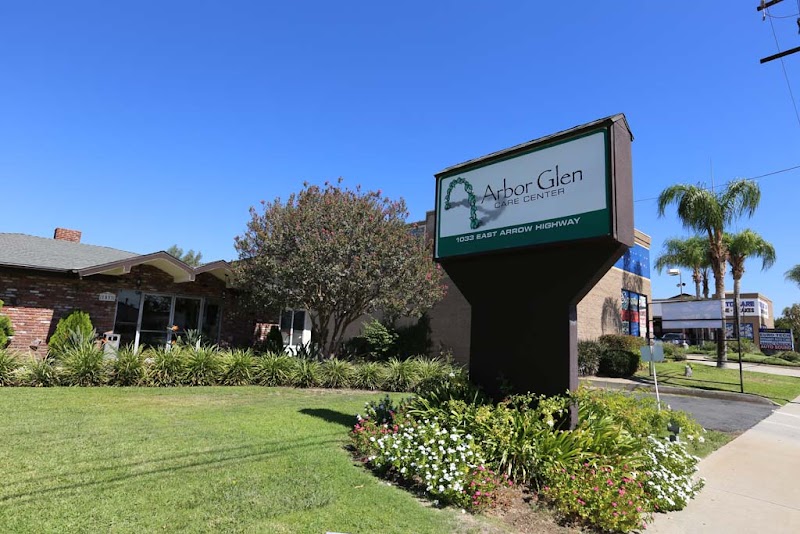
How is Arbor Glen Staffed?

CMS rates ARBOR GLEN CARE CENTER's staffing level at 2 out of 5 stars, which is below average compared to other nursing homes. Staff turnover is 69%, which is 23 percentage points above the California average of 46%. High turnover can affect care consistency as new staff learn residents' individual needs. RN turnover specifically is 80%, which is notably high. RNs provide skilled clinical oversight, so turnover in this role can affect medical care quality.

What Have Inspectors Found at Arbor Glen?

State health inspectors documented 90 deficiencies at ARBOR GLEN CARE CENTER during 2021 to 2025. These included: 2 that caused actual resident harm and 88 with potential for harm. Deficiencies causing actual harm indicate documented cases where residents experienced negative health consequences.
Who Owns and Operates Arbor Glen?

ARBOR GLEN CARE CENTER is owned by a for-profit company. For-profit facilities operate as businesses with obligations to shareholders or private owners. The facility is operated by THE ENSIGN GROUP, a chain that manages multiple nursing homes. With 98 certified beds and approximately 87 residents (about 89% occupancy), it is a smaller facility located in GLENDORA, California.
How Does Arbor Glen Compare to Other California Nursing Homes?

Compared to the 100 nursing homes in California, ARBOR GLEN CARE CENTER's overall rating (1 stars) is below the state average of 3.1, staff turnover (69%) is significantly higher than the state average of 46%, and health inspection rating (1 stars) is much below the national benchmark.

What Should Families Ask When Visiting Arbor Glen?

Based on this facility's data, families visiting should ask: "How do you ensure continuity of care given staff turnover, and what is your staff retention strategy?" "Can you walk me through typical staffing levels on day, evening, and night shifts?" "Can I visit during a mealtime to observe dining assistance and food quality?" "How do you handle medical emergencies, and what is your hospital transfer rate?" These questions are particularly relevant given the facility's high staff turnover rate and the below-average staffing rating.

Is Arbor Glen Safe?

Based on CMS inspection data, ARBOR GLEN CARE CENTER has a clean safety record: no substantiated abuse findings (meaning no confirmed cases of resident harm), no Immediate Jeopardy citations (the most serious violation level indicating risk of serious injury or death), and is not on the Special Focus Facility watch list (a federal program monitoring the lowest-performing 1% of nursing homes). The facility has a 1-star overall rating and ranks #100 of 100 nursing homes in California. While no facility is perfect, families should still ask about staff-to-resident ratios and recent inspection results during their visit.

Do Nurses at Arbor Glen Stick Around?

Staff turnover at ARBOR GLEN CARE CENTER is high. At 69%, the facility is 23 percentage points above the California average of 46%. Registered Nurse turnover is particularly concerning at 80%. RNs handle complex medical decisions and coordinate care — frequent RN changes can directly impact care quality. High turnover means new staff may not know residents' individual needs, medications, or preferences. It can also be disorienting for residents, especially those with dementia who rely on familiar faces. Families should ask: What is causing the turnover? What retention programs are in place? How do you ensure care continuity during staff transitions?

Was Arbor Glen Ever Fined?

ARBOR GLEN CARE CENTER has no federal fines on record. CMS issues fines when nursing homes fail to meet care standards or don't correct problems found during inspections. The absence of fines suggests the facility has either maintained compliance or corrected any issues before penalties were assessed. This is a positive indicator, though families should still review recent inspection reports for the full picture.

Is Arbor Glen on Any Federal Watch List?

ARBOR GLEN CARE CENTER is not on any federal watch list. The most significant is the Special Focus Facility (SFF) program, which identifies the bottom 1% of nursing homes nationally based on persistent, serious quality problems. Not being on this list means the facility has avoided the pattern of deficiencies that triggers enhanced federal oversight. This is a positive indicator, though families should still review the facility's inspection history directly.