GLENDORA CANYON TRANSITIONAL CARE UNIT
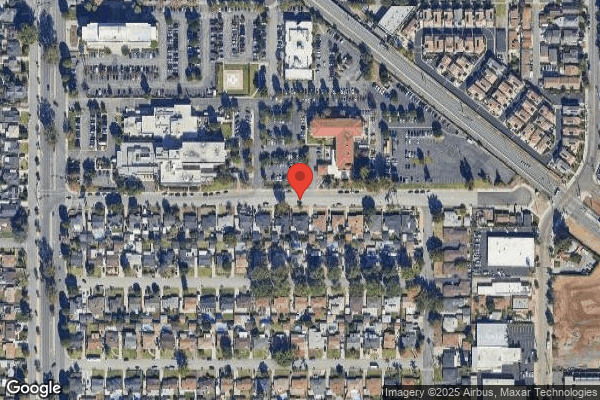
401 W. ADA AVE., GLENDORA, CA 91741 (626) 335-9810
For profit - Partnership 120 Beds ABRAHAM BAK & MENACHEM GASTWIRTH Data: November 2025 2 Immediate Jeopardy citations
Trust Grade
0/100
#803 of 1155 in CA
Last Inspection: November 2024

Within standard 12-15 month inspection cycle. Federal law requires annual inspections.

Overview

Glendora Canyon Transitional Care Unit has received a Trust Grade of F, indicating significant concerns about the quality of care provided. It ranks #803 out of 1,155 facilities in California, placing it in the bottom half, and #184 out of 369 in Los Angeles County, meaning there are better local options available. While the facility is reportedly improving, reducing issues from 24 in 2024 to 7 in 2025, it still faces serious concerns, including critical medication errors that risk residents' health and safety. Staffing is average with a turnover rate of 34%, which is lower than the state average, and there have been no fines recorded, suggesting some strengths in their operations. However, specific incidents, such as a resident being physically abused, leading to a serious injury, highlight the need for families to carefully consider this facility's track record.

Trust Score
F
0/100
In California
#803/1155
Bottom 31%
Safety Record
High Risk
Review needed
Inspections
Getting Better
24 → 7 violations
Staff Stability
○ Average
34% turnover. Near California's 48% average. Typical for the industry.
Penalties
✓ Good
No fines on record. Clean compliance history, better than most California facilities.
Skilled Nurses
⚠ Watch
Each resident gets only 20 minutes of Registered Nurse (RN) attention daily — below average for California. Fewer RN minutes means fewer trained eyes watching for problems.
Violations
⚠ Watch
83 deficiencies on record. Higher than average. Multiple issues found across inspections.
★★☆☆☆
2.0
Overall Rating
★★★☆☆
3.0
Staff Levels
★★★☆☆
3.0
Care Quality
★★☆☆☆
2.0
Inspection Score
Stable
2024: 24 issues
2025: 7 issues

The Good

  • Full Sprinkler Coverage · Fire safety systems throughout facility
  • No fines on record
  • Staff turnover below average (34%)

    14 points below California average of 48%

Facility shows strength in fire safety.

The Bad

2-Star Overall Rating

Below California average (3.1)

Below average - review inspection findings carefully

Staff Turnover: 34%

12pts below California avg (46%)

Typical for the industry

Chain: ABRAHAM BAK & MENACHEM GASTWIRTH

Part of a multi-facility chain

Ask about local staffing decisions and management

The Ugly 83 deficiencies on record

2 life-threatening 3 actual harm
Sept 2025 2 deficiencies 1 Harm
SERIOUS (G) 📢 Someone Reported This

A family member, employee, or ombudsman was alarmed enough to file a formal complaint

Actual Harm - a resident was hurt due to facility failures

Free from Abuse/Neglect (Tag F0600)

A resident was harmed · This affected 1 resident

**NOTE- TERMS IN BRACKETS HAVE BEEN EDITED TO PROTECT CONFIDENTIALITY** Based on interview and record review, the facility failed to protect one of three sampled residents (Resident 2) from physical a...

Read full inspector narrative →
**NOTE- TERMS IN BRACKETS HAVE BEEN EDITED TO PROTECT CONFIDENTIALITY** Based on interview and record review, the facility failed to protect one of three sampled residents (Resident 2) from physical abuse (aggressive or violent behavior with the intention to cause physical harm) as indicated in the facility's policy and procedure (P&P) titled, Abuse, Neglect, Exploitation and Misappropriation Prevention Program to be free from abuse. As a result, on 8/23/2025 Resident 1 pushed Resident 2 and Resident 2 fell to the floor. Resident 2 was transferred to General Acute Care Hospital (GACH) 1 for an assessment and evaluation due to an unwitnessed fall. Resident 2 sustained an acute (sudden) comminuted (the bone breaks into multiple small fragments) fracture (partial or complete break of the bone) of the right 5th metacarpal (the bone in the hand that connects the little finger to the wrist).Findings: During a review of Resident 2's admission Record (AR), the AR indicated Resident 2 was admitted to the facility on [DATE] with a diagnoses that included schizoaffective disorder (a mental health condition that combines symptoms of schizophrenia [a mental illness that is characterized by disturbances in thought] and a mood disorder, such as depression [serious illness that negatively affects how one feels, thinks and acts] or bipolar disorder [serious mental illness that causes unusual shifts in mood]), and legal blindness (severe visual impairment that meets specific criteria established by law). During a review of Resident 2's Minimum Data Set (MDS, a resident assessment tool), dated 6/19/2025, the MDS indicated Resident 2's cognition (ability to understand and process information) was severely impaired. The MDS indicated Resident 2 needed partial to moderate assistance (helper provides verbal cues and/or touching/steadying and/or contact guard assistance [the caregiver places one or two hands on the resident's body to help with balance but provides no other assistance to perform the functional mobility task] as resident completes the activity) with activities of daily living (ADL, term used in healthcare that refers to self-care activities) and with walking. During a review of Resident 2's Situation, Background, Assessment and Recommendation (SBAR, structured communication framework that helps teams share information about the condition of a resident) Communication Form, dated 8/23/2025, timed at 12:18 pm, the form indicated (on 8/23/2025), at 11:30 am, Resident 2 was having a verbal conversation with Resident 1 when suddenly Resident 2 fell on the floor unwitnessed. The form indicated Resident 2 told staff, He [Resident 1] pushed me, and [I] ended [on] the floor; my back is painful. The form indicated Resident 2's pain was rated 1 out of 10 (pain scale 0 to 10, 0 means no pain and 10 means the worst possible pain felt). The form indicated Medical Doctor (MD) 1 was notified 8/23/2025 at 12 pm, and the facility received a new order for laboratory [blood] work. During a review of Resident 2's Progress Notes (PN), dated 8/23/2025, timed at 2 pm, the PN indicated Resident 2 was transferred to GACH 1's Emergency Department (ED) for an assessment due to an unwitnessed fall. During a review of Resident 2's PN, dated 8/23/2025, timed at 11:40 pm, the PN indicated Resident 2 returned to the facility from GACH 1 with a right-hand 5th metacarpal fracture. During a review of Resident 2's GACH 1's right wrist X-ray (imaging study that takes pictures of bones and soft tissues) results, dated 8/23/2025, timed at 2:28 pm, the X-ray indicated an acute comminuted fracture of the right 5th metacarpal beginning in the distal diaphysis (the main or midsection (shaft) of a long bone) and extending to the distal epiphysis with suspected intra-articular extension [(the rounded end of the bone). The breaking of the long bone leading to the little finger in multiple pieces with a high likelihood of damage to the joint surface]. During a review of Resident 1's AR, the AR indicated Resident 1 was admitted to the facility 6/8/2025 with diagnoses that included type 2 diabetes (a disease that results in elevated levels of glucose in the blood) and essential hypertension (high pressure of blood pushing against the wall of the arteries). During a review of Resident 1's History and Physical (H&P) Examination, dated 6/9/2025, the H&P indicated Resident 1 had the capacity to understand and make decisions. During a review of Resident 1's SBAR Communication Form, dated 8/23/2025, the form indicated Resident 1 had a disagreement with [Resident 2] and Resident 1 pushed Resident 2. During an interview on 8/28/2025 at 11 am with Resident 1, Resident 1 stated on 8/23/2025 (could not remember the time) Resident 1 had an altercation (a conflict that can range from verbal arguments to physical fights, occurring between two or more individuals receiving care) with Resident 2. Resident 1 stated Resident 2 was sitting across the hall and Resident 1 was walking into Resident 1's room when Resident 2 said something to Resident 1 and Resident 1 told Resident 2 to, shut up and mind his [Resident 2's] own business. Resident 1 stated Resident 2 was walking toward Resident 1 and, I pushed and dropped Resident 2 to the ground, and he [Resident 2] started yelling he [Resident 1] hit me. During an interview on 9/2/2025 at 1 pm with Licensed Vocational Nurse (LVN) 3, LVN 3 stated on 8/23/2025 at 11:30 am LVN 4 yelled out, Resident 2 is on the floor. LVN 3 stated, LVN 3 ran toward LVN 4 and when LVN 3 arrived Resident 2 was on the floor on Resident 2's left side, and Resident 1 was standing over Resident 2. LVN 3 stated Resident 1 told Resident 2, That is what you get they should have kicked you out a long time ago. LVN 3 stated Resident 2 did not respond to Resident 1, turned to LVN 3 and stated, My back and arm are hurting [pain unrated], call an ambulance because I do not feel I can get up from the floor. LVN 3 stated Resident 2 complained of 7 out of 10 pain on Resident 2's back and [right] arm. During an interview on 9/2/2025 at 2:33 pm with LVN 4, LVN 4 stated LVN 4 heard a staff (unidentified) say Mister fell. LVN 4 stated LVN 4 rushed down the hallway and observed Resident 1 standing by Resident 1's room yelling and laughing at Resident 2 and stated, That is what you get you should not be here, yea I pushed him so what, I pushed him. Resident 2 was lying on the floor and stated, Help me, I can't get up. During a review of the facility's P&P titled, Abuse, Neglect, Exploitation, and Misappropriation Prevention Program, dated April 2021, the P&P indicated, residents have the right to be free from abuse, neglect, misappropriation of resident property, and exploitation. The P&P indicated, this includes but is not limited to freedom from corporal punishment (the use of physical force to cause pain or discomfort as a way to discipline or correct a behavior), involuntary seclusion (keeping someone separated from others against their will), verbal, mental, sexual, or physical abuse. The P&P indicated, the resident abuse, neglect and exploitation prevention program consisted of a facility-wide commitment and resource allocation to support the following objectives: 1. Protect residents from abuse, neglect, exploitation or misappropriation of property by anyone including, but not necessarily limited to: b. other residents.
CONCERN (D) 📢 Someone Reported This

A family member, employee, or ombudsman was alarmed enough to file a formal complaint

Potential for Harm - no one hurt, but risky conditions existed

Report Alleged Abuse (Tag F0609)

Could have caused harm · This affected 1 resident

**NOTE- TERMS IN BRACKETS HAVE BEEN EDITED TO PROTECT CONFIDENTIALITY** Based on interview and record review, the facility failed to report and a physical abuse (willful infliction of injury, delibera...

Read full inspector narrative →
**NOTE- TERMS IN BRACKETS HAVE BEEN EDITED TO PROTECT CONFIDENTIALITY** Based on interview and record review, the facility failed to report and a physical abuse (willful infliction of injury, deliberate aggressive or violent behavior with the intention to cause harm) incident to the California Department of Public Health (CDPH, State Agency) for one of three sampled residents (Resident 2) as indicated in the facility's policy and procedure (P&P) titled, Abuse, Neglect, Exploitation and Misappropriation Prevention Program.This deficient practice resulted in the delay of notification to the State Agency and had the potential to result in residents residing at the facility to be subjected to further abuse.Cross Reference F600Findings:During a review of Resident 2's admission Record (AR), the AR indicated Resident 2 was admitted to the facility on [DATE] with a diagnoses that included schizoaffective disorder (a mental health condition that combines symptoms of schizophrenia [a mental illness that is characterized by disturbances in thought] and a mood disorder, such as depression [serious illness that negatively affects how one feels, thinks and acts] or bipolar disorder [serious mental illness that causes unusual shifts in mood]), and legal blindness (severe visual impairment that meets specific criteria established by law).During a review of Resident 2's Minimum Data Set (MDS, a resident assessment tool), dated 6/19/2025, the MDS indicated Resident 2's cognition (ability to understand and process information) was severely impaired and needed partial to moderate assistance (helper provides verbal cues and/or touching/steadying and/or contact guard assistance [the caregiver places one or two hands on the resident's body to help with balance but provides no other assistance to perform the functional mobility task] as resident completes the activity) with activities of daily living (ADL, term used in healthcare that refers to self-care activities) and with walking.During a review of Resident 2's Situation, Background, Assessment and Recommendation (SBAR, structured communication framework that helps teams share information about the condition of a resident) Communication Form, dated 8/23/2025, timed at 12:18 pm, the form indicated (on 8/23/2025), at 11:30 am, Resident 2 was having a verbal conversation with Resident 1 when suddenly Resident 2 fell on the floor unwitnessed. The form indicated Resident 2 told staff, He [Resident 1] pushed me, and [I] ended [on] the floor.During an interview on 9/2/2025 at 2:33 pm with Licensed Vocational Nurse (LVN) 4, LVN 4 stated Resident 1 was standing by his room yelling and laughing at Resident 2 that is what you get you should not be here, yea I pushed him so what, I pushed him. Resident 2 was lying on the floor and stated, help me, I can't get up. LVN 4 stated I notified the Administrator (ADM) and the Director of Nursing (DON) of the incident and stated LVN 3 told LVN 4 not to fill out the abuse reporting form because the ADM and DON told LVN 3, the ADM and the DON would fill out the form [and report to the State Agency]. LVN 4 stated, LVN 4 was a mandated reported and abuse should be reported within 2 hours to the State Agency, the Ombudsman (an official, public advocate, helps to resolve issues between parties through various types of informal mediation), and the police department.During a concurrent interview and record review on 9/3/2025 at 3:30 pm with DON, the facility's P&P titled, Abuse, Neglect, Exploitation and Misappropriation Prevention Program, dated April 2021 was reviewed. The P&P indicated, Residents have the right to be free from abuse, neglect, misappropriation of resident property and exploitation. This includes but is not limited to freedom from corporal punishment, involuntary seclusion, verbal, mental, sexual, or physical abuse, and physical or chemical restraint not required to treat the resident's symptoms. Policy Interpretation and Implementation: The resident abuse, neglect and exploitation prevention program consist of a facility-wide commitment and resource allocation to support the following objectives: 1. Protect residents from abuse, neglect, exploitation or misappropriation of property by anyone including, but not necessarily limited to: b. other residents, 9. Investigate and report any allegations within time frames required by federal requirements. The DON stated we [the facility] failed to report the incident that occurred on 8/23/2025 within two hours to the State Agency.
Aug 2025 2 deficiencies
CONCERN (D) 📢 Someone Reported This

A family member, employee, or ombudsman was alarmed enough to file a formal complaint

Potential for Harm - no one hurt, but risky conditions existed

Safe Environment (Tag F0584)

Could have caused harm · This affected 1 resident

Based on observation, interview, and record review the facility failed to maintain a safe and comfortable room temperature in 2 of 2 resident shower rooms observed.This deficient practice had the pote...

Read full inspector narrative →
Based on observation, interview, and record review the facility failed to maintain a safe and comfortable room temperature in 2 of 2 resident shower rooms observed.This deficient practice had the potential to cause discomfort and unsafe conditions for residents who used the shower rooms.During a concurrent observation and interview on 8/26/25 at 11:27 AM, with Certified Nurse Assistant 1 (CNA 1) the thermostat of the third-floor shower room showed 82 F. CNA 1 stated, It is hot and stuffy, not usually like this.During a concurrent observation and interview on 8/26/25 at 11:31 AM with Licensed Vocational Nurse 1 (LVN 1) the thermostat of the second-floor shower room, showed 85 F. LVN 1 stated the room feels hot and stuffy. During an interview on 8/26/25 at 12:40 PM, with Maintenance Supervisor (MS), MS stated, Yes, the AC (air conditioner) has been acting up and it is scheduled to be repaired. MS stated that the temperatures are high in the shower rooms.A review of the facility's policy titled Homelike Environment, revised February 2021, indicated staff are to provide a safe, clean, comfortable, and homelike environment for residents. The policy indicated comfortable and safe temperatures (71 F - 81 F) must be maintained in resident areas, including bathing and shower rooms.
CONCERN (D) 📢 Someone Reported This

A family member, employee, or ombudsman was alarmed enough to file a formal complaint

Potential for Harm - no one hurt, but risky conditions existed

Quality of Care (Tag F0684)

Could have caused harm · This affected 1 resident

Based on observation, interview, and record review, the facility failed to implement their policy and procedure (P&P) titled, Change in a Resident's Condition or Status, by failing to ensure:1. Reside...

Read full inspector narrative →
Based on observation, interview, and record review, the facility failed to implement their policy and procedure (P&P) titled, Change in a Resident's Condition or Status, by failing to ensure:1. Resident 1's responsible party (RP, a person who is responsible for guiding, informing, assisting, and advocating for residents in the healthcare system) was informed when Resident 1's blood sugar level was 480 and Resident 1 had to be given additional dose of insulin (a hormone that removes excess sugar from the blood, can be produced by the body or given artificially via medication) on 5/17/2025 at 12:23 pm.2. Resident 1's blood sugar level of 480 on 5/17/2025 was documented in Resident 1's medical record.3. An SBAR (situation, background, assessment, recommendation-a communication tool used by healthcare workers when there is a change of condition among the residents) Communication Form was filled out on 5/17/2025 at 12:23 pm when Resident 1's blood sugar level was 480 and Resident 1 had to be given an additional dose of insulin.These failures resulted in Resident 1's RP not being informed of Resident 1's change in condition and had the potential for Resident 1 to receive inadequate monitoring, care, and treatment of Resident 1's high blood sugar.Findings:During a review of Resident 1's admission Record (AR), the AR indicated the facility admitted Resident 1 on 12/04/2024, and readmitted Resident 1 on 6/20/2025 with diagnoses which included diabetes mellitus (DM-a disorder characterized by difficulty in blood sugar control and poor wound healing).During a review of Resident 1's History and Physical (H&P, physician's clinical evaluation and examination of the resident), dated 6/21/2025, indicated Resident 1 did not have the mental capacity to make medical decisions.During a review of Resident 1's Minimum Data Set (MDS-a resident assessment tool), dated 6/26/2025, the MDS indicated Resident 1's cognitive skills (the ability to think and process information) for daily decision making was severely impaired, and Resident 1 was dependent on staff for most activities of daily living (ADLs- activities such as bathing, dressing and toileting a person performs daily).During a review of Resident 1's Order Summary Report (OSR), dated 9/3/2025, the OSR indicated there was a physician's order, dated 5/17/2025, to give Resident 1 one dose of an injection of 3 units of insulin lispro (fast-acting insulin) for blood sugar of 480.During a review of Resident 1's Medication Administration Record (MAR) for the month of May 2025, the MAR indicated on 5/17/2025 at 12:23 pm, Resident 1 was given an injection of 3 units of insulin lispro (fast-acting insulin) due to blood sugar of 480.During a concurrent interview and record review on 9/3/2025 at 3:50 p.m. with the Director of Nursing (DON), the DON stated any blood sugar level above 401 required a Change of Condition (COC) note or an SBAR Communication Form, a physician notification, and a family or RP notification. The DON reviewed Resident 1's medical record and was unable to find a COC note, a progress note, and or an SBAR Communication Form regarding Resident 1's blood sugar level of 480 on 5/17/2025. The DON was unable to find family or RP notification regardingDuring a review of the facility's P&P titled, Change in a Resident's Condition or Status, revised on February 2021, the P&P indicated, Prior to notifying the physician or healthcare provider, the nurse will make detailed observations and gather relevant and pertinent information for the provider, including (for example) information prompted by the Interact SBAR Communication Form.a nurse will notify the resident's representative when there is a significant change in the resident's physical, mental, or psychosocial status.The nurse will record in the resident's medical record information relative to changes in the resident's medical/mental condition or status.
Mar 2025 1 deficiency
CONCERN (E) 📢 Someone Reported This

A family member, employee, or ombudsman was alarmed enough to file a formal complaint

Potential for Harm - no one hurt, but risky conditions existed

Infection Control (Tag F0880)

Could have caused harm · This affected multiple residents

**NOTE- TERMS IN BRACKETS HAVE BEEN EDITED TO PROTECT CONFIDENTIALITY** Based on observation, interview, and record review, the facility failed to follow its policies and procedures (P&P) titled, Hand...

Read full inspector narrative →
**NOTE- TERMS IN BRACKETS HAVE BEEN EDITED TO PROTECT CONFIDENTIALITY** Based on observation, interview, and record review, the facility failed to follow its policies and procedures (P&P) titled, Hand Hygiene (procedures that included the use of alcohol-based hand rubs (ABHR- containing 60%–95% alcohol) and hand washing with soap and water), and Standard Precautions (SP- a set of evidence-based infection control practices designed to prevent the transmission of infectious diseases in healthcare settings), Enhanced Barrier Precautions (EBP- set of infection control measures that use personal protective equipment [PPE- equipment worn to minimize exposure to hazards] to reduce the spread of multidrug-resistant organisms [MDRO- organism that is resistant to most antibiotics] by wearing a gown and gloves) and Transmission-Based Precautions (TBP- extra measures, used in addition to standard precautions, to prevent the spread of specific infectious agents that can be transmitted through air, contact, or droplets), and recommendations set by the Department of Public Health Medical Doctor (DPH MD) by failing to: 1. Ensure Receptionist (RCT) 1 wore a mask properly while in the facility. 2. Ensure facility staff educated Family 1 to wear a mask while visiting Resident 1 in the facility. 3. Ensure Certified Nurse Assistants (CNA) 1 and 2 wore masks properly while in the facility. 4. Ensure Social Services Director (SSD) wore a mask properly while in the facility. 5. Ensure CNA 3 wore a mask properly while sitting in Resident 10 ' s room. 6. Ensure CNA 4 performed hand hygiene before entering Resident 2 ' s EBP room. 7. Ensure Maintenance Assistant (MA) 1 wore a mask properly while in the facility. 8. Ensure Primary Care Provider/Medical Doctor (MD) 1 wore a mask properly while in the facility. These failures had the potential to transmit and spread infection from staff to residents that could result in widespread infection in the facility. Findings: During an interview on 3/20/2025 at 10:05 am, with the Infection Prevention Nurse (IPN), the IPN stated the facility had a total of 22 COVID-19 cases, with two residents currently positive. The IPN stated there were a total of three residents currently positive with Influenza (flu- an acute respiratory infection caused by influenza viruses). During a concurrent interview and record review on 3/20/2025 at 11:14 am, with the IPN, the DPH MD Recommendations dated 2/27/2025, timed at 5:12 pm, provided by the public health nurse (PHN) were reviewed. The MD recommendations indicated all visitors were required to wear masks and all staff were required to wear N95 masks during the OB. The IPN stated visitors were supposed to wear surgical masks at the very least while in the facility and N95 masks while in a COVID-19 or flu positive resident ' s room. The IPN stated all staff were supposed to help enforce this. The IPN stated all staff were responsible for the health and safety of the residents. The IPN stated every staff was supposed to wear a N95 in the facility, including the receptionist, and it should be covering their mouth and nose to help prevent the flu and COVID-19 from spreading to other residents or themselves. a. During a concurrent observation and interview on 3/20/2025 at 10 am, in the facility lobby, with RCT 1, RCT 1 was observed. There was a sign on the entrance door indicating anyone inside the facility was required to wear a mask. RCT 1 had a mask on, that was pulled down below RCT 1 ' s nose and mouth. RCT 1 stated only clinical staff had to wear a mask. RCT 1 stated RCT 1 was aware there was a COVID and flu outbreak (OB- two or more linked cases of the same illness or the situation where the observed number of cases exceeds the expected number, or a single case of disease caused by a significant microorganism). b. During a review of Resident 1 ' s admission Record (AR), the AR indicated the facility admitted Resident 1 on 1/22/2025 with diagnoses that included chronic obstructive pulmonary disease (COPD- lung disease causing restricted airflow and breathing problems) and type II diabetes mellitus (DM2- A condition that happens because of a problem in the way the body regulates and uses sugar as fuel). During a review of Resident 1 ' s Minimum Data Set (MDS- a resident assessment tool) dated 1/27/2025, the MDS indicated Resident 1 had severely impaired cognition (ability to think, remember, and function). The MDS indicated Resident 1 was dependent (helper does ALL the effort. Resident does none of the effort to completely the activity, or the assistance of 2 or more helpers is required for the resident to complete the activity) with oral, toileting and personal hygiene, showering/bathing self, upper and lower body dressing, putting on/taking off footwear, rolling left and right (in bed), sitting to lying, lying to sitting on side of bed, sitting to standing, chair/bed-to-chair transfers, and tub/shower transfers. The MDS indicated Resident 1 ' s COVID-19 (infectious disease caused by SARS-CoV-2 virus)vaccine (medical treatment that helps your body's immune system recognize and fight disease) was not up to date. During concurrent observation and interview on 3/20/2025 at 11:05 am, at Resident 1 ' s room, Resident 1 ' s Family 1 was observed. Family 1 was inside of Resident 1 ' s room, walking around the bed, providing water, talking to, and helping Resident 1 adjust in bed. Family 1 did not have a mask on. Family 1 stated, they (as in staff- unidentified), told Family 1 that Family 1 did not have to wear a mask if Family 1 did not want to. c. During a concurrent observation and interview on 3/20/2025 at 11:07 am, in the hallway outside of Resident 1 ' s room, CNA 1 and CNA 2 were observed. CNA 1 and CNA 2 were wearing masks that were pulled down below the nose and mouth. CNA 1 stated the facility had a flu OB. CNA 1 stated wearing a mask help to protect CNA 1 and the residents from getting sick. CNA 2 stated CNA 2 was supposed to wear a mask in the facility because they had a COVID-19 OB. CNA 2 stated wearing a mask helped to prevent the spread of infection, and that visitors were supposed to wear masks as well. During a concurrent observation and interview on 3/20/2025 at 11:11 am, at Resident 1 ' s room, with CNA 2, Family 1 was observed. Family 1 was not wearing a mask. CNA 2 stated if staff were not wearing masks or appropriately wearing them, then visitors were going to follow what the facility staff did. d. During a concurrent observation and interview on 3/20/2025 at 11:28 am, out of the SSD ' s office, the SSD was observed. The SSD was sitting at a desk, in the office, with the door to the office open to the resident hallway. The SSD had a mask on that was pulled down below the nose and mouth. The SSD stated the floor the office was on housed positive COVID-19 and flu residents. The SSD stated the SSD was supposed to wear a mask because there was an OB of flu and COVID-19. The SSD stated by not wearing the mask as intended, the SSD could catch, spread, or infect others with COVID-19 or flu. e. During a review of Resident 10 ' s AR, the AR indicated the facility initially admitted Resident 10 on 1/31/2025, with diagnoses that included DM2 and Alzheimer ' s Disease (a progressive and fatal brain disorder that gradually destroys memory, thinking skills, and the ability to carry out everyday tasks). During a review of Resident 10 ' s MDS dated [DATE], the MDS indicated Resident 10 had moderately impaired cognition (need for extra assistance with daily activities and/or specific tasks). The MDs indicated Resident 10 required substantial/maximal assistance for toileting hygiene, shower/bathe self, lower body dressing, and putting on/taking off footwear. During a concurrent observation and interview on 3/20/2025 at 11:32 am, at Resident 10 ' s room door, CNA 3 was observed. CNA 3 was sitting on a chair, watching Resident 10. CNA 3 was wearing a mask that was pulled down below the nose and mouth. CNA 3 stated CNA 3 was supposed to wear the mask properly because of COVID-19 and the flu (in the facility). CNA 3 stated if CNA 3 ' s not wearing the mask as intended CNA 3 could spread infection to everyone. f. During a review of Resident 2 ' s AR, the AR indicated the facility initially admitted Resident 2 on 12/27/2021 and was readmitted on [DATE], with diagnoses that included hemiparesis (one-sided muscle weakness caused by a disruption of the brain, spinal cord, or nerves connected to the affected muscles) and hemiplegia (paralysis of one side of the body) following cerebral infarction (CVA- disruption of blood flow to the brain due to problematic vessels that cause lack of blood supply and oxygen to the brain) affecting left non-dominant side. During a review of Resident 2 ' s MDS dated [DATE], the MDS indicated Resident 2 had intact cognition. The MDS indicated Resident 2 required substantial/maximal assistance (helper does more than half the effort. Helper lifts or holds trunk or limbs and provides more than half effort) with showering/bathing self, lower body dressing, and putting on/taking off footwear. The MDS indicated Resident 2 required partial/moderate assistance (helper does less than half the effort and lifts or holds trunk or limbs but provides less than half the effort) with toileting and personal hygiene, sitting to standing, lying to sitting on side of bed, sitting to lying, chair/bed-to-chair transfers, and toilet transfers. During an observation on 3/20/2025 at 11:42 am, outside of Resident 2 ' s room, CNA 4 was observed. A sign next to Resident 2 ' s room door indicated EBP, and to perform hand hygiene before entering and immediately upon exiting the room. CNA 4 entered Resident 2 ' s room without performing hand hygiene. CNA 4 asked Resident 2 if Resident 2 needed water and touched Resident 2 ' s bedding. CNA 4 exited the room and performed hand hygiene. During a concurrent observation and interview on 3/20/2025 at 11:43 am, at Resident 2 ' s room entrance, with CNA 4, the EBP sign was observed. CNA 4 stated the EBP sign indicated to clean hands before entering the room and immediately upon exiting. CNA 4 stated it was important to perform hand hygiene to prevent the spread of infection. CNA 4 stated there was currently a flu and COVID-19 OB at the facility. g. During an observation on 3/20/2025 at 4:45 pm, in the first-floor hallway, MA 1 was observed. MA 1 was talking in the hallway with MA 1 ' s mask on but pulled down below the nose and mouth. During an interview on 3/20/2025 at 4:48 pm, with MA 1, MA 1 stated MA 1 was supposed to wear MA 1 ' s mask properly because there was COVID-19 in the building. MA 1 stated MA 1 could get someone sick or get sick from someone else if MA 1 was not wearing the mask properly. h. During a concurrent observation and interview on 3/20/2025 at 4:58 pm, with MD 1, at the nurses ' station, MD 1 was observed sitting down writing. MD 1 was wearing a surgical mask that was pulled down below the nose and mouth. MD 1 stated MD 1 did not like to wear the mask because it fogged MD 1 ' s glasses. MD 1 stated MD 1 was aware MD 1 was supposed to wear a mask because the facility had a flu and COVID-19 OB. During an interview on 3/21/2025 at 5:36 pm, with the Director of Nursing (DON), the DON stated hand hygiene was the number one way to prevent the spread of infection. The DON stated hand hygiene was important so staff did not spread infection to the residents. The DON stated if staff were no performing hand hygiene before entering an EBP room, then the residents were at higher risk for developing infection and could easily get sick. The DON stated it was important that all staff and visitors wore masks as intended during an OB to stop the transmission of infection and not make any more residents sick. During a review of the facility ' s P&P titled, Hand Hygiene, revised 10/2022, the P&P indicated the facility considered hand hygiene the primary means to prevent the spread of infections. The P&P indicated all personnel shall follow the handwashing/hand hygiene procedures to help prevent the spread of infections to other personnel, residents, and visitors. During a review of the facility ' s P&P titled, SP, EBP, and TBP, revised 8/7/2024, the P&P indicated the purpose was to provide guidelines for infection control practices to reduce the potential for transmission for pathogens (microorganisms) including COVID-19, MDRO, and viruses. The P&P indicated EBP was primarily the use of gown and gloves for specific high contact care activities based on the resident ' s characteristics that are associated with a high risk of MDRO colonization and transmission. The P&P indicated intensified interventions (OB) should be implemented when an unusual or common infectious agent with unusual resistance pattern was identified or in the incidence of new cases of a specific infectious agent was increasing or failed to decrease despite implementation and adherence to standard infection prevention procedures. The P&P indicated staff education was essential in reducing transmission of infectious agents including COVID-19. The P&P indicated staff including those with direct resident contact and those in administrative positions should be educated during new employee orientation, annually concerning the epidemiology (the study of how often diseases occur in different groups of people and why) of specific infectious agents and the role they play in reducing the potential for transmission of these as well as other microorganisms; proper use of PPE; resident hygiene, and when observations indicated that employees are not in compliance with the facility infection control procedures including hand hygiene. The P&P indicated residents, visitors, and volunteers shall be educated and instructed in hygiene protocols, PPE use, and other infection control practices. During a review of the facility ' s P&P titled, COVID-19, Prevention and Control, revised 1/17/2025, the P&P indicated the facility followed current guidelines and recommendations for the prevention and control of COVID-19. The P&P indicated visitors shall wear well fitted surgical masks (per CMS QSO 20-39-NH-Revised) for the duration of their visit while indoors when the CDC- COVID-19 community level is high or when the facility is in an OB. The P&P indicated all staff must wear a well fitted surgical mask, KN95 mask, or N95 respirator in all areas in the non-COVID area or non-quarantine room(s) during resident care or when in resident care areas. The P&P indicated all staff during a COVID-19 OB, or when a COVID-19 positive staff or residents were identified, all staff must wear a well fitted N95 respirator in all areas in the COVID isolation area or non-COVID care or non-COVID care or quarantine room(s) when caring for any resident or when in resident care areas.
Jan 2025 2 deficiencies
CONCERN (D) 📢 Someone Reported This

A family member, employee, or ombudsman was alarmed enough to file a formal complaint

Potential for Harm - no one hurt, but risky conditions existed

Deficiency F0553 (Tag F0553)

Could have caused harm · This affected 1 resident

Based on interview and record review, the facility failed to protect the right of one of three sampled residents (Resident 1) to participate in the resident's treatment when the facility failed to giv...

Read full inspector narrative →
Based on interview and record review, the facility failed to protect the right of one of three sampled residents (Resident 1) to participate in the resident's treatment when the facility failed to give Resident 1's Pramipexole Dihydrochloride (medication used to treat Parkinson's disease [a brain disorder that causes unintended or uncontrollable movements, such as shaking, stiffness, and difficulty with balance and coordination]) at Resident 1's requested time. This failure had the potential for Resident 1 to experience an increase in tremors (involuntary, rhythmic shaking movements that can affect various parts of the body). Findings: During a review of Resident 1's admission Record (AR), the AR indicated the facility admitted Resident 1 on 1/20/2025, with diagnoses including Parkinson's disease, chronic obstructive pulmonary disease (COPD, a group of diseases that cause airflow blockage and breathing-related problems), and need for assistance with personal care. During a review of Resident 1's physician order (PO) dated 1/20/2025, the PO indicated an order for Pramipexole Dihydrochloride oral tablet one (1) milligrams (mg, unit of measurement), give 1 tablet by mouth three times a day for Parkinson's disease. During a review of Resident 1's History and Physical Examination (H&P), dated 1/21/2025, the H&P indicated Resident 1 had the capacity to understand and make decisions. During an interview on 1/28/2025 at 11:05 a.m. with Resident 1, Resident 1 stated her Parkinson's medication (Pramipexole Dihydrochloride) was being given to Resident 1 daily at 9 a.m. Resident 1 stated Resident 1 wanted the medication to be given to her at 7:30 a.m. because the medication being given at that time helped Resident 1 to not shake from her Parkinson's disease. Resident 1 stated Resident 1 spoke to facility staff (unidentified) about changing the medication time from 9 a.m. to 7:30 a.m. but facility staff continued to give Resident 1 the medication at 9 a.m. Resident 1 stated the medication administration time was finally changed to 7:30 a.m. as Resident 1 requested on 1/27/2025. During a concurrent interview and record review on 1/29/2025 at 10:15 a.m. with the Assistant Director of Nursing (ADON), Resident 1's Medication Administration Record (MAR), dated January 2025 and Resident 2's IDT (Interdisciplinary Team, a group of health care professionals with various areas of expertise who work together toward the goals of the resident) Care Conference Notes (IDT Notes), dated 1/21/2025 were reviewed. The IDT Notes indicated on 1/21/2025, the IDT met with Resident 1 regarding Resident 1's care and goals while at the facility. The ADON stated the ADON was present at the IDT meeting. The ADON stated Resident 1 requested the facility to administer Resident 1's Pramipexole Dihydrochloride medication to Resident 1 before breakfast at around 6 a.m. to 7 a.m. The ADON stated Resident 1 informed the ADON that Resident 1 would experience tremors when she did not receive the medication before breakfast. The MAR indicated Resident 1 received the morning dose of Pramipexole Dihydrochloride at 9 a.m. from 1/21/2025 to 1/23/2025. The ADON confirmed she was aware of Resident 1's request to change the medication time on the evening of 1/21/2025, and that the medication time was not changed for Resident 1 until 1/24/2025. The ADON stated facility staff should have accommodated Resident 1's request to change the medication administration time of Resident 1's Pramipexole Dihydrochloride from 9 a.m. to 7:30 a.m. on 1/22/2025. During a review of the facility's policy and procedure (P&P) titled, Resident Rights, revised December 2019, the P&P indicated, . Federal and state laws guarantee certain basic rights to all residents of this facility. These rights include the resident's right to .be informed of, and participate in, his or her care planning and treatment .choose an attending physician and participate in decision -making regarding his or her care .
CONCERN (D) 📢 Someone Reported This

A family member, employee, or ombudsman was alarmed enough to file a formal complaint

Potential for Harm - no one hurt, but risky conditions existed

Deficiency F0761 (Tag F0761)

Could have caused harm · This affected 1 resident

Based on observation, interview, and record review, the facility failed to ensure medications for one of three sampled residents (Resident 2) were kept locked in secure storage when Resident 2's morni...

Read full inspector narrative →
Based on observation, interview, and record review, the facility failed to ensure medications for one of three sampled residents (Resident 2) were kept locked in secure storage when Resident 2's morning medications were observed to be unattended at Resident 2's bedside. This failure had the potential for Resident 2 to not receive Resident 2's scheduled medications and had the potential to cause harm to other residents who could access and swallow the unattended medications. Findings: During a review of Resident 2's admission Record (AR), the AR indicated the facility admitted Resident 2 on 10/29/2024, with diagnoses including metabolic encephalopathy (brain disease that alters brain function or structure), transient cerebral ischemic attack (a temporary interruption of blood flow to the brain), and dementia (a group of thinking and social symptoms that interferes with daily functioning). During a review of Resident 2's Minimum Data Set (MDS, a resident assessment tool), dated 11/2/2024, the MDS indicated Resident 2 was severely impaired (never/rarely made decisions) in cognitive skills. The MDS indicated Resident 2 required partial/moderate assistance (helper does less than half the effort) from staff for oral, toileting, and personal hygiene and dressing. During a concurrent observation and interview on 1/28/2025 at 11:46 a.m. with Resident 2, in Resident 2's room, a medication cup containing three pills (unidentified) was observed on the dresser next to Resident 2's bed. Resident 2 stated Resident 2 did not know how long the cup of medicine had been sitting on the dresser. During a concurrent observation and interview on 1/28/2025 at 11:47 a.m. with Licensed Vocational Nurse (LVN) 1, LVN 1 confirmed there was a medication cup containing three (unidentified) medications at Resident 2's bedside, unattended. LVN 1 stated LVN 2 was the nurse responsible to give medications to Resident 2 and that LVN 2 was currently on a lunch break. LVN 1 stated the unattended medications were unsafe because another resident (in general) could have taken/swallowed the medications. LVN 1 removed the medications from the Resident 2's room. During a concurrent observation and interview on 1/28/2025 at 12:13 p.m. with LVN 2, LVN 2 had the cup of three medications at LVN 2's medication cart. LVN 2 confirmed the three medications were from the morning med pass (on 1/28/2025). LVN 2 stated LVN 2 should have remained at Resident 2's bedside after LVN 2 gave Resident 2 her (Resident 2's) medications. LVN 2 stated LVN 2 needed to ensure Resident 2 had swallowed the medications before leaving Resident 2's room. During an interview on 1/28/2025 at 1:58 p.m. with the Director of Nursing (DON), the DON stated LVN 2 had left medication at another resident's (unidentified) bedside previously. The DON stated nursing staff (in general) are required to stay by the resident (in general) during medication pass and ensure residents (in general) have swallowed the residents' medication/s. The DON stated nursing staff (in general) were not permitted to leave residents' (in general) medications at the bedside. During a review of the facility's policy and procedure (P&P) titled, Administering Medications, revised December 2019, the P&P indicated, Medications shall be administered in a safe and timely manner, and as prescribed. During a review of the facility's P&P titled, Storage of Medications, revised November 2020, the P&P indicated, The facility stores all drugs and biologicals in a safe, secure, and orderly manner. The P&P indicated: 1. Drugs and biologicals used in the facility are stored in locked compartments under proper temperature, light and humidity controls. Only persons authorized to prepare and administer medications have access to locked medications. 2. Drugs and biologicals are stored in the packaging, containers or other dispensing systems in which they are received. Only the issuing pharmacy is authorized to transfer medications between containers. 3. The nursing staff is responsible for maintaining medication storage and preparation areas in a clean, safe, and sanitary manner.
Nov 2024 16 deficiencies
CONCERN (D)

Potential for Harm - no one hurt, but risky conditions existed

Assessment Accuracy (Tag F0641)

Could have caused harm · This affected 1 resident

**NOTE- TERMS IN BRACKETS HAVE BEEN EDITED TO PROTECT CONFIDENTIALITY** Based on observation, interview and record review, the facility failed to ensure the Minimum Data Set (MDS, a federally mandated...

Read full inspector narrative →
**NOTE- TERMS IN BRACKETS HAVE BEEN EDITED TO PROTECT CONFIDENTIALITY** Based on observation, interview and record review, the facility failed to ensure the Minimum Data Set (MDS, a federally mandated resident assessment tool) was accurately coded for language preference for one of one sampled resident (Resident 17). This failure had the potential risk for Resident 17 not to receive necessary care services. Findings: During a review of Resident 17's admission Record (AR), the AR indicated Resident 17 was readmitted to the facility on [DATE], with diagnoses that included heart failure ( condition when the heart cannot pump enough blood to meet the body's needs) and hypotension (low blood pressure). During a review of Resident 17's quarterly MDS dated [DATE], the MDS indicated Resident 17's preferred language was English. The MDS indicated Resident 17 had clear speech, had ability to understand others and had the ability to make self-understood. The MDS indicated Resident 17 required partial/moderate assistance (helper does less than half the effort) for personal hygiene and chair/bed-to-chair transfer. During an observation and interview on 11/5/2024 at 2:47 pm, in Resident 17's room, Resident 17 was lying in bed talking over the phone using a foreign language. During a concurrent interview with Resident 17, Resident 17 was not able to communicate in English. Resident 17 stated, Resident 17's preferred language was Turkish, not English. During an observation on 11/5/2024 at 2:53 pm, in Resident 17's room, Certified Nursing Assistant 1 (CNA1) tried to communicate with Resident 17 regarding Resident 17's care. Both CNA1 and Resident 17 were not able to understand each other. During a concurrent interview, CNA1 stated, Resident 17 spoke Turkish with very limited English. During an interview on 11/6/2024 at 9:49 am, the MDS Coordinator (MDSC) stated, Resident 17's primary language was Turkish and Resident 17 spoke limited English. MDSC stated, MDSC did not code Resident 17's preferred language correctly in the quarterly MDS dated [DATE]. MDSC stated, MDSC should code Resident 17's preferred language as Turkish, not English. MDSC stated, the MDS should be coded accurately to reflect the resident's current assessment and preference to provide quality of care. During a review of the facility's Policy and Procedure (P&P) titled Resident Assessment, revised 11/2019, the P&P indicated The resident assessment coordinator responsible for ensuring that the interdisciplinary team conducts timely and appropriate resident assessments and reviews according to the following requirements .
CONCERN (D)

Potential for Harm - no one hurt, but risky conditions existed

Deficiency F0655 (Tag F0655)

Could have caused harm · This affected 1 resident

**NOTE- TERMS IN BRACKETS HAVE BEEN EDITED TO PROTECT CONFIDENTIALITY** Based on interview and record review, the facility failed to create a baseline care plan (CP) for one of one sampled resident (R...

Read full inspector narrative →
**NOTE- TERMS IN BRACKETS HAVE BEEN EDITED TO PROTECT CONFIDENTIALITY** Based on interview and record review, the facility failed to create a baseline care plan (CP) for one of one sampled resident (Resident 82) upon admission on [DATE]. This failure had the potential for delayed provision of necessary care and services for Resident 82. Findings: During a review of Resident 82's admission Record (AR), the AR indicated Resident 82 was originally admitted to the facility on [DATE] and readmitted on [DATE] with diagnoses that included Parkinson's disease (PD, brain disorder that causes uncontrollable movements), deficits in communication, chronic non-pressure ulcers of the right heel, right midfoot, and left foot, and a right hip stage three PU (deep wound that has gone through all layers of the skin exposing subcutaneous fat). During a review of Resident 82's Minimum Data Set (MDS, a federally mandated resident assessment tool), dated 10/23/2024, the MDS indicated Resident 82's cognitive abilities (ability to think, learn, and process information) were severely impaired. The MDS indicated Resident 82 was dependent with staff in sitting to lying, eating, and toileting hygiene. During a review of Resident 82's History and Physical (H&P) dated 10/31/2024, the H&P indicated Resident 82 was able to make needs known but cannot make medical decisions. During a concurrent interview and record review on 11/7/2024 at 3:11 PM with the Director of Nursing, Resident 82's baseline CP was reviewed. The baseline CP indicated it was in progress. The DON stated there was no baseline CP created and it should have been completed within 48 hours of Resident 82's admission on [DATE]. The DON stated the baseline CP would guide staff how to take care of the resident based on the resident's immediate care needs. The DON stated not creating a baseline CP on admission placed the resident at risk of interruption in patient care. During a review of the facility's Policy and Procedure (P&P) titled Care Plan-Baseline revised 12/2016, the P&P indicated to assure the resident's immediate care needs are met and maintained, a baseline CP will be developed within 48 hours of the resident's admission.
CONCERN (D)

Potential for Harm - no one hurt, but risky conditions existed

Comprehensive Care Plan (Tag F0656)

Could have caused harm · This affected 1 resident

**NOTE- TERMS IN BRACKETS HAVE BEEN EDITED TO PROTECT CONFIDENTIALITY** Based on interview and record review, the facility failed to develop an individualized/person- centered care plan for one of fiv...

Read full inspector narrative →
**NOTE- TERMS IN BRACKETS HAVE BEEN EDITED TO PROTECT CONFIDENTIALITY** Based on interview and record review, the facility failed to develop an individualized/person- centered care plan for one of five sampled residents (Resident 96) who was on Haloperidol (antipsychotic medication to treat serious mental disorder in which people interpret reality abnormally) in accordance with the facility's Policy and Procedure (P&P) titled Care Plans, Comprehensive Person - Centered. This deficient practice had the potential for Resident 96 to not receive appropriate treatment and/or services related to the use of Haloperidol. Findings: During a review of Resident 96's admission Record (AR), the AR indicated Resident 96 was admitted to the facility on [DATE] with diagnoses that included depression (a feeling of severe sadness or hopelessness) and dementia (long term and often gradual decrease in the ability to think and remember severe enough to affect a person's daily functioning). During a review of Resident 96's Minimum Data Set (MDS - a federally mandated resident assessment tool) dated 10/14/2024, the MDS indicated Resident 96 had severely impaired cognition (mental action or process of acquiring knowledge and understanding) for daily decision making. The MDS indicated Resident 96 was dependent (helper did all the effort and lifted or held trunk or limbs) with staff for toileting hygiene, shower, and lower body dressing. The MDS indicated Resident 96 needed maximum assistance (helper did more than half the effort and lifted or held trunk or limbs) with staff for oral hygiene, upper body dressing and putting on/taking off footwear. During a review of Resident 96's Physician Order (PO) dated 10/25/2024, the PO indicated for licensed staff to administer Haloperidol Lactate Oral Concentrate 0.5 millimeter (ml, unit of measurement) by mouth every six hours as needed for agitation. During a concurrent interview and record review of Resident 96 medical records (chart) on 11/5/2024 at 12:51 pm with the facility's Infection Prevention Nurse (IPN), the IPN stated there was no clinical documentation that a care plan was initiated and implemented for the management of Haloperidol to ensure Resident 96 received the proper care and effective interventions from nursing staff. During a concurrent interview and record review of Resident 96's chart on 11/6/2024 at 10:47 am with the facility's Director of Nursing (DON), the DON stated comprehensive care plan needed to be developed and implemented to provide proper intervention which was specific and individualized to Resident 96 for the use of Haloperidol. During a review of the facility's P&P titled, Care Plans, Comprehensive Person - Centered, revised 12/2016, the P&P indicated a comprehensive, person-centered care plan that includes measurable objectives and timeless to meet the resident's physical, psychosocial and functional needs was developed and implemented for each resident. The P&P indicated the comprehensive, person-centered care plan was developed within seven (7) days of the completion of the required comprehensive assessment.
CONCERN (D)

Potential for Harm - no one hurt, but risky conditions existed

Incontinence Care (Tag F0690)

Could have caused harm · This affected 1 resident

**NOTE- TERMS IN BRACKETS HAVE BEEN EDITED TO PROTECT CONFIDENTIALITY** Based on observation, interview, and record review, the facility failed to ensure one of two sampled residents' indwelling cathe...

Read full inspector narrative →
**NOTE- TERMS IN BRACKETS HAVE BEEN EDITED TO PROTECT CONFIDENTIALITY** Based on observation, interview, and record review, the facility failed to ensure one of two sampled residents' indwelling catheter (foley catheter, a tube that allows urine to drain from the bladder into a bag) was assessed and monitored for the presence of white sediments (visible particles in the urine that may contain red or white blood cells, casts, bacteria) in the urine in accordance with the facility's Policy and Procedure (P&P) titled Catheter Care, Urinary and the resident's care plan (Resident 44). This deficient practice had the potential for Resident 44 to receive delayed care and treatment to prevent urinary tract infection (UTI, condition in which bacteria invade and grow in any part the urinary system). Findings: During a review of Resident 44's admission Record (AR), the AR indicated Resident 44 was admitted to the facility on [DATE] with diagnoses that included spinal stenosis (abnormal narrowing of the spinal canal) and essential hypertension (elevated blood pressure without a known cause). During a review of Resident 44's untitled care plan initiated on 8/29/2024, the care plan indicated Resident 44 had an indwelling catheter. The care plan interventions included for staff to monitor/record/report Resident 44 to the physician for signs and symptoms of UTI such as pain, burning, blood-tinged urine, cloudiness, no urine output, deepening of urine color, increased pulse, increased temperature, urinary frequency, foul smelling urine, fever, chills, altered mental status, change in behavior, and change in eating patterns. During a review of Resident 44's Minimum Data Set (MDS - a federally mandated resident assessment tool) dated 9/2/2024, the MDS indicated Resident 44 had intact cognition (mental action or process of acquiring knowledge and understanding) for daily decision making. The MDS indicated Resident 44 was dependent (helper did all the effort and lifted or held trunk or limbs) to staff for toileting hygiene, shower, lower body dressing and putting on/taking off footwear. During a review of Resident 44's Physician's Order Summary Report (POSR) dated 9/16/2024, the POSR indicated for licensed staff to insert foley catheter French (a type of catheter) 16 (size of the catheter) to straight drainage system. During an observation in Resident 44's room on 11/5/2024 at 10:11 am, Resident 44 was asleep, lying in bed. Resident 44 had a foley catheter hanging on the left side of the bed. Resident 44's foley catheter tubing and drainage bag contained white sediments. During a concurrent observation and interview on 11/5/2024 at 10:12 am, with Infection Prevention Nurse (IPN), the IPN stated the foley catheter tubing and drainage bag had white sediment. The IPN stated white sediments in the tubing and bag could indicate a sign of infection. The IPN stated, the tubing needed to be flushed and the physician needed to be notified of the presence of white sediments in Resident 44's foley catheter tubing and bag. During a concurrent interview and record review of Resident 44's medical records (chart) on 11/6/2024 at 10:42 am, with the facility's Director of Nursing (DON), the DON stated, Resident 44's foley catheter needed to be monitored for signs and symptoms of infection such as presence of sediments, and cloudiness in the urine by licensed nurses every eight hours to prevent UTI. The DON stated there was no other clinical documentation that Resident 44 was monitored for signs and symptoms of UTI. During a review of the facility's P&P titled, Catheter Care, Urinary, dated 9/2014, the P&P indicated for facility staff to observe for signs and symptoms of urinary tract infection or urinary retention and report findings to the physician or supervisor immediately. The P&P indicated to document the character of urine such as color (straw-colored, dark, or red), clarity (cloudy, solid particles, or blood) and odor.
CONCERN (D)

Potential for Harm - no one hurt, but risky conditions existed

Staffing Information (Tag F0732)

Could have caused harm · This affected 1 resident

Based on observation, interview, and record review, the facility failed to follow its Policy and Procedure (P&P) to post actual nursing hours within two hours of the start of each shift. During a tour...

Read full inspector narrative →
Based on observation, interview, and record review, the facility failed to follow its Policy and Procedure (P&P) to post actual nursing hours within two hours of the start of each shift. During a tour of the facility, the posted nursing hours for one of one sampled day (11/7/24) was not updated and did not reflect the current date. This deficient practice had the potential to inaccurately reflect the actual nursing staff providing direct care to the residents. Findings: During an observation and concurrent interview with the Director of Staff Development (DSD) on 11/7/24 at 2:57 p.m., the facility's Daily Nursing Staff Posting for 11/6/24 was posted in the facility's entrance lobby. The DSD stated the daily nursing staff posting (DNSP) should be the DNSP dated 11/7/24. The DNSP posted was for 11/6/24. The DSD stated the posted DNSP was dated 11/6/24 and the DNSP was not posted within two hours of the beginning of the shift on 11/7/24. During an interview with the DSD on 11/7/24 at 3:02 p.m., the DSD stated the DNSP should be updated by the night (11:00 p.m.-7:30 a.m.) shift staff. The DSD stated the facility policy was not followed. During a review of the facility's P&P titled, Posting Direct Care Daily Staffing Numbers, revised July 2016, the P&P indicated within two hours of the beginning of each shift, the number of licensed nurses (RN's, LPN's and LVN's) and the number of unlicensed nursing personnel (CNA's) directly responsible for resident care will be posted in a prominent location (accessible to residents and visitors) and in a clear and readable format. Within two hours of the beginning of each shift, the shift supervisor shall compute the number of direct care staff . The shift supervisor shall date the form, record the census, and post the staffing information in the locations designated by the administrator.
CONCERN (D)

Potential for Harm - no one hurt, but risky conditions existed

Deficiency F0847 (Tag F0847)

Could have caused harm · This affected 1 resident

**NOTE- TERMS IN BRACKETS HAVE BEEN EDITED TO PROTECT CONFIDENTIALITY** Based on observation, interview, and record review, the facility failed to ensure, for one of three sampled residents (Resident ...

Read full inspector narrative →
**NOTE- TERMS IN BRACKETS HAVE BEEN EDITED TO PROTECT CONFIDENTIALITY** Based on observation, interview, and record review, the facility failed to ensure, for one of three sampled residents (Resident 301) who signed the Resident-Facility Arbitration Agreement (AA, a Binding Arbitration Agreement requires the person who signed it resolve any dispute by binding arbitration, rather than in court) on 10/31/2024, had the capacity to understand and make decisions. This failure had the potential risk to result in Resident 301 to not be able to make an informed decision and/or his rights to be denied. Findings: During a review of the facility's admission Record (AR), the AR indicated Resident 301 was admitted to the facility on [DATE], with diagnoses that included pneumonia (lung infection) and End Stage Renal Disease (ESRD, irreversible kidney failure). During a review of Resident 301's Minimum Data Set (MDS, a federally mandated resident assessment tool), dated 10/29/2024, the MDS indicated Resident 17 had no speech, sometimes understood others, and sometimes made self-understood. Resident 301's cognitive (mental processing in brain) skills for daily decision making was severely impaired. Resident 301 was dependent (helper does all the effort) for personal hygiene and chair/bed-to chair transfer. During a review of Resident 301's History and Physical (H&P) dated 11/3/2024, the H&P indicated Resident 301 did not have the capacity to understand and make decisions. During a review of Resident 301's AA dated 10/31/2024, the AA indicated Resident 301 signed the AA. During an observation on 11/6/2024 at 3:37 pm, in Resident 301's room, Resident 301 was lying in bed with eyes closed. Resident 301 was not able to communicate when asked with questions. During an interview and concurrent record review on 11/7/2024 at 3:18 pm, the admission Coordinator (AC) stated, Resident 301 signed the AA by self. The AC stated, the AC thought Resident 301 had the capacity to sign without checking Resident's MDS assessment and H&P. The AC stated, the AA was a legal document for the resident to sign, and the facility should ensure the resident fully understood and agreed the AA before signing. During a review of the facility's AA, the AA indicated, The resident and/or the person executing this Agreement certifies that he/she has read this agreement, it has been explained in a manner he/she understands, has been given a copy of this agreement, understands this agreement, .
CONCERN (D)

Potential for Harm - no one hurt, but risky conditions existed

Infection Control (Tag F0880)

Could have caused harm · This affected 1 resident

**NOTE- TERMS IN BRACKETS HAVE BEEN EDITED TO PROTECT CONFIDENTIALITY** Based on observation, interview, and record review, the facility failed to follow its Policy and Procedures (P&P) titled Isolati...

Read full inspector narrative →
**NOTE- TERMS IN BRACKETS HAVE BEEN EDITED TO PROTECT CONFIDENTIALITY** Based on observation, interview, and record review, the facility failed to follow its Policy and Procedures (P&P) titled Isolation - Categories of Transmission - Based Precautions for one of five sampled resident (Resident 89) when Licensed Vocational Nurse 1 (LVN 1) did not wear the required personal protective equipment (PPE - clothing and equipment that is worn or used to provide protection) while administering medication to Resident 89 inside a Contact (precautions used for infections, diseases, or germs that are spread by touching the patient or items in the room) Precaution room. This deficient practice had the potential to transmit infectious microorganisms and increase the risk of infection for the residents in the facility. Findings: During a review of Resident 89's admission Record (AR), the AR indicated the facility initially admitted Resident 89 on 7/8/2024 and readmitted on [DATE] with diagnoses that included essential hypertension (elevated blood pressure without a known cause) and type 2 diabetes mellitus (a disease in which the body's ability to produce or respond to the hormone insulin is impaired, resulting in elevated levels of glucose/sugar in the blood and urine). During a review of Resident 89's Minimum Data Set (MDS, a federally mandated resident assessment tool), dated 10/11/2024, the MDS indicated Resident 89 had moderately impaired cognition (mental action or process of acquiring knowledge and understanding) for daily decision making. The MDS indicated Resident 89 required moderate (helper does less than half of the effort) assistance with toileting hygiene and showering/bathing self. The MDS indicated Resident 89 required set up or clean assistance for oral hygiene, upper/lower body dressing, putting on/taking off footwear and personal hygiene. During a review of Resident 89's Physicians Order (PO), dated 11/3/2024, the PO indicated Resident 89's would be placed on Contact and Droplet Precautions for eight weeks for methicillin-resistant staphylococcus aureus (MRSA - a bacteria that does not respond to antibiotics) infection every shift for infection control. During a review of Resident 89's untitled care plan initiated on 11/2/2024, the care plan indicated Resident 89 had MRSA of the wound on the right heel. The care plan interventions included to implement appropriate isolation techniques by staff, resident, and visitors. The care plan interventions also indicated contact precautions required due to MRSA of the wound of the right heel. During an observation on 11/7/2024 at 11:05 am, LVN 1 was inside Resident 89's room and not wearing the required PPE while administering medication to Resident 89. During an interview on 11/7/2024 at 11:07 am with LVN 1, LVN 1 stated Resident 89 was on contact isolation. LVN 1 stated she needed to wear the required PPE such as gloves, and gown before going inside Resident 89's room to prevent the spread of infection to other residents. LVN 1 stated, LVN 1 should have worn gown and gloves while giving medication to Resident 89. During an interview on 11/7/2024 at 11:24 am with the facility's Infection Preventionist Nurse (IPN), the IPN stated, in a contact isolation room, staff needed to wear gown, gloves and mask before entering the room to prevent the spread of infection to other residents and staff. During an interview on 11/7/2024 at 3:17 pm with facility's Director of Nursing (DON), the DON stated staff needed to wear gown and gloves when they enter Resident 89's room to prevent the spread of infection to staff and other residents. The DON stated, staff needed to wear the required PPE while administering medications because staff had a direct contact with Resident 89. During a record review of the facility's P&P titled, Isolation - Categories of Transmission - Based Precautions, dated 10/2018, the P&P indicated contact precautions may be implemented for residents known or suspected to be infected with microorganisms that can be transmitted by direct contact with the resident or indirect contact with environmental surfaces or resident -care items in the resident's environment. The P&P indicated, staff and visitors will wear a disposable gown upon entering the room and remove before leaving the room and avoid touching potentially contaminated surfaces with clothing after gown is removed.
CONCERN (D)

Potential for Harm - no one hurt, but risky conditions existed

Deficiency F0919 (Tag F0919)

Could have caused harm · This affected 1 resident

**NOTE- TERMS IN BRACKETS HAVE BEEN EDITED TO PROTECT CONFIDENTIALITY** Based on observation, interview and record review, the facility failed to ensure a call light device (a means of communication f...

Read full inspector narrative →
**NOTE- TERMS IN BRACKETS HAVE BEEN EDITED TO PROTECT CONFIDENTIALITY** Based on observation, interview and record review, the facility failed to ensure a call light device (a means of communication for patients to their care providers that are outside of the patient's room) was functioning for one of one sampled resident (Resident 17). This failure had the potential to result in the delay of the provision of needed care and services to Resident 17. Findings: During a review of Resident 17's admission Record (AR), the AR indicated Resident 17 was readmitted to the facility on [DATE], with diagnoses that included heart failure (the heart cannot pump enough blood to meet the body's needs) and hypotension (low blood pressure). During a review of Resident 17's History and Physical (H&P), dated 3/5/2023, the H&P indicated Resident 17 had the capacity to understand and make decisions. During a review of Resident 17's quarterly MDS dated [DATE], the MDS indicated Resident 17 had clear speech, had ability to understand others and had the ability to make self-understood. The MDS indicated Resident 17 required partial/moderate assistance (helper does less than half the effort) for personal hygiene and chair/bed-to-chair transfer. During an observation and interview on 11/5/2024 at 2:47 pm, in Resident 17's room, Resident 17 was lying in bed talking on the phone using a foreign language. Resident 17's roommate stated Resident 17 had fallen last month and Resident 17's call light had not been functioning for a couple of months now. Resident 17 was asked to press Resident 17's call light button and it was not functioning. The light outside the door did not light up when Resident 17 pressed the call light button. During an observation on 11/5/2024 at 2:53 pm, in Resident 17's room, Certified Nursing Assistant 1 (CNA1) pressed Resident 17's call light button and stated it was not working. CNA1 stated, CNA1 did not know how long Resident 17's call light had not been functioning. CNA1 stated, the call light should be functioning for the resident to use when help was needed. CNA1 stated, if the call light was not working, the resident would not receive the care and services needed. During an observation and concurrent interview on 11/5/2024 at 3:20 pm, Licensed Vocational Nurse 3 (LVN 3) pressed Resident 17's call light button and stated the call light was not working. LVN 3 stated, it was important to ensure the resident's call light was functioning, so that staff could respond to the resident's need, timely and for the safety of the resident. During an interview on 11/6/2024 at 9:38 am, the Maintenance Supervisor (MS) stated, there was a Maintenance Log in each nursing station for nurses to write down any issues with any equipment in the unit. The MS stated MS made rounds during the day to check the log. The MS stated, there was no issue regarding Resident 17's call light documented in the Maintenance Log. The MS stated, MS made rounds for equipment check every first week of each month. The MS but did not have a check list or system in place to ensure all equipment in the unit were checked. The MS stated, there was a communication failure between Nursing Staff and Maintenance Department. The MS stated it was important to ensure all call lights were functioning for resident's safety. During a review of the facility's Policy and Procedure (P&P) titled Call System, Resident, dated 9/2022, the P&P indicated Residents are provided with a means to call staff for assistance through a communication system that directly calls a staff member or a centralized workstation. Each resident is provided with a means to call staff directly for assistance from his/her bed, from toileting/bathing facilities and from the floor.
CONCERN (E)

Potential for Harm - no one hurt, but risky conditions existed

Deficiency F0558 (Tag F0558)

Could have caused harm · This affected multiple residents

**NOTE- TERMS IN BRACKETS HAVE BEEN EDITED TO PROTECT CONFIDENTIALITY** Based on observation, interview, and record review, the facility failed to ensure call lights were within reach for three of thr...

Read full inspector narrative →
**NOTE- TERMS IN BRACKETS HAVE BEEN EDITED TO PROTECT CONFIDENTIALITY** Based on observation, interview, and record review, the facility failed to ensure call lights were within reach for three of three sampled residents (Residents 14, 211 and 251) as indicated in the facility's Policy and Procedure (P&P) titled Call System, Resident. These deficient practices had the potential for the residents to receive delayed services and placed the residents at risk for falls/accidents. Findings: a. During a review of Resident 14's admission Record (AR), the AR indicated Resident 14 was admitted to the facility on [DATE] with diagnoses that included hemiplegia (paralysis of one side of the body) and hemiparesis (muscular weakness of one half of the body) affecting left non-dominant side. During a review of Resident 14's untitled Care Plan dated 12/5/2022, the Care Plan indicated Resident 14 was at risk for fall and/or injuries related to decreased strength and endurance. The Care Plan interventions indicated for nursing staff to ensure the call light was within reach and encourage the resident to use it for assistance as needed. During a review of Resident 14's Minimum Data Set (MDS - a federally mandated resident assessment tool) dated 8/30/2024, the MDS indicated Resident 14 had severely impaired cognition (mental action or process of acquiring knowledge and understanding) for daily decision making. The MDS indicated Resident 14 was dependent (helper did all the effort and lifted or held trunk or limbs) to staff for oral/toileting hygiene, shower, upper and lower body dressing. putting on/taking off footwear and personal hygiene. During a review of Resident 14's Fall Risk Assessment (FRA- method of assessing a patient's likelihood of falling) dated 8/30/2024, the FRA indicated Resident 14 was assessed as high risk for fall due to intermittent confusion, being chair bound and the presence of predisposing disease condition. During an observation on 11/5/2024 at 9:59 am, Resident 14 was lying in bed. Resident 14's call light was hanging and stuck at the back of the resident's right padded bed side rails. Resident 14 was unable to reach the call light. During a concurrent observation and interview on 11/5/2024 at 10 am, with the facility's Infection Prevention Nurse (IPN), the IPN stated Resident 14 was unable to reach the call light because it was at the back of the padded bed side rails. The IPN stated, Resident 14's call light needed to be within reach for Resident 14 to use to communicate with the staff if Resident 14 needed help and assistance. b. During a review of Resident 251's AR, the AR indicated Resident 251 was admitted to the facility on [DATE]. During a review of Resident 251's untitled Care Plan dated 11/4/2024, the Care Plan indicated Resident 251 was at risk for fall secondary to dizziness and recent fall with femur (thigh bone) fracture (break in the continuity of a bone). The Care Plan interventions indicated for nursing staff to keep the resident's call light and bed controls within easy reach and for staff to answer the resident's call light in timely manner. During a review of Resident 251's FRA dated 11/4/2024, the FRA indicated Resident 251 was assessed as at risk for fall due to one to two falls in the past three months and presence of predisposing disease condition. During a review of Resident 251's History and Physical (H&P) dated 11/5/2024, the HP indicated Resident 251 had diagnoses including knee replacement. During an observation on 11/5/2024 at 10:53 am, Resident 251 was awake and lying in bed. Resident 251's call light was at the upper right side of the bed. Resident 251 stated, I could not find my call light. Resident 251 was unable to find/see the call light. During a concurrent observation and interview on 11/5/2024 at 10 am, with the facility's IPN, the IPN stated Resident 251 was unable to see and reach the call light because it was at the upper right side of the bed. The IPN stated, Resident 251's call light needed to be in reach for Resident 251. During an interview on 11/6/2024 at 10:40 am with the facility's Director of Nursing (DON), the DON stated the call light was a device used by the residents as a mode of communication to the staff. The DON stated the resident's call light needed to be reachable for the residents to use and in order for staff to provide care in a timely manner. c. During a review of Resident 211's AR, the AR indicated Resident 211 was admitted to the facility on [DATE] with diagnoses that included Alzheimer's disease (a disease characterized by a progressive decline in mental abilities), dementia (a progressive decline in mental abilities), and depression (a mental health disorder characterized by persistently depressed mood or loss of interest in activities). During a review of Resident 211's untitled Care Plan (CP) dated 10/30/2024, the CP indicated Resident 211 was at risk for falls and/or injuries related to balance deficit and cognitive impairment and had activities of daily living (ADL) self-care performance deficit related to activity intolerance. The CP interventions included for staff to attach the resident's call light within reach and encourage the resident to use it for assistance as needed. During a review of Resident 211's MDS dated [DATE], the MDS indicated Resident 211 had severely impaired cognition. The MDS indicated Resident 211 required supervision or touching assistance with eating and partial/moderate assistance with oral, toileting hygiene, lower body dressing and personal hygiene. During a concurrent observation and interview on 11/5/2024 at 10:15 am with the Minimum Data Set Coordinator (MDS C) inside Resident 211's room, Resident 211 was standing on the left side of the bed. Resident 211's call light was rolled on the wall on the right side of the bed. Resident 211 stated she needed to go around the bed to reach her call light. MDS C stated Resident 211's call light needed to be placed where the resident could easily reach it each time Resident 211 needed help. During an interview on 11/6/2024 at 8:40 am with Licensed Vocational Nurse 2 (LVN 2), LVN 2 stated, the resident's call light should be within reach and on the strong arm/hand of the resident to use when needed. During an interview on 11/6/2024 at 10:00 am with the Assistant Director of Nursing (ADON), the ADON stated, resident's call lights should be on the strong arm/hand of the resident and placed where the resident could easily reach and use each time help was needed. During a review of the facility's P&P titled, Call System, Resident, dated 9/2022, the P&P indicated each resident was provided with a means to call staff directly for assistance from his/her bed, from toileting/bathing facilities and from the floor.
CONCERN (E)

Potential for Harm - no one hurt, but risky conditions existed

Deficiency F0578 (Tag F0578)

Could have caused harm · This affected multiple residents

**NOTE- TERMS IN BRACKETS HAVE BEEN EDITED TO PROTECT CONFIDENTIALITY** c. During a review of Resident 82's AR, the AR indicated Resident 82 was originally admitted to the facility on [DATE] and readm...

Read full inspector narrative →
**NOTE- TERMS IN BRACKETS HAVE BEEN EDITED TO PROTECT CONFIDENTIALITY** c. During a review of Resident 82's AR, the AR indicated Resident 82 was originally admitted to the facility on [DATE] and readmitted on [DATE] with diagnoses that included Parkinson's disease (PD, brain disorder that causes uncontrollable movements) and deficits in communication. During a review of Resident 82's MDS dated [DATE], the MDS indicated Resident 82's cognitive abilities were severely impaired. During a review of Resident 82's H&P dated 10/31/2024, the H&P indicated Resident 82 was able to make needs known but cannot make medical decision. During an interview on 11/5/2024 at 1:20 PM with Resident 82's Family Member 1 (FM 1), FM 1 stated FM 1 was the Responsible Party (RP) for Resident 82. FM 1 stated, facility staff did not discuss the purpose of an AD on admission. During a concurrent interview and record review on 11/6/2024 at 9:35 AM with the SSD, Resident 82's ADA Form was reviewed. The ADA Form was blank and did not indicate if the RP or resident were informed of the right to formulate an AD. The SSD stated the ADA Form was blank and should have been completed on admission. The SSD stated if the ADA Form was not completed, staff would not be able to identify measures the resident or RP would want. The SSD stated if the ADA Form was blank, it would indicate education was not provided to the resident or RP on how to formulate an AD. d. During a review of Resident 92's AR, the AR indicated Resident 92 was admitted to the facility on [DATE] with diagnoses that included dementia and hypertension (HTN, high blood pressure). During a review of Resident 92's MDS dated [DATE], the MDS indicated Resident 92 had severely impaired cognition and required supervision with eating and oral hygiene (ability to clean teeth). During a review of Resident 92's H&P dated 9/19/2024, the H&P indicated Resident 92 did not have the capacity to understand and make decisions. During a concurrent interview and record review on 11/6/2024 at 9:32 AM with the SSD, Resident 92's ADA Form dated 9/13/2024 was reviewed. The ADA Form indicated Resident 92 had executed an AD. The SSD stated the ADA Form indicated Resident 92 had an AD but was not in the resident's medical or electronic chart. The SSD stated the purpose of the ADA Form was to indicate the wishes and interventions of the resident and to indicate which emergency measures the resident want. The SSD stated if the AD was not in the chart, the facility would not know the resident's wishes. During an interview on 11/6/2024 at 10:46 AM with the DON, the DON stated the ADA Form needed to be completed on admission and stated if it was not filled out correctly, staff would not be aware on how to execute the wishes of the resident. During the review of facility's P&P titled, Advance Directives, revised December 2016, the P&P indicated, Upon admission, the resident will be provided with written information concerning the right to refuse or accept medical or surgical treatment and to formulate an advance directive if he or she chooses to do so. Prior to or upon admission of a resident, the social services director or designee will inquire of the resident his/her family members and/or his or her legal representative, about the existence of any written advance directives. Information about whether or not the resident has executed an advance directive shall be displayed prominently in the medical record. b. During a review of Resident 89's AR, the AR indicated the facility initially admitted Resident 89 on 7/8/2024 and readmitted on [DATE] with diagnoses that included essential hypertension (elevated blood pressure without a known cause) and type 2 diabetes mellitus (a disease in which the body's ability to produce or respond to the hormone insulin is impaired, resulting in elevated levels of glucose/sugar in the blood and urine). During a review of Resident 89's MDS dated [DATE], the MDS indicated Resident 89 had moderately impaired cognition. The MDS indicated Resident 89 required moderate (helper does less than half of the effort) assistance with toileting hygiene and shower/bathe self. The MDS indicated Resident 89 required set up or clean assistance for oral hygiene, upper/lower body dressing, putting on/taking off footwear and personal hygiene. During a concurrent interview and record review of Resident 89's medical records/chart on 11/5/2024 at 12:43 pm with the Infection Prevention Nurse (IPN), the IPN stated there was no ADA Form in Resident 89's chart. During an interview on 11/5/2024 at 12:45 pm with the facility's SSD, SSD stated there was no ADA Form in Resident 89's chart. The SSD stated, ADA Form needed to be in the resident's chart. During an interview on 11/6/2024 at 10:45 am with the facility's Director of Nursing (DON), the DON stated ADA Form needed to be initiated and formulated by SSD upon admission. The DON stated, the ADA Form needed to be in the chart for accessibility and to determine Resident 89s wants and wishes. Based on interview and record review, the facility failed to implement its Policy and Procedure (P&P) on Advance Directives (AD, a legal document indicating resident preference on end-of-life treatment decisions) for four of four sampled residents (Residents 47, 82, 89 and 92) by failing to: a. Ensure a copy of Resident 47's AD was in the resident's medical record/chart. b. Ensure a copy of Resident 89's Advance Directive Acknowledgement (ADA) Form was in the medical record/chart. c. Complete the ADA Form on admission for Resident 82. d. Ensure a copy of Resident 92's AD was in the medical record/chart. These deficient practices had the potential for the facility staff to provide medical treatment and services against the will of the residents. Findings: a. During a review of Resident 47's admission Records (AR), the AR indicated Resident 47 was initially admitted to the facility on [DATE] and readmitted on [DATE] with diagnoses that included cellulitis (a skin infection that causes swelling and redness) of the left and right lower limbs and lymphedema (swelling caused by lymphatic blockage). During a review of Resident 47's ADA Form dated 5/22/2024, the ADA From indicated Resident 47 had executed an AD. Resident 47's AD was not in the resident's chart. During a review of Resident 47's Minimum Data Set (MDS, a federally mandated resident assessment tool) dated 8/27/2024, the MDS indicated Resident 47 had moderately impaired cognition (ability to understand). The MDS indicated Resident 47 required set up or clean up assistance (helper sets up or cleans up, resident completes activity) and supervision or touching assistance (helper provides verbal cues and/or touching/steadying and/or contact guard assistance as resident completes activity) with toileting, upper body dressing and personal hygiene. During a concurrent interview and record review on 10/6/2024 at 3:51 PM with Medical Records (MR) staff, Resident 47's PointClickCare (PCC, a cloud-based software) was reviewed. MR stated there was no copy of Resident 47's AD uploaded in the PCC. During an interview on 11/7/2024 at 11:03 am with the Social Services Director (SSD), the SSD stated, a copy of Resident 47's AD needed to be in the resident's chart and uploaded in PCC for the staff to know what kind of care the resident wanted especially during emergency. During an interview on 11/7/2024 at 11:28 am with the Assistant Director of Nursing (ADON), ADON stated, a copy of the resident's AD should be in the chart and uploaded in the PCC for staff to provide care and treatment to meet the resident's wishes and preferences while in the facility.
CONCERN (E)

Potential for Harm - no one hurt, but risky conditions existed

Deficiency F0676 (Tag F0676)

Could have caused harm · This affected multiple residents

**NOTE- TERMS IN BRACKETS HAVE BEEN EDITED TO PROTECT CONFIDENTIALITY** b. During a review of Resident 92's AR, the AR indicated Resident 92 was admitted to the facility on [DATE] with diagnoses that ...

Read full inspector narrative →
**NOTE- TERMS IN BRACKETS HAVE BEEN EDITED TO PROTECT CONFIDENTIALITY** b. During a review of Resident 92's AR, the AR indicated Resident 92 was admitted to the facility on [DATE] with diagnoses that included dementia (impaired ability to remember, think, or make decisions that interfere with doing everyday tasks) and hypertension (HTN, high blood pressure). During a review of Resident 92's MDS dated [DATE], the MDS indicated Resident 92's preferred language was English and indicated Resident 92's cognitive abilities (ability to think, learn, and process information) were severely impaired. The MDS indicated Resident 92 required supervision with eating and oral hygiene (ability to clean teeth) and required moderate assistance with walking 10 feet (ft, unit of measurement for distance). During a review of Resident 92's History and Physical (H&P) dated 9/19/2024, the H&P indicated Resident 92 did not have the capacity to understand and make decisions. During a concurrent observation and interview on 11/5/2024 at 3:06 PM with CNA 3 in Resident 92's room, CNA 3 provided 1:1 monitoring at the bedside of Resident 92. CNA 3 used google translate and stated CNA 3 spoke and understood Spanish language only and uses google translate to translate from Spanish to English for CNA 3 to communicate with Resident 92 who was English speaking. CNA 3 stated it was CNA 3's first time taking care of Resident 92 and Resident 92 required 1:1 because Resident 92 wandered into other residents' rooms. During an interview on 11/5/2024 at 3:24 PM with Registered Nurse 1 (RN 1), RN 1 stated if CNA 3 was doing 1:1 for Resident 92 and only speaks Spanish there should be a communication board at Resident 92's bedside. RN 1 stated there was no communication board at Resident 92's bedside to help translate from English to Spanish. RN 1 stated the risk of not having a communication board at the bedside was that Resident 92 and CNA 3 would not be able to understand each other or if there was an emergency. During an interview on 11/8/2024 at 8:51 AM with the Director of Nursing (DON), the DON stated there should have been a communication board at the bedside if a staff member does not speak the preferred language of the resident. The DON stated the risk of not having a communication board was not meeting the resident's needs due to the lack of communication between staff and the resident and an emergency. During a review of the facility's policy and procedure (P&P) titled Communication with Persons with Limited English Proficiency revised 6/2024, the P&P indicated a communication board will be available in the resident's rom that is easily accessible to the resident and staff providing care to the resident and indicated staff will utilize the communication board to meet the needs of the resident. Based on observation, interview, and record review, the facility failed to provide an effective communication method for two of two non-English speaking sampled residents (Residents 17 and 92). This failure had the potential for Residents 17 and 92 not to receive necessary care and services affecting their quality of life. Findings: a. During a review of Resident 17's admission Record (AR), the AR indicated Resident 17 was readmitted to the facility on [DATE], with diagnoses that included heart failure (a serious condition that occurs when the heart cannot pump enough blood to meet the body's needs) and hypotension (low blood pressure). During a review of Resident 17's quarterly Minimum Data Set (MDS - a federally mandated resident assessment tool) dated 8/19/2024, the MDS indicated Resident 17's preferred language was English. The MDS indicated Resident 17 had clear speech, had ability to understand others and had the ability to make self-understood. The MDS indicated Resident 17 required partial/moderate assistance (helper does less than half the effort) for personal hygiene and chair/bed-to-chair transfer. During an observation and interview on 11/5/2024 at 2:47 pm, in Resident 17's room, Resident 17 was lying in bed talking over the phone using a foreign language. During a concurrent interview with Resident 17, Resident 17 was not able to communicate in English. Resident 17 stated, Resident 17's preferred language was Turkish, not English. During an observation on 11/5/2024 at 2:53 pm, in Resident 17's room, Certified Nursing Assistant 1 (CNA1) tried to communicate with Resident 17 regarding Resident 17's care. Both CNA1 and Resident 17 were not able to understand each other. During a concurrent interview, CNA1 stated, Resident 17 spoke Turkish with very limited English. CNA1 stated, the facility provided communication board to communicate with non-English speaking residents and there were no other methods provided by the facility. CNA1 stated, it was important to communicate with the resident using their preferred language so that staff would understand the resident and provide needed services. During an interview on 11/5/2024 at 3:20 pm with Licensed Vocational Nurse 3 (LVN 3), LVN 3 stated, LVN 3 was not aware Resident 17 was not speaking English. LVN 3 stated, the facility provided communication board to communicate with non-English speaking residents. LVN 3 stated, there was no other method provided by the facility. LVN 3 stated, it was important for the facility to provide an effective communication method for non-English speaking residents, so staff would understand the resident's need and provide the residents with quality care. During a review of the facility's Policy and Procedure (P&P) titled Communication with Person with Limited English Proficiency, revised 6/2024, the P&P indicated, Language assistance will be provided through the use of bilingual staff, staff interpreters, use of Google Translate App and a communication board.
CONCERN (E)

Potential for Harm - no one hurt, but risky conditions existed

Quality of Care (Tag F0684)

Could have caused harm · This affected multiple residents

**NOTE- TERMS IN BRACKETS HAVE BEEN EDITED TO PROTECT CONFIDENTIALITY** Based on observation, interview, and record review, the facility failed to ensure residents received treatment and care in accor...

Read full inspector narrative →
**NOTE- TERMS IN BRACKETS HAVE BEEN EDITED TO PROTECT CONFIDENTIALITY** Based on observation, interview, and record review, the facility failed to ensure residents received treatment and care in accordance with professional standards of practice for two of two sampled residents (Residents 82 and 301) by failing to: a. Implement Resident 82's care plan (CP), when Resident 82's bilateral (both) feet with arterial ulcers (open wounds that form when there was not enough blood flowing to the bilateral extremities) were not offloaded (elevating an extremity to relieve pressure). This failure had the potential to result in worsening or delayed wound healing. b. To provide transportation for one of one sampled resident (Resident 301) to the resident's scheduled physician's appointment. This failure resulted in the delay of Resident 301's diagnostic exam. Findings: a. During a review of Resident 82's admission Record (AR), the AR indicated Resident 82 was originally admitted to the facility on [DATE] and readmitted on [DATE] with diagnoses that included chronic non-pressure ulcers of the right heel, right midfoot, and left foot. During a review of Resident 82's Minimum Data Set (MDS, a federally mandated resident assessment tool) dated 10/23/2024, the MDS indicated Resident 82's cognitive abilities (ability to think, learn, and process information) were severely impaired. The MDS indicated Resident 82 was dependent in changing positions from sitting to lying, eating, and toileting hygiene. During a review of Resident 82's History and Physical (H&P) dated 10/31/2024, the H&P indicated Resident 82 was able to make needs known but cannot make medical decisions. During a concurrent observation and interview on 11/6/2024 at 2:59 PM with Certified Nursing Assistant 2 (CNA 2) in Resident 82's room, Resident 82's bilateral heels were lying directly on the mattress. CNA 2 stated Resident 82's bilateral heels should be offloaded because Resident 82 had wounds on both feet. CNA 2 stated the risk of not offloading Resident 82's bilateral feet was that wounds could get worse and possibly develop a pressure ulcer (PU, injuries to the skin and underlying tissue that are result of pressure on the skin for long periods of time). During an interview on 11/6/2024 at 4:28 PM with Registered Nurse 2 (RN 2), RN 2 stated CNAs and RNs were responsible for offloading if a resident was high risk for skin breakdown. RN 2 stated if the CP interventions included to offload the resident's extremity, staff needed to follow and implement the CP interventions. RN 2 stated if the CP was not implemented the resident would be at risk for worsening the wound. During a concurrent interview and record review on 11/7/2042 at 3:16 PM with the facility's Director of Nursing (DON), Resident 82's CP for the right lateral foot arterial ulcers dated 10/31/2024 was reviewed. The CP indicated for staff to float/offload heels as tolerated. The DON stated if Resident 82's bilateral heels were not offloaded, the resident would be at risk for delayed wound healing. The DON stated staff should follow and implement the CP. During a review of the facility's Policy and Procedure (P&P) titled Repositioning revised 5/2013, the P&P indicated for staff to check the CP to determine the resident's specific positioning needs. b. During a review of Resident 301's AR, the AR indicated Resident 301 was admitted to the facility on [DATE] with diagnosis that included pneumonia (lung infection) and End Stage Renal Disease (ESRD, irreversible kidney failure). During a review of Resident 301's Physician Order (PO), dated 10/24/2024, the PO indicated an order for Resident 301 for fistulagram (a procedure to examine a fistula [a surgical connection between an artery and a vein]) on Monday 10/28/2024 at 11 am and for the facility to set up transportation. During a review of Resident 301's MDS dated [DATE], the MDS indicated Resident 17 had no speech, sometimes understood others, and sometimes made self-understood. The MDS indicated Resident 301's cognitive (ability to think and understand) skills for daily decision making was severely impaired. The MDS indicated Resident 301 was dependent (helper does all the effort) with staff for personal hygiene and chair/bed-to chair transfer. During an observation on 11/6/2024 at 3:37 pm, in Resident 301's room, Resident 301 was lying in bed with eyes closed. Resident 301 was not able to communicate when asked questions. Resident 301's Family Member 1 (FM 1) was at the resident's bedside. FM 1 stated, Resident 301 had a scheduled appointment for fistulagram on 10/28/2024 at 10 am and the facility did not provide transportation to Resident 301 for the resident's appointment. FM 1 stated, Resident 301's right arm was swelling around the fistula site and that was the reason for fistulagram. FM 1 stated, the facility staff told her that they forgot about Resident 301's appointment and there was no transportation set up for Resident 301 on 10/28/2024. During an interview and concurrent record review on 11/6/2024 at 3:57 pm, the Director of Nursing (DON) stated, Resident 301 missed Resident 301's fistulagram appointment scheduled on 10/28/2024 because the facility did not set up transportation for Resident 301. The DON stated, there was a PO written on 10/24/2024 upon Resident 301's admission, but the appointment was missed. The DON stated, the Social Service department arranged transportation for the resident. The DON stated, there was no documentation in Resident 301's medical record/chart that Social Service personnel arranged transportation for Resident 301's fistulagram appointment scheduled on 10/28/2024. The DON stated it was important to ensure the resident go to their appointment to prevent delay in providing needed care and services. During an interview and concurrent record review on 11/7/2024 at 11:52 am with Licensed Vocational Nurse 2 (LVN 2), LVN 2 stated, Resident 301 was not able to go to Resident 301's fistulagram appointment as scheduled on 10/28/2024 at 10 am, because there was no transportation set up. LVN 2 stated, the nursing station had an appointment book/binder that nursing staff place a copy of the physician's order for scheduling transportation. LVN 2 stated, there was no copy of Resident 301's transportation order in the appointment book. LVN 2 stated, it was important to have transportation set up to ensure the resident goes to the appointment, as ordered. During a review of the facility's P&P titled Transportation and Appointments, revised 12/2008, the P&P indicated The facility will assist residents in arranging transportation and escort to/from appointments when necessary.
CONCERN (E)

Potential for Harm - no one hurt, but risky conditions existed

Pressure Ulcer Prevention (Tag F0686)

Could have caused harm · This affected multiple residents

**NOTE- TERMS IN BRACKETS HAVE BEEN EDITED TO PROTECT CONFIDENTIALITY** Based on observation, interview, and record review the facility failed to provide wound care treatments as ordered by the Medica...

Read full inspector narrative →
**NOTE- TERMS IN BRACKETS HAVE BEEN EDITED TO PROTECT CONFIDENTIALITY** Based on observation, interview, and record review the facility failed to provide wound care treatments as ordered by the Medical Doctor (MD) for an unstageable pressure ulcer (PU, pressure ulcer [injuries to the skin and underlying tissue that are result of pressure on the skin for long periods of time] that was not stageable due to coverage of the wound by slough [white, yellow, tan, gray, or green in color that consist of dead tissue] and or eschar [thick, dry, black or brown scab like covering that forms over the wound]) on the right midback from 10/30/2024 to 11/7/2024 (eight days) for one of two sampled residents (Resident 82). This failure had the potential to result in worsening of Resident 82's right midback unstageable PU. Findings: During a review of Resident 82's admission Record (AR), the AR indicated Resident 82 was originally admitted to the facility on [DATE] and readmitted on [DATE] with diagnoses that included Parkinson's disease (PD, brain disorder that causes uncontrollable movements) and chronic non-pressure ulcers of the right heel, right midfoot, left foot, and a right hip stage three PU (deep wound that has gone through all layers of the skin exposing subcutaneous fat). During a review of Resident 82's care plan (CP) for potential for skin breakdown dated 9/12/2024, the CP indicated to initiate treatment as ordered by the MD. During a review of Resident 82's Minimum Data Set, (MDS, (MDS, a federally mandated resident assessment tool) dated 10/23/2024, the MDS indicated Resident 82's cognitive abilities (ability to think, learn, and process information) were severely impaired. During a review of Resident 82's History and Physical (H&P) dated 10/31/2024, the H&P indicated Resident 82 was able to make needs known but cannot make medical decisions. During a concurrent interview and record review on 11/7/2024 at 10:40 AM with Treatment Nurse 1 (TN 1), Resident 82's admission Orders (AO) dated 10/30/2024 and Admission/readmission Initial Assessment (AIA) dated 10/30/2024 were reviewed. The AIA indicated Resident 82 was readmitted to the facility on [DATE] with an upper midback (PU). The AO indicated an MD order to cleanse with Normal Saline (NS), apply hydrocolloid dressing (dressing that provides a moist environment to promote wound healing) to the right midback and change the dressing every three days on Monday, Wednesday, and Friday for 30 days. TN 1 stated Resident 82 did not receive treatment for the right mid back unstageable PU from 10/30/2024 to 11/7/2024 and stated there was no MD order for treatment of the right mid back. TN 1 stated the wound would get worse if treatment was not provided as ordered. During an interview on 11/7/2024 at 11:04 AM with the Director of Nursing (DON), the DON stated the order to treat the right mid back unstageable PU was discontinued by a registry Registered Nurse (RN) on 10/31/2024. The DON stated the order should not have been discontinued. The DON stated all admission orders were discontinued and reentered on 10/31/2024. The DON stated treatment for the right midback unstageable PU and heel protectors every shift was missed. The DON stated the DON was not aware of the right mid back unstageable PU. During a concurrent observation and interview on 11/7/2024 at 11:51 AM with Resident 82, Resident 82 was lying on Resident 82's left side in bed. Resident 82 stated Resident 82 was unsure on how Resident 82 got the unstageable PU on the right midback. During a concurrent observation and interview on 11/7/2024 at 11:57 AM with the DON in Resident 82's room, Resident 82's right midback unstageable PU was inspected. The DON stated the surrounding area of the right midback unstageable PU was reddish with eschar and slough in the wound bed. The DON stated the unstageable PU measured 1.1 centimeters (cm, unit of measurement) in length, 2.4 cm in width, with no depth. During a concurrent interview and record review on 11/8/2024 at 10:01 AM with the DON, Resident 82's Hospice Skin Assessment (HSA) dated 10/30/2024 was reviewed. Resident 82's HSA indicated the right midback unstageable PU measured 2 cm in length, 2 cm in width, and unable to determine depth on 10/30/2024. The DON stated missing wound treatments could result in worsening of the wound or a delay in wound healing. During a review of the facility's Policy and Procedure (P&P) titled Pressure Ulcers/Skin Breakdown-Clinical Protocol reviewed 4/2018, the P&P indicated the MD will order pertinent wound treatments that include pressure reduction surfaces, wound cleansing and debridement approaches, dressings, and application of topical agents.
CONCERN (E)

Potential for Harm - no one hurt, but risky conditions existed

Deficiency F0700 (Tag F0700)

Could have caused harm · This affected multiple residents

**NOTE- TERMS IN BRACKETS HAVE BEEN EDITED TO PROTECT CONFIDENTIALITY** Based on observation, interview, and record review, the facility failed to implement the facility's Policy and Procedure (P&P) o...

Read full inspector narrative →
**NOTE- TERMS IN BRACKETS HAVE BEEN EDITED TO PROTECT CONFIDENTIALITY** Based on observation, interview, and record review, the facility failed to implement the facility's Policy and Procedure (P&P) on the use of siderails for two of two sampled residents (Residents 26 and 28) by failing to: a. Ensure Resident 26 had a doctor's order for siderails, siderail use was consented and appropriate alternative interventions were attempted and did not meet the resident's needs before the installation of side rails. b. Ensure Resident 28 was assessed for the use of siderails and appropriate alternative interventions were attempted and did not meet the resident's needs before the installation of side rails. These deficient practices placed Residents 26 and 28 at risk for entrapment and injury from the use of siderails. Findings: a. During a review of Resident 26's admission Record (AR), the AR indicated Resident 26 was initially admitted to the facility on [DATE] and readmitted on [DATE] with diagnoses that included osteomyelitis (inflammation of bone or bone marrow) of the left ankle and foot, peripheral vascular disease (PVD, a slow progressive narrowing of the blood flow to the arms and legs) and dementia (a progressive state of decline in mental abilities). During a review of Resident 26's Minimum Data Set (MDS, a federally mandated resident assessment tool) dated 8/1/2024, the MDS indicated Resident 26 had severely impaired cognition (ability to understand). Resident 26 required partial/moderate assistance (helper did less than half the effort) with eating, oral and personal hygiene, substantial/maximal assistance with toileting hygiene and upper body dressing and dependent with shower, and lower body dressing. During a concurrent observation in Resident 26's room and interview with the Minimum Data Set Coordinator (MDS C) on 11/5/2024 at 9:42 am, Resident 26 was in bed, lying on his back with ¼ side rails up on both sides of the bed. MDS C stated Resident 26 was confused. During a concurrent interview and record review on 11/6/2024 at 2:05 pm with the facility's Assistant Director of Nursing (ADON), Resident 26's medical chart and PointClickCare (PCC, a cloud-based software platform) chart were reviewed. The ADON stated was no documented evidence that appropriate alternative interventions were attempted and did not meet the needs of the resident before the side rails were installed to prevent potential entrapment and injury to Resident 26. The ADON stated Resident 26 did not have an order and did not have a consent for the use of siderails. The ADON stated siderails could not be started without a physician's order and consent from the resident or responsible party. b. During a review of Resident 28's AR, the AR indicated Resident 28 was initially admitted to the facility on [DATE] and readmitted on [DATE] with diagnoses that included multiple rib fractures (break in the bone), hemiplegia (paralysis of one side of the body) and hemiparesis (muscular weakness of one half of the body). During a review of Resident 28's Order Summary Report (OSR), dated 6/24/2024, the OSR indicated Resident 28 had an order for bilateral ¼ side rail up used as mobility aid to improve functional ability when in bed. During a review of Resident 28's MDS dated [DATE], the MDS indicated Resident 28 had severely impaired cognition. The MDS indicated Resident 28 required substantial/maximal assistance (helper did more than half the effort) with eating and oral hygiene and dependent (helper did all of the effort, resident did none of the effort to complete the activity) with toileting hygiene, shower, upper and lower body dressing and personal hygiene. During a review of Resident 28's Situation, Background, Assessment and Recommendation (SBAR) Form, dated 9/19/2024, the SBAR indicated, Resident 28 had an unwitnessed fall. During a concurrent observation in Resident 28's room and interview with the MDSC on 11/5/2024 at 10:21 am, Resident 28 was in bed, lying on her back with ¼ side rails up on both sides of the bed. MDS C stated Resident 28 was confused. During a concurrent interview and record review on 11/6/2024 at 1:25 pm with the ADON, Resident 28's medical chart and PCC chart were reviewed. The ADON stated there was no documented evidence that appropriate alternative interventions were attempted and did not meet the needs of the resident before side rails were installed to prevent potential entrapment and injury to Resident 28. The ADON stated Resident 28 did not have a siderail use assessment completed before siderails were applied. During a review of the facility's P&P titled, Use of Side Rails, revised December 2016, the P&P indicated, The safe use of siderails as resident mobility aids and to prohibit the use of siderails as restraints unless necessary to treat a resident's medical symptoms. An assessment will be made to determine the resident's symptoms, risk of entrapment and reason for using siderails. Consent for using restrictive devices will be obtained from the resident or legal representative per facility protocol. Documentation will indicate if less restrictive approaches are not successful, prior to considering the use of side rails.
CONCERN (E)

Potential for Harm - no one hurt, but risky conditions existed

Medication Errors (Tag F0758)

Could have caused harm · This affected multiple residents

**NOTE- TERMS IN BRACKETS HAVE BEEN EDITED TO PROTECT CONFIDENTIALITY** Based on interview and record review, the facility failed to implement the facility's Policy and Procedure (P&P) on psychotropic...

Read full inspector narrative →
**NOTE- TERMS IN BRACKETS HAVE BEEN EDITED TO PROTECT CONFIDENTIALITY** Based on interview and record review, the facility failed to implement the facility's Policy and Procedure (P&P) on psychotropic (medications that alter brain function) and antipsychotic (medications that reduce delusions or hallucinations) medication use, for two of five sampled residents (Residents 82 and 96) by failing to: a. Ensure as needed (PRN) psychotropic medication was ordered with a stop date of 14 days when Resident 82 was receiving Lorazepam (medication to treat anxiety) 0.25 milliliters (mL, unit of measurement for volume) every four hours PRN for restlessness and or agitation. b. Ensure Resident 96's target behavior and adverse side effects (unwanted or undesirable effect) was monitored, and the order included a specific indication for the use of Haloperidol (antipsychotic). These deficient practices had the potential to result in the use of unnecessary psychotropic medications, which may result in significant adverse (harmful) consequences to Residents 82 and 96. Findings: a. During a review of Resident 82's admission Record (AR), the AR indicated Resident 82 was originally admitted to the facility on [DATE] and readmitted on [DATE] with diagnoses that included Parkinson's disease (PD, brain disorder that causes uncontrollable movements) and communication deficits. During a review of Resident 82's Minimum Data Set (MDS-federally mandated resident assessment tool) dated 10/23/2024, the MDS indicated Resident 82's cognitive abilities (ability to think, learn, and process information) were severely impaired. During a review of Resident 82's History and Physical (H&P) dated 10/31/2024, the H&P indicated Resident 82 was able to make needs known but cannot make medical decisions. During a concurrent interview and record review on 11/6/2024 at 10:55 AM with Registered Nurse 1 (RN1), Resident 82's Medical Doctor (MD) order dated 11/2/2024 was reviewed. The MD order indicated for licensed staff to administer Lorazepam 0.25 ml PRN every four hours for restlessness and agitation. There was no end date in the order. RN 1 stated there was no stop date for Lorazepam. RN 1 stated there should be a stop date. RN 1 stated psychotropic medications should have an end date no later than 14 days because it would put the resident at risk for unnecessary medication use. During an interview on 11/7/2024 at 3:15 PM with the Director of Nursing (DON), the DON stated PRN psychotropic medications should have a stop date no later than 14 days and stated the risk of not having a stop date would put the resident at risk for unnecessary psychotropic medication use. During a review of the facility's P&P titled, Antipsychotic/Psychotropic Medication Use revised 12/2016, the P&P indicated the need to continue PRN orders for psychotropic medications beyond 14 days require the Practioner to document a rationale for the extended order, and indicated the duration of the PRN order will be indicated in the order. b. During a review of Resident 96's AR, the AR indicated Resident 96 was admitted to the facility on [DATE] with diagnoses that included depression (persistent feelings of sadness and worthlessness and a lack of desire to engage in formerly pleasurable activities) and dementia (long term and often gradual decrease in the ability to think resident and remember severe enough to affect a person's daily functioning). During a review of Resident 96's MDS dated [DATE], the MDS indicated Resident 96 had severely impaired cognition for daily decision making. The MDS indicated Resident 96 was dependent (helper did all the effort and lifted or held trunk or limbs) to staff for toileting hygiene, shower, and lower body dressing. The MDS indicated Resident 96 needed maximum assistance (helper did more than half the effort and lifted or held trunk or limbs) to staff for oral hygiene, upper body dressing and putting on/taking off footwear. During a review of Resident 96's Physician Order (PO) dated 10/25/2024, the PO indicated for licensed staff to administer Haloperidol Lactate Oral Concentrate 0.5 ml by mouth every six hours as needed for agitation. During a concurrent interview and record review of Resident 96's medical records (chart) on 11/5/2024 at 12:51 pm with the Infection Prevention Nurse (IPN), the order for Haloperidol did not have a specific diagnosis for its use. The IPN stated, there was no documented monitoring for Resident 96's target behavior for agitation for the use of Haldol and adverse side effects were not monitored since Resident 96's admission to the facility. The IPN stated, target behavior needed to be monitored every shift to determine if the medication was effective. The IPN stated, adverse side effects needed to be monitored every shift to determine if the medication was working effectively for the resident. During a concurrent interview and record review on 11/6/2024 at 10:47 am with the facility's DON, Resident 96's Medication Administration Record (MAR) dated 11/1/2024 to 11/5/2024 was reviewed. The DON stated there was no monitoring done for Resident 96's target behavior for agitation and adverse side effects of Haloperidol use. The DON stated Resident 96's target behavior needed to be monitored and documented every shift as ordered, to determine if the medication was effective or not. The DON stated, the medication needed to be administered for a specific diagnosis. The DON stated, agitation is a manifestation and not a diagnosis. During a review of the facility's P&P titled, Antipsychotic Medication Use, revised 2023, the P&P indicated staff will observe, document and report to the Attending Physician information regarding the effectiveness of any interventions, including antipsychotic medications. The P&P indicated, based on assessing the resident's symptoms and overall situation, the Physician will determine whether to continue, adjust, or stop existing antipsychotic medication. The P&P indicated nursing staff shall monitor and report any side effects to the attending physician.
CONCERN (E)

Potential for Harm - no one hurt, but risky conditions existed

Food Safety (Tag F0812)

Could have caused harm · This affected multiple residents

Based on observation, interview and record review, the facility failed to follow proper sanitation and food handling practices by: a. Placing a staff's personal lunch bag inside the facility's one of ...

Read full inspector narrative →
Based on observation, interview and record review, the facility failed to follow proper sanitation and food handling practices by: a. Placing a staff's personal lunch bag inside the facility's one of one walk-in refrigerator used to store residents' food. b. Failing to ensure one of one dome drying rack was free from rust and dirt. These deficient practices had the potential to result in food-borne illnesses to the residents. Findings: During an observation of the facility's kitchen on 11/5/2024 at 9:16 am, there was a personal lunch bag placed on the shelf of the facility's walk-in refrigerator. The dome drying rack was rusty and had dirt along the metal line. During a concurrent interview, Dietary Aide 3 (DA 3) stated, it was DA 3's lunch box placed inside the walk-in refrigerator. DA 3 stated, DA 3 should not put personal belongings inside the resident's refrigerator. DA 3 stated, putting personal belongings inside the resident's refrigerator could result in cross contamination of residents' food and the residents could get food borne illness. DA 3 stated, the dome drying rack was rusty with dirt along the metal line. DA 3 stated the facility should use a clean drying dome for the residents. DA 3 stated, the residents could get sick if the dome drying rack was contaminated with dirt. During an interview on 11/8/2024 at 9:02 am, the Dietary Supervisor (DS), DS stated the dome drying rack had rust and was dirty. The DS stated the kitchen staff did not have a schedule of cleaning the dome drying rack. The DS stated the dome drying rack should be free from rust and debris, for health and safety reasons. The DS stated staff's personal lunch bag should not be left inside the residents' refrigerator as it could cause cross contamination with the residents' food, potentially causing food born illnesses to the residents. During a review of the facility's undated Policy and Procedure (P&P) titled Personnel Management, the P&P indicated Food & Nutrition Services staff personal items such as coats, purses, etc., will be stored in a designated place. These items are not to be stored with the food or in the kitchen. During a review of the facility's P&P titled Equipment and Supplies dated 2023, the P&P indicated Effective maintenance management does not just happen. It is brought about by a thorough understanding an implementation of the principles of sanitation, and a knowledge of the necessary tools required for each cleaning task.
Sept 2024 1 deficiency
CONCERN (D) 📢 Someone Reported This

A family member, employee, or ombudsman was alarmed enough to file a formal complaint

Potential for Harm - no one hurt, but risky conditions existed

Abuse Prevention Policies (Tag F0607)

Could have caused harm · This affected 1 resident

**NOTE- TERMS IN BRACKETS HAVE BEEN EDITED TO PROTECT CONFIDENTIALITY** Based on interview and record review, the facility failed to include in its written Policy and Procedure (P&P) titled Abuse Prev...

Read full inspector narrative →
**NOTE- TERMS IN BRACKETS HAVE BEEN EDITED TO PROTECT CONFIDENTIALITY** Based on interview and record review, the facility failed to include in its written Policy and Procedure (P&P) titled Abuse Prevention specific information and guideline on how the facility staff would identify, intervene, and manage resident's property including handling of resident's money for one of four sampled residents (Resident 1). This deficiency violated Resident 1's right. Certified Nursing Assistant 1 (CNA 1) and Activity Aide 1 (AA 1) received and encashed multiple personal check from Resident 1. This violation placed Resident 1 at risk for financial abuse (withholding, stealing, or restricting money). Findings: During a review of Resident 1's admission Record (AR), the AR indicated Resident was admitted to the facility on [DATE] and readmitted on [DATE], with diagnoses including chronic obstructive pulmonary disease (COPD- lung diseases causing block airflow making it difficult to breathe), chronic pain syndrome (persistent pain lasting weeks to years), and major depressive disorder (mental health disorder characterized by persistent depressed mood or loss of interest in activities). During a review of Resident 1's Minimum Data Set (MDS- a standardized assessment and care planning tool) dated 3/11/23, the MDS indicated Resident 1 was cognitively (ability to process information) intact and was receiving antidepressant (medication to treat depression) and opioid medication (medication to relieve pain). During a phone interview on 9/5/24 at 12:48 p.m., with Resident 1's Family Member 1 (FM1- Resident 1's daughter), FM 1 stated Resident 1 signed Resident 1's checks, but staff should not take/receive money whether Resident 1 signed them or not. FM 1 stated checks were written to CNA 1 and Activity Aide 1 (AA1). FM 1 stated, Resident 1 was not that type of person to throw this kind of money. During a review of the photocopies of Resident 1's personal bank checks provided by FM 1, the checks were written to CNA 1 and endorsed (the process of signing the back of the check to verify your identity as the recipient and to authorize the bank to process the check) by CNA 1, as indicated: 1. Check Date: 3/1/22. Check Amount: $9,500.00 2. Check Date: 6/2/22. Check Amount: $9,000.00 3. Check Date: 7/11/22. Check Amount: $9,500.00 4. Check Date: 8/13/22. Check Amount: $6,000.00 5. Check Date: 10/14/22. Check Amount: $9,500.00 6. Check Date: 12/7/22. Check Amount: $9,500.00 7. Check Date: 1/4/23. Check Amount: $9,500.00 During a review of the photocopies of Resident 1's personal bank checks provided by FM 1, the checks were written to AA 1 and endorsed by AA 1, as indicated: 1. Check Date: 2/15/22. Check Amount: $2,000.00 2. Check Date: 3/4/22. Check Amount: $2,000.00 3. Check Date: 3/17/22. Check Amount: $700.00 4. Check Date: 3/19/22. Check Amount: $700.00 5. Check Date: 4/1/22. Check Amount: $5,000.00 6. Check Date: 4/29/22. Check Amount: $3,000.00 During a review of the facility's investigation summary titled 5 Day Follow Up Report dated 8/26/24, the investigation summary indicated on 8/19/24, it was reported to the facility's Administrator (ADM) by FM 1 that throughout the years of 2021- 2023, there were staff at the facility receiving checks from Resident 1. Resident 1 was a long-term resident at the facility along with Resident 1's wife (Resident 5), residing in the same room as Resident 1. The investigation summary indicated, based on evidence from Resident 1's personal bank account, checks were being handed out to certain staff though none of them work for the company anymore besides CNA 1 who was placed on suspension pending investigation. The investigation summary further indicated after the ADM spoke and interviewed CNA 1, Resident 1 willingly gave checks out to staff to have the staff hold Resident 1's money in the event Resident 1 wanted lunch or dinner and lump sum of money brought from outside for Resident 1 and Resident 1's wife. During an interview with Licensed Vocational Nurse 1 (LVN 1) on 9/5/24 at 2:20 p.m., LVN 1 stated LVN 1 was taught not to accept any money from residents. LVN 1 stated staff do not handle any kind of money from residents (in general). LVN 1 stated if money needed to be held for a resident, it was done by the family or Social Services. LVN 1 stated, staff (in general) were not allowed to hold the resident's money or utilize any of the resident's money. LVN 1 stated holding resident's money was not an acceptable practice. LVN 1 stated there was no reason for a staff to handle money directly with the resident or have a check written to them. LVN 1 stated, facility staff were educated not to accept any money or gifts from residents and if staff was offered money or gifts from any resident, it should be reported to the Nursing Supervisor. During an interview with LVN 2 on 9/5/24 at 2:43 p.m., LVN 2 stated, an example of financial abuse was getting money from a resident or receiving any gifts from the resident. LVN 2 stated under no circumstance should a staff request or accept money or gifts from a resident. LVN 2 stated, there was no reason that a staff would hold money for a resident because money matters needed to be handled by Social Services. LVN 2 stated, staff should not accept any money or monetary benefits from a resident. LVN 2 stated, staff should not solicit (ask for) money from a resident. During an interview on 9/5/24 at 3:37 p.m., LVN 3 stated, the facility policy does not allow staff to accept money, check or gifts from a resident. LVN 3 stated it was not appropriate for staff to hold money for a resident. During an interview on 9/5/24 at 3:43 p.m., CNA 2 stated, staff should not accept money from residents and accepting money was inappropriate. CNA 2 stated there was no reason to accept money or gift of money from a resident. During an interview on 9/5/24 at 3:48 p.m., Social Services Director (SSD) stated staff should not hold money for a resident. The SSD stated it was inappropriate for staff to ask or request money from a resident. During three attempted phone calls to CNA 1 on 9/5/24 at 1:52 p.m., 9/15/24 at 4:47 p.m., and 9/15/24 at 5:02 p.m., CNA 1 did not answer the phone calls. During a phone interview on 9/5/24 at 2:59 p.m., with the facility's ADM, the ADM stated AA 1 left the facility for some type of absence and never returned to the facility. The ADM stated CNA 1 stated Resident 1 offered to give CNA 1 money to keep a hold of the money so that Resident 1 would be given dinner at Resident 1's request and if Resident 1 wanted something, CNA 1 would get it for Resident 1. The ADM stated when CNA 1 was asked where the money was, CNA 1 stated CNA 1 does not have the money and CNA 1 could not state where the money was. The ADM stated CNA 1 stated CNA 1 was told by Resident 1 it was okay to receive the money. The ADM stated CNA 1 did not tell anyone regarding receiving money from Resident 1. The ADM stated, CNA 1 stated CNA 1 felt uncomfortable taking the money from Resident 1 because CNA 1 felt it would be financial abuse. The ADM stated it was not appropriate to receive money from the residents. The ADM stated, It was not a malicious intent, but the perception of the act was financial abuse. The ADM stated CNA 1 knew what CNA 1 needed to do but CNA 1 did not do it. The ADM stated staff should not accept money or gifts from residents and if offered money or gifts from residents, staff needed to report it to the Abuse Coordinator. During a review of the facility's P&P titled Abuse Prevention revised 12/2018, the P&P indicated the facility does not condone any form of resident abuse, neglect, misappropriation of resident property, exploitation, and/or mistreatment and develops facility policies, procedures, training programs and screening and prevention systems to promote an environment free from abuse, neglect, misappropriation of resident property, exploitation, and mistreatment. The P&P indicated the facility identifies, corrects, and intervenes in situations in which abuse, neglect, exploitation, misappropriation of resident property and/or mistreatment is more likely to occur. The P&P further indicated the facility conducts mandatory staff training programs during orientation, annually and as needed on prohibiting and preventing abuse, neglect, exploitation, misappropriation of resident property or mistreatment. During a review of the above facility's P&P titled Abuse Prevention revised 12/2018, the P&P in its entirety did not indicate any specific action regarding how the facility staff would address/handle resident's money to prevent potential financial abuse.
Aug 2024 3 deficiencies
CONCERN (D) 📢 Someone Reported This

A family member, employee, or ombudsman was alarmed enough to file a formal complaint

Potential for Harm - no one hurt, but risky conditions existed

ADL Care (Tag F0677)

Could have caused harm · This affected 1 resident

**NOTE- TERMS IN BRACKETS HAVE BEEN EDITED TO PROTECT CONFIDENTIALITY** Based on observation, interview, and record review, the facility failed to follow its policy and procedure (P&P) titled, Fingern...

Read full inspector narrative →
**NOTE- TERMS IN BRACKETS HAVE BEEN EDITED TO PROTECT CONFIDENTIALITY** Based on observation, interview, and record review, the facility failed to follow its policy and procedure (P&P) titled, Fingernails/Toenails, Care of, for one of nine sampled residents (Resident 4) and failed to follow Resident 4's untitled care plan by failing to: Ensure assigned Licensed Vocational Nurses (LVNs) notified the Social Services Director (SSD) that Resident 4 needed to be referred and seen by a podiatrist (medical doctor who help with problems that effect the lower legs and feet) for cleaning and trimming of Resident 4's long and overgrown toenails. This failure had the potential to cause injuries and infection to Resident 4. Findings: During a review of Resident 4's admission Record (AR), the AR indicated, Resident 4 was admitted to the facility on [DATE], with diagnoses that included gout (occurs when urate crystals [high levels of uric acid- waste product created when the body breaks down chemicals- in the blood] accumulate in the joints causing inflammation and intense pain), infection of amputation (removal of body part) stump (remaining healthy part of limb) of right lower extremity (right lower leg), and peripheral vascular disease (PVD- a systemic disorder that involves the narrowing of peripheral blood vessels). During a review of Resident 4's Minimum Data Set (MDS- a standardized resident assessment and care screening tool) dated 6/20/2024, the MDS indicated, Resident 4 was dependent (helper did all the effort or the assistance of 2 or more helpers was required for the resident to complete the activity) with toileting hygiene, showering/bathing self, lower body dressing, and putting on/taking off footwear. The MDS indicated, Resident 4 required substantial/maximal assistance (helper did more than half the effort, helper lifted or held trunk or limbs and provided more than half effort) with rolling left to right (in bed), sitting to lying, lying to sitting on side of bed, sitting to standing, chair/bed-to-chair transfers, and toileting transfers. The MDS indicated Resident 4 required partial/moderate assistance (helper did less than half the effort and lifted or held trunk or limbs but provided less than half the effort) with upper body dressing. The MDS indicated, Resident 4 required supervision or touching assistance (helper provided verbal cues and/or touching/steadying and/or contact guard assistance as resident completed the activity and may be provided throughout the activity or intermittently) with eating and oral hygiene. During a review of Resident 4's untitled care plan (CP) initiated 6/16/2024, the CP indicated, Resident 4 had diabetes mellitus (DM- a condition that happens when the blood sugar [glucose] is too high). The CP indicated, Resident 4 would have no complications related to DM through the review date of 9/15/2024. The CP interventions indicated for staff to inspect Resident 4's feet daily for open areas, sores, pressure areas, blisters, edema (swelling), or redness, and to refer Resident 4 to podiatrist/foot care nurse to monitor and document foot care needs and to cut long (toe) nails. During a concurrent observation and interview on 8/16/2024 at 12:05 pm with Resident 4, Resident 4's left toenails were observed. Resident 4's left toenails were long, overgrown, and were yellow in color. Resident 4 stated Resident 4 did not know when Resident 4's toenails were last trimmed. Resident 4 stated Resident 4 did not like her toenails long because Resident 4 was worried Resident 4 would develop an infection in her left foot like what happened to Resident 4's right foot. During a concurrent observation and interview on 8/16/2024 at 12:14 pm with LVN 7, Resident 4's left toenails were observed. LVN 7 stated Resident 4's left toenails were long and overgrown. LVN 7 stated Resident 4's toenails needed to be kept clean and trimmed to prevent wounds and infections. LVN 7 stated LVN 7 would inform the SSD to schedule an appointment with the podiatrist to trim Resident 4's left toenails. During an interview on 8/20/2024 at 3:33 pm with the Director of Nursing (DON), the DON stated toenails needed to be kept clean and trimmed so residents (in general) were protected from infection and injury. The DON stated Certified Nurse Assistants (CNAs) needed to inspect residents' toenails and inform the LVN and SSD when a resident's toenails needed to be trimmed. The DON stated the podiatrist came every two months and as needed. During a review of the facility's P&P titled, Fingernails/Toenails, Care of, revised 2/2018, the P&P indicated, the purpose of the procedure was to clean the nail bed, keep nails trimmed, and to prevent infections. The P&P indicated, trimmed and smooth nails prevented the resident from accidentally scratching and injuring his or her skin. The P&P indicated, nail care included daily cleaning and regular trimming. The P&P indicated, unless otherwise permitted, not to trim the nails of diabetic residents or residents with circulatory impairments.
CONCERN (D) 📢 Someone Reported This

A family member, employee, or ombudsman was alarmed enough to file a formal complaint

Potential for Harm - no one hurt, but risky conditions existed

Accident Prevention (Tag F0689)

Could have caused harm · This affected 1 resident

**NOTE- TERMS IN BRACKETS HAVE BEEN EDITED TO PROTECT CONFIDENTIALITY** Based on interview and record review, the facility failed to provide adequate supervision according to the facility's policy and...

Read full inspector narrative →
**NOTE- TERMS IN BRACKETS HAVE BEEN EDITED TO PROTECT CONFIDENTIALITY** Based on interview and record review, the facility failed to provide adequate supervision according to the facility's policy and procedure (P&P) titled, Safety and Supervision of Residents, for one of nine sampled residents (Resident 1) by failing to: Ensure Licensed Vocational Nurse (LVN) 1 and LVN 2 obtained an order for a sitter (one-to-one supervision) after Resident 1 sustained a fall (move downward, typically rapidly and freely without control, from a higher to a lower level), was assessed to be confused, and needed a sitter on 8/15/2024. This failure placed Resident 1 at risk for further falls and injuries. Findings: During a review of Resident 1's admission Record (AR), the AR indicated, Resident 1 was admitted to the facility on [DATE], with diagnoses that included generalized muscle weakness (weakness of muscles caused by lack of exercise, ageing, injury, or disease), type II diabetes mellitus (DM2- A condition that happens because of a problem in the way the body regulates and uses sugar as fuel), and encephalopathy (disease of the brain that alters brain function or structure). During a review of Resident 1's untitled CP, initiated 7/13/2024, the CP indicated, Resident 1 was at risk for falls secondary to cardiac (heart) medication, cognitive (ability to think, remember, and reason) impairment, history of falls prior to admission in last two to six months, impaired balance, poor safety awareness, and use of anti-hypertensive (elevated blood pressure) medication. The CP interventions indicated to provide a pressure pad alarm (sensor pad device placed under a resident's bottom containing sensors that trigger an alarm when it detects a change in pressure. Used as early alert that a resident is trying to get out of bed), for staff to remind Resident 4 to use call light and ask for assistance when needed, encourage Resident 4 to assume a standing position slowly, and remind Resident 4 to walk slowly and rest adequately. During a review of Resident 4's Minimum Data Set (MDS- a standardized resident assessment and care screening tool), dated 7/17/2024, the MDS indicated, Resident 1 had moderately impaired cognition. The MDS indicated, Resident 1 required setup or clean-up assistance (helper sets up or cleans up while the resident completes the activity and helper assists only prior to or following the activity) with eating. The MDS indicated, Resident 1 required partial/moderate assistance (helper does less than half the effort and lifts or holds trunk or limbs, but provides less than half the effort) with lower body dressing, personal hygiene, rolling left to right (in bed), sitting to lying, lying to sitting on side of bed, sitting to standing, chair/bed-to-chair transfers, and walking 10 feet (unit of measurement). The MDS indicated, Resident 1 required substantial/maximal assistance (helper does more than half the effort. Helper lifts or holds trunk or limbs and provides more than half effort) with toileting hygiene and showering/bathing self, putting on/taking off footwear. During a review of Resident 4's Fall Risk Assessment (FRA) dated 7/30/2024, the FRA indicated, Resident 1 was at high risk for falls. During a review of Resident 4's Situation-Background-Assessment-Recommendation (SBAR- a written communication tool that helps provide essential, concise information, usually during crucial situations) Communication Form dated 8/15/2024, timed at 4:22 pm, the SBAR Communication Form indicated, Resident 4 had an unwitnessed fall on 8/15/2024, untimed. The SBAR indicated, Resident 4 was confused and needed a sitter. The SBAR indicated, Resident 4 was having hallucinations (false perception of objects or events involving the senses: sign, sound, smell, touch and/or taste). The SBAR indicated, LVN 1 completed the SBAR. During a review of Resident 4's Progress Notes (PN) dated 8/15/2024, timed at 6:30 pm, the PN indicated, (on 8/15/2024), at around 4:40 pm, Resident 4 had slid from Resident 4's bed to the floor. The PN indicated, Resident 4 had no head injury, was alert and oriented to person, place, and time, and was able to make needs known. The PN indicated, the Medical Doctor/Primary Physician (MD) 1 was notified and ordered bed alarm and floor mat. The PN indicated, no documentation that MD 1 was notified about Resident 1 being confused and needing a sitter. During an interview on 8/16/2024 at 3:42 pm with LVN 2, LVN 2 stated on 8/15/2024 at approximately 4 pm, LVN 2 assessed Resident 1 after Resident had an unwitnessed fall. LVN 2 stated Resident 1 was trying to move Resident 1's fan closer to Resident 1. LVN 2 stated LVN 2 did not complete an SBAR or update Resident 1's CP because LVN 2 was not the nurse who found Resident 1 after the fall. During a telephone interview on 8/16/2024 at 4:12 pm with LVN 1, LVN 1 stated Certified Nurse Assistant (CNA) 5 informed LVN 1 that CNA 5 found Resident 1 on the floor of Resident 1's room (on 8/15/2024, at 4:40 pm). LVN 1 stated Resident 1 seemed confused at that time. During a telephone interview on 8/16/2024 at 4:39 pm with Registered Nurse Supervisor (RNS) 3, RNS 3 stated when RNS 3 checked on Resident 1 throughout RNS 3's shift on 8/15/2024, Resident 1 was confused. RNS 3 stated RNS 3 was not made aware that Resident 1 needed a sitter. RNS 3 stated that information was not endorsed to RNS 3 during shift-change report (huddle). RNS 3 stated had RNS 3 known Resident 1 needed a sitter, RNS 3 would have obtained an order from Resident 1's physician for a sitter. During a concurrent interview and record review on 8/20/2024 at 11:08 am with LVN 1, Resident 1's SBAR dated 8/15/2024, timed at 4:22 pm, was reviewed. LVN 1 stated LVN 1 did not recall documenting Resident 1 was confused and needed a sitter. LVN 1 stated LVN 1 was unsure how the process worked for getting a sitter for a resident (in general). LVN 1 stated LVN 1 believed a physician's order was needed. LVN 1 stated (in general), when a resident needed a sitter and did not get one, the resident could continue to have more falls and become injured. During an interview on 8/20/2024 at 11:51 am with MD 1, MD 1 stated MD 1 assessed Resident 1 the morning of 8/15/2024. MD 1 stated Resident 1 was alert and oriented to person, place, and time at the time of MD 1's assessment. MD 1 stated the facility nurse (unidentified) called MD 1 in the afternoon of 8/15/2024, and informed MD 1 that Resident 1 had a fall. MD 1 stated the facility nurse (unidentified) did not inform MD 1 that Resident 1 was confused and needed a sitter. MD 1 stated if Resident 1 needed a sitter, MD 1 would have placed an order for a sitter because it was a safety issue for Resident 1. MD 1 stated having a sitter for Resident 1 could prevent future falls and injuries. During an interview on 8/20/2024 at 3:33 pm with the Director of Nursing (DON), the DON stated LVN 1 and LVN 2 needed to obtain a physician's order for a sitter for Resident 1 on 8/15/2024 after Resident 1 fell. The DON stated if it was documented in Resident 1's SBAR that Resident 1 needed a sitter, then it should have been implemented. The DON stated getting a sitter and even moving Resident 1's bed closer to the nursing station could potentially prevent further falls and injury. During a review of the facility's P&P titled, Safety and Supervision of Residents, revised 7/2017, the P&P indicated, the facility strived to make the environment as free from accident hazards as possible, and that resident safety and supervision and assistance to prevent accidents were facility-wide priorities. The P&P indicated, employees would be trained on potential accident hazards and demonstrate competency on how to identify and report accident hazards and try to prevent avoidable accidents. The P&P indicated, the care team shall target interventions to reduce individual risks related to hazards in the environment, including adequate supervision and assistive devices. The P&P indicated, resident supervision was a core component of the systems approach to safety, and that the frequency of supervision was determined by the individual resident's assessed needs and identified hazards in the environment.
CONCERN (D) 📢 Someone Reported This

A family member, employee, or ombudsman was alarmed enough to file a formal complaint

Potential for Harm - no one hurt, but risky conditions existed

Deficiency F0697 (Tag F0697)

Could have caused harm · This affected 1 resident

**NOTE- TERMS IN BRACKETS HAVE BEEN EDITED TO PROTECT CONFIDENTIALITY** Based on observation, interview, and record review, the facility failed to ensure Licensed Vocational Nurse (LVN) 7 reassessed t...

Read full inspector narrative →
**NOTE- TERMS IN BRACKETS HAVE BEEN EDITED TO PROTECT CONFIDENTIALITY** Based on observation, interview, and record review, the facility failed to ensure Licensed Vocational Nurse (LVN) 7 reassessed the pain level of one of nine sampled residents (Resident 4) after 30 minutes to one hour of receiving acetaminophen (pain medication used to relieve mild or chronic pain and to reduce fever) for complaint of mild pain on 8/16/2024 at 9:44 am as indicated in the facility's policy and procedure (P&P) titled, Pain- Clinical Protocol. This deficient practice resulted in unrelieved pain for Resident 4 and placed Resident 4 at risk for psychosocial (mental, emotional, social, and spiritual effects) harm. Findings: During a review of Resident 4's admission Record (AR), the AR indicated, Resident 4 was admitted to the facility on [DATE], with diagnoses that included gout (occurs when urate crystals [high levels of uric acid- waste product created when the body breaks down chemicals- in the blood] accumulate in the joints causing inflammation and intense pain), infection of amputation (removal of body part) stump (remaining healthy part of limb) of right lower extremity (right lower leg), and peripheral vascular disease (PVD- a systemic disorder that involves the narrowing of peripheral blood vessels). During a review of Resident 4's Minimum Data Set (MDS- a standardized resident assessment and care screening tool) dated 6/20/2024, the MDS indicated, Resident 4 was dependent (helper did all the effort or the assistance of 2 or more helpers was required for the resident to complete the activity) with toileting hygiene, showering/bathing self, lower body dressing, and putting on/taking off footwear. The MDS indicated, Resident 4 required substantial/maximal assistance (helper did more than half the effort, helper lifted or held trunk or limbs and provided more than half effort) with rolling left to right (in bed), sitting to lying, lying to sitting on side of bed, sitting to standing, chair/bed-to-chair transfers, and toileting transfers. The MDS indicated Resident 4 required partial/moderate assistance (helper did less than half the effort and lifted or held trunk or limbs but provided less than half the effort) with upper body dressing. The MDS indicated, Resident 4 required supervision or touching assistance (helper provided verbal cues and/or touching/steadying and/or contact guard assistance as resident completed the activity and may be provided throughout the activity or intermittently) with eating and oral hygiene. During a review of Resident 4's untitled care plan (CP) initiated 7/11/2024, the CP indicated, Resident 4 had acute pain related to amputation. The CP goals indicated Resident 4 would verbalize adequate relief of pain or ability to cope with incompletely relieved pain through the review date of 9/15/2024. The CP interventions indicated for staff to administer analgesia (absence of pain) as per orders and give a half hour before treatments or care, administer pain relief measures, and monitor and record effectiveness, and assess effects of pain on Resident 4. During a review of Resident 4's Order Summary Report (OSR) dated 8/16/2024, the OSR indicated the following physician orders: 1. Hydrocodone-Acetaminophen 5-325 milligrams (mg- unit of measurement), give one (1) tablet by mouth every six hours as needed for moderate to severe pain (pain level of 4 to 10 [0 being no pain and 10 being the worst pain possible]), order dated 6/18/2024. 2. Acetaminophen tablet 325 mg, give two (2) tablets by mouth every four hours as needed for mild pain (pain level of 1 to 3), not to exceed three (3) grams (g- unit of measurement) in 24 hours, order dated 8/2/2024. A review of Resident 4's Medication Administration Record (MAR) for August 2024, the MAR indicated Resident 4 complained of 3 out of 10 pain on 8/16/2024 at 9:44 am (location and description of pain not indicated). During a concurrent observation and interview on 8/16/2024 at 12:05 pm with Resident 4, Resident 4's pain level and right lower leg and foot were observed. Resident 4 stated Resident 4's right foot hurt. Resident 4 stated Resident 4 got Tylenol (brand name for acetaminophen) a while ago (unable to specify time). Resident 4 stated no one came to see if the pain medication was effective for Resident 4. Resident 4 stated Resident 4 was experiencing 9 out of 10 pain in the right lower leg and foot. Resident 4 stated Resident 4, felt horrible and did not like that. Resident 4 stated Resident 4 could not think with 9 out of 10 pain. During a concurrent interview and record review on 8/16/2024 at 12:10 pm with LVN 7, Resident 4's MAR dated 8/1/2024 to 8/31/2024 was reviewed. LVN 7 stated Resident 4 received a dose of acetaminophen at 9:44 am that morning (8/16/2024). LVN 7 stated LVN 7 was supposed to reevaluate Resident 4's pain level within one hour after administering acetaminophen to see if the medication was effective in treating Resident 4's pain. LVN 7 stated LVN 7 did not reassess Resident 4's pain medication effectiveness within one hour of giving the acetaminophen. LVN 7 stated if LVN 7 did not reassess Resident 4's pain, Resident 4's pain could get worse. LVN 7 stated acetaminophen was used to treat mild pain. LVN 7 stated Resident 4 had an order for hydrocodone as needed for severe pain. During a concurrent observation and interview on 8/16/2024 at 12:14 pm, LVN 7 assessed Resident 4's pain level. Resident 4 stated Resident 4 had 9 out of 10 pain to the right lower leg and foot. Resident 4 stated Resident 4, felt really bad. During an interview on 8/20/2024 at 3:33 pm with the Director of Nursing (DON), the DON stated part of the process for giving pain medication was for the licensed nurse to reassess the effectiveness of the medication within one hour of administration. The DON stated this process was used to check if the pain medication worked for a resident (in general). The DON stated it was possible that if pain medication was not effective a resident (in general) could require more pain medication. The DON stated an increase in pain from 3 out of 10 to 10 out of 10 was considered a significant change in pain level for Resident 4. The DON stated if pain medication was not reevaluated for effectiveness, then the resident could be in more pain and could negatively affect them mentally and physically. During a review of the facility's P&P titled, Pain- Clinical Protocol, revised 3/2018, the P&P indicated, the physician and staff would identify individuals who had pain or were at risk for having pain. The P&P indicated, the nursing staff would assess each individual for pain whenever there was a significant change in condition, and when there was a new onset of pain, or worsening of existing pain. The P&P indicated, the staff would reassess the resident's pain and related consequences at regular intervals and at least each shift for acute pain or significant changes in levels of chronic pain.
Jun 2024 1 deficiency
CONCERN (D) 📢 Someone Reported This

A family member, employee, or ombudsman was alarmed enough to file a formal complaint

Potential for Harm - no one hurt, but risky conditions existed

Deficiency F0729 (Tag F0729)

Could have caused harm · This affected 1 resident

**NOTE- TERMS IN BRACKETS HAVE BEEN EDITED TO PROTECT CONFIDENTIALITY** Based on interview and record review, the facility failed to ensure one of three sampled certified nursing assistants (CNA 1) ha...

Read full inspector narrative →
**NOTE- TERMS IN BRACKETS HAVE BEEN EDITED TO PROTECT CONFIDENTIALITY** Based on interview and record review, the facility failed to ensure one of three sampled certified nursing assistants (CNA 1) had an active CNA certification to perform resident care while employed at the facility. This deficient practice had the potential for a knowledge, training, and certification deficit for CNA 1 which could lead to inadequate and unsafe resident care. Findings: During an interview on [DATE] at 3 pm with the Director of Nursing (DON), the DON acknowledged that CNA 1 worked at the facility on [DATE], [DATE], [DATE], [DATE], [DATE], [DATE], [DATE], [DATE], [DATE], [DATE], [DATE], [DATE], [DATE], [DATE], [DATE], [DATE], [DATE], [DATE], [DATE], [DATE], [DATE], [DATE], [DATE], [DATE], [DATE], [DATE], [DATE], [DATE], [DATE], [DATE], and [DATE] with an expired CNA certificate. During a review of CNA 1's California Department of Public Health Notice of Certification (CDPHNOC), provided by the facility on [DATE], the CDPHNOC indicated CNA 1's certification had an effective date of [DATE] and an expiration date of [DATE]. During a concurrent interview and record review on [DATE] at 3 pm with the DON, the facility's policy and procedure (P&P) titled, Credentialing of Nursing Service Personnel, was reviewed. The DON stated the P&P indicated, nursing personnel who required a license or certification to perform resident care or treatment without direction or supervision within the scope of the individual's license or certification must present verification of such license or certification prior to or upon employment. The DON stated the P&P indicated, a copy of annual license renewals/certifications (as applicable) must be presented to the director of nursing services no later than February 1st of each year. The DON stated they failed to follow the facility's policy and procedure and did not do their job on checking expired license prior to scheduling CNA 1. A review of the facility's P&P titled, Credentialing of Nursing Service Personnel, revised in 5/2019, the P&P indicated, nursing personnel requiring a license/certification were not permitted to perform direct resident care services until all licensing/background checks have been completed. The P&P indicated, a copy of annual license renewals/certifications (as applicable) must be presented to the director of nursing services no later than February 1st of each year.
Apr 2024 2 deficiencies
CONCERN (D) 📢 Someone Reported This

A family member, employee, or ombudsman was alarmed enough to file a formal complaint

Potential for Harm - no one hurt, but risky conditions existed

Resident Rights (Tag F0550)

Could have caused harm · This affected 1 resident

**NOTE- TERMS IN BRACKETS HAVE BEEN EDITED TO PROTECT CONFIDENTIALITY** Based on interview and record review, the facility failed to notify one of two sampled residents (Resident 1) and the resident's...

Read full inspector narrative →
**NOTE- TERMS IN BRACKETS HAVE BEEN EDITED TO PROTECT CONFIDENTIALITY** Based on interview and record review, the facility failed to notify one of two sampled residents (Resident 1) and the resident's responsible party (RP 1) prior to room/bed change in accordance with the facility's policy and procedure (P&P) titled, Room Change/Roommate Assignment. This deficient practice had the potential to violate Resident 1 and RP's rights and affect Resident 1's sense of self-worth and well-being. Findings: During a review of Resident 1's admission Record (AR), the AR indicated, the facility initially admitted Resident 1 on 5/30/2023 and readmitted Resident 1 on 10/28/2023, with diagnoses that included difficulty walking, end stage renal disease (ESRD - a medical condition in which a person's kidneys cease functioning on a permanent basis leading to the need for a regular course of long-term dialysis [procedure to remove metabolic waste products or toxic substances from the bloodstream] or a kidney transplant to maintain life). During a review of Resident 1's History and Physical (H&P), dated 7/13/2023, the record indicated, Resident 1 has the capacity to understand and make decision. During a review of Resident 1's Minimum Data Set (MDS, a standardized assessment and care planning tool), dated 2/1/2024, the MDS indicated, Resident 1's cognition (mental action or process of acquiring knowledge and understanding) for daily decision making was moderately impaired. The MDS indicated, Resident 1 required moderate assistance with body dressing, putting on or taking off footwear, and personal hygiene. The MDS indicated, Resident 1 was dependent on staff during shower. During an interview and concurrent record review on 4/3/2024 at 12:34 pm with Infection Preventionist Nurse (IPN), Resident 1's medical record (chart) was reviewed. The IPN stated, Resident 1 was transferred to other rooms on the following dates: 1. On 10/3/2023, Resident 1 was transferred from room [ROOM NUMBER] B to room [ROOM NUMBER] A. 2. On 10/10/2023, Resident 1 was transferred from room [ROOM NUMBER] A B to room [ROOM NUMBER] B. 3. On 12/10/2023, Resident 1 was transferred from room [ROOM NUMBER] B to room [ROOM NUMBER] B. 4. On 12/31/2023, Resident 1 was transferred from room [ROOM NUMBER] B to room [ROOM NUMBER] A. The IPN stated, there should be a form to be filled out by the Social Worker or Licensed Nurse every time Resident 1 was transferred to another room or bed. The IPN stated, there was no documentation that RP 1 or Resident 1 was notified regarding the room or bed transfer. During an interview and concurrent record review on 4/3/2024 at 12:34 pm with Social Services Director (SSD), Resident 1's medical record was reviewed. The SSD stated there was no documentation that Resident 1 or RP 1 was notified of the room change/transfer prior to Resident 1's room changes. The SSD stated, the Resident 1 or RP 1 needed to be notified of the room change/transfer and the reason for the room change. During an interview on 4/3/2024 at 1:07 pm with the Director of Nursing (DON), the DON stated there was no documented evidence that Resident 1 or RP 1 was notified of Resident 1's room change. During a concurrent observation and interview on 4/3/2024 at 4:03 pm with Resident 1, Resident 1 was lying in bed. Resident 1 stated he did not remember if he was notified regarding his room changes. Resident 1 stated he did not want to be moved to other rooms. During a record review of the facility's P&P titled, Room Change/Roommate Assignment, revised in 3/2021, the P&P indicated, prior to changing a room or roommate assignment all parties involved in the change/assignment were given an advance written notice of such change. The P&P indicated, the advance written notice of a roommate change included why the change was being made and any information that would assist the roommate in becoming acquainted with his or her new roommate. The P&P indicated, documentation of a room change was recorded in the resident's medical record.
CONCERN (D) 📢 Someone Reported This

A family member, employee, or ombudsman was alarmed enough to file a formal complaint

Potential for Harm - no one hurt, but risky conditions existed

Pressure Ulcer Prevention (Tag F0686)

Could have caused harm · This affected 1 resident

Based on observation, interview, and record review, the facility failed to ensure one of four sampled residents (Resident 3) received care and the necessary services to prevent pressure ulcers (locali...

Read full inspector narrative →
Based on observation, interview, and record review, the facility failed to ensure one of four sampled residents (Resident 3) received care and the necessary services to prevent pressure ulcers (localized damage to the skin usually over a bony prominence) and promote healing by failing to: 1. Ensure licensed nurses set Resident 3's low air loss (LAL, mattress that operates using a blower-based pump that was designed to circulate a constant flow of air) mattress settings accurately based on comfort or Resident 3's weight. 2. Ensure nursing staff turned and repositioned Resident 3 every two hours as indicated in Resident 3's plan of care. 3. Ensure nursing staff provided timely incontinent care to Resident 3 after a bowel movement. These deficient practices had the potential to lead to further skin breakdown, worsening and/or delayed wound healing for Resident 3. Findings: During a review of Resident 3's admission Record (AR), the AR indicated the facility initially admitted Resident 3 on 3/8/2018 and readmitted Resident 3 on 2/22/2024, with diagnoses that included multiple sclerosis (affected the nerves and caused symptoms such as fatigue, difficulty walking and speech issues) and neuromuscular dysfunction of the bladder (urinary condition that caused lack of bladder control due to brain, spinal cord or nerve problem). During a review of Resident 3's Minimum Data Set (MDS - a standardized assessment and care planning tool) dated 12/27/2023, the MDS indicated, the resident was cognitively intact and was totally dependent with all activities of daily living except for personal hygiene wherein Resident 3 required maximal assistance (helper lifted or held trunk or limbs and provided more than half the effort). The MDS indicated, Resident 3 had one Stage 4 pressure ulcer (full thickness tissue loss with exposed bone, tendon, or muscle; slough [dead tissue usually cream or yellow in color] or eschar [dry, black, hard non-viable tissue] may be present on some parts of the wound bed) present upon admission/entry or reentry. During a review of Resident 3's untitled Care Pan (CP) initiated on 2/1/2024 and revised on 4/4/24, the CP indicated, Resident 3 had alteration in skin integrity with Stage 4 pressure injury on the right buttocks. The CP interventions indicated to provide LAL mattress for wound management and to set the LAL mattress according to resident's weight or per resident's comfort. During a review of Resident 3's untitled CP initiated on 2/1/2024, indicated Resident 3's pressure injury on right buttock was now deeper and tunneling reopened. The CP interventions indicated turning and repositioning every two hours. During a review of Resident 3's untitled CP initiated on 3/10/2024, indicated Resident 3 had actual skin breakdown to due to sacrum bony prominences. The CP interventions indicated to check for incontinence as needed and provide good peri-care after each incontinent episode. During a review of Resident 3's Braden Scale for Predicting Pressure Sore Risk (BSPPSR) dated 3/14/2024, the BSPPSR indicated, a score of 12, which put Resident 3 at high risk for developing pressure sores. The BSPPSR indicated, Resident 3's risk factors included Resident 3's skin was occasionally moist, bedfast, completely immobile, and with probably inadequate nutrition. During a review of Resident 3's Wound Assessment (WA) by the Wound Care Specialist dated 3/27/2024, the WA indicated, Resident 3 had a right buttock stage 4 pressure which measured 2 centimeter (cm, unit of measurement) in length by 1.5 cm in width by 1 cm in depth, with tunneling noted at 12:00 measuring 3 cm. The WA indicated, wound size had increased due to prolonged hospitalization which resulted in worsening of the wound characteristics. During a review of Resident 3's weight log dated 4/4/2024, the weight log indicated Resident 3's weight as of 4/1/2024 was 119 lbs. During an interview on 4/2/24 at 5:40 pm with the Director of Nursing (DON), the DON stated Resident 3 had a facility-acquired (sustained after admission and during a resident's stay in the facility) pressure ulcer. The DON stated Resident 3 was bed-bound (too weak to get up out of bed) and did not walk. During an interview on 4/2/24 at 6:34 pm with the Assistant Director of Nursing (ADON), the ADON stated low air loss mattress settings were set based on the resident's weight. During a concurrent observation and interview on 4/2/24 at 6:38 pm with Resident 3, Resident 3 was lying in bed while watching television. Resident 3 had a pillow behind her back and was turned to her left side. Resident 3's low air loss mattress was set at 240 lbs. Resident 3 stated, They haven't turned me. Resident 3 stated the last time she was turned was some time in the morning. Resident 3 stated she could not remember what time she was last turned. During a concurrent observation and interview on 4/2/24 at 6:47 pm with the ADON, inside Resident 3's room, Resident 3's low air loss mattress was set at 240 pounds (lbs.). The ADON stated Resident 3's mattress should be set at 120 lbs. because Resident 3 weighed 119 lbs. During an observation on 4/3/2024 at 2:55 pm, Resident 3 pressed the call light. Resident 3 was lying in bed facing her left side. Certified Nursing Assistant 2 (CNA 2) went inside Resident 3's room. Resident 3 notified CNA 2 she needed incontinent care. CNA 2 turned off the call light and stated he would notify the resident's assigned nurse. During an observation on 4/3/2024 at 2:59 pm, CNA 2 talked to Resident 1 and informed Resident 1 he notified Resident 3's assigned CNA (CNA 3). During an observation on 4/3/2024 from 2:59 pm to 3:21 pm, Resident 1 was observed in bed waiting to be changed. During an observation on 4/3/2024 at 3:50 pm, Resident 3 pressed the call light., CNA 2 went inside to check Resident 3 then came out of the room. During an observation on 4/3/2024 at 4:06 pm, CNA 3 and Licensed Vocational Nurse (LVN) 1 assisted Resident 3 with incontinent care. During an observation on 4/3/24 at 4:23 pm, CNA 3 and an unidentified staff donned Personal Protective Equipment (PPE - gown, gloves, mask) before entering Resident 3's room. Resident 3 was lying in bed facing her left side. There was a suprapubic catheter on the lower abdomen, waffle boots in place on both feet and there was an intact dressing on the right buttocks. There was brown stool all over Resident 3's buttocks, including on top of the foam dressing. When the buttocks were cleaned using a washcloth, Resident 3's sacral coccyx area was reddened and had some peeling. Resident 3's left buttocks were reddened with granulated (red and bumpy tissue in the wound bed as the wound heals) skin. During an interview on 4/3/24 at 5:03 pm with CNA 3, CNA 3 stated she did not get an endorsement that Resident 3 needed incontinent care. CNA 3 stated the assigned nurse did not inform her Resident 3 needed incontinent care. CNA 3 stated she was late coming in to work so she did not get any report. During a phone interview on 4/4/2024 at 11:27 am with CNA 2, CNA 2 stated he informed CNA 4 from 7 am to 3 pm shift who told him CNA 4 would go to Resident 3. During a phone interview on 4/4/2024 at 11:35 am with CNA 4, CNA 4 stated she verbally endorsed to LVN 3 regarding Resident 3 needing incontinent care. During an interview on 4/4/24 at 1:32 pm with the Treatment Nurse (TN), the TN stated Resident 3 needed to be changed as soon as possible when she would get soiled. TN stated waiting an hour to be changed was not acceptable. During a phone interview on 4/4/24 at 2:05 pm with LVN 3, LVN 3 stated she remembered CNA 4 endorsed to her that Resident 3 needed incontinent care, but it got so hectic that she forgot to inform Resident 3's assigned CNA. During an interview on 4/4/24 3:19 pm with the DON, the DON stated setting the low air loss mattress at the correct weight setting was one of the ways to promote wound healing. The DON stated Resident 3 needed to receive incontinent care as soon as possible when she would call to be changed. The DON stated staff needed to communicate properly and ask for help especially during change of shift. The DON stated the facility allowed for CNAs to stay beyond their shift to complete their task especially incontinent care. During an interview on 4/4/2024 at 3:49 pm with the DON, the DON stated the mattress would be firm when the low air loss mattress setting was set at a heavier weight. During a concurrent record review and interview on 4/4/2024 at 3:50 pm with the DON, of the facility's policy and procedure (P&P) titled, Specialty Mattress - Pressure Relieving Device, revised in 2/2024 was reviewed. The P&P indicated, to adjust the comfort setting or weight setting when indicated. The DON did not respond when asked when it would be indicated to use the weight setting for Resident 3 who had a Stage 4 pressure ulcer. The DON did not respond when asked when to use the weight setting after determining Resident 3's comfort level considering Resident 3 had a pressure ulcer. During a concurrent interview and observation on 4/4/2024 at 3:55 pm with Resident 3, Resident 3 stated she was more comfortable now with the current mattress compared to before. Resident 3's LAL mattress setting was observed set at 120 lbs. During a review of the facility's P&P titled, Prevention of Pressure Injuries, revised in 4/2020, the P&P indicated, to reposition all residents with or at risk of pressure injuries on an individualized schedule, as determined by the interdisciplinary care team, to choose a frequency for repositioning and turning based on the resident's risk factors and current clinical practice guidelines. The P&P indicated, the interventions for prevention of pressure injuries included skin care; to keep the skin clean and hydrated and to clean promptly after episodes of incontinence. During a review of the facility's P&P titled, Specialty Mattress - Pressure Relieving Device, revised in 2/2024, the P&P indicated to follow the mattress manufacturer's user instructions and to adjust the comfort setting or weight setting when indicated. During a review of the facility's LAL mattress Operation Manual, undated, the manual indicated, for the pump unit, press up or down buttons to select the correct resident weight. The manual indicated, users could adjust air mattress to a desired firmness according to resident's weight or the suggestion from a health care professional.
Feb 2024 1 deficiency
CONCERN (D) 📢 Someone Reported This

A family member, employee, or ombudsman was alarmed enough to file a formal complaint

Potential for Harm - no one hurt, but risky conditions existed

Resident Rights (Tag F0550)

Could have caused harm · This affected 1 resident

Based on interview and record review, the facility failed to ensure residents were treated with dignity and respect for one of three sampled residents (Resident 1). This deficient practice had the pot...

Read full inspector narrative →
Based on interview and record review, the facility failed to ensure residents were treated with dignity and respect for one of three sampled residents (Resident 1). This deficient practice had the potential for Resident 1 not being respected in a manner to maintain dignity. Findings: During a review of the admission Record (AR), the AR indicated Resident 1 was admitted to facility on 10/13/2020 with diagnoses included but not limited to quadriplegia (a form of paralysis that affects all four limbs, plus the torso), gastro esophageal reflux disease (stomach acid repeatedly flows back into the tube connecting your mouth and stomach). During a review of the Minimum Data Set (MDS - a comprehensive standardized assessment and screening tool), dated 12/29/2023, the MDS indicated Resident 1 brief interview for mental status (BIMS-standard cognitive assessment scores 00-15) score of 14 indicating cognitive status (ability to understand and process information) was intact. During an interview on 02/09/2024 at 2:34 p.m., with Resident 1, Resident 1 stated, lat week (could not remember date and time) Resident 1 yelled at CNA 5 and told CNA 5 that CNA 5 was useless and did not know what she was doing. Resident 1 stated CNA 5 then walked out of Resident 1's room and said (the F word) profanity (an offensive way of saying that you do not like, respect, or care about someone or something). Resident 1 stated since CNA 5 did not said the F word directly to him, Resident 1 did not think it was a verbal abuse. During an interview on 02/09/2024 at 8:35 p.m., with CNA 3, CNA 3 stated, CNA 5 reported herself to the charge nurse and admitted she did say the F word. During an interview on 02/09/2024 at 9:30 p.m. with the Administrator, the Administrator stated, CNA 5 reported she said the F word. The F word was not proper language and should not be used in the work environment. During a review of the facility's policy and procedure (P&P) titled, Dignity, dated February 2021, the P&P indicated, Each resident shall be cared for in a manner that promotes and enhances his or her sense of well-being, level of satisfaction with life, and feelings of self-worth and self-esteem. Residents are treated with dignity and respect at all times.
Nov 2023 1 deficiency
CONCERN (D) 📢 Someone Reported This

A family member, employee, or ombudsman was alarmed enough to file a formal complaint

Potential for Harm - no one hurt, but risky conditions existed

Menu Adequacy (Tag F0803)

Could have caused harm · This affected 1 resident

**NOTE- TERMS IN BRACKETS HAVE BEEN EDITED TO PROTECT CONFIDENTIALITY** Based on observation, interview, and record review, the facility failed to ensure the meals provided to one of four sampled resi...

Read full inspector narrative →
**NOTE- TERMS IN BRACKETS HAVE BEEN EDITED TO PROTECT CONFIDENTIALITY** Based on observation, interview, and record review, the facility failed to ensure the meals provided to one of four sampled residents (Resident 1) was in accordance with the resident's meal tray ticket (menu based on the resident's diet order, standing orders and food preferences) for one of four sampled residents (Resident 1). This deficient practice had the potential for Resident 1 to not receive adequate nutrition. Findings: During a review of Resident 1 ' s admission Record indicated Resident 1 was admitted to the facility on [DATE]. Resident 1 ' s diagnoses included osteoarthritis (occurs when flexible tissue at the ends of bones wears down), stage 3 pressure ulcer of sacral (skin injury that occurs near the lower back and spine) region, and quadriplegia (complete paralysis of both the arms and legs). During a review of Resident 1 ' s Minimum Data Set (MDS, a standardized assessment and care screening tool), dated 10/10/23, indicated Resident 1 was understood by others and had the ability to understand others. During a review of Resident 1 ' s Order Summary Report, dated 11/28/23, indicated Resident 1 was on a regular diet, regular texture, regular liquid consistency, with large meat protein portion. Resident 1 ' s diet included soup for lunch and dinner. Resident 1 ' s diet also indicated salad was to be served with meals. During an interview on 11/2/23 at 12:39 pm, Resident 1 stated, the portions of the food served had gotten smaller. The facility used to serve Resident 1 a salad with the meals but Resident 1 had not been getting a salad. During a concurrent observation and interview on 11/28/23 at 12:55 pm, Certified Nursing Assistant 1 (CNA 1), served the lunch tray to Resident 1. Resident 1 ' s meal tray ticket for lunch, dated 11/28/23, indicated Resident 1 ' s diet was regular texture with a special diet of double protein. The meal tray ticket indicated Resident 1 had a standing order of one-half cup of side salad with dressing. Resident 1 ' s lunch tray was observed to have only one piece of chicken as a protein and no side salad. CNA 1 stated if there was a standing order on the meal tray ticket, then the food item should have been on the meal tray. During an interview on 11/28/23 at 4:23 pm, the Director of Nursing (DON) stated, the licensed nurses were responsible for checking the tray and meal tray ticket before the tray goes to the residents. DON stated, the importance of providing the right diet and to prevent the wrong diet being given to the residents was for the residents ' safety. During a review of the facility ' s policy and procedures titled, Meal Service, dated 2018, indicated meals that meet the nutritional needs of the resident will be served in an accurate and efficient manner. Nursing personnel will serve the trays immediately upon checking the tray to be sure nothing is missing from the tray and the diets are correct.
Oct 2023 17 deficiencies
CONCERN (D)

Potential for Harm - no one hurt, but risky conditions existed

Resident Rights (Tag F0550)

Could have caused harm · This affected 1 resident

**NOTE- TERMS IN BRACKETS HAVE BEEN EDITED TO PROTECT CONFIDENTIALITY** Based on observation, interview, and record review, the facility failed to ensure the resident's suprapubic catheter (a hollow, ...

Read full inspector narrative →
**NOTE- TERMS IN BRACKETS HAVE BEEN EDITED TO PROTECT CONFIDENTIALITY** Based on observation, interview, and record review, the facility failed to ensure the resident's suprapubic catheter (a hollow, flexible tube that is used to drain urine from the bladder through a cut in the abdomen) was secured and the nephrostomy (a tube that drains urine from the kidney through an opening in the skin on the back) tube bag was covered with a privacy bag for one of six sampled residents. This deficient practice resulted in the violation of Resident 1's privacy and had the potential to affect Resident 1's self-esteem, self-worth, and psychosocial well-being. Findings: During a review of Resident 1's admission Record (AR), the AR indicated, Resident 1 was initially admitted to the facility on [DATE] and readmitted on [DATE], with diagnoses that included hydronephrosis (a swelling of one or both kidneys) and urinary tract infection (an infection in any part of the urinary system). During a review of Resident 1's Care Plan (CP) titled Resident has Suprapubic Catheter, revised 4/17/2023, the CP indicated, Resident 1 had a suprapubic catheter, and the goal was for Resident 1 to remain free from catheter-related trauma. The CP interventions included for staff to position the catheter bag and tubing below the level of the bladder and away from the entrance door and ensure the indwelling urinary catheter drainage bag was in a privacy bag and apply leg strap on at all times to secure the indwelling catheter using an anchoring device to prevent movement and urethral traction. During a review of Resident 1's CP titled Resident has Nephrostomy Catheter Placement , initiated 10/18/2023, the CP indicated, Resident 1 had a nephrostomy catheter tube, and the goal was for Resident 1 to remain free from catheter-related trauma. The CP interventions included to position the catheter bag and tubing below the level of the bladder and away from the entrance door. During an observation on 10/24/2023 at 10:49 AM in Resident 1's room, the suprapubic and nephrostomy catheter drainage bag were visible from the door. The resident's door and privacy curtain were open. The nephrostomy drainage bag was not in a privacy bag. During an interview on 10/26/2023 at 4:16 PM with Infection Preventionist Nurse (IPN- a nurse who helps prevent and identify the spread of infectious disease in the healthcare environment), IPN stated suprapubic and nephrostomy tube drainage bags should be in a privacy bag all the time to provide privacy and dignity to the resident. During an observation on 10/27/2023 at 9:21 AM in Resident 1's room, Certified Nurse Assistant 3 (CNA 3) was cleaning Resident 1's suprapubic catheter tube and was hanging without a secure device. During an interview on 10/27/2023 at 9:55 AM with Licensed Vocational Nurse 1 (LVN 1), LVN 1 stated indwelling catheters like foley catheter, suprapubic catheter, and nephrostomy tubes must be secured with a tape or secure device to prevent pulling and dislodgement during movement. LVN 1 stated indwelling catheter drainage bags must be covered with a privacy bag to maintain privacy and dignity. During an interview on 10/27/2023 at 9:58 AM with Treatment Nurse 2 (TN 2), TN 2 stated residents with special devices like foley catheter, suprapubic catheter, and nephrostomy tube, were high risk for infection. TN 2 stated drainage bags were covered with privacy bag to maintain dignity of the resident and tubings were taped on the resident's thigh to prevent pulling, dislodgement and cause damage, injury, and pain especially during moving and repositioning of the resident. During a review of the facility's Policy and Procedure (P&P) titled, Dignity, revised February 2021, the P&P indicated, Staff promote, maintain, and protect resident privacy, including bodily privacy during assistance with personal care and during treatment procedures. Demeaning practices and standards of care that compromise dignity are prohibited. Staff are expected to promote dignity and assist residents; For example: helping the resident to keep urinary catheter bags covered. During a review of the facility's P&P titled, Catheter Care, Urinary, revised September 2024, the P&P indicated, Ensure that the catheter remains secured with a leg strap to reduce friction and movement at the insertion site. Catheter tubing should be strapped to the resident's thigh. During a review of the facility's P&P titled, Nephrostomy Tube, Care Of, revised October 2010, the P&P indicated, Secure the tube with tape to prevent tension.
CONCERN (D)

Potential for Harm - no one hurt, but risky conditions existed

Deficiency F0558 (Tag F0558)

Could have caused harm · This affected 1 resident

Based on observation, interview and record review, the facility failed to provide reasonable accommodation of needs for one of one sampled resident (Resident 38) who was at risk for fall, by failing t...

Read full inspector narrative →
Based on observation, interview and record review, the facility failed to provide reasonable accommodation of needs for one of one sampled resident (Resident 38) who was at risk for fall, by failing to ensure the resident's call light was within reach as indicated in the facility's Policy and Procedure, titled Answering the Cal Light and resident's Care Plan titled Risk for Falls and/or Injuries. This deficient practice had the potential for Resident 38 not to receive or received delayed care to meet the necessary services that could result in falls and accidents. Findings: During a review of Resident 38's admission Record, the admission Record indicated the facility admitted Resident 38 on 1/14/2023 with diagnoses that included parkinsonism (disease that affects the nerve cells in the brain that produces symptoms that include muscle rigidity, tremors, and changes in speech and gait) and left hand contracture (a permanent tightening of the muscles, tendons, skin, and tissues that causes the joints to shorten and become very stiff and painful). During a review of Resident 38's Minimum Data Set (MDS, a standardized assessment and care planning tool), dated 3/20/2023, the MDS indicated Resident 38 required extensive assistance(resident involved in activity, staff provide weight bearing support) with one person physical assistance with bed mobility, transfer (how resident moves between surfaces including to or from bed, chair, wheelchair, standing position), dressing, eating, and toilet use. The MDS indicated Resident 38 had severely impaired cognition (ability to understand). During a review of Resident 38's Fall Risk Assessment (method of assessing a patient's likelihood of falling), dated 9/16/2023, the Fall Risk Assessment indicated Resident 38 was assessed as at high risk for fall due to disorientation, chair bound, poor vision and required use of assistive device (wheelchair). During a review of Resident 38's Care Plan titled, The Resident is at Risk for Falls and/or Injuries, revised 9/21/2023, the care plan indicated Resident 38 was at risk for fall. The care plan interventions included for the nursing staff to attach the call light within reach and encourage the resident to use it for assistance as needed. During a concurrent observation and interview on 10/24/2023 at 10:30 AM, with Infection Preventionist Nurse (IPN), Resident 38 was lying in bed with call light hanging on the left bed side rail. IPN stated Resident 38 was unable to reach the call light because Resident 38 had left hand contracture and was unable to move the left hand. IPN stated it was important that the call light should be within reach for the resident to use and for the staff to attend the resident's need in a timely manner. During an interview with the facility's Director of Nursing (DON) on 10/26/2023 at 11:34 AM, the DON stated, The call light should be within reach to attend the resident's need at all times and to maintain resident's safety. During a record review of the facility's Policy and Procedure (P&P) titled, Communication, revised March 2021, the P&P indicated, when the resident is in bed or confined to a chair, be sure the call light is within reach of the resident.
CONCERN (D)

Potential for Harm - no one hurt, but risky conditions existed

Deficiency F0578 (Tag F0578)

Could have caused harm · This affected 1 resident

**NOTE- TERMS IN BRACKETS HAVE BEEN EDITED TO PROTECT CONFIDENTIALITY** Based on interview and record review for two of four sampled residents (Residents 69 and 65), the facility failed to: a. Provide...

Read full inspector narrative →
**NOTE- TERMS IN BRACKETS HAVE BEEN EDITED TO PROTECT CONFIDENTIALITY** Based on interview and record review for two of four sampled residents (Residents 69 and 65), the facility failed to: a. Provide information on advance care planning (a process of communication between individuals and their healthcare agents to understand, reflect on, discuss, and plan for future healthcare decisions for a time when individuals are not able to make their own healthcare decisions) to Resident 69. b. Ensure Resident 65's AD (AD, a written instruction, such as a living will or durable power of attorney for health care relating to the provision of health care when the individual is incapacitated) was in Resident 65's medical record. These deficient practices had the potential to result in failure to provide treatment and services in accordance with the resident's will. Findings: a. During a review of the facility's admission Record, the admission record indicated Resident 69 was readmitted to the facility on [DATE], with diagnoses including hypertension (increased blood pressure) and paraplegia (inability to voluntarily move the lower parts of the body) During a review of Resident 69's medical record on 10/25/2023 at 10:45 AM, the medical record did not contain AD information for Resident 69. During an interview and concurrent record review of Resident 69's medical record on 10/25/2023 at 11:20 AM with Social Service Director (SSD), SSD stated there was no AD information in Resident 69's medical record. SSD stated the facility's Social Service Department forgot to communicate with Resident 69's responsible party to obtain an Advance Directive Acknowledgement form since Resident 69's admission. SSD stated it was resident's right to formulate AD and it was important to offer the resident or their family member regarding AD information so the facility can provide care based on their own will. b. During a review of the facility's admission Record, the admission record indicated Resident 65 was admitted to the facility on [DATE], with diagnoses including dementia (loss of cognitive functioning, thinking, remembering, and reasoning) and hypertension (increased blood pressure). During a review of Resident 65's Advanced Directive Acknowledgement form on 10/25/2023 at 10:47 AM, the form indicated Resident 65 had executed an AD. There was no copy of Resident 65's AD in Resident 65's medical record. During an interview and concurrent record review with the SSD on 10/25/2023 at 11:21 AM, SSD stated, Resident 65 had AD and the facility did not have a copy of his AD. SSD stated, the facility should keep a copy of AD in Resident 65's medical record. SSD stated, without Resident 65's AD, the facility would not know Resident 65's healthcare decisions and may provide medical treatment against the resident's will. During a review of the facility's Policy and Procedure (P&P) titled, Advance Directive, revised 12/2016, the P&P indicated Prior to or upon admission of a resident, the social services director or designee will inquire of the resident, his/her family members and/or his or her legal representative, about the existence of any written advance directives. Information about whether or not the resident has executed an advance directive shall be displayed prominently in the medical record.
CONCERN (D)

Potential for Harm - no one hurt, but risky conditions existed

Notification of Changes (Tag F0580)

Could have caused harm · This affected 1 resident

Based on interview and record review, the facility staff failed to notify the attending physician of a change of condition for one of one sampled resident (Resident 104). This deficient practice resul...

Read full inspector narrative →
Based on interview and record review, the facility staff failed to notify the attending physician of a change of condition for one of one sampled resident (Resident 104). This deficient practice resulted in Resident 104 not getting the treatment and services needed in a timely manner. Findings: During a review of Resident 104's admission Record, the admission record indicated the facility admitted the resident on 10/3/2023 with diagnoses that included acute respiratory failure with hypoxia (when the body does not have enough oxygen) and pleural effusion (fluid buildup in the space between the lungs and chest cavity.) During a review of Resident 104's Minimum Data Set (MDS- a standardized assessment and care planning tool) dated 10/8/2023, the MDS indicated the resident had severe cognitive (ability to understand) impairment. The MDS indicated Resident 104 required supervision with eating with partial moderate assistance (helper does less than half the effort) and was totally dependent with toileting, shower/bathing. During a review of Resident 104's Daily Skilled Medicare Charting and concurrent interview with Licensed Vocational Nurse 3 (LVN 3) on 10/27/2023 at 1:06 PM, the Daily Skilled Medicare Charting indicated the following : On 10/4/2023, Resident 104 was alert, with clear speech. On 10/5/2023, Resident 104 was alert, with clear speech. On 10/6/2023, Resident 104 was alert, with clear speech. On 10/7/2023, Resident 104 was alert, with clear speech. On 10/8/2023, Resident 104 was lethargic (sleepy but awaken easily to verbal stimuli or prodding) obtunded (drowsy and required repeated verbal or light physical stimuli to awaken), stupor (decreased level of consciousness in which a patient requires vigorous physical stimuli to awaken,) with unclear and slurred speech. On 10/9/2023, Resident 104 was lethargic, obtunded, stupor with unclear, slurred speech. On 10/10/2023, Resident 104 was lethargic, obtunded, stupor with unclear, slurred speech. On 10/11/2023, Resident 104 was lethargic, obtunded, stupor with unclear, slurred speech. LVN 3 stated Resident 104 slept a lot, but the resident was able to respond and was able to take medicine crushed with apple sauce. LVN 3 stated she did not call Resident 104's physician on 10/8/2023 because she received a report that sleeping a lot was Resident 104's baseline. LVN 3 stated, Resident 104's change from alert to lethargic, obtunded and stupor was a change in condition and Resident 104's physician needed to be notified so the physician could order interventions. During a review of the facility's Policy and Procedure (P&P) titled Change in Resident's Condition or Status revised February 2021, the P&P indicated the facility promptly notify the resident, his or her attending physician, and the resident representative of changes in the resident's medical/mental condition and/or status.
CONCERN (D)

Potential for Harm - no one hurt, but risky conditions existed

Assessment Accuracy (Tag F0641)

Could have caused harm · This affected 1 resident

**NOTE- TERMS IN BRACKETS HAVE BEEN EDITED TO PROTECT CONFIDENTIALITY** Based on interview and record review, the facility failed to ensure one of one sampled resident (Resident 102)'s Minimum Data Se...

Read full inspector narrative →
**NOTE- TERMS IN BRACKETS HAVE BEEN EDITED TO PROTECT CONFIDENTIALITY** Based on interview and record review, the facility failed to ensure one of one sampled resident (Resident 102)'s Minimum Data Set (MDS, a resident assessment and care-screening tool) dated 9/2/2023 accurately assessed to reflect the resident's discharge destination. Resident 102, who was discharged home, was coded in the MDS assessment as discharged to a general acute care hospital. This deficient practice resulted to inaccurate reporting to the Centers for Medicare & Medicaid (CMS, a federal agency that administers the Medicare program and works with state governments to administer the Medicaid and health insurance portability standards) agency and had the potential to result in Resident 102 not to receive interventions to address specific care concerns. Findings: During a review of Resident 102's Physician's Order (PO), dated 9/2/2023, the PO indicated a physician's order to discharge Resident 102 to home. During a review of Resident 102's MDS dated [DATE], the MDS indicated Resident 102 was discharge to a general acute care hospital. During a review of Resident 102's Physician Discharge Note (PDN), dated 9/5/2023, the PDN indicated Resident 102 was discharged home on 9/2/2023. During an interview on 10/26/2023 at 4:23 PM with the facility's Case Manager (CM), CM stated Resident 102 was discharged home on 9/2/2023 and was not transferred to a general acute care hospital. CM stated, the MDS needed to be accurate. During an interview on 10/26/2023 at 4:25 PM with the Director of Nursing (DON), the DON stated assessment of the resident should be accurate because it was important to give accurate information to the Centers for Medicare & Medicaid services. During a review of the facility's Policy and Procedure (P&P) titled, Resident Assessments, revised November 2019, the P&P indicated, the residents coordinator is responsible for ensuring that the interdisciplinary team conducts timely and appropriate resident assessments and review according to the requirements. Omnibus Budget Reconciliation Act (OBRA) required assessments conducted for all residents in the facility. Discharge assessment is conducted when a resident is discharged from the facility.
CONCERN (D)

Potential for Harm - no one hurt, but risky conditions existed

Deficiency F0676 (Tag F0676)

Could have caused harm · This affected 1 resident

**NOTE- TERMS IN BRACKETS HAVE BEEN EDITED TO PROTECT CONFIDENTIALITY** Based on observation, interview, and record review, the facility failed to ensure one of five sampled residents (Resident 19) wo...

Read full inspector narrative →
**NOTE- TERMS IN BRACKETS HAVE BEEN EDITED TO PROTECT CONFIDENTIALITY** Based on observation, interview, and record review, the facility failed to ensure one of five sampled residents (Resident 19) wore hearing aid (device used to increase the volume of a sound) as ordered by the physician. This deficient practice had the potential to result in Resident 19's decline or loss of the ability to communicate with others. Findings: During a review of Resident 19's admission Record (AR), the AR indicated Resident 19 was admitted to the facility on [DATE], with diagnoses that included anxiety (fear of the unknown) and glaucoma (a group of eye conditions that can cause blindness). During a review of Resident 19's Minimum Data Set (MDS - a standardized assessment and care screening tool) dated 9/1/2023, the MDS indicated Resident 19 used hearing aids for hearing. During a review of Resident 19's Care Plan (CP) titled Hearing Impairment, revised 9/19/2023, the CP indicated Resident 19 wore hearing aids and the goal was for Resident 19 to understand others when communicating. During an observation on 10/24/2023 at 10:58 AM in the hallway, Resident 19 did not respond when greeted. Resident 19 did not wear hearing aids. During an interview on 10/24/2023 at 10:59 AM with Certified Nurse Assistant 1 (CNA 1), CNA 1 stated, you need to talk to her ( Resident 19) loud because she was hard of hearing. CNA 1 stated Resident 19 had hearing aids and she refused to wear them. During an observation on 10/25/2023 at 12:56 PM in the hallway, Resident 19 did not respond when greeted. Resident 19 was not wearing her hearing aids. During a concurrent interview and record review on 10/25/2023 at 1:07 PM with the Licensed Vocational Nurse 1 (LVN 1), the Order Summary Report (OSR), dated 10/26/2023 was reviewed. The OSR indicated Resident 19 had a physician's order to use hearing aid to both ears, to put in the morning and remove at night two times a day, since 3/31/2023. LVN 1 stated Resident 19 refused to wear her hearing aids. During a review of Resident 19's Medication Administration Report (MAR), for October 2023, the MAR indicated Resident 19 had the hearing aids to both ears on 10/24/2023 and 10/26/2023. During an interview on 10/26/2023 at 9:39 AM with Resident 19, Resident 19 stated, I don't have hearing aids and I want to have one. During an interview on 10/26/2023 at 9:45 AM with the Assistant Director of Nursing (ADON), ADON stated the nurses (in general) keep the hearing aids in the nurse's station unless the resident preferred to keep it at bedside to prevent loss. ADON stated the licensed nurses give the hearing aids to the CNAs in the morning and then took the hearing aids at night for safe keeping. During a concurrent interview and record review on 10/26/2023 at 11:53 AM with the Director of Nursing (DON), the October OSR, October MAR, Resident 19's CP on Hearing Impairment initiated 6/9/2023, and Inventory of Personal Effects, dated 9/8/2021 were all reviewed. The October OSR indicated Resident 19 had an order of hearing aid to both ears, to put in the morning and remove at night two times a day since 3/31/2023. The October MAR indicated, Resident 19 had the hearing aids to both ears on 10/24/2023 and 10/26/2023. Resident 19's CP on Hearing Impairment did not indicate Resident 19 refused to wear her hearing aids. Resident 19's Inventory of Personal Effects dated 9/8/2021, indicated Resident 19 had a pair of hearing aids, a case, a cloth, and batteries. The DON stated hearing aids were necessary to maintain good communication and understanding between the resident and staff. During a review of the facility's Policy and Procedure (P&P) titled, Accommodation of Needs, revised March 2021, the P&P indicated, In order to accommodate individual needs, and preferences, staff attitudes and behaviors are directed towards assisting the residents in maintaining independence, dignity, and well-being to the extent possible and in accordance with the resident's wishes. For example: interacting with the residents in ways that accommodate the physical or sensory limitations of the residents, promote communication, and maintain dignity; arranging toiletries and personal items so that they are in easy reach of the resident; and maintaining hearing aids, glasses, and other adaptive devices for residents.
CONCERN (D)

Potential for Harm - no one hurt, but risky conditions existed

Accident Prevention (Tag F0689)

Could have caused harm · This affected 1 resident

Based on observation, interview, and record review, the facility failed to ensure chair alarm was connected to the chair pad and the chair alarm was turned on in accordance to the physician's order, f...

Read full inspector narrative →
Based on observation, interview, and record review, the facility failed to ensure chair alarm was connected to the chair pad and the chair alarm was turned on in accordance to the physician's order, for one of five sampled residents (Resident 19). This deficient practice had the potential for accidents for Resident 19. Findings: During a review of Resident 19 admission Record indicated the facility readmitted the resident on 1/13/2022, with diagnoses that included hypertensive heart disease with heart failure (occurs when the heart muscle does not pump bloods as well as it should,) atherosclerotic heart disease (hardening of the arteries that carry blood to the heart muscle.) During a review of Resident 19's Minimum Data Set (MDS - a standardized assessment and care planning tool) dated 9/1/2023, indicated the resident had severe cognitive impairment, the resident usually understands verbal content and usually able to express ideas and wants. The MDS indicated the resident required supervision with eating, and required extensive assistance (resident involved in activity, staff provide weight bearing support) with bed mobility, transfers, dressing toilet use and personal hygiene. During a review of Resident 19's Change of Condition dated 9/10/2023, indicated the resident was found on the floor by CNA on the left side with the leg stuck on the foot rest. During an observation on 10/26/23 at 10:53 am, Resident 19 was moving around the hallway using the wheelchair. The chair alarm had the end of the cord hanging on the side of the wheelchair. During a concurrent review of current physician orders and interview on 10/26/2023 at 10:53 am, the Assistant Director of Nursing (ADON). The physician order indicated to check the chair alarm is functioning every shift. The ADON stated the chair alarm was not connected to the pad and it needed to be connected for the chair alarm to work. During a concurrent observation and interview on 10/26/2023 at 10:54 am, the ADON checked the wheelchair alarm switch, it was on the off position. The ADON moved the alarm switch to ON and the alarm made a sound and started blinking. The ADON stated Now, the alarm is working. The ADON stated the alarm needed to be turned on for the chair alarm to work. The ADON stated the staff who transferred the resident to the chair was responsible for ensuring the alarm was functioning and the battery was good and the device was turned on. The ADON stated Resident 19 had an order for a bed and chair alarm to alert the staff when resident would attempt to get up out of the chair unassisted in order to prevent falls. During an interview on 10/26/2023 at 11:11 am, Certified Nursing Assistant 2 (CNA 2) stated Resident 19 had both bed and chair alarm because the resident was a high risk for fall. CNA 2 stated the light duty staff was responsible for putting on the alarm when a resident gets out of bed and ensure the battery for the alarm was charged. CNA 2 stated she transferred Resident 19 out of bed to the shower and then transferred the resident to the wheelchair. CNA 2 stated she did not know the wheelchair alarm needed to be turned on after she transferred Resident 19 to the wheelchair. During a review of Resident 19's care plan for being at risk for falls and/or injuries revised on 6/9/2023, indicated the resident may have pressure pad alarm while in wheelchair. During a review of Resident 19's recapped physician orders indicated the resident may have pressure pad alarm while in wheelchair every shift for safety initiated on 7/18/2022. The order indicated to monitor placement and functionality of pressure pad alarm while in wheelchair. During a review of the facility's Policy and Procedure titled Falls and Fall risk, Managing revised March 2018, indicated position-change alarms will not be used as the primary or sole intervention to prevent falls, but rather will be used to assist the staff in identifying patterns and routines of the resident. The use of alarms will be monitored for efficacy and staff will respond to the alarm in a timely manner.
CONCERN (D)

Potential for Harm - no one hurt, but risky conditions existed

Respiratory Care (Tag F0695)

Could have caused harm · This affected 1 resident

**NOTE- TERMS IN BRACKETS HAVE BEEN EDITED TO PROTECT CONFIDENTIALITY** Based on observation, interview, and record review, the facility failed to administer oxygen therapy (treatment that provides su...

Read full inspector narrative →
**NOTE- TERMS IN BRACKETS HAVE BEEN EDITED TO PROTECT CONFIDENTIALITY** Based on observation, interview, and record review, the facility failed to administer oxygen therapy (treatment that provides supplemental, or extra, oxygen) in accordance with accepted standards of clinical practice and with the facility's Policy and Procedure on Oxygen Administration, for two of five sampled residents (Resident 13 and 23). These deficient practices placed Residents 13 and 23 at risk for shortness of breath and/or hypoxia (low levels of oxygen in the body tissues) which can lead into serious complications. Findings: a. During a review of Resident 13's admission Record, the admission record indicated the facility admitted Resident 13 on 1/5/2021 with diagnoses that included Corona Virus 19 [COVID-19, a respiratory illness that can spread from person to person], heart failure (heart disease that affects the pumping action of the heart muscle), anemia (lack of red blood cells to carry adequate oxygen to the body's tissues) and Alzheimer's disease (irreversible, progressive brain disorder that slowly destroys memory and thinking skills, and eventually the ability to carry out the simplest tasks). During a review of Resident 13's Minimum Data Set (MDS, a standardized assessment and care planning tool), dated 5/9/2023, the MDS indicated Resident 13 required extensive assistance (resident involved in activity, staff provide weight bearing support) with one person physical assistance with bed mobility, transfer (how resident moves between surfaces including to or from bed, chair, wheelchair, standing position), dressing, toilet use and personal hygiene. During a review of Resident 13's Physician Order's, dated 7/13/2023, the physician's order indicated for licensed staff to administer oxygen to Resident 13 at two (2) liters per minute (L/min) via (through) nasal cannula (a device with two prongs that sit below the nose used to deliver supplemental oxygen directly into the nostrils) continuously. During a review of Resident 13's Care Plan titled, Oxygen Therapy, revised 5/22/2023, the care plan interventions indicated for nursing staff to place oxygen settings via nasal cannula at 2L/min continuously to Resident 13. During an observation on 10/24/2023 at 11:20 AM with Infection Preventionist Nurse (IPN), Resident 13 was awake lying in bed while receiving oxygen at 2 L/min via nasal cannula flowing from the oxygen concentrator (machine that takes air from the surroundings, extract oxygen and filter it into purified oxygen used to improve breathing for the resident). Resident 13's NC prong was observed on resident's lips and not inside the nostrils. During a concurrent observation in Resident 13's room and interview with IPN, on 10/24/2023 at 11:21 AM., IPN stated, Resident 13's nasal cannula should be placed in the resident's nostrils. IPN stated, Resident 13 did not get the correct dose of oxygen if the nasal prongs were not placed in the residents nostrils. During an interview on 10/26/2023 at 11:39 AM with the facility's Director of Nurses (DON), the DON stated the nasal cannula should be placed inside Resident 13's nostrils when in used. The DON stated, nasal prongs should be placed in both nostrils to make sure the desired oxygen needed by the resident was administered as ordered by the physician, to prevent shortness of breath. b. During a review of Resident 23's admission Record, the admission record indicated the facility admitted Resident 23 on 7/28/2021 with diagnoses that included Chronic Obstructive Pulmonary Disease (COPD- type of obstructive lung disease characterized by long-term poor airflow). During a review of Resident 23's MDS dated [DATE], the MDS indicated Resident 23 required extensive assistance with one person physical assistance with bed mobility, transfer, dressing, and personal hygiene. During a review of Resident 23's History and Physical (H&P), dated 7/21/2023, the H&P indicated Resident 23 was able to make needs known but could not make medical decisions. During a review of Resident 23's Physician Order's, dated 7/21/2023, the physician's order indicated for licensed staff to administer oxygen to Resident 23 at 2L/min via nasal cannula continuously for shortness of breath. During a review of Resident 23's Care Plan titled, The Resident has COPD, revised 8/12/2023, the care plan indicated Resident 23 had cough and SOB. The care plan interventions indicated for nursing staff to administer oxygen at 2L/min via nasal cannula continuously for shortness of breath. During an observation on 10/24/2023 at 9:58 AM with IPN, Resident 23 was awake lying in bed while receiving oxygen at 2 L/min via nasal cannula flowing from the oxygen concentrator. Resident 23's NC prong was observed on Resident 23's lips and not inside the nostrils. During a concurrent observation in Resident 23's room and interview with IPN, on 10/24/2023 at 9:59 AM., IPN stated Resident 23's nasal cannula should be placed inside the resident's nostrils. IPN stated Resident 23 did not get the correct dose of oxygen if the nasal prongs were not placed inside the resident's nostrils. During an interview on 10/26/2023 at 11:39 AM with the facility's Director of Nurses (DON), the DON stated the nasal cannula should be placed inside Resident 23's nostrils when in used. The DON stated, nasal prongs should be placed in both nostrils to make sure the desired oxygen needed by the resident was administered as ordered by the physician, to prevent shortness of breath. During a review of the facility's P&P titled, Oxygen Administration, revised June 2010, indicated under general guidelines to administer oxygen therapy, the nasal cannula is placed approximately one-half inch into the resident's nose, and it is held in place by an elastic band placed around the resident's head. The P&P indicated nasal catheter is a piece of tubing inserted through the resident's nostrils into the back if his/her mouth; it is held in place by a piece of skin tape attached to the resident's forehead and/or cheek.
CONCERN (D)

Potential for Harm - no one hurt, but risky conditions existed

Pharmacy Services (Tag F0755)

Could have caused harm · This affected 1 resident

**NOTE- TERMS IN BRACKETS HAVE BEEN EDITED TO PROTECT CONFIDENTIALITY** Based on observation, interview and record review, the facility failed to ensure safe administering a medication, Mesalamine (a ...

Read full inspector narrative →
**NOTE- TERMS IN BRACKETS HAVE BEEN EDITED TO PROTECT CONFIDENTIALITY** Based on observation, interview and record review, the facility failed to ensure safe administering a medication, Mesalamine (a drug that treats symptoms of ulcerative colitis [an inflammatory bowel disease]) Delayed Release (DR, a drug which should not be crushed, that do not immediately release the active ingredients into the body) by crushing the medication, for one of four sampled residents (Resident 307). This deficient practice had the potential to result in the drug being released too early, destroyed by stomach acid, or irritating the stomach lining, and causing harm to the resident. Findings: During a review of the facility's admission Record, the admission record indicated Resident 307 was readmitted to the facility on [DATE], with diagnoses including ulcerative colitis and hypertension (increased blood pressure). During a review of Resident 307's Minimum Data Set (MDS, a resident assessment and care screening tool) dated 9/1/2023, the MDS indicated Resident 307 had clear speech, usually understood others and made self understood. The MDS indicated Resident 307 required extensive assistance (resident involved in activity, staff provide weight-bearing support) with one-person physical assist for walking, toilet use and personal hygiene. During a medication administration observation on 10/26/2023 at 9:07 AM, Licensed Vocational Nurse 2 (LVN 2) was at Resident 307's bedside administering morning medicines to the resident. Resident 307 requested then pink color pill to be crushed. LVN 2 crushed the pill, mixed with apple sauce, and gave to Resident 307. During a concurrent interview, LVN 2 identified the pink color pill was Mesalamine DR. LVN 2 stated Resident 307 sometimes asked the nurse to crush this medicine (Mesalamine DR). During an interview on 10/26/2023 at 9:22 AM, LVN 2 stated Mesalamine DR was a delayed release medicine that absorbs in the small intestine. LVN 2 stated, normally DR medicines should not be crushed because the enteric coating of the medicine ensures the medicine would not dissolve by stomach acid and reach the small intestine for absorption. LVN 2 stated she was not sure if Mesalamine DR may be crushed or not. LVN 2 stated she should call the pharmacy if LVN 2 had a question regarding medicine administration. During an interview on 10/26/2023 at 9:35 AM, Resident 307 stated he sometimes requested the medicine (Mesalamine DR) to be crushed because it was too big. During an interview on 10/26/2023 at 9:39 AM with the Director of Nursing (DON), the DON stated DR medications (in general) should not be crushed because it will affect the effectiveness of the medication or may cause harm to resident. The DON stated, licensed nurses should consult the pharmacy for alternative medicine if the resident requested smaller pills for DR medicines. During a review of Resident 307's Physician Order Summary Report dated 10/26/2023, the report indicated the physician ordered Mesalamine oral capsule Delayed Release 1.2 gram by mouth one time a day for ulcerative colitis for Resident 307. During a review of the facility's undated Policy and Procedure titled Medication Crushing Guidelines, the P&P indicated When a resident's condition prohibits the administration of solid dosage forms (tablets, capsules, etc.), the nurse administering the medication should check to see that there is no contraindication to crushing the medications in question. If crushing is contraindicated, the nurse should consult the pharmacist for assistance in obtaining the medication in liquid form, if possible. The rational for not crushing some medications includes enteric coated tablets are designed to pass through the stomach whole and then dissolve in the intestinal tract. Reasons for this type of formulation include: 1) to prevent the destruction of the medication by stomach acid; 2) to prevent the medication from irritating the stomach lining; and 3) to achieve a prolonged action from the medication.
CONCERN (D)

Potential for Harm - no one hurt, but risky conditions existed

Deficiency F0760 (Tag F0760)

Could have caused harm · This affected 1 resident

Based on interview and record review, the facility's Licensed Vocational Nurse 1 (LVN1) failed to hold Metoprolol (medication to lower blood pressure [BP]) on 10/12/2023, based on parameters and in ac...

Read full inspector narrative →
Based on interview and record review, the facility's Licensed Vocational Nurse 1 (LVN1) failed to hold Metoprolol (medication to lower blood pressure [BP]) on 10/12/2023, based on parameters and in accordance with the physician's order for one of one sampled resident (Resident 104). This deficient practice had the potential to lower further Resident 104's blood pressure and had the potential to lead to complications. Findings: During a review of Resident 104's admission Record, the admission record indicated the facility admitted the resident on 10/3/2023 with diagnoses that included acute respiratory failure with hypoxia (when the body does not have enough oxygen) and pleural effusion (fluid buildup in the space between the lungs and chest cavity.) During a review of Resident 104's Minimum Data Set (MDS- a standardized assessment and care planning tool) dated 10/8/2023, the MDS indicated the resident had severe cognitive (ability to understand) impairment. The MDS indicated Resident 104 required supervision with eating with partial moderate assistance (helper does less than half the effort) and was totally dependent with toileting, shower/bathing. During a review of Resident 104's Order Summary Report as of 10/12/2023, the report indicated an order to give Resident 104 Metoprolol Tartrate, oral tablet 25 milligrams (mg), one tablet by mouth two times a day for hypertension and to hold if SBP was less than 110 or pulse rate was less than 60 beats per minute. During a review of Resident 104's Medication Administration Record (MAR) dated 10/12/2023, the MAR indicated Metoprolol was marked with a signature for 10/12/2023. The MAR indicated to give one tablet by mouth two times a day to Resident 104 for hypertension (high blood pressure) and to hold if Systolic Blood Pressure (SBP) was less than 110 millimeters of mercury (mmHg- unit of measurement) or pulse rate less than 60 beats per minute. The MAR indicated Resident 104's blood pressure (BP) was 98/50 and the pulse was 66 beats per minute on 10/12/2023. During a concurrent review of Resident 104's MAR and interview with LVN 1 on 10/27/2023 at 12:42 pm, LVN 1 stated, Resident 104's BP on 10/12/2023 was 98/50 mmHg. LVN 1 stated, based on the parameters, Metoprolol needed to be held on 10/12/2023. LVN 1 stated based on the MAR, Metoprolol was administered to Resident 104 on 10/12/2023. LVN 1 stated Metoprolol was crushed and mixed with apple sauce and Resident 104 spat out the medication. LVN 1 stated she could not remember how much of the Metoprolol was administered and how much was Resident 104 able to spit out. During a concurrent review of Resident 104's MAR and interview with the Director of Nursing on 10/27/2023 at 1:21 PM, the DON answered No when asked would the staff be able to determine how much of the medication was swallowed and how much the resident was able to spit, if a medication was crushed and mixed with apple sauce. The DON stated Resident 104's blood pressure could go lower if Metoprolol was administered while the resident's BP was already low. The DON stated Metoprolol should not be administered and needed to be held on 10/12/2023 because Resident 104's BP was already low. During a review of Resident 104's care plan titled Hypertension initiated on 10/4/2023, the care plan indicated for licensed staff to administer antihypertensive medications as ordered. During a review of the facility's Policy and Procedure (P&P) titled Administering Medications revised April 2019, the P&P indicated medications are administered in a safe and timely manner, and as prescribed.
CONCERN (D)

Potential for Harm - no one hurt, but risky conditions existed

Deficiency F0761 (Tag F0761)

Could have caused harm · This affected 1 resident

**NOTE- TERMS IN BRACKETS HAVE BEEN EDITED TO PROTECT CONFIDENTIALITY** Based on observation, interview, and record review, the facility failed to ensure one opened bottle of Firvanq (Vancomycin Hydro...

Read full inspector narrative →
**NOTE- TERMS IN BRACKETS HAVE BEEN EDITED TO PROTECT CONFIDENTIALITY** Based on observation, interview, and record review, the facility failed to ensure one opened bottle of Firvanq (Vancomycin Hydrochloride - antibiotic used to treat bacterial infections) 50 milligrams per milliliter (mg/ml, a unit of measurement) 150 ml solution was labeled with the date opened as indicated in the facility policy on Medications Requiring Notation of Date Opened, for one of one medication refrigerator inspected. This deficient practice had the potential to result in the loss of efficacy and unsafe storage of the medications. Findings: During a review of Resident 61's admission Record, the admission record indicated the facility admitted Resident 61 on [DATE] with diagnoses that included sepsis (severe infection), and enterocolitis (inflammation that occurs throughout the intestines) due to Clostridium difficile (C. difficile - bacteria that causes diarrhea and more serious intestinal conditions). During a review of Resident 61's History and Physical (H&P), dated [DATE], the H&P indicated Resident 61 had the capacity to understand and make decisions. During a review of Resident 61's Minimum Data Set (MDS, a standardized assessment and care planning tool), dated [DATE], the MDS indicated Resident 61 required set up or clean assistance with eating, and oral hygiene. The MDS indicated Resident 61 was dependent on staff with toileting, shower, lower body dressing and extensive assistance (resident involved in activity, staff provide weight bearing support) with one person physical assistance for bed mobility, transfer (how resident moves between surfaces including to or from bed, chair, wheelchair, standing position), dressing, eating, and toilet use. During a medication room observation on [DATE], at 11:20 AM, together with Licensed Vocational Nurse 2 (LVN 2), upon inspection of the refrigerator for medication, one bottle of Firvanq 50 mg/ml solution, with 130 ml remaining was opened but not dated as to when it was first used. During an interview on [DATE] at 11:22 AM with LVN 2, LVN 2 stated, the bottle of Firvanq 50 mg/ml solution was opened but was not dated as to when it was opened. LVN 2 stated it was important to label the medication when it was opened to determine if the medication was still effective and was not expired. During an interview on [DATE] at 11:32 AM with the Director of Nursing (DON), the DON stated it was important that licensed staff label the medications with the date open to know the medication's effectivity. During a review of the facility's undated Policy and Procedure (P&P) titled, Medications Requiring Notation of Date Opened, the P&P indicated all medications requiring an open date will be dated immediately upon opening. P&P indicated, date will be applied using a Date Open label or written directly on the packaging by the Charge Nurse.
CONCERN (D)

Potential for Harm - no one hurt, but risky conditions existed

Menu Adequacy (Tag F0803)

Could have caused harm · This affected 1 resident

**NOTE- TERMS IN BRACKETS HAVE BEEN EDITED TO PROTECT CONFIDENTIALITY** Based on observation, interview and record review, the facility failed to ensure meal was provided according to resident's meal ...

Read full inspector narrative →
**NOTE- TERMS IN BRACKETS HAVE BEEN EDITED TO PROTECT CONFIDENTIALITY** Based on observation, interview and record review, the facility failed to ensure meal was provided according to resident's meal ticket (a slip of paper on the meal tray with detailed food information) for one of six sampled residents (Resident 14). This deficient practice had the potential to affect the resident's dietary intake which may cause inadequate nutrition for Resident 14. Findings: During a review of the facility's admission Record, the admission record indicated Resident 14 was admitted on [DATE], with diagnoses including hemiplegia (paralysis of one side of the body) and hemiparesis (muscular weakness of one half of the body) and type 2 diabetes mellitus (elevated blood sugar level). During a review of Resident 14's Minimum Data Set (MDS, a resident assessment and care screening tool), dated 9/2/2023, the MDS indicated Resident 14 had clear speech, had the ability to understood others and made self-understood. The MDS indicated Resident 14 was totally dependent (full staff performance) with one-person physical assist for dressing and personal hygiene. During an observation and concurrent interview on 10/24/2023 at 1:01 PM, Resident 14 was sitting in bed with lunch tray on the bedside table. Resident 14's meal ticket on the tray indicated 8 ounces soup as one of his meal orders but there was no soup on Resident 14's tray. Resident 14 stated he was not sure if he should have soup or not. During an interview on 10/24/2023 at 1:08 PM with the Director of Nursing (DON), the DON verified that there was no soup on Resident 14's lunch tray. The DON stated Resident 14's lunch tray did not match with his meal ticket. The DON stated soup should be provided as indicated on the meal ticket to meet Resident 14's nutritional needs. The DON stated licensed nurses (in general) receiving meal trays from dietary services should double check each resident's food to ensure meal was provided correctly without missing food items. During a review of Resident 14's Physician Order Summary Report for 10/2023, the report indicated the physician ordered dysphagia (difficulty swallowing) mechanical soft texture (a type of texture-modified diet for people who have difficulty chewing and swallowing), regular liquid consistency, moist, soup with lunch and dinner for Resident 14. During an interview with the Director of Nutrition Services (DNS) on 10/26/2023 at 2:25 PM, DNS stated dietary service should follow doctor's order to provide 8 ounces of soup to Resident 14 for his nutritional needs. DNS stated dietary service should double check Resident 14's meal tray making sure food provided matches with the resident's meal ticket before delivering the tray to the resident, as it affects the resident's quality of life. A review of the facility's Policy and Procedure (P&P) titled Meal Service, dated year 2018, the P&P indicated Nursing personnel will serve the trays immediately upon checking the tray to be sure nothing is missing from the tray and the diets are correct.
CONCERN (D)

Potential for Harm - no one hurt, but risky conditions existed

Deficiency F0849 (Tag F0849)

Could have caused harm · This affected 1 resident

**NOTE- TERMS IN BRACKETS HAVE BEEN EDITED TO PROTECT CONFIDENTIALITY** Based on interview and record review, the facility failed to designate a member of the facility's Interdisciplinary Team (IDT- a...

Read full inspector narrative →
**NOTE- TERMS IN BRACKETS HAVE BEEN EDITED TO PROTECT CONFIDENTIALITY** Based on interview and record review, the facility failed to designate a member of the facility's Interdisciplinary Team (IDT- a group of health care professionals who work together toward the goals of their patients) who was responsible for working with Hospice (a program designed to provide comfort care and emotional support to the terminally ill) representatives to coordinate care to the resident for one of one sampled resident (Resident 77). This deficient practice had the potential to affect Resident 77's quality of life during Hospice Care. Findings: During a review of the facility's admission Record, the admission record indicated Resident 77 was readmitted to the facility on [DATE], with diagnoses including chronic obstructive pyelonephritis (continuing bacterial infection of the kidney that occurs almost exclusively in patients with major anatomic abnormalities), and encounter for palliative care (specialized medical care for people living with a serious illness). During a review of Resident 77's MDS dated [DATE], the MDS indicated Resident 77 had clear speech, had the ability to understand others and made self-understood. The MDS indicated Resident 77 required extensive assistance (resident involved in activity, staff provide weight-bearing support) with one person physical assist for transfer, toilet use and personal hygiene. The MDS indicated Resident 77 was on Hospice Care. During a review of Hospice 1 (H 1) Visit Calendar sheet for October 2023, the visit calendar indicated H 1's Certified Nursing Assistant (HCNA) was scheduled to visit Resident 77 on 10/4/2023, 10/6/2023 and 10/13/2023. During a review of H1's Hospice Team Sign In Sheet, the sign in sheet indicated from 10/1/2023 to 10/23/2023, there was no HCNA who signed in on 10/4/2023, 10/6/2023 and 10/13/2023. During an interview and concurrent record review on 10/25/2023 at 10:50 AM with the Director of Nursing (DON), the DON stated the facility did not have a designated staff who was responsible to work with H 1 and coordinate care to Resident 77, provided by the facility staff and H 1 staff. The DON stated, the facility had a binder for H 1 for Resident 77. The DON stated there were monthly calendars in hospice binder with H 1's visitation schedules. The DON stated HCNA was scheduled to visit Resident 77 on 10/4/2023, 10/6/2023 and 10/13/2023 according to H 1's October 2023 schedule. The DON stated, hospice staff should sign in on the Hospice Team Sign in Sheet every time they came and provide care to Resident 77. The DON stated there was no sign in by HCNA for 10/4/2023, 10/6/2023 and 10/13/2023. The DON stated the facility cannot verify if HCNA came on10/4/2023, 10/6/2023 and 10/13/2023 to provide necessary care to Resident 77 because the facility did not have a designated person to monitor and follow up with H 1's scheduled visit. The DON stated it was important to have a designated staff for hospice residents to ensure no missed visitations from hospice staffs and ensure Resident 77's hospice care was provided in order to maintain his quality of life. During an interview on 10/25/2023 at 11:05 AM with the Assistant Director of Nursing (ADON), the ADON stated the facility did not have a designated staff to communicate with H 1. ADON stated H1 staff would sometimes contact ADON regarding Resident 77's care and sometimes talked to Resident 77's charge nurse for updated plan of care. During a review of the facility's Policy and Procedure (P&P) titled Hospice Program, revised 7/2017, the P&P indicated, The facility has to coordinate care provided to the resident by facility staff and the hospice staff. (Note: this individual is a member of the interdisciplinary team with clinical and assessment skills who is operating within the stated scope of practice act). He or she is responsible for the following: b. Communicating with hospice representatives and other healthcare providers participating in the provision of care for the terminal illness, related conditions, and other conditions, to ensure quality of care for the resident and family.
CONCERN (E)

Potential for Harm - no one hurt, but risky conditions existed

Quality of Care (Tag F0684)

Could have caused harm · This affected multiple residents

**NOTE- TERMS IN BRACKETS HAVE BEEN EDITED TO PROTECT CONFIDENTIALITY** Based on observation, interview, and record review, the facility failed to provide needed care and services in accordance with t...

Read full inspector narrative →
**NOTE- TERMS IN BRACKETS HAVE BEEN EDITED TO PROTECT CONFIDENTIALITY** Based on observation, interview, and record review, the facility failed to provide needed care and services in accordance with the physician's order and facility's policy and procedure for three of three sampled residents (Residents 35, Resident 305 and Resident 60) by failing to; a. Provide nectar thickened liquid in accordance to the physician's order for Residents 35 and 305. b. Provide Resident 60 an arm sling (device to support an injured upper arm, forearm, and wrist) for the left shoulder as ordered by the physician. Findings: a. During a review of Resident 35's admission Record, the admission record indicated the facility readmitted the resident on 9/7/23, with diagnoses that included dysarthria following cerebral infarction (slurred speech after a stroke) and dysphagia following cerebral infarction (difficulty swallowing after a stroke.) During a review of Resident 35's Minimum Data Set (MDS - a standardized assessment and care planning tool) dated 9/11/2023, the MDS indicated Resident 35 had severe cognitive impairment. The MDS indicated Resident 35 sometimes understands verbal content and sometimes able to express ideas and wants. The MDS indicated Resident 35 required moderate assistance (helper does less than half the effort) with eating and oral hygiene and totally dependent with toileting and shower/bathing. During an observation on 10/25/2023 at 8:46 AM, Resident 35 talked repetitively and had slurred speech. Certified Nursing Assistant 4 (CNA 4) asked Resident 35 if she wanted to drink and the resident nodded in agreement. CNA 4 left Resident 35's room and came back with a pitcher of water. CNA 4 poured water to a cup and the water was easily pourable. CNA 4 stated Resident 35 was on nectar thickened water. During an observation and interview on 10/25/23 at 8:50 AM, CNA 4 verbalized the step-by-step process how to make nectar thickened water. CNA 4 stated she would mix 1 packet of thickener and half a pitcher of water. CNA 4 stated she was given an in-service on how to make nectar thickened water. During a review Resident 35's active Physician Orders on 10/25/23 at 8:58 a.m., with the Director of Nursing (DON), the Physician's Order indicated Resident 35 was on dysphagia mechanical soft diet (texture modified diet) with nectar thickened liquid. During a concurrent interview with the DON, the DON stated Resident 35 was high risk for aspiration. During the same interview, the DON checked the label on the front and back packaging of the thickener. The front of the packaging indicated Mildly Thick, Nectar Thick. The directions on the back of the packaging indicated Add contents to 4 fluid ounces of liquid. The DON stated 4 fluid ounces was equivalent to a small cup and half pitcher of water was more than 4 fluid ounces. During a review of Resident 35's care plan titled Dysphagia initiated on 9/8/2023, the care plan interventions included nectar thick liquid consistency. During a review of the facility's Policy and Procedure (P&P) titled Dysphagia - Clinical Protocol dated September 2017, the P&P indicated staff and physician will first try to identify and implement simple interventions to manage the situation; for example, cutting food into small pieces .and providing thickened fluids as indicated; nectar of honey or pudding consistency. b. During a review of Resident 60's admission Record (AR), the AR indicated, Resident 60 was admitted to the facility on [DATE], with diagnoses that included quadriplegia (paralysis that affects all four limbs and the torso) and injury (damage) of muscles and tendons of the rotator cuff (fused tendons that support the arms and the shoulder joint) of the shoulder. During a review of Resident 60's Minimum Data Set (MDS - a standardized assessment and care screening tool), dated 7/7/2023, the MDS indicated Resident 60 had an intact cognition (ability to understand). During a review of Resident 60's Order Summary Report (OSR), dated 10/22/2023, the OSR indicated Resident 60 had a physician's order to use an arm sling for the left shoulder due to complaints of pain and unable to move. During a review of Resident 60's Progress Notes (PN), dated 10/22/2023 at 5:27 PM, the PN indicated Resident 60 complained of pain that radiates to the bicep (a large muscle that lies on the front of the upper arm between the shoulder and the elbow) and difficulty moving the arm. The PN indicated the physician ordered a shoulder X-ray (a photographic or digital image of the internal part of the body) and arm sling for assistance mobility and the orders were carried out. During a review of Resident 60's Radiology Results Report (RRR), dated 10/23/2023, the RRR indicated Resident 60 had a severe (very serious) arthritis (painful inflammation and stiffness of the joints) on the left shoulder. During a review of facility's Nurses Communication titled, Special Needs List, dated 10/23/2023, the Nurses Communication indicated Resident 60 needed an arm sling to the left shoulder. During an observation with concurrent interview on 10/27/2023 at 10:18 AM in Resident 60's room, Resident 60 was not wearing an arm sling on his left shoulder. Resident 60 stated, I was supposed to have a sling on my left arm because of pain on my left shoulder. I spoke with Registered Nurse (RN) 1 last week, but never heard back. During an interview on 10/27/2023 at 11:09 AM with RN 1, RN 1 stated she received the order for an arm sling and endorsed the order to the night shift staff (unidentified). During an interview on 10/27/2023 at 11:26 AM with Assistant Director of Nursing (ADON), the ADON stated arm sling is available in the facility. ADON stated the order for Resident 60 to use arm sling should be carried out and monitored in the Treatment Administration Record. During an interview on 10/27/2023 at 11:55 AM with the Director of Nursing (DON), the DON stated the order for Resident 60 to use arm sling should be carried out and followed up. The DON stated Resident 60 needed the arm sling and the facility needed to provide it for the safety of Resident 60 and to prevent worsening of Resident 60's condition of the left shoulder. During a review of the facility's Policy and Procedure (P&P) titled, Physician Orders, revised February 2014, the P&P indicated, The receiving nurse with order/s will carry out the order and print the medication or treatment record/s. New order/s will be communicated to the responsible agent, charge nurse, pharmacy, other department/s as indicated.
CONCERN (E)

Potential for Harm - no one hurt, but risky conditions existed

Deficiency F0804 (Tag F0804)

Could have caused harm · This affected multiple residents

**NOTE- TERMS IN BRACKETS HAVE BEEN EDITED TO PROTECT CONFIDENTIALITY** During an observation, interview, and record review the facility failed to ensure food delivered to the residents were within re...

Read full inspector narrative →
**NOTE- TERMS IN BRACKETS HAVE BEEN EDITED TO PROTECT CONFIDENTIALITY** During an observation, interview, and record review the facility failed to ensure food delivered to the residents were within recommended temperature range as indicated in the facility's policy for Meal Service for three of seven sampled residents who attended the resident council meeting (Residents 44, 59 and 66). This deficient practice had the potential to affect the resident's appetite to eat. Findings: During a review of Resident 44's admission Record, the admission record indicated the facility admitted the resident on 8/4/2018, with diagnoses that included heart failure (the heart muscle does not pump enough blood) and Chronic Obstructive Pulmonary Disease (COPD - type of obstructive lung disease characterized by long-term poor airflow). During a review of Resident 44's Minimum Data Set (MDS- a standardized assessment and care planning tool) dated 9/18/2023, the MDS indicated the resident had no cognitive (ability to understand) impairment. During a review of Resident 59's admission Record, the admission record indicated the facility admitted the resident on 9/16/2020, with diagnoses that included acquired absence of the right leg above the knee and diabetes mellitus (high blood sugar.) During a review of Resident 59's MDS dated [DATE], the MDS indicated the resident had no cognitive impairment. During a review of Resident 66's admission Record, the admission record indicated the facility readmitted the resident on 6/20/2023, with diagnoses that included End Stage Renal Disease (is a medical condition in which a person's kidneys cease functioning on a permanent basis), hemiplegia (paralysis of one side of the body) and hemiparesis (muscular weakness of one half of the body) following cerebral infarction (type of ischemic [deficient supply of blood] stroke [sudden death of brain cells in a localized area due to inadequate blood flow] resulting from a blockage in the blood vessels supplying blood to the brain). During a review of Resident 66's MDS dated [DATE], the MDS indicated the resident had moderate cognitive impairment. During an interview on 10/24/2023 at 10:29 am, Resident 59 stated the food stays outside for 15 to 20 minutes and the food would already be cold when delivered to Resident 59. During a resident council meeting on 10/25/2023 at 10:34 am, the following residents stated: 1. Resident 44 stated when food was delivered, the Certified Nursing Assistants (in general) checked who would deliver the food and by the time the food gets delivered to Resident 44, the food was no longer warm. 2. Resident 66 stated he did not get hot food at lunch time (unspecified date). During an observation on 10/25/2023 at 12:56 pm, the last tray came out from the kitchen on the way to be delivered to the third floor. During an observation on 10/25/2023 at 12:59 pm, meal trays arrived at the third floor and two nurses checked the trays upon arrival. During an observation on 10/25/2023 at 1:05 pm, meal trays started to be delivered to the residents. During an observation on 10/25/2023 at 1:07 pm, lunch tray was delivered to Resident 59. During an observation on 10/25/2023 1:08 pm, the Dietary Supervisor and one unidentified Certified Nursing Assistant, were passing trays. During a concurrent observation and interview with the Director of Nutrition Services (DNS) on 10/25/2023 at 1:15 pm, the last tray was delivered. Upon checking the food temperature from the last tray, the food temperature was not within recommended serving temperature: - Mixed vegetables were 109 degrees Fahrenheit. - French Fries was 110 degrees Fahrenheit. The DNS stated, 109 degrees Fahrenheit was low serving temperature for food. During a review of the facility's Policy and Procedure (P&P) titled Meal Service dated 2018, the P&P indicated the temperature of the food when the resident receives it is based on palatability. The goal is to serve cold food cold and hot food hot. The P&P indicated the recommended temperature at delivery to the resident were the following: Vegetables more than (>)120 degrees Fahrenheit and Starch >120 degrees Fahrenheit.
CONCERN (E)

Potential for Harm - no one hurt, but risky conditions existed

Food Safety (Tag F0812)

Could have caused harm · This affected multiple residents

Based on observation, interview and record review, the facility failed to follow it's Policy and Procedure on storing, preparing, distributing and serving food in accordance with professional standard...

Read full inspector narrative →
Based on observation, interview and record review, the facility failed to follow it's Policy and Procedure on storing, preparing, distributing and serving food in accordance with professional standards for food service safety, proper sanitation and food handling practices by failing to ensure: a. Stored food items were dated when it was first opened, in one of two kitchen freezers. b. One box of potatoes was not placed directly on the floor in one of one dry storage area. c. One of one facility staff (Housekeeping 1 [HKP 1]) performed hand hygiene before entering the kitchen and not place personal item on top of the food preparation area. These deficient practices had the potential for residents to be at risk for food borne illnesses (infections caused by ingesting contaminated food or beverages) Findings: a. During an initial tour of the kitchen on 10/24/2023 at 9:26 AM, together with the facility's Director of Nutrition Services (DNS), one of two freezers had an unsealed bag of vegetable patty, beef patty, frozen waffles and mixed vegetables without a label or date when it was first opened. During a concurrent observation and interview on 10/24/2023 at 9:31 AM, the DNS stated, all open food items in the freezer should be labeled and dated once used and re stored. During a review of the facility's P&P titled, Freezer storage, dated 2018, the P&P indicated, store frozen foods should be labeled and dated. b. During an initial tour of the kitchen on 10/24/2023 at 9:34 AM, together with DNS, one box of potatoes was placed directly on the floor in the dry storage area. During a concurrent observation and interview on 10/25/2023 at 12:26 PM, the DNS stated, food containers should be stored six (6) inches off the floor and should be placed on a rack to prevent from contamination. During a review of the facility's P&P titled, Storage of Food and Supplies, dated 2017, the P&P indicated, all food and food containers are to be stored 6 inches off the floor and on clean surfaces in a manner that protects it from contamination. c. During a follow visit of the kitchen on 10/25/2023 at 12:24 PM, HKP 1 entered the food preparation area without hand hygiene and took a personal cellular phone that was charging on top of the food preparation area. During an interview with the DNS on 10/25/2023 at 12:43 PM, the DNS stated, everyone who goes inside the kitchen area should do hand hygiene as per facility's Policy and Procedure (P&P). DNS stated, non-food items such as cell phone and cell phone chargers should not be in placed in the food preparation area. During an interview with the facility Director of Nursing (DON) on 10/26/2023 at 10:47 AM, the DON stated whoever entered the kitchen area should perform hand washing and not place any phone or personal items on top of the food preparation area to prevent food borne illnesses. During a review of the facility's P&P titled, Hand Washing Procedure, dated 2018, the P&P indicate hands needed to be washed before starting work in the kitchen. During a review of the facility's P&P titled, Dress Code, dated 2023, the P&P indicated no cell phones are allowed in the kitchen area.
CONCERN (E)

Potential for Harm - no one hurt, but risky conditions existed

Infection Control (Tag F0880)

Could have caused harm · This affected multiple residents

**NOTE- TERMS IN BRACKETS HAVE BEEN EDITED TO PROTECT CONFIDENTIALITY** Based on observation, interview, and record review, the facility failed to provide safe and sanitary environment to help prevent...

Read full inspector narrative →
**NOTE- TERMS IN BRACKETS HAVE BEEN EDITED TO PROTECT CONFIDENTIALITY** Based on observation, interview, and record review, the facility failed to provide safe and sanitary environment to help prevent the development and transmission of communicable diseases (one that is spread from one person to another through contact with blood and bodily fluids, or breathing in an airborne virus) for four of five sampled residents ( Residents 23, 38, 77 and 155), by failing to: a. Ensure Resident 155's peripheral IV site (a site where a thin, flexible tube was inserted through the skin into a small vein in the periphery such as the hand, elbow, or foot) was labeled to indicate the date of insertion. b. Ensure Resident 38's unused and unlabeled nasal cannula with nasal prongs did not touch the back of the resident's wheelchair. c. Ensure Resident 23's unused breathing treatment tubing was not hanging inside the trash bin. d. Ensure Resident 77's nasal cannula tubing was labeled with date. These deficient practices placed the residents at risk for infection. Findings: a. During a review of Resident 155's admission record, the admission record indicated the facility admitted Resident 155 on 10/22/2023 with diagnoses that included Urinary Tract Infection (UTI, condition in which bacteria invade and grow in any part the urinary system) and sepsis (a life-threatening complication of an infection). During a review of Resident 155's History and Physical (H&P), dated 10/24/2023, the H&P indicated Resident 155 had the capacity to understand and made decisions. During a review of Resident 155's Physicians Order, dated 10/24/2023, the physician's order indicated to change Resident 155's IV line dressing every seven days. The physician's order indicated to insert short peripheral IV catheter one time only for IV access until 11/2/2023. During a review of Resident 155's Care Plan titled, Potential for infection related to catheter direct access to blood, initiated 10/23/2023, the care plan indicated Resident 155 was at risk for infection. The care plan interventions included for nursing staff to change IV catheter according to physician's order and change sterile transparent dressing every 24 hours after insertion and at least every week or as needed. During a concurrent observation and interview on 10/24/2023 at 9:55 AM with Infection Preventionist Nurse (IPN), the IPN stated Resident 155's peripheral IV line was not labeled with date, time and initial of the nurse who inserted the IV line. During an interview on 10/27/2023 at 10:32 AM with the Director of Nurses (DON), the DON stated Resident 155's peripheral IV line should be labeled with the date and initial of the nurse who inserted the IV line. The DON stated, IV site should be dated in order to know when to change the IV site to prevent infection. During a review of the facility's P&P titled, Peripheral IV Catheter Insertion, revised April 2016, the P&P indicated to place dressing over insertion site and label with date. b. During a review of Resident 38's admission Record, the admission Record indicated the facility admitted Resident 38 on 1/14/2023 with diagnoses that included parkinsonism (disease that affects the nerve cells in the brain that produces symptoms that include muscle rigidity, tremors, and changes in speech and gait) and left hand contracture (a permanent tightening of the muscles, tendons, skin, and tissues that causes the joints to shorten and become very stiff and painful). During a review of Resident 38's Minimum Data Set (MDS, a standardized assessment and care planning tool), dated 3/20/2023, the MDS indicated Resident 38 required extensive assistance(resident involved in activity, staff provide weight bearing support) with one person physical assistance with bed mobility, transfer (how resident moves between surfaces including to or from bed, chair, wheelchair, standing position), dressing, eating, and toilet use. During a review of Resident 38's Physician Order's, dated 6/15/2023, the physician's order indicated for licensed staff to administer oxygen to Resident 38 at two (2) liters per minute (L/min) via nasal cannula (a device with two prongs that sit below the nose used to deliver supplemental oxygen directly into the nostrils) if oxygen saturation (a percent of blood cells carrying oxygen in the body) is less than 92 percent (%), every shift. During a concurrent observation and interview on 10/24/2023 at 10:27 AM, with IPN, Resident 38's unused and unlabeled nasal cannula was hanging at the back of the resident's wheelchair and the nasal prong touched the back of the wheelchair. The IPN stated the nasal cannula should be labeled when first used and if not in use, it should be placed in a bag with date labeled for infection control. During an interview on 10/26/2023 at 11:36 AM with the DON, the DON stated breathing treatment tubing s should be labeled when first used and it should be placed inside the bag when not in use, for infection control. c. During a review of Resident 23's admission Record, the admission record indicated the facility admitted Resident 23 on 7/28/2021 with diagnoses that included Chronic Obstructive Pulmonary Disease (COPD- type of obstructive lung disease characterized by long-term poor airflow). During a review of Resident 23's MDS dated [DATE], the MDS indicated Resident 23 required extensive assistance with one-person physical assistance with bed mobility, transfer (how resident moves between surfaces including to or from bed, chair, wheelchair, standing position), dressing, and personal hygiene. During a review of Resident 23's History and Physical (H&P), dated 7/21/2023, the H&P indicated Resident 23 was able to make needs known but could not make medical decisions. During a review of Resident 23's Physician Order's, dated 7/21/2023, the physician's order indicated for licensed staff to administer oxygen to Resident 23 at 2L/min via nasal cannula continuously for shortness of breath. During a concurrent observation on 10/24/2023 at 9:58 AM with IPN, Resident 23's breathing treatment tube was hanging from the resident's drawer of the bed side table, touching the trash bin. During an interview on 10/24/2023 at 10 AM with Registered Nurse 2 (RN 2), RN 2 stated, if not in use, Resident 23's breathing treatment tubing should be inside the plastic bag and should not be touching the trash bin because it was dirty. During an interview on 10/26/2023 at 11:36 AM with the DON, the DON stated, if breathing treatment tubing s were not in use, they should be placed inside the bag with the date labeled and changed every week to make sure it was clean. The DON stated Resident 23's breathing treatment tubing should not be touching the trash bin because it was dirty. d. During a review of the facility's admission Record, the admission record indicated Resident 77 was readmitted to the facility on [DATE], with diagnoses including chronic obstructive pyelonephritis (continuing bacterial infection of the kidney that occurs almost exclusively in patients with major anatomic abnormalities), and encounter for palliative care (specialized medical care for people living with a serious illness). During a review of Resident 77's MDS dated [DATE], the MDS indicated Resident 77 had clear speech, had the ability to understand others and made self-understood. The MDS indicated Resident 77 required extensive assistance (resident involved in activity, staff provide weight-bearing support) with one person physical assist for transfer, toilet use and personal hygiene. The MDS indicated Resident 77 was on Hospice Care (end of life care services). During an observation and concurrent interview on 10/24/2023 at 11:25 AM, Resident 77 was lying in bed with eyes closed. Resident 77 was observed with ongoing three liters of oxygen through nasal cannula (tube which on one end splits into two prongs which are placed in the nostrils to deliver oxygen) from the oxygen tank. Resident 77's tubing was not labeled. Infection Preventionist Nurse (IPN) verified the finding and stated the facility staff should change oxygen tubing every Sunday during night shift or as needed, and the purpose for the label and date was for infection control, to prevent bacteria accumulating on the tube after prolonged use. During a review of the facility's Policy and Procedure titled Cleaning and Disinfecting Non-Critical Resident-Care Items, revised June 2011, the P&P indicated, single used items such as nebulizer tubing and oxygen tubing were replaced every 7 days and labeled with date started.
Oct 2023 1 deficiency
CONCERN (E) 📢 Someone Reported This

A family member, employee, or ombudsman was alarmed enough to file a formal complaint

Potential for Harm - no one hurt, but risky conditions existed

Infection Control (Tag F0880)

Could have caused harm · This affected multiple residents

**NOTE- TERMS IN BRACKETS HAVE BEEN EDITED TO PROTECT CONFIDENTIALITY** Based on observation, interview and record review, the facility failed to follow standard infection control practices during a C...

Read full inspector narrative →
**NOTE- TERMS IN BRACKETS HAVE BEEN EDITED TO PROTECT CONFIDENTIALITY** Based on observation, interview and record review, the facility failed to follow standard infection control practices during a Coronavirus (COVID 19, a mild to severe respiratory illness that spread from person to person) outbreak (a sudden increase in occurrences of a disease when cases are in excess of normal expectancy for the location or season) in accordance with the Department of Public Health's (DPH) guidelines and the facility's policy and procedures (P&P) by failing to: 1. Ensure Resident 1 who was exposed to Resident 2 with confirmed positive for COVID 19 wore facemask during group activities . 2. Ensure Housekeeping 1 (HKP 1) kept and monitored the log for cleaning and disinfecting of high touch areas (surfaces that are frequently touched) in the facility's red zone (an area dedicated for residents who are Corona Virus 19 positive). 3. Ensure Social Services Assistant wore an N95 (a respiratory protective device designed to achieve a very close facial fit and very efficient filtration of airborne particles) at all times while inside the facility during COVID-19 outbreak. 4. Ensure Certified Nursing Assistant 1 (CNA 1) performed hand hygiene before and after contact with the resident and the resident's environment. 5. Ensure Certified Nursing Assistant 2 (CNA 2) disinfected the mechanical lift before and after each use. These deficient practices had the potential to result in the transmission of COVID 19 to the residents, staff and visitors. Findings: a1.A review of Resident 1's admission Record indicated Resident 1 was initially admitted to the facility on [DATE]. The admission Record indicated Resident 1's diagnoses included Alzheimer's disease (progressive disorder that causes brain cells to waste away and die), and hypertensive heart disease (heart problems that occur because of high blood pressure that is present over a long time). During a review of Resident 1's History and Physical (H&P), dated 1/14/2023, indicated, Resident 1 did not have the capacity to understand and make decisions. During a review of Resident 1's Minimum Data Set (MDS, a standardized assessment and care planning tool), dated 7/8/2023, the MDS indicated, Resident 1 required limited assistance with one-person physical assistance for bed mobility (how resident moves to and from lying position, turns to side and positions body while in bed), and transfer (how resident moves between surfaces including to or from bed, chair, wheelchair, standing position). The MDS indicated Resident 1 required extensive assistance with one-person physical assistance for dressing, toilet use and personal hygiene. a2. A review of Resident 2's admission Record indicated Resident 1 was initially admitted to the facility on [DATE]. The admission Record indicated Resident 2 ' s diagnoses included Alzheimer ' s disease (progressive disorder that causes brain cells to waste away and die), and essential hypertension (high blood pressure). During a review of Resident 2's History and Physical (H&P), dated 5/16/2023, indicated, Resident 2 did not have the capacity to understand and make decisions. During a review of Resident 2's MDS, dated [DATE], the MDS indicated, Resident 1 required limited assistance with one-person physical assistance for bed mobility (how resident moves to and from lying position, turns to side and positions body while in bed), transfer (how resident moves between surfaces including to or from bed, chair, wheelchair, standing position). The MDS indicated Resident 1 required extensive assistance with one-person physical assistance for dressing, toilet use and personal hygiene. During a review of Resident 2 Corona Virus 19 (COVID-19, a mild to severe respiratory illness that spread from person to person) Rapid Test (Antigen test - immunoassays that detect the presence of a specific viral antigen, which suggests current viral infection) Reporting Form laboratory result, dated 9/26/2023, showed Rapid Test result was positive. During a review of Resident 1's Situation, Background, Appearance, Review (SBAR, a standardized communication tool between healthcare providers) Communication form, dated 9/26/2023, timed 4:23 p.m., indicated Resident 1 was exposed to a resident (Resident 2) who was tested positive for COVID 19. During an observation on 10/4/2023 at 10:04 a.m., observed Resident 1 at the dining room sitting on her wheelchair doing a group activity with facemask below her chin. During a concurrent observation and interview on 10/4/2023 at 10:08 a.m. together with Activity Staff 1 (AS 1), observed AS 1 standing next to Resident 1's table approximately 4 feet away. AS 1 stated, she forgot to remind Resident 1 to wear her facemask properly. AS 1 stated, it was important for Resident 1 to wear her facemask properly to avoid spread of infection to other residents in the activity room. During an interview on 10/4/2023 at 1:43 p.m., Infection Preventionist Nurse (IPN), stated Resident 1 should wear a face mask because Resident 1 was exposed to Resident 2 who was confirmed COVID 19 positive. The IPN stated, it was important for Resident 1 to wear face mask to make sure could not spread infection to other residents and staff. During a review of the facility's P&P titled, COVID-19, Prevention and Control revised on September 29, 2023, the P&P indicated, when there is an outbreak at the facility, well fitting masks are strongly recommended for everyone indoors including residents when they are not in their rooms and this includes masking during communal dining and group activities. P&P indicated, residents who are close contacts and without symptoms may continue participating in group activities while wearing well fitting masks with good filtration but should not participate in communal dining through day 10 since their last exposure (day 0 being day 1 of exposure). According to http://publichealth.lacounty.gov/acd/ncorona2019/healthfacilities/snf/prevention/, the local DPH ' s Guidelines for Preventing & Managing COVID-19 in Skilled Nursing Facilities, Public Health currently strongly recommends masking for staff in skilled nursing facilities and requires it during outbreaks. b. During an interview on 10/4/2023 at 10:10 a.m., HKP 1 stated she will be going to the Red Zone (an area dedicated for residents whowere COVID 19 positive) around 11 am to clean and disinfect the high touch areas. HKP 1 stated, high touch areas should be disinfected every 2 hours in Red Zone. During an interview on 10/4/2023 at 10:58 a.m., Licensed Vocational Nurse 1 (LVN 1), stated she disinfected the high touch areas every two hours but did not have any clinical documentation or any form to verify that high touch areas in the red zone were cleaned and disinfected. LVN 1, stated she did not see the housekeeping since 7 am. LVN 1 stated it was important to have a monitoring log to know when the high touch areas were disinfected to prevent the spread of infection. During an interview on 10/4/2023 at 11:02 a.m., the IPN, stated there should be a monitoring log every 2 hours in the Red Zone for staff to sign every time they cleaned and disinfected the high touch areas. The IPN stated it was important to have a monitoring log for disinfecting high touch areas for the staff to know when it was disinfected and to prevent spread of infection. During an interview on 10/4/2023 at 12:26 p.m. the facility Director of Nurses (DON) stated, staff should disinfect the high touch areas in the Red Zone every 2 hours. The DON stated, there should be a monitoring log to serve as a guide to staff that cleaning and disinfecting was done to prevent the spread of infection. During a review of the facility's P&P titled, COVID-19 Prevention and Control, revised on September 29, 2023, the P&P indicated, cleaning and disinfecting high frequently touched surfaces in the facility often and designated visitations areas after each visit. According to Center for Disease Control and Prevention, Interim Infection Prevention and Control Recommendations for Healthcare Personnel During the Coronavirus Disease 2019 (COVID-19) Pandemic https://www.cdc.gov/coronavirus/2019-ncov/hcp/infection-control-recommendations.html#anchor_1604360721943, routine cleaning and disinfection procedures (e.g., using cleaners and water to pre-clean surfaces prior to applying an EPA-registered, hospital-grade disinfectant to frequently touched surfaces or objects for appropriate contact times as indicated on the product ' s label) are appropriate for SARS-CoV-2 in healthcare settings. c. During an observation on 10/4/23 at 10:52 am on the 3rd floor hallway, the SSA was inside the office with the door open. The Social Services office was located across resident rooms. The SSA was talking on the phone with no mask on. An unidentified resident passed by the Social Services office on his wheelchair. During an interview on 10/4/23 at 10:55 am, the SSA stated because there was a COVID-19 outbreak at the facility, she should wear the N95 mask at all times while inside the facility. The SSA stated if she needed to take off her N95 mask, she needed to close the office door. The SSA stated COVID-19 could aerosolize or spread while talking with the mask off. A review of the facility's Policy and Procedure titled COVID-19 Prevention and Control revised 9/29/23, indicated the facility follows current guidelines and recommendations for the prevention and control of COVID-19. A review of the local guidelines titled Guidelines for Preventing & Managing COVID-19 in Skilled Nursing Facilities updated 8/11/23 indicated when the CDC COVID-19 Hospital admission Level for LA County is high or when there is an outbreak, all staff should wear a surgical/procedure mask or higher (e.g., N95 respirator) for source control when they are providing resident care, working with a resident in-person, or in resident care areas in the facility when a resident is present. Since it is difficult to safely restrict residents to their rooms at all times in SNFs, common areas like the hallways, nursing stations, communal activity areas, etc. should be considered a part of masking practices. d1. During a review of Resident 3's admission Record indicated the facility readmitted the resident on 5/13/22 with diagnoses that included Extended Spectrum Beta Lactamase (ESBL - a type of enzyme produced by some bacteria that cause some antibiotics not to work for treating bacterial infections,) urinary tract infection (UTI - infection of the bladder or kidneys.) During a review of Resident 3's Minimum Data Set (MDS - a standardized assessment and care planning tool) dated 6/27/23, indicated the resident was cognitively intact. The MDS indicated the resident required extensive assistance (resident involved in activity, staff provide weight-bearing support) with bed mobility, dressing, eating, toilet use and personal hygiene,) and totally dependent with transfers and locomotion (how resident moves between locations.) d2. During a review of Resident 4's admission Record indicated the facility admitted the resident on 12/21/21 with diagnoses that included history of COVID-19 in 2022, liver cancer. During a review of Resident 4's Minimum Data Set (MDS - a standardized assessment and care planning tool) dated 9/9/23, indicated the resident had severe cognitive impairment. The MDS indicated the resident required extensive assistance with all activities of daily living except ambulating which did not occur. During an observation on 10/4/23 at 1:46 pm on the 3rd floor hallway, CNA 1 fixed Resident 3's blanket, left Resident 3's room without hand hygiene. CNA 1 went into Resident 4's room and provided water to Resident 4 holding the cup for the resident. CNA 1 left Resident 4 ' s room without hand hygiene and went to the coffee cart, poured coffee on a clean cup and brought the cup of coffee to Resident 3. CNA 1 left Resident 3's room without hand hygiene, went inside Resident 4's room and opened Resident 3 ' s closet, took towels from inside the closet. CNA 1 went to Resident 3's roommate, took the urinal and dumped urine from the urinal then left Resident 3's room without hand hygiene. During an interview on 10/4/23 at 2:11 pm, CNA 1 stated she forgot to perform hand hygiene because she was so busy. CNA 1 stated she needed to clean her hands to prevent spread of germs. During a review of the facility ' s Policy and Procedures titled COVID-19 Prevention and Control, revised 9/29/23, indicated hand hygiene shall be performed before donning and after doffing gloves. During a review of the local guidelines titled Guidelines for Preventing and Managing COVID-19 in Skilled Nursing Facilities updated 8/11/23, indicated all staff, residents and visitors should perform hand hygiene frequently, which goes beyond WHO (World Health Organization) 5 moments of Hand Hygiene for the nursing home setting. During a review of WHO's 5 moments of hand hygiene indicated hand hygiene needed before touching a patient, before clean/aseptic procedure, after body fluid exposure risk, after touching a patient and after touching patient surroundings. e.A review of Resident 5's admission Record indicated the facility admitted the resident on 12/9/23, with diagnoses that included history of COVID-19 on 8/15/23, heart failure (when the heart muscles does not pump blood as well as it should.) A review of Resident 5's MDS dated [DATE], indicated the resident had no cognitive impairment. The MDS indicated the resident only required supervision with eating and required extensive assistance with bed mobility, locomotion, dressing, toileting and personal hygiene, the resident was totally dependent with transfers. During an observation on 10/5 23 at 11:04 am, CNA 2 brought the mechanical lift inside Resident 5's room without disinfecting the mechanical lift prior to use. During an observation on 10/5/23 at 11:10 am, CNA 2 brought the mechanical lift out of Resident 5's room without disinfecting the lift and brought it to the shower room. During an interview on 10/5/23 at 12:20 pm, Housekeping Staff 2 stated the CNA's were responsible for cleaning the mechanical lift placed inside the shower room. During an interview on 10/5/23 at 1:21 pm, CNA 3 stated the CNA's were responsible for cleaning the mechanical lift and shower chair. During an interview on 10/5/23 at 1:22 pm, CNA 2 stated she did not disinfect the mechanical lift but she should disinfect the mechanical lift because she used it and brought the lift to resident rooms and used it with different patients. A review of the facility's COVID-19 Mitigation Plan revised 8/16/23, indicated environmental cleaning recommendations followed where applicable before and after patient care. This includes properly disinfecting shared equipment e.g blood pressure cuffs and pulse oximeters before and after vital checks.
Sept 2023 1 deficiency
CONCERN (D) 📢 Someone Reported This

A family member, employee, or ombudsman was alarmed enough to file a formal complaint

Potential for Harm - no one hurt, but risky conditions existed

Deficiency F0660 (Tag F0660)

Could have caused harm · This affected 1 resident

**NOTE- TERMS IN BRACKETS HAVE BEEN EDITED TO PROTECT CONFIDENTIALITY** Based on interview and record review, the facility failed to ensure the Interdisciplinary Team (IDT- a coordinated group of expe...

Read full inspector narrative →
**NOTE- TERMS IN BRACKETS HAVE BEEN EDITED TO PROTECT CONFIDENTIALITY** Based on interview and record review, the facility failed to ensure the Interdisciplinary Team (IDT- a coordinated group of experts from several different fields who work together) was involved in developing a discharge plan that reflected the resident's discharge needs, goals, and treatment preferences) as indicated on the facility's policy and procedure, titled Discharge Summary and Plan, for one of one sampled residents (Resident 5). This failure had the potential to result in incomplete or ineffective discharge planning and could have led to lack of necessary care for Resident 5 after discharge. Findings: A review of Resident 5's admission Record indicated Resident 5 was initially admitted to the facility on [DATE] and readmitted to the facility on [DATE]. The admission Record indicated Resident 5's diagnoses included history of falling, hemiplegia (paralysis of the left side of the body and hemiparesis weakness on one side of the body) following a cerebral infarction (disrupted blood flow to the brain due to lack of oxygen) affecting Resident 5's left non-dominant side, and difficulty walking. During a review of Resident 5's History and Physical (H&P), dated 9/12/2023, the H&P indicated, Resident 5 had the mental capacity to understand and make decisions. During a review of Resident 5's Minimum Data Set (MDS, a standardized assessment and care planning tool), dated 9/14/2023, the MDS indicated, Resident 5 required extensive assistance with one-person physical assistance for bed mobility (how resident moves to and from lying position, turns to side and positions body while in bed), dressing, toilet use and personal hygiene. During an interview on 9/20/2023 at 3:28 p.m. with the facility's Director of Nursing (DON), DON stated, discharged planning is initiated by Social Worker (SW 1) upon admission by IDT to develop a plan for a resident to be safely discharged to home or community. During an interview on 9/20/2023 at 3:55 p.m. with SW 1, SW 1 stated, discharged planning should be developed within 72 hours upon admission by the IDT together with Resident 5. SW 1 stated, discharged planning are to be done so residents are able to know what the plan and goals for the residents would be once they are discharged to the community. SW 1 stated, there were no other clinical documentation that discharge planning was initiated for Resident 5. During a review of the facility's policy and procedure (P&P) titled, Discharge Summary and Plan, revised on 12/2016, the P&P indicated, the post discharge plan will be developed by the Care Planning/Interdisciplinary Team with the assistance of the resident and his or her family. The P&P indicated, the discharge plan will be re-evaluated based on changes in the resident's condition or needs prior to discharge.
Aug 2023 2 deficiencies
CONCERN (D) 📢 Someone Reported This

A family member, employee, or ombudsman was alarmed enough to file a formal complaint

Potential for Harm - no one hurt, but risky conditions existed

Deficiency F0655 (Tag F0655)

Could have caused harm · This affected 1 resident

**NOTE- TERMS IN BRACKETS HAVE BEEN EDITED TO PROTECT CONFIDENTIALITY** Based on interview and record review, facility failed to ensure a base line plan of care was developed and implemented for one o...

Read full inspector narrative →
**NOTE- TERMS IN BRACKETS HAVE BEEN EDITED TO PROTECT CONFIDENTIALITY** Based on interview and record review, facility failed to ensure a base line plan of care was developed and implemented for one of four sampled residents (Resident 1). There was no base line care plan that was developed to address and manage Resident 1's diabetes mellitus (high levels of sugar in the blood). This deficient practice resulted for Resident 1 to not receive management for diabetes while at the facility which had the potential to result to the development of complications related to diabetes. Findings: During a review of Resident 1's medical records from General Acute Care Hospital 1(GACH 1), the medical records indicated Resident 1 was admitted at GACH 1 from 7/17/2023 to 7/22/2023 due to acute respiratory failure with hypoxia (not enough oxygen in the blood due to a failure in oxygen exchange in the lungs), pneumonia (infection of the lungs), diabetes mellitus without complications, and urinary tract infection (UTI, infection in the urinary system). The GACH 1 record indicated Resident 1 received two units of Insulin Aspart (a rapid-acting insulin that helps lower mealtime blood sugar spikes) subcutaneous (SubQ) on 7/21/2023 at 9:07 PM. The GACH 1 record indicated Resident 1 had blood glucose (sugar) level of 142 mg/dl (milligrams per dilution) on 7/17/2023 at 5:07 PM, 162 mg/dl on 7/18/2023 at 6:10 AM, 130 mg/dl on 7/20/2023 at 6:02 AM, and 131 mg/dl on 7/22/2023 at 5:40 AM and the normal reference range was 74 - 106 mg/dl. Resident 1's laboratory result at GACH 1 also indicated Resident 1's HgBA1C (hemoglobin A1C, a blood test that measures the average blood sugar levels over the past 3 months) was 7.1 % percent (%) and the normal reference range was 5.7 %. Resident 1's GACH 1 record indicated Resident 1 needed Diabetic Management and that the resident's diabetes was controlled by diet and insulin. Resident 1's GACH 1 record indicated Resident 1 was transferred to the facility on 7/22/20223 at 5:59 PM. Resident 1's GACH 1 patient notes dated 7/22/2023, indicated a telephone report was given to a Registered Nurse (RN) at the facility. During a review of the facility's admission record for Resident 1, the record indicated Resident 1 was admitted to the facility on [DATE], with diagnosis that included pneumonia and type 2 diabetes mellitus. The admission record indicated Resident 1's responsible party (RP) was her daughter. During a review of Resident 1's History and Physical (H&P) dated 7/23/2023, the H&P indicated Resident 1 does not have capacity to understand and make decisions. During a review of Resident 1's Order Summary Report (Physicians Orders) for the month of July 2023, the order summary report indicated there was no physician order for the management of Resident 1's diabetes. During a review Resident 1's Medication Administration Record (MAR) for the month of July2023, the MAR indicated there was no blood sugar monitoring done for Resident 1 and there was no diabetes medication that was administered to Resident 1. During a review of Resident 1's Progress Notes dated 7/28/2023 at 11:54 AM, the notes indicated Resident 1's physician spoke with the resident's RP and per RP, Resident 1 was on insulin before coming to the facility. The progress notes indicated Resident 1's physician ordered stat (urgent) laboratory test. During a review of Resident 1's laboratory results done on 7/28/2023 collected at 2:25 PM, the laboratory results indicated Resident 1's blood glucose level was 193 mg/dl. The normal reference range for this test result was 70 - 105 mg/dl. During an interview and concurrent record review with the Minimum Data Set (MDS) Coordinator on 8/24/2023 at 3:40 PM, MDS Coordinator confirmed from Resident 1's medical record that Resident 1 did not have a baseline care plan developed for the management of Resident 1's diabetes. The MDS Coordinator stated it was important to develop a care plan for the resident's diabetes to address and properly manage Resident 1's diabetes.
CONCERN (E) 📢 Someone Reported This

A family member, employee, or ombudsman was alarmed enough to file a formal complaint

Potential for Harm - no one hurt, but risky conditions existed

Quality of Care (Tag F0684)

Could have caused harm · This affected multiple residents

**NOTE- TERMS IN BRACKETS HAVE BEEN EDITED TO PROTECT CONFIDENTIALITY** Based on interview and record review, the facility failed to ensure one of four sampled residents (Resident 1) received antibiot...

Read full inspector narrative →
**NOTE- TERMS IN BRACKETS HAVE BEEN EDITED TO PROTECT CONFIDENTIALITY** Based on interview and record review, the facility failed to ensure one of four sampled residents (Resident 1) received antibiotics (medicine to treat infection) for completion of the treatment that was started at the General Acute Care Hospital 1 (GACH 1). Resident 1 was not administered Piperacillin/Tazobactam (Zosyn, a combination of two antibiotic medication for the treatment of bacterial infection) from 7/22/2023 to 7/27/2023. This deficient practice resulted in the interruption for the completion of the antibiotic treatment for Resident 1 and had the potential risk to worsen Resident 1's bacterial infection. Findings: During a review of Resident 1's GACH 1 medical records, the medical records indicated Resident 1 was admitted at GACH 1 from 7/17/2023 to 7/22/2023 due to acute respiratory failure with hypoxia (not enough oxygen in the blood due to a failure in oxygen exchange in the lungs), pneumonia (lung inflammation), and urinary tract infection (UTI, infection in the urinary system). Resident 1's GACH 1's medical record indicated Resident 1 received one dose of Piperacillin/Tazobactam (Zosyn) 3.375 gram (gm) in 50 milliliters (mls.) at 100 mls per hour, IVPB (Intravenous Piggy Back, a standard method of administration of intravenous [IV] antibiotics) given on 7/21/2023 at 9:36 AM, and 12.5 mls per hour every 8 hour with last dose given on 7/22/2023 at 5:14 PM. Resident 1's GACH 1 medical record indicated Resident 1 was discharged to the facility on 7/22/20223 at 5:59 PM. During a review of Resident 1's GACH 1's patient notes dated 7/22/2023, the notes indicated Resident 1's physician does not feel comfortable to discharge Resident 1 to home with antibiotics and agreed to discharge the resident to the facility. A review of Resident 1's GACH 1 medical record indicated GACH 1 Case Manager updated Resident 1's physician that Resident 1 will be discharged to the facility with IV antibiotics for 7 days. Resident 1's GACH 1's patient notes dated 7/22/2023 indicated a telephone report was given to the facility's Registered Nurse (RN) and that the receiving RN at the facility requested Resident 1's IV to remain intact since Resident 1 will continue to receive IV Zosyn at the facility. During a review of Resident 1's facility admission record, the admission record indicated Resident 1 was admitted to the facility on [DATE], with diagnosis that included pneumonia. The admission record indicated Resident 1's responsible party (RP) was her daughter. During a review of Resident 1's History and Physical (H&P) dated 7/23/2023, the H&P indicated Resident 1 did not have capacity to understand and make decisions. During a review Resident 1's facility Progress Notes, dated 7/28/2023 at 11:54 AM, the progress notes indicated Resident 1's physician spoke with Resident 1's RP and discussed about Resident 1's antibiotic that was started at GACH 1. The progress notes indicated Resident 1's physician ordered to start Zosyn for 5 days and do stat (urgent) laboratory test and Xray (imaging procedure to create pictures of the inside of the body) of the chest. During a review of Resident 1's Order Summary Report (Physicians Orders), the order summary report indicated the following orders for Resident 1: 1. To admit Resident 1 to the facility. The order was dated 7/22/2023. 2. Give Piperacillin/Tazobactam (Zosyn) 4.5 gm intravenously every 8 hours (discontinued after the first dose on 7/28/2023). The order was dated 7/28/2023. 3. Give Piperacillin/Tazobactam (Zosyn) 3.375 gm intravenously every 8 hours. The order was dated 7/28/2023. 4. To transfer Resident 1 to the ER (Emergency Room) at GACH for further evaluation due to constant nausea/vomiting with gastrointestinal distress. The order was dated 7/28/2023. During a review of Resident 1's Medication Administration Record (MAR) for July 2023, the MAR indicated the following: 1. Piperacillin/Tazobactam (Zosyn) 4.5 gm was administered intravenously on 7/28/2023 at 2 PM. 2. Piperacillin/Tazobactam (Zosyn) 3.375 gm was administered intravenously on 7/29/2023 at 6 AM, 2 PM, and 10 PM. During an interview and concurrent record review with the facility's Infection Preventionist (IP) on 8/10/2023 at 12:30 PM, IP stated Resident 1's antibiotic Zosyn was not started until 7/28/2023. IP stated that with Resident 1's diagnosis of pneumonia at GACH 1, Resident 1 met the criteria to receive the antibiotic treatment. The facility's IP stated when a resident (in general) meets the criteria to receive the antibiotic treatment, there should be no delay in administering the antibiotics. During an interview and concurrent record review with the Minimum Data set (MDS) Coordinator of the facility on 8/24/2023 at 3:40 PM, MDS coordinator verified from Resident 1's MAR that the antibiotic Zosyn was not started until 7/28/2023. MDS coordinator stated she did not know why the Zosyn antibiotic was not given to Resident 1 upon admission.
Jul 2023 1 deficiency
CONCERN (D) 📢 Someone Reported This

A family member, employee, or ombudsman was alarmed enough to file a formal complaint

Potential for Harm - no one hurt, but risky conditions existed

Comprehensive Care Plan (Tag F0656)

Could have caused harm · This affected 1 resident

Based on observation, interview, and record review, the facility failed to implement a resident-centered comprehensive care plan for one of two sampled residents (Resident 2), who was assessed as a hi...

Read full inspector narrative →
Based on observation, interview, and record review, the facility failed to implement a resident-centered comprehensive care plan for one of two sampled residents (Resident 2), who was assessed as a high risk for falls and had a history of falls by failing to place a wheelchair pad alarm (an alarm to alert staff that the resident is attempting to get off the wheelchair) in accordance with Resident 2's care plans and physician's orders. This deficiency practice had the potential to place Resident 2 at risk for preventable injuries in the event of a fall or accident. Findings: During a review of Resident 2's admission Record indicated the facility admitted Resident 2 on 6/1/2023, with diagnoses including difficulty in walking, hemiplegia (paralysis on one side of the body) and hemiparesis (weakness on one side of the body following cerebral infarction [a lack of adequate blood supply to brain cells deprives them of oxygen and vital nutrients which can cause parts of the brain to die off] affecting right dominant side. During a review of Resident 2's Fall Risk Assessment (method of assessing a patient's likelihood of falling), dated 7/6/2023, indicated Resident 2 was assessed at being a high risk for falls. During a review of Resident 2's Care Plan titled, Status Post Fall 7/6/2023, initiated on 7/6/2023, the care plan indicated interventions including for nursing staff to provide wheelchair pad alarm for safety. During a review of Resident 2's Care Plan initiated on 7/7/2023, the care plan indicated Resident 2 required pad alarm in wheelchair for poor safety awareness. During a review of Resident 2's Physician's Order, dated 7/7/2023, the Physician's Order indicated to, have pressure pad alarm while in wheelchair for safety every shift, and to, monitor placement and functionality of pressure pad alarm in wheelchair for safety every shift. During a review of Resident 2's Minimum Data Set (MDS, a standardized assessment and care planning tool), dated 7/7/2023, indicated, Resident 2 had severly impair cognition (the mental process of thinking, learning, remembering, being aware of surroundings, and using judgment), required extensive assistance (resident involved in activity while staff provide weight bearing support) with one-person physical assistance for bed mobility (how resident moves to and from lying position, turns to side and positions body while in bed), dressing, toilet use, and personal hygiene. The MDS indicated, Resident 2 was dependent with two-person physical assistance for transfer (how resident moves between surfaces including to and from bed, chair, and wheelchair). During a review of Resident 2's Situation-Background-Assessment-Recommendation (SBAR - a technique used to provide a framework for communication between members of the health care team) Form, dated 7/6/2023 at 12:50 pm, indicated, Licensed Vocational Nurse 2 (LVN 2) went to Resident 2's room and saw Resident 2 lying on the floor on her right side. LVN 2 reported the incident to Registered Nurse Supervisor 1 (RN 1) and assessed Resident 2. During a concurrent observation and interview, on 7/19/2023 at 11:14 am, Resident 2 was observed lying in bed, with Resident 2's wheelchair next to the bed with no pad alarm. The Director of Nursing (DON) stated, the pad alarm needs to be in the wheelchair at all times. The DON stated, another fall might happen if pad alarm was not placed on the wheelchair. The pad alarm should be placed on the wheelchair to alert the staff if resident tried to get out of wheelchair. During an interview, on 7/19/2023, at 11:20 am, Certified Nurse Attendant 1 (CNA 1) stated, she did not see any pad alarm in Resident 2's wheelchair. During a concurrent interview and record review, on 7/19/2023 at 11:26 am, of Resident 2's Physicians Order, Registered Nurse 1 (RN 1) stated, Resident 2 was high risk for fall and needed a pad alarm in her wheelchair. RN 1 also stated, it was important that Resident 2 should have pad alarm in the wheelchair to alert the staff if Resident 2 tried to get up in wheelchair. During an interview, on 7/19/2023, at 11:42 am, LVN 1 stated, she did not see any pad alarm in Resident 2's wheelchair. LVN 1 stated, the pad alarm should be labeled with the residents name and must be in the wheelchair all the time. LVN 1 stated, the pad alarm should be monitored if it was working properly. During an interview, on 7/19/2023, at 12:47 am, the DON stated, the care plan should be implemented for staff to know how to take care of the resident based on the nursing interventions and to maintain resident safety. During a review of the facility's policy and procedure titled, Comprehensive Person – Centered Care Plan, dated 12/2016, indicated, each resident's comprehensive person-centered care plan will be consistent with the resident's rights to participate in the development and implementation of his or her plan of care. During a review of the facility's policy and procedure titled, Managing Falls and Fall Risk, dated 3/2018, indicated, position change alarms will be used to assist the staff in identifying patterns and routines of the resident. The use of alarms will be monitored for efficacy and staff will respond to alarms in a timely manner.
Jul 2023 1 deficiency
CONCERN (D) 📢 Someone Reported This

A family member, employee, or ombudsman was alarmed enough to file a formal complaint

Potential for Harm - no one hurt, but risky conditions existed

Safe Transfer (Tag F0626)

Could have caused harm · This affected 1 resident

**NOTE- TERMS IN BRACKETS HAVE BEEN EDITED TO PROTECT CONFIDENTIALITY** Based on interview and record review, the facility failed to readmit Resident 1 after being transferred out of the facility, in ...

Read full inspector narrative →
**NOTE- TERMS IN BRACKETS HAVE BEEN EDITED TO PROTECT CONFIDENTIALITY** Based on interview and record review, the facility failed to readmit Resident 1 after being transferred out of the facility, in accordance with the facility's policy and procedure. On 06/09/2023, the facility transferred Resident 1 to a general acute care hospital (GACH). On 6/14/2023 the GACH transferred Resident 1 to a long-term acute care hospital (LTACH-a facility which offers the same in-depth care a resident would receive in a traditional hospital or intensive care unit, but for an extended period of time needed for recovery). The LTACH informed the facility Resident 1 was ready to be readmitted back to the facility on [DATE]. However, Resident 1 was not readmitted to the facility, even with bed availability and remained at the LTACH as of 07/12/2023. Findings: During a review of Resident 1 ' s admission Record indicated the facility admitted Resident 1 on 08/09/2022 and was readmitted on [DATE]. Resident 1's diagnoses included pressure ulcer (localized injury to the skin and/or underlying tissue usually over a bony prominence, as a result of pressure) of the sacral region (the portion of your spine between your lower back and tailbone) stage 4 (full thickness tissue loss with visible bone, tendon, or muscle) and acute and chronic respiratory failure. During a review of Resident 1 ' s, Notice of Transfer/Discharge, dated 06/09/2023, indicated the resident was transferred to the GACH because the resident ' s needs could not be met at the facility. During a review of Resident 1 ' s, Transfer Form, dated 06/09/2023 at 1:55 PM, indicated the resident was transferred to the GACH for further evaluation of vomiting. During a review of a facility fax cover sheet and medical records from the LTACH dated 07/06/2023 at 1:21 PM, indicated Resident 1 was ready to be readmitted to the facility with no intravenous antibiotics needed. During a review of the facility ' s daily census indicated the following: On 07/06/2023, indicated the facility had three vacant male beds. On 07/07/2023, indicated the facility had three vacant male beds. On 07/08/2023, indicated the facility had three vacant male beds. On 07/09/2023, indicated the facility had two vacant male beds. On 07/10/2023, indicated the facility had two vacant male beds. On 07/11/2023, indicated the facility had two empty rooms (4 beds). On 07/12/2023, indicated the facility had two empty rooms (4 beds). During an interview on 07/12/2023 at 12:13 PM, the Director of Nursing (DON) stated, whenever a resident was ready to be admitted or readmitted to the facility the GACH or sending facility would fax an inquiry to the facility. The admissions office would receive the inquiry and give it to the DON to review and decide if the resident could be admitted . The DON stated, once reviewed and accepted the admission ' s office was responsible for finding a bed for the resident. During an interview on 07/12/2023 at 12:22 PM, the Admissions Director (AD) stated, the GACH ' s, and other hospitals would fax inquiries for admission to the facility and the admission department would give the inquiries to the DON for review. The AD stated, once the DON informed the admissions department the resident was clinically accepted the admissions department would find a bed. The AD stated, if a bed was not available the admission department would stay in communication with the sending facility. The AD stated, she was off work the week prior and returned to work on 07/10/2023, and had not received an inquiry for readmission or had been endorsed an inquiry had been received for Resident 1. The AD was asked to check and verify no inquiry for readmission was received. During a follow up interview on 07/12/2023 at 12:36 PM, the AD returned with a fax cover sheet and medical records dated 07/06/2023 at 1:21 PM, from the LTACH. The AD stated, she found the inquiry and confirmed the facility received the readmission inquiry for Resident 1 on 07/06/2023 at 1:21 PM. The AD was not sure what happened or why Resident 1 was not readmitted . The AD stated, May have been bed availability. During a concurrent interview and record review, on 07/12/2023 at 12:40 PM, the DON stated, Resident 1 was sent out to the GACH and when the resident was ready to come back there was no bed availability. The DON confirmed receiving and reviewing the readmission inquiry on 07/06/2023, and approving the resident for readmission. The DON stated, per admissions there was no bed available for Resident 1. The DON reviewed the facility ' s daily census for 07/06/2023 and confirmed the facility had three vacant male beds. The DON reviewed the facility ' s daily census for 07/07/2023 and confirmed the facility had three vacant male beds. The DON reviewed the facility ' s daily census for 07/08/2023 and confirmed the facility had three vacant male beds. The DON reviewed the facility ' s daily census for 07/09/2023 and confirmed the facility had two vacant male beds. The DON reviewed the facility ' s daily census for 07/10/2023 and confirmed the facility had two vacant male beds. The DON reviewed the facility ' s daily census for 07/11/2023 and confirmed the facility had two empty rooms (4 beds). The DON reviewed the facility ' s daily census for 07/12/2023 and confirmed the facility had two empty rooms (4 beds). The DON stated, based on the facility daily census ' from 07/06/2023 to 07/12/2023 there was an opportunity to readmit Resident 1. The DON stated, the readmission was left up to the admissions office and there was likely a communication issue. During a review of facility's policy and procedure titled, readmission to the Facility, not dated, indicated, Residents who have been discharged to the hospital for therapeutic leave will be given priority in readmission to the facility. readmission procedures apply equally to all residents of race, color, creed, national origin, or payment source.
Apr 2023 4 deficiencies
CONCERN (D) 📢 Someone Reported This

A family member, employee, or ombudsman was alarmed enough to file a formal complaint

Potential for Harm - no one hurt, but risky conditions existed

Comprehensive Assessments (Tag F0636)

Could have caused harm · This affected 1 resident

**NOTE- TERMS IN BRACKETS HAVE BEEN EDITED TO PROTECT CONFIDENTIALITY** Based on interview and record review, the facility failed to initiate fall assessments for one of nine sampled residents (Reside...

Read full inspector narrative →
**NOTE- TERMS IN BRACKETS HAVE BEEN EDITED TO PROTECT CONFIDENTIALITY** Based on interview and record review, the facility failed to initiate fall assessments for one of nine sampled residents (Resident 1) who fell on 2/22/2023, 2/26/2023, 2/27/2023 and 3/2/2023. This deficient practice had the potential for the resident to have further fall complications and sustain a serious injury. Findings: During a review of an admission record indicated Resident 1 was admitted to the facility on [DATE] with diagnosis that included lack of coordination, difficulty walking, encounter for surgical aftercare, and morbid obesity. During a review of a Minimum Data Set (MDS, a resident assessment and care-screening tool), dated 1/23/2023, indicated Resident 1 was cognitively intact, had clear speech, make self-understood and had the ability to understand others. The MDS also indicated Resident 1 needed extensive assistance (staff provide weight bearing support) with one-person assist with transfers (moved between bed to chair), walk in room, toilet use and personal hygiene. During a record review of Resident 1 ' s paper and computer chart, Resident 1 ' s Progress Notes indicated the resident had an unwitnessed fall 2/22/2023, 2/26/2023 and on 2/27/2023 while walking to or attempting to go the restroom. The Progress Notes also indicated on 3/7/2023, Resident 1 had a witness fall to her knees while attempting to get out of bed. During an interview, on 4/27/2023 at 3:01 pm, Registered Nurse 1 (RN 1) stated a fall assessment is done for all new admissions to determine if they are a fall risk or not. RN 1 stated if a Change of Condition (COC) happens due to a fall, it was important to re-assess the resident post fall to modify or adjust the interventions needed to prevent another fall. During an interview and concurrent record review of Resident 1 ' s paper and electronic chart, on 4/27/2023 at 4:09 pm, the Director of Rehabilitation (DOR) stated fall risk assessments are important to implement interventions to prevent any future falls. During an interview and concurrent record review of Resident 1 ' s paper and computer charting, on 4/27/2023 at 4:20 pm, the Director of Nursing (DON) stated Resident 1 ' s Progress Notes indicated the resident had fallen on 2/22/2023, 2/26/2023, 2/27/2023 and 3/7/2023. The DON stated there a fall assessment was not done for Resident 1. DON stated fall assessments should have been initiated for Resident 1 upon admission and after every fall to properly assess and provide appropriate interventions. This was important to prevent any future falls. A review of the facility ' s policy titled Falls – Clinical Protocol, revised on 3/30/2023, indicated as part of the initial assessment, the facility will help identify individuals with a history of falls and risk factors for subsequent falling. The staff will document risk factors for falling in the resident ' s record and discuss the residents fall risk. A review of the facility ' s policy titled Fall Risk Assessment, revised on 12/2007, indicated assessment data shall be used to identify underlying medical conditions that may increase the risk of injury form falls. A review of the facility ' s policy titled Comprehensive Assessments, revised on 12/2016, indicated comprehensive assessments, care planning and the care delivery process involve collecting and analyzing information, choosing and initiating interventions and then monitoring results and adjust interventions.
CONCERN (D) 📢 Someone Reported This

A family member, employee, or ombudsman was alarmed enough to file a formal complaint

Potential for Harm - no one hurt, but risky conditions existed

Comprehensive Care Plan (Tag F0656)

Could have caused harm · This affected 1 resident

**NOTE- TERMS IN BRACKETS HAVE BEEN EDITED TO PROTECT CONFIDENTIALITY** Based on interview and record review, the facility failed to develop or implement an individualized person-centered care plan fo...

Read full inspector narrative →
**NOTE- TERMS IN BRACKETS HAVE BEEN EDITED TO PROTECT CONFIDENTIALITY** Based on interview and record review, the facility failed to develop or implement an individualized person-centered care plan for one of nine sampled residents (Resident 1). After Resident 1 had three hypoglycemic (an abnormally low level of glucose in your blood) episodes. These deficiencies had the potential to result in inconsistent implementation of care and missed opportunities in identifying risk. Findings: A review of Resident 1's admission Record indicated Resident 1 was admitted to the facility on [DATE] with diagnosis that included diabetes (elevated blood sugar), encounter for surgical aftercare, and morbid obesity. A review of Resident 1's Minimum Data Set (MDS, a resident assessment and care-screening tool), dated 1/23/2023, indicated Resident 1 was cognitively intact (ability to think and reason), had clear speech, made self-understood and had the ability to understand others. The MDS also indicated Resident 1 needed extensive assistance (staff provide weight bearing support) with one-person assist with transfers (moved between bed to chair), walk in room, toilet use and personal hygiene. A review of Resident 1's physician ' s order, dated 1/20/2023, indicated for Hypoglycemia Protocol (give glucose gel [used to raise blood sugar when it becomes dangerously low] 24 grams) by mouth as needed for blood sugar less than 70 milligrams per deciliter (mg/dl). A review of Resident 1 ' s physician ' s order, dated 2/15/2023, indicated to inject one unit of glucagon (can treat severe low blood sugar) intramuscularly (IM) as needed for blood sugar less than 70 mg/dl. During a concurrent interview and record review, on 4/27/2023 at 12:49 pm, with the Director of Nursing (DON), of Resident 1 ' s Medication Administration Record (MAR), indicted on 2/9/2023, 24 grams of glucose gel was administered to Resident 1 due to a blood sugar level of 56 mg/dl. The MAR also indicated glucagon IM was administered to Resident 1 on 3/4/2023 due to a blood sugar level of 50 mg/dl and again on 3/10/2023 with a blood sugar level of 60 mg/dl. The DON stated, a care plan was not developed or updated for Resident 1 regarding his hypoglycemic episodes. The DON stated, care plans were important to complete and individualize for a tailored plan according to Resident 1 ' s needs. During an interview on 4/27/2023 at 3:01 pm, Registered Nurse 1 (RN 1) stated, care plans should be created and followed to provide better and personalized care for the residents. RN 1 stated, care plans allow us (staff) to cater to the resident specific needs and prevent further incidents. A review of the facility ' s policy and procedures titled, Care Plans, Comprehensive Person-Centered, revised on 12/2016, indicated a comprehensive person-centered care plan that included measurable objectives and timetable to meet the resident ' s physical, psychosocial and functional need as developed and implemented for each resident. Identifying problem areas and their causes, and developing interventions that are targeted and meaningful to the resident .
CONCERN (D) 📢 Someone Reported This

A family member, employee, or ombudsman was alarmed enough to file a formal complaint

Potential for Harm - no one hurt, but risky conditions existed

ADL Care (Tag F0677)

Could have caused harm · This affected 1 resident

**NOTE- TERMS IN BRACKETS HAVE BEEN EDITED TO PROTECT CONFIDENTIALITY** Based on observation, interview, and record review, the facility failed to ensure one of nine sampled residents (Residents 3), w...

Read full inspector narrative →
**NOTE- TERMS IN BRACKETS HAVE BEEN EDITED TO PROTECT CONFIDENTIALITY** Based on observation, interview, and record review, the facility failed to ensure one of nine sampled residents (Residents 3), who were dependent upon the staff, was provided with appropriate care for activities of daily living (ADLs). Resident 3 who was incontinent (no voluntary control over urination or defecation) was left on his wheelchair for three and a half hours without incontinent care provided. This deficient practice had the potential for the resident to be at risk for pressure injury (the breakdown of skin due to pressure), a decline of health from lack of personal hygiene. Findings: A review of Resident 3 ' s admission Record indicated the resident was admitted to the facility on [DATE] with diagnosis that included difficulty walking and generalized muscle weakness. A review of a Resident 3 ' s Minimum Data Set (MDS, a resident assessment and care-screening tool), dated 3/1/2023, indicated the resident was always incontinent of his bowels and needed extensive assistance (staff provide weight-bearing support) with one-person assist with transfers (to and from bed to chair) and toilet use (cleanses self after elimination). A review of Resident 3 ' s care plan titled Impairment to Skin Integrity Related to Decreased Mobility – Fragile Skin, revised on 3/11/2023, indicated to keep skin clean and dry as part of the facility ' s interventions. A review of Resident 3 ' s care plan titled Potential for Pressure Injury Development related to Decrease Mobility, ' revised on 3/11/2023, indicated for the resident ' s skin will remain intact free of redness, blisters or discolorations as part of the facility ' s goals. A review of Resident 3 ' s care plan titled, Potential for Unavoidable Further Pressure Injury of Development of New Skin Breakdown, revised on 3/11/2023, indicated to clean the resident ' s skin after each episode of incontinent as part of the facility ' s interventions. During an observation on 3/15/2023 at 11:27 am, Resident 3 was observed next to his bed, sitting on his wheelchair. During an observation on 3/15/2023 at 12:27 pm, Resident 3 was observed drinking coffee, sitting on his wheelchair. During an observation on 3/15/2023 at 1:24 pm, Resident 3 was observed eating independently, sitting on his wheelchair. During an observation on 3/15/2024 at 2:36 pm, Resident 3 was observed asleep on his wheelchair. During an observation on 3/15/2023 at 2:48 pm, Resident 3 was observed still asleep, sitting on his wheelchair. During a concurrent interview and observation, on 3/15/2023 at 3 pm, with the Administrator (ADM), Director of Nursing (DON) and Certified Nurse Assistant 1 (CNA 1), Resident 3 was asked if he wanted to be transferred from his wheelchair to his bed and Resident 3 agreed. During an observation in Resident 3 ' s room, on 3/15/2023 at 3:10 pm, with the DON and CNA 1, Resident 3 was transferred back to his bed by CNA 2. The DON stated, the resident adult briefs were soaked (with urine) and two formed stools. During an interview on 4/27/2023 at 2:42 pm, CNA 1 stated, he should have checked Resident 3 ' s adult brief because he was incontinent and could not feel if he had urinated or had a bowel movement. During an interview on 4/27/2023 at 2:54 pm, the DON stated, I saw that his (Resident 3 ' s) diaper was soiled with feces and urine. CNA 1 should have checked if the resident needed a adult brief change at least every two hours for incontinent care to prevent skin breakdown. Skin breakdown can easily happen to incontinent residents. A review of the facility ' s policy and procedures titled, Activities of Daily Living (ADL ' s), revised on 3/2018, indicated resident will be provided with care, treatment, and services are appropriate to maintain or improve their ability to carry out activities of daily living (ADL ' s). Appropriate care and services will be provided for resident who are unable to carry out ADL ' s independently, with the cnsnet of the resident and in accordance with the plan of care, including appropriate support and assistance with: elimination (toileting).
CONCERN (D) 📢 Someone Reported This

A family member, employee, or ombudsman was alarmed enough to file a formal complaint

Potential for Harm - no one hurt, but risky conditions existed

Quality of Care (Tag F0684)

Could have caused harm · This affected 1 resident

**NOTE- TERMS IN BRACKETS HAVE BEEN EDITED TO PROTECT CONFIDENTIALITY** Based on interview and record review, the facility failed to notify the physician for one of nine sampled residents (Resident 1)...

Read full inspector narrative →
**NOTE- TERMS IN BRACKETS HAVE BEEN EDITED TO PROTECT CONFIDENTIALITY** Based on interview and record review, the facility failed to notify the physician for one of nine sampled residents (Resident 1) for a delay in transferring the resident to a general acute care hospital (GACH). Resident 1 ' s physician was not notified of Resident 1 ' s transfer to GACH 22 hours after the order was given. These deficient practices had the potential for the residents to not receive appropriate care and/or treatment services that can only be provided in a general acute care hospital and for the resident to decline and not receive appropriate treatment timely. Findings: During a review of an admission record indicated Resident 1 was admitted to the facility on [DATE] with diagnosis that included lack of coordination, difficulty walking, encounter for surgical aftercare, and morbid obesity. During a review of a Minimum Data Set (MDS, a resident assessment and care-screening tool), dated 1/23/2023, indicated Resident 1 was cognitively intact, had clear speech, make self-understood and had the ability to understand others. The MDS also indicated Resident 1 needed extensive assistance (staff provide weight bearing support) with one-person assist with transfers (moved between bed to chair), walk in room, toilet use and personal hygiene. A review of a Situation, Background, Assessment and Recommendation (SBAR, communication between nurses and prescribers) Communication Form, dated 2/22/2023 at 1:26 pm, indicated Resident 1 was found on the floor next to the wall and expressed she had slipped and fell and hit the right side of her head on the wall. A review of Resident 1 ' s physician order, dated 2/22/2023 at 4:22 pm, indicated to transfer Resident 1 to GACH emergency room (ER) for evaluation related to poor oral (PO) intake and for a 7-day bed hold if admitted . A review of Resident 1 ' s Progress Notes, dated 2/23/2023 at 2:10 pm, indicated the resident was transferred to GACH via ambulance 22 hours after the physician ' s order was given. During an interview and concurrent record review of Resident 1 ' s paper and electronic chart, on 4/27/2023 at 3:01 pm, Registered Nurse 1 (RN 1) stated he received the physician ' s order to transfer Resident 1 to GACH on 2/22/2023 at 4:22 pm. RN 1 stated the resident was transferred tp GACH the next day due to ambulance availability. RN 1 stated it was important to inform Resident 1 ' s physician about the delay of care it could have been potentially dangerous because the health of the resident may be in jeopardy. During an interview on 4/27/2023 at 4:30 pm, the Director of Nursing (DON) stated it was important to inform the ordering physician of the delay of transfer so he can decide on the plan of care for the resident. During an interview on 5/1/2023 at 9:32 am, DON stated she was unable to locate a policy for physician ' s orders – inform or delay in care. A review of the facility ' s policy titled Quality of Care, revised on 8/2009, indicated each resident shall be cared for in a manner that promotes and enhances quality of care. Quality health care can be defined in many ways but there is growing acknowledgement that quality health services should be: Safe – avoiding harm to people for whom the care is intended and Timely – reducing waiting times and sometimes harmful delays.
Feb 2023 3 deficiencies
CONCERN (D) 📢 Someone Reported This

A family member, employee, or ombudsman was alarmed enough to file a formal complaint

Potential for Harm - no one hurt, but risky conditions existed

Safe Environment (Tag F0584)

Could have caused harm · This affected 1 resident

Based on interview and record review, the facility failed to follow its policy and procedures related to personal property for one of eight sampled residents (Resident 5). This deficient practice had ...

Read full inspector narrative →
Based on interview and record review, the facility failed to follow its policy and procedures related to personal property for one of eight sampled residents (Resident 5). This deficient practice had the potential to cause a negative impact on Resident 5's psychosocial well-being. Findings: On 2/6/2023 at 9:15 a.m., a complaint visit related to resident rights was conducted at the facility. A review of Resident 5's admission Record indicated the facility initially admitted the resident on 9/8/2021 with multiple diagnoses including morbid obesity (excessive body fat), osteoarthritis (degenerative joint disease where joint cartilage breaks down and causes pain), generalized muscle weakness, and difficulty in walking. A review of Resident 5's History and Physical Examination, dated 9/20/2021, indicated resident had the capacity to understand and make decisions. A review of Resident 5's Minimum Data Set (MDS, a standardized resident assessment and care-planning tool), dated 9/8/2022, indicated resident did not have an impairment in cognition (mental action or process of acquiring knowledge and understanding), required guided maneuvering from the staff with transfers, supervision with walking and locomotion in and off the unit, and Resident 5 normally used a walker and wheelchair as mobility devices. A review of Resident 5's physician's telephone order, dated 11/4/2022, indicated Resident 5 would be discharged to another State on 11/6/2022 as requested by the resident. During an interview on 2/6/2023 at 12:14 p.m., the Director of Nursing (DON) stated, she was not aware of any concerns regarding Resident 5's missing belongings. The DON stated, Resident 5 frequently had online orders delivered to the facility but Resident 5 did not want the staff to touch her belongings. During an interview on 2/6/2023 at 12:33 p.m., the Administrator stated, he was not aware of any concerns regarding Resident 5's missing belongings until the end of December 2022 when the Long-Term Care Ombudsman (LTCO, the primary responsibility of the program is to investigate and endeavor to resolve complaints made by, or on behalf of, individual residents in long-term care facilities) called him. The Administrator stated, the facility has not reimbursed Resident 5 the $36, because the facility was not responsible for a package that was not allegedly delivered to the facility. The Administrator stated, the Social Services Director 1 (SSD 1) informed him that Resident 5's wheelchair was never found. Since SSD 1 did not notify him of any concerns, the Administrator stated, he assumed, things were handled. During an interview on 2/6/2023 at 1:07 p.m., Licensed Vocational Nurse 1 (LVN 1) stated, upon resident's (in general) admission to the facility, the staff would inventory all the resident's belongings. LVN 1 stated, if the resident has additional items, they must be added in the inventory list with the date they were brought in the facility. LVN 1 stated, upon discharge, the staff must reconcile the inventory list/s upon discharge. If there was a discrepancy, the staff would make a note of it and notify the social worker. The staff would attempt to locate the missing item/s and arrange for the pick-up. If the item/s were not found, the facility would reimburse the resident. During an interview on 2/6/2023 at 1:30 p.m., Registered Nurse 1 (RN 1) stated, upon the resident's discharge, the staff would review the inventory list with the resident and make note of any missing item/s. The staff would then notify the social worker, who would be responsible to follow up with the resident or the family. During a telephone interview on 2/7/2023 at 11:32 a.m., Certified Nursing Assistant 5 (CNA 5) stated, an individual, who did not work for the facility, came to the skilled nursing facility (SNF) to ask residents if they wanted a wheelchair sometime in 2022. CNA 5 stated, when the wheelchair was delivered to Resident 5's room, it had to be stored in another place due to the limited space. The wheelchair delivered was black colored with gray wheels and included 2 footrests. CNA 5 stated upon Resident 5's discharge, Resident 5 asked for her wheelchair, but since it was a Sunday, the staff did not have access to the storage room at the time. During a telephone interview on 2/7/2023 at 4:17 p.m., LVN 3 stated, she assisted Resident 5 to look for Resident 5's wheelchair upon discharge from the facility. LVN 3 stated, she moved, tons of wheelchairs, in the 3rd floor storage unit to locate Resident 5's wheelchair, but she was unsuccessful finding Resident 5's wheelchair. During a telephone interview on 2/8/2023 at 10:24 a.m., the Social Services Director (SSD) stated, she could not recall if Resident 5's concerns related to missing belongings were resolved. The SSD refused to answer any work-related concerns at the time. During a telephone interview on 2/8/2023 at 11:21 a.m., the Social Services Assistant 2 (former SSA 2) state, she assisted Resident 5 in filing a grievance around September or October 2022 regarding Resident 5's missing items worth $36 that she ordered from an online store and delivered to the facility address as verified with the receipt submitted by Resident 5. SSA 2 stated, she sent an electronic mail with the PDF copy of the receipt to SSD 1. However, SSA 2 stated SSD 1 would, never follow up with the grievances of residents on the 3rd floor. With regard to Resident 5's wheelchair, SSA 2 stated, she labeled Resident 5's wheelchair when it was delivered to the facility from a third-party vendor in 2022. She placed a copy of the wheelchair receipt in the chart and added the wheelchair on the inventory of resident belongings. During a telephone interview and concurrent review of Resident 5's clinical records on 2/14/2023 at 10:23 a.m., the DON stated, the resident's (in general) inventory list must be initiated upon resident's admission to the SNF and updated whenever new items were added to ensure protection of the resident's belongings and the facility, who was responsible to protect the belongings. The facility must compare the items in the inventory lists upon discharge and replace any missing items. The social services staff must follow up with the resident or the responsible party and resolve the complaint regarding missing belongings within a week. There was no documented evidence of the grievance filed for the missing belongings worth $36. The DON stated the wheelchair was added to Resident 5's, Inventory of Personal Effects, on 8/5/2022. During a telephone interview with Resident 5 on 2/15/2023 at 2:14 p.m., Resident 5 stated, she has not received any reimbursement of $36 from the facility or response regarding her missing wheelchair to this date. A review of the facility's policy and procedures, titled, Personal Property, undated, indicated the following: a. The resident's personal belongings and clothing must be inventoried and documented upon admission and as such items are replenished. b. The facility must promptly investigate any complaints of misappropriation or mistreatment of resident property.
CONCERN (D) 📢 Someone Reported This

A family member, employee, or ombudsman was alarmed enough to file a formal complaint

Potential for Harm - no one hurt, but risky conditions existed

Accident Prevention (Tag F0689)

Could have caused harm · This affected 1 resident

**NOTE- TERMS IN BRACKETS HAVE BEEN EDITED TO PROTECT CONFIDENTIALITY** Based on interview and record review, the facility failed to ensure adequate supervision was provided for one of eight sampled r...

Read full inspector narrative →
**NOTE- TERMS IN BRACKETS HAVE BEEN EDITED TO PROTECT CONFIDENTIALITY** Based on interview and record review, the facility failed to ensure adequate supervision was provided for one of eight sampled residents (Resident 1) by failing to provide staff supervision after Resident 1 had a fall during the previous shift. Licensed Vocational Nurse 1 (LVN 1, assigned to Resident 1 during second fall incident) failed to ensure Certified Nursing Assistant 1 (CNA 1, assigned to Resident 1 during the second fall incident) and Registered Nurse 2 (RN 2, supervisor on-duty during the second fall incident) were aware of Resident 1's first fall during the previous shift. These deficient practices had the potential to cause a serious injury, harm, or death to Resident 1. Findings: A review of Resident 1's admission Record indicated the facility initially admitted the resident on 1/26/2023 with multiple diagnoses including chronic obstructive pulmonary disease (lung problems that block airflow and make it difficult to breathe), difficulty walking, generalized muscle weakness, and epilepsy (seizure disorder). A review of Resident 1's physician's notes, dated 1/27/2023, indicated the resident was alert and oriented and required continuous supplemental oxygen. A review of Resident 1's Physical Therapy Evaluation & Plan of Treatment, dated 1/27/2023, indicated Resident 1 required contact-guard assist (resident performs 100% of physical effort but requires tactile cueing or light hands by the staff) with ambulation. The note indicated Resident 1 presented with increased weakness to both lower extremities, decreased standing balance and tolerance, and unsteadiness in her gait. A review of Resident 1's MDS, dated [DATE], indicated had moderate impairment in cognition (mental action or process of acquiring knowledge and understanding). The MDS indicated Resident 1 required extensive assistance (staff to provide weight-bearing support) with one-person physical assist with toilet use, dressing, and toilet use. The MDS indicated Resident 1 required limited assistance (staff to provide guided maneuvering of limbs or non-weight bearing assistance) with one-person physical assist with transfers, walking, and locomotion on and off unit. The MDS indicated Resident 1's balance during transitions and walking was not steady and was only able to stabilize with staff assistance. A review of Resident 1's SBAR Communication Form, dated 2/3/2023 timed 5:10 a.m., indicated Resident 1 had an, unwitnessed fall inside her room in front of the bathroom. The SBAR indicated Resident 1 stated, she was, walking to grab her phone when the walker slid, and she then slid onto her right knee. The SBAR indicated Resident 1 had redness to the right knee. A review of Resident 1's SBAR Communication Form, dated 2/3/2023 timed at 2:45 p.m., indicated Resident 1 was found on the floor in front of her bed, lying on her backside with the front-wheeled walker over her. The SBAR indicated Resident 1 was unable to appropriately answer questions and was noted to have a bump on the rear left side of the head. A review of Resident 1's General Acute Care Hospital 1's (GACH 1's) Emergency Documentation, titled ED Note Physician, dated 2/3/2023, indicated Resident 1 was brought in by an ambulance due to a mechanical fall while currently on blood thinners. The note indicated Resident 1 had significant low blood potassium at 2.8 (causes symptoms like extreme tiredness, muscle weakness or spasms, and abnormal heart rhythms; normal range 3.5-5) and low blood sodium at 125 (causes symptoms like confusion, loss of energy, restlessness, and seizures; normal range 135-145) and required intravenous fluids (IV fluids, formulated liquids injected into a vein to prevent dehydration) and potassium replacement. During an observation and concurrent interview on 2/6/2023 at 10:02 a.m., Resident 1 was alert and oriented, sitting in bed, on continuous oxygen therapy via nasal cannula, but with no complaints of pain or bleeding. Resident 1 stated, she was coming from her bathroom when she fell on the back of her head, unwitnessed by any staff. Resident 1 stated, she could not push her walker forward and lost her balance, because her walker with wheels was switched to a walker without wheels. During an interview on 2/6/2023 at 2:05 p.m., CNA 2 stated, she was assigned to Resident 1 when the resident had the second fall incident after she went to the bathroom. CNA 2 stated, Resident 1 was, pretty independent, goes to the bathroom by herself. CNA 2 stated, she heard a thump while she was in the hallway and then rushed to Resident 1's room and saw Resident 1 on the floor and was, a little out of it. Resident 1's back of her head was on the floor and her front-wheeled walker fell with the resident. CNA 2 stated, she was not made aware that Resident 1 had a fall incident during the previous shift. If she had known about the previous fall, she would have kept, a closer eye, or conducted, more frequent visual checks, on Resident 1 and would have reminded Resident 1 to use the call light when going to the bathroom. During an interview on 2/6/2023 at 2:24 p.m., RN 2 stated, he was not aware that Resident 1 had a fall incident during the previous shift. RN 2 stated, when they rushed to Resident 1's room after the second fall, Resident 1 was not alert and oriented and was not responding correctly to the questions. RN 2 stated, Resident 1 was transferred to GACH 1 for further evaluation. During an interview on 2/6/2023 at 2:52 p.m., LVN 1 stated, LVN 2 notified her that Resident 1 had a fall during the previous shift while attempting to reach for her phone. LVN 1 stated, she instructed the CNAs (in general) to, keep an eye on her, as she needed to be assisted to the bathroom after the first fall incident during the previous shift. During a telephone interview on 2/7/2023 at 10:01 a.m., CNA 3 stated, while assisting another resident, she heard a thump on the floor that sounded like a, walker falling, and rushed to Resident 1's room. CNA 3 stated, Resident 1 appeared attempting to get up after she had fallen on her knees next to her bed. CNA 3 stated, she could recall Resident 1's walker without wheels on the date of the incident. CNA 3 stated, she reminded Resident 1 to ask for assistance after the fall incident, since prior to that, Resident 1 only pressed the call light to request for water and/or pull-up. During a telephone interview on 2/7/2023 at 10:17 a.m., LVN 2 stated, she heard Resident 1's wheeled walker fell and rushed to Resident 1's room. LVN 2 stated, Resident 1 fell on her right knee as she was pushing her walker. LVN 2 stated, she notified the on-call physician, who instructed her to call the primary care provider in the morning. During a telephone interview and concurrent review of Resident 1's clinical records on 2/14/2023 at 10:23 a.m., the Director of Nursing (DON) stated, Resident 1 had poor safety awareness and unsteady gait, so the staff should have been assisting Resident 1 with activities of daily living (ADLs) and not letting Resident 1 use to the bathroom independently. The DON stated, after the first fall, staff should have monitored Resident 1 more frequently and reminded her to use the call light every time she needed assistance, including going to the bathroom. The DON stated, the staff could have considered placing Resident 1 closer to the nurses' station for closer monitoring. The DON stated, if the fall was related to the walker. The walker must be inspected and Resident 1 reassessed with the walker prior to use. A review of the facility's policy and procedures titled, Falls-Clinical Protocol, undated, indicated the following: 1. For an individual who has fallen, the staff and practitioner must try to identify possible causes within 24 hours of the fall. 2. If the cause of a fall is unclear, the physician must review the situation and help further identify causes and contributing factors, such as, resident's gait, balance, and current medications associated with dizziness or falling. 3. The staff and the physician must identify pertinent interventions to try to prevent subsequent falls and to address the risks of clinically significant consequences of falling.
CONCERN (E) 📢 Someone Reported This

A family member, employee, or ombudsman was alarmed enough to file a formal complaint

Potential for Harm - no one hurt, but risky conditions existed

Quality of Care (Tag F0684)

Could have caused harm · This affected multiple residents

**NOTE- TERMS IN BRACKETS HAVE BEEN EDITED TO PROTECT CONFIDENTIALITY** Based on interview and record review, the facility failed to ensure four of eight sampled residents (Residents 5, 6, 7, and 8) w...

Read full inspector narrative →
**NOTE- TERMS IN BRACKETS HAVE BEEN EDITED TO PROTECT CONFIDENTIALITY** Based on interview and record review, the facility failed to ensure four of eight sampled residents (Residents 5, 6, 7, and 8) were provided care and services in accordance with the facility's policies and procedures by failing to obtain a physician's order to evaluate the residents' needs prior to being evaluated by the Physical Therapist (PT) from a Durable Medical Equipment Vendor 1 (DMEV 1, a third-party vendor that supplies non-standard wheelchairs). A. The facility staff did not obtain a physician's order for a PT to evaluate Resident 5 for a bariatric wheelchair (stronger and larger to suit the needs of an obese person) before the PT evaluated Resident 5. B. The facility staff did not obtain a physician's order for a PT to evaluate Resident 6's need for a non-standard wheelchair before the physician ordered the non-standard wheelchair for Resident 6. C. The facility staff did not obtain a physician's order for a PT to evaluate Resident 7's need for a non-standard wheelchair before the physician ordered the non-standard wheelchair for Resident 7. D. The facility staff did not obtain a physician's order for a PT to evaluate Resident 8 need for a non-standard wheelchair before the physician ordered the non-standard wheelchair for Resident 8. These deficient practices had the potential to cause a negative impact on the residents' physical and/or psychosocial well-being. Findings: A. During a telephone interview on 2/8/2023 at 11:09 a.m., the Administrator stated, he had DMEV 1 conduct an onsite visit to the facility in 2022 to evaluate some residents who were eligible for a, Featherweight wheelchair, (lightweight, non-standard wheelchair) based on their medical insurance that covered durable medical equipment (DME) like wheelchairs and walkers. During a telephone interview on 2/8/2023 at 11:21 a.m., Social Services Assistant 2 (former SSA 2) stated, a DMEV 1 staff came to the facility in 2022 while the facility nurses assessed residents who needed a wheelchair. SSA 2 stated, there were roughly 50-60 resident wheelchairs delivered to the SNF that she and SSA 1 labeled with the residents' names. A review of Resident 5's admission Record indicated the facility initially admitted Resident 5 on 9/8/2021 with multiple diagnoses including morbid obesity (excessive body fat), osteoarthritis (degenerative joint disease where joint cartilage breaks down and causes pain), generalized muscle weakness, and difficulty in walking. A review of Resident 5's History and Physical Examination, dated 9/20/2021, indicated resident had the capacity to understand and make decisions. A review of Resident 5's Minimum Data Set (MDS, a standardized resident assessment and care-planning tool), dated 6/9/2022, indicated resident did not have an impairment in cognition (mental action or process of acquiring knowledge and understanding), required only supervision (oversight, encouragement, or cuing) from the staff with most activities of daily living (ADLs). The MDS indicated Resident 5's balance during transitions and walking was not steady, but she was able to stabilize without staff assistance. The MDS did not indicate any mobility devices normally used by Resident 5. A review of the DMEV 1 document titled, DME Assessment/ATP Report, dated 8/2/2022, indicated Resident 5, currently needs a bariatric wheelchair that will accommodate her size and allow her to maintain her highest practical functional level and overall well-being. A review of Resident 5's physician's telephone order, dated 8/3/2022, Registered Nurse 2 (RN 2) obtained an order, indicating Resident 5, May have bariatric wheelchair. A review of Resident 5's DMEV 1 delivery receipt, dated 8/5/2022 and signed by SSA 1, indicated a, 24-inch Heavy Duty Wheelchair, was delivered to the SNF. A review of Resident 5's PT Evaluation & Plan of Treatment, dated 8/12/2022, indicated Resident 5 was able to ambulate 10 feet on level surfaces with her platform four-wheeled walker (P4WW, assistive device with platform arm support for individuals with mobility, walking, balance, and neurological disabilities) on stand-by assist. The note indicated Resident 5 was previously on Restorative Nursing Assistant (RNA) program for ambulation (walking) using her P4WW. During a telephone interview on 2/15/2023 at 2:14 p.m., Resident 5 stated, an individual not employed by the facility came to her room in 2022 to ask if she wanted a wheelchair. Resident 5 agreed because she did not have to pay for it as her medical insurance covered it. The wheelchair was delivered to the facility after a few days and stored in another room in the facility but was not located upon her discharge from the facility on 11/6/2022. Resident 5 stated, she currently uses her walker at home with no wheelchair at this time. During a telephone interview and a concurrent review of Resident 5's clinical records on 2/16/2023 at 4:41 p.m., the Director of Nursing (DON) stated, Resident 5 did not have physician's order for a PT evaluation prior to DMEV 1 assessment on 8/2/2022. The DON stated, Resident 5 started with PT services in the facility on 8/12/2022, but there was no documented evidence the facility PT recommended a non-standard wheelchair for Resident 5. B. A review of Resident 6's admission Record indicated the facility initially admitted Resident 6 on 9/17/2021 with multiple diagnoses including rheumatoid arthritis (chronic autoimmune disease that causes pain, swelling, stiffness, and loss of function in joints), difficulty in walking, and generalized muscle weakness. A review of Resident 6's History and Physical Examination, dated 4/23/2022, indicated the resident had the capacity to understand and make decisions. A review of Resident 6's MDS, dated [DATE], indicated Resident 6 did not have an impairment in cognition. The MDS indicated Resident 6's balance during transitions and walking was not steady, but she was able to stabilize without staff assistance. The MDS indicated Resident 6 required limited assistance with walking, dressing, and bathing and required only supervision with transfers, toilet use, locomotion on and off the unit. The MDS indicated Resident 6 normally used a walker and wheelchair as mobility devices. A review of Resident 6's PT Evaluation & Plan of Treatment, dated 6/13/2022, indicated Resident 6 had modified independence with wheelchair mobility and could walk for 50 feet with front-wheeled walker on stand-by assist. A review of Resident 6's physician's order, dated 7/19/2022, indicated Resident 6, May have wheelchair 20 ELR standard back rest. A review of DMEV 1 document, titled DME assessment/ATP report, dated 7/26/2022, indicated the following: 1. Resident 6 was, currently using a loaner standard manual wheelchair, which is not an appropriate for her. 2. Resident 6 could not propel the standard wheelchair since the axle of the standard wheelchair was not adjustable to accommodate to Resident 6's shoulder range of motion (ROM). 3. Resident 6 required extensive assistance to push her wheelchair to perform activities of daily living (ADLs). A review of Resident 6's DMEV 1 delivery receipt, dated 7/29/2022 and signed by the SSD, indicated a, 20-inch Ultra Lightweight Wheelchair, was delivered to the SNF. During a telephone interview on 2/9/2023 at 2:49 p.m., Resident 6 stated, she got a new wheelchair through her medical insurance in 2022, but she was not using it because the, wheels were too big, and she was unable to wheel self and would need someone to push her when out of the facility. Resident 6 stated, she is currently using her old wheelchair at the facility. During a telephone interview and a concurrent review of Resident 6's clinical records on 2/16/2023 at 4:41 p.m., the DON stated, Resident 6 did not have physician's order for PT evaluation prior to DMEV 1 assessment on 7/26/2022. The DON stated, Resident 6 was receiving rehabilitative services in the facility from 4/25/2022 to 7/9/2022, but there was no documented evidence the facility PT recommended a non-standard wheelchair for Resident 6. C. A review of Resident 7's admission Record indicated the facility initially admitted Resident 7 on 9/19/2021 with multiple diagnoses including hemiplegia (paralysis of one side of the body) and hemiparesis (partial weakness) following a stroke, abnormalities of gait (manner of walking) and mobility, and lack of coordination. A review of Resident 7's History and Physical Examination, dated 5/30/2022, indicated Resident 7 had the capacity to understand and make decisions. A review of Resident 7's MDS, dated [DATE], indicated Resident 7 had moderate impairment in cognition. The MDS indicated Resident 7 needed extensive assistance with transfers, walking, toilet use, dressing, and locomotion on and off unit. The MDS indicated Resident 7 normally used a walker and wheelchair as mobility devices. A review of Resident 7's PT Discharge summary, dated [DATE], Resident 7 was able to safely ambulate on level surfaces 75 feet using two-wheeled walker with contact-guard assist. A review of Resident 7's physician's order, dated 7/19/2022, indicated Resident 7, May have wheelchair 20 ELR standard back rest. A review of DMEV 1 document, titled DME assessment/ATP Report, dated 7/26/2022, indicated the following: 1. Resident 7 was, currently using a loaner standard manual wheelchair, which is not an appropriate for him. 2. Resident 7 could not propel the standard wheelchair since the axle of the standard wheelchair was not adjustable to accommodate Resident 7's shoulder ROM. A review of Resident 7's DMEV 1 delivery receipt, dated 7/29/2022 and signed by the SSD, indicated a, 20-inch Ultra Lightweight Wheelchair, was delivered to the facility. During a telephone interview on 2/9/2023 at 2:55 p.m., Resident 7 stated, he was not assessed for his body measurements for proper sizing of his wheelchair prior to its delivery to the facility. Resident 7 stated, he did not know how the wheelchair was paid for, but it was, just delivered to him. Resident 7 stated, he would use the new wheelchair inside and outside the facility, because it had, chrome wheels and was more compact and easier to maneuver. During a telephone interview and a concurrent review of Resident 7's clinical records on 2/16/2023 at 4:41 p.m., the DON stated, Resident 7 did not have physician's order for PT evaluation prior to DMEV 1 assessment on 7/26/2022. The DON stated Resident 7 was receiving rehabilitative services in the facility from 5/30/2022 to 7/22/2022, but there was no documented evidence the facility PT recommended a non-standard wheelchair for Resident 7. D. A review of Resident 8's admission Record indicated the facility initially admitted Resident 8 on 8/4/2018 with multiple diagnoses including difficulty in walking, generalized muscle weakness, and chronic obstructive pulmonary disease (lung disease that block airflow and make breathing difficult), and osteoarthritis. A review of Resident 8's MDS, dated [DATE], indicated Resident 8 did not have an impairment in cognition. The MDS indicated Resident 8 required limited assistance with transfers, walking, toilet use and hygiene and only supervision with locomotion on and off the unit. The MDS indicated Resident 8 normally used a walker and wheelchair as mobility devices. A review of DMEV 1 document, titled, DME Assessment/ATP Report, dated 8/2/2022, indicated the following: 1. Resident 8 was, currently using a loaner standard manual wheelchair, which is not an appropriate for him. 2. Resident 8 could not propel the standard wheelchair since the axle of the standard wheelchair was not adjustable to accommodate Resident 8's shoulder ROM. 3. Resident 8 required extensive assistance to push his wheelchair for performing ADLs. A review of Resident 8's physician's order, dated 8/3/2022, indicated Resident 8, May have assessment for ultralight wheelchair. A review of Resident 8's DMEV 1 delivery receipt, dated 8/5/2022 and signed by SSA 1, indicated an, 18-inch Ultra Lightweight Wheelchair, was delivered to the facility. A review of Resident 8's PT Evaluation & Plan of Treatment, dated 8/13/2022, indicated Resident 8's prior level of function was ambulating on level surfaces 250 feet using two-wheeled walker and was on RNA program for ambulation using a front-wheeled walker. The note indicated Resident 8's functional mobility, remains unchanged. During a telephone interview on 2/9/2023 at 3:04 p.m., Resident 8 stated, he was not assessed for his body measurements for proper sizing of his wheelchair prior to its delivery to the facility. Resident 8 stated, he asked to have a new wheelchair, since he observed many wheelchairs being delivered to the facility. Resident 8 stated, he did not like the new wheelchair, because the wheels were, too smooth, and propelling was, too hard, on his shoulders. Resident 8 stated, he kept his old wheelchair at the facility. During a telephone interview on 2/14/2023 at 9:52 a.m., the Director of Rehab (DOR) stated, he was not involved in assessing the residents who received a new wheelchair from DMEV 1 and did not communicate with DMEV 1's PT, who came to the facility to assess the residents. The DOR stated, he did not refer any of the facility residents to DMEV 1 for a customized wheelchair evaluation. The DOR stated, the facility policy was for the therapist to first obtain an order from the primary care physician to, evaluate a resident for wheelchair positioning. The DOR stated, once the physician's order was obtained, the resident (in general) would be evaluated by the PT. The DOR stated, based on the resident's evaluation, the Rehab Department would find a DME vendor (in general) that would be able to supply the DME need of the resident based on the resident's medical insurance coverage. The DOR stated, if the necessary DME would not be covered with insurance, the facility would provide the wheelchair to ensure the resident's quality of life and functional mobility. During a telephone interview on 2/14/2023 at 3:59 p.m., DMEV 1 owner (DMEVO) stated, the facility Administrator had asked him to evaluate some of the long-term residents in the facility because they have, old wheelchairs. The DMEVO stated, his company would provide customized wheelchairs to the long-term residents of the facility and conduct an in-person assessment/evaluation of the residents' DME needs. The DMEVO stated, once the assessment was completed and submitted to the facility, a physician's order would be obtained prior to the customized wheelchair delivery to the facility. The DMEVO stated, if the resident (in general) was not satisfied with the wheelchair, it could either be replaced or serviced by DMEV 1 or returned to DMEV 1 with payback option or without billing the medical insurance company. During a telephone interview and a concurrent review of Resident 8's clinical records on 2/16/2023 at 4:41 p.m., the DON stated, Resident 8 did not have physician's order for PT evaluation of Resident 8 prior to DMEV 1 assessment on 8/2/2022. The DON stated Resident 8 was not receiving rehabilitative services in the facility from 6/2022 to 7/2022 until a physician's order for PT evaluation on 8/12/2022 was obtained. The DON stated, there was no documented evidence the facility PT recommended a non-standard wheelchair for Resident 8. The DON stated the physician's order must be obtained before providing any physical therapy services because the physician was responsible for directing the overall care and treatment plan of residents. The DON stated the facility did not have a specific policy regarding the use of outside/third-party PT services. A review of the facility's policy and procedures titled, Physician Orders and Telephone Orders, undated, indicated the following: 1. The physician's orders must be obtained prior to the initiation of any medication or treatment from a person lawfully authorized to prescribe for and treat human illness. 2. The physician might delegate writing therapy orders, to a qualified therapist who was acting within the scope of practice as defined by the State law and under the supervision of a physician, but there must documentation to support physician delegation of this task. In addition, a review of the facility's policy and procedures titled, Documentation Overview, undated, indicated the following: a. The Rehabilitation Department must complete documentation timely for evaluations, clarifications of treatment orders, care plans, each resident contact/treatment, weekly progress notes, and discharge summaries, following federal and state guidelines and requirements. b. Prior to evaluation, verify physician order for therapy and review medical records for history, precautions, hospital course, and other pertinent information. c. If the initial order stated . Evaluation and Treatment as indicated, the therapists could write the clarification order. If the initial order was for evaluation only, the therapist must contact the physician and get approval for the treatment plan.
Apr 2021 21 deficiencies 2 IJ (2 affecting multiple)
CRITICAL (K)

Immediate Jeopardy (IJ) - the most serious Medicare violation

Pharmacy Services (Tag F0755)

Someone could have died · This affected multiple residents

**NOTE- TERMS IN BRACKETS HAVE BEEN EDITED TO PROTECT CONFIDENTIALITY** Based on observation, interview, and record review, the facility failed to ensure three of twenty-three sampled residents (Resid...

Read full inspector narrative →
**NOTE- TERMS IN BRACKETS HAVE BEEN EDITED TO PROTECT CONFIDENTIALITY** Based on observation, interview, and record review, the facility failed to ensure three of twenty-three sampled residents (Resident 351, Resident 2, and Resident 501) received pharmaceutical services to meet the needs of each resident in a consistent manner in accordance with physician orders and facility's Med-Pass policy and procedures by failing to: 1. Ensure to administer Resident 351's twelve doses of Briviact (medication used to treat seizure, a sudden, uncontrolled electrical disturbance in the brain) 150 milligrams (mg, unit of measurement) from 4/17/2021 to 4/23/2020 (six days and a half), three doses of Vimpat (medication to treat partial seizure) 100 mg on 4/17, 4/21, on 4/22/2021, one dose of Lamotrigine (medication used to treat seizures) 100 mg tablet on 4/17/2021, and six doses of Lamotrigine 200 mg from 4/17/2021 to 4/22/2021 as ordered by the physician to manage the resident's seizure. 2. Follow Resident 2's pharmacy medication label instructions not to crush one tablet of potassium chloride (medication used to treat low potassium, a mineral the body needs to work properly, and to treat certain heart conditions), extended release (ER, the medication is release slowly overtime) tablet 20 milliequivalent (mEq, unit of measurement), not to open one capsule of tamsulosin (generic for Flomax, medication used to treat prostate, a male organ condition) 0.4 mg, and not to open one capsule of diltiazem 24 hours ER (a medication to treat high blood pressure and certain heart conditions). 3.Ensure timely medication administration for Resident 501 observed; as a result, Resident 501 received the 9 am medications at around noon time. As a result, Resident 351 experienced seizure episodes (five) on 4/21/2021 at 10:40 am, requiring transfer to General Acute Care Hospital 1 (GACH 1) for evaluation of seizures and placed Resident 2 at risk to experience chemical imbalances and harm.These deficient practices had the potentials of not meeting the medication needs of the residents which may affect residents' health condition. The Department called an Immediate Jeopardy (IJ, a situation in which the facility's noncompliance with one or more requirement of participation has caused or is likely to cause serious injury, impairment or death to a resident) situation on 4/23/2021 at 6:58 pm, in the presence of the Administrator (ADM) and Director of Nursing (DON). The ADM and DON were informed of the facility's failure to have systems in place to ensure Resident 351 received scheduled and as needed (PRN) medications and supplements as prescribed. These deficient practices resulted in serious actual harm to Resident 351 and potential for serious harm for Resident 2 and threatened the health and safety of all 150 residents in the facility with prescribed scheduled and PRN medications and supplements. On 4/24/2021 at 3:05 pm the survey team verified the implementation of the acceptable Plan of Action (POA, a detailed plan) by observation and record review. On 4/25/2021 at 4:39 pm the survey team confirmed the removal of the IJ after verification of the POA and after following up with observation, interviews, and record review in the presence of the ADM and DON. The ADM and DON provided an acceptable plan of action: A. On 4/23/2021, Resident 351 was monitored for seizure activity from 7 am to 11 pm by the charge nurses (unidentified) and the resident did not have a seizure activity noted and was documented in the medication administration record of the resident. B. On 4/23/2021 at 10:29 pm, the pharmacy delivered Briviact. Briviact was administered to Resident 351 by a Charge nurse (unidentified) on 4/23/2021 at 10:30 pm. Resident 351 received all medications as ordered. C. On 4/23/2021, the DON investigated Resident 351's Medication Administration Record (MAR) entry dated 4/18/2021. Licensed Vocational Nurse 8 (LVN 8) involved stated that she signed the medication Briviact at 4/18/2021 as given. This was signed in error because the medication was not available. On 4/19/2021, LVN 8 documented that Briviact was not in the cart and previous documentation was an error. D. On 4/23/2021, the DON provided one to one education with LVN 8 involved regarding accuracy of MAR documentation follow up with Pharmacy if medication was not available in the medication cart and to immediately notify the DON and/or Assistant DON (ADON). E. On 4/24/2021, the Pharmacy Consultant completed MRR (Medication Regimen Review) to current residents receiving anti-seizure medications for seizure and other medications to determine if any medication error is noted. No medication error identified by the Pharmacy Consultant. F. On 4/23/2021 and 4/24/2021, the DON, ADON, Infection Preventionist (IP, nurse who helps prevent and identify the spread of infections), and the Director of Staff Development (DSD) conducted a two-way medication audit (process where a charge nurse checks the MAR of residents that are due for weekly summary on their respective shifts and compares the MAR with the actual medications on hand), of current residents with order for antiseizure medications. To validate that medications were available in the medication cart; to validate that there were at least five to seven days' supply of anti-seizure medications available in the medication cart, to meet the residents' needs and to validate that the anti-seizure medications were given on 4/23/2021 accurately reflected what medications were administered to a respective resident. There were currently sixteen residents with order for anti-seizure medications. The DON, ADON, and the IP nurse, reviewed the number of anti-seizure medications available on hand. G. On 4/23/2021, the DON provided a one to one in-service to the Charge Nurses assigned to Resident 351 on 4/17/2021, 4/18/2021, 4/19/2021, 4/20/2021, 4/22/2021 and 4/23/2021 on the importance of accurately documenting medications given in the MAR and the importance of following up with the Pharmacy if medication was not available and communicating this issue with the physician and with the DON immediately. H. Two-way medication audit to current residents receiving antiseizure drugs started on 4/23/21 by the DON and ADON. The Pharmacy Nurse consultants (licensed nurses employed by the pharmacy) conducted a two-way medication audits on 4/24/2021 and 4/25/2021. I. On 4/24/2021, the Pharmacy Consultant provided training and evaluation of competencies to all active Registered Nurses (RNs) and LVNs with regards to the identification, prevention, intervention, care, treatment and correction of factors that can cause seizures and hospitalization and will be done on a quarterly basis and as needed. J. On 4/24/2021, Pharmacy Consultant conducted an assessment of the all active RNs and LVNs regarding their knowledge and competency with regards to the identification, prevention, intervention, care, treatment and correction of factors that can cause seizures and hospitalization and this will be done on a quarterly basis and as needed. K. The DON, Pharmacy Nurse Consultant and/or designee randomly conducted a two-way medication audit to residents with orders for anti-seizure drug to validate for compliance. L. A Clinical team consisting of the DON and/or designee and MDS nurse conducted new admit chart review of medication orders, review of MAR for accuracy and validated that the admission medications were ordered and available in the medication cart daily. M. The DON, Nursing Supervisor, and the Medical Record staff reviewed the MAR daily during the Clinical team Meeting to validate that MAR documentation was complete. N. The Pharmacy Nurse Consultant conducted a two-way medication audit of residents with order for anti-seizure to validate for compliance. The facility developed a Medication Management Advisory Committee (MMAC) consist of the following members: ADM, DON, Consultant, Pharmacist, Medical Director and DSD. The purpose of the MMAC was to assist with the identification of dispensing, ordering and delivery and receiving process of medication, medication-related errors, evaluate causes, and take appropriate actions to promote safe prescribing, ordering, receiving, dispensing, and administration of medications. The duties and responsibilities of MMAC included to: assessing pharmaceutical management systems, including administration policies to identify high-risk areas for medication related errors, risk reduction to improve resident safety by reducing the risk of medication related errors. The MMAC 1st meeting was held on 4/24/21 at 10:45 am. The Committee conducted a root cause analysis. Cross Reference F760 Findings: 1. A review of Resident 351's admission Record indicated the facility admitted the resident on 4/17/2021 with diagnoses including epilepsy (brain disorder that cause seizure) and cerebral palsy (condition marked by impaired muscle coordination and/or other disabilities, typically caused by damage to the brain before or at birth). A review of Resident 351's Physician's Order dated 4/17/2021 indicated for the resident to receive Briviact 150 mg twice a day for seizure, Lamotrigine100 mg one time a day for seizure, Lamotrigine tablet 200 mg twice a day for seizure, and Vimpat 100 mg twice a day for seizure. A review of Resident 351's Progress Notes dated 4/17/2021and timed at 8:18 pm, indicated the facility was waiting for the pharmacy to deliver Briviact, Lamotrigine, and Vimpat. A review of Resident 351's Care Plan dated 4/17/2021, indicated the resident had seizure disorder and the nursing interventions included administering seizure medications as ordered and monitoring side effects and effectiveness of the medications. A review of Resident 351's Initial History and Physical dated 4/18/2021, indicated the resident did not have the capacity to understand and make decisions. A review of Resident 351's Progress Notes dated 4/18/2021 and timed at 5:25 pm, indicated the facility was waiting for the pharmacy to deliver Lamotrigine 200 mg and Briviact 150 mg. A review of Resident 351's Progress Notes dated 4/19/2021 and timed at 9:21 am indicated the facility was waiting for the pharmacy to deliver Lamotrigine 200 mg and Briviact Medication not in cart previous documentation an error. A review of Resident 351's Progress Notes dated 4/20/2021 and timed at 4:23 pm. Indicated the facility was waiting for the pharmacy to deliver Briviact. A review of Resident 351's Change in Condition Evaluation dated 4/21/2021 and timed at 11 am, indicated during a patio visit with FAM 1, Resident 351 was noted with a seizure episode and was transferred to GACH 1 via 911 (emergency services). A review of Resident 351's GACH 1's Emergency Department (ED) General notes dated 4/21/21, and timed at 12:18 pm, indicated Resident 351was nonresponsive (not reacting in any way) and had about five witnessed seizures on 4/21/2021 that lasted approximately one minute. The ED notes indicated the resident was discharged back to the facility on 4/21/2021 with diagnoses of seizure disorder and breakthrough seizure (suddenly experiences a seizure). A review of Resident 351's Progress Notes dated 4/21/2021 and timed at 5:35 pm, indicated the morning medications (on 4/21/2021) were not given to the resident prior the patio visit. During observation on 4/21/2021 at 10:40 am, at the facility's patio visitation area during a rapid response code (relating to a person or group of people whose job is to react quickly to a dangerous or important situation), Resident 351 was sitting on a chair and a facility staff (unidentified) was holding resident's head and provided oxygen. During an interview on 4/21/2021 at 10:46 am, Resident 351's FM 1, stated she was with Resident 351 at the patio for her visitation when Resident 351's upper body started shaking for about five minutes. During an observation on 4/21/2021 at 10:48 am, at the facility's patio visitation area, the paramedics (a person trained to give emergency medical care to people who are injured or ill) arrived at the scene and transferred Resident 351 to a GACH. During an interview and a review of Resident 351's MAR on 4/21/2021 at 12:10 pm, the MAR did not have a check mark on 4/21/2021 at 9 am for the Briviact, Lamotrigine and Vimpat. The ADON confirmed Resident 351's MAR dated on 4/21/2021 and timed at 9 am, indicated the resident did not receive Briviact, Lamotrigine, and Vimpat. During an interview on 4/21/2021 at 12:17 pm, Licensed Vocational Nurse 4 (LVN 4) stated she did not give Resident 351's Briviact, Vimpat, and Lamotrigine that were due on 4/21/2021 at 9 am. LVN 4 stated Briviact was not available at the facility. During interview on 4/21/2021 at 3:45 pm, LVN 6 stated the pharmacy did not deliver Briviact. LVN 6 stated Briviact was not available in the facility and Resident 351 did not receive Briviact on 4/20/2021. During an interview and a review of Resident 351's MAR on 4/22/2021 at 1:35 pm RN 2 confirmed Resident 351's MAR indicated the resident did not receive the following: Briviact 150 mg from 4/17/2021 to 4/22/2021, Vimpat 100 mg on 4/17/2021 at 5 pm, 4/21/2021, and on 4/22/2021 at 9 am, Lamotrigine 100 mg on 4/17/2021 at 5 pm, Lamotrigine 200 mg on 4/17/2021 at 5 pm, and on 4/18/2021 to 4/22/2021 at 9 am. During an interview and a review of Resident 351's Progress Notes on 4/22/2021 at 1:45 pm RN 2 confirmed Resident 351's Progress Notes dated from 4/17/2021 to 4/22/2021, did not indicate any documentation regarding the delivery for Briviact. RN 2 stated there was no documentation regarding the delivery of Briviact. During an interview 4/23/2021 at 1:29 pm, LVN 10 stated Resident 351's Briviact was not available in the facility. During an interview on 4/23/2021 at 5 pm, RN 2 stated she could not find the records for the medication ordered and received for Resident 351. During a telephone interview on 4/30/2021 at 3:37 pm, the DON stated Resident 351's Progress Notes dated 4/18/2021, and timed at 9:24 am and 4/19/2021 at 9:23 am, did not indicate any comments of why Lamotrigine was not given. During a telephone interview on 5/3/2021 at 1:29 pm, DON stated Resident 351 should have received her medications upon her admission on [DATE]. The DON stated if the medication was not delivered the licensed nurses (in general) should have followed up with the pharmacy and should have called Resident 351's physician to inform of the missed seizure medications. DON added, Resident 351's physician was not informed right away and the order of Briviact was not followed up with the pharmacy. A review of the facility's Med-Pass Policy and Procedure with a review date of 1/27/2021 indicated all medications were administered as prescribed, and the facility maintained accurate records of medication order and receipt. The policy indicated new medications ordered, timely delivery was required so that medication administration was not delayed and if two consecutive doses of vital medication were withheld or refused, the physician was notified. 2. A Review of Resident 2's admission Record indicated the facility admitted the resident on 3/6/2018 and readmitted him on 11/3/2020 with diagnoses included dysphagia (difficulties in swallowing), hypertension (high blood pressure). A review of Resident 2's medication order for tamsulosin 0.4 mg, dated 11/17/2020, indicated capsules should be swallowed whole; do not crush, chew or open. A review of Resident 2's medication Order for potassium chloride extended release tablet 20 mEq dated 11/17/2020, indicated give with food and full glass of fluid. Do not crush or chew. A review of Resident 2's Minimum Data Set (MDS, a standardized assessment and screening tool) dated 4/16/2021 indicated the resident did not have signs and symptoms of possible swallowing disorder, however, the resident was placed on mechanically altered diet which required the change in texture of food or liquids. During a medication administration observation on 4/21/2021 at 9:15 am Licensed Vocational Nurse 1 (LVN 1) prepared fourteen medications for Resident 2 outside of the resident's room. During the preparation, LVN 1 opened 1 capsule of tamsulosin, 1 capsule of diltiazem 24 hours ER and crushed a tablet of Klor-Con M20. During an interview on 4/21/2021 at 9:33 am, LVN 1 stated she was not aware those medications should be swallowed as is. LVN 1 stated she would contact the pharmacy for clarification because the resident could not swallow tablet or capsule. A review of the facility's Med-Pass Policy and Procedure with a review date of 1/27/2021 indicated all medications were administered as prescribed. 3.On 4/22/2021 at 12 noon during an observation, LVN 4 was preparing Resident 501's medication outside of the resident's room During a concurrent interview, LVN 4 stated she was assigned to 26 residents for the day and responsible for their medication administration. LVN 4 stated assigned residents included those residing in the yellow zone (a quarantine cohort for residents with suspected or under investigation for potential COVID-19 infection) which required donning [putting on] and doffing [taking off] additional personal protective equipment [such as gowns]). During an interview on 4/22/21 at 1:47 pm , DON acknowledged Resident 501 received the 9 am medications at noon and stated the medications were administered late. A review of the facility's policy and procedure titled Administering Oral Medications, with a revised date of October 2020, indicated the facility did not denote specifications on the medication administration timing.
CRITICAL (K)

Immediate Jeopardy (IJ) - the most serious Medicare violation

Deficiency F0760 (Tag F0760)

Someone could have died · This affected multiple residents

**NOTE- TERMS IN BRACKETS HAVE BEEN EDITED TO PROTECT CONFIDENTIALITY** Based on observation, interview, and record review, the facility failed to ensure three of twenty-three sampled residents (Resid...

Read full inspector narrative →
**NOTE- TERMS IN BRACKETS HAVE BEEN EDITED TO PROTECT CONFIDENTIALITY** Based on observation, interview, and record review, the facility failed to ensure three of twenty-three sampled residents (Resident 351, Resident 2, and Resident 501) were free from significant medication errors (causes the resident discomfort or jeopardizes his or her health and safety) by failing to: 1. Ensure the licensed nurses administered twelve doses of Briviact (medication used to treat seizure (a sudden, uncontrolled electrical disturbance in the brain) 150 milligrams (mg, unit of measurement) from 4/17/2021 to 4/23/2021, three doses of Vimpat (medication to treat partial seizure) 100 mg on 4/17/2021, 4/21/2021, and 4/22/2021, one dose of Lamotrigine (medication used to treat seizures) 100 mg tablet on 4/17/2021, and six doses of Lamotrigine 200 mg from 4/17/2021 to 4/22/2021. 2. Ensure to follow Resident 2's pharmacy medication label instructions not to crush one tablet of potassium chloride (medication used to treat low potassium, a mineral the body needs to work properly, and to treat certain heart conditions), extended release (ER, the medication is release slowly overtime) tablet 20 milliequivalent (mEq, unit of measurement), not to open one capsule of tamsulosin (generic for Flomax, medication used to treat prostate, a male organ condition) 0.4 mg, and not to open one capsule of diltiazem 24 hours ER (a medication to treat high blood pressure and certain heart conditions). 3. Ensure Resident 501 received medications timely. As a result, Resident 351 experienced seizure episodes (five) on 4/21/2021 at 10:40 am, requiring transfer to General Acute Care Hospital 1 (GACH 1) for evaluation of seizures, placed Resident 2 at risk to experience chemical imbalances and harm, and the potential of not meeting the medication needs of the residents which may affect residents' health condition. The Department called an Immediate Jeopardy (IJ, a situation in which the facility's noncompliance with one or more requirement of participation has caused or is likely to cause serious injury, impairment or death to a resident) situation on 4/23/2021 at 6:58 pm, in the presence of the Administrator (ADM) and Director of Nursing (DON). The ADM and DON were informed of the facility's failure to have systems in place to ensure Resident 351 received scheduled medications as prescribed. These deficient practices resulted in serious actual harm to Resident 351 and potential for serious harm for Resident 2 and threatened the health and safety of all 150 residents in the facility with prescribed scheduled and PRN medications and supplements. On 4/24/2021 at 3:05 pm the survey team verified the implementation of the acceptable Plan of Action (POA, a detailed plan) by observation and record review. The POA was not accepted on 4/24/2021. On 4/25/2021 at 4:39 pm the survey team confirmed the removal of the IJ after verification and acceptance of the POA and after following up with observation, interviews, and record review in the presence of the ADM and DON. The ADM and DON provided an acceptable plan of action on 4/25/2021: A. On 4/23/2021, Resident 351 was monitored for seizure activity from 7 am to 11 pm by the charge nurses (unidentified) and the resident did not have a seizure activity noted and was documented in the medication administration record of the resident. B. On 4/23/2021 at 10:29 pm, the pharmacy delivered Briviact. Briviact was administered to Resident 351 by a Charge nurse (unidentified) on 4/23/2021 at 10:30 pm. Resident 351 received all medications as ordered. C. On 4/23/2021, the DON investigated Resident 351's Medication Administration Record (MAR) entry dated 4/18/2021. LVN (Licensed Vocational Nurse) 8 stated that she signed the medication Briviact at 4/18/2021 as given. This was signed in error because the medication was not available. On 4/19/2021, LVN 8 documented that Briviact was not in the cart and previous documentation was an error. D. On 4/23/2021, the DON provided one to one education with LVN 8 involved regarding accuracy of MAR documentation follow up with Pharmacy if medication was not available in the medication cart and to immediately notify the DON and/or Assistant DON (ADON). E. On 4/24/2021, the Pharmacy Consultant completed MRR (Medication Regimen Review) to current residents receiving anti-seizure medications for seizure and other medications to determine if any medication error was noted. No medication error identified by the Pharmacy Consultant. F. On 4/23/2021 and 4/24/2021, the DON, ADON, Infection Preventionist (IP, nurse who helps prevent and identify the spread of infections), and the Director of Staff Development (DSD) conducted a two-way medication audit (process where a charge nurse checks the MAR of residents that are due for weekly summary on their respective shifts and compares the MAR with the actual medications on hand), of current residents with order for antiseizure medications. To validate that medications were available in the medication cart; to validate that there were at least five to seven days' supply of anti-seizure medications available in the medication cart, to meet the residents' needs and to validate that the anti-seizure medications were given on 4/23/2021 accurately reflected what medications were administered to a respective resident. There were currently sixteen residents with order for anti-seizure medications. The DON, ADON, and the IP nurse, reviewed the number of anti-seizure medications available on hand. G. On 4/23/2021, the DON provided a one to one in-service to the Charge Nurses assigned to Resident 351 on 4/17/2021, 4/18/2021, 4/19/2021, 4/20/2021, 4/22/2021 and 4/23/2021 on the importance of accurately documenting medications given in the MAR and the importance of following up with the Pharmacy if medication was not available and communicating this issue with the physician and with the DON immediately. H. Two-way medication audit to current residents receiving antiseizure drugs started on 4/23/21 by the DON and ADON. The Pharmacy Nurse consultants (licensed nurses employed by the pharmacy) conducted a two-way medication audits on 4/24/2021 and 4/25/2021. I. On 4/24/2021, the Pharmacy Consultant provided training and evaluation of competencies to all active RNs (Registered Nurse) and LVNs with regards to the identification, prevention, intervention, care, treatment and correction of factors that can cause seizures and hospitalization and will be done on a quarterly basis and as needed. J. On 4/24/2021, Pharmacy Consultant conducted an assessment of the all active RNs and LVNs regarding their knowledge and competency with regards to the identification, prevention, intervention, care, treatment and correction of factors that can cause seizures and hospitalization and this will be done on a quarterly basis and as needed. K. The DON, Pharmacy Nurse Consultant and/or designee randomly conducted a two-way medication audit to residents with orders for anti-seizure drug to validate for compliance. L. A Clinical team consisting of the DON and/or designee and MDS (Minimum Data Set) nurse conducted new admit chart review of medication orders, review of MAR for accuracy and validated that the admission medications were ordered and available in the medication cart daily. M. The DON, Nursing Supervisor, and the Medical Record staff reviewed the MAR daily during the Clinical team Meeting to validate that MAR documentation was complete. N. The Pharmacy Nurse Consultant conducted a two-way medication audit of residents with order for anti-seizure to validate for compliance. The facility developed a Medication Management Advisory Committee (MMAC) consist of the following members: ADM, DON, Consultant, Pharmacist, Medical Director and DSD. The purpose of the MMAC was to assist with the identification of dispensing, ordering and delivery and receiving process of medication, medication-related errors, evaluate causes, and take appropriate actions to promote safe prescribing, ordering, receiving, dispensing, and administration of medications. The duties and responsibilities of MMAC included to: assessing pharmaceutical management systems, including administration policies to identify high-risk areas for medication related errors, risk reduction to improve resident safety by reducing the risk of medication related errors. The MMAC 1st meeting was held on 4/24/21 at 10:45 am. The Committee conducted a root cause analysis. Cross Reference F755 Findings: 1. A review of Resident 351's admission Record indicated the facility admitted the resident on 4/17/2021 with diagnoses of epilepsy (a disorder in which nerve cell activity in the brain is disturbed, causing seizures) and cerebral palsy (condition marked by impaired muscle coordination and/or other disabilities, typically caused by damage to the brain before or at birth). A review of Resident 351's Order Summary Report dated 4/17/2021 indicated for the resident to receive Briviact 150 mg twice a day for seizure, Lamotrigine100 mg one time a day for seizure, Lamotrigine tablet 200 mg twice a day for seizure, and Vimpat 100 mg twice a day for seizure. A review of Resident 351's Progress Notes dated 4/17/2021and timed at 8:18 pm, indicated the facility was waiting for the pharmacy to deliver Briviact, Lamotrigine, and Vimpat. A review of Resident 351's untitled care plan dated 4/17/2021, indicated the resident had a seizure disorder and the nursing interventions were to administer seizure medications as ordered and to monitor side effects and effectiveness. A review of Resident 351's Initial History and Physical dated 4/18/2021, indicated the resident did not have the capacity to understand and make decisions. A review of Resident 351's Progress Notes dated 4/18/2021 and timed at 5:25 pm, indicated the facility was waiting for the pharmacy to deliver Lamotrigine 200 mg and Briviact 150 mg. A review of Resident 351's Progress Notes dated 4/19/2021 and timed at 9:21 am indicated the facility was waiting for the pharmacy to deliver Lamotrigine 200 mg and Briviact Medication not in cart previous documentation an error. A review of Resident 351's Progress Notes dated 4/20/2021 and timed at 4:23 pm. Indicated the facility was waiting for the pharmacy to deliver Briviact. A review of Resident 351's Change in Condition Evaluation dated 4/21/2021 and timed at 11 am, indicated during a patio visit with FAM 1 (Family member), Resident 351 was noted with a seizure episode and was transferred to a GACH1 via 911 (emergency services). During observation on 4/21/2021 at 10:40 am, at the facility's patio visitation area during a rapid response code (relating to a person or group of people whose job is to react quickly to a dangerous or important situation), Resident 351 was sitting on a chair and a facility staff (unidentified) was holding resident's head and provided oxygen. During an interview on 4/21/2021 at 10:46 am, Resident 351's Family Member (FAM 1), stated she was with Resident 351 at the patio for her visitation when Resident 351's upper body started shaking for about five minutes. During an observation on 4/21/2021 at 10:48 am, at the facility's patio visitation area, the paramedics (a person trained to give emergency medical care to people who are injured or ill) arrived at the scene and transferred Resident 351 to a GACH1. A review of Resident 351's GACH 1's Emergency Department (ED) General notes dated 4/21/21, and timed at 12:18 pm, indicated Resident 351was nonresponsive (not reacting in any way) and had about five witnessed seizures on 4/21/2021 that lasted approximately one minute. The ED notes indicated the resident was discharged back to the facility on 4/21/2021 with diagnoses of seizure disorder and breakthrough seizure (suddenly experiences a seizure). A review of Resident 351's Progress Notes dated 4/21/2021 and timed at 5:35 pm, indicated the morning medications (on 4/21/2021) were not given to the Resident 351 prior the patio visit. During an interview and a review of Resident 351's Medication Administration Record (MAR) on 4/21/2021 at 12:10 pm, the ADON stated Resident 351's MAR dated on 4/21/2021 and timed at 9 am, indicated the resident did not receive Briviact, Lamotrigine, and Vimpat. During an interview on 4/21/2021 at 12:17 pm, Licensed Vocational Nurse 4 (LVN 4) stated she did not give Resident 351's Briviact, Vimpat, and Lamotrigine that were due on 4/21/2021 at 9 am. LVN 4 stated Briviact was not available at the facility. During interview on 4/21/2021 at 3:45 pm, LVN 6 stated the pharmacy did not deliver Briviact. LVN 6 stated Briviact was not available in the facility and Resident 351 did not receive Briviact on 4/20/2021. During an interview and a review of Resident 351's MAR on 4/22/2021 at 1:35 pm Registered Nurse 2 (RN 2) stated Resident 351's MAR indicated the resident did not receive the following: Briviact 150 mg from 4/17/2021 to 4/22/2021, Vimpat 100 mg on 4/17/2021 at 5 pm, 4/21/2021, and on 4/22/2021 at 9 am, Lamotrigine 100 mg on 4/17/2021 at 5 pm, Lamotrigine 200 mg on 4/17/2021 at 5 pm, and on 4/18/2021 to 4/22/2021 at 9 am. During an interview and a review of Resident 351's Progress Notes on 4/22/2021 at 1:45 pm RN 2 stated Resident 351's Progress Notes dated from 4/17/2021 to 4/22/2021, did not indicate any documentation regarding the delivery for Briviact. RN 2 stated there was no documentation regarding the delivery of Briviact. During an interview and observation on 4/22/2021 at 2:26 pm, LVN 8 checked the Emergency Kit Drug Storage (E-Kit, to provide medications during emergency situations) in the medication room and stated that Briviact was not in the E-kit medication list. During an interview and an observation of the medication cart located in the second floor and assigned to the LVN 10, on 4/23/2021 at 1:29 pm, LVN 10 stated Resident 351's Briviact was not available in her medication cart. During an interview 4/23/2021 at 1:46 pm, LVN 10 stated the Briviact was not covered by insurance. During an interview on 4/23/2021 at 2:13 pm, RN 2 stated Briviact was not sent to the facility because it was expensive. During an interview on 4/23/2021 at 5 pm, RN 2 stated she could not find the records for the medication ordered and received for Resident 351. During a telephone interview on 4/30/2021 at 3:37 pm, the DON stated Resident 351's Progress Notes dated 4/18/2021, and timed at 9:24 am and 4/19/2021 at 9:23 am, did not indicate any comments of why Lamotrigine was not given. During a telephone interview on 5/3/2021 at 1:29 pm, DON stated Resident 351 should have received her medications upon her admission on [DATE]. The DON stated if the medication was not delivered the licensed nurses (in general) should have followed up with the pharmacy and should have called Resident 351's physician to inform of the missed seizure medications. A review of the facility's Med-Pass Policy and Procedure with a review date of 1/27/2021 indicated all medications were administered as prescribed, and the facility maintained accurate records of medication order and receipt. The policy indicated new medications ordered, timely delivery was required so that medication administration was not delayed and if two consecutive doses of vital medication were withheld or refused, the physician was notified. A review of the facility's policy and procedure, titled Policy and Procedures for Med-Pass, with a review date of 1/27/2021, indicated Medication Error/Discrepancy, as an omission of a vital medication due to prescribing, dispensing, or administering error. The policy indicated the Significant, considered medication errors and adverse drug reactions that requiring hospitalization. A review of the facility's policy and procedure, titled Policy and Procedures for Med-Pass, with a review date of 1/27/2021, indicated that in the event of a significant/non-significant medication error or adverse drug reaction, immediate action was taken, as necessary, to protect the resident's safety and welfare. The attending physician was notified promptly (unspecified time) of any significant/non-significant error or adverse medication reaction. A review of the facility's policy and procedure, titled Policy and Procedures for Med-Pass, with a review date of 1/27/2021, indicated medications were administered within sixty (60) minutes of scheduled time. The policy also indicated all medications were administered as prescribed and the facility maintains accurate records of medication order and receipt. A review of the facility's policy and procedure, titled Policy and Procedures for Med-Pass, with a review date of 1/27/2021, indicated for New, medications inform the pharmacy of the need for prompt delivery and request delivery within four hours. The policy indicated the timely delivery of new order was required so that medication administration was not delayed. 2. A Review of Resident 2's admission Record indicated the facility admitted the resident on 3/6/2018 and readmitted him on 11/3/2020 with diagnoses included dysphagia (difficulties in swallowing), hypertension (high blood pressure). A review of Resident 2's medication order for tamsulosin 0.4 mg, dated 11/17/2020, indicated capsules should be swallowed whole; do not crush, chew or open. A review of Resident 2's medication Order for potassium chloride extended release tablet 20 mEq dated 11/17/2020, indicated give with food and full glass of fluid. Do not crush or chew. A review of Resident 2's Minimum Data Set (MDS, a standardized assessment and screening tool) dated 4/16/2021 indicated the resident did not have signs and symptoms of possible swallowing disorder, however, the resident was placed on mechanically altered diet which required the change in texture of food or liquids. During a medication administration observation on 4/21/2021 at 9:15 am Licensed Vocational Nurse 1 (LVN 1) prepared fourteen medications for Resident 2 outside of the resident's room. During the preparation, LVN 1 opened 1 capsule of tamsulosin, 1 capsule of diltiazem 24 hours ER and crushed a tablet of Klor-Con M20. During an interview on 4/21/2021 at 9:33 am, LVN 1 stated she was not aware those medications should be swallowed as is. LVN 1 stated she would contact the pharmacy for clarification because the resident could not swallow tablet or capsule. A review of the facility's Med-Pass Policy and Procedure with a review date of 1/27/2021 indicated all medications were administered as prescribed. 3. On 4/22/2021 at 12 noon during an observation, LVN 4 was preparing Resident 501's medication outside of the resident room During a concurrent interview, LVN 4 stated she was assigned 26 residents for the day and responsible for their medication administration. LVN 4's assigned residents included those resided in the yellow zone (a quarantine cohort for residents with suspected or under investigation for potential COVID-19 infection) which required donning [putting on] and doffing [taking off] additional personal protective equipment [such as gowns]). On 4/22/2021 at 1:47 PM during an interview, DON acknowledged Resident 501 received the 9 am medications at noon which was late. A review of the facility's policy and procedure, Administering Oral Medications (revised October 2020), the facility did not denote specifications on the medication administration timing.
SERIOUS (G)

Actual Harm - a resident was hurt due to facility failures

Pressure Ulcer Prevention (Tag F0686)

A resident was harmed · This affected 1 resident

**NOTE- TERMS IN BRACKETS HAVE BEEN EDITED TO PROTECT CONFIDENTIALITY** c. A review of Resident 34's admission Record indicated the facility admitted the resident on 1/29/2021 with diagnoses of Stage ...

Read full inspector narrative →
**NOTE- TERMS IN BRACKETS HAVE BEEN EDITED TO PROTECT CONFIDENTIALITY** c. A review of Resident 34's admission Record indicated the facility admitted the resident on 1/29/2021 with diagnoses of Stage 3 pressure injury of sacral (bottom of the spine) area and dysphagia (difficulty or discomfort in swallowing). A review of Resident 34's Order Summary Report dated 4/12/2021, indicated to apply Venelex (combination medicine used to treat skin wounds, bed sores, and other skin conditions resulting from decreased blood flow) ointment to buttocks two times a day for pressure injury. A review of Resident 34's Order Summary Report dated 4/15/2021 indicated to cleanse right buttocks pressure injury, pat dry, apply Venelex with Calcium Alginate (provide an optimal environment for wound healing) cover with dry dressing every day shift. A review of Resident 34's Minimum Data Set, dated [DATE], indicated the resident did not have the capacity to understand and make decisions due to inability to speak and was total dependent (required full staff performance) on bed mobility (ability to move easily), toilet use and personal hygiene (practices conducive to maintaining health and preventing disease, especially through cleanliness). The MDS indicated Resident 34 was always incontinent (insufficient voluntary control) of urination and defecation. A review of Resident 34's Care Plan dated 4/13/2021 indicated the resident had a right buttock pressure injury and the intervention was to administer treatment as ordered. During an observation in Resident 34's room and interview with CNA 2 on 4/21/2021 at 11:10 am, Resident 34's room had a urine odor upon entering the room. CNA 2 checked the resident for wetness and Resident 34's bed had urine stained and CNA 2 stated the resident's adult brief was soaked with urine. CNA 2 repositioned resident on his side and checked resident's lower back, and Resident 34 did not have dressing on his Stage 3 pressure injury on his right buttock and was exposed to the wet adult brief and urine. During the concurrent observation and interview, CNA 2 stated she was not sure if Resident 34was changed in the morning and stated the resident should not be left wet. During concurrent observation of Resident 34's wound care treatment and interview with LVN 5 on 4/21/2021 at 12:23 pm, LVN 5 stated there was no dressing covering Resident 34's pressure injury on his right buttock. LVN 5 stated there should be a dressing as per the resident's physician order. During an interview and record review of Resident 34's medical record on 4/22/2021 at 12:17 pm, LVN 5 stated the resident's TAR indicated the resident did not receive wound care treatments on 4/20/2021. LVN 5 stated it was important to follow the wound care as ordered to ensure wound healing, avoid worsening and infection to the wound. LVN 5 stated it was important to make sure the dressing was dated and with the nurse's initial to make sure it was done daily as ordered, or to know when it is due for change. A review of the facility's Activities of Daily Living (ADL), Supporting Policy with a review date of March 2018, indicated residents who were unable to carry out activities of daily living independently would receive the services necessary to maintain good nutrition, grooming and personal hygiene. The policy also indicated, appropriate care services would be provided for residents who were unable to carry ADLs independently with the consent of the resident and in accordance with the plan of care. A review of the facility Care plans, Comprehensive Person- Centered Policy revised 12/2016, indicated to develop and implement a comprehensive person- centered care plan for each resident to meet their physical, psychosocial and functional needs. A review of the facility's Pressure Ulcer/ Skin Breakdown- Clinical Protocol revised 4/2018, indicated the physician would order pertinent wound treatments, including pressure reduction surfaces, wound cleansing approaches, dressing and application of topical agents. A review of the facility's Wound Care Policy revised 3/2018, the policy indicated the purpose of the guideline for the care of the wound is to promote healing. The policy also indicated, verify with the physician's order, and review the resident's care plan for any special needs and documentation of the wound care given including signature and title of the person recording the date. Based on observation, interview, and record review, the facility failed to provide wound care services for three of seven sampled residents (Residents 201, 203 and 34) by failing to: a. Resident 201 1. Implement Resident 201's physician orders and to develop interventions to treat and assess Resident 201's Moisture Associated Skin Damage (MASD, caused by prolonged exposure to a source of moisture such as urine, stool, sweat, wound drainage, saliva, or mucus). 2. Implement Resident 201's Care Plan related to Pressure Injury (PI, injuries to the skin and underlying tissue resulting from prolonged pressure on the skin), Stage 3 (full thickness tissue loss of skin, subcutaneous, [under the skin], fat may be visible but bone, tendon or muscle are not exposed), to reposition Resident 201 every two hours. 3. Implement Resident 201's Operational Manual recommendations for the use of the low air loss mattress (LAL, mattress that operates using a blower based pump that was designed to circulate a constant flow of air to prevent or help heal pressure injuries). 4. Implement Resident 201's physician orders to provide wound care for Resident 201's sacrococcyx (sacral, a triangular shaped bone at the bottom of the spine, coccyx, [tailbone]) extending to the buttocks (seat of the body) moisture associated skin damage (MASD) on 2/24/2021, 2/25/2021 and 2/26/2021 and to provide wound care for Resident 201's stage 3 pressure injury to the sacrococcyx site on 3/6/2021, 3/21/2021, 4/9/2021, 4/12/2021, and 4/20/2021 These deficient practices resulted in Resident 201 to acquire a Stage 3 Pressure Injury to the sacrococcyx area. b. For Resident 203, the facility failed to implement Resident 203's physician orders to provide wound care on 4/12/2021 and 4/20/2021 to Resident 203's lumbar (relating to the lower part of the bac) PI Stage 4 (full thickness skin loss with extensive destruction, tissue necrosis (the death of body tissue) or damage to muscle, bone, or supporting structures such as tendon, joint capsules [the surfaces of the joint are separated by a very thin space].) as indicated. c. For Resident 34, the facility failed to implement the physician orders to ensure Resident 34's pressure injury Stage 3 was covered with a wound dressing (bandage, patch, a piece of soft material that covers and protects an injured part of the body), and provide wound care treatment on 4/20/2021 as indicated in the physician's order. These deficient practices placed Residents 203 and 34 at risk of developing or worsening an infection to the pressure injury wound sites. Findings: 1. A review of Resident 201's admission Record indicated the facility admitted the resident on 2/3/2021 with diagnoses of difficulty walking, lack of coordination, and intellectual disabilities (involves problems with general mental abilities that affect learning and communication). A review of Resident 201's Nursing admission assessment dated [DATE], indicated the resident did not have skin breakdown and no pressure injuries upon admission to the facility. A review of Resident 201's History and Physical dated 2/4/2021, indicated the resident did not have the capacity to understand and make decisions. A review of Resident 201's untitled care plan dated 2/4/2021, indicated the resident had the potential for PI development and the interventions were to follow facility policies (unspecified) to prevent skin breakdown. A review of Resident 201's Minimum Data Set (MDS, a standardized assessment and care screening tool), dated 2/9/2021, indicated Resident 201 was severely impaired with cognitive (mental action or process of acquiring knowledge and understanding) skills for daily decision making. The MDS indicated Resident 201 required extensive assistance with two person physical assist for bed mobility and transfers. The MDS indicated Resident 201 was at risk for developing pressure ulcer (PI). A review of Resident 201's Order Summary dated 2/22/2021, timed at 5:28 pm, indicated to cleanse Resident 201's sacrococcyx MASD with soap and water, pat dry and to apply zinc oxide (used to treat or prevent minor skin irritations) ointment and cover with dry dressing one time daily for fourteen days. During an observation on 4/20/2021 at 10:50 am, in Resident 201's room, Resident 201 was lying in bed and had his eyes closed. During an interview and a review of Resident 201's medical record on 4/26/2021 at 3 pm, Licensed Vocational Nurse 5 (LVN 5) stated Resident 201's Order Summary dated 2/22/2021 and timed at 5:28 pm, indicated Resident 201 had a treatment order for MASD for fourteen days. LVN 5 stated Resident 201's medical record did not contain a care plan with interventions and no nursing assessment notes regarding the resident's MASD. LVN 5 stated Resident 201's Treatment Administration Record (TAR) dated 2/22/21 to 2/28/21, indicated Resident 201 did not receive MASD treatment on 2/22/2021, 2/24/2021, and on 2/25/2021. During a telephone interview on 5/3/2021 at 2:45 pm, the Director of Nursing (DON) stated Resident 201's MASD was considered a change in the resident's condition. The DON stated the facility process was to assess Resident 201's skin, document, notify the physician, the resident's representative, obtain orders from the physician, follow up with the orders, and to create a plan of care with interventions. During a telephone interview and a review of Resident 201's medical record (care plans and change of condition forms) on 5/3/2021 at 2:57 pm, DON stated Resident 201's medical record did not indicate a change of condition and a care plan were created for the resident's MASD. DON stated without a care plan, there was no guidance as to what interventions to implement for the resident to prevent skin breakdown. During a telephone interview and concurrent review of Resident 201's medical record on 5/3/2021 at 3:21 pm, DON stated the facility failed to ensure Resident 201's treatments were done as ordered, failed to initiate a change of condition, and to develop a care plan for MASD. A review of the facility's Pressure Ulcers/Skin Breakdown-Clinical Protocol, with a revised date of April 2018, indicated the physician would order pertinent wound treatments and the physician would guide the care plan as appropriate especially when the wounds were not healing. A review of the facility's Care plans, Comprehensive Person- Centered Policy with a revised date of December 2016, indicated to develop and implement a comprehensive person- centered care plan for each resident to meet their physical, psychosocial and functional needs. 2. A review of Resident 201's care plan, dated 3/4/2021, indicated the resident had a sacrococcyx pressure injury (no Stage specified) related to regression of MASD, impaired mobility, and anemia (a condition in which the blood doesn't have enough healthy red blood cells). The care plan indicated the interventions included to administer treatment as ordered, avoid positioning the resident on his back, assist Resident 201 to turn and reposition at least every two hours, more often as needed or as tolerated, and LAL mattress for wound management. During an observation on 4/20/2021 at 10:50 am, Resident 201 was lying on his back in bed and he had his eyes closed. During multiple observations on 4/22/2021 at 9:29 am, on 4/23/2021 at 8:42 am, on 4/23/2021 at 2:42 pm, on 4/24/2021 at 10:55 am, on 4/24/2021 at 11:58 am, on 4/24/2021 at 1 pm, on 4/24/2021 at 1:36 pm, on 4/24/2021 at 2 pm, on 4/24/2021 at 2:49 pm, on 4/24/21 at 3:38 pm, on 4/25/2021 at 1:49 pm, on 4/25/2021 at 2:03 pm, on 4/25/2021 at 3:56 pm, and on 4/25/2021 at 4:03 pm Resident 201 was observed lying on his back. During an observation and an interview on 4/25/2021 at 4:03 pm, inside Resident 201's room, Certified Nursing Assistant 8 (CNA 8) stated Resident 201 was total dependent on staff for turning and repositioning in bed and stated Resident 201 had a wound on his buttock and the resident was lying on his back. CNA 8 stated she was assigned to care for Resident 201 and she would get really busy and did not have time to turn and to reposition the resident. CNA 8 stated she was not able to provide good quality of care to Resident 201 because she had eighteen residents to care for. CNA 8 stated she documented she turned the resident every two hours regardless if she did not. CNA 8 stated the facility did not have a system in place to remind the staff to reposition residents in bed. During an interview on 4/26/2021 at 3:26 pm, LVN 5 stated she did not know who monitored the CNAs (in general) to ensure CNAs such as CNA 8 repositioned Resident 201 at least every two hours to prevent new pressure injuries and to prevent the wounds from worsening or further skin breakdown. During an interview on 4/26/2021 at 4:31 pm, the DON stated she did not know whether the facility had a program for turning and repositioning residents and stated that the charge nurse and Register Nurse (RN) Supervisor were responsible to remind the CNAs to turn and reposition the residents. A review of the Facility Policy and Procedures titled, Support Surface Guidelines, with a revised date of September 2013, indicated for residents that reclined and depend on the staff for repositioning to change position at least every two hours. 3. A review of Resident 201's Weights and Vitals Summary, indicated Resident 201's weight taken on 4/1/2021 was 184 pounds. A review of Resident 201's Order Summary dated 3/4/2021 and timed at 3:35 pm, indicated to provide the resident with a LAL mattress for wound management. During an observation on 4/21/2021 at 9:36 am, inside Resident 201's room Resident 201 was lying on his back on the LAL mattress and the resident's LAL mattress setting was at 450 pounds. During the concurrent observation the LAL mattress had one sheet folded in half and one flat sheet (three layers) over the LAL mattress. During an observation and interview on 4/23/2021 at 8:55 am, LVN 5 stated Resident 201's LAL mattress was set at 450 pounds. LVN 5 stated the LAL mattresses had to be set up by the resident's weight. LVN 5 stated Resident 201's weight was 184 pounds. LVN 5 stated she was responsible to make sure the LAL mattress was set according to Resident 201's weight but she failed to make sure it was set at the right weight. LVN 5 then lifted Resident 201's blanket and stated there was one flat sheet and one folded draw sheet (three layers) over the LAL mattress, and stated Resident 201 was wearing an adult brief. During an interview on 4/26/2021 at 3:26 pm, LVN 5 stated she did not receive an in service for the LAL mattress for Resident 201 and stated she was not sure if it should be set according to Resident 201's weight. During an interview on 4/26/2021 at 4:31 pm, the DON stated the LAL mattress should only have one flat sheet, no draw sheet, and the resident should not wear an adult brief. If more than one layer is over the LAL mattress, the LAL mattress would not be effective. During an interview on 4/26/2021 at 4:40 pm, the Director of Staff Development (DSD), stated it was important for the nurses to make sure Resident 201 had minimal sheets over the LAL mattress for wound healing management. DSD stated there should be a flat sheet over the LAL mattress to ensure that the resident was closest to the mattress to promote circulation. DSD stated Resident 201 should not have pads or adult briefs. The DSD stated the settings for the LAL mattress were important to prevent skin breakdown. The DSD stated she did not provide training to the nursing staff regarding the LAL mattress. During a telephone interview on 4/30/2021 at 3:50 pm, Resident 201's Physician Assistant 1/Wound Specialist (PA1) stated Resident 201's LAL mattress should be set according to the resident's weight. A review of Resident 201's undated LAL mattress Operational Manual indicated to cover the mattress with a cotton sheet. 4. A review of Resident 201's Braden Scale (tool to predict for pressure injury risk), dated 2/10/2021, indicated a score of 10 (a score of 10-12 reflects high risk for pressure ulcer). A review of Resident 201's Braden Scale (tool to predict for pressure ulcer risk), dated 3/04/21, indicated a score of 11 (a score of 10-12 reflects high risk for pressure ulcer). A review of Resident 201's Order Summary dated 3/4/2021 and timed at 3:35 pm, indicated to provide the resident with a LAL mattress for wound management. A review of Resident 201's Skin Ulcer Report dated 3/4/2021, indicated regression of MASD to sacrococcyx area stage 3 pressure injury (acquired) measured 7.0 centimeters (cm, a metric unit of length) length x 8.0 cm length, and width x 0 cm depth. During an interview and a review of Resident 201's medical records on 4/23/2021 at 9:56 am, LVN 5 (wound care nurse) stated the resident 201's Treatment Administration Record (TAR) indicated the treatment to Resident 201's Stage 3 Sacrococcyx pressure injury were not done as ordered by the physician on 2/25/2021, 2/28/2021, 3/6/2021, 3/21/2021, 4/9/2021, 4/12/2021, and 4/20/2021. LVN 5 stated she was off on 3/6/2021 and that she was assigned to work as a medication nurse on 3/21/2021. LVN 5 stated the wound treatments for Resident 201 were not administered those two days. LVN 5 stated that the days that were left blank, indicated the treatments were not administered and that failing to administer the wound treatments as ordered, could result in potential wound infection, wound deterioration and delayed healing. During Resident 201's wound treatment observation on 4/23/21 at 2:45 pm, LVN 5 described Resident 201's wound as a Stage 3, 100% granulation (part of the healing process), light serosanguineous (discharge that contains both blood and a clear yellow liquid known as blood drainage), epithelization (tissue lining the inner and outer body surfaces) for peri-wound (tissue surrounding a wound) 100%, and stated the measurements were 3 cm in width, 1.5 cm in length, and 1 cm in depth. During an interview on 4/26/2021 at 4:31 pm, the DON Resident 3 was supposed to receive wound treatments as ordered so the pressure injury would not get worse. The DON stated that the treatments for Resident 201 had to be administered as ordered by the physician to prevent the risk of infection and further deterioration of the wound. A review of the facility's Wound Care Policy with a revised date of March 2018 indicated the purpose of the guideline for the care of the wound was to promote healing. b. A review of Resident 203's admission Record indicated the facility readmitted the resident on 3/20/2021 with diagnoses of pressure injury of unspecified part of the back Stage 3. A review of Resident 203's MDS dated [DATE], indicated Resident 203was severely impaired with cognitive skills for daily decision making and required extensive assistance with two for bed mobility and transfers. A review of Resident 203's care plan dated 4/9/2021, indicated Resident 203 had a lumbar spine pressure injury related to anemia, fragile skin, and decreased mobility and the goal was for Resident 203's lumbar spine pressure injury to show signs and symptoms of healing and remain free from infection through the target date 6/21/2021. The care plan indicated the interventions included to administer treatment as ordered. A review of Resident 203's Physicians Orders dated 4/11/2021, indicated to cleanse lumbar spine pressure injury with normal saline (NS, sterile solution), pat dry and apply collagen powder (improve skin hydration) with calcium alginate (topical wound dressing) and cover with dry dressing two times a day (BID) for 14 days. A review of Resident 203's Physicians Orders, dated 4/13/2021, indicated to administer Bactrim DS (antibiotic medication) 800-160 milligrams (mg, a unit of measurement) Sulfamethoxazole Trimethoprim (antibiotic medication), one tablet by mouth, two times a day for lumbar wound infection, for ten days. A review of Resident 203's Physicians Orders, dated 4/19/2021, indicated to cleanse lumbar spine pressure injury with NS, pat dry and apply collagen powder with calcium alginate (topical wound dressing) and cover with dry dressing two times a day (BID) for 14 days. During an observation and interview on 4/20/2021 at 3:37 pm, Resident 203 was awake lying in bed and stated that she had a pressure injury on her back. Resident 203 stated she did not receive daily wound treatments. Resident 203 stated her wound was infected and she received medication for infection. During an interview and a review of Resident 203's medical record on 4/22/2021 at 12:30 pm, LVN 5 stated the resident's TAR indicted the resident did not receive wound treatments on 4/12/2021 and 4/20/2021. LVN 5 stated that it was important to administer the wound treatment as ordered to prevent wound infections and for the overall benefit of Resident 203 to prevent deterioration of the wound. During an interview and a review of Resident 203's TAR on 4/22/2021 at 3:17 pm, the DON stated the facility failed to administer Resident 203's wound treatments are ordered on 4/12/2021 and on 4/20/2021. A review of the facility's Pressure Ulcer/ Skin Breakdown- Clinical Protocol with a revised date of April 2018, indicated the physician would order pertinent wound treatments, including pressure reduction surfaces, wound cleansing approaches, dressing and application of topical agents.
SERIOUS (G)

Actual Harm - a resident was hurt due to facility failures

Deficiency F0688 (Tag F0688)

A resident was harmed · This affected 1 resident

**NOTE- TERMS IN BRACKETS HAVE BEEN EDITED TO PROTECT CONFIDENTIALITY** Based on observation, interview, and record review, the facility failed to provide range of motion exercises (activity aimed at ...

Read full inspector narrative →
**NOTE- TERMS IN BRACKETS HAVE BEEN EDITED TO PROTECT CONFIDENTIALITY** Based on observation, interview, and record review, the facility failed to provide range of motion exercises (activity aimed at improving movement of a specific joint, a point where two bones make contact) to four of four sampled residents (Residents 46, 35, 72, and 100) as indicated in the facility's Restorative Nursing Services policy. This deficient practice resulted for Resident 46 to experience pain and decline in mobility that caused severe worsening of contracture (deformity and stiffness of joints) of the resident's left upper extremity (LUE, left shoulder, elbow, and hand) and had the potential to cause a decline in range of motion (ROM, the full movement potential of a joint) and promote the development of contractures to Residents 35, 72, and 100. Findings: a. A review of Resident 46's admission Record indicated Resident 46 was originally admitted to the facility on [DATE] and readmitted on [DATE] with diagnoses of sepsis (a life-threatening complication of an infection), lack of coordination, abnormal posture, and dysphagia (difficulty swallowing). A review of Resident 46's Joint Mobility Screening, dated 1/25/21, indicated Resident 46's passive range of motion (PROM, amount of motion at a given joint when the joint is moved by an external force or by a therapist) for the left shoulder and left elbow had minimal (less than<25%) loss of motion. Resident 46's left hand had moderate (26-50%) to severe (more than> 50%) loss of motion. A review of Resident 46's Occupational Therapy (OT, profession aimed to increase or maintain a person's capability of participating in everyday life activities [occupations]) Evaluation and Plan of Treatment, dated 1/25/21, indicated Resident 46 was seen for an Evaluation Only. OT evaluation indicated Resident 46's LUE had impaired ROM at the shoulder, elbow, forearm, wrist, and hand. OT evaluation indicated Resident 46 verbalized 0/10 pain at rest and 7/10 intermittent (not continuous or steady) sharp pain in left hand. A review of Resident 46's Physical Therapy (PT, profession aimed in the restoration, maintenance, and promotion of optimal physical function) Evaluation and Plan of Treatment, dated 1/25/21, indicated Resident 46 was seen for an Evaluation Only due to behaviors including being uncooperative, resistive, and refusal to participate in the evaluation. PT Evaluation indicated Resident 46's LUE was impaired with decreased ROM in the left elbow and shoulder. PT Evaluation also indicated Resident 46 had flexion contractures (chronic loss of joint motion) in the left hand. PT Evaluation indicated Resident 46 verbalized 0/10 pain (no pain) at rest and 8/10 (severe pain) intermittent aching pain in left hand with passive stretching. A review of Resident 46's Interdisciplinary Team (IDT, involving two or more disciplines or fields of study) Conference, dated 1/29/21, did not indicate Resident 46 had limited range of motion to the LUE. IDT Conference indicated Resident 46 had no complaints of pain and discomfort. A representative from Rehabilitation services signed as present during the IDT Conference. A review of Resident 46's Minimum Data Set (MDS, a comprehensive standardized assessment and screening tool), dated 1/29/21 indicated Resident 46 usually understood others and was able to express ideas and wants. The MDS Indicated Resident 46's cognition (thinking and memory skills) was severely impaired for daily decision making. The MDS indicated Resident 46 had no functional limitations in range of motion in both arms. A review of Resident 46's Physician's Order, dated 4/5/21, indicated for the resident to receive Restorative Nursing Assistant (RNA, nursing aide program that helps residents maintain their function and joint mobility) for PROM to LUE five times per week as tolerated during the day shift. A review of Resident 46's Joint Mobility Screening, dated 4/5/21, indicated Resident 46's PROM had severe (>50%) loss of motion at the left shoulder, elbow, and hand. A review of Resident 46's OT Evaluation and Plan of Treatment, dated 4/5/21, indicated Resident 46 had a contracture with impaired LUE ROM to the shoulder, elbow, forearm, wrist, and hand. The OT Evaluation indicated Resident 46's muscle tone had a fixed (motionless) position. During an observation and interview on 4/21/21, at 10:27 am, Resident 46 was awake in her room lying in bed. Resident 46 presented with LUE shoulder internal rotation (rotated toward the body), elbow flexion (bent), wrist flexion (wrist bent downward toward the palm), and finger flexion (fingers bent into the palm). Resident 46 stated nobody assisted her with the LUE exercises. Resident 46 stated she had pain to her left arm. A review of Resident 46's Restorative Nursing tracking log, dated 4/2021, indicated Resident 46 was not seen for PROM to the LUE with RNA on 4/12/21, 4/16/21, and 4/21/21. During an observation on 4/22/21, at 11:40 am, in Resident 46's room, RNA 1 attempted to perform LUE PROM with Resident 46. Resident 46 yelled upon RNA 1's attempt to perform PROM to the LUE and requested pain medication. A review of Resident 46's Medication Administration Record (MAR), dated 4/2021, indicated Resident 46 was prescribed 500 milligrams of Acetaminophen (pain reliever) via gastrostomy tube (tube placed directly into the stomach for long-term feeding) every six hours as needed for mild to severe pain. MAR indicated Acetaminophen was administered on 4/22/21 at 10:05 am for a 4/10 (moderate) pain level. During an interview on 4/22/21, at 2:23 pm, RNA 1 stated Resident 46 was not seen for PROM to LUE on 4/12/21, 4/16/21, and 4/21/21 since there was no RNA staff available. RNA 1 described the RNA session performed with Resident 46 on the morning of 4/22/21. RNA 1 stated that Resident 46 was very tired upon entry to the room. RNA 1 performed PROM to the left hand without any complaints from Resident 46. RNA 1 stated that Resident 46 started to scream when RNA 1 attempted to move the left elbow into extension. RNA 1 stopped, and Resident 46 asked for pain medication. RNA 1 returned at 10:40 a.m. after pain medication administration, but Resident 46 continued to refuse due to pain. During an interview on 4/22/21, at 1:07 pm, Occupational Therapist 1 (OT 1) stated Resident 46 was seen for Evaluation Only on 1/25/21 due to aggressive behavior. OT 1 stated he attempted to perform ROM to Resident 46's LUE during the evaluation, but the resident was resistive. OT 1 stated there were no range of motion interventions in place after the OT Evaluation to prevent Resident 46 from losing ROM. During an interview on 4/23/21 at 11:09 a.m., RNA 1 stated Resident 46 needs pain medication prior to RNA sessions to participate. RNA 1 also attempted to rotate Resident 46's left wrist during the session but stopped when the resident started screaming in pain. During an interview on 4/23/21, at 9:12 am, DOR stated Resident 46 experienced a significant change in LUE PROM since Resident 46 went from a minimal loss of motion on 1/25/21 to severe loss of motion on 4/5/21. DOR stated Resident 46 could have benefited from a trial RNA program to provide PROM to LUE after refusal to participate in PT and OT evaluations on 1/25/21. DOR stated Resident 46's ROM should have been monitored at least monthly to determine if Resident 46 would benefit from PROM with RNA services since there was an already identified ROM limitation to the LUE. b. A review of the admission Record indicated Resident 35 was admitted on [DATE] with diagnoses of hemiplegia and hemiparesis (weakness and paralysis to one side of the body) following a cerebral infarction (damage to tissues in the brain due to a loss of oxygen to the area) affecting the right dominant side. A review of the MDS, dated [DATE], indicated Resident 35's cognition (thinking and memory skills) was severely impaired for daily decision making. MDS indicated Resident 35 had functional limitations in both arms and both legs. A review of Resident 35's physician's orders, dated 4/20/21, indicated RNA to perform RUE and LUE PROM five times per week. In a review of the Restorative Nursing tracking log, dated 4/2021, Resident 35's log was blank for 4/21/21. During an interview on 4/22/21, at 11:28 am, RNA 1 stated all residents on RNA program were not seen on 4/21/21 since RNA staff was pulled to perform Certified Nursing Assistant (CNA) duties due to staffing shortage. During an interview on 4/22/21, at 11:40 am, RNA 1 confirmed Resident 35 was not seen for PROM to both arms on 4/21/21 based on the Restorative Nursing tracking log due to CNA staffing shortage. During an interview on 4/22/21, at 12:22 pm, the Director of Staff Development stated it was important for residents to receive RNA services to prevent decline in function. c. A review of the admission Record indicated Resident 72 was originally admitted to the facility on [DATE] and re-admitted to the facility on [DATE]. Resident 72's diagnoses included abnormal posture, lack of coordination, and cerebral palsy (condition marked by impaired muscle coordination and/or other disabilities, typically caused by damage to the brain before or at birth). A review of the MDS, dated [DATE], indicated Resident 72 never understood others and was never able to express ideas and wants. Resident 72's cognition (thinking and memory skills) was severely impaired for daily decision making. Resident 72 was totally dependent for transfers, dressing, and bathing. A review of Resident 72's physician's orders, dated 4/16/21, it indicated the following: 1. RNA program for PROM to the RLE and LLE, five times per week as tolerated, during the day shift. 2. RNA to perform RUE and LUE PROM as tolerated, five times per week, during the day shift. In a review of the Restorative Nursing tracking log, dated 4/2021, Resident 72's log was blank for 4/20/21 and 4/21/21. During an observation on 4/21/21 at 9:39 am, in Resident 72's room, Resident 72 was observed with a rounded spine while lying on his back. Resident 72 actively moved the right arm and right leg. Resident 72's left arm was positioned with shoulder internal rotation, elbow, wrist, and hand flexion. Resident 72's left leg was positioned with hip flexion (knee raised up), knee flexion with the left foot almost touching the back upper leg, and ankle plantar flexion (toes pointed downward). CNA 2 attempted to raise Resident 72's left shoulder for a skin check to the left arm pit. Resident 72 immediately opened eyes and mouth in pain when CNA 2 raised the left arm. During an interview on 4/22/21, at 11:28 am, RNA 1 stated all residents on RNA program, including Resident 72, were not seen on 4/21/21 since RNA staff was pulled to perform CNA duties due to staffing shortage. RNA 1 stated that there was no evidence that Resident 72 was seen for PROM to BUE and BLE on 4/20/21 based on the Restorative Nursing tracking log for 4/2021. During an interview on 4/22/2,1 at 12:22 pm, Director of Staff Development (DSD) stated it was important for residents to receive RNA services to prevent decline in function. d. A review of the admission Record indicated Resident 100 was readmitted to the facility on [DATE]. Resident 100's diagnoses included Down Syndrome (disorder causing developmental delay), Parkinson's disease (progressive disease of the nervous system resulting impaired movement), and hypotonicity (abnormally low level of muscle tone). A review of the MDS, dated [DATE], indicated Resident 100 never understood others and was never able to express ideas and wants. Resident 100's cognition was severely impaired for daily decision making. Resident 100 was totally dependent for transfers, dressing, and bathing. MDS indicated Resident 100 had functional limitations in range of motion in both arms and legs. A review of Resident 100's physician's orders, dated 10/7/20, indicated the following: 1. RNA for PROM to LLE (left lower extremity - left leg), five times a week as tolerated, and PROM to RLE (right lower extremity - right leg), five times a week as tolerated. 2. RNA for PROM to RUE (right upper extremity - right arm) and LUE (left upper extremity - left arm), five times a week as tolerated. During an interview on 4/22/21, at 11:40 am, RNA 1 stated Resident 100 did not receive RNA services. During an interview on 4/22/21, at 2:58 pm, Director of Nursing (DON) stated the facility did not have any RNA tracking logs for Resident 100. DON stated that there was no evidence that Resident 100 was provided RNA services in response to the physician's orders dated 10/7/20. DON stated Resident 100 was at high risk for decline in range of motion since RNA services were not provided. During a review of the facility's policy and procedure (P&P) titled, Restorative Nursing Services, dated 7/2017, P&P indicated Residents will receive restorative nursing care as needed to help promote optimal safety and independence. P&P indicated Residents may be started on a restorative nursing program upon admission, during stay or when discharged from rehabilitative care.
CONCERN (D)

Potential for Harm - no one hurt, but risky conditions existed

Deficiency F0552 (Tag F0552)

Could have caused harm · This affected 1 resident

Based on interview and record review, the facility failed to obtain an informed consent (a process for getting permission before conducting a healthcare intervention) for one of 52 sampled residents (...

Read full inspector narrative →
Based on interview and record review, the facility failed to obtain an informed consent (a process for getting permission before conducting a healthcare intervention) for one of 52 sampled residents (Resident 59) as indicated in the facility's policy. Resident 59's physician did not inform Resident 59's representative about the risks and benefits of Remeron (medicine used to treat symptoms of depression, a constant feeling of sadness and loss of interest), and did not obtain an informed consent. This failure violated Resident 59's right to be informed and had the potential for the resident and the resident's representative not to make a choice for the resident's treatment. Findings: A review of Resident 59's admission Record indicated the facility admitted Resident 59 on 9/13/2020 with diagnoses of dementia (brain disease marked by memory and personality changes) and unspecified fracture (broken bone) of the right leg. A review of Resident 59's History and Physical dated 9/16/2020, indicated Resident 59 had the capacity to understand and make decisions. A record review of Resident 59's Medication Administration Record dated as the month of April 2021 indicated the resident received Mirtazapine (Remeron) 30 mg daily at bedtime from 4/1/2021 to 4/19/2021 and Remeron 15 mg on 4/20/2021 and 4/21/2021. A record review of the physician's orders, dated 4/20/21 indicated Remeron 15 milligrams (mg) by mouth (po) at bedtime. During an interview and a record review of Resident 59's medical record on 4/23/2021 at 12:26 pm, the facility's Assistant Director of Nursing (ADON), stated Resident 59 did not have an informed consent. The ADON stated it was important to have informed consent in order for resident or their responsible part to be aware of the side effects and possible out comes from taking an anti-depressant. A review of the facility's policy, titled Informed Consent for Psychotropic Medications and Physical Restraints, with a revised in 8/2014, indicated the facility staff was responsible to verify that the physician has obtained informed consent.
CONCERN (D)

Potential for Harm - no one hurt, but risky conditions existed

ADL Care (Tag F0677)

Could have caused harm · This affected 1 resident

b. A review of Resident 59's admission Record indicated the facility admitted the resident on 9/13/2020 with diagnoses of dementia (brain disease marked by memory and personality changes) and unspecif...

Read full inspector narrative →
b. A review of Resident 59's admission Record indicated the facility admitted the resident on 9/13/2020 with diagnoses of dementia (brain disease marked by memory and personality changes) and unspecified fracture (broken bone) of the right leg. A review of Resident 59's Minimum Data Set (MDS, a resident assessment and care-screening tool, dated 3/18/2021, indicated Resident 59 needed extensive assistance (staff provided weight-bearing support) with one-person assist with dressing, toilet use and personal hygiene (combing hair, brushing teeth, shaving). During an observation on 4/20/2021 at 12:43 pm, Resident 59 was sitting at the side of bed and the resident's teeth had dark food particles between his teeth. During an observation and interview on 4/23/2020 at 9 am, the Assistant Director of Nursing (ADON), stated Resident 59's teeth had brown particle buildup around his upper and lower teeth. ADON stated the resident's teeth needed to be brushed and mouth cleaned daily to prevent infection or other diseases. A review of Resident 59's care plan titled ADL Self Care Performance Deficit, with a revised date on 4/11/2021, indicated to provide oral care daily and as needed (PRN) as one of the facility's interventions/tasks. A review of the facility's policy titled Activities of Daily Living (ADL's) Supporting, with a revised date of 3/2018, indicated appropriate care and services would be provided for residents who were unable to carry out ADL's independently, with the consent of the resident and in accordance with the plan of care, including appropriate support and assistance with: hygiene (bathing, dressing grooming and oral care). Based on observation and interview, the facility failed to provide assistance with activities of daily living (ADLs) to Resident 46 and Resident 59 by failing to provide the residents with oral care according to the facility's policy and procedures. a. Resident 46 was observed with whitish film around her lips, inside her mouth and on her teeth. b.Resident 59 was observed with a dark food particles between his teeth. This deficient practice had the potential to place the resident at risk for bacteria grow in the mouth, tooth decay and gum disease that could cause health complications for the resident. Findings: a. A review of Resident 46's admission Record indicated the facility admitted the resident on 1/22/2021 readmitted the resident on 4/1/2021 with diagnosis of encounter for gastrostomy (an opening into the stomach from the abdominal wall, made surgically for the introduction of food). A review of Resident 46's Minimum Data Set (MDS, standardized assessment and care screening tool), dated 1/29/2021, indicated Resident 46 was severely impaired with cognitive (mental action or process of acquiring knowledge and understanding) skills for daily decision making and required total assistance with one person physical assist for eating and personal hygiene. During an observation and interview on 4/23/2021 at 8 am, Certified Nursing Assistant 6 (CNA 6) stated Resident 46 had a whitish film around her lips, inside her mouth and on her teeth. CNA 6 started feeding breakfast to Resident 46. CNA 6 stated she did not have time to clean Resident 46's teeth prior to breakfast. A review of the Facility's Policy and Procedures titled Activities of Daily Living (ADL), Supporting, with a revised date of March 2018, indicated appropriate care and services would be provided for residents who were unable to carry out ADLs independently, with the consent of the resident and in accordance with the plan of care, including hygiene (bathing, dressing, grooming, and oral care).
CONCERN (D)

Potential for Harm - no one hurt, but risky conditions existed

Quality of Care (Tag F0684)

Could have caused harm · This affected 1 resident

Based on observation, interview, and record review, the facility failed to ensure one of three sampled residents (Residents 352) received nursing assessments as indicated in the physician's order, car...

Read full inspector narrative →
Based on observation, interview, and record review, the facility failed to ensure one of three sampled residents (Residents 352) received nursing assessments as indicated in the physician's order, care plan, and facility policy: Resident 352 did not receive nursing care to address his pain. This deficient practice resulted for Resident 352 to cry in pain. *Cross reference F697 Findings: A review of Resident 352's admission Record indicated the facility admitted the resident on 4/16/2021 with diagnoses of fracture (broken bone) of lower end of left humerus (a bone of upper arm) and fracture of shaft (the cylindrical part of a long bone between the enlarged ends) of left tibia (larger of the two bones in the lower leg). A review of Resident 352's Order Summary Report dated 4/17/2021, indicated to provide the resident with non- pharmacological interventions (refers to interventions that do not involve the use of medications to treat pain) attempted prior to as needed pain medication administration A review of Resident 352's Order Summary Report dated 4/19/2021 indicated for the resident to receive Acetaminophen (medication used to relieve pain and to reduce fever), 1000 milligram (mg, a unit of measurement) by mouth every 6 hours as needed for mild pain (1-3). A review of Resident 352's Order Summary Report dated 4/19/2021 indicated for the resident to receive Oxycodone- acetaminophen (medication used to treat moderate to severe pain) 5- 325mg 1 tablet every 4 hours as needed for moderate to severe pain (4-10). A review of Resident 352's Care Plan dated 4/19/2021 indicate to administer pain relief medications as ordered and to provide non- pharmacological interventions for pain relief. A review of Resident 352's Minimum Data Set (MDS, a resident assessment and care-screening tool) dated 4/20/2021, indicated Resident 352 needed limited assistance for personal hygiene and needed extensive assistance with bed mobility due to fracture on left arm and left lower leg. A review of Resident 352's Medication Administration Record (MAR) dated 4/2021, it did not indicate Acetaminophen tab 1000 mg was administered on 4/21/2021 for 7 am to 3 pm shift as needed for Resident's pain which started at 6:30 am. The MAR indicated Oxycodone- acetaminophen 5- 325 mg was given at 8:11 am, two hours from when the resident sated he was in pain and needed his pain medication. During an observation and interview on 4/21/2021 at 8:14 am, in Resident 352's room, Resident 352 was sitting on his bed, with an arm sling (linen or other fabric for supporting the forearm when fractured) on left hand and external fixation device (used to keep fractured bones stabilized and in alignment) on left lower leg. Resident 352 had facial grimace and holding on to his left leg while crying. Resident 352 stated he asked a nurse (unidentified) for his pain relief medication on 4/21/2021 at 6:30 am and no one came to give his pain medicine. Resident 352 stated the he also told CNA 2 around 7 am that he needed his pain medication. During concurrent observation in Resident 352's room and interview with Certified Nurse Assistant 2 (CNA 2) on 4/21/2021 at 8:14 am, CNA 2 stated she told Licensed Vocational nurse 4 (LVN 4) regarding Resident 352's pain and that the resident was requesting medication to relive his pain between 7 am to 7:15 am. During concurrent observation in Resident 352' room and interview with Resident 352 on 4/21/2021 at 8:17 am, Resident 352 stated his pain scale was 10/10 (10 is the highest pain scale). During interview on 4/21/2021 at 3:31 pm, LVN 4 stated Resident 352 had an order for Oxycodone- acetaminophen 5- 325mg tablet every 4 hours as needed for his pain. LVN 4 stated she was not sure about the night shift during hand over at 7 am when Resident 351 asked for his pain medication. LVN 4 stated CNA 2 reported the resident was in pain and was asking for his pain medicine. LVN 4 stated she did not attend to the resident' needs because she was assisting another resident. LVN 4 stated if the resident experienced pain and medication was not given on time, the resident would be in pain and uncomfortable. During interview on 4/22/2021 at 12:48 pm with Registered Nurse 2 (RN 2) stated the facility's policy for pain was to make sure resident's pain was assessed usually at the start of the shift. RN 2 stated if Resident 352 was in pain, the licensed nurses (in general) would offer non-pharmacological pain intervention and if it was not effective, the nurses would check if resident had PRN pain medication and to administer pain medicine as ordered. A review of the facility's Pain- Clinical Protocol Policy dated March 28, indicated for treatment and management of pain, staff would provide the elements of comforting environment and physical and complementary interventions. The policy indicated the physician would order non- pharmacologic and medication interventions to address individual's pain. A review of the facility's Policy and Procedures for Med- Pass reviewed 1/27/2021, indicated all medications were administered as prescribed.
CONCERN (D)

Potential for Harm - no one hurt, but risky conditions existed

Accident Prevention (Tag F0689)

Could have caused harm · This affected 1 resident

**NOTE- TERMS IN BRACKETS HAVE BEEN EDITED TO PROTECT CONFIDENTIALITY** Based on observation, interview, and record review, the facility failed to take appropriate measures to ensure residents' safety...

Read full inspector narrative →
**NOTE- TERMS IN BRACKETS HAVE BEEN EDITED TO PROTECT CONFIDENTIALITY** Based on observation, interview, and record review, the facility failed to take appropriate measures to ensure residents' safety for two of two sampled residents (Resident 63 and Resident 97) by failing to: a. Ensure Resident 63 who was at risk for aspiration (when something enters the airway or lungs) did not use a straw during drinking fluids. This deficient practice had the potential for Resident 63 to aspirate. b. Ensure an Oxygen in Use' sign, was posted on the outside of Resident 97's room entrance door, as indicated in the facility's policy. This deficient practice had the potential for fire hazard. Findings: a. A review of Resident 63's admission Face Sheet indicated the facility admitted Resident 63 on 1/9/2018 with diagnoses of Parkinson's disease (a disorder of central nervous system that affects movement, often including tremors, slow movement, and stiffness), interstitial pulmonary disease (scarring and inflammation of the tissue that surrounds the lung's air sacs by making the lung tissue stiff which can make breathing difficult), lack of coordination (lack of muscle control or coordination of voluntary movements when walking or picking up the objects that may create difficulty with speech and swallowing), cerebral infarction (known as stroke - damage to the brain tissue due to loss of oxygen to the area) and cerebral ischemia (blockage in an artery restricts the delivery of oxygen-rich blood to the brain tissue), other speech disturbances (any abnormality that prevents a person from communication through spoken words), and dementia (loss of memory, language, problem-solving and other thinking abilities that are severe enough to interfere with daily life). A review of Resident 63's History and Physical dated 2/22/2021, indicated the resident did not have capacity to understand and make decisions. A review of Resident 63's Speech Therapy SLP (Speech-Language Pathology) Evaluation and Plan of Treatment dated 1/8/2021, and timed 11:39 a.m., indicated the resident was presented with mild to moderate dysphagia (difficulty swallowing) with risk factors of aspiration and the reason for therapy was to improve oral preparation skills, swallow strengthening, and safe swallow strategies for airway protection. A review of Resident 63's Speech Therapy SLP (Speech-Language Pathology) Discharge summary dated [DATE] and timed 8:39 a.m., indicated following short term goal and long term goal for the resident: Patient will increase ability to safely swallow thin liquids by cup to within normal limit for use of swallow precautions in order to efficiently consume least restrictive diet. A review of Resident 63's Care Plan Nutritional problem or potential nutritional problem related to Diet Restrictions, Parkinson's Disease, anemia, depression, dementia, and slow eater initiated on 8/8/2019 and revised on 4/20/2021 indicated to provide and serve diet as ordered. During an observation on 4/20/2021 at 9:36 am, in Resident 63's room, there was a sign taped on the wall above the resident's bed that indicated Swallow guide and aspiration precautions. The sign indicated Cup feed liquids only, No Straw. During the concurrent observation, the resident had a cup of juice (unidentified) with a straw on the resident's side table close to her reach. During an observation and concurrent interview on 4/20/2021 at 9:51 a.m., Certified Nursing Assistant 4 (CNA 4) stated Resident 63 had a straw on her juice cup. CNA 4 stated the resident was not supposed to have a straw to prevent aspiration. During an observation and concurrent interview on 4/20/2021 9:53 a.m., Licensed Vocational Nurse 11 (LVN 11) stated she saw the straw in the juice cup on the resident 351's table. LVN 11 stated the resident was not supposed to have a straw to prevent aspiration. During an observation and interview on 4/20/2021 at 10:04 a.m., ST 1 (Speech Therapist) stated Resident 351 had a straw in the Resident 351's juice cup. ST 1 stated that she has seen her before, and she put the recommendation on the wall for the nursing staff. ST 1 stated staff should follow the sign and the Resident 63 should not have the straw. ST 1 stated that Resident 351 was not safe using a straw. During an observation on 4/23/2021 at 1:07 p.m., observed Resident 63 in her room sitting in her wheelchair. Noted opened milk box on her side table with the straw. No aspiration signage or no straw precautions sign noted in the resident's room. During an observation on 4/23/2021 at 1:15 p.m., LVN 11 stated Resident 63 should not be have straw. During an interview on 4/23/2021 at 1:55 p.m., ST1 stated Resident 63 had a straw in her milk cartoon and that aspiration precaution sign was not noted in the resident's room. A review of the facility's policy titled, Dysphagia - Clinical Protocol, with a revised date of 9/2017, indicated the staff and the physician would identify individuals with a history of swallowing difficulties or related diagnoses such as dysphagia, as well as individuals who have difficulty chewing or swallowing food. b. A review of Resident 97's admission Record indicated the facility admitted Resident 97 on 4/2/2021 with diagnoses of pneumonia (lung inflammation caused by bacterial or viral infection) and respiratory failure. A review of Resident 97's physician's orders dated 4/8/2021, indicated for the resident to have oxygen at 2 liters/min (minute) via nasal cannula (tube placed in nostrils to deliver oxygen) as needed for oxygen saturation(amount of oxygen in the blood) less than 94% (normal 95%-100%). During an observation on 4/20/21 at 12:14 p.m., Resident 97 was sitting on a wheelchair in the room. A small oxygen tank was attached behind the wheelchair and an oxygen concentrator (electronic device that removes nitrogen from room air, thus increasing the oxygen concentration; commonly used by patients who require long-term oxygen administration) was next to the bed. No oxygen sign was observed on the resident's door. During a concurrent interview on 4/20/2021 at 12:14 p.m., Resident 97 stated the need of oxygen due to low oxygen levels. During an interview on 4/20/21 at 12:32 p.m., Assistant Director of Nursing (ADON) stated an Oxygen in Use, sign was posted on every door for safety to ensure nobody smoked around oxygen. ADON stated Resident 97 did not have a sign to indicate Oxygen in Use, on Resident 97's door. A review of the facility's policy titled Oxygen Administration, with a revised date of October 2010, indicated to Place an 'Oxygen in Use sign on the outside of the room entrance door.
CONCERN (D)

Potential for Harm - no one hurt, but risky conditions existed

Incontinence Care (Tag F0690)

Could have caused harm · This affected 1 resident

**NOTE- TERMS IN BRACKETS HAVE BEEN EDITED TO PROTECT CONFIDENTIALITY** Based on observation, interview and record review, the facility failed to ensure residents who required the use of an indwelling...

Read full inspector narrative →
**NOTE- TERMS IN BRACKETS HAVE BEEN EDITED TO PROTECT CONFIDENTIALITY** Based on observation, interview and record review, the facility failed to ensure residents who required the use of an indwelling catheter ([F/C] a flexible tube inserted into the bladder to provide continuous urinary drainage to a collection bag) received appropriate treatments and services to prevent urinary tract infection (UTI) for two of four sampled residents (Residents 201 and Resident 46) by failing to: Identify and notify the physician of sediment (particles that may be indicative of an infection) in Residents 201's and Resident 46's F/C tubing and bag. This deficient practice had the potential to result in catheter related complications such as a urinary tract infections (UTI, an infection in any part of the kidneys, bladder, or urethra) or worsening of an existing UTI for Residents 201 and 46. Findings: a. A review of Resident 201's admission Record indicated the facility readmitted the resident on 2/3/2021 with diagnosis of difficulty in walking. A review of Resident 201's care plan dated 2/4/2021, indicated Resident 201 had an indwelling F/C for the diagnosis of neurogenic bladder (a problem in which a person lacks bladder control), and the goal was for Resident 201 would not develop any complications associated with catheter. The care plan indicated the interventions included to monitor, record, and report to the physician signs and symptoms of UTI, including urine cloudiness. A review of Resident's Minimum Data Set (MDS, a standardized assessment and care screening tool), dated 2/9/2021, indicated Resident 201 was severely impaired with cognitive (mental action or process of acquiring knowledge and understanding) skills for daily decision making and required extensive assistance for bed mobility. During an observation and interview on 4/23/2021 at 3:12 pm, Registered Nurse 2 (RN 2), stated Resident 201's F/C tubing and bag had cloudy urine on the F/C tubing and F/C bag. RN 2 stated the physician should have been notified. During an interview and a review of Resident 201's medical record on 4/23/21 at 3:15 pm, RN 2 stated there was no indication in the medical record that the physician was notified of Resident 201's cloudy urine. RN 2 stated that if cloudy urine was observed, the physician had to be notified. A review of the Facility's Policy and Procedures titled Catheter Care, Urinary, with a revised date of August 2018, indicated to observe the residents for complications associated with urinary catheter, check the urine for unusual appearance, color, blood, etc. The policy indicated to observe for other signs and symptoms of urinary tract infection or urinary retention, and to report findings to the physician or supervisor immediately. b. A review of Resident 46's admission Record indicated the facility admitted Resident 46 on 1/22/2021 and readmitted on [DATE] with diagnoses included sepsis (infection in the blood), UTI and acute kidney failure. A review of Resident 46's MDS dated [DATE], indicated Resident 46 was severely impaired with cognitive skills for daily decision making and required total assistance with one person physical assist for eating and personal hygiene. A review of Resident 46's care plan dated 4/2/2021 indicated Resident 46 had an indwelling F/C related to urinary retention, and the interventions were to monitor, record, and report to the physician signs and symptoms of UTI, pain, burning, blood tinged urine, cloudiness, no output, foul smelling urine, fever, chills, altered mental status, changes in behavior, and changes in eating patterns. During an interview and record review on 4/22/21 at 6:30 pm, the Minimum Data Set Nurse 2 (MDS 2) stated Resident 46's Treatment Administration Record (TAR) indicated Resident 46's F/C care was not provided on the 3-11 pm shift on 4/7/21, on the 7-3 am shift on 4/17/21, and on the 11-7 pm shift on 4/21/21. The MDS 2 nurse stated the nurses needed to follow the physicians' orders to be able to monitor if there were any indication of urine occlusion and or any signs and symptoms of infection, such as sediment in the f/c tubing or cloudy urine. MDS 2 nurse stated that there was no indication of physician notification on Resident 46's medical record. During an observation on 4/21/21 at 11:45 am, Resident 46's F/C had sediment in the F/C tubing. During an observation on 4/23/21 at 7:43 am, Resident 46's F/C tubing was seen with sediments in the tubing. During an observation and interview on 4/23/21 at 8:30 am, Licensed Vocational Nurse 11 (LVN 11) stated Resident 46's F/C tubing had sediment. During an interview and a review of Resident 46's medical record on 4/23/21 at 8:35 am, LVN 11 stated the resident's medical record did not indicate that the physician was notified of the sediment. A review of the Facility's Policy and Procedures titled Catheter Care, Urinary, with a revised date of August 2018, indicated to observe the residents for complications associated with urinary catheter. Check the urine for unusual appearance, color, blood, etc. The policy indicated to observe for other signs and symptoms of urinary tract infection or urinary retention, and to report findings to the physician or supervisor immediately.
CONCERN (D)

Potential for Harm - no one hurt, but risky conditions existed

Tube Feeding (Tag F0693)

Could have caused harm · This affected 1 resident

b. A review of Resident 34's admission Record indicated the facility admitted the resident on 1/29/2021. With diagnoses of Stage 3 (skin loss potentially extending into the subcutaneous tissue layer) ...

Read full inspector narrative →
b. A review of Resident 34's admission Record indicated the facility admitted the resident on 1/29/2021. With diagnoses of Stage 3 (skin loss potentially extending into the subcutaneous tissue layer) pressure injury (localized damage to the skin and/or underlying soft tissue, usually over a bony prominence) of sacral (bottom of the spine) area and dysphagia (difficulty or discomfort in swallowing). A review of Resident 34's Minimum Data Set ([MDS], a resident assessment and care-screening tool) dated 4/16/2021, indicate Resident 34 did not have the capacity to understand and make decisions due to inability to speak and was totally dependent (required full staff performance) on bed mobility (ability to move easily), toilet use and personal hygiene (practices conducive to maintaining health and preventing disease, especially through cleanliness). The MDS indicated Resident 34 was always incontinent (insufficient voluntary control) of urination and defecation and had a swallowing disorder as shown by coughing during meals or when swallowing medications A review of Resident 34's Order Summary report dated 4/19/2021, indicated to elevate the resident's head of the bed (HOB) 30 -45 degrees at all times during feeding. A review of Resident 34's Care Plan dated 4/12/2021 indicated to keep the resident clean and dry due to incontinence of both urine and defecation placing him at risk for skin breakdown A review of Resident 34's Care Plan dated on 4/13/2021 indicated to check the resident at least every 2 hours and as needed for soiling and wetness, and cleanse as needed for episodes. A review of Resident 34's Care Plan dated on 4/19/2021ndicated, the resident needed the HOB elevated at 45 degree during tube feed. During an observation in Resident 34's room and interview with Licensed Vocational Nurse (LVN) 4 on 4/20/2021 at 11:47 am, Resident 34 was lying in bed with HOB elevated at approximately 30 degree angle. Resident 34 opened his eyes but was unable to answer back when greeted. Resident was connected to his GT feeding Jevity (fiber-fortified tube-feeding formula; for supplemental or sole-source nutrition) 1.2 at 50 ml per hour. LVN 4 stated Resident 34 could tolerate crushed medication with apple sauce by mouth. LVN 4 adjusted the HOB higher at 45 degree angle and gave the medications. LVN 4 placed back Resident's 34 HOB back to lower position at 15- degree angle. Resident 34 started coughing. Surveyor asked LVN 4 if the resident's HOB position was correct. LVN 4 stated It should be a little higher. LVN 4 adjusted Resident 34's HOB higher to at least 45 degree angle. During a medication pass observation in Resident 34's room and interview with Licensed Vocational Nurse (LVN) 4 on 4/20/2021 at 11:47 am, Resident 34 lying in bed with HOB elevated at approximately 30 degrees angle. Resident 34 opened his eyes but unable to answer back when greeted. Resident was connected to his GT feeding Jevity (fiber-fortified tube-feeding formula; for supplemental or sole-source nutrition) 1.2 at 50 ml per hour. During an observation in Resident 34's room and interview with Certified Nurse Assistance 2 (CNA 2) on 4/21/2021 at 11:10 am, Resident 34's room had the smell of urine odor upon entering the room. CNA 2 checked the resident for wetness and stated Resident 34's bed had urine stains and his adult brief was soaked with urine. CNA 2 repositioned resident on his side and check resident's lower back, Resident 34 did not have dressing on his Stage 3 pressure injury on his right buttock exposing it to the wet adult brief and urine. CNA 2 stated she was not sure if the resident was changed the morning of 4/21/2021 but resident should not be left wet. During an interview on 4/22/2021 at 1:10 pm, Registered Nurse 2 (RN 2) stated the facility's policy for GT feeding was to position Resident 34's HOB at least 30 to 45 degree up. During an interview on 4/22/2021 at 1:15 pm, RN 2 stated the first routine for the CNAs in the morning was to check residents who needed to be changed after breakfast around 7:30 am, and in between checking at least every 40 minutes by the LVNs or CNAs until before the end of their shift. RN 2 stated that by 11 am residents should be cleaned. RN 2 stated it was important to change residents on time and not leave them wet for a long period of time because they will be at risk for skin breakdown resident would be uncomfortable, and some would try to get up from bed placing them at risk for fall. A review of the facility's Activities of Daily Living (ADL) Supporting Policy with a review date of March 2018, indicated residents who were unable to carry out activities of daily living independently would receive the services necessary to maintain good nutrition, grooming and personal hygiene. The policy also indicated appropriate care services would be provided for residents who were unable to carry out ADLs independently with the consent of the resident and in accordance with the plan of care. A review of the facility Care plans Comprehensive Person- Centered Policy with a revised date of 12/2016 indicated to develop and implement a comprehensive person- centered care plan for each resident to meet their physical, psychosocial and functional needs. Based on observation, interview, and record review, the facility failed to ensure two of three sampled residents (Residents 34 and 72) received appropriate treatment and services to prevent complications of enteral feeding (refers to intake of food via the gastrointestinal [GI] tract) by failing to: a. Ensure Resident 72 received the correct amount of the feeding formula ordered by the physician and ensure not to use a formula for more than twenty four hours as indicated in the facility's policy. These deficient practices had the potential for Resident 72 not to receive the adequate nutrients to prevent malnutrition (lack of proper nutrition) and weight loss, and had the potential for the resident to experience upset stomach. b. To ensure the Resident 34's head of the bead (HOB) was elevated at 45 degrees as ordered. This deficient practice had the potential for Resident 34 to experience aspiration (feeding could enter the windpipe and lungs) and possible complications, such as pneumonia (lung inflammation caused by bacterial or viral infection, in which the air sacs fill with pus and may become solid, making it difficult to breath). Findings: a. A review of Resident 46's admission Record indicated the facility admitted the resident on 1/22/21 and readmitted the resident on 4/1/2021 with diagnoses of an encounter for gastrostomy (an opening into the stomach from the abdominal wall, made surgically for the introduction of food). A review of Resident 46's Minimum Data Set (MDS, standardized assessment and care screening tool), dated 1/29/2021, indicated Resident 46 was severely impaired with cognitive (mental action or process of acquiring knowledge and understanding) skills for daily decision making, and required total assistance with one person physical assist for eating and personal hygiene. A review of Resident 46's physician orders dated 4/22/2021, indicated for the resident to receive enteral nutrition two times a day via pump, glucerna (formula) 1.2 at rate of 70 Milliliters (mL) per hour (hr) via pump per G-tube, and the start time at 2 pm to run for twenty hours. A review of Resident 46's care plan dated 4/2/21, indicated Resident 46 required tube feeding ([G-Tube] a flexible tube, surgical placed into the stomach to provide feeding) related to dysphagia (difficulty swallowing), chewing problems, swallowing problems, weight loss, and the interventions were to assess for signs of malnutrition. During an observation on 4/23/21 at 7:43 am, Resident 46's G-tube feeding was running at 65 ml/hr (5 mls less than ordered). During an observation and concurrent interview on 4/23/21 at 7:50 am, Licensed Vocational Nurse 11 (LVN 11), stated Resident 46's G-tube feeding was running at 65 ml/hr. During an interview and record review of Resident 46's medical record on 4/23/21 at 8:30 am, LVN 11 stated Resident 46's physician's orders indicated the resident's G-tube feeding should be running at 70 ml/hr. LVN 11 stated the resident's current feeding rate was not running as ordered and that if Resident 46 did not receive the right amount of feeding, the resident could lose weight. A review of the Facility's Policy and Procedures titled Enteral Feeding- Safety Precautions, with a revised date of November 2018, indicated to check resident's name, type of formula, date and time formula was prepared, access site, method (pump, gravity, syringe) and rate of administration before administration,.
CONCERN (D)

Potential for Harm - no one hurt, but risky conditions existed

Deficiency F0697 (Tag F0697)

Could have caused harm · This affected 1 resident

Based on observation, interview, and record review, the facility failed to ensure one of three sampled residents (Resident 352) receive the treatment and care to address pain, as indicated on the phys...

Read full inspector narrative →
Based on observation, interview, and record review, the facility failed to ensure one of three sampled residents (Resident 352) receive the treatment and care to address pain, as indicated on the physician's order, care plan and facility policy. 1.Resident 352's order for Acetaminophen (medication used to relieve mild pain and to reduce fever) tablet 1000 milligram (mg, a unit of measurement) by mouth every 6 hours as needed for mild pain (1-3) was not given as indicated on 4/21/2021 2.Resident 352's order for Oxycodone- acetaminophen (medication used to treat moderate to severe pain) 5- 325mg 1 tablet every 4 hours as needed for moderate to severe pain (4-10) was given 2 hours late as indicated on 4/21/2021 3. Resident 352 was not provided with alternative non- pharmacological (refers to interventions that do not involve the use of medications to treat pain) pain interventions before prior to administering Oxycodone- acetaminophen 5- 325 mg on 4/19/2021 These deficient practices resulted for Resident 351 to experience pain and had the potential to affect the resident's quality of life. Findings: A review of Resident 352's admission Record indicated the facility admitted the resident on 4/16/2021 with diagnoses of fracture (broken bone) of lower end of left humerus (a bone of upper arm) and fracture of shaft (the cylindrical part of a long bone between the enlarged ends) of left tibia (larger of the two bones in the lower leg). A review of Resident 352's Order Summary Report dated 4/17/2021, indicated to provide the resident with non- pharmacological interventions (refers to interventions that do not involve the use of medications to treat pain) attempted prior to as needed pain medication administration A review of Resident 352's Order Summary Report dated 4/19/2021 indicated for the resident to receive Acetaminophen (medication used to relieve pain and to reduce fever), 1000 milligram (mg, a unit of measurement) by mouth every 6 hours as needed for mild pain (1-3). A review of Resident 352's Order Summary Report dated 4/19/2021 indicated for the resident to receive Oxycodone- acetaminophen (medication used to treat moderate to severe pain) 5- 325mg 1 tablet every 4 hours as needed for moderate to severe pain (4-10). A review of Resident 352's Care Plan dated 4/19/2021 indicate to administer pain relief medications as ordered and to provide non- pharmacological interventions for pain relief. A review of Resident 352's Minimum Data Set (MDS, a resident assessment and care-screening tool) dated 4/20/2021, indicated Resident 352 needed limited assistance for personal hygiene and needed extensive assistance with bed mobility due to fracture on left arm and left lower leg. A review of Resident 352's Medication Administration Record (MAR) dated 4/2021, it did not indicate Acetaminophen tab 1000 mg was administered on 4/21/2021 for 7 am to 3 pm shift as needed for Resident's pain which started at 6:30 am. The MAR indicated Oxycodone- acetaminophen 5- 325 mg was given at 8:11 am, two hours from when the resident sated he was in pain and needed his pain medication. During an observation and interview on 4/21/2021 at 8:14 am, in Resident 352's room, Resident 352 was sitting on his bed, with an arm sling (linen or other fabric for supporting the forearm when fractured) on left hand and external fixation device (used to keep fractured bones stabilized and in alignment) on left lower leg. Resident 352 had facial grimace and holding on to his left leg while crying. Resident 352 stated he asked a nurse (unidentified) for his pain relief medication on 4/21/2021 at 6:30 am and no one came to give his pain medicine. Resident 352 stated the he also told CNA 2 around 7 am that he needed his pain medication. During concurrent observation in Resident 352's room and interview with Certified Nurse Assistant 2 (CNA 2) on 4/21/2021 at 8:14 am, CNA 2 stated she told Licensed Vocational nurse 4 (LVN 4) regarding Resident 352's pain and that the resident was requesting medication to relive his pain between 7 am to 7:15 am. During concurrent observation in Resident 352' room and interview with Resident 352 on 4/21/2021 at 8:17 am, Resident 352 stated his pain scale was 10/10 (10 is the highest pain scale). During interview on 4/21/2021 at 3:31 pm, LVN 4 stated Resident 352 had an order for Oxycodone- acetaminophen 5- 325mg tablet every 4 hours as needed for his pain. LVN 4 stated she was not sure about the night shift during hand over at 7 am when Resident 351 asked for his pain medication. LVN 4 stated CNA 2 reported the resident was in pain and was asking for his pain medicine. LVN 4 stated she did not attend to the resident' needs because she was assisting another resident. LVN 4 stated if the resident experienced pain and medication was not given on time, the resident would be in pain and uncomfortable. During interview on 4/22/2021 at 12:48 pm with Registered Nurse 2 (RN 2) stated the facility's policy for pain was to make sure resident's pain was assessed usually at the start of the shift. RN 2 stated if Resident 352 was in pain, the licensed nurses (in general) would offer non-pharmacological pain intervention and if it was not effective, the nurses would check if resident had PRN pain medication and to administer pain medicine as ordered. A review of the facility's Pain- Clinical Protocol Policy dated March 28, indicated for treatment and management of pain, staff would provide the elements of comforting environment and physical and complementary interventions. The policy indicated the physician would order non- pharmacologic and medication interventions to address individual's pain. A review of the facility's Policy and Procedures for Med- Pass reviewed 1/27/2021, indicated all medications were administered as prescribed.
CONCERN (D)

Potential for Harm - no one hurt, but risky conditions existed

Medication Errors (Tag F0758)

Could have caused harm · This affected 1 resident

**NOTE- TERMS IN BRACKETS HAVE BEEN EDITED TO PROTECT CONFIDENTIALITY** Based on interview and record review, the facility failed to ensure the psychotropic (any medication capable of affecting the mi...

Read full inspector narrative →
**NOTE- TERMS IN BRACKETS HAVE BEEN EDITED TO PROTECT CONFIDENTIALITY** Based on interview and record review, the facility failed to ensure the psychotropic (any medication capable of affecting the mind, emotions, and behavior) drug regimen for two of twenty- three sampled residents (Residents 25 and Resident 29) included indication for use, as indicated in the physician orders, plan of care and on the facility's policy. a. Resident 25's behavior and side effects for the use of Risperdal (used to treat certain mental disorders, such as bipolar disorder [extreme mood swings that include mania {emotional highs} and depression which may lead to impaired functioning) and Lithium Carbonate (used to treat bipolar disorder) were not monitored on 4/9/2021 for the 7am to 3pm shift b. Resident 29's behavior and side effects for the use of Sertraline hydrochloride (medication to treat depression [mood disorder that causes a persistent feeling of sadness and loss of interest]) were not monitored on 4/4 and 4/9/2021 for the 7am to 3pm shift. Resident 29's behavior and side effects for the use of Buspirone (medication to treat anxiety [excessive worry or fear]) were not monitored on 4/4 and 4/9/2021 for the 7am to 3pm shift. These deficient practices had the potential for inadequate monitoring for effectiveness, dose adjustments and adverse (harmful) consequences to the Residents. Findings: a. A review of the Face Sheet (admission Record) indicated Resident 29 was admitted to the facility on [DATE]. Resident 29's diagnosis included major depressive disorder (mental health disorder characterized by persistently depressed mood or loss of interest in activities, causing significant impairment in daily life). A review of Resident 29's Minimum Data Set (MDS, resident assessment and care-screening tool) dated 2/16/2021, indicated Resident 29 was independent with cognitive skills (the ability to make decisions) for daily decision making. Resident 29 showed symptoms of feeling down or hopeless, tired or having little energy for 12-14 days. Resident 29 showed symptoms of trouble concentrating on things for two to six days. MDS also indicated Resident 29 received antianxiety (medication to reduce anxiety) and antidepressant medications (drug used to prevent or treat depression), for seven days. Resident 29 and required limited assistance with personal hygiene and extensive assistance with transfers. A review of Resident 29's Order Summary Report for 4/2021, indicated: 1. Sertraline hydrochloride (HCl) (antidepressant) tablet 125 milligrams (mg) by mouth one time a day for depression manifested by persistent verbalization of sadness, ordered on 3/24/21. 2. Monitor and document behavior for persistent verbalization of sadness every shift for the antidepressant medication, ordered on 8/10/2020. 3. Monitor for side effects of antidepressant medication such as sedation (state of sleepiness), drowsiness and dry mouth every shift, ordered on 8/10/2021. 4. Buspirone HCl (antianxiety) five mg two tablets by mouth two times a day for anxiety manifested by verbalization of anxiousness, ordered on 11/1/2020 5. Monitor and document behavior of verbalization of anxiousness every shift for the use of antianxiety medication, ordered on 11/26/2021. 6. Monitor for side effects of antianxiety medication such as sedation, drowsiness and ataxia (drunk walk) every shift, ordered on 11/26/2021. During a concurrent record review of Resident 29's MAR, dated 4/2021, and interview with Registered Nurse 2 (RN2) on 4/23/2021, at 9:26 am, RN 2 stated Resident 29's MAR did not indicate that the behavior for verbalization of anxiousness was monitored on 4/4/21 and 4/9/2021 for the 7am to 3pm shift. RN2 also stated MAR did not indicate that the behavior for persistent verbalization of sadness on 4/4/21 and 4/9/2021 was monitored for the 7am to 3pm shift. RN2 added the side effects of the antidepressant medication and antianxiety were not monitored on 4/4/21 and 4/9/2021 for the 7am to 3pm shift. RN 2 stated if it was not documented in the MAR, it meant it was not done. A review of Resident 29's Care Plan initiated on 8/24/2020, indicated interventions were to monitor and document manifested behaviors related to taking antianxiety medication. It also indicated to monitor for effectiveness and its side effects. b. A review of Face Sheet indicated, Resident 25 was admitted to the facility on [DATE]. Resident 25's diagnoses included major depressive disorder and unspecified psychosis (mental disorder characterized by a disconnection from reality). A review of Resident 25's MDS dated [DATE], indicated Resident 25 has severely impaired cognitive skills. Resident showed symptoms of feeling down, depressed, trouble falling asleep and concentrating, and feeling tired for two to six days. MDS also indicated Resident 25 received antipsychotic (primarily used to manage psychosis) and antidepressant medication for six days. Resident 25 required limited assistance with bed mobility and extensive assistance for transfer, dressing, toilet use, and for personal hygiene. A review of Resident 25's Order Summary Report, dated 4/2021, it indicated the following: 1. Risperdal 0.5 mg one tablet by mouth every 12 hours for psychosis manifested by auditory hallucinations (false perceptions of sound) by hearing people that are not present in the room talking to her every shift, ordered on 4/8/21. 2. Monitor for behavior and document number of episodes of target behavior auditory hallucinations by hearing people that are not present in the room talking to her every shift, ordered on 4/8/21. 3. Monitor for side effects of antipsychotic medication such as sedation, drowsiness and dry mouth every shift, ordered on 4/8/21. A review of Resident 25's Care Plan, initiated on 4/12/2020, indicated interventions were to monitor for effectiveness and side effects of antipsychotic medications. Resident 29's care plan also indicated to monitor and document manifested behaviors. During a concurrent record review of Resident 25's MAR dated 4/2021 and interview with RN2 on 4/23/2021, at 9:39 am, RN 2 stated Resident 25's MAR did not indicate that the behavior of auditory hallucination and side effects for the use of antipsychotic drug was monitored on 4/9/2021 for the 7am to 3pm shift. RN 2 stated if it was not documented in the MAR, it meant it was not done. RN 2 stated it was important to monitor for behavior and side effects of antipsychotic medication to make sure residents were receiving correct medications and to determine effectiveness or need for dose adjustment. A review of the facility's policy and procedure titled, Antipsychotic Medication Use, revised 12/2016, indicated staff will observe and document information regarding the effectiveness of any interventions, including antipsychotic medications. The policy also indicated nursing staff shall monitor and report of any side effects and adverse consequences of antipsychotic medications to the attending physician. A review of the facility's Policy and Procedure titled, Medication Administration, dated 1/27/2021, indicated the following: 1. Residents who received antidepressant, antianxiety and antipsychotic medications are monitored to evaluate the effectiveness of the medication 2. Behavioral monitoring charts or a similar mechanism are used to document the resident's need for and response to drug therapy 3. The resident's response to the drug treatment is evaluated using physical assessment and medication administration record
CONCERN (D)

Potential for Harm - no one hurt, but risky conditions existed

Deficiency F0790 (Tag F0790)

Could have caused harm · This affected 1 resident

**NOTE- TERMS IN BRACKETS HAVE BEEN EDITED TO PROTECT CONFIDENTIALITY** Based on observation, record review and interview, the facility failed to provide one of 23 sampled residents (Resident 46), who...

Read full inspector narrative →
**NOTE- TERMS IN BRACKETS HAVE BEEN EDITED TO PROTECT CONFIDENTIALITY** Based on observation, record review and interview, the facility failed to provide one of 23 sampled residents (Resident 46), who was missing upper and lower teeth, dental services, according to the facility's policy and procedures. This deficient practice had the potential to deprive Resident 46 of services to aid in oral health. Findings: A review of the admission Record indicated Resident 46 was admitted to the facility on [DATE] and was readmitted on [DATE]. Resident 46's medical diagnoses included anemia (lowered ability of blood to carry oxygen resulting in feeling tired and shortness of breath) and encounter for gastrostomy (an opening into the stomach from the abdominal wall, made surgically for the introduction of food). A review of the Minimum Data Set (MDS, standardized assessment and care screening tool), dated 1/29/21, indicated Resident 46 was severely impaired with cognitive (mental action or process of acquiring knowledge and understanding) skills for daily decision making. Resident 46 required total assistance with one person physical assist for eating and personal hygiene. A review of Resident 46's physician orders dated 4/1/21, indicated dental consult as needed. A review of Resident 46's care plan dated 4/2/21, indicated that Resident 46 required tube feeding ([G-Tube] a flexible tube, surgical placed into the stomach to provide feeding) related to dysphagia (difficulty swallowing), chewing problems, swallowing problems, weight loss. Interventions included to assess for signs of malnutrition, aspiration (sucking food into the windpipe and lungs), infection at tube site, tube dysfunction or malfunction. On 4/22/21 at 11:40 am, during an observation, noticed Resident 46 was missing her front teeth. On 4/22/21 at 6:04 pm, during a review of Resident 46's medical record with the MDS Coordinator 2 (MDS 2), she stated Resident 46's nursing assessment, dated 4/1/21, indicated problems chewing but did not indicate missing teeth. Further review of the clinical record indicated Resident 46 had not been referred to the dentist. On 4/22/21 at 6: 26 pm, during an observation of Resident 46 and concurrent interview with MDS 2, observed Resident 46 was missing front upper and lower teeth. During interview, MDS 2 stated the nursing admission assessment was not accurate because it did not indicate Resident 46's missing teeth. MDS 2 stated that the nursing assessment has to be accurate in order to develop a plan of care for the resident to address the resident's needs. A review of the Facility's Policy and Procedures titled, Dental Services, indicated routine and emergency dental services are available to meet the resident's oral health services in accordance with the resident's assessment and plan of care. Social services representatives will assist residents with appointments, transportation arrangements, and for reimbursement of dental services under the state plan, if eligible.
CONCERN (E)

Potential for Harm - no one hurt, but risky conditions existed

Comprehensive Care Plan (Tag F0656)

Could have caused harm · This affected multiple residents

**NOTE- TERMS IN BRACKETS HAVE BEEN EDITED TO PROTECT CONFIDENTIALITY** d. A review of Resident 34's admission Record indicated the facility admitted the resident on 1/29/2021. With diagnoses of Stage...

Read full inspector narrative →
**NOTE- TERMS IN BRACKETS HAVE BEEN EDITED TO PROTECT CONFIDENTIALITY** d. A review of Resident 34's admission Record indicated the facility admitted the resident on 1/29/2021. With diagnoses of Stage 3 (skin loss potentially extending into the subcutaneous tissue layer) pressure injury (localized damage to the skin and/or underlying soft tissue, usually over a bony prominence) of sacral (bottom of the spine) area and dysphagia (difficulty or discomfort in swallowing). A review of Resident 34's Minimum Data Set ([MDS], a resident assessment and care-screening tool) dated 4/16/2021, indicate Resident 34 did not have the capacity to understand and make decisions due to inability to speak and was totally dependent (required full staff performance) on bed mobility (ability to move easily), toilet use and personal hygiene (practices conducive to maintaining health and preventing disease, especially through cleanliness). The MDS indicated Resident 34 was always incontinent (insufficient voluntary control) of urination and defecation and had a swallowing disorder as shown by coughing during meals or when swallowing medications A review of Resident 34's Order Summary report dated 4/19/2021, indicated to elevate the resident's head of the bed (HOB) 30 -45 degrees at all times during feeding. A review of Resident 34's Care Plan dated 4/12/2021 indicated to keep the resident clean and dry due to incontinence of both urine and defecation placing him at risk for skin breakdown A review of Resident 34's Care Plan dated on 4/13/2021 indicated to check the resident at least every 2 hours and as needed for soiling and wetness, and cleanse as needed for episodes. A review of Resident 34's Care Plan dated on 4/19/2021ndicated, the resident needed the HOB elevated at 45 degree during tube feed. During an observation in Resident 34's room and interview with Licensed Vocational Nurse (LVN) 4 on 4/20/2021 at 11:47 am, Resident 34 was lying in bed with HOB elevated at approximately 30 degree angle. Resident 34 opened his eyes but was unable to answer back when greeted. Resident was connected to his GT feeding Jevity (fiber-fortified tube-feeding formula; for supplemental or sole-source nutrition) 1.2 at 50 ml per hour. LVN 4 stated Resident 34 could tolerate crushed medication with apple sauce by mouth. LVN 4 adjusted the HOB higher at 45 degree angle and gave the medications. LVN 4 placed back Resident's 34 HOB back to lower position at 15- degree angle. Resident 34 started coughing. Surveyor asked LVN 4 if the resident's HOB position was correct. LVN 4 stated It should be a little higher. LVN 4 adjusted Resident 34's HOB higher to at least 45 degree angle. During a medication pass observation in Resident 34's room and interview with Licensed Vocational Nurse (LVN) 4 on 4/20/2021 at 11:47 am, Resident 34 lying in bed with HOB elevated at approximately 30 degrees angle. Resident 34 opened his eyes but unable to answer back when greeted. Resident was connected to his GT feeding Jevity (fiber-fortified tube-feeding formula; for supplemental or sole-source nutrition) 1.2 at 50 ml per hour. During an observation in Resident 34's room and interview with Certified Nurse Assistance 2 (CNA 2) on 4/21/2021 at 11:10 am, Resident 34's room had the smell of urine odor upon entering the room. CNA 2 checked the resident for wetness and stated Resident 34's bed had urine stains and his adult brief was soaked with urine. CNA 2 repositioned resident on his side and check resident's lower back, Resident 34 did not have dressing on his Stage 3 pressure injury on his right buttock exposing it to the wet adult brief and urine. CNA 2 stated she was not sure if the resident was changed the morning of 4/21/2021 but resident should not be left wet. During an interview on 4/22/2021 at 1:10 pm, Registered Nurse 2 (RN 2) stated the facility's policy for GT feeding was to position Resident 34's HOB at least 30 to 45 degree up. During an interview on 4/22/2021 at 1:15 pm, RN 2 stated the first routine for the CNAs in the morning was to check residents who needed to be changed after breakfast around 7:30 am, and in between checking at least every 40 minutes by the LVNs or CNAs until before the end of their shift. RN 2 stated that by 11 am residents should be cleaned. RN 2 stated it was important to change residents on time and not leave them wet for a long period of time because they will be at risk for skin breakdown resident would be uncomfortable, and some would try to get up from bed placing them at risk for fall. A review of the facility's Activities of Daily Living (ADL) Supporting Policy with a review date of March 2018, indicated residents who were unable to carry out activities of daily living independently would receive the services necessary to maintain good nutrition, grooming and personal hygiene. The policy also indicated appropriate care services would be provided for residents who were unable to carry out ADLs independently with the consent of the resident and in accordance with the plan of care. A review of the facility Care plans Comprehensive Person- Centered Policy with a revised date of 12/2016 indicated to develop and implement a comprehensive person- centered care plan for each resident to meet their physical, psychosocial and functional needs. c. A review of Resident 41's Patient Information form indicated the facility admitted the resident on 8/22/2020 with diagnoses of Chronic obstructive pulmonary disease (COPD, health condition that affects an individual's ability to breathe well), anxiety (intense, excessive, and persistent worry and fear about everyday situations) and palliative care (provides relief from pain & other distressing symptoms). A review of Resident 41's physician orders dated 8/22/2020 indicated to admit Resident 41 to the facility under a hospice agency with the diagnosis of end stage COPD. During an interview and record review on 4/22/2021 at 1:43 pm, Licensed Vocational Nurse 2 (MDS 2) stated she was unable to find a hospice care plan for Resident 41. MDS 2 stated care plans were important to identify all the residents' needs and to communicate with staff members caring for the resident. A review of the facility's policy and procedure titled Care Plans, Comprehensive Person-Centered, with a revised of 12/2016, indicated a comprehensive, person-centered care plan that includes measurable objectives and timetables to meet the resident's physical psychosocial and functional needs is developed and implemented for each resident. a.A review of Resident 46's Dental Nursing assessment dated [DATE], indicated Resident 46 had problem on chewing. The Nursing Assessment did not indicate that Resident 46 had missing teeth. During an observation on 4/22/2021 at 11:40 am, Resident 46 was in bed asleep with her mouth open, could observe that Resident 46 had missing upper and lower teeth. During an observation and interview on 4/22/2021 at 6:26 pm, the facility's Minimum Data Set Nurse 2 (MDS 2) stated Resident 46 had missing upper and lower teeth. During a concurrent interview MDS 2 stated that the nursing admission assessment was inaccurate. MDS 2 stated that it was important to do an accurate assessment to make sure that the resident's needs were addressed and to develop a plan of care addressing missing teeth. Based on observation, interview, and record review, the facility failed to develop and implement a comprehensive person centered care plan for each resident to meet their physical, psychosocial and functional needs for four of four sampled residents (Residents 46, 100, 41, and Resident 34) by failing to: a. Implement Resident 46's care plan to address range of motion (ROM, activity aimed at improving movement of a specific joint, a point where two bones make contact), and to develop a care plan to address missing teeth for Resident 46. This deficient practice resulted in a decrease of Resident 46's ROM. b. Implement Resident 100's care plan for ROM. This deficient practice had the potential to result in a decrease in ROM. c. Develop and implement a person- care plan for Resident 41 for hospice care (provides compassionate care for people in the last phases of incurable disease so that they may live as fully and comfortably as possible). This deficient practice had the potential to result in inconsistent implementation of care. d. Implement Resident 34's care plan to elevate the head of the bed (HOB) at 45 degree angle during gastrostomy tube (GT- a tube inserted through the belly that brings nutrition directly to the stomach) feeding according, and to implement Resident 34's care plan to check at least every two hours and as needed for soiling and wetness. These deficient practices had the potential to result to actual harm to Resident 34 by aspiration (accidental breathing in of food or fluid into the lungs) during GT feeding and potential affect Resident 34's quality of life. Findings: Resident 46 a. A review of Resident 46's admission Record indicated Resident 46 was originally admitted to the facility on [DATE] and readmitted on [DATE] with diagnoses of sepsis (serious condition resulting from the presence of harmful microorganisms in the blood or other tissues and the body's response to their presence, potentially leading to the malfunctioning of various organs, shock, and death), lack of coordination, abnormal posture, and dysphagia (difficulty swallowing). A review of Resident 46's Physical Therapy (PT) Evaluation and Plan of Treatment dated 1/25/2021, indicated Resident 46 was seen for an Evaluation Only, due to behaviors including uncooperative, resistive, and refused to participate. PT Evaluation indicated Resident 46 had a contracture and impaired left upper extremity (LUE - left arm). PT Evaluation indicated decreased ROM in left elbow and shoulder and flexion contractures (chronic loss of joint motion) in the left hand. A review of Resident 46's Occupational Therapy Evaluation and Plan of Treatment dated 1/25/2021, indicated Resident 46 was seen for an Evaluation Only. OT Evaluation indicated Resident 46's left arm had impaired ROM at the shoulder, elbow, forearm, wrist, and hand. A review of Resident 46's Joint Mobility Screening dated 1/25/2021, indicated Resident 46's passive range of motion (PROM - amount of motion at a given joint when the joint is moved by an external force or therapist) for the left shoulder and left elbow had minimal loss (<25%) of motion. Resident 46's left hand had moderate (26-50%) to severe (> 50%) loss of motion. A review of Resident 46's Interdisciplinary Team Conference dated 1/29/2021, did not indicate Resident 46 had limited ROM to the left arm. During an interview on 4/23/2021 at 7:43 a.m., Director of Staff Development (DSD) reviewed Resident 46's care plans. DSD stated there were no care plans to address Resident 46's ROM. During an interview on 4/23/2021 at 9:12 a.m., Director of Rehabilitation (DOR) stated Resident 46's ROM should have been monitored at least monthly. DOR stated that Resident 46's limited ROM should have been addressed with the interdisciplinary team to determine which discipline would monitor the ROM. A review of the facility's policy entitled Care Plans, Comprehensive Person-Centered, with a revised date December 2016, indicated that the comprehensive care plan will Incorporate identified problem areas and Identify the professional services that are responsible for each element of care. b. A review of Resident 100's admission Record indicated Resident 100 was originally admitted to the facility on [DATE] and readmitted on [DATE] with diagnoses of Down Syndrome (congenital condition characterized by a distinctive pattern of physical characteristics including a flattened skull, pronounced folds of skin in the inner corners of the eyes, large tongue, and short stature, and by some degree of limitation of intellectual ability and social and practical skills), dysphagia (difficulty swallowing), Parkinson's disease (progressive disease of the nervous system resulting impaired movement), and hypotonicity (abnormally low level of muscle tone). A review of Resident 100's physician's orders dated 10/7/2020, indicated for the resident to receive Restorative Nursing Assistant (RNA - nursing aide program that helps residents to maintain their function and joint mobility) for PROM (passive range of motion - amount of motion at a given joint when the joint is moved by an external force or therapist) to LLE (left lower extremity - left leg), five times a week as tolerated, and PROM to RLE (right lower extremity - right leg), five times a week as tolerated. A review of Resident 100's physician's order, dated 10/7/2020, indicated RNA for PROM to RUE (right upper extremity - right arm) and LUE (left upper extremity - left arm), five times a week as tolerated. During an interview on 4/22/2021 at 2:58 p.m., the Director of Nursing (DON) stated Resident 100 had an order for RNA exercises. DON stated there was no evidence Resident 100 received RNA services. DON stated that there was no specific care plan to address the physician's order for ROM prior to 4/22/21. A review of the facility's policy entitled Care Plans, Comprehensive Person-Centered, revised December 2016, indicated that the comprehensive care plan will Describe the services that are to be furnished to attain or maintain the resident's highest practicable physical, mental, and psychosocial well-being.
CONCERN (E)

Potential for Harm - no one hurt, but risky conditions existed

Deficiency F0725 (Tag F0725)

Could have caused harm · This affected multiple residents

Based on observation, interview, and record review, the facility failed to provide sufficient nursing services as indicated in the facility's policy and procedure. This deficient practice had the pote...

Read full inspector narrative →
Based on observation, interview, and record review, the facility failed to provide sufficient nursing services as indicated in the facility's policy and procedure. This deficient practice had the potential to affect residents' quality of care, quality of life, and had the potential for the residents not to receive nursing services in a timely matter. Findings: During an interview on 4/20/2021 at 10:04 am, Resident 21 stated the staff responded to the call lights (device used by a patient to signal his or her need for assistance from professional staff), after thirty minutes. During an interview on 4/20/2021 at 9:07 am, Resident 352 stated the staff responded to answer call lights from thirty minutes to one hour. During an interview on 4/20/2021 at 10:44 am, Resident 353 stated the staff responded to answer call lights up to thirty minutes. During an interview on 4/21/2021 at 3:31 pm, Licensed Vocational Nurse 4 (LVN 4), stated she was assigned to 25 residents to administer medications and had just completed passing medications about 12 pm. LVN 4 stated a delay to medicate residents needing pain medications; the residents would experience pain and be uncomfortable longer than necessary. During an interview on 4/22/2021, at 11:28 a.m., Restorative Nursing Assistant 1 (RNA 1, helps patients gain an improved quality of life by increasing their level of strength and mobility) stated RNA staff was pulled to perform Certified Nursing Assistant (CNA) duties when the facility had CNA staffing issues. During an interview on 4/22/21 at 2:23 p.m., RNA 1 reviewed Resident 46's Restorative Nursing tracking log for April. RNA 1 confirmed Resident 46 was not seen for passive range of motion (PROM, amount of motion at a given joint when the joint is moved by an external force or by a therapist) to her left upper extremity (LUE) on 4/12/21, 4/16/21, and 4/21/21 since there was no RNA staff available. During an interview on 4/23/2021 at 8:01 am, Certified Nurse Assistant 8 (CNA 8) stated there were times when there would not be enough time to encourage or assist residents during meals. During an observation and interview on 4/25/21 at 4:03 pm, CNA 4 stated staff got busy and sometimes did not have time to turn and reposition the residents or provide the residents with good quality care. CNA 4 stated he was assigned to eighteen residents and was unmanageable. During an interview and record review on 4/26/21 at 4:28 pm, the Director of Staff Development (DSD) stated on 4/20/2021, a registry nurse was scheduled but did not show up for the shift; as a result, the wound care nurse was assigned to be the charge nurse. The DSD stated it was important to have a full staff to ensure residents were taken care of and their needs were attended. On 4/25/2021, 4/26/2021, and on 4/27/2021, multiple attempts were made to request copies of Nursing Hours Per Patient Daily (NHPPD) for the month of April. The facility did not submit the copies requested. During an interview on 4/30/2021 at 12:44 pm, the facility's Administrator (ADM) stated staffing was difficult especially during the COVID-19 (Coronavirus disease, a severe respiratory illness caused by virus and spread from person to person) pandemic. The ADM stated the facility was aware of the problems they faced with staffing agencies providing staff and the facility was in the process of hiring more staff. A review of the facility's policy and procedure, titled Staffing, with a revised date of October 2017, indicated the facility provided sufficient numbers of staff with skills and competency necessary to provide care and services for all residents in accordance with resident care plans and the facility assessment.
CONCERN (E)

Potential for Harm - no one hurt, but risky conditions existed

Unnecessary Medications (Tag F0759)

Could have caused harm · This affected multiple residents

Based on observation, interview, and record review, the facility failed to ensure it was free of medication error rate of five percent (5%) or greater, as evidenced by the identification of eight (8) ...

Read full inspector narrative →
Based on observation, interview, and record review, the facility failed to ensure it was free of medication error rate of five percent (5%) or greater, as evidenced by the identification of eight (8) medication errors out of 34 opportunities (observations during medication administration) for error, to yield a cumulative error rate of 23.53% for 2 out of 7 residents observed during the medication administration facility task (Residents 2 and 501): 1. For Resident 2, the facility failed to ensure 3 medications were not to crushed or opened. 2. For Resident 501, the facility failed to administer 5 medications within 60 minutes of the scheduled time at 9 AM and not delayed until noon. These deficient practices had the potential to affect the health and conditions of the residents. Findings: 1. On 4/21/2021 at 9:15 am during a medication administration observation, the licensed Vocational Nurse (LVN 1) was preparing 14 medications for Resident 2 outside of the resident's room. During the course of preparation, LVN 1 opened 1 capsule of tamsulosin (generic for Flomax, medication used to treat prostate condition), poured the powdery contents into a medicine cup, opened 1 capsule of diltiazem 24 hours extended release (generic for Cardizem CD, as indicated on the pharmacy label affixed on the pill pack, is a medication to treat high blood pressure and certain heart condition) and emptied the powdery content into the same cup containing the tamsulosin powder. Then, LVN 1 crushed the remaining 5 medications, including a tablet of Klor-Con M20 (tradename for potassium chloride extended release table used to treat low potassium and certain heart condition), together and poured into a new cup. LVN 1 then combined all crushed and opened medications into one medicine cup and added 1 teaspoon of apple sauce into the mix. During the administration, Resident 2 took the medications mixed with apple sauce and consumed approximately half of a 4-ounce plastic cup worth of water. Resident 2 did not have a full glass of water. On 4/21/2021 at 9:33 am during an interview after LVN 1 finished administering medications to Resident 2, LVN 1 stated Resident 2 had an order indicated may crush medications (or open capsules) as indicated per pharmacy protocol. When asked to see the protocol, LVN presented a list of medication not to be crushed from a binder on top of the medication cart. LVN 1 went through the list and discovered that diltiazem ER (extended release), potassium chloride extended release tablet, and tamsulosin were on the list. Review of a reference Meds that should not be crushed presented by the director of nursing, indicated diltiazem, along with the aforementioned tamsulosin and potassium chloride, were on the list. Hence, there were 3 medication errors for Resident 2. 2. On 4/22/2021 at 12 noon during an observation outside Resident 501's room, a licensed vocational nurse (LVN 4) was about to start preparing for Resident 501's medication administration scheduled for the morning. During an inquiry of whether LVN 4 was about to pass the noon doses of medication, LVN 4 clarified that she was preparing for Resident 501's 9 AM morning doses. LVN 4 stated she was behind schedule because she got held up on a few resident assessments earlier. LVN 4 indicated Resident 501 had 7 morning medications past due; 2 of 7 medications were held due to resident's blood pressure were too low and doses would be held as per medication orders; these medications were losartan and metoprolol, both used to treat high blood pressure. LVN 4 referred to her notes and stated Resident 501's blood pressure readings was 99/59 (the first number is systolic pressure, SBP, which measures the force of the blood against the artery walls when the heart beats; the second number is diastolic pressure, DBP, which measures the force of the blood when the heart is at rest). LVN 4 confirmed Resident 501's medication orders of losartan and metoprolol indicated to hold doses when SBP is less than 110. Resident 501's remaining 5 medications included: Protonix 40 mg (used to treat or as prophylaxis treatment to stomach acid reflux), docusate sodium 100 mg (medication to treat or prevent constipation), magnesium oxide 400 mg (supplement); multiple vitamins with mineral, and vitamin D3 1000 unit. Review of Resident 501's electronic medical records and medication administration record indicated the abovementioned medications were due at 9 am each day. Therefore, Resident 501 received those 5 aforementioned medications 3 hours later at around 12 noon. Review of an undated facility policy and procedures, Preparation for Medication Administration, indicated Medications are administered within sixty (60) minutes of scheduled time.
CONCERN (E)

Potential for Harm - no one hurt, but risky conditions existed

Deficiency F0761 (Tag F0761)

Could have caused harm · This affected multiple residents

**NOTE- TERMS IN BRACKETS HAVE BEEN EDITED TO PROTECT CONFIDENTIALITY** Based on observation and interview, the facility failed to provide safe and secure storage of medication for one sampled residen...

Read full inspector narrative →
**NOTE- TERMS IN BRACKETS HAVE BEEN EDITED TO PROTECT CONFIDENTIALITY** Based on observation and interview, the facility failed to provide safe and secure storage of medication for one sampled resident (Resident 83), and failed to timely disposed of discontinued medications. a. Resident 83 had a medicine cup of white paste observed unlabeled and unattended on her bedside table b.There were total 16 counts of discontinued medications labeled for two discharged residents in 1 of 2 medication rooms. These deficient practices had the potential for medication errors. Findings: a.A review of Resident 83's admission Record indicated the facility admitted Resident 83 on [DATE] with diagnoses of diabetes (a condition that affects the way the body processes blood sugar), Urinary Tract Infection (UTI - an infection in any part of the urinary system - kidneys, ureters, bladder and urethra), and kidney failure (the gradual loss of kidney function). A review of Resident 1's Minimum Data Set (MDS, a comprehensive assessment and care screening tool), dated [DATE] indicated the resident was severely impaired in cognitive (relating to the process of acquiring knowledge and understanding) skills for daily decision making. The MDS also indicated Resident 83 required extensive assistance from staff for bed mobility, dressing, eating and personal hygiene. During an observation and interview on [DATE] at 10:56 am, inside Resident 83's room, Licensed Vocational Nurse 8 (LVN 8) stated there was a medication cup of white paste unlabeled and unattended on top of the Resident 83's bedside table. LVN 8 stated the white paste was a zinc oxide (used to treat or prevent minor skin irritations), and it was considered a medication. LVN 8 stated the white paste should not be left in the Resident 83's bedside unattended because other residents might ingest it. During an interview on [DATE], at 3:33 pm the Director of Nursing (DON) stated unlabeled and unattended medication should not be left at residents' bedside. DON also stated other residents might get it and might have an adverse reaction. A review of facility's undated policy and procedure titled Medication Storage in the Facility, indicated medications and biologicals were stored safely, securely, and properly, following manufacturer's recommendations or those of the supplier. The policy indicated the medication supply was accessible only to licensed nursing personnel, pharmacy personnel or staff members lawfully authorized to administer medications. During an observation of the medication room located on the facility's third floor on [DATE] at 4:01 pm, LVN 2 and LVN 3 stated there was an unmarked cardboard box on the bottom shelf of a storage rack located across from the refrigerator. LVN 2 and LVN 3 stated inside the unmarked cardboard box, there were 4 counts of gentamicin injectable (medication used to treat certain serious infections that are caused by bacteria) in 2 milliliter (ml) vials in a Ziploc bag; 7 counts of Dextrose 5% Water (D5W, a type of intravenous [IV] solution to be injected through the veins to maintain certain hemodynamic state or used with additives to treat certain conditions) in 1000 ml bags;7 counts of Dextrose 5% and 0.45% sodium chloride water (D5 ½ NS, IV solution to treat certain conditions) in 1000 ml bags. Each of the above medications had a pharmacy label on them indicated they were ordered for 2 specific residents. LVN 3 stated those 2 residents (unidentified) had been discharged . On [DATE] at 4:08 LVN 3 presented administration records indicated 4 counts of gentamicin and 7 counts of D5W belonged to a resident (unidentified) that had been discharged on [DATE]; the 7 counts of D5 ½ NS were belonged to another resident that was expired (unidentified) on [DATE]. During an interview on [DATE] at 4:30 pm, the Director of Nursing (DON) stated the facility pharmacy consultant was at the facility on [DATE] and stated they disposed other medications. However, DON stated they missed and failed to dispose of those aforementioned 18 counts of discontinued medications for 2 former residents Unidentified) who had been discharged for at least 11 months. A review of the facility's Discarding and Destroying Medication policy and procedures with a revised date of [DATE], indicated medications would be disposed of in accordance with federal, state and local regulations.
CONCERN (E)

Potential for Harm - no one hurt, but risky conditions existed

Deficiency F0804 (Tag F0804)

Could have caused harm · This affected multiple residents

Based on observation, interview and record review, the facility failed to ensure residents' meals were palatable (refers to the taste and/or flavor of the food) and attractive (appearance of the food ...

Read full inspector narrative →
Based on observation, interview and record review, the facility failed to ensure residents' meals were palatable (refers to the taste and/or flavor of the food) and attractive (appearance of the food when served to residents) for five of 10 sampled Residents who attended the Resident Council meeting (Residents 8, 21, 26, and 61). Findings: During an interview at the resident council meeting, on 4/21/21, at 10:47 am, Resident 8 and Resident 26 stated the food being flavorless and meat was tough and difficult to cut with plastic utensils. During an interview on 4/20/21, at 10:04 am, Resident 21 stated the food at the facility was tasteless, bland and not appetizing. Resident 21 stated she does not receive any condiments to flavor the food. During an observation on 4/20/21 at 12:47pm, Resident 11's lunch tray was observed with three piles of food. Resident 11 stated she did not know what was being served and that her food was un-recognizable. Resident 11 inquired whether it was chicken or beef. During an interview on 4/21/21, at 8:25 am, Resident 61 stated the food served to him at the facility was tasteless and bland. During a test tray on 4/29/21, at 12:58 pm, the Dietary Supervisor (DS)provided a test tray of both regular and pureed diet. The regular tray consisted of pork, fried rice and stir fried vegetables. The puree tray consisted of three individual piles of pureed food which were brown, light brown and green in color. There was no added garnish (to enhance plate presentation to add color, interest, taste and texture) to the plate. A taste test was conducted with three surveyors and the DS. The group consensus (general agreement) was the presentation was plain and the rice and vegetables were tasteless. During an interview on 4/29/21 at 1:05 pm, DS stated the regular tray food presentation can be better by possibly changing the color palette (range of colors). DS also stated the puree tray looked unappealing, the food was bland and could not differentiate between the rice and vegetables.
CONCERN (E)

Potential for Harm - no one hurt, but risky conditions existed

Food Safety (Tag F0812)

Could have caused harm · This affected multiple residents

a. During a concurrent initial kitchen tour observation of the dry storage room with Dietary Staff 1 (DS 1) on 4/20/21 at 8:33 am,, the following were observed on the active bread rack : 1. One pack c...

Read full inspector narrative →
a. During a concurrent initial kitchen tour observation of the dry storage room with Dietary Staff 1 (DS 1) on 4/20/21 at 8:33 am,, the following were observed on the active bread rack : 1. One pack containing 10 pieces of hamburger buns marked with an expiration dated on 4/6/21 2. Seven packs of Ball Park French rolls, containing 6 rolls each, with a used by date of 3/14/21 and a hand written date of 3/5/21 3. One open package of English muffin, containing 4 muffins, with a use by date of 3/26/21 During an interview on 4/20/2021, at 8:38 am, DS 1 stated breads could not be used past the use by date or good by date because it was already expired. DS 1 stated the quality of the bread will not be good and the residents could get sick from it. During an interview on 4/20/19, at 12:58 pm, Dietary Supervisor (DS) stated food should be consumed prior to the good by dates. DS stated residents could get sick from eating expired foods. A review of the facility's policy titled, Storage of Food and Supplies, dated 2017, indicated all food products would be used per the times specified in the Dry Food Storage Guidelines. The policy indicated no food would be kept longer than expiration date on the product and for staff not to store it in the refrigerator. b. During a concurrent follow-up kitchen tour observation and interview with the DS on 4/22/202, at 11:45 am, DS stated the facility used Quaternary concentration solution to sanitize the counter tops in the kitchen. DS acknowledged that one of three red buckets containing the QAC sanitizing disinfectant solution tested outside the accepted range from 200-300 parts per million (PPM, a very low concentration of solution) and the red bucket two tested at 100 PPM. During an interview on 4/22/2021, at 11:52 am, DS stated QAC solutions were changed and tested every shift and should be within the 200-300 PPM range. DS stated it was important to keep the solution within the limited range to keep the residents safe and to make sure counter tops are clean. A record review of the facility's policy, titled Quaternary Ammonium Log Policy, dated 2018 indicated the concentration of the ammonium in the quaternary sanitizer would be tested to ensure the effectiveness of the solution. The policy indicated the solution would be replaced when the reading was below 200 PPM. c. During a kitchen observation on 4/22/2021, at 11:45 am, the ice machine's drain line came out from the back of the ice machine, went along the kitchen floor and entered into the floor sink (an approved liquid waste receptacle located on the floor which is connected to an approved sewage system). This drain line did not have an air gap (a separation, not less than one inch, between a liquid/water supply plumbing fixture and the floor lever rim of the liquid waste receptacle). During an interview on 4/22/2, at 12:50 pm, DS stated there should be a space between the end of the pipe from the ice machine that drains into the floor drain to prevent the contamination of ice held in the ice machine. Based on observation, interview, and record review, the facility failed to ensure that food items were stored under sanitary conditions as indicated in the policy and procedure by failing to: a. During an initial tour of the kitchen, one pack containing 10 pieces of hamburger buns marked with an expiration date of 4/6/2021; seven packs of Ball Park French rolls, containing six rolls each, with a used by date of 3/14/2021 and a hand written date of 3/5/2021 and one package of English muffin, containing 4 muffins, was observed with a use by date of 3/26/2021 was observed on the active bread rack in the dry storage room. b.Two of two red buckets containing a chemical sanitizing disinfectant solution, failed to register with-in the accepted parameters for Quaternary (QAC, sanitizer used for food service areas). c.The facility's ice machine drain line did not have an air gap to prevent the possibility of liquid waste entering and contaminating the ice machine. These improper food-handling practices could lead to possible food contamination to residents, staff and visitors. Findings:
CONCERN (E)

Potential for Harm - no one hurt, but risky conditions existed

Infection Control (Tag F0880)

Could have caused harm · This affected multiple residents

**NOTE- TERMS IN BRACKETS HAVE BEEN EDITED TO PROTECT CONFIDENTIALITY** d. During an observation of the facility's Yellow Zone (area for residents who have been in close contact with known cases of CO...

Read full inspector narrative →
**NOTE- TERMS IN BRACKETS HAVE BEEN EDITED TO PROTECT CONFIDENTIALITY** d. During an observation of the facility's Yellow Zone (area for residents who have been in close contact with known cases of COVID-19, newly admitted or re-admitted residents, those who have symptoms of possible COVID-19 pending test results and for residents with indeterminate tests) on 4/20/2021 at 10:44 am, Resident 353's IV tubing was observed hanging by the IV pole at the resident's bed side. The end part of IV the tubing not covered with a cap. Resident 353's IV tubing was dated 4/20/21 at 9:00 am and to be changed on 4/21/2021 at 9:00 am. During an observation of the facility's Yellow Zone on 4/20/21 at 11:11 am, Resident 72's IV tubing was hanging by the IV pole at the resident's bedside. The end part of the IV tubing was not covered with a cap. Resident 72's IV tubing was dated 4/19/2021 at 2:00 pm. During an interview on 4/21/2021 at 10:06 am, Registered Nurse 1 (RN 1) stated, IV tubing should be changed every 24 hours. RN 1 stated IV tubing should be labeled with date, time and nurse's initial. RN1 stated the end part of the IV tubing should be covered with the cap to avoid contamination. A review of the facility's policy and procedure titled Administering Medications via IV revised December 2012 indicated primary intermittent sets are changed every 24 hours. e. During an observation of the facility's Yellow Zone on 4/21/21 at 11:11 am, the end part of Resident 72's G- Tube feeding set was not covered with a cap and was lying on the floor. During an interview with on 4/22/2021 at 1:10 pm, Registered Nurse 2 (RN 2) stated the end of the feeding tube should be covered with a cap if not connected to the resident for infection prevention purposes. f. During an observation of the facility's Yellow Zone on 4/21/2021 at 10:50 am, Certified Nurse Assistant 11 (CNA 11) entered the room without an isolation gown on. CNA 11 went in the room to fix Resident 34's blanket. During an interview on 4/22/21 at 1:30 pm, RN 2 stated, Resident 34 was on transmission- based precaution (precautions used for infections and diseases) as part of the quarantine (isolation) needed for new admission. RN 2 stated isolation gown is required when entering the resident's room in the Yellow Zone regardless if staff is giving full care or not. A review of the facility's policy for COVID- 19 Prevention and Control, revised 3/15/21, indicated health care providers dedicated to care for residents with suspected or confirmed COVID- 19 infection should use an N95 respirator (filtering facepiece respirator, is a particulate-filtering facepiece respirator that meets the U.S. National Institute for Occupational Safety and Health N95 classification of air filtration, meaning that it filters at least 95% of airborne particles) wherever available, eye protection, gloves, and gown. g.During an observation and interview on 4/20/2021 at 8:01 am, CNA 2 stated Resident 29's oxygen tubing was touching the floor. During an interview on 4/22/2021 at 1:15 pm, RN 2 stated if the oxygen tubing was touching the floor, the resident would be prone to contamination or infection. Based on observation, interview, and record review, the facility failed to implement infection control practices for nine of 23 sampled residents (Residents 83, 13, 502, 72, 34, 29, 50, 203 and 35) by failing to: a. Ensure Resident 83's indwelling foley catheter (thin, sterile tube inserted into the bladder to drain urine into a bag outside the body) tubing did not touch the floor. b. Ensure Resident 13's breathing treatment and tubing were labeled with resident's name and date the breathing treatment tubing was changed. c. Ensure Registered Nurse 1 (RN1) performed hand hygiene prior to the preparation of an IV (intravenous fluid) medication for Resident 502. d. Ensure the IV antibiotics tubing for Resident 72 was not covered. e. Ensure Resident 72's empty IV bag with a date of 4/19/2021 was removed from the IV pole in the resident's room. In addition, the facility staff failed to ensure Resident 72's gastrostomy feeding tube (GT- is the creation of an artificial external opening into the stomach for medication or nutritional support) was covered with a cap and not lying on the floor. f. Ensure Certified Nursing Assistant 11 ( CNA 11) wore isolation gown before entering Resident 34's isolation room. g. Ensure Resident 29's oxygen tubing did not touch the floor. h. Ensure laundry staff wore a mask in the clean linen area. i. Ensure dialysis transportation staff don (put on) appropriate personal protective equipment (PPE) while transporting Resident 50. j. Ensure the same gait belt was not used for Residents 203 without disinfection. k. CNA 1 did not wash hands prior to assisting Resident 35 with her meal. These deficient practices had the potential to spread infections, including but not limited to Coronavirus-19 (COVID-19 - an illness caused by a virus that can spread from person to person). Findings: a. A review of Resident 83's admission Record indicated the resident was admitted on [DATE] with diagnoses including diabetes (a condition that affects the way the body processes blood sugar) and kidney failure (the gradual loss of kidney function). A review of Resident 83's Minimum Data Set (MDS, a comprehensive assessment and care screening tool), dated 4/13/2021 indicated the resident's cognitive (process of acquiring knowledge and understanding) skills for daily decision making was severely impaired. The MDS also indicated Resident 83 required extensive assistance from staff for bed mobility, dressing, eating and personal hygiene. During an observation on 4/20/2021 at 3:16 pm, Resident 83's indwelling foley catheter was touching the floor. During an interview on 4/20/21, at 3:18 pm, Licensed Vocational Nurse 1 (LVN 1) stated the indwelling foley catheter tubing was not secured properly and should not be touching the floor because the floor was dirty and can cause infection in Resident 83's's bladder. During an interview on 4/21/2021, at 3:31 pm, the Director of Nursing (DON) stated, the floor might be dirty and it could lead to infection if the indwelling foley catheter was touching the floor. A review of the facility's Policy and Procedure titled,Catheter Care, Urinary), revised on September 2014, indicated catheter tubing and drainage bag are kept off the floor. b. A review of Resident 13's admission Record indicated the resident was admitted on [DATE] with diagnoses including diabetes and pnuemonia (infection that inflames the lung) due to Covid 19 A review of Resident 13's MDS dated [DATE] indicated the resident's cognitive skills for daily decision making was severely impaired. The MDS indicated Resident 13 required total dependence from staff for transfer, eating and toilet use. During a concurrent observation and interview on 4/20/2021 at 10:36 am, Registered Nurse 4 (RN4) stated Resident 13's breathing treatment plastic bag and tubing were not labeled with the resident's name and date when the tubing was changed. RN 4 stated it was important to label the plastic bag and tubing in order to identify that the equipment belonged to the resident During an interview on 4/21/2021, at 3:29 pm, the Director of Nursing (DON) stated it was important to label Resident 13's breathing treatment plastic bag and tubing. DON stated it was important to label Resident 13's name and date when the breathing treatment tubing was changed to know when the tubing was changed because it can lead to infection. The DON stated a label is needed for safety so that other residents will not use it. A review of the facility's Policy and Procedure titled,Administering Medication through a Small Volume (handheld) Nebulizer), revised on October 2010, indicated, when equipment is completely dry, store in a plastic bag with the resident's name and the date on it. h. During an observation and interview on 4/20/2021 at 9:10 a.m., Laundry Staff 1 stated she was in the clean linen area without a mask. Laundry Staff 1 stated she was supposed to wear a N95 mask (nationally approved face mask that filters at least 95% of airborne particles) in the clean laundry area. Laundry Staff 1 subsequently removed a clean mask from a drawer in the clean laundry area but did not disinfect hands prior to donning the mask. During an interview on 4/20/2021 at 9:21 a.m., Laundry Supervisor stated that a N95 or surgical mask was the required personal protective equipment (PPE) in the clean laundry area. Laundry Supervisor stated that it was important to have a mask in the clean laundry area to prevent spreading droplets on clean linen for all the residents. Laundry Supervisor stated that there was no alcohol-based hand rub available for laundry staff but will install a dispenser. A review of the Los Angles County Department of Public Health's Infection Prevention guidance (LAC | DPH | COVID-19 Infection Control & PPE (lacounty.gov)) indicated that universal source control is recommended for all persons entering a healthcare facility. Healthcare professionals should wear medical-grade surgical/procedure facemasks or respirators for universal source control at all times while they are in the healthcare facility. i. During an observation on 4/20/2021 at 10:40 a.m., two transportation services personnel were preparing Resident 50 for transport to dialysis. Resident 50 was designated as part of the yellow cohort (area in the facility designated for residents with suspected COVID-19). Both transportation services personnel were observed inside Resident 50's room without wearing any gowns. During an interview on 4/21/2021 at 12:08 p.m., Infection Prevention Nurse (IPN) stated that transportation services personnel was screened upon entrance to the facility for COVID-19 and were supposed to don PPE prior to entrance to the resident's room. IPN confirmed Resident 50 was a dialysis resident who required transportation via gurney. IPN stated the charge nurse was supposed to be monitoring that transportation services perform proper infection control. IPN stated that it was important for transportation services to wear PPE to limit transmission as they are going in and out of multiple facilities. During an interview on 4/21/2021 at 2:38 p.m., Licensed Vocational Nurse 4 (LVN 4) stated that transportation services were supposed to get check and obtain PPE at the front desk. A review of the facility's policy titled COVID-19, Prevention and Control, with a revised date of 3/15/2021, indicated healthcare professional caring for residents with suspected COVID-19 infection should use an N95 respirator (nationally approved face mask that filters at least 95% of airborne particles) wherever available (in unavailable, a facemask), eye protection (face shield or goggles), gloves, and gown. j. During an observation on 4/20/2021 at 11:18 a.m., Physical Therapist 1 (PT 1's) cloth gait belt was around Resident 203's waist. The cloth gait belt was observed rolled up and in PT 1's pocket after assisting Resident 203 to bed. During an interview on 4/21/2021 at 8:40 a.m., PT 1 stated that cloth gait belts were cleaned using a peroxide multi-surface cleaner spray solution then wiped down. In a review of the peroxide multi-surface cleaner and disinfectant information sheet, directions for use as a soft surface sanitizer indicated to spray until fabric is wet. Fabric must remain wet 2 minutes. During an interview on 4/21/21 at 12:08 p.m., Infection Preventionist Nurse (IPN) stated that cloth gait belts were discouraged due to difficulty sanitizing in between residents. IPN stated that the cloth gait belt would needed to be saturated with the peroxide multi-surface cleaner for proper disinfectant in between residents. k. A review Resident 35's admission Record indicated the facility admitted the resident on 5/20/2020 with diagnoses of hemiplegia and hemiparesis (weakness and paralysis to one side of the body) following a cerebral infarction (damage to tissues in the brain due to a loss of oxygen to the area) affecting the right dominant side. A review of Resident 35's Minimum Data Set (MDS, a comprehensive care planning tool), dated 2/21/21, indicated Resident 35 required extensive assistance from one person for eating and had functional limitations in both arms. During a dining observation on 4/20/2021, at 12:50 p.m., Resident 35's lunch tray was located on Resident 35's bedside table to the right of the bed. Resident 35 was lying in bed sleeping. No staff was present at Resident 35's bedside to assist resident with the meal. On 4/20/21 at 1:01 p.m., Resident 35 woke up and screamed, I'm waiting! Is someone going to help me? Please? In a concurrent interview with Resident 35's roommate, Resident 35 required assistance to eat. During an observation on 4/20/2021 at 1:08 p.m., Certified Nursing Assistant 1 (CNA 1) walked into the room and sat next to Resident 35's bed to assist with feeding. CNA 1 was observed using bare hands to separate Resident 35's bread roll to place butter. In a concurrent interview, CNA 1 stated that she did not wash her hands prior to assisting Resident 35 with the meal. CNA 1 proceeded to wash hands in the bathroom sink. Resident 35's vanilla ice cream appeared soft with a liquid top layer. During an interview on 4/21/2021 at 2:48 p.m., the Director of Staff Development (DSD) stated that CNAs were supposed to wash their hands and the resident's hands prior to starting the meal. DSD also stated that meal trays for residents who need assistance with feeding should stay in the cart to maintain the temperature of the food until the resident is ready to be fed. A review of the facility's policy entitled Assisting the Resident with In-Room Meal, with a revised December 2013, indicated Employees must wash their hands before serving food to residents. c. During an observation on 4/21/2021 at 12:30 pm at the nursing station on the second floor, a Registered Nurse 1 (RN 1) did not perform hand hygiene prior to the preparation of an IV (intravenous fluid) medication for Resident 502. During an interview on 4/21/2021 at 12:59 pm, RN 1 stated she did not perform hand hygiene before beginning the preparation of the IV medication. A review of an undated Special Medication Administration Procedures facility's policy and procedures indicated to cleanse hands before handling medication. A review of an undated Preparation for Medication Administration facility's policy and procedures, indicated hands were washed before and after administration of . parenteral medications.
MINOR (C)

Minor Issue - procedural, no safety impact

Staffing Information (Tag F0732)

Minor procedural issue · This affected most or all residents

Based on interview and record review, the facility failed to ensure the Nurse Staffing Information posted reflected: a. The actual hours worked by the licensed and unlicensed nursing staff directly re...

Read full inspector narrative →
Based on interview and record review, the facility failed to ensure the Nurse Staffing Information posted reflected: a. The actual hours worked by the licensed and unlicensed nursing staff directly responsible for resident care per shift on 4/20/21. b. The total number of licensed and unlicensed nursing staff directly responsible for resident care per shift on 4/20/21, 4/21/21 and 4/22/21. This deficient practice had the potential to result in misinformation to the residents and the public of the facility's nursing staffing data. Findings: a. During a concurrent record review and interview on 4/22/21 at 12:01 pm, with Director of Staff Development (DSD), she stated the Nurse Staffing Information and the actual staffing sign in sheet for the staff reflected the following on 4/20/21: 1. Nursing Staffing Posting indicated 56 hours worked by the Licensed Vocational Nurses (LVNs) on the 7am to 3pm shift, which was equivalent to seven LVNs while the sign in sheet indicated 48 hours worked, which was equivalent to six LVNs. 2. Nursing Staffing Posting indicated 127.5 hours worked by the Certified Nurse Assistants (CNAs) on the 7am to 3pm shift, which was equivalent to 17 CNAs while the sign in sheet indicated 120 hours worked, which was equivalent to 16 CNAs. 3. Nursing Staffing Posting indicated 82.5 hours worked by the CNAs on the 3pm to 11pm shift, which was equivalent to 11 CNAs while the sign in sheet reflected 67.5 hours worked,which was equivalent to nine CNAs. DSD stated staff posting on 4/20/21 was not accurate. She stated the Nursing Staffing posting should reflect the actual hours worked on 4/20/21. b. During a concurrent record review and interview on 4/22/21 at 12:06 pm, with DSD, she stated the Nurse Staffing Information did not indicate the total number of hours of licensed and non licensed staff working on 4/20/21, 4/21/21, and 4/22/21. DSD acknowledged the total number of hours was posted, but not the total number of licensed and non licensed staff working. DSD stated it was important that the Nursing Staffing Information posted was accurate because the visitors and Residents need to know the facility had enough staffing to provide patient care to the residents. A review of facility's policy and procedure titled, Posting Direct Care Daily Staffing Numbers, revised on 7/2016, indicated the facility will post within two (2) hours of the beginning of each shift, the number of Licensed Nurses (Registered Nurses, Licensed Practical Nurse, LVNs) and the number of unlicensed nursing personnel (CN's) directly responsible for resident care.
Understanding Severity Codes (click to expand)
Life-Threatening (Immediate Jeopardy)
J - Isolated K - Pattern L - Widespread
Actual Harm
G - Isolated H - Pattern I - Widespread
Potential for Harm
D - Isolated E - Pattern F - Widespread
No Harm (Minor)
A - Isolated B - Pattern C - Widespread

Questions to Ask on Your Visit

  • "What changes have you made since the serious inspection findings?"
  • "What safeguards are in place to prevent abuse and neglect?"
  • "Can I speak with families of current residents?"
  • "What's your RN coverage like on weekends and overnight?"

Our Honest Assessment

Strengths
  • • No fines on record. Clean compliance history, better than most California facilities.
  • • 34% turnover. Below California's 48% average. Good staff retention means consistent care.
Concerns
  • • Multiple safety concerns identified: Federal abuse finding, 2 life-threatening violation(s), 3 harm violation(s). Review inspection reports carefully.
  • • 83 deficiencies on record, including 2 critical (life-threatening) violations. These warrant careful review before choosing this facility.
  • • Grade F (0/100). Below average facility with significant concerns.
Bottom line: This facility has a substantiated abuse finding. Extreme caution advised. Explore alternatives.

About This Facility

What is Glendora Canyon Transitional Care Unit's CMS Rating?

CMS assigns GLENDORA CANYON TRANSITIONAL CARE UNIT an overall rating of 2 out of 5 stars, which is considered below average nationally. Within California, this rating places the facility higher than 0% of the state's 100 nursing homes. A rating at this level reflects concerns identified through health inspections, staffing assessments, or quality measures that families should carefully consider.
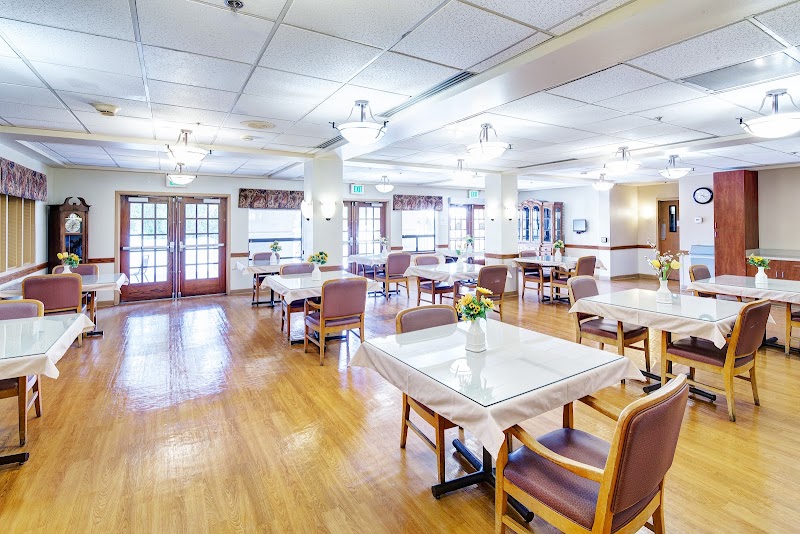
How is Glendora Canyon Transitional Care Unit Staffed?

CMS rates GLENDORA CANYON TRANSITIONAL CARE UNIT's staffing level at 3 out of 5 stars, which is average compared to other nursing homes. Staff turnover is 34%, compared to the California average of 46%. This relatively stable workforce can support continuity of care.

What Have Inspectors Found at Glendora Canyon Transitional Care Unit?

State health inspectors documented 83 deficiencies at GLENDORA CANYON TRANSITIONAL CARE UNIT during 2021 to 2025. These included: 2 Immediate Jeopardy (the most serious level, indicating potential for serious harm or death), 3 that caused actual resident harm, 77 with potential for harm, and 1 minor or isolated issues. Immediate Jeopardy findings are rare and represent the most serious regulatory concerns. They require immediate corrective action.
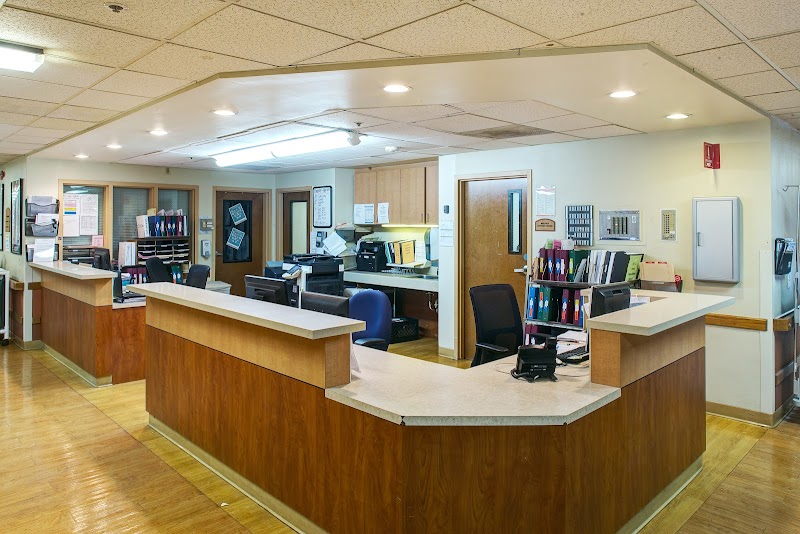
Who Owns and Operates Glendora Canyon Transitional Care Unit?

GLENDORA CANYON TRANSITIONAL CARE UNIT is owned by a for-profit company. For-profit facilities operate as businesses with obligations to shareholders or private owners. The facility is operated by ABRAHAM BAK & MENACHEM GASTWIRTH, a chain that manages multiple nursing homes. With 120 certified beds and approximately 110 residents (about 92% occupancy), it is a mid-sized facility located in GLENDORA, California.
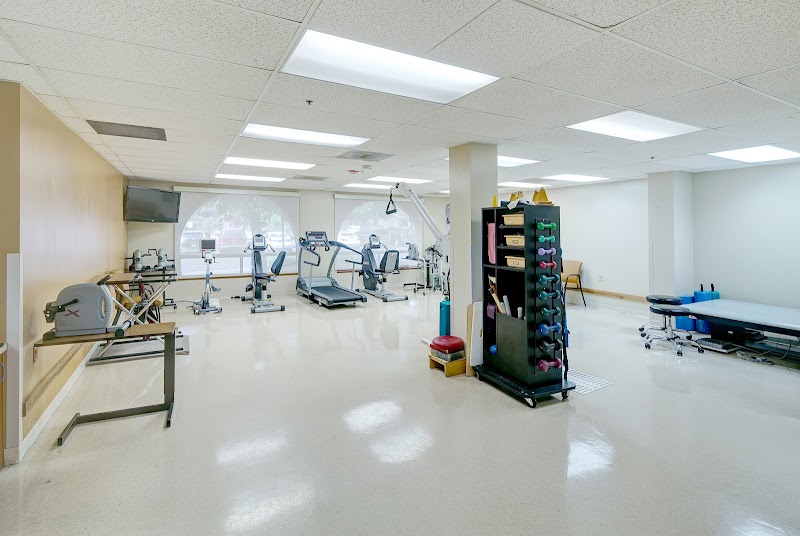
How Does Glendora Canyon Transitional Care Unit Compare to Other California Nursing Homes?

Compared to the 100 nursing homes in California, GLENDORA CANYON TRANSITIONAL CARE UNIT's overall rating (2 stars) is below the state average of 3.1, staff turnover (34%) is significantly lower than the state average of 46%, and health inspection rating (2 stars) is below the national benchmark.

What Should Families Ask When Visiting Glendora Canyon Transitional Care Unit?

Based on this facility's data, families visiting should ask: "What changes have been made since the serious inspection findings, and how are you preventing similar issues?" "What safeguards and monitoring systems are in place to protect residents from abuse or neglect?" "Can I visit during a mealtime to observe dining assistance and food quality?" "How do you handle medical emergencies, and what is your hospital transfer rate?" These questions are particularly relevant given the facility's Immediate Jeopardy citations and the substantiated abuse finding on record.

Is Glendora Canyon Transitional Care Unit Safe?

Based on CMS inspection data, GLENDORA CANYON TRANSITIONAL CARE UNIT has documented safety concerns. The facility has 1 substantiated abuse finding (meaning confirmed case of resident harm by staff or other residents). Inspectors have issued 2 Immediate Jeopardy citations (the most serious violation level indicating risk of serious injury or death). The facility has a 2-star overall rating and ranks #100 of 100 nursing homes in California. Families considering this facility should ask detailed questions about what corrective actions have been taken since these incidents.

Do Nurses at Glendora Canyon Transitional Care Unit Stick Around?

GLENDORA CANYON TRANSITIONAL CARE UNIT has a staff turnover rate of 34%, which is about average for California nursing homes (state average: 46%). Moderate turnover is common in nursing homes, but families should still ask about staff tenure and how the facility maintains care continuity when employees leave.

Was Glendora Canyon Transitional Care Unit Ever Fined?

GLENDORA CANYON TRANSITIONAL CARE UNIT has no federal fines on record. CMS issues fines when nursing homes fail to meet care standards or don't correct problems found during inspections. The absence of fines suggests the facility has either maintained compliance or corrected any issues before penalties were assessed. This is a positive indicator, though families should still review recent inspection reports for the full picture.

Is Glendora Canyon Transitional Care Unit on Any Federal Watch List?

GLENDORA CANYON TRANSITIONAL CARE UNIT is not on any federal watch list. The most significant is the Special Focus Facility (SFF) program, which identifies the bottom 1% of nursing homes nationally based on persistent, serious quality problems. Not being on this list means the facility has avoided the pattern of deficiencies that triggers enhanced federal oversight. This is a positive indicator, though families should still review the facility's inspection history directly.