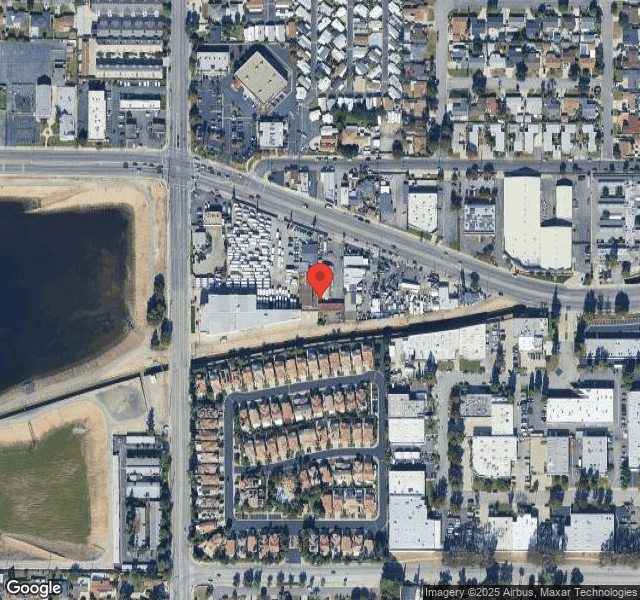
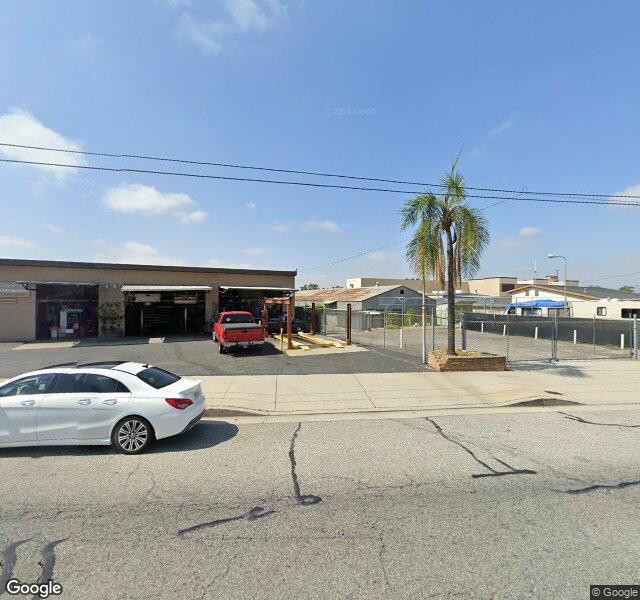
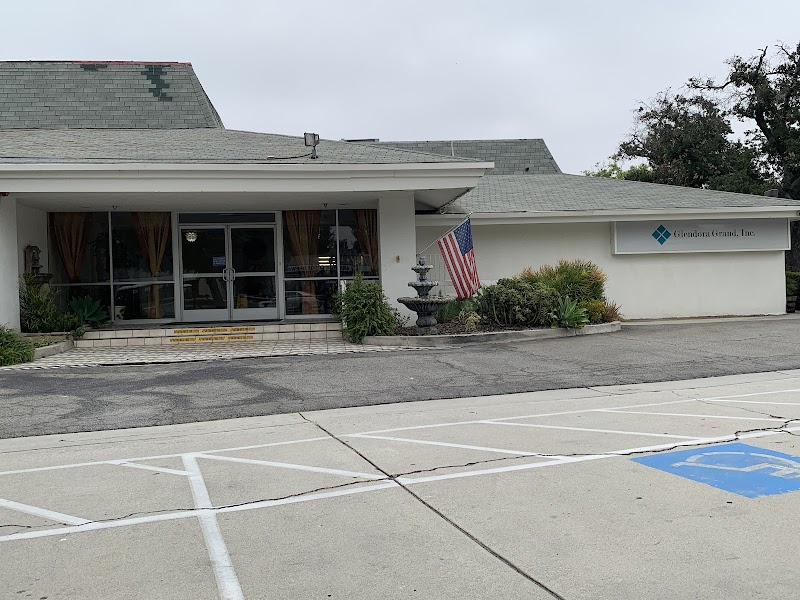

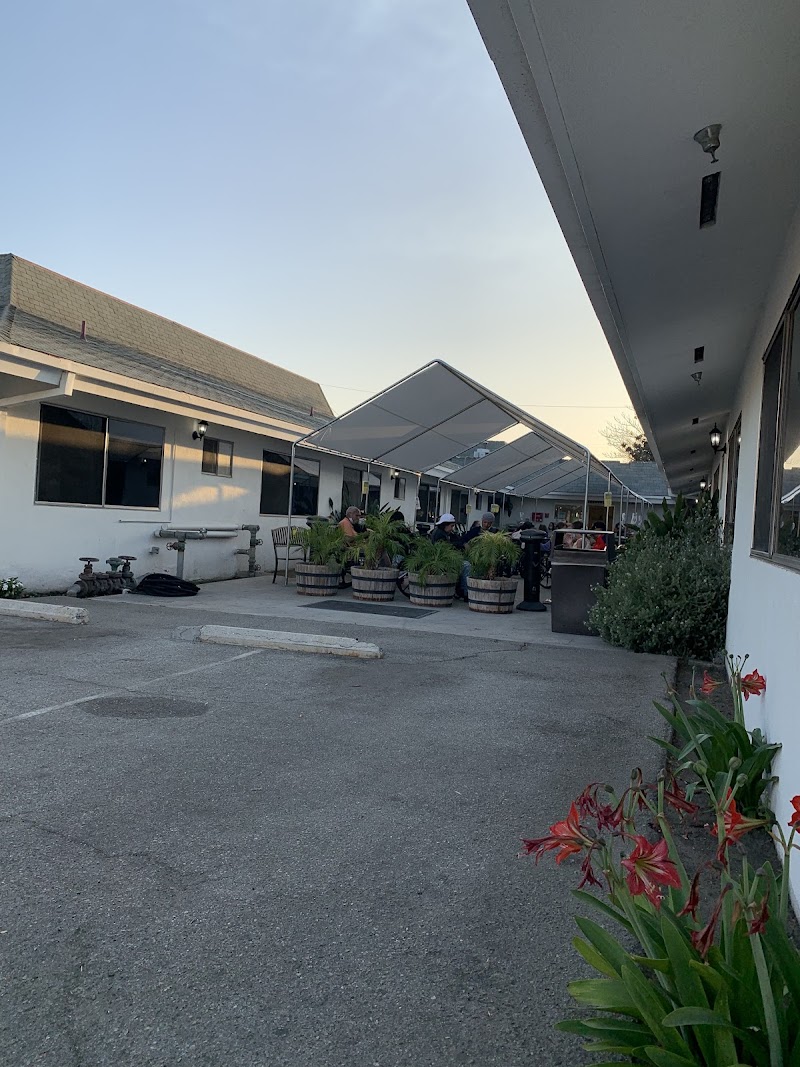
GLENDORA GRAND, INC

805 W. ARROW HWY., GLENDORA, CA 91740 (626) 331-0781
For profit - Corporation 342 Beds ROLLINS-NELSON HEALTHCARE MANAGEMENT Data: November 2025 3 Immediate Jeopardy citations
Trust Grade
0/100
#1026 of 1155 in CA
Last Inspection: August 2025

Inspected within the last 6 months. Data reflects current conditions.

Overview

Glendora Grand, Inc. has received a Trust Grade of F, indicating a poor rating with significant concerns about the quality of care provided. They rank #1026 out of 1155 nursing facilities in California, placing them in the bottom half of all facilities in the state, and #302 out of 369 in Los Angeles County, meaning only a few local options are worse. Although the facility shows an improving trend, having reduced issues from 33 to 27 in the past year, it is still struggling with serious problems, including critical incidents where residents did not receive life-saving CPR when needed, lacked supervision to prevent elopement, and were left unattended during mealtime, leading to choking risks. Staffing is a relative strength with a 4-star rating and a low turnover rate of 24%, but the facility has concerning fines totaling $223,287, which is higher than 85% of California facilities, indicating issues with compliance. Additionally, there is less RN coverage than 91% of other facilities in the state, suggesting a potential gap in oversight for resident care.

Trust Score
F
0/100
In California
#1026/1155
Bottom 12%
Safety Record
High Risk
Review needed
Inspections
Getting Better
33 → 27 violations
Staff Stability
✓ Good
24% annual turnover. Excellent stability, 24 points below California's 48% average. Staff who stay learn residents' needs.
Penalties
✓ Good
$223,287 in fines. Lower than most California facilities. Relatively clean record.
Skilled Nurses
⚠ Watch
Each resident gets only 15 minutes of Registered Nurse (RN) attention daily — below average for California. Fewer RN minutes means fewer trained eyes watching for problems.
Violations
⚠ Watch
105 deficiencies on record. Higher than average. Multiple issues found across inspections.
★☆☆☆☆
1.0
Overall Rating
★★★★☆
4.0
Staff Levels
★★★☆☆
3.0
Care Quality
★☆☆☆☆
1.0
Inspection Score
Stable
2024: 33 issues
2025: 27 issues

The Good

  • 4-Star Staffing Rating · Above-average nurse staffing levels
  • Low Staff Turnover (24%) · Staff stability means consistent care
  • Full Sprinkler Coverage · Fire safety systems throughout facility
  • No fines on record
  • Staff turnover is low (24%)

    24 points below California average of 48%

Facility shows strength in staffing levels, staff retention, fire safety.

The Bad

1-Star Overall Rating

Below California average (3.1)

Significant quality concerns identified by CMS

Federal Fines: $223,287

Well above median ($33,413)

Significant penalties indicating serious issues

Chain: ROLLINS-NELSON HEALTHCARE MANAGEMEN

Part of a multi-facility chain

Ask about local staffing decisions and management

The Ugly 105 deficiencies on record

3 life-threatening 6 actual harm
Aug 2025 16 deficiencies
CONCERN (D)

Potential for Harm - no one hurt, but risky conditions existed

Deficiency F0561 (Tag F0561)

Could have caused harm · This affected 1 resident

**NOTE- TERMS IN BRACKETS HAVE BEEN EDITED TO PROTECT CONFIDENTIALITY** Based on observation, interview and record review, the facility failed to provide Resident 197 food choices that accommodated Re...

Read full inspector narrative →
**NOTE- TERMS IN BRACKETS HAVE BEEN EDITED TO PROTECT CONFIDENTIALITY** Based on observation, interview and record review, the facility failed to provide Resident 197 food choices that accommodated Resident 179's food preferences.This deficient practice has the potential to alter Resident 179's nutritional status and decrease meal intake that can potentially lead to weight loss and malnutrition (not having enough to eat or not eating enough).Findings:During a review of Resident 197's admission Record (AR), the AR indicated Resident 197 was admitted to the facility on [DATE] with diagnoses that included but not limited to major depressive disorder (a serious mental health condition characterized by persistent feelings of sadness, loss of interest, and a reduced ability to function in daily life), type 2 diabetes (a chronic condition where the body either doesn't produce enough insulin or can't properly use the insulin it does produce, leading to high blood sugar levels), bipolar disorder (a mental health condition that causes extreme mood swings).During a review of Resident 197's Nutrition Dietary Note (NDN) dated 12/30/2024, the NDN indicated, Visited resident to update food preferences. Resident 197 stated she would like tuna and an egg salad sandwich as an alternative. Resident 197's dislikes included fish, Mexican food, pasta, vegetable. Liked hardboiled eggs, hamburgers, potato salad and corn on the cob when they are on menu. During a concurrent record review of NDN dated 8/06/2026, the NDN indicated, Visited Resident to update food preferences. Resident stated she would like a hamburger with either potato or macaroni salad.During a review of Resident 197's Health and History (H&P) dated 1/01/2025 indicated Resident 197 has the capacity to understand and make decisions. The H&P also indicated, Resident 197 is at risk for malnutrition, weight loss, pressure ulcers (localized injuries to the skin and underlying tissue, usually caused by prolonged pressure on the skin) and dehydration (condition that occurs when the body loses too much water and other fluids that it needs to work normally) and falls.During a review of Resident 197's Care Plan (CP) dated 1/29/2025, the CP indicated, Resident with regular diet, may deviate (change from the usual) therapeutic diet on special occasions and/or when resident so desires. Interventions indicated, offer substitutions for uneaten foods and refer to dietician to offer foods that resident likes within the limits of therapeutic diet.During a review of Resident 197's CP dated 1/29/2025, the CP indicated, Potential for malnutrition (lack of proper nutrition), compromised nutritional status, weight fluctuations and/or weight loss secondary to impaired cognition (decline in functions such as memory, attention, reasoning, language, decision-making, and problem-solving), physical function, limitations and multiple health conditions.During a review of Resident 197's Order Summary Report (OSR) dated 6/27/2025, the OSR indicated, Regular diet, regular texture, regular/thin consistency, with small portions at lunch and dinner and no-fat milk with meals.During a review of Resident 197's Minimum Data Set (MDS- a resident assessment tool), dated 6/28/2025, the MDS indicated Resident 197 needs partial/moderate assistance (helper does less than half the effort) from the staff for Activities of Daily Living (ADLs) such ADLs such as personal hygiene, toileting hygiene, shower, upper and lower body dressing and putting on and taking off footwear. Resident 197 also requires partial/moderate assistance for toilet transfers.During a review of the facility's monthly menu for the month of August 2025 titled, Good for Your Health Menus, the menu indicated that once a month on 8/16/2025 the residents would be getting a hamburger on a bun with lettuce and tomato, potato salad and corn on the cob for lunch.During a review of the facility's non-dated food substitution request titled, Food Orders, there was no option for a hamburger, potato salad or corn on the cob.During a review of the non-dated facility's food alternative choices titled, Meal Service Alternative Choices the choices did not include a hamburger, potato salad or corn on the cob.During an interview while in the kitchen with the Kitchen Manager (KM) on 8/05/2025 at 8:11 AM, the KM stated We have substitution meal orders but the last order needs to be submitted by 10am. The resident completes the request form and the CNA drops it off at the kitchen, but still it depends on the resident's request to see if we can even provide it for them.During an initial observation and interview with Resident 197 on 8/05/2025 at 9:29 AM, Resident 197 was sitting at the bedside and stated she had breakfast. Resident 197 stated This morning the food was good, but I had to talk to the dietitian before. The food is not usually good. I would like to eat a hamburger, tuna fish and egg salad sandwiches. They don't provide it for me. I know I can request a substitution, but some of the substitution options I don't like. I want corn on the cobb or potato salad. I don't order anything because I don't want to stir up trouble. I'm afraid they might retaliate against me. During a follow up interview with KM on 8/06/2025 at 11:51 AM, KM stated that the only food substitutes for the day were a bean and cheese burrito, ham, cheese and tuna sandwich. Per KM hamburgers are not in the menu for alternative items for the day. KM stated, We have hamburgers on the regular monthly scheduled menu. The resident will get it then. The resident can only order from what is in the substitution items menu for the day. No other food is offered. During an Interview on 8/06/2025 at 11:52 AM with the Kitchen Supervisor (KS), KS stated the resident can have a hamburger as long as she lets the kitchen know within enough time so the [NAME] can cook it. Normally at least by 10am, that's the last order accepted for substitutions. During an interview in the kitchen with Dietary Aide (DA) on 8/06/25 at 3:36 PM, The DA stated that even if Resident 197 requested a hamburger for a meal, Resident 197 would not get a hamburger for dinner because it was not in the substitution log for the day. Per DA, the residents know they have to order from the daily substitution menu and only the request from the choices for the day. During an interview with the facility's Administrator (admin) in the presence of the Director of Nursing (DON) on 8/06/2025 at 3:40 PM, the Admin stated if a resident wants a meal substitution the resident should be able to request it. Per Admin, even if the kitchen staff has already started dinner and a resident request a different food choice from the list on the substitution menu, the resident should be able to be accommodated with the meal of choice for dinner. The Admin stated it is important to provide a substitution choice to a resident that is stating they don't like what is served. Per Admin, if a substitution is not offered, the resident could potentially not eat the meal. The Admin stated providing a resident with their meal of choice can keep the resident from missing a meal, losing weight, or feeling sad because their choices are not respected. During an interview with the DON on 8/06/25 at 3:46 PM, the DON stated the residents have a right to make a meal request even if it's not in the substitution list for the day. Per the DON, the resident should get the hamburgers that was requested to keep the resident from missing a meal and going hungry. DON stated when residents eat their meals, it helps the resident maintain their strength, energy, and overall well-being, as well as preventing health problems. Per DON, proper nutrition helps the residents manage chronic conditions, recover from illnesses, and maintain a healthy weight. During an interview with the Dietary Supervisor on 8/06/26 at 4pm, the DS stated it was important for the residents to receive a meal substitution of choice because if Resident 197 was not eating the regular meals, Resident 197 would not start losing weight and would not get the nourishments needed in her diet. The KS stated Resident 197 should be able to get the substitution choices requested even if it wasn't on the substitution menu list for the day and Resident 197 needed to be accommodated with the food choices she made. During a concurrent interview with Resident 197 on 8/07/2025 at 9:18 AM, Resident 197 stated she finally got her hamburger for dinner last night and it was delicious. Resident stated she hoped she doesn't get in trouble for requesting the hamburger. Per Resident 197, she was happy with the meal but now believed the staff might be upset with her for making them work extra to accommodate her. Resident 197 stated, I'm just an ordinary patient, I don't ask for much. I try to be good, so they don't get mad at me. But I am happy I finally got my hamburger. That made me really happy. I ate it all. During a concurrent interview with the DON on 8/07/2025 at 4:21 PM, the DON stated it was important to respect the residents choices to keep them from feeling like staff don't listen to them. The DON stated if staff don't respect residents choices it can cause the resident to become sad or withdrawn. During a review of the facility's Policy & Procedures (P&Ps) titled, Resident Rights, dated 11/2017, the policy indicates all residents will be treated equally regardless of age, race, ethnicity, religion, culture, language, physical or mental disability, socioeconomic status, sex, sexual orientation, or gender identity or expression. The facility will ensure that all staff members are educated on the rights of residents and the responsibility of the facility to properly care for its residents.During a review of the facility's P&P titled, Dining and Food Preferences, dated 5/2014 and revised 9/2017 and 10/2022, indicated, The Dining Services Director or designee, will interview the resident or resident representative to complete a Food Preference Interview within 72 hours of admission. The purpose of this interview will be to identify individual preferences for dining location, mealtimes, including times outside of the routine schedule, food and beverage preferences. During a review of the facility's non-dated P&P titled, Policy Food Preferences indicated Facility will honor and document individual resident food preferences to the fullest extent possible while maintaining physician-ordered dietary restrictions and promoting nutritional well-being. During a review of the facility's P&P titled, Quality of Life-Dignity dated 2023, the P&P indicated, Each resident shall be cared for in a manner that promotes and enhances quality of life, dignity, respect and individuality.
CONCERN (D)

Potential for Harm - no one hurt, but risky conditions existed

Deficiency F0578 (Tag F0578)

Could have caused harm · This affected 1 resident

**NOTE- TERMS IN BRACKETS HAVE BEEN EDITED TO PROTECT CONFIDENTIALITY** Based on interview and record review, the facility failed to ensure its policies and procedures (P&P) were implemented for one o...

Read full inspector narrative →
**NOTE- TERMS IN BRACKETS HAVE BEEN EDITED TO PROTECT CONFIDENTIALITY** Based on interview and record review, the facility failed to ensure its policies and procedures (P&P) were implemented for one of one sampled resident (Resident 11) by:1. Failing to obtain Resident 11's physician signature on the Acknowledgment of Receipt for Advance Directive (AD - a legal document indicating resident preference on end-of-life treatment decisions)/Medical Treatment Decisions (ARAD).2. Failing to maintain a full copy of the resident's POLST (POLST - a form that contains written medical orders for healthcare professionals regarding specific medical treatments that can or cannot be done at the end-of life) in Resident 11's medical record with a physician signature.This failure resulted in incomplete medical treatment forms for a resident who was to receive comfort-focused treatment and had the potential to result in a violation of the residents' and/or the representatives' right to be fully informed of the option to formulate or provide their advance directives with the discussion of diagnoses and consequences of withdrawing or withholding life-sustaining treatment with the physician.Findings:During a review of Resident 11's admission Record (AR), the AR indicated Resident 11 was admitted to the facility on [DATE] with diagnoses that included cancer of the left breast, Diabetes Mellitus (DM-a disorder characterized by difficulty in blood sugar control and poor wound healing), and dementia (a progressive state of decline in mental abilities).During a review of Resident 11's History & Physical (H&P), dated [DATE], the H&P indicated Resident 11 did not have the capacity to make decisions, but could make needs known.During a review of Resident 11's Minimum Data Set assessment (MDS - a federally mandated resident assessment tool), dated [DATE], the MDS indicated Resident 11 was rarely or never understood.During a concurrent interview and record review on [DATE] at 9:25 am with Social Services Designee 2 (SSD 2), Resident 11's ARAD form, dated [DATE] was reviewed. The ARAD Form was missing a physician signature and date, the form indicated Resident 11 had a DNR (do not resuscitate- a medical order written by a doctor to instruct health care providers NOT to do cardiopulmonary resuscitation (CPR) if breathing stops or the heart stops beating) status with comfort focus treatment. SSD 2 stated, the form should be signed by the physician acknowledging the condition of the resident and the services they should receive.During a concurrent interview and record review on [DATE] at 10:47 am with SSD 1, Resident 11's POLST form (obtained from Resident 11's medical record), dated [DATE] was reviewed. The POLST indicated, when signed it was a legally valid physician order, Resident 11's POLST was missing a physician signature, a date, and missing the back side of the form. SSD 1 stated Resident 11's POLST should be signed [and dated] by Resident 11's primary physician [and include both sides of the form]. SSD 1 stated, a completed form allowed the staff to know the physician confirmed the reason for the resident's code status and what treatment should be done for the resident.During an interview on [DATE] at 1:05 pm with the Director of Nursing (DON), the DON stated if the ARAD and POLST forms were not signed by the physician, they were incomplete. The DON stated the forms should have been completed to allow licensed staff to determine whether to perform life sustaining measures or start artificial nutrition in the case of an emergency. The DON stated the completion of these forms allowed nursing staff to implement Resident 11's wishes.During a review of the facility's policy and procedure (P&P) titled, Completeness and Accuracy of Documentation Policy, undated, the P&P indicated, the facility ensured all resident documentation was complete, accurate, timely, and reflected the care provided with all entries complying with federal and state regulations and be maintained in the resident's permanent medical record. The P&P indicated, the purpose was to maintain high-quality, truthful, and timely records that supported resident care, legal compliance, and continuity of services. The P&P indicated, all required forms must be fully completed, signed, dated, and include the title/role of the person making the entry.During a review of the facility's policy and procedure (P&P) titled, Advance Directives, undated, the P&P indicated, advance directives will be respected in accordance with state law and facility policy. The P&P indicated, the SSD would provide written information to the resident concerning his/her right to make decisions concerning medical care, including the right to accept or refused medical or surgical treatment, and the right to formulate an AD. The P&P indicated, information about whether or not the resident had executed an AD shall be displayed prominently in the medical record.During a review of the facility's P&P titled, POLST Policy & Procedure, undated, the P&P indicated the POLST was a physician order form that complements an AD by converting an individual's wishes regarding life-sustaining treatment and resuscitation into a legally sufficient and recognized physician order. The P&P indicated, the physician was responsible for discussing the efficacy or appropriateness of the treatment options with the resident or legally recognized healthcare decisionmaker. The P&P indicated, once completed, the AD must be signed (if the resident lacks decision-making capacity) by the attending physician or nurse practitioner/physician assistant. The P&P indicated, the most current POLST in its original format should be in the medical record.
CONCERN (D)

Potential for Harm - no one hurt, but risky conditions existed

Deficiency F0583 (Tag F0583)

Could have caused harm · This affected 1 resident

**NOTE- TERMS IN BRACKETS HAVE BEEN EDITED TO PROTECT CONFIDENTIALITY** Based on observation, interview, and record review the facility failed to provide privacy for one of one sampled resident (Resid...

Read full inspector narrative →
**NOTE- TERMS IN BRACKETS HAVE BEEN EDITED TO PROTECT CONFIDENTIALITY** Based on observation, interview, and record review the facility failed to provide privacy for one of one sampled resident (Resident 5) when Registered Nurse 2 (RN 2) did not close the privacy curtain while checking Resident 5's foley catheter's (thin, sterile tube inserted into the bladder to drain urine into a bag outside the body) securement device. This deficient practice violated Resident 5's right to privacy and resulted in unnecessary exposure of Resident 5's lower extremities. This deficient practice had the potential to affect Resident 5's psychosocial (mental and emotional) well-being, self-esteem, and self-worth. Findings: During a review of Resident 5's admission Record (AR), the AR indicated Resident 5 was initially admitted to the facility on [DATE] and readmitted on [DATE], with diagnoses that included chronic kidney disease (CKD, a progressive condition where the kidneys gradually lose their ability to filter waste and excess fluid from the blood) and benign prostatic hyperplasia (enlargement of the prostate gland). During a review of Resident 5's untitled Care Plan (CP) revised on 4/24/2025, the CP indicated Resident 5 was incontinent of bowel and bladder secondary to impaired cognition (mental action or process of acquiring knowledge and understanding). The CP intervention indicated for nursing staff to provide privacy during activities of daily living (ADL) care. During a review of Resident 5's Minimum Data Set (MDS-resident assessment tool) dated 7/12/2025, the MDS indicated Resident 5 had severely impaired cognition for daily decision making. The MDS indicated Resident 5 was dependent (helper did all the effort and lifted or held trunk or limbs) on staff for oral hygiene, toileting, showering/bathing self, lower body dressing, putting on/taking off footwear, and personal hygiene. During a concurrent observation and interview on 8/5/2025 at 10:17 am with Registered Nurse 2 (RN 2), in Resident 5's room. Resident 5 was awake, lying in bed. RN 2 pulled up Resident 5's gown and checked Resident 5's foley catheter securement device. RN 2 did not pull the privacy curtain to provide Resident 5 privacy, exposing Resident 5's upper legs to roommate and the hallway. RN 2 stated she pulled up Resident 5's gown to check Resident 5's foley catheter and was unable to close the privacy curtain and exposed Resident 5's body to the resident's roommate and passersby. RN 2 stated the privacy curtain needed to be closed prior to providing care and treatment to the residents to provide privacy. During a concurrent interview on 8/7/2025 at 11:24 am with the facility's Director of Nursing (DON), the DON stated the resident's privacy curtain needed to be closed prior to providing care and treatment to residents to provide privacy and dignity to the resident. The DON stated the residents' body should not be exposed during care and treatment. During a review of the facility's Policy and Procedure (P&P) titled, Quality of Life - Dignity, revised 2025, the P&P indicated the resident should be treated with dignity and respect at all times. The P&P indicated staff should promote, maintain and protect the resident's privacy, including bodily privacy during assistance with personal care and during treatment procedures.
CONCERN (D)

Potential for Harm - no one hurt, but risky conditions existed

Abuse Prevention Policies (Tag F0607)

Could have caused harm · This affected 1 resident

Based on interview and record review, the facility failed to screen one of four randomly selected employees (Registered Nurse 1 [RN 1]) with the Office of Inspector General (OIG - investigates alleged...

Read full inspector narrative →
Based on interview and record review, the facility failed to screen one of four randomly selected employees (Registered Nurse 1 [RN 1]) with the Office of Inspector General (OIG - investigates alleged violations of criminal and civil laws) data base for convictions of fraud and abuse prior to hire. This deficient practice had the potential for applicants with a history of abuse to be hired, which could lead to possible harm and abuse of the residents. Findings:During a concurrent interview and record review of RN 1's employee file on 8/8/2025 at 9:33 am with the Director of Staff and Development (DSD), the DSD stated RN 1 was hired on 7/5/2025. The DSD stated that the facility did the background check after the employee got hired. The DSD stated, We hire applicants first and do the background check after. The previous DSD told me to hire the applicant and do the background check after hire. During a concurrent interview and record review of the facility's undated Policy and Procedure (P&P) titled Abuse, Neglect and Exploitation on 8/8/2025 at 10:43 am with the facility's Director of Nursing (DON), the DON stated the facility's process for screening potential employee was to do a background check after hiring the applicant. The facility DON stated, based on the facility's P&P, background check needed to be done prior to hire to determine if the potential applicant had history of abuse or criminal records and to not let these potential employees be hired to take care of the residents in the facility for the safety of the residents. During a concurrent interview and record review of the facility's undated P&P titled Abuse, Neglect and Exploitation on 8/8/2025 at 11:19 am with the facility's Administrator (ADM), the ADM stated, background check needed to be done prior to hiring of employees to check if they have criminal records. The ADM stated that a background check needed to be done to screen applicants for residents' safety.During a review of the facility's undated P&P titled, Abuse, Neglect and Exploitation, the P&P indicated, Screening potential employees will be screened for a history of abuse, neglect, exploitation or misappropriation of resident property. Background, reference and credential check shall be conducted on potential employees, contracted temporary staff, students affiliated with academic institutions, volunteers and consultants. Screening may be conducted by the facility itself, third party agency or academic institution.
CONCERN (D)

Potential for Harm - no one hurt, but risky conditions existed

Deficiency F0637 (Tag F0637)

Could have caused harm · This affected 1 resident

**NOTE- TERMS IN BRACKETS HAVE BEEN EDITED TO PROTECT CONFIDENTIALITY** Based on interview and record review, the facility failed to complete the Minimum Data Set (MDS, a resident assessment tool) com...

Read full inspector narrative →
**NOTE- TERMS IN BRACKETS HAVE BEEN EDITED TO PROTECT CONFIDENTIALITY** Based on interview and record review, the facility failed to complete the Minimum Data Set (MDS, a resident assessment tool) comprehensive assessment within federal time frames per Center of Medicare and Medicaid Services (CMS, a federal agency that manages healthcare programs like Medicare and Medicaid) requirement for two of two sampled residents (Residents 137 and 172).These failures had the potential to affect Residents 137 and 172's care by not providing CMS specific resident information and assessment timely. Findings:a. During a review of Resident 137's admission Record (AR), the AR indicated Resident 137 was initially admitted to the facility on [DATE] and readmitted on [DATE] with diagnoses that included dementia (a progressive state of decline in mental abilities), schizophrenia (a mental illness characterized by disturbances in thought) and suicidal ideations (refers to thoughts, ideas, or contemplations about ending one's own life).During a review of Resident 137's Situation, Background, Appearance, Review and Notify (SBAR, a communication technique used in healthcare to structure and improve communication) Form, dated 5/7/2025, the SBAR indicated Resident 137 had behavioral symptoms that had gotten worse and had not occurred before.During a review of Resident 137's Progress Notes (PN) dated 5/7/2025, timed at 10:40 am, the PN indicated Resident 137 had increasing agitation, pacing the hallways, talking, mumbling and threatening staff. Resident 137 was placed on 1:1 monitoring (one-to-one observation).During a review of Resident 137's PN dated 5/7/2025, timed at 1:21 pm, the PN indicated Resident 137 was transferred to General Acute Care Hospital (GACH, a type of hospital that provides short-term, intensive medical care for acute illnesses and injuries) for psychiatric evaluation.During a review of Resident 137's PN, dated 5/16/2025, timed at 1:02 pm, the PN indicated Resident 137 was readmitted back to the facility. The PN indicated Resident 137 was placed on 5150 hold (an involuntary psychiatric detention) in GACH. During a review of Resident 137's MDS dated [DATE], the MDS did not indicate Resident 137 had a significant change of condition. During a concurrent interview and record review on 8/8/2025 at 9:22 am with MDS Coordinator (MDS C), Resident 137's SBAR dated 5/7/2025, PNs dated 5/7/2025 and 5/16/2025, and MDS dated [DATE] were reviewed. The MDS C stated Resident 137's condition was a change and decline from the residents' baseline and considered significant change of condition. b. During a review of Resident 172's AR, the AR indicated Resident 172 was initially admitted to the facility on [DATE] and readmitted on [DATE] with diagnoses that included dementia, schizophrenia and anxiety (intense, excessive and persistent worry and fear about everyday situations).During a review of Resident 172's SBAR Form dated 5/21/2025, the SBAR indicated Resident 172 had behavioral symptoms that had not occurred before.During a review of Resident 172's PN dated 5/21/2025, timed at 10:12 am, the PN indicated Resident 172 was observed putting self on the floor, noncompliant during care and exhibited verbal aggression with yelling towards staff. The PN indicated Resident 172 was transferred to GACH for psychiatric evaluation.During a review of Resident 172's PN dated 5/30/2025, timed at 1:21 pm, the PN indicated Resident 172 was readmitted back to the facility. The PN indicated Resident 172 was placed on 5150 involuntary hold in GACH due to danger to others (DTO, substantial risk that a person will cause serious physical harm to others).During a review of Resident 172's MDS dated [DATE], the MDS did not indicate Resident 172 had a significant change of condition. During a concurrent interview and record review on 8/8/2025 at 9:42 am with MDS C, Resident 172's SBAR dated 5/21/2025, PNs dated 5/21/2025 and 5/30/25, and MDS dated [DATE] were reviewed. The MDS C stated Resident 172's condition was a change and decline from the resident's baseline and considered a significant change of condition. The MDS C stated MDS comprehensive assessments for Residents 137 and 172 were not completed 14 days after the residents were readmitted back to the facility. The MDS C stated the MDS comprehensive assessments should have been completed for Residents 137 and 172 to identify the residents' overall health status and reported to CMS accurately and timely.During an interview on 8/8/2025 at 10:58 am with the Director of Nursing (DON), the DON stated the changes from the baseline mental behavior necessitate an MDS comprehensive assessment within 14 days after the residents had changes in condition to update the plan of care for each resident and for accuracy of information reported to CMS.During a review of the facility's undated Policy and Procedure (P&P) titled, Timely Completion of MDS Assessments, the P&P indicated, The facility must conduct initially and periodically a comprehensive, accurate, standardized reproducible assessment of each resident's functional capacity. Assessment completion dates must be no later than: Significant Change in Status - 14th calendar day after determination that significant change in status has occurred (date of determination plus 14 calendar days).
CONCERN (D)

Potential for Harm - no one hurt, but risky conditions existed

ADL Care (Tag F0677)

Could have caused harm · This affected 1 resident

**NOTE- TERMS IN BRACKETS HAVE BEEN EDITED TO PROTECT CONFIDENTIALITY** Based on observation, interview, and record review, the facility failed to ensure one of one sampled resident (Resident 6) was k...

Read full inspector narrative →
**NOTE- TERMS IN BRACKETS HAVE BEEN EDITED TO PROTECT CONFIDENTIALITY** Based on observation, interview, and record review, the facility failed to ensure one of one sampled resident (Resident 6) was kept clean on 8/5/2025.This failure had the potential to result in social decline, skin breakdown, and body odor to Resident 6.Findings:During a review of Resident 6's admission Record (AR), the AR indicated Resident 6 was admitted to the facility on [DATE] with diagnoses that included type 2 Diabetes Mellitus (DM-a disorder characterized by difficulty in blood sugar control and poor wound healing), schizophrenia (a mental illness that is characterized by disturbances in thought), and adult failure to thrive (a decline caused by chronic [persistent or long-lasting] diseases and functional impairments which can cause weight loss, decreased appetite, poor nutrition, and inactivity).During a review of Resident 6's History & Physical (H&P), dated 4/2/2025, the H&P indicated Resident 6 had the capacity to understand and make decisions.During a review of Resident 6's Minimum Data Set assessment (MDS - a federally mandated resident assessment tool), dated 7/12/2025, the MDS indicated Resident 6 had severely impaired cognition (ability to understand and process information) and needed supervision or touching assistance (helper provides verbal cues and/or touching/steadying and/or contact guard assistance as resident completes activity with assistance throughout or intermittently) for showering and personal hygiene.During a review of Resident 6's Care Plan (CP), initiated on 10/24/2024, the CP indicated Resident 6 was at risk for clinical or social decline due to refusal of showers, Activities of Daily Living (ADLs- routine tasks/activities such as bathing, dressing and toileting a person performs daily to care for themselves) assistance, and refusing to wear socks. The CP's interventions indicated Resident 6 would be encouraged to wear socks, episodes of noncompliance would be monitored, and assistance would be offered to Resident 6 for ADLs that could not be completed by Resident 6.During a review of Resident 6's CP, revised on 4/10/2025, the CP indicated Resident 6 needed assistance with ADLs including personal hygiene and bathing. The CP's interventions indicated to encourage decision-making and participation and keeping Resident 6 clean and dry as much as possible. The CP's goals indicated for Resident 6 to minimize skin breakdown, body odor, and dress appropriately.During an observation on 8/5/2025 at 12:38 pm, Resident 6 was observed lying disheveled in bed with an oily, unkept messy ponytail, and the bottoms of both bare feet were covered with black dirt.During a concurrent observation and interview on 8/5/2025 at 12:44 pm with Certified Nurse Assistant 3 (CNA 3), Resident 6 was observed with unkept hair and both bare feet were covered with black dirt. CNA 3 stated, Resident 6 was a smoker, spent a lot of time outside, and had scheduled showers on Tuesdays and Fridays.During a concurrent observation and interview on 8/5/2025 at 12:50pm with Licensed Vocational Nurse 11 (LVN 11), Resident 6 was observed with unkept hair and both bare feet were covered with black dirt, Her feet are dirty, they're black. LVN 11 stated, Resident 6's feet were dirty and black in color and stated Resident 6's hair was oily. LVN 11 stated showers were given as scheduled and as needed. LVN 11 stated, residents should be clean and appear presentable to make them feel good.During an interview on 8/8/2025 at 12:54 pm with the Director of Nursing (DON), the DON stated it was inappropriate for Resident 6 to look disheveled or dirty. The DON stated, as part of ADLs nursing staff were supposed to provide hygiene to residents (in general) every shift. The DON stated, it was important for ADL's to be performed as they allowed the residents to have dignity and well-being. During a review of the facility's policy and procedure (P&P) titled, Activities of Daily Living (ADLs), revised 2023, the P&P indicated, the facility will ensure a resident's abilities in ADLs, which included bathing, dressing, and grooming, did not deteriorate unless unavoidable. The P&P indicated a resident who was unable to carry out ADLs would receive the necessary services to maintain good nutrition, grooming, and personal and oral hygiene. The P&P indicated, the facility would maintain individual objectives of the CP and periodic review and evaluation.
CONCERN (D)

Potential for Harm - no one hurt, but risky conditions existed

Accident Prevention (Tag F0689)

Could have caused harm · This affected 1 resident

**NOTE- TERMS IN BRACKETS HAVE BEEN EDITED TO PROTECT CONFIDENTIALITY** Based on observation, interview, and record review, the facility failed to ensure the smoking policy and procedure (P&P) was imp...

Read full inspector narrative →
**NOTE- TERMS IN BRACKETS HAVE BEEN EDITED TO PROTECT CONFIDENTIALITY** Based on observation, interview, and record review, the facility failed to ensure the smoking policy and procedure (P&P) was implemented for one of two sampled residents (Resident 213) when Resident 213 was found with two cigarettes in Resident 213's possession. This failure had the potential to put the facility at risk of a fire hazard. Findings: During a review of Resident 213's admission Record (AR), the AR indicated Resident 213 was admitted to the facility on [DATE] with diagnoses that included schizoaffective disorder (a mental illness that can affect thoughts, mood, and behavior), schizophrenia (a mental illness characterized by disturbances in thought), and traumatic brain injury (TBI-a disruption in the normal function of the brain that can be caused by a bump, blow, or jolt to the head).During a review of Resident 213's History & Physical (H&P) dated 10/21/2024, the H&P indicated the resident did not have the capacity to understand and make decisions.During a review of Resident 213's Minimum Data Set assessment (MDS - a federally mandated resident assessment tool) dated 6/8/2025, the MDS indicated Resident 213 had moderately impaired cognition (ability to think).During a review of Resident 213's Smoking Assessment Form (SAF) dated 6/14/2025, the SAF indicated Resident 213 utilized tobacco, was a danger to self or others while smoking, was unable to identify the designated smoking areas, and was an unsafe smoker that required supervision at all times when smoking. During a review of Resident 213's untitled Care Plan (CP) initiated on 10/21/2024, the CP indicated Resident 213 had a behavior problem of being socially inappropriate, aggressive, refusing care, and having sudden mood changes. The CP indicated a goal for Resident 213 to not harm self or others secondary to Resident 213's behavior.During a review of Resident 213's untitled Care Plan (CP) initiated on 3/12/2025, the CP indicated Resident 213 was at risk for self-injury related to smoking and Resident 213 preferred saving/hoarding cigarettes for later use. The CP goals indicated for Resident 213 to abide by house rules on safe smoking daily and minimal injuries to self and others. The CP interventions indicated for nursing staff to explain the facility's policy and procedures regarding smoking to Resident 213.During a concurrent observation and interview on 8/5/2025 at 9:36 am of Resident 213 in Resident 213's room, two tobacco cigarettes were in a cup on Resident 213's bedside table. Resident 213 stated, Resident 213 was a smoker. Resident 213 stated, Resident 213 asked for the cigarettes and received them the night prior from a facility staff member but was unable to recall from whom. During a concurrent observation and interview on 8/5/2025 at 9:54 am with Certified Nurse Assistant 4 (CNA 4), in Resident 213's room, two tobacco cigarettes were in a cup on Resident 213's bedside table in front of the resident. CNA 4 stated Resident 213 usually kept cigarettes in a cup, and cigarettes were provided by the licensed nurses. CNA 4 stated residents were not allowed to keep lighters, but they could keep cigarettes and were usually given one cigarette for the day. During an interview on 8/5/2025 at 9:57 am with Licensed Vocational Nurse 12 (LVN 12), LVN 12 stated Resident 213 was a smoker who liked to collect cigarettes to smoke later. LVN 12 stated residents were not allowed to keep cigarettes or lighters with them. LVN 12 stated cigarettes or lighters were kept by the nurses to prevent any untoward incidents from occurring.During an interview on 8/8/2025 at 12:54 pm with the Director of Nursing (DON), the DON stated Resident 213 was not allowed to keep cigarettes in Resident 213's possession. The DON stated the facility policy prohibited residents from keeping smoking paraphernalia (lighters, cigarettes, vapes). The DON stated the facility had residents with psychological issues and residents who use oxygen and since cigarettes were flammable, it posed a fire risk and was a safety issue. During a review of the facility's P&P titled, Resident Smoking Policy, revised 5/5/2023, the P&P indicated the facility will provide a safe and healthy environment for residents, visitors, and employees, including safety as related to smoking with safety protections applying to smoking and non-smoking residents. The P&P indicated smoking materials of residents requiring supervision with smoking will be maintained by nursing staff.
CONCERN (E)

Potential for Harm - no one hurt, but risky conditions existed

Deficiency F0558 (Tag F0558)

Could have caused harm · This affected multiple residents

**NOTE- TERMS IN BRACKETS HAVE BEEN EDITED TO PROTECT CONFIDENTIALITY** Based on observation, interview, and record review, the facility failed to ensure call lights were within reach for four of four...

Read full inspector narrative →
**NOTE- TERMS IN BRACKETS HAVE BEEN EDITED TO PROTECT CONFIDENTIALITY** Based on observation, interview, and record review, the facility failed to ensure call lights were within reach for four of four sampled residents (Residents 50, 117, 148, and 197) in accordance with the facility's policy titled Call Light. These failures had the potential for Residents 50, 117, 148, and 197 not to receive necessary care or receive delayed services, placing the residents at risk for falls or injury. Findings: a. During a review of Resident 50's admission Record (AR), the AR indicated Resident 50 was initially admitted to the facility on [DATE] and readmitted on [DATE] with diagnoses that included hyperlipidemia (high cholesterol) and depression (a feeling of severe sadness or hopelessness). During a review of Resident 50's undated Care Plan (CP) dated 11/26/2024, the CP indicated Resident 50 needed assistance with Activities of Daily Living (ADL). The CP intervention indicated for nursing staff to have Resident 50’s call light within reach and to answer the call light promptly. During a review of Resident 50's Minimum Data Set (MDS - a federally mandated resident assessment tool) dated 7/20/2025, the MDS indicated Resident 50 had severely impaired cognition (mental action or process of acquiring knowledge and understanding). The MDS indicated Resident 50 needed supervision (helper sets up or cleans up) from staff for oral hygiene, toileting, shower, upper/lower body dressing and putting on/off footwear and personal hygiene. During a review of Resident 50's Fall Risk Evaluation (FRE- method of assessing a patient's likelihood of falling) dated 7/31/2025, the FRE indicated Resident 50 was assessed as high risk for falls due intermittent confusion, balance problem while standing and walking and change in gait (a person’s manner of walking) pattern when walking through the doorway. During an observation on 8/5/2025 at 9:01 am, Resident 50 was sitting on her bed. Resident 50 stated “I couldn’t reach it (pointing to the call light at the back of the headboard). In a concurrent observation, Registered Nurse 1 (RN 1) needed force to remove Resident 50’s call light at the back of the resident’s headboard. During an interview on 8/5/2025 at 9:03 am, with RN 1, RN 1 stated Resident 50’s call light was stuck at the back of Resident 50’s headboard. RN 1 stated the call light needed to be within reach of the resident all the time for the resident to alert staff if help was needed. During a concurrent observation and interview on 8/7/2025 at 11:22 am with the facility’s Director of Nursing (DON), the DON stated the resident’s call light needed to be within reach at all times in case the resident needed help or assistance. The DON stated that even if the resident refused to use the call light, it should be placed within reach at all times for residents’ safety. During a review of the facility's Policy and Procedure (P&P) titled, Call Lights: Accessibility and Timely Response, revised on 2021, the P&P indicated all residents will be educated on how to call for help by using the resident call system. The P&P indicated with each interaction in the resident’s room or bathroom, staff will ensure the call light is within reach of resident and secured, as needed. b. During a review of Resident 117’s AR, the AR indicated Resident 117 was admitted on [DATE] and readmitted on [DATE] with diagnoses of hemiplegia (partial paralysis) and hemiparesis (weakness or inability to move on one side of the body) following a cerebrovascular (relating to the brain and its blood vessels) disease affecting the right dominant side. During a review of Resident 117’s MDS dated [DATE], the MDS indicated Resident 117 had severely impaired cognition (ability to understand). The MDS indicated Resident 117 had limitations in range of motion of the upper and lower extremities, and Resident 117 was dependent on staff for ADLs (basic tasks that individuals perform to maintain their daily life), toileting, and eating. During a review of Resident 117’s untitled CP dated 10/18/2024, the CP indicated for nursing staff to keep the resident’s call light within reach to provide Resident 117’s safety as a prevention from falling due to impaired mobility. During an observation on 8/5/2025 at 10:29 a.m., Resident 117’s touch call light device was located on the upper left side of the bed, above Resident 117’s left shoulder. Resident 117 was asked to call the staff with the touch call light device above Resident 117’s left shoulder. Resident 117 held Resident 117’s left hand forward and in front of Resident 117, then stated Resident 117 could not reach it. During an interview on 8/5/2025 at 2:02 p.m. with CNA 2, CNA 2 stated it was very important for Resident 117 to be able to reach the call light because the resident can’t get up and it’s a form of communication for the resident to the staff. CNA 2 stated residents should be able to reach their call light device. During an interview on 8/7/2025 at 2:10 p.m., with Licensed Vocational Nurse 8 (LVN 8), LVN 8 stated, the touch call light should be placed next to the resident, near the resident’s dominant hand, and clipped to the fitted sheet. LVN 8 was presented with a picture of the touch call light for Resident 117 located on the upper left side of the bed, above Resident 117’s shoulder. When asked if Resident 117 would be able to touch the call light, LVN 8 stated Resident 117 would not be able to reach the touch call light device from where it was located. During a review of the facility’s P&P titled Call Lights: Accessibility and Timely Response policy, dated 2021, the P&P indicated all staff will be educated on the proper use of the resident call system, including how the system works and ensuring resident access to the call light. In addition, each resident will be evaluated for unique needs and preferences to determine any special accommodation that may be needed for the resident to utilize the call system. Also, each resident will be evaluated for unique needs and preferences to determine any special accommodation that may be needed for the resident to utilize the call system. And finally, that special accommodations will be identified on the resident’s person-centered plan of care and provided accordingly. c. During a review of Resident 148’s AR, the AR indicated Resident 148 was initially admitted to the facility on [DATE] and readmitted on [DATE] with diagnoses that included dementia (a progressive state of decline in mental abilities), left hand contracture ( a stiffening/shortening at any joint, that reduces the joint’s range of motion), and muscle weakness (lack of muscle strength). During a review of Resident 148’s untitled CP dated 1/27/2025, the CP indicated Resident 148 needed assistance with activities of daily living (ADLs, activities such as bathing, dressing and toileting a person performs daily). The CP interventions included having a call light within reach and answering the call light promptly. During a review of Resident 148’s MDS dated [DATE], the MDS indicated Resident 148 had severely impaired cognition. The MDS indicated Resident 148 was dependent (helper did all the effort, resident did none of the effort to complete the activity) with oral hygiene, toileting, shower, upper and lower body dressing and personal hygiene. During a review of Resident 148’s FRE dated 7/1/2025, the FRE indicated Resident 148 was at risk for fall. During a concurrent observation inside Resident 148’s room and interview on 8/5/2025 at 10:53 am with Certified Nurse Assistant 1 (CNA 1), Resident 148 was in bed on Resident 148’s back with a call light on the left upper side of the bed above Resident 148’s pillow. Resident 148’s left hand was contracted. CNA 1 stated Resident 148 could not move Resident 148’s left arm and hand and could not reach the call light. CNA 1 stated Resident 148 could move Resident 148’s right arm and hand. CNA 1 stated the call light should be placed close or next to Resident 148’s right arm and hand for Resident 148 to use when help was needed. During an interview on 8/8/2025 at 10:54 am with the DON, the DON stated call lights should be placed on the strong arm/hand of the resident for easy access to call for assistance and for the staff to address the residents’ needs timely. d. During a review of Resident 197’s AR, the AR indicated Resident 197 was admitted to the facility on [DATE] with diagnoses that included major depressive disorder (a serious mental health condition characterized by persistent feelings of sadness, loss of interest, and a reduced ability to function in daily life), overactive bladder (a condition characterized by the sudden, uncontrollable urge to urinate, often leading to frequent urination and, in some cases, leakage), generalized osteoarthritis (the cartilage [a firm, flexible connective tissue found throughout the body, providing support, cushioning, and reducing friction in joints] that lines the joints is worn down and the bones rub against each other) and bipolar disorder (a mental health condition that causes extreme mood swings). During a review of Resident 197’s Health and History (H&P) dated 1/01/2025, the H&P indicated Resident 197 had the capacity to understand and make decisions. The H&P also indicated, Resident 197 was at risk for pressure ulcers (localized injuries to the skin and underlying tissue, usually caused by prolonged pressure on the skin) and falls. During a review of Resident 197’s MDS dated [DATE], the MDS indicated Resident 197’sognition was moderately impaired and Resident 197 required partial/moderate assistance (helper does less than half the effort) from staff for personal hygiene, toileting hygiene, shower, upper and lower body dressing and putting on and taking off footwear. The MDS also indicated Resident 197 required partial/moderate assistance for toilet transfers. During a review of Resident 197's untitled CP initiated on 1/29/2025 and revised on 4/04/2025 indicated Resident 197 was at risk for fall and/or further falls secondary to impaired cognition, impaired mobility and transfer, poor impulse control, lack of safety awareness. The CP interventions indicated to assess environment for possible risk factors such as wet floors or items outside field of vision. During a review of Resident 197’s untitled CP initiated on 1/29/2025 and revised on 4/04/2025 indicated Resident 197 required assistance with ADLs. The CP interventions indicated to have the call light within reach and answer the call light promptly. During an observation of Resident 197’s room and interview on 8/5/2025 9:29 AM, Resident 197 was sitting in a wheelchair next to bed. Resident 197's call light was wedged (something placed into a very small or narrow space, so that it cannot move easily) behind Resident 197's bed, between the headboard and the wall. Resident 197’s call light was not within Resident 197's reach. When the surveyor asked if Resident 197 could use the call light to request assistance, Resident 197 stated, the call light is way up there, as Resident 197 pointed with Resident 197’s fingers towards the head of the bed. Resident 197 stated, I can’t reach it. I can reach it when I'm in bed, but I can't reach it when I'm sitting up in my wheelchair. If I had to go to the bathroom, I would have to yell and hope for them (staff) to come quickly. During an observation and interview with License Vocational Nurse 9 (LVN 9) on 8/5/2025 at 9:42 AM, LVN 9 walked over to the back of Resident 197’s headboard and pulled out the call light from behind. LVN 9 stated Resident 197’s call light was not within reach and that should be in Resident 197’s hand. LVN 9 stated Resident 197 does use the call light to call for assistance and was semi ambulatory. LVN 9 stated it was important for Resident 197 to be able to reach the call light when Resident 197 was out of bed and sitting in wheelchair in case the resident needs to call staff for assistance. LVN 9 stated, all nurses know residents needed to always have their call light within reach and staff needed to answer the call light right away to prevent harm or injury to the resident. LVN 9 stated if the call light was not answered and Resident 197 called for assistance to the bathroom, and nobody came. Resident 197 would try to get up and suffer a fall and injury. During an interview with LVN 10 on 8/6/2025 at 9:39 AM, LVN 10 stated the residents’ call light should always be within reach to prevent any delay of care and to assist the residents right away. LVN 10 stated not having the call light within reach could potentially cause fall, harm, or injury to the residents. During an interview with the facility’s DON on 8/6/2025 at 10:56 AM, the DON stated the residents’ call light should always be within reach for the resident’s safety. The DON stated it was not acceptable for a resident’s call light to be wedged in between the backboard and the wall. The DON stated, if a resident can’t use the call light, it could potentially cause the resident harm by not alerting the staff that the resident needed help. During an interview with the facility’s Infection Prevention Nurse (IPN2) on 8/6/25 at 11:11 AM, IPN2 stated residents’ call lights must be within reach in case the residents need to call for help or assistance and prevent delay in care. IPN2 stated it was important to ensure the call light was within the residents’ reach and for staff to answer the call light immediately. During a review of the facility's P&P titled “Call Light: Accessibility and Timely Response”, revised 2021, the P&P indicated, “The purpose of this policy is to assure the facility is adequately equipped with a call light at each residents' bedside, toilet, and bathing facility to allow residents to call for assistance. Call lights will directly relay to a staff member or centralized location to ensure appropriate response. Policy Explanation and Compliance Guidelines: 1. All staff will be educated on the proper use of the resident call system, including how the system works and ensuring resident access to the call light. 3. Each resident will be evaluated for unique needs and preferences to determine any special accommodation that may be needed in order for the residents to utilize the call system.
CONCERN (E)

Potential for Harm - no one hurt, but risky conditions existed

Deficiency F0577 (Tag F0577)

Could have caused harm · This affected multiple residents

Based on interview and record review, the facility failed to ensure that ten of ten sampled residents, who attended the resident council meeting, were aware of the availability and location of the fac...

Read full inspector narrative →
Based on interview and record review, the facility failed to ensure that ten of ten sampled residents, who attended the resident council meeting, were aware of the availability and location of the facility's latest survey results.This deficient practice had the potential for the residents not to be fully informed of the facility's deficient practices or how the facility corrected the deficient practices.Findings:During the resident council meeting on 8/7/2025 at 10:46 am with ten residents, ten residents stated they were unaware of the availability and location of the survey results and how the facility corrected the deficiencies that were identified during the past survey. The 10 residents stated they would like to know the facility's latest survey inspection results and the corrections that the facility put into place.During an interview on 8/8/2025 at 1:10 pm with the Director of Nursing (DON), the DON stated posting of the last survey results was the Administrator's (ADM) responsibility.During an interview on 8/8/2025 at 1:53 pm with the ADM, the ADM stated she was responsible for posting the survey results and was unaware the residents didn't know where the results were posted or how they could find the results. The ADM stated the survey results were discussed during resident council meetings. The ADM further stated, it was important for the residents to have knowledge of the survey results and know where the results were posted and be transparent with the residents because this allowed the residents to know the facility problem areas that were identified. The ADM stated it was the residents' right to know the survey results.During a review of the facility's policy and procedure (P&P) titled, Resident Rights, undated, the P&P indicated, the residents had the right to examine the results of the most recent survey of the facility conducted by Federal or State surveyors and any plan of correction in effect with respect to the facility.
CONCERN (E)

Potential for Harm - no one hurt, but risky conditions existed

Incontinence Care (Tag F0690)

Could have caused harm · This affected multiple residents

**NOTE- TERMS IN BRACKETS HAVE BEEN EDITED TO PROTECT CONFIDENTIALITY** Based on observation, interview, and record review, the facility failed to ensure residents with indwelling catheter (also known...

Read full inspector narrative →
**NOTE- TERMS IN BRACKETS HAVE BEEN EDITED TO PROTECT CONFIDENTIALITY** Based on observation, interview, and record review, the facility failed to ensure residents with indwelling catheter (also known as foley catheter, a thin flexible tube inserted into the body to drain urine or other fluids) were assessed and monitored for the presence of sediments (visible particles in the urine that may contain red or white blood cells, casts or bacteria) in the catheter tubing and bag consistent with the physician's order and the residents' care plan for two of two sampled residents (Residents 5 and 10).These failures had the potential for Residents 5 and 10 to receive delayed care and treatment to prevent urinary tract infection (UTI, an infection in the bladder or urinary tract). Findings: a. During a review of Resident 10’s admission Record (AR), the AR indicated Resident 10 was initially admitted to the facility on [DATE] and readmitted on [DATE] with diagnoses that included obstructive uropathy (a condition where the flow of urine is blocked or impaired at any point in the urinary tract, from the kidneys to the urethra), benign prostatic hyperplasia (BPH, enlarged prostate), and urinary tract infection (UTI, an infection in the bladder/urinary tract). During a review of Resident 10’s untitled Care Plan (CP), dated 10/3/2024, the CP indicated Resident 10 had a Foley catheter (FC) related to urinary retention (unable to empty their bladder completely or adequately) and obstructive uropathy. The CP interventions included for staff to observe signs and symptoms of UTI. During a review of Resident 10’s Order Summary Report (OSR), dated 6/24/2025, the OSR indicated Resident 10 had an order to monitor foley catheter tubing and bag for sediments, hematuria (blood in urine), and cloudy urine every shift. During a review of Resident 10’s Minimum Data Set (MDS, a resident assessment tool), dated 7/13/2025, the MDS indicated Resident 10 had severely impaired cognition (ability to understand and process information). The MDS indicated Resident was dependent (helper did all the effort, resident did none of the effort to complete the activity) with eating, oral hygiene, toileting, shower, upper and lower body dressing and personal hygiene. The MDS indicated Resident 10 had an indwelling catheter. During an observation inside Resident 10’s room on 8/5/2025 at 10:51 am, Resident was in bed, lying on Resident 10’s back with Foley catheter hanging on the right side of the bed. During a concurrent record review and interview on 8/7/2025 at 2:22 pm with Registered Nurse Supervisor 2 (RN 2), Resident 10’s medical record (chart) and electronic medical record (EMR) were reviewed. RN 2 stated Resident 10 had an order to monitor foley catheter tubing and bag for sediment, hematuria and cloudy urine every shift. RN 2 stated there was no record documented in Resident 10’s medical record indicating Resident 10’s foley catheter tubing and bag was assessed and monitored. RN 2 stated Resident 10’s FC tubing and bag should have been monitored and assessed every shift to prevent infection. During an interview on 8/8/2025 at 10:56 am with the Director of Nursing (DON), the DON stated all residents with indwelling catheter should be assessed and monitored for the presence of sediments, hematuria, and cloudiness in the urine as ordered by the physician to prevent infection. During a review of the facility’s undated Policy and Procedure (P&P) titled, “Catheter Care, Urinary,” the P&P indicated, “Observe the resident for complications associated with urinary catheters. Check the urine for unusual appearance. Character of urine such as color, clarity, and odor. Observe for other signs and symptoms of urinary tract infection or urinary retention. Report findings to the physician or supervisor immediately.” b. During a review of Resident 5's AR, the AR indicated Resident 5 was initially admitted to the facility on [DATE] and readmitted on [DATE], with diagnoses that included chronic kidney disease (CKD, a progressive condition where the kidneys gradually lose their ability to filter waste and excess fluid from the blood) and BPH (enlargement of the prostate gland). During a review of Resident 5’s untitled CP dated 3/14/2025, the CP indicated Resident 5 had a foley catheter in place related to urinary retention. The CP intervention indicated for the nursing staff to observe Resident 5 for signs and symptoms of UTI. During a review of Resident 5's Order Summary Report (OSR) dated 5/13/2025, the OSR indicated for licensed staff to insert foley catheter French (a type of catheter) 18 (size of the catheter) per 10 milliliters (ml, unit of measurement) attached to bedside drainage bag due to CKD, BPH with urinary retention. During a review of Resident 5's MDS dated [DATE], the MDS indicated Resident 5 had severely impaired cognition for daily decision making. The MDS indicated Resident 5 was dependent (helper did all the effort and lifted or held trunk or limbs) on staff for oral hygiene, toileting, showering/bathing self, lower body dressing, putting on/taking off footwear, and personal hygiene. During a concurrent observation in Resident 5's room and interview with Registered Nurse 2 (RN 2) on 8/5/2025 at 10:13 am, Resident 5 was awake, lying in bed. Resident 5 had foley catheter hanging on the right side of bed. Resident 5's foley catheter tubing had approximately one (1) feet (ft, unit of measurement) of white sediments. RN 2 stated the FC tubing had approximately 1 ft of white sediments inside. RN 2 stated white sediments in the tubing could indicate a sign of infection. RN 2 stated, signs of infection needed to be monitored every shift by License Nurses to prevent urinary tract infection (UTI- infection that affects part of the urinary tract). RN 2 stated, Resident 5's hospice (medical service designed to give supportive care to people in the final phase of a terminal illness and focus on comfort and quality of life) nurse needed to be notified of the presence of white sediments in the foley catheter tubing. During an interview on 8/9/2025 at 11:27 am, with the facility's DON, the DON stated Resident 5's foley catheter needed to be monitored by licensed nurses every 8 hours for signs and symptoms of infection such as quality of urine, color of the urine, foul odor, and presence of sediments in the urine, to prevent UTI. During a review of the facility's P&P titled, Catheter Care, Urinary, revised 2023, the P&P indicated, observe the resident for complications associated with the urinary catheters. Check the urine for unusual appearance (color, blood…), observe for other signs and symptoms of urinary tract infection or urinary retention. Report findings to the physician or supervisor immediately.
CONCERN (E)

Potential for Harm - no one hurt, but risky conditions existed

Deficiency F0692 (Tag F0692)

Could have caused harm · This affected multiple residents

**NOTE- TERMS IN BRACKETS HAVE BEEN EDITED TO PROTECT CONFIDENTIALITY** Based on observation, interview, and record review, for two of two sampled residents, (Residents 304 and 18) the facility failed...

Read full inspector narrative →
**NOTE- TERMS IN BRACKETS HAVE BEEN EDITED TO PROTECT CONFIDENTIALITY** Based on observation, interview, and record review, for two of two sampled residents, (Residents 304 and 18) the facility failed to:a. Ensure licensed nursing staff administered Resident 304's gastrostomy tube (GT- a tube inserted through the abdomen that delivers nutrition directly to the stomach) feeding as ordered by the physician and as indicated in the facility's Policy and Procedure (P&P) titled Enteral Nutrition.b. Ensure the Registered Dietitian's (RD) recommendation for Resident 18 to start multivitamins and minerals on 7/18/2025 was implemented/carried out and communicated to the physician. These deficient practices had the potential to result in adverse consequences for Residents 304 and 18. Findings: a. During a review of Resident 304’s admission Record (AR), the AR indicated Resident 304 was initially admitted to the facility on [DATE] and re admitted on [DATE] with diagnoses that included Parkinson’s disease (a progressive disorder of the nervous system that primarily affects movement), dysphagia (difficulty or pain in swallowing) and encounter for attention to gastrostomy (a surgically created opening in the stomach for feeding or medication administration). During a review of Resident 304’s Health and History (H&P) dated 11/13/2024, the H&P indicated Resident 304 did not have the capacity to understand and make decisions. During a review of Resident 304’s untitled Care Plan (CP) dated 11/14/2024, the CP indicated Resident 304 had a GT feeding. The CP interventions indicated G-Tube feeding as ordered. During a concurrent CP review dated 11/15/2025, the CP indicated potential for weight fluctuation. The CP interventions indicated to monitor tolerance in G-tube feeding and to administer as ordered. During a review of Resident 304’s Order Summary Report (OSR) dated 11/22/2024, the OSR indicated for licensed staff to administer Enteral Feed continuous G-Tube feeding (a feeding tube inserted into the stomach through a small opening in the abdomen) of Fibersource ( feeling formula) at 60 milliliter per hour (ml/hr.- measure of volume per hour) for 20 hours to provide 1200ml/1440cal in 24 hours via enteral feeding pump, on at 2pm and off at 10am or until dose completed. During a review of Resident 304’s Minimum Data Set (MDS- a resident assessment tool), dated 5/27/2025, the MDS indicated Resident 304 was dependent (helper does all of the effort) on staff for all Activities of Daily Living (ADLs) such as oral and personal hygiene, toileting hygiene, shower, upper and lower body dressing and putting on and taking off footwear. During an observation of Resident 304 on 8/5/2025 at 11:07 AM in Resident 304’s room, Resident 304 was resting in bed with an ongoing tube feeding at bedside. Resident 304’s GT feeding was running at 65ml/hr. via feeding pump. During a concurrent observation and interview inside Resident 304’s room with License Vocational Nurse 1 (LVN1) on 8/6/25, at 9:26 AM, LVN 1 stated Resident 304 should receive GT feeding at 60 mL/hr. as ordered and not 65 mL/hr. LVN 1 stated, it was important to follow physician’s order so that the resident will get proper nutrition and weight management would be stable. LVN 1 stated the physicians order was not followed because the feeding administered was at 65 mL/hr. During an interview with the facility’s Director of Nursing (DON) on 8/6/2025 at 10:56 AM, the DON stated it was important to administer the correct amount of GT feeding to the residents. The DON stated licensed nurses should follow the physician’s order including the frequency or rate of tube feeding. The DON stated if the order was not followed and the resident received more than what was ordered, it could cause weight gain from excessive amount of calories and would be harmful to the resident by causing fluid overload (too much fluid in the body), abdominal distention (swelling in the stomach area) and/or aspiration in the lungs (the accidental inhalation of foreign material, such as food, liquid, or other substances, into the lungs). The DON stated it was the license nurse's responsibility to ensure the tube feeding was administered according to the physician's order to prevent any adverse effects on the residents. During an interview with the RD on 8/6/2025 at 3:30 PM, the RD stated Resident 304 had weight gain of eleven (11) lbs. in the last six (6) months and was triggered for gradual weight gain in the past 90 days. The RD stated that the tube feeding rate recommendations were given by the RD to the physician, and the physician placed the order. The RD stated that licensed nurses should follow the physicians’ orders because if the orders were not followed, it could potentially cause the resident to have excess calorie intake leading to weight gain. During a review of the facility’s undated Policy and Procedure (P&P), titled, “Enteral Nutrition,” the P&P indicated adequate nutritional support through enteral feeding will be provided to the residents as ordered. 4. Enteral nutrition will be ordered by the Physician based on the recommendations of the Dietitian. 8. The nursing staff and Physician will monitor the resident of signs and symptoms of inadequate nutrition. b. During a review of Resident 18's AR, the AR indicated Resident 18 was initially admitted to the facility on [DATE] and readmitted on [DATE] with diagnoses that included unspecified dementia (long term and often gradual decrease in the ability to think and remember severe enough to affect a person's daily functioning) and severe with psychotic (serious mental disorder in which people interpret reality abnormally) disturbance. During a review of Resident 18's MDS dated [DATE], the MDS indicated Resident 18 had severely impaired cognition (mental action or process of acquiring knowledge and understanding) for daily decision making. The MDS indicated Resident 18 was dependent (helper does all of the effort) on staff for toileting hygiene, shower, upper/lower body dressing and putting on/off footwear. During a review of Resident 18’s Nutrition Screening dated 7/18/2025, the screening indicated to start multivitamins for Resident 18. During a review of the facility’s Dietary Recommendations dated 7/23/2025, the Dietary Recommendations did not indicate starting multivitamins for Resident 18. During an observation on 8/5/2025 at 8:14 am while inside Resident 18's room, Resident 18 was awake lying in bed. During a concurrent record review of Resident 18’s Nutrition Screening dated 7/18/2025 and interview on 8/6/2025 at 8:52 am with Registered Nurse 1 (RN 1), RN 1 stated the RD recommended to start multivitamins and minerals for Resident 18. RN 1 stated, Resident 18’s primary physician was not notified of the RD recommendation. RN 1 stated. licensed nurses needed to check the RD Nutrition Screening to address RD’s recommendations for residents. RN 1 stated if the RD recommendation was not communicated to the resident’s primary physician, there could be potential significant weight/nutritional problems for the resident. During an interview on 8/6/2025 at 9:34 am with the facility’s Director of Nursing (DON), the DON stated the RD recommendation for Resident 18 was not followed up and Resident 18’s primary physician was not notified of the RD’s recommendation to start multivitamins and minerals for Resident 18. The DON stated there was no clinical documentation that RD recommendation for Resident 18 was communicated to the physician. The DON stated Resident 18’s nutritional needs would not be met and could lead to weight loss or weight gain if RD recommendations were not acted upon. During an interview on 8/6/2025 at 9:52 am with the facility’s RD, the RD stated the RD had the dietary recommendations printed and gave it to the licensed nurse to notify the primary physician. The RD stated, within three (3) days, the facility needed to act upon the RD’s recommendations. The RD stated, the RD missed to indicate Resident 18’s RD recommendation on the form that the RD handed to the licensed nurse. The RD stated Resident 18 would not receive the intervention that was recommended, and the resident would not get adequate intervention that was recommended by the RD. During a review of the facility's Policy and Procedure (P&P) titled, Dietary Recommendations, dated 7/2025 the P&P indicated, the dietitian may suggest changes such as supplements, diet texture, or calorie needs. These are written in the chart and shared with nursing. The P&P indicated all recommendations must be reviewed y the doctor. They will not be used unless the physician gives an order. The nurse will notify the doctor and document any order.
CONCERN (E)

Potential for Harm - no one hurt, but risky conditions existed

Respiratory Care (Tag F0695)

Could have caused harm · This affected multiple residents

**NOTE- TERMS IN BRACKETS HAVE BEEN EDITED TO PROTECT CONFIDENTIALITY** Based on observation, interview, and record review, the facility failed to provide necessary care and services for residents rec...

Read full inspector narrative →
**NOTE- TERMS IN BRACKETS HAVE BEEN EDITED TO PROTECT CONFIDENTIALITY** Based on observation, interview, and record review, the facility failed to provide necessary care and services for residents receiving oxygen therapy (treatment that provides supplemental, or extra oxygen) in accordance with professional standards of practice for three of the three sampled residents (Residents 17, 52, and 238) by failing to:a. Ensure residents with pro re nata (PRN, as needed, when necessary) oxygen order had an oxygen concentrator machine (medical device used to deliver oxygen) stand by (ready or available) set up in the room for Resident 52 to use.b. Ensure Resident 17's nasal cannula tubing (flexible plastic tubing used to deliver oxygen through nostrils and the tubing is fitted over the patient's ears) was stored appropriately when not in use.c. Ensure Resident 238 had a physician's order for the use of oxygen at two and a half liters per minute through nasal cannula and a cautionary sign was posted on the resident's door indicating oxygen in use.These failures placed Residents 17, 52, and 238 at risk for complications related to the use of oxygen, shortness of breath and/or hypoxia (low levels of oxygen in the body tissues) and the risk of infection which could lead to respiratory complications.Findings: a. During a review of Resident 52’s admission Record (AR), the AR indicated Resident 52 was initially admitted to the facility on [DATE] and readmitted on [DATE] with diagnoses that included chronic obstructive pulmonary disease (COPD, a chronic lung disease causing difficulty in breathing), hypertensive heart disease heart conditions caused by long-term high blood pressure), and sleep apnea (sleep disorder where breathing repeatedly stops and starts during sleep). During a review of Resident 52’s Minimum Data Set (MDS, a resident assessment tool), dated 7/4/2025, the MDS indicated Resident 52 had moderately impaired cognition (ability to understand and process information). The MDS indicated Resident 52 required supervision or touching assistance (helper provides verbal cues and/or touching/steadying and/or contact guard assistance as resident completes the activity) with eating, oral hygiene, upper body dressing and personal hygiene. The MDS indicated Resident 52 required partial/moderate assistance (helper did less than half the effort) with toileting, shower, and lower body dressing. The MDS indicated Resident 52 was on oxygen therapy. During a review of Resident 52’s Order Summary Report (OSR), dated 8/2/2025, the OSR indicated Resident 52 had an order for PRN oxygen at 2 liters (L, unit of measuring volume of liquid or gas) via nasal cannula (NC, a thin, flexible tube used to deliver oxygen or other gases directly into the nostrils) for shortness of breath (SOB)/low oxygen saturation for COPD. During a concurrent observation inside Resident 52’s room and interview on 8/5/2025 at 10:58 am with the Certified Nurse Assistant 1 (CNA 1), Resident 52 was in bed and on Resident 52’s back. CNA 1 stated Resident 52 did not have an oxygen concentrator machine set up at bedside. CNA 1 stated Resident 52 was on oxygen therapy. During a concurrent record review and interview on 8/6/2025 at 11:49 am with Registered Nurse Supervisor 2 (RN 2), Resident 52’s OSR, dated 8/2/2025, was reviewed. RN 2 stated Resident 52 had an order for as needed oxygen therapy. RN 2 stated all residents with continuous or as needed order for oxygen therapy should have an oxygen concentrator machine set-up in the room ready for the resident to use anytime the resident experienced shortness of breath. During an interview on 8/8/2025 at 10:55 am with the Director of Nursing (DON), the DON stated all residents with continuous or as needed order for oxygen should have an oxygen concentrator machine set-up in the room for use anytime the resident needed supplemental oxygen to prevent respiratory distress. The DON stated a “cautionary sign” should be posted outside the resident’s room to alert staff, visitors and other residents on the presence of oxygen in the room for the safety of everyone in the facility. During a review of the facility’s undated Policy and Procedure (P&P) titled, “Oxygen Administration,” the P&P indicated, “Oxygen is administered under the orders of a physician, except in the case of an emergency. Oxygen warning signs must be placed on the door of the residents’ room where oxygen is in use.” b. During a review of Resident 17’s AR, the AR indicated Resident 17 was admitted to the facility on [DATE] with diagnoses that included personal history of pneumonia (an infection/inflammation in the lungs) and asthma (chronic lung disease that inflames and narrows the airways). During a review of Resident 17's Physician Order’s (PO) dated 3/26/2025, the PO indicated for Resident 17 to receive oxygen at four (4) liters per minute (L/min) to maintain oxygen saturation above 92 percent (%) every four hours as needed (PRN) for oxygen saturation below 92 %. During a review of Resident 17’s MDS dated [DATE], the MDS indicated Resident 17 had intact cognition for daily decision making. The MDS indicated Resident 17 needed supervision (helper sets up or cleans up) from staff for toileting, shower, upper/lower body dressing and putting on/off footwear and personal hygieneDuring a concurrent observation and interview on 8/5/2025 at 10:43 am, together with Registered Nurse 1 (RN 1) Resident 17 was lying in bed with nasal cannula tubing hanging on the oxygen concentrator with nasal prongs touching the handle of the concentrator. RN 1 stated if oxygen was not in use, nasal cannula needed to be inside a bag for infection control. During an interview on 8/7/2025 at 11:26 am, with the facility’s Director of Nurses (DON), the DON stated if oxygen was not in use, nasal cannula tubing needed to be stored in the plastic bag for infection control. During a review of the facility’s undated P&P titled, “Oxygen Administration,” the P&P indicated to keep delivery devices covered in plastic bag when not in use. c. During a review of Resident 238’s AR, the AR indicated Resident 238 was admitted to the facility on [DATE] with diagnoses that included chronic obstructive pulmonary disease (COPD- type of obstructive lung disease characterized by long-term poor airflow) and anemia (decrease in the total amount of red blood cells in the blood). During a review of Resident 238’s MDS dated [DATE], the MDS indicated Resident 238 had moderately impaired cognition for daily decision making. The MDS indicated, Resident 238 needed moderate assistance (helper does less than half the effort) from staff for toileting, shower, upper/lower body dressing and putting on/off footwear and personal hygiene. During a concurrent observation and interview on 8/5/2025 at 8:54 am, together with Registered Nurse 1 (RN 1) Resident 238 was lying in bed with ongoing oxygen at 2.5 liters per minute (LPM) via nasal cannula. RN 1 stated Resident 238 was receiving oxygen at 2.5 LPM via nasal cannula. RN 1 stated there was no sign posted outside Resident 238’s door indicating oxygen was in use in the room or smoking was prohibited. RN 1 stated there should be an oxygen sign to remind staff and residents not to smoke inside the room to prevent fire and combustion (process of burning things). During a concurrent interview and record review on 8/5/2025 at 11:42 am with RN 1 of Resident 238’s medical records (PointClickCare - PCC, a cloud-based software) RN 1 stated there was no physician’s (doctors) order for Resident 238’s oxygen administration. RN 1 stated, there should be a doctor’s order for oxygen administration for Resident 238 to ensure Resident 238 received safe and accurate oxygen therapy. During a review of the facility’s undated P&P titled, “Oxygen Administration,” P&P indicated, oxygen is administered under orders of a physician, except in the case of an emergency. In such cases, oxygen is administered and orders for oxygen are obtained as soon as practicable when the situation is under control. The P&P indicated warning signs must be placed on the door of the resident’s room when oxygen is in use.
CONCERN (E)

Potential for Harm - no one hurt, but risky conditions existed

Pharmacy Services (Tag F0755)

Could have caused harm · This affected multiple residents

**NOTE- TERMS IN BRACKETS HAVE BEEN EDITED TO PROTECT CONFIDENTIALITY** Based on observation, interview, and record review, the facility failed to:A. Clarify a discrepancy between the physician's orde...

Read full inspector narrative →
**NOTE- TERMS IN BRACKETS HAVE BEEN EDITED TO PROTECT CONFIDENTIALITY** Based on observation, interview, and record review, the facility failed to:A. Clarify a discrepancy between the physician's order for Resident 270's Olanzapine (treat mental disorders) and the prescription label prior to medication administration.B. Identify Resident 98 and Resident 270 prior to the administration of medication. C. Remove discontinued and inactive controlled medication ([CM]- medications which have a potential for abuse and may also lead to physical or psychological dependence) orders for Residents 47, 261, and 6. These failures increased the risk of medication errors for Residents 6, 47, 98, 261 and 270.Findings:A. During a review of Resident 270's admission record (AR, a document containing diagnostic and demographic information), the AR indicated Resident 270 was initially admitted to the facility on [DATE] and readmitted on [DATE] with diagnoses including paranoid schizophrenia (a chronic mental health disorder characterized by persistent delusions, false beliefs and hallucinations, hearing or seeing things not there).During a review of Resident 270's Minimum Data Set (MDS - a resident assessment tool), dated 6/19/2025, the MDS indicated Resident 270's cognition (ability to learn reason, remember, understand, and make decisions) was moderately impaired. During a review of Resident 270's Physician Order Summary, the Order Summary included an order dated 6/20/2025, to administer Zyprexa Zydis (Olanzapine) Oral Disintegrating Tablet (ODT) 10 milligrams (mg, unit of measure by weight), one tablet by mouth two times a day, for talking to self and unseen others related to paranoid schizophrenia. During a medication pass observation on 8/7/2025 at 8:41 AM with Licensed Vocational Nurse (LVN) 3, LVN 3 was observed preparing the following medications:1. Cymbalta (used to treat depression and anxiety) 60 mg, one tablet2. Olanzapine ODT 20 mg, one-half tablet3. Metoprolol (treat high blood pressure) 25 mg, one tablet During a review of the Olanzapine prescription label for Resident 270, the label indicated to administer Olanzapine ODT 20 mg, half tablet (10 mg) by mouth twice a day for Paranoid Schizophrenia with an issue date of 6/20/2025. During a review of Resident 270's Medication Administration Record ([MAR] - a record of medications administered to residents), the MAR indicated Resident 270 was administered one tablet of Olanzapine 10 mg on 8/7/2025 scheduled for 9 AM administration, evident by nurse's initials. However, Resident 270 was observed during medication pass administration being administered Olanzapine 20 mg, one-half tablet for the 8/7/2025 scheduled 9 AM administration. During a concurrent interview and record review on 8/7/2025 at 2:52 PM with LVN 3, Resident 270's August 2025 Medication Administration Record [MAR] - a record of medications administered to residents), prescription label, and physician order for Olanzapine was reviewed. LVN 3 acknowledged Resident 270's Olanzapine order and medication label did not match, and the order was not clarified with the physician or pharmacy prior to administering the medication on 8/7/2025 for the 9 AM scheduled administration. During a concurrent interview and record review on 8/7/2025 at 3:21 p.m. with Registered Nurse (RN) 2, Resident 270's August 2025 MAR, prescription label, and physician order for Olanzapine were reviewed. RN 2 stated there was no sticker on the prescription label to indicate there was a change in direction from one tablet of Olanzapine 10 mg to one-half tablet of Olanzapine 20 mg, which could be confusing and may lead to medication errors. RN 2 stated Resident 270's Olanzapine order should have been clarified with the physician and/ or the facility's pharmacy. RN 2 stated the physician order, and the prescription label should match, the description of the tablet and dose is wrong. RN 2 stated, during the medication pass the licensed nurses are to compare the physician order with the prescription label. RN 2 stated if the order and label do not match the licensed nurse should obtain a clarification. RN 2 stated if the medication dosage form or direction is different the nurse should obtain a clarification and should document in the nursing progress note. During a concurrent interview and record review on 8/7/2025 at 3:37 PM with RN 2, Resident 270's nursing notes were reviewed from 6/20/2025 through 8/7/2025. RN 2 stated there was no documentation Resident 270's order for Olanzapine was clarified with the physician. During a review of the facility's Policy and Procedures (P&P) titled, Medication Administration - General Guidelines, dated 1/2024, the P&P indicated Prior to administration, review and confirm medication orders for each individual resident on the Medication Administration Record. Compare the medication and dosage schedule on the resident's MAR with the medication label. If the label and MAR are different, and the container is not flagged indicating a change in directions, or if there is any other reason to question the dosage or directions, the prescriber's orders are checked for the correct dosage schedule. Since unscored tablets may not be accurately broken, their use is discouraged if a suitable alternative is available (such as liquid or half-strength tablet) . Medications are administered in accordance with written orders of the prescriber According to DailyMed (the official provider of the U.S. Food and Drug Administration [FDA] label information (package inserts), updated 4/2025, indicated, Administration of Olanzapine Orally Disintegrating TabletsImmediately upon opening the blister or the bottle, using dry hands, remove tablet and place entire olanzapine orally disintegrating tablet in the mouth. Tablet disintegration occurs rapidly in saliva so it can be easily swallowed with or without liquid. Protect olanzapine orally disintegrating tablets from light and moisture.Dispense in a tight, light-resistant container. Manufacturer indicated OLANZAPINE DOSAGE FORMS AND STRENGTHS are available as: Orally Disintegrating Tablets (not scored): 5 mg, 10 mg, 15 mg, and 20 mg tablets. B1. During a review of Resident 98's AR, the AR indicated Resident 98 was initially admitted to the facility on [DATE] and readmitted on [DATE] with diagnoses including type two diabetes mellitus (when a hormone called insulin does not work properly causing the level of glucose (sugar) in the blood to become too high), schizoaffective disorder (mental health condition that includes symptoms of both schizophrenia and mood disorders), and mood disorder.During a review of Resident 98's MDS, dated [DATE], the MDS indicated Resident 98's cognition was moderately impaired. During a medication pass observation on 8/7/2025 at 8:14 AM, with LVN 2 on Station 5 South Medication Cart, LVN 2 entered Resident 98's room and stated the resident's name and took the resident's blood pressure. LVN 2 was not observed asking Resident 98 to state Resident 98's name or verifying the resident's identity with a name band. LVN 2 exited the resident's room, then prepared the following medications for Resident's 98: 1. Aspirin 81 mg chewable, one tablet 2. Calcium Carbonate (supplement) 1000 mg chewable (TUMS), one-half tablet3. Divalproex Sodium (used to treat seizures and mood disorders) Delayed Release (DR) 500 mg, one tablet 4. Jardiance (used to improve blood sugar control) 25 mg, one tablet5. Olanzapine (treat mental disorder) 20 mg, one-half tablet (10 mg)6. Quetiapine (treat mental disorder) 50 mg, one tablet7. Tradjenta (help control high blood sugar) 5 mg, one tablet8. Levocarnitine (a diet supplement used to treat or prevent low levels of carnitine, which is important for making energy) 330 mg, one tablet On 8/7/2025 at 8:32 AM, LVN 2 reentered Resident 98's room. LVN 2 stated the resident's name and administered the prepared medications to Resident 98. LVN 2 was not observed verifying Resident 98's identity prior to administering the resident's medications. B2. During a review of Resident 270's AR, the AR indicated Resident 270 was initially admitted to the facility on [DATE] and readmitted on [DATE] with diagnoses including paranoid.During a review of Resident 270's MDS, dated [DATE], the MDS indicated Resident 270's cognition was moderately impaired.During a medication pass observation on 8/7/2025 at 8:47 AM, with LVN 3 on Station 5 South Midcart Medication Cart, LVN 3 entered Resident 270's room and stated the resident's name and took the resident's blood pressure. LVN 3 was not observed asking the resident to state their name or verifying the resident's identity with a name band. LVN 3 exited the resident's room, then prepared the following medications for Resident's 270: 1. Cymbalta 60 mg, one capsule2. Olanzapine ODT 20 mg, one-half tablet3. Metoprolol 25 mg, one tablet On 8/7/2025 at 8:51 AM, LVN 3 reentered Resident 270's room. LVN 3 stated the resident's name and administered the prepared medications to Resident 270. LVN 3 was not observed verifying Resident 270's identity prior to administering the resident's medications.During an interview on 8/7/2025 at 8:52 AM, with Resident 270 while inside of the resident's room, the resident stated the nurses do not ask him to state his name.During an interview on 8/7/2025 at 8:53 AM, with LVN 3, LVN 3 stated that Resident 270 has a name band, but he did not look at the resident's name band. LVN 3 acknowledged that the computer was off when LVN 3 entered the resident's room to administer the medications to Resident 270 behind a closed curtain. LVN 3 stated LVN 3 should have identified Resident 270 with his name band, picture of the resident in the computer and asked the resident to state their name to confirm their identity. LVN 3 stated there is a potential for medication errors when we do not positively identify the resident before administering the medications. During an interview on 8/7/2025 at 11:01 AM with the Director of Nursing (DON), the DON stated that the licensed nurses must use two identifiers to verify the resident's identity. The DON stated that the licensed nurse calling the resident by name is not a form of resident identification. The nurse must ask the resident to state their name and/or date of birth . The DON stated the picture on the MAR is not enough because the resident's face may change over time, the resident may have a beard or short hair. The DON stated a resident may respond to a name that is called that is not their own. The DON stated the resident stating, I am and then saying their own name is different, that is a verification or confirmation of who the resident is. During a review of the facility's P&P titled, Medication Administration - General Guidelines, dated 1/2024, the P&P indicated Residents are identified before medication is administered using at least two resident identifiers. Methods of identification may include:a. Check identification band.b. Check photograph attached to medical record.c. Verify resident identification with other nursing care center personnel.Note: the resident's room number or physical location is not used as an identifier.C1. During a review of Resident 47's AR, the AR indicated Resident 47 was initially admitted to the facility on [DATE] and readmitted on [DATE] with diagnoses including anxiety disorder (a group of mental health conditions characterized by excessive fear and worry).During a review of Resident 47's MDS, dated [DATE], the MDS indicated Resident 47's cognition was severely impaired.During a review of Resident 47's Physician Order Summary, the Order Summary included an order to administer Lorazepam Tablet 0.5 mg, by mouth every six hours as needed for anxiety disorder manifested by (m/b) striking out at staff during care for 14 days until 7/16/2025. The order started on 7/2/2025 and the end date was 7/16/2025.During a concurrent medication area inspection, record review, and interview on 8/6/2025 at 11:34 AM, with LVN 5, while on Station 6 Westside Medication Cart (Medcart), with LVN 3, while inside of Station 6 Westside Medcart was a bubble pack filled with Lorazepam 0.5 mg labeled for Resident 47. LVN 5 stated there was a quantity of 17 Lorazepam 0.5 mg tablets remaining for Resident 47. LVN 5 reviewed Resident 47's current physician orders and stated Resident 47 do not have an active order for the Lorazepam. LVN 5 stated Resident 47's Lorazepam order was discontinued on 7/16/25. LVN 5 stated having the discontinued medication available for use in the medication cart could lead to a medication error if the medication was removed and administered to a resident accidentally. C2. During a review of Resident 261's AR, the AR indicated Resident 261was admitted to the facility on [DATE] with diagnoses including anxiety disorder.During a review of Resident 261's History and Physical (H&P), dated 6/22/2025, the H&P indicated Resident 261's does not have the capacity to understand and make decisions.During a review of Resident 261's Physician Order indicated to administer Lorazepam 1 mg, by mouth every 8 hours as needed for anxiety for 14 days m/b throwing coffee and grabbing staff for no reason order dated 7/17/2025 and the order was discontinued or ended on 7/31/2025. During a concurrent medication area inspection, record review, and interview on 8/6/2025 at 2:48 PM, with LVN 2 on Station 5 South Medcart, while inside of Station 5 Medcart there was a bubble pack filled with Lorazepam 0.5 mg labeled for Resident 261. LVN 2 stated Resident 261's Lorazepam contained 29 tablets, and the order was discontinued on 7/31/2025. LVN 2 stated that when medications are discontinued the medication should be removed from the Medcart and discarded to prevent medication errors and to prevent loss of controlled medications. C3. During a review of Resident 6's AR, the AR indicated Resident 6 was initially admitted to the facility on [DATE] and readmitted on [DATE] with diagnoses including anxiety disorder.During a review of Resident 6's MDS, dated [DATE], the MDS indicated Resident 6's cognition was severely impaired.During a review of Resident 6's Physician Order Summary, the Order Summary included an order to administer Lorazepam 1 mg by mouth every 6 hours as needed for yelling at staff for no reason making screeching noises related to anxiety disorder, with an order date of 7/8/2025 and a discontinue order date of 7/22/2025. During a concurrent medication area inspection, record review, and interview on 8/6/2025 at 3:40 PM, with LVN 6, on Station 3 [NAME] Medcart, while inside of Station 3 [NAME] Medcart there were two bubble packs each labeled to contain Lorazepam 1 mg labeled for Resident 6. LVN 26 stated Resident 6's Lorazepam contained 20 tablets on one bubble pack and eight tablets of Lorazepam in the second bubble pack. LVN 6 reviewed Resident 6's current physician orders and stated there was no current Lorazepam order for Resident 6, the order was discontinued on 7/23/2025. LVN 6 stated discontinued controlled medication should not be available in Medcart, due to the increased risk of accidental administration to a resident. LVN 6 stated the discontinued controlled medication should have been removed and given to the DON.During an interview on 8/7/2025 at 10:07 AM with the DON, the DON stated the facility would not know if discontinued medications were stored inside of the medication cart with current resident's medications. The DON stated discontinued controlled medication should be stored separately and not inside of the medication cart when there is no active order for the residents (Residents 47, 261, and 6). During a review of the facility's P&P titled, Disposal of Medications, Syringes and Needles - Disposal of Medications, dated 1/2024, indicated discontinued medications and/or medications left in the nursing care center after a resident's discharge.are identified and removed from current medication supply in a timely manner according to state and federal regulations for disposition.Medications included in the Drug Enforcement Administration (DEA) classification as controlled substances (or those classified as such by state regulations) are subject to special handling, storage, disposal, and record keeping in the nursing center in accordance with federal and state laws and regulations.The director of nursing and the consultant pharmacist will monitor for compliance with federal and state laws and regulations regarding the disposal of medications.Controlled Substances listed in Schedules II, III, IV, and V remaining in the nursing care center after the order has been discontinued are retained in the nursing center in a securely double locked area with restricted access until destroyed as outlined by state regulation.
CONCERN (E)

Potential for Harm - no one hurt, but risky conditions existed

Deficiency F0761 (Tag F0761)

Could have caused harm · This affected multiple residents

**NOTE- TERMS IN BRACKETS HAVE BEEN EDITED TO PROTECT CONFIDENTIALITY** Based on observations, interview, and record reviews, the facility failed to:A. Ensure Resident 5's inhalation medication DuoNeb...

Read full inspector narrative →
**NOTE- TERMS IN BRACKETS HAVE BEEN EDITED TO PROTECT CONFIDENTIALITY** Based on observations, interview, and record reviews, the facility failed to:A. Ensure Resident 5's inhalation medication DuoNeb (Ipratropium bromide and albuterol sulfate inhalation solution is a combination medication used to treat breathing problems associated with lung diseases like chronic obstructive pulmonary disease [COPD]) was stored appropriately in accordance with the manufacturer's specifications to maintain the medication's therapeutic effectiveness when needed.B. Remove non-controlled medications from the medication cart for a discharged resident, Resident 5C. Dispose of non-controlled medications in the presence of a witness in accordance with facility's policy titled, Disposal of Medications, Syringes and Needles - Disposal of Medications.These failures increased the risk of Resident 5 receiving an expired DuoNeb inhaler treatment that may result in the medication being less potent, ineffective, or contaminated which could lead to inadequate relief of respiratory symptoms, shortness of breath, hospitalization or harm, exposing residents on the Nursing Station to medication errors, potential inadvertent administration of discharged resident's (Resident 34) medications available for use inside the medication cart, and lack of accountability for disposal of non-controlled medications throughout the facility. Findings:A. During a review of Resident 5's admission record (AR, a document containing diagnostic and demographic information), the AR indicated Resident 5 was initially admitted to the facility on [DATE] and readmitted on [DATE] with diagnoses including acute (sudden) and chronic (long-term) respiratory failure (a serious condition that makes it difficult to breathe on your own)During a review of Resident 5's Minimum Data Set (MDS - a resident assessment tool), dated 6/19/2025 the MDS indicated Resident 5's cognition (ability to learn reason, remember, understand, and make decisions) was severely impaired.During a review of Resident 5's Physician Order Summary, the Order Summary included an order to administer albuterol 2.5 milligrams (mg, unit of measure by weight)) -ipratropium 0.5 mg per 3 milliliters (ml, unit of measure by volume) inhalation solution 2.5-0.5 mg/3 ml, instructions indicated, 1 (one) unit inhale orally via nebulizer (a small machine that turns liquid medicine into a mist that can be easily inhaled) every 4 (four) hours as needed for shortness of breath, order dated 7/2/2025.During a review of Resident 5's Care Plan focus, the care plan indicated Resident at risk for SOB (shortness of breath) due to diagnosis of acute and chronic respiratory failure date initiated 10/12/2024. Resident 5's interventions included to administer albuterol-ipratropium as ordered with an initiation date of 7/2/2025.During a medication storage inspection on 8/6/2025 at 11:22 AM with a Licensed Vocational Nurse (LVN) 5 on Station 6 Westside Medication Cart, observed inside of the medication cart were vials of Albuterol-ipratropium Inhalation Solution 2.5-0.5 mg/3 ml labeled for Resident 5 stored in a clear plastic bag with a fill date of 7/2/2025.During a concurrent interview and review of the manufacturer specifications for albuterol-ipratropium inhalation solution 2.5-0.5 mg/3 ml on 8/6/2025 at 11:49 AM with LVN 6, LVN 6 stated that Resident 5's albuterol-ipratropium inhalation solution should be stored in a foil pouch and should be removed one vial at a time. LVN 6 stated Resident 5's albuterol-ipratropium inhalation solution was not stored in a foil pouch, and that the vials were stored in the medication cart in a clear plastic bag. LVN 6 stated the drug information reviewed indicated that Resident 5's inhalation solution expires seven days after removal from the foil pack.During a continued interview on 8/6/2025 at 11:55 AM with LVN 6, LVN 6 stated the fill date for Resident 5's albuterol-ipratropium inhalation Solution was 7/5/2025 and the medication was stored unprotected from light and outside of the foil pouch for over a month. LVN 6 stated the medication for Resident 5 was not good to use and he would have to notify his supervisor.During an interview on 8/7/2025 at 10:52 AM, with the Director of Nursing (DON), the DON stated she was made aware that Resident 5's albuterol-ipratropium inhalation solution was stored outside of the foil pouch for a month which would make the medication ineffective if Resident 5 needed a breathing treatment or experience shortness of breath. The DON stated if Resident 5 was given the expired inhalation solution the resident could experience respiratory issues that could lead to hospitalization, oxygen desaturation (a decrease in the oxygen saturation levels in the blood) and respiratory distress.During a review of Resident 5's Medication Administration Record ([MAR] - a record of medications administered to residents), the MAR for the months of 7/2025 and 8/2025 indicated Resident 5 was administered 15 doses of expired albuterol-ipratropium inhalation solution 2.5-0.5 mg/3 ml between 7/28/2025 through 8/6/2025 as follows on:7/28/2025 two doses at 8:45 AM and 12:45 PM7/29/2025 two doses at 8:15 AM and 12:45 PM7/30/2025 two doses at 7:30 AM and 12:40 PM7/31/2025 two doses at 7:20 AM and 11:50 AM8/1/2025 two doses at 7:40 AM and 12:10 PM8/5/2025 two doses at 7:35 AM and 1:42 PM8/6/2025 two doses at 7:30 AM and 12:00 PM8/7/2025 one dose at 8:00 AMAccording to DailyMed (the official provider of the U.S. Food and Drug Administration [FDA] label information (package inserts), updated 10/2023, indicated each 3 mL vial contains: Active: 0.5 mg ipratropium bromide USP and 3 mg albuterol sulfate* USP * Equivalent to 2.5 mg albuterol base. STORAGE CONDITIONS: PROTECT FROM LIGHT. Unit dose vials should remain stored in the protective foil pouch at all times. Once removed from the foil pouch, the individual vials should be used within one week.According to the facility's Policy and Procedures (P&P) titled, Destruction of Unused Drugs, indicated all unused, contaminated, or expired prescription drugs shall be disposed of in accordance with our established procedures as outlined below. Drugs will be destroyed in a manner that renders the drugs unfit for human consumption and disposed of in compliance with all current and applicable state and federal requirements. B. During a review of Resident 34's AR, the AR indicated Resident 34 was initially admitted to the facility on [DATE] and readmitted on [DATE] with diagnoses including Paranoid Schizophrenia (a chronic mental health disorder characterized by persistent delusions, false beliefs and hallucinations, hearing or seeing things not there) and Anxiety Disorder (excessive and persistent worry, fear, or unease).During a review of Resident 34's Minimum Data Set (MDS - a resident assessment tool), dated 7/5/2025 the MDS indicated Resident 34's cognition was severely impaired.During a medication storage inspection on 8/6/2025 at 2:29 PM with LVN 3 on Station 5 Medcart, Medication Cart was observed. Inside of the medication cart were discharged resident's medication together with current residents medications that included the following medications labeled for Resident 34:Quetiapine (an antipsychotic used to treat mental disorder) 100 mg, 28 tabletsBuspirone (treat anxiety) 10 mg, 21 tabletsBenztropine (manage movement-related side effects caused by certain medications, like antipsychotics) 1 mg, 21 tabletsDuring a concurrent interview and record review on 8/6/2025 at 2:43 PM with LVN 3, Resident 34's admission and transfer report was reviewed. LVN 3 stated Resident 34 was transferred to the hospital on 8/1/2025. LVN 3 stated that Resident 34's medications should not be in the medication cart after the resident was transferred out to prevent medication errors and not to accidentally administer the medications to another resident.During a review of a form titled, SNF/NF Hospital Transfer Form, indicated Resident 34 was transferred to the hospital on 8/1/2025 at 13:53 (1:53 PM). The SNF/NF Hospital Transfer Form indicated Resident 34's reason for transfer was behavioral symptoms (e.g. agitation, psychosis).During an interview on 8/7/2025 at 10:30 AM, with the DON, the DON stated once a medication order is discontinued and becomes an inactive order the medication should be stored separately immediately. The DON stated that when a resident is transferred to a hospital or discharged from the facility, the medication should be removed from the medication cart and stored in the facility's medication room to prevent the medication from being administered to a resident and causing a medication error.During a review of the facility's P&P titled, Disposal of Medications, Syringes and Needles - Disposal of Medications, dated 1/2024, indicated discontinued medications and/or medications left in the nursing care center after a resident's discharge, which do not qualify for return to the pharmacy, are identified and removed from current medication supply in a timely manner according to state and federal regulations for disposition. C. During a concurrent medication storage inspection and interview on 8/6/2025 at 10:50 AM with Registered Nurse (RN) 2 on Station 6 Medication room, a review of the non-controlled disposal logs documentation between 7/3/2024 through 7/27/2025 indicated one licensed nurse initial on the form. RN 2 stated that one licensed nurse during the night shift does the non-controlled drug disposal. During a concurrent medication storage inspection and interview on 8/6/2025 at 4:21 PM with the Infection Prevention Nurse (IPN) 1, Stations 1, 2, and 3 non-controlled medication storage and disposal logs were reviewed between 12/9/2024 to 8/6/2025 and the disposal logs included the initial of one licensed nurse. IPN 1 stated the non-controlled disposal log documentation indicated one licensed nurse disposed of the medications, as there was one nurse's initial on the drug disposal logs.During a concurrent interview and review of the facility's policy and procedures on 8/7/2025 at 10:59 AM with the DON, the DON stated that the facility currently has one nurse disposing of non-controlled medications. The DON stated there should be two nurses disposing of non-controlled medications for verification that the quantity being disposed is accurate.During a review of the facility's P&P titled, Disposal of Medications, Syringes and Needles - Disposal of Medications, dated 1/2024, indicated medications not listed in Schedules II, III, IV and V (non-controlled medications) shall be destroyed by the nursing care center in the presence of a pharmacist or nurse, and one other witness as per state regulation.The director of nursing and the consultant pharmacist will monitor for compliance with federal and state laws and regulations regarding the disposal of medications.
CONCERN (E)

Potential for Harm - no one hurt, but risky conditions existed

Garbage Disposal (Tag F0814)

Could have caused harm · This affected multiple residents

Based on observation, interview, and record review, the facility failed to properly cover six of 10 large trash bins with lids as indicated in the facility's Policy and Procedure (P&P) on garbage disp...

Read full inspector narrative →
Based on observation, interview, and record review, the facility failed to properly cover six of 10 large trash bins with lids as indicated in the facility's Policy and Procedure (P&P) on garbage disposal.This deficient practice had the potential to attract vermin (animals that are believed to be harmful, carry diseases such as rodents, parasitic worms, or insects) and pests (any living thing that has a negative effect on humans) that could potentially enter the facility, affect the resident care areas, and expose the residents and staff to diseases.Findings:During a facility tour and observation on 8/5/2025 at 8:44 AM, two large trash bins full of trash bags in the Lodge Building, three large trash bins in the Manor Building and one large trash bin in the Center Building area outside in the parking lot had open lids.During an interview with Kitchen Manager (KM) on 8/5/2025 at 8:49 AM, KM stated the trash bin lids should be kept closed at all times because it was unsanitary and to prevent cross contamination (transfer from one substance or object to another, with harmful effect). The KM stated the kitchen area in the Center Building had 2 large trash bins, but there wasn't enough space for the trash that needed to be placed inside daily. The KM stated if the trash bin lids were not kept closed there could be contamination or pest infestation. During an interview with the Maintenance Supervisor (MS) on 8/6/2025 8:41 AM, MS stated, if the trash bins were overfilled, the lids don't close and attract rodents/flies that could cause harm to the residents and staff. During an interview with the Director of Nursing (DON) on 8/6/2025 at 10:56 AM, the DON stated the trash bins should be covered with lids at all times for infection control. The DON stated keeping the trash lids closed prevent bad odors and rodents. The DON stated it was not sanitary to have trash lids open near the resident's room/activity room. During an interview with the facility's Infection Prevention Nurse (IPN2) on 8/6/2025 at 11:11 AM, IPN2 stated the trash bins needed to have a tight sealed lid to prevent the spread of infection and prevent rodents and other animals getting in the trash. IPN2 stated it was not sanitary and not acceptable for staff to leave the trash bin lids open.During a review of the facilities undated P&P titled, Disposal of Garbage and Refuse, the P&P indicated, The facility shall properly dispose of garbage and refuse.Garbage and refuse containers should be free from cracks and leaks and covered when not in use. 6. Refuse containers and dumpsters kept outside the facility should have tightly fitting lids and should be kept covered when not being loaded.
CONCERN (E)

Potential for Harm - no one hurt, but risky conditions existed

Infection Control (Tag F0880)

Could have caused harm · This affected multiple residents

**NOTE- TERMS IN BRACKETS HAVE BEEN EDITED TO PROTECT CONFIDENTIALITY** Based on observation interview and record review the facility failed to ensure: A. Licensed Vocational Nurse (LVN) 1 performed h...

Read full inspector narrative →
**NOTE- TERMS IN BRACKETS HAVE BEEN EDITED TO PROTECT CONFIDENTIALITY** Based on observation interview and record review the facility failed to ensure: A. Licensed Vocational Nurse (LVN) 1 performed hand hygiene (hand washing using soap and water, and cleaning hands with waterless or alcohol-based hand sanitizers) for one of five sampled resident (Resident 59) during medication administration observation. B. Resident 304's [NAME] valve (used to maintain a closed system, minimizing healthcare worker exposure to bodily fluids and reducing the risk of accidental contamination) used with a gastric or enteral feeding tube (GT or ENT, medical devices used to deliver nutrition, fluids, and medications directly into the stomach) was not observed crusty, dirty, or worn, and missing a coverage cap. These failures placed Resident 59 and Resident 304 at risk for the spread of infection between residents and staff and had the potential to result in cross contamination (physical movement or transfer of harmful bacteria from one person, object, or place to another). Findings: A. During a review of Resident 59’s admission Record (AR, a document containing diagnostic and demographic information), the AR, indicated the resident was admitted to the facility on [DATE] and readmitted on [DATE] with diagnosis that included dry eye syndrome (when the eyes do not produce enough tears), epilepsy (is a neurological condition that causes unprovoked, recurrent seizures [a sudden rush of abnormal electrical activity in the brain]), and Parkinson’s disease (a progressive neurological disorder that affects movement, balance, and coordination). A review of Resident 59’s History and Physical (H&P) dated 12/3/2024, indicated the resident does not have the capacity to understand and make decisions. During a review of Resident 59's MDS, dated [DATE], indicated Resident 59’s cognitive (ability to think and reason) skills for daily decisions making was moderately impaired. The MDS indicated Resident 59 required setup or clean-up assistance for activities of daily living (ADL, tasks you do regularly to take care of your body and overall well-being, that include bathing, dressing, toileting, feeding, and ambulating [walking]). During a medication pass observation on 8/6/2025 between at 8:22 a.m. through 8:33 a.m., with LVN 1, while at Station 1 Medication Cart West, LVN 1 was observed preparing and administering the following medications for Resident 59: a. Amantadine (used in managing symptoms of Parkinson's disease and drug-induced movement disorders)100 mg Capsule, one capsule. b. Divalproex sodium (used to treat or prevent seizures) 125 MG Delayed Release Oral Tablet, one tablet. c. Quetiapine (used to treat mental disorder) 100 MG Oral Tablet, one tablet d. Fish oil (dietary supplement) 1000 mg/ Omega-3 300 mg, one capsule e. Systane Original (used to treat dry eyes) Eye Drop, one drop into each eye On 8/6/2025 at 8:31 a.m., before entering Resident 59's room, LVN 1 failed to perform hand hygiene. On 8/6/2025 at 8:31 a.m., LVN 1 exited Resident 59’s room, opened the medication cart, removed tissues, and reentered Resident 59’s room without performing hand hygiene. LVN 1 put on gloves without performing hand hygiene and administered Systane Original eye drops into Resident 59’s eyes. LVN 1 left Resident 59’s room with gloves on. During an interview on 8/6/2025 at 8:36 a.m., with LVN 1 outside of Resident 59’s room, LVN 1 stated, “I should have sanitized my hands before entering resident’s room.” LVN 1 stated her hands should have been sanitized when exiting Resident 59’s room before grabbing tissues from the medication cart and before putting on gloves to administer eye drops to the resident. During an interview on 8/7/2025 at 2:23 p.m., with the Infection Prevention Nurse (IPN), the IPN stated licensed nurses should perform hand hygiene by sanitizing the hands with alcohol-based hand sanitizer or washing the hands with soap and water. The IPN stated hand hygiene should be done before passing medications, during, and after medication pass, when the licensed nurses are exiting the resident’s room and as needed. The IPN stated hands must be sanitized or washed before putting on gloves and again once the licensed nurse remove or takes off gloves. The IPN stated the license nurses must sanitize or wash hands to ensure hands or clean; to prevent the spread of infection to our residents and protecting their self and others from the spread of infection, this is standard infection control precaution. During a review of the facility's undated policy and procedure (P&P), titled Hand Hygiene,” the P&P indicated All staff will perform proper hand hygiene procedures to prevent the spread of infection to other personnel, residents, and visitors. This applies to all staff working in all locations within the facility.” The facility’s P&P defined, “Hand Hygiene as a general term for cleaning your hands by handwashing with soap and water or the use of an antiseptic hand rub, also known as alcohol-based rub (ABHR).” The P&P indicated: - Staff will perform hand hygiene when indicated, using proper technique consistent with accepted standards of practice. - Hand hygiene is indicated and will be performed under the conditions listed in, but not limited to, the attached hand hygiene table. - Additional considerations. The use of gloves does not replace hand hygiene. If your task requires gloves, perform hand hygiene prior to donning gloves, and immediately after removing gloves. During a review of the facility’s undated, “Hand Hygiene Table,” indicated to use either antimicrobial soap and water or alcohol-based hand rub, under conditions that included, but not limited to: - Between resident contact. - Before applying and after removing personal protective equipment (PPE), including gloves - Before preparing or handling medications. - Before performing resident care procedures. - When in doubt. During a review of the facility's P&P, titled Medication Administration General Guidelines, dated 7/2007, the P&P indicated, “Hands are washed with soap and water and gloves applied before administration of topical, ophthalmic, optic, parenteral, enteral, enteral, rectal, and vaginal medications. Hands are washed with soap and water again after administration and with any resident contact. Antimicrobial sanitizer may be used in place of soap and water as allowed per stated nursing regulations and facility policy.” B. During a review of Resident 304’s admission Record (AR), the AR indicated Resident 304 was initially admitted to the facility on [DATE] and re admitted back on 11/13/2024 with diagnoses that included Parkinson’s disease (a progressive disorder of the nervous system that primarily affects movement), type 2 diabetes (a chronic condition where the body either doesn't produce enough insulin, or the cells become resistant to insulin, leading to high blood sugar levels), dysphagia (difficulty or pain in swallowing), encounter for attention to gastrostomy (a surgically created opening in the stomach for feeding or medication administration). During a review of Resident 304’s Health and History (H&P) dated 11/13/2024 indicated Resident 304 does not have the capacity to understand and make decisions. During a concurrent review of Resident 304’s CP initiated on 11/13/2024, the CP indicated EBP related to G-tube. Goals indicated, “Will identify signs and symptoms of active infection and will minimize risk and complications of infection.” Interventions indicated, “Observe proper cleaning technique during cleaning of wounds or medical devices. During a review of Resident 304’s Care Plan (CP) initiated on 11/14/2024, the CP indicated, Resident with G-Tube feeding, at risk for irritation/infection around G-tube site. Goals indicated to minimize signs and symptoms of infections around GT site daily. During a review of Resident 304’s Order Summary Report dated 11/22/2024, the OSR indicated, an “Enteral Feed Order continuous G-Tube feeding (a feeding tube inserted into the stomach through a small opening in the abdomen) of Fibersource (a brand name for a line of nutritionally complete, fiber-containing liquid formulas designed for tube feeding) at 60mL/hr. x20 hours to provide 1200mL/1440cal in 24 hours via enteral feeding pump (nutrition or formula is being delivered directly into a person's digestive system (stomach or small intestine) using a specialized pump). On at 2pm and off at 10am or until dose completed for dysphagia. The OSR also indicated, “Enteral Feed Order every day shift for gastrostomy tube site (GT site- the location on the body where a gastrostomy tube is inserted) cleaning cleanse GT site with Normal Saline (NS- salt water), Pat dry then cover with dry dressing. During a review of Resident 304’s Minimum Data Set (MDS- a resident assessment tool), dated 5/27/2025, the MDS indicated Resident 304 is dependent (helper does all of the effort) on the staff for all Activities of Daily Living (ADLs) such as oral and personal hygiene, toileting hygiene, shower, upper and lower body dressing and putting on and taking off footwear. During a concurrent review of Resident 304’s OSR dated 8/06/2025, the OSR indicated, “May have [NAME] valve (a medical device used with feeding tubes to provide a closed system for administering medications and feeding solutions while minimizing the risk of contamination and exposure to bodily fluids) changed on the 1st of each month. Every day shift starting on the 1st and ending on the 1st every month for G-Tube label and date [NAME] valve when changed. The OSR also indicated Enhanced Barrier Precautions (EBP- Staff wear gowns and gloves when providing care to residents) indication while on G-tube feeding monitor for signs and symptoms of infection every shift. During an observation of Resident 304 on 8/05/2025 at 11:07 AM, Resident 304 was resting in bed, the tube feeding was infusing at the bedside. Resident 304’s [NAME] valve was to be wrapped with a towel. Upon closer inspection, the [NAME] valve port was not capped, had dry black and brown crust and formula residue inside the connector port (one of the openings on the valve where other medical tubing or devices can be attached). During observation and interview with License Vocational Nurse (LVN1) on 8/06/2025 at 9:26 AM while inside Resident 304’s room, LVN1 stated the [NAME] valve port looked dirty and crusty and should have been changed. Per LVN1, the port should be covered to prevent infection. LVN1 stated the [NAME] valve should not appear crusty and it should be kept clean. LVN stated she did not know if the facility had any [NAME] valve port covers. During an interview with the Director of Nursing (DON) on 8/06/2025 at 10:56 AM, the DON stated, “The [NAME] Valve provides access to enteral systems (is a method of delivering nutrients directly into the gastrointestinal [GI- organs that process food like the mouth and stomach] tract without opening lines. ) The resident can receive the nutrients needed and the nurses can administer medication through the ports.” Per DON, the [NAME] valve also protects staff from exposure to gastric fluids. The DON stated, the [NAME] valve must be kept clean, and the ports should be covered. The DON stated, “If the port is dirty, the resident is at risk for infection.” Per the DON, it can be harmful to a resident if the [NAME] valve port is dirty or crusty and not covered because it can cause potential infection and even death. During an interview with the Infection Prevention Nurse (IPN2) on 8/06/2025 at 11:11 AM, IPN2 stated that when a resident is receiving a tube feeding, the staff need to follow proper cleaning and maintenance procedures to help ensure the safe and effective use of the [NAME] valve connector and reduce the risk of complications associated with residue buildup. IPN2 stated the port on the [NAME] valve [NAME] be covered to prevent entry of infection. Per IPN2, bacteria can grow in warm environments and if there is crust or residue it can potentially be a high risk of infection to the resident. IPN2 stated, “We have replacements to cover the ports in the facility. Is it not acceptable to simply cover the [NAME] valve with a towel in case it leaks. Also, if there is leakage from the port, the stomach contents can leak out from an open or improperly sealed port causing irritation to the skin and creating a breeding ground (an area where bacteria can easily multiply and thrive) for bacteria.” During an interview with Registered Nurse (RN3) on 8/07/2025 at 9:16 AM, RN3 stated, the residents who are receiving a G-tube feed should have the [NAME] valve covered to prevent any type of possible infection to the site. RN3 stated, “There is an increased risk of infection due to an open port that can allow bacteria and other microorganisms (bacteria, viruses, fungi) to enter the stomach or the surrounding tissue, potentially leading to infection. During a review of the facilities Policies and Procedures (P&Ps) titled, “Activities of Daily Living (ADLs) revised 2023, the policy indicated, “A resident who is unable to carry out activities of daily living will receive the necessary services to maintain good nutrition, grooming, and personal and oral hygiene.” During a review of the facilities undated P&Ps titled, “Infection Prevention and Control Program”, the P & P indicated, “It is a policy of this facility to establish and maintain an infection prevention and control program designed to provide a safe, sanitary, and comfortable environment and to help prevent the development and transmission of communicable diseases and infections.” During a review of the facilities P&Ps titled, “Quality of Life”, revised 2023 indicated, “Each resident shall be cared for in a manner that promotes and enhances quality of life, dignity, respect and individuality.”
Jun 2025 2 deficiencies 1 Harm
SERIOUS (G) 📢 Someone Reported This

A family member, employee, or ombudsman was alarmed enough to file a formal complaint

Actual Harm - a resident was hurt due to facility failures

Accident Prevention (Tag F0689)

A resident was harmed · This affected 1 resident

Based on observation, interview, and record review, the facility failed to ensure one of two sampled residents (Resident 1) received one-on-one supervision (1:1, one staff supervising 1 resident) to p...

Read full inspector narrative →
Based on observation, interview, and record review, the facility failed to ensure one of two sampled residents (Resident 1) received one-on-one supervision (1:1, one staff supervising 1 resident) to prevent fall (move downward, typically rapidly and freely without control, from a higher to a lower level) as indicated in Resident 1's Interdisciplinary Team (IDT, a group of healthcare professionals who collaborate to provide comprehensive care for Resident 1) Meeting/Care Conference, dated 5/1/2023. On 6/16/2025 at approximately 5:35 pm, Activity Assistant (AA) 1 left Resident 1 unsupervised in Resident 1's wheelchair inside Resident 1's room. Resident 1 fell from Resident 1's wheelchair and sustained a laceration (a tear or cut in the skin) measured 2 centimeters (cm unit of measurement) in length by (x) 1 cm in width x 0.5 cm in depth on Resident 1's left eyebrow and an abrasion (a surface or superficial wound where the skin was scraped off) to Resident 1's left elbow (size was not indicated) and multiple abrasions on Resident 1's left forearm (sizes were not indicated). On 6/16/2025 at 5:45 pm, the paramedic (a person trained to give emergency medical care to people who are injured or ill, typically in a setting outside of a hospital) transferred Resident 1 to General Acute Care Hospital (GACH) 1 for further evaluation. Findings: During a review of Resident 1's admission Record (AR), the AR indicated the facility admitted Resident 1 on 6/24/2019 and readmitted Resident 1 on 12/2/2024 with diagnoses including intellectual disabilities (a condition characterized by significant limitations in both intellectual functioning and adaptive behavior), autistic disorder (a neurological and developmental disorder that affects how people interact with others, communicate, learn, and behave), and schizoaffective disorder (a mental health condition including schizophrenia [a disorder that affects a person's ability to think, feel, and behave clearly] and mood disorder symptoms). During a review of Resident 1's History and Physical (H&P, physician's clinical evaluation and examination of the resident), dated 12/5/2024, the H&P indicated Resident 1 did not have the capacity to understand and make decisions. During a review of Resident 1's Minimum Data Set (MDS, a resident assessment tool), dated 4/16/2025, the MDS indicated Resident 1's cognitive skills (ability to make daily decisions) was severely impaired. The MDS indicated Resident 1 required partial/moderate assistance (helper does less than half the effort) from staff for personal hygiene and walking. During a review of Resident 1's Progress Notes (PN), dated 6/16/2025 and timed at 7:02 pm, the PN indicated on 6/16/2025, at approximately 5:35 pm, Resident 1) was found by helper (AA 1) lying on the floor, on Resident 1's left side with profusely bleeding on Resident 1's left eyebrow. The PN indicated Resident 1 was noted with a laceration on Resident 1's left eyebrow, measured 2 cm in length x 1 cm in width x 0.5 cm in depth. The PN indicated Resident 1 had an abrasion to left elbow (size was not indicated) and multiple abrasions to Resident 1's left forearm (sizes were not indicated). The PN indicated (on 6/16/2025) at 5:40 pm, facility's staff (unidentified) called 911 (phone number used to contact the emergency services). The PN indicated (on 6/16/2025) at 5:45 pm, the paramedic arrived and transferred Resident 1 to GACH 1 for further evaluation and (wounds) management. During a review of Resident 1's Emergency Department (ED)Note Physician (EDNP, the documentation created by a physician or other qualified healthcare provider in the ED), dated 6/16/2025 and timed at 6:27 pm, the EDNP indicated Resident 1 was brought into GACH 1 by Emergency Medical Services (EMS, a comprehensive system providing urgent pre-hospital medical care and transportation to individuals experiencing illness or injury). The EDNP indicated Resident 1 had a fall at a Skilled Nursing Facility (SNF). The EDNP indicated Resident 1 had a laceration on Resident 1's forehead and wound care was provided to Resident 1's forehead laceration with Steri-Strips (thin, adhesive bandages used to close and support small cuts, wounds, and incisions). During an observation of Resident 1 inside the facility's activity room, on 6/25/2025 at 11 am, Resident 1 was sitting in a chair with Helper 1 providing 1:1 supervision to Resident 1. Resident 1 was noted to have a scab (a dry, rough protective crust that forms over a cut or wound during healing), measured 2 cm in length x 1 cm in width, over Resident 1's left eyebrow. Resident 1 was noted to have a bruise, the size of a nickel, under Resident 1's left eye. During a telephone interview on 6/25/2025 at 1:09 pm with Licensed Vocational Nurse (LVN) 3, LVN 3 stated LVN 3 was Resident 1's assigned nurse during the evening shift (from 3pm to 11 pm) on 6/16/2025. LVN 3 stated, on 6/16/2025, at 5:35 pm, Resident 1 fell on the floor in Resident 1's room. LVN 3 stated AA 1 was supposed to be watching/supervising Resident 1 when Resident 1 fell (on 6/16/2025, at 5:35 pm). LVN 3 stated an assigned staff (AA 1) needed to always watch/supervise Resident 1 due to Resident 1 was impulsive (acting without forethought) and would also throw tantrums (having an uncontrolled outburst of anger, often involving loud crying, screaming, or other physical displays) when Resident 1 became upset. LVN 1 stated Resident 1 would bang Resident 1's head against things (objects, material things that can be seen and touched) when Resident 1 became upset. During a telephone interview on 6/25/2025 at 2 pm with AA 1, AA 1 stated, on 6/16/2025, before Resident 1 fell (unable to recall exact time), LVN 4 had instructed AA 1 to watch/supervise Resident 1 while AA 1 was also supervising other residents (unidentified) in the smoking patio next to the activity room. AA 1 stated Resident 1 was watching television in the activity room when Resident 1 told AA 1 that Resident 1 was going back to Resident 1's room. AA 1 stated Resident 1's room was next to the activity room. AA 1 stated Resident 1 wheeled Resident 1 (in the wheelchair) from the activity room to Resident 1's room and closed Resident 1's room door behind Resident 1. AA 1 stated, after 30 seconds, AA 1 opened Resident 1's room door, went into Resident 1's room and found Resident 1 lying on the floor next to Resident 1's bed. AA 1 stated Resident 1 was bleeding over Resident 1's eyes and there was blood on the floor in Resident 1's room. During an interview on 6/25/2025 at 2:35 pm with LVN 1, LVN 1 stated Resident 1 required 1:1 supervision from facility's staff (in general). LVN 1 stated assigned staff (staff assigned to provide 1:1 supervision) needed to be with Resident 1 to supervise Resident 1 because Resident 1 had behaviors of throwing tantrums when Resident 1 got upset. During an interview on 6/25/2025 at 3:02 pm with Registered Nurse (RN) 1, RN 1 stated Resident 1 needed 1:1 supervision from staff (facility's staff). RN 1 stated Resident 1 should not have been in Resident 1's room alone and unsupervised when Resident 1 fell on 6/16/2024 (at 5:35 pm). RN 1 stated, It was not safe for Resident 1 to be left unattended by AA 1. During a concurrent interview and record review on 6/26/2025 at 11:40 am with the Director of Nursing (DON), Resident 1's IDT Meeting/Care Conference, dated 5/1/2023, was reviewed. The IDT notes indicated, Due to resident's (Resident 1) impaired cognition and medications, resident (Resident 1) will be closely monitored for falls. The IDT notes indicated effective 5/9/2023, the IDT team and the Regional Center's (a private, non-profit corporation that provided services for individual with developmental delay or disability) staff (RCS) determined that Resident 1 would be provided with helpers to perform 1:1 supervision for Resident 1 daily, for 10 hours a day (time frame was not indicated). The DON stated on 6/16/2025, Resident 1 should have been provided with 1:1 supervision from staff until 7:00 pm (from 9 am to 7 pm). The DON stated after dinner (around 7 pm), Resident 1 would calm down, go to bed and would not need a 1:1 supervision. The DON stated Resident 1 required 1:1 supervision from staff for 10 hours daily since 5/9/2023. During a telephone interview on 6/26/2025 at 12:05 pm with LVN 4, LVN 4 stated LVN 4 was responsible to make the staffing assignment for the evening shift (3 pm to 11 pm) on 6/16/2025. LVN 4 stated LVN 4 had instructed/assigned AA 1 to supervise Resident 1 on 6/16/2025 (from 3 pm to 11 pm). LVN 4 stated AA 1 was supposed to keep an eye on Resident 1 at all times. During a review of the facility's policy and procedure (P&P) titled, Safety and Supervision of Residents, undated, the P&P indicated, Our facility strives to make the environment as free from accident hazards as possible. Resident safety and supervision and assistance to prevent accidents are facility-wide priorities. The P&P indicated, The interdisciplinary care team shall target interventions to reduce the potential for accidents. The P&P indicated Implementing interventions to reduce accident risks and hazards shall include the following: a. communicating specific interventions to all relevant staff; b. assigning responsibility for carrying out interventions; c. providing training, as necessary; d. ensuring that interventions are implemented; and e. documenting interventions.
CONCERN (E) 📢 Someone Reported This

A family member, employee, or ombudsman was alarmed enough to file a formal complaint

Potential for Harm - no one hurt, but risky conditions existed

Comprehensive Care Plan (Tag F0656)

Could have caused harm · This affected multiple residents

**NOTE- TERMS IN BRACKETS HAVE BEEN EDITED TO PROTECT CONFIDENTIALITY** Based on interview, and record review, the facility failed to develope care plans (CPs) for two (2) of three (3) sampled residen...

Read full inspector narrative →
**NOTE- TERMS IN BRACKETS HAVE BEEN EDITED TO PROTECT CONFIDENTIALITY** Based on interview, and record review, the facility failed to develope care plans (CPs) for two (2) of three (3) sampled residents (Resident 4 and Resident 6) in accordance with care and services to be provided to the residents according to the physician ' s order. Resident 4 ' s and Resident 6 ' s Diabetes Mellitus (DM, a disorder characterized by difficulty in blood glucose [sugar] control and poor wound healing) care plans (CPs) included a goal to maintain blood sugar levels between 70 milligrams per deciliter (mg/dl, a unit of measure) and 150 mg/dl. Resident 4 and Resident 6 did not have a physician ' s order for routine bedside blood sugar monitoring. These failure had the potential for Resident 4 and Resident 6 to receive inappropriate DM care and services. Findings: 1. During a review of Resident 4 ' s admission Record (AR), the AR indicated the facility admitted Resident 4 on 4/21/2025 and readmitted Resident 4 on 5/16/2025 with diagnoses that included DM. During a review of Resident 4 ' s Minimum Data Set (MDS, a resident assessment tool), dated 4/30/2025, the MDS indicated Resident 4 ' s cognition (ability to understand and process information) was intact. The MDS indicated Resident 4 required supervision (helper provides verbal or touch cues as resident completes activity) when performing activities of daily living (ADLs, activities such as bathing, dressing and toileting a person performs daily), and Resident 4 was independent with mobility. During a review of Resident 4 ' s care plan (CP) titled Diabetes Mellitus 2, revised on 4/24/2025, the care plan ' s goal indicated to maintain Resident 4 ' s blood sugar between 70 (mg/dl) and 150 (mg/dl). The care plan ' s interventions included monitoring blood glucose level, to be alert for signs of hypoglycemia (low blood glucose level) or hyperglycemia (high blood glucose level). During a review of Resident 4 ' s History and Physical (H&P), dated 5/17/2025, the H&P indicated Resident 4 had fluctuating capacity to understand and make decisions. The H&P indicated Resident 4 was diagnosed with DM 2 with diabetic polyneuropathy (nerve damage caused by diabetes). During a review of Resident 4 ' s Order Summary Report (OSR), with active physician ' s orders as of 6/25/2025, the OSR indicated Resident 4 did not have a physician ' s order for routine bedside blood sugar monitoring. During a concurrent interview and record review on 6/25/2025 at 2:20 PM with Licensed Vocational Nurse (LVN) 1, LVN 1 reviewed Resident 4 ' s Diabetes Mellitus (DM) CP, dated 4/24/2025. LVN 1 stated, the DM CP ' s goal was to maintain Resident 4 ' s blood sugar between 70 (mg/dl) and 150 (mg/dl). During a concurrent interview and record review on 6/25/2026 at 3:45 PM with LVN 6, LVN 6 reviewed Resident 4 ' s DM CP, dated 4/24/2025. LVN 6 stated that the DM CP ' s goal was to maintain Resident 4 ' s blood sugar between 70 (mg/dl) and 150 (mg/dl). 2. During a review of Resident 6 ' s AR, the AR indicated the facility admitted Resident 6 on 8/13/2021 and readmitted Resident 6 on 1/16/2025 with diagnoses that included DM. During a review of Resident 6 ' s DM CP, dated 1/24/2025, the CP ' s goal indicated to maintain Resident 6 ' s blood glucose level between 70 (mg/dl) and to prevent problems from inadequate control of blood glucose levels resulting in hypoglycemia (low blood sugar level) or hyperglycemia (high blood sugar level). The CP ' s interventions included monitoring blood glucose levels and monitoring for signs and symptoms of hypoglycemia and hyperglycemia. During a review of Resident 6 ' s MDS, dated [DATE], the MDS indicated Resident 6 ' s cognitive skills were severely impaired. The MDS indicated Resident 6 required moderate (helper does less than half the effort) assistance with most ADLs. The MDS indicated Resident 6 required supervision when ambulating and transferring from the bed to the chair or the chair to the bed. During a review of Resident 6 ' s OSR, with active orders as of 6/25/2025, the OSR indicated Resident 6 did not have a physician ' s order for routine bedside blood sugar monitoring or to monitor Resident 6 for signs and symptoms of hypoglycemia or hyperglycemia. During a concurrent interview and record review on 6/25/2025 at 2:15 PM with LVN 1, LVN 1 reviewed Resident 6 ' s CP titled Diabetes Mellitus, dated 1/24/2025. LVN 1 stated, the CP goal indicated to maintain Resident 6 ' s blood sugar between 70 (mg/dl) and 150 (mg/dl) and the care plan ' s interventions included monitoring Resident 6 ' s blood glucose levels and monitoring for signs and symptoms of hypoglycemia or hyperglycemia. During a concurrent interview and record review on 6/25/2025 at 3:50 PM with LVN 6, LVN 6 reviewed Resident 6 ' s CP titled Diabetes Mellitus, dated 1/24/2025. LVN 6 stated, the CP goal indicated to maintain Resident 6 ' s blood sugar between 70 (mg/dl) and 150 (mg/dl) and the care plan ' s interventions included monitoring Resident 6 ' s blood glucose levels and monitoring for signs and symptoms of hypoglycemia or hyperglycemia. During an interview on 6/25/2025 at 4:45 PM with the Director of Nursing (DON), the DON stated CPs were important because CPs directed nursing staff on how to provide resident centered care for the residents. The DON stated the CP provided guidelines and directions for how the nursing staff should care for the residents ' diagnoses and medical conditions. During an interview on 6/25/2026 at 4:55 PM with the DON, the DON stated, it was important to monitor a diabetic resident ' s blood glucose level because a diabetic resident was at a higher risk for experiencing hypoglycemic or hyperglycemic signs and symptoms such as altered mental status or change in level of consciousness which may lead to hospitalization. During a review of the facility ' s policy and procedure (P&P) titled, Comprehensive Care Plans, undated, the P&P indicated the comprehensive care plan will describe . the services that are to be furnished to attain or maintain the resident ' s highest practicable physical, mental, and psychosocial well-being. The P&P indicated the comprehensive care plan will be prepared by an interdisciplinary team, that includes, but is not limited to the attending physician .
May 2025 1 deficiency
CONCERN (D) 📢 Someone Reported This

A family member, employee, or ombudsman was alarmed enough to file a formal complaint

Potential for Harm - no one hurt, but risky conditions existed

Deficiency F0740 (Tag F0740)

Could have caused harm · This affected 1 resident

**NOTE- TERMS IN BRACKETS HAVE BEEN EDITED TO PROTECT CONFIDENTIALITY** Based on interview and record review, the facility failed to ensure one of five sampled residents (Resident 1) was provided with...

Read full inspector narrative →
**NOTE- TERMS IN BRACKETS HAVE BEEN EDITED TO PROTECT CONFIDENTIALITY** Based on interview and record review, the facility failed to ensure one of five sampled residents (Resident 1) was provided with the necessary behavioral health care and services to address Resident 1's history of suicidal ideation (SI- a range of thoughts, fantasies, or contemplations about ending one's own life) by failing to: 1. Ensure the Social Services Director (SSD) and/or admitting licensed nurse accurately assessed and documented Resident 1's episode of suicidal ideation while Resident 1 was in the General Acute Care Hospital (GACH) 1 on 4/20/2025. 2. Develop a care plan for Resident 1's history of suicidal ideations. 3. Monitor Resident 1 for suicidal ideations. These deficient practices had the potential to worsen Resident 1's mental condition and increase Resident 1's risk for suicide and self-harm. Findings: During a review of Resident 1's admission Record (AR), the AR indicated Resident 1 was originally admitted to the facility on [DATE], and readmitted on [DATE], with diagnoses that included schizophrenia (a mental disorder characterized by disruptions in thought, perceptions, emotional responsiveness, and social interactions), unspecified psychosis (severe mental condition in which thought and emotions are so affected that contact is lost with reality), generalized anxiety disorder (a mental health disorder that produces fear, worry, and a constant feeling of being overwhelmed), and major depressive disorder (a mood disorder that causes persistent feeling of sadness, and loss of interest). During a review of Resident 1's physician order (PO) dated 4/16/2025, the PO indicated Resident 1 had an order to transfer to GACH 1 on 4/17/2025 for further evaluation secondary to behavior of increased verbal and physical aggression and destroying facility property. During a review of Resident 1's Minimum Data Set (MDS- a resident assessment tool) dated 4/17/2025, the MDS indicated Resident 1's cognitive (ability to think and reason) skills for daily decision making were modified independence (some difficulty in new situations only). The MDS indicated Resident 1 required supervision or touching assistance (helper provides verbal cues and/or touching steadying and/or contact guard assistance as resident completes activity) with oral, toileting, and personal hygiene, showering/bathing, upper and lower body dressing, and putting on/taking off footwear. The MDS indicated Resident 1 had delusions (misconceptions or beliefs that are firmly held, contrary to reality) and exhibited verbal behavioral symptoms directed toward others for one (1) to three (3) days of the assessment and other behavioral symptoms not directed toward others daily. During a review of Resident 1's GACH 1 Psychiatric Evaluation (GACH 1 PE) dated 4/20/2025, the GACH 1 PE indicated, He (Resident 1) reported having suicidal thoughts 2 days ago with a plan to overdose (taking more than the recommended amount of a medicine or drug) on his medication. The GACH 1 PE indicated, When asked why he (Resident 1) is in the hospital he replies, I was having suicidal thoughts. The GACH 1 PE indicated Resident 1 reported feeling helpless, hopeless, and worthless because he had been getting abused, and no one would do anything about it. The GACH 1 PE indicated Resident 1 stated Resident 1's hand was broken because Resident 1 punched the wall. The GACH 1 PE indicated Resident 1 stated, I don't remember why I got angry. The GACH 1 PE indicated Resident 1 was positive for hallucinations, talked to himself and stated, The voices keep telling me to go home. The GACH 1 PE indicated Resident 1's mood was labile (easily altered) and unpredictable (something that can change suddenly, unexpected and cannot be planned for). The GACH 1 PE indicated Resident 1 was unable to be managed at a lower level of care at this time. During a review of Resident 1's Nursing Progress Note (NPN) dated 4/29/2025, timed at 10:08 PM, the NPN indicated Resident 1 was transferred to GACH 1 on 4/17/2025 due to Resident 1's increasing verbal aggression when Resident 1's demands were not met, destroying facility property, striking out glass panel of the station, and walking in the hallway with Resident 1's fist clenched on the right hand. The NPN indicated Resident 1 was readmitted from GACH 1 (on 4/29/2025). The NPN indicated Resident 1 was calm and cooperative with staff at this time. During a review of Resident 1's Social Service History & Initial Assessment (SSHIA) dated 4/30/2025, timed at 11:30 AM, the SSHIA indicated, readmitted Resident 1 from acute hospital back to secure unit for wandering behavior, after going out for aggressive behavior here at facility manifested by destroying facility property . The SSHIA indicated Resident 1 remained guarded and did not engage well in conversation. The SSHIA indicated the SSD would monitor Resident 1's care/psychosocial health. The SSHIA indicated, under Psychosocial Adjustment Factors, the SSD did not check off the boxes for history of depression and history of suicidal ideation/gestures. During a concurrent interview and record review on 5/15/2025 at 10:28 AM with the Director of Nursing (DON), Resident 1's admission record was reviewed. The DON stated Resident 1 was readmitted to the facility on [DATE], and did not have a diagnosis of suicidal ideations (SI) on Resident 1's admission record. The DON stated there were no suicidal ideation assessments completed, no care plan developed with interventions, and no monitoring initiated to address Resident 1's report of suicidal ideation while in GACH 1, upon Resident 1's readmission to the facility. During an interview on 5/15/2025 at 11:25 AM with the SSD, the SSD stated the SSD had met with Resident 1 to go over the history interview (on 4/30/2025). The SSD stated, I did notice that he (Resident 1) went out for aggression and when he (Resident 1) came back from the hospital (GACH 1), on the History and Physical (H&P/GACH 1 PE), he (Resident 1) had a history of suicidal ideation. The SSD stated when Resident 1 came back to the facility, the SSD had a talk with Resident 1 and Resident 1 wanted to call Resident 1's mom. The SSD stated the SSD asked how Resident 1 felt and Resident 1 stated Resident 1 felt fine. The SSD stated the SSD asked Resident 1 twice if Resident 1 felt like Resident 1 wanted to hurt himself or if Resident 1 had ever tried to hurt yourself. The SSD stated Resident 1 answered, No. During the same interview on 5/15/2025 at 11:25 AM with the SSD, the SSD stated the SSD did not document the conversation the SSD had with Resident 1 regarding Resident 1's SI. The SSD stated the SSD should have documented the conversation about SI on Resident 1's Social Service History & Initial Assessment. The SSD stated if Resident 1 had a positive SI answer, the SSD should have notified the nursing department and participated in an Interdisciplinary Team (IDT- a group of healthcare professionals, including nurses, doctors, therapists, and social workers, who collaborate to provide comprehensive care and services to residents) meeting, and considered documenting a change of condition (COC) for Resident 1. The SSD stated in general, upon admission of a resident, the SSD needed to complete the history and physical of the resident including history about family or health issues. The SSD stated in the form the SSD used to complete the resident's H&P (in general), there was a check list for social services staff to check off if there were any issues or concerns with the resident having SI. The SSD stated for Resident 1, the SSD left the area for history of suicidal ideation/gestures blank because of the conversation the SSD had with Resident 1 (on 4/30/2025). The SSD stated the SSD completed the assessment by interviewing Resident 1 and reviewing Resident 1's history and physical. During a concurrent interview and record review on 5/15/2025 at 11:36 AM with DON, Resident 1's medical record was reviewed. The DON stated if a resident (in general) had SI, there should have been an assessment upon admission, CP created with interventions to keep the resident safe, monitoring, COC initiated, and an IDT meeting held. The DON stated the resident's doctor should have been notified, and new orders would have been given. The DON stated the SSD should have checked off the history of SI in the SSD's assessment of Resident 1. The DON stated the SSD should have documented any type of conversation she had with Resident 1 whether Resident 1 verbalized SI or not. The DON stated that because the SSD did not complete the SI assessment, there could have been potential and/or actual harm to Resident 1. During an interview on 5/15/2025 at 12:45 PM with the Administrator (Admin), the Admin stated the facility staff needed to assess Resident 1 for suicide ideations due to Resident 1's history upon admission. The Admin stated it was very important to assess Resident 1 for suicidal ideations to prevent harm and the way to do so was by making sure the steps were put into place where Resident 1 was assessed, monitored, and kept safe. The Admin stated if there was an assessment done specially about suicide, the staff needed to document the assessment. The Admin stated the SSD should have documented the conversation the SSD had with Resident 1 and notified nursing staff right away. During an interview on 5/15/2025 at 4 PM with Registered Nurse (RN) 2, RN 2 stated that if a resident (in general) was suicidal or had history of SI, it needed to be taken very seriously because if it was missed, it could place the resident at risk of danger to himself/herself. RN 2 stated there needed to be documentation of the interview with the resident even if the resident was currently not having SI. RN 2 stated documenting any type of SI information from a resident helped to clarify to the rest of the staff and staff were able to access the information. RN 2 stated if it was not documented, it could affect the care given to the resident and the continuity and quality of care provided. RN 2 stated a missed assessment could cause potential harm to the resident. RN 2 stated there should be a care plan developed to make sure the resident had adequate interventions even if it was just a history of SI. During the same interview on 5/15/2025 at 4 PM with RN 2, RN 2 stated, Undocumented suicidal thoughts mean staff may not be aware of the patient's risk level, leading to inadequate supervision, safety precautions, and a missed opportunity for interventions that could potentially save the residents life. If it's not documented, it wasn't done. RN 2 stated, it was important to document any resident's history of suicidal thoughts to decrease the resident's risks of injury and even death and that was what we (the staff) were here for. RN 2 stated that even if the resident did not currently have suicidal thoughts, it was important to document the history. RN 2 stated, It doesn't hurt to document it. During a review of the facility's policy and procedure (P&P) titled, Behavior Management Program, undated, the P&P indicated, Residents who display mental or psychosocial adjustment difficulty should receive appropriate services, in an attempt to correct the problem. The P&P indicated, Behaviors shall be identified through the Resident Assessment Instrument (RAI- a process that is used to gather information about residents' needs, strengths, and preferences to create individualized care plans and ensure residents receive quality care and maintain their quality of life) and through staff interaction . Further assessments to identify and manage behaviors may be conducted . Identified behaviors should be evaluated and documented on MAR (Medication Administration Record) or other specified location. The P&P indicated, The Interdisciplinary Team should decide which residents need a behavior management program vs. residents that are care planned with appropriate interventions, by evaluating them. During a review of the facility's P&P titled, Suicide Assessment, undated, the P&P indicated, It is the policy of this facility to assess residents for suicidality. The P&P indicated, Residents will be assessed for suicide risk upon admission and as indicated. The facility social worker or designee will conduct a medical record review and then interview the resident regarding any risk factors that have been identified. Protective factors will be explored with the resident as well. The P&P indicated, Risk factors include, but are not limited to .History of prior suicide attempts or self-injurious behaviors .Current or past psychiatric disorder(s) and/or recent change in psychiatric treatment (change in medication/treatment/ provider or recent discharge from inpatient psychiatric setting) . Symptoms such as hopelessness, helplessness, anxiety/panic, and impulsivity . The P&P indicated, Objectively and thoroughly document the resident's mood and behaviors, as well as all actions taken, in the medical record. During a review of the facility's P&P titled, Baseline Care Plan, undated, the P&P indicated, The facility will develop and implement a baseline care plan for each resident that includes the instructions needed to provide effective and person-centered care of the resident that meet professional standards of quality care. The P&P indicated, The admitting nurse, or supervising nurse on duty, shall gather information from the admission physical assessment, hospital transfer information, physician orders, and discussion with the resident and resident representative, if applicable . Once gathered, initial goals shall be established that reflect the resident's stated goals and objectives . Interventions shall be initiated that address the resident's current needs including . Any health and safety concerns to prevent decline or injury . Any identified needs for supervision, behavioral interventions . During a review of the facility's job description for Social Services Designee (JD SSD) titled, Social Services Designee, the JD SSD indicated, The Social Service Designee will participate in discharge planning, development and implementation of care plans and resident assessments. The Social Service Designee will accurately and completely document social service actions and interactions in each resident's medical record. The Social Service Designee will ensure that residents who display mental illness, or psychosocial difficulties such as coping with grief and loss, have access to appropriate treatment and resources.
Apr 2025 3 deficiencies 1 Harm
SERIOUS (G) 📢 Someone Reported This

A family member, employee, or ombudsman was alarmed enough to file a formal complaint

Actual Harm - a resident was hurt due to facility failures

Quality of Care (Tag F0684)

A resident was harmed · This affected 1 resident

Based on interview and record review, the facility failed to ensure Licensed Vocational Nurse (LVN) 1 and Registered Nurse (RN) 1 assessed/checked one of two sampled residents (Resident 1) ' s body on...

Read full inspector narrative →
Based on interview and record review, the facility failed to ensure Licensed Vocational Nurse (LVN) 1 and Registered Nurse (RN) 1 assessed/checked one of two sampled residents (Resident 1) ' s body on 3/20/2025 and 3/21/2025 to prevent injury/wound (an injury to living tissue, specifically a break or disruption in the skin or other body tissues caused by an external force) from embedded (implanted, an object fixed firmly and deeply in a surrounding mass) bracelets (ornamental/decorative band, hoop, or chain worn on the wrist or arm). These failures resulted in Resident 1 developing an infected wound (a wound that harbors harmful bacteria, leading to symptoms like increased redness, pain, swelling, and pus) to Resident 1 ' s left wrist. Cross Reference: F656 and F726 Findings: During a review of Resident 1's admission Record (AR), the AR indicated the facility initially admitted Resident 1 on 4/30/2015 with diagnoses including mild intellectual disabilities (limitations on intelligence, learning and everyday abilities) and abnormalities of gait (walk) and mobility. During a review of Resident 1's Minimum Data Set (MDS, a resident assessment tool) dated 1/26/25, the MDS indicated Resident 1's cognition was moderately impaired. The MDS indicated Resident 1 required partial/moderate assistance (helper does less than half the effort) with showering/bathing, upper body dressing, The MDS indicated Resident 1 did not have any skin conditions. During a review of Resident 1's History and Physical (H&P, physician's clinical evaluation and examination of the resident), dated 3/28/2025, the H&P indicated Resident 1 was able to make needs known but could not make medical decisions. During a review of Resident 1's Nursing Weekly Assessment (NWA), dated 3/19/2025, the NWA indicated Resident 1 ' s skin was intact. During a review of Resident 1 ' s EMS run report (a standardized document used by emergency medical service care providers), dated 3/21/2025 and timed at 11:25 a.m., the report indicated, the emergency medical technicians (EMTs) arrived at the facility on 3/21/2025 at 11:30 a.m., and was at Resident 1 ' s bedside to evaluate Resident 1 at 11:31 a.m. The EMS run report indicated, the EMTs noticed swelling to (left) arm, upon exposing arm, EMT noted a hospital bracelet and personal bracelets cutting into Resident 1 ' s skin and showing signs and smell of infection with discharge coming from the wound (on the left wrist). During a review of Resident 1 ' s GACH 1 ' s Emergency Department Provider Notes (EDPN), dated 3/21/2025, the EDPN indicated Skin: Rubber band embedded in the left wrist that appears infected. During a review of GACH 1 History of Present Illness (HPI), dated 3/21/2025 at 1:04 p.m., the HPI indicated Resident 1 had an infection (on Resident 1 ' s left wrist) related to embedded bracelets. During an interview on 4/9/2025 at 1:00 p.m. with LVN 1, LVN 1 stated LVN 1 was assigned to Resident 1 on 3/20/2025. LVN 1 stated LVN 1 noticed a foul smell coming from Resident 1 ' s body, but did not know where the smell was coming from. LVN 1 stated a full body assessment of a resident was not within LVN 1 ' s scope of practice. LVN 1 stated LVN 1 did not check/assess other area on Resident 1 ' s body nor notify Resident 1 ' s foul smell to LVN 1 ' s supervisor/Registered Nurse (RN). LVN 1 stated Resident 1 was given a shower on 3/20/2025. LVN 1 stated LVN 1 noticed the smell from Resident 1 the following day (3/21/2025). LVN 1 stated LVN 1 notified RN 1 of the smell, so LVN 1 and RN 1 went to Resident 1 ' s room. LVN 1 stated LVN 1 was instructed by RN 1 to give Resident 1 a shower. LVN 1 stated LVN 1 notified RN 1 that a shower was given to Resident 1 on 3/20/2025 but the smell did not go away. During a concurrent interview and record review on 4/9/2025 at 2:20 p.m. with the Director of Nursing (DON), the facility policy and procedure (P&P) titled, Skin Assessment, was reviewed. The P&P indicated the procedural guidelines in performing the full body skin assessment. The policy explanation and compliance guidelines indicated a full body, or head to toe, skin assessment will be conducted by a licensed or registered nurse upon admission/re-admission and as needed. The policy indicated the assessment may also be performed after a change of condition or after any newly identified pressure ulcer/ (localized damage to the skin and underlying tissue caused by sustained pressure) wound. The DON stated the policy indicated, it is the facility ' s policy for staff (LVNs and RNs) to perform a full body skin assessment as part of our systematic approach for pressure ulcer/wound prevention and for the promotion of healing of various skin conditions. The DON stated the LVN 1 and RN 1 did not assess/check Resident 1 ' s skin condition as indicated in the facility ' s policy. During an interview and record review on 4/10/2025 at 3:00 p.m. with LVN 1, LVN 1 stated, LVN 1 was to assess Resident 1 further on 3/20/2025 when LVN 1 first noticed the smell coming from Resident 1 ' s body. LVN 1 stated when the EMS arrived at the facility on 3/21/2025, one of the members from the EMS (EMT 1) asked where the smell was coming from. LVN 1 stated EMT 1 was preparing to take Resident 1 ' s blood pressure when EMT 1 noticed Resident 1 ' s bracelets (on Resident 1 ' s left wrist). LVN 1 stated the beaded bracelets, and the hospital arm band (on Resident 1 ' s left wrist) were cut off and LVN 1 witnessed the items (the beaded bracelets and the hospital arm band) falling to the floor. LVN 1 stated LVN 1 did not see Resident 1 ' s wrist due to all the EMS staff huddling around Resident 1, but LVN 1 heard them (EMS staff) said, oh this is where the smell is coming from, and LVN 1 saw EMT 1 wrap Resident 1 ' s left arm with gauze. LVN 1 stated once the EMT 1 cut the bracelets off from Resident 1 ' s left wrist the smell got stronger, and it smelled like an infected wound.
CONCERN (D) 📢 Someone Reported This

A family member, employee, or ombudsman was alarmed enough to file a formal complaint

Potential for Harm - no one hurt, but risky conditions existed

Comprehensive Care Plan (Tag F0656)

Could have caused harm · This affected 1 resident

Based on interview and record review, the facility failed to implement one of two sampled residents (Resident 1)'s care plan, in accordance to the facility's policy and procedure titled, Comprehensive...

Read full inspector narrative →
Based on interview and record review, the facility failed to implement one of two sampled residents (Resident 1)'s care plan, in accordance to the facility's policy and procedure titled, Comprehensive Care Plans by failing to perform daily body checks for Resident 1. This failure resulted in Resident 1 sustaining an infected wound (a wound where bacteria or other microorganisms have entered and are multiplying, causing an infection) to Resident 1's left wrist. Cross reference: F684 and F726 Findings: During a review of Resident 1's admission Record (AR), the AR indicated the facility initially admitted Resident 1 on 4/30/2015 with diagnoses including mild intellectual disabilities (limitations on intelligence, learning and everyday abilities) and abnormalities of gait (walk) and mobility. During a review of Resident 1 ' s CP titled, Care Plan Report, dated 12/11/2024, the CP indicated Resident 1 had a risk for development of pressure ulcers secondary to multiple health conditions, limited mobility, effects of medication, impaired cognition. The CP ' s goal indicated, will minimize risk of development of pressure ulcers every day (Q Day). The CP ' s interventions indicated, daily body check for redness and open areas, keep skin clean and dry, and protect skin from moisture. During a review of Resident 1's Minimum Data Set (MDS -a resident assessment tool) dated 1/26/25, the MDS indicated Resident 1's cognition was moderately impaired. The MDS indicated Resident 1 required partial/moderate assistance (helper does less than half the effort) with showering/bathing, upper body dressing, and with putting on/taking off footwear. The MDS indicated Resident 1 was at risk for developing pressure ulcers/injuries. The MDS indicated Resident 1 did not have any skin conditions. During a review of Resident 1 ' s General Acute Care Hospital (GACH) 1 ' s Emergency Department Provider Notes (EDPN), dated 3/21/2025, the EDPN indicated Skin: Rubber band embedded in the left wrist that appears infected. During a review of GACH 1 History of Present Illness (HPI), dated 3/21/2025 at 1:04 p.m., the HPI indicated Resident 1 had an infection related to an embedded bracelet. During an interview on 4/9/2025 at 1:00 p.m. with Licensed Vocational Nurse (LVN) 1, LVN 1 stated LVN 1 was assigned to Resident 1 on 3/20/2025. LVN 1 stated LVN 1 noticed a foul smell coming from Resident 1 ' s body, but did not know where the smell was coming from. LVN 1 stated a full body assessment of a resident was not within LVN 1 ' s scope of practice. LVN 1 stated Resident 1 was given a shower on 3/20/2025. LVN 1 stated LVN 1 noticed the smell from Resident 1 the following day (3/21/2025). LVN 1 stated LVN 1 notified RN 1 of the smell, so LVN 1 and RN 1 went to Resident 1 ' s room. LVN 1 stated LVN 1 was instructed by RN 1 to give Resident 1 a shower. LVN 1 stated LVN 1 notified RN 1 that a shower was given to Resident 1 on 3/20/2025 but the smell did not go away. During a concurrent interview and record review on 4/9/2025 at 2:20 p.m. with the Director of Nursing (DON), the facility P&P titled, Skin Assessment was reviewed. The DON stated the policy indicated, it is our policy to perform a full body skin assessment as part of our systematic approach for pressure ulcer prevention and for the promotion of healing of various skin conditions, including pressure ulcers. This P&P included the following procedural guidelines in performing the full body skin assessment. Policy Explanation and Compliance Guidelines: A full body, or head to toe, skin assessment will be conducted by a licensed or registered nurse upon admission/re-admission and as needed. The assessment may also be performed after a change of condition or after any newly identified pressure ulcer. The DON stated the LN ' s did not follow the facility ' s policy. The DON stated the facility has LVN ' s who perform weekly body checks and when LVN ' s notice anything unusual, LVN ' s are to report to RN ' s for further assessment of residents. DON stated RN 1 who was assigned to Resident 1 should have assessed further to find where the odor was coming from. DON stated the GACH transfer form filled out by RN 1 indicated swelling to left hand/arm but did not document anything else. During a review of the facility's P&P titled, Comprehensive Care Plans, undated, the P&P indicated, It is the policy of this facility to develop and implement a comprehensive person-centered care plan for each resident, consistent with resident rights, that include measurable objectives and timeframes to meet a resident's medical, nursing, and mental and psychosocial needs that are identified in the resident's comprehensive assessment.
CONCERN (D) 📢 Someone Reported This

A family member, employee, or ombudsman was alarmed enough to file a formal complaint

Potential for Harm - no one hurt, but risky conditions existed

Deficiency F0726 (Tag F0726)

Could have caused harm · This affected 1 resident

Based on interview and record review, the facility failed to ensure Licensed Vocational Nurse (LVN) 1 and Registered Nurse (RN) 1 assessed/checked one of two sampled residents (Resident 1) when foul (...

Read full inspector narrative →
Based on interview and record review, the facility failed to ensure Licensed Vocational Nurse (LVN) 1 and Registered Nurse (RN) 1 assessed/checked one of two sampled residents (Resident 1) when foul (bad) smell was noticed on 3/20/2025 and 3/21/2025 from Resident 1. This failure resulted in unnoticed and untreated infected wound to Resident 1 ' s left wrist. Cross reference F684 and F656 Findings: During a review of Resident 1's admission Record (AR), the AR indicated the facility initially admitted Resident 1 on 4/30/2015 with diagnoses including mild intellectual disabilities (limitations on intelligence, learning and everyday abilities) and abnormalities of gait (walk) and mobility. During a review of Resident 1's Minimum Data Set (MDS -a resident assessment tool), dated 1/26/25, the MDS indicated Resident 1's cognition (mental action or process of acquiring knowledge and understanding through thought, experience, and the senses) was moderately impaired. The MDS indicated Resident 1 required supervision or touching assistance (helper provides verbal cues and/or touching/steadying and/or contact guard assistance as resident completes activity) with eating, oral hygiene, toileting hygiene, lower body dressing, and personal hygiene. The MDS also indicated Resident 1 required partial/moderate assistance (helper does less than half the effort) with showering/bathing, upper body dressing, and with putting on/taking off footwear. The MDS indicated Resident 1 ' s did not have any skin conditions. During a review of Resident 1's History and Physical (H&P, physician's clinical evaluation and examination of the resident), dated 3/28/2025, the H&P indicated Resident 1 can make needs known but cannot make medical decisions. During a review of Resident 1 ' s General Acute Care hospital (GACH) 1 ' s Emergency Department Provider Notes (EDPN), dated 3/21/2025, the EDPN indicated Skin: Rubber band embedded in the left wrist that appears infected. During a review of GACH 1 History of Present Illness (HPI), dated 3/21/2025 at 1:04 p.m., the HPI indicated Resident 1 had an infection related to an embedded bracelet. During an interview on 4/9/2025 at 1:00 p.m. with LVN 1, LVN 1 stated LVN 1 was assigned to Resident 1 on 3/20/2025. LVN 1 stated LVN 1 noticed a foul smell coming from Resident 1 ' s body, but did not know where the smell was coming from. LVN 1 stated a full body assessment of a resident was not within LVN 1 ' s scope of practice. LVN 1 stated LVN 1 did not check/assess other area on Resident 1 ' s body nor notify Resident 1 ' s foul smell to LVN 1 ' s supervisor/Registered Nurse (RN). LVN 1 stated Resident 1 was given a shower on 3/20/2025. LVN 1 stated LVN 1 noticed the smell from Resident 1 the following day (3/21/2025). LVN 1 stated LVN 1 notified RN 1 of the smell, so LVN 1 and RN 1 went to Resident 1 ' s room. LVN 1 stated LVN 1 was instructed by RN 1 to give Resident 1 a shower. LVN 1 stated LVN 1 notified RN 1 that a shower was given to Resident 1 on 3/20/2025 but the smell did not go away. During a concurrent interview and record review on 4/9/2025 at 2:20 p.m. with the Director of Nursing (DON), the DON stated the facility has LVN ' s who perform weekly body checks and when LVN ' s notice anything unusual, LVN ' s are to report to RNs for further assessment of residents. The DON stated the DON was not aware of the wound until the date of transfer to GACH 1 (3/21/2025).The DON stated the LVN 1 and RN 1 did not assess/check Resident 1 ' s skin condition as indicated in the facility ' s policy. During a review of the facility ' s P&P titled, Skin Assessment, undated, the P&P indicated, it is our policy to perform a full body skin assessment as part of our systematic approach for pressure ulcer prevention and for the promotion of healing of various skin conditions, including pressure ulcers. This policy includes the following procedural guidelines in performing the full body skin assessment. A full body, or head to toes, skin assessment will be conducted by a licensed or registered nurse upon admission/re-admission and as needed. The assessment may also be performed after a change of condition or after any newly identified pressure ulcer. During a review of the facility ' s P&P titled, Charge Nurse Job Description, undated, the P&P indicated, LNs provides direct nursing care to the residents and supervises the day-to-day nursing activities performed by the certified nursing assistants in accordance with current federal, state, and local regulations and guidelines and established facility policies and procedures. Required Qualifications, A Nursing Degree from an accredited college or university or a graduate of an approved LPN/LVN program., Current unrestricted license as a Registered Nurse (RN) or a Licensed Practical Nurse (LPN) in practicing state. Major Duties and Responsibilities Observes for changes in residents ' status, notifying the physician and resident ' s family or representative and documenting accordingly. Reports any incidents or unusual occurrences to the supervisor, unit manager, assistant director or nursing or director of nursing and participates in the investigative process as needed.
Feb 2025 5 deficiencies 1 Harm
SERIOUS (G) 📢 Someone Reported This

A family member, employee, or ombudsman was alarmed enough to file a formal complaint

Actual Harm - a resident was hurt due to facility failures

Deficiency F0687 (Tag F0687)

A resident was harmed · This affected 1 resident

**NOTE- TERMS IN BRACKETS HAVE BEEN EDITED TO PROTECT CONFIDENTIALITY** Based on interview and record review, the facility failed to provide foot care and treatment to one of eight sampled residents (...

Read full inspector narrative →
**NOTE- TERMS IN BRACKETS HAVE BEEN EDITED TO PROTECT CONFIDENTIALITY** Based on interview and record review, the facility failed to provide foot care and treatment to one of eight sampled residents (Resident 4) according to Resident 4's Care Plan (CP) titled, Care Plan Report, and the facility's policies and procedures (P&P) titled, Podiatry Services, and Comprehensive Care Plans, by failing to ensure: 1. Licensed Nurses (all licensed nurses that assigned to care for Resident 4) notified Resident 4's physician(s) and Resident 4's family and/or responsible party (RP) when Resident 4 repeatedly refused to be treated by the podiatrist (medical doctor who specializes in the treatment of disorders of the foot, ankle, and the lower leg), for the year of 2024. 2. Licensed Nurses implemented Resident 4's CP when Resident 4 refused to receive podiatrist care and treatment for multiple times in one year. 3. Licensed Nurses notified Resident 4's physician regarding the condition of Resident 4's toenails. These failures resulted in Resident 4 to be transferred and admitted to the General Acute Care Hospital (GACH) 1, on 2/13/25, for intravenous (IV, given directly into the blood stream through the vein) antibiotic (medications used to treat infections) to treat right toe osteomyelitis (inflammation of bone or bone marrow, usually due to infection). Cross reference: F580, F656, and F684 Findings: During a review of Resident 4's admission Record (AR), the AR indicated Resident 4 was originally admitted to the facility on [DATE] with diagnoses that included Parkinson's disease (a progressive disease of the nervous system marked by tremor, muscular rigidity, and slow, imprecise movements) and dementia (a progressive state of decline in mental abilities). During a review of Resident 4's History and Physical (H&P, physician's clinical evaluation and examination of the resident), dated 12/10/24, the H&P indicated Resident 4 could make needs known but could not make medical decisions. During a review of Resident 4's CP titled, Care Plan Report. dated 12/10/24, the CP indicated Resident 4 was at risk for clinical or social decline due to Resident 4's refusal to shower, refusal of assistance with Activities of Daily Living (ADLs- activities such as bathing, dressing and toileting a person performs daily), and refusal of treatment and medications. The CP's goal indicated for Resident 4's family members and/or staff to assist in making decisions for health and personal care and to inform Resident 4 of risks and consequences of the choices Resident 4 made daily. The CP's interventions included for staff (in general) to monitor Resident 4 for episodes of noncompliance and to notify the physician for possible treatment, and to refer Resident 4 for psychological (related to the mental and emotional state of a person) and/or psychiatric (relating to mental illness or its treatment) consultation as ordered by the primary physician. During a review of Resident 4's Minimum Data Set (MDS - a resident assessment tool), dated 1/26/25, the MDS indicated Resident 4's cognition (ability to remember and process information) was moderately impaired. The MDS indicated Resident 4 required supervision or touching assistance (helper provides verbal cues and/or touching/steadying and/or contact guard assistance as resident completes activity) with eating, oral (having to do with the mouth or speaking) hygiene, toileting hygiene, lower body dressing, and personal hygiene. The MDS indicated Resident 4 required partial/moderate assistance (helper does less than half the effort) with showering/bathing, upper body dressing, and with putting on/taking off footwear. During a review of Resident 4's Nursing Weekly Assessment (NWA), dated 1/14/25, 1/22/25, 1/28/25, and 2/5/25, the NWA indicated Resident 4 had mycotic (infection or disease caused by fungus [a type of organism that feeds from decaying material or other living things]), hypertrophic (a nail disorder that causes fingernails or toenails to grow abnormally thick) toenails. The NWA indicated no treatment was provided to Resident 4 on 1/14/25, 1/22/25, 1/28/25, and 2/5/25 due to Resident 4's refusal of podiatric treatment. During a review of Resident 4's Nursing Progress Notes (NPN), dated 2/10/25, timed at 7:15 pm, the NPN indicated Certified Nursing Assistant (CNA) 8 reported to Licensed Vocational Nurse (LVN) 9 Resident 4 had mycotic toenails. LVN 9 notified Nurse Practitioner (NP- a registered nurse with advanced training who can diagnose and treat patients) 1 regarding Resident 4's mycotic toenails, and NP 1 recommended for Resident 4 to be seen by the podiatrist and to have an X-ray (imaging study that takes pictures of bones and soft tissues) of both feet. During a review of Resident 4's X-ray report, dated 2/11/25, the X-ray report indicated Resident 4 had suspicious osteomyelitis on the right second (the long toe) distal phalanx (the bone at the tip of the toes) and right fourth (the second-to-last toe on the foot, located between the third [middle] and fifth [pinky] toes) distal phalanx. During a review of Resident 4's Podiatric Consultation Notes (PCN), dated 2/12/25, the PCN indicated Resident 4 refused and had a history of refusing toenail debridement. During a review of Resident 4's SBAR (Situation, Background, Assessment, Recommendation- a communication tool used by healthcare workers when there is a change of condition among the residents), dated 2/13/25, the SBAR indicated Resident 4 had a change of condition. The SBAR indicated Resident 4's right foot X-ray showed possible osteomyelitis. The SBAR indicated NP 1 was informed of Resident 4's X-ray results on 2/13/25 at 9 am and recommended to send Resident 4 to GACH 1 for evaluation. During a review of Resident 4's NPN, dated 2/13/25, timed at 9:34 am, the NPN indicated Resident 4 was picked up by the ambulance and was transported to GACH 1. During a review of Resident 4's GACH 1's H&P, dated 2/13/25, the H&P indicated Resident 4's assessment indicated osteomyelitis of the right foot and a plan to give Resident 4 intravenous Rocephin (medication used to treat infections) and Vancomycin (medication used to treat infections) and pain medication as needed (specific pain medication was not indicated). During an interview on 2/25/25 at 1:59 pm with the Social Service Director (SSDR), the SSDR stated all residents in the facility were seen by a podiatrist every two months or as needed. The SSDR could not remember when Resident 4 was last seen by the podiatrist. The SSDR stated in general when a resident refused podiatry care, the podiatrist would ask for staff assistance, and if the resident continued to refuse, the podiatrist would document the refusal on the PCN. The SSDR stated it was Resident 4's right to refuse podiatry care, but the facility could not let Resident 4 refuse for too long because it could cause residents to sustain harm and or injury. During a concurrent interview and record review, on 2/25/25 at 2:34 pm, with the SSDR, Resident 4's PCNs, dated 1/16/24, 3/18/24, 5/29/24, 8/8/24, 10/21/24, 12/26/24, and 2/12/25, were reviewed. Resident 4's PCNs dated 1/16/24, 3/18/24, 5/29/24, 8/8/24, 10/21/24, 12/26/24, and 2/12/25 indicated all of Resident 4's toenails on both feet were discolored, elongated, incurvated (ingrown toenail- a toenail that has grown curved with corners that have grown into the skin), dystrophic (deformed, thickened or discolored), hypertrophic , and painful (unrated) with subungual debris (buildup of skin cells and dead tissue under the nail caused by a fungal infection). The PCNs indicated Resident 4 refused toenail debridement (medical procedure that removes damaged or infected nail tissue) on both feet. The SSDR stated Resident 4 refused podiatry care for the whole year of 2024. The SSDR stated whenever the SSDR became aware a resident had refused treatment three times, the SSDR would inform the licensed nurses (licensed nurses that assigned to take care Resident 4) and asked the licensed nurses what else can be done for Resident 4. The SSDR stated the SSDR did not inform the licensed nurses when Resident 4 continued to refuse podiatry care for more than one year. During a concurrent interview and record review, on 2/25/25 at 2:52 pm, with the Director of Nursing (DON), Resident 4's PCNs dated 1/16/24, 3/18/24, 5/29/24, 8/8/24, 10/21/24, 12/26/24, and 2/12/25 were reviewed. Resident 4's PCNs dated 1/16/24, 3/18/24, 5/29/24, 8/8/24, 10/21/24, 12/26/24, and 2/12/25 indicated Resident 4 refused toenail debridement on both feet. The DON stated the DON was unaware Resident 4 had refused podiatry care for the whole year of 2024. The DON stated the SSDR and/or Social Services Designee (SSD) must notify licensed nurses whenever a resident refused podiatry care so the nursing department could try other interventions like having a staff that had a good rapport (a harmonious relationship between people, characterized by mutual understanding, trust, and agreement) with the resident be present during treatment. The DON stated, the licensed nurses (in general) could also notify the primary physician, the psychiatrist (a medical doctor who specializes in the diagnosis and treatment of mental illness) and/or the psychologist (a person who specializes in the study of mind and behavior or treatment of mental, emotional, and behavioral disorders), and the family or responsible party to coordinate care and for diagnostic studies. The DON stated the licensed nurses must also check the resident's fingernails and toenails during the weekly nursing assessment of the resident and notify the resident's physician(s) once they found any change in the resident's condition. During a telephone interview on 2/25/25 at 4:20 pm with CNA 8, CNA 8 stated when CNA 8 showered Resident 4 on 2/10/25, Resident 4's toenails were thick and long (unable to specify size/measurement), and the big toenail on Resident 4's right foot was curving up. CNA 8 stated CNA 8 informed LVN 9 regarding Resident 4's long toenails because Resident 4's toenails were not supposed to be that long. During a telephone interview on 2/25/25 at 4:34 pm with LVN 9, LVN 9 stated after CNA 8 reported to LVN 9 about Resident 4's toenails on 2/10/25, LVN 9 assessed Resident 4's toenails. LVN 9 stated Resident 4's toenails were long, thick, and were dark yellowish green in color. LVN 9 stated Resident 4's toenails did not look normal so LVN 9 called NP 1 on 2/10/2025. NP 1 ordered a podiatry consultation and an X-ray of Resident 4's feet on 2/10/2025. LVN 9 stated LVN 9 should have done an SBAR for Resident 4's change of condition on 2/10/25 when CNA 8 first reported about Resident 4's toenails and not to wait until 2/13/25. LVN 9 stated long nails could cause residents discomfort and pain and put residents at risk for nails infections. During an interview on 2/26/25 at 9:28 am with the DON, the DON stated an SBAR must be completed on the same day when Resident 4 had a change of condition. The DON stated LVN 9 should have completed an SBAR on 2/10/25 regarding Resident 4's toenails and not wait until 2/13/25 (3 days later). During a concurrent record review and interview, on 2/26/25 at 3:41 pm, with the DON, the DON could not recall if Resident 4's family was informed of Resident 4's repeated refusals for podiatry care. Resident 4's last 4 Interdisciplinary Team (IDT, CP conferences, a team of health care professions who work together to establish plans of care for residents) were reviewed with the DON, the DON was unable to find documentation indicating Resident 4's family was informed of Resident 4's repeated refusal for podiatry care. The DON stated after a resident refused treatment three times, the primary physician, the psychologist/psychiatrist, and the family must be informed. The DON stated licensed nurses were not aware Resident 4 was refusing podiatry care and, probably did not inform (Resident 4's) physicians. During a review of the facility's P&P titled, Podiatry Services, undated, the P&P indicated, It is the policy of this facility to ensure residents receive proper treatment and care within professional standards of practice and state scope of practice, as applicable, to maintain mobility and good foot health. The P&P indicated, Employees should refer any identified need for foot care to the social worker or designee. During a review of the facility's P&P titled, Comprehensive Care Plans, undated, the P&P indicated, It is the policy of this facility to develop and implement a comprehensive person-centered care plan for each resident, consistent with resident rights, that include measurable objectives and timeframes to meet a resident's medical, nursing, and mental and psychosocial needs that are identified in the resident's comprehensive assessment. The P&P indicated, The facility will attempt alternative methods of refusal of treatment and services and document such attempts in the clinical record, including discussions with the resident and/or resident representative. During a review of the facility's policy and procedure (P&P) titled, Change in a Resident's Condition or Status, undated, the P&P indicated, The Nurse Supervisor/Charge Nurse will notify the resident's Attending Physician or On-Call Physician when there has been .refusal of treatment or medications .A significant change of condition is a decline or improvement in the resident's status that will not normally resolve itself without intervention by staff or by implementing standard disease-related clinical interventions, impacts more than one area of the resident's health status, requires interdisciplinary review and/or revision to the care plan and ultimately is based on the judgment of the clinical staff .Unless otherwise instructed by the resident, the Nurse Supervisor/Charge Nurse will notify the resident's family or representative when .there is a significant change in the resident's physical, mental, or psychosocial status .
CONCERN (D) 📢 Someone Reported This

A family member, employee, or ombudsman was alarmed enough to file a formal complaint

Potential for Harm - no one hurt, but risky conditions existed

Notification of Changes (Tag F0580)

Could have caused harm · This affected 1 resident

**NOTE- TERMS IN BRACKETS HAVE BEEN EDITED TO PROTECT CONFIDENTIALITY** Based on interview and record review, the facility failed to notify one of eight sampled residents' (Resident 4's) physician(s) ...

Read full inspector narrative →
**NOTE- TERMS IN BRACKETS HAVE BEEN EDITED TO PROTECT CONFIDENTIALITY** Based on interview and record review, the facility failed to notify one of eight sampled residents' (Resident 4's) physician(s) and responsible party according to the facility's policies and procedures (P&P) titled, Notification of Changes, and Change in a Resident's Condition or Status by failing to ensure: 1. Licensed Nurses (all licensed nurses that assigned to care for Resident 4) notified Resident 4's physician(s) and Resident 4's family and/or responsible party (RP) when Resident 4 repeatedly refused to be treated by the podiatrist (medical doctor who specializes in the treatment of disorders of the foot, ankle, and the lower leg), for the year of 2024. 2. Licensed Nurses notified Resident 4's physician regarding the condition of Resident 4's toenails. These failures resulted in Resident 4 to be transferred and admitted to the General Acute Care Hospital (GACH) 1, on 2/13/25, for intravenous (IV, given directly into the blood stream through the vein) antibiotic (medications used to treat infections) to treat right toe osteomyelitis (inflammation of bone or bone marrow, usually due to infection). Cross reference: F687, F656, and F684 Findings: During a review of Resident 4's admission Record (AR), the AR indicated Resident 4 was originally admitted to the facility on [DATE] with diagnoses that included Parkinson's disease (a progressive disease of the nervous system marked by tremor, muscular rigidity, and slow, imprecise movements) and dementia (a progressive state of decline in mental abilities). During a review of Resident 4's History and Physical (H&P, physician's clinical evaluation and examination of the resident), dated 12/10/24, the H&P indicated Resident 4 could make needs known but could not make medical decisions. During a review of Resident 4's CP titled, Care Plan Report. dated 12/10/24, the CP indicated Resident 4 was at risk for clinical or social decline due to Resident 4's refusal to shower, refusal of assistance with Activities of Daily Living (ADLs- activities such as bathing, dressing and toileting a person performs daily), and refusal of treatment and medications. The CP's goal indicated for Resident 4's family members and/or staff to assist in making decisions for health and personal care and to inform Resident 4 of risks and consequences of the choices Resident 4 made daily. The CP's interventions included for staff (in general) to monitor Resident 4 for episodes of noncompliance and to notify the physician for possible treatment, and to refer Resident 4 for psychological (related to the mental and emotional state of a person) and/or psychiatric (relating to mental illness or its treatment) consultation as ordered by the primary physician. During a review of Resident 4's Minimum Data Set (MDS - a resident assessment tool), dated 1/26/25, the MDS indicated Resident 4's cognition (ability to remember and process information) was moderately impaired. The MDS indicated Resident 4 required supervision or touching assistance (helper provides verbal cues and/or touching/steadying and/or contact guard assistance as resident completes activity) with eating, oral (having to do with the mouth or speaking) hygiene, toileting hygiene, lower body dressing, and personal hygiene. The MDS indicated Resident 4 required partial/moderate assistance (helper does less than half the effort) with showering/bathing, upper body dressing, and with putting on/taking off footwear. During a review of Resident 4's Nursing Weekly Assessment (NWA), dated 1/14/25, 1/22/25, 1/28/25, and 2/5/25, the NWA indicated Resident 4 had mycotic (infection or disease caused by fungus [a type of organism that feeds from decaying material or other living things], hypertrophic (a nail disorder that causes fingernails or toenails to grow abnormally thick) toenails. The NWA indicated no treatment was provided to Resident 4 on 1/14/25, 1/22/25, 1/28/25, and 2/5/25 due to Resident 4's refusal of podiatric treatment. During a review of Resident 4's Nursing Progress Notes (NPN), dated 2/10/25, timed at 7:15 pm, the NPN indicated Certified Nursing Assistant (CNA) 8 reported to Licensed Vocational Nurse (LVN) 9 Resident 4 had mycotic toenails. LVN 9 notified Nurse Practitioner (NP- a registered nurse with advanced training who can diagnose and treat patients) 1 regarding Resident 4's mycotic toenails, and NP 1 recommended for Resident 4 to be seen by the podiatrist and to have an X-ray (imaging study that takes pictures of bones and soft tissues) of both feet. During a review of Resident 4's X-ray report, dated 2/11/25, the X-ray report indicated Resident 4 had suspicious osteomyelitis on the right second (the long toe) distal phalanx (the bone at the tip of the toes) and right fourth (the second-to-last toe on the foot, located between the third [middle] and fifth [pinky] toes) distal phalanx. During a review of Resident 4's Podiatric Consultation Notes (PCN), dated 2/12/25, the PCN indicated Resident 4 refused and had a history of refusing toenail debridement. During a review of Resident 4's SBAR (Situation, Background, Assessment, Recommendation- a communication tool used by healthcare workers when there is a change of condition among the residents), dated 2/13/25, the SBAR indicated Resident 4 had a change of condition. The SBAR indicated Resident 4's right foot X-ray showed possible osteomyelitis. The SBAR indicated NP 1 was informed of Resident 4's X-ray results on 2/13/25 at 9 am and recommended to send Resident 4 to GACH 1 for evaluation. During a review of Resident 4's GACH 1's H&P, dated 2/13/25, the H&P indicated Resident 4's assessment indicated osteomyelitis of the right foot and a plan to give Resident 4 intravenous Rocephin (medication used to treat infections) and Vancomycin (medication used to treat infections) and pain medication as needed (specific pain medication was not indicated). During a concurrent interview and record review, on 2/25/25 at 2:34 pm, with the SSDR, Resident 4's PCNs, dated 1/16/24, 3/18/24, 5/29/24, 8/8/24, 10/21/24, 12/26/24, and 2/12/25, were reviewed. Resident 4's PCNs dated 1/16/24, 3/18/24, 5/29/24, 8/8/24, 10/21/24, 12/26/24, and 2/12/25 indicated all of Resident 4's toenails on both feet were discolored, elongated, incurvated (ingrown toenail- a toenail that has grown curved with corners that have grown into the skin), dystrophic (deformed, thickened or discolored), hypertrophic , and painful (unrated) with subungual debris (buildup of skin cells and dead tissue under the nail caused by a fungal infection). The PCNs indicated Resident 4 refused toenail debridement (medical procedure that removes damaged or infected nail tissue) on both feet. The SSDR stated Resident 4 refused podiatry care for the whole year of 2024. The SSDR stated whenever the SSDR became aware a resident had refused treatment three times, the SSDR would inform the licensed nurses (licensed nurses that assigned to take care Resident 4) and asked the licensed nurses what else can be done for Resident 4. The SSDR stated the SSDR did not inform the licensed nurses when Resident 4 continued to refuse podiatry care for more than one year. During a concurrent interview and record review, on 2/25/25 at 2:52 pm, with the Director of Nursing (DON), Resident 4's PCNs dated 1/16/24, 3/18/24, 5/29/24, 8/8/24, 10/21/24, 12/26/24, and 2/12/25 were reviewed. Resident 4's PCNs dated 1/16/24, 3/18/24, 5/29/24, 8/8/24, 10/21/24, 12/26/24, and 2/12/25 indicated Resident 4 refused toenail debridement on both feet. The DON stated the DON was unaware Resident 4 had refused podiatry care for the whole year of 2024. The DON stated the SSDR and/or Social Services Designee (SSD) must notify licensed nurses whenever a resident refused podiatry care so the nursing department could try other interventions like having a staff that had a good rapport (a harmonious relationship between people, characterized by mutual understanding, trust, and agreement) with the resident be present during treatment. The DON stated, the licensed nurses (in general) could also notify the primary physician, the psychiatrist (a medical doctor who specializes in the diagnosis and treatment of mental illness) and/or the psychologist (a person who specializes in the study of mind and behavior or treatment of mental, emotional, and behavioral disorders), and the family or responsible party to coordinate care and for diagnostic studies. During a telephone interview on 2/25/25 at 4:20 pm with CNA 8, CNA 8 stated when CNA 8 showered Resident 4 on 2/10/25, Resident 4's toenails were thick and long (unable to specify size/measurement), and the big toenail on Resident 4's right foot was curving up. CNA 8 stated CNA 8 informed LVN 9 regarding Resident 4's long toenails because Resident 4's toenails were not supposed to be that long. During a telephone interview on 2/25/25 at 4:34 pm with LVN 9, LVN 9 stated after CNA 8 reported to LVN 9 about Resident 4's toenails on 2/10/25, LVN 9 assessed Resident 4's toenails. LVN 9 stated Resident 4's toenails were long, thick, and were dark yellowish green in color. LVN 9 stated Resident 4's toenails did not look normal so LVN 9 called NP 1 on 2/10/2025. NP 1 ordered a podiatry consultation and an X-ray of Resident 4's feet on 2/10/2025. LVN 9 stated long nails could cause residents discomfort and pain and put residents at risk for nails infections. During a concurrent record review and interview, on 2/26/25 at 3:41 pm, with the DON, the DON could not recall if Resident 4's family was informed of Resident 4's repeated refusals for podiatry care. Resident 4's last 4 Interdisciplinary Team (IDT, CP conferences, a team of health care professions who work together to establish plans of care for residents) were reviewed with the DON, the DON was unable to find documentation indicating Resident 4's family was informed of Resident 4's repeated refusal for podiatry care. The DON stated after a resident refused treatment three times, the primary physician, the psychologist/psychiatrist, and the family must be informed. The DON stated licensed nurses were not aware Resident 4 was refusing podiatry care and, probably did not inform (Resident 4's) physicians. During a review of the facility's P&P titled, Notification of Changes, undated, the P&P indicated, The facility must inform the resident, consults with the resident's physician and/or notify the resident's family member or legal representative when there is a change requiring notification. The P&P indicated, Circumstances requiring notification include . Significant change in the resident's physical, mental or psychosocial condition such as deterioration in health, mental or psychosocial status . Circumstances that require a need to alter treatment. During a review of the facility's policy and procedure (P&P) titled, Change in a Resident's Condition or Status, undated, the P&P indicated, The Nurse Supervisor/Charge Nurse will notify the resident's Attending Physician or On-Call Physician when there has been .refusal of treatment or medications .A significant change of condition is a decline or improvement in the resident's status that will not normally resolve itself without intervention by staff or by implementing standard disease-related clinical interventions, impacts more than one area of the resident's health status, requires interdisciplinary review and/or revision to the care plan and ultimately is based on the judgment of the clinical staff .Unless otherwise instructed by the resident, the Nurse Supervisor/Charge Nurse will notify the resident's family or representative when .there is a significant change in the resident's physical, mental, or psychosocial status .
CONCERN (D) 📢 Someone Reported This

A family member, employee, or ombudsman was alarmed enough to file a formal complaint

Potential for Harm - no one hurt, but risky conditions existed

Comprehensive Care Plan (Tag F0656)

Could have caused harm · This affected 1 resident

**NOTE- TERMS IN BRACKETS HAVE BEEN EDITED TO PROTECT CONFIDENTIALITY** Based on interview and record review, the facility failed to implement the care plan for one of eight sampled residents (Residen...

Read full inspector narrative →
**NOTE- TERMS IN BRACKETS HAVE BEEN EDITED TO PROTECT CONFIDENTIALITY** Based on interview and record review, the facility failed to implement the care plan for one of eight sampled residents (Resident 4) when licensed nurses did not notify Resident 4's physician regarding Resident 4's repeated refusals to be treated by the podiatrist as indicated in Resident 4's care plan (CP) titled, Care Plan Report. This failure had the potential for Resident 4 to not receive the necessary care and treatment for Resident 4's foot and result in discomfort, injury, and/or infections. Cross Reference F687, F580, and F684 Findings: During a review of Resident 4's admission Record (AR), the AR indicated Resident 4 was originally admitted to the facility on [DATE] with diagnoses that included Parkinson's disease (a progressive disease of the nervous system marked by tremor, muscular rigidity, and slow, imprecise movements) and dementia (a progressive state of decline in mental abilities). During a review of Resident 4's History and Physical (H&P, physician's clinical evaluation and examination of the resident), dated 12/10/24, the H&P indicated Resident 4 could make needs known but could not make medical decisions. During a review of Resident 4's CP titled, Care Plan Report. dated 12/10/24, the CP indicated Resident 4 was at risk for clinical or social decline due to Resident 4's refusal to shower, refusal of assistance with Activities of Daily Living (ADLs- activities such as bathing, dressing and toileting a person performs daily), and refusal of treatment and medications. The CP's goal indicated for Resident 4's family members and/or staff to assist in making decisions for health and personal care and to inform Resident 4 of risks and consequences of the choices Resident 4 made daily. The CP's interventions included for staff (in general) to monitor Resident 4 for episodes of noncompliance and to notify the physician for possible treatment, and to refer Resident 4 for psychological (related to the mental and emotional state of a person) and/or psychiatric (relating to mental illness or its treatment) consultation as ordered by the primary physician. During a review of Resident 4's Nursing Weekly Assessment (NWA), dated 1/14/25, 1/22/25, 1/28/25, and 2/5/25, the NWA indicated Resident 4 had mycotic (infection or disease caused by fungus [a type of organism that feeds from decaying material or other living things], hypertrophic (a nail disorder that causes fingernails or toenails to grow abnormally thick) toenails. The NWA indicated no treatment was provided to Resident 4 on 1/14/25, 1/22/25, 1/28/25, and 2/5/25 due to Resident 4's refusal of podiatric treatment. During a review of Resident 4's Podiatric Consultation Notes (PCN), dated 2/12/25, the PCN indicated Resident 4 refused and had a history of refusing toenail debridement. During an interview on 2/25/25 at 1:59 pm with the Social Service Director (SSDR), the SSDR stated all residents in the facility were seen by a podiatrist every two months or as needed. The SSDR could not remember when Resident 4 was last seen by the podiatrist. The SSDR stated in general when a resident refused podiatry care, the podiatrist would ask for staff assistance, and if the resident continued to refuse, the podiatrist would document the refusal on the PCN. The SSDR stated it was Resident 4's right to refuse podiatry care, but the facility could not let Resident 4 refuse for too long because it could cause residents to sustain harm and or injury. During a concurrent interview and record review, on 2/25/25 at 2:34 pm, with the SSDR, Resident 4's PCNs, dated 1/16/24, 3/18/24, 5/29/24, 8/8/24, 10/21/24, 12/26/24, and 2/12/25, were reviewed. Resident 4's PCNs dated 1/16/24, 3/18/24, 5/29/24, 8/8/24, 10/21/24, 12/26/24, and 2/12/25 indicated all of Resident 4's toenails on both feet were discolored, elongated, incurvated (ingrown toenail- a toenail that has grown curved with corners that have grown into the skin), dystrophic (deformed, thickened or discolored), hypertrophic , and painful (unrated) with subungual debris (buildup of skin cells and dead tissue under the nail caused by a fungal infection). The PCNs indicated Resident 4 refused toenail debridement (medical procedure that removes damaged or infected nail tissue) on both feet. The SSDR stated Resident 4 refused podiatry care for the whole year of 2024. The SSDR stated whenever the SSDR became aware a resident had refused treatment three times, the SSDR would inform the licensed nurses (licensed nurses that assigned to take care Resident 4) and asked the licensed nurses what else can be done for Resident 4. The SSDR stated the SSDR did not inform the licensed nurses when Resident 4 continued to refuse podiatry care for more than one year. During a concurrent interview and record review, on 2/25/25 at 2:52 pm, with the Director of Nursing (DON), Resident 4's PCNs dated 1/16/24, 3/18/24, 5/29/24, 8/8/24, 10/21/24, 12/26/24, and 2/12/25 were reviewed. Resident 4's PCNs dated 1/16/24, 3/18/24, 5/29/24, 8/8/24, 10/21/24, 12/26/24, and 2/12/25 indicated Resident 4 refused toenail debridement on both feet. The DON stated the DON was unaware Resident 4 had refused podiatry care for the whole year of 2024. The DON stated the SSDR and/or Social Services Designee (SSD) must notify licensed nurses whenever a resident refused podiatry care so the nursing department could try other interventions like having a staff that had a good rapport (a harmonious relationship between people, characterized by mutual understanding, trust, and agreement) with the resident be present during treatment. The DON stated, the licensed nurses (in general) could also notify the primary physician, the psychiatrist (a medical doctor who specializes in the diagnosis and treatment of mental illness) and/or the psychologist (a person who specializes in the study of mind and behavior or treatment of mental, emotional, and behavioral disorders), and the family or responsible party to coordinate care and for diagnostic studies. The DON stated the licensed nurses must also check the resident's fingernails and toenails during the weekly nursing assessment of the resident and notify the resident's physician(s) once they found any change in the resident's condition. During an interview on 2/26/25 at 3:41 pm, with the DON, the DON stated after a resident refused treatment three times, the primary physician, the psychologist/psychiatrist, and the family must be informed. The DON stated licensed nurses were not aware Resident 4 was refusing podiatry care and, probably did not inform (Resident 4's) physicians. During a review of the facility's policy and procedure (P&P) titled, Comprehensive Care Plans, undated, the P&P indicated, It is the policy of this facility to develop and implement a comprehensive person-centered care plan for each resident, consistent with resident rights, that include measurable objectives and timeframes to meet a resident's medical, nursing, and mental and psychosocial needs that are identified in the resident's comprehensive assessment. The P&P indicated, The physician, other practitioner; or professional will inform the resident and/or resident representative of the risks and benefits of proposed care, of treatment, and treatment alternatives/options. The P&P indicated, The facility will attempt alternative methods of refusal of treatment and services and document such attempts in the clinical record, including discussions with the resident and/or resident representative.
CONCERN (D) 📢 Someone Reported This

A family member, employee, or ombudsman was alarmed enough to file a formal complaint

Potential for Harm - no one hurt, but risky conditions existed

Quality of Care (Tag F0684)

Could have caused harm · This affected 1 resident

**NOTE- TERMS IN BRACKETS HAVE BEEN EDITED TO PROTECT CONFIDENTIALITY** Based on interview and record review, the facility failed to provide necessary care and services to one of eight sampled residen...

Read full inspector narrative →
**NOTE- TERMS IN BRACKETS HAVE BEEN EDITED TO PROTECT CONFIDENTIALITY** Based on interview and record review, the facility failed to provide necessary care and services to one of eight sampled residents (Resident 4) and failed to implement its policies and procedures (P&P) titled, Change in a Resident's Condition or Status, and Comprehensive Care Plans, when: 1. Resident 4's repeated refusal to be treated by the podiatrist (medical doctor who specializes in the treatment of disorders of the foot, ankle, and the lower leg) was not communicated to Resident 4's physician(s) and to Resident 4's family and/or responsible party (RP). 2. Resident 4's care plan regarding refusal of care and treatment was not implemented. 3. Licensed Nurses did not inform Resident 4's physician regarding the condition of Resident 4's toenails during weekly nursing assessment (a comprehensive evaluation of a resident's health status conducted by a nurse on a weekly basis) of Resident 4. These failures resulted in Resident 4 to be transferred and admitted to the General Acute Care Hospital (GACH) 1, on 2/13/25, for intravenous (given directly into the blood stream through the vein) antibiotic (medications used to treat infections) to treat right toe osteomyelitis (inflammation of bone or bone marrow, usually due to infection). Cross reference F687, F580, and F656 Findings: During a review of Resident 4's admission Record (AR), the AR indicated Resident 4 was originally admitted to the facility on [DATE] with diagnoses that included Parkinson's disease (a progressive disease of the nervous system marked by tremor, muscular rigidity, and slow, imprecise movements) and dementia (a progressive state of decline in mental abilities). During a review of Resident 4's History and Physical (H&P, physician's clinical evaluation and examination of the resident), dated 12/10/24, the H&P indicated Resident 4 could make needs known but cannot make medical decisions. During a review of Resident 4's CP titled, Care Plan Report. dated 12/10/24, the CP indicated Resident 4 was at risk for clinical or social decline due to Resident 4's refusal to shower, refusal of assistance with Activities of Daily Living (ADLs- activities such as bathing, dressing and toileting a person performs daily), and refusal of treatment and medications. The CP's goal indicated for Resident 4's family members and/or staff to assist in making decisions for health and personal care and to inform Resident 4 of risks and consequences of the choices Resident 4 made daily. The CP's interventions included for staff (in general) to monitor Resident 4 for episodes of noncompliance and to notify the physician for possible treatment, and to refer Resident 4 for psychological (related to the mental and emotional state of a person) and/or psychiatric (relating to mental illness or its treatment) consultation as ordered by the primary physician. During a review of Resident 4's Minimum Data Set (MDS - a resident assessment tool), dated 1/26/25, the MDS indicated Resident 4's cognition (mental action or process of acquiring knowledge and understanding through thought, experience, and the senses) was moderately impaired. The MDS indicated Resident 4 required supervision or touching assistance (helper provides verbal cues and/or touching/steadying and/or contact guard assistance as resident completes activity) with eating, oral hygiene, toileting hygiene, lower body dressing, and personal hygiene. The MDS also indicated Resident 4 required partial/moderate assistance (helper does less than half the effort) with showering/bathing, upper body dressing, and with putting on/taking off footwear. During a review of Resident 4's Podiatric Consultation Notes (PCN), dated 1/16/24, 3/18/24, 5/29/24, 8/8/24, 10/21/24, and 12/26/24, the PCN indicated all of Resident 4's toenails on both feet were discolored, elongated, incurvated (ingrown toenail- a toenail that has grown curved with corners that have grown into the skin), dystrophic (deformed, thickened or discolored), hypertrophic (thickened, overgrown toenails), and painful with subungual debris (buildup of skin cells and dead tissue under the nail caused by a fungal infection). The PCNs indicated Resident 4 refused toenail debridement (medical procedure that removes damaged or infected nail tissue) on both feet. During a review of Resident 4's Nursing Weekly Assessment (NWA), dated 1/14/25, 1/22/25, 1/28/25, and 2/5/25, the NWA indicated Resident 4 had mycotic (infection or disease caused by fungus [a type of organism that feeds from decaying material or other living things]), hypertrophic toenails. The NWA indicated no documentation Resident 4's physician was informed of the condition of Resident 4's toenails on 1/14/25, 1/22/25, 1/28/25, and 2/5/25. During a review of Resident 4's Nursing Progress Notes (NPN), dated 2/10/25 and timed 7:15 pm, the NPN indicated Certified Nursing Assistant (CNA) 8 reported to Licensed Vocational Nurse (LVN) 9 Resident 4 had mycotic toenails. LVN 9 notified Nurse Practitioner (NP- a registered nurse with advanced training who can diagnose and treat patients) 1 regarding Resident 4's mycotic toenails, and NP 1 recommended for Resident 4 to be seen by the podiatrist and to have an X-ray (picture of the inside of the body) of both feet. During a review of Resident 4's X-ray report, dated 2/11/25, the X-ray report indicated Resident 4 had possible osteomyelitis on multiple toes of both feet. During a review of Resident 4's PCN, dated 2/12/25, the PCN did not indicate the condition of Resident 4's toenails. The PCN indicated Resident 4 refused and had a history of refusing toenail debridement. During a review of Resident 4's SBAR (situation, background, assessment, recommendation-a communication tool used by healthcare workers when there is a change of condition among the residents), dated 2/13/25, the SBAR indicated Resident 4 had a change of condition. The SBAR indicated Resident 4's right foot X-ray showed possible osteomyelitis. The SBAR also indicated NP 1 was informed of Resident 4's X-ray results on 2/13/25 at 9 am and recommended to send Resident 4 to GACH 1 for evaluation. During a review of Resident 4's GACH 1 H&P, dated 2/13/25, the H&P indicated Resident 4's assessment indicated osteomyelitis of the right foot and a plan to give Resident 4 antibiotics and pain medication. During an interview on 2/25/25 at 1:59 pm with the Social Service Director (SSDR), the SSDR stated all residents were seen by a podiatrist every two months and as needed. The SSDR could not remember when Resident 4 was last seen by the podiatrist. The SSDR stated when residents refused podiatry care, the podiatrist would ask staff to assist, and if residents continued to refuse, the podiatrist would document it on the PCN. The SSDR stated it was the resident's right to refuse podiatry care, but the facility could not let residents refuse for too long because it could cause residents to sustain an injury. During a concurrent interview and record review on 2/25/25 at 2:34 pm with the SSDR, Resident 4's PCN, dated 1/16/24, 3/18/24, 5/29/24, 8/8/24, 10/21/24, 12/26/24, and 2/12/25 were reviewed. The SSDR stated Resident 4 refused podiatry care for the whole year of 2024. The SSDR stated whenever the SSDR became aware a resident had refused treatment three times, the SSDR would inform the licensed nurses and ask the licensed nurses what else can be done for the resident. The SSDR stated the SSDR did not inform the licensed nurses of Resident 4's repeated refusal for podiatry care. During a concurrent interview and record review on 2/25/25 at 2:52 pm with the Director of Nursing (DON), Resident 4's PCN for 1/16/24, 3/18/24, 5/29/24, 8/8/24, 10/21/24, 12/26/24, and 2/12/25 were reviewed. The DON stated the DON was unaware Resident 4 had refused podiatry care for the whole year of 2024. The DON stated the SSDR and/or Social Services Designee (SSD) must notify licensed nurses whenever a resident refused podiatry care so the nursing department could try other interventions like having a staff with good rapport with the resident be present during treatment. The DON stated licensed nurses could also notify the primary physician, the psychiatrist and/or the psychologist, and the family or responsible party to coordinate care and for diagnostic studies. The DON stated licensed nurses must also check the resident's fingernails and toenails during the weekly nursing assessment of the resident and notify the resident's physician(s) once they find any change in the resident's condition. During a telephone interview on 2/25/25 at 4:20 pm with CNA 8, CNA 8 stated when CNA 8 showered Resident 4 on 2/10/25, Resident 4's toenails were thick and long, and the big toenails on Resident 4's right foot was curving up. CNA 8 stated CNA 8 informed LVN 9 regarding Resident 4's long toenails because Resident 4's toenails were not supposed to be that long. During a telephone interview on 2/25/25 at 4:34 pm with LVN 9, LVN 9 stated after CNA 8 told LVN 9 about Resident 4's toenails on 2/10/25, LVN 9 assessed Resident 4's toenails. LVN 9 stated Resident 4's toenails were long, thick, and dark yellowish green in color. LVN 9 stated Resident 4's toenails did not look normal so LVN 9 called NP 1. LVN 9 stated NP 1 ordered a podiatry consultation and an X-ray of Resident 4's feet on 2/10/25. LVN 9 stated LVN 9 should have done an SBAR for Resident 4's change of condition on 2/10/25. LVN 9 stated long nails could cause residents discomfort and pain and put residents at risk for infection. During an interview on 2/26/25 at 9:28 am with the DON, the DON stated an SBAR must be done every time a resident had a change of condition. The DON stated LVN 9 should have written an SBAR on 2/10/25 regarding Resident 4's toenails and not wait until 2/13/25 (3 days later). During a concurrent record review and interview on 2/26/25 at 3:41 pm with the DON, the DON could not recall if Resident 4's family was informed of Resident 4's repeated refusal for podiatry care. The DON reviewed the last 4 care plan conferences for Resident 4 and was unable to find documentation Resident 4's family was informed regarding Resident 4's repeated refusal for podiatry care. The DON stated after a resident refused treatment three times, the primary physician, the psychologist/psychiatrist, and the family must be informed. The DON stated licensed nurses were not aware Resident 4 was refusing podiatry care and probably did not inform (Resident 4's) physicians. During a review of the facility's P&P titled, Change in a Resident's Condition or Status, undated, the P&P indicated, The Nurse Supervisor/Charge Nurse will notify the resident's Attending Physician or On-Call Physician when there has been .refusal of treatment or medications .A significant change of condition is a decline or improvement in the resident's status that will not normally resolve itself without intervention by staff or by implementing standard disease-related clinical interventions, impacts more than one area of the resident's health status, requires interdisciplinary review and/or revision to the care plan and ultimately is based on the judgment of the clinical staff .Unless otherwise instructed by the resident, the Nurse Supervisor/Charge Nurse will notify the resident's family or representative when .there is a significant change in the resident's physical, mental, or psychosocial status . During a review of the facility's P&P titled, Comprehensive Care Plans, undated, the P&P indicated, It is the policy of this facility to develop and implement a comprehensive person-centered care plan for each resident, consistent with resident rights, that include measurable objectives and timeframes to meet a resident's medical, nursing, and mental and psychosocial needs that are identified in the resident's comprehensive assessment. The P&P indicated, The facility will attempt alternative methods of refusal of treatment and services and document such attempts in the clinical record, including discussions with the resident and/or resident representative.
CONCERN (D) 📢 Someone Reported This

A family member, employee, or ombudsman was alarmed enough to file a formal complaint

Potential for Harm - no one hurt, but risky conditions existed

Accident Prevention (Tag F0689)

Could have caused harm · This affected 1 resident

**NOTE- TERMS IN BRACKETS HAVE BEEN EDITED TO PROTECT CONFIDENTIALITY** Based on observation, interview, and record review, the facility failed to provide supervision to prevent elopement (when an ind...

Read full inspector narrative →
**NOTE- TERMS IN BRACKETS HAVE BEEN EDITED TO PROTECT CONFIDENTIALITY** Based on observation, interview, and record review, the facility failed to provide supervision to prevent elopement (when an individual leaves the healthcare facility unsupervised and/or undetected) for one of three sampled residents (Resident 1) assessed as at risk for elopement as indicated in the facility's policy and procedure titled, Elopements and Wandering Residents, by failing to ensure Resident 1 was readmitted to the facility's secured unit (any area in the facility designed and operated to ensure that all its entrances and exits are locked to prevent residents from leaving the facility without permission and/or supervision). As a result, on 2/19/25 at 8:45 pm, facility staff (general) were unable to locate Resident 1 and filed a missing person report with the local police department on 2/19/25 at 10:10 pm. As of 2/26/25 at 5:37 pm, Resident 1 had not been found. This failure had the potential to put Resident 1 at risk for serious injury, harm, and/or death due to not receiving psychotropic medication (medication that affects behavior, mood, thoughts, or perception), not having food and shelter, and being exposed to cold weather. Findings: During a review of Resident 1's admission Record (AR), the AR indicated Resident 1 was originally admitted to the facility on [DATE], and readmitted on [DATE], with diagnoses which included schizophrenia (a serious mental illness that interferes with a person's ability to think clearly, manage emotions, make decisions, and relate to others) and anxiety disorder (feelings of worry, anxiety, or fear that are strong enough to interfere with one's daily activities). During a review of Resident 4's care plan, dated 9/15/24, the care plan indicated Resident 1 was at risk for wandering due to impaired cognition (mental action or process of acquiring knowledge and understanding through thought, experience, and the senses) and fluctuation in mental status and due to diagnosis of anxiety disorder and schizophrenia. The care plan goal indicated for Resident 4 to have no wandering behavior daily. The care plan interventions included always alerting all staff to whereabouts of Resident 4, distracting and/or redirecting Resident 4 away from facility doors, and placing Resident 4 in a secured unit if resident continued to wander out of the facility. During a review of Resident 1's Minimum Data Set (MDS - a resident assessment tool), dated 12/21/24, the MDS indicated Resident 1 verbalized Resident 1's needs. The MDS indicated Resident 1's cognition was moderately impaired. The MDS indicated Resident 1 required setup or clean-up assistance (helper sets up or cleans up, resident completes activity) with eating and oral hygiene and required supervision or touching assistance (helper provides verbal cues and/or touching/steadying and/or contact guard assistance as resident completes activity) with toileting hygiene, showering/bathing, upper and lower body dressing, putting on/taking off footwear, and personal hygiene. The MDS indicated Resident 1 walked with supervision or touching assistance. During a review of Resident 1's Elopement Risk Evaluation (ERE), dated 2/7/25, the ERE indicated Resident 1 was at risk for elopement due to a 'history of elopement or an attempted elopement at home and due to wandering behavior. During a review of Resident 1's Order Summary Report, there were two different physician's orders, dated 2/7/25, which indicated which unit of the facility to admit Resident 1 to from the General Acute Care Hospital (GACH) 1. The first physician's order, dated 2/7/25, indicated to admit Resident 1 to the secured unit of the facility due to wandering behavior. The second physician's order, dated 2/7/25, indicated Resident 1 may transfer to Station 6 (an unsecured or open unit in the facility). The Order Summary Report also indicated Resident 1 had a physician's order dated 2/7/2025, to administer buspirone HCL (medication to treat anxiety) 10 milligrams (mg- unit of measure) two times a day and olanzapine (medication to treat schizophrenia) 15 mg two times a day. During a review of Resident 4's Nursing Progress Note (NPN), dated 2/7/25 and timed 2:52 pm, the NPN indicated Resident 4 was readmitted to the secured unit from GACH 1. During a review of Resident 4's NPN, dated 2/7/25 and timed 6:12 pm, the NPN indicated, (Resident 4]) was transferred to (an) open unit (Station 6). During a review of Resident 1's History and Physical (H&P, physician's clinical evaluation and examination of the resident), dated 2/10/25, the H&P indicated Resident 1 did not have the capacity to understand and make decisions. During a review of Resident 1's SBAR (Situation, Background, Assessment, Recommendation- a communication tool used by healthcare workers when there is a change of condition among the residents), dated 2/19/25, untimed, the SBAR indicated Resident 1 left the facility without notifying staff. The SBAR indicated the certified nursing assistant (CNA) assigned to care for Resident 1 (CNA 14) did not find the resident in Resident 1's room and bathroom on 2/19/25 at 8:45 pm. The SBAR indicated all the staff (in general) looked for Resident 1 in all the rooms and bathrooms, the facility grounds, neighboring parks, stores, gas stations, and smoke shops, and called hospitals, but was unable to find Resident 1. During a review of Resident 1's NPN, dated 2/19/25 and timed 8:45 pm, the NPN indicated the licensed vocational nurse (LVN) assigned to care for Resident 1 (LVN 4) saw Resident 1 walk past the nurses' station at 7:45 pm. The NPN indicated CNA 14 saw Resident 1 walking around the unit at 8:04 pm. At 8:45 pm, CNA 14 did not find Resident 1 in Resident 1's room and bathroom. The staff (in general) in the unit searched in all the rooms and bathrooms in the unit and did not find Resident 1. The facility emergency code for missing resident was called and all the staff in the facility searched all the rooms, all the bathrooms, the facility grounds, drove around the neighboring areas, and called hospitals around the area but unable to find Resident 1. The NPN indicated the local police department was called at 10:05 pm and the police visited the facility for investigation and report at 10:55 pm. During a concurrent observation and interview on 2/21/25 at 2:28 pm with LVN 1 in Station 6, LVN 1 stated there were 4 exit doors in Station 6: the main door (in front of the nurses' station), the exit door at the end of East Hall, the exit door at the end of [NAME] Hall, and the exit door by the kitchen. LVN 1 stated the East, West, and kitchen exit doors were alarmed but not locked, and the main door was not alarmed and never locked. The East and [NAME] doors were visible when standing in the middle of the main hallway of Station 6, which was divided into the East Hall and the [NAME] Hall. The kitchen exit door was not visible from the main hallway of Station 6. During a tour of Station 6, LVN 1 opened the East, West, and kitchen exit doors and a loud alarm went off. LVN 1 had to use a key to silence the red alarm located on top of the East, West, and kitchen exit doors. LVN 1 stated LVN 1 was not very familiar with Resident 1 because Resident 1 had only been in Station 6 for two weeks. LVN 1 stated Resident 1 moved to Station 6 from the secured unit. LVN 1 stated Resident 1 paced back and forth in the hallways of Station 6 and liked using the vending machine in Station 6 to get snacks. The vending machine in Station 6 was located by the kitchen exit door, which was not visible from the East and [NAME] halls and was not visible from the nurses' station. During an interview on 2/21/25 at 2:57 pm with LVN 2, LVN 2 stated LVN 2 worked in Station 6 on 2/19/25, when Resident 1 went missing. LVN 2 stated LVN 2 worked in the [NAME] side and Resident 1 resided in the East side. LVN 2 stated on 2/19/25 at approximately 8 pm, CNA 14 told LVN 2 Resident 1 was not in Resident 1's room. LVN 2 told LVN 4 Resident 1 was missing, and LVN 2 and LVN 4 took turns searching for Resident 1. LVN 2 searched in Resident 1's room and searched outside facility, then LVN 2 continued with medication administration. LVN 4 and CNA 14 continued to search for Resident 1 along with other facility staff and the Registered Nurse (RN) Supervisor. LVN 2 stated all exit doors in Station 6 were kept locked except for the main door. LVN 2 stated the maintenance staff put up an alarm on the kitchen exit door after Resident 1 went missing. LVN 2 stated, Now (we are) required to lock and turn on the alarm there (kitchen exit door). LVN 2 stated Resident 1 paced a lot. During an interview on 2/24/25 at 11:47 am with the Director of Nursing (DON), the DON stated Resident 1's representative (RP) stated Resident 1 eloped from another facility where Resident 1 lived before. During a telephone interview on 2/24/25 at 12:40 pm with LVN 4, LVN 4 stated on 2/19/25 at 7:45 pm, LVN 4 saw Resident 1 walking in the hallway by the nurses' station. While LVN 4 was passing out medications, LVN 4 saw Resident 1 listening to the radio in Resident 1's room. LVN 4 stated CNA 14 saw Resident 1 at 8:04 pm walking in the hallway. At 8:45 pm, while LVN 4 was in another resident's room with the RN Supervisor, CNA 14 notified LVN 2 CNA 14 could not find Resident 1 in Resident 1's room. LVN 4 stated LVN 2 informed LVN 4 and all staff in Station 6 looked for resident 1 in all the rooms and bathrooms in Station 6. LVN 4 stated when Station 6 staff did not find Resident 1 in Station 6, the RN Supervisor called the facility emergency code for elopement and all the staff in all the other units of the facility started looking for Resident 1 in all the rooms and bathrooms in their units. LVN 4 stated some staff from the other units searched the outside grounds outside Station 6 and outside all units of the facility. Some staff drove around to neighboring parks, stores, gas stations, smoke shops and neighboring areas and the RN Supervisor called hospitals, but they did not find Resident 1. LVN 4 stated the local police department was called, and a police officer came to the facility for the investigation report. LVN 4 stated LVN 4 did not hear any door alarm go off that night. LVN 4 stated on 2/19/25, the East and [NAME] exit doors had an alarm, and the kitchen exit door and the main door did not have an alarm. LVN 4 stated the kitchen exit door was now alarmed and always kept closed. During an interview on 2/24/25 at 3:01 pm with the Maintenance Supervisor (MNS), the MNS stated the MNS installed an alarm on the kitchen door in Station 6 on 2/20/25 because he was instructed by the Administrator (ADM) and the DON. During an interview on 2/24/25 at 4:45 pm with the DON, the DON stated, Back door by the kitchen where vending machines were could be where Resident 1 went out. The DON stated Station 6 staff (general) had seen Resident 1 use the vending machine before, that was why the DON, and the ADM had an alarm placed on the kitchen exit door in Station 6. The DON stated Resident 1 was originally admitted to Station 3 which was an open/unsecured unit in the facility. While Resident 1 was in Station 3, Resident 1 was found in the parking lot and Resident 1's physician had Resident 1 moved to the secured unit. The discharge plan for Resident 1 was to move to a Board and Care (a residential care home that provides room, meals, personal care, and basic support services to individuals who do not require care from licensed healthcare professional). The DON stated during the Interdisciplinary Team (IDT, a team of professionals from various disciplines who work in collaboration to address the resident's care) care conference in December 2024, Resident 1's representative (RP) wanted Resident 1 to be moved to an open unit so Resident 1's RP could move Resident 1 to an Assisted Living or a Board and Care facility. The DON stated that was why Resident 1 was moved to Station 6, which was an open unit, when Resident 1 came back from GACH 1 on 2/7/25. During a telephone interview on 2/26/25 at 12:35 pm with RN 2, RN 2 stated when Resident 1 was readmitted on [DATE], Resident 1 was supposed to be readmitted to Station 6, which was an open unit, and Resident 1's RP was aware of it. During a review of the facility's policy and procedure (P&P) titled, Elopements and Wandering Residents, dated 2/2020, the P&P indicated, the facility ensured residents who exhibited wandering behavior and/or were at risk for elopement received adequate (sufficient/enough) supervision to prevent accidents and receive care in accordance with their person-centered plan of care addressing the unique factors contributing to wandering or elopement risk. The P&P indicated, the facility established and utilized a systematic approach to monitoring and managing residents at risk for elopement or unsafe wandering, including identification and assessment of risk, evaluation and analysis of hazards and risks, implementing interventions to reduce hazards and risks, and monitoring for effectiveness and modifying interventions when necessary. The P&P indicated, adequate supervision would be provided to help prevent accidents or elopement.
Aug 2024 1 deficiency 1 IJ
CRITICAL (J) 📢 Someone Reported This

A family member, employee, or ombudsman was alarmed enough to file a formal complaint

Immediate Jeopardy (IJ) - the most serious Medicare violation

Accident Prevention (Tag F0689)

Someone could have died · This affected 1 resident

**NOTE- TERMS IN BRACKETS HAVE BEEN EDITED TO PROTECT CONFIDENTIALITY** Based on observation, interview, and record review, the facility failed to provide supervision to prevent elopement (when an ind...

Read full inspector narrative →
**NOTE- TERMS IN BRACKETS HAVE BEEN EDITED TO PROTECT CONFIDENTIALITY** Based on observation, interview, and record review, the facility failed to provide supervision to prevent elopement (when an individual leaves the healthcare facility unsupervised and/or undetected) for one of five sampled residents (Resident 1) who was assessed as at risk for elopement as indicated in the facility's policy and procedure titled, Elopements and Wandering Residents, by failing to: 1. Ensure Janitor 1 ([DATE]) did not unlock the door of the facility's secured unit (any area in the facility designed and operated to ensure that all its entrances and exits are locked to prevent residents from leaving the facility without permission and/or supervision) to allow Resident 1 to leave the facility without a staff chaperone (a person who goes with and looks after another person or group of people) or helper. 2. Ensure a staff chaperone or helper was present to accompany Resident 1 before allowing Resident 1 to leave the facility with the rideshare (a car service that allows a person to use a smartphone application to arrange a ride in a privately owned vehicle usually driven by its owner) driver to go to Resident 1's ophthalmologist's (a medical doctor who specializes in treating and caring for the eyes) appointment scheduled on 8/13/24 at 8 am. As a result, on 8/13/24 at 7:07 am, Resident 1 left the facility unsupervised to go to Resident 1's ophthalmologist appointment scheduled on 8/13/24 at 8 am. Resident 1 did not check in at the ophthalmologist's office for Resident 1's scheduled appointment. The facility staff were unable to locate Resident 1 and the facility filed a missing person report with the local police department on 8/13/24 at 11:17 am. As of 8/16/24 at 11 am, Resident 1 had not been found. This failure had the potential to put Resident 1 at risk for serious injury, harm, and/or death due to not receiving diabetic medication (medication used to treat diabetes mellitus [disease that results in too much sugar in the blood due to the body's inability to process carbohydrates [one of the basic food groups]), psychotropic medication (medication that affects behavior, mood, thoughts, or perception), not having food and shelter, and being exposed to hot weather. On 8/15/24 at 5:15 pm, while onsite at the facility, the surveyor identified an Immediate Jeopardy situation (IJ, a situation in which the facility's noncompliance with one or more requirements of participation has caused, or is likely to cause serious injury, harm, impairment, or death to a resident) due to Resident 1 left the facility's secured unit without a staff chaperone. The surveyor called an IJ in the presence of the Administrator (ADM) and the Director of Nursing (DON) due to the facility's failure to monitor and supervise Resident 1, under 42 Code of Federal Regulations Section 483.25(d) Accidents, including providing adequate (acceptable in quality or quantity) supervision to prevent accidents to Resident 1 who was at risk for elopement and had a history of attempting to leave the facility. On 8/16/24 at 9:17 am, the facility submitted an acceptable IJ Removal Plan (IJRP, a list of steps taken to correct the deficient practices). While onsite at the facility, the surveyor verified the facility provided in-service training to [DATE] and all staff regarding safety to ensure staff (all staff) did not unlock the secured unit's door for any reason without the approval of the charge nurse (Licensed Vocational Nurse) or the supervisor (Registered Nurse) and confirmed the implementations of the IJRP through observation, interview, and record review. The surveyor determined an IJ situation was no longer present and removed the IJ on 8/16/24 at 9:50 am, in the presence of the ADM and the DON. The IJ removal plan, dated 8/16/24, included the following: a. On 8/15/24, the ADM provided [DATE] with one-on-one in-service training regarding safety to ensure [DATE] did not unlock the locked door of the secured unit without the approval of the charge nurse or the supervisor for any reason. b. On 8/15/24, the DON initiated in-service training to all staff regarding safety to ensure staff did not unlock the locked door of the secured unit without the approval of the charge nurse or the supervisor for any reason. Any staff that were off or on vacation would be in-serviced upon return and would not be assigned to the secured unit until staff completed the in-service. c. On 8/15/24, the DON initiated in-service training to all licensed nurses to ensure residents in the secured unit had a staff chaperone or helper for every appointment. d. On 8/15/24, the DON initiated in-service training to all licensed nurses regarding new Appointment Log to ensure licensed nurses logged driver information and staff chaperone or helper assigned (to accompany [go somewhere with someone as a companion] the resident to his/her appointment) before releasing the resident. e. On 8/15/24, a sign indicating Before exiting with any resident please obtain clearance from the charge nurse and or supervisor, was posted on every entrance and exit doors in the secured unit. f. The DON or Director of Staff Development (DSD) and/or designee would provide in-service regarding safety, supervision, and elopement Prevention every 10th of the month. The DON and/or designee would monitor the new Appointment Log in the secured unit weekly to ensure residents with appointments had a helper or staff chaperone assigned and no resident would leave for an appointment without a helper. Findings: During a review of Resident 1's Face Sheet (FS, document that contains a patient's personal and contact information, diagnoses, and medical history), the FS indicated, the facility admitted Resident 1 on 9/7/22, with diagnoses which included diabetes mellitus and schizophrenia (a serious mental illness that interferes with a person's ability to think clearly, manage emotions, make decisions, and relate to others). The FS indicated, the responsible party for Resident 1 was the facility's Interdisciplinary Team (IDT, a team of professionals from various disciplines who work in collaboration to address the resident's care). During a review of Resident 1's Wandering Risk Assessment (WRA, tool used to evaluate a resident's risk of wandering and elopement), dated 12/16/22, the WRA indicated, Resident 1 was at risk for wandering outside the facility. The WRA indicated, the facility tried multiple alternatives but Resident 1 continued to attempt to wander out of facility premises due to Resident 1's delusional thoughts (fixed false beliefs that are based on an inaccurate interpretation of reality). During a review of Resident 1's Physician Order (PO), dated 12/16/22, the PO indicated, an order for the facility to admit Resident 1 to the secured unit after Resident 1 attempted multiple times to wander out of the facility. During a review of Resident 1's History and Physical (H&P, physician's clinical evaluation and examination of the resident), dated 9/12/23, the H&P indicated, Resident 1 had fluctuating capacity to understand and make decisions. During a review of Resident 1's untitled Care Plan (CP), dated 9/13/23, the CP indicated, Resident 1 was at risk for elopement due to wandering behavior and confusion. The CP indicated, Resident 1 exhibited exit-seeking behavior. The CP interventions indicated for the staff to allow Resident 1 to wander within the secured unit and assure that Resident 1's environment was safe and secured. During a review of Resident 1's Minimum Data Set (MDS, a standardized assessment and care planning tool), dated 6/13/24, the MDS indicated, Resident 1 communicated verbally and required supervision or touching assistance (helper provided verbal cues and/or touching/steadying assistance as resident completed activity) from staff for oral hygiene, toileting hygiene, showering/bathing self, upper and lower body dressing, putting on/taking off footwear, personal hygiene, and walking 150 feet. During a review of Resident 1's PO, dated 7/12/24, the PO indicated, an order for an ophthalmologist appointment scheduled on 8/13/24 at 8 am at ophthalmologist's office address. During a review of Resident 1's Licensed Personnel Progress Notes (LPPN), dated 8/13/24, timed at 8 am, the LPPN indicated, Licensed Vocational Nurse (LVN) 1, who worked the night shift (on 8/12/2024 from 11 pm to 7 am), informed LVN 3 that Resident 1 left the facility with the rideshare driver at 7:10 am (on 8/13/24). During a review of Resident 1's LPPN, dated 8/13/24, timed at 12:30 pm, the LPPN indicated, LVN 3 informed LVN 7 that Resident 1 was not at the ophthalmologist's office. The LPPN indicated, Resident 1 was dropped off by the rideshare driver at the ophthalmologist's office at 7:58 am (on 8/13/24). The LPPN indicated LVN 7 called the ophthalmologist's office on 8/13/24 at 8:20 am and was unable to speak with anyone. The LPPN indicated, Activities Assistant (AA) 1 and the facility's driver (Van Driver [DRV] 1) followed Resident 1 to the ophthalmologist's office but Resident 1 was not there. The LPPN indicated, staff at the ophthalmologist's office (unidentified) told AA 1 and DRV 1 Resident 1 did not check in at the ophthalmologist's office (on 8/13/24 at 8 am). The LPPN indicated, the facility filed a missing person report with the local police department on 8/13/24 at 11:17 am. During a review of Resident 1's Situation, Background, Appearance, Review Communication Form (SBAR, a standardized communication tool between healthcare providers), dated 8/13/24, untimed, the SBAR indicated, (on 8/13/24, at 8 am), Resident 1 did not go to Resident 1's scheduled ophthalmologist appointment. The SBAR indicated, facility staff (unidentified) called hospitals, shelters, stores, and nearby areas (to locate Resident 1), and involved the local police department (on 8/13/24 at 11:17 am). During an interview on 8/15/24 at 10:18 am with the ADM, the ADM stated the rideshare driver picked up Resident 1 on 8/13/24 (at 7:10 am) for an appointment with the eye doctor (ophthalmologist). The ADM stated LVN 1 gave the needed paperwork to the rideshare driver for Resident 1's scheduled eye appointment and told the rideshare driver to wait for the staff helper assigned to accompany Resident 1. The ADM stated after LVN 1 gave the paperwork to the rideshare driver, LVN 1 and another staff (unable to identify) in the secured unit could not find the driver and Resident 1 inside the secured unit. The ADM stated DRV 1 and AA 1 drove to Resident 1's ophthalmologist's office (on 8/13/24 at 8:20 am) but did not find Resident 1 there. The ADM stated DRV 1 and AA 1 checked all the offices around Resident 1's ophthalmologist's office and the surrounding areas but were unable to find Resident 1. The ADM stated AA 1 went inside Resident 1's ophthalmologist's office and the ADM called the ophthalmologist's office, and the ophthalmologist's office receptionist told the ADM Resident 1 did not show up for Resident 1's appointment. The ADM stated the facility filed a missing person report with the local police department (on 8/13/24 at 11:17 am). The ADM stated Resident 1 was moved to the secured unit in 2022 because Resident 1 tried to leave the facility without staff supervision. The ADM stated AA 1 needed to accompany Resident 1 to Resident 1's eye appointment. During an interview on 8/15/24 at 10:55 am with the Director of Nursing (DON), the DON stated Resident 1 was admitted to the facility on [DATE], and was moved to the secured unit on 12/16/22, because Resident 1 was confused and tried to leave the facility without staff supervision. During a concurrent observation of the facility's secured unit, and interview on 8/15/24 at 11:05 am with the DON, in the facility's secured unit, the DON stated Resident 1 and the rideshare driver exited through the locked door of the secured unit located between the Manor (name of a building in the facility) and the Center (name of secured unit building in the facility). The DON stated the facility did not know who opened the locked door of the secured unit to let Resident 1 and the rideshare driver out. The DON stated all the entrance and exit doors in the secured unit were locked and could only be opened with a passcode. A security camera (a video camera used to monitor activity in an area) was observed above the secured unit's locked door. The DON stated AA 1, who was the helper assigned to accompany Resident 1 to Resident 1's appointment, needed to be in the secured unit with Resident 1 before the scheduled pick-up time (on 8/13/24 at 7 am), but AA 1 was not there at that time. During an interview on 8/15/24 at 11:10 am with the Social Services Designee (SSD), the SSD stated Resident 1's pick-up time for the ophthalmologist's appointment was scheduled for 8/13/24 at 7 am and AA 1 needed to be in the facility by 7 am. During an interview on 8/15/24 at 11:13 am with LVN 2, LVN 2 stated all residents in the secured unit were at risk for elopement and had to be accompanied by a facility staff for any outside appointment. LVN 2 stated any staff in the secured unit must not unlock the door to let any resident and any rideshare driver out without a staff helper. LVN 2 stated only facility staff knew the passcode to open doors in the secured unit. During an interview on 8/15/24 at 11:36 am with Registered Nurse Supervisor 1 (RNS 1), RNS 1 stated all residents in the secured unit were at risk for elopement and needed a chaperone when a resident (any resident) goes out for any appointment. RNS 1 stated staff in the secured unit must not unlock the door until the chaperone or helper was with Resident 1. During an interview on 8/15/24 at 11:52 am with LVN 3, LVN 3 stated all residents in the secured unit needed constant supervision and monitoring because they wandered and at risk for elopement. LVN 3 stated residents in the secured unit were not allowed to go out without a staff helper to ensure residents' safety and to prevent elopement. During a concurrent review of the facility's secured unit's video surveillance and interview on 8/15/24 at 12:05 pm with the Director of Maintenance (DOM) and the DON, the surveyor reviewed the facility's secured unit's video surveillance dated 8/13/24 and timed at 7:07 am to 7:08 am with the DOM and the DON. The video surveillance showed a male staff entering the passcode to unlock the door to allow Resident 1 and the rideshare driver to go outside the secured unit on 8/13/24 at 7:07 am. The DON stated the male staff who unlocked the door was [DATE]. During a concurrent review of the facility's secured unit's video surveillance and interview on 8/15/24 at 12:32 pm with [DATE], [DATE] stated the doors to the secured unit were always locked with a passcode and staff (any staff in general) could not let residents out without a staff chaperone/helper. [DATE] watched the recorded video surveillance, dated 8/13/24 timed at 7:07 am to 7:08 am, and stated the male staff on the video surveillance who let Resident 1 and the rideshare driver leave the secured unit was [DATE]. [DATE] stated [DATE] thought the rideshare driver with Resident 1 was a facility staff. During an interview on 8/15/24 at 2:46 pm with LVN 3, LVN 3 stated on 8/13/24 at 7:40 am, the SSD informed LVN 3 that Resident 1 left the facility with the rideshare driver and without a staff chaperone. LVN 3 stated on 8/13/24, unable to recall time, LVN 3 asked LVN 7 to call the ophthalmologist's office to verify if Resident 1 checked in for Resident 1's appointment, but LVN 7 was unable to speak with anyone at the ophthalmologist's office (on 8/13/24 at 8:20 am). LVN 3 stated the ADM informed LVN 3 at 8:51 am (on 8/13/24) that Resident 1 never made it to Resident 1's appointment. During an interview on 8/15/24 at 3:10 pm with the DON, the DON stated Resident 1 had an eye appointment on 8/13/24 (at 8 am). The rideshare driver arrived at the facility's secured unit to pick up Resident 1 (on 8/13/24 at 7:07 am) but AA 1, who was the assigned helper to accompany Resident 1, was not in the facility yet. The DON stated LVN 1 told the rideshare driver to wait for AA 1 to arrive, but the rideshare driver did not wait and left the facility with Resident 1. During an interview on 8/15/24 at 3:36 pm with AA 1, AA 1 stated on 8/13/24 (at 7 am) AA 1 was supposed to go with Resident 1 to the ophthalmologist's office but AA 1 did not wake up on time and was running late. AA 1 stated DRV 1 called AA 1 at 7 am to remind AA 1 of Resident 1's appointment, and AA 1 informed DRV 1 that AA 1 was running late. AA 1 stated as soon as AA 1 arrived at the facility on 8/13/24, unable to recall time, DRV 1 told AA 1 they had to follow Resident 1 to the ophthalmologist's office. AA 1 stated as soon as they (DRV 1 and AA 1) got to the ophthalmologist's office on 8/13/24 at 8:20 am, the receptionist told them Resident 1 did not check in for Resident 1's appointment. AA 1 checked all the offices in the building and DRV 1 drove around the streets near the ophthalmologist office. AA 1 stated when they (DRV 1 and AA 1) could not find Resident 1 they notified the SSD and an LVN (unidentified). AA 1 stated AA 1 usually accompanied residents to their appointments and that was the first time AA 1 was late. During an interview on 8/15/24 at 4:29 pm with the SSD, the SSD stated on 8/13/24 at 7:30 am LVN 3 called the SSD and informed the SSD that Resident 1 left the facility to go to the ophthalmologist's office with the rideshare driver without a staff helper. The SSD stated the SSD called Resident 1's insurance company, on 8/13/24 at 7:35 am, to find out how to get a hold of the rideshare driver because Resident 1's insurance company was the one who arranged the rideshare service. The SSD stated Resident 1's insurance representative informed the SSD that Resident 1 was dropped off by the rideshare driver at the ophthalmologist's office at 7:58 am. The SSD stated the receptionist at the ophthalmologist's office verified Resident 1 had an appointment but Resident 1 never checked in. The SSD stated residents in the secured unit were not allowed to go outside the building without a staff chaperone/helper or a family member. During a phone interview on 8/16/24 at 11:30 am with LVN 1, LVN 1 stated Resident 1 had a doctor's appointment on 8/13/24 (at 8 am) and the rideshare driver arrived to pick up Resident 1 between 7:05 am to 7:10 am. LVN 1 told the rideshare driver to wait inside the secured unit so LVN 1 could find out where AA 1 was. LVN 1 stated Resident 1 and the rideshare driver were standing in the hallway by the secured unit's door between the Manor and the Center, while LVN 1 called the supervisor's office to find out where AA 1 was. LVN 1 stated when LVN 1 hung up the phone, Resident 1 and the rideshare driver were no longer standing in the hallway by the door. LVN 1 stated LVN 1 alerted LVN 3 and LVN 2. LVN 1 stated this happened during shift change, and nurses were coming in and out of the secured unit's door. LVN 1 stated Helper (HLP) 1 looked outside the facility for Resident 1 and the rideshare driver, but HLP 1 did not find Resident 1 and the rideshare driver. LVN 1 stated staff were not supposed to let residents out without staff supervision. LVN 1 stated residents in the secured unit were at risk for elopement and it was important to have a staff helper with them whenever the residents went outside so they would not wander away. During a review of the facility policy and procedure (P&P) titled, Elopements and Wandering Residents, dated 2/2020, the P&P indicated, the facility ensured residents who exhibited wandering behavior and/or were at risk for elopement received adequate (sufficient/enough) supervision to prevent accidents and receive care in accordance with their person-centered plan of care addressing the unique factors contributing to wandering or elopement risk. The P&P indicated, the facility established and utilized a systematic approach to monitoring and managing residents at risk for elopement or unsafe wandering, including identification and assessment of risk, evaluation and analysis of hazards and risks, implementing interventions to reduce hazards and risks, and monitoring for effectiveness and modifying interventions when necessary. The P&P indicated, adequate supervision would be provided to help prevent accidents or elopement.
Aug 2024 24 deficiencies 1 Harm
SERIOUS (G)

Actual Harm - a resident was hurt due to facility failures

Pressure Ulcer Prevention (Tag F0686)

A resident was harmed · This affected 1 resident

**NOTE- TERMS IN BRACKETS HAVE BEEN EDITED TO PROTECT CONFIDENTIALITY** Based on observation, interview, and record review, the facility failed to provide care and services for three of three sampled ...

Read full inspector narrative →
**NOTE- TERMS IN BRACKETS HAVE BEEN EDITED TO PROTECT CONFIDENTIALITY** Based on observation, interview, and record review, the facility failed to provide care and services for three of three sampled residents (Residents 228, 231 and 80 ) to prevent the development of a pressure ulcer (PU, localized damage to the skin and/or underlying soft tissue usually over a bony prominence or related to a medical or other device) and failed to provide treatment to the PU. 1. For Resident 228 who was assessed as at risk for developing PU, the facility failed to: a. Ensure Treatment Nurses (TXN 1 and TXN 3) provided treatment to Resident 228's right hip opened scratches (areas of damage on the surface of the skin)/open wounds (injuries that involve a break in the skin and leave the internal tissue exposed) on 7/6/2024, 7/20/2024, 7/21/2024, 7/25/2024 as ordered by Resident 228's Medical Doctor (MD) 1. b. Ensure TXN 1 and TXN 3 provided treatment to Resident 228's right and left hips' unstageable PU (full thickness tissue loss where the depth of the wound was covered by eschar [collection of dry, dead tissue within a wound]) on 7/29/2024 as ordered by MD 1. c. Ensure TXN 3 notified MD 1 of Resident 228's development of the avoidable (able to be prevented) unstageable PU on the right and left hips when Physician Assistant 1 (PA 1) identified those PUs on 7/24/2024. d. Ensure TXN 3 carried out PA 1's verbal order to clean Resident 228's unstageable PU on Resident 228's right and left hips with Normal Saline (NS, mixture of water and salt) and Betadine (medication used to prevent infection in wounds), and to cover (the PU) with dressing (unspecified) on 7/24/2024. e.Ensure TXN 1 and TXN 3 implemented Resident 228's Care Plan (CP) dated 5/30/2024 for impaired skin integrity and risk of worsening of a PU and to provide wound care treatment to Resident 228 as ordered by MD 1 and to report further skin breakdown to MD 1. As a result, on 7/24/2024, Resident 228 developed an avoidable unstageable PU on the right hip and worsened left hip unstageable PU. The unstageable PU on the right hip measured 5.5-centimeter (cm, measurement unit in length) length by 5 cm width with a depth of 0.2 cm, and the unstageable PU on the left hip measured 7 cm length by 4 cm width with a depth of 0.2 cm. 2. For Resident 231, the facility staff failed to ensure the Low Air Loss mattress (LAL - tiny laser made air holes in the mattress top surface continually blow out air causing the patient to float) was set at accurate setting based on the resident's weight. Resident 231's LAL mattress was set at 325 pounds (lbs. - unit of measurement) static mode and the resident currently weighed 158 pounds. This failure had the potential for skin breakdown for Resident 231. 3. For Resident 80, the facility failed to ensure facility Treatment Nurses (TXN) provided treatment for Resident 80's Stage 4 Pressure Ulcer (Stage 4 PU, full-thickness skin and tissue loss with exposed or directly palpable fascia, muscle, tendon, ligament, cartilage or bone in the ulcer; slough and/or eschar may be visible on some parts of the wound bed) on the Sacro coccyx (tailbone) from 7/25/24 to 7/30/24. This failure had the potential to delay healing of Resident 80's PU. Cross reference F657 Findings: 1. During a review of Resident 228's admission Record (AR), the AR indicated the facility admitted Resident 228 on 2/23/2024 and readmitted on [DATE] with diagnoses that included type two diabetes mellitus (occurs when there was too much sugar in the blood), End Stage Renal Disease (ESRD- kidneys were damaged and unable to filter blood), and dependence on renal dialysis (procedure to remove waste products and excess fluid from the blood). During a review of Resident 228's Minimum Data Set (MDS, a standardized assessment and care planning tool) dated 3/4/2024, the MDS indicated Resident 228 had moderately impaired cognition (ability to think, learn, and understand). The MDS indicated Resident 228 was at risk for developing PU due to occasionally moist skin and very limited mobility (ability to change and control body position). During a review of Resident 228's admission Body Assessment ([NAME]) dated 5/30/2024, the [NAME] indicated Resident 228 was admitted to the facility with an unstageable PU on the left hip which measured 1 cm. length by 1.5 cm width. The [NAME] indicated Resident 228 had contractures (fixed tightening of muscle, tendons, ligaments, or skin that prevents normal movement of the body part) of bilateral (both) knees, left elbow, and left wrist. During a review of Resident 228's Braden Scale (BS, tool used to assess resident's risk for developing a PU) form, dated 5/30/2024, the BS form indicated Resident 228 was at risk to develop a PU due to occasionally moist skin and very limited mobility. During a review of Resident 228's untitled CP for impaired skin integrity and risk of worsening of a PU dated 5/30/2024, the CP indicated for staff to provide treatment to Resident 228's PU as ordered by MD 1 and to report further skin breakdown to MD 1. During a review of Resident 228's Non-Pressure Sore Skin Problem Report (NPSSPR) of the right hip dated 6/22/2024, the NPSSPR indicated there was open red and moist scratches on Resident 228's right hip. During a review of Resident 228's Physician's Order (PO) dated 6/22/2024, the PO indicated for licensed staff (TXN 1 and TXN 3) to cleanse Resident 228's right hip open scratches/wounds with NS, pat (the wounds) dry and apply calmoseptine (moisture barrier) and cover (the wound) with Optifoam (non-adhesive dressing to create a proper environment for wound healing) every day for 14 days and re-evaluate. During a review of Resident 228's PO dated 7/22/2024, the PO indicated for licensed staff (TXN 1 and TXN 3) to paint Resident 228's right hip's open wounds with Betadine and cover (the wound) with Optifoam every day for 14 days and re-evaluate. During a review of Resident 228's Physician's Assistant Wound Assessment Notes (PAWAN) dated 7/24/2024 at 3:06 PM, the PAWAN indicated the following: Resident 228's left hip had one unstageable PU, which measured 7 cm length by 4 cm width with a depth of 0.2 cm. Resident 228's right hip had one unstageable PU which measured 5.5 cm length by 5 cm width with a depth of 0.2 cm. Resident 228's PAWAN indicated PA 1 recommended for licensed staff (TXN 1 and TXN 3) to cleanse Resident 228's right and left unstageable PU with NS and Betadine, cover the PUs with dry dressing (wound dressing make of dry material such as gauze or absorbent cotton), offload (relieve the PU from pressure) and reposition. During a review of Resident 228's PO dated 7/26/2024, the PO indicated for licensed staff (TXN 1 and TXN 3) to clean Resident 228's left hip red scab (unstageable PU) with NS, paint (the unstageable PU) with Betadine, and cover (the unstageable PU) with Optifoam for 14 days. During a review of Resident 228's PO, dated 7/27/2024, the PO indicated for licensed staff (TXN 1 and TXN 3) to clean Resident 228's right hip PU with NS, apply Santyl ointment (ointment used to remove damaged tissue) daily, and cover (the right hip PU) with Optifoam for 14 days. During a review of Resident 228's Skin and Wound Progress Report (SWPR) for the right hip dated 7/27/2024, the SWPR indicated Resident 228 had an unstageable PU on the right hip. The SWPR indicated unstageable PU on Resident 228's right hip had increased in size and color. During a concurrent observation of Resident 228 in Resident 228's room and an interview with Resident 228 on 7/31/2024 at 9:15 AM, Resident 228 was lying on Resident 228's right side with bilateral (both) knees, left elbow, and left wrist contracted (tissue shortened). Resident 228 stated Resident 228 did not know how Resident 228 developed the unstageable PU on Resident 228's right and left hips. During an interview on 7/31/2024 at 10:49 AM with Registered Nurse 3 (RN 3), RN 3 stated the unstageable PU on Resident 228's right hip was a new PU, and the PU was developed in the facility. RN 3 stated the right hip unstageable PU started as a scratch on 6/22/2024. RN 3 stated Resident 228 was admitted with a left hip PU. During a concurrent interview with TXN 1 on 7/31/2024 at 3:58 PM and record review of Resident 228's Treatment Administration Record (TAR) dated from 7/26/2024 to 7/31/2024 for the left hip, Resident 228's TAR indicated missing treatment for the unstageable PU on 7/29/2024. TXN 1 stated the TAR for 7/29/2024 was blank. TXN 1 stated TXN 1 was unsure if Resident 228 received treatment for the unstageable PU on 7/29/2024. TXN 1 stated there was no documented evidence on Resident 228's clinical record to indicate why the treatment was missed. TXN 1 stated missing the treatment would result in worsening of Resident 228's left hip unstageable PU. During a concurrent interview with TXN 1 on 7/31/2024 at 4 PM and record review of Resident 228's TAR dated from 6/1/2024 to 7/31/2024 for the right hip and the CP for impaired skin integrity and risk of worsening of PU dated 5/30/2024, Resident 228's TAR for the right hip indicated blank spaces on 7/6/2024, 7/20/2024, 7/21/2024, 7/25/2024 and 7/29/2024. TXN 1 stated Resident 228 missed five days of treatment (7/6/2024, 7/20/2024, 7/21/2024, 7/25/2024 and 7/29/2024). The CP indicated for licensed staff (TXN 1 and TXN 3) to provide wound care treatment as ordered and to report further skin breakdown to MD 1. TXN 1 stated Resident 228's right hip started as a scratch on 6/22/2024. TXN 1 stated not providing treatment as ordered would cause the right hip unstageable PU to worsen. TXN 1 stated Resident 228's CP was not implemented because treatment for the open wound on the right hip was not provided to Resident 228 as per MD 1's order. TXN 1 stated missing treatments would contribute to the development of an avoidable PU. During a concurrent observation of Resident 228's right and left hip unstageable PU in Resident 228's room and interview with the facility's Director of Nursing (DON) and RN 3 on 8/1/2024 at 10:32 AM, the DON and RN 3 assessed Resident 228's right and left unstageable PUs. The DON stated the wound bed (base of the wound) for the left hip unstageable PU was moist, pink, and purple with yellow slough (yellow or white material which consist of dead cells that accumulate in the wound) surrounded the PU. The DON stated the left hip unstageable PU had no tunneling (narrow opening that extends from the wound's surface into deeper tissue). The DON stated Resident 228's left hip PU had gotten worse because there was drainage and slough on the wound bed. The DON stated the wound bed for Resident 228's right hip unstageable PU was pale, red, moist, and surrounded with yellow slough. The DON stated the right hip unstageable PU had gotten worse due to the slough on the wound bed. During a concurrent interview with RN 3 and record review of Resident 228's TAR on 8/1/2024 at 2:34 PM, Resident 228's TAR for the right hip dated from 6/1/2024 to 7/31/2024 was reviewed. Resident 228's TAR indicated blank spaces on 7/6/2024,7/20/2024,7/21/2024,7/25/2024 and 7/29/2024. RN 3 stated Resident 228 missed treatment for the right hip open wound on 7/6/2024, 7/20/2024, 7/21/2024, 7/25/2024, and for unstageable PU on 7/29/2024. RN 3 stated five days of missed treatments would result in worsening of the PU. During a concurrent interview with the DON on 8/2/2024 at 8:14 AM and record review of Resident 228's PAWAN dated 7/24/2024, the DON stated the DON received the PAWAN dated 7/24/2024 from PA 1 in the morning of 8/2/2024. The DON stated PA 1 determined the PUs on Resident 228's left, and right hip were unstageable on 7/24/2024. The DON stated, TXN 1 notified MD 1 on 7/27/2024 (three days after the PA 1 assessed the PU on 7/24/2024) regarding Resident 228's right hip because the right hip PU had increased in size. The DON stated, not having the PAWAN for Resident 228 in Resident 228's medical record timely (assessment date) resulted in the delay in treatment for Resident 228's right and left hip unstageable PU and the PU got worsen. During a concurrent interview with the DON on 8/2/2024 at 11:40 AM, and record review of Resident 228's TAR for the right hip wound dated from 6/1/2024 to 7/31/2024 indicated blank spaces on 7/6/2024, 7/20/2024, 7/21/2024, 7/25/2024 and 7/29/2024. The DON stated, unfilled boxes on the TAR indicated treatment for the right hip open wound was not done on 7/6/2024, 7/20/2024, 7/21/2024, 7/25/2024, and 7/29/2024. The DON stated not providing treatment as ordered would result in the development of new PU and worsening of the current PU. The DON stated the DON was made aware of Resident 228's right unstageable PU on 7/29/2024 but was not aware the left hip unstageable PU worsened. The DON stated, the right hip PU could have been prevented by providing the wound treatment as ordered and implementing the CP. During an interview with TXN 3 on 8/2/2024 at 1:03 PM, TXN 3 stated TXN 3 accompanied PA 1 on 7/24/2024. TXN 3 stated orders were not initiated because staff were waiting for PA 1 to fax or email the PAWAN to the facility. TXN 3 stated the PA 1's notes should have been in Resident 228's chart. TXN 3 stated it was not acceptable for the TXNs (TXN 1 and TXN 3) to not provide treatment for three days. TXN 3 stated she did not follow up with PA 1 for the PAWAN when she did not receive the PAWAN from PA 1. TXN 3 stated the risk of delaying treatment would result in the development of new PU and or worsening of the current PU. During an interview with PA 1 on 8/2/2024 at 3:10 PM, PA 1 stated PA 1 assessed Resident 228 for treatment for the left and right hip wounds on 7/24/2024. PA 1 stated PA 1 was accompanied by TXN 3 and stated Resident 228 had an unstageable PU on the left and right hip. PA 1 stated PA 1 gave verbal orders to TXN 3 for repositioning Resident 228, cleaning the PUs with NS and Betadine, cover the PU with dry dressing. PA 1 stated the expectation for staff when receiving a verbal order was to implement the order as soon as possible (the same day). PA 1 stated PA 1 had computer glitches/email problems, so facility staff (DON) did not receive PA 1's PAWAN of Resident 228's PUs on the right and left hips until 8/2/2024. During a review of the facility's Policy and Procedure (P&P) titled, Pressure Injury Prevention and Management, the P&P indicated the facility will establish and utilize a systematic approach for pressure ulcer prevention and management, starting with a prompt assessment and treatment. The P&P indicated the attending physician will be notified of the presence, progression towards healing, or lack of healing upon identification of injuries. The P&P indicated interventions will be documented in the care plan and communicated to all relevant staff. 2. During a review of Resident 231's AR, the AR indicated Resident 231 was initially admitted to the facility on [DATE] and was re-admitted on [DATE] with diagnosis that included spinal stenosis (a tightening of the spinal canal that causes nerve pain), muscle weakness and cellulitis (infection of the skin and tissues) of the right and left lower extremities. During a review of Resident 231's Physician Orders (PO) dated 6/14/24, the PO indicated for Resident 231 to have LAL mattress for skin integrity maintenance. During a review of Resident 231's MDS dated [DATE], the MDS indicated the resident had severely impaired cognition. The MDS indicated, the resident was at risk of developing pressure ulcer (PU). The MDS indicated, Resident 231 required substantial/maximal assistance (helper did more than half the effort and lifted or held trunk or limbs) for toileting hygiene, showering/bathing self, upper and lower body dressing, putting on/taking off footwear, and personal hygiene. During a review of Resident 231's Monthly Weight Record (MWR) for the month of July 2024, the MWR indicated Resident 231 weighed 158 lbs. During an observation on 7/30/24 at 10:46 am in Resident 231's room, Resident 231's LAL mattress was set at 325 lbs. and in static mode. During an observation and interview on 7/30/24 at 10:48 am with Licensed Vocational Nurse 1 (LVN 1), LVN 1 stated Resident 231 was at high risk for PU and that the resident was unable to move independently in bed. LVN 1 stated, the current LAL mattress setting was set at 325 lbs. in static mode which was inaccurate setting for Resident 231 that could potentially cause PU for the resident. LVN 1 stated the LAL mattress setting needed to be set according to Resident 231's current weight of 158 lbs. During an interview on 8/2/24 at 10:35 am with the Director of Nursing (DON), the DON stated licensed nurses were responsible to check the LAL mattress setting every shift to ensure accurate setting for the residents. The DON stated the setting of the LAL mattress was based on the resident's current weight. The DON stated, static mode means the maximum firmness of the mattress, and only used during resident care such as transfer, or repositioning. The DON stated, inaccurate setting of the LAL mattress could potentially cause the resident to develop PU. During a review of the undated manufacturer's manual titled Alternating Pressure and Low Air Loss Mattress System, the manual indicated it was recommended to turn the pressure-adjust knob . adjust the air mattress to a desired firmness according to the patient's weight .In static mode, the mattress provides a firm surface that make it easier for the patient to transfer or reposition. During a review of the facility's undated P&P titled Use of Support Surfaces the P&P indicated, Support surfaces will be utilized in accordance with manufacturer recommendation. 3. During a review of Resident 80's Face Sheet, the face sheet indicated the facility initially admitted the resident on 4/4/15 and readmitted the resident on 6/6/24, with diagnoses that included dementia (long term and often gradual decrease in the ability to think and remember severe enough to affect a person's daily functioning) and dysphagia (difficulty swallowing.) During a review of Resident 80's MDS dated [DATE], the MDS indicated the resident had severe cognitive impairment. The MDS indicated Resident 80 was dependent with all activities of daily living. During a review of Resident 80's Skin and Wound Progress Notes indicated on 6/6/24, Resident 80 was readmitted to the facility with unstageable (Full-thickness skin and tissue loss in which the extent of tissue damage within the ulcer cannot be confirmed because the wound bed is obscured by slough or eschar) wound on the sacrococcyx area and on 6/8/24, Resident 80's was assessed by the Wound Consultant and the wound was identified as a Stage 4 PU measuring 1 centimeter (cm) in length, 1 cm in width and 0.1 cm depth. During a review of Resident 80's TAR for the month of July 2024, the TAR indicated treatment order dated 7/17/24 to cleanse Resident 80's Stage 4 PU with normal saline, to pat dry and apply a wound gel and then cover with bordered gauze daily for 14 days. The TAR indicated from 7/17/24 to 7/24/24, the TAR was signed off, and treatment was provided. The TAR was blank from 7/25/24 to 7/30/24. During an interview on 8/1/24 at 3:45 pm, LVN 9 stated she did not remember performing wound care treatment to Resident 80. During a concurrent review of the TAR, LVN 9 stated she worked in the Red Zone (area of facility for residents on isolation precautions for COVID-19 [ an illness caused by a virus that can spread from person to person]) on 7/31/24 but did not know about the pressure ulcer treatment for Resident 80. LVN 9 stated the signature on TAR would indicate the treatment was provided and if not signed the PU treatment was not provided. During a wound care observation on 8/1/24 at 4:12 pm, Treatment Nurse 3 (TXN 3) measured Resident 80's Stage 4 sacrococcyx PU which measured 0.5 cm in length, 0.5 cm in width and 0.6 cm in depth. During an interview on 8/2/24 at 10:00 am, LVN 7 stated she worked in the Red Zone on 7/30/24. LVN 7 stated she did not remember performing wound care treatment to Resident 80 when she was at the Red Zone. During a concurrent review of the TAR, LVN 7 stated she did not sign the TAR because she missed the wound care treatment for Resident 80. During an interview on 8/2/24 at 10:45 am, the Director of Nursing (DON) stated licensed staff (TXNs) needed to continue PU treatment in the Red Zone.
CONCERN (D)

Potential for Harm - no one hurt, but risky conditions existed

Safe Environment (Tag F0584)

Could have caused harm · This affected 1 resident

**NOTE- TERMS IN BRACKETS HAVE BEEN EDITED TO PROTECT CONFIDENTIALITY** Based on observation, interview and record review, the facility failed to ensure residents were provided a homelike environment ...

Read full inspector narrative →
**NOTE- TERMS IN BRACKETS HAVE BEEN EDITED TO PROTECT CONFIDENTIALITY** Based on observation, interview and record review, the facility failed to ensure residents were provided a homelike environment for one of one sampled resident's room (Resident 209) by failing to ensure the room did not have peeling paint on the walls and stain on the floor. This failure had the potential for unsafe and unclean resident's environment. Findings: During a review of Resident 209's Face Sheet (FS), the FS indicated Resident 209 was admitted to the facility on [DATE] and readmitted on [DATE] with diagnoses that included muscle weakness, anxiety disorder (group of mental disorders characterized by feelings of anxiety [an unpleasant state of inner turmoil] and fear) and insomnia (inability to sleep). During a review of Resident 209's History and Physical Examination (H&P) dated 2/13/2024, the H&P indicated Resident 209 does not have the capacity to understand and make decisions. During a review of Resident 209's Minimum Data Set (MDS-a standardized assessment and care planning tool) dated 5/13/2024, the MDS indicated Resident 209 had moderately impaired cognition (ability to think and process information). During a concurrent observation and interview on 7/30/2024 at 10: 16 am with Director of Nursing (DON) in Resident 209's room, paint was coming off the wall and black stain was noted on the floor located near the head of Resident 209's bed. The DON stated the paint was peeling off the wall and the floor had black stain and was not clean. The DON stated, DON will notify Maintenance Department to fix the wall and clean the floor immediately. Resident 209 refused to speak to the surveyor when attempted to interview the resident. During an interview on 8/1/2024 at 12:16 pm with the DON, the DON stated staff needed to report to the Maintenance Supervisor if there were any issues with the environment such as peeled paint and stain on the floor. The DON stated, it's the facility's policy to provide a clean and homelike environment for the residents. During an interview on 8/1/2024 at 12:50 pm with Director of Maintenance (DM), DM stated each nurses' station had a maintenance logbook where the nurses would write down if there was any issue with the environment. DM stated, DM was not aware of any issue in Resident 209's room and no one had reported until 7/30/2024 when the DON informed him about the paint peeled off of the wall and the floor had black stain in Resident 209's room. DM stated, it was important to provide a clean and homelike environment for the residents to feel safe and comfortable. During a review of the facility's Policy and Procedure titled, Safe and Homelike Environment, revised 2023, the P&P indicated In accordance with resident's rights, the facility will provide a safe, clean, comfortable and homelike environment The facility will maintain a clean environment.
CONCERN (D)

Potential for Harm - no one hurt, but risky conditions existed

Comprehensive Care Plan (Tag F0656)

Could have caused harm · This affected 1 resident

**NOTE- TERMS IN BRACKETS HAVE BEEN EDITED TO PROTECT CONFIDENTIALITY** Based on interview and record review, the facility failed to develop an individualized/person- centered care plan for one of one...

Read full inspector narrative →
**NOTE- TERMS IN BRACKETS HAVE BEEN EDITED TO PROTECT CONFIDENTIALITY** Based on interview and record review, the facility failed to develop an individualized/person- centered care plan for one of one sampled resident (Resident 22), who was on Ativan, (medication used to treat anxiety [group of mental disorders characterized by feelings of anxiety [an unpleasant state of inner turmoil] and fear]) in accordance to the facility's policy titled Comprehensive Care Plans. This deficient practice had the potential to result in Resident 22 not receiving appropriate care treatment and/or services. Findings: During a review of Resident 22's admission Record (AR), the AR indicated Resident 22 was initially admitted to the facility on [DATE] and readmitted on [DATE] with diagnoses that included anxiety and dementia (long term and often gradual decrease in the ability to think and remember severe enough to affect a person's daily functioning). During a review of Resident 22's Minimum Data Set (MDS, a standardized assessment and care planning tool), dated 6/5/2024, the MDS indicated, Resident 22 had severely impaired cognition (mental action or process of acquiring knowledge and understanding) for daily decision making. The MDS indicated, Resident 22 required supervision or touching assistance (helper provided verbal cues and/or touching/steadying and/or contact guard assistance as resident completed the activity) for eating, oral hygiene, and upper body dressing. The MDS further indicated, Resident 22 required partial/moderate assistance (helper did less than half the effort and lifted or held trunk or limbs) with toileting hygiene, shower, lower body dressing and putting on/taking off footwear and personal hygiene. During a review of Resident 22's Physician Order (PO) dated 7/16/2024, the order summary report indicated to administer Ativan 1 milligrams (mg) tablet by mouth every eight hours for anxiety manifested by (m/b) yelling/screaming for no reason. During a concurrent interview and record review on 7/30/2024 at 1:05 pm with the facility's Registered Nurse Supervisor (RN Sup 1) Resident 22's medical record was reviewed. The RN Sup 1 stated there was no other clinical documentations that a CP was developed for Resident 22 who was on Ativan use. The RN Sup stated a care plan needed to be developed and implemented for the management of Ativan to ensure Resident 22 received the proper care and effective interventions from the nursing staff as needed. During an interview on 8/1/2024 at 3:38 pm with the facility's Director of Nursing (DON), the facility DON stated a comprehensive care plan needed to be developed and implemented to provide proper intervention which was specific and individualized to the resident. During a review of the facility's undated Policy and Procedure (P&P) titled, Comprehensive Care Plans, revised 3/2023, the policy indicated the facility is to develop and implement a person-centered care plan for each resident, consistent with resident rights, that includes measurable objectives, and timeframes to meet a residents medical, nursing, and mental and psychosocial needs that are identified in the resident's comprehensive assessment. The P&P indicated, the comprehensive care plan will be developed within seven days after completion of the comprehensive MDS assessment.
CONCERN (D)

Potential for Harm - no one hurt, but risky conditions existed

Deficiency F0657 (Tag F0657)

Could have caused harm · This affected 1 resident

Based on interview and record review, the facility failed to revise one of one sampled resident (Resident 228) care plan (CP) when Resident 228's scratch (skin injury from something sharp or rough) on...

Read full inspector narrative →
Based on interview and record review, the facility failed to revise one of one sampled resident (Resident 228) care plan (CP) when Resident 228's scratch (skin injury from something sharp or rough) on the right hip changed in color on 7/24/2024. This failure had the potential to delay the provision of care and treatment for Resident 228' injury and cause Resident 228's skin injury to worsen. Cross reference F686 Findings: During a review of Resident 228's admission Record (AR), the AR indicated, the facility originally admitted Resident 228 to the facility on 2/23/2024, and readmitted Resident 228 on 5/30/2024, with diagnoses that included but are not limited to type two diabetes mellitus (T2DM, occurs when there is too much sugar in the blood), end stage renal disease (occurs when kidneys are unable to filter blood properly), and dependence on renal dialysis (procedure to remove waste products and excess fluid from the blood when kidneys are not working). During a review of Resident 228's Minimum Data Set (MDS, a standardized comprehensive assessment of each resident's functional capabilities and identifies health problems), dated 3/4/2024, the MDS indicated, Resident 228 had mild cognitive (ability to think, learn, and understand) impairments. During a review of Resident 228's Short Term Problems CP for the right hip open scratches, dated 6/22/2024, the CP indicated, a goal for Resident 228 to have a decrease in risk for further problems. The CP intervention included for staff to notify the Medical Doctor (MD) if treatment was not effective. During a review of Resident 228's Non-Pressure Sore Skin Problem Report (NPSSPR) for the right hip dated 6/22/2024, the NPSSPR indicated, Resident 228 had open red and moist scratches on the right hip. The NPSSPR indicated, on 7/24/2024, Resident 228's scratches on the right hip appeared macerated (skin is soft and breaking down) and white in color. During a concurrent interview and record review on 8/2/2024 at 11:40 AM with the Director of Nursing (DON), Resident 228's NPSSPR dated 7/24/2024 was reviewed. The DON stated the CP was not revised when Resident 228's scratch on the right hip turned white and was macerated (on 7/24/2024). The DON stated the CP should have been revised to ensure the resident received proper treatment. During a review of the facility's policy and procedure (P&P) titled, Comprehensive Care Plans, undated, the P&P indicated, the comprehensive care plan would be reviewed and revised by the facility after each comprehensive and quarterly MDS assessment. The P&P indicated, the comprehensive care plan would include objectives and timeframes to meet the resident's identified needs. The P&P indicated, the facility would monitor the resident's progress and alternative interventions would be documented as needed.
CONCERN (D)

Potential for Harm - no one hurt, but risky conditions existed

Deficiency F0658 (Tag F0658)

Could have caused harm · This affected 1 resident

Based on observation, interview, and record review, the facility failed to ensure safe administration of medications during a medication administration observation for one of three sampled residents (...

Read full inspector narrative →
Based on observation, interview, and record review, the facility failed to ensure safe administration of medications during a medication administration observation for one of three sampled residents (Resident 124) by failing to ensure Licensed Vocational Nurse (LVN) 6 did not administer medications that were dropped on the floor to Resident 124. This failure had the potential to result in infection for Resident 124 from consuming contaminated medications. Findings: During a medication administration observation on 7/31/2024 at 8:53 am, in Resident 124's room LVN 6 prepared 13 medications and put the medications in a medication cup for Resident 124. LVN 6 accidentally dropped three pills on the floor before giving the medication cup to Resident 124. LVN 6 looked on the floor, found the three pills, picked up the three pills, and put the three pills back into the medication cup with the rest of Resident 124's medications. LVN 6 then gave the medication cup to Resident 124. Resident 124 received the medication cup from LVN 6 and was about to put the medications from the medication cup inside Resident 124's mouth. The surveyor intervened and stopped Resident 124 from taking the medications from the medication cup. During a concurrent interview on 7/31/2024 at 8:53 am with LVN 6, LVN 6 stated LVN 6 should not have given Resident 124 the medications that dropped on the floor. LVN 6 stated the medications dropped on the floor were contaminated and resident could get sick from taking contaminated medications and could cause declination of health condition. LVN 6 stated LVN 6 needed to discard the medications that dropped on the floor. During a review of Resident 124's Face Sheet (FS- admission Record), the FS indicated, the facility admitted Resident 124 on 5/15/2024, with diagnoses including heart failure (a lifelong condition in which the heart muscle can't pump enough blood to meet the body's needs for blood and oxygen) and malignant neoplasm (cancerous [a disease in which abnormal cells divide uncontrollably and destroy body tissue] kidney tumor) of right kidney. During a review of Resident 124's Minimum Data Set (MDS, a standardized resident assessment and care screening tool), dated 5/21/2024, the MDS indicated, Resident 124 had clear speech and the ability to understand others and make self-understood. Resident 124 required partial/moderate assistance (helper did less than half the effort, helper lifted, held, or supported trunk or limbs) for personal hygiene and chair/bed-to-chair transfer. During an interview on 7/31/2024 at 10:41 am with the Director of Nursing (DON), the DON stated when medications were dropped on floor, nurses needed to discard the medications right away and not pick up the medications from floor to give to the residents. The DON stated this was for the residents' safety. The DON stated it was part of professional standard of practice to not give patients contaminated medications. During a review of the facility's policy and procedure (P&P) titled Medication Administration, revised 2023, the P&P indicated, Medications are administered by licensed nurses, or other staff who are legally authorized to do so in this state, as ordered by the physician and in accordance with professional standards of practice, in a manner to prevent contamination or infection.
CONCERN (D)

Potential for Harm - no one hurt, but risky conditions existed

Deficiency F0687 (Tag F0687)

Could have caused harm · This affected 1 resident

**NOTE- TERMS IN BRACKETS HAVE BEEN EDITED TO PROTECT CONFIDENTIALITY** Based on observation, interview and record review, the facility failed to ensure one of one sampled resident (Resident 42) recei...

Read full inspector narrative →
**NOTE- TERMS IN BRACKETS HAVE BEEN EDITED TO PROTECT CONFIDENTIALITY** Based on observation, interview and record review, the facility failed to ensure one of one sampled resident (Resident 42) received foot care in a timely manner. Resident 42's had unclean, yellow, and long toenails for both feet. This failure placed Resident 42 at risk for complications such as infection or injuries of the feet. Findings: During a review of Resident 42's Face Sheet (FS), the FS indicated, Resident 42 was admitted to the facility on [DATE] and readmitted on [DATE] with diagnoses that included Chronic Kidney Disease (CKD- a condition characterized by a gradual loss of kidney function over time), dementia (progressive brain disorder that slowly destroys memory and thinking skills), and schizophrenia (a chronic and severe mental disorder that affects how a person thinks, feels, and behaves). During a review of Resident 42's History and Physical Examination (H&P) dated 6/21/2023, the H&P indicated Resident 42 had fluctuating capacity to understand and make decisions. During a review of Resident 42's Minimum Data Set (MDS-a standardized assessment and care planning tool) dated 5/4/2024, the MDS indicated, the resident had moderately impaired cognition (mental action or process of acquiring knowledge and understanding). The MDS indicated, the resident required set-up or clean up assistance (helper sets up or clean up; resident completes activity) for eating, oral hygiene, toilet hygiene, shower, upper/lower body dressing and personal hygiene. During a review of Resident 42's Comprehensive Podiatric Care, Inc. (CPC), the CPC indicated Resident 42 was seen by a Podiatrist on 5/21/2024. During a concurrent observation in Resident 42's room and interview on 7/30/2024 at 11:07 am, Resident 42 had yellow, unclean, long toenails on both feet. Resident 42 stated, Resident 42 wanted her toenails to be shorter, but no one trimmed her toenails. During an interview with LVN 1 in Resident 42's room, LVN 1 described Resident 42's toenails as yellow, thick, long and had dry skin around the toenails on both feet. LVN 1 stated, Resident 42's toenails needed to be shorter because ong toenails may potentially lead to injury or infection for the resident. During an interview on 8/1/2024 at 8:06 am with Social Services Designee 1 (SSD 1), SSD 1 stated, the maintenance for residents' toenails by the podiatrist was every three months and/or as needed. SSD 1 stated, the licensed nurses will inform SSD 1 if licensed nurses observe the residents' toenails were long and needed to be trimmed, so that SSD 1 would contact the podiatrist's office. The Director of Social Services (DSS) stated, Resident 42's last podiatry consult was done on 5/21/2024. DSS stated, Social Services was not notified by nursing staff about Resident 42's long toenails until 7/30/2024. During a review of facility's undated Policy and Procedure (P&P), titled, Nail Care, the P&P indicated, Nail care will be provided between scheduled occasions as the need arises.
CONCERN (D)

Potential for Harm - no one hurt, but risky conditions existed

Staffing Information (Tag F0732)

Could have caused harm · This affected 1 resident

Based on observation and interview, the facility failed to post nursing staff data (the total number and actual hours worked by Registered Nurses, Licensed Vocational Nurses, and Certified Nurse Aides...

Read full inspector narrative →
Based on observation and interview, the facility failed to post nursing staff data (the total number and actual hours worked by Registered Nurses, Licensed Vocational Nurses, and Certified Nurse Aides) on a daily basis at a place that was easy accessible for public review as required for one of six nursing stations (Station 1), at the beginning of each shift, which made the data unavailable to residents and visitors. This failure had the potential to give residents/visitors inaccurate staffing information and potentially affect the quality of care provided to the residents. Findings: During a facility tour and concurrent interview on 7/30/2024 at 11:59 am, with Director of Staff Development (DSD), there was no nursing staff data posted in Station 1, including its hallway. The DSD stated, the DSD did not post the nursing staff data in Station 1 and residents and visitors for Station 1 may review the facility's staffing information upon request only. The DSD stated residents and family members for Station 1 would not be able to see the posting in other nursing stations because it was in a separated area. The DSD stated, posting nursing staff data was important so residents and family members knew if the facility was staffing properly and if staffing was adequate. During an interview on 8/2/2024 at 9:48 am, the Administrator (ADM) stated staffing information should be posted daily at all nursing stations or hallway for easy public review including residents and family members. The ADM stated residents and family had the right to know the facility's staffing numbers each shift to determine if the facility had enough staff providing necessary care to all residents. The ADM stated this was a regulation requirement. During a review of the facility's undated Policy and Procedure titled Nurse Staffing Posting Information, the P&P indicated the information posted will be clear, readable and in a readily accessible area to residents and visitors.
CONCERN (D)

Potential for Harm - no one hurt, but risky conditions existed

Deficiency F0744 (Tag F0744)

Could have caused harm · This affected 1 resident

During an observation, interview, and record review, the facility failed to provide necessary interventions for one of one sampled resident (Resident 80) who had dementia (long term and often gradual ...

Read full inspector narrative →
During an observation, interview, and record review, the facility failed to provide necessary interventions for one of one sampled resident (Resident 80) who had dementia (long term and often gradual decrease in the ability to think and remember severe enough to affect a person's daily functioning). Resident 80 was calling out repeatedly from 8:30 am to 11:36 am on 8/1/24 without any help from staff. This deficient practice had the potential to not meet Resident 80's need such as pain, discomfort, hunger, thirst, or frustration. Findings: During a review of Resident 80's Face Sheet, the face sheet indicated the facility initially admitted the resident on 4/4/15 and readmitted the resident on 6/6/24, with diagnoses that included dementia and dysphagia (difficulty swallowing.) During a review of Resident 80's Minimum Data Set (MDS - a standardized assessment and care planning tool) dated 6/21/24, the MDS indicated the resident had severe cognitive ( ability to understand) impairment. The MDS indicated Resident 80 was dependent with all activities of daily living. During an observation on 8/1/24 at different times: At 8:30 am and 9:10 am, Resident 80 was lying supine in bed, awake calling out and saying random words. At 9:29 am, Resident 80 was lying supine in bed, awake, calling out and saying random words. Licensed Vocational Nurse 10 (LVN 10) was standing in the hallway outside another resident's room where Resident 80 could be heard from where LVN 10 was standing. At 9:37 am, Resident 80 was calling out and saying random words. LVN 10 was outside in the hallway preparing to go inside the room across Resident 80's room. At 9:39 am, Resident 80 was calling out louder this time, saying random words. Certified Nursing Assistant 11 (CNA 11) passed by Resident 80's room. At 9:42 am, Resident 80 was calling out in random words. LVN 10 came out of the room across Resident 80's room. Resident 80 was still calling out loud and LVN 10 went to another room. At 9:46 am, Resident 80 was calling out in random words, CNA 11 passed by Resident 80's room to answer another resident's call light. At 10:00 am, CNA 11 repositioned Resident 80. CNA 11 stated Resident 80 was on turning schedule every two hours. CNA 11 did not check Resident 80's incontinent (inability to hold urine/bowel movement) pad. CNA 11 asked Resident 80 Are you okay?. Resident 80's oxygen tubing fell on the floor. At 10:13 am, LVN 10 went inside Resident 80's room to replace the oxygen tubing, LVN 10 did not ask or assess Resident 80's reason for the constant calling out. At 10:26 am, Resident 80 was calling out loud. Activities Staff (AS) passed by Resident 80's room to hand out coffee and tea to other residents. At 10: 48 am and 10:53 am, Resident 80 continued to call out loud in random words. At 11:36 am, Resident 80 continued to call out in random words. AS passed by Resident 80's room to provide room visits to other residents. During an interview on 8/1/24 at 3:15 pm, CNA 11 stated Resident 80 would call out all the time. CNA 11 stated Resident 80 would always say Come on or Stop it. CNA 11 did not answer when asked why she did not go to check on Resident 80 when the resident was calling out multiple times today (8/1/24). During an interview on 8/1/24 at 3:55 pm, LVN 10 stated she was passing medications, so she did not check Resident 80. LVN 10 stated when residents call out, they could be in pain, or the resident needed something from staff. LVN 10 stated LVN 10 should have checked and assessed Resident 80 to determine what Resident 80 needed. During a review of Resident 80's undated Care Plan (CP) on the risk for increasing confusion due to dementia, the CP indicated for staff to provide Resident 80 a pleasant interaction which reassures the resident when confused and to reorient the resident to the facility and room. During a review of the facility's undated Policy and Procedure (P&P) titled Dementia - Clinical Protocol the P&P indicated prominent symptoms of dementia may include reduction in alertness, appetite, attention span, function, and responsiveness, alternating agitation and lethargy, fluctuation in level of consciousness, hallucinations, and delusions. The staff and physician will evaluate individuals with new or progressive cognitive impairment and help identify symptoms and findings that differentiate dementia from other causes.
CONCERN (D)

Potential for Harm - no one hurt, but risky conditions existed

Deficiency F0847 (Tag F0847)

Could have caused harm · This affected 1 resident

**NOTE- TERMS IN BRACKETS HAVE BEEN EDITED TO PROTECT CONFIDENTIALITY** Based on interview and record review, the facility failed to ensure for one of three sampled residents (Resident 250) who signed...

Read full inspector narrative →
**NOTE- TERMS IN BRACKETS HAVE BEEN EDITED TO PROTECT CONFIDENTIALITY** Based on interview and record review, the facility failed to ensure for one of three sampled residents (Resident 250) who signed the Resident-Facility Arbitration Agreement (AA, a Binding Arbitration Agreement requires the person who signed it resolve any dispute by binding arbitration, rather than in court) on 1/1/2024 had the capacity to understand and make decisions. This failure had the potential risk to result in Resident 250 to not be able to make an informed decision and/or his rights to be denied. Findings: During a review of Resident 250's Face Sheet (FS), the FS indicated Resident 250 was admitted to the facility on [DATE] and readmitted on [DATE] with diagnoses including bipolar disorder (a mental health condition that causes extreme mood swings that include emotional highs and lows), psychosis (a mental disorder characterized by a disconnection from reality), and dysphagia (difficulty swallowing foods or liquids). During a review of Resident 250's History and Physical (H&P) dated 5/20/2024, the H&P indicated Resident 250 had fluctuating capacity (a person's ability to make a specific decision change frequently) to understand and make decisions. During a review of Resident 250's Minimum Data Set (MDS, a standardized assessment and care screening tool), dated 5/23/2024, the MDS indicated Resident 250 had moderately impaired cognitive skills (the ability to make daily decisions). The MDS indicated Resident 250 required setup or clean-up assistance (helper sets up or cleans up; resident completes activity) on staff for chair/bed-to-chair transfer. During a concurrent interview and record review on 8/13/2024 at 9:13 am with Resident 250, Resident 250's AA signed on 1/1/2024 was reviewed. Resident 250 stated, it was Resident 250's signature on the AA but Resident 250 did not know what the AA form was. Resident 250 did not remember if anyone explained the AA to Resident 250. During an interview on 8/2/2024 at 9:48 am, the Administrator (ADM) stated, Resident 250 was sometimes confused and did not have full capacity to make decisions. The ADM stated, the facility should not have Resident 250 signed the AA and Resident 250's responsible party should sign if he/she wanted to. The ADM stated, the AA should be fully explained and understood by resident or responsible party before they sign it. The ADM stated, Resident 250's AA was an invalid document, and it was a violation of resident's right. During a review of the facility's Policy and Procedure (P&P) titled Binding Arbitration Agreements, revised 2023, the P&P indicated When explaining the arbitration agreement, the facility shall ensure the resident or his or her representative acknowledges that he or she understands the agreement.
CONCERN (D)

Potential for Harm - no one hurt, but risky conditions existed

Deficiency F0947 (Tag F0947)

Could have caused harm · This affected 1 resident

Based on interview and record review, the facility failed to have a documented tracking process in place to ensure one of three sampled Certified Nursing Assistants (CNA 4) attended the required in-se...

Read full inspector narrative →
Based on interview and record review, the facility failed to have a documented tracking process in place to ensure one of three sampled Certified Nursing Assistants (CNA 4) attended the required in-service trainings for nurse aides. This failure had the potential to result in CNA 4 to not receive the necessary training that could affect resident care and safety. Findings: During a review of the facility's Inservice Education Record (IER), dated 7/10/2024, the IER indicated, the subject for training was abuse prevention, types of abuse, and mandated abuse reporting. The IER indicated, CNA 4 did not attend the training. The IER indicated, the Director of Staff Development (DSD) provided the training. During an interview on 7/30/2024 at 4:04 pm with the DSD, the DSD stated the DSD provided the abuse in-service training on 7/10/2024. The DSD stated all staff needed to attend the regularly scheduled in-service trainings including abuse. The DSD stated the DSD did not know that CNA 4 had not attended the abuse training. The DSD stated the DSD did not have a system in place to check, track, and ensure all staff attended the required trainings. The DSD stated it was important for all staff to receive the required trainings to promote resident's quality of care and safety. During a review of the facility's policy and procedure (P&P) titled, In-Service Training Program, Nurse Aide, undated, indicated, all nurse aide personnel needed to participate and attend regularly scheduled in-service training classes. The P&P indicated, all training classes attended by the employee were entered on the respective employee's Employee Training Attendance Record by the department supervisor or other person(s) as designated by the supervisor. During a review of the facility's (P&P) titled, Education and Training Program Policy, undated, the P&P indicated, the facility ensured that all staff members received comprehensive, ongoing education and training to maintain high standards of care, comply with regulations, and promote professional development.
CONCERN (E)

Potential for Harm - no one hurt, but risky conditions existed

Deficiency F0558 (Tag F0558)

Could have caused harm · This affected multiple residents

**NOTE- TERMS IN BRACKETS HAVE BEEN EDITED TO PROTECT CONFIDENTIALITY** Based on observation, interview, and record review, the facility failed to ensure call lights were within reach for two of two s...

Read full inspector narrative →
**NOTE- TERMS IN BRACKETS HAVE BEEN EDITED TO PROTECT CONFIDENTIALITY** Based on observation, interview, and record review, the facility failed to ensure call lights were within reach for two of two sampled residents (Residents 81 and 25). These deficient practices had the potential to result in Residents 81 and 25 to not receive the necessary care or receive delayed services to meet the residents' needs that could result in a fall and accident. Findings: a. During a review of Resident 81's admission Records (AR), the AR indicated Resident 81 was initially admitted to the facility on [DATE] and Resident 81 was readmitted to the facility on [DATE] with diagnoses that included osteoarthritis (occurs when flexible tissue at the ends of bones wears down), muscle weakness (decreased strength in the muscles) and dementia (loss of cognitive functioning-thinking, remembering, and reasoning to such an extent that it interferes with a person's daily life and activities). During a review of Resident 81's Care Plan (CP), dated 4/18/2024, the CP indicated, Resident 81 needed assistance with activity of daily living (ADLs, refer to an individual's daily self-care activities) and Resident 81 was at risk for fall/injuries related to impaired cognition (ability to understand), impaired mobility and transfer, poor impulse control, and lack of safety awareness. Resident 18 had a fall risk assessment score of 18. The CP interventions included to provide frequent assistance of needs and maintain a call light within easy reach and answer promptly. During a review of Resident 81's Minimum Data Set (MDS, a standardized assessment and care planning tool), dated 5/20/2024, the MDS indicated, Resident 81 had severely impaired cognition and required supervision or touching assistance (helper provided verbal cues and/or touching/steadying and/or contact guard assistance as resident completes activity) with oral and toileting hygiene, upper and lower body dressing, and personal hygiene. During a review of Resident 81's Fall Risk Assessment (FRA), dated 7/30/2024, the FRA indicated, Resident 81 had a score of 18 indicating Resident 81 was a high risk for potential falls. During a concurrent observation and interview, on 7/30/2024 at 10:22 am, with certified nurse assistant (CNA) 3 while inside Resident 81's room, Resident 81's call light was dangling on the side of the bed and situated up high on the head of the bed. Resident 81 stated she could not reach the call light. Resident 81 stated, I need to go around the bed to get the call light and I could not walk on my own. CNA 3 stated the call light should be clipped on the bed next to the resident for the resident to call for help when they needed help and for staff to be able to assists the residents promptly. During an interview on 7/30/2024 at 11:15 a.m. with the licensed vocational nurse (LVN) 5, LVN 5 stated, call lights should be pinned on top of the bed by the pillow where the resident could grab and see the call light and prevent the call light from falling off the bed. This is so the residents could call the staff and the staff could address the residents' needs. During an interview on 8/1/2024 at 10:51 am with the director of nursing (DON), the DON stated, the call light should be clipped or pinned on the bed, close to the strong side of the resident, this way the resident could call the staff for help and the staff could assist the resident. During a review of the facility's policy and procedure (P&P) titled, Call Lights: Accessibility and Timely Response, revised 2023, the P&P indicated, Staff will ensure the call light is within reach of the resident and secured, as needed. b. During a review of Resident 25's admission Record (AR), the AR indicated Resident 52 was initially admitted to the facility on [DATE] and readmitted on [DATE] with diagnoses that included muscle weakness and unspecified dementia (long term and often gradual decrease in the ability to think and remember severe enough to affect a person's daily functioning). During a review Resident 25's History and Physical (H&P), dated 2/7/2024, the H&P indicated, Resident 25 did not have the capacity to understand and make decisions. During a review of Resident 25's Fall Risk Care Plan, dated 2/7/2024, the Care Plan indicated Resident 25 was at risk for falls related to impaired cognition, impaired mobility, and transfer. The Care Plan interventions indicated the nursing staff would do the following: 1. To ensure Resident 25's call light is within easy reach. 2. Staff to answer call light promptly. 3. Remind Resident 25 to always ask for help or assistance. During a review of Resident 25's Fall Risk Assessment (method of assessing a patient's likelihood of falling), dated 5/10/2024, indicated Resident 25 was assessed as at high risk for falls due to the following: 1. Intermittent confusion. 2. Required regular assistance with elimination. 3. Balance problem while standing and walking. 4. Decreased muscular coordination. 5. Required use of an assistive device, such as wheelchair. 6. Took three to four medications currently. 7. The presence of predisposing disease condition. During a review of Resident 25's Minimum Data Set (MDS, a standardized assessment and care planning tool), dated 6/27/2024, the MDS indicated, Resident 25 had moderately impaired cognition (mental action or process of acquiring knowledge and understanding) for daily decision making. The MDS indicated, Resident 25 required substantial/maximum assistance (helper did more than half the effort and lifted or held trunk or limbs) for toileting hygiene, shower, lower body dressing, putting on and taking off footwear. The MDS indicated, Resident 25 required partial to moderate assistance (helper did less than half the effort and lifted or held trunk or limbs) with oral hygiene, upper body dressing and personal hygiene. During an observation on 7/30/2024 at 9:53 a.m. Resident 25 was lying on his bed. Resident 25's call light was observed on the floor next to Resident 25's roommate's bed. During a concurrent observation and interview on 7/30/2024 at 9:54 am, with Licensed Vocational Nurse 4 (LVN 4), the LVN 4 pulled the call light with force below the bedside table next to Resident 25's roommate's bed. LVN 4 stated, Resident 25's call light needed to be in reach for Resident 25 to use it to communicate and call the staff if Resident 25 needed assistance. During an interview on 7/30/2024 at 12:20 pm with Registered Nurse 1 (RN 1), RN 1 stated, Resident 25 was a high risk for falls. RN 1 stated the call light needed to be within reach for Resident 25 to receive assistance immediately and to maintain residents' safety. During an interview on 8/1/2024 at 3:47 p.m., with the facility's Director of Nursing (DON), the DON stated the call light needed to be always within reach to address Resident 25's needs in a timely manner.
CONCERN (E)

Potential for Harm - no one hurt, but risky conditions existed

Accident Prevention (Tag F0689)

Could have caused harm · This affected multiple residents

**NOTE- TERMS IN BRACKETS HAVE BEEN EDITED TO PROTECT CONFIDENTIALITY** b. During a review of Resident 80's AR, the AR indicated the facility initially admitted the resident on 4/4/2015 and readmitted...

Read full inspector narrative →
**NOTE- TERMS IN BRACKETS HAVE BEEN EDITED TO PROTECT CONFIDENTIALITY** b. During a review of Resident 80's AR, the AR indicated the facility initially admitted the resident on 4/4/2015 and readmitted the resident on 6/6/2024, with diagnoses that included dementia (long term and often gradual decrease in the ability to think and remember severe enough to affect a person's daily functioning) and dysphagia (difficulty swallowing.) During a review of Resident 80's MDS dated [DATE], the MDS indicated the resident had severely impaired cognition. The MDS indicated Resident 80 was dependent with all activities of daily living. During an observation on 8/1/2024 at 12:30 pm, Certified Nursing Assistant 5 (CNA 5) was assisting Resident 80 with lunch. Resident 80 coughed twice. Resident 80 was positioned slightly above 45 degrees and the neck was hyperextended (leaning backwards). During an interview on 8/1/2024 at 12:35 pm, Registered Nurse 3 (RN 3) stated Resident 80's neck should not be hyperextended while eating. RN 3 assisted CNA 5 to reposition Resident 80 and adjusted the bed slightly higher and positioned the pillow to position the neck in the neutral position (normal head posture - head's weight is naturally balanced on the neck.) During an interview and record review on 8/2/2024 at 10:30 am, Resident 80's Physician Orders for July 2024 indicated an order for aspiration precautions and to elevate the head of the bed at 90 degrees during feeding. RN 3 stated this order was still active. RN 3 stated CNA 5 was a registry staff and was not aware about keeping the head of the bed at 90 degrees for Resident 80. RN 3 stated all staff is responsible to ensure residents were positioned correctly and safely during meals. During a concurrent review and interview on 8/2/2024 at 10:32 am, Resident 80's care plan for dysphagia dated 6/6/24 was reviewed. The care plan did not indicate proper positioning during meals for dysphagia. RN 3 stated proper positioning was important for residents with dysphagia. RN 3 stated the interventions regarding positioning needed to be included in Resident 80's plan of care for dysphagia and needed to be communicated to all the staff including registry staff. During a review of the facility's undated Policy and Procedure (P&P) titled Dysphagia - Clinical Protocol, the P&P indicated the Attending Physician and staff will carefully review all pertinent finding, including the resident's overall condition, prognosis, wishes, and nutritional status. The physician will address underlying conditions causing or contributing directly or indirectly to cough or difficulty eating, chewing, or swallowing; for example, treat esophagitis, address conditions affecting mental status or ability to eat appropriately, or reduce, change, or stop medications associated with dyspepsia, coughing, or dysphagia. Based on observation, interview, and record review, the facility failed to ensure residents had an environment free from accident hazards (risks) for two of five sampled residents (Resident 80 and 100) by failing to: a. Implement the facility's Policy and Procedure (P&P) for smoking when Resident 100 was observed with a pack of cigarettes on 7/30/2024. b. Ensure proper positioning for Resident 80 during meals to prevent aspiration ( when food/liquid accidentally enters a person's airway). These failures had the potential to result in accidents and hazards for Residents 80 and 100. Findings: a. During a review of Resident 100's admission Records (AR), the AR indicated, Resident 100 was admitted to the facility on [DATE] and readmitted to the facility on [DATE] with diagnoses that included schizophrenia (a disorder that affects a person's ability to think, feel, and behave clearly), schizoaffective disorder (a mental health condition including schizophrenia and mood disorder symptoms) and anxiety (a feeling of worry, nervousness or unease). During a review of Resident 100's Care Plan (CP), dated 4/4/2024, the CP indicated, Resident 100 was at risk for self-injury related to smoking. The CP interventions included to explain to the resident the facility's policy and procedures regarding smoking. The CP goals indicated Resident 100 would have minimal injuries to self and others, would be able to smoke safely and abide by house rules for smoking safely. During a review of Resident 100's Resident Smoking Assessment Form (RSAF), dated 4/4/2024, the RSAF indicated, Resident 100 was an unsafe smoker and must be supervised at all times when smoking. During a review of Resident 100's Minimum Data Set (MDS, a standardized assessment and care planning tool), dated 5/18/2024, the MDS indicated, Resident 100 had moderately impaired cognition (ability to understand) and required supervision or touching assistance (helper provided verbal cues and/or touching/steadying and/or contact guard assistance as resident completes activity) with oral hygiene, shower, upper and lower body dressing and moderate assistance (helper did less than half the effort) with toileting and personal hygiene. During a concurrent observation and interview on 7/30/2024 at 9:52 am with the licensed vocational nurse (LVN) 5 while inside Resident 100's room, Resident 100 was coming out of her room with a pack of cigarettes in her hands. LVN 5 stated residents were not allowed to have cigarettes in their possession and at the bedside because cigarettes were a fire risks and for the safety of the residents in the facility. LVN 5 stated the LVNs kept the cigarettes and passed to the CNAs when it was time for smoking. During an interview on 8/1/2024 at 10:55 am with the director of nursing (DON), the DON stated, cigarettes should stay with the LVNs, and given to the residents and lighted during smoking schedules in the designated place for smoking only for the safety of the residents in the facility. During a review of the facility's policy and procedure (P&P) titled, Resident Smoking Policy, revised date 5/5/2023, the P&P indicated, Smoking materials of residents requiring supervision with smoking will be maintained by nursing staff.
CONCERN (E)

Potential for Harm - no one hurt, but risky conditions existed

Incontinence Care (Tag F0690)

Could have caused harm · This affected multiple residents

**NOTE- TERMS IN BRACKETS HAVE BEEN EDITED TO PROTECT CONFIDENTIALITY** b. During a review of Resident 236's admission Record (AR), the AR indicated Resident 236 was originally admitted to the facilit...

Read full inspector narrative →
**NOTE- TERMS IN BRACKETS HAVE BEEN EDITED TO PROTECT CONFIDENTIALITY** b. During a review of Resident 236's admission Record (AR), the AR indicated Resident 236 was originally admitted to the facility on [DATE] and readmitted on [DATE] with diagnoses that included obstructive (back up of urine to the kidneys due to a blockage) and reflux uropathy (damage of kidneys from backward flow of urine) and benign prostatic hyperplasia (BPH-enlargement of the prostate gland blocking the flow of urine). During a review of Resident 236's History and Physical (H&P) dated 4/22/2024, the H&P indicated Resident 236 did not have the capacity to understand and make decisions. During a review of Resident 236's MDS dated [DATE], the MDS indicated Resident 236 had an indwelling/foley catheter. During a review of Resident 236's CP for foley catheter use dated 4/20/2024, the CP indicated to position the urinary bag below the level of the bladder to facilitate adequate drainage. During a concurrent observation and interview on 7/31/2024 at 8:45 AM with Certified Nursing Assistant 9 (CNA 9) in Resident 236's room, Resident 236's foley catheter bag and tubing was observed on the floor. CNA 9 stated the foley catheter bag and tubing were on the floor and was unsure if it should be on the floor. During an interview on 7/31/2024 at 8:46 AM with LVN 8, LVN 8 stated the foley catheter bag and tubing should not be on the floor because it would not be following infection prevention practices. LVN 8 stated having the foley catheter bag on the floor can put the resident at risk for bacteria to enter the bag and travel up the tubing or it could get caught on something and be accidentally pulled out. During an interview on 8/1/2024 at 7:56 AM with the Infection Prevention Nurse 2 (IPN 2- a nurse who helps prevent and identify the spread of infectious disease in the healthcare environment), IPN 2 stated foley catheter bags or tubing should not be on the floor because it would put the resident at risk of infection. During an interview on 8/2/2024 at 8:35 AM with Registered Nurse 3 (RN 3), RN 3 stated the foley catheter bag and tubing should not be touching the floor because the floor was dirty. RN 3 stated the resident would be at risk for infection because the foley catheter bag would be contaminated with what was on the floor. During a review of the facility's P&P titled, Catheter Care, Urinary revised 2023, the P&P indicated for staff to ensure the catheter bag and drainage bag are kept off the floor. Based on observation, interview and record review, the facility failed to provide necessary care to prevent Urinary Tract Infection ([UTI] an infection in any part of the urinary system [kidneys, bladders, ureters and urethral]) for two of two four residents (Residents 214 and 236) who had Foley catheter (a thin, sterile tube inserted into the bladder to drain urine), by failing to ensure: a. Licensed staff monitored Residents 214's urine output and notified the physician promptly for signs and symptoms of UTI. b. Licensed staff and/or Certified Nursing Assistant (CNA) positioned Resident 236's urine bag above the floor to prevent contamination of the urine. These deficient practices placed Residents 214 and 236 at risk for infection due to delayed treatment and contaminated urine when the urine bag was on the floor. Findings: a. During a review of Resident 214's Face Sheet (FS), the FS indicated the facility admitted Resident 214 on 6/10/24, with diagnoses that included diabetes mellitus (a condition that happens when the blood sugar is too high) and urinary retention. During a review of Resident 214's Physician Order Sheet (POS) dated 7/23/24, the POS indicated an order for Foley catheter attached to bedside drainage bag for urinary retention. During a review of Resident 214's Care Plan for the use of Foley catheter dated 7/24/24, the CP indicated nursing staff were to observe Resident 214's urine output for signs of UTI (cloudy or discolored urine, sediments, foul odor) and report changes in urine output to the physician. During observations on 7/30/24 at 10:45 a.m., and on 7/31/24 at 10:12 a.m., Resident 214 was lying on his back in bed, alert and coherent. Resident 214's Foley catheter was connected to a urine bag that contained slightly cloudy yellow urine output with moderate amount of urine sediments in the catheter tubing. Registered Nurse 2 (RN2) was present in Resident 214's room and RN2 also observed Resident 214's urine sediments. During a concurrent interview and record review on 7/31/24 at 2:43 p.m., there was no documented evidence that licensed staff monitored Residents 214's urine output and the physician was promptly notified for signs and symptoms of UTI. RN2 stated the physician was to be notified for any signs of UTI such as cloudy urine and/or urine sediments but she failed to do so. RN2 stated she got busy attending to other residents that she forgot to inform the physician of Resident 214's cloudy urine with sediments. During a concurrent interview and record review on 7/31/24 at 3:01 p.m., CNA 6 stated he was only focused on checking the amount of Resident 214's urine output when he emptied the urine bag on 7/30/24 and 7/31/24. CNA 6 stated he did not check Resident 214's urine output for any changes in color or presence of sediments until RN2 instructed him to check the urine for sediments after lunch today (7/31/24). CNA 6 stated the Charge Nurse should be notified for any changes in Resident 214's urine output so that the physician would be informed immediately to prevent delayed treatment for Resident 214.
CONCERN (E)

Potential for Harm - no one hurt, but risky conditions existed

Respiratory Care (Tag F0695)

Could have caused harm · This affected multiple residents

**NOTE- TERMS IN BRACKETS HAVE BEEN EDITED TO PROTECT CONFIDENTIALITY** Based on observation, interview, and record review, the facility failed to follow its policies and procedures (P&P) titled, Oxyg...

Read full inspector narrative →
**NOTE- TERMS IN BRACKETS HAVE BEEN EDITED TO PROTECT CONFIDENTIALITY** Based on observation, interview, and record review, the facility failed to follow its policies and procedures (P&P) titled, Oxygen Administration, and Oropharyngeal Suction, for two of two sampled residents (Resident 67 and 653) by failing to: 1. Remove and/or replace the suction canister after use for Resident 67 when the suction canister contained moderate amount of thick, yellow sputum (secretion, a mixture of saliva and mucus produced by the lungs). 2. Date (label with a date) Resident 653's humidifier (used to increase the level of moisture for supplemental oxygen) when Resident 653 had an oxygen machine at the bedside. These findings had the potential to result in the use of expired respiratory items for Resident 653 and result in inaccurate monitoring of sputum/secretion for Resident 67. Findings: 1. During a review of Resident 67's admission Record (AR), the AR indicated, the facility admitted Resident 67 to the facility on [DATE], and readmitted Resident 67 on [DATE], with diagnoses that included but were not limited to respiratory failure (condition where this is not enough oxygen in the body) and dysphagia (difficulty in swallowing). During a review of Resident 67's Minimum Data Set (MDS, a standardized assessment and care planning tool), dated [DATE], the MDS indicated, Resident 67's cognitive abilities (ability to think, learn, and process information) were severely impaired. The MDS indicated, Resident 67 was dependent on staff for oral hygiene. During a review of Resident 67's Physician Telephone Orders (PTO), dated [DATE], the PTO indicated, Resident 67 had an order for suctioning for secretion build up as needed for 14 days. During a review of Resident 67's short term care plan (CP) titled, Secretion Build Up dated [DATE], the CP interventions included for staff to monitor Resident 67 for congestion/secretion buildup and suction as needed. During a concurrent observation and interview on [DATE] at 11:28 AM with Licensed Vocational Nurse (LVN) 6, in Resident 67's room, the suction canister bottle was observed with moderate amount of thick, yellow sputum at the bedside. LVN 6 stated the suction canister needed to be emptied after use. LVN 6 stated LVN 6 was unsure how long the sputum had been in the suction canister. LVN 6 stated the risk of not removing the used suction canister after use was inaccurate monitoring because staff would not know how long the sputum had been in the container. During an interview on [DATE] at 8:36 AM with Registered Nurse (RN) 3, RN 3 stated the suction canister needed to be removed and replaced as soon as it was used. RN 3 stated it (the suction canister with sputum) could place the resident at risk for infection because staff would not know how long the sputum had been there. During a review of the facility's policy and procedure (P&P) titled, Oropharyngeal Suction, revised 2023, the P&P indicated, the suction bottle was cleaned every shift as well as changed every week and as needed. 2. During a review of Resident 653's AR, the AR indicated, the facility originally admitted Resident 653 to the facility on [DATE], and readmitted Resident 653 on [DATE], with diagnoses that included but are not limited to chronic obstructive pulmonary disease (COPD, obstructed airflow in the lungs) and asthma (airway becomes inflamed which makes it difficult to breathe). During a review of Resident 653's History and Physical (H&P, formal document of a medical provider's examination of a patient), dated [DATE], the H&P indicated, Resident 653's cognitive abilities were intact. During a review of Resident 653's admission Orders (AO), dated [DATE] at 4:26 PM, the AO indicated, Resident 653 had an order for oxygen (O2, a treatment that provides extra oxygen to breathe in) two (2) liters (L, unit of measurement) via nasal cannula (NC, thin flexible tube that delivers oxygen through two prongs that go inside the nostrils) for 14 days as needed for shortness of breath or low oxygen level. During a review of Resident 653's short term CP for SOB and wheezing dated [DATE], the CP interventions included for staff to provide O2 as needed. During a concurrent observation and interview on [DATE] at 10:37 AM with LVN 8, in Resident 653's room, the oxygen machine was observed at the bedside with no date listed on the humidifier bottle. LVN 8 stated the humidifier bottle needed to be dated and stated the risk of the humidifier bottle being undated was that the resident could have an old humidifier bottle and would not receive the full benefit of O2 therapy. LVN 8 stated when the humidifier bottle was undated, staff would not know how long the bottle had been used and the date when the bottle would need to be changed. During an interview on [DATE] at 8:37 AM with RN 3, RN 3 stated when there was no date on the humidifier bottle, staff would not know how long the bottle had been used. RN 3 stated the resident would be at risk for inhaling old items. During a review of the facility P&P titled, Oxygen Administration the P&P indicated, oxygen was administered to residents who needed it, consistent with professional standards of practice. The P&P indicated, change the humidifier bottle when empty, every 72 hours or per facility policy, or as recommended by the manufacturer.
CONCERN (E)

Potential for Harm - no one hurt, but risky conditions existed

Medication Errors (Tag F0758)

Could have caused harm · This affected multiple residents

**NOTE- TERMS IN BRACKETS HAVE BEEN EDITED TO PROTECT CONFIDENTIALITY** c. During a review of Resident 22's admission Record (AR), the AR indicated Resident 22 was initially admitted to the facility o...

Read full inspector narrative →
**NOTE- TERMS IN BRACKETS HAVE BEEN EDITED TO PROTECT CONFIDENTIALITY** c. During a review of Resident 22's admission Record (AR), the AR indicated Resident 22 was initially admitted to the facility on [DATE] and readmitted on [DATE] with diagnoses that included anxiety and dementia (long term and often gradual decrease in the ability to think and remember and severe enough to affect a person's daily functioning). During a review of Resident 22's Minimum Data Set (MDS, a standardized assessment and care planning tool), dated 6/5/2024, the MDS indicated, Resident 22 had severely impaired cognition (mental action or process of acquiring knowledge and understanding) for daily decision making. The MDS indicated, Resident 22 required supervision or touching assistance (helper provided verbal cues and/or touching/steadying and/or contact guard assistance as resident completed the activity) for eating, oral hygiene, and upper body dressing. The MDS indicated, Resident 22 required partial to moderate assistance (helper did less than half the effort and lifted or held trunk or limbs) with toileting hygiene, shower, lower body dressing and putting on and taking off footwear and personal hygiene. During a review of Resident 22's Physician Order (PO) dated 7/16/2024, the order summary report indicated to administer Ativan 1 milligrams (mg) tablet by mouth every eight hours for anxiety manifested by (m/b) yelling/screaming for no reason. The PO indicated to monitor for adverse side effects and target behavior of Ativan use every shift. During a concurrent interview and record review on 7/30/2024 at 11:34 a.m. with the Licensed Vocational Nurse 4 (LVN 4) there was no documented monitoring for Resident 22's target behavior for yelling and screaming for no reason and adverse side effect for the use of Ativan for the following dates: 1. 7/16/2024 from 3 pm to 11 pm shift. 2. 7/17/2024 from 3 pm to 11 pm shift. LVN 4 stated there was no other clinical documentation that Resident 22's target behavior and adverse side effect for the use of Ativan was monitored on 7/16/2024 and 7/17/2024 from 3pm to 11pm shift. During a concurrent interview and record review on 7/30/2024 at 12:16 p.m., with Registered Nurse 1 (RN 1), Resident 22's medical record was reviewed. RN 1 stated there was no documented monitoring for Resident 22's target behavior for yelling and screaming for no reason and adverse side effect for the use of Ativan on 7/16/2024 to 7/17/2024 from 3 p.m. to 11 p.m. shift. RN 1 stated, target behavior needed to be monitored every shift to know if the medication was effective. RN 1 stated adverse side effects needed to be monitored every shift to know if the medication was working properly and if it caused harm to Resident 22. During a concurrent interview and record review on 8/1/2024 at 3:41 p.m. with the facility's Director of Nurses (DON) of Resident 22's Medication Administration Record (MAR) dated 7/1/2024 to 7/31/2024 was reviewed. The DON stated there was no monitoring done for Resident 22's target behavior for yelling and screaming for no reason for Ativan use on 7/16/2024 to 7/17/2024 at 3 pm to 11 pm shift. The DON stated there was no monitoring for adverse side effect for Ativan use on 7/16/2024 to 7/17/2024 at 3 pm to 11 pm shift. The DON stated Resident 22's target behavior needed to be monitored and documented every shift as ordered to know if the medication was effective or not. The DON stated, the licensed nurses need to tally by hashmark and to not leave it blank. The DON stated, medication side effects need to be monitored and documented as ordered every shift because medications have certain side effects that are harmful to the residents. During a review of the facility's policy and procedure (P&P) titled, Antipsychotic Medication Use, revised 2023, the P&P indicated, the staff will observe, document and report to the attending physician information regarding the effectiveness of any interventions, including antipsychotic medications. The P&P indicated, based on assessing the resident's symptoms and overall situation, the physician will determine whether to continue, adjust, or stop existing antipsychotic medication. The P&P indicated nursing staff shall monitor and report any side effects to the attending physician. Based on observation, interview and record review, the facility failed to ensure three of five sampled residents (Residents 22,198 and 210) on psychotropic drugs (any drugs that affects brain activities associated with mood, emotions, and behavior) were free from unnecessary medication. a. For Resident 198, licensed staff failed to attempt a gradual dosage reduction ([GDR] a stepwise tapering of a dose to determine if symptoms, conditions, or risks can be managed by a lower dose or if the dose or medication can be discontinued) for Resident 198's Risperdal (antipsychotic drug) 1 milligram ([mg] unit of measurement) and Lexapro (antidepressant drug) 10 mg since ordered on 6/8/21. b. For Resident 210, licensed staff failed to attempt a GDR for Resident 210's Lexapro 10 mg since ordered on 3/27/23. c. For Resident 22, licensed staff failed to monitor Resident 22's target behavior symptom and side effects every shift for the use of Ativan 1 mg (antianxiety drug). These deficient practices placed Residents 22, 198 and 210 at risk for adverse drug reaction (a harmful and unintended response to a medicine). Findings: a. During a review of Resident 198's Face Sheet (FS), the FS indicated the facility readmitted Resident 198 on 6/27/24, with diagnoses that included Alzheimer's disease (a type of dementia that affects memory, thinking, and behavior, severe enough to interfere with daily tasks), hypertensive heart disease (heart problems that occur because of high blood pressure present over a long time) and schizophrenia (a serious mental health condition that affects how people think, feel, and behave). During a review of Resident 198's Physician Order Sheet (POS) dated 6/27/24, the POS indicated licensed staff to give Risperdal 1 mg through gastrostomy tube ([GT] a tube inserted through the wall of the abdomen directed into the stomach) every 12 hours for schizophrenia as manifested by delusional thoughts (false belief) that he needs to go to work, and Lexapro 10 mg through GT, daily for depression as manifested by decreased social interaction with others. During a review of Resident 198's Medication Administration Record (MAR) for 7/1/24 through 7/31/24, the MAR indicated Resident 198 received Risperdal 1 mg every 9 a.m., and 9 p.m., and Lexapro 10 mg at 9 a.m. every day. During an observation on 7/30/24 at 10:58 a.m., Resident 198 was lying on his back in low bed with non-skid mat on the floor on both sides of the bed. Resident 198 was confused. During a concurrent interview and record review on 7/31/24 at 4:08 p.m. with Registered Nurse 2 (RN2), Resident 198 's medical record indicated Resident 198's original admission date was on 6/8/21, with medication orders of Risperdal 1 mg every 12 hours for delusional thoughts that he needs to work and Lexapro 10 mg for decreased social interactions with others. Resident 198 was readmitted on [DATE], with Physician Order for Risperdal and Lexapro to give the same dosage for the same target behavior symptom. RN 2 stated GDR of Risperdal and Lexapro was not attempted since 6/8/21. Resident 198's medical record had no documented evidence of a past or recent failed attempt of GDR for Risperdal and Lexapro to medically justify it would be clinically contraindicated for Resident 198. During a review of the facility's Policy and Procedures (P&P) titled, Gradual Dose Reduction of Psychotropic Drugs dated as Revised 2023,the P&P indicated a resident who was admitted on a psychotropic medication or after the prescribing practitioner had initiated a psychotropic medication , the facility will attempt a GDR within the first year in two separate quarters (with at least one month between the attempts) unless clinically contraindicated. The P&P also indicated after the first year, the facility shall attempt GDR at least annually, unless clinically contraindicated. b. During a review of Resident 210's FS, the FS indicated the facility readmitted Resident 210 on 3/27/23, with diagnoses that included dementia (a general term for the impaired ability to remember, think, or make decisions that interferes with doing everyday activities) and diabetes mellitus (a condition that happens when the blood sugar is too high). During a review of Resident 210's POS dated 3/27/23, the POS indicated licensed staff to give Lexapro 10 mg for depression as manifested by decreased social interaction with others. During a review of Resident 210's MAR for 7/1/24 through 7/31/24, the MAR indicated Resident 210 received Lexapro 10 mg at 9 a.m. every day. During an observation on 7/30/24 at 10:50 a.m., Resident 210 was on left side lying position in low bed. Resident 210 was confused. During a concurrent interview and record review on 8/1/24 at 11:26 a.m. with RN2, RN 2 stated she was responsible for monitoring residents on psychotropic medications had GDR unless clinically contraindicated. RN 2 thought GDR of Lexapro was not indicated after several psychotropic medications had been discontinued for Resident 210. RN 2 stated GDR was necessary to determine if Resident 210's target behavior symptom could be managed by a lower dosage to prevent adverse drug reaction. RN 2 further stated limited interaction of Resident 210 with other residents was not an adequate indication for the continued use of an antidepressant drug (Lexapro) because it was Resident 210's preference not to socialize by staying in his room to watch television.
CONCERN (E)

Potential for Harm - no one hurt, but risky conditions existed

Deficiency F0802 (Tag F0802)

Could have caused harm · This affected multiple residents

Based on observation, interview, and record review the facility failed to ensure kitchen staff were routinely trained and evaluated for competency skills when: a. Two of two staff (Dietary Aide 1 [DA...

Read full inspector narrative →
Based on observation, interview, and record review the facility failed to ensure kitchen staff were routinely trained and evaluated for competency skills when: a. Two of two staff (Dietary Aide 1 [DA 1] and the Dietary Account Manager [DAM]) failed to follow the manufacturer's guidelines for chlorine paper (a type of test strip) testing when checking the chlorine (a chemical used to disinfect dishes) sanitizer concentration. b. Staff failed to follow manufacturer's guidelines of smartpower sink and surface cleaner sanitizer (a solution used to sanitize kitchen surfaces) in two of two kitchens (Kitchen 1 and 2) by not checking temperature for testing solution. These failures had a potential to result to cross-contamination (a transfer of bacteria from one object to another), unsanitized dishware and bacterial growth on food that could lead to food borne illness (an illness caused by contaminated food and beverages) in 297 of 308 medically compromised residents who received food and ice from the kitchen. Findings: a. During a concurrent observation and an interview with DA 1 on 7/31/2024 at 8:40 am, DA 1 demonstrated chlorine testing and got a chlorine test strip from the container, dipped the test strip in the dish machine water, and shook the strip for 4 seconds then compared it to the color chart on the container. DA 1 stated the strip was 50 parts per million (ppm, describes concentration strength) and it was a good concentration. During concurrent observation and an interview with the DAM on 7/31/2024 at 8:52 am, the DAM demonstrated chlorine testing and got a chlorine test strip from the container then placed the test strip on the surface of the trays. The DAM struggled to get liquid solution for testing. The DAM stated the DAM needed to put the test strips directly on the wet plates or trays and not dip the strip on the water to follow the instructions of the DAM's boss. During a concurrent review of the chlorine test paper manufacturer's guidelines and interview with the DAM on 7/31/2024 at 8:55 am, the chlorine test paper indicated LOT 209224 (1) dip and remove, blot immediately with paper towel. Compare to the color chart. The DAM stated the facility did not follow the manufacturer's guidelines and it was important to follow the guidelines so that the reading of the chlorine concentration was accurate. The DAM stated the purpose of the chlorine was to disinfect the dishes and it might not be disinfecting dishes if the concentration was not accurate. The DAM stated the policy of the facility was to get the test strip and place it directly on the wet dishes and not directly in the water. The DAM stated this guideline was what the DAM used to train the staff. The DAM stated there was no difference between the water from the plate and the water in the dish machine. The DAM stated they were not dipping the strips in the water unless there were tons of water on the dishes. The DAM stated the [staff] did not follow manufacturer's guidelines or follow the facility's policy however the DAM needed to verify with her boss what the DAM needed to follow. During a review of the facility's job description titled Dietary Aide digitally signed by DA 1, dated 9/14/2023, indicated DA 1's essential functions of the job included, Is responsible for washing dishes after food service, as well as cleaning the kitchen to keep it sanitary and up to health standards. During an interview with the DAM on 7/31/2024 at 4:41 pm, the DAM stated there was no competency for DA 1. During review of the facility's job description titled Dining Services Director/Account Manager digitally signed by the DAM on 9/14/2023 indicated essential functions of the job included Interviews, hires, and orients dietary staff for the dietary department. Food preparation and safety. Ensures that established sanitation and safety standards are maintained. During an interview with the Registered Dietitian (RD) on 7/31/2024 at 4:41 pm., the RD stated there was no competency for the DAM because she had not been in the facility for a year. During a review of dietary in-service lesson plan and sign in sheet titled Dietary Department In-service dated July 2, 3, 5, 6, and 11 2024 indicated Testing (3). In order to test the dish machine sanitizer, dip end of strip in pool of water at end of cycle and remove quickly. Compare to chart immediately. Attendance sign in sheet indicated DA 1's signature. During a review of Food Code 2017 indicated 4-501.114 Manual and Mechanical Warewashing Equipment, Chemical Sanitation- Temperature, pH, Concentration, and Hardness. Verifying the adequacy of chlorine-based solutions can be accomplished on an on-going basis by confirming that the concentration, temperature, and pH of the sanitizing solutions comply with paragraphs 4-501.114 (A) using acceptable test methods and equipment. The manufacturer should provide methods (e.g. test strips, kits, etc.) to verify that the equipment consistently generates solution on-site at the necessary concentration to achieve sanitation. b. During an interview with the DAM on 7/31/2024 at 11:26 am, the DAM stated sanitizer was used to clean and sanitize kitchen surfaces and the facility used smart sink, surface cleaner, and sanitizer. The DAM stated they changed the red buckets (color indicates, the bucket contains sanitizing solution) every two hours, as needed, and checked the sanitizer concentration to ensure it was cleaning and sanitizing surfaces effectively. The DAM stated the potential outcome [not sanitizing effectively] would be cross-contamination to residents. During a concurrent observation and demonstration of sanitizer testing and an interview with [NAME] 2 on 7/31/2024 at 11:27 am, [NAME] 2 stated the purpose of the sanitizer was to disinfect kitchen surfaces. [NAME] 2 filled the red bucket with the sanitizing solution and dipped the test strip for 3 seconds (using a phone timer). [NAME] 2 stated [NAME] 2 dipped the test strip for 5 seconds by counting 1, 2,3,4, and 5 and compared the test strip to the color chart on the test strip canister. [NAME] 2 stated the concentration was 4.3 and the concentration was acceptable. During a concurrent review of the smart power sink and surface cleaner sanitizer manufacturer's guidelines and interview with the DAM and the RD on 7/31/2024 at 11:30 am, the sanitizer manufacturer's guidelines posted on the wall indicated: 1. Testing solution should be above room temperature 65°F and above. 2. Withdrew a test strip from the canister. Dip test strip for 5 seconds in test solution. Shake off excess solution. 3. Compare colors after 10 seconds with colors on the test strip canister to determine concentration (oz/gal). Always compare against canister scale. 4. Testing solution should be between 272-700pm DDBSA. The DAM stated they did not check the testing solution temperature because maintenance staff checked the water temperature every morning hence, they do not check the temperature of the water solution. The DAM stated to talk and verify with the Director of Maintenance (DM) to verify water temperature checks. The RD stated the test strips manufacturer's guidelines did not indicate to test the temperature of the solution and the facility's vendor set up the station with a water temperature that was 65°F or above. The RD stated staff did not check the water temperature of the testing solution each time they check the sanitizer concentration. The RD stated the posted instruction of the sanitizer did not indicate to check the solution temperature when testing the sanitizer. The DAM stated they reported to maintenance when the test strips did not have the correct concentration because it meant the water temperature was not in the correct range and maintenance staff adjusted the water temperature. During an interview with the DM on 7/31/2024 at 11:48 am, the DM stated the facility checked water temperature once a month in the handwashing sink. The DM stated they checked the water temperature thoroughly only when there was a report that the water was not in the right temperature. During a concurrent review of the water temperature log and interview with the Maintenance Worker (MW) on 7/31/2024 at 12:08 pm, the MW stated the MW did not check the water temperature every day, instead the MW checked each building every other week however the MW did not record the results in the log to indicate which building the MW checked. During a review of the facility's log titled Sink and Surface Cleaner Sanitizer Solution Test for Kitchen 1 dated May 2024, June 2024 and July 2024 indicated the temperature for the testing solutions were not checked. During a review of the facility's log titled Sink and Surface Cleaner Sanitizer Solution test for Kitchen 2 dated May 2024, June 2024 and July 2024 indicated the temperature for the testing solutions were not checked. During an interview with the DAM on 7/31/2024 at 4:48 pm, the DAM stated the facility did not have a P&P for red and green buckets or for testing the sanitizer, however, the facility followed the manufacturer's guidelines. During a review of the facility's job description titled Cook digitally signed by [NAME] 2, dated 9/15/2023, indicated [NAME] 2's essential job functions of the job included Is responsible for washing dishes after food service, as well as cleaning the kitchen to keep it sanitary and up to health standards. During an interview with the DAM on 7/31/2024 at 4:48 pm, the DAM stated there was no competency for [NAME] 2. During a review of dietary in-service lesson plan and sign in sheet titled Dietary Department In-service dated July 2, 3, 5, 6 and 11 2024 indicated Testing Sanitizer Solution (4) Sanitizer solution should be at a temperature above 65 degrees Fahrenheit. Attendance sign in-sheet indicated no signature for [NAME] 2.
CONCERN (E)

Potential for Harm - no one hurt, but risky conditions existed

Food Safety (Tag F0812)

Could have caused harm · This affected multiple residents

Based on observation, interview, and record review, the facility failed to ensure safe and sanitary food storage and food preparation practices in two of two facility kitchen (Kitchen 1 and Kitchen 2)...

Read full inspector narrative →
Based on observation, interview, and record review, the facility failed to ensure safe and sanitary food storage and food preparation practices in two of two facility kitchen (Kitchen 1 and Kitchen 2) when: a. Freezer A bottom shelves had food debris, dust and gasket had dirt buildup.Freezer B vents had dust buildup. b. Reach-in refrigerator's vent had dust and dirt buildup in Kitchen 1. c. Stainless steel racks for kitchen utensil storage had rust. Stainless steel storage racks in the dry storage area had rust. Storage rack in Kitchen 2 had rust. d. Two (2) dented cans were stored with non-dented cans in Kitchen 1. One (1) dented can was stored with non-dented cans in Kitchen 2. e. The lids for the bulk container for oatmeal, thickener and flour had dirt buildup. f. Reach-in refrigerator in Kitchen 2 had ice buildup and dirt debris. g. Dry storage wooden racks in Kitchen 2 had farina cereal debris. h. [NAME] storage shelves in Kitchen 2 were not six (6) inches (in., unit of measurement) above the ground. i. Staff was wearing dangling and beaded bracelet while checking food for trayline and food handling. j. Staff were not following manufacturer's guidelines for Chlorine test paper when testing chlorine concentration for the dishmachine. k. Coffee dispenser spout (an opening where coffee was coming out) in Kitchen 1 had hard water buildup. l. Plate warmer had dirt debris. m. Juice dispenser rack had rust in Kitchen 1 n. Ten (10) resident's trays had cracked with exposed metal. o. Ice machine in Kitchen 1 had hard water buildup. Ice machine's internal parts in station 3 and 1 had slimy brownish build up and spout had dirt and hard water residues. p. Resident's refrigerator was at 42 degrees Fahrenheit (°, [F] a scale of temperature). q. Pans in Kitchen 2 had burned dirt debris. r. Kitchen utensils storage had food debris. s. Staff were not following manufacturer's guidelines for smartpower sink and surface cleaner sanitizer by not checking temperature for testing solution. These failures had the potential to result in harmful bacteria growth and cross contamination (transfer of harmful bacteria from one place to another) that would lead to foodborne illness (an illness caused by eating contaminated food) in 297 of 308 medically compromised residents who received food and ice from the kitchen. Findings: a. During an initial Kitchen 1 observation on 7/30/2024 at 9:34 am of Freezer A by the back area near the screen door, Freezer A bottom shelves had dust and gaskets had dirt buildup. During an initial Kitchen 1 observation on 7/30/2024 at 9:37 am of Freezer B's vents, the vents had dust and dirt buildup. During a concurrent observation of Freezers A and B and interview with the Dietary Account Manager (DAM) on 7/30/2024 at 9:56 am, the DAM stated there were a lot of food crumbs in the freezer and the vents were dusty and had black grease. The DAM stated it was important to maintain cleanliness of the freezer to prevent cross-contamination or any sickness from food, like foodborne illness. The DAM stated kitchen staff cleaned the freezer two times a week every Monday and Thursdays. During a review of facility's Policy and Procedure (P&P) titled Equipment dated 7/9/2024, the P&P indicated All food service equipment will be clean, sanitary, and in proper working order. (1) All equipment will be routinely cleaned and maintained in accordance with manufacturer's direction and training materials. (3) All food contact equipment will be cleaned and sanitized after every use. b. During an initial Kitchen 1 observation of the reach-in refrigerator where milk was stored on 7/30/2024 at 9:49 am, the reach-in refrigerator's vents had dirt buildup. During a concurrent observation of the reach-in refrigerator and interview with the DAM on 7/30/2024 at 10:04 am, the DAM stated the vent had dust buildup that would cause cross contamination and foodborne illnesses to the residents. During a review of the facility's P&P titled Equipment dated 7/9/2024, the P&P indicated (4) all non-food contact equipment will be clean and free of debris. During a review of Food Code 2017, the Food Code 2017 indicated 4-601.11 (A) Equipment Food Contact Surfaces and utensils shall be clean to sight and touch. (B) NonFood-Contact surfaces of equipment shall be kept free of an accumulation of dust, dirt, food residue and other debris. c. During an initial Kitchen 1 observation of the storage racks of the bowl and other utensils on 7/30/2024 at 9:52 am, two stainless steel racks and one stainless steel rack by the freezer had rust and amber discoloration. During a concurrent observation of the stainless-steel racks for storage and interview with the DAM on 7/30/2024 at 10:04 am, the DAM stated the racks were rusted. The DAM stated it was important to maintain the cleanliness of the rack and should be in good condition and repair of the racks to prevent foodborne illnesses that could cause the residents to get sick. During a concurrent observation of the stainless-steel racks at the dry storage area and interview with the DAM on 7/30/2024 at 10:13 am, the racks had rust. The DAM stated the racks needed to be clean and not rusted because this was associated with foodborne illnesses. During a concurrent observation of the racks in Kitchen 2 and interview with the DAM on 7/31/2024 at 11:19 am, the DAM stated the rack had rust and needed to be replaced to prevent cross-contamination. During a review of facility's P&P titled Equipment dated 7/9/2024, the P&P indicated (5) The Dinning Services Director will submit request for maintenance or repair to the Administrator and/or Maintenance Director as needed. d. During a concurrent observation of the dry storage area in Kitchen 1 and interview with the DAM on 7/30/2024 at 10:09 am, there were two dented cans found stored with undented cans. The DAM stated there was a separate area for dented cans and staff knew not to use them because it would cause infection to the residents. During a concurrent observation of the dry storage in Kitchen 2 and interview with the DAM on 7/30/2024 at 10:42 am, one white hominy can have a dent and stored with non-dented cans. The DAM stated the staff missed this (hominy can) dented can and it should be in the dented can area. During a review of the facility's P&P titled Receiving dated 7/9/2024, the P&P indicated All canned goods will be appropriately inspected for dents, rust, or bulges. Damaged cans will be segregated and clearly identified for return to vendor or disposal, as appropriate. A review of Food Code 2017 indicated 3-101.11 Safe Unadulterated, and Honestly Presented. Food shall be safe, unadulterated, and, as specified under 3-601.12, honestly presented. 3-201.11 Compliance with Food Law. A primary line of defense ensuring that food meets the requirements of §3-101.11 is to obtain food from approved sources, the implications of which are discussed below. However, it is also critical to monitor food products to ensure that, after harvesting, processing, they do not fail victim to conditions that endanger their safety, make them adulterated, or compromise their honest presentation. The regulatory community, industry, and consumers should exercise vigilance in controlling the conditions to which foods are subjected and be alert to signs of abuse. FDA considers food in hermetically sealed containers that are swelled or leaking to be adulterated and actionable under the Federal Food, Drug, and Cosmetic Act. Depending on the circumstances, rusted, and pitted or dented cans may also present a serious potential hazard. e. During an observation of the bulk condiment container and interview with the DAM on 7/30/2024 at 10:17 am, the condiment lids for flour, thickener and oatmeal had dirt buildup. The DAM stated kitchen staff cleaned the bulk condiment container every time they refill it, however, there was a buildup of dirt. The DAM stated it was important to clean the bulk condiment containers to prevent any growing bacteria and microorganisms. f. During an initial Kitchen 2 tour and interview with the DAM on 7/30/2024 at 10:34 am, there was an ice buildup on the freezer roof and door. The freezer bottom shelves had dirt debris. The DAM stated they cleaned the freezer and refrigerator in Kitchen 2 every Monday and Thursday and detail cleaned it once a month. The DAM stated they were having issues with the freezer as it did not meet the temperature and the ice buildup was something new to the DAM. The DAM stated it was important to have the freezer free from ice buildup due to the bacteria that would grow in it causing cross-contamination and food borne illnesses to the residents. During a review of the facility's P&P titled Environment dated 7/9/2024, the P&P indicated All food preparation areas, food service areas, and dining areas will be maintained in a clean and sanitary condition. g. During a concurrent observation of the dry storage area in Kitchen 2 and interview with the DAM on 7/30/2024 at 10:44 am, the DAM stated there was farina cereal food debris on the shelves. The DAM stated it was important to maintain the shelves clean so as not to attract rodents. During a review of the facility's P&P titled Food Storage: Dry Goods dated 7/9/2024, the P&P indicated (5) All packaged and canned food items will be kept clean, dry and properly sealed. h. During a concurrent observation of the wooden shelves in Kitchen 2 and interview with the DAM at 7/30/2024 at 10:46 am, the wooden shelves were not 6 in. off the floor. The DAM stated the shelves were wood, and it was not supposed to be wood because it was not cleanable, and it was also cracked. The DAM stated when a surface was cracked, bacteria could grow as it was not cleanable. The DAM stated shelves should be 6 in. off the floor so they could clean the bottom portion and rodents would not get to the food. The DAM stated rodents could transmit sickness to the residents. During a review of the facility's P&P titled Food Storage: Dry Goods dated 7/9/2024, the P&P indicated All items will be stored on shelves at least 6 inches above the floor. During a review of Food Code 2017, the Food Code 2017 indicated 3-305.11 Food Storage (A) Except as specified in (B) and (C) of this section, food shall be protected from contamination by storing the food: (3) at least 15 cm (6 inches) above the floor. i. During concurrent observation of the trayline on 7/30/2024 at 12:01 pm, Dietary Aide 3 (DA 3) was wearing dangling and beaded bracelets while checking food trays. During a concurrent observation of DA 3 and interview with the DAM on 7/30/2024 at 12:04 pm, the DAM stated wedding band and watches were allowed for the staff to wear in the kitchen and ensure nothing was hanging. The DAM stated it was important for the staff not to wear jewelries in the kitchen to prevent cross-contamination, as jewelries could go in the food. During an interview with the DAM on 7/30/2024 at 2:54 pm, the DAM stated kitchen staff were not allowed to wear jewelries in the kitchen. During a review of the facility's P&P titled Staff Attire, dated 7/9/2024, the P&P indicated (5) Hand jewelry will be limited to a plain band. Arm jewelry and dangling jewelry is not permitted. During a review of Food Code 2017, the Food Code 2017 indicated 2-303.11 Prohibition. Except for a plain ring such as wedding band, while preparing food, food employees may not wear jewelry including medical information jewelry on their arms and hands. j. During concurrent demonstration of the chlorine testing and interview with DA 1 on 7/31/2024 at 8:40 am, DA 1 got a chlorine test strip from the container, dipped the test strip in the dishmachine water and shook the paper for four (4) seconds then compared it to the color chart. DA 1 stated the strip was at 50 parts per million (ppm, describes concentration strength) and it was a good concentration. During concurrent demonstration of the chlorine testing and interview with the DAM on 7/31/2024 at 8:52 am, the DAM got a chlorine test strip from the container then placed the test strip on the surface of the trays and struggled to get liquid solution for testing. The DAM stated she needed to put the test strips directly on the wet plats or trays and not dip it on the water. During a concurrent review of the chlorine test paper manufacturer's guidelines and interview with the DAM on 7/31/2024 at 8:55 am, chlorine test paper indicated LOT 209224 (1) dip and remove, blot immediately with paper towel. Compare to the color chart. The DAM stated they did not follow the manufacturer's guidelines and it was important to follow it so that the reading of the chlorine concentration was accurate. The DAM stated the purpose of the chlorine was to disinfect the dishes hence it might not be disinfecting dishes if the concentration was not accurate. k. During an observation of the coffee dispenser in Kitchen 1 on 7/31/2024 at 9:01 am, the coffee dispenser spout had dirt and hard water buildup. During an interview with the DAM on 7/31/2024 at 9:12 am, the DAM stated the coffee machine was supposed to be cleaned yesterday (7/30/2024) as they used the coffee machine daily. The DAM stated the coffee machine spout had a hard water buildup and needed to be cleaned to prevent cross-contamination. During a review of the facility's undated cleaning schedule titled Dish Cleaning Schedule the cleaning schedule indicated coffee machine was to be cleaned and sanitized in the afternoon. l. During an observation of the plate warmer on 7/31/2024 at 9:02 am, the bottom of the plate warmer where cleaned plates were stored had dirt and food debris. During an interview with the DAM on 7/31/2024 at 9:10 am, the DAM stated kitchen staff cleaned the plate warmer last week and she was aware that it was dirty. The DAM stated they needed to clean the plate warmer more often because bacteria could grow, and it could be fire hazard due to grease buildup. The DAM stated food borne illnesses could be a potential outcome for the residents. During an interview with the DAM on 7/31/2024 at 4:41 pm, the DAM stated there was no cleaning schedule for the plate warmer. m. During a concurrent observation of the juice dispenser rack and interview with the DAM on 7/31/2024 at 9:15 am. The DAM stated the juice dispenser racks had rust. The DAM stated she ordered a replacement from the vendor today as the shelves had rust and could cause bacterial growth. The DAM stated potential outcome for the residents would be foodborne illnesses. During a review of the facility's P&P titled Environment, dated 7/9/2024, the P&P indicated The Dining Services Director will ensure that a routine cleaning schedule is in place for all cooking equipment, food storage areas, and surfaces. n. During a concurrent observation of the resident's trays used for breakfast service and interview with the DAM on 7/31/2024 at 9:17 am, ten (10) resident's tray had cracks with metal exposed. The DAM stated the tray needed replacement because bacteria could grow through the cracks and could cause food borne illnesses to the residents. During a review of Food Code 2017, the Food Code 2017 indicated 4-202.11 Food-Contact Surfaces. (A) Multiuse Food-contact surfaces shall be (1) Smooth (2) Free of breaks, open seams, cracks, chips, inclusions, pits, and similar imperfections. o. During a concurrent observation of the ice machine in Kitchen 1 and interview with the DAM on 7/31/2024 at 9:22 am, the DAM stated there was a white hard water residue in the internal parts of the ice machine and she told the Director of Maintenance (DM) however the hard water did not come off when they cleaned it. DAM stated the ice machine needed to be clean to prevent cross-contamination of ice. During an interview with the DM on 7/31/2024 at 9:25 am, the DM stated kitchen staff cleaned the ice machine on Monday (7/29/2024) however there was still hard water buildup, and it was not acceptable because bacteria could grow in the ice machine and residents consumed ice from it. During a concurrent observation of the ice machine in Station 3 and interview with Registered Nurse 3 (RN 3) on 7/31/2024 at 9:48 am, RN 3 stated the internal spout looked like rusted inside. RN 3 stated this was not acceptable as it would cause gastrointestinal ([GI], relating to stomach and intestines) symptoms like vomiting, diarrhea and upset stomach. RN 3 stated they used the ice machine for the residents who wanted ice, but they have not used it today. During an interview with the DM on 7/31/2024 at 9:52 am, the DM stated the ice machine in Station 3 was cleaned last Monday. The DM stated there was a buildup in the ice machine from the water and it could have been bacteria. The DM stated DM needed to descale and sanitize the internal parts of the ice machine. The DM stated the buildup in the ice machine was not acceptable because it could make the residents sick. The DM stated staff was supposed to report it to the DM. During an observation of the ice machine in Station 1 on 7/31/2024 at 10:18 am, the ice machine internal spout had dirt brownish debris. During an interview with Registered Nurse 4 (RN 4) on 7/31/2024 at 10:23 am, RN 4 stated the ice machine in Station 1 was for resident's use and the Certified Nursing Assistants (CNA) get ice for the residents when they needed refill of ice. During an interview with Certified Nursing Assistant 7 (CNA 7) on 7/31/2024 at 10:25 am, CNA 7 stated they got ice for the residents in the Nursing Station 1 however they have not used the ice machine this morning as the pitchers were still full of ice from last night's supply. CNA 7 stated night shift got ice from the Kitchen 1's ice machine. CNA 7 stated the inside part of the ice machine looked like it had a mildew and needed to be cleaned. CNA 7 stated it did not look sanitary and it could cause infection and residents could get sick as a potential outcome. During an interview with Certified Nursing Assistant 8 (CNA 8) on 7/31/2024 at 10:46 am in Station 3, CNA 8 stated they use Station 3's ice machine to refill the water pitchers with ice upon residents request however, he has not used the ice machine in Station 3 this morning. During a concurrent observation of the ice machine in Kitchen 2 and interview with the DAM at 7/31/2024 at 11:06 am, the ice scoop container had dust debris. The DAM stated they needed to clean the ice scoop container to prevent cross-contamination. During a review of the facility P&P titled Ice Machines and Ice Storage Chests dated 7/9/2024, the P&P indicated Ice machines and ice storage/distribution containers will be used and maintained to assure a safe and sanitary supply of ice. (f) Clean and sanitize the tray and ice scoop daily. (3) Our facility has established procedures for cleaning and disinfecting ice machines and ice storage chest which adhere to the manufacturer's instructions. The Infection Control Coordinator (or designee) maintains a copy of these procedures. p. During a concurrent observation of the resident's refrigerator in Station 3 and interview with RN 3 on 7/31/2024 at 9:34 am, the refrigerator thermometer was at 42°F. The refrigerator had dirt debris. RN 3 stated the refrigerator was not clean. RN 3 stated the resident's refrigerator temperature range was 36-46°F. RN 3 stated it was important to maintain the cleanliness of the refrigerators to prevent GI problem such as vomiting, abdominal pain for resident's storing food in the refrigerator. RN 3 stated it was important for the refrigerator temperature to be controlled so that the food would not spoil. RN 3 stated the refrigerator temperature was at the acceptable range. During a review of the facility's P&P titled Resident Refrigerator dated 7/9/2024, the P&P indicated 2) Maintenance staff shall record refrigerator temperatures weekly on a temperature log attached to the refrigerator. (b) Temperatures will be at 41°F, and freezer will be cold enough to keep foods frozen solid to touch (or in accordance with state regulations). If temperatures are out of range, maintenance staff shall notify nursing department to discard any foods that require refrigeration and take measures to remedy the problem. (3) Nursing/housekeeping staff shall clean the refrigerator weekly and discard any food that are out of compliance. Nursing staff shall clean up spills as needed or refer to housekeeping staff. During a review of Food Code 2017, the Food Code 2017 indicated 3-501.16 Time/Temperature for Safety Food, Hot and Cold Holding. (A) Except during preparation, cooking, or cooling, or when time is used as a public health control as specified under 3-501.19, and except as specified under (B) and in (C) of this section, Time/Temperature Control for safety food shall be maintained: (2) At 5°C (41°F) or less. q. During an observation of the pans stored in Kitchen 2 and interview with the DAM on 7/31/2024 at 11:19 am, the pans had burned dirt buildup. The DAM stated they have new pans and would replace the pans with new and clean ones to prevent cross-contamination. During a review of the facility's P&P titled Equipment dated 7/9/2024, the P&P indicated All equipment will be routinely cleaned and maintained in accordance with manufacturer's directions and training materials. During a review of Food Code 2017 the Food Code 2017 indicated 4-601.11 (A) Equipment Food Contact Surfaces and utensils shall be clean to sight and touch. 4-701.10 Food Contact Surfaces and Utensils shall be sanitized. 4-702.11 Before use After cleaning. Utensils and Food-Contact Surfaces of Equipment shall be sanitized before use after cleaning. r. During a concurrent observation of the kitchen utensils storage and interview with the DAM on 7/31/2024 at 11:25 am, the DAM stated food might have fallen during preparation of food and they needed to clean it to prevent cross-contamination. During a review of the facility's P&P titled Equipment dated 7/9/2024, the P&P indicated (4) All non-food contact equipment will be clean and free of debris. During a review of Food Code 2017, the Food Code 2017 indicated 3-307.11 Miscellaneous Sources of Contamination. Food shall be protected from contamination that may result from a factor or source not specified under Subparts 3-301-3-306. s. During an interview with the DAM on 7/31/2024 at 11:26 AM, the DAM stated the sanitizer was used to clean and sanitize the kitchen surfaces and they used smart sink and surface cleaner and sanitizer. The DAM stated they changed the red buckets every two hours as needed and checked the sanitizer concentration to ensure it was cleaning and sanitizing surfaces effectively. The DAM stated the potential outcome to residents would be cross-contamination. During a concurrent demonstration of sanitizer testing and interview with [NAME] 2 on 7/31/2024 at 11:27 am, [NAME] 2 stated the purpose of the sanitizer was to disinfect kitchen surfaces. [NAME] 2 filled the red bucket with the sanitizing solution and dipped the test strips for three (3) seconds (using a phone timer). [NAME] 2 stated she dipped the test strip for 5 seconds by counting 1, 2, 3,4 and 5 and compared the test strip to the color chart. [NAME] 2 stated the concentration was 4.3 and it was acceptable. During a concurrent review of the smart power sink and surface cleaner sanitizer manufacturer's guidelines and interview with the DAM and RD on 7/31/2024 at 11:30 am, the sanitizer manufacturer's guidelines posted on the wall indicated: 1. Testing solution should be above room temperature 65°F and above. 2. Withdrew a test strip from the canister. Dip test strip for 5 seconds in test solution. Shake off excess solution. 3. Compare colors after 10 seconds with colors on the test strip canister to determine concentration (oz/gal). Always compare against canister scale. 4. Testing solution should be between 272-700pm DDBSA. The DAM stated they did not check the testing solution temperature as the maintenance staff checked the water temperature every morning hence, they do not check the temperature of the water solution. The DAM stated to talk and verify with the DM to verify water temperature checks. RD stated the test strips manufacturer's guidelines did not indicate to test the temperature of the solution and that their vendor set up the station with a water temperature that was 65°F or above. RD stated they did not check the water temperature of the testing solution each time they check the sanitizer concentration. RD stated the posted instruction of the sanitizer did not indicate to check the solution temperature when testing the sanitizer. The DAM stated they report to maintenance when the test strips did not test correctly because it meant the water temperature was not in the correct range and the maintenance staff then adjust the water temperature. During an interview with the DM on 7/31/2024 at 11:48 am, the DM stated they check water temperature once a month in the handwashing sink. The DM stated they checked the water temperature thoroughly only when there was report that the water was not in the right temperature. During a concurrent review of the water temperature log and interview with Maintenance Worker (MW) on 7/31/2024 at 12:08 pm, MW stated MW did not check the water temperature every day, instead MW checked each building every other week however MW did not record in the log which building MW checked. During a review of the facility's log titled Sink and Surface Cleaner Sanitizer Solution Test for Kitchen 1 dated May 2024, June 2024 and July 2024 the log indicated the temperature for the testing solutions were not checked. During a review of the facility's log titled Sink and Surface Cleaner Sanitizer Solution test for Kitchen 2 dated May 2024, June 2024 and July 2024 the log indicated the temperature for the testing solutions were not checked. During an interview with the DAM on 7/31/2024 at 4:48 pm, the DAM stated they do not have a P&P for red and green buckets and testing the sanitizer, however, they just followed the manufacturer's guidelines.
CONCERN (E)

Potential for Harm - no one hurt, but risky conditions existed

Garbage Disposal (Tag F0814)

Could have caused harm · This affected multiple residents

Based on observation, interview, and record review, the facility failed to dispose garbage and refuse properly when: 1. Four of four gray trash bins located outside of Kitchen 1 area and one of two bl...

Read full inspector narrative →
Based on observation, interview, and record review, the facility failed to dispose garbage and refuse properly when: 1. Four of four gray trash bins located outside of Kitchen 1 area and one of two black trash bin was not completely covered and closed located outside of Kitchen 3. 2. The facility did not maintain the trash area free from trash, soiled gloves, and other dirt debris in two of three kitchen (Kitchen 1 and Kitchen 3) dumpster areas. This deficient practice had a potential to attract birds, flies, insects, and pest and the potential to result in the spread of infections to residents residing at the facility. Findings: 1. During a concurrent observation of the dumpster (a large metal trash container designed to be emptied into a truck) area located outside of Kitchen 1 building and interview with the Dietary Area Manager (DAM) on 7/30/2024 at 10:30 am, four of four gray trash bins were overflowing with trash and were not completely closed. The DAM stated the trash bins should be completely covered and this was not good because the trashes were exposed. The DAM stated this was not healthy for the residents. The DAM stated it was the janitor's responsibility to clean the [dumpster] area. During a concurrent observation of the dumpster area located outside Kitchen 3 building and an interview with the DAM on 7/30/2024 at 10:31 am, 1 of 2 gray trash bins was not completely closed. The DAM stated the trash was overflowing and was not completely closed. 2. During a concurrent observation of Kitchen 3's dumpster area and an interview with the DAM on 7/30/2024 at 10:51 a.m., the DAM stated there was one trash bag on the ground, soiled gloves, and trash in the surrounding areas. The DAM stated this was not good due to infection control. The DAM stated it was important to maintain cleanliness of the trash areas to prevent rodents and other bacteria from spreading. During a concurrent observation of Kitchen 1's dumpster area and interview with the DAM on 7/30/2024 at 10:54 am, there were soiled gloves, food residue, and other trash on the floor. The DAM stated the truck must have picked up the trash and the trash might have fallen onto the ground. During an interview with the Environmental Services Manager (EVSM) on 7/31/2024 at 3:13 pm, the EVSM stated they have more trash that includes gowns from the red zone (cohorting [grouping patients infected or colonized with the same infectious agent] for residents who tested positive for COVID-19 [(Coronavirus, an infectious disease that can cause mild to severe respiratory illness and is a virus that spreads from person to person]) rooms. The EVSM stated the trashes were picked up every day except on Sunday with no schedule for time. The EVSM stated the trash bins should not be overflowing due to the smell and for sanitation purposes because overflowing trash could attract a lot of insects and rodents. The EVSM stated it was important for the area to [remain] clean to prevent insects, rodents, and diseases. The EVSM stated it was not acceptable for the bins to be open, overflowing, and for the surrounding areas to have trash and soiled gloves because residents could get sick and trash in the surrounding areas would cause an upset stomach, headaches, and nauseousness. During a record review of the facility's policies and procedures (P&P) titled Dispose of Garbage and Refuse dated 7/9/2024, indicated All garbage and refuse will be collected and disposed of in a safe and efficient manner. Procedures. (1) The Dinning Services Director coordinates with the Director of Maintenance to ensure that the area surrounding the exterior dumpster area is maintained in a manner free of rubbish or other debris. (2) The Dinning Service Director will ensure that: Appropriately lined containers are available within the food service area for disposal of garbage or other refuse. Appropriate lids are provided for all containers. During a review of Food Code 2017, indicated, 5-501.15 Outside receptacles. (A) Receptacles and waste handling units for REFUSE, recyclables, and returnable used with materials containing FOOD residue and used outside the FOOD ESTABLISHMENT shall be designed and constructed to have tight-fitting lids, doors, or covers. During a review of Food Code 2017, indicated, 5-501.113 Covering Receptacles and waste handling units for refuse, recyclables, and returnable shall be kept covered: (A) Inside food establishment if the receptacles and units: (1) Contain food residue and are not in continuous use; or (2) After they are filled; and 174 (B) With tight-fitting lids or doors if kept outside the food establishment.
CONCERN (E)

Potential for Harm - no one hurt, but risky conditions existed

Deficiency F0825 (Tag F0825)

Could have caused harm · This affected multiple residents

**NOTE- TERMS IN BRACKETS HAVE BEEN EDITED TO PROTECT CONFIDENTIALITY** Based on observation, interview, and record review, the facility failed to provide Speech Therapy (ST, profession aimed in the p...

Read full inspector narrative →
**NOTE- TERMS IN BRACKETS HAVE BEEN EDITED TO PROTECT CONFIDENTIALITY** Based on observation, interview, and record review, the facility failed to provide Speech Therapy (ST, profession aimed in the prevention, assessment, and treatment of speech, language, communicative, and swallowing disorders) evaluations in accordance with physician's orders for three of nine sampled residents (Residents 147, 198, and 280) who had swallowing, communication, and cognitive (ability to think, understand, learn, and remember) concerns. This deficient practice prevented Residents 147, 198, and 280 from receiving ST services to potentially improve swallowing, cognitive, and communication abilities and maintain or achieve the highest practicable level of function. Findings: a. During a review of Resident 147's Face Sheet, the Face Sheet indicated the facility initially admitted Resident 147 on 1/9/2018 and re-admitted the resident on 6/21/2024 with diagnoses including encephalopathy (any damage or disease that affects the brain), cirrhosis (condition in which the liver is scarred and permanently damaged), and chronic obstructive pulmonary disease (COPD, lung disease that causes obstruction of airflow and can limit normal breathing). During a review of Resident 147's physician's orders, dated 6/21/2024, the physician's orders indicated Resident 147 was to receive no food or water by mouth (NPO) and used a gastronomy tube (G-tube, a tube placed directly into the stomach for long-term feeding) for nutrition. During a review of Resident 147's physician's orders, dated 6/21/2024, the physician's orders indicated for ST to evaluate Resident 147. During a review of Resident 147's re-admission Therapy Screen, dated 6/24/2024, the Therapy Screen indicated ST received the physician's orders for a ST evaluation and skilled ST services (services that require specialized training and experience of a licensed therapist or therapy assistant) did not appear warranted. During a review of Resident 147's Minimum Data Set (MDS, an assessment and care-screening tool), dated 6/27/2024, the MDS indicated Resident 147 was severely cognitively impaired. The MDS indicated Resident 147 was usually able to express wants and ideas and had difficulty communicating some words or finishing thoughts. The MDS indicated Resident 147 was receiving nutrition through a G-tube. During an observation on 7/30/2024 at 10:44 a.m., in Resident 147's room, Resident 147 was lying in bed, sleeping, and receiving nutrition through a G-tube. During a concurrent interview and record review on 8/1/2024 at 3:52 p.m. with the Director of Rehabilitation (DOR), the DOR confirmed Resident 147 had a physician's order for an ST evaluation on 6/21/2024. The DOR reviewed Resident 147's clinical record and stated Resident 147 received a Therapy Screen on 6/24/2024 and did not receive an ST evaluation as ordered by the physician. The DOR stated ST was supposed to follow physician's orders but did not. The DOR stated it was important physician's orders were followed and the residents received therapy evaluations as ordered to ensure the residents received the care and services they needed to reach their highest functional level. During a concurrent interview and record review on 8/2/2024 at 9:43 a.m. with the Speech Therapist 1 (ST 1), ST 1 stated ST services evaluated and treated residents per physician's orders with swallowing, communication, and cognitive disorders. ST 1 confirmed Resident 147 had a physician's order for an ST evaluation on 6/21/2024. ST 1 stated Resident 147 received a Therapy Screen on 6/24/2024 and did not receive an ST evaluation as ordered by the physician. ST 1 stated a Therapy Screen, and an ST evaluation were different. ST 1 stated a Therapy Screen consisted primarily of observation of the resident eating to determine if a comprehensive (complete, including all or nearly all elements or aspects of something) ST evaluation was needed. ST 1 stated the ST evaluation was a comprehensive assessment of the resident's ST needs which included eating and trialing different food textures with the goal of advancing the resident to the safest and most appropriate diet. ST 1 stated if the physician ordered an ST evaluation, an ST evaluation should have been done but was not. ST 1 stated if residents who had physician's orders for an ST evaluation did not receive it, it could potentially result in aspiration, delay in diet advancement, delay in care, and an indefinite NPO status. b. During a review of Resident 198's Face Sheet, the Face Sheet indicated the facility initially admitted Resident 198 on 6/8/2021 and re-admitted the resident on 6/27/2024 with diagnoses including dysphagia (difficulty swallowing) and G-tube malfunction. During a review of Resident 198's physician's orders, dated 6/27/2024, the physician's orders indicated Resident 198 was NPO. During a review of Resident 198's physician's orders, dated 6/27/2024, the physician's orders indicated for ST to evaluate Resident 198. During a review of Resident 198's re-admission Therapy Screen, dated 6/28/2024, the Therapy Screen indicated skilled ST services did not appear warranted. During a review of Resident 198's MDS dated [DATE], the MDS indicated Resident 198 was severely cognitively impaired. The MDS indicated Resident 198 had unclear speech and was receiving nutrition through a G-tube. During an observation on 7/30/2024 at 10:51 a.m., in Resident 198's room, Resident 198 was lying in bed and receiving nutrition through a G-tube. Resident 198 was awake, alert with both eyes open, and did not speak when spoken to. During a concurrent interview and record review on 8/1/2024 at 3:52 p.m. with the Director of Rehabilitation (DOR), the DOR confirmed Resident 198 had a physician's order for an ST evaluation on 6/27/2024. The DOR reviewed Resident 198's clinical record and stated Resident 198 did not receive an ST evaluation as ordered by the physician. The DOR stated ST was supposed to follow physician's orders but did not. The DOR stated it was important physician's orders were followed and the residents received therapy evaluations as ordered to ensure the residents received the care and services they needed to reach their highest functional level. During a concurrent interview and record review on 8/2/2024 at 9:43 a.m. with ST 1, ST 1 stated ST evaluated and treated residents per physician's orders with swallowing, communication, and cognitive disorders. ST 1 confirmed Resident 198 had a physician's order for an ST evaluation on 6/27/2024. ST 1 reviewed Resident 198's clinical record and confirmed Resident 198 did not receive an ST evaluation as ordered by the physician. ST 1 stated if the physician ordered an ST evaluation, an ST evaluation should have been done but was not. ST 1 stated if residents who had physician's orders for an ST evaluation did not receive it, it could potentially result in aspiration, delay in diet advancement, delay in care, and an indefinite NPO status. c. During a review of Resident 280's Face Sheet, the Face Sheet indicated the facility admitted Resident 280 on 5/30/2024 with diagnoses including dysphagia, metabolic encephalopathy, and COPD. During a review of Resident 280's physician's orders, dated 5/30/2024, the physician's orders indicated Resident 280 was on a pureed diet (texture modified diet that involves eating soft foods that can be swallowed and digested without chewing). During a review of Resident 280's physician's orders, dated 5/30/2024, the physician's orders indicated for ST to evaluate Resident 280. During a review of Resident 280's re-admission Therapy Screen, dated 5/31/2024, the Therapy Screen indicated skilled ST services did not appear warranted. During a review of Resident 280's physician's orders, dated 6/3/2024 and signed by a Registered Nurse (unidentified), the physician's orders indicated for ST to discontinue ST evaluation orders. During a review of Resident 280's MDS dated [DATE], the MDS indicated Resident 198 was severely cognitively impaired. The MDS indicated Resident 280 was dependent for eating and was on a mechanically altered diet (requires a change in texture or liquids). During an observation and interview on 7/30/2024 at 10:32 a.m., in Resident 280's room, Resident 280 was lying in bed. Resident 280 stated she required assistance with feeding and ate soft foods at the facility. During a concurrent interview and record review on 8/1/2024 at 3:52 p.m. with the Director of Rehabilitation (DOR), the DOR confirmed Resident 280 had a physician's order for an ST evaluation on 5/30/2024. The DOR confirmed Resident 280 had an order to discontinue the ST evaluation on 6/3/2024 which was signed by a Registered Nurse, not the physician. The DOR reviewed Resident 280's clinical record and stated Resident 280 received a ST Therapy Screen and did not receive an ST evaluation per physician's order. The DOR stated ST was supposed to follow physician's orders but did not. The DOR stated it was important physician's orders were followed and the residents received therapy evaluations as ordered to ensure the residents received the care and services they needed to reach their highest functional level. During a concurrent interview and record review on 8/2/2024 at 9:43 a.m. with ST 1, ST 1 stated ST evaluated and treated residents per physician's orders with swallowing, communication, and cognitive disorders. ST 1 confirmed Resident 280 had a physician's order for an ST evaluation on 5/30/2024. ST 1 stated ST 1 performed a Therapy Screen for Resident 280 but did not perform an ST evaluation. ST 1 stated a Therapy Screen, and an ST evaluation were different. ST 1 stated a Therapy Screen consisted primarily of observation of the resident eating to determine if a comprehensive ST evaluation was needed. ST 1 stated the ST evaluation was a comprehensive assessment of the resident's ST needs which included eating and trialing different food textures with the goal of advancing the resident to the safest and most appropriate diet. ST 1 stated ST 1 wrote the physician's order to discontinue the ST evaluation on 6/3/2024, notified a Registered Nurse, and did not notify the physician. ST 1 stated if the physician ordered an ST evaluation, an ST evaluation should have been done but was not. ST 1 stated she should have notified the physician that the ST evaluation was not done, and the ST evaluation order was discontinued but did not. ST 1 stated if residents who had physician's orders for an ST evaluation did not receive it, it could potentially result in aspiration, delay in diet advancement, delay in care, and an indefinite NPO status. During a review of the facility's Policy and Procedure (P/P) titled, Speech-Language Pathologist, dated 2/19/2021, the P/P indicated the ST duties and responsibilities included to Follow relevant physician's orders for evaluation and treatment. During a review of the facility's undated P/P titled, Specialized Rehabilitative Services, the P/P indicated the facility provided or obtained services from an outside resource for specialized rehabilitative services, which included Speech-Language Pathology, if required by the resident's comprehensive assessment and care plan. The P/P indicated specialized rehabilitative services would be provided under the written order of a physician by qualified personnel.
CONCERN (E)

Potential for Harm - no one hurt, but risky conditions existed

Deficiency F0848 (Tag F0848)

Could have caused harm · This affected multiple residents

**NOTE- TERMS IN BRACKETS HAVE BEEN EDITED TO PROTECT CONFIDENTIALITY** Based on interview and record review, the facility failed to ensure its Resident-Facility Arbitration Agreement (AA, a Binding A...

Read full inspector narrative →
**NOTE- TERMS IN BRACKETS HAVE BEEN EDITED TO PROTECT CONFIDENTIALITY** Based on interview and record review, the facility failed to ensure its Resident-Facility Arbitration Agreement (AA, a Binding Arbitration Agreement requires the person who signed it resolve any dispute by binding arbitration, rather than in court) included selection of a venue convenient to both facility and residents and resident's responsible party for three of three sampled residents (Residents 250, 294 and 402). These deficient practices placed Residents 250, 294 and 402 at risk for unjust arbitration and delayed arbitration hearing in an event of an arbitration dispute. Findings: a. During a review of Resident 250's Face Sheet (FS), the FS indicated Resident 250 was admitted to the facility on [DATE] and readmitted on [DATE] with diagnoses including bipolar disorder (a mental health condition that causes extreme mood swings that include emotional highs and lows), psychosis (a mental disorder characterized by a disconnection from reality), and dysphagia (difficulty swallowing foods or liquids). During a review of Resident 250's Minimum Data Set (MDS, a standardized assessment and care screening tool), dated 5/23/2024, the MDS indicated Resident 250 had moderately impaired cognitive skills (the ability to make daily decisions). The MDS indicated Resident 250 required setup or clean-up assistance (helper sets up or cleans up; resident completes activity) on staff for chair/bed-to-chair transfer. b. During a review of Resident 294's FS, the FS indicated Resident 294 was admitted to the facility on [DATE] with diagnoses including dementia (loss of memory, language, problem-solving and thinking abilities) and dehydration (loss of body fluid). During a review of Resident 294's MDS dated [DATE], the MDS indicated Resident 294 had moderately impaired cognitive skills. The MDS indicated Resident 294 required supervision or touching assistance (helper provides verbal cues and/or touching/steadying and/or contact guard assistance as resident completes activity) for eating and chair/bed-to-chair transfer. c. During a review of Resident 402's FS, the FS indicated Resident 402 was admitted to the facility on [DATE] with diagnoses including traumatic brain injury ( brain dysfunction caused by outside force) and history of mental and behavioral disorders. During a review of Resident 402's MDS dated [DATE], the MDS indicated Resident 402 had moderately impaired cognitive skills. The MDS indicated Resident 402 required setup or clean-up assistance (helper sets up or cleans up; resident completes activity) for eating and chair/bed-to-chair transfer. During an interview and concurrent record review on 8/2/2024 at 9:48 am with the Administrator (ADM), the ADM stated, the AA for Residents 250, 294 and 402 did not have a written language that the AA had provided for selection of a venue that is convenient to both parties. The ADM stated the facility's policy for AA did not indicate the facility was required to provide selection of a venue that was convenient to both parties that entered AA. The ADM stated, the facility should update its AA form and the policy for binding arbitration agreement. During a review of the facility's Policy and Procedure (P&P) titled Binding Arbitration Agreement, revised 2023, the P&P did not indicate the facility needed to provide selection of a venue that was convenient to both parties per regulatory requirement.
CONCERN (E)

Potential for Harm - no one hurt, but risky conditions existed

Deficiency F0849 (Tag F0849)

Could have caused harm · This affected multiple residents

Based on interview and record review for one of three sampled residents (Resident 80) on hospice care (medical service designed to give supportive care to people in the final phase of a terminal illne...

Read full inspector narrative →
Based on interview and record review for one of three sampled residents (Resident 80) on hospice care (medical service designed to give supportive care to people in the final phase of a terminal illness and focus on comfort and quality of life), the facility failed to ensure: a. Documentation of services provided by the Hospice Health Aide (HHA) to Resident 80 during HHA visits. b. Accurate documentation of hospice Licensed Vocational Nurse visits. c. Hospice Licensed Nurse visits were implemented in accordance with the hospice physician's order. Findings: During a review of Resident 80's Face Sheet, the face sheet indicated the facility initially admitted the resident on 4/4/15 and readmitted the resident on 6/6/24, with diagnoses that included dementia (long term and often gradual decrease in the ability to think and remember severe enough to affect a person's daily functioning) and dysphagia (difficulty swallowing.) During a review of Resident 80's Minimum Data Set (MDS - a standardized assessment and care planning tool) dated 6/21/24, the MDS indicated the resident had severe cognitive (ability to understand) impairment. The MDS indicated Resident 80 was dependent with all activities of daily living. a. During a review of the Hospice and Nursing Facility Services Agreement dated 6/14/24, the agreement indicated on the Delineation of Nursing and Aid Services, the Hospice Health Aide responsibilities included the completion of assignment as indicated by Hospice RN and the provision of a copy of the completed assignment form to the facility and communication of care provided. During a review of the Hospice and Nursing Facility Services Agreement dated 6/14/24, the agreement indicated HHA services included provision of personal care to patients including bathing, dressing, grooming and provision of diversional activities. During a concurrent record review and interview on 8/1/24 at 3:25 pm, Resident 80's Certified Hospice Health Aide (CHHA) Flow Sheet indicated the dates of the visit were from 6/20/24 to 7/31/24 with a written note indicating regular visit written on 6/20/24. The Flow Sheet did not indicate the care provided to Resident 80. Registered Nurse 3 (RN 3) stated the Hospice Book designated for Resident 80 contained all the documents related to Resident 80. RN 3 stated the HHA needed to document the care and services provided since the Hospice Book would be the communication between the Hospice and the facility. b. During a review of the Hospice and Nursing Facility Services Agreement dated 6/14/24, the agreement indicated nursing care is provided by or under the supervision of a registered nurse. During a concurrent record review and interview on 8/1/24 at 3:28 pm, Resident 80's Hospice Licensed Vocational Nurse (LVN) Flowsheet indicated LVN visit was completed on 6/17/24 and there were four documented vital signs after the 6/17/24 visit. The four documented vital signs did not have a date written. RN 3 stated the only visit completed was on 6/17/24 and the facility could not use the documented vital signs as proof of LVN visits because there was no documented date. RN 3 stated the Hospice Agency (HA) staff needed to document accurately the care provided and the Hospice LVN needed to document Resident 80's response to care provided. RN 3 stated documentation of hospice visits needed to be on Resident 80's chart or on Resident 80's designated Hospice Book. c. During a concurrent record review and interview on 8/1/24 at 3:30 pm, Resident 80's Hospice Licensed Vocational Nurse (LVN) Flowsheet indicated LVN visit was completed on 6/17/24 and there were four documented vital signs after the 6/17/24 visit. Registered Nurse 3 stated LVN visits was not completed according to the hospice visit calendar provided by Hospice Agency 1 (HA 1) and according to the physician's orders. RN 3 stated the only documented visit was on 6/17/24. During a review of Resident 80's hospice Physician Order dated 6/14/24, the physician's order indicated for skilled nurse visits two times a week to promote comfort and symptom management. During a review of the facility's undated Policy and Procedure (P&P) titled Coordination of Hospice Services, the P&P indicated the facility will communicate with Hospice and identify, communicate, follow, and document all interventions put into place by Hospice and the facility. The facility will maintain communication with Hospice as it relates to the resident's plan of care and services to ensure each entity is aware of their responsibilities.
CONCERN (E) 📢 Someone Reported This

A family member, employee, or ombudsman was alarmed enough to file a formal complaint

Potential for Harm - no one hurt, but risky conditions existed

Infection Control (Tag F0880)

Could have caused harm · This affected multiple residents

**NOTE- TERMS IN BRACKETS HAVE BEEN EDITED TO PROTECT CONFIDENTIALITY** c. During a record review of the guidance from the Public Health Nurse (PHN) dated 7/23/2024 at 1:13 PM, the PHN guidance indica...

Read full inspector narrative →
**NOTE- TERMS IN BRACKETS HAVE BEEN EDITED TO PROTECT CONFIDENTIALITY** c. During a record review of the guidance from the Public Health Nurse (PHN) dated 7/23/2024 at 1:13 PM, the PHN guidance indicated yellow zone rooms require the purple sign, a sign indicating the room is an exposure, place carts with PPE inside, and staff to wear full PPE for each yellow zone patient. During an observation on 7/30/2024 at 9:54 AM in Station 2 hallway, PPE carts were observed outside in the hallway with no face shields inside. During an interview on 7/30/2024 at 9:54 AM with IPN 2, IPN 2 stated staff members in the yellow zone did not require the use of a face shield when entering a COVID-19 precaution room. During an observation on 10:03 AM in the hallway on Station 2 in front of room [ROOM NUMBER], a purple sign that indicated Stop, Novel Respiratory Precautions was observed outside room [ROOM NUMBER] and indicated on room entry to clean hands, wear a gown, an N-95 and face shield or goggles, gloves, and clean hands when exiting. Certified Nursing Assistant (CNA) 10 was observed to enter room [ROOM NUMBER] with an N95, gown, and gloves. During an interview on 7/30/2024 at 10:06 AM with CNA 10, CNA 10 stated face shields are not stocked in the PPE carts for Station 2 and stated staff enter yellow zone rooms with a gown, gloves, and N95 mask. During a record review of the PHN guidance dated 7/30/2024 at 1:07 PM, the PHN indicated staff need to wear full PPE and face shields for yellow zones. During an observation on 7/30/2024 at 3:00 PM in Station 3 yellow zone, PPE carts were observed to not have face shields inside. During an interview on 7/30/2024 at 4 PM with IPN 1 and IPN 2, IPN 1 stated based on guidelines from the PHN and facility policy staff should be wearing a face shield when entering residents' rooms in the yellow zone. IPN 1 stated yellow zones consisted of Station 1, 2, and half of 3. IPN 1 stated the risk of not donning on the proper PPE is that it could spread to other residents. During a review of the facility's policy and procedure (P&P) titled, COVID-19 Prevention, Response, and Reporting, the P&P indicated a health care professional (HCP) who enters the room of a resident with suspected or confirmed SARS-CoV-2 infection should adhere to standard precautions and use a National institute for Occupational Safety and Health (NIOSH, agency that provides recommendations for the prevention of work related injuries and illnesses) approved particulate respirator with N95 filters or higher, gown, gloves, and eye protection. b. During a review of Resident 147's Face Sheet, the Face Sheet indicated the facility initially admitted Resident 147 on 1/9/2018 and re-admitted the resident on 6/21/2024 with diagnoses including encephalopathy (any damage or disease that affects the brain), cirrhosis (condition in which the liver is scarred and permanently damaged), and chronic obstructive pulmonary disease (lung disease that causes obstruction of airflow and can limit normal breathing). During a review of Resident 147's physician's orders, dated 7/26/2024, the physician's orders indicated Resident 147 was placed on Contact Isolation precautions. During an observation on 08/1/2024 at 8:57 a.m., in the hallway in front of Resident 147's room, a sign on the wall indicated all persons who entered the Contact isolation room were to clean their hands before entering the room and when leaving the room, put on gloves and an isolation gown before entering the room, and discard gloves and isolation gown before exiting the room. During a concurrent observation and interview on 08/1/2024 at 8:59 a.m., in Resident 147's room, RNA 1 and Restorative Nursing Aide 2 (RNA 2) were observed wearing contact isolation gowns, gloves, and N-95 mask respirators (a respiratory protective device designed to achieve a very close facial fit and very efficient filtration of airborne particles) while assisting Resident 147 move from the bed to a wheelchair. Once Resident 147 was seated in the wheelchair, RNA 1 transported Resident 147 out of the room and into the hallway while wearing the same isolation gown and gloves and did not perform hand hygiene. RNA 1 confirmed he exited Resident 147's room and entered the hallway without performing hand hygiene and removing his isolation gown and gloves. RNA 1 stated he was supposed to perform hand hygiene and remove both the isolation gown and gloves before exiting the room to prevent the spread of infection since Resident 147 was on Contact Isolation Precautions but did not. During an interview on 8/2/2024 at 11:19 a.m., the Infection Preventionist Nurse (IPN) stated the proper personal protective equipment (PPE, equipment worn to minimize exposure to hazards that can cause serious injuries and illnesses) which included an isolation gown and gloves must be worn before entering a resident's room and discarded before exiting a resident's room who was on Contact Isolation Precautions. The IPN stated hand hygiene must be performed before entering a resident's room and before exiting a resident's room for residents on Contact Isolation Precautions. The IPN stated it was important all staff followed the appropriate infection control procedures when working with residents on Contact Isolation Precautions to prevent cross contamination and the spread of infection. During an interview on 8/2/2024 at 12:24 p.m., the Director of Nursing (DON) stated it was important staff followed the appropriate infection control procedures when working with residents in the facility to prevent the spread of infection. During a review of the facility's undated Policy and Procedure (P/P) titled, Transmission-Based Precautions, the P/P indicated the facility would take appropriate precautions to prevent the transmission of infectious agents. The P/P indicated Contact Precautions were intended to prevent transmission of infectious agents which were spread by direct or indirect contact with the resident or the resident's environment. The P/P indicated donning PPE upon room entry and discarding before exiting the room was done to contain pathogens, especially those that have been implicated in transmission through environmental contamination. During a review of the facility's P/P, titled Infection Prevention and Control Program, revised 2023, the P/P indicated the facility established and maintained an infection prevention and control program designed to provide a safe, sanitary, and comfortable environment and to help prevent the development and transmission of communicable diseases and infections. The P/P indicated all staff were responsible for following all policies and procedures related to the program. Based on observation, interview and record review, the facility failed to: a. Dispose soiled gauze in a safe and sanitary method in one of one resident's room (Resident 191's room). b. Ensure one of one Restorative Nursing Aide (RNA 1) removed an isolation gown (protective apparel used to protect the wearer from the transfer of microorganisms and body fluids) and gloves and performed hand hygiene after exiting Resident 147's room and entering the hallway during an Restorative Nursing Aide (RNA, nursing aide program that help residents maintain any progress made after therapy intervention to maintain their function) session with Resident 147 who was on Contact Isolation Precautions (procedures to reduce risk of spread of infections through direct or indirect contact). c. Follow the facility's policy on COVID-19 (highly contagious respiratory disease caused by the SARS-CoV-2 virus that is spread through droplets when an infected person coughs, sneezes, or talks) and Public Health Nurse (PHN) COVID-19 guidance for residents in Station 2 and Station 3 yellow zones (isolation zones for new admissions, exposed, or symptomatic residents awaiting confirmation of COVID-19 test results) when staff were observed to not don (put on) on full PPE when entering a Novel Precaution Room (newly identified respiratory organism that causes acute respiratory infections which require the use of a N95 [PPE that is used to provide a tight seal on the person's face to prevent particles or liquid contamination of the face], face shield, gown and gloves prior to entering the room) on 7/30/2024. These violations had the potential to spread diseases and infection to all residents, staff and vistors. Findings: a. During a review of Resident 191's Face Sheet (FS), the FS indicated, Resident 191 was initially admitted to the facility on [DATE] and readmitted on [DATE] with diagnoses included anemia (low red blood cells), Alzheimer's disease (a brain disorder that destroys memory and other important mental functions), and muscle weakness. During a review of Resident 191's Minimum Data Set (MDS-a standardized assessment and care planning tool) dated 6/26/2024, the MDS indicated, Resident 191 had severely impaired cognitive (ability to think and process information) skills. During a concurrent observation and interview on 7/30/2024 at 12:24 PM with Licensed Vocational Nurse (LVN 1), a soiled gauze dressing placed next to Resident 191's head on the right side of the bed. LVN 1 stated, the soiled gauze dressing should be dispose and that might be left by the wound doctor (unidentified) this morning. LVN 1 stated, the dirty gauze dressing placing next to the resident which may cause the spread of infection because the gauze was soiled and contaminated. During an interview on 8/1/2024 at 7:46 am with Infection Prevention Nurse 1 (IPN 1), the IPN 1 stated the soiled gauze was left on the bed next to Resident 191 indicated that whoever changing the resident wound did not clean up afterward which can potentially spread infection to the resident. IPN 1 stated, the expectation that staff follow proper infection control protocol, leave the area clean after a wound treatment and discard soiled gauze dressing appropriately.
CONCERN (E)

Potential for Harm - no one hurt, but risky conditions existed

Safe Environment (Tag F0921)

Could have caused harm · This affected multiple residents

Based on observation, interview, and record review, the facility failed to keep three of three laundry dryers in a safe, operating, and sanitary condition for residents. This failure had the potential...

Read full inspector narrative →
Based on observation, interview, and record review, the facility failed to keep three of three laundry dryers in a safe, operating, and sanitary condition for residents. This failure had the potential to result in spread of infection and pose as potential fire hazard. Findings: During a concurrent observation and interview on 8/1/2024 at 10:13 am with the Environmental Service Manager (EVSM), in the facility's laundry room, there were total of three dryers in the laundry room. All three dryer's drum (the actual container to put wet laundry for drying) had multiple random thick patches of brown/black material on the dryers' drum inner wall. The EVSM stated the dryers' drums were dirty with these patches, and the EVSM did not know how these patches formed. The EVSM stated the facility needed to keep the dryers' drum clean to prevent cross contamination and infection when drying residents' clothes. The EVSM stated the patches could pose as potential fire hazard when the patches covered the drum holes decreasing heat and moisture ventilation. The EVSM stated the EVSM needed to report the patches to the maintenance department for cleaning and sanitizing of the dryers' drums to ensure a safe and sanitary condition for all residents. The EVSM stated washers and dryers needed to be checked and kept clean every day and after each use. During a review of the facility's policy and procedure (P&P) titled, Washer and Dryer Maintenance Policy, undated, the P&P indicated, To ensure that washers and dryers are properly maintained, operating efficiently, and complying with health and safety regulations to provide clean, safe linens and personal clothing for residents. The P&P indicated, inspect washers and dryers daily for signs of wear, damage, or malfunction. The P&P indicated, inspect and clean dryer vents and ducts to prevent fire hazards. During a review of the facility's P&P titled, Laundry Maintenance Policy, undated, the P&P indicated, To ensure that laundry facilities and equipment are properly maintained, promoting cleanliness, preventing infections, and complying with health and safety regulations. The P&P indicated, clean and sanitize all laundry equipment daily, including washers, dryers, folding tables, and carts. The P&P indicated, report any issues immediately to the maintenance department.
MINOR (B)

Minor Issue - procedural, no safety impact

Deficiency F0578 (Tag F0578)

Minor procedural issue · This affected multiple residents

**NOTE- TERMS IN BRACKETS HAVE BEEN EDITED TO PROTECT CONFIDENTIALITY** Based on interview and record review, the facility failed to provide information regarding an Advance Directive (AD, a written p...

Read full inspector narrative →
**NOTE- TERMS IN BRACKETS HAVE BEEN EDITED TO PROTECT CONFIDENTIALITY** Based on interview and record review, the facility failed to provide information regarding an Advance Directive (AD, a written preferences regarding treatment options, a process of communication between individuals and their healthcare agents to understand, reflect on, discuss, and plan for future healthcare decisions for a time when individuals are not able to make their own healthcare decisions) for one of one sampled resident (Resident 252) in accordance to the facility's policy titled Advance Directives. This failure had the potential to result in the facility staffs to provide medical or surgical treatment against Resident 252's will. Findings: During a review of Resident 252's admission Record, the admission record indicated Resident 252 was admitted to the facility on [DATE] with diagnoses that included schizophrenia (mental disorder characterized by abnormal social behavior and failure to understand what is real) and anxiety disorder (group of mental disorders characterized by feelings of anxiety [an unpleasant state of inner turmoil] and fear). During a review of Resident 252's History and Physical (H&P), dated 4/22/2024, the H & P indicated, Resident 252 had fluctuating capacity to understand and make decisions for activities of daily living. During a review of Resident 252's AD Acknowledgement form, signed on 4/24/2024, the AD acknowledgement form was not filled out completely. During a review of Resident 252's Minimum Data Set (MDS, a standardized assessment and care planning tool), dated 4/28/2024, the MDS indicated, Resident 252 had moderately impaired cognition (mental action or process of acquiring knowledge and understanding) for daily decision making. The MDS indicated, Resident 252 required supervision or touching assistance (helper provided verbal cues and/or touching/steadying and/or contact guard assistance as resident completed the activity) for eating, oral hygiene, and upper body dressing. The MDS further indicated, Resident 252 required partial/moderate assistance (helper did less than half the effort and lifted or held trunk or limbs) with toileting hygiene, shower, lower body dressing and putting on/taking off footwear. During an interview and concurrent record review, on 7/30/2024 at 12:29 pm, with Registered Nurse 1 (RN 1) of Resident 252's medical record (chart), RN 1 stated the AD Acknowledgement Form was not filled up completely. The RN 1 stated AD Acknowledgement Form needed to be filled up completely to know Resident 252's wants in case of emergency. During an interview and concurrent record review on 7/31/2024 at 9:02 am, with the Social Services Designee (SSD) of Resident 252's chart, the SSD stated the AD Acknowledgement Form was not filled up completely to indicate whether Resident 252 wanted to formulate an advance directive or not. The SSD stated, Resident 252's AD Acknowledgement Form needed to be filled out completely to know Resident 252's wants and wishes and should be in the chart for easy access. During an interview on 8/1/2024 at 3:45 pm, with the facility's Director of Nursing (DON), the DON stated the AD needed to be filled out completely by the Social Services Designee to know Residents 252's wants in case of an emergency. During a review of the facility's undated Policy and Procedure titled, Advance Directives, the P&P indicated, prior to or upon admission of a resident to our facility, the Social Services Director or Designee will provide written information to the resident concerning medical care, including the right to accept or refuse surgical treatment and the right to formulate advance directives. The P&P indicated prior to or upon admission of a resident, the Social Services Director or Designee will inquire of the resident, and/or his/her family members, about the existence of any written advance directives.
Jun 2024 1 deficiency
CONCERN (D) 📢 Someone Reported This

A family member, employee, or ombudsman was alarmed enough to file a formal complaint

Potential for Harm - no one hurt, but risky conditions existed

Quality of Care (Tag F0684)

Could have caused harm · This affected 1 resident

**NOTE- TERMS IN BRACKETS HAVE BEEN EDITED TO PROTECT CONFIDENTIALITY** Based on interview and record review, the facility failed to complete the Situation Background Assessment Recommendation (SBAR- ...

Read full inspector narrative →
**NOTE- TERMS IN BRACKETS HAVE BEEN EDITED TO PROTECT CONFIDENTIALITY** Based on interview and record review, the facility failed to complete the Situation Background Assessment Recommendation (SBAR- tool used to communicate important often critical information that required immediate attention and action) and notify the physician of a change in condition (change in physical, mental, or functional abilities) in accordance with the facility's Policy and Procedure (P&P) on Change in a Resident's Condition or Status for one of two sampled residents (Resident 1), when Resident 1 had two vomiting episodes on 6/12/24 and 6/13/24. This deficient practice resulted to Resident 1 to continue to have vomiting episodes with no treatment. Findings: During a review of Resident 1's Face Sheet (FS), the FS indicated the facility admitted Resident 1 on 8/27/19 and readmitted on [DATE], with diagnoses that included hepatic failure ( liver starts to shut down because it has been damaged and can't be repaired) and type 2 diabetes mellitus (a disease in which the body's ability to produce or respond to the hormone insulin was impaired, resulting in elevated levels of glucose/sugar in the blood and urine.) During a review of Resident 1's Minimum Data Set (MDS - a standardized assessment and care planning tool) dated 5/21/24, the MDS indicated Resident 1 had severe cognitive (ability to understand) impairment. The MDS indicated Resident 1 required set-up or clean up assistance (helper sets up or cleans up, resident completes the activity) with eating, toileting, shower, and personal hygiene. During an interview on 6/21/24 at 2:18 pm, Certified Nursing Assistant 1 (CNA 1) stated CNA 1 found Resident 1 unresponsive on 6/14/24 around 7:15 to 7:20 am. CNA 1 stated when she found Resident 1, Resident 1 had dark liquid running from Resident 1's mouth. During a concurrent record review of Resident 1's medical record and interview with the Medical Records Director (MRD) on 6/24/24 at 10:20 am, the MRD stated there was only one SBAR completed for Resident 1 dated 6/5/24 related to a medication change. The MRD stated MRD confirmed with the facility's Director of Nursing (DON) that there was no other SBAR completed for Resident 1 other than the SBAR completed on 6/5/24. During a review of Resident 1's Nurse's Notes (NN), the NN indicated the following: - On 6/12/24, the nurse's notes indicated laboratory result for low Depakote Level for Resident 1 and the physician was notified with no new orders. - On 6/13/24, there was no note written for Resident 1 During an interview on 6/24/24 at 10:28 am with the MRD, the MRD stated there were no other NN for Resident 1 on 6/13/24. During an interview on 6/24/24 at 3:27 pm with Resident 1's roommate (Resident 3) who was alert and coherent, Resident 3 stated Resident 1 vomited on 6/13/24 at lunchtime. Resident 3 stated it was the day before Resident 1 passed away. Resident 3 stated when Resident 3 entered Resident 1's room, the room smelled very bad, and Resident 3 saw vomitus on Resident 1's bed. During an interview on 6/24/24 at 3:49 pm with LVN 2, LVN 2 stated CNA 3 informed LVN 2 Resident 1 vomited on 6/12/24 past 11 pm. LVN 2 stated she endorsed to LVN 1 the vomiting incident of Resident 1 because it was already at the end of LVN 2's shift. During a phone interview on 6/24/24 at 3:57 pm with Licensed Vocational Nurse 1 (LVN 1), LVN 1 stated Resident 1 had one episode of vomiting on 6/12/24 around 11:30 pm. LVN 1 stated LVN 1 did not complete the SBAR because it happened only one time that night (6/12/24). LVN 1 stated Resident 1 had another episode of vomiting in the morning (6/13/24) around 6 am and the vomitus (matter that has been vomited) looked dark brown in color with nectar thick consistency. LVN 1 stated LVN 1 verbally informed LVN 3 who was the incoming 7 am -3 pm shift nurse of Resident 1's vomiting episode. During an interview on 6/24/24 at 6:02 pm with CNA 2, CNA 2 stated Resident 1 had an episode of vomiting on 6/12/24 after breakfast. CNA 2 stated LVN 4 asked CNA 2 to clean up the vomitus because Resident 1's roommate (Resident 3) complained of the smell of the vomitus in Resident 1's room. CNA 2 stated there was vomitus on the floor in Resident 1's room and the vomitus was clear with food particles. During an interview on 6/25/24 at 12:02 pm with Registered Nurse 1 (RN 1), RN 1 stated, on 6/14/24 at 7:20 am, RN 1 responded to a Code Blue (emergency code for immediate medical attention) and Resident 1 was found unresponsive. RN 1 stated there was coffee colored stain outside Resident 1's nose and approximately one tablespoon (tbsp) of coffee colored stain on the white colored bed linen on Resident 1's bed. During an interview on 6/25/24 at 12:25 pm, RN 1 stated licensed nurses (in general) would complete an alert charting (72 hours monitoring and documentation) for resident's changes of condition so the licensed nurses would document every shift specific to the change of condition, for 72 hours. RN 1 stated alert charting would communicate to the staff (in general) a resident's change of condition that needed to be monitored. RN 1 stated the SBAR was tool to communicate changes in resident's condition and to communicate notification of the physician and family. During a concurrent record review of Resident 1's medical records and interview with RN 1 on 6/25/24 at 12:40 pm, RN 1 reviewed Resident 1's NN from 6/10/24 to 6/14/24. RN 1 stated there was no alert charting written regarding Resident 1's vomiting on 6/12/24 and 6/13/24. RN 1 stated there was no SBAR completed regarding Resident 1's episodes of vomiting on 6/12/24 and 6/13/24. RN 1 stated there was no documentation on Resident 1's medical record that the physician was notified regarding Resident 1's vomiting on 6/12/24 and 6/13/24. RN 1 stated Resident 1's vomiting was a change of condition. RN 1 stated if Resident 1's physician was notified, the physician would have ordered for medications or laboratory test for Resident 1 or ordered to transfer Resident 1 to a general acute care hospital (GACH) for further management. During an interview on 6/25/24 at 2:47 pm with CNA 3, CNA 3 stated on 6/12/24 at 11:20 pm, CNA 3 saw Resident 1 in bed with vomitus on the floor and informed LVN 2. CNA 3 stated the vomitus was dark brown liquid and it was a large amount of vomit on the floor. CNA 3 stated Resident 1 vomited large amount of dark liquid vomitus on 6/14/24 at 5:45 am. CNA 3 stated Resident 1 was coughing after Resident 1 vomited. During a review of Resident 1's NN dated 6/14/24, the NN indicated Resident 1 was found unresponsive on 6/14/24 around 7:13 am. During a review of the facility's P&P titled Change in a Resident's Condition or Status, revised 2023, the P&P indicated the facility shall promptly notify the resident, his or her attending physician, and representative of changes in the resident's medical/mental condition and/or status. Except in medical emergencies, notifications will be made within 24 hours of a change occurring in the resident's medical/mental condition or status. During a review of the facility's P&P titled Charting and Documentation revised 2023, the P&P indicated all services provided to the resident, or any changes in the resident's medical or mental condition, shall be documented in the resident's medical record.
Apr 2024 6 deficiencies 2 IJ (1 affecting multiple)
CRITICAL (J) 📢 Someone Reported This

A family member, employee, or ombudsman was alarmed enough to file a formal complaint

Immediate Jeopardy (IJ) - the most serious Medicare violation

Accident Prevention (Tag F0689)

Someone could have died · This affected 1 resident

**NOTE- TERMS IN BRACKETS HAVE BEEN EDITED TO PROTECT CONFIDENTIALITY** Based on interview and record review, the facility failed to provide supervision during meal time to prevent choking (a person w...

Read full inspector narrative →
**NOTE- TERMS IN BRACKETS HAVE BEEN EDITED TO PROTECT CONFIDENTIALITY** Based on interview and record review, the facility failed to provide supervision during meal time to prevent choking (a person who has severe difficulty in breathing because of a constricted or obstructed throat or a lack of air) accident (any unexpected or unintentional incident, which resulted or may result in injury or illness to a resident) for one of three sampled residents (Resident 1) who was at risk for choking by failing to: Ensure Certified Nursing Assistant (CNA) 1 did not leave Resident 1's dinner tray unattended in Resident 1's room with Resident 1 and supervised/monitored Resident 1 during mealtime as indicated in Resident 1's Care Plan (CP) titled, Resident Care Plan for Risk for Choking, and the facility's policy and procedure (P&P) titled, Meal Supervision and Assistance. As a result, on 4/19/2024 at 6:22 pm, Resident 1 consumed his dinner unsupervised, choked on his dinner and became unresponsive (not reacting or responding to an action, question, or suggestion). On 4/19/2024 at 7:01 pm, Resident 1 was pronounced (noticeable or certain) dead after the paramedics (emergency medical technicians [EMTs] who provide emergency medical services) provided unsuccessful cardiopulmonary resuscitation (CPR, emergency lifesaving procedure, consisting of a combination of chest compressions, mouth- to-mouth, or mechanical breathing [using a device to help someone breathe], performed when the heart stops beating or beats ineffectively and/or to restore breathing) on Residents 1 in Resident 1's room. On 4/24/2024 at 7:17 pm, while onsite at the facility, an Immediate Jeopardy situation (IJ, a situation in which the facility's noncompliance with one or more requirements of participation has caused, or is likely to cause, serious injury, harm, impairment, or death to a resident) was identified. The survey team notified the Administrator (ADM) and the Director of Nursing (DON) regarding the facility's failure to monitor and supervise Resident 1 who was at risk for choking during dinner on 4/19/2024, as indicated in Resident 1's CP and facility's policy and procedure and the risk for 17 other residents who were residing in the facility not being monitored and supervised during meals. The IJ was called in the presence of the facility's ADM and DON on 4/24/2024 at 7:17 pm. On 4/26/2024 at 9:40 am, the facility submitted an acceptable Plan of Action (POA, a list of steps taken to correct the deficient practices). While onsite at the facility, the survey team verified and confirmed the facility's implementations of the POA through observation, interview, and record review. The survey team determined an IJ situation was no longer present and removed the IJ on 4/26/2024 at 3:35 pm, in the presence of the ADM and the DON. The IJ removal plan, dated 4/26/2024 included the following: a. On 4/22/2024, the DON provided CNA 1 with one-to-one in-service regarding supervision for assisted feeding including proper feeding techniques to prevent choking. b. On 4/25/2024, the Continuous Quality Improvement Registered Nurse Consultant (CQI RNC) provided CNA 1 with a follow up in service regarding supervision for assisted feeding including proper feeding techniques to prevent choking. c. On 4/25/2024, the Speech Therapist (ST, a health professional who diagnosed and treated communication and swallowing problems) screened 132 residents on mechanical soft diet (a type of texture-modified diet for people who had difficulty chewing and swallowing), with diagnosis of dysphagia (difficulty swallowing), and/or edentulous (lacking teeth) to ensure the residents were provided with the appropriate diet for safety. This will be completed on 5/9/2024. d. On 4/25/2024, the DON and the Registered Nurse Supervisor (RNS) reviewed all 17 residents requiring a special diet or any special needs to ensure the residents were being monitored/supervised properly during meals. e. On 4/25/2024, the DON and/or designee interviewed all CNAs and licensed nurses regarding residents with behavior of eating fast, gulping food (swallowing food quickly), and resisting feeding assistance. The DON and/or designee identified 17 residents, updated, and completed the care plans of these 17 residents on 4/25/2024. f. On 4/25/2024, the CQI RNC, DON, and the Director of Staff Development (DSD) initiated an in-service to 127 staff including licensed nurses and CNAs regarding supervision for assisted feeding residents including proper feeding techniques to prevent choking and not to leave meal trays unattended. g. On 4/25/2024, the CQI RNC, DON, the DSD, and/or designee, initiated skills competency with return demonstration regarding assisted feeding and proper feeding techniques to 37 CNAs. h. On 4/25/2024, the DON and/or designee updated the list of residents that required feeding assistance. i. On 4/25/2024, the DON and/or designee initiated an in-service regarding feeding assistance monitoring log to licensed nurses and CNA's. A feeding assistance monitoring log was implemented for all shifts with a list of residents that required feeding assistance. The RNSs will sign and check off each resident to ensure residents were supervised during mealtimes and to report any unusual observation while resident was eating. j. The DON, the licensed staff, and department managers will monitor residents during rounds at mealtime to ensure residents who required assistance with feeding were supervised and monitored. k. The DON and/or designee would monitor using an audit tool with list of residents who required feeding assistance to ensure they were supervised during mealtimes daily. l. The DON will be responsible for the compliance review and follow up findings would be reported during the quarterly Quality Assessment and Assurance (QA&A, a continuous process based on identifying quality problems assessment of data collection and analysis) meetings for further review and follow up for 6 months. Cross reference F678 Findings: During a review of Resident 1's Face Sheet (FS, admission record), the FS indicated, the facility initially admitted Resident 1 to the facility on [DATE] and readmitted Resident 1 on 2/15/2024 with diagnoses that included autistic disorder (a developmental disability caused by differences in the brain) and Alzheimer's disease (a brain disorder that affected memory, thinking, and behavior severe enough to interfere with daily task). During a review of Resident 1's History and Physical (H&P, physician's clinical evaluation and examination of the resident), dated 2/15/2024, the H&P indicated, Resident 1 did not have the capacity to understand and make decisions. During a review of Resident 1's Minimum Data Set (MDS, a standardized assessment and care planning tool), dated 4/11/2024, the MDS indicated, Resident 1 required partial/moderate assistance (helper provided less than half the effort and helper lifted, held, or supported trunk or limbs) from staff with eating. During a review of Resident 1's CP titled, Resident Care Plan for Risk for Choking, dated 2/15/2024, the CP indicated, Resident 1 was at risk for choking and/or aspiration (a condition in which food, liquids, saliva, or vomit was breathed into the airways) because Resident 1 was edentulous. The CP goal indicated, Resident 1 would have less frequent episodes of choking with food and/or fluids. The CP approached interventions included for staff to monitor Resident 1 during meals and observe Resident 1 for any difficulty in swallowing, pocketing of food (food was held in the mouth, especially in the cheeks, without being swallowed). During a review of Resident 1's EMT run report (a standard document used by emergency medical service care providers), dated 4/19/2024 and timed at 6:27 pm, the report indicated, the EMTs arrived at the facility on 4/19/2024 at 6:33 pm and was at Resident 1's bedside to evaluate Resident 1 at 6:34 pm. The report indicated, the EMTs found Resident 1 in bed unresponsive, apneic (breathing stopped or had almost no airflow), and pulseless (without a pulse/heart rate) and the EMTs started CPR at 6:37 pm. The report indicated, Resident 1's first monitored heart rhythm (electrical activity of the heart seen on a screen) was asystole (no heartbeat) at 6:42 pm. The report indicated, Resident 1's heart rate was 68 at 6:43 pm, asystole at 6:52 pm and 6:53 pm, 27 at 6:54 pm, 28 at 6:55 pm, and asystole from 6:58 pm to 7:02 pm. The report indicated, Resident 1 remained with no heart rate and no change in heart rhythm while providing CPR. The report indicated Resident 1 was pronounced dead on scene at 7:01 pm. During a review of Resident 1's Licensed Personnel Progress Notes (LPPN), dated 4/19/2024 and timed at 11:15 pm, the LPPN indicated, at 6:20 pm, CNA 1 set up Resident 1's dinner tray on Resident 1's table in front of Resident 1. The LPPN indicated, CNA 1 left Resident 1's room to get a towel from the linen room. At 6:22 pm, CNA 1 returned to Resident 1's room to feed Resident 1 and noted Resident 1 with both hands to his mouth, coughing, and with some ground meat particles on Resident 1's hands. The LPPN indicated, CNA 1 tapped Resident 1's back three times and performed Heimlich Maneuver (HM, a first aid procedure for dislodging an obstruction from a person's windpipe in which a sudden strong pressure was applied on the abdomen, between the navel and the rib cage) but Resident 1 continued to cough. The LPPN indicated, CNA 1 immediately yelled for help by calling LVN 1. LVN 1 promptly responded to CNA 1 and entered Resident 1's room. The LPPN indicated, LVN 1 observed Resident 1 to be non-responsive. LVN 1 continued the HM a couple of times, swept out Resident 1's mouth, and was able to remove tiny brown food particles (from Resident 1's mouth). CNA 1 immediately informed RNS 1 on duty who responded promptly, and additional staff arrived who assisted with ongoing HM. During an interview on 4/23/2024 at 2:44 pm with Resident 10 in Resident 10 room, which was across the hall from Resident 1's room, Resident 10 stated at 6:25 pm, three or four nights ago (4/19/2024), Resident 10 was standing at the door in Resident 10's room when Resident 10 heard the commotion across the hall in Resident 1's room. Resident 10 stated, Resident 1 had passed away sitting in the chair. Resident 10 stated Resident 1 needed assistance with meals because Resident 1 always shoves all the food in his (Resident 1's) mouth. Resident 10 stated Resident 10 had seen him (Resident 1) drink a coke in one shot, not burping, no rest. Resident 10 stated Resident 1 always needed assistance with feeding. During an interview on 4/23/2024 at 3 pm with CNA 6, CNA 6 stated Resident 1 was on the list for feeding assistance and supervision. CNA 6 stated all staff (in general) in the morning shift were aware not to pass out meal trays to Resident 1 who was on the feeding assistance list until assigned staff was ready to physically assist with feeding Resident 1. CNA 6 stated Resident 1's meal tray needed to stay in the meal cart until staff was ready to physically assist Resident 1 with feeding. CNA 6 stated CNA 6 would pass out towels to use as bibs in residents' rooms before mealtime started. CNA 6 stated it was the rule in the facility. CNA 6 stated when there was no towel in Resident 1's room, CNA 6 would remove the meal tray from Resident 1's room, get a towel, and return to Resident 1 room with the meal tray and towel to begin assisting Resident 1 with eating. During an interview on 4/23/2024 at 3:30 pm with LVN 4, LVN 4 stated LVN 4 was familiar with Resident 1 (LVN 4 used to work with Resident 1). LVN 4 stated LVN 4 gave Resident 1's medication one at a time, and Resident 1 would get upset about it. LVN 4 stated LVN 4 made sure that Resident 1 did not pocket the medication in Resident 1's mouth. LVN 4 stated Resident 1 was at risk for aspiration and had to be assisted with feeding. LVN 4 stated LVN 4 would assist Resident 1 with feeding at times. LVN 4 stated LVN 4 always made sure that there was a towel in Resident 1's room. LVN 4 stated staff (in general) should never leave the meal tray at the bedside for any resident who was on the feeding assistance list until there was a staff to monitor or supervise the residents. During an interview on 4/23/2024 at 4 pm with CNA 1, CNA 1 stated, on 4/19/2024, Resident 1 was assigned to CNA 1 and Resident 1 was on the feeding assistance list. CNA 1 stated Resident 1 was a choking risk because Resident 1 swallowed his food without chewing it. CNA 1 stated on 4/19/2024 (unable to recall the time), CNA 1 left Resident 1's meal tray on the table in front of Resident 1 because CNA 1 did not have a towel and had to get one from the linen closet. CNA 1 stated when CNA 1 returned to Resident 1's room, Resident 1 was coughing and holding both hands with closed fists to Resident 1's mouth. CNA 1 stated CNA 1 called Resident 1's name, gave Resident 1 three back blows, and CNA 1 observed ground meat come out of Resident 1's mouth. CNA 1 stated Resident 1 continued coughing so CNA 1 began the Heimlich Maneuver (HM, a first aid procedure for dislodging an obstruction from a person's windpipe in which a sudden strong pressure was applied on the abdomen, between the navel and the rib cage) while Resident 1 was sitting on the wheelchair. CNA 1 stated Resident 1 continued to cough so CNA 1 yelled for LVN 1. CNA 1 stated CNA 1 continued performing HM until LVN 1 arrived. CNA 1 stated when LVN 1 entered Resident 1's room, Resident 1 was bent over on the wheelchair, not moving, and not coughing. CNA 1 stated LVN 1 took over the HM but Resident 1 was no longer coughing or moving. CNA 1 stated LVN 1 told CNA 1 to call for help. CNA 1 stated LVN 3 came in Resident 1's room, and CNA 1 called CNA 2 and CNA 3. CNA 1 stated when CNA 2 and CNA 3 arrived in Resident 1's room, CNA 1 ran to get RNS 1 and returned to Resident 1's room with RNS 1. CNA 1 stated LVN 1, LVN 3, and CNA 3 were in Resident 1's room performing the HM. CNA 1 stated Resident 1 was still slumped forward on the wheelchair not responding and not coughing. During an interview on 4/23/2024 at 5:10 pm with RNS 1, RNS 1 stated CNA 1 notified her that Resident 1 was choking. RNS 1 stated CNA 1 and RNS 1 entered Resident 1's room and observed Resident 1 was unresponsive to verbal stimuli (provide stimulation in the form of verbal communication) and Resident 1's face was blue. RNS 1 stated LVN 1 was behind Resident 1's wheelchair performing the HM on Resident 1, while CNA 2 and CNA 3 were in the room. RNS 1 stated RNS 1 returned to the Nurses' Station to overhead page code blue, call 911 (phone number used to contact emergency services in the event of a medical emergency), and check Resident 1's code status (described the type of emergent procedures a person would like the health care team to conduct when his/her heart stopped beating and/or he/she stopped breathing) in Resident 1's chart (medical record). RNS 1 stated when RNS 1 returned to Resident 1's room, staff (unidentified, unable to remember) was performing CPR on Resident 1, while Resident 1 continued to be unresponsive. RNS 1 stated staff (unidentified) attempted to get vital signs (measuring the basic functions of your body temperature, blood pressure, pulse, and respirations) with no readings. RNS 1 stated the paramedics arrived within five minutes. RNS 1 stated staff (in general) needed to get everything ready for residents on the feeding assistance list before taking the meal tray inside the resident's room. RNS 1 stated staff should never leave the tray unsupervised/unmonitored at the bedside for residents who were at risk for aspiration/choking or needed feeding assistance. During an interview on 4/24/2024 at 10:20 am with the DSD, the DSD stated the facility provided in-service training to all staff regarding following residents' diet and how to care and feed residents with dysphagia (difficulty or discomfort in swallowing, as a symptom of disease), and choking risk. The DSD stated staff must always be present to monitor and supervise residents at risk for choking during mealtimes. The DSD stated meal tray for Resident 1 who required assistance with feeding must stay in the food cart until the assigned CNA (CNA 1) was ready to sit down with the Resident 1 and assist Resident 1 with feeding. During an interview on 4/24/2024 at 11:28 am with the DON, the DON stated Resident 1 required assistance with feeding because Resident 1 had poor coordination. The DON stated CNA 1 must ensure all the needed feeding supplies were in Resident 1's rooms before taking meal trays into Resident 1's room and placing the meal tray at Resident 1's bedside. The DON stated meal trays should not be left unattended with choking risk residents at any time. During a review of the facility's policy and procedure (P&P) titled, Meal Supervision and Assistance, undated, the P&P indicated, the resident was prepared for a well-balanced meal in a calm environment, location of his/her preference and with adequate supervision and assistance to prevent accidents including identifying hazards and risks, evaluating and analyzing hazards and risks, implementing interventions to reduce hazards and risks, and monitoring effectiveness and modifying interventions when necessary. The P&P indicated, the facility developed and implemented an individualized care plan to address the resident's needs and goals, and to monitor the results of the planned interventions such as adequate supervision during mealtime. The P&P indicated, staff assembled equipment and supplies needed and did not serve the meal until the attendant was ready to assist the resident.
CRITICAL (K) 📢 Someone Reported This

A family member, employee, or ombudsman was alarmed enough to file a formal complaint

Immediate Jeopardy (IJ) - the most serious Medicare violation

Deficiency F0678 (Tag F0678)

Someone could have died · This affected multiple residents

**NOTE- TERMS IN BRACKETS HAVE BEEN EDITED TO PROTECT CONFIDENTIALITY** Based on interview and record review, the facility failed to provide immediate cardiopulmonary resuscitation (CPR emergency life...

Read full inspector narrative →
**NOTE- TERMS IN BRACKETS HAVE BEEN EDITED TO PROTECT CONFIDENTIALITY** Based on interview and record review, the facility failed to provide immediate cardiopulmonary resuscitation (CPR emergency lifesaving procedure, consisting of a combination of chest compressions, mouth- to-mouth, or mechanical breathing [using a device to help someone breaths], performed when the heart stops beating or beats ineffectively and/or to restore breathing) to two of three sampled residents (Resident 1 and Resident 5) who had a full code status (when the resident's heart stopped beating and/or the resident stopped breathing, the resident or their representative wishes for all lifesaving procedures to be provided to keep them alive) by failing to ensure: 1. Registered Nurse Supervisor (RNS) 1, Licensed Vocational Nurse (LVN) 1, Certified Nurse Assistant (CNA) 1, CNA 2, and CNA 3 immediately provided CPR to Resident 1 after Resident 1 became unresponsive while being provided the Heimlich Maneuver (HM, a first aid procedure for dislodging an obstruction from a person's windpipe in which a sudden strong pressure was applied on the abdomen, between the navel and the rib cage) after Resident 1 choked on his dinner. As a result, on 4/19/2024 at 7:01 pm, Resident 1 was pronounced (noticeable or certain) dead after the paramedics (emergency medical technicians [EMTs] who provided emergency medical services) provided unsuccessful CPR to Resident 1 in Resident 1's room. 2. LVN 6 immediately provided CPR to Resident 5 after LVN 6 found Resident 5 in the dining room unresponsive with no palpable pulse and no visible chest rise. As a result, on 3/7/2024 at 12:05 pm, Resident 5 did not receive immediate CPR and was pronounced dead after paramedics provided unsuccessful CPR to Resident 5 in an unknown resident room in the facility. On 4/24/2024 at 7:17 pm, while onsite at the facility, an Immediate Jeopardy situation (IJ, a situation in which the facility's noncompliance with one or more requirements of participation has caused, or is likely to cause, serious injury, harm, impairment, or death to a resident) was identified. The survey team notified the Administrator (ADM) and the Director of Nursing (DON) regarding the facility's failure to provide immediate and continuous CPR to Resident 1 on 4/19/2024 and Resident 5 on 3/7/2024 who had a full code status and the risk for 283 other residents who were residing in the facility with full code status not receiving CPR when those residents' hearts stopped beating and/or when they stopped breathing. The IJ was called in presence of the facility's ADM and DON. On 4/26/2024 at 9:40 am, the facility submitted an acceptable Plan of Action (POA, a list of steps taken to correct the deficient practices). While onsite at the facility, the survey team verified and confirmed the facility's implementations of the POA through observation, interview, and record review. The survey team determined an IJ situation was no longer present and removed the IJ while onsite on 4/26/2024 at 3:35 pm, in the presence of the ADM and the DON. The IJ removal plan, dated 4/26/2024 included the following: a. On 4/25/2024, the CPR instructor provided CPR class training for RNS 1, LVN 1, CNA 1, 2, and 3. b. On 4/25/2024, the DON, Social Service Department (SSD), and Nursing Supervisors (NS) initiated chart review audit to all current residents to check code status (described the type of emergent procedures a person would like the health care team to conduct when his/her heart stopped beating and/or he/she stopped breathing). There were 283 residents with FULL CODE status and 31 residents with NO CPR (NO CODE, an order that instructed the medical team to not resuscitate the patient if either the heart stopped beating or the individual stopped breathing). c. On 4/25/2024, the Continuous Quality Improvement Registered Nurse Consultant (CQI RNC) and the DON initiated a Mock Code Blue (pretend emergency situations in which a pretend patient had no pulse and/or not breathing and had to be provided CPR) to all licensed nurses and CNAs. d. On 4/25/2024, Certified CPR Instructor provided in-person CPR class training for all licensed nurses and CNAs. e. On 4/25/2024, the CQI RNC and the DON initiated an in service regarding NO CODE and FULL CODE status and placed the record of each resident's code status in the residents MARs for easy reference. f. The DON and or Designee and the Director of Staff Development (DSD) would conduct random Mock Code Blue to licensed nurses and CNAs monthly. Any issues will be addressed and corrected immediately. Findings will be reported to the quarterly Quality Assessment and Assurance (QA&A, a continuous process based on identifying quality problems assessment of data collection and analysis) meetings for 6 months. Cross reference F689 Findings: 1. During a review of Resident 1's Face Sheet (FS), the FS indicated, the facility initially admitted Resident 1 to the facility on [DATE] and readmitted Resident 1 on 2/15/2024 with diagnoses that included autistic disorder (a developmental disability caused by differences in the brain) and Alzheimer's disease (a brain disorder that affected memory, thinking, and behavior severe enough to interfere with daily task). During a review of Resident 1's Physician Orders for Life Sustaining Treatment (POLST, a written medical order from a physician, nurse practitioner, or a physician assistant which specified what a patient's lifesaving treatment wishes were), dated 10/25/2023, the POLST indicated, Resident 1 wanted CPR and full treatment (primary goal of prolonging life by all medically effective means) if Resident 1's heart stopped and/or if Resident 1 stopped breathing. During a review of Resident 1's History and Physical (H&P, physician's clinical evaluation and examination of the resident), dated 2/15/2024, the H&P indicated, Resident 1 did not have the capacity to understand and make decisions. During a review of Resident 1's Minimum Data Set (MDS, a standardized assessment and care planning tool), dated 4/11/2024, the MDS indicated, Resident 1 required partial/moderate assistance (helper provided less than half the effort and helper lifted, held, or supported trunk or limbs) from staff with eating. During a review of Resident 1's EMT run report (a standard document used by emergency medical service care providers), dated 4/19/2024 and timed at 6:27 pm, the report indicated, the EMTs arrived at the facility on 4/19/2024 at 6:33 pm and was at Resident 1's bedside to evaluate Resident 1 at 6:34 pm. The report indicated, the EMTs found Resident 1 in bed unresponsive, apneic (breathing stopped or had almost no airflow), and pulseless (without a pulse/heart rate) and the EMTs started CPR at 6:37 pm. The report indicated, Resident 1's first monitored heart rhythm (electrical activity of the heart seen on a screen) was asystole (no heartbeat) at 6:42 pm. The report indicated, on 4/19/2024, Resident 1's heart rate was 68 at 6:43 pm, asystole at 6:52 pm and 6:53 pm, 27 at 6:54 pm, 28 at 6:55 pm, and asystole from 6:58 pm to 7:02 pm. The report indicated, Resident 1 remained with no heart rate and no change in heart rhythm while providing CPR. The report indicated, Resident 1 was pronounced dead on scene on 4/19/2024 at 7:01 pm. During a review of Resident 1's Licensed Personnel Progress Notes (LPPN), dated 4/19/2024 and timed at 11:15 pm, the LPPN indicated, at 6:20 pm, CNA 1 set up Resident 1's dinner tray on Resident 1's table in front of Resident 1. The LPPN indicated, CNA 1 left Resident 1's room to get a towel from the linen room. At 6:22 pm, CNA 1 returned to Resident 1's room to feed Resident 1 and noted Resident 1 with both hands to his mouth, coughing, and with some ground meat particles on Resident 1's hands. The LPPN indicated, CNA 1 tapped Resident 1's back three times and performed HM but Resident 1 continued to cough. The LPPN indicated, CNA 1 immediately yelled for help by calling LVN 1. LVN 1 promptly responded into Resident 1's room. The LPPN indicated, LVN 1 observed Resident 1 to be non-responsive and coughing. LVN 1 continued the HM a couple of times, swept out Resident 1's mouth, and was able to remove tiny brown food particles (from Resident 1's mouth). CNA 1 immediately informed RNS 1 on duty who responded promptly, and additional staff arrived who assisted with ongoing HM. During an interview on 4/23/2024 at 4 pm with CNA 1, CNA 1 stated, on 4/19/2024, Resident 1 was assigned to CNA 1 and Resident 1 was on the feeding assistance list. CNA 1 stated Resident 1 was a choking risk because Resident 1 swallowed his food without chewing it. CNA 1 stated on 4/19/2024 (unable to recall the time), CNA 1 left Resident 1's meal tray on the table in front of Resident 1 because CNA 1 did not have a towel and had to get one from the linen closet. CNA 1 stated when CNA 1 returned to Resident 1's room, Resident 1 was coughing and holding both hands with closed fists to his mouth. CNA 1 stated CNA 1 called Resident 1's name, gave Resident 1 three back blows, and CNA 1 observed ground meat come out of Resident 1's mouth. CNA 1 stated Resident 1 continued coughing so CNA 1 began the HM while Resident 1 was sitting on the wheelchair. CNA 1 stated Resident 1 continued to cough so CNA 1 yelled for LVN 1. CNA 1 stated CNA 1 continued performing HM until LVN 1 arrived. CNA 1 stated when LVN 1 entered Resident 1's room, Resident 1 was bent over on the wheelchair, not moving, and not coughing. CNA 1 stated LVN 1 took over the HM but Resident 1 was no longer coughing or moving. CNA 1 stated LVN 1 told CNA 1 to call for help. CNA 1 stated LVN 3 came in Resident 1's room, and CNA 1 called CNA 2 and CNA 3. CNA 1 stated when CNA 2 and CNA 3 arrived in Resident 1's room, CNA 1 ran to get RNS 1 and returned to Resident 1's room with RNS 1. CNA 1 stated LVN 1, LVN 3, and CNA 3 were in Resident 1's room performing the HM. CNA 1 stated Resident 1 was still slumped forward on the wheelchair not responding and not coughing. During an interview on 4/23/2024 at 5:07 pm with LVN 2, LVN 2 stated LVN 5 notified her of the code blue (call for medical personnel and equipment to attempt to resuscitate a patient in cardiac or respiratory arrest) involving Resident 1. LVN 2 stated on 4/19/2024 (unable to recall the time) she entered Resident 1's room and saw CNA 2 and CNA 3 providing HM on Resident 1. LVN 2 stated CNA 3 was holding Resident 1 in a standing position while providing HM. LVN 2 stated Resident 1's face was blue, and Resident 1 was unresponsive. LVN 2 stated she instructed CNA 3 and CNA 2 to put Resident 1 back in bed to start CPR. During an interview on 4/23/2024 at 5:10 pm with RNS 1, RNS 1 stated CNA 1 notified her that Resident 1 was choking. RNS 1 stated CNA 1 and RNS 1 entered Resident 1's room and observed Resident 1 was unresponsive to verbal stimuli and Resident 1's face was blue. RNS 1 stated LVN 1 was behind Resident 1's wheelchair performing the HM on Resident 1, while CNA 2 and CNA 3 were in the room. RNS 1 stated RNS 1 returned to the Nurses' Station to overhead page code blue, call 911 (phone number used to contact emergency services in the event of a medical emergency), and check Resident 1's code status in Resident 1's chart (medical record). RNS 1 stated when RNS 1 returned to Resident 1's room, staff (unidentified, unable to remember) was performing CPR on Resident 1, while Resident 1 continued to be unresponsive. RNS 1 stated staff (unidentified) attempted to get vital signs (measuring the basic functions of your body temperature, blood pressure, pulse, and respirations) with no readings. RNS 1 stated the paramedics arrived within five minutes. During an interview on 4/23/2024 at 5:39 pm with CNA 3, CNA 3 stated CNA 2 asked for help in Resident 1's room. CNA 3 stated he entered Resident 1's room and saw Resident 1 in the wheelchair, slumped over, not moving, and not coughing. CNA 3 stated LVN 1 was providing HM on Resident 1 while Resident 1 was in the wheelchair. CNA 3 stated he stood Resident 1 up from the wheelchair and provided HM at least seven times while lifting Resident 1 up. CNA 3 stated he switched with CNA 2 and CNA 2 started HM again. During an interview on 4/23/2024 at 5:50 pm with CNA 2, CNA 2 stated on 4/19/2024 (unable to recall the time), CNA 1 called CNA 2 for assistance due to Resident 1 choking. CNA 2 stated when CNA 2 arrived in Resident 1's room, CNA 1 and LVN 1 were in the room, and Resident 1 was sitting in his wheelchair, slumped over, not responding. CNA 2 stated LVN 1 was giving Resident 1 back blows. CNA 2 stated CNA 2 immediately attempted the HM on Resident 1 and tapped Resident 1 but Resident 1 continued to be unresponsive to verbal stimuli and slumped over his chair with eyes open. CNA 2 stated CNA 2 continued providing the HM four to five times. CNA 2 stated CNA 3 entered Resident 1's room within seconds behind CNA 2 and CNA 3 began taking turns with CNA 2 providing the HM. CNA 2 stated LVN 2 came in after CNA 3 to check Resident 1's pulse and instructed LVN 1, CNA 2, CNA 3 to put Resident 1 on the bed and start CPR. CNA 2 stated they (CNA 2 and CNA 3) should have checked Resident 1's pulse when Resident 1 became unresponsive and began CPR. CNA 2 stated they should have begun the CPR instead of continuing the HM on Resident 1 because Resident 1 was unresponsive. During a phone interview on 4/23/2024 at 7:56 pm with LVN 1, LVN 1 stated, on 4/19/2024 at 6:15 pm to 6:20 pm, LVN 1 heard CNA 1 shouting for help. LVN 1 stated when LVN 1 entered Resident 1's room, LVN 1 saw Resident 1 unresponsive, and Resident 1 was sitting in his wheelchair facing the wall. LVN 1 stated LVN 1 began providing the HM on Resident 1, and LVN 1 told CNA 1 to call RNS 1. LVN 1 stated LVN 1 heard Resident 1 coughing right before LVN 1 entered Resident 1's room. LVN 1 stated once LVN 1 entered Resident 1's room, LVN 1 did not hear Resident 1 coughing. LVN 1 stated Resident 1 was not moving and not responding to touch. LVN 1 stated CNA 2 and CNA 3 came in Resident 1's room and attempted the HM on Resident 1. LVN 1 stated CNA 2, CNA 3, and LVN 1 took turns providing the HM on Resident 1, and before CNA 3 began the HM, LVN 1 checked Resident 1's pulse on Resident 1's neck. LVN 1 stated Resident 1 had a pulse and then CNA 3 took over the HM. LVN 1 stated another staff (LVN 2) told LVN 1 to lay Resident 1 in bed then LVN 1 provided a full set of CPR compressions. LVN 1 stated CPR continued until the paramedics arrived and took over. LVN 1 stated when a resident was choking and had a weak pulse, CPR needed to be done instead of HM. LVN 1 stated LVN 1 forgot about what LVN 1 learned from the CPR training. LVN 1 stated LVN 1 could not remember if Resident 1 had a pulse or not. During an interview on 4/24/2024 at 10:30 am with the DSD, the DSD stated, CPR was reviewed during the competency training in March 2024. The DSD stated all staff had CPR certification and all staff were up to date. The DSD stated staff needed to perform HM on a resident who was choking. The DSD stated when a choking resident became unresponsive, staff needed to stop HM and begin chest compression. During an interview on 4/26/2024 at 11 am with the DON, the DON stated when a resident (any resident) was choking and became unresponsive the expectation was for staff (any nursing staff) to begin CPR. 2. During a review of Resident 5's FS, the FS indicated, the facility readmitted Resident 5 on 9/28/2023, with diagnoses that included schizophrenia (a disorder that affected a person's ability to think, feel, and behave clearly) and dementia (general term for loss of memory, language, problem-solving and other thinking abilities severe enough to interfere with daily life). During a review of Resident 5's H&P, dated 9/28/2023, the H&P indicated Resident 5 did not have the capacity to understand and make decisions. During a Review of Resident 5's POLST dated 9/29/2023, the POLST indicated, Resident 5 wanted CPR and all lifesaving procedures to be provided to Resident 5 if Resident 5's heart stopped and/or if Resident 5 stopped breathing. During a review of Resident 5's s EMT run report, dated 3/7/2024, the report indicated, EMTs arrived at the facility on 3/7/2024 at 11:39 am and was at Resident 5's bedside to evaluate Resident 5 at 11:40 am. The report indicated the EMTs found Resident 5 in bed unresponsive, apneic, and pulseless and the EMTs started CPR at 11:42 am. Resident 5's first monitored heart rhythm was asystole. Resident 5's heart rate at 11:44 am was 212, at 11:46 am was 141, from 11:46 am to 12:02 pm was asystole. The report indicated, Resident 5 was pronounced dead at on 3/7/2024 at 12:02 pm. During a review of Resident 5's LPPN dated 3/7/2024 and timed at 11:27 am, the LPPN indicated, the activity staff (AS) reported the AS was unable to wake up Resident 5 when the AS approached Resident 5 (undated and untimed) on the dining table in the activities room. The LPPN indicated, the AS asked for nurse assistance. The LPPN indicated, LVN 6 immediately attended to Resident 5 and noted Resident 5 leaning onto Resident 5's right side, Resident 5's skin was warm/dry to touch, and LVN 6 was unable to see Resident 5's chest rise due to Resident 5's positioning. The LPPN indicated, Resident 5 was unresponsive with no palpable pulse. The LPPN indicated, LVN 6 called for additional assistance, LVN 6 was unable to obtain Resident 5's vital signs and LVN 6 called code blue. The LPPN indicated, staff (unidentified) transferred Resident 5 to bed (unidentified bed in a room closest to the dining room) and initiated CPR. The LPPN indicated, at 11:32 am, facility's staff (unidentified) called 911, and staff (unidentified) at bedside continuing with CPR approximately for 20 cycles. The LPPN indicated, paramedics arrived at 11:40 am and took over CPR. The LPPN indicated, the paramedics continued to provide CPR for Resident 5, and Resident 5 had no pulse detected. The LPPN indicated, CPR stopped at 12:05 pm. During an interview on 4/26/2024 at 5:25 pm with LVN 6, LVN 6 stated Resident 5 died (on 3/7/2024 at 12:02 pm). LVN 6 stated the AS could not wake up Resident 5 while Resident 5 was in the dining room. LVN 6 stated AS asked LVN 6 to check Resident 5 in the front dining room. LVN 6 stated LVN 6 found Resident 5 in the wheelchair with head tilted to the side. LVN 6 stated LVN 6 touched Resident 5's arm, shook Resident 5, and Resident 5 flinched but LVN 6 did not see chest rise. LVN 6 stated LVN 6 could not remember if LVN 6 checked Resident 5's pulse. LVN 6 stated LVN 6 pushed Resident 5's wheelchair to the first resident room closest to the dining room (dining room, public restroom, office, first resident room) then called for help and got the crash cart. LVN 6 stated she called the code blue and all staff rushed to help with oxygen tank and CPR was initiated. LVN 6 stated LVN 6 should have performed CPR in the dining room/activity room and should have provided CPR sooner. LVN 6 stated LVN 6 did not know Resident 5's code status at that time and was unsure if activity staff was trained and allowed to move Resident 5. During a review of the facility's policy and procedure (P&P) titled, Cardiopulmonary Resuscitation (CPR), undated, the P&P indicated, facility adhered to residents' right to formulate advance directives (legal documents that provided instructions for medical care and only go into effect if the person cannot communicate his/her own wishes). In accordance with these rights, the facility implemented guidelines regarding cardiopulmonary resuscitation (CPR). The P&P indicated, the facility followed current American Heart Association (AHA) guidelines regarding CPR. The P&P indicated, if a resident experienced cardiac arrest, facility staff provided basic life support, including CPR, prior to the arrival of emergency medical services, and if the resident showed obvious signs of clinical death. During a review of the CPR Select website titled, What to Do If a Person is Choking and First Aid Treatment, updated on 12/3/2023, choking due to severe upper airway obstruction was life-threatening medical emergency requiring fast, appropriate action by anyone available. The website indicated, if a choking victim became unconscious, CPR must be performed to save the person's life. The website indicated, treating an unconscious choking person was a critical and potentially life-saving situation. In such cases, CPR must be performed. The website indicated, time was crucial in such situations, so do not delay. [Choking Emergency First Aid: Steps to Save a Life (mycprcertificationonline.com)]
CONCERN (D) 📢 Someone Reported This

A family member, employee, or ombudsman was alarmed enough to file a formal complaint

Potential for Harm - no one hurt, but risky conditions existed

Free from Abuse/Neglect (Tag F0600)

Could have caused harm · This affected 1 resident

**NOTE- TERMS IN BRACKETS HAVE BEEN EDITED TO PROTECT CONFIDENTIALITY** Based on observation, interview, and record review, the facility failed to protect one of eight sampled residents (Resident 3) f...

Read full inspector narrative →
**NOTE- TERMS IN BRACKETS HAVE BEEN EDITED TO PROTECT CONFIDENTIALITY** Based on observation, interview, and record review, the facility failed to protect one of eight sampled residents (Resident 3) from physical abuse (aggressive or violent behavior with the intention to cause physical harm) as indicated in the facility's policy and procedure (P&P) titled, Abuse, Neglect and Exploitation. As a result, on 4/24/2024 at 9 pm, Resident 4 threw a trash bin at Resident 3 (Resident 4's roommate) while Resident 3 was sleeping in Resident 3's bed. Resident 3 sustained corneal abrasion (scratch or cut on the white portion of the eye) and acute iritis (inflammation of the colored portion of the eye) to Resident 3's right eye. Resident 3 was transferred to General Acute Care Hospital (GACH) 1 on 4/25/2024 at 12:50 am for evaluation and treatment of injuries. Resident 3 received antibiotic (medication used to prevent and treat infections) eye ointment to be applied to both eyes every eight hours. Findings: a. During a review of Resident 3's Face Sheet (FS), the FS indicated, the facility admitted Resident 3 to the facility on 2/16/2024, with diagnoses that included dementia (loss of memory, language, problem-solving and other thinking abilities that are severe enough to interfere with daily life). During a review of Resident 3's History and Physical (H&P, physician's clinical evaluation and examination of the resident), dated 2/16/2024, the H&P indicated, Resident 3 did not have the capacity to understand and make decisions. During a review of Resident 3's Minimum Data Set (MDS, a standardized assessment and care planning tool), dated 2/23/2024, the MDS indicated, Resident 3 communicated verbally and required partial/moderate assistance (helper did less than the effort) from staff for oral hygiene, toileting hygiene, showering/bathing self, upper and lower body dressing, putting on/taking off footwear, personal hygiene, getting in and out of bed or chair, and walking 10 feet. During a review of Resident 3's Licensed Personnel Progress Notes (LPPN), dated 4/24/2024, timed at 11:58 pm, the LPPN indicated, on 4/24/2024 at approximately 9 pm, Certified Nursing Assistant (CNA) 8 reported to the Registered Nurse Supervisor (RNS) that CNA 8 saw Resident 4 throw a trash bin at Resident 3. The LPPN indicated, CNA 8 was walking towards the soiled linen room when CNA 8 saw Resident 4 in the wheelchair go inside Resident 3's and Resident 4's room, located across the hall from the soiled linen room. The LPPN indicated, when CNA 8 opened the soiled linen room door, CNA 8 looked back toward Resident 3's and Resident 4's room and saw Resident 4 standing at the foot of Resident 3's bed. The LPPN indicated, Resident 4 then picked up the trash bin from the floor at the foot of Resident 3's bed and suddenly threw the trash bin at Resident 3 who was sleeping in bed. The LPPN indicated, when CNA 8 saw Resident 4 pick up the trash bin, CNA 8 did not realize Resident 4 would throw the trash bin at Resident 3. The LPPN indicated, Resident 3 sustained bloodshot (when white of eye becomes red) to right eye with swelling, scratches below the right eye, bump on the forehead, and scratch to the left inner eyebrow. During a review of Resident 3's LPPN, dated 4/25/2024, timed at 1 am, the LPPN indicated, the facility transferred Resident 3 to GACH 1 on 4/25/2024 at 12:50 am. During a review of Resident 3's GACH 1 emergency room Patient Visit Information (ER PVI), dated 4/25/2024, untimed, the ER PVI indicated, Resident 3 received attention in GACH 1 ER for corneal abrasion and acute iritis. The ER PVI indicated, GACH 1 ER Physician prescribed Resident 3 an antibiotic eye ointment to be applied to both eyes every eight hours. b. During a review of Resident 4's FS, the FS indicated, the facility admitted Resident 4 to the facility on 3/15/2024, with diagnoses that included encephalopathy (brain disease, damage, or malfunction), schizophrenia, and mood disorder. During a review of Resident 4's CP titled, Resident care plan for Schizophrenia Disorder, dated 3/15/2024, the CP indicated, Resident 4 had schizophrenia manifested by throwing items at staff for no reason. The CP goal indicated, Resident 4 would have less episodes of throwing items at staff for no reason. The CP interventions included for staff to eliminate stressors and triggers for agitation and create a safe and calm environment. During a review of Resident 4's H&P, dated 3/18/2024, the H&P indicated, Resident 4 did not have the capacity to understand and make decisions. During a review of Resident 4's MDS, dated [DATE], the MDS indicated, Resident 4 communicated verbally, required supervision or touching assistance (helper provided verbal cues and/or touching/steadying assistance as resident completed activity) from staff with standing from a sitting position and getting in and out of bed or a chair/wheelchair, and required setup or clean-up assistance (helper set up or cleaned up and resident completed activity) to wheel the wheelchair 50 feet with two turns. During a review of Resident 4's LPPN, dated 4/24/2024, timed at 11:45 pm, the LPPN indicated, on 4/24/2024 at approximately 9 pm, CNA 8 was walking towards the soiled linen room when CNA 8 saw Resident 4 in the wheelchair go inside Resident 3's and Resident 4's room. The LPPN indicated, when CNA 8 opened the soiled linen room door, CNA 8 looked back toward Resident 3's and Resident 4's room and saw Resident 4 standing at the foot of Resident 3's bed. The LPPN indicated, Resident 4 then picked up the trash bin from the floor at the foot of Resident 3's bed and suddenly threw the trash bin at Resident 3 who was sleeping in bed. The LPPN indicated, Resident 4 denied throwing the trash bin at Resident 3. The LPPN indicated, Licensed Vocational Nurse (LVN) 9 notified Resident 4's psychiatrist on 4/24/2024 at 9:49 pm. During an observation on 4/25/2024 at 1:35 pm and 4/26/2024 at 12:35 pm, Resident 3 was observed with a dried red small cut by Resident 3's left eyebrow. Resident 3's right eye was smaller than Resident 3's left eye, the white of Resident 3's right eye was red, and Resident 3's right eyelid and area under Resident 3's right eye were swollen and purplish in color. During an interview on 4/25/2024 at 2:03 pm with the RNS, the RNS stated on 4/24/2024 at approximately 9 pm, LVN 9 informed the RNS that Resident 4 threw a trash bin at Resident 3. The RNS stated Resident 3 and Resident 4 were roommates. The RNS stated the RNS found Resident 3 sitting in a chair in the hallway with a staff (unknown). The RNS stated the RNS assessed Resident 3 and Resident 3's right eye was bloodshot with swelling. The RNS stated Resident 3 had two cuts under Resident 3'sright eye and a cut by the right eyebrow. The RNS stated the RNS asked Resident 4 what happened and Resident 4 stated, I don't know. During an interview on 4/25/2024 at 2:21 pm with CNA 8, CNA 8 stated on 4/24/2024 at 9 pm, CNA 8 stated CNA 8 was walking to the soiled linen room and saw Resident 4 in the wheelchair. CNA 8 stated Resident 4 wheeled Resident 4's wheelchair inside Resident 3's and Resident 4's room. CNA 8 stated CNA 8 thought Resident 4 was going to bed because that was what Resident 4 usually did at that time of the night. CNA 8 stated when CNA 8 opened the door to the soiled linen room, CNA 8 looked back and saw Resident 4 standing up. CNA 8 stated Resident 4 suddenly picked up the trash bin from the floor by the foot of Resident 3's bed and threw the trash bin at Resident 3 who was sleeping in bed. CNA 8 stated CNA 8 yelled at Resident 4 to stop as CNA 8 ran inside Resident 3's and Resident 4's room. CNA 8 stated as CNA 8 was running to the room, Resident 4 sat back down in Resident 4's wheelchair. CNA 8 stated Resident 3 stayed in the middle bed and Resident 4 stayed in the bed by the window. CNA 8 stated the trash bin was on the floor by the foot of Resident 3's bed where Resident 4 had to pass through to get to Resident 4's bed. During a review of the facility's P&P titled, Abuse, Neglect and Exploitation, undated, the P&P indicated, each resident had the right to be free from abuse, neglect, misappropriation of resident property and exploitation. The P&P indicated, residents must not be subjected to abuse by anyone, including, but not limited to other residents.
CONCERN (D) 📢 Someone Reported This

A family member, employee, or ombudsman was alarmed enough to file a formal complaint

Potential for Harm - no one hurt, but risky conditions existed

Medical Records (Tag F0842)

Could have caused harm · This affected 1 resident

**NOTE- TERMS IN BRACKETS HAVE BEEN EDITED TO PROTECT CONFIDENTIALITY** Based on interview and record review, the facility failed to ensure the clinical record for three of three sampled residents (Re...

Read full inspector narrative →
**NOTE- TERMS IN BRACKETS HAVE BEEN EDITED TO PROTECT CONFIDENTIALITY** Based on interview and record review, the facility failed to ensure the clinical record for three of three sampled residents (Resident 1, Resident 5, and Resident 6) was complete and accurate when: 1. The names of staff who provided Heimlich Maneuver (HM, a first aid procedure for dislodging an obstruction from a person's windpipe in which a sudden strong pressure is applied on the abdomen, between the navel and the rib cage) and cardiopulmonary resuscitation (CPR, emergency lifesaving procedure, consisting of chest compressions and mouth-to-mouth or mechanical breaths, performed when the heart stops beating or beats ineffectively and/or to restore breathing) to Resident 1 on 4/19/2024 were documented on Resident 1's clinical record. 2. The name of staff who initially found Resident 5 unresponsive in the dining room, the time when Resident 5 was initially found unresponsive in the dining room, the time when Licensed Vocational Nurse 6 (LVN) 6 assessed Resident 5 in the dining room and found the resident unresponsive with no pulse and no chest rise, the time when CPR was initiated, and the names of staff who provided CPR to Resident 5 on 3/7/2024 were documented on Resident 5's clinical record. 3. The names of staff who provided CPR to Resident 6 and the time CPR was initiated on 4/4/2024 were not documented on Resident 6's clinical record. These failures had the potential for Resident 1's, Resident 5's, and Resident 6's care to not be accurately evaluated for procedural and guidelines compliance, and the need for staff education and training to be evaluated. Findings: 1. During a review of Resident 1's Face Sheet (FS), the FS indicated, the facility initially admitted Resident 1 to the facility on [DATE] and readmitted Resident 1 on 2/15/2024 with diagnoses that included autistic disorder (a developmental disability caused by differences in the brain) and Alzheimer's disease (a brain disorder that affected memory, thinking, and behavior severe enough to interfere with daily task). During a review of Resident 1's History and Physical (H&P, physician's clinical evaluation and examination of the resident), dated 2/15/2024, the H&P indicated, Resident 1 did not have the capacity to understand and make decisions. During a review of Resident 1's Minimum Data Set (MDS, a standardized assessment and care planning tool), dated 4/11/2024, the MDS indicated, Resident 1 required partial/moderate assistance (helper provided less than half the effort and helper lifted, held, or supported trunk or limbs) from staff with eating. During a review of Resident 1's care plan, dated 2/15/2024, the care plan indicated Resident 1 was at risk for choking because Resident 1 did not have teeth. The care plan indicated a goal for Resident 1 to have less frequent episodes of choking with food and/or fluids. The care plan indicated an intervention to monitor Resident 1 during meals and to observe Resident 1 for any difficulty in swallowing, pocketing of food, etc. During a review of Resident 1's Licensed Personnel Progress Notes (LPPN) written by LVN 1, dated 4/19/2024 and timed 11:15 pm, the LPPN indicated CNA 1, who was the nurse assigned to Resident 1, placed Resident 1's dinner tray on the table in front of Resident 1, and left Resident 1's room to get a towel. CNA 1 returned to Resident 1's room at 6:22 pm and found Resident 1 coughing with both hands to Resident 1's mouth, and with ground meat on Resident 1's hands. CNA 1 tapped Resident 1's back three times and performed Heimlich Maneuver (HM, a first aid procedure for dislodging an obstruction from a person's windpipe in which a sudden strong pressure is applied on the abdomen, between the navel and the rib cage). Resident 1 continued coughing, so CNA 1 yelled for help, and called for LVN 1. LVN 1 entered Resident 1's room and found Resident 1 unresponsive and coughing. LVN 1 performed HM on Resident 1 a couple of times, swept out Resident 1's mouth, and was able to remove tiny brown/orange food particles. CNA 1 left Resident 1's room to inform RNS who went to Resident 1's room promptly, and additional staff (unknown) arrived and assisted with ongoing HM. Resident 1 was assessed by LVN 1 and Resident 1's skin was warm to touch, but Resident 1's face was turning blue, had no pulse, and was not breathing. Resident 1 remained unresponsive during ongoing HM. CPR was initiated at 6:25 pm, Code Blue (an emergency code that used to indicate a patient/resident requiring immediate cardiopulmonary resuscitation) paged at 6:26 pm and was 911 called. EMTs arrived at 6:30 pm while CPR is ongoing, report given to EMTs, and EMTs took over CPR. At 7 pm two police officers arrived while CPR was ongoing. At 7:03 pm EMTs stopped and left the facility and Resident 1 pronounced dead at 7:01 pm. At 7:17 pm call placed to Resident 1's primary care physician (PCP) left message, and at 7:24 notified Responsible Party (RP) regarding Resident 1's death. During an interview on 4/26/2024 at 12 pm with the Director of Nursing (DON), the DON reviewed Resident 1's clinical record. The DON stated the DON was unable to find the names of all the staff who provided HM and CPR to Resident 1 on 4/19/2024 in Resident 1's clinical record. 2. During a review of Resident 5's FS, the FS indicated, the facility readmitted Resident 5 on 9/28/2023, with diagnoses that included schizophrenia (a disorder that affected a person's ability to think, feel, and behave clearly) and dementia (general term for loss of memory, language, problem-solving and other thinking abilities severe enough to interfere with daily life). During a review of Resident 5's H&P, dated 9/28/2023, the H&P indicated Resident 5 did not have the capacity to understand and make decisions. During a review of Resident 5's s EMT run report, dated 3/7/2024, the report indicated, EMTs arrived at the facility on 3/7/2024 at 11:39 am and was at Resident 5's bedside to evaluate Resident 5 at 11:40 am. The report indicated the EMTs found Resident 5 in bed unresponsive, apneic, and pulseless and the EMTs started CPR at 11:42 am. Resident 5's first monitored heart rhythm was asystole. Resident 5's heart rate at 11:44 am was 212, at 11:46 am was 141, from 11:46 am to 12:02 pm was asystole. The report indicated, Resident 5 was pronounced dead at on 3/7/2024 at 12:02 pm. During a review of Resident 5's LPPN dated 3/7/2024 and timed at 11:27 am, the LPPN indicated, the activity staff (AT) reported the AT was unable to wake up Resident 5 when the AT approached Resident 5 on the dining table in the activities room. The LPPN indicated, the AT asked for nurse assistance. The LPPN indicated, LVN 6 immediately attended to Resident 5 and noted Resident 5 leaning onto Resident 5's right side, Resident 5's skin was warm/dry to touch, and LVN 6 was unable to see Resident 5's chest rise due to Resident 5's positioning. The LPPN indicated, Resident 5 was unresponsive with no palpable pulse. The LPPN indicated, LVN 6 called for additional assistance, LVN 6 was unable to obtain Resident 5's vital signs and LVN 6 called code blue. The LPPN indicated, staff (unidentified) transferred Resident 5 to bed (unidentified bed in a room closest to the dining room) and initiated CPR. The LPPN indicated, at 11:32 am, facility's staff (unidentified) called 911, and staff (unidentified) at bedside continuing with CPR approximately for 20 cycles. The LPPN indicated, paramedics arrived at 11:40 am and took over CPR. The LPPN indicated, the paramedics continued to provide CPR for Resident 5, and Resident 5 had no pulse detected. The LPPN indicated, CPR stopped at 12:05 pm. During an interview on 4/26/2024 at 12 pm with the DON, the DON reviewed Resident 5's clinical record. The DON stated the DON was unable to find the name of staff who initially found Resident 5 unresponsive in the dining room, the time when Resident 5 was initially found unresponsive in the dining room, the time when Licensed Vocational Nurse 6 (LVN 6) assessed Resident 5 in the dining room and found the resident unresponsive with no pulse and no chest rise, the time when CPR was initiated, and the names of staff who provided CPR to Resident 5 on 3/7/2024 in Resident 5's clinical record. 3. During a review of Resident 6's admission record, the admission record indicated Resident 6 was readmitted to the facility on [DATE] with diagnoses which included chronic obstructive pulmonary disease (COPD, a group of lung diseases that block airflow and make it difficult to breathe). During a review of Resident 6's H&P, dated 3/2/2024, the H&P indicated Resident 6 did not have the capacity to understand and make decisions. During a review of Resident 6's MDS, dated [DATE], the MDS indicated Resident 6 was dependent on others for activities of daily living (ADL, basic self-care tasks which includes bathing or showering, dressing, personal hygiene, getting in and out of bed or a chair, walking, using the toilet, and eating). During a review of Resident 6's LPPN, dated 4/4/2024, indicated the licensed nurse (unknown) found Resident 6 at 4:50 am with difficulty breathing, the licensed nurse called for help, Code Blue was called, CPR was initiated, and the Paramedics (emergency medical technicians [EMT] who provide emergency medical services) were called at 4:55 am. The LPPN indicated the Paramedics took over management of Resident 6 at 5:10 am, and Resident 6 was pronounced dead by the Paramedics at 5:20 am. During an interview on 4/26/2024 at 12 pm with the DON, the DON reviewed Resident 6's clinical record. The DON stated the DON was unable to find the names of staff who provided CPR to Resident 6 and the time CPR was initiated on 4/4/2024 in Resident 6's clinical record. During a review of the facility policy and procedure (P&P) titled, Charting and Documentation, undated, the P&P indicated, All services provided to the resident, or any changes in the resident's medical or mental condition, shall be documented in the resident's medical record. The P&P indicated, All observations, medications administered, services performed, etc., must be documented in the resident's clinical records .All incidents, accidents, or changes in the resident's condition must be recorded . The P&P indicated, Documentation of procedures and treatments shall include care-specific details and shall include at a minimum .The date and time the procedure /treatment was provided .The name and title of the individual(s) who provided the care .
CONCERN (D) 📢 Someone Reported This

A family member, employee, or ombudsman was alarmed enough to file a formal complaint

Potential for Harm - no one hurt, but risky conditions existed

QAPI Program (Tag F0867)

Could have caused harm · This affected 1 resident

Based on interview and record review, the facility failed to ensure the Quality Assessment and Assurance (QAA) Committee (responsible for identifying quality deficiencies [deviations in performance re...

Read full inspector narrative →
Based on interview and record review, the facility failed to ensure the Quality Assessment and Assurance (QAA) Committee (responsible for identifying quality deficiencies [deviations in performance resulting in an actual or potential undesirable outcome, or an opportunity for improvement] throughout the facility, for developing and implementing corrective actions, for monitoring to ensure performance goals or targets are achieved, and for revising corrective actions when necessary) implemented the facility's Plan of Correction (POC, a plan developed by the facility and approved by the state survey agency that describes the actions the facility will take to correct deficiencies and specifies the date by which those deficiencies will be corrected) to prevent residents who were identified at risk for choking from choking. This failure had the potential for 16 residents identified at risk for choking to choke. Findings: During a review of the facility's POC signed by the Administrator (ADM) on 5/20/2024, the POC indicated the facility updated the list of residents who were identified at risk for choking and required supervision during meals. The POC indicated residents who were identified at risk for choking and required supervision during meals were listed on a Feeding Assistance Monitoring Log. The POC indicated Registered Nurse Supervisor for each shift will check each resident on the Feeding Assistance Monitoring Log to ensure residents were supervised during mealtimes. During an interview on 6/13/2024 at 11:38 am with the ADM, the ADM stated any issues and POC for identified deficiencies were discussed during QAA/QAPI (Quality Assurance and Performance Improvement) quarterly meeting and during daily stand-up meeting with department heads. The ADM stated the following were discussed during daily stand-up meeting: residents' change in condition, mock code blue and any reeducation needed, feeding assistance monitoring log, 911 emergency transfers, any incident where the facility had to provide emergency lifesaving procedures, and if any newly admitted residents were identified at risk for choking and if they needed to be added to the list of residents who needed supervision during meals. During a concurrent record review and interview on 6/13/2024 at 2:25 pm with the ADM and the Director of Nursing (DON), the ADM reviewed the document titled, Residents That Need To Be Supervised During Meals,dated 6/13/2024, and compared it to the following: Station 1 Feeding Assistance Monitoring Log dated 6/12/2024, Station 2 Feeding Assistance Monitoring Log dated 6/12/2024, Station 3 undated Feeding Assistance Monitoring Log, Station 4/5 Feeding Assistance Monitoring Log dated 6/13/2024, and Station 6 Feeding Assistance Monitoring Log dated 6/12/2024 and dated 6/13/2024. The Feeding Assistance Monitoring Logs for Stations 1, 2, 3, 4, 5, and 6 indicated Resident 15, who was identified as a choking risk, was not on any of the Feeding Assistance Monitoring Logs but was included on the document titled, Residents That Need To Be Supervised During Meals. When asked if Resident 15 should be included on the Feeding Assistance Monitoring Log and monitored by Registered Nurse Supervisors during meals, the DON stated Resident 15 should be monitored and included in the Feeding Assistance Monitoring Log. During a review of the facility's policy and procedure (P&P) titled, Quality Assurance and Performance Improvement (QAPI), undated, the P&P indicated, The QAA Committee shall be interdisciplinary and shall .Develop and implement appropriate plans of action to correct identified quality deficiencies .
CONCERN (E) 📢 Someone Reported This

A family member, employee, or ombudsman was alarmed enough to file a formal complaint

Potential for Harm - no one hurt, but risky conditions existed

Deficiency F0726 (Tag F0726)

Could have caused harm · This affected multiple residents

**NOTE- TERMS IN BRACKETS HAVE BEEN EDITED TO PROTECT CONFIDENTIALITY** Based on interview and record review, the facility failed to evaluate the competency (the capability to apply or use the knowled...

Read full inspector narrative →
**NOTE- TERMS IN BRACKETS HAVE BEEN EDITED TO PROTECT CONFIDENTIALITY** Based on interview and record review, the facility failed to evaluate the competency (the capability to apply or use the knowledge, skills, and abilities required to successfully perform tasks in the work setting) of Registered Nurse Supervisor (RNS) 1, Licensed Vocational Nurse 1 (LVN) 1, LVN 6, Certified Nursing Assistant 1 (CNA) 1, CNA 2, and CNA 3 to prevent choking and to recognize when to provide cardiopulmonary resuscitation (CPR, emergency lifesaving procedure, consisting of chest compressions and mouth-to-mouth or mechanical breaths, performed when the heart stops beating or beats ineffectively and/or to restore breathing) when: 1. CNA 1 failed to follow Resident 1's care plan by leaving Resident 1 unsupervised and unmonitored during dinner. This deficient practice had the potential to affect the 17 other residents who were residing in the facility and needed monitoring and supervision during meals to be left with their meal trays unsupervised/unmonitored. 2. RNS 1, LVN 1, CNA 1, CNA 2, and CNA 3 failed to immediately provide CPR to Resident 1, after Resident 1 became unresponsive while being provided Heimlich Maneuver (HM, a first aid procedure for dislodging an obstruction from a person's windpipe in which a sudden strong pressure is applied on the abdomen, between the navel and the rib cage) after Resident 1 choked on Resident 1's dinner on 4/19/2024 at 6:22 pm. 3. LVN 6 failed to immediately provide CPR to Resident 5 after LVN 6 found Resident 5 unresponsive in the dining room, without a pulse (movement of blood caused by the beating of the heart and that can be felt by touching certain parts of the body), and with no visible chest rise on 3/7/2024 at 11:27 am. This deficient practice had the potential to affect the 283 other residents who were residing in the facility with full code status (when the resident's heart stopped beating and/or the resident stopped breathing, the resident or their representative wishes for all lifesaving procedures to be provided to keep them alive) not to receive CPR when these residents' hearts stopped beating and/or when they stopped breathing. Cross reference F678, F689, F842 Findings: a. During a review of Resident 1's Face Sheet (FS), the FS indicated, the facility initially admitted Resident 1 to the facility on [DATE] and readmitted Resident 1 on 2/15/2024 with diagnoses that included autistic disorder (a developmental disability caused by differences in the brain) and Alzheimer's disease (a brain disorder that affected memory, thinking, and behavior severe enough to interfere with daily task). During a review of Resident 1's Physician Orders for Life Sustaining Treatment (POLST, a written medical order from a physician, nurse practitioner, or a physician assistant which specified what a patient's lifesaving treatment wishes were), dated 10/25/2023, the POLST indicated, Resident 1 wanted CPR and full treatment (primary goal of prolonging life by all medically effective means) if Resident 1's heart stopped and/or if Resident 1 stopped breathing. During a review of Resident 1's History and Physical (H&P, physician's clinical evaluation and examination of the resident), dated 2/15/2024, the H&P indicated, Resident 1 did not have the capacity to understand and make decisions. During a review of Resident 1's Minimum Data Set (MDS, a standardized assessment and care planning tool), dated 4/11/2024, the MDS indicated, Resident 1 required partial/moderate assistance (helper provided less than half the effort and helper lifted, held, or supported trunk or limbs) from staff with eating. During a review of Resident 1's EMT run report (a standard document used by emergency medical service care providers), dated 4/19/2024 and timed at 6:27 pm, the report indicated, the EMTs arrived at the facility on 4/19/2024 at 6:33 pm and was at Resident 1's bedside to evaluate Resident 1 at 6:34 pm. The report indicated, the EMTs found Resident 1 in bed unresponsive, apneic (breathing stopped or had almost no airflow), and pulseless (without a pulse/heart rate) and the EMTs started CPR at 6:37 pm. The report indicated, Resident 1's first monitored heart rhythm (electrical activity of the heart seen on a screen) was asystole (no heartbeat) at 6:42 pm. The report indicated, Resident 1's heart rate was 68 at 6:43 pm, asystole at 6:52 pm and 6:53 pm, 27 at 6:54 pm, 28 at 6:55 pm, and asystole from 6:58 pm to 7:02 pm. The report indicated, Resident 1 remained with no heart rate and no change in heart rhythm while providing CPR. The report indicated, Resident 1 was pronounced dead on scene at 7:01 pm. During a review of Resident 1's Licensed Personnel Progress Notes (LPPN), dated 4/19/2024 and timed at 11:15 pm, the LPPN indicated, at 6:20 pm, CNA 1 set up Resident 1's dinner tray on Resident 1's table in front of Resident 1. The LPPN indicated, CNA 1 left Resident 1's room to get a towel from the linen room. At 6:22 pm, CNA 1 returned to Resident 1's room to feed Resident 1 and noted Resident 1 with both hands to his mouth, coughing, and with some ground meat particles on Resident 1's hands. The LPPN indicated, CNA 1 tapped Resident 1's back three times and performed HM but Resident 1 continued to cough. The LPPN indicated, CNA 1 immediately yelled for help by calling LVN 1. LVN 1 promptly responded into Resident 1's room. The LPPN indicated, LVN 1 observed Resident 1 to be non-responsive and coughing. LVN 1 continued the HM a couple of times, swept out Resident 1's mouth, and was able to remove tiny brown food particles (from Resident 1's mouth). CNA 1 immediately informed RNS 1 on duty who responded promptly, and additional staff arrived who assisted with ongoing HM. During an interview on 4/23/2024 at 3 pm with CNA 6, CNA 6 stated Resident 1 was on the list for feeding assistance and supervision. CNA 6 stated all staff in the morning shift were aware not to pass out meal trays to residents on the feeding assistance list until staff were ready to physically assist with feeding the residents. CNA 6 stated Resident 1's meal tray needed to stay in the meal cart until staff was ready to physically assist Resident 1 with feeding. CNA 6 stated CNA 6 would pass out towels to use as bibs in residents' rooms before mealtime started. CNA 6 stated that was the rule in the facility. CNA 6 stated if there was no towel in Resident 1's room, CNA 6 would remove the meal tray from Resident 1's room, get a towel, and return to Resident 1 room with the meal tray and towel to begin assisting Resident 1 with eating. During an interview on 4/23/2024 at 3:30 pm with LVN 4, LVN 4 stated LVN 4 was familiar with Resident 1. LVN 4 stated LVN 4 gave Resident 1's medication one at a time, and Resident 1 would get upset about it. LVN 4 stated LVN 4 made sure that Resident 1 did not pocket the medication in Resident 1's mouth. LVN 4 stated Resident 1 was at risk for aspiration and had to be assisted with feeding. LVN 4 stated she would assist Resident 1 with feeding at times. LVN 4 stated LVN 4 always made sure that there was a towel in Resident 1's room. LVN 4 stated staff (in general) should never leave the meal tray at the bedside for any resident who was on the feeding assistance list until there was a staff to monitor or supervise the resident. During an interview on 4/23/2024 at 4 pm with CNA 1, CNA 1 stated, on 4/19/2024, Resident 1 was assigned to CNA 1 and Resident 1 was on the feeding assistance list. CNA 1 stated Resident 1 was a choking risk because Resident 1 swallowed his food without chewing it. CNA 1 stated on 4/19/2024 (unable to recall the time), CNA 1 left Resident 1's meal tray on the table in front of Resident 1 because CNA 1 did not have a towel and had to get one from the linen closet. CNA 1 stated when CNA 1 returned to Resident 1's room, Resident 1 was coughing and holding both hands with closed fists to his mouth. CNA 1 stated CNA 1 called Resident 1's name, gave Resident 1 three back blows, and CNA 1 observed ground meat come out of Resident 1's mouth. CNA 1 stated Resident 1 continued coughing so CNA 1 began the HM while Resident 1 was sitting on the wheelchair. CNA 1 stated Resident 1 continued to cough so CNA 1 yelled for LVN 1. CNA 1 stated CNA 1 continued performing HM until LVN 1 arrived. CNA 1 stated when LVN 1 entered Resident 1's room, Resident 1 was bent over on the wheelchair, not moving, and not coughing. CNA 1 stated LVN 1 took over the HM but Resident 1 was no longer coughing or moving. CNA 1 stated LVN 1 told CNA 1 to call for help. CNA 1 stated LVN 3 came in Resident 1's room, and CNA 1 called CNA 2 and CNA 3. CNA 1 stated when CNA 2 and CNA 3 arrived in Resident 1's room, CNA 1 ran to get RNS 1 and returned to Resident 1's room with RNS 1. CNA 1 stated LVN 1, LVN 3, and CNA 3 were in Resident 1's room performing the HM. CNA 1 stated Resident 1 was still slumped forward on the wheelchair not responding and not coughing. During an interview on 4/23/2024 at 5:07 pm with LVN 2, LVN 2 stated LVN 5 notified her of the code blue (call for medical personnel and equipment to attempt to resuscitate a patient in cardiac or respiratory arrest) involving Resident 1. LVN 2 stated on 4/19/2024 (unable to recall the time) she entered Resident 1's room and saw CNA 2 and CNA 3 providing HM on Resident 1. LVN 2 stated CNA 3 was holding Resident 1 in a standing position while providing HM. LVN 2 stated Resident 1's face was blue, and Resident 1 was unresponsive. LVN 2 stated she instructed CNA 3 and CNA 2 to put Resident 1 back in bed to start CPR. During an interview on 4/23/2024 at 5:10 pm with RNS 1, RNS 1 stated CNA 1 notified her that Resident 1 was choking. RNS 1 stated CNA 1 and RNS 1 entered Resident 1's room and observed Resident 1 was unresponsive to verbal stimuli and Resident 1's face was blue. RNS 1 stated LVN 1 was behind Resident 1's wheelchair performing the HM on Resident 1, while CNA 2 and CNA 3 were in the room. RNS 1 stated RNS 1 returned to the Nurses' Station to overhead page code blue, call 911 (phone number used to contact emergency services in the event of a medical emergency), and check Resident 1's code status in Resident 1's chart (medical record). RNS 1 stated when RNS 1 returned to Resident 1's room, staff (unidentified, unable to remember) was performing CPR on Resident 1, while Resident 1 continued to be unresponsive. RNS 1 stated staff (unidentified) attempted to get vital signs (measuring the basic functions of your body temperature, blood pressure, pulse, and respirations) with no readings. RNS 1 stated the paramedics arrived within five minutes. During an interview on 4/23/2024 at 5:39 pm with CNA 3, CNA 3 stated CNA 2 asked for help in Resident 1's room. CNA 3 stated he entered Resident 1's room and saw Resident 1 in the wheelchair, slumped over, not moving, and not coughing. CNA 3 stated LVN 1 was providing HM on Resident 1 while Resident 1 was in the wheelchair. CNA 3 stated he stood Resident 1 up from the wheelchair and provided HM at least seven times while lifting Resident 1 up. CNA 3 stated he switched with CNA 2 and CNA 2 started HM again. During an interview on 4/23/2024 at 5:50 pm with CNA 2, CNA 2 stated on 4/19/2024 (unable to recall the time), CNA 1 called CNA 2 for assistance due to Resident 1 choking. CNA 2 stated when CNA 2 arrived in Resident 1's room, CNA 1 and LVN 1 were in the room, and Resident 1 was sitting in his wheelchair, slumped over, not responding. CNA 2 stated LVN 1 was giving Resident 1 back blows. CNA 2 stated CNA 2 immediately attempted the HM on Resident 1 and tapped Resident 1 but Resident 1 continued to be unresponsive to verbal stimuli and slumped over his chair with eyes open. CNA 2 stated CNA 2 continued providing the HM four to five times. CNA 2 stated CNA 3 entered Resident 1's room within seconds behind CNA 2 and CNA 3 began taking turns with CNA 2 providing the HM. CNA 2 stated LVN 2 came in after CNA 3 to check Resident 1's pulse and instructed LVN 1, CNA 2, CNA 3 to put Resident 1 on the bed and start CPR. CNA 2 stated they (CNA 2 and CNA 3) should have checked Resident 1's pulse when Resident 1 became unresponsive and began CPR. CNA 2 stated they should have begun the CPR instead of continuing the HM on Resident 1 because Resident 1 was unresponsive. During a phone interview on 4/23/2024 at 7:56 pm with LVN 1, LVN 1 stated, on 4/19/2024 at 6:15 pm to 6:20 pm, LVN 1 heard CNA 1 shouting for help. LVN 1 stated when LVN 1 entered Resident 1's room, LVN 1 saw Resident 1 unresponsive, and Resident 1 was sitting in his wheelchair facing the wall. LVN 1 stated LVN 1 began providing the HM on Resident 1, and LVN 1 told CNA 1 to call RNS 1. LVN 1 stated LVN 1 heard Resident 1 coughing right before LVN 1 entered Resident 1's room. LVN 1 stated once LVN 1 entered Resident 1's room, LVN 1 did not hear Resident 1 coughing. LVN 1 stated Resident 1 was not moving and not responding to touch. LVN 1 stated CNA 2 and CNA 3 came in Resident 1's room and attempted the HM on Resident 1. LVN 1 stated CNA 2, CNA 3, and LVN 1 took turns providing the HM on Resident 1, and before CNA 3 began the HM, LVN 1 checked Resident 1's pulse on Resident 1's neck. LVN 1 stated Resident 1 had a pulse and then CNA 3 took over the HM. LVN 1 stated another staff (LVN 2) told LVN 1 to lay Resident 1 in bed then LVN 1 provided a full set of CPR compressions. LVN 1 stated CPR continued until the paramedics arrived and took over. LVN 1 stated when a resident was choking and had a weak pulse, CPR needed to be done instead of HM. LVN 1 stated LVN 1 forgot about what LVN 1 learned from the CPR training. LVN 1 stated LVN 1 could not remember if Resident 1 had a pulse or not. During an interview on 4/24/2024 at 10:30 am with the Director of Staff Development (DSD), the DSD stated choking prevention training included following residents' diet, to be aware of residents with dysphagia (difficulty or discomfort in swallowing, as a symptom of disease) and to be aware every resident was at risk for choking. The DSD stated staff must always be present when a resident who was at risk for choking was eating and the CNA should not leave the resident unattended. The DSD stated the trays for residents who were on the list for feeding assistance must be left in the food cart until the CNA was ready to assist the resident to eat. The DSD stated the yearly competency and skills check with CNAs was a two-hour class held in the conference room. The DSD stated she went over the steps of each procedure and picked random staff to verbalize how they would do the procedure. The DSD stated the yearly competency and skills check included a lecture and asking questions but did not include return demonstration. The DSD stated the DSD evaluated the competency of CNAs and the Director of Nursing (DON) evaluated the competency of registered nurses and LVNs. The DSD stated the DSD went over choking prevention and HM during the March 2024 competency evaluation for CNAs. The DSD stated when the resident became unresponsive while being provided HM, stop HM, and start chest compressions, call for help, and continue CPR until help arrived. During an interview on 4/24/2024 at 11:28 am with the DON, the DON stated CNAs and LVNs informed RNs whenever a resident needed assistance during meals and the resident would be included in the list of residents who required assistance with meals. The DON stated Resident 1 had poor coordination and was assisted with meals. The DON stated the DON was not aware Resident 1 ate fast and/or occasionally pocketed food in the mouth. The DON stated CNAs should not leave food trays with the residents unattended. The DON stated competency and skills evaluation were done yearly and should include return demonstration. b. During a review of Resident 5's FS, the FS indicated, the facility readmitted Resident 5 on 9/28/2023, with diagnoses that included schizophrenia (a disorder that affected a person's ability to think, feel, and behave clearly) and dementia (general term for loss of memory, language, problem-solving and other thinking abilities severe enough to interfere with daily life). During a review of Resident 5's H&P, dated 9/28/2023, the H&P indicated Resident 5 did not have the capacity to understand and make decisions. During a Review of Resident 5's POLST dated 9/29/2023, the POLST indicated, Resident 5 wanted CPR and all lifesaving procedures to be provided to Resident 5 if Resident 5's heart stopped and/or if Resident 5 stopped breathing. During a review of Resident 5's s EMT run report, dated 3/7/2024, the report indicated, EMTs arrived at the facility on 3/7/2024 at 11:39 am and was at Resident 5's bedside to evaluate Resident 5 at 11:40 am. The report indicated the EMTs found Resident 5 in bed unresponsive, apneic, and pulseless and the EMTs started CPR at 11:42 am. Resident 5's first monitored heart rhythm was asystole. Resident 5's heart rate at 11:44 am was 212, at 11:46 am was 141, from 11:46 am to 12:02 pm was asystole. The report indicated, Resident 5 was pronounced dead at on 3/7/2024 at 12:02 pm. During a review of Resident 5's LPPN dated 3/7/2024 and timed at 11:27 am, the LPPN indicated, the activity staff (AT) reported the AT was unable to wake up Resident 5 when the AT approached Resident 5 on the dining table in the activities room. The LPPN indicated, the AT asked for nurse assistance. The LPPN indicated, LVN 6 immediately attended to Resident 5 and noted Resident 5 leaning onto Resident 5's right side, Resident 5's skin was warm/dry to touch, and LVN 6 was unable to see Resident 5's chest rise due to Resident 5's positioning. The LPPN indicated, Resident 5 was unresponsive with no palpable pulse. The LPPN indicated, LVN 6 called for additional assistance, LVN 6 was unable to obtain Resident 5's vital signs and LVN 6 called code blue. The LPPN indicated, staff (unidentified) transferred Resident 5 to bed (unidentified bed in a room closest to the dining room) and initiated CPR. The LPPN indicated, at 11:32 am, facility's staff (unidentified) called 911, and staff (unidentified) at bedside continuing with CPR approximately for 20 cycles. The LPPN indicated, paramedics arrived at 11:40 am and took over CPR. The LPPN indicated, the paramedics continued to provide CPR for Resident 5, and Resident 5 had no pulse detected. The LPPN indicated, CPR stopped at 12:05 pm. During an interview on 4/26/2024 at 5:25 pm with LVN 6, LVN 6 stated Resident 5 died. LVN 6 stated the AT could not wake up Resident 5 while Resident 5 was in the dining room. LVN 6 stated AT asked LVN 6 to check Resident 5 in the front dining room. LVN 6 stated LVN 6 found Resident 5 in the wheelchair with head tilted to the side. LVN 6 stated LVN 6 touched Resident 5's arm, shook Resident 5, and Resident 5 flinched but LVN 6 did not see chest rise. LVN 6 stated LVN 6 could not remember if LVN 6 checked Resident 5's pulse. LVN 6 stated LVN 6 pushed Resident 5's wheelchair to the first resident room closest to the dining room (dining room, public restroom, office, first resident room) then called for help and got the crash cart. LVN 6 stated she called the code blue and all staff rushed to help with oxygen tank and CPR was initiated. LVN 6 stated LVN 6 should have performed CPR in the dining room/activity room and should have provided CPR sooner. LVN 6 stated LVN 6 did not know Resident 5's code status at that time and was unsure if activity staff was trained and allowed to move Resident 5. c. During a review of LVN 6's CR, dated 3/1/2024, the CR indicated LVN 6's competency to provide CPR was reviewed. The CR indicated, LVN 6's competency to prevent choking and to recognize when to provide CPR was not evaluated. During a review of LVN 1's CR, dated 3/5/2024, the CR indicated LVN 1's competency to provide CPR was reviewed. The CR indicated, LVN 1's competency to prevent choking and to recognize when to provide CPR was not evaluated. During a review of RNS 1's Competency Record (CR), dated 3/12/2024, the CR indicated RNS 1's competency to provide CPR was reviewed. The CR indicated, RNS 1's competency to prevent choking and when to provide CPR was not evaluated. During a review of CNA 3's CR, dated 3/20/2024, the CR indicated, CNA 3's competency to prevent choking was reviewed. The CR indicated, CNA 3's competency to provide CPR and to recognize when to provide CPR was not evaluated. During a review of CNA 1's CR, dated 3/27/2024, the CR indicated CNA 1 's competency to prevent choking was reviewed. The CR indicated, CNA 1's competency to provide CPR and to recognize when to provide CPR was not evaluated. During a review of CNA 2's CR, dated 3/27/2024, the CR indicated, CNA 2's competency to prevent choking was reviewed. The CR indicated, CNA 2's competency to provide CPR and to recognize when to provide CPR was not evaluated. During a review of the facility's policy and procedure (P&P) titled, Competency Evaluation, undated, the P&P indicated, It is the policy of this facility to evaluate each employee to assure appropriate competencies and skills for performing his or her job and to meet the needs of facility residents . The P&P indicated, A variety of methods may be used to evaluate learning and/or skills competency. Examples include but are not limited to .Lecture or demonstration with return demonstration by the employee .A pre- and post-test for the learning activity .Direct observation of the employee's ability to demonstrate use of tools, devices, or equipment .Direct observation of the employee's ability to perform specific tasks .Review of the employee's documentation .Peer review or interviews with other staff, residents, and/or families .Review of adverse events or other data .
Mar 2024 1 deficiency
CONCERN (D) 📢 Someone Reported This

A family member, employee, or ombudsman was alarmed enough to file a formal complaint

Potential for Harm - no one hurt, but risky conditions existed

Free from Abuse/Neglect (Tag F0600)

Could have caused harm · This affected 1 resident

**NOTE- TERMS IN BRACKETS HAVE BEEN EDITED TO PROTECT CONFIDENTIALITY** Based on observation, interview and record review, the facility failed to protect the resident's right to be free from physical ...

Read full inspector narrative →
**NOTE- TERMS IN BRACKETS HAVE BEEN EDITED TO PROTECT CONFIDENTIALITY** Based on observation, interview and record review, the facility failed to protect the resident's right to be free from physical abuse (willful infliction of injury, unreasonable confinement, intimidation, or punishment with resulting physical harm, pain, or mental anguish) for one of five sampled residents (Resident 1) on 3/13/2024 when Resident 2 hit Resident 1 on the head. This failure resulted to a skin tear on Resident 1's left forehead and subjected Resident 1 to physical abuse by Resident 2 while under the care of the facility. Based on the reasonable person concept (hypothetical [suggested], average person's reaction to the actual circumstances of alleged illegal activities) due to Resident 1's moderately impaired cognition (ability to think and make decisions), an individual subjected to physical abuse would have suffered physical pain and psychological (mental or emotional) effects including feelings of fear, embarrassment, humiliation, and emotional distress. Findings: During a review of Resident 1's Face Sheet (admission Record), the Face Sheet indicated, Resident 1 was admitted to facility on 10/9/2020 and readmitted on [DATE] with diagnoses including schizophrenia (a chronic and severe mental disorder that affects how a person thinks, feels, and behaves), bipolar disorder (mental disorder characterized by episodes of mania [elevated mood] and depression [persistent feelings of sadness and worthlessness]), and anxiety (an unpleasant state of inner turmoil and fear(a feeling of worry) disorder. During a review of Resident 1's Minimum Data Set (MDS, a standardized assessment and care screening tool), dated 1/4/2024, the MDS indicated Resident 1 had moderately impaired cognition. The MDS indicated Resident 1 required supervision or touching assistance (staff provides verbal cues an/or touching/steadying and/or contact guard assistance as resident completes activity) from staff for dressing, transfers, and personal hygiene. During a review of Resident 2's Face Sheet, the Face Sheet indicated Resident 2 was admitted to facility on 12/7/2023 and readmitted on [DATE] with diagnoses including schizophrenia and anxiety disorder. During a review of Resident 2's MDS, dated [DATE], the MDS indicated Resident 2 had moderately impaired cognition. The MDS indicated Resident 2 required supervision or touching assistance from staff for dressing, transfers, and personal hygiene. During a concurrent observation and interview on 3/21/2024 at 11:30 AM, with Resident 1 outside of Resident 1's room, Resident 1 had a dry scab on the left forehead. Resident 1 stated on 3/13/2024 at dinner time, Resident 1 helped Resident 2 put away the dinner tray after Resident 2 finished eating dinner. Resident 1 stated, Resident 1 asked for permission from Resident 2 and Resident 2 said ok, but when Resident 1 took the dinner tray away, Resident 2 suddenly hit Resident 1 on the left side of Resident 1's head using Resident 2's. Resident 1 stated, Resident 1 immediately went to the nurses' station and told Licensed Vocational Nurse 1 (LVN1) of the incident. Resident 1 stated, Resident 1 had been roommates with Resident 2 for a long time and this is the first time Resident 2 hit him. Resident 1 stated, Resident 1 requested to be moved to a different room in another station. During an interview on 3/21/2024 at 12:20 PM with LVN 1, LVN 1 stated, on 3/13/2024 at dinner time around 5:45 PM, Resident 1 came to the nurses' station and told LVN 1 that Resident 1 got hit by Resident 2 when Resident 1 helped put away Resident 2's dinner tray. LVN 1 stated, LVN 1 observed redness and a small streak of blood coming down on the left side of Resident 1 forehead. LVN 1 stated, when Resident 2 was asked about the incident, Resident 2 stated I hit him because I thought he going to eat my brain. During a review of Resident 1's Licensed Personnel Progress Notes (LPPN), dated 3/13/2024 and timed 7:16 PM, the LPPN indicated, Resident 1 ambulated to the nurse's station and stated {Resident 2} hit me on the head three (3) times and Resident 1 had redness and skin tear to the left forehead. During a review of Resident 1's Situation, Background, Assessment and Recommendation (SBAR) Communication Form dated 3/13/2024, the SBAR indicated, Forehead discoloration with skin tear to Resident 1's left side of forehead. During a review of Resident 2's LPPN dated 3/13/2024 and timed 6:10 PM, the LPPN indicated, Resident 2 stated, I hit him (Resident 1) because he was going to eat my brain. During a review of Resident 2's SBAR Communication Form dated 3/13/2024, the SBAR indicated, Resident 2 had episode of striking one time and increased delusion. During a review of Resident 2's Care Plan (CP), titled Potential for causing injury to self and others due to aggressive behavior of striking out, dated 3/13/2024, the CP indicated Resident 2 had episode of striking out and was delusional. During a review of the facility's follow up report (Report), dated 3/18/2024, the Report indicated on 3/13/2024, at around 5:45 PM, Resident 1 approached the charge nurse (LVN 1) at the nurse's station and stated that his roommate (Resident 2) had hit him on the head three times. During a review of the facility's Policy and Procedure (P&P) titled, Abuse, Neglect and Exploitation, revised 10/2022, the P&P indicated, It is the policy of this facility to provide protection for health . prohibit and prevent abuse. The P&P indicated the facility will make efforts to ensure all residents are protected from physical and psychosocial harm .
Sept 2023 1 deficiency
CONCERN (D) 📢 Someone Reported This

A family member, employee, or ombudsman was alarmed enough to file a formal complaint

Potential for Harm - no one hurt, but risky conditions existed

ADL Care (Tag F0677)

Could have caused harm · This affected 1 resident

**NOTE- TERMS IN BRACKETS HAVE BEEN EDITED TO PROTECT CONFIDENTIALITY** Based on observation, interview, and record review, the facility failed to ensure one out of three sampled residents (Resident 4...

Read full inspector narrative →
**NOTE- TERMS IN BRACKETS HAVE BEEN EDITED TO PROTECT CONFIDENTIALITY** Based on observation, interview, and record review, the facility failed to ensure one out of three sampled residents (Resident 4) who were not able to perform activities of daily living receive the necessary services to maintain good personal hygiene. Resident 4 did not receive his shower as scheduled. This failure had the potential to result in resident with poor hygiene causing dermatitis, bacteria buildup on skin, lost sense of well-being and satisfaction with life. Findings: During a review of Resident 4's Face Sheet indicated Resident 4 was readmitted on [DATE] with diagnoses that included gastro-esophageal reflux disease (GERD, stomach acid repeatedly flows back into the tube connecting your mouth and stomach) and contracture of right and left elbow (a fixed tightening of muscle, tendons, ligaments, or skin. It prevents normal movement of the associated body part). During a review of Resident 4's Minimum Data Set (MDS, a resident assessment and care screening tool) dated 7/25/2023, indicated Resident 4 had unclear speech, rarely/never understood others and rarely/never made self-understood. Resident 4 was total dependence (full staff performance every time during entire 7-day period) required two plus persons physical assist for bathing, toilet use, dressing and transfer. During an observation on 9/19/2023 at 12:36 PM, Resident 4 was lying in bed with eyes open. Resident 4 was not able to answer questions and follow instructions. During a review of the facility's shower schedule for Station 2 indicated Resident 4 was scheduled for shower on Mondays and Thursdays by the 7 AM-3 PM (AM) shift. Based on this schedule for the month of September 2023, Resident 4 should have been showered on 9/4, 9/7, and 9/11/2023. During a review of Resident 4's Nurse Assistant Notes-A.M. shift for 9/2023, indicated Resident 4 had shower on 9/4/2023 and 9/10/2023. Resident 4 had partial body bath for the rest of days from 9/1/2023 to 9/13/2023. During an interview on 9/19/2023 at 1:43 PM, Certified Nursing Assistant 2 (CNA 2) stated, Resident 4 should received two showers every week based on a fixed shower schedule. CNA 2 stated, a shower meant the resident went to the shower room and received a head-to-toe shower, there with soap and shampoo, partial bath meant resident only received body cleaning in bed without hair wash. CNA 2 stated, the staff should follow the shower schedule. The shower could not be replaced by a partial bed bath. CNA 2 stated, the facility should maintain good hygiene to its residents to prevent skin problems, promote their healing process and quality of life. During an interview on 9/20/2023 at 12:30 PM, CNA 3 stated, the residents in the facility should receive at least two showers a week unless the resident refused. CNA 3 stated, a shower meant taking resident to shower room performing a head-to-toe bath using soap and shampoo, partial meant cleaning resident in bed with sponge not including washing hair. CNA 3 stated, it was important to keep resident clean to prevent possible skin disease, to make resident feel better and to improve their quality of life. During an interview on 9/20/2023 at 1 PM, the Director of Nursing (DON) stated, Resident 4 should have two shower a week based on the facility's schedule. The DON stated, Resident 4 missed his shower on 9/7/2023. The DON stated, Resident 4 should have received a shower on 9/7/2023, unless the resident refused. The DON stated, if the resident refused a shower, nursing staff should document the reason on Nurse Assistant Notes and inform the charge nurse. The DON stated, there was no documentation in Resident 4's Nurse Assistant Notes on 9/7/2023 that Resident 4 refused his shower. The DON stated, Resident 4's Nurse Assistant Notes on 9/7/2023, indicated Resident 4 received a partial bath. The DON stated, the facility should shower its residents as schedule which was at least twice a week to maintain good personal hygiene, prevent skin disease and improve their quality of life. During a review of the facility's policy and procedure titled, ADLs (activities of daily livings)-Shower/Bath, undated, indicated the purposes of the procedure are to promote cleanliness, provide comfort to the resident and to observe the condition of the resident's skin. If the resident refused the shower/tub bath, the reason(s) why and the intervention taken should be recorded on the resident's ADL record and/or in the resident's medical record.
Aug 2023 1 deficiency
CONCERN (F) 📢 Someone Reported This

A family member, employee, or ombudsman was alarmed enough to file a formal complaint

Potential for Harm - no one hurt, but risky conditions existed

Room Equipment (Tag F0908)

Could have caused harm · This affected most or all residents

Based on observation, interview, and record review the facility failed to obtain an alternative source of power when doing work on the emergency generator ' s (a device that converts fuel-based power ...

Read full inspector narrative →
Based on observation, interview, and record review the facility failed to obtain an alternative source of power when doing work on the emergency generator ' s (a device that converts fuel-based power into electric power to power the facility) automatic transfer switch (ATS - electrical switch that switches power from the electrical power grid to emergency generator power). This deficient practice has the potential for the facility to not have alternative electrical power if the facility experiences a power outage while the generator is undergoing maintenance. Findings: During an interview on 8/10/2023, at 2:15 p.m., the Administrator stated that on 8/9/2023 the facility had started to do work on the ATS, and the Inspector on Record (IOR) had informed them that the work needed to be stopped as they did not have an alternate source of emergency power while the ATS is being worked on. The Administrator stated that the ATS was retested by the IOR after the work was stopped. During a concurrent observation and interview on 8/10/2023, at 4:21 p.m., with the Maintenance Supervisor (MS), in the Laundry Facility (laundry room), an ATS was observed installed inside of the room with a display panel indicating that the ATS was on and functional. The MS stated that that ATS was the switch that was worked on the day before and was put back together. A review of record titled Inspector Daily Log dated 8/9/2023, the log indicated Arrived on site to observe work being performed by contractor to install new ATS at the (E) Laundry Facility as shown on detail 1/A2.10 and A/E0.02 associated with New Emergency Generator Task #2. Contractor intended to remove and replace (E) ATS without . providing alternate source of power during replacement . The record indicated HCAI CO [Department of Healthcare Access and Information (HCAI - the State agency having jurisdiction that reviews and approves plans for construction, repairs, renovations, and remodeling made to buildings to comply with State codes) Compliance Officer (CO – inspector charged with enforcing the HCAI regulations)] issued ' Voluntary Stop Work ' at this time. The contractor and facility administrators elected to reinstall the existing ATS.
Aug 2023 1 deficiency
CONCERN (E) 📢 Someone Reported This

A family member, employee, or ombudsman was alarmed enough to file a formal complaint

Potential for Harm - no one hurt, but risky conditions existed

Notification of Changes (Tag F0580)

Could have caused harm · This affected multiple residents

**NOTE- TERMS IN BRACKETS HAVE BEEN EDITED TO PROTECT CONFIDENTIALITY** Based on interview and record revied, the facility failed to ensure, for one of two sampled residents (Resident 1), Resident 1's...

Read full inspector narrative →
**NOTE- TERMS IN BRACKETS HAVE BEEN EDITED TO PROTECT CONFIDENTIALITY** Based on interview and record revied, the facility failed to ensure, for one of two sampled residents (Resident 1), Resident 1's Medical Doctor (Physician 1) was notified of Resident 1's skin problems on 4/13/2023, 4/15/2023, 4/18/2023, 4/26/2023, and 4/27/2023 as indicated in the facility's Policy and Procedure (P&P) titled, Change in a Resident's Condition or Status. This failure had the potential to result in a decline of Resident 1's physical well-being. Findings: During a review of Resident 1's Face Sheet (admission Record, AR) the AR indicated Resident 1 was initially admitted to the facility on [DATE] and readmitted on [DATE]. The AR indicated Resident 1 had diagnoses that included dementia (progressive impaired ability to think, remember or make decisions that interfere with doing everyday activities), chronic (long standing) peripheral venous insufficiency (occurs when the walls and/or valves in the veins are not working effectively, making it difficult for blood to return to the heart), and abnormalities of gait (walk) and mobility. During a review of Resident 1's care plan dated 4/6/2023, the care plan indicated Resident 1's concerns and problems were related the risk for skin breakdown secondary to fragile skin. The interventions included, reporting to the physician as needed. During a review of Resident 1's Minimum Data Set (MDS- a standardized resident assessment and care screening tool), dated 4/13/2023, the MDS indicated Resident 1 had moderate impaired cognition (ability to think, remember, and reason). Resident 1 required extensive assistance (resident involved activity, staff provide weight-bearing support) from one person with bed mobility, transfers, walking, dressing, toilet use, and personal hygiene. The MDS indicated Resident 1 had no pressure injuries but was at risk of developing pressure injuries. During a review of Resident 1's Daily Body Check Reports dated 4/13/2023, 4/15/2023, 4/18/2023, 4/26/2023, and 4/27/2023 indicated the following, -On 4/13/2023, Resident 1 had skin redness located on the sacrococcyx area (sacral [a triangular shaped bone at the bottom of the spine] coccyx [tailbone]). -On 4/15/2023, Resident 1 had a skin tear (unidentified location). -On 4/18/2023, Resident 1 had a skin tear located on the sacrococcyx area. -On 4/26/2023 and on 4/27/2023, Resident 1 had old redness located on the sacrococcyx area. During a concurrent interview and record review on 7/31/2023 at 2:58 pm, with the DON, the DON reviewed Resident 1's Daily Body Check Reports dated 4/13/2023, 4/15/2023, 4/18/2023, 4/26/2023, and 4/27/2023. The DON stated there was no documented evidence (in Resident 1's medical record) to indicate Resident 1's skin problems were reported to Physician 1. The DON stated Physician 1 not being notified was, very bad, because Resident 1 was not properly assessed or treated. During a review of the facility's P&P titled, Change in a Resident's Condition or Status, revised 2023, indicated the facility shall promptly notify the resident, his or her Attending Physician, and representative of changes in the resident's medical/mental condition and/or status. The P&P indicated, the Nurse Supervisor/Charge Nurse will notify the resident's Attending Physician or On-Call Physician when there has been: an accident or incident involving the resident; except in medical emergencies, notifications will be made within twenty-four (24) hours of a change occurring in the resident's medical/mental condition or status.
Jun 2023 30 deficiencies 1 Harm
SERIOUS (G)

Actual Harm - a resident was hurt due to facility failures

Deficiency F0688 (Tag F0688)

A resident was harmed · This affected 1 resident

**NOTE- TERMS IN BRACKETS HAVE BEEN EDITED TO PROTECT CONFIDENTIALITY** Based on observation, interview, and record review, the facility failed to provide services to maintain Range of Motion [ROM, fu...

Read full inspector narrative →
**NOTE- TERMS IN BRACKETS HAVE BEEN EDITED TO PROTECT CONFIDENTIALITY** Based on observation, interview, and record review, the facility failed to provide services to maintain Range of Motion [ROM, full movement potential of a joint (where two bones meet)] for one of six sampled residents (Resident 271) with mobility (ability to move) concerns, by failing to: a. Provide Resident 271 with ambulation (the act of walking) with handheld assistance (HHA, helper places their hands on the resident to perform the task) from two persons in accordance with the physician's order, dated 2/27/23. b. Provide Resident 271 ambulation with a front-wheeled walker (FWW, an assistive device with two front wheels used for stability when walking) in accordance with the physician's order, dated 3/2/23. c. Provide Resident 271 Active Assistive Range of Motion (AAROM, use of muscles surrounding the joint to perform the exercise but required some help from a person or equipment) to both legs (on 5/3/23 to 6/8/23) in accordance with the Physical Therapy (PT, profession aimed in the restoration, maintenance, and promotion of optimal physical function) discharge recommendations and physician's order, dated 4/3/23. d. Report Resident 271's decline in ROM on both legs and increased difficulty to perform sit to stand transfers to the rehabilitation staff (in general) in accordance with Resident 271's care plan for the Restorative Nursing Program (RNP, nursing program that uses restorative nursing aides [RNAs] to help residents maintain their function and mobility). These deficient practices resulted in Resident 271 to develop left hip moderate joint mobility limitation (50-75 percent [%] available ROM, 25-50% loss of motion), right hip minimal joint mobility limitation (75-100% available ROM, 0-25% loss of motion) and moderate joint mobility limitations on both knees which caused Resident 271 not able to stand upright. Findings: During a review of Resident 271's Face Sheet (admission record), the Face Sheet indicated the facility admitted Resident 271 on 8/31/21 and re-admitted Resident 271 on 12/7/22 with diagnoses including left neck of femur (thigh bone), presence of left artificial hip joint, unspecified dementia (decline in mental ability severe enough to interfere with daily life), difficulty in walking, and muscle weakness. During a review of Resident 271's Joint Mobility Assessment (JMA, a brief assessment of a resident's ROM in both arms and both legs), dated 12/8/22, the JMA indicated, Resident 271's ROM in both arms and both legs were Within Functional Limits (WFL, sufficient movement without limitation). During a review of Resident 271's PT Evaluation and Plan of Treatment, dated 12/8/22, the PT Evaluation and Plan of Treatment indicated Resident 271 had a left femoral (relating to thigh bone) neck fracture (break in the bone) and underwent a left hip hemiarthroplasty (surgical procedure that involves replacing part of the hip). The PT Evaluation and Plan of Treatment indicated Resident 271's ROM in both arms and both legs were WFL. The PT Evaluation and Plan of Treatment indicated Resident 271 required maximum assistance (MAX-A, required 51-75% physical assistance to perform tasks) from two persons for bed mobility (moving to either side in bed and moving from lying in bed to the edge of bed), total dependence (required more than 75% physical assistance to perform the task) for transfers, and Resident 271 was unable to ambulate (walk). The PT Evaluation and Plan of Treatment included exercises and gait (manner of walking) training for Resident 271 five times per week for four weeks. During a review of Resident 271's Minimum Data Set (MDS, a comprehensive assessment and care planning tool), dated 12/11/2022, the MDS indicated Resident 271 had clear speech, difficulty communicating some words or finishing thoughts, and had severely impaired cognition (unable to think and process information).The MDS indicated Resident 271 required extensive assistance (resident involved in activity while staff provided support) for bed mobility, transfers between surfaces, and walking. The MDS also indicated Resident 271 did not have any ROM limitations in both arms and both legs. During a review of Resident 271's PT Discharge summary, dated [DATE], the PT Discharge Summary indicated Resident 271 required supervision for bed mobility, required moderate assistance (MOD-A, requires 25-50% physical assistance) for transfers, and ambulation of 30 feet using the FWW. The PT Discharge Summary indicated Resident 271 was referred to the Restorative Nursing Program (RNP, nursing program that uses restorative nursing aides [RNAs] to help residents maintain the residents' function and mobility) for Active Range of Motion (AROM, performance of ROM of a joint without any assistance or effort of another person). During a review of Resident 271's Physician's Orders, dated 2/21/23 (untimed), the physician's order indicated for RNA to provide AROM exercises to Resident 271's both arms and both legs, five times a week as tolerated. During a review of Resident 271's Physician's Orders, dated 2/23/23, timed at 12:00 PM, the physician's order indicated to discontinue RNA for AROM to both arms and both legs for Resident 271. The physician's order indicated for RNA to provide Resident 271 with Active Assistive Range of Motion (AAROM, use of muscles surrounding the joint to perform the exercise but required some help from a person or equipment) to both legs, every day, five times a week as tolerated. During a review of Resident 271's Physician's Orders dated 2/27/23 at 10:30 AM, the physician's order indicated for RNA to ambulate Resident 271 with HHA from two persons, five times per week. During a review of Resident 271's Restorative Nursing Records (RNA Flow Sheet- record of RNA sessions) for 2/2023, the RNA Flow Sheet indicated Resident 271 received RNA for AAROM exercise to both legs on 2/24/23 to 2/28/23. Resident 271's RNA Flow Sheet did not indicate Resident 271 received RNA for ambulation with HHA of two persons from 2/27/23 to 2/28/23. During a review of Resident 271's Physician's Orders, dated 3/2/23 (untimed), the physician's orders indicated to discontinue RNA for Resident 271 and to ambulate Resident 271 with the FWW as tolerated, every day, five times a week. During a review of Resident 271's entire clinical record, the clinical record did not have an RNA Flow Sheet for Resident 271's ambulation with the FWW as tolerated, every day, five times a week for the month of 3/2023. During a review of Resident 271's Physician's Order, dated 3/7/23 (untimed), the physician's order indicated to discharge the RNA program and provide PT evaluation and treatment for Resident 271. During a review of Resident 271's PT Evaluation and Plan of Treatment, dated 3/7/23, the PT Evaluation and Plan of Treatment indicated a referral to PT for Resident 271's new onset decreased strength, decreased mobility, decreased transfers, reduced ability to safely ambulate, and increased need for assistance from others. The PT Evaluation and Plan of Treatment indicated Resident 271's ROM in both arms and both legs were WFL. The PT Evaluation and Plan of Treatment also indicated Resident 271 required minimum assistance (MIN-A, requires less than (<)25% physical assistance to perform the task) for bed mobility and between MOD-A and MAX-A for ambulation of five feet using the FWW. The PT Evaluation and Plan of Treatment included exercises and gait training for Resident 271 three times a week for four weeks. During a review of Resident 271's PT Discharge summary, dated [DATE], PT Discharge Summary indicated, Resident 271 required MIN-A for bed mobility, MOD-A for sit to stand transfers, and between MOD-A and MAX-A for ambulation of 50 feet using the FWW. The PT Discharge Summary included recommendations for transfers and ROM for Resident 271. During a review of Resident 271's Physician's Order, dated 4/3/23 (untimed), the physician's order indicated to discontinue PT for Resident 271 and to provide Resident 271 with RNA services for AAROM of both legs, five times per week, and practice sit to stand using handrail, five times per week. During a review of Resident 271's RNA Program Care Plan, initiated on 4/3/23, the RNA Program Care Plan indicated Resident 271 needed an RNA maintenance program for AAROM of both legs, five times a week, and practice sit to stand using the handrail, five times per week. The RNA Program Care Plan for Resident 271 indicated to notify the rehabilitation staff (unidentified) if Resident 271 showed a decline in function. During a review of Resident 271's RNA Flow Sheet for 5/2023, the RNA Flow Sheet indicated Resident 271 received sit to stand exercises using the handrail from 5/1/23 to 5/31/23. The RNA Flow Sheet indicated Resident 271 received RNA for AAROM exercises to both legs on 5/1/23 and 5/2/23. The RNA Flow Sheet indicated AAROM exercises to Resident 271's both legs were stopped on 5/3/23. During an observation on 6/8/23 at 9:14 AM of Resident 271 in the hallway, Resident 271 was fully dressed wearing socks and shoes while sitting in a wheelchair. Restorative Nursing Aide 4 (RNA 4) placed a gait belt (assistive device placed around a person's waist to assist with safe transferring between surfaces or while walking) around Resident 271's waist and moved the wheelchair forward toward the hallway railing. RNA 4 was positioned on the left side of Resident 271's wheelchair. Resident 271 used both arms to pull up onto the railing while RNA 4 assisted Resident 271 to transfer from sit to stand. The heel of Resident 271's left foot lifted off the floor and both knees and hips remained in a bent position. Resident 271 did not fully stand upright. RNA 4 assisted Resident 271 back to sit in the wheelchair. Licensed Vocational Nurse 4 (LVN 4) came to assist RNA 4 and stood on Resident 271's right side. LVN 4 and RNA 4 assisted Resident 271 from sitting to standing while Resident 271 pulled up onto the railing. Resident 271 was not able to fully stand upright and continued to have both knees and hips in a bent position. Certified Nursing Assistant 5 (CNA 5) came to the hallway and replaced LVN 4. Resident 271 used both arms to pull up onto the railing while RNA 4 and CNA 5 assisted Resident 271 to transfer from sitting to standing. Both of Resident 271's hips and knees continued to be in a bent position while attempting to stand. Resident 271 was not able to fully stand upright. RNA 4 and CNA 5 assisted Resident 271 back to sitting in Resident 271's wheelchair. During a concurrent observation and interview on 6/8/23 at 9:14 AM with RNA 4 in the hallway, RNA 4 stated Resident 271 had ROM limitations on the left knee. RNA 4 attempted to straighten Resident 271's left knee while Resident 271 was seated in the wheelchair. RNA 4 stated it would be better for Resident 271 to be in bed to stretch both of Resident 271's legs. CNA 5 and RNA 4 brought Resident 271 back to Resident 271's room and transferred Resident 271 from the wheelchair to the bed. While Resident 271 was lying in bed, RNA 4 was unable to straighten both of Resident 271's knees, which continued to be in a bent position. RNA 4 stated Resident 271's knees did not straighten which prevented Resident 271 to fully stand upright. During a concurrent interview and a review of Resident 271's PT evaluation, dated 12/7/22, on 6/8/23 at 3:10 PM with Physical Therapist 2 (PT 2), PT 2 stated Resident 271 received a PT Evaluation on 12/7/22. PT 2 stated Resident 271's ROM in both legs was WFL. PT 2 stated WFL meant Resident 271 had the full ROM necessary to transfer or walk. PT 2 stated Resident 271 was discharged from PT on 2/21/23, requiring MOD-A for transfers and MOD-A for ambulation of 30 feet. PT 2 stated the PT Discharge recommendations for Resident 271 included an RNP program for AROM for both legs. PT 2 stated ambulation was not recommended since Resident 271's movements were unpredictable and unsafe. PT 2 stated Resident 271 had a decline in function, and PT 2 re-evaluated Resident 271 on 3/7/23. PT 2 stated Resident 271's ROM in both legs were WFL, required MOD-A for sit to stand transfers and between MOD-A and MAX-A for walking. PT 2 stated Resident 271 was discharged from PT on 4/3/23, requiring MOD-A for sit to stand transfers and between MOD-A and MAX-A for walking 50 feet. PT 2 stated Resident 271 pulled up to stand, leaned backward while standing, and stood up completely when Resident 271 was discharged from PT. PT 2 stated PT Discharge recommendations for Resident 271 included a RNP program for sit to stand transfers holding on to the handrail and ROM to both legs. PT 2 stated two people would need to be present for sit to stand transfers for safety since Resident 271's movements were unpredictable. During an interview on 6/8/23 at 3:50 PM with the Director of Rehabilitation (DOR), the DOR stated the DOR, Director of Nursing (DON), Director of Staff Development (DSD), and the RNAs met weekly to discuss any changes to report for residents (in general) on RNA program. The DOR stated RNAs need to inform the rehabilitation staff (in general) if there was a change in Resident 271's status. During an interview on 6/9/23 at 8:31 AM with Restorative Nursing Aide 6 (RNA 6), RNA 6 stated, Resident 271's RNA program used to include ROM exercises and standing. RNA 6 stated Resident 271's current RNA program included standing. RNA 6 stated Resident 271 required MAX-A to stand and could not completely stand for the past three weeks (from the time of the interview). During a concurrent observation and interview on 6/9/23 at 9:02 AM with PT 2 in the dining room, Resident 271 was fully dressed while sitting in a wheelchair. PT 2 wheeled Resident 271 back to Resident 271's room and transferred Resident 271 to bed in lying position to perform a brief ROM assessment of both arms and both legs. Resident 271's right knee was in a bent position. PT 2 provided a forceful downward pressure to straighten Resident 271's right knee, causing Resident 271 to scream in pain, [NAME] both eyebrows, and reach toward PT 2 as if trying to stop PT 2 from pushing down. Resident 271's right knee was still in bent position despite PT 2's attempts to straighten Resident 271's right knee. Resident 271's left knee was also in a bent position. PT 2 assessed Resident 271's left leg which included pulling the left leg while holding on to the left ankle. Resident 271's left knee remained in a bent position while PT 2 pulled Resident 271's left leg. PT 2 stated Resident 271 used to fully extend both knees. PT 2 stated Resident 271's knees currently did not fully extend and Resident 271's both hips had stiffness (inability to move easily and without pain). PT 2 stated nursing staff (in general) did not notify the rehabilitation staff (in general) regarding Resident 271's decline in ROM on both legs. During an interview on 6/9/23 at 9:18 AM with Restorative Nursing Aide 5 (RNA 5), RNA 5 stated RNA order for ROM for Resident 271 was stopped and RNA 5 did not know the reason why the order was stopped. During an observation on 6/9/23 at 9:21 AM with PT 2 of Resident 271's RNA treatment session, Resident 271 sat in a wheelchair facing a hallway railing with RNA 5 and RNA 6 positioned on either side of Resident 271's wheelchair. RNA 5 and RNA 6 assisted Resident 271 from sitting in the wheelchair to standing. Resident 271 failed to fully stand upright. During an interview on 6/9/23 at 9:21 AM with PT 2 while observing Resident 271's RNA treatment session, PT 2 stated Resident 271 used to be able to stand more upright. PT 2 stated Resident 271's limited ROM in both hips and both knees limited Resident 271's ability to stand. During a review of Resident 271's JMA, dated 6/9/23, indicated Resident 271 had left hip moderate joint mobility limitation (50-75% available ROM, 25-50% loss of motion), right hip minimal joint mobility limitation (75-100% available ROM, 0-25% loss of motion) and moderate joint mobility limitations on both knees. During an interview on 6/9/23 at 11:59 AM with the Director of Medical Records (DMR), the DMR stated Resident 271's clinical record did not include Resident 271's RNA Flow Sheet for 3/2023. The DMR stated the RNA services were not provided to Resident 271 if the clinical record did not include the RNA Flow Sheet. During a follow-up interview on 6/9/23 at 1:59 PM with the DMR, the DMR stated Resident 271's entire clinical record did not include RNA Flow Sheet for 3/2023. During a concurrent interview and a review of Resident 271's PT evaluations, dated 12/8/22, on 6/9/23 at 2:53 PM with the DON, Resident 271's clinical record was reviewed. The DON stated Resident 271 did not have any limitation with walking until Resident 271 was readmitted to the facility on [DATE] from a General Acute Care Hospital after undergoing left hip surgery. The DON reviewed Resident 271's PT Evaluation, dated 12/8/22, and stated Resident 271 had WFL ROM in both legs. The DON reviewed Resident 271's PT Discharge summary, dated [DATE] and stated the PT Discharge Summary recommended ROM to Resident 271's both legs. The DON reviewed Resident 271's physician's order, dated 2/27/23, which indicated for the RNA to provide ambulation to Resident 271 with HHA of 2 persons. The DON reviewed Resident 271's RNA Flow Sheet for 2/2023 and the DON stated RNA (in general) provided AAROM to Resident 271's both legs. The DON stated Resident 271's physician's order, dated 2/27/23, for ambulation with HHA of 2 persons was not implemented. The DON reviewed Resident 271's physician's order, dated 3/2/23, for ambulation using the FWW. The DON stated there was no documented evidence Resident 271 received RNA for AAROM to both legs and ambulation using the FWW since the RNA Flow Sheet for 3/2023 was not in Resident 271's clinical record. The DON stated the PT Evaluation, dated 3/7/23, indicated Resident 271 had WFL ROM in both legs. The DON reviewed Resident 271's PT Discharge summary, dated [DATE], which included recommendations for transfers and ROM. The DON stated Resident 271 had physician's order, dated 4/3/23, for RNA to provide AAROM to both legs and practice sit to stand using the handrail, five times per week. The DON reviewed Resident 271's RNA Flow Sheet for 5/2023 and stated AAROM to both legs was discontinued on 5/2/23. The DON stated Resident 271 could develop contractures (chronic loss of joint motion associated with deformity and joint stiffness) if ROM was not provided. The DON reviewed Resident 271's physician's orders, nursing notes, and RNA Flow Sheet for 5/2023.The DON was unable to find any documented reason for discontinuing Resident 271's RNA for AAROM to both legs on 5/2/23. The DON reviewed Resident 271's JMA assessments from 12/8/22 (upon re-admission to the facility) and 6/9/23. The DON stated Resident 271 went from WFL ROM to both legs (upon re-admission) to developing moderate joint mobility limitations in the left hip, minimal mobility limitations in the right hip, and moderate joint mobility limitation on both knees. The DON stated Resident 271's ROM limitations to both hips and both knees would make standing difficult for Resident 271. The DON stated the RNAs (in general) should report to the licensed nurses (in general) or to the rehabilitation staff (in general) directly if there was a change in Resident 271's status, including ROM. The DON stated, the RNA staff did not report Resident 271's change in status during weekly RNA meetings. The DON stated Resident 271's ROM limitations in both hips and both knees were preventable. A review of the facility's Policy and Procedure titled, Prevention of Decline in Range of Motion, revised 2023, indicated Residents who enter the facility without limited range of motion will not experience a reduction in range of motion unless the resident's clinical condition demonstrated that a reduction in range of motion is unavoidable. The policy further indicated residents who exhibit limitations in range of motion will be referred to the therapy department for focused assessment of range of motion. A review of the facility's Policy and Procedure titled, Restorative Nursing Programs, revised 2023, indicated the facility provides maintenance and restorative services designed to maintain or improve a resident's abilities to the highest practicable level. A review of the facility's undated job description for Restorative Nursing Assistant indicated RNA skills included the ability to communicate & coordinate with other departments in facilitating and coordinating functions.
CONCERN (D)

Potential for Harm - no one hurt, but risky conditions existed

Deficiency F0558 (Tag F0558)

Could have caused harm · This affected 1 resident

Based on observation, interview, and record review, the facility failed to ensure the call light (a device used by a resident to signal need for assistance from staff) was within reach for one of four...

Read full inspector narrative →
Based on observation, interview, and record review, the facility failed to ensure the call light (a device used by a resident to signal need for assistance from staff) was within reach for one of four sampled residents (Resident 357). Resident 357's call light cord was hanging off the bed, out of reach of Resident 357. This deficient practice had the potential for the delay in meeting Resident 357's needs to get assistance. Findings: A review of Resident 357's Face Sheet indicated, Resident 357 was admitted to facility on 5/13/23 with multiple diagnoses including encephalopathy (brain disease that alters brain function or structure), sequelae (complication or condition that results from an illness) of nontraumatic intracerebral hemorrhage (bleeding inside the brain), and dysphagia (difficulty swallowing foods or liquids). A review of Resident 357's Minimum Data Set (MDS, a standardized assessment and care screening tool), dated 5/21/23, indicated the resident had no impairment in cognitive skills (ability to make daily decisions). Resident 357 required extensive assistance (resident involved in activity, staff provide weight-bearing support) from staff for transfers, dressing, toilet use, and personal hygiene. A review of Resident 357's plan of care titled, Needs Assistance with ADLS, dated 5/13/23, indicated the resident was to have his call light within reach. During a concurrent observation and interview on 6/6/23, at 10:20 AM, with Resident 357, in Resident 357's room, Resident 357's call light was hanging off the right side of the bed, out of reach of the resident. Resident 357 stated he needed help from staff because he was paralyzed (the loss of the ability to move some, or all of your body) on his left side. Resident 357 stated he used his call light to ask for assistance from staff. Resident 357 stated he could not find his call light at that time. Resident 357 stated he had to yell out for assistance when he could not find his call light and Resident 357 stated that made him feel helpless and frustrated. During a concurrent observation and interview on 6/6/23, at 10:24 AM, with Licensed Vocational Nurse (LVN) 1, in Resident 357's room, LVN 1 stated Resident 357's call light was hanging off the right side of the bed out of reach of the resident. LVN 1 stated it was important the resident could reach the call light in case he had any needs. LVN 1 stated if the resident's need was an emergency, Resident 357 could get hurt if assistance could not be provided immediately. During an interview on 6/9/23, at 9:17 AM with the Director of Nursing (DON), the DON stated the facility instructed staff to ensure call lights are within easy reach of residents. The DON stated Certified Nursing Assistants (CNA), Licensed Vocational Nurses (LVN), and Supervisors must ensure call lights were within easy reach of the residents. The DON stated if the call light was not within reach, staff would not be able to address the resident's needs and staff might miss an emergency situation. A review of the facility's policy and procedure titled, Call Lights: Accessibility and Timely Response, revised 2021, indicated with each interaction in the resident's room or bathroom, staff will ensure the call light is within reach of resident and secured, as needed.
CONCERN (D)

Potential for Harm - no one hurt, but risky conditions existed

Comprehensive Assessments (Tag F0636)

Could have caused harm · This affected 1 resident

**NOTE- TERMS IN BRACKETS HAVE BEEN EDITED TO PROTECT CONFIDENTIALITY** Based on interview and record review, the facility failed to ensure one of one sampled resident (Resident 22) was assessed for e...

Read full inspector narrative →
**NOTE- TERMS IN BRACKETS HAVE BEEN EDITED TO PROTECT CONFIDENTIALITY** Based on interview and record review, the facility failed to ensure one of one sampled resident (Resident 22) was assessed for edema (swelling caused by fluid retention). Resident 22 was observed with edema to the left and right lower legs. This deficient practice had the potential for Resident 22 not to receive individualized care to meet the resident's medical needs in a timely manner. Findings: During a review of Resident 22's Face Sheet (an admission record), the face sheet indicated Resident 22 was readmitted to the facility on [DATE] with diagnosis that included hypertensive (elevated blood pressure) heart disease and acute kidney disease (kidneys suddenly can't filter waste from the blood). During a review of Resident 22's admission Body Assessment, ([NAME]) dated 3/1/23, the [NAME] did not indicate Resident 22 had edema on either left or right leg. During a review of Resident 22's Minimum Data Set (MDS, an assessment and care-screening tool) dated 3/8/23, the MDS indicated Resident 22 had clear speech, usually was self-understood and sometimes had the ability to understand others. The MDS also indicated Resident 22 needed extensive assistance with one-person assist with bed mobility (moving from lying to sitting position), transfers (moving to and from bed/chair/wheelchair), toilet use and personal hygiene. During an observation on 6/6/23 at 11:28 AM, in Resident 22's doorway, Resident 22 was sitting on a wheelchair with discoloration and edema noted on Resident 22's left and right lower legs. During an observation on 6/7/23 at 9:07 AM, with License Vocational Nurse 6 (LVN 6), in station 4 hallway, Resident 22 was sitting on a wheelchair, with discoloration and edema noted on Resident 22's left and right lower legs. During an interview on 6/7/23 at 9:40 AM with Certified Nurse Assistant 11 (CNA 11), CNA 11 stated Resident 22 had swollen legs for a while. CNA 11 stated she could not remember for how long Resident 22 had swollen legs. During a concurrent interview and record review on 6/7/23 at 10:25 AM with Licensed Vocational Nurse (LVN) 5, Resident 22's chart was reviewed. LVN 5 stated if edema was seen on Resident 22, then it should be assessed and documented. LVN 5 stated he did not see any documentation in Resident 22's clinical record that Resident 22's edema on her right and left leg was assessed. During a concurrent observation and interview on 6/7/23 at 10:30 AM, with Licensed Vocational Nurse 6 (LVN 6) in Resident 22's room, while doing an assessment observation by LVN 6, LVN 6 stated residents were assessed daily. LVN 6 stated Resident 22 had bilateral (both) legs edema and skin discoloration for a long time and currently had pitting edema (+2) with redness on her right and left lower legs. During a concurrent observation and interview on 6/7/23 at 10:32 AM. with Registered Nurse 4 (RN 4), in Resident 22's bedside, while doing an assessment observation by RN 4, RN 4 stated the Resident 22's right and left leg's had edema and redness, were warm and tender and discolored. RN 4 stated Resident 22's physician needed to be informed about the edema because treatment needed to be done accordingly. RN 4 stated, Edema should be monitored because it can lead to heart failure (heart doesn't pump blood as well as it should). During a concurrent interview and record review on 6/8/23 at 10:32 AM, with RN 4, Resident 22's chart was reviewed. RN 4 stated assessments were necessary to see if there were any changes with Resident 22, if the edema progressed or not, and what the facility needed to do to address the needs of Resident 22. During a review of the facility's Policy and Procedure titled Resident Examination and Assessment, revised in 2023, indicated the purpose of this procedure is to examine and assess the resident for any abnormalities in health status, which provide basis for the care plans.
CONCERN (D)

Potential for Harm - no one hurt, but risky conditions existed

Assessment Accuracy (Tag F0641)

Could have caused harm · This affected 1 resident

Based on interview and record review, the facility failed to accurately assess functional limitation (limited ability to move a joint that interferes with daily functioning) in range of motion [ROM, f...

Read full inspector narrative →
Based on interview and record review, the facility failed to accurately assess functional limitation (limited ability to move a joint that interferes with daily functioning) in range of motion [ROM, full movement potential of a joint (where two bones meet)] of both legs for one of 39 sampled residents (Resident 357). This failure had the potential to affect the provision of care to Resident 357 and provided inaccurate information to the Federal database. Findings: During a review of Resident 357's Face Sheet (admission record), the Face Sheet indicated the facility admitted Resident 357 on 5/13/23 with diagnoses including nontraumatic intracerebral hemorrhage (ICH, bleeding in brain tissue), dysphagia (difficulty swallowing) and attention to gastrostomy tube (G-tube, tube placed directly into the stomach for long-term feeding). During a review of Resident 357's History and Physical (H&P), dated 5/13/23, the H&P indicated Resident 357 was admitted to the facility from the General Acute Care Hospital (GACH) for continued skilled nursing care. Resident 357's H&P indicated Resident 357 had left sided hemiplegia (weakness or paralysis to one side of the body) and had capacity to understand and make decisions. During a review of Resident 357's PT Evaluation and Plan of Treatment, dated 5/19/23, the PT Evaluation and Plan of Treatment indicated Resident 357 did not have any strength in the left arm and left leg. During a review of Resident 357's Minimum Data Set (MDS, a comprehensive assessment and care planning tool), dated 5/21/23, the MDS indicated Resident 357 had ROM limitations on both arms and no ROM limitation on both legs. During a concurrent interview and record review on 6/9/23 at 2:37 PM with the MDS Coordinator (MDS RN), MDS RN stated the MDS should be accurate to provide an overall picture of the services provided to each resident. MDS RN reviewed Resident 357's MDS and stated the ROM limitation in the legs should have been coded as 1 since Resident 357 had hemiplegia. During a review of the facility's Policy and Procedure (P&P) titled, Conducting an Accurate Resident Assessment, revised 2023, the P&P indicated Qualified staff who are knowledgeable bout the resident will conduct an accurate assessment addressing each resident's status, needs, strengths, and areas of decline.
CONCERN (D)

Potential for Harm - no one hurt, but risky conditions existed

Deficiency F0646 (Tag F0646)

Could have caused harm · This affected 1 resident

**NOTE- TERMS IN BRACKETS HAVE BEEN EDITED TO PROTECT CONFIDENTIALITY** Based on interview and record review, the facility failed to notify the state mental health authority for one of three sampled r...

Read full inspector narrative →
**NOTE- TERMS IN BRACKETS HAVE BEEN EDITED TO PROTECT CONFIDENTIALITY** Based on interview and record review, the facility failed to notify the state mental health authority for one of three sampled resident (Resident 150) who required Preadmission Screening and Resident Review (PASRR, a comprehensive assessment evaluation by the appropriate state-designed authority that determines the appropriate setting for individuals and recommends any specialized services and/or rehabilitative services the individual needs) Level II (a screening to determine whether placement or continued stay in a Nursing Facility is appropriate) as indicated in the facility's policy on Resident Assessment - Coordination with PASARR Program. This deficient practice had the potential for Resident 150 to not receive the necessary care and services needed in the appropriate setting. Findings: During a review of Resident 150 Face Sheet (admission data), indicated Resident 150 was re-admitted to the facility on [DATE] with diagnoses that included schizophrenia (mental disorder characterized by abnormal social behavior and failure to understand what is real), depressive disorder (sadness and/or a loss of interest in activities once enjoyed) and anxiety disorder (a feeling of worry, nervousness, or unease). During a review of Resident 150's History and Physical (H&P), dated 4/17/23, the H&P indicated Resident 150 did not have the capacity to understand and make decisions. During a review of Resident 150's letter from the Department of Health Care Services (DHCS), dated 4/17/23, indicated Resident 150 required a Level II Mental Health Evaluation Referral. During a review of Resident 150's letter from the DHCS, dated 4/20/23, the letter indicated Unable to complete Level II evaluation due to Resident 150 was isolated as a health or safety precaution. The letter indicated it did not comprise a completed individualized determination. During a concurrent interview and record review on 6/7/23 at 12:39 pm, with the Director of Nursing (DON), Resident 150's chart was reviewed. The DON stated Resident 150's PASRR was not followed through. The DON stated Registered Nurses (in general) were responsible to follow through and complete the resident's PASRR, to ensure the appropriate treatment was done for the residents and that the facility had implemented the recommended interventions. During a review of the facility's Policy and Procedure (P&P) titled, Resident Assessment - Coordination with PASARR Program, revised 2023, the P&P indicated, The facility coordinates assessments with the preadmission screening and resident review (PASARR) program under Medicaid to ensure that individuals with a mental disorder, intellectual disability, or related condition receives care and services in the most integrated setting appropriate to their needs. All applicants to this facility will be screened for serious mental disorders or intellectual disabilities and related conditions in accordance with the State's Medicaid rules for screening. A record of the pre-screening shall be maintained in the resident's medical record.
CONCERN (D)

Potential for Harm - no one hurt, but risky conditions existed

Deficiency F0698 (Tag F0698)

Could have caused harm · This affected 1 resident

**NOTE- TERMS IN BRACKETS HAVE BEEN EDITED TO PROTECT CONFIDENTIALITY** Based on observation, interview, and record review, the facility failed to ensure the dialysis (treatment for kidney failure tha...

Read full inspector narrative →
**NOTE- TERMS IN BRACKETS HAVE BEEN EDITED TO PROTECT CONFIDENTIALITY** Based on observation, interview, and record review, the facility failed to ensure the dialysis (treatment for kidney failure that removes unwanted toxins, waste products and excess fluids by filtering the blood) emergency kit was available at the bedside for one of three sampled residents (Resident 658). This deficient practice had the potential to result in the risk of prolonged bleeding and prevent emergency care and treatment to the dialysis access (a way to reach the blood for dialysis) site when needed. Findings: During a review of Resident 658's admission Record (Face Sheet), the record indicated the resident was admitted to the facility on [DATE] with diagnoses that included urinary tract infection (an infection in any part of the urinary system), End Stage Renal Disease (condition in which kidneys cease to function), and dependence on renal dialysis. During an observation on 6/6/23 at 12:05 PM at Resident 658's room, there was no emergency dialysis kit found at the bedside for Resident 658. During a concurrent interview with Certified Nurse Assistant 13 (CNA 13), CNA 13 stated there was no dialysis emergency kit available in Resident 658's room. During a review of Resident 658's Minimum Data Set (MDS, a standardized assessment and care planning tool), dated 6/8/23, the MDS indicated the resident had severe cognitive impairment (has a hard time remembering things, making decisions, concentrating, or learning), and required extensive assistance with activities of daily (ADL's). During an interview on 6/8/23, at 1:40 PM with Registered Nurse Supervisor (RN 4), RN 4 stated the emergency dialysis kit should be at each dialysis resident's bedside. RN 4 stated it was important to have a dialysis emergency kit at Resident 658's bedside in order to address bleeding in an emergency situation.
CONCERN (D)

Potential for Harm - no one hurt, but risky conditions existed

Medication Errors (Tag F0758)

Could have caused harm · This affected 1 resident

**NOTE- TERMS IN BRACKETS HAVE BEEN EDITED TO PROTECT CONFIDENTIALITY** Based on observation, interview, and record review, the facility failed to monitor and document the side effects (unwanted effec...

Read full inspector narrative →
**NOTE- TERMS IN BRACKETS HAVE BEEN EDITED TO PROTECT CONFIDENTIALITY** Based on observation, interview, and record review, the facility failed to monitor and document the side effects (unwanted effects of medication) of psychotropic medications (medications that affects brain actives associated with mental processes and behavior) for two of seven sampled resident (Residents 188 and 238) according to the facility's policy and procedure: a. For Resident 238, who is taking psychotropic medication, nursing staff did not accurately monitor and record Resident 238's hand tremors (involuntary shaking or movement) which a side effect (an effect that is unintended) of psychotropic medications. b. For Resident 188, who is taking psychotropic medication, nursing staff did not accurately monitor and record Resident 188's hours of sleep which is a side effect of psychotropic medications. These deficient practices had the potential for Residents 188 and 238 to experience adverse side effects without adequate assessment and monitoring. Findings: A review of Resident 238's Face Sheet indicated, Resident 238 was admitted to facility on 10/3/22, and readmitted on [DATE] with multiple diagnoses including encephalopathy (brain disease that alters brain function or structure), bipolar disorder (a mental illness that causes unusual shifts in a person's mood), and paranoid schizophrenia (a disorder that affects a person's ability to think, feel, and behave clearly). A review of Resident 238's Minimum Data Set (MDS, a standardized assessment and care screening tool), dated 4/10/23, indicated the resident was moderately impaired in cognitive skills (decisions poor; cues/supervision required). The MDS indicated Resident 238 required extensive assistance (resident involved in activity, staff provide weight-bearing support) from staff for dressing and personal hygiene. During a concurrent observation and interview on 6/6/23, at 12:49 PM, with Resident 238, in Resident 238's room, Resident 238's right hand was shaking while she rested the hand on her lap. Resident 238 stated her medications made her right hand shake. During a concurrent interview and review of Resident 238's Medication Administration Record (MAR) for 6/23, on 06/8/23, at 9:24 AM, with Licensed Vocational Nurse (LVN) 2, she stated the MAR indicated Resident 238 took Depakote ER (a medication used to treat bipolar disorder) and Haldol (a medication used to treat schizophrenia) twice a day (BID). LVN 2 stated the MAR indicated Resident 238 did not miss a dose from 6/1/23. LVN 2 stated Depakote and Haldol were psychotropic medications and that nurses (in general) needed to monitor Resident 238 for side effects of the medications. LVN 2 stated Resident 238 did not currently have any side effects. During a concurrent observation and interview on 6/8/23, at 9:32 AM, with Activities Assistant (AA) 1, in the dining room, Resident 238 was observed coloring a picture. Resident 238's hands had tremors to both hands when she was not actively coloring. The AA 1 stated Resident 238's hands would shake like that at times. During a concurrent interview and review of Resident 238's MAR, dated 6/23, on 06/8/23, at 10:06 AM, with LVN 2, Resident 238's MAR, dated 6/23, Resident 238's MAR did not indicate Resident 238 had episodes of tremors for the month of 6/23. LVN 2 stated nurses (in general) needed to monitor for the side effects of Haldol and Depakote ER. LVN 2 stated that tremors would be a side effect the nurses needed to monitor. LVN 2 stated that Resident 238 did have hand tremors when she was walking and when she was sitting in the TV room. LVN 2 stated the MAR was not correct in indicating that Resident 238 did not have any side effects from the psychotropic medications. During a concurrent observation and interview on 6/8/23, at 10:18 AM, with LVN 2, in the dining room, Resident 238 was observed coloring pictures with AA 1. Resident 238 had tremors to her right hand while it is resting on the table. LVN 2 confirmed Resident 238's right hand is shaking. LVN 2 stated she will document the hand tremor on the MAR. LVN 2 stated there was a chance Resident 238 would not get the right treatment since they do not correctly document the hand tremors. LVN 2 stated Resident 238's doctor might not know if the medication was effective if the nurses did not correctly record the hand tremors. During an interview on 6/9/23, at 9:16 AM, the Director of Nursing (DON) stated nursing staff (in general) needed to record the side effect of hand tremors in the MAR as a side effect of Haldol and Depakote. The DON stated nursing staff needed to record the hand tremors under the Parkinson section of the MAR. The DON stated when nursing staff failed to accurately record the hand tremors, they could not determine if medication was effective. The DON stated the potential negative outcome of not monitoring and recording the side effects accurately was that tremors could increase, and other side effects could be missed. A review of Resident 238's Physician Orders, for 6/23, reviewed on 5/29/23, indicated the following active orders: 1. Depakote ER 500 milligrams (MG, unit of measurement) tab by mouth (PO) BID for bipolar disorder manifested by (M/B) mood swings from calmness to disruptive behavior or vice versa. The Physician Orders also indicated an order date of 5/17/23. 2. Haldol 10 MG tab PO BID for paranoid schizophrenia M/B aggressive towards peers and staff. The Physician Orders also indicated an order date of 5/17/23. 3. Monitor side effects (S/E) of Depakote ER - nervousness, insomnia (persistent problems falling and staying asleep), dizziness, headache, anorexia (an eating disorder causing people to obsess about weight and what they eat), nausea, dry mouth, urinary retention (difficulty urinating and completely emptying the bladder), constipation, blurred vision, postural hypotension (a form of low blood pressure that happens when standing up from sitting or lying down), depression, rigidity (when your muscles feel stiff and tighten involuntarily), seizures (a sudden, uncontrolled electrical disturbance in the brain), tremors, involuntary facial movements. The Physician Orders also indicated an order date of 5/17/23. 4. Monitor S/E OF Haldol - nervousness, insomnia, dizziness, headache, anorexia, nausea, dry mouth, urinary retention, constipation, blurred vision, postural hypotension, depression, rigidity, seizures, tremors, involuntary facial movements. The Physician Orders also indicated an order date of 5/17/23. A review of Resident 238's Resident Care Plan for Schizophrenia, dated 5/16/23, indicated to observe for side effects, document occurrence of side effects per psychotropic policy. A review of the facility's policy and procedure titled, Antipsychotic Medication Use, revised 2023, indicated nursing staff would monitor and report any side effect to the Attending Physician, including the side effect Tremors. b. During a review of Resident 188 admission Record, The admission Record indicated the facility readmitted the resident on 2/10/23, with diagnoses that included epilepsy (brain disorder that causes seizures - a short change in normal brain activity that can look like staring spells, can cause a person to fall, shake and lose awareness), and chronic obstructive pulmonary disease (COPD - a lung disease that limit one's ability to work or even do simple daily tasks.) During a review of Resident 188's MDS, dated [DATE], the MDS indicated Resident 188 was rarely/never able to express ideas and wants and understands verbal content. During an observation on 6/6/23 at 11:54 AM, Resident 188 was sleeping in bed. During an observation on 6/6/23 at 1:08 PM, Resident 188 was sleeping in bed. During an observation on 6/8/23 at 9:08 AM, Resident was lying in bed, awake, quiet and did not make eye contact. During an observation on 6/8/23 at 10:08 AM, Resident 188 was lying in bed, awake and quiet. During an observation on 6/8/23 at 11:49 AM, Resident 188 was lying in bed, awake, and making small punching movements on his arm. During a concurrent observation and interview on 6/8/23 at 2:45 PM, Resident 188 was sleeping in bed. Certified Nursing Assistant 12 (CNA 12) stated since she started working at the facility for more than 6 months, Resident 188 slept a lot. During an interview and a review of Resident 188's MAR, on 6/8/23 at 2:58 PM LVN 18 stated Resident 188 slept a lot. LVN 18 reviewed Resident 188's MAR for the monitoring for side effects of the use of Clozaril (medication for schizophrenia) and stated the MAR indicated there was 0 episodes of drowsiness. LVN 18 stated if there was no accurate documentation of side effects of the Clozaril, Resident 118's physician would not know of the resident's condition. During an interview on 6/8/23 at 3:45 PM LVN 17, LVN 17 stated Resident 188 had been sleeping most of the time for the past month. LVN 17 stated Resident 118 woke up for meals then would go back to sleep. LVN 17 stated Resident 188's sleepiness could be caused by medications or it could be due to lack of stimulation. A review of the facility's Policy and Procedure titled, Antipathetic Medication Use, revised 2023, indicated nursing staff shall monitor and report any of the following side effects to the Attending Physician that included sedation. The Physician shall respond appropriately by changing or stopping problematic doses or medication.
CONCERN (D)

Potential for Harm - no one hurt, but risky conditions existed

Deficiency F0790 (Tag F0790)

Could have caused harm · This affected 1 resident

**NOTE- TERMS IN BRACKETS HAVE BEEN EDITED TO PROTECT CONFIDENTIALITY** Based on observation, interview, and record review, the facility failed to ensure a dental recommendation follow up was done, fo...

Read full inspector narrative →
**NOTE- TERMS IN BRACKETS HAVE BEEN EDITED TO PROTECT CONFIDENTIALITY** Based on observation, interview, and record review, the facility failed to ensure a dental recommendation follow up was done, for one of two sampled residents (Resident 116). This failure resulted in Resident 116 to not receive necessary dental services and had the potential to result in an infection and a decline in Resident 116's physical health. Findings: During a review of Resident 116's admission Record (Face Sheet) indicated Resident 116 was readmitted to the facility on [DATE] with diagnoses that included atherosclerotic heart disease (buildup of fat and substances in/on artery walls), acute kidney failure (kidneys suddenly can't filter waste from the blood), and major depressive disorder (persistent feeling of sadness and loss of interest). During a review of Resident 116's History and Physical (H&P) dated 2/14/23, the H&P indicated, Resident 116 was alert and able to make needs known. During a review of Resident 116's Minimum Data Set (MDS, a standardized assessment and care planning tool), dated 5/31/23, indicated he had moderate cognitive impairment (memory and thinking problems) and required limited assistance with Activity of Daily Living (ADL, term used in healthcare that refers to self-care activities). During an observation and concurrent interview, on 6/7/23, at 9:10 AM, Resident 116 stated he needed to see a dentist. Resident 116 stated he would like to see the dentist and his teeth were rotting. A missing tooth was observed in Resident 116's upper left quadrant. During a review of Resident 116's Onsite Skilled Dental Care Form, dated 6/9/23, at 9:04 AM, indicated on 2/20/23 an X-ray (imaging study that takes pictures of bones and soft tissues) was not able to be performed and on 3/15/23, a broken tooth was noted. During an interview and concurrent record review of Resident 116's Onsite Skilled Dental Care Forms, on 6/9/23, at 1:30 PM, with Social Services Designee (SSD 1), SSD 1 stated it was her responsibility to follow up on the recommendations made by dental services. SSD 1 stated she did not follow up on this matter and according to the dental office, Resident 116 was to be seen. SSD 1 did not think this needed a follow up because Resident 116 had not mentioned pain or discomfort and had not verbalized any issues. SSD 1 stated the dental progress notes should have been read thoroughly and SSD 1 did not. SSD 1 stated the X-ray follow up went over SSD 1's head. SSD 1 stated following up on recommendations was important for the resident's well-being, issues, infection, and overall health. During a review of the facility's policy and procedure (P&P), titled, Dental Services, revised 2023, indicated it is the policy of this facility to assist residents in obtaining routine (to the extent covered under the State plan) and emergency dental care. The Social Services Director, or designee, shall make appointments and arrange transportation. All actions and information regarding dental services, including delays related to obtaining dental services, will be documented in the resident's medical record.
CONCERN (D)

Potential for Harm - no one hurt, but risky conditions existed

Deficiency F0801 (Tag F0801)

Could have caused harm · This affected 1 resident

**NOTE- TERMS IN BRACKETS HAVE BEEN EDITED TO PROTECT CONFIDENTIALITY** Based on interviews and record review, the facility failed to ensure a comprehensive oversight (supervision) of the Food and Nut...

Read full inspector narrative →
**NOTE- TERMS IN BRACKETS HAVE BEEN EDITED TO PROTECT CONFIDENTIALITY** Based on interviews and record review, the facility failed to ensure a comprehensive oversight (supervision) of the Food and Nutrition Services by the Registered Dietitian (RD-food and nutrition experts who can translate the science of nutrition into practical solutions for healthy living) for two (Residents 111 & 658) of three sampled residents, to ensure consults were followed, new admits were assessed, and annual assessments were completed, as evidenced by: a. Resident 111 was not assessed or followed up by a Registered Dietitian since October 2022 b. Resident 658 was not assessed by the Registered Dietitian since being readmitted to the facility on [DATE] with a tube feeding (creation of an artificial external opening into the stomach for nutritional support) and with no order for weekly weights This oversight failure was evident when there was a lack of timely nutrition assessments and follow up notes. This deficient practice had the potential to cause deterioration in nutrition and hydration status of Residents 111 & 658 and prevent the residents from recovery from illness or injury. Findings: a. During a review of Resident 111's Quarterly Weight Variance Note by the Registered Dietitian (note discussing change in weight by registered dietitian; RD) for 10/18/22, the notes indicated, Resident 111 has continued weight loss without clear root cause. Resident 111 was at significant nutrition risk. During an observation on 6/8/23, at 12:00 PM, in Resident 111's room, Resident 111 was lying in bed, awake and incoherent (lacking clarity or intelligibility in speech or though), appeared thin and refusing food, with hands contracted (shortening and hardening of muscles, tendons, or other tissue, often leading to deformity and rigidity of joints). During an interview on 6/9/23, at 11:17 AM., with RD, RD stated, The last time I saw [Resident 111] was in October 2022. I am not sure about the resident being referred to [me] during the IDT meeting on 3/17/23; not sure I received the message. Most of the communication was verbal from nurses. There was no formal system in place of communications. There was also a delay in communications before the new dietary manager came on. During an interview on 6/9/23 at 1:02 PM with RD, RD stated she was contracted by the facility to work up to 24 hours a week in the facility. RD stated, if she was not there, then there is another dietitian who will come in. RD stated, there was a lot of residents to see with the number of hours she was allotted to work. RD stated does not believe the staffing hours are adequate and she does fall behind. RD stated, I try to identify [residents] who have a weight trends, and it does fall on me that I did not do that, for Resident 111. b. During a review of Resident 658's admission Orders dated 5/26/23, the order indicated, RD consult for Resident 658. During an interview on 6/9/23, at 11:12 AM, with RD, RD stated, she did not assess Resident 658. RD stated she will try to assess Resident 658 within 14 days and that she was still putting her list together. RD stated she was not aware of Resident 658's diet orders. RD stated she was still waiting for Resident 658's weights and confirmed Resident 658 did not have any RD consults. During an interview on 6/9/23, at 11:20 AM with RD, RD stated, she does not see new admissions unless it was the first few days, or if she received a heads up. RD stated she will get to all within seven and 14 days. During an interview on 6/9/23, at 12:52 PM with the facility's Administrator (Admin), Admin stated RD needed to see residents with tube feeding within 72 hours or seven days of admission. During an interview on 6/9/23 at 1:05 PM with RD, RD stated she did not assess Resident 658 who was newly admitted on [DATE] with a tube feeding. RD stated she usually does not see new admissions within the first weeks unless she was in the same building [where the residents are assigned] doing weights. RD stated the seven to 14 days is a regulation for new admissions to be assessed. RD stated, if a resident was readmitted with a tube feeding, then she will assess the resident as soon as possible. During an interview on 6/9/23 at 1:54 PM with the facility's Director of Nursing (DON), the DON stated the dietary manager will see newly admitted residents within 72 hours of admission. The DON stated she was not sure when the RD sees the residents, but it should be within 72 hours. The DON stated, as far as she can recall, the RD never saw newly admitted residents as far as 14 days from admission. The DON stated resident's weight was checked at initial IDT meeting and the facility does not do weekly weights. The DON stated weekly weights are not done unless ordered. The DON stated for Resident 658 who was readmitted with tube feeding, the RD should assess the resident. The DON stated, nursing staff (in general)'s communication was through the dietary supervisor to notify the RD, but there was no tracking of the communication between nursing staff and RD. During a review of the facility's Policy and Procedure (P&P) titled Weight Monitoring/Variance, revised 2023, the P&P indicated, 5b. Newly admitted residents - monitor weight weekly for 4 weeks; 7e. The Registered Dietitian or Dietary Manager should be consulted to assist with interventions; actions are recorded in the nutrition progress notes; 7g. The interdisciplinary plan of care communicates care instructions to staff. During a review of the facility's P&P titled Nutritional Assessment, revised 2023, the P&P indicated, the Dietitian, in conjunction with the nursing staff and healthcare practitioners, will conduct a nutritional assessment for each resident upon admission.
CONCERN (D)

Potential for Harm - no one hurt, but risky conditions existed

Deficiency F0847 (Tag F0847)

Could have caused harm · This affected 1 resident

**NOTE- TERMS IN BRACKETS HAVE BEEN EDITED TO PROTECT CONFIDENTIALITY** Based on interview and record review, the facility failed to ensure one of three sampled residents (Resident 182), or Resident 1...

Read full inspector narrative →
**NOTE- TERMS IN BRACKETS HAVE BEEN EDITED TO PROTECT CONFIDENTIALITY** Based on interview and record review, the facility failed to ensure one of three sampled residents (Resident 182), or Resident 182's representatives were informed of the binding arbitration agreement (a private process where disputing parties agree that one or several other individuals can decide about the dispute) rights. Resident 182's agreement was signed by the Interdisciplinary Team (IDT, a group of professionals and direct care staff employed by the facility) and not by Resident 182 or Resident 182's representatives. This failure resulted in Resident 182 and Resident 182's representatives to not be informed about their right to make informed decisions and make important choices regarding aspects of the binding arbitration agreement. Findings: During a review of Resident 183's Face Sheet (FS, admission record) indicated Resident 182 was admitted to the facility on [DATE] with diagnoses that included depression (feelings of sadness and/or a loss of interest in activities once enjoyed) and paranoid schizophrenia (a mental disorder effecting how a person thinks and feels). The FS also indicated Resident 182 had responsible parties and included the contact information. During a review of Resident 182's Resident - Facility Arbitration Agreement (RFAA), signed on 4/11/22, indicated IDT member on the space for Resident 182's signature. During a review of Resident 183's History of Physical, dated 12/15/22, indicated Resident 182 had an alternating capacity to understand and/or make decisions. During a review of a document titled Arbitration Signed, submitted by the Administrator (ADM) on 6/6/23, Resident 182's name was listed as a resident who signed an arbitration agreement with the facility. During an observation and concurrent interview on 6/8/23, at 3:31 PM, in Resident 182's room, Resident 182 was awake, alert, and oriented to name, date, and place. Resident 182 stated I have never signed and arbitration agreement. I plan on suing them. Nope, I did not sign anything like that. During an interview and concurrent record review on 6/8/23, at 4:01 PM, with the [NAME] Coordinator (BC), Resident 182's RFAA was reviewed. The BC stated she signed IDT member on Resident 182's RFAA. The BC stated Resident 182's representatives (son or daughter) were not informed of the arbitration agreement. During an interview on 6/9/23, at 10:17 AM, with the Administrator (ADM), the ADM stated arbitration agreements must be signed by both parties involved. The ADM stated, the IDT did not qualify as the next of kin and should not have signed the RFAA. The ADM stated it was important for both parties to be informed and make informed decisions. The ADM was unable to provide a policy regarding arbitration agreements.
CONCERN (D)

Potential for Harm - no one hurt, but risky conditions existed

Safe Environment (Tag F0921)

Could have caused harm · This affected 1 resident

**NOTE- TERMS IN BRACKETS HAVE BEEN EDITED TO PROTECT CONFIDENTIALITY** Based on observation, interview, and record review, the facility failed to post a No Smoking sign in front of one of one sampled...

Read full inspector narrative →
**NOTE- TERMS IN BRACKETS HAVE BEEN EDITED TO PROTECT CONFIDENTIALITY** Based on observation, interview, and record review, the facility failed to post a No Smoking sign in front of one of one sampled resident room (Resident 73's room), as indicated in the policy and procedure (P&P) titled, Resident Smoking Policy. Resident 73 was observed using oxygen in the room. This failure had the potential to result in a fire in Resident 73's room and result in harm and injury to the residents and the facility staff. Findings: During a review of Resident 73's Face Sheet (admission record), indicated, Resident 73 was readmitted to the facility on [DATE] with diagnoses that included acute respiratory failure (too little oxygen passes from your lungs and to your blood) and hypoxemia (not enough oxygen in the body). During a review of Resident 73's Physicians Orders (PO), dated 5/31/23, the PO indicated for oxygen two-litters to be administered by nasal cannula ([NC] a device consisting of lightweight tubing used to deliver supplemental oxygen) to keep oxygen levels above 88 % (percent). During a review of Resident 73's care plan for periods of shortness of breath with the needed use of oxygen as needed, dated 4/10/23, indicated to have signs posted on the doorway, Oxygen in use, and NO SMOKING ALLOWED was part of the facility's approach plan. During an observation in Resident 73's room, on 6/6/2023, at 11:39 AM, Resident 73 was observed in bed and using oxygen delivered by a nasal cannula connected to an oxygen concentrator (a medical device which provides liquid or pressurized oxygen to patients who need assistance breathing). There was no signage, No Smoking posted inside or outside Resident 73's room. During an observation and concurrent interview on 6/6/23, at 11:49 AM, with Registered Nurse 3 (RN 3), there was no signage, No Smoking in Resident 73's room or on the room door. RN 3 stated Resident 73 was using oxygen and a sign should have been posted on the door. RN 3 stated No Smoking signs were important to inform people that oxygen was is in use, to be careful and take precautions. During a review of the facility's policy and procedure (P&P) titled, Resident Smoking Policy, revised 5/5/23, indicated, No smoking signs will be maintained on the door or gate where oxygen is used or stored.
CONCERN (E)

Potential for Harm - no one hurt, but risky conditions existed

Resident Rights (Tag F0550)

Could have caused harm · This affected multiple residents

Based on observation, interview, and record review, the facility failed to promote dignity and respect for two of two sampled residents (Residents 169 and 357): a. Certified Nursing Assistant 1 (CNA 1...

Read full inspector narrative →
Based on observation, interview, and record review, the facility failed to promote dignity and respect for two of two sampled residents (Residents 169 and 357): a. Certified Nursing Assistant 1 (CNA 1) stood over Resident 357 while assisting Resident 357 with eating his lunch. b. Certified Nursing Assistant 7 (CNA 7) stood over Resident 169 while assisting Resident 169 while feeding the resident. These deficient practices had the potential to negatively impact the resident's psychosocial well-being and/or make the resident feel rushed. Findings: a. A review of Resident 357's Face Sheet indicated, Resident 357 was admitted to facility on 5/13/23 with multiple diagnoses including encephalopathy (brain disease that alters brain function or structure), sequelae (complication or condition that results from an illness ) of nontraumatic intracerebral hemorrhage (bleeding inside the brain), and dysphagia (difficulty swallowing foods or liquids). A review of Resident 357's Minimum Data Set (MDS, a standardized assessment and care screening tool), dated 5/21/23, indicated Resident 357 had no impairment in cognitive (ability to make daily decisions)skills. Resident 357 required extensive assistance (resident involved in activity, staff provide weight-bearing support) from staff for transfers, dressing, toilet use, and personal hygiene. During an observation on 6/6/23, at 12:56 PM, in Resident 357's room, Resident 357 was in bed with the head of the bed elevated. CNA 1 was standing to the left of Resident 357 while feeding lunch to Resident 357. CNA 1 was not at eye level with the resident. CNA 1 was looking down at Resident 357 while feeding Resident 357. During an interview on 6/6/23, at 1:01 PM, CNA 1 stated CNA 1 stood next to Resident 357 while feeding Resident 357. CNA 1 stated he forgot to bring a chair with him to sit next to Resident 357 while feeding the resident. CNA 1 stated Resident 357 would feel rushed if CNA 1 was standing over Resident 357 while feeding the resident. During an interview on 6/8/23, at 8:54 AM, the Director of Nursing (DON) stated it was the expectation that CNAs ( in general) would sit down next to Resident 357 while assisting to feed the resident. DON stated it was important that staff sit while assisting to feed residents to protect the dignity of the resident. A review of the facility's Policy and Procedure titled, Assistance with Meals, revised 10/09, indicated residents who cannot feed themselves will be fed with attention to safety, comfort and dignity, for example: Not standing over residents while assisting them with meals.b. A review of Resident's 169's admission Record indicated the facility admitted Resident 169 on 2/1/17 with diagnoses including chronic obstructive pulmonary disease (COPD, is a chronic inflammatory lung disease that causes obstructed airflow from the lungs), high cholesterol and high blood pressure. A review of Resident 169's Minimum Data Set (MDS, a standardized assessment and care-screening tool) dated 5/4/23 indicated Resident 169 had impaired cognition (ability to understand and make decisions) and was not able to make needs known. Resident 169 required total assistance with one-person physical assist for bed mobility, dressing and eating. A review of Resident 169's Activities of Daily Living (ADL) care dated 5/3/23, indicated the resident required extensive assistance to achieve ADLs. The interventions included to provide ADL assistance to Resident 169 as needed. A review of Resident 169's plan of care dated 5/4/23 indicated the resident had a potential for malnutrition and weight loss. The plan of care interventions included to assist Resident 169 as needed with feeding. During an observation on 6/6/23 at 1 PM, Resident 169 was lying in bed with eyes opened. Resident 169's food tray was on the bed side table located next to the wall on the left side of the resident. Resident 169's roommate was eating and there was smell of food in the room. During a concurrent interview, the surveyor asked Resident 169 if she was hungry and the resident nodded, yes. Surveyor observed Resident 169 looked toward the resident's left side where the food tray was located. There were no staff around Resident 169 to assist the resident with feeding. During an observation on 6/6/23 at 1:13 PM, Certified Nursing Assistant 7 (CNA 7) walked in Resident 169's room to feed the resident. During an observation on 6/6/23 at 1:25 PM, CNA 7 fed Resident 169 while standing up. During a concurrent interview, CNA 7 stated she was aware she had to sit to feed Resident 169 and stated the facility did not have enough chairs. CNA 7 stated Resident 169 should not wait for assistance with feeding if the roommate was already eating; Resident 169 could be hungry and not be able to eat by herself. CNA 7 stated it was important for the staff to feed the residents at eye level to prevent the resident from choking while eating and to be face to face with the resident to maintain the resident's dignity. During an interview on 6/8/23 at 10:04 am, Registered Nurse 2 (RN 2 ) stated when assisting a resident with feeding, the head of the bed has to be elevated at 90 degrees and that it was important for the staff to remain at eye level with the resident to prevent the resident from choking and to visually evaluate the resident while eating. RN 2 stated it was important to make sure to attend to the resident, as soon as possible. A review of the facility's Policy and Procedure titled Quality of Life- Dignity revised 2023, indicated each resident shall be cared for in a manner that promotes and enhances quality of life, dignity, respect, and individuality.
CONCERN (E)

Potential for Harm - no one hurt, but risky conditions existed

Deficiency F0574 (Tag F0574)

Could have caused harm · This affected multiple residents

Based on observation, interview, and record review, the facility failed to post the Long-Term Care Ombudsman (LTC Ombudsman, representatives who assist residents in long-term care facilities with issu...

Read full inspector narrative →
Based on observation, interview, and record review, the facility failed to post the Long-Term Care Ombudsman (LTC Ombudsman, representatives who assist residents in long-term care facilities with issues related to day-to day care, health, safety, and personal preferences) information in two of five nursing stations in the facility. This failure had the potential to prevent residents, including three of six residents attending the resident group meeting, from communicating their concerns and obtaining resources from the Long-Term Care Ombudsman. Findings: During a group interview on 6/7/23 at 10:26 AM, three of six alert, verbal, and oriented residents did not know where to find the contact information for the LTC Ombudsman in the facility. During a review of the undated facility map, the facility had three separate buildings. The largest building had three distinct nursing stations, namely Nursing Station 1 (NS 1), NS 2, and NS 3. The facility's secured unit (specific area with security and safety measures to prevent residents from leaving unsupervised) had NS 4 and NS 5 while a smaller building was NS 6. During an observation on 6/7/23 at 11:08 AM in NS 2, there were yellow barriers to prevent residents in NS 2 from going to other areas of the facility due to a infectious disease outbreak (sudden increase in activity). The LTC Ombudsman contact information was not located in NS 2. During an observation on 6/7/23 at 11:19 AM in the secured unit, the LTC Ombudsman contact information was not located at NS 4, NS 5, or in the common area. During an observation on 6/7/23 at 11:21 AM in the secured unit's dining room, the dining room did not have any LTC Ombudsman contact information posted on the walls. During a concurrent observation and interview on 6/7/23 at 4:29 PM in NS 2 with SSD 1, SSD 1 stated there was no contact information for the LTC Ombudsman located in NS 2. SSD stated it was important to have the LTC Ombudsman information posted in the hallway. During a concurrent observation and interview on 6/7/23 at 4:41 PM in the secured unit with the Social Services Designee (SSD 1), SSD 1 observed all hallways, NS 4, NS 5, and dining area in the secured unit. SSD 1 stated the secured unit did not have any information on how to contact the LTC Ombudsman. During a review of the facility's Policy and Procedure (P&P) titled, Information and Communication, revised 2023, the P&P indicated to ensure all residents are informed of his or her rights and of all the rules and regulations governing resident conduct and responsibilities during his or her stay in the facility. The P&P indicated all residents will receive notices orally and in writing for the LTC Ombudsman.
CONCERN (E)

Potential for Harm - no one hurt, but risky conditions existed

Deficiency F0577 (Tag F0577)

Could have caused harm · This affected multiple residents

Based on observation, interview, and record review, the facility failed to ensure the most recent State and Federal inspection results (survey binder) were posted in a manner that was clear and visibl...

Read full inspector narrative →
Based on observation, interview, and record review, the facility failed to ensure the most recent State and Federal inspection results (survey binder) were posted in a manner that was clear and visible for the residents and their families, including six of six residents who attended the resident group meeting. This failure had the potential to prevent the residents' and their families' right to view survey inspection results. Findings: During a resident group meeting on 6/7/23 at 10:26 AM, six of six alert, verbal, and oriented residents stated they did not know where to find the latest State and Federal survey inspection results for the facility. During a review of the undated facility map, the facility had three separate buildings. The largest building had three distinct nursing stations, namely Nursing Station 1 (NS 1), NS 2, and NS 3. The facility's secured unit (specific area with security and safety measures to prevent residents from leaving unsupervised) had NS 4 and NS 5, while a smaller building was NS 6. During an observation on 6/7/23 at 11:03 AM of NS 1, at 11:08 AM of NS 2, and at 11:11 AM of NS 3 in the largest building, NS 1, NS 2, and NS 3 did not have a survey binder. During an observation on 6/7/23 at 11:19 AM in the secured unit, the secured unit, including NS 4 and NS 5, did not have a survey binder. During an observation on 6/7/23 at 11:36 AM, NS 6 did not have a survey binder. During a concurrent observation and interview on 6/7/23 at 4:53 PM with the Administrator (ADM) and the Director of Nursing (DON), the ADM retrieved the survey binder from inside the facility's business office. The ADM stated, the survey binder inside the facility's business office was the only survey binder in the entire facility. The DON stated the residents (in general) could not see the binder since it was in the business office. The ADM stated the residents could ask for the survey binder and could not view the survey binder without having to asking for it. The ADM stated the survey binder was supposed to be prominently posted in the facility. During a review of the facility's undated policy and procedure (P&P) titled, Availability of Survey Results, the P&P indicated the survey binder should be posted in the main lobby, available for reviewed by interested persons who wish to review the facility's compliance with Federal or State regulations, and readily accessible without one having to ask staff members for the information.
CONCERN (E)

Potential for Harm - no one hurt, but risky conditions existed

Comprehensive Care Plan (Tag F0656)

Could have caused harm · This affected multiple residents

**NOTE- TERMS IN BRACKETS HAVE BEEN EDITED TO PROTECT CONFIDENTIALITY** d. During a review of Resident 111's Quarterly Weight Variance record by the Registered Dietitian (note discussing change in wei...

Read full inspector narrative →
**NOTE- TERMS IN BRACKETS HAVE BEEN EDITED TO PROTECT CONFIDENTIALITY** d. During a review of Resident 111's Quarterly Weight Variance record by the Registered Dietitian (note discussing change in weight by registered dietitian; RD) dated 10/18/22, the Quarterly Weight Variance record indicated Resident 111 had continued weight loss without clear root cause. The record indicated Resident 111 was at significant nutrition risk. During a review of Resident 111's yearly Interdisciplinary Team Meeting (IDT) Meeting/Care Conference, dated 3/17/2023, the IDT conference notes indicated Resident 111's weights would be monitored by nursing & RD and referred to Registered Dietitian for further evaluation as needed. During an interview on 6/9/23, at 9:37 AM with Director of Nursing (DON), the DON stated the IDT note was used to coordinate care and was part of the care plan. The DON stated if it was not followed, for example, for the diet treatment plan, then there is a potential for weight loss. During an interview on 6/9/23, at 11:17 AM with Registered Dietitian (RD), RD stated the last time she saw Resident 111 was in 10/2022. RD stated she was not sure about Resident 111 being referred to her during the IDT meeting on 3/17/23 and was not sure if she received the message. RD stated most of the communication from nurses was verbal. RD stated it was frustrating that there was no formal system in the facility in place of communications. During an interview on 6/9/2023, at 1:02 PM., with Registered Dietitian (RD), RD stated she had previously laid out what tasks were done by a Registered Dietitian and some tasks were chosen and not chosen to be completed by the facility. c. During a review of Resident 22's Face Sheet (an admission record), the face sheet indicated Resident 22 was readmitted to the facility on [DATE] with diagnoses including hypertensive heart disease ( heart problems that occur because of high blood pressure that is present over a long period of time) and acute kidney disease (kidneys suddenly cannot filter waste from the blood). During a review of Resident 22's admission Body Assessment, ([NAME]) dated 3/1/23, the [NAME] did not indicate Resident 22 had edema on the left or right leg. During a review of Resident 22's MDS dated [DATE], the MDS indicated Resident 22 had clear speech, usually was self-understood and sometimes had the ability to understand others. The MDS also indicated Resident 22 needed extensive assistance with one-person assist with bed mobility, transfers (moves to and from bed/chair/wheelchair), toilet use and personal hygiene. During an observation on 6/6/23 at 11:28 AM, in Resident 22's doorway, Resident 22 was sitting on a wheelchair with discoloration and edema on bilateral (left and right) lower legs. During an observation on 6/7/23 at 9:07 AM, with License Vocational Nurse 6 (LVN 6), in station 4 hallway, Resident 22 was sitting on a wheelchair, with discoloration and edema on left and right lower legs. During a concurrent interview and record review on 6/7/23 at 9:53 AM, with Licensed Vocational Nurse 5 (LVN 5), Resident 22's chart was reviewed. LVN 6 stated Resident 22 had edema and discoloration on both legs for a long time. LVN 5 was unable to remember the date the edema on Resident 22's lower legs was first noticed. LVN 5 stated Resident 22 did not have a care plan for edema. LVN 5 stated it was important to have an individualized care plan to address Resident 22's edema to provide care and services to the resident. During a concurrent observation and interview on 6/7/23 at 10:30 AM, with Licensed Vocational Nurse 6 (LVN 6) in Resident 22's room, while doing an assessment observation by LVN 6, LVN 6 stated Resident 22 had edema on bilateral (both) and skin discoloration with redness. During a review of the facility Policy and Procedure titled Comprehensive Care Plans, revised in 2023, it was the policy of this facility to develop and implement a comprehensive person-centered care plan of each resident, consistent with resident rights that includes measurable objectives and timeframe's to meet a residents medical, nursing and mental and psychosocial needs that are identified in the residents assessment.Based on observation, interview and record review, the facility failed to develop and/or implement the plan of care for four of four sampled residents (Residents 71, 557, 22 and 111), by failing to: a. For Resident 71, the facility failed to implement the resident's activities care plan. b. For Resident 557, the facility failed to implement the resident's activities care plan. These deficient practices resulted in Residents 71 and 557 not receiving activities as indicated in the care plan, inhibiting the residents' well-being, according to the facility's Policy and Procedures on Activity. c. For Resident 22, the facility failed to develop/ implement an individualized person-centered care plan for Resident 22 who had pitting edema (a type of swelling, often in the lower extremities, that causes enough fluid retention to leave a pit or indentation) on both lower extremities. This deficient practice had the potential to result in inconsistent implementation of care and and services for Resident 22. d. For Resident 111, the facility failed to follow the comprehensive interdisciplinary team recommendation plan to consult the Registered Dietitian for further evaluation regarding weight concerns. This deficient practice had the potential to place Resident 111 at risk for unplanned weight loss. Findings: a. During a review of Resident's 71's admission Record, the admission record indicated the facility admitted Resident 71 on 11/7/20 with diagnoses including hemiplegia (paralysis on one side of the body) and left non dominant side weakness, anxiety disorder (group of mental disorders characterized by feelings of anxiety [an unpleasant state of inner turmoil] and fear) and muscle weakness. During a review of Resident 71's History and Physical (H&P) dated 4/3/23, the H&P indicated Resident 71 had a history of left hemiplegia post (after) cerebral vascular accident (stroke). During a review of Resident 71's Minimum Data Set (MDS- a standardized assessment and screening tool) dated 5/14/23 indicated the resident had severely impaired cognition (ability to understand and make decisions) and the resident was not able to make her needs known. Resident 71 required extensive assistance with staff for physical assistance for bed mobility (moving from lying to sitting position), dressing and eating. During a review of Resident 71's Activity's assessment dated [DATE], the assessment indicated Resident 71 required room visits one to two times a week with stimulation, alert awareness, such as time and date, and calm music as tolerated. During a review of Resident 71's Plan of Care initiated 11/7/22, the plan of care indicated Resident 71 was mute, uses hand gestures and nods head to communicate. The care plan goals were for Resident 71 to have one to two room visits, two times a week with stimulation and calm music as tolerated. During a review of Resident 71's Activities Participation Log for June 2023, the log indicated Resident 71 was provided activities from 6/1/23 to 6/5/23; the activities provided were IA which stands for independent activities and V8 which stands for reality awareness. The log did not indicate Resident 71 was provided activities from 6/6/23 to 6/8/23. b. During a review of Resident's 557's admission Record, the record indicated the facility admitted Resident 557 on 11/21/22 with diagnoses including diabetes (elevated blood sugar level), major depressive disorder (persistent feelings of sadness and loss of interest that can interfere with daily life), and adult failure to thrive (condition characterized by poor appetite, loss of weight, increased fatigue and a progressive functional decline). During a review of Resident 557's H&P dated 6/1/23 indicated Resident 557 did not have the capacity to understand and make decisions. During a review of Resident 557's Admissions Physician's Orders dated 6/1/23 indicated Resident 557 may participate in any therapeutic activity of choice, off premise if not contraindicated with the treatment plan. During a review of Resident 557's MDS dated [DATE], the MDS indicated Resident 557 had severely impaired cognition and Resident 557 was not able to make needs known. Resident 557 required extensive assistance with staff for physical assistance for bed mobility and eating and required total assistance with one person physical assistance with dressing and personal hygiene. During a review of Resident 557's Activity assessment dated [DATE], the assessment indicated Resident 557 required one to one room visits two to three times per week with music and sensory stimulation as tolerated. During a review of Resident 557's Plan of Care dated 6/1/23, the plan of care indicated the resident was on bed-rest. The care plan goal was for Resident 557 to respond in one-on-one activity visits, verbally engage in conversation during visit with music stimulation as tolerated at least two to three times a week. The care plan approach was for Resident 557 to try activities that were short and repetitive and the resident would be brought to social coffee and special events such as birthdays. During review of Resident 557's Activities Participation Log for June 2023, the log indicated Resident 557 was provided activities from 6/1/23 to 6/4/23; the activities provided were IA which stands for independent activities and V8 which stands for reality awareness. The log indicated the resident received reality awareness, music, and music/singing on 6/5/23, music and reality awareness on 6/6/23 and sensory stimulation and reality awareness on 6/8/23. During an observation on 6/6/23 at 2:27 PM in Resident 557's room, Resident 557 was in bed awake with half side rails( bed rails) up on both sides of the bed, curtains were drawn shut and the window blinds were closed. During an observation on 6/7/23 at 8:48 AM in Resident 557's room, Resident 557 was in bed, covered with blankets, eyes closed and was moving his legs. Resident 557's bed was in low position with floor mats placed on both sides of the bed. Half side rails were up on both sides of the bed and the window blinds were closed. During an observation on 6/7/23 at 12:41 PM in Resident 557's room, Resident 557 was in bed, on his back,without a pillow. Resident 557 was awake, legs were crossed, his left arm was bent and left hand on a fist and placed on his chest. Half side rails were up on both sides of the bed and Resident 557 refused to respond when surveyor attempted to interview. During an interview on 6/8/23 at 3:45 PM, with Licensed Vocational Nurse 9 (LVN 9), LVN 9 stated she had not seen the Activities Staff (unidentified) spend time with Resident 557. LVN 9 stated, the Activities Assistants (in general) would usually enter the resident's room and then leave. LVN 9 stated she had not seen the Activities Staff spent time with Resident 557 on a one to one (1:1) activity or play music to him. During an interview on 6/8/23 at 6 PM, with Activities Assistant 2 (AA 2), AA 2 stated, according to Resident 557's Activities Log for June 2023, the activities provided to Resident 71 and Resident 557 was not accurate because the residents were not able to carry out independent activities. AA 2 stated reality awareness consisted of reorienting the residents to the date and any current events. AA 2 stated reality awareness can be achieved within five minutes and did not meet the activities needed by the residents. AA 2 stated activities increased the quality of life of residents, provided the residents company and decreased the resident's loneliness. A review of the facility's Policy and Procedure titled Activities, revised 2023, indicated the facility will provide an ongoing program to support residents in their choice of activities based on the comprehensive assessment, care plan and preferences. Activities will be enhanced with the intent to enhance the resident's sense of well-being, belonging, and usefulness. Create opportunities for each resident to have a meaningful life, promote or enhance cognition, promote, or enhance emotional health, promote self-esteem, pleasure, comfort, education, creativity and independence.
CONCERN (E)

Potential for Harm - no one hurt, but risky conditions existed

Deficiency F0676 (Tag F0676)

Could have caused harm · This affected multiple residents

**NOTE- TERMS IN BRACKETS HAVE BEEN EDITED TO PROTECT CONFIDENTIALITY** d. During a review of Resident's 71's admission Record, the admission record indicated the facility admitted Resident 71 on 11/7...

Read full inspector narrative →
**NOTE- TERMS IN BRACKETS HAVE BEEN EDITED TO PROTECT CONFIDENTIALITY** d. During a review of Resident's 71's admission Record, the admission record indicated the facility admitted Resident 71 on 11/7/20 with diagnoses including hemiplegia (paralysis on one side of the body) and left non dominant side weakness, anxiety disorder (group of mental disorders characterized by feelings of anxiety [an unpleasant state of inner turmoil] and fear) and muscle weakness. During a review of Resident 71's History and Physical (H&P) dated 4/3/23, the H&P indicated Resident 71 had a history of left hemiplegia post (after) cerebral vascular accident (stroke). During a review of Resident 71's Minimum Data Set (MDS- a standardized assessment and screening tool) dated 5/14/23 indicated the resident had severely impaired cognition (ability to understand and make decisions) and the resident was not able to make her needs known. Resident 71 required extensive assistance with staff for physical assistance for bed mobility (moving from lying to sitting position), dressing and eating. During a review of Resident 71's plan of care titled Resident Care Plan for Impaired Communication dated 11/15/22, the plan of care indicated the resident had impaired communication patterns related to diagnosis of cerebral vascular accident and left craniotomy (surgical opening into the skull). The care plan indicated Resident 71 had tendencies to be frustrated when unable to express self or unable to understand full message. The care plan goals included interventions that the resident would be able to communicate simple needs with the aids of cues and prompts. The approach plan included to provide paper and pencil if Resident 71 was able to write down requests, allow Resident 71 time to express in alternative ways such as Laptop and enable Resident 71 to communicate her feelings. During an observation on 6/7/23 at 9 AM, in Resident 71's room, Resident 71 was in bed, awake. The surveyor attempted to interview Resident 71 but Resident 71 was not able to express words. Resident 71 was signaling with her right hand. The surveyor was unable to understand Resident 71. During an observation on 6/7/23 at 12:55 PM in Resident 71's room, Resident 71 was in bed and started speaking non-understandable words. There was no communication tool at Resident 71's bed side. During an observation on 6/8/23 at 12:54 PM in Resident 71's room, Resident 71 was in bed, awake. Resident 71 pointed at her head and left chest and mumbled, however the surveyor was unable to understand what the resident was trying to say. Licensed Vocational Nurse 9 (LVN 9) walked inside Resident 71's room and attempted to communicate with the resident but was not able to understand what Resident 71 was trying to say when the resident pointed to her head and her left chest. LVN 9 stated Resident 71 did not have a communication tool in the room. During an observation and concurrent interview on 6/8/23 at 1 PM, with Resident 71 and the Minimum Data Set Nurse (MDS 1), MDS 1 walked inside Resident 71's room to translate for Resident 71. Resident 71's primary language was Arabic. MDS 1 stated she was not able to understand what Resident 71 tried to say. MDS 1 asked Resident 71 to write on the paper in English and Arabic, MDS 1 was able to understand that Resident 71 was itching on her head and chest and wanted to be scratched and that she wanted a wet cloth to be placed on her forehead. MDS 1 stated, the pen and paper was no longer an adequate tool for Resident 71 because her handwriting was not clear. During an interview on 6/8/23 at 1:20 PM, with Social Worker Designee 1 (SSD 1), SSD 1 stated the facility needed to provide a communication tool that was appropriate for Resident 71. e. During a review of Resident's 557's admission Record, the record indicated the facility admitted Resident 557 on 11/21/22 with diagnoses including diabetes (elevated blood sugar level), major depressive disorder (persistent feelings of sadness and loss of interest that can interfere with daily life), and adult failure to thrive (condition characterized by poor appetite, loss of weight, increased fatigue and a progressive functional decline). During a review of Resident 557's H&P dated 6/1/23 indicated Resident 557 did not have the capacity to understand and make decisions. During a review of Resident 557's Admissions Physician's Orders dated 6/1/23 indicated Resident 557 may participate in any therapeutic activity of choice, off premise if not contraindicated with the treatment plan. During a review of Resident 557's MDS dated [DATE], the MDS indicated Resident 557 had severely impaired cognition and Resident 557 was not able to make needs known. Resident 557 required extensive assistance with staff for physical assistance for bed mobility and eating and required total assistance with one-person physical assistance with dressing and personal hygiene. During an observation on 6/6/23 at 2:27 PM in Resident 557's room, Resident 557 was in bed awake with half side rails ( bed rails) up on both sides of the bed, curtains were drawn shut and the window blinds were closed. During an interview on 6/6/23 at 3:20 PM with Certified Nursing Assistant 11 (CNA 11), CNA 11 stated Resident 557 spoke Japanese but there were no staff in the facility who spoke Japanese. During a concurrent observation with CNA 11, there were no communication tools for Resident 557 at Resident 557's bedside or in Resident 557's room. During an observation on 6/7/23 at 8:48 AM in Resident 557's room, Resident 557 was in bed, covered with blankets, eyes closed and was moving his legs. Resident 557's bed was in low position with floor mats placed on both sides of the bed. Half side rails were up on both sides of the bed and the window blinds were closed. During an observation on 6/7/23 at 12:41 PM in Resident 557's room, Resident 557 was in bed, on his back, without a pillow. Resident 557 was awake, legs were crossed, his left arm was bent and left hand on a fist and placed on his chest. Half side rails were up on both sides of the bed and Resident 557 refused to respond when surveyor attempted to interview. During an observation and concurrent interview on 6/7/23 at 12:45 pm, Certified Nursing Assistant 8 (CNA 8) stated, Resident 557 was disoriented that Resident 557 repeated all the things Resident 557 heard. CNA 8 stated no staff in the nursing station spoke Japanese now. CNA 8 stated, I do not think he ( Resident 557) know how to communicate with the staff because of language barrier. CNA 8 stated they did not have any tools provided by the facility to communicate with Resident 557. During an observation on 6/7/23 at 12:50 PM, CNA 8 turned Resident 557 to the right side without explaining to the resident that CNA 8 was going to turn Resident 557 to the side while in bed. Resident 557 screamed and uttered non-understandable words in a foreign language. CNA 8 continued to turn and reposition Resident 557 and the resident became restless, his face was red, and he continued screaming. CNA 8 stopped repositioning Resident 557 after Resident 557 was turned to the right in bed. During an interview on 6/7/23 at 1:13 PM with LVN 9, LVN 9 stated, there used to be a chart in the room to communicate with the resident but Resident 557 could not use it because Resident 557 could not point at it due to his upper extremities' contractions (the stiffening of muscles due to disease or lack of use). LVN 9 stated it was important to inform Resident 557 when the staff will turn and reposition Resident 557 in bed. LVN 9 stated Resident 557 could speak few words in English. LVN 9 stated being in a place where no one speaks your language could lead to loneliness and depression, not being able to communicate with anyone. During an interview and concurrent record review on 6/8/23 at 1:58 PM of Resident 557's care plans titled Resident Care Plan for Language Barrier, dated 6/1/23 with Registered Nurse 2 (RN 2), RN 2 stated Resident 557's plan of care indicated Resident 557 spoke and understood Japanese only and little English. The care plan indicated Resident 557's needs have to be met daily. The care plan interventions included to provide a communication book for Resident 557 in Japanese, to use gestures and simple sentences requiring yes or no answers, to encourage the family to translate for Resident 557, and to assign Japanese staff to assist Resident 557 in communication. RN 2 stated Resident 557 did not have any family members recorded on file and Resident 557 did not have any visitors. RN 2 stated there was no communication book in Japanese at Resident 557's bed side and there were no Japanese speaking staff assigned to Resident 557. RN 2 stated Resident 557's care plan for Communication was not individualized because the resident had no family who visits, there were no Japanese speaking staff in the facility and there was no communication book in Japanese at Resident 557's bedside. RN 2 stated an individualized care plan for Resident 557 was important to ensure Resident 557's needs were met. A review of the facility's undated Policy and Procedure titled Communicating with Persons with Limited English Proficiency indicated the facility will take reasonable steps to ensure that persons with Limited English Proficiency (LEP) have meaningful access and an equal opportunity to participate in services, activities, programs, and other benefits. The purpose of the policy was to ensure meaningful communication with LEP residents and their authorized representatives involving their medical conditions and treatment. The policy also indicated the facility staff will identify the language and communication needs of the LEP person during the pre-screening and admission process. All interpreters, translators, and communication boards by the resident and/or representative will be provided without cost to the person being served. The Social Services Director will be responsible for obtaining access to a qualified interpreter. b. During a review of Resident 259's admission Record (Face Sheet), the admission record indicated the resident was readmitted to the facility on [DATE] with diagnoses that included hypertensive heart disease (complication of high blood pressure that is present over a long period of time), bradycardia (slow heart rate), and primary generalized osteoarthritis (type of joint disease that results from breakdown of joint cartilage [connective tissue] and underlying bone). During a record review of Resident 259's Impaired Communication Care Plan 12/19/22, the care plan indicated interventions included to use alternative communication tools: communication book/board, writing pad, signs, gestures, and pictures. During a review of Resident 259's MDS dated [DATE], the MDS indicated Resident 259 had severe cognitive impairment (has a hard time remembering things, making decisions, concentrating, or learning), and required extensive assistance with activities of daily (ADL's), such as mobility and dressing. During an interview, on 6/6/2023, at 12:00 PM with Certified Nursing Assistant 14 (CNA 14), CNA 14 stated Resident 259 speaks Arabic. CNA 14 stated staff motions with their hands what they are communicating to Resident 259. CNA 14 stated there was someone who can assist with translation but only during the day and not in the evening or night. CNA 14 stated Resident 259 had no communication board to assist with communication. During a subsequent observation and concurrent interview, on 6/8/23, at 2:00 PM., CNA 15 stated Resident 259 spoke Arabic. Licensed Vocational Nurse 7 (LVN 7) stated the MDS Nurse (MDS 1) assisted with translation for Resident 259 when she was in the facility and they call family (FAM 1), to assist with translation. LVN 7 was not able to state how staff communicated with Resident 259 during times translation assistance from MDS 1 was not available. c. During a review of Resident 271's admission Record (Face Sheet), the admission record indicated Resident 271 was readmitted to the facility on [DATE] with diagnoses that included hypertensive heart disease, hypokalemia (below normal potassium level), and unspecified (not diagnosed as a specific type) dementia (long term and often gradual decrease in the ability to think and remember severe enough to affect a person's daily functioning). During a review of Resident 271's MDS dated [DATE], the MDS indicated Resident 271 had severe cognitive impairment and required extensive assistance with activities of daily (ADL's), such as mobility and dressing. During an observation and concurrent interview, on 6/7/2023, at 9:20 AM with Activity Assistant 4 (AA 4), AA 4 stated there was no communication board available for Resident 271 and she assisted with communication with Resident 271 who was Spanish speaking only. Resident 271 stated he could benefit from use of a communication board. AA 4 stated it would be helpful for Resident 271 to have a communication board because if AA4 was not available, Resident 271 will be able to communicate with other staff. During an observation and concurrent interview, on 6/8/2023, at 2:31 PM with Resident 271 in Resident 271's room, Resident 271 was not able to speak in English and only spoke in Spanish. No communication board was found at Resident 271's bedside. AA 5 stated he did not speak Spanish and he communicated with Resident 271 by movement. During a record review of Resident 271's Language Barrier Care Plan, the care plan indicated interventions included communication book as needed and obtain family assistance in making communication sheets. During an interview on 6/9/23 at 11:04 AM with CNA 16, CNA 16 stated she does not speak Spanish and gets LVN 7 for help with translation. During an interview on 6/923 at 2:48 PM with the facility's Director of Nursing (DON), the DON stated it was important to have a communication tool at Resident 271's bedside so Resident 271 can communicate their needs and we can attend to them, change of condition or emergency can be attended to in a timely manner, and attend to their needs and deliver quality care.Based on observation, interview and record review, the facility failed to provide communication board and/or other functional communication system to five of nine non-English speaking sampled residents (Residents 71, 249, 259, 271 and 557), in accordance with the facility's Policy and Procedure on Communicating with Persons with limited English Proficiency. This deficient practice placed Residents 71, 249, 259, 271 and 557 at risk for miscommunication and delayed care. Findings: a. During a review of Resident 249's admission Record, the admission record indicated the resident was admitted to the facility on [DATE], with diagnoses that included gastro esophageal reflux disease (GERD, occurs when stomach acid repeatedly flows back into the tube connecting the mouth and stomach) and major depressive disorder (persistently depressed mood or loss of interest in activities causing significant impairment in daily life). During a review of Resident 249's Minimum Data Set (MDS, a standardized assessment and care planning tool) dated 4/21/23, the MDS indicated the Resident 249 was assessed with short and long- term memory problems. The MDS indicated Resident 249 required limited assistance (resident highly involved in activity) in most levels of activities of daily living with one-person physical assist. During an observation on 6/6/23 at 11:10 AM. in Resident 249's room, Resident 249 was lying in bed, alert and staring at the wall. Resident 249 only speaks and understand Korean language. There was no communication board and /or other functional communication system in Korean language available at Resident 249's bed side table for Resident 249 to use to communicate his needs to the facility staff. The Social Service Designee (SSD) stated it was important for a non-English speaking resident to communicate needs to the staff so appropriate care could be given. During an interview on 6/6/23 at 11:20 AM with Licensed Vocational Nurse 5 (LVN 5), LVN 5 stated, communication board and/or other functional communication system such as reusable writing pad or Google translate was necessary for better communication between Resident 249 and the staff. LVN 5 stated, communication board should be always available at Resident 249's bed side table to avoid delay of care in case of emergency. A review of the facility's undated Policy and Procedure titled, Communicating with Persons with limited English Proficiency indicated all interpreters, translators, and communication boards by the resident and/or representative will be provided without cost to the person being served.
CONCERN (E)

Potential for Harm - no one hurt, but risky conditions existed

Deficiency F0679 (Tag F0679)

Could have caused harm · This affected multiple residents

**NOTE- TERMS IN BRACKETS HAVE BEEN EDITED TO PROTECT CONFIDENTIALITY** b. During a review of Resident 188 admission Record, the admission record indicated the facility readmitted the resident on 2/10...

Read full inspector narrative →
**NOTE- TERMS IN BRACKETS HAVE BEEN EDITED TO PROTECT CONFIDENTIALITY** b. During a review of Resident 188 admission Record, the admission record indicated the facility readmitted the resident on 2/10/23, with diagnoses that included epilepsy (brain disorder in which a person has repeated seizures [convulsions] over time) and Chronic Obstructive Pulmonary Disease (COPD- type of obstructive lung disease characterized by long-term poor airflow). During a review of Resident 188's MDS dated [DATE], the MDS indicated Resident 188 rarely/never able to express ideas and wants and rarely/never understands verbal content. During a review of Resident 188's Activities assessment dated [DATE], the Activities Assessment indicated Resident 188 will have one on one room visits, activity staff will do music therapy as tolerated, and awareness alert such as telling the resident of the current time, date, and current events. The Activities Assessment indicated Resident 188 watches TV in his room. During a review of Resident 188's document titled Preferences For Customary Routine and Activities dated 2/11/23,the document indicated music was Resident 188's activity preference. During an observation on 6/6/23 at 11:54 AM, in Resident 188's room, Resident 188 was sleeping in bed. During an observation on 6/6/23 at 1:08 PM, in Resident 188's room, Resident 188 was sleeping in bed. During an observation on 6/8/23 at 9:08 AM, in Resident 188's room, Resident was lying in bed awake and quiet and did not make eye contact when talked to. During an observation on 6/8/23 at 10:08 AM, in Resident 188's room, Resident 188 was lying in bed, awake and quiet. During an observation on 6/8/23 at 11:49 AM, in Resident 188's room, Resident 188 was lying in bed, awake and was making small punching movements on his arm. During an observation on 6/8/23 at 2:45 PM, in Resident 188's room, Resident 188 was sleeping in bed. During an interview on 6/8/23 at 3:45 PM with Licensed Vocational Nurse 17 (LVN 17), LVN 17 stated Resident 188 had been sleeping in Resident 188's room most of the time for the past month. LVN 17 stated Resident 188 wakes up for meals then goes back to sleep. LVN 17 stated Resident 188's sleepiness could be due to lack of stimulation. LVN 17 stated there was nothing inside Resident 188's room that could provide stimulation to Resident 188. LVN 17 stated Resident 188 used to love going to the common room and watch TV or watch other people there. During a concurrent interview and record review on 6/8/23 at 3:20 PM, Resident 188's Daily Activities Attendance log for the month of April, May and June was reviewed with the facility's Activities Assistant 1 (AA1). The Daily Activities Attendance log for the month of April, May and June indicated the daily activity provided to Resident 188 was sensory stimulation/touch. AA 1 stated sensory stimulation/touch provided to Resident 188 was to give him a ball to squeeze. AA 1 stated she would spend 10 minutes for each resident during the room visits. AA1 stated there was no TV in Resident 188's room, and there was no radio inside Resident 188's room for listening. AA 1 stated Resident 188 would spend his whole day sleeping. During an interview on 6/9/23 at 11:56 AM with Activities Assistant 3 (AA3), AA3 stated she was told by the Activities Director to bring a radio to Resident 188's room today (6/9/23) but AA3 did not know what were Resident 188's activity preferences. During a review of the facility's Policy and Procedure titled Activities revised 2023, the policy indicated the facility will provide an ongoing program to support residents in their choice of activities based on their comprehensive assessment, care plan, and preferences. Facility - sponsored group, individual, and independent activities will be designed to meet the interests of each resident, as well as support their physical, mental, and psychosocial well-being. Activities may be conducted in different ways such as person appropriate are activities relevant to the specific needs, interests, culture, background, for the resident they are developed for.c. During a review of Resident's 182's admission Record, the admission record indicated the facility admitted Resident 182 on 3/23/22 with diagnoses including diabetes mellitus ( elevated blood sugar level), Chronic Obstructive Pulmonary Disease (COPD- is a chronic inflammatory lung disease that causes obstructed air flow from the lungs) and cellulitis ( bacterial skin infection) of the right lower limb. During a review of Resident 182's MDS dated [DATE] indicated Resident 182's cognition ( ability to understand and make decisions) was intact and Resident 182 was able to make her needs known. Resident 182 required limited assistance with bed mobility, transfers, and walking in the room. During review of Resident 182's Activities assessment dated [DATE], the assessment indicated Resident 182 was alert and aware of surroundings and used a wheelchair. The Activities Assessment indicated Resident 182 enjoyed music and coffee social in the dining room . During an observation on 6/6/23, at 9:30 AM, in Resident 182's room, Resident 182 was in her room, asleep while sitting on the wheelchair (w/c). During an observation on 6/8/23 at 8:39 AM, in Resident 182's room, Resident 182 was sitting on her w/c in the room. Resident 182 had a dressing on her right heel. During a concurrent interview, Resident 182 stated she was bored and that she was not provided with any activities. Resident 182 stated Resident 182 asked the lady ( unidentified) from the Activities Department that Resident 182 wanted a radio but Resident 182 was not provided even if Resident 182 liked listening to music. Resident 182 stated she did not like coloring books and preferred listening to music and watching TV. Resident 182 stated she was not provided with activities in her room, and she was not allowed to leave the room because Resident 182 was on transmission based precautions (TBP- precautions used to help stop the spread of infection from one person to another). During a concurrent observation, there were no radio nor TV in Resident 182's room. During an interview on 6/8/23 at 10:43 AM with the facility's Activities Director (AD), AD stated AD and AD's assistant should have made rounds more often to ensure the activities for the residents have been implemented. The AD stated it was not acceptable that Resident 182 did not receive activities because this will make Resident 182 feel alienated. The AD stated activities were important because they stimulate the resident's mind, body, and soul and it gives the resident something to look forward for the resident's physical, spiritual, and emotional well-being. d. A review of Resident's 71's admission Record indicated that the facility admitted the resident on 11/7/20 with medical diagnosis hemiplegia (paralysis on one side of the body) and left non dominant side weakness, anxiety disorder (involves a persistent feeling of anxiety or dread, which can interfere with daily life) and muscle weakness. A review of Resident 71's History and Physical (H&P) dated 4/3/23 indicated the resident has a history of left hemiplegia post cerebral vascular accident (stroke). A review of Resident 71's MDS dated [DATE] indicated the resident's cognitive abilities were severely impaired (ability to understand and make decisions) and the resident was not able to make her needs known. Resident 71 required extensive assistance with one plus staff for physical assist for bed mobility, dressing and eating. A review of Resident 71's Activity's assessment dated [DATE], indicated the resident would have room visits one to two times per week with stimulation, alert awareness, such as time and date, and play calm music as tolerated. A review of Resident 71's Plan of Care initiated 11/7/22 indicated the resident is mute, uses hand gestures and nods her head to communicate. The goals were for Resident 71 to have one to two room visits, two times a week with stimulation and calm music as tolerated. The approach was that the resident would try activities that were short and repetitive. The resident would be brought social coffee and special events such as birthdays and more. A review of Resident 71's activities participation log for June 2023, it indicated that the resident had been provided activities from June 1st to June 5th, the activities provided were IA which stands for independent activities and V8 which extends for reality awareness. The log did not indicate that activities were provided from 6/6 to 6/8. e. During a review of Resident's 557's admission Record, the record indicated the facility admitted Resident 557 on 11/21/22 with diagnoses including diabetes (elevated blood sugar level), major depressive disorder (persistent feelings of sadness and loss of interest that can interfere with daily life), and adult failure to thrive (condition characterized by poor appetite, loss of weight, increased fatigue and a progressive functional decline). During a review of Resident 557's H&P dated 6/1/23 indicated Resident 557 did not have the capacity to understand and make decisions. During a review of Resident 557's Admissions Physician's Orders dated 6/1/23 indicated Resident 557 may participate in any therapeutic activity of choice, off premise if not contraindicated with the treatment plan. During a review of Resident 557's MDS dated [DATE], the MDS indicated Resident 557 had severely impaired cognition and Resident 557 was not able to make needs known. Resident 557 required extensive assistance with staff for physical assistance for bed mobility and eating and required total assistance with one person physical assistance with dressing and personal hygiene. During a review of Resident 557's Activity assessment dated [DATE], the assessment indicated Resident 557 required one to one room visits two to three times per week with music and sensory stimulation as tolerated. During a review of Resident 557's Plan of Care dated 6/1/23, the plan of care indicated the resident was on bed-rest. The care plan goal was for Resident 557 to respond in one-on-one activity visits, verbally engage in conversation during visit with music stimulation as tolerated at least two to three times a week. The care plan approach was for Resident 557 to try activities that were short and repetitive and the resident would be brought to social coffee and special events such as birthdays. During review of Resident 557's Activities Participation Log for June 2023, the log indicated Resident 557 was provided activities from 6/1/23 to 6/4/23; the activities provided were IA which stands for independent activities and V8 which stands for reality awareness. The log indicated the resident received reality awareness, music, and music/singing on 6/5/23, music and reality awareness on 6/6/23 and sensory stimulation and reality awareness on 6/8/23. During an observation on 6/6/23 at 2:27 PM in Resident 557's room, Resident 557 was in bed awake with half side rails(bed rails) up on both sides of the bed, curtains were drawn shut and the window blinds were closed. During an observation on 6/7/23 at 8:48 AM in Resident 557's room, Resident 557 was in bed, covered with blankets, eyes closed and was moving his legs. Resident 557's bed was in low position with floor mats placed on both sides of the bed. Half side rails were up on both sides of the bed and the window blinds were closed. During an observation on 6/7/23 at 12:41 PM in Resident 557's room, Resident 557 was in bed, on his back, without a pillow. Resident 557 was awake, legs were crossed, his left arm was bent and left hand on a fist and placed on his chest. Half side rails were up on both sides of the bed and Resident 557 refused to respond when surveyor attempted to interview. During an interview on 6/8/23 at 3:45 PM, with Licensed Vocational Nurse 9 (LVN 9), LVN 9 stated she had not seen the Activities Staff (unidentified) spend time with Resident 557. LVN 9 stated, the Activities Assistants (in general) would usually enter the resident's room and then leave. LVN 9 stated she had not seen the Activities Staff spent time with Resident 557 on a one to one (1:1) activity or play music to Resident 557. During an interview on 6/8/23 at 6 PM, with Activities Assistant 2 (AA 2), AA 2 stated, according to Resident 557's Activities Log for June 2023, the activities provided to Resident 71 and Resident 557 was not accurate because the residents were not able to carry out independent activities. AA 2 stated reality awareness consisted of reorienting the residents to the date and any current events. AA 2 stated reality awareness can be achieved within five minutes and did not meet the activities needed by the residents. AA 2 stated activities increased the quality of life of residents, provided the residents company and decreased the resident's loneliness. A review of the facility's Policy and Procedure titled Activities, revised 2023, indicated the facility will provide an ongoing program to support residents in their choice of activities based on the comprehensive assessment, care plan and preferences. Activities will be enhanced with the intent to enhance the resident's sense of well-being, belonging, and usefulness. Create opportunities for each resident to have a meaningful life, promote or enhance cognition, promote, or enhance emotional health, promote self-esteem, pleasure, comfort, education, creativity and independence. Based on observation, interview and record review, the facility failed to provide the resident activity preferences in accordance with activity assessment for five of nine sampled residents (Residents 71,182,188, 249 and 557). This deficient practice placed Residents 71,182, 188, 249, and 557 at risk for cognitive decline (a gradual loss of thinking abilities such as learning and remembering) and behavioral problem due to boredom (feeling disinterested in one's surroundings, having nothing to do, or feeling that life is dull). Findings: a. During a review of Resident 249's admission Record, the admission record indicated Resident 249 was admitted to the facility on [DATE], with diagnoses that included gastro esophageal reflux disease (GERD, occurs when stomach acid repeatedly flows back into the tube connecting the mouth and stomach) and major depressive disorder (persistently depressed mood or loss of interest in activities causing significant impairment in daily life). During a review of Resident 249's Minimum Data Set (MDS, a standardized assessment and care planning tool) dated 4/21/23, the MDS indicated Resident 249 was assessed with short and long- term memory problems. The MDS indicated Resident 249 required limited assistance (resident highly involved in activity) in most levels of activities of daily living with one-person physical assist. During a review of Resident 249's activity assessment titled, Preferences for Customary Routine and Activities dated 3/14/23, the assessment indicated Resident 249 preferred reading books, newspaper, magazines and listening to music. During observations on 6/6/23 at 11:10 AM., and 6/9/23 at 10 AM, Resident 249 was lying in bed, alert and staring at the wall. Resident 249 only speaks and understand Korean language. Resident 249 had no reading materials nor music in Korean language for Resident 249's activities while in the room. There was a shared television for Resident 249 and his roommate (English speaking resident) which was playing an English movie. During an interview and concurrent record review on 6/9/23 at 11:17 AM with the Activity Director (AD), the AD stated reading materials and music in Korean language were not provided to Resident 249 because it was not available in the facility, and she did not reach out for more activity resources through Resident 249's family. The AD stated providing activities of interest would be enjoyable for Resident 249 as it promotes mental, physical, and emotional well-being to maintain and improve Resident 249's quality of life in the nursing home.
CONCERN (E)

Potential for Harm - no one hurt, but risky conditions existed

Quality of Care (Tag F0684)

Could have caused harm · This affected multiple residents

**NOTE- TERMS IN BRACKETS HAVE BEEN EDITED TO PROTECT CONFIDENTIALITY** c. During a review of Resident 658's admission Record, the record indicated the facility admitted the resident on 5/26/23 with d...

Read full inspector narrative →
**NOTE- TERMS IN BRACKETS HAVE BEEN EDITED TO PROTECT CONFIDENTIALITY** c. During a review of Resident 658's admission Record, the record indicated the facility admitted the resident on 5/26/23 with diagnoses including End Stage Renal Disease (ESRD- condition when kidneys cease functioning) on hemodialysis (process where excess fluid and waste is excreted from blood), adult failure to thrive (poor nutrition), and dysphagia (difficulty swallowing). During a review of Resident 658's admission Order, dated 5/26/23, the order indicated the facility admitted the resident with an ancillary (medical service not provided by acute care hospital) order for Registered Dietitian (RD) consult. During an interview with Registered Dietitian (RD) on 6/9/23, at 1:05 PM., RD stated she usually did not see new admissions within the first week unless she was in the same building [where the residents are assigned] doing weights. RD stated the seven to fourteen days was a regulation for new admissions to be assessed. RD stated, if a resident was readmitted with a tube feeding (artificial nutrition), then the RD would assess the resident as soon as possible. RD agreed that she did not assess Resident 658 who was newly admitted on [DATE] with a tube feeding. During an interview with the facility's Director of Nursing (DON) on 6/9/23, at 1:54 PM, the DON stated the Dietary Manager would see the new admission within 72 hours and meet with the resident. The DON stated she was not sure when the RD evaluated the resident, but it should be within 72 hours. RD stated she never evaluated newly admitted residents as far out as fourteen days. The DON stated the weight was checked at initial interdisciplinary team meeting and the facility did not do the weekly weights. The RD stated there were no weekly weights, unless ordered. The DON stated, for residents readmitted with tube feeding, the RD should assess the residents. The DON stated, the nursing communication was through the Dietary Supervisor to notify the RD, but there was no tracking for communication between Nursing and RD. During a review of the facility's Policy and Procedure, titled Provision of Physician Ordered Services, revised 2023, indicated, Qualified nursing personnel will submit timely requests for physician ordered services (laboratory, radiology, consultations) to the appropriate entity.Based on interview and record review, the facility failed to provide the necessary care and services for four of four sampled residents (Residents 22, 122, 658 and 71) by failing to: a. Notify Resident 22's physician regarding the resident's edema (excess fluid in tissues of the body) on both legs. b. Follow Resident 122's physician's order to follow up with a specific hospital regarding the resident's eye treatment. c. Ensure the Registered Dietician (RD) consult for Resident 658's needs was acted upon in a timely manner to meet the resident's dietary needs. These deficient practices placed the residents at risk for delay of necessary medical treatments and care services to improve the resident's quality of life and/or nutritional status d. Ensure Resident 71 received an accurate and comprehensive assessment of Resident 71's body rash by qualified licensed staff. This deficient practice resulted in Resident 71 experiencing itchiness on her body without receiving proper care and treatment for a body rash, according to the facility's policy and procedure. Findings: a. During a review of Resident 22's Face Sheet (an admission record), the face sheet indicated Resident 22 was readmitted to the facility on [DATE] with diagnoses including hypertensive heart disease ( heart problems that occur because of high blood pressure that is present over a long period of time) and acute kidney disease (kidneys suddenly cannot filter waste from the blood). During a review of Resident 22's admission Body Assessment, ([NAME]) dated 3/1/23, the [NAME] did not indicate Resident 22 had edema on the left or right leg. During a review of Resident 22's MDS dated [DATE], the MDS indicated Resident 22 had clear speech, usually was self-understood and sometimes had the ability to understand others. The MDS also indicated Resident 22 needed extensive assistance with one-person assist with bed mobility, transfers (moves to and from bed/chair/wheelchair), toilet use and personal hygiene. During an observation on 6/6/23 at 11:28 AM and on 6/7/23 at 9:07 AM, in Station 4 hallway, Resident 22 was sitting on a wheelchair with discoloration and edema on bilateral (left and right) lower legs. During an interview on 6/7/23 at 9:40 AM with Certified Nurse Assistant 11 (CNA 11), CNA 11 stated Resident 22 had swollen legs for a while now. CNA 11 stated she could not remember for how long Resident 22 had swollen legs. During a concurrent observation and interview on 6/7/23 at 10:30 AM, with Licensed Vocational Nurse 6 (LVN 6) in Resident 22's room, while doing an assessment observation by LVN 6, LVN 6 stated residents (in general) were assessed daily. LVN 6 stated Resident 22 had edema on both legs and skin discoloration for a while (unspecified date). LVN 6 stated Resident 22 currently had +2 ( 3-4 millimeters of indentation) pitting edema ( fluid retention to leave a pit or indentation when pressure is applied) with redness on Resident 22's right and left lower legs. During a concurrent observation and interview on 6/7/23 at 10:32 AM with Registered Nurse 4 (RN 4), in Resident 22's bedside, doing an assessment observation by RN 4, RN 4 stated Resident 22's right and left legs had edema and redness, warm and discolored. RN 4 stated Resident 22's physician should have been informed regarding Resident 22's edema so that treatment can be done timely and accordingly. RN 4 stated, Resident 22's edema should be monitored because it can lead to heart failure (heart doesn't pump enough blood). During a concurrent interview and record review on 6/8/23 at 10:09 AM with Licensed Vocational Nurse 14 (LVN 14), Resident 22's chart was reviewed. LVN 14 stated there was no documentation in Resident 22's clinical record that Resident 22's physician was notified of Resident 22's edema on both legs. LVN 14 stated Resident 22's physician should be notified of any change in condition of Resident 22 including the resident's edema so that Resident 22 will get the care and services Resident 22 needed. During a review of the facility's Policy and Procedure titled, Provision of Quality of Care, revised 2023, indicated based on comprehensive assessments, the facility will ensure that the resident receive treatment and care by qualified person in accordance with professional standards of practice, the comprehensive person-centered care plans, and the resident's choices. b. During a review of Resident 122's Face Sheet (an admission record), the face sheet indicated Resident 122 was readmitted to the facility on [DATE] with diagnosis that included neoplasm (a new and abnormal growth of tissue in some part of the body) and schizophrenia (mental disorder characterized by abnormal social behavior and failure to understand what is real). During a review of Resident 122's MDS dated [DATE], the MDS indicated Resident 122 had clear speech, usually was self-understood and usually understood others. The MDS indicated Resident 122 needed extensive assistance with one-person assist with transfers (moves to and from bed/chair/wheelchair), toilet use and personal hygiene. During a review of Resident 122's physician's orders dated 2/24/23, the physician's order indicated for Resident 122 to have an annual eye health and vision consult with ophthalmology (medical specialty that deals with treatment of eye disorders)/optometry (medical profession of examining the eyes) as needed. During a review of Resident 122's physician orders, dated 5/6/23, indicated for Resident 122 to be referred to General Acute Care Hospital (GACH) eye clinic for left eye care. During a review of Resident 122's Discharge Summary (DS, report completed by the resident's physician at the conclusion of a hospital stay or series of treatment) dated 5/6/23, indicated Resident 22 needed follow up and work up at the GACH eye clinic During a review of Resident 122's Nurse's Notes, dated 5/6/23 at 11:00 AM, the notes indicated according to Resident 122's physician, the physician's office was not the correct location for a multidisciplinary approach to the resident's problem and a referral was received for GACH eye clinic for eye care was ordered. During an interview and concurrent record review, on 6/9/23 at 10:34 AM, with Social Services Designee (SSD), Resident 122's Social Work Progress Notes were reviewed. SSD stated she did not make a follow-up appointment with GACH eye clinic for Resident 122 as ordered. SSD stated referrals/follow up appointments should have been done and were important for the health of Resident 122. SSD stated there was a delay in care for Resident 122, the physician's order was not followed, and Resident 122's health condition could worsen. During an interview and concurrent record review on 6/9/23 at 1:25 PM, with the Director of Social Services (DSS), Resident 122's chart was reviewed. DSS stated Resident 122 should have been referred to GACH eye clinic as ordered by the physician to prevent any regression of Resident 122's eye cancer (disease caused by uncontrolled abnormal cells division and can invade nearby tissues). During a review of the facility's undated Social Services Director Job Description, the job description indicated the DSS is responsible for overseeing the development, implementation, supervising and ongoing evaluation of the Social Services Department designed to meet and assist resident in attaining or maintain their highest practicable well-being. This includes identifying the need for medically related social services and ensuring that these services are provided in accordance with State and Federal regulations. During a review of the facility's Policy and Procedure titled Provision of Physician Ordered Services, revised in 2023, indicated the policy is to provide reliable process for the proper and consistent provision of physician ordered services according to the professional standard of quality. Professional Standards of Quality means that care and services are provided according to accepted standard of clinical practice. Standards may apply to care provided by a particular clinical discipline or in a specific clinical situation or setting.d. During a review of Resident's 71's admission Record, the admission record indicated the facility admitted Resident 71 on 11/7/20 with diagnoses including hemiplegia (paralysis on one side of the body) and left non dominant side weakness, anxiety disorder (group of mental disorders characterized by feelings of anxiety [an unpleasant state of inner turmoil] and fear) and muscle weakness. During a review of Resident 71's History and Physical (H&P) dated 4/3/23, the H&P indicated Resident 71 had a history of left hemiplegia post (after) cerebral vascular accident (stroke). During a review of Resident 71's Physician Orders dated 4/28/23 at 7:10 PM, the physician order indicated for licensed staff to apply Triamcinolone 0.1% cream (used to reduce the actions of chemicals in the body that cause inflammation) to scattered body rash twice a day (BID) for 14 days and then re-evaluate. During a review of Resident 71's Short Term Problems Plan of Care dated 4/28/23, the plan of care indicated scattered body rash with the goal of decreasing the risk for further problems for Resident 71. During a review of Resident 71's Licensed Personnel Progress Notes dated 5/2/23, the notes indicated Resident 71 was seen by the Primary Physician (MD 2) and no new orders were given. During a review of Resident 71's Minimum Data Set (MDS- a standardized assessment and screening tool) dated 5/14/23 indicated the resident had severely impaired cognition (ability to understand and make decisions) and the resident was not able to make her needs known. Resident 71 required extensive assistance with staff for physical assistance for bed mobility (moving from lying to sitting position), dressing and eating. During a review of Resident 71's Physician Orders dated 5/15/23 at 6 PM, the physician's order indicated for licensed staff to apply Triamcinolone 0.1% cream to scattered body rash twice a day (BID) for 14 days and then re-evaluate. During a review of Resident 71's Physician Orders dated 5/28/23 at 6 PM, the physician's order indicated for licensed staff to apply Triamcinolone 0.1% cream to scattered body rash BID for 14 days and then re-evaluate. During a review of Resident 71's Treatment Administration Record (TAR) for 6/1/23 to 6/8/23, the record indicated Resident 71 received 0.1% Triamcinolone cream to scattered body rash twice a day. During an observation and concurrent interview on 6/8/23 at 1 PM with the MDS Nurse (MDS 1), MDS 1 stated Resident 71, who was not able to express herself verbally, wanted to be scratched on her head and her chest. During an observation on 6/9/23 at 8:16 AM, Resident 71 was sitting on a geriatric chair (Geri chair- large, padded chair that is designed to help residents with limited mobility) at the facility's TV area. Resident 71 was scratching her left chest with her right hand. There were scattered rash (area of irritated skin) observed on Resident 71's upper chest. During an interview on 6/9/23 at 9 AM with Infection Preventionist Nurse (IPN), the IPN stated Resident 71 had a body rash for one month now. During an interview on 6/9/23 at 8:58 AM with Licensed Vocational Nurse 20 (LVN 20), LVN 20 stated, according to Resident 71's Non-Pressure Sore Skin Problem Report dated 4/28/23, the resident's rash was discovered on 4/28/23 and there were no assessments prior to that date. LVN 20 stated according to the documentation in the report, Resident 71's rash was improving, and treatment was effective. During a review of Resident 71's Non-Pressure Sore Skin Problem Report the report indicated for the following: 4/28/23- Scattered rashes with evidence of itching and treatment provided as ordered. 5/3/23- Some improvement noted, fewer rashes visible, decreased itching noted and will continue treatment as ordered. 5/9/23- Still noted with few scattered rashes with itching at times and treatment continued. 5/15/23- Treatment orders continued for 14 days with some improvement noted. 5/21/23- Resident 17 continued to respond slowly to treatment, fewer rashes visible and decreased itching noted. 5/27/23- Still noted with some scattered rash on trunk area and will continue treatment as ordered. 6/4/23- No change noted at this time with treatment orders in progress and dermatology consult to follow. During an interview and concurrent record review on 6/9/23 at 2 PM with the Director of Nurses (DON), Resident 71's clinical record was reviewed. The DON stated there was no documentation in Resident 71's clinical record indicating the resident's rash was assessed by a Registered Nurse (RN). The DON stated, RNs (in general) should have assessed Resident 71 to ensure comprehensive assessment necessary to provide the right treatment to Resident 71's rash and to be able to address the specific type of rash Resident 71 had. The DON stated, appropriate treatment should be implemented to treat the underlying cause of Resident 71's rash. During an observation and concurrent interview on 6/9/23 at 2:34 PM, in Resident 71's room, Resident 71 was in bed, scratching her right abdomen and then the lower abdomen with her right hand. The DON assessed Resident 71's skin. A large rash was observed on the resident's chest/breast area, upper and lower abdomen. The DON examined Resident 71's back and a cluster of rashes were observed all over the resident's back, especially on the left side of her back. The DON described the rashes as cluster of rashes, elevated with red/brownish pigmentation in color with pruritis (itchiness). The DON stated Resident 71's body rash could possibly be a fungal or bacterial infection and that skin testing needed to be done to ensure Resident 71 received accurate treatment for the rash. During an interview on 6/9/23 at 2:40 PM with the DON, the DON stated the weekly Non-Pressure Sore Skin Problem Report was not accurate since it did not reflect Resident 71's skin condition. During a review of the facility's Policy and Procedure (P&P) titled Provision of Quality Care revised 2023, the P&P indicated the facility will ensure that residents receive treatment and care by qualified persons in accordance with professional standards of practice, each resident will be provided care and services to attain or maintain his/her highest practicable physical, mental, and psychosocial well-being.
CONCERN (E)

Potential for Harm - no one hurt, but risky conditions existed

Accident Prevention (Tag F0689)

Could have caused harm · This affected multiple residents

**NOTE- TERMS IN BRACKETS HAVE BEEN EDITED TO PROTECT CONFIDENTIALITY** Based on observation, interview, and record review, the facility failed to ensure an environment free from accident hazard and a...

Read full inspector narrative →
**NOTE- TERMS IN BRACKETS HAVE BEEN EDITED TO PROTECT CONFIDENTIALITY** Based on observation, interview, and record review, the facility failed to ensure an environment free from accident hazard and adequate assistive device and supervision for two of four sampled residents (Resident 286 and Resident 240) by failing to: a. Implement Resident 286's plan of care to provide low bed and two-person physical assistance during turning and bed mobility (moving to either side in bed and moving from lying in bed to the edge of bed) to prevent further fall incidents. b. Monitor Resident 240 for left over cigarette before leaving the designated smoking area. These deficient practices placed Residents 286 and 240 at risk for accidents. Findings: a. During a review of Resident 286's admission Record, the record indicated the facility readmitted the resident on 2/15/23, with diagnoses that included contracture (a permanent shortening and tightening of the muscle that makes movement difficult) of the right and left knee and generalized muscle weakness. During a review of Resident 286's Minimum Data Set (MDS- an assessment and care planning tool) dated 5/24/23, the MDS indicated Resident 286 had severe cognitive (ability to understand) deficit. The MDS indicated Resident 286 was totally dependent with transfers, dressing, eating, toilet use and personal hygiene and required extensive assistance (resident involved in activity, staff provide weight bearing support) with bed mobility. During a review of Resident 286's Fall Risk Assessments dated 10/11/22, 1/11/23 and 2/11/23, the assessments indicated the resident was assessed as high risk for falls. During a review of Resident 286's Plan of Care for fall/injuries initiated on 2/15/23 and re-evaluated on 5/15/2023, the care plan indicated to use low bed for Resident 286. During a review of Resident 286's Plan of Care for Activities of Daily Living initiated on 2/15/23 and re-evaluated on 5/15/23, the care plan indicated Resident 286 required 2-3 staff extensive assistance with bed mobility. During a review of Resident 286's Nurse's Notes dated 2/11/23, the note indicated the resident had a fall on 2/11/2023. During a review of Resident 286's SBAR, the SBAR indicated there was no history of falls before 2/11/23 and after 2/11/23. During a concurrent observation and interview on 6/7/23 at 4:43 PM inside Resident 286's room with the Director of Nursing (DON), Resident 286's bed was positioned up to the hip area and the top of the bed mattress was 31 inches from the floor. The DON stated the bed was not in a low position. The DON adjusted the bed's height to its lowest position and the top of the bed mattress was at the knee level,18 inches from the floor. During a concurrent observation and interview on 6/8/23 at 1:45 PM inside Resident 286's room with Certified Nursing Assistant 1 (CNA 1), Resident 286's bed was positioned up to the mid-thigh area approximately 24 inches from the floor. CNA 1 stated the bed needed to be positioned low for safety. CNA 1 adjusted Resident 286's bed to the lowest position at the knee level. During an observation on 6/8/23 at 11:33 AM inside Resident 286's room, CNA 1 completed changing Resident 286's adult brief with assistance from another facility staff (unidentified) who later left after changing Resident 286. CNA 1 turned Resident 286 to the resident's left side then removed the fitted sheet from the right side while holding the resident and then turned the resident to his right side before calling for assistance from another staff. During a concurrent record review and interview on 6/8/23 at 1:30 PM with CNA 1, Resident 286's care plan was reviewed. Resident 286's plan of care for Activities of Daily Living (ADL) dated 2/15/23, indicated Resident 286 required extensive assistance with toileting, bed mobility requiring 2-3 staff. CNA 1 stated he should have asked for another staff to assist him before turning Resident 286 in bed. During a review of the facility's Policy and Procedure (P&P) titled Falls - Clinical Protocol revised 2023, the P&P indicated the staff and physician will identify pertinent interventions to try to prevent subsequent falls and to address risks of serious consequences of falling. If underlying causes cannot be readily identified or corrected, staff will try various relevant interventions, based on assessment of the nature or category of falling, until falling reduces or stops or until a reason is identified for its continuation. During a review of the facility's P&P titled Provision of Quality Care revised 2023, the P&P indicated based on comprehensive assessments, the facility will ensure residents receive treatment and care by qualified persons in accordance with professional standards of practice, the comprehensive person-centered care plans, and the residents' choices. b. During a review of Resident 240's admission Record, the record indicated the resident was readmitted to the facility on [DATE], with diagnoses that included hypertensive heart disease (heart problems that occur because of high blood pressure that is present over a long time) and schizophrenia (mental disorder characterized by abnormal social behavior and failure to understand what is real). During a review of Resident 240's MDS dated [DATE], the MDS indicated the resident was assessed with short term memory problem. The MDS indicated Resident 240 required supervision (encouragement or cueing) in most levels of activities of daily living with one-person physical assist. During an observation on 6/6/23 at 10:52 AM, in Resident 240's room, Resident 240 was lying in low bed. Resident 240's bed side table had two cigarette butts approximately two inches in length. Resident 240 stated the cigarette butts were left over from smoking at around 9 AM today. Resident 240 stated, I put them in the pocket of my jacket to be used later. Resident 240 stated the staff did not check if she threw the cigarette butt in the ashtray can after smoking. During an interview on 6/6/23 at 4:45 PM with Certified Nursing Assistant 10 (CNA 10), CNA 10 stated, he did not see if Resident 240 threw the cigarette butt before letting the resident leave the smoking area. CNA 10 stated staff needed to monitor the resident if the cigarette butt was thrown in the astray can prevent injury and/or fire when the resident light up the cigarette. During a review of the facility's undated Policy and Procedure titled Resident Smoking Policy the policy indicated smoking materials of residents requiring supervision with smoking will be maintained by the staff.
CONCERN (E)

Potential for Harm - no one hurt, but risky conditions existed

Deficiency F0700 (Tag F0700)

Could have caused harm · This affected multiple residents

**NOTE- TERMS IN BRACKETS HAVE BEEN EDITED TO PROTECT CONFIDENTIALITY** Based on observation, interview, and record review, the facility failed to use appropriate alternatives prior to the use of bedr...

Read full inspector narrative →
**NOTE- TERMS IN BRACKETS HAVE BEEN EDITED TO PROTECT CONFIDENTIALITY** Based on observation, interview, and record review, the facility failed to use appropriate alternatives prior to the use of bedrails for two of two sampled residents (Resident 286 and Resident 557.) These deficient practices had the potential for Residents 286 and 557 to sustain injuries due to the use of bedrails. Findings: a. During a review of Resident 286's admission Record, the admission Record indicated the facility readmitted Resident 286 on 2/15/2023, with diagnoses that included contractures (permanent shortening and tightening of the muscle that makes movement difficult) of the right and left knee, and generalized muscle weakness. During a review of Resident 286's Minimum Data Set (MDS- an assessment and care planning tool) dated 2/22/2023, the MDS indicated Resident 286 had severe cognitive deficit, the resident was totally dependent with transfers, dressing, eating, toilet use and personal hygiene. The MDS indicated Resident 286 required extensive assistance (resident involved in activity, staff provide weight bearing support) with bed mobility. During an observation on 6/6/2023 at 10:27 AM, Resident 286 was sleeping in bed with both half-length bedrails up. During an interview and concurrent record review with the Director of Nursing (DON) on 6/7/2023 at 4:47 PM, there was no documented evidence of appropriate alternatives to bedrails were attempted before applying the bedrails to Resident 286's bed. The DON stated the bedrails were used for bed mobility. During an interview on 6/8/2023 at 9:04 AM with the Restorative Nursing Assistant 1 (RNA 1), he stated Resident 286 was not able to turn from side to side by herself. RNA 1 stated the resident could wiggle her body but was not able to turn from side to side. During an observation on 6/8/2023 at 11:33 AM, Resident 286 was not able to turn from side to side by herself and was totally dependent on staff's assistance with repositioning. b. During a review of Resident's 557's admission Record, the admission Record indicated the facility admitted Resident 557 on 11/21/22 with diagnoses including diabetes [a disease in which the body's ability to produce or respond to the hormone insulin (hormone regulates the amount of glucose/sugar in the blood) is impaired], major depressive disorder (persistent feelings of sadness and loss of interest that can interfere with your daily life), and adult failure to thrive (syndrome of weight loss, decreased appetite and poor nutrition, often accompanied by dehydration, depressive symptoms, impaired immune function, and low cholesterol). During a review of Resident 557's History and Physical (H&P) dated 6/1/23, the H&P indicated Resident 557 did not have the capacity to understand and make decisions. During a review of Resident 557's MDS, dated [DATE], the MDS indicated the resident's cognitive abilities were severely impaired and was not able to make her needs known. The MDS indicated Resident 557 required extensive assistance with one plus staff for physical assist for bed mobility and eating, and required total assistance with one-person physical assist with dressing and personal hygiene. During a review of Resident 557's Bedrails Use Assessment form, dated 6/1/23, the assessment indicated bedrails were not recommended at this time due to requiring assistance from staff. During an observation on 6/6/23 at 2:27 PM, Resident 557 was awake in bed with bilateral bedrails up. During an observation on 6/7/23 at 8:48 AM, Resident 557 was in bed with bilateral bedrails up. During an observation and concurrent interview with Resident 557 on 6/7/23 at 12:41 PM, Resident 557 was in bed, awake with bilateral bedrails up. Resident 557 did not reply to the interview questions. During an interview and concurrent review of Resident 557's Bed Rest Use Assessment form, dated 6/1/23, on 6/7/23 at 4:30 PM, the Director of Nursing (DON) stated facility's staff (in general) should not be using bedrails Resident 577 due to the resident's bedrails assessment indicated bedrails not recommended at this time because (the resident) required assistance from staff. The DON stated it was importance to follow the bedrails assessment due to the risk of entrapment (the state of being caught in or as in a trap) that could result in adverse consequences (an undesirable consequence associated with a loss/injuries) to the resident, including death. During a review of the facility's Policy and Procedure (P&P) titled, Proper Use of Bedrails, revised 2023, indicated Appropriate alternative approaches are attempted prior to installing or using bedrails. The resident assessment must include an evaluation of the alternatives that were attempted prior to the installation or use of a bed rail and how these alternatives failed to meet the resident's assessed needs. The resident assessment must also assess the resident's risk from using bed rails. Examples of the potential risks with the use of bed rails include: accident hazards (falls, entrapment, and other injuries sustained from attempts to climb over, around, between, or through the rails, or over the footboard, barrier to residents from safely getting out of bed, physical restraints, decline in resident function such as muscle functioning/balance, skin integrity issues, decline in other areas of activities of daily living such as using the bathroom, continence, eating, hydration, walking, and mobility). The P&P indicated the appropriate alternatives include roll guards, foam bumpers, lowering the bed and concave mattress.
CONCERN (E)

Potential for Harm - no one hurt, but risky conditions existed

Pharmacy Services (Tag F0755)

Could have caused harm · This affected multiple residents

Based on observation, interview, and record review the facility failed to account for one dose of controlled medication ([CM]- medications which have a potential for abuse and may also lead to physica...

Read full inspector narrative →
Based on observation, interview, and record review the facility failed to account for one dose of controlled medication ([CM]- medications which have a potential for abuse and may also lead to physical or psychological dependence) for Resident 76 in one of six inspected medication carts (Medication Cart on the East Side of Station 3.) This deficient practice increased the opportunity for CM diversion (the transfer of a controlled substance or other medication from a lawful to an unlawful channel of distribution or use,) placed Residents 76 at risk for receiving delayed medication treatment and continuity of care due to lack of availability of the CM, and had the potential to expose Resident 76 to harmful medications, possibly leading to physical and psychosocial harm. Findings: On 6/7/23 at 2:09 PM, during an observation and a concurrent interview with Licensed Vocational Nurse (LVN) 3, in Medication Cart on the East Side of Station 3, there was a discrepancy in the count between the Controlled Drug Record (inventory and accountability record for CM) form and the amount of medication remaining in the medication bottle for the following resident: One dose of lacosamide (a CM used for seizures [sudden, uncontrolled body movements caused by abnormal electrical activity in the brain leading to loss of muscle control and shaking]) 100 milligram ([mg]-unit of measure of mass) per 10 milliliter ([ml]- unit of measure of volume) was missing from the medication bottle compared to the count indicated on the Controlled Drug Record for Resident 76. The Controlled Drug Record form indicated the medication bottle should have contained a total of lacosamide 30 ml (=300 mg), after the last administration of 10 ml documented/signed-off on 6/6/23 at 9 PM, however the medication bottle contained 20 ml lacosamide solution and contained no other documentation of subsequent administrations. During a concurrent interview, LVN 3 stated she administered the 10 ml (=100 mg) dose of the above CM that morning and forgot to sign off the Controlled Drug Record form. LVN 3 stated she failed to follow the facility's policy of signing each CM dose after preparing and administering to the resident. LVN 3 stated when documentation was not accurate then it could lead to the resident receiving extra doseso of lacosamide, diversion of CM's, not having the doses available to the residents and missing a dose, as well as inaccurate clinical record. LVN 3 stated she understood it was important to sign each dose once administered to ensure accountability, availability of doses, safety, and prevention of accidental exposures of CM to the residents. On 6/8/23 at 3:31 PM, during an interview, the Director of Nursing (DON) stated that nursing staff administering CM are expected to sign for the dose on the Controlled Drug Record immediately after preparation and administration of dose to the resident, and that signing for administered doses later was a failure to follow the facility's policy. The DON stated she understood the potential risk to residents, such as diversion, lack of availability of CM, missing a dose, getting double the dose, all of which can lead to serious harm. Review of the facility's policy and procedures (P&P) titled, Administering Medications, dated 2023, indicated: Medications are administered by licensed nurses, or other staff who are legally authorized to do so in this state, as ordered by the physician and in accordance with professional standards of practice, in a manner to prevent contamination or infection. 18. If medication is a controlled substance, sign the narcotic book. Review of the facility's P&P titled Medication Administration, dated 11/17, indicated: Controlled Medications' are substances that have accepted medical use ., have potential for abuse, .and may also lead to physical or psychological dependence. These medications are subject to special handling, storage, disposal, and record keeping at the nursing care center, in accordance with federal and state laws and regulations. 4. When a controlled medication is administered, the licensed nurse administering the medication immediately enters the following information on the accountability record when removing dose from controlled storage. a. date and time of administration b. Amount administered c. Signature of the nurse administering the dose 5. Administer the controlled medication an document dose administration on the MAR.
CONCERN (E)

Potential for Harm - no one hurt, but risky conditions existed

Deficiency F0757 (Tag F0757)

Could have caused harm · This affected multiple residents

Based on observation, interview, and record review, the facility failed to review orders for accurate medication reconciliation (process of identifying most accurate list of all medications) and ensur...

Read full inspector narrative →
Based on observation, interview, and record review, the facility failed to review orders for accurate medication reconciliation (process of identifying most accurate list of all medications) and ensure that resident's drug regimen was free from unnecessary drugs (any drug in excess) for one of five sampled residents (Resident 282). Resident 282's duplicate medication orders remained as active drugs on the Medication Administration Record ([MAR]- a record of medications administered to a resident) since 6/1/23. This deficient practice had the potential to cause Residents 282 to receive suboptimal (less than the highest standard or quality) care, increase the risk of serious adverse consequences (unwanted, uncomfortable, or dangerous effects that a drug may have) and health complications, such as bleeding, likely resulting in hospitalization or death. Findings: Review of Resident 282's MAR for 5/23, indicated, by a handwritten markup, to discontinue apixaban (a medication used to reduce blood clots) 2.5 milligram ([mg] - a unit of measure of mass) tablet orally twice a day on 5/19/23, and to start Eliquis (a brand name for apixaban) 5 mg tablet orally twice a day on 5/20/23. Review of Resident 282's MAR for 6/23, indicated that the resident had an active order for apixaban 2.5 mg tablet to be given orally twice a day at 9:00 AM and 5:00 PM that started on 4/3/23, and an order of Eliquis 5 mg tablet to be given orally twice a day at 9 AM and 5 PM that started on 5/19/23. The 6/23 MAR indicated that apixaban 2.5 mg and Eliquis 5 mg was signed off as administered from the following Licensed Vocational Nurses (LVNs) on the following times/dates: LVN 2 - apixaban 2.5 mg and Eliquis 5 mg dose (9 AM on 6/3/23 and 6/4/23) LVN 7 - apixaban 2.5 mg and Eliquis 5 mg dose (9 AM on 6/1/23, 6/7/23 and 6/8/23) LVN 14 - apixaban 2.5 mg and Eliquis 5 mg dose (9 AM on 6/2/23, 6/5/23 and 6/6/23) LVN 15 - apixaban 2.5 mg and Eliquis 5 mg dose (5 PM on 6/1/23, 6/2/23, 6/3/23, 6/6/23 and 6/7/23) LVN 16 - apixaban 2.5 mg and Eliquis 5 mg dose (5 PM on 6/4/23) LVN 17 - apixaban 2.5 mg and Eliquis 5 mg dose (5 PM on 6/5/23) On 6/8/23 at 2:30 PM, during an interview, LVN 7 stated that the 6/23 MAR shows two active orders for the same medication, one being apixaban 2.5 mg and the other Eliquis 5 mg, for Resident 282. LVN 7 stated the MAR showed both the 2.5 mg and the 5 mg dose are documented as given. LVN 7 stated this was due to documentation error and that Resident 282 did not receive the 2.5 mg dose, since the resident only has one medication supply from the pharmacy for the 5 mg dose. LVN 7 stated that the change of order from the physician on 5/19/23 to discontinue the apixaban 2.5 mg and change to Eliquis 5 mg was not reconciled correctly, and that the nursing staff (unidentified) failed to identify and correct the duplicate order on the MAR from 6/1/23 to 6/8/23. On 6/8/23 at 3:31 PM, during an interview, the Director of Nursing (DON) stated that the process for updating physician orders was to handwrite the changes on the current MAR, followed by Medical Records personnel typing the changes for the following months MAR, a process called order recapping. The DON stated that when the following months MAR was generated, an assigned LVN would responsible to review the MAR for accurate reconciliation of all orders. The DON stated that the Director of Medical Records (DMR) and LVN 19 failed to follow the correct process of order recapping and failed to maintain an accurate MAR for the apixaban and Eliquis orders for Resident 282. The DON stated the documentation for the apixaban 2.5 mg from 6/1/23 to 6/8/23 by several LVN's was a charting error. The DON stated that Resident 282 could potentially receive both doses of apixaban and Eliquis if the medication was available and lead to harm by causing excessive bleeding and possibly death. On 6/9/23 at 10:38 AM, during an interview, the DMR stated the nurse (unidentified) hand marks the MAR for changes, and about seven days prior to the next month. The DMR stated she typed all the changes and generated the new MAR. The DMR stated usually the nursing staff (in general) would inform her if there are any errors or discrepancies on the MAR for her to correct the errors. The DMR stated no one has informed her the order for apixaban 2.5 mg for Resident 282 on the 6/23 MAR was a duplicate. The DMR stated that she followed the order recap process and failed to remove the apixaban 2.5 mg order for Resident 282 on the 6/23 MAR. Review of the facility's policy and procedures (P&P) titled, Medication Recapping, dated 2023, indicated The facility must develop and adhere to medication reconciliation procedures to maximize safe medication practices at care transitions. Medication Reconciliation: a process for reviewing the resident's current medications for duplications, omissions, and interactions while also comparing the resident's current medications with those medications ordered for the resident previously in order to identify and resolve any discrepancies. A licensed nurse shall conduct recaps monthly .Medications ordered shall be compared to the MAR and the prior orders to compare them for accuracy. 2. The medications are documented and reviewed for duplications, omissions, and interactions 5. Any discrepancies noted by the licensed nurse are corrected immediately by following the original physician orders and/or verifying medication orders with the primary physician. Review of the facility's P&P titled, Administering Medications, dated 2023, indicated Medications are administered by licensed nurses, or other staff who are legally authorized to do so in this state, as ordered by the physician and in accordance with professional standards of practice, in a manner to prevent contamination or infection. 20. Correct any discrepancy and report to nursing manager. Review of the facility's (P&P) titled, Medication Administration General Guidelines, dated 1/2021, indicated: Medications are administered as prescribed in accordance with manufacturers' specifications, good nursing principle and practices and only by persons legally authorized to do so. Medication Preparation: 3. Prior to administration, the medication and dosage schedule on the resident's MAR is compared with the medication label. If the label and MAR are different and the container is not flagged indicating a change in directions, or if there is any other reason to question the dosage or directions, the prescriber's orders are checked for the correct dosage schedule. Medication Administration: 1. Medications are administered in accordance with written orders of the prescriber.
CONCERN (E)

Potential for Harm - no one hurt, but risky conditions existed

Unnecessary Medications (Tag F0759)

Could have caused harm · This affected multiple residents

Based on observation, interview, and record review, the facility failed to ensure its medication error rate was less than five percent (%) due to six errors observed out of 25 total opportunities (err...

Read full inspector narrative →
Based on observation, interview, and record review, the facility failed to ensure its medication error rate was less than five percent (%) due to six errors observed out of 25 total opportunities (error rate of 24%). The medication errors were as follows: a. Resident 264 received a dose of vitamin D3 (a medication used to help the body absorb calcium and build strong bones) that was different than the one ordered by Resident 264's physician. b. Resident 161 received five medications in a form that was not ordered by Resident 161's physician. These failures had the potential to result in Residents 264 and 161 to experience medication adverse effects (unwanted, uncomfortable, or dangerous effects that a medication may have) and had the potential to result in Residents 264's and 161's health and well-being to be negatively impacted. Findings: a. During an observation, on 6/7/23 at 9:13 AM, Licensed Vocational Nurse (LVN) 3 administered one tablet of vitamin D3 1000 international unit (IU, unit of measure of mass) to Resident 264. Resident 264 swallowed the one tablet whole with water. During a review of the physician's order, dated 2/13/23, indicated Resident 264 was prescribed vitamin D3 1000 IU two tablets (=2000 IU) orally once daily. The order indicated the medication should be given as two tablets for a dose of 2000 IU. b. During an observation on 6/7/23, at 9:29 AM, LVN 3 crushed (pressing very hard so that the shape is destroyed and forms a soft powder) the following medications individually in small plastic cups containing applesauce for Resident 161: 1. Colace (a medication used for constipation) 2. Lisinopril (a medication used for high blood pressure) 3. Multivitamin with mineral (a medication used to provide essential vitamins, minerals, and other nutritional elements) 4. Vitamin C (a medication used to improve the immune system) 5. Metformin (a medication used for high blood sugar) Resident 161 swallowed the crushed medications inside each of the five cups that contained applesauce followed by water. During a review of the physician's order, dated 11/3/22, indicated Resident 161 was prescribed colace 100 miligram ([mg] - unit of measure of mass) orally (by mouth) twice daily. The physician's order did not specify to crush the colace. During a review of the physician's order, dated 11/3/22, indicated Resident 161 was prescribed lisinopril 10 mg orally twice daily. The physician's order did not specify to crush lisinopril. During a review of the physician's order, dated 11/3/22, indicated Resident 161 was prescribed multivitamin with mineral one tablet orally daily. The physician's order did not specify to crush the prescribed multivitamin with mineral. During a review of the physician's order, dated 11/3/22, indicated Resident 161 was prescribed vitamin C 500 mg orally once daily. The physician's order did not specify to crush vitamin C. During a review of the physician's order, dated 11/3/22, indicated Resident 161 was prescribed Metformin 500 mg orally twice daily. The physician order did not specify to crush the metformin. During an interview on 6/7/23, at 11:31 AM, LVN 3 stated she administered Resident 264 one tablet of vitamin D3 1000 IU and acknowledged the physician's order specified to give two tablets (2000 IU). LVN 3 stated LVN 3 failed to administer two tablets as ordered by the physician and underdosed (gave an insufficient amount) Resident 264. LVN 3 stated there was a risk Resident 264 would not get the therapeutic (expected response from a treatment) effect of the vitamin D3. LVN 3 stated, this could make Resident 264's bones more fragile (easily broken). LVN 3 stated LVN 3 crushed Resident 161's colace, lisinopril, multivitamin with minerals, vitamin c, and Metformin, and there was no physician orders instructing her to crush the medications. LVN 3 stated Resident 161 preferred to have the medications crushed and Resident 161 needed to call the physician to get an order to crush the medications. LVN 3 stated not all medications could be crushed and if the wrong medication was crushed, they might not have the desired effect and could cause adverse effects and drug to drug interactions (adverse reaction between two or more medications.) LVN 3 stated she failed to follow the facility's medication administration policy and failed to follow physician orders. During an interview on 6/7/23, at 11:48 AM, the Administrator (ADM) stated medications administered to residents must match the physician orders and per facility policy. The ADM stated LVN 3 failed to administer the correct dose of vitamin D3 to Resident 264 and failed by crushing the medications for Resident 161. The ADM stated giving wrong doses or forms of mediations to residents could potentially harm their health. Review of the facility's policy and procedures titled, Medication Administration General Guidelines, dated 1/2021, indicated: Medications are administered as prescribed in accordance with manufacturers' specifications, good nursing principle and practices and only by persons legally authorized to do so. Medication Preparation: 5. If it is safe to do so, medication tablets may be crushed .with a specific order from the prescriber. A. The need for crushing medications I indicated on the resident's orders and the MAR so that all personnel administering medications are aware of this need and the consultant pharmacist can advise on safety and alternatives . Medication Administration: 1. Medications are administered in accordance with written orders of the prescriber. 9. Read medication label three (3) times before preparing/pouring medication. C. Before dose is administered. Review of the facility's policy and procedures titled, Medication Administration, undated, indicated Medications are administered by licensed nurses, or other staff who are legally authorized to do so in this state, as ordered by the physician and in accordance with professional standards of practice, in a manner to prevent contamination or infection. 14. Administer medications as ordered in accordance with manufacturer specifications. C. Crush medications as ordered. Review of the facility's policy and procedures titled, Crushed Medications, dated 2023, indicated that Medications shall be crushed in accordance with standards of practice for safety and accuracy in medication administration. 3. Medications shall be crushed in accordance with physician orders.
CONCERN (E)

Potential for Harm - no one hurt, but risky conditions existed

Deficiency F0760 (Tag F0760)

Could have caused harm · This affected multiple residents

**NOTE- TERMS IN BRACKETS HAVE BEEN EDITED TO PROTECT CONFIDENTIALITY** Based on observation, interview, and record review, the facility failed to ensure five licensed vocational nurses (LVNs) did not...

Read full inspector narrative →
**NOTE- TERMS IN BRACKETS HAVE BEEN EDITED TO PROTECT CONFIDENTIALITY** Based on observation, interview, and record review, the facility failed to ensure five licensed vocational nurses (LVNs) did not administer expired insulin (a medication used to treat high blood sugar) to one resident (Residents 208) in one of six inspected medication carts (Medication Cart [NAME] Side Station 3). This failure resulted in Residents 208 to receive a combined total of ten expired insulin doses from [DATE] to [DATE] and had the potential to result in Resident 208 to experience serious health complications, hospitalization, or death due to uncontrolled blood sugar (BS) levels. Findings: During a review of Resident 208's Face Sheet (admission record) indicated Resident 208 was originally admitted to the facility on [DATE] with diagnosis including type 2 diabetes mellitus (a disease characterized by an impairment of the body's ability to control blood sugar levels). During a review of Resident 208's Physician Orders, for [DATE], indicated Resident 208's physician prescribed Novolog (a brand name for insulin aspart) to be injected subcutaneously (under the skin) three times a day prior to meals per the sliding scale (dosing plan whereby the amount of insulin administered depends on the resident's blood sugar level) at 6:30 AM, 11:30 AM, 4:30 PM, and at nighttime at 9 PM starting on [DATE]. During an observation on [DATE], at 2:08 PM, of Medication Cart [NAME] Side Station 3, one opened vial of Novolog for Resident 208 was found stored at room temperature in the medication cart. Resident 208's prescription bottle where the Novolog vial was stored was labeled with an open date of [DATE]. During a review of the Novolog manufacturer's product storage and labeling instructions, undated, opened Novolog vials could be stored at room temperature below 86 degrees Fahrenheit and used or discarded within 28 days of opening the vial. During an interview on [DATE], at 2:12 PM, LVN 1 stated that the Novolog vial for Resident 208 was opened and labeled with an open date of [DATE]. LVN 1 stated that once an insulin vial was opened it was labeled with an open date to know when it expired and not administered to the resident (in general) beyond that time. LVN 1 stated not being aware when the opened Novolog vial expired and LVN 1 needed to check the reference guide to find out the [criteria for] expiration dates. LVN 1 stated if Novolog vial was considered expired after 28 days of opening, then LVN 1 acknowledged administering expired insulin to Resident 208. LVN 1 stated insulin was used to control blood sugar levels and giving expired insulin would not be effective and could result in high or low blood sugar levels, coma (a state of deep unconsciousness caused by injury or illness), calling 911 (emergency services), hospitalization, and possibly death. LVN 1 stated there was no open label date on the Glargine which was considered a medication error because of inability to know when to discard the vial and if Glargine was still effective. LVN 1 stated the Novolog vial was not stored properly and should have been removed from the medication cart and replaced with a new one. During a review of Resident 208's Medication Administration Record (MAR, a record of medications administered to a resident), for [DATE], indicated Resident 208 received ten doses of expired Novolog from the following licensed nurses on the following times and dates: LVN 10 - 1 dose (6:30 AM on [DATE]) LVN 1 - 3 doses (11:30 AM on [DATE], [DATE], and [DATE]) LVN 11 - 4 doses (4:30 PM and 9 PM on [DATE] and [DATE]) LVN 12 - 1 dose (6:30 AM on [DATE]) LVN 13 - 1 dose (6:30 AM on [DATE]) During an interview on [DATE], at 3:31 PM, the Director of Nursing (DON) stated that Novolog vials expired 28 days after the vial was opened, and the Novolog vial for Resident 208 expired on [DATE]. The DON stated the Novolog vial should have been removed and replaced by a new one. The DON stated that giving expired insulin to residents harm the residents and the medication would not be effective. The DON stated, this could result in very high or very low levels of blood sugar, leading to coma, seizures (sudden, uncontrolled body movements caused by abnormal electrical activity in the brain leading to loss of muscle control and shaking), hospitalization, and maybe death. The DON stated the vial could be contaminated and harbor bacteria causing infections when used beyond the expiration date. The DON stated the LVN's failed to remove the expired Novolog vial from the medication cart prior to medication administration, as per facility policy, and as a result Resident 208 received multiple doses of expired Novolog from [DATE] to [DATE]. The DON stated it appears that the facility has a systemic issue with failing to check medications properly prior to administration. Review of the facility's policy and procedure (P&P) titled, Medication Administration General Guidelines, dated 1/2021, indicated: Medications are administered as prescribed in accordance with manufacturers' specifications, good nursing principle and practices and only by persons legally authorized to do so. Medication Administration: 8. No expired medication will be administered to a resident. C. Certain products or package types such as multi-dose vials and ophthalmic drops have specific shortened end-of-use dating, once opened, to ensure medication purity and potency. Review of the facility's P&P titled, Medication Administration, undated, indicated: Medications are administered by licensed nurses, or other staff who are legally authorized to do so in this state, as ordered by the physician and in accordance with professional standards of practice, in a manner to prevent contamination or infection. 12. Identify expiration date. If expired, notify nurse manager. 14. Administer medications as ordered in accordance with manufacturer specifications. Review of the facility's P&P titled, Medication Administration Injectable Vials and Ampules, dated 5/2016, indicated: Vials and ampules of injectable medications are used in accordance with the manufacturer's recommendations or the provider pharmacy's directions for storage, use, and disposal. 9. Discard multi-dose vials when empty .or when the manufacturer's stated expiration date is reached . 11. The nursing staff is responsible for reviewing the dates on opened vials and removal of expired items. Review of the facility's P&P titled Medication Ordering and Receiving from Pharmacy Provider, dated 5/2016, indicated: 2. Multi-dose vials shall be labeled to assure integrity, considering the manufacturer's specifications (Example: modified expiration dates upon opening the multi-dose vial.)
CONCERN (E)

Potential for Harm - no one hurt, but risky conditions existed

Deficiency F0761 (Tag F0761)

Could have caused harm · This affected multiple residents

**NOTE- TERMS IN BRACKETS HAVE BEEN EDITED TO PROTECT CONFIDENTIALITY** Based on observation, interview, and record review the facility failed to: a. Label one Haldol (medication used to treat disorde...

Read full inspector narrative →
**NOTE- TERMS IN BRACKETS HAVE BEEN EDITED TO PROTECT CONFIDENTIALITY** Based on observation, interview, and record review the facility failed to: a. Label one Haldol (medication used to treat disorders that cause difficulty in telling the difference between things or ideas that are real and not real) vial for Resident 100, with an open date and discard the vial after one use, in accordance with the manufacturer's requirements, in one of six inspected medication carts (Medication Cart East Cart Station 1). b. Remove and discard one expired insulin (medication used to regulate blood sugar levels) vial for Resident 208, in accordance with manufacturer's requirements, in one of six inspected medication carts (Medication Cart [NAME] Side Station 3.) c. Label one insulin vial for Residents 208, with an open date and correct dose, in accordance with the manufacturer's requirements and physician orders, in one of six inspected medication carts (Medication Cart [NAME] Side Station 3). These failures resulted in an increased risk for Residents 100 and 208 to have received medications that were ineffective or toxic due to improper storage or labeling and had the potential to result in health complications resulting in hospitalization or death for Residents 100 and 208. Findings: a. During an observation, on [DATE], at 12:44 PM, in the presence of Licensed Vocational Nurse 4 (LVN 4), in Medication Cart East Station 1, the following was found: One open Haldol vial for Resident 100 was found stored at room temperature, and not labeled with a date. During a review of the to manufacturer's product labeling instructions, undated, the Haldol vial is a single (used one time) dose vial that should be stored between 20 to 25 degrees Celsius (68 to 77 degrees Fahrenheit.) During an interview on [DATE], at 1:05 AM, LVN 4 stated the Haldol vial should be removed and discarded from the medication cart, since it is not labeled with a date, and it was unknown if the medication was still good. LVN 4 stated, being a single dose vial, it should not be used again. LVN 4 stated not removing the partially used Haldol vial from the medication cart, could lead to the vial being used accidentally and could be administered to Resident 100 by another licensed nurse, potentially harming Resident 100. LVN 4 stated, this could increase the risk for infections due to the sterility (the absence of live contaminating microorganisms [includes bacteria and virus]) of the single dose vial being compromised. LVN 4 stated Resident 100 may not get the full dose and effect from the expired Haldol, and this could worsen Resident 100's behaviors, endanger Resident 100, other residents, and the facility staff. During an observation on [DATE], at 2:08 PM, in the presence of LVN 1, in Medication Cart [NAME] Side Station 3, the following was found: b. One opened vial of Novolog (a brand name for a type of insulin) for Resident 208 was found stored at room temperature in the medication cart. Resident 208's prescription bottle where the Novolog vial was stored and labeled with an open date of [DATE]. During a review of the Novolog manufacturer's product storage and labeling instructions, undated, opened Novolog vials can be stored at room temperature below 86 degrees Fahrenheit and used or discarded within 28 days of opening the vial. c. One open vial of Glargine (a generic name for a type of insulin) for Resident 208 was labeled with instructions to give 50 units (measure of mass) subcutaneously (injected under the skin), twice a day, was stored at room temperature and not labeled with a date. During a review of the Glargine manufacturer's product storage and labeling instructions, undated, opened Glargine vials can be stored at room temperature below 86 degrees Fahrenheit and used or discarded within 28 days of opening vial. During an interview on [DATE], at 2:12 PM, LVN 1 stated that the Novolog vial for Resident 208 was opened and labeled with an open date of [DATE]. LVN 1 stated that once an insulin vial was opened it was labeled with an open date to know when it expired and not administered to the resident (in general) beyond that time. LVN 1 stated not being aware when the opened Novolog vial expired and LVN 1 needed to check the reference guide to find out the [criteria for] expiration dates. LVN 1 stated if Novolog vial was considered expired after 28 days of opening, then LVN 1 acknowledged administering expired insulin to Resident 208. LVN 1 stated there was no open label date on the Glargine which was considered a medication error because of inability to know when to discard the vial and if Glargine was still effective. LVN 1 stated the Glargine vial was considered expired and Resident 208 potentially received ineffective insulin. During an interview on [DATE], at 2:12 PM, LVN 1 stated since insulin was used to control blood sugar (BS) levels and giving expired insulin [could lead to] effectiveness in treating Resident 208's BS and result in hyperglycemia (a condition that leads to high BS) or hypoglycemia (a condition that leads to low BS). LVN 1 stated this could cause a coma (a state of deep unconsciousness caused by injury or illness), calling 911 (emergency services), transferring Resident 208 to the hospital, and possibly death. LVN 1 stated that both insulin vials were not stored properly and should be removed from the medication cart and replaced with new ones. LVN 1 stated the supervisor and physician should be notified. During a review of Resident 208's Face Sheet (admission record) indicated Resident 208 was originally admitted to the facility on [DATE] with diagnosis including type 2 diabetes mellitus (a disease characterized by an impairment of the body's ability to control blood sugar levels). During a review of Resident 208's Physician Orders, for [DATE], indicated Resident 208's physician prescribed Lantus (a brand name for insulin Glargine) 52 units to be injected subcutaneously twice a day at 12 PM and 9 PM starting on [DATE]. During a review of Resident 208's Medication Administration Record (MAR, a record of medications administered to a resident) for [DATE], indicated Resident 208 received 52 units of Glargine subcutaneously twice a day at 12 PM and 9 PM from [DATE] to [DATE]. During an interview on [DATE], at 3:31 PM, the Director of Nursing (DON) stated the Haldol vial for Resident 100 needed to be labeled with an open label date and removed from the medication cart after administering one dose. The DON stated a licensed nurse could have potentially drawn an additional dose from the single dose Haldol vial in error and harm Resident 100 by causing an infection with use of the vial that was no longer sterile and was contaminated. The DON stated if additional doses of Haldol were administered from the vial, the dose may no longer be effective in controlling or minimizing the behaviors of Resident 100 leading to harm to staff and other residents. During a concurrent interview, the DON stated Novolog vials expired 28 days after opening the vial, and the Novolog vial for Resident 208 expired on [DATE]. The DON stated the Novolog vial should have been removed and replaced by a new one. The DON stated that the LVN's failed to remove the expired Novolog vial from the medication cart prior to medication administration, as per facility policy, and as a result Resident 208 received multiple expired doses of Novolog by several of the licensed nursing staff from [DATE] to [DATE]. The DON stated the vial could be contaminated, harbor bacteria, and cause infections when used beyond the expiration date. The DON stated multidose insulin vials like Glargine for Resident 208 should be labeled with an open date and the licensed nurses failed to follow facility policy. The DON acknowledged the LVN's administered potentially expired glargine to Resident 208. The DON stated if expired insulin is given to residents, the medication would not be effective and could [affect] a resident's BS by resulting in very high or very low levels, leading to coma, seizures (sudden, uncontrolled body movements caused by abnormal electrical activity in the brain leading to loss of muscle control and shaking), hospitalization and maybe death. The DON stated it appeared the facility had a systemic issue with failing to check medications properly prior to administering in accordance with the facility's policy and procedure. During a concurrent interview, the DON stated the Glargine vial for Resident 208 was labeled with the incorrect dose, and the physician changed the order from 50 units to 52 units on [DATE]. The DON stated since the pharmacy label indicates to administer 50 units, the facility failed to communicate the new order to the pharmacy. The DON stated inaccurately labeling the dose of Glargine could potentially lead to underdosing (giving a lower dose than prescribed) Resident 208 and compromising the effect of insulin leading to hyperglycemia. During an interview on [DATE], at 8:27 AM, the Registered Pharmacist (RPH) stated a new order was received from the facility to change Resident 208's Glargine dose from 50 units to 52 units on [DATE], but the order was originally dated [DATE]. The RPH stated the last record on file from the facility for Resident 208 for Glargine was 50 units on [DATE]. During a review of the facility's policy and procedure (P&P) titled, Medication Administration General Guidelines, dated 1/2021, indicated: Medications are administered as prescribed in accordance with manufacturers' specifications, good nursing principle and practices and only by persons legally authorized to do so. Medication Preparation: 3. Prior to administration, the medication ad dosage schedule on the resident's MAR is compared with the medication label. If the label and MAR are different and the container is not flagged indicating a change in directions, or if there is any other reason to question the dosage or directions, the prescriber's orders are checked for the correct dosage schedule. Apply a direction change sticker to label if directions have changed from the current label. Medication Administration: 8. No expired medication will be administered to a resident. b. The nurse shall place a 'date opened' sticker on the medication if one is not provided by the dispensing pharmacy and enter the date opened. C. Certain products or package types such as multi-dose vials and ophthalmic drops have specific shortened end-of-use dating, once opened, to ensure medication purity and potency. Review of the facility's P&P titled, Medication Administration, undated, indicated: Medications are administered by licensed nurses, or other staff who are legally authorized to do so in this state, as ordered by the physician and in accordance with professional standards of practice, in a manner to prevent contamination or infection. 12. Identify expiration date. If expired, notify nurse manager. 14. Administer medications as ordered in accordance with manufacturer specifications. Review of the facility's P&P titled Medication Administration Injectable Vials and Ampules, dated 5/2016, indicated: Vials and ampules of injectable medications are used in accordance with the manufacturer's recommendations or the provider pharmacy's directions for storage, use, and disposal. 3. The date opened and the initials of the first person to use the vial are recorded on multi-dose vials (on the vial label or an accessory label affixed for that purpose.) 9. Discard multi-dose vials when empty .or when the manufacturer's stated expiration date is reached . 11. The nursing staff is responsible for reviewing the dates on opened vials and removal of expired items. Review of the facility's P&P titled Medication Ordering and Receiving from Pharmacy Provider, dated 5/2016, indicated: 2. Multi-dose vials shall be labeled to assure integrity, considering the manufacturer's specifications (Example: modified expiration dates upon opening the multi-dose vial.) 6a. If the prescriber's directions for use change or the label is inaccurate, the nurse may place a direction change, change of order-check cart or similar label on the container indicating there is a change in directions for use, taking care not to cover important label information. b. When such a direction change label appears on the container, the medication nurse checks the resident's MAR or the prescriber's order for current information. 7. If directions for use change, the provider pharmacy is informed prior to the next refill of the prescription so the new container will show an accurate label. Review of the facility's P&P titled Labeling of Medication Containers, revised 2023, indicated: All medications maintained in the facility shall be properly labeled in accordance with current state and federal regulations. 5. Labels for each single unit dose package shall include all the necessary information, such as: d. Date when opened 9. The nursing staff must inform the pharmacy of any changes in physician orders for a medication.
CONCERN (E)

Potential for Harm - no one hurt, but risky conditions existed

Deficiency F0802 (Tag F0802)

Could have caused harm · This affected multiple residents

Based on observation, interviews and record reviews, the facility failed to ensure staff were competent in safe and effective food handling practices when: a. [NAME] 1 did not follow safe thawing (pro...

Read full inspector narrative →
Based on observation, interviews and record reviews, the facility failed to ensure staff were competent in safe and effective food handling practices when: a. [NAME] 1 did not follow safe thawing (process of frozen substance becoming soft) procedure for thawing chicken under running water. The raw chicken temperature registered at 68 degrees Fahrenheit (normal range <41 Fahrenheit). b. Dietary aide DA1 did not know the acceptable range for dishwasher sanitizer concentration. DA1 documented sanitizer concentration at 200 Parts Per Million (PPM- measurement of the mass of the active ingredient chemical per volume of water), and supervisor was not notified. Findings: a. During an observation on 6/6/23, at 9:37 AM, in the kitchen (lodge), there was chicken thawing in a bowl filled with water with running water continuously filling it. During a concurrent interview on 6/6/23 at 9:40 AM with the [NAME] 1, [NAME] 1 stated, the chicken has been out since before 8:00 AM, it was in the refrigerator, but it was not thawed completely so he removed and placed it under running water to thaw. [NAME] 1 stated the chicken was for tomorrow and wanted to marinate and place back in the refrigerator for tomorrow. [NAME] 1 did not know for how long the chicken was thawing and not checking the temperature when the chicken was thawing. [NAME] 1 did not know the temperature of the running water and the temperature of the thawing chicken should be. [NAME] 1 checked the temperature of the running water using the facility thermometer and it registered at 73 Fahrenheit, [NAME] 1 checked temperature of the water in the bowl at 72 Fahrenheit and the temperature of the thawed chicken at 68 Fahrenheit. When asked if the temperatures were acceptable and safe, [NAME] 1 said yes and moved to performing other tasks. During a concurrent interview on 6/6/23 at 9:45 AM with the [NAME] 2, [NAME] 2 stated, thawing was done in the refrigerator for three days, or place in the water to thaw using just running water until it was thawed. [NAME] 2 did not know any other ways of thawing food. During a follow-up observation on 6/6/23 at 10:42 AM in the kitchen (lodge), chicken was still thawing in a bowl filled with water with running water continuously filling it. During an interview on 6/6/23 at 12:30 PM with Dietary Supervisor (DS) and Assistant to Dietary Supervisor 1(ADS 1), DS stated the chicken was thawing under running water and did not maintain the temperature of 41 Fahrenheit or below. DS stated the chicken was thawed under unsafe procedure and has potential for food borne illness. DS and ADS 1 also said that chicken once thawed under running water should be cooked and not put back in the refrigerator. DS said the chicken will be discarded. b. During an observation on 6/6/23, at 9:20 AM in the kitchen (lodge), Dietary Aide 1(DA 1) and Dietary Aide 2 (DA 2) were working, DA 2 was scraping plate and utensils and rinsing, and DA 1 removed clean dishes from the dish machine. During a concurrent interview DA 1 stated the normal range for the chlorine test strip is 200 PPM. She stated she tested the sanitizer prior to breakfast and lunch, documented on the log, and it was 200 PPM. DA 1 stated when she checked the sanitizer, she compared the test strip color to the color chart on the test strip container and said it was good as it was almost at 200 PPM. During a concurrent observation, the test strip was showing a color match for 100 PPM. DS verified that the test strip was at 100 PPM and not 200 PPM. During an interview on 6/6/23, at 9:21 AM in the kitchen (lodge) with DS, DS stated Ecolab (sanitizer company representative) told them that 200 PPM was okay. DA 1 stated she did not notify DS when it was at 200 PPM. DA 1 did not know the normal range for sanitizer was and when asked what the effects of high level of chlorine sanitizer were, DA1 did not answer. During a review of the facility's job description titled, Cook, undated, the job description indicated, the primary purpose of the position was to prepare food in accordance with current applicable federal, state, and local standards, guidelines, and regulations. The job description also indicated under safety and sanitation, to prepare food in accordance with sanitary regulations as well as our established policies and procedures. During a review of the facility's job description titled Dietary Aide, undated, the job description indicated, the duties and responsibilities of the dietary aide included to wash and clean utensils as directed, perform dishwashing/cleaning procedures, report all hazardous conditions/equipment to your supervisor immediately. During a review of the facility's log titled In-service Education Record, dated 2/2/23, the in-service indicated, to notify Supervisor if temperature/sanitizer is not within range; low temp 120/130, PPM 50-100 PPM. During a review of the facility's log titled Dish Machine Temperatures, dated June 2023, the policy indicated, Standards Low Temp Dish Machine: 120-140 degrees Fahrenheit, PPM 50-100. During a review of the Ecolab Policy and Procedure titled Product Specification Document - Ultra San, undated, the policy indicated, for sanitizing tableware in low-temperature ware washing machines, inject Ultra San into the final rinse water at a concentration of 100 PPM available chlorine. Do not exceed 200 PPM. During a review of the FDA food code, dated 2022, code 3-501.13 titled thawing, food code indicated,TIME/TEMPERATURE CONTROL FOR SAFETY FOOD shall be thawed: (A) Under refrigeration that maintains the FOOD temperature at 5 degrees C (41 degrees F) or less; or (B) Completely submerged under running water: (1) At a water temperature of 21 degrees C (70 degrees F) or below. (3) For a period of time that does not allow thawed portions of READY-TO-EAT FOOD to rise above 5 degrees C (41 degrees F), or (4) For a period of time that does not allow thawed portions of a raw animal FOOD requiring cooking to be above 5 degrees C (41 degrees F), for more than 4 hours including: (a) The time the FOOD is exposed to the running water and the time needed for preparation for cooking, or (b) The time it takes under refrigeration to lower the FOOD temperature to 5 degrees C (41 degrees F)
CONCERN (E)

Potential for Harm - no one hurt, but risky conditions existed

Food Safety (Tag F0812)

Could have caused harm · This affected multiple residents

Based on observation, interview, and record review, the facility failed to ensure safe and sanitary food storage and food preparation practices in the kitchen when: a. Raw breakfast sausage and bacon...

Read full inspector narrative →
Based on observation, interview, and record review, the facility failed to ensure safe and sanitary food storage and food preparation practices in the kitchen when: a. Raw breakfast sausage and bacon were stored next to ready-to-eat ham and turkey, and the breakfast sausage and bacon did not have thaw (process of frozen substance becoming soft) dates. b. Expired burritos were stored in the refrigerator. c. Chicken was thawing in the sink under running water that is 73 degrees Fahrenheit (F) and the chicken temperature was over 41 degrees F (actual temperature of 68 degrees F) from 8:00AM until 10:40AM on 6/6/23. d. The food refrigerator for residents with outside foods in Unit Station 3 had freezer ice buildup, stored ice cream with did not have a label, and one ice cream belonged to a resident who had already been discharged . e. The ice machine in Building A, located in the dining room was not cleaned and had some slimy pink and black color residue in the corner and under the baffle. These failures had the potential to result in harmful bacteria growth and cross contamination (transfer of harmful bacteria from one place to another) that could lead to foodborne illness (caused by consuming contaminated food) in 298 of 307 medically compromised residents who received food and ice from the kitchen. Findings: a. During an observation on 6/6/23 at 8:45 AM in the kitchen (lodge) walk-in refrigerator with the Dietary Supervisor (DS) and Assistant to the Dietary Supervisor 1(ADS 1),the pork sausage with a received date of 5/31 had no thaw date which was stored next to the cooked ready-to-eat turkey and ham, 1 box of bacon had received date of 6/1/23 with no thaw date, and another box of bacon had a received date of 6/5/23 with no thaw date. During a concurrent interview on 6/6/23 at 8:45 a.m., with DS and ADS1, DS and AD1 verified here was no thaw date and said that raw food should not be stored on same shelf as ready to eat food. DS and ADS 1 removed the raw food away from the ready-to-eat food and stated it has the potential to cross contaminate. b. During an observation on 6/6/23 at 8:50 AM in the kitchen (lodge) walk-in refrigerator with the DS and ADS 1, there was burrito stored in the refrigerator dated 5/30/23 with a use by date of 6/5/23. During a concurrent interview on 6/6/23, at 8:50 AM with ADS 1 and DS, ADS 1 and DS stated, maybe the burrito was not labeled correctly, it cannot be verified if it was mislabeled, so the burritos will be discarded because they are expired. c. During an observation on 6/6/23, at 9:37 AM, in the kitchen (lodge), there was chicken thawing in a bowl filled with water with running water continuously filling it. During a concurrent interview on 6/6/23 at 9:40 AM. with the [NAME] 1, [NAME] 1 stated, the chicken has been out since before 8:00 AM, it was in the refrigerator, but it was not thawed completely so he removed and placed it under running water to thaw. [NAME] 1 stated the chicken was for tomorrow and wanted to marinate and place back in the refrigerator for tomorrow. [NAME] 1 did not know for how long the chicken was thawing and not checking the temperature when the chicken was thawing. [NAME] 1 did not know the temperature of the running water and the temperature of the thawing chicken should be. [NAME] 1 checked the temperature of the running water using the facility thermometer and it registered at 73 Fahrenheit, [NAME] 1 checked temperature of the water in the bowl at 72 Fahrenheit and the temperature of the thawed chicken at 68 Fahrenheit. During a follow-up observation on 6/6/23 at 10:42 AM., in the kitchen (lodge), chicken was still thawing in a bowl filled with water with running water continuously filling it. During a follow-up observation on 6/6/23 at 11:45 AM in the walk-in refrigerator in the lodge kitchen, with DS and AD1, the chicken was marinated with salt and pepper. ADS 1 tested the temperature of the chicken, using the facility thermometer, and the temperature was at 68 degrees F. DS and ADS 1 stated the temperature has exceeded safe temperature for storing raw chicken and discarded the thawed chicken. d. During an observation on 6/7/23 at 11:00 AM in Station 3 Utility Room of the resident refrigerator, with LVN 3, there was ice buildup in the refrigerator, three ice creams were unlabeled, and one ice cream belonged to a resident who had already been discharged . During a concurrent interview on 6/7/23 at 11:00 AM with LVN 3, LVN 3 stated nurses (in general) checked if any resident food was over 3 days and if not consumed should be discarded per facility policy. LVN 3 also stated there should be label and date on the food item to know when to discard. The ice cream containers were dented and broken because of the ice buildup in freezer and on the ice cream. e. During an observation on 6/7/23 at 11:20 AM in the main large dining room of Stations 1-3, the ice machine appeared to have slimy pinkish and black substance in the corners and under the baffle. There was no cleaning log of the ice machine nearby. During a concurrent interview on 6/7/23 at 11:20 AM in the main large dining room of stations 1-3 at the ice machine with ADS 1 and ADS 2, ADS 2 stated, the ice machine services residents in Unit 2 and generally used in the kitchen for everything. ADS 2 stated Maintenance Department was in charge of cleaning the ice machine and not the dietary staff. During an interview on 6/7/23 at 11:28 AM, in the main large dining room of stations 1-3 at the ice machine, with Maintenance Supervisor (MS), MS stated, Maintenance Department was responsible for cleaning the ice machine. MS stated the ice machine doesn't look clean. MS stated the ice machine should be locked because it is located in the main dining room where staff and resident can have access to it, but the dietary staff kept it open. MS stated, for safety reasons, the ice machine should be locked due to being in public or in a resident area. During an observation on 6/7/23 at 11:40 AM in the kitchen (manor) at the ice machine, there was black colored residue in the corners of the ice machine. There was no cleaning log of the ice machine nearby. During a review of the facility's Policy and Procedure (P&P) titled, Food Preparation Guidelines, undated, the P&P indicated, Frozen foods should be properly thawed. Meat, fish, and poultry should be thawed in the refrigerator, or per approved thawing procedures, NOT at room temperature. [ .]Allow extra time for preparation of frozen products. During a review of the facility's P&P titled Food Receiving and Storage, undated, the P&P indicated, 7. All foods stored in the refrigerator or freezer will be covered, labeled and dated (use by date). All food items that are out of original container will be proper covered labeled and dated. 8. Refrigerated foods must be stored at or below 40-degree F unless otherwise specified by law. 10. The freezer must keep frozen foods frozen solid. Wrappers of frozen foods must stay intact until thawing. 12. Al products and fish will be stored separately in drip-proof containers and below fruits, vegetables, and other ready-to-eat foods. 13 a. All food items to be kept below 40 degrees F must be placed in the refrigerator located at the nurses' station and labeled with a use by date. 13 b. All foods belonging to residents must be labeled with the resident's name, the items and the use by date. During a review of the facility's P&P titled Ice Machines, dated 6/30/19, the P&P indicated, Daily: 1. All ice machines within the facility shall be cleaned with a proper cleaning solution on a daily basis, paying attention to the ice dispenser. Monthly: 1. Unplug cord. Remove all ice. 2. Wash interior with the proper cleaning and sanitizing solution. Rinse well with water. Let air dry. Do not cloth to dry the machine. Wash lid and exterior with a sanitizing agent. 3. Turn on machine by plugging in cord. 4. Assigned staff is responsible for this task on a monthly basis. During a review of the California Health & Safety. Code Section 114020 - Thawing of frozen potentially hazardous food, it indicated: Frozen potentially hazardous food shall only be thawed in one of the following ways: (a) Under refrigeration that maintains the food temperature at 41°F or below. (b) Completely submerged under potable running water for a period not to exceed two hours at a water temperature of 70°F or below, and with sufficient water velocity to agitate and flush off loose particles into the sink drain. (c) In a microwave oven if immediately followed by immediate preparation. (d) As part of a cooking process. During a review of the FDA food code, dated 2022, code 3-501.13 titled thawing, food code indicated, TIME/TEMPERATURE CONTROL FOR SAFETY FOOD shall be thawed: (A) Under refrigeration that maintains the FOOD temperature at 5 degrees C (41 degrees F) or less; or (B) Completely submerged under running water: (1) At a water temperature of 21 degrees C (70 degrees F) or below. (3) For a period of time that does not allow thawed portions of READY-TO-EAT FOOD to rise above 5 degrees C (41 degrees F), or (4) For a period of time that does not allow thawed portions of a raw animal FOOD requiring cooking to be above 5 degrees C (41 degrees F), for more than 4 hours including: (a) The time the FOOD is exposed to the running water and the time needed for preparation for cooking, or (b) The time it takes under refrigeration to lower the FOOD temperature to 5 degrees C (41 degrees F)
CONCERN (E)

Potential for Harm - no one hurt, but risky conditions existed

Deficiency F0825 (Tag F0825)

Could have caused harm · This affected multiple residents

**NOTE- TERMS IN BRACKETS HAVE BEEN EDITED TO PROTECT CONFIDENTIALITY** Based on observation, interview, and record review, the facility failed to provide therapy services, including Occupational Ther...

Read full inspector narrative →
**NOTE- TERMS IN BRACKETS HAVE BEEN EDITED TO PROTECT CONFIDENTIALITY** Based on observation, interview, and record review, the facility failed to provide therapy services, including Occupational Therapy (OT, profession aimed to increase or maintain a person's capability of participating in everyday life activities [occupations]), Physical Therapy (PT, profession aimed in the restoration, maintenance, and promotion of optimal physical function), and Speech Therapy (ST or SLP, profession aimed in the prevention, assessment, and treatment of speech, language, communicative, and swallowing disorders) to one of eight sampled residents (Resident 357) who had range of motion (ROM, full movement potential of a joint [where two bones meet]) and mobility (ability to move) concerns. For Resident 357, who was independent with mobility (ability to move freely) and activities of daily living (ADLs, tasks related to personal care including bathing, dressing, hygiene, eating, and mobility) prior to admission to the General Acute Care Hospital (GACH), the facility failed to: a. Provide Resident 357 with PT and OT evaluations upon admission to the facility in accordance with the physician's orders, dated 5/13/23, b. Provide Resident 357 with PT and OT services at the appropriate frequency (treatment sessions per week) and duration (length of time) to achieve Resident 357's highest level of function, and c. Provide Resident 357, who received gastrostomy tube (G-tube, tube placed directly into the stomach for feeding) feedings and a pureed diet (food altered into a smooth and creamy texture for people with difficulty chewing or swallowing), a SLP evaluation to determine advancement of a diet in accordance with the physician's orders, dated 5/13/23. These failures had the potential to result in a decline of Resident 357's mobility, ADLs, and overall physical and psychosocial well-being. Findings: During a review of Resident 357's Face Sheet (admission record), the Face Sheet indicated the facility admitted Resident 357 on 5/13/23 with diagnoses including nontraumatic intracerebral hemorrhage (ICH, bleeding in brain tissue), dysphagia (difficulty swallowing), and attention to G-tube. During a review of Resident 357's History and Physical (H&P), dated 5/13/23, the H&P indicated Resident 357 was admitted from the GACH for continued skilled nursing care. Resident 357's H&P indicated Resident 357 had left sided hemiplegia (weakness or paralysis to one side of the body) and Resident 357 had the capacity to understand and make decisions. During a review of Resident 357's admission Notes, dated 5/13/23 at 11:00 AM, the admission Notes indicated Resident 357's diagnoses included Hypertensive Crisis (a sudden increase in blood pressure that can cause thin-walled arteries [vessels] in the brain to rupture and increase the pressure in the brain). The admission Notes indicated Resident 357 had left sided weakness and needed assistance from two persons for transfers (moving a resident from one flat surface to another) to the bed using a mechanical lift (mobility assistive device used to assist residents with mobility challenges during transfers/lifting). The admission Notes indicated Resident 357 required total assistance from staff for mouth care, ADLs, and functional mobility. The admission Notes indicated Resident 357 was calm and had the ability to follow instructions. During a review of Resident 357's admission Orders, dated 5/13/23 at 11:00 AM, the admission Orders indicated for Resident 357 to receive PT, OT, and SLP evaluations. a. During a review of Resident 357's New Admission/Readmission-Therapy Screen, dated 5/15/23, the Therapy Screen indicated Resident 357 was dependent and not a therapy candidate. Resident 357's Therapy Screen indicated a referral to restorative nursing aide (RNA, certified nursing aide program that helps residents to maintain their function and joint mobility) for ROM exercises. The Therapy Screen indicated PT and OT evaluation orders were received and skilled services did not appear warranted at the time of screening. During a review of Resident 357's physician's order, dated 5/15/23, the physician's order indicated to discontinue PT and OT evaluations for Resident 357. During a review of the policy and procedure (P&P) titled, Physical Therapy, dated 7/7/16, the P&P indicated the PT's duties and responsibilities included to Follow relevant physician orders for evaluation and treatment. During a review of the P&P titled, Occupational Therapy, dated 7/7/16, the P&P indicated the OT's duties and responsibilities included to Follow relevant physician orders for evaluation and treatment. During a concurrent interview and record review on 6/9/23 at 12:27 PM with the Director of Rehabilitation (DOR), Occupational Therapist (OT 1), and Physical Therapist (PT 2), Resident 357's PT and OT records were reviewed. The DOR, OT 1, and PT 2 stated the facility admitted Resident 357 on 5/13/23 after an ICH, resulting in left side weakness. The DOR, OT 1, and PT 2 stated Resident 357 had physician orders for PT and OT, dated 5/13/23. PT 2 reviewed Resident 357's Therapy Screen, dated 5/15/23. PT 2 stated Resident 357 received a Therapy Screen (not PT and OT evaluations) and PT 2 recommended RNA for active assistive range of motion (AAROM, use of muscles surrounding the joint to perform the exercise but required some help from a person or equipment) to both arms and both legs. PT 2 stated Resident 357 wanted PT 2 to get out of the room during the Therapy Screen and PT 2 recommended RNA. PT 2 stated agitation was common after a head injury, including an ICH. During review of the facility's P&P titled, Provision of Physician Ordered Services, revised 2023, the P&P indicated the facility had a reliable process for the proper and consistent provision of physician ordered services, including care provided by a particular clinical discipline. b. During a review of Resident 357's physician's orders, dated 5/19/23 (untimed; six days after admission), the physician's orders indicated for Resident 357 to receive a PT evaluation. During a review of Resident 357's PT Evaluation and Plan of Treatment, dated 5/19/23, the PT Evaluation and Plan of Treatment indicated Resident 357 did not have any strength in the left arm and left leg. The PT Evaluation indicated Resident 357 had poor sitting balance (maintains balance with maximum assistance and support with arms), required maximum assistance (MAX-A, 50-75% physical assistance to perform the task) for bed mobility, and was totally dependent (DEP, requires more than 75% assistance to perform the task) for sit to stand transfers. Resident 357's PT Plan of Treatment included neuromuscular (relating to nerves and muscles) reeducation, therapeutic exercises (movement and physical activities designed to restore function), gait (manner of walking) training, and wheelchair management training, three times per week for four weeks. During a review of Resident 357's Minimum Data Set (MDS, a comprehensive assessment and care planning tool), dated 5/21/23, the MDS indicated Resident 357 had clear speech, clearly expressed ideas, and wants, clearly understood verbal content, and was cognitively intact (clear ability to think, understand, learn, and remember). The MDS indicated Resident 357 required extensive assistance (resident involved in activity with staff providing support) for bed mobility, transfers between surfaces, dressing, eating, toilet use, hygiene, and bathing. During a review of Resident 357's physician's orders, dated 5/22/23, the physician's orders indicated Resident 357 may have an OT evaluation and treatment as indicated. During a review of Resident 357's OT Evaluation and Plan of Treatment, dated 5/22/23, the OT Evaluation and Plan of Treatment indicated Resident 357's prior level of function (ability prior to admission to the facility) was independent with mobility, ADLs, and driving. The OT Evaluation indicated Resident 357 did not have any strength in the left arm and left leg. The OT Evaluation indicated Resident 357 had poor sitting balance, supervised (required verbal cues but no physical assistance to perform activity) with self-feeding using the right arm, MAX-A for hygiene, and MAX-A for upper body dressing. Resident 357's Plan of Treatment included neuromuscular reeducation, therapeutic exercise, and self-care training, three times per week for four weeks. During a review of Resident 357's PT Discharge summary, dated [DATE], the PT Discharge Summary indicated Resident 357 had fair minus sitting balance [maintains sitting balance with minimum assistance (MIN-A, <25% physical assistance to perform the task)], MAX-A for bed mobility, and dependent for sitting to stand transfers. The PT Discharge Summary included recommendations for a restorative nursing program (RNP, nursing program that uses restorative nursing aides [RNAs] to help residents maintain their function and mobility) for passive range of motion (PROM, movement of joint through the ROM with no effort from the person) and to assist Resident 357 into the standing frame (assistive device to provide persons with limited mobility the opportunity to stand while supported). The PT discharge reason indicated Resident 357 achieved the highest practical level. During a review of Resident 357's physician's order, dated 5/31/23, the physician's order indicated to discontinue skilled PT treatment for Resident 357. The physician's order also indicated RNA for PROM on the left leg and to stand Resident 357 in a standing frame with the left ankle foot orthosis (AFO, brace to hold the foot and ankle in the correct position), as tolerated. During a review of Resident 357's OT Discharge summary, dated [DATE], the OT Discharge Summary indicated Resident 357 had poor plus (poor+) sitting balance (maintains balance with MOD-A and support with arms), moderate assistance (MOD-A, 25-50% physical assistance to perform the task) for hygiene, and between MOD-A and MAX-A for upper body dressing. The OT Discharge Reason indicated Resident 357 achieved the highest practical level. During a review of Resident 357's physician's order, dated 6/2/23, at 11:10 AM, the physician's order indicated to discontinue skilled OT services for Resident 357. The physician's order also indicated RNA for PROM exercises on Resident 357's left arm and active range of motion (AROM, performance of ROM of a joint without any assistance or effort of another person) exercises on the right arm, every day, five times per week, as tolerated. During a review of Resident 357's physician's order, dated 6/5/23, the physician's order indicated to discontinue all previous RNA orders. The physician's order indicated RNA to provide Resident 357 with AAROM on the right arm and the right leg, PROM on the left arm and the left leg, and to stand Resident 357 in the standing frame with the left leg AFO, five times per week, as tolerated. During an interview on 6/8/23 at 8:34 AM with Restorative Nursing Aide 3 (RNA 3), RNA 3 checked Resident 357's physician's order for RNA. RNA 3 stated Resident 357 had RNA orders for PROM on the left arm and left leg and AAROM on the right arm and right leg. RNA 3 stated Resident 357 also had RNA orders to stand in a standing frame while wearing a left foot AFO. RNA 3 stated RNA 3 will need assistance from Restorative Nursing Aide 1 (RNA 1) to stand Resident 357 in the standing frame. During an observation on 6/8/23 at 8:39 AM in Resident 357's room, Resident 357 was lying in bed with the head-of-bed (HOB) elevated and receiving nutrition through the G-tube. RNA 3 provided PROM to the left arm and left leg and AAROM to the right arm and right leg. RNA 3 opened Resident 357's closet looking for the left AFO but was unable to locate it. RNA 3 left the room to find a left leg AFO for Resident 357. During a concurrent observation and interview on 6/8/23 at 8:58 AM with Resident 357 in Resident 357's room, Resident 357 stated Resident 357 drove and lived independently prior to Resident 357's admission to the facility. Resident 357 stated Resident 357's left, dominant side was affected after the ICH. Resident 357 moved the right arm and right leg and appeared to have full AROM. Resident 357 stated Resident 357 had children and grandchildren to raise and wanted to walk again. RNA 3 returned to Resident 357's room and placed the AFO onto Resident 357's left foot. During a concurrent interview and record review on 6/8/23 at 9:59 AM with the Director of Rehabilitation (DOR), the DOR stated Resident 357 had a PT Evaluation on 5/19/23 and was discharged from PT on 5/31/23. The DOR stated Resident 357 had an OT Evaluation on 5/22/23 and was discharged from OT on 6/2/23. The DOR stated Resident 357 needed PT and OT prior to placing Resident 357 on RNA. During an observation on 6/8/23 at 1:17 PM in the OT treatment room, Resident 357 was sitting on a wheelchair fully dressed, wearing a shoe on the right foot and a shoe with an AFO on the left foot. Resident 357's wheelchair was facing the standing frame. RNA 1 and RNA 3 were on each side of Resident 357's wheelchair and started placing a strap underneath Resident 357's buttocks. Resident 357 used the right arm to pull up onto the standing frame's cushioned trunk (part of the body containing the chest, abdomen, and pelvis) support without physical assistance. RNA 1 and RNA 3 secured the strap extending from behind Resident 357's buttocks onto both sides of the standing frame while Resident 357 stood holding onto the cushioned trunk support. Resident 357's left arm was flaccid (paralysis in which muscle becomes soft) and dangling behind the body. RNA 3 placed Resident 357 left arm on top of a table attached to the standing frame. On 6/8/23 at 1:27 PM, RNA 1 and RNA 3 mechanically lowered Resident 357, using the strap attached to the standing frame, back to sitting on the wheelchair. During an interview on 6/9/23 at 8:48 AM with Resident 357 in Resident 357's room, Resident 357 was lying in bed and stated Resident 357 was tired of being in the bed but did not receive assistance to sit up in the wheelchair every day. Resident 357 stated Resident 357 received therapy one to two times (1-2 times) per week to stand in the standing frame. Resident 357 did not know PT and OT services were discontinued. Resident 357 stated Resident 357 did not want to be dependent for assistance and wanted therapy to move both arms and walk to return to Resident 357's home. During a concurrent interview and record review on 6/9/23 at 12:27 PM with the DOR, Occupational Therapist 1 (OT 1), and Physical Therapist 2 (PT 2), Resident 357's PT and OT records were reviewed. The DOR, OT 1, and PT 2 stated Resident 357 was completely independent with ADLs and mobility prior to the ICH, which resulted in left sided weakness. The DOR, OT 1, and PT 2 stated it was important for Resident 357 to receive PT and OT services after the ICH to restore as much function on the left side of the body, reduce further loss of motion, and attempt to achieve Resident 357's prior level of function. PT 2 reviewed Resident 357's PT Evaluation and Plan of Treatment, dated 5/19/23, and stated Resident 357's treatment plan included neuromuscular reeducation, therapeutic exercises, gait training, and wheelchair management, three times per week for four weeks. OT 1 reviewed Resident 357's OT Evaluation and Plan of Treatment, dated 5/22/23, and stated Resident 357's OT treatment plan included neuromuscular reeducation, self-care retraining, and therapeutic exercises, three times per week for four weeks. PT 2 and OT 1 stated Resident 357 was seen three times per week for two weeks (instead of four weeks) prior to discharging Resident 357 from PT on 5/31/23 and OT on 6/2/23. The DOR, OT 1, and PT 2 stated the PT and OT treatment sessions (three times per week for two weeks) provided to Resident 357 were not sufficient for Resident 357. OT 1 and PT 2 stated it was important for Resident 357 to receive PT and OT to improve Resident 357's quality of life and achieve the highest level of independence. The DOR, OT 1, and PT 2 stated RNA 1 and RNA 3 did not inform them that Resident 357 stood at the standing frame without requiring assistance on 6/8/23. OT 1 and PT 2 stated the RNAs (in general) were supposed to communicate with the rehabilitation staff (in general) if Resident 357 had a change in function for PT and OT to re-evaluate Resident 357. OT 1 and PT 2 stated Resident 357 required more therapy in an acute rehabilitation facility (intensive rehabilitation program in which patients must tolerate three hours of therapy services per day). During a concurrent interview and record review on 6/9/23 at 2:03 PM with the Administrator (ADM), the ADM stated residents (in general) admitted to the facility for skilled nursing required specialized services including G-tube feeding and therapy services. The ADM stated the facility was responsible for each resident's nursing care. The ADM reviewed Resident 357's History and Physical, dated 5/13/23, which indicated Resident 357 was admitted from the GACH for continued skilled nursing care. The ADM was not aware Resident 357 was not receiving any PT and OT services. The ADM stated PT and OT services should have continued for Resident 357 because it was medically necessary. During a telephone interview on 6/9/23 at 3:43 PM with Resident 357's physician (MD 1), MD 1 did not have access to Resident 357's clinical record and was unable to answer questions regarding Resident 357's care. MD 1 stated residents (in general) admitted to the facility for skilled nursing care required nursing and therapy services. During a review of the policy and procedure (P&P) titled, Physical Therapy, dated 7/7/16, the P&P indicated the purpose of Physical Therapy was to provide for the relief of pain, develop and/or restore function and to achieve and maintain maximum physical performance. During a review of the P&P titled, Occupational Therapy, dated 7/7/16, the P&P indicated the OT's principal function was to provide services to those individuals whose abilities to cope with tasks of daily living were impaired by physical injury or illness, the aging process, developmental deficits, or psychosocial disability. During a review of the facility's P&P titled, Provision of Quality Care, revised 2023, indicated Each resident will be provided care and services to attain or maintain his/her highest practicable physical, mental, and psychosocial well-being. The P&P also indicated Qualified persons will provide the care and treatment in accordance with professional standards of practice, the resident's care plan, and the resident's choices. c. During a review of Resident 357's New Admission/Readmission-Therapy Screen, dated 5/16/23, the Therapy Screen indicated SLP was not recommended. The Therapy Screen indicated Resident 357 was receiving a puree diet for oral gratification (food given by mouth to satisfy hunger) and Resident 357 did not have any complaints at this time with diet. During a review of Resident 357's physician's orders, dated 5/16/23, the physician's order indicated to discontinue the SLP evaluation orders. During on observation on 6/8/23 at 8:39 AM in Resident 357's room, Resident 357 was lying in bed with the head-of-bed (HOB) elevated and receiving nutrition through the G-tube. During an interview and brief record review on 6/8/23 at 9:59 AM with the Director of Rehabilitation (DOR), the DOR stated Resident 357 did not receive a SLP evaluation. During an interview on 6/9/23 at 8:48 AM with Resident 357 in Resident 357's room, Resident 357 was lying in bed with the HOB elevated. Resident 357 stated Resident 357 ate pureed food the facility served for meals. During a telephone interview on 6/9/23 at 1:45 PM with Speech Therapist 1 (SLP 1), SLP 1 stated Resident 357 received a Therapy Screen on 5/16/23 and did not receive a SLP evaluation. SLP 1 stated Resident 357 received G-tube feeding and pureed foods with nectar thickened liquids for oral gratification. During an interview on 6/9/23 at 1:55 PM with the DOR and Resident 357 in Resident 357's room, Resident 357 stated Resident 357 did not like the pureed foods and wanted the G-tube removed. The DOR stated the DOR will follow-up with nursing to obtain physician's orders for a SLP evaluation. During a concurrent interview and record review on 6/9/23 at 2:03 PM with the Administrator (ADM), the ADM reviewed Resident 357's History and Physical, dated 5/13/23, which indicated Resident 357 was admitted from the GACH for continued skilled nursing care. The ADM stated was not aware Resident 357 was not receiving SLP therapy services. During a review of the policy and procedure (P&P) titled, Speech-Language Pathologist, dated 7/7/16, the P&P indicated SLP's duties and responsibilities included to Follow relevant physician orders for evaluation and treatment. During a review of the facility's P&P titled, Provision of Physician Ordered Services, revised 2023, the P&P indicated the facility had a reliable process for the proper and consistent provision of physician ordered services, including care provided by a particular clinical discipline.
CONCERN (E)

Potential for Harm - no one hurt, but risky conditions existed

Medical Records (Tag F0842)

Could have caused harm · This affected multiple residents

**NOTE- TERMS IN BRACKETS HAVE BEEN EDITED TO PROTECT CONFIDENTIALITY** Based on observation, interview, and record review, the facility failed to ensure accuracy of medical records and altered restor...

Read full inspector narrative →
**NOTE- TERMS IN BRACKETS HAVE BEEN EDITED TO PROTECT CONFIDENTIALITY** Based on observation, interview, and record review, the facility failed to ensure accuracy of medical records and altered restorative nursing aide (RNA, certified nursing aide program that helps residents to maintain their function and joint mobility) records for one of one sampled resident (Resident 286) who had range of motion (ROM, full movement potential of a joint [where two bones meet]) and mobility (ability to move) concerns. For Resident 286, who received RNA services for ROM exercises and was on a feeding program, the facility initialed multiple RNA sessions as completed for 10/2022, 11/2022, and 12/2022 on 6/8/23 (six to eight months later). This deficient practice resulted with inaccurate medical records for the provision of RNA services to Resident 286 and had the potential to result in inaccurate assessments and treatment plans and a decline in Resident 286's physical well-being. Findings: During a review of Resident 286's Face Sheet (admission record) indicated the facility admitted Resident 286 on 9/21/22 and re-admitted on [DATE]. Resident 286's diagnoses included right and left knee contractures (chronic loss of joint motion associated with deformity and joint stiffness), schizophrenia (mental disorder characterized by abnormal social behavior), muscle weakness, and dysphagia (difficulty swallowing). During a review of Resident 286's physician's orders, dated 10/13/22, indicated restorative nursing aide (RNA, certified nursing aide program that helps residents to maintain their function and joint mobility) for passive range of motion (PROM, movement of joint through the ROM with no effort from the person) exercises to both arms and both legs, five times a week. During a review of Resident 286's Minimum Data Set (MDS, a comprehensive assessment and care planning tool), dated 10/18/22, indicated Resident 286 had clear speech, was usually understood, usually understood verbal content, and had severely impaired cognition (ability to think, understand, learn, and remember). The MDS indicated Resident 286 was totally dependent (full staff performance) for transfers between surfaces, dressing, eating, toileting, hygiene, and bathing. The MDS indicated Resident 286 had functional ROM limitations in both arms and both legs. a. During a review of Resident 286's Joint Mobility Assessment (JMA, brief assessment of a resident's range of motion in both arms and both legs), dated 10/13/22, indicated Resident 286 had the following joint mobility limitations: - Both shoulders: moderate (50-75% available ROM, 25-50% ROM loss) - Both elbows: moderate/severe (25-50% available ROM, 50-75% ROM loss) - Both hands: moderate - Left hip: moderate - Right hip: moderate/severe - Both knees: moderate/severe. During an observation on 6/8/23, at 7:38 AM, with Certified Nursing Assistant 1 (CNA 1) in Resident 286's room, Resident 286 was awake, alert, and lying in bed with the head-of-bed elevated. Resident 286 spoke clearly but did not respond to questions. Resident 286 moved the right arm but did not move the left arm. CNA 1 removed Resident 286's blankets to view both legs. Both of Resident 286's hips and knees were bent toward Resident 286's abdomen, like a fetal position (lying on one side and bringing the knees up to the chest), with the right knee and right thigh touching Resident 286's chest. During an observation on 6/8/23, at 8:02 AM, in Resident 286's room with Restorative Nursing Aide 1 (RNA 1), RNA 1 provided PROM exercises to both of Resident 286's arms and legs. On 6/8/23, the facility provided copies of Resident 286's Restorative Nursing records (RNA Flow Sheet, record of RNA sessions) for 10/2022, 11/2022, and 12/2022. During a review of Resident 286's RNA Flow Sheet, for 10/2022, indicated RNA for PROM to both arms and both legs, five times per week. Resident 286's RNA Flow Sheet indicated the following blank dates: 10/14/22, 10/18/22, and 10/24/22. During a review of Resident 286's RNA Flow Sheet, for 11/2022, indicated RNA for PROM to both arms and both legs, five times per week. Resident 286's RNA Flow Sheet indicated the following blank dates: 11/8/22, 11/9/22, 11/10/22, 11/11/22, 11/17/22, 11/23/22, and 11/29/22. During a review of Resident 286's RNA Flow Sheet, for 12/2022, indicated RNA for PROM to both arms and both legs, five times per week. Resident 286's RNA Flow Sheet indicated the following blank dates: 12/16/22, 12/17/22, 12/20/22, 12/21/22, 12/22/22, 12/23/22, and 12/29/22. On 6/9/23, the facility provided a second set of copies (RNA Flow Sheet #2) of Resident 286's RNA Flow Sheets for 10/2022, 11/2022, and 12/2022. During a review of Resident 286's RNA Flow Sheet #2, for 10/2022, indicated RNA for PROM to both arms and both legs, five times per week. Resident 286's RNA Flow Sheet indicated Resident 286 received RNA services in accordance with the physician's order. During a review of Resident 286's RNA Flow Sheet #2, for 11/2022, indicated RNA for PROM to both arms and both legs, five times per week. Resident 286's RNA Flow Sheet indicated Resident 286 received RNA services in accordance with the physician's order. During a review of Resident 286's RNA Flow Sheet #2, for 12/2022, indicated RNA for PROM to both arms and both legs, five times per week. Resident 286's RNA Flow Sheet indicated Resident 286 received RNA services in accordance with the physician's order. During an interview on 6/9/23, at 10:29 AM, with Restorative Nursing Aide 2 (RNA 2), RNA 2 stated RNA services included providing ROM exercises, applying splints (material used to restrict, protect, or immobilize a part of the body to support function, assist and/or increase range of motion), providing ambulation (the act of walking), and providing a feeding program. RNA 2 stated RNA services were important to restore a resident's function and to prevent contractures. RNA 2 stated blank spaces in the RNA Flow Sheet indicated the resident (in general) was not seen for RNA services. During a concurrent interview and record review on 6/9/23, at 10:29 AM, with RNA 2, RNA 2 reviewed Resident 286's RNA Flow Sheet #2 for 10/2022, 11/2022, and 12/2022. RNA 2 stated RNA 2 initialed (to indicate the exercises were completed) Resident 286's RNA Flow Sheet #2 for PROM exercises to both arms and both legs on 10/14/22, 10/18/22, 10/24/22, 11/17/22, 11/23/22, 11/29/22, and 12/29/22. RNA 2 stated RNA 1 and RNA 2 initialed Resident 286's Flow Sheets on 6/8/23 to complete Resident 286's documentation. RNA 2 stated RNA 2 remembered providing treatments on those days. During a review of RNA 2's timecard for 12/2022 indicated RNA 2 did not work at the facility on 12/29/22. During an interview on 6/9/23, at 10:49 AM, with the Director of Nursing (DON), the DON stated RNA staff were supposed to initial resident's (in general) RNA Flow Sheets on the day the RNA treatment was provided. The DON stated blank dates on the RNA Flow Sheet indicated the resident was not provided the treatment. The DON stated documentation on the RNA Flow Sheet was important to ensure RNA staff followed physician orders and provided RNA treatments. During a concurrent interview and record review on 6/9/23, at 10:49 AM, with the DON, the DON reviewed Resident 286's RNA Flow Sheets and RNA Flow Sheets #2 for 10/2022, 11/2022, and 12/2022. The DON stated Resident 286's RNA Flow Sheets had multiple blank dates while RNA Flow Sheets #2 had more signatures. The DON stated it was inappropriate to document Resident 286's RNA sessions were completed months after they were provided because it would not be accurate documentation. The DON stated Resident 286's RNA Flow Sheets #2 contained falsification of documentation for the RNA services provided to Resident 286. During a review of RNA 2's signed declaration, dated 6/9/23, at 11:14 AM, indicated RNA 2 and RNA 1 initiated the blank dates on Resident 286's RNA Flow Sheets for 10/2022, 11/2022, and 12/2022 on 6/8/23. RNA 2's signed declaration indicated RNA 2 forgot to initial Resident 286's RNA Flow Sheets when RNA 2 provided treatment to Resident 286. b. During a review of Resident 286's physician's orders, dated 11/28/22, indicated RNA feeding program (feeding assistance) for lunch daily for three months. During an observation on 6/8/23, at 7:38 AM, with Certified Nursing Assistant 1 (CNA 1) in Resident 286's room, Resident 286 was awake, alert, and lying in bed with the head-of-bed elevated. A gastrostomy tube (G-tube, tube placed directly into the stomach for feeding) feeding machine was turned on and providing nutrition to Resident 286. On 6/8/2023, the facility provided copies of Resident 286's Restorative Nursing records (Flow Sheet, record of RNA sessions) for 10/2022, 11/2022, and 12/2022. During a review of Resident 286's RNA Flow Sheet, for 12/2022, indicated RNA for feeding program for lunch only. Resident 286's RNA Flow Sheet did not include RNA initials to indicate which RNA provided feeding assistance. The RNA Flow sheet included Resident 286's meal intake percentage and had the following blank dates: 12/1/22, 12/5/22, 12/6/22, 12/11/22, 12/12/22, 12/16/22 to 12/24/22, and 12/29/22 to 12/31/22. On 6/9/2023, the facility provided a second set of copies (RNA Flow Sheet #2) of Resident 286's RNA Flow Sheets for 10/2022, 11/2022, and 12/2022. During a review of Resident 286's RNA Flow Sheet #2 for 12/2022 included RNA for feeding program for lunch only. The RNA Flow Sheet #2 indicated RNA 1 and RNA 2 provided RNA feeding assistance for lunch every day in 12/2022. The RNA Flow Sheet #2 indicated Resident 286's meal intake percentage every day in 12/2022. During a review of resident 286's RNA Flow Sheet #2 indicated RNA 1 provided Resident 286 with feeding assistance on 12/1/22 to 12/4/22, 12/7/22 to 12/10/22, 12/13/22 to 12/16/22, 12/20/22 to 12/23/22, 12/25/22 to 12/28/22, and 12/31/22. During a concurrent interview and record review on 6/9/23, at 10:29 AM, with RNA 2, RNA 2 stated RNA services included providing feeding [assistance to residents.] RNA 2 stated RNA services were important to restore a resident's function. RNA 2 stated blank spaces in the RNA Flow Sheet indicated the resident (in general) was not seen for RNA services. RNA 2 reviewed Resident 286's RNA Flow Sheet #2 and stated RNA 2 provided feeding assistance to Resident 286 on 12/5/22, 12/6/22, 12/11/22, 12/12/22, 12/17/22, 12/18/22, 12/19/22, 12/24/22, 12/29/22, and 12/30/22. RNA 2 reviewed Resident 286's RNA Flow Sheet and RNA Flow Sheet #2 for 12/2022. RNA 2 stated RNA 1 and RNA 2 initialed Resident 286's RNA Flow Sheet for feeding on 6/8/23 to complete Resident 286's documentation. RNA 2 stated RNA 2 remembered providing treatments on those days. During a review of RNA 2's timecard indicated RNA 2 did not work at the facility on 12/17/22, 12/18/22, 12/19/22, 12/29/22, and 12/30/22. During a review of RNA 1's timecard indicated RNA 1 did not work at the facility on 12/16/22 and 12/23/22. During an interview on 6/9/23, at 10:49 AM, with the Director of Nursing (DON), the DON stated the RNA staff were supposed to initial a resident's (in general) RNA Flow Sheet on the day the RNA treatment was provided. The DON stated blank dates on the RNA Flow Sheet indicated the resident was not seen for treatment. The DON stated documentation on the RNA Flow Sheet was important to ensure the RNA staff were following the physician's orders and providing the RNA treatment. During a concurrent interview and record review on 6/9/23, at 10:49 AM, with the DON, the DON reviewed Resident 286's RNA Flow Sheet and RNA Flow Sheet #2 for 12/2022. The DON stated Resident 286's RNA Flow Sheet had multiple blank dates while RNA Flow Sheet #2 had more signatures. The DON stated it was inappropriate to document Resident 286's RNA sessions months after they were provided because it would not be accurate documentation, including the percentage of Resident 286's meal intake. The DON stated Resident 286's RNA Flow Sheets #2 contained falsification of documentation for the RNA services provided to Resident 286. During a review of RNA 2's signed declaration dated 6/9/23, at 11:14 AM, indicated both RNA 2 and RNA 1 initialed the blank dates on Resident 286's RNA Flow Sheets for 12/2022 on 6/8/23. RNA 2's signed declaration indicated RNA 2 forgot to initial Resident 286's RNA Flow Sheets when RNA 2 provided treatment to Resident 286. During a review of the facility's policy tilted, Charting and Documentation, revised 2023, indicated all services provided to the resident shall be documented in the resident's medical record. During a review of the facility's policy titled, Restorative Nursing Programs, revised 2023, indicated the Restorative Coordinator, or designated licensed nurse, will provide oversight of the restorative aide activities, review the documentation at least weekly, and evaluate the effectiveness of the plan monthly. During a review of the facility's undated job description for Restorative Nursing Assistant indicated RNA duties and responsibilities included to Record all entrees on flow sheets, notes, charts, etc. in an informative and descriptive manner. The RNA duties and responsibilities also indicated to provide restorative nursing care as assigned, completing assignments accurately and timely.
CONCERN (E)

Potential for Harm - no one hurt, but risky conditions existed

Infection Control (Tag F0880)

Could have caused harm · This affected multiple residents

**NOTE- TERMS IN BRACKETS HAVE BEEN EDITED TO PROTECT CONFIDENTIALITY** f. During a review of Resident's 263's admission Record, the record indicated the facility admitted Resident 263 on 8/31/22 with...

Read full inspector narrative →
**NOTE- TERMS IN BRACKETS HAVE BEEN EDITED TO PROTECT CONFIDENTIALITY** f. During a review of Resident's 263's admission Record, the record indicated the facility admitted Resident 263 on 8/31/22 with diagnoses including diabetes ( elevated blood sugar level) and Urinary Tract Infection (UTI- an infection in any part of the urinary system). During a review of Resident 263's MDS dated [DATE], the MDS indicated the resident's cognition (ability to understand and make decisions) was intact and Resident 263 was able to make needs known. Resident 263 required extensive assistance with one-person physical assist for transfers, dressing, and toilet use. During a review of Resident 263's plan of care (untitled) dated 4/1/23, the plan of care indicated Resident 263 was at risk for injury/infection related to long term use of indwelling catheter. The care plan goal was to minimize the risk for infection. During an observation on 6/6/23 at 9:20 AM, Resident 263 was in bed and the resident's foley catheter tubing was resting on the floor. During an observation on 6/6/23 at 12:48 PM with Certified Nursing Assistant 9 (CNA 9), Resident 263's F/C was in a privacy bag and the F/C tubing was touching the floor. During a concurrent interview, CNA 9 stated staff have been educated that the F/C tubing should not touch the floor because it could place the resident at risk for infection. During an interview on 6/8/23 at 11:16 AM with Minimum Data Set Nurse 1 (MDS 1), MDS 1 stated the F/C has to be in a privacy bag and the tubing should not be touching the floor because that could lead to infection. During an interview on 6/8/23 at 1:56 PM with Registered Nurse 2 (RN 2), RN 2 stated when a resident has a F/C, staff had to ensure the FC does not touch the floor to prevent the resident from acquiring an infection. During a review of the facility's Policy and Procedure (P&P) titled Foley Catheter Care revised 2023, the P&P indicated facility must ensure that residents with indwelling catheters receive appropriate catheter care. b. During a review of Resident 22's Face Sheet (admission record), the Face Sheet indicated the facility re-admitted Resident 22 on 3/1/23. During a review of Resident 22's MDS dated [DATE], the MDS indicated Resident 22 had unclear speech, sometimes had the ability to express ideas and wants, sometimes understood verbal content, and severely impaired cognition (ability to think, understand, learn, and remember). During a review of Resident 142's Face Sheet, the Face Sheet indicated the facility re-admitted Resident 142 on 4/3/23. During a review of Resident 142's MDS, dated [DATE], the MDS indicated Resident 142 had clear speech, usually expressed ideas and wants, usually understood verbal content, and moderately impaired cognition. During an observation on 6/7/23 at 8:22 AM in Resident 22's bedroom, Resident 22 transferred self without physical assistance, from the bed to sit on the wheelchair. Resident 22 attempted to remove a green blanket from the bed. Certified Nursing Assistant 2 (CNA 2) held onto the Resident 22's green blanket with bare hands to prevent Resident 22 from removing it from the bed. CNA 2 let go of the green blanket and left the room to stand in the hallway. Resident 142 came out of the bedroom into the hallway while sitting on a wheelchair. CNA 2 wheeled Resident 142 toward the medication cart. CNA 2 did not wash nor sanitize CNA 2's hands in between touching Resident 22's blanket and pushing Resident 142's wheelchair. The facility's hallways had alcohol-based hand sanitizer dispensers mounted throughout the hallway. During an interview on 6/7/23 at 8:22 AM with CNA 2, CNA 2 stated CNA 2 needed to wash hands before and after touching each resident's belongings. During an interview on 6/7/23 at 8:35 AM with Licensed Vocational Nurse 5 (LVN 5), LVN 5 stated staff received an in-service last week regarding handwashing and sanitizing. LVN 5 stated staff needed to perform hand hygiene (washing hands or using alcohol-based sanitizers to prevent the spread of infection) in-between resident care, including upon entering and leaving a resident's room. During a review of the facility's undated Policy and Procedure (P&P) tilted, Hand Hygiene, the P&P indicated All staff will perform proper hand hygiene procedure to prevent the spread of infection to other personnel, resident, and visitors. The P&P indicated hand hygiene will be performed under the conditions listed in the attached hand hygiene table. The facility's hand hygiene table, dated 5/2009 from the World Health Organization, indicated five moments for hand hygiene, which included before touching a patient, before clean procedures, after body fluid exposure risk, after touching a patient, and after touching patient surroundings. c. During a review of Resident 181's Face Sheet, the Face Sheet indicated the facility re-admitted Resident 181 on 4/19/23. During a review of Resident 181's MDS dated [DATE], the MDS indicated Resident 181 had clear speech, had difficulty communicating some words or finishing thoughts, usually understood verbal content, and severely impaired cognition. During a concurrent observation and interview on 6/7/23 at 9:01 AM in the facility's hallway, Certified Nursing Assistant 3 (CNA 3) removed Resident 181's face mask and replaced it with another face mask. CNA 3 placed the face mask removed from Resident 181's face into a trash bin attached to the medication cart and spoke with the licensed nurse (unidentified) and the Activity Director. CNA 3 stated CNA 3 changed Resident 181's mask since it was a little wet. CNA 3 stated CNA 3 needed to perform hand hygiene after removing Resident 181's mask to prevent contamination. d. During a concurrent observation and interview on 6/7/23 at 11:42 AM in the Laundry Room with Laundry Aide 1 (LA 1), the soiled area of the laundry room had five large bins of linen. LA 1 stated the large bins contained soiled linen including fitted sheets, flat sheets, pillowcases, washable incontinence pads, and blankets. LA 1 stated the laundry staff (in general) sorted the soiled linen from the facility and placed them in the large bins, which a contracted laundry company collected. LA 1 stated the large bins containing soiled linen were not covered. LA 1 stated the large bins with soiled linens needed to be covered. During a concurrent observation and interview on 6/7/23 at 11:55 AM in the laundry room with Infection Prevention Nurses (IP 1 and IP 2), IP 1 and IP 2 stated the facility had an outbreak (sudden increase in activity) of Group A Streptococcal Disease (GAS Disease, bacteria commonly found in the throat and on the skin) which can be spread through droplets and direct physical contact. IP 1 and IP 2 stated soiled linen should be kept in closed containers to prevent the spread of bacteria and viruses. IP 1 and IP 2 observed the five large, uncovered bins in the soiled linen room and stated the soiled linen could be a potential source for contamination and can spread infection. During a review of the facility's Policy and Procedure (P&P) titled, Laundry, revised 2023, the P&P indicated Soiled laundry shall be handled as little as possible, with minimal agitation to avoid contamination of air, surfaces, and persons. The P&P also indicated soiled linens shall be bagged separately. e. During a review of Resident 271's Face Sheet (admission record), the Face Sheet indicated the facility admitted Resident 271 on 8/31/21 and re-admitted Resident 271 on 12/7/22 with diagnoses including left neck of femur (thigh bone), presence of left artificial hip joint, unspecified dementia (decline in mental ability severe enough to interfere with daily life), difficulty in walking, and muscle weakness. During a review of Resident 271's MDS dated [DATE], the MDS indicated Resident 271 had clear speech, difficulty communicating some words or finishing thoughts, and had severely impaired cognition (unable to think and process information).The MDS indicated Resident 271 required extensive assistance (resident involved in activity while staff provided support) for bed mobility, transfers between surfaces, and walking. During an observation on 6/8/23 at 9:14 AM of Resident 271 in the hallway, Resident 271 was fully dressed wearing socks and shoes while sitting in a wheelchair. Restorative Nursing Aide 4 (RNA 4) removed a cloth gait belt (assistive device placed around a person's waist to assist with safe transferring between surfaces or while walking) from around RNA 4's waist and placed a gait belt around Resident 271's waist. RNA 4 assisted Resident 271 to transfer from sit to stand using the hallway railing. Certified Nursing Assistant 5 (CNA 5) and RNA 4 brought Resident 271 back to Resident 271's room and transferred Resident 271 from the wheelchair to the bed. The cloth gait belt was placed on Resident 271's bed. During an interview on 6/8/23 at 9:44 AM with RNA 3, RNA 3 stated the cloth gait belt used with Resident 271 was kept in the RNA room. RNA 3 stated the cloth gait belt was cleaned using 80% alcohol sanitizer spray. RNA 3 sprayed three sprays onto the cloth gait belt using 80% alcohol sanitizer spray. During a review of the undated manufacturer recommendations for the 80% alcohol sanitizer spray, the recommendations indicated the 80% alcohol sanitizer spray could be used on hard and soft surfaces, including fabrics. The recommendations further indicated to thoroughly apply to surfaces and let it stand for 30 seconds. During an interview on 6/8/23 at 11:25 AM with the facility's Infection Prevention Nurses (IP 1 and IP 2), IP 1 and IP 2 stated the facility did not have cloth gait belts due to the inability to properly clean them in-between resident use. IP 1 and IP 2 stated cloth gait belts needed to be washed for proper disinfection and should be around staff's waists. IP 1 and IP 2 stated the manufacturer recommendations indicated the 80% alcohol sanitizer spray could be used on fabrics, but IP 1 and IP 2 stated the gait belt would need to be thoroughly wet for proper disinfection. During a review of an article entitled Rehabilitation Services, published 10/3/14, by the Association for Professionals in Infection Control and Epidemiology, page 10 of the article indicated Gait belts should not be worn around the waist of .staff or (if cloth) used on multiple patients due to the inability to clean the gait belt between patients.Based on observation, interview, and record review, the facility failed establish and maintain an infection control program, by failing to: a. Ensure two urinals in Resident 171's bathroom were labeled. b. Ensure facility staff perform hand hygiene after handling Resident 22's bed sheets/blankets and prior to pushing Resident 142's wheelchair. c. Ensure staff perform hand hygiene after replacing Resident 181's soiled mask d. Ensure to contain five large containers filled with soiled linen in the laundry room. e. Ensure not to use a cloth gait belt with Resident 271 and properly sanitize the cloth gait belt. f. Ensure Resident 263's foley catheter (F/C-flexible tube inserted into the bladder to drain urine) privacy bag and the F/C tubing were not touching the floor These deficient practices had the potential to result in cross contamination and spread of infection in the facility. Findings: a. During a review of Resident 171's admission Record (Face Sheet), the record indicated Resident 171 was admitted to the facility on [DATE] with diagnoses that included pneumonia (infection that inflames the lungs), sepsis (a life-threatening complication of an infection), and major depressive disorder (persistent feeling of sadness and loss of interest). During a review of Resident 171's History and Physical (H&P) dated 4/18/23, the H&P indicated Resident 171 was alert and oriented to person only and able to make needs known. During a review of Resident 171's Minimum Data Set (MDS, a standardized assessment and care planning tool), dated 4/19/23, the MDS indicated Resident 171 had moderately impaired cognition (process of acquiring knowledge and understanding). The MDS indicated Resident 171 had an indwelling catheter (a flexible tube that passes through the urethra and into the bladder to drain urine) and required extensive assistance with activities of daily (ADL's), such as mobility (ability to move) and dressing. During an observation and concurrent interview on 6/6/23, at 11:33 AM, in Resident 171's bathroom, two unlabeled urinals were observed hanging from the bar in the bathroom on the left of the toilet. Certified Nursing Assistant (CNA 14) stated there should only be one urinal in the bathroom in use for emptying Resident 171's indwelling urinary catheter and the urinals should be labeled for infection control. CNA 14 stated the shared bathroom is used by two other residents. During an interview, on 6/9/2023, at 12:45 PM with the Director of Nursing (DON), the DON stated urinals should be labeled for infection control. The DON stated it was important to label the urinal because another resident may use it and labeling the urinal will prevent cross contamination and infection. During a review of the facility's Policy and Procedure (P&P), titled, Labeling of Urinals and Basins, dated 2008, the P&P indicated, All urinals and basins will be properly labeled before such container is used by residents or stored on our premises. Urinals and basins may not be used until the container is labeled, tagged, and marked with the following information: 1. Identity of patient 2. The Certified Nurse Assistant is responsible for ensuring that each container is promptly labeled before each container is used. 6. Employees are not to use containers that are not properly labeled.
Jun 2023 1 deficiency
CONCERN (E) 📢 Someone Reported This

A family member, employee, or ombudsman was alarmed enough to file a formal complaint

Potential for Harm - no one hurt, but risky conditions existed

Infection Control (Tag F0880)

Could have caused harm · This affected multiple residents

**NOTE- TERMS IN BRACKETS HAVE BEEN EDITED TO PROTECT CONFIDENTIALITY** Based on observation, interview, and record review, the facility staff failed to follow standard infection prevention control pr...

Read full inspector narrative →
**NOTE- TERMS IN BRACKETS HAVE BEEN EDITED TO PROTECT CONFIDENTIALITY** Based on observation, interview, and record review, the facility staff failed to follow standard infection prevention control practices (a set of practices that prevent or stop the spread of infections and or diseases in the healthcare setting) in accordance with the facility's policy and procedures (P&P) and Centers for Disease Control and Prevention (CDC, a federal government agency whose mission is to protect public health by preventing and controlling disease, injury, and disability) guidelines: 1. Three staff members (Certified Nurse Assistants 1 and 2 [CNA 1 and 2], Treatment Nurse 1 [TN 1]) did not perform hand hygiene (procedures that included the use of alcohol-based hand rubs (ABHR containing 60% to 90% alcohol) and hand washing (with soap and water) before entering and after providing care to three residents (Residents 1, 5, and 8). One staff member (Laundry Staff 2 [LS 2]) did not perform hand hygiene after touching the soiled (dirty) laundry bins before returning to the clean laundry side. 2. Two staff members (CNA 1 and 2) did not know the appropriate isolation precautions (measures used to reduce transmission of microorganisms in healthcare and residential settings, designed to protect residents, staff, and visitors from contact with infectious agents) measures when donning (to put on) and doffing (to remove) personal protective equipment (PPE, equipment such as, gloves, foot and eye protection, and gowns, worn to minimize exposure to a variety of hazards such as, infectious diseases and bodily fluids) per the facility's P&P in order to protect residents and staff. These deficient practices had the potential to transmit infection agent from a contaminated area, and spread infectious agents from resident to resident, that could result in a wide-spread infection in the facility. Findings: 1a. During a review of Resident 1's Face Sheet indicated the resident was admitted to the facility on [DATE], with diagnoses that included dementia (a progressive impaired ability to think, remember or make decisions that interferes with doing everyday activities) and atherosclerosis (the thickening or hardening of the arteries caused by a buildup of plaque in the inner lining of an artery) of the heart. During a concurrent observation and interview on 6/1/2023, at 9:44 AM, CNA 1 was observed pulling a trash bag of dirty linens across the floor from the room of Resident 1 to a hallway closet. CNA 1 was not wearing gloves and did not perform hand hygiene after putting the trash bag into the closet. CNA 1 then proceeded to walk into Resident 1's room without performing hand hygiene. CNA 1 was touching Resident 1 and assisted the resident into bed. CNA 1 stated, she was supposed to perform hand hygiene every time she took care of her residents and that it was important for infection control. CNA 1 stated, there were sick residents on the unit but could not indicate which infection the residents were positive for. 1b. During a review of Resident 5's Face Sheet indicated the resident was admitted to the facility on [DATE], with diagnoses that included chronic pain syndrome (CPS, persistent pain that carries on for longer than 12 weeks despite medication or treatment) and overactive bladder (a condition in which the bladder squeezes urine out at the wrong time). During a review of Resident 5's laboratory report ordered by the physician dated 5/24/2023, indicated the resident's right shin wound was positive for GAS growth. During a concurrent observation and interview on 6/1/2023, at 10:20 AM, TN 1 was performing wound care on Resident 5's right shin wound. TN 1 stated, the resident's wound was positive for GAS. TN 1 was observed touching Resident 5 and Resident 5's bedding to prepare the shin for wound care. TN 1 was observed taking the wound care supplies out and placing them directly on Resident 5's bed. TN 1 was not observed performing hand hygiene before donning gloves before beginning the wound care. TN 1 stated, he messed up and did not perform hand hygiene before donning gloves. TN 1 stated, the wound care supply should have been placed on a clean surface, such as a cleaned bedside table, instead of Resident 5's bed. TN 1 stated, the bed was dirty and he was supposed to prevent cross contamination. 1c. During a review of Resident 8's Face Sheet indicated the resident was initially admitted to the facility on [DATE] and readmitted on [DATE], with diagnoses that included sepsis (the body's extreme response to an infection, it is a life-threatening medical emergency), acute kidney failure (a sudden episode of kidney failure or damage causing buildup of waste products in the blood that makes fluid balance difficult for the kidneys), and functional quadriplegia (the complete inability to move due to sever disability frailty caused by another medical condition without physical injury or damage to the spinal cord). During a concurrent observation and interview on 6/1/2023, at 9:50 AM, CNA 2 walked into Resident 8's room and did not perform hand hygiene. CNA 2 walked around Resident 8's bed area, touched the privacy curtains, television remote, and assisted Resident 8 at the bedside, then exited the room. CNA 2 did not perform hand hygiene after exiting Resident 8's room. CNA 2 stated, hand hygiene was supposed to be performed before and after resident care to prevent the spread of infection. CNA 2 stated, not performing hand hygiene could make the residents sick and that hand hygiene should be performed for at least 20 seconds. CNA 2 was unable to indicate the type of infection prevalent on the unit he was working on. During an interview on 6/1/2023, at 9:57 AM, TN 1 stated, the unit has residents positive for Group A Streptococcus (GAS, a type of bacteria that can cause skin, soft tissue, and respiratory tract infections) During an interview on 6/1/2023, at 9:57 AM, Licensed Vocational Nurse 1 (LVN 1) stated, hand hygiene was supposed to be performed before and after going in the residents' rooms and in between residents. LVN 1 stated, hand hygiene was supposed to be performed to prevent the spread of infection such as GAS. 1d. During an observation on 6/1/2023, at 11 AM, with the Infection Prevention Nurse 2 (IPN 2, nurse who helps prevent and identify the spread of infectious agents like bacteria and viruses in a healthcare environment) observed LS 2 walked outside of the clean laundry area to the bins labeled soiled linens. LS 2 touched the bins and moved them. LS 2 then walked the clean laundry and handled residents' clean clothes. The LS 2 did not perform hand hygiene after touching the soiled linen bins. During an interview on 6/1/2023, at 11:03 AM, IPN 2 stated, staff were supposed to perform hand hygiene if they touch soiled linen bins then handle clean clothes. IPN 2 stated, LS 2 could be spreading infection if hand hygiene was not performed. LS 1 translated Spanish for LS 2. LS 2 stated, hand hygiene should have been performed after touching the dirty linen bins, before handling clean clothes in the clean laundry area. LS 2 stated, she could be spreading infection and make herself, staff, and/or the residents sick. LS 2 stated, she did not know what kind of infection was prevalent in the facility at the time of interview. During an interview on 6/1/2023, at 1:57 PM, the Director of Nursing (DON) stated, staff were supposed to perform hand hygiene before and after resident care such as wound care, every time staff touched surfaces such as beds, and after touching dirty laundry items such as soiled linen bins before touching clean laundry. The DON stated, hand hygiene was done to prevent the transmission of infectious organisms, if not done, staff could spread infection to the next resident. During a review of the facility's P&P titled, Hand Hygiene, dated 2022, indicated that all staff will perform proper hand hygiene procedures to prevent the spread of infection other personnel, residents, and visitors. The P&P indicated hand hygiene was indicated and will be performed under the conditions listed, but limited to the following: Between resident contacts, before applying and after removing PPE including gloves, before performing resident care procedures, after handling contaminated objects, before and after handling clean or soiled dressings, linens, etc., and when in doubt. During a review of the CDC Hand Hygiene Guidance for Healthcare Settings, dated 1/30/2023, indicated healthcare personnel should use ABHR or wash with soap and water immediately before touching a patient, after touching a resident or the resident's immediate environment and immediately after glove removal. https://www.cdc.gov/handhygiene/providers/guideline.html 2a. During an observation on 6/1/2023, at 9:40 AM, yellow portable gates were observed blocking off the Station Two Unit. There were posted signs throughout the facility and unit indicating there was a GAS outbreak on the unit. There were carts containing PPE outside of confirmed positive and symptomatic residents of GAS and signs that indicated the rooms were under droplet precautions (used when a resident is infected with a pathogen that is transmittable by air droplets from coughing, sneezing, talking and close contact with infected residents' breathing, and staff have to be within three to six feet of the resident), what PPE to wear, and in which order to don and doff PPE. All staff on the unit were wearing masks during time of observations. All signs were in both English and Spanish. The sign for donning PPE indicated perform hand hygiene, don gown, don mask, don eye protection, and don gloves. The sign for doffing PPE indicated to remove gloves, gown, perform hand hygiene, remove eye protection, remove mask, then perform hand hygiene. During an interview on 6/1/2023, at 9:44 AM, CNA 1 stated, she did not know what infection Residents 2, 3, 4, 5, 6, and 7 were being quarantined for. CNA 1 stated, she did not know what isolation precautions she needed to take inside the rooms of Residents 2, 3, 4, 5, 6, and 7, but stated, she was supposed to wear a gown and mask. CNA 1 stated, she did not know where isolation precautions and PPE instructions were posted on her unit. CNA 1 stated, she did not know in what order to don and doff PPE. 2b. During an interview on 6/1/2023, at 9:50 AM, CNA 2 stated, he did not know the name of the infection prevalent on the unit. CNA 2 stated, he did not know what infection Residents 2, 3, 4, 5, 6, and 7 were being quarantined for. CNA 2 did not know what type of isolation precautions were needed for the sick, residents. CNA 2 stated, he was supposed to wear a gown and face shield before entering quarantined rooms. CNA 2 declined to answer what order PPE was supposed to be donned and doffed. CNA 2 stated, he did not know where isolation precautions and PPE instructions were posted on his unit. During an interview on 6/1/2023, at 9:59 AM, LVN 1 stated, Station 2 unit had residents on droplet precautions for GAS. LVN 1 stated, there were multiple residents positive for GAS on the current unit. LVN 1 stated, all staff were supposed to know what type of infection was prevalent on the unit otherwise they risk cross contamination of positive and negative residents. The LVN stated, signs were posted throughout the unit to indicate there was a GAS outbreak, and in front of the room doors of residents who were confirmed positive and suspected of having GAS. LVN 1 stated, the correct way to don PPE for droplet precaution was first to perform hand hygiene, don gown, put on a mask (if one was not already on), put on a face shield, then don gloves before entering isolation or quarantined rooms. For doffing the PPE, LVN 1 stated, she was supposed to remove the gown and gloves together, perform hand hygiene, then remove her face shield and lastly, her mask, but they all had to wear masks in the facility. During an interview on 6/1/2023, at 1:57 PM, the DON stated, all staff members were supposed to know what infections were prevalent at the facility, and why staff had to use isolation precautions. The DON stated, staff had been in-serviced multiple times and there were signs posted all over the facility indicating what type of isolation precautions to take, how to don and doff PPE, and information on GAS. The DON stated, all staff were supposed to know how to don and doff PPE, per the facility's P&P otherwise they were at risk for spreading infection from resident to resident. The DON stated, the correct way to don PPE was to perform hand hygiene, gown, mask- but if staff were already masked, put on face shield, then gloves before entering the resident's room who required droplet precautions PPE. When staff doff PPE, DON stated, staff were supposed to remove the gown and gloves together, perform hand hygiene, remove the face shield but stay masked, then perform hand hygiene. The DON stated, donning and doffing PPE correctly protected everyone and wearing PPE helped to stop the spread of infections. During a review of the facility's P&P titled, Personal Protective Equipment, revised in 2020, indicated the facility promoted appropriate use of PPE to prevent the transmission of pathogens to residents, visitors, and staff. The P&P indicated when donning multiple types of PPE, the sequence was gown, mask, face shield, then gloves. When doffing multiple types of PPE, the P&P indicated to remove gloves, face shield, gown, mask, then immediately perform hand hygiene after removing all PPE. The P&P indicated staff will be trained on the why, what, and how of PPE upon hire, annually, when new products were introduced, and as needed.
May 2023 3 deficiencies
CONCERN (D) 📢 Someone Reported This

A family member, employee, or ombudsman was alarmed enough to file a formal complaint

Potential for Harm - no one hurt, but risky conditions existed

ADL Care (Tag F0677)

Could have caused harm · This affected 1 resident

**NOTE- TERMS IN BRACKETS HAVE BEEN EDITED TO PROTECT CONFIDENTIALITY** Based on observations, interviews, and record review, the facility failed to provide necessary services to maintain good persona...

Read full inspector narrative →
**NOTE- TERMS IN BRACKETS HAVE BEEN EDITED TO PROTECT CONFIDENTIALITY** Based on observations, interviews, and record review, the facility failed to provide necessary services to maintain good personal hygiene and grooming for two of seven sampled residents (Resident 2 and 3) dependent on staff for activities of daily living (ADL) care. This deficient practice had the potential to cause skin breakdown, infections, and a further decline in function and mobility. Findings: a. During a review of Resident 2's Face Sheet indicated Resident 2 was admitted to the facility on [DATE], with diagnoses included type 2 diabetes mellitus (high blood sugar levels) with unspecific complications and heart failure (a chronic condition in which the heart doesn't pump blood as well as it should). During a review of Resident 2's Minimum Data Set (MDS- standardized data collection tool used to assess cognitive and functional status) dated 01/25/2023, indicated the resident was severely cognitively impaired (ability to think and reason) and required the assistance of one staff for bathing, toileting, personal hygiene, and dressing. During a review of Resident 2's care plan for assistance with ADLs dated 07/20/2022, indicated the resident required extensive staff assistance with toileting, personal hygiene, bathing, and dressing. The care plan indicated staff were to keep the resident clean and dry and provide clean clothes. During an observation on 05/04/2023 at 8:18 AM, Resident 2 was observed sitting in a wheelchair just outside of his room's doorway. Resident 2 was observed in a gown which was visibly soled with a large tan colored stain over the lower abdominal area approximately 12 x 11 inches and bright red scattered dime sized stains. An adult incontinence brief was visibly hanging down between the resident legs with yellow stain. Resident 2's left thigh had a nickel sized wound covered with a white cream and bright red blood seeping out around the sides of the wound. During an interview on 05/04/2023 at 8:20 AM, with Certified Nursing Assistant 1 (CNA 1) who was assigned to care for Resident 2. CNA 1 stated, Resident 2 was dependent on staff for all care and Resident 2 had not yet been cleaned or changed because the resident's locker was not opening. CNA 1 stated, the red stains on the gown were blood and did not know what the tan stain was. CNA 1 stated, Resident 2's incontinence brief was visibly soiled and hanging between the resident's legs. CNA 1 stated, Resident 2 should have been cleaned and a new gown put on even if she did not have access to the resident's personal clothes. b. During a review of Resident 3's Face Sheet indicated Resident 3 was readmitted to the facility on [DATE], with diagnoses that included metabolic encephalopathy (a problem in the brain that was caused by a chemical imbalance in the blood) and amyotrophic lateral sclerosis (a nervous system disease that weakens muscles and impacts physical function). During a review of Resident 3's History and Physical dated 12/12/2022, indicated the resident did not have the capacity to understand or make decisions. During a review of Resident 3's MDS dated [DATE], indicated the resident was totally dependent on staff for feeding, turning, bathing, toileting, personal hygiene, and dressing. During a review of Resident 3's care plan for assistance with ADLs dated 12/12/2022, indicated the resident required total staff assistance with toileting, personal hygiene, bathing, and dressing. The care plan indicated staff were to keep the resident clean and dry and provide good skin care. During a review of Resident 3's care plan for frequent drooling dated 12/12/2022, indicated the staff were to check the resident frequently to keep the resident clean and dry. During an observation on 05/04/2023, at 8:30 AM, Resident 3 was observed lying on her left side. Resident 3's hair was messy, her face had dry flaky skin all over and a dry drool stain was visible going from the left side of the mouth down the chin. Resident 3's hands were clenched with visible dry flaky skin. During a concurrent observation and interview on 05/04/2023, at 8:40 AM, with Registered Nurse 1 (RN 1), RN 1 observed Resident 3 and confirmed the resident appeared unkept with dry drool and dry flaky skin on her face and hands. RN 1 stated, Resident 3 was totally dependent on staff for all care and hygiene and stated the resident's skin should have been clean and moisturized. RN 1 did not know the last time the resident had been clean and upon reviewing Resident 3's, Nurse Assistant notes, for May 2023, stated, the resident had last received hygienic care at some point during the previous shift. RN 1 stated, it was important to keep the resident clean and provide good hygienic care to prevent skin breakdown and infections. During an interview on 05/04/2023 at 10:10 AM, CNA 2 who was assigned to care for Resident 3 stated, Resident 3 was totally dependent on staff for all care. CNA 2 stated, Resident 3 tended to drool and required frequent cleaning. CNA 2 stated, ADL care was only documented once a shift, at the end of the shift and there was no place to document the exact time care was provided. CNA 2 stated, the CNA from the prior shift would verbally tell oncoming CNAs the last time care was provided. CNA 2 stated, she did not know the last time care was provided from the night shift (11pm to 7am) CNA. During an interview on 05/04/2023 at 12:30 PM, the Director of Nurses (DON) stated, all ADL care was documented once at the end of the shift. All residents should be provided care when needed and kept clean. The DON stated, residents who were totally dependent on staff for care and turning needed to be turned every two hours and should be clean and dry with good oral and skin care. During a review of the facility's policy and procedures titled, Activities of Daily Living (ADLs), dated 2017, indicated: A resident who is unable to carry out activities of daily living will receive the necessary services to maintain good nutrition, grooming, and personal and oral hygiene.
CONCERN (E) 📢 Someone Reported This

A family member, employee, or ombudsman was alarmed enough to file a formal complaint

Potential for Harm - no one hurt, but risky conditions existed

Food Safety (Tag F0812)

Could have caused harm · This affected multiple residents

Based on observation, interview, and record review, the facility failed to store and label food in accordance with professional standards and the facility's policy and procedures to ensure food servic...

Read full inspector narrative →
Based on observation, interview, and record review, the facility failed to store and label food in accordance with professional standards and the facility's policy and procedures to ensure food service safety. By failing to: 1. Label food with open and use by date. 2. Discard dented/damaged cans of food. This deficient practice placed residents at risk for foodborne illnesses. Findings: During a concurrent observation and interview, on 05/04/2023, at 7:30 AM, with the Assistant Dietary Supervisor (ADS) of the facility's kitchen the following were observed: In the dry storage area, the ADS stated, all dry foods were good for one month after the open date. A box of, Cream of Rice, with an open date of 02/13/2023 was observed. The ADS immediately grabbed the box and stated, it was, not good, expired. An open box of, Malt o Meal, had no open date, a 6 lb. 9 oz. can of, Jack o Pot, peaches was dented, a 46 oz. can of tomato juice was also dented. A box of approximately 15 onions was observed with two of the onions had green stems growing from them. Six bananas were next to the onions with black spots all over the bananas. The ADS stated, dates were not put on produce because there were utilized so much, and the kitchen staff decided if a produce item was good, based on how it looked. The ADS was asked about the onions sprouting long green stems and stated, that means they are old and no good. The ADS stated, it was important not to serve expired food because the residents in the facility did not have the same immune system as healthy people and the residents could get diarrhea and infections. In the kitchen refrigerator: boxes of squash, tomatoes, and a head of lettuce were observed that were undated. On the top shelf a clear container with a red top approximately 14 x 8 x 8 was observed with sliced ham submerged in a cloudy liquid. The container had no dates or labels. The ADS stated, the container should have been labeled and dated and if served the ham could cause food poisoning and infection. A spice rack was observed outside of the refrigerator with a container of cinnamon sticks which had an open date of 03/12/2019, the ADS stated, the cinnamon sticks were expired and removed the container. A container of dry mashed potatoes was dated 01/31/2023 and the ADS grabbed the container and stated, it was expired. The ADS stated food needed to be fresh to prevent disease and ensure it did not loose nutritional value. The ADS stated, he was responsible for making sure all food was labeled and not expired. The ADS stated, the cooks and other dietary workers were responsible for checking dates on food and not using expired foods. During an interview on 05/04/2023 at 9:18 AM, the Dietary Supervisor (DS) stated, dry foods had to be labeled with an open date and a use by date to prevent food borne illnesses and for the safety of the residents. The DS stated, cans had to be in good condition without dents, because dented cans could allow for metal or parts of the can to mix with the food. The DS stated, expired food should not be served and food needed to be stored at the proper temperature and served fresh to prevent food borne illnesses that could be potentially deadly to the vulnerable residents. The DS stated, all the dietary workers were responsible for checking dates of food items before using them and the ADS was responsible for labeling all food items upon receipt. During a review of a facility's policy and procedures titled, Food Receiving and Storage, undated, indicated,: Dry foods that are stored in bins will be removed from original packaging, labeled, and dated (use by date). Such foods will be rotated using a, first in-first out,'' system. All foods stored in the refrigerator or freezer will be covered, labeled, and dated (use by date). All food items that are out of original container will be properly covered labeled and dated.
CONCERN (E) 📢 Someone Reported This

A family member, employee, or ombudsman was alarmed enough to file a formal complaint

Potential for Harm - no one hurt, but risky conditions existed

Smoking Policies (Tag F0926)

Could have caused harm · This affected multiple residents

**NOTE- TERMS IN BRACKETS HAVE BEEN EDITED TO PROTECT CONFIDENTIALITY** Based on observation, interview, and record review, the facility failed to implement the facility's policy and procedures regard...

Read full inspector narrative →
**NOTE- TERMS IN BRACKETS HAVE BEEN EDITED TO PROTECT CONFIDENTIALITY** Based on observation, interview, and record review, the facility failed to implement the facility's policy and procedures regarding smoking. Resident 7 was allowed to smoke next to a glass sliding door allowing smoke to enter the one of three facility units (The Lodge). This deficient practice placed residents at risk in the unit for adverse effects of second-hand smoke and exacerbation (worsening of a condition/disease) of respiratory conditions. Findings: During a review of Resident 7's Face Sheet indicated Resident 7 was readmitted to the facility on [DATE]. Resident 7's diagnoses included chronic obstructive pulmonary disease (a chronic inflammatory lung disease that causes obstructed airflow from the lungs), anxiety disorder, major depressive disorder, and schizophrenia (mental disorder which leads to hallucinations, irrational thoughts, and behaviors). During a review of Resident 7's Minimum Data Set (MDS- standardized data collection tool used to assess cognitive and functional status) dated 02/02/2023, indicated the resident had moderate cognitive (ability to think and reason) impairment. During a review of Resident 7's care plan for smoking dated 03/29/2023, indicated Resident 7 was an, unsafe smoker, impaired smoker, and required constant observation and supervision and indicated the resident was provided the smoking policy. During a concurrent observation and interview on 05/04/2023 at 11:22 AM, two residents were observed smoking directly outside of glass sliding doors which led to a smoking patio next to the TV room between Station 1 and 2. The main hallway through the facility smelled of smoke and the TV room also had a strong odor of smoke. Activities Helper 1 (AH1) was observed standing on the on the inside of the sliding glass door opening and closing the door for residents and staff. Approximately ten residents were observed in the TV room. The DON stated, residents were required to smoke 40 feet away from doors/entrances. The DON confirmed residents were not smoking 40 feet from the sliding glass door and stated, residents, should not be that close. The DON went to ask the residents to move away and Resident 7 refused and stated, he always sat there and continued to smoke. The DON stated, Resident 7 did not want to move and Resident 7 continued to smoke by the door. The DON confirmed there was a strong smell of smoke in the facility and stated, the smoke could negatively affect residents with lung issues, sensitivity, and some residents did not like the smell of smoke. The DON confirmed residents were exposed to secondhand smoke which placed the residents at risk for lung cancer, COPD exacerbation, and asthma exacerbation. During an interview on 05/04/2023 at 12 PM, AH1 confirmed residents were allowed to smoke next to the sliding door. AH1 stated, Resident 7 had been told not to smoke next to the door but would get mad and refuse to move. AH1 stated, she informed nursing staff about Resident 7 refusing to move but the resident would not listen to the nurses so the nurses would let the resident smoke by the door until he calmed down. AH1 stated, the smoke did enter the facility, especially if it was raining and windy outside such as on the day of the interview. AH1 stated, the smoke could residents with asthma as well as AH1 who had asthma. During a review of the facility's policy and procedures titled, Resident Smoking Policy, undated, indicated, This facility provides a safe and healthy environment for residents, visitors, and employees, including safety as related to smoking. Safety protections apply to smoking and non-smoking residents. Smoking is prohibited in all areas except the designated smoking area (e.g., patio designated for smoking) a, Designated Smoking Area, sign will be prominently posted.
Apr 2023 1 deficiency
CONCERN (E) 📢 Someone Reported This

A family member, employee, or ombudsman was alarmed enough to file a formal complaint

Potential for Harm - no one hurt, but risky conditions existed

Infection Control (Tag F0880)

Could have caused harm · This affected multiple residents

**NOTE- TERMS IN BRACKETS HAVE BEEN EDITED TO PROTECT CONFIDENTIALITY** Based on observation, interview, and record review, the facility failed to implement interventions to prevent and control the sp...

Read full inspector narrative →
**NOTE- TERMS IN BRACKETS HAVE BEEN EDITED TO PROTECT CONFIDENTIALITY** Based on observation, interview, and record review, the facility failed to implement interventions to prevent and control the spread of COVID-19 (Coronavirus disease, a severe respiratory illness caused by virus and spread from person to person) in accordance with the local Department of Public Health's (DPH) guidelines, and facility's COVID-19 Mitigation (reduction) Plan for 40 of 40 residents in Station 6 by failing to: a. Ensure staff reported signs and symptoms of COVID-19 prior to entering the facility. On 3/27/2023 Dietary Worker 1 (DW1) denied symptoms of COVID-19 upon screening before the start of shift. DW1 was tested on [DATE] and the results came back positive on 3/28/2023. At that point (3/28/2023), DW1 informed Infection Preventionist 1 and 2 (IP1 and IP2, responsible for the facility's infection prevention and control program designed to provide a safe, sanitary, and comfortable environment and to help prevent the development and transmission of communicable diseases and infection) that she had a runny nose and sore throat during work hours on 3/27/2023. b. Ensure staff performed hand hygiene before and after resident care and donned (put on) appropriate personal protection equipment (PPE, equipment worn to minimize exposure to workplace hazards) before entering a COVID-19 isolation room. These deficient practices had the potential to spread COVID-19 to residents, staff, and visitors that could lead to severe respiratory illness, hospitalization, and/or death. Findings: A review of DW1's COVID-19 test collected on 3/27/2023 at 10:13 AM, indicated DW1 was positive for COVID-19. During an interview on 3/28/2023 at 12:45 PM, IP1 stated on 3/27/2023 DW1 went to work with a runny nose and sore throat. IP1 stated DW1 did not report these symptoms on the screening form or to the supervisor. IP1 stated the facility tested all staff on 3/27/2023 because of response testing (serial testing to identify asymptomatic infections in people in high-risk settings and/or during outbreaks to prevent further spread of COVID-19) related to a COVID-19 outbreak in the facility. IP1 stated the facility received positive results for DW1 the morning of 3/28/2023. IP1 stated DW1 was immediately notified and at that point DW1 reported having symptoms since 3/27/2023. IP1 stated DW1 was a food handler and could potentially spread COVID-19 to all 40 residents in Station 6. During a concurrent observation and interview with IP1 and IP2 on 3/28/2023 at 1:10 PM, the surveyor, IP1, and IP2 stood at the end of Unit 2's hallway observing staff's infection control practices. Certified Nursing Assistant 1 (CNA1) was observed accessing a linen closet, removing linen, walking towards a resident's room, and entering the room without performing hand hygiene or donning PPE. IP1 confirmed and stated CNA1 grabbed the linen and went into a resident's room without performing hand hygiene or donning PPE. CNA1 was then observed exiting the resident's room, without performing hand hygiene. CNA1 went back to the linen closet and handled linen. CNA1 then walked to another staff member at the end of the hallway and sat in a chair observing a resident from the door. IP1 confirmed CNA1 did not perform hand hygiene or practiced safe infection control practices. IP2 stated CNA1 was expected to perform hand hygiene prior to entering a room and don PPE outside the door where the PPE cart was. IP2 stated the staff must remove PPE at the door inside the room and perform hand hygiene immediately outside the door. IP1 stated CNA1 could likely spread COVID-19, especially since she handled clean linen after exiting a quarantine (a place in which residents that may have been exposed to infectious disease are placed) room. IP1 stated CNA1 acted against the facility policy and would require 1:1 counseling. During an interview on 3/28/2023 at 1:30 PM, CNA1 stated the required PPE for staff working in the quarantine zone included mask in hallways and when entering a resident room, hand hygiene, gown, and gloves. CNA1 stated it was important to perform hand hygiene and wear PPE to avoid the spread of COVID-19. CNA1 stated COVID-19 was very serious and potentially deadly and had just had COVID-19 two weeks prior. CNA1 stated it was important to keep everything clean and not spread germs. CNA1 was asked if she performed hand hygiene and donned PPE prior to entering the last resident room. CNA1 stated she (CNA1) performed hand hygiene and donned PPE inside the room. CNA1 stated the facility's policy and procedures on PPE indicated staff must must don PPE inside the resident's room. During a follow up interview on 3/28/2023 at 1:45 PM, IP1 confirmed the facility protocol was not to don PPE inside the isolation room. IP1 stated CNA1 did not perform hand hygiene or don PPE prior to entering the resident's room. IP 1 stated CNA1 could not have donned PPE inside the room because CNA1 was not observed grabbing PPE from the cart prior to entering the resident's room. IP1 confirmed CNA1 had COVID-19 two weeks prior and stated CNA1 knew better. IP1 stated CNA1 was potentially spreading germs from one room to another. During an interview on 3/28/2023 at 2:52 PM, Dietary Supervisor 1 (DS1) stated all staff were expected to enter the facility through the front lobby and screen for signs and symptoms of COVID-19 prior to entering their work area. DS1 stated it was important to screen and answer exposure questions honestly to avoid spreading COVID-19. DS1 stated dietary workers could spread COVID-19 to residents in the food and on the trays. DS1 stated on 3/27/2023 DW1 did not report any signs or symptoms of COVID-19. DS1 stated on 3/28/2023 DW1 was notified of the positive result and at that point informed the facility she (DW1) started having a scratchy throat. DS1 confirmed DW1 did not report any symptoms through the day on 3/27/2023 and reported symptom onset after she left the building on 3/27/2028. During an interview on 3/28/2023 at 3:30 PM, the Director of Nursing (DON) stated all staff were expected to screen for signs and symptoms of COVID-19 prior to entering the facility. The DON stated if staff had symptoms of COVID-19 they were to report the symptoms immediately and not come into work. The DON stated it was expected that questions regarding exposure would be answered truthfully to prevent the spread and minimize risk of transmission. The DON stated COVID-19 was highly transmissible, affected each person differently, and could be deadly. The DON stated staff were expected to wear full PPE (mask, gloves, gowns, face shields) in the quarantine and red zones when providing care. The DON stated staff were to wear N95 masks in the hallways outside of resident rooms. The DON stated staff were to perform hand hygiene and don PPE prior to entering residents' rooms. The DON stated it was important to wear PPE in residents' rooms because COVID-19 could be spread through droplets that could enter the eyes and stay on clothing for a period of time. The DON stated CNA1 had been in-serviced on appropriate PPE and had to don PPE prior to entering a room. The DON stated there was a lot of doubt as to when DW1's symptoms began. The DON stated DW1 handled food and trays and could easily spread COVID-19. During a telephone interview on 3/29/2023 at 2:39 PM, DW1 reported having a headache, slight sore throat, and minor cold like symptoms on 3/27/2023. DW1 stated the onset of the symptoms began immediately after being tested for COVID-19. DW1 stated she was tested in the morning, on 3/27/2023. DW1 then stated the symptoms began as soon as she (DW1) left the facility. DW1 stated on 3/28/2023 in the morning, DS1 called DW1 to notify her (DW1) of the positive COVID-19 test. DW1 stated at that time she informed DS1 about the symptoms. DW1 stated all staff were supposed to screen for signs and symptoms of COVID-19 prior to beginning work. DW1 stated dietary staff were required to wear an N95 mask (a respiratory protective device designed to achieve a very close facial fit and very efficient filtration of airborne particles) during work hours. DW1 stated staff were supposed to report signs and symptoms immediately and confirmed she did not report her symptoms immediately. A review of the facility's policy and procedures titled, COVID-19 Mitigation Plan, dated 12/27/2022, indicated The SNF has a designated staff who screens and documents every individual entering the facility (including staff) for COVID-19 symptoms. Proper screening includes temperature checks, at least at the start of the work shift and at the end of the shift. The policy indicated Staff have been trained on selecting, donning, and doffing appropriate PPE and demonstrate competency of such skills during resident care. The policy indicated Signs are posted immediately outside of resident rooms indicating appropriate infection control and prevention precautions and required PPE in accordance with CDPH guidance. A review of a facility document titled, [Facility Name] Site Visit Recommendations, undated, indicated 1. Make sure no inappropriate PPE usage: e.g., use of N-95 masks (modified N 95 masks), excessive usage (double masking, double gowning), improper donning/doffing, sharing of PPE, improper re-use/extended use, etc.
Mar 2023 1 deficiency
CONCERN (D) 📢 Someone Reported This

A family member, employee, or ombudsman was alarmed enough to file a formal complaint

Potential for Harm - no one hurt, but risky conditions existed

Deficiency F0557 (Tag F0557)

Could have caused harm · This affected 1 resident

**NOTE- TERMS IN BRACKETS HAVE BEEN EDITED TO PROTECT CONFIDENTIALITY** Based on interview and record review, facility failed to ensure one of one sampled resident (Resident 1) was treated with respec...

Read full inspector narrative →
**NOTE- TERMS IN BRACKETS HAVE BEEN EDITED TO PROTECT CONFIDENTIALITY** Based on interview and record review, facility failed to ensure one of one sampled resident (Resident 1) was treated with respect and dignity. Resident 1 had verbal altercation with Certified Nurse Assistant 1 (CNA1) on 1/11/2023. This deficient practice had the potential to result in a psychosocial harm to Resident 1. Findings: A review of Resident 1's admission record indicated the facility admitted Resident 1 to the facility on [DATE], with diagnoses that included metabolic encephalopathy (disorders where medical problems such as infections, organ dysfunction, or electrolyte imbalance impair brain function), unspecified schizophrenia (a serious mental illness that interferes with a person's ability to think clearly, manage emotions, make decisions and relate to others), bipolar disorder (a brain disorder that causes changes in a person's mood, energy, and ability to function), and anxiety disorder (persistent and excessive worry that interferes with daily activities). A review of Resident 1's Minimum Data Set (MDS, a standardized assessment and care planning tool), dated 1/4/2023, indicated Resident 1 had the ability to make self understood and understand others. The MDS indicated Resident 1 had behavioral symptoms directed towards others (e.g., threatening others, screaming at others, cursing at others), and behavior of rejecting care daily. The MDS also indicated Resident 1 required limited assistance from staff for transfer to and from bed, locomotion on and off the unit, dressing, toilet use, and personal hygiene, and required supervision for eating and bed mobility. A review of Resident 1's Care Plan, dated 12/30/2022, regarding resident observed with episodes of poor impulse control with verbally abusive or derogatory outburst, indicated an approach intervention was for staff to respond calmly and without defense to negative type statements. A review of Resident 1's Care Plan, dated 1/3/2023, regarding previously known behaviors of verbal aggression and abusive outburst, indicated an approach interventions was for staff to provide non-confrontational environment for care and for staff to be calm and self-assured. A review of Resident 1's Care Plan, dated 1/11/2023, related to alteration in comfort and mood disturbance secondary to alleged kicking and pushing of wheelchair by staff, indicated an approach intervention was for staff to allow resident to verbalize feelings and to always approach resident calmly. A review of the facility ' s Situation, Background, Assessment and Recommendation (SBAR) Communication form and Progress Notes for Resident 1, dated 1/11/2023, indicated Resident 1 was verbally abusive and belittling towards staff and was cursing dirty words at the staff assigned in the smoking area. During an interview with the Director of Nursing (DON) on 1/27/2023 at 12:50 PM, the DON stated that CNA 1 worked on 1/11/23 and had a verbal altercation with Resident 1 during a smoke break. The DON stated that CNA 1 was resigned after she was suspended. The DON stated that incident started when CNA 1 told resident not to tell her how to do her job, after Resident 1 telling her to give cigarette to Resident 3 first. Resident 1 got agitated and started cursing at CNA 1 and CNA 1 cursed him back. The DON stated no other staff witnessed the incident but during her interview with CNA 1 she admitted she cursed back at Resident 1. The DON stated CNA 1 told her CNA 1 felt sorry for cursing back at Resident 1. During an observation and concurrent interview with Resident 2 on 1/27/2023 at 2:15 PM in the smoking area for Station 3, Resident 2 was observed on his wheelchair, alert, with some confusion. Resident 2 stated he saw CNA 1 kicked Resident 1 ' s wheelchair and heard Resident 1 and CNA 1 cursing at each other. During an observation and concurrent interview with Resident 1 in the smoking area for Station 3 on 1/27/2023 at 2:35 PM, Resident 1 was alert, oriented, and was sitting on his wheelchair. Resident 1 stated he is okay. Resident 1 stated staff should not have cursed at him and stated that was not right. Resident 1 stated he does not see staff in the facility anymore. Resident 1 stated he does not have problem with any other staff at the facility. Resident 1 stated he has no pain and had no injury from the incident. Resident 1 stated there was no physical contact between him and CNA 1. A review of the facility ' s policy and procedure titled, Promoting/Maintaining Resident Dignity, dated revised in October 2022, indicated that it is the practice of the facility to protect and promote resident rights and treat each resident with respect and dignity as well as care for each resident in a manner and in an environment that maintains or enhances resident ' s quality of life by recognizing each resident ' s individuality. The facility ' s policy indicated that all staff are involved in providing care to residents to promote and maintain resident dignity and respect resident rights. The policy further indicated that when interacting with a resident, the staff pay attention to resident as an individual.
Dec 2022 1 deficiency 1 Harm
SERIOUS (G) 📢 Someone Reported This

A family member, employee, or ombudsman was alarmed enough to file a formal complaint

Actual Harm - a resident was hurt due to facility failures

Quality of Care (Tag F0684)

A resident was harmed · This affected 1 resident

**NOTE- TERMS IN BRACKETS HAVE BEEN EDITED TO PROTECT CONFIDENTIALITY** Based on interview and record review, the facility failed to provide treatment and care in accordance with the resident's care p...

Read full inspector narrative →
**NOTE- TERMS IN BRACKETS HAVE BEEN EDITED TO PROTECT CONFIDENTIALITY** Based on interview and record review, the facility failed to provide treatment and care in accordance with the resident's care plan and the facility's policies and procedures for one of two sampled residents (Resident 1) by failing to: 1. Administer Dulcolax (medication used to treat constipation) 10 milligrams (mg, unit of measurement) by mouth every other day (on 10/7/2022 and 10/9/2022) for bowel (the long tube in the body that helps digest food and carries solid waste out of the body) management as ordered by the physician. 2. Start and administer Dulcolax 5 mg by mouth daily and Docusate 250 mg by mouth daily for bowel management on 10/11/2022 as ordered by the physician. 3. Assess and monitor Resident 1's bowel sounds (sounds made by moving food, fluid, and gases in the intestines) on 10/10/2022, 10/11/2022, and 10/12/2022. 4. Assess, monitor, and document the size or amount of Resident 1's bowel movements every shift from 10/7/2022 to 10/16/2022. 5. Transfer Resident 1 to General Acute Care Hospital 1 (GACH 1) in a timely manner (with little or no delay) on 10/15/2022 for a medical evaluation of the resident's abdominal distension and difficulty swallowing. As a result, Resident 1 who had a history of fecal impaction [a hard, dry mass of stool becomes stuck in the colon (large intestine) or rectum (anus)], increased abdominal distension (bloating and swelling of the abdomen) that started on 10/10/2022, decreased oral intake that started on 10/14/2022, and difficulty swallowing that started on 10/15/2022. Resident 1 did not receive medical evaluation and or treatment until 10/16/2022 (22 hours later) at GACH 1 at 11:08 am. Resident 1's computerized tomography (CT) scan [a test that produces images of areas inside the body) of the abdomen and pelvis (large bone near the base of the spine) result dated 10/16/2022, indicated massive free intraperitoneal (the area that contains the abdominal organs) air with likely perforated viscus [a life-threatening condition that occurs when the wall of the gastrointestinal (relating to the stomach and intestines) tract ruptures] and fecal residue throughout the colon and into the rectum. On 10/16/2022, at 4 pm, Resident 1 became less responsive with declining oxygen saturation (measures the amount of oxygen being carried by red blood cells) and was transferred to GACH 2 for higher level of care. On 10/17/2022, at 10:18 am, Resident 1 expired at GACH 2 due to septic shock (a life-threatening condition caused by widespread infection) from bowel perforation (a hole in the wall of the small intestine or the colon). Findings: A review of Resident 1's Face Sheet indicated the facility initially admitted the resident on 9/20/2022, and readmitted the resident on 10/7/2022, with diagnoses including encounter for orthopedic (branch of medicine concerned with the correction of deformities of bones or muscles) aftercare following surgical amputation (removal of a body part), other acute osteomyelitis (bone infection) of the left ankle and foot, acquired absence of the left great toe, and metabolic encephalopathy (a condition in which brain function is disturbed due to different diseases or toxins in the body). A review of Resident 1's Minimum Data Set (MDS, a standardized assessment and care planning tool), dated 9/27/2022, indicated Resident 1 was able to make his needs known and had moderately impaired cognition (ability to make decisions). The MDS indicated Resident 1 required extensive assistance with most activities of daily living (ADLs). The MDS indicated Resident 1 was incontinent of bowel and bladder. A review of Resident 1's admission Notes dated 10/7/2022, indicated the resident was awake, alert, and oriented to name, date and time. The notes indicated the resident's abdomen was soft and distended with active bowel sounds in all four quadrants (regions that divide the abdomen). A review of Resident 1's History and Physical (H & P) dated 10/7/2022, indicated Resident 1 had the capacity to understand and make decisions and was self-responsible. A review of Resident 1's admission Orders dated 10/7/2022, indicated for the resident to receive Bisacodyl (medication to increase activity of the intestines to cause a bowel movement), 10 mg by mouth every other day for bowel management. A review of Resident 1's untitled Care Plan dated 10/7/2022, indicated the resident had alteration in bowel elimination related to decreased mobility and history of constipation and fecal impaction. The interventions were to administer medications as ordered and observe and report signs and symptoms of constipation such as abdominal cramping, distension or mass, decreased bowel sounds, nausea, vomiting, and hard and dry stool. A review of Resident 1's Licensed Progress Notes dated 10/10/2022, timed at 12:21 pm, indicated Nurse Practitioner 2 (NP 2) was notified of Resident 1's increased abdominal distension and complaint of discomfort (location not specified) rated as 5 out of 10 (0 means no pain and 10 means having the worst pain). The notes indicated NP 2 ordered an abdominal, kidney, ureter, and bladder (KUB) X-ray (a test that produces images of the body structures). A review of Resident 1's Licensed Progress Notes from 10/10/2022 to 10/12/2022, there was no documentation indicated Resident 1's bowel sound were monitored as indicated in the resident's care plan. A review of Resident 1's X-ray of the abdomen results dated 10/11/2022, indicated moderate colonic ileus (a temporary lack of the normal muscle contractions of the intestines) and marked amount of stool in the colon and rectum. A review of NP 1's Telehealth (use of digital information and communication technologies to access health care services remotely) Progress Note dated 10/11/2022, untimed, indicated NP 1 was aware of Resident 1's moderate colonic ileus. The note indicated Resident 1 refused to speak with NP 1 per nurse. The note indicated Resident 1 was currently asymptomatic and denied nausea, vomiting, shortness of breath, or chest pain. The note indicated Resident 1 had chronic pain and Norco (drug used to treat moderate to severe pain) dose was previously decreased. The note indicated the resident's last bowel movement was on 10/11/22 with loose stool. The note indicated to increase dose of Dulcolax, repeat KUB X-ray in a week, and continue to monitor the resident. A review of Resident 1's Licensed Progress Notes dated 10/11/2022, timed at 7:20 pm, indicated NP 1 was notified of the X-ray results and gave new orders. A review of Resident 1's Physician Orders dated 10/11/2022, untimed, indicated the following orders: 1. KUB X-ray on 10/18/2022 2. Discontinue previous Dulcolax order. 3. Start Dulcolax 5 mg one tablet by mouth daily for five days for bowel management and hold for loose stool. 4. Start Docusate 250 mg by mouth daily for bowel management. A review of Resident 1's untitled Care Plan, dated 10/11/2022, indicated the resident had bowel management problem and the interventions included to monitor the resident's bowel movement every shift, monitor for abdominal distension, bowel sounds, nausea, vomiting, loose (watery) stools and diarrhea (three or more loose stool per day), administer Dulcolax and Docusate as ordered, and notify the physician as needed. A review of Resident 1's Medication Administration Record (MAR) for October 2022, there was no documentation that Resident 1 received Dulcolax 10 mg by mouth every other day on 10/7/2022 and 10/9/2022 as ordered by the physician. The MAR indicated Resident 1 received the new order of Dulcolax 5 mg by mouth on 10/12/2022 at 9 am, instead of 10/11/2022 as ordered. A review of Resident 1's Licensed Progress Notes dated 10/14/2022, timed at 1 pm, indicated the resident was noted with episodes of poor oral intake. The notes indicated Resident 1 refused his breakfast and lunch meal. The notes indicated the staff offered food substitutions, but the resident stated, I don't want anything. I don't feel like eating. A review of Resident 1's Licensed Progress Notes dated 10/15/2022, timed at 12:30 pm, indicated Resident 1 had difficulty swallowing medication during medication pass, but was able to drink and swallow thin liquids. The notes indicated Resident 1 refused his breakfast and lunch meal and stated he was unable to keep anything down. The notes indicated Resident 1 was noted with mild discomfort (location was not specified). A review of Resident 1's Licensed Progress Notes dated 10/15/2022, timed at 1 pm, indicated NP 1 was notified regarding the resident's change in condition. The notes indicated NP 1 ordered to transfer the resident to GACH 1 for further evaluation secondary to difficulty swallowing and abdominal distension. A review of Resident 1's Licensed Progress Notes dated 10/15/2022, timed at 1:30 pm, indicated Licensed Vocational Nurse 1 (LVN 1) attempted and called multiple transportation companies to arrange transportation with no availability or answer. The notes indicated for the staff to follow-up with transportation. A review of Resident 1's Licensed Progress Notes dated 10/15/2022, timed at 2:25 pm, indicated LVN 1 received a call from GACH 1 intake department staff and informed LVN 1 that GACH 1 was unable to accommodate the resident until 10/16/2022 by 7 am due to no laboratory technician (a professional who is involved in every aspect of laboratory work, from recording data to maintaining equipment) available. The notes indicated per GACH 1 staff, they needed to do laboratory tests on Resident 1 and there were no laboratory services until 10/16/2022. A review of Resident 1's Licensed Progress Notes dated 10/15/2022, timed at 6:35 pm, indicated LVN 2 arranged transportation with Ambulance 1 for the resident's transfer to GACH 1 on 10/16/2022 between 8 am to 9 am. The notes indicated the resident and the resident's family were informed of the resident's scheduled transfer to GACH 1 on 10/16/2022. A review of Resident 1's Licensed Progress Notes dated 10/16/2022, timed at 9:25 am, indicated the resident was awake, alert and verbally responsive and was transferred to GACH 1 by Ambulance 1. A review of Resident 1's Physician Note from GACH 1 dated 10/16/2022, timed at 11:08 am, indicated the resident was brought in by ambulance from Skilled Nursing Facility 1 (SNF 1) for abdominal distention for 2 days and difficulty swallowing. The note indicated the resident had an abdominal X-ray done at SNF 1 on 10/11/22 which showed moderate colonic ileus. A review of Resident 1's CT scan of the abdomen and pelvis result from GACH 1 dated 10/16/2022, timed at 3:11 pm, indicated massive free intraperitoneal air with likely perforated viscus and considerable fecal residue throughout the colon and into the rectum. A review of Resident 1's Physician Note from GACH 1 dated 10/16/2022, at 3:45 pm, indicated the resident's CT scan of the abdomen and pelvis result showed massive colonic dilatation (state of being open or widened) with impacted (hardened and stuck together) stool. The note indicated GACH 1 Physician performed digital fecal disimpaction (the use of fingers to manually remove stool from the rectum). The note indicated, at 4 pm, the resident suddenly appeared less responsive with declining oxygen saturation, elevated heart rate, and no blood pressure registering. The note indicated the resident was placed on oxygen at 15 liters per minute (L/min) via non-rebreather mask (device used to deliver oxygen) with the resident becoming more alert. The note indicated suspect colonic perforation (hole in the large intestine that can cause stool to leak in the abdomen) leading to events of septic shock. The note indicated, at 4:12 pm, paramedics (medical professional who specializes in emergency treatment) arrived and transferred the resident out for higher level of care. A review of Resident 1's Emergency Department (ED) Record from GACH 2 dated 10/16/2022, timed at 4:32 pm, indicated the resident was from SNF 1 and sent to GACH 1 for abdominal distension and difficulty tolerating oral intake. While at GACH 1, the resident was noted to become less responsive and eventually went into respiratory distress. The ER record indicated upon Emergency Medical Services (EMS, a system that provides emergency medical care) arrival, the resident had agonal breathing (abnormal and inadequate pattern of breathing), was bagged (adding air into the lungs by using a hand-held device during an emergency) and transported to GACH 2 ED. The ED record indicated in ED, the resident was hypoxic (having too little oxygen), hypotensive (low blood pressure), intubated (insertion of a tube either through the mouth or nose and into the airway to aid with breathing), and started on pressors (medications that raise the blood pressure and increase cardiac output). A review of Resident 1's Discharge Summary from GACH 2 dated 10/17/2022, indicated the resident presented with four weeks of increasing abdominal girth and one week of increasing abdominal pain. The resident presented from outside hospital for abdominal pain and radiographs demonstrating pneumoperitoneum (the presence of air or gas in the abdominal cavity). The resident decompensated and required intubation and maximal pressor support. Upon arrival to GACH 2 ED, the resident had massive amount of pneumoperitoneum on CT scan with very large rectosigmoid (the lower portion of the sigmoid colon and the upper portion of the rectum) dilation and small bowel thickening. The discharge summary indicated the resident was extremely unstable and had extensive discussion with the resident's family over the phone regarding the resident's poor prognosis and other options. The resident's family wanted to proceed with surgery. The discharge summary indicated upon transport to the operating table, the patient became pulseless. Advanced cardiac life support (ACLS, a group of procedures and techniques that treat immediately life-threatening conditions) was initiated on 10/17/2022 at 10:10 am. The discharge summary indicated the time of death was called on 10/17/2022 at 10:18 am. A review of Resident 1's death certificate, dated 10/17/2022, indicated the immediate cause of death was septic shock and the other significant condition contributing to death was non traumatic (not caused by trauma) bowel perforation. During an interview on 10/27/2022, at 11:50 am., Certified Nursing Assistant 1 (CNA 1) stated Resident 1 was alert, oriented, and totally dependent on the staff for ADLs. CNA 1 stated Resident 1 had a big stomach since his admission to the facility and the nurses were aware of it. CNA 1 stated she remembered that on 10/16/2022, she helped Resident 1 eat his breakfast, but the resident only drank apple juice and nutrition shake. CNA 1 stated Resident 1 stated he did not feel good. CNA 1 stated she reported it to the charge nurse. CNA 1 stated the resident already had a physician order to go to the hospital. CNA 1 stated Resident 1 used to eat 80% of his meals but started to refuse and say no to food lately (unable to state how may days). CNA 1 stated she notified LVN 1 about Resident 1's refusal of his breakfast on 10/16/2022 and LVN 1 was aware. During an interview on 10/27/2022, at 12:06 pm, Licensed Vocational Nurse 3 (LVN 3) stated Resident 1 was alert, oriented, and was compliant with his medications. LVN 3 stated Resident 1 used to eat 80% to 100% of his meals. LVN 3 stated she was aware that the resident's abdomen got bigger. LVN 3 stated that on the day of the transfer (10/16/2022), the resident refused his breakfast. LVN 3 stated the resident was sent out to the hospital via regular ambulance because of abdominal distension and poor oral intake. During an interview on 10/27/2022, at 12:25 pm, Registered Nurse 2 (RN 2) stated Resident 1 was able to verbalize his needs. RN 2 stated Resident 1 had history of fecal impaction (date unknown). RN 2 stated Resident 1 had KUB done and had an order for a repeat KUB in a week, but the resident was transferred to the hospital. RN 2 stated for a resident (in general) with complaints of constipation, the nurse needed to assess for bloating, check the last bowel movement and quantity and consistency of the bowel movement and continue to monitor the bowel movement and notify the physician as needed. During an interview on 11/22/2022, at 2:11 pm, LVN 1 stated when Resident 1 was readmitted to the facility on [DATE], the resident had some abdominal distension but unsure when it started. LVN 1 stated NP 1 was aware and ordered a KUB X-ray. LVN 1 stated the resident was being monitored for abdominal pain, nausea, vomiting, frequency of bowel movements, and size of the abdomen. LVN 1 was unable to provide documentation that Resident 1's abdomen size was monitored. LVN 1 stated on 10/14/2022, Resident 1 refused breakfast and lunch. Resident 1's family visited and brought something for the resident, but he only ate a little bit of the food. LVN 1 stated the resident did not complaint of anything on 10/14/2022. LVN 1 stated the day after (on 10/15/2022), Resident 1 reported some abdominal discomfort and stated he wanted to be sent out to the hospital. LVN 1 stated she notified NP 1 and NP 1 ordered to transfer the resident to GACH 1. During an interview on 11/22/2022, at 2:37 pm, CNA 2 stated the resident was able to verbalize his needs, was incontinent and wore adult incontinent brief. CNA 2 stated on 10/10/12, the resident's bowel movement was hard and looked like three pieces shaped like pebbles. CNA 2 stated he documented that the resident had a bowel movement but did not document the consistency or amount/size of the stool. CNA 2 stated he did not report it to the charge nurse. CNA 2 stated the resident's abdomen was big and the nurses were aware of it. During an interview on 11/22/2022, at 3:58 pm, LVN 2 stated Resident 1 was a big guy and had a big abdomen. LVN 2 stated a few days after the readmission on [DATE], the resident had abdominal distension. LVN 2 stated NP 1 was notified and ordered a KUB. During an interview on 11/28/2022, at 10:54 am, CNA 3 stated on 10/12/2022, the resident did not want to eat his lunch and spat out the food. CNA 3 stated the resident said that his stomach did not want to take the food and he had a stomach pain. CNA 3 stated the resident only drank his juice. CNA 3 stated she reported it to LVN 1. CNA 3 stated the resident had a bowel movement that day and the resident's stool was soft. CNA 3 stated she documented the number of times the resident had a bowel movement and the consistency of the stool, if the stool was hard, normal, or diarrhea. A concurrent review of Resident 1's Nurse Assistant Notes - A.M. Shift dated 10/12/2022, indicated CNA 3 documented that the resident had a normal bowel movement twice during her shift. CNA 3 stated the documentation did not ask for the amount or the size of the stool. During an interview on 11/29/2022, at 1:40 pm, CNA 4 stated Resident 1 had a big abdomen. CNA 4 stated the resident's stool was soft, dark, and smelled bad. CNA 4 stated she documented how many times the resident pooped on the ADL book. CNA 4 stated she documented if the resident's stool was normal, hard, or diarrhea. CNA 4 stated the ADL documentation did not include the size or amount of the stool. During an interview on 11/29/2022, at 4:35 pm, NP 1 stated when Resident 1 was admitted to the facility on [DATE], NP 1 tried to do a telehealth with the resident, but the resident refused. NP 1 stated she obtained the report from the nurse. NP 1 stated on 10/11/2022, the KUB X-ray results showed moderate ileus. NP 1 stated the resident was asymptomatic and the resident was still having bowel movements. NP 1 stated she tried to speak with the resident (on 10/11/2022) via telehealth but the resident refused again because the resident was not happy that NP 1 decreased the resident's Norco (pain medication) dose. NP 1 stated on 10/15/2022, she ordered to send Resident 1 to GACH 1 for evaluation of ileus and to rule out small bowel obstruction. NP 1 stated Resident 1 continued to be alert and oriented, able to make demands and verbalize his needs. NP 1 stated the nurse did not report any other changes in the resident's status. NP 1 stated she was completely unaware that Resident 1 did not go to the hospital on [DATE] as she ordered. NP 1 stated the facility staff did not notify her of any issues about transportation and GACH 1 accommodation on 10/15/2022. NP 1 stated if she knew about GACH 1's inability to accommodate Resident 1, NP 1 would have ordered to send the resident to any available GACH. NP 1 stated at that point, Resident 1 just needed to be seen and evaluated at any hospital. During a follow-up interview and concurrent review of Resident 1's Licensed Progress Notes, dated 10/15/2022, on 11/30/2022, at 9:57 am, LVN 1 stated there was an issue with getting transportation because it was a weekend and GACH 1 could not accommodate the resident on 10/15/2022. LVN 1 stated she endorsed the transfer to LVN 2 and RN 1 when she left the facility. During a follow-up interview and concurrent review of Resident 1's Licensed Progress Notes, dated 10/15/2022, on 11/30/2022, at 3:15 pm, LVN 2 stated LVN 1 reported to her about the resident's difficulty swallowing and abdominal distension on 10/15/2022. LVN 2 stated the resident only ate 20% of his dinner and just drank water. LVN 2 stated at 8 pm, the resident complained of abdominal pain and generalized pain, so she gave the resident Norco. LVN 2 stated she arranged transportation with Ambulance 1 to transfer Resident 1 to GACH 1 on 10/16/2022 between 8 am to 9 am. LVN 2 stated she updated NP 1 that the resident would be transferred to GACH 1 in the morning of 10/16/2022. LVN 2 stated NP 1 stated it was ok for the resident to go to GACH 1 the following day. LVN 2 was unable to find documentation that she notified NP 1 of the delay in the resident's transfer. During a concurrent interview and review of Resident 1's MAR for the month of October 2022, on 11/30/2022, at 3:58 pm, the Director of Nursing (DON) stated there was no documentation on the resident's MAR indicated Resident 1 received Dulcolax 10 mg every other day as ordered on 10/7/2022 and 10/9/2022. The DON stated on 10/11/2022, the Dulcolax 10 mg order was discontinued and changed to Dulcolax 5 mg daily for 5 days and Docusate 250 mg daily was added. The DON stated Dulcolax 5 mg and Docusate 250 mg was started on 10/12/2022 instead of 10/11/2022 because the order did not specify to give the medications now. The DON stated the resident was noted with abdominal distension on admission. The DON stated for a resident with abdominal distension, staff needed to monitor for bowel movement, bowel sounds, and oral intake every shift. The DON stated she was unable to find documentation that Resident 1's bowel sound were monitored on 10/10/2022, 10/11/2022, and 10/12/2022 as indicated on the resident's care plan. The DON stated if there was any issue with transportation or the receiving facility, the staff needed to update the ordering physician or nurse practitioner to see what he or she wanted to do from there. Staff needed to check with the physician or nurse practitioner if he or she would want to transfer the resident somewhere else and carry out the order. During an interview on 11/30/2022, at 4:35 pm, RN 1 stated on 10/15/2022, LVN 1 reported to her that Resident 1 was not eating and there was an order to transfer the resident to GACH 1. RN 1 stated she assessed the resident, and the resident was alert and verbally responsive. RN 1 stated the resident had abdominal distension but denied pain, had active bowel sounds, passed gas, and had a small, soft, and brown bowel movement during repositioning. During an interview on 12/14/2022, at 2:07 pm, the DON stated the CNAs documented in the ADL sheet if the resident was continent or incontinent of bowel and documented the number of times the resident had a bowel movement. The DON stated the CNAs documented the consistency of the stool, if the stool was hard, normal or diarrhea but did not document the size or the amount of the resident's stool (from 10/7/2022 to 10/16/2022). During an interview on 12/14/2022, at 2:54 pm, the DON stated the facility did not have a policy and procedure on monitoring of bowel habits or documenting the size or amount of the stool. A review of the facility's policies and procedures titled Resident Assessment, revised in 2011, indicated the purpose of this procedure was to examine and assess the resident for any abnormalities in health status, which provided a basis for the care plan. The steps in the procedures included for the nurse to examine and note the following: Gastrointestinal (1) abdominal distension and hardness; (2) rebound or guarding; (3) bowel sounds in all four quadrants hypoactive, normal, or hyperactive; (4) stool consistency; (5) diarrhea or constipation; (6) hemorrhoids; and (7) fecal impaction. The policy indicated for the nurse to notify the physician of any abnormalities such as, but not limited to: distended, hard abdomen or absence of bowel sounds. A review of the facility's policies and procedures titled Administering Medications, revised in 12/2012, indicated medications shall be administered in a safe and timely manner, and as prescribed. The policy indicated medications must be administered in accordance with the orders, including any required time frame. Medications must be administered within one (1) hour of their prescribed time, unless otherwise specified (for example, before and after meal orders). A review of the facility's policies and procedures titled Bowel Management, revised in 2022, indicated as part of the initial assessment, the staff and physician will help identify individuals with previously identified lower gastrointestinal tract conditions and symptoms. In addition, the nurse shall assess and document/report the following: presence of fecal impaction, abdominal assessment, digital rectal examination, onset, duration, frequency, severity of signs and symptoms, all current medications, all active diagnoses, and recent labs. The policy indicated check for diffuse or localized tenderness and listen for bowel sounds in area of suspected ileus or obstruction. The policy indicated the physician will help identify individuals who may need hospitalization to manage a gastrointestinal disorder; for example, when intestinal infarction (a condition in which there is inadequate blood flow to the small intestine), peritonitis (inflammation of the membrane lining the abdominal wall), or mechanical obstruction was suspected. The policy indicated the staff and physician will monitor the individual's response to interventions and overall progress; for example, overall degree of discomfort or distress, frequency and consistency of bowel movements, and the frequency, severity, and duration of abdominal pain, etc.
Nov 2022 5 deficiencies
CONCERN (D) 📢 Someone Reported This

A family member, employee, or ombudsman was alarmed enough to file a formal complaint

Potential for Harm - no one hurt, but risky conditions existed

Free from Abuse/Neglect (Tag F0600)

Could have caused harm · This affected 1 resident

**NOTE- TERMS IN BRACKETS HAVE BEEN EDITED TO PROTECT CONFIDENTIALITY** Based on interview and record review the facility failed to ensure one of three sampled residents (Resident 1) was free from abu...

Read full inspector narrative →
**NOTE- TERMS IN BRACKETS HAVE BEEN EDITED TO PROTECT CONFIDENTIALITY** Based on interview and record review the facility failed to ensure one of three sampled residents (Resident 1) was free from abuse (the willful infliction of injury, intimidation, or punishment with resulting physical harm, pain, or mental anguish). Resident 1 was hit on the head multiple times by Resident 2 while out in the patio without staff supervision to immediately intervene and protect Resident 1 from abuse. Resident 2 admitted hitting Resident 1 on the head because Resident 1, was bullying him, stares at him in a different way, and jealous of him. This deficient practice had resulted in Resident 1 complaining of pain and fear that could lead to mental and physical decline. Findings: A review of Resident 1's Face Sheet indicated Resident 1 was admitted to the facility on [DATE], with diagnoses that included osteomyelitis (an infection in a bone) of the left ankle and foot, and paranoid schizophrenia (a chronic, severe mental disorder that affects the way a person thinks, acts, expresses emotions, perceives reality). A review of Resident 1's Minimum Data Set (MDS a resident assessment and care screening tool) dated 8/16/2022, indicated Resident 1 was moderately impaired in memory and cognition (ability to reason and thought process) and required limited assistance with set up only help with locomotion, walking, and personal hygiene. The MDS indicated Resident 1 had no episodes of hallucinations (perceptual experiences in the absence of real external sensory stimuli). A review of Resident 2's Face Sheet indicated Resident 2 was admitted to the facility on [DATE] and readmitted on [DATE] with diagnoses that included schizophrenia (a brain disorder that affects mood and behavior). A review of Resident 2's MDS dated [DATE], indicated Resident 2 had moderately impaired memory and cognition and required limited assistance with set up only help with locomotion, walking and personal hygiene. The MDS indicated Resident 2 had episodes of hallucinations. A review of Resident 2's psychiatric evaluation, dated 7/26/22, indicated Resident 2 was guarded, preoccupied with his own thought, mumbles, and talks to self. Resident 2 admitted to hearing voices but refused to disclose. Resident 2 was irritable, easily agitated, paranoid, and suspicious of others. Resident 2 was easily distracted and needs constant redirection. A review of Resident 2's physician record, dated 9/6/22, indicated to transfer Resident 2 to a mental health institution for psychiatric evaluation for aggressive behavior and attempting to strike out. A review of Resident 3's Face Sheet indicated Resident 3 was admitted to the facility on [DATE] and readmitted on [DATE] with diagnoses that included liver failure (inability of the liver to perform its normal and metabolic functions) and metabolic encephalopathy (a series of brain disorders due to systemic illness, such as liver disease). A review of Resident 3's MDS, dated [DATE], indicated Resident 3 had moderately impaired memory and cognition and required limited assistance with set up only help with locomotion, walking and personal hygiene. During an interview on 9/19/22 at 12:23 PM, the Social Service Designee (SSD) stated, Resident 1 informed her that he was hit on the head by Resident 2 and no staff witnessed and intervened to stop Resident 2 from hitting him on 9/2/22 at around 6 PM. The SSD stated Resident 2 had a history of hitting at least two other residents in different occasions because of his aggressive behavior which resulted in the resident being hospitalized in a psychiatric facility. The SSD stated Resident 2 intended to hit residents that cannot defend themselves and in a wheelchair. During an interview on 9/19/22 at 12:41 PM, Resident 1 stated, on 9/2/2022 at about 6 PM, while smoking a cigarette in the patio, Resident 2 asked him in a foreign language that translated, What are you looking at j . a ? Resident 1 stated he did not respond to Resident 2's questions. Resident 1 stated Resident 2 stood up from his seat and hit Resident 1 on the left side of the head multiple times. Resident 1 stated there was no staff out in the patio to supervise the residents while they were smoking, and no staff assisted to stop Resident 2 from hitting him. Resident 1 stated he continued to smoke out in the patio on 9/3/22 to 9/5/22 with Resident 2 who tried to start a fight, but he did not hit him. Resident 1 stated he did see a staff supervising the residents out in the patio. During an interview on 9/19/2022 at 1:20 PM, Resident 3 stated, while out in the patio about three weeks ago, she witnessed when Resident 2 told Resident 1, Do not look at me that way you p (a foul word in foreign language). Resident 2 got up from his seat and hit Resident 1 on the head multiple times. Resident 3 told Resident 2 to stop which he did. Resident 3 stated there was no staff in the patio that intervened when Resident 2 hit Resident 1. Resident 3 stated she reported the incident to Certified Nurse Assistant 1 (CNA 1) and Licensed Vocational Nurse 1 (LVN 1). Resident 3 stated Resident 2 was aggressive and had hit other residents before. A review of the facility's investigation report indicated, on 9/5/22, Resident 2 admitted in an interview that he hit Resident 1 on the head because Resident 1 has his way of bullying him, stares at him in a different way, and thinks Resident 1 was jealous of him. During an interview on 9/19/2022 at 2:31 PM, CNA 2 stated he was not able to monitor and supervise the residents in the patio smoking until after 6 PM because he was helping to feed other residents in their room. CNA 2 stated he heard from CNA 1 and LVN 1 that Residents 1 and 2 had a fight but he did not witness the residents fighting. During an interview on 9/19/22 at 3:04 PM, the Director of Nurses (DON) stated the incident regarding Resident 1 and 2 altercation that occurred, on 9/2/22 at 6 PM was not reported to her until 9/5/2022. The DON stated CNA 2 should had been supervising the residents while they were out in the patio smoking. A review Resident 2 ' s Plan of Care, dated 8/25/2022, indicated Resident 2 exhibited verbally abusive behavior that can potentially cause injury to self and others. The care plan intervention to was to remove the resident from the area when the resident becomes agitated. During an interview on 9/19/2022 at 3:10 PM, CNA 1 stated, while she was out in the parking lot to get something from her car, she overheard someone that sounded like Resident 3 say, No stop, to Resident 2. When she went to the patio to see what happened, she observed Resident 2 about to sit on the bench next to Resident 3. Resident 3 reported to her that Residents 1 and 2 were fighting so she immediately reported to LVN 1. A review of the undated facility's policy and procedure titled, Abuse, Neglect and Exploitation, indicated to prevent abuse, neglect, and exploitation by reacting to all allegations of abuse by residents, employees, and visitors. Assess and monitor residents with needs and behavior which might lead to conflict, such as residents with history of aggressive behaviors. To protect resident from alleged abuse, neglect, and exploitation by temporarily (less than 24 hours) separate from other residents if a resident's behavior posts a threat. Protect residents from retaliation by increased supervision of the resident.
CONCERN (D) 📢 Someone Reported This

A family member, employee, or ombudsman was alarmed enough to file a formal complaint

Potential for Harm - no one hurt, but risky conditions existed

Report Alleged Abuse (Tag F0609)

Could have caused harm · This affected 1 resident

**NOTE- TERMS IN BRACKETS HAVE BEEN EDITED TO PROTECT CONFIDENTIALITY** Based on interview and record review, Licensed Vocational Nurse 1 (LVN 1) failed to report immediately (within two hours) to the...

Read full inspector narrative →
**NOTE- TERMS IN BRACKETS HAVE BEEN EDITED TO PROTECT CONFIDENTIALITY** Based on interview and record review, Licensed Vocational Nurse 1 (LVN 1) failed to report immediately (within two hours) to the abuse coordinator, which was the Administrator, Director of Nurses (DON) and/or designee, the allegation of abuse for two of two sampled residents (Resident 1 and 2). LVN 1 stated she did not report to the Administrator, DON and/or designee that Residents 1 and 2 had a fight while out in the patio which was reported to her by Resident 1 and 3 and Certified Nursing Assistant 1 (CNA 1). This deficient practice had the potential for the residents to be subjected to further abuse that results in physical and mental decline. Findings: A review of Resident 1's Face Sheet indicated Resident 1 was admitted to the facility on [DATE], with diagnoses that included osteomyelitis (an infection in a bone) of the left ankle and foot, and paranoid schizophrenia (a chronic, severe mental disorder that affects the way a person thinks, acts, expresses emotions, perceives reality). A review of Resident 1's Minimum Data Set (MDS a resident assessment and care screening tool ) dated 8/16/2022, indicated Resident 1 was moderately impaired in memory and cognition (ability to reason and thought process) that required limited assistance with set up only help with locomotion, walking, and personal hygiene. The MDS indicated Resident 1 had no episodes of hallucinations (perceptual experiences in the absence of real external sensory stimuli). A review of Resident 2's Face Sheet indicated Resident 2 was admitted to the facility on [DATE] and readmitted on [DATE] with diagnoses that included schizophrenia (a brain disorder that affects mood and behavior). A review of Resident 2's MDS dated [DATE], indicated Resident 2 had moderately impaired memory and cognition and required limited assistance with set up only help with locomotion, walking and personal hygiene. The MDS indicated Resident 2 had episodes of hallucinations. A review of Resident 2's psychiatric evaluation, dated 7/26/2022, indicated Resident 2 was guarded, preoccupied with his own thought, mumbles, and talks to self. Resident 2 admitted to hearing voices but refused to disclose. Resident 2 was irritable, easily agitated, paranoid, and suspicious of others. Resident 2 was easily distracted and needs constant redirection. A review of Resident 2's physician record, dated 9/6/2022, indicated to transfer Resident 2 to a mental health institution for psychiatric evaluation for aggressive behavior and attempting to strike out. A review of Resident 3's Face Sheet indicated Resident 3 was admitted to the facility on [DATE] and readmitted on [DATE] with diagnoses that included liver failure (inability of the liver to perform its normal and metabolic functions) and metabolic encephalopathy (a series of brain disorders due to systemic illness, such as liver disease). A review of Resident 3's MDS, dated [DATE], indicated Resident 3 had moderately impaired memory and cognition and required limited assistance with set up only help with locomotion, walking and personal hygiene. During an interview on 9/19/2022 at 12:41 PM, Resident 1 stated, on 9/2/2022 at about 6 PM, while smoking a cigarette in the patio, Resident 2 asked him in a foreign language that translated, What are you looking at j . a ? Resident 1 stated he did not respond to Resident 2's questions. Resident 2 stood up from his seat and hit Resident 1 on the left side of the head multiple times. Resident 1 stated there was no staff out in the patio to supervise the residents while they were smoking, and no staff assisted to stop Resident 2 from hitting him. Resident 1 stated he continued to smoke out in the patio on 9/3/22 to 9/5/22 with Resident 2 who tried to start a fight, but he did not hit him. Resident 1 stated he did see a staff supervising the residents out in the patio. During an interview on 9/19/2022 at 1:20 PM, Resident 3 stated, while out in the patio about three weeks ago, she witnessed when Resident 2 told Resident 1, Do not look at me that way you p (a foul word in foreign language). Resident 3 stated Resident 2 got up from his seat and hit Resident 1 on the head multiple times and Resident 3 told Resident 2 to stop which he did. Resident 3 stated there was no staff in the patio that intervened when Resident 2 hit Resident 1. Resident 3 stated she reported the incident to Certified Nurse Assistant 1 (CNA 1) and Licensed Vocational Nurse 1 (LVN 1). Resident 3 stated Resident 2 was aggressive and had hit other residents before. During a telephone interview on 9/19/2022 at 2:19 PM, LVN 1 stated she was informed by CNA 1 and Resident 3 that Residents 1 and 2 had a fight on 9/2/2022. LVN 1 stated she asked Resident 2 if he hit Resident 1, but he denied it. LVN 1 stated when he asked Resident 1 what happed he spoke in a foreign language that she did not understand and stated, I am okay. I am okay, and she observed Resident 1 touching his head repeatedly and he asked for Tylenol and an ice pack. LVN 1 stated she assumed Resident 1 was in pain without full assessment of what happened and did not ask any staff to translate what Resident 1 said. LVN 1 stated she gave Resident 1 Tylenol for pain and ice pack as requested by the resident, but LVN 1 did not report the incident to the Administrator, the DON or the Registered Nurse (RN) Supervisor on duty on 9/2/2022. During an interview on 9/19/2022 at 3:04 PM, the Director of Nurses (DON) stated, the allegation of abuse between Residents 1 and 2 that occurred on 9/2/2022 was not immediately reported to her or the administrator by LVN 1. The DON stated the investigation of the alleged incident started on 9/5/2022 (three days after the incident) when the SSD, who spoke the same language as Resident 1, informed her and the Administrator that Resident 1 reported he was hit on the head by Resident 2 while smoking out in the patio on 9/2/2022. The DON stated the abuse allegation should had been reported to them immediately within 2 hours of the incident to ensure the residents were provided safety and the incident investigated and reported to the appropriate agencies immediately. During an interview on 9/19/2022 at 3:10 PM, CNA 1 stated, while she was out in the parking lot to get something from her car, she overheard someone that sounded like Resident 3 say, No stop, to Resident 2. When CNA 1 went to the patio to see what happened, she observed Resident 2 about to sit on the bench next to Resident 3. Resident 3 reported to CNA 1 that Residents 1 and 2 were fighting so she immediately reported the incident to LVN 1. A review of the facility's undated policy and procedure titled, Abuse, Neglect and Exploitation, indicated the facility will report allegation or suspected abuse, neglect or exploitation immediately to the Administrator (abuse coordinator), DON or designee, other officials in accordance to the state law and through state survey and certification agency based on established procedures by no later than 2 hours after the allegation was made
CONCERN (D) 📢 Someone Reported This

A family member, employee, or ombudsman was alarmed enough to file a formal complaint

Potential for Harm - no one hurt, but risky conditions existed

Investigate Abuse (Tag F0610)

Could have caused harm · This affected 1 resident

**NOTE- TERMS IN BRACKETS HAVE BEEN EDITED TO PROTECT CONFIDENTIALITY** Based on interview and record review, the facility failed to prevent potential repeat altercation between two of three sampled r...

Read full inspector narrative →
**NOTE- TERMS IN BRACKETS HAVE BEEN EDITED TO PROTECT CONFIDENTIALITY** Based on interview and record review, the facility failed to prevent potential repeat altercation between two of three sampled residents (Resident 1 and 2). Licensed Vocational Nurse 1 (LVN 1) stated she received a report from Resident 3 and Certified Nursing Assistant 1 (CNA 1) that Residents 1 and 2 had an altercation on the evening of 9/2/2022, while smoking in the patio. LVN 1 did not thoroughly investigate the allegation and continued to allow Residents 1 and 2 to go out to the smoking patio without any new interventions to prevent another altercation. Resident 1 stated he continued to smoke in the patio with Resident 2 on the weekend of 9/3/2022 to 9/4/2022 after an altercation. As a result of this deficient practice Resident 1 felt fearful that Resident 2 would attempt to hit him again. Cross reference to F600, F609 and F684. Findings: A review of Resident 1's Face Sheet indicated Resident 1 was admitted to the facility on [DATE], with diagnoses that included osteomyelitis (an infection in a bone) of the left ankle and foot, and paranoid schizophrenia (a chronic, severe mental disorder that affects the way a person thinks, acts, expresses emotions, perceives reality). A review of Resident 1's Minimum Data Set (MDS a resident assessment and care screening tool) dated 8/16/2022, indicated Resident 1 was moderately impaired in memory and cognition (ability to reason and thought process) and required limited assistance with set up only help with locomotion, walking, and personal hygiene. The MDS indicated Resident 1 had no episodes of hallucinations (perceptual experiences in the absence of real external sensory stimuli). A review of Resident 2's Face Sheet indicated Resident 2 was admitted to the facility on [DATE] and readmitted on [DATE] with diagnoses that included schizophrenia (a brain disorder that affects mood and behavior). A review of Resident 2's MDS dated [DATE], indicated Resident 2 had moderately impaired memory and cognition and required limited assistance with set up only help with locomotion, walking and personal hygiene. The MDS indicated Resident 2 had episodes of hallucinations. A review of Resident 2's psychiatric evaluation, dated 7/26/22, indicated Resident 2 was guarded, preoccupied with his own thought, mumbles, and talks to self. Resident 2 admitted to hearing voices but refused to disclose. Resident 2 was irritable, easily agitated, paranoid, and suspicious of others. Resident 2 was easily distracted and needs constant redirection. A review of Resident 2's plan of care titled Exhibits behavior of being verbally abusive, that can potentially cause injury to self and others, dated 8/25/2022, indicated interventions to remove the resident from the area when the resident becomes agitated. A review of Resident 2's physician record, dated 9/6/2022, indicated to transfer Resident 2 to a mental health institution for psychiatric evaluation for aggressive behavior and attempting to strike out. A review of Resident 3's Face Sheet indicated Resident 3 was admitted to the facility on [DATE] and readmitted on [DATE] with diagnoses that included liver failure (inability of the liver to perform its normal and metabolic functions) and metabolic encephalopathy (a series of brain disorders due to systemic illness, such as liver disease). A review of Resident 3's MDS, dated [DATE], indicated Resident 3 had moderately impaired memory and cognition and required limited assistance with set up only help with locomotion, walking and personal hygiene. During an interview on 9/19/2022 at 12:23 PM, the Social Service Designee (SSD) stated, Resident 1 informed her that he was hit on the head by Resident 2 and no staff witnessed and intervened to stop Resident 2 from hitting him on 9/2/22 at around 6 PM. The SSD stated Resident 2 had a history of hitting at least two other residents in different occasions because of his aggressive behavior which resulted in the resident being hospitalized in a psychiatric facility. The SSD stated Resident 2 intended to hit residents that cannot defend themselves and in a wheelchair. During an interview on 9/19/2022 at 12:41 PM, Resident 1 stated, on 9/2/2022 at about 6 PM, while smoking a cigarette in the patio, Resident 2 asked him in a foreign language that translated, What are you looking at j . a ? Resident 1 stated he did not respond to Resident 2's questions. Resident 1 stated Resident 2 stood up from his seat and hit him on the left side of the head multiple times. Resident 1 stated there was no staff out in the patio to supervise the residents while they were smoking, and no staff assisted to stop Resident 2 from hitting him. Resident 1 stated he continued to smoke out in the patio on 9/3/22 to 9/5/22 with Resident 2 who tried to start a fight, but he did not hit him. Resident 1 stated he did see a staff supervising the residents out in the patio. During an interview on 9/19/2022 at 1:20 PM, Resident 3 stated, while out in the patio about three weeks ago, she witnessed when Resident 2 told Resident 1, Do not look at me that way you p (a foul word in foreign language). Resident 3 stated Resident 2 got up from his seat and hit Resident 1 on the head multiple times and Resident 3 told Resident 2 to stop which he did. Resident 3 stated there was no staff in the patio that intervened when Resident 2 hit Resident 1. Resident 3 stated she reported the incident to Certified Nurse Assistant 1 (CNA 1) and Licensed Vocational Nurse 1 (LVN 1). Resident 3 stated Resident 2 was aggressive and had hit other residents before. During a telephone interview on 9/19/2022 at 2:05 PM, LVN 1 stated she did not further investigate the allegation reported to her by Resident 3 and CNA 1. LVN 1 stated Resident 2 denied hitting Resident 1 and Resident 1 stated he was, Okay. LVN 1 stated no interventions were implemented to prevent further altercation between Residents 1 and 2. Resident 1 and 2 continued to smoke in the patio together on the weekend of 9/3/2022 to 9/4/2022 after the altercation. During an interview on 9/19/2022 at 3:04 PM, the Director of Nurses (DON) stated, the allegation of abuse between Residents 1 and 2 that occurred on 9/2/2022 was not immediately investigated. The DON stated LVN 1 did not report to her that Residents 1 and 2 had an altercation on 9/2/2022. The DON stated the investigation of the alleged incident started on 9/5/2022 (three days after the incident) when the SSD, who spoke the same language as Resident 1, informed her and the Administrator that Resident 1 reported he was hit on the head by Resident 2 while smoking out in the patio. A review of Resident 2's record conducted with the DON, indicated no interventions were implemented to ensure Resident 1 and 2 were supervised and monitored to prevent another altercation on 9/2/2022 to 9/4/2022. A review of the facility's undated policy and procedure titled, Abuse, Neglect and Exploitation, indicated, the facility will immediately investigate any allegation or suspected abuse, neglect, and exploitation with components of investigation that included interview residents and all witnesses separately; obtain witness statements and document the entire investigation chronologically. To protect the resident from harm after an alleged abuse and during an investigation, the facility will temporarily (less than 24 hours) separate residents from other resident's if his/her behavior poses a threat of abuse or violence and will provide increased supervision of residents to protect residents from retaliation.
CONCERN (D) 📢 Someone Reported This

A family member, employee, or ombudsman was alarmed enough to file a formal complaint

Potential for Harm - no one hurt, but risky conditions existed

Quality of Care (Tag F0684)

Could have caused harm · This affected 1 resident

**NOTE- TERMS IN BRACKETS HAVE BEEN EDITED TO PROTECT CONFIDENTIALITY** Based on interview and record the facility failed to assess for injury and monitor for change in neurological (mental) status co...

Read full inspector narrative →
**NOTE- TERMS IN BRACKETS HAVE BEEN EDITED TO PROTECT CONFIDENTIALITY** Based on interview and record the facility failed to assess for injury and monitor for change in neurological (mental) status condition for two of three sampled residents (Residents 1 and 2) after an altercation. Licensed Vocational Nurse 1 (LVN 1) stated she did not assess for injury and monitor the neurological status of Resident 1 and 2 after an altercation which was reported to her by Resident 3 and Certified Nursing Assistant 1 (CNA 1). This deficient practice resulted in delayed assessment that could result in delayed care and intervention and may result in a decline in the residents' physical and mental well-being. Cross reference to F600, F609 and F610 Findings: A review of Resident 1's Face sheet indicated Resident 1 was admitted to the facility on [DATE], with diagnoses that included osteomyelitis (infection of the bone) of the left ankle and foot, and paranoid schizophrenia (a chronic, severe mental disorder that affects the way a person thinks, acts, expresses emotions, perceives reality). A review of Resident 1's Minimum Data Set (MDS, a resident assessment and care screening tool) dated 8/16/2022, indicated Resident 1 was moderately impaired in memory and cognition (ability to reason and thought process) and required limited assistance with set up only help with locomotion, walking and personal hygiene. The MDS indicated Resident 1 had no episodes of hallucinations (perceptual experiences in the absence of real external sensory stimuli). During an interview on 9/19/2022 at 12:41 PM, Resident 1 stated, on 9/2/2022 at about 6 PM, while smoking a cigarette in the patio, Resident 2 hit the left side of his head multiple times during an altercation. Resident 1 stated he informed the charge nurse (LVN 1) of what happened and requested Tylenol and an ice pack because his pain level at the time was 10 out of 10 on pain scale (0-no pain and 10-severe pain). A review of Resident 2's Face sheet indicated Resident 2 was admitted to the facility on [DATE] and readmitted on [DATE] with diagnoses that included schizophrenia. A review of Resident 2's MDS, dated [DATE], indicated Resident 2 had moderately impaired memory and cognition and required limited assistance with set up only help with locomotion, walking and personal hygiene. The MDS indicated Resident 2 had episodes of hallucinations. A review of Resident 2's psychiatric evaluation, dated 7/26/22, indicated Resident 2 was guarded, preoccupied with his own thought, he mumbled and talked to self. Resident 2 admitted to hearing voices but refused to disclose. Resident 2 was irritable, easily agitated, paranoid, and suspicious of others. Resident 2 was easily distracted and needed constant redirection. A review of Resident 2's physician record, dated 9/6/22, indicated to transfer Resident 2 to a mental health institution for psychiatric evaluation for aggressive behavior and attempting to strike out. A review of Resident 3's Face sheet indicated Resident 3 was admitted to the facility on [DATE] and readmitted on [DATE] with diagnoses that included liver failure (inability of the liver to perform its normal and metabolic functions) and metabolic encephalopathy (a series of brain disorders due to systemic illness, such as liver disease). A review of Resident 3's MDS, dated [DATE], indicated Resident 3 had moderately impaired memory and cognition and required limited assistance with set up only help with locomotion, walking, and personal hygiene. A review of the facility's investigation report dated 9/5/2022, indicated during an interview on 9/5/22, Resident 2 admitted that he hit Resident 1 on the head because Resident 1 had his way of bullying him and he stares at him in a different way. Resident 2 thinks Resident 1 was jealous of him. During an interview on 9/19/2022 at 1:20 PM, Resident 3 stated, while out in the patio about two weeks ago, she witnessed when Resident 2 hit Resident 1 on the head multiple times and she told Resident 2 to stop which he did. Resident 3 stated there was no staff in the patio that intervened when Resident 2 hit Resident 1. Resident 3 stated she reported the incident to CNA 1 and LVN 1. During a telephone interview on 9/19/2022 at 2:19 PM, LVN 1 stated she was informed by CNA 1 and Resident 3 that Residents 1 and 2 had a fight. LVN 1 stated she asked Resident 2 if he hit Resident 1 but he denied it. LVN 1 stated when she asked Resident 1 what happed, he spoke in a foreign language that she did not understand but stated, I'm okay I'm okay. LVN 1 stated she observed Resident 1 touching his head repeatedly and provided the resident with Tylenol and an ice pack for his head as he requested. LVN 1 stated she assumed Resident 1 was in pain, but she did not assess the pain level, location, and possible cause of the pain. LVN 1 stated she did not ask any staff to translate what Resident 1 was saying to understand Resident 1 and ensure Resident 1 was accurately assessed for pain or injury. LVN 1 stated she did not assess and monitor Residents 1 and 2 for any injury and change in condition after the altercation. LVN 1 stated she did not ask the Registered Nurse Supervisor on duty on 9/2/2022, Resident 3 nor CNA 1 what they witnessed during Residents 1 and 2's altercation. During an interview on 9/19/2022 at 3:04 PM, the DON stated residents should be assessed for bruising or injury after an altercation and monitored for neurological changes or any condition changes for 72 hours after an altercation and report the changes or the injury to the physician or the primary care provider. During an interview on 9/19/2022 at 3:10 PM, CNA 1 stated, while she was out in the parking lot to get something from her car, she overheard someone that sounded like Resident 3 who said, No stop, to Resident 2. When she went to the patio Resident 3 reported to her that Residents 1 and 2 were fighting, which she immediately reported to LVN 1. A review of the facility's policy and procedure, dated 2022 (no month), titled Incidents and Accidents, indicated in the event of an incident or accident, immediate assistance will be provided, or securement of the area will be initiated unless it places one at risk of harm. Any injuries will be assessed by the licensed nurse or practitioner and the affected individual will not be moved until safe to do so. First aid will be given for minor injuries such as cuts or abrasions. In the event of an unwitnessed fall or a blow to the head, the nurse will initiate neurological checks as per protocol and document on the neurological flow sheet. Abnormal findings will be reported to the practitioner.
CONCERN (E) 📢 Someone Reported This

A family member, employee, or ombudsman was alarmed enough to file a formal complaint

Potential for Harm - no one hurt, but risky conditions existed

Accident Prevention (Tag F0689)

Could have caused harm · This affected multiple residents

**NOTE- TERMS IN BRACKETS HAVE BEEN EDITED TO PROTECT CONFIDENTIALITY** Based on observation, interview, and record review, the facility failed to provide monitoring and supervision to three of three ...

Read full inspector narrative →
**NOTE- TERMS IN BRACKETS HAVE BEEN EDITED TO PROTECT CONFIDENTIALITY** Based on observation, interview, and record review, the facility failed to provide monitoring and supervision to three of three sampled residents (Residents 1, 2 and 3) who were assessed as unsafe smoker two required supervision while smoking. Residents 1,2 and 3 were not supervised while out in the patio on 9/2/22. This deficient practice had the potential for the residents to sustain accidental burns, injuries, and/or result in fire at the facility. Findings: a. A review of Resident 1's Face sheet indicated Resident 1 was admitted to the facility on [DATE], with diagnoses that included osteomyelitis (infection of the bone) of the left ankle and foot, and paranoid schizophrenia (a chronic, severe mental disorder that affects the way a person thinks, acts, expresses emotions, perceives reality). A review of Resident 1's Minimum Data Set (MDS, a resident assessment and care screening tool) dated 8/16/2022, indicated Resident 1 was moderately impaired in memory and cognition (ability to reason and thought process) and required limited assistance with set up only help with locomotion, walking and personal hygiene. The MDS indicated Resident 1 had no episodes of hallucinations (perceptual experiences in the absence of real external sensory stimuli). A review of Resident 1's Smoking Assessment Form, dated 8/18/22, indicated, Resident 1 was an unsafe smoker and must be supervised at all times while smoking. b. A review of Resident 2's Face sheet indicated Resident 2 was admitted to the facility on [DATE] and readmitted on [DATE] with diagnoses that included schizophrenia. A review of Resident 2's MDS, dated [DATE], indicated Resident 2 had moderately impaired memory and cognition and required limited assistance with set up only help with locomotion, walking and personal hygiene. The MDS indicated Resident 2 had episodes of hallucinations. A review of Resident 2's psychiatric evaluation, dated 7/26/22, indicated Resident 2 was guarded, preoccupied with his own thought, he mumbled and talked to self. Resident 2 admitted to hearing voices but refused to disclose. Resident 2 was irritable, easily agitated, paranoid, and suspicious of others. Resident 2 was easily distracted and needed constant redirection. A review of Resident 2's Smoking Assessment Form dated 8/24/22, indicated Resident 2 was an unsafe smoker and must be supervised at all times while smoking. c. A review of Resident 3's Face sheet indicated Resident 3 was admitted to the facility on [DATE] and readmitted on [DATE] with diagnoses that included liver failure (inability of the liver to perform its normal and metabolic functions) and metabolic encephalopathy (a series of brain disorders due to systemic illness, such as liver disease). A review of Resident 3's MDS, dated [DATE], indicated Resident 3 had moderately impaired memory and cognition and required limited assistance with set up only help with locomotion, walking, and personal hygiene. A review of Resident 3's Smoking Assessment Form dated 8/24/22, indicated Resident 3 was an unsafe smoker and must be supervised at all times while smoking. During an interview on 9/19/2022 at 1:20 PM, Resident 3 stated, while out in the patio about two weeks ago, she witnessed when Resident 2 hit Resident 1 on the head multiple times and she told Resident 2 to stop which he did. Resident 3 stated there was no staff in the patio that intervened when Resident 2 hit Resident 1. During an interview on 9/19/2022 at 2:31 PM, CNA 2 stated he was assigned to monitor and supervise the residents while smoking in the patio on 9/2/2022 at 6 PM, but he was not able to do so because he was helping to feed other residents in their rooms. During an interview 9/19/2022 at 3:04 PM, the Director of Nursing (DON) stated there was no documented evidence that Residents 1,2 and 3 were supervised by staff while smoking out in the patio on the evening of 9/2/22. The DON stated the residents should be supervised while smoking to prevent accidental burn and fire. A review of the facility's undated policy and procedure titled, Resident Smoking, indicated the facility will provide a safe and healthy environment for residents, visitors, and employees, including safety as related to smoking. Safety protections apply to smoking and non-smoking residents.
Understanding Severity Codes (click to expand)
Life-Threatening (Immediate Jeopardy)
J - Isolated K - Pattern L - Widespread
Actual Harm
G - Isolated H - Pattern I - Widespread
Potential for Harm
D - Isolated E - Pattern F - Widespread
No Harm (Minor)
A - Isolated B - Pattern C - Widespread

Questions to Ask on Your Visit

  • "What changes have you made since the serious inspection findings?"
  • "Can I speak with families of current residents?"
  • "What's your RN coverage like on weekends and overnight?"

Our Honest Assessment

Strengths
  • • 24% annual turnover. Excellent stability, 24 points below California's 48% average. Staff who stay learn residents' needs.
Concerns
  • • Multiple safety concerns identified: 3 life-threatening violation(s), 6 harm violation(s), $223,287 in fines, Payment denial on record. Review inspection reports carefully.
  • • 105 deficiencies on record, including 3 critical (life-threatening) violations. These warrant careful review before choosing this facility.
  • • $223,287 in fines. Extremely high, among the most fined facilities in California. Major compliance failures.
  • • Grade F (0/100). Below average facility with significant concerns.
Bottom line: This facility has 3 Immediate Jeopardy findings. Serious concerns require careful evaluation.

About This Facility

What is Glendora Grand, Inc's CMS Rating?

CMS assigns GLENDORA GRAND, INC an overall rating of 1 out of 5 stars, which is considered much below average nationally. Within California, this rating places the facility higher than 0% of the state's 100 nursing homes. A rating at this level reflects concerns identified through health inspections, staffing assessments, or quality measures that families should carefully consider.

How is Glendora Grand, Inc Staffed?

CMS rates GLENDORA GRAND, INC's staffing level at 4 out of 5 stars, which is above average compared to other nursing homes. Staff turnover is 24%, compared to the California average of 46%. This relatively stable workforce can support continuity of care.

What Have Inspectors Found at Glendora Grand, Inc?

State health inspectors documented 105 deficiencies at GLENDORA GRAND, INC during 2022 to 2025. These included: 3 Immediate Jeopardy (the most serious level, indicating potential for serious harm or death), 6 that caused actual resident harm, 95 with potential for harm, and 1 minor or isolated issues. Immediate Jeopardy findings are rare and represent the most serious regulatory concerns. They require immediate corrective action.

Who Owns and Operates Glendora Grand, Inc?

GLENDORA GRAND, INC is owned by a for-profit company. For-profit facilities operate as businesses with obligations to shareholders or private owners. The facility is operated by ROLLINS-NELSON HEALTHCARE MANAGEMENT, a chain that manages multiple nursing homes. With 342 certified beds and approximately 311 residents (about 91% occupancy), it is a large facility located in GLENDORA, California.

How Does Glendora Grand, Inc Compare to Other California Nursing Homes?

Compared to the 100 nursing homes in California, GLENDORA GRAND, INC's overall rating (1 stars) is below the state average of 3.1, staff turnover (24%) is significantly lower than the state average of 46%, and health inspection rating (1 stars) is much below the national benchmark.

What Should Families Ask When Visiting Glendora Grand, Inc?

Based on this facility's data, families visiting should ask: "What changes have been made since the serious inspection findings, and how are you preventing similar issues?" "Can I visit during a mealtime to observe dining assistance and food quality?" "How do you handle medical emergencies, and what is your hospital transfer rate?" "Can I speak with family members of current residents about their experience?" These questions are particularly relevant given the facility's Immediate Jeopardy citations.

Is Glendora Grand, Inc Safe?

Based on CMS inspection data, GLENDORA GRAND, INC has documented safety concerns. Inspectors have issued 3 Immediate Jeopardy citations (the most serious violation level indicating risk of serious injury or death). The facility has a 1-star overall rating and ranks #100 of 100 nursing homes in California. Families considering this facility should ask detailed questions about what corrective actions have been taken since these incidents.

Do Nurses at Glendora Grand, Inc Stick Around?

Staff at GLENDORA GRAND, INC tend to stick around. With a turnover rate of 24%, the facility is 21 percentage points below the California average of 46%. Low turnover is a positive sign. It means caregivers have time to learn each resident's needs, medications, and personal preferences. Consistent staff also notice subtle changes in a resident's condition more quickly. Registered Nurse turnover is also low at 29%, meaning experienced RNs are available to handle complex medical needs.

Was Glendora Grand, Inc Ever Fined?

GLENDORA GRAND, INC has been fined $223,287 across 6 penalty actions. This is 6.3x the California average of $35,312. Fines at this level are uncommon and typically indicate a pattern of serious deficiencies, repeated violations, or failure to correct problems promptly. CMS reserves penalties of this magnitude for facilities that pose significant, documented risk to resident health or safety. Families should request specific documentation of what issues led to these fines and what systemic changes have been implemented.

Is Glendora Grand, Inc on Any Federal Watch List?

GLENDORA GRAND, INC is not on any federal watch list. The most significant is the Special Focus Facility (SFF) program, which identifies the bottom 1% of nursing homes nationally based on persistent, serious quality problems. Not being on this list means the facility has avoided the pattern of deficiencies that triggers enhanced federal oversight. This is a positive indicator, though families should still review the facility's inspection history directly.