Mesa Glen Care Center
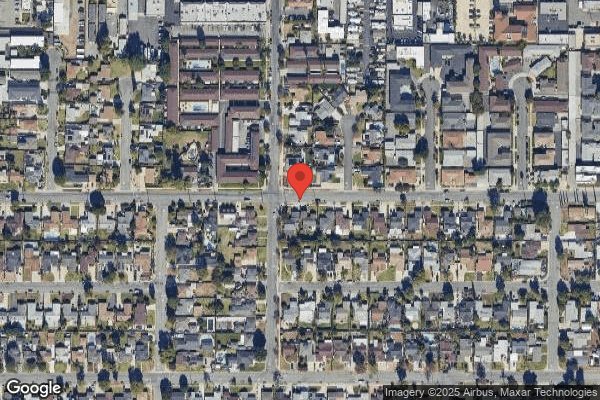
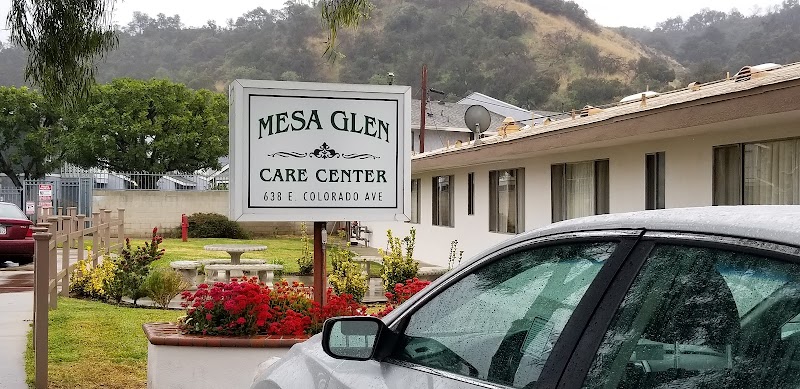
638 E COLORADO AVENUE, GLENDORA, CA 91740 (626) 963-6091
For profit - Individual 96 Beds P&M MANAGEMENT Data: November 2025
Trust Grade
0/100
#1072 of 1155 in CA
Last Inspection: March 2025

Within standard 12-15 month inspection cycle. Federal law requires annual inspections.

Overview

Mesa Glen Care Center in Glendora, California, has received a Trust Grade of F, indicating poor quality with significant concerns about care. Ranked #1072 out of 1155 facilities in California, they are in the bottom half, and #327 out of 369 in Los Angeles County, showing that only a few local options are worse. The situation is worsening, with the number of issues increasing from 41 in 2024 to 50 in 2025. Staffing has a rating of 3 out of 5, which is average, but the 60% turnover rate is concerning compared to the state average of 38%. The facility has incurred $101,608 in fines, which is higher than 92% of California facilities, suggesting ongoing compliance problems. While the RN coverage is average, the facility has faced serious incidents, including a resident being punched in the face, resulting in facial fractures, and another resident being physically assaulted, leading to a head injury that required hospitalization. Additionally, there are concerns about safety practices, such as failing to monitor residents with aggressive behaviors, which has resulted in self-inflicted injuries. Overall, while there may be some strengths in staffing, the significant issues and incidents raise serious concerns for families considering this nursing home.
Trust Score
F
0/100
In California
#1072/1155
Bottom 8%
Safety Record
High Risk
Review needed
Inspections
Getting Worse
41 → 50 violations
Staff Stability
⚠ Watch
60% turnover. Above average. Higher turnover means staff may not know residents' routines.
Penalties
⚠ Watch
$101,608 in fines. Higher than 94% of California facilities. Major compliance failures.
Skilled Nurses
⚠ Watch
Each resident gets only 23 minutes of Registered Nurse (RN) attention daily — below average for California. Fewer RN minutes means fewer trained eyes watching for problems.
Violations
⚠ Watch
127 deficiencies on record. Higher than average. Multiple issues found across inspections.
★☆☆☆☆
1.0
Overall Rating
★★★☆☆
3.0
Staff Levels
★★☆☆☆
2.0
Care Quality
★☆☆☆☆
1.0
Inspection Score
Stable
2024: 41 issues
2025: 50 issues

The Good

  • Full Sprinkler Coverage · Fire safety systems throughout facility
  • No fines on record

Facility shows strength in fire safety.

The Bad

1-Star Overall Rating

Below California average (3.1)

Significant quality concerns identified by CMS

Staff Turnover: 60%

14pts above California avg (46%)

Frequent staff changes - ask about care continuity

Federal Fines: $101,608

Well above median ($33,413)

Significant penalties indicating serious issues

Chain: P&M MANAGEMENT

Part of a multi-facility chain

Ask about local staffing decisions and management

Staff turnover is elevated (60%)

12 points above California average of 48%

The Ugly 127 deficiencies on record

3 actual harm
Sept 2025 2 deficiencies
CONCERN (D) 📢 Someone Reported This

A family member, employee, or ombudsman was alarmed enough to file a formal complaint

Potential for Harm - no one hurt, but risky conditions existed

Free from Abuse/Neglect (Tag F0600)

Could have caused harm · This affected 1 resident

**NOTE- TERMS IN BRACKETS HAVE BEEN EDITED TO PROTECT CONFIDENTIALITY** Based on observation, interview, and record review, the facility failed to protect the resident's right to be free from physical...

Read full inspector narrative →
**NOTE- TERMS IN BRACKETS HAVE BEEN EDITED TO PROTECT CONFIDENTIALITY** Based on observation, interview, and record review, the facility failed to protect the resident's right to be free from physical abuse (deliberately aggressive or violent behavior with the intention to cause harm) for one of three sampled residents (Resident 1) when on 9/2/2025, Registered Nurse 1 (RN1) threw a cup of juice on Resident 1's face.This failure resulted in Resident 1 being subjected to physical abuse by RN 1 while under the care of the facility. Resident 1 cried and did not answer how Resident 1 felt when RN 1 threw water on Resident 1's face. Findings: During a record review of Resident 1's admission Record (AR), the AR indicated Resident 1 was admitted on [DATE] with diagnoses including intellectual disability (term used to describe a person with certain limitations in cognition [process of acquiring knowledge] and other skills including communication and self-care), Schizoaffective Disorder Bipolar Type (a mental condition that causes both a loss of contact with reality and mood problems) and Unspecified Anxiety Disorder (excessive and persistent worry and fear that significantly interfere with daily life). During a record review of Resident 1's Minimum Data Set (MDS- a resident assessment tool) dated 6/9/2025, the MDS indicated Resident 1 had severely impaired cognition. The MDS indicated Resident 1 had a history of verbal behaviors of threatening, screaming, and/or cursing toward others. The MDS indicated Resident 1 had lower extremity (hip, knee, ankle, foot) impairment and required substantial/maximal assistance (helper does more than half the effort) with toileting hygiene, showering/bathing, lower extremity dressing, putting on and taking off footwear, and personal hygiene. During an observation and concurrent interview with Resident 1 in Resident 1's room on 9/9/2025 at 1:21 p.m., Resident 1 was lying in bed and did not respond to questions asked. Resident 1 was crying intermittently and did not respond to the reason Resident 1 was crying. During a review of Resident 1's untitled Care Plan (CP) initiated on 3/4/2025, the CP indicated Resident 1 had the potential to be physically aggressive related to schizoaffective disorder, intellectual disabilities and poor impulse control. The CP interventions indicated for staff to provide physical and verbal cues to alleviate anxiety. During a review of Resident 1's untitled CP initiated on 3/4/2025, the CP indicated Resident 1 had impaired cognitive function related to developmentally delayed and schizoaffective disorder. The CP interventions indicated for staff to provide Resident 1 with necessary cues and to stop and return to Resident 1 if Resident 1 was agitated. During a review of Resident 1's untitled CP revised 4/6/2025, the CP indicated Resident 1 had a behavioral problem. The CP interventions indicated for staff to provide positive interaction and attention, stop and talk with Resident 1 when passing by Resident 1's room, explain all procedures to Resident 1 before starting, and allow Resident 1 to adjust to changes. During a review of Resident 1's untitled CP revised 4/9/2025, the CP indicated Resident 1 had behavioral symptoms as manifested by resistance to care. The CP interventions indicated approaching Resident 1 in a calm manner. During an interview with Licensed Vocational Nurse 1 (LVN 1) on 9/9/25 at 2:17 p.m., LVN 1 stated Resident 1 displayed anger at times, but those behaviors fluctuated. LVN 1 stated Resident 1's aggressive behavior was handled by staff by attempting to respond to the needs of the resident, using prescribed medications, or by talking with Resident 1 and if none worked, staff would give Resident 1 time alone and return at a later time. LVN 1 stated Resident 1 was only aggressive verbally and was not a physical threat. During an interview on 9/9/25 at 3:31 p.m. and review of a text message sent to RN 2, from RN 1, RN 2 stated the text message was dated 9/8/2025 at 10:53 p.m. RN 2 stated RN 2 did not see the text message from RN 1 until 9/9/2025 while driving to work. RN 2 stated RN 2 contacted the Administrator (ADM) and reported the text message from RN 1. The text message read as follows, I actually got mad when Resident 1 threw juice to my face that I went back to the cart to pour more juice and threw it back at Resident 1. During an interview with Certified Nursing Assistant 2 (CNA 2) on 9/9/2025 at 4:31 p.m., CNA 2 stated Resident 1 was agitated in the morning of 9/2/2025 (unable to give exact time), threw Resident 1's medication on the floor and threw juice on CNA 2 and RN 1. CNA 2 stated CNA 2 picked up the cup and returned it to RN 1, then RN 1 returned to the medication cart for another cup of juice, returned to Resident 1's room, and threw the juice in Resident 1's face and chest. Resident 1 was yelling and screaming profanities, then RN 1 left the room. During a phone interview with RN 1 on 9/9/2025 at 4:43 p.m., RN 1 stated Resident 1 saw RN 1 outside Resident 1's room and Resident 1 was cursing (using foul language), so RN 1 decided to give medications to another resident and returned to Resident 1 after. RN 1 stated, Resident 1 continued cursing as RN 1 gave Resident 1 juice to take with Resident 1's medications. RN 1 stated Resident 1 threw the juice at RN 1's face and on RN 1's clothes, then slapped the medications from RN1's hand. RN 1 stated, since the therapeutic medication was not working for Resident 1, RN 1 thought mirroring Resident 1's behavior would discourage Resident 1 from repeating the behavior. RN 1 stated RN 1 realized that throwing the cup of juice on Resident 1 was not allowed. RN 1 stated Resident 1 was neither harmed nor injured, since nothing heavy was thrown at the resident. During an interview with the Assistant [NAME] President for Operations (AVPOP) on 9/10/2025 at 11:30 am, the AVPOP stated what happened to Resident 1 was a horrible experience and RN 1 should not have thrown juice at Resident 1. The AVPOP stated Resident 1 should not have experienced abuse from RN 1. During an interview with the facility's ADM who was also the Abuse Coordinator (AC) on 9/10/2025 at 11:46 a.m., the AC stated staff were educated on different types of abuse including verbal, physical, neglect, financial, mental, sexual, seclusion, mistreatment, abandonment, and misappropriation of property. The AC stated all staff needed to report to the AC as soon as they became aware of any abuse. The AC stated the AC role was to investigate allegations of abuse and ensure an abuse free environment. During a review of the facility's undated Abuse Prevention/Prohibition Policy, (APP) the APP indicated abuse is defined as the willful inflictions of injury, involuntary seclusions, physical, or chemical restraint not required to treat the residents' symptoms, intimidation or punishment with resulting physical harm, pain, or mental anguish. The APP policy also indicated that understanding behaviors and symptoms of residents that may increase the risk of abuse and neglect can assist staff how to respond; these symptoms, include but are not limited to aggressive and/or catastrophic reactions of residents, and outbursts or yelling out. During a review of the facility's Resident Rights Policy (RRP) dated 2/2021, the RRP indicated employees shall treat all residents with kindness, respect, and dignity. The RRP also indicated federal and state laws guarantee certain basic rights to all residents of the facility and these rights included the resident's right to: c) be free from abuse, neglect, misappropriation of property, and exploitation.
CONCERN (D) 📢 Someone Reported This

A family member, employee, or ombudsman was alarmed enough to file a formal complaint

Potential for Harm - no one hurt, but risky conditions existed

Report Alleged Abuse (Tag F0609)

Could have caused harm · This affected 1 resident

**NOTE- TERMS IN BRACKETS HAVE BEEN EDITED TO PROTECT CONFIDENTIALITY** Based on interview and record review, the facility failed to report an incident of physical abuse for one of three sampled resid...

Read full inspector narrative →
**NOTE- TERMS IN BRACKETS HAVE BEEN EDITED TO PROTECT CONFIDENTIALITY** Based on interview and record review, the facility failed to report an incident of physical abuse for one of three sampled residents (Resident 1) within two hours to the California Department of Public Health in accordance with the facility's Policy and Procedure (P&P) titled, Abuse Reporting and Investigation.This failure violated Resident 1's right and had the potential for delay in abuse investigation and continued to expose Resident 1 to further physical abuse.Findings: During a record review of Resident 1's admission Record (AR), the AR indicated Resident 1 was admitted on [DATE] with diagnoses including intellectual disability (term used to describe a person with certain limitations in cognition [process of acquiring knowledge] and other skills including communication and self-care), Schizoaffective Disorder Bipolar Type (a mental condition that causes both a loss of contact with reality and mood problems) and Unspecified Anxiety Disorder (excessive and persistent worry and fear that significantly interfere with daily life). During a record review of Resident 1's Minimum Data Set (MDS- a resident assessment tool) dated 6/9/2025, the MDS indicated Resident 1 had severely impaired cognition. The MDS indicated Resident 1 had a history of verbal behaviors of threatening, screaming, and/or cursing toward others. The MDS indicated Resident 1 had lower extremity (hip, knee, ankle, foot) impairment and required substantial/maximal assistance (helper does more than half the effort) with toileting hygiene, showering/bathing, lower extremity dressing, putting on and taking off footwear, and personal hygiene. During a review of Resident 1's untitled Care Plan (CP) initiated on 3/4/2025, the CP indicated Resident 1 had the potential to be physically aggressive related to schizoaffective disorder, intellectual disabilities and poor impulse control. The CP interventions indicated for staff to provide physical and verbal cues to alleviate anxiety. During a review of Resident 1's untitled CP initiated on 3/4/2025, the CP indicated Resident 1 had impaired cognitive function related to developmentally delayed and schizoaffective disorder. The CP interventions indicated for staff to provide Resident 1 with necessary cues and to stop and return to Resident 1 if Resident 1 was agitated. During a review of Resident 1's untitled CP revised 4/6/2025, the CP indicated Resident 1 had a behavioral problem. The CP interventions indicated for staff to provide positive interaction and attention, stop and talk with Resident 1 when passing by Resident 1's room, explain all procedures to Resident 1 before starting, and allow Resident 1 to adjust to changes. During a review of Resident 1's untitled CP revised 4/9/2025, the CP indicated Resident 1 had behavioral symptoms as manifested by resistance to care. The CP interventions indicated approaching Resident 1 in a calm manner. During an interview with Registered Nurse 2 (RN2) on 9/9/2025 at 3:31 p.m., RN 2 stated staff were taught who to report any type of abuse within a two-hour timeframe. RN 2 stated staff needed to report any type of abuse to the Abuse Coordinator, immediately, within 2 hours of any physical, verbal, sexual, financial, neglect, exploitation, isolation, or mistreatment. In a concurrent review, RN 2 showed a photocopy of a text message from RN 1. RN 2 stated the text message was dated 9/8/2025 at 10:53 pm. The text message indicated: I actually got mad when he (Resident 1) threw the juice to my face that I went back to the cart to pour more juice and threw it back at him (Resident 1). RN 2 stated RN 2 did not see the text message from RN 1 until 9/9/2025 while driving to work. During an interview with Certified Nursing Assistant 2 (CNA 2) on 9/9/2025 at 4:31 p.m., CNA 2 stated Resident 1 was agitated in the morning of 9/2/2025 (unable to state exact time), threw Resident 1's medication on the floor and threw juice on CNA 2 and RN 1. CNA 2 stated CNA 2 picked up the cup and returned it to RN 1, then RN 1 returned to the medication cart for another cup of juice, returned to Resident 1's room, and threw the juice in Resident 1's face and chest. Resident 1 was yelling and screaming profanities, then RN 1 left the room. CNA 2 stated all staff were mandated reporters. CNA 2 stated what happened between RN 1 and Resident 1 should have been reported to the Administrator (ADM), who was also the Abuse Coordinator, but CNA 2 became busy with CNA 2's assignment and failed to report the incident. CNA 2 stated any incident of abuse should be reported within 2 hours of the abuse. During an interview with the facility's Assistant [NAME] President of Operations (AVPOP) on 9/9/2025 at 2:56 p.m., the AVPOP stated the facility's Director of Nursing (DON) informed the AVPOP that a staff member (RN 2) received a text message from RN 1 indicating abuse. The AVPOP stated the text message from RN 1 indicated RN 1 got mad when Resident 1 threw juice at RN 1's face and so RN 1 went back to the medication cart to pour more juice and threw it back at Resident 1. The AVPOP stated staff (in general) needed to report abuse immediately. During a review of the facility's undated Abuse Prevention/Prohibition Policy (APP), the APP indicated abuse is defined as the willful inflictions of injury, involuntary seclusions, physical, or chemical restraint not required to treat the residents' symptoms, intimidation or punishment resulting physical harm, pain, or mental anguish. The APP indicated physical abuse is defined as hitting, slapping, pinching, or kicking; it also includes controlling behavior through corporal punishment. During a review of the facility's undated Policy and Procedure (P&P) titled Abuse Reporting and Investigation, the P&P indicated allegations of abuse, neglect, mistreatment or exploitation are to be reported to the Abuse Prevention Coordinator immediately. The P&P indicated the facility will report all allegations of abuse, as required by law and regulations to the appropriate agencies within two hours.
Sept 2025 7 deficiencies
CONCERN (D) 📢 Someone Reported This

A family member, employee, or ombudsman was alarmed enough to file a formal complaint

Potential for Harm - no one hurt, but risky conditions existed

Notification of Changes (Tag F0580)

Could have caused harm · This affected 1 resident

**NOTE- TERMS IN BRACKETS HAVE BEEN EDITED TO PROTECT CONFIDENTIALITY** Based on interview and record review, the facility failed to follow their Change in a Resident's Condition or Status policy and ...

Read full inspector narrative →
**NOTE- TERMS IN BRACKETS HAVE BEEN EDITED TO PROTECT CONFIDENTIALITY** Based on interview and record review, the facility failed to follow their Change in a Resident's Condition or Status policy and procedure to notify one of three sampled residents (Resident 7's) doctor of Resident 7's weight loss on 7/1/2025.These failures had the potential to result in Resident 7 to not receive treatment to address Resident 7's weight loss which could negatively affect Resident 7's health and wellbeing. (Cross Reference F550, F689, and F755)Findings:During a review of Resident 7's admission Record (AR), the AR indicated Resident 7 was admitted to the facility on [DATE] with diagnoses including multiple fractures (broken bone) of ribs, hypertensive heart disease (heart problems that occur because of high blood pressure that is present over a long time), urinary tract infection (UTI- an infection in the bladder/urinary tract), and protein-calorie malnutrition (a nutritional status in which reduced availability of nutrients leads to changes in body composition and function).During a review of Resident 7's Progress Notes (PN), dated 7/9/2025, the PN indicated the resident had experienced a significant unintentional weight loss of 17 LBs (11.8%) over the past 30 days. According to the PN the resident's weight decreased from 144 LBS on 6/9/2025 to 127 LBs on 7/7/2025.During a review of Resident 7's History and Physical (H&P), dated 7/16/2025, the H&P indicated that the resident had capacity to make medical decisions.During a review of Resident 7's Minimum Data Set (MDS, a resident assessment tool), dated 7/22/2025, the MDS indicated Resident 7 was moderately impaired in cognitive skills (ability to make daily decisions). The MDS indicated Resident 7 required substantial to maximal assistance (helper does more than half the effort. Helper lifts or holds trunk or limbs and provides more than half the effort) with toileting hygiene, shower/bathe self, and lower body dressing. The MDS indicated the resident required partial/moderate assistance (helper does less than half the effort, helper lifts, holds, or supports trunk or limbs, but provides less than half the effort) with upper body dressing.During a review of the facility's Weight Summary Report (WSR), dated 8/29/2025, the WSR indicated Resident 7 weighed 144 pounds (LB, a unit of measurement) 90 days prior. The WSR indicated Resident 7's weight was 118 LBs for week 8/22/2025. The MSR indicated Resident 1 had a more than ten percent (10%) weight loss in less than 180 days on 7/1/2025.During a concurrent interview and record review on 9/2/2025 at 4:10 PM with Registered Nurse (RN) 1 and the Director of Nursing (DON), Resident 7's Change in Condition Evaluation (CICE), for June, July, and August 2025 were reviewed. The DON confirmed there was no CICE for a significant unintentional weight loss to notify the resident's doctor in June, July, and August 2025. The DON stated the facility should create a CICE for the resident's significant weight loss.During a review of the facility's Policy and Procedure (P&P) titled, Change in a Resident's Condition or Status, revised February 2021, the P&P indicated that the nurse will notify the resident's attending physician or on call physician when there has been a significant change in the resident's physical/emotional/mental condition. During a review of the facility's P&P titled, Nutrition (Impaired)/Unplanned Weight Loss - Clinical Protocol, revised September 2017, the P&P indicated, the staff will report to the physician significant weight gains or losses or any abrupt or persistent change from baseline appetite or food intake. During a review of the facility's P&P titled, Weighing and Measuring the Resident, revised March 2011, the P&P indicated, report significant weight loss/weight gain to the nurse supervisor. The P&P indicated that the threshold for significant unplanned and undesired with loss/gain will be based on the following criteria:a. 1 month - 5% weight loss is significant; greater than 5% is severe.b. 3 months - 7.5% weight loss is significant; greater than 7.5% is severe.c. 6 months - 10% weight loss is significant; greater than 10% is severe.
CONCERN (D) 📢 Someone Reported This

A family member, employee, or ombudsman was alarmed enough to file a formal complaint

Potential for Harm - no one hurt, but risky conditions existed

Deficiency F0583 (Tag F0583)

Could have caused harm · This affected 1 resident

Based on observation, interview and record review, the facility failed to honor the privacy (a resident's right to be free from observation including the resident's private space) and confidentiality ...

Read full inspector narrative →
Based on observation, interview and record review, the facility failed to honor the privacy (a resident's right to be free from observation including the resident's private space) and confidentiality (safeguarding the content of information including video, audio, or other computer stored information from unauthorized disclosure) of one of one sampled resident (Resident 13) when a video recording (Video 1) of Resident 13's room was posted to TikTok (a social media app where people create and share short videos).This failure resulted in the violation of Resident 13's right to privacy and confidentiality and had the potential to result in Resident 13 experiencing emotional distress and feelings of decreased self-worth.Findings:During a review of Resident 13's admission Record (AR), the AR indicated the facility originally admitted Resident 13 on 3/4/2025 and readmitted Resident 13 on 6/27/2025 with diagnoses including hereditary (a disease passed down from a person's parents) and idiopathic (a disease of unknown cause) neuropathy (nerve damage or disease leading to pain, numbness, tingling, or muscle weakness) and dementia (the loss of the ability to think, remember, and reason that affect daily life and activities).During a review of Resident 13's History and Physical (H&P), dated 7/24/2025, the H&P indicated Resident 13 had fluctuating (changing in an unstable or unpredictable way) capacity to understand and make decisions.During an observation on 8/29/2025 at 12:20 PM Video 1, dated 7/7/2025, was observed on TikTok. Video 1 recorded Certified Nursing Assistant (CNA) 1 sitting in a resident's room with a resident's personal property and pictures in the background. Additionally, Video 1 recorded a view into four other (unidentified) resident rooms.During an interview on 8/29/2025 at 1:34 PM with CNA 1, CNA 1 stated Video 1 was a recording of CNA 1 sitting in Resident 13's room and was recorded by LVN 1.During an interview on 8/29/2025 at 1:58 PM with the Director of Nursing (DON), the DON stated Video 1 was recorded at the facility. The DON stated recording TikTok videos was not allowed at the facility because it violated the residents' rights to privacy and confidentiality.During a review of the facility's Policy and Procedure (P&P) titled, Resident Rights, dated 2001, revised February 2021, the P&P policy statement indicated, Employees shall treat all residents with kindness, respect, and dignity. The P&P policy interpretation and implementation indicated, Federal and state laws guarantee certain basic rights to all residents of this facility. These rights include the resident's right to privacy and confidentiality.During a review of the facility's P&P titled, Confidentiality of Information and Personal Privacy, dated 2001, revised October 2021, the P&P policy statement indicated, Our facility will protect and safeguard resident confidentiality and personal privacy. The P&P policy interpretation and implementation indicated, Release of resident information, including video, audio, or computer stored information, will be handled in accordance with resident rights and privacy policies.During a review of the facility's employee handbook titled, California Employee Handbook, dated 2024-2025, the handbook's social media guidelines indicated, These guidelines apply to all Facility employees who participate in any form of personal social networking including, but not limited to Facebook, Twitter, Instagram, TikTok, Snap Chat, LinkedIn, Yelp or any other social networking sites. Except when expressly authorized in writing for use for business purposes, social media activities are not permitted at work or while on Facility time.
CONCERN (D) 📢 Someone Reported This

A family member, employee, or ombudsman was alarmed enough to file a formal complaint

Potential for Harm - no one hurt, but risky conditions existed

Quality of Care (Tag F0684)

Could have caused harm · This affected 1 resident

**NOTE- TERMS IN BRACKETS HAVE BEEN EDITED TO PROTECT CONFIDENTIALITY** Based on observation, interview, and record review, the facility failed to ensure one of four Residents, Resident 22, was provid...

Read full inspector narrative →
**NOTE- TERMS IN BRACKETS HAVE BEEN EDITED TO PROTECT CONFIDENTIALITY** Based on observation, interview, and record review, the facility failed to ensure one of four Residents, Resident 22, was provided an accurate comprehensive admission assessment. This deficient practice resulted in delayed interventions for pain from a red and swollen right hand and forearm and services accommodating to Resident 22's cognitive state and blindness. Findings:During a review of Resident 22's admission Record (AR), the AR indicated that Resident 22 was admitted to the facility on [DATE], with multiple diagnoses including Unspecified dementia and legal Blindness.During a review of Resident 22's Care Plan Report (CP), dated 8/25/2025, the CP indicated that Resident 1 was to have a wanderguard placed on the left wrist for safety, with an initiated date one day after admission on [DATE].During a review of Resident 22's N ADV Clinical admission Note (NACAN), dated 8/25/2025, the NACAN indicated Resident 4 is confused, and did not require any special care and had no safety concerns.During a review of Resident 22's Baseline Care Plan (BCP), dated 8/25/2025, the BCP indicated that Resident 22 was vision impaired; required setup or clean-up assistance for eating, and had the ability to use food utensils to bring food and/or liquid to the mouth once the meal is placed before the resident; no presence of pain; eats in the dining room; and a fracture to metacarpals.During a review of Resident 22's New Progress Notes (NPN), dated 8/25/2025, the NPN indicated that Resident 22 did not have a fracture related to a fall in the 6 months prior to admission/entry or reentry; No safety concerns; and None recorded for indicators of pain.During a review of Resident 22's Order Summary Report (OSR), dated 8/26/2025, the OSR indicated to wrap right forearm with hard half splint with ACE wrap daily for immobilization purposes every day shift.During a review of Resident 22's SBAR Communication Form (SBAR), dated 8/26/2025, the SBAR indicated that, Patient (Resident 22) noted to wander and is legally blind. Noted to benefit from wander guard placement and is assessed to be an elopement risk. MD made aware and is ok to wander guard placement.During a review of Resident 22's Care Plan Report (CPR), dated 8/26/2025, the CPR did not indicate a care plan for Resident 22's right red and swollen metacarpals.During a review of Resident 22's hard chart on 9/5/2025 at 10:25 a.m., the hard chart had no documentation or records of a right arm injury.During a review of the Medication Administration Record (MAR), dated September 2025, the MAR indicated Resident 22 did not receive a pain assessment or a dose of pain medication until 9/5/2025.During a concurrent interview and record review on 9/4/2025 at 11:25 p.m., with LVN 2, a review of the N 5 B Progress Notes (N5B), dated 8/25/2025, the N5B indicated that Resident 22 had no visual impairment, no pain or hurting at any time in the last 5 days, and had no safety or comfort concerns. LVN 2 stated the visual, pain evaluation, and safety/comfort concerns for Resident 22 was inaccurate. LVN 2 stated if Resident 22 needed assistance, Resident 22 would not know the location of the call light and Resident 22 might get up on his own and not know how to navigate the new environment.During a concurrent observation and interview with LVN 2 and Resident 22, on 9/4/2025 at 12:55 p.m., Resident 22's right arm and hand were slightly red and swollen. The knuckle joint at the right pointer finger, was also red and swollen. Resident 22 was asked to lift their right arm and left arm. Resident 22 lifted the right arm slowly but was able to lift the left arm quickly when requested.During an interview on 9/5/2025 at 9:55 a.m., with the Activities Director (AD), the AD stated they are part of the initial IDT meeting, and they did not talk with Resident 22 because they were asked to document during the IDT meeting. AD also stated there was no documentation of activities provided to Resident 22.During a concurrent interview and record review on 9/5/2025 at 11:13 a.m. with DON and LVN 3, LVN 3 stated they did not perform a vision assessment nor an assessment of Resident 22's right extremity, and did not follow the physician order to, Wrap right forearm with hard half splint with ACE wrap daily for immobilization purposes every day shift.During a review of the facility's P&P titled, Pain: Assessment and Management dated October 2022, the P&P indicated the following under Steps in the Procedure:1. Recognizing Pain, #4 indicated Ask the resident if he/she is experiencing pain.2. Assessing Pain #1 indicated Assess the resident at admission and during ongoing assessments to help identify the resident who is experiencing pain or for who pain may be anticipated during specific procedures, care, or treatment; and #4 indicated, Assess pain using a consistent approach and a standardized pain assessment instrument appropriate to the resident's cognitive level.During a review of the facility's P&P titled, admission Criteria, dated March 2019, the P&P indicated the following:1. The objectives of our admission criteria policy are to: (b) admit residents who can be cared for adequately by the facility. 2. Examples of nursing/medical needs that can be met adequately include: (a) medication management and (b) limited mobility. 3. All new admissions and readmissions are screened for mental disorders, intellectual disabilities or related disorders per the Medicaid Pre-admission Screening and Resident Review process. Item (e) The interdisciplinary team determines whether the facility is capable of meeting the needs and services of the potential resident that are outlined in the evaluation.During a review of the facility's P&P titled, admission Assessment and Follow Up: Role of the Nurse, dated September 2012, the P&P indicated, the purpose of this procedure, is to gather information about the resident's physical, emotional, cognitive, and psychosocial condition upon admission for the purposes of managing the resident, initiating the care plan, and completing required assessment instruments, including the MDS. Steps in the Procedure indicated the following: 7. Conduct an admission assessment (history and physical), including: (b) Relevant medical, social, and family history; (c) A list of active medical diagnoses and patient problems (such as recurrent falling or impaired mobility), especially those most related to reasons for admission to the facility and those that are affecting function, behavior, cognition, nutrition, hydration, quality of life, likelihood of functional recovery, and ability to participate in activities and to socialize.8. Conduct a physical assessment, including the following systems: (a) Eyes, Ears, Nose, Throat; (j) Skin.9. Conduct supplemental assessments (following facility forms and protocol) including: (b) Pain assessment; (f) Functional assessment - ability to perform ADLs.
CONCERN (E) 📢 Someone Reported This

A family member, employee, or ombudsman was alarmed enough to file a formal complaint

Potential for Harm - no one hurt, but risky conditions existed

Resident Rights (Tag F0550)

Could have caused harm · This affected multiple residents

Based on observation, interview and record review, the facility failed to treat two of four sampled residents (Residents 8 and 14) with dignity by failing to:a. Ensure Staff did not stand over Residen...

Read full inspector narrative →
Based on observation, interview and record review, the facility failed to treat two of four sampled residents (Residents 8 and 14) with dignity by failing to:a. Ensure Staff did not stand over Resident 8 while assisting the resident to eat.b. Ensure Activity Assistant (AA) 1 did not refer to Resident 14 as a Feeder.These failures had the potential to result in Residents 8 and 14 to feel disrespected which could result in impairing Residents 8 and 14's sense of wellbeing and feelings of self-esteem.(Cross Reference F580, F689, and F755). Findings: a. During a review of Resident 14's admission Record (AR), the AR indicated the facility admitted Resident 14 on 7/31/2024 with diagnoses including adult failure to thrive (a decline in older adults that manifests as a downward spiral of health and ability), hypertensive (high blood pressure) heart disease with heart failure (condition in which the heart cannot pump enough blood to all parts of the body), and dementia (a group of thinking and social symptoms that interferes with daily functioning). During a review of Resident 14's “Minimum Data Set (MDS, a resident assessment tool),” dated 7/28/2025, the “MDS” indicated Resident 14 was severely impaired in cognitive skills (ability to make daily decisions). The “MDS” indicated Resident 14 was dependent (helper does all the effort) on staff for bathing, and toileting and personal hygiene. The “MDS” indicated Resident 14 required substantial/maximal assistance (helper does more than half the effort) assistance from staff for oral hygiene and dressing. During a concurrent observation and interview on 8/29/2025, at 12:58 PM with AA 1, Resident 14 was sitting at a table in the small dining room. AA 1 stated, “(Resident 14) is here because he is a feeder”. b. During a review of Resident 8's admission Record (AR), the AR indicated Resident 8 was admitted to facility on 8/5/2025 with diagnoses including Huntington's disease (an inherited condition that affects cells in the brain and affects a person's movements, thinking ability and mental health), hypertensive heart disease (heart problems that occur because of high blood pressure that is present over a long time), dysphagia (difficulty swallowing), and major depressive disorder (a mood disorder that causes a persistent feeling of sadness and loss of interest and can interfere with daily activities). During a review of Resident 8's History and Physical (H&P), dated 8/7/2025, the H&P indicated the resident had the capacity to understand and make decisions. During a review of Resident 8's Minimum Data Set (MDS, a resident assessment tool), dated 8/11/2025, the MDS indicated Resident 8 was moderately impaired in cognitive skills (ability to make daily decisions). The MDS indicated resident required substantial/maximal assistance (helper does more than half the effort. Helper lifts or holds trunk or limbs and provides more than half the effort) with eating, oral hygiene, toileting hygiene, shower/bathe self, upper and lower body dressing, personal hygiene, sitting to lying and lying to sitting on the side of bed. During an observation on 8/29/2025 at 12:18 PM in Resident 8's room, a staff was observed standing at Resident 8's bedside and assisting the resident to eat. During an interview on 8/29/2025 at 12:31 PM with Resident 8, Resident 8 stated that Resident 8 would feel staff were maintaining Resident 8's dignity if the staff had been sitting at the same level as the resident while assisting to eat. During an interview on 8/29/2025 at 12:38 PM with Certified Nurse Assistant (CNA) 2, CNA 2 confirmed CNA 2 was standing at Resident 8's bedside while assisting the resident to eat. CNA 2 stated that she should sit at the same level as the resident to maintain the resident's dignity when assisting the resident to eat. During a review of the facility's Policy and Procedure (P&P) titled, “Dignity,” revised February 2021, the P&P indicated, “Residents are treated with dignity and respect at all times.” The P&P indicated that “When assisting with care, residents are supported in exercising their rights. For example, Residents are: e. provided with a dignified dining experience.” During a review of the facility's P&P titled, “Assistance with Meals,” revised March 2022, the P&P indicated, “Residents who cannot feed themselves will be fed with attention to safety, comfort and dignity, for example: a. Not standing over residents while assisting them with meals; b. Keeping interactions with other staff to a minimum while assisting residents with meals; c. Avoiding the use of labels when referring to residents (e.g., feeders); and d. Avoiding the use of bibs or clothing protectors instead of napkins, unless requested by the resident
CONCERN (E) 📢 Someone Reported This

A family member, employee, or ombudsman was alarmed enough to file a formal complaint

Potential for Harm - no one hurt, but risky conditions existed

Accident Prevention (Tag F0689)

Could have caused harm · This affected multiple residents

**NOTE- TERMS IN BRACKETS HAVE BEEN EDITED TO PROTECT CONFIDENTIALITY** Based on observation, interview and record review, the facility failed to ensure the environment remained free of accident hazar...

Read full inspector narrative →
**NOTE- TERMS IN BRACKETS HAVE BEEN EDITED TO PROTECT CONFIDENTIALITY** Based on observation, interview and record review, the facility failed to ensure the environment remained free of accident hazards and/or provided adequate supervision for three of 11 sampled residents (Residents 6, 9, and 15) by failing to: a. Ensure Resident 15's assigned 1:1 sitter (S1) (1:1 Sitter, facility staff who provides constant, one-to-one observation for a resident who is at risk of falls, self-harm, or other dangers due to a medical or cognitive condition) S1 was not looking at S1's personal phone for four minutes instead of watching Resident 15. S1 was sitting inside the facility while Resident 15 was sitting outside in the facility patio. b. Ensure to have an interdisciplinary team meeting (IDT- brings together professionals from various disciplines to develop a shared, comprehensive understanding and plan for a patient's needs, ensuring coordinated care across different areas like physical, emotional, social, and clinical aspects) post fall for two of eleven sampled residents (Resident 6 and Resident 9) in accordance with the facility's Safety and Supervision of Residents policy and procedure (P&P). This failure resulted in Residents 6 and 9 experiencing repeated falls and had the potential to result in Residents 6, 9, and 15 to injure themselves and/or other residents while in the care of the facility.Findings: a. During a review of Resident 15's admission Record (AR), the AR indicated the facility admitted Resident 15 on 5/2/2025 with metabolic encephalopathy (brain disease that alters brain function or structure), acute respiratory failure (when the lungs can't get enough oxygen into the blood), and lack of coordination. During a review of Resident 15's care plan titled, “Patient Lost Balance,” dated 6/2/2025, the care plan indicated Resident 15 had a 1:1 sitter assigned to Resident 15 because Resident 15 “bumped” into another resident (unidentified). During a review of Resident 15's “Minimum Data Set (MDS, a resident assessment tool),” dated 8/6/2025, the “MDS” indicated Resident 15 was severely impaired in cognitive skills (ability to make daily decisions). The “MDS” indicated Resident 15 required substantial to maximal assistance (helper does more than half the effort) from staff for lower body dressing, bathing, and personal and toileting hygiene. During an observation on 8/29/2025 at 1:37 PM, S1 was sitting in a chair in the [NAME] Room facing next to a sliding glass door facing the outside patio. The sliding glass door was closed. S1 was looking down at S1's personal phone for four minutes. After four minutes on S1's phone, S1 stood up and went outside through the sliding glass doors. During a concurrent observation and interview on 8/29/2025 at 1:42 PM with S1, Resident 15 was observed sitting in a patio chair near the center of the patio. S1 stated S1 was assigned to be Resident 15's 1:1 sitter. S1 stated Resident 15 required a 1:1 sitter because Resident 15 had aggressive behaviors. S 1 confirmed S1 had been on S1's phone. S1 stated S1 was reading emails on the phone. S1 stated S1 should not be on the phone but should be watching Resident 15. During an interview on 8/29/2025 at 3 PM with the DON, the DON stated personal phone use by staff was not allowed and that staff should rather be focused on taking care of residents. The DON stated Resident 15 required a 1:1 sitter because Resident 15 had a history of angry outburst. The DON stated if the 1:1 sitter (in general) was on the phone then the 1:1 sitter (in general) was not paying attention to Resident 15. During a review of the facility's Policy and Procedure (P&P) titled, “Safety and Supervision of Residents,” revised July 2017, the P&P indicated, “Resident safety and supervision and assistance to prevent accidents are facility-wide priorities.” The P&P indicated, “The care team shall target interventions to reduce individual risks related to hazards in the environment, including adequate supervision .” b. During a review of Resident 6's admission Record (AR), the AR indicated Resident 6 was originally admitted to facility on 7/15/2024 and readmitted to the facility on [DATE] with diagnoses including metabolic encephalopathy (a change in how the brain works due to an underlying condition. It can cause confusion, memory loss and loss of consciousness), dementia (a group of thinking and social symptoms that interferes with daily functioning), and urinary tract infection (UTI- an infection in the bladder/urinary tract), arthritis (is the swelling and tenderness of one or more joints), schizoaffective disorder (a mental illness that can affect thoughts, mood, and behavior). During a review of Resident 6's Change in Condition Evaluation (CICE) dated 7/19/2025, the CICE indicated Resident 6 had an unwitnessed fall and the staff notified the physician on 7/18/2025 at 2:45 AM. During a review of Resident 6's CICE dated 7/22/2025, the CICE indicated Resident 6 had an unwitnessed fall on 7/22/2025 and notified the physician on 7/22/2025 at 11:30 PM. During a review of Resident 6's Minimum Data Set (MDS, a resident assessment tool), dated 7/29/2025, the MDS indicated Resident 6 was severely impaired in cognitive skills (ability to make daily decisions). The MDS indicated Resident 6 required substantial to maximal assistance (helper does more than half the effort. Helper lifts or holds trunk or limbs and provides more than half the effort) with oral hygiene, toileting hygiene, shower/bathe self, and lower body dressing. The MDS indicated the resident required partial to moderate assistance (helper does less than half the effort, helper lifts, holds, or supports trunk or limbs, but provides less than half the effort) with upper body dressing and personal hygiene. c. During a review of Resident 9's admission Record (AR), the AR indicated Resident 9 was admitted to facility on 5/30/2025 with diagnoses including epilepsy (also known as a seizure disorder- a brain condition that causes recurring seizures [abnormal electrical activity in the brain. It causes changes in awareness and muscle control]), history of falling and schizophrenia (a mental illness that can affect thoughts, mood, and behavior). During a review of Resident 9's History and Physical (H&P), dated 7/8/2025, the H&P indicated that the resident does not have the capacity to understand and make decisions. During a review of Resident 9's CICE, dated 7/9/2025, the CICE indicated Resident 9 had an unwitnessed fall on 7/9/2025 and the staff notified the physician on 7/9/2025 at 7:15 PM. During a review of Resident 9's MDS, dated [DATE], the MDS indicated Resident 9 was moderately impaired in cognitive skills. The MDS indicated Resident 9 required partial to moderate assistance (helper does less than half the effort. Helper lifts, holds, or supports trunk or limbs, but provides less than half the effort) with lower body dressing. The MDS indicated Resident 9 required supervision or touching assistance (helper provides verbal cues and/or touching/steadying and/or contact guard assistance as resident completes activity. Assistance may be provided throughout the activity or intermittently) with eating, oral hygiene, toileting hygiene, shower/bathe self, and upper body dressing. During a review of Resident 9's CICE, dated 7/11/2025, the CICE indicated Resident 9 had an unwitnessed fall on 7/11/2025 and the staff notified the physician on 7/11/2025 at 10:15 AM. During a review of Resident 9's CICE, dated 8/25/2025, the CICE indicated Resident 9 had a witnessed fall on 8/25/2025 and the staff notified the physician on 8/25/2025 at 7 AM. During a concurrent interview and record review on 9/3/2025 at 11:35 AM with Registered Nurse (RN) 2, Resident 6's Multidisciplinary Care Conference (also known as IDT), dated July, August, and September 2025, were reviewed. RN 2 confirmed that there was no IDT for Resident 6's two falls in July 2025. During the same interview and record review on 9/3/2025 at 11:35 AM with RN 2, Resident 9's IDT, dated July, August, and September 2025 were reviewed. RN 2 confirmed that there was no IDT for Resident 9's two falls in July 2025 and one fall on 8/25/2025. RN 2 stated the facility should conduct an IDT for resident's post fall on the following day. During an interview on 9/4/2025 at 3:46 PM with the Director of Nursing (DON), the DON stated the facility should have a post fall IDT meeting for all residents who experienced a fall. During a review of the facility's Policy and Procedure (P&P) titled, “Safety and Supervision of Residents,” revised July 2017, the P&P indicated, “The interdisciplinary care team shall analyze information obtained from assessment and observations to identify any specific accident hazards or risks for individual residents.” During a review of the facility's P&P titled, “Falls Clinical Protocol,” revised March 2018, the P&P indicated, “For an individual who has fallen, the staff and practitioner will begin to try to identify possible causes within 24 hours of the fall. Often multiple factors contribute to a falling problem.”
CONCERN (E) 📢 Someone Reported This

A family member, employee, or ombudsman was alarmed enough to file a formal complaint

Potential for Harm - no one hurt, but risky conditions existed

Pharmacy Services (Tag F0755)

Could have caused harm · This affected multiple residents

**NOTE- TERMS IN BRACKETS HAVE BEEN EDITED TO PROTECT CONFIDENTIALITY** Based on observation, interview and record review, the facility failed to ensure the nurse staff followed the facility's Adminis...

Read full inspector narrative →
**NOTE- TERMS IN BRACKETS HAVE BEEN EDITED TO PROTECT CONFIDENTIALITY** Based on observation, interview and record review, the facility failed to ensure the nurse staff followed the facility's Administering Medications policy and procedure (P&P) by failing to:a. Administer medications in a timely manner for one of three sampled residents (Resident 6).b. Initial the resident's Medication Administration Record (MAR) after giving each medication and before administering the next ones for one of three sample residents (Resident 5).c. Ensure LVN 2 and LVN 5 documented that they administered Resident 4's medications before administering medications to another resident. Resident 4 did not receive Resident 4's scheduled medications on the evening of 8/12/2025. These deficient practices had the potential to place Resident 6 at risk of not receiving the optimal therapeutic effect (desirable and beneficial effects resulting from a medical treatment) of the medication, which had potential to impair Resident 6's wellbeing and delayed medication administration documentation for Resident 5.(Cross Reference F550, F580, and F689) Findings: a. During a review of Resident 4's “AR,” the “AR” indicated Resident 4 was admitted to facility on 4/29/2025 and readmitted to the facility on [DATE] with diagnoses including seizures (a sudden, uncontrolled electrical disturbance in the brain), hypotension (low blood pressure), and acute kidney failure (a condition in which the kidneys suddenly can't filter waste from the blood). During a review of Resident 4's “MDS,” dated 8/7/2025, the “MDS” indicated Resident 4 was moderately impaired in cognitive skills (ability to make daily decisions). Resident 4 was dependent (helper does all the effort) on staff for bathing, lower body dressing, and toileting hygiene. During a review of Resident 4's “Order Summary Report (OSR)” dated 9/3/2025, the “OSR” indicated Resident 4 had medications ordered including the following: 1. Quetiapine Fumarate (medication used to treat several mental health conditions) Oral Tablet 25 mg Give 25 mg by mouth two times a day for psychosis (a mental disorder characterized by a disconnection from reality) manifested by (M/B) attempt to hurt himself and jumping out of bed 2. Levetiracetam (medication used to treat and control certain types of seizures) Oral Tablet 1000 MG Give 1000 mg by mouth every 12 hours for seizures 3. Phenobarbital (medication used to treat and control certain types of seizures) Oral Tablet 97.2 MG Give 1 tablet by mouth every 12 hours for seizures 4. Clobazam Oral Tablet 20 MG {Clobazam) Give 1 tablet by mouth every 12 hours for epilepsy (a disorder in which nerve cell activity in the brain is disturbed, causing seizures). During a concurrent interview and record review on 9/3/2025 at 1:46 PM with the Director of Nursing (DON), Resident 4's “MAR,” for August 2025, was reviewed. The “MAR” indicated Resident 4 did not receive Resident 4's evening time scheduled medications, including Levetiracetam, Phenobarbital, Clobazam, and Quetiapine Fumarate on 8/16/2025. The DON confirmed Resident 4 was not given the medication. The DON stated LVN 6 failed to give the medication to Resident 4 The DON stated the DON discovered that the medication was not given on the morning of 8/17/2025. The DON stated LVN 6 could not give a reason why the medication was not given. During a concurrent interview and record review on 9/3/2025 at 2:28 PM with LVN 5, Resident 4's “MAAR,” for 8/1 – 8/15/2025, was reviewed. The “MAAR” indicated LVN 5 administered Resident 4's scheduled medications late, including Quetiapine Fumarate, Levetiracetam, and Phenobarbital, on 8/3 and 8/4/25. The “MAAR” indicated LVN 5 administered Resident 4's scheduled medications, including Quetiapine Fumarate, Levetiracetam, Phenobarbital, and Clobazam, late on 8/6/2025. The “MAAR” indicated LVN 5 administered Resident 4's scheduled medications, including Levetiracetam, Phenobarbital, and Clobazam late on 8/7/2025. The “MAAR” indicated LVN 5 administered Resident 4's scheduled medications, including Levetiracetam, late on 8/8/2025. The “MAAR” indicated LVN 5 administered Resident 4's scheduled medications, including Levetiracetam, late on 8/9/2025. The “MAAR” indicated LVN 5 administered Resident 4's scheduled medications, including Quetiapine Fumarate, Phenobarbital, and Clobazam late on 8/11/2025.The “MAAR” indicated LVN 5 administered Resident 4's scheduled medications, including Levetiracetam, late on 8/13/2025. The “MAAR” indicated LVN 5 administered Resident 4's scheduled medications, including Levetiracetam, late on 8/14/2025. LVN 5 denied administering medications late to Resident 4. LVN 5 stated rather than giving the medications late, LVN 5 documented later after LVN 5 had administered medications to all the residents. LVN 4 stated that was his practice because the facility's Wi-Fi (a wireless technology using radio waves to connect devices to a network and the internet without cables) was “spotty” and that it sometimes took too long to document in Resident 4's electronic medical record (EMR) before passing medications to the next resident (in general). During a concurrent interview and record review on 9/3/2025 at 2:28 PM with LVN 2, Resident 4's “MAAR,” for 8/1 – 8/15/2025, was reviewed. The “MAAR” indicated LVN 2 administered Resident 4's scheduled medications late, including Levetiracetam, Phenobarbital, and Clobazam, on 8/10/2025. The “MAAR” indicated LVN 2 administered Resident 4's scheduled medications late Quetiapine Fumarate, on 8/15/2025. LVN 2 denied giving medications late to Resident 4. LVN 2 stated LVN 2 failed to document as soon as LVN 2 gave medications to Resident 4. b. During a review of Resident 6's admission Record (AR), the AR indicated Resident 6 was originally admitted to facility on 7/15/2024 and readmitted to the facility on [DATE] with diagnoses including metabolic encephalopathy (a change in how brain works due to an underlying condition. It can cause confusion, memory loss and loss of consciousness), dementia (a group of thinking and social symptoms that interferes with daily functioning), urinary tract infection (UTI- an infection in the bladder/urinary tract), and arthritis (is the swelling and tenderness of one or more joints). During a review of Resident 6's Minimum Data Set (MDS, a resident assessment tool), dated 7/29/2025, the MDS indicated Resident 6 was severely impaired in cognitive skills (ability to make daily decisions). The MDS indicated resident required substantial to maximal assistance (helper does more than half the effort. Helper lifts or holds trunk or limbs and provides more than half the effort) with oral hygiene, toileting hygiene, shower/bathe self, and lower body dressing. The MDS indicated the resident required partial/moderate assistance (helper does less than half the effort, helper lifts, holds, or supports trunk or limbs, but provides less than half the effort) with upper body dressing and personal hygiene. During a review of Resident 6's Order Summary Report (OSR) dated 9/3/2025, the OSR indicated Resident 6 had medication order as follows: 1. Lidocaine (a medication used to treat pain) External Patch 5% (Lidocaine): Apply to lower back topically one time a day for pain management. Apply 1 patch at 0900 and remove at 2100 and remove per schedule. The medication order started on 8/27/2025. 2. Celecoxib oral capsule 100 milligram (MG, a unit of measurement). Give 1 capsule by mouth two times a day for arthritis pain. The medication order started on 6/9/2025. 3. Lactulose oral solution 10 gram (GM, a unit of measurement)/15 milliliter (ML, a unit of measurement). Give 15 ML by mouth two times a day for prophylaxis hepatic encephalopathy. The medication order started on 6/9/2025 4. Megestrol Acetate oral tablet 40 MG. Give 1 tablet orally two times a day for decreased appetite. The medication order started on 7/7/2025 5. Methenamine Hippurate oral tablet 1 GM. Give 1 tablet by mouth two times a day for UTI prophylaxis. The medication order started on 8/9/2025 6. Saccharomyces Boulardii oral capsule. Give 1 tablet by mouth two times a day for gastrointestinal (GI- referring to the digestive system, which includes the stomach and intestines) supplement. The medication order started on 6/9/2025. During a review of Resident 6's Medication Administration Record (MAR), dated 8/2025, the MAR indicated the medications were scheduled to be administered at 9 AM as follows: 1. Lidocaine external patch 5% (Lidocaine), apply to lower back topically one time a day for pain management. 2. Celecoxib oral capsule 100 milligram (MG, a unit of measurement). Give 1 capsule by mouth two times a day for arthritis pain. 3. Lactulose oral solution 10 gram (GM, a unit of measurement)/15 milliliter (ML, a unit of measurement). Give 15 ML by mouth two times a day for prophylaxis hepatic encephalopathy. 4. Megestrol Acetate oral tablet 40 MG. Give 1 tablet orally two times a day for decreased appetite. 5. Methenamine Hippurate oral tablet 1 GM. Give 1 tablet by mouth two times a day for UTI prophylaxis. 6. Saccharomyces Boulardii oral capsule. Give 1 tablet by mouth two times a day for gastrointestinal (GI- referring to the digestive system, which includes the stomach and intestines) supplement. During an observation on 8/29/2025 at 11:45 AM while in Resident 6's room at the bedside, Registered Nurse (RN) 1 was observed to administer medications to Resident 6 and apply a lidocaine patch on the right side of Resident 1's lower back. During a concurrent interview and record review on 8/29/2025 at 2:39 PM with RN 1, Resident 6's Medication Administration Record (MAR), for August 2025, was reviewed. RN 1 confirmed that six medications were scheduled to be administered at 9 AM and were given more than one and half hours late according to the scheduled time frame for Resident 6. RN 1 stated the facility should administer the medications on time following the orders to make sure the medications are effective for the resident. c. During a review of Resident 5's admission Record (AR), the AR indicated Resident 5 was originally admitted to facility on 1/25/2021 and readmitted to the facility on [DATE] with diagnoses including Parkinsonism (refers to brain conditions that cause slowed movements, rigidity [stiffness] and tremors), epilepsy (also known as a seizure disorder- is a brain condition that causes recurring seizures [abnormal electrical activity in brain. It causes changes in awareness and muscle control]), and chronic obstructive pulmonary disease (COPD-a chronic lung disease causing difficulty in breathing). During a review of Resident 5's MDS, dated [DATE], the MDS indicated Resident 5 had intact cognitive skills. The MDS indicated the resident was dependent (helper does all of the effort resident does none of the effort to complete the activity. Or, the assistance of 2 or more helpers is required for the resident to complete the activity) with toileting hygiene. The MDS indicated resident required substantial to maximal assistance with showering and bathing self, upper and lower body dressing, and personal hygiene. During a review of Resident 5's Medication Administration Audit Report (MAAR) dated 9/2/2025, the MAAR indicate Resident 5 had scheduled medications administration documented as follows: 1. Lamotrigine Tab ER 24HR 250 MG. Give 1 tablet by mouth every 12 hours for seizure disorder. The medication was scheduled on 8/4/2025 at 9 AM, and the documented administration time was 10:43 AM. The medication was scheduled on 8/7/2025 at 9 PM, and the documented administration time was 10:33 PM. 2. Keppra Oral Tablet (Levetiracetam). Give 1500 MG by mouth every 12 hours for seizure disorder. The medication was scheduled on 8/4/2025 at 9 AM, and the documented administration time was 10:43 AM. The medication was scheduled on 8/7/2025 at 9 PM, and the documented administration time was 10:34 PM. 3. Trileptal Oral Tablet (Oxcarbazepine). Give 450 MG by mouth two times a day for seizures. The medication was scheduled on 8/4/2025 at 9 AM, and the documented administration time was 10:43 AM. During a concurrent interview and record review on 9/4/2025 at 2:23 PM with Licensed Vocational Nurse (LVN) 2, Resident 5's MAAR, for August 2025, was reviewed. LVN 2 stated that LVN 2 should document the medication administration right after administering and before administering the next medication. During a concurrent interview and record review on 9/5/2025 at 8:49 AM with LVN 3, Resident 5's MAAR, for August 2025, was reviewed. LVN 3 stated that LNV 3 did not document the medication administration right after administering. During a review of the facility's Policy and Procedure (P&P) titled, “Administering Medications,” revised April 2019, the P&P indicated, “Medications are administered in accordance with prescriber orders, including a required time frame.” The P&P indicated that “Medications are administered within one (1) hour of their prescribed time, unless otherwise specified (for example, before and after meal orders).” The P&P indicated that “The individual administering the medication initial the resident's MAR on the appropriate line after giving each medication and before administering the next ones.”
CONCERN (E) 📢 Someone Reported This

A family member, employee, or ombudsman was alarmed enough to file a formal complaint

Potential for Harm - no one hurt, but risky conditions existed

Infection Control (Tag F0880)

Could have caused harm · This affected multiple residents

**NOTE- TERMS IN BRACKETS HAVE BEEN EDITED TO PROTECT CONFIDENTIALITY** Based on observation, interview and record review, the facility failed to ensure the doorknob and door of residents' room for th...

Read full inspector narrative →
**NOTE- TERMS IN BRACKETS HAVE BEEN EDITED TO PROTECT CONFIDENTIALITY** Based on observation, interview and record review, the facility failed to ensure the doorknob and door of residents' room for three of three sampled residents (Residents 11, 16, and 17) was cleaned daily. This failure had the potential for residents to become sick by contacting germs (microscopic bacteria, viruses, fungi, and protozoa that can cause disease) from the dirty doorknob.Findings:During a review of the facility's, Midnight Census Report (Census), dated 8/29/2025. The Census indicated Residents 11, 16, and 17 resided in Room (RM) A. During a review of Resident 11's admission Record (AR), the AR indicated the facility admitted Resident 11 on 3/13/2025 and readmitted Resident 11 on 5/16/2025 with diagnoses including metabolic encephalopathy (brain disease that alters brain function or structure), chronic kidney disease (a condition in which the kidneys are damaged and cannot filter blood as well as they should), and bipolar disorder (a mental illness that causes unusual shifts in a person's mood).During a review of Resident 11's Minimum Data Set (MDS, a resident assessment tool), dated 6/18/2025, the MDS indicated Resident 11 had no impairment in cognitive skills (ability to make daily decisions). The MDS indicated Resident 11 required supervision (oversight, encouragement or cuing) from staff for bathing, dressing, and oral, toileting, and personal hygiene. During a review of Resident 16's AR, the AR indicated the facility admitted Resident 16 on 4/28/2025 and readmitted Resident 16 on 5/13/2025 with diagnoses including pneumonia (infection that inflames air sacs in one or both lungs), dementia (a group of thinking and social symptoms that interferes with daily functioning), and anxiety disorder (mental health disorder characterized by feelings of worry, anxiety, or fear that are strong enough to interfere with one's daily activities).During a review of Resident 16's MDS, dated [DATE], the MDS indicated Resident 16 was severely impaired in cognitive skills (ability to make daily decisions). The MDS indicated Resident 16 required partial to moderate (helper does less than half the effort) assistance from staff for bathing, lower body dressing, and toileting and personal hygiene. During a review of Resident 17's AR, the AR indicated the facility admitted Resident 16 on 1/29/2025 and readmitted Resident 17 on 7/9/2025 with diagnoses including hypertensive (high blood pressure) heart disease with heart failure (condition in which the heart cannot pump enough blood to all parts of the body) and paranoid (where a person feels distrustful and suspicious of other people) schizophrenia (a disorder that affects a person's ability to think, feel, and behave clearly).During a review of Resident 17's MDS, dated [DATE], the MDS indicated Resident 17 had no impairment in cognitive skills (ability to make daily decisions). The MDS indicated Resident 17 required supervision (oversight, encouragement or cuing) from staff for eating, bathing, dressing, and oral, toileting, and personal hygiene. During an observation on 8/29/2025 at 12:58 PM, Room A's door was observed. [NAME] specks and smudges were noted to be on the doorknob and on the door surrounding the doorknob. During a concurrent observation and interview on 9/2/2025 at 3:37 PM with the infection Preventionist (IP) Room A's door was observed. The door and doorknob were noted to still have brown specks and smudges first observed on 8/29/2025. The IP confirmed the door and doorknob were dirty. The IP stated the doorknob was a high touch area and should be cleaned daily to prevent the spread of infection.During a review of the facility's policy and procedure (P&P) titled, Cleaning and Disinfection of Environmental Surfaces, revised August 2019, the P&P indicated, .Environmental surfaces will be disinfected (or cleaned) on a regular basis (e.g., daily, three times per week) and when surfaces are visibly soiled.
Aug 2025 1 deficiency
CONCERN (D) 📢 Someone Reported This

A family member, employee, or ombudsman was alarmed enough to file a formal complaint

Potential for Harm - no one hurt, but risky conditions existed

Deficiency F0740 (Tag F0740)

Could have caused harm · This affected 1 resident

**NOTE- TERMS IN BRACKETS HAVE BEEN EDITED TO PROTECT CONFIDENTIALITY** Based on observation, interview, and record review, the facility failed to provide one of one sampled resident (Resident 1) with...

Read full inspector narrative →
**NOTE- TERMS IN BRACKETS HAVE BEEN EDITED TO PROTECT CONFIDENTIALITY** Based on observation, interview, and record review, the facility failed to provide one of one sampled resident (Resident 1) with behavioral health care and services for the treatment of Resident 1's emotional, mental, and drug abuse (a disease that affects a person's brain and behavior and leads to an inability to control the use of a legal or illegal drug or medication) by failing to: Identify goals and nursing interventions when Resident 1 had cannabis (marijuana, a mind-altering drug) abuse, anxiety (nervousness), and depression (persistent sadness and a lack of interest or pleasure in previously rewarding or enjoyable activities) would leave the facility on out on pass (OOP, temporary permission of a resident to leave the facility in a specified time) unsupervised, without OOP orders from Resident 1's Physician (MD 1). This deficient practice resulted in Resident 1 continuing to go OOP unsupervised and without MD 1's orders and had the potential to result in serious injury or harm to Resident 1.Findings:During a review of Resident 1's admission Record (AR), the AR indicated Resident 1 was originally admitted to the facility on [DATE], and readmitted on [DATE], with diagnoses of chronic obstructive pulmonary disease (COPD- is a group of lung diseases that cause long-term breathing problems), major depressive disorder (a serious mental health condition characterized by persistent sadness, hopelessness, and a significant loss of interest or pleasure in activities that lasts for at least two weeks and impairs daily functioning), anxiety disorder (a condition in which a person has excessive worry and feelings of fear, dread, and uneasiness) and peripheral vascular disease (PVD- a condition where blood vessels outside the heart and brain narrow, block, or spasm, reducing blood flow and potentially causing tissue damage in the limbs or organs). During a review of Resident 1's Minimum Data Set (MDS-a resident assessment tool) dated 3/27/2025, the MDS indicated Resident 1's cognitive status (the mental process of thinking and understanding) was intact. The MDS indicated Resident 1 was independent with eating, oral and personal hygiene, toileting and bathing. During a review of Resident 1's Interdisciplinary Team Conference Record (IDT-a collaborative gathering of various healthcare professionals-including nurses, therapists, social workers, dietary staff, and life enrichment coordinators-to discuss a resident's care plan, coordinate efforts, and address any changes or challenges in their health) dated 7/7/2025, the IDT notes indicated the purpose of the conference was to discuss the smoking policy. There was no documented evidence found in Resident 1's care plans that a person-centered care plan was developed and implemented from this behavioral meeting between Resident 1 and the facility's IDT including the Social Services Director (SSD 1). Resident 1's Care Plans did not include person centered care plans that were developed for Resident 1's behavioral health care needs specific to behaviors assessed for substance abuse/alcohol abuse, that included psychiatrist/psychologist consult, voluntary checking of personal belongings every quarter and as necessary. During a review of Resident 1's Health Note Status (HNS) dated 5/8/2025 at 7:06 PM, the HNS indicated The resident went out on pass to Grocery Store 1 at 12:30 PM. At approximately 6:30 PM, multiple employees witnessed the resident coming out of the Smoke Shop 1 with red cup and beer in her hand smoking a vape and drinking the beer. During a review or Resident 1's HNS dated 5/13/2025 at 9:56 PM, the HNS indicated, Urine drug screen results sent to MD for his review, positive for tetrahydrocannabinol (THC- the principal ingredient in marijuana), opioids (a class of drug used to reduce moderate to severe pain), and benzos (a class of drug that relieves anxiety and relaxes muscles). During an interview and record review with the Director of Nursing (DON) on 8/13/2025 at 7:55 AM, a review of the facilities Sign Out document indicated Resident 1 signed out on 5/5/2025 at 10:45 AM, and 5/7/2025 at 12:25PM. A review of Resident 1's OOP orders indicated Resident 1 did not have OOP orders for 5/5/2025 or 5/7/2025. The DON stated there is no documentation or an order for Resident 1 OOP for the dates of 5/5/25 at 10:45am or 5/7/25 at 12:25pm. The DON stated there should have been a doctor's order if Resident 1 left the facility. During an interview with Minimum Data Set Assistant (MDSA- an assistant that helps to collect, organize, and submit resident data for long-term care facilities, ensuring compliance with federal and state regulations for resident assessment and care planning) on 8/13/2025 at 8:30 AM, the MDSA stated documents including residents care plans are reviewed quarterly or annually as needed. Per the MDSA, it is the license nurse's responsibility to update or discontinue a residents care plan. The MDSA stated she was not sure if there should be a care plan regarding Resident 1's actions of using illegal drugs and drinking beer. Per the MDSA, if Resident 1 was seen using illegal drugs and drinking beer, there should be a care plan in place, so staff are aware, and interventions are in place. During an interview with the Social Service Director (SSD) on 8/13/2025 at 9:42 AM, the SSD stated, Resident 1 has a substance abuse history of marijuana, tabaco and alcohol. The SSD stated she is responsible for Resident 1's reassessment through quarterly and/or during a readmission. Per the SSD, there was an IDT meeting held, and she was part of it but did not follow up. SSD stated there should have been a follow up to Resident 1's history of substance abuse and there was potential harm due to residents actions of using marijuana and drinking beer. During an interview with License Vocational Nurse (LVN2) on 8/13/2025 at 11:55 AM, LVN2 stated there were a total of four (4) used marijuana pens found inside Resident 1's room inside the nightstand. LVN2 confiscated the 4 pens and informed the Administrator (Admin) and DON who told LVN2 to lock them in the medication cart drawer for safety. Per LVN2 potential harm can come from Resident 1 having marijuana pens in possession since it can interact with the medications Resident 1 takes, causing harm to Resident 1 or any other resident that can potentially be exposed or ingest the marijuana. During an interview with MD1 on 8/13/2025 at 1:01 PM, MD1 stated, he was very familiar with Resident 1 who has a drug abuse history. MD1 stated he was aware that she had gone out on pass and had returned to the facility intoxicated (physical and mental functions are impaired by alcohol or other drugs, leading to symptoms like slurred speech, poor coordination, and confusion). MD1 stated, As far as I know, there must be a doctor's order for a resident to be able to go out on pass. During an interview with Registered Nurse (RN1) on 8/13/2025 at 1:25 PM, RN1 stated Resident 1's CP should have been developed and implemented to address Resident 1's alcohol use and drug substance abuse to ensure safety of Resident 1, since it was possible that the Resident 1 will be using drugs or drinking alcohol when resident is OOP. RN1 also stated Resident 1 should have been referred for behavioral health services such as counseling or referrals to address the potential complications from alcohol use and illicit drugs which can place Resident 1 at risk for accidents or injury. During a concurrent interview and record review with the DON on 8/13/2025 at 3 PM, the DON stated Resident 1's records did not indicate documented evidence that a care plan for Resident 1's behavior for the potential for alcohol abuse was developed for Resident 1 or any person-centered interventions were implemented to provide behavioral health services to Resident 1, that included counseling for Resident 1's alcoholism, such as a referral to Alcoholic Anonymous (AA). The DON stated, not having a plan of care, and behavioral services such as AA, Resident 1 had the potential risk for worsening alcoholic condition, alcoholic behavior or even possible elopement. During the same interview with DON on 8/13/2025 at 3:30 PM, DON stated, Resident 1 should have been supervised, should have a care plan and discussed during IDT, and should be monitored frequently, and the need for behavioral health services such as psych counseling or AA should have been addressed, because of the potential for complications from alcoholism, potential for accidents or any type of incidents. During a concurrent interview with SSD1 on 8/14/2025 at 9:15 AM, SSD1 stated Resident 1 did not have a behavioral contract, and that services such as counseling or referrals were not made. Per the SSD, Resident 1 did mention the use of drugs and alcohol during SSDs assessments. SSD1 stated she wasn't sure if she should have referred Resident 1 for any counseling for drug or alcohol abuse even after the IDT was done. Per the SSD, the IDT meeting was for the incident regarding Resident 1 having the marijuana pens in her possession. During a review of the facility's policy and procedure (P&P) titled, Behavior Assessment, Interventions and Monitoring revised March 2019, the P&P indicated, the facility will provide, and residents will receive behavioral health services as needed to attain or maintain the highest practicable physical, mental and psychosocial well-being in accordance with the comprehensive assessment and plan of care. As part of the initial assessment, the nursing staff and attending physician will identify individuals with a history or impaired cognition, altered behavior, substance use disorder, or mental disorder.Management:The interdisciplinary team will evaluate behavioral symptoms in residents to determine the degree of severity, distress and potential safety risk to the resident, and develop a plan of care accordingly. Safety strategies will be implemented immediately if necessary to protect the resident and others from harm. During a review of the facility's policy and procedure (P&P) titled, Care Plan Comprehensive, dated 8/25/2021, the P&P indicated a comprehensive, person-centered care plan that includes measurable objectives and timetables to meet the resident's physical, psychosocial and functional needs is developed and implemented for each resident. Care plan interventions are chosen only after data gathering, proper sequencing of events, careful consideration of the relationship between the resident's problem areas and their causes, and relevant clinical decision making.
Jul 2025 1 deficiency
CONCERN (D) 📢 Someone Reported This

A family member, employee, or ombudsman was alarmed enough to file a formal complaint

Potential for Harm - no one hurt, but risky conditions existed

Quality of Care (Tag F0684)

Could have caused harm · This affected 1 resident

Based on interview and record review, the facility failed to promptly identify signs and symptoms (S/S, ways the body lets a person know that a person is sick) of a urinary tract infection (UTI- an in...

Read full inspector narrative →
Based on interview and record review, the facility failed to promptly identify signs and symptoms (S/S, ways the body lets a person know that a person is sick) of a urinary tract infection (UTI- an infection in the bladder/urinary tract) for one (1) of three (3) sampled residents (Resident 1) when the facility did not monitor Resident 1's vital signs (VS, measurements of the body's basic functions, such as heart rate, breathing rate, blood pressure, and temperature) every shift according to Resident 1's care plan (CP) for UTI, dated 1/23/2025.This failure resulted in Resident 1 being transferred to General Acute Hospital (GACH) 1 and being admitted to GACH 1 with UTI and sepsis (a life-threatening blood infection).During a review of Resident 1's admission Record (AR), the AR indicated facility admitted Resident 1 on 12/23/2024 with diagnoses including encephalopathy (any disease or disorder that affects the function or structure of the brain), dementia (a general term for a decline in mental ability severe enough to interfere withs daily life), and anxiety (a group of mental health conditions characterized by excessive fear and worry that can significantly interfere with daily life). The AR indicated resident 1 did not have a diagnosis of UTI.During a review of Resident 1's History and Physical Examination (H&P, physician's clinical evaluation and examination of the resident), dated 12/20/2024, the H&P indicated Resident 1 did not have the capacity to understand and make decisions.During a review of Resident 1's Minimum Data Set (MDS, a resident assessment tool), dated 3/25/2025, the MDS indicated Resident 1's cognitive skills (ability to make daily decisions) was severely impaired did not have the capacity to understand and make decisions. The MDS indicated Resident 1 required partial/moderate assistance (helper does less than half the effort) from staff for personal hygiene. The MDS indicated Resident 1 was incontinent (lacking voluntary control over urination and/or bowel movement). During a review of Resident 1's care plan (CP) for UTI, dated 1/23/2025, the CP indicated Resident 1 had a UTI and was at risk for further complications from UTI. The CP interventions included monitoring Resident 1's vital signs (measurements of the body's basic functions, such as heart rate, breathing rate, blood pressure, and temperature) every shift.During a review of Resident 1's Physician's Order (PO), dated 6/4/2025, the PO indicated to transfer Resident 1 to GACH 1 via 911 (emergency services).During a review of the Public Incident Report (PIR), dated 6/4/2025, the PIR indicated the paramedics (healthcare professionals who provide emergency medical care) arrived at the facility and assessed Resident 1 on 6/4/2025 at 8:49 pm. The PIR indicated Resident 1 had severe shortness of breath with an oxygen saturation level (O2 sat- a measurement of how much oxygen the blood is carrying as a percentage) of 75 and the paramedics' primary impression was sepsis.During a review of Resident 1's Change in Condition (CIC) note, dated 6/4/2025 and timed at 9:14 pm, the CIC indicated Resident 1 had labored breathing, with a temperature of 103.3, and an oxygen saturation level of 66. The CIC indicated the paramedics arrived and Resident 1 was transferred to GACH 1 via 911.During a review of Resident 1's History of Present Illness (HPI, physician's clinical evaluation and examination of the resident and the resident's current medical condition) from GACH 1, dated 6/4/2025 and timed 9:15 pm, the HPI indicated Resident 1 was admitted to the GACH Emergency Department (ED) from the facility in severe distress, unresponsive, and with rapid shallow breathing. The HPI indicated Resident 1 had UTI and Sepsis.During a review of Resident 1's Progress Note (PN), dated 6/5/2025 and timed at 6:50 pm, the PN indicated Licensed Vocational Nurse (LVN) 1 followed up with Registered Nurse (RN) 1 from GACH 1. RN 1 stated Resident 1was admitted to GACH 1 on hospice (compassionate care for people who are near the end of life) per Resident 1's daughter's request.During a concurrent interview and record review on 7/2/2025, at 4:58 pm, with the Director of Nursing (DON), the DON stated Resident 1's vital signs were not monitored every day. The DON stated Resident 1's VS were only monitored once a week. Resident 1's clinical record was reviewed with the DON and the clinical records indicated Resident 1's VS were last checked on 5/28/2025 prior to 6/4/2025.During an interview on 7/ 17/2025, at 12:27 pm, with the DON, the DON stated, the care plan, dated 1/23/2025, indicated to monitor Resident 1's VS every shift. The DON stated it was important to monitor VS to notice the signs and symptoms of decline in Resident 1 who had previously had a urinary tract infection (UTI). DON stated staff should have followed the care plan and did not. DON stated the policy for the Care Plans was not followed.During a review of the facility's policy and procedure (P&P) titled, Care Plans, Comprehensive Person-Centered, dated March 2022, indicated, A comprehensive, person-centered care plan that includes measurable objectives and timetables to meet the resident's physical, psychosocial and functional needs is developed and implemented for each resident.
Jun 2025 1 deficiency
CONCERN (D) 📢 Someone Reported This

A family member, employee, or ombudsman was alarmed enough to file a formal complaint

Potential for Harm - no one hurt, but risky conditions existed

Free from Abuse/Neglect (Tag F0600)

Could have caused harm · This affected 1 resident

Based on observation, interview, and record review, the facility failed to ensure the residents have the right to be free from verbal and mental abuse for one of three sample residents (Resident 8). T...

Read full inspector narrative →
Based on observation, interview, and record review, the facility failed to ensure the residents have the right to be free from verbal and mental abuse for one of three sample residents (Resident 8). These deficient practices resulted in residents being subject to neglect, verbal, mental and physical abuse. Findings: During a review of Resident 8's admission Record (Face Sheet), the facility admitted Resident 8 on 6/10/2025 with diagnoses including hyperlipidemia (a condition in which there are high levels of fat particles in the blood), and mood disorder. During a review of Resident 8's History and Physical (H&P), dated 6/12/2025 indicated, Resident 8 does not have the mental capacity to make medical decisions. During an observation on 6/20/2025 at 2:00 PM in Resident 8 room, Resident 8 was calm, cooperative, and appropriately groomed. No visible injuries were noted. No signs of distress or behavioral changes were observed. During an interview on 6/20/2025 at 2:00 PM with Resident 8, Resident 8 was alert and oriented to person, place, and time. Resident 8 acknowledged there had been a loud verbal exchange with Certified Nurse Assistant 4 (CNA 4). Resident 8 stated he felt safe and had no concerns regarding his current care. Resident 8 stated, Yeah, she got loud, but I wasn't scared or anything. I feel safe here. Resident 8 voiced no complaints. During an interview on 6/20/2025 at with CNA 2, CNA 2 stated she heard yelling coming from Resident 8's room. CNA 2 observed Resident 8 standing in his doorway. CNA 2 then witnessed CNA 4 pick up a chair and say to Resident 8 If you hit me Im gonna F . you up. During an interview on 6/23/2025 at 3:35 PM with the Administrator, the Administrator stated that based on the internal investigation and witness statement, the incident involving CNA 4 was substantiated. CNA 4 was immediately removed from the floor, later terminated, and the incident was reported to the appropriate state licensing agency. During a review of the facility's policy and procedure titled, Resident Rights Guidelines, dated 01/2022, the policy stated: Each resident shall be treated with consideration, respect, and full recognition of dignity and individuality. Verbal abuse, intimidation, or threats from staff will not be tolerated and must be reported immediately. During a review of the facility's policy and procedure titled, Abuse Reporting & Prohibition, dated 12/2022, the policy stated: All residents have the right to be free from verbal, sexual, physical, and mental abuse . Staff members shall not engage in any form of abuse and shall immediately report suspected abuse to the Administrator or designee.
Jun 2025 1 deficiency
CONCERN (D) 📢 Someone Reported This

A family member, employee, or ombudsman was alarmed enough to file a formal complaint

Potential for Harm - no one hurt, but risky conditions existed

Report Alleged Abuse (Tag F0609)

Could have caused harm · This affected 1 resident

**NOTE- TERMS IN BRACKETS HAVE BEEN EDITED TO PROTECT CONFIDENTIALITY** Based on observations, interview and record review, the facility failed to report the resident- to- resident altercation to the ...

Read full inspector narrative →
**NOTE- TERMS IN BRACKETS HAVE BEEN EDITED TO PROTECT CONFIDENTIALITY** Based on observations, interview and record review, the facility failed to report the resident- to- resident altercation to the State Survey Agency (SSA), the state Ombudsman (advocates for residents of nursing homes, board and care homes and assisted living facilities), within two (2) hours after the allegation of verbal abuse (the harmful use of language to control, intimidate or hurt someone. It can include behavior such as name-calling, belittling, or using controlling or threatening language) for one of three sampled residents (Resident 1) in accordance with the facility's policy and procedure [NAME], Abuse Reporting and Investigation. This deficient practice placed violated Resident 1's right and had the potential for delayed in abuse investigation and actual physical abuse (intentional bodily injury to a person, for example slapping, pinching, choking, kicking, shoving). Findings: a. During a review of Resident 1's admission Record (AR), the AD indicated the resident was originally admitted to the facility on [DATE] and readmitted on [DATE], with diagnoses that included but not limited to major depressive disorder (a mental health condition characterized by persistent feelings of sadness, loss of interest, and a lack of pleasure in activities, significantly impacting daily life), anxiety disorder (persistent and excessive worry that interferes with daily activities) and chronic pain syndrome (persistent pain that lasts for three months or longer and interferes with daily life, often accompanied by psychological [thoughts and feelings that affect behavior] and emotional distress [mental suffering]). During a review of Resident 1's History and Physical (H&P) dated 11/25/2024, the H&P indicated Resident 1 has the capacity to understand and make decisions. During a review of the Resident 1's Minimum data Set (MDS-a resident assessment tool) dated 3/27/2025, the MDS indicated Resident 1's required setup or clean-up assistance (helper sets up or cleans up; resident completes activity) for eating, oral and toilet hygiene, shower, upper and lower dressing, and personal hygiene. During a review of Resident 1's Care Plan (CP) initiated 5/25/2025, the CP indicated Resident 1 was at risk for emotional distress by physical altercation (a confrontation, tussle or physical aggression that may or may not result in injury) noted on 5/25/25. Resident 1 was hit on right cheek by another resident while ambulating via wheelchair back to her room. Interventions included monitored for emotional distress and pain assessment. During a review of Resident 1's Physician Order (PO) dated 5/25/25 at 2:32 PM, the PO indicated, May transfer the resident to the Hospital for redness to the right face, for further evaluation. During a review of Resident 1's Emergency Department (ED) notes, dated 5/25/25 at 1:10 PM, the ED notes indicated Resident 1 was seen for evaluation of right sided facial pain. The notes indicated She was in a wheelchair going one way when a resident came towards her, punching. She was punched in the face once by a resident at her skilled nursing facility (SNF- a higher level of care than a nursing home, providing services like medication administration, wound care, and physical therapy). The notes Resident is endorsing (reporting) face pain despite taking Percocet (a brand name for a prescription medication used to manage moderate to severe pain) prior to arrival. During a review of Resident 1's Psychiatric Follow Up Note dated 5/27/25, the note indicated, Facility requested a follow up. Per facility, Resident was involved in an incident with another Resident. Resident was seen virtually with staff assistance. Resident stated fine. When Resident 1 was asked about the incident, Resident 1 stated I was heading towards the medication cart when she (referring to another female resident) just punched me on my face. The note indicated Resident 1did not know why the other resident hit her . The note indicated Resident 1 had pain, but the pain improved and Resident 1 felt safe in the facility. During a review of Resident 1's Progress Note dated 5/28/25 at 12:43 PM, the Progress indicated, Skin Issues Note: reassessed skin after altercation with another resident - noted with slight swelling to right cheek area, refused to have this writer palpate or touch affected site - stated it hurts Pain of 8/10, no open skin noted, possibly will have discoloration (a change in something's color, usually for the worse) on the affected area. Resident would not have the rest of skin be checked. During a review of Resident 1's Interdisciplinary Team (IDT-a group of healthcare professionals who collaborate to provide care for residents) meeting dated 5/30/25 at 1:17PM indicated, IDT meeting conducted on resident who had resident to resident altercation on 5/25/2025. Resident was hit by another resident on the right face while propelling herself on the wheelchair. Resident complaint of pain 8/10 on right cheek and noted with redness and swelling on the cheek. First aid was applied, and cold compress was applied and was send to Hospital for further evaluation on 5/25/2025. b. During a review of Resident 2's AR indicated the resident was originally admitted to the facility on [DATE] and readmitted on [DATE], with diagnoses that included but not limited to anxiety disorder, end stage renal disease (the final, permanent stage of chronic kidney disease, where kidney function has declined to the point that the kidneys can no longer function on their own), other lack of coordination, and hyperkalemia (having a high level of potassium in the blood. Potassium is a vital mineral that helps nerves and muscles function correctly, including the heart. While mild hyperkalemia may not cause symptoms, severe cases can lead to serious heart problems, muscle weakness, or even paralysis). During a review of Resident 2's H&P dated 2/28/2025 indicated Resident 2 has the capacity to understand and make decisions. During a review of the Resident 2's MDS dated [DATE], indicated Resident 2's required partial/moderate assistance (helper does less than half the effort) for toileting hygiene, shower, lower body dressing and putting on or taking off footwear. Resident 2 also required supervision or touching assistance (helper provides verbal cues and or touching steadying or contact guard assistance as resident competes activity) for oral and personal hygiene. During a review of Resident 2's CP initiated 5/22/25 indicated, Patient initiated physical/verbal aggression on 5/22/25 with another resident. During a review of Resident 2's Psychiatric Follow up Note dated 5/22/25 indicated, Facility requested a follow up. Facility reported an incident which involves this pt and another resident. Resident 2 was seen virtually with staff assistance. Resident 2 stated okay. When asked about the incident, pt states I do not want to talk about it. It's no one's business. Resident 2 did not provide further information about the incident. Resident 2 is agitated and guarded. Per staff, Resident 2 was physically aggressive and has threatened the other patient. During a review of Resident 2's Progress Notes dated 5/22/25 at 10:00 AM, the Progress Notes indicated, License Vocational Nurse 2 (LVN 2) was in the hallway completing med pass (the process of administering medications to residents, typically following a set schedule and using a cart or tray to transport medications from resident to resident) when she heard Resident 2 initiating verbal aggression with Resident 1. Resident 2 started entering Resident 1's room yelling and threatening to sock Resident 1. LVN 2 yelled to Certified Nursing Assistant 1 (CNA 1) to block the doorway and remove the Resident 2. CNA 1 removed Resident 2 from the room. LVN 2 ran to room to block Resident 1 from Resident 2. Resident 2 charged towards the door with her wheelchair trying to kick the door. LVN 2 shut the door and blocked it keeping both parties away from each other. LVN 2 notified Administrator of situation and was instructed to call Glendora Police Department (PD). Resident 2 continued to kick the door and stated, I want my shirt back and you are going to stay in your room all day until I get it or I'm going to sock you in the face. Resident 2 kicked the door again saying to let her in. Nursing staff kept door shut keeping both residents separated from each other. Glendora Police Offices (PO) arrived at 10:15 am and diffused situation and Resident 2 verbalized to the officer that she is going to sock Resident 1 in the face whether they are there or not. The progress notes indicated the POs stated they cannot intervene because it is a civil dispute. They left the facility. During a review of Resident 2's IDT conference record dated 5/30/25 at 12:27 PM, indicated, IDT meeting conducted on resident who had a verbal aggression on 5/22/25 and on 5/25/25 had a resident to resident with another female resident on 5/25/25. On 5/22/25 resident had a verbal aggression on a female resident. GP Police was called on 5/22/25 regarding the resident verbal aggression and Police said it was a Civil matter and no crime was made. On 5/25/25 in south station hallway while propelling each other on separate side this resident punched the resident with closed fist. During an interview with LVN 1 on 6/5/25 at 9:03 AM, LVN1 stated Resident 2 said Resident 1 bumped into her wheelchair and that's when LVN 1 observed Resident 2 extending her arm with a close fist and punched Resident 1 in the face. LVN1 stated, there was a time when Resident 2 had another altercation with another resident approximately 6 months ago. Per LVN1, Resident 2 had a previous disagreement with Resident 1 and Resident 2 was trying to kick Resident 1 on the leg. LVN1 stated any type of resident abuse should be reported within two (2) hours to the Abuse Coordinator who is the Administrator (Admin), report to California Department of Public Health (CDPH), Police Department (PD), Ombudsman, the primary Doctor and notify the residents responsible party (RP). During an interview with Social Service Director (SSD) on 6/5/25 at 10:38 AM, SSD stated her assistant Social Service Assistant (SSA) informed her on 5/23/25 that Resident 1 told her there was a verbal altercation between Resident 1 and Resident 2 on 5/22/25. Per SSD, the incident had been reported to the admin on 5/22/25. During an interview with SSA on 6/5/25 at 10:50 AM, SSA stated that on 5/22/25 after 1:30 PM, Resident 1 said she had a verbal disagreement with Resident 2. SSA stated she followed up with LVN2 who told her she had already started the process for the report, and it was taken care of. SSA stated, I am a mandated reporter, if I witness any type of abuse, I need to report it to the Abuse Coordinator who is the admin. The report needs to be made immediately or at least within 2 hours. During an interview with Director of Nursing (DON) on 6/5/25 at 11:20 AM, DON stated there was a verbal abuse incident between Resident 1 and Resident 2 on 5/22/25 which was reported to the admin. DON stated LVN2 heard Resident 2 screaming at Resident 1 over a t-shirt. During an interview with LVN2 on 6/5/25 at 11:31 AM, LVN2 stated, that on 5/22/25 while passing meds, LVN2 heard Resident 1 and Resident 2 arguing over a shirt. LVN2 stated she witnessed the cna1 were by Resident 1's door. Per LVN2 she witnessed Resident 2 going to enter Resident 1's room. LVN2 stated she told the cna1 to get Resident 2 and the cna1 pulled Resident 2, but Resident 2 got in the doorframe of Resident 1's room and Resident 1 was screaming that Resident 2 was trying to come inside the room. LVN2 stated she observed Resident 2 was trying to kick the cna1 and got aggressive. LVN2 stated she went in the room to block the door. Per LVN2, Resident 2 was cussing at everyone and told Resident 1 if she didn't return the shirt she stole, Resident 2 was going to hit her. LVN2 stated Resident 2 was verbally threatening Resident 1 and if the staff would not intervene, Resident 2 would have physically assaulted Resident 1. LVN2 stated she believed Resident 1 was afraid at the moment and when the Police showed up, Resident 1 started sobbing. Per LVN2, even when the police were there Resident 2 was still yelling and threatening Resident 1. Resident 2 said she was going to punch Resident 1 in the face whether or not the Police were there. The Police Office told Resident 2 if she hit Resident 1, he would have to handcuff her and take her away. During the same interview with LVN2 on 6/5/25 at 11:31 AM, LVN2 stated, The verbal altercation that happened on 5/22/25 can be considered abuse. Abuse can also be verbal. There was actual physical aggression on 5/25/25. I believe it escalated from the verbal incident on 5/22/25 there's no going around it. The verbal incident on 5/22/25, should have been reported to CDPH. I called the admin on 5/22/25 at around 10am and asked what we are going to do. The admin asked me to call Glendora PD, they came, they assessed the situation, but they told us they were not going to do anything because it's a civil dispute. I am a mandated reporter. I should have called CDPH myself. To my knowledge, I did ask the admin on 5/22/25 and discussed it with the DON, and we were debating what to do. We didn't know if we do a SOC341, but the admin said no. As far as I know, normally when there's abuse case, we are supposed to report to coordinator and report to 3 agencies, CDPH, Ombudsman and PD, we have 2 hours but if we can, we must report as soon as possible. During an interview with CNA1 on 6/5/25 at 12:25 PM, CNA1 stated she overheard both Resident 1 and Resident 2 yelling at each other. CNA1 stated Resident 1 wanted Resident 2 to come out of her room because Resident 2 was already in the doorway. Per CNA1 she intervenes by trying to pull Resident 2 out for Resident 1's room. CNA1 stated Resident 2 grabbed a hold of the bed to keep CNA1 from pulling her out of the room and tried to swing on Resident 1 because Resident 2 was trying to hit Resident 1. Per CNA1 once she was able to pull Resident 2 out of Resident 1's room, CNA1 closed Resident 1's rooms door. CNA1 stated Resident 2 was saying she wanted to hit Resident 1 and for Resident 1 to come outside the room because she would be waiting for her. CNA1 stated, When there is any type of abuse, a report must be done within 2 hours, and we need to inform the admin, CDPH, the ombudsman and law enforcement and charge nurse. Per CNA1, the police were called, and they talked to Resident 2. CNA1 stated when the Police arrived at the facility, Resident 2 was still outside Resident 1's room saying she was going to punch and hit her. CNA1 stated, I overheard the cop tell her, if you do that, I'm going to put you in cuffs. During the same interview with CNA1 on 6/5/25 at 12:25 PM, CNA1 stated, This incident escalated to physical abuse on 5/25/25 when she hit the other resident in the face. I feel like it did just because of how things ended on 5/22/25 hearing her threaten the other resident over and over and even as she was saying things through the closed doors; she is so alert, she didn't forget she was mad at her and a physical altercation was eventually going to happen. CNA1 stated, I believe that if this incident was reported to CDPH, it would have been avoided. I feel the situation would have been taken care of the proper way. My opinion, I feel if they would have taken action to move one of them to the opposite side of the building, because they were next door to each other. During an interview with the facilities Administrator on 6/5/25 at 12:50 PM, admin stated, I was not in the building when the incident happened. I was in a training. I recall the nurse called me and said the residents were arguing over a shirt. I told the nurse to call law enforcement if the resident kept on being loud or if she continued to go to the other resident's room. Admin stated, I know firsthand, I know she gets very loud. Once she threw a coffee container at me. I know she can get a little loud so that's what I told the nurse, if she doesn't come down, call the authorities. During the same interview with the admin on 6/5/25 at 12:50 PM, the admin stated, If she was just in the hallway screaming and the door was closed, then I would not consider that be considered abuse. If the doors were closed and there was a resident in the room and the other resident was screaming and cursing and threatening, then yes that would be verbal abuse. Yes, I believe it was directly towards the resident, and it should have been reported to CDPH. On 5/22/25 it was verbal abuse and on 5/25/25 the resident got punched in the face, that became physical abuse, and it could have been avoided. During a review of the facilities Policy and Procedures (P&Ps) titled Abuse Reporting and Investigation, updated May 2025 indicated, The Facility will report ALL allegations of abuse, unless indicated below, as required by law and regulations to the appropriate agencies within 2 hours. The Facility promptly and thoroughly investigates reports of resident abuse, mistreatment, neglect, exploitation, misappropriation of resident property, or injuries of an unknown source when appropriate. VI. Notification of Outside Agencies of Allegations of Abuse with No Serious Bodily Injury a. When there is reasonable suspicion of a crime, the APC or Designee will notify Law Enforcement by telephone within two (2) hours of initial report of alleged physical abuse resulting in no serious bodily injury. b. Physical abuse includes assault, sexual assault, and unreasonable physical constraint, improper use of physical or chemical constraint or psychoactive drug. within two (2) hours of the initial report of the alleged physical abuse, a written report (SOC 34 l) will be sent to the LTC Ombudsman, and CDPH Licensing and Certification. c. The APC or Designee will notify LTC Ombudsman and CDPH Licensing and Certification and local law enforcement (when there is reasonable suspicion of a crime) by telephone immediately or as soon as practicable, and in writing (SOC 34 l) within two (2) hours of the initial report including weekends of all other types of allegations of abuse. During a review of the facilities P&Ps titled Resident to Resident Altercation, revised September 2022 indicated, All altercations, including those that may represent resident-to-resident abuse, are investigated and reported to the nursing supervisor, the director of nursing services and to the administrator. 3. Occurrences of such incidents are promptly reported to the nurse supervisor, director of nursing services, and to the administrator. The administrator will report the incident in accordance with the criteria established under Abuse, Neglect, Explitation or Misappropriation-Reporting and Investigation. During a review of the facilities P&Ps titled, Safety and Supervision of Residents, revised July 2017 indicated, Our facility strives to make the environment as free from accident hazards as possible. Resident safety and supervision and assistance to prevent accidents are facility-wide priorities. During a review of the facilities P&Ps titled, Resident Rights, February 2021 indicated, Federal and state laws guarantee certain basic rights to all residents of this facility. These rights include the resident's right to: b. be treated with respect, kindness and dignity c. be free from abuse, neglect, misappropriation of property, and exploitation
May 2025 1 deficiency
CONCERN (D) 📢 Someone Reported This

A family member, employee, or ombudsman was alarmed enough to file a formal complaint

Potential for Harm - no one hurt, but risky conditions existed

Free from Abuse/Neglect (Tag F0600)

Could have caused harm · This affected 1 resident

**NOTE- TERMS IN BRACKETS HAVE BEEN EDITED TO PROTECT CONFIDENTIALITY** Based on interview and record review, the facility to provide an environment free from abuse for one of four sampled residents (...

Read full inspector narrative →
**NOTE- TERMS IN BRACKETS HAVE BEEN EDITED TO PROTECT CONFIDENTIALITY** Based on interview and record review, the facility to provide an environment free from abuse for one of four sampled residents (Resident 2). This failure resulted in Resident 2 being subjected to physical abuse by Resident 1. Resident 2 sustained a laceration (a torn or jagged wound, a break in the skin or other tissue, often caused by blunt force or sharp objects) on the left eyebrow that required examination and cleaning at the General Acute Care Hospital (GACH 1). Findings: During a review of Resident 1's admission Record (AR), the AR indicated the facility readmitted Resident 1 on 2/1/25 with diagnoses including Huntington's disease (inherited condition when nerve cells in the brain break down over time), unspecified dementia with psychotic disturbance (a chronic condition that causes a gradual decline in cognitive abilities, such as thinking, remembering, and reasoning with some loss of contact with reality,) and schizophrenia (a serious mental disorder in which people interpret reality abnormally, may result in delusions and behavior that impairs daily functioning, may have grandiose delusions [strong beliefs of things that are untrue]). During a review of Resident 1's History & Physical (H&P) dated 2/3/25, the H&P indicated Resident 1 did not have the capacity to understand and make decisions. During a review of Resident 1's Minimum Data Set (MDS - a resident tool) dated 2/7/25, the MDS indicated Resident 1's cognition (ability to understand and process thoughts) was moderately impaired. The MDS indicated Resident 1 had no impairment in the upper or lower extremity range of motion (ROM- full movement potential of a joint [where two bones meet]) and Resident 1 ambulated independently. During a review of Resident 1's Psychosocial care plan (CP) dated 2/26/25, the CP indicated Resident 1 had a habit of disliking anyone disturbing him while preparing coffee, or drinking coffee, and Resident 1 had angry outburst due to psychiatric disturbance (mental disorder or illness). The CP interventions indicated to intervene as necessary to protect the rights and safety of others. During a review of Resident 1's CP titled, Behavior, dated 3/6/25, the CP indicated Resident 1 had an episode of hitting another resident. The CP interventions indicated to monitor the resident's whereabouts in facility. A review of Resident 1's Psychiatric Note dated 3/11/25, indicated Resident 1 had significantly impaired coping skills (strategies used to manage stressful or challenging situations). During a review of Resident 1's CP titled, Behavior, dated 3/24/25, the CP indicated Resident 1 had alteration in behavior pattern related to psychosis manifested by refusing care and striking out. The CP interventions indicated to keep resident away from other residents when agitated. During a review of Resident 2's AR, the AR indicated the facility admitted Resident 2 on 7/31/24 with diagnoses including thrombocytopenia (low number of platelets {found in blood and involved in clotting} in blood), hemiplegia/hemiparesis (affected muscles unable to move/partial weakness), and unspecified dementia. During a review of Resident 2's MDS dated [DATE], the MDS indicated Resident 2 had severe cognition impairment. The MDS indicated Resident 2 had impairment in the upper or lower extremity range of motion (ROM- full movement potential of a joint [where two bones meet]) on one side and Resident 2 used a wheelchair for ambulation (act of moving about). During a review of Resident 2 H&P dated 1/21/25, the H&P indicated Resident 2 had the capacity to understand and make decisions. A review of Resident 2's Nurse Progress Notes, dated 5/16/25, indicated Resident 2 claimed Resident 2 was hit by Resident 1. Resident 2 was observed with a laceration to the top of the left eyebrow with discoloration and redness to left upper cheek. Resident 1 was observed standing in front of Resident 2 with a water pitcher and spilled water was observed on the floor. A review of Resident 2's GACH 1 Emergency Department (ED) General Noted dated 5/16/25, indicated Resident 2 was punched in the face and sustained a left eyebrow laceration. The ED note indicated Resident 2 had a history of an intercranial bleed (bleeding between brain and skull), with no suspicion of intercranial injury or bone fracture. The ED note indicated the plan was to clean the wound and follow up with primary physician within 2-3 days or return to ED with worsening symptoms or conditions. During an interview with Certified Nurse Assistant (CNA 1), CNA 1 stated that Resident 1 was possessive with his belongings, such as coffee & cups. Resident 1 responds with physical aggression (intentional harm or threat of harm inflicted on another person) when someone gets in his space. CNA 1 stated we heard a loud Hey coming from Resident 1's room and Resident 2 was propelling his wheelchair down the hallway. CNA 1 stated Resident 1 was in the hallway, and we saw Resident 1's cup and a puddle of water on the floor. CNA 1 stated we noticed redness and a cut above Resident 2's eyebrow. CNA 1 stated Resident 1 was aggressive to other residents in the past. During an interview with CNA 2, on 5/22/25, at 3:23 p.m., CNA 2 stated Resident 1 always had behaviors of aggression. CNA 2 stated that in the past Resident 1 threw coffee at CNA 2 when CNA 2 was standing in front of the coffee cart. During an interview with CNA 3, on 5/22/25, at 3:45 p.m., CNA 3 stated other CNA's have stated that Resident 1 had hit them.
Apr 2025 4 deficiencies
CONCERN (D) 📢 Someone Reported This

A family member, employee, or ombudsman was alarmed enough to file a formal complaint

Potential for Harm - no one hurt, but risky conditions existed

Resident Rights (Tag F0550)

Could have caused harm · This affected 1 resident

**NOTE- TERMS IN BRACKETS HAVE BEEN EDITED TO PROTECT CONFIDENTIALITY** Based on interview and record review, the facility failed to allow communication with persons outside the facility when Receptio...

Read full inspector narrative →
**NOTE- TERMS IN BRACKETS HAVE BEEN EDITED TO PROTECT CONFIDENTIALITY** Based on interview and record review, the facility failed to allow communication with persons outside the facility when Receptionist 1 did not notify Resident 1of incoming phone calls. This failure had the potential for Resident 1 to not receive important communication and worsen Resident 1's depression (a persistent mood disorder characterized by a pervasive feeling of sadness, loss of interest in activities, and difficulty with thinking, memory, and sleep). Findings: During a review of Resident 1 ' s admission Record (AR), the AR indicated Resident 1 was admitted to the facility on [DATE] with diagnoses of hypertensive heart disease without heart failure (refers to heart problems caused by high blood pressure, where the heart is working harder but not necessarily experiencing the symptoms of heart failure) and depression (a mental health disorder characterized by sadness, loss of interest, and other symptoms that impact daily life). The AR indicated Family Member (FM) 1 was Resident 1 ' s responsible party. During a review of Resident 1 ' s History and Physical (H&P- a medical exam that involves a doctor gathering a patient ' s medical history and performing a physical exam), dated 2/21/2025, the H&P indicated Resident 1 did not have the capacity to understand and make decisions. During a review of Resident 1 ' s Minimum Data Set (MDS-a resident assessment tool), dated 2/27/2025, the MDS indicated Resident 1's was cognitively intact (the ability to think and process information). The MDS indicated Resident had an active diagnosis of hypertension (HTN- high blood pressure) and depression. The MDS did not indicate Resident 1 had a diagnosis of coronary artery disease (CAD-a condition where the arteries that supply blood and oxygen to the heart become narrowed or blocked, often due to plaque buildup) related to atrial fibrillation (AFIB an irregular and often rapid heart rhythm that originates in the atria, the upper chambers of the heart). During an interview on 4/16/2025 at 12:54 pm with Resident 1, Resident 1 stated sometimes Receptionist 1 would not tell Resident 1 that FM 1 had called. Resident 1 stated Resident 1 knew this because FM 1 would tell Resident 1 that FM 1 had tried to call Resident 1 but never heard back from Resident 1. During an interview on 4/16/2025 at 11:13 with FM 1, FM 1 stated Receptionist 1 would refuse to get Resident 1 if Receptionist 1 could not see Resident 1 in the lobby. FM 1 stated messages would be left with Receptionist 1 for Resident 1 to call back, but never heard from Resident 1. FM 1 stated when FM 1 spoke with another receptionist (unknown), the receptionist would make sure to either get Resident 1 or FM 1 would hear back from Resident 1 right away. During an interview on 4/15/2025 at 3:13 pm and 3:47 pm with Receptionist 1, Receptionist 1 stated when someone called to speak to a resident (in general) she would look for the resident in the front lobby. If Receptionist 1 did not see the resident in the lobby, she would page the resident ' s assigned certified nurse assistant (CNA). Receptionist 1 stated there were times the CNA was at lunch so she would not page anyone. Receptionist 1 stated she would not page the resident ' s licensed vocational nurse (LVN) since they were busy. Receptionist 1 stated she would tell FM 1 she could not leave the desk to get Resident 1 and FM 1 would have to leave a message or call back. Receptionist 1 stated it is the right of the resident to have access to phone calls. During an interview on 4/15/2025 at 4:11 pm with the Director of Nursing (DON), the DON stated when a family member calls to speak to a resident, the receptionist should page the CNA, LVN, or RN supervisor to notify them. The DON stated it is important for the resident ' s family member to be able to communicate with the resident and it is the resident ' s right to receive phone calls. During a review of the facility ' s policy and procedure (P&P) titled, Resident Use of Telephones, dated 2002, with a revision date of May 2017, the P&P indicated, The resident will be given telephone messages when he or she is unable to take incoming calls. During a review of the facility ' s P&P titled, Resident Rights, dated 2001, with a revision date of February 2021, the P&P indicated, Federal and state laws guarantee certain basic rights to all residents of this facility. These rights include the resident ' s right to .communication with and access to people and services, both inside and outside the facility.
CONCERN (D) 📢 Someone Reported This

A family member, employee, or ombudsman was alarmed enough to file a formal complaint

Potential for Harm - no one hurt, but risky conditions existed

Comprehensive Care Plan (Tag F0656)

Could have caused harm · This affected 1 resident

**NOTE- TERMS IN BRACKETS HAVE BEEN EDITED TO PROTECT CONFIDENTIALITY** Based on interview and record review the facility failed to ensure a care plan was developed and implemented for one of two samp...

Read full inspector narrative →
**NOTE- TERMS IN BRACKETS HAVE BEEN EDITED TO PROTECT CONFIDENTIALITY** Based on interview and record review the facility failed to ensure a care plan was developed and implemented for one of two sampled residents (Resident 1) who had a diagnosis of hypertensive heart disease without heart failure (refers to heart problems caused by high blood pressure, where the heart is working harder but not necessarily experiencing the symptoms of heart failure). This failure had the potential for Resident 1 to experience orthostatic hypotension (a condition where blood pressure drops significantly when a person stands up from a sitting or lying position) from not being monitoring for blood pressure (BP-the force exerted by blood against the walls of the arteries as it circulates throughout the body) as ordered by Resident 1's physician. Cross Reference: F684, F726, and F842 Findings: During a review of Resident 1 ' s admission Record (AR), the AR indicated Resident 1 was admitted to the facility on [DATE] with diagnoses of hypertensive heart disease without heart failure (refers to heart problems caused by high blood pressure, where the heart is working harder but not necessarily experiencing the symptoms of heart failure) and depression (a mental health disorder characterized by sadness, loss of interest, and other symptoms that impact daily life). During a review of Resident 1 ' s Care Plan (CP), dated 2/20/2025, the CP indicated Resident 1 had a CAD related to AFIB. No care plan was developed, implemented, or provided for hypertensive heart disease without heart failure and the monitoring of Resident 1's BP. During a review of Resident 1 ' s History and Physical (H&P- a medical exam that involves a doctor gathering a patient ' s medical history and performing a physical exam), dated 2/21/2025, the H&P indicated Resident 1 did not have the capacity to understand and make decisions. During a review of Resident 1 ' s Minimum Data Set (MDS-a resident assessment tool), dated 2/27/2025, the MDS indicated Resident 1's was cognitively intact (the ability to think and process information). The MDS indicated Resident had an active diagnosis of hypertension (HTN- high blood pressure) and depression. The MDS did not indicate Resident 1 had a diagnosis of coronary artery disease (CAD-a condition where the arteries that supply blood and oxygen to the heart become narrowed or blocked, often due to plaque buildup) related to atrial fibrillation (AFIB an irregular and often rapid heart rhythm that originates in the atria, the upper chambers of the heart). During a review of Resident 1's Physician Order Summary Report (POSR), dated 3/1/2025, the POSR indicated to monitor Resident 1 for orthostatic hypotension one time a day every Sat (Saturday), starting on 3/8/2025. During a concurrent interview and record review on 4/14/2024 at 4:00 pm with the Director of Nursing (DON), the facility's policy and procedure (P&P) titled, Care Plans, Comprehensive Person-Centered, undated was reviewed. The DON stated the P&P indicated a comprehensive, person-centered care plan that includes measurable objectives and timetables to meet the resident's physical, psychosocial and functional needs are developed and implemented for each resident. The P&P indicated, the comprehensive, person-centered care plan: a. includes measurable onjectives and timeframes' b. describes the services that are to be furnished to attain ormaintain the resident's highest practicable physical, mental, and psychosocial well-being [ .] c. includes the resident's stated goals upon admission and desired outcomes The DON stated the care plan was not updated with the order of monitoring Resident 1's blood pressure checks as indicated in Resident 1's physician ordered dated 3/1/2025.
CONCERN (D) 📢 Someone Reported This

A family member, employee, or ombudsman was alarmed enough to file a formal complaint

Potential for Harm - no one hurt, but risky conditions existed

Quality of Care (Tag F0684)

Could have caused harm · This affected 1 resident

**NOTE- TERMS IN BRACKETS HAVE BEEN EDITED TO PROTECT CONFIDENTIALITY** Based on interview and record review the facility failed to ensure one of two sampled residents (Resident 1) was monitored for b...

Read full inspector narrative →
**NOTE- TERMS IN BRACKETS HAVE BEEN EDITED TO PROTECT CONFIDENTIALITY** Based on interview and record review the facility failed to ensure one of two sampled residents (Resident 1) was monitored for blood pressure (BP- the force exerted by blood against the walls of the arteries as it circulates throughout the body) on 3/8/2025 as ordered by Resident 1' s primary physician. This failure had the potential for Resident 1's BP to be low (hypotension [HTN]- a condition where the force of blood pushing against artery walls is too low). Cross Reference: F656, F726, and F842 Findings: During a review of Resident 1 ' s admission Record (AR), the AR indicated Resident 1 was admitted to the facility on [DATE] with diagnoses of hypertensive heart disease without heart failure (refers to heart problems caused by high blood pressure, where the heart is working harder but not necessarily experiencing the symptoms of heart failure) and depression (a mental health disorder characterized by sadness, loss of interest, and other symptoms that impact daily life). During a review of Resident 1 ' s Care Plan (CP), dated 2/20/2025, the CP indicated Resident 1 had a CAD related to AFIB. No care plan was developed, implemented, or provided for hypertensive heart disease without heart failure and the monitoring of Resident 1's BP. During a review of Resident 1 ' s History and Physical (H&P- a medical exam that involves a doctor gathering a patient ' s medical history and performing a physical exam), dated 2/21/2025, the H&P indicated Resident 1 did not have the capacity to understand and make decisions. During a review of Resident 1 ' s Minimum Data Set (MDS-a resident assessment tool), dated 2/27/2025, the MDS indicated Resident 1's was cognitively intact (the ability to think and process information). The MDS indicated Resident had an active diagnosis of hypertension (HTN- high blood pressure) and depression. The MDS did not indicate Resident 1 had a diagnosis of coronary artery disease (CAD-a condition where the arteries that supply blood and oxygen to the heart become narrowed or blocked, often due to plaque buildup) related to atrial fibrillation (AFIB an irregular and often rapid heart rhythm that originates in the atria, the upper chambers of the heart). During a review of Resident 1's Physician Order Summary Report (POSR), dated 3/1/2025, the POSR indicated to monitor Resident 1 for orthostatic hypotension one time a day every Sat (Saturday), starting on 3/8/2025. During a review of Resident 1 ' s Medication Administration Record (MAR- provides a comprehensive, organized record of each medication administered to a patient), dated 3/8/2025, at 6:00 a.m., the MAR indicated to monitor Resident 1 for orthostatic hypotension one time a day every Sat, with start date 3/8/2025. The MAR indicated there was no documentation of monitoring on 3/8/2025 for Resident 1. During an interview on 4/14/2024 at 12:40 pm with LVN 1, LVN 1 stated LVN 4 was assigned to Resident 1 on 3/8/2025 and was responsible for assessing and documenting Resident 1's BP. LVN 1 stated LVN 4 did not assess or document Resident 1's BP in Resident 1's MAR. LVN 1 stated if there was no documentation, then the assessment was not done. LVN 1 stated medical records should be accuate and completed. During a review of the facility's policy and procedure (P&P) titled, Acute Condition Changes- Clinical Protocol, revised 3/2018 indicated the nurse shall assess and document/report the following baseline information including vital signs (heart rate, blood pressure, temperature, and oxygenation saturation [the percentage of hemoglobin in the blood that is carrying oxygen]).
CONCERN (D) 📢 Someone Reported This

A family member, employee, or ombudsman was alarmed enough to file a formal complaint

Potential for Harm - no one hurt, but risky conditions existed

Deficiency F0726 (Tag F0726)

Could have caused harm · This affected 1 resident

**NOTE- TERMS IN BRACKETS HAVE BEEN EDITED TO PROTECT CONFIDENTIALITY** Based on interview and record review the facility failed to ensure Licensed Vocational Nurse (LVN) 4 and Registered Nurse (RNs) ...

Read full inspector narrative →
**NOTE- TERMS IN BRACKETS HAVE BEEN EDITED TO PROTECT CONFIDENTIALITY** Based on interview and record review the facility failed to ensure Licensed Vocational Nurse (LVN) 4 and Registered Nurse (RNs) had the competency (the capability to apply or use the knowledge, skills, and abilities required to successfully perform tasks in the work setting) to follow through with one of two sampled residents (Resident 1) physician orders blood pressure assessment. This failure had the potential for Resident 1 BP to be low (hypotension [HTN]- a condition where the force of blood pushing against artery walls is too low). Cross Reference: F656, F684, and F842 Findings: During a review of Resident 1 ' s admission Record (AR), dated 4/15/2025, the AR indicated Resident 1 was admitted to the facility on [DATE] with diagnoses including toxic encephalopathy (brain dysfunction caused by exposure to harmful substances) and depression (a mental health disorder characterized by sadness, loss of interest, and other symptoms that impact daily life). The AR indicated Family Member (FM) 1 was Resident 1 ' s responsible party. During a review of Resident 1 ' s History and Physical (H&P- a medical exam that involves a doctor gathering a patient ' s medical history and performing a physical exam), dated 2/21/2025, the H&P indicated Resident 1 did not have the capacity to understand and make decisions. During a review of Resident 1 ' s Minimum Data Set (MDS-a resident assessment tool), dated 2/27/2025, the MDS indicated Resident 1's was cognitively intact (the ability to think and process information). During a review of Resident 1 ' s care plans (CP), Resident 1 did not have a care plan for Resident 1's diagnosis of hypotension. During a review of Resident 1's Physician Order Summary Report (POSR), dated 3/1/2025, the POSR indicated to monitor Resident 1 for orthostatic hypotension one time a day every Sat (Saturday), starting on 3/8/2025. During a review of Resident 1 ' s Medication Administration Record (MAR- provides a comprehensive, organized record of each medication administered to a patient), dated 3/8/2025, at 6:00 a.m., the MAR indicated to monitor Resident 1 for orthostatic hypotension one time a day every Sat, with start date 3/8/2025. The MAR indicated no documentation of monitoring on 3/8/2025. During a concurrent interview and record review on 4/14/2024 at 12:40 pm with LVN 1, the facility's Job Description, LVN dated 3/12/2021 were reviewed. LVN 1 stated LVN 4 did not follow the facility's job description. The Job Description indicated LVN s are responsible for providing direct nursing care to the residents and supervision of nursing activities performed by nursing assistants in accordance with current federal, state, and local standards, guidelines and regulations and company policies and procedures to ensure that the highest degree of quality care is maintained at all times. LVN 1 stated the Job Description indicated to perform documentation responsibilities in accordance with company requirements. The Job Description indicated to LVNs (in general) were to completes accurate, thorough and timely admission records, routine resident observations/transfer notes, death/discharge summaries and changes in resident condition in accordance with facility policies and procedures. LVN 1 stated LVN 4 by not document Resident 1's BP. LVN 1 stated if there was no documentation, then the assessment was not done. During a concurrent interview and record review on 4/15/2025 at 4:00 pm with the DON, the facility's Job Description, RN dated 3/12/2021 were reviewed. The DON stated the RNs (in general) did not follow the job description by not completing the documentation and not providing Resident 1 with the order given by physician for orthostatic BP every Saturday starting 3/8/2025. The DON stated the Job Description indicated RNs are to plan and deliver nursing care to residents in skilled nursing in accordance with current company, federal, state and local standards, guidelines and regulations to ensure that the highest degree of quality care and dignity is maintained at all ties. The DON stated the Job Description indicated RNs are to perform documentation duties as required and in accordance with company charting and documentation policies and procedures and government regulations. The DON stated the Job Description indicated RNs were to ensure documentation is accurate, timely and descriptive of resident ' s condition, nursing care provided and resident ' s response to care. The DON stated LVN 4 and RN 1 needed more training.
Mar 2025 1 deficiency 1 Harm
SERIOUS (G) 📢 Someone Reported This

A family member, employee, or ombudsman was alarmed enough to file a formal complaint

Actual Harm - a resident was hurt due to facility failures

Free from Abuse/Neglect (Tag F0600)

A resident was harmed · This affected 1 resident

Based on observation, interview, and record review, Certified Nursing Assistant 1 (CNA 1) and Licensed Vocational Nurse 1 (LVN 1) failed to ensure one of five sampled residents (Resident 4) was not ph...

Read full inspector narrative →
Based on observation, interview, and record review, Certified Nursing Assistant 1 (CNA 1) and Licensed Vocational Nurse 1 (LVN 1) failed to ensure one of five sampled residents (Resident 4) was not physically assaulted (attacked or harmed through physical violence) by another resident (Resident 5) on 3/20/2025. This deficient practice resulted in Resident 4 sustaining a closed head injury (type of traumatic brain injury where the skull remains intact) and mildly comminuted (bones break into pieces), minimally displaced (out of place) right nasal (nose) bone fracture (break in the bone) on 3/20/2025. Resident 4 was transferred to General Acute Care Hospital 1 (GACH 1) for evaluation of moderate head pain after a head injury from an assault. Findings: a. During a review of Resident 5's admission Record (AR), the AR indicated the facility admitted Resident 5 on 2/27/2025 with diagnoses that included paranoid schizophrenia [a type of schizophrenia (a mental illness characterized by disturbances in thinking) associated with feelings of being persecuted or plotted against] and major depressive disorder (persistent feeling of sadness, hopelessness and loss of interest/pleasure in activities). During a review of Resident 5's Progress Note (PN), dated 3/20/2025 and timed at 11:54 pm, the PN indicated Resident 5 sustained scratches on the right side of the face, the forehead and bleeding on top of Resident 5's nose. The PN indicated Resident 5 continued to scream and yell towards staff. During a review of Resident 5's PN dated 3/21/2025 timed at 5:09 pm, the PN indicated, Resident 5 was transferred to GACH 2 on 5150 hold (a 72-hour involuntary hold when an individual was deemed a danger to self or others or gravely disabled due to a mental order) for evaluation. b. During a review of Resident 4's AR, the AR indicated the facility admitted Resident 4 on 2/19/2025 with diagnoses that included dementia (long term and often gradual decrease in the ability to think and remember, severe enough to affect a person's daily functioning), schizophrenia, and major depressive order. During a review of Resident 4's Minimum Data Sheet (MDS, a resident assessment tool) dated 2/25/2025, the MDS indicated Resident 4 had moderately impaired cognition (ability to understand and process information). During a review of Resident 4's Situation, Background, Assessment, Recommendation (SBAR, a communication tool used by healthcare workers when there is a change of condition among the residents) communication form dated 3/20/2025, the SBAR indicated Resident 4 went to Resident 5's (Resident 4's roommate) bed, stood at the end of the bed, held onto the footboard of Resident 5's bed. When Resident 5 got up, Resident 4 grabbed Resident 5's hair. During a review of Resident 4's PN dated 3/20/2025 and timed at 12:55 pm, the PN indicated CNA 1, and LVN 1 heard screaming coming from Resident 4 and 5's room. The PN indicated Resident 4 walked toward Resident 5's bed and started making the bed (the act of preparing/arranging the bed) of Resident 5 while Resident 5 was sleeping in bed. The PN indicated Resident 5 got up from bed and walked towards Resident 4. The PN indicated Resident 5 screamed, hit Resident 4 on the head with Resident 5's fist and scratched Resident 4 on the face with Resident 5's other hand. The PN indicated Resident 4 grabbed the hair of Resident 5. The PN indicated Resident 4 sustained a bump on the forehead, finger scratch marks on the face and bleeding from the right nostril. The PN indicated Resident 4 complained of 5/10 pain on a scale of 0 to 10 (a scale to measure and quantify the intensity of pain; 0 = no pain,10 = worst pain, and 5 = moderate pain) to the face. During a review of Resident 4's Physician's Order (PO) dated 3/20/2025 and timed at 2:36 pm, the PO indicated to transfer Resident 4 to GACH 1 for evaluation. During a review of Resident 4's PN dated 3/20/2025 and timed at 4:04 pm, the PN indicated Resident 4 was transferred to GACH 1. During a review of Resident 4's GACH 1's Emergency Department (ED) records, dated 3/20/2025, the ED records indicated Resident 4 was brought to the ED for evaluation of head pain after a head injury from an assault. The ED records indicated another resident (Resident 5) hit Resident 4 in the facility. The ED records indicated Resident 4 had a Computed Tomography (CT, a medical imaging procedure) of facial bones because of acute (severe and sudden onset) facial pain after an assault. The ED records indicated the CT of Resident 4's facial bones showed mildly comminuted, minimally displaced right nasal bone fracture. The ED records indicated Resident 4 received Tylenol (medication used to relieve mild to moderate pain) 650 milligrams (mg, unit of measurement) by mouth for 6/10 pain (moderate pain) on the face while in the ED. The ED records indicated Resident 4 was discharged back to the facility with a clinical impression (healthcare assessment) of closed head injury and nasal fracture. During a review of Resident 4's PN dated 3/20/2025 and timed at 9:17 pm, the PN indicated Resident 4 returned to the facility from GACH 1. During a concurrent observation inside Resident 4's room and interview with Resident 4 on 3/24/2025 at 10:51 am, Resident 4 was lying in bed. Resident 4 had a small brown discoloration on the right forehead. Resident 4 could not recall the altercation (fight) between Resident 4 and Resident 5 on 3/20/2025. Resident 4 stated Resident 4 had 4/10 (moderate) pain on the nose. During an interview with CNA 1 on 3/24/2025 at 11:20 am, CNA 1 stated CNA 1 was the assigned CNA for Resident 4 on 3/20/2025. CNA 1 stated on 3/20/2025 before 11 am (could not recall exact time), CNA 1 heard yelling coming from Resident 4 and 5's room. CNA 1 stated CNA 1 ran into Resident 4 and 5's room and saw Resident 4 grabbing Resident 5's hair. CNA 1 stated CNA 1 removed and redirected Resident 4 to the dining room. CNA 1 stated CNA 1 saw blood on Resident 4 and 5's faces. CNA 1 stated all residents (in general) with aggressive (likely to attack) behavior should be monitored closely to prevent incidents of physical altercation. During an interview with LVN 1 on 3/24/2025 at 11:47 am, LVN 1 stated on 3/20/2025 at around 11 am (could not recall exact time) LVN 1 heard screaming coming from Resident 4 and 5's room. LVN 1 stated LVN 1 ran into Resident 4 and 5's room and saw Resident 5 stood at the end of Resident 5's bed and Resident 4 grabbed Resident 5's hair. LVN 1 stated LVN 1 separated Residents 4 and 5. LVN 1 stated Resident 4 sustained finger scratch marks on the right side of Resident 4's face, a small bump on the forehead and bleeding from the right nostril. LVN 1 stated Resident 4 complained of 5/10 pain on the face. LVN 1 stated Resident 5 had bleeding on top of Resident 5's nose and scratches on the right side of the face and forehead. LVN 1 stated Resident 4 was transferred to GACH 1 for medical evaluation. LVN 1 stated on 3/20/2025 at 9:17 pm, Resident 4 returned to the facility with a CT scan result indicating Resident 4 sustained a minimally displaced mildly comminuted fracture of the right nasal bone. LVN 1 stated Resident 5 was transferred to GACH 2 on 3/21/2025 on a 5150 hold. LVN 1 stated all facility staff need to work as a team to ensure safety of the residents and to prevent incidents of resident-to-resident altercation or any type of abuse. During an interview with the facility's Administrator (ADM) on 3/24/2025 at 2:30 pm, the ADM stated, the ADM was the abuse coordinator (the person that investigates allegations of abuse) of the facility. The ADM stated, LVN 1 notified the ADM on 3/20/2025 at 11:30 am of the altercation between Residents 4 and 5 that occurred on 3/20/2025 before 11 am. The ADM stated the result of the facility's investigation indicated Residents 4 and 5 had a resident-to-resident altercation that became physical and both residents sustained physical injuries. The ADM stated all staff should be educated and trained on abuse prevention and abuse reporting to ensure safe interactions with residents. During a telephone interview with the facility's Director of Nursing (DON) on 3/26/2025 at 11:42 am, the DON stated all residents had the right to be protected from any kind of physical altercation, assault and abuse while residing in the facility. During a review of the facility's Policy and Procedure (P&P) titled, Abuse Prevention Program, revised 8/2006, the P&P indicated, The facility is committed to protecting the residents from abuse by anyone including, but not necessarily limited to: facility staff, other residents, consultants, volunteers, staff from other agencies providing services to our residents, family members, legal guardians, surrogates, sponsors, friends, visitors, or any other individual.
Mar 2025 27 deficiencies 1 Harm
SERIOUS (G)

Actual Harm - a resident was hurt due to facility failures

Accident Prevention (Tag F0689)

A resident was harmed · This affected 1 resident

**NOTE- TERMS IN BRACKETS HAVE BEEN EDITED TO PROTECT CONFIDENTIALITY** Based on observation, interview, and record review, the facility failed to provide a safe environment to prevent injuries for tw...

Read full inspector narrative →
**NOTE- TERMS IN BRACKETS HAVE BEEN EDITED TO PROTECT CONFIDENTIALITY** Based on observation, interview, and record review, the facility failed to provide a safe environment to prevent injuries for two of two sampled residents (Residents 37 and 294) by failing to: a. For Resident 37, the facility failed to: 1. Ensure Licensed Vocational Nurses (LVNs) implemented Resident 37's untitled Care Plan (CP), dated 2/26/2025, to provide interventions such as anticipating Resident 37's needs and providing opportunities for positive interaction/attention to Resident 37 to decrease or eliminate Resident 37's episodes of banging head on the walls/doors. 2. Ensure Certified Nursing Assistants (CNAs) provided hourly monitoring to Resident 37 who was assessed with aggressive behavior (any behavior or act aimed at harming a person or damaging physical property) as ordered by Resident 37's physician (Medical Doctor/MD 1) on 2/2/2025. As a result, Resident 37 sustained a self-inflicted (injury that person causes to themselves) laceration (cut, a wound that is produced by the tearing of soft body tissue) on the scalp (skin on top of the head) which measured one centimeter (cm, unit of measurement), and a head contusion (bruise) on 3/2/2025. Resident 37 was sent to General Acute Care Hospital 2 (GACH 2) where Resident 37 underwent a repair of laceration by application of skin tissue adhesive glue (a glue used to close wounds in the skin as an alternative to sutures [stitches]). In addition, on 3/4/2025 Resident 37 had a physical altercation (fight) with Resident 37's roommate (Resident 196) and Resident 37 was sent to GACH 2 for medical evaluation. Resident 37 sustained a displaced nasal septal fracture (break in the bone that separates the two nostrils), a frontal (front) scalp hematoma (pool of clotted blood) and complained of severe pain (10 out of 10 pain [10/10], on a pain scale from 0 to 10, 0 indicated no pain, and 10 indicated severe pain) on the face from the altercation with Resident 196. b. For Resident 294, the facility failed to ensure staff did not leave Resident 294's lunch tray in Resident 294's room until staff was ready to assist Resident 294 with feeding on 3/5/2024. Resident 294 was assessed with impairment on both upper extremities, severely impaired cognition (the ability to think and process information), and was dependent on staff for eating. As result, Resident 294 reached for his lunch tray on the bedside table by himself and fell on 3/5/2025. Cross Reference: F656 and F600 Findings: a. 1. During a review of Resident 37's admission Record (AR), the AR indicated the facility initially admitted Resident 37 on 10/11/2024 and readmitted on [DATE] with diagnoses that included Huntington's Disease (HD, a progressive and genetic [inherited] disorder that affects the brain), and dementia (long term and often gradual decrease in the ability to think and remember severe enough to affect a person's daily functioning). During a review of Resident 37's History and Physical (H&P, formal document of a medical provider's examination of a resident) dated 2/3/2025, the H&P indicated Resident 37 was able to make needs known but cannot make medical decisions. During a review of Resident 37's Minimum Data Set (MDS, a resident assessment and care planning tool) dated 2/7/2025, the MDS indicated Resident 37 had moderately impaired cognition (ability to think, learn, and process information). The MDS indicated Resident 37 required supervision (overseeing or watching someone do something) for toileting, bathing, sitting to standing, and partial/moderate assistance (helper does less than half the effort, helper helps lift, hold, or support trunk or limbs) for walking 10 feet. During a review of Resident 37's untitled CP, dated 2/26/2025, the CP indicated Resident 37 had a behavior problem of banging head on the wall and punching the wall due to dementia. The CP goal indicated to ensure Resident 37 would not have incidence of behavior problem and fewer episodes of banging head on the wall. The CP interventions indicated for nursing staff to anticipate the needs of Resident 37 and provide opportunities for positive interaction and attention. During a review of Resident 37's Progress Notes (PN) dated 3/2/2025 timed at 2:04 PM, the PN indicated Resident 37 was walking in the hallway and suddenly threw a remote control from Resident 37's hand to the floor. The PN indicated Resident 37 turned around and hit the top of Resident 37's head on the door. The PN indicated Resident 37 had angry outburst (a sudden violent expression of strong feeling) for no reason. The PN indicated Treatment Nurse (TN) 1 assessed Resident 37 and Resident 37 had minimal bleeding from the top of the center of Resident 37's head. The PN indicated Resident 37 sustained a laceration on the head which measured 2.5 cm in length by 0.3 cm in width by 0.3 cm in depth. During a review of Resident 37's Change of Condition Evaluation (COCE) dated 3/2/2025 timed at 2:34 PM, the COCE indicated Resident 37 was walking in the hallway and hit Resident 37's head on the door causing bleeding on the top of Resident 37's head. During a review of Resident 37's GACH 2 Emergency Department General (EDG) form dated 3/2/2025 at 3:27 PM, the EDG form indicated Resident 37 was brought in the Emergency Department from the facility by ambulance for evaluation of head injury. The EDG form indicated Resident 37 had head contusion and one cm laceration to the scalp. The EDG form indicated Resident 37 underwent a repair of the scalp laceration with application of skin tissue adhesive glue. During a review of Resident 37's PN dated 3/2/2025 timed at 7:32 PM, the PN indicated Resident 37 returned back to the facility from GACH 2. The PN indicated Resident 37's laceration on the head was glued with skin tissue adhesive glue at GACH 2. During a review of Resident 37's Order Summary Report (OSR) dated 3/4/2025, the OSR indicated for nursing staff to monitor Resident 37's top of the head laceration with surgical glue status post (S/P-after) banging head to the wall for any wound dehiscence (separation of wound edges), bleeding or unusual changes every shift and to report to MD 1 promptly. During a concurrent interview with LVN 3 on 3/6/2025 at 1:39 PM, LVN 3 stated on 3/2/2025 (could not remember exact time) Resident 37 hit Resident 37's head on the shower door in the hallway. LVN 3 stated Resident 37 sustained a laceration on top of Resident 37's head. LVN 3 stated Resident 37 was sent to GACH 2 and received treatment for the laceration (laceration was glued together). LVN 3 stated she did not know Resident 37 had an order to monitor Resident 37 for episodes of hitting head on walls/doors. a. 2. During a review of Resident 37's OSR, dated 2/2/2025, the OSR indicated an order for hourly monitoring of Resident 37 for aggressive behavior every shift. During a review of Resident 37's COCE dated 3/4/2025 timed at 7:13 AM, the COCE indicated Resident 37 had a physical altercation with another resident (Resident 196). The COCE indicated Resident 196 hit Resident 37 on the face and head. The COCE indicated Resident 37 sustained a bloody mouth, a bloody nose, and a small bump on the forehead. During a review of Resident 37's Situation, Background, Assessment, Recommendation Communication (SBARC, communication form used to share information about the condition of a resident), dated 3/4/2025, timed at 7:20 AM, the SBARC indicated Resident 37 sustained a bloody mouth, bloody nose, and a small bump on the forehead. The SBARC form indicated Resident 37 was punched by Resident 37's roommate (Resident 196). During a review of Resident 37's GACH 2 EDG form dated 3/4/2025 timed at 11:50 AM, the EDG form indicated Resident 37 was brought in the Emergency Department from the facility by ambulance due to head and nose pain (pain level was not indicated) after a physical altercation at the facility on 3/4/2025 at 7 AM. The EDG form indicated there was no treatment given for Resident 37 at GACH 2. During a review of Resident 37's GACH 2 Computer Tomography (CT, imaging procedure that produces images of the inside the body) of Resident 37's face, dated 3/4/2025, timed at 11:53 AM, the CT scan result indicated a mildly displaced nasal septal fracture and a frontal scalp hematoma. During an interview with Certified Nursing Assistant 8 (CNA 8) on 3/4/2025 at 4:15 PM, CNA 8 stated Resident 37 returned from GACH 2 on 3/4/2025 (unable to recall time) with a bump on Resident 37's forehead. During a concurrent observation of Resident 37 in Resident 37's room and interview with Resident 37 on 3/4/2025 at 4:17 PM, Resident 37 was calm and had a small bump on the forehead. Resident 37 stated Resident 37 had a 10/10 pain on Resident 37's face as the result of the altercation with Resident 196 on 3/4/2025. During an interview with the facility's Director of Staff Development (DSD) on 3/7/2025 at 12:18 PM, the DSD stated, on 3/4/2025 in the early morning (unable to recall the time) the DSD entered Resident 37's room and saw blood around Resident 37's nose and mouth. The DSD stated Resident 37 told the DSD that Resident 196 punched Resident 37 in the face. The DSD stated the incident was not witnessed by facility staff. During a concurrent interview and record review with CNA 7 on 3/7/2025 at 12:29 PM, Resident 37's OSR dated 2/2/2025 was reviewed. The OSR indicated an order for hourly monitoring to Resident 37 for aggressive behavior every shift. CNA 7 stated there were no Hourly Behavioral Monitoring Sheet (HBMS) created for Resident 37 on 3/2/2025 and 3/3/2025 and the HBMS on 3/4/2025 was created after the physical altercation incident happened between Resident 37 and Resident 196 on 3/4/2025. CNA 7 stated CNA 7 was not aware or informed that Resident 37 required hourly monitoring. CNA 7 stated Resident 37 needed hourly monitoring when the resident was aggressive and had behavior of hurting himself. CNA 7 stated hourly monitoring was a physician's order and needed to be followed. CNA 7 stated CNAs (all CNAs) were responsible for hourly monitoring and documenting the hourly monitoring on the HBMS. CNA 7 stated CNA 7 did not see any HBMS completed for Resident 37 prior to the incidents on 3/2/2025 and 3/4/2025. During a concurrent interview and record review with LVN 3 on 3/7/2025 at 2:21 PM, Resident 37's OSR dated 2/2/2025 was reviewed. The OSR dated 2/2/2025 indicated an order for hourly monitoring of Resident 37 for aggressive behavior every shift. LVN 3 stated hourly monitoring for Resident 37 was not done as ordered by the physician. LVN 3 stated the purpose of monitoring Resident 37 hourly was to ensure Resident 37 was safe. LVN 3 stated prior to the incident on 3/2/2025 and 3/4/2025 nursing staff did not provide hourly monitoring/supervision to Resident 37 as MD 1 ordered. During an interview with the facility's Director of Nursing (DON) on 3/7/2025 at 3:15 PM, the DON stated hourly monitoring for Resident 37 was not done prior to the incidents on 3/2/2025 and 3/4/2025. The DON stated Resident 37 was not supervised/monitored because the physician's order for hourly monitoring was not implemented. The DON stated, The incidents on 3/2/2025 and 3/4/2025 could have been prevented if hourly monitoring was done (on Resident 37). During a review of the facility's Policy and Procedure (P&P) titled, Safety and Supervision of Residents, revised 7/2017, the P&P indicated the care team shall target interventions to reduce individual related risks related to hazards in the environment including adequate (enough, acceptable in quality or quantity) supervision and monitoring of residents. b. During a review of Resident 294's admission Record (AR), the AR indicated the facility admitted Resident 294 on 2/4/2025, with diagnoses including, chronic obstructive pulmonary disease (COPD-a chronic lung disease causing difficulty in breathing), toxic encephalopathy (brain dysfunction caused by exposure to toxic substances, resulting in symptoms like altered consciousness, memory loss, and cognitive impairment), and lack of coordination. During a review of Resident 47's Fall Risk Evaluation (FRE) and Assessment Outcomes (AO), dated 2/24/2025, timed at 8:36 PM, the FRE and AO indicated Resident 294 was a moderate fall risk. During a review of Resident 294's Multidisciplinary Care Conference (MCC), dated 2/26/2025, timed at 11:11 AM, the MCC indicated Resident 294's cognition was severely impaired. During a review of Resident 294's Functional Abilities and Goals (FAAG), dated 2/26/2025, timed at 5:17 AM, the FAAG indicated Resident 294 was dependent (helper does all of the effort) on staff for activities of daily living (ADL, term used in healthcare that refers to self-care activities) including eating and mobility, and had functional impairment on both sides of his upper extremities. During an observation on 3/5/2025 at 12:15 PM, Resident 294 was lying in bed asking to be fed in frustration. Licensed Vocational Nurse (LVN) 1 approached Resident 294 and took his vital signs (measurements of your body's basic functions, like your heart rate, breathing rate, temperature, and blood pressure). Resident 294 denied pain when asked by LVN 1. During an interview on 3/5/2025 at 12:21 PM, with LVN 1, LVN 1 stated that he had just returned from lunch and was conducting rounds to ensure residents were receiving their lunch trays. LVN 1 stated that (on 3/5/2025) when he entered the south unit, the maintenance supervisor (MS) informed him that there was a resident on the floor in room [ROOM NUMBER]. LVN 1 stated that he immediately went to room [ROOM NUMBER] and found Resident 294 sitting on the floor with his back against the bed and facing the window. LVN 1 stated that Resident 294's food tray had been placed on the bedside table, positioned between the window and the bed. LVN 1 stated that Resident 294 was observed reaching for his lunch tray. LVN 1 stated that Resident 294 was then assisted back into bed and assessed for injuries. LVN 1 stated that Resident 294 denied any injuries, and no physical injuries were noted. LVN 1 stated that Resident 294 was dependent with eating, had been identified as a fall risk, was cognitively impaired, and had episodes of confusion. LVN 1 stated that staff should not have delivered Resident 294's lunch tray until staff were ready to assist with feeding the resident, which could have prevented the fall. LVN 1 stated Resident 294 likely attempted to reach for the tray, which was placed on the bedside table next to the bed and fell. LVN 1 stated that, due to the resident's condition and for his safety, staff should have ensured that the tray was not delivered or placed on the bedside table until they were ready to feed the resident. During an interview on 3/5/2025 at 12:29 PM, with Certified Nursing Assistant (CNA) 4, CNA 4 stated that Resident 294 was confused and dependent on staff for eating. CNA 4 stated that she was notified of Resident 294's fall but did not witness the fall as she was passing out meal trays at the time. CNA 4 stated that Resident 294's meal tray should not be placed on Resident 294's bedside table, given the resident's confusion and fall risk. CNA 4 stated that Resident 294's tray should not be delivered to Resident 294's room until staff were ready to assist Resident 294 with his meal, as this would have helped prevent the fall. During an interview on 3/7/2025 at 11:08 AM, with the Director of Nursing (DON), the DON stated that residents who were cognitively impaired often lacked the awareness of their surroundings or their physical capabilities. The DON stated if the meal tray was within reach and a cognitively impaired resident was not being supervised or assisted, they may attempt to grab it, which could lead to a fall, as the facility unfortunately experienced with Resident 294. The DON stated that Resident 294's confusion and inability to recognize the potential hazard were significant factors in the fall incident. The DON stated that staff should not deliver a meal tray to a confused and dependent resident unless staff were ready to assist with feeding. The DON stated the meal tray should only be placed in the resident's vicinity when staff were present to help the resident with the meal. The DON stated this would ensure that the resident was not left in a vulnerable state where the resident might reach for the tray on his/her own. During a review of the facility's P&P titled, Safety and Supervision of Residents, revise 7/2017, the P&P indicated, Our facility strives to make the environment as free from accident hazards as possible. Resident safety and supervision and assistance to prevent accidents are facility-wide priorities. The P&P indicated, The facility-oriented approach and resident-oriented approaches to safety are used together to implement a systems approach to safety, which considers the hazards identified in the environment and individual resident risk factors, and then adjusts interventions accordingly . Resident supervision is a core component of the systems approach to safety. The type and frequency of resident supervision is determined by the individual resident's assessed needs and identified hazards in the environment. The P&P indicated, The type and frequency of resident supervision may vary among residents and over time for the same resident. For example, resident supervision may need to be increased when there are temporary hazards in the environment (such as construction) or if there is a change in resident's condition.
CONCERN (D)

Potential for Harm - no one hurt, but risky conditions existed

Resident Rights (Tag F0550)

Could have caused harm · This affected 1 resident

Based on observation, interview, and record review, the facility failed to treat one of 19 sampled residents (Resident 16) with respect and dignity by failing to ensure facility staff placed Resident ...

Read full inspector narrative →
Based on observation, interview, and record review, the facility failed to treat one of 19 sampled residents (Resident 16) with respect and dignity by failing to ensure facility staff placed Resident 16's indwelling catheter (medical device that helps drain urine from your bladder) inside a privacy bag (a discreet cover designed to conceal a urine drainage bag) as indicated in the facility's policy and procedure titled, Quality of Life-Dignity. This failure resulted in a breach of the facility's standard protocol designed to preserve the resident's privacy and dignity. Findings: During a review of Resident 16's admission Record (AR), the AR indicated the facility admitted Resident 16 on 10/22/2024, and readmitted Resident 16 on 1/21/2025, with diagnoses including, metabolic encephalopathy (a change in how your brain works due to an underlying condition), diabetes mellitus (DM-a disorder characterized by difficulty in blood sugar control and poor wound healing) and pressure ulcer (damage to the skin and underlying tissue caused by prolonged pressure on the skin, often over bony areas, which restricts blood flow and can lead to open sores)of sacral (at the bottom of the spine and lies between the fifth segment of the lumbar spine [L5] and the coccyx [tailbone]) region. During a review of Resident 16's physician order dated 1/23/25, the physician order indicated Resident 16 had an order for an indwelling foley catheter for wound management. During a review of Resident 16's Minimum Data Set (MDS, a resident assessment tool), dated 1/28/2025, the MDS indicated Resident 16's cognition (the ability to think and process information) was moderately impaired. The MDS indicated Resident 16 required substantial/maximal assistance (helper does more than half the effort) with activities of daily living (ADL, term used in healthcare that refers to self-care activities) and was dependent (helper does all of the effort) on staff for mobility. During an observation on 3/4/2025 at 10:29 AM, Resident 16 had an indwelling catheter with no privacy bag covering the catheter bag. During an interview on 3/4/2025 at 10:40 AM, with the Treatment Nurse (TN), the TN stated that Resident 16 did not have a privacy bag that concealed Resident 16's catheter drainage bag. The TN stated that the privacy bag helped maintain the patient's dignity by concealing the drainage bag and catheter, especially in public or shared spaces. The TN stated that a privacy bag was part of ensuring a safe, respectful, and hygienic environment for the patient while they were managing the indwelling catheter. During an interview on 3/7/2025 at 11:08 AM, with the Director of Nursing (DON), the DON stated that ensuring that a resident had a privacy bag over their foley catheter was essential for maintaining the resident's dignity, privacy, and comfort. The DON stated that the catheter bag could be seen as an intrusive medical device, and for residents, especially those who might have already felt vulnerable, it was important to preserve their sense of privacy. The DON stated that a privacy bag helped cover the catheter bag, reducing its visibility to others and minimizing the embarrassment a resident might feel. During a review of the facility's P&P titled, Quality of Life-Dignity, revised 8/2009, the P&P indicated, Demeaning practices and standards of care that compromise dignity are prohibited. Staff shall promote dignity and assist residents as needed by: a. Helping the resident to keep urinary catheter bags covered.
CONCERN (D)

Potential for Harm - no one hurt, but risky conditions existed

Deficiency F0552 (Tag F0552)

Could have caused harm · This affected 1 resident

**NOTE- TERMS IN BRACKETS HAVE BEEN EDITED TO PROTECT CONFIDENTIALITY** Based on observation, interview and record review, the facility failed to implement its policy and procedure (P&P) titled, Psych...

Read full inspector narrative →
**NOTE- TERMS IN BRACKETS HAVE BEEN EDITED TO PROTECT CONFIDENTIALITY** Based on observation, interview and record review, the facility failed to implement its policy and procedure (P&P) titled, Psychoactive Medication Informed Consent, for the use of for Olanzapine (Zyprexa- antipsychotic medication that used to treat mental disorders) and Lorazepam (Ativan- medication to treat anxiety) for one of one sampled resident (Resident 5). This failure violated Resident 5's right and placed Resident 5 at risk for psychological distress due to unnecessary medication. Cross reference: F758 Findings: During a review of Resident 5's admission Record (AR), the AR indicated Resident 5 was admitted to the facility on [DATE] and readmitted on [DATE] with diagnoses that included end stage renal disease (kidneys lose the ability to remove waste and balance fluids), Type 1 diabetes mellitus (pancreas makes little or no insulin\ leading to high sugar levels), and non-ST elevation myocardial infarction (partial blockage of coronary [heart] artery). During a review of Resident 5's Minimum Data Set (MDS, a resident assessment tool), dated 12/24/24, the MDS indicated Resident 5 was cognitively intact (ability to understand and process thoughts), and required partial/moderate assistance with personal hygiene and upper body dressing and substantial/maximal assistance with lower body dressing. During a review of Resident 5's History & Physical (H&P), dated 2/28/25, the H&P indicated Resident 5 had the capacity to make medical decisions. During a record review of Resident 5's Physician Orders (PO), the PO indicated Resident 5 was given Olanzapine oral tablet 2.5 milligrams (mg), one tablet, by mouth, two times a day (BID) for schizoaffective disorder (schizophrenia- [a disorder affecting a person's ability to think, feel, and behave] and mood disorder [psychiatric conditions causing intense and persistent changes in mood, energy, and behavior]) manifested by (m/b) verbal aggression toward others. During an interview on 3/7/25, at 10:00 a.m., Resident 5 stated facility staff tried to give her a pill this morning, and Resident 5 refused to take the pill. Resident 5 stated Resident 5 has not signed nothing about medication. Resident 5 stated Resident 5 does not have schizophrenia and does not need the medication. During a concurrent interview and record review on 3/7/25, at 2:42 p.m., with Registered Nurse (RN 4), Resident 5's Informed Consent was reviewed. Resident 5's Informed Consent for antipsychotic medication did not have Resident 5's signature. RN 4 stated Informed Consent is completed upon admission. RN 4 stated if the resident has anti-psychotropic medication facility staff would obtain consent from the resident or the resident's responsible party (RP). RN 4 stated Resident 5's Informed Consent for Olanzapine and Lorazepam medication was not signed by Resident 5. RN 4 stated if the Informed Consent was not signed, there was no consent. RN 4 stated, It is important to obtain an Informed Consent because medication is considered a chemical restraint (a form of medication restraint in which a drug is used to restrict freedom or movement of a patient). LVN 4 stated facility staff needed to have permission to administer antipsychotic medication due to the resident may have side effects from the medication. LVN 4 stated, Chemical restraint cannot be done against their (the residents) will. During a record review of the facility's Policy & Procedure (P&P) titled, Psychoactive Medication Informed Consent, dated, March 2024, indicated before prescribing a psychotherapeutic drug, the prescriber must personally examine the resident and obtain informed written consent signed by the resident or the resident's representative along with, the signature of the health care professional declaring the required material information has been provided. The P&P indicated before initiating treatment with psychotherapeutic drugs, facility staff shall verify that the resident's health record contains written informed consent with the required signatures.
CONCERN (D)

Potential for Harm - no one hurt, but risky conditions existed

Deficiency F0558 (Tag F0558)

Could have caused harm · This affected 1 resident

**NOTE- TERMS IN BRACKETS HAVE BEEN EDITED TO PROTECT CONFIDENTIALITY** Based on observation, interview, and record review, the facility failed to provide for one of one sampled resident (Resident 20)...

Read full inspector narrative →
**NOTE- TERMS IN BRACKETS HAVE BEEN EDITED TO PROTECT CONFIDENTIALITY** Based on observation, interview, and record review, the facility failed to provide for one of one sampled resident (Resident 20) reasonable accommodation to meet the resident's needs by failing to ensure the call light was within reach. This deficient practice had the potential to negatively impact the psychosocial well-being of the resident and result in delayed provision of care and services. Findings: During a review of Resident 20's admission Record (AR), the AR indicated Resident 20 was readmitted to the facility on [DATE] with diagnoses that included epilepsy (a brain disorder that causes recurring, unprovoked seizures) and osteoporosis (weak and brittle bones). During a review of Resident 20's History and Physical (H&P), dated 3/4/2024, the H&P indicated Resident 20 had a fluctuating capacity to understand and make decisions. During a review of Resident 20's Minimum Data Set (MDS - a federally mandated resident assessment tool) assessment, dated 1/22/2025, the MDS indicated Resident 20 had intact cognition (ability to understand) and needed substantial/maximal assistance (helper does more than half the effort; helper lifts or holds trunk or limbs and provides more than half the effort) for upper body dressing (to dress and undress above the waist). During an observation on 3/4/2025 at 11:23 am in Resident 20's room, Resident 20 was sitting up in bed with the call light wire behind a pillow and the call light touching the floor. During a concurrent observation and interview on 3/4/2025 at 11:27 am with Licensed Vocational Nurse 2 (LVN 2) inside Resident 20's room, the call light was observed touching the floor. LVN 2 stated, the resident's call light should not be under the pillow or touching the ground because Resident 20 needed it close by to call for assistance. During an interview on 3/7/2025 at 9:21 am with the Director of Nursing (DON), the DON stated, Resident 20's call light should be within reach, in case the resident needs to call for help. The DON further stated if the resident cannot reach the call light, they may not get the help they need, putting them at risk for injury. During a review of the facility's Policy and Procedure (P&P) titled, Answering the Call Light, last revised 9/2022, the P&P indicated, the purpose was to ensure timely responses to the resident's requests and needs. The P&P indicated as a general guideline; the call light was accessible to the resident when in bed.
CONCERN (D)

Potential for Harm - no one hurt, but risky conditions existed

Report Alleged Abuse (Tag F0609)

Could have caused harm · This affected 1 resident

**NOTE- TERMS IN BRACKETS HAVE BEEN EDITED TO PROTECT CONFIDENTIALITY** Based on interview and record review, the facility failed to report alleged abuse within two hours to the California Department ...

Read full inspector narrative →
**NOTE- TERMS IN BRACKETS HAVE BEEN EDITED TO PROTECT CONFIDENTIALITY** Based on interview and record review, the facility failed to report alleged abuse within two hours to the California Department of Public Health (CDPH) on 1/22/2025 for one of one sampled resident (Resident 51). This failure had the potential to expose Resident 10 to further abuse from Resident 51. Findings: a. During a review of Resident 51's admission Record (AR), the admission Record indicated Resident 51 was admitted to the facility on [DATE] with diagnoses that included Alzheimer's disease (brain disorder that gradually destroys memory and thinking skills). During a review of Resident 51's Minimum Data Set (MDS, a standardized comprehensive assessment of each resident's functional capabilities and identifies health problems) dated12/20/2024, the MDS indicated Resident 51's cognitive abilities (ability to think, learn, and process information) were moderately impaired and indicated Resident 51 used a wheelchair. During a review of Resident 51's Change of Conditions (COC) dated 1/22/2025 at 3:09 PM, the COC indicated Resident 51 accidentally hit Resident 10 on the left side of the face. During review of Resident 51's untitled care plan (CP) dated 1/23/2025, the CP indicated CDPH, law enforcement, and the Ombudsman were notified of the incident between Resident 10 and Resident 51. b. During a review of Resident 10's admission Record, the admission Record indicated Resident 10 was admitted to the facility on [DATE] and readmitted on [DATE] with diagnoses that included anxiety and personality disorder (mental health condition where the individual has inflexible pattern of thinking, feeling, and behaving that interferes with daily life and relationships). During a review of Resident 10's MDS dated [DATE], the MDS indicated Resident 10's cognitive abilities were intact. During an interview on 3/7/2025 at 8:21 AM with Resident 10, Resident 10 stated Resident 10 was hit by Resident 51 in the face when moving past Licensed Vocational Nurse 3 (LVN 3) during the medication pass. Resident 10 stated Resident 10 felt traumatized from the incident between Resident 10 and Resident 51. During a concurrent interview and record review on 3/7/2025 at 9:55 AM with the Social Services Director (SSD), the facility's fax cover sheet dated 1/22/2025 was reviewed. The SSD stated it was faxed to the wrong number. The SSD stated by not faxing the alleged abuse allegations to CDPH within two hours as required by law could delay the investigation. During an interview on 3/7/2025 at 2:09 PM with the Director of Nursing (DON), the DON stated the alleged physical altercation between Resident 10 and Resident 51 was not reported to the correct CDPH number. The DON stated by not reporting the incident to the correct number placed the safety of both residents at risk as CDPH would not be able to investigate the abuse allegation in a timely manner. During a review of the facility's policy and procedure (P&P) titled, Abuse, Neglect, Exploitation or Misappropriation- Reporting and Investigation revised 9/2022, the P&P indicated the administrator will immediately report allegations of abuse to the state licensing and certification agency within two hours of an allegation involving abuse.
CONCERN (D)

Potential for Harm - no one hurt, but risky conditions existed

MDS Data Transmission (Tag F0640)

Could have caused harm · This affected 1 resident

**NOTE- TERMS IN BRACKETS HAVE BEEN EDITED TO PROTECT CONFIDENTIALITY** Based on interview and record review, the facility failed to transmit the Minimum Data Set (MDS, a standardized comprehensive as...

Read full inspector narrative →
**NOTE- TERMS IN BRACKETS HAVE BEEN EDITED TO PROTECT CONFIDENTIALITY** Based on interview and record review, the facility failed to transmit the Minimum Data Set (MDS, a standardized comprehensive assessment of each resident's functional capabilities and identifies health problems) for one of one sampled resident (Resident 2) within 14 days of Resident 2's death. This failure had the potential to result in inaccurate resident information. Findings: During a review of Resident 2's admission Record (AR), the admission Record indicated Resident 2 was admitted to the facility on [DATE] with diagnoses that included malignant neoplasm (cancerous growth of cells) of the stomach and prostate (small gland in male reproductive system). During a review of Resident 2's Health Status Note (HSN) dated [DATE] at 10:08 PM, the HSN indicated Resident 2 expired on [DATE] at 11:08 PM. During a review of the MDS 3.0 NH Final Validation Report (FVR) dated [DATE], the FVR indicated Resident 2's MDS was submitted on [DATE] and indicated it was submitted past 14 days after Resident 2's death. During an interview on [DATE] at 12:02 PM with the MDS Assistant (MDS A), the MDS A stated Resident 11 expired on [DATE] and stated the MDS was not submitted until [DATE]. MDS A stated the purpose of submitting the MDS timely was to ensure information was accurate and to follow Medicare guidelines. During an interview on [DATE] at 2:07 PM with the Director of Nursing (DON), the DON stated a resident's MDS needs to be submitted within 14 days. The DON stated if it was not submitted within the 14 days it would put the facility at risk of not being compliant with regulations. During a review of the facility's policy and procedure (P&P) titled, CMS's RAI Version 3.0 Manual dated 10/2023, the P&P indicated for a death in the facility tracking record needs to be transmitted within 14 calendar days.
CONCERN (D)

Potential for Harm - no one hurt, but risky conditions existed

Incontinence Care (Tag F0690)

Could have caused harm · This affected 1 resident

**NOTE- TERMS IN BRACKETS HAVE BEEN EDITED TO PROTECT CONFIDENTIALITY** Based on observation, interview, and record review, the facility failed to implement the facility's policy titled Catheter (thin...

Read full inspector narrative →
**NOTE- TERMS IN BRACKETS HAVE BEEN EDITED TO PROTECT CONFIDENTIALITY** Based on observation, interview, and record review, the facility failed to implement the facility's policy titled Catheter (thin flexible tube used to drain fluids from the body or deliver fluids into it) Care, Urinary for one of one sampled resident (Resident 27) by failing to perform foley catheter (FC, thin, flexible tube inserted into the bladder through the urethra to drain urine) care every shift per the physician's order for Resident 27. This failure had the potential to result in Resident 27 to experience complications from indwelling catheter use. Findings: During a review of Resident 27's admission Record (AR), the AR indicated Resident 27 was admitted to the facility on [DATE] and readmitted on [DATE] with diagnoses that included neuromuscular dysfunction of the bladder (unable to control the bladder due to injury to the spinal cord). During a review of Resident 27's untitled care plan (CP) dated 10/9/2024, the CP indicated for staff to check the indwelling catheter tubing for kink every shift. During a review of Resident 27's Minimum Data Set (MDS, a standardized comprehensive assessment of each resident's functional capabilities and identifies health problems) dated 1/10/2025 indicated Resident 27's cognitive abilities (ability to think, learn, and process information) were intact and indicated the presence of an indwelling catheter. During a review of Resident 27's Order Summary Report (OSR) dated 2/18/2025, the OSR indicated an active physician's order to provide indwelling catheter care every shift. During a review of Resident 27's History and Physical (H&P) dated 2/20/2025, the H & P indicated Resident 27 had the capacity to understand and make decisions. During a concurrent interview and record review on 3/6/2025 at 10:02 AM with the Treatment Nurse (TN), Resident 27's Treatment Administration Record (TAR) dated 2/2025 to 3/2025 was reviewed. The TAR indicated there were spaces that were left blank on the following dates: 2/18/2025 2/20/2025 2/22/2025 2/23/2025 2/24/2025 2/28/2025 3/1/2025 3/3/2025 3/4/2025 The TN stated there are blanks spaces on those dates and stated if it was blank then Foley Catheter care was not done. The TN stated the TNs check the bags and change as needed to ensure the FC is clean. The TN stated if it was not done per the physician's order then the resident would be at risk of developing a urinary tract infection (UTI, infection of the urinary system that includes the bladder, kidneys, and urethra that is caused by bacteria) because staff was not monitoring the FC. During an interview on 3/7/2025 at 1:40 PM with the Director of Nursing (DON), the DON stated nursing staff are to monitor the patency of the FC and check for placement and sediments every shift. The DON stated if it was not done then it would put the resident at risk for developing an infection. During a review of the facility's policy and procedure (P&P) titled, Catheter Care, Urinary revised 8/2022, the P&P indicated the date and time catheter care was given will be recorded into the resident's medial record.
CONCERN (D)

Potential for Harm - no one hurt, but risky conditions existed

Deficiency F0692 (Tag F0692)

Could have caused harm · This affected 1 resident

**NOTE- TERMS IN BRACKETS HAVE BEEN EDITED TO PROTECT CONFIDENTIALITY** Based on interview and record review, the facility failed to notify the Medical Doctor and create a Change of Condition (COC) fo...

Read full inspector narrative →
**NOTE- TERMS IN BRACKETS HAVE BEEN EDITED TO PROTECT CONFIDENTIALITY** Based on interview and record review, the facility failed to notify the Medical Doctor and create a Change of Condition (COC) for one of one sampled resident (Resident 28), when Resident 28 lost 17 pounds (lbs., unit of measurement for weight) on 1/9/2025. This failure had the potential to result in Resident 28 to experience further weight loss. Findings: During a review of Resident 28's admission Record (AR), the admission Record indicated Resident 28 was admitted to the facility on [DATE] and readmitted on [DATE] with diagnoses that included dementia (impaired ability to remember, think, or make decisions that interfere with doing everyday tasks) and dysphagia (difficulty swallowing). During a review of Resident 28's History and Physical (H&P) dated 11/28/2024, the H&P indicated Resident 28 was alert and oriented to self. During a review of Resident 28's Minimum Data Set (MDS, a standardized comprehensive assessment of each resident's functional capabilities and identifies health problems) dated 11/29/2024, the MDS indicated Resident 28 had severe impairments in Resident 28's cognitive abilities (ability to think, learn, and process information) and indicated Resident 28 required set up assistance with eating. During a review of Resident 28's Weights and Vitals Summary (WVS) dated 12/10/2024 to 1/9/2025, the WVS indicated Resident 28 weighed 160 pounds (lbs., unit of measurement for weight) on 12/10/2024 timed at 6:44 AM and on 1/9/2025 timed at 10:08 AM indicated a weight of 143 lbs. During a review of Resident 28's Progress Notes (PN) dated 1/7/2025 timed at 11:50 AM, the PN indicated Resident 28 lost 17 lbs. in one month and indicated the decline suggested a nutritional or medical issue requiring intervention. During a review of Resident 28's untitled care plan (CP) dated 1/14/2025, the CP indicated Resident 28 had an unplanned/unexpected weight loss related to an acute illness and included an intervention to contact the physician and dietician immediately if weight declines. During a concurrent interview and record review on 3/5/2025 at 9:44 AM with Registered Nurse Supervisor 5 (RN 5), Resident 28's medical record was reviewed. RN 5 stated there was no COC created or MD notification for the unplanned weight loss on 1/9/2025. RN 5 stated if a resident lost a substantial amount of weight of about ten (10) percent (%) or more, staff are to notify the MD. RN 5 stated by not notifying the MD it placed Resident 28 at risk for losing more weight and malnutrition because interventions would not be ordered to address the weight loss. During an interview on 3/5/2025 at 10:30 AM with Licensed Vocational Nurse 1 (LVN 1), LVN 1 stated LVN 1 was not aware of Resident 28's weight loss on 1/9/2025. LVN 1 stated there was no COC created to indicate the MD or resident representative (RP) was made aware of the weight loss. LVN 1 stated the MD was probably not aware of the weight loss and stated it would place Resident 28 at risk for malnutrition, delayed healing of wounds, and weakness if the MD was not notified for proper interventions. During an interview on 3/7/2025 at 1:42 PM with the Registered Dietitian (RD), the RD stated the RD was made aware of Resident 28's weight loss but did not notify the MD. The RD stated nursing staff are responsible to report weight losses to the MD. During an interview on 3/7/2025 at 1:42 PM with the Director of Nursing, the DON stated if a resident was losing weight staff are to notify the MD. The DON stated if the MD was not notified, it would place the resident at risk of further weight loss because interventions would not be ordered to address the weight loss if it was medically related. During a review of the facility's policy and procedure (P&P) titled, Weight Assessment and Intervention revised 9/2008, the P&P indicated the physician, and multidisciplinary team will identify conditions and medications that may be causing anorexia, weight loss, or increasing weight loss. During a review of the facility's P&P titled, Change in a Resident's Condition or Status revised 2/2021, the P&P indicated the nurse will notify the MD when there has been a significant change in the resident's physical, emotional, and or mental condition.
CONCERN (D)

Potential for Harm - no one hurt, but risky conditions existed

Respiratory Care (Tag F0695)

Could have caused harm · This affected 1 resident

Based on observation, interview, and record review, the facility failed to ensure that a precautionary signage indicating No Smoking/Oxygen in Use was placed on the door of the room and there was a ph...

Read full inspector narrative →
Based on observation, interview, and record review, the facility failed to ensure that a precautionary signage indicating No Smoking/Oxygen in Use was placed on the door of the room and there was a physician's order for oxygen therapy for one of two sampled residents (Resident 293) who was on oxygen therapy. This deficient practice had the potential for unnecessary oxygen therapy use for Resident 293 and increased risk of harm to residents, staff, and visitors in the facility. Findings: During a review of Resident 293's admission Record (AR), the AR indicated the facility admitted Resident 293 on 1/28/2025, with diagnoses including, end stage renal disease (End Stage Renal Disease-irreversible kidney failure), chronic obstructive pulmonary disease (COPD-a chronic lung disease that makes it hard to breathe), and diabetes mellitus (DM-a disorder characterized by difficulty in blood sugar control and poor wound healing) with foot ulcer (a sore or break in the skin or lining of an organ). During a review of Resident 293's Minimum Data Set (MDS, a resident assessment tool), dated 2/13/2025, the MDS indicated Resident 293's cognition (the ability to think and process information) was moderately impaired. The MDS indicated Resident 293 required substantial/maximal assistance (helper does more than half the effort) with activities of daily living (ADL, term used in healthcare that refers to self-care activities) and substantial/maximal assistance with mobility. During an observation on 3/4/2025 at 11:30 AM, Resident 293 was observed on oxygen therapy at 2 liters per minute (LPM- unit of measurement for volume) via nasal cannula (a medical device used to deliver oxygen into the nose). Resident 293's room did not have a no smoking/oxygen in use signage posted on the door. During an interview on 3/4/2025 at 11:41 AM, with Licensed Vocational Nurse (LVN) 3, LVN 3 stated that there was no No Smoking/Oxygen in Use sign posted on the door of Resident 293's room. LVN 3 stated that Resident 293 was receiving oxygen therapy and should have had a sign indicating no smoking/oxygen in use. LVN 3 stated that the no smoking/oxygen in use sign was critical for safety. LVN 3 stated that oxygen was a highly flammable substance, and when a person was on oxygen therapy, they were at a much higher risk of sustaining serious burns or injuries from something as simple as a spark. LVN 3 stated that the signs helped remind both residents and visitors of the immediate danger. During an interview and concurrent record review on 3/5/2025 at 4:23 PM, with LVN 5, Resident 293's Order Summary Report (OSR) dated 3/5/2025 was reviewed. Resident 293's OSR indicated no physician order for oxygen therapy. LVN 5 stated that Resident 293 was receiving oxygen therapy without a physician's order. LVN 5 stated that a physician's order for oxygen therapy helped guide the healthcare team in properly administering oxygen therapy, ensured proper monitoring and documentation, and helped provide individualized, coordinated care for residents with respiratory conditions. LVN 5 stated that without a physician's order, the facility could not guarantee that the oxygen therapy was being used effectively and safely, which could lead to adverse outcomes for the resident. During an interview on 3/7/2025 at 11:08 AM, with the Director of Nursing (DON), the DON stated that the no smoking/oxygen in use sign served as a clear and immediate reminder to everyone - staff, residents, and visitors that the area was a potential fire hazard. The DON stated that the goal was to reduce the risk of any accidents related to open flames or sparks, especially from cigarettes or other sources of ignition. The DON stated that oxygen could support combustion, meaning a small spark from a lit cigarette or other heat source could have quickly escalated into a dangerous situation. The DON stated that oxygen therapy was a medical treatment, and like any treatment, it required proper authorization from a licensed physician. The DON stated that oxygen was a medication, and its use should have been based on specific guidelines and the patient's individual condition for Resident 293. The DON stated that a physician's order ensured that the facility was giving the right amount of oxygen, at the right time, and for the right reasons. The DON stated that administering oxygen therapy without a physician's order could have significant risks, such as oxygen toxicity. The DON stated that too much oxygen could lead to lung damage. During a review of the facility's policy and procedure (P&P) titled, Oxygen Administration, revised 10/2010, the P&P indicated, The purpose of this procedure is to provide guidelines for safe oxygen administration. The P&P indicated, The following equipment and supplies will be necessary when performing this procedure . Place an Oxygen in Use sign on the outside of the room entrance door. The P&P indicated, Verify that there is a physician's order for this procedure. Review the physician's orders or facility protocol for oxygen administration. During a review of the facility's P&P titled, Medication Orders, revised 11/2014, the P&P indicated, When recording orders for oxygen, specify the rate flow, route and rationale. Example: oxygen 3L/min per nasal cannula as needed for shortness of breath.
CONCERN (D)

Potential for Harm - no one hurt, but risky conditions existed

Deficiency F0698 (Tag F0698)

Could have caused harm · This affected 1 resident

**NOTE- TERMS IN BRACKETS HAVE BEEN EDITED TO PROTECT CONFIDENTIALITY** Based on interview and record review, the facility failed to implement its policy and procedure (P&P) titled, Hemodialysis (HD, ...

Read full inspector narrative →
**NOTE- TERMS IN BRACKETS HAVE BEEN EDITED TO PROTECT CONFIDENTIALITY** Based on interview and record review, the facility failed to implement its policy and procedure (P&P) titled, Hemodialysis (HD, use of machine to remove waste and extra fluids from the blood) Catheters (soft, flexible tube that is inserted into a large vein)-Access and Care of for one of one sampled resident (Resident 62) when the post dialysis (treatment to remove waste and excess fluid in the body) process assessment form was not completed on 3/1/2025. This failure had the potential to result in Resident 62 to experience complications after dialysis. Findings: During a review of Resident 62's admission Record (AR), the AR indicated Resident 62 was admitted to the facility on [DATE] and readmitted on [DATE] with diagnoses that included end stage renal disease (ESRD, occurs when kidney function has declined to the point the kidneys can no longer function on own) and dependence on dialysis. During a review of Resident 62's History and Physical (H&P) dated 11/14/2024, the H&P indicated Resident 62 had the capacity to understand and make decisions. During a review of Resident 62's Minimum Data Set (MDS, a standardized comprehensive assessment of each resident's functional capabilities and identifies health problems) dated 12/14/2024, the MDS indicated Resident 62's cognitive abilities (ability to think, learn, and process information) was intact. During a review of Resident 62's Order Summary Report (OSR) dated 1/31/2025 indicated Resident 62 had an active Medical Doctor (MD) order for dialysis on Tuesday, Thursday, and Saturday. During a concurrent interview and record review on 3/5/2025 at 2:38 PM with Licensed Vocational Nurse 2 (LVN) 2, Resident 62's Post Dialysis Assessment (PDA) form dated 3/1/2025 was reviewed. The PDA form contained blank spaces for the PDA section. LVN 2 stated the pre and post assessments for dialysis need to be filled out when a resident goes out of the facility to receive dialysis. LVN 2 stated the PDA form was left blank. LVN 2 stated by not filling out the PDA form this placed Resident 62 at risk for not monitoring for unstable vital signs or risk of bleeding at the catheter site after dialysis. During an interview on 3/7/2025 at 1:53 PM with the Director of Nursing (DON), the DON stated the pre and post dialysis assessment should be filled out to monitor for any complications before and after dialysis. The DON stated if the form was not filled out, the status of the resident would be unknown, and the staff would not have any documentation on the baseline vital signs or any monitoring of the access site. During a review of the facility's P&P titled, Hemodialysis Catheters-Access and Care of revised 2/2023, the P&P indicated the nurse should document observations post dialysis every shift.
CONCERN (D)

Potential for Harm - no one hurt, but risky conditions existed

Deficiency F0699 (Tag F0699)

Could have caused harm · This affected 1 resident

Based on interview and record review, the facility failed to provide trauma-informed care for one of one sampled resident (Resident 47) by not ensuring that Resident 47 received adequate care and serv...

Read full inspector narrative →
Based on interview and record review, the facility failed to provide trauma-informed care for one of one sampled resident (Resident 47) by not ensuring that Resident 47 received adequate care and services to address Resident 47's Post-Traumatic Stress Disorder (PTSD- a mental health condition that can develop after someone has experienced a deeply disturbing or frightening event). This deficient practice had the potential to result in inadequate attention to Resident 47's specific trauma-related needs. Cross Reference F656 and F726 Findings: During a review of Resident 47's admission Record (AR), the AR indicated the facility admitted Resident 47 on 12/31/2024, and readmitted Resident 47 on 2/13/2025, with diagnoses including, sickle-cell disease (a genetic disorder that causes abnormal red blood cells), bipolar disorder (a mental illness that causes extreme mood swings, from mania [a state of intense, often euphoric or irritable, energy and activity, characterized by racing thoughts, rapid speech, and a decreased need for sleep, often accompanied by impulsive or risky behaviors] to depression), and PTSD. During a review of Resident 47's Minimum Data Set (MDS, a federally mandated resident assessment tool), dated 1/6/2025, the MDS indicated Resident 47's cognition (the ability to think and process information) was intact. The MDS indicated Resident 47 required supervision or touching assistance (helper provides verbal cues and/or touching/steadying and/or contact guard assistance as resident completes activity) with activities of daily living (ADL, term used in healthcare that refers to self-care activities) and required supervision or touching assistance with mobility. During an interview on 3/4/2025 at 11:48 AM, with Resident 47, Resident 47 stated that she had been living at the facility for a while, and overall, the care had been fine. Resident 47 stated there was something she had been struggling with, and that was the lack of understanding when it came to her PTSD diagnosis. Resident 47 stated that she had difficult experiences in her past, and her PTSD had affected the way she interacted with people or handled certain situations. Resident 47 stated that it felt like no one at the facility really understood her or knew how to respond to her triggers. Resident 47 stated that when staff approached her in a certain way or when someone came too close too quickly her body went into fight or flight (an automatic, instinctive reaction to perceived danger or stress, preparing the body to either confront the threat [fight] or escape [flight]) mode, and she could not control it. Resident 47 stated that when she acted out, whether it was getting upset or withdrawing into herself, it seemed like the staff just thought she was being difficult or acting out for no reason. Resident 47 stated that if staff had a little more awareness of her condition, it would go a long way and make a significant difference. During an interview on 3/6/2025 at 4:00 PM, with Certified Nursing Assistant (CNA) 13, CNA 13 stated that CNA 13 did not know exactly what PTSD was but had heard of it. CNA 13 mentioned that it was related to a traumatic event, such as a gunshot wound, but could not provide any further specifics. CNA 13 stated that CNA 13 was unaware of any residents in the facility who had a PTSD diagnosis. CNA 13 stated that CNA 13 did not recall ever receiving any in-service training related to PTSD. During an interview on 3/6/2025 at 4:23 PM, with CNA 14, CNA 14 stated that CNA 4 did not know what PTSD was. CNA 14 stated that he could not recall receiving any in-service training on PTSD and was unaware of any residents in the facility with a PTSD diagnosis. During an interview on 3/6/2025 at 4:37 PM, with Licensed Vocational Nurse (LVN) 5, LVN 5 stated that PTSD stands for Post Traumatic Stress Disorder and can develop from a traumatic event that someone experienced. LVN 5 provided the example of a combat veteran who may have intrusive memories of a traumatic event, such as a nightmare. LVN 5 stated that LVN 5 was unaware of any residents in the facility who had a diagnosis or history of PTSD. LVN 5 emphasized the importance of staff being aware if a resident had PTSD, as it directly affected how care was approached. LVN 5 explained that PTSD can impact a person's emotional and psychological well-being, and understanding the diagnosis allows staff to tailor their approach to meet the specific needs of the resident. LVN 5 stated that LVN 5 was unaware of Resident 47's PTSD diagnosis and stated the facility should have initiated specific measures and interventions to address the Resident 47's PTSD diagnosis. During an interview on 3/7/2025 at 10:08 AM, with the Director of Staff Development (DSD), the DSD stated that the DSD was unaware of any residents with a diagnosis of PTSD in the facility. The DSD emphasized the importance of staff awareness regarding PTSD, as it affected how individuals responded to their environment, processed emotions, and interacted with others. The DSD stated that without an understanding of the signs and triggers of PTSD, staff might misunderstand certain behaviors, which could lead to frustration or ineffective support. The DSD stated that being mindful of PTSD ensured that the facility approached each resident with empathy and patience, fostering a safe and supportive environment. The DSD stated that staff had not been in-serviced on specific PTSD related topics. The DSD stated that incorporating PTSD in the in-service lesson plan would help staff stay current with best practices and ultimately create an environment of understanding and compassion, benefiting everyone. During an interview on 3/7/2025 at 11:08 AM, with the Director of Nursing, the DON stated that PTSD awareness was critical in the facility because it directly impacted the care provided to residents. The DON mentioned that many residents who entered the facility had experienced some form of trauma. The DON stated that PTSD could affect both the resident's emotional and physical health, and without awareness of the signs and symptoms, there was a risk of misinterpreting the resident's behavior. The DON stated that by offering regular, PTSD specific in-services, the facility would ensure that all staff members understood PTSD and how it manifested. The DON stated that this type of training, benefited everyone who had direct contact with residents, enabling staff to approach residents with sensitivity and compassion. The DON stressed the importance of creating an environment that supported healing and reduced potential triggers. During a review of the facility's policies and procedures titled, Behavioral Assessment, Intervention and Monitoring, revised 3/2019, the P&P indicated, 1. The facility will provide, and residents will receive behavioral health services as needed to attain or maintain the highest practicable physical, mental and psychosocial well-being in accordance with the comprehensive assessment and plan of care. 2. Behavioral symptoms will be identified using facility-approved behavioral screening tools and the comprehensive assessment. 3. Behavioral health services will be provided by qualified staff who have the competencies and skills necessary to provide appropriate services to the residents.
CONCERN (D)

Potential for Harm - no one hurt, but risky conditions existed

Deficiency F0726 (Tag F0726)

Could have caused harm · This affected 1 resident

Based on interview and record review, the facility failed to provide in-service training (a type of professional training or staff development that is given to staff while they are employed) on Post-T...

Read full inspector narrative →
Based on interview and record review, the facility failed to provide in-service training (a type of professional training or staff development that is given to staff while they are employed) on Post-Traumatic Stress Disorder (PTSD- a mental health condition that can develop after someone has experienced a deeply disturbing or frightening event) for 106 of 106 nursing staff to adequately care for one of one sampled resident (Resident 47) with diagnosis of PTSD. This deficient practice had the potential to result in inadequate attention to Resident 47's specific trauma-related needs that could affect Resident 47's well-being. Cross Reference F656 and F699 Findings: During a review of Resident 47's admission Record (AR), the AR indicated the facility admitted Resident 47 on 12/31/2024, and readmitted Resident 47 on 2/13/2025, with diagnoses including, sickle-cell disease (a genetic disorder that causes abnormal red blood cells), bipolar disorder (a mental illness that causes extreme mood swings, from mania [a state of intense, often euphoric or irritable, energy and activity, characterized by racing thoughts, rapid speech, and a decreased need for sleep, often accompanied by impulsive or risky behaviors] to depression), and PTSD. During a review of Resident 47's Minimum Data Set (MDS, a federally mandated resident assessment tool), dated 1/6/2025, the MDS indicated Resident 47's cognition (the ability to think and process information) was intact. The MDS indicated Resident 47 required supervision or touching assistance (helper provides verbal cues and/or touching/steadying and/or contact guard assistance as resident completes activity) with activities of daily living (ADL, term used in healthcare that refers to self-care activities) and required supervision or touching assistance with mobility. During an interview on 3/4/2025 at 11:48 AM, with Resident 47, Resident 47 stated that she had been living at the facility for a while, and overall, the care had been fine. Resident 47 stated there was something she had been struggling with, and that was the lack of understanding when it came to her PTSD diagnosis. Resident 47 stated that she had difficult experiences in her past, and her PTSD had affected the way she interacted with people or handled certain situations. Resident 47 stated that it felt like no one at the facility really understood her or knew how to respond to her triggers. Resident 47 stated that when staff approached her in a certain way or when someone came too close too quickly her body went into fight or flight (an automatic, instinctive reaction to perceived danger or stress, preparing the body to either confront the threat [fight] or escape [flight]) mode, and she could not control it. Resident 47 stated that when she acted out, whether it was getting upset or withdrawing into herself, it seemed like the staff just thought she was being difficult or acting out for no reason. Resident 47 stated that if staff had a little more awareness of her condition, it would go a long way and make a significant difference. During an interview on 3/6/2025 at 4:00 PM, with Certified Nursing Assistant (CNA) 13, CNA 13 stated that CNA 13 did not know exactly what PTSD was but had heard of it. CNA 13 mentioned that it was related to a traumatic event, such as a gunshot wound, but could not provide any further specifics. CNA 13 stated that CNA 13 was unaware of any residents in the facility who had a PTSD diagnosis. CNA 13 stated that CNA 13 did not recall ever receiving any in-service training related to PTSD. During an interview on 3/6/2025 at 4:23 PM, with CNA 14, CNA 14 stated that CNA 4 did not know what PTSD was. CNA 14 stated that he could not recall receiving any in-service training on PTSD and was unaware of any residents in the facility with a PTSD diagnosis. During an interview on 3/6/2025 at 4:37 PM, with Licensed Vocational Nurse (LVN) 5, LVN 5 stated that PTSD stands for Post Traumatic Stress Disorder and can develop from a traumatic event that someone experienced. LVN 5 provided the example of a combat veteran who may have intrusive memories of a traumatic event, such as a nightmare. LVN 5 stated that LVN 5 was unaware of any residents in the facility who had a diagnosis or history of PTSD. LVN 5 emphasized the importance of staff being aware if a resident had PTSD, as it directly affected how care was approached. LVN 5 explained that PTSD can impact a person's emotional and psychological well-being, and understanding the diagnosis allows staff to tailor their approach to meet the specific needs of the resident. LVN 5 stated that LVN 5 was unaware of Resident 47's PTSD diagnosis and stated the facility should have initiated specific measures and interventions to address the Resident 47's PTSD diagnosis. During an interview on 3/7/2025 at 10:08 AM, with the Director of Staff Development (DSD), the DSD stated that the DSD was unaware of any residents with a diagnosis of PTSD in the facility. The DSD emphasized the importance of staff awareness regarding PTSD, as it affected how individuals responded to their environment, processed emotions, and interacted with others. The DSD stated that without an understanding of the signs and triggers of PTSD, staff might misunderstand certain behaviors, which could lead to frustration or ineffective support. The DSD stated that being mindful of PTSD ensured that the facility approached each resident with empathy and patience, fostering a safe and supportive environment. The DSD stated that staff had not been in-serviced on specific PTSD related topics. The DSD stated that incorporating PTSD in the in-service lesson plan would help staff stay current with best practices and ultimately create an environment of understanding and compassion, benefiting everyone. During an interview on 3/7/2025 at 11:08 AM, with the Director of Nursing, the DON stated that PTSD awareness was critical in the facility because it directly impacted the care provided to residents. The DON mentioned that many residents who entered the facility had experienced some form of trauma. The DON stated that PTSD could affect both the resident's emotional and physical health, and without awareness of the signs and symptoms, there was a risk of misinterpreting the resident's behavior. The DON stated that by offering regular, PTSD specific in-services, the facility would ensure that all staff members understood PTSD and how it manifested. The DON stated that this type of training, benefited everyone who had direct contact with residents, enabling staff to approach residents with sensitivity and compassion. The DON stressed the importance of creating an environment that supported healing and reduced potential triggers. During a review of the facility's policies and procedures titled, Behavioral Assessment, Intervention and Monitoring, revised 3/2019, the P&P indicated, 1. The facility will provide, and residents will receive behavioral health services as needed to attain or maintain the highest practicable physical, mental and psychosocial well-being in accordance with the comprehensive assessment and plan of care. 2. Behavioral symptoms will be identified using facility-approved behavioral screening tools and the comprehensive assessment. 3. Behavioral health services will be provided by qualified staff who have the competencies and skills necessary to provide appropriate services to the residents.
CONCERN (E)

Potential for Harm - no one hurt, but risky conditions existed

Deficiency F0578 (Tag F0578)

Could have caused harm · This affected multiple residents

**NOTE- TERMS IN BRACKETS HAVE BEEN EDITED TO PROTECT CONFIDENTIALITY** Based on interview and record review, the facility failed to ensure the residents and/or responsible parties (RP) were provided ...

Read full inspector narrative →
**NOTE- TERMS IN BRACKETS HAVE BEEN EDITED TO PROTECT CONFIDENTIALITY** Based on interview and record review, the facility failed to ensure the residents and/or responsible parties (RP) were provided information regarding the resident's right to formulate an Advance Directive (AD, a written instruction, such as a living will or durable power of attorney for health care, recognized under State law relating to the provision of health care when the individual is incapacitated) and the resident's Physician Orders for Life-Sustaining Treatment (POLST- medical form that documents a patient's wishes regarding end-of-life care) was accurate and complete for seven of seven sampled residents (Residents 5, 6, 11, 35, 37, 41, and 75). This deficient practice had the potential to result in Residents 5, 6, 11, 35, 37, 41, 75 receiving unwanted care and treatment and/or unnecessary life-sustaining treatment. Findings: a. During a review of Resident 6's admission Record (AR), the AR indicated Resident 6 was readmitted to the facility on [DATE], with diagnoses that included fracture (crack or break in bone), unspecified protein-calorie malnutrition (inadequate intake of protein and calories), and hypertensive heart disease. The AR indicated Resident 6's RP was Family (FAM) 1. During a review of Resident 6's History & Physical (H&P), dated 1/2/25, the H&P indicated Resident 6 did not have the capacity to make medical decisions. During a review of Resident 6's Minimum Data Set (MDS, a resident assessment tool), dated 12/11/24, the MDS indicated Resident 6 was severely cognitively impaired (ability to understand and process thoughts), and was dependent on staff for activities of daily living (ADLs) and transferring from bed-to-chair. During a concurrent interview and record review on 3/6/25, at 3:12 p.m., with the Social Services Designee (SSD), Resident 6's POLST dated 12/29/23 and Advance Directive Acknowledgement Form (ADAF) dated 12/31/23 was reviewed. The SSD stated the person that signed Resident 6's POLST dated 12/29/23 and ADAF dated 12/31/23 was FAM 2 (instead of FAM 1 who was Resident 6's RP documented in Resident 6's AR). The SSD stated Resident 6's POLST did not indicate FAM 2 was Resident 6's RP. During an interview on 3/7/25, at 10:52 a.m., with the SSD, the SSD stated after speaking with FAM 1, FAM 1 stated FAM 2 is Resident 6's RP and FAM 1 was just a visitor and was not authorized to sign Resident 6's POLST or ADAF. The SSD stated FAM 1 was the RP and not FAM 2 as indicated in Resident 6's AR. b. During a review of Resident 41's AR, the AR indicated Resident 41 was readmitted to the facility on [DATE], with diagnoses that included acute respiratory failure (lungs can't properly exchange gases), acute systolic congestive heart failure (weakened left ventricle), and hypertensive heart disease (high issues due to long term high blood pressure). During a review of Resident 41's History & Physical (H&P), dated 10/9/24, the H&P indicated Resident 41 had the capacity to make medical decisions. During a review of Resident 41's MDS, dated [DATE], the MDS indicated Resident 5 was cognitively intact and required substantial/maximal assistance with personal hygiene and lower body dressing and dependent on staff for bed-to-chair transfers. During an interview 3/6/25 at 1:48 p.m., with the SSD, the SSD stated the SSD had worked as the facility SSD for seven months. The SSD stated whoever admitted the resident would complete the ADAF and the POLST. The SSD stated when the facility met for the Interdisciplinary Team (IDT- a group of professionals from different disciplines who work together collaboratively to achieve a common goal) meeting within 72 hours of admission/readmission, the IDT reviewed the chart for completeness. The SSD stated that quarterly chart checks were done for completeness and accuracy. The SSD stated Resident 41's ADAF was missed. The SSD stated the ADAF was important in case the facility sent out the resident to the hospital, had a change of condition, or needed treatment; the form should be accurate. c. During a review of Resident 5's AR, the AR indicated Resident 5 was originally admitted to the facility on [DATE], and readmitted on [DATE], with diagnoses that included end stage renal disease (kidneys lose the ability to remove waste and balance fluids), Type 1 diabetes mellitus (the body makes little or no insulin [hormone that lowers blood sugar]leading to high sugar levels), and non-ST elevation myocardial infarction (partial blockage of coronary [heart] artery). During a review of Resident 5's MDS, dated [DATE], the MDS indicated Resident 5 was cognitively intact and required partial/moderate assistance with personal hygiene and upper body dressing and substantial/maximal assistance with lower body dressing. During a review of Resident 5's History & Physical (H&P), dated 2/25/25, the H&P indicated Resident 5 had the capacity to make medical decisions. During a concurrent interview and record review on 3/6/25 at 11:50 a.m. with Registered Nurse (RN 4), Resident 5's ADAF dated 2/25/25 and POLST dated 2/28/25 were reviewed. RN 4 stated RN 4 completed Resident 5's ADAF Resident 5 upon readmission (on 2/25/25). RN 4 stated RN 4 overlooked the AD selection on the ADAF indicating if Resident 5 had executed an AD or not. RN 4 stated Resident 5's POLST dated 2/28/25 was not signed and dated by Resident 5. During an interview on 3/5/25 at 1:43 p.m., with LVN 3, LVN 3 stated residents' ADAFs were completed upon admission by a licensed nurse, either RN or LVN. During an interview on 3/6/25 at 1:48 p.m., with the SSD, the SSD stated Resident 5's ADAF dated 2/25/25 and POLST dated 2/28/25 were not accurate because the POLST was not signed and dated by the resident and the ADAF was not complete because the box was not checked indicating whether Resident 5 had an AD or Resident 5 did not have an AD. During a subsequent interview on 3/6/25, at 2:12 p.m., with RN 4, RN 4 stated RN 4 spoke to Resident 5 that day and this triggered RN 4's memory that RN 4 completed a POLST for Resident 5. RN 4 was not able to provide the POLST completed by RN 4. f. During a review of Resident 11's admission Record (AR), the AR indicated Resident 11 was admitted to the facility on [DATE] with diagnoses that included major depressive disorder (MDD, persistent feelings of sadness, loss of interest in activities, and difficulty functioning in daily activities for at least two weeks). During a review of Resident 11's MDS dated [DATE], the MDS indicated Resident 11's cognitive abilities (ability to think, learn, and process information) were moderately impaired. During a review of Resident 11's history and physical (H&P) dated 1/21/2025, the H&P indicated Resident 11 had the capacity to understand and make decisions. g. During a review of Resident 37's admission Record (AR), the admission Record indicated Resident 37 was admitted to the facility on [DATE] and readmitted on [DATE] with diagnoses that included Huntington's Disease (HD, genetic brain disorder that causes slow progressive decline in movement, thinking, and emotional abilities), Human Immunodeficiency Virus (HIV, virus that attacks the body's immune system) and dementia (impaired ability to remember, think, or make decisions that interfere with doing everyday tasks). During a review of Resident 37's History and Physical (H&P, formal document of a medical provider's examination of a patient) dated 2/3/2025 indicated Resident 37 can make needs known but cannot make medical decisions. During a review of Resident 37's Minimum Data Set (MDS, a standardized comprehensive assessment of each resident's functional capabilities and identifies health problems) dated 2/7/2025, indicated Resident 37's had moderately impaired cognitive abilities (ability to think, learn, and process information). During a concurrent interview and record review on 3/5/2025 at 9:32 AM with the Social Services Director (SSD), Resident 11 and 37's Advance Directive Acknowledgement (ADA) form was reviewed. The SSD stated Resident 11 and 37's ADA forms were not filled out completely and stated the form should be filled completely within 24 hours of admission. The SSD stated by not having the ADA forms filled out completely would place residents at risk of receiving the incorrect emergency treatment. During an interview on 3/7/2025 at 1:46 PM with the Director of Nursing (DON), the DON stated the ADA form should be filled out immediately upon admission. The DON stated by not filling out the form completely places the resident at risk of providing the wrong emergency treatment and not honoring the resident's wishes. During a review of the facility's policy and procedure (P&P) titled, Advance Directives revised 9/2022, the P&P indicated prior to admission of a resident, the SSD or designee will inquire about the existence of any written advance directives. d. During a review of Resident 75's AR, the AR indicated Resident 75 was admitted on [DATE] with diagnoses that included osteoarthritis (a progressive disorder of the joints, caused by a gradual loss of cartilage) of both knees and paraplegia (loss of movement and/or sensation, to some degree, of the legs). During a review of Resident 75's H&P dated 10/4/2024, the H&P indicated Resident 75 had the capacity to understand and make decisions. During a review of Resident 75's MDS dated [DATE], the MDS indicated Resident 75 had intact cognition. During a review of Resident 75's Advance Directive Acknowledgement Form (ADAF) dated 10/3/2024, the ADAF indicated no option was checked by the resident or responsible party for the resident to have executed or not have executed an AD. During a concurrent interview and record review on 3/5/2025 at 11:08 am with the Social Services Director (SSD), Resident 75's ADAF was reviewed. The ADAF indicated no option was checked by the resident or responsible party for the resident to have executed or not have executed an AD. The SSD stated the ADAF was incomplete, and a box should have been checked to indicate Resident 75's AD status. During an interview on 3/7/2025 at 9:14 am with the Director of Nursing (DON), the DON stated the ADAF was used to check if residents have executed a pre-planned AD and was necessary to have the document completely filled out to allow staff to know what was planned for the resident in the event of an emergency situation. e. During a review of Resident 35's AR, the AR indicated Resident 35 was admitted on [DATE] with diagnoses that included respiratory failure (a condition caused by inadequate supply of oxygen in the body) and seizures. During a review of Resident 35's H&P dated 1/31/2025, the H&P indicated Resident 35 had the capacity to understand and make decisions. During a review of Resident 35's MDS dated [DATE], the MDS indicated Resident 35 had moderately impaired cognition. During a review of Resident 35's ADAF dated 1/27/2025, the ADAF indicated no option was checked by the resident or responsible party for the resident to have executed or not have executed an AD. During a concurrent interview and record review on 3/5/2025 at 11:08 am with the SSD, Resident 35's ADAF was reviewed. The ADAF indicated, no option was checked by the resident or responsible party for the resident to have executed or not have executed an Advance Directive. SSD stated, the ADAF was incomplete, and a box should have been checked to indicate Resident 35's AD status. During an interview on 3/7/2025 at 9:14 am with the Director of Nursing (DON), the DON stated the ADAF was used to check if residents have executed a pre-planned AD and was necessary to have the document completely filled out to allow staff to know what was planned for the resident in the event of an emergency situation. During a review of the facility's policy and procedure (P&P) titled, Advance Directives, last revised 9/2022, the P&P indicated, prior to or upon admission of a resident, the social services director or designee inquires of the resident, his/her family members and/or his or her legal representative, about the existence of any written advance directives.
CONCERN (E)

Potential for Harm - no one hurt, but risky conditions existed

Safe Environment (Tag F0584)

Could have caused harm · This affected multiple residents

**NOTE- TERMS IN BRACKETS HAVE BEEN EDITED TO PROTECT CONFIDENTIALITY** Based on observation, interview, and record review, the facility failed to ensure a safe, clean, homelike environment for three ...

Read full inspector narrative →
**NOTE- TERMS IN BRACKETS HAVE BEEN EDITED TO PROTECT CONFIDENTIALITY** Based on observation, interview, and record review, the facility failed to ensure a safe, clean, homelike environment for three of three sampled residents (Residents 11, 63, and 68) by failing to: a. Ensure Resident 11's personal wheelchair was reported as missing to the Social Services Director (SSD). b. Ensure Resident 63's toilet seat was fully attached to the toilet bowl. c. Ensure Resident 68's patio door was able to fully close. These failures had the potential to result in negatively impacting Resident 11, 63 and 68's quality of life and had the potential for an unsafe environment for the residents Findings: a. During a review of Resident 11's admission Record (AR), the admission Record indicated Resident 11 was admitted to the facility on [DATE] with diagnoses that included major depressive disorder (MDD, persistent feelings of sadness, loss of interest in activities, and difficulty functioning in daily activities for at least two weeks). During a review of Resident 11's Resident's Clothing and Possessions form (RCP) dated 8/16/2024, the RCP form indicated Resident 11 was admitted with one wheelchair. During a review of Resident 11's MDS dated [DATE], the MDS indicated Resident 11's cognitive abilities (ability to think, learn, and process information) were moderately impaired and indicated Resident 11 used a wheelchair. During a review of Resident 11's History and Physical (H&P) dated 1/21/2025, the H&P indicated Resident 11 had the capacity to understand and make decisions. During an interview on 3/4/2025 at 1:25 PM with Resident 11, Resident 11 stated Resident 11 had a wheelchair, but it went missing two to three weeks ago and was reported to an unnamed Certified Nursing Assistant (CNA). Resident 11 stated Resident 11 was unable to go outside and smoke because Resident 11's wheelchair was missing. During a concurrent observation and interview on 3/5/2025 at 3:21 PM with CNA 9 in Resident 11's room, no wheelchair was noted in Resident 11's room. CNA 9 stated Resident 11's personal wheelchair was not in Resident 11's room. CNA 9 stated if it had gone missing it should've been reported to Social Services. CNA 9 stated the risk of not having a resident's personal belongings at the bedside side, for example the wheelchair, would limit the resident's ability to move around freely in the facility. CNA 9 stated it would make the resident feel upset that the personal belongings have gone missing. During an interview on 3/5/2025 at 3:22 PM with Resident 11, Resident 11 stated Resident 11's wheelchair had Resident 11's first and last name on it. Resident 11 stated an unnamed CNA placed it outside into the hallway and Resident 11 has not seen it since. During an interview on 3/5/2025 at 3:32 PM with the SSD, the SSD stated if there was a missing item, the SSD would need to do a theft and loss report. The SSD stated no one reported Resident 11's missing wheelchair to the SSD. The SSD stated it should've been reported to the SSD and stated depending on the item, by not reporting can limit the resident from performing activities of daily living (ADL's) and would make the resident feel upset or depressed. During an interview on 3/7/2025 at 1:47 PM with the DON, the DON stated personal belongings, like a wheelchair, should be with the resident. The DON stated if the wheelchair was missing it would make the resident feel depressed because it would limit the resident's ability to move around the facility. During a review of the facility's policy and procedure (P&P) titled, Personal Property revised 9/20112, the P&P indicated the facility will promptly investigate any complaints of misappropriation of a resident's property. b. During a review of Resident 63's AR, the AR indicated Resident 63 was admitted to the facility on [DATE] with diagnoses that included arthritis (swelling and tenderness of one or more joints that causes stiffness and joint pain) and lack of coordination. During a review of Resident 63's History and Physical (H&P) dated 7/16/2024, the H&P indicated Resident 63 had the capacity to understand and make decisions. During a review of Resident 63's untitled Care Plan (CP) dated 11/27/2024, the CP indicated Resident 63 was at risk for injury due to a fall that occurred when the resident transferred from the commode. The CP interventions indicated educating on the importance of maintaining a safe environment, free of potential fall hazards with a goal of Resident 63 remaining free from further falls. During a review of Resident 63's MDS dated [DATE], the MDS indicated Resident 63 had severe cognitive impairment (ability to think). The MDS indicated Resident 63 required setup or clean-up assistance (Helper sets up or cleans up; resident completes activity. Helper assists only prior to or following the activity) for toilet hygiene and supervision with toilet transferring (ability to get on or off a toilet) and used a wheelchair. During a review of Resident 63's Health Status Note (HSN) dated 3/2/2025 at 10:05 am, the HSN indicated Resident 63 was picked up and went out of the facility (on pass) with family that day. During an interview on 3/5/2025 at 9:20 am with Resident 63's Responsible Party (RP), the RP stated the toilet seat was broken in Resident 63's bathroom and it was reported to the staff at the nearest nursing station after returning from taking Resident 63 out of the facility on 3/2/2025. During an interview on 3/6/2025 at 1:34 pm with Certified Nurse Assistant 11 (CNA 11), CNA 11 stated Resident 63 uses the toilet in the bathroom with CNA 11's assistance. During a concurrent observation and interview on 3/6/2025 at 3:18 pm with the Maintenance Supervisor (MS) in Resident 63's bathroom, the toilet seat was loose and missing a screw on the left side, leaving it detached from the toilet rim. MS stated, there was a screw that he could replace and stated the toilet seat should be stable for the resident. During an interview on 3/7/2025 at 9:28 am with the facility's Director of Nursing (DON), the DON stated Resident 63 used a wheelchair, needed the assistance of one person, and required assistance when using the bathroom. The DON stated, the toilet seat should not be broken and should have been fixed. The DON further stated, there's a risk the resident could fall when the toilet seat moved off the toilet. During a review of the facility's P&P titled, Maintenance Service, revised 12/2009, the P&P indicated, maintenance service shall be provided to all areas of the building, grounds, and equipment. The P&P indicated, the Maintenance Department was responsible for maintaining the buildings, grounds, and equipment in a safe and operable manner at all times. The P&P indicated, functions of maintenance personnel included, but were not limited to maintaining the building in good repair and free from hazards and maintaining the plumbing fixtures in good working order. c. During a review of Resident 68's AR, the AR indicated Resident 68 was admitted to the facility on [DATE] with diagnoses that included respiratory failure (a condition caused by inadequate supply of oxygen in the body ), a gastrostomy (a surgical opening fitted with a device to allow feedings to be administered directly to the stomach), and dementia (a progressive state of decline in mental abilities) with an onset date of 9/28/2024. During a review of Resident 68's H&P dated 1/21/2025, the H&P indicated Resident 68 did not have the capacity to understand and make decisions and was dependent (a helper does all of the effort, resident does none of the effort to complete the activity) for basic activities of daily living (ADLs- routine tasks/activities such as bathing, dressing and toileting a person performs daily to care for themselves). During a review of Resident 68's MDS dated [DATE], the MDS indicated Resident 68 had severe cognitive impairment. During a concurrent observation and interview on 3/5/2025 at 10:25 am with Certified Nurse Assistant 10 (CNA 10) inside Resident 68's room, the patio sliding door near Resident 68's bed was open by approximately one inch and cold air was coming inside. CNA 10 stated, the door couldn't be closed and was stuck on the track. CNA 10 further stated, CNA 10 did not know how long the door had been left open and was unable to contact the Maintenance Department earlier to fix it. During a concurrent observation and interview on 3/5/2025 at 10:30 am with the Maintenance Supervisor (MS) inside of Resident 68's room, the patio sliding door near Resident 68's bed was open by approximately one inch, there was no screen door, and cold air was coming inside the room. The MS stated the patio was not being used by the residents and may have been opened by the housekeeping staff. The MS further stated, there was dirt in the door track and the MS was unable to fully close the door. The MS stated, the patio sliding door should not remain open and stated it was going to rain that day. During an interview on 3/7/2025 at 9:24 am with the Director of Nursing (DON), the DON stated a homelike environment should be comfortable and similar to a resident's home. The DON stated a patio sliding door that couldn't close needed to be repaired or replaced immediately to prevent the resident from getting sick, especially if it rained. The DON further stated, there was a possibility insects could also come inside the room if the door was left open and these were not homelike conditions. During a review of the facility's policy and procedure (P&P) titled, Homelike Environment, last revised 2/2021, the P&P indicated, residents were provided with a safe, clean, comfortable and homelike environment. The P&P indicated, staff provided person-centered care that emphasized the resident's comfort and the characteristics of the facility that reflect a personalized, homelike setting that included a clean, sanitary, and orderly environment.
CONCERN (E)

Potential for Harm - no one hurt, but risky conditions existed

Comprehensive Care Plan (Tag F0656)

Could have caused harm · This affected multiple residents

**NOTE- TERMS IN BRACKETS HAVE BEEN EDITED TO PROTECT CONFIDENTIALITY** Based on interview and record review, the facility failed to develop a comprehensive plan of care for four of four sampled resid...

Read full inspector narrative →
**NOTE- TERMS IN BRACKETS HAVE BEEN EDITED TO PROTECT CONFIDENTIALITY** Based on interview and record review, the facility failed to develop a comprehensive plan of care for four of four sampled residents (Resident 5, Resident 47, Resident 68, and Resident 196). These failures resulted in Residents 5, 47, 68, and 196 not receiving individualized care and had the potential for Residents 5,47, 68, and 196 not able to maintain the residents' highest practical physical and mental well-being. Findings: a. During a review of Resident 5's admission Record (AR), the AR indicated Resident 5 was admitted to the facility on [DATE] and readmitted on [DATE] with diagnoses that included end stage renal disease (kidneys lose the ability to remove waste and balance fluids), Type 1 diabetes mellitus (pancreas makes little or no insulin\ leading to high sugar levels), and non-ST elevation myocardial infarction (partial blockage of coronary [heart] artery). During a review of Resident 5's Minimum Data Set (MDS, a resident assessment tool), dated 12/24/24, the MDS indicated Resident 5 was cognitively intact (ability to understand and process thoughts), and required partial/moderate assistance with personal hygiene and upper body dressing and substantial/maximal assistance with lower body dressing. During a review of Resident 5's History & Physical (H&P), dated 2/28/25, the H&P indicated Resident 5 had the capacity to make medical decisions. During a concurrent interview and record review on 3/7/25, at 4:29 p.m., with Licensed Vocational Nurse (LVN) 3. Resident 5's care plans were reviewed. A comprehensive, individualized Care Plan for the administration of an anti-psychotropic medication was not found in Resident 5's clinical record. LVN 3 stated LVN 3 was not able to provide a Care Plan for Olanzapine (Zyprexa-anti-psychotropic medication, medication used to treat mental disorders, including schizophrenia and bipolar disorder) for Resident 5. LVN 3 stated, it is important to have a Care Plan for anti-psychotropic medication. LVN 3 stated the purpose of the care plan was for staff to identify the goal and interventions of the psychotropic medication because the goal was to decrease the symptoms of schizophrenia (a disorder affecting a person's ability to think, feel, and behave) and psychosis (mental disorder causing disconnection from reality). During a record review of the facility's Policy & Procedure (P&P) titled, Care Plans- Comprehensive, revised September 2010, the P&P indicated an individualized comprehensive care plan that includes measurable objectives and timetables to meet the resident's medical, nursing, mental, and psychological needs is developed for each resident. The P&P indicated the resident's comprehensive care plan is developed within (7) days of the completion of the resident's comprehensive assessment (MDS). b. During a review of Resident 196's admission Record, the admission Record indicated Resident 196 was admitted to the facility on [DATE]. During a review of Resident 196's H&P dated 2/26/2025, the H&P indicated Resident 196 had a history of hyperlipidemia (high cholesterol in the blood), dementia, and a cerebral infarct (blood clot block blood vessel in the brain preventing oxygen to reach brain cells). During a review of Resident 196's Alert Note (AN) dated 3/4/2025 at 11:22 AM, the AN indicated Resident 37 alleged Resident 196 punched Resident 37 several times. During a review of Resident 196's Skin Observation Tool (SOT) dated 3/4/2025 at 9:22 AM, the SOT indicated Resident 196 kept walking away from staff when staff attempted to assess Resident 196's skin after the resident-to-resident altercation. During an observation on 3/4/2025 at 11:57 AM, Resident 196 was observed in the south hallway without a shirt on attempting to exit through the south hallway double doors. Resident 196 was observed to be agitated and exited through the double doors triggering the door alarms and staff members following Resident 196 outside to the parking lot. During a review of Resident 196's Health Status Note (HSN) dated 3/4/2025 at 12:09 PM, the HSN indicated Resident 196 exited out of the south station entrance and exited towards the parking lot. During a concurrent interview and record review on 3/7/2025 at 11:06 AM with Licensed Vocational Nurse 3 (LVN 3), Resident 196's untitled care plans (CP) dated 3/2025 were reviewed. LVN 3 stated there was no CP created for the resident-to-resident altercation on 3/4/2025 between Resident 196 and Resident 37. LVN 3 stated by not creating a CP for the incident would place the resident at risk of the incident to happen again because interventions have not been placed to prevent the incident. LVN 3 stated a CP should've been created for Resident 196's attempt to elope on 3/4/2025. LVN 3 stated the risk of not creating a CP for elopement was putting the resident at risk for future elopements because interventions would not have been implemented to prevent future attempts. LVN 3 stated the care team would also not be aware of previous elopement attempts. During an interview on 3/7/2025 at 1:51 PM with the Director of Nursing (DON), the DON stated Resident 11 should have a CP for elopement and stated by not having a CP for elopement can place the resident at risk for elopement in the future. During a review of the facility's policy and procedure titled, Care Plans, Comprehensive Person-Centered revised 3/2022, the P&P indicated a comprehensive person-centered CP will be developed and implemented to include measurable objectives and timetables to meet the resident's physical, psychosocial and functional needs. c. During a review of Resident 68's AR, the AR indicated Resident 68 was admitted to the facility on [DATE] with diagnoses that included respiratory failure (a condition caused by inadequate supply of oxygen in the body ), a gastrostomy (a surgical opening fitted with a device to allow feedings to be administered directly to the stomach), and dementia (a progressive state of decline in mental abilities) with an onset date of 9/28/2024. During a review of Resident 68's H&P dated 1/21/2025, the H&P indicated Resident 68 did not have the capacity to understand and make decisions and was dependent (a helper does all of the effort, resident does none of the effort to complete the activity) for basic activities of daily living (ADLs- routine tasks/activities such as bathing, dressing and toileting a person performs daily to care for themselves). During a review of Resident 68's MDS dated [DATE], the MDS indicated Resident 68 had severe cognitive impairment. During a review of Resident 68's untitled CP initiated on 3/5/2025, the CP indicated Resident 68 had dementia. During an interview with Licensed Vocational Nurse 3 (LVN 3) on 2/7/2024 at 2:27 pm, LVN 3 stated Resident 68 should have a CP for dementia which should have been created upon admission [DATE]) by a licensed nurse. LVN 3 further stated, without the CP, staff would not be able to help Resident 68 improve and staff would not know the goals and interventions for the diagnosis of dementia During an interview with the Director of Nursing (DON) on 3/7/2025 at 4:05 pm, the DON stated a CP was needed for Resident 68 who had a diagnosis of dementia and should be implemented as soon as it was identified on 9/28/2024. The DON further stated, without a CP, facility staff would not be able to accurately provide care and services the resident needed. During a review of the facility's P&P titled, Care Plans, Comprehensive Person-Centered revised 3/2022, the P&P indicated a comprehensive, person-centered care plan that included measurable objectives and timetables to meet a resident's physical, psychosocial and functional needs was developed and implemented for each resident. d. During a review of Resident 47's admission Record (AR), the AR indicated the facility admitted Resident 47 on 12/31/2024, and re-admitted the resident on 2/13/2025, with diagnoses including, sickle-cell disease (a genetic disorder that causes abnormal red blood cells), bipolar disorder (a mental illness that causes extreme mood swings, from mania [a state of intense, often euphoric or irritable, energy and activity, characterized by racing thoughts, rapid speech, and a decreased need for sleep, often accompanied by impulsive or risky behaviors] to depression), and PTSD. During a review of Resident 47's Minimum Data Set (MDS, a resident assessment tool), dated 1/6/2025, the MDS indicated Resident 47's cognition (the ability to think and process information) was intact. The MDS indicated Resident 47 required supervision or touching assistance (helper provides verbal cues and/or touching/steadying and/or contact guard assistance as resident completes activity) with activities of daily living (ADL, term used in healthcare that refers to self-care activities) and required supervision or touching assistance with mobility. During a concurrent interview and record review on 3/6/2025 at 4:37 PM with Licensed Vocational Nurse (LVN) 5, Resident 47's Care Plan Reports were reviewed. Resident 47's CP Reports did not indicate that the facility initiated an individualized person-centered care plan to address Resident 47's PTSD diagnosis. LVN 5 stated that she was unaware of Resident 47's PTSD diagnosis and the facility should have initiated an individualized person-centered care plan for Resident 47's PTSD diagnosis. LVN 5 stated that it was crucial for staff to be aware if a resident had PTSD because it directly affected how staff approached resident's care. LVN 5 stated that PTSD could impact a person's emotional and psychological well-being and knowing about the diagnosis helped staff tailor their approach to meet the resident's specific needs. LVN 5 stated that a PTSD care plan made sure that everyone involved in the resident's care was on the same page. LVN 5 stated that the care plan would outline strategies for managing triggers, communication techniques, and how to address any behavioral concerns. LVN 5 stated that the care plan ensured the healthcare team approached the care consistently and with the understanding that the resident's PTSD needs would be addressed in a compassionate and mindful way. During an interview on 3/7/2025 at 11:08 AM with the Director of Nursing, the DON stated that identifying PTSD early allowed the facility to personalize care and develop interventions and strategies to prevent triggering episodes or heightened stress. The DON stated that initiating a PTSD care plan was essential because it ensured that all team members were aligned in their approach to the resident's care. The DON stated that PTSD affected each person differently, so having a tailored care plan allowed the facility to address the unique needs of the individual. The DON stated that the facility should have initiated a PTSD care plan for Resident 47 and should have included specific interventions, coping strategies, and triggers to avoid. During a review of the facility's policy and procedure (P&P) titled, Care Plans, Comprehensive Person-Centered, revision 3/2022, the P&P indicated A comprehensive, person-centered care plan that includes measurable objectives and timetables to meet the resident's physical, psychological and functional needs is developed and implemented for each resident.
CONCERN (E)

Potential for Harm - no one hurt, but risky conditions existed

Quality of Care (Tag F0684)

Could have caused harm · This affected multiple residents

**NOTE- TERMS IN BRACKETS HAVE BEEN EDITED TO PROTECT CONFIDENTIALITY** b. During a review of Resident 49's admission Record (AR), the AR indicated Resident 49 was readmitted to the facility on [DATE]...

Read full inspector narrative →
**NOTE- TERMS IN BRACKETS HAVE BEEN EDITED TO PROTECT CONFIDENTIALITY** b. During a review of Resident 49's admission Record (AR), the AR indicated Resident 49 was readmitted to the facility on [DATE] with diagnoses that included pain, and hypertensive heart disease. During a review of Resident 49's History & Physical (H&P), dated 12/25/24, the H&P indicated Resident 49 did not have the capacity to make medical decisions. During a review of Resident 6's Minimum Data Set (MDS, a resident assessment tool), dated 12/30/24, the MDS indicated Resident 49 was severely cognitively impaired (ability to understand and process thoughts), and was dependent for activities of daily living (ADLs) and transferring from bed-to-chair. During an interview on 3/05/25, at 12 PM, Resident 49 stated Resident 49 has a sore on her bottom. During an observation of Resident 49 on 3/06/25 12:10 PM, Resident 49 was sleeping in bed in a supine position. During in interview on 3/6/25, at 12:15 PM with the Director of Nurse (DON) there was no weekly skin assessments for Resident 49. The DON stated it is the facility policy to complete weekly assessment and as needed for residents. During an interview on 3/07/25, at 11:24 AM TN 1, TN 1 stated all licensed nurses could perform a head-to-toe assessment, but It is the treatment nurse primary responsibility. TN 1 stated the last skin assessment for Resident 49 dated 12/27/24 following the resident's readmission. TN 1 stated It is important to follow facility policy and complete regular skin assessments so that staff know if the treatment is effective. During an interview on 3/07/25, at 12:00 PM, TN 1 stated she was unable to provide monitoring documentation about Resident 49's skin conditions. Based on interview and record review, the facility failed to provide care in accordance with professional standards of practice for two of three sampled residents (Residents 27 and 49) by failing to: a. Ensure Resident 27's Peripherally Inserted Central Catheter (PICC, thin flexible tube that is inserted into a view in the upper arm to give fluids and other medications) line and Midline (long, thin, flexible tube that is inserted into a large vein in the upper arm) were flushed (to fill with normal saline [NS, mixture of salt and water concentration] solution to prevent clotting when not in use) per the Medical Doctor (MD) order. b. Ensure Treatment Nurse (TN) 1 assessed Resident 49's skin condition. These failures had the potential to result in Residents 27 and 49 to develop complications from a delay in care and services. Findings: a. During a review of Resident 27's admission Record (AR) the AR indicated Resident 27 was admitted to the facility on [DATE] and readmitted on [DATE] with diagnoses that included acute osteomyelitis (bone infection caused by bacteria) of the left foot and ankle and cellulitis (serious bacterial skin infection). During a review of Resident 27's History and Physical (H&P) dated 2/20/2025, the H&P indicated Resident 27 had the capacity to understand and make decisions. During a review of Resident 27's Minimum Data Set (MDS, a standardized comprehensive assessment of each resident's functional capabilities and identifies health problems) dated 1/10/2025, the MDS indicated Resident 27's cognitive abilities (ability to think, learn, and process information) were intact. During a review of Resident 27's untitled orders (UO) dated 1/31/2025 timed at 9:11 PM, Resident 27 had a Medical Doctor (MD) order to flush the PICC line with NS before and after giving a medication and every 12 hours for maintenance. On 2/17/2025 timed at 7:46 PM the UO indicated to flush the Midline with NS 10 milliliters (mL, unit of measurement for volume) before and after giving a mediation and every eight (8) hours for maintenance. During a concurrent interview and record review with Registered Nurse Supervisor 4 (RN 4), Resident 27's Treatment Administration Record (TAR) dated 2/2025 to 3/2025 was reviewed. The TAR indicated blank spaces on the following dates: 2/1/2025 2/2/2025 2/3/2025 2/4/2025 2/5/2025 2/6/2025 2/7/2025 2/11/2025 2/13/2025 2/14/2025 2/15/2025 2/16/2025 2/18/2025 2/21/2025 2/23/2025 2/25/2025 2/26/2025 2/28/2025 3/1/2025 RN 4 stated if it was blank then Resident 27's PICC and Midline was not flushed per the MD order. RN 4 stated if staff are not flushing the PICC and Midline per the MD order then staff would not be able to maintain the patency of the intravenous (IV, within a vein) line and staff would not be able to check if the IV site was red, swollen, or if it was in place. During an interview on 3/7/2025 at 1:36 PM with the Director of Nursing (DON), the DON stated if staff have an MD order to flush the PICC and Midline then they must flush it. The DON stated if it was not documented then it was not done. The DON stated by not flushing the PICC and Midline, it would place the resident at risk of clogging the IV line. During a review of the facility's policy and procedure (P&P) titled, Charting and Documentation revised on 7/2017, the P&P indicated the following information is to be documented in the resident medical record including treatments or services performed.
CONCERN (E)

Potential for Harm - no one hurt, but risky conditions existed

Pressure Ulcer Prevention (Tag F0686)

Could have caused harm · This affected multiple residents

**NOTE- TERMS IN BRACKETS HAVE BEEN EDITED TO PROTECT CONFIDENTIALITY** Based on observation, interview, and record review, the facility failed to provide treatments to prevent the development of pres...

Read full inspector narrative →
**NOTE- TERMS IN BRACKETS HAVE BEEN EDITED TO PROTECT CONFIDENTIALITY** Based on observation, interview, and record review, the facility failed to provide treatments to prevent the development of pressure ulcer (PU- an injury that breaks down the skin and underlying tissue when an area of skin is placed under pressure) and promote healing for four of six sampled residents (Residents 1, 16, 20 and 36) by failing to: a. Ensure the low air loss mattress (LALM - a specialty bed that alternates pressure to help heal and prevent pressure injuries) for Resident 36 was set to alternating pressure. b. Ensure the low air loss mattress for Resident 20 was set to alternating pressure. c. Ensure Resident 1's heel boots for offloading purposes were applied. d. Ensure Resident 16's LALM was set at the correct weight setting. These failures had the potential to cause pressure ulcers, worsen and prevent healing for residents with skin and pressure injuries. Findings: a. During a review of Resident 36's admission Record (AR), the AR indicated Resident 36 was readmitted to the facility on [DATE] with diagnoses that included Diabetes Mellitus (DM-a disorder characterized by difficulty in blood sugar control) and hemiplegia (total paralysis of the arm, leg, and trunk on the same side of the body). During a review of Resident 36's History and Physical (H&P) dated 2/4/2024, the H&P indicated Resident 20 had the capacity to understand and make decisions. During a review of Resident 36's Physician Orders (PO) dated 3/1/2024, the PO indicated Resident 36 had an order for LALM for wound management and prevention. The PO indicated, LALM settings needed to be checked every shift. During a review of Resident 36's Minimum Data Set (MDS - a federally mandated resident assessment tool) dated 11/27/2024, the MDS indicated Resident 36 had intact cognition (ability to understand), was at risk of developing pressure ulcers and a pressure reducing device was in use for Resident 36's bed. During a review of Resident 36's Braden Scale for Predicting Pressure Sore Risk (BS - a resident assessment tool that identifies residents at risk for pressure ulcers) dated 2/26/2025, the BS indicated Resident 36 was at risk for developing a PU. During a concurrent observation and interview on 3/4/2025 at 11:04 am with Licensed Vocational Nurse 2 (LVN 2) inside Resident 36's room, Resident 36 was asleep in bed and the LALM static pressure indicator was lit. LVN 2 stated, the LALM was on static pressure which kept the mattress fully inflated at all times and prevented the air from fluctuating inside the mattress, which could prevent wound healing. LVN 2 further indicated, static pressure was used while providing bedside and wound care. During an interview on 3/7/2025 at 9:53 am with the Treatment Nurse (TN), the TN stated Resident 36's LALM was used for wound management and prevention and stated Resident 36 had a history of pressure ulcers. TN further stated, when the LALM was left on static mode and the resident was unable to reposition themselves, there's a possibility of skin breakdown. The TN stated LALM settings were checked and documented on the Treatment Assessment Record (TAR) by the licensed vocational nurse and included checking if the LALM was on static pressure. During a concurrent interview and record review on 3/7/2025 at 4:08 pm with the Director of Nursing (DON), Resident 36's TAR dated 3/1/2025 to 3/31/2025 was reviewed. The TAR indicated the settings for LALM for wound management and prevention to be checked and was not documented it was checked on March 1 during day shift and March 2 during the evening shift. The DON stated it was missing documentation. The DON stated, the LALM was used for PU prevention and the licensed nurse should have documented and ensured the settings were correct. The DON stated the only time the LALM should have remained on static pressure was when staff was performing resident care. The DON further stated, a mattress left on static pressure could be hard and could cause injury to the resident's skin. b. During a review of Resident 20's AR, the AR indicated Resident 20 was readmitted to the facility on [DATE] with diagnoses that included epilepsy (a brain disorder that causes recurring, unprovoked seizures) and osteoporosis (weak and brittle bones). During a review of Resident 20's History and Physical (H&P) dated 3/4/2024, the H&P indicated Resident 20 had fluctuating capacity to understand and make decisions. During a review of Resident 20's MDS dated [DATE], the MDS indicated Resident 20 had intact cognition and was at risk of developing pressure ulcers and a pressure reducing device was in use for Resident 20's bed and chair. During a review of Resident 20's PO dated 6/24/2024, the PO indicated Resident 20 had an order for LALM for wound management and prevention. The PO indicated, LALM settings needed to be checked every shift. During a review of Resident 20's Wound Consult (WC) dated 11/19/2024, the WC indicated recommendations for Resident 20's care which included following facility pressure injury and relief protocols and the use a LALM. During a review of Resident 20's untitled Care Plan (CP), dated 2/5/2025, the CP indicated Resident 20 had a potential for PU development related to incontinence, fragile skin and was only ambulating with Restorative Nurse Assistants (RNAs- staff who provide rehabilitative care). The CP interventions included to follow facility policies and protocols for the prevention and treatment of skin breakdown. During a concurrent observation and interview on 3/4/2025 at 11:30 am with Licensed Vocational Nurse 2 (LVN 2) inside Resident 20's room, Resident 20 was lying in bed and the LALM static control button was lit. LVN 2 stated, Resident 20 had a history of PU and when the LALM was on static pressure the mattress remained fully inflated, stopping air from fluctuating inside the mattress, which could prevent wound healing. LVN2 further stated, static pressure was used while providing bedside and wound care. During an interview on 3/7/2025 at 9:59 am with the Treatment Nurse (TN), the TN stated Resident 20's was at risk for PU and that Resident 20 always laid on her back. The TN further stated, when the LALM was left on static mode and the resident was unable to reposition themselves, there's a strong possibility of skin breakdown. The TN stated, LALM settings were checked and documented on the Treatment Assessment Record (TAR) by the licensed vocational nurse and included checking if the LALM was on static pressure. During a concurrent interview and record review on 3/7/2025 at 4:10 pm with the Director of Nursing (DON), the TAR dated 3/1/2025 to 3/31/2025 was reviewed. The TAR indicated the settings for LALM for wound management and prevention to be checked and was not documented it was checked on March 1 during day shift and March 2 during the evening shift. The DON stated it was missing documentation. The DON stated, the LALM was used for PU prevention and the licensed nurse should have documented and ensured the settings were correct. The DON stated the only time the LALM should have remained on static pressure was when staff was performing resident care. The DON further stated, a mattress left on static pressure could be hard and could cause injury to the resident's skin. During a review of Drive: Med-Aire Alternating Pressure Mattress Replacement System with Low Air Loss User Manual Item #14027, (undated), the LAL mattress manual indicated the Med Aire 8, 14027 System was specifically designed for the prevention and treatment of pressure injuries while optimizing patient comfort and should be operated as instructed. The manual indicated, the static control button was used to shift between alternating and static mode and when in static mode, the static indicator will turn on and the mattress will become a firm surface. During a review of the facility's Policy and Procedure (P&P) titled, Support Surface Guidelines, revised September 2013, the P&P indicated redistributing support surfaces are to promote comfort for all bed- or chairbound residents, prevent skin breakdown, promote circulation and provide pressure relief or reduction. The P&P indicated, elements of support surfaces that are critical to pressure ulcer prevention and general safety also include pressure redistribution. c. During a review of Resident 1's admission Record (AR), the AR indicated the facility admitted Resident 1 on 10/19/2018, and readmitted Resident 1 on 11/5/2024, with diagnoses including paraplegia (the inability to voluntarily move the lower parts of the body), diabetes mellitus (DM-a disorder characterized by difficulty in blood sugar control and poor wound healing), and cellulitis (a bacterial skin infection that causes inflammation, redness, pain, and swelling) of right lower limb. During a review of Resident 1's Minimum Data Set (MDS, a resident assessment tool), dated 1/1/2025, the MDS indicated Resident 1's cognition (the ability to think and process information) was intact. The MDS indicated Resident 1 was dependent (helper does all the effort) with activities of daily living (ADL, term used in healthcare that refers to self-care activities) and dependent with mobility. During review of Resident 1's physician order (PO) dated 3/3/2025, the PO indicated that Resident 1 had an active order for heel boots to both feet for offloading purposes, monitor placement every shift. During an observation on 3/4/2025 at 10:49 AM, Resident 1 was noted lying in bed with head of the bed elevated without heel protecting boots in place. During a concurrent interview and record review on 3/4/2025 at 3:30 PM with Licensed Vocational Nurse (LVN) 6, Resident 1's Order Summary Report dated 3/6/2025 was reviewed. LVN 6 stated that Resident 1 had an active order dated 3/3/2025 for heel boots to both feet for offloading purposes, and to monitor placement every shift. LVN 6 stated that following physician orders was vital for maintaining the Resident 1's health and safety. LVN 6 stated that physician orders were based on the physician's medical expertise and were tailored to the individual needs of each resident. LVN 6 stated that in the case of heel protectors, these were prescribed to prevent pressure ulcers, which could have been a major health concern, especially for Resident 1 who had limited mobility and was at risk for skin breakdown. LVN 6 stated that not applying the heel boots could lead to unnecessary complications. During an interview on 3/7/2025 at 11:08 AM, with the Director of Nursing (DON), the DON stated that physician orders was non-negotiable in healthcare. The DON stated that these orders were based on the professional medical judgement of the physician, who had assessed the resident's needs. The DON stated that heel protectors were made to prevent pressure ulcers. The DON stated that the heel was a particularly vulnerable area, and without the protectors, the resident could be at risk for skin breakdown, pain, or infection. During a review of the facility's policy and procedure (P&P) titled, Prevention of Pressure Ulcers, revised 9/2013, the P&P indicated, The purpose of this procedure is to provide information regarding identification of pressure ulcer risk factors. The P&P indicated, Interventions and Preventive Measures: .Risk Factor - Immobility . When in bed, every attempt should be made to float heels (keep heels off of the bed) by placing a pillow from knee to ankle or with other devices as recommended by clinical staff or by the physician. d. During a review of Resident 16's admission Record (AR), the AR indicated the facility admitted Resident 16 on 10/22/2024, and readmitted Resident 16 on 1/21/2025, with diagnoses including, metabolic encephalopathy (a change in how your brain works due to an underlying condition), diabetes mellitus (DM-a disorder characterized by difficulty in blood sugar control and poor wound healing) and pressure ulcer (damage to the skin and underlying tissue caused by prolonged pressure on the skin, often over bony areas, which restricts blood flow and can lead to open sores) of sacral (at the bottom of the spine and lies between the fifth segment of the lumbar spine [L5] and the coccyx [tailbone]) region. During a review of Resident 16's Minimum Data Set (MDS, a resident assessment tool), dated 1/28/2025, the MDS indicated Resident 16's cognition (the ability to think and process information) was moderately impaired. The MDS indicated Resident 16 required substantial/maximal assistance (helper does more than half the effort) with activities of daily living (ADL, term used in healthcare that refers to self-care activities) and was dependent (helper does all of the effort) with mobility. During an observation on 3/4/2025 at 10:29 AM, Resident 16 was noted lying on a low air loss mattress with setting set at 500 lbs. During an interview on 3/4/2025 at 10:40 AM, with the Treatment Nurse (TN), the TN stated that the LALM was designed to help prevent pressure ulcers by redistributing the resident's weight and reducing pressure on vulnerable areas of the body. The TN stated that when the mattress was set to the exact weight of the resident, it optimally adjusted the air pressure to provide the right level of support. The TN stated that if the mattress was set too high or too low for resident's actual weight, it would not be effective in properly distributing pressure, which could increase the risk of skin breakdown and pressure sores. During a review of Resident 16's Order Summary Report (OSR), dated 3/5/2025, the OSR indicated Resident 16 had an active physician order dated 1/23/25 for a bariatric (the branch of medicine that deals with the study and treatment of obesity) low air loss mattress for wound management, to monitor proper functioning, and placement every shift. During a review of Resident 16's Weights and Vitals Summary (WVS), dated 3/5/2025, the WVS indicated Resident 16's weight was 244 lbs. During an interview on 3/7/2025 at 11:08 AM, with the Director of Nursing (DON), the DON stated that the correct settings on a LALM was essential to providing the best care for residents, particularly those who were at higher risk for pressure ulcers or skin breakdowns. The DON stated that the LALM was designed to redistribute pressure, reduce friction, and provide constant airflow to the skin, which was particularly important for immobile or frail residents. The DON stated that if the settings was not accurate, the mattress might not provide the necessary support and airflow, which could lead to discomfort and, in some cases, exacerbate pressure related injuries. During a review of the facility's user manual titled, Med Aire 10 Alternating Pressure and Low Air Bariatric Mattress Replacement System, undated, the user manual indicated, It is recommended to press Auto Firm on the panel when the mattress is first inflated. Users can then easily adjust the air mattress to desired firmness according to patient's weight and comfort.
CONCERN (E)

Potential for Harm - no one hurt, but risky conditions existed

Deficiency F0697 (Tag F0697)

Could have caused harm · This affected multiple residents

**NOTE- TERMS IN BRACKETS HAVE BEEN EDITED TO PROTECT CONFIDENTIALITY** b. During a review of Resident 5's admission Record (AR), the AR indicated Resident 5 was admitted to the facility on [DATE] and...

Read full inspector narrative →
**NOTE- TERMS IN BRACKETS HAVE BEEN EDITED TO PROTECT CONFIDENTIALITY** b. During a review of Resident 5's admission Record (AR), the AR indicated Resident 5 was admitted to the facility on [DATE] and readmitted on [DATE] with diagnoses that included end stage renal disease (kidneys lose the ability to remove waste and balance fluids), Type 1 diabetes mellitus (pancreas makes little or no insulin\ leading to high sugar levels), and non-ST elevation myocardial infarction (partial blockage of coronary [heart] artery). During a review of Resident 5's Minimum Data Set (MDS, a resident assessment tool), dated 12/24/24, the MDS indicated Resident 5 was cognitively intact (ability to understand and process thoughts), and required partial/moderate assistance with personal hygiene and upper body dressing and substantial/maximal assistance with lower body dressing. During a review of Resident 5's History & Physical (H&P), dated 2/28/25, the H&P indicated Resident 5 had the capacity to make medical decisions. During a record review of Resident 5's Physician Orders (PO), dated 3/7/25, the PO indicated Resident 5 was given Hydrocodone-Acetaminophen (medication used to relieve pain severe enough to require opioid treatment and when other pain medicines did not work well enough) Oral Tablet 5-325 milligrams (mg), given one tablet by mouth, every six hours as needed for pain scale 5-10/10 (on a 0 to 10 pain scale, 0 indicated no pain, 10 indicated severe pain), and Gabapentin (medication used to treat epilepsy and it is also taken for nerve pain) Oral Tablet, give 300 mg by mouth, three times a day for neuropathy pain. During an interview on 3/5/25, at 10:45 a.m., Resident 5 stated Resident 5 had a lot of back and hand pain, but the pain medication was not helping. Resident 5 stated Resident 5 had complained of pain to the nurses (unable to identify the nurses). During a concurrent interview and a record review with Licensed Vocational Nurse (LVN) 3 on 3/7/25, at 11:35 a.m., Resident 5's Medication Administration Record (MAR), dated 2/1/25-2/28/25 and 3/1/25-3/31/25 were reviewed. The MAR indicated Resident 5's pain level was 6 out of 10 (6/10) on 2/11/25, 2/12/25, 2/13/25, 2/14/25, 2/16/25, 2/17/25, and 3/4/25. Resident 5's pain level on 2/26/25 was 8/10 and Resident 5's pain level on 2/27/25 was 9/10. The MAR indicated Resident 5 was not assessed for pain on 2/26/25 and 2/27/25 during the evening (3:00 p.m.-11:30 p.m.) and night shift (11:00 p.m.-7:30 a.m.). The MAR indicated Resident 5 had a pain level of 7-8/10 on 3/1/25, 3/2/25, 3/5/25, 3/6/25. Resident 5's pain level on 3/3/25 was 9/10. LVN 3 stated LVN 3 will reach out to the pain physician (MD 1) and let MD 1 know the Norco 5-325mg, every six hours was not working for Resident 5. LVN 3 stated Resident 5 told LVN 3 yesterday (3/6/2025) that Resident 5 had pain in the hands. LVN 3 stated LVN 3 asked Resident 5 if Resident 5 wanted pain medication and pain medication was given to Resident 5. LVN 3 stated LVN 3 did not contact MD 1 to notify Resident 5's pain was not controlled with the current pain medication (pain management) because LVN 3 was swamped (busy) and didn't have time to call MD 1. LVN 3 stated LVN 3 would contact MD 1 today. LVN 3 stated LVN 3 need to assess the effectiveness of pain medication after two hours of administration. During an interview on 3/7/2025 at 1:58 PM with the Director of Nursing (DON), the DON stated Resident 5's complaint of pain (pain scale) should have been communicated to the attending physician. The DON stated by not communicating Resident 5's concern to the physician placed Resident 5 at risk for not reaching the maximal potential for pain relief. During a review of the facility's policy and procedure (P&P) titled, Pain Assessment and Management, revised 10/2022, the P&P indicated pain management was a multidisciplinary care process that includes developing and implementing approaches to pain management and monitoring effectiveness of interventions. Based on interview and record review, the facility failed to implement the facility's policy titled, Pain Assessment and Management for two of two sampled residents (Resident 5 and 25) by failing to: a. Communicate the Pain Specialist (PS) recommendations to the Medical Doctor (MD) for Resident 25 on 1/28/2025 and 2/25/2025. b. Notify Resident 5's Physician when the current pain management was not working for Resident 5's pain. These failures had the potential to result in Resident 5 and 25 to experience unnecessary pain affecting their quality of life and well being Findings: a. During a review of Resident 25's admission Record (AR), the AR indicated Resident 25 was admitted to the facility on [DATE] with diagnoses that included major depressive disorder (MDD, mood disorder characterized by at least two weeks of persistent feelings of sadness and loss of interest). During a review of Resident 25's Order Details (OD) dated 1/29/2025 timed at 8:23 AM, the OD indicated an order for Gabapentin (medication used to treat nerve pain) 300 milligrams (mg, unit of measurement) three times a day (TID) for neuropathy pain (nerve pain). During a review of Resident 25's Minimum Data Set (MDS, a standardized comprehensive assessment of each resident's functional capabilities and identifies health problems) dated 2/7/2025, the MDS indicated Resident 25's cognitive abilities (ability to think, learn, and process information) were intact. The MDS indicated Resident 25 required partial/moderate assistance (helper lifts, holds, or supports trunk or limbs) with rolling left and right. During a review of Resident 25's History and Physical (H&P) dated 2/14/2024, the H&P indicated Resident 25 did not have the capacity to understand and make decisions. During a review of Resident 25's Progress Note (PN) dated 1/28/2025 timed at 2:53 PM, the PN indicated recommendations from the Pain Specialist to attempt nonpharmacological interventions before administering medications. On 2/25/2025 at 7:22 PM the PS, indicated in the PN recommendations to discontinue Gabapentin 300 mg TID and to attempt nonpharmacological interventions prior to administering mediations. Both PNs indicated for staff to communicate all recommendations to the referring MD for approval. During an interview on 3/4/2025 at 1 PM with Resident 25, Resident 25 stated staff did not attempt any nonpharmacological interventions for Resident 25's pain in both legs (bilateral) legs. During a concurrent interview and record review on 3/6/2025 at 10:48 AM with Licensed Vocational Nurse 4 (LVN 4), Resident 25's PNs dated 1/28/2025 and 2/25/2025 were reviewed. LVN 4 stated Resident 25 has a PS for Resident 25's chronic back pain and stated there were no orders for nonpharmacological interventions. LVN 4 stated recommendations were not communicated to the MD and stated it should have been communicated. LVN 4 stated Resident 25 was receiving Gabapentin 300 mg TID and there was no documentation that nonpharmacological interventions were attempted. LVN 4 stated by not communicating the PS recommendations to the MD would place the resident at risk of unnecessary pain medication usage. During an interview on 3/7/2025 at 1:58 PM with the Director of Nursing (DON), the DON stated the PS recommendations should have been communicated to the attending MD. The DON stated by not communicating the PS recommendations to the MD it placed the resident at risk of not reaching the maximal potential for pain relief. The DON stated by not attempting nonpharmacological interventions can place the resident at risk of overmedicating on pain medication. During a review of the facility's policy and procedure (P&P) titled, Pain Assessment and Management revised 10/2022, the P&P indicated pain management was a multidisciplinary care process that includes developing and implementing approaches to pain management and monitoring effectiveness of interventions.
CONCERN (E)

Potential for Harm - no one hurt, but risky conditions existed

Deficiency F0725 (Tag F0725)

Could have caused harm · This affected multiple residents

**NOTE- TERMS IN BRACKETS HAVE BEEN EDITED TO PROTECT CONFIDENTIALITY** Based on interview and record review, the facility failed to ensure sufficient nursing staff to provide care and services to mee...

Read full inspector narrative →
**NOTE- TERMS IN BRACKETS HAVE BEEN EDITED TO PROTECT CONFIDENTIALITY** Based on interview and record review, the facility failed to ensure sufficient nursing staff to provide care and services to meet the needs for three of four sampled residents (Resident 5, Resident 6, and Resident 41). These deficient practices had the potential to result in Residents 5, 6 and 41 did not receive adequate care to meet the residents' needs. Findings: a. During a review of Resident 5's admission Record (AR), the AR indicated Resident 5 was admitted to the facility on [DATE] and readmitted on [DATE] with diagnoses that included end stage renal disease (kidneys lose the ability to remove waste and balance fluids), Type 1 diabetes mellitus (pancreas makes little or no insulin leading to high sugar levels), and non-ST elevation myocardial infarction (partial blockage of coronary [heart] artery). During a review of Resident 5's Minimum Data Set (MDS, a resident assessment tool), dated 12/24/24, the MDS indicated Resident 5 was cognitively intact (ability to understand and process thoughts), and required partial/moderate assistance with personal hygiene and upper body dressing and substantial/maximal assistance with lower body dressing. During a review of Resident 5's History & Physical (H&P), dated 2/28/25, the H&P indicated Resident 5 had the capacity to make medical decisions. b. During a review of Resident 6's AR, the AR indicated Resident 6 was admitted to the facility on [DATE] with diagnoses that included sepsis (life-threatening complication of an infection), pneumonia (infection that inflames air sacs in one or both lungs), and epilepsy (disorder in which nerve cell activity in the brain is disturbed). During a review of Resident 6's MDS, dated [DATE], the MDS indicated Resident 5 was severely cognitively impaired, and required substantial/maximal assistance with toileting. During a review of Resident 6's History & Physical (H&P), dated 1/2/25, the H&P indicated Resident 6 did not have the capacity to make medical decisions. c. During a review of Resident 41's AR, the AR indicated Resident 41 was readmitted to the facility on [DATE] with diagnoses that included dysphagia (difficulty swallowing), osteoporosis (bones become weak and brittle), and dementia (a group of thinking and social symptoms that interfere with daily functioning). During a review of Resident 41's History & Physical (H&P), dated 10/9/24, the H&P indicated Resident 41 did not have the capacity to make medical decisions. During a review of Resident 41's Minimum Data Set (MDS, a resident assessment tool), dated 1/7/25, the MDS indicated Resident 41 was moderately cognitively impaired and required substantial/maximal assistance with shower/bathe self and toileting. During an interview, on 3/4/25, 11:40 a.m. with Resident 6, Resident 6 stated Resident 6 was legally blind. Resident 6 stated Resident 6 has to wait an hour or more for staff to change her and Resident 6 has a sore on Resident 6's bottom. Resident 6 stated Resident 6 used call light to call staff about forty minutes ago because Resident 6 needed her incontinence pad change. Resident 6 stated a staff member (unidentified) came in and told Resident 6 that this staff would let Certified Nurse Assistant (CNA) 15 know when CNA 15 comes back from lunch. Resident 6 stated Resident 6 waited up to one hour or more for staff assistance when Resident 6 activated the call light and needed help. During an observation, on 3/4/25, at 12:02 p.m., Resident 6 was heard calling the name E .e (name of Resident's 6 nurse from Resident 6's bed. During a concurrent observation, there was staff observed in the hallway and staff did not acknowledge Resident 6. During an interview, on 3/4/25, at 12:10 p.m., with CNA 15, CNA 15 stated CNA 15 was assigned to care for Resident 6, CNA 15 stated CNA 10 covered CNA 15's resident assignment during CNA 15's lunch. CNA 15 stated after lunch, CNA 15 helped other residents in the back of the facility. CNA 15 stated that unfortunately, CNA 15 stated CNA 15 did not let CNA 10 know that CNA 15 was back from lunch and needed to work in the back of the facility to assist other residents. CNA 15 stated according to the facility policy CNAs needed to inform another CNAs if they would be away from the assigned resident area. During a concurrent interview on 3/4/25, at 1:15 p.m., with CNA 16 and CNA 17, CNA 16 and CNA 17 stated CNAs must always endorse resident care to another CNA when going to lunch or away from the unit. CNA 16 stated It is the facility's policy to let another CNAs know when they will be away from the unit. During the Resident Council Meeting on 3/5/25, at 9:35 a.m., Resident 12 stated staff tried to do the best that they could, but they were short of staff. Resident 12 stated that Resident 12's roommate (Resident 6) waited for thirty minutes to one hour to get help from staff. Resident 12 stated Resident 12 tried to help Resident 6 as much as Resident 12 could. During an interview on 3/5/25, at 10:40 a.m., Resident 5 stated Resident 5 has to wait up to an hour for staff to assist Resident 5 with putting on Resident 5's nasal cannula (tube that delivers oxygen through nose) on for Resident 5's oxygen. Resident 5 stated Resident 5 has to wait a long time, up to an hour at night and up to thirty minutes during the day for staff to assist her. Resident 5 stated staff told her that she was asleep. Resident 5 stated well yes I'm asleep because they (staff) take so long. During an interview, on 3/6/25, at 4:53 p.m., with the Director of Nursing (DON), the DON stated any staff can answer the call light and even housekeeping were trained to answer the call light without providing care. The DON stated all staff were trained to endorse their residents' care when going on lunch or leaving the resident area during breaks. The DON stated CNAs were reminded by the Charge Nurse during shift change meeting. The DON stated timely manner is answering call light when staff see it and no more than ten minutes. The DON stated it is important for staff to answer call light timely because you (staff) don't know what they (residents) need. The DON stated if staff have shortness of breath or emergency, staff must address the residents' needs as soon as possible. During a concurrent observation and interview on 3/7/25, at 10:30 a.m., with Resident 41, Resident 41 was heard from the hallway yelling Nurse from Resident 14's bed. Resident 14 stated Resident 14 pressed the call light, and they never come. Resident 14 stated this morning Resident 14 had to wait for two hours for assistance to the restroom before the staff came. During a record review of the facility's Policy & Procedure (P&P) titled, Staffing, Sufficient and Competent Nursing, revised August 2022, the P&P indicated our facility provides sufficient numbers of nursing staff with the appropriate skills and competency necessary to provide nursing a related care and services for all residents in accordance with resident care plans and the facility assessment. During a record review of the facility's Policy & Procedure (P&P) titled, Answering the Call Light, revised October 2010, the P&P indicated the purpose of this procedure is to respond to the resident's request and needs. The P&P indicated for staff to answer the resident's call light as soon as possible.
CONCERN (E)

Potential for Harm - no one hurt, but risky conditions existed

Pharmacy Services (Tag F0755)

Could have caused harm · This affected multiple residents

**NOTE- TERMS IN BRACKETS HAVE BEEN EDITED TO PROTECT CONFIDENTIALITY** Based on interview and record review, the facility failed to ensure Zosyn (type of antibiotic) Intravenous (IV, route of adminis...

Read full inspector narrative →
**NOTE- TERMS IN BRACKETS HAVE BEEN EDITED TO PROTECT CONFIDENTIALITY** Based on interview and record review, the facility failed to ensure Zosyn (type of antibiotic) Intravenous (IV, route of administration that is directly inserted into the vein) and Daptomycin (type of antibiotic) IV were given per the physician's order for one of one sampled resident (Resident 27). These failures had the potential for Resident 27 to develop severe infections and complications from antibiotic use. Findings: During a review of Resident 27's admission Record (AR), the admission Record indicated Resident 27 was admitted to the facility on [DATE] and readmitted on [DATE] with diagnoses that included acute osteomyelitis (bone infection caused by bacteria) of the left foot and ankle and cellulitis (serious bacterial skin infection). During a review of Resident 27's Minimum Data Set (MDS, a standardized comprehensive assessment of each resident's functional capabilities and identifies health problems) dated 1/10/2025, the MDS indicated Resident 27's cognitive abilities (ability to think, learn, and process information) were intact. During a review of Resident 27's Order Summary Report dated 2/19/2025 indicated Resident 27 had an MD order for Zosyn 3.375 gram IV every eight hours for osteomyelitis to the left third toe and status post Incision and Drainage (I&D, medical procedure used to relieve pressure and treat infections to drain out pus or fluids in an infected area) until 3/26/2025. On 2/20/2025 the OSR indicated an active MD order for Daptomycin 700 milligrams (mg, unit of measurement) IV once a day for osteomyelitis of the left third toe until 3/26/2025. During a review of Resident 27's History and Physical (H&P) dated 2/20/2025, the H&P indicated Resident 27 had the capacity to understand and make decisions. During a concurrent interview and record review on 3/6/2025 at 11:34 AM with Registered Nurse Supervisor 4 (RN 4), Resident 27's Intravenous Medication Administration Record (IMAR) dated 2/2025 to 3/2025 was reviewed. RN 4 stated there were blank spaces for Zosyn administration on 2/21/2025, 2/25/2025, and 3/1/2025. RN 4 stated there were blank spaces for Daptomycin administration on 2/23/2025, 2/26/2025, and 3/1/2025. RN 4 stated if it was blank then the medication was not given as ordered. RN 4 stated if antibiotics were not given as ordered it would place the resident at risk of worsening the current infection or develop a new infection. During an interview on 3/7/2025 at 1:38 PM with the Director of Nursing (DON), the DON stated if the IMAR was blank then it was missed. The DON stated the resident needs to receive antibiotics as ordered to treat the current infection and prevent future infections. The DON stated if the resident did not receive the antibiotics as prescribed it can place the resident at risk of worsening the current infection or the infection can become resistant to the antibiotic. During a review of the facility's policy and procedure (P&P) titled, Medication Administration-General Guidelines dated 3/2024, the P&P indicated the individual who administered the medication dose shall record the administration in the resident's MAR directly after the medication was given.
CONCERN (E)

Potential for Harm - no one hurt, but risky conditions existed

Medication Errors (Tag F0758)

Could have caused harm · This affected multiple residents

**NOTE- TERMS IN BRACKETS HAVE BEEN EDITED TO PROTECT CONFIDENTIALITY** b. During a review of Resident 5's admission Record (AR), the AR indicated Resident 5 was admitted to the facility on [DATE] and...

Read full inspector narrative →
**NOTE- TERMS IN BRACKETS HAVE BEEN EDITED TO PROTECT CONFIDENTIALITY** b. During a review of Resident 5's admission Record (AR), the AR indicated Resident 5 was admitted to the facility on [DATE] and readmitted on [DATE] with diagnoses that included end stage renal disease (kidneys lose the ability to remove waste and balance fluids), Type 1 diabetes mellitus (pancreas makes little or no insulin\ leading to high sugar levels), and non-ST elevation myocardial infarction (partial blockage of coronary [heart] artery). During a review of Resident 5's Minimum Data Set (MDS, a resident assessment tool), dated 12/24/24, the MDS indicated Resident 5 was cognitively intact (ability to understand and process thoughts), and required partial/moderate assistance with personal hygiene and upper body dressing and substantial/maximal assistance with lower body dressing. During a review of Resident 5's History & Physical (H&P), dated 2/28/25, the H&P indicated Resident 5 had the capacity to make medical decisions. During a record review of Resident 5's Physician Orders (PO), the PO indicated Resident 5 was given Olanzapine (Zyprexa- antipsychotic medication that used to treat mental disorders) oral tablet 2.5 milligrams (mg), one tablet, by mouth, two times a day (BID) for schizoaffective disorder (schizophrenia- [a disorder affecting a person's ability to think, feel, and behave] and mood disorder [psychiatric conditions causing intense and persistent changes in mood, energy, and behavior]) manifested by (m/b) verbal aggression toward others. During an interview on 3/7/25, at 10:00 a.m., Resident 5 stated facility staff tried to give her a pill this morning, and Resident 5 refused to take the pill. Resident 5 stated Resident 5 has not signed nothing about medication. Resident 5 stated Resident 5 does not have schizophrenia and does not need the medication. During a concurrent interview and record review, on 3/7/25, at 2:11 p.m., with Licensed Vocational Nurse (LVN) 3, Resident 5's Preadmission Screening and Resident Review (PASRR, federal regulation requiring nursing facilities to screen potential residents for serious mental illness), dated 4/5/22 was reviewed, the PASRR indicated Resident 5's result was negative and a PASARR II (federal regulation required when PASRR I is positive) was not required. LVN 3 stated Resident 5 stated Resident 5 does not have schizophrenia (a disorder affecting a person's ability to think, feel, and behave clearly). LVN 3 stated Resident 5 refused to take Olanzapine on 3/7/25. LVN 3 stated it is important for Resident 5 to be informed because the resident has a right to be aware of what medication the resident is taking. LVN 3 stated Resident 5 needed to know why the resident is taking the medication for and the dosages of the medication. LVN 3 stated Resident 5 is self-responsible. LVN 3 stated Medication Rights are name, dosage, time, route, right to refuse, and frequency. LVN 3 stated Resident's 5 Informed Consent (healthcare professional educates a patient about risks, benefits, and alternatives of a given procedure or intervention), dated 1/13/25, was not signed by Resident 5 for Olanzapine and Lorazepam (Ativan- medication to treat anxiety). During a concurrent interview and record review of Resident 5's Informed Consent, on 3/7/25, at 4:01 p.m., with LVN 3. Resident 5's Informed Consent dated 1/13/25 and 2/25/25, for Olanzapine 2.5 mg, every 12 hours, as needed were reviewed. The inform consent indicated when Resident 5 was admitted to the facility from General Acute Care Hospital 1 (GACH 1), facility staff should has contacted Resident 5 Primary Care Physician (PCP) and the Psychiatric physician (PP) to evaluate Resident 5 for a medical diagnosis of psychosis based on the facility's policy. LVN 3 stated, It is important to get an Informed Consent due to the side effects and for the safety of the resident. LVN 3 stated, It is important to give a medication to treat a specific diagnosis. During an interview on 3/7/25, at 5:18 p.m., with the Director of Nursing (DON), the DON stated anti-psychotropic medications are given to treat a specific diagnosis. During a concurrent record review of Resident 5's AR, Resident 5's R did not indicated Resident 5 had a diagnosis for the use of Olanzapine. The DON stated the DON does not see a diagnosis indicated for the use of Olanzapine for Resident 5 on Resident 5's AR. The DON stated Resident 5's Informed Consent was incomplete and did not have Resident 5's signature. The DON stated, it is important to obtain an Informed Consent to know if the resident or the resident Responsable Party agrees with the doctor's plan of care. The DON stated inform consent is a part of the resident rights. During a record review of the facility's Policy & Procedure (P&P) titled, Psychoactive Medication Informed Consent, dated, March 2024, indicated before prescribing a psychotherapeutic drug, the prescriber must personally examine the resident and obtain informed written consent signed by the resident or the resident's representative along with, the signature of the health care professional declaring the required material information has been provided. The P&P indicated before initiating treatment with psychotherapeutic drugs, facility staff shall verify that he resident's health record contains written informed consent with the required signatures. Based on interview and record review, the facility failed to implement its policy titled, Psychotropic (medication that affects behavior, mood, thoughts, or perception) Medication Use for two of two sampled residents (Resident 5 and 197) by failing to: a. Ensure Resident 197's order for Ativan (medication used to treat anxiety) 0.5 milligrams (mg, unit of measurement) tablets every six hours as needed (PRN) for anxiety had an end date of 14 days. b. Obtain a signed informed consent for the use of Olanzapine (mediation used to treat schizophrenia [serious mental disorder in which people interpret reality abnormally] and bipolar disorder [mental illness that causes extreme mood swings]) and Lorazepam (medication used to treat anxiety) for Resident 5. These failures had the potential to result in unnecessary psychotropic medication use for Resident 5 and 197. Findings: a. During a review of Resident 197's admission Record, the admission Record indicated Resident 197 was admitted to the facility on [DATE] with diagnoses that included anxiety. During a review of Resident 197's History and Physical (H&P) dated 3/3/2025, the H&P indicated Resident 197 can make needs known but cannot make medical decisions. During a concurrent interview and record review on 3/5/2025 at 10:54 AM with Licensed Vocational Nurse 1 (LVN 1), Resident 197's OSR dated 3/3/2025 was reviewed. The OSR indicated an active physician's order for Ativan 0.5 mg by mouth every six hours PRN for anxiety manifested by verbalization of anxiety. LVN 1 stated there was no end date for Ativan and stated there should be an end date of 14 days. LVN 1 stated by not putting an end date to a psychotropic medication can place the resident at risk for unnecessary medication use. During an interview on 3/7/2025 at 1:54 PM with the Director of Nursing (DON), the DON stated PRN psychotropic medications are required to have an end date of 14 days. The DON stated if there was no end date it would put the resident at risk for unnecessary medication usage. During a review of the facility's P&P titled, Psychotropic Medication Use dated 7/2022, the P&P indicated PRN orders for psychotropic medications are limited to 14 days.
CONCERN (E)

Potential for Harm - no one hurt, but risky conditions existed

Unnecessary Medications (Tag F0759)

Could have caused harm · This affected multiple residents

**NOTE- TERMS IN BRACKETS HAVE BEEN EDITED TO PROTECT CONFIDENTIALITY** Based on observation, interview, and record review, the facility failed to ensure they had a medication error rate of five (5) p...

Read full inspector narrative →
**NOTE- TERMS IN BRACKETS HAVE BEEN EDITED TO PROTECT CONFIDENTIALITY** Based on observation, interview, and record review, the facility failed to ensure they had a medication error rate of five (5) percent (%) or lower for two of two sampled residents (Resident 13 and 26) during the medication administration on 3/6/2025. This failure resulted in three (3) medication errors out of 25 opportunities for errors, which resulted in a Medication Administration Error Rate of 12%. Findings: a. During a review of Resident 13's admission Record (AR), the AR indicated Resident 13 was admitted to the facility on [DATE] and readmitted on [DATE] with diagnoses that included dementia (impaired ability to remember, think, or make decisions that interfere with doing everyday tasks) and schizophrenia (serious mental disorder in which people interpret reality abnormally). During a review of Resident 13's History and Physical (H&P) dated 10/11/2024, the H&P indicated Resident 13 lacked capacity to make medical decisions. During a review of Resident 13's Order Summary Report (OSR) dated 11/2/2024, the OSR indicated Resident 13 had a physician's order for Acetaminophen (Tylenol, medication used to treat mild to moderate pain) 325 milligrams (mg, unit of measurement) two (2) tablets every six (6) hours as needed (PRN) for mild pain. During a review of Resident 13's Minimum Data Set (MDS, a standardized comprehensive assessment of each resident's functional capabilities and identifies health problems) dated 2/4/2025 indicated Resident 13's cognitive abilities (ability to think, learn, and process information) were severely impaired and indicated Resident 13 required setup assistance with eating. b. During a review of Resident 24's admission Record, the admission Record indicated Resident 24 was admitted to the facility on [DATE] with diagnoses that included hypertension (HTN, high blood pressure) and heart failure (HF, condition when the heart cannot pump enough blood to the body). During a review of Resident 24's H&P dated 11/24/2024, the H&P indicated Resident 24 can make needs known but cannot make medical decisions. During a review of Resident 24's MDS dated [DATE], the MDS indicated Resident 24's cognitive abilities were intact and required set up assistance with eating. During a review of Resident 24's OSR dated 12/9/2023 the OSR indicated an MD order for Amlodipine five (5) mg by mouth once a day and to hold if the systolic blood pressure (SBP, pressure in arteries when heart beats and pumps blood) was less than 110 or if the heart rate (HR) was less than 60. On 10/19/2024, the OSR indicated an MD order for Metoprolol Succinate Extended Release (ER) 24 hours 100 mg by mouth once a day and to hold if SBP was less than 110 or HR less than 60. During a concurrent observation and interview on 3/6/2025 at 8:16 AM with Licensed Vocational Nurse 4 (LVN 4), LVN 4 was observed to pull out a bottle of 500 mg of Tylenol and placed two tablets of 500 mg into the medication cup for Resident 13. LVN 4 stated LVN 4 prepared the wrong dose of Tylenol because Resident 13 had an order for two tablets of 325 mg of Tylenol and not 500 mg of Tylenol. LVN 4 stated it was not the right dose and stated it was a medication error. LVN 4 stated the wrong dose could have caused potential harm to the resident because it was not the right dosage per MD order. During a concurrent observation and interview on 3/6/2025 at 8:45 AM with LVN 4 in Resident 26's room, LVN 4 was observed to place the medicine cup with Metoprolol and Amlodipine in front of Resident 26. LVN 4 stated to Resident 26, Okay, take your medications. LVN 4 stated the HR was not checked prior to administering Metoprolol and Amlodipine. LVN 4 stated by not checking the HR LVN 4 could've administered both medications when the heart rate was not within the parameters of the MD order. During an interview on 3/7/2025 at 2:04 PM with the Director of Nursing (DON), the DON stated staff must check the dose prior to administering a medication. The DON stated it would be a medication error because the wrong dose was almost administered to Resident 13. The DON stated the HR needs to be checked prior to administering Amlodipine and Metoprolol. The DON stated staff need to follow the parameters of the medication and if it was not followed it could cause harm to the resident. During a review of the facility's policy and procedure (P&P) titled, Administering Medication revised 4/2019, the P&P indicated medications are to be administered in a safe, timely manner, and as prescribed. The P&P indicated the individual administering the medication must check the label three times to verify the right resident, medication, dosage, time, and method of administration before giving the medication.
CONCERN (E)

Potential for Harm - no one hurt, but risky conditions existed

Deficiency F0760 (Tag F0760)

Could have caused harm · This affected multiple residents

**NOTE- TERMS IN BRACKETS HAVE BEEN EDITED TO PROTECT CONFIDENTIALITY** Based on observation, interview, and record review, the facility failed to ensure significant medication error were prevented fo...

Read full inspector narrative →
**NOTE- TERMS IN BRACKETS HAVE BEEN EDITED TO PROTECT CONFIDENTIALITY** Based on observation, interview, and record review, the facility failed to ensure significant medication error were prevented for two of two sampled resident (Resident 24 and 27) by failing to: a. Check the heart rate (HR) prior to administration of Metoprolol (medication used to lower blood pressure) and Amlodipine (medication used to lower blood pressure) to Resident 24. b. Administer Zosyn (type of antibiotic) intravenous (IV, route of administration that was directly inserted into the vein) and Daptomycin (type of antibiotic) IV as ordered by the Medical Doctor (MD) for Resident 27. These failures had the potential to result in discomfort or jeopardize the residents' health and safety. Findings: a. During a review of Resident 27's admission Record (AR), the AR indicated Resident 27 was admitted to the facility on [DATE] and readmitted on [DATE] with diagnoses that included acute osteomyelitis (bone infection caused by bacteria) of the left foot and ankle and cellulitis (serious bacterial skin infection). During a review of Resident 27's Minimum Data Set (MDS, a standardized comprehensive assessment of each resident's functional capabilities and identifies health problems) dated 1/10/2025, the MDS indicated Resident 27's cognitive abilities (ability to think, learn, and process information) were intact. During a review of Resident 27's Order Summary Report dated 2/19/2025 indicated Resident 27 had an MD order for Zosyn 3.375 gram IV every eight hours for osteomyelitis to the left third toe and status post Incision and Drainage (I&D, medical procedure used to relieve pressure and treat infections to drain out pus or fluids in an infected area) until 3/26/2025. On 2/20/2025 the OSR indicated an active MD order for Daptomycin 700 milligrams (mg, unit of measurement) IV once a day for osteomyelitis of the left third toe until 3/26/2025. During a review of Resident 27's History and Physical (H&P) dated 2/20/2025, the H&P indicated Resident 27 had the capacity to understand and make decisions. b. During a review of Resident 24's AR, the AR indicated Resident 24 was admitted to the facility on [DATE] with diagnoses that included hypertension (HTN, high blood pressure) and heart failure (HF, condition when the heart cannot pump enough blood to the body). During a review of Resident 24's H&P dated 11/24/2024, the H&P indicated Resident 24 can make needs known but can not make medical decisions. During a review of Resident 24's OSR dated 12/9/2023 the OSR indicated an MD order for Amlodipine five (5) mg by mouth once a day and to hold if the systolic blood pressure (SBP, pressure in arteries when heart beats and pumps blood) was less than 110 or if the HR was less than 60. On 10/19/2024, the OSR indicated an MD order for Metoprolol Succinate Extended Release (ER) 24 hours 100 mg by mouth once a day and to hold if SBP was less than 110 or HR less than 60. During a review of Resident 24's MDS dated [DATE], the MDS indicated Resident 24's cognitive abilities were intact and required set up assistance with eating. During a concurrent observation and interview on 3/6/2025 at 8:45 AM with Licensed Vocational Nurse (LVN 4) in Resident 26's room, LVN 4 was observed to place the medicine cup with metoprolol and amlodipine in front of Resident 26 without taking the HR and stated to Resident 26, Okay, take your medications. LVN 4 stated the heart rate was not checked prior to administering Metoprolol and Amlodipine. LVN 4 stated by not checking the heart rate LVN 4 could've administered both medications when the heart rate could've been too low per MD parameters. During a concurrent interview and record review on 3/6/2025 at 11:34 AM with Registered Nurse Supervisor 4 (RN 4), Resident 27's Intravenous Medication Administration Record (IMAR) dated 2/2025 to 3/2025 was reviewed. RN 4 stated Zosyn was not administered on 2/21/2025, 2/25/2025, and 3/1/2025. RN 4 stated Daptomycin was not administered on 2/23/2025, 2/26/2025, and 3/1/2025. RN 4 stated if the IMAR was blank then the medication was not given as ordered. RN 4 stated if antibiotics were not given as ordered it could worsen the current infection or put the resident at risk of developing a new infection. During an interview on 3/7/2025 at 1:38 PM with the Director of Nursing (DON), the DON stated if the IMAR was blank then the antibiotics were not given. The DON stated if the resident did not receive the antibiotics as prescribed it could worsen the current infection or the infection can become resistant to the antibiotic. At 2:04 PM, the DON stated the HR needs to be checked prior to administering Amlodipine and Metoprolol. The DON stated staff need to follow the parameters of the medication and if it was not followed it could cause harm to the resident. During a review of the facility's policy and procedure (P&P) titled, Medication Administration-General Guidelines dated 3/2024, the P&P indicated medications are to be administered in accordance with written orders of the attending physician.
CONCERN (E)

Potential for Harm - no one hurt, but risky conditions existed

Deficiency F0801 (Tag F0801)

Could have caused harm · This affected multiple residents

Based on interview and record review, the facility failed to ensure one of one sampled nutrition services staff member (Dishwasher 1 [DW 1]) was in-serviced monthly. These failures had the potential ...

Read full inspector narrative →
Based on interview and record review, the facility failed to ensure one of one sampled nutrition services staff member (Dishwasher 1 [DW 1]) was in-serviced monthly. These failures had the potential to result in resident injuries related to dietary needs. Findings: During a concurrent observation and interview on 3/4/2025 at 9:49 AM with the Dietary Supervisor (DS) while in the kitchen, the chlorine parts per millions (ppm, unit of a concentration of chlorine in water that is used for sanitation) was checked. The DS stated the strip indicated the ppm was at zero and it should be at 100 ppm. During an interview on 3/4/2025 at 10:05 AM with DW 1, DW 1 stated DW 1 did not check the chlorine ppm in the morning prior to washing the dishes. DW 1 stated DW 1 does not check the chlorine ppm and does not know what the chlorine is used for in the dishwashing machine. DW 1 stated DW 1 never checks the chlorine ppm in the morning and has been working mornings in the kitchen for the last three months. During an interview on 3/7/2025 at 9:30 AM with the DS, the DS stated there were no in-services provided to dietary staff for sanitizing and dishwashing practices. The DS stated there were no in-services provided in 2024 and only a couple in 2023. The DS stated there should have been in-services provided and stated if in-services were not provided to staff, then staff would not know the proper and current practices for sanitizing and handling equipment. During a review of the facility's policy and procedure (P&P) titled, Staff Development dated 2023, the P&P indicated the food and nutrition services staff will be in-service at least monthly by the food and nutrition services director or the registered dietician.
CONCERN (E)

Potential for Harm - no one hurt, but risky conditions existed

Food Safety (Tag F0812)

Could have caused harm · This affected multiple residents

Based on observation, interview, and record review, the facility failed to ensure food was stored in a sanitary manner by failing to: a. Date apple sauces, mandarin oranges, fruit cocktail, and boxes ...

Read full inspector narrative →
Based on observation, interview, and record review, the facility failed to ensure food was stored in a sanitary manner by failing to: a. Date apple sauces, mandarin oranges, fruit cocktail, and boxes of milk with the received date. b. Remove the vanilla extract from the dry storage when it was opened on 11/22/2024 and remove the chicken pozole from refrigerator 1 (Ref 1) when the use by date of 2/27/2025 had past. c. Ensure an opened date was listed on an opened muffin mix, powdered sugar, baking soda, peanut butter, cottage cheese, cream cheese, pepperoni, salad dressing, and liter of milk. d. Ensure the peanut butter was stored in a sanitary manner when the peanut butter canister was observed with crusted peanut butter and jelly on the outside of the canister and stored in the dry storage. e. Date a bag of grilled cheese sandwiches in Ref 1. f. Report out of range chlorine PPM results to the Dietary Supervisor for 3/2025. g. Ensure the dishwater's chlorine parts per million (ppm, unit of a concentration of chlorine in water that is used for sanitation) was tested when the chlorine ppm had a reading of zero during the initial kitchen tour on 3/4/2025. These failures had the potential to result in foodborne illnesses (illness caused by consuming contaminated food or beverages). Cross reference F801 Findings: During a concurrent observation of the initial kitchen tour and interview on 3/4/2025 at 9:20 AM with the Dietary Supervisor (DS) while in the kitchen, apple sauces, mandarin oranges, fruit cocktails and boxes of milk were observed with no received date. No opened dates were observed on opened muffin mixes, powdered sugar, baking soda, peanut butter, cottage cheese, cream cheese, pepperoni, salad dressing, and a liter of milk. The peanut butter canister was observed to be crusted with peanut butter and jelly around the canister. A bag of undated grilled cheese and chicken pozole with a use by date of 2/27/2025 was observed in the refrigerator 1 (Ref 1).The DS stated items received should be listed on all items to ensure foods are fresh. The DS stated there were no dates on the opened items and stated there should be an open date so staff can track when the item was opened. The DS stated there was peanut butter and jelly around the peanut butter canister and it should've been wiped down prior to storing in the dry storage. The DS stated it was unsanitary and stated it could attract roaches and ants. The DS stated the grilled cheese and chicken pozole should've been removed from Ref 1 because there was no indication of when it was opened or used and stated the chicken pozole was past the use by date. During an interview on 3/4/2025 at 10:05 AM with dishwasher 1 (DW 1), DW 1 stated DW 1 did not check the chlorine ppm in the morning before washing the dishes. DW 1 stated DW 1 does not check the chlorine ppm levels and does not know what the chlorine was used for in the dishwashing machine. During a concurrent observation and interview on 3/4/2025 at 10:34 AM with the DS and the Registered Dietician (RD), the dishwasher's chlorine ppm was checked. The chlorine ppm strip indicated a result of zero (0) ppm. The DS stated the chlorine ppm should be between 50 to 100 ppm and stated the staff should be checking the chlorine ppm to ensure the dishwasher was sanitizing the dishes. The DS stated by not checking the chlorine ppm the dishes would not be sanitized. During an interview on 3/4/2025 at 2:46 PM with the DS, the DS stated the chloring tubing for the dishwasher was placed into the tub correctly. The DS stated the if the tubing is not placed correctly for the chlorine solution, then the dishwasher would not be able to properly sanitize the dishes. During a concurrent interview and record review on 3/7/2025 at 8:45 AM with the DS, the facility's Daily Dishwasher Chlorine and Temperature Log (DDCTL) dated 3/2025 was reviewed. The DDCTL indicated the chlorine ppm to be 200 on 3/1/2025, 3/4/2025, and 3/5/2025. The DDCTL indicated blank spaces on 3/2/2025 and 3/3/2025. The DS stated the chlorine level was not in the correct range on 3/1/2025, 3/4/2025, and 3/5/2025. The DS stated there were blank spaces on 3/2/2025 and 3/3/2025 and this would indicate the dishwasher's wash temperature and chlorine ppm was not checked. The DS stated the out-of-range levels for chlorine ppm was not reported to the DS. The DS stated if it was not reading the right chlorine ppm level it should've been reported to the DS for further investigation. The DS stated staff would need an in-service on how to properly manage the kitchen's dishwasher. During a review of the facility's undated, policy and procedure (P&P) titled, Labeling and Dating of Foods Policy, the P&P indicated all food items must be labeled with the date received. The P&P indicated any food without a label or past its discard date must be thrown away immediately. During a review of the facility's undated, P&P titled, Dishwashing the P&P indicated the chlorine should read 50 to 100 ppm and indicated if unable to reach the chlorine level to resort to manual method of dishwashing.
CONCERN (E)

Potential for Harm - no one hurt, but risky conditions existed

Infection Control (Tag F0880)

Could have caused harm · This affected multiple residents

**NOTE- TERMS IN BRACKETS HAVE BEEN EDITED TO PROTECT CONFIDENTIALITY** b. During a review of Resident 5's admission Record (AR), the AR indicated Resident 5 was admitted to the facility on [DATE] and...

Read full inspector narrative →
**NOTE- TERMS IN BRACKETS HAVE BEEN EDITED TO PROTECT CONFIDENTIALITY** b. During a review of Resident 5's admission Record (AR), the AR indicated Resident 5 was admitted to the facility on [DATE] and readmitted on [DATE] with diagnoses that included end stage renal disease (kidneys lose the ability to remove waste and balance fluids), Type 1 diabetes mellitus (pancreas makes little or no insulin\ leading to high sugar levels), and non-ST elevation myocardial infarction (partial blockage of coronary [heart] artery). During a review of Resident 5's Minimum Data Set (MDS, a resident assessment tool), dated 12/24/24, the MDS indicated Resident 5 was cognitively intact (ability to understand and process thoughts), and required partial/moderate assistance with personal hygiene and upper body dressing and substantial/maximal assistance with lower body dressing. During a review of Resident 5's History & Physical (H&P), dated 2/28/25, the H&P indicated Resident 5 had the capacity to make medical decisions. During an observation, on 3/7/25, at 10:05 a.m., Licensed Vocational Nurse (LVN) 3 picked up, replaced and applied Resident 5's oxygen nasal cannula as Resident 5 requested. LVN 3 also checked Resident 5's blood glucose (BG- measures the amount of glucose in the blood) level. LVN 3 was not wearing PPE when providing high-contact care to Resident 5. During an interview on 3/7/25, at 11:56 a.m., with LVN 3, LVN 3 stated Resident 5 was on Enhanced Barrier Precautions (EBP- use of gowns and gloves during high-contact resident care activities) due to (d/t) Resident 5's dialysis port (medical device that provides a pathway for blood to be removed from the body). LVN 3 stated LVN 3 did not don (put on) personal protective equipment (PPE, equipment worn to minimize exposure to hazards that cause serious workplace injuries and illnesses) prior to providing high-contact care to Resident 5. LVN 3 stated LVN 3 should have donned PPE when LVN 3 changed Resident 5's nasal cannula and checked Resident 5's blood glucose. LVN 3 stated LVIN 3 needed to don a new set of PPEs when LVN 3 returned to Resident 5's room to obtain Resident 5's blood pressure (BP), doffed (removed) the PPE after obtaining Resident 5's BP, and performed hand hygiene after. LVN 3 stated the appropriate PPEs for EBP are gloves, gown, and mask. LVN 3 stated donning proper PPE is important because safety of the resident and staff from infection and fluids. During an interview on 3/7/25, at 12:15 p.m., with Infection Prevention Nurse (IPN), the IPN stated EBP is implemented for high-risk residents with indwelling devices, chronic wounds that are not expected to heal, and any history of (h/o) multidrug-resistant organism (MDRO). The IPN stated Resident 5's port for dialysis is an indwelling medical device and requires EBP. The IPN stated the staff are supposed to perform hand hygiene, wear gown and gloves when direct patient care/direct high-risk activities. The IPN stated, It is important to wear appropriate PPE to prevent spread of infection from and to those residents are at high risk for transferring and receiving infections. During a review of the facility's Policy & Procedure (P&P) titled, Enhanced Barrier Precautions, dated, August 2022, the P&P indicated enhanced barrier precautions are used as an infection prevention and control intervention to reduce the spread of multi-drug-resistant organisms to the residents. The P&P indicated Examples of high-contact resident care activities requiring the use of gown and gloves for EBPs included: g. device care or use (central line, urinary catheter, feeding tube, tracheostomy/ventilator, etc.). e.During a review of Resident 27's admission record, the admission Record indicated Resident 27 was admitted to the facility on [DATE] and readmitted on [DATE] with diagnoses that included acute osteomyelitis (bone infection caused by bacteria) of the left foot and ankle and cellulitis (serious bacterial skin infection). During a review of Resident 27's MDS dated [DATE] indicated Resident 27's cognitive abilities (ability to think, learn, and process information) were intact. During a review of Resident 27's Surveillance Data Collection form (SDC) dated 2/17/2024, the SDC form indicated the wound on Resident 27's left foot was positive culture for klebsiella pneumoniae (type of bacteria) (ESBL) and Enterococcus Faecalis (type of bacteria) (VRE) and indicated orders for contact precautions. During a review of Resident 27's History and Physical (H&P) dated 2/20/2025 indicated Resident 27 had the capacity to understand and make decisions. During a review of Resident 27's untitled orders (UO) dated 2/18/2025, the UO indicated to place Resident 27 on contact isolation for ESBL and VRE in the left foot wound, and on 3/3/2025 the UO indicated to discontinue contact isolation. During a concurrent interview and record review on 3/4/2025 at 3:11 PM with the Infection Preventionist Nurse (IPN), the facility's census dated 2/18/2025 to 3/3/2025 were reviewed. The IPN stated Resident 27 was cohorted with Resident 62 from 2/18/2025 and through 3/3/2025. The IPN stated Resident 62 had a dialysis catheter and should not have been cohorted with Resident 27 who had an active infection. The IPN stated by cohorting Resident 27 and Resident 62 together put Resident 62 at a higher risk of acquiring ESBL or VRE because Resident 62 had an invasive catheter. During an interview on 3/7/2025 at 2:02 PM with the Director of Nursing (DON), the DON stated Resident 27 and Resident 62 should not have been cohorted together when Resident 27 had orders for contact isolation. The DON stated Resident 27 should have been isolated in a separate room and stated staff put Resident 62 at risk for infection because Resident 62 had an invasive catheter. During a review of the facility's undated policy and procedure (P&P) titled, Infection Prevention and Control in LTC the P&P indicated the roommate of the contact precaution resident (without history of same organism) should have no invasive procedure sites, should have intact skin, and should be immunocompetent (having the ability to produce a normal immune response). c. During a review of Resident 68's AR, the AR indicated Resident 68 was admitted to the facility on [DATE] with diagnoses that included respiratory failure (a condition caused by inadequate supply of oxygen and/or the inability to remove carbon dioxide from the lungs), a gastrostomy (a surgical opening fitted with a device to allow feedings to be administered directly to the stomach common for people with swallowing problems), and dementia (a progressive state of decline in mental abilities) with an onset date of 9/28/2024. During a review of Resident 68's History and Physical (H&P), dated 1/21/2025, the H&P indicated Resident 68 did not have the capacity to understand and make decisions and was dependent (a helper does all of the effort, resident does none of the effort to complete the activity. Or the assistance of two or more helpers is required) for basic activities of daily living (ADLs- routine tasks/activities such as bathing, dressing and toileting a person performs daily to care for themselves). During a review of Resident 68's Minimum Data Set (MDS - a federally mandated resident assessment tool) assessment, dated 2/19/2025, the MDS indicated Resident 68 had severe cognitive (ability to understand) impairment. During a review of Resident' 68's Order Summary Report (OSR), dated active as of 3/6/2025, the OSR included a physician order, start date 1/3/2025, the order indicated Enhanced Barrier Precautions (EBP- an infection control intervention designed to reduce transmission of multidrug-resistant organisms (MDROs- a germ that is resistant to many antibiotics) that employs targeted gown and glove use during high contact resident care activities and are indicated for residents with infections, wounds, and indwelling medical devices) related to gastrostomy tube (G-tube). During an observation on 3/5/2025 at 10:38 am outside of Resident 68's room, there were no personal protective equipment (PPE - clothing and equipment that is worn or used to provide protection against hazardous substances and/or environments) supplies outside the room and no EBP signage posted outside or inside Resident 68's room to indicate EBP precautions for Resident 68. During a concurrent observation and interview on 3/5/2025 at 10:41 am with Licensed Vocational Nurse 4 (LVN 4) outside of Resident 68's room, there was no EBP signage or PPE outside or inside the room. LVN 4 stated, Resident 68 had a G-tube and needed EBP. LVN 4 further stated, the Infection Preventionist Nurse (IPN) was responsible for putting up EBP signage and providing PPE carts, which would be done as soon as they arrived. During an interview on 3/5/2025 at 1:57 pm with the IPN, the IPN stated Resident 68 was under EBP due to Resident 68 having a G-tube. The IPN stated EBP could be initiated by any nurse by setting up a PPE cart & posting an EBP sign. The IPN further stated, EBP was used to prevent the spread of infections to everyone [staff and residents], especially residents who were at high-risk. During an interview on 3/7/2025 at 9:39 am with the Director of Nursing (DON), the DON stated when a resident was admitted or readmitted with an EBP physician order, EBP should be started immediately. The DON further stated, the risk of not using EBP for the resident allowed the spread of infection to staff, family members, and the residents. During a review of the facility's policy and procedure (P&P), titled, Enhanced Barrier Precautions, last reviewed 8/2022, the P&P indicated, EBP were utilized to prevent the spread of multi-drug resistant organisms to residents. The P&P indicated EBP were indicated (when contact precautions do not otherwise apply) for residents with wounds and/or indwelling medical devices regardless of MDRO colonization. The P&P indicated, signs were posted on the door or wall outside the resident's room indicating the type of precautions and PPE required and PPE was available outside of the resident rooms. d. During a review of Resident 36's AR, the AR indicated Resident 36 was readmitted to the facility on [DATE] with diagnoses that included Diabetes Mellitus (DM, a disorder characterized by difficulty in blood sugar control and poor wound healing) and hemiplegia (total paralysis of the arm, leg, and trunk on the same side of the body). During a review of Resident 36's H&P, dated 2/4/2024, the H&P indicated Resident 36 had the capacity to understand and make decisions. During a review of Resident 36's Physician Orders (PO), with order date 6/13/2024, the PO indicated Resident 36 had an order for oxygen at 2 liters per minute via nasal cannula (NC- a small plastic tube, which fits into the person's nostrils for providing supplemental oxygen) for chronic obstructive pulmonary disease (COPD-a chronic [long standing] lung disease causing difficulty in breathing). During a review of Resident 36's MDS, dated [DATE], the MDS indicated Resident 36 had intact cognition, was at risk of developing pressure ulcers (injuries to the skin and underlying tissue, primarily caused by prolonged pressure on the skin), and a pressure reducing device was in use for Resident 36's bed. During a concurrent observation and interview on 3/4/2025 at 11:04 am with Licensed Vocational Nurse 2 (LVN 2) inside Resident 36's room, Resident 36 was asleep in bed and the NC was on the floor. LVN 2 stated, the NC should not be touching the ground and should be free floating off the ground for infection control [purposes]. LVN 2 further stated, the floor was probably as dirty as the building. During a review of Resident 36's Medication Administration Record (MAR), dated 3/1/2025-3/31/2025, the MAR indicated the resident was receiving oxygen via NC on 3/4/2025 continuously. During an interview on 3/7/2025 at 9:19 am with the Director of Nursing (DON), the DON stated if a resident was using a NC, and the NC touched the floor, the NC should be changed because it put the resident at risk for acquiring an infection. The DON further stated it was the facility's standard procedure to prevent infections to residents. Based on observation, interview, and record review, the facility failed to implement its infection prevention and control program for 58 out of 91 sampled residents (Resident 1, 5, 7, 9, 11, 12, 13, 15, 16, 17, 18, 21, 24, 25, 26, 27, 28, 30, 31, 32, 33, 34, 36, 37, 39, 40, 42, 44, 46, 47, 49, 50, 52, 53, 54, 55, 56, 57, 59, 62, 63, 64, 65, 67, 68, 69, 71, 72, 74, 77, 78, 80, 88, 89, 294, 295, 296, 298) by failing to: a. Initiate a line listing, contact tracing, monitoring, and isolation measures after Certified Nursing Assistant (CNA) 12 notified the facility that CNA 12 was diagnosed with scabies (a contagious skin infestation caused by the microscopic mite, Sarcoptes scabie) on 2/28/2025. b. Ensure that proper personal protective equipment (PPE-clothing and equipment that is worn or used to provide protection against hazardous substances and/or environments) was worn while providing direct care to Resident 5. c. Ensure that signage was posted, and appropriate PPE was provided for enhanced based precautions (EBP-extra measures, like wearing gowns and gloves, used during high-contact care activities with residents who are at a higher risk of having or spreading germs that are hard to treat, like multidrug-resistant organisms [MDROs]) following the readmission of Resident 68 to the facility. d. Ensure that Resident 36's nasal cannula (a small plastic tube, which fits into the person's nostrils for providing supplemental oxygen) was kept off the floor while in use. e. Properly cohort Resident 27, who had orders for contact isolation from 2/17/2025 to 3/3/2025, with a roommate (Resident 62) who did not have orders for contact isolation. These deficient practices had the potential to transmit infectious microorganisms and increase the risk of infection for the residents, staff, and visitors. Findings: a. During a review of Resident 1's admission Record (AR), the AR indicated the facility admitted Resident 1 on 10/19/2018, with a diagnosis of chronic obstructive pulmonary disease (COPD-a chronic lung disease causing difficulty in breathing). During a review of Resident 7's AR, the AR indicated the facility admitted Resident 7 on 2/1/2025, with a diagnosis of transient cerebral ischemic attack (interruption of blood flow to the brain, causing stroke-like symptoms that resolve quickly, usually within minutes or hours, without causing long-term damage). During a review of Resident 9's AR, the AR indicated the facility admitted Resident 9 on 3/30/2018, with a diagnosis of end stage renal disease (ESRD-irreversible kidney failure). During a review of Resident 11's AR, the AR indicated the facility admitted Resident 11 on 8/16/2024, with a diagnosis of diabetes mellitus (DM-a brain disorder caused by problems with the body's chemical processes or metabolism, leading to brain dysfunction). During a review of Resident 12's AR, the AR indicated the facility admitted Resident 12 on 8/12/2024, with a diagnosis of acute respiratory failure (ARF- a serious condition that makes it difficult to breathe on your own) with hypercapnia (is when you have too much carbon dioxide [CO2- a colorless, odorless, non-flammable gas] in your blood). During a review of Resident 13's AR, the AR indicated the facility admitted Resident 13 on 10/9/2024, with a diagnosis of hypertensive heart disease (a long-term condition that develops over many years in people who have high blood pressure). During a review of Resident 15's AR, the AR indicated the facility admitted Resident 15 on 1/8/2025, with a diagnosis of schizoaffective disorder (a chronic mental health condition that combines symptoms of schizophrenia [such as hallucinations and delusions] with symptoms of a mood disorder [such as mania and depression]). During a review of Resident 16's AR, the AR indicated the facility admitted Resident 16 on 10/22/2024, with a diagnosis of metabolic encephalopathy (a brain disorder caused by problems with the body's chemical processes or metabolism, leading to brain dysfunction). During a review of Resident 17's AR, the AR indicated the facility admitted Resident 17 on 10/15/2016, with a diagnosis of hypertensive heart disease (a long-term condition that develops over many years in people who have high blood pressure). During a review of Resident 18's AR, the AR indicated the facility admitted Resident 18 on 9/8/2024, with a diagnosis of diabetes mellitus (DM-a brain disorder caused by problems with the body's chemical processes or metabolism, leading to brain dysfunction). During a review of Resident 21's AR, the AR indicated the facility admitted Resident 21 on 3/3/2022, with a diagnosis of peripheral vascular disease (PVD-a slow progressive narrowing of the blood flow to the arms and legs). During a review of Resident 24's AR, the AR indicated the facility admitted Resident 24 on 7/4/2018, with a diagnosis of peripheral vascular disease. During a review of Resident 25's AR, the AR indicated the facility admitted Resident 25 on 2/1/2022, with a diagnosis of hypertensive heart disease. During a review of Resident 26's AR, the AR indicated the facility admitted Resident 26 on 3/30/2018, with a diagnosis of cerebral infarction (a type of stroke that occurs when blood flow to the brain is blocked). During a review of Resident 27's AR, the AR indicated Resident 27 was admitted to the facility on [DATE], with diagnosis of acute osteomyelitis (bone infection caused by bacteria) of the left foot and ankle and cellulitis (serious bacterial skin infection). During a review of Resident 28's AR, the AR indicated the facility admitted Resident 28 on 4/22/2019, with a diagnosis of hypertensive heart disease. During a review of Resident 30's AR, the AR indicated the facility admitted Resident 30 on 7/16/2024, with a diagnosis of metabolic encephalopathy. During a review of Resident 31's AR, the AR indicated the facility admitted Resident 31 on 2/2/2022, with a diagnosis of peripheral vascular. During a review of Resident 32's AR, the AR indicated the facility admitted Resident 32 on 1/8/2020, with a diagnosis of diabetes mellitus. During a review of Resident 33's AR, the AR indicated the facility admitted Resident 33 on 9/26/2023, with a diagnosis of hereditary and idiopathic neuropathy (nerve damage that occurs without a known or identifiable cause, even after a thorough medical evaluation). During a review of Resident 34's AR, the AR indicated the facility admitted Resident 34 on 3/29/2022, with a diagnosis of diabetes mellitus. During a review of Resident 37's AR, the AR indicated the facility admitted Resident 37 on 10/11/2024, with a diagnosis of metabolic. During a review of Resident 39's AR, the AR indicated the facility admitted Resident 39 on 5/6/2020, with a diagnosis of hypertensive heart disease. During a review of Resident 40's admission Record (AR), the AR indicated the facility admitted Resident 40 on 7/12/2023, with a diagnosis of end stage renal. During a review of Resident 42's AR, the AR indicated the facility admitted Resident 44 on 5/24/2025, with a diagnosis of hypertensive heart disease. During a review of Resident 44's AR, the AR indicated the facility admitted Resident 44 on 6/13/2024, with a diagnosis of diabetes mellitus. During a review of Resident 46's AR, the AR indicated the facility admitted Resident 46 on 4/18/2024, with a diagnosis of chronic obstructive pulmonary. During a review of Resident 47's AR, the AR indicated the facility admitted Resident 47 on 12/31/2024, with a diagnosis of sickle cell disease (an inherited blood disorder that affects hemoglobin [the protein that carries oxygen through the body]). During a review of Resident 49's AR, the AR indicated the facility admitted Resident 49 on 8/26/2022, with a diagnosis of diabetes mellitus. During a review of Resident 50's AR, the AR indicated the facility admitted Resident 50 on 9/9/2024, with a diagnosis of encephalopathy (a change in how the brain functions). During a review of Resident 52's AR, the AR indicated the facility admitted Resident 52 on 9/15/2022, with a diagnosis of hypertensive heart disease. During a review of Resident 53's AR, the AR indicated the facility admitted Resident 53 on 12/19/2024, with a diagnosis of hereditary and idiopathic neuropathy. During a review of Resident 54's AR, the AR indicated the facility admitted Resident 54 on 11/28/2022, with a diagnosis of diabetes mellitus. During a review of Resident 55's AR, the AR indicated the facility admitted Resident 77 on 12/23/2024, with a diagnosis of lack of coordination. During a review of Resident 56's AR, the AR indicated the facility admitted Resident 56 on 10/4/2022, with a diagnosis of peripheral vascular disease. During a review of Resident 57's AR, the AR indicated the facility admitted Resident 57 on 11/9/2023, with a diagnosis of hereditary and idiopathic neuropathy. During a review of Resident 59's AR, the AR indicated the facility admitted Resident 59 on 11/4/2025, with a diagnosis of metabolic encephalopathy. During a review of Resident 62's AR, the AR indicated the facility admitted Resident 62 on 11/13/2023, with a diagnosis of end stage renal disease. During a review of Resident 63's AR, the AR indicated the facility admitted Resident 63 on 7/15/2024, with a diagnosis of lack of coordination. During a review of Resident 64's AR, the AR indicated the facility admitted Resident 64 on 7/24/2024, with a diagnosis of encephalopathy. During a review of Resident 65's AR, the AR indicated the facility admitted Resident 65 on 2/1/2024, with a diagnosis of diabetes mellitus. During a review of Resident 67's AR, the AR indicated the facility admitted Resident 67 on 12/21/2023, with a diagnosis of lack of coordination. During a review of Resident 69's AR, the AR indicated the facility admitted Resident 69 on 6/20/2024, with a diagnosis of metabolic epileptic seizures (abnormal, excessive, sudden discharges of the neurons [nerve cells] in the brain). During a review of Resident 71's AR, the AR indicated the facility admitted Resident 71 on 7/31/2024, with a diagnosis of adult failure to thrive (a decline in older adults that manifests as a downward spiral of health and ability). During a review of Resident 72's AR, the AR indicated the facility admitted Resident 72 on 10/9/2024, with a diagnosis of metabolic encephalopathy. During a review of Resident 74's AR, the AR indicated the facility admitted Resident 21 on 1/2/2025, with a diagnosis of diabetes mellitus. During a review of Resident 77's AR, the AR indicated the facility admitted Resident 77 on 12/23/2024, with a diagnosis of encephalopathy. During a review of Resident 78's AR, the AR indicated the facility admitted Resident 78 on 12/13/2024, with a diagnosis of acute on chronic systolic (congestive) heart failure (chronic, progressive condition in which the heart muscle is unable to pump enough blood to meet the body's needs for blood and oxygen). During a review of Resident 80's AR, the AR indicated the facility admitted Resident 80 on 12/19/2024, with a diagnosis of traumatic subdural hemorrhage (caused by a traumatic head injury, such as a blow to the head or a fall). During a review of Resident 88's AR, the AR indicated the facility admitted Resident 88 on 1/29/2025, with a diagnosis of hypertensive heart disease. During a review of Resident 89's AR, the AR indicated the facility admitted Resident 89 on 2/13/2025, with a diagnosis of hereditary and idiopathic neuropathy. During a review of Resident 294's AR, the AR indicated the facility admitted Resident 294 on 2/24/2025, with a diagnosis of toxic encephalopathy (brain dysfunction caused by exposure to toxic substances, either through external sources or internal metabolic imbalances, leading to a range of symptoms including altered mental state and cognitive deficits). During a review of Resident 295's AR, the AR indicated the facility admitted Resident 295 on 1/28/2025, with a diagnosis of chronic obstructive pulmonary disease. During a review of Resident 296's AR, the AR indicated the facility admitted Resident 296 on 7/6/2018, with a diagnosis of hypertensive heart disease. During a review of Resident 298's AR, the AR indicated the facility admitted Resident 298 on 2/19/2025, with a diagnosis of lack of coordination. During a review of Certified Nursing Assistant (CNA) 12's Work Activity Status Report (WASR) from CNA 12's Occupational Health Services Provider (OHSP- a medical provider that aims to protect and promote the health and well-being of worker) 1, dated 2/28/2025, indicated that CNA 12 had been diagnosed with a scabies infestation. The WASR indicated that the employee was to return for a follow-up in 4 days. During a concurrent interview and record review on 3/5/2025 at 1:30 PM, the list of employees sent to the employee health clinic for January 2025 and February 2025 was reviewed with the Administrator (ADM). The ADM stated that CNA 12 was seen at the employee health clinic on 2/28/2025 for a skin rash and had not been cleared to return to work. During an interview on 3/5/2025 at 2:13 PM, with the Director of Staff Development (DSD), the DSD stated CNA 12 was currently out due to a medical illness. During a telephone interview on 3/5/2025 at 4:15 PM, with CNA 12, CNA 12 stated that CAN 12 had developed a rash that started around her wrist and began spreading to her forearms, elbows, shoulders, chest, and back. CNA 12 stated that the rash in the wrist area had appeared around a week before CNA 12 visited the employee health clinic. CNA 12 stated that CNA 12 had notified the DSD when she noticed the rash spreading beyond her wrist. CNA 12 stated that CNA 12 expressed her concerns about a possible scabies outbreak to the DSD, as CNA 12 had observed several residents with rashes. CNA 12 stated that nothing had been done about her concern. CNA 12 stated that CNA 12 suggested doing a skin check particularly for residents in rooms [ROOM NUMBERS]. During the same telephone interview on 3/5/2025 at 4:15 PM, with CNA 12, CNA 12 stated that the health clinic had diagnosed her with scabies; however, the clinic had not obtained a skin scraping sample to confirm the diagnosis. CNA 12 stated that she notified the DSD on 2/28/2025 around 12 PM about her diagnosis, but the DSD did not seem concerned when CNA 12 asked if a skin scraping had been taken. CNA 12 stated that CNA 12 was given Permethrin (a topical medication that kills the mites and eggs that cause scabies and lice) cream during her initial visit on 2/28/2025 and was told to return for a follow-up in 4 days. CNA 12 stated that although CNA 12 was unable to attend her appointment on 3/4/2025, she was able to follow-up with the clinic on 3/5/2025. CNA 12 stated that during this visit, CNA 12 was told that she still had patches of scabies, would require another treatment, and would need to return to the clinic for another follow-up in 4 days. During a concurrent interview and record review on 3/7/2025 at 10:08 AM, with the Director of Staff Development (DSD), CNA 12's WASR from OHSP 1, dated 2/28/2025, was reviewed. The DSD stated that she provided CNA 12 with the authorization form for the employee health clinic on 2/28/2025, as CNA 12 was complaining of a rash. The DSD stated that CNA 12 had mentioned concerns about a possible scabies infestation, but the facility had not experienced any outbreaks or received concerns from the dermatologist regarding scabies among residents. The DSD stated that CNA 12 was sent to the employee health clinic for evaluation and check-up. The DSD stated CNA 12 had notified her the same day, around noon, about CNA 12's diagnosis of scabies. The DSD asked CNA 12 if a skin scraping had been obtained, to which CNA 12 replied that no scraping was done. The DSD stated that the DSD did not immediately notify the Infection Preventionist (IP) until later that evening. The DSD stated that it was important to notify the IP nurse promptly when an employee was diagnosed with scabies, even without a skin scraping, because scabies was highly contagious. The DSD noted that once the employee was diagnosed with scabies, the facility should have ensured that proper precautions were taken to prevent potential outbreaks. The DSD stated that notifying the IP nurse immediately was crucial, as the IP nurse played a central role in assessing the situation and taking appropriate actions. The DSD stated the importance of clear communication between departments, especially regarding infectious conditions like scabies. The DSD stated by failing to notify the IP nurse right away, she acknowledged the potential risk of scabies spreading to other employees or residents, which could lead to an outbreak. During a review of the facility's Nursing Staffing Assignment and Sign-In Sheet, from 2/14/2025 to 2/27/2025, CNA 12's work schedule indicated the following: CNA 12 was off on 2/14/2025 to 2/15/2025. CNA 12 worked the night shift (11 PM to 7 AM) from 2/16/2025 to 2/20/2025. CNA 12 was off on 2/21/2025 to 2/22/2025. CNA 12 worked from 2/23/2025 to 2/27/2025. The Nursing Staff Assignment and Sign-In Sheet indicated CNA 12 had direct patient care and contact with Residents 1, 7, 9, 11, 12, 13, 15, 16, 17, 18, 21, 24, 25, 26, 27, 28, 30, 31, 32, 33, 34, 37, 39, 40, 42, 44, 46, 47, 49, 50, 52, 53, 54, 55, 56, 57, 59, 62, 63, 64, 65, 67, 69, 71, 72, 74, 77, 78, 80, 88, 89, 294, 295, 296, and 298 during this time period. During a concurrent interview and record review on 3/7/2025 at 9 AM, with the Infection Preventionist (IPN), the facility's Rashes list was reviewed). The IPN stated that 4 residents (Resident 25, 49, 72, 82) were identified with rashes after 2/28/2025, and had been seen by the dermatologist, with treatment orders initiated. The IPN stated that the dermatologist had no concerns regarding scabies and will continue to monitor the residents. During an interview on 3/7/2025 at 10:47 AM, with the IPN, the IPN stated that the DSD notified her about CNA 12's scabies diagnosis late in the evening on 2/28/2025. The IPN stated the DSD reported that no skin scrapping had been obtained. The IPN stated that once she was notified, she did not initiate the proper measures to mitigate the potential risk of a scabies outbreak. The IPN stated that scabies was highly contagious, and when an employee was diagnosed, it was essential to act promptly to prevent potential transmission to both other employees and residents in the facility. The IPN stated that scabies mites could spread through direct skin-to-skin contact, and in a healthcare setting like the facility's, this made rapid response even more important. The IPN stated if left unchecked, scabies could spread quickly, leading to outbreaks among staff and residents, which were much harder to contain once they started to spread. The IPN stated that she did not initiate a line listing in a timely manner. The IPN stated that a line listing was essentially a log of all individuals who may have been exposed, allowing the facility to take appropriate precautions for each person. The IPN stated that the goal was to identify anyone who might have been at risk for contacting scabies from the diagnosed individual. The IPN stated that a line listing was important because it helped the facility quickly identify who needed to be monitored or treated. During the same interview on 3/7/2025 at 10:47 AM, with the IPN, the IPN stated contact tracing was another key factor of the response. The IPN stated that once the facility identified those who had been in contact with the affected employee, the facility needed to trace their interactions and possible exposures within the facility. Th[TRUNCATED]
MINOR (B)

Minor Issue - procedural, no safety impact

Staffing Information (Tag F0732)

Minor procedural issue · This affected multiple residents

Based on interview and record review, the facility failed to post the actual nursing hours for the night shift (NOC, 11PM to 7:30 AM) from 3/2/2025 to 3/7/2025 in two of two sampled locations (Lobby a...

Read full inspector narrative →
Based on interview and record review, the facility failed to post the actual nursing hours for the night shift (NOC, 11PM to 7:30 AM) from 3/2/2025 to 3/7/2025 in two of two sampled locations (Lobby and South Station). This failure had the potential to result in the residents and visitors to not know whether there is sufficient staff to provide quality care to the residents. Findings: During an interview on 3/7/2025 at 5:35 PM with the Director of Staff Development (DSD), the DSD stated the Staffer posts the actual nursing hours in the Lobby and South Station, however, the NOC shift was not posted. The DSD stated if the NOC shift actual hours were not posted staff, family members, visitors, and residents would not know how many staff members are working that day. During an interview on 3/7/2025 at 5:41 PM with the Staffer, the Staffer stated the NOC shift was supposed to post the actual nursing hours for the NOC shift, but it was not done and would need training on how to post the actual nursing hours. The Staffer stated if the actual nursing hours are not posted for the NOC shift, nurses, residents, and families would not know how many staff members are working. During a review of the facility's policy and procedure (P&P) titled, Staffing, Sufficient and Competent Nursing revised 8/2022, the P&P indicated direct care daily staffing numbers (the number of nursing personnel responsible for providing direct care to residents) are posted in the facility for every shift.
Jan 2025 1 deficiency
CONCERN (D) 📢 Someone Reported This

A family member, employee, or ombudsman was alarmed enough to file a formal complaint

Potential for Harm - no one hurt, but risky conditions existed

Accident Prevention (Tag F0689)

Could have caused harm · This affected 1 resident

Based on interview and record review, the facility failed to provide care and serves to prevent elopement for one of three sampled residents (Resident 1) as indicated in the facility's policy and proc...

Read full inspector narrative →
Based on interview and record review, the facility failed to provide care and serves to prevent elopement for one of three sampled residents (Resident 1) as indicated in the facility's policy and procedure (P&P) titled, Wandering (to walk around from place to place without any clear purpose) & Elopement, revised 1/11/2016, by failing to: a. Develop and implement a plan of care to address elopement risk for Resident 1, who was assessed as being at risk for elopement on 10/24/2024. b. Ensure Licensed Vocational Nurse (LVN) 4 and the Social Services Director (SSD) notified all staff caring for Resident 1 of Resident 1's history of elopement. c. Ensure facility staff provided Resident 1 with a wanderguard (monitoring device or system that helps keep residents at risk of wandering safe) as requested by Resident 1's responsible party (RP 1) on 11/8/2024. d. Ensure LVN 3 accurately assessed Resident 1's elopement risk after Resident 1 eloped from the facility on 1/19/2025. These failures resulted in Resident 1 leaving the facility unsupervised and had the potential to result in injuries for Resident 1. Findings: During a review of Resident 1's admission Record (AR), the AR indicated the facility admitted Resident 1 on 10/24/2024, with diagnoses including paranoid (where a person feels distrustful and suspicious of other people) schizophrenia (a disorder that affects a person's ability to think, feel, and behave clearly), major depressive disorder (a mental health disorder characterized by persistently depressed mood or loss of interest in activities, causing significant impairment in daily life), and syphilis (a bacterial infection usually spread by sexual contact). The AR indicated Resident 1's responsible party was RP 1. During a review of Resident 1's Minimum Data Set (MDS, a resident assessment tool), dated 10/30/2024, the MDS indicated Resident 1 had no impairment in cognitive skills (ability to make daily decisions). The MDS indicated Resident 1 required supervision or touch assistance (helper provides verbal cues and/or touching/steadying and/or guard assistance) from staff for oral, toileting, and personal hygiene and dressing. During a review of Resident 1's Elopement Evaluation (EE), dated 10/24/2024, timed at 9:23 p.m., the E indicated Resident 1 was at risk for elopement due to Resident 1 wandering aimlessly or non-goal-directed (i.e. confused, moves with purpose, may enter others' rooms and explore others' belongings). During a review of Resident 1's Interdisciplinary Team (IDT, a group of health care professionals with various areas of expertise who work together toward the goals of the resident) Conference Record (IDT), dated 11/8/2024, timed at 10:20 a.m., the IDT indicated RP 1 informed the facility Resident 1 had a history of leaving facilities and requested a wanderguard for Resident 1. The IDT indicated staff would contact Resident 1's physician regarding order for a wanderguard. The IDT indicated the IDT was signed by LVN 4 and the SSD. During a review of Resident 1's History and Physical Examination (H&P), dated 11/23/2024, the H&P indicated Resident 1 did not have the capacity to understand and make decisions. The H&P indicated Resident 1's surrogate decisionmaker (a person who makes decisions for the resident who is unable to make their own decisions) was RP 1. During a review of Resident 1's EE dated 1/19/2025, timed at 11:11 p.m., completed by LVN 3, the EE indicated Resident 1 was not at risk for elopement. During a concurrent interview and record review on 1/22/2025 at 2:25 p.m. with LVN 1, the facility's Elopement Binder was reviewed. The Elopement binder contained pictures of residents (in general) with the residents' (in general) AR. LVN 1 stated an Elopement Binder was kept at each Nurses' Station and at the Receptionist desk. LVN 1 stated the Elopement Binder contained a list of all residents (in general) who were at risk for elopement. LVN 1 stated when a resident (in general) is assessed to be at risk for elopement, the resident's (in general) picture and AR were placed in the Elopement Binder. LVN 1 stated Resident 1's picture and AR were not in the Elopement Binder. LVN 1 stated Resident 1 was not at risk for elopement. During an interview on 1/22/2025 at 2:54 p.m. with LVN 2, LVN 2 stated on 1/19/2025 at around 6:45 p.m., Resident 1 eloped from the facility. LVN 2 stated LVN 2 attempted to find Resident 1 by driving around the neighborhoods adjacent to the facility. LVN 2 stated Resident 1 was currently still missing from the facility. LVN 2 stated Resident 1 was not wearing a wander guard at the time of Resident 1's elopement. LVN 1 stated LVN 1 had not been aware of Resident 1's history of eloping from other facilities prior to Resident 1's admission to the facility. During a concurrent interview and record review on 1/22/2025 at 3:32 p.m. with LVN 3, Resident 1's EE dated 1/19/2025 was reviewed. The EE indicated Resident 1 was not at risk for elopement. LVN 3 stated LVN 3 filled out Resident 1's EE. LVN 3 stated Resident 1's EE should have indicated Resident 1 was at risk for elopement because Resident 1 had just eloped from the facility. LVN 3 stated LVN 3 was assigned to care for Resident 1 on the day Resident 1 eloped from the facility. LVN 3 stated Resident 1 was not wearing a wander guard. LVN 3 stated LVN 3 did not know Resident 1 had a history of elopement prior to Resident 1's admission to the facility. During a concurrent interview and record review on 1/22/2025 at 4:14 p.m. with LVN 4, Resident 1's IDT Conference dated 11/8/2024 was reviewed. The IDT indicated LVN 4 was present during the IDT meeting on 11/8/2024. The IDT indicated, .Spoke with (RP 1) via phone and provided update on resident's condition and current behaviors . (RP 1) also requested wanderguard for (Resident 1), per mom (Resident 1) has history of leaving facilities. The IDT indicated a recommendation to contact Resident 1's doctor for an order for a wander guard. LVN 4 confirmed RP 1 stated Resident 1 had a history of elopement from facilities. LVN 4 stated a physician needed to order a wander guard for Resident 1. LVN 4 confirmed a review of Resident 1's physician orders indicated there were no orders for Resident 1 to wear a wanderguard. LVN 4 stated the facility did not do an IDT meeting to address Resident 1's history of elopement. During an interview on 1/23/2025 at 8:48 a.m. with Receptionist (R) 1, R 1 stated R1 was at the front desk when Resident 1 walked out of the facility's front door on 1/19/2025 at around 7 p.m. R 1 stated Resident 1 was not wearing a wander guard. R 1 stated R 1 ran outside after Resident 1. R 1 stated Resident 1 started running down the street and that R1 could not keep up with Resident 1. R 1 stated R 1 had left R 1's cell phone at the facility so R 1 had to return to the facility to inform the staff Resident 1 had left the facility. R 1 stated none of the other facility staff saw Resident 1 leave the facility. R 1 stated if Resident 1 had been wearing a wanderguard, facility staff would have noticed R 1 was missing from the front desk and might have responded sooner to Resident 1's elopement. During a concurrent interview and record review on 1/23/2025 at 8:58 a.m. with the SSD, Resident 1's IDT, dated 11/8/2024 was reviewed. The IDT indicated the SSD was present during the IDT meeting on 11/8/2024. The SSD stated RP 1 informed LVN 4 and the SSD Resident 1 had a history of eloping from facilities. The SSD stated based on the information, Resident 1 should have been wearing a wander guard. The SSD stated all facility nurses should have been notified of Resident 1's risk for elopement. The SSD stated nurses should have been made aware (of Resident 1 being at risk for elopement) so they (all nurses) could always keep eyes on Resident 1. The SSD stated Resident 1should have been entered in the Elopement Binder. During a concurrent interview and record review on 1/23/2025 at 9:43 a.m. with the Director of Nursing (DON), Resident 1's EE, dated 10/24/2024, and Resident 1's IDT, dated 11/8/2024, were reviewed. The EE indicated Resident 1 was at risk for elopement. The DON stated the facility did not implement interventions to address Resident 1's risk for elopement. The DON stated the facility should have called Resident 1's physician to obtain an order for a wander guard. The DON stated if Resident 1 refused the wanderguard, the refusal should be documented in Resident 1's medical record. The DON confirmed there was no such refusal documented in Resident 1's medical record. The DON stated Resident 1's history of elopement should have been communicated to the facility staff to ensure facility staff kept an eye on Resident 1. During a review of the facility's P&P titled, Wandering & Elopement, revised 1/11/2016, the P&P indicated, The Facility will identify residents at risk for elopement and minimize any possible injury as a result of elopement. The P&P indicated, The Licensed Nurse, in collaboration with the Interdisciplinary Team (IDT), will assess residents upon admission, readmission, quarterly, and upon identification of significant change in condition according to the RAI guidelines to determine their risk of wandering/elopement. The P&P indicated, The IDT will develop a plan of care considering the individual risk factors of the resident. Specific cues to which the resident may respond to divert wandering behavior will be included on the care plan
Jan 2025 3 deficiencies
CONCERN (D) 📢 Someone Reported This

A family member, employee, or ombudsman was alarmed enough to file a formal complaint

Potential for Harm - no one hurt, but risky conditions existed

Comprehensive Care Plan (Tag F0656)

Could have caused harm · This affected 1 resident

**NOTE- TERMS IN BRACKETS HAVE BEEN EDITED TO PROTECT CONFIDENTIALITY** Based on interview and record review, the facility failed to implement the care plan to provide a sitter for monitoring for one ...

Read full inspector narrative →
**NOTE- TERMS IN BRACKETS HAVE BEEN EDITED TO PROTECT CONFIDENTIALITY** Based on interview and record review, the facility failed to implement the care plan to provide a sitter for monitoring for one of five sampled residents (Resident 1), who had a history of suicidal/homicidal ideations. This failure had the potential to result in serious injury and harm to Resident 1 and other residents. Cross reference F689 Findings: During a review of Resident 1 ' s admission Record (AR), the AR indicated Resident 1 was originally admitted to the facility on [DATE] and readmitted on [DATE] with diagnoses that included schizoaffective disorder (mental disorder that is characterized by abnormal thought processes and an unstable mood), generalized anxiety disorder, and bipolar disorder (mental illness that causes extreme mood swings). During a review of Resident 1 ' s Minimum Data Set (MDS, a standardized comprehensive assessment of each resident's functional capabilities and identifies health problems) dated 10/31/2024 indicated Resident 1 ' s cognitive abilities (ability to think, learn, and process information) were moderately impaired. During a review of Resident 1 ' s History and Physical (H&P, formal document of a medical provider ' s examination of a patient) dated 11/23/2024 indicated Resident 1 did not have the capacity to understand and make decisions. During a concurrent interview and record review on 1/7/2025 at 1:38 PM with Registered Nurse 1 (RN 1), Resident 1 ' s untitled CP, dated 10/11/2024 was reviewed. The CP indicated Resident 1 expressed suicidal/homicidal ideation and indicated an intervention of providing a sitter to monitor the resident. RN 1 stated Resident 1 needed a sitter based off the CP. RN 1 stated Resident 1 has had a history of wanting to hurt others and stated the CP should ' ve been followed. During an interview on 1/7/2025 at 3:29 PM with Licensed Vocational Nurse 2 (LVN 2), LVN 2 stated LVN 2 was not aware Resident 1 required monitoring and stated a staff member was not assigned to monitor Resident 1 on 12/31/2024 when Resident 1 went into Resident 5 ' s room and started a verbal altercation and attempted to throw Resident 5's belongings. During an interview on 1/7/2025 at 4:36 PM with the Director of Nursing (DON), the DON stated based on the CP a sitter should ' ve been with Resident 1. The DON stated the risk of not revising the CP was that it would not reflect the resident ' s actual condition and risk not being able to provide care the resident requires. During a review of the facility ' s policy and procedure titled, Care Plans, Comprehensive Person-Centered revised 3/2022, the P&P indicated a comprehensive, person-centered CP is developed and implemented for each resident.
CONCERN (D) 📢 Someone Reported This

A family member, employee, or ombudsman was alarmed enough to file a formal complaint

Potential for Harm - no one hurt, but risky conditions existed

Quality of Care (Tag F0684)

Could have caused harm · This affected 1 resident

**NOTE- TERMS IN BRACKETS HAVE BEEN EDITED TO PROTECT CONFIDENTIALITY** Based on interview and record review, the facility failed to complete a Situation Background Assessment Recommendation Communica...

Read full inspector narrative →
**NOTE- TERMS IN BRACKETS HAVE BEEN EDITED TO PROTECT CONFIDENTIALITY** Based on interview and record review, the facility failed to complete a Situation Background Assessment Recommendation Communication Form (SBAR) for one of five sampled residents (Resident 1) when Resident 1 engaged in a verbal altercation with Resident 5 on 12/31/2024. This failure had the potential to result in the delay of care for Resident 1. Cross reference F689 Findings: a. During a review of Resident 1 ' s admission Record (AR), the AR indicated Resident 1 was originally admitted to the facility on [DATE] and readmitted on [DATE] with diagnoses that included schizoaffective disorder (mental disorder that is characterized by abnormal thought processes and an unstable mood), generalized anxiety disorder, and bipolar disorder (mental illness that causes extreme mood swings). During a review of Resident 1 ' s Minimum Data Set (MDS, a standardized comprehensive assessment of each resident's functional capabilities and identifies health problems) dated 10/31/2024, the MDS indicated Resident 1 ' s cognitive abilities (ability to think, learn, and process information) were moderately impaired. During a review of Resident 1 ' s History and Physical (H&P, formal document of a medical provider ' s examination of a patient) dated 11/23/2024 indicated Resident 1 did not have the capacity to understand and make decisions. b. During a review of Resident 5 ' s AR, the AR indicated Resident 5 was originally admitted to the facility on [DATE] and readmitted on [DATE] with diagnoses that included chronic obstructive pulmonary disease (COPD, chronic lung disease that makes it difficult to breathe) and anxiety. During a review of Resident 5 ' s MDS dated [DATE], the MDS indicated Resident 5 ' s cognitive abilities were intact. During a review of Resident 5 ' s SBAR dated 12/31/2024, untimed, the SBAR indicated on 12/31/2024 at 5:31 PM there was screaming from Resident 5 ' s room and staff moved Resident 1 in the wheelchair out of Resident 5 ' s room. The SBAR indicated Resident 1 grabbed shoes when moved out of Resident 5 ' s room. During a concurrent interview and record review on 1/7/2025 at 1:38 PM with Registered Nurse 1 (RN 1), Resident 1 ' s SBAR ' s for 12/2024 were reviewed. RN 1 stated there was no SBAR for Resident 1 for the incident between Resident 1 and Resident 5 on 12/31/2024. RN 1 stated the purpose of filling out a SBAR was to monitor for changes and to indicate if the MD was made aware of the incident. RN 1 stated an SBAR should ' ve been completed. During an interview on 1/7/2025 at 4:36 PM with the Director of Nursing (DON), the DON stated the purpose of the SBAR is to identify changes of condition. The DON further stated the risk of not completing an SBAR was that there would be no documentation of Medical Doctor (MD) notification and staff could miss an MD order or fail to do an assessment on the resident. During a review of the facility ' s policy and procedure (P&P) titled, Change in a Resident ' s Condition or Status revised 11/2015, the P&P indicated the nurse supervisor or charge nurse will notify the resident ' s physician or on-call physician when there has been an accident or incident involving the resident. The P&P indicated prior to notifying the MD, the nurse will gather relevant and pertinent information for the provider prompted by the SBAR Communication Form.
CONCERN (D) 📢 Someone Reported This

A family member, employee, or ombudsman was alarmed enough to file a formal complaint

Potential for Harm - no one hurt, but risky conditions existed

Accident Prevention (Tag F0689)

Could have caused harm · This affected 1 resident

**NOTE- TERMS IN BRACKETS HAVE BEEN EDITED TO PROTECT CONFIDENTIALITY** Based on interview and record review, the facility failed to implement the facility ' s policy titled Safety and Supervision of ...

Read full inspector narrative →
**NOTE- TERMS IN BRACKETS HAVE BEEN EDITED TO PROTECT CONFIDENTIALITY** Based on interview and record review, the facility failed to implement the facility ' s policy titled Safety and Supervision of Residents and supervise one of five sampled residents (Resident 1) when Resident 1 verbalized having feelings of hurting Resident 5 on 12/31/2024 at 5 PM. This failure resulted in Resident 1 entering Resident 5 ' s room without permission, engaging in a verbal altercation with Resident 5, and attempting to throw items towards Resident 5 on 12/31/2024. Cross reference F656 and F684 Findings: a. During a review of Resident 1 ' s admission Record (AR), the AR indicated Resident 1 was originally admitted to the facility on [DATE] and readmitted on [DATE] with diagnoses that included schizoaffective disorder (mental disorder that is characterized by abnormal thought processes and an unstable mood), generalized anxiety disorder, and bipolar disorder (mental illness that causes extreme mood swings). During a review of Resident 1 ' s Minimum Data Set (MDS,a standardized comprehensive assessment of each resident's functional capabilities and identifies health problems) dated 10/31/2024, the MDS indicated Resident 1 ' s cognitive abilities (ability to think, learn, and process information) were moderately impaired. During a review of Resident 1 ' s History and Physical (H&P, formal document of a medical provider ' s examination of a patient) dated 11/23/2024 indicated Resident 1 did not have the capacity to understand and make decisions. During a review of Resident 1 ' s untimed Situation Background Assessment Recommendation Communication Form (SBAR) dated 12/31/2024, untimed, the SBAR indicated Resident 1 verbalized Resident 1 wanted to hurt someone and indicated Resident 1 was transferred to a General Acute Care Hospital (GACH) for psychiatric evaluation on 12/31/2024 at 10 PM. b. During a review of Resident 5 ' s AR, the AR indicated Resident 5 was originally admitted to the facility on [DATE] and readmitted on [DATE] with diagnoses that included chronic obstructive pulmonary disease (COPD, chronic lung disease that makes it difficult to breathe) and anxiety. During a review of Resident 5 ' s MDS dated [DATE], the MDS indicated Resident 5 ' s cognitive abilities were intact. During a review of Resident 5 ' s untimed SBAR dated 12/31/2024, untimed, the SBAR indicated on 12/31/2024 at 5:31 PM there was screaming from Resident 5 ' s room and staff moved Resident 1 in the wheelchair out of Resident 5 ' s room. The SBAR indicated Resident 1 grabbed shoes when moved out of Resident 5 ' s room. c. During a review of Resident 4 ' s AR, the AR indicated Resident 4 was originally admitted to the facility on [DATE] and readmitted on [DATE] with diagnoses that included COPD. During a review of Resident 4 ' s MDS dated [DATE], the MDS indicated Resident 4 ' s cognitive abilities were intact. During an interview on 1/7/2025 at 11:27 AM with Registered Nurse 1 (RN 1), RN 1 stated Resident 1 told RN 1 that Resident 1 wanted to hurt someone on 12/31/2024 at 5 PM. RN 1 stated no staff members were with Resident 1 when Resident 1 was found in Resident 2 ' s room. RN 1 stated the incident between Resident 1 and Resident 2 could have been avoided because there were no staff members watching Resident 1. During an interview on 1/7/2025 at 1:06 PM with Social Services Assistant 1 (SSA 1), SSA 1 stated Resident 1 stated Resident 1 was afraid Resident 1 would get upset and hurt Resident 2. SSA 1 stated SSA 1 walked Resident 1 to the nursing station and informed RN 1 about the situation and stated Resident 1 wanted to be sent to the hospital because Resident 1 was Upset. SSA 1 stated Resident 1 was sitting at the nursing station before SSA 1 left the facility. SSA 1 stated Resident 1 had feelings to specifically hurt Resident 2. SSA 1 stated the incident between Resident 1 and Resident 2 could ' ve been prevented and stated the risk of not monitoring Resident 1 was that Resident 1 could hurt other residents or self. During a concurrent interview and record review on 1/7/2025 with RN 1, Resident 1 ' s Hourly Behavioral Monitoring Sheet (HBMS) dated 12/31/2024 was reviewed. The HBMS indicated monitoring for verbal aggressiveness: screaming, yelling, curing, threatening, and grabbing stuff to have started at 7 PM on 12/31/2024. RN 1 stated hourly monitoring was started two hours after Resident 1 claimed to have feelings to hurt Resident 2. RN 1 stated if RN 1 knew Resident 1 was at the nursing station, RN 1 would ' ve placed a sitter with Resident 1. RN 1 stated hourly monitoring should ' ve started at 5 PM instead of 7 PM and stated the risk of delayed monitoring was miscommunication between staff members and the safety of residents. During an interview on 1/7/2025 at 2:09 PM with Resident 4, Resident 4 stated Resident 4 witnessed the incident and stated Resident 1 came into the room and said Resident 1 didn ' t like Resident 5. Resident 4 stated Resident 1 said Resident 5 was too crabby. Resident 4 stated Resident 4 saw Resident 1 put Resident 1 ' s hands inside of Resident 5 ' s boxes and throw an item in the direction of Resident 5. Resident 4 stated Resident 1 said that Resident 1 can ' t stand Resident 5 anymore. Resident 4 stated the incident scared Resident 4. On 1/7/2025 at 2:25 PM Resident 5 refused to be interviewed. During an interview on 1/7/2025 at 3:29 PM with Licensed Vocational Nurse 2 (LVN 2), LVN 2 stated LVN 2 was working on 12/31/2024 when the incident occurred. LVN 2 stated LVN 2 heard screaming and yelling from Resident 5 ' s room and saw Resident 1 in Resident 5 ' s room holding a shoe. LVN 2 stated Resident 5 was telling Resident 1 to get out of Resident 5 ' s room. LVN 2 stated a staff member was not assigned to watch Resident 1 and stated LVN 2 was not aware that Resident 1 had feelings to hurt residents until after the incident occurred. LVN 2 stated the incident could ' ve been prevented if a sitter or close monitoring was initiated when Resident 1 had reported feelings of wanting to hurt someone. During an interview on 1/7/2025 at 3:40 PM with Certified Nursing Assistant 1 (CNA 1), CNA 1 stated CNA 1 worked on 12/31/2024 when the incident occurred. CNA 1 stated CNA 1 was not aware Resident 1 had feelings of wanting to hurt others or Resident 5. CNA 1 stated no one mentioned Resident 1 needed to be monitored prior to the incident. During a concurrent interview and record review on 1/7/2025 at 4:36 PM with the Director of Nursing (DON) the facility ' s policy and procedure (P&P) titled, Safety and Supervision of Residents revised 7/2017, was reviewed. The P&P indicated the facility will implement interventions to reduce accident risks and hazards by communicating specific interventions to all relevant staff and to ensure interventions are implemented. The DON stated a staff member should ' ve been provided to be with Resident 1 and hand off communication between the staff member leaving and RN 1 should ' ve been better. The DON stated the P&P was not followed and stated the incident could ' ve been prevented if staff knew of Resident 1 ' s behavior.
Dec 2024 1 deficiency
CONCERN (D) 📢 Someone Reported This

A family member, employee, or ombudsman was alarmed enough to file a formal complaint

Potential for Harm - no one hurt, but risky conditions existed

Report Alleged Abuse (Tag F0609)

Could have caused harm · This affected 1 resident

**NOTE- TERMS IN BRACKETS HAVE BEEN EDITED TO PROTECT CONFIDENTIALITY** Based on interview and record review, the facility failed to follow its policy and procedure (P&P) titled, Abuse Reporting and I...

Read full inspector narrative →
**NOTE- TERMS IN BRACKETS HAVE BEEN EDITED TO PROTECT CONFIDENTIALITY** Based on interview and record review, the facility failed to follow its policy and procedure (P&P) titled, Abuse Reporting and Investigation, by failing to report an alleged physical abuse to the facility's Abuse Coordinator, California Department of Public Health (CDPH), the Ombudsman (an official appointed to investigate individual's complaints and assists in resolution of concerns), and the local law enforcement immediately and within 2 hours on 12/3/2024 for one of three sampled residents (Residents 2) when Resident 1 allegedly threw water at Resident 2. This failure had the potential to subject Resident 2 to potential further abuse from Resident 1. Findings: 1. During a review of Resident 1's admission Record (AR), the AR indicated Resident 1 was originally admitted to the facility on [DATE], and readmitted on [DATE], with diagnoses that included bipolar disorder (mental health condition that causes extreme mood swings) and generalized anxiety. During a review of Resident 1's Minimum Data Set (MDS, a resident assessment tool) dated 10/31/2024, the MDS indicated Resident 1's cognitive abilities (ability to think, learn, and process information) were moderately impaired. During a review of Resident 1's Situation-Background-Appearance-Review and Notify Communication Form (SBAR) dated 12/3/2024, the SBAR indicated on 12/3/2024, untimed, Resident 1 approached Licensed Vocational Nurse 1 (LVN 1) and reported the altercation with Resident 2 when Resident 1 got upset after telling Resident 2 to not change the channel on the TV. The SBAR indicated Resident 1 got up to Resident 2 and poured water to Resident 2 2. During a review of Resident 2's AR, the AR indicated Resident 2 was originally admitted to the facility on [DATE], and readmitted on [DATE], with diagnoses that included hemiplegia (paralysis affecting one side of the body) and hemiparesis (partial or mild loss of strength on one side) from cerebral infarction (occurs when blood flow to the brain is stopped) affecting the left side. During a review of Resident 2's MDS dated [DATE], the MDS indicated Resident 2's cognitive abilities were intact. During an interview on 12/11/2024 at 11:36 AM with Resident 1, Resident 1 stated Resident 2 was turning Resident 1's TV on and off and stated Resident 1 got a pitcher half full of water and threw it towards Resident 2. Resident 1 stated Resident 1 snapped and wanted to get Resident 1's frustrations out and stated Resident 1's actions scared Resident 2. Resident 1 stated, I didn't mean to do that. During an interview on 12/11/2024 at 11:49 AM with Resident 2, Resident 2 stated Resident 1 was complaining the TV had a different channel then Resident 1 threw the water pitcher at Resident 2. Resident 2 stated it was terrible and stated the incident made Resident 2 feel terrible. During an interview on 12/11/2024 at 1:16 PM with the Administrator (ADM), the ADM stated the ADM was not notified of the incident that occurred (on 12/3/2024) between Resident 1 and Resident 2 on 12/3/2024 or 12/4/2024. The ADM stated on 12/5/2024, during change of condition (COC) audit, Medical Records (MR) notified the ADM of the alleged abuse incident. During an interview on 12/11/2024 at 3:25 PM with Registered Nurse 1 (RN 1), RN 1 stated RN 1 was not aware of the incident that occurred on 12/3/2024 between Resident 1 and Resident 2 and the incident was not reported to the ADM. RN 1 stated it was important to notify the ADM for allegations of abuse because the ADM was the Abuse Coordinator (AC) and would need to start the facility investigation. RN 1 stated not reporting alleged abuse timely and not following the facility's policy could put the safety of the residents at risk. During an interview on 12/11/2024 at 3:49 PM with the Director of Nursing (DON), the DON stated all allegations of abuse needed to be reported immediately to the charge nurse or RN if the DON or ADM were not present. The DON stated the RNs were to report the allegation of abuse to the DON or ADM. The DON stated the facility's policy on abuse reporting was not followed. The DON stated the incident on 12/3/2024 was not reported timely. The DON stated the risk of not reporting allegations of abuse within the specified time frame could cause a delay in the investigation which could put the safety of the resident at risk. During an interview on 12/11/2024 at 4:12 PM with LVN 1, LVN 1 stated LVN 1 did not notify the ADM on 12/3/2024 of the incident that occurred between Resident 1 and Resident 2 on 12/3/2024 because LVN 1 did not think the incident was abuse. LVN 1 stated the risk of not reporting alleged abuse to the ADM was that the resident would not feel safe. During a review of the facility's P&P titled, Abuse Reporting and Investigation, dated 11/2018, the P&P indicated, The facility will report ALL allegations of abuse as required by law and regulations to the appropriate agencies within 2 hours. The P&P indicated, Allegations of abuse, neglect, mistreatment, or exploitation are to be reported to the Abuse Prevention Coordinator (APC) immediately.
Dec 2024 2 deficiencies
CONCERN (D) 📢 Someone Reported This

A family member, employee, or ombudsman was alarmed enough to file a formal complaint

Potential for Harm - no one hurt, but risky conditions existed

Pharmacy Services (Tag F0755)

Could have caused harm · This affected 1 resident

Based on interview and record review, the facility failed to supply ordered medication in a timely manner for one of six sampled residents (Resident 5), per the facility's policy and procedure (P&P), ...

Read full inspector narrative →
Based on interview and record review, the facility failed to supply ordered medication in a timely manner for one of six sampled residents (Resident 5), per the facility's policy and procedure (P&P), Ordering and Receiving Medications from Alliance Pharmacy, Inc, dated 04/2021. This failure had the potential to result in Resident 5 not receiving the necessary treatment for Resident 5's rash, which had the potential for Resident 5 to experience pain and discomfort. (Cross Reference F684) Findings: During a review of Resident 5's admission Record (AR), the AR indicated the facility admitted Resident 5 on 8/16/2024 with diagnoses including type 2 diabetes mellitus (a chronic condition that affects the way the body processes blood sugar), dysphagia (difficulty swallowing foods or liquids), and epilepsy (a disorder in which nerve cell activity in the brain is disturbed, causing seizures). During a review of Resident 5's Minimum Data Set (MDS, a resident assessment tool), dated 8/22/2024, the MDS indicated Resident 5 was moderately impaired in cognitive skills (ability to make daily decisions). The MDS indicated Resident 5 was dependent (helper does all the effort) on staff for toileting hygiene. The MDS indicated Resident 5 required substantial/maximal assistance (helper does more than half the effort) from staff for personal and oral hygiene and dressing. During a review of Resident 5's care plan titled, The Resident Has a Rash ., dated 12/3/2024, the care plan indicated Resident 5 had a rash (temporary outbreak of red, bumpy, scaly, or itchy patches of skin) on Resident 5's back and arms. During a concurrent interview and record review on 12/3/2024, at 3:40 p.m. with Treatment Nurse (TN) 1, Resident 5's untitled physician order, dated 11/30/2024, and Resident 5's Treatment Administration Record (TAR) for December 2024, were reviewed. The physician order indicated Resident 5's physician (DR 1) ordered to apply Permethrin External Cream (a topical medication used to treat scabies [infestation of the skin caused by the human itch mite]) to Resident 5's rash. The TAR indicated the Permethrin External Cream had not been given to Resident 5. TN 1 stated the Permethrin External Cream was not applied to Resident 5 because the pharmacy had not provided the medication to the facility. TN 1 stated she did not know why the medication was not available from the pharmacy. During an interview on 12/3/2024 at 7:15 p.m. with the Director of Nursing (DON), the DON stated all physician orders needed to be faxed to the pharmacy. The DON stated staff should then follow up and call the pharmacy to confirm the pharmacy received the faxed orders. The DON stated the pharmacy was always open. The DON stated if ordered medications were not received from the pharmacy, the following shift staff (in general) should call the pharmacy until the medications were received. The DON stated ordered medications should be supplied to the facility within four to six hours of being ordered. During a review of the facility's P&P titled, Ordering and Receiving Medications from Alliance Pharmacy, Inc, dated 04/2021, the P&P indicated, Medications and related products shall be ordered and received from Alliance Pharmacy, Inc on a timely basis. The P&P indicated, .New medications, except for emergency or stat medications, are ordered as follows: 1) If needed before the next regular delivery, the facility shall phone the medication order to the pharmacy immediately upon receipt. Inform pharmacy of the need for prompt delivery and request delivery within 4 hours. 2) Anti-infectives and drugs used to treat severe pain, nausea, agitation, diarrhea, or other severe discomfort that are not ordered stat shall be available and administered within 4 hours of the time ordered. 3) The emergency kit shall be used when the resident needs a medication prior to pharmacy delivery.
CONCERN (E) 📢 Someone Reported This

A family member, employee, or ombudsman was alarmed enough to file a formal complaint

Potential for Harm - no one hurt, but risky conditions existed

Quality of Care (Tag F0684)

Could have caused harm · This affected multiple residents

Based on interview and record review, the facility failed to apply Permethrin External Cream (a topical medication used to treat scabies [infestation of the skin caused by the human itch mite]) to one...

Read full inspector narrative →
Based on interview and record review, the facility failed to apply Permethrin External Cream (a topical medication used to treat scabies [infestation of the skin caused by the human itch mite]) to one of six sampled residents (Resident 5) skin rash as ordered by Resident 5's physician on 11/23/2024. This failure had the potential for Resident 5 to not receive the necessary treatment for Resident 5's rash, which had the potential to result in Resident 5 experiencing pain and discomfort. (Cross Reference F755) Findings: During a review of Resident 5's admission Record (AR), the AR indicated the facility admitted Resident 5 on 8/16/2024 with diagnoses that included type 2 diabetes mellitus (a chronic condition that affects the way the body processes blood sugar), dysphagia (difficulty swallowing foods or liquids), and epilepsy (a disorder in which nerve cell activity in the brain is disturbed, causing seizures). During a review of Resident 5's Minimum Data Set (MDS, a resident assessment tool), dated 8/22/2024, the MDS indicated Resident 5 was moderately impaired in cognitive skills (ability to make daily decisions). The MDS indicated Resident 5 was dependent (helper does all the effort) on staff for toileting hygiene. The MDS indicated Resident 5 required substantial/maximal assistance (helper does more than half the effort) from staff for personal and oral hygiene and dressing. During a review of Resident 5's care plan titled, The Resident Has a Rash ., dated 12/3/2024, the care plan indicated Resident 5 had a rash (temporary outbreak of red, bumpy, scaly, or itchy patches of skin) on his back and arms. During a concurrent interview and record review on 12/3/2024, at 3:40 p.m. with Treatment Nurse (TN) 1, Resident 5's untitled physician order, dated 11/30/2024, and Resident 5's Treatment Administration Record (TAR) for December 2024, were reviewed. The physician order indicated TN 1 entered a telephone order (TO, a communication method used in healthcare to convey instructions from a healthcare provider to a nurse or other staff member over the phone) on 11/30/2024. The physician order indicated TN 1 had received the TO from Resident 5's doctor (DR 1). The physician order indicated DR 1 ordered to apply Permethrin External Cream (a topical medication used to treat scabies [infestation of the skin caused by the human itch mite]) to Resident 5's rash. The TAR indicated the Permethrin External Cream had not been appliedto Resident 5. TN 1 stated the Permethrin External Cream was not applied to Resident 5 because the pharmacy had not provided the medication to the facility. TN 1 stated on 11/30/2024, Resident 5 complained the rash was itchy. TN 1 stated TN1 discussed with TN 2 about Resident 5's itchy rash and that TN 2 informed TN 1 that DR 1 had given TN 2 an order for Permethrin External Cream. TN 1 stated DR 1 had ordered the medication on 11/23/2023 but TN 2 forgot to enter the order. TN 1 stated TN 1 entered the order on 11/30/2024. TN 1 stated TN 1 did not hear the order from DR 1. TN 1 stated TN 1 heard the order from TN 2. During a telephone interview on 12/3/2024 at 4:30 p.m. with DR 1, DR 1 stated DR 1 assessed Resident 5 at the facility on 11/23/2024. DR 1 stated Resident 5 had a rash. DR 1 stated DR 1 ordered Permethrin External Cream for Resident 5's rash on 11/23/2024. DR 1 stated the facility did not inform DR 1 they had not carried out the order. DR 1 stated the facility did not inform DR 1 the medication was not available from the pharmacy. During an interview on 12/3/2024 at 7:15 p.m. with the Director of Nursing (DON), the DON stated TN 1 should not have entered a TO without first speaking to DR 1. The DON stated if nurses enter an order they did not personally receive from a doctor, the order could be entered incorrectly, and the resident could experience an adverse reaction due to receiving the wrong dosage. The DON stated nurses should promptly enter an order received from a doctor. The DON stated all orders needed to be carried out as soon as possible. The DON stated if the order was not carried out promptly, the residents might not receive the ordered treatment. On 12/3/2024 at 7:02 p.m. an attempt was made to interview TN 2 via telephone. During a review of the facility's policy and procedure (P&P) titled, Administering Medications, revised April 2019, the P&P indicated, Medications are administered in a safe and timely manner, and as prescribed. During a review of the facility's P&P titled, Medication and Treatment Orders, revised July 2016, the P&P indicated, .Verbal orders must be recorded immediately in the resident's chart by the person receiving the order .
Nov 2024 2 deficiencies
CONCERN (D) 📢 Someone Reported This

A family member, employee, or ombudsman was alarmed enough to file a formal complaint

Potential for Harm - no one hurt, but risky conditions existed

Deficiency F0624 (Tag F0624)

Could have caused harm · This affected 1 resident

**NOTE- TERMS IN BRACKETS HAVE BEEN EDITED TO PROTECT CONFIDENTIALITY** Based on interview and record review, the facility failed to ensure a safe and orderly discharge for two of three sampled reside...

Read full inspector narrative →
**NOTE- TERMS IN BRACKETS HAVE BEEN EDITED TO PROTECT CONFIDENTIALITY** Based on interview and record review, the facility failed to ensure a safe and orderly discharge for two of three sampled residents (Resident 1 and Resident 2) as indicated in the facility's policies and procedures (P&P) by failing to: 1. Ensure Resident 1 and Resident 2 were discharged to an appropriate facility that was able to provide the level of care Resident 1 and Resident 2 needed such as assistance with activities of daily living (ADLs- activities such as bathing, dressing and toileting a person performs daily) and medications, blood sugar checks, insulin (a hormone that removes excess sugar from the blood, can be produced by the body or given artificially via medication) administration, and wound care. Resident 1 and Resident 2 were discharged to an Independent Living Facility (ILF- housing arrangement which does not provide care, supervision, or assistance with daily activities). 2. Ensure Resident 1 was discharged to ILF 3 as indicated in the physician's order and Notice of Transfer/Discharge. Resident 1 was discharged to ILF 1 instead of ILF 3. 3. Ensure Resident 1's physician's orders for discharge indicated a referral for home health services. Resident 1 had a wound on the left lower leg which required daily wound treatment. 4. Ensure Licensed Vocational Nurse (LVN) 1 included a skin assessment on Resident 1's discharge note. 5. Ensure the Social Services Designee (SSD) documented Resident 1 verbalized to the SSD that Resident 1 wanted to leave the facility. These failures resulted in an unsafe discharge of Resident 1 and Resident 2 and had the potential to negatively impact Resident 1's and Resident 2's health, safety, and well-being. Cross reference F660 Findings: 1a. During a review of Resident 1's admission Record (AR), the AR indicated Resident 1 was readmitted to the facility on [DATE], with multiple diagnoses which included Alzheimer's Disease (a disease characterized by a progressive decline in mental abilities), diabetes mellitus (DM-a disorder characterized by difficulty in blood sugar control and poor wound healing), and schizophrenia (a mental illness that is characterized by disturbances in thought). The AR indicated Resident 1 was self-responsible. During a review of Resident 1's Minimum Data Set (MDS - a resident assessment tool), dated 10/21/24, the MDS indicated Resident 1 had moderately impaired cognition (ability to think, learn, and understand). The MDS indicated Resident 1 required setup or clean-up assistance (helper set up or cleaned up only prior to or following the activity) with eating, oral hygiene, toileting hygiene, and wheeling Resident 1's manual wheelchair. Resident 1 required supervision or touching assistance (helper provided verbal cues and/or touching/steadying and/or contact guard assistance as resident completed activity) with rolling in bed, sitting to lying and lying to sitting in bed, standing from sitting in a chair, wheelchair, or on the side of the bed. Resident 1 required partial/moderate assistance (helper lifted, held, or supported trunk or limbs but provided less than half the effort) with upper and lower body dressing, personal hygiene, putting on/taking off footwear, chair/bed to chair transfer, and tub/shower transfer. Resident 1 required substantial/maximal assistance (helper lifted or held trunk or limbs but provided more than half the effort) with showering/bathing. During a review of Resident 1's History and Physical (H&P, physician's clinical evaluation and examination of the resident), dated 11/6/24, indicated Resident 1 had the capacity to understand and make decisions. During a review of Resident 1's IDT (Interdisciplinary, a team of professionals from various disciplines who work in collaboration to address the resident's care) Conference Record - Wound Management, (IDT Record) dated 11/15/24, timed at 12:47 pm, the IDT Record indicated Resident 1 had a new wound on the left lower leg. During a review of Resident 1's physician's order (PO), dated 11/15/24, the physician's order indicated to apply a calcium alginate dressing (highly absorbent wound dressing used to treat wounds that produce moderate to heavy fluids) to Resident 1's left lower leg wound daily. During a review of Resident 1's PO, dated 11/25/24, the PO indicated Resident 1 may be discharged to ILF 3 at [address of ILF 3]. The physician's order did not indicate discontinuation of Resident 1's medications, insulin sliding scale (when the amount of insulin taken before a meal is adjusted according to the blood sugar at that time), wound treatment and did not indicate a referral for home health services once Resident 1 moved to ILF 3. During a review of Resident 1's Notice of Transfer/Discharge, dated 11/25/24, the notice indicated Resident 1 was discharged to ILF 3, but Resident 1 was discharged to ILF 1. During a review of Resident 1's Discharge Summary Note, written by LVN 1 dated 11/25/24, timed 2:30 pm, the discharge notes did not include an assessment of Resident 1's skin and the condition of Resident 1's left lower leg wound upon discharge. During a review of Resident 1's medical record, there was no documented evidence the facility assessed Resident 1's knowledge and educated Resident 1 on how to care for Resident 1's left lower leg wound, how to check Resident 1's blood sugar before meals, and how to self-administer insulin according to the insulin sliding scale. During a review of Resident 1's medical record, there was no documented evidence Resident 1 verbalized to the SSD that Resident 1 wanted to leave the facility. 1b. During a review of Resident 2's AR, the AR indicated Resident 2 was originally admitted to the facility on [DATE], and readmitted to the facility on [DATE], with diagnoses which included seizures (sudden, uncontrolled electrical disturbances in the brain which can cause uncontrolled jerking, blank stares, and loss of consciousness) and schizoaffective disorder (a mental illness that can affect thoughts, mood, and behavior). During a review of Resident 2's MDS, dated [DATE], the MDS indicated Resident 2 had modified independence (some difficulty in new situations only) with making decisions regarding tasks of daily life. The MDS indicated Resident 2 required setup or clean-up assistance with eating and required supervision or touching assistance with oral hygiene, toileting hygiene, upper body dressing, rolling in bed, sitting to lying in bed, and walking 10 feet. Resident 2 required partial/moderate assistance with showering/bathing, lower body dressing, putting on/taking off footwear, personal hygiene, lying to sitting on side of bed, standing from sitting in a chair, wheelchair, or on the side of the bed, tub/shower transfer, and walking 50 feet with two turns. During a review of Resident 2's H&P, dated 11/23/24, the H&P indicated Resident 2 could make needs known but could not make medical decisions due to psychiatric reasons. During a review of Resident 2's PO, dated 11/25/24, the PO indicated to discharge Resident 2 to ILF 2 and a referral for home health services once Resident 2 moved to ILF 2. The PO did not indicate discontinuation of Resident 2's medications upon discharge. During a review of Resident 2's medical record, there was no documented evidence the facility assessed and educated Resident 2 on how to self-administer medications. During an interview on 11/26/24 at 12 pm with the SSD, the SSD stated Resident 2 was discharged to a locked residential care facility for the elderly (RCFE- a licensed facility that provides non-medical care and supervision for people who are 60 or older and need help with daily activities) which specialized in dealing with psychiatric individuals. The SSD stated Resident 2 was self-responsible and was discharged to ILF 2. The SSD stated Resident 1 was discharged to ILF 2 on 11/25/24 and the Contact Person for ILF 2 (CP 1) was made aware Resident 1 could only stand while holding on to a Certified Nursing Assistant (CNA) and could transfer from chair/bed to chair with assistance. The SSD stated before the facility released a resident for discharge, the facility would explain to the individual receiving the resident what care requirements the resident needed. The SSD stated the SSD knew ILF 2 and ILF 3 were licensed and employed caregivers who can provide assistance because RCFEs provided to the facility through the assisted living waiver (ALW) program (a program which allows individuals who qualify for a nursing home care based on their medical needs to instead receive similar care in an assisted living facility) were already licensed. The SSD stated CP 1 showed SSD a copy of ILF 3's license. The SSD stated residents were discharged based on their cognition (mental action or process of acquiring knowledge and understanding through thought, experience, and the senses), their finances, what city the resident wanted to move to, and if the resident had any medical need or wounds. During a subsequent interview on 11/26/24 at 2:23 pm with the SSD, the SSD stated home health care nurse will do the wound care for Resident 1. The SSD reviewed Resident 1's medical record and was unable to find documented evidence that Resident 1 verbalized to the SSD Resident 1 wanted to leave the facility. The SSD stated the SSD should have documented that Resident 1 requested to move to a lower level of care. The SSD stated Resident 1 had no family or friends. The SSD stated the SSD did not know Resident 1 had Alzheimer's disease. During an interview on 11/26/24 at 3:35 pm with LVN 1, LVN 1 stated on 11/25/24 Resident 1's physician gave an order to discharge Resident 1 with home health services for wound care. LVN 1 reviewed Resident 1's physician's order, dated 11/25/24. LVN 1 stated LVN 1 should have included and documented home health services when LVN 1 wrote in Resident 1's physician's discharge orders. During an interview on 11/26/24 at 3:45 pm with the Director of Nursing (DON), the DON stated the SSD must document everything that was related to the resident's care and stay in the resident's medical record and all physician's discharge orders must include home health services, therapy, treatment, and equipment. The DON stated residents must be discharged to the facility specified in the physician's orders and discharge assessment, including skin assessment, must be documented in the resident's medical record. During a subsequent interview on 11/26/24 at 4 pm with the DON and the SSD, the DON and the SSD reviewed ILF 3's license which CP 1 provided the SSD. The license belonged to RCFE 4's and was not ILF 3's. The address on RCFE 4's license was different from ILF 3's address given to the SSD by CP 1 and where Resident 1 was discharged to. The SSD stated the SSD did not realize the license was RCFE 4's and was not ILF 3's. The DON stated it was important to verify the license of the RCFE receiving the resident prior to discharge and ensure the discharging facility was able to provide the level of care the resident needed to ensure a safe discharge. During a phone interview on 11/26/24 at 4:19 pm with CP 1, CP 1 stated CP 1 was the supervisor of ILF 1 which had a different address from ILF 3. CP 1 stated Resident 1 left the skilled nursing facility and came straight to ILF 1 and not to ILF 3. CP 1 stated Resident 1 was currently in ILF 1 along with two other residents. CP 1 stated ILF 1 was not licensed because it was an independent living facility and residents who lived in ILF 1 were on their own. When CP 1 was asked if Resident 1 needed supervision and/or assistance, CP 1 stated Resident 1 would not stay in ILF 1 because there were no caregivers in ILF 1. CP 1 stated, We do not keep them (residents) here. They (residents) go to the licensed place (RCFE 4). CP 1 stated, They (residents) are moving to the legal board and care (RCFE 4) and not staying here. During a phone interview on 11/26/24 at 4:55 pm with Resident 1, Resident 1 stated Resident 1 had not heard anything regarding moving to another facility. After speaking with Resident 1, CP 1 took the phone from Resident 1 and stated CP 1 was just on the phone with the individual who will pick Resident 1 up to move to RCFE 4. During an interview on 11/26/24 at 5 pm with the SSD, the SSD stated the SSD thought it was safe to discharge residents to ILF 2 and ILF 3 because ILF 2 and ILF 3 were referred to the SSD by other RCFEs under the ALW program and able to provide the level of care Resident 1 and 2 needed. The SSD stated the SSD asked CP 2 over the phone if ILF 2 was licensed and CP 2 told the SSD CP 2 owned several RCFEs which were licensed and had caregivers available except for the independent living facilities. During a phone interview on 11/26/24 at 5:05 pm with CP 2, CP 2 stated CP 2 owned ILF 2 which was an independent living facility. CP 2 stated ILF 2 was not licensed and only provided a room and a bed. When CP 2 was asked if CP 2 informed the SSD ILF 2 was an independent living facility, CP 2 answered, I don't know where the confusion came from. (Resident 2) is here but was not qualified to be in (ILF 2). (Resident 2) needs care and we'll transfer (Resident 2) out. During a review of the facility's P&P titled, Discharging the Resident, dated 11/ 2012, the P&P indicated, if the resident is being discharged to another facility, a transfer summary is completed and a telephone report is called to the receiving facility .Assess and document resident's condition at discharge, including skin assessment . During a review of the facility's P&P titled, Transfer or Discharge Documentation, dated 8/2014, the P&P indicated, when a resident is transferred or discharged , the reason for the transfer or discharge will be documented in the medical record .Documentation from the Care Planning Team concerning all transfers or discharges must include, as a minimum, and as they may apply: a. The reason(s) for the transfer or discharge .d. The new location of the resident .f. A summary of the resident's overall medical, physical, and mental condition . During a review of the facility's P&P titled, Transfer or Discharge Notice, dated 9/2012, the P&P indicated the facility will provide the resident and/or the resident's representative with a thirty-day written notice of an impending transfer or discharge. The P&P indicated, the resident and/or representative (sponsor) will be provided with the following information .The location to which the resident is being transferred or discharged .At the time of notification, the facility will provide each resident and responsible party with the following information .Assurances that the resident will be transferred to the most appropriate facility or setting to meet his or her needs in terms of quality, service, and location .In determining the transfer location for a resident, the decision to transfer to a particular location will be determined by the needs, choices, and best interest of that resident.
CONCERN (D) 📢 Someone Reported This

A family member, employee, or ombudsman was alarmed enough to file a formal complaint

Potential for Harm - no one hurt, but risky conditions existed

Deficiency F0660 (Tag F0660)

Could have caused harm · This affected 1 resident

**NOTE- TERMS IN BRACKETS HAVE BEEN EDITED TO PROTECT CONFIDENTIALITY** Based on interview and record review, the facility failed to implement the discharge plan for two of three sampled residents (Re...

Read full inspector narrative →
**NOTE- TERMS IN BRACKETS HAVE BEEN EDITED TO PROTECT CONFIDENTIALITY** Based on interview and record review, the facility failed to implement the discharge plan for two of three sampled residents (Resident 1 and Resident 2) by failing to: 1. Ensure Resident 1 and Resident 2 were discharged to an appropriate facility that was able to provide the level of care Resident 1 and Resident 2 needed such as assistance with activities of daily living (ADLs- activities such as bathing, dressing and toileting a person performs daily) and medications, blood sugar checks, insulin (a hormone that removes excess sugar from the blood, can be produced by the body or given artificially via medication) administration, and wound care. Resident 1 and Resident 2 were discharged to an Independent Living Facility (ILF- housing arrangement which does not provide care, supervision, or assistance with daily activities). 2. Ensure Resident 1 was discharged to ILF 3 as indicated in the physician's order and Notice of Transfer/Discharge. Resident 1 was discharged to ILF 1 instead of ILF 3. 3. Ensure Resident 1's physician's orders for discharge indicated a referral for home health services. Resident 1 had a wound on the left lower leg which required daily wound treatment. 4. Ensure Licensed Vocational Nurse (LVN) 1 included a skin assessment on Resident 1's discharge note. 5. Ensure the Social Services Designee (SSD) documented Resident 1 verbalized to the SSD that Resident 1 wanted to leave the facility. These failures resulted in an unsafe discharge of Resident 1 and Resident 2 and had the potential to negatively impact Resident 1's and Resident 2's health, safety, and well-being. Cross reference F624 Findings: 1a. During a review of Resident 1's admission Record (AR), the AR indicated Resident 1 was readmitted to the facility on [DATE], with multiple diagnoses which included Alzheimer's Disease (a disease characterized by a progressive decline in mental abilities), diabetes mellitus (DM-a disorder characterized by difficulty in blood sugar control and poor wound healing), and schizophrenia (a mental illness that is characterized by disturbances in thought). The AR indicated Resident 1 was self-responsible. During a review of Resident 1's care plan, dated 8/23/24, the care plan indicated Resident 1 was expected to be discharged to the community, board and care, or assisted living. The care plan interventions indicated to arrange for follow-up care with home health and home care agencies as needed/indicated, to assess resident's discharge plan needs with resident and IDT (Interdisciplinary Team, a team of professionals from various disciplines who work in collaboration to address the resident's care), to discuss with resident regarding discharge plan and encourage to ask questions about discharge, the IDT will reevaluate discharge plan and discuss with resident/representative every 3 months or as needed, and for SSD to do necessary follow-up as indicated. During a review of Resident 1's Minimum Data Set (MDS - a resident assessment tool), dated 10/21/24, the MDS indicated Resident 1 required setup or clean-up assistance (helper set up or cleaned up only prior to or following the activity) with eating, oral hygiene, toileting hygiene, and with wheeling Resident 1's manual wheelchair. Resident 1 required supervision or touching assistance (helper provided verbal cues and/or touching/steadying and/or contact guard assistance as resident completed activity) with rolling in bed, sitting to lying and lying to sitting in bed, and standing from sitting in a chair, wheelchair, or on the side of the bed. Resident 1 required partial/moderate assistance (helper lifted, held, or supported trunk or limbs but provided less than half the effort) with upper and lower body dressing, personal hygiene, putting on/taking off footwear, chair/bed to chair transfer, and tub/shower transfer. Resident 1 required substantial/maximal assistance (helper lifted or held trunk or limbs but provided more than half the effort) with showering/bathing. During a review of Resident 1's History and Physical (H&P, physician's clinical evaluation and examination of the resident), dated 11/6/24, indicated Resident 1 had the capacity to understand and make decisions. During a review of Resident 1's IDT Conference Record - Wound Management (IDT Record), dated 11/15/24, the IDT Record indicated Resident 1 had a new wound on the left lower leg. During a review of Resident 1's physician's order (PO), dated 11/15/24, the physician's order indicated to apply a calcium alginate dressing (highly absorbent wound dressing used to treat wounds that produce moderate to heavy fluids) to Resident 1's left lower leg wound daily. During a review of Resident 1's PO, dated 11/25/24, the PO indicated Resident 1 may be discharged to ILF 3 at [address of ILF 3]. The physician's order did not indicate discontinuation of Resident 1's medications, insulin (hormone injection used to treat diabetes) sliding scale (when the amount of insulin taken before a meal is adjusted according to the blood sugar at that time), wound treatment and did not indicate a referral for home health services once Resident 1 moved to ILF 3. During a review of Resident 1's Notice of Transfer/Discharge, dated 11/25/24, the notice indicated Resident 1 was discharged to ILF 3, but Resident 1 was discharged to ILF 1. During a review of Resident 1's Discharge Summary Note, written by LVN 1 dated 11/25/24, timed 2:30 pm, the discharge notes did not include an assessment of Resident 1's skin and the condition of Resident 1's left lower leg wound upon discharge. During a review of Resident 1's medical record, there was no documented evidence the facility assessed Resident 1's knowledge and educated Resident 1 on how to care for Resident 1's left lower leg wound, how to check Resident 1's blood sugar before meals, and how to self-administer insulin according to the insulin sliding scale. During a review of Resident 1's medical record, there was no documented evidence Resident 1 verbalized to the SSD that Resident 1 wanted to leave the facility. 1b. During a review of Resident 2's AR, the AR indicated Resident 2 was originally admitted to the facility on [DATE], and readmitted to the facility on [DATE], with diagnoses which included seizures (sudden, uncontrolled electrical disturbances in the brain which can cause uncontrolled jerking, blank stares, and loss of consciousness) and schizoaffective disorder (a mental illness that can affect thoughts, mood, and behavior). During a review of Resident 2's care plan, dated 6/20/24, the care plan indicated Resident 2 was expected to be discharged to the community, board and care, or assisted living facility. The care plan interventions indicated to review and discuss the discharge plan with the resident/representative as appropriate, to obtain appropriate discharge order from the physician as needed, to arrange for home health care as needed, and for the IDT to reevaluate the discharge plan and discuss with resident/representative every 3 months or as needed. During a review of Resident 2's MDS, dated [DATE], the MDS indicated Resident 2 had modified independence (some difficulty in new situations only) with making decisions regarding tasks of daily life. The MDS indicated Resident 2 required setup or clean-up assistance with eating and required supervision or touching assistance with oral hygiene, toileting hygiene, upper body dressing, rolling in bed, sitting to lying in bed, and walking 10 feet. Resident 2 required partial/moderate assistance with showering/bathing, lower body dressing, putting on/taking off footwear, personal hygiene, lying to sitting on side of bed, standing from sitting in a chair, wheelchair, or on the side of the bed, tub/shower transfer, and walking 50 feet with two turns. During a review of Resident 2's H&P, dated 11/23/24, the H&P indicated Resident 2 could make needs known but could not make medical decisions due to psychiatric reasons. During a review of Resident 2's PO, dated 11/25/24, the PO indicated to discharge Resident 2 to ILF 2 and a referral for home health services once Resident 2 moved to ILF 2. The PO did not indicate discontinuation of Resident 2's medications upon discharge. During a review of Resident 2's medical record there was no documented evidence the facility assessed and educated Resident 2 on how to self-administer medications. During an interview on 11/26/24 at 12 pm with the SSD, the SSD stated Resident 2 was discharged to a locked residential care facility for the elderly (RCFE- a licensed facility that provides non-medical care and supervision for people who are 60 or older and need help with daily activities) which specialized in dealing with psychiatric individuals. The SSD stated Resident 2 was self-responsible and was discharged to ILF 2. The SSD stated Resident 1 was discharged to ILF 3 on 11/25/24 and the Contact Person for ILF 3 (CP 1) was made aware Resident 1 could only stand while holding on to a Certified Nursing Assistant (CNA) and could transfer from chair/bed to chair with assistance. The SSD stated before the facility released a resident for discharge, the facility would explain to the individual receiving the resident what care requirements the resident needed. The SSD stated the SSD knew ILF 2 and ILF 3 were licensed and employed caregivers who can provide assistance, because RCFEs provided to the facility through the assisted living waiver (ALW) program (a program which allows individuals who qualify for a nursing home care based on their medical needs to instead receive similar care in an assisted living facility) were already licensed. The SSD stated CP 1 showed SSD a copy of ILF 3's license. The SSD stated residents were discharged based on their cognition (mental action or process of acquiring knowledge and understanding through thought, experience, and the senses), their finances, what city the resident wanted to move to, and if the resident had any medical need or wounds. During a subsequent interview on 11/26/24 at 2:23 pm with the SSD, the SSD stated home health care nurse will do the wound care for Resident 1. The SSD reviewed Resident 1's medical record and was unable to find documented evidence Resident 1 verbalized to the SSD Resident 1 wanted to leave the facility. The SSD stated the SSD should have documented Resident 1 requested to move to a lower level of care. The SSD stated Resident 1 had no family or friends. The SSD further stated the SSD did not know Resident 1 had Alzheimer's disease. During an interview on 11/26/24 at 3:35 pm with LVN 1, LVN 1 stated on 11/25/24 Resident 1's physician gave an order to discharge Resident 1 with home health services for wound care. LVN 1 reviewed Resident 1's physician's order, dated 11/25/24. LVN 1 stated LVN 1 should have included and documented home health services when LVN 1 wrote in Resident 1's physician's discharge orders. During an interview on 11/26/24 at 3:45 pm with the Director of Nursing (DON), the DON stated the SSD must document everything that was related to the resident's care and stay in the resident's medical record and all physician's discharge orders must include home health services, therapy, treatment, and equipment. The DON stated residents must be discharged to the facility specified in the physician's orders and discharge assessment, including skin assessment, must be documented in the resident's medical record. During a subsequent interview on 11/26/24 at 4 pm with the DON and the SSD, the DON and the SSD reviewed ILF 3's license which CP 1 provided the SSD. The license belonged to RCFE 4's and was not ILF 3's. The address on RCFE 4's license was different from ILF 3's address given to the SSD by CP 1 and where Resident 1 was discharged to. The SSD stated the SSD did not realize the license was RCFE 4's and was not ILF 3's. The DON stated it was important to verify the license of the RCFE receiving the resident prior to discharge and ensure the discharging facility was able to provide the level of care the resident needed to ensure a safe discharge. During a phone interview on 11/26/24 at 4:19 pm with CP 1, CP 1 stated CP 1 was the supervisor of ILF 1 which had a different address from ILF 3. CP 1 stated Resident 1 left the skilled nursing facility and came straight to ILF 1 and not to ILF 3. CP 1 stated Resident 1 was currently in ILF 1 along with two other residents. CP 1 stated ILF 1 was not licensed because it was an independent living facility and residents who lived in ILF 1 were on their own. When CP 1 was asked if Resident 1 needed supervision and/or assistance, CP 1 stated Resident 1 would not stay in ILF 1 because there were no caregivers in ILF 1. CP 1 stated, We do not keep them (residents) here. They (residents) go to the licensed place (RCFE 4). CP 1 stated, They (residents) are moving to the legal board and care (RCFE 4) and not staying here. During a phone interview on 11/26/24 at 4:55 pm with Resident 1, Resident 1 stated Resident 1 had not heard anything regarding moving to another facility. After speaking with Resident 1, CP 1 took the phone from Resident 1 and stated CP 1 was just on the phone with the individual who will pick Resident 1 up to move to RCFE 4. During an interview on 11/26/24 at 5 pm with the SSD, the SSD stated the SSD thought it was safe to discharge residents to ILF 2 and ILF 3 because ILF 2 and ILF 3 were referred to the SSD by other RCFEs under the ALW program and able to provide the level of care Resident 1 and 2 needed. The SSD stated the SSD asked CP 2 over the phone if ILF 2 was licensed and CP 2 told the SSD CP 2 owned several RCFEs which were licensed and had caregivers available except for the independent living facilities. During a phone interview on 11/26/24 at 5:05 pm with CP 2, CP 2 stated CP 2 owned ILF 2 which was an independent living facility. CP 2 stated ILF 2 was not licensed and only provided a room and a bed. When CP 2 was asked if CP 2 informed the SSD ILF 2 was an independent living facility, CP 2 answered, I don't know where the confusion came from. (Resident 2) is here but was not qualified to be in (ILF 2). (Resident 2) needs care and we'll transfer (Resident 2) out. During a review of the facility's policy and procedure (P&P) titled, Discharging the Resident, dated 11/ 2012, the P&P indicated, if the resident is being discharged to another facility, a transfer summary is completed and a telephone report is called to the receiving facility .Assess and document resident's condition at discharge, including skin assessment . During a review of the facility's P&P titled, Transfer or Discharge Documentation, dated 8/2014, the P&P indicated, when a resident is transferred or discharged , the reason for the transfer or discharge will be documented in the medical record .Documentation from the Care Planning Team concerning all transfers or discharges must include, as a minimum, and as they may apply: a. The reason(s) for the transfer or discharge .d. The new location of the resident .f. A summary of the resident's overall medical, physical, and mental condition . During a review of the facility's P&P titled, Transfer or Discharge Notice, dated 9/2012, the P&P indicated the facility will provide the resident and/or the resident's representative with a thirty-day written notice of an impending transfer or discharge. The P&P indicated, the resident and/or representative (sponsor) will be provided with the following information .The location to which the resident is being transferred or discharged .At the time of notification, the facility will provide each resident and responsible party with the following information .Assurances that the resident will be transferred to the most appropriate facility or setting to meet his or her needs in terms of quality, service, and location .In determining the transfer location for a resident, the decision to transfer to a particular location will be determined by the needs, choices, and best interest of that resident.
Nov 2024 5 deficiencies
CONCERN (D) 📢 Someone Reported This

A family member, employee, or ombudsman was alarmed enough to file a formal complaint

Potential for Harm - no one hurt, but risky conditions existed

Transfer Requirements (Tag F0622)

Could have caused harm · This affected 1 resident

Based on interview and record review, the facility failed to ensure appropriate information and specific resident needs were communicated to the receiving health care facility for one of one sampled r...

Read full inspector narrative →
Based on interview and record review, the facility failed to ensure appropriate information and specific resident needs were communicated to the receiving health care facility for one of one sampled resident (Resident 2), who was transferred to General Acute Care Hospital (GACH) 1 on 10/26/2024. This failure had the potential for Resident 2 to not receive the needed care and treatment at GACH 1 which could negatively impact Resident 2's health and well-being. (Cross Reference F623, F656, and F842) Findings: During a review of Resident 2's admission Record (AR), the AR indicated the facility admitted Resident 2 on 10/11/2024, with diagnoses including Huntington's disease (a genetic, incurable brain disorder that causes nerve cells to break down and die), paranoid schizophrenia (a disorder that affects a person's ability to think, feel, and behave clearly), and anxiety disorder (mental health disorder characterized by feelings of worry, anxiety, or fear that are strong enough to interfere with one's daily activities). During a review of Resident 2's Minimum Data Set (MDS, a resident assessment tool), dated 10/17/2024, the MDS indicated Resident 2 was severely impaired (never/rarely made decisions). The MDS indicated Resident 2 required supervision or touching assistance from staff for bathing, toileting, personal hygiene, and dressing. During a telephone interview on 11/14/2024 at 3:30 p.m. with GACH 1 Registered Nurse 1 (GACH 1 RN 1), GACH 1 RN 1 stated Resident 2 was a patient at GACH 1 where GACH 1 RN 1 worked. GACH 1 RN 1 stated on 10/26/2024, the police brought Resident 2 to GACH 1, and Resident 2 was admitted to GACH 1 from the skilled nursing facility (SNF). GACH 1 RN 1 stated GACH 1 RN 1 attempted on multiple occasions to reach out to the SNF to get medical information about Resident 2. GACH 1 RN 1 stated GACH 1 RN 1 needed information about Resident 2's medication and wounds on Resident 2's body. GACH 1 RN 1 stated GACH 1 RN 1 was never able to talk to a nurse from the SNF and the SNF did not return GACH 1 RN 1's telephone calls. During a concurrent interview and record review on 11/19/2024 at 1:03 p.m. with Licensed Vocational Nurse (LVN) 1, Resident 2's Progress Notes (PN), dated 10/26/2024 and timed at 8 p.m. was reviewed. The PN indicated LVN 1 documented on 10/26/2024 at 8:00 p.m., Resident (Resident 2) was sitting in chair of the hallway during dinner time. CNAs (Certified Nursing Assistants) passed by him (Resident 2) and told him his food is coming, resident (Resident 2) walked up to CNA and pushed her. Resident (Resident 2) then sat back down in chair, food placed on table next to him. Resident (Resident 2) stood up threw tray and plate on the floor shattering it. Resident (Resident 2) was then attempted to calm down, resident (Resident 2) tried to kick bite and scratch nurses that were trying to deescalate situation. Charge nurse notified MD (Medical Doctor) and supervisors, called 911 to escort pt. LVN 1 stated Resident 2 was transferred/discharged from the facility on 10/26/2024 around 6:50 p.m. to an unknown location. LVN 1 stated Resident 2 was fighting the staff. LVN 1 stated the facility called 911. LVN 1 stated the police and Emergency Medical Services (EMS) arrived and that Resident 2 was taken from the facility in handcuffs. LVN 1 stated Resident 2 was taken from the facility in the back of the police vehicle. LVN 1 stated LVN 1 did not know where Resident 1 was being taken. LVN 1 stated LVN 1 did not attempt to call the police or other GACHs to try to find out where Resident 2 was transferred. During an interview on 11/20/2024 at 10:50 a.m. with the Director of Nursing (DON), the DON stated facility staff needed to communicate with the receiving facility for any transfer of residents (in general). The DON stated that for the transfer of Resident 2, the facility nurses did not attempt to find out what facility Resident 2 was transferred to. The DON stated the facility nurses needed to attempt to give a report to the receiving facility (GACH 1). During a review of the facility's policy and procedure (P&P) titled, Transfer or Discharge, Emergency, revised September 2012, the P&P indicated, Should it become necessary to make an emergency transfer or discharge to a hospital or other related institution, our facility will implement the following procedures: a. Notify the resident's Attending Physician; b. Notify the receiving facility that the transfer is being made; c. Prepare the resident for transfer; d. Prepare a transfer form to send with the resident; e. Notify the representative (sponsor) or other family member; f. Assist in obtaining transportation; and g. Others as appropriate or as necessary.
CONCERN (D) 📢 Someone Reported This

A family member, employee, or ombudsman was alarmed enough to file a formal complaint

Potential for Harm - no one hurt, but risky conditions existed

Transfer Notice (Tag F0623)

Could have caused harm · This affected 1 resident

Based on interview and record review, the facility failed to send a copy of the notice of discharge/transfer for one of one sampled resident (Resident 2) to the Ombudsman (an official appointed to inv...

Read full inspector narrative →
Based on interview and record review, the facility failed to send a copy of the notice of discharge/transfer for one of one sampled resident (Resident 2) to the Ombudsman (an official appointed to investigate individuals' complaints against maladministration) in a timely manner. This failure had the potential for the Ombudsman to not know of Resident 2's transfer/discharge from the facility and could violate Resident 2's right to be informed by the Ombudsman of Resident 2's options and transfer/discharge rights. (Cross Reference F622, F656, and F842) Findings: During a review of Resident 2's admission Record (AR), the AR indicated the facility admitted Resident 2 on 10/11/2024, with diagnoses including Huntington's disease (a genetic, incurable brain disorder that causes nerve cells to break down and die), paranoid schizophrenia (a disorder that affects a person's ability to think, feel, and behave clearly), and anxiety disorder (mental health disorder characterized by feelings of worry, anxiety, or fear that are strong enough to interfere with one's daily activities). During a review of Resident 2's Minimum Data Set (MDS, a resident assessment tool), dated 10/17/2024, the MDS indicated Resident 2 was severely impaired (never/rarely made decisions). The MDS indicated Resident 2 required supervision or touching assistance from staff for bathing, toileting, personal hygiene, and dressing. During a telephone interview on 11/14/2024 at 3:30 p.m. with General Acute Care Hospital 1 Registered Nurse 1 (GACH 1 RN 1), GACH 1 RN 1 stated on 10/26/2024, Resident 2 was admitted to GACH 1 from the skilled nursing facility (SNF). During a concurrent interview and record review on 11/19/2024 at 1:03 p.m. with Licensed Vocational Nurse (LVN) 1, Resident 2's Progress Notes (PN), dated 10/26/2024 and timed at 8 p.m. was reviewed. The PN indicated LVN 1 documented on 10/26/2024 at 8 p.m., . (Resident 2) tried to kick bite and scratch nurses that were trying to deescalate situation. Charge nurse notified MD (Medical Doctor) and supervisors, called 911 to escort pt (patient). LVN 1 stated Resident 2 was transferred from the facility on 10/26/2024 around 6:50 p.m. at an unknown location. During an interview on 11/20/2024 at 1:44 p.m. with the Director of Nursing (DON), the DON stated nursing staff was responsible to fax a copy of a resident's (in general) Notice of Transfer/Discharge, to the Ombudsman when a resident (in general) was discharged or transferred from the facility. During a concurrent interview and record review on 11/20/2024 at 1:44 p.m. with the Medical Records Director (MDR), Resident 2's Notice of Transfer/Discharge, dated 10/26/2024, and the facility's Transaction Report, dated 11/20/2024 were reviewed. The facility's Transaction Report, indicated Resident 2's Notice of Transfer/ Discharge, was not faxed to the Ombudsman until 11/20/2024 (25 days after Resident 2 was transferred/discharged from the facility). The MRD stated the MRD had just faxed Resident 2's Notice of Transfer/Discharge, to the Ombudsman because the nurses (unidentified) had not faxed Resident 2's Notice of Transfer/ Discharge, since Resident 2 was transferred (to GACH 1 on 10/26/2024).
CONCERN (D) 📢 Someone Reported This

A family member, employee, or ombudsman was alarmed enough to file a formal complaint

Potential for Harm - no one hurt, but risky conditions existed

Medical Records (Tag F0842)

Could have caused harm · This affected 1 resident

Based on interview and record review, the facility failed to maintain a complete and accurate medical record for one of one sampled resident (Resident 2) by failing to accurately document in Resident ...

Read full inspector narrative →
Based on interview and record review, the facility failed to maintain a complete and accurate medical record for one of one sampled resident (Resident 2) by failing to accurately document in Resident 2's medical record the correct date of treatment provided to Resident 2 and the correct date of Resident 2's discharge from the facility. These failures resulted in Resident 2's medical records to contain inaccurate information. (Cross Reference F622, F623, and F656) Findings: During a review of Resident 2's admission Record (AR), the AR indicated the facility admitted Resident 2 on 10/11/2024 with diagnoses including Huntington's disease (a genetic, incurable brain disorder that causes nerve cells to break down and die), paranoid schizophrenia (a disorder that affects a person's ability to think, feel, and behave clearly), and anxiety disorder (mental health disorder characterized by feelings of worry, anxiety, or fear that are strong enough to interfere with one's daily activities). During a review of Resident 2's Minimum Data Set (MDS, a resident assessment tool), dated 10/17/2024, the MDS indicated Resident 2 was severely impaired (never/rarely made decisions). The MDS indicated Resident 2 required supervision or touching assistance from staff for bathing, toileting, personal hygiene, and dressing. During a telephone interview on 11/14/2024 at 3:30 p.m. with General Acute Care Hospital 1 Registered Nurse 1 (GACH 1 RN 1), GACH 1 RN 1 stated on 10/26/2024, Resident 2 was admitted to GACH 1 from the skilled nursing facility (SNF). During a concurrent interview and record review on 11/19/2024 at 1:03 p.m. with Licensed Vocational Nurse (LVN) 1, Resident 2's Progress Notes (PN), dated 10/26/2024 and timed at 8 p.m. was reviewed. The PN indicated LVN 1 documented on 10/26/2024 at 8 p.m., . (Resident 2) tried to kick bite and scratch nurses that were trying to deescalate situation. Charge nurse notified MD (Medical Doctor) and supervisors, called 911 to escort pt (patient). LVN 1 stated Resident 2 was transferred from the facility on 10/26/2024 around 6:50 p.m. at an unknown location. During a concurrent interview and record review on 11/20/2024 at 10:20 a.m. with the Director of Nursing (DON), Resident 2's AR and Surgical Consult dated 10/29/2024 were reviewed. The AR inaccurately indicated Resident 2 was discharged from the facility on 10/28/2024 (instead of 10/26/2024). The AR inaccurately indicated Resident 2 was discharged to GACH 2 (instead of GACH 1). The Surgical Consult inaccurately indicated Resident 2 was examined at the facility on 10/29/2024. The DON stated Resident 2 was discharged from the facility on 10/26/2024. The DON confirmed Resident 2 was not at the facility on 10/29/2024. During a review of the facility's policy and procedure (P&P) titled, Charting and Documentation, revised April 2008, the P&P indicated, All services provided to the resident, or any changes in the resident's medical or mental condition, shall be documented in the resident's medical record. The P&P indicated, Documentation of procedures and treatments shall include care-specific details and shall include at a minimum: a. The date and time the procedure/treatment was provided; b. The name and title of the individual(s) who provided the care;· c. The assessment data and/or any unusual findings obtained during the procedure/treatment; d. How the resident tolerated the procedure/treatment; e. Whether the resident refused the procedure/treatment; f. Notification of family, physician or other staff, if indicated; and g. The signature and title of the individual documenting.
CONCERN (E) 📢 Someone Reported This

A family member, employee, or ombudsman was alarmed enough to file a formal complaint

Potential for Harm - no one hurt, but risky conditions existed

Comprehensive Care Plan (Tag F0656)

Could have caused harm · This affected multiple residents

Based on interview and record review, the facility failed to conduct daily skin checks for one of two sampled residents (Resident 2) who was at risk for skin breakdown as indicated in Resident 2's car...

Read full inspector narrative →
Based on interview and record review, the facility failed to conduct daily skin checks for one of two sampled residents (Resident 2) who was at risk for skin breakdown as indicated in Resident 2's care plan titled, At Risk for Skin Breakdown. This failure had the potential for Resident 2 to experience skin breakdown and to not receive timely treatment for the skin breakdown. (Cross Reference F622, F623, and F842) Findings: During a review of Resident 2's admission Record (AR), the AR indicated the facility admitted Resident 2 on 10/11/2024 with diagnoses including Huntington's disease (a genetic, incurable brain disorder that causes nerve cells to break down and die), paranoid schizophrenia (a disorder that affects a person's ability to think, feel, and behave clearly), and anxiety disorder (mental health disorder characterized by feelings of worry, anxiety, or fear that are strong enough to interfere with one's daily activities). During a review of Resident 2's care plan titled, At Risk for Skin Breakdown ., dated 10/12/2024, the care plan indicated Resident 2 was at risk for skin breakdown due to anxiety, muscle wasting (loss of muscle mass and strength caused by disease or lack of use), difficulty walking, and refusing activities of daily living (ADL) care. The care plan goal indicated Resident 2 will remain free from any new tissue/skin injuries through nursing prevention measures. The care plan interventions indicated for staff to monitor Resident 2 for signs and symptoms (s/s) of any new skin conditions or s/s of skin breakdown and notify the physician if any occurred. During a review of Resident 2's Minimum Data Set (MDS, a resident assessment tool), dated 10/17/2024, the MDS indicated Resident 2 was severely impaired (never/rarely made decisions). The MDS indicated Resident 2 required supervision or touching assistance from staff for bathing, toileting, personal hygiene, and dressing. The MDS indicated Resident 2 was at risk of developing pressure injuries (a localized area of skin damage caused by prolonged pressure, shear, or friction on the skin or underlying tissue) but did not have any unhealed pressure injuries. The MDS indicated Resident 2 had no other ulcers, wounds, and skin problems. During a concurrent interview and record review on 11/19/2024, at 2:00 p.m. with the Director of Nursing (DON), Resident 2's care plan titled, At Risk for skin breakdown ., dated 10/12/2024 was reviewed. The care plan indicated one of the interventions implemented to meet the goal of Resident 2 to not experience any new skin injuries was, Monitor for s/s of any new skin conditions or s/s of skin breakdown . The DON stated the intervention of monitoring Resident 2's skin was implemented at the facility by the Certified Nursing Assistants (CNAs) performing a daily skin check of Resident 2's skin. The DON stated Resident 2's assigned CNAs were required to conduct a daily skin check, document skin observation in Resident 2's medical record and submit skin observation report to Resident 2's Licensed Vocational Nurse (LVN). The DON stated the daily skin checks needed to be done every day for Resident 2. The DON stated the daily skin checks were hit and miss right now. The DON stated a skin assessment needed to be completed whenever a resident was discharged or transferred to another facility. The DON stated the facility staff did not complete a skin assessment for Resident 2 when Resident 2 was transferred to another facility on 10/26/2024. During a concurrent interview and record review on 11/20/2024, at 10:50 a.m. with LVN 2, Resident 2's Mesa Glen Daily CNA Observation Report, dated 10/17/2024, 10/19/2024, and 10/23/2024 were reviewed. LVN 2 stated the three reports were the only daily skin checks documented and found in Resident 2's medical record. During a review of the facility's policy and procedure (P&P) titled, Prevention of Pressure Injuries, revised September 2013, the P&P indicated, Review the resident's care plan and identify the risk factors as well as the interventions designed to reduce or eliminate those considered modifiable. The P&P indicated, The facility should have a system/procedure to assure assessments are timely and appropriate and changes in condition are recognized, evaluated, reported to the practitioner, physician, and family, and addressed.
CONCERN (E) 📢 Someone Reported This

A family member, employee, or ombudsman was alarmed enough to file a formal complaint

Potential for Harm - no one hurt, but risky conditions existed

Infection Control (Tag F0880)

Could have caused harm · This affected multiple residents

Based on interview and record review, the facility failed to maintain and implement its Infection Control Program to prevent the transmission of disease and infection by not assisting two of three sam...

Read full inspector narrative →
Based on interview and record review, the facility failed to maintain and implement its Infection Control Program to prevent the transmission of disease and infection by not assisting two of three sampled residents (Resident 1 and 6) in washing residents' hands before meals and after using the bathroom. This failure had the potential to result in the spread of infection to residents in the facility. Findings: a. During a review of Resident 1's admission Record (AR), the AR indicated the facility admitted Resident 1 on 7/15/2024, with diagnoses including major depressive disorder (a mental health disorder characterized by persistently depressed mood or loss of interest in activities, causing significant impairment in daily life), schizoaffective disorder (a mental health condition including schizophrenia and mood disorder symptoms), and lack of coordination. During a review of Resident 1's Minimum Data Set (MDS, a resident assessment tool), dated 7/22/2024, the MDS indicated Resident 1 was moderately impaired in cognitive skills (decisions poor; cue/supervision required). The MDS indicated Resident 1 required substantial/maximal assistance (helper does more than half the effort) from staff for bathing, toileting, personal hygiene, and dressing and required setup or clean-up assistance from staff for eating. b. During a review of Resident 6's AR, the AR indicated the facility admitted Resident 6 on 5/6/2024, and readmitted Resident 6 on 10/19/2024, with diagnoses including Parkinson's disease (a brain disorder that causes unintended or uncontrollable movements, such as shaking, stiffness, and difficulty with balance and coordination), heart disease with heart failure (condition in which the heart cannot pump enough blood to all parts of the body), and dysphagia (difficulty swallowing foods or liquids). During a review of Resident 1's MDS, dated 10/25/2024, the MDS indicated Resident 6 was moderately impaired in cognitive skills. The MDS indicated Resident 6 required substantial/maximal assistance from staff for oral hygiene, partial/moderate (helper does less than half the effort) assistance from staff for bathing, toileting, personal hygiene, and upper body dressing, and required setup or clean-up assistance from staff for eating. During a telephone interview on 11/18/2024 at 2:34 p.m. with Resident 1's granddaughter (RR 1), RR 1 stated that on 10/3/2024 around 12 p.m., RR 1 was visiting Resident 1 at the facility. RR 1 stated Certified Nursing Assistant (CNA) 1 was feeding Resident 1 when Resident 1 needed assistance to go to the bathroom. RR 1 stated CNA 1 assisted Resident 1 in using the toilet and when Resident 1 was finished, CNA 1 assisted Resident 1 back to Resident 1's chair. RR 1 stated CNA 1 did not assist or offer to wash Resident 1's hands after Resident 1 used the bathroom. During an interview on 11/19/2024 at 2:12 p.m. with CNA 1, CNA 1 acknowledged there was time when CNA 1 forgot to wash Resident 1's hands when RR 1 was visiting Resident 1. CNA 1 stated CNA 1 assisted Resident 1 in using the toilet and that afterwards, CNA 1 forgot to wash Resident 1's hands. During an interview on 11/19/2024 at 3:02 p.m. with Resident 6, Resident 6 stated facility staff did not assist or offer to wash Resident 6's hands before meals. During an interview on 11/20/2024 at 1:09 p.m. with the Infection Preventionist (IP), The IP stated staff needed to assist residents (in general) to wash residents (in general) hands before meals and after residents (in general) use the bathroom. The IP stated the purpose of hand hygiene for residents (in general) was to prevent the spread of infections and to ensure residents (in general) hands were clean. During a review of the facility's policy and procedure (P&P) titled, Hand Hygiene Program, undated, the P&P indicated, Visitors, volunteers, and residents should also be instructed in hand hygiene procedures. The P&P indicated, Rationale for hand hygiene: Prevent transmission of infectious agents . The P&P indicated, Indications for performing hand hygiene .After using the restroom . During a review of the facility's P&P titled, Assistance with Meals, dated September 2013, the P&P indicated, All employees who provide resident assistance with meals will be trained and shall demonstrate competency in the prevention of foodborne illness, including personal hygiene practices and safe food handling.
Aug 2024 2 deficiencies
CONCERN (D) 📢 Someone Reported This

A family member, employee, or ombudsman was alarmed enough to file a formal complaint

Potential for Harm - no one hurt, but risky conditions existed

Quality of Care (Tag F0684)

Could have caused harm · This affected 1 resident

**NOTE- TERMS IN BRACKETS HAVE BEEN EDITED TO PROTECT CONFIDENTIALITY** Based on interview and record review, the facility failed to provide care and services for a change of condition to two of eight...

Read full inspector narrative →
**NOTE- TERMS IN BRACKETS HAVE BEEN EDITED TO PROTECT CONFIDENTIALITY** Based on interview and record review, the facility failed to provide care and services for a change of condition to two of eight sampled residents (Resident 1 and Resident 2) in accordance with the facility's policies and procedures (P&P) titled, Change in a Resident's Condition or Status, and Charting and Documentation, by failing to ensure: 1. Resident 1's physician and Resident 2's physician was notified of Resident 1's and Resident 2's change of condition. 2. Resident 1's physician was not notified Resident 1 was transferred to the General Acute Care Hospital (GACH) 1. 3. Resident 1 and Resident 2 were monitored for any physical and/or psychosocial changes every shift for 72 hours after their altercation (a loud argument or disagreement) on 8/6/24. 4. An altercation between Resident 1 and Resident 2 which occurred on 8/6/24 was documented in Resident 2's medical record. 5. A Situation Background, Appearance, Review (SBAR, a standardized communication tool between healthcare providers) Communication Form was used to document Resident 2's change of condition. These failures had the potential for Resident 1 and Resident 2 to receive inadequate care and treatment. Findings: a. During a review of Resident 2's admission Record (AR), the AR indicated, the facility originally admitted Resident 2 to the facility on 6/13/24, and readmitted Resident 2 on 6/28/24, with diagnoses which included metabolic encephalopathy (brain disease, damage, or malfunction caused by an illness or organs that are not working as well as they should) and anxiety disorder (a mental health disorder characterized by feelings of worry, anxiety, or fear that are strong enough to interfere with one's daily activities). During a review of Resident 2's History and Physical (H&P, physician's clinical evaluation and examination of the resident), dated 6/14/24, the H&P indicated, Resident 2 could make needs known but could not make medical decisions. During a review of Resident 2's Minimum Data Set (MDS, a standardized assessment and care planning tool), dated 7/4/24, the MDS indicated, Resident 2 communicated verbally and required supervision or touching assistance (helper provided verbal cues and/or touching/steadying assistance as resident completed activity) from staff for oral hygiene, toileting hygiene, showering/bathing self, upper and lower body dressing, putting on/taking off footwear, and personal hygiene. The MDS indicated Resident 2 required partial/moderate assistance (helper did less than half the effort) to walk 150 feet. During a review of Resident 2's Progress Notes (PN), dated 8/8/24 and timed at 9:59 am, entered by Licensed Vocational Nurse (LVN) 4, the PN indicated, the note was a late entry for 8/6/24. The PN indicated, (on 8/6/24), untimed, Resident 1 grabbed Resident 2's cane, and Resident 1 and Resident 2 had to be separated by staff. During a review of Resident 2's medical record, the last PN entry prior to 8/8/24 was dated 7/31/24. There was no documented evidence found in Resident 2's medical record that Resident 2's physician was notified about Resident 2 had an altercation with Resident 1 on 8/6/24. There was no documented evidence that Resident 2 was monitored for any physical and/or psychosocial changes every shift for 72 hours after Resident 2's altercation with Resident 1 on 8/6/24. Further review of Resident 2's medical record indicated there was no SBAR Communication Form which documented Resident 1 and Resident 2's altercation which occurred on 8/6/24. b. During a review of Resident 1's AR, the AR indicated, the facility admitted Resident 1 to the facility on 6/20/24, with diagnoses which included encephalopathy (disturbance of the brain's functioning that leads to problems like confusion and memory loss) and anxiety disorder. During a review of Resident 1's MDS, dated [DATE], the MDS indicated, Resident 1 communicated verbally and required partial/moderate assistance (helper did less than half the effort) from staff for oral hygiene, toileting hygiene, showering/bathing self, upper and lower body dressing, putting on/taking off footwear, personal hygiene, and to move in the wheelchair. During a review of Resident 1's H&P, dated 7/24/24, the H&P indicated, Resident 1 had the capacity to make Resident 1's own decisions. During a review of Resident 1's SBAR Communication Form, dated 8/6/24 and untimed, completed by LVN 1, the SBAR indicated, on 8/6/24, untimed, Resident 1 and Resident 2 had a loud argument when Resident 1 pushed Resident 2's walker while both residents passed through the patio door. The SBAR indicated, Resident 1 called 911 (emergency number for police, fire, paramedics) and was transferred to GACH 1 to get more pain medication after the altercation with Resident 2. The SBAR indicated, no documentation that Resident 1's physician was notified about Resident 1 had an altercation with Resident 2 and Resident 1 was transferred to GACH 1. During a review of Resident 1's medical record, Resident 1's medical record indicated, no documented evidence that Resident 1 was monitored for physical and/or psychosocial changes every shift for 72 hours after Resident 1's altercation with Resident 2 on 8/6/24. During an interview on 8/8/24 at 1:25 pm with Housekeeping Staff 1 (HSK 1), HSK 1 stated HSK 1 witnessed the altercation between Resident 1 and Resident 2 on 8/6/24. HSK 1 stated Resident 1 pushed Resident 2's walker and Resident 2 got mad and wanted to hit Resident 1. HSK 1 stated Resident 2 did not hit Resident 1 but both residents had a loud argument. During an interview on 8/8/24 at 1:43 pm with LVN 1, LVN 1 stated in the afternoon of 8/6/24, LVN 1 heard loud voices and saw an altercation between Resident 1 and Resident 2. LVN 1 stated LVN 1 saw Resident 1 tell Resident 2 that Resident 2 could not go outside to the patio and Resident 2 yelled, Leave my cane alone and don't push me. LVN 1 stated Resident 2 wanted to hit Resident 1 but did not hit Resident 1. LVN 1 stated Resident 1 called 911 and went out to GACH 1. LVN 1 stated residents had to be monitored every shift for 3 days following a change of condition (COC). During an interview on 8/8/24 at 2:06 pm with LVN 2, LVN 2 stated resident's physician and representative had to be notified for any COC. During a concurrent interview and record review on 8/9/24 at 3:58 pm with LVN 4, LVN 4 reviewed Resident 1's and Resident 2's medical record. LVN 4 stated for any COC, licensed nurses needed to document any observation or assessment in the progress notes or in the SBAR Communication Form for all residents involved and monitor the residents every shift for 72 hours or until the duration of the medication or treatment ordered by the physician was completed. LVN 4 stated licensed nurses needed to notify the resident's physician and representative for any COC then document in the SBAR Communication Form or in the progress notes. LVN 4 stated the licensed nurse assigned to the resident was responsible for documenting any COC in the SBAR and/or in the progress note and was responsible for monitoring and documentation of monitoring of the resident after the COC. LVN 4 stated a COC was any change from a resident's baseline (an initial measurement of a condition that is taken early and used for comparison over time to look for changes) and/or an unusual occurrence. During a concurrent interview and record review on 8/9/24 at 4:11 pm with the Director of Nursing (DON), the DON reviewed the medical record for Resident 1 and Resident 2. The DON stated an incident and/or an altercation between residents was considered a COC, and the licensed nurse assigned to Resident 1 and Resident 2 on 8/6/24 needed to document the incident in the SBAR for both residents. The DON stated the resident's physician and representative needed to be notified of the resident's COC, and the physician and representative notification needed to be documented. The DON stated after a COC, residents needed to be monitored for any changes every shift for at least 72 hours and document that the residents were being monitored. During a review of the facility's P&P titled, Change in a Resident's Condition or Status, dated May 2017, the P&P indicated, the facility shall promptly notify the resident, his or her Attending Physician, and representative (sponsor) of changes in the resident's medical/mental condition and/or status . The P&P indicated, the nurse will notify the resident's physician or physician on call when the resident had been involved in an incident. The P&P indicated, Prior to notifying the Physician or healthcare provider, the nurse will make detailed observations and gather relevant and pertinent information for the provider, including (for example) information prompted by the Interact SBAR Communication Form .The nurse will record in the resident's medical record information relative to changes in the resident's medical/mental condition or status . During a review of the facility's P&P titled, Charting and Documentation, dated July 2017, the P&P indicated, changes in the resident's condition and incidents or accidents involving the resident should be documented in the resident's medical record. The P&P indicated, the medical record should facilitate communication between the interdisciplinary team regarding the resident's condition and response to care.
CONCERN (D) 📢 Someone Reported This

A family member, employee, or ombudsman was alarmed enough to file a formal complaint

Potential for Harm - no one hurt, but risky conditions existed

Deficiency F0727 (Tag F0727)

Could have caused harm · This affected 1 resident

Based on interview and record review, the facility failed to ensure the facility had a Registered Nurse (RN) for at least 8 consecutive hours a day for 7 days a week for one (1) out of 18 days reviewe...

Read full inspector narrative →
Based on interview and record review, the facility failed to ensure the facility had a Registered Nurse (RN) for at least 8 consecutive hours a day for 7 days a week for one (1) out of 18 days reviewed for nursing staffing assignments. This failure had the potential to result in a decline in residents' physical and/or psychosocial well-being due to insufficient monitoring and coordination of care and services by an RN. Findings: During a review of the Nursing Staffing Assignment and Sign-in Sheets (NSASS) for 7/19/24 to 8/5/24, the NSASS indicated, there was no RN who worked in the facility for 8 consecutive hours on 7/21/24. During a concurrent interview and record review on 8/9/24 at 11:15 am with the Director of Staff Development Assistant (DSDA), the facility's Nursing Staffing Assignment and Sign-in Sheets for 7/19/24 to 8/5/24 were reviewed. The DSDA stated the timecard (card used to record an employee's working hours) for the RNs had to be reviewed because the NSASS did not always show who worked. During a concurrent interview and record review on 8/9/24 at 2:53 pm with Payroll Manager 1 (PM 1), the facility's Time Card Reports (TCR) for RN 1, RN 2, RN 3, and the Director of Nursing (DON) were reviewed. The TCR for the DON indicated the DON worked on 7/21/24 from 8 am till 1:30 pm with a total of 5.50 consecutive hours. The TCR for RN 1 indicated RN 1 worked on 7/21/24 from 5:02 pm till 11:41 pm with a total of 6.65 consecutive hours. During an interview on 8/9/24 at 4:36 pm with the Administrator (ADM), the ADM was informed the facility had no RN who worked in the facility for 8 consecutive hours on 7/21/24. The ADM stated the facility was required to have an RN for 8 hours a day, but the RN hours did not have to be 8 consecutive hours.
Aug 2024 2 deficiencies 1 Harm
SERIOUS (H) 📢 Someone Reported This

A family member, employee, or ombudsman was alarmed enough to file a formal complaint

Actual Harm - a resident was hurt due to facility failures

Free from Abuse/Neglect (Tag F0600)

A resident was harmed · This affected multiple residents

**NOTE- TERMS IN BRACKETS HAVE BEEN EDITED TO PROTECT CONFIDENTIALITY** Based on interview and record review, the facility failed to protect the residents' right to be free from physical abuse (delibe...

Read full inspector narrative →
**NOTE- TERMS IN BRACKETS HAVE BEEN EDITED TO PROTECT CONFIDENTIALITY** Based on interview and record review, the facility failed to protect the residents' right to be free from physical abuse (deliberately aggressive or violent behavior with the intention to cause harm) for two of five sampled residents (Residents 3 and 6) when on 7/24/24 Resident 2 hit/punched Resident 3's face and on 7/28/24 Resident 5 hit Resident 6 in the head with a water pitcher. These failures resulted in Resident 3 being subjected to physical abuse by Resident 2 and Resident 6 being subjected to physical abuse by Resident 5 while under the care of the facility. Resident 3 sustained facial fractures (break in bones on the face) and facial contusions (bruises) on Resident 3's right eye. Resident 6 sustained a laceration (a cut or tear in the skin) on the left forehead that required suturing (stitch made to join the open parts of a wound) at General Acute Care Hospital 1 (GACH 1). Findings: 1a. During a review of Resident 2's admission Record (AR), the AR indicated the facility admitted Resident 2 on 3/29/24 and readmitted Resident 2 on 7/25/24 with diagnoses that included post-traumatic stress disorder (PTSD - difficulty recovering after experiencing or witnessing a terrifying event), anxiety disorder (group of mental disorders characterized by feelings of anxiety [an unpleasant state of inner turmoil] and fear) and unspecified psychosis (severe mental disorder in which thought and emotions are so impaired that contact is lost with external reality). During a review of Resident 2's Care Plan (CP) titled, Psychosocial, dated 3/29/24, the CP indicated Resident 2 had episodes of striking out and getting upset when Resident 2 did not get what Resident 2 wanted. The CP interventions included for staff to observe for changes in Resident 2's mood, behavior, and psychosocial well-being (the state of mental, emotional, and social health of an individual). During a review of Resident 2's CP titled, Behavior, dated 3/29/24, the CP indicated Resident 2 had episodes of verbal aggression. The CP interventions included for staff to monitor behavior summary, encourage Resident 2 to participate in activities and when the Resident 2 agitated to leave the resident for a while and come back when calm. During a review of Resident 2's Minimum Data Set (MDS - a resident assessment and care screening tool) dated 7/3/24, the MDS indicated Resident 2 had intact cognition (ability to understand and process thoughts). The MDS indicated Resident 2 had no impairment in the upper or lower extremity range of motion (ROM- full movement potential of a joint [where two bones meet]) and Resident 2 used a wheelchair for ambulation (act of moving about). During a review of Resident 2's History & Physical (H&P) dated 7/24/24, the H&P indicated Resident 2 had the capacity to understand and make decisions. 1b. During a review of Resident 3's AR, the AR indicated the facility admitted Resident 3 on 4/9/24 and readmitted Resident 3 on 6/17/24 with diagnoses that included epilepsy (brain disorder in which a person has repeated seizures [convulsions, uncontrollable shaking that is rapid and rhythmic, with the muscles contracting and relaxing repeatedly] over time), depression (persistent feelings of sadness and worthlessness and a lack of desire to engage in formerly pleasurable activities) and schizophrenia (mental disorder characterized by abnormal social behavior and failure to understand what is real). During a review of Resident 3's MDS dated [DATE], the MDS indicated Resident 3 had intact cognition. The MDS indicated Resident 3 required supervision or touching assistance to walk for ten feet. During a review of Resident 3's H&P dated 6/18/24, the H&P indicated Resident 3 had the capacity to understand and make decisions. During a review of Resident 3's Situation, Background, Assessment, Recommendation (SBAR- communication tool to provide essential information during crucial situation), dated 7/24/24, at 9:45 p.m., the SBAR indicated Resident 3 sustained a bloody nose, a skin tear to the left 3rd and 4th knuckle, and Resident 3 complained of 6 out of 10 pain (moderately stronger pain) on pain scale of 0 to10 (0 equal no pain and 10 equal the worst pain) on the right side of Resident 3's face as a result from an altercation between Residents 2 and 3. During a review of Resident 3's GACH 1 Computed Tomography (CT, a non-invasive imaging procedure that uses a computer and X-ray machine to create detailed 3D pictures of the inside of the body) Examination Report of the maxillofacial (relating to the jaws and face) dated 7/24/24, GACH 1 CT Examination Report indicated Resident 3 had right zygomaticomaxillary complex fractures (a facial fracture that can occur after a direct blow), right maxillary sinus minimally displaced anterior and posterolateral wall fractures (facial injury that can occur when the maxilla [bone of the jaw] was impacted by force), right orbital floor mild blow-in fracture (break in the inner wall or surrounding bones of the eye socket), and facial contusions. During a review of Resident 3's GACH 1 Emergency Department Report (EDR), dated 7/24/24 at 10:58 p.m., the EDR indicated Resident 3 came to the ED with chief complaint of being punched in the face. The EDR indicated Resident 3 had right zygomaticomaxillary complex fractures, right orbital floor mild blow-in fracture, right maxillary sinus minimally displaced anterior and posterolateral wall fractures, and facial contusions. During a concurrent observation of Resident 4 and the facility's outside patio (the area where Resident 2 hit and punched Resident 3) and interview with Resident 4 on 8/1/24 at 3:47 p.m., there was a light fixture on the eave (lower edge of a roof extending past a building's wall) of the building. Resident 4 stated Resident 4 witnessed the incident on 7/24/24 at 9:30 p.m. between Residents 2 and 3. Resident 4 was alert and coherent. Resident 4 stated (on 7/24/2024 at 9:30 p.m.) Resident 4 sat next to Resident 3, who was seated at a metal table. Resident 4 stated Resident 2 jumped up and placed a dry towel over the light fixture on the eave. Resident 3 then told Resident 2 to stop what Resident 2 was doing because it, (placing a dry towel over the light fixture) would cause a fire. Resident 4 stated Resident 2 and Resident 3 exchanged words and Resident 2 ran over to Resident 3 and pushed the table towards Resident 3. Resident 2 hit and punched Resident 3. Resident 3 grabbed Resident 4's cane to protect himself. Resident 4 stated there was no staff present to stop the altercation. Resident 4 stated Resident 3 had blood all over Resident 3's face when Resident 2 hit Resident 3. Resident 4 stated facility's staff (unable to recall) came to intervene after the altercation occurred. During an observation of Resident 3's face in Resident 3's room and a concurrent interview on 8/1/24, at 4:15 p.m., with Resident 3, Resident 3 stated Resident 2 sucker punched (hit someone with an unexpected punch or blow) Resident 3. Resident 3 stated on 7/24/24 at 9:30 p.m. in the facility's patio, Resident 2 placed a towel over the patio light fixture and Resident 3 told Resident 2 to stop what Resident 2 was doing because it would cause a fire. Resident 3 stated Resident 2 pushed the metal table on Resident 3 and Resident 3 got up and started walking away. Resident 3 stated Resident 2 came up and punched Resident 3's right eye. Resident 3 stated Resident 3 was in pain and complained of a 9 to 10 pain (excruciating pain, on a scale of 0 to 10). Resident 3's face had redness and swelling near Resident 3's right eye. There was a purple-bluish mark near Resident 3's right eye, approximately one inch. Resident 3 stated when Resident 2 punched Resident 3, Resident 3 felt angry and had (excruciating) pain on his face. During an interview with Licensed Vocational Nurse 3 (LVN 3) on 8/2/24 at 3:25 p.m., LVN 3 stated the types of resident abuse included physical abuse, isolation, and neglect. 2a. During review of Resident 5's AR, the AR indicated the facility admitted Resident 5 on 2/28/24 and readmitted Resident 5 on 4/29/24 with diagnoses that included unspecified dementia (a general term for loss of memory, language, problem-solving and other thinking abilities that are severe enough to interfere with daily life), and schizophrenia. During a review of Resident 5's CP titled, Behavior, dated 4/29/24, the CP indicated Resident 5 needed behavior management manifested by agitation (nervous excitement or uneasiness) and aggressive behavior (behavior intending to cause physical or mental harm). The CP interventions included for staff to monitor episodes of behavior for Resident 5 every shift. During a review of Resident 5's H&P dated 5/2/24, the H&P indicated Resident 5 had the capacity to make needs known but could not make medical decisions. During a review of Resident 5's MDS dated [DATE], the MDS indicated Resident 5 had moderately impaired cognition. The MDS indicated Resident 5 required supervision or touching assistance with activities of daily living (ADLs, the basic skills that people need to do every day to care for themselves and maintain their health and safety), and mobility (the ability to move freely). During a review of Resident 5's CP titled, Mood State (a short-term feeling state that may fluctuate within minutes to days), dated 6/5/24, the CP indicated Resident 5's mood was easily altered, and Resident 5 had episodes of unprovoked verbal aggression. The CP interventions included for staff to monitor Resident 5's mood status every shift and provide close monitoring to Resident 5 as needed. During a review of Resident 5's CP titled, Abusive, dated 7/24/24, the CP indicated Resident 5 had episodes of verbally abusive behavior demonstrated by verbalizing aggression. The CP interventions included for staff (in general) to refocus Resident 5's behavior to something positive when Resident 5 exhibiting verbally abusive behavior. 2b. During a review of Resident 6's AR, the AR indicated the facility admitted Resident 6 on 7/28/22 and readmitted Resident 6 on 6/12/24 with diagnoses that included epilepsy and persistent mood affective disorder (disturbance in mood affecting emotional state and daily life). During a review of Resident 6's MDS dated [DATE], the MDS indicated Resident 6 had moderately impaired cognition. The MDS indicated Resident 6 required patrial/moderate assistance with ADLs. The MDS indicated Resident 6 used a manual wheelchair for ambulation. During a review of Resident 6's H&P, dated 6/25/24, the H&P indicated Resident 6 did not have the capacity to understand and make decisions. During a review of Resident 6's SBAR, dated 7/28/24, at 10:15 a.m., the SBAR indicated Resident 6 sustained an approximately three centimeter (cm- unit of measurement in length) long laceration to Resident 6's left forehead. During a review of Resident 6's GACH 2 Discharge Note dated 7/28/24, the note indicated Resident 6 had laceration repair with absorbable sutures. During an observation of Resident 6's forehead in Resident 6's room and a concurrent interview with Resident 6 on 7/31/24, at 2:45 p.m., Resident 6's left forehead had intact stiches (2 stitches). Resident 6 stated Resident 6 had no previous altercation with Resident 5. Resident 6 stated Resident 5 struck Resident 6 on the left side of Resident 6's forehead with an empty water pitcher for about eight times and Resident 6 had to be transferred to General Acute Care Hospital 2 (GACH 2) for suturing of the laceration on Resident 6's left side of the forehead. Resident 6 stated being struck by Resident 5 made Resident 6 feel mad as hell. During an interview with Certified Nurse Assistant 1 (CNA 1) on 7/31/24 at 2:50 p.m., CNA 1 stated resident abuse included physical, verbal, and mental abuse. During an interview on 7/31/24, at 5:35 p.m., with LVN 1, LVN 1 stated she was the Desk Nurse (Nurse who assisted with admissions and work on laboratory findings) on 7/28/24, the day of the incident between Residents 5 and 6. LVN 1 stated, on 7/28/24 at 10:15 a.m., Receptionist 1 (REC 1) called LVN 1 for help. LVN 1 stated according to REC 1 Resident 5 was sitting on a chair in the facility lobby and Resident 6 was sitting in Resident 6's wheelchair and Resident 5 got up from Resident 5's chair, approached Resident 6 and hit Resident 6 in the head with a pitcher. Residents 5 and 6 were separated by LVN 1. LVN 1 stated Certified Nursing Assistants (CNAs) and other facility staff ran out to assist Resident 6 after hearing REC 1 yelled for help. LVN 1 stated Resident 6 did not provoke Resident 5 and there were no words exchanged between Residents 5 and 6 prior to the altercation on 7/28/24. LVN 1 stated Resident 5 carried a pitcher with Resident 5 because Resident 5 liked to drink water. LVN 1 stated Resident 6 sustained a forehead laceration on the left side of Resident 6's forehead. LVN 1 stated Resident 6's laceration and nose were bleeding when Resident 5 used the water pitcher to hit Resident 6's forehead. LVN 1 stated Resident 5 refused to give a statement to LVN 1 when LVN 1 interviewed Resident 5 and Resident 6 was so upset that Resident 6 refused to give a statement regarding the incident (Residents 5 and 6's altercation). LVN 1 stated Resident 6 was transferred to GACH 2 on the same date (7/28/24) for suturing of Resident 6's laceration on the left forehead. During a review of the facility's Policy and Procedure (P&P) titled, Abuse Prevention Program, revised on December 2016, the P&P indicated our residents have the right to be free from abuse, neglect, misappropriation of resident property and exploitation. This includes but is not limited to freedom from corporal punishment, involuntary seclusion, verbal, mental, sexual, or physical abuse, and physical or chemical restraint not required to treat the resident's symptoms.
CONCERN (D) 📢 Someone Reported This

A family member, employee, or ombudsman was alarmed enough to file a formal complaint

Potential for Harm - no one hurt, but risky conditions existed

Safe Environment (Tag F0584)

Could have caused harm · This affected 1 resident

Based on observation, interview, and record review, the facility failed to maintain a clean, stain free, and homelike environment for the residents in one of two nursing stations (South Station). This...

Read full inspector narrative →
Based on observation, interview, and record review, the facility failed to maintain a clean, stain free, and homelike environment for the residents in one of two nursing stations (South Station). This failure had the potential to result in an unsanitary and non-homelike environment for the residents. Findings: During an observation in the South Station on 7/31/24 at 2:56 p.m., brown drip marks and small, dark red circles were observed on the right side of hand sanitizer dispenser and on the wall located outside of the residents ' room. During an interview on 7/31/24 at 2:57 p.m., with Licensed Vocational Nurse 2 (LVN 2), LVN 2 stated the brown drip marks was chocolate milk because LVN 2 saw a small puddle of chocolate milk on the floor from a resident, under the hand sanitizer dispenser. LVN 2 stated LVN 2 did not see the brown drip marks on the hand sanitizer dispenser when LVN 2 cleaned the chocolate milk from the floor. During a concurrent observation and interview on 7/31/24 at 3:13 p.m., with Maintenance Supervisor 1 (MS 1) and MS 2, MS 1 and MS 2 observed the dried, brown substance and small, dark red circular areas on the wall near the residents ' room. MS 2 stated the dark red circular marks were fire caulking ( fire stop products) should not be used for the wall area near the residents ' rooms. MS 1 and MS 2 stated the wall area was not clean and was not homelike for the residents. During a review of the facility ' s Policy & Procedure (P&P), titled, Quality of Life- Homelike Environment, dated May 2017, the P&P indicated residents are provided with a safe, clean, comfortable, and homelike environment and encouraged to use their personal belongings to the extent possible.
Jul 2024 1 deficiency
CONCERN (D) 📢 Someone Reported This

A family member, employee, or ombudsman was alarmed enough to file a formal complaint

Potential for Harm - no one hurt, but risky conditions existed

Accident Prevention (Tag F0689)

Could have caused harm · This affected 1 resident

Based on observation, interview, and record review, the facility failed to provide adequate supervision and assistance during ambulation for one of two sampled residents (Resident 1) as indicated in R...

Read full inspector narrative →
Based on observation, interview, and record review, the facility failed to provide adequate supervision and assistance during ambulation for one of two sampled residents (Resident 1) as indicated in Resident 1's care plan titled, Patient Care Plan: Fall Risk. As a result, on 7/10/24 at 11:30 pm, Resident 1 walked backwards and fell to the floor. Resident 1 sustained right inferior (lower in position) pubic ramus (a group of bones in the lower pelvis [area of the body below the abdomen that contains the hip bones, bladder, and rectum]) fracture (a complete or partial break in a bone) and right sacral ala (fan-shaped bone located on the base of the sacrum [triangle-shaped bone in the lower spine]) fracture. Resident 1 was transferred and admitted to General Acute Care Hospital (GACH) 1 on 7/10/24 for further evaluation. Findings: During a review of Resident 1's Face Sheet (FS - admission record), the FS indicated, the facility admitted Resident 1 on 6/26/24, with diagnoses that included cognitive communication deficit (a group of disorders that affect a person's ability to communicate) and lack of coordination. During a review of Resident 1's History and Physical (H&P), dated 6/26/24, the H&P indicated, Resident 1 did not have capacity to understand and make decisions. During a review of Resident 1's Care Plan (CP) titled Patient Care Plan: Fall Risk, dated 6/27/24, the CP indicated, Resident 1 was at risk for fall due to hearing problems and no spoken words (Resident 1 was mute and deaf) and required partial/moderate assistance. The CP interventions included to refer to Physical Therapy (PT - therapy used to preserve, enhance, or restore movement and physical function impaired or threatened by disease, injury, or disability) as needed and to assist with activities of daily living (ADL) as needed. During review of Resident 1's PT Evaluation and Plan of Treatment (PT Eval), dated 6/27/24, the PT Eval indicated, Resident 1 required minimum assistance with transfers and walking at 50 feet. The PT Eval indicated, Resident 1 had abnormalities in posture, decreased speed and amplitude (a large amount or wide range) of automatic movements. The PT Eval indicated, Resident 1 was at risk for falls due to asymmetrical (unbalanced) stance, impulsive ambulation, and inadequate postural support. During a review of Resident 1's Minimum Data Set (MDS - a standardized assessment and care planning tool), dated 7/2/24, the MDS indicated, Resident 1 had absence of spoken words, was sometimes able to understand others and sometimes able to express ideas and wants. The MDS indicated, Resident 1 required partial/moderate assistance (helper did less than half the effort; helper lifted, held, or supported, trunk or limbs, but provided less than half the effort) with sit to stand, chair/bed-to-chair transfer, and walking 10 feet and 50 feet with two turns. During a review of Resident 1's Certified Nursing Assistant (CNA) Flow Sheet (CNA FS) dated July 2024, the CNA FS indicated, Resident 1 was walking independently from 7/1/24 to 7/9/24. During a review of Resident 1's Departmental Notes (DN), dated 7/10/24, timed at 4:03 pm, the DN indicated, on 7/10/24, untimed, Resident 1 had a fall incident. The DON indicated, Resident 1 was in the hallway and had a disagreement with another resident (Resident 2) with Resident 1's hands up in the air. The DN indicated, facility staff (Licensed Vocational Nurse [LVN] 2) intervened, redirected Resident 1, then Resident 1 became calm. The DN indicated, Resident 1 started to walk backwards, missed her steps, and fell to the floor in a sitting position. The DN indicated, Resident 1 had facial grimaces, placed Resident 1's hands on Resident 1's (right) hip, and motioned Resident 1's hands from Resident 1's right hip down to Resident 1's leg. The DN indicated, the facility called 911 (a phone number used to contact the emergency services) and Resident 1 was transferred to GACH 1 for further evaluation. During a review of Resident 1's GACH 1 Computed Tomography scan (CT scan - medical imaging technique used to obtain detailed internal images of the body), dated 7/10/24, timed at 4:18 am, the CT scan indicated, Resident 1 had fracture to the right inferior pubic ramus and right sacral ala. During a review of Resident 1's GACH 1 Orthopedic (relating to the branch of medicine dealing with the correction of deformities of bones or muscles) Progress Notes (OPN), dated 7/12/24, timed at 12:51 pm, the OPN indicated, Resident 1 was brought in by ambulance for evaluation of right hip pain after a ground level mechanical fall. The OPN indicated, Resident 1 was found with minimally displaced fracture (bone breaks into two or more pieces and move out of alignment) on the right inferior pubic ramus and nondisplaced fracture (the bone cracks or breaks but retains its proper alignment) on the sacral ala. The OPN indicated, no orthopedic surgical intervention was needed for Resident 1's fractures. The OPN indicated, Resident 1 was cleared to have weight bearing as tolerated (WBAT- bear any amount of weight through the involved limb) to Resident 1's right lower extremity (limb of the body) with a walker (assistive device) and continue with physical therapy. During a concurrent observation and interview on 7/17/24 at 10:42 am with Resident 1, Resident 1 was sitting on a wheelchair, moving independently throughout the facility on the wheelchair. Resident 1 gestured that Resident 1 could not hear and could not speak. Resident 1 through sign language interpreted by CNA 1 stated she (Resident 1) fell on 7/10/24. Resident 1 using sign language stated Resident 1 was calling out but Resident 1 could not hear if she (Resident 1) was making a sound. Resident 1 stated Resident 1 was sitting in the room, got up to walk, and while Resident 1 was walking, Resident 1 fell. During an interview on 7/17/24 at 2:15 pm with CNA 1, CNA 1 stated Resident 1 was able to walk independently, but sometimes Resident 1 was shaky when she walked, so CNA 1 always had to keep an eye on Resident 1. CNA 1 stated Resident 1 liked to be independent. During a phone interview on 7/17/24 at 2:42 pm with Physical Therapist (PT) 1, PT 1 stated minimum assistance would require less than 25 percent (%- one part in every hundred.) of touching assistance but staff would need to walk close to Resident 1 to make sure Resident 1 was safe. PT 1 stated Resident 1 could walk by herself, but staff needed to be nearby to provide touching assistance to keep Resident 1 safe. During an interview on 7/17/24 at 3:15 pm with CNA 2, CNA 2 stated Resident 1 would walk around the facility with staff nearby to provide assistance. CNA 2 stated Resident 1 was steady, walked slowly, and held on to the handrails when walking. CNA 2 stated CNA 2 was not aware of the level of assistance that Resident 1 needed for ambulation per PT evaluation. During a phone interview on 7/18/24 at 5:18 pm with Licensed Vocational Nurse (LVN) 2, LVN 2 stated Resident 1 had unsteady gait and lack of coordination. LVN 2 stated on 7/10/24, (unable to recall time), Resident 1 had a disagreement with Resident 2. LVN 2 stated Resident 1 was getting close to Resident 2, so LVN 2 redirected Resident 1 away from Resident 2. LVN 2 stated Resident 1 started walking backwards and fell. LVN 2 stated Resident 2 was walking by herself unassisted. LVN 2 stated LVN 2 was unaware if Resident 1 needed assistance with ambulation before the fall incident (on 7/10/24). During a review of the facility's policy and procedure (P&P) titled, Safety and Supervision of Residents, dated July 2017, the P&P indicated, resident safety and supervision and assistance to prevent accidents were facility wide priorities. The P&P indicated, the facility analyzed information obtained from assessments and observations to identify any specific accident hazards or risks for individual residents. The P&P indicated, the care team targeted interventions to reduce individual risks related to hazards in the environment, including adequate supervision and assistive devices. The P&P indicated, implementing interventions to reduce accident risks and hazards shall include communicating specific interventions to all relevant staff.
Apr 2024 3 deficiencies
CONCERN (D) 📢 Someone Reported This

A family member, employee, or ombudsman was alarmed enough to file a formal complaint

Potential for Harm - no one hurt, but risky conditions existed

Notification of Changes (Tag F0580)

Could have caused harm · This affected 1 resident

**NOTE- TERMS IN BRACKETS HAVE BEEN EDITED TO PROTECT CONFIDENTIALITY** Based on interview and record review, the facility failed to notify the physician for one of eight sampled residents (Resident 1...

Read full inspector narrative →
**NOTE- TERMS IN BRACKETS HAVE BEEN EDITED TO PROTECT CONFIDENTIALITY** Based on interview and record review, the facility failed to notify the physician for one of eight sampled residents (Resident 1) who was being discharged from the facility for a scheduled admission to General Acute Care Hospital (GACH) 3 on 4/22/2024 by failing to: 1. Ensure Social Services Assistant (SSA), Registered Nurse Supervisor (RNS) 1, and/or Licensed Vocational Nurse (LVN) 2 notified Resident 1's primary physician, Medical Doctor (MD) 1, and Nurse Practitioner (NP) 1 on 4/19/2024 when the SSA requested transportation to GACH 3 indicating a discharge order was needed for 4/22/2024, and on 4/22/2024, when RNS 1 and LVN 2 were caring for Resident 1, and NP 1 was in the facility to see Resident 1. 2. Ensure facility staff notified Resident 1's Representative (RP) 1 on 4/22/2024 when Resident 1 left the facility to go to his scheduled admission at GACH 3 in a private ride-share vehicle instead of the medical transportation setup by SSA. As a result, Resident 1 left the facility in a private ride-share vehicle without the knowledge of PP/MD 1 and/or NP 1 and RP 1. Resident 1 went into cardiac arrest (when the heart suddenly stops beating, causing lack of blood flow to the brain and other organs that can lead to death if not treated immediately) while inside the private ride-share vehicle on the way to GACH 3. This failure prevented PP/MD 1 and/or NP and RP 1 from being included in decision making regarding Resident 1's care. Findings: During a review of Resident 1's admission record, the admission record indicated Resident 1 was admitted to the facility on [DATE] with diagnoses that included Non-Hodgkin lymphoma (disease in which cancer [abnormal] cells form in the lymph [group of organs, vessels, and tissue that protect one from infection] system), Parkinson's disease (a progressive disease of the nervous system marked by tremor, muscular rigidity, and slow imprecise movement), and abnormalities of gait and other mobility (inability to walk normally due to injuries or underlying conditions). During a review of Resident 1's admission Data Collection Tool (ADCT), dated 4/9/2024 at 11:17 pm, the ADCT indicated, Resident 1 was alert and oriented to person, place, time, and event (A/O x4). The ADCT indicated, Resident 1's behaviors were not present for inattention, disorganized thinking, and altered level of consciousness. The ADCT indicated, Resident 1 did not have any short or long-term memory problems. The ADCT indicated, Resident 1 was independent with making decisions regarding tasks of daily life. During a review of Resident 1's Direct admission Notification Form (DANF), dated 4/15/2024 at 10:11 am, the DANF indicated Resident 1 was to be directly admitted to GACH 3 on 4/22/2024 at 10 am, for chemotherapy (drug treatment that uses powerful chemical to kill fast-growing cells in the body) with an admitting diagnosis of central nervous system (CNS- having to do with the brain and/or spinal cord). During a review of Resident 1's Physician Orders, dated 4/2024, the Physician Orders indicated no order for Resident 1 to be discharged from the facility on 4/22/2024 for a scheduled admission to GACH 3. During a review of Resident 1's Departmental (Progress) Notes (DN), dated 4/22/2024, timed at 10:39 am, the DN indicated Resident 1 left to appointment via private vehicle. The DN indicated, Resident 1 setup own transportation to appointment and that Resident 1 was A/O x4, with even and unlabored respirations (breaths) was in no apparent distress (NAD), signed by RNS 1. During a review of Resident 1's DN dated 4/23/2024 at 8:59 am, the DN indicated late entry. The DN indicated on 4/16/2024, the SSA confirmed Resident 1 had a planned discharge to GACH 3 for chemotherapy and return to the facility as a re-admittance after treatment. During a concurrent interview and record review on 4/24/2024 at 12:23 pm with the SSA, Resident 1's Transportation Request Form (TRF) was reviewed. The SSA stated the SSA indicated on the TRF Resident 1 needed discharge orders because Resident 1 was going to GACH 3 for a scheduled admission for chemotherapy for five days and would need a few days in GACH to recover after the chemotherapy. The SSA stated this was discussed and confirmed with the case manager from GACH 3. The SSA stated the SSA setup medical transportation through GACH 3 to have Resident 1 picked up on 4/22/2024 at 10 am. The SSA stated on 4/22/2024 the transportation company called and stated they would be 10 to15 minutes late. The SSA stated Resident 1 called family member (Family) 1 (not RP 1) to request a ride share to GACH 3. The SSA stated RNS 1 informed the SSA about the change in transportation. The SSA stated (in general) residents were not allowed to arrange their own transportation because it was a safety issue. During an interview on 4/24/2024 at 12:47 pm with RNS 1, RNS 1 stated on 4/22/2024, Resident 1's transportation was running late. RNS 1 stated RNS 1 felt it was okay for Resident 1 to leave in a private vehicle instead of the medical transportation that was already arranged because Resident 1 appeared fine with no distress. RNS 1 stated Resident 1 seemed very anxious. RNS 1 stated RNS 1 did not notify MD 1 and/or NP 1 that Resident 1 was being discharged because RNS 1 thought Resident 1 had a same day appointment and would be back in the facility. During an interview on 4/24/2024 at 1:10 pm with LVN 2, LVN 2 stated Resident 1 had an appointment on 4/22/2024. LVN 2 stated she was not aware of a need for discharge order for Resident 1's scheduled admission to GACH 3. LVN 2 stated there were no discharge orders made for Resident 1. LVN 2 stated (in general) before a resident leaves the facility for an appointment, nurses were supposed to check the orders and necessary paperwork from the facility to make sure a resident had a scheduled appointment and the correct documentation to support it. During an interview on 4/24/2024 at 2:14 pm with RNS 1, RNS 1 stated Resident 1 did not have a discharge order because RNS 1 was not aware Resident 1 was going to be discharged to GACH 3 for chemotherapy. RNS 1 stated it was important to know where Resident 1 was going and for how long to ensure the appropriate orders and arrangements were made. RNS 1 stated it was important to notify MD 1 and/or NP 1 if Resident 1 was going to be discharged because Resident 1 could not be discharged without orders. RNS 1 stated if the appropriate orders and arrangements were not made, and something happened to a resident (in general), it would be a safety issue. RNS 1 stated RNS 1 did not notify MD 1 and/or NP 1 and RP 1 that Resident 1 left in a private ride-share vehicle and not the transportation that was originally setup for Resident 1. During a telephone interview on 4/24/2024 at 3:07 pm with MD 1, MD 1 stated facility staff did not make MD 1 aware that Resident 1 was going to be discharged from the facility for a scheduled admission to GACH 3 on 4/22/2024 and did not request discharge orders. MD 1 stated licensed nurses did not make MD 1 aware that Resident 1 left the faciity on 4/22/2024 via private ride-share instead of the arranged medical transport. During a telephone interview on 4/25/2024 at 1:04 pm with NP 1, NP 1 stated NP 1 saw Resident 1 in the morning around 7 am on 4/22/2024. NP 1 stated the licensed nurses (LVN 2 and RNS 1) did not make NP 1 aware that Resident 1 had appointment or a scheduled admission at GACH 3 that day. NP 1 stated the licensed nurses did not request discharge orders from NP 1. NP 1 stated staff did not make NP 1 aware that Resident 1 was refusing to leave in the medical transportation and took a private ride-share instead. During a concurrent interview and record review on 4/25/2024 at 2:12 pm with the SSA, the facility desk chat, Signal, dated 4/19/2024 was reviewed. The SSA stated on 4/19/2024 at 1:07 pm, the SSA requested discharge orders for Resident 1 for 4/22/2024 for admission to GACH 3. 2. During a review of Resident 1's advance health care directive (advance directive- legal document that provides health care teams with guidance about what to do in the event a resident cannot make health care decisions for themselves), dated 12/6/2023, the advance directive indicated Resident 1 requested RP 1 to make decisions on Resident 1's behalf immediately, even though Resident 1 was currently able to make Resident 1's own decisions. During an interview on 4/24/2024 at 2:14 pm with RNS 1, RNS 1 stated RP 1 was not notified that Resident 1 was scheduled for an admission to GACH 3 nor notified that Resident 1 left the facility in a private ride-share instead of the medical transportation arranged by the facility. During an interview on 4/25/2024 at 12:35 pm with RP 1, RP 1 stated, per Resident 1's advanced directive, RP 1 was listed as having authority to make healthcare decisions for Resident 1 despite Resident 1 having the ability to make decisions. RP 1 stated the facility did not make RP 1 aware that Resident 1 had a scheduled admission to GACH 3 for chemotherapy on 4/22/2024. RP 1 stated the facility did notify RP 1 on 4/22/2024 that Resident 1 did not want to take the medical transportation prearranged by the facility and took a private ride-share instead. During an interview on 4/25/2024 at 3:06 pm with the Director of Nursing, the DON stated (in general) if a resident had a scheduled admittance to a GACH, the resident being admitted to the GACH needed to be discharged from the facility because it meant they were not coming back within 24 hours. The DON stated a discharge order was required to be obtained from the resident's primary physician because any care requires notification of the physician. The DON stated the licensed nurses needed to place the order and physician had to approve and sign off on the order because otherwise it was a liability issue if a resident left the facility without a discharge order. The DON stated something could happen to a resident that would impose a health risk to them, and the physician would not be aware of it. The DON stated it was possible a resident could suffer a medical emergency and die. During a review of the facility's policy and procedure (P&P) titled, Physician Services, revised 2/2021, the P&P indicated the medical care of each resident was supervised by a licensed physician. The P&P indicated supervising the medical care of residents included but was not limited to, providing consultation or treatment when called by the facility, ordering transfers to the hospital if necessary, and overseeing a relevant plan of care for the resident.
CONCERN (D) 📢 Someone Reported This

A family member, employee, or ombudsman was alarmed enough to file a formal complaint

Potential for Harm - no one hurt, but risky conditions existed

Free from Abuse/Neglect (Tag F0600)

Could have caused harm · This affected 1 resident

**NOTE- TERMS IN BRACKETS HAVE BEEN EDITED TO PROTECT CONFIDENTIALITY** Based on interview and record review, the facility failed to protect one of eight sampled residents (Resident 3) from physical a...

Read full inspector narrative →
**NOTE- TERMS IN BRACKETS HAVE BEEN EDITED TO PROTECT CONFIDENTIALITY** Based on interview and record review, the facility failed to protect one of eight sampled residents (Resident 3) from physical abuse (deliberately aggressive or violent behavior with the intention to cause harm) as indicated in the facility's policies and procedures (P&P) titled, Resident Rights, and Abuse Prevention Program, when on 4/24/2024, Resident 4 punched (hit) Resident 3 in the face during a board game. As a result, Resident 3 was subjected to physical abuse by Resident 4. Resident 3 sustained blunt trauma (injury of the body by forceful impact, falls, or physical attack) to the face with edema (swelling) and ecchymosis (discoloration of the skin because of ruptured blood vessels below the skin surface) to the left eye. Resident 3 was transferred to General Acute Care Hospital (GACH) 2 on 4/24/2024 at 7:30 pm for further evaluation. Resident 3 experienced 8 out of 10 pain (numerical Rating for pain that graded pain levels from 0 = no pain, 1, to 3 = mild pain, 4, to 6 = moderate pain, 7 to 9 = severe pain, and 10 = worst pain possible). Findings: a. During a review of Resident 3's Face Sheet (FS), the FS indicated, the facility admitted Resident 3 to the facility on [DATE], with diagnoses that included left hemiplegia (paralysis of one side of the body), lack of coordination (uncoordinated movement due to muscle control that causes an inability to coordinate movements) and depression (common and serious illness that negatively affects how one feels, thinks and acts). During a review of Resident 3's Minimum Data Set (MDS- a standardized resident assessment and care screening tool), dated 1/8/2024, the MDS indicated, Resident 3 had intact cognition (ability to think, remember, and reason). The MDS indicated, Resident 3 was dependent (helper did all the effort or the assistance of 2 or more helpers was required for the resident to complete the activity) for toileting hygiene, showering/bathing self, upper/lower body dressing, putting on/taking off footwear, personal hygiene, rolling left and right, sitting to lying, lying to sitting on the side of bed, sitting to standing, chair/bed-to-chair transfers, toilet transfers, tub transfers, and car transfers. The MDS indicated, Resident 3 required setup or clean-up assistance (helper set up or cleaned up while the resident completed the activity and helper assisted only prior to or following the activity) with eating and oral hygiene. During a review of Resident 3's Situation-Background-Assessment-Recommendation (SBAR- a written communication tool that helped provide essential, concise information, usually during crucial situations) dated 4/24/2024, timed at 3:20 pm, the SBAR indicated, Resident 3 was a victim of physical aggression. The SBAR indicated, Resident 3 had left eye skin discoloration and a left eye blood blister (blood-filled bubble covered by skin that occurs when skin was rubbed, bruised, or pinched). The SBAR indicated, Resident 3 was playing a board game with Resident 4on the patio when Resident 4suddenly punched Resident 3 to his left eye. The SBAR indicated, staff notified Resident 3's physician who ordered to transfer Resident 3 to GACH 2 for further evaluation. During a review of Resident 3's GACH 2 Emergency Department General Note (ED Gen Note), dated 4/24/2024, timed at 7:30 pm, the ED Gen Note indicated Resident 3 was evaluated for left eye pain after being punched in the face prior to arrival. The ED General Note indicated Resident 3 had left orbital (eye area) discoloration surrounding the eye. The ED Gen Note indicated, Resident 3 had a small abrasion (scratch) to the eye. The ED Gen Note indicated, Resident 3 suffered edema and ecchymosis to the surrounding left eye consistent with blunt trauma to the face. b. During a review of Resident 4's FS, the FS indicated, Resident 4 was admitted to the facility on [DATE]. The FS indicated no documented diagnosis. During a review of Resident 4's History and Physical (H&P), dated 4/24/2024, the H&P indicated, Resident 4 had diagnoses of mood disorder (described by marked disruptions in emotions with severe lows and highs), psychosis (severe mental condition in which thought and emotions are so affected that contact is lost with external reality) and schizophrenia (serious mental illness in which people interpret reality abnormally). The H&P indicated, Resident 4 did not have the capacity to make and understand decisions. During a review of Resident 4's Care Plan (CP) titled, Patient Care Plan: Wandering (moving from place to place without a fixed plan) Behavior, dated 4/23/2024, the CP indicated, Resident 4 was at risk for injuries due to wandering behavior. The CP interventions included for Resident 4 to have a one-to-one sitter (staff used to specifically monitor resident). During a review of Resident 4's SBAR dated 4/24/2024, timed at 3:35 pm, the SBAR indicated, Resident 4 was playing a board game with Resident 3 on the patio when Resident 4 suddenly punched Resident 3. During a review of Resident 4's GACH 2 ED Gen Note dated 4/24/2024 at 5:32 pm, the ED Gen Note indicated Resident 4 assaulted (physically attacked) another resident. During a concurrent observation and interview on 4/25/2024 at 12:16 pm, with Licensed Vocational Nurse (LVN) 4, in Resident 3's room, Resident 3's face was observed. LVN 4 stated Resident 3 had a left periorbital bruise and swelling from being punched in the face by Resident 4. LVN 4 stated LVN 4 treated Resident 3's wound on 4/24/2024 and noticed Resident 3 had a blood blister under the left eye. LVN 4 stated if a resident punches another resident that is considered physical abuse. During an interview on 4/25/2024 at 12:26 pm with Resident 3, Resident 3 stated he was punched in the face by another resident (Resident 4). Resident 3 stated Resident 3 did not know the name of the resident who punched him. Resident 3 stated they were playing chess together when suddenly, the resident got up without saying anything, and punched Resident 3. Resident 3 stated it shocked Resident 3 to get punched in the face and that it really hurt when it happened. Resident 3 stated Resident 3 did not know why that happened. Resident 3 stated Resident 3's eye felt funny. During an interview on 4/25/2024 at 5:07 pm, with Certified Nurse Assistant (CNA) 6, CNA 6 stated CNA 6 was the one-to-one sitter for Resident 4 because Resident 4 had behavioral problems. CNA 6 stated while playing chess with Resident 3, Resident 4 suddenly got up and punched Resident 3 in the face. CNA 6 stated CNA 6 immediately separated Resident 4 from Resident 3 and took Resident 4 to the room. CNA 6 stated CNA 6 gave a statement to the charge nurse (unidentified). CNA 6 stated Resident 4 punching Resident 3 in the face was considered physical abuse. During an interview on 4/26/2024 at 6:07 pm with the Director of Nursing (DON), the DON stated residents had the right to be free from abuse. The DON stated it was everyone's responsibility to promote safety and residents had the right to live safely and free from abuse. The DON stated if a resident punched another resident that was considered physical abuse. The DON stated when Resident 4 hurt Resident 3, Resident 3 was not provided with an environment that was free from abuse. During a review of the facility's P&P titled, Resident Rights, revised in 12/2016, the P&P indicated, employees shall treat all residents with kindness, respect, and dignity. The P&P indicated, federal and state laws guarantee certain basic rights to all residents of the facility including the right to be free from abuse, neglect, misappropriation of property, and exploitation. During a review of the facility's P&P titled, Abuse Prevention Program, revised in 12/2016, the P&P indicated, resident had the right to be free form abuse, neglect, misappropriation of property, and exploitation. The P&P indicated, as part of the resident abuse prevention, the administrator would protect residents from abuse by anyone including, but not necessarily limited to facility staff, other residents, consultants, volunteers, staff from other agencies, family members, legal representatives, friends, visitors, and any other individual.
CONCERN (D) 📢 Someone Reported This

A family member, employee, or ombudsman was alarmed enough to file a formal complaint

Potential for Harm - no one hurt, but risky conditions existed

Comprehensive Care Plan (Tag F0656)

Could have caused harm · This affected 1 resident

Based on observation, interview, and record review, the facility failed to implement a resident-centered comprehensive care plan to prevent a fall (move downward, typically rapidly and freely without ...

Read full inspector narrative →
Based on observation, interview, and record review, the facility failed to implement a resident-centered comprehensive care plan to prevent a fall (move downward, typically rapidly and freely without control, from a higher to a lower level) for one of eight sampled residents (Resident 5) by failing to: Ensure facility staff placed bilateral (both sides) floor mats (padding placed on flooring intended to help prevent injury from falls) on each side of Resident 5's bed as indicated in Resident 5's Care Plan (CP) titled, Fall Risk. As a result of this failure, on 4/13/2024 at 5:20 pm, Resident 5 fell and sustained four (4) centimeter (cm- unit of measurement) hematoma (bruise- mark on the skin caused by blood trapped under the surface as a result of injury to small blood vessels but no break on the skin) on the right forehead, three (3) cm laceration (deep cut or tear in the skin or flesh) on the right eyebrow, and ecchymosis (discoloration of the skin as a result of ruptured blood vessels below the skin surface) on the right eye and upper lip. Resident 5 was transferred to General Acute Care Hospital (GACH) 2 via 9-1-1 (phone number used to contact emergency services in the event of a medical emergency) for further evaluation. Resident 5 required 4 sutures to repair Resident 5's right eyebrow laceration. Findings: During a review of Resident 5's Face Sheet (FS), the FS indicated, the facility initially admitted Resident 5 to the facility on 1/25/2021, and readmitted the resident on 9/17/2023, with diagnoses that included history of falling, Parkinson's disease (a brain disorder that caused unintended or uncontrollable movements, such as shaking, stiffness, and difficulty with balance and coordination), and epilepsy (a brain disorder that caused recurring, unprovoked seizures [burst of uncontrolled electrical activity in the brain that caused temporary abnormalities in muscle tone and stiffness, twitching, or limpness movements]). During a review of Resident 5's CP titled, Fall Risk, dated 4/21/2023, the CP indicated, Resident 5 was at risk for falls due to a recent fall, poor safety awareness, and a fall assessment score of 11 (assessment done to determine level of fall risk, in which a score of 10 or higher indicated a high risk for falls). The CP indicated, for staff to place mats on the floor as ordered, provide fall and seizure precautions, and for Resident 5 to use siderails/padded siderails as per physician order. During a review of Resident 5's Minimum Data Set (MDS- a standardized resident assessment and care screening tool) dated 1/27/2024, the MDS indicated, Resident 5 had intact cognition (ability to think, remember, and reason). The MDs indicated, Resident 5 was dependent (helper provided all the effort or the assistance of 2 or more helpers was required for the resident to complete the activity) with toileting hygiene, showering/bathing self, and personal hygiene. The MDS indicated, Resident 5 required substantial/maximal assistance (helper lifted or held trunk or limbs and provided more than half the effort) with rolling left and right, sitting to lying, lying to sitting on the side of bed, sitting to standing, chair/bed-to-chair transfers, toilet transfers, and tub/shower transfers. The MDS indicated, upper and lower body dressing, putting on/taking off footwear, and walking 10 feet were not applicable (not attempted and the resident did not perform this activity prior to the current illness). During a review of Resident 5's Situation-Background-Assessment-Recommendation (SBAR- a written communication tool that provided essential, concise information, usually during crucial situations) dated 4/13/2024, timed at 5:20 pm, the SBAR indicated, Resident 5 had an unwitnessed fall. The SBAR indicated, Licensed Vocational Nurse (LVN) 1 found Resident 5 lying on the floor next to the resident's bed. The SBAR indicated, Resident 5 had laceration to the right eyebrow and discoloration to the right eye. The SBAR indicated, the facility transferred Resident 5 to GACH 2 via 9-1-1 for further evaluation. During a review of Resident 5's GACH 2 Emergency Department Narrative (EDN) dated 4/13/2024, timed at 5:51 pm, the EDN indicated, Resident 5 was brought in by ambulance for evaluation of laceration status post (condition after) mechanical fall. The EDN indicated, Resident 5 had a 4 cm hematoma on the right forehead, 3 cm laceration over the right eyebrow, and ecchymosis on the upper lip. The EDN indicated, Resident 5's right eyebrow laceration was repaired with 4 sutures. During a review of Resident 5's CP titled, Fall Risk, dated 4/14/2024, the CP indicated, Resident 5 was at risk for falls due to a recent fall. The CP indicated, for staff to place bilateral mats on the floor as ordered. During an interview on 4/26/2024 at 12:33 pm with Certified Nurse Assistant (CNA) 1, CNA 1 stated Resident 5 was a fall-risk prior to the fall on 4/13/2024. CNA 1 stated Resident 5 wore a yellow fall-risk wrist band (band used to indicate to staff a resident was at risk for falling), and staff kept Resident 5's bed in the lowest position. CNA 1 stated Resident 5 suffered from seizures, so staff needed to be careful with Resident 5. CNA 1 stated floor mats were not on the floor of Resident 5's room until after Resident 5's fall on 4/13/2024. CNA 1 stated it was important to have CP interventions in place for Resident 5's safety. CNA 5 stated without implementing CP interventions, Resident 5 could fall and get hurt. During an interview on 4/26/2024 at 1:37 pm with the MDS Nurse (MDSN), the MDSN stated Resident 5 was considered a fall risk because Resident 5 had diagnoses of muscle weakness, seizures, and Parkinson's disease. The MDSN stated if a resident (in general) was considered a fall risk, the resident's CP interventions needed to include keeping the resident's bed in the lowest position, placing floor mats, and providing frequent visual checks. The MDSN stated since Resident 5 was a fall-risk, Resident 5's CP interventions needed to be implemented to help prevent falls and injuries from falls. The MDSN stated Resident 5's injuries from the fall on 4/13/2024 could have been prevented had the floor mats been placed on the floor prior to the fall. During an interview on 4/26/2024 at 2:30 pm with Resident 5, Resident 5 stated when Resident 5 fell on 4/13/2024, there were no floor mats on the floor on either side of Resident 5's bed. Resident 5 stated Resident 5 remembered hitting Resident 5's head and remembered going to GACH 2. During an interview on 4/26/2024 at 5:24 pm with LVN 1, LVN 1 stated on 4/13/2024 at approximately 5:15 pm, CNA 1 called LVN 1 to Resident 5's room. LVN 1 stated she found Resident 5 lying on the floor on the side of Resident 5's bed closest to the door. LVN 1 stated Resident 5's right eyebrow was bleeding because there was a laceration. LVN 1 stated Resident 5 could not remember what happened. LVN 1 stated Resident 5 had noticeable discoloration around Resident 5's right eye. LVN 1 stated Resident 5 was not considered a fall risk until after Resident 5 fell on 4/13/2024. LVN 1 stated it was important to follow Resident 5's CP interventions to prevent accidents and injuries. LVN 1 stated if Resident 5 had floor mats in place when Resident 5 fell on 4/13/2024, Resident 5's injuries could have been avoided. During an interview on 4/26/2024 at 6:07 pm with the Director of Nursing (DON), the DON stated it was important to develop and implement resident CPs for care to be executed and staff to meet the residents' needs. The DON stated CP interventions helped staff give appropriate care to the residents to prevent falls and injuries that could negatively affect the residents. The DON stated Resident 5's injuries could have been prevented had floor mats been placed on Resident 5's floor prior to the resident's fall on 4/13/2024. During a concurrent observation and interview on 4/26/2024 at 6:15 pm with the DON, the DON stated Resident 5 had bruising on the right eye, face, and below the jawline. The DON stated Resident 5 had a laceration to the right eyebrow that required sutures (number of sutures not specified). The DON stated Resident 5 had bruising on the left shoulder area and Resident 5's left arm was in a sling (device used to limit the movement of the shoulder or elbow while it heals). During a review of the facility's policy and procedure (P&P) titled, Comprehensive Care Plans, revised in 9/2010, the P&P indicated, an individualized comprehensive CP that included measurable objectives and timetables to meet the resident's medical, nursing, mental, and psychological needs was developed for each resident. The P&P indicated, the comprehensive CP was based on a thorough assessment that included but was not limited to the MDS. The P&P indicated, a resident's comprehensive CP was designed to incorporate identified problem areas, incorporate risk factors associated with identified problems, and aid in preventing and reducing declines in the resident's functional status and/or functional levels. The P&P indicated, CP interventions were designed after careful consideration of the relationship between the resident's problem areas and their causes.
Apr 2024 1 deficiency
CONCERN (D) 📢 Someone Reported This

A family member, employee, or ombudsman was alarmed enough to file a formal complaint

Potential for Harm - no one hurt, but risky conditions existed

Accident Prevention (Tag F0689)

Could have caused harm · This affected 1 resident

Based on interview and record review the facility failed to ensure one of nine sampled residents (Resident 3) who was a high elopement (when a person who has been deemed too ill or impaired to make a ...

Read full inspector narrative →
Based on interview and record review the facility failed to ensure one of nine sampled residents (Resident 3) who was a high elopement (when a person who has been deemed too ill or impaired to make a reasoned decision leaves) risk was monitored as per the interventions outlined in Resident 3's Care Plan (CP, provides direction on the type of nursing care an individual needs that include goals of treatment, specific nursing interventions [actions, treatments, procedures, or activities designed to meet an objective], and an evaluation plan]) for elopement. This deficient practice had the potential to result in harm and injury to Resident 3. Findings: During a review of Resident 3's admission Record (AR), dated 4/9/2024, the AR indicated Resident 3 was admitted to the facility 3/22/2024 with multiple diagnoses including schizophrenia (mental disorder characterized by loss of contact with the environment) and generalized anxiety disorder (a mental disorder that produces fear, worry, and a constant feeling of being overwhelmed.) During a review of Resident 3's Elopement Risk Assessment (ERA), observation date 3/25/24, timed at 12:28 p.m., the ERA indicated Resident 3 was cognitively (ability to understand and process information) impaired and had poor decision-making skills. The ERA indicated Resident 3 had a history of leaving the facility without informing staff. The ERA indicated Resident 3's elopement risk total score was 10 (a score above 10 represents high risk). The ERA's potential interventions included frequent monitoring with [visual] checks every one hour, a wander guard provided, and staff aware of Resident 3's wander risks. The ERA's risk actions taken included Resident 3's plan of care was updated. During a review of Resident 3's Departmental Notes dated 3/26/24, timed at 11:31 a.m., the note indicated Resident 3 was an elopement risk and had exit seeking behavior. The note dated 3/27/24, timed at 8:29 a.m., indicated at 7:10 a.m., Resident 3 came back to the facility with two staff members. The note indicated staff saw Resident 3 walking with a neighbor, Resident 3 was redirected and came back to the facility. During a review of Resident 3's Situation, Background, Assessment and Recommendation (SBAR, structured communication framework that helps teams share information about the condition of a resident), dated 3/27/2024, timed at 5:15 a.m. The SBAR, indicated Resident 3 removed the wander guard (wristband alert system that alarmed when a resident approached a monitored door) prior to being noted missing (leaving the facility) at 5:15 a.m. The SBAR indicated Resident 3 was last seen by staff at 5 a.m. in the front lobby. During a review of Resident 3's Minimum Data Set (MDS, a standardized assessment and care screening tool), dated 3/28/2024, the MDS indicated Resident 3 was severely impaired in cognitive skills. During an interview on 4/10/2024 at 11:33 a.m. with Certified Nursing Assistant (CNA) 2, CNA 2 stated all staff were responsible for monitoring the residents (in general) when residents were in the front lobby, but the receptionist was responsible for making sure residents did not go through (exit) the front door. During an interview on 4/10/2024 at 4:09 p.m. with the Receptionist (RPT), the RPT stated during the time Resident 3 eloped, there was no receptionist on duty [monitoring] at the front lobby to watch the front door. During an interview on 4/11/2024 at 10:23 a.m. with Licensed Vocational Nurse (LVN) 4, LVN 4 stated residents (in general) that were at high risk for elopement needed to be monitored when in the front lobby because there was a risk for the residents to exit the facility without staff noticing and [this situation] could put the residents at risk for injury. During a concurrent interview and record review on 4/11/2024 at 11:08 a.m. with Director of Nursing (DON), Resident 3's Elopement Risk Assessment, dated 3/25/2024 was reviewed. The ERA indicated an elopement risk score of 10. The DON stated Resident 3 was at high risk for elopement and was exit seeking. Resident 3's Care Plan (CP): Elopement, dated 3/25/2024 was reviewed. The CP indicated Resident 3 was at risk for injuries secondary to elopement and the CP's approach/plan indicated to monitor Resident 3's location with visual checks at least every two hours and frequent visual checks. The DON stated the interventions were not physician orders and were not necessarily documented. The DON further stated without documentation, the facility could not prove Resident 3 was monitored. The DON stated Resident 3 who was at high risk for elopement should not have been left alone in the lobby without being monitored because there was a potential for Resident 3 to elope and get hurt. During an interview on 4/11/2024 at 3:30 p.m. with the Administrator (ADM), the ADM stated the facility did not have alarms on the doors other than the wander guard alarms or a receptionist on duty at the time of Resident 3's elopement. The ADM stated Resident 3 should not have been left alone in the lobby without supervision. During a review of the facility's policy and procedure (P&P) titled, Safety and Supervision of Residents, dated 12/2007, the policy statement indicated the facility strives to make the environment as free from accident hazards as possible and resident safety, supervision, and assistance to prevent accidents are facility-wide priorities. The P&P indicated interventions implemented to reduce accident risks and hazards included ensuring interventions are implemented and documenting the interventions.
Mar 2024 1 deficiency
CONCERN (E) 📢 Someone Reported This

A family member, employee, or ombudsman was alarmed enough to file a formal complaint

Potential for Harm - no one hurt, but risky conditions existed

Safe Transfer (Tag F0626)

Could have caused harm · This affected multiple residents

**NOTE- TERMS IN BRACKETS HAVE BEEN EDITED TO PROTECT CONFIDENTIALITY** Based on interview and record review, the facility failed to ensure readmission to the facility, for one of one sampled resident...

Read full inspector narrative →
**NOTE- TERMS IN BRACKETS HAVE BEEN EDITED TO PROTECT CONFIDENTIALITY** Based on interview and record review, the facility failed to ensure readmission to the facility, for one of one sampled resident (Resident 1), after hospitalization. This deficient practice resulted in Resident 1 waiting for placement at the General Acute Care Hospital 1 (GACH 1) from 11/15/2024 to 11/23/2024 and had the potential to result in a decline in psychosocial well-being to Resident 1. Findings: During a review of Resident 1's Facesheet (admission record) indicated the facility admitted Resident 1 on 7/5/2023, with diagnoses that included chronic obstructive pulmonary disease (COPD - long standing inflammatory lung disease that causes obstructed airflow from the lungs,) obstructive sleep apnea (a disorder that causes repeated breathing interruptions during sleep.) During a review of Resident 1's Minimum Data Set (MDS - a standardized assessment and care planning tool) dated 12/21/2023, the MDS indicated Resident 1 had no cognitive (ability to understand and process information) impairment. The MDS indicated Resident 1 was dependent with toileting and required set up or clean-up assistance with eating, oral hygiene and rolling left to right. During a review of Resident 1's Discharge summary dated [DATE], the summary indicated the facility transferred Resident 1 to GACH 1 for altered level of consciousness (is characterized as a decreased wakefulness, awareness, or alertness,) and hypotension (low blood pressure.) During a review of the facility's Denials Log dated 3/9/2024 to 3/15/2024, the log indicated Resident 1 was denied readmission to the facility due to [the need for] isolation (a set of practices where persons who enter an isolation area/room must wear protective gear such as a gown, mask, gloves, and eye protection, and must also wash their hands or use alcohol-based hand sanitizer depending on the disease that is warranting the precautions) for Candida Auris (is a type of yeast that can cause severe illness and spreads easily among patients in healthcare facilities), Extended Spectrum Beta-Lactamase (ESBL - enzymes produced by some bacteria that make some antibiotics ineffective against the bacteria) in the urine and wound and no isolation rooms were available. The log indicated the admission inquiry was dated 3/15/2023. During a review of the facility's Census dated 3/15/2023 to 3/23/2023, the census indicated there were bed transfers on 3/19/24, 3/20/24, and 3/21/24. During a review of the Census from 3/15/2023 to 3/23/2023, the census indicated the following bed availability: 3/15/2024, 3 female beds available and 6 male beds available. 3/16/2024, 3 female beds available and 6 male beds available. 3/17/2024, 3 female bed available and 6 male beds available. 3/18/2024, 3 female beds available and 6 male beds available. 3/19/2024, 3 female beds available and 5 male beds available. 3/20/2024, 3 female beds available, 5 male beds available. 3/21/2024, 3 female beds available, 5 male beds available. 3/23/2024, 2 female beds available, 5 male beds available. During a review of the document titled Detail Admission/Discharge Report from 3/1/24 to 3/23/24, indicated 8 residents were admitted during this period and a total of 4 residents were admitted from 3/15/24 to 3/23/24. During a phone interview on 3/23/2024 at 3 pm, the Director of Nursing (DON) stated Resident 1 was discharged on 1/28/2024. The DON stated the admission inquiry was sent last week and the DON learned Resident 1 had a candida auris infection. The DON stated when the transferring facility called to give report prior to transferring Resident 1, the DON found out there were other infections and not just the candida auris infection. The DON stated we [the facility] needed to be ready to accept this type of transfers because of the multiple infections and the facility was informed by the transferring facility that Resident 1 would be transferred back to the facility within two hours. The DON stated the facility did not have a single room available at the time of inquiry. The DON stated the facility could transfer residents to create a single room, but the facility needed to do risk assessments and notify the resident representatives of the bed transfers. During a phone interview on 3/23/2024 at 4:01 pm, the Administrator stated the reason for the denial of admission was the facility found out Resident 1 had multiple infections and [the facility] wanted to involve the local public health for guidance. The Administrator stated the facility had not contacted the local public health for guidance from the time of readmission inquiry. During an interview on 3/23/24 at 4:24 pm, Licensed Vocational Nurse 2 (LVN 2) stated the facility staff received training on how to care for residents [who were placed] on isolation precautions and the Infection Prevention Nurse usually provided training when the facility had admission [who required] isolation. During an interview on 3/23/24 at 5:11 pm, LVN 1 stated isolation precautions [to follow] for candida auris were contact precautions (used for infections, diseases, or germs that are spread by touching the resident or items in the resident room, healthcare workers are required to wear gloves, gown, and optional mask while providing care) and isolation precautions [to follow] for ESBL were contact precautions. During a review of the facility's Policy and Procedure (P&P) titled readmission to the Facility revised March 2017, the P&P indicated residents who have been discharged to the hospital or for therapeutic leave will be given priority in readmission to the facility.
Mar 2024 2 deficiencies
CONCERN (D) 📢 Someone Reported This

A family member, employee, or ombudsman was alarmed enough to file a formal complaint

Potential for Harm - no one hurt, but risky conditions existed

Abuse Prevention Policies (Tag F0607)

Could have caused harm · This affected 1 resident

Based on observation, interview, and record review, the facility failed to implement its policies and procedures titled, Investigating Injuries, Abuse Investigation and Reporting, and investigate an i...

Read full inspector narrative →
Based on observation, interview, and record review, the facility failed to implement its policies and procedures titled, Investigating Injuries, Abuse Investigation and Reporting, and investigate an injury of unknown origin for one of two sampled residents (Resident 1). This deficient practice had the potential for Resident 1 to sustain more injuries of unknown origin. Findings: During a review of Resident 1's Facesheet, the Facesheet indicated the facility admitted the resident on 2/9/2024, with diagnoses that included dementia (long term and often gradual decrease in the ability to think and remember severe enough to affect a person's daily functioning), and atherosclerotic heart disease (when plaque builds up in the arteries and can cause heart attacks, strokes, and other complications.) During a review of Resident 1's Minimum Data Set (MDS - a standardized assessment and care planning tool) dated 2/15/2024, indicated Resident 1 was rarely able to express ideas and wants and was rarely able to understand verbal content. The MDS indicated Resident 1 required moderate assistance (helper does less than half the effort) with rolling left and right, sitting to lying, lying to sitting and maximal assistance (helper does more than half the effort) with sit to stand and ambulating 10 feet. During an observation on 3/21/2024 at 11:51 am, there was a round, purple discoloration approximately 1 inch in diameter on Resident 1's chin and a dried-up small cut on the right upper lip. During a concurrent interview, Sitter 1 stated she did not know about the bruise and the cut on Resident 1's chin. Sitter 1 stated she saw it yesterday. During an interview on 3/21/2024 at 4:28 pm, LVN 1 stated she saw the discoloration on the chin when Certified Nursing Assistant 1 (CNA 1) reported it to her and to LVN 2. LVN 1 and LVN 2 stated they did not notify Resident 1's injury to the Director of Nursing. During an interview on 3/21/2023 at 4:30 pm, LVN 1 and LVN 2 stated they did not document the discoloration on Resident 1's Situation, Background, Assessment, and Recommendation (SBAR, a structured communication framework that help health care providers share information about the condition of the resident). LVN 1 stated she needed to complete the SBAR to communicate with other licensed staff regarding a change of condition such as a skin discoloration on Resident 1's chin. During an observation on 3/21/2024 at 4:22 pm, Resident 1 was awake, moving restlessly in bed with Resident 1's feet moving from the bed to the floor. Sitter 2 assisted Resident 1's lower body back to bed. Once Resident 1's lower body was back on the bed, Resident 1 immediately turned to the side, close to the edge of the bed and almost fell out of the bed. Sitter 2 was standing close by and assisting Resident 1. During a concurrent observation and interview on 3/21/2024 at 4:32 pm, the Director of Nursing (DON) stated the discoloration was red and purple in color. The DON stated the licensed nurses did not notify her about the discoloration on Resident 1's chin. During a follow up record review of the SBAR on 3/21/2024 at 4:36 pm, the DON stated the only documentation she could find was an SBAR dated 3/9/2024 regarding generalized body rashes. The DON stated a there was no SBAR for the purplish discoloration on Resident 1's chin. During an interview on 3/22/2024 at 11:15 am, CNA 1 stated she was working on 3/20/2024 in the afternoon and saw the dark discoloration on the chin and reported it to LVN 1 and LVN 2. During an interview on 3/22/2024 at 4:05 pm, the Administrator stated he just found out about the dark discoloration on Resident 1 chin yesterday. The Administrator stated the Administrator could not find the cause of the discoloration but Resident 1 exhibited behaviors that could put the resident at risk for such an injury. The Administrator stated when the discoloration was reported to the licensed nurse, it needed to be reported to the Director of Nursing and to him (the Administrator) so they could investigate the cause of the injury. During a review of the facility's Policy and Procedure, titled Abuse Investigation and Reporting, revised date July 2017, indicated all reports of resident abuse, neglect, exploitation, misappropriation of resident property, mistreatment and/or injuries of unknown sources shall be promptly and thoroughly investigated by facility's management. During a review of the facility's Policy and Procedure, titled Investigating Injuries, revised date 2016, indicated the Administrator will ensure that all injuries are investigated.
CONCERN (E) 📢 Someone Reported This

A family member, employee, or ombudsman was alarmed enough to file a formal complaint

Potential for Harm - no one hurt, but risky conditions existed

Medical Records (Tag F0842)

Could have caused harm · This affected multiple residents

**NOTE- TERMS IN BRACKETS HAVE BEEN EDITED TO PROTECT CONFIDENTIALITY** During an interview and record review, the facility failed to ensure Psychiatric Progress Notes were readily accessible on the r...

Read full inspector narrative →
**NOTE- TERMS IN BRACKETS HAVE BEEN EDITED TO PROTECT CONFIDENTIALITY** During an interview and record review, the facility failed to ensure Psychiatric Progress Notes were readily accessible on the resident's chart for two of two residents (Resident 1 and Resident 2). This deficient practice had the potential for inadequate, incomplete information among the interdisciplinary team for Resident 1 and Resident 2. Findings: During a review of Resident 1's Facesheet, the Face sheet indicated the facility admitted the resident on 2/9/2024, with diagnoses that included dementia (long term and often gradual decrease in the ability to think and remember severe enough to affect a person's daily functioning), atherosclerotic heart disease (when plaque builds up in the arteries and can cause heart attacks, strokes, and other complications). During a review of Resident 1's Minimum Data Set (MDS - a standardized assessment and care planning tool) dated 2/15/2024, the MDS indicated Resident 1 was rarely able to express ideas and wants and was rarely able to understand verbal content. The MDS indicated Resident 1 required moderate assistance (helper does less than half the effort) with rolling left and right, sit to lying, lying to sitting and maximal assistance (helper does more than half the effort) with sit to stand and ambulating 10 feet. During a review of Resident 2's Facesheet, the Facesheet indicated the facility admitted the resident on 11/9/2023, with diagnoses that included hemiplegia (paralysis on one side of the body,) aphasia (inability to speak). During a review of Resident 2's MDS dated [DATE], the MDS indicated the resident rarely understands verbal content and rarely able to express ideas and wants. During record review of Resident 1 and Resident 2's medical records (charts) and a concurrent interview on 3/21/2024 at 2:58 pm, the Medical Records Director (MRD) stated to let her know if any missing documents because she might have the records inside the Medical Records office. During a record review of Resident 1 and Resident 2's chart on 3/21/2023 from 2:30 pm to 3:15 pm. Resident 1 and Resident 2 had orders for psychotropic medications for behavior management. During the record review with Licensed Vocational Nurse 3. LVN 3 stated she could not find psychiatric notes on both Resident 1 and Resident 2's chart. During an interview on 3/21/2024 at 3:20 pm, the MRD stated the physician's progress notes would be faxed to medical records and needed to be filed on the residents' chart immediately. The MRD stated she needed help and she got an assistant recently and the assistant had started filing documents into the resident's charts. During a concurrent record review on 3/21/2024 at 3:34 pm, the Director of Nursing (DON) could not find the psychiatric notes for Resident 1 and Resident 2. The DON stated Resident 1 and Resident 2's psychiatric notes needed to be on the residents' physical chart and she had informed the medical records about it. During an interview on 3/21/2024 at 4:48 pm, the MRD provided copies of the psychiatric consultation notes for Resident 1 and Resident 2 in her office. The MRD stated she would file the psychiatric notes on Resident 1 and Resident 2's physical chart. During a review of the facility's Policy and Procedure, titled Charting and Documentation, revised date April 2008, indicated all observations, medications administered, services performed, etc., must be documented in the resident's clinical records.
Mar 2024 19 deficiencies
CONCERN (D)

Potential for Harm - no one hurt, but risky conditions existed

Notification of Changes (Tag F0580)

Could have caused harm · This affected 1 resident

**NOTE- TERMS IN BRACKETS HAVE BEEN EDITED TO PROTECT CONFIDENTIALITY** b. During a review of Resident 49's AR, the AR indicated the facility initially admitted Resident 49 to the facility on [DATE] a...

Read full inspector narrative →
**NOTE- TERMS IN BRACKETS HAVE BEEN EDITED TO PROTECT CONFIDENTIALITY** b. During a review of Resident 49's AR, the AR indicated the facility initially admitted Resident 49 to the facility on [DATE] and readmitted the resident on 1/28/2024 with diagnoses that included type 2 diabetes mellitus (a chronic condition that affects the way the body processes blood sugar) and hemiplegia (paralysis on one side of the body). During a review of Resident 49's MDS dated [DATE], the MDS indicated Resident 49's cognition was intact. The MDS indicated, Resident 49 required maximal assistance with toileting, shower, upper or lower body dressing and personal hygiene. During a review of Resident 49's CP titled, Risk for Skin Breakdown, initiated on 1/28/2024, the CP indicated, Resident 49 was at risk for skin breakdown. The CP indicated for nursing staff (in general) to conduct daily body check to monitor for skin injury, skin tear while providing care and to notify the medical doctor (physician) for skin breakdown. During a review of Resident 49's [NAME] dated 1/29/2024, the [NAME] indicated Resident 49 was assessed as moderate risk for development of pressure ulcer due to Resident 49 had limited sensory perception which limited Resident 49's ability to feel pain or discomfort. Resident 49's skin was occasionally moist, and the resident was chairfast (ability to walk severely limited or non-existent). The [NAME] indicated Resident 49 could make occasional slight changes in body position but was unable to make frequent or significant position changes independently. During a review of Resident 49's H&P, dated 2/4/2024, the H&P indicated Resident 49 had the capacity to understand and make decisions. During an observation of Resident 49's incontinence (involuntary or accidental leakage of urine or feces) care in Resident 49's room and a concurrent interview with CNA 4 on 2/27/2024 at 10:30 am, there was an open wound on Resident 49's right buttocks (bottom) and an area of granulation (a new connective tissue that formed on the surface of a wound) on Resident 49's left buttocks. CNA 4 stated these were new wounds for Resident 49. During a concurrent observation of Resident 49 in Resident 49's room and an interview with TN 1 on 3/1/2024 at 8:06 am, Resident 49 was lying in bed. TN 1 stated TN 1 did not receive any report from CNA 4 or other nursing staff (in general) that Resident 49 had PU/PI on Resident 49's buttocks. During an interview with Resident 49 on 3/1/2024 at 8:16 am, Resident 49 stated, Resident 49 had PU/PI on the buttocks. During a concurrent observation of Resident 49's left and right buttocks and interview with TN 1 on 3/1/2024 at 8:18 am, TN 1 stated Resident 49 had a DTI on the right buttock and an open PU/PI on the left buttock. TN 1 measured Resident 49's right buttocks DTI which measured 4.5 cm in length by 4.0 cm in width. TN 1 measured Resident 49's left buttock PU/PI and the PU/PI which measured 5.5 cm in length by 3.0 cm in width with skin opening. During a concurrent observation of Resident 49 in Resident 49's room and a concurrent interview with the Director of Nursing (DON) on 3/1/2024 at 8:21 am, the DON stated Resident 49's left buttock had an open skin with red and purple color discoloration. The DON stated, Resident 49's right buttock had purple discoloration. The DON stated Resident 49 had PU/PI on both left and right buttocks. During an interview with TN 1 on 3/1/2024 at 8:23 am, and a concurrent review of Resident 49's Treatment Administration Record (TAR), dated 2/17/2024 to 3/1/2024, TN 1 stated from 2/27/2024 up to the present (3/1/2024), there was no treatment ordered for Resident 49's PU/PI on the buttocks, found on 2/27/2024. During a review of Resident 49's TAR for February 2024 and a concurrent interview with TN 1 on 3/1/2024 at 8:24 am, the TAR indicated Resident 49 did not receive treatment to the left and right buttocks from 2/27/2024 to 2/29/204. TN 1 stated Resident 49 did not receive treatment for the PU/PI on the buttocks area until today (3/1/2024). During a phone interview with CNA 4 on 3/1/2024 at 1:28 pm, CNA 4 stated she was the assigned CNA for Resident 49 on 2/27/2024. CNA 4 stated, after CNA 4 changed Resident 49's adult incontinence brief on 2/27/2024 at 10:30 am, CNA 4 verbally reported the open wound on Resident 49's right buttock to TN 1. CNA 4 stated CNA 4 did not complete the Stop and Watch Form. During an interview with PP 1 on 3/1/2024 at 4:07 pm, PP1 stated, PP1 was not notified of Resident 49's skin condition of the buttocks on 2/27/2024. PP1 stated PP1 was notified today (3/1/2024; unspecified time) that Resident 49 had pressure injury of the buttocks. PP1 stated, if Resident 49's skin condition of the buttocks was reported to PP 1 earlier, PU/PI treatment could have been ordered earlier to prevent further skin breakdown. During a review of Resident 49's Surgical Consult (SC) dated 3/2/2024, the SC indicated the reason for the visit was for the management of Resident 49's wounds found on the right and left buttocks. The SC etiology (cause) was pressure injury/ulcer. The SC indicated the wound size for the right buttock was 4.5 cm in length by 4.0 cm in width and the depth was undetermined. The SC indicated the wound size for the left buttock was 5.5 cm in length by 3.0 cm in width by 0.1 cm in depth. During an interview with the DON on 3/4/2024 at 11:28 am, the DON stated, CNAs (in general) needed to notify the Licensed Nurses if there were skin issues identified during provision of care and Licensed Nurses needed to notify the primary physician to obtain treatment order. The DON stated any skin issues of the residents (Resident 31 and 49) needed to be reported to the primary physician to obtain treatment timely to prevent worsening of skin condition. During a review of the facility's Policy and Procedure (P&P) titled, Acute Condition Changes, dated March 2018, the P&P indicated direct care staff, including nursing assistants will be trained in recognizing subtle but significant changes in the resident (for example, changes in skin color or condition) and how to communicate these changes to the Nurse. Nursing assistants are encouraged to use the Stop and Watch Early Warning Tool to communicate subtle changes in the resident to the nurse. The P&P indicated, the attending physician will respond in a timely manner to notification of problems or changes in condition and status. During a review of the facility's P&P titled, Prevention of Pressure Injuries revised April 2020, the P&P indicated, for staff to: a. Inspect the residents' skin on a daily basis when providing personal care to the residents. b. Identify any signs of developing pressure injuries. c. Inspect pressure points such as sacrum, heels, buttocks, etc. d. Evaluate, report, and document potential changes in the residents' skin. During a review of the facility's undated P&P titled, Prevention of Pressure Ulcers, the P&P indicated the facility should have a system/procedure to assure assessments are timely and appropriate and changes in condition are recognized, evaluated, reported to the practitioner, physician, and family, and addressed. The P&P indicated to report any signs of a developing pressure ulcer to the physician. The P&P indicated if pressure ulcers are not treated when discovered, they quickly become larger, become very painful for the resident, and often times become infected, once a pressure ulcer develops, it can be extremely difficult to heal. Pressure ulcers are a serious skin condition for the resident. Based on observation, interview, and record review, the facility failed to follow its policies and procedures titled, Acute Condition Changes, Prevention of Pressure Injuries (PU/PI- refers to localized damage to the skin and/or underlying soft tissue usually over a bony prominence,) Prevention of Pressure Ulcers, and the Care Plans titled, Risk for Skin Breakdown, and High Risk for Pressure Ulcer Secondary to Hypertension, for two of four sampled residents (Residents 31 and 49), who were assessed as at risk for developing pressure ulcers, by failing to ensure: 1. Certified Nurse Assistant 1 (CNA 1) completed the Stop and Watch Form (a written documentation of any changes of condition observed by the CNA's reported to the licensed nurses) when CNA 1 saw Resident 31 had a change in Resident 31's skin condition on the resident's sacral (a triangular shape bone at the bottom of the spine) coccyx (tail bone) area on 2/25/2024 so the Treatment Nurses (TNs 1 and 2) would notify Resident 31's Primary Care Physician (Medical Director). 2. Ensure CNA 4 notified Treatment Nurse (TN) 1 on 3/1/2024 at 1:28 pm, when CNA 4 observed a change in Resident 49's skin condition on the resident's buttocks (bottoms) area on 2/27/2024 so TN 1 could notify Resident 49's Primary Care Provider (PP 1). These deficient practices resulted in Resident 31 developing unstageable (full-thickness skin and tissue loss in which the extent of tissue damage is obscured) Deep Tissue Injury (DTI, a form of PU/PI, an intact skin with localized area of persistent non-blanchable deep red maroon, purple discoloration due to damage of underlying soft tissue) to the sacral coccyx area on 2/29/2024 measuring 0.5 centimeter (cm-unit of measurement) in length by 0.5 cm in width, and Resident 49 developing an avoidable Stage 2, Partial thickness loss of dermis/a layer of skin presenting as a shallow open ulcer with a red or pink wound bed, without slough or bruising PU/PI on the left buttocks on 3/1/2024 which measured 5.5 cm in length by 3 cm in width with skin opening and a DTI on the right buttocks which measured 4.5 cm in length by 4 cm in width. Cross Reference: F686 Findings: a. During a review of Resident 31's admission Record (AR), the AR indicated the facility initially admitted Resident 31 to the facility on [DATE] and readmitted the resident on 10/21/2023, with diagnoses that included paraplegia (impairment in motor or sensory function of the lower extremities) and parkinsonism (disease that affects the nerve cells in the brain that produces symptoms that include muscle rigidity, tremors, and changes in speech and walking). During a review of Resident 31's Braden Risk Assessment Report ([NAME]- a tool used for assessing risk for development of pressure ulcer) dated 10/21/2023, the [NAME] indicated Resident 31 was assessed as high risk for development of PU/PI due to limited sensory (pertaining to sensation) perception which limited Resident 31's ability to feel pain or discomfort. The [NAME] indicated Resident 31's skin was occasionally moist, and the resident was confined to the bed. The [NAME] indicated Resident 31 was unable to make changes in body or extremities without assistance. During a review of Resident 31's Care Plan (CP) titled, High Risk for Pressure Ulcer Secondary to Hypertension due to history of weight loss, and history of poor appetite, dated 10/21/2023, the CP indicated for staff (in general) to conduct a daily body check to monitor Resident 31 for skin injury and skin tear while giving care and to notify and report to the physician for skin breakdown. During a review of Resident 31's History and Physical (H&P, a formal and complete assessment of the resident by a physician) dated 10/23/2023, the H&P indicated Resident 31 did not have the capacity to understand and make decisions. During a review of Resident 31's Minimum Data Set (MDS - a standardized assessment and care planning tool) dated 1/26/2024, the MDS indicated Resident 31's cognition was intact (able to think and process information). The MDS indicated Resident 31 required maximal assistance (helper lifted or held trunk or limbs and provided more than half the effort) with rolling left to right, sitting to lying and lying to sitting on the side of the bed. The MDS indicated Resident 31 was dependent with toileting, shower, and bathing. During Resident 31's wound observation on 2/29/2024 from 1:06 pm to 1:20 pm with TN 1, TN 1 stated there was a DTI on Resident 31's sacral coccyx area.TN 1 measured the DTI on Resident 31's sacral coccyx area which measured 0.5 cm in length by 0.5 cm width with no depth. During an interview with CNA 1 on 2/29/2024 at 2:40 pm, CNA 1 stated, CNA 1 saw the dark discoloration on Resident 31's sacral coccyx area on Sunday (2/25/2024) during the 7am to 3pm shift. CNA 1 stated Resident 31's sacral coccyx skin discoloration on 2/25/2024 looked like a bruise (an injury appearing as an area of discolored skin). During a review of Resident 31's Physician's Telephone Order dated 2/29/2024 at 2:00 pm, the order indicated for TNs 1 and 2 to clean Resident 31's DTI on the sacral coccyx with Normal Saline (a salt solution that can reduce bacteria), pat dry, and swab (apply) with betadine solution (liquid first aid solution helped prevent infection and promote healing of wounds) and to leave the DTI open to air. During a concurrent interview with TN 1 on 3/1/2024 at 9:08 am and a review of Resident 31's Body and Skin Assessment (BSA) dated 2/9/2024, the BSA did not indicate there was DTI on Resident 31's sacral coccyx area. TN 1 stated the BSA indicated Resident 31 had no DTI/PI/PU. During an interview with TN 1 on 3/1/2024 at 9:25 am, TN 1 stated TN 1 did not receive any report from another Treatment Nurse (TN 2) nor CNA 1 regarding Resident 31's sacral coccyx skin discoloration or DTI on 2/25/2024. During an interview with CNA 1 on 3/1/2024 at 2:32 pm, CNA 1 stated CNA 1 found the bruise on Resident 31's sacral coccyx area on 2/25/2024 during the 7am to 3pm shift. CNA 1 stated CNA 1 did not complete the Stop and Watch Form to report Resident 31's skin changes to the TNs (TNs 1 and 2) because CNA 1 was busy and forgot to fill out the form. CNA 1 stated CNA 1 needed to complete the Stop and Watch Form so the TNs were aware of Resident 31's changes in skin condition on Resident 31's sacral coccyx area. During a review of Resident 31's Surgical Consult (SC) dated 3/1/2024, the SC indicated the reason for the visit was for the management of Resident 31's wound found on the sacral coccyx area. The SC etiology (cause) was pressure injury/ulcer. The SC indicated the wound size was 0.5 cm in length by 0.5 cm in width and the depth was undetermined. During an interview with the facility's Medical Director 1 (MD1) on 3/4/2024 at 8:04 am, MD 1 stated, Resident 31's attending physician needed to be notified of any change in Resident 31's skin condition so that treatment would be implemented. During an interview with the Director of Nursing (DON) on 3/4/2024 at 4:52 pm, the DON stated changes in Resident 31's skin condition needed to be reported immediately to the physician to obtain treatment order and to avoid delay in care that would cause a decline in Resident 31's skin condition.
CONCERN (D) 📢 Someone Reported This

A family member, employee, or ombudsman was alarmed enough to file a formal complaint

Potential for Harm - no one hurt, but risky conditions existed

Abuse Prevention Policies (Tag F0607)

Could have caused harm · This affected 1 resident

Based on interview and record review, the facility failed to implement written policies and procedures (P&P) that indicated prohibition and prevention of abuse, neglect, and exploitation of residents ...

Read full inspector narrative →
Based on interview and record review, the facility failed to implement written policies and procedures (P&P) that indicated prohibition and prevention of abuse, neglect, and exploitation of residents for one of eight sampled resident (Resident 87). On 1/11/2024, the facility failed to investigate and report Resident 87's purple discoloration located on the right orbital (space within the skull that contains the eye including its nerves and muscles). This failure had the potential to result in compromised safety and psychosocial decline to Resident 87. Cross Reference F609 Findings: During a review of Resident 87's Face sheet (FS, admission record). The FS indicated the facility admitted Resident 87 on 11/6/2023, with diagnoses that included nontraumatic intracerebral (within the brain) hemorrhage (bleed), hemiplegia (paralysis of one side of the body.) During a review of Resident 87's History and Physical (H&P) dated 11/9/2023, the H&P indicated Resident 87 had the capacity to understand and make decisions. During a review of Resident 87's Minimum Data Set (MDS - a standardized assessment and care planning tool) dated 2/12/2024, the MDS indicated Resident 87 was able to express ideas and wants and was able to understand verbal content. The MDS indicated Resident 87 required supervision or touching assistance (helper provides verbal cues and/or touching/steadying and/or contact guard assistance as resident completes activity) with rolling left to right, sit to lying, and required maximal assistance (helper does more than half the effort. Helper lifts or holds trunk or limbs and provides more than half the effort) with toileting. During a review of Resident 87's SBAR (Situation, Background, Assessment and Recommendation) dated 1/11/2024, the SBAR indicated Resident 87 had purple discoloration located on the right orbital. The SBAR did not indicate the cause of the discoloration or indicate investigation details regarding Resident 87's discoloration on the right orbital. During an interview on 3/4/2024 at 2 pm, Resident 87 stated Resident 87 could not remember the time she had the purple discoloration. During an interview on 3/4/2024 at 2:25 pm, the Director of Nursing (DON) stated there was no investigation regarding Resident 87's purple discoloration to the right eye because the DON was not aware about the incident. The DON stated the DON needed to be notified if there was purple discoloration on [Resident 87's] right eye [for the incident to] be reported to the Administrator (ADM) who is the Abuse Coordinator and [the incident] needed to be reported to the reporting agencies. The DON stated, Resident 87's purple discoloration to the right eye was not reported to the ADM. During an interview on 3/4/2024 at 4:52 pm, the DON stated the purple discoloration to Resident 87's right eye needed to be reported to the abuse coordinator. The DON stated, there could be different causes to the purple discoloration on the right eye, it could be [the result of] self-harm, accidents, and we [the facility] would also want to investigate possible abuse. During a review of the facility's (P&P) titled, Abuse Investigation and Reporting dated July 2017, the P&P indicated all alleged violations involving abuse, neglect, exploitation, or mistreatment, including injuries of unknown source and misappropriation of property will be reported by the facility Administrator, or his/her designed, to the following persons or agencies; the State licensing/certification agency responsible for surveying/licensing the facility, the local/State Ombudsman, the Resident's Representative, Adult Protective Services (where state law provides jurisdiction in long-term care), Law enforcement officials, the resident's Attending Physician, and the facility Medical Director. During a review of the facility's P&P titled, Recognizing Signs and Symptoms of Abuse/Neglect, dated January 2011, the P&P indicated the following are some examples of actual abuse/neglect and signs and symptoms of abuse/neglect that should be promptly reported such as welts or bruises, black eyes or broken teeth.
CONCERN (D) 📢 Someone Reported This

A family member, employee, or ombudsman was alarmed enough to file a formal complaint

Potential for Harm - no one hurt, but risky conditions existed

Report Alleged Abuse (Tag F0609)

Could have caused harm · This affected 1 resident

Based on interview and record review, the facility failed to report an injury of unknown origin for one of eight sampled resident (Resident 87). On 1/11/2024, the facility failed to report Resident 87...

Read full inspector narrative →
Based on interview and record review, the facility failed to report an injury of unknown origin for one of eight sampled resident (Resident 87). On 1/11/2024, the facility failed to report Resident 87's purple discoloration located on the right orbital (space within the skull that contains the eye including its nerves and muscles) as indicated in the facility's Policy and Procedure (P&P) titled, Abuse Investigation and Reporting. This failure resulted in a delayed investigation of an injury of unknown origin and had the potential to result in compromised safety and psychosocial declines to Resident 87 and the residents residing at the facility. Cross Reference F607 Findings: During a review of Resident 87's Face sheet (FS, admission record). The FS indicated the facility admitted Resident 87 on 11/6/2023, with diagnoses that included nontraumatic intracerebral (within the brain) hemorrhage (bleed), hemiplegia (paralysis of one side of the body.) During a review of Resident 87's History and Physical (H&P) dated 11/9/2023, the H&P indicated Resident 87 had the capacity to understand and make decisions. During a review of Resident 87's Minimum Data Set (MDS - a standardized assessment and care planning tool) dated 2/12/2024, the MDS indicated Resident 87 was able to express ideas and wants and was able to understand verbal content. The MDS indicated Resident 87 required supervision or touching assistance (helper provides verbal cues and/or touching/steadying and/or contact guard assistance as resident completes activity) with rolling left to right, sit to lying, and required maximal assistance (helper does more than half the effort. Helper lifts or holds trunk or limbs and provides more than half the effort) with toileting. During a review of Resident 87's SBAR (Situation, Background, Assessment and Recommendation) dated 1/11/2024, the SBAR indicated Resident 87 had purple discoloration located on the right orbital. The SBAR did not indicate the cause of the discoloration or indicate investigation details regarding Resident 87's discoloration on the right orbital. During an interview on 3/4/2024 at 2 pm, Resident 87 stated Resident 87 could not remember the time she had the purple discoloration. During an interview on 3/4/2024 at 2:25 pm, the Director of Nursing (DON) stated there was no investigation regarding Resident 87's purple discoloration to the right eye because the DON was not aware about the incident. The DON stated the DON needed to be notified if there was purple discoloration on [Resident 87's] right eye [for the incident to] be reported to the Administrator (ADM) who is the Abuse Coordinator and [the incident] needed to be reported to the reporting agencies. The DON stated, Resident 87's purple discoloration to the right eye was not reported to the ADM. During an interview on 3/4/2024 at 4:52 pm, the DON stated the purple discoloration to Resident 87's right eye needed to be reported to the abuse coordinator. The DON stated, there could be different causes to the purple discoloration on the right eye, it could be [the result of] self-harm, accidents, and we [the facility] would also want to investigate possible abuse. During a review of the facility's P&P titled, Abuse Investigation and Reporting dated July 2017, indicated all alleged violations involving abuse, neglect, exploitation, or mistreatment, including injuries of unknown source and misappropriation of property will be reported by the facility Administrator, or his/her designed, to the following persons or agencies; the State licensing/certification agency responsible for surveying/licensing the facility, the local/State Ombudsman, the Resident's Representative, Adult Protective Services (where state law provides jurisdiction in long-term care), Law enforcement officials, the resident's Attending Physician, and the facility Medical Director. During a review of the facility's P&P titled, Recognizing Signs and Symptoms of Abuse/Neglect, dated January 2011, indicated the following are some examples of actual abuse/neglect and signs and symptoms of abuse/neglect that should be promptly reported such as welts or bruises, black eyes or broken teeth.
CONCERN (D)

Potential for Harm - no one hurt, but risky conditions existed

Transfer Notice (Tag F0623)

Could have caused harm · This affected 1 resident

Based on interview and record review, the facility failed to provide a written notice of transfer and discharge to the responsible party (RP 1) of one of three sampled residents (Resident 34) in accor...

Read full inspector narrative →
Based on interview and record review, the facility failed to provide a written notice of transfer and discharge to the responsible party (RP 1) of one of three sampled residents (Resident 34) in accordance with the facility's policy and procedure (P&P) titled, Transfer or Discharge, Facility Initiated. This deficient practice placed Resident 34 and RP 1 at risk to not be fully informed of their appeal rights and options, which had the potential to result in inappropriate discharge/transfer from the facility. Findings: During a review of Resident 34's admission Record (AR), the AR indicated, the facility admitted Resident 34 on 11/14/2023 with diagnoses that included history of falling and essential hypertension (high blood pressure). During a review of Resident 34's History and Physical (H&P), dated 11/16/2023, the H&P indicated, Resident 34 was able to make her needs known but did not have the capacity to make medical decisions. During a review of Resident 34's Order Summary Report (OSR) dated 1/22/2024, the OSR indicated, to discharge Resident 34 to a lower level of care. During a concurrent interview and record review on 2/29/2024 at 4:11 pm with the Medical Records Director (MRD), Resident 34's Notice of Transfer/discharge date d 1/22/2024 was reviewed. The MRD stated the licensed nurses were responsible for completing the transfer/discharge notice and sending the notice to the Ombudsman (resident advocate). The MR stated the transfer/discharge notice was not filled out completely. During a concurrent interview and record review on 3/1/2024 at 9:27 am with Licensed Vocational Nurse (LVN) 5, Resident 34's Notice of Transfer/discharge date d 1/22/2024 was reviewed. LVN 5 stated Resident 34 or RP 1 must be notified that Resident 34 would be transferred to a lower level of care. LVN 5 stated Resident 34 or RP 1 needed to sign the transfer/discharge notice as acknowledgement that they were notified of the proposed transfer/discharge. During a concurrent interview and record review on 3/1/2024 at 9:46 am with the Director of Nursing (DON), Resident 34's Notice of Transfer/discharge date d 1/22/2024 was reviewed. The DON stated Resident 34's Notice of Transfer/Discharge was not complete. The DON stated the notice was not signed by Resident 34's representative. The DON stated there was no documented evidence that RP 1 was notified of Resident 34's transfer. During a review of the facility's P&P titled, Transfer or Discharge, Facility Initiated, dated 10/2022, the P&P indicated, the facility will notify the resident, and/or his or her representative in writing of the discharge, including notification of appeal rights. The P&P indicated, the facility will send a copy of the discharge notice to a representative of the Office of the State Long Term Care Ombudsman.
CONCERN (D)

Potential for Harm - no one hurt, but risky conditions existed

Deficiency F0679 (Tag F0679)

Could have caused harm · This affected 1 resident

**NOTE- TERMS IN BRACKETS HAVE BEEN EDITED TO PROTECT CONFIDENTIALITY** Based on observation, interview, and record review, the facility failed to provide in-room activities based on the resident's ac...

Read full inspector narrative →
**NOTE- TERMS IN BRACKETS HAVE BEEN EDITED TO PROTECT CONFIDENTIALITY** Based on observation, interview, and record review, the facility failed to provide in-room activities based on the resident's activity assessment for one of two sampled residents (Resident 45). This deficient practice had the potential to lead to low stimulation, boredom, or loneliness which could affect the physical, emotional, and psychosocial well-being of Resident 45. Findings: During a review of Resident 45's admission Record (AR), the AR indicated, the facility initially admitted Resident 45 on 5/11/2021, and readmitted Resident 45 on 12/8/2023, with diagnoses that included hemiplegia (paralysis on one side of the body) and dysphagia (difficulty swallowing). During a review of Resident 45's Minimum Data Set (MDS - a standardized assessment and care planning tool) dated 12/14/2023, the MDS indicated, Resident 45 was usually able to express ideas and wants and understood verbal content. The MDS indicated, Resident 45 was dependent on staff for rolling left and right, required supervision with eating, and required maximal assistance (helper did more than half the effort, helper lifted or held trunk or limbs and provided more than half the effort) with toileting and oral hygiene. During an observation on 2/27/2024 at 9:52 am, Resident 45 was lying in bed. During a concurrent interview and record review on 3/5/2014 at 9:15 am with the Activities Director (AD), Resident 45's Activities assessment dated [DATE] was reviewed. Resident 45's assessment indicated Resident 45 preferred to stay in his room, watch TV most of the day, and keep in touch with his family through his phone. The AD stated Resident 45's family was very involved but Resident 45 needed assistance with using his phone. The AD stated she would conduct the room visits before 12:00 to 12-30 pm. During a concurrent observation and interview on 3/5/2024 at 10:08 am with Resident 45 and the AD, Resident 45 was lying in bed, while the television was off and no music playing. Resident 45 stated his phone had been missing for a month. The AD checked on Resident 45's bedside table, drawer, and closet and could not find Resident 45's phone. The AD stated she was not aware of what happened to Resident 45's phone. During an interview on 3/5/2024 at 10:15 am with the Activities Staff (AS), the AS stated he was not aware that Resident 45 lost his phone. The AS stated he had not conducted a room visit with Resident 45 for a week. The AS stated activities could improve a resident's sense of well-being. During a review of the facility's policy and procedure titled, Activity Programs, dated June 2018, the P&P indicated, activity programs were designed to meet the interests of and support the physical, mental, and psychosocial well-being of each resident. The P&P indicated, activities offered are based on the comprehensive resident-centered assessment and the preferences of each resident.
CONCERN (D)

Potential for Harm - no one hurt, but risky conditions existed

Incontinence Care (Tag F0690)

Could have caused harm · This affected 1 resident

Based on observation, interview and record review, the facility failed to provide appropriate care to prevent urinary tract infection ([UTI] an infection in any part of the urinary system [kidneys, bl...

Read full inspector narrative →
Based on observation, interview and record review, the facility failed to provide appropriate care to prevent urinary tract infection ([UTI] an infection in any part of the urinary system [kidneys, bladder, ureters, and urethra]) for one of two residents (Resident 1) while Resident 1 was having an indwelling catheter (collects urine by attaching to a drainage bag) by failing to: Ensure Certified Nurse Assistant (CNA) 2 positioned Resident 1's urine bag below the level of resident's bladder while Resident 1 was lying in bed. This deficient practice placed Resident 1 at risk for UTI when the urine flows back into the resident's bladder from the tubing and urine bag. Findings: During a review of Resident 1's admission Record (AR), the AR indicated the facility admitted Resident 1 on 12/21/21, with diagnoses that included paraplegia (paralysis of the legs and lower part of the body) and neurogenic bladder (a person lacks bladder control due to brain, spinal cord, or nerve problems). During an observation and concurrent interview on 2/27/24 at 9:27 a.m., Resident 1 was lying on his back in bed, alert and coherent with slurred speech. Resident 1's suprapubic catheter (hollow flexible tube that is used to drain urine from the bladder) was connected to a urine bag that contained 100 cubic centimeters ([cc] a unit of measurement) of yellow slightly cloudy urine. Resident 1's urine bag was lying on top of bed on the left side of Resident 1's foot. CNA 2 was present in Resident 1's room. CNA 2 stated CNA 2 placed the urine bag on the bed because he was going to transfer Resident 1 to the wheelchair. CNA 2 stated CNA 2 made a mistake of placing the urine bag on the bed because Resident 1 would have urinary tract infection when the urine from urine bag and tubing flowed backs to Resident 1's bladder. During a review of facility's policy and procedures (P&P) titled, Catheter Care, Urinary dated 8/2022, the P&P indicated urine bag should be always position lower than the bladder to prevent urine from flowing back into the urinary bladder.
CONCERN (D)

Potential for Harm - no one hurt, but risky conditions existed

Tube Feeding (Tag F0693)

Could have caused harm · This affected 1 resident

Based on observation, interview, and record review, the facility failed to label the enteral (a method of delivering nutrition through a tube into the stomach) tube feeding bag with the start date and...

Read full inspector narrative →
Based on observation, interview, and record review, the facility failed to label the enteral (a method of delivering nutrition through a tube into the stomach) tube feeding bag with the start date and start time for one of one sampled resident (Resident 45) on tube feeding. This deficient practice had the potential to result in inconsistencies and errors in calculating the volume of the tube feeding administered hourly to Resident 45. Findings: During a review of Resident 45's admission Record (AR), the AR indicated, the facility initially admitted Resident 45 to the facility on 5/11/2021, and readmitted Resident 45 on 12/8/2023, with diagnoses that included hemiplegia (paralysis on one side of the body) and dysphagia (difficulty swallowing). During a review of Resident 45's Minimum Data Set (MDS - a standardized assessment and care planning tool) dated 12/14/2023, the MDS indicated, Resident 45 was usually able to express ideas and wants and understood verbal content. The MDS indicated, Resident 45 was dependent on staff for rolling left and right and required supervision with eating. During a concurrent observation and interview on 2/27/2024 at 10:13 am with Licensed Vocational Nurse (LVN) 3, Resident 45's enteral feeding bag label did not indicate the start time when the enteral feeding was initially administered. LVN 3 stated Resident 45 would get his nutrition through enteral feeding and food by mouth for oral gratification. LVN 3 stated the nurses needed to write the start date and start time on the feeding formula bag. During a review of the facility's Policy and Procedure (P&P) titled, Enteral Tube Feeding via Gravity Bag, dated March 2015, the P&P indicated, on the formula label document initials, date, and time the formula was hung/administered.
CONCERN (D)

Potential for Harm - no one hurt, but risky conditions existed

Respiratory Care (Tag F0695)

Could have caused harm · This affected 1 resident

**NOTE- TERMS IN BRACKETS HAVE BEEN EDITED TO PROTECT CONFIDENTIALITY** Based on observation, interview, and record review, the facility failed to ensure the nasal cannula tubing (a device that delive...

Read full inspector narrative →
**NOTE- TERMS IN BRACKETS HAVE BEEN EDITED TO PROTECT CONFIDENTIALITY** Based on observation, interview, and record review, the facility failed to ensure the nasal cannula tubing (a device that delivers extra oxygen through a tube and into the nose) was stored in a plastic bag when not in use for one of 22 sampled residents (Resident 13) in accordance with the facility's policy and procedure (P&P) titled, Departmental (Respiratory Therapy) - Prevention of Infection. This deficient practice placed Resident 13 at risk for respiratory infection and had the potential to spread infection to other residents, staff, and visitors in the facility. Findings: During a review of Resident 13's admission Record, the AR indicated, the facility initially admitted Resident 13 to the facility on 4/4/2023, and readmitted Resident 13 on 1/18/2024, with diagnoses that included history of falling and unspecified atrial fibrillation (an irregular heart rate that commonly causes poor blood flow). During a review of Resident 13's MDS dated [DATE], the MDS indicated, Resident 13's cognition (mental action or process of acquiring knowledge and understanding) for daily decision making was intact. The MDS indicated, Resident 13 required moderate assistance with oral hygiene, toileting hygiene, shower, upper or lower body dressing, and personal hygiene. During a review of Resident 13's History and Physical (H&P), dated 1/22/2024, the record indicated, Resident 13 can make needs knows but did not have the capacity to make medical decisions. During a review of Resident 13's Physician Orders (PO), dated 1/18/2024, the PO indicated, for the staff to administer oxygen starting at two (2) liters per minute (L/min) via nasal cannula (NC) for shortness of breath (SOB) and may titrate (continuously measure and adjust) oxygen up to five (5) L/min as needed for oxygen saturation (amount of oxygen carried in blood) less than 92%. During a review of Resident 13's PO, dated 1/18/2024, the PO indicated, may change nasal cannula every week and when soiled if currently using as needed oxygen treatment. During a concurrent observation and interview on 2/27/2024 at 8:37 am with the Minimum Data Set Coordinator (MDSC), Resident 13 was asleep in bed with the oxygen tubing touching the floor and the nasal cannula prongs touching the oxygen concentrator (a medical device that concentrates oxygen from environmental air and delivers it to the resident in need of supplemental oxygen). The MDSC stated the nasal cannula needed to be placed inside a storage bag if not in use to prevent cross contamination (the process by which bacteria or other microorganisms are unintentionally transferred from one substance or object to another, with harmful effect). During an interview on 2/29/2024 at 3:29 pm with the Director of Nurses (DON), the DON stated unused nasal cannula needed to be placed in a storage bag if not in use to prevent infection. During a review of the facility's P&P titled, Departmental (Respiratory Therapy) - Prevention of Infection, revised in 11/2011, the P&P indicated, to keep the oxygen cannula and tubing used as needed in a plastic bag when not in use.
CONCERN (D)

Potential for Harm - no one hurt, but risky conditions existed

Staffing Information (Tag F0732)

Could have caused harm · This affected 1 resident

Based on observation, interview and record review, the facility failed to post accurate nurse staffing information of actual hours worked by the licensed and unlicensed nursing staff directly responsi...

Read full inspector narrative →
Based on observation, interview and record review, the facility failed to post accurate nurse staffing information of actual hours worked by the licensed and unlicensed nursing staff directly responsible for resident care per shift daily. The staffing information included the actual worked hours of the Minimum Data Set (MDS) nurse that was not directly responsible for resident care was not posted in a prominent location readily accessible to residents and visitors for viewing for one of one day (first day of the survey). This deficient practice mislead the residents and visitors and had the potential to affect the quality of nursing care provided to the residents. Findings: During an observation on 2/27/24 at 11 a.m. and 2/28/24 at 8:07 a.m., the facility's staffing information was not posted in the South Station and only posted in the North station of the facility. During a concurrent interview and record review on 2/28/24 at 3:50 p.m., the Director of Staff Development (DSD) stated the staffing information was projected worked hours for the licensed and unlicensed nursing staff. The DSD stated he knew that staffing information should be the actual hours worked by the licensed and unlicensed staff directly responsible for resident care every shift should be displayed in an area readily accessible to residents and visitors for viewing. The DSD stated the MDS nurse does not provide direct care and MDS nurse worked hours that should be included in the staffing information. During a review of the facility's policy and procedure titled, Posting Direct Care Daily Staffing Numbers dated 8/2022, indicated staffing information of the actual hours worked by the licensed and unlicensed nursing staff directly responsible for resident care was to be posted in a prominent location accessible to residents and visitors within two hours of the beginning of each shift.
CONCERN (E)

Potential for Harm - no one hurt, but risky conditions existed

Deficiency F0558 (Tag F0558)

Could have caused harm · This affected multiple residents

**NOTE- TERMS IN BRACKETS HAVE BEEN EDITED TO PROTECT CONFIDENTIALITY** Based on observation, interview, and record review, the facility failed to accommodate residents' physical limitations and ensur...

Read full inspector narrative →
**NOTE- TERMS IN BRACKETS HAVE BEEN EDITED TO PROTECT CONFIDENTIALITY** Based on observation, interview, and record review, the facility failed to accommodate residents' physical limitations and ensure the call light was within reach for three of 22 sampled residents (Resident 7, 19, and 63) as indicated in the facility's policy and procedure (P&P) titled, Answering the Call Lights, and plan of care. This deficient practice had the potential for Resident 7, Resident 19, and Resident 63 to not be able to call the staff for assistance when needed and receive assistance in a timely manner. Findings: a. During a review of Resident 7's admission Record (AR), the AR indicated, the facility initially admitted Resident 7 on 12/2/2023 and readmitted Resident 7 on 12/29/2023 with diagnoses that included history of falling, and unspecified atrial fibrillation (when the atria or the upper chambers of the heart contract at an excessively high rate and in an irregular way). During a review of Resident 7's Minimum Data Set (MDS, a standardized assessment and care planning tool), dated 12/12/2023, the MDS indicated, Resident 7's cognition (mental action or process of acquiring knowledge and understanding) for daily decision making was severely impaired. The MDS indicated, Resident 7 required maximal assistance with eating, oral hygiene, upper or lower body dressing, and personal hygiene. During a review of Resident 7's History and Physical (H&P), dated 12/29/2023, the H&P indicated, Resident 7 did not have the capacity to understand and make decision. During a review of Resident 7's Fall Risk Assessment (FRA, method of assessing a patient's likelihood of falling), dated 12/29/2023, the FRA indicated, Resident 7 was assessed as high risk for fall due to being disoriented, legally blind, on three or more medications currently and/or within last 7 days, and presence of predisposing disease condition. During a review of Resident 7's Care Plan (CP) titled, Fall Risk, dated 12/29/2023, the CP indicated, Resident 7 was at risk for fall related to balance problem and poor safety awareness. The CP interventions indicated, for the nursing staff to place Resident 7's call light within reach and answer the call light promptly, encourage Resident 7 to call for assistance if needed, and to remind Resident 7 to use assistive device. During a concurrent observation and interview on 2/27/2024 at 8:37 am with the Minimum Data Set Coordinator (MDSC), Resident 7 was lying in bed with Resident 7's call light hanging on the wall away from Resident 7's reach. MDSC stated Resident 7 was unable to reach the call light. MDSC stated Resident 7 was a high risk for fall. MDSC stated Resident 7's call light needed to be within reach for Resident 7 to use if Resident 7 needed assistance and to maintain Resident 7's safety. During an interview on 2/27/2024 at 3:24 pm with Licensed Vocational Nurse (LVN) 1, LVN 1 stated call light needed to be within reach all the time for the staff to attend to the resident's needs promptly. LVN 1 stated call light needed to be within reach for Resident 7 to be able to call for help and to maintain Resident 7's safety. During an interview on 2/29/2024 at 3:27 pm with the Director of Nursing (DON), the DON stated call light needed to be within reach of Resident 7 for the staff to attend to Resident 7's needs in a timely manner. The DON stated call light had to be within Resident 7's reach to maintain Resident 7's safety. During a review of the facility's P&P) titled, Answering the Call Light revised in 10/2010, the P&P indicated, when a resident was in bed, be sure the call light was within easy reach of the resident and answer the resident's call as soon as possible. c. During a review of Resident 63's Face Sheet indicated the facility admitted the resident on 2/3/2022, with diagnoses that included ankylosing hyperostosis (a condition where the ligaments and tendons harden, it is a type of arthritis,) rheumatoid arthritis (a type of arthritis that causes joint inflammation and pain.) During a review of Resident 63's Minimum Data Set (MDS - a standardized assessment and care planning tool) dated 12/8/2023, indicated the resident had intact cognition. The MDS indicated Resident 63 was dependent with all activities of daily living. During a concurrent observation and interview on 2/28/24 at 10:20 am, Resident 63's call light was on his left side near his shoulder. Resident 63's right hand was bent toward his chest. Resident 63 stated he was unable to move his legs, he was unable to move his left arm. Resident 63 moved his right hand, the mobility was limited. Resident 63 stated he could move his right hand enough to get the call light but sometimes it would be hard for him to reach the call light. During a concurrent observation and interview on 2/28/2024 at 10:25 am, Resident 63 asked for assistance to press his call light. Resident 63 was a regular call light with a button on top to be pressed when the resident would require assistance. Resident 63 stated he had a hard time pressing the button. During an interview on 2/28/2024 at 10:26 am, Licensed Vocational Nurse 7 (LVN 7) stated the resident needed to have a touch call light where the resident only needed to touch lightly to activate the call light. During a review of Resident 63's Joint Mobility assessment dated [DATE], indicated the resident had tightness (muscles became tense) on left upper extremity. During a review of the facility's Policy and Procedure titled, Quality of Life - Accommodation of Needs, dated August 2009, indicated the resident's individual needs and preferences, including the need for adaptive devices and modifications to the physical environment, shall be evaluated upon admission and reviewed on an ongoing basis. b. During a review of the admission record for Resident 19 indicated Resident 19 was originally admitted to the facility on [DATE], and readmitted on [DATE], with diagnoses that included Hemiplegia (severe or complete loss of strength on one side of the body) following cerebral infarction (disrupted blood flow to the brain) affecting the right dominant side. During a review of Resident 19's history and physical, dated 6/6/2023, indicated Resident 19 does not have the capacity to understand and make decisions. During a review of the minimum data set (MDS, a standardized assessment and care planning tool) for Resident 19, dated 12/1/2023, indicated Resident 19 usually has the ability to make self understood and understand others. The MDS indicated Resident 19's cognitive skills (able to think, pay attention, process information, and remember things) for daily decision making was moderately impaired. The MDS indicated Resident 19 required partial/moderate assistance (helper does less than half the effort) for self-care (eating, oral hygiene, upper and lower body dressing, and putting on/taking off footwear) and mobility (roll left and right, sitting on the side of the bed to lying in bed, lying to sitting on side of bed, sit to stand, and chair/bed to chair transfer). The MDS indicated Resident 19 was always incontinent of bowel and bladder. During a review of Resident 19's care plan for the risk for fall, dated 1/30/2024, indicated a goal for reduce risk for fall for Resident 19. Among the approaches (intervention) listed was to place call light within reach and staff to answer promptly. During observation and concurrent interview with Resident 19 and Certified Nursing Assistant 3 (CNA 3) on 2/27/24 at 10:46 AM, Resident 19 was observed sitting on his wheelchair by his bed. Resident has unclear speech and when asked how he was, he was pointing on the right side of his body. The call light was observed not with in Resident 19's reach and was nowhere visible around Resident 19's bed. CNA 3 stated Resident 19 was able to call when he needed help. CNA 3 stated Resident 19 always sits on his wheelchair outside his room and can call when he needs help. During a review of the facility's policy and procedure titled Quality of Life - Accommodation of Needs, dated revised on August 2009, indicated that the facility's environment and staff behaviors are directed toward assisting the resident in maintaining and/or achieving independent functioning, dignity and well-being.
CONCERN (E)

Potential for Harm - no one hurt, but risky conditions existed

Deficiency F0578 (Tag F0578)

Could have caused harm · This affected multiple residents

**NOTE- TERMS IN BRACKETS HAVE BEEN EDITED TO PROTECT CONFIDENTIALITY** b. During a review of Resident 7's admission Record (AR), the AR indicated, the facility initially admitted Resident 7 to the fa...

Read full inspector narrative →
**NOTE- TERMS IN BRACKETS HAVE BEEN EDITED TO PROTECT CONFIDENTIALITY** b. During a review of Resident 7's admission Record (AR), the AR indicated, the facility initially admitted Resident 7 to the facility on [DATE], and readmitted Resident 7 on 12/29/2023, with diagnoses that included unspecified atrial fibrillation (an irregular heart rate that commonly causes poor blood flow). During a review of Resident 7's Minimum Data Set (MDS, a standardized assessment and care planning tool), dated 12/12/2023, the MDS indicated, Resident 7's cognition (mental action or process of acquiring knowledge and understanding) for daily decision making was severely impaired. The MDS indicated, Resident 7 required maximal assistance with eating, oral hygiene, upper or lower body dressing, and personal hygiene. During a review of Resident 7's History and Physical (H&P), dated 12/29/2023, the H&P indicated, Resident 7 did not have the capacity to understand and make decisions. During a review of Resident 7's Advance Directive (AD) Acknowledgement form, dated 12/31/2023, the AD acknowledgement form was not signed by Resident 7 or Resident 7's responsible party (RP 1). During an interview on 3/4/2024 at 2:39 pm with the Responsible Party (RP) 1, RP 1 stated she had the AD of Resident 7. RP 1 stated the facility did not request the copy of Resident 7's AD. RP 1 stated she could give the facility a copy of Resident 7's AD if the facility requested it. During an interview on 3/4/2024 at 2:42 pm with the Director of Nursing (DON), the DON stated the Social Services Director needed to follow up with Resident 7's RP to get the copy of Resident 7's AD and needed to place the copy of the AD in Resident 7's medical record (chart). The DON stated it was the residents right to formulate an AD for the facility to provide care and treatment to meet the residents wishes. The DON stated the AD Acknowledgement Form needed to be filled out completely. During an interview on 3/4/2024 at 2:50 pm with the Social Service Director (SSD), the SSD stated the AD provided guidance for the facility so the facility could provide care and treatment according to the residents wishes. The SSD stated the facility needed to notify RP 1 to request a copy of Resident 7's AD to know Resident 7's wants and wishes regarding medical care. During a review of the facility's policy and procedure (P&P) titled, Advance Directives, revised in 4/2013, the P&P indicated, prior to or upon admission of a resident, the Social Service Director or designee will inquire of the resident, and/or his/her family members about the existence of any written advance directives. The P&P indicated, information about whether or not the resident had executed an advance directive shall be displayed prominently in the medical record. Based on observation, interview and record review, the facility failed to follow its policy and procedure titled Advance Directive (a written statement of a person's wishes regarding medical treatment), for two of three sampled residents (Resident 7 and Resident 89). For Resident 89, the facility failed to offer Resident 89 to formulate an advance directive at the time when Resident 89 admitted to the facility. For Resident 7, the facility failed to obtain a copy of Resident 7's existing advance directive and placed the advance directive in Resident 7's medical record. These deficient practices had the potential for the staff to violate Resident 7 and Resident 89's right to refuse treatment and implement the resident's preferred medical treatment. Findings: a. During a review of Resident 89's admission Record, the record indicated the resident was admitted on [DATE], with diagnoses that included diabetes mellitus (a medical condition characterized by the body's inability to regulate blood sugar levels) and acute kidney failure (a sudden episode of kidney failure). During an interview on 2/29/24 at 10:47 a.m., Resident 89 stated he did not have an advance directive and he would like to have it. During a review of Resident 89's medical record on 2/29/24 at 11 a.m., a blank Advance Directive Acknowledgement (ADA) Form dated 2/23/24, had Resident 89 and facility's representative signature on it. During an interview and concurrent review of Resident 89's ADA on 3/4/24 at 2:15 p.m., the Social Services Director (SSD) stated Social Service staff was responsible for informing newly admitted resident of the resident's right to formulate an advance directive if the resident did not have an Advance Directive or chose to decline by completing the ADA form. The SSD stated both Resident 89 and facility's representative signed the blank ADA form on 2/23/24, without documented evidence that Resident 89 had received the written advance directive materials and Resident 89 was informed of his right to formulate an advance directive. The SSD stated advance directive is important for facility's staff to know the wishes of the resident regarding medical treatment. During a review of the facility's policy and procedures (P &P) dated 4/2013, titled, Advance Directives indicated SSD or designee will provide written information to the resident concerning the right to formulate advance directives.
CONCERN (E)

Potential for Harm - no one hurt, but risky conditions existed

Deficiency F0582 (Tag F0582)

Could have caused harm · This affected multiple residents

Based on interview and record review, Residents 28 and 86's notice of Skilled Nursing Facility Advanced Beneficiary Notice (SNF ABN) of non-coverage did not have documented evidence of informed decisi...

Read full inspector narrative →
Based on interview and record review, Residents 28 and 86's notice of Skilled Nursing Facility Advanced Beneficiary Notice (SNF ABN) of non-coverage did not have documented evidence of informed decision from the residents or resident representatives to pay for non-covered services after they were discharged from Medicare Part A for two of two sampled residents (Residents 28 and 86). These deficient practices placed Residents 28 and 86 at risk for payment of out-of-pocket costs from non-coverage services while in the facility. Findings: a. During a review of Resident 28's admission Record (AR), the AR indicated the facility admitted Resident 28 on 1/11/24, with diagnoses that included Alzheimer's disease (type of dementia that affects memory, thinking and behavior) and generalized muscle weakness. During a review of Resident 28's signed notice of SNF ABN of non-coverage dated 2/14/24, the SNF ABN form indicated Resident 28 skilled nursing services under Medicare Part A would end on 2/15/24. The SNF ABN form indicated Resident 28 did not make an informed decision about financial responsibility for payment of non-covered services by not selecting one of the three options for the care listed before the SNF ABN was signed. During a concurrent interview and a review of Resident 28's SNF ABN of non-coverage, dated 2/14/2024 on 2/28/24 at 3:20 p.m., the Business Office Manager (BOM) stated she was not aware that resident and or representative have to select one of the three options for the care listed before signing the SNF ABN form to be aware of financial responsibility for out-of-pocket payment for non-covered services during the long term stay in the facility. b. During a review of Resident 86's AR, the AR indicated the facility admitted Resident 86 on 11/2/23, with diagnoses that included hypertensive heart disease (heart problems that occur due to high blood pressure that is present over a long time) and morbid obesity (severe obesity). During a review of Resident 86's signed notice of SNF ABN of non-coverage dated 12/26/23, the SNF ABN form indicated Resident 86' skilled nursing services under Medicare Part A would end on 12/30/23. The SNF ABN form indicated Resident 86's authorized representative signed the form without making an informed decision about financial responsibility for payment of non-covered services by not selecting one of the three options for the care listed. During a review of facility's policy and procedures (P&P) dated 9/2022, titled, Medicare Advance Beneficiary and Medicare Non- Coverage indicated SNF ABN was issued to the beneficiary before the care or services are terminated because Medicare will not continue to pay for the items or services that the physician has ordered, and beneficiary would like to continue receiving the care.
CONCERN (E)

Potential for Harm - no one hurt, but risky conditions existed

Comprehensive Assessments (Tag F0636)

Could have caused harm · This affected multiple residents

**NOTE- TERMS IN BRACKETS HAVE BEEN EDITED TO PROTECT CONFIDENTIALITY** Based on interview and record review, the facility failed ensure a timely comprehensive (annual) assessment was completed for tw...

Read full inspector narrative →
**NOTE- TERMS IN BRACKETS HAVE BEEN EDITED TO PROTECT CONFIDENTIALITY** Based on interview and record review, the facility failed ensure a timely comprehensive (annual) assessment was completed for two of 5 sampled residents (Resident 20 and Resident 25). These deficient practices had the potential to result in inappropriate care for Residents 20 and 25. Findings: a. During a review of Resident 20's admission Record (AR, face sheet) the AR indicated Resident 20 was originally admitted to the facility on [DATE] and readmitted on [DATE], with diagnoses that included epilepsy (seizure disorder, is a brain condition that causes recurring seizures), secondary parkinsonism (a brain conditions that cause slowed movements, rigidity or stiffness and tremors, which occurs as a result of an underlying process or factor, such as a drug, head trauma, toxins, brain infection, or stroke), neuromuscular dysfunction of the bladder (lack of bladder [stores urine from the kidneys before disposal by urination] control due to brain, spinal cord or nerve problems), and psoriasis (a chronic skin disease that causes red, scaly skin that may feel painful, swollen, or hot commonly on the knees, elbows, trunk and scalp). During a review of Resident 20's minimum data set (MDS, a standardized assessment and care screening tool), dated 1/27/2024, indicated the MDS was an annual (comprehensive assessment) MDS and was not yet completed as of 2/28/2024. The Assessment Reference Date (ARD, the observation end date) for this MDS was 1/27/2024. The latest completed MDS reviewed was a quarterly MDS dated [DATE]. There was no other comprehensive (complete assessment done upon admission, annually, or when there is a significant change in the resident's condition) MDS done for Resident 20 after Resident 20 was re-admitted to the facility on [DATE]. A review of the current Resident Assessment Instrument Manual (RAI Manual) which took on October 2023, indicated that the completion date for non-admission assessments must be no later than 14 days after the Assessment Reference Date (ARD) and the completion date for admission Assessments must be no later than 13 days after the Entry Date (date of admission). b. During a review of Resident 25's admission Record, the AR indicated Resident 25 was originally admitted to the facility on [DATE] and readmitted on [DATE], with diagnoses that included Huntington's disease (an inherited disease that causes the progressive breakdown or degeneration of nerve cells in the brain), and major depressive disorder (a mood disorder that causes a persistent feeling of sadness and loss of interest and can interfere with your daily living). During a review of Resident 25's Minimum Data Set, dated [DATE], indicated the MDS was an annual MDS and was not yet completed as of 2/28/2024. The Assessment Reference Date (ARD) for this MDS was 1/27/2024. The latest completed MDS reviewed was a quarterly MDS dated [DATE]. There was no other comprehensive (complete assessment done upon admission, annually, or when there is a significant change in the resident's condition) MDS done for Resident 25 after Resident 25 was re-admitted to the facility on [DATE]. During an interview with the MDSC on 2/28/24 at 3:45 PM, the MDSC stated that quarterly MDS assessments are due every 92 days and 366 days for comprehensive MDS assessment. A review of the current Resident Assessment Instrument Manual (RAI Manual) which took on October 2023, indicated that the completion date for non-admission assessments must be no later than 14 days after the Assessment Reference Date (ARD) and the completion date for admission Assessments must be no later than 13 days after the Entry Date (date of admission). During an interview with the MDSC on 3/01/2024 at 9:27 AM, the MDSC confirmed that the completion timeline for the MDS (1/27/2024) reviewed was 14 days from the ARD. The MDSC stated that the MDS reviewed were late and she fell behind because she was by herself before, and her Assistant just started. The MDS Stated it was important to complete the assessments timely to identify the needs of the residents (Residents 20 and 25) and make sure their needs are met. During a review of the facility's policy and procedure titled MDS Completion and Submission Timeframes, dated revised July 2017, indicated that the facility conducts and submit resident assessments in accordance with current federal and state submission timeframes. The policy indicated that the timeframes for completion and submission of assessments is based on the current requirements published in the Resident Assessment Instrument Manual.
CONCERN (E)

Potential for Harm - no one hurt, but risky conditions existed

Deficiency F0638 (Tag F0638)

Could have caused harm · This affected multiple residents

**NOTE- TERMS IN BRACKETS HAVE BEEN EDITED TO PROTECT CONFIDENTIALITY** Based on interview and record review, the facility failed ensure a timely quarterly assessment was completed for two (Resident 3...

Read full inspector narrative →
**NOTE- TERMS IN BRACKETS HAVE BEEN EDITED TO PROTECT CONFIDENTIALITY** Based on interview and record review, the facility failed ensure a timely quarterly assessment was completed for two (Resident 31 and Resident 54) of 5 sampled residents. These deficient practices had the potential to result to an inappropriate care for these residents. Findings: a. During a review of Resident 31's admission Record (AR, face sheet), the AR indicated Resident 31 was originally admitted to the facility on [DATE] and readmitted on [DATE], with diagnoses that included Parkinsonism (a brain conditions that cause slowed movements, rigidity or stiffness and tremors, which occurs as a result of an underlying process or factor, such as a drug, head trauma, toxins, brain infection, or stroke), Paraplegia (paralysis of the legs and lower body, typically caused by spinal injury or disease), and Osteoporosis (when the creation of new bone doesn't keep up with the loss of old bone). During a review of a minimum data set (MDS, a standardized assessment and care screening tool) for Resident 31, dated 1/26/2024, indicated that this MDS was a quarterly MDS assessment and was not yet completed as of 2/28/2024. The Assessment Reference Date (ARD, the observation end date) for this MDS was 1/26/2024. The latest completed MDS reviewed was a significant change in status MDS assessment dated [DATE]. A review of the current Resident Assessment Instrument Manual (RAI Manual) for the month of October 2023, indicated that the completion date for non-admission assessments must be no later than 14 days after the Assessment Reference Date (ARD) and the completion date for admission Assessments must be no later than 13 days after the Entry Date (date of admission). b. During a review of Resident 54's admission Record (face sheet), the AR indicated Resident 54 was originally admitted to the facility on [DATE] and readmitted on [DATE], with diagnoses that included Type II Diabetes Mellitus (high levels of blood sugar because of a problem in the way the body regulates and uses sugar as a fuel), Bipolar disorder (extreme mood swings that include emotional highs [mania or hypomania] and lows [depression]), and Schizophrenia (a serious mental illness that affects how a person thinks, feels, and behaves). During a review of the MDS for Resident 54, dated 1/26/2024, indicated that this MDS was a quarterly MDS assessment and was not yet completed as of 2/28/2024. The ARD for this MDS was 1/26/2024. The latest completed MDS reviewed was a quarterly MDS dated [DATE]. A review of the current Resident Assessment Instrument Manual (RAI Manual) which took on October 2023, indicated that the completion date for non-admission assessments must be no later than 14 days after the Assessment Reference Date (ARD) and the completion date for admission Assessments must be no later than 13 days after the Entry Date (date of admission). During an interview with the Minimum Data Set Coordinator (MDSC) on 3/01/2024 at 9:27 AM, the MDSC confirmed that the completion timeline for the MDS (1/27/2024) reviewed was 14 days from the ARD. The MDSC stated that the MDS reviewed were late and she fell behind because she was by herself before. The MDSC stated her Assistant just started. The MDSC stated it was important to complete the assessments timely to identify the needs of the resident (Residents 31and 54) and make sure the resident's needs are met. During a review of the facility's policy and procedure titled MDS Completion and Submission Timeframes, dated revised July 2017, indicated that the facility conducts and submit resident assessments in accordance with current federal and state submission timeframes. The policy indicated that the timeframes for completion and submission of assessments is based on the current requirements published in the Resident Assessment Instrument Manual.
CONCERN (E)

Potential for Harm - no one hurt, but risky conditions existed

Comprehensive Care Plan (Tag F0656)

Could have caused harm · This affected multiple residents

**NOTE- TERMS IN BRACKETS HAVE BEEN EDITED TO PROTECT CONFIDENTIALITY** Based on interview and record review the facility failed to develop and implement an individualized person-centered plan of care...

Read full inspector narrative →
**NOTE- TERMS IN BRACKETS HAVE BEEN EDITED TO PROTECT CONFIDENTIALITY** Based on interview and record review the facility failed to develop and implement an individualized person-centered plan of care for two of 22 sampled residents (Resident 7 and 45) as indicated in the facility's policy and procedure (P&P) titled, Care Plans, Comprehensive. a. For Resident 7, the facility failed to develop and implement a care plan to address Resident 7's diagnosis of atrial fibrillation (Afib- an irregular and often very rapid heart rhythm) and use of Xarelto (a medication used to prevent blood clots). b. For Resident 45, the facility failed to develop and implement a care plan for Resident 45's suprapubic catheter (a hollow flexible tube inserted into the bladder used to drain urine from the bladder). These deficient practices had the potential for Resident 7 and Resident 45 to not receive consistent and appropriate care, treatment, and/or services. Findings: a. During a review of Resident 7's admission Record (AR), the AR indicated, the facility initially admitted Resident 7 to the facility on [DATE], and readmitted Resident 7 on 12/29/2023, with diagnoses that included history of falling and unspecified atrial fibrillation. During a review of Resident 7's Minimum Data Set (MDS, a standardized assessment and care planning tool), dated 12/12/2023, the MDS indicated, Resident 7's cognition (mental action or process of acquiring knowledge and understanding) for daily decision making was severely impaired. The MDS indicated, Resident 7 required maximal assistance with eating, oral hygiene, upper or lower body dressing, and personal hygiene. During a review of Resident 7's History and Physical (H&P), dated 12/29/2023, the H&P indicated, Resident 7 did not have the capacity to understand and make decision. During review of Resident 7's Physician Orders (PO), dated 12/29/2023, the PO indicated, to administer Xarelto one tablet 15 milligrams (mg, unit of measurement) by mouth daily at 5 pm for prophylaxis (action taken to prevent disease). During a concurrent interview and record review on 2/27/2024 at 2:53 pm with Licensed Vocational Nurse (LVN) 1, Resident 7's medical record was reviewed. LVN 1 stated there was no documented evidence that a care plan was developed for Resident 7 who had a diagnosis of atrial fibrillation and on Xarelto. LVN 1 stated care plan must be developed to ensure Resident 7 received proper care and treatment from the nursing staff. During an interview on 2/29/2024 at 3:31 pm with the Director of Nursing (DON), the DON stated care plans must be developed to address Resident 7's Afib and use of Xarelto to guide the staff on how to provide proper treatment to Resident 7. During a review of the facility's P&P titled, Care Plans - Comprehensive, revised in 9/2010, the P&P indicated, an individual comprehensive care plan that included measurable objectives, and timetables to meet the resident's medical, nursing, mental, and psychological needs was developed for each resident. The P&P indicated, the resident's comprehensive care plan was developed within seven (7) days of the completion of the resident's comprehensive assessment (MDS). b. During a review of Resident 45's Face Sheet, the Face Sheet indicated the facility admitted the resident on 5/11/2021 and readmitted the resident on 12/8/2023, with diagnoses that included hemiplegia (paralysis on one side of the body,) obstructive and reflux uropathy (a blockage in the urinary tract that causes trouble urinating.) During a review of Resident 45's Minimum Data Set (MDS - a standardized assessment and care planning tool) dated 12/14/2023, the MDS indicated the resident was usually able to express ideas and wants and understands verbal content. The MDS indicated Resident 45 was dependent with rolling left and right, and required supervision with eating. During an observation on 2/27/2024 at 9:54 am, Resident 45's was observed with a urinary bag. During an observation on 3/4/2024 at 11:55 am with the Infection Prevention Nurse (IPN), Resident 45's urinary catheter was a suprapubic catheter. During a concurrent record review and interview on 3/4/2024 at 11:58 am, there was no care plan for Resident 45's suprapubic catheter. The IPN stated we needed to develop a care plan so we could have a guide and plan on how to care and maintain the suprapubic catheter. We needed to include in the care plan on what would be the signs and symptoms of urinary infection to watch for and when to call Resident 45's primary physician.
CONCERN (E)

Potential for Harm - no one hurt, but risky conditions existed

Pressure Ulcer Prevention (Tag F0686)

Could have caused harm · This affected multiple residents

**NOTE- TERMS IN BRACKETS HAVE BEEN EDITED TO PROTECT CONFIDENTIALITY** A2. During a review of Resident 49's AR, the AR indicated the facility initially admitted Resident 49 on 11/29/2019 and readmitt...

Read full inspector narrative →
**NOTE- TERMS IN BRACKETS HAVE BEEN EDITED TO PROTECT CONFIDENTIALITY** A2. During a review of Resident 49's AR, the AR indicated the facility initially admitted Resident 49 on 11/29/2019 and readmitted the resident on 1/28/2024 with diagnoses that included type 2 diabetes mellitus (a chronic condition that affects the way the body processes blood sugar) and hemiplegia (paralysis on one side of the body). During a review of Resident 49's MDS dated [DATE], the MDS indicated Resident 49's cognitive was intact (able to think and process information). The MDS indicated, Resident 49 required maximal assistance with toileting, shower, upper or lower body dressing and personal hygiene. During a review of Resident 49's [NAME] dated 1/29/2024, the [NAME] indicated Resident 49 was assessed as moderate risk for development of pressure ulcer due to Resident 49 had limited sensory perception which limitting Resident 49's ability to feel pain or discomfort. Resident 49's skin was occasionally moist, and the resident was chairfast (ability to walk severely limited or nonexistent). The [NAME] indicated Resident 49 could make occasional slight changes in body position but was unable to make frequent or significant position changes independently. During a review of Resident 49's H&P, dated 2/4/2024, the H&P indicated Resident 49 had the capacity to understand and make decisions. During an observation of Resident 49's incontinence (involuntary or accidental leakage of urine or feces) care in Resident 49's room and a concurrent interview with CNA 4 on 2/27/2024 at 10:30 am, there was an open wound on Resident 49's right buttocks (bottom) and an area of granulation (a new connective tissue that formed on the surface of a wound) on Resident 49's left buttocks. CNA 4 stated these were new wounds for Resident 49. During a concurrent observation of Resident 49 in Resident 49's room and an interview with TN 1 on 3/1/2024 at 8:06 am, Resident 49 was lying in bed. TN 1 stated TN 1 did not receive any report from CAN 4 or other nursing staff (in general) that Resident 49 had on Resident 49's buttocks. During an interview with Resident 49 on 3/1/2024 at 8:16 am, Resident 49 stated, Resident 49had the PU/PI on the buttocks and TN 1 was aware of Resident 49's PU/PI. During a concurrent observation of Resident 49's left and right buttocks and interview with TN 1 on 3/1/2024 at 8:18 am, TN 1 stated Resident 49 had purple discoloration on the right and left buttocks. TN 1 stated the purple discoloration on the left and right buttocks was the DTI and there was a skin opening on the left buttock. TN 1 assessed Resident 49's right buttocks DTI measuring 4.5 cm in length by 4.0 cm in width. TN 1 measured Resident 49's left buttock DTI measuring 5.5 cm in length by 3.0 cm in width with skin opening. During a concurrent observation of Resident 49 in Resident 49's room and interview with the Director of Nursing (DON) on 3/1/2024 at 8:21 am, the DON stated Resident 49's left buttock had an open skin with red and purple color discoloration. The DON stated, Resident 49's right buttock had purple discoloration. The DON stated Resident 49 had PU/PI on both left and right buttocks. During an interview with TN 1 on 3/1/2024 at 8:23 am, and a concurrent review of Resident 49's Treatment Record, dated 2/17/2-24 to 3/1/2024, TN 1 stated from 2/27/2024 up to the present (3/1/2024), there was no treatment ordered for Resident 49's PU/PI on the buttocks, found on 2/27/2024. During a review of Resident 49's Surgical Consult (SC) dated 3/2/2024, the SC indicated the reason for the visit was for the management of Resident 49's wound found on the right and left buttocks. The SC etiology(cause) was pressure injury/ulcer. The SC indicated the wound size for the right buttock was 4.5 cm in length by 4.0 cm in width and the depth was undetermined. The SC indicated the wound size for the left buttock was 5.5 cm in length by 3.0 cm in width by 0.1 cm in depth. During a review of Resident 49's CP titled, Risk for Skin Breakdown, initiated on 1/28/2024, the CP indicated, Resident 49 was at risk for skin breakdown. The CP indicated for nursing staff to conductdaily body check to monitor for skin injury, skin tear while providing care to the resident. Based on observation, interview, and record review, the facility failed to: A. Provide care and services to prevent the development of Deep Tissue Injury (DTI- intact skin with localized area of persistent non-blanchable deep red maroon, purple discoloration due to damage of underlying soft tissue)/pressure ulcer/injury (PU/PI- refers to localized damage to the skin and/or underlying soft tissue usually over a bony prominence or related to a medical or other device) for two of four sampled residents (Residents 31 and 49 ), who were assessed as high risk for developing pressure ulcers and to prevent worsening of pressure ulcer for one of four sampled residents (Resident 40), by failing to : 1. Assess Residents 31 and 49's skin condition on the buttocks (bottom), coccyx (tail bone), sacral (a triangular shape bone at the bottom of the spine) area, for redness or open sores (injuries that involve a break in the skin and leave the internal tissue exposed) during resident care as indicated in Resident 31 and 49's care plan for high risk for pressure ulcer and the facility's Policy and Procedure titled, Prevention of Pressure Ulcers 2. Provide treatment to Resident 31 and 49's DTI/PU/PI immediately (right away) to promote healing and prevent new ulcers from developing. These deficient practices resulted in Resident 31 developing an avoidable (able to be avoided/prevented) DTI of the sacral coccyx area on 2/29/2024 measuring 0.5 centimeter (cm-unit of measurement) in length by 0.5 cm in width, and Resident 49 developing an avoidable PU/PI on the left buttocks on 3/1/2024 measuring 5.5 cm in length by 3 cm in width with skin opening and a PU/PI on the right buttocks measuring 4.5 cm in length by 4cm in width. B. Ensure Resident 40's Low Air Loss Mattress (LAL- a bed mattress designed to distribute the patient's body weight over a broad surface area and help prevent skin breakdown) static setting was off while Resident 40 was lying in bed. This deficient practice had the potential to result in worsening of Resident 40's Stage 1 (intact skin with non-blanchable redness of a localized area usually over a bony prominence) unhealed pressure ulcer of the sacro-coccyx area. Cross Reference: F580 Findings: A1. During a review of Resident 31's admission Record (AR), the AR indicated the facility admitted Resident 31 to the facility on [DATE] and readmitted the resident on 10/21/2023, with diagnoses that included paraplegia (impairment in motor or sensory function of the lower extremities,) and parkinsonism (disease that affects the nerve cells in the brain that produces symptoms that include muscle rigidity, tremors, and changes in speech and walking). During a review of Resident 31's Braden Risk Assessment Report ([NAME]- a tool used for assessing risk for development of pressure ulcer) dated 10/21/2023, the [NAME] indicated Resident 31 was assessed as high risk for development of PU/PI due to limited sensory (pertaining to sensation) perception which limiting Resident 31's ability to feel pain or discomfort. The [NAME] indicated Resident 31's skin was occasionally moist, and the resident confined to the bed. The [NAME] indicated Resident 31 was unable to make changes in body or extremities without assistance. During a review of Resident 31's Care Plan (CP) titled, High Risk for Pressure Ulcer Secondary to Hypertension due to history of weight loss, and history of poor appetite, dated 10/21/2023, the CP indicated for staff (in general) to conduct a daily body check to monitor Resident 31 for skin injury and skin tear while providing care. During a review of Resident 31's History and Physical (H&P, a formal and complete assessment of the resident by a physician) dated 10/23/2023, the H&P indicated Resident 31 did not have the capacity to understand and make decisions. During a review of Resident 31's Minimum Data Set (MDS - a standardized assessment and care planning tool) dated 1/26/2024, the MDS indicated Resident 31's cognition was intact (able to think and process information). The MDS indicated Resident 31 required maximal assistance (helper lifted or held trunk or limbs and provided more than half the effort) with rolling left to right, sitting to lying and lying to sitting on the side of the bed. The MDS indicated Resident 31 was dependent with toileting, shower, and bathing. During Resident 31's wound observation on 2/29/2024 from 1:06 pm to 1:20 pm with Treatment Nurse 1 (TN 1), TN 1 stated there was a DTI on Resident 31's sacral coccyx area. TN 1 stated the dark purple discoloration on Resident 31's sacral coccyx area was a deep tissue pressure injury.TN 1 measured the DTI on Resident 31's sacral coccyx area which measured 0.5 cm in length by 0.5 cm width with no depth. During an interview with Certified Nurse Assistant 1 (CNA 1) on 2/29/2024 at 2:40 pm, CNA 1 stated, CNA 1 saw the dark discoloration on Resident 31's sacral coccyx area on Sunday (2/25/2024) during the 7am to 3pm shift and verbally reported Resident 31's skin discoloration of the sacral coccyx to the second Treatment Nurse/Treatment Nurse 2 (TN 2). CNA 1 stated Resident 31's sacral coccyx skin discoloration on 2/25/2024 looked like a bruise. During a concurrent interview with TN 1 on 3/1/2024 at 9:08 am and a review of Resident 31's Body and Skin Assessment (BSA) dated 2/9/2024, the BSA did not indicate there was a PU/PI on Resident 31's sacral coccyx area. TN 1 the BSA indicated Resident 31 had no pressure injury and no pressure ulcer. During an interview with CNA 1 on 3/1/2024 at 2:32 pm, CNA 1 stated CNA 1 found the DTI on Resident 31's sacral coccyx area on 2/25/2024 during the 7am to 3pm shift but CNA 1 did not complete the Stop and Watch Form (a written documentation of any changes of condition observed by the CNA's reported to the licensed nurse) because CNA 1 was busy and forgot to fill out the form. CNA 1 stated CNA 1 needed to complete the Stop and Watch Form so the Treatment Nurses (in general) were aware of Resident 1's DTI on the sacral coccyx area. During a review of Resident 31's Physician's Telephone Order dated 2/29/2024 at 2:00 pm, the order indicated for the Treatment Nurses (TNs 1 and 2)to clean Resident 31's DTI of the sacral coccyx with Normal Saline (a salt solution that can reduce bacteria), pat dry, and swab with betadine solution (liquid first aid solution helped prevent infection and promote wounds healing) and to leave the DTI open to air. During a review of Resident 31's Surgical Consult (SC) dated 3/1/2024, the SC indicated the reason for the visit was for the management of Resident 31's wound found on the sacral coccyx area. The SC etiology (cause) was pressure injury/ulcer. The SC indicated the wound size was 0.5 cm in length by0.5 cm in width and the depth was undetermined. B. During a review of Resident 40's admission record (AR), the AR indicated Resident 40 was initially admitted to the facility on [DATE] and readmitted on [DATE], with diagnoses that included Myocardial Infarction (heart attack, a medical emergency where heart muscle begins to die because it isn't getting enough blood flow), hypertensive chronic kidney disease (high blood pressure caused by damage to the kidneys), and age-related osteoporosis (lose bone mass or density as they age). During a review of Resident 40's H&P dated 12/28/2023, the H&P indicated Resident 40 does not have the capacity to understand and make decisions. During a review of Resident 40's MDS dated [DATE], the MDS indicated Resident 40 does not have the ability to make self understood and understand others. The MDS indicated Resident 40's cognitive skills for daily decision making were severely impaired. The MDS indicated Resident 40 was dependent on staff for mobility (roll left and right; Sit to lying; Lying to sitting on the side of bed; Sit to stand; Chair/bed-to-chair transfer). The MDS indicated Resident 40 was always incontinent of bowel and bladder. The MDS indicated Resident 40 is at risk for developing pressure ulcers and had a stage 1 (intact skin with non-blanchable redness of a localized area usually over a bony prominence) unhealed pressure ulcer of the sacro-coccyx area. The MDS indicated Resident 40 has a pressure reducing device for his bed. During a review of Resident 40's CP for risk for skin breakdown, dated 12/26/2023, the CP interventions included to provide Resident 40 with pressure reducing mattress. During a review of Resident 40's physician's order summary dated 12/26/2023, the order indicated Low Air Loss Mattress for wound management/prevention and to monitor function every shift. Another physician's order dated 1/15/2024 indicated treatment for Resident 40's Stage 1 pressure injury at the Sacro-coccyx area. During observations on 2/27/2024 at 9:30 AM and 2/29/2024 at 10:25 am, Resident 40 was observed lying in bed with eyes closed. Resident 40 was lying on a LAL mattress. Resident's LAL mattress setting was set at 120 with Static On. During observation and concurrent interview with TN1, on 2/29/2024 at 11:38 am, Resident 40 was lying in bed with eyes closed. TN1 stated Resident 40 had a Stage 1 Pressure ulcer of the Sacro-coccyx area. TN1 verified Resident 40's LAL mattress setting was set at 120 with static button in the on position. During an interview with TN1 on 2/29/2024 at 3:07 pm and a concurrent review of a document titled Support Surface Guidelines, TN1 stated the document does not indicate when to use the static setting and there was no physician's order to turn on the static button on the LAL mattress for Resident 40. TN 1 stated, TN1 did not know the purpose of the static button. TN1 stated, the purpose of the LAL mattress was to relieve pressure for the management of Resident 40's pressure ulcer of the sacro coccyx area. The document indicated when the mattress is in the static mode, the mattress provides a firm surface and is in a non-alternating mode. During a review of the facility's P&P titled, Prevention of Pressure Injuries revised April 2020, the P&P indicated, for staff to: a. Inspect the residents' skin on a daily basis when providing personal care to the residents. b. Identify any signs of developing pressure injuries. c. Inspect pressure points such as sacrum, heels, buttocks, etc. d. Evaluate, report, and document potential changes in the residents' skin. During a review of the facility's undated P&P titled, Prevention of Pressure Ulcers, the P&P indicated the facility should have a system/procedure to assure assessments are timely and appropriate and changes in condition are recognized, evaluated, reported to the practitioner, physician, and family, and addressed. The P&P indicated to report any signs of a developing pressure ulcer to the physician. The P&P indicated if pressure ulcers are not treated when discovered, they quickly become larger, become very painful for the resident, and often times become infected, once a pressure ulcer develops, it can be extremely difficult to heal. Pressure ulcers are a serious skin condition for the resident.
CONCERN (E)

Potential for Harm - no one hurt, but risky conditions existed

Deficiency F0726 (Tag F0726)

Could have caused harm · This affected multiple residents

Based on interview and record review, the facility failed to ensure that all nursing staff possessed the competencies (a measurable pattern of knowledge, skills, abilities, behaviors, and other charac...

Read full inspector narrative →
Based on interview and record review, the facility failed to ensure that all nursing staff possessed the competencies (a measurable pattern of knowledge, skills, abilities, behaviors, and other characteristics that an individual needed to perform work roles or occupational functions successfully) and skill sets necessary to meet the residents' needs safely by failing to: a. Perform a performance evaluation and skills competency evaluation for one of four sampled facility staff. b. Ensure the current competency skills evaluation included staff communication/reporting regarding changes in resident condition. c. Ensure the training schedule and in-services training included staff communication/reporting regarding changes in resident condition. Findings: a. During a concurrent interview and record review on 3/4/2024 at 3:23 pm to 4:48 pm with the Director of Staff Development, four sampled employee files were reviewed. Certified Nursing Assistant (CNA) 4's employee file indicated CNA 4 was hired on 10/20/2022. CNA 4's employee file indicated, CNA 4's Employee Performance Review was completed on 10/20/2022 and CNA 4's Nursing Assistant Orientation & Competency Evaluation Nursing Skills Performance was completed on 10/21/2022. CNA 4's employee file had no documented competency evaluation completed in 2023 and 2024. The DSD stated there was no performance evaluation and nursing assistant competency evaluation completed in 2023 and 2024 for CNA 4. b. During a concurrent interview and record review on 3/4/2024 at 4:27 pm with the DSD, the facility's document titled, Nursing Assistant Orientation & Competency Evaluation Nursing Skills Performance was reviewed. The document indicated, the competency evaluation did not include staff communication/reporting regarding changes in resident's condition. The DSD stated certified nursing assistants (in general) needed to be evaluated for skills in reporting changes in resident's condition because CNAs would be the first ones to notice any changes in the resident's condition. The DSD stated the facility had the stop and watch (a tool used to communicate/document identified changes in the resident) for reporting. c. During an interview on 3/4/2024 at 4:29 pm with the DSD, the DSD stated the facility was utilizing the stop and watch to report any changes in resident condition. However, the yearly calendar did not include the stop and watch as one of the competency skills and the in-services that were added as needed did not include the stop and watch for reporting changes in condition. During a review of the facility's Annual In-Service Calendar and other in-services provided to facility staff for 2023 and 2024 on 3/5/2024 at 8:40 am to 8:56 am, the calendar and in-services indicated no in-service was provided regarding how staff communicates/reports changes in resident's condition. During a review of the facility's Policy and Procedure (P&P) titled, Performance Evaluations, dated 9/2020, the P&P indicated, the job performance of each employee shall be reviewed and evaluated at least annually. During a review of the facility's P&P titled, Staffing, Sufficient and Competent Nursing, dated 8/2022, the P&P indicated, licensed nurses and nursing assistants were trained and must demonstrate competency in identifying, documenting, and reporting resident changes of condition consistent with their scope of practice and responsibilities.
CONCERN (E)

Potential for Harm - no one hurt, but risky conditions existed

Deficiency F0757 (Tag F0757)

Could have caused harm · This affected multiple residents

**NOTE- TERMS IN BRACKETS HAVE BEEN EDITED TO PROTECT CONFIDENTIALITY** Based on interview and record review, the facility failed to prevent unnecessary use of medication for two of five sampled resid...

Read full inspector narrative →
**NOTE- TERMS IN BRACKETS HAVE BEEN EDITED TO PROTECT CONFIDENTIALITY** Based on interview and record review, the facility failed to prevent unnecessary use of medication for two of five sampled residents (Resident 7 and Resident 13). Resident 7 and Resident 13 were not assessed and monitored for complications related to anticoagulant (commonly known as a blood thinner, medication that decrease the blood's ability to clot) therapy such as bleeding and bruising as indicated in the facility's policy and procedure (P&P) titled, Anticoagulation - Clinical Protocol, and Resident 13's plan of care. This deficient practice placed Resident 7 and Resident 13 at risk for undetected bruising and bleeding which could result in blood loss and bleeding in the brain and other major organs without immediate interventions and had the potential to cause a decline in Resident 7's and Resident 13's well-being. Findings: a. During a review of Resident 7's admission Record (AR), the AR indicated, the facility initially admitted Resident 7 to the facility on [DATE], and readmitted Resident 7 on 12/29/2023, with diagnoses that included unspecified atrial fibrillation (an irregular heart rate that commonly causes poor blood flow). During a review of Resident 7's Minimum Data Set (MDS, a standardized assessment and care planning tool), dated 12/12/2023, the MDS indicated, Resident 7's cognition (mental action or process of acquiring knowledge and understanding) for daily decision making was severely impaired. The MDS indicated, Resident 7 required maximal assistance with eating, oral hygiene, upper or lower body dressing, and personal hygiene. During a review of Resident 7's History and Physical (H&P), dated 12/29/2023, the record indicated, Resident 7 did not have the capacity to understand and make decision. During a review of Resident 7's Physician Orders (PO), dated 12/29/2023, the PO indicated, to administer Xarelto (medication used to treat or prevent blood clots) one tablet 15 milligrams (mg, unit of measurement) by mouth daily at 5 pm for prophylaxis (action taken to prevent disease). During a concurrent interview and record review on 2/27/2024 at 2:55 pm with Licensed Vocation Nurse (LVN) 1, Resident 7's medical record was reviewed. LVN 1 stated there was no documentation that Resident 7 was assessed or monitored for side effects of anticoagulant use. LVN 1 stated residents who were receiving anticoagulants needed to be assessed and monitored for signs and symptoms of bleeding every shift. b. During a review of Resident 13's AR, the AR indicated, the facility initially admitted Resident 13 to the facility on 4/4/2023, and readmitted Resident 13 on 1/18/2024 with diagnoses that included history of falling and unspecified atrial fibrillation. During a review of Resident 13's MDS dated [DATE], the MDS indicated, Resident 13's cognition (mental action or process of acquiring knowledge and understanding) for daily decision making was intact. The MDS indicated, Resident 13 required moderate assistance with oral hygiene, toileting hygiene, shower, upper or lower body dressing, and personal hygiene. During a review of Resident 13's Physician Order (PO), dated 1/18/2024, the PO indicated, to administer Eliquis (an anticoagulant) 5mg one tablet by mouth, twice a day for deep vein thrombosis (DVT, blood clot formation in the veins) prophylaxis (prevention). During a review of Resident 13's Care Plan (CP) titled, Anticoagulant Therapy, initiated on 1/18/2024, the CP indicated, Resident 13 needed anticoagulant therapy for atrial fibrillation. The CP interventions indicated, for the nursing staff to monitor Resident 13 for adverse side effects (undesired effect) of anticoagulant therapy. During a review of Resident 13's History and Physical (H&P), dated 1/22/2024, the H&P indicated, Resident 13 was able to make her needs known but did not have the capacity to make medical decisions. During a concurrent interview and record review on 2/27/2024 at 3:03 pm with LVN 1, Resident 13's medical record was reviewed. LVN 1 stated there was no documentation that Resident 13 was assessed or monitored for side effects of anticoagulant use. LVN 1 stated residents who were receiving anticoagulants needed to be assessed and monitored for signs and symptoms of bleeding every shift. During a concurrent interview and record review on 2/29/2024 at 3:30 pm with the Director of Nursing (DON), Resident 7's medical record was reviewed. The DON stated Resident 7 was on anticoagulant therapy and needed to be assessed and monitored for signs and symptoms of bleeding because the Resident 7 could bleed easily and get skin discoloration. During an interview on 3/1/2024 at 3:30 pm with the Nurse Practitioner (NP - nurse who has advanced clinical education and training), the NP stated residents on anticoagulant therapy must be monitored for signs and symptoms (s/s) of bleeding and any s/s of bleeding must be reported to the NP or primary doctor. The NP stated monitoring for signs and symptoms of bleeding must be done every shift to make sure residents were free of signs and symptoms of bleeding. A review of the facility's P&P titled, Anticoagulation - Clinical Protocol, revised in 9/2012, the P&P indicated, the physician will assess for any signs or symptoms related to adverse drug reactions due to the medication alone or in combination with other medications. The P&P indicated, the staff and physician will monitor for possible complications in individuals receiving anticoagulation.
CONCERN (E)

Potential for Harm - no one hurt, but risky conditions existed

Medication Errors (Tag F0758)

Could have caused harm · This affected multiple residents

**NOTE- TERMS IN BRACKETS HAVE BEEN EDITED TO PROTECT CONFIDENTIALITY** Based on interview and record review, the facility failed to ensure two of five sampled residents (Resident 53 and 70) on psycho...

Read full inspector narrative →
**NOTE- TERMS IN BRACKETS HAVE BEEN EDITED TO PROTECT CONFIDENTIALITY** Based on interview and record review, the facility failed to ensure two of five sampled residents (Resident 53 and 70) on psychotropic drugs (any drug capable of affecting mood, emotions, and behavior) were free from unnecessary medication. a. For Resident 70, licensed staff failed to monitor Resident 70's target behavior related to the use of Effexor (medication used to treat depression [a feeling of severe sadness or hopelessness]) as indicated in the facility's policy and procedure (P&P) titled, Psychotropic Medication Use, and Resident 70's care plan. b. For Resident 53, the facility failed to attempt a gradual dose reduction (GDR- the stepwise tapering of a dose to determine if symptoms, conditions, or risks could be managed by a lower dose or if the dose or medication can be discontinued) of Resident 53's Escitalopram (medication used to treat depression) 20 mg since it was ordered on 3/3/2021 and Quetiapine (medication used to treat psychosis [mental disordered characterized by a disconnection form reality] and different kinds of mental health conditions) 50 milligrams (mg, unit of measurement) since it was ordered on 5/13/2021. These deficient practices placed Resident 53 and Resident 70 at risk for adverse drug reaction (a harmful and unintended response to a medication). Findings: a. During a review of Resident 70's admission Record (AR), the AR indicated, the facility initially admitted Resident 70 on 12/6/2023, and readmitted Resident 70 on 1/31/2024, with diagnoses that included major depressive disorder (a mental health disorder characterized by persistently depressed mood or loss of interest in activities, causing significant impairment in daily life). During a review of Resident 70's Minimum Data Set (MDS, a standardized assessment and care planning tool), dated 12/15/2023, the MDS indicated, Resident 70's cognition (mental action or process of acquiring knowledge and understanding) for daily decision making was moderately impaired. The MDS indicated, Resident 70 required maximal assistance with toileting, shower, lower body dressing, and personal hygiene. During a review of Resident 70's Physician Order (PO), dated 1/31/2024, the PO indicated, to give Effexor extended release (XR) 75 milligrams (mg, unit of measurement) one capsule by mouth every day at 9 am for verbalization of hopelessness. During a review of Resident 70's Care Plan (CP) titled, Behavior, initiated on 1/31/2024, the CP indicated, Resident 70 had a diagnosis of depression. The CP approaches indicated, for nursing staff to monitor episodes of behavior every shift. During a review of Resident 70's History and Physical (H&P), dated 2/2/2024, the H&P indicated, Resident 70 was able to make her needs known but could not make medical decisions. During a concurrent interview and record review on 2/29/2024 at 9:28 am with the Registered Nurse (RN) 1, Resident 70's medical record was reviewed. RN 1 stated there was no documented monitoring for Resident 70's target behavior of verbalization of hopelessness for the use of Effexor. RN 1 stated target behavior needed to be monitored to know if the medication was effective. During a concurrent interview and record review on 2/29/2024 at 3:33 pm with the Director of Nurses (DON), Resident 70's medical record was reviewed. The DON stated there was no monitoring done for Resident 70's target behavior of verbalization of helplessness related to the use of Effexor. The DON stated the licensed staff needed to monitor residents' target behavior related to the use of antidepressant medication for the facility to know if medication dose needed to be increased or tapered. During a review of the facility's P&P titled, Psychotropic Medication Use, dated 7/2022, the P&P indicated, anti-depressants were considered psychotropic medications (any medication that affected brain activity associated with mental processes and behavior) and were subject to prescribing, monitoring, and review requirements specific to psychotropic medications. The P&P indicated, psychotropic medication management included adequate monitoring for efficacy and adverse consequences. b. During a review of Resident 53's admission Record, the record indicated Resident 53 was admitted on [DATE], with diagnoses that included hemiplegia (paralysis on one side of the body) following cerebral infarction (an area of necrosis (tissue death) due to the blood vessel blockage) and schizophrenia (serious mental illness that affects how a person thinks, feels, and behaves). During an observation on 2/27/24 at 10:25 a.m., Resident 53 was lying on his back in bed. Resident 53 was alert and coherent with slurred speech. During a review of Resident 53's Physician Medication Orders, Escitalopram 20 mg one tablet by mouth every day for major depression disorder as manifested by social isolation was ordered on 3/3/21, and Quetiapine ER 50 mg one tablet by mouth at bedtime for diagnosis of schizophrenia as manifested by hearing voices telling him that he is a bad person was ordered on 5/13/21. During a review of Resident 53's Medication Administration Record (MAR) dated 2/01/24 through 2/29/24, MAR indicated Resident 53 received Escitalopram 20 mg one tablet at 9 a.m. every day and Quetiapine ER 50 mg one tablet at 9 p.m. every day. During a concurrent interview and record review on 2/29/24 at 3 p.m., the Licensed Vocational Nurse (LVN) 6 stated she was responsible for monitoring the GDR of residents on psychotropic medications in the facility. LVN 6 stated GDR of Quetiapine ER 50 mg and Escitalopram 20 mg were not attempted because the Psychiatrist notes dated 5/23/23, indicated GDR was contraindicated as it may exacerbate Resident 53's symptoms. According to LVN 6, the medical record of Resident 53 did not contain information of a past failed attempt for GDR of Quetiapine and Escitalopram nor the target symptom had worsened after a recent GDR to medically justify that GDR would be clinically contraindicated for Resident 53. During a review of facility's policy and procedures (P&P) dated 7/2022, titled, Tapering Medications and Gradual Dose Reduction, the P&P indicated GDR should be done within the first year after a resident was admitted on a psychotropic medication or after the resident has been started on a psychotropic medication in two separate quarters (at least one month between the attempts) then annually unless clinically contraindicated.
Oct 2023 4 deficiencies
CONCERN (D) 📢 Someone Reported This

A family member, employee, or ombudsman was alarmed enough to file a formal complaint

Potential for Harm - no one hurt, but risky conditions existed

Accident Prevention (Tag F0689)

Could have caused harm · This affected 1 resident

**NOTE- TERMS IN BRACKETS HAVE BEEN EDITED TO PROTECT CONFIDENTIALITY** Based on interview and and record review, the facility failed to ensure two staff assisted one of 11 sampled resident (Resident ...

Read full inspector narrative →
**NOTE- TERMS IN BRACKETS HAVE BEEN EDITED TO PROTECT CONFIDENTIALITY** Based on interview and and record review, the facility failed to ensure two staff assisted one of 11 sampled resident (Resident 3) with the use of the hoyer lift (mobility tool to assist staff with transfers of residents that have mobility challenges) during transfers, as indicated by the physician ' s order. This deficient practice had the potential to result in injury to Resident 3. Findings: During a review of the Face Sheet (admission Record, AR), the AR indicated Resident 3 was admitted to the facility on [DATE] and readmitted on [DATE] with diagnoses that included hemiplegia (paralysis to one side of the body) following cerebral infarction (area of the brain tissue that dies due to disrupted blood flow), and epilepsy (a disorder in which nerve cell activity in the brain is disturbed and causes seizures). During a review of Resident 3 ' s Physician Orders (active orders for October 2023), included an order dated 4/15/2021, indicated, no weight bearing on the left leg especially on the left ankle. The order indicated, all transfers should be done by hoyer lift for all Activity of Daily Living (ADL, term used in healthcare that refers to self-care activities) and making sure two staff assisted Resident 3. During a review of Resident 3 ' s Minimum Data Set (MDS, an assessment and screening tool), dated 8/4/2023, indicated Resident 3 had intact cognition (ability to understand and process information) and was able to understand and be understood by others. The MDS indicated, Resident 3 required extensive assistance from two staff members during transfers (moving a resident from one flat surface to another). During an interview on 10/7/2023 at 5:37 pm., CNA 3 stated CNA 3 was familiar with Resident 3 and Resident 3 could stand on her feet when Resident 3 used the hallway side rails. CNA 3 stated Resident 3 helped CNA 3 during transfers from the wheelchair to Resident 3 ' s bed and Resident 3 assisted by standing on both legs and holding on to CNA 3. CNA 3 stated Resident 3 could not walk and could only stand and one of Resident 3 ' s legs was twisted and Resident 3 was unable to straighten it. During an interview and concurrent record review, on 10/8/2023 at 2:24 pm., with the Occupational Therapist Registered/Licensed (OTRL), Resident 3 ' s Resident 1 ' s medical record was reviewed. The OTRL stated Resident 3 had a history of bone density disorder (condition in which the bones become weak and brittle) and left achilles (tendon runs from heel to calf) tendonitis (inflammed connective tissue between the muscle and bone) that caused a lot of pain during movement of the leg. The OTRL stated Resident 3 should not be standing and the CNAs should use the hoyer lift during transfers. The OTRL stated Resident 3 should not put weight on the legs. During an interview 10/8/2023 at 2:33 pm., the Director of Nursing (DON) stated there should be no standing at all for Resident 3 and Resident 3 required two persons to assist with transfers and while the hoyer lift was used. The DON stated safe transfers prevented injuries and falls to the residents. During a concurrent interview on 10/8/2023 at 2:40 pm., CNA 3 stated the last time CNA 3 cared for Resident 3 was on 10/7/2023. CNA 3 stated on 10/7/2023, CNA 3 transferred Resident 3 from the wheelchair to the bed. CNA 3 stated CNA 3 asked Resident 3 to grab onto CNA 3, CNA 3 bent CNA 3 ' s knees, and pulled Resident 3 up by holding Resident 3 ' s short ' s (waistline). CNA 3 stated Resident 3 held onto CNA 3 and CNA 3 lifted Resident 3 up, Resident 3 stood on Resident 3 ' s feet and CNA 3 turned Resident 3 to assist Resident 3 to bed. CNA 3 stated being comfortable transferring Resident 3 by herself and never asked any staff to help with Resident 3 ' s transfers. CNA 3 stated CNA 3 did not use the hoyer lift because Resident 3 did not need it. During a review of the facility ' s Policy and Procedure (P&P), titled, Safety and Supervision of Residents, revised July 2017, the P&P indicated the facility strived to make the environment as free from accident hazards as possible. The policy indicated resident safety, supervision, and assistance to prevent accidents were facility wide priorities. During a review of the facility ' s P&P titled, Safe Lifting and Movement of Residents, revised July 2017, the P&P indicated in order to protect the safety and well-being of staff and residents, and to promote quality of care, the facility used appropriate techniques and devices to lift and move residents.
CONCERN (E) 📢 Someone Reported This

A family member, employee, or ombudsman was alarmed enough to file a formal complaint

Potential for Harm - no one hurt, but risky conditions existed

Free from Abuse/Neglect (Tag F0600)

Could have caused harm · This affected multiple residents

**NOTE- TERMS IN BRACKETS HAVE BEEN EDITED TO PROTECT CONFIDENTIALITY** Based on observation, interview, and record review, the facility failed to ensure one of 11 sampled residents (Resident 2) was f...

Read full inspector narrative →
**NOTE- TERMS IN BRACKETS HAVE BEEN EDITED TO PROTECT CONFIDENTIALITY** Based on observation, interview, and record review, the facility failed to ensure one of 11 sampled residents (Resident 2) was free from verbal abuse as indicated on the facility ' s Policy and Procedure (P&P) titled, Abuse Prevention Program. This failure resulted in verbal abuse to Resident 2 and Resident 2 feeling bad and worthless. In addition, the failure had the potential to result in psychosocial decline to Resident 2. Cross Reference F609 Findings: During a review of Resident 2 ' s Face Sheet (admission Record, AR), the AR indicated Resident 2 was admitted to the facility on [DATE] with diagnoses that included major depressive disorder (a mental health condition that causes a persistently low or depressed mood and a loss of interest in activities that once brought joy), lack of coordination, and hypertensive heart disease (heart problems that occur because of high blood pressure that is present over a long period of time). During a review of Resident 2 ' s Minimum Data Set (MDS, an assessment and screening tool), dated 7/7/2023, indicated Resident 2 had moderate impaired cognition (ability to understand and process information) and was able to understand and be understood by others. The MDS indicated, Resident 2 required extensive assistance from one staff member for transfers (moving a resident from one flat surface to another), locomotion (movement from one location to another) on/off the unit, dressing, toilet use, and personal hygiene. During a review of the Nursing Staffing Assignment and Sign-In Sheet, dated 10/7/2023, morning shift (7 am to 3 pm.), indicated Certified Nursing Assistant 1 (CNA 1) was working and caring for eight residents. During an interview on 10/7/2023 at 12:07 pm., Family Member 1 (FM 1) stated FM 1 witnessed a female CNA (unknown) yell at Resident 1 ' s roommate (unknown) during a visit to Resident 1. During an interview on 10/7/2023 at 1:45 pm., CNA 1 stated, today (10/7/2023) CNA 1 entered Resident 2 ' s room to assist CNA 2 with Resident 1 (Resident 2 ' s roommate). During an interview on 10/7/2023 at 2:10 pm., CNA 2 stated CNA 2 was usually scheduled during the morning shift. CNA 2 stated CNA 2 witnessed CNA 1 yell at Resident 2 recently (unknown time or date). CNA 2 stated CNA 2 was saddened to witness CNA 1 mistreat residents (in general) and be condescending to residents (unable to identify other residents). CNA 2 stated CNA 2 witnessed CNA 1 call Resident 2 derogatory comment (DC 1), and Resident 2 cried every time. CNA 2 stated, this [behavior by CNA 1] was verbal abuse. During an interview on 10/7/2023 at 2:47 pm., Resident 3 stated when CNA 1 worked and was upset, CNA 1 yelled very loud (unknown dates, ongoing incidents), furiosa [furious] at other residents. Resident 3 stated the shower room was located across from Resident 3 ' s room and Resident 3 heard when CNA 1 showered residents (in general) and yelled, DC 2 and DC 3. During an observation on 10/7/2023 at 2:58 pm., the shower room was located across and one room to the right of Resident 3 ' s room. During a concurrent observation and interview on 10/7/2023 at 3:10 pm., Resident 2 was sitting on a wheelchair inside Resident 2 ' s room. Resident 2 identified CNA 1, who stood by Resident 2 ' s door and was wearing a red nursing top. Resident 2 ' s facial expression changed: frowned forehead, eyes widened, right digit finger moved side to side, indicating no, and head moved side to side, indicating no. Resident 2 stated Resident 2 was not comfortable being around CNA 1 stating, no. Resident 2 stated CNA 1 yelled at Resident 2 today at about 12:30 pm., during lunch time, Por que no te tragaste la comida [why didn ' t you swallow down your food?] Resident 2 stated CNA 1 made Resident 2 feel bad. Resident 2 stated on other occasions, CNA 1 said things regarding Resident 2 ' s diaper, stating DC 4 and made Resident 2 feel worthless. Resident 2 stated CNA 1 constantly belittled and berated Resident 2. Resident 2 stated CNA 1 said DC 5 to Resident 2. During an interview on 10/7/2023 at 3:31 pm., the Administrator (ADM) stated the ADM was not aware of any incidents involving verbal abuse involving CNA 1 and Resident 2. The ADM stated the ADM would start an investigation immediately. During an interview on 10/7/2023 at 5:47 pm., CNA 3 stated, about two months ago, CNA 3 worked the morning shift, there was a resident (unknown) who sat on the wheelchair and asked CNA 1 for coffee. CNA 3 stated CNA 3 witnessed CNA 1 yell loudly at the resident, You already drank coffee, you hid the coffee cups under you bed, do you understand me do you get me? CNA 3 stated this was verbal abuse. During an interview on 10/8/2023 at 5:23 pm., the Director of Nursing (DON) stated using words toward another person such as: profanity, negative or racial remarks, yelling, raising a voice, were examples of verbal abuse. The DON stated the staff [identified as the abuser] should be removed immediately from the assignment and suspended, assessment of the resident for mental anguish, and determine if the incident had a negative outcome on the resident. The DON stated it was important to remove CNA 1 [from the facility] because CNA 1 could harm other residents and to keep all residents safe and prevent additional abuse. During a review of the facility ' s P&P titled, Abuse Prevention Program, revised December 2016, the P&P indicated, the residents have the right to be free from abuse. The P&P indicated, protect the residents from abuse by anyone including facility staff, identify, and assess all possible incident of abuse, and protect residents during abuse investigations. During a review of the facility ' s P&P titled, Abuse Investigation and Reporting, revised July 2017, the P&P indicated, all reports of resident abuse shall be thoroughly investigated by facility management. During a review of the facility ' s P&P titled, Abuse Prevention/Prohibition, revised January 2023, the P&P indicated,the facility does not condone any form of resident abuse, including verbal abuse. The P&P indicated, verbal abuse is defined as any use of oral, written or gestured language that willfully includes disparaging and derogatory terms directed to residents, or their families, or within their hearing distance, to describe the residents, regardless of their age, ability to comprehend, or disability. The P&P indicated, abuse also included the deprivation by an individual, including caretaker, of goods and services that are necessary to attain or maintain mental and psychosocial well-being.
CONCERN (E) 📢 Someone Reported This

A family member, employee, or ombudsman was alarmed enough to file a formal complaint

Potential for Harm - no one hurt, but risky conditions existed

Report Alleged Abuse (Tag F0609)

Could have caused harm · This affected multiple residents

**NOTE- TERMS IN BRACKETS HAVE BEEN EDITED TO PROTECT CONFIDENTIALITY** Based on observation, interview, and record review, the facility failed to report a verbal abuse incident for one of 11 sampled ...

Read full inspector narrative →
**NOTE- TERMS IN BRACKETS HAVE BEEN EDITED TO PROTECT CONFIDENTIALITY** Based on observation, interview, and record review, the facility failed to report a verbal abuse incident for one of 11 sampled residents (Resident 2) within two hours of occurrence and as indicated in the facility ' s Policy and Procedure (P&P) titled, Abuse Investigation and Reporting. This failure resulted in compromised safety to Resident 2 and had the potential to result in a psychosocial decline to Resident 2. Cross Reference F600 Findings: During a review of Resident 2 ' s Face Sheet (admission Record, AR), the AR indicated Resident 2 was admitted to the facility on [DATE] with diagnoses that included major depressive disorder (a mental health condition that causes a persistently low or depressed mood and a loss of interest in activities that once brought joy) and lack of coordination. During a review of Resident 2 ' s Minimum Data Set (MDS, an assessment and screening tool), dated 7/7/2023, indicated Resident 2 had moderate impaired cognition (ability to understand and process information) and was able to understand and be understood by others. During an interview on 10/7/2023 at 2:10 pm., CNA 2 stated CNA 2 was usually scheduled during the morning shift (7 am. to 3 pm.). CNA 2 stated CNA 2 witnessed CNA 1 yell at Resident 2 recently (unknown time or date). CNA 2 stated CNA 1 mistreated the residents (in general) and was very condescending. CNA 2 stated CNA 1 called Resident 2 derogatory comment (DC 1), and Resident 2 cried every time. CNA 2 stated, this [behavior by CNA 1] was verbal abuse and CNA 2 was a mandated reporter, but CNA 2 did not report the occurrences between CNA 1 and Resident 2. During a concurrent observation and interview on 10/7/2023 at 3:10 pm., Resident 2 was sitting on a wheelchair inside Resident 2 ' s room. Resident 2 identified CNA 1, who stood by Resident 2 ' s door and was wearing a red nursing top. Resident 2 stated CNA 1 yelled at Resident 2 today at about 12:30 pm., during lunch time, Por que no te tragaste la comida [why didn ' t you swallow down your food?] Resident 2 stated on other occasions, CNA 1 said things regarding Resident 2 ' s diaper, stating DC 4 and made Resident 2 feel worthless. Resident 2 stated CNA 1 constantly belittled and berated Resident 2. Resident 2 stated CNA 1 said DC 5 to Resident 2. During an interview on 10/7/2023 at 3:31 pm., the Administrator (ADM) stated the facility staff had not reported any incidents of verbal abuse involving Resident 2 and CNA 1. The ADM stated the ADM would report the incident to the Department of Public Health (The Department) right now. During an interview on 10/7/2023 at 5:47 pm., CNA 3 stated, about two months ago, CNA 3 worked the morning shift, there was a resident (unknown) who sat on the wheelchair and asked CNA 1 for coffee. CNA 3 stated CNA 3 witnessed CNA 1 yell loudly at the resident. CNA 3 stated this was verbal abuse and reported the incident to the Director of Staff Development (DSD). During an interview on 10/8/2023 at 2:04 pm., the DSD stated the DSD had not received any reports of verbal abuse involving CNA 1 and Resident 2. During an interview on 10/8/23 at 5:23 pm., the Director of Nursing (DON) stated using words toward another person such as: profanity, negative or racial remarks, yelling, raising a voice, were examples of verbal abuse. The DON stated for allegations of abuse or witnessed abuse, all staff were mandated reporters and reporting had to be done immediately and when staffed identified the abuse. The DON stated the facility had two hours to report [agencies] and [facility practice] included the CNAs reported to the charge nurse and the charge nurse reported to the ADM or the DON. During a review of the facility ' s P&P, titled, Abuse Prevention Program, revised December 2016, indicated the facility is to investigate and report allegations of abuse within timeframes as required by federal requirements. During a review of the facility ' s P&P, titled, Abuse Investigation and Reporting, revised July 2017, indicated all reports of resident abuse shall be promptly reported to local, state and federal agencies (as defined by current regulations) and thoroughly investigated by facility management.
CONCERN (E) 📢 Someone Reported This

A family member, employee, or ombudsman was alarmed enough to file a formal complaint

Potential for Harm - no one hurt, but risky conditions existed

Deficiency F0804 (Tag F0804)

Could have caused harm · This affected multiple residents

**NOTE- TERMS IN BRACKETS HAVE BEEN EDITED TO PROTECT CONFIDENTIALITY** Based on observation, interview, and record review, the facility failed to ensure palatable food was served for three of 11 samp...

Read full inspector narrative →
**NOTE- TERMS IN BRACKETS HAVE BEEN EDITED TO PROTECT CONFIDENTIALITY** Based on observation, interview, and record review, the facility failed to ensure palatable food was served for three of 11 sampled residents (Residents 5, 3, and 11). This failure had the potential to result in a physical decline and unmet nutritional needs for the residents. Findings: During a review of the Face Sheet (admission Record, AR), the AR indicated Resident 5 was readmitted to the facility on [DATE] with diagnoses that included hemiplegia (paralysis to one side of the body) following cerebral infarction (area of the brain tissue that dies due to disrupted blood flow). During an concurrent observation and interview on 10/7/2023 at 1:21 pm., Resident 5 wheeled herself down the hallway and stopped surveyor to talk. Resident 5 stated the food was very bad at the facility and did not taste good. During a review of Resident 3's AR, the AR indicated Resident 3 was readmitted to the facility on [DATE] with diagnoses that included hemiplegia following cerebral infarction. During a concurrent observation and interview on 10/7/2023 at 1:58 pm., Resident 3 was sitting on a wheelchair charging Resident 3 ' s phone in the hallway. Resident 3 stopped the surveyor and stated, the food is terrible here, the meet is hard, and the spinach is bad. During a review of the AR, the AR indicated Resident 11 was admitted to the facility on [DATE] with diagnoses that included hemiplegia and major depressive disorder (a mental health condition that causes a persistently low or depressed mood and a loss of interest in activities that once brought joy). During an interview on 10/7/2023 at 3:18 pm., Resident 11 stated the food is horrible at the facility. Resident 11 stated, Like everything doesn ' t taste good. Resident 11 stated Resident 11 ordered food every day. During a concurrent observation and interview on 10/7/2023 at 5 pm., the facility brought two meal trays for tasting: diabetic (a person having diabetes [a disease that results in elevated levels of glucose in the blood] mechanical soft diet that included a sloppy joe, lentil soup, pecan pie, and coleslaw and a regular diet that included a pulled port hamburger, lentil soup, pecan pie, and coleslaw. Upon taste, the diabetic mechanical soft diet coleslaw had a sour after taste and tasted spoiled. The Director of Nursing (DON) tasted the coleslaw and stated the coleslaw had a sour after taste while making a facial grimace to indicate dislike. During an interview on 10/7/2023 at 5:07 pm., the Dietary Aide (DA) stated coleslaw was kept in a separate container, was made this morning, and kept in the fridge. The DA stated the DA was not sure why the coleslaw tasted like that. During an interview on 10/7/2023 at 5:09 pm., the DON stated the facility would not serve the coleslaw to any residents and would remove it from the kitchen right away. During a review of the facility ' s Policy and Procedure (P&P) titled, Food and Nutrition Services, revised October 2017, the P&P indicated each resident is provided with a nourishing, palatable, well-balanced diet that meets his or her daily nutritional and special needs, taking into consideration the preferences of each resident.
Jun 2023 1 deficiency
CONCERN (D) 📢 Someone Reported This

A family member, employee, or ombudsman was alarmed enough to file a formal complaint

Potential for Harm - no one hurt, but risky conditions existed

Medical Records (Tag F0842)

Could have caused harm · This affected 1 resident

**NOTE- TERMS IN BRACKETS HAVE BEEN EDITED TO PROTECT CONFIDENTIALITY** Based on observation, interview, and record review, the facility failed to document information regarding the room changes for t...

Read full inspector narrative →
**NOTE- TERMS IN BRACKETS HAVE BEEN EDITED TO PROTECT CONFIDENTIALITY** Based on observation, interview, and record review, the facility failed to document information regarding the room changes for three of nine sampled residents (Residents 1, 2, and 8) as indicated in the facility's Transfer, Room to Room, policy and procedure when: Residents 1, 2, and 8's medical records did not have the time of the room transfers, the name and title of who assisted the residents, and the documentation whether Resident 1 tolerated the room transfer. This deficient practice had the potential for Residents 1, 2, and 8 to receive inaccurate assessments of how the residents tolerated the room transfers prior, during, and after. Findings: a. During a review of Resident 1's Face Sheet (admission record), the Face Sheet indicated the facility admitted Resident 1 on 3/8/2023 and readmitted Resident 1 on 5/25/2023 with diagnoses that included anxiety (nervousness) disorder and lack of coordination. During a review of Resident 1's Minimum Data Set (MDS, a standardized assessment and care planning tool) MDS dated [DATE], indicated Resident 1 was cognitively intact (able to make decisions) and required supervision for transfer (how the resident moves between surfaces including to or from: bed, chair, wheelchair, standing position). A review of Resident 1's Progress Notes dated from 6/9/2023 to 6/16/2023, the Progress Notes indicated there was no documentation about the room change. During a review of Resident 1's Room Change Notification Form, dated 6/15/2023, the Room Change Form, indicated the reason for the room change was a facility option. The Room Change Notification Form indicated no time the transfer was made, the name and title of the individual(s) who assisted in the move, the assessment data obtained during the move, and how the resident tolerated the move. A review of Resident 1's Interdisciplinary Team (IDT) Conference Record, dated 6/15/2023, the IDT Conference Record indicated there was no documented time of the room change, name, and title of individual of who assisted in the Resident 1's move, and how Resident 1 tolerated the move. During an interview on 6/28/2023, at 2:59 PM with Resident 1, Resident 1 stated, the staff (unidentified) did not explain the reason for switching rooms. Resident 1 stated that some roommates (unidentified) were unpleasant, and Resident 1 reported the unpleasant roommates and being stressful to the staff (unidentified). b. During a review of Resident 2's Face Sheet, indicated the facility admitted Resident 2 on 5/24/2023 with diagnoses that included lack of coordination and anxiety. During a review of Resident 2's Room Change Notification Form, dated 5/26/2023, the room Change Form indicated the reason for the room change was a resident request. The Room Change Notification Form did not have the time of the transfer, the name and title of the individual (s) who assisted in the move, the assessment data obtained during the move, and how the resident tolerated the move. During a review of Resident 2's MDS, dated [DATE], the MDS indicated Resident 1 was cognitively intact and required extensive assistance for transfers. During an interview on 6/30/2023, at 1:45 PM, with Resident 2, Resident 2 stated that being admitted in a room with a roommate who screamed all night caused lack of sleep and stress. Resident 2 stated she requested a room change. c. During a review of Resident 8's Face Sheet indicated the facility admitted Resident 8 on 6/7/2023 with a diagnosis of lack of coordination. During a review of Resident 8's, Room Change Notification Form, dated 6/8/2023, the Room Change Form indicated the reason for the room change was a resident request. The Room Change Notification Form did not have the time of the transfer, the name and title of the individual (s) who assisted in the move, the assessment data obtained during the move, and how the resident tolerated the move During an interview on 6/28/2023, at 2:58 PM, with Resident 8, Resident 8 stated she had a previous roommate (unidentified) who screamed all night preventing her from sleep. Resident 8 stated the request for a room change was not initially granted until she told the facility she would rather leave. During an interview on 6/30/2023 at 2:13 PM with Social Services Designee (SSD), SSD stated, residents signed the room change notification, form if willing to move. SSD stated the room change forms were kept in a binder and could be found in the social services office. SSD stated the room change forms were not always received if the change occurred while out of the office. SSD stated not documenting or placing the move change forms in the resident's charts due to personal preference. During an interview on 6/30/2023 at 2:40 with Medical Records Director (MRD), MRD stated, a room change notification form was completed for all residents changing rooms and the family was notified prior to the change. MRD stated the form was kept in the social services office. MRD stated room change notification forms and/or documentation must be placed in the resident's chart. MRD stated the documentation was important to keep information updated and necessary to assist with providing accurate information. During an interview on 6/30/2023, at 3:16 PM, with Director of Nursing (DON), DON stated, room change forms were not placed in the resident's charts and placed in a binder in the social services office. DON stated important information pertaining to a resident's room change was documented in the comment section on the room change form. During a review of the facility's policy and procedure titled, Transfer, Room to Room, revised date in December 2016, indicated Documentation - The following information should be recorded in the resident's medical record: 1. The date and time the room transfer was made. 2. The name and title of the individual(s) who assisted in the move. 3. All assessment data obtained during the move. 4. How the resident tolerated the move. 5. If the resident refused the move, the reason (s) why and the intervention taken. 6. The signature and title of the person recording the data.
Jun 2023 1 deficiency
CONCERN (D) 📢 Someone Reported This

A family member, employee, or ombudsman was alarmed enough to file a formal complaint

Potential for Harm - no one hurt, but risky conditions existed

Deficiency F0744 (Tag F0744)

Could have caused harm · This affected 1 resident

**NOTE- TERMS IN BRACKETS HAVE BEEN EDITED TO PROTECT CONFIDENTIALITY** Based on interview and record review, the facility failed to provide necessary person-centered care and services for one of thre...

Read full inspector narrative →
**NOTE- TERMS IN BRACKETS HAVE BEEN EDITED TO PROTECT CONFIDENTIALITY** Based on interview and record review, the facility failed to provide necessary person-centered care and services for one of three sampled residents (Resident 1) who had a diagnosis of dementia (long term and often gradual decrease in the ability to think and remember severe enough to affect a person's daily functioning) and was assessed as high risk for fall (unintentionally coming to rest on the ground), by failing to: 1. Provide specific interventions for Resident 1's inability to use the call light to call for assistance before getting out of bed. 2. Ensure Resident 1 was provided with minimum assistance (physical assistance required less than 25 percent [%]) while walking, in accordance with the Physical Therapy (PT- profession aimed in the restoration, maintenance, and promotion of optimal physical function) discharge recommendation on 9/28/2022. These deficient practices resulted in Resident 1's fall on 6/8/2023 at 10:50 PM. Resident 1 was transferred to General Acute Care Hospital 1 (GACH1) on 6/9/2023 for medical management and returned to the facility the same day with an order to apply splint (material used to prevent moving a broken bone) and sling to Resident 1's left arm. Findings: During a review of Resident 1's Face sheet, the face sheet indicated the facility readmitted Resident 1 on 10/6/2020, with diagnoses that included dementia and osteoporosis (a bone disease characterized by a loss of bone density causing the bone to become fragile). During a review of Resident 1's PT Discharge summary dated [DATE], the PT discharge summary indicated Resident 1 required minimum assistance to safely walk 40 feet on level surfaces using Handheld Assistance (HHA- helper places their hands on the patient to perform the task). The PT discharge recommendation included a Restorative Nursing Program (nursing program that uses restorative nursing aides [RNAs] to help residents maintain their function and joint mobility) for ambulation. During a review of Resident 1's History and Physical (H&P) dated 10/10/2022, the H&P indicated Resident 1 did not have the capacity to understand and make decisions. During a review of Resident 1's Quarterly Fall Risk assessment dated [DATE], the assessment indicated Resident 1 was assessed as high risk for fall. During a review of Resident 1 Minimum Data Set (MDS - a standardized assessment and care planning tool) dated 5/26/2023, the MDS indicated Resident 1 had moderately impaired cognition ( ability to understand) and required supervision (oversight, encouragement, or cueing) with bed mobility, transfers, walking in the room and/or corridor, locomotion on/off unit and limited assistance (resident highly involved in activity, staff provide guided maneuvering of limbs, and other non-weight bearing assistance) with dressing, toilet use, and personal hygiene. During a review of Resident 1's Situation Background Assessment Recommendation (SBAR- tool to provide communication between nurses and prescribers) form dated 6/9/2023 at 12 PM, the SBAR form indicated on 6/8/23 at 10 PM, Resident 1 was observed by Licensed Vocational Nurse 3 (LVN 3) walked towards the doorway and lost balance, fell to the floor, and rolled to the right-side lying position, holding her left arm. During a phone interview with Certified Nursing Assistant 1 (CNA 1) on 6/28/2023 at 3:39 PM, CNA 1 stated Resident 1 was ambulatory (walking) and used the bathroom on her own. CNA 1 stated Resident 1 was confused and would go to her roommate's bed and sleep there, or she would sleep next to her roommate. CNA 1 stated Resident 1 did not use the call light. During a phone interview with LVN 3 on 6/28/2023 at 4:04 PM, LVN 3 stated on 6/28/23 at around 10:50 PM, LVN 3 was assisting another resident across Resident 1's room and saw Resident 1 walked towards the door by herself without any assistance, lost her balance, and fell backwards. During an interview with Restorative Nursing Assistant 1 (RNA 1) on 6/29/2023 at 10:55 am, RNA 1 stated she had been assigned to Resident 1 since Resident 1 was admitted to the facility. RNA 1 stated Resident 1 walked with handheld assistance for RNA ambulation. RNA 1 stated, Resident 1 did not use the call light and would get up by herself without asking for help. During a concurrent record review and interview with the Director of Rehabilitation (DOR) on 6/29/2023 at 11:08 am, Resident 1's Physical Therapy Discharge summary dated [DATE] was reviewed. The DOR stated Resident 1 would walk by herself but for safety, she would need handheld assistance. The DOR stated, Resident 1 was discharged from Physical Therapy (PT) on 9/28/2022 and the resident at discharge was able to walk 40 feet using hand-held assist. During an interview with Licensed Vocational Nurse 1 (LVN1) on 6/29/2023 at 11:38 AM, LVN 1 stated Resident 1 did not understand and did not use the call light. LVN 1 stated Resident 1 was able to walk by herself without calling for assistance inside her room. During a record review and interview with Minimum Data Set Nurse 1 (MDS 1) on 6/29/2023 at 12:01 PM, Resident 1's care plan for Fall Risk dated 12/9/2022, re-evaluated on 5/2023 was reviewed. The Fall Risk care plan indicated Resident 1 was at risk for fall due to history of multiple falls, balance problem, memory problem, vision problem and poor safety awareness. The care plan intervention indicated for staff to provide call light to Resident 1 within reach and staff to answer promptly. The care plan did not address Resident 1's behavior of not using the call light and getting up without assistance. MDS 1 answered No when asked if the care plan for Fall Risk addressed Resident 1's behavior of not using the call light and getting up without assistance. MDS 1 stated the facility could have implemented other interventions to address Resident 1's inability to use the call light and getting up without calling for assistance. MDS 1 stated a personalized comprehensive care plan should have interventions to address Resident 1's inability to use the call light. During an interview with CNA 2 on 6/29/2023 at 1:14 PM, CNA 2 stated Resident 1 would walk on her own and was able to walk by herself to the restroom. CNA 2 stated Resident 1 would hold on to the rails when she walked in the hallway. CNA 2 stated Resident 1 did not understand the purpose of the use of the call light. During an interview with LVN 2 on 6/29/2023 at 1:42 PM, LVN 2 stated Resident 1 had balance issues and Resident 1 required the use of the handrail when she walked in the hallway. During a review of Resident 1 care plan for Non-Compliance dated 5/26/2023, the care plan indicated Resident 1 was non-compliant with call light use and non-compliant with asking staff for assistance with ambulation. The care plan interventions included to educate Resident 1 on call light use to ask for assistance. The care plan did not indicate specific interventions to address Resident 1's non-compliant behavior of not using the call light and getting up without assistance. The care plan did not have revision of interventions to address the same problem of Resident 1 getting up without asking for assistance. During a review of the facility's Policy and Procedure titled Dementia - Clinical Protocol revised November 2018, indicated the staff and physician will collaborate to define the decision-making capacity of someone with dementia, including the extent to which the individual can participate in making everyday decisions.
Jun 2023 1 deficiency
CONCERN (D) 📢 Someone Reported This

A family member, employee, or ombudsman was alarmed enough to file a formal complaint

Potential for Harm - no one hurt, but risky conditions existed

Safe Environment (Tag F0584)

Could have caused harm · This affected 1 resident

Based on observation, interview, and record review, the facility failed to ensure one of three sampled residents (Resident 1) had clean curtains in his room. This deficient practice did not provide a ...

Read full inspector narrative →
Based on observation, interview, and record review, the facility failed to ensure one of three sampled residents (Resident 1) had clean curtains in his room. This deficient practice did not provide a sanitary, comfortable, and homelike environment for Resident 1. Findings: A review of Resident 1's admission Record indicated Resident 1 ' s recent admission to the facility was on 3/9/21. Resident 1's diagnoses included Huntington ' s disease (inherited disorder that causes nerve cells in parts of the brain to gradually break down and die), major depressive disorder (a mental condition characterized by a persistently depressed mood), and anxiety (a feeling of fear, dread, and uneasiness). A review of Resident 1's Minimum Data Set (MDS, a standardized assessment and care screening tool), dated 1/31/23, indicated Resident 1 had the ability to understand and be understood by others. During a concurrent observation and interview on 6/9/23 at 11:10 am, with Certified Nursing Assistant 1 (CNA 1) in Resident 1 ' s room, the curtains on the sliding doors facing Resident 1 was observed to have multiple stains throughout. The curtains were also observed to be touching the floor and the bottom part of the curtain touching the floor was observed to be soiled. CNA 1 acknowledged the stains on the curtains and stated Resident 1 preferred to stay in his room and usually closed the curtains because he liked them closed when he would take a nap. During an interview on 6/9/23 at 1:35 pm, Housekeeping Staff (HK) stated the curtains on the sliding doors do not get washed and would eventually have to be replaced. HK stated she did not know when they were supposed to be replaced. During an interview on 6/9/23 at 4:30 pm, Director of Nursing (DON) acknowledged and stated Resident 1 ' s curtains were dirty and did not provide a homelike environment for Resident 1. A review of the facility ' s policy and procedure titled, Quality of Life – Homelike Environment, revised in May 2017, indicated residents are provided with a safe, clean, comfortable, and homelike environment. The facility staff and management shall maximize, to the extent possible, the characteristics of the facility that reflect a personalized, homelike setting. These characteristics include clean, sanitary, and orderly environment.
May 2023 1 deficiency
CONCERN (D) 📢 Someone Reported This

A family member, employee, or ombudsman was alarmed enough to file a formal complaint

Potential for Harm - no one hurt, but risky conditions existed

Deficiency F0745 (Tag F0745)

Could have caused harm · This affected 1 resident

Based on interview and record review, the facility failed to assist one of two sampled resident ' s (Resident 3) Responsible Party (RP) request for an escort for Resident 3's medical appointment. This...

Read full inspector narrative →
Based on interview and record review, the facility failed to assist one of two sampled resident ' s (Resident 3) Responsible Party (RP) request for an escort for Resident 3's medical appointment. This deficient practice led to Resident 3's RP paying out of pocket for a third party agency staff to accompany Resident 3 to a medical appointment. Findings: During a review of Resident 3 ' s admission Record indicated the facility admitted Resident 3 on 1/25/2021, with diagnoses that included epilepsy (brain disorder that causes seizures – a short change in normal brain activity that can look like staring spells, can cause a person to fall, shake and lose awareness), chronic obstructive pulmonary disease (COPD – a lung disease that limit one ' s ability to work or even do simple daily tasks.) During a review of Resident 3 ' s Minimum Data Set (MDS-an assessment and care planning tool) dated 4/27/2023, indicated the resident was cognitively (the ability to think and reason) intact, required extensive assistance with bed mobility, transfers, locomotion and toilet use, and limited assistance with personal hygiene. During a review of Resident 3 ' s Physician Order dated 1/25/2023, indicated a follow up doctor ' s appointment was scheduled for 5/26/2023 at 11 am. During an interview on 5/30/2023 at 3:53 pm, the Administrator (ADM) stated, when Resident 3 would go to medical appointments, the facility used a medical transport who would bring the resident to the doctor ' s office and would not drop off the resident at the curb so it is okay to send Resident 3 with just the medical transport. During an interview on 5/30/2023 at 4:05 pm, the Director of Nursing (DON) stated, if no family could go with Resident 3, the resident would need staff to accompany the resident during the medical appointment. The facility did not have a specific policy and procedure regarding medical appointments. During an interview on 5/30/2023 at 4:10 pm, Registered Nurse 1 (RN 1) stated, most of the time we could not send a certified nurse assistant (CNA) with the residents during medical appointments. We would ask the family to accompany or meet with the resident at the medical appointment. Usually, I would let the DON know if the resident would require a staff to accompany the resident. During an interview on 5/30/0223 at 4:45 pm, the Medical Records Director (MRD) stated, she could not find any Social Services Notes, the last notes from Social Services was from April, 2021. During an interview on 5/31/2023 at 1:30 pm, the Social Services Director (SSD) stated, Resident 3 had two medical appointments, one appointment was last January when she encouraged Resident 3 ' s RP to accompany the resident to the doctor ' s appointment. The RP informed the SSD she could not go because she had small children. The SSD asked the RP if she could provide an escort. The SSD stated, she informed the ADM, the RP could not accompany Resident 3 and had paid to have an escort (from an outside agency) accompany Resident 3. The SSD stated, she also called last April for the May 26, 2023 ' s appointment. The RP informed the SSD she could not accompany Resident 3 to the doctor ' s appointment and had paid to have an escort (from an outside agency) accompany Resident 3. The SSD stated, Resident 3 ' s RP could accompany the resident to medical appointments even if she had small children since the medical transport will transport the resident all the way to the doctor ' s office and the RP did not have to push the wheelchair by herself. During an interview on 5/31/2023 at 2 pm, the SSD stated, she called Resident 3 ' s RP to confirm if there was someone who could accompany Resident 3 to the doctor ' s appointment for May. The RP was upset because she thought the facility would automatically have someone accompany the resident to the medical appointments. During an interview on 5/31/2023 at 2:24 pm, the DON stated, Resident 3 was wheelchair bound and required assistance from someone to push the wheelchair. Resident 3 was on continuous oxygen and she had a history of epilepsy. Resident 3 required an escort because of her co-morbidities. The SSD needed to communicate with the DON if the family could not provide an escort so we could meet the needs of the resident. During an interview on 5/31/2023 at 2:50 pm, the ADM stated, her understanding was medical transport was sufficient for transport during medical appointments. The ADM stated, it was usual practice for the family to accompany the resident to medical appointments and had informed the SSD the facility ' s practice. When the SSD informed the ADM that Resident 3's RP made the arrangements, the ADM thought it was the family ' s preference. The ADM stated, it was the facility ' s obligation to provide the escort when medically necessary and it was her understanding that Resident 3 ' s medical appointment was not medically necessary. The ADM stated, the DON would determine if it was medically necessary. During an interview on 5/31/2023 at 3:28 pm, the SSD stated, she had no documentation regarding Resident 3's last January and May 2023 appointment details. During a review of the facility's, Social Services Director Job Description, undated, indicated, the SSD would be responsible to refer residents/families to appropriate social service agencies when the facility does not provide the services or needs of the resident. To provide information to residents/families as to Medicare/Medicaid, and other financial assistance programs available to the resident, and to provide consultation to members of the facility staff, community agencies, etc., in efforts to solve the needs and problems of the resident through the development of social service programs. During a review of the facility ' s policy and procedure titled, Referrals, Social Services, dated December 2008, indicated social services will collaborate with the nursing staff or other pertinent disciplines to arrange for services that have been ordered by the physician. Social services will document the referral in the resident ' s medical record, and social services and administration will maintain a listing of referral agencies that may provide assistance or therapy to residents with special problems and/or needs.
Apr 2023 2 deficiencies
CONCERN (D) 📢 Someone Reported This

A family member, employee, or ombudsman was alarmed enough to file a formal complaint

Potential for Harm - no one hurt, but risky conditions existed

Deficiency F0557 (Tag F0557)

Could have caused harm · This affected 1 resident

**NOTE- TERMS IN BRACKETS HAVE BEEN EDITED TO PROTECT CONFIDENTIALITY** Based on observation, interview, and record review, the facility failed to promote care that maintained the residents' dignity a...

Read full inspector narrative →
**NOTE- TERMS IN BRACKETS HAVE BEEN EDITED TO PROTECT CONFIDENTIALITY** Based on observation, interview, and record review, the facility failed to promote care that maintained the residents' dignity and respect for two of five sampled residents (Resident 1 and Resident 2) by failing to ensure that Resident 1 and Resident 2 retained and used their own clothing. This deficient practice had the potential to violate Resident 1 and 2's right to be treated with dignity and respect including their right to retain and use their own clothing. Cross Reference F584 Findings: a. A review of Resident 1's Face Sheet indicated the facility admitted Resident 1 on 2/17/2023, with diagnosis that included hypertensive heart disease (elevated blood pressure) and anxiety disorder (a feeling of worry, nervousness, or unease). A review of Resident 1's Inventory of Personal Effects, dated 2/18/2023, indicated 11 pieces of clothing, including two sweat/lounge pants (pink and grey), one sweat/lounge top (pink) and one pants (burgundy) were listed as part of Resident 1's inventoried belongings. A review of Resident 1's History and Physical, dated 2/20/2023, indicated the resident had the capacity to understand and make decisions. A review of Resident 1's Minimum Data Set (MDS, a resident assessment and care-screening tool), dated 2/23/2023, indicated Resident 1 had clear speech and had the ability to understand and be understood. The MDS indicated Resident 1 was totally dependent with one-person physical assist with dressing and extensive assistance with personal hygiene. During a concurrent interview and observation of Resident 1's closet on 3/10/2023 at 11:03 am, Certified Nurse Assistant 1 (CNA 1) stated one sun dress and one shorts romper were the only pieces of clothing in Resident 1's closet and the clothing were labeled with another resident's first initial and last name. CNA 1 stated Resident 1 did not have any of her own clothes and needed to borrow clothes from the facility's donation bin. CNA 1 stated upon admission, CNAs (in general) would count and label residents clothing with residents names. CNA 1 stated she did not know what happened to Resident 1's clothing upon admission. CNA 1 stated it was important for residents to have their own belongings to make them feel alive, human, and dignified. During a concurrent observation and interview on 3/10/2023 at 12:09 pm, in Resident 1's room, Resident 1 stated she was missing one pink sweatshirt, one pink sweat pants, and one burgundy pants. Resident 1 stated the clothes she was wearing did not belong to her. Resident 1 stated, I want to wear my own clothes; they belong to me. b. A review of Resident 2's Face Sheet indicated the facility admitted Resident 2 on 5/24/2022, with diagnosis that included chronic kidney disease (damage and loss of function in the kidneys) and diabetes (elevated blood sugar). A review of Resident 2's Inventory of Personal Effects dated 7/10/2022, indicated the resident had three blouses, one cardigan, and one robe as part of her personal belongings. A review of Resident 2's MDS dated [DATE], indicated the resident was cognitively intact and needed extensive assistance with one-person physical assist with dressing, bed mobility (moves to and from lying position), and personal hygiene. During a concurrent observation of Resident 2's closet and interview with CNA 1 on 3/10/2023 at 11:16 am, CNA 1 stated Resident 2's closet did not have a labeled mesh bag for Resident 2's dirty laundry. CNA 1 stated Resident 2's clothes were not labeled with Resident 2's name for identification. During an interview with Resident 2 on 3/10/2023 at 11:20 am, in Resident 2's room, Resident 2 stated she reported to multiple nurses (unable to recall names) about her missing clothes but no one listened. Resident 2 stated she felt bad because she was not able to wear her own clothes. During a concurrent observation of the facility's laundry room and interview with Laundry Aid 1 (LA 1) on 3/10/2023 at 11:34 am, two full racks of unlabeled clothing were observed. LA 1 stated the residents' dirty laundries were delivered inside different types of bags such as labeled mesh bags and unlabeled plastic bags. LA 1 stated most of the residents clothing were not labeled. LA 1 stated unlabeled clothing made it difficult for the staff to return the clothes to their appropriate owners. LA 1 stated laundry staff placed unlabeled clothing in a rack in the laundry room or placed the unlabeled clothing in the facility's donation bin. LA 1 stated it was important to label the residents clothing so staff could return the items to their proper owners. During an interview on 3/10/2023 at 11:45 am, the Laundry Supervisor (LS) stated residents clothing were transported to the laundry room in labeled mesh bags or unlabeled plastic bags. The LS stated most of the unlabeled clothing received were placed in a rack in the laundry room for donation. The LS stated it was important to label residents clothing so residents could have their clothes returned to them. During an interview on 3/10/2023 at 12:00 pm, the Director of Staff Development (DSD) stated staff needed to label residents clothing upon admission and as needed. The DSD stated residents should not wear clothing that did not belong to them. The DSD stated residents belongings needed to be protected. During an interview on 3/10/2023 at 12:55 pm, CNA 2 stated if a resident did not have a laundry mesh bag, then she would put the resident's dirty clothes in a trash bag. CNA 2 stated CNAs (in general) were supposed to label residents clothing with residents names, but did not always get the chance to do it. During an interview on 3/10/2023 at 1:02 pm, the Administrator stated there needed to be a level of accountability. The Administrator stated residents needed to have their personal belongings returned to them and their belongings should not be lost or missing. The Administrator stated residents needed to be treated with dignity and respect. A review of the facility's policy and procedures titled, Quality of Life - Dignity, revised in 2/2020, indicated each resident shall be cared for in a manner that promotes and enhances his or her sense of well-being, level of satisfaction with life, feeling of self-worth and self-esteem. The policy indicated some examples of way in which respect for choices and values are exercised include: a. Residents are encouraged and assisted to dress in their own clothes. c. Clothing - residents are encouraged to dress in clothing that they prefer. A review of the facility's policy and procedures titled, Personal Property, revised in 9/2021, indicated residents are permitted to retain and use personal possessions and appropriate clothing, as space permits.
CONCERN (D) 📢 Someone Reported This

A family member, employee, or ombudsman was alarmed enough to file a formal complaint

Potential for Harm - no one hurt, but risky conditions existed

Safe Environment (Tag F0584)

Could have caused harm · This affected 1 resident

**NOTE- TERMS IN BRACKETS HAVE BEEN EDITED TO PROTECT CONFIDENTIALITY** Based on observation, interview, and record review, the facility failed to follow its policies and procedures related to residen...

Read full inspector narrative →
**NOTE- TERMS IN BRACKETS HAVE BEEN EDITED TO PROTECT CONFIDENTIALITY** Based on observation, interview, and record review, the facility failed to follow its policies and procedures related to resident personal property for two of five sampled residents (Resident 1 and 2). This deficient practice placed Resident 1 and 2's personal property at risk for theft or loss and had the potential to cause a negative impact on Resident 1 and 2's psychosocial well-being. Cross Reference F557 Findings: a. A review of Resident 1's Face Sheet indicated the facility admitted Resident 1 on 2/17/2023, with diagnosis that included hypertensive heart disease (elevated blood pressure) and anxiety disorder (a feeling of worry, nervousness, or unease). A review of Resident 1's Inventory of Personal Effects, dated 2/18/2023, indicated 11 pieces of clothing, including two sweat/lounge pants (pink and grey), one sweat/lounge top (pink) and one pants (burgundy) were listed as part of Resident 1's inventoried belongings. A review of Resident 1's History and Physical, dated 2/20/2023, indicated the resident had the capacity to understand and make decisions. A review of Resident 1's Minimum Data Set (MDS, a resident assessment and care-screening tool), dated 2/23/2023, indicated Resident 1 had clear speech and had the ability to understand and be understood. The MDS indicated Resident 1 was totally dependent with one-person physical assist with dressing and extensive assistance with personal hygiene. During a concurrent interview and observation of Resident 1's closet on 3/10/2023 at 11:03 am, Certified Nurse Assistant 1 (CNA 1) stated one sun dress and one shorts romper were the only pieces of clothing in Resident 1's closet and the clothing were labeled with another resident's first initial and last name. CNA 1 stated Resident 1 did not have any of her own clothes and needed to borrow clothes from the facility's donation bin. CNA 1 stated upon admission, CNAs (in general) would count and label residents' clothing with residents' names. CNA 1 stated she did not know what happened to Resident 1's clothing upon admission. During a concurrent observation and interview on 3/10/2023 at 12:09 pm, in Resident 1's room, Resident 1 stated she was missing one pink sweatshirt, one pink sweat pants and one burgundy pants. Resident 1 stated the clothes she was wearing did not belong to her. Resident 1 stated, I want to wear my own clothes; they belong to me. b. A review of Resident 2's Face Sheet indicated the facility admitted Resident 2 on 5/24/2022, with diagnosis that included chronic kidney disease (damage and loss of function in the kidneys) and diabetes (elevated blood sugar). A review of Resident 2's Inventory of Personal Effects dated 7/10/2022, indicated the resident had three blouses, one cardigan, and one robe as part of her personal belongings. A review of Resident 2's MDS dated [DATE], indicated the resident was cognitively intact and needed extensive assistance with one-person physical assist with dressing, bed mobility (moves to and from lying position), and personal hygiene. During a concurrent observation of Resident 2's closet and interview with CNA 1 on 3/10/2023 at 11:16 am, CNA 1 stated Resident 2's closet did not have a labeled mesh bag for Resident 2's dirty laundry. CNA 1 stated Resident 2's clothes were not labeled with Resident 2's name for identification. During an interview with Resident 2 on 3/10/2023 at 11:20 am, in Resident 2's room, Resident 2 stated she reported to multiple nurses (unable to recall names) about her missing clothes but no one listened. Resident 2 stated she felt bad because she was not able to wear her own clothes. During a concurrent observation of the facility's laundry room and interview with Laundry Aid 1 (LA 1) on 3/10/2023 at 11:34 am, two full racks of unlabeled clothing were observed. LA 1 stated the residents' dirty laundries were delivered inside different types of bags such as labeled mesh bags and unlabeled plastic bags. LA 1 stated most of the residents clothing were not labeled. LA 1 stated unlabeled clothing made it difficult for the staff to return the clothes to their appropriate owners. LA 1 stated laundry staff placed unlabeled clothing in a rack in the laundry room or placed the unlabeled clothing in the facility's donation bin. LA 1 stated it was important to label the residents clothing so staff could return the items to their proper owners. During an interview on 3/10/2023 at 11:45 am, the Laundry Supervisor (LS) stated residents clothing were transported to the laundry room in labeled mesh bags or unlabeled plastic bags. The LS stated most of the unlabeled clothing received were placed in a rack in the laundry room for donation. The LS stated it was important to label residents clothing so residents could have their clothes returned to them. During an interview on 3/10/2023 at 12:00 pm, the Director of Staff Development (DSD) stated staff needed to label residents clothing upon admission and as needed. The DSD stated residents should not wear clothing that did not belong to them. The DSD stated residents belongings needed to be protected. During an interview on 3/10/2023 at 12:55 pm, CNA 2 stated if a resident did not have a laundry mesh bag, then she would put the resident's dirty clothes in a trash bag. CNA 2 stated CNAs (in general) were supposed to label residents clothing with residents names, but did not always get the chance to do it. During an interview on 3/10/2023 at 1:02 pm, the Administrator stated there needed to be a level of accountability. The Administrator stated residents needed to have their personal belongings returned to them and their belongings should not be lost or missing. The Administrator stated residents needed to be treated with dignity and respect. A review of the facility's policy and procedures titled, Admitting the Resident: Role of the Nursing Assistant, revised in 9/2013, indicated to inventory all of the resident's clothing, equipment, valuables, etc and record the quantity of each item; the description of each item; and other identifying factors as necessary or appropriate. The policy indicated using the indelible ink marker, mark each item of clothing with the resident's first and last name. Place laundry marks on the inside of the resident's clothing (i.e. collar, tail of shirts, and on the waistband of trousers, underwear etc.) All laundry marks must be legible and neatly placed in the resident's clothing. A review of the facility's policy and procedures titled, Investigating Incidents of Theft and/or Misappropriation of Resident Property, revised in 4/2017, indicated residents have the right to be free from theft and/or misappropriation of personal property. The policy indicated the facility will exercise reasonable care to protect the resident from property loss or theft, including: c. Inventorying residents belongings upon admission; f. Training staff to educate them about activities that constitute and procedures for reporting abuse, neglect, exploitation and misappropriation of resident property. The policy indicated when an incident of theft and/or misappropriation of resident property is reported, the Administrator will appoint a staff member to investigate the incident. A review of the facility's policy and procedures titled, Personal Property, revised in 9/2021, indicated residents are permitted to retain and use personal possessions and appropriate clothing, as space permits. The policy indicated the resident's personal belongings and clothing shall be inventoried and documented upon admission and as such items are replenished. The facility will promptly investigate any complaints of misappropriation or mistreatment of resident property.
Dec 2022 2 deficiencies
CONCERN (D) 📢 Someone Reported This

A family member, employee, or ombudsman was alarmed enough to file a formal complaint

Potential for Harm - no one hurt, but risky conditions existed

Accident Prevention (Tag F0689)

Could have caused harm · This affected 1 resident

**NOTE- TERMS IN BRACKETS HAVE BEEN EDITED TO PROTECT CONFIDENTIALITY** Based on observation, interview, and record review, the facility failed to provide immediate assistance for one of 3 sampled res...

Read full inspector narrative →
**NOTE- TERMS IN BRACKETS HAVE BEEN EDITED TO PROTECT CONFIDENTIALITY** Based on observation, interview, and record review, the facility failed to provide immediate assistance for one of 3 sampled residents (Resident 1) when Resident 1 fell from his bed. This deficient practice had the potential for Resident 1 to sustain injuries from the fall (move downward, typically rapidly and freely without control, from a higher to a lower level), that was not immediately attended to. Findings: A review of Resident 1 ' s Face Sheet (admission record) indicated Resident 1 was admitted to the facility on [DATE], with diagnoses that included unspecified Cirrhosis of the Liver (scarring of the liver caused by long-term liver damage), unspecified fracture of the right hand First Metacarpal Bone (fractures of the thumb), and cellulitis of the right finger (infection that usually result from an open wound that allows the bacteria to infect the local skin and tissue). A review of Resident 1's Minimum Data Set (MDS, a standardized assessment and care screening tool) for Resident 1, dated 10/12/2022, indicated Resident 1 had clear speech, adequate hearing, and had the ability to make self understood and understand others. The MDS indicated Resident 1 required supervision from staff for bed mobility, transfer to and from bed, locomotion on and off the unit, dressing, eating, toilet use, personal hygiene and bathing. A review of the Facility ' s incident log for the month of October, 2022, indicated Resident 1 had a fall incident on 10/20/2022 at 10:35 pm. The log indicated Resident 1 had no apparent injury related to the fall. A review of Resident 1's SBAR (Situation, Background, Assessment and Recommendation) Communication Form for Resident 1, dated 10/20/2022, indicated Resident 1 was found sitting on the floor on 10/20/2022 at 10:35 pm. The form indicated Resident 1 rolled over from the bed when he turned. The SBAR indicated there was no injury noted and the resident's skin was intact. A review of the Fall Risk care plan for Resident 1, dated 10/20/2022, indicated Resident 1 was at risk for fall related to a recent fall. Among the approaches/plan was for the call light (a device used by a patient to signal his or her need for assistance) to be within reach and staff to answer promptly. During an observation and concurrent interview with Resident 1 on 11/10/2022 at 2:25 pm, in the resident ' s room, Resident 1 was observed lying in bed, awake, alert, and oriented. Resident 1 ' s call light was nowhere beside the resident. When Resident 1 was asked where his call light was, he searched for it but could not find his call light. Resident stated that he knew how to use the call light and stated staff (in general) did not come right away when he called. Resident 1 stated sometimes he waited for an hour before the staff went to see what he needed. Resident 1 stated that when he fell, he was screaming and calling for help but nobody came right away to help him. Resident 1 stated Certified Nursing Assistant 1 (CNA 1) was outside his room by the water area and saw him on the floor but she did not help him. During an interview with Resident 1 ' s roommate, Resident 2, on 11/10/2022 at 2:30 pm, Resident 2 stated that when Resident 1 fell on the floor he was yelling and calling for help but nobody came. Resident 2 stated that he pressed the call light for Resident 1, but nobody came, and it was a long time before a nurse (unidentified) came to help Resident 1. A review of the facility ' s Nursing Staffing Assignment and Sign-In-Sheet for October 2022 indicated CNA 1 worked the 3 pm to 7 pm shift and the 7:30 pm to 11:30 pm, shift on 10/20/2022. During an interview with the Director of Nursing (DON) on 11/10/2022 at 3:15 pm, DON stated that CNA 1 was from the Registry (a staffing agency which provide nursing personnel per shift or temporarily) and no longer work for the facility. A review of the Facility ' s policy and procedure titled Safety and Supervision of Residents, date revised in December 2007, indicated resident safety and supervision and assistance to prevent accidents are facility wide priorities.
CONCERN (D) 📢 Someone Reported This

A family member, employee, or ombudsman was alarmed enough to file a formal complaint

Potential for Harm - no one hurt, but risky conditions existed

Room Equipment (Tag F0908)

Could have caused harm · This affected 1 resident

**NOTE- TERMS IN BRACKETS HAVE BEEN EDITED TO PROTECT CONFIDENTIALITY** Based on observation, interview, and record review, the facility failed to ensure the bed of one of three sampled residents (Res...

Read full inspector narrative →
**NOTE- TERMS IN BRACKETS HAVE BEEN EDITED TO PROTECT CONFIDENTIALITY** Based on observation, interview, and record review, the facility failed to ensure the bed of one of three sampled residents (Resident 1) was in a safe operating condition. On 11/10/2022, at 1:50 pm, the foot part of Resident 1's bed raised up, and the head part of the bed remained down. This deficient practice placed Resident 1 in an unsafe position. Findings: A review of Resident 1 ' s Face Sheet (admission record) indicated Resident 1 was admitted to the facility on [DATE], with diagnoses that included unspecified Cirrhosis of the Liver (scarring of the liver caused by long-term liver damage), unspecified fracture of the right hand First Metacarpal Bone (fractures of the thumb), and cellulitis of the right finger (infection that usually result from an open wound that allows the bacteria to infect the local skin and tissue). A review of Resident 1's Minimum Data Set (MDS, a standardized assessment and care screening tool) for Resident 1, dated 10/12/2022, indicated Resident 1 had clear speech, adequate hearing, and had the ability to make self understood and understand others. The MDS indicated Resident 1 required supervision from staff for bed mobility, transfer to and from bed, locomotion on and off the unit, dressing, eating, toilet use, personal hygiene and bathing. A review of the Facility ' s incident log for the month of October 2022, indicated Resident 1 had a fall incident on 10/20/2022. The log indicated Resident 1 had no apparent injury related to the fall. A review of Resident 1's SBAR (Situation, Background, Assessment and Recommendation) Communication Form for Resident 1, dated 10/20/2022, indicated Resident 1 was found sitting on the floor, and stated he rolled over from bed when he turned. The SBAR indicated there was no injury noted and skin was intact. A review of Resident 1's Fall Risk care plan, dated 10/20/2022, indicated Resident 1 was at risk for fall related to a recent fall. Among the approaches/plan was to keep the resident's bed at a low position and wheel locked. During an observation and concurrent interview with Resident 1 on 11/10/2022 at 1:50 pm, Resident 1 was observed in bed, awake, alert and oriented with bed in the low position. Resident 1 stated that his bed was not working because it did not go up. Resident 1 demonstrated and pressed the control button to raise his bed but only the foot part of the bed moved upwards and the head part of the bed remained low. Resident 1 was almost sliding off the bed. Resident 1 stated that it had been like that for more than four days now. Resident 1 stated that maintenance new about it and told him that they (unidentified) ordered the part needed to fix it. During an interview with Staff 1 (Maintenance Supervisor) on 11/10/2022 at 2:50 pm, Staff 1 stated that resident ' s bed had been broken for about a week. Staff 1 stated he replaced the part, but it broke again. Staff 1 stated he was waiting for the part that was ordered. When asked if the facility had an extra bed that was working, he stated he would find another bed in the facility that was working properly and would replace the broken bed. In a matter of minutes, Staff 1 was able to find a bed that was working properly and was able to replace Resident 1 ' s broken bed. A review of the facility ' s policy and procedure titled Bed Safety, dated revised in December 2007, indicated facility would provide a safe sleeping environment and try to prevent deaths/injuries from beds and related equipment. The facility ' s policy and procedure further indicated that the maintenance staff would inspect all beds and related equipment as part of the facility ' s regular bed safety program to identify risk and problems including potential entrapment risk. The facility ' s policy and procedure indicated to ensure that when bed system components were worn and need to be replaced, components meet manufacturers specification.
Nov 2022 1 deficiency
CONCERN (D) 📢 Someone Reported This

A family member, employee, or ombudsman was alarmed enough to file a formal complaint

Potential for Harm - no one hurt, but risky conditions existed

Abuse Prevention Policies (Tag F0607)

Could have caused harm · This affected 1 resident

**NOTE- TERMS IN BRACKETS HAVE BEEN EDITED TO PROTECT CONFIDENTIALITY** Based on interview and record review, Licensed Vocational Nurse 2 (LVN 2) failed to follow the facility's abuse policy and proce...

Read full inspector narrative →
**NOTE- TERMS IN BRACKETS HAVE BEEN EDITED TO PROTECT CONFIDENTIALITY** Based on interview and record review, Licensed Vocational Nurse 2 (LVN 2) failed to follow the facility's abuse policy and procedures by failing to identify and assess a possible incident of abuse during a verbal argument involving two of four sampled residents (Resident 1 and 2). This deficient practice had the potential to subject Resident 2 to further abuse. Findings: A review of Resident 2 ' s Face Sheet indicated the facility initially admitted the resident on 3/4/2022 with multiple diagnoses including major depressive disorder (mental health disorder with persistent loss of interest in daily activities) and hypertensive heart disease (heart problems due to chronic high blood pressure) with heart failure. A review of Resident 2 ' s History and Physical Examination, dated 3/4/2022, indicated the resident had the capacity to understand and make decisions. A review of Resident 2 ' s Minimum Data Set (MDS, a standardized resident screening and care-planning tool), dated 8/17/2022, indicated the resident did not have an impairment in cognition (mental action or process of acquiring knowledge and understanding). The MDS indicated Resident 2 needed oversight, encouragement, or cueing with activities of daily living (ADLs). A review of Resident 1 ' s Face Sheet indicated the facility initially admitted the resident on 9/7/2022 with multiple diagnoses including paraplegia (paralysis of legs and lower body) and personal history of non-suicidal self-harm. A review of Resident 1 ' s History and Physical Examination, dated 9/7/2022, indicated the resident had the capacity to understand and make decisions. A review of Resident 1 ' s MDS, dated [DATE], indicated the resident did not have an impairment in cognition. The MDS indicated Resident 1 needed supervision with most ADLs, but he required extensive assist with dressing and was totally dependent on staff with toilet use. A review of Resident 2 ' s SBAR (Situation-Background-Assessment-Recommendation, used by healthcare workers to facilitate prompt and appropriate communication) Communication Form, dated 11/2/2022, indicated Resident 2 reported to the Director of Nursing (DON) and Administrator that he had a, verbal issue with another resident on Saturday start of PM shift at approximately 1600. The SBAR indicated another resident made a statement that made Resident 2, feel unsafe and violated at this time. In addition, a review of Resident 1 ' s SBAR Communication Form, dated 11/2/2022, indicated Resident 1 allegedly started a verbal altercation with another resident in the facility. During a concurrent observation and interview, on 11/14/2022 at 2:23 p.m., Resident 1 was propelling self in the hallway in his wheelchair. Resident 1 was alert and oriented to name, place, date, and situation. Resident 1 stated, he and Resident 2 had a, little disagreement, but they were, okay now. During a concurrent observation and interview, on 11/14/2022 at 2:27 p.m., Resident 2 was sitting on the bed in his room. Resident 2 was alert and oriented to name, place, date, and situation. Resident 2 stated, on 10/29/2022 (Saturday) at around 4 p.m. - 4:45 p.m., he approached LVN 2 to request for his pain medication and noted that Resident 1 was sitting in his wheelchair, already waiting for LVN 2. Resident 2 stated Resident 1 looked annoyed and stated, Why don ' t you wait and have some patience? Resident 2 stated he replied, I ' m just waiting for her to finish with you, so I can get my medication from her. Resident 2 stated, Resident 1 then replied, You fat pig! Why don ' t you wait? and started saying profanities. Resident 2 stated Resident 1 started coming closer to him as if to hit him when LVN 2, got nervous, and intervened to separate them. During a telephone interview on 11/17/2022 at 2:52 p.m., LVN 2 stated, while Resident 1 was waiting for her to administer his medications, Resident 2 approached them. LVN 2 stated, Resident 2 looked at Resident 1, and then Resident 1 asked, What? in an, intimidating nature. LVN 2 stated, both residents had raised voices and were arguing, but she did not hear the statements made by the residents. LVN 2 stated, she intervened and separated the residents before the argument escalated. LVN 2 stated, she did not report the incident because she did not think it was abuse because she did not hear profanities or witnessed any physical altercation. LVN 2 stated, she gave Resident 1 his medications and Resident 1 went to bed. LVN 2 stated, she did not interview either Resident 1 or 2 about what happened. LVN 2 stated, the types of abuse included physical abuse, use of unauthorized restraints, and verbal abuse. LVN 2 stated, using profanities constitute verbal abuse. LVN 2 was unable to identify other forms of abuse, the abuse coordinator of the facility, and the need to report any alleged abuse to the Police Department, Long-Term Ombudsman (the primary responsibility of the program is to investigate and endeavor to resolve complaints made by, or on behalf of, individual residents in long-term care facilities), and State Survey Agency within 2 hours. During a telephone interview on 11/17/2022 at 4:20 p.m., the Administrator stated, Any language showing malicious intent to harm somebody, even the with the way it was spoken, could be considered verbal abuse. The Administrator stated, if a person was yelling and/or harassing with the intent to intimidate, insult, mock, or ridicule a resident, it could be considered verbal abuse. The Administrator stated, being the abuse coordinator, she has 2 hours to report the alleged abuse incident to the local police department, local ombudsman, and local State Survey Agency. The Administrator stated, it was important to report the alleged abuse incident timely to conduct a timely investigation and prevent abuse. The Administrator stated, Resident 2 reported the alleged abuse incident to her on 11/2/2022. The Administrator stated, LVN 2 did not report the incident on 10/29/2022 because there was, no occurrence of verbal nor physical abuse between the two residents. A review of the facility policy and procedures titled, Abuse Prevention Program, dated 12/2016, indicated the following: 1. The administration must develop and implement policies and procedures to aid our facility in preventing abuse, neglect, or mistreatment of our residents. 2. The administration must require staff training/orientation programs that include such topics as abuse prevention, identification and reporting of abuse, and handling verbally or physically aggressive resident behavior. 3. Identify and assess all possible incidents of abuse. 4. Investigate and report any allegations of abuse within timeframes as required by federal regulations. A review of the facility policy and procedures titled, Abuse Prevention/Prohibition, dated 11/2018, indicated the following: 1. The facility must conduct mandatory staff training programs during orientation, annually, and as needed on: a. Prohibiting and preventing all forms of abuse b. Identifying what constitutes abuse c. Recognizing abuse and to whom and when staff and others must report their knowledge related to any alleged violation without fear of reprisal, and d. Understanding behavioral symptoms of residents that may increase the risk of abuse and how to respond, including aggressive reactions of residents and outbursts or yelling out.
Nov 2022 1 deficiency
CONCERN (D) 📢 Someone Reported This

A family member, employee, or ombudsman was alarmed enough to file a formal complaint

Potential for Harm - no one hurt, but risky conditions existed

Deficiency F0685 (Tag F0685)

Could have caused harm · This affected 1 resident

**NOTE- TERMS IN BRACKETS HAVE BEEN EDITED TO PROTECT CONFIDENTIALITY** Based on interview and record review, the facility failed to ensure one of three sampled residents (Resident 1) who had a hearin...

Read full inspector narrative →
**NOTE- TERMS IN BRACKETS HAVE BEEN EDITED TO PROTECT CONFIDENTIALITY** Based on interview and record review, the facility failed to ensure one of three sampled residents (Resident 1) who had a hearing loss per admission assessment was provided with services to address the hearing problem. This failure resulted for Resident 1 to not be able to communicate his needs adequately. Findings: A review of Resident 1's Record of admission indicated the resident was admitted to the facility on [DATE], with diagnoses that included Nontraumatic Chronic Subdural Hematoma (an old clot of blood on the surface of the brain beneath its outer covering), dislocation of internal left hip prosthesis (when the ball of the new hip implant from a hip replacement surgery comes out of the socket), dysphagia (difficulty in swallowing), and unspecified hearing loss of unspecified ear. A review of Resident 1's Minimum Data Set (MDS, a standardized assessment and care planning tool), dated 9/2/2022, indicated the resident's hearing was highly impaired and does not use any hearing aid nor appliance. The MDS indicated Resident 1 rarely/never make self-understood and rarely/never understand others. The MDS indicated Resident 1 required extensive assistance from staff for most of his activities for daily living (ADL, activities related to personal care which include bathing or showering, dressing, getting in and out of bed or a chair, walking, and using the toilet). A review of Resident 1's admission Nursing Assessment, dated 8/26/2022, indicated the resident had an unspecified hearing loss with moderate difficulty (speaker had to increase volume and speak distinctly). The assessment did not indicate whether Resident 1 had or does not have a hearing aid. A review of Resident 1's admission Social Services Assessment, dated 8/29/2022, indicated Resident 1's needs included a hearing referral. A review of Resident 1's care plan titled Communication Problem related to Hard of Hearing, dated 9/8/2022, indicated an approach/plan for a hearing evaluation per physician's order. A review of Resident 1's Physician's Orders, Nurses Notes, and Medication Administration Record (MAR) for the month of August, September, and October 2022 did not indicate Resident 1 was referred for an audiology consult (primary health-care professionals who evaluate, diagnose, treat, and manage hearing loss and balance disorders). There was no documentation on Resident 1's medical record that the resident was referred for an audiology consult to address the resident's hearing loss. During an interview with LVN 1 on 11/4/2022 at 3:00 PM, she stated, based on the Nursing Assessment, nursing should have gotten an order for audiology consult and SSD would schedule the consult after it was ordered. During an interview with Social Services Director (SSD) on 11/4/2022 at 3:20 PM, he stated Resident 1 had a hearing aid but did not have it upon admission. SSD stated he was not sure if Resident 1 had an audiology referral. SSD stated he does not remember if Resident 1 was referred to an audiologist. SSD stated he could not find Resident 1's name on the list of residents seen by audiology specialist. SSD stated it is a joint responsibility for Nursing and Social Services to make sure these services are provided. SSD stated Resident 1's hearing loss was not discussed during IDT (Interdisciplinary Team) meeting for the resident.
Jun 2021 22 deficiencies
CONCERN (D)

Potential for Harm - no one hurt, but risky conditions existed

Resident Rights (Tag F0550)

Could have caused harm · This affected 1 resident

Based on observation, interview, and record review, the facility staff failed to be at eye level when assisting resident with meals for two of 18 sampled residents (Residents 44 and 53), as indicated ...

Read full inspector narrative →
Based on observation, interview, and record review, the facility staff failed to be at eye level when assisting resident with meals for two of 18 sampled residents (Residents 44 and 53), as indicated on the facility policy. This deficient practice had the potential for resident not to feel treated with dignity and affect emotional well-being. Findings: a. A review of the admission Record indicated Resident 44 was admitted to the facility. Resident 44's diagnosis included dementia (loss of memory, language, problem-solving and other thinking abilities that are severe enough to interfere with daily life). A review of the Minimum Data Set (MDS, standardized assessment and care planning tool), dated 5/21/21, indicated Resident 44 required staff assistance with activities of daily living (ADL). During an observation on 6/14/21 at 12:34 p.m., Certified Nurse Assistant 1 (CNA 1) was observed assisting Resident 44 to eat lunch. CNA 1 was standing over Resident 44 while the resident was sitting up in bed. During an interview with CNA 1 on 6/14/21 at 12:38 p.m., she stated she chose not to sit while assisting Resident 44 with lunch because she was more comfortable standing up. During an interview with the Director of Staff Development (DSD) on 6/15/21 at 12:53 p.m., she stated staff were supposed to sit down and not stand over residents when assisting with meals. b. A review of the admission Record indicated Resident 53 was admitted to the facility with diagnoses which included dementia (loss of memory, language, problem-solving and other thinking abilities that are severe enough to interfere with daily life) A review of the Minimum Data Set (MDS, standardized assessment and care planning tool), dated 4/21/21, indicated Resident 53 required staff assistance with activities of daily living (ADL). During an observation on 6/14/21 at 12:34 p.m., the Activity Director (AD) was observed assisting Resident 53 with lunch. The AD was standing over Resident 53 while the resident was sitting up in bed. During an interview with the AD on 6/14/21 at 12:39 p.m., she stated she was supposed to sit down when assisting residents with their meals. During an interview with the Director of Staff Development (DSD) on 6/15/21 at 12:53 p.m., she stated staff were supposed to sit down and not stand over residents when assisting with meals. (did she say why? Dignity?) A review of the facility's policy and procedure (P&P) titled, Assistance with Meals, dated 6/17/20, indicated residents who cannot feed themselves will be fed with attention to safety, comfort, and dignity. Staff should not be standing over residents while assisting them with meals.
CONCERN (D)

Potential for Harm - no one hurt, but risky conditions existed

Comprehensive Care Plan (Tag F0656)

Could have caused harm · This affected 1 resident

b. A review of the Face Sheet (admission record), indicated the facility admitted Resident 283 on 6/11/21 with multiple diagnoses including Chronic Obstructive Pulmonary Disease (COPD, a group of lung...

Read full inspector narrative →
b. A review of the Face Sheet (admission record), indicated the facility admitted Resident 283 on 6/11/21 with multiple diagnoses including Chronic Obstructive Pulmonary Disease (COPD, a group of lung diseases that block airflow and make it difficult to breath) and anxiety disorder (a mental health disorder characterized by feelings of worry, anxiety or fear). During a concurrent observation and interview on 6/14/21, at 11:00 a.m., Resident 283 was observed in his room with a bandage dressing on his right forehead. Resident 283 stated, I fell and this time it's bad. During a concurrent interview and record review on 6/16/21, at 9:29 a.m., Registered Nurse 2 stated, Resident 283's Fall Risk Evaluation (FRE), dated 6/11/21, indicated a score of 10 (total score of 10 or above represents high risk). RN 2 stated, Based on that score, he's a high risk for fall. RN 2 stated, there was no care plan initiated prior to the fall. RN 2 stated, there should have been a care plan initiated prior to the fall on 6/13/21 because Resident 283 was high risk and had multiple falls in the past, according to the family member. RN 2 stated, having a care plan can identify the problem and can prevent Resident 283 from falling at the facility. RN 2 stated, care plan should have been more specific and personalized to the resident. During a record review of the facility's policy titled, Care Plans, Comprehensive Person-Centered, revised on 12/2016, indicated a comprehensive, person-center care plan that includes measurable objective and timetables to meet the resident's physical, psychosocial and functional needs is developed and implemented for each resident and is developed with in seven day of the completion of the required comprehensive assessment (MDS). Based on interview and record review, the facility failed to develop an individualized person-centered care plan for two of 18 sampled residents (Residents 6 and 283). a. Resident 6 did not have a care plan to address hospice care (comfort care for end-of-life). b. Resident 283 who was assessed as at risk for fall did not have a care plan to prevent falls prior to a fall incident on 6/13/21. This failure had the potential for the residents not to receive interventions to address specific needs, which can result to a decline in well-being and affect quality of life. Findings: a. During a review of Resident 6's Face Sheet (admission record), indicated the facility readmitted Resident 6 on 7/14/2020 with diagnoses of Alzheimer's disease (a diseases that destroys memory and mental functions), anxiety disorder (extreme fear or worry), and major depressive disorder (mood disorder that interfere with daily functions). A review of Resident 6's Physician Orders dated 3/26/21, indicated an order for the resident to receive hospice care. A review of Resident 6's Minimum Data Set (MDS, an assessment and care screening tool), dated 5/20/2021, indicated Resident 6 had severe impairment for decision making and required extensive assistance for activities in daily living (ADL, such as dressing, toilet use and personal hygiene) as well as assistance for bed mobility and transfers(moves between surfaces to and from bed, chair, wheelchair). During a concurrent record review and interview on 6/15/2021 at 3:52 pm, with Licensed Vocational Nurse 3 (LVN 3), she stated Resident 6 did not have a care plan for hospice. LVN 3 stated having a care plan was important for monitoring the goals for hospice care.
CONCERN (D)

Potential for Harm - no one hurt, but risky conditions existed

Quality of Care (Tag F0684)

Could have caused harm · This affected 1 resident

**NOTE- TERMS IN BRACKETS HAVE BEEN EDITED TO PROTECT CONFIDENTIALITY** Based on observation, interview, and record review, the facility failed to follow physician's orders for one of 18 sampled resid...

Read full inspector narrative →
**NOTE- TERMS IN BRACKETS HAVE BEEN EDITED TO PROTECT CONFIDENTIALITY** Based on observation, interview, and record review, the facility failed to follow physician's orders for one of 18 sampled residents (Resident 3). Resident 3 had an order for a surgery consultation in which the facility did not follow through. This deficient practice had the potential to place Resident 3 at risk to further delay in necessary medical treatments to improve quality of life. Findings: A review of the Face Sheet (FS, admission Record), FS indicated Resident 3 was readmitted to the facility on [DATE]. Resident 3's diagnosis included congestive heart failure (CHF, the heart unable to pump or fill adequately), gout (joint pain and inflammation), and morbid obesity (excessive body fat that increases risk of health problems). During a record review of the Minimum Data Set (MDS, an assessment and care-screening tool) dated 5/18/21, MDS indicated Resident 3 had no impairment for decision making. Resident 3 required supervision and minimal assistance for activities of daily living (ADL) such as dressing, toilet use and personal hygiene, bed mobility (how resident moves to and from lying position), and transfers (how resident moves between bed/chair/wheelchair). A record review of Resident 3's Physician Order, indicated an order for bariatric surgery (weight loss surgery procedure) consultation on 10/18/20. A record review of Resident 3's a Licensed Nurses Progress Notes, dated 1/10/21, indicated the surgeon did not accept Resident 3's health insurance and the facility notified Resident 3's primary physician about the issue. A record review of Resident 3's Licensed Nurses Progress Notes, dated 2/11/21, indicated the resident's primary physician did not reply to the notification on 1/10/21 and the facility did not take any further action to follow up. During an interview and concurrent record review, on 6/17/21 at 1:56 p.m., the Director of Nursing (DON) stated, physician orders must be carried out as soon as possible. DON stated, not doing so may delay the treatment for the resident and compromise resident care.
CONCERN (D)

Potential for Harm - no one hurt, but risky conditions existed

Accident Prevention (Tag F0689)

Could have caused harm · This affected 1 resident

**NOTE- TERMS IN BRACKETS HAVE BEEN EDITED TO PROTECT CONFIDENTIALITY** b. A review of Resident 283's face sheet indicated, the resident was admitted to the facility on [DATE] with multiple diagnoses ...

Read full inspector narrative →
**NOTE- TERMS IN BRACKETS HAVE BEEN EDITED TO PROTECT CONFIDENTIALITY** b. A review of Resident 283's face sheet indicated, the resident was admitted to the facility on [DATE] with multiple diagnoses that included Chronic Obstructive Pulmonary Disease (COPD, a group of lung diseases that block airflow and make it difficult to breath) and anxiety disorder (a mental health disorder characterized by feelings of worry, anxiety or fear). During an interview on 6/14/21, at 9:35 a.m., with CNA 5, CNA 5 stated, for fall precautions, residents are provided with floor mats, side rails are raised, call light within reach, and given a yellow wrist band indicating the residents are high risk for falls. During an interview on 6/14/21, at 9:53 a.m., with CNA 8, CNA 8 stated, for fall precautions, residents have the star symbol for fall risk, and are provided with a bed alarm. During a concurrent observation and interview on 6/14/21, at 11:00 a.m., with Resident 283, the resident was observed with a bandage dressing on the right forehead. Resident 283 stated, I fell and this time it's bad. Resident was observed in bed, on low position, floor mats on both sides of bed, did not have a fall risk wrist band, no star symbol posted and no pad alarm on the bed. During an interview on 6/14/21, at 11:34 a.m., with LVN 4, LVN 4 stated, for fall precautions, residents should be given a yellow or golden wrist band identifying them they are at risk for fall. During a concurrent observation and interview on 6/14/21, at 12:05 p.m., with CNA 5, CNA 5 stated, for fall precautions, residents should be given a yellow wrist band indicating residents fall risk and resident should have the pad alarm on the bed and a wristband. During an interview on 6/15/21, at 7:56 a.m., with LVN 4, LVN 4 stated, residents who have fallen in the past must have pad alarm but would need a doctor order, yellow star symbol posted, and a red star symbol is for history of actual fall. During an interview on 6/15/21, at 10:37 a.m., with LVN 4, LVN 4 stated, Resident 283 fell this past Friday night shift, around 6 a.m. sustaining a forehead injury. During a concurrent interview and record review on 6/16/21, at 9:29 a.m., with RN 2, RN 2 stated, Resident 283 was at high risk for fall. The resident's family member confirmed the resident had a lot of falls at home. Resident 283's Fall Risk Evaluation (FRE), on admission dated 6/11/21 was reviewed. The FRE indicated, a score of 10 (Total score of 10 or above represents high risk). RN 2 stated, Based on that score, he's a high risk for falls. During an interview on 6/17/21, at 11:25 a.m., with CNA 7, CNA 7 stated, for fall prevention, they put a wrist band fall risk for each resident who has a history of fall to identify the resident as fall risk so to keep an eye out, for resident safety. The symbol yellow star is placed, and to implement a pad alarm if there is an order. During an interview on 6/17/21, at 11:54 a.m., with LVN 2, LVN 2 stated, they should have put a wrist band, fall risk to identify the resident has history or is high risk for fall and put a star symbol next to his name on the outside of the room to alert the staff. During an interview on 6/17/21, at 12:08 p.m., with LVN 4, LVN 4 stated, for fall precautions, wear the fall risk bracelet, have the star next to the name to let the staff know, to keep a closer eye on the patient, pad alarm but needed an order from the doctor. Based on observation, interview and record review, the facility failed to provide adequate monitoring, supervision and an environment free of accident or hazards for 2 of 2 sampled residents (Resident 34 and Resident 283) by ensuring the following: a. For Resident 34 who eloped (leaving without permission) the facility on 5/27/21 b. For Resident 283 who fell and sustained an injury to the resident's right forehead. These deficient practices placed the residents safety at risk and an increased risk for injury. Findings: a. A review of Resident 34's admission record indicated the resident was readmitted to the facility on [DATE] with diagnoses that included hypertensive heart disease (heart conditions caused by high blood pressure), unspecified dementia with behavioral disturbance (a group of thinking and social symptoms that interferes with daily functioning) and hypothyroidism (a condition in which the thyroid gland doesn't produce enough thyroid hormone). A review of Resident 34's Minimum Data Sheet (MDS, a standardized assessment and care planning tool), dated 5/27/21, indicated the resident was severely cognitively impaired (the ability of an individual to perform the various mental activities most closely associated with learning and problem solving). The resident received antipsychotic therapy requiring extensive to total assistance with activities of daily living (ADL's) and supervision with eating and walking in and around the unit. A record review of the Elopement Assessment, dated 1/3/21, 3/29/21 and 5/27/21, indicated Resident 34 was an elopement risk. A record review of the Patient Care Plan: Elopement, review date April 2021, indicated the resident had a wander guard bracelet. The resident required frequent visual checks, was at risk for injuries secondary to elopement as evidenced by wandering to exit doors and verbally stating the resident wanted to go home. A record review of Resident 34's Medication Administration Record (MAR), dated April 2021 indicated the resident's wander guard was discontinued on 4/28/21. DON stated Resident 34 was found by the staff a quarter of a mile away and the resident refused to come back to the facility. The DON stated Resident 34's family was notified of the incident and an Interdisciplinary Team Meeting (IDT) was done. Resident 34 was persuaded by staff to return to the facility and the nurse completed an assessment and found Resident 34 had no injuries. The DON stated this was not reported to Department of Public Health (DPH) because the Administrator told her the resident was found within 45 minutes and was stable. The DON stated the resident was immediately found and wanted to be in another facility. The DON stated the resident was a wanderer and he was non-compliant. During an interview, on 6/17/21, at 11:30 a.m., with the ADM, he stated the facility was equipped with an incident command (a code is called, and an individual is to be the lead and incident command is initiated). The ADM stated as soon as we know a resident is missing, we call a code orange and any room with a door is checked for the resident. If there is an indication a resident is outside, then a search outside is done immediately on the streets and outside areas. The police are called as soon as the facility know resident is off the premises. The ADM stated first, the facility will determine if the incident it's an unusual occurrence and if so, the protocol is to notify the Department of Public Health within 24 hours. The ADM further stated the facility notifies the ADM immediately of any unusual occurrence incident. The ADM stated an unusual occurrence is determining if there is a significant risk to staff, residents, and visitors, regarding elopement, and its safety. He further stated the policy is to investigate and all elopements are not the same and a lot of variables go into elopement. The ADM stated If it met the criteria for unusual occurrence then the facility is to report the incident. The ADM stated our policy does not state to report, only when to report. He stated the RN I was in the facility and incident command was called and ADM called simultaneously. The ADM stated he assisted directing staff. He stated the police were notified once the immediate premises were checked and resident was not found. He stated he directed RN I to send out oncoming staff to circle the area to search for Resident 34 and notify the police. The ADM stated DPH was not notified per our facility's policy. The ADM stated an unusual occurrence was not determined and DPH was not notified and per our policy criteria for unusual occurrence was not met so DPH was not notified. The ADM stated Resident 34 was found by AD, about a quarter of a mile away sitting from the facility, sitting in a chair in front of a business. The ADM stated prior to this, Resident 34 has never made an elopement attempt and he liked to sit in the lobby. The ADM stated Resident 34 had a wander guard but, didn't want to wear it, was non-compliant which was documented. The ADM stated Resident 34 would take off the wander guard (worn by resident at risk for wandering to trigger alarm) himself and they weren't found sometimes. During an interview, on 6/17/21, at 12:10 p.m., with the ADM he stated the certified nurse assistant stated she last saw the resident at 6:05 a.m. He stated Resident 34 has a regular routine in the morning, he sits in lobby. The ADM stated at 6:15 a.m. it was noticed Resident 34 wasn't sitting in the lobby and room was checked and hallways walked, and common areas checked. The ADM stated resident walked out the front lobby door. The ADM stated he asked staff if the door chime activated and staff stated door chime did not activate. The ADM stated he wasn't sure why the front lobby door chime did not activate; he wasn't sure if the battery was dead or was unplugged. During an interview, on 6/17/21, at 12:20 p.m., with the ADM, he stated during the IDT after Resident 34's return, it was determined the resident's safety was not compromised or at risk because the resident was found sitting on a bench and when asked how he got there, the resident stated he used the sidewalk and the crosswalk. He stated the resident was stable in walking. During an interview, on 6/17/21, at 2:46 p.m., with the ADM there had been no episodes of exit seeking and prior attempts to elope. He stated nothing was out of the ordinary that indicated Resident 34 required one to one monitoring. The ADM stated there is an RN desk supervisor or another desk supervisor at the North nurse's station or a receptionist from 7:00 a.m.-11:00 p.m. The ADM stated a staff member asked the nurse desk supervisor to come and evaluate a resident at that time so Resident 34 made an attempt to walk out while nurse desk supervisor stepped away. The ADM stated Resident 34 was last seen at 6:05 a.m. in the lobby per the CNA and at 6:10 a.m.-6:15 a.m., staff noticed Resident was not in the lobby or in his room. A record review of the facility's policy and procedure (P&P), revised July 2017, titled, Safety and Supervision of Residents, indicated the care team shall target interventions to reduce individual risks related to hazards in the environment, including, adequate supervision and assistive devices. Resident supervision is a core component of the systems approach to safety. The type and frequency of resident supervision is determined by the individual resident's assessed needs and identified hazards in the environment.
CONCERN (D)

Potential for Harm - no one hurt, but risky conditions existed

Tube Feeding (Tag F0693)

Could have caused harm · This affected 1 resident

**NOTE- TERMS IN BRACKETS HAVE BEEN EDITED TO PROTECT CONFIDENTIALITY** Based on observation, interview and record review, the facility failed to ensure one of one sampled resident (Resident 58) who r...

Read full inspector narrative →
**NOTE- TERMS IN BRACKETS HAVE BEEN EDITED TO PROTECT CONFIDENTIALITY** Based on observation, interview and record review, the facility failed to ensure one of one sampled resident (Resident 58) who received tube feedinga in a sample of 18 residents was provided necessary measures to prevent complications. Resident 58 was observed without an abdominal binder (a fitted elastic material that goes around the abdomen), ordered by the physician, or other alternative measures to prevent resident from accidentally pulling out the Gastric Tube (G-tube, a tube inserted through the abdomen that delivers nutrition directly to the stomach). Resident 58 had recent history of being sent to the acute hospital twice due to G-tube dislodgement. This deficient practice had the potential for the resident's G-tube to dislodge again. Findings: A review of Resident 58's admission Record (Face Sheet), indicated resident was originally admitted to the facility on [DATE] and readmitted on [DATE], with diagnoses of unspecified dysphagia (difficulty in swallowing), muscle spasm (painful contractions and tightening of the muscles), and spastic quadriplegic cerebral palsy (a brain disorder characterized by difficulty in controlling movements in the arms and the legs). A review of Resident 58's Care Plan for Tube Feeding, dated 4/13/2021, indicated to notify the resident's physician for transfer G-tube becomes clogged or dislodged. The resident's care plan did not list precautionary measures to prevent the resident from accidentally pulling her G-tube. A review of Resident 58's Minimum Data Set (MDS, a standardized assessment and care planning tool), dated 4/30/2021, indicated the resident rarely or never had the ability to make self understood or understand others. The MDS indicated Resident 58's cognitive skills for daily decision making was severely impaired. The MDS indicated Resident 58 was totally dependent on staff for bed mobility, dressing, eating, toilet use, personal hygiene, and bathing. A review of Resident 58's Physician Orders dated 5/21/2021, indicated the resident could use an abdominal binder to maintain G-tube placement. Further review of the resident's physicians orders indicated Resident 58 was transferred to a general acute hospital on 5/27/2021 and on 5/29/2021, for G-tube placement because resident pulled out her G-tube. During an observation and concurrent interview with Licensed Vocational Nurse 8 (LVN 8), on 6/17/2021 at 9:15 am, Resident 58 was inside the room in bed, asleep. LVN 8 stated Resident 58 was observed without the abdominal binder or other alternative measures in place to prevent resident from accidentally pulling her G-tube. LVN 8 stated that she took off the abdominal binder and sent it to the laundry room the morning of 6/17/2021 because it had some feeding formula on it. LVN 8 stated that she was aware the resident was at high risk for accidentally pulling out her G-tube because the resident was sent out twice to the acute hospital for G-tube dislodgement. A review of the facility's policy and procedure titled Enteral Feedings - Safety Precautions, dated on November 2018, indicated that the policy did not include safety measures to use to prevent accidental G-tube dislodgement.
CONCERN (D)

Potential for Harm - no one hurt, but risky conditions existed

Pharmacy Services (Tag F0755)

Could have caused harm · This affected 1 resident

Based on observation, interview, and record review the facility failed to: 1. Quantify, sign and date three Record of Controlled Substances (inventory log for controlled substances [CS] -medications w...

Read full inspector narrative →
Based on observation, interview, and record review the facility failed to: 1. Quantify, sign and date three Record of Controlled Substances (inventory log for controlled substances [CS] -medications which have a potential for abuse and may also lead to physical or psychological dependence) when receiving the CS bubble packs (medication packaging system that contains individual doses of medication per bubble) from the dispensing pharmacy for Resident 284 in the one inspected locked cabinet inside the Director of Nursing (DON)'s office. 2. Account for one dose of controlled substance for Resident 65 in one of two inspected medication carts (Medication Cart 2.) As a result, control and accountability of CS did not follow the facility policy and procedures. These deficient practices increased the opportunity for CS diversion (the transfer of a controlled substance or other medication from a lawful to an unlawful channel of distribution or use), and increased the risk that Residents 65, 284 and others could have delayed medication treatment and continuity of care due to lack of availability of CS and accidental exposure to these harmful medications, possibly leading to physical and psychosocial harm and hospitalization. Findings: On 6/14/21 at 12:43 pm, during an observation, in the DON's office locked cabinet, three unsigned, undated and without a specified quantity Record of Controlled Substances were found for Resident 284 along with the following bubble packs filled on 6/14/21 by the dispensing pharmacy: 1. 30 tablets of hydrocodone-acetaminophen (type of a CS used to treat pain) 10-325milligram ([mg]-unit of measure of mass) 2. 30 tablets of lorazepam (type of a CS used to treat anxiety) 0.5mg 3. 14 capsules of Temazepam (type of a CS used to treat sleeping disorders) 15mg During a concurrent interview, the DON stated these bubble packs were delivered by the pharmacy that day. DON stated the corresponding Record of Controlled Substances form did not contain the quantity of the medication, and the date and signature of the licensed nursing staff who accepted and verified the count of the CS, before she locked them in the cabinet in her office. The DON stated since the Record of Controlled Substances did not contain signatures, she was unaware of who accepted these CS bubble packs from the pharmacy. The DON stated that per facility policy, typically, the licensed staff accepting the CS bubble packs sign, date and indicate the quantity of the medication on the Record of Controlled Substances, after verifying the count of the CS. The DON stated the licensed staff lock the CS bubble pack in the medication carts to ensure they are readily available to the residents. On 6/14/21 at 1:38 pm, during an observation, in Medication Cart Station 2, there was a discrepancy in the count between the Record of Controlled Substances document and the amount of medication remaining in the bubble pack for the resident 65. One (1) dose of lorazepam 1mg strength tablet was missing from the bubble pack compared to the count indicated on the Record of Controlled Substances for Resident 65. The Record of Controlled Substances document, indicated the bubble pack should have contained a total of twenty-six lorazepam 1mg tablets, after the last administration documented/signed-off on 6/13/21 at 8:00AM, however the bubble pack contained twenty-five lorazepam tablets and contained no other documentation of subsequent administrations. On 6/14/21 at 2:00 pm, the Licensed Vocational Nurse (LVN) 5 stated he administered a dose of lorazepam 1mg that morning at 8:00AM. LVN 5 stated he forgot to sign-off the Record of Controlled Substances record immediately after administering the dose to Resident 65 because he was distracted by having the resident's family there. LVN5 stated he was going to sign the Record of Controlled Substances for the administered dose later. LVN 5 stated the resident can potentially have respiratory (relating to the organs involved in breathing) suppression (stoppage) and stop breathing if accidentally given an extra dose because of the inaccurate documentation. LVN5 stated he takes accountability for his failure and should have signed-off on the Record of Controlled Substances immediately after administering the medication to the resident, as per facility policy. On 6/17/21 at 9:29 am, during an interview, the DON stated LVN 5 failed to sign the Record of Controlled Substances immediately after the administration of the dose of lorazepam 1mg to Resident 65. The DON stated that this failure goes against facility policy and compromises accountability of CS's. DON stated that the resident may potentially be given additional doses resulting in overdose (giving more than the prescribed dose) and harming the resident. A review of the facility's policy and procedures titled, Controlled Substances, dated December 2012, indicated The facility shall comply with all laws, regulations, and other requirements related to handling, storage, disposal, and documentation of schedule II and other controlled substances. Controlled substances must be counted upon delivery. The nurse receiving the medication, along with the person delivering the medication, must count the controlled substance together. Both individuals must sign the designated controlled substance record. If the count is correct, the individual resident controlled substance record must be made for each resident who will be receiving a controlled substance .This record must contain: .Quantity received, Number of hand .Date and time received .Time of administration .Signature of person receiving medication; and Signature of the nurse administering medication. A review of the facility's policy and procedures titled, Ordering and Receipt of Controlled Substances, dated November 2020, indicated that An individual resident controlled substance record shall be prepared by the pharmacy or the facility for each controlled substance medication prescribed for a resident. The following information is completed: .Date received, Quantity received, Name of person receiving the medication supply.
CONCERN (D)

Potential for Harm - no one hurt, but risky conditions existed

Drug Regimen Review (Tag F0756)

Could have caused harm · This affected 1 resident

**NOTE- TERMS IN BRACKETS HAVE BEEN EDITED TO PROTECT CONFIDENTIALITY** Based on interview and record review, the facility failed to ensure the consultant pharmacist's (CP) recommendation for the Apri...

Read full inspector narrative →
**NOTE- TERMS IN BRACKETS HAVE BEEN EDITED TO PROTECT CONFIDENTIALITY** Based on interview and record review, the facility failed to ensure the consultant pharmacist's (CP) recommendation for the April and June 2021 Medication Regimen Review (MRR) (a thorough evaluation of the medication regimen of a resident, with the goal of promoting positive outcomes and minimizing adverse consequences and potential risks associated with medication ) was carried out for one of 18 sampled residents (Resident 48) in accordance to the facility policy and procedure. This deficient practice resulted in increased risk of receiving medication not optimal for Resident 48's medical condition and increased risk for adverse consequences (unwanted, uncomfortable, or dangerous effects that a drug may have) from the medication therapy. Findings: A review of the Face Sheet (admission Record), dated 6/16/21, indicated Resident 48 was originally admitted to the facility on [DATE] with diagnoses including atrial fibrillation (a disease characterized by irregular heart rate that causes poor blood flow), major depressive disorder(mood disorder causing feeling of sadness and emotional problems), and schizophrenia (a mental disorder involving thought, emotion and behavior). A review of Resident 48's Physician Orders, for June 2021, indicated digoxin (a medication used for atrial fibrillation) to be administered by mouth every two days at 9:00AM starting 2/4/21, and lorazepam (a medication used to treat anxiety) one milligram ([mg] - a unit of measure of mass) to be given orally every six hours Pro Re Nata ([PRN] - as needed) for anxiety () starting 5/28/21. A review of document titled, Consultant Pharmacist's Medication Regimen Review indicated the CP recommended to ensure Resident 48 has a current valproic acid level (a blood test to measure valproic acid [a medication used to treat seizures] levels in the patient's blood sample) and digoxin level (a blood test to measure digoxin levels in the patient's blood sample) on 4/22/21. A review of the same document indicated it was marked with the word HOSPICE (care for residents focusing on quality of life during a resident's end of life) handwritten in the Follow-Through column. A review of Resident 48's clinical record did not indicate a digoxin level was obtained since 4/22/21. A review of document titled, Note to Attending Physician/Prescriber, dated indicated the CP recommended to the physician that per Centers of Medicare services as needed orders for psychotropics (medications that change perceptions, mood, behavior) are limited to fourteen days or need justification if extended beyond fourteen days. It also indicated to evaluate a stop date for the lorazepam one mg every six hours PRN anxiety order for Resident 48, on 6/7/21. The document did not contain a response from a physician and did not contain a physician's signature. On 6/16/21 at 12:20PM, during an interview, Registered Nurse (RN)2 stated she was unable to locate a digoxin level since 4/22/21 for Resident 48. RN2 stated she was unable to locate any nursing documentation or notes to the physician regarding the CP's recommendation to have a current digoxin level for Resident 48. RN2 stated Resident 48 was enrolled in Hospice. RN2 stated Resident 48's clinical record does not contain an order from the physician or Hospice to stop laboratory (lab) services/obtain blood labs. RN2 stated digoxin levels should be checked to make sure the medication was in the therapeutic range (level of drug in the blood that is effective) to treat the residents heart condition. RN2 stated if the digoxin level was too high, it can cause toxicity to the resident. RN 2 added if the level was too low then it will not be effective to treat the heart condition. RN2 stated Resident 48's lorazepam PRN order for anxiety does not have a specified duration or end date for the medication. RN2 stated the facility policy for psychotropics is to have a specified duration or end date for the therapy. On 6/16/21 at 1:06 PM, during an interview, the director of nursing (DON) stated Hospice services vary from resident to resident, and some physicians choose not to obtain labs. DON stated it was not routine for the facility to stop obtaining labs unless there was an order from the physician to do so. DON stated the facility failed to indicate a specific duration for Resident 48's lorazepam PRN order and the clinical record did not contain supporting documentation for not having an end date as per policy. On 6/17/21 at 9:37AM, during an interview, the DON stated the last digoxin level available for Resident 48 was on 12/7/20 at 11:45PM with a result of 0.93 nanogram ([ng] - unit of measure of mass) per milliliter ([ml] - unit of measure of volume). DON stated the facility failed to follow standard of practice and the CP recommendation to obtain a current digoxin level on 4/22/21. A review of the undated facility policy and procedure titled, Pharmacist Medication Regimen Review, indicated The consultant pharmacist documents potential or actual medication therapy problems and communicates them to the responsible physician and the director of nursing. A written report is provided to the physician within seven working days, with a copy to the facility. In the event of a problem requiring immediate attention of a physician, the responsible physician or his designee is contacted by the consultant pharmacist or the nurse caring for the resident, and the physician response is documented on the consultant pharmacist review or elsewhere in the resident's medical record. The consultant pharmacist medication regiment review .are processed as follows: Medication regimen Review recommendations to physician. The consultant pharmacist of facility provides the report to the responsible physician and the director of nursing within seven working days of review. The physician provides a written response to the report to the facility within two weeks after the report is sent. A copy of the report is kept by the facility until the physician's signed response is returned .The facility maintains copies of signed reports on file for at least one year .In performing medication regimen review, the consultant pharmacist utilizes federally-mandated standards of care, in addition to other applicable standards A review of facility's policy and procedure titled, Hospice Program, dated July 2017, indicated In general, it is the responsibility of the facility to meet the resident's personal care and nursing needs in coordination with the hospice representative, and ensure that the level of care provided is appropriately based on the individual resident's need. Communicating with hospice representatives and other healthcare providers participating in the provision of care . to ensure quality of care for the resident and family. Coordinated care plans for residents receiving hospice services will include .care and services provided by our facility (including the responsible provider and discipline assigned to specific tasks) in order to maintain the resident's highest practicable physical, mental, and psychosocial well-being. A review of facility's policy and procedure titled, Behavior/Psychotropic Drug Management, dated June 2019, indicated Any psychoactive medication prescribed on a PRN basis, must be ordered not to exceed 14 days. If the physician feels the medication needs to be continued, the reason(s) for the continued usage must be documented in the clinical record.
CONCERN (D)

Potential for Harm - no one hurt, but risky conditions existed

Deficiency F0757 (Tag F0757)

Could have caused harm · This affected 1 resident

Based on interview and record review, the facility failed to ensure resident's drug regimen included adequate (acceptable) monitoring for the use of digoxin (a medication used for atrial fibrillation ...

Read full inspector narrative →
Based on interview and record review, the facility failed to ensure resident's drug regimen included adequate (acceptable) monitoring for the use of digoxin (a medication used for atrial fibrillation [a disease characterized by irregular heart rate that causes poor blood flow] for one of six sampled residents (Residents 48). As a result, Residents 48 did not have adequate digoxin levels (a blood test to measure digoxin levels in the patient's blood sample) as per consultant pharmacist (CP) recommendation and standard of practice. This deficient practice had the potential to cause Residents 48 to receive suboptimal (less than the highest standard or quality) care, increase the risk of adverse consequences (unwanted, uncomfortable, or dangerous effects that a drug may have) and serious health complications such as digoxin toxicity (a condition when there is high levels of digoxin in the blood causing nausea, vomiting, loss of appetite, confusion, blurred vision, and arrythmias [irregular heart beat]) and subtherapeutic digoxin levels (low levels of digoxin in the blood that is not effective in treating the atrial fibrillation), likely resulting in hospitalization or death of the resident. Findings: A review of Resident 48's Face Sheet (admission record) dated 6/16/2021, indicated the facility admitted the resident on 8/25/2019 with diagnosis of atrial fibrillation. A review of Resident 48's Physician Orders, for June 2021, indicated for the resident to receive digoxin 0.25 milligrams (mg, a unit of measurement) by mouth every two days at 9 am since 2/4/2021. A review of Resident 48's record titled Consultant Pharmacist's Medication Regimen Review, indicated the CP recommended to ensure Resident 48 had a current blood digoxin levels on 4/22/2021. A review of the same document, indicated it was marked with the word HOSPICE, (care for residents focusing on quality of life during a resident's end of life) handwritten in the Follow-Through, column. A Review of Resident 48's clinical record indicated no digoxin level was obtained since 4/22/2021. A review of Resident 48's digoxin package insert (a document included in the package of the medication that provides information about the drug), digoxin blood levels should be monitored since levels below 0.5 nanogram ([ng] - unit of measure of mass) per milliliter ([ml] - unit of measure of volume) have been associated with diminished (decreased) efficacy (desired result), while levels above 2ng per ml have been associated with toxicity without increased benefit. During an interview on 6/16/2021 at 12:20 pm, Registered Nurse 2 (RN 2) stated she was unable to locate a digoxin level since 4/22/2021 for Resident 48. RN 2 stated she was unable to locate any nursing documentation or notes to the physician regarding the CP's recommendation to have a current digoxin level for Resident 48. RN2 stated Resident 48 was enrolled in Hospice RN2 stated Resident 48's clinical record did not contain an order from the physician or Hospice to stop laboratory services/obtaining blood labs. RN2 stated digoxin levels should be checked to make sure the mediation was in the therapeutic range (level of drug in the blood that is effective) to treat the residents heart condition. RN2 stated that if the digoxin level was too high it could cause toxicity to the resident, and if the level was too low then it would not be effective to treat the heart condition. During an interview on 6/16/2021 at 1:06 pm, the Director of Nursing (DON) stated Hospice services varied from resident to resident, and that some physicians chose not to obtain labs. DON stated that it was not routine for the facility to stop obtaining labs unless there was an order from the physician to do so. A review of Resident 48's electronic Medication Administration Record ([eMAR] - an electronic record of medications administered to a resident), indicated that on 6/16/2021 at 8:23 am the digoxin order was held, and on 6/16/2021 at 1:35 pm the Hospice and lab services contacted to obtain a statim ([STAT] - immediate) digoxin level. During an interview an 6/17/2021 at 9:37 am, the DON stated the last digoxin level available for Resident 48 was on 12/7/2020 at 11:45 pm with a result of 0.93 nanogram per ml. DON stated the facility failed to follow standard of practice and the CP recommendation to obtain a current digoxin level on 4/22/2021, and a STAT level was obtained on 6/16/2021 at 4:55 pm with a result of 1.47 ng per ml. A review of the undated facility's policy and procedure titled Pharmacist Medication Regimen Review, indicated The consultant pharmacist documents potential or actual medication therapy problems and communicates them to the responsible physician and the director of nursing. A written report is provided to the physician withing seven working days, with a copy to the facility. In the event of a problem requiring immediate attention of a physician, the responsible physician or his designee is contacted by the consultant pharmacist or the nurse caring for the resident, and the physician response is documented on the consultant pharmacist review or elsewhere in the resident's medical record. The consultant pharmacist medication regiment review .are processed as follows: Medication regimen Review recommendations to physician. The consultant pharmacist of facility provides the report to the responsible physician and the director of nursing within seven working days of review. The physician provides a written response to the report to the facility within two weeks after the report is sent. A copy of the report is kept by the facility until the physician's signed response is returned .The facility maintains copies of signed reports on file for at least one year .In performing medication regimen review, the consultant pharmacist utilizes federally-mandated standards of care, in addition to other applicable standards A review of the facility's policy and procedures titled Hospice Program, dated July 2017, indicated In general, it is the responsibility of the facility to meet the resident's personal care and nursing needs in coordination with the hospice representative, and ensure that the level of care provided is appropriately based on the individual resident's need. Communicating with hospice representatives and other healthcare providers participating in the provision of care . to ensure quality of care for the resident and family. Coordinated care plans for residents receiving hospice services will include .care and services provided by our facility (including the responsible provider and discipline assigned to specific tasks) in order to maintain the resident's highest practicable physical, mental, and psychosocial well-being.
CONCERN (D)

Potential for Harm - no one hurt, but risky conditions existed

Unnecessary Medications (Tag F0759)

Could have caused harm · This affected 1 resident

Based on observation, interview, and record review, the facility failed to ensure that its medication error rate was less than five percent (%) due to two errors observed out of twenty-seven total opp...

Read full inspector narrative →
Based on observation, interview, and record review, the facility failed to ensure that its medication error rate was less than five percent (%) due to two errors observed out of twenty-seven total opportunities (error rate of 7.41%). The medication errors were as follows: 1.Resident 63 received a form of multivitamin (a medication used as a dietary supplement to provide essential vitamins, minerals, and other nutritional elements) that was different than the one ordered by his attending physician. 2. Resident 33 received a form of multivitamin that was different than the one ordered by her attending physician. The deficient practices of failing to administer medication in accordance with the attending physician's orders increased the risk for Residents 33 and 63 to experience adverse effects (unwanted, uncomfortable, or dangerous effects that a medication may have) related to their medication therapy, and had the potential for the residents to experience a negative impact to their health and well-being. Findings: 1. A review of Resident 63's Physician Orders for June 2021, indicated Resident 63 was prescribed Multivitamin, tablet once daily at 9 am, starting on 3/29/21. The order indicated the medication should be the multivitamin form, and not with minerals. The clinical record contained no documentation the resident should be given a form of multivitamin that contained minerals. During an observation on 6/14/2021 at 8:26 am, Licensed Vocational Nurse 5 (LVN 5) administered a Multi-Vitamin with Minerals tablet to Resident 63. Resident 63 swallowed the medication whole with water. During an interview on 6/15/2021 at 9:40 am, LVN5 stated the multivitamin he administered to Resident 63 should match the physician order. LVN5 stated the medication cart he used contained Multi-Vitamin with Minerals, and he administered this form of multivitamin to Resident 63. LVN5 stated he failed to administer the correct multivitamin to Resident 63, as prescribed by the physician. LVN5 stated that giving additional minerals to residents, when not indicated, may be harmful to their health if they were unable to absorb and process the medication properly. 2. A review of Resident 33's Physician Orders for June 2021, indicated Resident 33 was prescribed Multivitamin tablet once daily at 9 am, starting 3/29/2021. The order indicated that the medication should be the multivitamin form, and not with iron. The clinical record contained no documentation that the resident should be given a form of multivitamin that contained iron. During an observation on 6/14/2021 at 9:25 am, LVN6 administered a Multi Vitamin with Iron tablet to Resident 33. Resident 33 swallowed the medication whole with water. During an interview on 6/15/2021 at 9:27 am, LVN7 stated the medications administered to residents should match the exact physician orders. LVN7 stated there were several forms of multivitamins, including one with minerals and one with iron. LVN7 stated if the medication order was for Multivitamin, then it was incorrect to administer the resident Multi-Vitamin with Minerals, as it did not match the physician order. During an interview on 6/15/2021 at 10 am, the Director of Nursing (DON) stated the facility policy indicated to administer medications as prescribed by the physician. The DON stated LVN5 and LVN6 failed to administer the correct form of multivitamin to Resident 33 and 63. A review of the facility's policy and procedures, titled Administering Medications, dated April 2019, indicated Medications must be administered in accordance with the orders including any required time frame. The individual administering the medication checks the label THREE (3) times to verify the right resident, right medication, right dosage, right time and right method (route) of administration before giving the medication. A review of the facility's policy and procedures, titled Medication Administration - General Guidelines, dated November 2020, indicated Medications shall be administered in accordance with written orders of the attending physician. A review of the facility's policy and procedures, titled General Procedures to Follow For All Medications, dated November 2020, indicated To provide for the safe and accurate procedures for administering medications: c. Read medication label three (3) times before pouring.
CONCERN (D)

Potential for Harm - no one hurt, but risky conditions existed

Deficiency F0802 (Tag F0802)

Could have caused harm · This affected 1 resident

Based on observation, interview, and record review, the facility failed to ensure the dietary staff had the appropriate skills set to safely carry out the function of the food and nutrition service. ...

Read full inspector narrative →
Based on observation, interview, and record review, the facility failed to ensure the dietary staff had the appropriate skills set to safely carry out the function of the food and nutrition service. This deficient practice was evident when Dietary Aide (DA 1) failed to clean and sanitize equipment per professional standards of practice. This failure in competency had the potential for unsafe food handing practice which may lead to foodborne illness in a highly susceptible population of 76 residents who received food from the kitchen. Findings: During an observation in the kitchen on 6/14/2021 at 9:31 am, DA 1 used a wipe cloth from the red bucket containing sanitizer to wipe down two meal tray carts after breakfast. DA 1 did not wash the tray carts with soap and water. During a concurrent interview with DA 1, DA 1 was asked to describe the tray cart cleaning process. DA 1 stated she used a towel with sanitizer in red bucket to wipe the tray carts. DA 1 further stated she did not know she needed to wash with soap. During an interview with Dietary Services Supervisor (DSS) on 6/15/2021 at 2:45 pm, DSS stated the proper way to clean the meal tray carts was to use a red bucket and wipe cloth to wipe down daily and after each meal delivery. DSS stated once a week he took the meal tray carts out to hose it down with pressure washer which had soap in it. When asked if he had read the policy and procedure of tray cart washing lately, and he stated he did not. After DSS read the policy and procedure of tray cart cleaning, he confirmed the staff should clean the tray carts with detergent first and then sanitize. DSS stated he did not remember the last time he did an in-service for the dietary staff on tray carts cleaning. A review of facility's in-service record, dated 3/27/2021, titled Cleaning schedule updates, proper cleaning and sanitation of meal delivery carts, utility carts, indicated DA 1 was in attendance on 3/27/2021. A review of facility's policy and procedure, dated 2018, titled Cleaning procedure #40-Tray carts, indicated Detergent solution: Use house detergent and follow EPA-registered label use instructions in warm water. In addition, under the procedure section it indicated After each meal- wipe up any spilled food. Clean cloth soaked in warm detergent solution. Rinse .clear warm water. Sanitize .sanitizing solution. A review of facility's dietary aide job description, dated 5/08, indicated Specific job functions: Completes tray and cart set up according to established procedure.
CONCERN (D)

Potential for Harm - no one hurt, but risky conditions existed

Deficiency F0806 (Tag F0806)

Could have caused harm · This affected 1 resident

Based on interview and record review, the facility failed to honor food preferences for one of 18 sampled residents (Resident 33). This deficient practice of not to accommodate resident preferences h...

Read full inspector narrative →
Based on interview and record review, the facility failed to honor food preferences for one of 18 sampled residents (Resident 33). This deficient practice of not to accommodate resident preferences had the potential to result in decreased overall caloric/nutrient intake and meal satisfaction. Findings: During an interview with Resident 33 on 6/14/2021 at 10 am, Resident 33 stated she did not eat red meat and the registered dietitian (RD) was aware of her food preferences at the facility and was trying her best to accommodate her but usually after a week of last speaking to the RD, she received food items that she did not eat. A review of Resident 33's medical chart, titled Nutrition Assessment, dated 4/2/2021, under the section labeled meat/fish/poultry it indicated, No pork, no chicken. The nutrition assessment and progress note indicated, RD monitored Resident 33 on 4/2/2021, 4/9/2021, and 4/20/2021. Dietary Services Supervisor (DSS) spoke with Resident 33 on 4/22/2021, 4/30/2021, and 5/6/2021. There was no documentation of Resident 33 did not eat red meat. During a follow up interview with Resident 33 on 6/16/2021 at 9:17 am, Resident 33 stated she was not vegetarian and would eat chicken depending on how it was cooked and would eat fish specifically tuna but was not a red meat eater so no pork and beef. Resident 33 stated she liked beans, eggs, cheese, toast, watermelon, sweet potatoes, basmati rice, tuna and green leafy vegetables. Resident 33 stated she did not eat the lasagna on 6/12/2021 because it had meat in it and the facility did not provide an alternative, and instead she had fresh fruit watermelon which she enjoyed. Resident 33 stated she received ham for breakfast which was pork, packets of peanut butter, and eggs, and stated she did not eat the ham and instead she ate what her family brought from home which was toast with the peanut butter packet. Resident 33 further confirmed she had informed both the DSS and RD that she did not eat red meat. A review of Resident 33's medical chart, titled Physician's Orders, dated June 2021, indicated Resident 33 prescribed diet was Regular Mech (Mechanical) Soft Ground. A review of Resident 33's meal tray card indicated for breakfast, Likes: watermelon, 2 oatmeal, hard boiled eggs, toast. Nothing was indicated under the dislike section. For lunch, it indicated, Likes: 2 watermelon, bowls of broth, rice .Dislikes: pork, corn, peas, pasta. For dinner, it indicated, Likes: watermelon, 2 bowls of broth, rice .Dislikes: pork, corn, peas, pasta. There was no documentation of Resident 33 did not eat red meat. During an interview with RD on 6/16/2021 at 9:46 am, when asked if she knew about Resident 33's dietary preferences, she stated she did not remember the exact specifics but knew the resident did not eat red meat but liked fish specially tuna. The dietitian further stated she had communicated the food preferences of Resident 33 to the DSS by leaving a piece of paper regarding this resident and usually for all other residents she used text or directly called the DSS to discuss. RD further stated she mapped out a meal pattern with Resident 33 of what resident would like and communicated to the DSS in the last month. RD stated ham had pork and stated the tray ticket should have dislike and like, such as no ham indicated. During an interview with DSS on 6/16/2021 at 10:39 am, DSS stated Resident 33 did not eat pork, chicken, but was okay with fish, peanut butter, beans and lentils. DSS stated he did not know Resident 33 did not eat red meat. DSS stated Resident 33 received ham for breakfast on 6/16/2021 and stated Resident 33 should not receive ham for breakfast since ham contains pork.
CONCERN (D)

Potential for Harm - no one hurt, but risky conditions existed

Medical Records (Tag F0842)

Could have caused harm · This affected 1 resident

Based on interview and record review, the facility failed to ensure medical services records for one of 18 sampled residents (Resident 58), were included in the resident's medical record. For Residen...

Read full inspector narrative →
Based on interview and record review, the facility failed to ensure medical services records for one of 18 sampled residents (Resident 58), were included in the resident's medical record. For Resident 58, there was no record/report regarding podiatry (examination by a doctor who specializes in treating foot, ankle, and lower leg problem) services ordered by the physician. This had the potential for the podiatrist's findings or recommendations for the resident, if any, not to be addressed. Findings: A review of Resident 58's admission Record (Face Sheet) indicated the facility admitted the resident on 3/4/2020, and readmitted the resident on 7/17/2020 with diagnosis of unspecified dysphagia (difficulty in swallowing), muscle spasm (painful contractions and tightening of the muscles), and spastic quadriplegic cerebral palsy (a brain disorder characterized by difficulty in controlling movements in the arms and the legs). A review of Resident 58's physician orders dated 4/12/2021, indicated for the resident to receive Podiatry Care consult as needed for mycotic (yellowish with fungus), hypertrophic (enlarged) toe nails or foot problems. A review of Resident 58's Minimum Data Set (MDS, a standardized assessment and care planning tool), dated 4/30/2021, indicated the resident rarely or never had the ability to make self understood or understand others. MDS indicated Resident 58's cognitive skills for daily decision making was severely impaired. MDS indicated Resident 58 was totally dependent on staff for bed mobility, dressing, eating, toilet use, personal hygiene, and bathing. During an observation on 6/17/2021 at 9:15 am, Resident 58 was observed inside the room in bed, asleep. Resident 58's toe nails on the right foot were exposed and observed to be yellowish, cracked, and enlarged. During a review of Resident 58's medical chart and concurrent interview with Medical Records (MR) on 6/17/2021 at 12:52 pm, MR stated there was no Podiatry report found in the resident's medical record. MR stated that according to the Social Services Director (SSD), a Podiatry consult was done on 5/3/2021. After reviewing Resident 58's medical chart, MR stated that she could not find the Podiatry report done on 5/3/2021. She stated that they probably failed to file the report after it was received. She stated that it should have been in the resident's medical record. During an interview with the Social Services Director (SSD) on 6/17/2021 at 1:30 pm, SSD stated the Podiatry consult was done on 5/3/2021. SSD stated Resident 58's podiatry report should be on the resident's medical chart.
CONCERN (D)

Potential for Harm - no one hurt, but risky conditions existed

Deficiency F0925 (Tag F0925)

Could have caused harm · This affected 1 resident

Based on observation, interview, and record review the facility failed to ensure there were no ants in one of 18 sampled residents' rooms (Resident 66). This deficient practice increased the risk of p...

Read full inspector narrative →
Based on observation, interview, and record review the facility failed to ensure there were no ants in one of 18 sampled residents' rooms (Resident 66). This deficient practice increased the risk of pest infestation. Findings: A review of Resident 66's admission Record (Face Sheet) indicated the facility readmitted Resident 66 on 7/27/2020 with diagnoses of hemiplegia following cerebral infarction (muscle weakness or partial paralysis on one side of the body), epilepsy (a disorder in which nerve cell activity in the brain is disturbed, causing seizures), and primary generalized osteoarthritis (a type of arthritis that occurs when flexible tissue at the ends of bones wears down). A review of Resident 66's Minimum Data Sheet (MDS, a standardized assessment and care planning tool), dated 5/6/2021, indicated the resident did not have cognitive impairment (the ability of an individual to perform the various mental activities most closely associated with learning and problem solving), and required extensive to total assistance with activities of daily living (ADL's) and supervision with eating and locomotion on the unit. During an observation on 6/16/2021, at 5 pm, inside Resident 66's room, several small, black ants were observed crawling on the wall between the resident's closet door area and wall near closet, between bathroom and closet. During an interview on 6/16/2021, at 5:17 pm, inside Resident 66's room, the Activities Director (AD) stated there were ants observed on top of the resident's bathroom door frame and stated she did not know where the ants came from. AD stated ants were not okay to be in the resident's room because ants could cause an infestation. During an interview, on 6/17/2021, at 1:13 pm, Maintenance Supervisor (MS) stated he did not know where the ants in Resident 66's room came from. MS stated he put some caulking (sealing material) between the wall and the resident's closet. A record review of the facility's policy and procedure (P&P), titled, Pest Control, revised May 2008, indicated the facility maintained an on-going pest control program to ensure that the building was kept free of insects and rodents.
CONCERN (E)

Potential for Harm - no one hurt, but risky conditions existed

Pressure Ulcer Prevention (Tag F0686)

Could have caused harm · This affected multiple residents

**NOTE- TERMS IN BRACKETS HAVE BEEN EDITED TO PROTECT CONFIDENTIALITY** Based on observation, interview, and record review, the facility failed to set the low air loss mattress (LAL, mattress that ope...

Read full inspector narrative →
**NOTE- TERMS IN BRACKETS HAVE BEEN EDITED TO PROTECT CONFIDENTIALITY** Based on observation, interview, and record review, the facility failed to set the low air loss mattress (LAL, mattress that operates using a blower based pump designed to circulate a constant flow of air) for one of two sampled Residents (Resident 284), according to Resident's weight, as indicated on the LAL manufacturer's guidelines. This deficient practice had the potential to result in the development of pressure ulcers (localized injury to the skin and or underlying tissue usually over a bony prominence as a result of pressure or pressure in combination with shear and/or friction). Findings: During a review of Resident 284's Face Sheet (FS, admission Record), FS indicated Resident 284 was admitted on [DATE] with multiple diagnoses including Alzheimer's Disease (a progressive disease that destroys memory and other important mental functions), primary generalized osteoarthritis (painful inflammation and stiffness of the joints and occurs when tissue at the ends of the bones wears down) and palliative care (a supportive specialized medical care that focuses on providing patients relief from pain and other symptoms caused by serious illnesses). During an observation on 6/14/21, at 10:48 a.m., the control dial of the LAL mattress for Resident 284 was set at the 300 level. During a concurrent observation and interview on 6/14/21, at 11:34 a.m., Licensed Vocational Nurse 4 (LVN 4) stated, level should be based on weight and resident. LVN 4 stated, Doesn't look like she's 300 lbs. It is not properly programmed. During a review of Resident 284's Weight Records, dated 6/14/21, indicated Resident 284 weighed 158 pounds. During a concurrent interview and record review on 6/16/21, at 9:29 a.m., with Registered Nurse 2 (RN 2), Resident 284's Physician's Telephone Order (PTO), dated 6/14/21, indicated resident may have LAL mattress for skin maintenance/preventive measures. PTO also indicated LAL mattress check function and settings QD (every day) - setting 150-160. RN 2 stated, LAL mattress needs to be set for the right setting per resident's weight so it serves its purpose. During a review of the LAL mattress Operator's Manual, the manual indicated, patient weight settings are available along the knob perimeter as a guide.
CONCERN (E)

Potential for Harm - no one hurt, but risky conditions existed

Medication Errors (Tag F0758)

Could have caused harm · This affected multiple residents

**NOTE- TERMS IN BRACKETS HAVE BEEN EDITED TO PROTECT CONFIDENTIALITY** Based on interview and record review, the facility failed to: 1. Specify a duration of use or a stop date for the scheduled Ativ...

Read full inspector narrative →
**NOTE- TERMS IN BRACKETS HAVE BEEN EDITED TO PROTECT CONFIDENTIALITY** Based on interview and record review, the facility failed to: 1. Specify a duration of use or a stop date for the scheduled Ativan (a brand name psychotropic [medications that affect brain activities associated with mental processes and behavior] used to treat anxiety) order in one of six sampled residents (Resident 6). 2. Use psychotropic medications to treat a specific condition in one of six sampled residents (Resident 21). 3. Limit the use of Pro Re Nata ([PRN]- as needed) lorazepam (generic name for Ativan) order to fourteen days in one of six sampled residents (Resident 48). These deficient practices had the potential for Residents 6, 21, and 48 to experience adverse effects (unwanted or dangerous medication side effects) of psychotropic medication therapy leading to an overall negative impact on their physical, mental, and psychosocial well-being. Findings: 1. A review of Resident 6's Face Sheet (admission record), indicated the facility admitted the resident on 7/14/2020 with diagnosis of anxiety disorder (mental disorder characterized by feeling or worry or fear that interfere with daily activities). A review of Resident 6's Physician Telephone Order, dated 3/8/2021, and timed at 3 pm, indicated the physician prescribed Ativan 1 milligrams (mg - a unit of measure for mass) by mouth two times a day for anxiety manifested by restlessness and yelling uncontrollably. A review of Resident 6's Medication Administration Record (MAR - a record of medications, behaviors, and adverse effect monitoring done by licensed nursing staff) from March to June 2021 indicated the resident received Ativan 1mg orally at 9 am and at 5 pm since 3/8/21. A review of Resident 6's clinical record indicated the facility did not indicate a stop date or specify a duration for the resident's Ativan order. 2. A review of Resident 21's Face Sheet indicated the facility admitted the resident on 9/2/2020 with diagnosis of anxiety disorder. A review of Resident 21's Physician Telephone Order, dated 6/4/2021, timed at 1:30 pm, indicated the physician prescribed Xanax (brand name psychotropic medication used to treat anxiety) 1 mg by mouth every eight hours PRN for fourteen days. The physician order did not indicate the specific condition for the PRN use of the Xanax. A review of Resident 21's MAR for June 2021 indicated the Xanax order did not have a specific condition for the PRN use. A review of Resident 21's clinical record indicated the facility did not indicate a specific condition for the PRN use of her Xanax order. A review of Resident 48's Face Sheet (a document containing demographic and diagnostic information,) dated 6/16/21, indicated the resident was readmitted to the facility on [DATE] with diagnoses the included major depressive disorder (MDD- a mental disorder characterized by depressed mood, a lack of interest in activities or socializing, or poor appetite) and Schizophrenia (a mental disorder characterized by inappropriate actions and feelings). 3. A review of Resident 48's Physician Telephone Order, dated 5/27/2021, timed at 8 pm, indicated the physician prescribed lorazepam 1 mg by mouth every six hours PRN for anxiety. A review of Resident 48's Physician Orders, for June 2021, indicated her physician prescribed lorazepam 1 mg by mouth every six hours PRN for anxiety manifested by feeling anxious, that started 5/28/21. A review of Resident 48's MAR for June 2021 indicated the resident received lorazepam 1mg orally five times between June 1 and June 16, 2021. A review of Resident 48's clinical record indicated the facility did not indicate a stop date or specify a duration for her PRN lorazepam order. During an interview on 6/16/2021 at 12:20 pm, Registered Nurse 2 (RN 2) stated she was unable to locate in the clinical record a specific condition of use for the PRN Xanax order for Resident 21, and a stop date or a specific duration for the Ativan order for Resident 6 and the lorazepam order for Resident 48. RN2 stated that PRN orders needed to have a specific condition of use so that the licensed nursing staff know when the medication was needed for the resident. RN 2 stated the facility policy was to have a stop date or specific duration for psychotropic medications, to ensure the medications were not causing more harm than good. RN 2 stated the physician who prescribed the orders and the licensed nursing staff who accepted the orders failed to include the appropriate condition of use and duration for the psychotropic medications for Residents 6, 21, and 48. During an interview on 6/16/2021 at 1:06 pm, the Director of Nursing (DON) stated that PRN orders need to have a justifiable indication and specific condition of use to address the need of the resident, and for the licensed nursing staff to know when and why they need to administer the medication. DON stated that it is important to have stop date and specific duration for psychotropic medications to ensure they do not cause significant adverse effects that can diminish a resident's quality of life such as drowsiness, dizziness, dry mouth, or constipation. DON stated that the facility failed to add a stop date or duration to Resident 6's scheduled Ativan order and Resident 48's PRN lorazepam order and failed to include a specific condition for the use of the Xanax for Resident 21. DON stated she will call the physician to correct the medication orders and to access the patients for adverse effects. Review of the facility's policy and procedures titled Prescriber Medication Orders, dated November 2020, indicated that Medications shall be administered only upon the clear, complete, and signed order of a licensed physician lawfully authorized to prescribe medications. Medication orders shall specify the following: quantity or duration (length) of therapy .indication for use. PRN (as-needed) order also specifies the condition for which they are being administered . A review of the facility's policy and procedures titled Monitoring of Medication Administration, dated November 2020, indicated that Administration of medications is documented, including the frequency and reason for administration of as needed (PRN) medications. Review of the facility's policy and procedures titled Behavior/Psychotropic Drug Management, dated November 2020, indicated that Any Psychoactive Medication prescribed on a PRN basis, must be ordered not to exceed 14 days. If the physician feels the mediation needs to be continued, the reason(s) for the continued usage must be documented in the clinical record.
CONCERN (E)

Potential for Harm - no one hurt, but risky conditions existed

Deficiency F0760 (Tag F0760)

Could have caused harm · This affected multiple residents

Based on observation, interview, and record review, the facility failed to ensure Licensed Vocational Nurses (LVNs 2, 3, 5, 9, 10, 11, and 12) did not administer expired insulin (a medication used to ...

Read full inspector narrative →
Based on observation, interview, and record review, the facility failed to ensure Licensed Vocational Nurses (LVNs 2, 3, 5, 9, 10, 11, and 12) did not administer expired insulin (a medication used to treat high blood sugar) to two residents (Residents 48 and 78) in one of two inspected medication carts (Medication Cart 2). As a result, Residents 48 and 78 received a combined total of 9 doses of expired insulin between 6/10/2021 and 6/14/2021. This deficient practice had the potential to cause Residents 48 and 78 to experience serious health complications due to uncontrolled blood sugar levels possibly resulting in hospitalization or death. Findings: a.A review of Resident 48's Face Sheet (admission record) dated 6/16/2021, indicated the facility admitted the resident on 8/25/2019 with diagnosis of Type 2 Diabetes Mellitus (a disease characterized by an impairment of the body's ability to control blood sugar levels). A review of Resident 48's Physician Orders, for June 2021, indicated an order for Levemir (a brand name for a type of insulin) to be injected subcutaneously (under the skin) daily per at 9 am starting 2/4/2021. Review of Resident 48's Medication Administration Record (MAR, a record of medications administered to a resident) for June 2021 indicated she received one dose of expired Levemir from LVN 2 (6/12/2021) and two doses from LVN 5 (6/13/2021 and 6/14/2021). b. A review of Resident 78's Face Sheet, indicated the facility admitted the resident on 12/27/2020 with diagnosis of Type 2 Diabetes Mellitus. A review of Resident 78's MAR, for June 2021, indicated for the residen ot receive Humulin R (a type of insulin) to be injected subcutaneously three times daily Ante Cibum ([AC]- before) meals (6:30AM, 11:30AM, 4:30PM) per sliding scale (dosing plan whereby the amount of insulin administered depends on the resident's blood sugar level) starting 12/30/2020. Review of Resident 78's MAR for June 2021 indicated Resident 78 received doses of expired Humulin R from the following licensed nurses on the following times/dates: LVN 9 - 1 dose (6:30AM on 6/10/21) LVN 12 - 1 dose (4:30PM on 6/10/21) LVN 2 - 1 dose (11:30AM on 6/12/21) LVN 3 - 1 dose (4:30PM on 6/12/21) LVN 10 - 1 dose (6:30AM on 6/13/21) LVN 11 - 1 dose (4:30PM 6/13/21) During an observation on 6/14/2021 at 1:38 pm, of Medication Cart 2, the following medications were found expired by their respective manufacturer's specifications: 1. One open Levemir vial for Resident 48 was found stored at room temperature and labeled with an open date of 4/30/2021. According to the manufacturer's product storage and labeling, opened Levemir insulin vials can be stored at room temperature below 86 degrees Fahrenheit and used or discarded within 42 days of opening vial. 2. One open Humulin R (a brand name for a type of insulin injection) vial for Resident 78 was found stored at room temperature and labeled with an open date of 5/9/21. According to the manufacturer's product storage and labeling, opened Humulin R insulin vials can be stored at room temperature below 86 degrees Fahrenheit and used or discarded within 31 days of opening vial. During an interview on 6/14/2021 at 2 pm, LVN5 stated the Levemir vial for Resident 48 was opened and labeled with an open date of 4/30/2021 and the Humulin R for Resident 78 was opened and labeled with an open date of 5/9/2021. LVN5 stated that most open insulin vials expired and should be used within thirty days. LVN5 stated that the Levemir and Humulin R were considered expired. LVN5 stated that using expired Levemir and Humulin R insulin for residents was not effective in treating the sugar levels; the sugar levels can go very high or low, and cause coma (a state of deep unconsciousness caused by injury or illness), hospitalization or even death. LVN5 stated that the Levemir insulin doses administered to Resident 48 and 78 came from these open vials, and no other vials were opened or used. During an interview on 6/15/2021 at 9:47 am, the Director of Nursing (DON) stated that the efficacy and potency of expired medications was comprised. DON stated that most opened insulin vials should be used within twenty-eight to thirty days of opening the vial, and if expired and used accidentally for residents could cause harm to the resident, resulting in high or low blood sugar levels, coma, hospitalization, and death. DON stated that the facility failed to remove the expired mediations from the medication carts during medication cart checks and medication administrations, as per facility policy, and as a result Resident 48 and 78 received multiple expired doses of insulin from several of the licensed nursing staff from 6/10/2021 and 6/14/2021. A review of facilities policy and procedures titled Administering Medications, dated April 2019, indicated that Medications are administered in a safe and timely manner, and as prescribed. The expiration/beyond use date on the medication label is checked prior to administering. A review of facilities policy and procedures titled Storage of Medications, dated April 2019, indicated that The facility shall store all drugs and biologicals in a safe, secure and orderly manner. Discontinued, outdated, or deteriorated drugs or biologicals are returned to the dispensing pharmacy or destroyed. A review of facilities policy and procedures titled Pharmaceutical Services Policy and Procedure Manual: Storage of Medications, dated April 2019, indicated that Outdated, contaminated, or deteriorated medications and those in containers that are cracked, soiled, or without secure closures shall be immediately removed from stock, disposed of according to procedures for medication disposal (and reordered from the pharmacy of a current order exists). A review of facilities document titled Pharmaceutical Services Policy and Procedure Manual: Storage Table 1, dated April 2021, indicated that Humulin R vial is good for 31 days after opening or removing from refrigerator, Levemir vials and pens may be kept at room temperature for up to 42 days.
CONCERN (E)

Potential for Harm - no one hurt, but risky conditions existed

Deficiency F0761 (Tag F0761)

Could have caused harm · This affected multiple residents

Based on observation, interview, and record review the facility failed to: 1. Label Resident 33's eye drop medication with an open date and one breathing treatment for Resident 6, in accordance with t...

Read full inspector narrative →
Based on observation, interview, and record review the facility failed to: 1. Label Resident 33's eye drop medication with an open date and one breathing treatment for Resident 6, in accordance with the manufacturer's requirements in one of two inspected medication carts (Medication Cart 1). 2. Label Resident 77's eye drop medication with an open date in accordance with the manufacturer's requirements in one of two inspected medication carts (Medication Cart 2). 3. Remove and discard from use two expired insulin (medication used to regulate blood sugar levels) vials for Resident 48 and 78 in accordance with manufacturer's requirements, and one expired Synthroid (a medication used to treat low thyroid [a gland in the neck that regulates metabolism] hormone levels) bottle for Resident 233, in one of two inspected medication carts (Medication Cart 2). 4. Remove and discard from use twenty-eight expired compounded (a medication prepared by mixing or combining one or more drugs together to create a custom medication that is otherwise not manufactured) syringes for Resident 6 in one of two inspected medication rooms (Medication Room North Station). 5. Remove and discard from use one expired acetylcysteine (medication that is inhaled by mouth to thin and loosen mucus in the lungs) vial for Resident 36 in one of two inspected medication rooms (Medication Room South Station). These deficient practices increased the risk that Residents 6, 33, 36, 48, 77, 78 and 233, could have received medication that had become ineffective or toxic due to improper storage or labeling, possibly leading to health complications resulting in hospitalization or death. Findings: During an observation on 6/14/2021 at 11:56 am, of Medication Room North Station, the following medications were found expired and stored in the refrigerator: a. Twenty-eight compounded syringes containing lorazepam, diphenhydramine, haloperidol and metoclopramide (medication combination used to treat anxiety and agitation) for Resident 6 labeled with an expiration date of 6/9/2021. According to the compounding pharmacy label, the syringes would expire by 6/9/2021. b. One open Acetylcysteine vial for Resident 36 labeled with an open date of 5/6/2021. According to the manufacturer's product storage and labeling, opened Acetylcysteine vials should be stored in the refrigerator between 36 and 46 degrees Fahrenheit and used or discarded within 96 hours of opening. During an interview on 6/14/2021 at 12:20 pm, Registered Nurse (RN 2) stated the above compounded syringes for Resident 6 were considered expired and had a label indicating an expiration date of 6/9/2021. RN2 counted a total of twenty-eight expired syringes. RN2 stated that expired medications would not be effective in treating the resident's health condition, because the medication had lost its stability and potency (full power). RN 2 stated that the concern of having expired medications in the facility was using them accidentally for residents and causing adverse effects (unwanted, uncomfortable, or dangerous effects that a medication may have). RN2 stated that giving Resident 6 expired medication would not help with her anxiety and agitation and cause harm by making the anxiety and agitation worst which may require to use stronger medications to control the situation. RN2 stated she was unaware of the process for checking expired medications in the refrigerator. RN2 stated that she needed to check with the Director of Nursing (DON) how to dispose of this medication and call pharmacy for replacement syringes if the resident still had an active order for this medication. During an interview on 6/14/2021 at 12:32 pm, RN 2 stated the acetylcysteine vial was opened and labeled with an open date of 5/6/2021. RN 2 stated the acetylcysteine vial was expired because once the vial was opened it was only good for thirty days. RN2 stated that expired acetylcysteine would not be effective in treating the resident's health condition. RN 2 stated that giving expired acetylcysteine to Resident 33 would not help with her breathing, resulting in more difficult breathing, shortness of breath, possible hospitalization, and death. During an interview on 6/14/2021 1:01 pm, DON stated that it was a concern to have expired medications in the facility because if used accidentally it could cause the residents adverse effects and potential harm. DON stated that expired medications have lost effectiveness and potency. DON stated that using expired breathing medication can exacerbate (make worse) the resident's breathing causing difficulty in breathing and shortness of breath, potentially leading to hospitalization and death. DON stated that using expired medication for anxiety to residents was not effective for controlling their anxiety and agitation, could cause adverse effects, not help the situation, exacerbate the anxiety and agitation leading to harm not only to themselves but to other residents as well. DON stated that the facility process was for nursing staff to check for expired medications daily in the medication carts, and weekly in the medication rooms. The DON stated the consultant pharmacist (CP) also checked for expired medications in the facility monthly. The DON stated the expiration date for most open vials was thirty days, and that the facility failed to remove and dispose of the expired acetylcysteine vial and compounded syringes from the refrigerator. During an interview on 6/14/2021 at 1:06 pm, the Quality Assurance (QA) nurse stated she checked the medication rooms and refrigerator for expired medications every Monday before the end of her shift. QA stated that she returned from vacation today and was planning on checking for expired medications later in the day. QA also stated that it is the expectation from all nursing staff to check for expired medications daily during their shift. During an observation on 6/14/2021 at 1:38 pm, of Medication Cart 2, the following medications were found either expired, or not labeled with an open date as required by their respective manufacturer's specifications: a. One open and expired Levemir (a brand name for a type of insulin injection) vial for Resident 48 was found stored at room temperature and labeled with an open date of 4/30/2021. According to the manufacturer's product storage and labeling, opened Levemir insulin vials could be stored at room temperature below 86 degrees Fahrenheit and used or discarded within 42 days of opening vial. b. One open latanoprost (medication used to treat glaucoma [a condition of increased pressure in the eye]) bottle for Resident 77 was found stored at room temperature, and not labeled with a date on which storage at room temperature began. According to the manufacturer's product storage, unopened latanoprost bottles should be stored under refrigeration from 36 to 46 degrees Fahrenheit. Once a bottle was opened for use, could be stored at room temperature up to 25 degrees Celsius for 6 weeks. c. One open and expired Humulin R (a brand name for a type of insulin injection) vial for Resident 78 was found stored at room temperature and labeled with an open date of 5/9/2021. According to the manufacturer's product storage and labeling, opened Humulin R insulin vials could be stored at room temperature below 86 degrees Fahrenheit and used or discarded within 31 days of opening vial. d. One pill bottle labeled as Synthroid 50 microgram ([mcg] - a unit of measure of mass) for Resident 233 was found stored at room temperature with a use by date of 4/9/2020. According to the manufacturer and pharmacy labeling, the Synthroid tablets should be used or discarded by 4/9/2020. During an interview on 6/14/2021 at 2 pm, Licensed Vocational Nurse (LVN 5) stated that the Levemir for Resident 48 is open and labeled with an open date of 4/30/21, the latanoprost for Resident 77 was open and not labeled with an open use date, the Humulin R for Resident 78 is open and labeled with an open date of 5/9/2021, and the Synthroid for Resident 233 is labeled with a use by date of 4/9/2020. LVN5 stated that the Levemir, latanoprost, Humulin R and Synthroid are all expired. LVN5 stated that most open insulin vials expire and should be used within thirty days, and that he recalled opening the latanoprost eye drop bottle fourteen days ago. LVN5 stated he is unaware of how long the latanoprost is good for once opened, and that other nursing staff caring for Resident 77 would not know when it expires since there is no label indicating the open date. LVN5 stated that using expired Levemir and Humulin R insulin for residents was not effective in treating the sugar levels; the sugar levels could go very high or low, and cause coma (a state of deep unconsciousness caused by injury or illness), hospitalization or even death. LVN5 stated that using expired eye drops beyond the expiration date for residents was not effective in treating the eye condition and could cause eye infections due to contamination. LVN5 stated that using expired Synthroid for residents was not effective in treating the low thyroid levels and could cause weakness, weight gain, slowness, tiredness, and continued low Thyroid Stimulating Hormone ([TSH] -a hormone that stimulates the thyroid gland) levels. During an observation on 6/14/2021 at 2:31 pm, of Medication Cart 1, the following medications were found not labeled with an open date as required by their respective manufacturer's specifications: a. One open Zioptan (medication used to treat glaucoma) eye drop foil pack for Resident 33 was found stored at room temperature, and not labeled with a date on which the foil pack was opened. According to the manufacturer's product storage, opened Zioptan foil packs may be stored at room temperature from 68 to 77 degrees Fahrenheit and used or discarded within thirty days of opening foil pack. b. One open ipratropium with albuterol (a breathing treatment medication used to treat and prevent shortness of breath) inhalation solution foil pack for Resident 60 was found stored at room temperature and not labeled with a date on which the foil pack was opened. According to the manufacturer's product storage and labeling, opened foil packs of ipratropium with albuterol inhalation solutions should be stored at room temperature between 36 to 77 degrees Fahrenheit and used or discarded within two weeks of opening the foil pack. During an interview on 6/14/2021 at 2:45 pm, LVN6 stated the Zioptan foil pack for Resident 33 and albuterol with ipratropium for pack for Resident 6 are open and not labeled with an open use date. LVN 6 stated she was unaware when both foil packs were opened, and how long the medications are good for. LVN6 stated since both medications did not have an open use date, they were considered expired, need to be disposed of, and replacement orders obtained from pharmacy. LVN6 stated the Zioptan eye drop were used to treat Glaucoma and if accidentally used for Resident 33 can cause eye nerve damage and potentially lead to blindness. LVN6 stated that using expired albuterol with ipratropium for Resident 6 can cause desaturations (low blood oxygen), cyanosis (the skin turning blue from low blood oxygen levels), difficulty or stopping of breathing, resulting in hospitalization and possible death. During an interview on 6/15/2021 at 9:47 am, the DON stated that when medications were opened, they should be labeled with the date it was opened, so that nursing staff know when the medication would expired and needed to be disposed of. DON stated that the efficacy and potency of expired medications was comprised. DON stated that most opened insulin vials should be used within twenty-eight to thirty days of opening the vial, and if expired and used accidentally for residents could cause high or low blood sugar levels, coma, hospitalization, and death. DON stated that the facility failed to label the eye drops with an open date, and if used for residents beyond the expiration date may cause eye infections due to contamination. DON stated that the facility failed to label the breathing treatment with an open date and that she was unaware when the foil pack was opened or when it expired. DON stated that if expired breathing treatment was used accidentally, it would not treat the condition and cause difficulty and stopping of breathing in residents. DON stated that the facility failed to remove the expired mediations from the medication carts during medication cart checks and medication administrations, as per facility policy. A review of facilities policy and procedures titled Storage of Medications, dated April 2019, indicated that The facility shall store all drugs and biologicals in a safe, secure and orderly manner. Discontinued, outdated, or deteriorated drugs or biologicals are returned to the dispensing pharmacy or destroyed. A review of facilities policy and procedures titled Pharmaceutical Services Policy and Procedure Manual: Storage of Medications, dated April 2019, indicated that Medications and biologicals shall be stored safely, securely, and properly, following manufacturer's recommendations or those of the supplier. Outdated, contaminated, or deteriorated medications and those in containers that are cracked, soiled, or without secure closures shall be immediately removed from stock, disposed of according to procedures for medication disposal (and reordered from the pharmacy if a current order exists). A review of facilities policy and procedures titled Labeling of Medication Containers, dated April 2019, indicated that All medications maintained in the facility are properly labeled in accordance with current state and federal guidelines and regulations. Labels for individual resident medications include all necessary information, such as: The expiration date when applicable. Labels for each single unit dose package labels include all necessary information, such as: The expiration date when applicable. A review of facilities policy and procedures titled Administering Medications, dated April 2019, indicated that The expiration/beyond use date on the medication label is checked prior to administering. When opening a multi-dose container, the date opened is recorded on the container. A review of facilities document titled Pharmaceutical Services Policy and Procedure Manual: Storage Table 1, dated April 2021, indicated that albuterol/ipratropium expired in 7 days once removed from foil pack, Humulin R vial is good for 31 days after opening or removing from refrigerator, Levemir vials and pens may be kept at room temperature for up to 42 days, Latanoprost maybe used for 42 days after opening, and any ophthalmic (eye medication) not lot listed above to discard 60 days after opening.
CONCERN (E)

Potential for Harm - no one hurt, but risky conditions existed

Deficiency F0804 (Tag F0804)

Could have caused harm · This affected multiple residents

Based on observation, interview, and record review, the facility failed to ensure the puree (creamy paste) food was prepared in ways to ensure it was flavorful. This deficient practice had the potent...

Read full inspector narrative →
Based on observation, interview, and record review, the facility failed to ensure the puree (creamy paste) food was prepared in ways to ensure it was flavorful. This deficient practice had the potential to result in 15 residents on the pureed diet having a decrease in oral intake which could lead to weight loss. Findings: During an observation in the kitchen on 6/14/2021 at 8:30 am, two trays of assembled lasagna were ready to bake in the reach in refrigerator. During an observation in the kitchen on 6/14/2021 at 10:30 am, [NAME] 1 put aluminum foil to cover puree lasagna which was red with pudding like consistency and placing it back in the oven. During a concurrent interview with [NAME] 1, when asked how he prepared the pureed lasagna, he stated he prepared the lasagna the day before and put it in two oven trays and refrigerated it. [NAME] 1 stated he took the two lasagna trays out of the refrigerator and placed in in the oven to cook, and after it was cooked, he stated he portioned out 15 servings of lasagna for 15 people on a puree diet, blended it, and added a little bit of water to stir. During a concurrent observation, the two trays of lasagna in the oven were still intact and cooking in the oven. During a test tray on 6/14/2021 at 12:58 pm, of both regular lasagna entrée which had a temperature of 143.8 degrees Fahrenheit and a puree lasagna entrée had a temperature of 129.8 degrees of Fahrenheit were provided. The flavor for the puree lasagna was bland, tasted like tomato sauce and pasta, and did not taste like beef or beef lasagna. The regular lasagna had a distinct flavor of beef. The Dietary Services Supervisor (DSS) tasted and stated the puree lasagna was lighter in flavor, and did not taste like regular beef lasagna. DSS stated the puree lasagna was lighter because they added beef juice. A review of the facility's recipe titled Meat and Cheese Lasagna, dated 5/11/2021, indicated 10. Pureed and minced & moist: place the number of prepared portions needed in blender/food processor. Add ½ cup sauce for every 5 portions .amount of liquid needed may vary due to a variety of factors. Adjust liquid as needed to obtain desired consistency .
CONCERN (E)

Potential for Harm - no one hurt, but risky conditions existed

Food Safety (Tag F0812)

Could have caused harm · This affected multiple residents

Based on observation, interview, and record review, the facility failed to store, prepare, distribute, and serve food in accordance with professional standards for food service safety when: 1. The fac...

Read full inspector narrative →
Based on observation, interview, and record review, the facility failed to store, prepare, distribute, and serve food in accordance with professional standards for food service safety when: 1. The facility's kitchen did not have hairnets accessible upon entering the kitchen. 2. Eight health shakes thawing in the reach-in refrigerator with no thaw (frozen to liquid state) date or use by date. 3. Food items in reach-in refrigerators labeled number 1 and 2 had expired use-by-date not properly disposed and food items with no proper labeling. 4. Four large shallow food storage containers were wet and stacked tightly together in the storage room that contained styrofoam cups, plates, and plastic utensils. 5. Pans and utensils not submerged completely in the manual sanitizing two compartment sink. 6. Two food items with no labels (name and date received), and a food container in a bag with resident's room number and date received but no use-by-date in the residents' refrigerator. These deficient practices had the potential to result in food borne illness in a medically vulnerable resident population of 76 who received the food prepared by the facility and five residents who were on nutrition supplements at the facility. Findings: 1. During an observation in the kitchen on 6/14/2021 at 8:23 am, there were no hairnets stocked and available to use next to the kitchen entrance doorway. A concurrent interview [NAME] 1 stated there should be hairnets by the entrance. A review of the facility's policy titled Personal Hygiene and Appearance, dated 2018, indicated, 2. The hair shall be neatly groomed and off the shoulder. All employees must wear hair restraints-refer to hair net policy in this section. 2. During an observation in the kitchen on 6/14/2021 at 8:30 am, eight cartons of health shake vanilla sugar free located on a tray/container in the reach in refrigerator next to hand washing sink had no thaw date or use by date labeled. A concurrent interview with Dietary Aide (DA 1), DA 1 stated there were no dates labeled on the eight cartons of health shakes and did not know when the nutrition supplements first started thawing. During an interview with Dietary Aide (DA 2), DA 2 stated that for health shakes, they must be labeled with a begin thaw date and the health shakes last 14 days after taken out of the freezer and placed in the refrigerator. A review of facility's policy titled Labeling/Date Marking and Safe Storage of Refrigerated & Frozen Foods, revise date 1/1/2018, indicated, Health shakes usually have a 14 day refrigerated shelf life once thawed. They must be individually labeled or kept together in a box or container that has a date mark for use by date. Day that they are pulled from freezer is day 1. 3. During an observation in reach-in refrigerator labeled number 1, on 6/14/21 at 8:45 am, two bags of carrots and three to four red bell pepper was in a plastic container labeled tomatoes. Half of a cup up cucumber wrapped in saran wrap had no label and date. A concurrent interview with [NAME] 1 stated there was no label and date on the cucumber and there should be a label and date. A review of facility's policy titled Labeling/Date Marking and Safe Storage of Refrigerated & Frozen Foods, dated 1/1/18, indicated Any foods removed from original container will be properly labeled as follows: a. The name of the food item being stored and the date the food was removed from its original container and stored. During an observation in reach in refrigerator labeled number 2, on 6/14/2021 at 8:47 am, an opened package deli ham stored in a red lid plastic container was labeled open date 6/3/21 and use by date 6/10/2021 was not properly disposed. Also, an opened package cheddar cheese stored in a red lid plastic contained was labeled open date 6/5/2021 and use by date 6/12/2021 was not properly disposed. A concurrent interview observation with [NAME] 1, he stated deli meat and cheese were kept for seven days and should be discarded. Surveyor observed [NAME] 1 discarding deli ham and cheddar cheese from the reach-in refrigerator. A review of facility's policy titled Labeling/Date Marking and Safe Storage of Refrigerated & Frozen Foods, dated 1/1/18, indicated most commercially processed food are safe until their expiration or use by date on the label, even after they are opened for use; such as condiments, hard cheeses, shelf stable/cured meats, and pH adjusted foods . 4. During an observation on 6/14/2021 at 8:55 am, four large shallow food storage containers was wet and stacked on top of each other tightly, not air dried in the same room containing plastic utensils and Styrofoam plates and cups. A concurrent interview with DA 1, she stated there was no space on the drying rack and so the containers were placed in this room to dry. DA 1 stated that this is not the proper way of drying the containers, it should be air dried then used for dry foods and vegetables. Reference A review of the 2017 U.S. Food and Drug Administration Food Code under the subpart Drying, indicated after cleaning and sanitizing, equipment and utensils shall be air-dried .before contact with food. https://www.fda.gov/media/110822/download 5. During an observation on 6/14/2021 at 9:08 am, in the two compartment sink, the sanitizing side was only one-third full of sanitizing solution, four metal pans were half dipped and half exposed to air and also three red handle ladles half exposed to hair and half submerged in sanitizing solution. The hose releasing the sanitizing solution was off and [NAME] 1 observed turning the solution back on but it automatically stopped once again. During an observation on 6/14/2021 at 9:28 am, sanitizer sink remained one-third filled with solution, metal pans and red ladles not fully submerged. A review of facility's policy titled 2-compartment method (County Health Department), dated 2018, indicated Sanitize: Rinse in clean water by submerging the dishes/utensils/pots/pans in water that is 65-100 degrees F (or per manufacturer's recommendation) with an approved sanitizer (as 100 ppm chlorine) or 200 ppm quaternary or 171 degrees F or above for 30 seconds. 6. During an observation of the resident's refrigerator on 6/15/2021 at 9:40 am, there were four individually packaged string cheese with no name, one large pack of Hersey's chocolate bar with no name, and a bag with food container inside with resident's room number and was dated 6/13 with no use-by-date. A concurrent interview with LVN 1, she stated she did not know who the string cheeses and Hersey's chocolate bar belonged to. LVN 1 stated the staff usually threw the food out based on the manufacturer's expiration date on the packages. LVN 1 stated as for the bag of food, she was not sure how long it could stay in the refrigerator. LVN 1 stated she and other staff members did not know what to do in this case. LVN 1 stated the Certified Nursing Assistants (CNAs) should put the resident's name and date received on the food items. A review of facility's policy titled Food from Outside Sources, dated 1/1/2018, it did not indicate how long can outside food be stored/held for.
CONCERN (E)

Potential for Harm - no one hurt, but risky conditions existed

Deficiency F0813 (Tag F0813)

Could have caused harm · This affected multiple residents

Based on observation, interview, and record review, the facility failed to provide a safe and sanitary storage, handling, and consumption of food items brought from outside the facility. This deficie...

Read full inspector narrative →
Based on observation, interview, and record review, the facility failed to provide a safe and sanitary storage, handling, and consumption of food items brought from outside the facility. This deficient practice had the potential to cause food borne illness for residents in the facility who ate food brought by family, visitors, or purchased from outside of the facility. Findings: During an interview with Licensed Vocational Nurse (LVN 1) on 6/15/2021 at 9:40 am, LVN 1 stated the facility had one refrigerator used for the residents. During a concurrent observation of the residents' refrigerator with LVN 1, there were four unlabeled string cheeses and one unlabeled (no resident's name, room number, or received date) large pack of Hersey's chocolate bar. In addition, there was a bag with food container with resident's room number and dated 6/13/2021 but no used-by-date. A concurrent interview with LVN 1, she stated she did not know who the string cheeses and Hersey's chocolate bar belonged to. LVN 1 stated the staff usually threw the food out based on the manufacturer's expiration date on the packages. LVN 1 stated as for the bag of food, she was not sure how long it could stay in the refrigerator. LVN 1 stated she and other staff members did not know what to do in this case. LVN 1 stated the Certified Nursing Assistants (CNAs) should put the resident's name and date received on the food items. A review of the facility's policy titled Food from Outside Sources, dated 1/1/2018, indicated Containers brought into the facility (community) from visitors should be labeled and dated. However, the policy did not include any information to help staff understand safe food handling practices and specifically how long can outside food be stored/held for. There were no guidelines for outside food storage time frame.
CONCERN (E)

Potential for Harm - no one hurt, but risky conditions existed

Infection Control (Tag F0880)

Could have caused harm · This affected multiple residents

Based on observation, interview and record review, the facility failed to follow infection control and prevention practices by failing to: 1. Ensure to disinfect Resident 81's bedside table after Cert...

Read full inspector narrative →
Based on observation, interview and record review, the facility failed to follow infection control and prevention practices by failing to: 1. Ensure to disinfect Resident 81's bedside table after Certified Nursing Assistant 5 (CNA 5) emptied Resident 81's urinal (urine plastic bottle) that was on Resident's 81 bedside table. 2. Ensure CNA 6 and Housekeeping (HK), don (put on) and doff (take off) protective personal equipment (PPE, protective clothing, gloves, face shields, goggles, facemasks and/or respirators or other equipment designed to protect the wearer from the spread of infection or illness), before entering a room located in the facility's Yellow Zone (area where patients under investigation are allocated). 3. Ensure CNA 4 don gloves while providing care to Resident 284 in the Yellow Zone. These deficient practices had the potential to spread infections, including but not limited to Corona Virus Disease 2019 (COVID - 19, a respiratory illness that can spread from person to person) to residents, staff, and visitors. Findings: 1. During an observation and interview on 6/14/2021, at 9:38 am, with CNA 5, inside Resident 81's room, CNA 5 discarded urine from Resident's 81 urinal that was on the resident's bedside table and did not disinfect the resident's bedside table. CNA 5 stated Resident 81's urinal should not be on the bedside table for sanitary reasons, and stated the resident has to eat on his table. During an interview on 6/15/2021 at 10:37 am, Licensed Vocational Nurse 1 (LVN 1), stated Resident 81 preferred to place the urinal on the bedside table. LVN 1 stated It needs to be put inside the dignity bag (blue halter pouch), and stated staff was supposed to disinfect the bedside table after removing the urinal for infection control. During an interview on 6/16/2021 at 8:53 am, the facility's infection control nurse (LVN/IP, nurse who helps prevent and identify the spread of infectious agents like bacteria and viruses in a healthcare environment) stated the urinal should not be on the bedside table to prevent the spread of germs. A review of the facility's undated P&P titled, Bedpan/Urinal, Offering/Removing, the P&P indicated, to clean the bedside table after assisting the resident. 2. During a concurrent observation and interview on 6/14/2021, at 11:21 am, with LVN 4, in the Yellow Zone, CNA 6 entered a resident's room in the yellow zone holding an isolation gown in his hands, without gloves, then donned the isolation gown inside the room and grabbed a pair of gloves to put on. CNA 6 doffed PPE inside and exited room but went back in again without donning gown and gloves. LVN 4 stated CNA 6 should have donned everything outside of room, for infection control and not be exposed to residents who are suspected of COVID-19 or vice versa. During an interview on 6/14/2021 at 11:30 am, CNA 6 stated donning PPE should be done prior to entering room not to contaminate. During an observation on 6/14/2021 at 11:40 am, in the Yellow Zone, HK came out of a resident's room with full PPE to dispose the bag of trash into her cart located outside in the hallway then doffed her PPE outside in the hallway and disposed them into her cart. During an observation on 6/14/2021 at 11:43 am, in the Yellow Zone, HK went in and out in of a resident's room in full PPE to dispose bag of trash into her cart located outside in the hallway and to sweep floor. During an interview on 6/14/2021 at 11:59 am, HK stated PPE should be removed inside the room and change PPE between rooms to prevent the spread of germs. A review of the facility's undated Coronavirus Disease (COVID-19) - Infection Prevention and Control Measures, policy and procedure (P&P) indicated personnel were required to strictly adhere to established infection prevention and control policies, including: appropriate use of PPE, Transmission-based precautions, where indicated, objects and environmental surfaces that are touched frequently and in close proximity to the resident (e.g., over-bed table) were cleaned and disinfected with an EPA-registered disinfectant for healthcare setting. 3. During an observation on 6/16/2021 at 8:05 am, in the Yellow Zone, CNA 4 was observed feeding, comforting and caressing Resident 284 without gloves on. During a concurrent observation and interview on 6/16/2021 at 8:10 am, in the Yellow Zone, LVN 4 stated staff should wear full PPE including gloves when providing care to the residents in the Yellow Zone. During an interview on 6/16/2021 at 8:16 am, in the Yellow Zone, CNA 4 stated staff should don full PPE to prevent infection. During an interview on 6/16/2021 at 8:53 am, LVN/IP stated, in the Yellow Zone, staff must don full PPE before entry and doff PPE before exit to prevent the spread of infection. A review of the facility's PPE signage obtained from cdc.gov/coronavirus website and posted outside of room in the Yellow Zone, the signage indicated, PPE including one pair of clean, nonsterile gloves must be donned correctly before entering the patient area (e.g., isolation room, unit if cohorting) and may exit patient room after doffing gloves and gown. A review of the facility's PPE Using Gloves P&P indicated for the staff to use gloves primarily to prevent the contamination of the employee's hands when providing treatment or services to the patient.
CONCERN (E)

Potential for Harm - no one hurt, but risky conditions existed

Safe Environment (Tag F0921)

Could have caused harm · This affected multiple residents

Based on observation, interview, and record review, the facility failed to ensure there was a comfortable environment for the kitchen staff when the temperature in the kitchen was greater than 85 degr...

Read full inspector narrative →
Based on observation, interview, and record review, the facility failed to ensure there was a comfortable environment for the kitchen staff when the temperature in the kitchen was greater than 85 degrees Fahrenheit (a unit of measure for temperature). This failure resulted in an unsuitable working environment for the kitchen staff and a potential for poor personal hygiene and infection control. Findings: During an observation in the facility's kitchen on 6/14/2021 at 11:53 am, the surveyor observed the thermometer read 96.4 degrees Fahrenheit in the kitchen. The Dietary Supervisor (DS) used infrared temperature gun to measure the temperature near the cook area by the serving table and both the surveyor and DS observed the temperature measured at 116 degrees Fahrenheit. The surveyor observed [NAME] 1's face was red and had sweat on his forehead. During a concurrent interview, DS stated the kitchen did not have a swamp cooler (a device that cools air through the evaporation of water). DS stated the facility approved for an air conditioner in the kitchen, but it was not done as of 6/14/2021. During an interview with [NAME] 1, Dietary Aide 1 (DA 1), Dietary Aide 2 (DA 2), and DS on 6/14/2021 at 11:55 am, stated the temperature inside the kitchen was hot. DA 1 stated the fan was on because it was hot but then DS turned off the fan because it was making the papers fly away from the trays. During an observation in the kitchen on 6/14/2021 at 12:40 am, the surveyor observed DA 1 was fanning herself near the doorway. A review of facility's policy and procedure titled Operational-Checking Room Temperature, dated July 2018, indicated Purpose: 1. To provide comfortable environment for Resident and staff. In addition, it indicated Process: 1. Maintenance Supervisor/Designee will do random room temperature check in the facility. Frequency may be increased depending on weather condition .5. Any measurement from 68-85 degrees Fahrenheit is acceptable. Reference A review of the 2017 U.S. Food and Drug Administration Food Code (Ventilation 6-304.11 Mechanical), indicated If necessary to keep rooms free of excessive heat, steam, condensation, vapors, obnoxious odors, smoke and fumes, mechanical ventilation of sufficient capacity shall be provided. https://www.fda.gov/media/110822/download
Understanding Severity Codes (click to expand)
Life-Threatening (Immediate Jeopardy)
J - Isolated K - Pattern L - Widespread
Actual Harm
G - Isolated H - Pattern I - Widespread
Potential for Harm
D - Isolated E - Pattern F - Widespread
No Harm (Minor)
A - Isolated B - Pattern C - Widespread

Questions to Ask on Your Visit

  • "What safeguards are in place to prevent abuse and neglect?"
  • "Why is there high staff turnover? How do you retain staff?"
  • "Can I speak with families of current residents?"
  • "What's your RN coverage like on weekends and overnight?"

Our Honest Assessment

Strengths
  • • Licensed and certified facility. Meets minimum state requirements.
Concerns
  • • Multiple safety concerns identified: Federal abuse finding, Special Focus Facility, 3 harm violation(s), $101,608 in fines, Payment denial on record. Review inspection reports carefully.
  • • 127 deficiencies on record, including 3 serious (caused harm) violations. Ask about corrective actions taken.
  • • $101,608 in fines. Extremely high, among the most fined facilities in California. Major compliance failures.
  • • Grade F (0/100). Below average facility with significant concerns.
Bottom line: This facility has a substantiated abuse finding. Extreme caution advised. Explore alternatives.

About This Facility

What is Mesa Glen Care Center's CMS Rating?

CMS assigns Mesa Glen Care Center an overall rating of 1 out of 5 stars, which is considered much below average nationally. Within California, this rating places the facility higher than 0% of the state's 100 nursing homes. A rating at this level reflects concerns identified through health inspections, staffing assessments, or quality measures that families should carefully consider.
How is Mesa Glen Care Center Staffed?
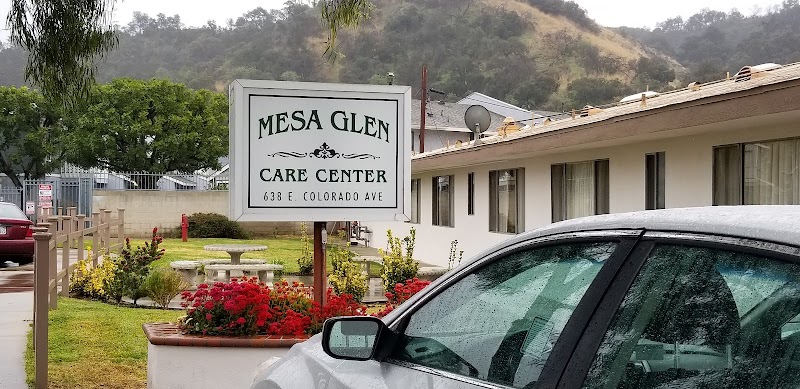
CMS rates Mesa Glen Care Center's staffing level at 3 out of 5 stars, which is average compared to other nursing homes. Staff turnover is 60%, which is 14 percentage points above the California average of 46%. High turnover can affect care consistency as new staff learn residents' individual needs. RN turnover specifically is 75%, which is notably high. RNs provide skilled clinical oversight, so turnover in this role can affect medical care quality.

What Have Inspectors Found at Mesa Glen Care Center?

State health inspectors documented 127 deficiencies at Mesa Glen Care Center during 2021 to 2025. These included: 3 that caused actual resident harm, 123 with potential for harm, and 1 minor or isolated issues. Deficiencies causing actual harm indicate documented cases where residents experienced negative health consequences.

Who Owns and Operates Mesa Glen Care Center?

Mesa Glen Care Center is owned by a for-profit company. For-profit facilities operate as businesses with obligations to shareholders or private owners. The facility is operated by P&M MANAGEMENT, a chain that manages multiple nursing homes. With 96 certified beds and approximately 88 residents (about 92% occupancy), it is a smaller facility located in GLENDORA, California.

How Does Mesa Glen Care Center Compare to Other California Nursing Homes?

Compared to the 100 nursing homes in California, Mesa Glen Care Center's overall rating (1 stars) is below the state average of 3.1, staff turnover (60%) is significantly higher than the state average of 46%, and health inspection rating (1 stars) is much below the national benchmark.

What Should Families Ask When Visiting Mesa Glen Care Center?

Based on this facility's data, families visiting should ask: "What safeguards and monitoring systems are in place to protect residents from abuse or neglect?" "How do you ensure continuity of care given staff turnover, and what is your staff retention strategy?" "Can I visit during a mealtime to observe dining assistance and food quality?" "How do you handle medical emergencies, and what is your hospital transfer rate?" These questions are particularly relevant given the substantiated abuse finding on record and the facility's high staff turnover rate.

Is Mesa Glen Care Center Safe?

Based on CMS inspection data, Mesa Glen Care Center has documented safety concerns. The facility has 1 substantiated abuse finding (meaning confirmed case of resident harm by staff or other residents). The facility is currently on the Special Focus Facility watch list (a federal program monitoring the lowest-performing 1% of nursing homes nationwide). The facility has a 1-star overall rating and ranks #100 of 100 nursing homes in California. Families considering this facility should ask detailed questions about what corrective actions have been taken since these incidents.

Do Nurses at Mesa Glen Care Center Stick Around?

Staff turnover at Mesa Glen Care Center is high. At 60%, the facility is 14 percentage points above the California average of 46%. Registered Nurse turnover is particularly concerning at 75%. RNs handle complex medical decisions and coordinate care — frequent RN changes can directly impact care quality. High turnover means new staff may not know residents' individual needs, medications, or preferences. It can also be disorienting for residents, especially those with dementia who rely on familiar faces. Families should ask: What is causing the turnover? What retention programs are in place? How do you ensure care continuity during staff transitions?

Was Mesa Glen Care Center Ever Fined?

Mesa Glen Care Center has been fined $101,608 across 2 penalty actions. This is 3.0x the California average of $34,095. Fines at this level are uncommon and typically indicate a pattern of serious deficiencies, repeated violations, or failure to correct problems promptly. CMS reserves penalties of this magnitude for facilities that pose significant, documented risk to resident health or safety. Families should request specific documentation of what issues led to these fines and what systemic changes have been implemented.

Is Mesa Glen Care Center on Any Federal Watch List?

Mesa Glen Care Center is currently an SFF Candidate, meaning CMS has identified it as potentially qualifying for the Special Focus Facility watch list. SFF Candidates have a history of serious deficiencies but haven't yet reached the threshold for full SFF designation. The facility is being monitored more closely — if problems continue, it may be added to the official watch list. Families should ask what the facility is doing to address the issues that led to this status.