MAGNOLIA GARDENS CONVALESCENT HOSPITAL
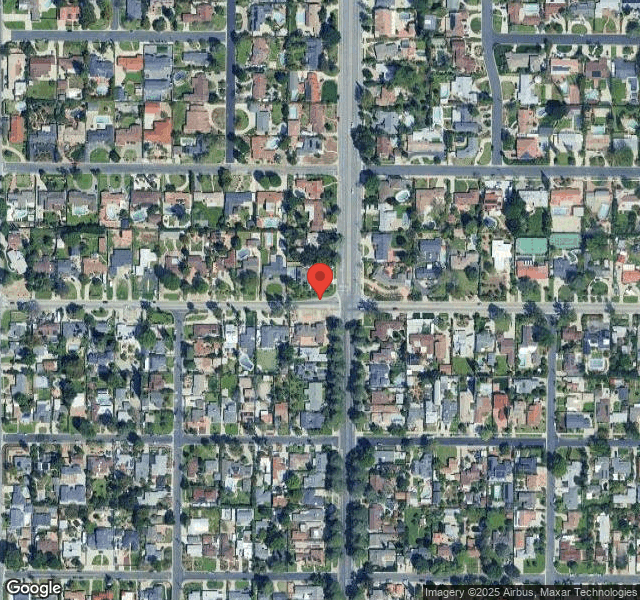

17922 SAN FERNANDO MISSION RD, GRANADA HILLS, CA 91344 (818) 360-1864
For profit - Corporation 99 Beds LONGWOOD MANAGEMENT CORPORATION Data: November 2025
Trust Grade
48/100
#842 of 1155 in CA
Last Inspection: April 2025

Within standard 12-15 month inspection cycle. Federal law requires annual inspections.

Overview

Magnolia Gardens Convalescent Hospital has a Trust Grade of D, indicating below-average performance with some concerning issues. It ranks #842 out of 1155 facilities in California, placing it in the bottom half, and #205 out of 369 in Los Angeles County, where only a few local options are better. The facility's situation is worsening, as the number of reported issues increased from 24 in 2024 to 28 in 2025. Staffing is a relative strength, rated 4 out of 5 stars, but the turnover rate is average at 40%. However, the facility has faced $15,473 in fines, which is concerning, and several specific incidents illustrate care gaps, such as failing to document post-dialysis assessments properly, not following prescribed renal diets, and not implementing proper care plans for residents, which could potentially lead to health complications. Overall, while there are some strengths in staffing, the facility has significant weaknesses that families should consider.

Trust Score
D
48/100
In California
#842/1155
Bottom 28%
Safety Record
Low Risk
No red flags
Inspections
Getting Worse
24 → 28 violations
Staff Stability
○ Average
40% turnover. Near California's 48% average. Typical for the industry.
Penalties
✓ Good
$15,473 in fines. Lower than most California facilities. Relatively clean record.
Skilled Nurses
⚠ Watch
Each resident gets only 20 minutes of Registered Nurse (RN) attention daily — below average for California. Fewer RN minutes means fewer trained eyes watching for problems.
Violations
⚠ Watch
74 deficiencies on record. Higher than average. Multiple issues found across inspections.
★★☆☆☆
2.0
Overall Rating
★★★★☆
4.0
Staff Levels
★★★★☆
4.0
Care Quality
★★☆☆☆
2.0
Inspection Score
Stable
2024: 24 issues
2025: 28 issues

The Good

  • 4-Star Staffing Rating · Above-average nurse staffing levels
  • 4-Star Quality Measures · Strong clinical quality outcomes
  • Full Sprinkler Coverage · Fire safety systems throughout facility
  • No fines on record
  • Staff turnover below average (40%)

    8 points below California average of 48%

Facility shows strength in staffing levels, quality measures, fire safety.

The Bad

2-Star Overall Rating

Below California average (3.1)

Below average - review inspection findings carefully

Staff Turnover: 40%

Near California avg (46%)

Typical for the industry

Federal Fines: $15,473

Below median ($33,413)

Minor penalties assessed

Chain: LONGWOOD MANAGEMENT CORPORATION

Part of a multi-facility chain

Ask about local staffing decisions and management

The Ugly 74 deficiencies on record

Jul 2025 4 deficiencies
CONCERN (D) 📢 Someone Reported This

A family member, employee, or ombudsman was alarmed enough to file a formal complaint

Potential for Harm - no one hurt, but risky conditions existed

Deficiency F0806 (Tag F0806)

Could have caused harm · This affected 1 resident

Based on observation, interview, and record review, the facility failed to ensure that one of three sampled residents (Resident 3) food preferences were honored when rice, a documented disliked food i...

Read full inspector narrative →
Based on observation, interview, and record review, the facility failed to ensure that one of three sampled residents (Resident 3) food preferences were honored when rice, a documented disliked food item, was served during lunch on 7/29/2025. This deficient practice resulted in Resident 3 being served rice, which had the potential to lead to decreased food intake and subsequent weight loss. During a review of Resident 3's admission Record, the admission Record indicated the facility admitted Resident 3 on 5/29/2025 with diagnosis including end stage renal disease (ESRD- a severe, permanent condition where the kidneys can no longer adequately filter waste and excess fluid from the blood, requiring either dialysis [a procedure to remove waste products and excess fluid from the blood when the kidneys {bean-shaped organs, typically two in number, located in the back of the abdomen} stop working properly] or a kidney transplant for survival) and dependence on renal (kidney) dialysis. During a review of Resident 3's Minimum Data Set (MDS- a resident assessment tool) dated 6/4/2025, the MDS indicated Resident 3 had intact cognition (the mental action or process of acquiring knowledge and understanding through thought, experience and the senses). The MDS indicated Resident 3 required setup or clean-up assistance with eating and required partial/moderate assistance from staff with oral hygiene and personal hygiene and was dependent on staff with toileting hygiene, shower/bathing self and lower body dressing. During a review of Resident 3's Nutrition/Dietary Note dated 6/20/2025 timed at 8:54 a.m., the Nutrition/Dietary Note indicated that Resident 3 dislikes both pasta and rice. During a review of Resident 3's Meal Ticket (refers to a physical or digital document that indicates a resident's dietary restrictions, allergies, and preferences, ensuring they receive the appropriate meals) dated 7/29/2025 for lunch, the Meal Ticket indicated that Resident 3 dislikes both pasta and rice. During a concurrent observation and interview on 7/29/2025 at 12:25 p.m., with Resident 3, during lunch, observed Resident 3's lunch plate consisting of a protein, rice and broccoli. Resident 3 stated that the facility always serves Resident 3 rice, even though the facility knows Resident 3 does not like rice. Resident 3 further stated Resident 3 will not eat the rice because Resident 3 does not like rice. During a concurrent interview and record review on 7/29/2025 at 2:02 p.m., with the Registered Dietitian (RD), Resident 3's Nutritional/Dietary Note dated 6/20/2025 timed at 8:54 a.m. was reviewed. The Nutritional/Dietary Note indicated that Resident 3's dislikes both pasta and rice. The RD stated that the facility should have honored Resident 3's documented dietary preferences and that Resident 3 should not have been served rice. The RD further stated that kitchen staff should have communicated with Resident 3 and should have offered an appropriate substitute such as wheat bread or corn. The RD stated that kitchen staff are expected to follow residents' dietary preferences at all times. During a review of the facility's Policies and Procedures (P&P) titled Resident Food Preferences last reviewed on 3/12/2025, the P&P indicated Individual food preferences will be assessed upon admission and communicated to the interdisciplinary team. Modifications to diet will only be offered with the residents' or representative's consent. Policy Interpretation: 1.1. Upon the resident's admission (or within twenty-four (24) hours after his/her admission) the dietitian or nursing staff will identify resident's food preferences. 2.2. When possible, staff will interview the residents directly to determine current food preferences based on history and life patterns related to food and mealtimes. 310. The food service department will offer a variety of foods at each meal, as well as access to nourishing snacks throughout the day and night.
CONCERN (D) 📢 Someone Reported This

A family member, employee, or ombudsman was alarmed enough to file a formal complaint

Potential for Harm - no one hurt, but risky conditions existed

Food Safety (Tag F0812)

Could have caused harm · This affected 1 resident

Based on observation, interview, and record review, the facility failed to follow proper sanitation and food handling practices by failing to ensure dietary staff did not have their personal cell phon...

Read full inspector narrative →
Based on observation, interview, and record review, the facility failed to follow proper sanitation and food handling practices by failing to ensure dietary staff did not have their personal cell phone in the preparation area for one of three sampled staff. This deficient practice had the potential to result in foodborne illness (refers to illness caused by the ingestion of contaminated food or beverages) and had the potential of spreading infection for 95 out of 95 in-house residents living in the facility.During an observation on 7/29/2025 at 12:30 p.m., in the kitchen, observed DA's personal cell phone in the food preparation area. During a concurrent observation and interview on 7/29/2025 at 12:31 p.m., in the kitchen, observed DA reaching for her (DA) personal cellphone, which was located on the food preparation area. The DA stated that the cellphone belonged to her (DA) and stated that cellphone should not have been in the food preparation area. DA stated, I'm sorry. During an interview on 7/29/2025 at 2:18 p.m., with the Registered Dietician (RD), the RD stated that personal items should not be placed in or near the food preparation area. The RD stated that all personal belongings, including cellphones, must be kept away from food preparation areas due to the risk of cross-contamination (the transfer of harmful bacteria from one food item to another, or from a food item to a surface, utensil, or even a person's hands, and then to another food item). During a review of the facility's policy and procedure (P&P) titled, Sanitation and Infection Control, last reviewed on 3/12/2025, the P&P indicated food service employees will follow infection control policies to ensure the department operates under sanitary conditions at all times. Employee personal belongings (i.e. clothing, food, cell phone, etc.) should be stored in a separate area away from food or items used in food service.
CONCERN (E) 📢 Someone Reported This

A family member, employee, or ombudsman was alarmed enough to file a formal complaint

Potential for Harm - no one hurt, but risky conditions existed

Deficiency F0698 (Tag F0698)

Could have caused harm · This affected multiple residents

**NOTE- TERMS IN BRACKETS HAVE BEEN EDITED TO PROTECT CONFIDENTIALITY** Based on interview and record review, the facility failed to ensure dialysis (a procedure to remove waste products and excess fl...

Read full inspector narrative →
**NOTE- TERMS IN BRACKETS HAVE BEEN EDITED TO PROTECT CONFIDENTIALITY** Based on interview and record review, the facility failed to ensure dialysis (a procedure to remove waste products and excess fluid from the blood when the kidneys [bean-shaped organs, typically two in number, located in the back of the abdomen] stop working properly) residents received care in accordance with standards of practice for two of three sampled residents (Resident 1 and Resident 2) by failing to ensure that Post Dialysis Assessments (refers to evaluations conducted after a dialysis treatment to monitor a resident's condition and effectiveness of the dialysis process) were accurately and completely documented. This deficient practice had the potential to result in an increased risk of harm due to potential undetected post-dialysis complications. a. During a review of Resident 1's admission Record, the admission Record indicated the facility originally admitted Resident 1 on 2/5/2024 and readmitted Resident 1 on 3/26/2025 with diagnosis including end stage renal disease (ESRD- a severe, permanent condition where the kidneys can no longer adequately filter waste and excess fluid from the blood, requiring either dialysis or a kidney transplant for survival) and dependence on renal (kidney) dialysis. During a review of Resident 1 Minimum Data Set (MDS- a resident assessment tool) dated 5/14/2025, the MDS indicated Resident 1 had intact cognition (the mental process involved in knowing, learning, and understanding things). The MDS indicated Resident 1 required setup or clean-up assistance from staff with oral hygiene and personal hygiene and required substantial/maximal assistance from staff with toileting and showering or bathing. During a concurrent interview and record review on 7/29/2025 at 11:35 a.m., with the Assistant Director of Nursing (ADON), Resident 1's Dialysis Communication Record dated 7/2/2025 was reviewed. The ADON stated that Resident 1's Post Dialysis Assessment Section, which is to be completed by facility staff upon Resident 1's return from dialysis was incomplete. The ADON stated that Resident 1's vital signs (measurements of the body's most basic functions) were not documented, and the section was left blank. The ADON stated that upon a resident's return from dialysis, facility staff should perform an assessment that includes vital signs, an assessment of the resident's dialysis access site and an assessment of the resident's cognitive status. The ADON further stated that the Post Dialysis Assessment should be documented on the Dialysis Communication Record. The ADON further stated that the Post Dialysis Assessments are necessary to identify any changes from Resident 1's baseline (condition of a resident before any intervention or treatment is applied) and to ensure it is safe for the resident to remain in the facility. b. During a review of Resident 2's admission Record, the admission Record indicated the facility originally admitted Resident 2 on 3/29/2014 and readmitted Resident 2 on 5/1/2025 with diagnosis including end stage renal disease and dependence on renal dialysis. During a review of Resident 2's MDS dated [DATE], the MDS indicated Resident 2 had intact cognition. The MDS indicated Resident 2 required setup or clean-up assistance from staff with eating and toileting hygiene and required supervision or touching assistance from staff with oral hygiene, upper and lower body dressing and personal hygiene. During a review of Resident 2's Care Plan for hemodialysis (a medical procedure used to remove waste products and excess fluid from the blood when the kidneys are unable to perform adequately), initiated on 6/26/2023 due to a diagnosis of ESRD, the Care Plan indicated a goal to minimize the risks and complications associated with dialysis treatment such as hypotension (a medical condition characterized by low blood pressure), muscle cramps and vomiting. The Care Plan interventions included documenting the date, time, and condition of the resident upon return from dialysis. During a concurrent interview and record review on 7/29/2025 at 11:47 a.m. with the ADON, Resident 2's Dialysis Communication Record dated 7/21/2025 was reviewed. The ADON stated that on 7/21/2025, Resident 2's Post Dialysis Assessment section was not completed and was left blank. The ADON further stated that it is the responsibility of the licensed nurse assigned to Resident 2 to ensure that Resident 2's Post Dialysis Assessment is completed and properly documented to help ensure Resident 2's safety. During a review of the facility's policy and procedure (P&P) titled, Care of Resident Receiving Renal Dialysis, last reviewed on 3/12/2025, indicated to ensure that nursing staff are aware of special needs of residents receiving renal dialysis, and provide care accordingly. Complete post dialysis assessment on return from treatment. Nursing staff will observe the resident for the following: a. Change in level of consciousness; b. Change in cardiovascular or respiratory status; c. Change in mental status; d. Change in renal status; e. Marked change in blood pressure; f. Bleeding at access site; g. Skin changes; h. Absence of bruit (whooshing or swishing, heard during auscultation [listening with a stethoscope {a medical instrument used to amplify and listen to internal body sounds}]) /thrill (a vibration caused by blood flow) of shunt (a connection between a vein and artery that helps the body create the flow of blood it needs for dialysis to work) area; i. Pain and swelling; j. Lethargy (a state of extreme tiredness, weakness and lack of energy); k. Any injuries sustained during transfer.
CONCERN (E) 📢 Someone Reported This

A family member, employee, or ombudsman was alarmed enough to file a formal complaint

Potential for Harm - no one hurt, but risky conditions existed

Menu Adequacy (Tag F0803)

Could have caused harm · This affected multiple residents

**NOTE- TERMS IN BRACKETS HAVE BEEN EDITED TO PROTECT CONFIDENTIALITY** Based on observation, interview and record review, the facility failed to follow the prescribed renal diet (a specialized diet d...

Read full inspector narrative →
**NOTE- TERMS IN BRACKETS HAVE BEEN EDITED TO PROTECT CONFIDENTIALITY** Based on observation, interview and record review, the facility failed to follow the prescribed renal diet (a specialized diet designed for residents with kidney [bean-shaped organs, typically two in number, located in the back of the abdomen] disease) for two of three sampled residents (Resident 2 and Resident 3) as outlined in the facility's printed menu by serving broccoli instead of green beans, rice instead of wheat pasta, and omitting the parsley garnish on the resident's plate. This deficient practice had the potential to result in residents receiving foods high in potassium (a vital mineral [electrolytes] that the body needs for various functions, including nerve and muscle function, maintaining a regular heartbeat, and transporting nutrients in and out of cells, also crucial for regulating blood pressure), phosphorus (a mineral that needs careful management due to its impact on kidney health) which can contribute to serious complications such as electrolyte imbalances (occur when the levels of essential minerals in the body like potassium are too high or too low), fluid retention (when the body holds onto excess fluid, often causing swelling in various parts of the body), hypertension (high blood pressure) or cardiac arrhythmias (abnormal patterns of the heartbeat). a. During a review of Resident 2's admission Record, the admission Record indicated the facility originally admitted Resident 2 on 3/29/2014 and readmitted Resident 2 on 5/1/2025 with diagnosis including end stage renal disease (ESRD- a severe, permanent condition where the kidneys can no longer adequately filter waste and excess fluid from the blood, requiring either dialysis [a procedure to remove waste products and excess fluid from the blood when the kidneys organs, stop working properly] or a kidney transplant for survival) and dependence on renal (kidney) dialysis. During a review of Resident 2's MDS dated [DATE], the MDS indicated Resident 2 had intact cognition (the mental process involved in knowing, learning, and understanding things). The MDS indicated Resident 2 required setup or clean-up assistance from staff with eating and toileting hygiene and required supervision or touching assistance from staff with oral hygiene, upper and lower body dressing and personal hygiene. During a review of Resident 2's Physician's Order dated 4/15/2025, timed 9:19 a.m., the Physician's Order indicated that Resident 2 was prescribed a renal diet with 80 grams (g - unit of measurement for the weight of nutrients) of protein, Consistent Carbohydrate (CCHO - diet consistency that helps control blood sugar levels), mechanical soft (a diet that involves eating foods that have been modified to be easy to chew and swallow) texture, and thin fluid consistency. During a review of the facility's Summer Menu for the week of 7/29/2025, the Summer Menu indicated the following food items were to be served to residents on a renal diet: Herb & spice roast beef, Herb & spice gravy, Wheat pasta with margarine, [NAME] beans, Parsley garnish, Fruit mix crumble cake. During an observation 7/29/2025 at 12:15 p.m., observed Resident 2's lunch tray with chopped meat protein, rice, and broccoli. b. During a review of Resident 3's admission Record, the admission Record indicated the facility admitted Resident 3 on 5/29/2025 with diagnosis including ESRD and dependence on renal dialysis. During a review of Resident 3's MDS dated [DATE], the MDS indicated Resident 3 had intact cognition. The MDS indicated Resident 3 required setup or clean-up assistance with eating and required partial/moderate assistance from staff with oral hygiene and personal hygiene and was dependent on staff with toileting hygiene, shower/bathing self and lower body dressing. During a review of Resident 3's Physician's Order dated 6/5/2025, timed 6:14 p.m., the Physician's Order indicated that Resident 3 was prescribed a renal diet with 80 g of protein, CCHO diet, regular diet texture, and thin fluid consistency. During a review of the facility's Summer Menu for the week of 7/29/2025, the Summer Menu indicated the following food items were to be served to residents on a renal diet: Herb & spice roast beef, Herb & spice gravy, Wheat pasta with margarine, [NAME] beans, Parsley garnish, Fruit mix crumble cake. During a concurrent observation and interview on 7/29/2025 at 12:25 p.m., with Resident 3, Resident 3's meal tray was observed. Resident 3 stated that her (Resident 3's) meal tray consists of roast beef, rice and broccoli. Resident 3 stated that the food items served were not consistent with the renal diet menu. Additionally, no parsley garnished was observed on Resident 3's tray, as indicated in the facility's printed menu. c. During a review of the facility's Summer Menu for the week of 7/29/2025, the Summer Menu indicated the following food items were to be served to residents on renal CCHO diet: Herb & spice roast beef, Herb & spice gravy, Mashed potatoes, Spinach AuGratin, Parsley garnish, Fruit mix crumble cake. During a concurrent observation and interview on 7/29/2025 at 1:50 p.m., with the Director of Nursing (DON), a test tray was observed. The DON stated that there was no parsley garnish present on the test tray. During an interview on 7/29/2025 at 2:10 p.m., with the Registered Dietitian (RD), the RD stated that the kitchen staff did not follow the renal diet menu. The RD stated that broccoli should not have been served because it contains a higher level of potassium compared to green beans. The RD further stated that wheat pasta should have been served as indicated on the menu. The RD stated that kitchen staff should have followed the printed menu. The RD continued to state that adherence to the renal diet menu is critical, as any deviation can negatively impact a resident's potassium and phosphorus levels, potentially leading to serious health complications. During an interview on 7/29/2025 at 2:25 p.m., with the [NAME] (CK), the CK stated that he had prepared green beans but ran out. CK further stated that he was not the person responsible for serving the food on the tray line. CK stated that he should have prepared more green beans and that broccoli should not have been served as a substitute. When asked why rice was served instead of wheat pasta, CK did not provide a response. When questioned about the absence of the parsley garnish, CK did not respond. During a follow up interview on 7/29/2025 at 2:39 p.m., with the RD, the RD stated that CK should have looked for an additional can of green beans. The RD stated that upon running out of green beans, CK should have informed the appropriate staff so that residents on a renal diet could be notified. The RD stated that the kitchen staff failed to follow the printed menu by not serving the food items listed and failed to communicate with the residents regarding the deviation from the planned meal. During a review of the facility's policy and procedure (P&P), Menu, last reviewed on 3/12/2025, indicated 28 day cycle menus are prepared by the dietitian and modifications of individual resident menus are made as necessary to comply with physician orders and/or resident preferences. The standard menu will ensure nutritional adequacy of all diets, offer a variety of food inadequate amounts at each meal, and a standardized food production. If any meal served varies from the planned menu the change and the reason for the change shall be noted on the written menu. The menus will be prepared as written using standardized recipes. The dietary services supervisor and cooks are trained and responsible for the preparation and service of therapeutic diets prescribed. When changes in the menu are necessary substitutions shall be comparable nutritive value, and the substituted food shall come from the same food group. Menu changes must be noted on the back of the menu. The reason for the change must also be noted.
Jun 2025 1 deficiency
CONCERN (D) 📢 Someone Reported This

A family member, employee, or ombudsman was alarmed enough to file a formal complaint

Potential for Harm - no one hurt, but risky conditions existed

Medical Records (Tag F0842)

Could have caused harm · This affected 1 resident

**NOTE- TERMS IN BRACKETS HAVE BEEN EDITED TO PROTECT CONFIDENTIALITY** Based on interview and record review, the facility failed to maintain accurate and complete medical records in accordance with a...

Read full inspector narrative →
**NOTE- TERMS IN BRACKETS HAVE BEEN EDITED TO PROTECT CONFIDENTIALITY** Based on interview and record review, the facility failed to maintain accurate and complete medical records in accordance with accepted professional standards for one of three sampled residents (Resident 1) by: 1. Failing to document the correct time on Resident 1's Resident Transfer Record. 2. Failing to ensure Resident 1's Resident Transfer Record was complete. These deficient practices had the potential to result in confusion regarding Resident 1's health status at the time of transfer and placed Resident 1 at risk of not receiving appropriate care due to inaccurate and incomplete resident medical care information. Findings: During a review of Resident 1's admission Record, the admission Record indicated Resident 1 was admitted on [DATE] with diagnoses that included Parkinson's disease (brain disorder that leads to shaking, stiffness, and difficulty with walking, balance, and coordination), anxiety disorder (mental health condition characterized by persistent and excessive worry, fear, and nervousness that can interfere with daily life), spinal stenosis (when the space inside the backbone is too small, putting pressure on the spinal cord and nerves, causing pain, numbness and weakness in the neck, back, arms and legs). During a review of Resident 1's Minimum Data Set (MDS- a resident assessment tool), dated 11/16/2024, the MDS indicated Resident 1's cognition (the mental action or process of acquiring knowledge and understanding through thought, experience and the senses) was moderately impaired. The MDS further indicated Resident 1 needed partial/moderate assistance from staff for toileting hygiene, bathing, lower body dressing and putting on/taking off footwear. During a review of Resident 1's COC (Change of Condition - when a resident's physical or cognitive status suddenly changes, placing them at risk)/Interact Assessment Form (SBAR - situation, background, assessment, recommendation, a communication tool used by healthcare workers when there is a change of condition among the residents) dated 2/14/2025, the SBAR indicated Resident 1 was having lower abdominal pain and had a physician's order to transfer to the hospital via ambulance (a vehicle, often a specially equipped, used to transport sick or injured people, usually to a hospital, especially in emergency situations). Resident 1's SBAR indicated Resident 1 had the following vital signs (measurements of the body's most basic functions), timed at 10:45 a.m.: - Blood Pressure: 128/70 millimeters of mercury (mmHg - unit used to measure the pressure of blood, normal reading 120/80 mmHg) - Pulse: 70 beats per minute (also known as heart rate, normal range 60 to 100) - Respiration: 18 breaths per minute (normal range 12 to 20 breaths per minute) - Temperature (the measurement of the body's internal heat): 97.8 Fahrenheit (°F- scale of temperature, normal range between 97°F and 99°F) During a review of Resident 1's Resident Transfer Record dated 2/14/2025, the Resident Transfer Record indicated Resident 1 had the following vital signs at 10:45 a.m.: - Blood Pressure: 190/110 mmHg - Pulse: 90 beats per minute - Respiration: 20 breaths per minute - Temperature: 97°F Further review of Resident 1's Resident Transfer Record also indicated the following sections were left blank: - Social Security Number - Medicare/Medi-Cal/HMO Numbers - Date and Time symptoms were first noted - Current Diet Order - Baseline Mental Status - Possessions Transferred During an interview on 6/18/2025 at 2:10 p.m., with Registered Nurse 1 (RN 1), RN 1 stated she was responsible for completing both Resident 1's SBAR and Resident 1's Transfer Record. RN 1 stated she completed Resident 1's SBAR at 10:45 a.m. and Resident 1's Resident Transfer Record about one hour later, closer to the time that the ambulance arrived to take Resident 1 to the hospital. RN 1 stated she (RN 1) took Resident 1's vital signs at 10:45 a.m. and documented them on Resident 1's SBAR. RN 1 added that she (RN 1) obtained a new set of vital signs at around 11:45 a.m. and recorded those vital signs on Resident 1's Resident Transfer Record in preparation for the arrival of the ambulance. RN 1 stated she mistakenly used the same time of 10:45 a.m. for both Resident 1's SBAR and Resident 1's Resident Transfer Record. RN 1 stated Resident 1's Resident Transfer Record should have indicated a time of 11:45 a.m. and not 10:45 a.m. RN 1 also stated she did not realize that there were blank areas and information missing on Resident 1's Resident Transfer Record. RN 1 stated it is important to ensure all resident health records are complete and accurate, so it does not create any confusion. During an interview on 6/18/2025 at 2:45 p.m., with the Director of Nursing (DON), the DON stated he (DON) looked over Resident 1's Resident Transfer Record and spoke with RN 1. The DON confirmed that Resident 1's Resident Transfer Record was incomplete and there was a discrepancy regarding time. The DON stated all resident health records should be complete and accurate. The DON stated inaccuracies and lack of information in resident health records could lead to confusion about a resident's health status, possibly even affecting the care and services for the residents. During a review of the facility's policy and procedure titled, Documentation Principles, dated 01/04 indicated it is the policy of the facility to ensure health records be kept for each resident. The policy and procedure further indicated resident health records must be complete entries that are: a. Accurate; b. Timely - recorded within the required time period; c. Objective - record facts and what it is, do not assume; d. Specific - definite; e. Concise - to the point; f. Legible - written clearly; g. Clear - easily understood; h. Descriptive - adequately explained.
Jun 2025 2 deficiencies
CONCERN (D) 📢 Someone Reported This

A family member, employee, or ombudsman was alarmed enough to file a formal complaint

Potential for Harm - no one hurt, but risky conditions existed

Deficiency F0627 (Tag F0627)

Could have caused harm · This affected 1 resident

**NOTE- TERMS IN BRACKETS HAVE BEEN EDITED TO PROTECT CONFIDENTIALITY** Based on interview and record review, the facility failed to: 1. Ensure the Discharge Summary (a concise, written document that ...

Read full inspector narrative →
**NOTE- TERMS IN BRACKETS HAVE BEEN EDITED TO PROTECT CONFIDENTIALITY** Based on interview and record review, the facility failed to: 1. Ensure the Discharge Summary (a concise, written document that summarizes a patient's hospital stay, outlining the care received and the patient's condition upon discharge) included a recapitulation of the resident's stay for one of four sampled residents (Resident 1). 2. Ensure the Post Discharge Plan of Care was completed for one of four sampled residents (Resident 1). 3. Ensure discharge planning was part of the comprehensive care plan for one of four sampled residents (Resident 1). These deficient practices had the potential to cause confusion regarding the care and services rendered to Resident 1 and could cause a delay in the continuity of care after Resident 1's discharge. Findings: During a review of Resident 1's admission Record, the admission Record indicated Resident 1 was admitted on [DATE] with diagnoses that included rhabdomyolysis (a condition that causes your muscles to break down and release its contents into the blood, causing kidney damage), dementia (a progressive state of decline in mental abilities) and history of malignant neoplasm (known as cancer, a type of tumor characterized by uncontrolled, abnormal growth of cells that can invade surrounding tissues and spread to other parts of the body) of the breast. During a review of Resident 1's Minimum Data Set (MDS- a resident assessment tool), dated 3/20/2025, the MDS indicated Resident 1's cognition (the mental action or process of acquiring knowledge and understanding through thought, experience and the senses) was intact. The MDS further indicated Resident 1 was dependent on staff for toileting hygiene, bathing, lower body dressing and putting on/taking off footwear. During a concurrent interview and record review on 6/11/2025 at 9:35 a.m., with the Assistant Director of Nursing (ADON), Resident 1's Discharge summary dated [DATE] was reviewed. The Discharge Summary did not indicate a recapitulation of Resident 1's stay. The ADON confirmed that the Discharge Summary did not indicate Resident 1's course of treatment while in the facility. The ADON stated it was important that Resident 1's Discharge Summary include a recapitulation to ensure proper continuity of care. During a concurrent interview and record review on 6/11/2025 at 9:39 a.m., with the ADON, Resident 1's Post Discharge Plan of Care dated 4/4/2025 was reviewed. The Post Discharge Plan of Care did not indicate the following: - The address and the phone number of the location Resident 1 was being discharged to. - The phone number for Resident 1's discharge physician. - The name and phone number for Resident 1's continuing care physician. - The reason for Resident 1's admission and discharge. - Resident 1's mental and psych/social status. - Resident 1's care preferences. The ADON confirmed that Resident 1's Post Discharge Plan of Care was missing the information above. The ADON stated it was important that Resident 1's Post Discharge Plan of Care be complete and accurate in order to ensure Resident 1's needs are met after discharge. The ADON further added that Post Discharge Plan of Care needs to be complete so that the accepting facility has all the information necessary to care for Resident 1 and has the information to reach Resident 1's care providers if they have any questions. During a concurrent interview and record review on 6/11/2025 at 9:46 a.m., with the ADON, Resident 1's care plans from 3/14/2025 to 4/4/2025 were reviewed. The ADON stated there was no care plan for discharge planning. The ADON stated there should have been a care plan to address Resident 1's discharge planning in order to create goals for Resident 1's discharge that the interdisciplinary team (IDT - a group of members from different disciplines working collaboratively, with a common purpose, to set goals, make decisions and share resources and responsibilities) could be aware of and assist with helping Resident 1 reach those goals. The ADON added that discharge planning should start upon admission. During a review of the facility's policy and procedure titled, Transfer/Discharge, (undated), indicated, it is the policy of the facility to assure there is a continuity of care when a transfer is necessary, to prevent transfer trauma, and to ensure proper information is sent with the resident. The policy and procedure further indicated a complete recapitulation is to be completed for when a resident goes to a lower level of care. During a review of the facility's policy and procedure titled, Discharge Summary and Plan, last revised December 2016, indicated, when a resident's discharge is anticipated, a discharge summary and post-discharge plan will be developed to assist the resident to adjust to his/her new living environment. The policy and procedure further stated the discharge summary will include a recapitulation of the resident's stay at the facility and a final summary of the resident's status at the time of discharge.
CONCERN (D) 📢 Someone Reported This

A family member, employee, or ombudsman was alarmed enough to file a formal complaint

Potential for Harm - no one hurt, but risky conditions existed

Deficiency F0699 (Tag F0699)

Could have caused harm · This affected 1 resident

**NOTE- TERMS IN BRACKETS HAVE BEEN EDITED TO PROTECT CONFIDENTIALITY** Based on interview and record review, the facility failed to ensure a trauma (refers to an emotional, psychological, or physical...

Read full inspector narrative →
**NOTE- TERMS IN BRACKETS HAVE BEEN EDITED TO PROTECT CONFIDENTIALITY** Based on interview and record review, the facility failed to ensure a trauma (refers to an emotional, psychological, or physical response to a deeply distressing or disturbing event that overwhelms a resident's ability to cope) assessment was conducted for one of four sampled residents (Resident 1). This deficient practice had the potential to result in delayed identification of underlying trauma-related issues, which could compromise resident care, delay appropriate referrals, and negatively impact resident outcomes. Findings: During a review of Resident 1's admission Record, the admission Record indicated Resident 1 was admitted on [DATE] with diagnoses that included rhabdomyolysis (a condition that causes your muscles to break down and release its contents into the blood, causing kidney damage), dementia (a progressive state of decline in mental abilities) and history of malignant neoplasm (known as cancer, a type of tumor characterized by uncontrolled, abnormal growth of cells that can invade surrounding tissues and spread to other parts of the body) of the breast. During a review of Resident 1's History and Physical (H&P- a formal assessment by a healthcare provider that involves a resident interview, physical exam, and documentation of findings), dated 3/17/2025, the H&P indicated Resident 1 had a fall at home and was not able to get up or call for help. The H&P further indicated Resident 1 was eventually found after a neighbor became concerned and called for a wellness check. The H&P indicated Resident 1 was found approximately five days after the fall. During a review of Resident 1's Minimum Data Set (MDS- a resident assessment tool), dated 3/20/2025, the MDS indicated Resident 1's cognition (the mental action or process of acquiring knowledge and understanding through thought, experience and the senses) was intact. The MDS further indicated Resident 1 was dependent on staff for toileting hygiene, bathing, lower body dressing and putting on/taking off footwear. During a concurrent interview and record review on 6/11/2025 at 9:55 a.m., with the Social Services Director (SSD), Resident 1's social services assessments from 3/14/2025 to 4/4/2025 were reviewed. The SSD stated she could not find a Trauma Care Evaluation for Resident 1. The SSD stated she is supposed to conduct a Trauma Care Evaluation for all residents, but unfortunately missed this one. The SSD stated there should have been a Trauma Care Evaluation conducted on Resident 1 in order to identify any past trauma and need for further assistance and treatment, especially for psychosocial issues (refers to the psychological and social aspects of a person's well-being, encompassing how they think, feel, and interact with others, as well as their social environment). The SSD added that based on Resident 1's history of breast cancer and the recent fall she had at home, Resident 1 would have benefitted from having a Trauma Care Evaluation done on her. During a review of the facility's policy and procedure titled, Trauma Informed Care and Culturally Competent Care, (undated), indicated it is the policy of the facility to provide care that is culturally competent, and trauma informed in accordance with professional standards of practice. The policy and procedure further indicated universal screening of residents should be performed to identify the need for further assessment and care.
May 2025 3 deficiencies
CONCERN (D) 📢 Someone Reported This

A family member, employee, or ombudsman was alarmed enough to file a formal complaint

Potential for Harm - no one hurt, but risky conditions existed

Notification of Changes (Tag F0580)

Could have caused harm · This affected 1 resident

**NOTE- TERMS IN BRACKETS HAVE BEEN EDITED TO PROTECT CONFIDENTIALITY** Based on interview and record review, the facility failed to notify one of five sampled residents (Resident 1) physician, when o...

Read full inspector narrative →
**NOTE- TERMS IN BRACKETS HAVE BEEN EDITED TO PROTECT CONFIDENTIALITY** Based on interview and record review, the facility failed to notify one of five sampled residents (Resident 1) physician, when on 1/1/2025, Resident 1 had a critically low blood sugar reading (normal blood sugar level is between 70 and 99 milligrams per deciliter [mg/dl - unit of measurement used to express the concentration of a blood sugar]) of 45 mg/dl. This deficient practice placed Resident 1 at risk for untreated hypoglycemia (low blood sugar level) which can lead to adverse effects such as dizziness, falls or further hypoglycemic episodes. Findings: During a review of Resident 1's admission Record, the admission Record indicated the facility originally admitted Resident 1 on 8/29/2024 and readmitted on [DATE] with diagnoses that included type 2 diabetes mellitus (DM- a disorder in which the body does not produce enough insulin [a hormone produced by the pancreas that helps regulate blood sugar levels] causing blood sugar levels to be abnormally high), morbid obesity (a chronic condition characterized by an excessive accumulation of body fat that can negatively impact health), atrial fibrillation (an irregular and often rapid heartbeat) and acquired absence of left leg above knee. During a review of Resident 1's Minimum Data Set (MDS - a resident assessment tool) dated 12/5/2024, the MDS indicated Resident 1 had intact cognition (ability to think and make decisions). The MDS indicated Resident 1 required setup or clean up assistance with eating, supervision or touching assistance with oral hygiene and personal hygiene, and maximal assistance with dressing and bed mobility (movement). During a review of Resident 1's Order Summary Report dated 11/9/2024, the Order Summary Report indicated the following: - Insulin Lispro (a type of fast-acting insulin that helps regulate blood sugar levels in people with diabetes) Inject subcutaneously (under the skin) before meals and at bedtime for DM as per sliding scale (a method of managing diabetes by adjusting insulin doses based on a person's current blood sugar levels): If blood sugar levels 0 - 150 mg/dl = 0 units; If lower than 70 mg/dl = give juice; 151 - 200 mg/dl = give one (1) unit (a way to measure the effect of insulin); 201 - 250 mg/dl = give two (2) units; 251 - 300 mg/dl = give three (3) units; 301 - 350 mg/dl = give four (4) units; 351 - 400 mg/dl = give five (5) units; If above 400 mg/dl = call the physician During a review of Resident 1's Medication Administration Record (MAR - a daily documentation record used by a licensed nurse to document medications and treatments given to a resident) for 1/2025, the MAR indicated the following blood sugar levels: - On 1/1/2025 at 11:30 a.m., the blood sugar level was 45 mg/dl - On 1/8/2025 at 6:30 a.m., the blood sugar level was 68 mg/dl - On 1/9/2025 at 6:30 a.m., the blood sugar level was 69 mg/dl During a concurrent interview and record review on 5/21/2025 at 1:36 p.m., with Licensed Vocational Nurse 2 (LVN 2), Resident 1's Order Summary Report for Insulin Lispro injection and MAR dated 1/1/2025 at 11:30 a.m. were reviewed. LVN 2 stated that on 1/1/2025 at 11:30 a.m. Resident 1's blood sugar level was 45 mg/dl, so she (LVN 2) gave orange juice as an intervention. LVN 2 stated that upon re-checking Resident 1's blood sugar 15 minutes later, Resident 1's blood sugar reading had increased to 74 mg/dl. When asked whether Resident 1's physician was notified, LVN 2 stated that she likely notified Resident 1's physician but did not document the notification. During a concurrent interview and record review on 5/21/2025 at 2:17 p.m., with the Assistant Director of Nursing (ADON), Resident 1's Order Summary Report for Insulin Lispro injection, MAR dated 1/1/2025 at 11:30 a.m., 1/8/2025 at 6:30 a.m., and 1/9/2025 at 6:30 a.m. were reviewed. The ADON stated that LVN 2 should have notified Resident 1's physician regarding the low blood sugar reading on 1/1/2025, documented the notification, and completed a Change of Condition (COC - when there is a sudden change in a resident's condition) form to ensure continued monitoring of Resident 1. The ADON stated that although Resident 1's blood sugar level returned to within normal range after receiving orange juice, physician notification was still required. The ADON stated Resident 1's physician should have been notified because Resident 1's physician might adjust or change Resident 1's plan of care including potential changes in insulin medication (such as dose) and blood sugar level monitoring frequency. During a review of the facility's policy and procedure (P&P) titled, Change in a Resident's Condition or Status, last reviewed on 3/12/2025, indicated, Our facility promptly notifies the resident, his or her attending physician, and the resident representative of changes in the resident's medical/mental condition and/or status The nurse will notify the resident's attending or physician on call when there has been a(an) . specific instructions to notify the physician of changes in the resident's condition, During a review of the facility's P&P titled, Nursing Care of the Older Adult with Diabetes Mellitus, last reviewed on 3/12/2025, indicated, To provide an overview of diabetes in the older adult, its symptoms and complications, and the principles of glucose monitoring Establish provider notification protocols, for example: a. Call provider immediately if resident is hypoglycemic (lower than 70 mg/dL),
CONCERN (D) 📢 Someone Reported This

A family member, employee, or ombudsman was alarmed enough to file a formal complaint

Potential for Harm - no one hurt, but risky conditions existed

Pressure Ulcer Prevention (Tag F0686)

Could have caused harm · This affected 1 resident

**NOTE- TERMS IN BRACKETS HAVE BEEN EDITED TO PROTECT CONFIDENTIALITY** Based on observation, interview, and record review, the facility failed to ensure a resident ' s low air loss mattress (LALM - a...

Read full inspector narrative →
**NOTE- TERMS IN BRACKETS HAVE BEEN EDITED TO PROTECT CONFIDENTIALITY** Based on observation, interview, and record review, the facility failed to ensure a resident ' s low air loss mattress (LALM - a specialty bed that alternates pressure to help heal and prevent pressure ulcer/injuries [PU/PI - injuries that break down the skin and underlying tissue when an area of skin is placed under pressure]) was set to the correct setting for two of three sampled residents (Resident 2 and Resident 4). This deficient practice had the potential to place the residents at risk for discomfort and development of pressure ulcers/injuries. Findings: a. During a review of Resident 2 ' s admission Record, the admission Record indicated that the facility originally admitted the resident on 7/17/2023 and readmitted the resident on 5/8/2025 with diagnoses that included diabetes mellitus (DM -(a chronic condition that affects the way the body processes blood glucose [sugar]) and acquired absence of left leg above knee and right leg above knee. During a review of Resident 2 ' s Minimum Data Set (MDS - a resident assessment tool) dated 4/5/2025, the MDS indicated the resident ' s cognitive (the mental action or process of acquiring knowledge and understanding through thought, experience, and the senses) skills for daily decision making was severely impaired, and the resident required total assistance from staff with oral/toileting/personal hygiene, upper/lower body dressing, bed mobility (movement), and transfer. During a review of Resident 2 ' s physician order dated 5/12/2025, the physician order indicated an order to apply LALM for wound care and management. During a review of Resident 2 ' s Wound Management Care Plan dated 5/12/2025, the care plan indicated that Resident 2 had pressure ulcer stage four (4) (full-thickness skin and tissue loss with exposed muscle, tendon, ligament, cartilage, or bone) on sacrococcyx (the bony region at the very base of your spine and just above the tailbone). During a concurrent observation and interview on 5/20/2025 at 10:49 a.m., with Registered Nurse 1 (RN 1), Licensed Vocational Nurse 1 (LVN 1), and Treatment Nurse 1 (TN 1), in Resident 2 ' s room, observed Resident 2 in bed on a LALM set to static mode (function that stops the mattress from alternating pressure). When LVN 1 was asked if LVN 1 checked Resident 2 ' s LALM setting on that morning (5/20/2025), LVN 1 stated that LVN 1 had not check Resident 2 ' s LALM setting yet. RN 1 observed Resident 2 ' s LALM setting mode and stated that it was on static mode and not in alternating mode. At that time TN 1 came into Resident 2 ' s room and observed Resident 2 ' s LALM setting and stated that the setting mode should be on an alternating mode. During a concurrent interview and record review on 5/20/2025 at 2:12 p.m., with TN 1, reviewed Resident 2 ' s physician order to apply LALM for wound care and management dated 5/12/2025. TN 1 stated that Resident 2 ' s physician order was not clarified with the setting levels or mode. When TN 1 was asked what LALM setting mode was recommended for Resident 2, TN 1 stated that the setting mode should be on alternating mode, because with static mode, the resident would receive the same pressure constantly without alternating pressures to the resident ' s skin that could lead to more risk for pressure ulcers. During an interview on 5/21/2025 at 3:38 p.m., with the Director of Nursing (DON), the DON stated that every resident had different setting modes and setting levels when using the LALM to promote wound healing or prevent skin breakdown, and the setting levels and modes would be depending on the residents ' body weight and their comfort levels, so that the nursing staff should follow the recommended setting levels and modes, otherwise, the residents were at risk for further pressure ulcers. During a review of the facility ' s policy and procedure (P&P) titled, Pressure-Reducing Mattress, last reviewed on 3/12/2025, the P&P indicated, To provide the mattresses that will prevent and/or minimize pressure on the skin, and to provide comfort if resident prefers May adjust air mattress to a desired firmness according to patient ' s weight and/or using hand check by sliding one hand between the air mattress and bed frame to feel the patients ' buttock. During a review of the facility-provided user manual for Resident 2 ' s LALM printed on 9/11/2023, the user manual indicated, In Alternate therapy mode, the mattress system will alternate every 10 minutes; and continuous low pressure mode (static mode), non-alternating mode, all of the air cell is equally inflated. b. During a review of Resident 4 ' s admission Record, the admission Record indicated that the facility originally admitted the resident on 8/24/2022 and readmitted the resident on 2/27/2025 with diagnoses that included DM and right femur (the long bone in the upper leg that extends from the hip to the knee) fracture (broken bone). During a review of Resident 4 ' s MDS dated [DATE], the MDS indicated the resident ' s cognitive skills for daily decision making was intact, and the resident required maximal assistance from staff with oral/toileting/personal hygiene, upper/lower body dressing, bed mobility, and transfer. The MDS further indicated that Resident 4 was at risk of developing pressure ulcers/injuries. During a review of Resident 4 ' s physician order dated 2/28/2025, the physician order indicated an order to apply LALM for skin management. During a concurrent observation and interview on 5/20/2025 at 11:07 a.m., with Certified Nursing Assistant 1 (CNA 1) in Resident 4 ' s room, observed Resident 4 in bed on a LALM. CNA 1 stated that she (CNA 1) hadn ' t checked the setting level yet since she started her shift on that morning (5/20/2025) at around 7 a.m. CNA 1 further stated that the setting level should be set at 120 pounds (lbs. – a unit of weight) according to the posting on the LALM pump machine, but it was set at 280 lbs. at that moment. CNA 1 changed from 280 lbs. to 120 lbs. During a concurrent interview and record review on 5/20/2025 at 2:27 p.m., with TN 1, reviewed Resident 4 ' s physician order to apply LALM for skin management dated 2/28/2025. TN 1 stated that Resident 4 ' s physician order was not clarified with the setting levels or mode. TN 1 stated that the setting level for Resident 4 was recommended to be set to 120 lbs. based on Resident 4 ' s body weight and comfort level. TN 1 further stated that Resident 4 did not have pressure ulcers at that time but had a history of pressure ulcers and was at high risk for pressure ulcers, so the nursing staff should follow the recommended setting level 120 lbs. that was posted on Resident 4 ' s LALM pump unit. During an interview on 5/21/2025 at 3:38 p.m., with the DON, the DON stated that every resident had different setting modes and setting levels when using the LALM to promote wound healing or prevent skin breakdown, and the setting levels and modes would be depending on the residents ' body weight and their comfort levels, so that the nursing staff should follow the recommended setting levels and modes, otherwise, the residents were at risk for further pressure ulcers. During a review of the facility ' s P&P titled, Pressure-Reducing Mattress, last reviewed on 3/12/2025, the P&P indicated, To provide the mattresses that will prevent and/or minimize pressure on the skin, and to provide comfort if resident prefers May adjust air mattress to a desired firmness according to patient ' s weight and/or using hand check by sliding one hand between the air mattress and bed frame to feel the patients ' buttock. During a review of the facility-provided operation manual for Resident 4 ' s LALM undated, the manual indicated, Weight/Pressure set up, users can adjust air mattress to a desired firmness according to patient ' s weight or the suggestion from a health care professional.
CONCERN (E) 📢 Someone Reported This

A family member, employee, or ombudsman was alarmed enough to file a formal complaint

Potential for Harm - no one hurt, but risky conditions existed

Comprehensive Care Plan (Tag F0656)

Could have caused harm · This affected multiple residents

**NOTE- TERMS IN BRACKETS HAVE BEEN EDITED TO PROTECT CONFIDENTIALITY** Based on interview and record review, the facility failed: 1. To develop a comprehensive person-centered care plan (a document d...

Read full inspector narrative →
**NOTE- TERMS IN BRACKETS HAVE BEEN EDITED TO PROTECT CONFIDENTIALITY** Based on interview and record review, the facility failed: 1. To develop a comprehensive person-centered care plan (a document designed to facilitate communication among members of the care team that summarizes a resident's health conditions, specific care needs, and current treatments) and implement care plan interventions for two of four sampled residents (Resident 2 and 4) to address the residents' low air loss mattress (LALM - a specialized mattress designed to prevent and treat pressure ulcers [a localized injury to the skin and underlying tissue caused by pressure, friction, or shear]) setting levels and modes. 2. To implement the fall care plan interventions specifically the continued use of a landing mat (also known as floor mat - a safety device placed on the floor beside a bed to help prevent or reduce injury if a resident falls out of bed) for one of three sampled residents (Resident 3). These deficient practices had the potential to negatively affect the delivery of care and services. Findings: 1.a. During a review of Resident 2's admission Record, the admission Record indicated that the facility originally admitted the resident on 7/17/2023 and readmitted on [DATE] with diagnoses that included diabetes melilites (DM - a disorder characterized by difficulty in blood sugar control and poor wound healing) and acquired absence of left leg above knee and right leg above knee. During a review of Resident 2's Minimum Data Set (MDS - a resident assessment tool) dated 4/5/2025, the MDS indicated that Resident 2's cognitive (the mental action or process of acquiring knowledge and understanding through thought, experience, and the senses) skills for daily decision making was severely impaired. The MDS indicated Resident 2 was dependent on staff with oral hygiene, toileting hygiene, shower or bathing, dressing, personal hygiene, bed mobility (movement), and transfer. During a review of Resident 2's Physician's Order dated 5/12/2025, the Physician's Order indicated LALM for wound care and management. During a review of Resident 2's Wound Management Care Plan (WMCP) dated 5/12/2025, the WMCP indicated that Resident 2 had Pressure Ulcer Stage 4 (full-thickness skin and tissue loss with exposed muscle, tendon, ligament, cartilage, or bone) on the sacrococcyx (the bony region at the very base of the spine and just above the tailbone). The WMCP (under the approach section) indicated LALM and to provide pressure relieving device as appropriate for wound size and stage. During a review of Resident 2's Care Plan Report, with an initiated date of 6/23/2024, last revised on 4/16/2025, the Care Plan Report indicated Resident 2 had Pressure Ulcer Stage 4 on the sacrococcyx area. The goal was to show improvement through appropriate interventions and minimize risk of complications and decline. The interventions included to provide pressure relieving device as needed. The interventions did not include the LALM setting levels and modes. During a concurrent interview and record review on 5/20/2025 at 2:12 p.m., with Treatment Nurse 1 (TN 1), Resident 2's Physician's Order dated 5/12/2025 and Resident 2's Care Plan Report regarding Pressure Ulcer with an initiated date of 6/23/2024 were reviewed. TN 1 stated that the Physician's Order dated 5/12/2025 to provide Resident 2 LALM for wound care and management did not include the setting levels and or mode and should have been clarified. When TN 1 was asked what the LALM setting level and mode should be, TN 1 stated she (TN 1) could not provide an answer, as this information was not indicated in Resident 2's care plan. TN 1 stated that Resident 2's care plan was not comprehensive and person-centered and stated she would be developing a new, updated care plan. 1.b. During a review of Resident 4's admission Record, the admission Record indicated that the facility originally admitted Resident 4 on 8/24/2022 and readmitted on [DATE] with diagnoses that included DM and right femur fracture (a break or crack in the thigh bone on the right side of the body). During a review of Resident 4's MDS dated [DATE], the MDS indicated Resident 4's cognitive skills for daily decision making was intact. The MDS indicated Resident 4 required maximal assistance from staff with oral hygiene, toileting hygiene, shower or bathing, dressing, personal hygiene, bed mobility and transfer. The MDS further indicated that Resident 4 was at risk for developing pressure ulcers or skin injuries. During a review of Resident 4's Physician's Order dated 2/28/2025, the Physician's Order indicated LALM for skin management. During a review of Resident 4's Care Plan Report, with an initiated date of 5/21/2024, last revised on 2/4/2025, the Care Plan Report indicated Resident 4 had Unstageable Pressure Ulcer (a type of pressure ulcer that is so severe that its depth and extent cannot be accurately determined) on the sacrococcyx area upon admission and was reclassified to a Stage 3 Pressure Ulcer (pressure injuries extend through the skin into the deeper tissue and fat but do not reach muscle, tendon or bone). The goal was to show improvement through appropriate interventions and minimize risk of complications and decline. The interventions included to provide pressure relieving device as needed. The interventions did not include the LALM setting levels and modes. During a concurrent interview and record review on 5/20/2025 at 2:27 p.m., with TN 1, Resident 4's Physician's Order dated 2/28/2025 and Resident 4's Care Plan Report regarding Pressure Ulcer with an initiated date of 5/21/2024 were reviewed. TN 1 stated that the Physician's Order dated 2/28/2025 to provide Resident 4 LALM for skin management did not include the setting levels and or mode and should have been clarified. TN 1 stated that Resident 4's LALM would automatically revert to alternating mode. TN 1 stated that Resident 4's care plan was not comprehensive and person-centered. TN 1 stated that Resident 4's care plan should indicate LALM setting levels and modes based on the resident's weight and comfort level. During an interview on 5/21/2025 at 3:38 p.m., with the Director of Nursing (DON), the DON stated that the LALM setting levels and mode should be individualized and that the setting level should be included in the resident's care plan because each resident has a different setting level and mode depending on their body weight and their comfort levels. During a review of the facility's policy and procedure (P&P), titled Care Plans, Comprehensive Person-Centered last reviewed on 3/12/2025, the P&P indicated, A comprehensive, person-centered care plan that includes measurable objectives and timetables to meet the resident's physical, psychological and functional needs is developed and implemented for each resident. During a review of the facility's P&P, titled, Pressure Sore Management, last reviewed on 3/12/2025, the P&P indicated, Individual care plan for management of skin condition will be developed as indicated, During a review of the facility's P&P, titled, Pressure-Reducing Mattress, last reviewed on 3/12/2025, the P&P indicated, To provide mattress that will prevent and/or minimize pressure on the skin Develop care plan that includes pressure-reducing mattress (include type), 2. During a review of Resident 3's admission Record, the admission Record indicated that the facility originally admitted Resident 3 on 5/20/2024 and readmitted on [DATE] with diagnoses that included epilepsy (a brain disorder characterized by recurrent, unprovoked seizures [brief episodes of abnormal electrical activity in the brain that cause involuntary movements, loss of consciousness - being aware of oneself and one's surroundings, or changes in behavior]), cerebral palsy (a condition that affects movement, balance, and posture due to damage or abnormal development in the brain, specifically areas that control muscle movement), autistic disorder (a lifelong neurodevelopmental condition characterized by difficulties in social communication and interaction, along with repetitive behaviors and interests), disorders of bone density and structures, and history of falling. During a review of Resident 3's MDS dated [DATE], the MDS indicated that Resident 3's cognitive skills for daily decision making was severely impaired. The MDS indicated Resident 3 required supervision with bed mobility (movement) and transfer and maximal assistance from staff with toileting hygiene, shower or bathing and lower body dressing. During a review of Resident 3's Physician Progress Notes dated 4/15/2025, the Physician Progress Notes indicated that on 3/2/2024, Resident 1 had multiple episodes of seizures and had a fall on 12/29/2024 with subsequent brief seizures. During a review of Resident 3's Care Plan Report, with an initiated date of 3/13/2025, last revised on 3/14/2025, the Care Plan Report indicated Resident 3 had an actual fall on 3/13/2025 and was found lying on the floor in the floor mat. The goal was to minimize risk of falls or injury through appropriate interventions. The interventions included to continue the use of low bed, upper side rails (safety devices attached to the sides of a bed, typically to prevent falls) and landing mat (known as floor mat) for safety to reduce an injury when falling out of bed. During a review of Resident 3's Licensed Nurses Note dated 5/15/2025, the Licensed Nurses Note indicated that low bed and floor mat were listed under the safety measures section however was left blank and the box was not checked. During a concurrent observation and interview on 5/20/2025 at 11:05 a.m., with Certified Nursing Assistant 1 (CNA 1), in Resident 3's room, observed Resident 3 lying in bed, which was positioned in a low bed setting below knee height; however, there was no floor mat observed on the floor beside the bed. When CNA 1 was asked whether Resident 3 required a floor mat while in bed, CNA 1 stated that she (CNA 1) had not seen any floor mats in place since 7 a.m. that morning and stated that she (CNA 1) did not place one herself. CNA 1 stated she (CNA 1) was aware that Resident 3 is at high risk for falls, as indicated by the signage posted on Resident 3's door. When asked why a floor mat was needed, CNA 1 stated that it would help reduce the risk of injury in the event of a fall. During an interview on 5/21/2025 at 3:24 p.m., with the DON, the DON stated that Resident 3 is at high risk for falls and has a history of actual fall incidents. The DON stated that a floor mat should be placed next to the low bed to help reduce the risk of injury while Resident 3 is in bed. The DON stated that licensed nurses are responsible for monitoring and overseeing CNAs to ensure the floor mat is properly placed when Resident 3 is in bed, and that this should be documented accordingly. However, there was no documentation found to confirm whether the floor mat was placed, and the facility was unable to provide evidence that the floor mat was in place for Resident 3. During a review of the facility's P&P, titled Care Plans, Comprehensive Person-Centered last reviewed on 3/12/2025, the P&P indicated, A comprehensive, person-centered care plan that includes measurable objectives and timetables to meet the resident's physical, psychological and functional needs is developed and implemented for each resident Assessments of residents are ongoing, and care plans are revised as information about the residents and the residents' condition change.
May 2025 1 deficiency
CONCERN (D) 📢 Someone Reported This

A family member, employee, or ombudsman was alarmed enough to file a formal complaint

Potential for Harm - no one hurt, but risky conditions existed

Deficiency F0558 (Tag F0558)

Could have caused harm · This affected 1 resident

Based on observation, interview, and record review, the facility failed to ensure a call light (a device used by a resident to signal his/her need for assistance from staff) was within a resident's re...

Read full inspector narrative →
Based on observation, interview, and record review, the facility failed to ensure a call light (a device used by a resident to signal his/her need for assistance from staff) was within a resident's reach while in bed for one of four sampled residents (Resident 4). This deficient practice had the potential to delay the provision of services and residents' needs not being met. Findings: During a review of Resident 4's admission Record, the admission Record indicated the facility admitted the resident on 7/10/2016 with diagnoses including seizures (a sudden, temporary disruption in brain electrical activity that can cause involuntary changes in body movement, behavior, sensation, or awareness), hypothyroidism (a condition where the thyroid gland [butterfly shape in front the neck which regulates growth and development] does not produce enough thyroid hormones [body's chemical messengers that coordinate different functions in your body] to support the body's normal function), and osteoporosis (a disease in which your bones become weak and are likely to fracture [break]). During a review of Resident 4's Minimum Data Set (MDS, a resident assessment tool) dated 4/25/2025, the MDS indicated that Resident 4 was cognitively (the mental action or process of acquiring knowledge and understanding through thought, experience, and the senses) impaired and was dependent on staff for transfer, toilet use, dressing, and bathing. During a concurrent observation and interview on 5/13/2025 at 1:45 p.m., with the CNA 3 (CNA 3), observed Resident 4 lying in bed with her call light underneath her legs. CNA 3 stated the call light should have been within reach of Resident 4 to be able to call for assistance. CNA 3 also stated that without the call light within reach of Resident 4, it will result in a delay of care. During an interview on 5/13/2025 at 4:15 p.m., with the Assistant Director of Nursing (ADON), the ADON stated the call light should have been within reach of Resident 4 to be able to call for assistance. The ADON stated without the call light within reach of Resident 4, it would result in a delay of care or response to her requests and needs. During a review of the facility's policy and procedure titled, Answering the Call Light, dated 3/12/2025, the policy indicated the purpose of this procedure is to ensure timely response to the resident's requests and needs. Ensure that the call light is accessible to the resident when in bed or wheelchair in room, from the toilet or shower room if necessary.
Apr 2025 14 deficiencies
CONCERN (D)

Potential for Harm - no one hurt, but risky conditions existed

Deficiency F0558 (Tag F0558)

Could have caused harm · This affected 1 resident

**NOTE- TERMS IN BRACKETS HAVE BEEN EDITED TO PROTECT CONFIDENTIALITY** Based on observation, interview, and record review, the facility failed to ensure that a call light (a device used by a patient ...

Read full inspector narrative →
**NOTE- TERMS IN BRACKETS HAVE BEEN EDITED TO PROTECT CONFIDENTIALITY** Based on observation, interview, and record review, the facility failed to ensure that a call light (a device used by a patient to signal his or her need for assistance from a professional staff) was within reach for two out of two sampled residents (Resident 13 and Resident 6) investigated under the environment care area. This deficient practice had the potential to result in the residents being unable to ask health care workers for assistance with care and services as needed. Findings: a. During a review of Resident 13's admission Record, the admission Record indicated the facility admitted the resident on 12/19/2014 and readmitted on [DATE] with diagnoses including end stage renal disease (final, permanent stage of chronic kidney disease, where kidney function has declined to the point that the kidneys can no longer function on their own), heart failure (heart muscle cannot pump enough blood to meet the body's needs), and bipolar disorder (a serious mental illness that causes unusual shifts in mood, ranging from extreme high manic episodes to low depression episodes). During a review of Resident 13's Minimum Data Set (MDS - a standardized assessment and care screening tool), dated 3/30/2025, the MDS indicated the resident had moderately impaired cognition (a moderate damaged mental abilities, including remembering things, making decisions, concentrating, or learning). The MDS indicated Resident 13 was unable to walk and required moderate- to -maximal assistance from staff for most activities of daily living (ADLs - activities such as bathing, dressing, and toileting a person performs daily). During a review of Resident 13 History and Physical (H&P), dated 1/22/2025, the H&P indicated Resident 13 had the capacity to understand and make decisions. During a review of Resident 13's Care Plan (a document that outlines the actions and interventions needed to address a resident's health and care needs) dated 12/02/2020 for ADL, the Care Plan indicated that the resident required two persons assist to start and complete most ALDs task. The care plan indicated an intervention to ensure call light is within easy reach. During a concurrent observation and interview on 4/25/2025 at 8:45 p.m. with Certified Nursing Assistant 3 (CNA 3) in Resident 13's room, CNA 3 stated that the resident could not reach the call light, when the call light was located on right side of bed side rail and hanging under the bed. CNA 3 stated if Resident 13 is not able to call for assistance, the resident would be at risk for delayed care. b. During a review of Resident 6's admission Record, the admission Record indicated the facility admitted the resident on 7/22/2022 and readmitted on [DATE] with diagnoses including hypertensive chronic kidney disease (a condition in which the kidneys are damaged and cannot filter blood well), major depression (a mood disorder that causes a persistent feeling of sadness and loss of interest)and essential hypertension (when the pressure in your blood vessels is too high). During a review of Resident 6's Minimum Data Set (MDS - a standardized assessment and care screening tool), dated 4/8/2025, the MDS indicated the resident had severely impaired cognition (severely damaged mental abilities, including remembering things, making decisions, concentrating, or learning). The MDS indicated Resident 6 was unable to walk and required maximal assistance from staff for most activities of daily living (ADLs - activities such as bathing, dressing, and toileting a person performs daily). During a review of Resident 6's History and Physical (H&P), dated 9/4/2024, the H&P indicated Resident 6 had the capacity to understand and make decisions. During a concurrent observation and interview on 4/25/2025 at 8:40 a.m. in Resident 6's room, observed the resident lying in bed, the call light was located on the wall and Resident 6 stated she could not reach the call light. CNA 3 stated if Resident 6 was not able to call for assistance, the resident would be at risk for delayed care. During an interview on 4/27/2023 at 5:33 p.m. with the Director of Nursing (DON), the DON stated the call light should be placed within reach for the residents to be able to call for assistance in case of emergency and for staff to meet their needs. During a review of the facility's policy and procedure titled, Call System, Resident last reviewed on 1/15/2025, the policy indicated the facility will provide a means to call staff for assistance through a communication system that directly calls a staff member or centralized workstation.
CONCERN (D)

Potential for Harm - no one hurt, but risky conditions existed

Deficiency F0655 (Tag F0655)

Could have caused harm · This affected 1 resident

**NOTE- TERMS IN BRACKETS HAVE BEEN EDITED TO PROTECT CONFIDENTIALITY** Based on interview and record review, the facility failed to develop a complete baseline care plan within 48 hours of a resident...

Read full inspector narrative →
**NOTE- TERMS IN BRACKETS HAVE BEEN EDITED TO PROTECT CONFIDENTIALITY** Based on interview and record review, the facility failed to develop a complete baseline care plan within 48 hours of a resident`s admission to the facility by failing to address the resident`s indwelling catheter (a hollow tube inserted into the bladder to drain or collect urine) care interventions for one of one sampled resident (Resident 85) reviewed under the indwelling catheter care area. This deficient practice had the potential for Resident 85 not to receive appropriate care and treatment in the facility. Findings: During a review of Resident 85's admission Record (face sheet), the admission Record indicated that the facility originally admitted the resident on 1/23/2025 and readmitted on [DATE] with diagnoses including type two (2) diabetes mellitus (DM-a disorder characterized by difficulty in blood sugar control and poor wound healing), obstructive uropathy (a blockage in the urinary tract that prevents urine from draining normally), and reflux uropathy (when urine flows backward into the kidneys). During a review of Resident 85`s admission assessment dated [DATE], the admission Assessment indicated that Resident 85 had an indwelling catheter. During a review of Resident 85's Minimum Data Set (MDS - a resident assessment tool) dated 1/29/2025, the MDS indicated that the resident`s cognitive skills (brain's ability to think, read, learn, remember, reason, express thoughts, and make decisions) for daily decision making was intact (decisions consistent/reasonable). The MDS indicated that Resident 85 required staff substantial/maximal assistance (helper does more than half the effort) for oral hygiene, toileting hygiene, upper and lower body dressing, showering/bathing, and personal hygiene. The MDS further indicated that Resident 85 had an indwelling catheter. During a review of Resident 85's physician Order Summary Report (physician orders) dated 2/16/2025, the Order Summary report indicated an order for an indwelling catheter due to obstructive uropathy. The order summary report indicated to provide indwelling catheter care during every day shift. During a concurrent interview and record review on 4/26/2025 at 5:30 p.m., with MDS Coordinator 1 (MDSC 1), Resident 85`s baseline care plan was reviewed. MDSC 1 stated that Resident 85 was readmitted to the facility on [DATE] with an indwelling catheter. MDSC 1 stated that Resident 85`s baseline care plan initiated on 2/16/2025, indicated that the resident had an indwelling catheter. However, the care plan did indicate any nursing interventions regarding the care and monitoring of Resident 85`s indwelling catheter. MDSC 1 stated that residents` baseline care plans must be completed thoroughly reflecting a problem, initial care plan outcome, and nursing interventions. MDSC 1 stated that the potential outcome of not thoroughly completing a resident`s baseline care plan is the inability to meet the resident`s immediate care needs and lack of care. During an interview on 4/27/2025 at 6:15 p.m., with the Director of Nursing (DON), the DON stated a resident`s baseline care plan is required to be completed within 48 hours of resident`s admission to the facility. The DON stated upon admission, licensed staff are required to develop a complete and thorough baseline care plan for each resident indicating a problem and all nursing interventions to be done for that problem. The DON stated Resident 85`s baseline care plan developed on 2/16/2025 was not completed thoroughly. The DON stated the potential outcome is the inability to meet the resident`s immediate care needs and the delivery of necessary services to the resident. During review of the facility`s Policy and Procedure (P&P) titled Care Plans-Baseline, last reviewed on 3/12/2025, the P&P indicated that a baseline plan of care to meet the resident`s immediate health and safety needs is developed for each resident within 48 hours of admission. The baseline care plan includes instructions needed to provide effective, person-centered care of the resident that meet professional standards of quality care and must include minimum healthcare information necessary to properly care for the resident. The resident and/or representative are provided with a written summary of the baseline care plan that includes but is not limited to any services and treatment to be administered by the facility and personnel acting on behalf of the facility.
CONCERN (D)

Potential for Harm - no one hurt, but risky conditions existed

Deficiency F0658 (Tag F0658)

Could have caused harm · This affected 1 resident

**NOTE- TERMS IN BRACKETS HAVE BEEN EDITED TO PROTECT CONFIDENTIALITY** Based on interview and record review the facility failed to ensure residents receive treatment and care in accordance with profe...

Read full inspector narrative →
**NOTE- TERMS IN BRACKETS HAVE BEEN EDITED TO PROTECT CONFIDENTIALITY** Based on interview and record review the facility failed to ensure residents receive treatment and care in accordance with professional standards of practice by failing to rotate (a method to ensure repeated injections are not administered in the same area) subcutaneous (beneath the skin) injection sites to one of one sampled residents (Resident 41) reviewed under the unnecessary medication- anticoagulant (medications that help prevent blood clots from forming or getting bigger) care area. The deficient practice had the potential for adverse effect (unwanted, unintended result) of same site subcutaneous administration of anticoagulant such as lipodystrophy (abnormal distribution of fat), bruising and pain. Findings: During a review of Resident 41's admission Record, the admission Record indicated the resident was initially admitted to the facility on [DATE] and readmitted on [DATE], with diagnoses including muscle weakness, chronic obstructive pulmonary disease (COPD-a lung disease that block airflow and make it difficult to breathe) and hypertension (high blood pressure). During a review of Resident 41`s Minimum Data Set (S - a standardized assessment and care screening tool), dated 3/26/2025, the MDS indicated the resident`s cognitive (the mental action or process of acquiring knowledge and understanding through thought, experience, and the senses) skills for daily decision making was intact. The MDS also indicated that the resident required assistance from staff with performing activities of daily living (ADLs - activities related to personal care). During a review of Resident 41`s Physician`s orders, the Physician's Orders indicated the following order: -Enoxaparin Sodium (Lovenox-) Solution 40 milligram (mg-unit of measurement) per 0.4 milliliter, inject 40 mg subcutaneously (SQ-applied under the skin) one time a day for deep vein thrombosis (a blood clot in a deep vein, usually in the legs) prophylaxis (an attempt to prevent disease). During a review of Resident 41`s Medication Administration Record (MAR- is used to document medications taken by each individual) for the month of March 2025 and April 2025 indicated the following subcutaneous injection administration sites used for the Lovenox 40mg/0.4 ml: 1. 3/15/2025 to 3/31/2025 (17 days)- injection site indicated abdomen with no specific area in the abdomen. 2. 4/1/2025 to 4/8/2025 (8 days)- injection site indicated abdomen with no specific area in the abdomen. 3. 4/102025 to 4/21/2025 (12 days)- injection site indicated abdomen with no specific area in the abdomen. During an interview and record review on 04/27/25 at 1:50 p.m., with Registered Nurse 1 (RN 1), reviewed Resident 41`s physician`s order and MAR for 3/2025 and 4/2025. RN 1 verified that there were multiple days in 3/2025 and 4/2025, when the Lovenox administration site only indicated abdomen. RN 1 stated that when using subcutaneous route of injection, the injection site had to be rotated to prevent tissue damage. RN 1 stated that repeated use of the same subcutaneous injection site can be very painful and distressing to the resident. RN 1 stated that although the abdomen has multiple regions or quadrants, the nurse should document the specific injection site to ensure other nurses are aware of where the last injection was administered to prevent repeated injections at the same site. During a review of the Enoxaparin (Lovenox) manufacturer`s instruction provided by the facility, the instructions indicated that you should alternate between the left or right side of your stomach each time you give yourself an injection.
CONCERN (D)

Potential for Harm - no one hurt, but risky conditions existed

Deficiency F0676 (Tag F0676)

Could have caused harm · This affected 1 resident

Based on observation, interview, and record review, the facility failed to provide a resident with a communication board (a device that can help residents communicate with care providers and family us...

Read full inspector narrative →
Based on observation, interview, and record review, the facility failed to provide a resident with a communication board (a device that can help residents communicate with care providers and family using symbols, photos, or illustrations) for one of two sampled residents (Resident 15) whose primary language was not English. This deficient practice had the potential to prevent the resident from communicating with the staff and had the potential to delay receiving care/treatment the resident needed. Findings: During a review of Resident 15's admission Record, the admission Record indicated the facility readmitted Resident 15 on 1/14/2015 with diagnoses that included history of falling. Resident 15's admission Record indicated primary language: Arabic (foreign language). During a review of Resident 15's Minimum Data Set (MDS- a resident assessment tool) dated 1/21/2025, the MDS indicated Resident 15's cognitive skills (cognition refers to conscious mental activities, and includes thinking, reasoning, understanding, learning, and remembering) for daily decision making were severely impaired. The MDS indicated that Resident 15 required substantial/maximal assistance with eating, oral hygiene, toileting hygiene, and personal hygiene. During a review of Resident 15's Care Plan (a document that summarizes a resident's needs, goals, and care/treatment) titled, Resident is at risk for having needs unmet due to difficulty in communication ., the care plan indicated the resident's main language is Arabic. During an interview on 4/26/2025 at 9:28 a.m., with Licensed Vocational Nurse 2 (LVN 2), LVN 2 stated that Resident 15's primary language is not English and does not know Resident 15's primary language. During a concurrent observation and interview on 4/26/2025 at 9:30 a.m., with LVN 2, in Resident 15's room, observed Resident 15 on his bed. LVN 2 was unable to find a communication board at Resident 15's bedside. LVN 2 stated that Resident 15 should have a communication board at bedside to assist with communication. During an interview on 4/27/2025 at 5:48 p.m., with the Director of Nursing (DON), the DON stated that Resident 15's primary language is not English. The DON stated that staff should use a communication board to communicate with Resident 15 to ensure that staff understand Resident 15's needs. The DON stated that a communication board is a tool in communicating with a resident if there is a language barrier. The DON stated that a communication board makes communication easier between the resident and facility staff. During a review of the facility's policy and procedure titled, Translation and/or Interpretation of Facility Services, review date 3/12/2024, the policy indicated the facility's language access program will ensure that individuals with limited English proficiency (LEP) shall have meaningful access to information and services provided by the facility.
CONCERN (D)

Potential for Harm - no one hurt, but risky conditions existed

Respiratory Care (Tag F0695)

Could have caused harm · This affected 1 resident

**NOTE- TERMS IN BRACKETS HAVE BEEN EDITED TO PROTECT CONFIDENTIALITY** 1.b. During a review of Resident 39's admission Record, the admission Record indicated the facility readmitted the resident on 1...

Read full inspector narrative →
**NOTE- TERMS IN BRACKETS HAVE BEEN EDITED TO PROTECT CONFIDENTIALITY** 1.b. During a review of Resident 39's admission Record, the admission Record indicated the facility readmitted the resident on 12/29/2024 with diagnoses including acute respiratory failure (a serious condition where the lungs cannot adequately supply oxygen to the blood or remove carbon dioxide) with hypoxia and chronic obstructive pulmonary disease (COPD-a group of lung diseases that block airflow and make it difficult to breathe). During a review of Resident 39's MDS dated [DATE], the MDS indicated Resident 39's cognition was severely impaired. The MDS also indicated Resident 39 was dependent on staff with oral hygiene, toileting hygiene, and personal hygiene. During a review of Resident 39's physician orders, the physician's order indicated an order dated 4/22/2025 to administer oxygen at two liters per minute (LPM) via nasal canula every shift for COPD. May titrate up to 4 LPM for oxygen saturation (measurement of how much oxygen is being carried by red blood cells in the blood) less than 88%. 2. a. During a review of Resident 39's physician's orders, the physician's order indicated the following orders dated 4/22/2025: -Change nasal canula/mask as needed when soiled and every night shift every Sunday. -Change oxygen tubing as needed, and every night shift every Sunday. During a review of Resident 39's care plan titled Oxygen, revised on 4/23/2025, the care plan indicated Resident 39 is receiving oxygen therapy due to respiratory failure. The care plan interventions were to change oxygen tubing weekly or as needed and provide oxygen as ordered. During an observation on 4/25/2025 at 8:30 p.m., in Resident 39's room, observed Resident 39 in bed. Observed an oxygen concentrator (a medical device that delivers concentrated oxygen to residents with breathing difficulties by separating nitrogen from room air) at bedside, with Resident 39's nasal canula connected to the oxygen concentrator, however, Resident 39 was not wearing the nasal canula. Observed Resident 39's oxygen tubing and oxygen tubing bag, undated. During a concurrent observation and interview on 4/25/2025 at 8:53 p.m., with Licensed Vocational Nurse 3 (LVN 3) in Resident 39's room, observed an oxygen concentrator at bedside, with Resident 39's nasal canula connected to the oxygen concentrator, however, Resident 39 was not wearing the nasal canula. LVN 3 stated Resident 39 should have been using the nasal canula. Observed LVN 3 place Resident 39's nasal canula on Resident 39. LVN stated that Resident 39's oxygen tubing was not dated and should have been dated. During an interview on 4/27/2025 at 1:35 p.m. with the Assistant Director of Nursing (ADON) the ADON stated that the oxygen tubing should be replaced every week and as needed. The ADON stated that central supply staff is responsible for replacing oxygen tubing and placing dates on the oxygen tubing bag and oxygen tubing when changed. The ADON stated that it is important to change residents' oxygen tubing weekly to prevent bacterial growth. During a follow up interview on 4/27/2025 at 2:53 p.m. with the ADON, the ADON stated oxygen is important to administer to residents to ensure oxygen saturation is above 95%. If oxygen is not provided as ordered by the physician, residents can experience shortness of breath which can lead to hypoxia. Staff should conduct frequent rounding to ensure residents receiving supplemental oxygen are receiving the appropriate oxygen. During a review of the facility's policy and procedure titled, Oxygen Administration: Policy and Procedure, with review date of 3/12/2025, the policy and procedure indicated oxygen will be administered to residents as needed per attending physician's order. The date, time, and initials should be noted on oxygen equipment when it is initially used and when changed. During a review of the facility's policy and procedure titled, Oxygen Administration, with review date 1/3/2025, the policy and procedure indicated oxygen therapy is administered by way of an oxygen mask, nasal cannula, and/or nasal catheter. 2.b. During a review of Resident 87's admission Record, the admission Record indicated the facility admitted the resident on 2/1/2025 with diagnoses including chronic obstructive pulmonary disease (COPD-a chronic lung disease causing difficulty in breathing). During a review of Resident 87's Minimum Data Set (MDS- a standardized assessment and screening tool) dated 3/3/2025, the MDS indicated Resident 87's cognition (refers to conscious mental activities including thinking, reasoning, understanding, learning, and remembering) was intact. The MDS also indicated Resident 87 required setup or clean up assistance with eating, required partial/moderate assistance with oral hygiene, and was dependent on toileting hygiene and was dependent on staff with oral hygiene, toileting hygiene, and personal hygiene. During a review of Resident 87's Order summary report, the Order Summary Report indicated an order dated 2/25/2025 to change nasal canula/mask every night shift every Sunday. During a review of Resident 87's Order Summary Report indicated the following order dated 2/25/2025: -Change oxygen every night shift every Sunday During a review of Resident 87's care plan for oxygen, revised on 3/14/2025. The care plan indicated Resident 87 is receiving oxygen therapy. The care plan indicated an intervention to change oxygen tubing weekly or as needed. During an observation on 4/25/2025 at 8:14 p.m., in Resident 87's room, observed Resident 87 in bed. Observed an oxygen concentrator at bedside and Resident 87's nasal canula was connected to the oxygen concentrator. Resident 87's oxygen tubing and oxygen bag was dated 4/17/2025. During a concurrent observation and interview on 4/25/2025 at 8:18 p.m., with the Infection Preventionist (IP) in Resident 87's room, the IP stated that Resident 87's oxygen bag and tubing was dated 4/17/2025. The IP stated that the oxygen tubing should be changed every 7 days, and the resident's tubing should have been changed, on 4/24/2025. During an interview on 4/27/2025 at 1:35 p.m. with the Assistant Director of Nursing (ADON) the ADON stated that the oxygen tubing should be replaced every week and as needed. The ADON stated that central supply staff is responsible for replacing oxygen tubing and placing dates on the oxygen tubing bag and oxygen tubing when changed. The ADON stated that it is important to change residents' oxygen tubing weekly to prevent bacterial growth. During a review of the facility's policy and procedure titled, Oxygen Administration: Policy and Procedure, with review date of 3/12/2025, the policy and procedure indicated oxygen will be administered to residents as needed per attending physician's order. The date, time, and initials should be noted on oxygen equipment when it is initially used and when changed. Based on observation, interview, and record review, the facility failed to: 1. Ensure that residents receive continuous oxygen as ordered by their physician for two of five sampled residents (Resident 16 and Resident 39) reviewed under the respiratory care area. This deficient practice had the potential to cause Resident 16 and Resident 39 to have shortness of breath that could lead to hypoxemia (a low level of oxygen in the blood). 2. Ensure residents' oxygen tubing was dated as indicated in the facility's policy and procedure for two of five sampled residents (Resident 39 and 87) reviewed under the respiratory care area. This deficient practice had the potential to place the residents at increased risk of developing an infection. Findings: 1.a. During a review of Resident 16's admission Record (face sheet), the admission Record indicated that the facility originally admitted the resident on 6/11/2023 and readmitted on [DATE], with diagnoses including acute (appear rapidly) respiratory failure (a serious condition that makes it difficult to breathe on your own) with hypoxia (a medical condition where there is an inadequate supply of oxygen to the body's tissues), and COVID-19 (Coronavirus disease 2019- a highly contagious viral infection that spread from person-to-person affecting the respiratory system). During a review of Resident 16's Minimum Data Set (MDS - a resident assessment tool) dated 3/22/2025, the MDS indicated that the resident`s cognitive skills (brain's ability to think, read, learn, remember, reason, express thoughts, and make decisions) for daily decision making was intact (decisions consistent/reasonable). The MDS indicated that Resident 16 was dependent on staff (helper does all of the effort) for toileting hygiene, showering and bathing, lower body dressing, and putting on/talking off footwear. The MDS further indicated that Resident 16 was receiving continuous oxygen therapy on admission and while a resident in the facility. During a review of Resident 16's physician Order Summary Report (physician orders) dated 3/17/2025, the order summary report indicated to administer oxygen at three liters per minute via nasal cannula (NC-a small plastic tube, which fits into the person's nostrils for providing supplemental oxygen) continuously for respiratory failure during every shift. During a review of Resident 16's Medication Administration Record (MAR - a daily documentation record used by a licensed nurse to document medications and treatments given to a resident) from 4/1/2-25-4/26/2025, the MAR indicated that licensed nurses documented that they changed the oxygen nasal canula and humidifier every Sunday on 4/5/2025, 4/12/2025, and 4/20/2025. During a review of Resident 16`s Care Plan (a document outlining a detailed approach to care customized to an individual resident's need) for risk for respiratory distress (the condition where someone has difficulty breathing) initiated on 3/16/2025, the care plan indicated a goal that the resident will have no sign and symptoms of respiratory distress through the next assessment date. The care plan interventions were to administer oxygen as ordered by the physician, elevate the resident`s head of bed as needed and to monitor the resident`s oxygen saturation (a measurement of how much oxygen your blood is carrying compared to its maximum capacity-for healthy adults, normal oxygen saturation is between 95% and 100%). During a concurrent observation and interview on 4/26/2025 at 7:50 a.m., inside Resident 16`s room, Resident 16 was observed sitting on her bed, and eating breakfast. There was no oxygen machine present at Resident 16's bedside. Resident 16 stated that she has not been using oxygen lately. During a concurrent interview and record review on 4/26/2025 at 8:00 a.m., with Licensed Vocational Nurse 1 (LVN 1), Resident 16`s physician orders were reviewed. LVN 1 stated that Resident 16`s physician ordered to administer continuous oxygen at three liters per minute via NC to the resident, however, Resident 16 was not provided oxygen as ordered by her physician. LVN 1 stated Resident 16 tested positive for COVID-19 and may need oxygen. LVN 1 stated that she (LVN 1) does not know why oxygen was not available to Resident 16 at her bedside. During a concurrent interview and record review on 4/26/2025 at 5:40 p.m., with the MDS Coordinator 1 (MDSC 1), Resident 16`s physician orders were reviewed. MDSC 1 stated that there was a physician order to administer continuous oxygen at three liters per minute via NC to Resident 16. MDSC 1 stated licensed nurses should follow physician orders for oxygen administration. MDSC 1 stated staff did not provide oxygen to Resident 16 as ordered by her physician. MDSC 1 stated if a resident`s oxygen saturation is normal and he or she no longer needs oxygen therapy, licensed nurses are required to contact the physician and receive an order to discontinue the administration of oxygen. MDSC 1 stated the potential outcome of not administering oxygen to a resident as per physician order is the increased risk for shortness of breath and hypoxemia. During a review of the facility's Policy and Procedure (P&P) titled Oxygen Administration, last reviewed on 3/12/2025, the P&P indicated the purpose of this guideline is to provide guidelines for safe oxygen administration. Verify that there is a physician`s order for this procedure. Review the physician`s order or facility protocol for oxygen administration. Review the resident`s care plan to assess any special needs of the resident.
CONCERN (D)

Potential for Harm - no one hurt, but risky conditions existed

Deficiency F0698 (Tag F0698)

Could have caused harm · This affected 1 resident

**NOTE- TERMS IN BRACKETS HAVE BEEN EDITED TO PROTECT CONFIDENTIALITY** Based on observation, interview, and record review, the facility failed to implement the physician's order for fluid restriction...

Read full inspector narrative →
**NOTE- TERMS IN BRACKETS HAVE BEEN EDITED TO PROTECT CONFIDENTIALITY** Based on observation, interview, and record review, the facility failed to implement the physician's order for fluid restriction (limiting the amount of liquid a person consumes daily, often prescribed to manage kidney disease) limited to no water pitcher at bedside for one of two sampled residents (Resident 33) reviewed under dialysis (a treatment to cleanse the blood of wastes and extra fluids artificially through a machine when the kidney(s) have failed) care area. This deficient practice had the potential to place Resident 33 at risk for fluid overload (a condition where you have too much fluid volume in your body) which can result in health complications. Findings: During a review of Resident 33's admission Record (face sheet), the admission record indicated that the facility originally admitted the resident on 12/4/2024 and readmitted on [DATE] with diagnoses including type two (2) diabetes mellitus (DM-a disorder characterized by difficulty in blood sugar control and poor wound healing), dependence on renal dialysis, and end stage renal disease (ESRD-irreversible kidney failure). During a review of Resident 33's Minimum Data Set (MDS - a resident assessment tool) dated 3/12/2025, the MDS indicated that the resident`s cognitive skills (brain's ability to think, read, learn, remember, reason, express thoughts, and make decisions) for daily decision making was intact (decisions consistent/reasonable). The MDS indicated that Resident 33 required staff substantial/maximal assistance (helper does more than half the effort) for toileting hygiene, upper body dressing, showering/bathing, and putting on/taking off footwear. The MDS further indicated that Resident 33 was undergoing hemodialysis while a resident in the facility. During a review of Resident 33's physician Order Summary Report (physician orders) dated 1/28/2025, the Order Summary report indicated to place Resident 33 on fluid restriction and not place any water pitcher at his bedside. During a review of Resident 33's physician Order Summary Report (physician orders) dated 3/22/2025, the Order Summary Report indicated that Resident 33 required hemodialysis every Tuesday, Thursday, and Saturday at 4:45 p.m. During an observation on 4/27/2025 at 10:28 a.m., inside Resident 33 `s room, a full pitcher of water, a full glass of water and another half full glass of water were observed on the resident`s side table. Resident 33 stated that he is on fluid restriction because of his hemodialysis treatments, and that he only drinks water when he takes his medications in the mornings. During a concurrent observation and interview on 4/27/2025 at 10:30 a.m. with Licensed Vocational Nurse 2 (LVN 2) inside Resident 33 `s room, LVN 2 stated that there was a full pitcher of water, a full glass of water and another glass, half full of water on the resident`s side table. LVN 2 stated Resident 33 is undergoing hemodialysis, and his physician ordered to place no water pitcher at his bedside. LVN 2 stated the staff failed to follow Resident 33`s physician order regarding fluid restrictions. LVN 2 stated that the potential outcome of not following the order for fluid restriction is that Resident 33 may experience a fluid overload. During an interview on 4/27/2025 at 6:16 p.m., with Director of Nursing (DON), the DON stated that staff are required to implement physician orders for the resident`s fluid restriction. The DON stated Resident 33 requires hemodialysis three times a week, and it is necessary to not place a water pitcher at his bedside as ordered by his physician to prevent fluid overload and edema. During a review of the facility`s Policy and Procedures (P&P) titled No Water Pitcher at bedside-Less restrictive Fluid Restriction, last reviewed on 3/12/2025, the P&P indicated that fluid restriction that is limited to no water at the bedside will be utilized when less-restrictive fluid restrictions are allowed by the attending physician, thus improving the quality of life for the resident. Obtain order from attending physician for fluid restriction limited to no water pitcher at bedside. The procedure simply limits the fluid to no water carafe at the bedside.
CONCERN (D)

Potential for Harm - no one hurt, but risky conditions existed

Unnecessary Medications (Tag F0759)

Could have caused harm · This affected 1 resident

**NOTE- TERMS IN BRACKETS HAVE BEEN EDITED TO PROTECT CONFIDENTIALITY** Based on observation, interview and record review, the facility failed to ensure that its medication error rate was less than fi...

Read full inspector narrative →
**NOTE- TERMS IN BRACKETS HAVE BEEN EDITED TO PROTECT CONFIDENTIALITY** Based on observation, interview and record review, the facility failed to ensure that its medication error rate was less than five (5) percent. Nine medication errors out of 28 opportunities contributed to an overall medication error rate of 32.14 percent (%) affecting one of five randomly selected residents (Resident 44) observed for medication administration. The medication errors were as follows: Resident 44 received anastrazole (a medication used to treat breast cancer), bupropion (a medication used to treat depression [a mood disorder that causes a persistent feeling of sadness and loss of interest]), carvedilol (a medication used to high blood pressure), furosemide (a medication used to treat buildup of fluid in the body), sertraline (a medication used to treat depression), Vitamin C (a type of vitamin), thiamine (a type of vitamin), multivitamin with mineral, and magnesium oxide ( a type of supplement) at times different than ordered by the physician. These failures had the potential for Resident 44 to experience adverse effects (unwanted, uncomfortable, or dangerous effects that a medication may have) from the medications and the potential to result in poor health outcomes. Findings: During a review of Resident 44's admission Record (face sheet), the AdmissionRrecord indicated that the facility originally admitted the resident on 1/15/2023, and readmitted on [DATE] with diagnoses including difficulty walking, depression (a mood disorder that causes a persistent feeling of sadness and loss of interest), dysphagia (difficulty swallowing), and history of falling. During a review of Resident 44's Minimum Data Set (MDS- a resident assessment tool) dated 4/8/2025, the MDS indicated that the resident`s cognitive skills (brain's ability to think, read, learn, remember, reason, express thoughts, and make decisions) for daily decision making was moderately impaired (decisions poor, cues/supervision required). The MDS indicated that Resident 44 required staff partial/moderate assistance (helper does less than half the effort) for oral hygiene, toileting hygiene, showering/bathing, upper and lower body dressing, personal hygiene, and putting off footwear. During a review of Resident 44's physician's Order Summary Report (physician orders), the Order Summary report indicated that Resident 44 was prescribed: 1. Carvedilol oral tablet, 3.125 milligrams (mg-a unit of measure of mass), one tablet by mouth one time a day for hypertension (HTN-high blood pressure) starting 4/2/2025. 2. Anastrazole oral tablet one (1) mg by mouth one time a day for breast cancer starting 4/2/2025. 3. Bupropion HCL oral tablet, 75 mg, one tablet by mouth two times a day for depression starting 4/13/2025. 4. Furosemide oral tablet 40 mg, one tablet by mouth in the morning for edema starting 4/4/2025. 5. Magnesium Oxide oral tablet 400 mg, one tablet by mouth two times a day for supplement starting 4/9/2025. 6. Sertraline HCL oral tablet 50 mg, one tablet by mouth one time a day for depression starting 4/13/2025. 7. Multivitamin with minerals, one tablet by mouth one time a day for supplement, starting 4/3/2025. 8. Thiamine HCL oral tablet 100 mg, one tablet by mouth one time a day for supplement starting 4/2/2025. 9. Vitamin C tablet 500 mg, one tablet by mouth one time a day for wound healing starting 4/3/2025. During a review of Resident 44's Medication Administration Record (MAR- a daily documentation record used by a licensed nurse to document medications and treatments given to a resident) for 4/1/2025-4/26/2025, the MAR indicated that Resident 44 was prescribed: 1. Carvedilol oral tablet, 3.125 milligrams (mg-a unit of measure of mass), one tablet by mouth one time a day for hypertension (HTN-high blood pressure) to be administered at 9:00 a.m. 2. Anastrazole oral tablet one (1) mg, one tablet by mouth one time a day for breast cancer to be administered at 9:00 a.m. 3. Bupropion HCL oral tablet, one (1) mg, one tablet by mouth two times a day for depression to be administered at 9:00 a.m. and 5:00 p.m. 4. Furosemide oral tablet 40 mg, one tablet by mouth in the morning for edema to be administered at 9:00 a.m. 5. Magnesium Oxide oral tablet 400 mg, one tablet by mouth two times a day for supplement to be administered at 9:00 a.m. and 5:00 p.m. 6. Sertraline HCL oral tablet 50 mg, one tablet by mouth one time a day for depression to be administered at 9:00 a.m. 7. Multivitamin with minerals, one tablet by mouth one time a day for supplement to be administered at 9:00 a.m. 8. Thiamine HCL oral tablet 100 mg, one tablet by mouth one time a day for supplement to be administered at 9:00 a.m. 9. Vitamin C tablet 500 mg, one tablet by mouth one time a day for wound healing to be administered at 9:00 a.m. During an observation of the medication administration on 4/26/2025 at 11:24 a.m., with Licensed Vocational Nurse 1 (LVN 1), LVN 1 was observed preparing Resident 44`s medications. LVN 1 stated that she is going to administer Resident 44`s morning medications which were scheduled to be administered at 9:00 a.m. LVN 1 stated that she was busy with other residents, and unable to administer anastrazole, bupropion, carvedilol, furosemide, sertraline, vitamin C, thiamine, multivitamin with mineral, and magnesium oxide at 9:00 a.m. LVN 1 stated there is an hour window to administer the residents medication. However, she (LVN 1) exceeded the one-hour window, and all nine medications will be administered late. LVN 1 stated that administering medications later than the prescribed time is considered a medication error. During an interview on 4/26/2025 at 11:54 a.m., with the Director of Nursing (DON), the DON stated that LVN 2 contacted Resident 44`s physician and received an ok to administer all 9 medications to the resident later than the prescribed time. The DON stated that licensed nurses are required to administer all medications in accordance with the time frame ordered by the physician. The DON stated that medications are administered within one hour of their prescribed time. The DON stated administering medication outside their prescribed time frame is considered a medication error and the potential outcome is that residents may not receive the benefits and therapeutic effects of the medication. During a review of the facility's Policy and Procedure (P&P) titled, Administering Medications, last reviewed on 3/12/2025, the P&P indicated that medications are administered in a safe and timely manner, and as prescribed. The DON supervises and directs all personnel who administer medications and/or have related functions. Medications are administered in accordance with prescriber orders, including any required time frame. Medication administration times are determined by resident need and benefit, not staff convenience. Factors that are considered include enhancing optimal therapeutic effect of the medication, preventing potential medication or food interactions and honoring resident choices and preferences. Medications are administered within one hour of their prescribed time, unless otherwise specified.
CONCERN (D)

Potential for Harm - no one hurt, but risky conditions existed

Deficiency F0813 (Tag F0813)

Could have caused harm · This affected 1 resident

**NOTE- TERMS IN BRACKETS HAVE BEEN EDITED TO PROTECT CONFIDENTIALITY** Based on observation, interview, and record review, the facility failed to ensure leftover food brought to residents by family a...

Read full inspector narrative →
**NOTE- TERMS IN BRACKETS HAVE BEEN EDITED TO PROTECT CONFIDENTIALITY** Based on observation, interview, and record review, the facility failed to ensure leftover food brought to residents by family and other visitors were labeled with resident identifier and use by date for two of two (Resident 50 and 82) sampled residents. This deficient practice had the potential to result in foodborne illness (also called food poisoning, illness caused by eating contaminated food) among the residents. Findings: a. During a review of Resident 50's admission Record, the admission Record indicated the resident was admitted to the facility on [DATE], with diagnoses including muscle chronic kidney disease (a progressive and long-term decline in kidney function) and hypertension (high blood pressure). During a review of Resident 50`s Minimum Data Set (MDS - a standardized assessment and care screening tool), dated 2/19/2025, the MDS indicated the resident`s cognitive (the mental action or process of acquiring knowledge and understanding through thought, experience, and the senses) skills for daily decision making was intact. The MDS also indicated that the resident was independent with performing activities of daily living (ADLs - activities related to personal care). During an observation and concurrent interview on 04/26/25 07:45 a.m., with Resident 50, inside Resident 50's room, observed two containers on the resident`s overbed table-one containing cooked plantains and the other one containing squid. Resident 50 stated her family member brought the food yesterday (4/25/2025). The containers were not labeled with use by date and resident identifier. During a concurrent observation and interview on 4/26/2025 at 08:05 a.m., with Registered Nurse 1 (RN 1), reviewed the facility's policy on food brought by family or visitors. RN 1 stated that residents are allowed to consume food brought by family or visitors as long as it`s consistent with the diet order. RN 1 stated that when a visitor or family member brings food to the resident, the facility staff will ensure that any leftover food are placed in the refrigerator and labeled with the resident`s name and use by date. RN 1 stated that left-over food should be refrigerated to prevent spoilage and reduce the risk of food borne illness. RN 1 stated Resident 50's left over food in the containers were not labeled with use by date and the resident's name. During a review of the facility`s policy and procedure (PP) titled Food Brought by Family/Visitors, last reviewed on March 12, 2025, the PP indicated that food brought to the facility by visitors and family is permitted. Facility staff will strive to balance a resident choice and a homelike environment with the nutritional and safety needs of the residents .food brought by family/visitors that is left with the resident to consume later is labeled and stored in a manner that is clearly distinguishable from facility-prepared food .the nursing staff will discard perishable foods on or before the use by date . b. During a review of Resident 82's admission Record, the admission Record indicated the resident was admitted to the facility on [DATE], with diagnoses including muscle chronic kidney disease (a progressive and long-term decline in kidney function) and hypertension (high blood pressure). During a review of Resident 82`s Minimum Data Set (MDS - a standardized assessment and care screening tool), dated 1/15/2025, the MDS indicated the resident`s cognitive (the mental action or process of acquiring knowledge and understanding through thought, experience, and the senses) skills for daily decision making was intact. The MDS also indicated that the resident required assistance with performing activities of daily living (ADLs - activities related to personal care). During an observation and interview on 04/26/25 at 08:38 a.m., with Resident 82 inside Resident 82's room, observed on the overbed table a box of pizza containing one slice of pizza. Resident 82 stated that a friend brought the pizza yesterday (4/25/2025). During a concurrent interview and record review on 4/26/2025 at 8:42 a.m., with Registered Nurse 1 (RN 1), reviewed facility's policy on food brought by family or visitors from home. RN1 stated that any left-over food from outside will be refrigerated and labeled with the resident name and use by date. RN 1 stated that if food is left at the bedside longer than 2 hours, the food can become spoiled and contaminated, leading to foodborne illnesses. RN 1 stated the left over pizza should have been refrigerated and labeled with use by date and the resident's name. During a review of the facility`s policy and procedure (PP) titled Food Brought by Family/Visitors, last reviewed on March 12, 2025, the PP indicated that food brought to the facility by visitors and family is permitted. Facility staff will strive to balance a resident choice and a homelike environment with the nutritional and safety needs of the residents .food brought by family/visitors that is left with the resident to consume later is labeled and stored in a manner that is clearly distinguishable from facility-prepared food .the nursing staff will discard perishable foods on or before the use by date .
CONCERN (E)

Potential for Harm - no one hurt, but risky conditions existed

Resident Rights (Tag F0550)

Could have caused harm · This affected multiple residents

**NOTE- TERMS IN BRACKETS HAVE BEEN EDITED TO PROTECT CONFIDENTIALITY** Based on observation, interview and record review, the facility failed to provide care in a manner that maintained a resident's ...

Read full inspector narrative →
**NOTE- TERMS IN BRACKETS HAVE BEEN EDITED TO PROTECT CONFIDENTIALITY** Based on observation, interview and record review, the facility failed to provide care in a manner that maintained a resident's dignity and respect by failing to ensure a staff member knocked on a resident's door prior to entering a resident's room for four of four sample residents (Resident 77, Resident 70, Resident 2, and Resident 49). This deficient practice had the potential to affect Resident 77, Resident 70, Resident 2, and Resident 49's self-esteem and self-worth. a. During a review of Resident 77's admission Record, the admission Record indicated the facility admitted the resident on 6/19/2024 with diagnoses that included unspecified dementia (a group of thinking and social symptoms that interferes with daily functioning), unspecified severity, without behavioral disturbance, psychotic (a mental disorder characterized by a disconnection from reality) disturbance, mood disturbance, and anxiety (intense, excessive, and persistent worry and fear about everyday situations). During a review of Resident 77's Minimum Data Set (MDS- a resident assessment tool) dated 4/2/2025, the MDS indicated that Resident 77's cognitive skills (cognition refers to conscious mental activities, and includes thinking, reasoning, understanding, learning, and remembering) for daily decision making were severely impaired. The MDS indicated that Resident 29 required setup or clean up assistance with eating, required substantial/maximal assistance with toileting hygiene and personal hygiene. b. During a review of Resident 70's admission Record, the admission Record indicated the facility readmitted the resident on 12/11/2024 with diagnoses that included unspecified atrial fibrillation (an irregular, often rapid heart rate that commonly causes poor blood flow). During a review of Resident 70's MDS dated [DATE], the MDS indicated that Resident 70's cognitive skills for daily decision making were intact. The MDS indicated that Resident 70 was independent with eating, required setup or clean up assistance with oral hygiene, and required partial/moderate assistance with toileting hygiene and personal hygiene. c. During a review of Resident 2's admission Record, the admission Record indicated the facility readmitted the resident on 3/11/2025 with diagnoses that included cerebral palsy (a group of conditions that affect movement and posture), epilepsy (a disorder in which nerve cell activity in the brain is disturbed, causing seizures), and unspecified intellectual disabilities (a term used when a person has certain limitations in cognitive functioning and skills). During a review of Resident 2's MDS dated [DATE], the MDS indicated that Resident 2's cognitive skills for daily decision making were intact. The MDS indicated that Resident 2 was independent with eating, required setup or clean up assistance with oral hygiene, and required partial/moderate assistance with toileting hygiene and personal hygiene. d. During a review of Resident 49's admission Record, the admission Record indicated the facility admitted the resident on 2/8/2024 with diagnoses that included epilepsy, morbid (severe) obesity due to excess calories, and unspecified intellectual disabilities. During a review of Resident 49's MDS dated [DATE], the MDS indicated that Resident 49's cognitive skills for daily decision making were severely impaired. The MDS indicated that Resident 49 required supervision or touching assistance with eating, required partial/moderate assistance with personal hygiene, and dependent with toileting. During an observation on 4/25/2025 at 8:15 p.m., observed the Infection Preventionist (IP) enter Resident 77, Resident 70, Resident 2, and Resident 49's room and did not knock prior to entering their room. During an interview on 4/25/2025 at 8:18 p.m., with the IP, the IP stated that she did not knock prior to entering Resident 77, Resident 70, Resident 2, and Resident 49's room. The IP continued to state that she should have knocked prior to entering Resident 77, Resident 70, Resident 2, and Resident 49's room. and should have informed the residents that she was entering prior to entering the room. When asked about the importance of knocking prior to entering Resident 77, Resident 70, Resident 2, and Resident 49's room, the IP stated that knocking prior to entering is important to show respect to the residents. During a review of the facility's policy and procedure titled, Dignity, revised date 2/2022, indicated each resident shall be cared for in a manner that promotes and enhances his or her sense of well-being, level of satisfaction with life and feeling of self-worth and self-esteem. Staff are expected to knock and request permission before entering residents' room.
CONCERN (E)

Potential for Harm - no one hurt, but risky conditions existed

Comprehensive Care Plan (Tag F0656)

Could have caused harm · This affected multiple residents

**NOTE- TERMS IN BRACKETS HAVE BEEN EDITED TO PROTECT CONFIDENTIALITY** Based on interview and record review, the facility failed to develop and implement a comprehensive person-centered care plan (a ...

Read full inspector narrative →
**NOTE- TERMS IN BRACKETS HAVE BEEN EDITED TO PROTECT CONFIDENTIALITY** Based on interview and record review, the facility failed to develop and implement a comprehensive person-centered care plan (a written course of action that helps a resident achieve outcomes that improve their quality of life) for two of two sampled residents (Resident 25 and Resident 15), who were observed with a bed pad alarm (a device that uses a pressure-sensitive pad placed underneath the resident to alert caregivers when a person attempts to get up without assistance This deficient practice had the potential to negatively affect the delivery of care and services to Resident 25 and Resident 15. Findings: a. During a review of Resident 25's admission Record, the admission Record indicated the facility readmitted Resident 25 on 8/20/2017 with diagnoses that included chronic obstructive pulmonary disease (COPD-a chronic lung disease causing difficulty in breathing) and unspecified dementia (a progressive state of decline in mental abilities). During a review of Resident 25's Minimum Data Set (MDS- an assessment and screening tool) dated 4/7/20225, the MDS indicated Resident 25's cognitive skills (cognition refers to conscious mental activities, and includes thinking, reasoning, understanding, learning, and remembering) for daily decision making were severely impaired. The MDS indicated that Resident 25 required substantial/maximal assistance with eating, oral hygiene, toileting hygiene, and personal hygiene. During a review of Resident 25's Fall Risk assessment dated [DATE] at 4:05 p.m., the Fall Risk Assessment indicated Resident 25 was at a high risk for fall. During an observation on 4/26/2025 at 9:16 a.m., in Resident 25's room, Resident 25 observed on bed laying on top of a bed sensor pad (pad connected to the alarm monitor to alert caregivers when residents move or attempt to get up from the bed unassisted). During a concurrent observation and interview on 4/26/2025 at 9:17 a.m. with Licensed Vocational Nurse 2 (LVN 2) in Resident 25's room, LVN 3 stated that Resident 25 was laying on top of a sensor pad. The bed pad alarm is used because Resident 25 is at high fall risk. During a concurrent interview and record review on 4/26/2025 at 5:47 p.m. with the Infection Preventionist (IP), the IP reviewed Resident 25's care plans and stated that there was no care plan created addressing the use of a bed pad alarm. The IP stated that Resident 25 should have a specific care plan for Resident 25's bed pad alarm so that interventions can be implemented for the use of the bed pad alarm. b. During a review of Resident 15's admission Record, the admission Record indicated the facility readmitted Resident 15 on 1/14/2015 with diagnoses that included history of falling. During a review of Resident 15's Minimum Data Set (MDS-resident assessment tool) dated 1/21/20225, the MDS indicated Resident 15's cognitive skills for daily decision making were severely impaired. The MDS indicated that Resident 15 required substantial/maximal assistance with eating, oral hygiene, toileting hygiene, and personal hygiene. During a review of Resident 15's Fall Risk assessment dated [DATE] at 11:24 a.m., the Fall Risk assessment indicated Resident 15 was at a high risk for fall. During an observation on 4/26/2025 at 9:10 a.m., in Resident 15's room, observed Resident 15 in bed laying on top of bed sensor pad (pad connected to the alarm monitor to alert caregivers when residents move or attempt to get up from the bed unassisted) During a concurrent observation and interview on 4/26/2025 at 9:18 a.m. with LVN 2 in Resident 15's room, LVN 2 stated that Resident 15 was laying on top of a sensor pad. The bed pad alarm is used because Resident 15 has a high fall risk. During a concurrent interview and record review on 4/26/2025 at 5:47 p.m. with the Infection Preventionist (IP), the IP reviewed Resident 15's care plans and stated that there was no care plan created addressing the use of a bed pad alarm. The IP stated that Resident 15 should have a specific care plan for Resident 15's bed pad alarm so that interventions can be implemented for the use of the bed pad alarm. During a review of the facility's policy and procedure titled Care plans, Comprehensive Personal-Centered, review date 3/12/2025, the policy and procedure indicated a comprehensive, person-centered care plan that includes, measurable objectives and timetables to meet the resident's physical, psychosocial and functional needs developed and implemented for each resident.
CONCERN (E)

Potential for Harm - no one hurt, but risky conditions existed

Accident Prevention (Tag F0689)

Could have caused harm · This affected multiple residents

**NOTE- TERMS IN BRACKETS HAVE BEEN EDITED TO PROTECT CONFIDENTIALITY** 2.a. During a review of Resident 15's admission Record, the admission Record indicated the facility readmitted Resident 15 on 1/...

Read full inspector narrative →
**NOTE- TERMS IN BRACKETS HAVE BEEN EDITED TO PROTECT CONFIDENTIALITY** 2.a. During a review of Resident 15's admission Record, the admission Record indicated the facility readmitted Resident 15 on 1/14/2015 with diagnoses that included history of falling. During a review of Resident 15's Minimum Data Set (MDS-resident assessment tool) dated 1/21/20225, the MDS indicated Resident 15's cognitive skills for daily decision making were severely impaired. The MDS indicated that Resident 15 required substantial/maximal assistance with eating, oral hygiene, toileting hygiene, and personal hygiene. During a review of Resident 15's Fall Risk assessment dated [DATE] at 11:24 a.m., the Fall Risk assessment indicated Resident 15 was at a high risk for fall. During an observation on 4/26/2025 at 9:10 a.m., in Resident 15's room, observed Resident 15 in bed laying on top of bed sensor pad (pad connected to the alarm monitor to alert caregivers when residents move or attempt to get up from the bed unassisted) During a concurrent observation and interview on 4/26/2025 at 9:18 a.m. with LVN 2 in Resident 15's room, LVN 2 stated that Resident 15 was laying on top of a sensor pad. The bed pad alarm is used because Resident 15 has a high fall risk. During a concurrent observation and interview on 4/26/2025 at 9:19 a.m., with LVN 2 in Resident 15's room, LVN 2 was asked how to check the functionality of Resident 15's bed pad alarm. Observed LVN 2 handle Resident 15's bed pad alarm monitor (device that is connected to the sensor pad that alarms which may be a sound, a visual indicator or both detects a change in pressure when a resident moves off the sensor pad) and stated the bed pad alarm monitor should just beep. LVN 2 stated that Resident 15's bed pad alarm does not function. During a concurrent interview and record review on 4/27/2024 at 11:31 a.m. with Registered Nurse 1 (RN 1), RN 1 reviewed Resident 13's April 2025 Medication Administration Record (MAR), April 2025 Treatment Administration Record (TAR), and April 2025 progress notes, and was not able to find documented evidence licensed nurses were checking the functionality of Resident 15's bed pad alarm. RN 1 stated is important that licensed nurses document the monitoring of the bed pad alarm as part of monitoring interventions for fall prevention and safety. 2.b.During a review of Resident 25's admission Record, the admission Record indicated the facility readmitted Resident 25 on 8/20/2017 with diagnoses that included chronic obstructive pulmonary disease (COPD-a chronic lung disease causing difficulty in breathing) and unspecified dementia (a progressive state of decline in mental abilities). During a review of Resident 25's Minimum Data Set (MDS- an assessment and screening tool) dated 4/7/20225, the MDS indicated Resident 25's cognitive skills (cognition refers to conscious mental activities, and includes thinking, reasoning, understanding, learning, and remembering) for daily decision making were severely impaired. The MDS indicated that Resident 25 required substantial/maximal assistance with eating, oral hygiene, toileting hygiene, and personal hygiene. During a review of Resident 25's Fall Risk assessment dated [DATE] at 4:05 p.m., the Fall Risk Assessment indicated Resident 25 was at a high risk for fall. During an observation on 4/26/2025 at 9:16 a.m., in Resident 25's room, Resident 25 observed on bed laying on top of a bed sensor pad. During a concurrent observation and interview on 4/26/2025 at 9:17 a.m. with Licensed Vocational Nurse 2 (LVN 2) in Resident 25's room, LVN 3 stated that Resident 25 was laying on top of a sensor pad. The bed pad alarm is used because Resident 25 is at high fall risk. During a concurrent observation and interview on 4/26/2025 at 9:22 a.m., with LVN 2 in Resident 25's room, LVN 2 was asked how to check the functionality of Resident 25's bed pad alarm. Observed LVN 2 handle Resident 25's bed pad alarm monitor. LVN 2 stated that Resident 15's bed pad alarm does not function just like Resident 15's bed pad alarm. During a concurrent interview and record review on 4/27/2024 at 11:41 a.m. with RN 1, RN 1 reviewed Resident 25's April 2025 MAR, April 2025 TAR, and April 2025 progress notes, and was not able to find documented evidence that licensed nurses were checking the functionality of Resident 25's bed pad alarm. During an interview on 4/27/2025 at 5:59 p.m. with the Director of Nursing (DON), the DON stated that the bed pad alarm is a nursing intervention implemented for the safety of the residents. The DON stated that staff are to check and document the functionality of a bed pad alarm. The DON further stated that he does not know where the licensed staff document the bed pad alarm's functionality. During a review of the facility's policies and procedures (P&P) titled Personal Alarm, with a review date of 3/12/2025, indicated the facility will use, as indicated, a sensor pad that conveniently sounds as audible alarm when the sensor detects a patient rising out of the bed/wheelchair reminding the resident to return to a safe position while alerting staff to a potential fall. Check alarm system every day for proper functioning. Nursing will monitor proper functioning and positioning of personal alarm. Based on observation, interview, and record review, the facility failed to: 1. Provide an environment free from accidents and hazards for one of seven residents (Resident 7) reviewed under the accidents care area by failing to ensure Resident 7 did not store medications at bedside readily accessible to other residents. This deficient practice had the potential to result in residents obtaining medication without staff knowledge resulting in accidental ingestion causing harm to residents. 2. Implement the facility's policy on personal alarms as evidence by the facility not presenting documented evidence of checking the residents' bed pad alarm (a device that uses a pressure-sensitive pad placed underneath the resident to alert caregivers when a person attempts to get up without assistance) daily for functionality for two of seven residents (Resident 15 and Resident 25) reviewed under the accidents care area. This deficient practice has the potential to place Resident 15 and Resident 25 at risk for injuries and falls. Findings: 1. During a review of Resident 7's admission Record, the admission Record indicated the resident was admitted to the facility on [DATE] and readmitted [DATE] with diagnoses including heart failure (when heart muscle cannot pump enough blood to meet the body's needs), chronic obstructive pulmonary disease (a group of diseases that cause airflow blockage and breathing-related problems), and major depression (a mood disorder that causes a persistent feeling of sadness and loss of interest). During a review of Resident 7' s Minimum Data Set (MDS, a resident assessment tool), dated 1/18/2025, the MDS indicated Resident 7 had intact cognition (undamaged mental abilities, including remembering things, making decisions, concentrating, or learning).The MDS indicated Resident 7 was dependent (helper does all the effort) on staff for toileting hygiene and shower, and required moderate assistance with dressing and bed mobility. During a review of Resident 7's Order Summary Report, the Order Summary Report indicated the following: 1. Cranberry (supplement) gives 2 gummies by mouth in morning, dated 12/5/2024. 2. Magnesium Citrate (mineral)100 mg by mouth in morning, dated 4/4/2024. 3. Pure Iron-C 175mg-15 mg (supplement treats iron deficiency anemia) in the morning every Monday, Wednesday and Friday, dated 11/18/2024. 4. Vitamin C (supplement) 400 mg by mouth one time a day, dated 4/9/2024. 5. Vitamin K2 (supplement) 1 tab by mouth at bedtime, dated 2/17/2024. 6. Cholecalciferol (Vitamin D 3- supplement) 5000 Units give 1 tab by mouth at bedtime, dated 1/28/2024. During a review of Resident 7's Self-administration of Drug assessment, the Self-administration Drug assessment dated [DATE] indicated Resident 7 is not safe to self-administer medications and requires assistance with all medication administration. During a review of Resident 7's Care plan (a document that outlines the actions and interventions needed to address a resident's health and care needs) dated 1/3/2025, the care plan indicated that Resident 7's family requested to have supplements at bedside. The care plan goal indicated that Resident 7's rights will be respected daily until the next assessment. The care plan interventions indicated to provide medications per order as tolerated. During an observation on 4/25/2025 at 8:02 p.m., in Resident 7's room, observed Resident 7 in bed. Observed a plastic bag at bedside containing bottles of the following: 1. Iron-C 60 capsules 2. Cranberry Gummies 60 gummies 3. Vitamin D3 5000 Units 30 gummies 4. Magnesium Gummies 60 gummies 5. Ultra C 400 mg 60 tablets 6. Vitamin K 2 30 vegetable capsules Resident 7 stated that all the medications are her supplements and were brought by a family member. Resident 7 stated that the nurses have been giving her all her medications all the time. During a concurrent observation and interview on 4/25/2025 at 8:12 p.m., with the Director of Social Service (DSS), the DSS observed and concurred that following medications were in plastic bag at bedside: 1. Iron-C 60 capsules 2. Cranberry Gummies 60 gummies 3. Vitamin D3 5000 Units 30 gummies 4. Magnesium Gummies 60 gummies 5. Ultra C 400 mg 60 tablets 6. Vitamin K 2 30 vegetable capsules During an interview on 4/27/2025 at 5:33 p.m., the Director of Nursing (DON) stated that Resident 7 did not want to comply with facility policy regarding not storing medication at bedside. The DON stated according to Resident 7's assessment for self-administration of medications, Resident 7 could not administer medications by herself. The DON stated that all medications are being administered by nurses according to physician orders. The DON stated keeping medications at the bedside of Resident 7's poses a risk, as confused residents might enter Resident 7's room and consume the medications resulting in the residents experiencing adverse effects. During a review of the facility's policy and procedure titled, Medication Storage in the Facility last reviewed on 3/12/2025, the policy and procedure indicated: Medication and biologicals are stored safely, securely, and properly, following manufacturer's recommendations or those of the supplier. The medication supply is accessible only to licensed nursing personnel, pharmacy personnel, or staff members lawfully authorized.
CONCERN (E)

Potential for Harm - no one hurt, but risky conditions existed

Deficiency F0761 (Tag F0761)

Could have caused harm · This affected multiple residents

**NOTE- TERMS IN BRACKETS HAVE BEEN EDITED TO PROTECT CONFIDENTIALITY** 2. During an observation on 4/25/2025 at 7:39 p.m., observed Medication Cart A parked between room [ROOM NUMBER] and room [ROOM ...

Read full inspector narrative →
**NOTE- TERMS IN BRACKETS HAVE BEEN EDITED TO PROTECT CONFIDENTIALITY** 2. During an observation on 4/25/2025 at 7:39 p.m., observed Medication Cart A parked between room [ROOM NUMBER] and room [ROOM NUMBER], unlocked, and unattended. Observed facility staff walking by the unlocked medication cart. During an interview on 4/25/2025 at 7:41 p.m., with Licensed Vocational Nurse 3 (LVN 3), LVN 3 stated that she left Medication Cart A unlocked to go to the physician's lounge to grab a binder. LVN 3 stated that she did not forget to lock the medication cart and that LVN 3 didn't lock it because LVN 3 was coming back. LVN 3stated that the medication cart should always be locked for safety and so unauthorized staff and residents do not open the cart and access medications. During an interview on 4/27/2025 at 1:42 p.m., with the Assistant Director of Nursing (ADON), the ADON stated that medications carts should always be kept locked when the nurses are away from the medication cart for safety. During a review of the facility's policy and procedure titled, Medication Storage in the Facility, reviewed 3/12/2025, the policy indicated medications and biologicals are stored safely, securely and properly following manufacturers recommendations or those of the supplier. The medication supply is accessible only to licensed nursing personnel, pharmacy personnel, or staff members lawfully authorized. Medication rooms, carts, and medication supplies are locked or attended by persons with authorized access. Based on observation, interview, and record review, the facility failed to ensure: 1. Drugs and biologicals were stored in accordance with accepted professional principals when an expired first aid kit (a portable collection of supplies and equipment designed to provide immediate medical assistance for minor injuries and emergencies) was not removed and disposed of from the only Medication Storage Room inspected during the investigation of medication storage and labeling. This deficient practice had the potential for the use of less effective medications or supplies which may not produce the expected results. 2. Medication cart was locked while the medication cart was left unattended for one of two sampled medication carts (Covid Unit Cart) This deficient practice had the potential for unsafe nursing practices and unauthorized entry to the medication cart, which could result in a negative impact to the health, and well-being of residents and increases the risk of contamination. Findings: 1. During a medication storage room inspection and observation, on 4/26/2025 at 11:19 a.m., and a concurrent interview with Registered Nurse 1 (RN 1), an expired first aid kit was observed stored on the shelf. The first aid kit expiration date was 9/3/2024. RN 1 confirmed that the observed first aid kit expired on 9/3/2024. RN 1 stated that licensed staff are required to immediately remove all expired items from the medication storage room. RN 1 stated that the potential outcome of using expired medical supplies is reduced effectiveness of the medications and supplies whiuch could lead to inadequate treatment. During an interview on 4/27/2025 at 6:15 p.m., with Director of Nursing (DON), the DON stated licensed nurses are required to inspect the medication storage room during every shift and remove the expired medications and supplies and replace them. The DON stated there was an expired first aid kit present inside the medication storage room. The DON stated the potential outcome of not disposing expired medication and supplies from the medication storage room is the administration and use of less effective medication or supply which may not produce the expected result. During a review of the facility`s Policy and Procedure (P&P) titled Medication Storage in The Facility, last reviewed 3/12/2025, the P&P indicated that medications and biologicals are stored safely, securely, and properly, following manufacturer`s recommendations or those of the supplier. Outdated, contaminated, or deteriorated medications and those in containers that are cracked, soiled, or without secure closures are immediately removed from stock, disposed of according to procedures for medication disposal, and reordered from the pharmacy if a current order exists. Medication storage area and kept clean, well-lit and free of clutter and extreme temperatures. Medication storage conditions are monitored on a routine basis and corrective actions are taken if problems are identified.
CONCERN (E)

Potential for Harm - no one hurt, but risky conditions existed

Infection Control (Tag F0880)

Could have caused harm · This affected multiple residents

**NOTE- TERMS IN BRACKETS HAVE BEEN EDITED TO PROTECT CONFIDENTIALITY** 4.a. During a review of Resident 14's admission Record, the admission Record indicated the resident was initially admitted to th...

Read full inspector narrative →
**NOTE- TERMS IN BRACKETS HAVE BEEN EDITED TO PROTECT CONFIDENTIALITY** 4.a. During a review of Resident 14's admission Record, the admission Record indicated the resident was initially admitted to the facility on [DATE] and readmitted on [DATE], with diagnoses including major depressive disorder (a mental health disorder characterized by persistently depressed mood or loss of interest in activities, causing significant impairment in daily life) and overactive bladder (a problem with bladder function that causes the sudden need to urinate). During a review of Resident 14's MDS, dated [DATE], the MDS indicated the resident`s cognitive (the mental action or process of acquiring knowledge and understanding through thought, experience, and the senses) skills for daily decision making was intact. The MDS also indicated that the resident required supervision with performing activities of daily living (ADLs - activities related to personal care). During an observation and interview on 4/26/2025 at 7:59 a.m., inside Resident 14's room, observed a plastic urinal bottle with no label hanging in Resident 14`s bed side rails. Resident 14 stated he uses a urinal, and staff will empty it when they are in the room. During a concurrent observation and interview on 4/26/25 at 8:38 a.m., with Registered Nurse 1 (RN1), inside Resident 14's room, RN 1 stated that urinal is provided to residents who can use it. RN 1 stated Resident 14's urinal should have been labeled with the resident's initials and room and bed number to prevent the urinal from being used by another resident. RN 1 stated that if the urinal was accidentally used by another resident, it could result in cross contamination and spread of infection. During a review of the facility`s policy and procedure (PP) titled Giving and Removing Urinal, last reviewed on 3/12/2025, the PP indicated an objective to provide resident with a container for urine and label urinal as indicated . 4.b. During a review of Resident 82's admission Record, the admission Record indicated the resident was admitted to the facility on [DATE], with diagnoses including muscle chronic kidney disease (a progressive and long-term decline in kidney function) and urinary tract infection (UTI- an illness in any part of the urinary tract, the system of organs that makes urine). During a review of Resident 82`s Minimum Data Set (MDS - a standardized assessment and care screening tool), dated 1/15/2025, the MDS indicated the resident`s cognitive (the mental action or process of acquiring knowledge and understanding through thought, experience, and the senses) skills for daily decision making was intact. The MDS also indicated that the resident required assistance with performing activities of daily living (ADLs - activities related to personal care). During an observation and interview on 4/26/2025 at 7:59 a.m., inside Resident 82's room, observed a plastic urinal bottle with no label on top of Resident 82`s bedside table. Resident 82 stated he uses urinal, and staff will empty it when they are in the room. During an observation and interview on 4/26/25 at 8:38 a.m., with Registered Nurse 1 (RN 1) RN 1 stated that urinal is provided to the residents who can use it. RN 1 verified that Resident 82's urinal was no labeled with the resident's initial, room and bed number. RN 1 stated Resident 82's urinal should have been labeled with the resident's initials, room and bed number to prevent the urinal from being used by another resident. RN 1 stated that if the urinal was accidentally used by another resident, it could result in cross contamination and spread of infection. During a review of the facility`s policy and procedure (PP) titled Giving and Removing Urinal, last reviewed on 3/12/2025, the PP indicated an objective to provide resident with a container for urine and label urinal as indicated . 5. During an observation on 4/26/25 at 8:57 a.m., observed Certified Nurse Assistant 1 (CNA 1) enter room [ROOM NUMBER] (RM 1- with four residents) with a sign outside the room indicating respiratory precautions and requiring staff to wear PPE (includes gown, gloves, face shields, goggles, facemasks, respirators, and other equipment to protect front-line workers from injury, infection, or illness), without wearing a gown. During an interview on 4/26/25 at 9:12 a.m., with the Infection Preventionist Nurse (IPN), the IPN stated that the residents in RM [ROOM NUMBER] were placed on respiratory droplet precautions following exposure to COVID-19. The IPN stated that everyone who enters the room must wear full PPE including gown to prevent the risk of spreading the infection to other residents and staff. During an interview on 4/26/25 at 3:40 p.m., with CNA 1, CNA 1 stated she should have worn a gown when she entered the room on respiratory precautions to protect herself and other residents from getting and spreading the infection. During a review of the facility's policy and procedure (PP) titled, Isolation- Transmission-Based Precautions [TBP], last reviewed on 3/12/2025, the PP indicated, Transmission-based precautions are initiated when a resident develop signs and symptoms of a transmissible infection; arrives in the facility with symptoms of an infection; or has a laboratory confirmed infection; and is at risk of transmitting the infection to other resident .TBP may include contact precautions, droplet precautions, or airborne precautions .when TBP are implemented, the infection preventionist or designee clearly identifies the type of precautions, the anticipated duration, and the personal protective equipment (PPE) that must be used . 3. During a review of Resident 56's admission Record, the admission Record indicated that the facility admitted the resident on 11/22/2024 with diagnoses including Parkinsonism (an umbrella term that refers to brain conditions that cause slowed movements, rigidity [stiffness], and tremors [involuntary shaking or moving]), depression (a mood disorder that causes a persistent feeling of sadness and loss of interest), and hypertension (high blood pressure [the force of the blood pushing on the blood vessel walls is too high]). During a review of Resident 56's MDS dated [DATE], the MDS indicated the resident's cognitive skills for daily decision making was intact. The MDS indicated that Resident 56 required staff partial/moderate assistance (helper does less than half the effort) for lower body dressing. The MDS further indicated that Resident 56 was receiving oxygen therapy while a resident in the facility. During a review of Resident 56's Order Summary Report dated 3/14/2025, the Order Summary Report indicated an order to administer oxygen at two (2) liters per minute (LPM- unit of measurement for oxygen) via nasal cannula as needed for shortness of breath (SOB). During a concurrent observation and interview on 4/26/2025 at 12:37 p.m., with Certified Nursing Assistant 2 (CNA 2), inside Resident 56's room, Resident 56 was observed laying on his bed not using oxygen. Resident 56's nasal cannula oxygen tubing was observed on the floor. CNA 2 stated that Resident 56's nasal cannula oxygen tubing was on the floor. CNA 2 stated the nasal cannula oxygen tubing is contaminated and could potentially introduce bacteria to Resident 56 which can lead to infection. CNA 2 immediately discarded Resident 56's nasal cannula oxygen tubing. During an interview on 4/27/2025 at 6:11 p.m., with the DON, the DON stated that residents' nasal cannula oxygen tubing should not touch the floor to prevent contamination and can lead to infection. The DON stated oxygen tubing that is not used by a resident, should be placed in a clean bag to prevent infection. During a review of the Centers for Disease Control and Prevention (CDC, national public health agency) source material titled, Guidelines for Environmental Infection Control in Health-Care Facilities, updated 7/2019, the document indicated floors can become rapidly contaminated from airborne microorganisms and those transferred from shoes, equipment wheels, and body substances. Based on observation, interview, and record review, the facility failed to maintain infection control practices by failing to: 1. Ensure Treatment Nurse 1 (TN 1) removed their isolation gown (type of personal protective equipment [PPE- specialized clothing or equipment worn by an employee for protection against infectious materials] used in healthcare settings to protect healthcare personnel from the spread of infection or illness, particularly from contact with blood and body fluids) prior to leaving a resident's room who was on enhanced barrier precautions (EBP -a set of infection control practices that use PPE to reduce the spread of multidrug-resistant organisms [MDROs -microorganisms that are resistant to multiple classes of antibiotics and antifungals] in nursing homes) for one of 13 sampled residents (Resident 86). 2. Ensure a trashcan was provided to doff (take off) PPE inside a resident's room who was under droplet isolation (used to prevent the spread of pathogens that are passed through respiratory secretions) for one of 28 sampled residents (Resident 7). These deficient practices had the potential to increase the risk of spreading infection to other residents. 3. Ensure a resident's nasal cannula (NC- a small plastic tube, which fits into the person's nostrils for providing supplemental oxygen) oxygen tubing was not touching the floor for one of three sampled residents (Resident 56). This deficient practice had the potential to result in contamination of the resident's care equipment and risk of transmission of bacteria that can lead to infection. 4. Ensure a resident's urinal (a container used to collect urine) was labeled with the resident's identifier for two of two sampled residents (Residents 14 and 82). This deficient practice had the potential to cause cross contamination if the urinal bottle is accidentally switched between residents. 5. Ensure staff wore full PPE when entering a room on transmission-based precaution (TBP-specific infection control practices used in healthcare settings to prevent the spread of infections that are transmitted through contact, airborne, or droplet routes) where residents were identified as exposed to coronavirus disease -2019 (COVID-19, a highly contagious viral infection that can trigger respiratory tract infection) for one out of seven rooms on TBP. This deficient practice had the potential to cause cross contamination and increase the risk of spreading infection to 30 out of 98 residents who were not on TBP. Findings: 1. During a review of Resident 86's admission Record, the admission Record indicated the facility admitted the resident on 1/19/2025 and readmitted the resident 2/25/2025 with diagnoses that included gangrene (the death of body tissue, typically due to a lack of blood flow), pressure ulcer (injury to the skin and underlying tissue resulting from prolonged pressure) of sacral region (bottom of the spine), stage four (a full thickness tissue loss with exposed bone and tendon), and diabetes type two (2) (a chronic condition that affects the way the body processes blood glucose [sugar]). During a review of Resident 86's Minimum Data Set (MDS, a resident assessment tool), dated 3/3/2025, the MDS indicated Resident 86 had severe impaired cognition (mental abilities, including remembering things, making decisions, concentrating, or learning). The MDS indicated Resident 86 was dependent (helper does all the effort) on staff for toileting hygiene, shower, dressing, and bed mobility. During a review of Resident 86's physician orders, the physician orders indicated an order for EBP due to: sacrococcyx (pertaining to both the sacrum [triangular bone located in the lower back] and coccyx [tailbone]) pressure sore, dated 3/26/2025. During a concurrent observation and interview on 4/27/2025 at 12:12 p.m., with Treatment Nurse 1 (TN 1), observed TN 1 providing wound care to Resident 86. TN 1 removed gloves, washed hands, and exited Resident 86's room while still wearing an isolation gown. When asked why TN 1 was still wearing the isolation gown after exiting Resident 86's room on EBP precautions, TN 1 stated TN 1 should have removed the isolation gown before exiting the room. TN 1 stated it is important to follow EBP guidelines to prevent the spread of infection. During an interview on 4/27/2025 at 1:50 p.m., with the Infection Preventionist (IP), the IP stated when staff are providing care for residents who are on EBP, the practice is to remove the isolation gown before leaving a resident's room. The IP stated TN 1 should have removed the gown before exiting Resident 86's room. The IP stated this was important to prevent the spread of infection. During an interview on 4/27/2025 at 5:33 p.m., with the Director of Nursing (DON), the DON stated when staff are providing care for residents who are on EBP, the practice is to remove the isolation gown before leaving a resident's room. The DON stated TN 1 should have removed the gown before exiting Resident 86's room. The DON stated this was important to prevent the spread of infection. During a review of the facility's policy titled, Infection Prevention and Control Program, with review date of 3/12/2025, the policy indicated the facility an infection prevention and control program has been established and maintained to provide a safe, sanitary and comfortable environment and to help prevent the development and transmission of communicable diseases and infections. 2. During a review of Resident 7's admission Record, the admission Record indicated the facility admitted the resident on 10/15/2007 and readmitted the resident on 1/22/2024 with diagnoses that included heart failure (when heart muscle cannot pump enough blood to meet the body's needs), chronic obstructive pulmonary disease (a group of diseases that cause airflow blockage and breathing-related problems), and major depression (a mood disorder that causes a persistent feeling of sadness and loss of interest). During a review of Resident 7's MDS dated [DATE], the MDS indicated Resident 7 had intact cognition. The MDS indicated Resident 7 was dependent (helper does all the effort) on staff for toileting hygiene and shower, and required moderate assistance with dressing and bed mobility. During a review of Resident 7's physician orders, the physician's orders indicated an order for droplet precautions due to COVID-19 exposure, dated 4/20/2025. During an observation on 4/25/2025 at 8:02 p.m., observed Resident 7's room with signage that indicated Resident 7 was on droplet isolation due to exposure to COVID-19. During an observation on 4/25/2025 at 8:10 p.m., inside Resident 7's room, the surveyor was inside the resident's room wearing PPE and was attempting to doff and exit the room. However, there was no trashcan inside Resident 7's room to discard the PPE. During a concurrent observation and interview on 4/25/2025 at 8:12 p.m., the Director of Social Service (DSS) observed the surveyor inside Resident 7's room wearing an isolation gown and gloves and unable to doff because there was no trashcan available. The DSS stated that there is a sign for airborne/droplet precaution at Resident 7's door, and a closed lid trash can is required to be present inside the room for staff to be able to doff their PPE. During an interview on 4/27/2025 at 1:50 p.m., with the IP, the IP stated when staff are providing care for residents who are on airborne/droplet isolation, the practice is to remove the isolation gown before leaving a resident's room. The IP stated the potential outcome of not providing a trashcan inside Resident 7's room under airborne/droplet isolation is the possibility of the staff exiting the room while having their isolation gown and gloves on and spreading infection to other staff members and residents. The IP stated this was important to prevent the spread of infection. During an interview on 4/27/2025 at 5:33 p.m., with the DON, the DON stated the potential outcome of not providing a trashcan inside Resident 7's room under airborne/droplet isolation is the possibility of the staff exiting the room while having their isolation gown and gloves on and spreading infection to other staff members and residents. The DON stated this was important to prevent the spread of infection. During a review of the facility's policy and procedure titled, Infection Prevention and Control Program, revised 3/12/2025, the policy indicated an infection prevention and control program (IPCP) is established and maintained to provide a safe, sanitary and comfortable environment and to help prevent the development and transmission of communicable diseases and infection.
MINOR (B)

Minor Issue - procedural, no safety impact

Deficiency F0912 (Tag F0912)

Minor procedural issue · This affected multiple residents

**NOTE- TERMS IN BRACKETS HAVE BEEN EDITED TO PROTECT CONFIDENTIALITY** Based on observation, interview, and record review, the facility failed to provide at least 80 square (sq.) feet (ft.) per resid...

Read full inspector narrative →
**NOTE- TERMS IN BRACKETS HAVE BEEN EDITED TO PROTECT CONFIDENTIALITY** Based on observation, interview, and record review, the facility failed to provide at least 80 square (sq.) feet (ft.) per resident for 26 of 40 multiple resident rooms (room [ROOM NUMBER], 103, 105, 106, 107, 108, 109, 110, 111, 112, 114, 115, 116,117,118,119,120123,126,133,136,137,138,139,140,141) This deficient practice had the potential to result in inadequate space to provide safe nursing care and privacy for the residents. Findings: During the recertification survey from 4/25/2025 to 4/27/2025 the residents residing in the rooms with an application for room variance were observed with sufficient amount of space for residents to move freely inside the rooms. There was adequate room for the operation and use of wheelchairs, walkers, or canes. The room variance did not affect the care and services provided by nursing staff for the residents. The Administrator submitted an application for the Room Variance Waiver, dated 4/25/2025, for 26 residents' rooms. The room waiver request indicated the following: Room No. Square Footage Bed Capacity Sq Ft per Resident 102 156 2 78 103 156 2 78 105 156 2 78 106 156 2 78 107 156 2 78 108 156 2 78 109 316 4 79 110 156 2 78 111 156 2 78 112 156 2 78 114 156 2 78 115 288 4 72 116 156 4 78 117 156 4 78 118 156 4 78 119 157 2 78.50 120 312 4 78 123 311 3 77.75 126 226 3 75.33 133 313 4 78.25 136 313 4 78.25 137 313 4 78.25 138 313 4 78.25 139 313 4 78.25 140 155 2 77.50 141 158 2 79 The minimum requirement for a 2-bed room should be at least 160 sq. ft. The minimum requirement for 4 -bed room should be at least 360 sq. ft. During a review of the room waiver letter dated 1/12/2025, the letter indicated, The rooms are in accordance with the special needs of the resident and would not have an adverse effect on the resident health and safety, or impede the ability of any resident in the rooms to attain his or her highest practicable well-being. Each room has adequate space for each patient with his/her own closet space, over bed table and nightstand. Cubicle curtains are hung at each bedside, giving each patient privacy when pulled closed. The rooms are also equipped with a call light for each patient. There is adequate space for moving around in the rooms for both ambulatory and non-ambulatory patients and adequate space for wheelchair accessibility and medication carts to provide care. During a resident council group interview on 4/26/2026 at 10:28 a.m. residents stated they do not have any problem physically getting around their room. The residents stated their nurses were able to provide them with good care and privacy. During multiple room observations conducted in Rooms 101, 103, 105, 110, 112, 115, 117, 119 and 141 from 4/25/2025 to 4/27/2025, between the hours of 7:30 a.m. - 9 p.m., it was observed the that nursing staff had adequate space to provide care to the residents, and that each resident was provided privacy curtains for privacy; and the rooms had two modes of egress, one with direct access to the corridors and another leading to the outside of the building. During an interview on 4/27/2025 at 12:12 p.m., with Resident 86, the resident verbalized the room afforded him adequate space to accommodate their needs and staff were able to provide care safely and without restrictions. During a review of the facility's policy and procedure titled, Bedrooms, last reviewed 3/12/2025, the policy and procedure indicated :All residents are provided with clean, comfortable and safe bedrooms that meet federal and state requirements . Bedrooms measure at least measure at least 80 square feet of space per resident in double resident bedrooms, and at least 100 square feet of space in a single resident room.
Mar 2025 1 deficiency
CONCERN (E) 📢 Someone Reported This

A family member, employee, or ombudsman was alarmed enough to file a formal complaint

Potential for Harm - no one hurt, but risky conditions existed

Deficiency F0745 (Tag F0745)

Could have caused harm · This affected multiple residents

**NOTE- TERMS IN BRACKETS HAVE BEEN EDITED TO PROTECT CONFIDENTIALITY** Based on interview and record review, the facility failed to ensure the facility ' s social services department conducted reside...

Read full inspector narrative →
**NOTE- TERMS IN BRACKETS HAVE BEEN EDITED TO PROTECT CONFIDENTIALITY** Based on interview and record review, the facility failed to ensure the facility ' s social services department conducted residents ' psychosocial assessments upon admission for two of three sampled residents (Resident 2 and Resident 3) and failed to make follow up calls to residents after they were discharged home for three of three sampled residents. (Resident 1, Resident 2 and Resident 3) These deficient practices had the potential to result in negative psychosocial outcomes a for Resident 2 and Resident 3 and had the potential to result in an unsafe discharge for Resident 1, Resident 2 and Resident 3. Findings: a. During a review of Resident 1 ' s admission Record, the admission Record indicated the facility admitted Resident 1 on 1/20/2025 with diagnoses that included non-displaced fracture (broken bone) of base of neck of the right femur (hip), history of falling, and difficulty in walking. During a review of Resident 1 ' s Minimum Data Set (MDS - a standardized assessment and screening tool) dated 1/6/2025, the MDS indicated Resident 1 ' s cognition (the mental action or process of acquiring knowledge and understanding through thought, experience, and the sense) was severely impaired. The MDS indicated Resident 1 required partial/moderate assistance with oral hygiene and required substantial/maximal assistance with toileting hygiene and shower/bathing self. During a review of Resident 1 ' s physician ' s order dated 2/5 2025, it indicated an order to discharge Resident 1 home with 24-hour care giver, on 2/13/2024. Noted on 2/11/2025. During a concurrent interview and record review with the Social Services Director (SSD) 3/3/2024 11:46 p.m., the SSD stated that after resident is discharged back into the community the SSD will make follow up phone calls to the resident to ensure that the resident made it home safe, to ensure the resident is adjusting well, and to ensure that home health has reached out to the resident. The SSD stated that Resident 1 was discharged home on 2/14/2025 with Resident 1 ' s family member. The SSD reviewed Resident 1 ' s social services progress notes and stated that there was no documented evidence of a follow up note after the discharge. The SSD stated that she did not make the follow up discharge phone call and that the SSD missed it. b.During a review of Resident 2 ' s admission Record, the admission Record indicated the facility admitted Resident 2 on 1/2/2025 with diagnoses that included metabolic encephalopathy (a broad term for any brain disease that alters brain function or structure), difficulty in walking, and abnormal posture. During a review of Resident 2 ' s Minimum Data Set (MDS - a standardized assessment and screening tool) dated 1/8/2025, the MDS indicated Resident 2 ' s cognition (the mental action or process of acquiring knowledge and understanding through thought, experience, and the sense) was severely impaired. The MDS indicated Resident 2 required supervision or touching assistance with oral hygiene and required partial/moderate assistance with toileting hygiene and shower/bathing self. During a review of Resident 2 ' s physician ' s order dated 1/18/2025 at 3:35 p.m. it indicated an order for discharge on [DATE]. During a concurrent interview and record review with the SSD 3/3/2024 11:48 a.m., the SSD stated that Resident 2 was discharge home on 1/20/2025. The SSD reviewed Resident 2 ' s social services progress notes and stated that there was no documented evidence of a follow up note after the discharge. The SSD stated that a follow up discharge phone call should have been done. The SSD further stated that the SSD needs to do better with discharge documentation. During a concurrent interview and record review with the SSD 3/3/2025 at 2:14 p.m., the SSD reviewed Resident 2 ' s medical records. The SSD stated that there was no documented evidence that a psychosocial assessment was done for Resident 2. The SSD stated that Resident 2 ' s psychosocial assessment should have been done upon admission by the social services designee. c. During a review of Resident 3 ' s admission Record, the admission Record indicated the facility admitted Resident 3 on 1/13/2025 with diagnoses that included fracture of unspecified part of neck of right femur, unspecified fracture of right pubis (bone that forms the lower part of the hips), difficulty in walking, and muscle weakness. During a review of Resident 3 ' s MDS dated [DATE], the MDS indicated Resident 3 ' s cognition (the mental action or process of acquiring knowledge and understanding through thought, experience, and the sense) was intact. The MDS indicated Resident 3 required partial/moderate assistance with oral hygiene and required substantial/maximal assistance with toileting. During a review of Resident 3 ' s physician ' s order dated 1/27/2025 at 10:33 a.m., it indicated LCD (Last Cover Date-is the date one's insurance coverage ends) 1/29/2025 discharge to home on 1/30/2025. During an interview and concurrent record review with the SSD 3/3/2024 11:50 a.m., the SSD stated that Resident 3 was discharge home on 1/30/2025. The SSD reviewed Resident 3 ' s social services progress notes and stated that there was no documented evidence of a follow up note after discharge. The SSD stated that she did plave a call and that the SSD needs a better habit of getting discharge documentation done. The SSD further stated that calling residents after their discharge home is import for their safety. During an interview and concurrent record review with the SSD 3/3/2024 at 2:18 p.m., the SSD reviewed Resident 3 ' s medical records. The SSD stated that there was no documented evidence that a psychosocial assessment was done for Resident 3. The SSD stated that a psychosocial assessment should have been done upon admission of a resident. The SSD continued to state that a psychosocial assessment should be done upon admission of a resident to the facility so that the facility will be aware of how the resident lived prior to their admission to the facility and so that the facility can assist the residents and their families on their transition During a review of the facility ' s policy and procedure titled Social Services, revised 9/2021, indicated our facility provides medically related social services to assure that each resident can attain or maintain his/her highest practicable physical, mental, or psychosocial well-being. The social worker/social services staff are responsible for a. (3) transitions of care; c. upon admission Social Services will complete the SS-psycho-social Assessment form and as needed.
Feb 2025 2 deficiencies
CONCERN (D) 📢 Someone Reported This

A family member, employee, or ombudsman was alarmed enough to file a formal complaint

Potential for Harm - no one hurt, but risky conditions existed

Deficiency F0757 (Tag F0757)

Could have caused harm · This affected 1 resident

Based on interview and record review, the facility failed to ensure there was an adequate indication for the use of ivermectin (a medication that treats infections caused by roundworms, threadworms, a...

Read full inspector narrative →
Based on interview and record review, the facility failed to ensure there was an adequate indication for the use of ivermectin (a medication that treats infections caused by roundworms, threadworms, and other parasites [organism that lives on or in a host organism and gets its food from or at the expense of its host]) for one of three sampled residents (Resident 1) not diagnosed with scabies (itchy skin condition caused by infestation with small mites that live under the skin). This deficient practice had the potential to result in the use of unnecessary medication and cause adverse side effects (undesired harmful effect resulting from a medication or other intervention). Findings: During a review of Resident 1's admission Record, the admission Record indicated the facility readmitted Resident 1 on 11/4/2024 with diagnoses that included atrial fibrillation (an irregular, often rapid heart rate that commonly causes poor blood flow), presence of cardiac pacemaker (small device that's implanted [placed] in the chest to help control the heartbeat) and type two (2) diabetes (a chronic condition that affects the way the body processes blood sugar). During a review of Resident 1's Minimum Data Set (MDS - a resident assessment tool) dated 12/5/2024, the MDS indicated the resident had intact cognition (the mental action or process of acquiring knowledge and understanding through thought, experience, and the senses). During a review of Resident 1's physician orders, the physician orders indicated an order for ivermectin oral tablet three (3) milligrams (mg- unit of measurement), give five (5) tablets by mouth one time a day for body rash until 1/19/2025 and give five (5) tablets by mouth one time a day for body rash until 1/20/2025, ordered 1/18/2025. During a review of Resident 1's lab results dated 1/28/2025, the lab results indicated the following: Collection date 1/23/2025 at 11:00 a.m. Test: scabies Examination. None seen. During a concurrent interview and record review on 2/12/2025 at 9:48 a.m., with the Infection Preventionist (IP), reviewed Resident 1's medical records in regards to diagnoses and Resident 1's Medication Administration Record (MAR- a report detailing the drugs administered to a resident by a healthcare professional) dated 1/2025. The IP stated that there was no documented evidence that Resident 1 had a diagnosis of scabies. The IP stated the facility administered ivermectin oral tablet on 1/19/2025 and on 1/20/2025. The IP stated that ivermectin was administered to Resident 1 for Resident 1's body rash. The IP continued to state that ivermectin is a medication to treat parasites such as scabies. When asked why ivermectin was administered to Resident 1, the IP stated could not document that Resident 1 had scabies so the facility just documented body rash. The IP continued to state that ivermectin should not have been administered to Resident 1 because Resident 1 did not have scabies. During a review of an article in MedlinePlus titled, Ivermectin, copyrighted 2024, the article indicated ivermectin is used to treat strongyloidiasis (threadworm; infection with a type of roundworm that enters the body through the skin, moves through the airways and lives in the intestines). Ivermectin is also used to control onchocerciasis (river blindness; infection with a type of roundworm that may cause rash, bumps under the skin, and vision problems including vision loss or blindness). Ivermectin is in a class of medications called anthelmintics. It treats strongyloidiasis by killing the worms in the intestines. It treats onchocerciasis by killing the developing worms. Ivermectin does not kill the adult worms that cause onchocerciasis and therefore it will not cure this type of infection. Ivermectin is also sometimes used to treat certain other roundworm infections, head or pubic lice infestation, and scabies.
CONCERN (E) 📢 Someone Reported This

A family member, employee, or ombudsman was alarmed enough to file a formal complaint

Potential for Harm - no one hurt, but risky conditions existed

Medical Records (Tag F0842)

Could have caused harm · This affected multiple residents

Based on interview and record review, the facility failed to maintain complete and accurate medical records in accordance with accepted professional standards for one of three sampled residents (Resid...

Read full inspector narrative →
Based on interview and record review, the facility failed to maintain complete and accurate medical records in accordance with accepted professional standards for one of three sampled residents (Resident 1) by failing to document efforts of calling the physician after Resident 1's apical pulse (a pulse point on your chest that gives the most accurate reading of your heart rate) was more than 100 beats per minute (bpm) on 1/8/2025, 1/13/2025, 1/15/2025, 1/16/2025, and 1/20/2025. This deficient practice placed the resident at risk of not receiving appropriate care due to inaccurate resident medical care information and the potential to result in confusion in the care and services for Resident 1. Findings: During a review of Resident 1's admission Record, the admission Record indicated the facility readmitted Resident 1 on 11/4/2024 with diagnoses that included atrial fibrillation (an irregular, often rapid heart rate that commonly causes poor blood flow), presence of cardiac pacemaker (small device that's implanted [placed] in the chest to help control the heartbeat) and type two (2) diabetes (a chronic condition that affects the way the body processes blood sugar). During a review of Resident 1's Minimum Data Set (MDS - a resident assessment tool) dated 12/5/2024, the MDS indicated the resident had intact cognition (the mental action or process of acquiring knowledge and understanding through thought, experience, and the senses). During a review of Resident 1's physician orders, the physician orders indicated an order for pacemaker: Monitor apical pulse daily. Notify physician if less than 60 or greater than 100 bpm, ordered 11/4/2024. During a concurrent interview and record review on 2/11/2025 at 1:41 p.m., with Licensed Vocational Nurse 1 (LVN 1), reviewed Resident 1's Medication Administration Record (MAR- serves as a legal record of the drugs administered to a resident at a facility by a health care professional) dated 1/2025. LVN 1 stated that Resident 1 had a pacemaker, and licensed nurses are to check Resident 1's apical pulse daily and document. LVN 1 stated if the apical pulse is more than 100 bpm, licensed nurses are to call the physician to inform the physician. LVN 1 stated that on 1/8/2025, 1/13/2025, 1/15/2025, 1/16/2025, and 1/20/2025, LVN 1 was assigned to Resident 1. LVN 1 stated that she (LVN 1) documented Resident 1's apical pulse was more than 100 bpm on 1/8/2025, 1/13/2025, 1/15/2025, 1/16/2025, and 1/20/2025. LVN 1 continued to state that she called Resident 1's physician however did not document that she did. LVN 1 continued to state that she should have documented that she notified Resident 1's physician to show that she called. When asked why LVN 1 did not document her efforts of calling Resident 1's physician, LVN 1 stated she did not know how. During a review of the facility's policy and procedure titled, Charting and Documentation, reviewed 4/9/2024, the policy indicated all services provided to the resident, progress toward the care plan goals, or any changes in the resident's medical physical, functional, or psychosocial condition, shall be documented in the resident's medical record. The medical record should facilitate communication between the interdisciplinary team (IDT- a group of health care professionals with various areas of expertise who work together toward the goals of the residents' care plan) regarding the resident's condition and response to care.
Dec 2024 4 deficiencies
CONCERN (D) 📢 Someone Reported This

A family member, employee, or ombudsman was alarmed enough to file a formal complaint

Potential for Harm - no one hurt, but risky conditions existed

Deficiency F0558 (Tag F0558)

Could have caused harm · This affected 1 resident

**NOTE- TERMS IN BRACKETS HAVE BEEN EDITED TO PROTECT CONFIDENTIALITY** Based on observation, interview, and record review, the facility failed to ensure a resident's call light (a device used by a re...

Read full inspector narrative →
**NOTE- TERMS IN BRACKETS HAVE BEEN EDITED TO PROTECT CONFIDENTIALITY** Based on observation, interview, and record review, the facility failed to ensure a resident's call light (a device used by a resident to signal his/her need for assistance from staff) was within reach for two of six sampled residents (Resident 1 and 2). This deficient practice had the potential to delay the provision of services and residents' needs not being met. Findings: a. During a review of Resident 1's admission Record, the admission Record indicated that the facility originally admitted the resident on 7/17/2023 and readmitted the resident on 12/25/2024 with diagnoses that included acquired absence of left leg above knee and right leg above knee, pressure ulcer/injury (PU/PI) stage IV (full-thickness skin and tissue loss with exposed muscle, tendon, ligament, cartilage, or bone) of sacral (the bony region at the very base of your spine and just above the tailbone) region, obstructive uropathy (a condition in which the flow of urine is blocked ), and reflux uropathy (a condition that occurs when urine flows back up into the kidneys from the bladder damaging the kidneys over time). During a review of Resident 1's Minimum Data Set (MDS - a resident assessment tool) dated 11/28/2024, the MDS indicated the resident's cognitive (the mental action or process of acquiring knowledge and understanding through thought, experience, and the senses) skills for daily decision making was severely impaired, and the resident needed total assistance from staff with toileting hygiene, upper/lower body dressing, and bed mobility (movement). During a review of Resident 1's untitled care plan (a document that summarizes a resident's needs, goals, and care/treatment) initiated on 7/30/2023 and last revised on 10/21/2024, the care plan indicated Resident 1 had actual fall related to Resident 1's cognitive impairment and poor safety awareness/judgement. The care plan indicated an intervention to attach Resident 1's call light to bed within access of resident. During a concurrent observation and interview on 12/27/2024 at 10:50 a.m., with Licensed Vocational Nurse 1 (LVN 1), observed Resident 1 lying in bed. When asked for Resident 1's call light placement, LVN 1 found Resident 1's call light was out of reach and stated that Resident 1's call light was stuck on the left side of bed frame and Resident 1 was not able to use it if needed. LVN 1 then placed the call light within reach. LVN 1 stated that the residents' call lights should be always within reach. b. During a review of Resident 2's admission Record, the admission Record indicated that the facility originally admitted the resident on 8/26/2018 and readmitted the resident on 12/15/2024 with diagnoses that included Parkinson's disease (a movement disorder of the nervous system that worsens over time). During a review of Resident 2's MDS dated [DATE], the MDS indicated the resident's cognitive skills for daily decision making was severely impaired, and the resident needed total assistance from staff with oral hygiene, toileting hygiene, upper/lower body dressing and transfer, and needed maximum assistance with bed mobility (movement). During a review of Resident 2's untitled care plan initiated on 8/12/2024, the care plan indicated Resident 2 had activities of daily living (ADL- activities related to personal care) self-care performance deficit (an inability to perform certain daily functions related to health and well-being) related to Resident 2's cognitive deficits and poor safety awareness. The care plan indicated an intervention to place Resident 2's call light within reach and attend needs promptly. During a concurrent observation and interview on 12/27/2024 at 11:28 a.m., with Certified Nursing Assistant 2 (CNA 2), observed that Resident 2 was sitting on the geriatric chair (a large, padded, reclining chair that provides support and comfort for people with limited mobility) next to Resident 2's bed. CNA 2 stated that Resident 2 was not able to reach the call light if needed to use. During a concurrent observation and interview on 12/27/2024 at 11:33 a.m., with LVN 3 in Resident 2's room, observed that Resident 2's call light was tangled with the bed frame. LVN 3 stated that Resident 2's call light was not placed within reach. LVN 3 untangled Resident 2's call light and placed within reach and stated that the residents' call lights should be always within reach for all residents regardless of their ability to use it or not, just in case of emergency. During a concurrent interview and record review on 12/27/2024 at 3:14 p.m., with the Assistant Director of Nursing (ADON), reviewed Resident 2's care plan for ADL self-care performance deficit. The ADON stated that the call lights should be within reach for all the residents and staff should always check the call light placement when leaving the resident's rooms. The ADON stated that Resident 2's care plan indicated to place Resident 2's call light within reach and attend needs promptly. During a review of the facility's policy and procedure (P&P) titled, Call System, Resident, last reviewed on 4/9/2024, the P&P indicated, Resident are provided with a means to call staff for assistance through a communication system that directly calls a staff member or a centralized workstation Each resident is provided with a means to call staff directly for assistance from his/her bed, from toileting/bathing facilities and from the floor If the resident has a disability that prevents him/her from making use of the call system, an alternative means of communication that is usable for the resident is provided and documented in the care plan.
CONCERN (D) 📢 Someone Reported This

A family member, employee, or ombudsman was alarmed enough to file a formal complaint

Potential for Harm - no one hurt, but risky conditions existed

Pressure Ulcer Prevention (Tag F0686)

Could have caused harm · This affected 1 resident

Based on observation, interview, and record review, the facility failed to ensure no more than two layers of linen were used with the use of a low air loss mattress (LALM - a specialty bed that altern...

Read full inspector narrative →
Based on observation, interview, and record review, the facility failed to ensure no more than two layers of linen were used with the use of a low air loss mattress (LALM - a specialty bed that alternates pressure to help heal and prevent pressure ulcer/injuries [PU/PI - injuries that break down the skin and underlying tissue when an area of skin is placed under pressure]) for one of two sampled residents (Resident 1). This deficient practice had the potential to increase the resident's risk of skin breakdown. Findings: During a review of Resident 1's admission Record, the admission Record indicated that the facility originally admitted the resident on 7/17/2023 and readmitted the resident on 12/25/2024 with diagnoses that included acquired absence of left leg above knee and right leg above knee, pressure ulcer/injury (PU/PI) stage IV (full-thickness skin and tissue loss with exposed muscle, tendon, ligament, cartilage, or bone) of sacral (the bony region at the very base of your spine and just above the tailbone) region, obstructive uropathy (a condition in which the flow of urine is blocked ), and reflux uropathy (a condition that occurs when urine flows back up into the kidneys from the bladder damaging the kidneys over time). During a review of Resident 1's Minimum Data Set (MDS - a resident assessment tool) dated 11/28/2024, the MDS indicated the resident's cognitive (the mental action or process of acquiring knowledge and understanding through thought, experience, and the senses) skills for daily decision making was severely impaired, and the resident needed total assistance from staff with toileting hygiene, upper/lower body dressing, bed mobility (movement). During a review of Resident 1's physician orders (Order Listing Report), the physician ordered to apply LALM for wound care and management: Order Status: Active, and Revision Date: 12/27/2024. During a concurrent observation and interview on 12/27/2024 at 10:40 a.m., with Licensed Vocational Nurse 1 (LVN 1) and LVN 2, observed Resident 1 in bed on a LALM. LVN 1 stated that Resident 1 had a stage IV PU on the buttock area. LVN 1 and LVN 2 counted the linen layers placed between Resident 1' skin and the LALM surface. LVN 1 stated there was one cloth incontinence (loss of bowel or bladder control) pad made of two different textures of linen, Resident 1 was wearing an adult brief, and there was one bed sheet folded twice. LVN 1 stated there was four layers of linen placed between Resident 1's upper back and the surface of the LALM. LVN 1 stated that the nursing staff should not use multiple layers of linen and should use only a single layer of linen with the LALM if the resident was wearing an adult brief, otherwise, the LALM was not going to help the wound healing process. During a concurrent observation and interview on 12/27/2024 at 11:05 a.m., with Certified Nursing Assistant 1 (CNA 1), observed Resident 1 in bed on a LALM. CNA 1 stated that CNA 1 thought that the cloth incontinent pad was just one layer even though it was made with two different textures. CNA 1 further stated that only one bed sheet was used but it was folded twice and there were four layers of linen placed under Resident 1's upper parts of body. CNA 1 stated that only one or two layers of linen should be used with the LALM. During an interview on 12/27/2024 at 3:40 p.m., with the Assistant Director of Nursing (ADON), the ADON stated that Resident 1 had a stage IV PU on the buttock. The ADON stated if staff placed multiple layers of linen between the resident's skin and the LALM surfaces, then that would defeat the purpose of the LALM use to promote the wound healing process. The ADON stated staff should not use more than two layers of linen, and an adult brief would be considered as one layer of linen. During a review of the facility's policy and procedure (P&P) titled, Support Surface Guidelines, last reviewed on 4/9/2024, the P&P indicated, Element of support surfaces that are critical to pressure ulcer prevention and general safety include pressure redistribution, moisture control, shear (to cut or slide something apart by applying force in opposite directions) reduction . and the life expectancy. During a review of the facility's P&P titled, Pressure-Reducing Mattresses, last reviewed on 4/9/2024, the P&P indicated, To provide the mattresses that will prevent and/or minimize pressure on the skin Place flat sheet over mattress, while ensuring that no more than two layers of linen are between resident and pressure-reducing mattress (this excludes the thin mattress cover from manufacturer). If resident is incontinent, place protective pad in center of bed (Remember, this will count as one layer of linen. So, do not exceed two layers) Key Points: Check to ensure that only two layers of linen are between the resident and mattress.
CONCERN (D) 📢 Someone Reported This

A family member, employee, or ombudsman was alarmed enough to file a formal complaint

Potential for Harm - no one hurt, but risky conditions existed

Infection Control (Tag F0880)

Could have caused harm · This affected 1 resident

Based on observation, interview, and record review, the facility failed to implement infection control practices by failing to ensure a resident's indwelling urinary catheter (a flexible tube inserted...

Read full inspector narrative →
Based on observation, interview, and record review, the facility failed to implement infection control practices by failing to ensure a resident's indwelling urinary catheter (a flexible tube inserted into the bladder and left in place to continuously drain urine) tubing was not touching the floor for one of two sampled residents (Resident 1). This deficient practice had the potential to result in the spread of germs placing the resident with an indwelling urinary catheter at risk for infection. Findings: During a review of Resident 1's admission Record, the admission Record indicated that the facility originally admitted the resident on 7/17/2023 and readmitted the resident on 12/25/2024 with diagnoses that included acquired absence of left leg above knee and right leg above knee, pressure ulcer/injury (PU/PI) stage IV (full-thickness skin and tissue loss with exposed muscle, tendon, ligament, cartilage, or bone) of sacral (the bony region at the very base of your spine and just above the tailbone) region, obstructive uropathy (a condition in which the flow of urine is blocked ), and reflux uropathy (a condition that occurs when urine flows back up into the kidneys from the bladder damaging the kidneys over time). During a review of Resident 1's Minimum Data Set (MDS - a resident assessment tool) dated 11/28/2024, the MDS indicated the resident's cognitive (the mental action or process of acquiring knowledge and understanding through thought, experience, and the senses) skills for daily decision making was severely impaired, and the resident needed total assistance from staff with toileting hygiene, upper/lower body dressing, bed mobility (movement). During a review of Resident 1's physician orders (Order Listing Report), the physician ordered to secure indwelling urinary catheter tubing with anchor every day shift (To minimize dislodging of catheter): Order Status: Active, and Revision Date: 12/26/2024. During a concurrent observation and interview on 12/27/2024 at 10:45 a.m., with Licensed Vocational Nurse 1 (LVN 1) and LVN 2, observed Resident 1's indwelling urinary catheter tubing was touching the floor. LVN 1 stated that staff should monitor and make sure the indwelling urinary catheter tubing was off the floor, otherwise, there would be a possibility of the germs entering into the resident's body through the urine tubing and cause a urinary tract infection (UTI - an infection in the bladder/urinary tract). During an interview on 12/27/2024 at 10:59 a.m., in Resident 1's room with Certified Nursing Assistant 1 (CNA 1), CNA 1 stated that CNA 1 provided the morning care for Resident 1 at around 9 a.m. on that morning, but CNA 1 forgot to place the urine collection bag (attached to the catheter tube for the purpose of collecting urine) and indwelling urinary catheter tubing inside a basin to not touch the floor. CNA 1 stated if the indwelling urinary catheter tubing was touching the floor, the germs could go upward and enter the body through the indwelling urinary catheter and was against infection control. During a review of the facility's policy and procedure (P&P) titled, Infection Prevention and Control Program (IPCP), last reviewed on 4/9/2024, the P&P indicated, An IPCP is established and maintained to provide a safe, sanitary, and comfortable environment and to help prevent the development and transmission of communicable disease and infections Prevention of Infection (3) educating staff and ensuring that they adhere to proper techniques and procedures. During a review of the facility's P&P titled, Catheter Care, Urinary, last reviewed on 4/9/2024, the P&P indicated, The purpose of this procedure is to prevent urinary catheter-associated complications, including urinary tract infections Be sure the catheter tubing and the drainage bag are kept off the floor.
CONCERN (E) 📢 Someone Reported This

A family member, employee, or ombudsman was alarmed enough to file a formal complaint

Potential for Harm - no one hurt, but risky conditions existed

Pharmacy Services (Tag F0755)

Could have caused harm · This affected multiple residents

Based on interview and record review, the facility failed to ensure licensed nurse staff completed reconciliation (a process that validates the controlled substance [medication with a high potential f...

Read full inspector narrative →
Based on interview and record review, the facility failed to ensure licensed nurse staff completed reconciliation (a process that validates the controlled substance [medication with a high potential for abuse] amount at the end of a shift is the amount expected) of controlled medications for one of four medication carts (Medication Cart A). This deficient practice had the potential to result in inaccurate reconciliation of controlled medication and placed the facility at risk for the inability to readily identify loss and drug diversion (the illegal distribution of prescription drugs for unintended purposes) of controlled medications. Findings: During a concurrent interview and record review on 12/27/2024 at 11:09 a.m., with Licensed Vocational Nurse 2 (LVN 2) for Medication Cart A, reviewed the Controlled Drugs Accountability Sheet (CDAS) for the month of 11/2024 and 12/2024. LVN 2 stated there were gaps not signed by two licensed nurses on the following dates: - On 11/5/2024: 3 p.m.-11 p.m. shift - On 11/9/2024: 7 a.m.-3 p.m. shift and 3 p.m.-11 p.m. shift - On 11/16/2024: 7 a.m.-3 p.m. shift and 3 p.m.-11 p.m. shift - On 11/19/2024: 3 p.m.-11 p.m. shift - On 11/20/2024: 7 a.m.-3 p.m. shift and 3 p.m.-11 p.m. shift - On 12/1/2024: 7 a.m.-3 p.m. shift and 3 p.m.-11 p.m. shift LVN 2 stated that LVN 2 always counted the controlled medications with another licensed nurse when changing shifts, then any discrepancies of controlled medications would be reported to the Director of Nursing (DON) immediately. LVN 2 stated that could not say if two licensed nurses counted the controlled medications but forgot to sign on the form or did not count. LVN 2 further stated that the facility protocol was that both the outgoing and the incoming licensed nurses are to sign on the CDAS together after counting the controlled medications and ensuring the quantity of the controlled medications matches. During a concurrent interview and record review on 12/27/2024 at 5:01 p.m., with the DON, the DON reviewed the CDAS for the month of 11/2024 and 12/2024 for Medication Cart A. The DON stated that the two licensed nurses who were incoming and outgoing to change shifts should count together then sign together on the CDAS form after counting the controlled medications, The DON stated the two licensed nurses should report to the DON immediately for any discrepancies of controlled medications, then the facility would start an investigation right away if necessary. During a review of the facility's policy and procedure (P&P) titled, Controlled Substances, last reviewed on 4/9/2024, the P&P indicated, The facility complies with all laws, regulations, and other requirements related to admission, handling, storage, disposure, and documentation of controlled medications Controlled substances are reconciled upon receipt, administration, disposition, and at the end of shift At the End of Each Shift: a. The medications are counted at the end of each shift the nurse coming on duty and the nurse going off duty determine the count together. b. Any discrepancies in the controlled substance count are documented and reported to the director of nursing services immediately.
Oct 2024 2 deficiencies
CONCERN (D) 📢 Someone Reported This

A family member, employee, or ombudsman was alarmed enough to file a formal complaint

Potential for Harm - no one hurt, but risky conditions existed

ADL Care (Tag F0677)

Could have caused harm · This affected 1 resident

Based on observation, interview, and record review, the facility failed to ensure a resident who required assistance with nail trimming was provided care and services to maintain good personal hygiene...

Read full inspector narrative →
Based on observation, interview, and record review, the facility failed to ensure a resident who required assistance with nail trimming was provided care and services to maintain good personal hygiene for one of four sampled residents (Resident 1). This deficient practice resulted in Resident 1 having long fingernails that had the potential to result in self-injuries such as skin cuts or scratches and a negative impact on the resident's self-esteem and self-worth. Findings: During a review of Resident 1's admission Record, the document indicated the facility admitted the resident on 9/7/2024 with diagnoses that included urinary tract infection (an infection in any part of the urinary system) and adult failure to thrive (AFTT - a decline caused by chronic diseases and functional impairments which can cause weight loss, decreased appetite, poor nutrition, and inactivity). During a review of Resident 1's Minimum Data Set (MDS- a federally mandated resident assessment tool) dated 9/13/2024, the document indicated Resident 1's cognition (mental action or process of acquiring knowledge and understanding through thought, experience, and the senses) was severely impaired. The MDS further indicated that Resident 1 was dependent on staff with toileting hygiene, shower/bathing and personal hygiene, and needed maximum assistance with bed mobility (movement) and transferring. During a review of Resident 1's untitled care plan initiated on 9/23/2024 and revised on 9/25/2024, the care plan indicated that Resident 1 had self-care deficits (when someone is unable to perform daily tasks that are related to their health and well-being) related to Resident 1's medical conditions that included cognitive deficits. The care plan indicated a goal for Resident 1 to be clean, dry, and well-groomed daily, and one of interventions was indicated to assist Resident 1 with grooming and trimming of fingernails. During a concurrent observation and interview on 10/8/2024 at 11:50 a.m., with Licensed Vocational Nurse 1 (LVN 1), observed Resident 1's fingernails inside Resident 1's room. LVN 1 stated that Resident 1' fingernails were long and needed to be trimmed, and there was a possibility to have self-injury like skin cuts or skin scratches from the resident's long fingernails. During an interview on 10/8/2024 at 12:57 p.m., with Certified Nursing Assistant 2 (CNA 2), CNA 2 stated that Resident 1's fingernails were long and needed to be trimmed. CNA 2 stated it was hard to trim Resident 1's fingernails because Resident 1 did not want to open the hands, but CNA 2 stated they did not try to trim Resident 1's fingernails with another staff member together. When asked why the residents' fingernails should be trimmed, CNA 2 stated that there was a possibility that the residents might get self-injury like skin cuts or abrasions (scrapes) from their own long fingernails. During an interview on 10/8/2024 at 4:15 p.m., with the Director of Nursing (DON), the DON stated that he checked Resident 1's fingernails the morning of 10/8/2024 and that Resident 1's fingernails needed to be cleaned and trimmed. The DON stated any residents with long fingernails might get self-injuries such as skin scratches or skin cuts with their own long fingernails. During a review of the facility's policy and procedure titled, Fingernails/Toenails, Care of, last reviewed on 4/9/2024, the policy indicated, The purposes of this procedure are to clean the nail bed, to clean nails trimmed, and to prevent infections Nail care includes daily cleaning and regular trimming. Proper nail care can aid in the prevention of skin problems around the nail beds.
CONCERN (D) 📢 Someone Reported This

A family member, employee, or ombudsman was alarmed enough to file a formal complaint

Potential for Harm - no one hurt, but risky conditions existed

Deficiency F0711 (Tag F0711)

Could have caused harm · This affected 1 resident

**NOTE- TERMS IN BRACKETS HAVE BEEN EDITED TO PROTECT CONFIDENTIALITY** Based on interview and record review, the facility failed to ensure the History and Physical (H&P - contains relevant informatio...

Read full inspector narrative →
**NOTE- TERMS IN BRACKETS HAVE BEEN EDITED TO PROTECT CONFIDENTIALITY** Based on interview and record review, the facility failed to ensure the History and Physical (H&P - contains relevant information about the resident's past medical history, current medical concerns, including review of any pre-existing medical conditions, past hospitalizations and surgeries, allergies, medications being taken, family medical history, physical examination and assessment of mental status [ability to understand and make decisions]) Examinations for two of four sampled residents (Resident 1 and Resident 3) were completed in its entirety by the physician by failing to assess for mental status. This deficient practice had the potential for inconsistent care coordination due to incomplete H&P and a delay in care and services. Findings: a. During a review of Resident 1's admission Record, the document indicated the facility admitted the resident on 9/7/2024 with diagnoses that included urinary tract infection (an infection in the any part of the urinary system) and adult failure to thrive (AFTT - a decline caused by chronic diseases and functional impairments which can cause weight loss, decreased appetite, poor nutrition, and inactivity). During a review of Resident 1's Minimum Data Set (MDS- a federally mandated resident assessment tool) dated 9/13/2024, indicated Resident 1's cognition (mental action or process of acquiring knowledge and understanding through thought, experience, and the senses) was severely impaired. The MDS further indicated that Resident 1 was dependent on staff with toileting hygiene, shower/bathing and personal hygiene, and needed maximum assistance with bed mobility (movement) and transferring. During a review of Resident 1's H&P dated 9/10/2024, the document indicated there was no documented evidence (left blank) that Resident 1's physician assessed Resident 1's mental status (assessment of current mental capacity [ability to understand and make decisions]). During a concurrent interview and record review on 10/8/2024 at 2:50 p.m., with the Director of Nursing (DON), reviewed Resident 1's H&P dated 9/10/2024. The DON stated Resident 1's H&P was incomplete because Resident 1's physician did not indicate Resident 1's mental status, which was very important as a baseline assessment when setting up the plan of care. b. During a review of Resident 3's admission Record, the document indicated the facility admitted the resident on 8/27/2021 with diagnoses that included hemiplegia (total paralysis [complete or partial loss of function] of the arm, leg, and trunk on the same side of the body) and hemiparesis (paralysis or weakness on one side of the body) following cerebral infarction (CI - a serious condition that occurs when blood flow to the brain is disrupted, causing brain tissue to die). During a review of Resident 3's MDS dated [DATE], the document indicated Resident 3's cognition was intact and required supervision or touching assistance from staff with oral hygiene, upper/lower body dressing and personal hygiene, and needed moderate assistance with bed mobility and transferring. During a review of Resident 3's Nursing Facility H&P Update dated 7/25/2023, the document indicated there was no documented evidence (left blank) that Resident 3's physician assessed Resident 3's mental status. During a concurrent interview and record review on 10/8/2024 at 2:50 p.m., with the DON, reviewed Resident 3's H&P dated 7/25/2023. The DON stated that Resident 3's H&P was incomplete because Resident 3's physician did not indicate the resident's cognition or a decision-making capacity. During a review of the facility's policy and procedure (P&P) titled, Attending Physician Qualification and Conditions, last reviewed on 4/9/2024, the policy indicated, Any physician desiring to have attending physician privileges with this facility must provide all medical information necessary to maintain continuous medical care and treatment comply with the policies and procedures pertaining to physician responsibilities and resident care. During a review of the facility's P&P titled, Physician Visit, reviewed on 4/9/2024, the policy indicated, Within 72 hours of the resident admission to complete a History and Physical examination if the H&P received upon admission not completed by the attending physician five (5) days prior to admission.
Sept 2024 2 deficiencies
CONCERN (D) 📢 Someone Reported This

A family member, employee, or ombudsman was alarmed enough to file a formal complaint

Potential for Harm - no one hurt, but risky conditions existed

Pharmacy Services (Tag F0755)

Could have caused harm · This affected 1 resident

Based on interview and record review, the facility failed to ensure a licensed nurse documented the administration of Tylenol (medication used to relieve pain and fever) on the Medication Administrati...

Read full inspector narrative →
Based on interview and record review, the facility failed to ensure a licensed nurse documented the administration of Tylenol (medication used to relieve pain and fever) on the Medication Administration Record (MAR- a report detailing the medications administered to a resident by a healthcare professional) for one of three sampled residents (Resident 2) on 8/26/2024. This deficient practice had the potential to result in medication errors and had the potential to result in confusion on the delivery of care and services. Findings: During a review of Resident 2's admission Record, the document indicated the facility originally admitted the resident on 7/22/2022 and readmitted the resident on 8/28/2024 with diagnoses that included multiple fractures (a complete or partial break in a bone) of ribs, left side, subsequent encounter for fracture with routine healing and difficulty walking. During a review of Resident 2's Minimum Data Set (MDS- a standardized assessment and care planning tool) dated 6/22/2024, the document indicated Resident 2 had moderately impaired cognition (mental action or process of acquiring knowledge and understanding through thought, experience, and the senses) skills for daily decision making. The MDS indicated Resident 2 required partial/moderate assistance with personal hygiene, toileting hygiene, and oral hygiene, and required set up or clean up assistance with eating. During a review of Resident 2's Order Summary Report, the document indicated an order for Tylenol extra strength oral tablet 500 milligrams (mg- unit of measurement), give one tablet by mouth every six (6) hours as needed for mild pain 1-3 (numerical scale used to measure pain with 0 being no pain and 10 being the worst pain), with a start date of 8/17/2022. During a review of Resident 2's Change of Condition (COC- a deviation from a resident's baseline in physical, cognitive, behavioral or functional domains)/Interact Assessment form dated 8/26/2024 at 7:14 p.m., the document indicated Resident 2 received Tylenol 500 mg by mouth. During a concurrent interview and record review on 9/11/2024 at 1:50 p.m., with the Director of Nursing (DON), reviewed Resident 2's COC document dated 8/26/2024 and MAR dated 8/2024. The DON stated that after licensed nurses administer medications, the licensed nurse is to document in the resident's MAR. The DON stated that Resident 2's MAR did not indicate that the resident received Tylenol 500 mg on 8/26/2024. The DON stated the licensed nurse should have documented the administration of Resident 2's Tylenol 500 mg on the MAR because the MAR is where medication administration should be documented. During a review of the facility-provided policy and procedure titled, Medication Administration, last reviewed on 4/9/2024, the policy indicated the individual administering the medication initials the resident's MAR on the appropriate line after giving each medication. As required or indicated for a medication, the individual administering the medication records in the resident's medical record: a. the date and time the medication was administered; b. the dosage; c. the route of administration; g. the signature and title of the person administering the drug.
CONCERN (D) 📢 Someone Reported This

A family member, employee, or ombudsman was alarmed enough to file a formal complaint

Potential for Harm - no one hurt, but risky conditions existed

Infection Control (Tag F0880)

Could have caused harm · This affected 1 resident

Based on observation, interview, and record review the facility failed to ensure Certified Nursing Assistant 1 (CNA 1) donned (put on) gloves and a gown, prior to entering a contact isolation (used wh...

Read full inspector narrative →
Based on observation, interview, and record review the facility failed to ensure Certified Nursing Assistant 1 (CNA 1) donned (put on) gloves and a gown, prior to entering a contact isolation (used when a resident has an infectious disease that may be spread by touching either the resident or other objects the resident has handled) room for one of three sampled residents (Resident 3). This deficient practice had the potential for the spread of infection and cross contamination among residents. Findings: During a review of Resident 3's admission Record, the document indicated the facility originally admitted the resident on 8/29/2024 with diagnoses that included unspecified atrial fibrillation (an irregular, often rapid heart rate that commonly causes poor blood flow) and methicillin-resistant Staphylococcus aureus infection (MRSA- caused by a type of staph [type of bacteria] bacteria that's become resistant to many of the antibiotics used to treat staph infections). During a review of Resident 3's Minimum Data Set (MDS- an assessment and screening tool) dated 9/4/2024, the document indicated Resident 3's cognitive skills (mental action or process of acquiring knowledge and understanding through thought, experience, and the senses) for daily decision making was intact. During a review of Resident 3's Order Summary Report, the document indicated an order for contact precautions due to MRSA of the left foot, ordered on 8/31/2024. During a review of Resident 3's Care Plan (a written document that summarizes a resident's needs, goals, and care/treatment) for contact precautions due to MRSA of the left foot, initiated on 8/30/2024, the document indicated an intervention to observe contact isolation precautions. During an observation on 9/11/2024 at 8:00 a.m., outside Resident 3's room, observed signages indicating contact precautions. During an observation on 9/11/2024 at 10:30 a.m., outside Resident 3's room, observed CNA 1 enter Resident 3's room, without donning gloves and gown prior to entering Resident 3's contact isolation room. During an interview on 9/11/2024 at 10:32 a.m., with CNA 1, CNA 1 stated that Resident 3's room is a contact isolation room. CNA 1 stated that when entering Resident 3's room, staff are to wear a mask, gown, and gloves. CNA 1 continued to state that she did not put on gloves and a gown because she was not sure if she should wear gloves and a gown. CNA 1 stated that they are accustomed to not wearing a gown when entering a resident's room. CNA 1 further stated, she did not see the signages posted. During an interview on 9/11/2024 at 10:53 a.m., with the Infection Preventionist (IP), the IP stated that anyone entering an isolation room should wear personal protective equipment (PPE- specialized clothing or equipment worn by an employee for protection against infectious materials) based on the type of precautions. The IP stated for contact precautions, anyone entering a contact isolation room should wear gown and gloves and staff entering an isolation room must wear PPEs to decrease the risk of infection. During a review of the facility's policy and procedure titled, Policies and Procedures- Infection Prevention and Control, last reviewed on 4/9/2024, the policy indicated the facility adopted infection prevention and control policies and procedures are intended to help maintain a safe, sanitary, and comfortable environment and to help prevent and manage the transmission of diseases and infections. During a review of the facility's policy and procedure titled, Personal Protective Equipment, last revised 4/2023, the policy indicated the type of PPE required for a task is based on the type of transmission-based precaution (used to prevent the spread of infectious agents from residents who are known or suspected to be infected) .
Aug 2024 2 deficiencies
CONCERN (D) 📢 Someone Reported This

A family member, employee, or ombudsman was alarmed enough to file a formal complaint

Potential for Harm - no one hurt, but risky conditions existed

Deficiency F0661 (Tag F0661)

Could have caused harm · This affected 1 resident

**NOTE- TERMS IN BRACKETS HAVE BEEN EDITED TO PROTECT CONFIDENTIALITY** Based on interview and record review, the facility failed to ensure one of one sampled resident (Resident 1) was provided with a...

Read full inspector narrative →
**NOTE- TERMS IN BRACKETS HAVE BEEN EDITED TO PROTECT CONFIDENTIALITY** Based on interview and record review, the facility failed to ensure one of one sampled resident (Resident 1) was provided with a discharge summary report that included information regarding Resident 1 ' s current skin condition upon discharge home. This deficient practice had the potential to result in unsafe discharge, incomplete documentation, and communication of Resident 1's stay in the facility. Findings: During a review of Resident 1's admission Record indicated the facility originally admitted Resident 1 on 5/25/2024 with diagnoses that included acute cholecystitis (swelling of the gallbladder [small, pear-shaped organ that stores and releases bile [is the fluid the liver produces that helps digest fats in the food a person eats]) and chronic obstructive pulmonary disease (COPD - common lung disease causing restricted airflow and breathing problems). During a review of Resident 1's Minimum Data Set (MDS - a standardized assessment and care-planning tool) dated 5/31/2024, indicated Resident 1 ' s cognition (mental action or process of acquiring knowledge and understanding through thought, experience, and the senses) was severely impaired and needed maximum assistance from staff with toileting hygiene, shower/bathing and lower body dressing. During a review of Resident 1 ' s Dermatology (the medical field related to the skin) Consultation Note dated 8/10/2024, the Dermatology Consultation noted indicated the following: 1. Chief Complaint: Follow Up to evaluate the progress of Resident 1 ' s skin condition 2. Extremities (arms and legs): Papulosquamous (skin disorders cause papules [red, raised bumps] and plaques [a flat, thickened area of skin] that are flaky or scaly) non-bullous (early-stage impetigo [contagious skin infection that causes itchy blisters or sore that can appear anywhere on the body]) scaly erythema (abnormal skin condition with redness). 3. Diagnosis: Dermatitis (skin condition that causes that inflammation [infection], swelling, irritation and rashes) During a review of Resident 1's Discharge Summary Report dated 8/17/2024 indicated that on 8/17/2024 at 10:45 a.m. Resident 1 was discharged to home. During a review of Resident 1's Post Discharge Plan of Care, undated, indicated Resident 1 was discharged to home. Noted on Resident 1 ' s Post Discharge Plan of Care undated, no documentation was noted for skin condition under the Summary of Status Section. During a concurrent interview and record review on 8/27/2024 at 9:10 a.m., Licensed Vocational Nurse 3 (LVN 3) reviewed Resident 1 ' s Post Discharge Plan of Care undated and stated that LVN 3 was unable to recall if Resident 1 still had rashes upon discharge on [DATE] because the skin condition sections was blank with no information. During a concurrent interview and record review on 8/27/2024 at 9:15 a.m., Registered Nurse 1 (RN 1) reviewed Resident 1 ' s Post Discharge Plan of Care undated and stated that the licensed nurse did not document on the Post Discharge Plan of Care for Resident 1 ' s skin condition upon discharge. RN 1 stated that Resident 1 ' s skin condition should have been documented on the Post Discharge Plan of Care when Resident 1 left the facility. During a review of the facility ' s policy and procedure (P&P) titled, Transfer or Discharge, Resident-initiated, last reviewed on 4/9/2024, the policy indicated to document all other information necessary to meet the resident ' s needs .
CONCERN (E) 📢 Someone Reported This

A family member, employee, or ombudsman was alarmed enough to file a formal complaint

Potential for Harm - no one hurt, but risky conditions existed

Infection Control (Tag F0880)

Could have caused harm · This affected multiple residents

**NOTE- TERMS IN BRACKETS HAVE BEEN EDITED TO PROTECT CONFIDENTIALITY** Based on interview and record review, the facility failed to report two suspected cases of scabies (a contagious skin condition ...

Read full inspector narrative →
**NOTE- TERMS IN BRACKETS HAVE BEEN EDITED TO PROTECT CONFIDENTIALITY** Based on interview and record review, the facility failed to report two suspected cases of scabies (a contagious skin condition characterized by a rash [an area of the skin that has changes in texture or color and may look inflamed or irritated] and intense itching), and one confirmed case of scabies, for three of five sampled residents (Residents 1, Resident 2, and Resident 4). This deficient practice had the potential to result in the spread of scabies and cross contamination (the physical movement or transfer of harmful bacteria [germs] from one person, object, or place to another) among staff and other residents. Findings: 1. During a review of Resident 1's admission Record, the admission Record indicated the facility admitted Resident 1 on 5/25/2024 with diagnoses that included acute cholecystitis (swelling of the gallbladder [organ that stores and release a fluid to help digest food]) and chronic obstructive pulmonary disease (COPD - a group of lung diseases that damage the airways or other parts of the lungs, making it hard to breathe). During a review of Resident 1's Minimum Data Set (MDS - a standardized assessment and care-planning tool) dated 5/31/2024, the MDS indicated that Resident 1's cognition (ability to think and make decisions) was severely impaired. The MDS further indicated that Resident 1 needed maximum assistance from staff for showers; and supervision or touching assistance from staff for personal hygiene. During a review of Resident 1's physician order dated 6/26/2024, an order was noted to apply Elimite (- a medication used to treat scabies) external (any medication applied to a body surface, including the skin) five [5] percent (%- unit of measure) cream to generalized body in the evening every Thursday as skin prophylaxis (any action taken to guard or prevent beforehand) from head to toe for two weeks and stay on 12 to 14 hours then shower off the next day. 2. During a review of Resident 4's admission Record, the admission record indicated the facility admitted Resident 4 on 12/12/2019; and readmitted Resident 4 on 10/11/2022 with diagnoses that included hypothyroidism (a condition where the thyroid [a small, butterfly-shaped gland in the neck that produces hormones that regulate metabolism, growth, and development] doesn't create and release enough thyroid hormone into your bloodstream and can make you feel tired, gain weight and be unable to tolerate cold temperatures). During a review of Resident 4's MDS dated [DATE], the MDS indicated Resident 4 had intact cognition and needed supervision or touching assistance from staff for shower and personal hygiene. During a review Resident 4's Change of Condition (COC- a sudden change in a resident's health status) Assessment Form dated 7/22/2024, the COC form indicated that Resident 4 was noted with a rash on right hip and groin (the area where the thigh meets the abdomen) area and Resident 4's physician was notified. During a review of Resident 4's physician order dated 7/26/2024, an order was noted for permethrin five (5) % cream, apply to the whole body topically one time only for general dermatitis prophylaxis for one day. 3. During a review of Resident 2's admission Record, the admission Record indicated that the facility admitted Resident 2 on 2/22/2024 with diagnoses that included COPD. During a review of Resident 2's MDS dated [DATE], the MDS indicated that Resident 2 had intact cognition and needed moderate assistance from staff for showers; and supervision or touching assistance from staff for personal hygiene. During a review of Resident 2's Progress Notes dated 8/15/2024, timed at 4:45 p.m., the Progress Note indicated that Resident 2 had new orders of ivermectin (medication to treat scabies) oral medication and permethrin external 5% cream. During a review of Resident 2's Physician's Consultation Note dated 8/15/2024 received on 8/27/2024, the Physician's Consultation Note indicated the following: Diagnosis: Scabies Medications included, to administer ivermectin three (3) milligram (mg - unit of measure) six (6) tablets by mouth once, then six (6) tablets again in two weeks; and to apply permethrin external five (5)% cream once from neck and down for eight (8) hours then rinse off. During a concurrent observation and interview with Resident 2 on 8/26/2024 at 2:35 p.m., observed Resident 2 inside the resident's room. Resident 2 stated that Resident 2 had rashes all over the body. Resident 2 stated that a physician diagnosed Resident 2 with scabies. In the presence of Treatment Nurse 1 (TN 1), observed Resident 2's with skin rashes on abdomen, back, both legs, and both arms. During an interview with the Infection Prevention Nurse (IPN) on 8/27/2024 at 10:32 a.m., the IPN stated that the facility did not report to the Acute Communicable Disease Center (ACDC) line the suspected scabies for Resident 1 and Resident 4. The IPN stated that for the confirmed scabies diagnosis of Resident 4, the facility also did not report to the ACDC line. The IPN further stated that that facility is to report to ACDC even suspected cases of scabies if two or more residents are suspected. During a review of the facility's policy and procedures (P&P) titled, Infection Control, last reviewed on 4/9/2024, the policy indicated that Reportable Disease and Conditions, per accompanying Communicable Disease Reporting System, will be followed for reporting purposes. A review of the ACDC Reportable Diseases and Conditions revised 3/8/2024, indicated, outbreaks of any disease . report immediately by telephone for both confirmed and suspected cases. Listed under the diseases is scabies.
May 2024 13 deficiencies
CONCERN (D)

Potential for Harm - no one hurt, but risky conditions existed

Deficiency F0558 (Tag F0558)

Could have caused harm · This affected 1 resident

Based on observation, interview, and record review, the facility failed to ensure a resident's call light (a device used by a patient to signal his/her need for assistance from staff) was within reach...

Read full inspector narrative →
Based on observation, interview, and record review, the facility failed to ensure a resident's call light (a device used by a patient to signal his/her need for assistance from staff) was within reach for one of 20 sampled residents (Resident 188). This deficient practice had the potential to cause a delay in resident care and for the resident's needs to remain unmet. Findings: A review of Resident 188's admission Record indicated the facility admitted the resident on 5/6/2024 with diagnoses including acute respiratory failure with hypoxia (a condition where you don't have enough oxygen in the tissues in your body), difficulty in walking, generalized muscle weakness, and repeated falls. A review of Resident 188's Minimum Data Set (MDS - a standardized assessment and care screening tool), dated 1/31/2024, indicated the resident had moderately impaired cognition (thought processes) and required maximum assistance from staff for toileting hygiene. A review of Resident 188's Fall Risk Assessment, dated 5/7/2024, indicated the resident was at high risk for falls. A review of Resident 188's care plan (a written document that summarizes a patient's needs, goals, and care) for risk for falls, initiated on 11/13/2023, indicated a goal to reduce the resident's risk of falls and injury daily until the next assessment. An intervention included was to keep the call light within easy reach and encourage the resident to use it to get assistance. During an observation on 5/13/2024 at 9:45 a.m., observed Resident 188 awake in bed and their call light under Resident 188's bed. During a concurrent observation and interview on 5/13/2024 at 9:48 a.m., with Certified Nursing Assistant 1 (CNA 1), CNA 1 confirmed by stating that Resident 188's call light was on the floor under the resident's bed. CNA 1 stated Resident 188's call light should have been within easy reach of the resident in case Resident 188 needed assistance. During an interview on 5/15/2024 at 4:33 p.m., with the Director of Nursing (DON), the DON stated that call lights should be within reach of residents for safety and customer service. The DON stated that residents could possibly try to get up by themselves and fall if they are unable to call for help using their call light. A review of the facility's policy and procedure titled, Call Lights, last reviewed on 4/9/2024, indicated that the purpose of the policy was to assure that residents received prompt assistance. All staff shall know how to place the call light for a resident and how to use the call light system. Ensure that the call light is within the resident's reach when in his/her room or when on the toilet.
CONCERN (D)

Potential for Harm - no one hurt, but risky conditions existed

Safe Environment (Tag F0584)

Could have caused harm · This affected 1 resident

Based on observation, interview, and record review, the facility failed to provide a homelike environment for one of six residents (Resident 8) when the paint was found peeling and/or missing in three...

Read full inspector narrative →
Based on observation, interview, and record review, the facility failed to provide a homelike environment for one of six residents (Resident 8) when the paint was found peeling and/or missing in three areas of Resident 8's bedroom ceiling. The deficient practice violated Resident 8's right to a comfortable, homelike environment and had the potential to cause psychosocial harm. Findings: A review of Resident 8's admission Record indicated the facility admitted the resident on 1/22/2024 with diagnoses that included heart failure (when the heart muscle can't pump enough blood to meet the body's needs for blood and oxygen), depression (a mood disorder that may cause persistent sadness or loss of interest in activities), and osteoarthritis (deterioration of the joint that causes pain and stiffness) of both knees. A review of Resident 8's History and Physical (H&P- a term used to describe a physician's examination of a resident) dated 2/2/2024, indicated Resident 8 had the capacity to understand and make decisions. A review of Resident 8's Minimum Data Set (MDS, a standardized resident assessment and care screening tool) dated 4/19/2024, indicated Resident 8 had intact cognition (the mental action or process of acquiring knowledge and understanding through thought, experience, and the senses). Resident 8 was dependent (helper does all of the effort to complete the activity) in transferring to and from a bed to a chair or wheelchair. During a concurrent observation and interview on 5/14/2024 at 9:23 a.m., with Resident 8 in her room, observed areas of missing and peeling paint on the ceiling. Observed paint peeling and missing above Resident 8's bed, missing on the ceiling toward the window near the bed, and peeling near the bathroom. Resident 8 stated it had been about four months since they fixed one side of the ceiling near the television and maintenance said they would come back to fix the peeling paint on Resident 8's side. Resident 8 further stated, I don't like it because I like to keep my room nice and clean. During a concurrent observation and interview on 5/16/2024 at 11:30 a.m., with the Maintenance Director (MD) in Resident 8's room, observed the missing and peeling areas of paint on the ceiling. The MD stated the maintenance department does a daily tour of the building, and they check rooms every day. The MD stated he didn't realize the peeling paint was above Resident 8's bed and the room should not be in that condition. The MD stated the ceiling should not be peeling and it's not homelike. During a follow-up interview on 5/16/2024 at 11:30 a.m., with the MD, the MD stated the staff use Notes to handwrite anything that needs to be fixed on a piece of paper and when it's completed the MD writes OK on the request but does not keep a record of these work orders. The MD stated repair logs are kept for wheelchair, shower, water temperature, air conditioning, etc., but not for work orders. The MD stated maintenance is responsible for the room conditions and the nurses, rehabilitation department, and anyone can report anything they see. The MD stated failing to fix the ceiling was their failing because they're so busy. During an interview on 5/16/2024 at 3:09 p.m., with the Director of Nursing (DON), the DON stated a resident's ceiling should be clear and free from chipping and free from cracks. The DON stated the condition of Resident 8's ceiling should have been a priority to be fixed and failed to make Resident 8's room homelike. A review of the facility's policy and procedure titled, Maintenance Service, dated 4/9/2024, indicated, Functions of maintenance personnel include, but are not limited to .b. maintaining the building in good repair and free from hazards. A review of the facility's policy and procedure titled, Homelike Environment, dated 4/9/2024, indicated, Residents are provided with a safe, clean, comfortable and homelike environment .
CONCERN (D)

Potential for Harm - no one hurt, but risky conditions existed

Comprehensive Care Plan (Tag F0656)

Could have caused harm · This affected 1 resident

Based on interview and record review, the facility failed to develop and implement a comprehensive care plan (CP- a written document that summarizes a patient's needs, goals, and care) for one of one ...

Read full inspector narrative →
Based on interview and record review, the facility failed to develop and implement a comprehensive care plan (CP- a written document that summarizes a patient's needs, goals, and care) for one of one sampled residents (Resident 45), to include measurable objectives and timeframes to care for Resident 45's left forearm arteriovenous shunt (AV shunt- a surgical connection between an artery and a vein that allows for blood to be removed and returned during dialysis [a treatment that removes waste and excess fluid from the blood when the kidneys are no longer functioning properly]). This deficient practice had the potential to result in failure to deliver necessary care and services. Findings: A review of Resident 45's admission Record indicated the facility admitted the resident on 8/20/2023 with diagnosis of end stage renal disease (ESRD- chronic irreversible kidney failure) requiring renal (kidneys) dialysis. A review of Resident 45's History and Physical (H&P- a term used to describe a physician's examination of a resident) indicated Resident 45 had the capacity to understand and make decisions. A review of Resident 45's Minimum Data Set (MDS, a comprehensive standardized assessment and screening tool) dated 2/26/2024, indicated Resident 45 had intact cognition (ability to think, remember and reason). A review of Resident 45's physician's orders indicated the following orders: - Monitor left forearm (LFA) AV shunt for bruit (sound of blood passing through the access site), bleeding, itching, pain, swelling, and thrill (vibration of blood passing through the access site), dated 9/10/2023. - Remove pressure dressing on LFA AV shunt in the morning every Tuesday, Thursday, Saturday for hemodialysis access, dated 10/26/2023. During a concurrent interview and record review on 5/14/2024 at 2:10 p.m., with the MDS Nurse, reviewed Resident 45's physician's orders and care plans dated 8/20/2023 to 5/14/2024. The MDS Nurse stated an order for Resident 45's LFA AV shunt had been created on 9/10/2023 but a CP was not developed. The MDS Nurse stated it is important to have a CP for Resident 45's AV shunt to determine the location of the dialysis site, including risk factors such as bleeding of the site, interventions to monitor for signs and symptoms of infection, bleeding, swelling, and if any drainage is present. The MDS Nurse stated the CP is also important to know if the shunt is working properly. During an interview on 5/15/2024 at 9:05 a.m., with the Director of Nursing (DON), the DON stated that CPs are important to deliver appropriate care to residents, and the baseline care plans are supposed to be documented immediately upon admission. The DON stated Resident 45 should have a CP for Resident 45's AV shunt so the staff can care for and monitor the shunt. The DON stated the negative consequences of not having a CP for Resident 45's AV shunt would put Resident 45 at risk of not getting the proper care for his AV shunt. A review of the facility's policy and procedure titled, Care Plans, Comprehensive Person-Centered, dated 4/2024, indicated a comprehensive person-centered care plan that includes measurable objectives and timetables to meet the resident's physical, psychosocial, and functional needs is developed and implemented for each resident, and it should be developed within seven days of completion of the required MDS assessment, and no more than 21 days after admission.
CONCERN (D)

Potential for Harm - no one hurt, but risky conditions existed

Accident Prevention (Tag F0689)

Could have caused harm · This affected 1 resident

**NOTE- TERMS IN BRACKETS HAVE BEEN EDITED TO PROTECT CONFIDENTIALITY** Based on observation, interview, and record review, the facility failed to ensure one of 20 sampled residents (Resident 61) smok...

Read full inspector narrative →
**NOTE- TERMS IN BRACKETS HAVE BEEN EDITED TO PROTECT CONFIDENTIALITY** Based on observation, interview, and record review, the facility failed to ensure one of 20 sampled residents (Resident 61) smoked in the facility's designated area, the westside patio, and not in the outdoor activity area that was surrounded with flammable substances. This deficient practice had the potential to result in burns damaging Resident 61's skin, fire, and explosion. Findings: A review of Resident 61's admission Record indicated the facility admitted the resident on 7/7/2022 and readmitted on [DATE] with a diagnosis including, but not limited to chronic obstructive pulmonary disease (a group of lung diseases that block airflow and make it difficult to breathe) and difficulty walking. A review of Resident 61's Minimum Data Set (MDS, a standardized assessment and care screening tool), dated 4/30/2024, the MDS indicated the resident required partial and or moderate assistance to walk 50 feet with two turns. During a review of Resident 61's care plan, dated 1/12/2023, the care plan indicated the resident may smoke only in designated areas and may not smoke near flammable substances. During an interview on 5/13/2024 at 8:20 a.m., with Certified Nursing Assistant (CNA) 4, CNA 4 stated Resident 61 was sitting outside smoking. CNA 4 directed the surveyors to the outdoor activity area. During an observation on 5/13/2024 at 8:25 a.m., observed Resident 61 in the non-designated smoking outdoor activity area. Resident 61 was sitting alone on a walker with seat, wearing a face mask pulled down to his chin, while smoking. The outdoor activity area was surrounded by trees, grass, and plants. Resident 61 was seated in front of a metal gated area that had a generator. The metal gate had two signs that showed diesel (fuel). Another sign that showed, NO SMOKING and a fire extinguisher was attached to the gate. Five signs were posted in the outdoor activity area that showed, NO SMOKING. No fire resistance apron or blanket and no self-extinguishing ashtrays were in this area. One plastic trashcan with a plastic liner was available. During an interview on 5/13/2024 at 8:25 a.m., with Resident 61, Resident 61 stated, I smoke in this area every day. During an interview on 5/13/2024 at 1:23 p.m., with CNA 4, CNA 4 stated, Resident 61's morning routine was having breakfast and then Resident 61 goes to the outdoor activity area to smoke. During a concurrent observation and interview on 5/14/2024 at 8:20 a.m., with the Director of Nursing (DON), at the west side patio designated smoking area, the DON stated this was the only smoking area. The DON stated the area was called the west side patio. The west side patio area had two self-extinguishing ashtrays, one fire blanket and two fire protective aprons. The DON stated no one was allowed to smoke in any other areas of the facility. The DON stated smoking near a generator was not allowed because it could explode. During an interview on 5/14/2024 at 8:31 a.m., with the Maintenance Director (MD) at the outdoor activity area, the MD stated the outdoor activity area was not a designated smoking area. The MD stated the outside activity patio area was not a safe area to smoke due to the surrounding leaves and debris. If a resident dropped ash or a cigarette in this area, the leaves and debris could easily catch fire. A review of the facility's policy and procedure (P&P) titled, Smoking, (undated), indicated, The facility recognizes the resident's right to smoke, but will comply with local, state and federal smoking regulations to ensure the safety of residents.
CONCERN (D)

Potential for Harm - no one hurt, but risky conditions existed

Deficiency F0711 (Tag F0711)

Could have caused harm · This affected 1 resident

Based on interview and record review, the facility failed to ensure that the physician signed the Physician Order for Life- Sustaining Treatment (POLST - a written medical that helps give residents wi...

Read full inspector narrative →
Based on interview and record review, the facility failed to ensure that the physician signed the Physician Order for Life- Sustaining Treatment (POLST - a written medical that helps give residents with serious illnesses more control over their own care by specifying the types of medical treatment they want to receive during serious illness) for one of one sampled resident (Resident 45) on 8/20/2023. This deficient practice had a potential to cause conflict with the resident's or resident's representatives wishes regarding health care in the event of an emergency. Findings: A review of Resident 45's admission Record indicated the facility admitted Resident 45 on 8/20/2023 with diagnosis of end stage renal disease (ESRD- chronic irreversible kidney failure) requiring renal (kidneys) dialysis (a treatment that removes waste and excess fluid from the blood when the kidneys are no longer functioning properly). A review of Resident 45's History and Physical (H&P- a term used to describe a physician's examination of a resident and includes a history of a resident's medical issues) indicated Resident 45 had the capacity to understand and make decisions. A review of Resident 45's POLST, dated 8/20/2023, indicated that Resident 45 did not want the facility to attempt resuscitation (the action or process of reviving someone from unconsciousness or apparent death) if Resident 45 was found without a pulse (heartbeat) and was not breathing. Resident 45's POLST indicated a physician, nurse practitioner, and or a physician assistant was required to sign the POLST form for validation. Noted on the POLST was a lack of signature by the physician. During a concurrent interview and record review on 5/13/2024 at 12:22 p.m., with Registered Nurse 1 (RN 1), reviewed Resident 45's POLST dated 8/20/2023. RN 1 stated if a POLST is not signed by the physician, the POLST is not valid, and the facility would be forced to treat the resident as a full code (attempt resuscitation). RN 1 stated Resident 45's POLST form was not valid because it did not have the required signature of the physician. RN 1 stated Resident 45's POLST was completed on 8/20/2023 and should have then been signed by the physician. A review of the facility's policy and procedure titled, Attending Physician Responsibilities, dated 4/2024, indicated the physician will guide the staff, and help document, the basis for decisions and orders regarding options for life-sustaining treatments and other ethical issues, consistent with applicable standards, laws, and regulations, and with resident wishes.
CONCERN (D)

Potential for Harm - no one hurt, but risky conditions existed

Pharmacy Services (Tag F0755)

Could have caused harm · This affected 1 resident

Based on observation, interview, and record review, the facility failed to ensure Licensed Vocational Nurse 7 (LVN 7) administered aspirin (stops the production of certain natural substances that caus...

Read full inspector narrative →
Based on observation, interview, and record review, the facility failed to ensure Licensed Vocational Nurse 7 (LVN 7) administered aspirin (stops the production of certain natural substances that cause fever, pain, swelling, and blood clots [gel-like clumps of blood]) 325 milligrams (mg - unit of measurement) instead of aspirin 81 mg to one of 20 sampled residents (Resident 190), as ordered by the physician. This deficient practice had the potential to place the resident at increased risk of experiencing adverse side effects (undesired harmful effect resulting from a medication or other intervention) such as developing blood clots. Findings: A review of Resident 190's admission Record indicated the facility admitted the resident on 5/2/2024 with diagnoses including cerebral infarction (stroke, damage to tissues in the brain due to a loss of oxygen to the area), hemiplegia (a severe or complete loss of strength or paralysis on one side of the body), stage three (3) chronic kidney disease (occurs when the kidneys have moderate damage and are less able to filter waste and fluid from the blood), and gastrostomy status (GT - a surgical procedure that creates an opening in the abdomen and inserts a feeding tube in the stomach). A review of Resident 190's History and Physical (a document that is the most formal and complete assessment of a patient and his/her problem), dated 5/3/2024, indicated the resident had the capacity to understand and make decisions. During a concurrent observation, interview, and record review on 5/14/2024 at 9:49 a.m., with Licensed Vocational Nurse 7 (LVN 7), observed LVN 7 administering the following medications to Resident 190: - Aspirin 81 mg - Plavix (prevents blood clots) 75 mg - Ezetimibe (treats high cholesterol) 10 mg - Fenofibrate (reduces and treats high cholesterol and triglyceride (type of lipid [fat] found in the blood] levels in the blood) 48 mg - Gabapentin (treats neuropathic [nerve problem that causes pain, numbness, or muscle weakness in different parts of the body] pain) 400 mg - Liquacel (promotes wound healing and immune function and helps the kidneys remove waste products from the body) 30 ml - Lisinopril (relaxes and widens the blood vessels) 40 mg Upon review of Resident 190's physician's orders, noted an order for aspirin 325 mg, give one tablet via GT in the morning for cerebrovascular accident (CVA - stroke) prevention. LVN 7 confirmed by stating she had given Resident 190 one tablet of aspirin 81 mg. During an interview on 5/15/2024 at 4:36 p.m., with the Director of Nursing (DON), the DON stated it was important for the nurse to follow the physician's orders in order to avoid any serious bodily harm to the resident. The DON stated if the nurse did not follow the physicians' orders, Resident 190 could potentially suffer from adverse side effects. A review of the facility's policy and procedure titled, Med (medication) Pass, last reviewed on 4/9/2024, indicated to prepare the med correctly, administer the med correctly, and chart the med pass correctly. Make sure that meds are administered according to: right resident, right medications, right dose, right route/method, and right time.
CONCERN (D)

Potential for Harm - no one hurt, but risky conditions existed

Medication Errors (Tag F0758)

Could have caused harm · This affected 1 resident

Based on interview and record review, the facility failed to ensure licensed nurses monitored a resident's targeted behavior for the use of quetiapine (an antipsychotic- a medication used to treat psy...

Read full inspector narrative →
Based on interview and record review, the facility failed to ensure licensed nurses monitored a resident's targeted behavior for the use of quetiapine (an antipsychotic- a medication used to treat psychosis [a mental condition in which thought, and emotions are so affected that contact is lost with external reality]) for one of 20 sampled residents (Resident 39). This deficient practice had the potential to result in adverse reaction (undesired harmful effect resulting from a medication or other intervention) or impairment in the resident's mental or physical condition. Findings: A review of Resident 39's admission Record indicated the facility originally admitted the resident on 8/28/2021 and readmitted the resident on 5/8/2024 with diagnoses including schizoaffective disorder (a mental health condition that includes features of both schizophrenia [serious mental illness that affects how a person thinks, feels, and behaves] and a mood disorder [marked disruptions in emotions]). A review of Resident 39's Minimum Data Set (MDS - a standardized assessment and care screening tool), dated 3/7/2024, indicated the resident had severely impaired cognition (thought processes) and required moderate assistance from staff for most activities of daily living (ADLs - activities related to personal care). The MDS also indicated the resident received antipsychotic medications. During a concurrent interview and record review on 5/15/2024 at 9:34 a.m., with Licensed Vocational Nurse 6 (LVN 6), reviewed Resident 39's physician's orders. LVN 6 stated Resident 39 had a physician's order, dated 5/8/2024, for quetiapine 25 milligrams (mg - unit of measurement) by mouth (PO) at bedtime (QHS) for schizoaffective disorder manifested by paranoid feelings causing fear. LVN 6 stated she could not find any documentation indicating the nurses were monitoring Resident 39's target behavior. During a concurrent interview and record review on 5/15/2024 at 10:38 a.m., with the Medical Records Director (MRD), reviewed Resident 39's Medication Administration Record (MAR - a report detailing the drugs administered to a patient by a healthcare professional) dated 5/2024. The MRD stated he could not find any documentation on the MAR indicating the nurses were monitoring Resident 39's targeted behavior. The MRD stated he also checked in other areas of Resident 39's medical record and could not find any documentation indicating the nurses were monitoring Resident 39's targeted behavior. During an interview on 5/15/2024 at 4:40 p.m., with the Director of Nursing (DON), the DON stated that the purpose of monitoring the target behavior for a resident taking an antipsychotic medication was to see if the medication was effective for the resident. The DON stated, if there was no behavioral monitoring, it would be difficult to decide if the current dosage was at a therapeutic level, and the resident can experience adverse side effects, which can result in affecting his/her quality of life. A review of the facility's policy and procedure titled, Psychotropic Medication Use, last reviewed on 4/9/2024, indicated that psychotropic medication (medications capable of affecting the mind, emotions, and behavior) management includes indications for use; dose; duration; adequate monitoring for efficacy and adverse consequences; and preventing, identifying, and responding to adverse consequences.
CONCERN (D)

Potential for Harm - no one hurt, but risky conditions existed

Deficiency F0761 (Tag F0761)

Could have caused harm · This affected 1 resident

**NOTE- TERMS IN BRACKETS HAVE BEEN EDITED TO PROTECT CONFIDENTIALITY** 2. A review of Resident 187's admission Record indicated the facility admitted the resident on 5/10/2024 with diagnoses that inc...

Read full inspector narrative →
**NOTE- TERMS IN BRACKETS HAVE BEEN EDITED TO PROTECT CONFIDENTIALITY** 2. A review of Resident 187's admission Record indicated the facility admitted the resident on 5/10/2024 with diagnoses that included palliative care (medical care that focuses on providing relief from pain and other symptoms of a serious illness), atrial fibrillation (an irregular and often very rapid heart rhythm), and heart failure (when the heart muscle can't pump enough blood to meet the body's needs for blood and oxygen). A review of Resident 187's History and Physical (H&P- a term used to describe a physician's examination of a resident) dated 5/11/2024, indicated, Resident 187 had the capacity to understand and make decisions. A review of Resident 187's Minimum Data Set (MDS, a standardized resident assessment and care screening tool) dated 5/21/2024, indicated Resident 187 had intact cognition (the mental action or process of acquiring knowledge and understanding through thought, experience, and the senses). A review of Resident 187's physician's orders indicated an order for hydromorphone two (2) milligrams/milliliters (mg/ml- unit of measurement) solution give 0.5 ml sublingually every two hours as needed for pain, ordered on 5/13/2024. During a concurrent observation, interview, and record review on 5/16/2024 at 2:45 p.m., with LVN 2, observed Medication Cart 1 and reviewed Resident 187's Medication Administration Record (MAR) dated 5/2024 for hydromorphone 2 mg/ml solution. The MAR indicated hydromorphone 2 mg/ml was administered on 5/14/2024 at 8:49 p.m. and 5/15/2024 at 8:33 p.m. Observed Resident 187's hydromorphone 2 mg/ml bottle solution not labeled with an opened date. LVN 2 stated hydromorphone 2 mg/ml was given, and the bottle was not labeled with an open date. During a concurrent interview and record review on 5/16/2024 at 3:14 p.m., with the Director of Nursing (DON), reviewed the facility's policy and procedure (P&P) titled, Labeling of Medication Containers, dated 4/9/2024. The P&P indicated, Labels for individual resident medications include all necessary information, such as .the date the medication was dispensed. The DON stated the date the medication was dispensed was the opened date. The DON further stated, if a medication is unlabeled, the drug could lose its efficacy, or they wouldn't know it's efficacy. The DON stated medication containers should be labeled by the nurses when opened. A review of the facility's policy and procedure titled, Labeling of Medication Containers, dated 4/9/2024, indicated, Labels for individual resident medications include all necessary information, such as .the date that the medication was dispensed. Based on observation, interview, and record review, the facility failed to: 1. Ensure one of one sampled resident's (Resident 63) insulin (a hormone that lowers the level of glucose [sugar] in the blood) stored in the refrigerator of Medication room [ROOM NUMBER] was stored under the temperature range of 36-46 degrees Fahrenheit (F- unit of temperature). 2. Label an opened medication bottle of hydromorphone solution (a drug used to relieve moderate to severe pain) with an opened by date for one of one sampled resident (Resident 187). These deficient practices had the potential to diminish the effectiveness of the medications. Findings: 1. A review of Resident 63's admission Record indicated the facility admitted the resident on 4/9/2024 with diagnosis of diabetes (a chronic condition that affects the way the body processes blood glucose [sugar]) and metabolic encephalopathy (a problem in the brain caused by a chemical imbalance in the blood.) A review of Resident 63's physician's orders indicated an order for insulin lispro (rapid-acting insulin) 100 unit/milliliter (U/ml- unit of measurement) inject as per sliding scale (progressive increase in the insulin dosage, based on pre-defined blood glucose ranges) subcutaneously (SQ - administering medication where a short needle is used to inject a medication into the tissue layer between the skin and the muscle) before meals and at bedtime for diabetes, ordered on 4/9/2024. During a concurrent observation and interview on 5/15/2024 at 3:38 p.m., with Licensed Vocational Nurse 1 (LVN 1), observed Medication room [ROOM NUMBER]. LVN 1 stated the refrigerator temperature was 50 F. LVN 1 stated the temperature range of the medication refrigerator should be between 36-46 F as indicated on the Medication Refrigerator Temperature Log posted on the refrigerator door. Observed inside the medication refrigerator, Resident 63's insulin. LVN 1 stated she didn't think the temperature would affect the effectiveness of Resident 63's insulin medication, but that she would notify Registered Nurse 1 (RN 1) and the Maintenance Director (MD) about the issue. During a concurrent observation and interview on 5/16/2024 at 8:58 a.m., with LVN 1, observed Medication room [ROOM NUMBER]. LVN 1 stated the refrigerator temperature was 48 F and was still out of range. LVN 1 stated she reported the issue to RN 1, and the staff member who checked the temperature this morning documented the temperature of the refrigerator was 50 F on the temperature log. During a concurrent observation and interview on 5/16/2024 at 9:03 a.m., with the Director of Nursing (DON), observed the refrigerator located in Medication room [ROOM NUMBER]. The DON stated he would notify the MD right away, and the DON moved the dial to a colder temperature on the dial fixated on the refrigerator. The DON stated moving the dial should lower the temperature of the refrigerator to a desired temperature in a few minutes. The DON stated he would call the pharmacist to see if the medications needed to be discarded and replaced. During an interview on 5/16/2024 at 9:36 a.m., with the DON, the DON stated there was a risk that Resident 63's insulin might not be as effective since it had been stored in a refrigerator that was out of temperature range. During a concurrent observation and interview on 5/16/2024 at 9:48 a.m., with the MD, observed the refrigerator located in Medication room [ROOM NUMBER]. The MD stated he used his temperature laser gun to get an accurate reading on multiple internal surfaces of the refrigerator. The MD pointed his temperature laser gun on the area where the insulin was located, and the MD stated the temperature was 49.5 F. The MD stated he would tell the DON to replace the refrigerator. A review of the facility's policy titled, Storage of Medications, dated 4/2024, indicated drugs used in the facility are stored in locked compartments under proper temperature, light, and humidity controls.
CONCERN (E)

Potential for Harm - no one hurt, but risky conditions existed

Deficiency F0658 (Tag F0658)

Could have caused harm · This affected multiple residents

**NOTE- TERMS IN BRACKETS HAVE BEEN EDITED TO PROTECT CONFIDENTIALITY** Based on observation, interview, and record review the facility failed to meet professional standards of practice by: 1. Failing...

Read full inspector narrative →
**NOTE- TERMS IN BRACKETS HAVE BEEN EDITED TO PROTECT CONFIDENTIALITY** Based on observation, interview, and record review the facility failed to meet professional standards of practice by: 1. Failing to ensure licensed nurses rotated injection sites when administering insulin (a hormone that works by lowering levels of glucose [sugar] in the blood) to one (Resident 39) out of five residents sampled for unnecessary medications. 2. Failing to ensure a resident's orthostatic blood pressure (taking a blood pressure [BP] lying down flat, sitting up, and standing up to ensure a resident does not have orthostatic hypotension [a form of low blood pressure that happens when standing after sitting or lying down which can cause dizziness or lightheadedness and possibly fainting]) was taken when the resident was lying flat for one (Resident 17) of five residents sampled for unnecessary medications. These deficient practices had the potential to place Resident 39 at increased risk of developing lipodystrophy (a group of conditions characterized by a complete or partial loss of fat tissue) and amyloidosis (when an abnormal protein called amyloid builds up in the tissues and organs), and placed Resident 17 at risk for developing symptoms such as dizziness, lightheadedness, or fainting. Findings: 1. A review of Resident 39's admission Record indicated the facility originally admitted Resident 39nt on 8/28/2021 and readmitted Resident 39on 5/8/2024 with diagnoses including type 2 diabetes mellitus (DM II - a long-term condition in which the body has trouble controlling blood sugar and using it for energy). A review of Resident 39's Minimum Data Set (MDS - a standardized assessment and care screening tool), dated 3/7/2024, indicated that Resident 39 had severely impaired cognition (the process of acquiring knowledge and understanding through thought, experience, and the senses) and required moderate assistance from staff for most activities of daily living (ADLs - basic skills that allow people to live independently in a household). The MDS also indicated the resident received insulin. A review of Resident 39's physician's orders, dated 5/8/2024, indicated to administer insulin glargine (a long-acting type of insulin that works slowly, over about 24 hours) seven (7) units (U-unit of measurement) subcutaneously (beneath, or under, all the layers of the skin) at bedtime for DM II. The order further indicated to rotate site per injection. A review of Resident 39's care plan (a written document that helps a resident's care team organize and communicate about a resident's care) for risk for hypoglycemia (low blood sugar) and hyperglycemia (high blood sugar) related to diabetes mellitus, initiated on 9/28/2021, indicated to administer medication as ordered. During a concurrent interview and record review on 5/15/2024 at 8:52 a.m. with Licensed Vocational Nurse 6 (LVN 6), reviewed Resident 39's 4/2024 Medication Administration Record (MAR - a report detailing the medications administered to a resident by a healthcare professional) and noted the following: - On 4/3/2024 at 10:11 p.m., Resident 39's dose of insulin glargine was administered to Resident 39's right lower quadrant of the abdomen. - On 4/4/2024 at 10:12 p.m., Resident 39's dose of insulin glargine was administered to Resident 39's right lower quadrant of the abdomen. - On 4/5/2024 at 9:49 p.m., Resident 39's dose of insulin glargine was administered to Resident 39's right lower quadrant of the abdomen. - On 4/10/2024 at 8:41 p.m., Resident 39's dose of insulin glargine was administered to Resident 39's left upper lower quadrant of the abdomen. - On 4/11/2024 at 10:03 p.m., Resident 39's dose of insulin glargine was administered to Resident 39's left upper lower quadrant of the abdomen. - On 4/17/2024 at 9:37 p.m., Resident 39's dose of insulin glargine was administered to Resident 39's left upper lower quadrant of the abdomen. - On 4/18/2024 at 9:35 p.m., Resident 39's dose of insulin glargine was administered to Resident 39's left upper lower quadrant of the abdomen. - On 4/24/2024 at 9:11 p.m., Resident 39's dose of insulin glargine was administered to Resident 39's left upper lower quadrant of the abdomen. - On 4/25/2024 at 10:03 p.m., Resident 39's dose of insulin glargine was administered to Resident 39's left upper lower quadrant of the abdomen. - On 4/26/2024 at 10:12 p.m., Resident 39's dose of insulin glargine was administered to Resident 39's left upper lower quadrant of the abdomen. LVN 6 stated it was important for licensed nurses to rotate Resident 39's injection sites to ensure effectiveness of the medication and to prevent bruising and damage that occurs when the same injection site is used consecutively. During an interview with the Director of Nursing (DON) on 5/15/2024 at 4:38 p.m., DON stated that by not rotating injection sites when administering medications, the utilized site can develop scar tissue (when the skin heals and hardens) which can in turn inhibit absorption of medication. The DON stated that the development of scar tissue can be avoided by licensed nurses rotating injection sites. A review of the facility's policy and procedure titled, Med (medication) Pass, last reviewed on 4/9/2024, indicated to prepare the medication correctly, administer the medication correctly, and chart the medication pass correctly. 2. A review of Resident 17's admission Record indicated the facility admitted Resident 17 on 6/11/2023 and re-admitted Resident 17 on 12/18/2023 with diagnoses that included depression (feelings of sadness). A review of Resident 17's MDS dated [DATE] indicated Resident 17 was cognitively intact with skills required for daily decision making. The MDS indicated that Resident 17 was independent with eating and oral hygiene. A review of Resident 17's Physician's Orders indicated the following: - Duloxetine (an antidepressant medication that is also prescribed to help treat pain) oral capsule 60 milligrams (mg- a unit of measure), give two capsules by mouth in the morning for pain management due to fibromyalgia (a disorder characterized by widespread pain), dated 12/18/2023. - Monitor for potential side effects of Duloxetine: postural hypotension (low blood pressure that occurs when changing positions) every Sunday in lying position, dated 12/18/2023. - Monitor for potential side effects of Duloxetine (an antidepressant medication): postural hypotension (low blood pressure that occurs when changing positions) every Sunday in sitting position, dated 12/18/2023. A review of Resident 17's Care Plan for Antidepressant, initiated 3/28/2024, indicated Resident 17 is at risk for side effects of medication usage. The care plan indicated a goal that Resident 17 will have minimized the risk of adverse side effects of medication use daily. During an interview with Licensed Vocational Nurse 3 (LVN 3) on 5/15/2024 at 2:34 p.m., LVN 3 stated that when taking Resident 17's orthostatic blood pressure, LVN 3 places Resident 17 in a semi-Fowler (head of the bed is elevated) position instead of laying Resident 17 flat. LVN 3 then stated that LVN 3 waits approximately 20 to 30 minutes before sitting Resident 17 up and checking Resident 17's blood pressure while sitting. LVN 3 stated that LVN 3 was unaware that when doing orthostatic blood pressures, a resident's positioning should be changed immediately after obtaining a blood pressure reading. During an interview with the DON on 5/15/2024 at 3:05 p.m., the DON stated it is important to take orthostatic blood pressures correctly in order to see if a resident has hypotension. The DON stated the hypotension could lead to fainting and increases the high risk of falls for residents. A review of the facility's policy and procedure titled, Blood Pressure, Measuring, last reviewed 4/09/2024, indicated that orthostatic hypotension defined as a decline in a resident's blood pressure readings upon standing. The policy and procedure indicated that the procedure to measure orthostatic blood pressure is to take the blood pressure after helping the resident to a standing position and to note the changes in the measurements compared to the reading taken while the resident was in a seated position.
CONCERN (E)

Potential for Harm - no one hurt, but risky conditions existed

Food Safety (Tag F0812)

Could have caused harm · This affected multiple residents

**NOTE- TERMS IN BRACKETS HAVE BEEN EDITED TO PROTECT CONFIDENTIALITY** Based on observation, interview, and record review, the facility failed to ensure proper food handling and storage practices by ...

Read full inspector narrative →
**NOTE- TERMS IN BRACKETS HAVE BEEN EDITED TO PROTECT CONFIDENTIALITY** Based on observation, interview, and record review, the facility failed to ensure proper food handling and storage practices by failing to ensure food kept in the refrigerator designated for residents' foods was dated and maintained according to the facility's policy for four of seven sampled residents (Resident 7, 8, 29, and 61). This deficient practice had the potential to result in food borne illness (when contaminated food is consumed which causes an infection resulting illness). Findings: a. A review of Resident 7's admission Record indicated the facility admitted the resident on 8/7/2023 with diagnoses that included gastro-esophageal reflux disease (GERD- stomach contents flow backward, up into the esophagus, the tube that carries food from your throat into stomach). A review of Resident 7's Minimum Data Set (MDS, a comprehensive standardized assessment and screening tool), dated 3/22/2024, indicated Resident 7 was moderately impaired in cognition (the process of acquiring knowledge and understanding through thought, experience, and the senses) with skills required for daily decision making. The MDS indicated Resident 7 needed setup assistance with eating. b. A review of Resident 8's admission Record indicated the facility admitted the resident on 10/15/2007 with diagnoses that included adult hypertrophic pyloric stenosis (a thickening or swelling of the pylorus [the muscle between the stomach and the intestines] which can cause vomiting and discomfort). A review of Resident 8's MDS, dated [DATE], indicated Resident 8 was cognitively intact with skills required for daily decision making. The MDS indicated Resident 8 was independent with eating. c. A review of Resident 29's admission Record indicated the facility admitted the resident on 4/11/2024 with diagnoses that included diabetes mellitus (a chronic condition that affects the way the body processes blood glucose [sugar]). A review of Resident 29's MDS, dated [DATE], indicated Resident 29 was cognitively intact with skills required for daily decision making. The MDS indicated Resident 29 required supervision with eating. d. A review of Resident 61's admission Record indicated the facility admitted the resident on 7/07/2022 with diagnoses that included GERD. A review of Resident 61's MDS, dated [DATE] indicated Resident 61 was cognitively intact with skills required for daily decision making. The MDS indicated Resident 61 was independent with eating. During a concurrent observation on 5/15/2024 at 8:13 a.m., of the residents' refrigerator and interview with the Director of Nursing (DON), observed the following: - Resident 7's undated box with fried chicken, biscuit, and coleslaw. - Resident 61's three undated food containers and an undated container of jasmine rice. - Resident 8's undated opened mayonnaise. - Resident 29's undated lentil soup. The DON stated the foods should have a date written on the food of when it was opened. The DON stated foods should be stored in the refrigerator for three days. The DON stated if there is no open date then licensed staff will not know how old the food is and could place a resident at risk to get a food borne illness. During an interview on 5/15/2024 at 11:12 a.m., with the Assistant Director of Nursing (ADON), the ADON stated food should be labeled with the date the food was brought into the facility by families so the staff know how long to keep it. The ADON stated undated food could put a resident at risk for having stomach issues if eating spoiled food. A review of the facility's policy and procedure titled, Foods Brought by Family/Visitors, last reviewed 4/9/2024, indicated food brought by family/visitors that is left with the resident to consume later is labeled and stored in a manner that it is clearly distinguishable from facility-prepared food. The policy and procedure indicated perishable foods are stored in re-sealable containers with tightly fitting lids in a refrigerator, and containers are labeled with the resident's name, the item and the use by date. The policy and procedure indicated the nursing staff will discard perishable foods on or before the use by date. A review of the facility's policy and procedure titled, Resident's Refrigerator/Freezer Storage, last reviewed 4/9/2024, indicated leftover food or unused portions of packaged foods should be discarded and no food will be stored beyond 72 hours from received. The policy and procedure indicated all items should be properly covered, dated, and labeled. The policy and procedure indicated food items should have the following appropriate dates: delivery date - when received and open date -opened containers of potentially hazardous food (PHF).
CONCERN (E)

Potential for Harm - no one hurt, but risky conditions existed

Medical Records (Tag F0842)

Could have caused harm · This affected multiple residents

Based on interview and record review, the facility failed to maintain accurate medical records for one of one sampled resident (Resident 45), as evidenced by licensed nurses documenting the incorrect ...

Read full inspector narrative →
Based on interview and record review, the facility failed to maintain accurate medical records for one of one sampled resident (Resident 45), as evidenced by licensed nurses documenting the incorrect arm for taking blood pressure readings on Resident 45. This deficient practice had the potential to result in confusion regarding Resident 45's condition and what care and services were provided to Resident 45. Findings: A review of Resident 45's admission Record indicated the facility admitted the resident on 8/20/2023 with diagnosis of end stage renal disease (ESRD- chronic irreversible kidney failure) requiring renal (kidneys) dialysis (a treatment that removes waste and excess fluid from the blood when the kidneys are no longer functioning properly). A review of Resident 45's History and Physical (H&P- a term used to describe a physician's examination of a resident) indicated Resident 45 had the capacity to understand and make decisions. A review of Resident 45's Minimum Data Set (MDS, a comprehensive standardized assessment and screening tool) dated 2/26/2024, indicated Resident 45 had intact cognition (ability to think, remember and reason). A review of Resident 45's physician's orders indicated the following orders: - Monitor left forearm (LFA) arteriovenous shunt (AV shunt- a surgical connection between an artery and a vein that allows for blood to be removed and returned during dialysis) for bruit (sound of blood passing through the access site), bleeding, itching, pain, swelling, and thrill (vibration of blood passing through the access site), dated 9/10/2023. - Remove pressure dressing on LFA AV shunt in the morning every Tuesday, Thursday, Saturday for hemodialysis access, dated 10/26/2023. A review of Resident 45's Blood Pressure Summary report, indicated the licensed vocational nurses had taken Resident 45's blood pressure on Resident 45's left arm, where Resident 45 had an AV shunt, on the following dates: - On 3/1/2024 at 6:09 p.m., Licensed Vocational Nurse 5 (LVN 5) documented Resident 45's blood pressure was taken on the left arm. - On 3/9/2024 at 6:34 p.m., LVN 5 documented Resident 45's blood pressure was taken on the left arm. - On 3/15/2024 at 8:17 a.m., LVN 1 documented Resident 45's blood pressure was taken on the left arm. - On 3/16/2024 at 6:01 p.m., LVN 5 documented Resident 45's blood pressure was taken on the left arm. - On 3/22/2024 at 4:48 p.m., LVN 1 documented Resident 45's blood pressure was taken on the left arm. - On 3/23/2024 at 6:17 p.m., LVN 5 documented Resident 45's blood pressure was taken on the left arm. - On 3/30/2024 at 6:36 p.m., LVN 5 documented Resident 45's blood pressure was taken on the left arm. - On 4/4/2024 at 8:16 a.m., LVN 1 documented Resident 45's blood pressure was taken on the left arm. - On 4/5/2024 at 6:42 p.m., LVN 1 documented Resident 45's blood pressure was taken on the left arm. - On 4/10/2024 at 7:48 a.m., LVN 1 documented Resident 45's blood pressure was taken on the left arm. - On 4/13/2024 at 6:34 p.m., LVN 5 documented Resident 45's blood pressure was taken on the left arm. - On 4/16/2024 at 8:05 a.m., LVN 1 documented Resident 45's blood pressure was taken on the left arm. - On 4/26/2024 at 1:59 p.m., LVN 2 documented Resident 45's blood pressure was taken on the left arm. - On 5/1/2024 at 8:10 a.m., LVN 1 documented Resident 45's blood pressure was taken on the left arm. - On 5/4/2024 at 6:14 p.m., LVN 5 documented Resident 45's blood pressure was taken on the left arm. - On 5/5/2024 at 8:14 a.m., LVN 2 documented Resident 45's blood pressure was taken on the left arm. - On 5/6/2024 at 8:14 a.m., LVN 1 documented Resident 45's blood pressure was taken on the left arm. - On 5/10/2024 at 8:12 a.m., LVN 2 documented Resident 45's blood pressure was taken on the left arm. During an interview on 5/14/2024 at 9 a.m., with Resident 45, Resident 45 stated the staff usually take his blood pressure on the right arm and does not remember if they've taken it on his left arm, however, he stated he knew they're not supposed to because of the AV shunt placement on his left forearm. During a concurrent interview and record review on 5/14/2024 at 3:59 p.m., with LVN 1, reviewed Resident 45's Blood Pressure Summary report. LVN 1 stated only LVNs are allowed to take blood pressures on residents, and they are never supposed to take blood pressures on the same arm where the AV shunt is placed because it can cause it to swell, bleed, or get infected. LVN 1 stated on the dates he documented left arm on Resident 45's Blood Pressure Summary report, it was a mistake on his part, and he had documented incorrectly every time he documented left arm. During a concurrent interview and record review on 5/14/2024 at 4:05 p.m., with LVN 2, reviewed Resident 45's Blood Pressure Summary report. LVN 2 stated she would never take a resident's blood pressure on the same arm where an AV shunt is placed because putting too much pressure on the arm with the AV shunt can cause bleeding, affect the dialysis site, and is contraindicated per professional standards of practice. LVN 2 stated she had documented incorrectly on Resident 45's Blood Pressure Summary report, and at the time she documented left arm she was probably thinking of a different resident, or simply clicked the wrong site each time. During a concurrent interview and record review on 5/16/2024 at 4:13 p.m., with LVN 5, reviewed Resident 45's Blood Pressure Summary report. LVN 5 stated her documentation of left arm for Resident 45's blood pressures taken were a typo, and stated she's never taken a blood pressure reading on the same side of the AV shunt. LVN 5 stated taking a blood pressure on the same side of the AV shunt can cause false readings, bleeding, alter the shunt, and cause vein eruptions. LVN 5 stated every single time she documented left arm, it was a typo because sometimes the computer is slow, and she has to click the computer prompts over and over again. During an interview on 5/15/2024 at 9:13 a.m., with the Director of Nursing (DON), the DON stated LVNs are expected to document accurately as this reflects proper care for the residents. The DON stated they don't have a particular dialysis nurse, however, the facility does a brief overview of dialysis care at hire. The DON stated it is important to document accurately because whatever is documented is what is perceived as performed. The DON stated the facility did not have signs in Resident 45's room indicating no blood pressures on the left arm, and that it would be prudent to have an order from the physician indicating no blood pressures on the specified arm. A review of the facility's policy and procedure titled, Charting and Documentation, dated 4/2024, indicated documentation in the medical record will be objective, complete, and accurate. A review of the facility's policy and procedure titled, Care of Resident Receiving Renal Dialysis, dated 4/2024, indicated no blood pressure and venipuncture (puncture of a vein) in or around shunt area.
CONCERN (E)

Potential for Harm - no one hurt, but risky conditions existed

Infection Control (Tag F0880)

Could have caused harm · This affected multiple residents

**NOTE- TERMS IN BRACKETS HAVE BEEN EDITED TO PROTECT CONFIDENTIALITY** 3.a. A review of Resident 46's admission Record indicated the facility admitted the resident on 6/20/2021 with diagnosis includi...

Read full inspector narrative →
**NOTE- TERMS IN BRACKETS HAVE BEEN EDITED TO PROTECT CONFIDENTIALITY** 3.a. A review of Resident 46's admission Record indicated the facility admitted the resident on 6/20/2021 with diagnosis including emphysema (a lung condition that causes shortness of breath from lung damage). A review of Resident 46's MDS dated [DATE], indicated the resident required oxygen while at the facility. A review of Resident 46's physician's orders, dated 6/20/2021, indicated an order to change the oxygen nasal cannula tubing every Sunday night and as needed. During a concurrent observation and interview on 5/13/2024 at 9:19 a.m., with Licensed Vocational Nurse 4 (LVN 4) and the DON, observed Resident 46's nasal cannula oxygen tubing not labeled with a date. LVN 4 and the DON stated Resident 46's nasal cannula oxygen tubing was not dated. The DON stated the nasal cannula oxygen tubing should be dated when oxygen tubing is placed on the resident. 3.b. A review of Resident 187's admission Record indicated the facility admitted the resident on 5/10/2024 with diagnosis including respiratory failure with hypoxia (a serious condition that occurs when the lungs are unable to deliver enough oxygen to the bloodstream). A review of Resident 187's physician's orders, dated 5/13/2024, indicated an order to change the oxygen nasal cannula tubing every Sunday night and as needed. During a concurrent observation and interview on 5/13/2024 at 9:19 a.m., with LVN 4 and the DON, observed Resident 187's nasal cannula oxygen tubing was not labeled with a date. LVN 4 and the DON stated Resident 187's nasal cannula oxygen tubing was not dated. The DON stated the nasal cannula oxygen tubing should be dated when oxygen tubing is placed on the resident. A review of the facility's policy and procedure titled, Oxygen Administration, dated 4/9/2024, indicated, The date, time and initials should be noted on oxygen equipment when it is initially used and when changed. Based on observation, interview, and record review the facility failed to observe proper infection control measures by failing to: 1. Ensure facility staff wore a gown and gloves during the administration of a respiratory treatment for one of 20 sampled residents (Resident 34) when Resident 34 had Enhanced Standard Precautions (ESP - the use of personal protective equipment [PPE- specialized clothing or equipment worn by an employee for protection against infectious materials] to reduce transmission of multidrug-resistant organisms [MDRO- bacteria that have become resistant to certain antibiotics] between residents in skilled nursing facilities) in place. This deficient practice had the potential to result in the spread of disease and infection to residents and staff members. 2. Ensure a resident's nasal cannula oxygen tubing (a thin, flexible tube that provides supplemental oxygen to people who have trouble breathing) was not on the floor for one of 20 sampled residents (Resident 39, 3. Ensure a resident's nasal cannula oxygen tubing was labeled with a date for two of two sampled resident (Resident 46 and 187). These deficient practices had the potential to place the resident at increased risk of developing an infection. Findings: 1. A review of Resident 34's admission Record indicated the facility readmitted the resident on 10/19/2023 with diagnoses including diastolic heart failure (when the left ventricle [main chamber of the heart] of the heart is stiff and the heart muscle can't pump enough blood to meet the body's needs for blood and oxygen) and Parkinson's disease without dyskinesia (a progressive disease of the nervous system marked by muscular rigidity, slow imprecise movement without tremors or involuntary movements). A review of Resident 34's Minimum Data Set (MDS - a standardized assessment and care screening tool), dated 3/21/2024, indicated the resident had intact cognition (mental processes that take place in the brain, including thinking, attention, language, learning, memory, and perception) and required supervision for oral and toileting hygiene, and needed substantial/maximal assistance (helper does more than half the effort) to dress and undress below the waist and putting on/taking off footwear. During an observation on 5/13/2024 at 12:48 p.m., observed Licensed Vocational Nurse 3 (LVN 3) enter Resident 34's room that was marked with a sign for ESP without gloves or a gown and gave Resident 34 an albuterol sulfate (medication used to prevent and treat difficulty breathing, wheezing [high-pitched whistling sound made while breathing], and shortness of breath) inhalation nebulization breathing treatment (a treatment that uses a device to turn the liquid medicine into a mist which is inhaled through a mask). During an interview on 5/13/2024 at 12:50 p.m., with LVN 3, LVN 3 stated she gave Resident 34 his carbidopa-levodopa tablet (a drug used to treat Parkinson's disease) and administered an albuterol sulfate breathing treatment via nebulization. LVN 3 further stated she did not need to wear gloves or a gown and didn't not know why Resident 34 was on ESP. During an interview on 5/15/2024 at 9:36 a.m., with the Infection Preventionist (IP), the IP stated Resident 34 should be on ESP because Resident 34 is vulnerable and to prevent any further infections or spread any infections. The IP stated without using ESP, Resident 34 could be negatively affected by the spreading or worsening of an infection, that could turn into sepsis (a life-threatening complication of an infection). During a concurrent observation and interview on 5/15/2024 at 9:55 a.m., with the IP, observed the ESP sign missing outside of Resident 34's room. The IP stated there should be an ESP sign and didn't know who removed it. During an interview on 5/15/2024 at 9:59 a.m., with Treatment Nurse 1 (TN 1), TN 1 stated she always looks at the sign near the door to check for precautions and noticed Resident 34's ESP sign was missing yesterday and was unsure who removed it. TN 1 further stated Resident 34 needs to be on ESP because he has open wounds, and staff must be extra careful with him to prevent him from getting infections. TN 1 stated if you're not careful and not washing hands or changing gloves, you could spread infection to someone else. A review of the Enhanced Standard Precautions (ESP) sign, dated 9/8/2011, indicated, Providers and staff must also wear gloves and a gown for the high-contact resident care activities below .caring for devices and giving medical treatments. A review of the facility's policy and procedure titled, Policy: Enhanced Standard Precaution, dated 4/9/2024, indicated, Enhanced barrier precautions involve gown and glove use during high contact resident care activities for residents known to be infected or colonized with a MDRO as well as those at increased risk of MDRO acquisition (e.g., residents with wounds or indwelling medical devices .Perform hand hygiene, wear gowns and gloves while performing the following tasks associated with residents who require Enhanced Barrier Precaution: Any care activity where close contact with the resident is expected to occur such as bathing, peri-care, assisting with toileting, changing incontinence briefs, transferring, respiratory care. 2. A review of Resident 39's admission Record indicated the facility originally admitted the resident on 8/28/2021 and readmitted the resident on 5/8/2024 with diagnoses including pneumonia (a serious infection that inflames the air sacs in one or both lungs) and chronic respiratory failure (condition in which not enough oxygen passes from your lungs into your blood). A review of Resident 39's Minimum Data Set (MDS - a standardized assessment and care screening tool), dated 3/7/2024, indicated the resident had severely impaired cognition (thought processes) and required moderate assistance from staff for most activities of daily living (ADLs - activities related to personal care). A review of Resident 39's physician's order, dated 5/8/2024, indicated to administer oxygen (O2) at 2 liters/minute (L/min - unit of measurement) via nasal cannula every shift. During an observation on 5/13/2024 at 9:04 a.m., observed Resident 39 awake in bed with oxygen at 2 L/min via nasal cannula. Observed Resident 39's oxygen tubing on the floor. During a concurrent observation and interview on 5/13/2024 at 9:13 a.m., with Certified Nursing Assistant 1 (CNA 1), CNA 1 confirmed by stating that Resident 39's oxygen tubing was on the floor and stated it should not be on the floor. During an interview on 5/15/2024 at 4:39 p.m., with the Director of Nursing (DON), the DON stated that residents' oxygen tubing should be kept off the floor for infection control. The DON stated that resident equipment can harbor bacteria. The DON stated the resident can potentially develop a respiratory infection if they're using contaminated oxygen tubing. A review of the facility's policy and procedure titled, Infection Control, last reviewed on 4/9/2024, indicated that the following effective Infection Control Program components will be utilized-Prevention: implementation of measures to prevent transmission of infectious agents and to reduce risks for device and procedure-related infections.
MINOR (B)

Minor Issue - procedural, no safety impact

Deficiency F0912 (Tag F0912)

Minor procedural issue · This affected multiple residents

Based on observation, interview, and record review, the facility failed to meet the required room size of 80 square feet (sq ft - unit of measurement) per resident for 26 of 40 multiple resident rooms...

Read full inspector narrative →
Based on observation, interview, and record review, the facility failed to meet the required room size of 80 square feet (sq ft - unit of measurement) per resident for 26 of 40 multiple resident rooms (Rooms 102, 103, 105, 106, 107, 108, 109, 110, 111, 112, 114, 115, 116, 117, 118, 119, 120, 123, 126, 133, 136, 137, 138, 139, 140, 141). This deficient practice had the potential to result in inadequate space to provide safe nursing care and privacy for the residents. Findings: During the Resident Council meeting (a group of nursing home residents who meet regularly to discuss their rights, quality of care, and quality of life) on 5/13/2024 at 11:01 a.m., when the residents were asked about their room space, there was no concerns or issues brought up. During the recertification survey from 5/13/2024 to 5/16/2024, observed that the residents residing in the rooms with an application for variance had sufficient amount of space for residents to move freely inside the rooms. There was adequate room for the operation and use of wheelchairs, walkers, and canes. The room variance did not affect the care and services provided by nursing staff to the residents. On 5/14/2024, the Administrator (ADM) submitted the Client Accommodation Analysis and a letter requesting for continuation of their room waiver. A review of the Client Accommodation Analysis indicated that 26 out of 40 resident rooms did not have at least 80 square feet per resident. The room waiver request and Client Accommodation Analysis showed the following: Room No. Square Footage Bed Capacity Sq. Ft. per Resident 102 156 2 78 103 156 2 78 105 156 2 78 106 156 2 78 107 156 2 78 108 156 2 78 109 316 4 79 110 156 2 78 111 156 2 78 112 156 2 78 114 156 2 78 115 288 4 72 116 156 2 78 117 156 2 78 118 156 2 78 119 157 2 78.50 120 312 4 78 123 311 4 77.75 126 226 3 75.33 133 313 4 78.25 136 313 4 78.25 137 313 4 78.25 138 313 4 78.25 139 313 4 78.25 140 155 2 77.50 141 158 2 79 The minimum requirement for a 2-bedroom should be at least 160 sq. ft. The minimum requirement for a 3-bedroom should be at least 240 sq. ft. The minimum requirement for a 4-bedroom should be at least 320 sq. ft. A review of the room waiver letter, dated 5/14/2024, indicated, The rooms are in accordance to the special needs of the resident and would not have an adverse effect on the resident health and safety, or impede the ability of any resident in the rooms to attain his or her highest practicable well-being. Each room has adequate space for each patient with his/her own closet space, over bed table and nightstand. Cubicle curtains are hung at each bedside, giving each patient privacy when pulled closed. The rooms are also equipped with a call light for each patient. There is adequate space for moving around in the rooms for both ambulatory and non-ambulatory patients and adequate space for wheelchair accessibility and medication carts to provide care.
Apr 2024 1 deficiency
CONCERN (D) 📢 Someone Reported This

A family member, employee, or ombudsman was alarmed enough to file a formal complaint

Potential for Harm - no one hurt, but risky conditions existed

Abuse Prevention Policies (Tag F0607)

Could have caused harm · This affected 1 resident

**NOTE- TERMS IN BRACKETS HAVE BEEN EDITED TO PROTECT CONFIDENTIALITY** Based on interview and record review, the facility failed to implement its abuse prevention policy for one of four sampled resid...

Read full inspector narrative →
**NOTE- TERMS IN BRACKETS HAVE BEEN EDITED TO PROTECT CONFIDENTIALITY** Based on interview and record review, the facility failed to implement its abuse prevention policy for one of four sampled residents (Resident 1) by failing to provide one to one abuse training for Certified Nurse Assistant 3 (CNA 3) who was directly involved in an abuse allegation made by Resident 1. This deficient practice placed Resident 1 at increased risk for abuse. Findings: A review of Resident 1's admission Record indicated Resident 1 was admitted on [DATE], with diagnoses that included cerebral infarction (stroke, occurs as a result of disrupted blood flow to the brain), type 2 diabetes mellitus (a condition that happens because of a problem in the way the body regulates and uses sugar [glucose] as a fuel), anxiety (involves persistent and excessive worry that interferes with daily activities) disorder, schizoaffective disorder (a mental illness that can affect your thoughts, mood and behavior), and major depressive disorder (a mental health condition that causes a persistently low or depressed mood and a loss of interest in activities that once brought joy). A review of Resident 1's Minimum Data Set (MDS - a standardized assessment and care planning tool) dated 2/29/2024 indicated Resident 1's cognition (ability to think and make decisions) was moderately impaired. The MDS further indicated that Resident 1 required supervision from staff with toileting hygiene, upper and lower body dressing, personal hygiene and with mobility (movement). A review of the Minimum Data Set (MDS, a standardized assessment and care screening tool) dated 2/4/2024 indicated that Resident 1 had intact cognition (ability to think and make decision). The MDS further indicated that Resident 1 required supervision from staff with eating, oral hygiene, toileting, upper and lower body dressing and personal hygiene. A review of Resident 1's Change of Condition (COC - when there is a sudden change in a resident's health) Form dated 3/27/2024 timed at 2:30 p.m., indicated that on 3/27/2024 at 12: 30 p.m., Family Member 1 (FM 1) reported an allegation of verbal abuse. Resident 1 alleged that CNA 3 and Licensed Vocational Nurse 1 (LVN 1) verbally abused her. During a concurrent interview and record review on 4/8/2024 at 12: 28 p.m., with the Director of Staff Development (DSD), the DSD reviewed the In-Service Sign-in Sheet dated 3/28/2024. The DSD stated that in-service training was not provided for CNA 3 even though CNA 3 was accused of verbal abuse by Resident 1. During an interview on 4/8/2024 at 3:10 p.m., with the DSD, when asked for the reason how come CNA 3 did not receive in-service training after Resident 1 accused CNA 3 of verbal abuse, DSD stated she forgot to in-service CNA 3 regarding the abuse allegation on 3/27/2024. A review of the facility's policy and procedure titled, Elder Justice Act, dated 10/2018, indicated that In-service education will be provided. A review of the facility's policy and procedure titled, In-Service Training, Nurse Aide, revised 10/2022, indicated that all personnel are required to participate in regular in-service education. Required training topics for all staff included abuse, neglect and exploitation of residents.
Sept 2023 4 deficiencies
CONCERN (D) 📢 Someone Reported This

A family member, employee, or ombudsman was alarmed enough to file a formal complaint

Potential for Harm - no one hurt, but risky conditions existed

Notification of Changes (Tag F0580)

Could have caused harm · This affected 1 resident

Based on interview and record review, the facility failed to notify the physician and the resident's responsible party, following an unwitnessed fall once the resident was found lying on the floor for...

Read full inspector narrative →
Based on interview and record review, the facility failed to notify the physician and the resident's responsible party, following an unwitnessed fall once the resident was found lying on the floor for one of two sampled residents (Resident 3). This deficient practice had the potential to have a negative effect on Resident 3's treatment if any decisions were needed at the time of the change of condition. Findings: A review of Resident 3's admission Record indicated the facility admitted the resident on 8/29/2023 with diagnosis that included atrial fibrillation (an irregular and often very rapid heart rhythm), type 2 diabetes mellitus (a chronic condition that affects the way the body processes blood glucose [sugar]), cord compression (condition that puts pressure on your spinal cord [the long, cylindrical structure that connects your brain and lower back]), difficulty in walking, and abnormal posture. A review of Resident 3's Minimum Data Set (MDS- a standardized assessment and screening tool) dated 9/4/2023, indicated Resident 3's cognition (a mental process of acquiring knowledge and understanding) was severely impaired. During a concurrent interview and record review on 9/11/2023 at 2:05 p.m., with the DON, reviewed Resident 3's Change of Condition (COC- a sudden clinically important deviation from a patient's baseline in physical, cognitive, behavioral, or functional domains) dated 9/5/2023 3:15 p.m. The DON stated that she documented the fall incident that occurred on 9/5/2023 and the incident happened around 4 a.m. When asked why the DON documented and completed the COC, the DON stated that Licensed Vocational Nurse 2 (LVN 2), who was assigned to Resident 3 on 9/4/2023 during the 11 p.m.-7 a.m. shift, did not think it was an actual fall. During an interview on 9/13/2023 at 8:20 a.m., with LVN 2, LVN 2 stated that he was assigned to Resident 3 on 9/4/2023 during the 11 p.m.-7 a.m. shift. LVN 2 stated that Resident 3 was found lying on the floor next to his bed on 9/4/2023 during the 11 p.m.-7 a.m. shift. LVN 2 stated that he did not think it was an actual fall because he found Resident 3 lying on the floor with a pillow and blanket. LVN 2 stated that he did not think Resident 3 had an actual fall and thought Resident 3 merely slipped to the floor. LVN 2 stated that he did not document a COC, did not inform Resident 3's responsible party, and did not notify Resident 3's physician. LVN 2 further stated that he did not think it was a big deal. LVN 2 stated that when he found Resident 3 on the floor, he should have documented finding Resident 3 on the floor as a COC, should have informed Resident 3's responsible party to inform them of what happened with the resident, and should have notified the physician of Resident 3's unwitnessed fall to see if the physician would like to order any further interventions. A review of the facility's policy and procedure titled, Change in a Resident's Condition or Status, last reviewed 5/10/2023, indicated the facility promptly notifies the resident, his or her attending physician, and the resident representative of changes in the resident's medical/mental condition and/or status.
CONCERN (D) 📢 Someone Reported This

A family member, employee, or ombudsman was alarmed enough to file a formal complaint

Potential for Harm - no one hurt, but risky conditions existed

Quality of Care (Tag F0684)

Could have caused harm · This affected 1 resident

Based on interview and record review the facility failed to provide the needed care and services that were resident centered, for one of two sampled residents (Resident 3), as evidenced by: 1. Failing...

Read full inspector narrative →
Based on interview and record review the facility failed to provide the needed care and services that were resident centered, for one of two sampled residents (Resident 3), as evidenced by: 1. Failing to ensure a Change of Condition (COC- a sudden clinically important deviation from a patient's baseline in physical, cognitive, behavioral, or functional domains) was documented and completed after Resident 3 had an unwitnessed fall and was found lying on the ground. 2. Failing to ensure a 72-hour neuro-check (assessment to determine nervous system [brain, spinal cord, and a complex network of nerves] function) was immediately initiated after Resident 3 had an unwitnessed fall. These deficient practices had the potential to result in confusion in the care and services for Residents 3, which could place the resident at risk of not receiving appropriate care due to inaccurate and incomplete resident medical care information. Findings: A review of Resident 3's admission Record indicated the facility admitted the resident on 8/29/2023 with diagnosis that included atrial fibrillation (an irregular and often very rapid heart rhythm), type 2 diabetes mellitus (a chronic condition that affects the way the body processes blood glucose [sugar]), cord compression (condition that puts pressure on your spinal cord [the long, cylindrical structure that connects your brain and lower back]), difficulty in walking, and abnormal posture. A review of Resident 3's Minimum Data Set (MDS- a standardized assessment and screening tool) dated 9/4/2023, indicated Resident 3's cognition (a mental process of acquiring knowledge and understanding) was severely impaired. a. During an interview on 9/11/2023 at 12:40 p.m., with Licensed Vocational Nurse 1 (LVN 1), LVN 1 stated that a fall is when a resident is found on the floor regardless of how it happened, and it can be witnessed or unwitnessed. LVN 1 stated after a fall, licensed nurses are to document the COC, initiate a 72-hour neuro-check, and initiate a care plan for the actual fall. During a concurrent interview and record review on 9/11/2023 at 2:05 p.m., with the DON, reviewed Resident 3's COC dated 9/5/2023 3:15 p.m. The DON stated that she documented the fall incident that occurred on 9/5/2023 and the incident happened around 4 a.m. When asked why the DON documented and completed the COC, the DON stated that Licensed Vocational Nurse 2 (LVN 2), who was assigned to Resident 3 on 9/4/2023 during the 11 p.m.-7 a.m., shift did not complete a COC. During an interview on 9/13/2023 at 8:20 a.m., with LVN 2, LVN 2 stated that he was assigned to Resident 3 on 9/4/2023 during the 11 p.m.-7 a.m. shift. LVN 2 stated that Resident 3 was found lying on the floor next to his bed on 9/5/2023 around 4 a.m. LVN 2 stated that he did not think it was an actual fall because he found Resident 3 lying on the floor with a pillow and blanket. LVN 2 stated that he did not think Resident 3 had an actual fall and thought Resident 3 merely slipped to the floor. LVN 2 stated that he did not document and complete a COC. LVN 2 further stated that he did not think it was a big deal. LVN 2 stated that when he found Resident 3 on the floor, he should have documented the incident as a COC. LVN 2 stated he should have notified the physician of Resident 3's unwitnessed fall to see if the physician would like to order any further interventions. A review of the facility's policy and procedure titled, Change of Condition, last reviewed 5/10/2023, indicated to ensure proper assessment and follow-through for any resident with a change of condition .All changes of condition in a resident shall be handled promptly .Physician shall be called promptly .All contacts or attempt to contact shall be documented and include the correct time of the activity .Documentation of change in condition shall be performed by the licensed nurse accordingly. COC/Situation, Background, Assessment, Recommendation (SBAR- provides a framework for communication about a patient's condition) will be completed as indicated. b. During a concurrent interview and record review on 9/11/2023 at 2:08 p.m., with the DON, reviewed Resident 3's 72-Hour Neuro-Check List dated 9/5/2023. The DON stated that Resident 3's 72-hour neuro-check list was initiated late at 3:30 p.m. and should have been initiated immediately after Resident 3 was found lying on the floor during the 11 p.m.-7 a.m. shift to assess the resident for any neurological changes. A review of the facility's policy and procedure titled, Evaluating Neurological Signs, last reviewed 5/10/2023, indicated under objective: to assess and record a resident's neurological signs. A review of the facility's policy and procedure titled, Charting and Documentation, last reviewed 5/10/2023, indicated all services provided to the resident, progress toward the care plan goals, or any changes in the resident's medical, physical, functional or psychosocial condition, shall be documented in the resident's medical record. The medical record should facilitate communication between the interdisciplinary team regarding the resident's condition and response to care.
CONCERN (D) 📢 Someone Reported This

A family member, employee, or ombudsman was alarmed enough to file a formal complaint

Potential for Harm - no one hurt, but risky conditions existed

Pressure Ulcer Prevention (Tag F0686)

Could have caused harm · This affected 1 resident

Based on observation, interview and record review, the facility failed to ensure the low air loss mattress (mattress designed to prevent and treat pressure wounds [injury to skin and underlying tissue...

Read full inspector narrative →
Based on observation, interview and record review, the facility failed to ensure the low air loss mattress (mattress designed to prevent and treat pressure wounds [injury to skin and underlying tissue resulting from prolonged pressure on the skin]) was on the proper setting per manufacture's guidelines for one of two sampled residents (Resident 3). This deficient practice had the potential to place residents at risk for developing or worsening pressure wounds. A review of Resident 3's admission Record indicated the facility admitted the resident on 8/29/2023 with diagnosis that included atrial fibrillation (an irregular and often very rapid heart rhythm), type 2 diabetes mellitus (a chronic condition that affects the way the body processes blood glucose [sugar]), cord compression (condition that puts pressure on your spinal cord [the long, cylindrical structure that connects your brain and lower back]), difficulty in walking, and abnormal posture. A review of Resident 3's Minimum Data Set (MDS- a standardized assessment and screening tool) dated 9/4/2023, indicated Resident 3's cognition (a mental process of acquiring knowledge and understanding) was severely impaired. A review of Resident 3's physician's orders dated 8/30/2023, indicated low air loss mattress for wound care and management. During an observation on 9/12/2023 at 10:40 a.m., observed Resident 3 on a low air loss mattress with a setting on above 240 (no units noted). During an observation on 9/13/2023 at 3:25 p.m., observed Resident 3 on a low air loss mattress with a setting on above 240. During a concurrent interview and record review on 9/14/2023 at 10:18 a.m., with Treatment Nurse 2 (TN 2), reviewed Resident 3's Weight and Vitals Summary for the month of 9/2023. TN 2 stated that on 9/6/2023 Resident 3 weighed 153 pounds. TN 2 stated that Resident 3's low air loss mattress is monitored by making sure the mattress is inflated and is set based on Resident 3's weight. During a concurrent observation and interview on 9/14/2023 at 10:23 a.m., with TN 2, observed Resident 3 on bed and observed Resident 3's low air loss mattress setting. TN 2 stated that Resident 3's low air loss mattress is not on the proper setting and was set on 240. TN 2 stated the weight of the resident will determine the firmness of the mattress. TN 2 stated the low air loss mattress should not be set at 240 because it would be too hard and may cause a pressure injury. A review of the facility-provided manufacturer's guidance for the Proactive Medical Products Operation Manual for Protekt Aire 4000DX/5000DX, indicated weight/pressure set up: Users can adjust air mattress to a desired firmness according to patient's weight.
CONCERN (D) 📢 Someone Reported This

A family member, employee, or ombudsman was alarmed enough to file a formal complaint

Potential for Harm - no one hurt, but risky conditions existed

Pharmacy Services (Tag F0755)

Could have caused harm · This affected 1 resident

Based on observation, interview, and record review, the facility failed to ensure licensed nurses did not leave medications at residents' bedside unattended for one of two sampled residents (Resident ...

Read full inspector narrative →
Based on observation, interview, and record review, the facility failed to ensure licensed nurses did not leave medications at residents' bedside unattended for one of two sampled residents (Resident 3). This deficient practice had the potential to result in theft and loss of medication with the potential to harm residents by accidental administration of medications. Findings: A review of Resident 3's admission Record indicated the facility admitted the resident on 8/29/2023 with diagnosis that included atrial fibrillation (an irregular and often rapid heart rhythm), type 2 diabetes mellitus (a chronic condition that affects the way the body processes blood glucose [sugar]), bipolar disorder (a mental illness that causes unusual shifts in a person's mood, energy, activity levels, and concentration), and difficulty in walking. A review of Resident 3's Minimum Data Set (MDS- a standardized assessment and screening tool) dated 9/4/2023, indicated Resident 3's cognition (a mental process of acquiring knowledge and understanding) was severely impaired. During a concurrent observation and interview on 9/11/2023 at 10:00 a.m., with Licensed Vocational Nurse 1 (LVN 1), in Resident 3's room, observed three pills on Resident 3's bedside table. LVN 1 described the three pills as one round yellow pill, one round white pill, and one round red pill. LVN 1 stated she did not leave medications on Resident 3's bedside table. LVN 1 stated she had given all of Resident 3's morning medications and watched Resident 3 take his medications. During an interview on 9/11/2023 at 10:09 a.m., with the Director of Nursing (DON), the DON stated licensed nurses are not supposed to leave medications at residents' bedside unattended. The DON stated licensed nurses are supposed to administer medications and observe residents while they swallow their medications for their safety. The DON continued to state that if residents do not take their medications for any reason, it should be documented in the medication administration record and disposed. A review of the facility-provided policy titled, Med Pass, last reviewed 5/10/2023, indicated do not leave medications at bedside for residents.
Sept 2023 1 deficiency
CONCERN (D) 📢 Someone Reported This

A family member, employee, or ombudsman was alarmed enough to file a formal complaint

Potential for Harm - no one hurt, but risky conditions existed

Safe Transfer (Tag F0626)

Could have caused harm · This affected 1 resident

**NOTE- TERMS IN BRACKETS HAVE BEEN EDITED TO PROTECT CONFIDENTIALITY** Based on interview and record review, the facility failed to readmit one of three sampled residents (Resident 1) to the facility...

Read full inspector narrative →
**NOTE- TERMS IN BRACKETS HAVE BEEN EDITED TO PROTECT CONFIDENTIALITY** Based on interview and record review, the facility failed to readmit one of three sampled residents (Resident 1) to the facility after hospitalization. Resident 1 was discharged to a different nursing facility after their hospitalization. This deficient practice violated Resident 1's rights to return to their facility and resulted in Resident 1's displacement in an unfamiliar facility requiring adjusting to new surroundings. Findings: A review of Resident 1's admission Record indicated the facility admitted the resident on 4/7/2023 with diagnosis of schizophrenia (a mental disorder characterized by hallucinations [seeing things that are not there], delusions [believing something is true when it's not], and disturbances in thought, perception [process of thinking] and behavior). A review of Resident 1's Minimum Data Set (MDS- a standardized assessment and screening tool) dated 7/14/2023, indicated the resident understood others and was understood by others. A review of Resident 1's physician's orders dated 8/6/2023, indicated to transfer Resident 1 from the facility to the general acute care hospital (GACH) for 5150 (a psychiatric [mental health] hold placed on a patient with suicidal ideations [thoughts of harming self] or homicidal ideations [thoughts of harming others]) for psychiatric evaluation. A review of GACH Medical Doctor 2's (MD 2) progress note dated 8/22/2023, indicated Resident 1's discharge for the day was rescinded (to withdraw or cancel) because of a lack of placement (not having a place to return to). During an interview on 8/23/2023 at 11:20 a.m. with GACH Social Worker 1 (SW 1), SW 1 stated Resident 1 had been admitted to the GACH on 8/6/2023 and was ready to be discharged back to the facility on 8/15/2023. SW 1 stated she spoke with the facility multiple times since 8/15/2023 in efforts to return Resident 1 back to the facility after stabilizing at the GACH. SW 1 stated that on 8/21/2023, because the facility's staff she spoke to previously stated that the Administrator (ADM) makes the final decision regarding readmission, she called to speak with the ADM to coordinate Resident 1's discharge back to the facility. SW 1 stated the ADM did not return calls to be able to schedule the resident's return to the facility. SW 1 stated that on 8/22/2023, MD 2 rescinded the order to discharge resident back to the facility due to a lack of placement. SW 1 stated Resident 1 was transferred out to a different facility on 8/23/2023. During an interview on 8/23/2023 at 2:35 p.m. with Admissions Coordinator 1 (AC 1), AC 1 stated that while she would communicate with the GACH regarding a resident's readmission process, the decision to readmit is ultimately up to the supervisors including the ADM and the Director of Nursing (DON). AC 1 stated that the GACH sent the request to readmit Resident 1 on 8/15/2023 and that she gave the information to the DON. AC 1 stated that she does not know what happened with the resident's readmission status after that. During an interview on 8/23/2023 at 4:30 p.m. with the ADM, the ADM stated she did not have direct communication with SW 1 regarding Resident 1's readmission status. The ADM stated that AC 1 and Marketing Director Nurse 1 (MDN 1) were in contact with the GACH regarding Resident 1's readmission status. During an interview on 8/25/2023 at 3:00 p.m. with AC 1, AC 1 stated she spoke with SW 1 on 8/21/2023 over the phone and was told by SW 1 that she wanted to speak with the ADM regarding Resident 1's readmission. AC 1 stated that she wrote SW 1's phone number and information and gave it to the ADM. During an interview on 8/25/2023 at 3:10 p.m. with the DON, the DON stated the ADM makes the final decision to readmit residents. During a concurrent interview and record review on 9/6/2023 at 12:05 p.m. with the ADM, the ADM verified on the facility's census (facility's document indicating number of beds and names of all residents in the facility), dated 8/22/2023, that the facility had four empty male beds that Resident 1 could have been readmitted to. The ADM stated that she was aware of SW 1's attempt to contact her on 8/21/2023 and 8/22/2023. The ADM stated that she was busy on 8/22/2023 and returned the call by 4:30 p.m. and could not get ahold of the SW 1. When asked who was responsible for readmitting residents back to the facility, the ADM stated that the AC 1 is responsible to notify either the DON or the ADM regarding the readmission request by the GACH. The ADM stated that AC 1 and the DON are aware that when the ADM is busy, that readmission can be coordinated with the DON. The ADM stated that Resident 1 should have been readmitted to the facility on [DATE] and that their facility including the ADM, the DON and AC 1 failed to ensure that Resident 1 could return on 8/22/2023. A review of the facility's policy titled, readmission to the Facility, undated, indicated that residents will be given priority in readmission to the facility.
May 2023 2 deficiencies
CONCERN (D) 📢 Someone Reported This

A family member, employee, or ombudsman was alarmed enough to file a formal complaint

Potential for Harm - no one hurt, but risky conditions existed

Deficiency F0552 (Tag F0552)

Could have caused harm · This affected 1 resident

Based on interview and record review, the facility failed to obtain consent (approval) from the responsible party (RP) of one of two sampled residents (Resident 1)prior to starting the resident on the...

Read full inspector narrative →
Based on interview and record review, the facility failed to obtain consent (approval) from the responsible party (RP) of one of two sampled residents (Resident 1)prior to starting the resident on the Seroquel (medication is used to treat certain mental/mood conditions). This deficient practice denied Resident 1 ' s responsible party the information required to make informed decisions for Resident 1 ' s care and caused Resident 1 to continue the use of Seroquel without the Responsible Party knowing the risks and benefits prior to starting the medication. Findings: A review of Resident 1 ' s admission Record indicated the facility admitted Resident 1 on 3/28/2023 with diagnoses that included cerebral palsy (a group of disorders that affect a person's ability to move and maintain balance and posture), heart failure (condition in which the heart doesn't pump blood as well as it should), schizophrenia (a disorder that affects a person's ability to think, feel, and behave clearly), and unspecified intellectual disabilities (term used when a person has certain limitations in cognitive [the mental action or process of acquiring knowledge and understanding through thought, experience, and the senses] functioning and skills). A review of Resident 1 ' s Minimum Data Set (MDS - standardized assessment and care planning tool) dated 4/3/2023, indicated Resident 1 has clear speech, usually makes himself understood) and has the ability to understand others. The MDS indicated Resident 1 required extensive assistance with bed mobility, transfer, walk in room, dressing, eating, toilet use, and personal hygiene. A review of Resident 1 ' s physician ' s order indicated an order for Seroquel 25 milligrams (mg-unit of measure) to be given by mouth three times a day for Schizophrenia manifested by Resident 1 ' s in ability to cope with activities of daily living (ADLs- are basic self-care tasks like bathing) causing anger and striking out with informed consent (when a healthcare provider like a doctor, nurse, or other healthcare professional explains a medical treatment to a resident before the resident agrees to it)obtained by the Medical Doctor (MD), ordered on 4/12/2023. During an interview and concurrent record review on 5/8/2023 at 11:32 p.m., with the Assistant Director of Nursing (ADON), the ADON reviewed Resident 1 ' s consent for Seroquel, dated 3/27/2023. ADON stated that the facility obtained consent from the owner of the group home that Resident 1 resided in prior to the resident ' s admission into the facility. When asked who Resident 1 ' s responsible party was, ADON stated that Resident 1 has a guardian (a person who looks after and is legally responsible for someone who is unable to manage their own affairs). The ADON further stated that the consent was obtained from the owners of the group home and not Resident 1 ' s guardian. During an interview and concurrent record review on 5/8/2023 at 11:38 a.m., with the ADON, the ADON reviewed Resident 1 ' s admission Record. The ADON stated that Resident 1 ' s admission record indicated that Resident 1 has a guardian. During an interview with Resident 1 ' s Responsible Party (RP) on 5/8/2023 at 12:03 p.m., the RP stated that when there is a need to make a medical decision or if consents are needed for any procedures, vaccines, or medications especially psychotropic (relating to drugs that affect a person's mental state), the facility should have contacted Resident 1 ' s RP. During an interview review on 5/8/2023 at 2:14 p.m., with the ADON, the ADON stated that there was no documented evidence that the facility obtained consent from Resident 1 ' s RP. ADON stated that Resident 1 ' s RP should have been made aware so that Resident 1 ' s RP could have been informed of the risks and benefits of the medication prescribed and could then give the facility permission to administer Seroquel to Resident 1. A review of the facility ' s policy and procedure titled, Informed Consent, revised 1/04, the policy indicated if the resident does not have the decision-making capacity, provide the name of the surrogate decision maker and the telephone number to the physician, and request that the informed consent be obtained from the surrogate decision maker.
CONCERN (D) 📢 Someone Reported This

A family member, employee, or ombudsman was alarmed enough to file a formal complaint

Potential for Harm - no one hurt, but risky conditions existed

Accident Prevention (Tag F0689)

Could have caused harm · This affected 1 resident

Based on observation, interview, and record review the facility failed to ensure one of two sampled residents (Resident 2) was kept free from accidents and hazards when facility staff wheeled Resident...

Read full inspector narrative →
Based on observation, interview, and record review the facility failed to ensure one of two sampled residents (Resident 2) was kept free from accidents and hazards when facility staff wheeled Resident 1, who has a known history by the facility of flailing his arms, near Resident 2 as Resident 1 was having an episode of flailing his arms. This resulted in Resident 1 accidently hitting Resident 2 on 4/10/2023. Findings: A review of Resident 1 ' s admission Record indicated the facility admitted Resident 1 on 3/28/2023 with diagnoses that included cerebral palsy (a group of disorders that affect a person's ability to move and maintain balance and posture), heart failure (condition in which the heart doesn't pump blood as well as it should), schizophrenia (a disorder that affects a person's ability to think, feel, and behave clearly), and unspecified intellectual disabilities (term used when a person has certain limitations in cognitive [the mental action or process of acquiring knowledge and understanding through thought, experience, and the senses] functioning and skills). A review of Resident 1 ' s History and Physical dated 3/2/2023, indicated that Resident 1 did not have the capacity to understand and make decisions. A review of Resident 1 ' s Minimum Data Set (MDS - standardized assessment and care planning tool) dated 4/3/2023, indicated Resident 1 has clear speech, usually makes himself understood) and has the ability to understand others. The MDS indicated Resident 1 required extensive assistance with bed mobility, transfer, walk in room, dressing, eating, toilet use, and personal hygiene. During an observation on 5/25/2023 at 12:10 p.m., surveyor observed Resident 1 in the nurses ' station, sitting on his wheelchair. Surveyor observed that as staff was going behind Resident 1 ' s wheelchair, = Resident 1 began flailing his arms around, back, and forth, and in circles. During an interview with the Social Services Assistant (SSA) on 4/26/2023 at 8:45 a.m. the SSA stated that Resident 1 has a behavior of moving his hands around. SSA further stated that when there is something Resident 1 does not like, Resident 1 starts throwing his arms around. During an interview with the Assistant Director of Nursing (ADON) on 5/8/2023 at 9:58 a.m., the ADON stated that when there is something wrong, it can be anything, Resident 1 starts to scream and flail his arms everywhere. During an interview with Certified Nursing Assistant 2 (CNA 2) on 11:14 a.m., CNA 2 stated that on 4/10/2023 at around 8:30 p.m., Resident 1 and Resident 2 were sitting on their wheelchairs which were placed against the wall, towards the left side of the nurses ' station. CNA 2 stated that he noticed Resident 1 starting to wheel himself towards the nurses ' station. CNA 2 stated that as Resident 1 was wheeling himself towards the nurses ' station, CNA 2 observed Resident 1 start to make punching gestures. CNA 2 stated that he wheeled Resident 1 ' s away from the nursing station and returned Resident 1 back next to Resident 2. CNA 2 stated that after a a few minutes he observed Resident 1 unlock his wheelchair and wheel himself towards the nurses ' station again. CNA 2 stated that he approached Resident 1 and wheels him away from the nursing station. CNA 2 stated that while he was wheeling Resident 1 away from the nursing station, Resident 1 began flailing his arms around. CNA 2 stated that as he was pulling Resident 1 ' s in the wheelchair, Resident 1 was wheeled close enough to Resident 2 that his flailing hand hit Resident 2 ' s right wrist. During an interview with Certified Nursing Assistant 3 (CNA 3) on 5/8/2023 at 12:27 p.m., CNA 3 stated that on 4/10/2023 at around 8:30 p.m., CNA 3 witnessed Resident 1 hit Resident 2 ' s right wrist as CNA 2 was pulling Resident 1 ' s wheelchair. When asked how come facility staff did not move Resident 2 away from Resident 1 who was exhibiting an episode of flailing his arms around, CNA 3 stated that she did not think that Resident 1 ' s arms would be able to reach and hit Resident 2 while Resident 1 ' s arms were flailing. During an interview with the Assistant Director of Nursing (ADON) on 5/8/2023 at 1:44 p.m., the ADON stated that the incident on 4/10/2023 at around 8:30 p.m. between Resident 1 and Resident 2 was avoidable. The ADON stated that since staff had previously identified Resident 1 ' s behavior of flailing his arms. DON stated that staff should have moved Resident 2 away from Resident 1 for her safety. A review of the facility provided policy and procedure titled Accident/Incident Policy, undated, indicated this facility has systems in place to prevent, monitor, and record accidents and incidents.
Jan 2023 3 deficiencies
CONCERN (D) 📢 Someone Reported This

A family member, employee, or ombudsman was alarmed enough to file a formal complaint

Potential for Harm - no one hurt, but risky conditions existed

Notification of Changes (Tag F0580)

Could have caused harm · This affected 1 resident

Based on interview and record review, Registered Nurse 2 (RN 2) failed to notify the Attending Physician of one of four sampled residents (Resident 4) after Resident 4 ' s fall. This deficient practi...

Read full inspector narrative →
Based on interview and record review, Registered Nurse 2 (RN 2) failed to notify the Attending Physician of one of four sampled residents (Resident 4) after Resident 4 ' s fall. This deficient practice had the potential to result in Resident 4 to not receive the necessary care and services. Findings: A review of Resident 4 ' s admission Record indicated the facility admitted the resident on 10/7/2022 with diagnoses including palliative care (specialized medical care that focuses on providing patients relief from pain and other symptoms of a serious illness) and malignant (cancerous tumor [cells that are not normal grow and spread very fast where these cells develop in an abnormal mass]) neoplasm (abnormal growth of tissue) of pancreas (a large glandular organ behind the stomach which makes pancreatic juices, which contain enzymes that aid in digestion, and it produces several hormones, including insulin). A review of Resident 4 ' s admission Assessment, dated 10/7/2022, indicated the following: - At 8:45 p.m., Resident 4 entered the facility. - At 9:00 p.m., Resident 4 ' s vital signs were recorded, and physical assessment was done, indicating Resident 4 ' s confusion and incontinence. - At 9:31 p.m., RN 2 notified the Attending Physician of Resident 4 ' s admission. - At 10:00 p.m., Resident 4 was found sitting on the floor and assisted the resident back to bed. Hospice nurse and family were made aware. A review of Resident 4 ' s Fall Risk Assessment, dated 10/8/2022 at 07:00, indicated the resident with a total score of 18 as a high risk for falls. The assessment indicated that this risk assessment will be completed on admission, quarterly, and as needed after falls. The Total Score will reflect potential for falls and a score of 18 or more is High Risk and Care Plan will be developed to reduce falls and injuries. A review of Resident 4 ' s Transfer and Discharge Report, indicated the resident went home with family on 10/8/2022 at 5:45 p.m. During a concurrent interview and record review of Resident 4 ' s clinical record on 12/30/2022 at 11:25 a.m., RN 2 stated Resident 4's Attending Physician was not notified about Resident 4 ' s fall. During an interview on 12/30/2022 at 12:25 p.m., RN 1 stated Resident 4's Attending Physician should be notified. A review of the facility ' s policy and procedure titled, Incidents/Accidents, reviewed on 10/5/2022, indicated that it is the facility ' s policy to investigate incidents/accidents and report as indicated. The procedure indicated incidents/accidents will be reported to the charge nurse and documented on the accident/incident report as soon as they occur . The nursing assessment and documentation of incident on the Nurses notes to include complete body check, documentation of resident ' s activities prior to incident, M.D. notified . vital signs taken . care plan entry, investigation of incident/fall, documentation of conclusion and steps taken to prevent recurrence completed within five days, in-service related to incident, and post fall assessment completed.
CONCERN (D) 📢 Someone Reported This

A family member, employee, or ombudsman was alarmed enough to file a formal complaint

Potential for Harm - no one hurt, but risky conditions existed

Pharmacy Services (Tag F0755)

Could have caused harm · This affected 1 resident

Based on observation, interview, and record review, the facility failed to ensure the Licensed Vocational Nurse 1 (LVN 1) administered medications via gastrostomy (g-tube, a flexible tube inserted thr...

Read full inspector narrative →
Based on observation, interview, and record review, the facility failed to ensure the Licensed Vocational Nurse 1 (LVN 1) administered medications via gastrostomy (g-tube, a flexible tube inserted through the abdominal wall that directly delivers nutrition to the stomach) route according to facility ' s policy and procedure for one of one sampled resident (Resident 3), by failing to: 1. Check Resident 3 ' s g-tube placement and residual (the volume of fluid remaining in the stomach at a point in time during enteral nutrition feeding) of gastric contents. 2. Administer Resident 3 ' s g-tube medications via gravity. These deficient practices had the potential to result in unintended complications related to the management of g-tube such as nausea, vomiting, and aspiration (accidental breathing in of food or fluid into the lungs) which can cause serious problems, such as pneumonia (infection of the lungs) and other lung problems. Findings: A review of Resident 3 ' s admission Record indicated the facility admitted the resident on 11/30/2022 with diagnoses including hemiparesis (or unilateral paresis, is weakness of one entire side of the body) and hemiplegia (in its most severe form, complete paralysis of half of the body) following cerebral infarction (stroke) affecting left non-dominant side and end stage renal disease (ESRD, last stage of chronic kidney disease when the kidneys fail leading to the need of long-term dialysis [blood purifying treatment]or a kidney transplant to maintain life). A review of Resident 3 ' s Physician Order, indicated the following orders: - Insulin glargine solution 100 unit/millimeter (ml, a unit of measure), dated 11/30/2022. - Arginaid oral packet, give one packet by mouth two times a day for supplement, dated 12/12/2022. A review of Resident 3 ' s Skin Integrity Impairment Care Plan, revised 12/19/2022, indicated the resident with goals of reducing risk of skin alteration by administering medication and treatment as ordered. A review of Resident 3 ' s G-tube Care Plan, revised 12/12/2022, indicated the resident with goals of minimizing risk of aspiration and feeding intolerance daily by checking and maintaining placement and patency of g-tube, check lung sounds prior to giving medications or feeding, check residuals every shift. During an observation on 12/30/2022 at 8:30 a.m., Licensed Vocational Nurse 1 (LVN 1) was doing medication administration for Resident 3. Observed LVN 1 checked Resident 3 ' s blood sugar with reading at reading at 110 milligrams (mg, a unit of measure)/ deciliter (dL, a unit of measure). During an interview on 12/30/2022 at 8:45 a.m., LVN 1 prepared medications for Resident 3 which included the following: 1. Insulin glargine (a hormone that lowers the level of glucose [a type of sugar] in the blood) 38 units, subcutaneously (injection method administered between the skin and muscle). 2. Arginaid (supplement), one packet mixed in water. During an observation on 12/30/2022 at 8:47 a.m., LVN 1 was at Resident 3 ' s bedside, administering insulin on Resident 3 ' s right abdomen then administered arginaid via g-tube, pre-flush and post-flush noted, did not observe LVN 1 check the g-tube placement and residual prior to medication administration. During an interview on 12/30/2022 at 8:50 a.m., LVN 1 stated completed Resident 3 ' s 9 a.m. scheduled medication administration except for Pro-Stat. LVN 1 stated she did not give the Pro-Stat yet per Resident 3 ' s wife request. LVN 1 stated she wants the Pro-stat to be given when she arrives at the facility. LVN 1 confirmed the Pro-stat order does not indicate this preference. LVN 1 stated but that has been the understanding with Resident 3 ' s wife ' s preference. During an interview on 12/30/2022 at 9:48 a.m., LVN 1 stated she checked Resident 3 ' s g-tube placement and residual in the morning right after she made her rounds. LVN 1 stated only for Resident 3 that she checks the g-tube placement and residual before she administers his medications because Resident 3 goes to dialysis. LVN 1 stated for Resident 3 she administers g-tube medications or supplements by push and not by gravity and stated that it is an acceptable practice. During a concurrent interview and record review of Resident 3 ' s 12/24/2022 at 10:04 a.m., LVN 1 stated there was no care plan for g-tube medication administration preference. During an interview on 12/30/2022 at 12:04 p.m., the Assistant Director of Nursing (ADON) stated during g-tube medication administration the licensed nurses are expected to check the g-tube location by injecting air using the syringe into the g-tube and auscultating the sound and then check for residual prior to administering any medications or supplements. During an interview on 12/30/2022 at 12:13 p.m., RN 1 stated for g-tube medication administration, the licensed nurses (LVN or RN) need to identify the resident, check the medication orders, check resident position. RN 1 stated the licensed nurse then checks for bowel sounds by introducing air and placing the stethoscope in the abdominal area for the whoosh sound. RN 1 stated then aspirate (to draw in or out using a sucking motion) to check residual gastric contents and administer medications via gravity to prevent nausea, vomiting, and aspirations to the resident. RN 1 stated the licensed nurse should do this when at the bedside ready to administer the resident ' s medications. A review of the facility ' s policy and procedure titled, Medication Administration via Gastrostomy or Nasogastric (through the nose to the stomach), reviewed on 10/5/2022, indicated request permission to enter resident ' s room, explain procedure . check for placement by inserting 10 milliliters (ml, a unit of measure) of air and listen with stethoscope for whoosh sound below the xiphoid process (smallest part or structure of the breastbone) then aspirate for gastric contents for g-tube reinserting contents.
CONCERN (E) 📢 Someone Reported This

A family member, employee, or ombudsman was alarmed enough to file a formal complaint

Potential for Harm - no one hurt, but risky conditions existed

Infection Control (Tag F0880)

Could have caused harm · This affected multiple residents

Based on observation, interview, and record review, the facility failed to implement infection control policy and procedure for 86 out of 86 residents residing in the facility, by failing to: 1. Ensur...

Read full inspector narrative →
Based on observation, interview, and record review, the facility failed to implement infection control policy and procedure for 86 out of 86 residents residing in the facility, by failing to: 1. Ensure Registered Nurse 1 (RN 1) wore an N95 (a particulate-filtering facepiece respirator) in a well-fitting manner. 2. Ensure Coronavirus disease 2019 (COVID-19 – a highly infectious disease that is spread from person to person through droplets released when an infected person coughs, sneezes, or talks) antigen test kits designed for quickly diagnosing active infection by detecting a protein antigen of the SARS-CoV-2 virus (the virus that causes COVID-19) were disposed accordingly. These deficient practices had the potential for cross contamination (unintentional transfer of bacteria/germs or other contaminants from one surface to another) and spread of infection such as COVID-19. Findings: a. During a concurrent observation and interview on 12/24/2022 at 10:16 a.m., RN 2 was wearing N95 with only one strap to secure his N95. RN 2 stated he has been fit-tested for N95 and had received education on how to wear it making sure it is well-fitted to his face. RN 2 stated it is important that his N95 be properly secured to prevent transmission of COVID-19 among residents and staff. During a concurrent observation and interview on 10:20 a.m., RN 2 confirmed he was wearing a National Institute for Occupational Safety and Health (NIOSH – conducts research and makes recommendations for the prevention of work-related injury and illness) 3M (manufacturer) Aura 1870+ (model) N95. During an interview on 12/30/2022 at 12:35 p.m., the Infection Preventionist (IP) stated all facility staff are expected to wear an N95 according to the current public health guidance. IP stated the N95 comes in two straps, and both should be applied to ensure proper seal. IP confirmed there was no one on their staff who is on N95 exemptions. A review of RN 1 ' s N95 Respirator Fit Test (a test protocol conducted to verify that a respirator is both comfortable and provides the wearer with the expected protection) Record, dated 1/27/2022, indicated RN 1 passed the fit testing for (make, model, size) BYD, TC-84A-9221, 3M 1860. A review of the Centers for Disease Control and Prevention titled, Types of Masks and Respirators, updated 9/8/2022, indicated when choosing a respirator to look at how well it fits and to read the manufacturer instructions. These instructions should include information on how to wear, store, and clean or properly dispose of the respirator. The CDC document indicated that is important to wear the respirator properly, so it forms a seal to the face. Gaps can let air with respiratory droplets leak in and out around the edges of the respirator. A review of the N95 Manufacturer ' s Manual titled 3M Health Care Particulate Respirator and Surgical Mask 1870, undated, indicated how to apply the respirator which includes . pulling the top strap over your head and positioning it high on the back of the head. Then, pulling the bottom strap over your head and positioning it around your neck and below your ears. b. During an observation on 12/24/2022 at 10:41 a.m., Licensed Vocational Nurse 1 (LVN 1) was hanging outside of the IP door used COVID-19 antigen test kit. LVN 1 stated the staff take their tests and dispose them there. LVN 1 stated she does not know how long they have been there. During an interview on 12/30/2022 at 12:35 p.m., the IP stated the used COVID-19 antigen test kits should be disposed right away. The IP stated the hallway should be a clean zone and if the used COVID-19 antigen test kits are left out like hanging outside the door of the IP could potentially spread virus to staff and residents and it is not appropriate. The IP stated when she saw it, she immediately disposed of it right away. A review of the facility ' s policy and procedure titled, COVID-19, dated 12/20/2022, indicated to maintain proper infection control and use personal protective equipment (PPE – equipment such as gloves, gowns, masks, face shields or goggles that are used to protect healthcare workers and prevent the spread of germs [tiny living things that can cause disease] to others) throughout the testing process.
May 2021 12 deficiencies
CONCERN (D)

Potential for Harm - no one hurt, but risky conditions existed

Deficiency F0583 (Tag F0583)

Could have caused harm · This affected 1 resident

**NOTE- TERMS IN BRACKETS HAVE BEEN EDITED TO PROTECT CONFIDENTIALITY** Based on interview and observation, the facility failed to ensure resident's medical records were not being disclosed without th...

Read full inspector narrative →
**NOTE- TERMS IN BRACKETS HAVE BEEN EDITED TO PROTECT CONFIDENTIALITY** Based on interview and observation, the facility failed to ensure resident's medical records were not being disclosed without the resident's consent or knowledge for one of one sampled resident (Resident 46) investigated under the care area of personal privacy/confidentiality of records. The deficient practice had the potential result in unauthorized exposure of resident's private information. Findings: A review of Resident 46's admission Record indicated the resident was readmitted to the facility on [DATE], with diagnosis that included malignant neoplasm of stomach (stomach cancer). A review of Resident 46's History and Physical (H & P) dated 03/26/2021, indicated the resident had the capacity to understand and make decisions. On 05/3/2021 at 8:30 a.m., during the Medication Administration Observation in [NAME] Wing, observed a medication cart in front of a resident's room and no licensed nurse was around. The screen had Resident 46's Medication Administration Record (MAR - report that serves as a legal record of the drugs administered to a resident) information open. Licensed Vocational Nurse 3 (LVN 3) returned to the cart area after five minutes and stated that she had to answer the physician's call while she was passing medications, so she forgot to log it off. LVN 3 added, she should have turned the screen off before she walked away from the computer. During an interview with the Director of Staff Development (DSD), on 5/05/2021 at 11:12 a.m., she stated she teaches certified nursing attendants and licensed nurses regarding Health Insurance Portability and Accountability Act (HIPAA - a federal law that required the creation of national standards to protect sensitive patient health information from being disclosed without the patient's consent or knowledge) rules and makes sure every staff logs off the computer when done to make sure all private information remain confidential. A review of the facility's undated policy and procedures titled HIPPA Privacy indicated it is to follow HIPPA guidelines to ensure patient's privacy.
CONCERN (D)

Potential for Harm - no one hurt, but risky conditions existed

Comprehensive Care Plan (Tag F0656)

Could have caused harm · This affected 1 resident

**NOTE- TERMS IN BRACKETS HAVE BEEN EDITED TO PROTECT CONFIDENTIALITY** Based on interview and record review, the facility failed to develop and implement an individualized plan of care (care plan - w...

Read full inspector narrative →
**NOTE- TERMS IN BRACKETS HAVE BEEN EDITED TO PROTECT CONFIDENTIALITY** Based on interview and record review, the facility failed to develop and implement an individualized plan of care (care plan - written guide that organizes information about the resident's care) for one out of two sampled residents (Resident 14) investigated under the care area of care planning by failing to ensure a comprehensive person- entered care plan was developed on the use of tramadol (relieves moderate to moderately severe pain; a controlled substance with a black box warning [highest safety-related warning intended to alert the public and health care providers to serious side effects, such as injury or death]). This deficient practice placed the resident at risk for unrecognized potential adverse reactions (any unexpected or dangerous reaction to a drug) such as fatal respiratory depression (slow and ineffective breathing) which can lead to death. Findings: A review of the admission Record (face sheet) indicated Resident 14 was originally admitted to the facility on [DATE] and was readmitted on [DATE], with diagnoses that included muscle weakness and schizophrenia (a mental disorder characterized by delusions [a belief that, though false, has been accepted by the mind as a truth], hallucinations [the apparent perception of something not present], and disorganized speech and behavior). A review of the Minimum Data Set (MDS - a comprehensive assessment and care screening tool) dated 03/22/2021, indicated that Resident 14`s cognitive skills (refers to conscious mental activities, and include thinking, reasoning, understanding, learning, and remembering) for daily decision-making were severely impaired. The MDS also indicated the resident was totally dependent on staff for dressing, eating, toilet use, personal hygiene, and bathing. A review of Resident 14`s Clinical Physician`s Order dated 04/23/2021, indicated an order for tramadol hydrochloride (HCL) 50 milligrams (mg - unit of measurement) give 1 tablet by mouth every 8 hours for severe pain. This physician`s order was discontinued on 04/26/2021 and changed to tramadol HCL tablet 50 mg, give 1 tablet by mouth every 8 hours as needed for severe pain. On 05/05/2021 at 10:37 a.m., during an interview and record review, Registered Nurse 1 (RN 1) confirmed the current physician`s order for tramadol dated 04/26/2021 and the previous discontinued order for tramadol dated 04/23/2021. Upon review of the tramadol order, RN 1 indicated that since this medication has a black box warning (highest safety-related warning intended to alert the public and health care providers to serious side effects, such as injury or death), there should be a care plan (written guide that organizes information about the resident's care) to monitor for potential adverse effect (adverse reactions - any unexpected or dangerous reaction to a drug) of the medication, such as but not limited to, shortness of breath, sedation, headache, dizziness and respiratory depression (slow and ineffective breathing). Per RN 1, without a care plan, the nurses will not be able to provide proper and timely intervention, and will not be able to achieve the goal that the patient will be relieved of pain and achieve six hours of sleep per night. According to RN 1, a care plan is a form of communication to make the staff caring for the resident aware of the potential risks or adverse effect of a medication. A review of Nursing 2019 Drug Handbook (Wolters Klower) used for references in the nurses` stations, indicated a black box warning for tramadol HCL in that the medication may cause fatal (deadly) respiratory depression, especially during initiation or dosage increase. A review of the facility`s policy and procedures, dated 09/2016 and titled Medication Orders, indicated that a black box warning on a medication denotes that there is a serious or life threatening potential side effect associated with the medication. The black box warning will alert nursing that there is information regarding potential adverse effects of this medication in the black box warning book and make them aware of the potential for adverse reactions. Nursing to document in the care plan the black box warning when a resident is on medication with a black box warning. A review of the facility`s undated policy and procedures, titled The Resident Care Plan, indicated that the care plan shall be implemented for each resident on admission, and developed throughout the assessment process. Healthcare professionals involved in the care of the resident shall contribute to the resident`s written care plan. The plan generally includes: 1. Identification of medical, nursing, and psychosocial needs; 2. Goals stated in measurable/observable terms; 3. Approaches (staff action) to meet the above goals; 4. Discipline/staff responsible for approaches; 5. Reassessment and change as needed to reflect current status.
CONCERN (D)

Potential for Harm - no one hurt, but risky conditions existed

Accident Prevention (Tag F0689)

Could have caused harm · This affected 1 resident

**NOTE- TERMS IN BRACKETS HAVE BEEN EDITED TO PROTECT CONFIDENTIALITY** Based on observation, interview, and record review, the facility failed to ensure the sensor pad alarms (sounds an audible alarm...

Read full inspector narrative →
**NOTE- TERMS IN BRACKETS HAVE BEEN EDITED TO PROTECT CONFIDENTIALITY** Based on observation, interview, and record review, the facility failed to ensure the sensor pad alarms (sounds an audible alarm when the sensor detects a patient rising out of the bed/wheelchair reminding the resident to return to a safe position while alerting staff to a potential fall) were checked every day for proper functioning for one out of four sampled residents (Resident 60) investigated under the care area of accidents. This deficient practice had the potential to result in failure in alerting staff to a potential fall which could lead to serious injuries. Findings: A review of the admission Record (face sheet) indicated Resident 60 was originally admitted to the facility on [DATE] and was readmitted on [DATE], with diagnoses that included dementia (decline in mental ability severe enough to interfere with daily functioning/life) and heart failure (the heart is unable to provide adequate blood flow to other organs). A review of the Minimum Data Set (MDS - a comprehensive assessment and care screening tool) dated 04/03/2021, indicated that Resident 60`s cognitive skills (cognition refers to conscious mental activities, and include thinking, reasoning, understanding, learning, and remembering) for daily decision-making were severely impaired. The MDS also indicated the resident was totally dependent on staff for dressing, toilet use, personal hygiene, and bathing. A review of Resident 60`s Fall Risk Assessment, dated 04/03/2021, indicated the resident was a high risk for fall. A review of Resident 60`s care plan, revised on 10/10/2020, addressing the resident's risk for fall, indicated an intervention that included the use of safety devices as ordered and use of tab alarm (features a pull-string that attaches magnetically to the alarm with garment clip to the resident. When the resident attempts to rise out of their chair or bed, the pull-string magnet is pulled away from the alarm and causes the alarm to sound, alerting the staff) when in bed and when in wheelchair. On 05/03/2021 at 9:58 a.m., observed Resident 60's bed alarm connected to a sensor pad (sounds an audible alarm when the sensor detects a patient rising out of the bed/wheelchair reminding the resident to return to a safe position while alerting a staff to a potential fall) located on top of the bedside table. Resident 60 was sleeping on bed. During the observation, Licensed Vocational Nurse 3 (LVN 3) came into the room and at this time Resident 60 was already awake. Upon inquiry from LVN 3 regarding where the bed alarm should be placed, LVN 3 stated the bed alarm should be hung on the side of the bed. LVN 3 explained that the alarm will beep when the resident rises from the bed or wheelchair. According to LVN 3, one purpose of the alarm is when the resident attempts to go to the bathroom and upon being alerted by the alarm, the staff can then assist the resident. LVN 3 stated the bed alarm is a device for fall precaution intervention. When asked to test if the bed alarm is working, LVN 3 assisted Resident 60 to rise from the bed and sit on a chair adjacent to the bed. LVN 3 observed and confirmed that the bed alarm did not produce an audible alarm as it should be. LVN 3 then tested the wheelchair which has a bed alarm device attached to a sensor pad. LVN 3 also confirmed that the wheelchair alarm was not working. On 05/05/2021 at 9:03 a.m., during a record review and interview, Registered Nurse 1 (RN 1) verified and confirmed that Resident 60 was at high risk for fall . According to RN 1, because the resident was at high risk for fall, the care plan should address intervention to prevent fall incidents. Upon review of the care plan dated 04/14/2021, RN 1 indicated that one of the interventions to prevent fall is to place a tab alarm/sensor pad on the resident`s bed and wheelchair. Per RN 1, the purpose of the tab alarm/sensor pad is for caregivers to intervene timely when the alarm goes off thereby preventing a fall that can lead to serious injury. RN 1 added that licensed nurses and staff caring for the patient need to ensure the tab alarms were working. A review of the facility`s undated policy and procedures, titled Personal Alarm, indicated that this facility will use as indicated, a sensor pad that conveniently sounds an audible alarm when the sensor detects a patient rising out of the bed/wheelchair reminding the resident to return to a safe position while alerting a staff to a potential fall. A review of the facility`s undated policy and procedures, titled The Resident Care Plan, indicated that the care plan shall be implemented for each resident on admission, and developed throughout the assessment process. Healthcare professionals involved in the care of the resident shall contribute to the resident`s written care plan.
CONCERN (D)

Potential for Harm - no one hurt, but risky conditions existed

Medication Errors (Tag F0758)

Could have caused harm · This affected 1 resident

**NOTE- TERMS IN BRACKETS HAVE BEEN EDITED TO PROTECT CONFIDENTIALITY** Based on observation, interview, and record review the facility failed to ensure that each resident's drug regimen was free of u...

Read full inspector narrative →
**NOTE- TERMS IN BRACKETS HAVE BEEN EDITED TO PROTECT CONFIDENTIALITY** Based on observation, interview, and record review the facility failed to ensure that each resident's drug regimen was free of unnecessary medication for two out of six residents (Residents 1 and 30) investigated under the care area of unnecessary medications by failing to: 1. Ensure the duration (length of time) of Ativan (a psychotropic [medication capable of affecting the mind, emotions, and behavior] medication to manage anxiety disorder [a mental health disorder characterized by feelings of worry and fear that are strong enough to interfere with one's daily activities]) as needed order was reevaluated after 14 days for Resident 1. 2. Re-evaluate the use of risperidone (a psychotropic [medication capable of affecting the mind, emotions, and behavior] used to treat severe mental illness) at the time of admission or soon after admission for Resident 30. These deficient practices had the potential to result in the residents receiving unnecessary medications and can lead to side effects (expected, well-known reaction that occurs with a predictable frequency and may or may not rise to the level of being an adverse consequence [unwanted, uncomfortable, or dangerous effects that a drug may have]) and adverse consequences such as decline in quality of life and functional capacity. Findings: a. A review of Resident 1's admission Record (face sheet) indicated the resident was originally admitted to the facility on [DATE] and was readmitted on [DATE] with diagnoses that included anxiety disorder (a mental health disorder characterized by feelings of worry and fear that are strong enough to interfere with one's daily activities), and major depressive disorder (a disease with certain characteristic signs and symptoms that interferes with the ability to work, sleep, eat, and enjoy once pleasurable activities). During an initial observation, on 05/03/2021 at 8:50 a.m., observed Resident 1 sitting on bed with 2 liters of oxygen (a supplemental oxygen) via nasal cannula (a device used to deliver oxygen to a person). A review of the Minimum Data Set (MDS - a comprehensive assessment and care screening tool) dated 04/09/2021, indicated Resident 1's cognitive (mental action or process of acquiring knowledge and understanding) skills for daily decisions were intact. A review of Resident 1's physician's order dated 04/18/2021, indicated to give the resident Ativan (a psychotropic [medication capable of affecting the mind, emotions, and behavior] medication to manage anxiety disorder) 0.5 milligram (mg - unit of measurement) every 6 hours as needed (PRN) for 3 months for anxiety manifested by (m/b) inability to process activities of daily leaving causing stress or anger. A review of Resident 1's Medication Administration Record (MAR) dated 04/01/2021 to 4/30/2021, indicated to give Ativan 0.5 mg every 6 hours as needed for 3 months for anxiety manifested by inability to process activities of daily livings causing stress or anger. Resident 1 received Ativan 0.5 mg from 04/18/2021 to 04/30/2021. The same physician's order continued on the MAR from 05/01/2021 to 05/31/2021. Resident 1 also received Ativan from 05/01/2021 to 05/06/2021 and there was no duration (length of time) indicated. During a concurrent interview and record review, on 05/05/2021 at 9:30 a.m., Registered Nurse 1 (RN 1) stated the 04/18/2021 physician's order indicated to give Ativan 0.5 mg tablet every 6 hours as needed for anxiety for 3 months manifested by inability to process activities of daily living causing stress or anger. RN 1 did not find the physician's order indicating the Ativan PRN order was to be extended beyond 14 days. During a concurrent interview and record review, on 05/05/2021 at 10:27 a.m., the Director of Nursing (DON) stated there was no physician order indicating the duration for Ativan PRN after 04/18/2021. A record review of the facility's policy and procedures titled Psychotropic Medication Use, dated 10/2017, indicated: a. PRN orders for psychotropic drugs are limited to 14 days. b. If the physician believes it is appropriate the order to be extended more than 14 days, the physician should document the rationale in the resident's medical record and indicate the duration for the PRN order. b. A review of Resident 30's admission Record (face sheet) indicated the resident was originally admitted to the facility on [DATE] and was readmitted on [DATE], with diagnoses including major depressive disorder (mood disorder that causes a persistent feeling of sadness and loss of interest), unspecified dementia (decline in mental ability severe enough to interfere with daily functioning/life), and schizoaffective disorder (mental illness that can affect your thoughts, mood, and behavior). A review of Resident 30's Minimum Data Set (MDS - a standardized assessment and screening tool), dated 03/01/2021, indicated the resident had moderately impaired cognitive skills (mental action or process of acquiring knowledge and understanding) for decision-making. The MDS also indicated the resident received antipsychotic (medication used to treat severe mental illness) medication during the look- back period (time frame for observation). A review of Resident 30's Order Summary Report, dated 02/24/2021, indicated to administer risperidone (a psychotropic [medication capable of affecting the mind, emotions, and behavior]) 1 milligram (mg-unit of measurement) by mouth two times a day for schizoaffective disorder manifested by inability to process external stimuli causing anger or stress. A review of Resident 30's Medication Administration Records (MAR) indicated the resident received risperidone from 02/24/2021 to 05/05/2021. During a concurrent interview and record review, on 05/06/2021 at 10:45 a.m., Registered Nurse 1 (RN 1) stated there was no documented evidence of psychotropic assessment (psychotropic assessment designed to assess document resident's mood, anxiety, and behaviors, document medications used to treat the aforementioned, and any negative side effects that could be attributed to those medications) for the use of risperidone on admission or soon after admission in Resident 30's medical records. RN 1 stated, the psychotropic assessment should have been done by the admitting nurse on admission or within 24 hours even though the resident was receiving antipsychotic medication from the general acute care hospital (GACH). RN 1 stated the psychotropic assessment was important to monitor the behavior and potential injury, prevent any adverse reactions (any unexpected or dangerous reaction to a drug), and safety of the resident. During an interview, on 05/06/2021 at 11:53 a.m., the Director of Nursing (DON) stated, the psychotropic assessment for Resident 30 for the use of risperidone, should have been done by the admission nurse or within 24 hrs. The DON stated, the psychotropic assessment should have been conducted to determine whether the resident meet the criteria for the use of antipsychotic medication. A review of the facility's undated policies and procedures titled Psychotherapeutic Medications, indicated, psychotherapeutic medications are medications to control behavior or to treat thought disorder processes. Initial assessment for antipsychotic drug use will be on or about 14 days of admission.
CONCERN (D)

Potential for Harm - no one hurt, but risky conditions existed

Deficiency F0761 (Tag F0761)

Could have caused harm · This affected 1 resident

**NOTE- TERMS IN BRACKETS HAVE BEEN EDITED TO PROTECT CONFIDENTIALITY** Based on observation, interview, and record review, the facility failed to: 1. Remove and dispose Resident 324's refused medicat...

Read full inspector narrative →
**NOTE- TERMS IN BRACKETS HAVE BEEN EDITED TO PROTECT CONFIDENTIALITY** Based on observation, interview, and record review, the facility failed to: 1. Remove and dispose Resident 324's refused medication, oxycodone (pain medication with potential for abuse, used to manage moderate to severe pain) 60 milligrams (mg - unit of measurement) from East Wing Medication Cart 1. 2. Store unopened Novolog Flexpen (a rapid-acting human insulin [hormone that lowers the level of blood sugar]) in a refrigerator according to the manufacturer's guidelines. These deficient practices had the potential to compromise the therapeutic effectiveness of the stored medication and may lead to unsafe nursing practices. Findings: a. A review of Resident 324's admission Record (face sheet) indicated the resident was originally admitted to the facility on [DATE], with diagnoses that included dislocation of internal left hip, pneumonia (lung inflammation caused by bacterial or viral infection), and mental disorder. A review of the History and Physical (an assessment completed by a healthcare provider) dated 05/02/2021, indicated Resident 324 had the capacity to understand and make decisions. A review of the Order Summary Report, dated 05/03/2021, indicated an active order for oxycodone hydrochloride extended release (ER) 12-hour abuse-deterrent 60 milligrams (mg - unit of measurement) give 1 tablet by mouth every 12 hours for pain. The physician order was created on 05/01/2021. During an observation of the East Wing Medication Cart 1 with Licensed Vocational Nurse 1 (LVN 1) and a concurrent review of Resident 324's Antibiotic/Controlled Drug Record (accountability record of medications considered to have strong potential for abuse), on 05/04/2021 at 2:35 p.m., observed one bubble pack (individually sealed compartments that hold medication) of oxycodone 60 mg with fill date (date when the pharmacy packed the medication) of 05/01/2021 and original quantity of 14 tablets. The bubble pack contained 9 round burgundy tablets. LVN 1 observed in the narcotic drawer a plastic water cup with medication cups inside including a round burgundy tablet which she stated was the oxycodone pill Resident 324 refused to take earlier. At 3 p.m., the record indicated LVN 1 signature and no second signature for the tenth pill. LVN 1 stated she still needed to waste oxycodone 60 mg with a supervisor who was busy earlier, so she kept the pill in a cup in the narcotic drawer. LVN 1 also stated Resident 324 was sent to the hospital that day. During a record review, the Medication Administration Record (MAR) indicated on 05/04/2021 at 9 a.m., Resident 324's pain level was 10 out 10 (severe pain), but signed by LVN 1 as drug refused. The number of administrations then was four times. On 05/06/2021 at 8:57 a.m, during an interview and concurrent record review, Registered Nurse 1 (RN 1) stated regarding oxycodone medication, nurses should document refusals after offering three times and to notify the doctor and the resident's representative. RN 1 also stated the nurses should notify the supervisor to develop a care plan. RN 1 stated they should notify the doctor so that medication is not wasted. RN 1 also stated a medication nurse should immediately find any licensed nurse to sign even the DON, to witness medication waste by disposing in the red bin, and should not keep the medication in cart. A review of the Progress Notes written by LVN 1, dated 05/05/2021 timed at 9:10 a.m., indicated resident stated I don't want to take it then explained and offered x3 still refused. Resident is alert, oriented x4. RN 1 indicated the care plan in progress included one for two oxycodone refusals on 05/04/2021 and 5/03/2021. On 05/05/2021 at 9:14 a.m, during an interview, the DON stated Resident 324 refused narcotics before and would ask later for it so usually staff will keep in cart in case he wants it again. A review of the policy and procedures titled, Medication Administration- General guidelines, dated 10/2017, indicated medications are administered at the time they are prepared. Medications are not pre-poured. b. During an observation, on 05/03/2021 at 9:20 a.m., observed a new and unopened Novolog Flexpen (a rapid-acting human insulin [hormone that lowers the level of blood sugar]) belonging to Resident 68 inside the [NAME] Wing Medication Cart. During a concurrent observation and interview, Licensed Vocational Nurse 3 (LVN 3) stated, when insulin pens are new, licensed nurses keep them in a refrigerator, and once opened, they keep the insulin pens in the medication cart. A review of Resident 68's admission Record (face sheet) indicated the resident was admitted to the facility on [DATE], with diagnosis that included diabetes mellitus (a disease in which the body's ability to produce or respond to the hormone insulin is impaired, resulting in abnormal metabolism of carbohydrates and elevated levels of glucose [sugar] in the blood and urine). A review of Resident 68's Physician's Order Summary Report, dated 09/25/2020, indicated for resident to receive Novolog Solution Pen-Injector 100 units per milliliter (units/ml - unit of measurement), as per sliding scale (it refers to the progressive increase in the pre-meal or nighttime insulin dose, based on pre-defined blood sugar level ranges). A review of the Resident 68's care plan for diabetes mellitus, initiated on 07/13/2019, indicated the resident was at risk for fluctuating blood sugar levels resulting in hypoglycemia (low blood sugar) or hyperglycemia (high blood sugar) episodes. The intervention included to administer medications as ordered. The facility policy and procedure titled Medication Storage in the Facility, dated 04/2008, indicated medications requiring refrigeration or temperatures between 36 °F and 46 °F are kept in a refrigerator with a thermometer to allow temperature monitoring. A review of the facility's undated policy and procedures titled, Procedure: Insulin Pen Use, indicated insulin pens will be stored according to manufacturer's guidelines and/or according to accessory label instructions provided by the pharmacy. According to the facility-provided Novolog Flexpen's manufacturer's guidelines, Unused Novolog should be stored in a refrigerator between 36 °F to 46 °F. Do not store in the freezer or directly adjacent to the refrigerator cooling element.
CONCERN (D)

Potential for Harm - no one hurt, but risky conditions existed

Deficiency F0790 (Tag F0790)

Could have caused harm · This affected 1 resident

**NOTE- TERMS IN BRACKETS HAVE BEEN EDITED TO PROTECT CONFIDENTIALITY** During observation, interview, and record review, the facility failed to ensure one of two sampled residents (Resident 58) inves...

Read full inspector narrative →
**NOTE- TERMS IN BRACKETS HAVE BEEN EDITED TO PROTECT CONFIDENTIALITY** During observation, interview, and record review, the facility failed to ensure one of two sampled residents (Resident 58) investigated addressing dental care area, received follow up dental services for tooth extraction and full upper and lower dentures. This failure had the potential to result in a dental infection (bacteria originating at the tooth or its supporting structures and can spread) for Resident 58. Findings: A review of Resident 58's admission Record indicated the resident was readmitted on [DATE] with diagnoses that included type 2 diabetes mellitus (a condition that affects how the body uses blood sugar [glucose])and dysphagia (difficulty swallowing) following cerebral infarction (is a brain lesion in which a cluster of brain cells die when they don't get enough blood). A review of Resident 58's Minimum Data Set (MDS - a standardized assessment and care screening tool) dated 03/29/2021, indicated the resident had severe cognitive (mental action or process of acquiring knowledge and understanding) impairment. The MDS indicated the resident required supervision (oversight, encouragement, and cuing) with eating. A review of Resident 58's Order Summary Report, indicated an active order dated 02/01/2020 for dental consult and treatment PRN (as needed) for dental problems. A review of Resident 58's care plan, dated 09/26/2019, indicated the resident had alteration in oral/dental status secondary to some natural teeth missing. The care plan goal, with revised date of 3/24/2021, indicated Resident 58 will not have unrecognized signs and symptoms (s/s) of oral or dental problems daily. The care plan interventions included to assess dental conditions and refer to dentist as indicated; to assess for s/s of pain or discomfort and medicate as ordered; and to set up oral hygiene material and assist resident as needed. During an interview, on 05/03/2021 at 1:46 p.m., Resident 58 stated feeling discomfort when chewing food. Resident 58 further stated the dentist never came back after last year, after informing resident that the resident would need a tooth extraction and full upper and lower dentures. During a concurrent interview and record review, on 05/05/2021, at 3:57 p.m., with Social Services Director (SSD), Resident 58's Dental Notes, dated 12/21/2020, indicated the need for follow-up. SSD stated Resident 58 was not followed-up by dentist after 12/21/2020 dentist visit and should have been followed up. When asked what the role of SSD regarding dental services to residents is, SSD stated newly admitted residents and residents requiring follow up services are tracked in a logbook and referrals are faxed and communicated with dental services provider. During a concurrent phone interview and record review, on 05/06/2021 at 1:14 p.m., with the resident care coordinator (trained health professional who manages resident health care) from the dental services provider, the resident care coordinator stated Resident 58's Dental Notes, dated 12/21/2021, indicated NOA for XBS FUD and FLD which stands for Notice of Authorization for tooth extraction, full upper dentures, and full lower dentures. The resident care coordinator stated a letter was sent to the facility on [DATE], notifying the facility that the resident's medical doctor must sign the medical order for tooth extraction, full upper dentures, and full lower dentures in order for Resident 58 to receive dental services. The resident care coordinator stated a phone call was placed on 03/19/2021 to Social Services Director, to follow-up the request for the resident's medical doctor to sign the physician's order for tooth extraction, full upper dentures, and full lower dentures. A review of Dental Provider Service Agreement with the facility, dated 03/18/2009, indicated the facility shall allow for an introduction of dental provider services .and will appoint a coordinator who will make residents aware of services, transport and assist residents in keeping such appointments. A review of the undated policy and procedures, titled Oral/Dental Assessment, indicated this facility will conduct an initial exam of oral cavity, teeth and/or dentures to identify oral conditions and provide referral dental care as needed.
CONCERN (D)

Potential for Harm - no one hurt, but risky conditions existed

Medical Records (Tag F0842)

Could have caused harm · This affected 1 resident

**NOTE- TERMS IN BRACKETS HAVE BEEN EDITED TO PROTECT CONFIDENTIALITY** Based on interview and record review, the facility staff failed to maintain complete and accurate medical records in accordance ...

Read full inspector narrative →
**NOTE- TERMS IN BRACKETS HAVE BEEN EDITED TO PROTECT CONFIDENTIALITY** Based on interview and record review, the facility staff failed to maintain complete and accurate medical records in accordance with accepted professional standards for three out of three sampled residents (Resident 1, Resident 43, and Resident 57) by: 1. Failing to ensure Resident 1's informed consent ( a process of communication between a clinician and a patient that results in the patient's authorization or agreement to undergo a specific medical intervention) form for Ativan (a medication used to treat the symptom of anxiety disorder) was complete with the signature of the physician. 2. Failing to complete the Physician's Orders for Life-Sustaining Treatment (POLST - a portable medical order form that records patients' treatment wishes so that emergency personnel know what treatments the patient wants in the event of a medical emergency, taking the patient's current medical condition into consideration) for Resident 43 and Resident 57. These deficient practices resulted in incomplete residents' medical care information, and placed the residents at risk for confusion in the provision of care in an emergency, and not receiving appropriate care based on residents' wishes. Findings: a. A review of Resident 1's admission Record (face sheet) indicated the resident was originally admitted to the facility on [DATE] and was readmitted on [DATE] with diagnoses that included anxiety disorder (a mental health disorder characterized by feelings of worry and fear that are strong enough to interfere with one's daily activities) and major depressive disorder (a disease with certain characteristic signs and symptoms that interferes with the ability to work, sleep, eat, and enjoy once pleasurable activities). A review of the Minimum Data Set (MDS - a comprehensive assessment and care screening tool) dated 04/09/2021, indicated Resident 1 was able to make self-understood and was able to understand others. The MDS also indicated Resident 1 required extensive physical assistance with bed mobility, transfer, dressing, toilet use, and personal hygiene. The MDS indicated the resident was totally dependent with movement on and off the unit. A review of Resident 1's Order Summary Report dated 3/16/2021 indicated psychotherapy consults/evaluation (treatment of emotional and personality problems and disorders) and treatment as needed for behavioral management. A review of Resident 1's physician's order dated 04/18/2021, indicated to give the resident Ativan (a medication used to treat the symptom of anxiety disorder) 0.5 milligram (mg - unit of measurement) every 6 hours as needed for 3 months for anxiety manifested by inability to process activities of daily living causing stress or anger. A review of the Medication Administration Record (MAR) dated 04/01/2021 to 04/30/2021, indicated Resident 1 received Ativan 0.5 mg from 04/18/2021 to 04/30/2021. A review of the MAR dated 05/1/2021 to0 5/31/2021 indicated Resident 1 received Ativan from 05/01/2021 to 05/06/2021. During a concurrent record review and interview with Registered Nurse 1 (RN 1), on 05/06/2021 at 2:15 p.m., Resident 1's Informed Consent form (a process of communication between a clinician and a patient that results in the patient's authorization or agreement to undergo a specific medical intervention) for the use of Ativan, did not have the date and signature of Resident 1's physician. RN 1 stated all orders are supposed to be signed as soon as possible or in 72 hours. RN 1 was unable to tell when the informed consent was obtained. During an interview, on 05/06/2021 at 2:25 p.m., the Director of Nursing (DON) stated the physician can sign whenever they come to the facility. The DON stated she is not sure, but she thinks it should be signed in 72 hours. A review of the facility's undated policy and procedures titled Informed Consent, indicated an Informed Consent Form shall be prepared and acknowledged by the attending physician that indicates that the attending physician has disclosed the appropriate information prior to obtaining Informed Consent. The Informed Consent Form shall be kept in the clinical records. b. A review of the admission Record indicated Resident 43 was originally admitted to the facility on [DATE], and was readmitted on [DATE], with diagnoses that included encephalopathy (a disease in which the functioning of the brain is affected by some agent or condition) and chronic kidney disease. A review of Resident 43's Physician Orders for Life-Sustaining Treatment (POLST - a portable medical order form that records patients' treatment wishes so that emergency personnel know what treatments the patient wants in the event of a medical emergency, taking the patient's current medical condition into consideration) indicated the form was created on 03/19/2019; however, the physician's signature was missing as of 05/05/2021. During an interview with the Social Service Director (SSD), on 05/06/2021 at 2:20 p.m., she stated she should have followed-up and complete the POLST form. She stated that POLST should have been completed with the physician's signature and the date when the physician explained the benefits and appropriateness of treatment and medical intervention to the resident or responsible party. A review of the facility's undated policy and procedures titled Physician Orders for Life Sustaining Treatment (POLST), indicated POLST form will allow residents to have more control over their care. It will allow both the doctor and patient to specify the types of medical treatment that the patient wishes to receive at the end of life. It will be completed by a physician, nurse practitioner, or physician assistant and the patient or his/her legally recognized healthcare decisionmaker. c. A review of the admission Record indicated Resident 57 was readmitted to the facility on [DATE], with diagnosis that included encephalopathy (a disease in which the functioning of the brain is affected by some agent or condition) and schizophrenia (a serious mental disorder in which people interpret reality abnormally). A review of Resident 57's Physician Orders for Life-Sustaining Treatment (POLST- a portable medical order form that records patients' treatment wishes so that emergency personnel know what treatments the patient wants in the event of a medical emergency, taking the patient's current medical condition into consideration) indicated the form was created on 06/02/2020; however, either the resident or legally recognized decisionmaker's signature was missing as of 05/05/2021. On 05/06/2021 at 02:05 p.m., during an interview with the Medical Records Director (MRD), he stated the social service department should have followed-up and completed it if it was not completed upon admission. On 05/06/2021 at 2:20 p.m., during an interview with the Social Service Director (SSD), she stated she should have followed-up and completed the POLST form. POLST Form is a set of medical orders, similar to the do-not resuscitate (allow natural death) order. POLST is not an advance directive. POLST does not substitute for naming a health care agent or durable power of attorney for health care. The POLST Form is completed as a result of the process of informed, shared decision-making. During the conversation, the patient discusses his or her values, beliefs, and goals for care, and the health care professional presents the patient's diagnosis, prognosis, and treatment alternatives, including the benefits and burdens of life-sustaining treatment. Together they reach an informed decision about desired treatment, based on the person's values, beliefs and goals for care. (POLST.org) A review of the facility's undated policy and procedures titled Physician Orders for Life Sustaining Treatment (POLST), indicated POLST form will allow residents to have more control over their care. It will allow both the doctor and patient to specify the types of medical treatment that the patient wishes to receive at the end of life. It will be completed by a physician, nurse practitioner, or physician assistant and the patient or his/her legally recognized healthcare decisionmaker.
CONCERN (E)

Potential for Harm - no one hurt, but risky conditions existed

Deficiency F0578 (Tag F0578)

Could have caused harm · This affected multiple residents

**NOTE- TERMS IN BRACKETS HAVE BEEN EDITED TO PROTECT CONFIDENTIALITY** d. A review of Resident 373's admission Record indicated the resident was admitted to the facility on [DATE] with diagnoses that...

Read full inspector narrative →
**NOTE- TERMS IN BRACKETS HAVE BEEN EDITED TO PROTECT CONFIDENTIALITY** d. A review of Resident 373's admission Record indicated the resident was admitted to the facility on [DATE] with diagnoses that included cerebral infarction (also known as a stroke, refers to damage to tissues in the brain due to a loss of oxygen to the area), hemiplegia (mild loss of strength in a leg, arm, or face) and hemiparesis (severe or complete loss of strength or paralysis on one side of the body) following cerebral infarction affecting right dominant side. A review of resident 373's History and Physical Examination, dated 05/02/2021, indicated the resident had the mental capacity to make medical decisions. During a concurrent interview and record review, on 05/03/2021 at 11:39 a.m., Registered Nurse 1 (RN 1) stated the Advance Directives (a written document that states a person's wishes regarding medical treatment if that person is no longer able to communicate to make medical decisions) had not been completed for Resident 373. RN 1 stated the Advance Directive should have been completed as soon as the facility admitted the resident. RN 1 stated by not having a completed advance directive the facility will not know the resident's wishes regarding medical treatment should the resident have a change in condition. During an interview, on 05/05/2021 at 4 p.m., the Social Service Director (SSD) stated the process for new admits include nurses discuss Advance Directive with the resident or family to complete it. The SSD stated she then follows up within 72 hours. A review of the facility's Advance Directive Acknowledgement form, indicated that this facility has developed a program to inform residents and families of the various means of ensuring that resident desires are identified and fulfilled in deciding how to deal with cases involving refusal of medical treatment. Resident and families are fully informed on the availability of options of giving all medical care providers advance directive regarding the resident`s health care decision. A review of the facility's undated policy and procedures titled, Advance Directives - notice to Acute Hospital/Paramedics, indicated it is the policy of the facility that if a resident has a change of condition and needs to be transported to the acute hospital: a copy of the Advanced Directive or written notification of DNR status . will be documented in the clinical records. e. A review of Resident 324's admission Record (face sheet) indicated the resident was originally admitted to the facility on [DATE], with diagnoses that included dislocation of internal left hip, pneumonia (lung inflammation caused by bacterial or viral infection), and mental disorder. A review of the History and Physical (an assessment completed by a healthcare provider) dated 05/02/2021, indicated Resident 324 had the capacity to understand and make decisions. There was no indication of Advance Directives (a written document that states a person's wishes regarding medical treatment if that person is no longer able to communicate to make medical decisions) being executed or not. A review of Resident 324's medical records indicated an Advance Directive Acknowledgement form (document which indicates the acceptance of information regarding Advanced Directives was provided) was not found. On 05/06/2021 at 10:31 a.m., during an interview and record review, Social Services Director (SSD) stated the process for new admits was to ask for copy of advance directive or make a new one. SSD stated nurses call family upon admission and she follow up within 72 hours. Regarding Resident 324, SSD stated resident did not have an advanced directive. On 05/06/2021 at 02:25 p.m., during interview, Director of Nursing (DON) stated advance directives should be completed on admission to the facility. A review of the facility's undated policy and procedures titled, Advance Directives - notice to Acute Hospital/Paramedics, indicated it is the policy of the facility that if a resident has a change of condition and needs to be transported to the acute hospital: a copy of the Advanced Directive or written notification of DNR status . will be documented in the clinical records. c. A review of Resident 28's admission Record (face sheet) indicated the resident was originally admitted to the facility on [DATE] and was readmitted on [DATE], with diagnoses that included heart failure (heart muscle doesn't pump blood as well as it should) and major depressive disorder (mood disorder that causes a persistent feeling of sadness and loss of interest). A review of Resident 28's Minimum Data Set (MDS - a standardized assessment and screening tool), dated 03/03/2021, indicated the resident had severely impaired cognitive skills (mental action or process of acquiring knowledge and understanding) for decision-making. The MDS also indicated Advanced Directive (legal documents that allow you to spell out your decisions about end-of-life care [health care for a person nearing the end of their life]) ahead of time) was not completed. A review of Resident 28's Physician Orders for Life-Sustaining Treatment (POLST - a portable medical order form that records patients' treatment wishes so that emergency personnel know what treatments the patient wants in the event of a medical emergency, taking the patient's current medical condition into consideration. A POLST form is not an advance directive), prepared on 12/18/2020, did not indicate that advance directives were discussed. A review of Resident 28's Advance Directive Acknowledgment (document which indicates the acceptance of information regarding Advanced Directives was provided), dated on 02/27/2020, did not indicate a signature from the resident or resident's representative. During a concurrent interview and record review of Resident 28's medical records, on 5/05/2021 at 4:19 p.m., Social Service Director (SSD) verified that there was no advance directive formulated for the resident and no signature obtained from the resident or the resident's representative in the Advance Directive Acknowledgment form. The SSD stated, the Advance Directive Acknowledgment form should have been completed by the admitting nurse upon admission or by the SSD on the next day of admission. The SSD also stated, the resident was under a guarantor's (the person or entity responsible for payment of rendered services. The guarantor is customarily the person bringing the patient in for treatment) care, and the facility should have discussed with the guarantor about formulating the advance directive The SSD confirmed there was no documented evidence that the facility discussed about advance directive to the case manager. The SSD stated, the facility should have offered to formulate the advance directive to resident or resident representative and obtain signature on advance directive acknowledgement form. She also stated, it was one of resident's rights. During an interview, on 5/05/2021 at 4:47 p.m., the Director of Nursing (DON) stated, the facility should have offered to formulate the advance directive to resident or resident representative and should have obtained the signature on Advance Directive Acknowledgment form. The DON also stated, it was one of resident's rights. A review of the facility's Advance Directive Acknowledgement form, indicated that this facility has developed a program to inform residents and families of the various means of ensuring that resident desires are identified and fulfilled in deciding how to deal with cases involving refusal of medical treatment. Resident and families are fully informed on the availability of options of giving all medical care providers advance directive regarding the resident`s health care decision. A review of the facility's undated policy and procedures titled, Advance Directives - notice to Acute Hospital/Paramedics, indicated it is the policy of the facility that if a resident has a change of condition and needs to be transported to the acute hospital: a copy of the Advanced Directive or written notification of DNR status . will be documented in the clinical records. Based on observation, interview, and record review, the facility failed to inform and provide evidence that the residents or residents' representatives were informed of their legal rights to make decisions regarding their health care or to formulate an Advance Directive (a written document that states a person's wishes regarding medical treatment if that person is no longer able to communicate to make medical decisions) for six out of eight residents investigated under the care area of advance directives. These deficient practices violated the residents' and/or their representatives' rights to be fully informed of the option to formulate an advance directive and had the potential to cause conflict due to lack of communication regarding residents' wishes about their medical treatment. Findings: a. A review of the admission Record (face sheet) indicated Resident 14 was originally admitted to the facility on [DATE] and was readmitted on [DATE], with diagnoses that included muscle weakness and schizophrenia (a mental disorder characterized by delusions [a belief that, though false, has been accepted by the mind as a truth], hallucinations [the apparent perception of something not present], and disorganized speech and behavior). A review of the Minimum Data Set (MDS - a comprehensive assessment and care screening tool) dated 03/22/2021, indicated that Resident 14`s cognitive skills (refers to conscious mental activities, and include thinking, reasoning, understanding, learning, and remembering) for daily decision-making were severely impaired. The MDS also indicated the resident was totally dependent on staff for dressing, eating, toilet use, personal hygiene, and bathing. On 05/05/2021 at 10:34 a.m. during an interview and record review, the Advance Directive Acknowledgement form (document which indicates the acceptance of information regarding Advanced Directives was provided) did not contain the provider`s signature, and no section was checked off to indicate that the form was discussed with the resident or her representative. Registered Nurse 1 (RN 1) stated there were no documentation in the progress notes that Advance Directive (a written document that states a person's wishes regarding medical treatment if that person is no longer able to communicate to make medical decisions) was discussed with the resident. RN 1 added that Advance Directive determine the desire of the patient in terms of treatment and is a tool for communication between the provider and the licensed nurses regarding the necessary treatments that need to be provided. Advance Directive should be signed by the provider and explained to the patient their rights in determining their desired treatment. A review of the facility's Advance Directive Acknowledgement form, indicated that this facility has developed a program to inform residents and families of the various means of ensuring that resident desires are identified and fulfilled in deciding how to deal with cases involving refusal of medical treatment. Resident and families are fully informed on the availability of options of giving all medical care providers advance directive regarding the resident`s health care decision. A review of the facility's undated policy and procedures titled, Advance Directives - notice to Acute Hospital/Paramedics, indicated it is the policy of the facility that if a resident has a change of condition and needs to be transported to the acute hospital: a copy of the Advanced Directive or written notification of DNR status . will be documented in the clinical records. b. A review of the admission Record (face sheet) indicated Resident 71 was admitted to the facility on [DATE], with diagnoses that included muscle weakness and cerebral aneurysm (bulging or ballooning of the artery due to weakness in the wall of the vessel that supplies blood to the brain). A review of the Minimum Data Set (MDS - a comprehensive assessment and care screening tool) dated 04/12/2021, indicated that Resident 71`s cognitive skills (cognition refers to conscious mental activities, and include thinking, reasoning, understanding, learning, and remembering) for daily decision-making were severely impaired. The MDS also indicated the resident was totally dependent on staff for dressing, toilet use, personal hygiene, and bathing. On 05/05/2021 at 9:28 a.m. during an interview and record review, the Advance Directive Acknowledgement form (document which indicates the acceptance of information regarding Advanced Directives was provided) did not contain the provider`s signature, and no section was checked off to indicate that the form was discussed with the resident or her representative. Registered Nurse 1 (RN 1) stated there were no documentation in the progress notes that Advance Directive (a written document that states a person's wishes regarding medical treatment if that person is no longer able to communicate to make medical decisions) was discussed with the resident. RN 1 added that Advance Directive determine the desire of the patient in terms of treatment and it is a tool for communication between the provider and the licensed nurses regarding the necessary treatments that need to be provided. Advance Directive should be signed by the provider and explained to the patient their rights in determining their desired treatment. A review of the facility's Advance Directive Acknowledgement form, indicated that this facility has developed a program to inform residents and families of the various means of ensuring that resident desires are identified and fulfilled in deciding how to deal with cases involving refusal of medical treatment. Resident and families are fully informed on the availability of options of giving all medical care providers advance directive regarding the resident`s health care decision. A review of the facility's undated policy and procedures titled, Advance Directives - notice to Acute Hospital/Paramedics, indicated it is the policy of the facility that if a resident has a change of condition and needs to be transported to the acute hospital: a copy of the Advanced Directive or written notification of DNR status . will be documented in the clinical records. f. A review of the admission Record indicated Resident 43 was originally admitted to the facility on [DATE], and was readmitted on [DATE], with diagnoses that included encephalopathy (a disease in which the functioning of the brain is affected by some agent or condition) and chronic kidney disease. A review of the Advanced Directive Acknowledgment (document which indicates the acceptance of information regarding Advanced Directives was provided) indicated the form was signed by the physician on 3/31/2020; however, there was no proof indicating that resident was given written materials about Resident 43's right to accept or refuse medical treatments and formulate an Advance Directive. There were no signatures from either the resident or the responsible party. On 05/06/2021 at 2:20 p.m., during a concurrent record review and interview with the Social Service Director (SSD), she stated she should have followed up and completed the Advance Directive form. A review of the facility's Advance Directive Acknowledgement form, indicated that this facility has developed a program to inform residents and families of the various means of ensuring that resident desires are identified and fulfilled in deciding how to deal with cases involving refusal of medical treatment. Resident and families are fully informed on the availability of options of giving all medical care providers advance directive regarding the resident`s health care decision.
CONCERN (E)

Potential for Harm - no one hurt, but risky conditions existed

Deficiency F0760 (Tag F0760)

Could have caused harm · This affected multiple residents

**NOTE- TERMS IN BRACKETS HAVE BEEN EDITED TO PROTECT CONFIDENTIALITY** Based on interview and record review, the facility failed to ensure the resident was free from significant medication error by a...

Read full inspector narrative →
**NOTE- TERMS IN BRACKETS HAVE BEEN EDITED TO PROTECT CONFIDENTIALITY** Based on interview and record review, the facility failed to ensure the resident was free from significant medication error by administering tramadol hydrochloride (relieves moderate to severe pain; a controlled substance with a black box warning [highest safety-related warning intended to alert the public and health care providers to serious side effects, such as injury or death]) 50 milligram (mg - unit of measurement) which has a black box warning for nine doses outside of physician ordered parameters for one of one sampled resident (Resident 14) investigated under the care area significant medication errors. This deficient practice placed the resident at risk for potential medication adverse effects such as fatal respiratory depression (slow and ineffective breathing) which can lead to death Findings: a. A review of the admission Record (face sheet) indicated Resident 14 was originally admitted to the facility on [DATE] and was readmitted on [DATE], with diagnoses that included muscle weakness and schizophrenia (a mental disorder characterized by delusions [a belief that, though false, has been accepted by the mind as a truth], hallucinations [the apparent perception of something not present], and disorganized speech and behavior). A review of the Minimum Data Set (MDS - a comprehensive assessment and care screening tool) dated 03/22/2021, indicated that Resident 14`s cognitive skills (refers to conscious mental activities, and include thinking, reasoning, understanding, learning, and remembering) for daily decision-making were severely impaired. The MDS also indicated the resident was totally dependent on staff for dressing, eating, toilet use, personal hygiene, and bathing. A review of Resident 14`s physician`s order dated 04/23/2021, indicated an order for tramadol hydrochloride (HCL) tablet 50 milligrams (mg - unit of measurement), give 1 tablet by mouth every 8 hours for severe pain of 7 to10/10 (The Numerical Pain Rating Scale [NPRS] is a subjective measure in which individuals rate their pain on an eleven-point numerical scale. The scale is composed of 0 [no pain at all] to 10 [worst imaginable pain]). The physician`s order was discontinued on 04/26/2021 and changed to tramadol HCL Tablet 50 mg, give 1 tablet by mouth every 8 hours as needed for severe pain of 7-10/10. On 05/05/21 10:37 a.m., during an interview and record review, Registered Nurse 1 (RN 1) confirmed the current and previous physician`s orders for tramadol. Resident 14's Medication Administration Record (MAR) dated 4/23/2021 to 4/26/2021 indicated tramadol HCL doses were administered with corresponding pain level on the following dates: 1. 04/23/2021- Tramadol HCL 50 mg doses were administered twice with a pain level of 4/10 and 5/10 respectively. 2. 04/24/2021- Tramadol HCL 50 mg doses were administered three times with pain levels of 4/10, 5/10, and 7/10 respectively. 3. 04/25/2021- Tramadol HCL 50 mg doses were administered three times with a pain level of 0/10 for all three administration. 4. 04/26/2021- Tramadol HCL 50 mg doses were administered twice with a pain level of 0/10 and 5/10 respectively. According to RN 1, if the pain level is at 5 or 6, tramadol HCL 50 mg should not have been administered, as the resident could have had respiratory depression (slow and ineffective breathing), and worst case scenario is death as per the drug handbook RN 1 added. RN1 stated these administration on multiple days were not in accordance with the physician`s order. On 05/05/2021 at 3:33 p.m. during a record review and interview, Licensed Vocational Nurse 3 (LVN 3) stated that when administering tramadol HCL, they have to assess the resident for pain and determine the severity using the numeric pain scale. LVN 3 stated the assessment for pain is documented in the electronic medication administration record (eMAR). LVN 3 also stated that tramadol HCL should be administered according to the parameter indicated in the physician`s order. Per LVN 3, if the pain is below 7/10, tramadol HCL should not be given since resident has an order for Tylenol (pain medication). According to LVN 3, this was a mistake; tramadol should not have been given. Per LVN 3, they spoke to the physician to change the order to as needed (PRN) because it`s too much for the medication to be given every eight hours. A review of Nursing 2019 Drug Handbook (Wolters Klower) used for references in the nurses` stations, indicated a black box warning for tramadol HCL in that the medication may cause fatal (deadly) respiratory depression, especially during initiation or dosage increase. A review of the facility`s policy and procedures, dated 09/2016 and titled Medication Orders, indicated that a black box warning on a medication denotes that there is a serious or life threatening potential side effect associated with the medication. The black box warning will alert nursing that there is information regarding potential adverse effects of this medication in the black box warning book and make them aware of the potential for adverse reactions. Nursing to document in the care plan the black box warning when a resident is on medication with a black box warning.
CONCERN (E)

Potential for Harm - no one hurt, but risky conditions existed

Food Safety (Tag F0812)

Could have caused harm · This affected multiple residents

Based on observation, interview, and record review, the facility failed to follow proper sanitation and food handling practices by: 1. Failing to maintain the refrigerator temperature below 41degrees ...

Read full inspector narrative →
Based on observation, interview, and record review, the facility failed to follow proper sanitation and food handling practices by: 1. Failing to maintain the refrigerator temperature below 41degrees Fahrenheit (° F - a scale of temperature measurement) for one out of three refrigerators (Refrigerator #2) located in the kitchen. 2. Failing to label a cooked ground pork kept in Refrigerator #2 to indicate the date when the food was placed in the refrigerator. 3. Failing to ensure the bell peppers kept in Refrigerator #3 were free from damaged spots. 4. Failing to ensure the coffee machine was protected from possible splash from the dish washing sink. 5. Failing to ensure the paint above the steam table did not have any chipped or peeling part. These deficient practices had the potential to result in foodborne illnesses (also called food poisoning, illness caused by eating contaminated food) for residents living in the facility. Findings: a. During a concurrent kitchen observation and interview, on 05/03/2021 at 8:03 a.m., with Dietary Service Supervisor (DSS), observed the temperature of Refrigerator #2 was at 45 degrees Fahrenheit (° F - a scale of temperature measurement). Items observed in the refrigerator included milk, egg, fruits, salad, cooked meat, and yogurt. The DSS stated, the temperature of the refrigerator was high because the employees were opening the refrigerator to get food for breakfast. During the first follow-up kitchen observation and interview with DSS, on 05/03/2021 at 9:58 a.m., observed the temperature of Refrigerator #2 was at 43 °F. The DSS stated, the employees were still using the refrigerator. During the second follow-up kitchen observation and interview with DSS, on 05/03/2021 at 2:25 p.m., observed the temperature of Refrigerator #2 was at 50 °F. The DSS stated, the employees were still opening the refrigerator to get the food. The DSS also stated, she would close the refrigerator for a while and will recheck the temperature. During the third follow-up kitchen observation and interview with DSS, on 05/03/2021 at 3:48 p.m., observed two thermometers inside Refrigerator #2 and both were reading as 44 °F. The DSS stated, the refrigerator was closed from 2:25 p.m. to 3:48 p.m. During the fourth follow-up kitchen observation and interview with DSS, on 05/04/2021 at 9:40 a.m., observed the temperature of Refrigerator #2 was at 34 °F. The DSS stated, the refrigerator was checked by the maintenance in the morning and it was 34 °F. The DSS also stated, the temperature was high on 05/03/2021 due to delivery of more products into the refrigerator. During an interview, on 05/05/2021 at 09:41 a.m., the DSS stated, there were some food including milk, bread, and yogurt delivered on 05/03/2021 around 10:30 a.m. to 11 a.m. The DSS also stated, the refrigerator would take 4 hours to maintain the temperature after delivery of the food. The DSS stated, the temperature on 05/03/2021 at 3:48 p.m. was 44 °F and should have been less than 40 °F. The DSS further stated, food gets spoiled if the temperature was above 41 °F. During an interview, on 05/05/2021 at 1:39 p.m., the Registered Dietician (RD) stated, the temperatures on Refrigerator #2 should have been maintained at less than 40 °F. The RD also stated, the temperature above 41 °F was the danger zone (bacteria grow most rapidly in the range of temperatures between 41 °F and 140 °F) for the food. A review of the facility's policies and procedures titled Refrigerator/Freezer Storage, revised in 2019, indicated, dietary staff will check and record the temperature of all refrigerators and freezers to ensure the equipment is within appropriate temperature for food storage and handling. If temperatures are not within appropriate range, dietary staff will notify the dietary supervisor and / or Maintenance Supervisor or Administrator. Refrigerator temperature = 40 degree F or lower. b. During a concurrent kitchen observation and interview, on 05/03/2021 at 8:03 a.m., with Dietary Service Supervisor (DSS), observed a container with cooked ground pork with no label indicating the date when the food was stored in Refrigerator #2. The DSS stated, the cooked ground pork should have been labeled with date. During an interview, on 05/05/2021 at 9:57 a.m., the DSS stated, cooked ground pork should have labeled with date by the cook before storing it in the refrigerator. The DSS also stated, it was important to label with the date because the cooked food can only be used up to 72 hours. The DSS stated, after 72 hours the food should not be served to the residents because they could get foodborne illnesses (also called food poisoning, illness caused by eating contaminated food). A review of the facility's undated policy and procedures titled, Labeling: Food in Refrigerator, indicated, food that is cooked or open and placed into refrigerator will be labeled with name of the food and date placed in refrigerator. Items in the refrigerator will be properly covered, dated, and labeled. Other items that are in original container and opened will have open date labeled. Food items will be removed and discarded after 72 hours of placement in the refrigerator. c. During a concurrent kitchen observation and interview, on 05/03/2021 at 8:03 a.m., with Dietary Service Supervisor (DSS), observed a container with red and green bell peppers stored in Refrigerator #3. Also observed two bell peppers with black and white spots; some bell peppers had softened, wrinkled, slight brown colored skin. The DSS stated, six green bell peppers and four red bell peppers were rotten. During a follow-up interview, on 05/05/2021 at 10:02 a.m., the DSS stated, the white and black dots present on the bell peppers were mold and the bell peppers were rotten. The DSS also stated the rotten bell peppers should have been discarded. The DSS stated, the cook and herself check all the refrigerators on daily basis to make sure all the food items are fresh and good for use. A review of the facility's policy and procedures titled, Refrigerator / Freezer Storage, revised in 2019, indicated, fresh fruits and vegetables should be stored in designated bins in a designated area of the refrigerator. A review of the facility's policy and procedures titled, Food Preparation of Vegetables and Fruits, revised in 2019, indicated fruits and vegetables will be prepared to conserve the nutritive value, enhance flavor and appearance and to prevent food borne illness (also called food poisoning, illness caused by eating contaminated food). d. During the kitchen observation, on 05/03/2021 at 8:30 a.m., with Dietary Service Supervisor (DSS), observed a coffee machine kept next to the dishwashing sink. There was no splash guard noted in between coffee machine and dishwashing sink. During an interview, on 05/05/2021 at 10:12 a.m., the DSS stated, the coffee machine should have been kept away from any splashes from the dishwashing sink. The DSS stated, the facility should have used a splash guard due to space limitation. The DSS also stated, it was important to prevent contamination. A review of the facility's policy and procedures titled, Sanitation and Food Handling, revised in 2019, indicated handle all utensils and dishes so the food or customer contact surfaces are not touched. A review of the facility's undated policy and procedures titled, Infection Control, indicated, the facility has established and will maintain an infection control program designed to provide a safe, sanitary, and comfortable environment, and to keep prevent the development and transmission of disease and infection. e. During a kitchen observation, on 05/03/2021 at 8:49 a.m., with Dietary Service Supervisor (DSS), observed the window door above the steam table with chipped and peeled painting. During an interview, on 05/05/2021 at 10:16 a.m., the DSS stated, the window door above the steam table had chipped and peeled painting. The DSS stated, the painting in the kitchen should have maintained intact and it was important to prevent contamination of food. A review of the facility's policy and procedures titled, Sanitation and Food Handling, revised in 2019, indicated work surfaces must be kept as neat and clean possible during preparation and service. A review of the facility-provided Food and Drug Administration (FDA) source material Food Code, updated in 2017, indicated wall and ceiling covering materials shall be attached so that they are easily cleansable. Except in areas used only for dry storage, concrete, porous blocks, or bricks used for indoor wall construction shall be finished and sealed to provide a smooth, nonabsorbent, easily cleansable surface.
CONCERN (E)

Potential for Harm - no one hurt, but risky conditions existed

Infection Control (Tag F0880)

Could have caused harm · This affected multiple residents

**NOTE- TERMS IN BRACKETS HAVE BEEN EDITED TO PROTECT CONFIDENTIALITY** Based on observation, interview, and record review, the facility failed to maintain an infection prevention and control program ...

Read full inspector narrative →
**NOTE- TERMS IN BRACKETS HAVE BEEN EDITED TO PROTECT CONFIDENTIALITY** Based on observation, interview, and record review, the facility failed to maintain an infection prevention and control program by: 1. Failing to ensure Resident 55's food was labeled with the date of storage before placing in the refrigerator. 2. Failing to ensure residents' food stored in the refrigerator were disposed of after 72 hours. 3. Failing to ensure residents' food stored in the refrigerator were labeled with resident's name and date of storage before placing in the refrigerator. These deficient practices had the potential for spreading COVID-19 infection (an acute respiratory illness in humans caused by a coronavirus, capable of producing severe symptoms, and in some cases death), and had the potential to result in foodborne illnesses (also called food poisoning, illness caused by eating contaminated food) for residents living in the facility. Findings: a. A review of Resident 55's admission Record (face sheet) indicated the resident was originally admitted to the facility on [DATE] and was readmitted on [DATE], with diagnoses that included hemiplegia (complete loss of strength or paralysis on one side of the body) and gastroesophageal reflux disease (GERD - occurs when stomach acid frequently flows back into the tube connecting your mouth and stomach). A review of Resident 55's Minimum Data Set (MDS - a standardized assessment and screening tool), dated 03/26/2021, indicated the resident had moderately impaired cognitive skills (mental action or process of acquiring knowledge and understanding) for decision-making. The MDS indicated the resident needed supervision with eating. During an observation of the refrigerator used for residents' foods brought by family in staff lounge, on 05/04/2021 at 3:47 p.m., with Dietary Service Supervisor (DSS), observed a bag containing undated gelatin, mashed potato, macaroni and gravy labeled for Resident 55 in the refrigerator. During an interview, on 05/05/2021 at 10:20 a.m., the DSS stated, the foods in the residents' refrigerator for Resident 55 were spoiled and were not dated. The food should have been labeled and discarded after 72 hours. The DSS also stated, the nursing staff who keep the food inside the refrigerator were responsible to label the food and discard it on time. The DSS also stated the refrigerator should be kept in sanitary condition to avoid cross contamination. During an interview, on 05/05/2021 at 10:42 a.m., Certified Nursing Assistant 1 (CNA1), stated the refrigerator used for residents' foods brought by the family was located in staff launch and she usually label the resident's food with name, date and time before storing it in the refrigerator. CNA 1 stated, the fresh food can get contaminated from the soiled food when kept together in the refrigerator. During an interview, on 05/06/2021 at 12:05 p.m., the Director of Nursing (DON) stated, the food in refrigerator used for residents' foods brought by the family should have been discarded timely to prevent cross contamination. A review of the facility's undated policy and procedures titled, Labeling: Food in Refrigerator, indicated, food that is cooked or open and placed into refrigerator will be labeled with name of the food and date placed in refrigerator. Items in the refrigerator will be properly covered, dated, and labeled. Other items that are in original container and opened will have open date labeled. Food items will be removed and discarded after 72 hours of placement in the refrigerator. A review of the facility's policy and procedures titled, Left-Over Food, revised in 2019, indicated, leftover food shall be handled in a manner to insure the safe use of these foods. Leftover meat, casseroles, and similar items should be cooled down, refrigerated and used within 72 hours or frozen for later use. Food that is spoiled or contaminated shall be discarded immediately. b. During a concurrent observation of the refrigerator used for residents' foods brought by family in staff lounge and an interview, on 05/04/2021 at 3:47 p.m., with Dietary Service Supervisor (DSS), observed the following: 1. A bag dated 04/09/2021 containing potato soup, beef with corn, and sauce was found on the top shelf. The DSS stated, food brought by the resident's family was only good for three days and should have been discarded on 04/12/2021. 2. Multiple food items with no label and date including shake; cheese strips; cake-like food; small container with orange-colored, smashed consistency food; half bottle of water with no cap; and jelly box in the refrigerator. During a follow up interview, on 05/05/2021 at 10:20 a.m., the DSS stated, the foods were in the residents' refrigerator were spoiled and some of them were not labeled. The food should have been labeled and discarded after 72 hours. The DSS also stated, the nursing staff who keep the food inside the refrigerator were responsible to label the food and discard it on time. The DSS also stated the refrigerator should be kept in sanitary condition to avoid cross contamination. During an interview, on 05/05/2021 at 10:42 a.m., Certified Nursing Assistant 1 (CNA1), stated the refrigerator used for residents' foods brought by the family was located in staff launch and she usually label the resident's food with name, date and time before storing it in the refrigerator. CNA 1 stated, the fresh food can get contaminated from the soiled food when kept together in the refrigerator. During an interview, on 05/06/2021 at 12:05 p.m., the Director of Nursing (DON) stated, the food in refrigerator used for residents' foods brought by the family should have been discarded timely to prevent cross contamination. A review of the facility's undated policy and procedures titled, Labeling: Food in Refrigerator, indicated, food that is cooked or open and placed into refrigerator will be labeled with name of the food and date placed in refrigerator. Items in the refrigerator will be properly covered, dated, and labeled. Other items that are in original container and opened will have open date labeled. Food items will be removed and discarded after 72 hours of placement in the refrigerator. A review of the facility's policy and procedures titled, Left-Over Food, revised in 2019, indicated, leftover food shall be handled in a manner to insure the safe use of these foods. Leftover meat, casseroles, and similar items should be cooled down, refrigerated and used within 72 hours or frozen for later use. Food that is spoiled or contaminated shall be discarded immediately.
MINOR (B)

Minor Issue - procedural, no safety impact

Deficiency F0912 (Tag F0912)

Minor procedural issue · This affected multiple residents

**NOTE- TERMS IN BRACKETS HAVE BEEN EDITED TO PROTECT CONFIDENTIALITY** Based on observation, interview, and record review, the facility failed to meet the requirement of 80 square feet (sq. ft.) per ...

Read full inspector narrative →
**NOTE- TERMS IN BRACKETS HAVE BEEN EDITED TO PROTECT CONFIDENTIALITY** Based on observation, interview, and record review, the facility failed to meet the requirement of 80 square feet (sq. ft.) per resident in multiple resident bedrooms for 26 of 40 resident rooms (room [ROOM NUMBER], 103, 105, 106, 107, 108, 109, 110, 111, 112, 114, 115, 116, 117, 118, 119, 120, 123, 126, 133, 136, 137, 138, 139, 140, and 141). This deficient practice had the potential to result in inadequate space for safe nursing care and privacy for the resident. Findings: During the general observation of the facility from 5/03/2021 to 5/06/2021, the facility had rooms that measured less than 80 square feet per resident in multiple residents' bedrooms. On 5/06/2021 at 1:40 p.m., during an interview with Licensed Vocational Nurse 3 (LVN 3), she stated that space had never been an issue when it came to providing care to residents. A review of the Client Accommodation Analysis submitted by the Administrator on 5/03/2021 indicated the rooms and space measurements were as follows: Room No. Room Size(SF:Square Feet) Beds SF per resident 102 156 2 78.00 103 156 2 78.00 105 156 2 78.00 106 156 2 78.00 107 156 2 78.00 108 156 2 78.00 109 316 4 79.00 110 156 2 78.00 111 156 2 78.00 112 156 2 78.00 114 156 2 78.00 115 288 4 72.00 116 156 2 78.00 117 156 2 78.00 118 156 2 78.00 119 157 2 78.50 120 312 4 78.00 123 311 4 77.75 126 226 3 75.33 133 313 4 78.25 136 313 4 78.25 137 312 4 77.00 138 313 4 78.25 139 313 4 78.25 140 155 2 77.50 141 158 2 79.00 A review of the letter from the Administrator regarding a request for room size waiver, dated 5/03/2021, indicated a request for a continuing waiver for room [ROOM NUMBER], 103, 105, 106, 107, 108, 109, 110, 111, 112, 114, 115, 116, 117, 118, 119, 120, 123, 126, 133, 136, 137, 138, 139, 140, and 141. The waiver letter indicated there is still enough space to provide for each resident's care, dignity, and privacy. The rooms are in accordance with the special needs of residents and will not have an adverse effect on the residents' health and safety or impeded the ability of any resident in the room to attain his or her highest practicable well-being. During the Group Interview on 5/04/2021, at 10:01 a.m., alert and oriented group meeting attendees stated, they did not have any issues with their room sizes. During the observation from 5/03/2021 to 5/06/2021, each room had enough space for staff members to provide care to the residents. Residents and staff members were able to move freely. There is adequate space for moving around in the rooms for both ambulatory and non-ambulatory residents and adequate space for wheelchair accessibility to provide care.
Understanding Severity Codes (click to expand)
Life-Threatening (Immediate Jeopardy)
J - Isolated K - Pattern L - Widespread
Actual Harm
G - Isolated H - Pattern I - Widespread
Potential for Harm
D - Isolated E - Pattern F - Widespread
No Harm (Minor)
A - Isolated B - Pattern C - Widespread

Questions to Ask on Your Visit

  • "Can I speak with families of current residents?"
  • "What's your RN coverage like on weekends and overnight?"

Our Honest Assessment

Strengths
  • • No major safety red flags. No abuse findings, life-threatening violations, or SFF status.
  • • 40% turnover. Below California's 48% average. Good staff retention means consistent care.
Concerns
  • • 74 deficiencies on record. Higher than average. Multiple issues found across inspections.
  • • $15,473 in fines. Above average for California. Some compliance problems on record.
  • • Grade D (48/100). Below average facility with significant concerns.
Bottom line: Trust Score of 48/100 indicates significant concerns. Thoroughly evaluate alternatives.

About This Facility

What is Magnolia Gardens Convalescent Hospital's CMS Rating?

CMS assigns MAGNOLIA GARDENS CONVALESCENT HOSPITAL an overall rating of 2 out of 5 stars, which is considered below average nationally. Within California, this rating places the facility higher than 0% of the state's 100 nursing homes. A rating at this level reflects concerns identified through health inspections, staffing assessments, or quality measures that families should carefully consider.

How is Magnolia Gardens Convalescent Hospital Staffed?

CMS rates MAGNOLIA GARDENS CONVALESCENT HOSPITAL's staffing level at 4 out of 5 stars, which is above average compared to other nursing homes. Staff turnover is 40%, compared to the California average of 46%. This relatively stable workforce can support continuity of care.

What Have Inspectors Found at Magnolia Gardens Convalescent Hospital?

State health inspectors documented 74 deficiencies at MAGNOLIA GARDENS CONVALESCENT HOSPITAL during 2021 to 2025. These included: 71 with potential for harm and 3 minor or isolated issues. While no single deficiency reached the most serious levels, the total volume warrants attention from prospective families.

Who Owns and Operates Magnolia Gardens Convalescent Hospital?

MAGNOLIA GARDENS CONVALESCENT HOSPITAL is owned by a for-profit company. For-profit facilities operate as businesses with obligations to shareholders or private owners. The facility is operated by LONGWOOD MANAGEMENT CORPORATION, a chain that manages multiple nursing homes. With 99 certified beds and approximately 99 residents (about 100% occupancy), it is a smaller facility located in GRANADA HILLS, California.

How Does Magnolia Gardens Convalescent Hospital Compare to Other California Nursing Homes?

Compared to the 100 nursing homes in California, MAGNOLIA GARDENS CONVALESCENT HOSPITAL's overall rating (2 stars) is below the state average of 3.1, staff turnover (40%) is near the state average of 46%, and health inspection rating (2 stars) is below the national benchmark.

What Should Families Ask When Visiting Magnolia Gardens Convalescent Hospital?

Based on this facility's data, families visiting should ask: "Can I visit during a mealtime to observe dining assistance and food quality?" "How do you handle medical emergencies, and what is your hospital transfer rate?" "Can I speak with family members of current residents about their experience?"

Is Magnolia Gardens Convalescent Hospital Safe?

Based on CMS inspection data, MAGNOLIA GARDENS CONVALESCENT HOSPITAL has a clean safety record: no substantiated abuse findings (meaning no confirmed cases of resident harm), no Immediate Jeopardy citations (the most serious violation level indicating risk of serious injury or death), and is not on the Special Focus Facility watch list (a federal program monitoring the lowest-performing 1% of nursing homes). The facility has a 2-star overall rating and ranks #100 of 100 nursing homes in California. While no facility is perfect, families should still ask about staff-to-resident ratios and recent inspection results during their visit.

Do Nurses at Magnolia Gardens Convalescent Hospital Stick Around?

MAGNOLIA GARDENS CONVALESCENT HOSPITAL has a staff turnover rate of 40%, which is about average for California nursing homes (state average: 46%). Moderate turnover is common in nursing homes, but families should still ask about staff tenure and how the facility maintains care continuity when employees leave.

Was Magnolia Gardens Convalescent Hospital Ever Fined?

MAGNOLIA GARDENS CONVALESCENT HOSPITAL has been fined $15,473 across 1 penalty action. This is below the California average of $33,234. While any fine indicates a compliance issue, fines under $50,000 are relatively common and typically reflect isolated problems that were subsequently corrected. Families should ask what specific issues led to these fines and confirm they've been resolved.

Is Magnolia Gardens Convalescent Hospital on Any Federal Watch List?

MAGNOLIA GARDENS CONVALESCENT HOSPITAL is not on any federal watch list. The most significant is the Special Focus Facility (SFF) program, which identifies the bottom 1% of nursing homes nationally based on persistent, serious quality problems. Not being on this list means the facility has avoided the pattern of deficiencies that triggers enhanced federal oversight. This is a positive indicator, though families should still review the facility's inspection history directly.