GRAND TERRACE HEALTH CARE CENTER
12000 MT VERNON AVENUE, GRAND TERRACE, CA 92313 (909) 825-5221
For profit - Corporation 59 Beds THE ENSIGN GROUP Data: November 2025 1 Immediate Jeopardy citation
Trust Grade
58/100
#361 of 1155 in CA
Last Inspection: November 2024

Within standard 12-15 month inspection cycle. Federal law requires annual inspections.

Overview

Grand Terrace Health Care Center has a Trust Grade of C, which means it is average compared to other facilities, placing it in the middle of the pack. It ranks #361 out of 1,155 nursing homes in California, indicating it is in the top half, and #22 out of 54 in San Bernardino County, suggesting there is only one local option that is better. The facility is improving, as it went from 14 issues in 2023 to 10 in 2024. Staffing is average with a 3/5 rating, and the turnover rate is a reasonable 36%, lower than the state average. Notably, there have been no fines, which is a positive sign. However, there have been some concerning findings. An incident revealed that the ice and water machine was not properly maintained, risking residents’ health due to potential contamination. Additionally, there were issues in the kitchen with unsafe food storage practices, including found spills and unmarked food items, which could lead to foodborne illnesses for the residents. Lastly, a staff member failed to wear proper protective gear while assisting a resident, which could increase the risk of infection. Overall, while there are strengths in staffing and no fines, the facility must address its sanitation and safety practices.

Trust Score
C
58/100
In California
#361/1155
Top 31%
Safety Record
High Risk
Review needed
Inspections
Getting Better
14 → 10 violations
Staff Stability
○ Average
36% turnover. Near California's 48% average. Typical for the industry.
Penalties
✓ Good
No fines on record. Clean compliance history, better than most California facilities.
Skilled Nurses
⚠ Watch
Each resident gets only 28 minutes of Registered Nurse (RN) attention daily — below average for California. Fewer RN minutes means fewer trained eyes watching for problems.
Violations
⚠ Watch
30 deficiencies on record. Higher than average. Multiple issues found across inspections.
★★★★☆
4.0
Overall Rating
★★★☆☆
3.0
Staff Levels
★★★★☆
4.0
Care Quality
★★★★☆
4.0
Inspection Score
Stable
2023: 14 issues
2024: 10 issues

The Good

  • 4-Star Quality Measures · Strong clinical quality outcomes
  • Full Sprinkler Coverage · Fire safety systems throughout facility
  • No fines on record
  • Staff turnover below average (36%)

    12 points below California average of 48%

Facility shows strength in quality measures, fire safety.

The Bad

Staff Turnover: 36%

Near California avg (46%)

Typical for the industry

Chain: THE ENSIGN GROUP

Part of a multi-facility chain

Ask about local staffing decisions and management

The Ugly 30 deficiencies on record

1 life-threatening
Nov 2024 9 deficiencies
CONCERN (D)

Potential for Harm - no one hurt, but risky conditions existed

Comprehensive Assessments (Tag F0636)

Could have caused harm · This affected 1 resident

**NOTE- TERMS IN BRACKETS HAVE BEEN EDITED TO PROTECT CONFIDENTIALITY** Based on interview and record review, the facility failed to ensure timely completion of the Comprehensive admission Minimum Dat...

Read full inspector narrative →
**NOTE- TERMS IN BRACKETS HAVE BEEN EDITED TO PROTECT CONFIDENTIALITY** Based on interview and record review, the facility failed to ensure timely completion of the Comprehensive admission Minimum Data Set (MDS - a federally mandated resident assessment tool) assessments for one of 17 sampled residents (Resident 350). This deficient practice had the potential to delay the care planning process to meet Resident 350's comprehensive and individualized care needs. Findings: During an initial screening observation on November 18, 2024, at 11:42 AM, inside resident's room, Resident 350 was lying on her bed, awake, and covered with blanket. Resident 350 was observed with scattered purplish brown discolorations on both forearms. A review of Resident 350's admission Record (document which contains demographic and medical information) indicated she was admitted to the facility on [DATE]. During a concurrent interview and record review with the MDS Nurse (MDSN) on November 20, 2024, at 9:48 AM, the MDSN reviewed Resident 350's Comprehensive admission MDS Assessment with an Assessment Reference Date (ARD) of November 8, 2024, and stated it was not completed yet. MDSN also stated the Comprehensive admission MDS Assessment should have been completed within 14 days of admission and was now six days overdue. MDSN stated in this situation, the facility did not follow its policy and procedure on Resident Assessment and the RAI (Resident Assessment Instrument- comprehensive assessment and care planning process used by nursing home) guidelines. MDSN also stated it was important the Comprehensive admission Assessment be completed in a timely manner to identify care areas that need to be addressed in the care plan. During a concurrent interview and record review with the Director of Nursing (DON), on November 20, 2024, at 10:06 AM, the DON reviewed Resident 350's Comprehensive admission MDS Assessment and acknowledged that it was not completed timely. The DON stated she missed signing the assessment on November 14, 2024. The DON stated the facility's policy and procedure, and RAI guidelines were not followed. A review of Resident 350's Comprehensive admission MDS Assessment, with an ARD of November 8, 2024, indicated Section Z0500B. Date RN Assessment Coordinator signed assessment as complete 11-20-2024 (6 days overdue). A review of the facility's policy and procedure titled, Resident Assessment and Associated Processes, dated 1, 2022, indicated, POLICY: It is the policy of this facility that resident's will be assessed, and the findings documented in their clinical health record. Procedure . 3. Comprehensive Assessment will be conducted within 14 days of admission .8. A Registered Nurse will electronically sign and certify that the assessment is completed . The Centers for Medicare & Medicaid Services' Long-Term Care Facility Resident Assessment Instrument 3.0 User's Manual, dated October 2024, indicated, Comprehensive assessments are completed upon admission, annually, and when a significant change in a resident's status has occurred .01. admission Assessment is a comprehensive assessment for a new resident and, under some circumstances, a returning resident that must be completed on the end of day 14, counting the date of admission to the nursing home as day 1 .The MDS completion date (item Z0500B) must be no later than day 14 .
CONCERN (D)

Potential for Harm - no one hurt, but risky conditions existed

Assessment Accuracy (Tag F0641)

Could have caused harm · This affected 1 resident

**NOTE- TERMS IN BRACKETS HAVE BEEN EDITED TO PROTECT CONFIDENTIALITY** Based on observation, interview, and record review, the facility failed to ensure the Comprehensive admission Minimum Data Set (...

Read full inspector narrative →
**NOTE- TERMS IN BRACKETS HAVE BEEN EDITED TO PROTECT CONFIDENTIALITY** Based on observation, interview, and record review, the facility failed to ensure the Comprehensive admission Minimum Data Set (MDS - a federally mandated resident assessment tool) assessment was accurately completed per Resident Assessment Instrument (RAI- comprehensive assessment and care planning process used by nursing home) guidelines for one of 17 sampled residents (Resident 351) when: 1. Resident 351's hearing abilities and limitations was not accurately coded. 2. Resident 351's antiplatelet medication (medication to prevent blood clot) was not coded. These deficient practices had the potential for Resident 351 not to receive the necessary care, treatment, and/or services to attain his highest practicable level of functioning. Findings: 1. During a concurrent observation and interview with Resident 351, on November 20, 2024, at 2:54 PM, inside the resident's room, Resident 351 was leaning forward toward the Surveyor and stated he had hearing difficulties for three years now and used hearing aids. Resident 351 also stated both ears were affected, but more pronounced in his left ear. During an interview with Resident 351's Family Member (FM), on November 20, 2024, at 3:00 PM, inside resident's room, the FM stated Resident 351 had hearing difficulties for a while now. FM stated someone had to move closer or speak louder for Resident 351 to hear better. FM also stated the resident had a scheduled audiology (hearing) appointment on November 22, 2024. A review of Resident 351's admission Record (document which contains demographic and medical information) indicated Resident 351 was admitted to the facility on [DATE]. A review of Resident 351's History and Physical dated September 12, 2024, indicated Resident 351 had the capacity to understand and make decisions. A review of Resident 351's Activity-admission Evaluation dated September 10, 2024, indicated, Hearing G. Communication & [and] Cognition .2. Moderate Difficulty (speaker has to increase volume and speak distinctly) .G.1 Hearing Aid or other appliance used .1. Yes . A review of Resident 351's LN [Licensed Nurse]- Initial admission Record dated September 9, 2024, indicated .3. EENT [Eyes, Ears, Nose and Throat] .D. Ability to hear .1. Minimal Difficulty [Difficulty in some environments, when person speaks softly, or setting is noisy] . A review of Resident 351's Order Summary Report (a document with a list of physician's orders), dated September 9, 2024, indicated, Audiology eval (evaluation) and treat PRN [as needed] . A Physician's Order dated November 21, 2024, indicated HEARING AIDE CHECK AT 1:00 PM . During a review of Resident 351's Comprehensive admission MDS Assessment with an ARD (Assessment Reference Date) of September 16, 2024, indicated, Section B. Hearing Speech, and Vision .B0200. Hearing Ability was coded 0 [Adequate] - no difficulty in normal conversation, social interaction, listening to TV . During an interview with the MDS Nurse (MDSN), on November 21, 2024, at 10:07 AM, the MDSN stated that the coding decision to determine resident's hearing abilities was based on interview with the resident, family, and interdisciplinary assessments. MDSN also stated Section B of the MDS was based on RAI guidelines. During a concurrent interview and record review with the MDSN on November 21, 2024, at 10:17 AM, MDSN reviewed Resident 351's Comprehensive admission MDS Assessment Section B0200 and stated it was incorrectly coded. MDSN also reviewed CMS' RAI Version 3.0 Manual and stated the guidelines for coding resident's hearing status were not followed. The Centers for Medicare & Medicaid Services' Long-Term Care Facility Resident Assessment Instrument 3.0 User's Manual, dated October 2024, indicated B0200: Hearing .Steps for Assessment .2. Interview the resident and ask about hearing function in different situations .3. Observe the resident during your verbal interactions and when they interact with others throughout the day .5. Review the medical record. 6. Consult the resident's family, caregivers, direct care staff, activities personnel, and speech, or hearing specialists . 2. During an initial tour observation on November 18, 2024, at 12:07 PM, inside dining area, Resident 351 was observed sitting on his wheelchair while waiting for lunch meal to be served. Resident 351 had scattered reddish-purple discolorations on both forearms. A review of Resident 351's admission Record indicated Resident 351 was admitted to the facility on [DATE]. A review of Resident 351's Order Summary Report dated September 9, 2024, indicated, Resident 351 was taking the following antiplatelet medication: Aspirin 81 Oral Tablet Chewable (Aspirin) Give 1 tablet by mouth one time a day for CVA [Cerebrovascular Accident- a disease that occurs when blood flow to the brain is suddenly cut off] prophylaxis [prevention] . During a review of Resident 351's comprehensive admission MDS assessment with an ARD (Assessment Reference Date) of September 16, 2024, indicated, Section N0415I box was left blank (indicating the resident did not receive any antiplatelet medication during the 7-day look-back period [observation period]). A review of Resident 351's Medication Administration Record (MAR- summary report of medicines/interventions received by an individual)) for September 1-30, 2024, revealed Resident 351 received Aspirin daily during the Comprehensive admission MDS assessment's look-back period (September 10-16, 2024). During an interview with the MDSN, on November 21, 2024, at 10:22 AM, the MDSN stated the resident's MAR was used in coding Section N0415. MDSN also stated Section N0415 items were marked x in column 1 if the resident received these medications during the 7-day look-back period. During a subsequent interview and record review with the MDSN on November 21, 2024, at 10:24 AM, MDSN reviewed Resident 351's Comprehensive admission MDS assessment Section N0415 and stated the Comprehensive admission MDS assessment was not coded correctly because item N0415I was left blank. MDSN also reviewed CMS's RAI Version 3.0 Manual and stated she did not follow the guidelines for coding resident's medication use. During an interview with the Director of Nursing (DON), on November 21, 2024, at 10:39 AM, the DON stated that her expectation was for the staff to accurately complete the MDS assessment and follow the RAI guidelines in coding. The DON also stated these were important in the development of resident's plan of care. A review of the facility's Minimum Data Set's (MDS Coordinator) Job Description, dated December 17, 2021, indicated POSITION SUMMARY: To conduct and coordinate the development and completion of the Resident Assessment Instrument (RAI), that is, the Minimum Dat Set (MDS), and Care Plan with State and Federal requirements .ESSENTIAL DUTIES AND RESPONSIBILITIES .Monitors overall the documentation in the medical record to validate that it supports MDS coding . The Centers for Medicare & Medicaid Services' Long-Term Care Facility Resident Assessment Instrument 3.0 User's Manual, dated October 2024, indicated N0415: High-Risk Drug Classes: Use and Indication .N0415I. Antiplatelet: Check if an antiplatelet medication (e.g., [example] aspirin .) was taken by the resident at any time during the 7-day observation period . A review of the facility's policy and procedure (P&P) titled, Resident Assessment and Associated Processes, dated January 2022, indicated, POLICY: It is the policy of this facility that resident's will be assessed, and the findings documented in their clinical health record. These will be comprehensive, accurate, standardized reproducible assessment of each resident .Procedure: A Comprehensive Assessment will be made of the resident's needs, strength, goals, life history and preferences, using the RAI (Resident Assessment Instrument) .
CONCERN (D)

Potential for Harm - no one hurt, but risky conditions existed

Deficiency F0655 (Tag F0655)

Could have caused harm · This affected 1 resident

**NOTE- TERMS IN BRACKETS HAVE BEEN EDITED TO PROTECT CONFIDENTIALITY** Based on observation, interview and record review, the facility failed to develop a baseline care plan that addressed Left Ventr...

Read full inspector narrative →
**NOTE- TERMS IN BRACKETS HAVE BEEN EDITED TO PROTECT CONFIDENTIALITY** Based on observation, interview and record review, the facility failed to develop a baseline care plan that addressed Left Ventricular Assist Device (LVAD - a device implanted in the chest that helps to pump blood from the lower chambers of the heart to the rest of the body) for one of 17 sampled residents (Resident 297). This deficient practice had the potential for not receiving necessary care and treatment related to resident's medical, physical, mental, and psychosocial needs. Findings: During an initial tour observation, in Resident 297's room, on November 18, 2024, at 8:26 AM, Resident 297 was lying in bed, awake, and verbally responsive. Resident 297 was noted with an LVAD connected to the machine on the bedside. During an interview with Resident 297, on November 18, 2024, at 8:49 AM, Resident 297 stated that LVAD was a battery-operated machine with a tubing connected to resident's heart to help pump the blood to the rest of the body. Resident 297 also stated that it was very important to check the battery and setting of the machine in able for the machine to work properly A review of Resident 297's admission Record (contains a summary of basic information about the resident), indicated Resident 297 was admitted to the facility on [DATE]. A review of Resident's 297 Skilled Nursing Facility H&P [History and Physical] dated November 18, 2024, indicated a past medical history of LVAD. A review of Resident 297's Care Plan (individualized outline of specific care, interventions, and goals for a patient), on November 20, 2024, at 2:48 PM, noted no care plan was developed to reflect Resident 297's LVAD related to its cardiovascular (heart and the blood vessels) functions and risks. During an interview and concurrent record review with Registered Nurse Supervisor (RNS) 2, on November 21, 2024, at 9:07 AM, RNS 2 verified there was no baseline care plan developed for Resident 297's LVAD. RNS 2 stated Resident 297 should have a baseline care plan addressing the LVAD to monitor the risks of malfunction and to determine what interventions to implement if any problem would arise related to Resident 297's cardiovascular condition. During an interview with the Director of Nursing (DON), on November 21, 2024, at 9:39 AM, the DON confirmed and verified Resident 297's LVAD should have a baseline care plan as it was a very important device connected to Resident 297's cardiovascular system to monitor if the device was working properly. A review of the facility's policy and procedure titled, Care Planning undated, indicated, POLICY: It is the policy of the this facility that the interdisciplinary team (IDT) shall develop and implement a comprehensive person-centered care plan or each resident, consistent with the resident rights, that includes measurable objectives and timeframes to meet a resident's medical, nursing, and mental and psychosocial needs that are identified in the comprehensive assessment. PROCEDURES: 1. A baseline care plan shall be developed within 48 hours of admission .
CONCERN (D)

Potential for Harm - no one hurt, but risky conditions existed

Tube Feeding (Tag F0693)

Could have caused harm · This affected 1 resident

**NOTE- TERMS IN BRACKETS HAVE BEEN EDITED TO PROTECT CONFIDENTIALITY** Based on observation, interview, and record review, the facility failed to ensure the gastrostomy tube (g-tube - a tube inserted...

Read full inspector narrative →
**NOTE- TERMS IN BRACKETS HAVE BEEN EDITED TO PROTECT CONFIDENTIALITY** Based on observation, interview, and record review, the facility failed to ensure the gastrostomy tube (g-tube - a tube inserted through the wall of the abdomen directly into the stomach that can be used to give food and medication to a person) was flushed before and after medication administration as ordered by the physician for one of one observed resident (Resident 12) with g-tube during medication administration observation. This deficient practice posed a risk of not maintaining patency (open or unobstructed) of Resident 12's g-tube which could lead to ungiven medications, hydration, and nutritional feedings to meet Resident 12's needs. Findings: During medication pass observation and concurrent interview with Licensed Vocational Nurse (LVN) 2, on November 20, 2024, at 11:02 AM, in Resident 12's room, LVN 2 did not flush the g-tube with water before administering the medications to Resident 12. LVN 2 proceeded to administer the medications and flushed the g-tube with 15 milliliter (ml - unit of measurement) of water after administering all medications to Resident 12. LVN 2 stated Resident 12 did not have an order to flush the g-tube with water before medication administration. During an interview and concurrent record review with LVN 2, on November 20, 2024, at 11:09 AM, the Electronic Medication Administration Record (E-MAR - an electronic system to record medication administration documentation) indicated Resident 12 had an order to flush the g-tube with 30 ml of water before and after medication administration. LVN 2 verified the order and acknowledged flushing of the g-tube was missed before medication administration, and an inaccurate amount of water was flushed after medication administration. LVN 2 stated it was important to flush the g-tube per physician's order with an accurate amount of water to prevent clogging the g-tube and to provide hydration. During an interview with the Director of Nursing (DON), on November 20, 2024, at 11:12 AM, the DON confirmed the importance of flushing the g-tube before and after medication administration was to maintain the g-tube's patency. A review of Resident 12's admission Record (document which contains demographic and medical information), indicated Resident 12 was admitted to the facility on [DATE]. A review of Resident 12's Order Summary Report (a document with list of physician's orders), dated November 20, 2024, showed a physician's order dated on October 22, 2024, for Enteral Feed [a way of delivering nutrition directly to the stomach] Order every shift FLUSH TUBE WITH 30-50cc [cubic centimeter - unit of volume equivalent to milliliter] PRE [before] AND POST [after] MEDICATION ADMINISTRATION VIA TUBE. A review of the facility's policy and procedure titled, ENTERAL TUBE MEDICATION ADMINISTRATION PROCEDURES, undated, indicated, Policy: Oral medication (s) are administered through an enteral tube in a safe and accurate manner .Procedure .Flush the tube with 30 mL of water prior to medication administration .Flush the tube with 30 mL of water or as directed .
CONCERN (D)

Potential for Harm - no one hurt, but risky conditions existed

Deficiency F0757 (Tag F0757)

Could have caused harm · This affected 1 resident

**NOTE- TERMS IN BRACKETS HAVE BEEN EDITED TO PROTECT CONFIDENTIALITY** Based on observation, interview, and record review, the facility failed to adequately monitor two of 17 sampled residents (Resid...

Read full inspector narrative →
**NOTE- TERMS IN BRACKETS HAVE BEEN EDITED TO PROTECT CONFIDENTIALITY** Based on observation, interview, and record review, the facility failed to adequately monitor two of 17 sampled residents (Residents 350 and 297) for adverse consequences of anticoagulant (used to prevent or treat blood clots) medication therapy. This failure had the potential to result in unidentified care concerns, inconsistent care coordination, and delay of treatment which could adversely affect the health and safety of these residents. Findings: 1. During an initial tour observation on November 18, 2024, at 11:42 AM, inside resident's room, Resident 350 was lying on her bed, awake, and covered with a blanket. Resident 350 was observed with scattered purplish brown discolorations on both forearms. Resident 350 was unable to explain how she got those skin discolorations. A review of Resident 350's admission Record (document which contains demographic and medical information) indicated Resident 350 was admitted to the facility on [DATE] with diagnoses of unspecified atrial fibrillation (irregular and rapid heart rate) and thrombocytopenia (condition where there is a low platelet [blood cell that helps blood to clot] count causing bleeding). A review of Resident 350's Order Summary Report (a document with a list of physician's orders), indicated, Resident 350 was taking the following anticoagulant medication: Apixaban Oral Tablet 2.5 mg [milligram- unit of measure for weight]. Give 1 tablet by mouth two times a day related to UNSPECIFIED ATRIAL FIBRILLATION. A review of Resident 350's Care Plan (individualized outline of specific care, interventions, and goals for a patient), indicated, Focus: Anticoagulant therapy (APIXABAN) r/t [related to] atrial fibrillation dated November 18, 2024 .Goal: Will be free from discomfort or adverse reactions related to anticoagulant use .Interventions/Tasks: .Monitor/document/report to MD [Medical Doctor] PRN [as needed] s/sx [signs and symptoms] of anticoagulant complications: blood tinged or frank blood in urine, black tarry stools, dark or bright red blood in stools, .bruising, bleeding . During an interview with the Treatment Nurse (TN) 2, on November 20, 2024, at 11:20 AM, the TN 2 stated residents on anticoagulant therapy were monitored for signs and symptoms of bleeding. TN 2 also stated the monitoring was documented in the MAR (Medication Administration Record- summary report of medicines/interventions received by an individual). During a concurrent interview and record review with the Registered Nurse Supervisor (RNS) 1 on November 20, 2024, at 11:38 AM, RNS 1 reviewed Resident 350's Order Summary Report and MAR for the month of November 2024. RNS 1 stated there was no order to monitor for anticoagulant side effects and there was no documented evidence in the MAR that the monitoring was done by staff. RNS 1 also stated Resident 350 required anticoagulant therapy monitoring the day the apixaban order was placed, and monitoring the resident for any complications related to the use of medication was important. During an interview with the Director of Nursing (DON), on November 20, 2024, at 11:44 AM, the DON stated Resident 350 should have an order to monitor for anticoagulant therapy side effects. The DON also stated staff should have obtained the order to monitor for the use of the anticoagulant medication from the doctor on the day Resident 350 started using the medication, and should continue during the duration of medication use. The DON further stated her expectation was for staff to monitor the resident for anticoagulant complications every shift and document it in the MAR. A review of the facility's Licensed Nurse's Job Description, dated December 17, 2021, indicated ESSENTIAL DUTIES AND RESPONSIBILITIES .Examine the resident and his/her records and charts to distinguish between normal and abnormal findings in order to recognize early stages of serious physical, emotional, or mental problems .Implement and maintain established policies, procedures, objectives, safety .Chart nurses' notes in professional and appropriate manner that is timely, accurately, and thoroughly reflects the care provided to the resident, as well as the resident's response to the care . 2. During an initial tour observation, in Resident 297's room, on November 18, 2024, at 8:26 AM, Resident 297 was observed lying in bed and noted multiple purplish skin discoloration on Resident 297's bilateral arms and right hand. During an interview with Resident 297, on November 18, 2024, at 8:49 AM, Resident 297 stated that a medication named Coumadin (a brand name of anticoagulant medication) made Resident 297's skin bruised easily. A review of Resident 297's admission Record indicated Resident 297 was admitted to the facility on [DATE]. A review of Resident 297's Order Summary Report, showed a physician's order dated November 17, 2024, for Warfarin Sodium [a generic name of anticoagulant medication] Oral Tablet 1 MG Give 0.5 tablet by mouth one time a day for A-FIB [Atrial Fibrillation]. No monitoring of complications was ordered and implemented to reflect Resident 297's anticoagulant therapy. A review of Resident 297's Care Plan, indicated, Focus Anticoagulant Therapy (WARFARIN) r/t: Atrial Fibrillation At risk for side effects from medication dated November 18, 2024 .Interventions/Tasks Monitor and report s&sx of thromboembolism [blood clot that blocks the flow of blood through the veins] .Monitor/document/report to MD PRN s/sx of anticoagulant complications . During an interview and concurrent record review with RNS 2, on November 21, 2024, at 9:26 AM, RNS 2 verified Resident 297 was on an anticoagulant therapy. RNS 2 also verified Resident 297's care plan reflected monitoring and documenting anticoagulant complications should be implemented. RNS 2 stated that Resident 297 was high risk for bleeding, and the nurses should monitor signs and symptoms of bleeding every shift. During an interview with the DON, on November 21, 2024, at 9:39 AM, the DON acknowledged there was no monitoring of complications on anticoagulant therapy for Resident 297. The DON stated the importance of monitoring was to check for adverse reactions and complications. A review of the facility's undated policy and procedure titled, Section: Quality of Care; Subject: Anticoagulation Therapy indicated, POLICY: It is the policy of this facility to ensure that anticoagulation therapy is provided to residents who require such services, consistent with the professional standards of practice .Signs and Symptoms of Bleeding: Licensed nursing staff will monitor all residents on anticoagulant recognizing signs and symptoms of bleeding, including, but is not limited to, bruising, gum bleeding, dark stools, and hematuria and document in the medical record.
CONCERN (E)

Potential for Harm - no one hurt, but risky conditions existed

Deficiency F0761 (Tag F0761)

Could have caused harm · This affected multiple residents

**NOTE- TERMS IN BRACKETS HAVE BEEN EDITED TO PROTECT CONFIDENTIALITY** Based on observation, interview, and record review, the facility failed to ensure medications were stored properly and securely ...

Read full inspector narrative →
**NOTE- TERMS IN BRACKETS HAVE BEEN EDITED TO PROTECT CONFIDENTIALITY** Based on observation, interview, and record review, the facility failed to ensure medications were stored properly and securely when: 1. The Intravenous cart (IV cart - mobile cart that carries and stores medications, supplies, and equipment for administering medications through a vein) was left unlocked with key hanging from the cart lock. 2. The IV and medication carts were left unlocked and not under direct observation by authorized staff. 3. Three expired topical (applied to skin) medications were found inside the treatment cart. These had the potential to allow unauthorized access to medications and supplies which could cause undetected misuse, diversion (distribution, abuse, or use of drugs for purposes not intended by the prescriber), and unsafe use of medications intended for 54 residents. Findings: 1. During an initial tour observation on November 18, 2024, at 11:54 AM, in the facility hallway in front of rooms [ROOM NUMBERS], the IV cart was observed unlocked and unattended. The cart lock was not pushed in, and the key was hanging from the lock. During a concurrent observation and interview with the Treatment Nurse (TN) 1, on November 18, 2024, at 11:55 AM, TN 1 acknowledged these findings and stated the cart should be kept locked when unattended. During an interview with the Registered Nurse Supervisor (RNS) 1, on November 18, 2024, at 12:33 PM, RNS 1 stated it was not acceptable to leave the IV cart unlocked and key unattended. RNS 1 also stated the expectations were for the RNS to always keep key with them and the IV cart locked when not in use. RNS 1 stated these were important to ensure only authorized individuals have access to the contents of the IV cart. During an interview with the Director of Nursing (DON), on November 18, 2024, at 12:53 PM, the DON stated her expectations were for the IV cart to be locked when out of staff's sight and key be kept by the RNS on duty. The DON also stated these were important to ensure safety by preventing unauthorized individuals having access to the IV cart. A review of the facility's Registered Nurse's Job Description, dated 12/17/21, indicated, Our expectation is that you will perform your job in a manner consistent with our Core Values .ACCOUNTABILITY .OWNERSHIP .ESSENTIAL DUTIES AND RESPONSIBILITIES .Implement and maintain established policies, procedures, objectives, quality assurance, safety . A review of the facility's policy and procedure (P&P) titled, IV. MEDICATION STORAGE IN THE FACILITY undated, indicated, STORAGE OF MEDICATIONS Policy: Medications and biologicals are stored safely, securely, and properly .The medication supply is accessible only to licensed nursing personnel, pharmacy personnel, or staff members lawfully authorized to administer medications. Procedure: .Only licensed nurses, the consultant pharmacist, and those lawfully authorized to administer medications are allowed access to medications. Medication rooms, medication carts, and medication supplies are locked or attended by persons with authorized access. 2. During medication pass observation with RNS 1, on November 20, 2024, at 9:20 AM, RNS 1 went inside Resident 347's room to administer the IV medication to Resident 347. RNS 1 did not lock the IV cart located in front of Resident 347's room. There were staff and residents observed passing by the unlocked IV cart. During an interview with RNS 1, on November 20, 2024, at 9:28 AM, RNS 1 stated the importance of locking the IV cart at all times was to prevent unauthorized access of medications from residents, staff, and visitors. During an interview with the DON, on November 20, 2024, at 9:47 AM, the DON confirmed medication carts should always be locked when out of sight for safety purposes. During a medication pass observation with Licensed Vocational Nurse (LVN) 1, on November 20, 2024, at 11:22 AM, LVN 1 went inside Resident 7's room to administer insulin injection (a hormone that removes excess sugar from the blood given artificially via medication) to Resident 7. LVN 1 did not lock the medication cart located in front of Resident 7's room. There were staff and residents observed passing by the unlocked medication cart. During an interview with LVN 1, on November 20, 2024, at 11:35 AM, LVN 1 stated the importance of locking the medication cart when out of sight was to prevent residents from accessing the medications. A review of facility's undated policy and procedure titled, Policy and Procedures for Med (medication) Pass, indicated IV. MEDICATION STORAGE IN THE FACILITY STORAGE OF MEDICATIONS .Procedure: .Medication rooms, medication carts, and medication supplies are locked or attended by persons with authorized access. 3. During medication storage observation in the facility Treatment Cart, with TN 1, on November 20, 2024, at 2:50 PM, the following outdated topical medications were noted: a. Aspercreme Lidocaine Pain Relief Spray (a topical spray works to temporarily reduce minor pain) - expired date June 2024. b. Antiseptic Skin Cleanser (helps to prevent skin infections) - expired date September 2024. c. Hydrogen Peroxide (used on skin to prevent infection of minor cuts, scrapes, and burns) with opened date of April 1, 2023. During an interview with TN 1, on November 20, 2024, at 2:53 PM, TN 1 stated any expired skin medications should be discarded and not given to residents to prevent cross contamination. TN 1 also stated skin medication that was opened for over a year should also be discarded. During an interview with the DON, on November 21, 2024, at 9:39 AM, the DON stated expired medications should be disposed and should not be in the treatment cart to prevent from giving to residents. A review of facility's undated policy and procedure titled, Policy and Procedures for Med (medication) Pass, indicated IV. MEDICATION STORAGE IN THE FACILITY STORAGE OF MEDICATIONS . Procedure: .Outdated, contaminated, or deteriorated medications and those in containers that are cracked, soiled, or without secure closures are immediately removed from stock, disposed of according to procedures for medication disposal, and reordered from the pharmacy, if a current order exists.
CONCERN (F)

Potential for Harm - no one hurt, but risky conditions existed

Food Safety (Tag F0812)

Could have caused harm · This affected most or all residents

**NOTE- TERMS IN BRACKETS HAVE BEEN EDITED TO PROTECT CONFIDENTIALITY** Based on observation, interview, and record review, the facility failed to ensure safe and sanitary food preparation and storage...

Read full inspector narrative →
**NOTE- TERMS IN BRACKETS HAVE BEEN EDITED TO PROTECT CONFIDENTIALITY** Based on observation, interview, and record review, the facility failed to ensure safe and sanitary food preparation and storage practices in the kitchen when: 1. There were food crumbs, [NAME], and trash under the stove. 2. A tray lined with parchment paper stored condiments (oil, vinegar, soy sauce) had spills. 3. Seven food packages and fruit were found opened and undated inside the kitchen's walk-in refrigerator, freezer, and tray condiments area. 4. One bottle of drink was found inside the walk-in refrigerator which belonged to staff. These failures had the potential to cause foodborne illnesses (any illness resulting from eating contaminated/spoiled foods) to 50 medically compromised residents who receive food served by the kitchen. Findings: 1. During an initial observation tour of the kitchen and interview with Dietary Aide (DA), on November 18, 2024, at 8:05 AM, food crumbs, black grime, and trash were found on the floor under the kitchen stove. The DA stated areas in the kitchen should be kept clean and free of crumbs, trash, and dirt. He further stated the kitchen floor and under the stove area should be swept up and mopped out after breakfast trays were distributed out from the kitchen. An interview and record review with Dietary Services Supervisor (DSS) on November 21, 2024, at 9:38 AM, the DSS reviewed and confirmed the facility's undated policy and procedure (P&P), titled, General Cleaning of Food & Nutrition Services Department, indicated, Floors, floor mats .must be scheduled for routine cleaning and maintained in good condition .1. Floors must be mopped at least once per day .2. Sweep the floor .use a dustpan to remove and dispose of debris as it accumulates .7. Mop the floor .use a scraper to remove stubborn stains. During a phone interview with the Registered Dietitian (RD), on November 21, 2024, at 2:57 PM, RD stated kitchen floors and under kitchen tables should always be kept clean. The RD acknowledged the floor area under the stove should be swept up regularly as recorded on the daily cleaning log-in sheet. A review of the Foof and Drug Administration (FDA) Federal Food Code 2022, 4-601.11 titled Equipment, Food- Contact Surfaces, Nonfood- Contact Surfaces and Utensils, indicated, .(C) Nonfood- contact surfaces of equipment shall be kept free of accumulation of dust, dirt, food residue and other debris. In addition, 4-602.13, indicated The presence of food debris or dirt on nonfood contact surfaces may provide a suitable environment for the growth of microorganisms which employees may inadvertently transfer to food. If these areas are not kept clean, they may also provide harborage for insects, rodents, and other pests. 2. During an initial observation tour of the kitchen and interview with the DA, on November 18, 2024, at 8:15 AM, a tray lined with parchment paper which stored condiments (oil, vinegar, soy sauce) had spills. The DA stated the condiments area should be kept clean and free of crumbs, stains, and spills for it may produce bacteria. The DA confirmed kitchen staff were not able to do the regular cleaning. A concurrent interview and record review with the DSS on November 21, 2024, at 9:38 AM, the DSS reviewed and confirmed the facility's undated policy and procedure (P&P), titled, Sanitation, indicated, .There shall be adequate equipment for cleaning and disposal of waste and general storage .11. All utensils, counters, shelves, and equipment shall be kept clean. During a phone interview with the RD, on November 21, 2024, at 2:57 PM, the RD acknowledged tray liners should be removed and cleaned underneath and stored areas should always be kept clean. A review of the FDA Federal Food Code 2022, 4-601.11 titled Equipment, Food- Contact Surfaces, Nonfood- Contact Surfaces and Utensils, indicated, .(C) Nonfood- contact surfaces of equipment shall be kept free of accumulation of dust, dirt, food residue and other debris. In addition, 4-602.13, indicated, The presence of food debris or dirt on nonfood contact surfaces may provide a suitable environment for the growth of microorganisms which employees may inadvertently transfer to food. If these areas are not kept clean, they may also provide harborage for insects, rodents, and other pests. 3. During an initial observation tour of the kitchen and interview with DA, on November 18, 2024, at 8:25 AM, the DA inspected the kitchen stored condiments area, walk-in refrigerator, and freezer, and found the following food items: I. One gallon of vegetable cooking oil, opened, half empty, found in the walk-in refrigerator undated. II. One gallon of milk, opened, more than half empty found in the walk-in refrigerator undated. III. One gallon of soy sauce, opened, half empty, found in the walk-in refrigerator undated. IV. One gallon of honey mustard, opened, more than half empty, found in the walk-in refrigerator undated. V. One gallon of Worcestershire sauce, opened, half empty, found in the walk-in refrigerator undated. VI. Half of a watermelon was found inside the walk-in refrigerator undated. VII. One pack of hotdog buns opened with no delivery received date found in the freezer. During a concurrent interview and record review with the DSS on November 21, 2024, at 9:38 AM, the DSS reviewed and confirmed the facility's undated policy and procedure (P&P), titled, Labeling and dating of Foods, indicated, All food items in the storeroom, refrigerator, and freezer need to be labeled and dated based on established procedures for food safety .Food delivered to facility needs to be marked with a delivery or received date .The individual opening or preparing a food shall be responsible for date marking at the time of processing and/or storage . During a phone interview with the RD, on November 21, 2024, at 2:57 PM, the RD stated the opened and undated food packages should be thrown away for they did not know when it was opened. The RD further stated the expectation was the dietary staff should follow infection control precautions for food safety. A review of the FDA Federal Food Code 2022, 3-101.11 titled Safe, Unadulterated, and Honestly Presented .Labeling-General, indicated, .Sources of packaged food must be labeled in accordance with law. Proper labeling of foods allows consumers to make informed decisions about what they eat. Many consumers, as a result of an existing medical condition, may be sensitive to specific foods or food ingredients . 4. During an initial observation tour of the kitchen and interview with DA, on November 18, 2024, at 8:55 AM, an open bottle of tea drink found inside the kitchen walk-in refrigerator. The DA stated it belonged to staff, and it should not be kept in the refrigerator. A concurrent interview and record review with the DSS on November 21, 2024, at 9:38 AM, DSS reviewed and confirmed the facility's undated policy and procedure (P&P), titled, Employee Meals, indicated, Food brought by employees from outside the facility should not be kept in the facility's refrigerator in the kitchen .Food may be kept in a refrigerator supplied for the employees in the employee lounge. During a phone interview with the RD, on November 21, 2024, at 2:58 PM, the RD stated, staff food and beverage should not be kept inside the kitchen walk-in refrigerator. RD acknowledged it was not appropriate to keep staff food inside kitchen refrigerators.
CONCERN (F)

Potential for Harm - no one hurt, but risky conditions existed

Infection Control (Tag F0880)

Could have caused harm · This affected most or all residents

5. During a concurrent observation and interview with RNS 1, on November 18, 2024, at 11:41 AM, RNS 1 was not wearing gown (a type of PPE clothing that is worn or used to provide protection against ha...

Read full inspector narrative →
5. During a concurrent observation and interview with RNS 1, on November 18, 2024, at 11:41 AM, RNS 1 was not wearing gown (a type of PPE clothing that is worn or used to provide protection against hazardous substances and/or environments) while flushing Resident 28's PICC. RNS 1 confirmed Resident 28 was on EBP, and proper PPE such as gown and gloves were required during high contact resident care activities. During an interview with the IP on November 19, 2024, at 8:52 AM, the IP stated all residents on EBP required staff to wear PPE during high contact resident care activities to prevent the spread of infection between the residents, staff, and visitors. A review of facility's policy and procedure titled, IPCP Standard and Transmission Based Precautions revision date March 2024, indicated, 3. Enhanced Barrier Protection (EBP): used in conjunction with standard precautions and expand the use of PPE through the use of gown and gloves during high-contact resident care activities .PPE: The use of gown and gloves for high-contact resident care activities is indicated .for nursing home residents with .indwelling medical device include, but are not limited to central lines, peripherally inserted central catheter (PICC) lines . 6. During a concurrent medication administration observation and interview with LVN 1, on November 20, 2024, at 8:20 AM, LVN 1 checked Resident 298's blood pressure without disinfecting the BP cuff (a device to check blood pressure) before and after use. LVN 1 acknowledged the BP cuff should be disinfected before and after resident use. During an interview with the DON on November 20, 2024, at 9:47 AM, the DON stated the BP cuff should be disinfected between resident use to prevent spread of infection. A review of facility's policy and procedure titled, Infection Control Cleaning, Disinfection, and Sterilization undated, indicated, It is the policy of this facility to provide supplies and equipment that are adequately cleaned, disinfected, or sterilized .supplies and equipment will be cleaned before and after use . 2. During an observation on November 20, 2024, at 2:30 PM, in a resident room on EBP, V 1 touched the resident's gown, foot cradle, beddings, and blanket while not wearing gloves or a gown. During an interview on November 20, 2024, at 2:31 PM, V 1 stated they were aware gloves, and a gown should be worn while in the room but forgot. During an interview on November 20, 2024, at 2:39 PM, TN 1 stated staff and visitors should wear PPE for a resident on EBP to prevent the resident from getting any bacteria or an infection. During an interview on November 21, 2024, at 2:10 PM, the IP stated she recommended visitors to wear gowns, gloves, and other PPE to prevent the introduction of any bacteria or infection from the outside. During an interview on November 21, 2024, at 2:19PM with the Director of Nursing (DON), the DON confirmed family and visitors should wear PPE if they are touching or providing care to the resident on EBP. 3. During a concurrent observation and interview on November 18, 2024, at 9:39 AM, V 2 and V 3 were seen in the resident room without any PPE and resident was on contact precautions. TN 2 was in the room passing medications, and stated the resident was on contact precautions. TN 2 stated visitors must wear PPE while in the room, but the Facility did not reinforce visitors to wear PPE. During an interview on November 20, 2024, at 2:35 PM, the DON stated visitors needed to wear PPE when visiting a resident room on CP. The DON stated TN 2 should have educated the family members to put on PPE and reinforced the CP policy. During a concurrent interview and facility policy and procedure review on November 22, 2024, at 9:35 AM, the IP stated visitors should be wearing PPE when in a resident room is on contact precautions. The IP stated failure to wear PPE would violate the Facility's Infection Control policy. Review of the facility policy and procedures titled, IPCP Standard and Transmission-Based Precautions revised March 2024, indicated, Contact precautions/isolation are used with a known infection that is spread by direct or indirect contact with the resident or the resident's environment. b. i. Wear a gown and gloves for all interactions that may involve contact with the patient or the patient's environment. ii. [NAME] PPE upon room entry, then doff and properly discard PPE and perform hand hygiene before exiting the patient room to contain pathogens . The IP confirmed the above findings. 4. During a concurrent interview and observation on November 19, 2024, at 8:34 AM, CPH 1 and CPH 2 entered a resident room who was on EBP, and did not perform hand hygiene (practice of cleaning your hands). CPH 1 and CPH 2 put gloves on and performed the blood draw without putting on any other PPE. CPH 1 and CPH 2 proceeded with hand hygiene when exiting the room. CPH 1 stated the Facility informed him a gown was only worn in an EBP room when collecting a resident's urine sample. During a concurrent observation and interview on November 19, 2024, at 8:45 AM with RNS 1, RNS 1 confirmed the resident's room, which CPH 1 and CPH 2 entered, was on EBP. RNS 1 stated CPH 1 and CPH 2 should have worn appropriate PPE while performing a blood draw on a resident who was on EBP. During an interview on November 19, 2024, at 12:03 PM, with the DON, the DON stated CPH 1 and CPH 2 should have worn a gown and performed hand hygiene prior to entry of the resident's room. The DON stated when a resident is on EBP, the proper PPEs must be worn. During a concurrent interview and facility policy and procedure review on November 20, 2024, at 2:40 PM, the DON verified CPH 1 and CPH 2 violated the Facility's Infection Control Policy. Review of the facility policy and procedure titled, IPCP Standard and Transmission-Based Precautions revised March 2024, indicated, Enhanced Barrier Protection (EBP) used in conjunction with standard precautions and expand the use of PPE through the use of gown and gloves during high-contact resident care activities . The DON confirmed the above findings. Based on observation, interview, and record review, the facility failed to maintain infection control practices when: 1. A Certified Nurse Assistant (CNA) 1 did not wear appropriate PPE (Personal Protective Equipment - which includes gowns and gloves) during direct care contact with Resident 297 who was on Enhanced Barrier Precaution (EBP - an infection control intervention that involves wearing gown and gloves during high-contact resident care activities). 2. Visitor (V) 1 did not wear appropriate PPE during direct contact with a Resident who was on EBP. 3. V 2 and V 3 did not wear appropriate PPE while inside a resident room on Contact Precautions (CP - an infection control intervention that involves wearing gown and gloves to be avoid direct contact with the patient and indirect contact with the surfaces and objects in the room). 4. Contract Phlebotomist (CPH) 1 and CPH 2 did not complete hand hygiene and did not wear appropriate PPE when completing a blood draw on a resident on EBP. 5. A Registered Nurse Supervisor (RNS) 1 did not wear the required PPE while flushing the Peripherally Inserted Central Catheter (PICC) line (a thin, soft tube that is inserted into a vein in the arm, leg or neck for long-term IV antibiotics, nutrition, medications, and blood draws) of a resident (Resident 28) on EBP. 6. A Licensed Vocational Nurse (LVN) 1, failed to disinfect (clean something, especially by using a chemical substance that kills all germs and bacteria) the blood pressure (BP) cuff (a device to check blood pressure) before and after resident use during medication pass for Resident 298. These failures had the potential for cross contamination and spread of infection which can adversely affect the health and well being of 54 medically compromised residents, staff, and visitors. Findings: 1. During an initial tour observation, on November 18, 2024, at 8:26 AM, in Resident 297's room, CNA 1 was observed lifting the gown of Resident 297, and noted Resident 297 had a clean and dry dressing on the right lower chest area. Resident 297 was observed with a Left Ventricular Assist Device (LVAD - a device implanted in the chest that helps to pump blood from the lower chambers of the heart to the rest of the body) connected to the machine on the bedside. CNA 1 was not wearing a gloves and gown. During an interview with CNA 1, on November 18, 2024, at 8:39 AM, CNA 1 confirmed Resident 297 was on EBP, and staff should wear gloves and gown during close contact with residents on EBP to protect from cross contamination. CNA 1 acknowledged the use of appropriate PPE was missed during direct contact with Resident 297. During an interview with Licensed Vocational Nurse (LVN) 1, on November 18, 2024, at 8:49 AM, LVN 1 stated the importance of wearing gloves and gown during direct care contact with residents on EBP was to minimize the contact of infection. During an interview with the Infection Preventionist (IP), on November 19, 2024, at 8:46 AM, the IP confirmed Resident 297 was on EBP due to an incision site on the chest area for an LVAD connecting to Resident 297's heart. The IP stated it was very important for staff to wear gloves and gown during direct care contact with any residents on EBP, and to prevent staff and residents from infection. A review of Resident 297's Order Summary Report (a document with list of physician's orders), dated November 21, 2024, showed a physician's order dated on November 18, 2024, for ENHANCED BARRIER PRECAUTIONS: PPE required for high resident contact care activities. Indication: LVAD every shift. A review of facility's policy and procedure (P&P) titled, IPCP (Infection Prevention and Control Plan) Standard and Transmission-Based Precautions, revised March 2024, indicated, Policy. It is the policy of this facility to implement infection control measures to prevent the spread of communicable diseases and conditions .3. Enhanced Barrier Precautions (EBP): used in conjunction with standard precautions and expand the use of PPE through the use of gown and gloves during high-contact resident care activities .
MINOR (B)

Minor Issue - procedural, no safety impact

Deficiency F0911 (Tag F0911)

Minor procedural issue · This affected multiple residents

**NOTE- TERMS IN BRACKETS HAVE BEEN EDITED TO PROTECT CONFIDENTIALITY** Based on observation, interview, and record review, the facility failed to ensure two rooms (rooms [ROOM NUMBERS]) accommodate n...

Read full inspector narrative →
**NOTE- TERMS IN BRACKETS HAVE BEEN EDITED TO PROTECT CONFIDENTIALITY** Based on observation, interview, and record review, the facility failed to ensure two rooms (rooms [ROOM NUMBERS]) accommodate no more than four residents per room when rooms [ROOM NUMBERS] had 5 beds in each room. This failure had the potential for the residents housed in rooms [ROOM NUMBERS] to not have the ability to move about freely if the five beds limited their personal space. Findings: During a concurrent interview and record review with the Administrator (ADM), on November 18, 2024, at 8:47 AM, the ADM reviewed the Entrance Conference Checklist, and stated the facility had room waivers for rooms [ROOM NUMBERS], with five beds each. During an environmental tour with the Maintenance Supervisor (MS), on November 21, 2024, at 2:09 PM, resident room [ROOM NUMBER] had five beds each. The residents' room measurements of livable space were noted as follows: i. room [ROOM NUMBER] (5 beds) measured: 643.97 sq. ft. [square feet] (128.80 sq. ft. per resident) During an environmental tour with the MS, on November 21, 2024, at 2:14 PM, resident room [ROOM NUMBER] had five beds each. The residents' room measurements of livable space were noted as follows: i. room [ROOM NUMBER] (5 beds) measured: 636.39 sq. ft. [square feet] (127.28 sq. ft. per resident) During a follow up interview with the ADM, on November 21, 2024, at 2:23 PM, the ADM confirmed the measurements for two of the 23 residents' rooms and two of these did not meet the accommodation requirement per each room. Acknowledged that any room with more than four beds needs a waiver. The rooms were not crowded and did not impose any safety hazards to the residents. There were no complaints of space or room issues from the residents occupying these rooms. The survey team recommends the approval of the room waiver request for the rooms listed in this deficiency.
Oct 2024 1 deficiency
CONCERN (D) 📢 Someone Reported This

A family member, employee, or ombudsman was alarmed enough to file a formal complaint

Potential for Harm - no one hurt, but risky conditions existed

Accident Prevention (Tag F0689)

Could have caused harm · This affected 1 resident

**NOTE- TERMS IN BRACKETS HAVE BEEN EDITED TO PROTECT CONFIDENTIALITY** Based on observation, interview, and record review, the facility failed to ensure adequate supervision was provided to prevent a...

Read full inspector narrative →
**NOTE- TERMS IN BRACKETS HAVE BEEN EDITED TO PROTECT CONFIDENTIALITY** Based on observation, interview, and record review, the facility failed to ensure adequate supervision was provided to prevent avoidable accidents for one of three sampled residents (Resident1). When Resident 1 fell out of bed. This failure contributed to Resident 1 sustaining multiple discoloration to left eye, left forearm and left knee. Findings: During review of Residents 1 ' s admission Record (general demographics), the document indicated Resident 1 was admitted to the facility on [DATE], with diagnoses to include: cardiac arrest (unexpected loss of heart function), pneumonia (infection in lungs), type 2 diabetes (body has trouble controlling blood sugar), hypertension (high blood pressure). During a concurrent interview and record review of Resident 1 ' s Medical Record with the Director of Nursing (DON) reviewed and verified the following: 1. Acute hospital transfer documents dated August 15, 2024: Poor safety awareness .Rehab Potential and Diagnosis: Tremors, falls/alarms, life vest, treatment diagnosis for Physical Therapy: decrease independence with functional mobility. 2. Fall Risk assessment dated [DATE]=3 (low risk) 3. Change Of Condition (COC) Fall dated September 06, 2024. 4. COC for Bruises September 06, 2024. Re-eval Fall Risk Assessment September 06, 2024=13 (high risk). 5. Careplan- At risk for falls related to impaired mobility muscle weakness, impaired safety awareness, impulsiveness initiated September 04, 2024 .Will be free of serious injury do to fall through the review date .September 06, 2024 Resident was found sitting on the floor at foot of bed .bed alarm while in bed initiated September 10, 2024, floor mats initiated September 08, 2024, room assignment close to nurse station initiated September 06, 2024 .Skull, left knee and left forearm Xray on September 08, 2024. During an interview on September 24, 2024, with Resident 2 (R2) R2 states, Resident 1 had bruising all along the side of leg and arm, all along the left side, I heard he fell in another room. There were no mats on the floor when he was moved to this room, the sister was the one that told them to place the mats on the floor after he fell .he was in and out of clarity. I would use call light at night, and they would take a long time, he wound take off his oxygen .he needed more hands on and supervision because of his clarity. When I see that he needed a nurse, I would call them, and push the call light. The bruising was bad, I was not in the other room when he fell, but in this room, he was really bruised up, and like I said the sister was the one telling them to place the floor mats. During concurrent interview and record review on September 24, 2024, with the Director of Nursing (DON) of medical records, skin assessments, DON states, Resident 1 fell September 04.2024, I think they found this resident at foot of bed family and doctor notified. Doctor came September 06, 2024, at 4PM for to H&P at this point he had bruising to eyelid, he wrote for Xray, but I don ' t know what happened. The bruising to eyelid was small. We moved him closer to nurse station, the floor mats were started September 08, 2024, our immediate intervention was to move closer to nursing station. He was sent out due to low oxygen and chest pain. During a review of the facility ' s policy and procedure titled, Fall Management System revised [no date], the policy and procedure indicated, This facility is committed to promoting resident autonomy by providing an environment that remains as free of accident hazards as possible. Each resident is assisted in attaining or maintaining their highest practicable level of function through providing the resident adequate supervision, assisted devices and functional programs as appropriate to prevent accidents.
Apr 2023 14 deficiencies
CONCERN (D)

Potential for Harm - no one hurt, but risky conditions existed

Deficiency F0558 (Tag F0558)

Could have caused harm · This affected 1 resident

**NOTE- TERMS IN BRACKETS HAVE BEEN EDITED TO PROTECT CONFIDENTIALITY** Based on observation, interview, and record review, the facility failed to ensure the call light (a device used by a resident to...

Read full inspector narrative →
**NOTE- TERMS IN BRACKETS HAVE BEEN EDITED TO PROTECT CONFIDENTIALITY** Based on observation, interview, and record review, the facility failed to ensure the call light (a device used by a resident to signal their need for assistance from facility staff) was not within reach for two of four residents (Residents 9 and 20) reviewed for call light. This failure had the potential to place Residents 9 and 20 at risk of harm, as residents would be unable to call for help, or alert staff in the event of an incident. Findings: 1. During a review of Resident 9's clinical record titled, admission Record (contains demographic and medical information), it indicated Resident 9 was admitted to the facility on [DATE], with diagnoses which included acute respiratory failure with hypoxia (not enough oxygen in a person's blood), dysphagia (difficulty swallowing), and hyperglycemia (increased blood sugar levels). During a concurrent observation and interview on April 6, 2023, at 1:32 PM, with the Physical Therapist (PT 1), in Resident 9's room, Resident 9's was lying in bed. Resident 9's call light was on the on the floor, at right side of the bed. Its button was touching the floor. It was not within Resident 9's reach. The PT 1 verified Resident 9's call light was on the floor. 2. During a review of Resident 20's admission Record, it indicated Resident 20 was admitted to the facility on [DATE], with diagnoses which included hemiplegia and hemiparesis following cerebral infraction affecting left non-dominant side (complete paralysis [loss of function] and partial weakness following a stroke), repeated falls (more than two falls in a six-month period), and major depressive disorder (persistent feeling of sadness and loss of interest). During an observation, on April 7, 2023, at 8:44 AM, in Resident 20's room, Resident 20 was sleeping in bed. Resident 20's call light was hanging on the urinal (used to collect urine) holder on the right side of bed, and the red button of the call light was touching the floor. The call light was not within Resident 20's reach. During a follow up observation and interview, on April 7, 2023, at 8:48 AM, Resident 20 attempted to reach his call light and stated that he could not reach it [call light]. During a concurrent observation and interview, on April 7, 2023, at 8:52 AM, in Resident's 20 room, with the Minimum Data Set Nurse (MDS Nurse) verified the call light was not easily accessible to Resident 20. During a review of the facility's undated policy and procedure (P&P) titled, Call Light, the P&P indicated, . place the call device within resident's reach.
CONCERN (D)

Potential for Harm - no one hurt, but risky conditions existed

Assessment Accuracy (Tag F0641)

Could have caused harm · This affected 1 resident

**NOTE- TERMS IN BRACKETS HAVE BEEN EDITED TO PROTECT CONFIDENTIALITY** Based on interview and record review, the facility failed to ensure Minimum Data Set (MDS- a computerized assessment instrument)...

Read full inspector narrative →
**NOTE- TERMS IN BRACKETS HAVE BEEN EDITED TO PROTECT CONFIDENTIALITY** Based on interview and record review, the facility failed to ensure Minimum Data Set (MDS- a computerized assessment instrument) Assessments were accurately completed to reflect the resident's status, care, and services in the skin conditions under Section M for two of three residents (Residents 299 and 350) reviewed for Resident Assessment. These failures had the potential to cause inaccuracy in identifying Resident 299's and 350's care and support needs. Findings: 1. During a review of Resident 299's admission Record (a document that contains demographic and clinical data), it indicated Resident 299 was admitted to the facility on [DATE], with diagnoses which included hyperlipidemia (an abnormally high concentration of fats or lipids in the blood), major depressive disorder (mood disorder that causes a persistent feeling of sadness and loss of interest) and hypertension (when your blood pressure is higher than the recommended level). During a concurrent interview and record review, on April 6, 2023, at 1:21 PM, with the Minimum Data Set Nurse (MDS Nurse), the MDS Nurse reviewed Resident 299's clinical record which indicated, an initial admission record assessment and admission note was conducted for Resident 299 on March 16, 2023. Further review indicated Resident 299 did not have pressure injury/ulcer (an open wound on the skin caused by a long period of constant pressure) upon admission. The MDS Nurse was not able to find documented evidence that Resident 299 had a pressure injury upon admission. During further record review and interview, with MDS Nurse, on April 6, 2023, at 1:30 PM, the MDS Nurse reviewed Resident 299's MDS admission Assessment (a comprehensive assessment for a resident that must be completed within 14 days after admission), dated March 23, 2023, under Section M titled Skin Conditions, which indicated Resident 299 had an Unhealed Pressure Ulcer/injuries category stage 3 [sore that involved skin loss throughout the entire thickness of the skin], and it was present on admission. The MDS Nurse further stated, it was coded in error. 2. During a review of Resident 350's admission Record, it indicated Resident 350 was initially admitted to the facility on [DATE], with diagnoses which included hyperlipidemia, major depressive disorder and hypertension. During a concurrent interview and record review, on April 6, 2023, at 1:40 PM, with the MDS Nurse, the MDS Nurse reviewed Resident 350's clinical record which indicated a skin pressure weekly assessment was conducted for Resident 350 on February 7, 2023. The assessment indicated .Pressure ulcer review .Present on admission [marked] No .Onset date 2/6/23. The MDS Nurse was not able to find documented evidence that Resident 350 had pressure injury upon admission. During further record review and interview, with the MDS Nurse, on April 6, 2023, at 1:55 PM, the MDS Nurse reviewed Resident 350's MDS admission Assessment, dated February 9, 2023, on section M titled Skin Conditions, which indicated, Resident 350 had an Unhealed Pressure Ulcer/injuries category unstageable - deep tissue injury [sore as 'purple or maroon localized area of discolored intact skin due to damage of underlying soft tissue], and it was present on admission. The MDS Nurse further stated, it was coded in error. During a concurrent interview and record review, with the MDS Nurse, on April 7, 2023, at 10:30 AM, the MDS Nurse reviewed the RAI manual, revised October 2019, which indicated .The RAI process .require that (1) the assessment accurately reflects the resident's status .It is imperative to determine the etiology of all wounds and lesions, as this will determine and direct the proper treatment and management of the wound.Steps for Assessment 1. Review the medical record, including skin care flow sheets or other skin tracking forms. 2. Speak with direct care staff and the treatment nurse to confirm conclusions from the medical record review . Steps 3: Determine Present on Admission For each pressure ulcer/injury, determine if the pressure ulcer/injury was present at the time of admission/entry or reentry and not acquired while the resident was in the care of the nursing home. Consider current and historical levels of tissue involvement. 1. Review the medical record for the history of the ulcer/injury admitted to the facility without a pressure ulcer/injury. During the stay .develops . pressure ulcer. This is a facility acquired pressure ulcer and was not present on admission. The MDS Nurse stated that the facility did not follow the RAI manual.
CONCERN (D)

Potential for Harm - no one hurt, but risky conditions existed

Comprehensive Care Plan (Tag F0656)

Could have caused harm · This affected 1 resident

**NOTE- TERMS IN BRACKETS HAVE BEEN EDITED TO PROTECT CONFIDENTIALITY** 2. During a concurrent observation and interview, with Resident 46, on April 4, 2023, at 11:04 AM, Resident 46 was lying in bed,...

Read full inspector narrative →
**NOTE- TERMS IN BRACKETS HAVE BEEN EDITED TO PROTECT CONFIDENTIALITY** 2. During a concurrent observation and interview, with Resident 46, on April 4, 2023, at 11:04 AM, Resident 46 was lying in bed, talking on his cellphone. Resident 46 stated, he was a vegan (a person who does not eat any food or food products that comes from animals) and the facility was not able to accommodate his dietary needs. Resident 46 stated he has not been weighed at the facility since his admission on [DATE]. During a review of Resident 46's admission Record, it indicated Resident 46 was admitted to the facility on [DATE], with diagnoses which included history of falling and difficulty in walking. During a review of Resident 46's physician's order, dated March 10, 2023, it indicated, WEEKLY WEIGHTS X [times] 4 WEEKS, every day shift every 7 day(s) for 4 Weeks .End date 04/08/2023 (April 8, 2023). During an interview, on April 4, 2023, at 10:04 AM, with a Restorative Nursing Assistant (RNA 1), RNA 1 stated Resident 46 was weighed on admission March 10, 2023, and he refused all other weekly weights due to pain. RNA 1 stated she informed the supervising nurse and the DON regarding Resident 46's refusals to be weighed and they were aware of him refusing everything. During a concurrent interview and record review, on April 7, 2023, at 08:30 AM, with the DON, the DON reviewed Resident 46's Medication Administration Record (MAR-form that helps keep track of every dose administered to residents), for the month of March 2023, which indicated, Resident 46 refused Weekly Weights on March 18, 2023 and March 25, 2023. The DON reviewed Resident 46's clinical records and stated there was no care plan developed for Resident 46's refusal of weight monitoring. During a review of the facility's undated policy and procedure (P&P) titled, Nursing Administration: Care and Treatment - Comprehensive Person-Centered Care Planning, the P&P indicated, .5. The resident has the right to refuse or discontinue treatment. In the event that a resident refuses certain services posing risk to resident's health and safety, the comprehensive care plan will identify care or service declined, the associated risks, IDT's effort to educate the resident and resident representative and any alternative means to address risk. 3. An observation of medication administration for Resident 46 by a Licensed Vocational Nurse (LVN 1) was conducted on April 6, 2023, at 5:54 A.M., in Resident 46's room. Resident 46 was lying in bed and refused all morning medications. LVN 1 stated Resident 46 repeatedly refuses medication. During a review of Resident 46's physician orders, dated March 10, 2023, it indicated Resident 46 had an order to receive Clopidogrel Bisulfate (a blood thinner) Tablet 75 MG (milligram - a unit of measurement) Give 1 tablet by mouth one time a day for DVT PROPHYLAXIS (prevention). During a concurrent interview and record review, on April 7, 2023, at 8:30 AM, with the DON, the DON reviewed Resident 46's MAR, for the month of March, 2023, which indicated, Resident 46 refused Clopidogrel Bisulfate tablet 13 times on the following dates: i. March 15, 2023 at 9 AM ii. March 16, 2023 at 9 AM iii. March 18, 2023 at 9 AM iv. March 20, 2023 at 9 AM v. March 22, 2023 at 9 AM vi. March 24, 2023 at 9 AM vii. March 25, 2023 at 9 AM viii. March 26, 2023 at 9 AM ix. March 27, 2023 at 9 AM x. March 28, 2023 at 9 AM xi. March 29, 2023 at 9 AM xii. March 30, 2023 at 9 AM xiii. March 31, 2023 at 9 AM The DON stated there was no care plan developed for Resident 46's repetitive medication refusal. The DON further stated Resident 46 was at risk for developing a blood clot due to being bed bound and refusing the blood thinner medication. During a review Resident 46's MAR, from April 1, 2023 through April 5, 2023,it indicated Resident 46 refused Clopidogrel Bisulfate tablet four times on the following dates: i. April 1, 2023 at 9 AM ii. April 2, 2023 at 9 AM iii. April 3, 2023 at 9 AM iv. April 5, 2023 at 9 AM During a review of the facility's undated policy and procedure (P&P) titled, Nursing Administration: Care and Treatment - Comprehensive Person-Centered Care Planning, the P&P indicated, .5. The resident has the right to refuse or discontinue treatment. In the event that a resident refuses certain services posing risk to resident's health and safety, the comprehensive care plan will identify care or service declined, the associated risks, IDT's effort to educate the resident and resident representative and any alternative means to address risk. Based on observation, interview, and record review, the facility failed to ensure a care plan (a summary of a resident's health conditions, specific care needs, and current treatments) were developed for two of two residents (Resident 9 and 46) reviewed for care planning when: 1. For Resident 9, a care plan was not developed for her behavior of removing her nasal cannula (a pronged device used to administer oxygen). This failure had the potential for Resident 9's oxygen needs not being met. 2. For Resident 46, a care plan was not developed when Resident 46 repeatedly refused weekly weights. This failure has the potential for Resident 46's weight changes not being identified and addressed which could place his health at risk. 3. For Resident 46, a care plan was not developed for his refusal of anti-coagulant medications (used to prevent blood clots). This failure had the potential for Resident 46 developing a deep vein thrombosis (blood clot forming in a deep, large vein) causing life threatening complications such as pulmonary embolism (a sudden blockage in a lung), heart attack, or ischemic stroke (blockage in the brain). Findings: 1. During an observation, on April 4, 2023, at 10:21 AM, outside the facility's gym, Resident 9 was sitting up in her wheelchair and was being wheeled by a staff member into the Activities room. Resident 9's nasal cannula was connected to a portable tank on the back of her wheelchair. During a concurrent observation and interview, on April 4, 2023, at 12:53 PM, in Resident 9's room, Resident 9 was not wearing her nasal cannula. A Certified Nursing Assistant (CNA 1) verified the finding, and stated Resident 9 likes to take it [nasal cannula] off and chew on it. During a concurrent observation and interview, on April 4, 2023, at 4:11 PM, in Resident 9's room, with the Director of Nursing (DON), Resident 9 was sitting in bed, without her nasal cannula. The DON verified the finding. During a review of Resident 9's clinical record titled, admission Record (contains demographic and medical information), it indicated Resident 9 was admitted to the facility on [DATE], with diagnoses which included acute respiratory failure with hypoxia (not enough oxygen in a person's blood), dysphagia (difficulty swallowing), and hyperglycemia (increased blood sugar levels). During a review of Resident 9's physician's order, it indicated Resident 9 had an order for .CONTINUOUS OXYGEN AT 1-2 L [liters- unit of measurement]/MIN [minute] and titrate [continuously measure and adjust the balance of] as needed VIA NASAL CANNULA/MASK [a device used to administer oxygen] TO KEEP OXYGEN SATURATION [amount of oxygen in blood] ABOVE 90% and CHECK O2 [oxygen] SATS [saturation] as needed for SOB [shortness of breath]. During a review of Resident 9's Care Plan (contains a plan of care for resident) for Altered respiratory status/difficulty breathing, dated February 17, 2023, it indicated .goal .will maintain normal breathing pattern as evidenced by normal respirations .interventions .provide oxygen as ordered: CONTINOUS OXYGEN AT 1-2 L/MIN and titrate as needed VIA NASAL CANNULA/MASK TO KEEP OXYGEN SATURATION ABOVE 90%. Further review indicated there was no interventions addressing Resident 9's behavior in removing the nasal cannula. During a concurrent interview and record review of facility's undated policy and procedure (P&P) titled Care Planning, with the DON, on April 5, 2023, at 9:46 AM, the DON reviewed the P&P, which indicated, . the interdisciplinary team (IDT) shall develop and implement a comprehensive person-centered care plan for each resident .to meet a resident's medical, nursing, and mental and psychosocial needs . The DON stated the policy was not followed for Resident 9 when Resident 9's behavior in removing the nasal cannula was not identified and care planned.
CONCERN (D)

Potential for Harm - no one hurt, but risky conditions existed

Accident Prevention (Tag F0689)

Could have caused harm · This affected 1 resident

**NOTE- TERMS IN BRACKETS HAVE BEEN EDITED TO PROTECT CONFIDENTIALITY** Based on observation, interview, and record review, the facility failed to ensure a safe environment was maintained for one of t...

Read full inspector narrative →
**NOTE- TERMS IN BRACKETS HAVE BEEN EDITED TO PROTECT CONFIDENTIALITY** Based on observation, interview, and record review, the facility failed to ensure a safe environment was maintained for one of two residents (Resident 37) reviewed for accidents when there was no oxygen sign posted outside of Resident 37's room. This failure has the potential to increase the risk of injuries, which could threaten the welfare, health, and safety of Resident 37. Findings: During a review of Resident 37's medical record, the admission Record (clinical records with demographic information) indicated Resident 37 was admitted to the facility on [DATE], with diagnoses which included pyothorax (presence of pus in the pleural cavity-space between lungs and chest), follicular lymphoma (cancer in the lymphatic system-organs that fight infections and other diseases) and emphysema (lung disease that makes difficult to breath). During a review of Resident 37's Physician's Order, dated March 29, 2023, it indicated PRN [as needed] OXYGEN AT 2-3 L [liters- unit of measurement]/ MIN [minute] VIA NASAL CANNULA/MASK TO KEEP OXYGEN SATURATION [Sat-level of absorption] ABOVE 90% . During a concurrent observation and interview, with a Licensed Vocational Nurse (LVN 2), in Resident 37's room, on April 4, 2023, at 12:33 PM, Resident 37 was sitting on his wheelchair with a portable oxygen tank (a tank that delivers oxygen) strapped at the back of the wheelchair. Resident 37 was receiving oxygen through a nasal cannula (tube used to deliver oxygen). There was no Oxygen in Use sign outside Resident 37's room. LVN 2 acknowledged the finding. During a follow up interview, with LVN 2, on April 4, 2023, at 12:47 PM, LVN 2 LVN 2 stated there should have been an Oxygen in Use sign outside Resident 37's room door. During an interview, with the Director of Nursing (DON), on April 5, 2023 at 12:05 PM, the DON stated Resident 37 was receiving oxygen and there must be a sign outside his room indicating he was on oxygen therapy.
CONCERN (D)

Potential for Harm - no one hurt, but risky conditions existed

Incontinence Care (Tag F0690)

Could have caused harm · This affected 1 resident

**NOTE- TERMS IN BRACKETS HAVE BEEN EDITED TO PROTECT CONFIDENTIALITY** Based on observation, interviews and record review, the facility failed to follow the physician's order for urinary catheter (a ...

Read full inspector narrative →
**NOTE- TERMS IN BRACKETS HAVE BEEN EDITED TO PROTECT CONFIDENTIALITY** Based on observation, interviews and record review, the facility failed to follow the physician's order for urinary catheter (a flexible tube used to empty the bladder and collect urine in a drainage bag) care for one resident (Resident 12) reviewed for urinary catheter. This failure has the potential for Resident 12 to be at risk of Urinary Tract Infection (UTI- clinically detectable condition associated with invasion by disease causing microorganisms of some part of the urinary tract), placing his health and safety to be jeopardized. Findings: During an observation in Resident 12's room, on April 4, 2023 at 9:00 AM, Resident 12 was lying in bed in a semi-upright position, watching television. Resident 12 had a catheter attached to a urinary bag. During a record review of Resident 12's admission Record (record that contains pertinent information), it indicated Resident 12 was admitted to the facility on [DATE] with the diagnoses of hypertensive heart and chronic kidney disease with heart failure, (where high blood pressure damages the small blood vessels in your kidneys), urinary tract infection (an infection in any part of the urinary system), major depressive disorder (a mood disorder that causes feeling of sadness and loss of interest) and other obstructive and reflux uropathy (when urine can't flow through the ureter, bladder and flows backwards). During a record review of Resident 12's physician's order, May 27, 2021, it indicated Resident 12 had an order for licensed nurses to Clean catheter with soap and water every shift. During a concurrent interview and record review, with the Director of Nursing (DON), on April 6, 2023, at 1:30 PM, the DON reviewed Resident 12's Treatment Administration Record (TAR) for March 2023 and April 2023, which indicated the urinary catheter care was not provided to Resident 12 on the following shifts: i. March 4, 2023, on AM shift (7AM to 3 PM) ii. April 4, 2023, on PM shift (3 PM to 11 PM) iii. April 5, 2023, on PM shift (3 PM to 11 PM) The DON acknowledged Resident 12 did not receive urinary catheter care on those shifts. During a review of the facility's undated policy and procedure (P&P) titled, Catheter Care, Indwelling, the P&P indicated, . It is the policy of this facility that each resident with an indwelling catheter will receive catheter care daily and PRN [as needed] for soiling . PURPOSE: .To promote hygiene, comfort and decrease risk of infection for catheterized residents. During a review of the facility job description for a Licensed Vocational Nurse, dated December 17, 2021, it indicated, . Administer services within the applicable scope of nursing practice, which may include catheterization, . as appropriate and in accordance with applicable standards.
CONCERN (D)

Potential for Harm - no one hurt, but risky conditions existed

Deficiency F0698 (Tag F0698)

Could have caused harm · This affected 1 resident

**NOTE- TERMS IN BRACKETS HAVE BEEN EDITED TO PROTECT CONFIDENTIALITY** Based on interview and record review, the facility failed to ensure nursing staff provided adequate monitoring for one of three ...

Read full inspector narrative →
**NOTE- TERMS IN BRACKETS HAVE BEEN EDITED TO PROTECT CONFIDENTIALITY** Based on interview and record review, the facility failed to ensure nursing staff provided adequate monitoring for one of three residents (Resident 451) reviewed for dialysis (process of removing excess water and toxins from the blood by using a machine and an artificial kidney), when Resident 451 was not monitored by the nursing staff after missing two dialysis treatments. This failure had the potential to compromise Resident 451 health due to missed dialysis treatments and increased the risk for complications such as fluid overload (too much fluid in the body). Findings: During a concurrent observation and interview, on April 4, 2023, at 10:30 AM, with Resident 451, Resident 451 was lying in bed, playing games in an electronic device. Resident 451 stated he missed a dialysis treatment last month, March 2023. During a review of Resident 451's admission Record (clinical record with demographic information), it indicated, Resident 451 was initially admitted to the facility on [DATE], with diagnoses of type two diabetes mellitus (high blood sugar levels), end stage renal disease (when kidneys cease functioning) and dependence of renal dialysis. During a review of Resident 451's physician order, dated April 3, 2023, it indicated Resident 451 had an order for Dialysis type: Hemodialysis on Mon [Monday]-Wed [Wednesday]-Fri [Friday] (9:30 AM- 1:45 PM) . During an interview and record review, on April 6, 2023, at 1:13 PM, with the Director of Nursing (DON), the DON reviewed Resident 451's progress notes and acknowledged Resident 451 missed a dialysis treatment on March 27, 2023 and April 5, 2023. The DON was not able to find documented evidence to indicate Resident 451 was monitored for signs of complications after his missed dialysis treatments. The DON further stated when residents miss dialysis, it is the nurse's responsibility to monitor for signs of complications for 72 hours and to document it in the medical records. The facility was not able to provide policies and procedures regarding resident's missing dialysis treatments. During a review of a facility document titled License Vocational Nurse/License Practical Nurse Job Description, dated December 17, 2021, it indicated, . Examine the resident and his/her records and charts to distinguish between normal and abnormal findings in order to recognize early stages of serious physical, emotional or mental problems . Perform routine charting duties as required and in accordance with established charting and documentation policies and procedures and applicable state and federal regulations.
CONCERN (D)

Potential for Harm - no one hurt, but risky conditions existed

Deficiency F0773 (Tag F0773)

Could have caused harm · This affected 1 resident

**NOTE- TERMS IN BRACKETS HAVE BEEN EDITED TO PROTECT CONFIDENTIALITY** Based on observation, interview, and record review, the facility failed to ensure laboratory (lab) procedures were implemented f...

Read full inspector narrative →
**NOTE- TERMS IN BRACKETS HAVE BEEN EDITED TO PROTECT CONFIDENTIALITY** Based on observation, interview, and record review, the facility failed to ensure laboratory (lab) procedures were implemented for one of two residents (Resident 46) reviewed for anticoagulant (preventing blood clots) medication use when: 1. Resident 46's physician was not notified of abnormal laboratory result. 2. Blood work was missed for one of four sample residents (Resident 46). These failures had the potential for Resident 46 to develop a deep vein thrombosis (DVT - blood clot forming in a deep, large vein) causing life threatening complications such as pulmonary embolism (a sudden blockage in a lung), heart attack, or ischemic stroke (blockage in the brain). Findings: During a concurrent observation and interview, with Resident 46, on April 4, 2023, at 11:15 AM, in Resident 46's room, Resident 46 was lying in bed, not moving his right leg. Resident 46 stated, his right knee had no strength, and he has not been out of bed since his admission on [DATE]. Resident 46 further stated there had been no blood work done for him for some time. During a review of Resident 46's admission Record (contains demographics and medical information), it indicated Resident 46 was admitted to the facility on [DATE], with diagnoses which include history of falling and difficulty in walking. During a review of Resident 46's physician's order, dated March 10, 2023, it indicated, LAB: ROUTINE CBC (Complete Blood Count - a test that counts the cells that make up the blood ), BMP (Basic Metabolic Panel - blood work that measures eight different substances in your blood) ON MONDAY AND THURSDAYS (START 03/13/23). During a review of Resident 46's physician order, dated March 10, 2023, it indicated Resident 46 had an order to receive Clopidogrel Bisulfate (a blood thinner) Tablet 75 MG (milligram - a unit of measurement) Give 1 tablet by mouth one time a day for DVT PROPHYLAXIS (prevention). During a review of the Resident 46's care plan (a summary of a resident's health condition, specific care needs, and current treatments), dated March 11, 2023, the care plan indicated, Anticoagulant therapy (CLOPIDOGREL) and ASA (Aspirin-medication use to prevent blood clots) r/t (related to) DVT PROPHYLAXIS . Labs as ordered. Report abnormal lab results to the MD (Medical Doctor) . During a review of Resident 46's laboratory results, it indicated HIGH for platelets (blood cells that help form blood clots to stop bleeding - normal reference range is between 163 to 337 x [times] 1000/uL [microliter - a unit of volume], a high number puts an individual at risk for developing blood clots in the blood stream) on the following: i. Platelet result dated April 2, 2023: 515 x [times] 1000/uL and high. ii. Platelet result dated April 3, 2023: 482 x [times] 1000/uL and high. During a concurrent interview and record review, with the Director of Nursing (DON), on April 6, 2023 at 10:14 AM, the DON reviewed Resident 46's clinical record and was unable to find documented evidence to indicate Resident 46's physician was notified of the abnormal laboratory results on April 2, 2023 and April 3, 2023. The DON stated the facility practice was for the licensed nurses to print and review the laboratory results daily, and to notify the physician of any abnormal results. During a review of the facility's undated policy and procedure (P&P) titled, Diagnostic Test: Lab Procedures, the P&P indicated, . 4. The physician will be notified of lab results. 2. During a concurrent interview and record review, on April 6, 2023, at 10:14 AM, with the DON, the DON reviewed Resident 46's clinical record and verified Resident 46's order for CBC and BMP was not completed on the following dates: i. March 13, 2023 ii. March 16, 2023 iii. March 20, 2023 iv. March 23, 2023 v. March 27, 2023 vi. March 30, 2023 During a review of the facility's undated P&P titled, Diagnostic Test: Lab Procedures, the P&P indicated, . 1. When receiving an order for daily, weekly, monthly, quarterly, bi-annually, annually or stat [immediately] lab complete a laboratory requisition for the draw . 3. The phlebotomist will check the lab folder/binder to complete lab work ordered.
CONCERN (D)

Potential for Harm - no one hurt, but risky conditions existed

Deficiency F0804 (Tag F0804)

Could have caused harm · This affected 1 resident

Based on observation, interview, and record review, the facility failed to ensure food prepared for residents on a pureed diet (blended to pudding consistency) was palatable for lunch on April 5, 2023...

Read full inspector narrative →
Based on observation, interview, and record review, the facility failed to ensure food prepared for residents on a pureed diet (blended to pudding consistency) was palatable for lunch on April 5, 2023, when five of five residents (Residents 6, 9, 14, 24, and 35) on a pureed diet were served pureed cauliflower and peas that was not palatable and did not taste comparable with the cauliflower and peas served to the residents receiving a regular diet (diet with no restrictions). This failure had the potential to cause the Residents 6, 9, 14, 24, and 35 to experience a decrease in food intake which could lead to poor nutrition and health outcomes for these vulnerable residents in the facility. Findings: During a review of the facility document titled, Diet Type Report, dated April 4, 2023, the document indicated five of the 52 residents, Residents 6, 9, 14, 24, and 35), were on a pureed diet. During an interview, on April 4, 2023, at 12:28 PM, in Resident 42's room, Resident 51 stated he did not like the food in the facility. He further stated meats were tough and the food had no flavor. A lunch taste test was conducted on April 5, 2023, at 12:06 PM, near the Conference Room, with the Dietetics Service Supervisor (DSS). Sample lunch trays of the regular diet and pureed diet were tested for palatability, appearance, texture, and temperature. The sample trays consisted of roast turkey, sweet potatoes, rosemary cauliflower, and peas, and fresh green salad. The regular vegetables tasted buttery and flavorful. The pureed vegetables tasted bland and did not have a buttery flavor. Its' taste was not comparable in flavor to the regular vegetables served. The DSS stated the pureed vegetables tasted bland and did not taste like the regular vegetables. During an interview, with Registered Dietician (RD), on April 5, 2023, at 12:41 PM, the RD stated the pureed diet meals should taste like the regular diet meals.
CONCERN (D)

Potential for Harm - no one hurt, but risky conditions existed

Deficiency F0806 (Tag F0806)

Could have caused harm · This affected 1 resident

Based on observation, interview, and record review, the facility failed to provide a food alternative meal that was of similar nutritive value for two of two residents (Residents 101 and 13) reviewed ...

Read full inspector narrative →
Based on observation, interview, and record review, the facility failed to provide a food alternative meal that was of similar nutritive value for two of two residents (Residents 101 and 13) reviewed for food alternate meal, when Residents 101 and 13 refused the meal offered on April 4, 2023. This failure had the potential to lead to decrease calorie and nutrient consumption for Residents 101 and 13, who are medically compromised. Findings: During an observation, in the dining room, on April 4, 2023, at 12:10 PM, Resident 101 was seated in the dining table. Resident 101's meal tray contained lasagna, green beans, garlic bread and peanut butter cookie. He stated he does not eat pasta or bread. A Restorative Nurse Assistant (RNA 1) asked him if he would like an alternate. He said yes. RNA 1 brought him a half of a tuna sandwich. Resident 101 ate the tuna from inside of the sandwich and left the bread. During an observation, on April 4, 2023, at 12:12 PM, in the dining room, Resident 13 stated she did not want to eat the lasagna and she asked RNA 1 for a grilled cheese. A few minutes later, she was given a plate with a grilled cheese sandwich. During an interview, with the Dietary Service Supervisor (DSS), on April 4, 2023, at 2:30 PM, he stated when residents are offered meal alternates, they should receive the full meal in addition to the alternate entrée. He stated Resident 13 should have received the grilled cheese with the side dishes that were offered that day and Resident 13 should have received a full tuna sandwich, not a half. During an interview, with the Registered Dietitian (RD), on April 6, 2019, at 12:41 PM, the RD stated meal alternates should be of similar nutritive value as the main meal being served. The RD further stated they should receive the entrée alternate with the sides being served that day. During a review of the facility's policy and procedure titled Food Substitution for Residents Who Refuse Meal, dated 2018, it indicated, Residents will be provided a suitable nourishing alternate meal after the planned, served meal has been refused.
CONCERN (D)

Potential for Harm - no one hurt, but risky conditions existed

Medical Records (Tag F0842)

Could have caused harm · This affected 1 resident

**NOTE- TERMS IN BRACKETS HAVE BEEN EDITED TO PROTECT CONFIDENTIALITY** Based on observation, interview, and record review, the facility failed to ensure accurate documentation for one of two resident...

Read full inspector narrative →
**NOTE- TERMS IN BRACKETS HAVE BEEN EDITED TO PROTECT CONFIDENTIALITY** Based on observation, interview, and record review, the facility failed to ensure accurate documentation for one of two residents (Resident 299) reviewed for pressure ulcer/injury (refers to localized damage to the skin and/or underlying soft tissue usually over a bony prominence or related to a medical or other device) when a Treatment Nurse (TN 1) did not follow the facility policy and procedure for documenting the change of condition for Resident 299. This failure could have potentially caused a delay of healing for Resident 299's wound. Findings: During a review of Resident 299's admission Record (clinical record with demographic information), the admission Record indicated, Resident 299 was admitted to the facility on [DATE], with diagnoses which included a displaced fracture (gap that formed around the broken bone) of greater trochanter of right femur (bone that attaches to the hip) and hypertension (increased blood pressure). During a review of Resident 299's physician order, dated March 18, 2023, it indicated wound care treatment orders for Resident 299's right posterior (back) lower leg. During a concurrent observation and interview on April 5, 2023, at 9:52 AM, Resident 299 was lying in bed, getting wound care treatment from TN 1. Resident 299 had an open wound at his right posterior lower leg. Resident 299 stated the wound developed at the facility. During a concurrent interview and record review with TN 1, on April 5, 2023, at 11:14 AM, TN 1 reviewed Resident 299's clinical record and could not find any change of condition documentation addressing Resident 299's right posterior lower leg wound, which she identified on March 18, 2023. TN 1 further stated it should have been done on March 18, 2023. (18 days ago.) During a concurrent interview and record review with TN 1, on April 5, 2023, at 4:07 PM, TN 1 reviewed the facility's undated P&P titled, Change of Condition Report, which indicated, . 4. Document resident change of condition in the medical records . 5. All attempts to reach the physician and responsible party will be documented in the nursing progress notes . TN 1 stated the policy was not followed.
CONCERN (D)

Potential for Harm - no one hurt, but risky conditions existed

Infection Control (Tag F0880)

Could have caused harm · This affected 1 resident

**NOTE- TERMS IN BRACKETS HAVE BEEN EDITED TO PROTECT CONFIDENTIALITY** Based on observation, interview, and record review, the facility failed to ensure their infection control practices were impleme...

Read full inspector narrative →
**NOTE- TERMS IN BRACKETS HAVE BEEN EDITED TO PROTECT CONFIDENTIALITY** Based on observation, interview, and record review, the facility failed to ensure their infection control practices were implemented in accordance with their policy and procedure when: 1. Resident 35's nasal canula tubing (NC-tubing that delivers oxygen) did not have a date to indicate when it was changed. 2. In the care area, two staff members were not wearing masks. 3. 17 seat cushions were stored on the floor, across the nurse's station. These failures had the potential to spread infectious disease (disease caused by bacteria, viruses, fungi or parasite) to 52 medically compromised residents and staff in the facility. Findings: 1. During a review of Resident 35's admission Record (clinical record with demographic information), it indicated, Resident 35 was admitted on [DATE], with the diagnoses of dementia (problems with remembering, thinking or making decisions), dysarthria (slurred or slow speech) following cerebral infarction (disrupted blood flow to the brain), and major depressive disorder (feeling of sadness). During an observation, on April 4, 2023, at 10:10 AM, with a Restorative Nursing Assistant (RNA 1), in the dining room, Resident 35 was in his wheelchair, wearing a NC connected to the portable oxygen tank (a metal cylinder containing oxygen under pressure) running at 2 Liters (L- unit of measurement). The NC tubing did not have a date to indicate when it was changed. RNA 1 stated Resident 35's NC did not have a date labeled. During a concurrent observation and interview, with the Infection Preventionist (IP), on April 4, 2023, at 10:21 AM, in the dining room, the IP confirmed there was no date on Resident 35's NC and stated her expectation is that all NC tubing should be labeled with the date, so staff know how old the tubing is and when to change it. During a follow up interview and record review, with the IP, on April 5, 2023, at 4:04 PM, the IP reviewed the facility's undated policy and procedure (P&P) titled, Oxygen Therapy, which indicated, .Oxygen tubing to be replaced every week . The IP stated the policy was not followed. 2a. During an interview with the Administrator (Admin), on April 4, 2023, at 8:00 AM, the Admin stated it was the facility's policy to require all staff and visitors to wear a mask when entering the facility. During an observation, on April 5, 2023, at 7:15 AM, a Certified Nursing Assistant (CNA 2) arrived at the facility and walked directly to the nurse's station. CNA 2 was not wearing a mask. CNA 2 stated she was supposed to wear a mask but forgot to place one on. During an interview with the IP, on April 5, 2023, at 7:19 AM, the IP stated all staff were expected to wear a mask upon entering the facility. During a concurrent interview and record review with the IP, on April 5, 2023, at 4:05 PM, the IP reviewed the facility's undated P&P titled, Wearing of Masks, which indicated, .It is the policy of this facility to provide ensure that staff and residents are wearing the appropriate Masks . The IP stated the policy was not followed. 2b. During an observation, on April 6, 2023, at 5:40 AM, a [NAME] (Cook 1) entered through the side entrance door, near the kitchen, and walked down the hallway past resident rooms (Rooms 15, 17, 18, 19, 20, 21, 22, 24, and 26). [NAME] 1 was not wearing a mask. [NAME] 1 stated she was supposed to wear a mask. During an interview, with the Admin, on April 6, 2023, at 5:43 AM, the Admin stated he saw [NAME] 1 come in through the side entrance and walk down the hallway without a mask. The Admin stated [NAME] 1 should have worn a mask. A review of the facility's undated P&P titled, Wearing of Masks, indicated, .It is the policy of this facility to provide ensure that staff and residents are wearing the appropriate Masks . 3. During a concurrent observation and interview, with the IP, on April 4, 2023, at 7:49 AM, 17 seat cushions, stacked into three rows, were stored on the floor, across the nurse's station. Three of the 17 seat cushions were touching the floor. The IP acknowledged the finding and stated the cushions were used in the patio for the residents. During a concurrent interview and record review, with the IP, on April 5, 2023, at 4:06 PM, the IP reviewed the facility's undated P&P titled, Environmental Conditions/ Environmental Rounds, which indicated, . It is the policy of this facility that the facility must provide a safe, functional, sanitary, and comfortable environment for residents, staff and the public . The IP stated the policy was not followed because the cushions should not have been stored on the floor because of the potential risk for infection due to residents using those patio seat cushions to sit on.
CONCERN (D)

Potential for Harm - no one hurt, but risky conditions existed

Safe Environment (Tag F0921)

Could have caused harm · This affected 1 resident

**NOTE- TERMS IN BRACKETS HAVE BEEN EDITED TO PROTECT CONFIDENTIALITY** Based on observation, interview, and record review, the facility failed to provide a safe environment for one of 23 rooms (room ...

Read full inspector narrative →
**NOTE- TERMS IN BRACKETS HAVE BEEN EDITED TO PROTECT CONFIDENTIALITY** Based on observation, interview, and record review, the facility failed to provide a safe environment for one of 23 rooms (room [ROOM NUMBER]), when in room [ROOM NUMBER], a power cord from Bed B was dangling and extending to the power outlet of Bed A. This failure had the potential for the facility staff and residents to trip and fall. Findings: During a concurrent observation and interview, with the Maintenance Supervisor (MS), on April 6, 2023, at 12:40 PM, in room [ROOM NUMBER], a power cord from Bed B was dangling and extending to the power outlet of Bed A. The MS verified the finding and stated the dangling cord was a safety hazard. During a concurrent interview and record review with the MS, on April 6, 2023 at 1:00 PM, the MS reviewed the facility's undated policy and procedure titled, Environmental Conditions/Environmental Rounds, which indicated, .Is the policy of this facility that the facility must provide a safe, functional, sanitary, and comfortable environment for residents, staff and the public through monthly environmental rounds . The MS confirmed the room was not safe.
CONCERN (F)

Potential for Harm - no one hurt, but risky conditions existed

Food Safety (Tag F0812)

Could have caused harm · This affected most or all residents

Based on observation, interview, and record review, the facility failed to maintain professional standards for food service safety when: 1. The stainless-steel wall backsplash, behind the stove and th...

Read full inspector narrative →
Based on observation, interview, and record review, the facility failed to maintain professional standards for food service safety when: 1. The stainless-steel wall backsplash, behind the stove and the steam table, had food splash and white-water splash. 2. There were food crumbs and trash under the stove. The food preparation area drawer was lined with paper and had crumbs underneath. The front drawer had black grime. A tray lined with foil stored condiments (oil, vinegar, soy sauce) had crumbs and spills. A metal pan with clean serving spoons, lined with parchment paper, had crumbs underneath. There were trash and food crumbs under the handwashing sink and condiment shelf. 3. The stainless-steel shelves, storing clean pots and pans, were lined with grip liner and had crumbs underneath. The shelf above the drink dispenser had black grime and dust. 4. The microwave had yellow buildup on the sides. The can opener blade have residue and the base had food spills. 5. In the walk in refrigerator, there were spilled red and white liquid on the floor, under the shelf. In the dry storage, the floor in 3 of the 4 corners had food crumbs, trash, dry noodles, chocolate chips, cobwebs, and dead bugs. 6. The resident food fridge, was overpacked. The temperature was not maintained at 41 degrees Fahrenheit (unit of measurement) from April 1, 2023 to April 4, 2023. Most of the food items were not labeled and dated. 7. Three half egg sandwiches were left over night at Resident 26's bed side table. These failures had the potential to expose 52 highly susceptible residents who received food from the kitchen to foodborne illness (illness caused by ingestion of contaminated food or beverages) due to cross- contamination (the transfer of harmful substances or disease- causing microorganisms to food). Findings: 1. During a concurrent observation and interview, with the Dietetics Service Supervisor (DSS) on April 4, 2023, at 8:30 AM, in the kitchen, the stainless-steel wall backsplash, behind the stove and the steam table, had food splash and white-water splash. The DSS stated areas should be kept clean and free of stains after each meal preparation. During an interview, with the Registered Dietitian (RD), on April 6, 2023, at 12:41 PM, the RD stated the stainless-steel wall behind the stove and the steam table should be kept clean and she expects the staff to wipe it down after each meal. During a record review of facility's policy titled Sanitation, dated 2018, it indicated The kitchen staff is responsible for all the cleaning with the exception of ceiling vents, light fixtures and the hood over stove, which will be cleaned by the maintenance staff. A review of the FDA Federal Food Code 2017, 4-601.11 titled Equipment, Food- Contact Surfaces, Nonfood- Contact Surfaces and Utensils, indicated, .(C) Nonfood- contact surfaces of equipment shall be kept free of accumulation of dust, dirt, food residue and other debris. 2. During a concurrent observation and interview, with the DSS on April 4, 2023, at 8:40 AM, there were food crumbs and trash under the stove. The food preparation area drawer was lined with paper and had crumbs underneath. The front drawer had black grime. A tray lined with foil stored condiments (oil, vinegar, soy sauce) had crumbs and spills. A metal pan with clean serving spoons, lined with parchment paper, had crumbs underneath. There were trash and food crumbs under the handwashing sink and condiment shelf. The DSS stated areas should be kept clean and free of crumbs, grime, dirt, stain and spills. He stated they were not able to do the regular cleaning. During an interview with the RD, on April 6, 2023, at 12:41 PM, the RD stated under the stove, cook preparation area drawer, metal pans with serving spoons, and the floor under the handwashing sink and condiment shelf should be kept clean. The RD further stated utensils should be removed out of the drawer, and bins and liners should be removed and cleaned underneath. She also stated under the stove should be swept up regularly. A review of the FDA Federal Food Code 2017, 4-601.11 titled Equipment, Food- Contact Surfaces, Nonfood- Contact Surfaces and Utensils, indicated, .(C) Nonfood- contact surfaces of equipment shall be kept free of accumulation of dust, dirt, food residue and other debris. In addition, 4-602.13, indicated The presence of food debris or dirt on nonfood contact surfaces may provide a suitable environment for the growth of microorganisms which employees may inadvertently transfer to food. If these areas are not kept clean, they may also provide harborage for insects, rodents, and other pests. 3. During a concurrent observation and interview, with the DSS, on April 4, 2023, at 8:40 AM, in the kitchen, the stainless-steel shelves, storing clean pots and pans, were lined with grip liner and had crumbs underneath. The shelf above the drink dispenser had black grime and dust. The DSS stated the area should be kept clean and free of stains after each meal preparation. During an interview with the RD, on April 6, 2023, at 12:41 PM, the RD stated, her expectation was for the stainless-steel shelves storing clean pots and pans, and the shelf above the drink dispenser to be cleaned and maintained weekly and as needed. A review of the FDA Federal Food Code 2017, 4-601.11 titled Equipment, Food- Contact Surfaces, Nonfood- Contact Surfaces and Utensils, indicated, .(C) Nonfood- contact surfaces of equipment shall be kept free of accumulation of dust, dirt, food residue and other debris. In addition, 4-602.13, indicates The presence of food debris or dirt on nonfood contact surfaces may provide a suitable environment for the growth of microorganisms which employees may inadvertently transfer to food. If these areas are not kept clean, they may also provide harborage for insects, rodents, and other pests. 4. During a concurrent observation and interview, with the DSS, on April 4, 2023, at 8:45 AM, in the kitchen, the microwave had yellow buildup on the sides. The can opener blade have residue and the base had food spills. The DSS stated they will get a new microwave to replace a new one and the can opener should be kept clean after use. During an interview with the RD, on April 6, 2023, at 12:41 PM, the RD stated, the microwave and the can opener should be kept clean after each use. During a record review of facility's P&P titled Sanitation, dated 2018, it indicated The kitchen staff is responsible for all the cleaning with the exception of ceiling vents, light fixtures and the hood over stove, which will be cleaned by the maintenance staff. A review of the FDA Federal Food Code 2017, 4-601.11 titled Equipment, Food- Contact Surfaces, Nonfood- Contact Surfaces and Utensils, indicated, .(C) Nonfood- contact surfaces of equipment shall be kept free of accumulation of dust, dirt, food residue and other debris. In addition, 4-601.11, indicates The objective of cleaning focuses on the need to remove organic matter from food-contact surfaces so that sanitization can occur and to remove soil from nonfood contact surfaces so that pathogenic microorganisms will not be allowed to accumulate, and insects and rodents will not be attracted. 5. During a concurrent observation and interview, with the DSS, on April 4, 2023, at 8:50 AM, in the kitchen, inside the walk in refrigerator, there were spilled red and white liquid on the floor, under the shelf. In the dry storage, the floor in 3 of the 4 corners had food crumbs, trash, dry noodles, chocolate chips, cobwebs, and dead bugs. The DSS stated that the floor and corner areas should be kept clean and free of spills, food crumbs and trash. During an interview with the RD, on April 6, 2023, at 12:41 PM, the RD stated, the floor under shelf of walk-in refrigerator and dry storage floors and back corners should be kept clean and should be swept up and mopped out regularly. A review of the FDA Federal Food Code 2017, 4-601.11 titled Equipment, Food- Contact Surfaces, Nonfood- Contact Surfaces and Utensils, indicated, .C) Nonfood- contact surfaces of equipment shall be kept free of accumulation of dust, dirt, food residue and other debris. In addition, 4-602.13, indicates The presence of food debris or dirt on nonfood contact surfaces may provide a suitable environment for the growth of microorganisms which employees may inadvertently transfer to food. If these areas are not kept clean, they may also provide harborage for insects, rodents, and other pests. 6. During a concurrent observation and interview, with the DSS, on April 4, 2023, at 8:55 AM, in the kitchen, the resident food fridge, was overpacked. Most of the food items were not labeled and dated. The DSS reviewed the resident food fridge temperature log, which indicated the temperature was not maintained at 41 degrees Fahrenheit from April 1, 2023 to April 4, 2023. The DSS acknowledged the resident food fridge was not monitored and checked. He stated it was the nursing department who maintains the fridge. He further stated when the temperature was not at 41 degrees Fahrenheit or below, it should be reported immediately to Maintenance and the food should be discarded. During a review of the facility document titled Refrigerator Temperature, dated 2023, it indicated the temperature of the resident food refrigerator was above 41 degrees Fahrenheit on the following dates: i. April 1 was 52 degrees Fahrenheit ii. April 2 was 44 degrees Fahrenheit iii. April 3 was 50 degrees Fahrenheit iv. April 4 was 48 degrees Fahrenheit During an interview with the RD, on April 6, 2023, at 12:41 PM, the RD stated, the resident refrigerator in the staff lounge should be checked everyday, and the foods should be labeled and dated. He further stated the foods that are outdated should be thrown away. The RD stated if the refrigerator was not within temperature below 41 Fahrenheit, staff should notify DSS and Maintenance immediately. During a review of the facility's undated policy and procedure titled Policy for food brought from outside, it indicated 7. Perishable foods must be stored in re-sealable containers in the refrigerator. Container will be labeled with the resident's name, receiving date and use by date (3 days). 8. The nursing staff will be responsible for discarding perishable foods on or before the use by date. 15. The refrigerator will be cleaned by the housekeeping staff weekly and the microwave on a daily basis. 17. The nursing staff is responsible to monitor and record the refrigerator temperature twice a day. Refrigerator temperature standards are less than or equal to 41 degrees Fahrenheit. During a review of the FDA Federal Food Code, dated 2022, 3-501.16, it indicated Time/Temperature control for safety food shall be maintained: (2) At 5ºC (41ºF) or less. And Maintaining TCS (time/temperature control for safety foods) foods under the cold temperature control requirements prescribed in this code will limit the growth of pathogens that may be present in or on the food and may help prevent foodborne illness. 7. During a concurrent observation and interview, with a License Vocational Nurse (LVN 3), on April 4, 2023, at 10:15 AM, in Resident 26's room, there were three half egg sandwiches on Resident 26's bedside table. LVN 3 inspected the sandwiches and stated the three half egg sandwiches had a label with a date April 3, 2023. she further stated it was from the day before. LVN 3 stated it should have been not left overnight. During an interview, on April 6, 2023, at 2:00PM, with the Director of Staff Development (DSD), the DSD stated the practice was for staff to come back and check if the resident consumed the food and discard them accordingly. The DSD further stated it should have not been left at the bedside overnight. A review of facility's undated policy and procedure titled Infection Prevention-Foodborne Illness, indicated, Intent: . It is the policy of the facility to procure, store, prepare, distribute, and serve food under sanitary conditions following proper sanitation and food handling practices to prevent the outbreak of foodborne illness in accordance with State and Federal Regulations . Procedures: . 11. Food left out at room temperature for more than two (2) hours will be discarded .
MINOR (B)

Minor Issue - procedural, no safety impact

Deficiency F0911 (Tag F0911)

Minor procedural issue · This affected multiple residents

**NOTE- TERMS IN BRACKETS HAVE BEEN EDITED TO PROTECT CONFIDENTIALITY** Based on observation, interview, and record review, the facility failed to ensure two rooms (rooms [ROOM NUMBERS]) accommodate n...

Read full inspector narrative →
**NOTE- TERMS IN BRACKETS HAVE BEEN EDITED TO PROTECT CONFIDENTIALITY** Based on observation, interview, and record review, the facility failed to ensure two rooms (rooms [ROOM NUMBERS]) accommodate no more than four residents per room when rooms [ROOM NUMBERS] had 5 beds in each room. This failure had the potential for the residents housed in room [ROOM NUMBER] and 2 to not have the ability to move about freely if the five beds limited their personal space. Findings: During a concurrent interview and record review, with the Administrator (Admin), on April 4, 2023, at 9:16 AM, the Admin reviewed the Entrance Conference Checklist and stated the facility had room waivers for rooms [ROOM NUMBERS], with five beds each. During an environmental tour with the Maintenance Supervisor (MS), on April 5, 2023, at 10:00 AM, two resident rooms had five beds each. The residents' rooms and their measurements of livable space were noted as follows: i. room [ROOM NUMBER] (5 beds) measured: 636.39 sq. ft. [square feet] (127.28 sq. ft. per resident) ii. room [ROOM NUMBER] (5 beds) measured: 643.97 sq. ft. [square feet] (128.80 sq. ft. per resident) During a follow up interview with the Admin, on April 6, 2023, at 12:05 PM, the Admin confirmed the measurements for two of the 23 residents' rooms and two of these did not meet the accommodation requirement per each room. The rooms were not crowded and did not impose any safety hazards to the residents. There were no complaints of space or room issues from the residents occupying these rooms. The survey team recommends the approval of the room waiver request for the rooms listed in this deficiency.
Jul 2021 6 deficiencies 1 IJ (1 facility-wide)
CRITICAL (L)

Immediate Jeopardy (IJ) - the most serious Medicare violation

Food Safety (Tag F0812)

Someone could have died · This affected most or all residents

⚠️ Facility-wide issue

Based on observation, interview, and record review, the facility failed to ensure the ice and water machine, used for resident consumption of ice and drinking water in the facility, was maintained in ...

Read full inspector narrative →
Based on observation, interview, and record review, the facility failed to ensure the ice and water machine, used for resident consumption of ice and drinking water in the facility, was maintained in a clean and sanitary manner, and free from visible contamination indicative of foreign growth matter, for 46 out of 46 residents in the facility. This failure resulted in the residents being exposed to unsanitary and contaminated water and ice used for resident consumption, risking the likelihood of severe health consequences due to foodborne illness upon these vulnerable residents in the facility. Findings: During an interview on July 14, 2021, at 12:57 PM, with the Maintenance Director (Maintenance), the Maintenance stated the facility had only one ice machine. During a concurrent observation and interview on July 14, 2021, at 1:15 PM, with the Maintenance and the Administrator (Admin), within the employee breakroom area, the facility's ice and water machine was observed and surveyed. The following was observed within the ice and water machine's internal components: -Black-colored foreign matter was observed within the ice formation grate (part of the ice and water machine that is circulated with flowing water to form ice cubes) and was able to be removed with applied friction using a toothbrush, indicating the foreign matter was capable of becoming loose and contaminating the product ice and water. -Dark-colored foreign matter was observed along the many surfaces of the ice and water machine's internal components, including within the water-containment tray, which contained the source water for the machine. The Maintenance acknowledged and confirmed the toothbrush was able to remove black-colored foreign matter from the ice formation grate. The Maintenance further stated the following: -The foreign growth matter could indicate bacterial and mold growth inside the ice machine. -Gunk was visible within the machine's water tray, underneath the ice formation grate. -The facility's ice and water machine was not clean, nor acceptable for resident use in the facility. During a concurrent observation and interview on July 14, 2021, at 1:20 PM, with the Maintenance and the Admin, within the employee breakroom area, the facility's ice and water machine continued to be observed and surveyed. Surveyor completed a white paper towel test (taking a clean, white paper towel, and wiping the internal food safe surfaces of the ice machine that are expected to be clean, to verify if contaminants are able to be removed), and brown and orange matter was able to be removed from within the product ice containment bin ceiling surface. Both the Maintenance and the Admin observed the brown and orange matter on the white paper towel, removed from the ice product bin ceiling surface, and acknowledged it was not acceptable. The Maintenance further stated he just recently cleaned the ice and water machine but did not document the recent cleanings. The Maintenance and Admin further stated the ice and water machine was not acceptable for use in the facility, due to the current state and condition of the machine. The Admin failed to provide a response when asked if the ice and water machine was clean to use for resident consumption. During an interview on July 14, 2021, at 2:13 PM, with the Admin, the Admin stated all of the ice and drinking water for resident consumption in the facility was provided from the contaminated ice and water machine that was earlier observed and surveyed in the facility. The Admin further stated the ice and water machine will be replaced, and no longer used in the facility. The Admin further stated all ice and water pitchers were removed from the residents. During an interview on July 15, 2021, at 9:19 AM, with the Dietary Director (DD), the DD stated when he checked on the contaminated ice and water machine, he never took the machine apart to look inside the machine, to verify the machine's internal components were clean and sanitary. During an interview on July 15, 2021, at 9:26 AM, with the DD, the DD stated and confirmed that the contaminated ice and water machine, found to have foreign growth matter, was the only machine of its kind in the facility, and it was used for all resident dietary needs in the facility. During an interview on July 15, 2021, at 10:20 AM, with the Registered Dietician Consultant (RDC), the RDC stated and confirmed she inspected the facility's ice and water machine every month, and she would document these inspections on monthly reports. During an interview on July 15, 2021, at 11:47 AM, with the RDC and the Nutrition Consultant Surveyor, the RDC stated the following: -The RDC stated she had been working with the facility since December 2020, and since starting her monthly rounds at the facility, she had some concerns with the cleanliness of the facility's ice and water machine, as documented in her monthly reports. The RDC further stated she would always notify the Admin regarding these concerns, and the Admin would have been aware of these concerns. -The RDC stated she would not open the ice and water machine to observe and verify the condition of the machine's internal components, and she would only observe and verify what was easily accessible upon the machine. The RDC further stated she documented that the facility's ice and water machine needed more attention towards cleanliness. -The RDC further stated she would only complete the white paper towel test within the final ice cube chute, and not within the actual product ice containment bin. -The RDC further stated as a Consultant, she would advise for the facility to follow the manufacturer guidelines in regard to cleaning the ice and water machine, and more often as needed. -The RDC further stated, based upon her expertise and the professional standards of practice for her specialty, no foreign matter or growth should exist within these ice and water machines used for resident consumption needs. During a concurrent interview and record review, on July 15, 2021, at 12:00 PM, with the RDC and the Nutrition Consultant Surveyor, the RDC's monthly reports titled, Dietary Services - Kitchen Sanitation / Food Storage, dated December 1, 2020 through June 28, 2021, were reviewed. The RDC reviewed her monthly reports and stated the following: -For her report completed for February 2021, she reviewed her documentation and stated her notes included cleanliness of the facility's ice and water machine was a concern, and how she discussed these concerns with the facility. -For her report completed for March 29, 2021, she reviewed her documentation and stated her notes included cleanliness of the facility's ice and water machine was a concern, and the machine did not pass the white paper towel test. -For her report completed for May 10, 2021, she reviewed her documentation and stated her notes included her communication with the Admin in regards to the cleaning logs for the ice and water machine needing to be completed properly and the manufacturer guidelines needing to be followed. The RDC further stated she was never able to verify if the facility was completing and maintaining cleaning logs for their ice and water machine, and she would communicate this requirement to the Admin and to the DD, with the Admin stating to her that this was getting taken care of. The RDC further stated again the documentation in regard to the facility cleaning the ice and water machine was not available for her review, and she had never seen the available cleaning logs from the facility, in regard to their ice and water machine. The RDC further stated she would expect that the person responsible for cleaning the facility's ice and water machine was aware of how to take the machine apart to adequately clean the machine, and verify the cleaning was effective. During an interview on July 15, 2021, at 12:20 PM, with the RDC, the RDC stated typical contaminants that will grow and spread within an inadequately cleaned ice and water machine include bacteria and mold. During an interview on July 15, 2021, at 3:43 PM, with Licensed Vocational Nurses 1 & 2 (LVN 1) & (LVN 2), LVN 1 & LVN 2 both stated and confirmed that the water dispensed out of the facility's ice and water machine, including the machine that was found to be contaminated with foreign growth matter, was used for resident consumption needs, as well as for resident medication administration, including for the residents with feeding tubes (a tube surgically placed through a person's abdomen, to artificially provide nutrition and/or medication directly into the digestive system). During a review of RDC's monthly reports titled, Dietary Services - Kitchen Sanitation / Food Storage, dated December 1, 2020 through June 28, 2021, the documentation indicated the following: -For the monthly report dated February 26, 2021 through March 1, 2021, the document indicated, Per manufactures guidelines needs cleaning - does not appear appropriate. DSS to discuss (with) maintenance in regard to the deficient report item Ice machine clean and scoop clean; stored separately. -For the monthly report dated March 29, 2021, the document indicated, Discussed (with) DSS (Dietary Services Supervisor) and Administrator - guidelines for cleaning ice machine in regards to the deficient report items Cleaning documented routinely for ice machines in use & Sanitizing documented per Mfr. for ice machines in use. -For the monthly report dated May 10, 2021, the document indicated, Discussed (with) Maintenance and Administrator in regard to deficient report items Cleaning documented routinely for ice machines in use & Sanitizing documented per Mfr. (Manufacturer) for ice machines in use. During a review of the [Name of Facility] Progress Notes for Residents 36, 44, 19, 24, & 37, dated July 14, 2021, the progress notes for these residents included, Assessed Resident at bedside in regards to GI (Gastrointestinal) Distress such as N/V (Nausea/Vomiting), Diarrhea, or Stomach Cramping D/T (due to) possible mold contamination of ice/ water machine . These assessments indicated the residents were exposed to the ice and water product from the facility's contaminated ice and water machine. During a review of the [Name of Facility] Progress Notes *New* for Residents 31, 4, & 32, dated July 14, 2021, the progress notes for these residents included, Assessed Resident at bedside for GI Distress such as N/V, Diarrhea, or Stomach cramping D/T possible mold contamination of ice/water machine . These assessments indicated the residents were exposed to the ice and water product from the facility's contaminated ice and water machine. During a review of the physician orders for Residents 31, 36, 4, 44, 19, 32, 24, & 37, dated July 14, 2021, the physician orders for these residents included, .Monitor for GI Distress: (0) No Symptoms, (1) Nausea, (2) Vomiting, (3) Stomach Cramping, (4) Diarrhea, (5) Fever ever shift for 3 Days Notify MD (Medical Doctor) is having any symptoms . During a review of the care plans for Residents 31, 36, 4, 44, 19, 32, 24, & 37, dated July 14, 2021, the care plans for these residents included, At risk for Transient GI Upset such as: Stomach cramping, Nausea, Vomiting, Diarrhea due to water ingestion from possible exposure to moldy ice machine . On July 14, 2021, at 4:55 PM, an Immediate Jeopardy (IJ - a situation that had threatened or was likely to threaten the health and safety of a patient) situation was called in the presence of the Administrator (Admin) and the Director of Nursing (DON), for noncompliance towards the storage, preparation, distribution, and serving of food in accordance with professional standards for food service safety. The noncompliance regarded the facility's failure to ensure the ice and water machine, used for resident consumption of ice and drinking water in the facility, was maintained in a clean and sanitary manner, and free from visible contamination indicative of foreign growth matter. The Admin and the DON were verbally notified of the IJ situation. On July 15, 2021, at 8:55 AM, an acceptable corrective action plan (CAP) was provided by the facility, which included: [Name of Facility Letterhead] This document will serve as a credible allegation of our intent to correct the deficient practice identified. Preparation and/or execution of this CAP do not constitute admission or agreement, by the provider, of the truth of facts alleged or conclusions set forth on the Statement of Deficiencies. This CAP prepared and/or executed solely because it is required by the provisions of Health and Safety Code Section 1280 and 42 C.F.R. 405.1907 A. How corrective action(s) will be accomplished for those residents found to have been affected by the deficient practice? All residents are potentially affected by the deficient practice were assessed for GI symptoms from the ice machine mold contamination such as nausea, diarrhea, stomach cramping, fever and vomiting and no residents were affected. Maintenance director assisted by Dietary supervisor immediately removed ice machine with its connective tubing from the designated area. Upon identification of the alleged deficient practice, Restorative Nurse Assistant and Infection Prevention (IP) Nurse pulled all water pitchers from each resident rooms. Assigned staff purchased multiple bags of ice from outside source as well as bottled water. Residents were immediately provided with new water pitchers with store bought bottled water and ice. Administrator purchased new ice machine and will immediately have it installed in addition to newly filtered water system in the designated area. All residents will be monitored for the next 72 hours for any sign and symptoms of GI distress. B. How the facility will identify other residents having the potential to be affected by the same deficient practice and what corrective actions will be taken? All residents are potentially affected by the alleged deficient practice as this has the potential to affect resident overall health condition. C. What measures will be put into place or what systemic changes the facility will make to ensure that the deficient practice does not recur? Cleaning and the sanitation of the machine will be done by the maintenance director according to the manufacture recommendation, or minimum one time per month. Infection control nurse will monitor cleaning and sanitation of the machine on a monthly basis. Ice machine cleaning log will be kept in the designated area next to the ice machine. Administrator or Director of Nursing will ensure all above items are implemented. D. How the facility plans to monitor its performance to make sure that solutions are sustained? RD will conduct monthly inspection on the ice machine cleanliness. RD and Infection control nurse (IP) findings will be communicated to the Director of Nursing. Director of Nursing will monitor monthly for compliance. Director of Nursing will report findings identified to the QAA (refers to Quality Assurance) Committee during the monthly Quality Assurance Performance Improvement for the purpose of process improvement or changes to the plan to ensure substantial compliance with this plan of correction. Staff will be in serviced and trained today on how to operate and maintain the new machine. The IJ was abated on July 15, 2021, at 4:24 PM, in the presence of the DON, after onsite observation, interview, and record review verified the facility's implementation of the corrective action plan.
CONCERN (D)

Potential for Harm - no one hurt, but risky conditions existed

Report Alleged Abuse (Tag F0609)

Could have caused harm · This affected 1 resident

**NOTE- TERMS IN BRACKETS HAVE BEEN EDITED TO PROTECT CONFIDENTIALITY** Based on interview and record review, the facility failed to ensure the reporting of all allegations of resident abuse within th...

Read full inspector narrative →
**NOTE- TERMS IN BRACKETS HAVE BEEN EDITED TO PROTECT CONFIDENTIALITY** Based on interview and record review, the facility failed to ensure the reporting of all allegations of resident abuse within the facility, when a resident's (Resident 17) resident-on-resident abuse allegation against another resident (Resident 2) was not reported to the State Survey Agency. This failure had the potential to negatively effect the safety and psychosocial well-being of all 46 residents in the facility, as the facility failed to ensure their abuse reporting responsibilities were applicable towards all residents in the facility. Findings: During an interview on July 12, 2021, at 11:24 AM, with Resident 17, Resident 17 stated a lady named [First Name of Resident] hit her on her back but was unsure when it happened. Resident 17 further stated she reported this incident to a nurse but was unable to recall who the nurse was. During a review of the admission Record for Resident 17, containing the resident's demographics and medical summary, dated July 13, 2021, the document indicated Resident 17 was admitted to the facility on [DATE], and had medical diagnoses that included hypertensive heart disease with heart failure (heart disease caused by long-term high blood pressure), chronic viral Hepatitis C (long-term virus infection of the liver), and muscle weakness. During an interview on July 12, 2021, at 11:38 AM, with the Director of Nursing (DON), the DON stated the facility was aware of the allegation of resident-on-resident abuse made by Resident 17 against another Resident named [First Name of Resident] (Resident 2). The DON further stated the allegation was investigated, and the facility was unable to substantiate the alleged abuse. During a review of the admission Record for Resident 2, containing the resident's demographics and medical summary, dated July 15, 2021, the document indicated Resident 2 was admitted to the facility on [DATE], and had medical diagnoses that included hemiplegia and hemiparesis following cerebral infarction affecting right dominant side (disabled movement on the right-side of her body caused by a stroke), Alzheimer's disease (brain disorder affecting memory, cognition, and behavior), and unspecified dementia with behavioral disturbance (brain disorder affecting memory, cognition, and behavior). During an interview on July 15, 2021, at 4:43 PM, with the DON, the DON stated a Certified Nursing Assistant (CNA 3) was present during the alleged incident of resident-on-resident abuse between Resident 17 and Resident 2, allegedly occurring in resident room [ROOM NUMBER] at the time, when both residents were sharing the same room. The DON further stated CNA 3 had stated and certified nothing had happened between the two residents involved, and no contact or abuse occurred between Resident 17 and Resident 2, as alleged by Resident 17. The DON further stated the residents were separated, to avoid any potential future conflict. During an interview on July 15, 2021, at 4:48 PM, with the DON, the DON stated this incident of alleged resident-on-resident abuse was not documented and was not reported externally. The DON further stated this alleged incident involving Resident 17 and Resident 2 occurred on June 8, 2021. During an interview on July 15, 2021, at 5:27 PM, with the Administrator (Admin), the Admin stated he was aware of the alleged incident of resident-on-resident abuse endorsed by Resident 17, and that it was mentioned during the facility's Stand-up, which involved change-of-shift communication amongst staff members in the morning hours. The Admin further stated the alleged incident was not documented, nor was it reported to the State Survey Agency. The Admin further stated the resident-on-resident abuse allegation from Resident 17, against Resident 2, was not an abuse allegation, in his opinion. The Admin further stated the CNA (CNA 3) was in the resident room, and certified nothing had happened between the residents, but that Resident 17 did allege Resident 2 had hit her. During a review of the Section C, Cognition Patterns of the Minimum Data Set (MDS - resident assessment tool used in skilled nursing facilities) completed for Resident 17, dated June 7, 2021, the document indicated Resident 17 had a BIMS Summary Score (Brief Interview for Mental Status - a standardized assessment of a resident's mental capacity, with 15 being the highest/best score achievable, and 00 being the lowest/poorest score) of 14 out of 15. During a review of the Section C, Cognition Patterns of the MDS completed for Resident 2, dated May 24, 2021, the document indicated Resident 2 had a BIMS Summary Score of seven out of 15. During a review of the facility's policy and procedure (P&P) titled, Elder / Dependent Adult Abuse, dated January 19, 2018, the P&P indicated, . 1. This facility will protect the rights, safety and wellbeing of each resident (regardless of physical or mental condition), for whom we provide care and treatment against any and all forms of physical, verbal, sexual, mental abuse . No department head, supervisor or employee of the facility shall in any way inhibit or impede reporting duties, nor take retaliatory action against any employee, agent, relative, resident, volunteer or other person for reporting an actual/known, suspected or alleged abuse of any type . Facility will conduct an immediate investigation of any allegation of any form of abuse. If reportable, facility will document a written abuse report on SOC 341 . and submit to the appropriate agencies . Facility will have evidence that all alleged violations are thoroughly investigated .
CONCERN (D)

Potential for Harm - no one hurt, but risky conditions existed

Investigate Abuse (Tag F0610)

Could have caused harm · This affected 1 resident

**NOTE- TERMS IN BRACKETS HAVE BEEN EDITED TO PROTECT CONFIDENTIALITY** Based on interview and record review, the facility failed to ensure a documented and thorough investigation was initiated and co...

Read full inspector narrative →
**NOTE- TERMS IN BRACKETS HAVE BEEN EDITED TO PROTECT CONFIDENTIALITY** Based on interview and record review, the facility failed to ensure a documented and thorough investigation was initiated and completed for any and all allegations of resident abuse within the facility, when a resident's (Resident 17) resident-on-resident abuse allegation against another resident (Resident 2) was not documented, nor was subject to a documented investigation. This failure had the potential to negatively effect the safety and psychosocial well-being of all 46 residents in the facility, as the facility failed to ensure their alleged abuse incident documentation and investigative responsibilities were applicable towards all resident abuse allegations in the facility. Findings: During an interview on July 12, 2021, at 11:24 AM, with Resident 17, Resident 17 stated a lady named [First Name of Resident] hit her on her back but was unsure when it happened. Resident 17 further stated she reported this incident to a nurse but was unable to recall who the nurse was. During a review of the admission Record for Resident 17, containing the resident's demographics and medical summary, dated July 13, 2021, the document indicated Resident 17 was admitted to the facility on [DATE], and had medical diagnoses that included hypertensive heart disease with heart failure (heart disease caused by long-term high blood pressure), chronic viral Hepatitis C (long-term virus infection of the liver), and muscle weakness. During an interview on July 12, 2021, at 11:38 AM, with the Director of Nursing (DON), the DON stated the facility was aware of the allegation of resident-on-resident abuse made by Resident 17 against another Resident named [First Name of Resident] (Resident 2). The DON further stated the allegation was investigated, and the facility was unable to substantiate the alleged abuse. During a review of the admission Record for Resident 2, containing the resident's demographics and medical summary, dated July 15, 2021, the document indicated Resident 2 was admitted to the facility on [DATE], and had medical diagnoses that included hemiplegia and hemiparesis following cerebral infarction affecting right dominant side (disabled movement on the right-side of her body caused by a stroke), Alzheimer's disease (brain disorder affecting memory, cognition, and behavior), and unspecified dementia with behavioral disturbance (brain disorder affecting memory, cognition, and behavior). During an interview on July 15, 2021, at 4:43 PM, with the DON, the DON stated a Certified Nursing Assistant (CNA 3) was present during the alleged incident of resident-on-resident abuse between Resident 17 and Resident 2, allegedly occurring in resident room [ROOM NUMBER] at the time, when both residents were sharing the same room. The DON further stated CNA 3 had stated and certified nothing had happened between the two residents involved, and no contact or abuse occurred between Resident 17 and Resident 2, as alleged by Resident 17. The DON further stated the residents were separated, to avoid any potential future conflict. During an interview on July 15, 2021, at 4:48 PM, with the DON, the DON stated this incident of alleged resident-on-resident abuse was not documented and was not reported externally. The DON further stated this alleged incident involving Resident 17 and Resident 2 occurred on June 8, 2021. During an interview on July 15, 2021, at 5:27 PM, with the Administrator (Admin), the Admin stated he was aware of the alleged incident of resident-on-resident abuse endorsed by Resident 17, and that it was mentioned during the facility's Stand-up, which involved change-of-shift communication amongst staff members in the morning hours. The Admin further stated the alleged incident was not documented, nor was it reported to the State Survey Agency. The Admin further stated the resident-on-resident abuse allegation from Resident 17, against Resident 2, was not an abuse allegation, in his opinion. The Admin further stated the CNA (CNA 3) was in the resident room, and certified nothing had happened between the residents, but that Resident 17 did allege Resident 2 had hit her. During a review of the Section C, Cognition Patterns of the Minimum Data Set (MDS - resident assessment tool used in skilled nursing facilities) completed for Resident 17, dated June 7, 2021, the document indicated Resident 17 had a BIMS Summary Score (Brief Interview for Mental Status - a standardized assessment of a resident's mental capacity, with 15 being the highest/best score achievable, and 00 being the lowest/poorest score) of 14 out of 15. During a review of the Section C, Cognition Patterns of the MDS completed for Resident 2, dated May 24, 2021, the document indicated Resident 2 had a BIMS Summary Score of seven out of 15. During a review of the facility's policy and procedure (P&P) titled, Elder / Dependent Adult Abuse, dated January 19, 2018, the P&P indicated, . 1. This facility will protect the rights, safety and wellbeing of each resident (regardless of physical or mental condition), for whom we provide care and treatment against any and all forms of physical, verbal, sexual, mental abuse . No department head, supervisor or employee of the facility shall in any way inhibit or impede reporting duties, nor take retaliatory action against any employee, agent, relative, resident, volunteer or other person for reporting an actual/known, suspected or alleged abuse of any type . Facility will conduct an immediate investigation of any allegation of any form of abuse. If reportable, facility will document a written abuse report on SOC 341 . and submit to the appropriate agencies . Facility will have evidence that all alleged violations are thoroughly investigated .
CONCERN (E)

Potential for Harm - no one hurt, but risky conditions existed

Infection Control (Tag F0880)

Could have caused harm · This affected multiple residents

**NOTE- TERMS IN BRACKETS HAVE BEEN EDITED TO PROTECT CONFIDENTIALITY** 2. During an observation on July 14, 2021, at 9:01 AM, Housekeeping was observed inside of room [ROOM NUMBER] indicated as a Yel...

Read full inspector narrative →
**NOTE- TERMS IN BRACKETS HAVE BEEN EDITED TO PROTECT CONFIDENTIALITY** 2. During an observation on July 14, 2021, at 9:01 AM, Housekeeping was observed inside of room [ROOM NUMBER] indicated as a Yellow-Zone isolation room under contact and droplet precautions (Transmission-based precautions, requiring the wearing of a N95 mask, eye protection, gown, and gloves), without following the due transmission-based precaution that were posted on the doorway of room [ROOM NUMBER]. Housekeeping was observed as not wearing an N95 mask and gloves while inside the room [ROOM NUMBER] under contact and droplet precaution. During a concurrent observation and interview on July 14, 2021, at 9:10 AM, with Housekeeping, Housekeeping stated that she went into resident room [ROOM NUMBER] bed A to help fix and prepare bed A to be transferred to room [ROOM NUMBER]. Housekeeping further stated that she was aware that room [ROOM NUMBER] was under isolation precautions, as posted on the room doorway. When asked about the expectation for staff entering a resident room under isolation precautions within the Yellow-Zone, Housekeeping stated, to follow the indicated guidelines which included staff donning (putting-on) a gown, eye protection, gloves, and an N95 face mask. During an interview on July 14, 2021, at 9:44 AM with the DON (Director Of Nursing), the DON stated that all staff are required to wear complete PPE (Personal Protective Equipment) when entering resident's room in Yellow-Zone area as posted and indicated in the signage along the hallway of Yellow-Zone area. During an interview on July 14, 2021, at 9:56 AM, with the Infection Preventionist (IP) Nurse, the IP stated the expectation from staff entering a resident room under isolation precautions within the Yellow-Zone was to wear complete PPE and follow the indicated guidelines on the doorway signage, which included staff donning a gown, eye protection, gloves, and an N95 face mask. IP further stated these expectations apply to staff, even they are entering the resident room to provide direct or indirect patient care. During a review of the CDC (Centers for Disease Control and Prevention) guidelines transmission-based precautions titled, Use Personal Protective Equipment (PPE) when Caring for Patient with Confirmed or Suspected COVID-19, dated June 3, 2020, the document indicated, . Preferred PPE- Use N95 or higher Respirator, Face shield or goggle, one pair of clean, non-sterile gloves, isolation gown . During a review of the facility's COVID-19 Mitigation Management Plan titled, Expanded Infection Control Guidance on Cohorting, dated December 15, 2021, the document indicated, . proper PPE (i,e.,gown, mask, shield, etc.) is used in yellow unit. Based on observation, interview, and record review, the facility failed to ensure that infection prevention was maintained when 1. All three of the shower beds in use were observed with numerous cracks in the plastic covering with the foam inside exposed, 2. A staff member entered a yellow zone room (isolation room housing a resident with a contagious disease) without personal protective equipment (the equipment such as gowns, gloves, masks, face shields that prevent spread of disease). These failures had the potential to spread infectious disease to all 46 residents within the facility. Findings: 1. During an observation on July 12, 2021, at 10:05 AM, Resident 15 was observed being brought back from the shower on a shower bed made from blue plastic material. The material was cracked in numerous places, and the foam rubber inside the blue plastic material was exposed. During a concurrent interview with the Certified Nursing Assistant (CNA 3), CNA 3 stated the shower bed padding was cracked, and was unsure how the shower beds were sanitized. During an interview on June 12, 2021, at 10:10 AM with the shower team CNA (2), CNA 2 stated that all three of the shower beds had cracked padding, and that she had not yet reported it to maintenance. During an observation on June 12, 2021, at 10:21 AM, the three facility shower beds were observed to be discolored and cracked. During a concurrent interview with the Licensed Vocational Nurse Infection Preventionist (IP), the IP stated that all three of three of the facility's shower beds plastic covered foam pads were cracked and could not be effectively sanitized. During a review of the facility policy and procedure (P&P) titled, Cleaning and Disinfection of Resident-Care Items and Equipment, dated/revised July 2014, the P&P indicated, .4. Reusable resident care equipment will be decontaminated and/or sterilized between residents .
MINOR (B)

Minor Issue - procedural, no safety impact

Deficiency F0578 (Tag F0578)

Minor procedural issue · This affected multiple residents

**NOTE- TERMS IN BRACKETS HAVE BEEN EDITED TO PROTECT CONFIDENTIALITY** Based on interview and record review, the facility failed to ensure the accuracy and congruency of resident life-sustaining trea...

Read full inspector narrative →
**NOTE- TERMS IN BRACKETS HAVE BEEN EDITED TO PROTECT CONFIDENTIALITY** Based on interview and record review, the facility failed to ensure the accuracy and congruency of resident life-sustaining treatment orders across the resident medical record, for one out of 18 sampled residents (Resident 17). This failure had the potential for resident harm, as the lack of accuracy and congruency of the resident's life-sustaining treatment orders could have resulted in medical intervention and treatment, in response to a change of condition for Resident 17, that was not following physician orders, nor per the wishes of Resident 17. Findings: During a review of the Physician Orders for Life-Sustaining Treatment (POLST) document for Resident 17, dated [DATE], the POLST document indicated the physician orders to be followed for Resident 17 included: Cardiopulmonary Resuscitation (CPR): . Do Not Attempt Resuscitation/DNR (Allow Natural Death) . Comfort-Focused Treatment . During a review of the physician orders for Resident 17 in the electronic health record (EHR), dated [DATE], the physician orders for Resident 17's life-sustaining treatment indicated, Full Treatment/Full Code. This physician order, documented in the EHR for Resident 17, was not accurate nor congruent with the completed POLST document signed by Resident 17's physician on [DATE]. During a concurrent interview and record review, on [DATE], at 5:06 PM, with the Director of Nursing (DON), Resident 17's POLST document and physician orders within the EHR, dated [DATE] & [DATE] respectively, were reviewed. The DON reviewed Resident 17's POLST document and EHR physician orders and confirmed the error within the EHR physician orders. The DON stated the physician orders within the EHR should have been updated to be congruent with the completed and physician-signed POLST document for Resident 17. The DON further stated the EHR should have been updated upon the completion and signing of the POLST document, on [DATE]. During a review of the facility's policy and procedure (P&P) titled, Physician Orders for Life Sustaining Treatment (POLST), dated [DATE], the P&P indicated, . POLST is a form recognized as a way to communicate physician and nurse practitioner's orders based on an individual's wishes for life-sustaining treatments across healthcare settings . POLST form will be added to the record inventory list and an order to follow POLST instructions will be added to the physician orders .
MINOR (B)

Minor Issue - procedural, no safety impact

Deficiency F0911 (Tag F0911)

Minor procedural issue · This affected multiple residents

**NOTE- TERMS IN BRACKETS HAVE BEEN EDITED TO PROTECT CONFIDENTIALITY** Based on observation and interview, the facility failed to ensure two rooms (room one and room two) housed no more than four res...

Read full inspector narrative →
**NOTE- TERMS IN BRACKETS HAVE BEEN EDITED TO PROTECT CONFIDENTIALITY** Based on observation and interview, the facility failed to ensure two rooms (room one and room two) housed no more than four residents per room, when each room was set up to house five residents each. This failure had the potential for the residents housed in room one and room two to not have the ability to move about freely if the five beds limited their personal space. Findings: During a tour of the facility on July 12, 2021, at 9:00 AM, the following observations were made: a. room [ROOM NUMBER] (one) was observed to have five beds and all were occupied, there were five closets, one for each resident. The room was very light, and there were five televisions, one for each resident. There were wheelchairs, oxygen concentrators, and walkers observed at the bedsides of the residents. The room was very spacious, not crowded, with room to move around. b. room [ROOM NUMBER] (two) was observed to have five beds, and three of them were occupied, there were five closets. Once again, the room was very light, and an exact replica of room [ROOM NUMBER], there were also wheelchairs, walkers, and oxygen concentrators in the room. The room was not at all crowded. During an interview on July 12, 2021, at 9:05 AM, with Resident 4, Resident 4 stated he liked his room very much, he had no complaints about the room or any of his four roommates, and stated it was a very nice facility. During an interview on July 12, 2021, at 9:30 AM, with Resident 31, Resident 31 stated she was not at all crowded in her room, and that she had no complaints about the room or the facility. During an observation and interview on July 12, 2021, at 1:00 PM, with the Maintenance Director in rooms [ROOM NUMBERS], the rooms were measured to be identical in size, both measuring 646.80 square feet, giving each resident 129.36 square feet. There was enough space to easily accommodate the needs of the residents in each room, and the comfort, health and safety of the residents were not compromised.
Understanding Severity Codes (click to expand)
Life-Threatening (Immediate Jeopardy)
J - Isolated K - Pattern L - Widespread
Actual Harm
G - Isolated H - Pattern I - Widespread
Potential for Harm
D - Isolated E - Pattern F - Widespread
No Harm (Minor)
A - Isolated B - Pattern C - Widespread

Questions to Ask on Your Visit

  • "What changes have you made since the serious inspection findings?"
  • "Can I speak with families of current residents?"
  • "What's your RN coverage like on weekends and overnight?"

Our Honest Assessment

Strengths
  • • No fines on record. Clean compliance history, better than most California facilities.
  • • 36% turnover. Below California's 48% average. Good staff retention means consistent care.
Concerns
  • • Multiple safety concerns identified: 1 life-threatening violation(s). Review inspection reports carefully.
  • • 30 deficiencies on record, including 1 critical (life-threatening) violation. These warrant careful review before choosing this facility.
  • • Grade C (58/100). Below average facility with significant concerns.
Bottom line: Mixed indicators with Trust Score of 58/100. Visit in person and ask pointed questions.

About This Facility

What is Grand Terrace Health's CMS Rating?

CMS assigns GRAND TERRACE HEALTH CARE CENTER an overall rating of 4 out of 5 stars, which is considered above average nationally. Within California, this rating places the facility higher than 99% of the state's 100 nursing homes. This rating reflects solid performance across the metrics CMS uses to evaluate nursing home quality.
How is Grand Terrace Health Staffed?

CMS rates GRAND TERRACE HEALTH CARE CENTER's staffing level at 3 out of 5 stars, which is average compared to other nursing homes. Staff turnover is 36%, compared to the California average of 46%. This relatively stable workforce can support continuity of care.

What Have Inspectors Found at Grand Terrace Health?

State health inspectors documented 30 deficiencies at GRAND TERRACE HEALTH CARE CENTER during 2021 to 2024. These included: 1 Immediate Jeopardy (the most serious level, indicating potential for serious harm or death), 25 with potential for harm, and 4 minor or isolated issues. Immediate Jeopardy findings are rare and represent the most serious regulatory concerns. They require immediate corrective action.

Who Owns and Operates Grand Terrace Health?

GRAND TERRACE HEALTH CARE CENTER is owned by a for-profit company. For-profit facilities operate as businesses with obligations to shareholders or private owners. The facility is operated by THE ENSIGN GROUP, a chain that manages multiple nursing homes. With 59 certified beds and approximately 51 residents (about 86% occupancy), it is a smaller facility located in GRAND TERRACE, California.
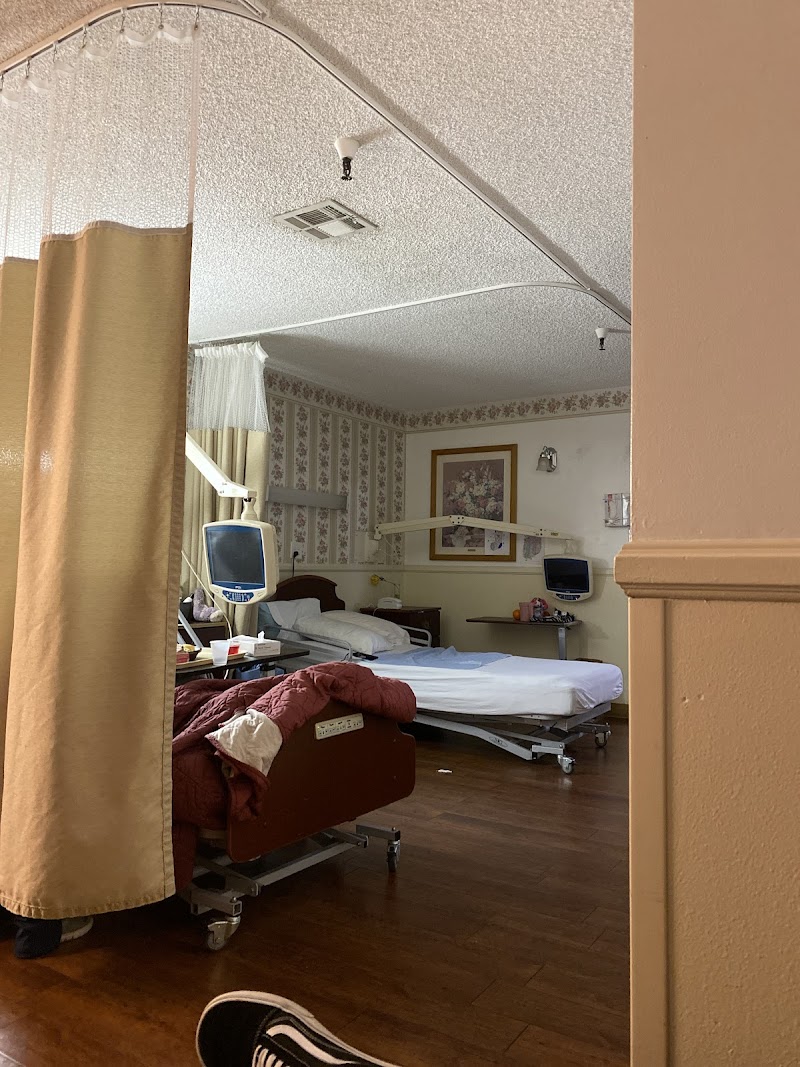
How Does Grand Terrace Health Compare to Other California Nursing Homes?

Compared to the 100 nursing homes in California, GRAND TERRACE HEALTH CARE CENTER's overall rating (4 stars) is above the state average of 3.2, staff turnover (36%) is near the state average of 46%, and health inspection rating (4 stars) is above the national benchmark.

What Should Families Ask When Visiting Grand Terrace Health?

Based on this facility's data, families visiting should ask: "What changes have been made since the serious inspection findings, and how are you preventing similar issues?" "Can I visit during a mealtime to observe dining assistance and food quality?" "How do you handle medical emergencies, and what is your hospital transfer rate?" "Can I speak with family members of current residents about their experience?" These questions are particularly relevant given the facility's Immediate Jeopardy citations.

Is Grand Terrace Health Safe?

Based on CMS inspection data, GRAND TERRACE HEALTH CARE CENTER has documented safety concerns. Inspectors have issued 1 Immediate Jeopardy citation (the most serious violation level indicating risk of serious injury or death). The facility has a 4-star overall rating and ranks #1 of 100 nursing homes in California. Families considering this facility should ask detailed questions about what corrective actions have been taken since these incidents.

Do Nurses at Grand Terrace Health Stick Around?

GRAND TERRACE HEALTH CARE CENTER has a staff turnover rate of 36%, which is about average for California nursing homes (state average: 46%). Moderate turnover is common in nursing homes, but families should still ask about staff tenure and how the facility maintains care continuity when employees leave.

Was Grand Terrace Health Ever Fined?

GRAND TERRACE HEALTH CARE CENTER has no federal fines on record. CMS issues fines when nursing homes fail to meet care standards or don't correct problems found during inspections. The absence of fines suggests the facility has either maintained compliance or corrected any issues before penalties were assessed. This is a positive indicator, though families should still review recent inspection reports for the full picture.

Is Grand Terrace Health on Any Federal Watch List?

GRAND TERRACE HEALTH CARE CENTER is not on any federal watch list. The most significant is the Special Focus Facility (SFF) program, which identifies the bottom 1% of nursing homes nationally based on persistent, serious quality problems. Not being on this list means the facility has avoided the pattern of deficiencies that triggers enhanced federal oversight. This is a positive indicator, though families should still review the facility's inspection history directly.