CRYSTAL RIDGE CARE CENTER

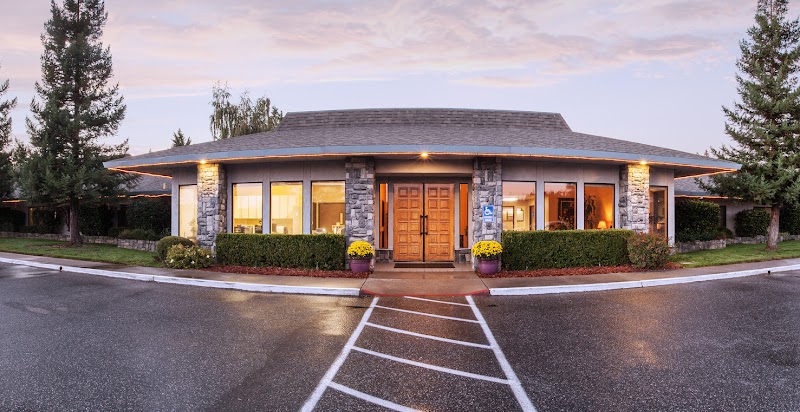
396 DORSEY DRIVE, GRASS VALLEY, CA 95945 (530) 272-2273
For profit - Limited Liability company 99 Beds PACS GROUP Data: November 2025
Trust Grade
65/100
#326 of 1155 in CA
Last Inspection: May 2025

Inspected within the last 6 months. Data reflects current conditions.

Overview

Crystal Ridge Care Center in Grass Valley, California, has a trust grade of C+, indicating it is slightly above average, but not particularly outstanding. It ranks #326 out of 1,155 facilities in California, placing it in the top half overall, but only #4 out of 5 in Nevada County, showing limited local competition. Unfortunately, the facility is trending downward, with issues increasing from 7 in 2024 to 15 in 2025, which raises concerns about care quality. Staffing is a significant weakness, with only 2 out of 5 stars and a high turnover rate of 62%, well above the state average of 38%. While there have been no fines recorded, which is a positive aspect, there have been troubling incidents, such as expired food being found in the kitchen, unsanitary food storage practices that could lead to foodborne illnesses, and delays in administering medications to residents as prescribed, highlighting areas that need immediate attention.

Trust Score
C+
65/100
In California
#326/1155
Top 28%
Safety Record
Low Risk
No red flags
Inspections
Getting Worse
7 → 15 violations
Staff Stability
⚠ Watch
62% turnover. Above average. Higher turnover means staff may not know residents' routines.
Penalties
✓ Good
No fines on record. Clean compliance history, better than most California facilities.
Skilled Nurses
⚠ Watch
Each resident gets only 16 minutes of Registered Nurse (RN) attention daily — below average for California. Fewer RN minutes means fewer trained eyes watching for problems.
Violations
⚠ Watch
44 deficiencies on record. Higher than average. Multiple issues found across inspections.
★★★★☆
4.0
Overall Rating
★★☆☆☆
2.0
Staff Levels
★★★★★
5.0
Care Quality
★★★☆☆
3.0
Inspection Score
Stable
2024: 7 issues
2025: 15 issues

The Good

  • 5-Star Quality Measures · Strong clinical quality outcomes
  • Full Sprinkler Coverage · Fire safety systems throughout facility
  • No fines on record

Facility shows strength in quality measures, fire safety.

The Bad

Staff Turnover: 62%

16pts above California avg (46%)

Frequent staff changes - ask about care continuity

Chain: PACS GROUP

Part of a multi-facility chain

Ask about local staffing decisions and management

Staff turnover is elevated (62%)

14 points above California average of 48%

The Ugly 44 deficiencies on record

Jun 2025 1 deficiency
CONCERN (D) 📢 Someone Reported This

A family member, employee, or ombudsman was alarmed enough to file a formal complaint

Potential for Harm - no one hurt, but risky conditions existed

Accident Prevention (Tag F0689)

Could have caused harm · This affected 1 resident

Based on observation, interview, and record review, the facility failed to provide adequate supervision to prevent one of three sampled residents (Resident 1) from elopement (to leave an area of safet...

Read full inspector narrative →
Based on observation, interview, and record review, the facility failed to provide adequate supervision to prevent one of three sampled residents (Resident 1) from elopement (to leave an area of safety unsupervised and undetected) outside the facility. This failure had the potential to result in serious injury or death for Resident 1. Findings: A review of Resident 1's admission Record indicated, Resident 1 was admitted to the facility in 2025 with a diagnoses that included Dementia (a group of symptoms affecting memory, thinking, and social abilities). A review of Resident 1's, Minimum Data Set (MDS - an assessment tool used to guide care) Cognitive (having full understanding) Patterns, dated 6/23/25, indicated Resident 1 had a Brief Interview for Mental Status (a tool to assess a person's full understanding) score of 00 which indicated Resident 1 did not have full understanding and thus, not able to be interviewed. A review of Resident 1's, Wandering Risk Observation/Assessment dated 3/19/25, indicated Resident 1 had a score of 12 which indicated a high risk for elopement and wondering. A review of Resident 1's Care Plan dated 3/19/25, indicated Elopement: Resident is at risk for elopement/exit-seeking/wondering related to dementia . During an interview with the Director of Nursing (DON) on 6/25/25 at 11:36 a.m., the DON stated Resident 1 has dementia and is confused. The DON further stated Resident 1 is ambulatory (able to walk) and is at high risk for elopement. On 6/20/25 Resident 1 eloped from the facility and was missing for 45 minutes. Lastly the DON stated, The expectation is for no residents to elope. During an interview with the Licensed Nurse 1 (LN 1) on 6/25/25 at 12:27 p.m., LN 1 stated, Resident 1 had started exit seeking behavior a few days prior to the elopement. LN 1 further stated, We should have been watching him closer since he was exit-seeking. A review of Resident 1's Progress Note dated 6/20/25 indicated Resident 1 was last seen in their room on 6/20/25 at 1:45 p.m. by the DON. On 6/20/24 at 2:30 p.m., the facility received a call from the police department, Resident 1 had been found. A review of the facility policy titled, Wandering and Elopements dated 10/2024 indicated, The facility will identify residents who are at risk of unsafe wandering and provide interventions to decrease the risk and keep residents safe.
May 2025 14 deficiencies
CONCERN (D)

Potential for Harm - no one hurt, but risky conditions existed

Deficiency F0605 (Tag F0605)

Could have caused harm · This affected 1 resident

Based on interview and record review the facility failed to ensure an irregularity was identified during the medication regimen review for one of 26 sampled residents (Resident 82) when Resident 82 ha...

Read full inspector narrative →
Based on interview and record review the facility failed to ensure an irregularity was identified during the medication regimen review for one of 26 sampled residents (Resident 82) when Resident 82 had an order for a PRN (as needed) psychotropic medication (a drug that affects brain activities associated with mental processes and behavior) without a stop date. This failure had the potential for Resident 82 to receive unnecessary medication. Findings: A review of an admission record indicated Resident 82 was admitted in September 2024 with diagnoses including anxiety. A review of Resident 82's Order Summary Report dated 3/6/25 indicated, an order for lorazepam (an anti-anxiety medication) 0.5 milligrams (mg, a unit of measurement) every four hours PRN. A review of Resident 82's Medication Administration Record (MAR) revealed, Resident 82 received lorazepam 31 times in March 2025, 38 times in April 2025, and 27 times in May 2025. In an interview on 5/22/25 at 3:36 p.m. with the Pharmacy Consultant (PC), the PC after reviewing Resident 82's clinical record confirmed that the PRN order for lorazepam did not have an end date. PC stated a medication regimen review should have been completed for Resident 82's lorazepam order with a recommendation to the doctor to put a 14 day stop date per regulation. A review of the facility's policy titled Psychotropic Medication Use revised in October 2024 indicated The need to continue PRN orders for psychotropic medications requires . the physician . clearly documenting (based on assessing the situation) why the benefits of the medication outweigh the risks or suspected or confirmed adverse consequences. A review of the facility's policy titled Medication Regimen Review revised in October 2024 stipulated The pharmacist shall review each resident's medication regimen monthly . when a clinically significant adverse consequence is confirmed or suspected . the pharmacist and/or physician . will identify situations where medications should be tapered, discontinued, or changed.
CONCERN (D)

Potential for Harm - no one hurt, but risky conditions existed

Deficiency F0637 (Tag F0637)

Could have caused harm · This affected 1 resident

Based on interview and record review the facility failed to ensure a significant change in status assessment (SCSA, an assessment that indicates major decline or improvement in the resident's status) ...

Read full inspector narrative →
Based on interview and record review the facility failed to ensure a significant change in status assessment (SCSA, an assessment that indicates major decline or improvement in the resident's status) was initiated for one of 26 sampled residents (Resident 294) when Resident 294 developed a stage four pressure ulcer (PU, deep wound reaching the muscles, ligaments, and bones) to the sacrococcyx (joint that connects the sacrum- triangular bone and the coccyx - tail bone). This failure decreased the facility's potential to provide appropriate care and services to Resident 294 based on his status. Findings: A review of an admission record indicated Resident 294 was admitted in February 2025 with diagnoses including Guillain-Barre Syndrome (GBS, a rare neurological disorder where the body's immune system attacks the peripheral nervous system resulting in muscle weakness or temporary paralysis) and adult failure to thrive (FTT, a decline in an older adult's overall health and function). A review of the Skilled Wound Care consult notes for Resident 294 on 4/3/25, 4/10/25, and 4/17/25 indicated that a stage four PU to the sacrococcyx area had already developed, was evaluated and treated by the wound doctor. A review of Resident 294's Order Summary Report dated 5/16/25 indicated an order for the treatment of a stage four PU to Resident 294's sacrococcyx daily and as needed. In a concurrent interview and record review on 5/21/25 at 10:10 a.m. with the Minimum Data Set (MDS, a federally mandated resident assessment tool) Coordinator 1 (MDSC 1), Resident 294's MDS assessments were reviewed, MDSC 1 confirmed that an SCSA was not done for Resident 294 and should have been initiated 14 days after the stage four PU was established by the wound doctor. In an interview on 5/22/25 9:07 a.m. with the Director of Nursing (DON) DON stated it was her expectation that the MDSCs should complete resident assessments properly and on time. A review of the facility's policy titled Change in a Resident's Condition or Status revised in October 2024 indicated If a significant change in the resident's physical or mental or mental condition occurs, a comprehensive assessment of the resident's condition will be conducted as required by current OBRA [Omnibus Budget Reconciliation Act, for Nursing Homes] regulations governing resident assessments and as outlined in the MDS RAI [Resident Assessment Instrument] Instruction Manual.
CONCERN (D)

Potential for Harm - no one hurt, but risky conditions existed

Comprehensive Care Plan (Tag F0656)

Could have caused harm · This affected 1 resident

**NOTE- TERMS IN BRACKETS HAVE BEEN EDITED TO PROTECT CONFIDENTIALITY** Based on observation, interview, and record review, the facility failed to ensure the care plan to monitor newly identified beha...

Read full inspector narrative →
**NOTE- TERMS IN BRACKETS HAVE BEEN EDITED TO PROTECT CONFIDENTIALITY** Based on observation, interview, and record review, the facility failed to ensure the care plan to monitor newly identified behaviors was followed for one of 26 sampled residents (Resident 50). This failure increased the potential for Resident 50 to take medications without a physician's order and potentially cause side effects or adverse effects to resident. Findings: A review of the clinical records indicated Resident 50 was admitted [DATE] with diagnoses including schizophrenia (a mental illness that is characterized by disturbances in thought), post- traumatic stress disorder (PTSD- a disorder in which a person has difficulty recovering after experiencing or witnessing a traumatic event), and mental disorder (a condition that affects thinking, feeling, mood, and behavior). A review of Resident 50's Minimum Data Set (MDS- federally mandated resident assessment tool) dated 2/25/25 indicated Resident 50 had moderate cognitive impairment with a score of 11 out of 15 in the Brief Interview of Mental Status (BIMS- an assessment tool used screen and identify memory, orientation, and judgement status of the resident). In a concurrent observation and interview on 5/20/25 at 9:01 a.m., Resident 50 took out a medication bottle from his closet. The medication bottle indicated cholecalcif [sic, cholecalciferol] 25 mcg [microgram- unit of measurement] (D3- 1,000 units). The label on the bottle indicated to take one tablet every other day for Vitamin (Vit) D supplementation. Resident 50 stated the medication came from home and he was supposed to take it every day. An interview was conducted on 5/20/25 at 9:38 a.m. with LN 4 outside Resident 50's room. LN 4 confirmed there was a bottle of Vit D3 medication in Resident 50's room and he was not aware of it. In a follow up interview on 5/20/25 at 1:24 p.m., Resident 50 stated there was probably 50 pills inside the bottle of the Vit D3. Resident 50 further stated he had been taking 1 pill from this bottle since he had been in the facility and he did not know if nurses were aware he was taking the medication. A subsequent observation and interview was conducted on 5/20/25 at 1:54 p.m., inside Resident 50's room. Resident 50 took out a plastic container inside his closet then placed the contents in a piece of napkin. Resident 50 stated these were the medications he had collected since admission. Resident 50 stated he did not take these medications because he had no idea what they were. Resident 50 further stated he did not report not taking these medications. Resident 50 further stated these medications were left at bedside and he was not sure what they were. In an interview on 5/21/25 at 4:32 p.m., the LN 5 stated if a resident was admitted from the hospital, the admitting nurse sends a list of medications to the pharmacy and the pharmacy delivered the medications. The LN 5 further stated they never allowed medications to be kept at resident's bedside including over the counter medications. The LN 5 answered no when she was asked if residents can self-administer medication. A concurrent interview and record review was conducted on 5/21/25 at 4:42 p.m. with LN 5. LN 5 accompanied State surveyor in Resident's 50's room. Resident 50 refused to talk with LN 5 and State surveyor. Once outside Resident 50's room, the State surveyor showed LN 5 the picture of Resident 50's medications taken on 5/20/25. LN 5 stated that's concerning after LN 5 saw the picture and LN 5 stated she would inform the Director of Nursing regarding the medications in Resident 50's room. In an interview on 5/21/25 at 4:52 p.m., the Infection Preventionist (IP) stated she worked with Resident 50 since admission. The IP described Resident 50 as very delusional, resident comes off as very alert and oriented but has extreme behaviors, such as accusing kitchen of poisoning his food. The IP further stated Resident 50's capacity (ability to use and understand information to make a decision) was taken away and he was conserved (a legal process where court determines an individual cannot manage their own affairs and appoints a conservator on their behalf). The IP stated she was not aware of Resident 50's storing medications in his room. The IP further stated Resident 50 would not take medications from her if he did not see [IP] prepare them. A concurrent interview and record review was conducted on 5/23/25 starting at 9:49 a.m. with the Director of Nursing (DON). The DON stated this was the first time the facility was made aware of the medications in Resident 50's room. The DON's concern was for Resident 50 to have an escalation of behavior. The DON reviewed Resident 50's care plan at 10:25 a.m. and stated the care plan was updated on 5/22/25 for psychosocial behavior of hiding medications in the room, ordering over the counter medications from outside sources and refusing staff to enter the room and retrieve item. The DON further stated her expectation was for staff to be monitoring these behaviors. The DON confirmed she could not find Resident 50's behavior monitoring in the clinical records. In an interview on 5/23/25 at 11:35 a.m., the Medical Records Director (MRD) stated there was no monitoring for Resident 50's behaviors in the MAR. A review of the facility's policy & procedure reviewed October 2024 and titled, Care Plans, Comprehensive indicated, A comprehensive care plan that includes measurable objectives and timetables to meet the resident's physical, psychosocial and functional needs is developed and implemented for each resident .The care plan interventions are derived from analysis of the information gathered as part of the comprehensive assessment.
CONCERN (D) 📢 Someone Reported This

A family member, employee, or ombudsman was alarmed enough to file a formal complaint

Potential for Harm - no one hurt, but risky conditions existed

Deficiency F0658 (Tag F0658)

Could have caused harm · This affected 1 resident

**NOTE- TERMS IN BRACKETS HAVE BEEN EDITED TO PROTECT CONFIDENTIALITY** Based on observation, interview, and record review, the facility failed to ensure care and services were provided according to a...

Read full inspector narrative →
**NOTE- TERMS IN BRACKETS HAVE BEEN EDITED TO PROTECT CONFIDENTIALITY** Based on observation, interview, and record review, the facility failed to ensure care and services were provided according to accepted standard of practice for three of 26 sampled residents (Resident 50, Resident 88, and Resident 74) when: 1. Resident 50's medications were left at bedside; 2. Resident 88 had no physician's order on the use of neck brace; and 3. Resident 74's order to check placement of resident's Gastrostomy Tube (GT, tube inserted into the stomach to deliver nutrition, and medications) was not followed. These failures had the potential to negatively impact the physical, mental, and psychosocial wellbeing of Resident 50, Resident 88, and Resident 74. Findings: 1. A review of the clinical records indicated Resident 50 was admitted [DATE] with diagnoses including schizophrenia (a mental illness that is characterized by disturbances in thought), post- traumatic stress disorder (PTSD- a disorder in which a person has difficulty recovering after experiencing or witnessing a traumatic event), and mental disorder (a condition that affects thinking, feeling, mood, and behavior). A review of Resident 50's Minimum Data Set (MDS- federally mandated resident assessment tool) dated 2/25/25 indicated Resident 50 had moderate cognitive impairment with a score of 11 out of 15 in the Brief Interview for Mental Status (BIMS- an assessment tool used to screen and identify memory, orientation, and judgement status of the resident). A review of Resident 50's physician order dated 5/19/25 indicated Amoxicillin-Pot (Potassium) Clavulanate (antibiotic) 875-125 mg (milligram, unit of measurement) give one tablet by mouth two times a day for sinusitis (inflammation of the sinuses or the hallow spaces in the bones surrounding the nose) for 10 days. During a concurrent observation and interview conducted on 5/20/25 at 8:58 a.m., inside Resident 50's room. Observed a medication cup containing eight medications in Resident 50's meal tray. Resident 50 stated the medications were given this morning. Resident 50 further stated he had an antibiotic, a decongestant, two of his vitamins he brought with him, a stool softener, and 3 other medications he was not able to identify inside the medication cup. In a subsequent observation and interview on 5/20/25 at 9:01 a.m., Resident 50 took out a medication bottle from his closet. The medication bottle indicated cholecalcif [sic, cholecalciferol] 25 mcg [microgram- unit of measurement] (D3- 1,000 units). The label on the bottle indicated to take one tablet every other day for Vitamin D supplementation. Resident 50 stated the medication came from home and he was supposed to take it every day. A concurrent interview and record review was conducted on 5/20/25 starting at 9:19 a.m. with Licensed Nurse 4 (LN 4). LN 4 confirmed he gave Resident 50's medications at around 7:55 a.m. LN 4 opened the electronic Medication Administration Record (MAR- a daily documentation record used by a licensed nurse to document medications and treatments given to a resident) and he stated he gave Resident 50 a total of eight pills namely Vitamin B12 (Cyanocobalamin-keeps nerve cells healthy), docusate sodium (stool softener), Men's vitamins (provides essential vitamins and minerals), Amoxicillin, Mucinex (helps reduce chest congestion), Multivitamins with minerals, Vitamin D3 (for healthy bones) and Osteo joint health triple strength (to support joint health). LN 4 stated he observed Resident 50 take his medications this morning. In an interview on 5/20/25 at 9:27 a.m., LN 4 stated he saw Resident 50 take his antibiotic and the rest of his medications were set side by resident. In an interview on 5/20/25 at 9:29 a.m., LN 4 stated they were not allowed to leave medications at bedside and since Resident 50 was waiting for the food, LN 4 left seven pills at bedside. In a concurrent interview, and record review on 5/20/25 at 9:32 a.m., LN 4 stated he took the antibiotic from the bubble pack and the count sheet for Resident 50's antibiotic was signed by LN 4 on 5/20/25 at 8:20 a.m. A follow up observation and interview was conducted on 5/20/25 at 9:33 a.m. inside the room with LN 4 and Resident 50. LN 4 saw the medication cup in Resident 50's meal tray. LN 4 stated he saw Resident 50 take his antibiotic and Resident 50 responded he did not take any medications. LN 4 clarified he gave the medication cup to Resident 50 and LN 4 did not see [Resident 50] take his medications. LN 4 further stated Resident 50 told LN 4 he wanted to take his medications with meals. A follow up interview was conducted on 5/20/25 at 9:38 a.m. with LN 4 outside Resident 50's room. LN 4 stated Resident 50 specifically wanted his privacy, and resident would refuse medications if [LN 4] was with him. LN 4 confirmed there was a bottle of Vitamin D3 medication in Resident 50's room and he was not aware of it. LN 4 further stated he cannot leave medications at bedside. LN 4 stated Resident 50 was by himself in the room, nobody can take the medications, and he trusted Resident 50. In a review of Resident 50's 'Medication Admin [Administration] Audit Report' dated 5/20/25, LN 4 documented the administration time for the eight medications was from 8:12 a.m. to 8:18 a.m. and the LN 4's documentation time was 5/20/25 at 8:20 a.m. In an interview on 5/21/25 at 4:32 p.m., LN 5 stated if a resident was admitted from the hospital, the admitting nurse sends a list of medications to the pharmacy and pharmacy delivered the medications. LN 5 further stated they never allowed medications to be kept at bedside including over the counter medications. LN 5 answered no when she was asked if residents can self-administer medication. In an interview on 5/21/25 at 4:37 p.m., the Assistant Director of Nursing (ADON) stated the facility had one resident who can self-administer medications, and it was not Resident 50. The ADON further stated they have interdisciplinary (IDT) conference, care plan, and a physician order if a resident is able to self-administer medications. In a subsequent interview on 5/21/25 with LN 5, LN 5 stated all medications refused by a resident were crushed and placed in a bottle stored in the narcotic box inside the medication cart. LN 5 further stated medications are not left at bedside. A concurrent interview and record review was conducted on 5/21/25 at 4:42 p.m. with LN 5. LN 5 accompanied State surveyor in Resident 50's room. Resident 50 refused to talk to LN 5 and State surveyor. Once outside Resident 50's room, the State surveyor showed LN 5 the picture of Resident 50's medications taken on 5/20/25. LN 5 stated that's concerning when LN 5 saw the picture and LN 5 stated she would inform the Director of Nursing regarding the medications in Resident 50's room. In an interview on 5/21/25 at 4:52 p.m., the Infection Preventionist (IP) stated she worked with Resident 50 since admission. The IP described Resident 50 as very delusional, resident comes off as very alert and oriented but has extreme behaviors such as accusing kitchen of poisoning his food. The IP further stated Resident 50's capacity (ability to use and understand information to make a decision) was taken away and he was conserved (a legal process where court determines an individual cannot manage their own affairs and appoints a conservator on their behalf). A review of Resident 50's Attending physician's notes dated 5/22/25 indicated, .Records show that currently [Resident 50] is conserved because has been determined that patient does not have capacity. In an interview on 5/23/25 at 9:49 a.m., the Director of Nursing (DON) stated her expectation was for licensed nurses to stay at bedside and make sure resident swallowed the medications before leaving the resident's room. The DON further stated the signing of the eMAR should be done after the resident had taken the medications. The DON further expected licensed nurses (LNs) to not leave medications at bedside and if a resident refused, LNs should take away the refused medications. A review of the facility's policy and procedure revised October 2024 and titled, Administering Medications indicated, Medications are administered in a safe and timely manner, and as prescribed .If a drug is withheld, refused, or given at a time other than the scheduled time, the individual administering the medication shall make a note in the eMAR .Residents may self-administer their own medications only if the Attending Physician, in conjunction with the Interdisciplinary Care Planning Team, has determined that they have the decision-making capacity to do so safely. 3. A review of Resident 74's admission Record, indicated Resident 74 was admitted to the facility on [DATE] with diagnosis that included, Dysphagia, Oropharyngeal Phase, (swallowing disorder that affects the ability to move food from the mouth to the throat). During a concurrent observation and interview with LN 1 on 5/21/25 at 1:45 p.m., LN 1 took out the medications for Resident 74 from her medication cart, prepared the medications to be given via GT, and went inside Resident 74's room. LN 1 connected the 60 ml Enteral Syringe (ES, device used to administer nutrition and medications) to the GT, and poured the crushed pill, mixed with water into the ES. LN 1 did not check the placement of the GT and did not flush the GT with 30 cc of water before medication administration as ordered by the physician. LN 1 stated she forgot to bring her stethoscope (instrument used to listen of someone's heartbeat or breathing), however, she decided to administer Resident 74's medication via GT without knowing if the GT is in the correct position inside Resident 74's stomach. LN 1 acknowledged she did not do a pre flush to the GT prior infusing Resident 74's medication. LN 1 stated, for Resident 74's safety, she should have checked the placement of the GT and flushed the GT with water before giving his medication. During an interview with the DON on 5/23/25 at 7:45 a.m., the DON stated, the licensed nurses must follow the physicians' orders. The parameters indicated in the physician's order must be followed for the resident's safety. The DON continued, nurses must check the placement of the GT, flush the GT with water before and after medications administration and practice infection control to promote quality of care. A review of Resident 74's Order Summary Report, indicated, Enteral Feed Order every shift for GTUBE CHECK TUBE PLACEMENT & PATENCY before each feeding. A review of Resident 74's Medication Administration Record, indicated, Enteral Feed Order every shift for GTUBE CHECK TUBE PLACEMENT & PATENCY before each feeding. A review of Resident 74's Order Summary Report, indicated, Enteral Feed Order every shift for GTUBE FLUSH TUBE FEEDING WITH 30 CC/H2O [cubic centimeters, measurements, water] BEFORE AND AFTER EACH MEDICATION ADMINISTRATION . A review of Resident 74's Medication Administration Record, indicated, Enteral Feed Order every shift for GTUBE FLUSH TUBE FEEDING WITH 30 CC/H2O BEFORE AND AFTER EACH MEDICATION ADMINISTRATION. A review of the facility's policies and procedures, titled, enteral Feedings, revised September 2024, indicated, Purpose To ensure the safe administration of enteral nutrition . The facility will remain current and follow accepted best practices I enteral nutrition . 1. Always maintain strict aseptic technique when working with enteral nutrition systems . Preventing misconnection error . 2. Regularly inspect tubing for proper and secure connections . Preventing aspiration 1. Check enteral tube placement prior to feeding or administration of medication . 2. A review of an admission record indicated Resident 88 was admitted in March 2025 with diagnoses that included cervical [neck] disc disorder after a cervical spine fusion. During a concurrent observation and interview on 5/20/25 at 9 a.m. Resident 88 was observed wearing a cervical collar while lying in bed. According to Resident 88 the nurse told him to always wear the collar per doctor's order due to the surgical incision at the back of his neck. A review of Resident 88's Order Summary Report (OSR) indicated an order for the use of a cervical collar dated 3/26/25 and an order to discontinue its use dated 4/24/25. A review of Resident 88's Skin/Wound Note dated 4/24/25 indicated that Resident 88's surgical incision at the back of the neck has been resolved and no further treatment was ordered by the doctor. In a concurrent interview and record review on 5/21/25 at 11:50 a.m. with MDS Coordinator 2 (MDSC 2) Resident 88's OSR and Progress Notes were reviewed, MDSC 2 confirmed Resident 88 wears a cervical collar. MDSC 2 added that the order for the use of the cervical collar had been discontinued. In an interview on 5/23/25 at 9:07 a.m. with the DON, the DON stated the nurse should have clarified the order, nurses should follow the doctor's order to safely care for the residents. A review of the facility's policy titled Physician Orders revised in October 2024 indicated, Prescribed medication and treatment orders will be carried out in accordance with the physician order . The licensed staff shall carry out physician/nurse practitioner's orders as prescribed.
CONCERN (D)

Potential for Harm - no one hurt, but risky conditions existed

Deficiency F0675 (Tag F0675)

Could have caused harm · This affected 1 resident

Based on observation, interview and record review, the facility failed to ensure resident's needs were met for one of 19 sampled residents (Resident 77) when the dining room table was too high for the...

Read full inspector narrative →
Based on observation, interview and record review, the facility failed to ensure resident's needs were met for one of 19 sampled residents (Resident 77) when the dining room table was too high for the resident during the lunch meal. This failure had the potential to diminish Resident 77's self-esteem and self-worth. Findings: A review of an admission Record indicated Resident 77 was admitted to the facility in May 2025 with multiple diagnoses including dementia (a progressive decline in mental abilities) and diabetes mellitus (DM-a disorder characterized by difficulty in blood sugar control and poor would healing). Review of Resident 77's Minimum Data Set (MDS, a federally mandated resident assessment tool), dated 3/28/25 indicated Resident 77 had severely impaired cognition. Further review of MDS indicated that Resident 77 needed set up or clean-up assistance for eating. A review of Resident 77's Care Plan dated 5/12/25, indicated Resident 77 had Nutritional Risk: Moderate .interventions . assist resident to the dining room for all meals as tolerated for queuing and feeding assistance as needed. During a concurrent observation and interview on 5/20/25 at 12:20 p.m., observed Resident 77 in the main dining room at a table. A staff member brought Resident 77's lunch tray and placed it on the table. The table was noted at chest level and too high for Resident 77 to eat his food comfortably. Licensed Nurse 3 (LN 3) confirmed that the table was too high for Resident 77. During an interview on 5/22/25 at 11:20 a.m. with the Director of Nursing (DON), the DON stated her expectation was for the staff to assist residents to a comfortable position while dining. Review of the facility's Policy and Procedure (P&P) titled, Assistance with Meals, dated October 2024, the P&P indicated, Residents will be encouraged to eat in the dining room .assistance will be provided as needed.
CONCERN (D)

Potential for Harm - no one hurt, but risky conditions existed

Deficiency F0687 (Tag F0687)

Could have caused harm · This affected 1 resident

**NOTE- TERMS IN BRACKETS HAVE BEEN EDITED TO PROTECT CONFIDENTIALITY** Based on observation, interview and record review, the facility failed to ensure one of 26 sampled residents (Resident 86) was e...

Read full inspector narrative →
**NOTE- TERMS IN BRACKETS HAVE BEEN EDITED TO PROTECT CONFIDENTIALITY** Based on observation, interview and record review, the facility failed to ensure one of 26 sampled residents (Resident 86) was evaluated and treated by a podiatrist (foot doctor) when Resident 86's toenails were thick, discolored and long. This failure resulted in Resident 86 having pain when walking and had the risk potential to cut the skin. Findings: A review of the facility's document titled admission Record indicated Resident 86 was admitted to the facility on [DATE] with diagnoses of Alzheimer's Disease (a disease characterized by a progressive decline in mental abilities). During an interview on 5/21/25, at 11:25 a.m., Responsible Party 1 (RP 1) stated she was concerned about her father's long toenails. She stated she noted the toenails were long and had fungus in March. RP 1 further stated she was going to cut them myself but realized his toenails were too thick to do it safely. During an observation and concurrent interview in Resident 86's room with Resident 86 and Certified Nurse Assistant 2 (CNA 2) on 5/21/25, at 1:04 p.m., CNA 2 removed socks from Resident 86's feet. The toenails on both feet were thick, long and curved inward toward the toe, they were discolored yellow and black. Resident 86 stated my feet hurt. CNA 2 acknowledged Resident 86's toenails were discolored, long and thick. During an interview on 5/21/25, at 1:08 p.m., Licensed Nurse 1 (LN 1) stated Resident 86's toenails should have been addressed by the Podiatrist. LN 1 confirmed Resident 86's toenails were long, curved towards the toes and discolored. LN 1 stated Resident 86's toenails looks like he has fungus on all his nail beds. LN 1 further acknowledged toenails of this length could cause pain and had the potential to cut Resident 86's skin. During an interview on 5/22/25, at 10:55 a.m., the Social Services Director (SSD) stated a Podiatrist was scheduled every month and treated all residents who needed foot care. The SSD stated a binder titled Ancillary Services was at each nurse's station and provided the name of those residents who needed ancillary treatment. The SSD found no evidence of Resident 86 having received podiatric visit since his admission to the facility in January 2025. During a record review of the facility's policy titled Social Services, dated September 2024, indicated, Our facility provides medically related social services to assure that each resident can attain or maintain his/her highest practicable physical, mental, or psychosocial well-being .the social services department may be responsible for .making referrals for ancillary services such as .Podiatry .
CONCERN (D) 📢 Someone Reported This

A family member, employee, or ombudsman was alarmed enough to file a formal complaint

Potential for Harm - no one hurt, but risky conditions existed

Accident Prevention (Tag F0689)

Could have caused harm · This affected 1 resident

Based on observation, interview, and record review the facility failed to promote safety measures for one of 26 sampled residents (Resident 82) when Resident 82's order for the use of a wanderguard (a...

Read full inspector narrative →
Based on observation, interview, and record review the facility failed to promote safety measures for one of 26 sampled residents (Resident 82) when Resident 82's order for the use of a wanderguard (a device that activates sensors on doors to alarm, alerting staff to intervene when wandering residents attempt to elope) was not followed. This failure increased Resident 82's risk for elopement. Findings: A review of an admission record indicated Resident 82 was admitted in September 2024 with diagnoses including dementia (a progressive state of decline in mental abilities) with behavioral disturbance. During an observation on 5/20/25 at 8:40 a.m. Resident 82 was noted pacing up and down the hallway. Resident 82 was observed being redirected by staff to keep him from wandering to other resident's rooms. A review of Resident 82's Order Summary Report (OSR) dated 4/15/25 and 5/16/25 indicated an order for Resident 82 to wear a wanderguard bracelet to the right ankle for safety related to wandering/exit seeking behavior. The order directed nursing staff to check placement of the wanderguard every shift. A review of Resident 82's Medication Administration Record (MAR) dated 5/20/25 morning (a.m.) shift indicated the a.m. nurse signed the MAR that Resident 82 was wearing his wanderguard. In a concurrent observation, interview, and record review on 5/20/25 at 1:25 p.m. Resident 82's OSR, MAR, and care plans were reviewed. Resident 82 was observed seated in front of the nurse's station and had no wanderguard bracelet to the right ankle. Minimum Data Set (MDS, a federally mandated resident assessment tool) Coordinator 1 (MDSC 1) and MDSC 2 who were both present confirmed that Resident 82 was not wearing the wander guard bracelet. MDSC 2 stated Resident 82 must have taken it off. In an interview on 5/23/25 at 9:07 a.m. with the Director of Nursing (DON), the DON stated Resident 82 should always have the wanderguard on as ordered for proper monitoring and to keep the resident safe. A review of the facility's policy titled Wandering and Elopements revised in October 2024 indicated The facility will identify residents who are at risk of unsafe wandering and provide interventions to decrease the risk and keep residents safe. A review of the facility's policy titled Assistive Devices and Equipment revised in September 2024 indicated Devices and equipment that assist with resident . safety .are provided for residents. These include . wanderguard.
CONCERN (D)

Potential for Harm - no one hurt, but risky conditions existed

Deficiency F0712 (Tag F0712)

Could have caused harm · This affected 1 resident

Based on interview and record review, the facility failed to ensure physician visits were provided timely for one of 26 sampled residents (Resident 14) when Resident 14 was not seen by the attending p...

Read full inspector narrative →
Based on interview and record review, the facility failed to ensure physician visits were provided timely for one of 26 sampled residents (Resident 14) when Resident 14 was not seen by the attending physician every 30 days during the first 90 days of admission. This failure had the potential to delay detection of declining health and the provision of care. Findings: A review of the facility's document titled admission Record, indicated Resident 14 was admitted to the facility late 2024 with diagnoses of Diastolic Heart Failure (the heart cannot pump enough blood to meet the body's needs causing multiple symptoms), Sleep Apnea (a disorder characterized by repeated pauses in breathing during sleep) and Peripheral Vascular Disease (a condition where circulating blood has difficulty in reaching the body's tissues due to narrowing of blood vessels). A review of Resident 14's Minimum Data Set (MDS-a federally mandated assessment tool), dated 5/5/25 indicated a Brief Interview for Mental Status (BIMS-an assessment tool used by facilities to screen and identify memory, orientation and judgement status of the resident) score of 12, which indicated moderate cognitive (related to processes of thinking and reasoning) impairment. During an interview on 5/22/25, at 8:45 a.m., Resident 14 stated I'm not sure how often I get to see my doctor. There are so many people in and out of here. During an interview on 5/22/25 at 9:45 a.m., the Director of Nursing (DON) stated physicians were expected to visit residents every 30 days for the first 90 days upon admission and every 60 days thereafter. During a concurrent interview and record review on 5/22/25, at 12:49 p.m., the Medical Records Director (MRD) confirmed there was no documented evidence of a physician or nurse practitioner (an advanced practice Registered Nurse who has advanced clinical education and training to diagnose, treat, and manage various health conditions) visit in Resident 14's medical chart for the months of November and December of 2024. During an interview on 5/22/25 at 1:48 p.m., the Medical Director (MD) stated he tried to be here every month to see the residents but found it difficult to find practitioners to assist with this facility. During a review of the facility's document titled Physician Visits, dated September 2024, indicated The attending physician must make visits in accordance with applicable state and federal regulations. The attending physician must visit his/her patients at least once every thirty (30) days for the first ninety (90) days following the resident's admission, and then at least every sixty (60) days thereafter.
CONCERN (D)

Potential for Harm - no one hurt, but risky conditions existed

Unnecessary Medications (Tag F0759)

Could have caused harm · This affected 1 resident

**NOTE- TERMS IN BRACKETS HAVE BEEN EDITED TO PROTECT CONFIDENTIALITY** Based on observation, interview and record review, the facility failed to ensure its medication error rate was less than five pe...

Read full inspector narrative →
**NOTE- TERMS IN BRACKETS HAVE BEEN EDITED TO PROTECT CONFIDENTIALITY** Based on observation, interview and record review, the facility failed to ensure its medication error rate was less than five percent (5%) for three of 26 sampled residents, Resident 32, Resident 74, and Resident 194, when: 1. Licensed Nurse 3 (LN 3) did not follow the physician's order in administering Resident 32's prescribed medication; and 2. LN 1 did not perform a pre-flush (flushing the tube with water before administering medication, to ensure the tube remains clear and patent) to Resident 74's Gastrostomy Tube (GT, tube inserted into the stomach to deliver nutrition, and medications. GT has 2 ports called feeding port and balloon port which is not used for feeding or medications. These ports are covered with red caps); and 3. LN 5 did not follow the physician's order in administering Resident 194's prescribed medication. These failures resulted in the facility's medication error rate of 12%, and had the potential for harm, worsening of existing conditions or develop new illnesses for Resident 32, Resident 74, and Resident 194. Findings: 1. During a concurrent observation of the medication administration and interview with LN 3 on 5/21/25 at 12:35 p.m., LN 3 removed Resident 32's Dilaudid 6mg (opioid, used for pain, may cause serious or life-threatening breathing problems) tablet from her medication cart and placed it in a plastic cup. LN 3 went into the room of Resident 32 and instructed her to take her medication. Resident 32 swallowed her Dilaudid. LN 3 went back to her medication cart that was parked in the doorway of Resident 32's room. LN 3 stated she did not count the respiration of Resident 32 before giving Dilaudid 6 mg tablet as ordered. LN 3 acknowledged she should have counted Resident 32's respiration before giving the Dilaudid as ordered by the physician as this medication could cause respiratory depression. A review of Resident 32's admission Record, indicated Resident 32 was admitted to the facility on [DATE] with diagnosis that included, Contracture of Muscle (condition where the muscles, tendons tighten and shorten, restricting movement and causing pain) right upper arm and right lower leg. A review of Resident 32's Order Summary Report, indicated, Dilaudid [controlled substance, powerful pain reliever] Oral Tablet 4 mg . Give 6 mg by mouth six times a day for Chronic Pain hold for RR < 12 (respiration less than 12) . A review of Resident 32's Medication Administration Record, indicated, Dilaudid Oral Tablet 4 mg . Give 6 mg by mouth six times a day for Chronic Pain hold for RR <12 2. During a concurrent observation and interview with LN 1 on 5/21/25 at 1:45 p.m., LN 1 took out the medications for Resident 74 from her medication cart, prepared the medications to be given via GT, and went inside Resident 74's room. LN 1 connected the 60 ml Enteral Syringe (ES, device used to administer nutrition and medications) to the GT, and poured the crushed pill mixed with water into the ES. LN 1 did not check the placement of the GT and did not flush the GT with 30 cc of water before medication administration as ordered by the physician. LN 1 stated she forgot to bring her stethoscope (instrument used to listen of someone's heartbeat or breathing), however, she decided to administer Resident 74's medication via GT without knowing if the GT is in the correct position inside Resident 74's stomach. LN 1 acknowledged she did not do a pre flush of the GT prior to infusing Resident 74's medication. LN 1 stated, she should have checked the placement of the GT and flush the GT with water before giving his medication for Resident 74's safety. A review of Resident 74's admission Record, indicated Resident 74 was admitted to the facility on [DATE] with diagnoses that included, Dysphagia, Oropharyngeal Phase, (swallowing disorder that affects the ability to move food from the mouth to the throat). A review of Resident 74's Order Summary Report, indicated, Enteral Feed Order every shift for GTUBE CHECK TUBE PLACEMENT & PATENCY before each feeding. A review of Resident 74's Medication Administration Record, indicated, Enteral Feed Order every shift for GTUBE CHECK TUBE PLACEMENT & PATENCY before each feeding. A review of Resident 74's Order Summary Report, indicated, Enteral Feed Order every shift for GTUBE FLUSH TUBE FEEDING WITH 30 CC/H2O [cubic centimeters, measurements, water] BEFORE AND AFTER EACH MEDICATION ADMINISTRATION . A review of Resident 74's Medication Administration Record, indicated, Enteral Feed Order every shift for GTUBE FLUSH TUBE FEEDING WITH 30 CC/H2O BEFORE AND AFTER EACH MEDICATION ADMINISTRATION. 3. During a concurrent observation of the medication administration and interview with LN 5 on 5/22/25 at 7:50 a.m., LN 5 was observed, without wearing gloves, to take out Resident 194's Finasteride 5 mg (hazardous drugs) tablet medication from the Bubble Pack/Medication Blister Pack (BP/MBP, method of organizing medications into individual doses). LN 5 gave the medications to Resident 5 and instructed him to take his medications. LN 5 acknowledged that she did not wear gloves when she took out the Finasteride 5 mg tablet from the BP/MBP. LN 5 agreed the instructions written in the BP/MBP indicated, . BPH [benign prostatic hyperplasia enlarged prostate] NIOSH [National Institute for Occupational Safety and Health, hazardous drugs] medication, wear gloves . During a review of the medication instructions written on the BP/MBP on 5/22/25 at 7:55 a.m., indicated, Give 1 tablet by mouth one time a day for BPH NISOH medication, wear gloves, do not manipulate (split/crush/chew) tablet. This Bubble Pack had a yellow sticker on the top left corner of the card that indicated, Do not handle this medication if you are pregnant, planning to become pregnant or are breast-feeding. A review of Resident 194's admission Record, indicated Resident 194 was admitted to the facility on [DATE] with diagnoses that included, Malignant Neoplasm of Male Genital Organ, (cancerous tumor). A review of Resident 194's Order Summary Report, indicated, Finasteride (hazardous drug) Oral Tablet 5 mg Give 1 tablet by mouth one time a day for BPH, NIOSH medication, wear gloves, do not manipulate (split/crush/chew) tablet. During an interview with the Director of Nursing (DON) on 5/23/25 at 7:45 a.m., the DON stated, the licensed nurses must follow the physicians' orders. The parameters indicated in the physician's order must be followed for the resident's and staff safety, such as counting respirations before giving medications that can cause respiratory depression and to wear gloves for biohazard medications. The DON continued, nurses must check the placement of the GT, flush the GT with water before and after medications administration and practice infection control to promote quality of care. A review of the facility's policies and procedures, titled, Administering Medications, revised October 2024, indicated, Medications are administered in a safe and timely manner . 2. Medications are administered in accordance with prescriber orders .16. Staff follows established facility infection control procedures ( .gloves .) for the administration of medications, as applicable . A review of the facility's policies and procedures, titled, enteral Feedings, revised September 2024, indicated, Purpose To ensure the safe administration of enteral nutrition . The facility will remain current and follow accepted best practices I enteral nutrition . 1. Always maintain strict aseptic technique when working with enteral nutrition systems . Preventing misconnection error . 2. Regularly inspect tubing for proper and secure connections . Preventing aspiration 1. Check enteral tube placement prior to feeding or administration of medication .
CONCERN (D)

Potential for Harm - no one hurt, but risky conditions existed

Deficiency F0790 (Tag F0790)

Could have caused harm · This affected 1 resident

Based on observation, interview and record review the facility failed to ensure one of 26 sampled residents (Resident 14) received timely dental treatment when prior dental visits indicated that follo...

Read full inspector narrative →
Based on observation, interview and record review the facility failed to ensure one of 26 sampled residents (Resident 14) received timely dental treatment when prior dental visits indicated that follow up dental services was necessary. This failure had the potential to place Resident 14 at risk for further oral decline and overall health. Findings: A review of the facility's document titled admission Record, indicated Resident 14 was admitted to the facility on 10/2024 with diagnoses of Diastolic Heart Failure (the heart cannot pump enough blood to meet the body's needs causing multiple symptoms), Sleep Apnea (a disorder characterized by repeated pauses in breathing during sleep) and Peripheral Vascular Disease (a condition where circulating blood has difficulty in reaching the body's tissues due to narrowing of blood vessels). A review of the facility's document from a traveling hygienist, dated 12/3/24, indicated Resident 14 had, .heavy calculus and heavy inflammation. [Resident 14] will need additional cleaning visits to fully improve the health of his tissue. This document also recommended Resident 14 receive a follow up visit in three months, a fluoride varnish, and a, medical necessity for regular [preventative maintenance]. During an observation on 5/21/25, at 8:55 a.m., Resident 14 was sitting in his wheelchair watching television and observed several decayed and missing teeth. He stated his mouth and teeth hurt him at times, and understood oral health is important. During an interview on 5/22/25, at 10:55 a.m., the Social Services Director (SSD) stated a hygienist and a [brand name dental company] visited the facility monthly. The SSD stated a binder titled Ancillary Services was at each nurse's station and provided the name of those residents who needed dental services. The SSD did not find evidence of treatment for Resident 14 as recommended. A review of the facility's document titled Social Services, dated September 2024, indicated, Our facility provides medically related social services to assure that each resident can attain or maintain his/her highest practicable physical, mental, or psychosocial well-being .the social services department may be responsible for .making referrals for ancillary services such as .Dental.
CONCERN (D)

Potential for Harm - no one hurt, but risky conditions existed

Deficiency F0810 (Tag F0810)

Could have caused harm · This affected 1 resident

Based on observation, interview and record review, the facility failed to provide adaptive eating equipment (specialized tools and devices designed to assist individuals with disabilities or physical ...

Read full inspector narrative →
Based on observation, interview and record review, the facility failed to provide adaptive eating equipment (specialized tools and devices designed to assist individuals with disabilities or physical limitations in eating and drinking independently. These aids help make mealtimes easier, more enjoyable, and promote independence) to one out of 26 sampled residents, Resident 10, when Resident 10 did not have a plate guard (a device that clips onto a plate to prevent food from accidentally sliding off) and a two handled cup with a lid during his meals. This failure had the potential to cause dehydration, malnutrition and increased dependency on staff for feeding for Resident 10. Findings: A review of Resident 10's admission Record, indicated, Resident 10 was admitted to the facility on 2/2023 with diagnoses that included Dysphagia, Oropharyngeal Phase (swallowing disorder) and generalized muscle weakness. A review of Resident 10's Minimum Data Set (MDS, an assessment tool used to guide care) Cognitive Patterns, dated 5/5/25, indicated Resident 10 had short-term and long-term memory problem and had severely impaired cognitive skills for daily decision making. During a concurrent observation and interview in the dining room with Certified Nursing Assistant 4 (CNA 4), and Speech Language Pathologist (SLP) on 5/20/25 at 12:17 p.m., CNA 4 was seated beside Resident 10 who was observed eating lunch. Resident 10's plate did not have a plate guard, and his food had spilled off and around his plate, on the table, and on his clothes. Resident 10's beverages were all served in a plastic transparent cup. The CNA stated, she constantly reminded the kitchen staff to provide Resident 10 with handled cups with lids and plate guard during meals as it helped him feed himself. The SLP confirmed that Resident 10 did not have the plate guard and the handled cups with lids. The SLP stated that Resident 10 should have those assistive devices during meals as she recommended, to encourage Resident 10 feed himself and to prevent him from spilling his food and drinks. In a review of Resident 10's meal ticket, under preferences, indicated, Resident 10 should have 2 handled cups w/lid [with] Plate Guard. In a review of Resident 10's SLP Evaluation and Plan of Treatment, with start of care on 2/2/25, indicated, .ST rec [recommends] 2 handled cup with spout all meals . In a review of Resident 10's Order Summary Report, order date 5/15/25 indicated, . Adaptive Feeding Equipment plate guard and 2 handled cups with lid to be provided during all meals to facilitate independence with self-feeding . A review of the facility's policy and procedures, revised October 2024, indicated, Adaptive Devices, Purpose Residents will receive adaptive devices to maintain or improve their ability to eat or drink independently. Procedure 1. The PT, OT, or ST, and/or designated person will evaluate residents for the need of an adaptive device. 2. A physician's order is recommended. Examples of commonly used self-feeding devices may include: e. Plate guard . 3. The Food & Nutrition Services Department will store adaptive devices. Residents needing devices will receive them as ordered. Tray cards will record which device is needed .
CONCERN (D)

Potential for Harm - no one hurt, but risky conditions existed

Infection Control (Tag F0880)

Could have caused harm · This affected 1 resident

**NOTE- TERMS IN BRACKETS HAVE BEEN EDITED TO PROTECT CONFIDENTIALITY** Based on observation, interview and record review, the facility failed to follow guidelines for infection control practices and ...

Read full inspector narrative →
**NOTE- TERMS IN BRACKETS HAVE BEEN EDITED TO PROTECT CONFIDENTIALITY** Based on observation, interview and record review, the facility failed to follow guidelines for infection control practices and provide safe, and sanitary environment for two of 26 sampled residents, Resident 74 and Resident 40 when: 1. Resident 74's Gastrostomy Tube's (GT, tube inserted into the stomach to deliver nutrition, and medications. GT has 2 ports called feeding port and a balloon port which is not used for feeding or medications. These ports are covered with red caps) red cap fell on the floor, and Licensed Nurse 1 (LN 1) picked up the red cap and connected it back to one of the GT's ports; and 2. Certified Nursing Assistant (CNA 5) touched the inside of Resident 40's nosey cup (NC, designed with a nose cutout to encourage correct head position) with her bare hands. These failures had the potential to result in infections for vulnerable residents. Findings: 1. During a concurrent observation and interview with LN 1 on 5/21/25 at 1:45 p.m., LN 1 took out medications for Resident 74 from her medication cart, prepared the medications to be given via GT, and went inside of Resident 74's room. As LN 1 tried to connect the 60 ml Enteral Syringe (ES, device used to administer nutrition and medications) to the GT, one of the port's red caps fell on the floor under Resident 74's bed. LN 1 picked up the red cap and connected it back to one of the GT's ports. LN 1 acknowledged that she connected the contaminated/dirty red cap back on Resident 74's GT port. LN 1 stated that recapping resident 74's GT port with the contaminated/dirty cap may result in infection. A review of Resident 74's admission Record, indicated Resident 74 was admitted to the facility on [DATE] with diagnoses that included, Dysphagia, Oropharyngeal Phase, (swallowing disorder that affects the ability to move food from the mouth to the throat). A review of Resident 74's Order Summary Report, indicated, Enteral Feed Order every shift for GTUBE FLUSH TUBE FEEDING WITH 30 CC/H2O [cubic centimeters, measurements, water] BEFORE AND AFTER EACH MEDICATION ADMINISTRATION . A review of the facility's policies and procedures, titled, enteral Feedings, revised September 2024, indicated, Purpose To ensure the safe administration of enteral nutrition . The facility will remain current and follow accepted best practices I enteral nutrition . 1. Always maintain strict aseptic technique when working with enteral nutrition systems . Preventing misconnection error . 2. Regularly inspect tubing for proper and secure connections . Preventing aspiration 1. Check enteral tube placement prior to feeding or administration of medication . 2. A review of Resident 40's admission Record, indicated, Resident 40 was admitted to the facility on 6/2019, with diagnoses that included, history of COVID-19. A review of Resident 40's Minimum Data Set (MDS, an assessment tool used to guide care) Cognitive Patterns, dated 5/5/25, indicated Resident 10 had short-term and long-term memory problem and severely impaired cognitive skills for daily decision making. During an observation in the dining room with Certified Nursing Assistant 5, (CNA 5), on 5/22/25 at 12:08 p.m., CNA 5 was seated beside Resident 40 and assisted Resident 40 with his lunch. Beside Resident 40's plate was two empty NC that were stuck together, CNA 5 pulled out the top plastic NC and by doing so, her fingers with long fingernails touched the inside of Resident 40's NC. CNA 5 then poured a drink in the cup and assisted Resident 40 to drink from the cup. During an interview with the Infection Preventionist (IP) in the dining room, on 5/22/25 at 12:15 p.m., the IP stated CNA 5 should not touch the inside of the nosey cup, and she should practice infection control. During an interview with CNA 5 on 5/22/25 at 12:45 p.m., CNA 5 acknowledged that her finger touched the inside of Resident 40's NC. CNA 5 stated she could have just obtained a new NC or separated the cups by pulling out from the bottom to avoid touching the inside of the NC. CNA 5 acknowledged her finger nails were about a quarter inch long (unit of measurement), and underneath her fingernails may not be clean and it was not sanitary that it touched the inside of Resident 40's NC. During an interview with the Director of Nursing (DON) on 5/23/25 at 7:45 a.m., the DON stated, she expected the staff to practice infection prevention all the time. The DON continued, CNA 5 should have pulled out the cup from the bottom and avoided touching the inside of the cup to maintain the cleanliness of the NC. A review of the facility's policy and procedures, titled Multidrug-Resistant Organisms; Infection Precaution & Enhanced Standard Precautions, undated, .Infection Precautions 1. Follow Standard Precautions in all situations .
CONCERN (D)

Potential for Harm - no one hurt, but risky conditions existed

Deficiency F0919 (Tag F0919)

Could have caused harm · This affected 1 resident

Based on observation, interview and record review, the facility failed to ensure call lights were placed within easy reach of residents for one of 26 sampled residents (Resident 34). This failure had...

Read full inspector narrative →
Based on observation, interview and record review, the facility failed to ensure call lights were placed within easy reach of residents for one of 26 sampled residents (Resident 34). This failure had the risk potential for the residents to be unable to call for staff assistance with their daily care needs. Findings: Review of an admission Record indicated Resident 34 was admitted to the facility March 2025 with several diagnoses including hemiplegia (total paralysis of the arm, leg and trunk on the same side of the body) and hemiparesis (weakness of one entire side of the body) following cerebral infarction (decreased blood flow and oxygen to the brain) affecting left side. Review of Resident 34's Minimum Data Set (MDS, a federally mandated resident assessment tool), dated 5/2/2025, indicated Resident 34 required substantial/maximal assistance (Helper does more than half the effort) with activities of daily living (ADLs-routine tasks/activities such as bathing, personal hygiene and dressing) and was dependent for toileting. During a concurrent observation and interview on 5/20/25 at 9:05 a.m. Resident 34 was in bed and the call light was on the floor and not within reach. Licensed Nurse 2 (LN 2) searched the bed and could not find the call light. LN 2 confirmed the call light was on the floor and stated the call light should be within reach of the Resident. Review of Resident 34's Care Plan, dated 7/31/2023, indicated Resident 34 is, at risk for ADL/mobility decline and requires assistance related to bed-bound status .interventions .Encourage to use call light for assistance. During an interview on 5/22/25 at 11:13 a.m. with the Director of Nursing (DON), the DON stated that her expectation was that the call light should be within reach and further stated that it could make it difficult for the resident to make requests for things such as pain medication, assistance with toileting and transferring and this could increase the risk for falling. Review of the facility's policy and procedure (P&P) titled, Answering the Call Light dated October 2024, the P&P indicated, When the resident is in bed or confined to a chair be sure the call light is within easy reach of the resident as much as practicable.
CONCERN (E)

Potential for Harm - no one hurt, but risky conditions existed

Food Safety (Tag F0812)

Could have caused harm · This affected multiple residents

Based on observation, interview and record review the facility failed to ensure that food was stored in accordance with professional standards for food service when expired or undated food was observe...

Read full inspector narrative →
Based on observation, interview and record review the facility failed to ensure that food was stored in accordance with professional standards for food service when expired or undated food was observed in freezer and dry food cupboards. These failures placed 94 residents out of a census of 95 who received food served by the facility at risk for receiving expired foods. Findings: During an Initial Kitchen tour on 5/20/25 at 8:23 a.m. with the Dietary Supervisor (DS), the following was observed: -in the dessert freezer, a bag of cream puffs was found in a plastic bag that was undated, -in the cupboards dried parsley in a shaker container, a bag of brown gravy mix and bowl of cereal in a covered plastic container were undated and, - powdered cherry jello mix in a shaker container prepared 12/1/24 and be used by 5/1/25. During an observation and interview on 5/20/25 at 8:30 a.m. the DS confirmed the above observations and stated her expectation was that dietary staff should properly label and throw away expired foods. The DS stated that if these items were served to residents, they may not be palatable or safe for residents to eat. During an interview on 05/21/25 at 2:20 p.m. with the Registered Dietician (RD), the RD stated the expectation was that staff should throw out food that was undated or expired. RD further stated that for those food items the issue would be lack of palatability for the residents. Review of the Policy and Procedure (P&P) titled, Storage of Food Supplies dated October 2024, the P&P indicated, Food supplies will be stored properly and in a safe manner. Dry food items which have been opened, such as pudding, gelatin, pancake mix, dry cereal .will be tightly closed, labeled and dated.
Dec 2024 3 deficiencies
CONCERN (D) 📢 Someone Reported This

A family member, employee, or ombudsman was alarmed enough to file a formal complaint

Potential for Harm - no one hurt, but risky conditions existed

Pharmacy Services (Tag F0755)

Could have caused harm · This affected 1 resident

**NOTE- TERMS IN BRACKETS HAVE BEEN EDITED TO PROTECT CONFIDENTIALITY** The facility failed to follow their medication administration policy and procedure (P&P) for one out of three sampled residents ...

Read full inspector narrative →
**NOTE- TERMS IN BRACKETS HAVE BEEN EDITED TO PROTECT CONFIDENTIALITY** The facility failed to follow their medication administration policy and procedure (P&P) for one out of three sampled residents (Resident 1) when Licensed Nurse (LN) A documented that LN A had administered medication to Resident 1 when another nurse administered the medication on LN A ' s behalf. This failure resulted in inaccurate documentation and could cause confusion. Findings: A review of the facility ' s P&P titled, Administering Medication, revised 12/1/22, indicated, medication would be administered in a safe manner. The P&P indicated, The individual administering the medication must note the administration on the eMAR [electronic medical record] after giving medication. The P&P indicated, the eMAR would include The signature and title of the person administering the drug. A review of the undated admission Record indicated Resident 1 was admitted to the facility on [DATE] with the diagnoses of type 2 diabetes (body had hard time controlling blood sugar levels) with diabetic neuropathy (nerve damage caused by diabetes) and major depressive disorder (a sad mood). A review of the annual (yearly) Minimum Data Set (MDS, an assessment tool), dated 9/26/24, Section C, indicated, Resident 1 had a Brief Interview for Mental Status (BIMS, an assessment that tested a resident ' s ability to recall information and memory. The test was scored from 0-15 where 0 meant the resident was not able to remember and 15 meant the resident had intact memory) and scored a 15. During a concurrent interview and record review on 11/3/24 at 4:28 pm, Resident 1 ' s Medication Administration Record (MAR), dated 11/1/24 through 11/30/24 was reviewed. LN A confirmed, on 11/29/24, LN A was Resident 1 ' s nurse and the signature on the MAR belonged to LN A. LN A stated, Resident 1 has an issue with me and doesn ' t like me, Resident 1 refused to work with LN A, and LN A was not welcome into Resident 1 ' s room. LN A was asked how LN A was able to provide medications to Resident 1, when Resident 1 did not allow LN A into the room. LN A stated, at the beginning of the shift, LN A would have the Certified Nurse Assistant (CNA) go into Resident 1 ' s room to obtain vital signs (blood pressure, heart rate, temperature). LN A stated the CNA would ask Resident 1 if it would be okay for LN A to administer medications or did Resident 1 want another nurse. LN A stated, Resident 1 always told the CNA no, and Resident 1 wanted another nurse. LN A stated, LN A would prepare Resident 1 ' s medication, in the presence of another LN, and the LN that observed LN A prepare the medications would administer the medications to Resident 1. LN A stated, LN A would then sign the medications out on the MAR. A request was made for the name of the LN that would administer medications to Resident 1 on LN A ' s behalf. No name was provided. During a concurrent interview and record review on 12/4/24 at 8:25 am, with the facility ' s Director of Nursing (DON), Resident 1 ' s MAR, dated 11/29/24 and 12/2/24 was reviewed. DON confirmed, the MAR indicated, LN A had administered Resident 1 ' s medication. DON stated, the LN who administered the medication to the resident was expected to sign the MAR. A review of Resident 1 ' s MAR, dated 11/1/24 through 11/30/24, indicated, LN A signed the MAR, indicating LN A administered Resident 1 ' s medication eight out of 30 days. A review of Resident 1 ' s MAR, dated 12/1/24 through 12/3/24, indicated, LN A administered Resident 1 ' s medications on 12/2/24.
CONCERN (D) 📢 Someone Reported This

A family member, employee, or ombudsman was alarmed enough to file a formal complaint

Potential for Harm - no one hurt, but risky conditions existed

Deficiency F0761 (Tag F0761)

Could have caused harm · This affected 1 resident

**NOTE- TERMS IN BRACKETS HAVE BEEN EDITED TO PROTECT CONFIDENTIALITY** Based on observation, interview, and record review, the facility failed to ensure medication was stored safely for one out of th...

Read full inspector narrative →
**NOTE- TERMS IN BRACKETS HAVE BEEN EDITED TO PROTECT CONFIDENTIALITY** Based on observation, interview, and record review, the facility failed to ensure medication was stored safely for one out of three sampled residents (Resident 1) when Resident 1 stored medication in an unlocked drawer of the bedside table. This failure had the potential for unauthorized persons to have access to medication that was not prescribed to them. Findings: A review of the facility ' s policy and procedure (P&P) titled, Storage of Medications, revised 4/1/19, indicated, The facility stores all drugs and biologicals in a safe, secure, and orderly manner. The P&P indicated drugs would be stored in locked compartments. A review of the undated admission Record indicated, Resident 1 was admitted to the facility on [DATE] with the diagnoses diastolic congestive heart failure (the heart's main pumping chamber becomes stiff and unable to fill properly) personal history of other venous thrombosis (blood clot that usually occurred in the leg or arm) and embolism (blood clot in the lung). A review of the annual (yearly) Minimum Data Set (MDS, an assessment tool), dated 9/26/24, Section C, indicated, Resident 1 had a Brief Interview for Mental Status (BIMS, an assessment that tested a resident ' s ability to recall information and memory. The test was scored from 0-15 where 0 meant the resident was not able to remember and 15 meant the resident had intact memory) and scored a 15. During a concurrent observation and interview on 12/3/24 at 1:16 pm, Resident 1 was observed opening a drawer of the bedside table and produced a small clear container (the container was used by the facility during medication administration). The container had two capsules that were blue and peach in color. The blue half of the capsule had DAB printed on it and the other half of the pill, peach in color, had 150 printed on it. A small white pill was observed in the drawer of the bedside table. Resident 1 stated, he took a medication that thinned his blood and that he was to receive 150 milligrams (mg, unit of measure), two times daily. Resident 1 stated, the capsules with the 150 printed on them was his blood thinner, and the small white pill (he thought) was a blood pressure pill. Resident 1 stated, previously, the blood thinner medication was provided as two 75 mg tablets and changed to one 150 mg capsule. Resident 1 stated, reviewing each medication on his own prior to taking the medication and noticed sometimes, there were two 150 mg capsules instead of 1. Resident 1 stated, sometimes the nurses would leave the container full of medication at his table and not observe Resident 1 take his medication. Resident 1 stated, when the nurse was not present and the wrong dose or wrong medication was provided, Resident 1 would remove the medication and place it in the unlocked drawer of the bedside table. During a concurrent observation, interview, and record review, on 12/3/24 at 1:48 pm, with Licensed Nurse (LN) B, located in Resident 1 ' s room, a clear plastic bag, that contained the word biohazard written on it, was observed when Resident 1 handed the clear plastic bag to LN B. LN B confirmed, the clear plastic bag contained nine pills: four blue and peach capsules a described above, four small white pills, and one beige colored capsule. LN B confirmed, the medications appeared to be medications that would be provided to Resident 1. LN B stated, medications were kept in the locked medication cart and should not be stored in resident rooms. During a concurrent observation, interview, and record review on 12/3/24 at 2:20 pm, LN B stated, LN B was not aware that Resident 1 had medication stored in Resident 1 ' s room. LN B was observed comparing the medication found in Resident 1 ' s room to Resident 1 ' s medication that was stored in the medication cart. Utilizing the appearance of the medication and pharmacy label (the label identified the resident ' s name, medication name, dose, and instructions for administration) on the blister pack (a card that contained a months ' worth of medication), LN B identified the blue and peach colored capsules as Pradaxa (blood thinner, used to prevent blood clots) 150 mg. LN B identified the small white pill by comparing color, size, and imprinted numbers on the pill, as furosemide (a diuretic, used to treat congestive heart failure and removed excess fluid from the body) 20 mg. LN B identified the beige colored capsule utilizing a side by side comparison of the medication, as Align (a probiotic taken for gut health). LN B confirmed, the medications found in Resident 1 ' s room, were medications the facility ' s physician had prescribed to Resident 1. During a concurrent interview and record review, on 12/3/24, at 3:44 pm, with the facility ' s Director or Nurses (DON), photos of the medications that were removed from Resident 1 ' s room was reviewed. DON confirmed, medication was to be stored and locked in the medication cart and not in the resident ' s room.
CONCERN (D) 📢 Someone Reported This

A family member, employee, or ombudsman was alarmed enough to file a formal complaint

Potential for Harm - no one hurt, but risky conditions existed

Infection Control (Tag F0880)

Could have caused harm · This affected 1 resident

**NOTE- TERMS IN BRACKETS HAVE BEEN EDITED TO PROTECT CONFIDENTIALITY** Based on observation, interview, and record review, the facility failed to maintain a sanitary environment for one out of three ...

Read full inspector narrative →
**NOTE- TERMS IN BRACKETS HAVE BEEN EDITED TO PROTECT CONFIDENTIALITY** Based on observation, interview, and record review, the facility failed to maintain a sanitary environment for one out of three sampled residents (Resident 1) when the floor was sticky through out the room. This had the potential to spread infection. Findings: A review of the facility ' s policy and procedure titled, Infection Prevention and Control, revised 11/1/23, indicated, the facility had established an infection prevention program that helped prevent the spread of infection and residents would be provided a safe and sanitary environment. A review of the undated admission Record indicated Resident 1 was admitted to the facility on [DATE] with the diagnoses of diastolic (congestive) heart failure (when the heart did not adequately pump blood) and had a history of falling. A review of the annual (yearly) Minimum Data Set (MDS, an assessment tool), dated 9/26/24, Section C, indicated, Resident 1 had a Brief Interview for Mental Status (BIMS, an assessment that tested a resident ' s ability to recall information and memory. The test was scored from 0-15 where 0 meant the resident was not able to remember and 15 meant the resident had intact memory) and scored a 15. During a concurrent observation and interview on 12/3/24 at 1:16 pm, the floor in Resident 1 ' s room was observed to be sticky. Footprints and tracks from the wheels of a wheelchair were visible on the floor. Resident 1 stated, the floor was always sticky. During an interview on 12/3/24 at 1:43 pm, housekeeper (HK) confirmed the floor in Resident 1 ' s room was sticky and stated it had been sticky for several months. HK stated, Resident 1 would spill his urinal (plastic container that contained urine) on the floor. HK stated, Resident 1 ' s roommate would urinate all over the floor and track urine across the floor with his wheelchair. HK stated, despite mopping Resident 1 ' s floor daily, and sometimes more than once a day, the floor remained sticky. During a concurrent observation and interview on 12/3/24 at 1:48 pm, Licensed Nurse (LN) B confirmed, Resident 1 ' s floor was sticky and stated, LN B was unsure why. During the interview with LN B, at 2:11 pm, two housekeeping carts were observed outside of Resident 1 ' s room and a wet floor sign was placed at the entrance of the door. During a concurrent observation and interview on 12/3/24 at 2:34 pm, LN D was observed walking into Resident 1 ' s room. LN D confirmed, housekeeping had recently mopped the floor and the floor was still sticky. LN D stated, Resident 1 always dropped his urinal onto the floor, and the floor was always sticky. During an interview on 12/3/24 at 2:37 pm, Certified Nurse Assistant (CNA) C stated, Resident 1 ' s floor was always sticky despite the floor being mopped daily. During an interview on 12/3/24 at 3:11 pm, the facility ' s Infection Preventionist confirmed, Resident 1 ' s floor was sticky and stated, the sticky floor was an infection control concern. During an interview on 12/3/24 at 3:31 pm, the facility ' s Housekeeping Supervisor (HS) stated, the floor in Resident 1 ' s room became sticky after Resident 1 moved into the room several months ago. HS stated, HS had no knowledge that Resident 1 would drop the urinal on the floor until today, after talking with housekeeping staff. HS confirmed, Resident 1 ' s sticky floor was an infection control issue.
Nov 2024 3 deficiencies
CONCERN (D) 📢 Someone Reported This

A family member, employee, or ombudsman was alarmed enough to file a formal complaint

Potential for Harm - no one hurt, but risky conditions existed

Respiratory Care (Tag F0695)

Could have caused harm · This affected 1 resident

Based on observation, interview, and record review, the facility failed to provide an incentive spirometer (IS, a handheld device that helps patients improve lung function by teaching them to breathe ...

Read full inspector narrative →
Based on observation, interview, and record review, the facility failed to provide an incentive spirometer (IS, a handheld device that helps patients improve lung function by teaching them to breathe in slowly and deeply) to meet the needs for one of four sampled residents (Resident 2). This failure had the potential to adversely affect the health and well-being of Resident 2. Findings: A review of the facility ' s policy titled Respiratory Care-Clinical Protocol revised 11/22, indicated The staff and physician/nurse practitioner will monitor the progress of individuals with respiratory conditions, including ongoing evaluation of condition changes. The physician/nurse practitioner will monitor the individual for beneficial and adverse effects of medications used to treat respiratory conditions. A review of the facility ' s policy titled Physician Orders revised 8/2024, indicated Prescribed medication and treatment orders will be carried out in accordance with the physician/nurse practitioner order. A review of Resident 2 ' s admission Record (undated), indicated that Resident 2 was admitted to the facility on 11//15/24 with diagnoses which included chronic obstructive pulmonary disease (COPD, a group of lung diseases that block airflow and make it difficult to breath), kidney failure, and dysphagia (difficulty swallowing). Resident 2 made her own decisions regarding her health care. During a concurrent observation in Resident 2 ' s room and interview on 11/26/24 at 10:15 am, Resident 2 ' s family member (FM) stated She (Resident 2) is supposed to have an IS but they have never given her one. FM indicated it was important for her lung function. Resident 2 confirmed that she had not received an IS and had not used one since being in the hospital. Resident 2 ' s room was observed, and no IS was seen. During a concurrent interview and record review on 11/26/24 at 11:42 am, Resident 2 ' s physician orders dated 11//15/24 were reviewed with Registered Nurse B (RN B). RN B indicated Resident 2 had an order for an Incentive Spirometer 4 times per day, 5-minute sessions for 14 days due to pulmonary dysfunction related to COPD. A review of Resident 2 ' s November Medication Administration Record (MAR, a record where staff documented a medication or treatment after it had been given) indicated Resident 2 had been receiving IS treatments as evident by nurses documenting treatments that had been given. During a concurrent observation and interview with RN B, FM, and Resident 2 on 11/26/24 at 11:46 am, Resident 2 ' s room was observed for an IS. Resident 2 told RN B that she had never received an IS since she had been in the facility. RN B confirmed that there was no IS in Resident 2 ' s room. FM indicated that it was important for Resident 2 to be doing the IS to prepare her for a surgery that was scheduled for the future. RN B indicated that the admitting nurse was supposed to have given Resident 2 an IS when she was admitted . RN B was unsure why the nurses were documenting the treatment was being done if they really had not been. During an interview with Licensed Vocational Nurse A (LVN A) on 11/26/24 at 1:10 pm, LVN A indicated that she had document that she had given Resident 2 her IS treatment but that she really had not. She thought the respiratory therapist was giving the treatment, so she signed the MAR as given. LVN A indicate she should not have documented on the MAR if she had not given the treatment.
CONCERN (D) 📢 Someone Reported This

A family member, employee, or ombudsman was alarmed enough to file a formal complaint

Potential for Harm - no one hurt, but risky conditions existed

Deficiency F0761 (Tag F0761)

Could have caused harm · This affected 1 resident

**NOTE- TERMS IN BRACKETS HAVE BEEN EDITED TO PROTECT CONFIDENTIALITY** Based on observation, interview, and record review, the facility failed to ensure medications were stored and labeled in accorda...

Read full inspector narrative →
**NOTE- TERMS IN BRACKETS HAVE BEEN EDITED TO PROTECT CONFIDENTIALITY** Based on observation, interview, and record review, the facility failed to ensure medications were stored and labeled in accordance with currently accepted professional standards when: 1. A discontinued medication was not removed and discarded from an active medication drawer in Medication Cart B2 (MC B2, a movable piece of equipment used to store, transport, and dispense medicines). 2. MC B2 was not locked and left unattended. 3. Physician ' s instructions on the Medication Administration Record (MAR) for Pradaxa (a medication used to prevent blood from clotting) and the pharmacy label instructions for Pradaxa did not match. These failures had the potential for medication errors and drug misuse. Findings: A review of the facility ' s policy titled Medication Labeling revised 2/2023, indicated Medications are labeled in accordance with applicable federal and state requirements and currently accepted Pharmacy practices. 8. If medication containers have missing, incomplete, improper, or incorrect labels, contact the dispensing pharmacy for instructions. A review of the facility ' s policy titled Storage of Medications revised 10/2022, indicated The facility stores all drugs and biologicals in a safe, secure, and orderly manner. 4. Discontinued, updated, or deteriorated drugs or biologicals are placed on designated appropriate bins for destruction. 7. Unlocked medication carts are not left unattended. 1. A review of Resident 1 ' s admission Record (undated) indicated Resident 1 was admitted on [DATE] with diagnoses including type 2. diabetes (high sugar in the blood), liver failure, heart disease, and depression. During concurrent observation and interview with Licensed Vocational Nurse A (LVN A) on 11/26/24 on 9:50 am, LVN A was observed preparing Resident 1 ' s medications at MC B2. LVN A identified the pills in the medication cup to include, but not limited to, a glipizide (medication to control high blood sugar) 10 mg pill. LVN A examined Resident 1 ' s physician orders and indicated that glipizide had been discontinued and should not be in the medication cup to be administered. She indicated the discontinued medication, glipizide, was still in MC B2 and should not have been. She indicated she put the medication in the cup by mistake. 2. During an observation on 11/26/24 at 11:13 am, MC B2 was observed unlocked in the hallway near the nursing station. The unlocked medication cart was unsupervised. LVN A was observed talking on the phone. During a concurrent observation and interview with Registered Nurse B (RN B) on 11/26/24 at 11:21 am, the MC B2 was observed unlocked and unsupervised. RN B confirmed that MC B2 was unlocked and unsupervised, and it should not have been. RN B was observed locking the cart. 3. During an interview on 11/26/24 at 9:32 am, Resident 1 stated I have to go thru my medications because sometimes I get short changed (missing some pills). During a concurrent observation and interview with LVN A on 11/26/24 at 9:50 am, the morning medication pass was observed. LVN A was preparing Resident 1 ' s medication. A physician order displayed on the MAR for Pradaxa read 75 mg, give two tablets by mouth once a day. The label on the Pradaxa blister pack (a card from the pharmacy that packages doses of medication within small, clear, or light-resistant, amber-colored plastic bubbles) read 150 mg give one tab. LVN A confirmed that the physician order and pharmacy label did not match and this could cause a medication error.
CONCERN (E) 📢 Someone Reported This

A family member, employee, or ombudsman was alarmed enough to file a formal complaint

Potential for Harm - no one hurt, but risky conditions existed

Pharmacy Services (Tag F0755)

Could have caused harm · This affected multiple residents

**NOTE- TERMS IN BRACKETS HAVE BEEN EDITED TO PROTECT CONFIDENTIALITY** Based on observation, interview, and record review, the facility failed to ensure medications were administered per physician ' ...

Read full inspector narrative →
**NOTE- TERMS IN BRACKETS HAVE BEEN EDITED TO PROTECT CONFIDENTIALITY** Based on observation, interview, and record review, the facility failed to ensure medications were administered per physician ' s orders when three of four sampled residents (Resident 2, 3, and 4) did not receive their morning medications in a timely manner as per professional standards. These failures resulted in the delay of prescribed medications being administered and the potential for negative outcomes that could affect residents ' health and well-being. Findings: A review of the facility ' s policy titled Physician Orders dated 8/2024, indicated The staff shall carry out physician/nurse practitioner ' s orders as prescribed. A review of the facility ' s policy titled Administering Medications revised 3/22/18, indicated Medications shall be administered in a safe and timely manner, and as prescribed. Medications must be administered in accordance with the orders, including any required time frame. A review of Resident 2 ' s admission Record (undated), indicated that Resident 2 was admitted to the facility on [DATE] with diagnoses which included chronic obstructive pulmonary disease (COPD, a group of lung diseases that block airflow and make it difficult to breath), kidney failure, gout (a form of arthritis that causes severe pain, swelling, redness and tenderness in joints caused by too much uric acid that crystallizes and is deposited in joints), hypertension (high blood pressure). Resident 2 made her own decisions regarding her health care. A review of Resident 3 ' s admission Record (undated), indicated that Resident 3 was admitted to the facility on [DATE] with diagnoses which included hypertension, glaucoma (an eye condition that can cause blindness), depression, allergic rhinitis (nasal allergies), arthritis (swelling and pain in the joints) , spondylosis of lumbar region (a breakdown of one or more of the disks in the lower back), and dementia. A review of Resident 4 ' s admission Record (undated), indicated that Resident 4 was admitted to the facility on [DATE] with diagnoses which included diabetes (high sugar in the blood), heart disease, seizures, hypertension, gout, arthritis, and polyneuropathy (damage to nerves which cause pain, discomfort, and mobility difficulties). During an interview on 11/26/24 at 10:15 am, Resident 2 stated They have not given me all the medications today for this morning. During an observation on 11/26/24 at 11:15 am, Licensed Vocational Nurse A (LVN A) was observed talking on the phone and the medication cart was parked at the nurse ' s station. During an interview on 11/26/24 at 11:24 am, LVN A indicted she had been logged off of the computer software program that allowed her to pass medication and that she had not been able to finish the morning medication pass. She indicated there were some residents that she had not been able to dispense morning medications to yet. Resident 2 ' s November 26, 2024, Medication Administration Record ' s (MAR) was reviewed at 11:26 am. The MAR indicated that the 8:00 am medications had not been signed as given. The medications were as follows: allopurinol (a medication that lowers uric acid in the body) 300 milligrams (mg)-give one tablet by mouth one time a day for gout, aspirin 81 mg-give one tablet by mouth one time a day for blood clot prevention, cyanocobalamin (vitamin B 12) tablet 1000 microgram (MCG)-give one tablet by mouth one time a day for vitamin supplement, metoprolol succinate ER (used to treat high blood pressure and reduce the risk of death or hospitalization for heart failure) tablet Extended release 24 hour (designed to slowly release a drug in the body over an extended period of time) 25 mg-give one tablet by mouth one time a day for hypertension. Resident 3 ' s November 26, 2024, MAR was reviewed at 11:26 am. The MAR indicated that one 8:00 am and 17 9:00 am medications had not been signed as given. The 8:00 am medication was as follows: cyclosporine emulsion (an eye medication that blocks swelling) 0.05% instill 1 drop in in both eyes two times day for dry eyes due to inflammation (swelling). 9:00 am medications were as follows: docusate sodium (stool softener) oral capsule 100 mg-give one capsule by mouth two times a day for constipation, acidophilus/pectin (medication to improve digestion) oral capsule-give one capsule by mouth one time a day for probiotic (live bacteria and yeasts that have a beneficial effect on the body, they help fight off the less friendly types of bacteria and boost the immunity against infections), allopurinol tablet 300 mg-give one tablet by moth one time a day for gout, fluticasone furoate (treats seasonal allergies) nasal spray-give two sprays in both nostrils one time a day for allergies, folic acid (treats low blood levels of vitamin B) oral tablet 1 mg-give one mg by mouth one time a day for supplement, Lasix (treats fluid retention) oral tablet 40 mg-give one tablet by mouth one time a day for congestive heart failure (CHF, the heart cannot pump blood well enough causing blood to build up in other parts of the body), multivitamin/minerals tab-give one tablet by mouth one time a day for supplement, niacin (vitamin B) ER oral tablet extended release 500 mg give one tablet by mouth one time a day for supplement, paroxetine (treats depression) HCL (hydrochloride, a salt) oral tablet 30 mg-give one tablet by mouth one time a day for depression, potassium chloride (a mineral to prevent or treat low levels of potassium) ER tablet extended release 10 mEq (milliequivalent, a unit of measurement)-give one tablet by mouth one time a day for supplement, terazosin (improves blood flow and lowers blood pressure) HCL capsule 1 mg-give one capsule by mouth one time a day for hypertension, vitamin B-12 oral tablet 1000 MCG-give two tablet by moth one time a day for supplement, aspirin tablet chewable 81 mg-give one tablet by mouth two times a day for blood clot prevention, combigan ophthalmic solution (eye drops that treat increased eye pressure from glaucoma) 0.2-0.5 % instill one drop in both eyes two times a day for glaucoma, ferrous gluconate (iron) tablet 324 mg-give one tablet by mouth two times a day for supplementation, vitamin C oral tablet-give 500 mg by mouth two times a day for wound healing nutritional support, gabapentin (nerve pain medication) capsule 100mg-give one capsule by mouth three times a day for nerve pain. Resident 4 ' s November 26, 2024, MAR was reviewed at 11:26 am. The MAR indicated that two 7:30 am, four 8:00 am, and eight 9:00 am medications had not been signed as given. The 7:30 am medications were as follows: metformin (medication to lower sugar in the blood) HCL oral tablet 850 mg-give one tablet by mouth two times a day for diabetes, Admelog (a fast acting insulin used to lower sugar in the blood) injection solution inject as per sliding scale (a scale to help individuals with diabetes determine the insulin dose needed before meals without negative effects): if 70-150=0, 151-200=2U (units, volume of measurement), 201-250=4U, 251-300=6U, 301-350=8U, 351-400=10U, 401-500=12U and notify MD (medical doctor) for BS (blood sugar)> 400. The 8:00 am medications were as follows: hydralazine (relaxes blood vessels to improve blood flow) HCL oral tablet 25mg-give 25 mg by mouth three times a day for HTN, gabapentin oral capsule 300 mg-give300 mg by mouth three times a day for neuropathy (nerve pain), hydrocodone-acetaminophen (a narcotic pain pill) tablet 5-325 mg-give one tablet by mouth two times a day for pain, ferrous gluconate tablet-give 324 mg by mouth two times a day for anemia (low red blood cells). The 9:00 am medications were as follows: calcium and vitamin D3 tablet 600-10mg-mcg give one tablet by mouth two times a day for hypocalcemia (low calcium in the blood) , amlodipine besylate (lowers blood pressure) tablet 10 mg-give one tablet by mouth one time a day for HTN, Vitamin C 1000 mg tablet-give one tablet by mouth one time a day for supplemental, cyanocobalamin tablet 1000 mcg-give two tablets by mouth one time a day for supplemental, doxazosin mesylate (lowers blood pressure) oral tablet 4 mg-give one tablet by mouth one time a day for HTN, fish oil capsule 1000 mg-give one capsule by mouth one time a day for supplementation, folic acid tablet 400 mcg-give one tablet by mouth one time a day for supplemental, metoprolol tartrate oral tablet 25 mg-give one tablet by mouth one time a day for HTN. During a concurrent interview with the Director of Nursing (DON) and review of Resident 2, Resident 3 ' s and Resident 4 ' s MAR on 11/26/24 at 11:35 am, the Director of Nursing (DON) indicated that LVN A was having trouble logging onto the facility ' s computer software that was used to dispense the residents ' medications. The DON indicated she had helped LVN A earlier this morning with that issue. The DON reviewed the MARs for Resident 2, Resident 3 and Resident 4 which showed there was no documentation indicating the 7:30am, 8:00 am, and 9:00 am, medications had been given. The DON immediately left the room after reviewing the records. On 11/26/24 at 1:47 pm, the DON indicated that LVN A had been logged out of the computer software program three times this morning and was struggling to ger her medication pass done on time. On 11/26/24 at 2:30 pm, the DON indicated that the required time frame to give medications was one hour before or one hour after the prescribed time. The DON confirmed that the medications mentioned above had not been given on time as per policy and they should have been.
Nov 2024 1 deficiency
CONCERN (D) 📢 Someone Reported This

A family member, employee, or ombudsman was alarmed enough to file a formal complaint

Potential for Harm - no one hurt, but risky conditions existed

Deficiency F0800 (Tag F0800)

Could have caused harm · This affected 1 resident

**NOTE- TERMS IN BRACKETS HAVE BEEN EDITED TO PROTECT CONFIDENTIALITY** Based on interview and record review, the facility failed to ensure one of two residents (Resident 1) was provided with a nouris...

Read full inspector narrative →
**NOTE- TERMS IN BRACKETS HAVE BEEN EDITED TO PROTECT CONFIDENTIALITY** Based on interview and record review, the facility failed to ensure one of two residents (Resident 1) was provided with a nourishing meal to meet his daily nutritional need when Resident 1 did not receive a meal for. This deficient practice resulted in Resident 1 being hungry throughout the night. Findings: A review of the policy titled Food and Nutrition Services revised October 2017, indicated Each resident is provided with a nourishing, palatable, well-balanced diet that meets his or her daily nutritional and special dietary needs, taking into consideration and the preferences of each resident. A review of Resident 1 ' s admission Record (undated), indicated Resident 1 was admitted to the facility on [DATE] with diagnoses including epilepsy (seizure disorder), heart failure, depression, and bipolar disorder (personality disorder). A review of Resident 1 ' s Annual Minimum Data Set (a complete clinical assessment) dated 9/12/24, indicated Resident 1 had a Brief Interview for Mental Status (BIMS, evaluates a person's cognition, [ability to think, learn, remember, use judgement, and make decisions] with scores from 00 to 15) with a score of 15 indicating his cognition was intact. A review of Resident 1 ' s Nutrition Care Plan revised 9/12/24, showed a documented intervention to Cater to food preferences; Res (Resident 1) continues to be quite particular about his food preferences and choice menu slips. CDM/FNS (Certified Dietary Manager) to continue to work with res in an attempt to meet his needs. During an interview on 10/7/24 at 2:40 pm, Resident 1 stated I ordered a change to the menu (for supper). I believe that day it (the dinner menu) was ravioli ' s and I changed it to a grilled cheese, a salad, and some chicken noodle soup. I had ordered it (the substitute meal) by 9:15 am and gave it (the slip) to a Certified Nursing Assistant (CNA). When dinner time came it (my dinner) was raviolis. Resident 1 indicated he sent the meal back to the kitchen and asked for the grilled cheese sandwich but never received it. Resident 1 stated They (the CNA) brought me a bunch of snacks. I did not want that. This goes on quite frequently. The kitchen says they did not get the new order. I was hungry that night. During an interview on 10/7/24 at 3:38 pm, CNA B indicated she remembered the night Resident 1 received raviolis for his meal. CNA B indicated Resident 1 did not want raviolis but asked for a grilled cheese sandwich, so she took the raviolis back to the kitchen and requested a grilled cheese sandwich for Resident 1. CNA B stated when I came back to the kitchen, he (the kitchen staff that was washing dishes) said the kitchen was shut up. I gave him (Resident 1) a bunch of snacks. There have been other times the kitchen staff will say ' I ' m not making any more food ' or say ' no ' to a request. Then I try the best of my ability to get them something from the snack cart. During an interview on 11/1/24 at 2:45 pm, the Dietary [NAME] (DC) indicated he had been informed of the incident with Resident 1. The DC stated I was on my break when a CNA came and asked for an alternate meal for Resident 1. The Dietary Assistant (DA) did not know that we did alternates, so he did not relay the message to me about Resident 1 wanting an alternate, therefore Resident 1 did not get the alternate that night and he should have.
Dec 2023 1 deficiency
CONCERN (D) 📢 Someone Reported This

A family member, employee, or ombudsman was alarmed enough to file a formal complaint

Potential for Harm - no one hurt, but risky conditions existed

Pharmacy Services (Tag F0755)

Could have caused harm · This affected 1 resident

**NOTE- TERMS IN BRACKETS HAVE BEEN EDITED TO PROTECT CONFIDENTIALITY** Based on observation, interview and record review the facility failed to ensure one out of three sampled residents (Resident 1),...

Read full inspector narrative →
**NOTE- TERMS IN BRACKETS HAVE BEEN EDITED TO PROTECT CONFIDENTIALITY** Based on observation, interview and record review the facility failed to ensure one out of three sampled residents (Resident 1), received medication and blood sugar monitoring (checking the level of sugar in the blood for diabetics) at the correct time as ordered by the physician when: 1. Famotidine (medication to decrease stomach acid) was not administered to Resident 1 at 6:00 am for 6 out of 15 days in December 2023 (12/1, 12/7, 12/8, 12/9, 12/13, 12/14.) This failure caused Resident 1 to experience burning in his stomach and made it hard for Resident 1 to eat his meals. 2. Blood sugar monitoring was ordered by the physician 4 times a day for Resident 1 and the facility was monitoring Resident 1 ' s blood sugar 3 times a day. This failure had the potential for Resident 1 to have untreated high or low blood sugar levels. Findings: 1. During a review of Resident 1 ' s record titled, admission Record, dated 9/9/2022 indicated Resident 1 was admitted to the facility on [DATE] and had a diagnosis of Crohn ' s disease (disease that is long term and causes inflammation to the lining of the digestive tract), gastro-esophageal reflux disease (GERD, a disease that occurs when stomach acid or bile flows up into the esophagus and irritates the lining; symptoms include burning and heartburn), incisional hernia (tear in muscle or tissue that allows part of your organs to bulge out), colostomy (an opening on the abdomen created for stool to pass), and type 2 diabetes. During an interview on 12/15/2023 at 10:15 am, with Resident 1, Resident 1 stated sometimes the nurse would not give him the scheduled Famotidine medication in the morning before his meal. Resident 1 stated he knew what his Famotidine pill looked like, and sometimes the Famotidine pill was not in the medicine cup given to him by the nurse. Resident 1 stated on the days he did not receive Famotidine, he had increased pain and burning in his stomach from acid build up which made it hard for him to eat breakfast. During a review of the facility ' s policy and procedure titled, Administering Medications, dated October 2022 (revised), indicated medications must be administered in accordance with orders, including any required time frame. During a record review of Resident 1 ' s record, Order Summary Report, dated 9/14/2022, indicated Resident 1 had a physician ' s order for Famotidine 20 milligrams by mouth two times a day for GERD. During a review of the facility ' s record, Medication Administration Record (MAR), dated 12/1/2023-12/15/2023 indicated, Resident 1 was expected to receive Famotidine at 6:00 am and 4:00 pm, each day. On the MAR, Famotidine had 2 boxes next to it, one labeled 6:00 am and the other 4:00 pm for the licensed staff to record whether Famotidine was given or not given to Resident 1 at these times. The MAR indicated boxes for Famotidine at 6:00 am were blank on the dates of 12/1, 12/7, 12/8, 12/9, 12/13, and 12/14. The other boxes for Famotidine at 6:00 am had a check mark and initials. The MAR indicated on the bottom of the page that a check mark indicated the medication was given. During a review of Resident 1 ' s record titled, Care Plan, dated revised 9/22/2023, indicated: a. Resident 1 was at risk for alteration in comfort/pain secondary to Crohn ' s disease as exhibited by gastrointestinal (stomach) pain. The care plan indicated the nurse was expected to monitor for stomach distress and give Resident 1 ' s medication as ordered. b. Resident I was at risk for gastric distress due to Crohn ' s disease, GERD, and a colostomy. The care plan indicated the nurse was expected to give medication as ordered by the physician. During an interview on 12/15/2023 at 12:25 pm, Licensed Nurse (LN) 2 stated the nurse was expected to make a selection for each box next to each medication they dispensed to residents. LN 2 indicated that each medication had a box next to the time it was due, and the nurse must put a Y or a N into the box. LN 2 stated if Y was chosen a check mark would populate into the square indicating the med was given. LN 2 stated if N was chosen the computer prompts you to choose a reason why the medication was not given and then it would prompt you to make a narrative nurses note which would record in the resident ' s chart. LN 2 stated for example, if a resident refused a medication the nurse would choose the number 2 which corresponded to the populated choice for refusal and the number 2 would show up in the box instead of a check mark. During an interview on 12/15/2023 at 12:00 pm, with LN 1, LN 1 stated she was unable to find nursing documentation indicating why the Famotidine boxes were left blank on Resident 1 ' s MAR. LN 1 stated if the square on the MAR was blank, and nothing was recorded or charted, the medication was not given. LN 1 expected the nurse to document in the box next to Famotidine at 6:00 am and not leave it blank. 2. During an interview on 12/15/2023 at 10:15 am, Resident 1 stated some nurses check his blood sugar correctly and some don ' t. Resident 1 stated his blood sugars were not being monitored correctly. During a review of Resident 1 ' s record titled, Order Summary, dated 9/25/2023 at 2:55 pm, indicated the physician ordered blood sugar monitoring before meals and at bedtime. The record indicated the frequency of monitoring entered was before meals. The record indicated the nurse was expected to take Resident 1 ' s blood sugar level before meals at 7:30 am, 11:30 am and 4:30 pm. The record did not indicate a time was entered for the bedtime blood sugar level to be monitored. During a review of Resident 1 ' s record titled, MAR, dated 12/1-12/15/2023, indicated the blood sugar levels were to be monitored before meals and at bedtime but the time populated to monitor Resident 1 ' s blood sugar levels were 7:30 am, 11:30 am and 4:30 pm. The record indicated Resident 1 did not have a time ordered for the bedtime blood sugar levels monitored. The record indicated Resident 1 did not have any bedtime blood sugar levels monitored from 12/1-12/15/2023. During a review of Resident 1 ' s record titled, Weights and Vitals Summary; Blood Sugar, dated November 2023 and December 2023, indicated Resident 1 did not have any bedtime blood sugar levels recorded in November or December as ordered by Resident 1 ' s physician. During an interview and record review on 12/15/2023 at 11:20 am, in the nurse ' s station reviewing Resident 1 ' s record, Weights and Vitals Summary; Blood Sugar, with LN 1, LN 1 confirmed Resident 1 did not have bedtime blood sugar levels recorded. During a review of Resident 1 ' s record titled, Care Plan, dated revised 9/22/2023 indicated, Resident 1 had a diagnosis of diabetes and was at risk for complications such as episodes of high or low blood sugar levels. The care plan indicated the nurse was expected to monitor blood sugar levels as ordered and report to the physician if levels are outside of the set parameters. During an interview on 12/15/2023 at 12:15 pm, with LN 1, confirmed Resident 1 ' s blood sugar was ordered by the physician to be monitored before meals and at bedtime. LN 1 confirmed the order was incorrectly entered on 9/25/2023 at 2:55 pm, with the wrong frequency code, before meals, that populated the times 7:30 am, 11:30 am and 4:30 pm. LN 1 stated the correct frequency code should have been before meals and at bedtime, which would have populated the frequency time as before meals and at bedtime-7:30 am, 11:30 am, 4:30 pm, and 9:00 pm.
Mar 2023 1 deficiency
CONCERN (D) 📢 Someone Reported This

A family member, employee, or ombudsman was alarmed enough to file a formal complaint

Potential for Harm - no one hurt, but risky conditions existed

Free from Abuse/Neglect (Tag F0600)

Could have caused harm · This affected 1 resident

**NOTE- TERMS IN BRACKETS HAVE BEEN EDITED TO PROTECT CONFIDENTIALITY** Based on interview and record review, the facility failed to protect one of three sampled residents (Resident 1) from physical a...

Read full inspector narrative →
**NOTE- TERMS IN BRACKETS HAVE BEEN EDITED TO PROTECT CONFIDENTIALITY** Based on interview and record review, the facility failed to protect one of three sampled residents (Resident 1) from physical abuse when another resident (Resident 2) kicked the upper back of Resident 1's wheelchair. This failure caused Resident 1 to experience back pain and could have threatened their health and well-being. Findings: A facility policy, titled, Abuse, Neglect, Exploitation, and Misappropriation (theft) Prevention Program, revised 4/1/21, was reviewed. The policy indicated that residents had the right to be free from abuse, including physical and mental abuse. The program consisted of a facility-wide commitment to protect residents from abuse from anyone, including other residents. A review of Resident 1's admission record showed they were admitted to the facility on [DATE]. Resident 1's diagnoses included cerebral infarction (a stroke), depression, and generalized muscle weakness. Resident 1 was not capable of making their own healthcare decisions. A review of Resident 2's admission record showed they were admitted to the facility on [DATE]. Resident 2's diagnoses included cerebral infarction, hemiplegia and hemiparesis (paralysis and weakness in one side of the body), and aphasia (difficulty speaking). Resident 2 was not capable of making their own healthcare decisions. During an interview, on 2/21/23, at 11:30 am, the Activities Assistant (AA) described the residents' usual smoking activity that was scheduled for 10 am, 1 pm, 4 pm, and 7 pm daily. Residents who smoked gathered at the patio door during these times and the AA accompanied them outside. Resident 2 was a smoker and was always at the door at scheduled smoking times. Resident 1 was also a smoker, but was restricted from smoking due to unsafe behavior that had previously burned Resident 1's finger. But Resident 1 still liked to go out on the patio with the other smokers. AA described how on 1/18/23, at an unspecified smoke break time, resident 2 was behind Resident 1 and kicked the back of Resident 1's wheelchair, in the mid-backrest area. Resident 1 became angry and cursed when kicked. During an interview, on 2/21/23, at 11:10 am, Resident 1 stated, He hit me, and I thought I was gonna cough up blood, but I didn't, when asked about an incident that happened during a smoke break the month before. Resident 1 also stated that it hurt to take a deep breath. A review of Resident 1's record showed a Nurse's Note, dated 1/18/23, at 2:17 pm, by Licensed Nurse (LN) A. LN A wrote, Resident with c/o (complaint of) pain to mid back, when touched resident c/o increased tenderness to mid area. Upon inspection no redness or bruising noted. A review of Resident 1's record showed a Psychosocial Note, dated 1/20/23, at 11:37 am, by the Social Services Assistant (SSA). SSA wrote, Followed up with resident after event on 1/18/23. Resident is upset [t]he incident happened and would like to seek retribution against other resident. Resident was asked to keep distance and encouraged to take self to courtyard a[t] her leisure as she is not part of safe smoking program.
Mar 2023 1 deficiency
CONCERN (D) 📢 Someone Reported This

A family member, employee, or ombudsman was alarmed enough to file a formal complaint

Potential for Harm - no one hurt, but risky conditions existed

Free from Abuse/Neglect (Tag F0600)

Could have caused harm · This affected 1 resident

**NOTE- TERMS IN BRACKETS HAVE BEEN EDITED TO PROTECT CONFIDENTIALITY** Based on interview and record review, the facility failed to protect one of three sampled residents (Resident 3) from physical a...

Read full inspector narrative →
**NOTE- TERMS IN BRACKETS HAVE BEEN EDITED TO PROTECT CONFIDENTIALITY** Based on interview and record review, the facility failed to protect one of three sampled residents (Resident 3) from physical abuse when Certified Nursing Assistant (CNA) B grabbed Resident 3's wrist in a rough manner while providing care. This failure had the potential to threaten Resident 3's health and well-being and could have caused a serious physical injury. Findings: A facility policy, titled, Abuse, Neglect, Exploitation, and Misappropriation (theft) Prevention Program, revised 4/1/21, was reviewed. The policy indicated that residents had the right to be free from abuse, including physical and mental abuse. The program consisted of a facility-wide commitment to protect residents from abuse from anyone, including staff from other agencies. A review of Resident 3's admission record showed they were originally admitted to the facility on [DATE]. Resident 3's diagnoses included chronic obstructive pulmonary disease (COPD—a breathing disorder), congestive heart failure (CHF—the heart was too weak to pump adequately), and chronic pain. Resident 3 was receiving Hospice (end of life) care. During an interview, on 2/21/23, at 10:47 am, Resident 3 described an incident involving their right wrist. Resident 3 stated, Someone made a bad mistake yesterday and got upset. Resident 3 held up their right forearm and rubbed it, stating, I've lost a lot of girth and she was jerking on it. Resident 3 described the person as, Not very gentle or congenial. During an interview, on 2/21/23, at 11:20 am, Licensed Nurse (LN) C described events that took place the day before. LN C stated that they were teaching a CNA class in a room that shared a wall with Resident 3's room. LN C and the students heard yelling, Stop, that hurts! LN C approached Resident 3's room which had the door open but the curtain drawn. LN C saw CNA B holding Resident 3's right wrist forcibly while trying to remove a blouse. Resident 3 was upset and stated, It takes a nurse to come in for you to stop it. A review of Resident 3's record showed a Social Service Note, dated 2/20/23, at 11:16 am, by the Social Services Assistant (SSA). SSA wrote, Resident interviewed after incident this AM witnessed by IP (Infection Prevention) nurse [LN C]. Resident elaborated on incident states she had to ' fight off the help this morning' when Hospice aid [CNA B] got ahold of her arm and would ' not back off.' Resident continued with, ' She was like a tiger and man handled me.' Resident complains of pain in both arms as she was holding her right arm.
Oct 2022 9 deficiencies
CONCERN (D)

Potential for Harm - no one hurt, but risky conditions existed

Safe Environment (Tag F0584)

Could have caused harm · This affected 1 resident

Based on observation, interview, and record review, the facility failed to protect residents from loss of personal property when more than 30 pieces of unlabeled resident clothing items had been obser...

Read full inspector narrative →
Based on observation, interview, and record review, the facility failed to protect residents from loss of personal property when more than 30 pieces of unlabeled resident clothing items had been observed hanging in a covered clothing rack and staff were unaware of facility expectations with regards to who was responsible for the inventory and labeling of residents' personal clothing. This failure resulted in the loss of resident personal property. Findings: During an interview on 10/6/22, at 7:48 AM, Janitor (JAN) stated Certified Nurse Assistants (CNA) should have inventoried resident personal clothing, placed the clothing in a bag, and labeled the bag with the resident's name and room number. JAN stated responsibility for labeling resident personal clothing fell upon JAN, and staff would often deliver resident personal clothing to the laundry area without any resident identifiers (name or room number). During a concurrent observation and interview on 10/6/22, at 8:04 AM, Housekeeping Manager (HM) stated the Social Services Department performed initial inventory of resident personal clothing and would deliver the bag of clothes with resident name and room number to laundry. HM stated the laundry personnel was responsible for labeling resident personal clothing items with a heat labeler (a special tool to label clothes with resident name to ensure the label did not come off when being washed). HM stated unlabeled resident clothing items would be taken to resident rooms to determine who the clothing belonged to. HM stated if resident personal clothing had not been claimed it went to a lost and found area. A covered clothing rack contained more than 30 resident personal clothing items was observed near the laundry room. HM confirmed the rack consisted of unclaimed resident personal clothing items that had not been labeled or claimed by residents of the facility. During an interview, on 10/6/22, at 8:18 AM, the Social Services Assistant (SSA) stated the receptionist usually performed inventory of personal clothing for new resident admissions and filled out the inventory sheet. SSA stated the receptionist would take the labeled bag to the laundry room so the resident's personal clothing could be labeled. During an interview on 10/6/22, at 8:23 AM, Receptionist (REC) A stated when REC A was available, REC A would assist with inventory of resident clothing during admission. REC A stated resident personal clothing would have been entered onto the resident's inventory sheet and the clothing would have been taken to the laundry room to be labeled. During an interview on 10/6/22, at 8:28 AM, CNA A stated the CNAs were responsible for inventory of resident personal clothing items upon admission to the facility and would have used use a Sharpie (permanent marker) to label resident clothing. During an interview on 10/7/22, at 2:47 PM, the Director of Staff Development (DSD) stated intake of resident personal clothing was the responsibility of the receptionist. If the receptionist was not available to inventory resident clothing, then the responsibility fell upon the CNA. DSD stated the responsibility for training staff on inventory and labeling for resident clothing items fell upon the DSD. A review of the facility policy, titled, Personal Property, revised 9/1/21, indicated, The resident's personal belongings and clothing shall be inventoried and documented upon admission. A review of the facility policy, titled, Investigating Incidents of Theft and or Misappropriation of Resident Property, revised 1/1/19, indicated, Clothing will be counted and noted on the patient's inventory sheet and marked with patient's name on it.
CONCERN (D)

Potential for Harm - no one hurt, but risky conditions existed

Deficiency F0697 (Tag F0697)

Could have caused harm · This affected 1 resident

**NOTE- TERMS IN BRACKETS HAVE BEEN EDITED TO PROTECT CONFIDENTIALITY** Based on observation, interview, and record review the facility failed to provide effective pain management for one out of two r...

Read full inspector narrative →
**NOTE- TERMS IN BRACKETS HAVE BEEN EDITED TO PROTECT CONFIDENTIALITY** Based on observation, interview, and record review the facility failed to provide effective pain management for one out of two residents (Resident 228) when staff failed to notify the facility's General Internal Medicine ([NAME]) of Resident 228's consistent use of as needed (PRN) pain medication. This failure caused a delay in effective pain management and psychosocial harm. Findings: A review of the facility's record indicated Resident 228 had been admitted to the facility on [DATE] with the diagnoses of chronic pain due to trauma, cervicalgia (neck pain), low back pain, pressure ulcer of sacral region (lower back), stage two (open wound that can be tender or painful), pressure ulcer of left hip, stage three (wound extends past the top layer of skin), and pressure ulcer of left buttock, stage four (wound may extend to muscle, tendon or bone). Resident 228 was her own responsible party and could make her own medical decisions. During a concurrent observation and interview, on 10/5/22, at 10:55 AM, resident 228 stated she had to request PRN pain medication every four hours, did not have a regularly scheduled pain medication, and the PRN pain medication wore off before the next dose was due. Resident 228 was observed repositioning herself in bed, had facial grimacing and moaned. Resident 228 verbalized feelings of anger due to the current pain medication regime. A review of an Order Summary Report, dated 10/7/22, indicated, an order for acetaminophen tablet (Tylenol) give 650 milligrams (mg, unit of measure) by mouth every four hours as needed for pain. Pain scale of 1-3 (pain scale was 0-10, where 0 was no pain, 10 was the worst pain). A review of an Order Summary Report, dated 10/7/22, indicated, an order for oxycodone (narcotic to treat moderate to severe pain) HCL tablet 10 mg by mouth every four hours as needed for pain. Pain scale 8-10. A review of a Medication Administration Record, dated 10/22, indicated, Resident 228 had asked for PRN pain medication 26 times over a seven-day period. During an interview on 10/7/22, at 11:16 AM, Licensed Nurse (LN) A stated if a resident was consistently using PRN pain medication, the provider should have been notified to review need for a scheduled pain medication. During an interview, on 10/7/22, at 11:21 AM, the Assistant Director of Nurses (ADON) stated if a resident was not able to advocate for themselves and let staff know they had pain, staff could have requested an order for a scheduled pain medication. ADON stated Resident 228 fit the profile to consider switching to a scheduled pain medication and Resident 228 was able to advocate for themselves and ask for pain medication. During a concurrent interview and record review, on 10/7/22, at 3:36 PM, [NAME] stated when a resident was using PRN pain medication consistently within five to seven days, staff should have called the [NAME] and alerted for the need to reevaluate the pain medication regime. [NAME] confirmed facility staff did not alert [NAME] to consistent use of PRN pain medication for Resident 228 and should have. A review of the facility policy, titled, Pain Assessment and Management, revised 3/1/15, indicated the multidisciplinary team, including the physician, shall reconsider approaches and make adjustments if indicated for pain not adequately controlled.
CONCERN (D)

Potential for Harm - no one hurt, but risky conditions existed

Deficiency F0727 (Tag F0727)

Could have caused harm · This affected 1 resident

Based on interview and record review, the facility failed to provide a Registered Nurse (RN) for eight consecutive hours a day, seven days a week. This failure had the potential for RN assessment skil...

Read full inspector narrative →
Based on interview and record review, the facility failed to provide a Registered Nurse (RN) for eight consecutive hours a day, seven days a week. This failure had the potential for RN assessment skills and supervision not to be provided daily to residents and staff. Findings: The facility policy, titled, Staffing, revised 10/1/17, was reviewed. The policy indicated that the facility provided sufficient numbers of staff with the skills and competency necessary to provide care and services for all residents in accordance with resident care plans and the facility assessment. The facility Job Description, titled, RN - SNF (Skilled Nursing Facility) or Sub-acute, revised 3/1/14, was reviewed. It indicated that the primary function of the RN was to ensure that effective and efficient nursing care was provided as prescribed by the physician and as required by the facility's policies and procedures. Also listed among the job functions was the ability to demonstrate and supervise direct nursing care to improve standards of nursing. A United States Department of Health and Human Services Document, titled, Medicare and Medicaid Services Long-Term Care Facility Resident Assessment 3.0 User's Manual, Version 1.16, dated 10/1/18, was reviewed. It indicated that the Resident Assessment Instrument (RAI) helped nursing home staff in gathering definitive information on a resident's strengths and needs, which must have been addressed in an individualized care plan. The RAI consisted of three basic components, one of which was the Minimum Data Set (MDS) Version 3.0. The MDS was a core set of screening, clinical, and functional status elements, including common definitions and coding categories, which formed the foundation of a comprehensive assessment for all residents of nursing homes certified to participate in Medicare or Medicaid. The RAI process had multiple regulatory requirements. Federal regulations at 42 CFR 483.20 (b)(1)(xviii), (g), and (h) required that: (1) the assessment accurately reflected the resident's status, and (2) an RN conducted or coordinated each assessment with the appropriate participation of health professionals. A review of the Facility Assessment, updated 8/1/22, showed a section titled, Facility Resources Needed to Provide Competent Resident Support and Care Daily and During Emergencies. For the staff type and plan, there was to have been one Director of Nursing (DON) RN full time on days; one RN supervisor full-time; four Licensed Vocational Nurse (LVN) Charge Nurses, one for each station; one LVN wound care nurse; and one RN and one LVN MDS nurse. During an interview, on 10/4/22, at 10:05 AM, the Administrator (ADMIN) stated that they did not have a full-time DON and that the Assistant DON (ADON), was filling that role until they hired a new DON. The ADON was an LVN. During an interview, on 10/7/22, at 11 AM, ADMIN stated that the last day the DON worked at the facility was 9/23/22. An interim DON was supposed to start the following Monday. ADMIN stated that there were RN consultants present in the facility frequently, but did not provide specific dates or hours that the RN consultants were there. The MDS nurse was an LVN. A review of the facility's Time Detail sheets, for the time period of 9/23/22 to 10/6/22, showed the following: no RN worked on 9/26/22, 9/27/22, 9/29/22, and 9/30/22. During a concurrent interview and record review, on 10/7/22, at 11:29 AM, ADMIN and the Staffing Coordinator confirmed there were some days with no RN working between 9/23/22 and 10/6/22. During an interview, on 10/07/22, at 12:10 PM, the RN Consultant responded to a request for an MDS policy by stating that the RAI manual was used as the policy.
CONCERN (D)

Potential for Harm - no one hurt, but risky conditions existed

Garbage Disposal (Tag F0814)

Could have caused harm · This affected 1 resident

Based on observation, interview and record review, the facility failed to ensure (1 of 3) of the garbage dumpster lids were closed properly. This failure to ensure the garbage was contained properly h...

Read full inspector narrative →
Based on observation, interview and record review, the facility failed to ensure (1 of 3) of the garbage dumpster lids were closed properly. This failure to ensure the garbage was contained properly had the potential to attract pests and rodents. Findings: During an observation on 10/4/22 at 9:33 AM, located outside of the facility at the kitchen exit, the middle dumpster lid was not closed. During an observation on 10/4/22 at 5:05 PM, located outside of the facility at the kitchen exit, the middle dumpster lid was not closed. During an interview on 10/5/22 at 8:53 AM, with the Certified Dietary Manager (CDM) stated I always have to go outside to close the dumpster lids. CDM claimed the potential issue that dumpster lids were not closed was birds and animals could get into the dumpsters to get trash. CDM confirmed leaving the dumpster lids opened had the potential to create a high level of contamination issues. During an interview on 10/5/22 at 3:10 PM, with the CDM confirmed Yes, I know there is a problem with the dumpster lids and keeping them closed. During an observation on 10/5/22 at 5:17 PM, located outside of the facility at the kitchen exit, the middle dumpster lid was not closed. During a record review on of a policy dated 2020, titled Miscellaneous Areas section two, Garbage and Trash Procedure indicated and that the garbage and trash lids are to be closed.
CONCERN (E)

Potential for Harm - no one hurt, but risky conditions existed

Grievances (Tag F0585)

Could have caused harm · This affected multiple residents

Based on observation and interview, the facility failed to make it known to five out of six sampled residents how a grievance was formally filed. This had the potential to prevent residents making the...

Read full inspector narrative →
Based on observation and interview, the facility failed to make it known to five out of six sampled residents how a grievance was formally filed. This had the potential to prevent residents making their grievances known, particularly those who wished to do so anonymously. Findings: A review of a facility policy titled Filing Grievances/Complaints, revised 1/2021, indicated, A copy of our grievance/complaint procedures is posted on the resident bulletin board. During a Resident Council interview, on 10/6/22, at 10:24 AM, to the question, Do you know how to file a grievance? five out of six Council attendees indicated they knew they could have lodged a complaint to staff verbally but were unaware they could have filed a written grievance. During an observation, on 10/6/22, at 11:56 AM, with the Administrator (ADMIN), there was no process on the main resident bulletin board about filing a written grievance. The Patients' Rights: Skilled Nursing Facilities posting, which contained a passage regarding the right to file grievances, was high on the top row, above standard height, in print too small to read while standing, impossible while in a wheelchair. ADMIN agreed the posting was hard to read.
CONCERN (E)

Potential for Harm - no one hurt, but risky conditions existed

Accident Prevention (Tag F0689)

Could have caused harm · This affected multiple residents

**NOTE- TERMS IN BRACKETS HAVE BEEN EDITED TO PROTECT CONFIDENTIALITY** Based on interview and record review, the facility failed to provide supervision adequate to meet the increasing needs of one re...

Read full inspector narrative →
**NOTE- TERMS IN BRACKETS HAVE BEEN EDITED TO PROTECT CONFIDENTIALITY** Based on interview and record review, the facility failed to provide supervision adequate to meet the increasing needs of one resident out of a sample of eight (Resident 42), when they failed to proactively intervene to prevent him from wandering into other residents' rooms and touching them/their belongings, and from witnessing his aggression toward staff. This failure resulted in residents feeling unsafe and had the potential to result in injuries and other negative outcomes for Resident 42 and other residents. Findings: A review of a facility policy, titled, Safety and Supervision of Residents, revised 7/2021, indicated, Resident supervision is a core component of the systems approach to safety. The type and frequency of resident supervision is determined by the individual resident's assessed needs and identified hazards in the environment. A review was made of an admission Record for Resident 42 who was admitted to the facility on [DATE]. Resident 42's diagnoses included cerebral infarction (the brain's blood supply is interrupted, preventing brain tissue from getting oxygen and nutrients, causing parts of brain tissue to die), wandering, dementia (a general term for a progressive decline in thinking, behavioral and social skills that affects a person's ability to function) with behavioral disturbance, and a history of falling. A review was made of an Order dated 8/25/21 wherein Resident 42's Attending Physician ([NAME]) documented, Resident is incapable of understanding rights, responsibilities, and informed consent. A review was made of a Monthly Regulatory Visit dated 8/24/22 11:23 PM, by Resident 42's Attending Physician. The physician documented, He has wandering tendencies and is ambulatory. He is always wandering the hallways and entering patients (sic) rooms. He requires frequent redirection and is mostly compliant. Events: He has been exhibiting aggressive behavior - slapping staff. During a concurrent interview and observation, on 10/7/22, at 7:20 AM, Admissions Assistant (AA) A accompanied Resident 42 with walking around the halls. AA A stated they were not on a one-to-one supervision assignment, they were just looking for his ball. During an observation, on 10/7/22, at 8:45 AM, Resident 42 sat in his room with AA A. A review was made of a Minimum Data Set (a required assessment tool) dated 12/27/21 which indicated Resident 62 was admitted on [DATE] with diagnoses which included dementia, pneumonia (an infection of one or both lungs,) and malnutrition. During a concurrent interview and observation, on 10/5/22, at 3:38 PM, Resident 62 shouted, Get outta here! Resident 42 wandered in the same area and was possibly involved. The Treatment Nurse (TN) guided Resident 42 to another area away from Resident 62. TN stated that Resident 62 frequently had outbursts like that. A review was made of an admission Record for Resident 65 who was admitted to the facility on [DATE]. Resident 65's diagnoses included diabetes mellitus (a blood sugar disorder), chronic kidney disease (decreased functionality of the kidneys, the organs that clean the blood of toxins and waste,) and pneumonia. During an interview on 10/6/22 4:02 PM, Resident 65 stated that Resident 42 will duck under the mesh banner stop sign across her doorway, and come into her private room, and that he goes into most people's rooms. I feel unsafe around him. She stated, No one helps us, we complain and complain and they keep saying they're looking for another home for Resident 42. She stated she has seen him hit nurses. A review was made of an admission Record for Resident 59 who was admitted to the facility on [DATE]. Resident 59's diagnoses included fracture of right femur (the major leg bone), diabetes mellitus (a blood sugar disorder), and chronic kidney disease (decreased functionality of the kidneys, the organs that clean the blood of toxins and waste.) During an interview on 10/6/22 4:24 PM, Resident 59 stated that Resident 42 walks around here every day and I have to yell and scream to get him out of my room. But that doesn't work so it takes somebody to come get him and take him out of the room, and It scares me when I'm sleeping and he wakes me up touching my feet, I don't like that. She added, they say they're trying to find a place to go. He started frightening the nurses and the CNAs. He hits them. A review was made of Resident 42's Care Plan initiated 8/25/19 identifying a risk for falls related to medications, dementia with behaviors, agitation, history of stroke, wandering and ambulating without assistance. A review was made of Resident 42's Initial assessment dated [DATE] 1:02pm, wherein the Social Services Director documented, Resident is noted to have pushed staff member away during care, raised fist, and push hand away during meals. Resident wanders in the facility, going into other rooms, rummaging, not always easily redirectable. A review was made of Resident 42's Care Plan initiated 8/30/19 for altered behavior with potential to disrupt residents and/or others related to diagnosis of dementia with behavioral disturbance manifested by physical aggression (shoving, grabbing) rummaging through others' belongings, and wandering throughout building. A review was made of a Social Services note, dated 10/18/19, at 1:10 PM, wherein Social Services Assistant B documented that Resident 42 was observed pushing another resident in his wheelchair; the resident being pushed was becoming agitated as he did not want to be pushed. A therapist who witnessed this asked Resident 42 to stop pushing the wheelchair; Resident 42 came around to the front of the other resident's chair and that resident grabbed at his arm. A review was made of an Event Report dated 10/17/20 3 PM, wherein Registered Nurse B documented that Resident 42 kicked a nurse aide in the stomach and made a fist at another aide like he was going to hit her and was redirected multiple times during the evening for being in other residents' rooms and in peoples' personal space. He added Resident 42 was resistant to redirecting 50% of the time. A review was made of an Event Report dated 11/28/21 at 10:02 AM, wherein Licensed Nurse (LN) I documented that Resident 42, continues to go into other patients rooms (sic). He grabs things off the med cart and treatment carts. Patient also caught going into the hopper room (a dirty utility room). He becomes aggressive with staff at times when trying to redirect away from carts, rooms etc. His behavior is becoming more aggressive as of this writing. He attempted to hit nurse this AM when she was redirecting away from med cart. A review was made of an Event Report in of Resident 42's medical chart dated 2/5/22 7:13 PM, wherein LN J documented, when female CNA tried to change him at HS (Hour of Sleep) resident started swinging fists and then chased CNA down hall, and that LN K tried to calm resident and he pushed her in hallway. A review was made of Resident 42's Care Plan initiated 2/5/22 for behavioral symptoms with episodes of inappropriate disruptive behaviors and/or combative features, exit seeking, and aggressive behaviors related to advanced dementia with behavioral disturbance, such as going into other resident rooms. A review was made of an Event Report in Resident 42's medical chart dated 7/21/22 10:13 PM, wherein LN H documented, Resident has demonstrated increased aggressive behaviors to staff, during cares. Swinging nursing and pushing staff, increased wandering throughout the facility. A review was made of a Social Services note in Resident 42's medical chart dated 8/5/22 1:10 PM, wherein the SSD documented, While CNA was attempting to take shoe off, Resident struck her on the back. A review was made of an Interdisciplinary Team note (IDT-a group of professionals from various disciplines who met to discuss the residents' care) in Resident 42's medical chart dated 8/8/22 2:11 PM, wherein the SSD documented, Resident wanders the facility, going into other residents rooms, he touches all surfaces on med carts/station, he pushes over bed tables in hallway, pushes w/c (wheelchair) of other residents, takes items off med cart (sic). Resident pats area in front of pants. In the New Interventions section, the plan was to continue to monitor for behaviors. A review was made of a Care Plan initiated during the survey on 10/6/22 for Resident 42 addressing his wandering aimlessly about the facility, with the intervention of assigning a 1:1 sitter for increased monitoring during PM and NOC shifts, and monitoring his location every 15 minutes during the Day shift. During an interview on 10/7/22 2:26 PM, the Social Services Assistant (SSA) stated of Resident 42, We have him on q 15 checks during day, and at PM and NOCs it's 1 on 1. (Indicating that Resident 42 is checked on every 15 minutes during the day shift, and on the evening and night shift he has an aide that remains with him continuously.) When asked, she stated this program started recently; when asked for the date, she stated yesterday. When asked what was done previously, she stated that he was always monitored, staff was on the floor checking him and redirecting him. She affirmed that attempts to find other placement had been made but that a lot of places we tried to place him at would say they're full.
CONCERN (E)

Potential for Harm - no one hurt, but risky conditions existed

Deficiency F0726 (Tag F0726)

Could have caused harm · This affected multiple residents

Based on observation, interview, and record review, the facility failed to ensure training to staff who provided residents with supervision during cigarette, smoking breaks when two out of three staff...

Read full inspector narrative →
Based on observation, interview, and record review, the facility failed to ensure training to staff who provided residents with supervision during cigarette, smoking breaks when two out of three staff members were not able to state where to find fire safety equipment (fire extinguisher, fire blanket) at the designated resident smoking area. This failure had the potential to cause physical and psychosocial harm to residents in the event of a fire. Findings: During a concurrent observation and interview, on 10/6/22, at 7:03 PM, located at the resident smoking area, Certified Nurse Assistance (CNA) C had supervised two residents during a scheduled resident smoking break. CNA C was asked where the fire safety equipment was located and had been observed looking around the area. CNA C pointed to the corner of the building and stated there was the fire extinguisher. CNA C was not able to state where the fire blanket was located, what a fire blanket was, or what the fire blanket was used for. CNA C stated no training had been provided by the facility prior to supervising resident smoking breaks. During an interview on 10/7/22, at 9:45 AM, Activity Assistant (AA) C, stated during the daytime, the activities department was responsible for supervising residents outside during designated smoking times. AA C stated having no knowledge of fire safety equipment located at the resident smoking area. AA C was not able to state where the fire blanket or fire extinguisher was located, what a fire blanket was, or what the fire blanket was used for. AA C stated no training had been provided by the facility on use of fire safety equipment. During a concurrent interview and record review on 10/7/22, at 9:56 AM, the Director of Staff Development (DSD) stated training for supervision of residents who smoked had been reviewed during new hire orientation and consisted of written and verbal education. DSD stated the location of fire safety equipment had been reviewed during the facility tour. DSD provided a form that was provided to staff upon hire. A review of the form indicated fire safety equipment was reviewed along with the location and had a space for staff to sign and date. DSD stated the form was placed in the employee file and the training was the responsibility of the DSD. During a concurrent record review and interview, on 10/7/22, at 10:38 AM, Human Resources (HR) provided CNA C's employee record and confirmed the form that discussed where fire safety equipment was kept at the resident smoking area had not been signed by CNA C. HR confirmed the smoking policy provided to staff during training was the facility's policy for smoking and did not discuss fire safety equipment. A request was made for a policy that discussed fire equipment safety regarding the resident smoking area, none was provided.
CONCERN (E)

Potential for Harm - no one hurt, but risky conditions existed

Deficiency F0802 (Tag F0802)

Could have caused harm · This affected multiple residents

Based on observation, interview and record review, the facility failed to ensure that dietary staff had appropriate competencies to carry out the functions of food and nutrition services when two Diet...

Read full inspector narrative →
Based on observation, interview and record review, the facility failed to ensure that dietary staff had appropriate competencies to carry out the functions of food and nutrition services when two Dietary Aides (DA A and DA B) were unable to follow Quat container test strip paper's length of time instruction to check the concentration of the quaternary sanitizer (Quat, a solution used to sanitize kitchen work surfaces). This failure had the potential to cause foodborne illness (stomach illness acquired from ingesting contaminated food) to all residents, in a medically compromised population of 83 out of 85 residents who received foods from the kitchen. Findings: During a concurrent observation and interview on 10/4/22 at 10:29 AM, with the Dietary Aide A (DA) checked the Quat sanitizer red bucket located in the diet aide prep sink area. DA A dipped Quat test strip into the Quat red bucket for five seconds, it showed as yellowish color. DA A compared Quat test strip with Quat test strip paper container and stated the Quat sanitizer was not in the correct concentration. During a concurrent observation and interview on 10/5/22 at 9:46 AM, with the DA B checked the Quat sanitizer red bucket in the diet aide prep sink area. DA B dipped the Quat test strip into the Quat sanitizer red bucket for eight seconds, it came out an orange color. DA B compared the Quat test strip with Quat test strip paper container and stated the Quat sanitizer was not in the correct concentration. During an observation on 10/5/22, at 10:10 AM, with Food Services Efficiency Consultant, (FSEC) and Certified Dietary Manger (CDM). FSEC rechecked the Quat concentration red bucket after DA B attempted to test when DA B stated the Quat sanitizer not in right concentration. FSEC dipped the Quat test strip into the Quat sanitizer red bucket for 10 seconds, the quat sanitizer strip came out with a mustard green color. FSEC compared the mustard green Quat test strip with the Quat testy strip paper container and stated the Quat sanitizer came out with right concentration. During an interview on 10/6/22, at 8:30 AM, CDM stated Quat sanitizer representative was in the facility yesterday to check the concentration of the Quat sanitizer. The concentration of the Quat sanitizer was in the right concentration. The reason Dietary Aides had the false reading Quat sanitizer concentration was they dipped the Quat test strip under 10 seconds. During a review of the Quat strip paper container instructions, indicated to Dip paper in quat solution for 10 seconds. During a record review of the facility's policy revised 2018, titled Quat Ammonium Log Policy indicated the concentration of the ammonium in the Quat sanitizer would have been tested to ensure the effectiveness of the solution. The procedure indicated to read the instructions on the Quat container and the test strips for proper concentration, length of time the strip needs to be in contact with solution and follow container and strip instructions. A high concentration may have been potentially hazardous and may have been a chemical contaminant of food.
CONCERN (F)

Potential for Harm - no one hurt, but risky conditions existed

Food Safety (Tag F0812)

Could have caused harm · This affected most or all residents

Based on observation, interview, and record review, the facility failed to ensure safe and sanitary food preparation and storage practices in the kitchen when: 1. The preparation sink next to the sto...

Read full inspector narrative →
Based on observation, interview, and record review, the facility failed to ensure safe and sanitary food preparation and storage practices in the kitchen when: 1. The preparation sink next to the stove (Cook prep sink) did not have an air gap (an air gap refers to a fixture that provides back-flow prevention. When installed and maintained properly, the air gap works to prevent drain water from backing up into the sink and possibly contaminating the area used for washing food. An air gap is a way to make certain wastewater and contaminants never re-enter the clean water supply), which had the potential for backflow from the drain to contaminate the sink. This had the potential to cause foodborne illness, (stomach illness acquired from ingesting contaminated food). 2. The ice machine was not kept in sanitary condition with brownish discoloration when checking with a white paper tower. This had the potential to cause foodborne illness. 3. The rusting silver shelves were not smooth and easily cleanable and had stored clean water pitchers and cleaned storage containers which had the potential to contaminate the clean pitchers and containers and put residents at risk for foodborne illness. 4. The Chipped paint on white shelves in the four-door reach in refrigerator were not easily cleanable and had the potential to contaminate stored food and cause foodborne illness. 5. The ventilator fans had black debris in the four-door reach in refrigerator and the two-door reach in refrigerator which had the potential to contaminate the food and cause foodborne illness. 6. The two microwaves were not kept in sanitary condition which could transfer to residents' foods during reheating. This had the potential to contaminate the food and cause foodborne illness. 7. The top of oven was covered with black debris which had the potential to contaminate food and cause foodborne illness. 8. The silver shelves above stove were covered with dust and black debris which had the potential to contaminate food and cause foodborne illness. 9. The bottom shelves next to stove and floor were covered with black debris and food residual had the potential to attract pests. 10. The pipes under the [NAME] prep sink next to the stove was covered with black debris and cumulative dust which had the potential to attract pests and harbor bacteria growth. 11. The covers for dry food containers for oatmeal, flour and thickener had dust and were sticky on the top surfaces which had the potential to contaminate the food and cause foodborne illness. 12. A crack on the floor present in the walk-in refrigerator had the potential to harbor bacteria growth. 13. A box of expired ice cream found in the freezer in the activity room which is for residents' food had the potential to cause food borne illness. 14. There were three pieces of ground beef in a box unwrapped found exposed to air in the walk-in freezer. The food exposed to the air in the freezer could potentially cause freezer burn and affect the quality of the food. The failures to ensure a safe and sanitary condition resulted in the potential for microorganisms (a microscopic organism, especially a bacterium, virus, or fungus) that harbor foodborne pathogens (a bacterium, virus, or other microorganism that can cause disease) to come in contact with 83 of 85 residents who received food from the kitchen and are medically compromised. Findings: 1. During a concurrent observation and interview on 10/4/22 at 10:52 AM, there was cooked pasta inside a five-quart stainless steel colander in the cook preparation (prep) sink. The [NAME] prep sink did not contain an air gap. The Certified Dietary Manager, (CDM) confirmed the cooks used the sink for preparing foods, and the CDM and the Food Service Efficiency Consultant (FSEC) confirmed there was no air gap at the cooking prep sink. The CDM and the FSEC stated they were aware the air gap was needed for food safety to prevent food from cross-contamination. During a record review of a policy dated 2018, titled Accident Prevention-Safety Precautions under Backflow Prevention/Air Gaps indicated an air gap was the most reliable backflow prevention device. It was a physical separation of the potable and non-potable water supply systems by an air space. All food prep sinks that discharged liquid waste or condensate should have been drained through an air gap into an open floor sink. An air gap between the water supply inlet (drainpipe) and the flood level rim of the plumbing fixture (floor sink drain), equipment should have been at least twice the diameter of the water supply inlet and may not be less than one inch. If a connection exited between the system and a source of a contaminated water during times of negative pressure, contaminated water may have been drawn into and fouled the entire system. 2. During an interview on 10/4/22 at 11:25 AM, the CDM stated The ice machine is currently getting cleaned and sanitized every three months by an outside company. Dietary and maintenance do not get involved in the cleaning and sanitizing the ice machine. The ice machine in dietary is the only machine in the facility. During a concurrent observation and interview on 10/4/22 at 2:42 PM, with the Maintenance Supervisor (MN) and FSEC. A curtain which was a plastic wall that hides the ice maker where ice touched before the ice went inside to the ice bin was wiped, the paper towel turned to a brownish color. The Maintenance Supervisor (MN) stated I am new to the facility; I never do anything with the ice machine. FSEC and MN confirmed the paper towel was discolored with brownish color. During an interview on 10/4/22 at 2:49 PM, the CDM confirmed it was not ok, (acceptable) that the white paper towel became a brownish color and the potential for cross-contamination of the ice. During a record review of a policy dated 2018, titled Sanitation section eight, indicated ice which is used in connection with food or drink shall be from a sanitary source and shall be handled and dispensed in a sanitary manner. 3. During a current observation and interview on 10/4/22 10:01 AM, with CDM, silver shelves next to the entry kitchen door had brownish discoloration. These discolored shelves were used to store clean water pitchers and storage containers. The CDM confirmed the shelves were rusting and had the potential for cross-contamination to the clean water pitchers and clean storage containers and stated she would move the clean containers off the rusting shelves. During a record review of a policy dated 2018, titled Sanitation section nine, indicated all counters, shelves, and equipment shall be kept clean, maintained in good repair and shall be free from breaks, corrosions, open seam, cracks, and chipped areas. 4. During a concurrent observation and interview on 10/4/22 at 10:04 AM, the four-door reach-in refrigerator had chipped paint on the white shelves where residents' food was stored. The CDM confirmed that cross contamination could potentially happen from the chipped white shelves in the four-door refrigerator that stored food for the residents. During a record review of a policy dated 2018, titled Sanitation section nine, indicated all counters, shelves, and equipment shall be kept clean, maintained in good repair and shall be free from breaks, corrosions, open seam, cracks, and chipped areas. 5. During a concurrent observation and interview on 10/4/22 at 10:16 AM, both the four-door reach-in refrigerator and the two-door reach-in refrigerator had black debris on the ventilator fans. The CDM stated The ventilator fans are covered with dust and black particles and will affect the efficiency of the refrigerator and could get into the foods stored. The CDM confirmed the dirty ventilator fans could potentially cause cross-contamination. The CDM also stated the person completing maintenance in the facility is new and she will remind him of the scheduled cleaning needed. The CDM then stated she will remove all food in these storage areas until maintenance has cleaned the fans. During a record review of a policy dated 2018, titled Sanitation section nine, indicated all equipment shall be kept clean. 6. During a concurrent observation and interview on 10/4/22 at 11:00 AM, with the CDM, the inside of two microwaves had splashed food particles with yellow colored grime on the top portion. The CDM confirmed the two microwaves had splashed food particles inside microwaves and had the potential to cause cross-contamination and dietary staff needed to clean the microwaves after each is used. During a record review of a policy dated 2018, titled Sanitation section nine, indicated all equipment shall be kept clean in the kitchen area. 7. During a concurrent observation and interview on 10/4/22 at 11:02 AM, with FSEC. The top of the kitchen oven was covered with black debris. The FSEC confirmed the top of the oven should have been scheduled to be cleaned and the black debris present had the potential for cross contamination into the clean food being cooked in the oven. During a record review of a policy dated 2018, titled Sanitation section eight, indicated all equipment shall be kept clean in the kitchen area for the proper preparation of food, all equipment shall be maintained as needed. 8. During a concurrent observation and interview on 10/4/22 at 11:06 AM, with the FSEC. The silver shelves above the stove in the kitchen were covered with dust and black debris. The FSEC confirmed the dust and back debris on the silver shelves above the stove. The FSEC stated these unclean shelves could potentially cause cross contamination while cooking on the stove. During a record review of a policy dated 2018, titled Sanitation section nine, indicated all shelves and equipment shall be kept clean for the proper preparation of food. 9. During a concurrent observation and interview on 10/4/22 at 11:08 AM, with FSEC. The bottom shelves next to the stove were covered with black grime and food residual. The FSEC confirmed the bottom shelves next to the stove had black grime and food residual and had the potential to attract pests. Review of the Federal Food and Drug Administration (FDA) 2017 Food Code §4-601.11, indicated, Nonfood-contact surfaces of equipment shall be kept free of an accumulation of dust, dirt, food residue, and other debris. Also, The objective of cleaning focuses on the need to remove . soil from non-food contact surfaces so that pathogenic microorganisms will not be allowed to accumulate, and insects and rodents will not be attracted. 10. During a concurrent observation and interview on 10/4/22 at 11:16 AM, with the FSEC. The pipes under the [NAME] prep sink, next to the stove were covered with a buildup of dust particles and black debris, and the white connector was covered with black debris and dust. The FSEC confirmed the pipes and white connector under the prep sink needed to be cleaned and added to the cleaning schedule. The FSEC confirmed this debris and dust could potentially attract pests and harbor bacterial growth. Review of the Federal Food and Drug Administration (FDA) 2017 Food Code §4-601.11, indicated, Nonfood-contact surfaces of equipment shall be kept free of an accumulation of dust, dirt, food residue, and other debris. Also, The objective of cleaning focuses on the need to remove . soil from non-food contact surfaces so that pathogenic microorganisms will not be allowed to accumulate, and insects and rodents will not be attracted. 11. During a concurrent observation and interview on 10/4/22 at 11:19 AM, with the FSEC, the lids for three separate dried storage containers (used to store dried oatmeal, flour, and food thickener) were covered with dusty and sticky substances. The FSEC confirmed the sticky lids for all three containers needed to be cleaned and these uncleaned dried storage lids could cause cross contamination of the dried food inside used to prepare food for the residents. During a record review of a policy dated 2018, titled Sanitation section nine, indicated all equipment shall be kept clean. 12. During a concurrent observation and interview on 10/4/22 at 11:35 AM, a crack was observed in the floor of the walk-in refrigerator. The FSEC confirmed the crack in the floor in the walk-in refrigerator and stated, It is not okay to have a crack in the floor. FSEC stated the crack in the floor could harbor bacteria growth. During a review on of the FDA Food Code Annex (FDA FCA), dated 2017, the FDA FCA indicated, Floors that are of smooth, durable construction and that are nonabsorbent are more easily cleaned. Requirements and restrictions regarding floor coverings, utility lines, and floor/wall junctures are intended to ensure that regular and effective cleaning. 13. During an observation on 10/5/22 at 3:01 PM, an expired box of ice cream bar dated best by August 5, 2022, was found in the activity's refrigerator freezer for resident # 35. During a follow up interview on 10/5/22 at 3:05 PM, the Activities Director (AD) stated, I see it is expired. The expired ice cream bar was not supposed to be in the freezer it is supposed to be thrown away. During a record review of a policy dated 2018, titled Food for Residents From Outside Sources indicated frozen items will be disposed of by the expiration date on the container. Food brought in from outside the facility's kitchen for resident's consumption will be monitored. 14. During a concurrent observation and interview on 10/4/22 at 11:35 AM, in the walk-in refrigerator there was a box of opened 10-pound ground beef patties. Inside the box there was three pieces of ground beef patties exposed to the air. The FSEC stated The opened food items need to be sealed to prevent freezer burn. During a record of a policy dated 2018, titled Freezer Storage indicated to store foods in an airtight moisture-resistant wrapper such as a plastic bag or a freezer paper to prevent freezer burn.
Mar 2019 10 deficiencies
CONCERN (D)

Potential for Harm - no one hurt, but risky conditions existed

Resident Rights (Tag F0550)

Could have caused harm · This affected 1 resident

Based on observation, interview, and record review, the facility failed to promote a dignified dining experience for one of five sampled residents (Resident 67) when Certified Nursing Assistant (CNA) ...

Read full inspector narrative →
Based on observation, interview, and record review, the facility failed to promote a dignified dining experience for one of five sampled residents (Resident 67) when Certified Nursing Assistant (CNA) 2 wore gloves while feeding Resident 67. This failure had the potential to diminish Resident 67's self-worth. Findings: During an observation in the main dining room, on 3/5/19, at 12:56 p.m., CNA 2 sat at the table next to Resident 67 feeding the resident while wearing gloves. During an interview with CNA 2 in the main dining room, on 3/5/19, at 1:10 p.m., CNA 2 stated she usually wore gloves to feed residents. CNA 2 stated she wore gloves while feeding residents in case she had to touch other residents' meal trays. CNA 2 stated her practice of wearing gloves while feeding residents and handling other resident meal trays with the same gloves was to make sure she did not violate infection control practices. CNA 2 stated she could have used hand sanitizer to disinfect her hands instead of wearing gloves while feeding Resident 67. CNA 2 stated wearing gloves while feeding Resident 67 might make the resident feel bad. During an interview with the Director of Nursing (DON), on 3/07/19, 1:20 p.m., she stated the staff informed her about the incident of CNA 2 wearing gloves while feeding Resident 67. The DON stated, It is not our policy to use gloves to feed residents. It's a dignity issue. You don't wear gloves to feed residents. It's not our policy here. Resident 67's clinical record titled, Minimum Data Set (a core set of screenings to assess cognitive and functional status) dated 2/16/19, indicated Resident 67's BIMS (brief interview of mental status) score of 3 (scores of 0-7 indicate severely impaired cognitive impairment). The facility document titled, Quality of Life - Dignity dated 1/2011, indicated, Policy Statement .Each resident shall be cared for in a manner that promotes and enhances quality of life, dignity, respect and individuality .'Treated with dignity' means the resident will be assisted in maintaining and enhancing his or her self-esteem and self-worth.
CONCERN (D)

Potential for Harm - no one hurt, but risky conditions existed

Deficiency F0655 (Tag F0655)

Could have caused harm · This affected 1 resident

**NOTE- TERMS IN BRACKETS HAVE BEEN EDITED TO PROTECT CONFIDENTIALITY** Based on interview and record review the facility failed to develop a Person-Centered baseline care plan within 48 hours of a re...

Read full inspector narrative →
**NOTE- TERMS IN BRACKETS HAVE BEEN EDITED TO PROTECT CONFIDENTIALITY** Based on interview and record review the facility failed to develop a Person-Centered baseline care plan within 48 hours of a resident's admission to meet the resident's immediate needs for one of 12 sampled residents (Resident 41) when baseline care plans were not developed on the use of Indwelling Urinary Catheter (a sterile tube inserted into the bladder to drain urine), and Fall risk. These failures placed Resident 41's health at risk when resident's needs were not care planned to meet her immediate needs. Findings: 1. During an observation on 3/5/19 at 8:35 a.m. in Resident 41's room, the resident was on her bed in a semi-sitting position eating breakfast. Resident 41 had a urinary catheter connected to a urine bag covered with a cloth attached to the lower right side of the resident's bed. During a review of the clinical record for Resident 41, titled, Face Sheet (document with resident's demographic information and medical diagnosis) included, . Neuromuscular dysfunction of bladder [a problem in which a person lacks bladder control.] During a review of Resident 41's clinical record, titled, Progress notes on admission dated 1/2/18 indicated, . Resident arrived at 5:30 . with Foley cath[eter] draining yellow urine to gravity . During a concurrent interview and clinical record review for Resident 41 with the MDS Coordinator (MDSC) 2 and MDSC 1, on 3/7/19, at 9:08 a.m., MDSC 2 reviewed the clinical record and stated the Indwelling Urinary Catheter care plan dated 8/15/18 was developed eight (8) months and 13 days after Resident 41's admission to the facility. MDSC 2 was unable to find a documented evidence that a baseline care plan on Indwelling catheter was developed within 48 hours of Resident 41's admission to the facility. MDSC 1 stated the expectation would be that Resident 41's baseline care plan for the use of an indwelling urinary catheter would be developed within 48 hours of the resident's admission to the facility but it was not done. During a concurrent observation and interview, on 3/5/19 at 8:35 a.m., in Resident 41's room, Resident 41 demonstrated movement of her right arm and stated, My right arm is weak . this was my dominant hand. Resident 41 stated I have MS [Multiple Sclerosis (disabling disease of the central nervous system, symptoms often affect movement such as numbness or weakness in one or more limbs . tremor, lack of coordination or unsteady gait.)] Resident 41 stated a Hoyer lift (a mechanical device used to transfer patients from one location to another) was used to move her from the bed to the wheelchair and back. Resident 41 stated she used a wheelchair for mobility. During a review of the clinical record for Resident 41, the document titled, Face Sheet dated 1/2/18, indicated, Diagnosis . Multiple Sclerosis. During a concurrent interview and clinical record review for Resident 41 with MDSC 2 and MDS 1, on 3/17/19, at 9:22 a.m., MDSC 2 reviewed Resident 41's Falls Risk assessment dated [DATE], which indicated, Score- 13 . AT RISK [for falls]. Resident 41's Fall care plan indicated it was developed on 1/8/18 (six days after admission). MDSC 2 was unable to find documented evidence that a baseline Fall care plan was developed within 48 hours of Resident 41's admission to the facility. MDSC 2 stated the expectation would be that Resident 41's baseline Fall care plans would be developed within 48 hours of resident's admission to the facility but the baseline care plan was not done. The facility's policy and procedure titled, Care Plans - Baseline dated 12/16 indicated, Policy Statement A base plan of care to meet the resident's immediate needs shall be developed for each resident within 48 hours (48) of admission. Policy Interpretation and Implementation . 1. To assure that the resident's immediate needs are met and maintained, a baseline care plan will be developed within forty-eight hours (48) of the resident's admission. 3. The baseline care plan will be used until the staff can conduct the comprehensive assessment and develop an interdisciplinary person centered plan .
CONCERN (D)

Potential for Harm - no one hurt, but risky conditions existed

Comprehensive Care Plan (Tag F0656)

Could have caused harm · This affected 1 resident

Based on interview and record review, the facility failed to develop and implement an activity person-centered comprehensive care plan for one of two sampled residents (Resident 19) to meet Resident 1...

Read full inspector narrative →
Based on interview and record review, the facility failed to develop and implement an activity person-centered comprehensive care plan for one of two sampled residents (Resident 19) to meet Resident 19's activity preferences and goals identified in the resident's comprehensive assessment. This failure had the potential to result in not meeting Resident 19's activity preferences. Findings: Resident 19's Minimum Data Set (MDS- assessment of resident's cogniitve and physical abilities) Comprehensive Assessment, dated 9/19/18, Section F400 Interview for Activity Preferences, indicated, While at the facility, it was very important to have books, newspapers, and magazines to read, . to listen to the music you like . to do favorite activities . During a concurrent interview and record review of Resident 19's care plan on Activities on 3/6/19, at 4 p.m., with the activity director (AD), the AD reviewed the Activities care plan and stated the care plan did not include hobby interest and preferences that were identified in the resident's comprehensive assessment on activity. The AD stated Resident 19's Activity care plan should have included activity interest and preferences that would bring satisfaction, self-fulfillment and accomplishment to the resident. The facility's policy and procedure titled, Care Plans, Comprehensive Person - Centered dated 12/16 indicated, A comprehensive, person - centered care plan that includes measurable objectives and time tables to meet the resident's physical, psychosocial and functional needs is developed and implemented for each resident. Policy Interpretation and Implementation . 7. The care planning process will: . b. Include the assessment of the resident's strengths and needs; and c. incorporate the resident's personal preferences in developing the goal of care .
CONCERN (D)

Potential for Harm - no one hurt, but risky conditions existed

Deficiency F0657 (Tag F0657)

Could have caused harm · This affected 1 resident

Based on interview and record review, the facility failed to develop a comprehensive care plan within seven days from the completion of the comprehensive assessment for one of two sampled residents (R...

Read full inspector narrative →
Based on interview and record review, the facility failed to develop a comprehensive care plan within seven days from the completion of the comprehensive assessment for one of two sampled residents (Resident 40) when the comprehensive care plan for Resident 40's indwelling urinary catheter (tubing inserted into the bladder) was not completed in a timely manner. This failure placed the resident's health and safety needs at risk of being unmet. Findings: During a concurrent observation and interview with Resident 41, on 3/5/19, at 8:35 a.m., in Resident 41's room, the resident was on her bed in a semi-sitting position eating breakfast. There was a urine drainage bag covered with a cloth attached to the lower right side of the resident's bed. Resident 41 stated she had an indwelling urinary catheter. During a review of the clinical record for Resident 41, titled, Face Sheet (document with resident's demographic information and medical diagnosis) included, . Neuromuscular dysfunction of bladder [a problem in which a person lacks bladder control.] During a review of Resident 41's clinical record, titled, Progress notes from admission dated 1/2/18 indicated, . Resident arrived at 5:30 . with Foley cath[eter] draining yellow urine to gravity . During a concurrent interview and clinical record review with the MDS Coordinator (MDSC) 2 and MDSC 1, on 3/7/19, at 9:08 a.m., MDSC 2 reviewed Resident 41's clinical record and stated the care plan for the use of the indwelling catheter dated 8/15/18, was developed eight months and 13 days after Resident 41's admission to the facility. MDSC 2 was unable to find documented evidence that a baseline care plan for the use of an indwelling catheter was developed within 48 hours of Resident 41's admission to the facility. MDSC 1 stated the expectation would be that Resident 41's baseline care plan for the use of an indwelling urinary catheter would be developed within 48 hours of the resident's admission to the facility but it was not done. The facility's policy and procedure titled, Care Plans, Comprehensive Person - Centered dated 12/16 indicated, A comprehensive, person - centered care plan that includes measurable objectives and time tables to meet the resident's physical, psychosocial and functional needs is developed and implemented for each resident. Policy Interpretation and Implementation . 12. The comprehensive, person-centered care plan is developed within seven (7) days of the completion of the required comprehensive assessment .
CONCERN (D)

Potential for Harm - no one hurt, but risky conditions existed

Deficiency F0679 (Tag F0679)

Could have caused harm · This affected 1 resident

**NOTE- TERMS IN BRACKETS HAVE BEEN EDITED TO PROTECT CONFIDENTIALITY** Based on observation, interview and record review, the facility failed to develop a resident centered activities program for one...

Read full inspector narrative →
**NOTE- TERMS IN BRACKETS HAVE BEEN EDITED TO PROTECT CONFIDENTIALITY** Based on observation, interview and record review, the facility failed to develop a resident centered activities program for one of two sampled residents (Resident 19) when she was not offered activities of choice and preference to promote pleasure, creativity and self fulfillment. This failure resulted in Resident 19's preferences in activities to go unmet. Findings: During a review of the computerized printed activity calendar on 3/5/19, at 9 a.m., activities for for 3/5/19 included the following: At 7:45 a.m. Music [in facility activity room [ROOM NUMBER]], at 9:15 a.m., Local News-The Union Newspaper, at 10:30 a.m. History of Mardi Gras [in activity room [ROOM NUMBER]], at 11:15 a.m., Sit and stretch with [activity staff], at 2 p.m., Crafts-Beading [in activity room [ROOM NUMBER]] at 3 p.m. Mardi Gras Social, at 6:45 p.m., Movie [in activity room [ROOM NUMBER]]. During an interview with Resident 19 on 3/5/19, at 2:36 p.m., she stated she had not attended activities at the facility because she was not interested. Resident 19 stated she preferred to perform her own activities in her room. Resident 19 stated she preferred not to be with the larger crowd and enjoyed reading, listening to music and coloring in her room. Resident 19 stated she had asked a nurse and the social service person for coloring pencils, colored papers and coloring books in the past but had not received any supplies. Resident 19 stated, They did nothing. Resident 19 stated she could not recall the names of the nurse and the social service she had spoken to about her request for the art materials. During a concurrent interview and record review with the activity director (AD), on 3/7/19, at 10 a.m., she stated she encouraged Resident 19 to be involved with music programs, crafts, and book club offered in the activity room. She stated Resident 19 attended the facility activities occasionally and stayed for short periods of time. The AD was unable to identify or name a hobby, interest or activity preference the resident would have wanted aside from the scheduled activities offered at the facility. Resident 19's Minimum Data Set (MDS) Comprehensive Assessment (assessment of resident's cognitive and physical status and abilities) dated 9/19/18, Section F 400 Interview for Activity Preferences, indicated,While at the facility, it was very important to have books, newspapers, and magazines to read, . to listen to the music you like, . to do favorite activities .
CONCERN (E)

Potential for Harm - no one hurt, but risky conditions existed

Assessment Accuracy (Tag F0641)

Could have caused harm · This affected multiple residents

**NOTE- TERMS IN BRACKETS HAVE BEEN EDITED TO PROTECT CONFIDENTIALITY** Based on observation, interview and record review, the facility failed to accurately complete Minimum Data Set (MDS- an assessme...

Read full inspector narrative →
**NOTE- TERMS IN BRACKETS HAVE BEEN EDITED TO PROTECT CONFIDENTIALITY** Based on observation, interview and record review, the facility failed to accurately complete Minimum Data Set (MDS- an assessment tool for a residents cognitive and physical abilities) Assessments for two of 12 sampled residents (Residents 12 and 41) when: 1. Resident 12's hearing function was not coded accurately on the MDS assessment. 2. Resident 41's use of the urinary catheter (a tube placed in the body to drain and collect urine from the bladder) was not coded accurately on the MDS assessment. These failures placed Resident 12 and 41 at risk of not receiving an individualized plan of care based on the residents' specific needs. Findings: During an observation on 3/5/19, at 8:20 a.m., in Resident 12's room, she capped her hand on her right ear and stated, Can't hear. Resident 12 stated she was unable to hear from her right ear. During a concurrent interview and clinical record review for Resident 12, with the assistant director for social services (DSS), on 3/07/19, at 1:50 p.m., the DSS reviewed the MDS assessment dated [DATE] and stated section B (Hearing) indicated Resident 12's hearing assessment was coded as Adequate. The DSS stated the MDS hearing assessment section B did not accurately reflect Resident 12's right ear hearing difficulty. During an interview with the ADSS, on 3/7/19, at 2 p.m., she stated Resident 12's right ear hearing difficulty should have been coded accurately on the MDS. The ADSS stated the expectation would be for Res 12's MDS assessment to reflect resident's hearing status accurately. The facility's policy and procedure titled, Resident Assessment Instrument dated 9/10 indicated, . 3. the purpose of the assessment is to describe the resident's capability to perform daily life functions and to identify significant impairments in functional capacity. 4. Information derived from the comprehensive assessment helps the staff to plan care that allows the resident to reach his/her highest practicable level of functioning. During an observation on 3/5/19, at 8:35 a.m., in Resident 41's room, resident was lying on her bed, with a urinary catheter in place that was attached to a urine bag covered with a cloth. Review of Resident 41's clinical record, titled, Face sheet (document containing demographic information and medical diagnosis) dated 1/2/18, indicated diagnoses which included, Retention of urine and Neuromuscular Dysfunction of bladder [a problem in which a person lacks bladder control.] During a concurrent interview and clinical record review for Resident 41 with the MDS Coordinator (MDSC) 2, on 3/7/19, at 9:10 a.m., indicated Resident 41's MDS assessment dated [DATE] Sec H- (Bladder & Bowel) use of indwelling catheter was not coded accurately. Resident 41's progress notes on admission dated 1/2/18 indicated . Resident arrived at 5:30 . with Foley [urinary] cath[eter] draining yellow urine to gravity . The MDSC 1 stated the expectation would be that Resident 41's MDS Bladder and Bowel assessment would be coded accurately and would reflect Resident 41 use of the urinary catheter. During a review of the clinical record for Resident 41, titled, Indwelling urinary cath[eter] care plan dated 8/15/19, indicated, Requires an indwelling urinary catheter [related to] Neurogenic Bladder [related to diagnosis] of Multiple sclerosis [damage to the nerve cells in the brain and spinal cord, symptoms may include numbness, impairment of speech and of muscular coordination, blurred vision, and severe fatigue.] The facility's policy and procedure titled, Resident Assessment Instrument dated 9/10 indicated, . 3. the purpose of the assessment is to describe the resident's capability to perform daily life functions and to identify significant impairments in functional capacity. 4. Information derived from the comprehensive assessment helps the staff to plan care that allows the resident to reach his/her highest practicable level of functioning.
CONCERN (E)

Potential for Harm - no one hurt, but risky conditions existed

Food Safety (Tag F0812)

Could have caused harm · This affected multiple residents

Based on observation, interview, and record review, the facility failed to maintain professional standards for food service safety, sanitary conditions, and the prevention of foodborne illness when: 1...

Read full inspector narrative →
Based on observation, interview, and record review, the facility failed to maintain professional standards for food service safety, sanitary conditions, and the prevention of foodborne illness when: 1. RN 1 handled and distributed resident meal trays prior to performing hand hygiene and after touching her hair. 2. [NAME] 1's apron strings touched the floor and were tied by [NAME] 1 after being donned and prior to plating food. 3. Wet brushes used to spread butter were placed in a drawer without being thoroughly dried. This failure had the potential for unsanitary conditions that could lead to contamination and foodborne illness. Findings: 1. During an observation of Registered Nurse (RN) 1 in the Main Dining Room on 3/5/19, at 12:45 p.m., RN 1 entered the dining room without washing her hands. RN 1 walked toward the food tray cart and opened the doors to check the meal trays. RN 1 picked up the plate lids and grabbed the plate with her unwashed hands. RN 1 verified the meals served on the trays, she picked up a served glass of beverage from the cart and began to run her left hand through her hair several times. RN 1 continued to handle multiple resident meal trays without performing hand hygiene. During an interview with RN 1, on 3/5/19, at 12:48 p.m., outside of the main dining room, RN 1 stated she wasn't aware she was touching her hair but should have washed her hands before handling the resident trays. RN 1 stated it was an infection control issue and the residents could get sick possibly and get an infection due to cross contamination from her unwashed hands. During an interview with the Director of Nursing (DON), on 3/7/19, at 1:27 p.m., she stated RN 1 should have washed her hands prior to handling food trays for meal consumption. The DON stated handling meal trays prior to performing hand hygiene could lead to the spread of germs and placed the residents at risk for infection. During an interview the Director of Staff Development (DSD), on 3/7/19, at 9:05 a.m., she stated it was not appropriate for staff to touch their hair and then touch residents meal trays. The DSD stated, I would say that was very much an infection control issue. It is definitely cross contamination (spread of germs from one place to another). It's a way to transmit germs. The resident could get sick. 2. During an observation on 3/6/19, at 11:44 a.m., [NAME] 1 donned her apron and allowed the apron strings to touch the floor. [NAME] 1 then walked over and placed gloves on her hands and tied the apron around her waist in preparation for service of the lunch meal. During an interview with [NAME] 1 and the Food Nutrition Service Manager (FNSM) on 3/7/19, at 10:01 a.m., [NAME] 1 stated she was not aware her apron strings had touched the floor. 3. During a concurrent observation and interview with the FNSM, on 3/7/19, at 9:04 a.m., a drawer was opened below the preparation table. The drawer included one brush with a plastic handle and long wet clumped up bristles. The brush touched a pie-serving utensil underneath, which left a mark of oil-appearing substance. The FNSM stated it was a normal appearance for the brush and that it was in the drawer to dry. The FNSM stated the brush was used to spread butter on bread. During a concurrent observation and interview with the FNSM and Diet Aide (DA) 1, on 3/8/19, at 10:23 a.m., there were three butter brushes in the drawer under the preparation table. The FNSM stated the drawer used to store the brushes contained holes around it and allowed for air circulation. The FNSM stated the brushes would complete the drying process inside the drawer. The DA 1 stated when she was on duty she allowed the brushes to dry at the drying rack space. Professional reference review titled, Food and Drug Administration (FDA) Food Code 2017 indicated, Section 4-901.11 Equipment and Utensils, Air-Drying Required, After cleaning and sanitizing, equipment and utensils: (A) Shall be air-dried before contact with food.
CONCERN (E)

Potential for Harm - no one hurt, but risky conditions existed

Deficiency F0813 (Tag F0813)

Could have caused harm · This affected multiple residents

Based on staff interview and administrative document review, the facility failed to have a policy and procedure regarding the handling and storage of foods brought to residents by family and visitors ...

Read full inspector narrative →
Based on staff interview and administrative document review, the facility failed to have a policy and procedure regarding the handling and storage of foods brought to residents by family and visitors from outside the facility to ensure safe and sanitary storage, handling and consumption. This failure has the potential to limit the resident rights to have food brought in by the family and visitors and stored by the facility for later consumption. Findings: During an interview with Certified Nursing Assistant (CNA 9), on 3/7/19, at 2:46 p.m., she stated there was no way to heat up food for families who requested food brought in from outside the facility to be reheated. CNA 9 stated just last week someone asked her to reheat a food plate brought from outside for a resident of the facility. CNA 9 stated she was not able to reheat the food plate and fulfill the request because she was not allowed to enter the kitchen with food brought in from outside the facility.s During an interview with CNA 10, on 3/7/19, at 2:50 p.m., she stated items such as fruit or ice cream brought in for resident consumption by the families were stored in the activity room refrigerator. CNA 10 stated she had not received training regarding procedures to follow when handling and reheating food brought in for the residents from outside the facility. CNA 10 stated she did not know what temperature the food needed to reach when reheating took place. CNA 10 stated she reheated soup brought in by a family member the week before in the microwave located in the staff break room. During a telephone interview with the Administrator (ADM), and Registered Dietician (RD) on 3/8/19, at 9:05 a.m., the RD stated reheating of food was not allowed at the facility. The RD stated their policy did not include a way to keep food brought in from family members in order to later reheat for consumption. The RD acknowledged the facility allowed packaged food that was shelf stable to be stored in the residents' room and items that needed refrigeration or freezer could be kept in the refrigerator in the activity room. During an interview with [NAME] 1 and the Food and Nutrition Service Manager (FNSM), on 3/8/19, at 10:23 a.m., the FNSM and [NAME] 1 stated the only occurrence in which food was reheated was before serving a meal by placing the food item in the oven to bring the temperature up to 165 degrees. The FNSM stated the temperature the food was to reach during the reheating process was dependent on the food as it was different for everything. The FNSM stated the kitchen staff was taught to never reheat food or test temperature of food reheated in a microwave. The FNSM stated they never reheated food for residents, except for one time when soup was brought in from outside of the facility in a sealed container from a grocery store. The FNSM was unable to provide documentation of the Fight Bacteria handout stated in the facility policy statement. The facility document Foods Brought by Family/Visitors dated 11/2017, indicated, Potentially hazardous food that are left out for the resident without a source of heat or refrigeration longer than 2 hours will be discarded. Foods brought in by family and handled by staff will be held according [to] the food safety guidelines. Families will be educated on safe food handling with the Fight Bacteria handout as needed by the dietitian or nursing.
CONCERN (E)

Potential for Harm - no one hurt, but risky conditions existed

Medical Records (Tag F0842)

Could have caused harm · This affected multiple residents

**NOTE- TERMS IN BRACKETS HAVE BEEN EDITED TO PROTECT CONFIDENTIALITY** Based on interview and record review, the facility failed to provide a complete and accurate record when the POLST (Physician Or...

Read full inspector narrative →
**NOTE- TERMS IN BRACKETS HAVE BEEN EDITED TO PROTECT CONFIDENTIALITY** Based on interview and record review, the facility failed to provide a complete and accurate record when the POLST (Physician Orders for Life-Sustaining Treatment) form (describes patient wishes on end-of-life care), was unsigned by a physician for one of five residents (Resident 67). This failure had the potential for Resident 67's wishes not to be honored in the event of an emergency. Findings: During a concurrent interview and record review with the Medical Records Director (MDR), on 3/6/19, at 9:18 a.m., she reviewed the clinical record and stated there was a POLST form without a physician's signature. The POLST was attached to the top of the chart with a rubber band and dated 2/1/19. The MDR stated she had no idea why the POLST wasn't signed by the physician. During an interview with Licensed Vocational Nurse (LVN 2), on 3/7/19, at 2:36 p.m., she reviewed Resident 67's POLST form and stated it required a physician signature in order for it to be valid. LVN 2 stated the POLST had not been signed by the physician since Resident 67's admission to the facility on 1/29/19. Review of Resident 67's Physician Order Report indicated Resident 67 was admitted to the facility on [DATE]. The POLST form indicated it was prepared on 2/1/19, but was left unsigned by the physician. Professional reference review retrieved from https://www.sccgov.org/sites/ems/services/education/Pages/POLST-and-DNR-Forms.aspx titled, POLST and DNR (do not resuscitate) Forms dated 3/22/18, indicated, The patient's physician must also sign the form .
CONCERN (E)

Potential for Harm - no one hurt, but risky conditions existed

Infection Control (Tag F0880)

Could have caused harm · This affected multiple residents

Based on observation, interview and record review, the facility failed to maintain an infection prevention control program for 4 of 42 sampled residents (Resident 64, Resident 480, Resident 66 and Res...

Read full inspector narrative →
Based on observation, interview and record review, the facility failed to maintain an infection prevention control program for 4 of 42 sampled residents (Resident 64, Resident 480, Resident 66 and Resident 41) when: 1. Resident 64, Resident 480 and Resident 66's oxygen cannula's (device with tubing to deliver oxygen) were left uncovered and exposed. 2. Certified nursing assistant (CNA 1) and the license vocational/treatment nurse (LVN/Tx Nurse) performed resident care on Resident 41 with soiled gloves and without performing hand hygiene. These failures placed the residents' health and safety at risk for cross contamination and spread of infection. Findings: 1. During an observation on 3/5/19 at 8:45 a.m., in Resided 64 's room, an oxygen cannula laid uncovered on the wheel chair seat. During a concurrent observation and interview with Resident 480, on 3/5/19, at 9:15 a.m., in Resident 480's room, an uncovered oxygen cannula was coiled around the humidifier attached to the oxygen source and to Resident 480's wheelchair. Resident 480 stated, I use the oxygen when I need it, that's why it is there. During a concurrent observation and interview with Resident 66, on 3/5/19, at 9:30 a.m., in Resident 66's room, she used supplemental oxygen (oxygen provided in excess of room air which is 21 percent oxygen) through a nasal cannula that had excess tubing which dragged on the floor. Resident 66 stated, That's the extra tubing, it just lays there [on the floor] because it's too long. During an interview with Licensed Vocational Nurse (LVN 1), on 3/5/19, at 9:33 a.m., she stated if tubing was on the floor or left uncovered it could be an infection control issue for Resident 480's oxygen cannula to be left without proper storage. During an interview with the Administrator (ADM), on 3/6/19, at 2:07 p.m., regarding the facility practice on the handling of oxygen masks and oxygen tubing utilized by residents, the ADM stated the facility did not have a policy and procedure for staff to follow. The ADM stated the facility could refer to the Centers for Disease Control (CDC) guidelines. During an interview in the Director of Staff Development office (DSD), on 3/7/19, at 9:01 a.m., She stated she had not formally trained staff on how to handle oxygen supplies. During an interview with CNA 1, on 3/7/19 at 9:29 a.m., she stated a black bag was available to store oxygen masks and cannula's. During an interview with the treatment nurse (LVN/TN), on 3/7/19, at 9:42 AM, she stated the facility recently started using black bags to hold the oxygen supplies for storage at the resident bedsides. The policy and titled, Departmental (Oxygen Therapy) - Prevention of Infection, dated 11/11, indicated, The purpose of this procedure is to guide prevention of infection associated with respiratory tasks and equipment .Infection control Considerations .3. Keep the oxygen cannula and tubing used . in a bag when not in use . 2. During an observation on 3/5/19, at 2:40 p.m., in Resident 41's room, the LVN/Tx Nurse requested two CNA's (CNA 1 and CNA 2) assistance with Resident 41's skin treatment. CNA 1 and CNA 2 positioned themselves on the left side of Resident 41's bed and the LVN/Tx Nurse positioned herself on the right side of Resident 41's bed. CNA 1 touched Resident 41 buttock to expose the affected area while the LVN/Tx Nurse applied the ointment. The LVN/Tx Nurse pulled the privacy curtain around Resident 41's bed with her gloved hand, then pulled the resident's blanket further away from the resident's feet. The LVN/Tx Nurse squeezed a liberal amount of zinc oxide (a skin ointment used to treat diaper rash, minor burns, severely chapped skin) on her right gloved hand and applied the ointment on Resident 41's buttock. During an interview with the LVN/Tx Nurse on 3/8/19, at 10:23 a.m., she stated she performed multiple tasks and touched Resident 41's environment with the same gloves she applied the ointment onto Resident 41 with. The LVN/Tx Nurse stated she did not perform hand hygiene in between tasks and should not have used the same pair of gloves to apply Resident 41's skin ointment. During an interview with the director of nursing (DON) on 3/7/19, at 12 p.m. she stated the expectation for the nursing staff was to follow infection control guidelines which required staff changing soiled gloves and perform hand hygiene prior to application of a treatment. Professional reference review retrieved from The World Health Organization Information Sheet 6 titled, GLOVE USE (Technical) 3/13/19, indicated, Recommendation a on glove use: . 4. when wearing gloves, change or remove gloves in the following situations: during patient care if moving from a contaminated body site to a clean body site within the same patient; after touching a patient , after touching a contaminated site and before touching a clean site or the environment . Professional reference review retrieved from The Association for Professionals infection Control and Epidemiology titled DO'S and DON'TS FOR WEARING GLOVES IN THE HEALTH CARE ENVIRONMENT dated 3/13/19 indicated, DO wear gloves to reduce the risk of contamination . and transmission of infection . DO clean hands and change gloves between each task (e.g., after contact with a contaminated surface or environment) . It is an infection control issue for the oxygen cannula to be uncovered and the excess tubing to be laying on the floor. The resident could get an infection and become ill. They need to be changed.
Understanding Severity Codes (click to expand)
Life-Threatening (Immediate Jeopardy)
J - Isolated K - Pattern L - Widespread
Actual Harm
G - Isolated H - Pattern I - Widespread
Potential for Harm
D - Isolated E - Pattern F - Widespread
No Harm (Minor)
A - Isolated B - Pattern C - Widespread

Questions to Ask on Your Visit

  • "Why is there high staff turnover? How do you retain staff?"
  • "Can I speak with families of current residents?"
  • "What's your RN coverage like on weekends and overnight?"

Our Honest Assessment

Strengths
  • • No major safety red flags. No abuse findings, life-threatening violations, or SFF status.
  • • No fines on record. Clean compliance history, better than most California facilities.
Concerns
  • • 44 deficiencies on record. Higher than average. Multiple issues found across inspections.
  • • 62% turnover. Above average. Higher turnover means staff may not know residents' routines.
Bottom line: Mixed indicators with Trust Score of 65/100. Visit in person and ask pointed questions.

About This Facility

What is Crystal Ridge's CMS Rating?

CMS assigns CRYSTAL RIDGE CARE CENTER an overall rating of 4 out of 5 stars, which is considered above average nationally. Within California, this rating places the facility higher than 99% of the state's 100 nursing homes. This rating reflects solid performance across the metrics CMS uses to evaluate nursing home quality.
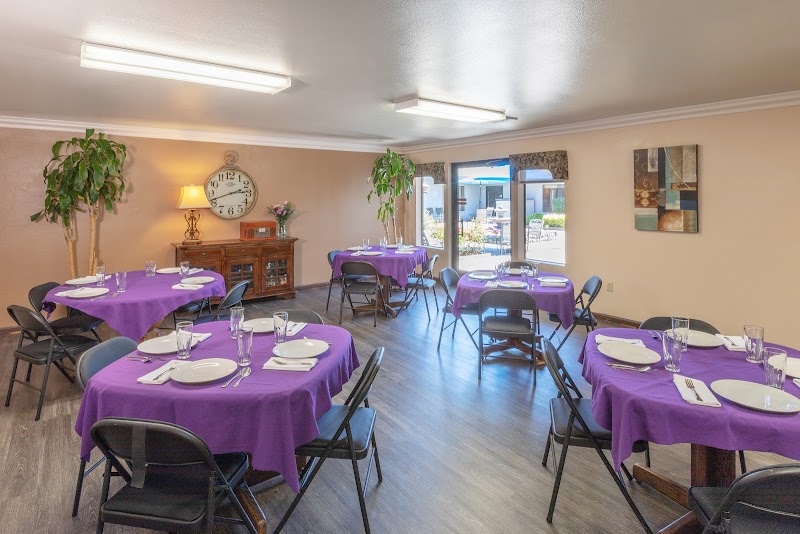
How is Crystal Ridge Staffed?

CMS rates CRYSTAL RIDGE CARE CENTER's staffing level at 2 out of 5 stars, which is below average compared to other nursing homes. Staff turnover is 62%, which is 16 percentage points above the California average of 46%. High turnover can affect care consistency as new staff learn residents' individual needs. RN turnover specifically is 56%, which is notably high. RNs provide skilled clinical oversight, so turnover in this role can affect medical care quality.

What Have Inspectors Found at Crystal Ridge?

State health inspectors documented 44 deficiencies at CRYSTAL RIDGE CARE CENTER during 2019 to 2025. These included: 44 with potential for harm.
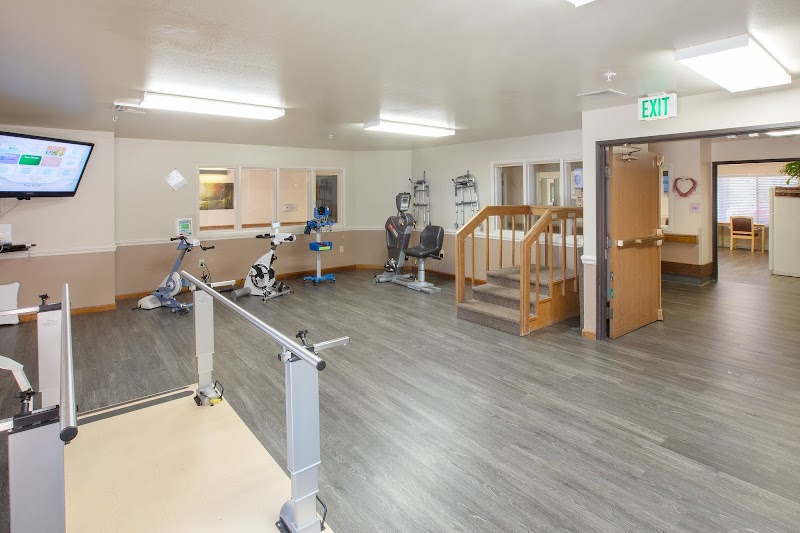
Who Owns and Operates Crystal Ridge?

CRYSTAL RIDGE CARE CENTER is owned by a for-profit company. For-profit facilities operate as businesses with obligations to shareholders or private owners. The facility is operated by PACS GROUP, a chain that manages multiple nursing homes. With 99 certified beds and approximately 94 residents (about 95% occupancy), it is a smaller facility located in GRASS VALLEY, California.
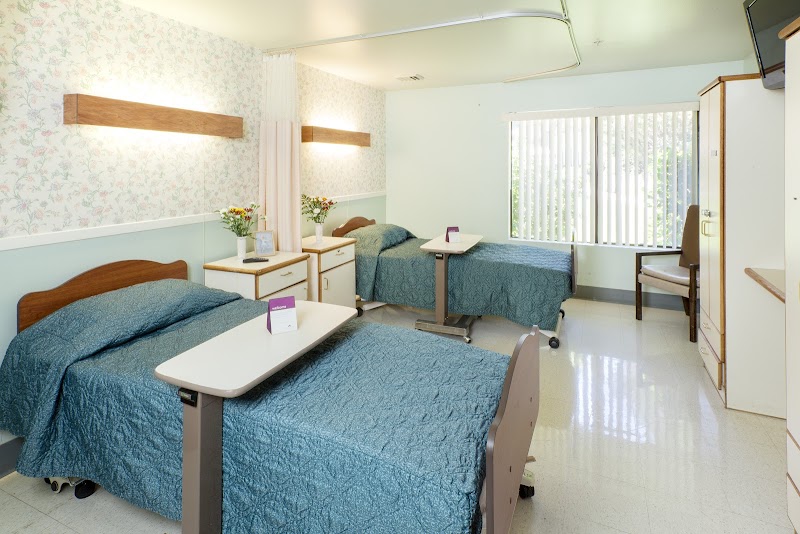
How Does Crystal Ridge Compare to Other California Nursing Homes?

Compared to the 100 nursing homes in California, CRYSTAL RIDGE CARE CENTER's overall rating (4 stars) is above the state average of 3.2, staff turnover (62%) is significantly higher than the state average of 46%, and health inspection rating (3 stars) is at the national benchmark.

What Should Families Ask When Visiting Crystal Ridge?

Based on this facility's data, families visiting should ask: "How do you ensure continuity of care given staff turnover, and what is your staff retention strategy?" "Can you walk me through typical staffing levels on day, evening, and night shifts?" "Can I visit during a mealtime to observe dining assistance and food quality?" "How do you handle medical emergencies, and what is your hospital transfer rate?" These questions are particularly relevant given the facility's high staff turnover rate and the below-average staffing rating.

Is Crystal Ridge Safe?

Based on CMS inspection data, CRYSTAL RIDGE CARE CENTER has a clean safety record: no substantiated abuse findings (meaning no confirmed cases of resident harm), no Immediate Jeopardy citations (the most serious violation level indicating risk of serious injury or death), and is not on the Special Focus Facility watch list (a federal program monitoring the lowest-performing 1% of nursing homes). The facility has a 4-star overall rating and ranks #1 of 100 nursing homes in California. While no facility is perfect, families should still ask about staff-to-resident ratios and recent inspection results during their visit.

Do Nurses at Crystal Ridge Stick Around?

Staff turnover at CRYSTAL RIDGE CARE CENTER is high. At 62%, the facility is 16 percentage points above the California average of 46%. Registered Nurse turnover is particularly concerning at 56%. RNs handle complex medical decisions and coordinate care — frequent RN changes can directly impact care quality. High turnover means new staff may not know residents' individual needs, medications, or preferences. It can also be disorienting for residents, especially those with dementia who rely on familiar faces. Families should ask: What is causing the turnover? What retention programs are in place? How do you ensure care continuity during staff transitions?

Was Crystal Ridge Ever Fined?

CRYSTAL RIDGE CARE CENTER has no federal fines on record. CMS issues fines when nursing homes fail to meet care standards or don't correct problems found during inspections. The absence of fines suggests the facility has either maintained compliance or corrected any issues before penalties were assessed. This is a positive indicator, though families should still review recent inspection reports for the full picture.

Is Crystal Ridge on Any Federal Watch List?

CRYSTAL RIDGE CARE CENTER is not on any federal watch list. The most significant is the Special Focus Facility (SFF) program, which identifies the bottom 1% of nursing homes nationally based on persistent, serious quality problems. Not being on this list means the facility has avoided the pattern of deficiencies that triggers enhanced federal oversight. This is a positive indicator, though families should still review the facility's inspection history directly.