HAWTHORNE HEALTHCARE & WELLNESS CENTRE, LP
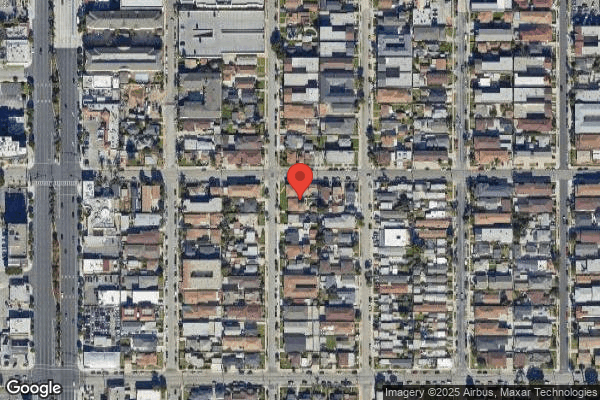
11630 SOUTH GREVILLEA AVE., HAWTHORNE, CA 90250 (310) 679-9732
For profit - Partnership 88 Beds Independent Data: November 2025
Trust Grade
70/100
#368 of 1155 in CA
Last Inspection: January 2025

Within standard 12-15 month inspection cycle. Federal law requires annual inspections.

Overview

Hawthorne Healthcare & Wellness Centre has received a Trust Grade of B, which indicates it is a good facility and a solid choice for care. It ranks #368 out of 1155 nursing homes in California, placing it in the top half of the state, and #56 out of 369 in Los Angeles County, meaning there are only 55 local options better than this one. The facility is improving; it had 11 issues in 2024, which decreased to 7 in 2025. However, staffing is a concern with a below-average rating of 2 out of 5 stars and a turnover rate of 35%, which is better than the state average but still indicates some instability among staff. While the facility has no fines recorded, which is a positive sign, recent inspections highlighted issues such as not obtaining necessary blood pressure readings for residents at risk and using the wrong serving scoop for meals, potentially affecting residents' nutrition. Overall, while there are strengths in its good ranking and absence of fines, families should be aware of the staffing challenges and specific care issues that need attention.

Trust Score
B
70/100
In California
#368/1155
Top 31%
Safety Record
Low Risk
No red flags
Inspections
Getting Better
11 → 7 violations
Staff Stability
○ Average
35% turnover. Near California's 48% average. Typical for the industry.
Penalties
✓ Good
No fines on record. Clean compliance history, better than most California facilities.
Skilled Nurses
⚠ Watch
Each resident gets only 20 minutes of Registered Nurse (RN) attention daily — below average for California. Fewer RN minutes means fewer trained eyes watching for problems.
Violations
⚠ Watch
36 deficiencies on record. Higher than average. Multiple issues found across inspections.
★★★★☆
4.0
Overall Rating
★★☆☆☆
2.0
Staff Levels
☆☆☆☆☆
0.0
Care Quality
★★★★☆
4.0
Inspection Score
Stable
2024: 11 issues
2025: 7 issues

The Good

  • Full Sprinkler Coverage · Fire safety systems throughout facility
  • No fines on record
  • Staff turnover below average (35%)

    13 points below California average of 48%

Facility shows strength in fire safety.

The Bad

Staff Turnover: 35%

10pts below California avg (46%)

Typical for the industry

The Ugly 36 deficiencies on record

Jun 2025 1 deficiency
CONCERN (D) 📢 Someone Reported This

A family member, employee, or ombudsman was alarmed enough to file a formal complaint

Potential for Harm - no one hurt, but risky conditions existed

Infection Control (Tag F0880)

Could have caused harm · This affected 1 resident

Based on observation, interview and record review, the facility failed to implement its policy and procedure (P&P) titled, Dietary Department-Infection Control. Dietary Aide 1 did not wear a hairnet w...

Read full inspector narrative →
Based on observation, interview and record review, the facility failed to implement its policy and procedure (P&P) titled, Dietary Department-Infection Control. Dietary Aide 1 did not wear a hairnet while working in the kitchen. This failure had the potential for cross contamination and increase the risk of infections among residents. Findings: During an observation on 6/4/2025 at 1:50 p.m., with the Dietary Manager, Dietary Aide 1 was observed working in the kitchen without a hairnet. During a concurrent interview, Dietary Aide 1 stated she removed her hairnet as she was coming to the kitchen door. There was no hairnet was observed in Dietary Aide 1's hand. Dietary Aide 1 did not state how the lack of a hairnet may affect residents. The Dietary manager stated that not wearing a hairnet in the kitchen increased the risk of hair falling and cross contamination to foods and utensils. During a review of the facility policy and procedure titled, Dietary Department-Infection Control, dated 2/29/2024, indicated personal cleanliness was required in sanitary food preparation, clean working attire would be worn, cover head, beard, and mustache with an effective hair restraint, such as hats, hair coverings or nets while in any kitchen and food storage areas.
Jan 2025 6 deficiencies
CONCERN (D)

Potential for Harm - no one hurt, but risky conditions existed

Deficiency F0657 (Tag F0657)

Could have caused harm · This affected 1 resident

**NOTE- TERMS IN BRACKETS HAVE BEEN EDITED TO PROTECT CONFIDENTIALITY** Based on interview and record review, the facility failed to: 1. Update the careplan for one of four sampled residents (Resident...

Read full inspector narrative →
**NOTE- TERMS IN BRACKETS HAVE BEEN EDITED TO PROTECT CONFIDENTIALITY** Based on interview and record review, the facility failed to: 1. Update the careplan for one of four sampled residents (Resident 79) after the resident self-removed his indwelling catheter (a flexible tube inserted into the bladder to continuously drain urine into a drainage bag) on two occasions. This failure had the potential to cause complications such as urinary tract infections (UTI - an infection in the bladder/urinary tract), bleeding, and/or pain with urination. Findings: During a review of Resident 79's admission Record, the admission Record indicated the facility admitted Resident 79 on 11/15/2024 and re-admitted on [DATE], with diagnoses that included benign prostatic hyperplasia (a condition in which the prostate gland is larger than normal and can slow or block the flow of urine from the bladder), bipolar disorder (sometimes called manic-depressive disorder; mood swings that range from the lows of depression to elevated periods of emotional highs), and anxiety disorder (a mental health condition characterized by excessive and persistent worry, fear, and unease that can interfere with daily life). During a review of the Minimum Data Set (MDS - a resident assessment tool), the MDS indicated Resident 79 usually had the ability to express ideas and wants, and usually had the ability to understand others. The MDS also indicated Resident 79 was independent with self-care and mobility (walking). During a review of Resident 79's Progress Notes, dated 1/13/2025 , the Progress Notes indicated Resident 79 self-removed his catheter. During a review of Resident 79's Progress Notes, dated 1/18/2025, the Progress Notes indicated Resident 79 self-removed his catheter. During a review of Resident 79's Care Plan focusing on the Indwelling Catheter, initiated on 11/21/2024 and revised on 11/26/2024, the care plan indicated a goal for Resident 79 included, The resident will be/remain free from catheter-related trauma . During a review of Resident 79's Order Summary Report dated 1/23/2025, the report indicated to change Foley (indwelling) catheter per schedule Q (every) month, as needed for leaking, occlusion, dislodgement . During a concurrent interview and record review on 1/23/2025 at 3:55 p.m. with Registered Nurse (RN) 1, Progress Notes, dated 1/13/2025 and 1/18/2025 were reviewed. RN 1 stated the physician was notified on 1/13/2025 of the catheter dislodgement. There should have been a revision of the care plan to address that the resident pulled the catheter out and monitoring to prevent it happening again. When it happened again on 1/18/2025, the physician was notified, but no care plan revision was done. The physician ordered the catheter to be re-inserted. There should have been monitoring for bleeding and low urine output. During a review of the facility's policy and procedure (P&P) titled, Comprehensive Person-Centered Care Planning, revised November 2018, the P&P indicated C. In addition, the comprehensive care plan will also be reviewed and revised at the following times: i. Onset of new problems; ii. Change of condition; During a review of the facility's P&P titled, Indwelling Catheter, with revised date: 9/1/2014, the P&P indicated, Update the resident's Care Plan as necessary.
CONCERN (D)

Potential for Harm - no one hurt, but risky conditions existed

Quality of Care (Tag F0684)

Could have caused harm · This affected 1 resident

**NOTE- TERMS IN BRACKETS HAVE BEEN EDITED TO PROTECT CONFIDENTIALITY** Based on observation and interview, the facility failed to: 1. Complete a change of condition after Resident 79 self-removed his...

Read full inspector narrative →
**NOTE- TERMS IN BRACKETS HAVE BEEN EDITED TO PROTECT CONFIDENTIALITY** Based on observation and interview, the facility failed to: 1. Complete a change of condition after Resident 79 self-removed his indwelling catheter (a flexible tube inserted into the bladder to continuously drain urine into a drainage bag), for the second time. This failure resulted in Resident 79 not having a detailed explanation of what occurred and if the physician and responsible party was notified. Findings: During a review of the admission record, the admission record indicated Resident 79 was admitted to the facility on [DATE] and re-admitted [DATE], with diagnoses that included benign prostatic hyperplasia (a condition in which the prostate gland is larger than normal and can slow or block the flow of urine from the bladder), bipolar disorder (sometimes called manic-depressive disorder; mood swings that range from the lows of depression to elevated periods of emotional highs), and anxiety disorder (a mental health condition characterized by excessive and persistent worry, fear, and unease that can interfere with daily life). During a review of the Minimum Data Set (MDS - a resident assessment tool), the MDS indicated Resident 79 usually had the ability to express ideas and wants, and usually had the ability to understand others. The MDS also indicated Resident 79 was independent with self-care and mobility (walking). During a review of Resident 79's Progress Notes, dated 1/18/2025, the Progress Notes indicated Resident 79 self-removed his catheter. During a review of the Change in Condition Evaluation form, dated 1/13/2025, the Change in Condition indicated Resident 79 had abdominal pain due to foley catheter removal. During a review of the facility's policy and procedure (P&P) titled, Change of Condition Notification, revised April 2015, the P&P indicated VI. Documentation D. Documentation pertaining to a change in the resident's condition will be maintained in the resident's medical record and on the Twenty-Four-Hour report. During a concurrent interview and record review on 1/23/2025 at 3:45 PM with Registered Nurse (RN) 1, Resident 79's Progress Notes, dated 1/18/2025 were reviewed. RN 1 stated the physician and responsible party were notified per the notes, but the Change in Condition form was not completed. RN 1 stated that a resident removing their catheter should have a Change in Condition form completed be completed per facility protocol.
CONCERN (D)

Potential for Harm - no one hurt, but risky conditions existed

Accident Prevention (Tag F0689)

Could have caused harm · This affected 1 resident

**NOTE- TERMS IN BRACKETS HAVE BEEN EDITED TO PROTECT CONFIDENTIALITY** Based on observation, record review, and interview, the facility failed to: 1. Provide a smoking apron to Resident 17 for one of...

Read full inspector narrative →
**NOTE- TERMS IN BRACKETS HAVE BEEN EDITED TO PROTECT CONFIDENTIALITY** Based on observation, record review, and interview, the facility failed to: 1. Provide a smoking apron to Resident 17 for one of one saampled resident (Resident 17) as indicated on his care plan. This deficiency had the potential for the resident to burn himself. Findings: During a review of the admission record, the admission record indicated Resident 17 was admitted to the facility on [DATE] and re-admitted on [DATE], with diagnoses including epilepsy (a chronic disorder of the brain characterized by recurrent brief episodes of involuntary movement of the body), schizophrenia (a mental illness that can affect thoughts, mood, and behavior), and nicotine dependence (a highly addictive substance found in tobacco usually consumed through smoking cigarettes or using e-cigarettes). During a review of the Minimum Data Set (MDS - a resident assessment tool), the MDS indicated Resident 17 had the ability to express ideas and wants and had the ability to understand others. The MDS also indicated Resident 17 normally used a wheelchair for mobility. During a concurrent observation and interview on 1/22/2025 at 2:30 PM, Resident 17 was observed in the designated smoking area smoking a cigarette without a smoking apron on. Observed one smoking apron hanging on a hook near him. When asked if he ever wears the apron, he stated I have been here five years and I have never worn that vest. Why would I now? During an Interview on 1/22/2025 at 2:40 PM, with Smoking Aide (SA), SA stated she offers the smoking apron to older, frail people who she feels would need it to be safe, and that there is no one like that right now. She denied being informed of residents who should wear it. During a concurrent interview and record review on 1/23/2025 at 10:30 AM with the Director of Nursing (DON), Resident 17's care plan for tobacco use, initiated 2/18/2022, was reviewed. The care plan indicated Resident 17 would wear a smoking apron while smoking. The DON stated the SA is responsible for offering the apron. If the resident refuses, the SA should let us know. The DON also stated that the apron is there for residents' safety, so they do not burn themselves or their clothes. When asked how the SA would know who needs a vest, the DON stated that she would look into it. During a review of the facility's policy and procedure (P&P) titled, Smoking Residents, revised 7/27/2023, the P&P indicated: (8) The IDT will develop an individualized plan of care for safe storage, use of smoking materials, assistance and/or required supervision, for residents who smoke.
CONCERN (D)

Potential for Harm - no one hurt, but risky conditions existed

Deficiency F0761 (Tag F0761)

Could have caused harm · This affected 1 resident

**NOTE- TERMS IN BRACKETS HAVE BEEN EDITED TO PROTECT CONFIDENTIALITY** Based on observation and interview, the facility failed to: 1. Label a bottle of ClearLax (a medication used to treat occasional...

Read full inspector narrative →
**NOTE- TERMS IN BRACKETS HAVE BEEN EDITED TO PROTECT CONFIDENTIALITY** Based on observation and interview, the facility failed to: 1. Label a bottle of ClearLax (a medication used to treat occasional constipation), with the date opened. This failure had the potential to result in residents being administered expired medication that may be less effective, potentially leading to inadequate bowel movement relief. Findings: During an observation on [DATE] at 08:15 AM, Licensed Vocational Nurse (LVN) 1 administered medication from an opened bottle of ClearLax that was not labeled with the date it was opened. During an interview on [DATE] at 2:15 PM with LVN 1, LVN 1 stated, That bottle should have been labeled when it was first opened to know when to remove it from the cart after 30 days. Without knowing how long ago it was opened, there is no way to know if it would possibly be effective. Residents could be constipated if it does not work anymore. During a review of the facility's policy and procedure (P&P) titled, Medication Storage in the Facility, dated [DATE], the P&P indicated, When the original seal of a manufacturer's container or vial is initially broken, the container or vial will be dated.
CONCERN (E)

Potential for Harm - no one hurt, but risky conditions existed

Deficiency F0658 (Tag F0658)

Could have caused harm · This affected multiple residents

**NOTE- TERMS IN BRACKETS HAVE BEEN EDITED TO PROTECT CONFIDENTIALITY** Based on interview and record review, the facility failed to: 1. Obtain blood pressure readings to determine if three of three s...

Read full inspector narrative →
**NOTE- TERMS IN BRACKETS HAVE BEEN EDITED TO PROTECT CONFIDENTIALITY** Based on interview and record review, the facility failed to: 1. Obtain blood pressure readings to determine if three of three sampled residents (Resident 36, Resident 65 and Resident 75) have orthostatic hypotension (a form of low blood pressure that happens when standing after lying down or sitting). This deficient practice had the potential for Resident, 36, 65, and 75 to experience a delay in interventions if they were positive for orthostatic hypotension. Findings: a. During a review of Resident 36's admission Record (Face Sheet), it indicated Resident 36 was readmitted on [DATE] with diagnoses that included failure to thrive (someone who is not developing and growing normally), muscle weakness, muscle wasting (loss of muscle mass and strength), and hypotension (low blood pressure). During a review of Resident 36's Minimum Data Set ([MDS]- a resident assessment tool), dated 10/20/2024, the MDS indicated Resident 36 had severe cognitive impairment (ability to reason, understand, remember, judge, and learn). During a review of Resident 36's Care Plan, dated 10/21/2024, it indicated that Resident 36 was at risk for decreased cardiac output (the amount of blood the heart pumps in one minute), and the intervention included to alert the provider if orthostatic blood pressure was positive. During a review of Resident 36's Order Summary Report, it indicated Resident 36 to have orthostatic blood pressure monitored every Saturday during the day shift. During a review of Resident 36's Blood Pressure Summary, dated 01/2025, Resident 36 had the following blood pressure recorded: 1/4/2025 8:06 a.m. 98/63 lying 1/4/2025 2:00 p.m. 101/64 lying 1/4/2025 3:35 p.m. 105/64 1/4/2025 4:29 p.m. 105/64 standing 1/11/2025 9:49 a.m. 97/62 lying 1/11/2025 1:06 p.m. 102/58 lying 1/11/2025 4:10 p.m. 123/71 lying 1/11/2025 4:28 p.m. 116/59 1/11/2025 4:51 p.m. 116/59 sitting 1/18/2025 2:47 a.m. 101/55 1/18/2025 9:41 a.m. 99/58 lying 1/18/2025 12:16 p.m. 105/64 lying 1/18/2025 4:36 p.m. 116/74 sitting b. During a review of Resident 65's admission Record (Face Sheet), it indicated Resident 65 was admitted on [DATE] with diagnoses that included muscle weakness, unsteadiness on feet, and schizophrenia (a mental illness that is characterized by disturbances in thought). During a review of Resident 65's Care Plan, dated 5/10/2024, it indicated that Resident 65 had ineffective peripheral tissue perfusion (delivery of oxygen to body's arms and legs), and the intervention included to alert the provider if orthostatic blood pressure was positive. During a review of Resident 65's Order Summary Report, it indicated Resident 65 to have orthostatic blood pressure monitored every Saturday during the day shift. During a review of Resident 65's Blood Pressure Summary, dated 01/2025, Resident 65 had the following blood pressure recorded: 1/4/2025 11:54 a.m. 112/69 sitting 1/4/2025 2:30 p.m. 114/75 lying 1/11/2025 8:10 a.m. 105/68 sitting 1/11/2025 8:11 a.m. 105/68 sitting 1/11/2025 11:24 p.m. 112/72 lying 1/18/2025 8:57 a.m. 117/63 sitting 1/18/2025 12:33 p.m. 110/65 lying During an interview on 1/23/2025 at 11:04 a.m. with Licensed Vocational Nurse (LVN) 1, LVN 1 stated orthostatic blood pressures are taken as ordered by the physician on the specified day and shift. LVN 1 stated the process of taking orthostatic blood pressure was to take a blood pressure when the resident was lying down and then having them sit up, wait 3-5 minutes and take another blood pressure reading. If the resident could stand, they would also take one with the resident standing. LVN 1 stated the orthostatic blood pressure needs to be taken in the order of lying, sitting and standing because they are measuring a change in blood pressure when getting up. During a concurrent interview and record review on 1/23/2025 at 11:15 a.m. with LVN 1, Resident 36 and 65's Blood Pressure Summary were reviewed for 1/4/2025, 1//11/2025, and 1/18/2025. LVN 1 stated based on the times the blood pressure readings were taken and the position the residents were in, a true orthostatic blood pressure reading was not taken on the ordered days. LVN 1 stated it was important to have orthostatic blood pressure be taken correctly so staff can see if there was a change and if so, would need to alert the doctors so they can provide interventions. During a review of the facility's policy and procedure, titled Orthostatic Hypotension, dated 1/1/2012, it indicated orthostatic vital signs would be taken and recorded when ordered by the physician. The procedure for taking orthostatic blood pressure starts with the resident lying down and taking a set of blood pressure, then the resident would either sit or stand and have another blood pressure taken again after 3 minutes. If there was a drop in systolic blood pressure of 20 millimeters of mercury (mm Hg) or a 10 mmHg drop in your diastolic blood pressure within three minutes of standing up, the resident has orthostatic hypotension. b. During a review of Resident 75's admission Record, the admission Record indicated Resident 75 was initially admitted to the facility on [DATE] and last readmitted [DATE]. Resident 75's diagnoses included anxiety disorder (persistent and excessive worry that interferes with daily activities), unspecified psychosis ((a severe mental condition in which thought, and emotions are so affected that contact is lost with reality), major depressive disorder (a mental health condition that causes a persistently low or depressed mood and a loss of interest in activities that once brought joy) and Alzheimer's disease (a progressive disease beginning with mild memory loss and possibly leading to loss of the ability to carry on a conversation and respond to the environment). During a review of Resident 75's history and physical (H&P), dated 12/14/2024, the H&P indicated Resident 75 did not have the capacity to understand and make decisions. During a review of Resident 75's Minimum Data Set ([MDS], a standardized assessment and care planning tool), dated 12/20/2024, the MDS indicated Resident 75 needed maximal assistance on staff for activities of daily living (ADLs) such as toileting, dressing, showering, and positioning. During a concurrent interview and record review on 1/23/2025 at 3:00 p.m. with Director of Nursing (DON), Resident 75's Medication Administration Record (MAR), dated December 2024 and January 2025 were reviewed. The MAR indicated monitor orthostatic blood pressure every week on Saturday for anti-psychotic medication use. Take and record BP lying, sitting and standing if able to do so. Notify MD if noted decline of 20 mmHg or more in SBP or a 10 mmHg in DBP. MAR showed on 12/14/24, 12/21/24, 12/28/24, 1/4/25, 1/11/25 and 1/18/25 only SBP was recorded. DON stated the order showed to take and record orthostatic BP every Saturday, which included parameters to notify the doctor for SBP and DBP. DON stated the record only showed the SBP. DON stated that was not the correct way of documenting BP's. DON stated there would be no way to determine if there was a trend in the DBP and to notify the doctor. DON stated it was important to follow the doctor orders and document correctly. DON stated the resident could potentially lead to dizziness, falls or other health issues. During a review of the facility's policy and procedure, titled Orthostatic Hypotension, dated 1/1/2012, it indicated orthostatic vital signs would be taken and recorded when ordered by the physician.
CONCERN (E)

Potential for Harm - no one hurt, but risky conditions existed

Menu Adequacy (Tag F0803)

Could have caused harm · This affected multiple residents

Based on observation, interview, and record review, the facility failed to: 1. Ensure the correct sized serving scoop was used for 29 of 29 residents on mechanical soft diets. This deficient practice ...

Read full inspector narrative →
Based on observation, interview, and record review, the facility failed to: 1. Ensure the correct sized serving scoop was used for 29 of 29 residents on mechanical soft diets. This deficient practice had the potential for resident to receive the wrong caloric intake when not following the menu, resulting in decreased nutritional intake and weight loss. Findings: During an observation on 1/23/2025 at 12:00 p.m. in the kitchen, during serving of the lunch trays, [NAME] 1 (Cook 1) scooped the mechanical soft roast beef onto resident's plates using scoop size number 12 (one-third of a cup). During a review of Cooks Spreadsheet - Winter Menus, dated 1/23/2025, indicated ground roast beef for lunch required the use of scoop number 10 (three-eighths of a cup). During a review of facility list of residents on mechanical soft diets, dated 1/24/2025, indicated there were 29 residents on mechanical soft diets. During an interview on 1/23/2025 at 12:20 p.m. with [NAME] 1, [NAME] 1 stated that the number 12 scoop was used to serve the mechanical soft meat. [NAME] 1 stated the wrong scoop that was used was smaller than what the menu showed. [NAME] 1 stated the menu shows the number 10 scoop which is larger should have been used. [NAME] 1 stated it was important to use the right size scoop, it could possibly cause the resident to get less food and have weight loss. During an interview on 1/23/2025 at 12:35 p.m., with Dietary Supervisor (DS), DS stated cook 1 used the wrong size scoop for the mechanical soft meat. DS stated the scoop number 10 should have been used, it was a larger scoop than the one that was used. The DS stated that using the incorrect scoop size meant the residents could not get enough food and potentially have weight loss. During an interview on 1/24/2025 at 9:00 a.m., with Registered Dietician (RD), RD stated the menu showed which scoop size to be used and should be followed. RD stated not using the correct size scoop has the potential to affect the health of the resident by receiving less intake and potential weight loss. During a review of the facility's policy and procedure (P&P) titled, Menus, dated April 2014, the P&P indicated, food served should adhere to the written menu.
Jan 2024 11 deficiencies
CONCERN (D)

Potential for Harm - no one hurt, but risky conditions existed

Deficiency F0657 (Tag F0657)

Could have caused harm · This affected 1 resident

**NOTE- TERMS IN BRACKETS HAVE BEEN EDITED TO PROTECT CONFIDENTIALITY** Based on interview and record review the facility failed to ensure there was a revised care plan for using an Incentive Spiromet...

Read full inspector narrative →
**NOTE- TERMS IN BRACKETS HAVE BEEN EDITED TO PROTECT CONFIDENTIALITY** Based on interview and record review the facility failed to ensure there was a revised care plan for using an Incentive Spirometer ([IS] a device that measures the volume of the air inhaled into the lungs during inspiration) for one out of six sampled Residents (Resident 3). This deficient practice had the potential to affect Resident 3's provision of care. Findings: During a review of Resident 3's admission Record (Face Sheet), the admission Record indicated Resident 3 was admitted to the facility on [DATE] with diagnoses that included Parkinson (a motor system that manifest as rigidity and tremors of the body), epilepsy (a sudden alteration in behavior due to temporary change in the electrical functioning of the brain), and schizophrenia (a severe mental illness characterized by disruptions in thinking, perception, emotions, and social interactions). During a review of Resident 3's History and Physical (H&P), dated 2/13/2023, the H&P indicated, Resident 3 can make needs known but cannot make medical decisions. During a review of Resident 3's Minimum Data set ([MDS] a standardized care screening and assessment tool), dated 9/23/2023, the MDS indicated, Resident 3's cognition (ability to learn reason, remember, understand, and make decisions) could not remember year, month, and day. The MDS indicated, Resident 3 activities of daily living ([ADL] activities related to personal care) Resident 3 was dependent with toileting hygiene, showering, and putting on and off footwear. During a review of Resident 3's Order Summary Report, dated 1/23/2024 was reviewed. The Order Summary Report indicated, on 1/23/2024 Resident 3 were to use an Incentive Spirometer ([IS] a device that measures the volume of the air inhaled into the lungs during inspiration) ten breaths in the morning and in the evening while awake. During a review of Resident 3's Nursing Progress Notes, dated 1/23/2024, the Nursing Progress Notes indicated, Resident 3 was readmitted on [DATE] to the facility. The Nursing Progress Notes indicated to continue previous order and medications reconciliation (the process of comparing a patient's medication orders to all of the medications that the patient had been taking) from hospital and continue plan of care. During a concurrent interview and record review on 1/25/2024 at 3:05 p.m. with Licensed Vocational Nurse (LVN) 1, Resident 3's Care Plan (CP), dated 9/26/2023 was reviewed. The CP indicated, Resident 3 was at risk for ineffective airway clearance with interventions to 1. Monitor for signs and symptoms of dysphasia (trouble swallowing) 2. Monitor Resident's ability to expectorate secretions 3. Perform oral suctioning to maintain airway 4. Position Resident upright 5. Provide oxygen as indicated by Resident condition. LVN 2 stated when the physician orders were received the care plan should have been initiated or revised. LVN 2 stated it is important to start the revision of the care plan and add the IS to the care plan to see the progression of care. LVN 2 stated the care plan intervention will help us to assess the effectiveness of care. During a concurrent interview, and record review on 1/25/2024 at 3:20 p.m. with Director of Nursing (DON) 1, Resident 3's Order Summary Report, dated 1/23/2024 was reviewed. The Order Summary Report indicated, on 1/23/2024 Resident 3 were to use an Incentive Spirometer ([IS] a device that measures the volume of the air inhaled into the lungs during inspiration) ten breaths in the morning and in the evening while awake. DON 1 stated the IS is for lung expansion to prevent pneumonia. DON 1 stated it is important to set up a care plan and revised a care plan with goals and interventions. DON 1 stated the care plan is the blueprint to identify the problem if the interventions are effective or not. DON 1 stated if the care plan is not followed or updated it will place Resident 3 at risk for respiratory infection. During a review of the facility's policy and procedure (P&P) titled, Comprehensive Person -Centered Care Planning, dated 11/2018, the P&P indicated, To ensure that a comprehensive person centered care plan is developed for each resident .The baseline care plan must include the minimum healthcare information necessary to properly care for each resident immediately upon their admission .It should address resident-specific health and safety concerns to prevent decline .Since baseline care plan is developed before the comprehensive assessment, goals and interventions may change .If the comprehensive assessment and the comprehensive care plan identified a change in the resident's goals, or physical, mental or psychosocial functioning, which was not previously identified on the problem specific care plans used for the baseline care plan, those changes must be updated on each specific care plan used and incorporated, as applicable, into the initial and/or updated baseline care summary.
CONCERN (D)

Potential for Harm - no one hurt, but risky conditions existed

ADL Care (Tag F0677)

Could have caused harm · This affected 1 resident

**NOTE- TERMS IN BRACKETS HAVE BEEN EDITED TO PROTECT CONFIDENTIALITY** Based on observation and interview the facility failed to provide oral hygiene for one out of six Resident (Resident 4). The fai...

Read full inspector narrative →
**NOTE- TERMS IN BRACKETS HAVE BEEN EDITED TO PROTECT CONFIDENTIALITY** Based on observation and interview the facility failed to provide oral hygiene for one out of six Resident (Resident 4). The failure also resulted in the potential for dental problems and compromise resident's physical health and psychosocial well-being. Findings: During a review of Resident 4's admission Record (Face Sheet), the admission Record indicated Resident 4 was admitted to the facility on [DATE] with diagnoses that included encephalopathy (damage or disease that affects the brain), diabetes mellitus (metabolic disease, involving inappropriately elevated blood glucose levels), respiratory failure (life-threatening condition of breathing failure that can occur in very ill people). During a review of Resident 4's History and Physical (H&P, date unknown, the H&P indicated, Resident 4 does not have the capacity to understand and make decisions. During a review of Resident 4's Minimum Data set ([MDS] a standardized care screening and assessment tool), dated 9/23/2023, the MDS indicated, Resident 4's cognition (ability to learn reason, remember, understand, and make decisions) could not remember year, month, and day. The MDS indicated, Resident 4 activities of daily living ([ADL] activities related to personal care) required extensive assistance with toileting, dressing, and personal hygiene. During an observation and interview on 1/24/2024 at 8:17 a.m. with Resident 4. Resident 4 stated I get clean daily, but no one brushes my teeth. Resident 4 displayed her teeth and there was buildup of food particles and residue on Residents 4 teeth. During a concurrent observation and interview on 1/25/2024 at 3:03 p.m. with Licensed Vocational Nurse (LVN) 1. LVN 1 stated Resident 4 teeth do not look like they have been cleaned. LVN 1 stated Resident 4 should have had her teeth brushed. LVN 1 stated the risk of not brushing Resident 4 teeth can result in cavities or a tooth infection. LVN 2 stated Resident 4 is blind, and it is our duty to make sure Resident 4 had mouth care daily or as needed. During a concurrent observation and interview on 1/15/2024 at 3:14p.m. with Director of Nursing (DON) 1. DON 1 stated Resident 4 teeth look like they have not been cleaned. DON 1 stated Resident 4 should have had her teeth brushed daily. DON 1 stated if Resident 4 does not receive oral hygiene Resident 4 is at risk for gingivitis (inflammation of the gums). During a review of the facility's policy and procedure (P&P) titled, Oral Care, dated 1/2012, the P&P indicated, All residents receive appropriate oral care, including denture if applicable, daily .It is the responsibility of each staff member within the nursing department is to ensure good oral care for each resident.
CONCERN (D)

Potential for Harm - no one hurt, but risky conditions existed

Quality of Care (Tag F0684)

Could have caused harm · This affected 1 resident

**NOTE- TERMS IN BRACKETS HAVE BEEN EDITED TO PROTECT CONFIDENTIALITY** Based on observation, interview, and record review the facility failed to ensure one out of six Residents (Resident 3) had an in...

Read full inspector narrative →
**NOTE- TERMS IN BRACKETS HAVE BEEN EDITED TO PROTECT CONFIDENTIALITY** Based on observation, interview, and record review the facility failed to ensure one out of six Residents (Resident 3) had an incentive spirometer ([IS] a device used to expand the lungs to prevent respiratory infection) at bedside. This deficient practice of not having the IS device available for Resident 3 had the potential for a respiratory infection. Findings: During a review of Resident 3's admission Record (Face Sheet), the admission Record indicated Resident 3 was admitted to the facility on [DATE] with diagnoses that included Parkinson (a motor system that manifest as rigidity and tremors of the body), epilepsy (a sudden alteration in behavior due to temporary change in the electrical functioning of the brain), and schizophrenia (a severe mental illness characterized by disruptions in thinking, perception, emotions, and social interactions). During a review of Resident 3's History and Physical (H&P), dated 2/13/2023, the H&P indicated, Resident 3 can make needs known but cannot make medical decisions. During a review of Resident 3's Minimum Data set ([MDS] a standardized care screening and assessment tool), dated 9/23/2023, the MDS indicated, Resident 3's cognition (ability to learn reason, remember, understand, and make decisions) could not remember year, month, and day. The MDS indicated, Resident 3 activities of daily living ([ADL] activities related to personal care) Resident 3 was dependent with toileting hygiene, showering, and putting on and off footwear. During a review of Resident 3's Order Summary Report, dated 1/23/2024 was reviewed. The Order Summary Report indicated, on 1/23/2024 Resident 3 were to use an Incentive Spirometer ten breaths in the morning and in the evening while awake. During a review of Resident 3's Nursing Progress Notes, dated 1/23/2024, the Nursing Progress Notes indicated, Resident 3 was readmitted on [DATE] to the facility. The Nursing Progress Notes indicated to continue previous order and medications reconciliation (the process of comparing a patient's medication orders to all of the medications that the patient had been taking) from hospital and continue plan of care. During a concurrent observation, interview, and record review on 1/25/2024 at 3:05 p.m. with Licensed Vocational Nurse (LVN) 1, Resident 3's Order Summary Report, dated 1/23/2024 was reviewed. The Order Summary Report indicated, on 1/23/2024 Resident 3 were to use an Incentive Spirometer ([IS] a device that measures the volume of the air inhaled into the lungs during inspiration) ten breaths in the morning and in the evening while awake. LVN 1 stated there is no IS in the Resident 3's room. LVN 1 stated there should be an IS in the room and it should be resulted of Resident 3's usage of the IS in the eMAR ([electronic Medication Administration Record] used to document information). LVN 1 stated the IS is used to expand the lungs and to prevent respiratory infection. During a concurrent interview, and record review on 1/25/2024 at 3:20 p.m. with Director of Nursing (DON) 1, Resident 3's Order Summary Report, dated 1/23/2024 was reviewed. The Order Summary Report indicated, on 1/23/2024 Resident 3 were to use an Incentive Spirometer ([IS] a device that measures the volume of the air inhaled into the lungs during inspiration) ten breaths in the morning and in the evening while awake. DON 1 stated the physician orders were not being followed. DON 1 stated the Incentive Spirometer is used to help Resident 3 to expand her lungs and to prevent pneumonia (an infection in the lungs causing inflammation and fluid accumulation). DON 1 stated the IS device needed to be at Resident 3's bedside to provide the breath exercises to prevent pneumonia. During a review of the facility's policy and procedure (P&P) titled, Residents Rights, dated 1/2012, the P&P indicated, To promote and protect the rights of all residents at the facility .Each resident is allowed to choose activities, schedules and health care that are consistent with his or her interest, assessments and plans of care, including .Health care scheduling, such as times of day for therapies and certain treatments.
CONCERN (D)

Potential for Harm - no one hurt, but risky conditions existed

Deficiency F0700 (Tag F0700)

Could have caused harm · This affected 1 resident

**NOTE- TERMS IN BRACKETS HAVE BEEN EDITED TO PROTECT CONFIDENTIALITY** Based on observation, interview, and record review the facility failed to ensure a consent from resident representative for havi...

Read full inspector narrative →
**NOTE- TERMS IN BRACKETS HAVE BEEN EDITED TO PROTECT CONFIDENTIALITY** Based on observation, interview, and record review the facility failed to ensure a consent from resident representative for having bedrails up for one out of six Residents (Resident 4). This failure had the potential to put residents at risk of falls and entrapment due to the use of side rails. Findings. During a review of Resident 4's admission Record (Face Sheet), the admission Record indicated Resident 4 was admitted to the facility on [DATE] with diagnoses that included encephalopathy (damage or disease that affects the brain), diabetes mellitus (metabolic disease, involving inappropriately elevated blood glucose levels), respiratory failure (life-threatening condition of breathing failure that can occur in very ill people). During a review of Resident 4's History and Physical (H&P, date unknown, the H&P indicated, Resident 4 does not have the capacity to understand and make decisions During a review of Resident 4's Minimum Data set ([MDS] a standardized care screening and assessment tool), dated 9/23/2023, the MDS indicated, Resident 4's cognition (ability to learn reason, remember, understand, and make decisions) could not remember year, month, and day. The MDS indicated, Resident 4 activities of daily living ([ADL] activities related to personal care) required extensive assistance with toileting, dressing, and personal hygiene. During a concurrent observation and an interview on 1/26/2024 at 9:40 a.m. with Director of Nursing (DON) 1 in Resident 4 room, Resident 4's bedrails were up on both sides of the bed. DON 1 stated Resident 4's bedrails were up to prevent falls and to help Resident 4 with mobility (moving one's extremities, changing positions, sitting, standing, and walking). DON 1 stated Resident 4 did not have a consent from the family for the bedrails to be up. DON 1 stated the licensed nurse are the ones to get the consent from the family. DON 1 stated Resident 4 would be at risk for serious injury. DON 1 stated it was important to have the consent to educate the family of the risk for entrapment (a patient being, caught, trapped, or entangled in the spaces in or about the red rail and bedframe). During a concurrent observation and interview on 1/26/2024 at 12:19 p.m. with Licensed Vocational Nurse (LVN) 2. LVN 2 stated the bedrails are up and it is considered a restraint (devices that limit a patient's movement). LVN 2 stated a consent is required when the bedrails are up. LVN 2 stated having the bedrails up can cause bruising of the skin and could cause entrapment. LVN 2 stated we needed to get a consent from the responsible party. LVN 2 stated it is important to have a consent so the responsible party can have a verbal and written understanding of the risk of having the bedrails up. During a review of the facility's policy and procedure (P&P) titled, Restraints, dated 12/2022, the P&P indicated, The facility will verify and document that the resident, or surrogate healthcare decision maker if the resident is unable to make healthcare decisions, has given informed consent before initiating restraints.
CONCERN (D)

Potential for Harm - no one hurt, but risky conditions existed

Deficiency F0802 (Tag F0802)

Could have caused harm · This affected 1 resident

Based on observation, interview, and record review, the facility failed to use the correct sized scoop for 11 of 11 residents receiving pureed (a way to change the texture of solid food so that it is ...

Read full inspector narrative →
Based on observation, interview, and record review, the facility failed to use the correct sized scoop for 11 of 11 residents receiving pureed (a way to change the texture of solid food so that it is smooth with no lumps and has a texture like pudding) diets. These failures had the potential for a highly susceptible population of residents to be at risk for receiving meals that did not meet their nutritional needs. Findings: During an observation on 1/25/2024 at 12:29 p.m., in the kitchen, while serving lunch trays, observed [NAME] 1 searching for a scoop to serve the pureed meat loaf. [NAME] 1 briefly searched for a blue scoop and asked the dishwasher to find one. When the dishwasher was unable to find a blue scoop, [NAME] 1 then used a red scoop to serve the pureed meatloaf instead. During an interview on 1/25/2024 at 1:03 p.m. with [NAME] 1, Cook1 stated that he should have used a blue scoop for the pureed meat loaf, but he could not find another blue scoop. [NAME] 1 stated that he substituted the blue scoop for a red scoop. [NAME] 1 stated that a blue scoop is equal to 2.5 ounces and the red scoop is equal to 2 ounces. [NAME] 1 stated that when appropriate scoop sizes are not available, he (Cook 1) will use another size scoop and eyeball the amount to make sure it is the correct portion size. During an interview on 1/25/2024 at 1:42 p.m. with the Dietary Service Supervisor (DSS) 1, DSS 1 stated that it is inappropriate to change scoops and portion sizes cannot be guessed or eyeballed. DSS 1 stated that it is important to give residents the exact serving size. DSS 1 also stated that changing the serving sizes might cause unintentional weight loss or weight gain. DSS 1 stated that he did not know that the kitchen was short of scoops. He says he will order more scoops today. DSS 1 stated that he will also give an in-service to his staff regarding serving sizes. and to notify him when supplies are running low. During an interview on 1/26/2024 at 9:11 a.m., with the Registered Dietician (RD) 1, RD 1 stated that the kitchen staff must follow the menu and recipes and cannot switch out scoops because it will change the nutritional value of the meal. During a review of the facility's menu, titled Cooks Spreadsheet - Winter Menus, dated 1/22/2024, the facility menu indicated that the pureed Old Fashioned Meatloaf served on 1/24/2024 #8 scoop for smaller size portions and a #16 scoop for larger size portion. According to this menu, a #8 scoop is equal to ½ cup and # 12 scoop was equal to 1/3 cup. During a review of the facility's policy and procedure (P&P) titled, Menus, dated April 2014, the P&P indicated, The Dietary Manager will develop menus in collaboration with the Dietitian to develop menus at least a week in advance. The P&P also indicated that food served should adhere to the written menu.
CONCERN (D)

Potential for Harm - no one hurt, but risky conditions existed

Menu Adequacy (Tag F0803)

Could have caused harm · This affected 1 resident

Based on observation, interview, and record review, the facility failed to use the correct sized scoop for 11 of 11 residents on pureed (a way to change the texture of solid food so that it is smooth ...

Read full inspector narrative →
Based on observation, interview, and record review, the facility failed to use the correct sized scoop for 11 of 11 residents on pureed (a way to change the texture of solid food so that it is smooth with no lumps and has a texture like pudding) diets. These deficient practices had the potential to result in weight loss due to inadequate calories in residents who did not receive the correct amount or food items of their choices of their preference. Findings: During an observation on 1/25/2024 at 12:29 p.m., in the kitchen, while serving lunch trays, observed [NAME] 1 searching for a scoop to serve the pureed meat loaf. [NAME] 1 briefly searched for a blue scoop and asked the dishwasher to find one. When the dishwasher was unable to find a blue scoop, [NAME] 1 then used a red scoop to serve the pureed meatloaf instead. During an interview on 1/25/2024 at 1:03 p.m. with [NAME] 1, Cook1 stated that he should have used a blue scoop for the pureed meat loaf, but he could not find another blue scoop. [NAME] 1 stated that he substituted the blue scoop for a red scoop. [NAME] 1 stated that a blue scoop is equal to 2.5 ounces and the red scoop is equal to 2 ounces. [NAME] 1 stated that when appropriate scoop sizes are not available, he (Cook 1) will use another size scoop and eyeball the amount to make sure it is the correct portion size. During an interview on 1/25/2024 at 1:42 p.m. with the Dietary Service Supervisor (DSS) 1, DSS 1 stated that it is inappropriate to change scoops and portion sizes cannot be guessed or eyeballed. DSS 1 stated that it is important to give residents the exact serving size. DSS 1 also stated that changing the serving sizes might cause unintentional weight loss or weight gain. DSS 1 stated that he did not know that the kitchen was short of scoops. He says he will order more scoops today. DSS 1 stated that he will also give an in-service to his staff regarding serving sizes. and to notify him when supplies are running low. During an interview on 1/26/2024 at 9:11 a.m., with the Registered Dietician (RD) 1, RD 1 stated that the kitchen staff must follow the menu and recipes and cannot switch out scoops because it will change the nutritional value of the meal. During a review of the facility's menu, titled Cooks Spreadsheet - Winter Menus, dated 1/22/2024, the facility menu indicated that the pureed Old Fashioned Meatloaf served on 1/24/2024 #8 scoop for smaller size portions and a #16 scoop for larger size portion. According to this menu, a #8 scoop is equal to ½ cup and # 12 scoop was equal to 1/3 cup. During a review of the facility's policy and procedure (P&P) titled, Menus, dated April 2014, the P&P indicated, The Dietary Manager will develop menus in collaboration with the Dietitian to develop menus at least a week in advance. The P&P also indicated that food served should adhere to the written menu.
CONCERN (D)

Potential for Harm - no one hurt, but risky conditions existed

Food Safety (Tag F0812)

Could have caused harm · This affected 1 resident

Based on observation, interview, and record review, the facility failed to ensure the storage, preparation and distribution of food was done under sanitary conditions for residents by failing to: 1. ...

Read full inspector narrative →
Based on observation, interview, and record review, the facility failed to ensure the storage, preparation and distribution of food was done under sanitary conditions for residents by failing to: 1. Discard an open package of marshmallows with an open date of 12/24/2024. 2. Remove soiled disposable gloves and perform hand hygiene before picking up dinner rolls. These deficient practices had the potential to result in foodborne illnesses. Findings: During a concurrent observation and interview on 1/23/2024 at 8:40 p.m., with the Dietary Service Supervisor (DSS 1), while in the dry goods storage area of the kitchen, observed an opened package of marshmallows with an open date of 12/24/2023. DSS 1 was asked how long opened food items can be stored in the dry storage. DSS 1 stated that opened food should be discarded after two weeks. DSS 1 stated that he would discard the marshmallows right away because the marshmallows had been opened for over 2 weeks. DSS 1 stated that serving a resident food that has been opened for over 2 weeks can make them sick from food poisoning. During an observation on 1/24/2024 at 12:05 p.m., in the kitchen, during the lunch service line, [NAME] 1, placed oven mitts over his disposable gloves to check food in the oven. [NAME] 1 removed the oven mitts and used his gloved hands to close the oven door. [NAME] 1 also used the gloved hands to open and close cabinet doors. [NAME] 1 then proceeded to use the same gloved hands to pick up dinner rolls and place them on residents' plates without changing his gloves or performing hand hygiene. [NAME] 1 used his hands while wearing soiled gloves instead of using the appropriate utensil to place the rolls on the residents' plates. During an interview on 1/25/2024 at 1:03 p.m., with [NAME] 1, [NAME] 1 stated that he was really nervous, but he is usually very good about washing his hands. [NAME] 1 stated that he should have changed gloves and washed his hands before touching the rolls. [NAME] 1 also stated, Using hands to serve rolls is not the proper way, I should have used tongs to serve the rolls. [NAME] 1 stated that it is important to wash hands because if you touch something that is dirty and then touch the food, you contaminate the food, and the residents can become ill with diarrhea or food poisoning. During an interview on 1/25/2024 at 1:57 p.m., with the Dietary Service Supervisor (DSS) 1, the DSS stated that [NAME] 1 should have used tongs to serve the bread. DSS 1 also stated that touching food with soiled gloves can lead to cross-contamination of food and residents could get food poisoning. During a review of the facility's policy and procedure (P&P) title, Food Storage, dated July 2019, the P&P indicated that any opened products in dry storage should be placed in storage containers with tight fitting lids. During a review of the facility's P&P titled, Infection Control, dated January 2012, the P&P indicated that the objective of facility's infection control P&P is to prevent, detect investigate and control infections in the facility and to maintain a safe, sanitary, and comfortable environment for personnel, residents, visitors, and the general public. During a review of the facility's P&P, titled Hand Hygiene, dated September 2020, the P&P indicated, The Facility considers hand hygiene as the primary means to prevent the spread of infections. The P&P also indicated that wearing gloves does not replace the need for hand hygiene and appropriate hand hygiene is required before and after food preparation.
CONCERN (D)

Potential for Harm - no one hurt, but risky conditions existed

Infection Control (Tag F0880)

Could have caused harm · This affected 1 resident

Based on observation, interview and record review, the facility failed to ensure standard infection control practices were followed by failing to wear gloves when one of three laundry aid staff wear g...

Read full inspector narrative →
Based on observation, interview and record review, the facility failed to ensure standard infection control practices were followed by failing to wear gloves when one of three laundry aid staff wear gloves while handing soiled linens. This deficient practice had the potential to transmit infectious microorganisms and increase the risk of infection for all the residents in the facility. Findings: a. During an observation on 1/25/2024 at 9:43 a.m. in the laundry area, LA 1 used non-deposal glove when handling soiled linen, then placing soiled non disposal gloves on top of an overhead shelf and reusing the same non-disposal gloves again to sort a different cart of soil linen. b. During an observation on 1/25/2024 at 9:53 a.m. in the Laundry Area, LA1 picked up linen off the floor in the laundry area and place it on top of clean linen in the laundry cart which contain clean linen. During an interview on 1/25/2024 at 11:12 a.m. with MS. stated LA 1 should not be wearing non-disposable gloves. MS stated LA 1 did not disinfect the gloves prior to using them. MS stated he observed LA 1 placing the linen that failed on the floor on top of the clean linen. MS stated LA 1 should not have been throwing soiled linen against the wall. MS stated we have a lot of laundry and LA 1 should have used another laundry basket to put soiled blanket in a separate cart. During a concurrent interview on 1/25/2024 at 11:48 a.m. with MS. MS read the facility policy and procedure (P&P) dated 1/1/2012 Section 1 [A] Wear rubber gloves to empty hampers containing soiled linen into containers used for sorting linens in laundry. The P&P indicated Facility staff wear gloves whenever there is touching blood, body fluids, secretions, excretions, mucous membranes, and non-intact skin. (Section ii) indicates facility staff will wear gloves that fit and are durability for the task. (Section iii) Gloves are used only once and are discarded into the appropriate receptacle located in the room in which the procedure is being performed. (Section iv) Hands are washed before and after the removing of gloves. (Section v) Hypoallergenic gloves, glove liners, powder-less gloves, or other similar alternatives are available to those employees who are allergic to the gloves normally proved.
CONCERN (E)

Potential for Harm - no one hurt, but risky conditions existed

Comprehensive Care Plan (Tag F0656)

Could have caused harm · This affected multiple residents

**NOTE- TERMS IN BRACKETS HAVE BEEN EDITED TO PROTECT CONFIDENTIALITY** Based on interview and record review the facility failed to ensure there was a comprehensive care plan for three out of twelve R...

Read full inspector narrative →
**NOTE- TERMS IN BRACKETS HAVE BEEN EDITED TO PROTECT CONFIDENTIALITY** Based on interview and record review the facility failed to ensure there was a comprehensive care plan for three out of twelve Residents (Resident 33, and 4). 1. The facility failed to have a comprehensive care plan for restraints (are devices that limit a patient's movement) care plan for Resident 4. 2. The facility failed to have a comprehensive care plan for an indwelling urinary catheter ([IDC] a tubing inserted into the bladder to collect urine) for Resident 33. These deficient practice placed Residents 33 and 4 at risk of not having their needs met. Findings: a. During a review of Resident 4's admission Record (Face Sheet), the admission Record indicated Resident 4 was admitted to the facility on [DATE] with diagnoses that included encephalopathy (damage or disease that affects the brain), diabetes mellitus (metabolic disease, involving inappropriately elevated blood glucose levels), respiratory failure (life-threatening condition of breathing failure that can occur in very ill people). During a review of Resident 4's History and Physical (H&P), date unknown, the H&P indicated, Resident 4 does not have the capacity to understand and make decisions. During a review of Resident 4's Minimum Data set ([MDS] a standardized care screening and assessment tool), dated 9/23/2023, the MDS indicated, Resident 4's cognition (ability to learn reason, remember, understand, and make decisions) could not remember year, month, and day. The MDS indicated, Resident 4 activities of daily living ([ADL] activities related to personal care) required extensive assistance with toileting, dressing, and personal hygiene . During a concurrent interview and record review on 1/26/2024 at 9:40 a.m. with Director of Nursing (DON) 1, Resident 4's Care Plans (CP) were reviewed. DON 1 stated there were no CP regarding the restraints. DON 1 stated Resident 4 had the bedrails in upward position and that is considered a restraint, there should be a CP. DON 1 stated the CP is the way to identify problems and to see if the interventions provided are working for Residents. DON 1 stated the CP is how we set goals and interventions for the Residents. DON 1 stated and if those goals and interventions are not working, we revised the CP to set a new blueprint with new goals and interventions. During a concurrent interview and record review on 1/26/2024 at 12:19 p.m. with Licensed Vocational Nurse (LVN) 2, Resident 4's Care Plans (CP) were reviewed. LVN 2 stated there were no CP for the bedrails being up. LVN 2 stated it was important to have a CP for Resident 4's bedrails being up because it's a form of restraint. LVN 2 stated having the bedrails place Resident 4 at risk for entrapment and bruising of the skin. LVN 2 stated having a CP gives us a verbal understanding of what is going on with Resident 4 and what precautions to take. b. During a review of Resident 33s admission Record (Face Sheet), the admission Record indicated Resident 4 was admitted to the facility on [DATE] with diagnoses that included Fournier gangrene (an infection of the genital area), diabetes mellitus (metabolic disease, involving inappropriately elevated blood glucose levels), chronic obstructive pulmonary disease ([COPD] a group of diseases that cause airflow blockage and breathing-related problems). During a review of Resident 33's History and Physical (H&P), date 9/29/2023, the H&P indicated, Resident 33 has the capacity to understand and make decisions. During a review of Resident 33's Minimum Data set ([MDS] a standardized care screening and assessment tool), dated 9/29/2023, the MDS indicated, Resident 33's cognition (ability to learn reason, remember, understand, and make decisions) had the capacity to recall information after cueing and remember year, month, and day. The MDS indicated, Resident 33 was always incontinent and had indwelling urinary catheter (IDC). During a concurrent interview and record review on 1/26/2024 at 3:54 p.m. with Assistant Director of Nursing (ADON) 1, Resident 33's Oder Summary Report, dated 1/25/2024 was reviewed. The Oder Summary Report indicated, on 9/30/2023 Resident 33 had an IDC. ADON 1 stated there was no Care Plan (CP) regarding the IDC and there should have been a CP for Resident 33. ADON 1 stated it was important to have a CP for the IDC, so we know what interventions to do for Resident 33. ADON 1 stated the CP is the way we communicate with other departments of the continuity of care. ADON 1 stated the CP is the way we evaluate and check if the plan of care is working for Resident 33. During a concurrent interview and record review on 1/26/2024 at 4:01 p.m. with Director of Nursing (DON) 1, Resident 33's Oder Summary Report, dated 1/25/2024 was reviewed. The Oder Summary Report indicated, on 9/30/2023 Resident 33 had an IDC. DON 1 stated there was not a CP regarding the IDC for Resident 33. DON 1 stated the CP is the blueprint for providing care for Resident 33. DON 1 stated it is important to have a CP to know if the care for Resident 33 was effective or not. During a review of the facility's policy and procedure (P&P) titled, Comprehensive Person-Centered Care Planning, dated 11/2018, the P&P indicated, To ensure that a comprehensive person centered care plan is developed for each resident .It is the policy of this Facility to provide person-centered, comprehensive and interdisciplinary care that reflects best practice standards for meeting health, safety, psychosocial, behavioral, and environmental needs of residents in order to obtain or maintain the highest physical, mental, and psychosocial well-being.
CONCERN (E)

Potential for Harm - no one hurt, but risky conditions existed

Deficiency F0676 (Tag F0676)

Could have caused harm · This affected multiple residents

**NOTE- TERMS IN BRACKETS HAVE BEEN EDITED TO PROTECT CONFIDENTIALITY** Based on observation, interview and record review, the facility failed to ensure two of two sampled residents (Resident 69 and 1...

Read full inspector narrative →
**NOTE- TERMS IN BRACKETS HAVE BEEN EDITED TO PROTECT CONFIDENTIALITY** Based on observation, interview and record review, the facility failed to ensure two of two sampled residents (Resident 69 and 11) were provided with a communication tool or resources to effectively communicate their needs. This deficient practice had the potential to result in the resident's care needs not effectively conveyed to staff which could lead to a decline in the resident's quality of life. Findings: a. During a review of Resident 11's admission Record (Face Sheet), dated 1/24/2024, the Face Sheet indicated Resident 11 was originally admitted to the facility on [DATE] and re-admitted on [DATE] with diagnoses including Schizophrenia (a disorder that affects a person's ability to think, feel, and behave clearly), Psychotic Disorder with Delusions (a belief or altered reality that is persistently held despite evidence or agreement to the contrary), Anxiety (intense, excessive, and persistent worry and fear about everyday situations), Chronic Obstructive Pulmonary Disease (a group of lung diseases that block airflow and make it difficult to breathe). During a review of Resident 11's Minimum Data Set ([MDS] a standardized assessment and care screening tool), dated 1/10/2023, the MDS indicated the cognitive (the ability to think and process information) skills for daily decisions making was mildly impaired, and required limited assistance. During a review of Resident 11's History and Physical (H&P), dated 10/23/23, the H&P indicated Resident 11 has fluctuating capacity to understand and make decisions. During a review of Resident 11's Care Plan for Resident 11 titled communication deficient dated 4/24/2023 Resident 11 has an impaired communication at risk for impaired communication related to language barrier, patient speaks an obscure Chinese dialect, cognitive deficit impact's ability to communicate needs effectively. Goal: include patient will improve capability to communicate time 90 days, Patient will be able to communicate basic needs times 90 days, Patient will be able to follow simple directions times 90 days. Intervention included speak while facing patient when explaining procedures, assess for other alternative means of communication to establish means of anticipating needs, use short and direct phrases to communicate, communication board if applicable, Interpreter as appropriate, Audio consults as needed to check for hearing difficulties. During a review of Resident 11's Nursing Assessment Record titled, Mental Status dated 5/24/2023, indicated communication board - Care Profile no communication board, alert & Oriented times 3, communicated verbally, speech is clear, is able to understand and be understood when speaking is (Not Met). Language Barrier indicated Yes. During a review of Resident 11's Social Service Notes titled, Language dated 10/26/2023, indicated Do you need or want an interpreter to communicate with a doctor or health care staff Unable to determine. During an observation on 1/23/2024 at 9:01 a.m. in the residents room, there was no communication board. During an interview and observation on 1/23/2023 at 9:02 a.m. with LVN 3. The LVN 3 agreed there is no communication board anywhere in the room. During an interview on 1/25/2024 at 3:37 p.m., with RN 2. The RN 2 stated Resident 11 speaks Mandarin/Chinese. RN stated Resident 11 should have had a communication board. RN 2 stated it is important so that resident can let staff know what his concerns are clinically. RN 2 stated Resident 11 may feel isolated if he cannot communicate, Resident 11 was sent to the hospital for aggressive verbal and physical behavior and was sent back to the facility. During a review of the facility's policy and procedure (P&P) titled, Accommodation of Residents' Communication Needs Revised dated 3/2017, indicated [V1 B.] Communication Boards/Charts. b. During a review of Resident 69's admission record, dated 1/26/2024, the admission record indicated Resident 69 was initially admitted to the facility on [DATE] and readmitted on [DATE] with the following diagnoses which included, encephalopathy (damage or disease that affects the brain), heart failure (a chronic condition in which the heart does not provide adequate blood flow to meet the body's needs), cardiomyopathy (a disease of the heart muscle that makes it harder for the heart to pump blood to the rest of the body), depression (mood disorder that causes a persistent feeling of sadness and loss of interest in life), dementia (a loss of memory, language, problem-solving and other thinking abilities that are severe enough to interfere with daily life). During a review of Resident 69's History and Physical (H&P) dated 10/1/2023, the H&P indicated that Resident 69 had the capacity to understand and make decisions. During a review of Resident 69's Minimum Data Set (MDS - a standardized resident assessment care screening tool), dated 12/16/2023, the MDS indicated Resident 69 had a Brief Interview for Mental Status (BIMS - a screening tool used to identify the cognitive condition of residents upon admission into a long-term care facility) of six (severe impairment, normal BIMS score is 13-15). The MDS indicated Resident 69 required minimal assistance or supervision with eating, oral and personal hygiene, and moderate assistance with toileting, showering and walking. During a review of Resident 69's Care Plan, regarding Communication Problem, initiated on 12/19/2022 and revised on 3/30/2023, the care plan indicated that a communication board was provided to the resident. The care plan indicated Resident 69's interventions were to communicate by lip reading, writing, using communication board, gestures, sign language and translator. The care plan also indicated interventions to monitor Resident 69 for effectiveness of communication strategies and assistive devices. During an observation on 1/24/2024 at 3:03 p.m., while in Resident 69's room, Resident 69 was observed speaking a language other than English. Resident 69 was asked if she could speak or understand English. Resident 69 continued to speak in her language. Observed Resident 69 did not have any forms of interpretive materials in her language nor a communication board to assist with communication. During a concurrent interview and observation on 01/24/2024 at 8:48 a.m., with CNA 3 in Resident 69's room, CNA 3 was asked how she communicated with Resident 69. CNA 3 stated that Resident 69 spoke Arabic and was unable to speak English. CNA 3 stated that she was able to say hello in Arabic. CNA 3 stated that she used the Arabic word for hello to communicate with Resident 69. CNA 3 was asked if Resident 69 had any type of communication board to assist with communicating. CNA 3 stated, No. CNA 3 stated that she was able to understand Resident 69's requests and that Resident 69 was able to get up and go to the restroom on her own. Observed CNA 3 speak to Resident 69 by saying hello in Arabic. This prompted Resident 69 to begin speaking full sentences in Arabic and making hand gestures to CNA 3. CNA 3 stated, Hello! in Arabic again. CNA 3 was asked if she understood what Resident 69 was attempting to communicate. CNA 3 stated that she did not understand what Resident 69 communicated in her language. CNA 3 then stated that she believes Resident 69 should have something above her bed with indicators in her language or a communication book at bedside so that the staff can communicate with her (Resident 69). During an interview on 1/26/2024 at 12:44 p.m., with the Director of Nursing (DON) 1, DON 1 stated that residents that do not speak English should have some type of communication board or device at the bedside. DON 1 stated that the Activities Director (AD) 1 is responsible for providing residents in the facility with the communication device. DON 1 stated that during huddle and chart review, the nursing staff will let the AD know which residents need communication boards. DON 1 stated that Resident 69 should have had some type of universal pictures in her room in order for staff to communicate with her. DON 1 stated that if a resident does not have a communication device, the staff won't be able to understand the needs of the resident. During an interview on 1/26/2024 at 3:16 p.m., AD 1, the AD 1 stated that the activities department provided cue cards for any residents that had a language barrier. The AD 1 stated that any staff member could inform the department that there is a resident in the facility with a language barrier. The AD 1 stated that once the activities department was notified of a resident with a language barrier, the resident would be assessed and a cue card (a board or cards with images used to assist residents who do not speak English) developed in the resident's preferred language. The AD 1 stated that Resident 69 used to have a cue card hanging on her wheelchair, but he cue card is no longer in her room. The AD 1 stated that Resident 69 should have a communication board because the resident can get frustrated without a way to communicate her needs and the staff can get frustrated because they cannot understand what the resident is trying to communicate. During an interview on 1/25/2024 at 4:29 p.m., with Licensed Vocational Nurse (LVN) 2, LVN 2 stated that Resident 69 should have a third-party interpreter for communication. LVN 2 stated that Resident 69 would not have her needs met if she could not communicate. During a review of the facility's policy and procedure (P&P) titled, Accommodation of Residents' Communication Needs, dated March 2017, the P&P indicated, the facility staff will assist residents to express or communicate their requests, needs, opinions, urgent problems, and/or participate in social conversations, whether through speech in writing, using gestures, with adaptive devices, or the combination of these methods. The P&P also indicated that the staff would provide adaptive devices as needed to enable the resident to communicate as effectively as possible. During a review of the facility's policy and procedure (P&P) titled, Translation or Interpretive Services, dated December 2013, the P&P indicated, the facility will ensure that residents with limited English proficiency will have the same access to facility services as other residents. The P&P also indicated that the facility provides assistance to residents with limited English proficiency through translation and interpretation services. During a review of the facility's policy and procedure (P&P) titled, Resident Rights - Accommodation of Needs, dated January 2012, the P&P indicated, The Facility's environment is designed to assist the resident in achieving independent functioning and maintain the resident's dignity and well-being. The P&P also indicated that the facility staff will interact with residents in a way that accommodates the physical or sensory limitation of the residents, promotes communication, and maintains each resident's dignity.
CONCERN (E)

Potential for Harm - no one hurt, but risky conditions existed

Deficiency F0804 (Tag F0804)

Could have caused harm · This affected multiple residents

Based on observation, interview, and record review, the facility failed to provide food at a safe temperature for 11 of 11 residents two of twenty sampled (Residents 23 and 243). This finding had the ...

Read full inspector narrative →
Based on observation, interview, and record review, the facility failed to provide food at a safe temperature for 11 of 11 residents two of twenty sampled (Residents 23 and 243). This finding had the potential to cause food borne illness (illness from contaminated food). This failure had the potential to call meal dissatisfaction, decreased food intake and place residents at risk for unplanned weight loss. Findings: During the kitchen lunch tray line observation on 1/23/2024 at 11:39 p.m., the facility thermometer was calibrated and used take food temperatures as follows: Meatloaf: 174 degrees Fahrenheit (F) Potato: scalloped 184 F Peas: 196 F During an observation and interview of lunch tray line on 12/24/2024 at 12:52 p.m., observed [NAME] 1 retrieve Styrofoam plates from the cabinet. [NAME] 1 then proceeded to use the Styrofoam plates to serve lunch to the remaining residents. Asked [NAME] 1why he switched from regular plates to Styrofoam plates. [NAME] 1 stated that the facility ran out of regular plates. During an observation and interview of the lunch tray line on 12/24/2024 at 1:03 p.m., with DSS 1 and Dietary Aide 1, observed Dietary Aide 1 placing a plate covered in plastic wrap onto the food cart. Asked Dietary Aide 1 why she is using plastic wrap to cover plates. Dietary Aide 1 stated that a resident has been throwing the domes (plate covers) away. Dietary Aide 1 stated that they don't have enough to cover the all the plates because they ran out. DSS 1 stated that the plates and plate covers are currently on back order because they are out of stock at the supply company. During a concurrent observation and interview on 1/24/2024 at 1:20 p.m. with Dietary Service Supervisor (DSS) 1, DSS 1 used the facility's calibrated digital thermometer to check the temperature of food items on the lunch test tray. The test tray was requested to be prepared and placed on the last food cart that would be delivered to the last resident's room served. The test tray arrived in a paper container and contained a serving of meatloaf, scalloped potatoes green beans and a wheat roll and a container of orange blossom parfait. The following items were tested for temperature from the lunch test tray: Meatloaf 116 F Peas 112 F During an interview on 1/26/24 at 3:50 p.m., DSS 1 stated that the food should be served to residents over 140 degrees F. DSS 1 stated that food served below 140 F will be cold and is not going to be good. DSS 1 stated that food served below 140 F can also cause food poisoning to the residents. Review of the facility's 2012 policy Food Preparation, indicated the facility will follow proper techniques when testing temperatures. Food should be served at proper temperatures. .
Oct 2023 2 deficiencies
CONCERN (D) 📢 Someone Reported This

A family member, employee, or ombudsman was alarmed enough to file a formal complaint

Potential for Harm - no one hurt, but risky conditions existed

Comprehensive Care Plan (Tag F0656)

Could have caused harm · This affected 1 resident

**NOTE- TERMS IN BRACKETS HAVE BEEN EDITED TO PROTECT CONFIDENTIALITY** Based on observation, interviews, and record review, the facility failed to develop a comprehensive person-centered plan of care...

Read full inspector narrative →
**NOTE- TERMS IN BRACKETS HAVE BEEN EDITED TO PROTECT CONFIDENTIALITY** Based on observation, interviews, and record review, the facility failed to develop a comprehensive person-centered plan of care for one of three sample residents (Resident 1) by failing to develop a refusal of wearing a WanderGuard (is discreet powerful, triggering alarms and locking monitored doors to prevent wander-prone residents from leaving unattended) bracelet care plan for Resident 1 with high risk of elopement. This deficient practice had a potential to result in inconsistent implementation of the care plan that may placed Resident 1 at risk of inadequate supervision. Findings: During a review of Resident 1 ' s admission record, the admission record indicated Resident 1 was admitted on [DATE] and readmitted on [DATE] with a diagnosis that included Parkinson disease (a brain disorder that causes unintended or uncontrollable movements), muscle weakness (commonly due to lack of exercise, ageing, muscle injury), reduce mobility (mobility to use transport is reduced due to physical disability). During a review of Resident 1 ' s minimum data set ([MDS] a standardized care assessment and care screening tool), dated 9/11/2023, the MDS indicated Resident 1 ' s cognitive skills (thought process) was capable to understand and be understood by others. The MDS indicated Resident 1 required supervision with activities of daily living such as dressing, toilet use, personal hygiene, supervision with bed mobility (how resident moves from lying to turning side to side). During a review of Resident 1 ' s Multidisciplinary Care Conference dated 7/27/2023, the multidisciplinary care conference indicated Resident 1 was monitor for behavior episodes continue to be wandering around the hallway, refused to wear wander guard for elopement purpose. During a review of Resident 1 ' s Resident 1 is an elopement risk/wanderer care plan dated 4/7/2023, the care plan indicated. Resident 1 will not leave facility unattended. Distract Resident 1 from wandering by offering activities. During a review of Resident 1 ' s care plan dated 10/6/2023, there is not a care plan for refusal of wearing a wander guard bracelet. During an interview on 10/6/2023 at 4:20 p.m., with Resident 1, Resident 1 stated, I left the facility last Friday 9/29/2023. Resident 1 stated, I sneaked out from the back door. Resident 1 stated, I have a white bracelet on my arm with my name. Resident 1 stated, I do not like to wear the other one, because it beeps. During an interview on 10/6/2023 at 4:45 p.m., with Director of Nursing (DON), DON 1 stated, care plan for risk for elopement is documented since 4/23/2023. DON stated, Resident 1 refused to wear a wander guard bracelet. DON stated. The facility policy indicated that, when residents is at high risk of elopement, residents need to wear a wander guard bracelet. DON stated, if Resident 1 refused to wear a bracelet, a refusal care plan must be developed. DON stated, there is not a care plan for refusal. During an interview on 10/10/2023 at 11:07 p.m., with Registered nurse (RN) RN 1 stated, care plan is done so everybody in the team knows resident plan of care. RN stated, nurses must develop a care plan when resident refused. RN 1 stated, when Resident 1 refused to wear a wander guard bracelet, all staff should be aware of the interventions and be more vigilant with resident. RN 1 stated the risk of not developing a care plan of refusal is that resident 1 will not have the necessary supervision for avoiding elopement. During a review of the facility ' s policies and procedures (P&P) dated 11/2018 titled Care Plans, Comprehensive Person-Centered, the P&P indicated The comprehensive care plan will be periodically review and revised by Interdisciplinary Team Meeting (IDT) after each assessment. I addition, the comprehensive care plan will also be reviewed and revised at the following times: Onset of new problem, to address changes in behaviors and care.
CONCERN (D) 📢 Someone Reported This

A family member, employee, or ombudsman was alarmed enough to file a formal complaint

Potential for Harm - no one hurt, but risky conditions existed

Accident Prevention (Tag F0689)

Could have caused harm · This affected 1 resident

**NOTE- TERMS IN BRACKETS HAVE BEEN EDITED TO PROTECT CONFIDENTIALITY** Based on observation, interview and record review, the facility failed to ensure one of three sampled residents (Resident 1) who...

Read full inspector narrative →
**NOTE- TERMS IN BRACKETS HAVE BEEN EDITED TO PROTECT CONFIDENTIALITY** Based on observation, interview and record review, the facility failed to ensure one of three sampled residents (Resident 1) who was assessed as a high risk for elopement (to leave a secured institution without notice or permission) and had episode of leaving the facility without notifying staff as indicated in care plan. This failure has the potential for Resident 1 sustain an accidental injury while outside the facility's premises without supervision from staff. Findings: During a review of Resident 1 ' s admission record, the admission record indicated Resident 1 was admitted on [DATE] and readmitted on [DATE] with a diagnosis that included Parkinson disease (a brain disorder that causes unintended or uncontrollable movements), muscle weakness (commonly due to lack of exercise, ageing, muscle injury), reduce mobility (mobility to use transport is reduced due to physical disability). During a review of Resident 1 ' s minimum data set ([MDS] a standardized care assessment and care screening tool), dated 9/11/2023, the MDS indicated Resident 1 ' s cognitive skills (thought process) was capable to understand and be understood by others. The MDS indicated Resident 1 required supervision with activities of daily living such as dressing, toilet use, personal hygiene, supervision with bed mobility (how resident moves from lying to turning side to side). During a review of Resident 1 ' s Multidisciplinary Care Conference dated 7/27/2023, the multidisciplinary care conference indicated Resident 1 was monitor for behavior episodes continue to be wandering around the hallway, refused to wear wander guard for elopement purpose. During a review of Resident 1 ' s Resident 1 is an elopement risk/wanderer care plan dated 4/7/2023, the care plan indicated. Resident 1 will not leave facility unattended. Resident 1 safety will be maintained. Distract Resident 1 from wandering by offering pleasant diversions, structured activities, food, conversations, television, book, Resident 1 prefers. Identified pattern of wandering. During an interview on 10/6/2023 at 4:20 p.m., with Resident 1, Resident 1 stated,I left the facility last Friday 9/29/2023. Resident 1 stated, I sneaked out from the back door. Resident stated, I tried before to leave, but I come back. Resident 1 stated, I have no injuries. I am okay. Resident 1 stated, I went to the hospital for couple of hours and the paramedics brought me back to the facility late that night. Resident 1 stated, when I left the alarm sound but then sound stop, the nurses saw me leaving and tried to stop me, but I wanted to go. Resident 1 stated, I did not tell anybody. The nurses know I want to go. During an interview on 10/6/2023 at 4:45 p.m., with Director of Nursing (DON), DON 1 stated,Resident 1 wanted to go out of pass (OOP) on 9/29/2023 around 9:00 a.m. DON stated, we did not have an order for Resident 1 to go OOP, but Resident 1 insisted on going, and my assistance accompanied him to take the bus. DON stated, there was no order for OOP on 9/29/23 before Resident 1 left the facility. DON stated, I do not have documentation regarding when Resident 1 come back to the facility, but the Licensed Vocational Nurse (LVN) 3 informed me that was before midnight. DON stated, nobody was aware where Resident 1 was until 9:00 p.m., when the charge nurse ' s supervisor received a call from the Fire Department, informing, that Resident 1 will be transfer to the hospital. DON stated nurses are unaware, how Resident 1 was brought back to the facility before midnight. DON stated, the out pass is usually given for 4 hours and when past the 4 hours, nurses must try to locate the resident and call the doctor. DON stated, every attempted to locate the resident must be documented. DON stated, there is no documentations, that we tried to located Resident 1. DON stated, is not okay for resident to be out of pass until midnight. DON stated, Yes, is our responsibility to follow up and monitor what time Resident 1 is coming back. DON stated, it is dangerous not checking in resident is a safety issue, nurses must be alert and know if resident is safe and did not have an accident. During an interview on 10/10/2023 at 10:45 a.m., with LVN 1, LVN 1 stated, when resident goes OOP, need to be an order from the doctor. LVN 1 stated, the resident must wait until we received an order from the doctor. LVN 1 stated, usually OOP is for 4 hours, if resident is not back in 4 hours, nurses must contact the resident, family, and doctor. LVN 1 stated, we endorse to the next shift and enter a progress notes. LVN 1 stated, OOP can last from the morning to midnight, but after midnight, nurses must contact police department to report missing resident. LVN 1 stated, it is very important resident safety, nurses are here to protect the resident and check if resident 1 was safe. During an interview on 10/10/2023 at 11:07 p.m., with Registered Nurse (RN) 1, RN 1 stated, on 9/29/2023 around 9:00 a.m., staff told me Resident 1 was outside at the parking lot, I when and talked to Resident 1 and he stated, that he wants to go and take the bus. RN 1 stated, I told Resident 1 the facility transportation, can take him any place, but he refused. RN 1 stated, Yes, there is not order for resident going out of pass on 9/29/23. RN 1 stated, It was on my mind to enter an order but the order was place on 9/30/23. RN 1 stated, I walked Resident 1 to the bus station, and he did not come back until my shift was over. RN 1 stated, nurses must check on Resident 1 safety, nurses need to keep calling the residents or investigated where Resident 1 can be. RN 1 stated, it is our responsibility to check on them and make sure they are safe. During an interview on 10/10/2023 at 12:27 p.m., with LVN 3, LVN 3 stated, last Friday 9/29/2023 at 11:00 p.m., I was endorsing by the nurses that Resident 1 was OOP. LVN 3 stated, I do not know what time Resident 1 comeback. LVN 3 stated, Resident 1 come on a gurney with two paramedics, the paramedics told me that the hospital asked them to transfer Resident to the Facility. LVN 3 stated, I when to Resident 1 ' s and refused to tell me where he was and assessment. LVN3 stated, I did not note any injuries. LVN 3 stated, I forgot to documented when he come back, and that I notified the doctor. LVN 3 stated, nurses did not follow in Resident 1 to make sure Resident 1 was safe and okay. LVN 3 stated, our responsibility is Resident 1 safety. During a review of the facility ' s policies and procedures (P&P) titled Resident Safety, dated 4/15/2021 the P&P indicated Any facility staff member who identifies an unsafe situation, practice or environment risk factor should immediate notify to their supervisor. The P&P titled Wandering & Elopement, dated 7/2017 the P&P indicated Facility staff will reinforce proper procedures for leaving the Facility for residents assessed to be at risk of elopement. When an individual who departed without following proper procedures returns to the facility, notify the Physician, and responsible party. Upon return the Licensed Nurse will implement immediate interventions to prevent further elopement of the resident.
Nov 2022 1 deficiency
CONCERN (E) 📢 Someone Reported This

A family member, employee, or ombudsman was alarmed enough to file a formal complaint

Potential for Harm - no one hurt, but risky conditions existed

Infection Control (Tag F0880)

Could have caused harm · This affected multiple residents

**NOTE- TERMS IN BRACKETS HAVE BEEN EDITED TO PROTECT CONFIDENTIALITY** Based on observation, interview and record review, the facility failed to ensure staff donned (put on) personal protective equip...

Read full inspector narrative →
**NOTE- TERMS IN BRACKETS HAVE BEEN EDITED TO PROTECT CONFIDENTIALITY** Based on observation, interview and record review, the facility failed to ensure staff donned (put on) personal protective equipment ([PPE] protective clothing, garments or equipment designed to protect the wearer or the resident from infections), gowns, gloves, face shields and N95 mask (a respiratory protective device designed to achieve a very close facial fit and very efficient filtration of airborne particles) before entering a yellow cohort room (a room/area designated for monitoring of residents who have been exposed to COVID-19 [a potentially severe respiratory illness caused by a coronavirus and characterized by fever, coughing, and shortness of breath] and/or have COVID related symptoms). These deficient practices resulted in staffs' exposure to the COVID-19 virus and placed residents, staff, and the community at higher risk for cross contamination, and increased spread of COVID-19 infection. Findings: During an observation on 11/14/2022 at 11:48 a.m., Certified Nursing Assistant 1 (CNA 1) entered room [ROOM NUMBER], which was designated as yellow, without wearing a gown, gloves, or face shield. CNA 1's N95 was observed hanging near her chin and not covering her mouth or nose. During an observation on 11/14/2022 at 11:57 a.m., CNA 3 entered room [ROOM NUMBER], which was designated as yellow, without wearing a gown or gloves. During an observation on 11/14/2022 at 11:59 a.m., Licensed Vocational Nurse 1 (LVN 1) entered room [ROOM NUMBER], which was designated as yellow, without wearing a gown or gloves. During an interview on 11/14/2022 at 12:01 p.m., the infection preventionist nurse (IPN) stated all staff must wear the required PPEs when entering the yellow zone because the facility was experiencing an outbreak (when new COVID-19 cases are reported among residents win a facility). The IP stated all staff must follow the acceptable infection control practices to help prevent the spread of the virus and not doing so is an infection control issue. During an interview on 11/14/2022 at 12:13 p.m., LVN 1 stated she did not wear a gown or gloves when she entered a room in the yellow zone, which were required PPEs. LVN 1 stated not wearing the required equipment is an infection control issue and could risk worsening of the facility's current outbreak and place her at risk for contracting the infection and spread it to the community and her family. During an observation on 11/14/2022 at 12:18 p.m., LVN 2 was at a Nursing Station in the yellow zone without a gown, a face shield or N95 on. During an interview on 11/14/2022 at 12:21 p.m., CNA 1 stated not wearing an N95 while in the yellow zone is an infection control issue and places her at risk of contracting and spreading the COVID-19 virus. During an interview on 11/14/2022 at 12:27 p.m., the Director of Nursing (DON) stated it is important for all staff to follow the acceptable infection control practices including wearing face shields and N95s, washing hands, wearing gloves and gowns. The DON stated wearing the appropriate equipment helps fight and control the outbreak. The DON stated all staff must wear an N95 and face shield when inside the facility. During a review of the facility's policy and procedure (P/P) titled, COVID 19 Mitigation Plan Regarding PPE Requirement, revised 5/19/2021, the P/P indicated it is the policy of this facility to keep residents and healthcare personnel (HCP) safe during times of a pandemic or other public health emergency. All employees shall wear a single surgical face mask while in the facility unless an N95 respirator is required. All HCP are required to wear an N95 respirator in quarantine, isolation areas, when caring for residents in non-COVID-19 resident areas during an outbreak, when there are high community transmission rates, or the staff is not vaccinated or up to date with vaccination. During a review of the facility's P/P, titled Guidance on Caring for Residents with Suspected or Confirmed COVID-19, revised 4/27/2022, the P/P indicated N95s used as a PPE must be worn when entering a room or the care area of a resident who has been diagnosed with COVID-19 (red) or has a history of exposure to COVID-19 (yellow area). Disposable isolation gowns are worn when entering a resident room and discarded before leaving the room. Gloves should be donned when entering the resident room and doffed upon leaving the room. When entering resident rooms in the yellow or red areas, wear a face shield or goggles as eye protection.
Jun 2021 15 deficiencies
CONCERN (D)

Potential for Harm - no one hurt, but risky conditions existed

Deficiency F0558 (Tag F0558)

Could have caused harm · This affected 1 resident

**NOTE- TERMS IN BRACKETS HAVE BEEN EDITED TO PROTECT CONFIDENTIALITY** Based on observation, interviews, record review, facility failed to provide appropriate bed size in length and width for one of ...

Read full inspector narrative →
**NOTE- TERMS IN BRACKETS HAVE BEEN EDITED TO PROTECT CONFIDENTIALITY** Based on observation, interviews, record review, facility failed to provide appropriate bed size in length and width for one of 18 sample residents (Resident 46). Resident 46 was lying down in bed with left leg hanging over bed frame. with redness on the area even when moved. This deficient practice resulted in Resident 46's left leg to have redness on the area of the leg hanging over the bed frame and had the potential to impede blood circulation to the resident's foot, skin breakdown and ulceration (break in skin or mucous membrane with loss of surface tissue, disintegration and necrosis [death skin]). Findings: During a review of Resident 46's admission Record (Face sheet), the face sheet indicated Resident 46 was initially admitted to the facility on [DATE] and last re-admitted on [DATE]. Resident 46's diagnoses included complete traumatic amputation (action of surgically cutting off a limb) of unspecified great toe, hyperlipidemia (elevated level of fat in the blood), acquired absence of right upper limb. During a review of Resident 46's History and Physical (H/P), dated 4/29/2020, the H/P indicated Resident 46 did not have the capacity to understand and make decisions. During a review of Resident 46's Minimum Data Set (MDS), a standardized assessment and care screening tool, dated 5/7/2021, the MDS indicated Resident 46 had severe cognitive (ability to make decisions, understand, learn) impairment for skills for daily decision making. The MDS assessment indicated Resident 46 required extensive assistance of one-person physical assist for activities of daily living ([ADL]) bed mobility, transfer, locomotion on unit and off unit, dressing, eating, toilet, and personal hygiene. During a review of Resident 46's Podiatry consult dated 4/21/2021, the consult indicated non-palpable pulses (absence of pulses), amputation of right foot toes 2-5. During a concurrent observation of Resident 46 and interview, on 6/16/2021 at 10:44 a.m., Resident 46 was observed lying down in bed with left leg hanging over the foot of the bed board frame and the right leg dangling out of the bed touching the floor. The left foot was observed with reddened on the area and with scattered scars on the foot. Certified Nurse Assistant 15 (CNA 15), confirmed Resident 46's leg hanging on bedframe board and attempted to move the resident up in bed and yet the left leg was hanging over the foot of bed frame. CNA 15 stated Resident 46 need a bigger and longer bed to avoid developing ulcer on the foot as prolonged hanging of the foot over the bed frame could impede blood circulation. During a concurrent observation and interview, on 6/16/21 at 10:55 a.m., Social Service Director (SSD) stated she acknowledged Resident 46' legs were hanging over the bed frame. The SSD stated the residents were provided with beds and mattress based on their height and weight. During an interview on 6/16/2021 at 2:05 p.m., the Maintenance Supervisor (MS) stated the facility's bed measured 80 inches long, which is small for a resident taller than six (6) feet. During a review of facilities Policy and procedure (P/P) titled, Resident Rights- Accommodation of Needs, dated 1/1/2012, the P/P indicated resident's individual needs were accounted for in the facility's provision of a clean comfortable bed with adequate mattress, sheets, pillow, pillowcase and blankets, all of which are in good repair, and consistent with individual resident needs. The P/P indicated the residents' individual needs and preferences, including the need for adaptive devices and modifications to the physical environment, were evaluated upon admission and reviewed on an ongoing basis.
CONCERN (D)

Potential for Harm - no one hurt, but risky conditions existed

Deficiency F0676 (Tag F0676)

Could have caused harm · This affected 1 resident

**NOTE- TERMS IN BRACKETS HAVE BEEN EDITED TO PROTECT CONFIDENTIALITY** Based on observation, interviews, record review, facility failed to change the bed sheets for one of 18 residents (Resident 57) ...

Read full inspector narrative →
**NOTE- TERMS IN BRACKETS HAVE BEEN EDITED TO PROTECT CONFIDENTIALITY** Based on observation, interviews, record review, facility failed to change the bed sheets for one of 18 residents (Resident 57) after experiencing a vomiting episode. Resident 57, who vomit on top of her bed sheets, was observed lying down in bed with vomitus over the bed sheet Resident 57 was laying on. This deficient practice had the potential to spread infection, reduce resident's dignity and selfsteem. Findings: During a concurrent observation and interview of Resident 57, on 6/15/2021 at 10:20 a.m., Resident 57 was observed lying down on a soiled dirty blanket. Resident 57 stated she threw-up and had requested for a towel, but the staff never came back to check on her. Resident 57 stated, I just think some nurses do not need to be nurses. It's a hard job. The nurses do not come to reposition residents and when asked to help for repositioning they get upset. Resident 57 stated the staff removed her bedside rails and now she is unable to assist herself up from the bed and reposition self. During a review of Resident 57's admission Record (Face sheet), the face sheet indicated Resident 57 was initially admitted to the facility on [DATE] and re-admitted [DATE]. Resident 57's diagnoses included reduced mobility, morbid (severe obesity due to excess calories), and history of COVID-19 (a highly contagious virus that causes severe respiratory illness that affects the lungs and airways) disease. During a review of Resident 57's History and Physical (H/P), dated 5/12/2021, the H/P indicated Resident 57 had the capacity to understand and make decisions. During a review of Resident 57's Minimum Data Set (MDS), a standardized assessment and care screening tool, dated 5/14/2021, the MDS indicated Resident 57 was intact of cognition (ability to make decisions, understand, learn) for daily decision making. The MDS indicated Resident 57 required extensive assistance of a one-person physical assist for activities of daily living ([ADL]) bed mobility, transfer, locomotion on unit and off unit, dressing, eating, toilet, and personal hygiene. During a review of Resident 57's care plan titled, Activities of Daily Living (ADL), dated 5/7/2021, the care plan indicated Resident 57 need assistance with bed mobility, walking, locomotion, dressing, transfer and personal hygiene. The staffs' intervention indicated to monitor for change in self-performance of ADLs and report significant changes to physician. During a review of Resident 57's nursing progress notes, dated 6/15/2021 and timed at 4:30 a.m., the notes indicated Resident 57 vomit light brown food particles. During an interview on 6/15/2021 at 3:40 p.m., Certified Nurse Assistant 9 (CNA9) stated Resident 57 had a vomit episode on 6/15/2021 early morning and was aware of it, but did not go back to check on the resident because she was not the nurse assign to Resident 57. During an interview on 6/17/2021 at 10:58 a.m., the Director of staff Development (DSD) stated the CNAs job responsibilities to assist the residents even if not assign to them, and if the CNA is busy, the CNA can come back no later than 10 minutes or ask another colleague to return to the resident especially if the resident was vomiting. The DSD stated it was not acceptable CNA 9 did not go back to help clean Resident 57. During an interview on 6/17/2021 at 11:53 a.m., CNA 16 stated on 6/14/2021 she took care of Resident 57 from 11 p.m. to 7 a.m. CNA 16 stated she did not noticed or was notified of Resident 57 vomiting on her sheets. During an interview on 6/17/2021 at 2:15 p.m., Registered Nurse 1 (RN 1) stated Resident 57 had complained of vomiting of 6/15/2021 at approximately 4:30 a.m., RN 1 stated after she competed Resident 57's assessment, she expected for CNA 16 to back and clean the resident while she called the physician to report Resident 57's change of condition. During a review of facility's Policy and Procedure (P/P), titled Activity of Daily living -Grooming, dated 1/1/2012, the P/P indicated the facility's staff would work with residents to improve their ability to groom self to promote independence, hygiene, comfort, self-esteem, and dignity.
CONCERN (D)

Potential for Harm - no one hurt, but risky conditions existed

Accident Prevention (Tag F0689)

Could have caused harm · This affected 1 resident

**NOTE- TERMS IN BRACKETS HAVE BEEN EDITED TO PROTECT CONFIDENTIALITY** Based on Interview, observation and record review, the facility staff failed to provide bilateral (having or relating to two sid...

Read full inspector narrative →
**NOTE- TERMS IN BRACKETS HAVE BEEN EDITED TO PROTECT CONFIDENTIALITY** Based on Interview, observation and record review, the facility staff failed to provide bilateral (having or relating to two sides) floor mats as a safety precaution for one of one (Resident 52) based on the resident's physician's (MD) orders, fall risk assessment and care plan. This deficient practice placed the resident at risk for injury Findings: During an observation on 6/15/21 at 2:23 p.m. Resident 52 was observed lying on the bed with no fall mats visible on both sides of the bed. A review of Resident 52's admission Record, indicated the resident was re-admitted on [DATE] with diagnoses including, a history of dementia (loss of memory, language, problem-solving and other thinking abilities), schizophrenia (mental disorder of a type involving a breakdown in the relation between thought, emotion, and behavior, leading to faulty perception, inappropriate actions and feelings, withdrawal from reality and personal relationships into fantasy and delusion, and a sense of mental fragmentation, dysphagia (difficulty swallowing), chronic obstructive pulmonary disease (COPD, a chronic inflammatory lung disease that causes obstructed airflow from the lungs) and liver cirrhosis (injury of the liver). A review of Resident 52's Minimum Data Set (MDS), a specialized care screening and assessment tool, dated 5/11/2021 indicated the resident needed total assistance with feeding of meals and activities of daily living (ADLS) including bathing and turning/repositioning. A review of Resident 52's physician orders dated 12/28/20 indicated to maintain lowest bed position with bilateral floor mats to prevent injury from falling. During a record review of the facility's Morse Fall Risk Assessment dated 12/28/20 indicated that Resident 52 fall risk score was 30, indicating the resident was at high risk for falls. The assessment also indicated to Implement high risk fall prevention interventions. During a record review of the facility's Resident 52 Fall Risk Prevention and Management dated 12/30/20, Resident 52 was identified to be at risk for falls and bilateral (on each side) floor pads should be implemented. This care plan was re-evaluated on 3/30/21 and 5/21/21, the plan stated that bilateral fall pads were still needed for this resident. During a record review dated of the medication administration record (MAR) from 5/1/21- 5/30/21 and 6/1/21-6/21/21, indicated maintain at the lowest bed position with bilateral floor mats to prevent injury from falling. During a review of the Informed Consent (permission granted in the knowledge of the possible consequences, which is given by a patient/public guardian to a doctor for treatment with full knowledge of the possible risks and benefits ), was signed by resident's public guardian on 5/30/19 giving consent for bilateral floor mats to be placed by Resident 52 bedside for safety and to prevent injury from falling. During an interview on 6/16/21 at 8:14 a.m. with the public guardian via telephone, stated the resident should have fall pads. The public guardian stated a consent was signed on December 30, 2019. During an interview on 6/16/21 at 4:21 pm, Licensed Vocational Nurse 1 (LVN 1) stated residents who are at risk for falls must have their beds in the lowest position, and thick foamy fall mats on each side of the bed for protection. On 6/16/21 at 4:30 pm, during a concurrent observation and interview, LVN 1 was observed going into Resident 52's room and stated there were no fall mats present on either side of the resident's bed. During an interview on 6/17/21 at 9:19 a.m., Registered Nurse 1 (RN 1) stated all fall risk patient's beds are in the lowest position and they have floor mats on each side for safety. RN 1 said that it is important to have the pads at the bedside so if the resident falls, there wass padding on the floor to minimize or prevent injury. RN 1 stated a physician's order and consent was needed for floor mats. RN 1 stated if the resident was non-verbal or had a responsible party, the charge nurse will call the responsible party to get consent to place the fall pads. RN 1 identified Resident 52 as a fall risk. RN 1 stated that it was the responsibility of all staff to make sure the fall mats were in place for the resident. During an interview on 6/21/21 at 11:15 a.m., the Director of Staff Development (DSD) stated if the resident is a high risk for falls, the facility policy indicated licensed nurses need to get consent and contact the doctor for an order. The DSD stated the floor mats were for both sides of the bed to prevent injuries, providing cushioning in case of a fall. The DSD stated all staff including housekeepers are to ensure residents who are high fall risks have floor mats.
CONCERN (D)

Potential for Harm - no one hurt, but risky conditions existed

Deficiency F0726 (Tag F0726)

Could have caused harm · This affected 1 resident

**NOTE- TERMS IN BRACKETS HAVE BEEN EDITED TO PROTECT CONFIDENTIALITY** Based on observation, interview, and record review, the facility failed to ensure nursing staff had the appropriate competencies...

Read full inspector narrative →
**NOTE- TERMS IN BRACKETS HAVE BEEN EDITED TO PROTECT CONFIDENTIALITY** Based on observation, interview, and record review, the facility failed to ensure nursing staff had the appropriate competencies and skills sets to provide nursing and related services to assure resident safety and attain or maintain the highest practicable physical, mental, and psychosocial well-being of each resident for four of four (4) residents (Residents 18, and 19) as follows: a) Nursing staff were not aware of Resident 18's anticoagulants (blood thinner) medication therapy and what signs and symptoms to monitor. b) For Resident 19, Licensed Nursing staff did not clarify Resident 19's medication administration time with physician. These deficient practices had the potential to result in Residents 18 and 19 to not receive the care and response to their individualized needs. Findings: a) During a review of Resident 18's admission Record (Face Sheet), dated 3/15/2021, the face sheet indicated Resident 18 was admitted to the facility on [DATE]. Resident 18's diagnoses including dementia (a decline in memory, language, problem-solving and other thinking skills that affect a person's ability to perform everyday activities), hypertension (high blood pressure), muscle weakness, and difficulty in walking. During review of Resident 18's Physician Order Summary, dated 6/2021, indicated the resident had physician orders, both dated 3/5/2021, for clopidogrel 75 milligrams ([mg] units of measurement) 1 tablet by mouth daily for thrombotic [blood clot] event prevention and aspirin 81 mg chewable 1 tablet by mouth daily for cerebrovascular accident ([CVA] medical term for stroke - damage to the brain from interruption of its blood supply). During a review of Resident 18's physician order, dated 3/5/2021, the order indicated to monitor for changes in bowel patterns or in stool color - dark black, red, or streaked with blood, and hematemesis (vomiting of blood) every shift. During a review of Resident 18's Care Plan titled, Anticoagulant Therapy - Risk for Bleeding, dated 3/5/2021, the care plan indicated Resident 18 was at risk for injury, bleeding, and bruises due to being on anticoagulant therapy. The staffs' interventions included to inform the physician of unusual bruising, blood in urine, blood in stool, bleeding from gums, bleeding from nose, excessive bleeding from wounds, or petechiae (tiny purple, red, or brown spot on the skin caused by bleeding). During an interview, on 6/16/2021, at 2:21 p.m., LVN 5 stated residents' plans of care were endorsed to CNAs during huddle at the beginning of shift so they can know what is going on with the residents. During an interview, on 6/16/2021, at 4:04 p.m., LVN 1 stated if resident were on an anticoagulant medication, licensed nurses were responsible to inform the CNAs on what signs and symptoms to monitor such as bright, red, or tarry blood in their stool because it can indicate a bleed and the resident could have internal bleeding. During an interview, on 6/17/2021, at 9:19 a.m., Registered Nurse 3 (RN 3) stated residents' diagnoses are explained to the CNAs by LVNs and RNs during huddle at the beginning of each shift. RN 3 stated special considerations in caring for residents on anticoagulant medications include monitoring for bloody stool and preventing falls. b) During a review of Resident 19's Face Sheet, dated 4/14/2021, indicated the resident was admitted to the facility on [DATE]. Resident 19's diagnoses including anemia (low red blood cells), muscle weakness, difficulty in walking, contracture (a fixed tightening of muscle, tendons, ligaments, or skin), and venous insufficiency (a condition in which the veins have problems sending blood from the legs back to the heart). During a review of Resident 19's physician's telephone order, dated 6/6/2021, the order indicated to administer glipizide 5 mg one tablet PO (by mouth) with meals daily for Diabetes Mellitus ([DM] condition of chronic high blood sugar). During a review of Resident 19's Care Plan - Diabetes Mellitus, dated 3/25/2021, indicated the resident was at risk for actual or potential injury related to hypoglycemia (low blood sugar) to oral hypoglycemic agents or insulin therapy. During an interview, on 6/16/2021, at 1:35 p.m., CNA 8 stated she did not know Resident 19's diagnoses but also stated that the resident is not diabetic. During a concurrent interview and record review, on 6/21/2021, at 10:36 a.m., of Resident 19's electronic medical record (EMR), LVN 5 stated Resident 19 was diabetic and has a physician's order, dated 6/8/2021, for glipizide 5mg 1 tablet PO with meals daily for DM. LVN 5 stated Resident 19 is administered glipizide once daily after breakfast so his blood sugar does not go down. During a concurrent interview and record review, on 6/21/2021, at 11:07 a.m., of Resident 19's medication orders, upon reading the resident's glipizide order, LVN 2 stated the glipizide is supposed to be given at 7:15 a.m. with breakfast. LVN 2 stated medication orders usually will indicate the time it is to be administered. LVN 2 stated the order should have been clarified with the doctor to specify the time the medication is to be administered. LVN 2 stated licensed nurses should know that the medication should be given with breakfast. During a concurrent interview and record review, on 6/21/2021, at 11:15 a.m., of Resident 19's medication orders, with the Director of Staff Development (DSD), the DSD stated the resident's glipizide order should have a specified time for administration. The DSD further stated the glipizide medication order needed to be clarified with the physician. During an interview, on 6/21/2021, at 2:51 p.m., the DSD stated glipizide should be administered with meals but Resident 19's glipizide order did not specify the time the medication is to be administered. The DSD stated the medication order needs to be specified so whoever gives the medication knows when to give it or else someone would not know what meal the medication is to be administered with. The DSD stated the resident can become hypoglycemic (low blood sugar) if he receives too much of the medication. During review of the facility's policy and procedure (P&P), entitled 24 Hour Communication Log, revised 1/1/2012, indicated, The Licensed Nurses will communicate with CNAs any important aspects of care that they will need to implement or be aware of.
CONCERN (D)

Potential for Harm - no one hurt, but risky conditions existed

Deficiency F0761 (Tag F0761)

Could have caused harm · This affected 1 resident

**NOTE- TERMS IN BRACKETS HAVE BEEN EDITED TO PROTECT CONFIDENTIALITY** Based on observation, interview, and record review, the facility failed to ensure: a. Resident 16's medication was in a locked m...

Read full inspector narrative →
**NOTE- TERMS IN BRACKETS HAVE BEEN EDITED TO PROTECT CONFIDENTIALITY** Based on observation, interview, and record review, the facility failed to ensure: a. Resident 16's medication was in a locked medication cart following medication pass. Licensed Vocational Nurse (LVN 5) administered Lidocaine cream (for temporary relief of pain and itching due to minor cuts, minor scrapes, minor skin irritations) to Resident 16, then placed the cream on top of the medication cart (which was located in the hallway) and walked away to wash his hands. The medication was left unattended and unsecured. b. One Tuberculin Purified Protein Derivative (PPD) solution (for intradermal administration as an aid in the diagnosis of tuberculosis, performed by a skin test) was labeled with the date first opened. c. The medication refrigerator did not have ice around freezer compartment (which was located inside the refrigerator). d. Nurses witnessing the destruction of non-controlled medications documented both signatures on the medication disposition form. These deficient practices had the potential to expose other residents and visitors to accidental ingestion of the medication, exposure to expired skin test solution, unsafe temperatures to compromise the efficacy of medication and potential for medication loss or theft. Findings: a. During a review of Resident 16's admission Record (Face Sheet), the face sheet indicated the resident was originally admitted to the facility on [DATE]. Resident 16's diagnoses included diabetes (disease in which blood glucose/blood sugar levels are too high), history of drug and alcohol abuse, diabetic wounds on foot, and peripheral vascular disease (blood vessels in arms or legs become narrowed and can block blood flow). During a review of Resident 16's Minimum Data Set (MDS), a standardized assessment and care screening tool, dated [DATE], the MDS indicated Resident 16's cognition (mental capacity to make decisions, ability to remember, learn, and understand) was intact. The MDS indicated Resident 1 required extensive assistance with transfers, dressing, toileting, and bathing. During an observation and interview of a medication pass on [DATE] at 8:39 a.m., Licensed Vocational Nurse (LVN 5) applied Lidocaine cream to Resident 16's right shoulder, then LVN 5 left the resident's room and placed the Lidocaine cream on top of the medication cart (located in the hallway). LVN 5 left the medication cart unattended to wash his hands. LVN 5 did not lock the Lidocaine cream inside the medication cart. LVN 5 stated she usually locks the medication back in the cart. LVN 5 stated leaving the medication unattended can cause for another resident to get it. During a review of the facility's policy and procedure (P/P), titled, Medication Storage in the Facility, dated [DATE], the P/P indicated medications would be stored safely, securely, and properly. b. During an inspection of the medication storage room refrigerator and interview on [DATE] at 10:48 a.m., there was one Tuberculin skin test vial that had been opened and not dated with the first date opened. Registered Nurse (RN 1) stated and confirmed the vial was not dated with the first date open and did not know how long the vial had been stored since opened. RN 1 stated, We are supposed to label it with the date it is opened, that way we know how long it has been open. During a review of the facility's policy and procedure (P/P), titled, Preparation and General Guidelines: Vials and Ampules of Injectable Medications, dated [DATE], the P/P indicated the date opened and the initials of the first person to use the vial were recorded on multidose vials on the vial label or an accessory label affixed for that purpose. c. During an inspection of the medication storage room refrigerator and interview on [DATE] at 10:48 a.m., the refrigerator was a dormitory-style refrigerator with a combined open freezer compartment inside the refrigerator, observed with ice covering the rim of the freezer storage area. The medication refrigerator contained two emergency medication kits, one package of unopened Prevnar (pneumococcal vaccine) vaccines, one vial of unopened Influenza vaccine, and two vials of unopened insulin. RN 1 stated the refrigerator was not supposed to have ice build-up around it. During a concurrent observation and interview on [DATE] at 11:53 a.m. Director of Nursing (DON) stated and confirmed there should not be ice around the freezer. DON called the facility consultant pharmacist (Pharm 1) on speaker phone and pharm 1 stated they could use the dormitory-like small refrigerator but needed to be keep defrosted. Pharm 1 stated the vaccines should be fine if they were on the middle shelf and the temperatures were correct, it should be no problem. DON stated she understood the vaccines were fragile and if they got too cold, it could affect their efficacy. During a review of the Centers for Disease Control and Prevention (CDC) guidelines for Vaccine Storage and Handling, dated [DATE] and accessed at: cdc.gov/vaccines/pubs/pinkbook/vac-storage.html#storing, the guidelines indicated to never store any vaccine in a dormitory-style or bar-style combined unit and these units pose a significant risk of freezing vaccines, even when used for temporary storage. During a review of the facility's policy and procedure (P/P) titled, Medication Storage in the Facility: Storage of Medications, dated [DATE], the P/P indicated medications and biologicals were to be stored safely, securely, and properly. d. During an inspection of the medication storage room on [DATE] at 10:48 a.m., RN 1 stated it was the facility policy for two licensed staff to sign the destruction logs when non-controlled medications were destroyed. RN 1 opened the destruction logbook and 15 pages of destruction (disposition) sheets were missing a second licensed signature from [DATE] through [DATE]. During a review of the facility's policy and procedure (P/P) titled, Disposal of Medications and Medication-Related Supplies: Medication Destruction, dated [DATE], the P/P indicated non-controlled medication destruction occurs only in the presence of two individuals, including two licensed nurses. The P/P indicated the nurses witnessing the destruction would ensure the signatures of the witnesses were entered on the medication disposition form.
CONCERN (D)

Potential for Harm - no one hurt, but risky conditions existed

Deficiency F0806 (Tag F0806)

Could have caused harm · This affected 1 resident

**NOTE- TERMS IN BRACKETS HAVE BEEN EDITED TO PROTECT CONFIDENTIALITY** Based on observation, interview and record review, the facility failed to ensure Certified Nurse Assistant (CNA) and Dietary Sup...

Read full inspector narrative →
**NOTE- TERMS IN BRACKETS HAVE BEEN EDITED TO PROTECT CONFIDENTIALITY** Based on observation, interview and record review, the facility failed to ensure Certified Nurse Assistant (CNA) and Dietary Supervisor (DS) were competent to provide and report food preferences based on her likes and dislikes on daily meals for one of one resident (Resident 68). This deficient practice can cause the resident psychological discomfort which made her frustrated and was tearful, and placed the resident at risk for weight loss. Findings: During an observation on 6/15/21 at 10:15 a.m. Resident 68 was observed sitting in wheelchair at the bedside. Resident 68 stated she only liked bacon and no other meat with her meals. A review of Resident 68's admission Record indicated the resident was admitted on [DATE] with diagnoses including urinary tract infection (UTI-an infection I any part of the urinary system, the kidneys, bladder or urethra), unspecified dementia without behavioral disturbance and atrial fibrillation (An irregular, often rapid heart rate that commonly causes poor blood flow). A review of Resident 68's MDS (Minimum Data Set), a resident assessment and care screening tool, indicated the resident was at risk of malnutrition (when the body does not get enough nutrients) and gastrointestinal esophageal reflux disease (GERD-when stomach acid frequently flows back into the tube connecting your mouth and stomach). A review of Resident 68's care plans titled, Nutrition and Hydration dated 5/24/21, indicated that resident was at risk for weight loss due to decreased feeding and poor appetite. During record review of physician orders dated 5/24/21, Resident 68 was ordered a Regular, no added salt, renal diet (diet that is low in sodium, phosphorus and protein). The resident preferences for likes or dislikes was left blank (not documented). Upon observation of Resident 68 preference card on 6/17/21 during meal service, the preference card did not indicate no meat in the photo submitted for verification. The policy also indicates in section 4 that The Dietary Department will provide residents with meals consistent with their preferences as indicated on the tray card. During an interview on 6/16/21 at 1:25 pm with Certified Nurse Assistant 8 (CNA 8) stated resident reported to her on 6/13/21, that she does not like red meat., sometimes turkey, and sometimes does not eat meat at all. Stated she like veggies (vegetables). CNA 8 said she did not inform anyone that resident does not like eating meat. CNA 8 stated if the resident does not eat food, alternatives can be offered. CNA 8 stated it was important for residents to choose what they eat so they are happy and feel like they are home. During record review of dietary communication slip dated 6/16/21 submitted by Licensed Vocational Nurse 2 (LVN 2) to the dietary supervisor, it was documented under comments no meat for Resident 68. During observation and concurrent interview with DS on 6/17/21 at 1:35 p.m. during the meal tray line, Resident 68 was observed to have pork loin on the resident's lunch plate. When asked if pork was acceptable to be served to Resident 68, the DS stated it's fine and continued to proceed with the tray line. During an interview on 6/17/21 at 3:26 p.m., the DS stated Resident 68 informed her on 6/16/21 the resident liked vegetables and does not like meat. The DS said she did not write No Meat on the preference card because the dietary staff will not serve her meat and resident wanted bacon this morning for breakfast, which she was given. The DS stated Resident 68 liked bacon and informed the DS she does not eat meat all the time. The DS stated she puts meat on the resident's plate anyway, regardless of preference, to make the meal complete. During an interview on 6/17/21 4:00 p.mm with Resident 68, the resident stated she did not eat the pork loin or rice, stating she did not care for it. Resident 68 said she only liked bacon in the mornings. During an interview on 6/21/21at 11:15 a.m. with the Director of Staff Development (DSD), it was indicated that if there were food preferences, the CNA reports it to any nurse on duty. The nurse will report it to the dietary supervisor any food preferences of the resident. The DSD said the staff will report to the charge nurse if the resident does not eat and documents on the ADLS (activities of daily living) sheet. During a record review of the facilities policy titled Resident Preference Interview, section 3 indicated the resident preferences will be reflected on the tray card and updated in a timely manner.
CONCERN (D)

Potential for Harm - no one hurt, but risky conditions existed

Deficiency F0883 (Tag F0883)

Could have caused harm · This affected 1 resident

**NOTE- TERMS IN BRACKETS HAVE BEEN EDITED TO PROTECT CONFIDENTIALITY** Based on interview and record review, the facility failed to provide education regarding the benefits and potential side effects...

Read full inspector narrative →
**NOTE- TERMS IN BRACKETS HAVE BEEN EDITED TO PROTECT CONFIDENTIALITY** Based on interview and record review, the facility failed to provide education regarding the benefits and potential side effects of pneumococcal immunization (vaccines against the bacterium Streptococcus pneumoniae use for the prevention of pneumonia, meningitis, and sepsis) to three of five residents (Residents 385, 41, and 11) and/or their responsible party. This deficient practice had the potential to cause Residents 385, 41, and 11 to make uninformed decisions regarding receiving pneumococcal immunization and could result in adverse health outcomes. Findings: a) During a review of Resident 385's admission Record (Face Sheet), Face Sheet indicated Resident 1 was admitted to the facility on [DATE]. Resident 385's diagnoses included muscle weakness, reduced mobility, and pressure ulcer (localized damage to the skin and underlying tissue that usually occur over bony areas due to long term pressure). During a review of Resident 385's Minimum Data Set (MDS), a resident assessment and care-planning tool, dated 3/12/2021, the MDS indicated Resident 385 had moderate cognitive (thought) impairment. The MDS also indicated Resident 385 was offered the pneumococcal vaccine and declined. During a review of Resident 385's Admission/Standard orders form, dated 5/14/2021, the form indicated the pneumococcal vaccine was not part of Resident 385's applicable orders. The form did not indicate Resident 385 was offered or refused the pneumococcal vaccine. During an interview on 6/21/2021 at 2:27 p.m., Resident 385 stated she remember receiving a vaccination. Resident 385 stated the facility did not explain to her what vaccine was she receiving, and they did not give her any written information about the pneumonia vaccine. b) During a review of Resident 41's face sheet, the face sheet indicated Resident 41 was admitted to the facility on [DATE]. Resident 41's diagnoses included osteoarthritis (joint disease that results from breakdown of joint cartilage and bone) and trans ischemic attack (TIA [temporary blockage of blood flow to the brain). During a review of Resident 41's MDS, dated [DATE], the MDS indicated Resident 41 had severe cognitive impairment. The MDS also indicated Resident 41 was offered the pneumococcal vaccine and declined. During a review of Resident 41's Admission/Standard orders form dated 7/14/2020, the form indicated the pneumococcal vaccine was part of Resident 41's applicable orders and to administer Pneumovax 23 0.5 millimeters([ml] units of measurement) at 9 p.m. when available. The form indicated to obtain consent and document in the resident's record. The form did not indicate Resident 41 was offered or refused the pneumococcal vaccine. c) During a review of Resident 11's face sheet, the face sheet indicated Resident 11 was admitted to the facility on [DATE] and readmitted [DATE]. Resident 11's diagnoses included muscle weakness, hypertension (high blood pressure), difficulty walking, and dementia (a group of symptoms affecting memory, thinking, and social abilities severely enough to interfere with daily life). During a review of Resident 11's MDS, dated [DATE], the MDS indicated Resident 11 had severe cognitive impairment. During a concurrent interview and record review on 6/21/2021 at 1:47 p.m., the Infection Prevention Registered Nurse ([IPN] nurse in charge of infection prevention for the facility) stated she was not able to find any consents or indications of Residents 385, 42, and 11 education regarding the pneumococcal vaccine in their medical record. The IPN stated the staff was to offer the pneumococcal vaccines and educate the Resident's on the benefits of the vaccine every quarter even if residents refuse the vaccine and document the refusal or administration of the vaccine. During an interview on 6/21/2021 at 2:12 p.m., the Director of Staff Development (DSD) stated new residents were offered a consent to take or refuse the pneumococcal vaccine. The DSD stated the resident education regarding the benefits and risks of taking the vaccine was on the consent form. The DSD also stated It's important for elderly residents to get pneumococcal vaccine because of their age and because they are prong to getting pneumonia if they do not get vaccinated. During an interview on 6/21/2021 at 2:35 p.m., the Director of Nursing (DON) stated the facility staff are to offer residents and/or their representatives with the education of the purpose, side effects, number, and type of vaccine. The [NAME] stated the residents or responsible party must sign a consent form to receive or refuse vaccine. During a review of the facility's policy and procedure (P/P) titled, Pneumococcal Disease Prevention, revised on 2/18/2021, the P/P indicated, before offering the pneumococcal vaccine, each Resident or Resident representative must be given education regarding the benefits and potential side effects of the immunization using the most recent Vaccine Information Statement. The P/P also indicated the Resident's medical record should include documentation that indicates at a minimum that the Resident or Resident's representative was provided education regarding the benefits and potential side effects of the pneumococcal vaccine, the Resident's informed consent or refusal should be placed in the Resident's medical record, and whether the resident did or did not receive the vaccine.
CONCERN (D)

Potential for Harm - no one hurt, but risky conditions existed

Deficiency F0919 (Tag F0919)

Could have caused harm · This affected 1 resident

**NOTE- TERMS IN BRACKETS HAVE BEEN EDITED TO PROTECT CONFIDENTIALITY** Based on observation, interview, and record review, the facility failed to ensure the call lights (button or pad pressed by a re...

Read full inspector narrative →
**NOTE- TERMS IN BRACKETS HAVE BEEN EDITED TO PROTECT CONFIDENTIALITY** Based on observation, interview, and record review, the facility failed to ensure the call lights (button or pad pressed by a resident to alert staff of the need for assistance) was functioning properly for one of three residents (Resident 11). Upon testing the call light in Resident 11's room, the notification light outside and above Resident 11's room, the notification alarm at the nurse's station did not alarm or sound to alert the staff Resident 11 was calling. This deficient practice had the potential to cause Resident 11 to experience a delayed response to a medical emergency, care, and for Resident 11 not to attain the highest practicable physical, functional, mental, and psychosocial well-being possible. Findings: During a review of Resident 11's admission record (Face Sheet), the face sheet indicated Resident 11 was admitted to the facility on [DATE] and readmitted on [DATE]. Resident 11's diagnoses included muscle weakness, hypertension (high blood pressure), difficulty walking, and dementia (a group of symptoms affecting memory, thinking, and social abilities severely enough to interfere with daily life). During a review of Resident 11's Minimum Data Set (MDS), a resident assessment and care-planning tool, dated 3/12/2021, it indicated Resident 11 had severe cognitive (thought) impairment. The MDS indicated Resident 11 needed staff to provide guided maneuvering of limbs (assistance with moving limbs) and other non-weight bearing assistance with bed mobility, moving between surfaces, dressing, toilet use and personal hygiene. During a review of the facility's monthly maintenance log titled, Call Lights, dated 1/27/2021 through 5/12/2021, the log indicated call lights for rooms in station 1 and 2 and the annunciator panel (panel at nurse's station that alarms to indicate a resident is pressing the call light) were checked once per month. During an interview on 6/15/2021 at 10:40 a.m., Resident 11 stated, Sometimes it takes a long time for nurses to respond when I press the call light. It makes me feel lonely and this happens on all shifts. During a concurrent observation and interview on 6/15/2021 at 2:30 p.m., Resident 11 was observed pressing her call light. The reset light inside of Resident 11's room did not turn on, the light outside and above Resident 11's room did not come on, and the alarm at the annunciation panel at the nurses' station did not sound. Certified Nursing Assistant 8 (CNA 8) stated the light was supposed to come on outside the room, a buzzer sound should ring in front of the nursing station, and a light appear on the wall in the room also. During an interview on 6/16/2021 at 8:35 a.m. Maintenance Supervisor (MS) stated, We test call lights to see if they are functional once a month every room and every week two random rooms at time. Yesterday, Resident 11's call light and cord were not working, and I replaced the call light. During an interview on 6/16/2021 at 11:17 a.m., the director of Staff Development (DSD) stated We do rounds every day and the CNA's check the resident's call lights to see if they are functioning. If a call light is not working, then we alert the maintenance supervisor and documented on a communication book at the nurses, During an interview on 6/18/2021 at 9:08 a.m. Registered Nurse Supervisor (RNS) stated the CNAs conducted rounds at the start of their shift, checking if residents are clean and if the bed are in the lowest position, make sure the call lights are in reach of the residents and ensure the call lights are functional. The DON stated if during rounds, the CNAs find call lights are not working, they are to report the problem to the charge nurse or to maintenance. The DON stated Maintenance Supervisor was also in charge of performing routine checks on call lights. The DON stated non-functional call lights places the residents at risk for falls and to be neglected due to not able to communicate to the nurses when needing help. During a review of the facility's policy and procedure (P/P) titled, Communication-Call System, revised 1/1/2012, the P/P indicated nursing staff would answer call bells promptly and in a courteous manner. The P/P also indicated if a call bell was defective, it will be reported immediately to maintenance and replaced immediately.
CONCERN (E)

Potential for Harm - no one hurt, but risky conditions existed

Resident Rights (Tag F0550)

Could have caused harm · This affected multiple residents

**NOTE- TERMS IN BRACKETS HAVE BEEN EDITED TO PROTECT CONFIDENTIALITY** d) During a review of Resident 382's admission Record (Face Sheet), the face sheet indicated Resident 382 was initially admitted...

Read full inspector narrative →
**NOTE- TERMS IN BRACKETS HAVE BEEN EDITED TO PROTECT CONFIDENTIALITY** d) During a review of Resident 382's admission Record (Face Sheet), the face sheet indicated Resident 382 was initially admitted to the facility on [DATE] and last readmitted on [DATE]. Resident 382's diagnoses included fracture (broken bone) of left femur (the bone of the thigh or upper hind limb), history of Type 2 diabetes mellitus (abnormal blood sugar) and Cerebrovascular Accident ([CVA], a sudden death of some brain cells due to lack of oxygen when the blood flow to the brain is impaired.) During a review of Resident 382's Minimum Data Set (MDS), a standardized assessment and care screening tool, dated 6/9/2021, the MDS indicated Resident 382's had no cognitive impairment (ability to think, understand and make decisions of daily living). During a review of Resident 382's progress notes for 6/2021, the progress notes had no indication a Resident 382's primary physician was notified of the blood drawn refusal. During a review of Resident 382's laboratory requisition dated 6/4/2021, the laboratory requisition indicated Resident 382 refused to have labs drawn. During an interview on 6/21/2021 at 11:44 a.m., Resident 382 stated the laboratory technician (skilled workers that perform highly technical, mechanical and diagnostic tests in medical or scientific laboratories) attempted to perform a blood draw from his left hand, when he had refused to have it drawn from the left arm. Resident 382 stated feeling angry and frustrated because they did not respect his decision when he asked not to use the left hand. During a review of facility's policy and procedure (P/P) titled, Resident Rights dated 1/1/2012, the P/P indicated residents had the freedom of choice about how they wish to receive care and employees were to treat all residents with kindness, respect, and dignity. c) During an observation of Resident 385's foley catheter bag, on 6/15/2021 at 12:54 p.m., Resident 385's foley catheter was observed without a dignity bag. During a review of Resident 385's admission Record (Face Sheet), the face sheet indicated Resident 385 was admitted to the facility on [DATE]. Resident 385's diagnoses included generalized muscle weakness and reduced mobility. During a review of Resident 385's comprehensive care plan titled, Foley Catheter, dated 6/3/2021, the care plan indicated a revision occurred on 6/15/21, urinary catheter bag changed to maintain infection control and dignity bag attached to drainage bag. During a concurrent observation and interview, on 6/16/2021 at 11:25 a.m., Certified Nurse Assistant 1 (CNA 1) confirmed Resident 385's foley catheter bag was uncovered and stated the foley catheter drainage bag should be placed in a dignity bag per facilities policy and procedures (P/P). CNA 1 stated the dignity bag was the licensed job and not her to do. CNA 1 stated Resident 385 was at risk for feeling embarrassed and uncomfortable for not having a dignity bag to provide her with privacy. During an interview on 6/15/2021 at 12:54 p.m., Charge Nurse 1 (CN 1) stated it was everyone's job to maintain a resident's dignity. CN 1 stated he was notified by CNA 1 Resident 385's catheter bag was on the floor and with no dignity bag. During an interview 6/15/2021 at 3 p.m., CNA 3 stated the facility's process for caring for resident's with foley catheter was for the foley bag to be off the floor with a dignity bag to concealing Resident 385's urine content and prevent embarrassment. During an interview on 6/17/ 2021 at 3:24 p.m., Director of Staff Development (DSD) stated it was the CNAs role to ensure the foley catheter bag was off the floor and with a dignity bag. The DSD stated, it is everyone's responsibility to ensure patient's maintain respect and dignity and maintenance of resident's rights are always protected. During an interview on 6/18/2021 at 9:00 a.m., Resident 385 stated he would be embarrassed for his family to visit and see the color of his urine. During a review of the facility's undated policy and procedure (P/P), titled Indwelling Catheter, the P/P indicated the resident's privacy and dignity would be protected by placing a cover over the drainage bag. Based on observation, interview, and record review, the facility failed to ensure staff treated four out of four (4) sampled residents (Residents 8, 62, 382, and 385) with respect, dignity, and care in a manner and in an environment that promotes maintenance or enhancement of his or her quality of life as evidenced by the following: a) For Resident 8, a nursing staff was observed standing while providing feeding assistance, instead of sitting at the same level, for Resident 8. b) For Resident 62, nursing staff did not answer the call light in a timely manner, resulting in the resident eating while soiled because she had to wait over 30 minutes for assistance to use the restroom. c) For Resident 385, nursing staff did not provide a dignity bag (a cover to conceal contents) for an indwelling foley catheter (a thin sterile tube inserted through the urethra and into the bladder to collect urine) and failed to ensure the catheter bag did not touch the floor. d) For Resident 382, nursing staff did not notify the physician regarding the resident's refusal of a laboratory blood draw (a procedure in which a needle is used to take blood for testing). These deficient practices resulted in Residents 8, 62, 382, and 385 not being treated with dignity and respect as their rights were violated and had the potential to cause the residents to experience a loss of dignity and self-esteem. Resident 62 felt unwanted, embarrassed, horrible, and crying at times; Resident 382 feeling angry and missing his blood draw; Resident 385 feeling embarrassed; and Resident 8 had the potential to feel disrespected. Findings: a. During a review of Resident 8's admission Record (Face Sheet), dated 6/22/2021, the face sheet indicated the resident was admitted to the facility on [DATE]. Resident 8's diagnoses included unspecified lack of expected normal physiological development in childhood. During an observation, on June 15, 2021, at 12:25 p.m., of the dining room during lunch, Licensed Vocational Nurse (LVN) 5 was observed standing in front of Resident 8 while assisting him to eat. During an interview, on June 15, 2021, at 2:17 p.m., Licensed Vocational Nurse 5 (LVN 5) confirmed she was assisting Resident 8 with feeding because he required feeding assistance. LVN 5 stated she was standing while providing feeding assistance because her arms could not reach the resident because he is tall and because the resident was sitting up in a ger- chair (clinical recliner), but could have sat with him if he had sat in a wheelchair. LVN 5 stated it is important to sit with residents while providing feeding assistance so the residents understand staff are with them to watch their chewing and swallowing. During an interview, on 6/21/2021, at 11:48 a.m., with the Director of Staff Development (DSD), the DSD stated she educates both licensed and unlicensed staff on how to assist residents with feeding. The DSD stated certified nursing assistants (CNAs) should sit down with the residents while assisting with feeding so residents do not feel uncomfortable; it assures residents that staff are not superior, nor are in a hurry. During a review of the facility's policy and procedure (P&P), entitled, Restorative Dining Program, revised January 1, 2012, indicated, Staff member should sit while assisting or feeding resident. b) During a review of Resident 62's Face Sheet, the face sheet indicated Resident 62 was admitted to the facility on [DATE]. Resident 62's diagnoses included muscle weakness, obesity, absence of left leg below the knee, and osteoarthritis (joint disease that results from breakdown of joint cartilage and underlying bone). During a review of Resident 62's Minimum Data Set (MDS), a resident assessment and care-planning tool, dated 3/12/2021, the MDS indicated Resident 62 had no cognitive (thought) impairment. The MDS indicated Resident 62 required extensive assist of one-person physical assist for moving to and from lying position, turning side to side, moving from the bed to a wheelchair, moving to a standing position and toileting. During a review of Resident 62's care plan titled, Activities of Daily living (ADL) Functional and Rehab Potential, dated 5/11/2021, the care plan indicated Resident 62 should be provided assistance with ADL care as needed and to bed turned and repositioned as ordered. During a concurrent observation and interview on 6/16/2021 at 8:46 a.m., Resident 62 was observed lying in bed, covered in a sheet from the neck to below the waist. Resident 62 stated I'm waiting to be changed. I have been waiting here since breakfast, which was served about 8:00 a.m., This is not good. I feel they should get some help. During an interview on 6/21/2021 at 8:11 a.m., Resident 62 stated, It's a long wait for the call lights to be answered. Staff answers the call lights and then goes to call someone else to come back and help me, but it takes a while for them to get back to me. It's a better idea for the nurse to say I'll come back later because I'm busy and that way I can understand that they may take w while. They don't give me a time that they will return. Sometimes I think they forget to tell the nurse that I need help. The person who answers the call light is not the one performs the task, so I do not get my needs met. Sometimes it takes about 10 minutes to get help if it's your actual nurse that answers the call light. If it's not my nurse, then it takes about 15 to 30 minutes to get help. Sometimes I'm not satisfied. Sometimes I'm soiled during mealtime for about 15 or 30 minutes. I wait 15 minutes the press the light again. It makes me feel horrible. It makes me want to cry because I can't do anything. This happens on all shifts. During an interview on 6/21/2021 at 10:19 a.m., the DSD stated call lights should be positioned within reach of the resident and all staff was responsible for answering. The DSD stated CNAs were instructed during in-service to inform the resident the time they will be back if they are not able to address the resident's concerns immediately. The DSD stated it was not acceptable for staff not to give a time frame or for the Resident to have to repeatedly press the call light for help. During a review of the facility's policy and procedure (P/P) titled, Communication-Call System, revised 1/1/2012, the P/P indicated nursing staff would answer call bells promptly and in a courteous manner. The P/P also indicated, In answering to request, nursing staff will return to resident with the item or reply promptly.
CONCERN (E)

Potential for Harm - no one hurt, but risky conditions existed

Deficiency F0679 (Tag F0679)

Could have caused harm · This affected multiple residents

**NOTE- TERMS IN BRACKETS HAVE BEEN EDITED TO PROTECT CONFIDENTIALITY** Based on observation, interview, and record review, the facility failed to ensure activities were provided consistently on a dai...

Read full inspector narrative →
**NOTE- TERMS IN BRACKETS HAVE BEEN EDITED TO PROTECT CONFIDENTIALITY** Based on observation, interview, and record review, the facility failed to ensure activities were provided consistently on a daily basis, with consideration of the residents' preferences and activities assessment, for four of four (4) sampled residents (Residents 12, 19, 27, and 72). This deficient practice had the potential to negatively affect the psychosocial well-being of Residents 12, 27, and 72, and resulted in Resident 19 experiencing boredom. Findings: a) During a review of Resident 19's admission Record (Face Sheet), dated 4/14/2021, the face sheet indicated the resident was admitted to the facility on [DATE]. Resident 19's diagnoses including anemia (low red blood cells), muscle weakness, difficulty in walking, and contracture (a fixed tightening of muscle, tendons, ligaments, or skin). During a review of Resident 19's Minimum Data Set (MDS), a comprehensive assessment and care-planning tool, dated 4/7/2021, the MDS indicated Resident 19 was intact of cognition (thought process) for skills of daily decision making. During a review of Resident 19's care plans, no activities care plan was found. During a review of Resident 19's Activity Assessment, dated 3/30/2021, the assessment indicated Resident 19's activity preferences needed to be reassessed because the resident refused to provide any information at the time of the assessment. During an interview, on 6/15/2021 at 10:53 a.m., Resident 19 stated he does not receive the activities he enjoys doing. Resident 19 stated he just sits in his room most of the time and his only activity is watching TV. During an interview, on 6/18/2021, at 12:50 p.m., Resident 19 stated the only activities he had was going to physical therapy and to the dining room to watch TV, which makes him feel bored most of the time. Resident 19 stated he would like to listen to music as an activity, but staff have not asked what activities he would like to do. b) During a review of Resident 27's Face Sheet indicated the resident was admitted to the facility on [DATE]. Resident 27's diagnoses including severe protein-calorie malnutrition (inadequate intake of food) and dementia (a decline in memory, language, problem-solving and other thinking skills that affect a person's ability to perform everyday activities). During a review of Resident 27's MDS, dated [DATE], the MDS indicated Resident 27 was severely impaired of cognition for daily decision making. During a review of Resident 27's care plans indicated there was no care plan completed for activities. During a review of Resident 27's Activity Assessment, dated 3/30/2021, the assessment indicated Resident 27 would be provided picture of family, play the Indian bible, Bollywood music, movies and music. During a concurrent interview and review of Resident 27's care plan, on 6/18/2021, at 12:20 p.m., Registered Nurse 1 (RN 1) stated every resident should have a care plan for activities, and confirmed the resident did not have a care plan for activities. RN 1 stated licensed nurses were responsible for initiating care plans once a resident was admitted to the facility, but activities personnel created the activities care plan. RN 1 stated care plans should be initiated within seven days of the resident's admission to the facility. c) During a review of Resident 72's Face Sheet, indicated the resident was admitted to the facility on [DATE] with diagnoses including dysphagia (difficulty swallowing foods or liquids), contracture of the left and right knees and ankles, and dementia. During a review of Resident 72's MDS, dated [DATE], the MDS indicated Resident 72 was severely impaired of cognition. During a review of Resident 72's care plan titled, Activities, dated 5/11/2021, the care plan indicated Resident 72 would be provided activities such as cards/table games, discussion and reminiscences, music, social events, watching TV/music, and family visits. During an interview, on June 18, 2021, at 2:10 p.m., the Activity Director (AD) stated she conducts activity assessments upon residents' admission and completes an activities progress note quarterly (every three months). During a concurrent interview and review of Residents 19, 27, and 72 Activity Attendance Record, on 6/21/2021, at 8:37 a.m., the AD stated and confirmed activities for the residents were not documented daily. The AD stated it was important to provide residents with activities and encourage them to participate to help keep the residents motivated and looking forward to the next day, and to prevent them from feeling depressed. The AD stated the staff supposed to documented if activities are offered to residents, but they are refused. d) During a review of Resident 12's Face Sheet indicated Resident 12 was admitted to the facility on [DATE]. Resident 11's diagnoses included muscle weakness, hypertension (high blood pressure), and long term (current) use of insulin (hormone produced by the body that controls the amount of glucose[sugar] in the bloodstream). During a review of Resident 1's MDS, dated [DATE], the MDS indicated Resident 12 had no cognitive (thought) impairment. The MDS also indicated Resident 12 thought it was somewhat important to participate in favorite activities, have books, newspapers, and magazines to read, and to do things with groups of people. During a review of Resident 12's activity assessment dated [DATE], the assessment indicated Resident 12's activity interests were religious, socialization, one-on-one, and musical activities. During a review of Resident 12's care plan titled, Resident Care Plan Activities, dated 5/11/2021, the care plan indicated Resident 12 preferred in room independent activities and refuses to attend group activities. The care plan also indicated staff will offer Resident 12 the opportunity to listen to music, watch television and movies, and play crossword puzzles. During a review of Resident 12's Activity Attendance Record for 5/2021 and 6/2021, the record indicated Resident 12's activities only included room visits and independent activities. During an interview on 6/18/2021 at 9:59 a.m., Resident 12 stated he never refused activities or indicated he preferred one to one activity. Resident 12 stated I was not even aware the facility had an activities room until speaking to the surveyor. If I would have known, then I would have gone. I would like to go if possible. They just offered me crossword puzzles and I do not even like to do crossword puzzles. During an interview on 6/18/2021 at 10:06 a.m., CNA 4 acknowledged Resident 12 does not go to activities. During a review of the facility's policy and procedure (P/P) titled, Activities Program and revised on 11/1/2013, the P/P indicated the facility would provide an activity program designed to meet the needs interest and preferences of the residents and the residents would be given an opportunity to choose when where and how he or she will participate in activities and social events. The P/P indicated an individualized Care Plan would be developed and implemented for each resident .The resident's activity plan will be reviewed and up-dated at least quarterly and with any change of condition. In addition, the P/P indicated, the Activity Department would maintain accurate records of each resident's participation in group, independent and room visit involvement.
CONCERN (E)

Potential for Harm - no one hurt, but risky conditions existed

Quality of Care (Tag F0684)

Could have caused harm · This affected multiple residents

**NOTE- TERMS IN BRACKETS HAVE BEEN EDITED TO PROTECT CONFIDENTIALITY** Based on observation, interview and record review, the facility failed to ensure one of one resident's (Resident 82) quality of ...

Read full inspector narrative →
**NOTE- TERMS IN BRACKETS HAVE BEEN EDITED TO PROTECT CONFIDENTIALITY** Based on observation, interview and record review, the facility failed to ensure one of one resident's (Resident 82) quality of care in accordance with professional standards of practice was met by: a. Not notifying the physician regarding a refusal of laboratory blood draw (a procedure in which a needle is used to take blood for testing). b. Not notifying the physician of blood sugar over 250 mg/dl (milligrams per deciliter), as ordered by Resident 382's physician. Normal blood sugar level is between 60 mg/dl to 100 mg/dl. These deficient practices placed the resident at risk for delayed treatment of elevated laboratory values and potential for harm Findings: a. During a review of Resident 382's Facesheet, indicated the resident was admitted to the facility on [DATE] with a diagnoses including fracture of left femur (the bone of the thigh or upper hind limb), history of type 2 diabetes mellitus (abnormal blood sugar) and cerebrovascular accident (CVA), a sudden death of some brain cells due to lack of oxygen when the blood flow to the brain is impaired. During a review of Resident 382's Minimum Data Set (MDS), a standardized assessment and care screening tool, dated 6/9/2021, the MDS indicated Resident 382's had no cognitive impairment (ability to think, understand and make decisions of daily living). During a review of Resident 382's Medication Administration Record (MAR), the resident was receiving insulin glargine (a medication used to control the amount of sugar in the blood) and metformin for diabetes mellitus and enoxaparin (a medication used to treat and prevent blood clots) and aspirin to prevent blood clots. During a review of Resident 382's laboratory records, Resident 382's chart did not indicate any laboratory blood results. During a review of Resident 382's laboratory requisition titled, Trident Care dated 6/4/2021, the laboratory requisition indicated patient refused labs on 6/4/2021. During a review of Resident 382's progress notes for the month of June 2021, there were no documentations that a licensed nurse notified Resident 382's primary physician, the registered nurse supervisor or Director of Nursing (DON) about Resident 382's refusal of laboratory blood draw. During an interview on 6/21/2021 at 11:19 a.m., Registered Nurse 1 (RN 1) stated Resident 382 has had no laboratory blood draw since admission. During a current interview and concurrent record review with Licensed Vocational Nurse 8 (LVN 8) on 6/21/2021 at 11:34 a.m., LVN 8 stated that the Minimum Data Set (MDS), a standardized assessment and care screening tool, dated 6/9/2021, indicated the resident was on insulin (a medication used to lower the amount of sugar in the blood) and on an anticoagulant (an agent that is used to prevent the formation of blood clots). During an interview on 6/21/2921 at 11:44 a.m. with Resident 382, the resident stated the laboratory technician (skilled workers that perform highly technical, mechanical and diagnostic tests in medical or scientific laboratories) attempted to obtain laboratory blood on Resident 382's left hand. Resident 382 stated he refused to have his blood work drawn on his left hand. Resident 382 stated that the lab technician left Resident 382's room without drawing any blood. During a review of Resident 382's care plan, there were no documentation of the resident's refusal of treatment. A review of facility's Policy and Procedure (P/P) titled, Refusal of Treatment dated 1/1/2021, the P/P indicated that, When a resident refuses treatment, the Charge Nurse or Director of Nursing Services (DNS) will attempt to address the resident's concerns and explain the consequences of the refusal. The facility's policy further indicated, The Attending Physician will be notified of refusal of treatment in a time frame determined by the resident's condition and potential serious consequences of the refusal. c. During a review of Resident 382's Medication Administration Record (MAR) dated June 2021, the MAR indicated resident's blood sugar was 280 mg/dl (milligrams per deciliter) on 6/9/2021. During a review of Resident 382's physician's orders, dated 6/2/2021 indicated, Finger stick blood sugar check using test strip and lancets twice daily before meals without insulin (a hormone that lowers the body sugar level) coverage. Call MD (medical doctor) if blood sugar (BS) is less than 60 mg/dl or greater than 250 mg/dl. During a review of Resident 382's progress notes for the month of June 2021, the progress notes had no indication a licensed nurse notified Resident 382's primary physician for out of range blood sugar as per the physician's orders. During an interview on 6/21/2021, at 11:33 a.m., Registered Nurse (RN 1) stated, Resident 382's progress notes did not indicate the primary physician was notified from 6/6/2021 to 6/14/2021 and further stated that if the blood sugar was out of the range per physician's orders, the blood sugar result should be documented in the progress notes. During a review of Resident 382's care plan for diabetes mellitus dated 6/2/2021, the care plan indicated to, Obtain labs as ordered and report results to MD as indicated. During a review of facility's policy and procedure (P/P) titled, Change of Notification dated 4/1/2015, the P/P indicated, A licensed nurse will notify the Attending Physician of routine laboratory .as soon as possible after received and document notification on the report and progress notes. During a review of facility's policy and procedure (P/P) titled, Blood Glucose Monitoring dated 1/1/2012, the P/P indicated, The Attending Physician will be notified of a BSL (blood sugar level) lower than 70 or higher than 350, unless otherwise indicated in the physician order.
CONCERN (E)

Potential for Harm - no one hurt, but risky conditions existed

Pharmacy Services (Tag F0755)

Could have caused harm · This affected multiple residents

Based on interview and record review, the facility failed to ensure accurate documentation of disposition of controlled medications (medications that have a potential for abuse, ranging from low to hi...

Read full inspector narrative →
Based on interview and record review, the facility failed to ensure accurate documentation of disposition of controlled medications (medications that have a potential for abuse, ranging from low to high, and may also lead to physical or psychological dependence) during medication destruction. The facility consultant pharmacist (Pharm D 1) and the Director of Nursing (DON) did not document the date of disposition (destruction) of controlled meds on the controlled medication forms from 1/2021 through 5/2021. This deficient practice had the potential to conceal loss or potential diversion of controlled medications. Findings: During a concurrent interview and record review on 6/28/2021 at 12:11 p.m. the DON retrieved controlled medication destruction forms and stated each month she and the facility's Pharm D1 counted the controlled medications for destruction, Pharm D 1 destroys the medications, and then both (DON and Pharm D1) signed the controlled medication forms to indicate the medications were destroyed. The DON stated and confirmed no dates of medication destruction were documented on the forms. The DON called Pharm D1 on speaker telephone and when asked if there was supposed to be a date of destruction, Pharm D 1 stated, Yes, we will do that, moving forward we will make sure to include the dates. During a review of the facility's policy and procedure (P/P), titled, Disposal of Medications and Medication-Related Supplies, dated 2/23/2015, the P/P indicated controlled medications remaining in the facility after a resident had been discharged or the order discontinued were disposed by the DON and consultant pharmacist, as directed by state laws and regulations.
CONCERN (E)

Potential for Harm - no one hurt, but risky conditions existed

Unnecessary Medications (Tag F0759)

Could have caused harm · This affected multiple residents

**NOTE- TERMS IN BRACKETS HAVE BEEN EDITED TO PROTECT CONFIDENTIALITY** Based on observation, interview, and record review, the facility failed to ensure it was free of a medication error rate of five...

Read full inspector narrative →
**NOTE- TERMS IN BRACKETS HAVE BEEN EDITED TO PROTECT CONFIDENTIALITY** Based on observation, interview, and record review, the facility failed to ensure it was free of a medication error rate of five percent (5%) or greater as evidenced by the identification of three out of 25 medication opportunities (observations during medication administration) for error, to yield a cumulative error rate of 12% for two of four residents observed during the medication administration facility task (Residents 389 and 31). a. For Resident 389, the facility failed to follow the physician's order to administer the correct dose of Docusate Sodium (stool softener for bowel management) as ordered and failed to administer a dose of multivitamin with minerals as ordered. b. For Resident 31, the facility failed to administer Metformin (for diabetes [disease in which blood glucose/blood sugar levels are too high]) within the correct timeframe as ordered. These deficient practices had the potential to result in harm to Residents 389 and 31 by not administering medication as prescribed by the physician to meet their individual medication needs and therapeutic doses. Findings: a. During a review of Resident 389's admission Record (Face Sheet), the face sheet indicated the resident was originally admitted to the facility on [DATE]. Resident 389's diagnoses included diabetes (disease in which blood glucose/blood sugar levels are too high), chronic kidney disease (kidneys not working properly) , moderate protein-calorie malnutrition (inadequate intake of protein and food) and arthritis (inflammation[swelling] of the joints and tissues). During a review of Resident 389's Minimum Data Set (MDS), a standardized assessment and care screening tool, dated 6/9/2021, the MDS indicated Resident 389's cognition (mental capacity to make decisions, ability to remember, learn, and understand) was moderately impaired. The MDS indicated Resident 389 required supervision with transfers, dressing, toileting, and bathing. During a review of Resident 389's Physician's order, dated 6/2/2021, the order indicated to give Docusate Sodium 100 milligrams ([mg] units of measurement) tablet twice a day for stool softener. During a review of Resident 389's Medication Administration Record (MAR), dated 6/2021, the MAR indicated to give Docusate Sodium 100 mg one tablet twice a day for stool softener. During a medication pass observation on 6/17/2021 at 9:15 a.m., Registered Nurse (RN 2) administered one 250 mg tablet of stool softener to Resident 389. During the same observation, RN 2 did not administer a multivitamin to Resident 389. During a concurrent record review and interview on 6/18/2021 at 7:43 a.m., RN 1 reviewed Resident 389's medical record and stated the resident was supposed to receive one 100 mg tablet of stool softener and one multivitamin at 9 a.m. daily. During an interview on 6/18/2021 at 11:15 a.m. with Licensed Vocational Nurse (LVN 4), LVN 4 stated she had passed medications to Resident 389 today and was familiar with the resident. LVN 4 stated the Resident was supposed to receive 100 mg of stool softener at 9 a.m. LVN 4 opened the medication cart and pulled out three bottles of stool softeners and stated they stock three kinds:100 mg tablet, 100 mg soft gel, and 250 mg tablets. During a telephone interview on 6/18/2021 at 1:43 p.m., RN 2 stated he could not remember what medications he gave to Resident 389 on 6/17/2021. RN 2 stated he thought Resident 389 was supposed to have 100 mg stool softener. When asked if there was more than one kind of stool softeners inside the medication cart, RN 2 stated yes. When asked if he gave the 250 mg instead of 100mg, RN 2 paused and then stated, I don't know, I think it was 100 mg, gosh I hope so. RN 2 stated he would make sure to look at the dosage next time. When asked if a multivitamin was given to Resident 389, RN 2 stated, Oh, I forgot to give it during medication pass, so I went back and gave it later. During a review of the facility's policy and procedure (P/P), titled, Medication-Administration, revised 1/1/2021, the P/P indicated the purpose of the policy was to ensure the accurate administration of medication as prescribed and the medication should be given at the right time. b. During a review of Resident 31's admission Record, the record indicated the resident was originally admitted to the facility on [DATE]. Resident 31's diagnoses included diabetes (disease in which blood glucose/blood sugar levels are too high), high blood pressure, Alzheimer's disease (a progressive disease that destroys memory and other important mental functions) and arthritis (inflammation[swelling] of the joints and tissues). During a review of Resident 31's MDS, dated [DATE], the MDS indicated Resident 31's cognition was moderately impaired. The MDS indicated Resident 31 required supervision with dressing and set-up assistance with toileting, bathing, and eating. During a review of Resident 31's physician's orders, dated 10/28/20, the order indicated to give Metformin HCL 500 mg one tablet twice daily with breakfast and dinner. During a review of Resident 31's MAR, dated 6/2021, the MAR indicated Resident 31 was supposed to receive Metformin HCL 500 mg one tablet twice a day and to give the medication with breakfast at 7:15 a.m. and with dinner at 5:15 p.m. During a medication pass observation on 6/16/2021 at 9:15 a.m., Licensed Vocational Nurse (LVN 5) administered Metformin to Resident 31. During an interview on 6/16/2021 at 9:29 a.m., with LVN 5, when asked if the Resident was supposed to receive Metformin at this time, LVN 5 stated, Resident 31 usually takes the medication after breakfast. When asked what time breakfast trays arrived, LVN 5 stated it was usually between 7:15 a.m. and 7:30 a.m. During a review of Resident 31's orders on 6/16/2021 at 1:30 p.m., RN 1 reviewed Resident 31's medical record and stated Metformin was supposed to be given at 7:15 a.m. During a concurrent interview and record review on 6/16/2021 at 1:50 p.m., LVN 5 looked at Resident 31's MAR and stated he usually gives Metformin at 7:30 a.m. LVN 5 stated he has one hour before and after the designated time to give the medications. When asked if Resident 31 was supposed to have received the medication at 9:15 a.m., LVN 5 stated, I should have given it within one hour of 7:15 a.m. During a concurrent interview and record review on 6/16/2021 at 2:02 p.m. LVN 5 stated the facility nursing staff use Nursing 2022 Drug Handbook to review medications. LVN 5 opened the handbook and turned to the page for Metformin and stated according to the book, the medication was supposed to be given with meals. During an interview on 6/21/2021 at 1:09 p.m. the Director of Nursing (DON) stated there was no facility policy on diabetes or giving Metformin. DON stated Metformin should be given with meals. DON stated she had already provided in-services to her staff and reminded them to give metformin with meals. During a review of the facility's policy and procedure (P/P) titled, Medication-Administration, revised 1/1/2021, the P/P indicated the purpose of the policy was to ensure the accurate administration of medication as prescribed and the medication should be given at the right time.
CONCERN (E)

Potential for Harm - no one hurt, but risky conditions existed

Infection Control (Tag F0880)

Could have caused harm · This affected multiple residents

**NOTE- TERMS IN BRACKETS HAVE BEEN EDITED TO PROTECT CONFIDENTIALITY** Based on observation, interview and record review, the facility failed to: a. Ensure proper doffing (taking off) of Personal Pro...

Read full inspector narrative →
**NOTE- TERMS IN BRACKETS HAVE BEEN EDITED TO PROTECT CONFIDENTIALITY** Based on observation, interview and record review, the facility failed to: a. Ensure proper doffing (taking off) of Personal Protective Equipment (PPE) when exiting resident's rooms in the yellow zone [residents under observation for Covid-19 virus (a contagious disease caused by severe acute respiratory syndrome coronavirus 2 (SARS-CoV-2)] per facility's policy and procedure (P/P). b. Ensure foley catheter drainage bag was up and off the floor for one of one resident (Resident 385). c. Ensure infection control measures for medication storage and during medication pass. d. Ensure one laundry staff did not store their personal belongings in a clean laundry cart. These deficient practices had the potential of cross contamination and spread of the Covid -19 infection among residents and staff in the facility and potential for UTI (infection of the urinary system). Findings: a. During an observation and interview on 6/15/21 at 11:00 a.m., Certified Nurse Assistant 1 (CNA 1) was observed walking out of residents' rooms in the yellow zone of the facility while wearing a gown, gloves and face shield and was pulling a dirty utility cart into the resident's room in the yellow zone. CNA 1 stated, she was out in the hallway wearing her PPE gown, gloves and face shield, because they emptied my linen cart and left it too far away from the resident's door. CNA 1 stated she was giving a resident a bed bath. During a concurrent observation, resident's rooms in the yellow zone were observed not containing PPE closed lid doffing containers for staff to doff inside the rooms. A large closed container labeled dirty linen was observed in the center of the yellow zone hallway full of discarded PPE. Yellow zone staff were observed doffing inside the doorway of the resident's room and walking outside the rooms, then placing their PPE gowns into the closed lid cart. During an interview on 6/15/21 at 11:15 a.m., Resident 382, stated, he had not observed any of the staff taking their PPE gown or gloves off inside the room. During an interview on 6/15/21 at 12:28 p.m., the Infection Control Preventionist Nurse (IP) stated, job duties include help preventing and identifying the spread of infectious agents. The IP stated, regarding the process of donning and doffing per the facility P/P indicated, the process for doffing should occur in the rooms. The IP Nurse stated the staff are a bit confused by all these new guideline. During a concurrent observation with the IP in resident's rooms in the yellow zone, there were no PPE doffing carts available for staff to facilitate doffing. During an interview on 6/16/2021 at 2:21 p.m., Certified Nursing Assistant (CNA 1) stated, the facility's policy for donning and doffing instructions indicated was to be done inside the residents' room. CNA 1 stated, there should be a large white cart inside the room where PPE gowns are disposed of when doffing. CNA 1 stated, each room in the yellow zone should contain a large white closed step touch lid cart for doffing inside each resident's room. CNA 1 stated, housekeeping staff came and took the linen cart out of the room on 6/15/21 while she was providing care to the resident. CNA 1 stated, I could have waited until I saw someone and asked them to bring me the linen cart instead of stepping outside the resident's door in a dirty PPE gown and dirty gloves. CNA 1 stated, removal of gloves and performing hand hygiene was required per facility policy before leaving a resident's room. CNA 1 stated infection control in-services were held on a regular basis in change of shift huddles by the IP nurse and the last infection control in-service she was on 6/15/2021. During an interview on 6/17/21 at 10:15 a.m., Certified Nurse Assistant 3 (CNA 3) stated, the facility's infection control policy and procedure for donning and doffing are always completed inside the resident's room. CNA 3 stated, removal of gloves and handwashing occurs inside resident's room before exiting the room. CNA 3 stated, if leaving the room is required during rendering care to a resident's facility staff are required to doff, remove gloves, wash hands, leave room obtain necessary equipment or linen and re-don per facilities policies and procedure. During an interview on 6/17/21 at 3:24 p.m., the Director of Staff Development (DSD) stated, the procedure and protocol for doffing PPE is inside the room. Since the Covid-19 pandemic started the facility has made a point to administer in-services to all staff on a regular basis regarding donning and doffing practice in the facility. The DSD stated, the last in-service on infection control which contained PPE donning and doffing was on 6/16/21 during all shift's huddles along with IP nurse. During a review of Facility's Mitigation Plan and AFL 20-53, dated 6/10/2021, recommended PPE should be donned and doffed appropriately for patients suspected or confirmed to have COVID-19. Infection preventionist (IP) or designee will oversee the training of all staff on the donning and doffing procedures required based on the color-coded cohorting groups. During a review of an undated facility policy and procedure, titled Personal Protective equipment (PPE), indicated When gowns are used, they are used only once and discarded into appropriate receptacles located in the room in which the procedure was performed. During a review of Centers for Disease Control and Prevention (CDC, a federal health agency) undated brochure titled How to Safely Remove PPE, indicated remove all Personal Protective Equipment (PPE) before exiting the patient's room except a respirator, if worn. b. During an observation on 6/15/21 at 12:54 p.m, Resident 385's indwelling catheter bag (Foley catheter), a sterile tube that is inserted into the bladder to drain urine, containing dark yellow urine was observed hanging off the left side of bed and touching the floor without a privacy bag covering the urinary drainage bag. A review of Resident 385's Facesheet (admission Record), indicated the resident was admitted to the facility on [DATE] with diagnoses including chronic obstructive pulmonary disease (COPD, a chronic inflammatory lung disease that causes obstructed airflow from the lungs) and diabetes mellitus (abnormal blood sugar). A review of Resident 385's Minimum Data Set (MDS), a specialized resident care screening and assessment tool, dated 6/9/2021 indicated the use of an indwelling catheter. A review of Resident 385's care plan titled Foley Catheter dated 6/3/2021 indicated the resident was at risk for urinary tract infection. The care plan goals included for the resident to not have an infection within 90 days. During a follow up interview on 6/16/2021 at 11:25 a.m., CNA 1 stated, Resident 385 Foley catheter bag should not be touching the floor. CNA 1 stated I was busy passing trays and did not want to touch the catheter bag and then touch the resident's trays. CNA 1 stated, now that she has had time to think about the situation, she could have washed her hands and picked up Resident 385 urinary catheter bag up off the floor and washed her hands again and finished passing out trays. CNA 1 stated, after she was finished passing the resident's trays. During an interview on 6/17/21 at 10:01 a.m. Certified Nurse Assistant 6 (CNA) CNA 6 stated, all residents' foley catheter bags and tubing should be up and off the floor to maintain infection prevention and control per the facility's policy and procedure. During interview on 6/17/21 at 12:15 p.m., Licensed Vocational Nurse Treatment Nurse 2 (LVNTX 2) stated her responsibilities included monitoring residents' catheter bags, ostomy bags, any type of drains that residents may have. LVNTX2 stated on 6/16/21 CNA 1 notified her via telephone that Resident 385 was found to have catheter bag touching the floor and without a privacy bag. LVNTX 2 stated the urinary bag not touching the floor will ensure the resident will not develop a a bladder infection. LVNTX2 also states, it is important for the resident to have a privacy bag to provide the resident dignity. During an interview on 6/17/ 21 at 3:24 p.m., Director of Staff Development (DSD) stated, the process of caring for residents with indwelling (Foley) catheter consisted of staff ensuring no leakage from tubing and urine free of visible blood in tubing. DSD stated, it is also the certified nursing assistant's (CNA) role to ensure the Foley catheter bag was up off the floor with privacy bag, record output and empty urinary catheter bag per facility policy. DSD states it was the responsibility of all staff to ensure infection control measures were always maintained. DSD stated, if a facility staff observed a Foley catheter bag touching the floor per the facility's policy and procedure, the priority was to stop, wash hands, pick foley catheter bag up and off the floor and notify the charge nurse immediately. A review of the undated facility policy and procedure titled Infection Control indicated the facility will maintain a safe, sanitary, and comfortable environment and to help prevent and manage transmission of diseases and infections. A review of the Centers for Disease Control and Prevention (CDC, a federal health agency) infection control guidelines on recommendations on prevention of catheter associated urinary tract infection (CAUTI) titled Proper Care of Urinary Catheter Maintenance indicated the resident's collection bag should be kept below the level of the bladder at all times and the catheter bag should not rest the bag on the floor.d. During a concurrent observation of the laundry room and interview with Laundry Personnel (LP) 1 on 6/17/21, at 11:50 a.m., a phone, bag, and clothing items were observed in the clean linen cart in contact with residents' linen. LP 1 stated the items belonged to her, which she sometimes stores in the laundry room because she does not want to leave her things upstairs in the staff lockers. LP 1 stated she was not aware she was not supposed to store her belongings or why she should not store them in the clean linen cart . During an interview on 6/21/2021, at 4:15 p.m., with the Maintenance Supervisor (MS), the MS stated staff are not allowed to store personal belongings in the laundry room. The MS stated there are lockers employees can use to store their personal belongings, located by the outside patio. The MS stated personal belongings should not be stored in the laundry room to prevent contaminating clean laundry; if contaminated, infections can spread to the residents. During an interview, on 6/21/2021, at 4:29 p.m., with the MS, the MS stated he did not have any in-services related to storing personal belongings of infection control in the laundry room, and was still searching for the facility's policy related to the matter. A review of the facility's policy and procedure (P&P), titled Infection Control - Policies & Procedures, revised January 1, 2012, indicated the facility intends to facilitate maintaining a safe, sanitary, and comfortable environment and to help prevent and manage transmission of diseases and infections. A review of the Centers for Disease Control and Prevention (CDC, a federal health agency) Guidelines for Environmental Infection Control in Health-Care Facilities, last updated July 2019, indicated, The laundry facility in a health-care setting should be designed for efficiency in providing hygienically clean textiles, fabrics, and apparel for patients and staff. c. During an observation of the medication storage room and interview, on 6/16/2021 at 10:48 a.m., two soiled feeding pumps (used to deliver nutrition solution to residents), with brown substance dripping from the sides of the machines were mixed in with four (4) clean feeding pumps, stored on the same shelf marked as clean; staff purses/personal belongings, ketchup packets, dishes and cooking utensils were stored inside the cabinets. Registered Nurse (RN 1) looked at the feeding pumps and stated, Yeah, they look dirty; they should not be mixed like that. RN 1 looked at the purses/personal belongings, dishes, ketchup packets and stated they should not be in the medication storage room. RN 1 stated staff should not store their purses or food items in the medication room because it could cause contamination. During a concurrent observation and interview on 6/16/2021 at 11: 50 a.m., the Director of Nursing (DON) looked at the staff's personal items in the medication room and stated there should not be anything else stored in the medication storage room except medications or medication supplies. The DON stated the staff had lockers to store their personal belongings and she did not know why they were not using the lockers. During a review of the facility's policy and procedure (P/P) titled, Medication Storage in the Facility: Storage of Medications, dated 2/23/2015, the P/P indicated medication storage areas would be kept clean and free of clutter. During a concurrent observation and interview on 6/16/2021 at 7:10 a.m., Licensed Vocational Nurse (LVN 5) opened medication cart 1 located in the green zone (area designated for residents how have tested negative for COVID-19, or been fully vaccinated against COVID-19 and are not exhibiting signs and symptoms of COVID-19) nurses' station and inside the top drawer were two yellow-colored rings sitting inside the same bin as eye drops. LVN 5 stated he was not sure if the rings belonged to a staff member or a resident. When asked if jewelry should be stored next to medications, LVN 5 stated, No, it could be an infection control problem. During a concurrent observation and interview on 6/16/2021 at 3:24 p.m., LVN 7 opened medication cart 1 located in the yellow zone (area designated to quarantine residents who may have been exposed to COVID-19 [a highly contagious infection, caused by a virus that can spread from person to person]) nurses' station and inside the narcotic drawer was a multicolored zipper wallet. LVN 7 stated she thought it belonged to a resident and the wallet was probably in there because this was a safe place to lock it up. When asked if personal items were supposed to be stored next to medications, LVN 7 stated, It's infection control; it really shouldn't be there. During the same observation and interview, there was a container of Sanicloth disinfectant wipes sitting next to routine medication bubble packs, inside the same drawer. When asked if disinfectants or cleaning products were supposed to be stored in the same drawer, next to medications, LVN 7 stated, No and moved the disinfectant wipes to the bottom drawer, next to other disinfectant products. During the same observation and interview, there was one box of tissues and one pulse oximeter device (placed on residents' finger to measure oxygen levels in the blood) sitting inside the same drawer as the over the counter (OTC) floor stock medications. LVN 7 stated the items should not be there because it could be an infection control problem and then LVN 7 proceeded to remove the items from the medication cart. During a review of the facility's policy and procedure (P/P) titled, Medication Storage in the Facility: Storage of Medications, dated 2/23/2015, the P/P indicated potentially harmful substances such as cleaning supplies and disinfectants should be stored in a locked areas separately from medications. During a review of the facility's policy and procedure (P/P) titled, Infection Control-Policies and Procedures, revised 1/1/2012, the P/P indicated infection control policies and procedures were required for a safe and sanitary environment.
CONCERN (E)

Potential for Harm - no one hurt, but risky conditions existed

Antibiotic Stewardship (Tag F0881)

Could have caused harm · This affected multiple residents

**NOTE- TERMS IN BRACKETS HAVE BEEN EDITED TO PROTECT CONFIDENTIALITY** Based on interviews and record review, facility failed to evaluate antibiotics (medication used to treat a bacterial infection) ...

Read full inspector narrative →
**NOTE- TERMS IN BRACKETS HAVE BEEN EDITED TO PROTECT CONFIDENTIALITY** Based on interviews and record review, facility failed to evaluate antibiotics (medication used to treat a bacterial infection) prescribed to ensure appropriateness and follow-up with laboratory work for culture (test to find germs [such as bacteria or a fungus] that can cause an infection) and sensitivity (test checks to see what kind of medicine, such as an antibiotic, will work best to treat the illness or infection.) during antibiotic therapy for three of three residents (Residents 65,68, and 78). These deficient practices had the potential to lead to Residents 65, 68 and 78 to receive unnecessary medication, create resistance to antibiotics and develop a super infection (infection occurring after or on top of an earlier infection). Findings: a) During a review of Resident 65's admission Record (Face sheet), the face sheet indicated Resident 65 was initially admitted to the facility on [DATE]. Resident 65's diagnoses included muscle weakness and colitis (inflammation of the lining of the colon). During a review of Resident 65's History and Physical (H/P), dated 5/24/2021, the H/P indicated Resident 65 had capacity to understand and make decisions. During a review of Resident 65's Minimum Data Set (MDS), a standardized assessment and care screening tool, dated 5/29/2021, the MDS indicated Resident 65 had intact cognition (ability to make decisions, understand, learn) for daily decision making. The MDS indicated Resident 65 required extensive assistance for activities of daily living ([ADL]) bed mobility, transfer, locomotion on unit and off unit, dressing, eating, toilet, and personal hygiene. During a review of Resident 65's care plan, dated 5/29/2021, the care plan indicated Resident 65 required antibiotic therapy for the treatment of colitis. The staffs' interventions included to monitor resident for signs of ongoing infection, monitor for adverse reactions to antibiotic medication and notify physician of any changes. During a review of Resident 65's physician order, dated 5/28/2021, the order indicated to administer Resident 65 Levaquin (antibiotic) 500 milligrams ([mg] units of measurement) tablet by mouth for colitis for 5 days and flagyl (antibiotic) 500 mg by mouth one tablet three times a day for colitis. During a review of Resident 65's physician orders and laboratory work for 6/2021, the orders and laboratory did not indicate any culture and sensitive for antibiotic use was done. b) During Review of Resident 68's Face sheet, the face sheet indicated Resident 68 was initially admitted to the facility on [DATE]. Resident 68's diagnoses included muscle weakness and history of falling. During a review of Resident 68's physician order dated 5/24/2021, the order indicated to administer Resident 68 nitrofurantoin (antibiotic) 100 mg every 12 hours for 10 days for Urinary tract infection ([UTI] infection of the urine). However, there was no urine culture and sensitivity perform. During a review of the facility's antibiotic stewardship program ([ASP]a program to measure and improve how antibiotics are prescribed by clinicians and used by patients) and interview on 6/18/2021 at 9:41 a.m., the Infection preventionist ([IP] nurse in charge of infection prevention for the facility) stated he reviewed antibiotic orders for all residents in the facility receiving antibiotic and checked the labs, culture and sensitivity as ordered. The IP stated he was responsible for ensuring residents were receiving antibiotics for the right purpose and to ensure it was the correct antibiotic prescribed and check the culture and sensitivity for antibiotic eligibility. The IP stated the charge nurse conducted the McGeer's criteria (a criteria that defines infections were systematically reviewed) and he (IP) completes the entire surveillance. The IP nurse stated he forgot to complete the surveillance and rule out the reason Residents 65, 68 and 78 were receiving the antibiotics. The IP nurse stated it was very important to follow up with culture and sensitivity to ensure the wrong antibiotic is not given and prevent the development of antibiotics resistance. During an interview on 6/18/2021 at 11:14 a.m., the Director of Nursing (DON) stated the facility had the antibiotic stewardship program, but they were not conducting the monitoring and surveillance of the antibiotic's usage. The DON stated they should be a culture and sensitive conducted to ensure the residents receive the correct antibiotic treatment for the onset of infection. During a concurrent interview and review, on 6/21/2021 at 2:24 p.m., in the presence of the DON, the IP nurse stated there was no system of feedback reports on antibiotic use for all the residents who received antibiotic treatment in the facility. The IP nurse stated they forgot to conduct a surveillance and monitoring report for all the resident receiving antibiotics, It is an honest mistake. During a review of facility's Policy and Procedure (P/P) titled, Antibiotic Stewardship, dated 5/20/2021, the P/P indicated the facility would implement an antibiotic stewardship program (ASP) to promote appropriate use of antibiotics optimizing the treatment of infections, reducing the threat of antibiotic resistance, reducing adverse events associated with antibiotic use and improve outcomes for residents. The IP would collect and analyze infection surveillance data, coordinate data collection and monitor adherence to infection control policies and procedures. The contracting laboratory services would provide culture reports, antibiotic resistant organism information and patterns, alerts and antibiograms.
Understanding Severity Codes (click to expand)
Life-Threatening (Immediate Jeopardy)
J - Isolated K - Pattern L - Widespread
Actual Harm
G - Isolated H - Pattern I - Widespread
Potential for Harm
D - Isolated E - Pattern F - Widespread
No Harm (Minor)
A - Isolated B - Pattern C - Widespread

Questions to Ask on Your Visit

  • "Can I speak with families of current residents?"
  • "What's your RN coverage like on weekends and overnight?"

Our Honest Assessment

Strengths
  • • No major safety red flags. No abuse findings, life-threatening violations, or SFF status.
  • • No fines on record. Clean compliance history, better than most California facilities.
  • • 35% turnover. Below California's 48% average. Good staff retention means consistent care.
Concerns
  • • 36 deficiencies on record. Higher than average. Multiple issues found across inspections.
Bottom line: Mixed indicators with Trust Score of 70/100. Visit in person and ask pointed questions.

About This Facility

What is Hawthorne Healthcare & Wellness Centre, Lp's CMS Rating?

CMS assigns HAWTHORNE HEALTHCARE & WELLNESS CENTRE, LP an overall rating of 4 out of 5 stars, which is considered above average nationally. Within California, this rating places the facility higher than 99% of the state's 100 nursing homes. This rating reflects solid performance across the metrics CMS uses to evaluate nursing home quality.

How is Hawthorne Healthcare & Wellness Centre, Lp Staffed?

CMS rates HAWTHORNE HEALTHCARE & WELLNESS CENTRE, LP's staffing level at 2 out of 5 stars, which is below average compared to other nursing homes. Staff turnover is 35%, compared to the California average of 46%. This relatively stable workforce can support continuity of care.

What Have Inspectors Found at Hawthorne Healthcare & Wellness Centre, Lp?

State health inspectors documented 36 deficiencies at HAWTHORNE HEALTHCARE & WELLNESS CENTRE, LP during 2021 to 2025. These included: 36 with potential for harm.

Who Owns and Operates Hawthorne Healthcare & Wellness Centre, Lp?

HAWTHORNE HEALTHCARE & WELLNESS CENTRE, LP is owned by a for-profit company. For-profit facilities operate as businesses with obligations to shareholders or private owners. The facility operates independently rather than as part of a larger chain. With 88 certified beds and approximately 83 residents (about 94% occupancy), it is a smaller facility located in HAWTHORNE, California.

How Does Hawthorne Healthcare & Wellness Centre, Lp Compare to Other California Nursing Homes?

Compared to the 100 nursing homes in California, HAWTHORNE HEALTHCARE & WELLNESS CENTRE, LP's overall rating (4 stars) is above the state average of 3.2, staff turnover (35%) is significantly lower than the state average of 46%, and health inspection rating (4 stars) is above the national benchmark.

What Should Families Ask When Visiting Hawthorne Healthcare & Wellness Centre, Lp?

Based on this facility's data, families visiting should ask: "Can you walk me through typical staffing levels on day, evening, and night shifts?" "Can I visit during a mealtime to observe dining assistance and food quality?" "How do you handle medical emergencies, and what is your hospital transfer rate?" "Can I speak with family members of current residents about their experience?" These questions are particularly relevant given the below-average staffing rating.

Is Hawthorne Healthcare & Wellness Centre, Lp Safe?

Based on CMS inspection data, HAWTHORNE HEALTHCARE & WELLNESS CENTRE, LP has a clean safety record: no substantiated abuse findings (meaning no confirmed cases of resident harm), no Immediate Jeopardy citations (the most serious violation level indicating risk of serious injury or death), and is not on the Special Focus Facility watch list (a federal program monitoring the lowest-performing 1% of nursing homes). The facility has a 4-star overall rating and ranks #1 of 100 nursing homes in California. While no facility is perfect, families should still ask about staff-to-resident ratios and recent inspection results during their visit.

Do Nurses at Hawthorne Healthcare & Wellness Centre, Lp Stick Around?

HAWTHORNE HEALTHCARE & WELLNESS CENTRE, LP has a staff turnover rate of 35%, which is about average for California nursing homes (state average: 46%). Moderate turnover is common in nursing homes, but families should still ask about staff tenure and how the facility maintains care continuity when employees leave.

Was Hawthorne Healthcare & Wellness Centre, Lp Ever Fined?

HAWTHORNE HEALTHCARE & WELLNESS CENTRE, LP has no federal fines on record. CMS issues fines when nursing homes fail to meet care standards or don't correct problems found during inspections. The absence of fines suggests the facility has either maintained compliance or corrected any issues before penalties were assessed. This is a positive indicator, though families should still review recent inspection reports for the full picture.

Is Hawthorne Healthcare & Wellness Centre, Lp on Any Federal Watch List?

HAWTHORNE HEALTHCARE & WELLNESS CENTRE, LP is not on any federal watch list. The most significant is the Special Focus Facility (SFF) program, which identifies the bottom 1% of nursing homes nationally based on persistent, serious quality problems. Not being on this list means the facility has avoided the pattern of deficiencies that triggers enhanced federal oversight. This is a positive indicator, though families should still review the facility's inspection history directly.