EDEN HEALTHCARE CENTER

27350 TAMPA AVENUE, HAYWARD, CA 94544 (510) 783-8150
For profit - Limited Liability company 121 Beds SPYGLASS HEALTHCARE Data: November 2025 2 Immediate Jeopardy citations
Trust Grade
0/100
#1017 of 1155 in CA
Last Inspection: October 2024

Within standard 12-15 month inspection cycle. Federal law requires annual inspections.

Overview

Eden Healthcare Center has received a Trust Grade of F, indicating significant concerns about the quality of care provided. Ranked #1017 out of 1155 facilities in California, they are in the bottom half of nursing homes in the state, and at #67 out of 69 in Alameda County, only one local facility is rated better. The facility is reportedly improving, having reduced the number of issues from 26 in 2024 to 4 in 2025. Staffing is a strength, with a rating of 4 out of 5 stars and a turnover rate of 34%, which is lower than the state average. However, there are serious concerns as the facility has faced $39,060 in fines, which is higher than 75% of California facilities, and the inspector found critical incidents, including a resident being unsupervised for six minutes despite needing one-to-one supervision due to aggressive behaviors, and another resident being physically assaulted by a staff member.

Trust Score
F
0/100
In California
#1017/1155
Bottom 12%
Safety Record
High Risk
Review needed
Inspections
Getting Better
26 → 4 violations
Staff Stability
○ Average
34% turnover. Near California's 48% average. Typical for the industry.
Penalties
✓ Good
$39,060 in fines. Lower than most California facilities. Relatively clean record.
Skilled Nurses
○ Average
Each resident gets 40 minutes of Registered Nurse (RN) attention daily — about average for California. RNs are the most trained staff who monitor for health changes.
Violations
⚠ Watch
58 deficiencies on record. Higher than average. Multiple issues found across inspections.
★☆☆☆☆
1.0
Overall Rating
★★★★☆
4.0
Staff Levels
★☆☆☆☆
1.0
Care Quality
★★☆☆☆
2.0
Inspection Score
Stable
2024: 26 issues
2025: 4 issues

The Good

  • 4-Star Staffing Rating · Above-average nurse staffing levels
  • Full Sprinkler Coverage · Fire safety systems throughout facility
  • No fines on record
  • Staff turnover below average (34%)

    14 points below California average of 48%

Facility shows strength in staffing levels, fire safety.

The Bad

1-Star Overall Rating

Below California average (3.1)

Significant quality concerns identified by CMS

Staff Turnover: 34%

12pts below California avg (46%)

Typical for the industry

Federal Fines: $39,060

Above median ($33,413)

Moderate penalties - review what triggered them

Chain: SPYGLASS HEALTHCARE

Part of a multi-facility chain

Ask about local staffing decisions and management

The Ugly 58 deficiencies on record

2 life-threatening 2 actual harm
Aug 2025 1 deficiency
CONCERN (D) 📢 Someone Reported This

A family member, employee, or ombudsman was alarmed enough to file a formal complaint

Potential for Harm - no one hurt, but risky conditions existed

Free from Abuse/Neglect (Tag F0600)

Could have caused harm · This affected 1 resident

**NOTE- TERMS IN BRACKETS HAVE BEEN EDITED TO PROTECT CONFIDENTIALITY** Based on interview and record, the facility failed to ensure two out of six sampled Residents (Resident 2 and 4), were free from...

Read full inspector narrative →
**NOTE- TERMS IN BRACKETS HAVE BEEN EDITED TO PROTECT CONFIDENTIALITY** Based on interview and record, the facility failed to ensure two out of six sampled Residents (Resident 2 and 4), were free from abuse, when Residents 2 and 4 had a physical altercation. Resident 2 had multiple skin tears with bleeding and Resident 4's right index finger was bitten. This failure resulted in pain and injuries on residents.During a review of facility's admission Record (AR) indicated Resident 2 was admitted to the facility on [DATE], with diagnoses that included dementia with other behavioral disturbance. Resident 2's Minimum Data Set (MDS - resident assessment tool) dated 05/28/25, the MDS indicated a Brief Interview for Mental Status (BIMS, a scoring system used to determine the resident's cognitive status regarding attention, orientation, and ability to register and recall information) score of 05, (BIMS score of 0 - 7, suggest severe cognitive impairment).During a review of facility's AR indicated Resident 4 was admitted to the facility on [DATE], with multiple diagnoses that included unspecified osteomyelitis (infection in the bone). Resident 4's MDS dated [DATE], the MDS indicated a BIMS score of 10, (BIMS score of 8 - 12, suggest moderate cognitive impairment).During a review of facility's Resident 2's eInteract Change in Condition dated 04/20/25 indicated, Patient was noted with multiple scratches on front of face and right arm scratches, minimal bleeding, with skin tear. Charge nurse immediately separated the patients and render a treatment to affected skin. Resident 2's Skin Status Evaluation indicated Multiple scratches on face and right arm area with skin tear.During a review of facility's Resident 4's eInteract Change in Condition dated 04/20/25 indicated, Resident 4 stated I was upset because [Resident 2] is using my wheelchair, she doesn't want to listen, so I scratch her, and [Resident 2] bite her right pointing finger. Resident 4's Skin Status Evaluation noted Skin tear on right point finger.During an interview on 08/14/25 at 04:21 p.m., with Registered Nurse (RN) 1, RN 1 started on 04/20/25, he was doing his rounds, RN 1 was in the area near Residents 2 and 4's shared room. RN 1 stated he heard a commotion in Resident 2 and 4's room. RN 1 when he went to the room, Resident 2 was sitting in her wheelchair, and she was near Resident 4's bed. RN 1 stated that Resident 4 was in her bed, and she was swinging her arms towards Resident 2, and Resident 2 had her arms up trying to defend herself from Resident 4. RN 1 stated other staff came in to help, and RN 1 stated by the time he was able to take Resident 2 away from Resident 4's reach, Resident 2 had a lot of skin tears and had blood on her. RN 1 stated that Resident 2 had multiple skin tears.During a review of facility's policy and procedure titled Abuse Prevention Policy dated 03/17/2025 indicated Resident have the right to be free from all forms of abuse. This includes but is not limited to freedom from physical abuse, verbal abuse, mental abuse, neglect, sexual abuse, misappropriation of property, involuntary seclusion, and financial abuse. The facility prohibits and prevents the forms of abuse, involuntary seclusion, neglect, and misappropriation of property.
Apr 2025 2 deficiencies
CONCERN (D) 📢 Someone Reported This

A family member, employee, or ombudsman was alarmed enough to file a formal complaint

Potential for Harm - no one hurt, but risky conditions existed

Deficiency F0726 (Tag F0726)

Could have caused harm · This affected 1 resident

Based on interview and record review, the facility failed to identify that a licensed nurse (Assisted Director of Nursing, ADON) increased a dose of medication without a physicians ' order. This failu...

Read full inspector narrative →
Based on interview and record review, the facility failed to identify that a licensed nurse (Assisted Director of Nursing, ADON) increased a dose of medication without a physicians ' order. This failure resulted to Resident 1 ' s Seroquel ' s (Quetiapine -medication used to treat illness that affects thoughts and behavior) dose was increased to 50 milligram (mg) tablets given two times a day from 12/2024 through 4/2025 without indication. Findings: Cross reference to F605 During a review of Resident 1 ' s Order Summary Report for December 2024 indicated Seroquel Quetiapine Fumarate Oral Tablet 50 mg. Give 50 mg tablet by mouth two times a day for anxiety m/b [manifested by] visual and auditory hallucination lading [leading] to distress with an order date of 12/5/2024. During a review of facility ' s MAR for the months to 12/2024 through 4/25 indicated Resident 1 was given Seroquel 50 mg tablet one tablet two times per day starting 12/6/2024 through 4/2/2025. During a concurrent interview and record review on 4/30/25 at 12:58 p.m., with ADON, ADON stated that she entered the verbal order to increase Resident 1 ' s Seroquel 50 mg twice to Resident 1 ' s electronic health record. ADON reviewed Resident 1 ' s electronic health record for December 12/5/2024, and could not find the indication that the physician had ordered to increase Resident 1 ' s Seroquel dose. During an interview on 6/5/25 at 3:10 p.m., with Director of Nursing (DON), DON stated they investigated the incident, and it was determined that ADON put in the order to increase Resident 1 ' s Seroquel 50 mg tablet given one tablet twice a day without physicians' orders. DON stated when ADON increased the medication dose, it was beyond the scope of her license (refers to the activities and duties that a professional was legally permitted to perform within their specific field).
CONCERN (D) 📢 Someone Reported This

A family member, employee, or ombudsman was alarmed enough to file a formal complaint

Potential for Harm - no one hurt, but risky conditions existed

Deficiency F0757 (Tag F0757)

Could have caused harm · This affected 1 resident

**NOTE- TERMS IN BRACKETS HAVE BEEN EDITED TO PROTECT CONFIDENTIALITY** Based on interview and record review, the facility failed to ensure for one of three sampled residents (Resident 1), Resident 1 ...

Read full inspector narrative →
**NOTE- TERMS IN BRACKETS HAVE BEEN EDITED TO PROTECT CONFIDENTIALITY** Based on interview and record review, the facility failed to ensure for one of three sampled residents (Resident 1), Resident 1 ' s rights were not protected when Seroquel (Quetiapine -medication used to treat illness that affects thoughts and behavior) dosage was increased without physician ' s orders, indication, and no informed consent. Resident 1 ' s Seroquel ' s dose was increased to 50 milligram (mg) tablets given two times a day. This failure resulted in Resident 1 ' s right being violated due to unnecessary increase of medication dose. Findings: During a review of Resident 1 ' s admission Record indicated Resident 1 was admitted on [DATE], with diagnoses that included schizoaffective disorder (mental health disorder that affects mood, thoughts, and behavior), and unspecified dementia. Resident 1 ' s Minimum Data Set (MDS - resident assessment tool) dated 3/22/25, the MDS indicated a Brief Interview for Mental Status (BIMS, a scoring system used to determine the resident ' s cognitive status regarding attention, orientation, and ability to register and recall information) score of 06, (BIMS score of 0 - 7, suggest severe cognitive impairment). During a review of Resident 1 ' s Psychoactive Drug Review and Interdisciplinary Team Meeting (PDRITM) dated 11/12/24 indicated Treatment Intervention: Seroquel Oral tablet 25 mg (Quetiapine Fumarate) Give 25 mg by mouth two times a day for schizophrenia m/b [manifested by] visual and auditory hallucinations leading to distress. Resident 1 ' s PDRITM plan indicated to continue current prescribed medication. During a concurrent interview and record review on 4/30/25 at 12:21 p.m., with Director of Nurses (DON), DON reviewed Resident 1 ' s medication administration records (MAR) for Monitor episodes of Schizoaffective Disorder M/B [manifested by]: Visual Hallucinations Q [every] shift. Enter the # of episodes during your shift, for the months of November and December 2024. DON stated there was no indication that Resident 1 had an increase in episodes of hallucinations. During a review of Resident 1 ' s Order Summary Report for December 2024 indicated Seroquel Quetiapine Fumarate Oral Tablet 50 mg. Give 50 mg tablet by mouth two times a day for anxiety m/b [manifested by] visual and auditory hallucination lading [leading] to distress with an order date of 12/5/2024. The new order did not match the indication and monitoring of schizoaffective disorder manifestation. During a concurrent interview and record review on 4/30/25 at 12:58 p.m., with Assistant Director of Nursing (ADON), ADON stated that she took the verbal order to increase Resident 1 ' s Seroquel 50 mg twice a day and entered the new order to Resident 1 ' s electronic health record. ADON stated that the physician ' s order was given to her during the PDRITM in December 2024. ADON reviewed Resident 1 ' s PDRITM dated 12/17/24, and stated there was no order to increase Seroquel. ADON reviewed Resident 1 ' s electronic health record for December 12/5/2024, and could not find the indication that the physician had ordered to increase Resident 1 ' s Seroquel dose. During a review of facility ' s MAR for the months to 12/24 through 4/25, the MAR indicated Resident 1 was given Seroquel 50 mg tablet one tablet two times per day starting 12/6/2024 through 4/2/2025. During a review of Resident 1 ' s Psychotropic Medication Consent V.2024 dated 02/24/2025 for Seroquel 50 mg tablet given two times a day. The written consent was blank for Resident 1 ' s Responsible Party, and there was no physician signature. During an interview on 4/30/25 at 1:15 p.m., with ADON, ADON stated she obtained verbal consent from Resident 1 ' s RP. ADON reviewed Resident 1 ' s Psychotropic Medication Consent V.2024 dated 02/24/2025, ADON stated she did not obtain and verify the consent with RP until 2/24/25, because the Resident 1 ' s RP was on vacation when Seroquel 50 mg tablet given twice a day was started on 12/6/25. ADON opened the Resident 1 ' s health care records binder, and written notes indicated Resident 1 ' s RP was in town until 12/14/24. During an interview on 4/30/25 at 12:21 p.m., with DON, DON stated after the provider obtained the informed consent from the resident or responsible (RP) party, the facility would verify and get a written consent. DON stated written consent Psychotropic Medication Consent form would be generated from the resident ' s electronic health record, and when the facility obtained the wet signature from the resident or RP, the consent form would be scanned and filed into the resident ' s electronic health record. During a review of facility ' s Psychotropic Medication Use policy statement indicated Residents do not receive psychotropic medication that are not clinically indicated and necessary to treat a specific condition documented in the medical record . Assessment and Evaluation of the Resident. 1. When determining whether to initiate, modify, or discontinue medication therapy, the interdisciplinary team conducts and documents an evaluation of the resident. The evaluation includes the resident ' s: a. physical, behavioral, mental, and psychosocial status; b. comorbid conditions; c. expressions or indications of distress; d. change in functional status; e. resident complaints, behaviors, and symptoms; and f. the state PASARR evaluation.
Jan 2025 1 deficiency
CONCERN (D) 📢 Someone Reported This

A family member, employee, or ombudsman was alarmed enough to file a formal complaint

Potential for Harm - no one hurt, but risky conditions existed

Accident Prevention (Tag F0689)

Could have caused harm · This affected 1 resident

Based on observation, interview and record review, the facility failed to ensure staff practiced safe patient handling for one of three sampled residents (Resident 1) when Resident 1 was left on a hoy...

Read full inspector narrative →
Based on observation, interview and record review, the facility failed to ensure staff practiced safe patient handling for one of three sampled residents (Resident 1) when Resident 1 was left on a hoyer lift (a mechanical device used to lift and transfer residents from one place to another) unsupervised for 30 minutes and had only one staff member assist Resident 1 during a hoyer lift transfer. This failure resulted in Resident 1's discomfort during a hoyer lift transfer and had the potential for falls which could lead to injury or death. Findings: A review of Resident 1's admission record indicated Resident 1 was admitted with diagnoses of polymyositis (a chronic disease in which the patient's own immune system attacks the body's muscle tissue resulting in generalized weakness), quadriplegia (paralysis of all extremities) and need for assistance with personal care. A review of Resident 1's minimum data set (MDS, an assessment tool to guide resident care), dated 8/30/24, indicated Resident 1 was totally dependent on staff person for eating, and personal hygiene, and two staff for bed mobility, transfer between surfaces, and toileting. The MDS indicated Resident 1 had a Brief Interview for Mental Status score of 15 (The Brief Interview for Mental Status is an assessment tool for a resident's orientation to time, and capacity to remember. The BIMS has a scoring system used to determine the resident's cognitive status regarding attention, orientation, and ability to register and recall information. A BIMS score of thirteen to fifteen is an indication of intact cognitive status). During a concurrent observation and interview on 10/23/24, at 8:18 p.m., with Certified Nursing Assistant 1 (CNA 1), CNA 1 had exited Resident 1's room. CNA 1 stated Resident 1 was on the hoyer lift suspended over the bed to go to the bathroom. CNA 1 stated there were no other staff in the room, and staff were expected to be with the resident when they were on a hoyer lift. CNA 1 stated the next CNA scheduled for Resident 1's care would lower them down. CNA 1 stated they would not give report to the oncoming CNA because Resident 1 could make their needs known. CNA 1 did not reenter Resident 1's room. During an observation on 10/23/24, at 8:20 p.m., CNA 2 briefly entered and exited Resident 1's room. During a concurrent observation and interview on 10/23/24, at 8:20 p.m., with Resident 1, Resident 1 was in their room on a hoyer lift suspended over their bed without staff present. Resident 1 stated they were on the hoyer lift for toileting and would be finished soon. During a continuous observation on 10/23/24, from 8:20 p.m. to 8:45 p.m., of the entrance to Resident 1's room, staff did not enter Resident 1's room to lower or supervise Resident 1 while they were on the hoyer lift. During an observation on 10/23/24, at 8:50 p.m., CNA 3 entered Resident 1's room to answer a call light to transfer Resident 1 off the hoyer lift. Resident 1 was still suspended over their bed on the hoyer lift. During concurrent observation and interview on 10/23/24, at 8:59 p.m., with Assistant Director of Nursing (ADON), the ADON was in Resident 1's room. The ADON stated hoyer lift transfers required two staff members and staff should remain with the resident while they are on the hoyer lift to prevent falls and to ensure resident comfort. The ADON then left the room. During an observation and interview on 10/23/24, at 9:00 p.m., with Resident 1, CNA 3 was in Resident 1's room with Resident 1 suspended on the hoyer lift. CNA 3 was working alone to transfer Resident 1 to the bed using the hoyer lift. Resident 1 stated they were uncomfortable because their legs were being lowered into an uncomfortable position. CNA 3 did not successfully reposition Resident 1's legs to a comfortable position while simultaneously lowering Resident 1 down to the bed. During an concurrent interview and record review on 1/2/25, at 11:20 a.m., with the Director of Nursing (DON), Resident 1's care plan titled, The resident is at risk for falls and/or injuries related to falls related to quadriplegia, need for assistance for ADLs (activity of daily living such as hygiene, transfers out of bed etc.), request for having BM (bowel movement) while in hoyer lift, history of non-compliance, and threatening behaviors towards staff, dated 7/25/23, was reviewed. The care plan indicated Resident 1 needed hoyer transfer as needed, 2 person assist for transfers. Educate resident on fall prevention and risks of requesting to stay in hoyer for extended time, risks of being in hoyer without direct supervision. The DON stated staff are expected to stay with any resident suspended on a hoyer lift to maintain resident safety regardless of resident preferences. During a review of facility policy and procedure (P&P) titled, Safe Resident Handling/Transfers, dated 7/1/24, the P&P indicated, all residents require safe handling when transferred to minimize risk of injury to themselves and the employees that assist them .staff members are expected to maintain compliance with safe handling/transfer practices .two staff members must be utilized when transferring residents with a mechanical lift.
Oct 2024 15 deficiencies
CONCERN (D)

Potential for Harm - no one hurt, but risky conditions existed

Notification of Changes (Tag F0580)

Could have caused harm · This affected 1 resident

Based on interview, record review, and facility policy review, the facility failed to ensure the physician was notified when blood sugar levels were 350 milligrams per deciliter (mg/dL) or higher in a...

Read full inspector narrative →
Based on interview, record review, and facility policy review, the facility failed to ensure the physician was notified when blood sugar levels were 350 milligrams per deciliter (mg/dL) or higher in accordance with the facility's Hypoglycemia [low blood sugar levels]/Hyperglycemia [high blood sugar levels] Management policy for 1 (Resident #11) of 5 sampled residents reviewed for unnecessary medications. Findings included: A facility policy titled, Hypoglycemia/Hyperglycemia Management, implemented 06/01/2023 revealed, Policy: It is the policy of this facility to ensure effective management of a resident who experiences a hypoglycemic and hyperglycemic episodes. The policy specified, If the blood sugar reading is 350 mg/dL or higher, the nurse will contact the practitioner to receive further orders for treatment. An admission Record revealed the facility admitted Resident #11 on 10/16/2014. According to the admission Record, the resident had a medical history that included diagnoses of type two diabetes mellitus without complications and long-term (current) use of insulin. A quarterly Minimum Data Set (MDS), with an Assessment Reference Date (ARD) of 07/19/2024, revealed Resident #11 had a Brief Interview for Mental Status (BIMS) score of 13, which indicated the resident had intact cognition. The MDS indicated the resident received insulin injections all seven days of the assessment look-back period. Resident #11's care plan revealed a focus area, initiated on 02/02/2024, that indicated the resident had diabetes mellitus. Resident #11's Order Summary Report, listing active orders as of 10/02/2024, revealed an order, started on 08/31/2023, for Novolog 70/30 subcutaneous suspension (a mixture of a rapid-acting and a intermediate-acting insulin), 10 units subcutaneously two times a day for diabetes mellitus. The order also directed staff to monitor and document the resident's blood sugar levels. Resident #11's July 2024 Medication Administration Record (MAR) revealed staff documented Resident #11's blood sugar monitoring daily at 7:00 AM, 9:00 AM, and 5:00 PM. Documentation reflected the resident's blood sugar was 350 mg/dL or higher on 07/09/2024 at 9:00 AM, 07/14/2024 at 9:00 AM, 07/15/2024 at 9:00 AM, 07/16/2024 at 5:00 PM, 07/17/2024 at 5:00 PM, and 07/20/2024 at 5:00 PM. Resident #11's Progress Notes for the timeframe from 07/03/2024 through 08/02/2024 did not include any documentation that indicated the physician was notified when the resident's blood sugar was 350 mg/dL or higher. During an interview on 10/04/2024 at 1:39 PM, Licensed Vocational Nurse (LVN) #3 stated he did not have to call the physician very often about residents' blood sugar levels but would contact the physician if a resident's blood sugar was over 400 mg/dL. During an interview on 10/04/2024 at 3:40 PM, Registered Nurse (RN) #17 stated staff should contact the resident's physician if a resident had a blood sugar over 400 mg/dL to 500 mg/dL. RN #17 stated they did not always call each time a resident had high blood sugar levels, because some resident's tended to have higher levels. During an interview on 10/04/2024 at 3:53 PM, RN #18 stated she was the evening shift supervisor. RN #18 stated if a resident's blood sugar was above 300 mg/dL most physicians wanted to be notified. During an interview on 10/05/2024 at 9:27 AM, the Director of Nursing (DON) stated she did not know at what point the physician should be notified regarding resident's blood sugar levels but indicated the orders should specify. During an interview on 10/05/2024 at 10:51 AM, the Administrator stated there should be an established level for when to contact the physician regarding residents' blood sugar levels, and if a resident's blood sugar met that level, staff should notify the physician.
CONCERN (D)

Potential for Harm - no one hurt, but risky conditions existed

Safe Environment (Tag F0584)

Could have caused harm · This affected 1 resident

2. A facility policy titled, Electrical Cord Safey Policy, dated 06/01/2024, revealed It is our policy to provide a safe and healthful environment. There is an increasing need for electrical equipment...

Read full inspector narrative →
2. A facility policy titled, Electrical Cord Safey Policy, dated 06/01/2024, revealed It is our policy to provide a safe and healthful environment. There is an increasing need for electrical equipment in our facility. The intent of this policy is to provide staff with information about our facility's method for ensuring safety as related to electrical wiring and equipment. An admission Record revealed the facility admitted Resident #82 on 09/10/2024. According to the admission Record, the resident had a medical history that included diagnoses of difficulty in walking and muscle weakness. An admission Minimum Data Set (MDS), with an Assessment Reference Date (ARD) of 09/13/2024, revealed Resident #82 had a Brief Interview for Mental Status (BIMS) score of 12, which indicated the resident had moderate cognitive impairment. During an observation in Resident #82's room on 09/30/2024 at 11:03 AM, the plate cover for the resident's call light appeared to be coming off the wall. An observation of Resident #82's room on 10/02/2024 at 2:45 PM, revealed the cover for the call light electrical box located on the wall behind the resident's bed was crooked and not fully attached, allowing wires to be exposed. During a concurrent interview, Resident #82 stated that in the past, staff had come in and said that their call light was always on and saw that the cover was off. Resident #82 stated that the call light issue was resolved; however, the electrical box had not been repaired. The facility's Maintenance Request forms for the timeframe from 05/21/2024 through 09/23/2024, revealed there were no documented requests to repair the electrical box in Resident #82's room. During an interview on 10/04/2024 at 1:55 PM, Janitor #8 stated he had not seen any rooms with outlet covers askew or coming off. He stated maintenance was responsible for repairs, but they did not have a facility maintenance director at that time. During an interview on 10/04/2024 at 2:08 PM, the Administrator stated he had been the acting maintenance director since August 2024. He stated no one had reported an issue with Resident #82's room. The Administrator stated his expectation was that the facility be up to code on the requirements for electrical wiring and if there were any issues they would call an electrician. Based on observation, interview, facility document review, and facility policy review, the facility failed to ensure each resident had a safe and homelike environment by ensuring rooms were free of damage for 2 (Resident #112 and Resident #82) of 24 sampled residents. Findings included: A facility policy titled, Safe and Homelike Environment, dated 06/01/2023, revealed, In accordance with residents' rights, the facility will provide a safe, clean, comfortable and homelike environment, allowing the resident to use his or her personal belongings to the extent possible. An undated facility policy titled, Maintenance Inspection, revealed, 1. The Director of Maintenance Services or designee will perform routine inspections of the physical plant using the maintenance checklist. The policy revealed, 3. All opportunities will be corrected immediately by maintenance personnel. 1. An admission Record revealed the facility admitted Resident #112 on 05/06/2024. According to the admission Record, the resident had a medical history that included a diagnosis of depression. An admission Minimum Data Set (MDS), with an Assessment Reference Date (ARD) of 05/15/2024, revealed Resident #112 had a Brief Interview for Mental Status (BIMS) score of 9, which indicated the resident had moderate cognitive impairment. An observation on 10/01/2024 at 10:29 AM, revealed a tennis ball sized hole in the bathroom door in Resident #112's room. The facility's Maintenance Request forms for the timeframe from 05/21/2024 through 09/23/2024, revealed no maintenance request for Resident #112's room. During an interview on 10/01/2024 at 10:30 AM, Certified Nurse Assistant (CNA) #14 stated that she had first seen the hole in the door in Resident #112's room in July 2024. CNA #14 revealed that she had not notified the maintenance staff of the hole in the door. She stated that she should have written a maintenance request. During an interview on 10/02/2024 at 2:56 PM, the Administrator revealed that the maintenance request records were started in May 2024, he stated there was no process to document maintenance requests prior to then. During an interview on 10/04/2024 at 2:08 PM, the Administrator revealed that he had been the acting maintenance director since August 2024. He stated that it was his responsibility to ensure the building was clean and there was a homelike environment for the residents. He stated that things that needed to be fixed must be documented in the maintenance log. The Administrator stated that he was not aware of any maintenance requests for Resident #112's room. The Administrator stated that he expected all the resident rooms to be in good repair. He stated that he expected damage to be reported to him and for the damage to be fixed in a timely manner. During an interview on 10/04/2024 at 2:27 PM, Licensed Vocational Nurse (LVN) #7 revealed that if any resident rooms had holes in the walls, there should be a maintenance request to fix the damage. An observation on 10/04/2024 at 2:37 PM, revealed the bathroom door in Resident #112's room remained with a tennis ball sized hole in it. An observation on 10/05/2024 at 8:53 AM, revealed the bathroom door in Resident #112's room remained with a hole in it. During a concurrent interview, Resident #112 stated that the hole in the door had been there since they had moved to that room. During an interview on 10/05/2024 at 9:23 AM, the Director of Nursing (DON) revealed that when the nursing staff entered residents' rooms, they should document any room damage in the maintenance binder. The DON stated that the maintenance staff checked the binder daily. Per the DON, the residents should have a homelike environment and stated that having a hole in a wall did not create a homelike environment.
CONCERN (D)

Potential for Harm - no one hurt, but risky conditions existed

Assessment Accuracy (Tag F0641)

Could have caused harm · This affected 1 resident

Based on interview, record review, facility policy review, and review of the Centers for Medicare & Medicaid Services Long-Term Care Facility Resident Assessment Instrument 3.0 User's Manual, the faci...

Read full inspector narrative →
Based on interview, record review, facility policy review, and review of the Centers for Medicare & Medicaid Services Long-Term Care Facility Resident Assessment Instrument 3.0 User's Manual, the facility failed to ensure Minimum Data Set (MDS) assessments accurately reflected whether 1 (Resident #12) of 3 sampled residents reviewed for Preadmission Screening and Resident Review (PASRR) requirements was considered by the state Level II process to have a serious mental illness, intellectual disability, or a related condition. Findings included: A facility policy titled, Conducting an Accurate Resident Assessment, dated 09/01/2024, revealed, The purpose of this policy is to assure that all residents receive an accurate assessment, reflective of the resident's status at the time of the assessment, by staff qualified to assess relevant care areas. The policy revealed, 6. A registered nurse will sign and certify that the assessment/correction request is completed. Each individual who completes a portion of the assessment will sign and certify the accuracy of that portion of the assessment. Whether the MDS assessments are manually completed, or computer generated following data entry, each individual assessor is responsible for certifying the accuracy of responses relative to the resident's condition and discharge or entry status. The Centers for Medicare & Medicaid Services Long-Term Care Facility Resident Assessment Instrument 3.0 User's Manual, Version 1.18.11, dated October 2023, revealed section A1500: Preadmission Screening and Resident Review (PASRR) included Coding Instructions that specified to - Code 0, no: and skip to A1550, Conditions Related to ID [intellectual disabilities]/DD [developmental disabilities] Status, if any of the following apply: - PASRR Level I screening did not result in a referral for Level II screening, or - Level II screening determined that the resident does not have a serious MI [mental illness] and/or ID/DD or related conditions, or - PASRR screening is not required because the resident was admitted from a hospital after requiring acute inpatient care, is receiving services for the condition for which they received care in the hospital, and the attending physician has certified before admission that the resident is likely to require less than 30 days of nursing home care. -Code 1, yes: if PASRR Level II screening determined that the resident has a serious mental illness, and/or ID/DD or related condition, and continue to A1510, Level II Preadmission Screening and Resident Review (PASRR) Conditions. An admission Record indicated the facility originally admitted Resident #12 on 05/22/2014 and most recently admitted the resident on 04/26/2024. According to the admission Record, the resident had a medical history that included a diagnosis of schizophrenia. A PASRR Level II determination report, dated 07/11/2022, revealed Resident #12 required nursing facility services due to a medical and/or mental health condition. The determination report indicated specialized services were recommended to supplement nursing facility care to address mental health needs. However, Resident #12's annual MDS, with an Assessment Reference Date (ARD) of 06/26/2024, revealed section A1500 was coded as 0, indicating the resident was not considered by the state level II PASRR process to have serious mental illness, intellectual disability, or a related condition. During an interview on 10/03/2024 at 9:51 AM, MDS Licensed Vocational Nurse (LVN) #25 stated that when completing MDS assessments, she reviewed hospital discharge summaries, physician's orders, therapy notes, social services notes, dietary notes, and activity notes. She stated that since Resident #12 had a Level II determination letter, their MDS should have been coded as yes to indicate the resident was considered by the state level II PASRR process to have serious mental illness, intellectual disability, or a related condition. She stated she was not sure why it was missed. During an interview on 10/05/2024 at 9:18 AM, the Director of Nursing (DON) stated MDS assessments needed to be accurate, and the MDS staff were responsible for ensuring the accuracy of the MDS assessments. During an interview on 10/05/2024 at 10:51 AM, the Administrator stated the accuracy of MDS assessments was the responsibility of the MDS staff. He stated MDS assessments needed to be accurate to ensure residents received the appropriate level of care and services.
CONCERN (D)

Potential for Harm - no one hurt, but risky conditions existed

Deficiency F0645 (Tag F0645)

Could have caused harm · This affected 1 resident

Based on interview, record review, and facility document and policy review, the facility failed to ensure 1 (Resident #39) of 3 residents reviewed for preadmission screening and resident review (PASAR...

Read full inspector narrative →
Based on interview, record review, and facility document and policy review, the facility failed to ensure 1 (Resident #39) of 3 residents reviewed for preadmission screening and resident review (PASARR) requirements was referred to the state-designated authority for a Level II PASARR evaluation following a positive Level I PASARR screening. Findings included: A facility policy titled Resident Assessment-Coordination with PASARR Program, implemented 09/01/2023, revealed 1. All applicants to this facility will be screened for serious mental disorders or intellectual disabilities and related conditions in accordance with the State's Medicaid rules for screening. a. PASARR Level I- initial pre-screening that is completed prior to admission i. Negative Level I Screen- permits admission to proceed and ends the PASARR process unless a possible serious mental disorder or intellectual disability arises later. ii. Positive Level II Screen- necessitates a PASARR Level II evaluation. B. PASRR Level II- a comprehensive evaluation by the appropriate state-designated authority (cannot be completed by the facility) that determines whether the induvial has MD [mental disability], ID [intellectual disability], or related condition, determines the appropriate setting for the individual, and recommends any specialized services and/or rehabilitative services the individual needs. 2. The facility will only admit individuals with a mental disorder or intellectual disability who the State mental health or intellectual disability authority has determined as appropriate for admission. The policy also specified, 5. The Social Services Director and/or MDS [Minimum Data Set] Coordinator shall be responsible for keeping track of each resident's PASARR screening status, and referring to the appropriate authority. An admission Record revealed the facility admitted Resident #39 on 06/14/2024. According to the admission Record, the resident had a medical history that included a diagnosis of bipolar type schizoaffective disorder. An admission MDS, with an Assessment Reference Date (ARD) of 06/17/2024, revealed Resident #39 had a Brief Interview for Mental Status (BIMS) score of 11, which indicated the resident had moderate cognitive impairment. The MDS indicated Resident #39 had an active diagnosis of schizophrenia. Resident #39's Level I PASARR screening, dated 06/14/2024, revealed the resident had a serious diagnosed mental disorder, specifically schizoaffective disorder. The Level I PASARR screening was positive for a suspected mental illness, and a Level II PASARR evaluation was required. Resident #39's medical record revealed no documented evidence that a Level II PASARR evaluation was completed. During an interview on 10/04/2024 at 11:10 AM, MDS Licensed Vocational Nurse (MDS LVN) #25 stated Resident #39 was not referred to the PASARR office in June 2024 when their Level I PASARR screening was positive. MDS LVN #25 stated a request for a Level II PASARR evaluation was not completed until the surveyor asked about it during the survey. During an interview on 10/05/2024 at 9:17 AM, the Director of Nursing (DON) stated that when a resident had a positive Level I PASARR screening, MDS staff should coordinate with the PASARR office to ensure the evaluation was completed. During an interview on 10/05/2024 at 11:13 AM, the Administrator stated MDS staff were responsible for contacting the PASARR office within a timely manner to ensure Level II PASARR evaluations were completed when indicated.
CONCERN (D)

Potential for Harm - no one hurt, but risky conditions existed

Deficiency F0658 (Tag F0658)

Could have caused harm · This affected 1 resident

Based on observation, interview, record review, and facility policy review, the facility failed to ensure medication orders specified the intended dosages for 1 (Resident #32) of 4 residents whose phy...

Read full inspector narrative →
Based on observation, interview, record review, and facility policy review, the facility failed to ensure medication orders specified the intended dosages for 1 (Resident #32) of 4 residents whose physician's orders were reconciled during the medication administration task. Additionally, the facility failed to ensure nursing staff contacted the physician to obtain order clarifications for Resident #32's incomplete orders. Findings included: A facility policy titled, Medication Administration, dated 03/01/2023, specified, 10. Review MAR [medication administration record] to identify medication to be administered. 11. Compare medication source (bubble pack, vial, etc. [et cetera, and other similar things]) with MAR to verify resident name, medication name, form, dose, route, and time. The policy also indicated, 20. Correct any discrepancies and report to nurse manager, MD [medical doctor] and/or DON [Director of Nursing]. An admission Record indicated the facility admitted Resident #32 on 03/29/2024. According to the admission Record, the resident had a medical history that included diagnoses of essential (primary) hypertension, chronic systolic (congestive) heart failure, and alcohol-induced acute pancreatitis without necrosis (cell injury resulting in premature death of body tissue) or infection. Resident #32's Order Summary Report, listing active orders as of 10/03/2024, contained orders dated 07/19/2024 for folic acid, vitamin A, vitamin B6, and vitamin D3 with instructions to give one tablet of each by mouth one time a day for supplement; however, the orders did not specify the dosages of each medication to be given. During an observation of medication pass on 10/02/2024 at 8:46 AM, Licensed Vocational Nurse (LVN) #3 prepared and administered medications for Resident #32, including one tablet of folic acid 1,000 micrograms (mcg), one tablet of vitamin B6 25 milligrams (mg), one tablet of vitamin D3 1,000 international units (IU), and one capsule of vitamin A 3,000 mcg. During an interview on 10/02/2024 at 4:07 PM, LVN #3 stated he used the facility's stock bottles for Resident #32's supplements and confirmed the resident's orders did not specify the ordered dosages. LVN #3 stated he should have contacted the physician to get clarification on the orders. During an interview on 10/04/2024 at 2:41 PM, the Infection Prevention LVN (IP LVN) stated if a medication order did not include the dosage, nursing staff should contact the physician for clarification. During an interview on 10/05/2024 at 8:24 AM, LVN #6 stated if a medication order did not specify the dosage to be given, the nurse needed to contact the physician to clarify the order prior to administering the medication. During an interview on 10/05/2024 at 9:18 AM, the DON stated physician's orders should include the resident's name, the medication, the dose, the route, and the time. The DON further stated nurses needed to check medication orders and contact the physician to clarify the intended dosage, if needed. During an interview on 10/05/2024 at 10:51 AM, the Administrator stated nurses should be following physician's orders and should obtain clarification if needed.
CONCERN (D)

Potential for Harm - no one hurt, but risky conditions existed

Deficiency F0678 (Tag F0678)

Could have caused harm · This affected 1 resident

**NOTE- TERMS IN BRACKETS HAVE BEEN EDITED TO PROTECT CONFIDENTIALITY** Based on interview, record review, and facility document and policy review, the facility failed to ensure 1 (Resident #39) of 4 ...

Read full inspector narrative →
**NOTE- TERMS IN BRACKETS HAVE BEEN EDITED TO PROTECT CONFIDENTIALITY** Based on interview, record review, and facility document and policy review, the facility failed to ensure 1 (Resident #39) of 4 residents reviewed for advance directives had a physician's order that was consistent with the resident's Physician Orders for Life Sustaining Treatment (POLST) form, which indicated the resident elected do not resuscitate (DNR)/no cardiopulmonary resuscitation (CPR). Findings included: A facility policy titled, Communication of Code Status, dated [DATE], revealed, It is the policy of this facility to adhere to residents' rights to formulate advance directives. In accordance with these rights, this facility will implement procedures to communicate a resident's code status to those individuals who need to know this information. The policy revealed, 3. Communication of code status include resident orders and POLST form as applicable. According to the policy, 6. The resident's code status will be reviewed quarterly or as needed and any changes will be documented in the medical record and noted in orders as indicated. An admission Record revealed the facility admitted Resident #39 on [DATE]. According to the admission Record, the resident had a medical history that included diagnoses of neuropathy, type 2 diabetes, epilepsy, bipolar type schizoaffective disorder, dysphagia, and cognitive communication deficit. Per the admission Record, Resident #39 was their own responsible party and had an advance directive that indicated DNR. An admission Minimum Data Set (MDS), with an Assessment Reference Date (ARD) of [DATE], revealed Resident #39 had a Brief Interview for Mental Status (BIMS) score of 11, which indicated the resident had moderate cognitive impairment. A Physician Orders for Life-Sustaining Treatment (POLST), form signed by Resident #39 on [DATE], revealed the resident had elected Do not Attempt Resuscitation/DNR. The POLST revealed the physician signed the form on [DATE]. Resident #39's Order Summary Report, with active orders as of [DATE], contained an order dated [DATE], for Full Code. During an interview on [DATE] at 9:33 AM, Licensed Vocational Nurse (LVN) #12 stated when residents were admitted to the facility, nursing staff addressed the resident's code status. She stated all residents' POLST forms and physician orders should match. LVN #12 stated if the resident's code status changed, the nurse must document in the 24-hour report book. According to LVN #12, nursing staff were responsible for ensuring the resident's correct code status was documented. During an interview on [DATE] at 9:40 AM, LVN #13 stated staff were required to review the POLST form or the resident's admission record for the residents' code status. LVN #13 stated the code status documentation should match. During an interview on [DATE] at 10:13 AM, the Director of Nursing (DON) stated that nursing staff should look at the POLST form to determine a resident's code status. The DON stated the resident or responsible party, and the physician should sign the POLST form and the physician's order should match the POLST order. Per the DON, if there were changes to the POLST form, they should complete a new physician's order. During an interview on [DATE] at 9:21 AM, the DON stated she expected the resident's POLST form and physician order for code status to match. She stated if the physician's order was not clear, the staff should clarify the code status with the physician and the resident. During an interview with the Administrator on [DATE] at 11:45 AM, he stated not having an accurate code status could result in proper action not being taken and resident choices not being upheld.
CONCERN (D)

Potential for Harm - no one hurt, but risky conditions existed

Medical Records (Tag F0842)

Could have caused harm · This affected 1 resident

Based on interview, record review, and facility policy review, the facility failed to maintain a complete and accurate medical record for 1 (Resident #22) of 24 sampled residents. Specifically, the fa...

Read full inspector narrative →
Based on interview, record review, and facility policy review, the facility failed to maintain a complete and accurate medical record for 1 (Resident #22) of 24 sampled residents. Specifically, the facility failed to document accurate skin assessment information for Resident #22. Findings included: A facility policy titled, Documentation in Medical Record, dated 03/01/2023, specified, Each resident's medical record shall contain an accurate representation of the actual experiences of the resident and include enough information to provide a picture of the resident's progress through complete, accurate, and timely documentation. The policy also indicated, 2. Principles of documentation include but are not limited to: b. Documentation shall be accurate, relevant, and complete, containing sufficient detains about the resident's care and/or responses to care. An admission Record revealed the facility admitted Resident #22 on 08/29/2020. According to the admission Record, the resident had a medical history that included diagnoses of unspecified dementia, major depressive disorder, muscle wasting and atrophy, dysphagia, protein-calorie malnutrition, and adult failure to thrive. A quarterly Minimum Data Set (MDS), with an Assessment Reference Date (ARD) of 06/27/2024, revealed Resident #22 had severe impairment in cognitive skills for daily decision-making and had a short-term and long-term memory problem per a Staff Assessment of Mental Status (SAMS). Resident #22's care plan, included a focus area dated 06/05/2024, that indicated the resident had impaired skin integrity to the right, lateral foot related to peripheral vascular disease. Interventions directed staff to document an assessment of the skin weekly (initiated 06/05/2024). Resident #22's surgical and wound care Progress Note Details report dated 09/23/2024, indicated the resident had a Stage 4 pressure injury/ulcer to the right, lateral foot fifth metatarsal. The report revealed the pressure ulcer measured 1.5 centimeters (cm) in length by (x) 1.6 cm in width by 0.3 cm in depth. According to the note, the wound was covered with 60 percent (%) slough and was deteriorating. Resident #22's Order Summary Report, for active orders as of 10/03/2024, contained an order dated 09/30/2024, to cleanse the right lateral foot PVD [peripheral vascular disease)] wound with normal saline, pat dry, apply calcium alginate with silver and cover with a foam dressing every shift. Resident #22's Nursing Weekly Summary Review, dated 09/23/2024 and authored by Registered Nurse (RN) #2, indicated the resident had clear skin. During a telephone interview on 10/04/2024 at 11:44 PM, RN #2 stated he did not recall Resident #22. He stated documenting that Resident #22 had clear skin may have been a mistake. Resident #22's Nursing Weekly Summary Review, dated 09/29/2024 and authored by Licensed Vocational Nurse (LVN) #3, indicated LVN #3 documented that the resident had clear skin. During an interview on 10/02/2024 at 12:07 PM, LVN #3 stated he made a mistake when he indicated Resident #22 had clear skin, and he should have marked that the resident had a preexisting skin concern. During an interview on 10/05/2024 at 10:01 AM, the Director of Nursing (DON) stated medical records and nursing assessments should reflect the resident's status. During an interview on 10/05/2024 at 10:50 AM, the Administrator stated medical records should have been complete and accurate. The Administrator stated he did not know why the nursing staff filled out the assessments incorrectly.
CONCERN (D)

Potential for Harm - no one hurt, but risky conditions existed

Infection Control (Tag F0880)

Could have caused harm · This affected 1 resident

Based on interview, observation, record review, and facility policy review, the facility failed to ensure enhanced barrier precautions (EBP) were implemented for 1 (Resident #22) of 2 residents review...

Read full inspector narrative →
Based on interview, observation, record review, and facility policy review, the facility failed to ensure enhanced barrier precautions (EBP) were implemented for 1 (Resident #22) of 2 residents reviewed for pressure injury/ulcer. Findings included: A facility policy titled, Enhanced Barrier Precautions Policy, implemented 04/01/2024, specified, 2. Initiation of Enhanced Barrier Precautions: b. Enhanced barrier precautions will be considered for residents with any of the following: i. Wounds (e.g. [exempli gratia, for example], chronic wounds such as pressure ulcers, diabetic foot ulcers, surgical wounds, and chronic venous stasis ulcers) and/or indwelling medical devices (e.g., central lines, urinary catheters, feeding tubes, tracheostomy/ventilator tubes, hemodialysis catheters, PICC [peripherally inserted central catheter] lines, midline catheters) even if the resident is not known to be infected or colonized with an MDRO [multidrug resistant organisms]. The policy revealed, 3. Implementation of Enhanced Barrier Precautions: a. Make gown and gloves available immediately near or outside of the resident's room. The policy revealed, 4. High-contact resident care activities include: h. Wound care. An admission Record revealed the facility admitted Resident #22 on 08/29/2020. According to the admission Record, the resident had a medical history that included unspecified dementia, local infection of the skin and subcutaneous tissue, and muscle wasting and atrophy. A quarterly Minimum Data Set (MDS), with an Assessment Reference Date (ARD) of 06/27/2024, revealed Resident #22 had severe impairment in cognitive skills for daily decision making and had a short-term and long-term memory problem per a Staff Assessment of Mental Status (SAMS). Resident #22's care plan, included a focus area dated 09/01/2024, that indicated the resident was on EBP to reduce MDRO transmission. Interventions directed staff to follow EBP (gloves and gown) during high-contact care activities and to place a sign for EBP near the entrance of the resident's room. Resident #22's Order Summary Report, with active orders as of 10/03/2024, included an order, dated 09/30/2024, to cleanse the right lateral foot PVD [peripheral vascular disease] wound with normal saline, pat dry, apply calcium alginate with silver and cover with a foam dressing every shift. During an observation on 10/02/2024 at 11:20 AM, Licensed Vocational Nurse (LVN) #19 performed wound care for Resident #22. There was no signage for enhanced barrier precautions or personal protective equipment (PPE) outside of the resident's room. LVN #19 did not use a gown or follow EBP during wound care. During an interview on 10/02/2024 at 11:38 AM, LVN #19 stated staff should implement enhanced barrier precautions for wound care, but Resident #22's family felt it demeaned the resident and requested it not be used. During an interview on 10/03/2024 at 11:48 AM, the Infection Preventionist (IP) LVN stated enhanced barrier precautions were required for residents with wounds, feeding tubes, tracheostomies, and indwelling urinary catheters. The IP LVN stated that the intention was to protect those areas and openings as much as possible by preventing infections. The IP LVN stated Resident #22 should have EBP in place, and was surprised the sign was not posted. She stated that her expectation was that staff followed enhanced barrier precautions. During an interview on 10/04/2024 at 9:52 AM, the IP LVN stated Resident #22's responsible party refused enhanced barrier precautions because they felt the use of a gown demeaned the resident. She stated that LVN #19 had just communicated this to her that day. The IP LVN stated LVN #19 should have communicated the refusal when it happened and documented the refusal in the record. The IP LVN stated she could not find where the refusal was documented. During an interview on 10/05/2024 at 10:01 AM, the Director of Nursing (DON) stated enhanced barrier precautions were meant to protect residents with wounds and indwelling devices from infections. The DON stated staff were expected to wear personal protective equipment when performing direct care with residents. The DON stated the IP LVN was responsible for identifying which residents required EBP. The DON stated the nursing staff was also expected to wear a gown, and gloves as ordered for enhanced barrier precautions. The DON stated the facility staff made a mistake by not implementing EBP for Resident #22 during the wound treatment. During an interview on 10/05/2024 at 10:50 AM, the Administrator stated enhanced barrier precautions were used for residents with wounds and certain indwelling devices. The Administrator stated if staff provided direct care to those residents' staff should have been wearing a gown and gloves.
CONCERN (D)

Potential for Harm - no one hurt, but risky conditions existed

Deficiency F0883 (Tag F0883)

Could have caused harm · This affected 1 resident

Based on interview, record review, and facility policy review, the facility failed to ensure the responsible party/conservator for 1 (Resident #113) of 5 residents reviewed for vaccinations were educa...

Read full inspector narrative →
Based on interview, record review, and facility policy review, the facility failed to ensure the responsible party/conservator for 1 (Resident #113) of 5 residents reviewed for vaccinations were educated and provided the opportunity to consent for a pneumococcal vaccination. Findings included: A facility policy titled, Pneumococcal Vaccine (Series), implemented 06/14/2023, revealed, It is our policy to offer residents, staff, and volunteer workers immunization against pneumococcal disease in accordance with current CDC [Centers for Disease Control and Prevention] guidelines and recommendations. The policy revealed, 3. Prior to offering the pneumococcal immunization, each resident or the resident's representative will receive education regarding the benefits and potential side effects of the immunization. a. The individual receiving the immunization, or the resident's representative, will be provided with a copy of CDC's current vaccine information statement relative to that vaccine. The policy further revealed, 4. The resident/representative retains the right to refuse the immunization. A consent form shall be signed prior to the administration of the vaccine and filed in the individual's medical record. An admission Record indicated the facility admitted Resident #113 on 05/21/2024. According to the admission Record, the resident had a medical history that included a diagnosis of schizophrenia. The admission Record revealed Resident #113 had a conservator. A quarterly Minimum Data Set (MDS), with an Assessment Reference Date (ARD) of 08/27/2024, revealed the resident had a Brief Interview for Mental Status (BIMS) score of 6, which indicated the resident had severe cognitive impairment. The MDS indicated the pneumococcal vaccine was offered to the resident and was declined. An Order Summary Report, with active orders as of 10/04/2024, revealed an order dated 05/21/2024, which indicated the resident may have a flu/pneumococcal vaccine. An admission Agreement and Consent to Treatment letter regarding Resident #113, dated 05/22/2024, revealed The above-noted person [Resident #113] has been placed under conservatorship. Resident #113's Amended Order Appointing Conservator of the Person General, filed 05/20/2024, revealed, 5. Conservatee [Resident #113] does not retain the right to consent to treatment, including psychotropic medication specifically related to remedying or preventing recurrence of [the resident's] grave disability; and 6. Conservatee does not retain the right to refuse or consent to routine medical treatment unrelated to his or her grave disability. A Pneumococcal Vaccine Consent Form dated 05/21/2024, revealed there was no resident name or date of birth on the form; however, the facility provided the form as Resident #113's. Per the form, the resident did not give consent for the vaccine and refused to sign the form. Resident #113's Progress Notes, dated 05/22/2024 at 3:17 PM, indicated staff offered the resident a pneumonia vaccine and the resident said no and walked away. The notes revealed the resident refused to sign the declination/refusal form. Further review revealed there was no documented evidence the facility contacted the resident's conservator for consent for the vaccine. Resident #113's interdisciplinary team (IDT) Progress Notes, dated 05/23/2024 at 3:50 PM, revealed the resident was unable to understand and make healthcare decisions, had disorganized thoughts, and was suspicious of medications. The notes revealed the resident had refused the pneumonia vaccine. During an interview on 10/03/2024 at 3:43 PM, Infection Prevention Licensed Vocational Nurse (IP LVN) stated she usually called a resident's conservator for consent for vaccinations and believed she had contacted Resident #113's conservator. She stated she understood the resident should not be signing the consent forms. However, the IP LVN stated that when she told Resident #113 that she was going to give them a shot, the resident said no and walked away. During an interview on 10/05/2024 at 9:27 AM, the Director of Nursing (DON) stated if a resident had a conservator, staff should contact the conservator for consent for treatment. During an interview on 10/05/2024 at 10:51 AM, the Administrator stated he expected staff to approach the conservator for consent before approaching for the resident for administration of the vaccination.
CONCERN (E)

Potential for Harm - no one hurt, but risky conditions existed

Accident Prevention (Tag F0689)

Could have caused harm · This affected multiple residents

3. An admission Record revealed the facility admitted Resident #10 on 12/08/2023. According to the admission record, the resident had a medical history that included diagnoses of other specified disor...

Read full inspector narrative →
3. An admission Record revealed the facility admitted Resident #10 on 12/08/2023. According to the admission record, the resident had a medical history that included diagnoses of other specified disorders of the brain, cardiac arrest, metabolic encephalopathy, schizoaffective disorder, delirium due to known physiological condition, major depressive disorder, and unspecified mood disorder. A quarterly Minimum Data Set (MDS), with an Assessment Reference Date (ARD) of 06/16/202412/14/2023, revealed Resident #10 had a Brief Interview for Mental Status (BIMS) score of 11, which indicated the resident had moderate cognitive impairment. Resident #10's Smoking Safety assessment, dated 01/26/2024, the safety factors and concerns related to the resident smoking were burns skin, clothing, furniture or other, dropped ashes on self, impaired gait and balance, insufficient fine motor skills needed to securely hold cigarette, was on medication that affected alertness and function, and total or limited range of motion in arms or hands Resident #10's care plan included a focus area initiated 01/26/2024, that indicated the resident was a smoker. Interventions indicated the resident required a smoking apron while smoking (initiated 01/26/2024). During an observation on 09/30/2024 at 4:05 PM, the surveyor noted Resident #10 was outside smoking with Hospitality Aide (HA) #23. The resident was observed not to have a smoking apron on. During an interview on 10/02/2024 at 2:15 PM, HA #23 stated she had been Resident #10's HA since July 2024. HA #23 stated quite often Resident #10 dropped cigarette ashes on themself. HA #23 stated no one ever told her that the resident needed a smoking apron. During an interview on 10/02/2024 at 11:55 AM, HA #22 stated she had not seen any smoking aprons and she did not know of any resident that required an apron. During an interview on 10/02/2024 at 11:14 AM, the Social Services Director (SSD) stated she had not seen any smoking aprons. During a follow-up interview on 10/02/2024 at 3:36 PM, the SSD stated she was told that none of the residents required a smoking apron, only supervision. During an interview on 10/02/2024 at 3:32 PM, the Director of Nursing stated the facility did not have anyone who needed a smoking apron. 4. A facility policy titled, Medication Storage, dated 03/01/2023, specified, c. During a medication pass, medication must be under the direct observation of the person administering medications or locked in the medication storage area/cart. A facility policy titled, Medication Administration, dated 03/01/2023, specified, 15. Observe resident consumption of medication. On 10/05/2024 at 9:18 AM, the Director of Nursing (DON) stated that she was unable to find a facility policy for self-administering medications. An admission Record indicated the facility admitted Resident #58 on 08/30/2024. According to the admission Record, the resident had a medical history that included diagnoses of chronic systolic (congestive) heart failure and unspecified cellulitis. An admission Minimum Data Set (MDS), with an Assessment Reference Date (ARD) of 07/04/2024, revealed Resident #58 had a Brief Interview for Mental Status (BIMS) score of 14, which indicated the resident had intact cognition. An observation on 09/30/2024 at 11:29 AM revealed Resident #58 had a cup containing pills on the over-the-bed table next to their bed. During a concurrent interview, Resident #58 stated the nurses left medications at their bedside often. An observation on 10/01/2024 at 3:02 PM revealed Resident #58 had three large white pills on a blanket over their abdomen. During a concurrent interview Resident #58 stated they were larger pills, and it took longer for the resident to swallow them. Resident #58 stated they thought one of the pills was an antibiotic and the other two were potassium pills. Resident #58 stated that they had not requested to self-administer medications and had not been assessed to do so. Review of Resident #58's health record revealed no assessment to self-administer medications. Resident #58's Progress Notes revealed a note, dated 10/01/2024 at 4:15 PM, that indicated the writer observed the resident unfold a tissue that showed three white pills, and the resident stated they were left by the nurse for the resident to take. The note indicated the resident voiced concerns regarding medication administration, medication availability, and response to concerns. 5. An admission Record indicated the facility most recently re-admitted Resident #82 on 09/10/2024. According to the admission Record, the resident had a medical history that included diagnoses of encephalopathy (disease that affected the brain), urinary tract infection, sepsis (infection of the blood stream), bacteremia (presence of bacteria in the blood), type 2 diabetes mellitus, essential (primary) hypertension, major depressive disorder, and benign prostatic hyperplasia (BPH). An admission MDS, with an ARD of 09/13/2024, revealed Resident #82 had a BIMS score of 12, which indicated the resident had moderate cognitive impairment. An observation on 09/30/2024 at 11:03 AM revealed Resident #82 had two cups of pills on the over-the-bed table in front of them. During an interview at the time of the observation, the resident stated the nurses left the pills until they were ready to take them. The resident stated they were unsure what medications they took. Review of Resident #82's health record revealed no assessment to self-administer medications. During an interview on 10/04/2024 at 2:28 PM, Licensed Vocational Nurse (LVN) #3 stated medications were not to be left at the bedside. He stated he was unsure about the facility's self-administration assessment and was not aware if Resident #58 or Resident #82 had assessments completed to determine if they were safe to self-administer their own medications. He stated that he did not feel it would be safe for either resident to self-administer medications. During an interview on 10/04/2024 at 2:41 PM, the Infection Preventionist Licensed Vocational Nurse stated medications were never to be left at the bedside, even if a resident was able to self-administer. She stated that if a resident requested to self-administer their medications, then an assessment needed to be completed, which had to be reviewed and approved by the interdisciplinary team (IDT). She stated she was not aware of Resident #58 or Resident #82 having self-administration assessments and stated that their medications should not be left at the bedside. During an interview on 10/05/2024 at 8:24 AM, LVN #6 stated medications should not be left at the bedside. She stated she had to make sure a resident took their medications before she left the room. During an interview on 10/05/2024 at 9:18 AM, the Director of Nursing (DON) stated medications were not allowed to be left at the bedside, and a resident should be assessed prior to self-administering their own medications. She stated they did not have any residents in the facility who were to self-administer medications. She stated that, if they did, the medications would be kept in a locked box. During an interview on 10/05/2024 at 10:51 AM, the Administrator stated medications should not be left at a resident's bedside, and if a resident wanted to administer their own medications, an assessment needed to be done and a physician's order needed to be obtained. He stated all medications should be kept with a nurse. Based on observation, interview, record review, and facility policy review, the facility failed to: 1) complete a smoking assessment for Resident #79, 2) provide supervision for Resident #91, a resident who was assessed to require supervision while smoking, and 3) ensure a safety intervention for smoking was implemented for Resident #10. These failures affected 3 (Residents #10, #79, #91) of 5 sampled residents reviewed for smoking. The facility further failed to ensure staff did not leave medications at the bedside for 2 (Resident #58 and Resident #82) of 24 sampled residents. Findings included: A facility policy titled, Resident Smoking Assessment Policy, with an implementation date of 11/01/2023, revealed, Policy It is the policy of this facility to provide a safe and healthy smoke free environment for residents. Policy Explanation and Compliance Guidelines: 1. 1. All residents will be asked about tobacco use during the admission process. 2. Residents who smoke will be further assessed, using a smoking assessment. Residents will be assessed upon admission and as needed. 3. Residents will be further assessed to determine whether or not interventions are needed to help them cope with the 'Smoke Free' policy. 1. An admission Record revealed the facility admitted Resident #79 on 05/22/2024. According to the admission Record, the resident had a medical history that included schizophrenia, toxic encephalopathy, muscle weakness, and cognitive communication deficit. An admission Minimum Data Set (MDS), with an Assessment Reference Date (ARD) of 08/25/2024, revealed Resident #79 had a Brief Interview for Mental Status (BIMS) score of 10, which indicated the resident had moderate cognitive impairment. Resident #79's medical record revealed no evidence to indicate the resident was assessment by the facility to determine the resident's ability to safely smoke. Resident #79's Progress Note dated 07/04/2024 at 10:57 AM, revealed the resident was seen smoking. During an interview on 10/02/2024 at 4:25 PM, the Medical Director stated residents should be assessed to smoke to ensure they were safe to smoke and what level of supervision was required for the resident to smoke safely. During a concurrent observation and interview on 10/03/2024 at 8:41 AM, Resident #79 was noted in the activity/communal area with seven to eight burn holes in their pants in the genital area. Resident #79 stated they smoked. During an interview on 10/03/2024 at 8:50 AM, Resident #79 stated that the burn holes in their pants occurred four weeks ago while they smoked alone on the facility patio. The resident stated they last smoked on 10/02/2024. During an interview on 10/03/2024 at 8:45 AM, Certified Nurse Assistant (CNA) #21 stated Resident #79 smoked cigarettes. CNA #21 stated she had not seen smoking materials in the resident's room, but had witnessed Resident #79 smoke outside once before. According to CNA #21, the holes and burn marks in Resident #79's pants were caused when the resident dropped a lit cigarette onto their pants. During an interview on 10/03/2024 at 9:02 AM, the Director of Nursing (DON) stated she was not aware Resident #79 smoked. During an interview on 10/04/2024 at 4:02 PM, Registered Nurse (RN) #18 stated that when residents admitted to the facility, she completed the initial nursing assessments for the residents. RN #18 stated she did not ask the resident if they smoked. During an interview on 10/05/2024 at 9:23 AM, the DON stated that if a resident was a smoker, facility staff would complete an assessment, then that information would be added to the care plan and communicated to the nursing staff. The DON stated during the admission process, the nurse should review resident records to determine if a resident smoked. 2. An admission Record revealed the facility admitted Resident #91 on 07/26/2024. According to the admission Record, the resident had a medical history that included diagnoses of schizoaffective disorder, bipolar type, polyneuropathy, chronic obstructive pulmonary disease, depression, muscle weakness, and cognitive communication deficit. An admission Minimum Data Set (MDS), with an Assessment Reference Date (ARD) of 07/29/2024, revealed Resident #91 had a Brief Interview for Mental Status (BIMS) score of 13, which indicated the resident had intact cognition. Resident #91's Nursing Admission/readmission Assessment, dated 07/26/2024, revealed the resident wished to smoke. The assessment revealed, Supervised smoking needed. During an observation on 10/02/2024 at 1:31 PM, Resident #91 was noted to be smoking in the facility's courtyard and there were no staff present to supervise the resident. During an interview on 10/02/2024 at 2:10 PM, Licensed Vocational Nurse #12 stated Resident #91 had a history of smoking and was provided a nicotine patch to aid the resident in quitting. During an interview on 10/02/2024 at 2:31 PM, Resident #91 stated they smoked outside in the front and back of the facility.
CONCERN (E)

Potential for Harm - no one hurt, but risky conditions existed

Deficiency F0761 (Tag F0761)

Could have caused harm · This affected multiple residents

Based on observation, interview, and facility policy review, the facility failed to ensure medications were labeled and stored properly in medication carts located on 2 (South 2 Unit and North 1 Unit)...

Read full inspector narrative →
Based on observation, interview, and facility policy review, the facility failed to ensure medications were labeled and stored properly in medication carts located on 2 (South 2 Unit and North 1 Unit) of 4 units in the facility. Specifically, the South 2 Unit medication cart contained loose pills, and a topical medication and nebulizer solution were not stored separately from medications to be given by mouth, in accordance with the facility's policy. The North 1 Unit medication cart contained a bottle of guaifenesin oral solution (cough medicine) with an illegible expiration date. Findings included: A facility policy titled, Medication Administration, dated 03/01/2023, specified, 1. Keep medication cart clean, organized, and stocked with adequate supplies. The policy also indicated, 12. Identify expiration date. If expired, notify nurse manager. A facility policy titled, Medication Storage, dated 03/01/2023, specified, It is the policy of this facility to ensure all medications housed on our premises will be stored in the pharmacy and/or medication rooms according to manufactures recommendations and sufficient to ensure proper sanitation, temperature, light, ventilation, moisture control, segregation, and security. The policy also indicated, 3. External Products: Disinfectants and drugs for external use are stored separately from internal and injectable medications. 4. Internal Products: Medications to be administered by mouth are stored separately from other formulations (i.e. [id est, such as] eye drops, ear drops, injectables). An observation of the medication cart on the South 2 Unit with Registered Nurse (RN) #4 on 10/01/2024 at 3:37 PM revealed four loose pills behind the medication cards in the top drawer and one loose pill in the second drawer. The bottom left drawer contained a box of diclofenac topical gel (a topical nonsteroidal anti-inflammatory gel used for pain relief), nebulizer medications, and antidiarrheal medications. During a concurrent observation of the medication cart on the North 1 Unit and interview with Licensed Vocational Nurse (LVN) #7 on 10/04/2024 at 10:28 AM revealed a bottle of guaifenesin oral solution with the expiration date smudged off and illegible. LVN #7 confirmed the expiration date was not visible. During an interview on 10/04/2024 at 10:34 AM, LVN #7 stated it was each charge nurse's responsibility to ensure the medication cart was clean and organized for the oncoming shift, but the nurse managers were responsible for going through the carts to ensure there were no expired medications. She stated she was unsure how often it was done. During an interview on 10/04/2024 at 11:04 AM, RN #10, who also served as the nurse manager for the North Units, stated the charge nurse was responsible for ensuring the medication cart was clean and organized, and it was the responsibility of the nurse managers to check the cart periodically for expired medications and to ensure it was organized appropriately. RN #10 stated if an expiration date on a medication could not be seen, then the medication should be discarded and a new supply obtained. During an interview on 10/04/2024 at 2:28 PM, LVN #3 stated the charge nurse was responsible for the cleanliness and organization of the medication carts and for checking for expired medications. He stated oral medications should not be stored with topical medications. LVN #3 stated if a medication had an expiration date that was not legible, then it should be discarded. During an interview on 10/04/2024 at 2:41 PM, Infection Prevention LVN (IP LVN) stated the cleanliness and organization of the medication carts was the responsibility of the charge nurses, and the charge nurses were also responsible for checking for expired medications. She stated oral medications should not be stored with topical medications. IP LVN stated if a date on a medication could not be seen, then the medication should be discarded. During an interview on 10/05/2024 at 8:24 AM, LVN #6 stated the nurses working on the medication carts were responsible for ensuring they were clean and organized, and the department head checked the medication cart every day at the end of their shift. LVN #6 further stated if an expiration date was rubbed off a medication, the medication should be discarded. During an interview on 10/05/2024 at 9:18 AM, the Director of Nursing (DON) stated the nurses were responsible for the medication carts, and oral medications should be kept away from topical medications. She stated if an expiration date was not able to be seen, then staff should discard it and get new medication. During an interview on 10/05/2024 at 10:51 AM, the Administrator stated the medication carts were the responsibility of the nurses working the cart, and the nurses should ensure expired medications were removed daily. He stated he was unsure what should occur if an expiration date was not visible.
CONCERN (F)

Potential for Harm - no one hurt, but risky conditions existed

Deficiency F0804 (Tag F0804)

Could have caused harm · This affected most or all residents

Based on observation, interview, record review, and facility policy review, the facility failed to ensure food served to residents had an appetizing taste and failed to ensure pureed bread was prepare...

Read full inspector narrative →
Based on observation, interview, record review, and facility policy review, the facility failed to ensure food served to residents had an appetizing taste and failed to ensure pureed bread was prepared in accordance with the facility's recipe and in a manner to conserve nutritive value. These findings had the potential to affect all 116 residents receiving meals from the dietary department, including 18 residents with orders for pureed diets. Findings included: 1. A facility policy titled, Food Preparation Guidelines, implemented 03/01/2024, specified, 3. Food and drinks shall be palatable, attractive, and at a safe and appetizing temperature. Strategies to ensure resident satisfaction include: a. Providing meals that are varied in color and texture. b. Using spices or herbs to season food in accordance with recipes. c. Serving hot foods/drinks hot and cold foods drinks cold. d. Addressing resident complaints about foods/drinks. e. Honoring resident preferences, as possible, regarding foods and drinks. During a Resident Council Meeting on 10/01/2024 at 12:51 PM with four residents in attendance, Resident #55 stated the food did not look palatable and lacked variety. Resident #55 also described the food as bland. According to an annual Minimum Data Set (MDS), with an Assessment Reference Date (ARD) of 06/21/2024, Resident #55 had a Brief Interview for Mental Status (BIMS) score of 15, indicating the resident had intact cognition. During the meeting, Resident #43 also described the food as disgusting and horrible and said the food had no flavor or seasoning. According to a quarterly MDS, with an ARD of 07/08/2024, Resident #43 had a BIMS score of 14, indicating the resident had intact cognition. Resident #38 reported their lunch on 10/01/2024 did not have a taste. According to a quarterly MDS, with an ARD of 07/01/2024, Resident #38 had a BIMS score of 14, indicating the resident had intact cognition. During an observation of the lunch meal service on 10/01/2024, a test tray was requested at 1:03 PM. At 1:15 PM, the test tray was plated and left the kitchen. On 10/01/2024 at 1:31 PM, the surveyor tasted the test tray, and the peas and corn were both flavorless, overcooked, and dried out. The chicken was overpoweringly greasy, which dominated any other flavors. The chocolate pudding desert did not taste of chocolate, but it had a flavor of artificial sweetener. During an interview on 10/02/2024 at 1:13 PM, the Dietary Supervisor (DS) stated she ate the facility's prepared lunch meal on a daily basis. The DS described the lunch meal served on 10/01/2024 as bland and stated the chicken was tough. On 10/02/2024 at 12:50 PM, an additional test tray was requested. The test tray was plated at 1:00 PM and left the kitchen for transport to the unit. On 10/02/2024 at 1:17 PM, the surveyor tasted the test tray, and the noodles were chewy. During an interview on 10/05/2024 at 10:01 AM, the Director of Nursing (DON) stated she had never tasted the food at the facility. The DON said it was the DS's responsibility to ensure the food was palatable. During an interview on 10/05/2024 at 10:50 AM, the Administrator stated it was the Registered Dietitian's (RD's) and DS's responsibility to ensure the food was palatable. 2. A facility policy titled, Food Preparation Guidelines, implemented 03/01/2024, specified, 1. The cook, or designee, shall prepare menu items following the facility's written menus and standardized recipes. 2. Foods shall be prepared by methods that conserve nutritive value, flavor, and appearance. This includes, but is not limited to: a. Storing food in a manner to minimize exposure to light and air. b. Preparing foods as directed. c. Cooking foods in an appropriate amount of water (avoid large volumes). d. Minimizing holding time prior to meal service. A recipe titled, Pureed Bread Products, revised 08/20/2018, revealed the recipe called for bread product; broth, milk, or juice; and thickener. The recipe did not call for water or margarine. During an observation of pureed food preparation on 10/02/2024 at 10:22 AM, staff did not follow the recipe for pureed bread. To make the bread, staff used one loaf of sliced bread, a half-cup of margarine, and one quart of water. During an observation of pureed food preparation on 10/02/2024 at 3:01 PM, [NAME] #11 prepared pureed bread by using two loaves of sliced bread, a half-cup of margarine, and two quarts of water. During an interview on 10/02/2024 at 3:55 PM, [NAME] #11 stated staff should review recipes before preparing food and said if they forgot, they could ask the supervisor or review the recipe again. During a follow-up interview on 10/02/2024 at 4:20 PM, [NAME] #11 stated she did not realize using water when preparing pureed bread was a mistake until she reviewed the recipe. [NAME] #11 indicated she always thought the recipe called for water and did not know if using water, instead of broth, milk, or juice as specified by the recipe, would affect nutritive value. During an interview on 10/03/2024 at 9:46 AM, the Dietary Supervisor (DS) confirmed that according to the recipe for pureed bread, staff should use broth, milk, or juice. The DS stated she did not know how using water, instead of what the recipe called for, would affect the nutritive value of the pureed bread. During an interview on 10/03/2024 at 10:22 AM, the Registered Dietitian (RD) stated she expected staff to follow the recipes completely. According to the RD, staff should have reviewed the recipe, gotten everything ready, and then began preparing the food. The RD said preparing the pureed bread with water, instead of how the recipe instructed, affected the nutritive value since there was a small amount of calories or protein omitted by not following the recipe. During an interview on 10/05/2024 at 10:01 AM, the Director of Nursing (DON) stated she had never tasted the food at the facility. The DON said it was the DS's responsibility to ensure the food was palatable and of sufficient nutritive value. The DO further stated that since water had no calories, using it in the pureed recipes would have diluted the nutritional value of the food. During an interview on 10/05/2024 at 10:50 AM, the Administrator stated the RD set the menus and recipes, and it was important that staff follow the recipes to ensure nutritive value. The Administrator said it was the RD's and DS's responsibility to ensure the food was of sufficient nutritive value. The Administrator agreed that substituting water in place of milk, broth, or juice as specified in the recipe, would alter the nutritive value.
CONCERN (F)

Potential for Harm - no one hurt, but risky conditions existed

Food Safety (Tag F0812)

Could have caused harm · This affected most or all residents

Based on observation, interview, record review, and facility policy review, the facility failed to ensure foods brought in by visitors were stored in a sanitary manner. Specifically, the facility fail...

Read full inspector narrative →
Based on observation, interview, record review, and facility policy review, the facility failed to ensure foods brought in by visitors were stored in a sanitary manner. Specifically, the facility failed to ensure 1 of 1 refrigerator used on the units for residents' food items was clean. Additionally, the facility failed to ensure resident food items brought to the facility by visitors were labeled with a date prior to storage in the resident refrigerator. These failures had the potential to affect all 116 residents who resided in the facility at the time of the survey. Findings included: A facility policy titled, Food Brought in From Outside Sources, dated 2023, indicated, 3. All food brought in should be checked by the charge nurse or the Director of Food and Nutrition Services. It must be placed in a tightly sealed container with the resident's name and date on it. During a concurrent observation and interview with Licensed Vocational Nurse (LVN) #6 on 10/02/2024 at 12:38 PM, the resident refrigerator was observed with brown stains and brown liquid in the bottom of the refrigerator. Inside the refrigerator was an undated container of half a cake, an undated bag of Chinese takeaway, an undated takeaway container of an unspecified food, and an undated fast-food bag. LVN #6 confirmed the food items were not dated. LVN #6 said food was supposed to be dated when staff placed it into the refrigerator but indicated they had some residents' family members that placed food into the refrigerator themselves. During an observation on 10/03/2024 at 9:39 AM, the resident refrigerator had an undated sign posted on it that read, Dear staff, Please Date and Label The resident's food. Throw away after 3 days. Thank you, IP [Infection Prevention] Nurse. During an interview on 10/03/2024 at 9:46 AM, the Dietary Supervisor (DS) stated the resident refrigerator on the unit was maintained in coordination with the nursing staff. According to the DS, only the staff, not the residents or their families, were permitted to put food in the unit refrigerator. The DS said housekeeping staff also helped maintain the unit refrigerator and indicated the refrigerator was cleaned every three days and items that were not dated were discarded immediately. During an interview on 10/03/2024 at 1:44 PM, the Infection Prevention Licensed Vocational Nurse (IP LVN) stated she oversaw the unit refrigerator. The IP LVN stated she had informed staff that resident food was supposed to be thrown out every three days, or if it was undated/unlabeled. According to the IP LVN, the refrigerator was not cleaned or checked routinely, only when the IP LVN remembered to tell the janitorial staff to clean it and discard any needed items. During an interview on 10/05/2024 at 10:01 AM, the Director of Nursing (DON) stated when visitors brought in food, they should check with the nurse, and then whoever received the food should ensure the food was labeled with the resident's name and a date. The DON said family members should not have access to the refrigerator. The DON further stated she expected the IP LVN to let housekeeping staff know if the refrigerator needed to be cleaned. During an interview on 10/05/2024 at 10:50 AM, the Administrator stated food brought in by visitors must be labeled and dated and discarded after three days. The Administrator said that whoever received the food was responsible for labeling and dating the food items. The Administrator said janitorial staff were responsible for cleaning the refrigerator, ideally every day, and the Administrator did not know why the refrigerator was observed dirty with undated food items inside of it.
CONCERN (F)

Potential for Harm - no one hurt, but risky conditions existed

Garbage Disposal (Tag F0814)

Could have caused harm · This affected most or all residents

Based on observation, interview, and facility policy review, the facility failed to ensure safe and sanitary disposal of refuse. Specifically, the facility failed to ensure the dumpster was closed to ...

Read full inspector narrative →
Based on observation, interview, and facility policy review, the facility failed to ensure safe and sanitary disposal of refuse. Specifically, the facility failed to ensure the dumpster was closed to prevent the attraction of vermin. This had the potential to affect all 116 of 116 residents who resided in the facility at the time of the survey. Findings included: An undated facility policy titled, Disposal of Garbage and Refuse indicated, 7. Refuse containers and dumpsters kept outside the facility shall be designed and constructed to have tightly fitting lids, doors or covers. Containers and dumpsters shall be kept covered when not being loaded. Surrounding area shall be kept clean so that accumulation of debris and insect / rodent attractions are minimized. During an observation on 09/30/2024 at 8:30 AM, the facility's garbage dumpster was visible from the street, and the lid of the dumpster was open. During an observation on 10/01/2024 at 11:00 AM, the lid of the dumpster was open, and trash was visible. During an interview on 10/03/2024 at 9:46 AM, the Dietary Supervisor (DS) stated the dumpster was supposed to be closed. During an interview on 10/05/2024 at 10:01 AM, the Director of Nursing (DON) stated the janitorial staff were responsible for maintaining the dumpster. The DON said all trash should be inside the dumpster, and the lid should be closed, which was important for infection control reasons. During an interview on 10/05/2024 at 10:50 AM, the Administrator stated dumpster lids should be closed.
CONCERN (F)

Potential for Harm - no one hurt, but risky conditions existed

Antibiotic Stewardship (Tag F0881)

Could have caused harm · This affected most or all residents

Based on interview, facility document review, and facility policy review, the facility failed to consistently complete infection surveillance checklists as indicated in the facility's antibiotic stewa...

Read full inspector narrative →
Based on interview, facility document review, and facility policy review, the facility failed to consistently complete infection surveillance checklists as indicated in the facility's antibiotic stewardship program for residents identified with infections that received prescribed antibiotic therapy. This deficient practice had the potential to affect all residents who resided in the facility. Findings included: A facility policy titled, Infection Prevention and Control Program, implemented 07/01/2023, revealed, This facility has established and maintains an infection prevention and control program designed to provide a safe, sanitary, and comfortable environment and to help prevent the development and transmission of communicable diseases and infections as per accepted national standards and guidelines. The policy indicated, 6. Antibiotic Stewardship: a. An antibiotic stewardship program will be implemented as part of the overall infection prevention and control program. b. Antibiotic use protocols and a system to monitor antibiotic use will be implemented as part of the antibiotic stewardship program. A facility policy titled, Antibiotic Stewardship Program, implemented 05/01/2024, revealed, It is the policy of this facility to implement an Antibiotic Stewardship Program as part of the facility's overall infection prevention and control program. The purpose of this program is to optimize the treatment of infections while reducing the adverse events associated with antibiotic use. The policy revealed, 2. The program includes antibiotic use protocols and a system to monitor antibiotic use. The policy revealed, a. Antibiotic use protocols: included, iii. The facility uses McGeer criteria [a set of guidelines for identifying infections] to define infections. A document titled, Infection Preventionist: Tasks/Tools/Training, created in 2023, revealed daily tasks included to, Review all new antibiotic orders, add antibiotic stewardship note and complete McGeer checklist. Document MD [medical doctor] notification and response for all infections (meets and does not meet criteria). The document included copies of the Revised McGeer Criteria for Infection Surveillance Checklist for urinary tract infections, respiratory tract infections, skin and soft tissue infections, and gastrointestinal infections. The facility's Infection Control Data Logs for the timeframe from January 2024 through September 2024, provided by the Infection Prevention (IP) Licensed Vocational Nurse (LVN), revealed resident names with types of infections, locations (units in the facility), antibiotic utilization, but did not indicate if the infections met the McGeer criteria except for one infection, in February 2024. Further review revealed the information provided by the IP LVN did not include any evidence of the McGeer criteria checklist being completed for any of the infections. During an interview on 10/03/2024 at 1:44 PM, the IP LVN stated she did the McGeer criteria in my head. The IP LVN said she was a new IP and was still learning. She stated that she wanted to do it correctly, but she had not had much guidance. During an interview on 10/05/2024 at 9:27 AM, the Director of Nursing (DON) stated her expectation was for the IP LVN to review any resident on an antibiotic following the McGeer criteria; and if they did not fit the criteria, the IP LVN should contact the physician to see whether the physician wanted the antibiotic to be continued. During an interview on 10/05/2024 at 10:51 AM, the Administrator stated he expected the IP LVN to complete the McGeer criteria and contact the physician if the criteria was not met.
Jul 2024 1 deficiency
CONCERN (D) 📢 Someone Reported This

A family member, employee, or ombudsman was alarmed enough to file a formal complaint

Potential for Harm - no one hurt, but risky conditions existed

Pharmacy Services (Tag F0755)

Could have caused harm · This affected 1 resident

Based on observation, interview, and record review, the facility failed to obtain medication for one of three sampled residents (Resident 1) when Fosamax (a medication used to prevent and treat osteop...

Read full inspector narrative →
Based on observation, interview, and record review, the facility failed to obtain medication for one of three sampled residents (Resident 1) when Fosamax (a medication used to prevent and treat osteoporosis [thinning of the bone]) was not available for administration to Resident 1. The failure to obtain and administer ordered medication had the potential to result in ineffective treatment and pain. Findings: A review of Resident 1's admission Record indicated Resident 1 was admitted to the facility in May 2021, with diagnoses of quadriplegia (paralysis of all four limbs) and osteoporosis. A review of Resident 1's Minimum Data Set (MDS, a resident assessment tool used to guide care) dated 3/1/24, indicated a score of 15 on the Brief Interview for Mental Status (BIMS, an assessment tool for a resident's orientation to time, and capacity to remember. The BIMS score ranges from 0-15, with 15 as an indication of intact skills). A review of Resident 1's Order Details indicated the following medication orders: - Dated 5/23/24, at 23:00, the order summary indicated Fosamax Oral tablet 70 milligrams (mgs) (Alendronate Sodium). Give 1 mg by mouth every Monday (first dose on 5/27/24) for Osteoporosis. This order was discontinued on 5/23/24, at 23:08. - Dated 5/23/24, at 23:08, the order summary indicated Fosamax Oral tablet 70 milligrams (mgs). Give 1 mg by mouth in the morning every Friday (first dose on 5/24/24) for Osteoporosis. This order was discontinued on 5/23/24, at 23:09. - Dated 5/23/24, at 23:09, the order summary indicated Fosamax Oral tablet 70 milligrams (mgs). Give 1 mg by mouth every Monday (first dose on 5/27/24) for Osteoporosis. A review of Resident 1's Medication Administration Record (MAR) dated May 2024, indicated, Fosamax Oral tablet 70 milligrams (mgs) .Give 1 mg by mouth in the morning every Friday (Fri) for osteoporosis .Start Date 5/24/24 0600. Resident's MAR dated 5/24/24 and 5/31/24 had entries to indicate Registered Nurse 1 (RN 1) had administered the Fosamax scheduled for 0600 a.m. A review of Resident 1's MAR dated June 2024, indicated, Fosamax Oral tablet 70 milligrams (mgs) .Give 1 mg by mouth in the morning every Friday (Fri) for osteoporosis. Resident's MAR dated 6/7/24 and 6/14/24 had entries to indicate RN 1 had administered the Fosamax scheduled for 0600 a.m. A review of the Pharmacy Manifest dated 6/16/24, at 12:50 a.m., indicated Resident 1's new order of Alendronate Sodium (Fosamax) 70 mg, four tablets was delivered to the facility. During a concurrent telephone interview and record review on 6/19/24, at 4:18 p.m., with RN 1, Resident 1's MAR dated May 2024 and June 2024 were discussed. RN 1 stated Resident 1's supply of Fosamax was available for administration and RN 1 was able to administer the Fosamax to Resident 1 on 5/24/24, 5/31/24, 6/7/24, and 6/14/24 as RN had initialed accordingly in the MAR. During an interview with Resident 1 on 6/19/24, at 4:34 p.m., Resident 1 denied receiving the Fosamax from any licensed nurse ever since the new medication was ordered in May 2024. Resident 1 further stated Licensed Vocational Nurse 1 (LVN 1) informed her that resident's Fosamax had just come in from the pharmacy at this date, 6/19/24. During a telephone interview on 7/16/24, at 11:38 a.m., with the Director of Nursing (DON), DON stated when the physician gives a new medication order, license nurse should carry out the order, notify the pharmacy of the new order, and administer the drug as ordered to the resident. If medication is still unavailable for administration, follow up with pharmacy, notify the physician, resident, and/or the Resident Representative (RR). A review of the facility's policy and procedure (P&P) titled, Unavailable Medications, dated 6/1/2023, indicated, This facility shall use uniform guidelines for unavailable medications .Medications may be unavailable for a number of reasons. Staff shall take action when it is known that the medication is unavailable: a. Determine reason for unavailability, length of time medication is unavailable, and what efforts have been attempted by the facility or pharmacy provider to obtain the medication. B. Notify physician of inability to obtain medication upon notification or awareness that medication is not available. If a resident misses a scheduled dose of the medication, staff shall notify the Medical Doctor (MD) and resident/responsible party as indicated. A review of the facility's P&P titled, Medication Administration, dated 6/15/2023, indicated, Medications are administered by licensed nurses, or other staff who are legally authorized to do so in this state, as ordered by the physician and in accordance with professional standards of practice .
Apr 2024 1 deficiency
CONCERN (D) 📢 Someone Reported This

A family member, employee, or ombudsman was alarmed enough to file a formal complaint

Potential for Harm - no one hurt, but risky conditions existed

Safe Environment (Tag F0584)

Could have caused harm · This affected 1 resident

Based on interview and record review, the facility failed to provide a safe and clean environment for two of six sampled residents (Resident 1 and Resident 6) when: 1. Resident 4 went into Resident 1'...

Read full inspector narrative →
Based on interview and record review, the facility failed to provide a safe and clean environment for two of six sampled residents (Resident 1 and Resident 6) when: 1. Resident 4 went into Resident 1's room and urinated on the curtain next to Resident 1's bed; and 2. Resident 4 went into Resident 6's room and urinated on the floor. These failures resulted in Resident 1 and Resident 6 experiencing emotional distress, feeling mad, and being upset. Findings: 1. A review of Resident 4's clinical record indicated Resident 4 was admitted October of 2023 and had diagnoses that included mood disorder (marked disruptions in emotions) and dementia (impairment of the ability to remember, think, or make decisions that interferes with everyday activities). A review of Resident 4's Minimum Data Set (MDS- an assessment tool used to guide care) Cognitive Patterns, dated 1/18/24, indicated Resident 4 had a Brief Interview for Mental Status (BIMS- a tool to assess cognition) score of 2 out of 15 which indicated Resident 4 had severely impaired cognition. A review of Resident 4's progress notes, dated 12/27/23, indicated, Received report that resident [Resident 4] continue to go into other residents' rooms due to psychotic disorder [a mental disorder characterized by a disconnection from reality]. Resident [Resident 4] not only urinates but having bowel movement to undesignated areas . A review of Resident 1's clinical record indicated Resident 1 was admitted July of 2023 and had diagnoses that included delirium (an altered state of consciousness, characterized by episodes of confusion), and need for assistance with personal care. A review of Resident 1's MDS Cognitive Patterns, dated 1/27/24, indicated Resident 1 had a BIMS score of 13 out of 15 which indicated Resident 1 had intact cognition. During an interview on 4/10/24 at 10:56 a.m. with Resident 1, in Resident 1's room, Resident 1 stated Resident 4 went into her room on the first week of January and urinated on the curtain next to her bed. Resident 1 further stated, .I was mad a lot and also was upset because that guy [Resident 4] just comes here and pees . During an interview on 4/10/24 at 11:45 a.m. with Certified Nurse Assistant (CNA) 2, CNA 2 stated, .He [Resident 4] will go around to other [resident's] rooms. I'm concerned with other residents .Yes, I see him [Resident 4] pee in the hallway and sometimes in other [resident's] room .That's what he [Resident 4] does .Once he [Resident 4] gets up, he [Resident 4] goes around to other rooms, touches their [other residents'] things, and pees on things in there [other resident's room] or on the floor . During an interview on 4/10/24 at 12:18 a.m. with CNA 3, CNA 3 stated Resident 4 had a behavior of going into other resident's room and sometimes would urinate in other resident's rooms. CNA 3 further stated, .I think he needs more .supervision .for safety of them [other residents] . A review of Resident 1's active care plan, undated, indicated, The resident [Resident 1] has a psychosocial wellbeing problem or potential . 2. A review of Resident 6's clinical record indicated Resident 6 was admitted July of 2023 and had diagnoses that included schizoaffective disorder (a mental health condition that includes combination of cycles of severe symptoms of a false belief of external reality, a sensory perception of something that isn't there, depressed episodes, and/or manic periods of high energy), and transient (temporary) alteration of awareness. A review of Resident 6's MDS Cognitive Patterns, dated 3/28/24, indicated Resident 6 had a BIMS score of 10 out of 15 which indicated Resident 6 had moderately impaired cognition. During an observation on 4/10/24 at 12:22 p.m. in Resident 6's room, Resident 4 was observed entering Resident 6's room without permission. CNA 3 followed Resident 4 in the room and redirected/reoriented Resident 4 to go out of the room. During an interview on 4/10/24 at 12:25 p.m. with Resident 6, in Resident 6's room, Resident 6 stated Resident 4 would just go in her room sometimes and Resident 4 had urinated on the floor in her room before. Resident 6 further stated, .I was mad because it is not right . A review of Resident 6's active care plan, undated, indicated, The resident [Resident 6] has a psychosocial wellbeing problem potential [related to] SCHIZOAFFECTIVE DISORDER. During an interview on 4/10/24 at 2:27 p.m. with the administrator (ADM), the ADM stated he would expect that resident's rights for safe and clean environment should always be upheld. A review of the facility's policy and procedure titled, Residents Rights, dated 6/1/23, indicated, 8. Safe environment. The resident has a right to a safe, clean, comfortable and homelike environment, including but not limited to receiving treatment and supports for daily living safely.
Mar 2024 1 deficiency
CONCERN (D) 📢 Someone Reported This

A family member, employee, or ombudsman was alarmed enough to file a formal complaint

Potential for Harm - no one hurt, but risky conditions existed

Safe Environment (Tag F0584)

Could have caused harm · This affected 1 resident

Deficiency Text Not Available

Read full inspector narrative →
Deficiency Text Not Available
Feb 2024 8 deficiencies 1 IJ
CRITICAL (J) 📢 Someone Reported This

A family member, employee, or ombudsman was alarmed enough to file a formal complaint

Immediate Jeopardy (IJ) - the most serious Medicare violation

Accident Prevention (Tag F0689)

Someone could have died · This affected 1 resident

**NOTE- TERMS IN BRACKETS HAVE BEEN EDITED TO PROTECT CONFIDENTIALITY** Based on observation, interview, and record review, the facility failed to ensure one (Resident 2) of three sampled residents wa...

Read full inspector narrative →
**NOTE- TERMS IN BRACKETS HAVE BEEN EDITED TO PROTECT CONFIDENTIALITY** Based on observation, interview, and record review, the facility failed to ensure one (Resident 2) of three sampled residents was provided one-to-one supervision as ordered for aggressive behaviors. The failure to provide Resident 2 with continual one-to-one supervision resulted in Resident 2 being unsupervised for six minutes and had the potential to result in serious injury to other residents. The Chief Nursing Officer (CNO), the Administrator (Admin), the Administrator In Training (AIT), the Quality Assurance Consultant (QAC), and the Minimum Data Set Consultant (MDSC), were notified of the Immediate Jeopardy (IJ, a situation in which a provider's noncompliance with one or more requirements of participation have caused or is likely to cause serious injury, harm, impairment, or death to a patient/resident), on 12/21/23, at 2:55 p.m., for the facility's failure to provide one-to-one supervision to protect facility residents from abuse by Resident 2, a resident known to have physically aggressive behavior. An acceptable Action Plan was received on 12/21/23. Through observation, interviews and record reviews, an on-site survey on 12/21/23, determined the facility had removed the IJ by: implementation of one-to-one sitter policy which included duties, responsibilities and documentation requirements; immediate education of all clinical staff and sitters on the policy, process, and documentation of one-to-one supervision, including sitter break relief; implementation of monitoring tools and checklists to ensure documentation of necessary tasks/duties of one-to-one sitters are completed. The IJ was removed on 12/21/23, at 4:35 p.m., while onsite with the Chief Nursing Officer (CNO), the Administrator (Admin), the Administrator In Training (AIT), the Quality Assurance Consultant (QAC), and the MDS Consultant (MDSC), and the scope and severity was lowered to an isolated deficiency with no actual harm with the potential for more than minimal harm that is not immediate jeopardy. See tags F 600, F 609, F 940 Findings: During a review of Resident 2's admission Record, undated, the admission Record indicated the facility admitted Resident 2 in October 2023. The admission Record indicated Resident 2 had diagnoses which included mental conditions which made it difficult to think clearly, have normal emotional responses, act normally in social situations, tell the difference between what was real and what was not real, to have firmly held beliefs which were contrary to reality, to have wide or extreme swings in mood from periods of feeling sad and depressed to periods of intense excitement and activity or irritability. The admission Record indicated Resident 2 had a conservator for healthcare decisions (a person appointed through legal proceedings to make healthcare and/or financial decisions for a person adjudged to be without mental capacity to make such decisions), and a responsible party with financial Power of Attorney (the legal power to make financial decision). During a review of Resident 2's MDS (a comprehensive assessment tool to guide care) dated 10/9/23, the MDS indicated Resident 2 was moderately impaired in the ability to communicate and understand others. The MDS also indicated Resident 2 used a wheelchair for mobility and required only minimal assistance from staff with activities of daily living (eating, toileting, bathing, oral hygiene, personal hygiene, dressing, putting on and off footwear and transferring between surfaces). During a review of Resident 2's care plan titled, The Resident is at Risk for Behavior Problems, initiated 10/6/23, the care plan indicated the behavioral problems were due to medical needs, amputation, mental condition, history of substance abuse, moderately impaired cognition (the abilities to think, reason and remember), and traumatic brain injury. (TBI, injury to the brain resulting from force applied to the brain as in a physical hit or a bullet into the head. TBI can cause temporary or short-term problems with normal brain function, including problems with how the person thinks, understands, moves, communicates, and acts.) Care plan interventions to reach the goal of decreased episodes included: staff were to intervene as necessary to protect the rights and safety of others; approach/speak in a calm manner; divert attention; remove from situation and take to alternate location as needed; provide quiet environment and decreased stimuli to de-escalate behaviors. During a review of Resident 2's Psychiatric Consult Progress Report dated 10/18/23, the Progress Report indicated Resident 2 had been at an inpatient psychiatric facility for three months prior to admission at the facility for treatment of agitation and threatening behaviors. The Progress Report indicated Resident 2 was a high risk for assaultive behaviors. During an interview 12/15/23 at 1:15 p.m., the Administrator stated police had removed Resident 2 from the facility on 12/15/23 around 2:30 a.m., on a 5150 hold. (5150, a legal order for involuntary detention for up to 72 hours for psychiatric evaluation to determine if an individual is a danger to themselves or others.) The Administrator stated staff had suspicions Resident 2 had been involved with injuries sustained by her roommate, Resident 1, who had been found on the floor around midnight, bleeding from a head wound. The Administrator stated there were no witnesses to the event, but Resident 2 had told staff there was blood on her leg because Resident 1 had tried to scratch her. The Administrator stated staff did not believe the blood was due to Resident 1 scratching Resident 2, as Resident 1 was not able to move out of bed without assistance, and Resident 2 did not have any visible wounds. During a review of Resident 2's acute care hospital record, Emergency Department Note, Discharge Plan, dated 12/15/23, the Note indicated Resident 2 had been cleared from the 5150 involuntary hold by psychiatry and was discharged back to the skilled nursing facility on 12/15/23 at 5:30 p.m. During a review of Resident 2's nursing progress notes dated 12/15/23 at 6:30 p.m., the notes indicated Resident 2 returned to the facility on [DATE] at 6:25 p.m. During a review of Resident 2's facility record, Physician's Orders, Order Details, dated 12/15/23 at 7:37 p.m., the Physician's Order indicated an order for one-to-one supervision. During a review of Resident 2's care plan titled, Resident on 1:1 (one-to-one) Supervision, dated 12/15/23, the care plan indicated the goal was for Resident 2 to have no complications related to behavior issues. The care plan included the interventions of one-to-one supervision/sitter 24/7 (24 hours per day, seven days per week) at bedside, and will monitor resident for behavior. During a concurrent observation and interview on 12/21/23, at 11:00 a.m., the entry door to Resident 2's single-occupancy room was unattended; inside the room, there were no occupants in the room except for Resident 2 who lay in bed, the head of the bed elevated, awake. When questioned about the events of 12/15/23, Resident 2 stated on 12/15/23, just past midnight, she became irritated with Resident 1 because Resident 1 was yelling and screaming for the nurses. Resident 1 stated she threw her water bottle at Resident 1, the water bottle struck Resident 1 in the head, and Resident fell off the bed. Resident 2 stated she self-transferred into her wheelchair and went over to try to make Resident 1 be quiet, and Resident 1 defensively attempted to scratch Resident 2. During an observation and interview on 12/21/23, at 11:06 a.m., Hospitality Aide 1 (HA 1) stood in the entry door to Resident 2's room, and stated she was Resident 2's assigned one-to-one sitter. During an interview on 12/21/23, at 12:30 p.m., with HA 1, HA 1 stated Resident 2 did not like to have a sitter present inside Resident 2's room, so the sitter would stay outside the room near the door. HA 1 stated she had left Resident 2's room unattended on 12/21/23, at 11:06 a.m., because she needed to take a personal break for approximately seven minutes. HA 1 stated she told two certified nursing assistants (CNA 2 and CNA 3) assisting another resident inside a nearby room, that she was taking a break from monitoring Resident 2. During an interview on 12/21/23, at 2:25 p.m., with CNA 2, CNA 2 stated she was in resident room B, assisting CNA 3 with resident care at 11 a.m. that morning. CNA 2 stated she was not able to see Resident 2's room or the entry door to Resident 2's room from her location in resident room B. During an interview on 12/21/23, at 2:35 p.m., with CNA 3, CNA 3 stated she had not heard CNA 1 ask for help with supervision of Resident 2 while CNA 1 went on a break. CNA 3 stated she had been in room B with CNA 2, providing resident care and had not been able to see Resident 2's room or entry door. During an interview on 12/21/23, at 2:40 p.m., with the facility's Director of Nursing (DON), the DON stated the expectation for a one-to-one sitter was for the sitter to stay with the resident. The DON stated if the sitter needed a break, the sitter was to endorse supervision to either the assigned certified nursing assistant or a licensed nurse.
SERIOUS (G) 📢 Someone Reported This

A family member, employee, or ombudsman was alarmed enough to file a formal complaint

Actual Harm - a resident was hurt due to facility failures

Free from Abuse/Neglect (Tag F0600)

A resident was harmed · This affected 1 resident

**NOTE- TERMS IN BRACKETS HAVE BEEN EDITED TO PROTECT CONFIDENTIALITY** Based on observation, interview and record review, the facility failed to protect one (Resident 1) of three sampled residents fr...

Read full inspector narrative →
**NOTE- TERMS IN BRACKETS HAVE BEEN EDITED TO PROTECT CONFIDENTIALITY** Based on observation, interview and record review, the facility failed to protect one (Resident 1) of three sampled residents from abuse when the facility roomed Resident 2, a resident with known angry outbursts and a potential for assaultive behaviors, with Resident 1, a bedridden, vulnerable resident. This failure resulted in Resident 2 physically assaulting Resident 1 within hours of being moved into a shared room with Resident 1. As a result of Resident 2's assault, Resident 1 required admission to the hospital for closure of a scalp laceration (cut) with staples (metallic staples to hold wound edges together until the wound is healed), a fractured (broken) cheek bone, and a concussion. (A brain injury that occurs when the head hits an object, or a moving object strikes the head. A concussion may lead to headaches, changes in alertness, unconsciousness/coma, memory loss, and changes in thinking.) See also F 609 and F 689. Findings: During a review of Resident 1's admission Record, undated, the admission Record indicated Resident 1 was admitted in 2021, with diagnoses which included a cerebral infarction (death of an area of brain tissue when a blocked blood vessel prevents delivery of an adequate blood and oxygen supply to the brain), hemiplegia (left sided paralysis or inability to or difficulty to move one side of the body), and anxiety. The admission Record indicated Resident 1 had a Responsible Party (RP 1) for healthcare decisions. During a review of Resident 1's Minimum Data Set (MDS-a comprehensive assessment tool to guide care) dated 10/18/23, the MDS indicated Resident 1 predominantly used a non-English language, had impaired vision due to partial blindness; was sometimes able to understand what others said, and could sometimes be understood; Resident 1 had problems with short-term and long-term memory. The MDS indicated Resident 1 required staff to provide partial assistance with eating, and maximal assistance for transfers between surfaces (such as bed to wheelchair), and all other activities of daily living (oral hygiene, personal hygiene, toileting, dressing upper and lower body) The MDS indicated Resident 1 had dementia (a loss of brain function that occurs with certain diseases, affecting one or more brain functions such as memory, thinking, language, judgment, or behavior). During a review of Resident 1's care plan, initiated 10/18/23, the care plan indicated Resident 1 had impaired cognition (the abilities to think, reason, and remember) or impaired thought processes related to dementia. The facility's goal for Resident 1 on 11/18/23 was to maintain current level of cognitive function. On 11/10/23, the facility added to Resident 1's care plan, Resident is at risk for falls and/or injuries related to history of falls dementia, incontinence, poor safety awareness. The facility's goal for Resident 1 was to minimize risk for falls. On 11/10/23, the facility added to Resident 1's care plan, Resident requires assistance with ADLs (activities of daily living) related to muscle weakness, stroke, dementia, and hemiplegia. The facility's goal was Resident 1 would not have a decline in self-care. During a review of Resident 2's admission Record, undated, the admission Record indicated the facility admitted Resident 2 in October 2023. The admission Record indicated Resident 2 had diagnoses which included mental conditions which made it difficult to think clearly, have normal emotional responses, act normally in social situations, tell the difference between what was real and what was not real, to have firmly held beliefs which were contrary to reality, to have wide or extreme swings in mood from periods of feeling sad and depressed to periods of intense excitement and activity or irritability. The admission Record indicated Resident 2 had a conservator for healthcare decisions (a person appointed through legal proceedings to make healthcare and/or financial decisions for a person adjudged to be without mental capacity to make such decisions), and a responsible party with financial Power of Attorney (the legal power to make financial decision). During a review of Resident 2's MDS dated [DATE], the MDS indicated Resident 2 was moderately impaired in the ability to communicate and understand others. The MDS also indicated Resident 2 used a wheelchair for mobility and required only minimal assistance from staff with activities of daily living (eating, toileting, bathing, oral hygiene, personal hygiene, dressing, putting on and off footwear and transferring between surfaces). During a review of Resident 2''s care plan titled, The Resident is at Risk for Behavior Problems, initiated 10/6/23, the care plan indicated the behavioral problems were due to medical needs, amputation, mental condition, history of substance abuse, moderately impaired cognition, and traumatic brain injury. (TBI, injury to the brain resulting from force applied to the brain as in a physical hit or a bullet into the head. TBI can cause temporary or short-term problems with normal brain function, including problems with how the person thinks, understands, moves, communicates, and acts.) Care plan interventions to reach the goal of decreased episodes included staff were to intervene as necessary to protect the rights and safety of others; approach/speak in a calm manner; divert attention; remove from situation and take to alternate location as needed; provide quiet environment and decreased stimuli to de-escalate behaviors. During a review of Resident 2's Psychiatric Consult Progress Report dated 10/18/23, the Progress Report indicated Resident 2 had been at an inpatient psychiatric facility for three months prior to admission at the facility for treatment of agitation and threatening behaviors. The Progress Report indicated Resident 2 was a high risk for assaultive behaviors. During a review of Resident 2's Medication Administration Record (MAR) dated December 2023, the MAR indicated Resident 2 had verbal and physical angry outbursts seven times on 12/10/23, and six times on 12/14/23. During a review of Resident 2's nursing progress notes dated 12/14/23 at 10:55 a.m., the progress notes indicated the Interdisciplinary Team (IDT, a consulting team that includes staff members from multiple disciplines such as nursing, therapy, physicians, and other advanced practitioners.) had reviewed current room allocations and decided to move Resident 2 into a new room in order to provide a quiet/low stimuli environment as Resident 2's current roommate played loud music, spoke loudly, and had a lot of visitors. The notes indicated the IDT team determined Resident 1's room would be the best choice for Resident 2's new room. During a review of Resident 2's nursing progress notes dated 12/14/23 at 1:30 p.m., the progress notes indicated Resident 2 had moved into the new room, which was shared with Resident 1. During an interview on 12/20/23, at 2:46 p.m., with Registered Nurse 1 (RN 1), RN 1 stated she had been assigned to Resident 1 and Resident 2 on the night shift which started 12/14/23 at 11 p.m. RN 1 stated she had gone into the shared room at 11:15 p.m. to do a visual check: Resident 1 was sleeping, and Resident 2 had told her to turn off the light and leave the room. RN 1 stated the door to Resident 1 and 2's shared room had been closed at 11:45 p.m. RN 1 stated at midnight, she saw Resident 2 at the nursing station talking with Certified Nursing Assistant 4 (CNA 4). RN 1 stated a short time later, she was called into the room shared by Resident 1 and 2, and saw multiple staff members with Resident 1, who was on the floor bleeding from the head. RN 1 stated Resident 1 was opening and closing her eyes and speaking, but her words could not be understood. RN 1 stated she called emergency services for assistance, and paramedics and the police arrived. During an interview on 12/21/23, at 3:08 p.m. with Certified Nursing Assistant 4 (CNA 4), CNA 4 stated when at the nursing station on the early morning of 12/15/23, Resident 2 had come to the nursing station in a wheelchair and said someone was on the floor. CNA 4 stated she saw blood on Resident 2's left leg, and quickly went into the room shared by Resident 2 and Resident 1. CNA 2 stated upon entering the shared room, she saw Resident 1 on the floor, bleeding. CNA 2 stated she called for assistance from the assigned CNA and the licensed nurses. During a review of Resident 2's nursing progress notes dated 12/15/23, at 2:51 a.m., by RN 1, the notes indicated on 12/14/23 at around 11:15 p.m., RN 1 made rounds and saw Resident 1 asleep in the bed. The notes indicated around midnight Resident 2 was in the wheelchair outside the shared room of Resident 1 and 2, and Resident 2 told CNA 4 that Resident 1 had scratched her. The notes indicated CNA 4 noticed blood spots on Resident 2's foot, so went into the shared room of Resident 1 and 2 to check on Resident 1. The notes indicated RN 1 immediately called 911 because Resident 1 was on the floor and bleeding from the head; Resident 2 remained outside the room. The notes indicated the police took Resident 2 to the acute care hospital for psychiatric evaluation under an involuntary detention order. (5150, a legal order for involuntary detention for up to 72 hours for psychiatric evaluation to determine if an individual is a danger to themselves or others.) During a review of the Police Report, dated 12/15/2023, the Police Report indicated Police Officer (PO) was summoned and came to the facility to investigate a report of an assault between two residents. PO reported observing the following: the center of the room had the middle bed pushed aside. On a nearby bed table, PO reported seeing smears of blood on the table and on a plastic cup. On the floor, PO reported seeing a shattered plastic cup. PO said he could not determine if the cup was used as a weapon or if blood smears were caused by Resident 2 or the nurses who'd been cleaning the room prior to his arrival. PO said he could not determine if the broken cup occurred from falling on the ground or if Resident 1 had fallen onto the cup, causing it to shatter. PO reported he had reasonable suspicion to believe Resident 2 assaulted Resident 1, an [AGE] years old, with an unknown weapon, because they (Resident 1 and Resident 2) were the only two subjects in room [ROOM NUMBER]. PO reported Resident 2 suffered from a mental disorder that may have caused her to assault Resident 1. PO resported due to his inability to determine if Residetnt 2 had malicious intent towards Resident 1, he could not develop probable cause to believe Resident 2 knowingly committed the violation of assault. For this reason, PO reported he placed Resident 2 on a 72-hour psychiatric hold, pursuant to 5150 W&l (Welfare & Institution) Code. During a review of Resident 1's nursing progress notes dated 12/15/23, at 3:16 a.m., by RN 1, the notes indicated RN 1 had contacted emergency services after Resident 1 was found on the floor bleeding from a head wound, awake, nonverbal, but moaning. The notes indicated paramedics took Resident 1 by ambulance to acute care hospital. During a review of Resident 1's acute care hospital record, Trauma and Acute Care Surgery History & Physical, dated 12/15/23, the History and Physical indicated Resident 1 met criteria for trauma team activation, as Resident 1's condition/injury had a high probability of imminent or life-threatening deterioration of one or more vital organs/body systems. The History and Physical indicated Resident 1 had dementia, was bed bound, and was brought in by ambulance after being assaulted by another resident at the skilled nursing facility. The History and Physical indicated Resident 1 was struck on her face and head causing a fracture of her right cheek bone, a concussion, facial swelling and bruising, and lacerations to her right ear and right forehead with staples used to close the forehead laceration. The History and Physical indicated Resident 1 was admitted to the intensive care unit for continued care and treatment. During a concurrent observation and interview on 12/21/23, at 11:06 a.m., with Resident 2, in a single-occupancy room, Resident 2 lay in bed with the head of the bed elevated, awake. When questioned about the events of 12/15/23, Resident 2 stated on 12/15/23, just past midnight, she became irritated with Resident 1 because Resident 1 was yelling and screaming for the nurses. Resident 1 stated she threw her water bottle at Resident 1, the water bottle struck Resident 1 in the head, and Resident fell off the bed. Resident 2 stated she self-transferred into her wheelchair and went over to try to make Resident 1 be quiet, and Resident 1 defensively attempted to scratch Resident 2. During a telephone interview on 1/4/24, at 5:46 p.m., with Resident 1's Responsible Party (RP 1), RP 1 stated the facility contacted her on 12/15/23, at 1:18 a.m., and said Resident 1 had been taken to the emergency department at the acute care hospital. RP 1 stated she was contacted at 2:54 a.m. by police who reported Resident 1 had been assaulted and was injured with lacerations to the head. RP 1 stated she contacted a family member (RP 2) to check on Resident 1, as RP 1 was not able to go to the acute care hospital. During a phone interview on 1/4/24, at 7:53 p.m., with RP 2, RP 2 stated she had visited Resident 1 in the hospital the day after the event. RP 2 stated Resident 1 was almost unrecognizable, with her hair matted with dried blood, the right eye swollen shut, and bruising everywhere. RP 2 stated Resident 1 was moaning and would frequently sleep and then awaken crying and in pain. RP 2 stated Resident 1 made a statement that she had been sleeping when she was awakened by being hit and then kicked three times by Resident 2. RP 2 stated Resident 1 said she was afraid to go into a deep sleep. RP 2 stated Resident 1 kept repeating she did not want to return to the skilled nursing facility and that Resident 2 wanted to kill her.
CONCERN (D) 📢 Someone Reported This

A family member, employee, or ombudsman was alarmed enough to file a formal complaint

Potential for Harm - no one hurt, but risky conditions existed

Deficiency F0583 (Tag F0583)

Could have caused harm · This affected 1 resident

Based on observation, record review, and interview, the facility failed to promote the right of privacy for one (Resident 3) of three sampled Residents, when the facility allowed Resident 3 to remain ...

Read full inspector narrative →
Based on observation, record review, and interview, the facility failed to promote the right of privacy for one (Resident 3) of three sampled Residents, when the facility allowed Resident 3 to remain without clothing from the waist down in the rehabilitation room (rehab room). This failure resulted in Resident 3 being exposed to other residents and staff members and made Resident 3 feel helpless, exposed, and disrespected. Findings: During a review of Resident 3's admission Record, undated, the Administration Record indicated the facility admitted Resident 3 in November 2023 with diagnoses which included muscle weakness. During a review of Resident 3's Minimum Data Set (MDS, a resident assessment instrument used to identify resident care problems to be addressed in an individualized care plan), dated 11/19/23, the MDS indicated Resident 3 scored 12 in the Brief Interview for Mental Status (BIMS, which is a scoring system used to determine the resident ' s cognitive status in regard to attention, orientation, and ability to register and recall information. A BIMS score of twelve indicated Resident 3 was moderately impaired in her cognition.) The MDS indicated Resident 3 ambulated with a walker; had diabetic foot ulcers; required supervision only for eating and oral hygiene; required maximal assistance with toileting, showering, dressing upper/lower body, putting on/taking off footwear, and personal hygiene. During a concurrent observation and interview on 12/21/23, at 3:50 p.m., with Resident 3, in the facility's rehab room, Resident 3 was standing in place, with one hand on the handlebar of a front wheeled walker (an ambulation device with four legs with wheels on the front two legs), Resident 3 unclothed from the waist down. Resident 3 asked for assistance to help put on an adult brief and cover her exposed wounds. Six rehabilitation staff members and two other residents were present in the rehab room. Staff failed to intervene/assist Resident 3 for five minutes while Resident 3 stood in the center of the rehab room within full view of all occupants of the room. The Occupational Therapist (OT) provided a partition for Resident 3; the partition was ripped and did not provide full visual privacy. Resident 3 stated she had felt helpless, exposed, and disrespected by the facility staff 's unwillingness to assist her and provide privacy. During a review of the facility's Policy & Procedure (P & P) titled, Resident's Rights, dated 3/1/23, the P & P indicated: Policy: The facility will inform the resident both orally and in writing, in a language that the resident understands, of his or her rights and all rules and regulations governing resident conduct and responsibilities during the stay in the facility 11. The facility will ensure that all direct care and indirect care staff members, including contractors and volunteers, are educated on the rights of residents and the responsibility of the facility to properly care for its residents. Respect and dignity. The resident has a right to be treated with respect and dignity, including: .c. The right to reside and receive services in the facility with reasonable accommodation of resident needs and preferences, except when to do so would endanger the health or safety of the resident or other residents. Privacy and confidentiality. The resident has a right to personal privacy and confidentiality of his or her personal and medical records. a. Personal privacy includes accommodations, medical treatment, written and telephone communications, personal care, visits, and meetings of family and resident groups .
CONCERN (D) 📢 Someone Reported This

A family member, employee, or ombudsman was alarmed enough to file a formal complaint

Potential for Harm - no one hurt, but risky conditions existed

Report Alleged Abuse (Tag F0609)

Could have caused harm · This affected 1 resident

Based on record review and interview, the facility delayed reporting one of two abuse incidents to the California Department of Public Health for over 11 hours. This failure prevented oversight of the...

Read full inspector narrative →
Based on record review and interview, the facility delayed reporting one of two abuse incidents to the California Department of Public Health for over 11 hours. This failure prevented oversight of the facility and delayed investigation of an assault of Resident 1 by Resident 2. See F-600 and F-689 Findings: During a review of Resident 1's Nursing Progress Notes, dated 12/15/23, at 3:16 a.m., Registered Nurse 1 (RN 1) documented on 12/14/23 at around 23:15 p.m. RN 1 made rounds and saw Resident 1 on the bed asleep. The notes indicated at 23:55 p.m., Certified Nursing Assistant (CNA 4) called RN 1 to go to the shared room of Resident 1 and Resident 2 as Resident 1 was on the floor bleeding from a head wound. The notes indicated RN 1 immediately called 911 and paramedics and police arrived. Resident 1 was sent to the acute care hospital by ambulance for treatment, and Resident 2 was taken to acute care hospital under an involuntary hold for assessment. During a review of the Police Report, case number 2023-00071046, dated 12/15/2023, the Police Report indicated Police Officer (PO) arrived at the facility at 12:23 a.m. to investigate a report of an assault between two residents. The report indicated PO observed the following: The bed table adjacent to Resident 1's bed had smears of blood on the table. On the floor next to Resident 1's bed was a shattered plastic cup on the floor, with blood smears on the cup fragments. The notes indicated PO was unable to determine if the cup was used as a weapon to hit Resident 1 or if the blood smears were caused by Resident 2 falling on the cup and breaking it. The notes indicated PO had reasonable suspicion to believe Resident 2 had assaulted Resident 1, as they were the only occupants in the room at the time of the incident. The notes indicated PO had Resident 2 removed from the facility on a 72-hour hold for psychiatric assessment. During an interview on 12/15/23 at 2:30 p.m., with the Director of Nursing (DON), the DON stated she had been called by RN 1 after midnight on 12/15/23 and told Resident 1 had been sent to the hospital for treatment of a head wound. The DON stated nursing staff told her they had called police, the physician, and Resident 1's responsible party. During a review of Resident 1's acute care hospital record, Trauma and Acute Care Surgery History & Physical, dated 12/15/23, the History and Physical indicated Resident 1 met criteria for trauma team activation, as Resident 1's condition/injury had a high probability of imminent or life-threatening deterioration of one or more vital organs/body systems. The History and Physical indicated Resident 1 had dementia, was bed bound, and was brought in by ambulance after being assaulted by another resident at the skilled nursing facility. The History and Physical indicated Resident 1 was struck on her face and head causing a fracture of her right cheek bone, a concussion, facial swelling and bruising, and lacerations to her right ear and right forehead with staples used to close the forehead laceration. The History and Physical indicated Resident 1 was admitted to the intensive care unit for continued care and treatment. During a review of the facility's faxed report of suspected abuse to the California Department of Public Health dated 12/15/23 at 11:48 a.m., the report indicated the administrator had been informed on 12/15/23 at 10 a.m., that staff were suspicious Resident 1's injuries were due to an assault by Resident 2.
CONCERN (D) 📢 Someone Reported This

A family member, employee, or ombudsman was alarmed enough to file a formal complaint

Potential for Harm - no one hurt, but risky conditions existed

Deficiency F0838 (Tag F0838)

Could have caused harm · This affected 1 resident

**NOTE- TERMS IN BRACKETS HAVE BEEN EDITED TO PROTECT CONFIDENTIALITY** Based on observation, interview, and record review, the facility failed to identify the potential need for one-to-one supervisio...

Read full inspector narrative →
**NOTE- TERMS IN BRACKETS HAVE BEEN EDITED TO PROTECT CONFIDENTIALITY** Based on observation, interview, and record review, the facility failed to identify the potential need for one-to-one supervision of residents with mental or physical conditions requiring close supervision to prevent injury to themselves or others, and consequently failed to establish training and competency guidelines for staff members who provided one-to-one supervision of residents. This failure resulted in use of an untrained, non-nursing staff member (Hospitality Aide 1) to provide one-to-one supervision of a resident (Resident 2) at risk of harming others. Hospitality Aide 1 left Resident 2 unsupervised for six minutes, which had the potential to result in harm to the other residents in the facility. See F-600, F-609, and F-689 Findings: During a review of Resident 2's admission Record, undated, the admission Record indicated the facility admitted Resident 2 in October 2023. The admission Record indicated Resident 2 had diagnoses which included mental conditions which made it difficult to think clearly, have normal emotional responses, act normally in social situations, tell the difference between what was real and what was not real, to have firmly held beliefs which were contrary to reality, to have wide or extreme swings in mood from periods of feeling sad and depressed to periods of intense excitement and activity or irritability. The admission Record indicated Resident 2 had a conservator for healthcare decisions (a person appointed through legal proceedings to make healthcare and/or financial decisions for a person adjudged to be without mental capacity to make such decisions), and a responsible party with financial Power of Attorney (the legal power to make financial decision). During a review of Resident 2's MDS dated [DATE], the MDS indicated Resident 2 was moderately impaired in the ability to communicate and understand others. The MDS also indicated Resident 2 used a wheelchair for mobility and required only minimal assistance from staff with activities of daily living (eating, toileting, bathing, oral hygiene, personal hygiene, dressing, putting on and off footwear and transferring between surfaces). During a review of Resident 2's care plan titled, The Resident is at Risk for Behavior Problems, initiated 10/6/23, the care plan indicated the behavioral problems were due to medical needs, amputation, mental condition, history of substance abuse, moderately impaired cognition, and traumatic brain injury. (TBI, injury to the brain resulting from force applied to the brain as in a physical hit or a bullet into the head. TBI can cause temporary or short-term problems with normal brain function, including problems with how the person thinks, understands, moves, communicates, and acts.) Care plan interventions to reach the goal of decreased episodes included: staff were to intervene as necessary to protect the rights and safety of others; approach/speak in a calm manner; divert attention; remove from situation and take to alternate location as needed; provide quiet environment and decreased stimuli to de-escalate behaviors. During a review of Resident 2's Psychiatric Consult Progress Report dated 10/18/23, the Progress Report indicated Resident 2 had been at an inpatient psychiatric facility for three months prior to admission at the facility for treatment of agitation and threatening behaviors. The Progress Report indicated Resident 2 was a high risk for assaultive behaviors. During a review of Resident 2's facility record, Physician ' s Orders, Order Details, dated 12/15/23 at 7:37 p.m., the Physician's Order indicated an order for one-to-one supervision. During a review of Resident 2's care plan titled, Resident on 1:1 (one-to-one) Supervision, dated 12/15/23, the care plan indicated the goal was for Resident 2 to have no complications related to behavior issues. The care plan included the interventions of one-to-one supervision/sitter 24/7 (24 hours per day, seven days per week) at bedside, and will monitor resident for behavior. During a concurrent observation and interview on 12/21/23, at 11 a.m., the entry door to Resident 2's single-occupancy room was unattended from 11a.m. to 11:06 a.m., when the sitter arrived to the door of the room. Inside the room, there were no occupants in the room except for Resident 2 who lay in bed, the head of the bed elevated, awake. When questioned about the events of 12/15/23, Resident 2 stated on 12/15/23, just past midnight, she became irritated with Resident 1 because Resident 1 was yelling and screaming for the nurses. Resident 1 stated she threw her water bottle at Resident 1, the water bottle struck Resident 1 in the head, and Resident fell off the bed. Resident 2 stated she self-transferred into her wheelchair and went over to try to make Resident 1 be quiet, and Resident 1 defensively attempted to scratch Resident 2. During an interview on 12/21/23, at 12:30 p.m., with HA 1, HA 1 stated Resident 2 did not like to have a sitter present inside Resident 2's room, so the sitter would stay outside the room near the door. HA 1 stated she had left Resident 2 ' s room unattended this morning because she needed to take a personal break for approximately seven minutes. HA 1 stated she told two certified nursing assistants (CNA 2 and CNA 3) assisting another resident inside a nearby room, that she was taking a break from monitoring Resident 2. HA 1 stated she was not a certified nursing assistant or licensed nurse but was a sitter. HA 1 stated she had not received any training for her duties as a sitter. During an interview on 12/21/23, at 2:40 p.m., with the facility's Director of Nursing (DON), the DON stated the expectation for a one-to-one sitter was for the sitter to stay with the resident. The DON stated if the sitter needed a break, the sitter was to endorse supervision to either the assigned certified nursing assistant or a licensed nurse. During an interview on 12/21/23, at 2:45 p.m., with the Director of Staff Development (DSD), the DSD stated she trained one-to-one sitters by telling sitters the resident status, what to watch for, and how to keep the resident and others safe. The DSD stated she had not provided sitter training for HA 1, and was unable to provide written training materials or course syllabus for any sitter training. During a review of the Facility Assessment, updated 11/16/23, the Facility Assessment Part 1 titled, Our Resident Profile, indicated the facility was able to provide care for residents with diagnoses that included mental conditions which made it difficult to think clearly, have normal emotional responses, act normally in social situations, tell the difference between what was real and what was not real, to have firmly held beliefs which were contrary to reality, to have wide or extreme swings in mood from periods of feeling sad and depressed to periods of intense excitement and activity or irritability, and those with behaviors that needed interventions. Facility Assessment Part 2 titled, Services and Care We Offer Based on our Residents ' Needs, the Assessment indicated provided services included, person-centered/directed care: psycho/social/spiritual support: .prevent abuse and neglect, identify hazards and risks for residents The Facility Assessment Part 3 titled, Facility Resources Needed to Provide Competent Support and Care for our Resident Population Every Day and During Emergencies, indicated the facility would maintain one full-time Director of Social Services, and one on-call Social Services Assistant for the position in addition to nursing staff, other staff needed for behavioral healthcare and services (list other staff members positions/roles). The Facility Assessment did not indicate the facility utilized non-nursing personnel to provide one-to-one supervision. During a review of the facility's Policy & Procedure (P&P) titled, Accidents & Supervision, dated 7/1/23, the P & P indicated, Each resident will receive adequate supervision and assistive devices to prevent accidents. This includes:1. Identifying hazards and risks.2. Evaluating and analyzing hazards and risks.3. Implementing interventions to reduce hazards and risks.4. Monitoring for the effectiveness and modifying interventions when necessary Communicating the interventions to all relative staff. b. Assign responsibility. c. Providing training as needed. e. Ensuring the interventions are put into action. h. Facility-based interventions may include but are not limited to: iii. Developing or revising policies and procedures. 5. Supervision- is an intervention and a means of mitigating accident risk. The facility will provide adequate supervision to prevent accidents. Adequacy of supervision: c. Supervision may include 1:1 supervisor so long as the supervision and safety needs of the resident are being met.
CONCERN (D) 📢 Someone Reported This

A family member, employee, or ombudsman was alarmed enough to file a formal complaint

Potential for Harm - no one hurt, but risky conditions existed

Deficiency F0940 (Tag F0940)

Could have caused harm · This affected 1 resident

**NOTE- TERMS IN BRACKETS HAVE BEEN EDITED TO PROTECT CONFIDENTIALITY** Based on observation, interview, and record review, for one of two sietters, the facility failed to develop and implement a trai...

Read full inspector narrative →
**NOTE- TERMS IN BRACKETS HAVE BEEN EDITED TO PROTECT CONFIDENTIALITY** Based on observation, interview, and record review, for one of two sietters, the facility failed to develop and implement a training program for a one-to-one sitter (1:1, one sitter assigned to only one resident) prior to the sitter being assigned supervision of Resident 2, an abusive resident known for angry outbursts and assault. The failure to adequately train the sitter had the potential to result in inadequate supervision and placed residents of the facility at risk for injury and assault See also F 689. Findings: During a review of Resident 2's admission Record, undated, the admission Record indicated the facility admitted Resident 2 in October 2023. The admission Record indicated Resident 2 had diagnoses which included mental conditions which made it difficult to think clearly, have normal emotional responses, act normally in social situations, tell the difference between what was real and what was not real, to have firmly held beliefs which were contrary to reality, to have wide or extreme swings in mood from periods of feeling sad and depressed to periods of intense excitement and activity or irritability. The admission Record indicated Resident 2 had a conservator for healthcare decisions (a person appointed through legal proceedings to make healthcare and/or financial decisions for a person adjudged to be without mental capacity to make such decisions), and a responsible party with financial Power of Attorney (the legal power to make financial decision). During a review of Resident 2's MDS dated [DATE], the MDS indicated Resident 2 was moderately impaired in the ability to communicate and understand others. The MDS also indicated Resident 2 used a wheelchair for mobility and required only minimal assistance from staff with activities of daily living (eating, toileting, bathing, oral hygiene, personal hygiene, dressing, putting on and off footwear and transferring between surfaces). During a review of Resident 2's care plan titled, The Resident is at Risk for Behavior Problems, initiated 10/6/23, the care plan indicated the behavioral problems were due to medical needs, amputation, mental condition, history of substance abuse, moderately impaired cognition, and traumatic brain injury. (TBI, injury to the brain resulting from force applied to the brain as in a physical hit or a bullet into the head. TBI can cause temporary or short-term problems with normal brain function, including problems with how the person thinks, understands, moves, communicates, and acts.) Care plan interventions to reach the goal of decreased episodes included: staff were to intervene as necessary to protect the rights and safety of others; approach/speak in a calm manner; divert attention; remove from situation and take to alternate location as needed; provide quiet environment and decreased stimuli to de-escalate behaviors. During a review of Resident 2's Psychiatric Consult Progress Report dated 10/18/23, the Progress Report indicated Resident 2 had been at an inpatient psychiatric facility for three months prior to admission at the facility for treatment of agitation and threatening behaviors. The Progress Report indicated Resident 2 was a high risk for assaultive behaviors. During a review of Resident 2's facility record, Physician ' s Orders, Order Details, dated 12/15/23 at 7:37 p.m., the Physician's Order indicated an order for one-to-one supervision. During a review of Resident 2's care plan titled, Resident on 1:1 (one-to-one) Supervision, dated 12/15/23, the care plan indicated the goal was for Resident 2 to have no complications related to behavior issues. The care plan included the interventions of one-to-one supervision/sitter 24/7 (24 hours per day, seven days per week) at bedside, and will monitor resident for behavior. During a concurrent observation and interview on 12/21/23, at 11 a.m., the entry door to Resident 2's single-occupancy room was unattended from 11a.m. to 11:06 a.m., when the sitter arrived to the door of the room. Inside the room, there were no occupants in the room except for Resident 2 who lay in bed, the head of the bed elevated, awake. When questioned about the events of 12/15/23, Resident 2 stated on 12/15/23, just past midnight, she became irritated with Resident 1 because Resident 1 was yelling and screaming for the nurses. Resident 1 stated she threw her water bottle at Resident 1, the water bottle struck Resident 1 in the head, and Resident fell off the bed. Resident 2 stated she self-transferred into her wheelchair and went over to try to make Resident 1 be quiet, and Resident 1 defensively attempted to scratch Resident 2. During an interview on 12/21/23, at 12:30 p.m., with HA 1, HA 1 stated Resident 2 did not like to have a sitter present inside Resident 2's room, so the sitter would stay outside the room near the door. HA 1 stated she had left Resident 2 ' s room unattended this morning because she needed to take a personal break for approximately seven minutes. HA 1 stated she told two certified nursing assistants (CNA 2 and CNA 3) assisting another resident inside a nearby room, that she was taking a break from monitoring Resident 2. HA 1 stated she was not a certified nursing assistant or licensed nurse but was a sitter. HA 1 stated she had not received any training for her duties as a sitter. During an interview on 12/21/23, at 2:40 p.m., with the facility's Director of Nursing (DON), the DON stated the expectation for a one-to-one sitter was for the sitter to stay with the resident. The DON stated if the sitter needed a break, the sitter was to endorse supervision to either the assigned certified nursing assistant or a licensed nurse. During an interview on 12/21/23, at 2:45 p.m., with the Director of Staff Development (DSD), the DSD stated she trained one-to-one sitters by telling sitters the resident status, what to watch for, and how to keep the resident and others safe. The DSD stated she had not provided sitter training for HA 1, and was unable to provide written training materials or course syllabus for any sitter training. During a review of the facility's Policy & Procedure (P&P) titled, Accidents & Supervision, dated 7/1/23, the P & P indicated, Each resident will receive adequate supervision and assistive devices to prevent accidents. This includes:1. Identifying hazards and risks.2. Evaluating and analyzing hazards and risks.3. Implementing interventions to reduce hazards and risks.4. Monitoring for the effectiveness and modifying interventions when necessary Communicating the interventions to all relative staff. b. Assign responsibility. c. Providing training as needed. e. Ensuring the interventions are put into action. h. Facility-based interventions may include but are not limited to: iii. Developing or revising policies and procedures. 5. Supervision- is an intervention and a means of mitigating accident risk. The facility will provide adequate supervision to prevent accidents. Adequacy of supervision: c. Supervision may include 1:1 supervisor so long as the supervision and safety needs of the resident are being met.
CONCERN (E) 📢 Someone Reported This

A family member, employee, or ombudsman was alarmed enough to file a formal complaint

Potential for Harm - no one hurt, but risky conditions existed

Social Worker (Tag F0850)

Could have caused harm · This affected multiple residents

Based on interview and record review, the facility failed to maintain a full-time qualified social worker (SW) for the 121 bed facility when the facility ' s full time SW went out on maternity leave w...

Read full inspector narrative →
Based on interview and record review, the facility failed to maintain a full-time qualified social worker (SW) for the 121 bed facility when the facility ' s full time SW went out on maternity leave without a replacement SW, and had no estimated return date for the current SW. This placed residents of the facility at risk for their psychosocial needs to go unnoticed and unmet. Findings: During a review of the facility ' s Daily Census Report, dated 1/31/24, the Daily Census Report indicated there were 121 resident beds in the facility. During an interview on 1/31/24, at 7:30 a.m., with the Director of Nurses (DON), the DON stated the full-time SW had been out on maternity leave since 1/6/24, and the facility ' s Activity Director (AD) had assumed her roles and responsibilities. The DON did not know when the SW was due to return back to the facility. During an interview on 1/31/24, at 8:35 a.m., with the Activities Director (AD- acting social services designee), the AD stated she had assumed all social services needs on 1/8/24, when the full time SW went out on maternity leave. The AD stated her background and education was in accounting and bookkeeping. The AD further stated she had no formal training in social work, human services, sociology, gerontology, special education, rehabilitation counseling, psychology, and had not completed the required one year of supervised social work experience in a health care setting working directly with individuals. During an interview on 2/6/24, at 2:00 p.m., with the facility ' s Administrator (Admin), the Admin stated the SW went out on maternity leave, and he did not know when she would return. The Admin could not show he was actively recruiting an interim social worker. During a review of the Facility Assessment, dated 1/16/24, the Facility Assessment indicated the facility housed residents with psychiatric and mood disorders which required the SW to coordinate care. The Assessment indicated, In addition to nursing staff, other staff needed for behavioral healthcare and services were 1-2 full time and on call social services employees. During a review of the facility ' s Job description for Social Services Director, last revised 3/1/14, the job description indicated, Position: The Social Services Director assumes administrative authority, responsibility and accountability to provide medically-related social services which assists residents in maintaining or improving their ability to manage their everyday physical, mental, and psychosocial needs. Education: High school diploma or equivalent, for communities with less than 120 beds; B.A. (Bachelor ' s of Arts) Degree in social work or human services field, for communities with more than 120 beds. License: Current SSD (social services designee) Certificate required. Work Experience: 1 year of supervised social work experience in a healthcare setting working directly with individuals. Experience completing electronic records for all documentation and have basic computer skills, including operating online applications and basic Word and Excel skills.
CONCERN (E) 📢 Someone Reported This

A family member, employee, or ombudsman was alarmed enough to file a formal complaint

Potential for Harm - no one hurt, but risky conditions existed

Deficiency F0925 (Tag F0925)

Could have caused harm · This affected multiple residents

Based on observation, record review, and interview, the facility failed to maintain an effective Pest Control Program when there were numerous fruit flies in the Rehabilitation Room (Rehab room). This...

Read full inspector narrative →
Based on observation, record review, and interview, the facility failed to maintain an effective Pest Control Program when there were numerous fruit flies in the Rehabilitation Room (Rehab room). This failure created a nuisance for residents receiving rehabilitation services in the rehabilitation room, and had the potential to result in transfer of diseases such as salmonella, e.coli, and listeria (bacteria known to cause food-borne illness). Findings: During a concurrent observation and interview on 12/21/23, at 3:50 p.m., with Resident 3, in the Rehab room, there was a multitude of fruit flies flying around the room. Resident 3 stood in the middle of the room and swatted at the fruit flies flying around her face. The Rehab room had a countertop next to a wall. On top of the countertop was an apple-shaped object with holes in the top. Resident 3 stated the fruit flies had been a nuisance here for weeks, and the situation had not improved over time. During a concurrent observation and interview on 12/21/23, at 4:17 p.m., with the Administrator In Training (AIT), in the Rehab room, the AIT stated there were multiple fruit flies in the rehab room. During an interview on 12/21/23, at 4:20 p.m., with the facility's Physical Therapist (PT) and Occupational Therapist (OT), the PT stated the apple shaped object on the Rehab room countertop was a fruit fly trap he had brought in because he was annoyed by the fruit flies. PT stated he had told the Maintenance Director (MDir) about the fruit flies, but nothing was done. OT stated the infestation had been going on for at least three weeks and had been getting worse during the three weeks. During a concurrent observation and interview on 12/21/23, at 4:25 p.m., with the MDir, in the Rehab room the MDir confirmed there were numerous fruit flies in the Rehab room, and he had noticed the fruit flies and fruit fly trap previously. MDir stated he would need to put in a work order for the pest control company to come and take care of the fruit flies. MDir was unable to provide documentation to demonstrate prior notification to the pest control company about the fruit fly infestation. During a review of the facility's Policy & Procedure (P&P) titled, Pest Control Program, dated 4/23/23, the Pest Control Program P&P indicated: Policy: It is the policy of this facility to maintain an effective pest control program that eradicates and contains common household pests and rodents. Definition: Effective pest control program is defined as measures to eradicate and contain common household pests (e.g., bed bugs, lice, roaches, ants, mosquitos, flies, mice, and rats). Policy Explanation and Compliance Guidelines: .3. Facility will maintain a report system of issues that may arise in between scheduled visits with the outside pest service and treat as indicated. 4. Facility will utilize a variety of methods in controlling certain seasonal pests, i.e. flies. These will involve indoor and outdoor methods that are deemed appropriate by the outside pest service and state and federal regulations.
Nov 2023 1 deficiency
CONCERN (D) 📢 Someone Reported This

A family member, employee, or ombudsman was alarmed enough to file a formal complaint

Potential for Harm - no one hurt, but risky conditions existed

Medical Records (Tag F0842)

Could have caused harm · This affected 1 resident

Based on observation, interview and record review, the facility failed to ensure complete documentation of medical records for one of two residents (Resident 1) involving: 1. nebulizer treatment on me...

Read full inspector narrative →
Based on observation, interview and record review, the facility failed to ensure complete documentation of medical records for one of two residents (Resident 1) involving: 1. nebulizer treatment on medication administration record (MAR) on 8/12/23 at 10:00 p.m. 2. bathing records for seven out of nine days in September 2023. This failure resulted in Resident 1 having incomplete and inaccurate medical records which potentially may affect Resident 1's care and well-being. Findings: A review of Resident 1's face sheet, undated, indicated Resident 1 was admitted to the facility May 2021, with diagnoses of asthma (narrowing and swelling of airways), myopathies (group of disorders affecting skeletal muscle structure), polymyositis (inflammation of the muscles), and quadriplegia (paralysis of arms and legs). 1. A review of Resident 1's facility document Order Summary Report, indicated a physician order, with start date of 7/1/23, of Albuterol Sulfate (medication to prevent and treat wheezing [whistling sound when airway is partially blocked] and difficulty breathing) nebulizer solution inhale orally via nebulizer three times a day. A review of Resident 1's facility document Medication Administration Record (MAR), indicated on 8/12/23, for 10:00 p.m. dose, staff initial for Albuterol Sulfate was missing. During an interview on 10/24/23, at 6:40 a.m., with Registered Nurse (RN) 1, RN 1 stated MAR with missing staff initial meant medication documentation was missed. RN 1 stated the electronic chart was not clicked, and documentation was not done. RN 1 stated if a medication given needed monitoring, but not documented as given, the monitoring would not be observed. RN 1 stated a missed medication might lead to resident getting an infection. During a concurrent interview and record review on 10/24/23, at 6:55 a.m., with Registered Nurse (RN) 2, the MAR for August 2023 was reviewed. RN 2 confirmed the MAR for Albuterol on 8/12/23, 10 p.m. dose, had no staff initial. RN 2 stated a blank MAR with no staff initial meant nebulizer treatment was not given. The MAR was blank because the MAR was not clicked in the electronic chart to enter the documentation. RN 2 stated if a medication was for anxiety and there was no initial on the MAR, the anxiety and the behavior would come back. For nebulizer treatment, wheezing could become worse. RN 2 stated the missing initial was missed documentation and incomplete charting. 2. A review of facility document Daily Shower Schedule, indicated Resident 1 shower schedule was on p.m. shift every Wednesday and Saturday. A review of Resident 1's facility document ADL (activities of daily living) – Bathing Report for September 2023 indicated there was no documentation for September 2, 6, 9, 13, 20, 23 and 27. During an interview on 10/24/23, at 9:34 a.m., with Director of Staff Development (DSD), DSD stated failure to provide showers was neglect and abuse. Per DSD, CNAs needed to click to document in the electronic chart system if a resident showered or refused. During a concurrent interview and record review on 11/21/23, at 7:35 a.m., with Certified Nursing Assistant (CNA) 1, the facility document ADL – Bathing Report for September 2023 was reviewed. CNA 1 stated the missing days meant missed documentation. Per CNA 1, even if showers were offered, no documentation was done. CNA stated all that was needed to document was to hit the button in the electronic chart. With the missing days, it could not be determined if showers were offered, and if offered, if Resident 1 had a shower or refused. During a concurrent interview and record review on 11/21/23, at 9:10 a.m., with Director of Nursing (DON), the facility document ADL – Bathing Report for September 2023 was reviewed. DON stated missing documentation dates was due to staff did not document. Per DON, Medical Records audited charts the following day. Audit findings were forwarded to DSD. DON stated with missed documentation dates, there was no information on what happened. A review of the facility's policy and procedure (P&P) titled, Medication Administration, dated 6/15/23, the P&P indicated, Sign MAR after administered. A review of the facility's policy and procedure (P&P) titled, Resident Showers, dated 11/1/22, the P&P indicated, Residents will be provided showers as per request or twice weekly based upon resident needs and safety.
Aug 2023 1 deficiency
CONCERN (D) 📢 Someone Reported This

A family member, employee, or ombudsman was alarmed enough to file a formal complaint

Potential for Harm - no one hurt, but risky conditions existed

Deficiency F0563 (Tag F0563)

Could have caused harm · This affected 1 resident

**NOTE- TERMS IN BRACKETS HAVE BEEN EDITED TO PROTECT CONFIDENTIALITY** Based on observation, interview, and record review, the facility failed to ensure visitation hours were unrestricted for one of ...

Read full inspector narrative →
**NOTE- TERMS IN BRACKETS HAVE BEEN EDITED TO PROTECT CONFIDENTIALITY** Based on observation, interview, and record review, the facility failed to ensure visitation hours were unrestricted for one of three sampled residents (Resident 1). This failure resulted to Resident 1's family members being denied entrance to the facility. Findings: During a review of Resident 1's face sheet, undated, the face sheet indicated Resident 1 was admitted to the facility May 2021, with diagnoses of myopathies (group of disorders affecting skeletal muscle structure), polymyositis (inflammation of the muscles), and quadriplegia (paralysis of arms and legs). During a record review of Resident 1's facility document, Progress Notes, dated 6/29/23, the Progress Notes indicated Licensed Vocational Nurse (LVN) 1 noted Resident 1's family members were in the facility visiting. LVN 1 stated family members were aware of visitor hour policy, and they were still able to get in the facility after 8:00 p.m. Progress Notes dated 7/6/23 indicated Licensed Vocational Nurse (LVN) 2 noted Resident 1 requested family members to come in the facility to bring her food. Staff reminded the family about the visitation hours. Family did not respect facility policy and wanted to go inside Resident 1's room. Progress Notes dated 7/9/23 indicated Registered Nurse (RN) 1 noted Resident 1's two family members arrived at the facility after 8:00 p.m. They were at the front door and wanted to get in. RN 1 stated she showed the visitors the sign Visiting hours 8:00 a.m. to 8:00 p.m. through the glass door. RN 1 explained to the family members there was a new owner, and the visiting hours were being enforced. Since family members were not allowed entry, Resident 1 had to go outside the facility to visit with family members. During an observation on 7/25/23, at 11:08 a.m., the signage on top of the front desk had visiting hours from 8 a.m. to 8 p.m. The sign was located next to the visitor log and faced towards the main entrance. During an interview on 7/25/23, at 11:08 a.m., with Facility Owner (FO), FO stated the sign at the front desk had 8 a.m. to 8 p.m. hours. During an interview on 8/19/23, at 9:13 p.m., with Registered Nurse (RN) 1, RN 1 stated two family members of Resident 1 were at the facility entrance on 7/9/23. RN 1 stated she showed the visitors the signage that visitation hours were from 8:00 a.m. to 8:00 p.m. RN 1 refused visitor entry as it was after 8:00 p.m. RN 1 stated she was not to allow visitors after 8 p.m. and that was what she was supposed to do. RN 1 stated visits were important as seeing family and receiving visitors were therapeutic to the residents. During an interview on 8/23/23, at 7:50 a.m., with Registered Nurse (RN) 2, RN 2 stated visitation hours were reinforced by the new owners. RN 2 stated visiting residents was important as it provided support to resident and family. During an interview on 8/24/23, at 2:55 p.m., with Certified Nursing Assistant (CNA) 1, CNA 1 stated visitation hours were from 8 a.m. to 8 p.m. and the signage was at the reception desk so visitors could see it. During an interview on 8/24/23, at 3:40 p.m., with Registered Nurse (RN) 2, RN 2 stated Resident 1's family members were regular visitors. RN 2 stated If visitations were not allowed, a resident would probably be sad as they wanted to see family. Resident and family had to wait the next day to visit. RN 2 stated there was nothing staff could do about the visiting hours. If the resident was not alert and oriented, there would be no concerns with visitation hours. During an interview on 8/24/23, at 8:24 p.m., with Licensed Vocational Nurse (LVN)1, LVN 1 stated the new owners continued visitation hours. When a resident had visitors outside of these hours, staff explained to visitors these hours were the policy. During a review of the facility's policy and procedure titled, Visitation Policy, dated 6/15/23, indicated Residents are permitted to have visitors of their choosing at the time of their choosing. The facility provides 24-[NAME] access to individuals visiting with the consent of the resident.
Aug 2023 1 deficiency
CONCERN (D) 📢 Someone Reported This

A family member, employee, or ombudsman was alarmed enough to file a formal complaint

Potential for Harm - no one hurt, but risky conditions existed

Resident Rights (Tag F0550)

Could have caused harm · This affected 1 resident

**NOTE- TERMS IN BRACKETS HAVE BEEN EDITED TO PROTECT CONFIDENTIALITY** Based on observation, interview, and record review, the facility failed to promote the rights of one of one residents (Resident ...

Read full inspector narrative →
**NOTE- TERMS IN BRACKETS HAVE BEEN EDITED TO PROTECT CONFIDENTIALITY** Based on observation, interview, and record review, the facility failed to promote the rights of one of one residents (Resident 1) to be treated with dignity and respect, allowing self-determination without reprisal when Resident 1 was threatened with an involuntary psychiatric hold (5150, a temporary, involuntary psychiatric commitment of individuals who present a danger to themselves or others due to signs of mental illness) after requesting return of a shower chair and refusing a psychiatric evaluation. The facility failed to allow Resident 1 to exercise her right for personal preference and retain use of a shower chair for toileting without resolution of the grievance according to facility policy and procedure and subsequent threat of removal from the facility by an ambulance crew with police presence which resulted in emotional distress for Resident 1. Findings: During a review of Resident 1 ' s Minimum Data Set (MDS, a comprehensive assessment tool used to develop a plan of care), dated 5/30/23, the MDS indicated Resident 1 had score of 15 on the Brief Interview for Mental Status. (BIMS, a scoring system used to determine the resident ' s cognitive status with regard to attention, orientation, and ability to register and recall information. A BIMS score of thirteen to fifteen is an indication of intact cognitive status.) The MDS indicated Resident 1 had a preference ranked as very important, for making self-decisions regarding daily activities. The MDS indicated Resident 1 was totally dependent upon two people for bed mobility, transfer between surfaces, locomotion in the room/facility, and required extensive assistance with eating, dressing, toilet use, personal hygiene, and bathing. The MDS indicated Resident 1 had active diagnoses which included quadriplegia (complete or partial paralysis of all limbs and torso) malnutrition, and chronic difficulty breathing. During a concurrent observation and interview on 6/21/23 at 2:09 p.m., with Resident 1, in Resident 1 ' s room, Resident 1 lay in bed with unmoving arms and legs. Resident 1 stated for the last two years she had been using a shower chair which had been stored in her room, as she also used it for toileting. Resident 1 began crying while she recounted events which had occurred the previous day. Resident 1 stated facility staff had come into her room and removed the shower chair and said it belonged to the facility. Resident 1 stated after she called the administrator (Admin) and complained about removal of her shower chair, the facility said she was going to be sent out to the hospital on a 5150 hold. Resident 1 stated she was not mentally ill or suicidal or a danger to anyone else, and it was wrong for the facility to try to send her to the hospital on a 5150 hold for asking the facility to return her shower/toileting chair. Resident 1 stated she did not want to have a psychiatric evaluation because, I ' m not mental. During an Interview on 6/21/23, at 1:41 p.m., with Licensed Vocational Nurse (LVN) 1, LVN 1 stated yesterday we tried to move a shower chair from Resident 1 ' s room and she took issue with the removal. During an interview on 6/21/23, at 11:15 a.m., with the Administrator (Admin), the Admin stated Resident 1 had called him yesterday and was concerned staff had removed a shower chair that had been in her room for the past two years. The Admin stated he was told by staff the shower chair had been removed to make space for a new resident to move into the previously unoccupied bed of the two-bed room. The Administer stated he told Resident 1 all shower chairs belonged to the facility, to which Resident 1 said the chair had been given to her by the previous administrator and the chair was necessary as she also used the chair for toileting. The Admin stated Resident 1 had called family members when the shower chair was not returned, and the police were called when a family member became disruptive. The Admin stated at 1:56 p.m., Resident 1 ' s primary care physician (PCP) and the facility Medical Director were called about the situation, and the Medical Director had said if Resident 1 was unreasonable, to place her on a 5150 hold. The Admin stated when the ambulance crew arrived to take Resident 1 from the facility, Resident 1 refused transport and denied being crazy or dangerous. The Admin stated eventually the police and ambulance crew left without removing Resident 1 from the facility. During a review of the Resident progress notes for Resident 1, dated 6/20/23, by Registered Nurse (RN) 1, the Progress Notes indicated at 1 p.m. a family member of Resident 1 was yelling physical threats in the facility and police arrived around 12:50 p.m. and went to Resident 1 ' s room. The progress notes indicated around 1:30 p.m., Resident 1 was upset and told staff she was going to report them for abuse. The progress notes indicated Resident 1 asked RN 1 to call her PCP and report on the situation and her status. The progress notes indicated RN 1 called and reported the situation and Resident 1 ' s status to the facility Medical Director, who gave a verbal order to transfer Resident 1 to acute care hospital by ambulance. The progress notes indicated RN 1 went to Resident 1 ' s room and told her the Medical Director had ordered her transferred to acute care hospital for evaluation, to which Resident 1 replied, You [NAME] ' t making me go anywhere. The progress notes indicated Resident 1 became agitated and made threats staff would lose their jobs, despite RN 1 ' s statements that the facility wanted to make sure Resident 1 was safe and receiving care. The progress notes indicated RN 1 notified the Medical Director of Resident 1 ' s response and received a verbal order to initiate a 5150 hold. The progress notes indicated at 5:59 p.m., Police, Fire and Paramedics remain on the scene attempting to carry out the MD ' s order. The resident continued to refuse transfer. During an interview on 8/28/23, at 7:24 p.m., with RN 1, RN 1 stated the events of 6/20/23 regarding Resident 1 took place as RN 1 transcribed in the Nurse ' s Progress Notes, except the DON had been the one who directly spoke to the Medical Director and PCP and received the verbal orders. RN 1 stated she had been present in the room while the Director of Nurses (DON) spoke to the physicians by telephone speaker. RN 1 stated she had heard the Medical Director ' s order to place Resident 1 on a 5150 hold. During a review of Resident 1 ' s Physician ' s Order Summary for June 2023, the Order Summary indicated an order dated 6/20/23, at 2:04 p.m., as a verbal order to the DON, from Resident 1 ' s PCP for, If unable to reason with resident, notify MD to transfer resident to acute (care) hospital for further evaluation 5150. The Order Summary indicated an order dated 6/21/23, at 5:03 p.m., as a verbal order to the DON, from the Medical Director for, Clarification of order on 6/20/23 to transfer resident 5150 per Medical Director. During an interview on 6/29/23, at 2 p.m., with the Medical Director, the Medical Director stated he started in this position in May 2023 and had never met or evaluated Resident 1 in person but had been told Resident 1 had limited use of her arms and legs. The Medical Director stated he had given the verbal order for the 5150 at the request of staff who were upset about an altercation centered around the facility taking away Resident 1 ' s shower chair, which was escalated by a family member ' s behavior. The Medical Director stated the intent of the 5150 was to have Resident 1 receive a psychiatric evaluation as Resident 1 ' s agitation and Resident 1 ' s family member caused staff concern for their own safety. The Medical Director stated the ambulance crew did not take Resident 1 to the acute care hospital as Resident 1 refused transport and the ambulance crew said Resident 1 was calm. During an Interview on 6/29/23, at 2:55 p.m., with Resident 1 ' s PCP, PCP stated she had not given an order for a 5150 hold for Resident 1. PCP stated when staff had called and asked for a 5150 order, PCP had stated there was no medical reason for such an order as Resident 1 was not suicidal or threatening physical harm to others. During a concurrent interview and observation on 8/28/23, at 11:30 a.m., with Resident 1, in Resident 1 ' s room, Resident 1 lay in bed; a shower chair was in a corner of the room. When asked how removal of her shower chair on 6/20/23 had made her feel, Resident 1 stated she had cried when last recounting the events of 6/20/23 because no one had told her why staff removed the shower chair. Resident 1 stated she had felt violated, ignored, and disrespected. During a review of the facility ' s Resident and Family Grievance Policy and Procedure (P&P), dated 6/15/23, the Resident and Family Grievances P&P indicated, Policy: It is the policy of this facility to support each resident ' s and family member ' s right to voice grievances without discrimination, reprisal or fear of discrimination or reprisal .5. A resident or family member may voice grievances with respect to care and treatment that has been furnished as well as that which has not been furnished, the behavior of staff and other residents, and other concerns regarding their facility stay .9. Grievances may be voiced in the following forums: a. Verbal complaint to a staff member or Grievance Official .11. Procedure: a. This facility will not retaliate or discriminate against anyone who files a grievance or participates in the investigation of a grievance .12. The facility will make prompt efforts to resolve grievances.
Jun 2023 1 deficiency
CONCERN (D) 📢 Someone Reported This

A family member, employee, or ombudsman was alarmed enough to file a formal complaint

Potential for Harm - no one hurt, but risky conditions existed

Deficiency F0687 (Tag F0687)

Could have caused harm · This affected 1 resident

Based on observation, interview, and record review, the facility failed to ensure one of two sampled residents (Resident 1), received Podiatry follow-up services for hypertrophic (thickened) toenails....

Read full inspector narrative →
Based on observation, interview, and record review, the facility failed to ensure one of two sampled residents (Resident 1), received Podiatry follow-up services for hypertrophic (thickened) toenails. This failure resulted in Resident 1 ' s toenails to grow long, thick and with discoloration. Findings: During a review of Resident 1 ' s face sheet, undated, the face sheet indicated Resident 1 was admitted to the facility in June 2021 with diagnosis of unspecified dementia (impaired ability to think, remember, or make decision that interferes with doing everyday activities). During a review of Resident 1 ' s Physician Order, with a start date of 6/18/21, the Physician Order indicated, Refer to Podiatry services for treatment of hypertrophied toenails and/or other foot problems as needed. During an observation on 5/10/23, at 11:16 a.m., with Certified Nursing Assistant (CNA) 1, in Resident 1 ' s room, Resident 1 allowed socks to be removed to look at toenails. Toenails had thick nails and big toe had black discoloration at the tip. During an interview on 5/23/23, at 12:50 p.m., with Social Services Director (SSD), SSD stated Resident 1 was seen by Podiatry on 7/27/21 and there had been no Podiatry follow-up treatment since. During a review of Resident 1 ' s Podiatric Evaluation and Treatment Form, dated 7/27/21, the Podiatric Evaluation and Treatment Form indicated Resident 1 had long toenails, hypertrophic, yellow, brittle and thick. The toenails were debrided (reduction of thickness and length of nails). During an interview on 5/24/23, at 3:48 p.m., with Administrator (ADM), ADM stated Resident 1 did not have any Podiatry care since 7/27/21. During an interview on 5/30/23, at 10:45 a.m., with Registered Nurse (RN) 1, RN 1 stated long toenails could cause pain, skin tear, uncomfortable walking and friction on skin. During an interview on 5/30/23, at 10:55 a.m., with Certified Nursing Assistant (CNA) 2, CNA 2 stated toenails need to be cut by a podiatrist and thick toenails could lead to ingrown nails and pain.
May 2023 1 deficiency 1 Harm
SERIOUS (G) 📢 Someone Reported This

A family member, employee, or ombudsman was alarmed enough to file a formal complaint

Actual Harm - a resident was hurt due to facility failures

Accident Prevention (Tag F0689)

A resident was harmed · This affected 1 resident

**NOTE- TERMS IN BRACKETS HAVE BEEN EDITED TO PROTECT CONFIDENTIALITY** Based on observation, interview, and record review, for one (Resident 1) of three sampled residents at risk of falls, the facili...

Read full inspector narrative →
**NOTE- TERMS IN BRACKETS HAVE BEEN EDITED TO PROTECT CONFIDENTIALITY** Based on observation, interview, and record review, for one (Resident 1) of three sampled residents at risk of falls, the facility failed to implement an intervention to provide adequate supervision for Resident 1 when walking. The facility failed to implement the Interdisciplinary team (IDT, a group of healthcare professionals from various healthcare disciplines who collaborate to share expertise, knowledge, and skills to influence and improve patient care) intervention of, monitor whereabouts, recommended after Resident 1 fell on [DATE], by not ensuring there was a designated staff member to supervise Resident 1 when the assigned staff were all on a work break. These failures resulted in Resident 1 running into another resident ' s wheelchair while walking unsupervised, causing her to fall and hit the right side of her face, obtaining a facial laceration (cut) on the right side of the forehead and a left nasal bone fracture (partial or complete break in the bone). Resident 1 required transfer to Acute Care Hospital for further evaluation and required two stitches to maintain closure of the laceration wound edges. Findings: During a review of Resident 1 ' s Resident Face Sheet, dated 3/2/23, the Face Sheet indicated Resident 1 was admitted to the facility in 2017, with diagnoses of dementia (memory loss that interferes with activities of daily living) and unsteadiness when walking. During a review of Resident 1 ' s Minimum Data Set (MDS- an assessment tool to guide care) dated 12/27/22, the MDS indicated Resident 1 was not steady walking and required the supervision of one person when walking. The MDS indicated Resident 1 was only sometimes able to understand others and only sometimes was able to be understood. During a record review of Resident 1 ' s care plan titled, Falls, start date 3/31/22, the care plan showed Resident 1 was at high risk for falls related to faulty judgements and diminished mental status. The care plan indicated Resident 1 had a witnessed fall on 12/6/22. The care plan showed the interventions initiated after the 12/6/22 fall were to: notify physician and responsible party, 72-hour check of neurological signs (examination to check for changes in mental status), and IDT meeting to discuss plan of care. During a review of the facility provided document, Facility Observation Summary Report, dated 12/1/22 to 2/28/23, the Facility Observation Summary Report indicated Resident 1 had a witnessed fall on 12/6/22, and another witnessed fall on 2/18/23. During a review of Resident 1 ' s Observation Detail List Report titled, Risk Meeting Notes dated completed 12/30/22, with three signatures of IDT staff, the Risk Meeting Notes indicated Resident 1 ' s 12/6/22 fall was reviewed by IDT. The Risk Meeting Notes section titled, Plan of Care and Recommendations, indicated, Upon IDT review to continue resident plan of care .Monitor resident where abouts . During an observation on 3/2/23, at 10:53 a.m., in Resident 1 ' s room, Resident 1 paced around the room and mumbled words which were not understandable. Resident 1 was unresponsive when asked questions. Resident 1 had yellowish purple discolorations on both cheeks and a cut over the right eye with two (2) black sutures (stitches) holding the edges of the cut together. During an interview on 3/2/23, at 11:20 a.m., with Certified Nursing Assistant 1 (CNA 1), CNA 1 stated she had been assigned to Resident 1 on 2/18/23, with RN 1 as her supervising charge nurse. CNA 1 stated at the time Resident 1 fell, she and RN 1 had been on their lunch break. CNA 1 stated she had not known who had supervised Resident 1 while she and RN 1 had both been on lunch break. CNA 1 stated prior to taking her lunch break, Resident 1 had been pacing in the hallway by herself. During an interview on 3/6/23, at 11:11 a.m., with RN 1, RN 1 stated he was on lunch break when Resident 1 fell on 2/18/23. RN 1 stated prior to leaving on his lunch break Resident 1 was in bed watching television, and LVN 1 was at the medication cart next to the North nurse ' s station. RN 1 stated he told LVN 1 and CNA 1 he was going to take his lunch break and left. RN 1 stated he expected LVN 1 to provide supervision to RN 1 ' s assigned residents during his lunch break. RN 1 stated he knew Resident 1 was a fall risk and that Resident 1 walked fast, was confused, and often needed to be redirected. RN 1 stated when he returned from lunch break, LVN 1 reported Resident 1 had fallen and was bleeding a lot so he called an ambulance to transport Resident 1 to the hospital. During an interview on 3/2/23, at 11:01 a.m., with Licensed Vocational Nurse 1 (LVN 1), at the North nurse ' s station, LVN 1 stated on 2/18/23, she and Registered Nurse 1 (RN 1) were charge nurses at the North station. LVN 1 stated she had not witnessed Resident 1 ' s fall but had been the first staff person to respond to Resident 1 ' s fall. LVN 1 stated she was on break inside the charting/copier room at the North nursing station, where she could not see the nursing station area, when she heard residents yelling that Resident 1 had fallen. LVN 1 stated she left the charting/copier room and saw Resident 1 laying on the floor. LVN 1 stated she moved Resident 1 into a wheelchair with the assistance of Certified Nursing Assistant 2 (CNA 2). LVN 1 stated she had been unaware that Resident 1's assigned charge nurse, RN 1, had also been on break during the time of Resident 1's fall on 2/18/23. During a review of Resident 2 ' s Resident Face Sheet, dated 3/2/23, indicated Resident 2 was admitted to the facility in 2019. During a review of Resident 2 ' s MDS assessment, dated 2/27/23, the MDS assessment indicated Resident 2 was able to make himself understood and was able to understand others. During an observation and interview on 3/2/23, at 11:03 a.m., with Resident 2, at the North nurse ' s station, Resident 2 stated on 2/18/23, he and Resident 3 had been sitting in their wheelchairs near the North nurse ' s station when he saw Resident 1 walk by herself toward the North nurse ' s station. Resident 2 stated he saw Resident 1 hit her foot on Resident 3 ' s wheelchair footrest and fall forward. Resident 2 stated as Resident 1 fell, she hit her head on the solid nursing station countertop and continued her fall, hitting her head on the floor baseboard. Resident 2 stated Resident 1 ' s face was bleeding a lot. Resident 2 stated he yelled that Resident 1 had fallen and was bleeding and LVN 1 came out of the charting/copier room at the nurse ' s station, helped Resident 1 into a wheelchair, and used a pillowcase to stop the bleeding. During a concurrent interview and record review on 3/2/23 at 12:11 p.m., with the Director of Nursing (DON), Resident 1 ' s risk meeting notes dated 12/6/22, were reviewed. The DON stated Resident 1 had tripped over another resident while walking and had fallen on 12/6/22. The DON stated Resident 1 was alert, but disoriented and confused, walked fast, and was unaware of personal safety. The DON stated IDT had a meeting on 12/30/22 to discuss Resident 1 ' s falls, and the IDT recommended the intervention for staff to monitor Resident 1 ' s whereabouts. The DON stated she expected certified nursing assistants to know their assigned residents ' care needs, and for licensed nurses to communicate with each other and the DON about when they took their breaks. During an interview and record review on 3/2/23, at 2:05 p.m., with DON, Resident 1 ' s Fall Risk assessment, dated 12/14/22, was reviewed. The fall risk assessment form included the following areas of resident assessment: level of consciousness (measurement of a person ' s arousability and responsiveness to environmental stimuli), history of falls, mobility with elimination, gait/balance, medications, and diagnosis. The DON stated Resident 1 was marked as forgetful, no history of falls in the prior three months, required regular assistance with toileting, had a normal gait, did not take any psychotropic (a medication that affects how the brain works) medications, and had no active diagnosis predisposing her to falls. The DON stated Resident 1 ' s fall risk assessment dated [DATE] should have been marked with a history of one to two falls in the past three months, and that she had been taking the psychotropic medication Buspar (a medication used to treat anxiety) within the last seven days. The DON stated Resident 1 ' s fall risk score should have been 12 instead of six. The DON stated residents with a fall risk score of 10 or higher were considered at high risk for falls. The DON stated Resident 1 would have been placed on the Fall Prevention program if the December fall risk assessment had indicated the correct score of 12. The DON stated it was important to have the correct risk assessment, so the facility developed the correct plan of care for a resident at high risk of falls. During a record review of Resident 1 ' s Emergency Department (ED) discharge report document dated 2/18/23, the report showed Resident 1 obtained a facial hematoma [bruise] requiring sutured wound care and a nasal bone fracture (partial or complete break in the bone) on the left. During a record review of the facility ' s Policy and Procedure (P&P) titled, Fall Prevention (Falling Star), revised 8/9/13, the P&P indicated, Falling Star program is designed to provide the patient/resident who is at an increased risk for falls/injury with adequate supervision and assistive devices to help minimize the risk of injury from falls. Each resident who is at increased risk for falls/injury, as identified from the Fall Risk Assessment, criteria for inclusion in the program, and clinical judgment of the facility ' s IDT, will have a plan of care and interventions implemented to manage falls/injury The following criteria will be utilized by the IDT to determine the appropriateness of Patient/Resident to be included in the program .Patient/Resident has a score of 10 or above from Fall Risk Data Collection .If the resident continues to fall, staff will re-evaluate the situation and whether it is appropriate to continue or change current interventions The MDS/IDT Care Conference team will also update the resident ' s care plan accordingly
Jan 2023 1 deficiency
CONCERN (D) 📢 Someone Reported This

A family member, employee, or ombudsman was alarmed enough to file a formal complaint

Potential for Harm - no one hurt, but risky conditions existed

Pharmacy Services (Tag F0755)

Could have caused harm · This affected 1 resident

**NOTE- TERMS IN BRACKETS HAVE BEEN EDITED TO PROTECT CONFIDENTIALITY** Based on observation, interview and record review, the facility failed to ensure licensed nurse administered pain medication to ...

Read full inspector narrative →
**NOTE- TERMS IN BRACKETS HAVE BEEN EDITED TO PROTECT CONFIDENTIALITY** Based on observation, interview and record review, the facility failed to ensure licensed nurse administered pain medication to manage pain at a scale of six out of 10 (1 being the lowest and 10 being the highest level of pain) to one of two sampled residents (Resident 1) for four (4) consecutive days. This failure resulted in Resident 1 not receiving pain medication for intermittent pain in her upper torso and shoulders and feeling anxiety. Findings: During a review of Resident 1 ' s Resident Face Sheet, printed on 01/13/23, the Face Sheet indicated, Resident 1 was admitted to the facility on [DATE]. During a record review of Resident 1 ' s Minimum Data Set (MDS- an assessment used to guide care), dated 11/29/22, the MDS indicated, Resident 1 had a Brief Interview of Mental Status (BIMS) score of 15 out of 15, indicating intact mental status. During a concurrent observation and interview on 01/13/23, at 10:15 a.m., Resident 1 was laying in the bed and stated she did not receive any Norco (a controlled pain medication) PRN (as needed), even upon requesting it from the night shift nurse on 12/25/22, 12/26/22, 12/27/22 and 12/28/22 when she experienced 6 out of 10 pain levels every night. Resident 1 stated not receiving pain medication for her pain in upper back and shoulders left her in pain, and it made her feel anxious. During a review of Resident 1 ' s physician ' s orders, dated 1/14/22, the physician's orders indicated, administer one tablet Norco 10-325 milligrams (mg) by mouth every six hours as needed for moderate to severe pain. During a concurrent interview and record review on 1/13/23, at 12:27 p.m., with Director of Nursing (DON), Resident 1 ' s Narcotic Record Sheet for Norco 10-325 was reviewed. The DON stated the record indicated facility received five tablets of Norco 10-325 mg on 12/23/22. The DON stated narcotic log was an account sheet for licensed nurses to log out the medication when they took the narcotic medication out of the medication cart. The DON stated narcotic log did not indicate if licensed nurses administered the medication to Resident 1. The DON stated Resident 1 ' s narcotic log indicated nurses took out one tablet of Norco 10-325 mg on 12/23/22, two tablets on 12/25/22, one tablet on 12/26/22 and one tablet on an unidentifiable day since it was illegible. During a concurrent telephone interview and record review, on 01/14/23, at 10:15 a.m., with Registered Nurse 1(RN 1), Resident 1 ' s Medication Administration History and Nursing Progress notes from 12/20/22 through 12/31/22 were reviewed. RN 1 stated she was the night shift nurse for Resident 1 during 12/2022. RN 1 stated Resident 1 experienced moderate pain levels during the hours of 2:00 am to 4:00 am. RN 1 stated she was unable to find documentation to indicate if Resident 1 received Norco 10-325 mg as needed for pain on 12/24/22, 12/25/22, 12/26/22, and 12/27/22. RN 1 stated no documentation meant no medications were given to Resident 1. RN 1 stated at times she skipped documentation due to being in a hurry and we forget to document. RN 1 further stated she was expected to administer the narcotic medication and document in Medication Administration Records immediately after the medication was administered. RN 1 also stated the progress notes indicated Resident 1 experienced six out of 10 pain levels on 12/25/22. During a telephone interview on 01/19/23, at 09:55 a.m., with the DON, the DON stated, There is no time limit on how many days late, nurses can document. If a nurse forgot to document, she can go back and enter it in the record. During a review of the facility ' s Policy and Procedure (P&P) titled, Medication Administration General Guidelines, dated 2021, the P&P indicated, 1. The individual who administers the medication dose, records the administration on the resident ' s MAR (Medication Administration Record) immediately following the medication being given. In no case should the individual who administrated the medication report off-duty without first recording the administration of any medications.
Jul 2021 10 deficiencies 1 IJ
CRITICAL (J)

Immediate Jeopardy (IJ) - the most serious Medicare violation

Free from Abuse/Neglect (Tag F0600)

Someone could have died · This affected 1 resident

**NOTE- TERMS IN BRACKETS HAVE BEEN EDITED TO PROTECT CONFIDENTIALITY** Based on observation, interview and record review, for one of six (Resident 43) sampled residents who were reviewed for allegati...

Read full inspector narrative →
**NOTE- TERMS IN BRACKETS HAVE BEEN EDITED TO PROTECT CONFIDENTIALITY** Based on observation, interview and record review, for one of six (Resident 43) sampled residents who were reviewed for allegations of abuse, the facility failed to ensure Resident 43 was free from physical abuse when Hospitality Aide (HA) 5 punched Resident 43 in the face during an altercation. This failure resulted in Resident 43 sustaining a laceration (a tear, cut or opening in the skin caused by an injury) under the nose and above upper lip that had profuse bleeding and required hospitalization for suturing. Resident 43 returned from the hospital with two sutures below the nose and above the upper lip, and mild swelling on the area. HA 5's physically assault towards Resident 43 had the potential to cause Resident 43 to lose balance and fall on the concrete floor that could likely cause serious head injury and possibly death. The Administrator (ADM), Director of Nursing (DON) and Regional Director of Clinical Operations were notified by the survey team of the Immediate Jeopardy (IJ, a situation in which a provider's noncompliance with one or more requirements of participation have caused or is likely to cause serious injury, harm, impairment, or death to a patient/resident.) on 7/1/21 at 2:48 p.m. The facility failed to ensure Resident 43 was free from physical abuse. During an on-site survey on 7/2/21, and through observation, interviews and record reviews, the facility showed they initiated a plan of correction through immediate training of employees regarding abuse prevention. The IJ was abated on 7/2/21 at 11:21 a.m. Findings: Review of Resident 43's Face Sheet indicated Resident 43 was admitted to the facility on [DATE] with diagnoses that included anxiety disorder (a mental health disorder characterized by feelings of worry, anxiety, or fear, strong enough to interfere with one's daily activities), and mood disorder (intense feelings of sadness or elation not consistent with one's circumstances and interferes with daily functions). Review of Resident 43's Minimum Data Set (MDS, an assessment tool used to direct resident care) dated 5/6/21 indicated Resident 43 had a Brief Interview for Mental Status (BIMS, an assessment of one's orientation to time and capacity to remember) score of 8. The BIMS score range is from 0-15, with zero as the most impaired. Review of Resident 43's Behavioral Symptoms care plan last reviewed/revised 5/7/21 indicated Resident 43 had behaviors that included rejection of care, was physically and verbally abusive to others including staff. The care plan indicated a long-term goal for Resident 43's behavior to be diverted into a productive and meaningful activity. Approaches identified to achieve this goal included providing support to Resident 43 by allowing Resident 43 to express self without confrontation, encouraging Resident 43 to verbalize feelings and offer understanding and empathy, and removing Resident 43 from triggering environment to a calm and quiet place with supervision. During an interview with Administrator (ADM) on 6/29/21 at 9:38 a.m., ADM stated, on 6/28/21 at 6:45 a.m., a facility staff had summoned ADM about an incident at the back door. ADM stated, Hospitality Aide (HA) 5, who was assigned to watch the back door, was involved in an altercation with Resident 43. ADM stated, immediately after the incident and during interview with HA 5, HA 5 said Resident 43 called HA 5 names, pushed, and hit HA 5 to the point that HA 5 got emotional. ADM stated HA 5 reacted by hitting Resident 43. ADM stated Licensed Vocational Nurse (LVN) 5 witnessed the incident. During an interview and concurrent review of Resident 43's Progress Notes with LVN 5 on 7/1/21 at 9:11 a.m., LVN 5 stated, on 6/28/21 at 6:45 a.m., Resident 43 had just woken up and was in the hallway walking towards the back door. HA 5 was sitting on a chair at the back door. LVN 5 stated, Resident 43 said something incoherent and HA 5 could be heard talking back to Resident 43. LVN 5 stated, she told HA 5 to stop and leave Resident 43 alone but HA 5 did not listen. HA 5 then took his jacket off, stood up from the chair and walked towards Resident 43. Resident 43 punched HA 5 on the upper body and HA 5 punched Resident 43, hitting his face under the nose and above the upper lip. LVN 5 stated there was significant amount of bleeding on Resident 43's face that needed pressure and ice pack. LVN 5 stated the incident happened fast and did not expect HA 5 to react the way he did. LVN 5 stated, when a resident becomes aggressive, staff had to allow them to express how they feel while making sure of their safety. LVN 5 stated a staff should not react in a way that would escalate a resident's behavior. Resident 43's Progress Notes dated 6/28/21 indicated Resident 43 sustained a cut under his nose and was profusely bleeding . [Attending Physician] was notified and received order to transfer resident to the hospital for evaluation and [treatment]. The notes indicated Resident 43 was transferred to the hospital at 7:15 a.m. Review of Resident 43's Patient Visit Information dated 6/28/21 indicated Resident 43 was seen and treated at the Emergency Department for a laceration injury due to physical assault and absorbable sutures were placed. During an interview and concurrent observation with Resident 43 on 6/29/21 at 10:30 a.m., Resident 43 had a cut under the nose above the upper lip with mild swelling. Resident 43 stated somebody hit him in the face with something and when asked if his face hurt, he responded oh yeah. During an interview and concurrent review of HA 5's files with Director of Staff Development (DSD) 1 on 6/30/21 at 11:38 a.m., DSD 1 stated, upon HA 5's hire date on 5/2/18, facility provided HA 5 training on how to deal/manage residents with difficult behaviors, which was part of the dementia (a chronic progressive disease marked by memory loss, personality changes and impaired reasoning) training. DSD 1 stated a test was administered to evaluate HA 5's understanding of the topic. Review of the training document titled Dementia Care: Managing Challenging Behaviors indicated 10 examination questions that required responses from HA 5. DSD 1 stated HA 5 answered nine out of ten questions incorrectly. DSD 1 stated, because HA 5 failed the test, HA 5 needed to be re-trained by having HA 5 watch the video for the second time, discussing why the responses provided were incorrect, and having HA 5 re-take the test. DSD 1 stated there was no documentation that any of these steps were done and there was no documentation that another test was administered to HA 5. DSD 1 stated HA 5's abuse training in 2019 indicated a set of test questions to evaluate whether HA 5 understood abuse prevention protocol. DSD 1 stated HA 5 did not answer the test questions. During a follow-up interview with DSD 1 on 6/30/21 at 2:18 p.m., DSD 1 stated HA 5's files did not show any documentation that abuse training was provided in 2020 and 2021. Review of the facility's policy and procedure titled, Abuse & Neglect Prohibition, last revised May 2013, indicated Each resident has the right to be free from mistreatment, neglect, abuse, involuntary seclusion and misappropriation of property. The facility's policy indicated, physical abuse includes hitting, slapping, pinching, and kicking. The policy also indicated, under Procedure: Training, each employee will be trained regarding these policies, and such training is provided, During orientation, annually, and more often as determined by the facility.
CONCERN (D)

Potential for Harm - no one hurt, but risky conditions existed

ADL Care (Tag F0677)

Could have caused harm · This affected 1 resident

Based on observation, interview, and record review, the facility failed to provide necessary services for activities of daily living for one (Resident 17) of 27 sampled residents when: Resident 17 did...

Read full inspector narrative →
Based on observation, interview, and record review, the facility failed to provide necessary services for activities of daily living for one (Resident 17) of 27 sampled residents when: Resident 17 did not receive requested toileting assistance for 40 minutes. The failure to provide toileting resulted in Resident feeling uncomfortable, helpless and embarrassed, while she lay in a urine soaked bed. This also had the potential to result in skin irritation and breakdown. Findings: Review of Resident 17's Face Sheet indicated Resident 17 was admitted in 2012 with included diagnoses of total/partial paralysis of one side of her body and chronic pain. Review of Resident 17's Minimum Data Set (MDS, a resident assessment tool used to guide care) dated 6/25/21, indicated Resident 17 required extensive assistance for toilet use and required physical assistance from two or more persons. Review of Resident 17's care plan dated 6/28/18, indicated, Incontinence,,,clean and dry resident after each incontinent episode. During an observation and concurrent interview on 6/28/21 at 11:15 a.m., with Resident 17, Resident 17 lay in bed with her call light on. Resident 17 stated she had pushed the call light ten minutes earlier because she had urinated while in bed and needed to be cleaned and changed. Resident 17 stated she was uncomfortable lying in a bed soaked with urine. Resident 17 stated she felt helpless, frustrated and embarrassed. During an observation on 6/28/21 at 11:20 a.m., the Licensed Vocational Nurse 1 (LVN 1) entered Resident 17's room, turned off Resident 17's call light, and told Resident 17 her certified nursing assistant (CNA) was on a break and that her assigned CNA would assist her when she returned from break. LVN 1 left the room without cleaning and changing Resident 17. During an interview with LVN 1 on 6/28/21 at 11:30 a.m., LVN 1 stated the CNA assigned to Resident 17 was on her lunch break. LVN 1 stated she would inform Resident 17's CNA that Resident 17 needed to be changed when the CNA returned from her break. During a continuous observation on 6/28/21 from 11:15 a.m. to 11:55 a.m., Resident 17 was not provided assistance with incontinence care. At 11:55 a.m., Resident 17's assigned CNA was still unavailable, so LVN 1 directed another CNA to attend to Resident 17's needs and the CNA entered Resident 17's room with supplies to provide incontinence care. During an interview with the Director of Staff Development (DSD) on 07/02/21 at 11:32 a.m., DSD stated the Licensed Nurse should have either cleaned Resident 17 herself or sent another CNA to clean Resident 17 as soon as she knew about Resident 17's need for cleaning. Review of the facility policy and procedure, Call Lights-answering of, dated 6/11, indicated, Respond to Resident's call light in a timely manner .Turn off the call light in the room so that others will know it is answered. Complete (if able) the task that the Resident/family requests.
CONCERN (D)

Potential for Harm - no one hurt, but risky conditions existed

Deficiency F0685 (Tag F0685)

Could have caused harm · This affected 1 resident

**NOTE- TERMS IN BRACKETS HAVE BEEN EDITED TO PROTECT CONFIDENTIALITY** 2. Review of Resident 87's Face sheet indicated he was admitted in 2018 with included diagnoses of weakness/paralysis of the lef...

Read full inspector narrative →
**NOTE- TERMS IN BRACKETS HAVE BEEN EDITED TO PROTECT CONFIDENTIALITY** 2. Review of Resident 87's Face sheet indicated he was admitted in 2018 with included diagnoses of weakness/paralysis of the left side. The Face Sheet indicated Resident 87 was his own responsible party. Review of Resident 87's MDS dated [DATE] indicated Resident 87 needed eyeglasses for adequate vision. During an observation and interview, on 6/29/21, at 9:37 a.m., in Resident 87's room, the top of Resident 87's nightstand had a pair of eyeglasses with white tape around the lenses and frame, holding the lenses together. During an interview on 7/1/21, at 11:05 a.m., Resident 87 stated he needed eyeglasses to read and watch television. During an observation and interview on 7/1/21, at 11:39 a.m., with Certified Nursing Assistant 15 (CNA 15) and Resident 87, Resident 87 was in the activity room, with the taped eyeglasses on the table in front of him. CNA 15 stated Resident 87 needed the eyeglasses to watch television, and he could not see without the eyeglasses. Resident 87 stated his vision was so blurry without the eyeglasses he was not able to see. Resident 87 put on the eyeglasses and stated he was still not able to see clearly. CNA 15 stated she had placed the white adhesive tape on Resident 87's eyeglasses more than a month ago when she first noticed the lenses were out of the frame and told the licensed nurse. During an interview on 7/1/21, at 11:49 a.m., with Social Worker (SW), SW stated she was not aware Resident 87's eyeglasses had been broken. Review of Resident 87's Optometry Notes dated 2/20/21, indicated Resident 87 needed eyeglasses with the goal of treatment to be improved quality of life and improved vision. Based on observation, interview and record review, the facility failed to ensure two (Resident 70 and 87) of 27 sampled residents received proper treatment to maintain hearing and vision capabilities when: 1. Resident 70 did not receive treatment or hearing aids to maintain hearing ability. This failure resulted in Resident 70 not hearing staff during teaching and care provision. 2. Resident 87's eyeglasses were broken for one month with white adhesive tape applied around the lenses to hold the lenses inside the frame. This failure resulted in Resident 87 being unable to see things clearly, read, or watch television. Findings: 1. A review of Resident 70's Face Sheet indicated she was admitted in 2010 included diagnoses of paralysis/weakness of the right side of her body. The Face sheet indicated Resident 70 had a responsible party (RP) for decision-making. A review of the Minimum Data Set (MDS, a resident assessment tool used to guide care) dated 5/24/21, indicated, Resident 70 had minimal difficulty hearing. and did not have a hearing aid. During an observation and concurrent interview on 6/28/21 at 11:30 a.m., with Resident 70, Resident 70 shook her head, pointed to her left ear, and stated she was not able to hear the conversation. During an observation and concurrent interview with the Certified Nursing Assistant 3 (CNA 3) on 6/29/21 at 1:03 p.m., CNA 3 asked Resident 70 if she was able to hear her. Resident 70 pointed to her left ear and stated, No. CNA 3 asked Resident 70 in a loud voice if she would like to have a hearing aid. Resident 70 nodded her head and said, Yes. During an interview on 06/30/21 10:09 a.m., with the Minimum Data Set Coordinator (MDSC), MDSC stated Resident 70 had difficulty hearing her during the MDS evaluation process. A review of Resident 70's Physician's order dated, 7/26/17, indicated, Refer to Ear and hearing consult with follow up treatment as indicated. During an interview on 6/29/21 at 1:30 p.m., with the Social Services Director (SSD), SSD stated Resident 70 did not have a hearing aid. SSD was unable to provide documentation to show Resident 70 had been evaluated by an audiologist (a physician specializing in hearing). A review of Resident 70's social service notes indicated, no documentation the facility had discussed Resident 70's hearing issues with Resident 70's RP, or that the interdisciplinary team had discussed hearing issues during Resident 70's care conferences. During a telephone interview on 6/30/21 at 12:00 p.m., with Resident 70's RP, Resident 70's RP stated Resident 70's hearing had been deteriorating. Resident 70's RP stated the he had not had any discussions with the facility regarding any plans to treat or provide Resident 70 with a hearing device to help with her hearing. A review of Resident 70's care plans, showed no care plan for hearing difficulty. A review of the facility's policy titled, Physician Orders, dated 12/18/02, indicated, Physicians orders are obtained to provide a clear direction in the care of the resident.
CONCERN (E)

Potential for Harm - no one hurt, but risky conditions existed

Deficiency F0558 (Tag F0558)

Could have caused harm · This affected multiple residents

Based on observation, interview, and record review, the facility failed to accommodate the individual needs of one of 27 sampled residents (Residents 87) when Resident 87 was slumped in his bed and ne...

Read full inspector narrative →
Based on observation, interview, and record review, the facility failed to accommodate the individual needs of one of 27 sampled residents (Residents 87) when Resident 87 was slumped in his bed and needed assistance and did not have his call light within reach. This failure resulted in Resident 87 being in an uncomfortable position with no access to his call light. Findings: During a review of Resident 87's's Face Sheet, the record indicated Resident 87 was admitted to the facility in 2019 as his own responsible party, with included diagnoses of weakness/paralysis of his left side. During a concurrent interview and observation on 6/28/21, at 11:43 a.m., Resident 87 was slumped down in the bed and stated he could not find the call light and needed help with positioning. Resident 87 did not have a call light visible on the bed or next to him. During an observation, on 6/28/21, at 11:56 a.m., Resident 87 was calling out for help repeatedly. Resident 87 was still in bed in the same position, and stated he was not comfortable in that position. During an observation, on 6/28/21, at 11:59 a.m., with Certified Nursing Assistant (CNA 2), Resident 87's call light was behind the nightstand next to Resident 87's bed. Resident 87 was not able to reach the call light at that time. During an interview on 7/1/21, at 12:20 p.m.,with Licensed Vocational Nurse (LVN 2), LVN 2 stated a resident's call light was the most important thing to call for help. During a record review of the policy, Call Lights- Answering of, dated 06/2011, indicated, When leaving the room, ensure the call light is placed within the Resident's reach.
CONCERN (E)

Potential for Harm - no one hurt, but risky conditions existed

Deficiency F0676 (Tag F0676)

Could have caused harm · This affected multiple residents

**NOTE- TERMS IN BRACKETS HAVE BEEN EDITED TO PROTECT CONFIDENTIALITY** Based on interview and record review the facility failed to provide one of 23 (Resident 32) sampled residents the use of his ele...

Read full inspector narrative →
**NOTE- TERMS IN BRACKETS HAVE BEEN EDITED TO PROTECT CONFIDENTIALITY** Based on interview and record review the facility failed to provide one of 23 (Resident 32) sampled residents the use of his electric wheelchair once the COVID 19 restrictions of movement about the facility were lifted. The facility's failure resulted in Resident 32's restriction to his room and prohibited his mobility on the unit causing psychological and emotional distress. Findings: A review of Resident 32's Face Sheet indicated he was originally admitted to the facility in 2014 with included diagnoses of severe neck and back pain. The Face Sheet indicated Resident 32 was his own responsible party. A review of Resident 32's facility form, Inventory of Personal Effects, dated 11/12/15, the Inventory showed Resident 32 had an electric wheelchair. A review of Resident 32's Minimum Data Sets (MDS, a resident assessment tool used to guide care) dated 1/16/21, indicated Resident 32 required a wheelchair for mobility. The MDS indicated Resident 32 required assistance from at least one person for transfer between surfaces, and for mobility on the unit during the assessment time period. A review of Resident 32's MDS dated [DATE], indicated Resident 32 required a wheelchair for mobility and a two-person assist for transfer between surfaces. The MDS also indicated Resident 32 only transferred between surfaces on one or two occasions and did not have any occasions of mobility on the unit during the assessment period. During an interview on 06/28/21 at 12:16 p.m. with Resident 32, Resident 32 stated he had his own electric wheelchair which facility staff had taken away from him, and he was not able to sit in any other wheelchair. Resident 32 stated he felt miserable and depressed because he is at his bed all the time and unable to do any activities. During an interview with Activity Director (AD) on 06/29/21 at 11:17 a.m. AD stated the facility had taken away Resident 32's wheelchair during a COVID outbreak (a respiratory disease which can result in difficulty breathing, hospitalization, or death) as residents weren't allowed to freely roam the facility. AD had no explanation for why Resident 32 did not have his wheelchair or an alternative means of locomotion. During an interview with Administrator (ADM) on 06/29/21 at 11:32 a.m., ADM stated the facility had a COVID outbreak four months ago, which lasted a month. The ADM stated during the outbreak all the residents had to stay inside their room. ADM stated after the outbreak resolved, the facility had failed to re-evaluate Resident 32 for use of his electric wheelchair, nor had the facility provided alternative means of locomotion.
CONCERN (E)

Potential for Harm - no one hurt, but risky conditions existed

Deficiency F0761 (Tag F0761)

Could have caused harm · This affected multiple residents

2. During an observation, on 6/29/21, at 11:35 a.m., Wound Care Treatment Cart 1 and Wound Care Treatment Cart 2 were stationed side-by-side at South Nursing Station unlocked and unsupervised. During...

Read full inspector narrative →
2. During an observation, on 6/29/21, at 11:35 a.m., Wound Care Treatment Cart 1 and Wound Care Treatment Cart 2 were stationed side-by-side at South Nursing Station unlocked and unsupervised. During an observation, on 6/29/21, at 11:35 a.m., Wound Care Treatment cart 1 and 2 were parked at South Nursing Station right next to each other. Treatment carts 1 and 2 were unlocked, unsupervised and unattended at that time. Resident 95 was rummaging through the trash bin attached to Treatment Cart 1. During an observation, on 6/29/21, at 11:40 a.m., with Licensed Vocational Nurse 2 (LVN 2), the following medications were inside Wound Care Treatment Cart 1: One tube of nystatin ointment, 15 grams (gm); One tube of triamcinolone acetonide cream 30 gm, labeled with Resident 45's name; One jar of triamcinolone 0.1% cream, 454 units, labeled with Resident 46's name. During a concurrent observation, on 6/29/21, at 11:42 a.m., with LVN 2, the following medications were inside Wound Care Treatment Cart 2: Mupirocin ointment 2%, 22 gm, labeled with Resident 10's name; Nystatin cream 100,000 unit/gm, 30 gm, labeled with Resident 452's name. During an interview, on 6/29/21, at 11:45 a.m., with LVN 2, LVN 2 stated the treatment carts must be locked at all times to prevent access by the residents. LVN 2 stated the facility had residents who were confused and continuously wandered in the hallways. LVN 2 identified Resident 95 as one of the wanderers. A review of the facility policy and procedure, Medication Storage, dated 9/18, indicated, The medication supply shall be accessible only to licensed nursing personnel, pharmacy personnel, or staff members lawfully authorized to administer medications. Based on observation, interview, and record review the facility failed to: 1.Ensure one of one medication storage rooms had no expired medications accessible for use. This failure had the potential to result in administration of ineffective medications. 2.Ensure two of two treatment carts were locked/supervised when not in use. This failure had the potential to result in loss or misuse of antibiotic creams (creams used to treat skin infections) in the cart. Findings: During an observation on 6/30/21 at 9:10 a.m., in the medication storage room, were the following expired medications: Medication cabinet had: One opened bottle of vitamin B6, 50 milligram/tablet (mg/tab), expired 4/2021; Two opened bottles of liquid ear wax removal drops, expired 5/2021; One opened bottle of simethicone 80 mg/tab, expired 3/2021. Medication room refrigerator had: Two vials of vancomycin 150 mg, for intravascular injection, expired on 3/6/21; Four bags of vancomycin 800 mg, for intravenous injection, expired on 3/3/21. The Emergency Kit had three vials of ampicillin, 2 grams, for intravenous injection, expired 1/2021. During an interview with Nurse Consultant (NC) on 6/30/21 at 9:30 a.m., NC stated the facility should not keep any expired medication in the medication storage room because it could result in use of the expired medications, which could be ineffective and delay needed treatment or possibly cause harm from deteriorated medications. During an interview with the Director of Nursing (DON) on 6/29/21 at 10:10 a.m. DON stated the facility should not keep any expired medications in the medication storage room and it was against standard nursing practice. During a review of the facility's policy and procedure, Storage of Medication, dated 2007, indicated .Outdated .medications .are immediately removed from stock, disposed of according to procedures .
CONCERN (E)

Potential for Harm - no one hurt, but risky conditions existed

Food Safety (Tag F0812)

Could have caused harm · This affected multiple residents

Based on observation, interview, and record review, the facility failed to store, prepare, and serve food under sanitary conditions when several food items in the Resident's refrigerator and freezer w...

Read full inspector narrative →
Based on observation, interview, and record review, the facility failed to store, prepare, and serve food under sanitary conditions when several food items in the Resident's refrigerator and freezer were not labeled, not dated and had no use by date. These failures had the potential to cause food contamination or food borne illness. Findings: During a food storage inspection on 6/28/21 at 12:15 p.m. of the resident's refrigerator and freezer located inside the Supply Room of the North Nursing Station, the following items were observed: 1. In the freezer compartment, three tubs of opened ice creams, two cups of ice cream and one box of frozen chicken dinner were stored without a label and no use by date. 2. In the refrigerator section, two brown bags of food items, two sandwiches, one plastic container of food and one plastic container of vegetables were stored without a label and no use by date. During an interview with the Nursing Supervisor (NS) on 6/28/21 at 12/15 p.m., NS confirmed the stored, opened food items in the resident's freezer and refrigerator were not labeled and had no use by date. NS stated the certified nursing assistants were responsible for labeling the items in the resident's freezer and refrigerator. During a review of the facility's policy titled, Refrigerator for Residents, dated December 2014, indicated, This facility will ensure safe refrigerator and freezer . and will observe food expiration guidelines for refrigerator(s) designated for resident(s) use . All food shall be appropriately dated to ensure proper rotation by expiration dates . use by dates indicate once food is opened.
CONCERN (E)

Potential for Harm - no one hurt, but risky conditions existed

Infection Control (Tag F0880)

Could have caused harm · This affected multiple residents

Based on observation, interview, and record review, the facility failed to ensure staff implemented policies and procedures designed to prevent and control spread of infection for three of 27 sampled ...

Read full inspector narrative →
Based on observation, interview, and record review, the facility failed to ensure staff implemented policies and procedures designed to prevent and control spread of infection for three of 27 sampled residents (Resident 65, 86, and 32) when: 1. Certified nursing assistant 9 (CNA 9) failed to perform hand hygiene between care provision of two residents (Resident 65 and 86). 2. Resident 32 had an unlabeled urinal at his bedside. Findings- During an observation and interview, on 6/28/21, at 12:07 p.m., in Resident 65 and 86's shared room, Resident 65 and Resident 86 were in their respective beds. CNA 9 wore gloves, and held both of Resident 65's hands while she examined them. CNA 9 stated Resident 65's fingernails were long and had dirt beneath them. CNA 9 then removed Resident 65's socks and held and examined both feet. CNA 9 stated Resident 65's toenails were long. CNA 9 removed her gloves, and without performing hand hygiene, donned a new pair of gloves. CNA 9 went to Resident 86, removed the bed linen covering Resident 86's feet, and touched Resident 86's feet and toenails on both feet. CNA 9 stated Resident 86's toenails were also long and needed to be trimmed. CNA 9 then removed her gloves, and without performing hand hygiene, donned another pair of gloves. CNA 9 then served and set up the lunch tray for Resident 65. During an interview on 6/28/21, at 1:35 p.m., CNA 9 stated she was required to perform hand hygiene only if her hands were visibly soiled. During an interview, on 6/29/21, at 12:15 p.m., Director of Nursing (DON) stated staff needed to wash hands in between residents and before and after change of gloves, DON stated lack of hand hygiene would increase the risk for cross contamination. During a record review of facility's Policy and Procedure (P&P), dated 02/2017, titled Hand Hygiene indicated, Use an alcohol based hand rub contaning at least 62% alcohol; or alternatively, soap (antimicrobial or non antimicrobial) and water for following situations: .Before and after direct contact with residents; .After contact with resident's intact skin; .After removing gloves . 2. During an observation on 06/28/21 at 11:30 p.m., in Resident 32's room, Resident 32 lay in bed. An unlabeled urinal hung from the top of the bed side rail. During an interview with Registered Nurse 1 (RN 1) on 6/28/21 at 11:33 a.m., RN 1 stated the urinal needed to be labeled with the name of the resident it belonged to, as it could be mixed up with another resident's urinal and be a source of infection between residents. A review of the facility policy and procedure, Disposable Resident Care Items, dated 11/15/2002, indicated .Ensure that multiple-use disposable items are easily identified as belonging to the resident using the items .
CONCERN (E)

Potential for Harm - no one hurt, but risky conditions existed

Deficiency F0943 (Tag F0943)

Could have caused harm · This affected multiple residents

Based on interview and record review, the facility failed to ensure 11 of 12 sampled employees (Hospitality Aid 1, Hospitality Aid 2, Hospitality Aid 3, Hospitality Aid 5, Dietary Aid 1, Dietary Aid 2...

Read full inspector narrative →
Based on interview and record review, the facility failed to ensure 11 of 12 sampled employees (Hospitality Aid 1, Hospitality Aid 2, Hospitality Aid 3, Hospitality Aid 5, Dietary Aid 1, Dietary Aid 2, Medical Record, Certified Nurse Assistant 5, Certified Nurse Assistant 12, Certified Nurse Assistant 13, Certified Nurse Assistant 14) completed annual training for recognition of activities that constitute abuse and resident abuse prevention. This failure had the potential to place residents at risk for harm when staff were not trained in the prevention of resident abuse. Findings: A review of the facility staff personnel files indicated the following staff had not completed annual abuse training as follows: Hospitality Aid 1 (HA 1) had no training for 2021. Hospitality Aid 2 (HA 2) had no training for 2020 and 2021. Hospitality Aid 3 (HA 3) had no training for 2020 and 2021. Hospitality Aid 5 (HA 5) had no training for 2020 and 2021. Dietary Aid 1 (DA 1) had no training for 2020. Dietary Aid 2 (DA 2) had no training for 2020. Medical Record (MR) had no training for 2021. Certified Nurse Assistant 5 (CNA 5) had no training for 2020 and 2021. Certified Nurse Assistant 12 (CNA 12) had no training for 2019, and 2020. Certified Nurse Assistant 13 (CNA 13) had no training for 2019 and 2020. Certified Nurse Assistant 14 (CNA 14) had no training for 2019 and 2020. During an interview with DSD 1 on 6/30/21 at 2:18 p.m., DSD 1 stated HA 5's file did not show any documentation that abuse training was provided in 2020 and 2021. During an interview on 7/2/21 at 9:34 a.m., with Regional Director of Clinical Operations (RDCO) and the Administrator (ADM), RDCO was unable to provide documentation for completed abuse training in 2020 and 2021 for employees: HA 1, HA 2, HA 3, DA 1, DA 2, MR, CNA 5. During an interview with the Administrator (ADM) on 7/2/21 at 11:00 a.m., ADM was unable to provide documentation of completed abuse training in 2019 and 2020 for employees: CNA 12, CNA 13, CNA 14. Review of the facility's policy and procedure titled, Abuse & Neglect Prohibition, last revised May 2013, indicated, Each resident has the right to be free from mistreatment, neglect, abuse, involuntary seclusion and misappropriation of property Physical abuse includes hitting, slapping, pinching, and kicking The facility will train each regarding these policies. The facility will ensure that such training is provided during orientation, annually, and more often as determined by the facility.
MINOR (B)

Minor Issue - procedural, no safety impact

Deficiency F0730 (Tag F0730)

Minor procedural issue · This affected multiple residents

Based on interview and record review the facility failed to ensure three of three sampled nursing assistants (CNA 5,7,8) received annual performance evaluations. This failure had the potential for a l...

Read full inspector narrative →
Based on interview and record review the facility failed to ensure three of three sampled nursing assistants (CNA 5,7,8) received annual performance evaluations. This failure had the potential for a lack of training for any potential deficiencies identified during the performance evaluation process. Findings: A review of personnel files indicated the following staff had no annual performance evaluations for the following years: Certified Nurse Assistant 5 (CNA 5) for 2020 and 2021. Certified Nurse Assistant 7 (CNA 7) for 2020 and 2021. Certified Nurse Assistant 8 (CNA 8) for 2019, 2020 and 2021. During an interview on 7/2/21 at 10:02 a.m., the Director of Staff Development (DSD) stated the DSD was responsible for ensuring CNA's completed their annual competencies. DSD stated she was new to the position and could not provide an explanation for why the competencies had not been completed. During a review of the facility's policy and procedure, Performance Evaluation, dated 4/7/2003 indicated . An employee should receive a performance evaluation at least annually .
Jul 2019 12 deficiencies
CONCERN (D)

Potential for Harm - no one hurt, but risky conditions existed

Deficiency F0554 (Tag F0554)

Could have caused harm · This affected 1 resident

Based on observation, interview and record review the facility failed to obtain a doctor's order or determine if one of 32 sampled residents (Resident 312) was able to self-administer medications, whe...

Read full inspector narrative →
Based on observation, interview and record review the facility failed to obtain a doctor's order or determine if one of 32 sampled residents (Resident 312) was able to self-administer medications, when Resident 312 had a bottle of Nystatin (antifungal antibiotic topical treatment) powder at the bedside. This deficient practice had the potential to result in Resident 312 using the topical powder against safe dosing recommendations. It also had the potential to result in the use of the medications by other residents, who could potentially come into the room and obtain the treatment from the bedside table where it was stored. Findings: According to the Minimum Data Set (MDS, an assessment tool used to guide care) dated 7/16/19, Resident 312 was admitted to the facility in 2019. The MDS indicated Resident 312 was able to understand and understood others. During an observation and interview on 7/22/19 at 9:55 a.m., Resident 312 had a bottle of Nystatin treatment powder on his bedside table. Resident 312 stated a nurse had given him the bottle and had been applying the treatment by himself. During an interview on 7/22/19 at 10:15 a.m., Registered Nurse 1 (RN 1) stated she was not aware if Resident 312 had an assessment or evaluation for self-administration of medication. During an observation and follow up interview on 7/22/19 at 11:00 a.m., RN 1 stated Resident 312's assessment for self-administration of medication and treatment was not done. On further observation, RN 1 removed the bottle of powder treatment from Resident 312's bedside table. A review of Resident 312's clinical record titled Nursing admission Assessment/Evaluation - Resident Self Administration of Medication, indicated Resident 312 expressed no desire to take his own medication. A review of Resident 312's medical record on 7/22/19 at 11:20 a.m., showed no care plan for self-administration of medications and no interdisciplinary team (IDT) assessment were found. Further review of clinical records titled Treatments Administration History, scheduled date of treatment for 07/19/19, indicated treatment was done by staff. In an interview with the Director of Nursing (DON) on 7/25/19 at 4:00 p.m., DON stated Resident 312 had not been assessed to keep treatment powder on his bedside. DON further stated, facility need to follow the policy and should have assessed Resident 312 first before allowing him to keep treatment and facility had to provide lockbox for safety. According to the facility's Self-Administration of Medication policy updated 11/17/18, under Policy: .It is understood that the interdisciplinary team (IDT) will assess the patients cognitive, physical, and visual ability in order to carry out his/her wish to self-administer medications upon admission and on a quarterly basis as part of Care Planning process. It is imperative that all patients are maintained in a safe environment at all times. Furthermore, under Procedure: 2. If the patient is deemed competent to self-medicate, they will be provided with the following options: a. A lock box in their room. b. Or having the nurse store their meds . 4. A care plan will be completed upon determination that patient can self-administer medications. Care plan will be updated as necessary.
CONCERN (D)

Potential for Harm - no one hurt, but risky conditions existed

Deficiency F0558 (Tag F0558)

Could have caused harm · This affected 1 resident

**NOTE- TERMS IN BRACKETS HAVE BEEN EDITED TO PROTECT CONFIDENTIALITY** Based on observation, interview and record review, the facility failed to accommodate three of 32 sampled residents' (Residents ...

Read full inspector narrative →
**NOTE- TERMS IN BRACKETS HAVE BEEN EDITED TO PROTECT CONFIDENTIALITY** Based on observation, interview and record review, the facility failed to accommodate three of 32 sampled residents' (Residents 97, 312 and 17) needs when: 1. Residents 97 and 312 did not have a call light within reach. 2. Residents 17 was not able to sleep and rest well during night time, when the roommate (Resident 60) was yelling and cursing all night long for two days in a week. This deficient practice can lead to residents' unmet needs. Findings: 1. Review of Resident Face Sheet on 7/25/19, indicated Resident 97 was admitted to the facility in 2019. According to the Minimum Data Set (MDS, an assessment tool used to guide care) dated 5/16/19, Resident 97 was able to understand and be understood by others. Resident 97's diagnoses included Cerebrovascular Accident (Stroke). Resident 97 required extensive assistance in positioning in bed, toilet use, and personal hygiene. During an interview and observation on 7/22/19 at 10:22 a.m., Resident 97 was observed lying on his back. Resident 97 stated he was dizzy and wanted to change to upward position. Resident 97's call light was seen on the floor, out of his reach. During an observation and interview on 7/22/19 at 10:25 a.m., Certified Nurse Assistant 4 (CNA 4) stated, Resident 97's call light must be within reach at all time because he needed help with changing position. CNA 4 picked up the call light from the floor and placed it within Resident 97's reach. A Review of Resident Face Sheet on 7/25/19, indicated Resident 312 was admitted to the facility in 2019. Resident 312's diagnoses included Generalized muscle weakness and the need for assistance with personal care. According to the MDS dated [DATE], Resident 312 was able to understand and be understood by others. Resident 312 required extensive assistance in positioning in bed, toilet use, and personal hygiene. During an observation and interview on 7/23/19 at 10:40 a.m., Resident 312 stated he wished his bed had linens because lying on bare bed is not comfortable. Resident 312 further added he wanted to tell staff to fix his bed but could not locate his call light. Resident 312's call light was on the floor behind his bed, out of his reach. During an observation and interview on 7/23/19 at 10:43 a.m., Licensed Vocational Nurse 3 (LVN 3) stated, call light should be within reach of Resident 312 at all time in case assistance is needed. LVN 3 picked up the call light from the floor and placed it within Resident 312's reach. According to the facility policy: Call Lights-Answering of (approved: 06/11), under policy: Facility staff will provide an environment that helps meet the Resident's needs. Procedures: 7. When leaving the room, ensure that the call light is placed within the Resident's reach . 2. During an observation and interview on 7/22/19 at 9:26 a.m., Resident 17 stated, I am very sleepy now, I cannot sleep at night because of my roommate (Resident 60), who yelled all night long. During a follow up interview on 7/24/19 at 7:33 a.m., Resident 17 stated I feel terrible again because my roommate did not sleep and yelled all night long again. During an interview with night shift nurse Licensed Vocational Nurse (LVN 2) on 7/24/19 at 7:43 a.m., LVN 2 stated Resident 60 was yelling out loud, cussing his roommate and was very agitated. This behavior is not new, it's been long time, its off and on, approximately two to three times a week. LVN 2 added Resident 60 did not sleep for a minute last night and Resident 17 slept a little. During an interview and concurrent review of Resident 60's Behavior Monitoring History for the month of July 2019 on 7/25/19 at 1:11 p.m., nurse supervisor (LVN 2) confirmed Resident 60 had three episodes of crying out loud with racial slurs on 7/21/19 and 20 episodes on 7/24/19. LVN 2 stated it was a change in Resident 60's health condition that should be reported to the physician. LVN 2 was unable to find any record if night shift staff intervened for Resident 17 to have a good night sleep. LVN 2 also added if my roommate is yelling and screaming, I would be restless and sleepless. LVN 2 sated night shift nurse should have asked Resident 17 for room change and call the behavior services or the physician for Resident 60. Review of facility's policy and procedure titled Resident Rights dated 12/18/02 showed Facility staff will assist residents in exercising their rights.
CONCERN (D)

Potential for Harm - no one hurt, but risky conditions existed

Deficiency F0559 (Tag F0559)

Could have caused harm · This affected 1 resident

**NOTE- TERMS IN BRACKETS HAVE BEEN EDITED TO PROTECT CONFIDENTIALITY** Based on observation, interview and record review, the facility did not provide written notice to the resident nor resident's re...

Read full inspector narrative →
**NOTE- TERMS IN BRACKETS HAVE BEEN EDITED TO PROTECT CONFIDENTIALITY** Based on observation, interview and record review, the facility did not provide written notice to the resident nor resident's responsible party of a room change for one of 32 sampled residents (Resident 84) before Resident 84's room was changed. This deficient practice was a violation of Resident 84's rights, and had the potential to lead to increased agitation and confusion for Resident 84. Findings: A review of the admission record shows Resident 84 was admitted on [DATE] with multiple diagnoses including dementia (a disorder that affects a person's thinking, behavior, and memory), Alzheimer's disease (a progressive disease that destroys memory and other important mental functions), and nicotine dependence. During an interview with Resident 84 on 7/22/19 at 8:59 a.m., she stated she was upset that her room was changed without her consent. She stated she was told by facility staff on the morning of 7/16/19 that she would need to change rooms without being given a reason, and her room was changed at 12:30 p.m. on 7/16/19. She stated she wanted her previous room back because her current roommate was watching the television during the night, and she could not sleep. A review of Resident 84's progress note dated 7/16/19 at 3:38 p.m. indicated, Resident stated 'I am not happy with my room change and I would like to talk to the head of you nurses'. During an interview with Nurse Manager (NM) 1 on 7/22/19 at 10:30 a.m., she stated she was aware that Resident 84 was upset about her room change, and they were working on trying to find her a different room. During an interview with NM1 on 7/24/19 at 2:20 p.m., she reviewed resident 84's clinical record and was unable to find documentation of resident 84's room change, including the undated facility form, Notification of Room Change. She stated she forgot to document resident 84's room change. A review of the facility guest sign-in sheet, Welcome to Parkview Healthcare Center, dated 7/16/19 indicated resident 84's RP signed in to visit resident 84 at 5:12 p.m. in resident 84's previous room. During a telephone interview with resident 84's responsible party (RP) on 7/24/19 at 2:45 p.m., she stated she was not notified of Resident 84's room change before the change was made. She came to visit resident 84 on the evening of 7/16/19 and signed the guest log with resident 84's room number. She stated she went to resident 84's room, but a staff member told her resident 84's room had been changed and redirected RP to the correct room across the hall. She stated resident 84 was confused and agitated and wanted her previous room back. Resident 84's RP stated she received a phone call on 7/17/19 from a staff member informing her that resident 84's room was going to be changed. RP stated that she knew resident 84's room had already been changed when she visited on 7/16/19. During an interview and concurrent record review of the facility form, Notification of Room Change, with NM1 on 7/25/19 at 8:50 a.m., NM1 stated she signed her name on the incorrect line, Signature of Resident/Resident Representative. She stated there was no signature from the Resident/Resident Representative on the Notification of Room Change facility form. The facility policy and procedure titled, Room and Roommate Assignment, dated 4/15/01 indicated, The facility will promptly notify the residents and the resident's legal representatives or interested family members (if known) when there is a change in room or roommate assignment. Prior to making a room change or roommate assignment, all parties involved (residents and their representatives) will be provided with a 48-hour advance notice of such a change .
CONCERN (D)

Potential for Harm - no one hurt, but risky conditions existed

Notification of Changes (Tag F0580)

Could have caused harm · This affected 1 resident

**NOTE- TERMS IN BRACKETS HAVE BEEN EDITED TO PROTECT CONFIDENTIALITY** Based on interview and record review, facility did not follow its policy and procedures for change in residents' condition for o...

Read full inspector narrative →
**NOTE- TERMS IN BRACKETS HAVE BEEN EDITED TO PROTECT CONFIDENTIALITY** Based on interview and record review, facility did not follow its policy and procedures for change in residents' condition for one (Resident 60) of 32 sampled residents, when Resident 60 had acute changes in behavior with episodes of crying and racial slurs throughout the night. This failure had the potential for Resident 60 to not receive appropriate treatment needed for his well- being, Findings: Review of Face sheet dated 7/25/19 showed Resident 60 was admitted to the facility on [DATE] with diagnosis of Dementia (memory loss), Psychosis and Anxiety disorder. Review of Minimal Data Set (MDS- an assessment tool) dated 5/24/19 showed Resident 60 had no ability to recall and no orientation to surroundings. During an interview with Resident 60's roommate (Resident 17) on 7/22/19 at 9:26 a.m., Resident 17 stated, I am very sleepy now, I cannot sleep at night because of my roommate. Resident 17 also stated that Resident 60 yelled all night long. During a follow up interview on 7/24/19 at 7:33 a.m., Resident 17 stated I feel terrible again because my roommate did not sleep and yelled all night long again. During an interview with night shift nurse Licensed Vocational Nurse (LVN 2) on 7/24/19 at 7:43 a.m., LVN 2 stated Resident 60 was yelling out loud, cussing his roommate and was very agitated. This behavior is not new, it's been long time, its off and on, approximately two to three times a week. LVN 2 added Resident 60 did not sleep for a minute last night and Resident 17 slept a little. LVN 2 then confirmed Resident 60's physician was not notified however we should let the doctor know. During an interview and concurrent review of Resident 60's Behavior Monitoring History for the month of July 2019 on 7/25/19 at 1:11 p.m., nurse supervisor (LVN 2) confirmed Resident 60 had three episodes of crying out loud with racial slurs on 7/21/19 and 20 episodes on 7/24/19. LVN 2 stated it was a change in Resident 60's health condition that should have been reported to the physician. LVN 2 was unable to find any record if Resident 60's physician was made aware of it. Review of facility's policy and procedure titled Changes in Resident Condition dated 10/2017 showed, The resident, attending Physician and legal representative or designated family member are notified when changes in condition or certain events occur.
CONCERN (D)

Potential for Harm - no one hurt, but risky conditions existed

Deficiency F0582 (Tag F0582)

Could have caused harm · This affected 1 resident

Based on interview and record review, the facility failed to inform and give reasonable notice for two (Resident 3 and 313) of three sampled residents (or the responsible party) that their Medicare se...

Read full inspector narrative →
Based on interview and record review, the facility failed to inform and give reasonable notice for two (Resident 3 and 313) of three sampled residents (or the responsible party) that their Medicare services were ending and their right to appeal. This failure resulted in Resident 3 and the responsible party (RP) and Resident 313 not being able to appeal for an extension of Medicare coverage. Findings: Review of Resident Face Sheet, indicated Resident 3 was admitted to the facility in 2019. Resident 3's Face Sheet also indicated Resident 3 had a representative who was responsible for financial matters. According to the Minimum Data Set (MDS - an assessment tool used to guide care), Resident 3 had moderately impaired cognition. A review of Resident 3's SNF (Skilled Nursing Facility) Beneficiary Protection Notification Review indicated Resident 3's Last covered day of Part A service (Part A terminated/denied or resident was discharged ) was 3/26/19. Review of Resident 3's Notice of Medicare Non-Coverage (NOMNC) indicated Resident 3's NOMNC did not have a signature of the resident's representative acknowledging receipt of the form. In a concurrent interview on 7/24/19 at 9:25 a.m., Social Services Staff (SSS) stated there was no verbal or written notification given to Resident 3's responsible party that Medicare services were ending. Review of Resident Face Sheet indicated Resident 313 was admitted to the facility in 2019. According to the MDS Resident 313 was able to understand and be understood by others. A review of Resident 313's SNF Beneficiary Protection Notification Review on 7/24/19 at 9:25 a.m., indicated Resident 313's Last covered day of Part A service (Part A terminated/denied or resident was discharged ) was 4/17/19. A review of Resident 313's Notice of Medicare Non-Coverage (NOMNC) indicated Resident 313's NOMNC did not have resident's signature acknowledging receipt of the form. During an interview on 7/25/19 at 10:35 a.m., SSS stated there was no verbal or written notification given to Resident 313 that Medicare services were ending. SSS also stated, Resident 313 should have been given by the facility 48 to 72-hour notice prior to end of Medicare services to give Resident 313 time to appeal. SSS also stated Resident 313 was given the NOMNC form which was signed by Resident 313 today (7/25/19). A review of facility policy titled Medicare Denial Letter under Policy, indicated Medicare denial letters must be used to notify the resident of Medicare non-coverage at the time of admission or for notification of termination of the benefits following a covered Part A stay. Under procedure: Continued Stay 1. A Continued Stay Review . will be used to notify a resident of Medicare denial based on the following reasons: a. Exhausted Medicare benefits Part A . 3. The social worker or designee will be responsible for completing the appropriate form and delivering the appropriate letter to the resident . b The resident will be notified (both verbally and in writing) of the termination of Part A benefits on the day that coverage stops. Coverage will continue until midnight that day. NOTE: It is important to keep the resident and the family members apprised of any upcoming possibilities of the resident coming to the end of his or her covered period. The final written denial letter and notification of denial of Part A benefits is to be done on the day of denial . c. If the resident is not capable of handling his or her own affairs, then the responsible party will be notified by telephone and denial letter mailed to him or her via certified mail, on the same day.
CONCERN (D)

Potential for Harm - no one hurt, but risky conditions existed

Deficiency F0655 (Tag F0655)

Could have caused harm · This affected 1 resident

**NOTE- TERMS IN BRACKETS HAVE BEEN EDITED TO PROTECT CONFIDENTIALITY** Based on interview and record review, the facility failed to ensure two (Resident 78 and 106) of 32 sampled residents received a...

Read full inspector narrative →
**NOTE- TERMS IN BRACKETS HAVE BEEN EDITED TO PROTECT CONFIDENTIALITY** Based on interview and record review, the facility failed to ensure two (Resident 78 and 106) of 32 sampled residents received a summary of the baseline care plan which was developed within 48 hours of the residents' admission. This failure had the potential for Resident 78 and Resident 106 to stay unaware of their updated plan of care. Findings: Review of Resident 78's Baseline care plan summary dated 5/23/19 showed Resident 78 was admitted to the facility on the same date. Review of Resident 106's Baseline Care Plan Summary dated 7/9/19 showed Resident 106 was admitted to the facility on [DATE]. During a concurrent interview and record review on 7/25/19 at 9:56 a.m., Registered Nurse (RN) 2 confirmed there was no documentation in Resident 78 ad Resident 106's clinical record if summary of baseline care plan was provided to them or their family representative. Review of facility policy and procedure titled Baseline Care plan dated 10/2017 showed The resident and their representative will be provided a summary of the baseline care plan that includes but is not limited to: a. The initial goals of the resident; b. A summary of the resident's medications and dietary instructions; c. Any services and treatments to be administered by the facility and personnel acting on behalf of the facility; and d. Any updated information based on the details of the comprehensive care plan, as necessary.
CONCERN (D)

Potential for Harm - no one hurt, but risky conditions existed

Deficiency F0657 (Tag F0657)

Could have caused harm · This affected 1 resident

**NOTE- TERMS IN BRACKETS HAVE BEEN EDITED TO PROTECT CONFIDENTIALITY** Based on interview and record review, the facility failed to revise the care plan for one of thirty-two sampled residents (Resid...

Read full inspector narrative →
**NOTE- TERMS IN BRACKETS HAVE BEEN EDITED TO PROTECT CONFIDENTIALITY** Based on interview and record review, the facility failed to revise the care plan for one of thirty-two sampled residents (Resident 40) following an altercation in the smoking area with another resident. This deficient practice had the potential for placing residents at risk for injury. Findings: A review of the admission record for Resident 40 indicated he was admitted on [DATE] with multiple diagnoses including encephalopathy (a disease in which the functioning of the brain is affected by some agent or condition), altered mental status, anxiety disorder, and nicotine dependence. During a review of Resident 40's Observation Detail List Report-Incident/Accident Post Review dated 6/4/19 at 3:49 p.m., Resident 40 had an altercation with Resident 106 in the smoking area. During an interview with Resident 40 on 7/22/19 at 9:38 a.m., he stated there was an incident in the smoking area last month when another resident tried to take a cigarette from him and grabbed his arm. There was no staff supervision. During an interview with Nurse Manager (NM) 1 on 7/25/19 at 3:10 p.m., she reviewed Resident 40's care plan and was unable to find a care plan for the resident-to-resident altercation on 6/4/19. She stated there should be a care plan revision following any altercation. The facility's undated Health Information/Record Manual indicated, The facility must develop a comprehensive plan of care for each resident that includes measurable objectives and timetables to meet the resident's medical, nursing, social, mental, and psychosocial needs . It is updated throughout the stay in the facility.
CONCERN (D)

Potential for Harm - no one hurt, but risky conditions existed

Deficiency F0761 (Tag F0761)

Could have caused harm · This affected 1 resident

**NOTE- TERMS IN BRACKETS HAVE BEEN EDITED TO PROTECT CONFIDENTIALITY** Based on observation, interview and record review the facility failed to follow its policy and procedure on medication storage a...

Read full inspector narrative →
**NOTE- TERMS IN BRACKETS HAVE BEEN EDITED TO PROTECT CONFIDENTIALITY** Based on observation, interview and record review the facility failed to follow its policy and procedure on medication storage and labeling, when unlabeled medications and medications without physician orders were stored in Treatment cart 1 and 2. This failure had the potential for facility's residents' to not receive accurate administration of medications and treatments. Findings: During an observation accompanied by Registered Nurse (RN 1) on [DATE] at 11:42 a.m. the following were observed in Treatment cart 1 and 2: 1. Mupirocin ointment 2% dispense dated [DATE] with Resident 9's name on it. 2. Clotrimazole cream 1% 45 milligrams (mg) (NDC-National Drug Code- 68462-181-47) and Nystatin cream 30 mg (NDC-45802-059-11) with no resident name or information on it. 3. Resident 25's Triamcinolone acetate 0.1% dispense dated [DATE]. 5. Resident 25's Fluocinomide 0.05% dispense dated [DATE]. During a concurrent interview and record review with RN 1 on [DATE] at 2:00 p.m., RN 1 confirmed Resident 9's physician orders for Mupirocin ointment was discontinued on [DATE]. RN 1 also confirmed Resident 25's physician order for Triamcinolone acetate was discontinued on [DATE] and Fluocinomide ended on [DATE]. During an interview with facility's Licensed Pharmacist (LP) on [DATE] at 2:10 p.m., LP stated unlabeled and medications with no active physician orders should not be stored in Treatment carts. Review of facility's policy and procedures titled Storage and Expiration of Medications, Biologicals, Syringes and Needles dated [DATE] showed Facility should destroy and reorder medications and biologicals with soiled, illegible, worn, makeshift, incomplete, damaged or missing labels. Facility should destroy or return all discontinued . medications or biologicals in accordance with Pharmacy return/destruction guidelines and other Applicable Law, and in accordance with Policy 8.2 (Disposal/Destruction of Expired or Discontinued Medication).
CONCERN (E)

Potential for Harm - no one hurt, but risky conditions existed

Safe Environment (Tag F0584)

Could have caused harm · This affected multiple residents

Based on observation, interview and record review, the facility failed to ensure that residents' personal belongings were protected when one (Resident 32) of 32 sampled residents had personal items mi...

Read full inspector narrative →
Based on observation, interview and record review, the facility failed to ensure that residents' personal belongings were protected when one (Resident 32) of 32 sampled residents had personal items missing from the facility's locked storage shed. This deficient practice has the potential to emotionally distress residents and cause them to feel unsafe. Findings: According to Resident 32's Minimum Data Set (assessment of the patient) dated 4/29/29, she had high cognitive functioning. During an interview on 7/22/19 at 10:35 a.m. Resident 32 stated she asked staff a few weeks ago for a suitcase which was placed in locked storage and she was told that staff was still looking for the suitcase. Resident 32 stated she was extremely concerned about her missing suitcase, since it contained her birth certificate, marriage license, tax papers and clothes. Record review of Resident 32's Inventory of Personal Effects dated 10/19/17 indicated it was not signed by the resident and also indicated on 10/31/17, 1 big luggage and 1 small luggage was in storage . back storage. During an interview on 7/24/19 at 1:30 p.m. Administrator stated the facility was still looking for Resident 32's suitcase due to the storage shed being crowded with items. During an observation on 7/25/19 at 9:19 a.m. with Environmental Services Director (ESD), the facility's storage shed did not contain Resident 32's personal items. During an observation on 7/25/19 at 9:26 a.m. with ESD, the facility's indoor storage room did not contain Resident 32's suitcase. During an interview on 7/25/19 at 9:36 a.m., ESD stated that he was the only staff member who had the keys to the storage shed. ESD also stated his keys were locked in his office when he was not at the facility, however there was a key to his office at one of the nurse's stations. ESD stated that he expected staff to call him before using the key to enter his office. Furthermore, ESD stated there was no log keeping track of the phone calls or staff entering the storage shed when he was not at the facility. According to the facility's Residents' Personal Property policy, Residents's property will be kept in a safe location that is convenient to the resident.
CONCERN (E)

Potential for Harm - no one hurt, but risky conditions existed

Accident Prevention (Tag F0689)

Could have caused harm · This affected multiple residents

**NOTE- TERMS IN BRACKETS HAVE BEEN EDITED TO PROTECT CONFIDENTIALITY** Based on observation, interview and record review, the facility failed to adequately assess the need and provide supervision for...

Read full inspector narrative →
**NOTE- TERMS IN BRACKETS HAVE BEEN EDITED TO PROTECT CONFIDENTIALITY** Based on observation, interview and record review, the facility failed to adequately assess the need and provide supervision for three of sixteen (Residents 8, 40, and 84) resident smokers. This deficient practice had the potential to place residents at risk for fire related injury. Findings: A review of the admission record shows Resident 8 was admitted on [DATE] with multiple diagnoses including epilepsy (a neurological disorder in which brain activity becomes abnormal, causing seizures or periods of unusual behavior, sensations, and sometimes loss of awareness), hemiplegia (partial paralysis on one side of the body) and hemiparesis (weakness or partial loss of movement on one side of the body) following cerebral infarction (lack of blood supply to areas of the brain which causes brain cells to die), schizophrenia (a disorder that affects a person's ability to think, feel and behave clearly), major depressive disorder, anxiety disorder, and mood disorder. A review of the admission record shows Resident 40 was admitted on [DATE] with multiple diagnoses including encephalopathy (a disease in which the functioning of the brain is affected by some agent or condition), altered mental status, anxiety disorder, and nicotine dependence. A review of the admission record shows Resident 84 was admitted on [DATE] with multiple diagnoses including dementia (a syndrome that affects a person's thinking, behavior, and memory), Alzheimer's disease (a progressive disease that destroys memory and other important mental functions), and nicotine dependence. During an observation and concurrent interview with Resident 84 on 7/22/19 at 9:31 a.m., Resident 84 stated she was a smoker, and she went outside to smoke whenever she wanted without supervision. She stated she kept two lighters at her bedside. Cigarettes were observed in her walker. A review of the facility's undated Resident Smoker list showed Resident 8 check-marked to use an apron, and Residents 8 and 40 check-marked to be supervised. Resident 84 was not included on the list of resident smokers. During an interview with Resident 40 on 7/22/19 at 9:38 a.m., Resident 40 stated sometimes there was supervision in the smoking area and sometimes there was not. He stated he had his own cigarettes, and he did not put them in the cigarette box in the nurses' station. A review of Resident 40's Observation Detail List Report- Incident/Accident Post Review, dated 6/4/19 at 3:49 p.m., indicated, Resident 40 knocked on the window of therapy room and asked for help for Resident 106 because he was bleeding . Location of incident outside facility-smoking area. A review of the facility's Daily Smoking Schedule, showed smoking times were between 8:30 a.m.-8:45 a.m., 10:30 a.m.-10:45 a.m., 1:15 p.m.-1:30 p.m., 4:00 p.m.-4:15 p.m., and 7:00 p.m.-7:15 p.m. It also indicated, All smokers must follow the smoking time schedule for assistance and supervision. During an observation on 7/23/19 at 10:10 a.m. in the designated outdoor smoking area behind the rehabilitation room, Resident 8 was observed smoking without supervision, without wearing an apron, and not during the designated smoking time. Resident 106 was observed around the corner of the smoking area without an apron. During an interview with the Director of Rehabilitation (DR) on 7/23/19 at 10:15 a.m., DR stated that there were no staff members outside in the smoking area supervising the resident smokers. During an interview with Resident 8 on 7/23/19 at 10:59 a.m., Resident 8 stated there was no supervision while she was smoking in the smoking area. She did not like to wear an apron so she did not wear one. She stated her smoking supplies were not kept at the nurses' station. A review of Resident 8's care plan dated 3/1/18 indicated, Resident is non-compliant with Smoking Schedule and Smoking Safety. Patient should be designated to smoke in smoking area with supervision while smoking, should wear a protective device. A review of Resident 8's Medication Administration Record (MAR) dated 7/1/19-7/24/19 indicated Resident 8 was prescribed Carbamazepine tablet by mouth 100mg twice daily for seizure disorder. During an interview with Administrator (ADM) on 7/23/19 at 1:15 p.m., he stated there should always be supervision in the smoking area for resident smokers. He stated all residents must keep their smoking supplies in the locked smoking box in the drawer in the back nurses' station. It is not safe for residents to have smoking supplies at the bedside, especially residents with dementia. An observation with MS and ADM of the contents inside the locked smoking supply box in the back nurses' station on 7/23/19 at 1:25 p.m., showed cigarettes for two of sixteen resident smokers. A review of the facility's undated, Assign to Resident Smoking Supervision form indicated, Note: All smoking materials must be kept in smoking box. NO EXCEPTION. PLEASE follow the rules to keep all residents safe. Thank you. THE MANAGEMENT. An observation and concurrent interview in Resident 84's room with Director of Nursing (DON) and Nurse Manager (NM) 1 on 7/25/19 at 9:05 a.m. showed Resident 84 asleep in her bed with cigarettes and lighter on her bedside table. NM1 stated Resident 84 should not have a lighter at her bedside. During an interview with ADM on 7/25/19 at 9:20 a.m., he stated residents should never have a lighter at their bedside for safety reasons. The facility policy and procedure titled Smoking, revised 10/10, indicated, Residents, regardless of Safe Smoking Assessment result, will need to keep smoking materials in the nurses' station. Good safety awareness may also be defined as using smoking materials safely .and not in undesignated smoking areas .and not leaving smoking materials so that other residents may have access to them. Residents with a current diagnosis of documented seizure activity will be considered a supervised smoker or possibly not safe to smoke at all.
CONCERN (E)

Potential for Harm - no one hurt, but risky conditions existed

Food Safety (Tag F0812)

Could have caused harm · This affected multiple residents

2. During an observation accompanied by Certified Nursing Assistant (CNA) 3 on 7/22/19 at 9:07 a.m., a Bologna and Cheese Sandwich was at Resident 83's bedside table. Sandwich was wrapped in a clear p...

Read full inspector narrative →
2. During an observation accompanied by Certified Nursing Assistant (CNA) 3 on 7/22/19 at 9:07 a.m., a Bologna and Cheese Sandwich was at Resident 83's bedside table. Sandwich was wrapped in a clear plastic, marked as evening snack 7/21/19. CNA 3 took the sandwich away. During an interview on 7/25/19 at 11:37 a.m., Registered Dietitian (RD) stated facility serves the evening snacks at 8:00 p.m. every day. RD also stated snack should be consumed within two hours after preparation, otherwise It can go bad and get spoiled specially at the room temperature. Based on observation, interview, and record review, the facility failed to store, distribute, and serve food under sanitary conditions when four cutting boards were well worn, knives were stored wet, spoiling onions were stored in the dry food storage area and when a resident's (83) snack was stored overnight at the resident's bedside. These deficient practices had the potential to cause foodborne illnesses to residents residing in the facility. Findings: 1. During an initial kitchen observation on 7/22/19 from 9:15 a.m. to 9:44 a.m., the following were observed: 1) There were four cutting boards with deep cuts, two of which also had stains. 2) Two chef knives and one bread knife were stored wet. 3) Three white onions with soft brown discolorations were stored in a bin with other onions in the dry food storage area. During an interview on 7/25/19 at 2:11 p.m., [NAME] 1 stated that she was trained to store utensils dry, but did not know the rationale for this practice. [NAME] 1 also stated all staff were responsible for inspecting kitchen equipment on a daily basis. Furthermore, [NAME] 1 stated cutting boards should be replaced once they become worn because the deep cut marks harbor bacteria which could come in contact with residents' food. Review of the facility's Food Preparation policy dated 2018 indicated, Cutting boards . in good condition without deep cuts. Review of the facility's Sanitation and Infection Control - Dishwashing Procedures (Dishmachine), dated 2018, indicated, Allow racks of utensils to air dry.
CONCERN (E)

Potential for Harm - no one hurt, but risky conditions existed

Infection Control (Tag F0880)

Could have caused harm · This affected multiple residents

Based on observation, interview, and record review, the facility failed to follow infection control procedures for four (Resident 52, 100, 14 and 45) of 32 sampled residents when their Oxygen (O2) tub...

Read full inspector narrative →
Based on observation, interview, and record review, the facility failed to follow infection control procedures for four (Resident 52, 100, 14 and 45) of 32 sampled residents when their Oxygen (O2) tubing and Nebulizer (device for producing a fine spray of liquid, used for inhaling a medicinal drug) face mask were not labeled, outdated and were exposed to air at the bedside. This failure had the potential for Resident 52, 100, 14 and 45 to develop avoidable infections. Findings: During an initial tour observation and concurrent interview with Licensed Vocational Nurse (LVN 1) on 7/22/19 between 8:54 a.m. and 9:34 a.m., the following were observed: Resident 52's O2 and nebulizer tubing was uncovered, without any barrier to keep it clean, a part of nebulizer tubing touching the floor was kept on bedside table. LVN 1 stated she was not sure if it was okay for the O2 tubing to be in touch with the floor. Review of Resident 52's physician's orders dated 12/1/17 showed Resident 52 was to be given medication via nebulizer every six hours as needed for wheezing. Resident 100's nebulizer tubing was undated, and face mask was uncovered, and was kept on the bedside table. Review of physician orders dated 12/10/18 showed Resident 100 to receive albuterol Sulphate via nebulizer as needed for shortness of breath. During an interview on 7/22/19 at 9:34 a.m., LVN 1 stated O2 tubing, face masks and nebulizer tubing should be changed every week, should be dated and initialed by the licensed nurse. LVN 1 also stated it must be kept in a clear plastic Ziploc bags to prevent infection. During an observation on 7/22/19 at 10:07 a.m., Resident 45's nasal cannula was in place in Resident 45's nares, and was not labeled with date or time of last change. During an observation on 7/22/19 at 8:48 a.m., Resident 162's nasal cannula was in place in Resident 14's nares, and was not labeled with date or time of last change. Resident 162's oxygen mask was lying on bedside table uncovered and not labeled with Resident 162's name, nor date or time of last change. During an observation on 7/22/19 at 12:56 p.m., Resident 45's nasal cannula was stored attached to oxygen with the opposite end lying in the top drawer of the bedside nightstand, uncovered, and unlabeled. During an interview with Infection Preventionist (IP), on 7/24/19 at 11:15 a.m., IP stated that the nasal cannula and oxygen mask should be stored in a bag with the resident's name and the date it was changed when not in use. She stated that the nasal cannula needed to be changed every seven days, and should be labeled with the date and time of change on a small piece of tape on the nasal cannula. Review of facility's policy titled Cleaning Respiratory Equipment, dated 11/15/02, indicated Replace masks and /or cannulas used by an individual resident within 7 days, and when obviously contaminated. When not in use, store masks and cannulas in plastic bags labeled with resident's name and date.
Understanding Severity Codes (click to expand)
Life-Threatening (Immediate Jeopardy)
J - Isolated K - Pattern L - Widespread
Actual Harm
G - Isolated H - Pattern I - Widespread
Potential for Harm
D - Isolated E - Pattern F - Widespread
No Harm (Minor)
A - Isolated B - Pattern C - Widespread

Questions to Ask on Your Visit

  • "What changes have you made since the serious inspection findings?"
  • "What safeguards are in place to prevent abuse and neglect?"
  • "Can I speak with families of current residents?"
  • "What's your RN coverage like on weekends and overnight?"

Our Honest Assessment

Strengths
  • • 34% turnover. Below California's 48% average. Good staff retention means consistent care.
Concerns
  • • Multiple safety concerns identified: Federal abuse finding, 2 life-threatening violation(s), 2 harm violation(s), $39,060 in fines. Review inspection reports carefully.
  • • 58 deficiencies on record, including 2 critical (life-threatening) violations. These warrant careful review before choosing this facility.
  • • $39,060 in fines. Higher than 94% of California facilities, suggesting repeated compliance issues.
  • • Grade F (0/100). Below average facility with significant concerns.
Bottom line: This facility has a substantiated abuse finding. Extreme caution advised. Explore alternatives.

About This Facility

What is Eden Healthcare Center's CMS Rating?

CMS assigns EDEN HEALTHCARE CENTER an overall rating of 1 out of 5 stars, which is considered much below average nationally. Within California, this rating places the facility higher than 0% of the state's 100 nursing homes. A rating at this level reflects concerns identified through health inspections, staffing assessments, or quality measures that families should carefully consider.

How is Eden Healthcare Center Staffed?

CMS rates EDEN HEALTHCARE CENTER's staffing level at 4 out of 5 stars, which is above average compared to other nursing homes. Staff turnover is 34%, compared to the California average of 46%. This relatively stable workforce can support continuity of care.

What Have Inspectors Found at Eden Healthcare Center?

State health inspectors documented 58 deficiencies at EDEN HEALTHCARE CENTER during 2019 to 2025. These included: 2 Immediate Jeopardy (the most serious level, indicating potential for serious harm or death), 2 that caused actual resident harm, 53 with potential for harm, and 1 minor or isolated issues. Immediate Jeopardy findings are rare and represent the most serious regulatory concerns. They require immediate corrective action.
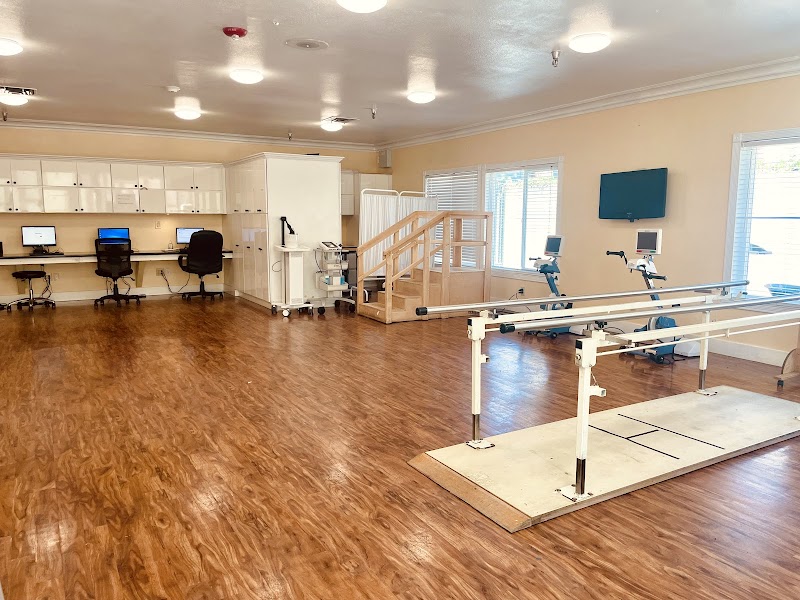
Who Owns and Operates Eden Healthcare Center?

EDEN HEALTHCARE CENTER is owned by a for-profit company. For-profit facilities operate as businesses with obligations to shareholders or private owners. The facility is operated by SPYGLASS HEALTHCARE, a chain that manages multiple nursing homes. With 121 certified beds and approximately 115 residents (about 95% occupancy), it is a mid-sized facility located in HAYWARD, California.
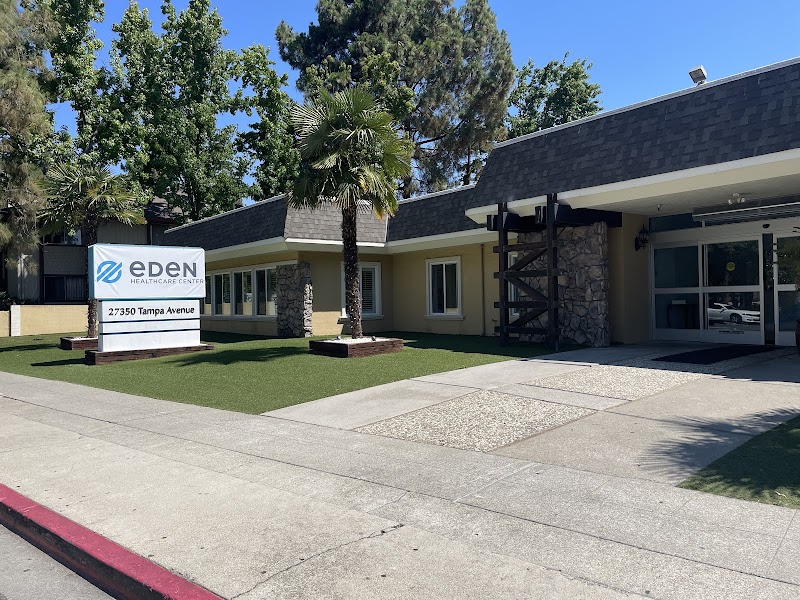
How Does Eden Healthcare Center Compare to Other California Nursing Homes?

Compared to the 100 nursing homes in California, EDEN HEALTHCARE CENTER's overall rating (1 stars) is below the state average of 3.1, staff turnover (34%) is significantly lower than the state average of 46%, and health inspection rating (2 stars) is below the national benchmark.

What Should Families Ask When Visiting Eden Healthcare Center?

Based on this facility's data, families visiting should ask: "What changes have been made since the serious inspection findings, and how are you preventing similar issues?" "What safeguards and monitoring systems are in place to protect residents from abuse or neglect?" "Can I visit during a mealtime to observe dining assistance and food quality?" "How do you handle medical emergencies, and what is your hospital transfer rate?" These questions are particularly relevant given the facility's Immediate Jeopardy citations and the substantiated abuse finding on record.

Is Eden Healthcare Center Safe?

Based on CMS inspection data, EDEN HEALTHCARE CENTER has documented safety concerns. The facility has 1 substantiated abuse finding (meaning confirmed case of resident harm by staff or other residents). Inspectors have issued 2 Immediate Jeopardy citations (the most serious violation level indicating risk of serious injury or death). The facility has a 1-star overall rating and ranks #100 of 100 nursing homes in California. Families considering this facility should ask detailed questions about what corrective actions have been taken since these incidents.

Do Nurses at Eden Healthcare Center Stick Around?

EDEN HEALTHCARE CENTER has a staff turnover rate of 34%, which is about average for California nursing homes (state average: 46%). Moderate turnover is common in nursing homes, but families should still ask about staff tenure and how the facility maintains care continuity when employees leave.

Was Eden Healthcare Center Ever Fined?

EDEN HEALTHCARE CENTER has been fined $39,060 across 2 penalty actions. The California average is $33,469. While any fine indicates a compliance issue, fines under $50,000 are relatively common and typically reflect isolated problems that were subsequently corrected. Families should ask what specific issues led to these fines and confirm they've been resolved.

Is Eden Healthcare Center on Any Federal Watch List?

EDEN HEALTHCARE CENTER is not on any federal watch list. The most significant is the Special Focus Facility (SFF) program, which identifies the bottom 1% of nursing homes nationally based on persistent, serious quality problems. Not being on this list means the facility has avoided the pattern of deficiencies that triggers enhanced federal oversight. This is a positive indicator, though families should still review the facility's inspection history directly.