GOLDEN HARBOR HEALTHCARE CENTER
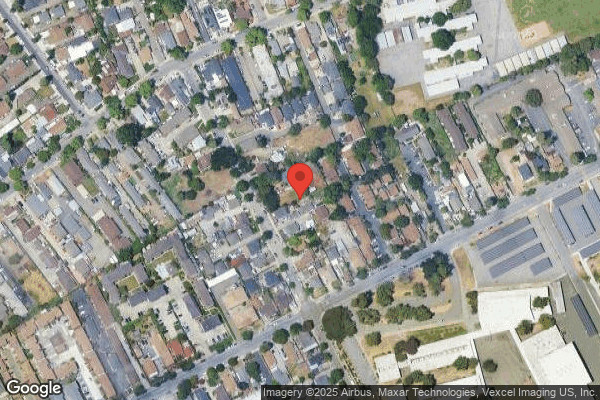
442 SUNSET BOULEVARD, HAYWARD, CA 94541 (510) 582-8311
For profit - Corporation 99 Beds Independent Data: November 2025 1 Immediate Jeopardy citation
Trust Grade
23/100
#1027 of 1155 in CA
Last Inspection: May 2024

Within standard 12-15 month inspection cycle. Federal law requires annual inspections.

Overview

Golden Harbor Healthcare Center has received an F Trust Grade, indicating significant concerns about the quality of care provided. Ranked #1027 out of 1155 facilities in California, they are in the bottom half, and #68 out of 69 in Alameda County, meaning there is only one local option that performs worse. Although the facility is improving, reducing issues from 7 in 2024 to 2 in 2025, it still faces challenges, including $43,554 in fines, which is higher than 79% of California facilities, signaling compliance problems. Staffing is a strength with a 0% turnover rate, but the facility struggled to provide adequate Registered Nurse coverage, failing to have RNs on duty for eight of twelve sampled days, which could jeopardize resident safety. Specific incidents of concern include a resident with a history of elopement leaving the facility unattended and another resident's room being searched by the sheriff after live bullets were found in their laundry, highlighting serious safety risks.

Trust Score
F
23/100
In California
#1027/1155
Bottom 12%
Safety Record
High Risk
Review needed
Inspections
Getting Better
7 → 2 violations
Staff Stability
○ Average
Turnover data not reported for this facility.
Penalties
○ Average
$43,554 in fines. Higher than 52% of California facilities. Some compliance issues.
Skilled Nurses
○ Average
RN staffing data not reported for this facility.
Violations
⚠ Watch
39 deficiencies on record. Higher than average. Multiple issues found across inspections.
★☆☆☆☆
1.0
Overall Rating
★☆☆☆☆
1.0
Staff Levels
★★★★☆
4.0
Care Quality
★★☆☆☆
2.0
Inspection Score
Stable
2024: 7 issues
2025: 2 issues

The Good

  • 4-Star Quality Measures · Strong clinical quality outcomes
  • Full Sprinkler Coverage · Fire safety systems throughout facility
  • No fines on record

Facility shows strength in quality measures, fire safety.

The Bad

1-Star Overall Rating

Below California average (3.1)

Significant quality concerns identified by CMS

Federal Fines: $43,554

Above median ($33,413)

Moderate penalties - review what triggered them

The Ugly 39 deficiencies on record

1 life-threatening
Mar 2025 2 deficiencies
CONCERN (D) 📢 Someone Reported This

A family member, employee, or ombudsman was alarmed enough to file a formal complaint

Potential for Harm - no one hurt, but risky conditions existed

Quality of Care (Tag F0684)

Could have caused harm · This affected 1 resident

Based on observation, interview and record review, the facility failed to provide treatment and care in accordance with professional standards of practice for one of one sampled resident (Resident 1) ...

Read full inspector narrative →
Based on observation, interview and record review, the facility failed to provide treatment and care in accordance with professional standards of practice for one of one sampled resident (Resident 1) when: 1. Resident 1 did not receive a medication called albuterol sulfate (used to prevent and treat wheezing, a high-pitched sound that occurs during breathing when the airways in the lungs become narrowed or blocked, and shortness of breath caused by breathing problems) inhalation according to physician's order. 2. Resident 1's oxygen saturation (amount of oxygen you have circulating in the blood) level was not monitored from 1/27/25 to 1/29/25 appropriately when Resident 1 had complaints of shortness of breath and wheezing. This failure had the potential to worsen Resident 1's respiratory condition. Findings: During a record review of Resident 1's admission Record , printed on 2/25/25, the admission Record indicated Resident 1 was admitted to the facility in January 2025 with multiple diagnoses including osteomyelitis (inflammation or swelling that occurs in the bone) of left ankle and foot, type II diabetes mellitus (a long-term condition in which the body has trouble controlling blood sugar), and lobar pneumonia (a type of lung infection that affects one or more lobes of the lungs). During a record review of Physician's Progress Notes dated 1/28/25, the progress note indicated, Resident 1 was seen by the physician for hypoxia (low levels of oxygen in the body), wheezing. The physician's progress notes also indicated Resident 1 had complaints of shortness of breath and was noted to have left chest wall swelling. During a record review of Resident 1's Order Summary , dated 3/6/25, the Order Summary indicated Resident 1 had an order of albuterol sulfate inhalation with an instruction to give Resident 1 one puff and inhale orally every 6 hours for wheezing. The albuterol sulfate inhalation had was ordered to start on 1/28/25. During a record review of Resident 1's Medication Administration Record (MAR), dated 1/1/25 to 1/31/25, the MAR indicated Resident 1 did not receive the albuterol sulfate inhaler on 1/28/25 at 8:30 p.m., 1/29/25 at 2:30 am, 8:30 a.m., 2:30 p.m., and 8:30 p.m. During a concurrent record review and interview on 3/6/25 at 11:15 a.m. with the Director of Nursing (DON), Resident 1's Progress Notes and vital signs record were reviewed. The DON stated the physician ordered a chest x-ray and the medication albuterol sulfate inhaler because Resident 1 had complaints of shortness of breath and wheezing. The DON stated Resident 1 did not receive the albuterol sulfate inhalation for two consecutive days before Resident 1 passed away on 1/30/25 because the medication was not available on hand. The DON stated the licensed nurses (LNs) documented that the albuterol sulfate inhaler was not given to Resident 1 because the pharmacy had not delivered it to the facility. The DON stated the licensed nurses (LNs) should have called the pharmacy and followed up for Resident 1's albuterol sulfate inhaler. The DON further stated the LNs should have also called the physician to inform about the missing albuterol sulfate inhaler and asked for alternative medication for Resident 1. The DON stated the albuterol sulfate inhaler should have helped relieve Resident 1's complaints of shortness of breath and wheezing. The DON further stated Resident 1's oxygen saturation level was last monitored on 1/26/25 and there were no records of oxygen saturation levels were documented on 1/27/25 to 1/29/25. The DON stated the LNs and/or the Certified Nurse Assistants (CNAs) should have monitored and documented Resident 1's vital signs daily including the oxygen saturation level to assess if Resident 1's oxygen level was dropping. The DON stated a low oxygen saturation level could have indicated the need for a supplemental oxygen. During a record review of the facility's policy and procedure (P&P), dated 3/1/23, the P&P indicated, Medications are administered by licensed nurses .as ordered by the physician and in accordance with professional standards of practice . During a record review of the facility's P&P, titled, Provisions of Quality of Care , dated 6/1/23, the P&P indicated, The facility will ensure that residents receive treatment and care by qualified persons in accordance with standards of practice, the comprehensive person-centered care plans, and the resident's choices.
CONCERN (D) 📢 Someone Reported This

A family member, employee, or ombudsman was alarmed enough to file a formal complaint

Potential for Harm - no one hurt, but risky conditions existed

Pharmacy Services (Tag F0755)

Could have caused harm · This affected 1 resident

Based on observation, interviews, and record review, the facility failed to provide pharmaceutical services and procedures that assure accurate dispensing and administration when Resident 1's Inhaler ...

Read full inspector narrative →
Based on observation, interviews, and record review, the facility failed to provide pharmaceutical services and procedures that assure accurate dispensing and administration when Resident 1's Inhaler medication [Albuterol Sulphate ( Medication that helps with breathing by relaxing the muscles of the airways)] was not available on hand per physician's order. This failure had the potential to cause Resident 1's worsened respiratory condition including respiratory arrest (occurs when breathing stops). Findings: During a record review of Resident 1's admission Record , printed on 2/25/25, the admission Record indicated Resident 1 was admitted to the facility in January 2025 with multiple diagnoses including osteomyelitis (inflammation or swelling that occurs in the bone) of left ankle and foot, type II diabetes mellitus (a long-term condition in which the body has trouble controlling blood sugar), and lobar pneumonia (a type of lung infection that affects one or more lobes of the lungs). During a record review of Resident 1's Order Summary , dated 3/6/25, the Order Summary indicated Resident 1 had an order of albuterol sulfate inhalation with an instruction to give Resident 1 one puff and inhale orally every 6 hours for wheezing. The albuterol sulfate inhalation was ordered to start on 1/28/25. During a record review of Resident 1's Medication Administration Record (MAR), dated 1/1/25 to 1/31/25, the MAR indicated Resident 1 did not receive the albuterol sulfate inhaler on 1/28/25 at 8:30 p.m. and on 1/29/25 at 2:30 am, 8:30 a.m., 2:30 p.m., and 8:30 p.m. During a concurrent record review and interview on 3/6/25 at 11:15 a.m. with the Director of Nursing (DON), Resident 1's Progress Notes dated 1/28/25 and 1/29/25 were reviewed. The DON stated the licensed nurses (LNs) documented in the progress notes that the albuterol sulfate inhaler was not given to Resident 1 for two consecutive days because the medication was not delivered by the pharmacy. The DON stated the pharmacy should have delivered Resident 1's albuterol sulfate inhaler the same day it was ordered. The DON stated the LNs should have called the pharmacy and followed up when the albuterol sulfate inhaler did not arrive for Resident 1 to use. The DON further stated the LNs should have also called the physician to inform about the missing albuterol sulfate inhaler and should have asked for an alternative medication. The DON stated the albuterol sulfate inhaler medication should have helped relieve Resident 1's complaints of shortness of breath and wheezing. During a record review of the facility's policy and procedure (P&P), dated 3/1/23, the P&P indicated, Medications are administered by licensed nurses .as ordered by the physician and in accordance with professional standards of practice . During a record review of the facility's P&P, titled, Pharmacy Services , dated 6/1/24, the P&P indicated, The facility will provide pharmaceutical services to include procedures that assure the accurate acquiring, receiving, dispensing, and administering of all routine and emergency drugs and biologicals to meet the needs of each resident, are consistent with state and federal requirements, and reflect current standards of practice.
Nov 2024 1 deficiency
CONCERN (F) 📢 Someone Reported This

A family member, employee, or ombudsman was alarmed enough to file a formal complaint

Potential for Harm - no one hurt, but risky conditions existed

Accident Prevention (Tag F0689)

Could have caused harm · This affected most or all residents

**NOTE- TERMS IN BRACKETS HAVE BEEN EDITED TO PROTECT CONFIDENTIALITY** Based on interview and record review the facility failed to identify and address a potential accident hazard when Activity Assis...

Read full inspector narrative →
**NOTE- TERMS IN BRACKETS HAVE BEEN EDITED TO PROTECT CONFIDENTIALITY** Based on interview and record review the facility failed to identify and address a potential accident hazard when Activity Assistant (AA) 1 did not take the appropriate action to prevent accidents after Resident 1 inquired about purchasing a firearm and if the AA knew where or from whom a gun could be obtained. This failure placed the facility ' s 63 residents at risk for harm and injury when a gun and ammunition were found in Resident 1's room. Findings: During a review of Resident 1 ' s admission Record, printed 11/11/24, the record indicated Resident 1 was admitted [DATE] with multiple diagnosis including a primary diagnosis of paraplegia, complete (the loss of muscle function in the lower part of the body including both legs). During a review of Resident 1 ' s Brief Interview for Mental Status (BIMS, is a scoring system used to determine the resident ' s cognitive status in regard to attention, orientation, and ability to register and recall information. A BIMS score of thirteen to fifteen is an indication of intact cognitive status.), dated 9/7/24, the record indicated Resident 1 ' s BIMS score was 15. During an interview on 11/12/24, at 1:48 p.m. with Social Services Director (SSD), SSD stated laundry staff found live bullets in Resident 1 ' s laundry on 11/11/24 at approximately 8:40 a.m. to 8:50 a.m. SSD stated they called the Sheriff because they suspected Resident 1 may have had a gun. SSD stated the Sheriff came at approximately 11:30 a.m. and searched Resident 1 ' s room with their permission. SSD stated the sheriff found and confiscated a gun and bullets. During an interview on 11/12/24, at 3:36 p.m. with AA, AA stated on 11/9/24, at approximately 3:00 p.m. to 3:30 p.m., Resident 1 came in activity room and showed AA their bank account on their phone, then asked if AA knew where they could buy a gun or who they can buy a gun from. AA stated they thought the resident was joking. AA stated she did not report the interaction till 11/11/24. AA stated she notified Interim Activity Director (IAD) on 11/11/24, at approximately 10:00 a.m., about the interaction AA had with Resident 1. AA stated IAD advised them to notify SSD. AA then notified SSD about the interaction on 11/11/24 at approximately 10:30 a.m. During an interview on 11/12/24, at 4:40 p.m., with Director of staff Development (DSD), DSD stated AA should have notified their immediate supervisor immediately when Resident 1 asked about buying a gun because it was a safety risk and could have placed all the other residents and staff at risk for harm. DSD stated any unusual incident or unusual occurrence should have been reported immediately or within 2 hours (hrs.). During an interview on 11/13/24, at 2:40 p.m. with IAD, IAD stated AA notified them on 11/11/24 around 10:00 a.m., that Resident 1 asked AA about where Resident 1 could buy a gun on 11/9/24. IAD advised AA to notify SSD right away. SSD was in charge at that time. IAD stated it should have been reported right away on 11/9/24. IAD stated it was important to report right away because it was a serious safety concern, Resident 1 may have had a gun, and it was a risk for harm. During a review of the facility ' s undated policy and procedure (P&P) titled, Accidents and incidents- Investigating and reporting, the P&P indicated, All accidents or incidents involving residents, employees, visitors, vendors, etc., occurring on our premises shall be investigated and reported to the Administrator. During a review of the facility ' s policy and procedure (P&P) titled, Unusual Occurrence Reporting, dated Revised December 2007, the P&P indicated, As required by federal or state regulations, our facility reports unusual occurrences or tother reportable events which affects the health, safety or welfare of our residents, employees or visitors .Our facility will report the following events to appropriate agencies: 1.h.Other occurrences that interfere with facility operations and affect the welfare, safety, or health of residents, employees or visitors.
May 2024 6 deficiencies 1 IJ
CRITICAL (J) 📢 Someone Reported This

A family member, employee, or ombudsman was alarmed enough to file a formal complaint

Immediate Jeopardy (IJ) - the most serious Medicare violation

Accident Prevention (Tag F0689)

Someone could have died · This affected 1 resident

**NOTE- TERMS IN BRACKETS HAVE BEEN EDITED TO PROTECT CONFIDENTIALITY** Based on observations, interviews, record reviews, for two of three (Resident 53 and 43) sampled residents who were reviewed for...

Read full inspector narrative →
**NOTE- TERMS IN BRACKETS HAVE BEEN EDITED TO PROTECT CONFIDENTIALITY** Based on observations, interviews, record reviews, for two of three (Resident 53 and 43) sampled residents who were reviewed for close supervision, the facility failed to ensure Resident 52 and 43 were supervised when, 1. Resident 52 who was high risk for elopement left the facility unattended on 5/14/2024 between 10:15 a.m. and 11:14 a.m., and 2. Resident 43 who had a history of frequent seizures and falls was not monitored for 50 minutes. These failures resulted in Resident 52 eloping from the facility unattended on a sidewalk in a street intersection and had the potential for Resident 43 to sustain an injury if experienced an unwitnessed seizure. The Administrator (ADM) was notified by the survey team of the Immediate Jeopardy (IJ, a situation in which a provider's noncompliance with one or more requirements of participation have caused or is likely to cause serious injury, harm, impairment or death to a patient/resident) on 5/14/24 at 4:39 p.m. The facility failed to ensure Resident 52 who was a high risk for elopement eloped from the facility unattended for almost one hour. During an on-site survey on 5/15/24, and through observation, interviews, and record reviews, the facility showed they initiated a plan of correction through monitoring/updating residents in the elopement binder, activated all the exit door alarms, all exit door alarms will be activated from 7 a.m. to 8 p.m., the front door will be disarmed at 7 a.m. and be monitored by the receptionist and/or designated staff from 7 a.m. to 8 p.m., and the maintenance department will conduct weekly inspection of the exit door alarms. The IJ was abated on 5/15/24 at 4:53 p.m. Findings: 1. A review of Resident 52's Facesheet (information containing contact details, brief medical history at-a-glance) indicated Resident 52 had diagnoses of alcoholic cirrhosis of the liver (a condition in which the liver is permanently damaged because of drinking alcohol), and hepatic encephalopathy (impaired brain function due to damaged liver). A review of Resident 52's Order Summary Report (OSR), dated 5/17/24, indicated Resident 52 had an order on 2/18/24 for hospice care (program that gives special care to people who are near the end of life), due to end stage liver disease (disease where the liver cannot be repaired). A review of Resident 52's quarterly Minimum Data Set (MDS - an assessment screening tool to guide care), dated 2/16/2024, indicated Resident 52 had a Brief Interview for Mental Status (BIMS) score of 7, which indicated the Resident 52 had severe cognitive impairment. During an interview on 5/14/24, at 11:20 a.m., with Registered Nurse (RN) 1, RN 1 stated, Resident 52 eloped and left the faciity on a wheelchair unattended. RN 1 stated the facility found out because while one of the facility's nurses was driving, she saw Resident 52 in the street and called to inform the facility of the resident's location. RN 1 stated the facility was not using WanderGuard for the high elopement risk residents (WanderGuard system is a technology that protect residents who are at risk for elopement. The residents wear a bracelet, and when the resident approaches a monitored door, the system alerts the staff). During an interview with Licensed Vocational Nurse (LVN) 1, on 05/14/24 at 11:38 a.m., LVN 1 stated, earlier that morning, Resident 52 was sitting in a wheelchair in the activities room with the other residents but was moved out of the room because of disruptive behavior. Resident 52 was then brought beside LVN 1 around 10:00 a.m. to 10:15 a.m. from the activities room. LVN 1 stated, she was supposed to monitor Resident 52, but was distracted and forgot about Resident 52 when she went to another resident's room. After that, LVN 1 received a phone call from LVN 3 at 11:15 a.m., who told LVN 1 Resident 52 was seen outside of the facility. LVN 1 stated LVN 3 brought the resident back to the facility. LVN 1 acknowledged, the risks to Resident 52 being outside of the facility unattended was the possibilities of getting hit by a car, getting kidnapped, falling, and sustaining injuries and death. During an interview with LVN 2, on 5/14/24 at 11:50 a.m., LVN 2 stated she received a phone call from LVN 4, who stated, she saw Resident 52 in the sidewalk of an intersection. LVN 2 stated, she drove her car and LVN 3 came with her, to look for the resident. LVN 2 stated, they saw Resident 52 in the sidewalk of an intersection, sitting in a wheelchair. During an interview with LVN 3, on 5/14/24 at 12:39 p.m., LVN 3 stated he rode with LVN 2's car to look for Resident 52. LVN 3 stated they had to drive past 3 to 4 long street blocks, before they found Resident 52 in the sidewalk of an intersection. LVN 3 stated, it took him around seven to ten minutes to wheel Resident 52 in a wheelchair back to the facility. A review of Resident 52's SBAR, dated 5/12/24 at 9:22 p.m., indicated, Resident 52 attempted to leave the facility on 5/12/24 (SBAR, Situation, Background, Assessment, and Recommendation is a structured communication framework that can help teams share information about the condition of a resident). A review of Resident 52's Wandering Risk Scale Assessment, dated 04/26/24, and Elopement Risk Assessment, dated 5/14/24, indicated Resident 52 had a score of 11, which indicated Resident 52 had a high risk to wander. Review of Resident 52's Care Plan for Elopement, initiated on 11/17/23 and revised on 5/14/24, indicated, Resident 52 was considered at risk for elopement. The care plan indicated, the approaches to minimize recurrence/risk of elopement included: to use WanderGuard system to alert staff of exit seeking behaviors and to check for proper functioning of the audible alarm system as needed. A review of Resident 52's physician order, dated 5/14/24, indicated, Resident 52 had an active order effective on 11/16/23 for, no wheelchair to the resident due to high risk of elopement. During an observation on 5/14/2024, at 1:00 p.m., in Station 2 hallway, Resident 52 was alone, unsupervised and was wheeling himself with a wheelchair. Resident 52 was alone in the hallway and was not being monitored by staff. During a concurrent interview and record review, on 5/14/24, at 12:07 p.m., with the Receptionist (Rec), the facility's, Binder for Elopement Risk Residents, was reviewed. Rec confirmed Resident 52 was not in the binder. Rec stated she was informed Resident 52 was an elopement risk. Review of Resident 52's Departmental Notes revealed Resident 52 was last seen in the facility on 5/14/24 at 10:15 a.m. and was found in the side street of the intersection at 11:14 a.m. The note also indicated, Resident 52 wheeled himself out of laundry/kitchen exit door. During an interview with ADM, on 5/14/24, at 6:53 p.m., ADM stated the facility exit alarms were not activated at nights and will start activating them starting the night of 5/14/24. ADM stated the WanderGuard system of the facility needed maintenance. During an interview with Maintenance Assistant (MA), on 5/15/24, at 9:46 a.m., MA stated he worked in the facility for 10 years. MA stated the laundry/kitchen exit door's alarm should be activated all the time but the alarm had not been activated since he worked in the facility. MA stated if the alarm was not activated, anyone from inside the building could go out of the facility without triggering the alarm. MA stated the facility just started to activate the door's alarm on the night of 5/14/24. During an interview with Director of Nursing (DON), on 5/14/24, at 11:57 a.m., DON stated the facility was aware Resident 52 had a history of elopement, and Resident 52 was a high risk for elopement. DON stated the intervention to prevent elopement was not placing a wheelchair beside the resident. DON stated, the CNAs were doing visual checks on Resident 52 every two hours but could not provide documentation. DON stated she was not aware of the existence of the Binder for Elopement Risk Residents that was kept in the Rec's desk in the lobby. DON stated, Resident 52's elopement care plan interventions should have been followed and Resident 52 should have had a WanderGuard. During a review of the facility's policy and procedure (P&P) titled, wandering and elopement, revised 2019, the P&P indicated, .the facility will identify residents who are at risk of unsafe wandering and strive to prevent harm while maintaining the least restrictive environment for residents . 1. If identified as at risk for wandering, elopement, or other safety issues, the resident's care plan will include strategies and interventions to maintain the resident's safety . 2. Review of Resident 43's Facesheet indicated, Resident 43 had diagnoses of epilepsy (a brain condition that causes recurring seizures) and paraplegia (the inability to voluntarily move the lower parts of the body). Review of Resident 43's MDS, dated [DATE], indicated Resident 43's BIMS score was 13 (meaning he was cognitively intact). The MDS indicated, Resident 43 used a wheelchair for mobility. MDS indicated Resident 43 needed maximal assistance during surface-to-surface transfer (such as when transferring between bed and chair or wheelchair). Resident 43's MDS indicated a need for ADL (activities for daily living) support with at least one person providing physical assist. Review of Resident 43's, Physician's Progress Notes, dated 4/10/24, indicated, Resident 43 had a history of psychogenic seizures and was a high risk for fall (psychogenic seizures are seizure attacks that resemble epilepsy-related seizures that are due to underlying psychological distress). Review of Resident 43's, Fall Risk Assessment, dated 4/6/24, revealed Resident 43 had a score of 17, which meant the resident was a high risk for falling. During an interview on 5/13/24, at 2:15 p.m., with Resident 43, Resident 43 stated there were times when the facility staff did not know he had seizures in his room because staff did not check on him. Resident 43 stated, he fell from his wheelchair a few times when he had seizures. Resident 43 stated he felt sad because it seemed like the staff did not care about him. Review of Resident 43's Departmental Notes, revealed Resident 43 had 11 seizure episodes from 3/3/24 through 5/8/24. During an interview on 5/14/24, at 9:35 a.m., with CNA 2, CNA 2 stated, she monitored Resident 43 every 15-30 minutes because the resident had a history of having frequent seizures. CNA 2 stated she did not document monitoring Resident 43. During an observation on 5/14/24, at 9:20 a.m., in Station 1 hallway, facility staff did not check on Resident 43 for 50 minutes. During an interview on 5/14/24, at 9:20 a.m., with LVN 2, LVN 2 stated, Resident 43 should be monitored every 15 to 30 minutes due to the history of frequent seizures. LVN 2 acknowledged it was not acceptable for Resident 43 not to be checked by the staff for 50 minutes. LVN 2 further stated, Resident 43 could sustain serious injuries from a seizure and fall. During an interview on 5/15/24, at 11:27 a.m., with Director of Nursing (DON), DON stated, Resident 43 should be monitored at least every 15 minutes due to frequent seizure activities. DON stated staff not checking on Resident 43 for 50 minutes was not acceptable. During a review of the facility's P&P titled, Emergency Procedure-Seizure Management, Revised 2018, the P&P indicated, Personnel will assist in safety measures for a resident who is having a seizure .
CONCERN (E)

Potential for Harm - no one hurt, but risky conditions existed

Comprehensive Care Plan (Tag F0656)

Could have caused harm · This affected multiple residents

**NOTE- TERMS IN BRACKETS HAVE BEEN EDITED TO PROTECT CONFIDENTIALITY** Based on interview and record review, the facility failed to implement a comprehensive person-centered care plan to address the ...

Read full inspector narrative →
**NOTE- TERMS IN BRACKETS HAVE BEEN EDITED TO PROTECT CONFIDENTIALITY** Based on interview and record review, the facility failed to implement a comprehensive person-centered care plan to address the risk of elopement (leaving a facility without staff knowledge) for two (Resident 52 and Resident 4) out of three sampled residents, when 1. Resident 52's Wanderguard (a type of alarm to help protect those at risk for elopement) interventions were not implemented and Resident 52 eloped from the facility. 2. Resident 4's Wanderguard interventions were not implemented. These failures resulted in Resident 52 eloping from the facility for almost one hour without staff knowledge (Cross reference F689) and had the potential for Resident 4 to elope from the facility which could result in injury and/or death. Findings: 1. A review of Resident 52's admission Record indicated Resident 52 was admitted to the facility with diagnoses of alcoholic cirrhosis of the liver (liver damage caused by alcohol) and encounter for palliative care (care focused on pain and symptom relief of an illness rather than curing). A review of Resident 52's Elopement Risk Assessment, dated 11/10/23, indicated resident was a high risk for elopement. A review of Resident 52's care plan, dated 5/14/24, indicated resident 52 was a high risk of elopement and interventions, entry created on 11/17/23, included, Use WanderGuard system to alert staff of exit seeking behaviors and Check for proper functioning of the audible alarm system as needed. During an observation on 5/15/24 at 9:32 a.m., Resident 52 did not have any Wanderguard bracelet on ankles or wrists. 2. A review of Resident 4's admission Record indicated Resident 4 was admitted to the facility with a diagnosis of dementia (the loss of cognitive functioning - thinking, remembering and reasoning - interfering with a person's daily life and activities). A review of Resident 4's care plan, dated 5/15/24, indicated resident was high risk for elopement and interventions included, Use WanderGuard system to alert staff of exit seeking behaviors and Check for proper functioning of the audible alarm system as needed. During an interview on 5/14/24, at 5:54 p.m., with Administrator (ADM), ADM stated facility had alarms on the side exits, but the alarms were not activated. ADM also stated that facility had WanderGuard system installed but was unsure whether it works or not because it had not been in use. ADM stated will have to check whether the WanderGuard system works but will have to contact the vendor to check the system. He further stated he did not have any Wanderguard bracelets and will have to order them. During a concurrent observation and interview on 05/15/24, at 9:46 a.m., with Maintenance Assistant (MA), the side door nearest the laundry room, the side door next to the payroll office, the side door near room [ROOM NUMBER], the side door near room [ROOM NUMBER]/27, and the side door near room [ROOM NUMBER]/8 were able to be opened from the inside, and the alarms sounded. MA stated side exit doors should be alarmed on at all times and the side doors are locked from the outside. During a subsequent interview on 05/16/24 at 11:05 a.m., MA stated facility just started alarming the side exit doors on night shift (11 p.m. - 7 a.m.) on 05/14/24.
CONCERN (E)

Potential for Harm - no one hurt, but risky conditions existed

Pharmacy Services (Tag F0755)

Could have caused harm · This affected multiple residents

Based on interview and record review, the facility failed to ensure a system of records for controlled drugs (medications regulated by the government due to high risk for potential abuse and dependenc...

Read full inspector narrative →
Based on interview and record review, the facility failed to ensure a system of records for controlled drugs (medications regulated by the government due to high risk for potential abuse and dependence) for disposition were followed and maintained when three Controlled Drug Logbook (CDL) pages of the Narcotics Destruction Log (NDL) were not consistently completed with date of Director of Nursing Services (DNS) receipt of controlled medications, no co-signatures by the licensed nurse and DNS upon exchange of controlled medications, and no page number. The failure to complete three CDL pages listing a total of 43 medications had the potential to prevent accurate accounting of controlled medications and prompt identification of loss, extent of loss, or potential diversion of controlled medications. Findings: During a concurrent interview and record review on 5/16/24 at 8:44 a.m., with the Director of Nursing (DON), at the DON's office, the Narcotics Destruction Log (NDL) binder was reviewed. The pages in the NDL were titled Controlled Drug Logbook (CDL). The three CDL pages contained a total listing of 43 medications with the lot number of the first listed medication on the CDL pages as follows: 608016C (15 medications listed on the page), 4010082 (14 medications listed on the page), and 606609N (14 medications listed on the page). The CDL pages were printed forms with rows for each medication and labeled columns with spaces for data entry. The top portion of each of the CDL pages indicated, All discontinued controlled drugs are to stay in the locked medication cart until picked up by the Director of Nursing Services. Director of Nursing Services will go to each nurses station and pick up all discontinued controlled drugs from each medication cart. D/C'd [discontinued] controlled drugs will be counted and logged by the license nurse and co-signed by the DNS at the time of exchange. DNS will log the date of destruction when destroying controlled drugs with the pharmacy. Both the DNS and pharmacy will sign when destroyed. *Note: Log must have a page number listed on each page. The reviewed CDL pages had no entries in the first columns labeled Date. There was an arrow pointing from column one to a handwritten note at the bottom of the page which indicated, is the Date when DON receives the medication from the nurses. There were no co-signatures by the licensed nurse and DNS for exchange of the controlled medications for destruction (column eight). The reviewed CDL pages had no page number. The DON stated the CDL pages were missing information for the date column, staff co-signatures (column eight), and page numeration. During an interview on 5/16/24 at 3:14 p.m., with the DON, the DON stated there was no policy yet on the CDL records utilized for controlled drugs for disposition. DON stated the facility follows instructions written on the CDL record for the process. DON stated it was important to maintain consistent narcotic logs for disposition to prevent diversion and avoid discrepancies with narcotics.
CONCERN (E)

Potential for Harm - no one hurt, but risky conditions existed

Medication Errors (Tag F0758)

Could have caused harm · This affected multiple residents

**NOTE- TERMS IN BRACKETS HAVE BEEN EDITED TO PROTECT CONFIDENTIALITY** Based on interview and record review, the facility failed to ensure three of 18 sampled residents (Residents 33, 23, and 28) res...

Read full inspector narrative →
**NOTE- TERMS IN BRACKETS HAVE BEEN EDITED TO PROTECT CONFIDENTIALITY** Based on interview and record review, the facility failed to ensure three of 18 sampled residents (Residents 33, 23, and 28) residents were free from unnecessary psychotropic drugs (medications that are capable of affecting the mind, emotions, and behavior) when: 1. Resident 33's PRN (pro re nata [a Latin phrase], meaning as needed, or as necessary) order for Olanzapine (an anti-psychotic medication used to treat mental disorders) had no end date. 2. Resident 23 had no rationale for continued use of PRN Ativan beyond 14 days (Ativan is a psychotropic medication used to treat anxiety). 3. Resident 28 had no rationale for continued use of PRN Ativan beyond 14 days. These failures had the potential to not promote or maintain Resident 33's highest practicable mental, physical, and psychosocial well-being. Findings: 1. Review of Resident 33's History and Physical (H&P), dated 4/16/24, indicated past medical history of Diabetes Type II and Dementia (impaired memory and thinking abilities). The H&P also included an Assessment/Plan, that indicated, Agitation - was given Olanzapine . Review of Resident 33's Order Summary Report (OSR), dated 04/01/24 - 05/31/24, indicated, Olanzapine Oral Tablet 5 MG . Give 1 tablet by mouth every 8 hours as needed for agitation . The OSR indicated, Communication Method - Prescriber Written, with Order Status that indicated Active, and Start Date of 4/3/24. The OSR End Date was blank [no end date indicated]. Review of the facility's Policy and Procedures (P&P), titled, Antipsychotic Medication Use, revision dated 12/2016, the P&P indicated, .PRN orders for antipsychotic medications will not be renewed beyond 14 days unless the healthcare practitioner has evaluated the resident for the appropriateness of that medication . 2. A review of Resident 23's clinical record indicated diagnoses of dementia and anxiety (a type of mental health condition). Review of resident 23's Quarterly Minimum Data Set (MDS- an assessment screening tool to guide care), dated 2/9/24, under Section C, indicated Resident 1's short- and long-term memory was impaired, and had moderately impaired decision-making capacity (decisions poor, cues/supervision required). Review of Resident 23's physician order dated 5/14/24, indicated, the physician prescribed Ativan 0.5 milligram (mg, a unit of measurement) by mouth every 8 hours PRN for anxiety with a start date of 4/29/24. There was no stop date for the PRN Ativan. During a concurrent interview and record review on 5/15/24 at 10:22 a.m., with Registered Nurse (RN) 1, Resident 23's Physician's Order , dated May 2024, was reviewed. RN 1 acknowledged Resident 23's PRN Ativan did not have a stop date and should have a duration of 14 days. 3. A review of Resident 28's clinical record indicated diagnoses of dementia and anxiety. Review of resident 28's Quarterly MDS, dated [DATE], under Section C, indicated Resident 1's short- and long-term memory was impaired, and had moderately impaired decision-making capacity (decisions poor, cues/supervision required). Review of Resident 28's physician order dated 5/14/24, indicated, the physician prescribed Ativan 1 mg. by mouth every 6 hours as needed for anxiety with a start date of 3/13/24. There was no intended duration of Ativan. During a concurrent interview and record review on 5/15/24 at 10:22 a.m., with RN 1, Resident 28's Physician's Order, dated May 2024, was reviewed. RN 1 acknowledged Resident 28's PRN Ativan did not have a stop date and should have a duration of 14 days. During an interview on 5/15/24 at 11:27 a.m., with Director of Nursing (DON), stated physician's orders of PRN psychotropic medications should have a duration of 14 days, and the licensed nurses should remind the physician to reevaluate if it was appropriate to extend the PRN psychotropic medications. During an interview on 5/17/24 at 12:34 p.m., with the Pharmacy Consultant (PC), the PC acknowledged PRN orders of psychotropic medications were limited to 14 days duration, then should have been reevaluated by the physician for the indication for continued use beyond the 14 days. Review of the facility's Policy and Procedures (P&P), titled, Psychotropic Medication Use, undated, the P&P indicated, .15. PRN orders for psychotropic medications will not be renewed beyond 14 days unless the healthcare practitioner has evaluated the resident for the appropriateness of that medication .
CONCERN (E)

Potential for Harm - no one hurt, but risky conditions existed

Deficiency F0761 (Tag F0761)

Could have caused harm · This affected multiple residents

Based on observation, interview, and record review, the facility failed to ensure medications were dated and stored under proper temperature controls in the medication refrigerator for one of two medi...

Read full inspector narrative →
Based on observation, interview, and record review, the facility failed to ensure medications were dated and stored under proper temperature controls in the medication refrigerator for one of two medication rooms (a locked room used to store medications and supplies) when: 1. Medication refrigerator temperatures were not monitored daily for nine days out of 31 days in May 2024. 2. Two multiple dose vials of Tuberculin Purified Protein Derivative (PPD, a test used to detect tuberculosis (an illness that affects the lungs), were not labeled with the date the vials were opened. These failures had the potential to result in resident use of ineffective medications. Findings: 1. During a concurrent interview and record review on 5/13/24 at 2:09 PM, with the Infection Preventionist (IP), the Temperature Log, for the medication refrigerator was reviewed. The Temperature Log indicated, Medication Fridge Temperature Acceptable Range: 36°F - 46°F. The IP stated there were no refrigerator temperature records documented on the following days in May 2024: May 1, 3, 5, 6, 7, 8, 9, 10, 11. During an interview on 5/13/24 at 2:10 p.m., IP stated it was important to monitor medication refrigerator temperature to ensure the medications don't get bad. Review of the facility's Policy and Procedures (P&P) titled, Policy and Procedure On Medication Room & Refrigerator Temperatures dated 5/2023, indicated, .It shall be this facility's policy to store all drugs in secured locations and/or locked compartments under proper temperature controls . 5. Refrigerator inside the medication room used for storage of drugs and biologicals should be monitored daily for proper temperature (36-46 degrees Fahrenheit) . Review of the facility's Policy and Procedures (P&P) titled, Medication Storage in the Facility, revised January 2018, the P&P indicated, .L. All medications are maintained within the temperature ranges noted in the United States Pharmacopeia (USP) and by the Centers for Disease Control (CDC) . 3) Refrigerated 36°F to 46°F (2°C to 8°C) with a thermometer to allow temperature monitoring . 2. During a concurrent observation and interview on 5/13/24 at 2:24 PM, with the IP, the medication refrigerator in the medication room next to the Pine Tree nursing station had two multiple dose vials of tuberculin PPD: one of diluted Aplisol, and one of Mantoux Tubersol. Both vials contained liquid and were stored inside an unsealed original manufacturer's box with the vial stoppers uncovered. There was no date on either the manufacturers' box or the vials to indicate when the vials were first accessed/opened. During an interview on 5/13/24 at 2:26 p.m., with the IP, the IP stated the two opened multiple dose vials of Tuberculin PPD tests had no dates when they were initially used. IP stated the vials should be discarded 28 days after they were opened. Review of the facility's Policy and Procedures (P&P), titled, Medication Storage in the Facility, revised January 2018, the P&P indicated, .D. When the original seal of a manufacturer's container or vial is initially broken, the container or vial will be dated. 1) The nurse shall place a date opened sticker on the medication and enter the date opened and the new date of expiration (NOTE: the best stickers to affix contain both a date opened and expiration notation line). The expiration date of the vial or container will be [30] days unless the manufacturer recommends another date or regulations/guidelines require different dating . Review of the U.S. Food and Drug Administration's (FDA) package insert for Aplisol (Tuberculin Purified Protein Derivative, Diluted Stabilized Solution), dated 11/2013, indicated, .How supplied - Tuberculin PPD-Aplisol . multiple dose vial . Storage . Vials in use more than 30 days should be discarded due to possible oxidation and degradation which may affect potency . Review of the U.S. Food and Drug Administration's (FDA) package insert for Tuberculin Purified Protein Derivative (Mantoux) Tubersol Rx only, undated, indicated, . How supplied Tubersol Tuberculin Purified Protein Derivative (Mantoux) . is supplied in: .multi-dose vial (10 tests) . A vial of TUBERSOL which has been entered and in use for 30 days should be discarded .
CONCERN (F)

Potential for Harm - no one hurt, but risky conditions existed

Deficiency F0727 (Tag F0727)

Could have caused harm · This affected most or all residents

Based on interview and record review, the facility failed to ensure there was Registered Nurse (RN) coverage eight hours a day, seven days a week, when an RN was not on duty for eight of 12 days sampl...

Read full inspector narrative →
Based on interview and record review, the facility failed to ensure there was Registered Nurse (RN) coverage eight hours a day, seven days a week, when an RN was not on duty for eight of 12 days sampled. This failure has the potential to endanger the health and safety of residents while presenting a threat to residents from reaching their highest practicable level of well-being. Findings: During a concurrent interview and record review, on 5/17/2024, at 11:20 a.m., with Payroll (PAYROLL), payroll data was reviewed from Q1/2023 (January - March) until Q1/2024 (January - March). A random sample of dates were chosen for review for each quarter. Payroll confirmed there was no RN scheduled for the following dates: 1. For the month of July 2023: 7/10/23, 7/12/23, 7/13/23 2. For the month of August 2023: 8/24/23, 8/25/23, 8/28/23 3. For the month of October 2023: 10/27/23, 10/30/23 During an interview on 5/17/24, at 11:59 a.m., with Director of Nursing (DON), DON stated there has be an RN in the facility eight hours a day.
Jun 2023 1 deficiency
CONCERN (D) 📢 Someone Reported This

A family member, employee, or ombudsman was alarmed enough to file a formal complaint

Potential for Harm - no one hurt, but risky conditions existed

ADL Care (Tag F0677)

Could have caused harm · This affected 1 resident

Based on interviews and record review, the facility failed to provide and ensure services to maintain personal hygiene for one (Resident 1) of three sampled residents. The certified nursing assistants...

Read full inspector narrative →
Based on interviews and record review, the facility failed to provide and ensure services to maintain personal hygiene for one (Resident 1) of three sampled residents. The certified nursing assistants did not bathe or shower Resident 1 as scheduled. This failure had the potential for poor hygiene and skin health concerns. Findings: Review of the Annual Minimum Data Set MDS- Resident Assessment tool used to guide care, dated 10/18/21, Resident 1 had unclear speech, sometimes made herself understood. Resident 1 had limited range of motion and impairment to the shoulder, elbow, wrist , had hip, knee, ankle and foot. Resident 1 required full staff performance with one-person physical assist for personal hygiene, including combing hair, brushing teeth, shaving, washing and drying face and hands. Resident 1's diagnoses included hemiplegia or hemiparesis ( muscle weakness one onse side of the body or or paralysis on one side of the body from a stroke). During an interview on 4/27/23 at 11:50 a.m., Resident 1 made incomprehensible sounds and repeatedly pointed to her hair. Resident 1 had short hair. Review of Resident 1 ' s Activities of Daily living (ADLs) care plan, undated indicated, Resident 1 had ADL self-care performance deficit related to poor safety awareness, seizure disorder and history of stroke, and included staff to shower as scheduled. Review of the facility ' s shower schedule indicated Resident 1 was scheduled to shower twice weekly, on Wednesdays and Saturdays in the evening (3 PM to 11:00 PM) shift. Review of Resident 1 ' s ADL documentation for March and April 2023 indicated bathing or shower/bed bath was not provided for Resident 1 every Wednesday and Saturday on evening shift. During an interview on 5/31/23 at 3:05 p.m., with the Certified Nursing Assistant (CNA 1), CNA 1stated he was assigned to provide care for Resident 1 in the evening shifts. CNA 1 stated he did not bathe or gave showers to Resident 1 because the nursing assignments did not include names of residents scheduled for shower. During an interview on 5/30/23 at 11:30 a.m., with the Director of Nursing (DON), DON stated, CNA 2 was also assigned to provide Resident 1 showers or bed bath but no longer worked at the facility. During an interview and concurrent review of the shower schedule and Resident 1 ' s ADL records, on 5/31/23 at 3:45 p.m., DON stated there was no documentation that showers were provided for Resident 1. DON stated that her expectation was for CNAs to follow the shower schedule and give residents shower or bed bath as scheduled. DON said she expected CNAs to complete documentation of the ADL records. Review of the facility ' s policy and procedure, titled, Bathing A Resident (undated) indicated; It is the policy of this facility to meet the hygienic needs of residents. Resident will be bathed at least twice weekly with sponge baths given on other days.
Jan 2023 3 deficiencies
CONCERN (D) 📢 Someone Reported This

A family member, employee, or ombudsman was alarmed enough to file a formal complaint

Potential for Harm - no one hurt, but risky conditions existed

Deficiency F0561 (Tag F0561)

Could have caused harm · This affected 1 resident

Based on observation, interview, and record review, the skilled nursing facility did not protect the right of a resident to make their own health care decisions for one of three sampled residents (Res...

Read full inspector narrative →
Based on observation, interview, and record review, the skilled nursing facility did not protect the right of a resident to make their own health care decisions for one of three sampled residents (Resident 1). Resident 1 was pressured to sign a hospice admission agreement form against her will. This failure resulted in unnecessary stress for Resident 1. Findings: Record review on 7/14/2022 at 9:43 a.m. of the document admission Record showed the facility admitted Resident 1 on 6/1/14 with diagnoses which included kidney disease. Record review on 7/14/2022 at 9:43 a.m. of the document Order Details showed a verbal order for a hospice consult had been written on 6/17/2022 by Registered Nurse 1 (RN 1) and signed by Medical Doctor 1 (MD 1) on 6/22/2022. Record review on 7/14/2022 at 9:43 a.m. of the document MDS 3.0 (Resident Assessment) dated 6/28/2022, showed Resident 1 was alert and able to accurately identify the day of the week/year and repeat back three words presented to her. In an interview on 7/14/2022 at 10 a.m., the Director of Nursing (DON) stated Resident 1 was not appropriate for hospice as she was not in the final stages of a terminal illness. DON stated RN 1 had Written the order and never talked to the doctor. DON stated Resident 1 was alert and had become upset regarding hospice and asked, They put me in hospice. Am I dying? In an interview on 7/18/2022 at 12:50 p.m., MD 1 stated she had not given the verbal order for the hospice consult and Resident 1 was not hospice eligible. In an interview on 7/20/2022 at 3:35 p.m., RN 1 confirmed she had written the verbal order without speaking with the doctor and was unsure if Resident 1 was hospice eligible or not. In an interview on 7/14/2022 at 9:50 a.m. Resident 1 stated she had not wanted to go into hospice and that Two ladies (hospice agency representatives) came in here and told me to sign the consent. It was wrong. I felt intimidated by them, so I signed. Resident 1 stated she had to reach out to her sister and doctor in order to Get me out of hospice. In an interview on 7/25/2022 at 8:30 a.m., Family Member 1 stated they had no idea how hospice became involved in Resident 1 ' s care and that the family had not requested the services. Family Member 1 stated she was concerned when she learned two women from the hospice agency came to Resident 1 ' s bedside and forced her to sign the hospice agreement forms which caused Resident 1 to become upset.
CONCERN (D) 📢 Someone Reported This

A family member, employee, or ombudsman was alarmed enough to file a formal complaint

Potential for Harm - no one hurt, but risky conditions existed

Assessment Accuracy (Tag F0641)

Could have caused harm · This affected 1 resident

Based on interview and record review, the facility's licensed nursing staff did not accurately assess the health care status for one of three sampled residents (Resident 1). Resident 1 received hospic...

Read full inspector narrative →
Based on interview and record review, the facility's licensed nursing staff did not accurately assess the health care status for one of three sampled residents (Resident 1). Resident 1 received hospice services when she was not eligible. This failure resulted in an inappropriate treatment plan with unnecessary medications and emotional distress for Resident 1. Findings: Record review on 7/14/2022 at 9:43 a.m. of the document admission Record showed the facility admitted Resident 1 on 6/1/14 with diagnoses which included kidney disease. Review of the document Order Details showed a verbal order for a hospice consult had been written on 6/17/2022 by Registered Nurse 1 (RN 1) and signed by Medical Doctor 1 (MD 1) on 6/22/2022. Review of the Order Details dated 6/20/2022 showed hospice orders for Resident 1 to receive Haldol (antipsychotic medication), Morphine (opioid pain medication), prochlorperazine (antipsychotic medication) and Lorazepam (antianxiety medication). Review of the document, PointClickCare showed Resident 1 had received a Morphine dose on 6/22/2022 at 8:12 p.m. Review of the document MDS 3.0 (Resident Assessment) dated 6/28/2022, showed Resident 1 was alert and able to accurately identify the day of the week/year and repeat back three words presented to her. In an interview on 7/14/2022 at 10 a.m. the Director of Nursing (DON) stated Resident 1 was not appropriate for hospice as she was not in the final stages of a terminal illness. The DON stated RN 1 had Written the order and never talked to the doctor. The DON stated Resident 1 was alert and had become upset regarding hospice and asked, They put me in hospice. Am I dying? In an interview on 7/18/2022 at 12:50 p.m., MD 1 stated she had not given the verbal order for the hospice consult and Resident 1 was not hospice eligible. In an interview at on 7/20/2022 at 3:35 p.m., RN 1 confirmed she had written the verbal order without speaking with the doctor and was unsure if Resident 1 was hospice eligible or not. In an interview on 7/14/2022 at 9:50 a.m. Resident 1 stated she had not wanted to go into hospice and Two ladies came in here and told me to sign the consent. It was wrong. I felt intimidated by them so I signed. Resident 1 stated she had to reach out to her sister and doctor in order to Get me out of hospice. In an interview on 7/25/2022 at 8:30 a.m., Family Member 1 stated they (family) had no idea how hospice became involved in Resident 1's care and had not requested hospice services. Family Member 1 stated they (family) then reached out to the physician with their concerns. Family Member 1 further stated she was concerned when she learned two women from the hospice agency came to Resident 1's bedside and forced her to sign the hospice agreement forms which caused Resident 1 to become upset. Record review on 7/27/2022 of the policy and procedure, Hospice Program, dated 7/2017 showed, In order for a resident to qualify for the hospice benefit under Medicare, he or she must be: Certified as being terminally ill .
CONCERN (D) 📢 Someone Reported This

A family member, employee, or ombudsman was alarmed enough to file a formal complaint

Potential for Harm - no one hurt, but risky conditions existed

Medical Records (Tag F0842)

Could have caused harm · This affected 1 resident

Based on interview and record review, the skilled nursing facility did not maintain an accurate medical record for one of three sampled residents (Resident 1). Licensed nursing staff documented a tele...

Read full inspector narrative →
Based on interview and record review, the skilled nursing facility did not maintain an accurate medical record for one of three sampled residents (Resident 1). Licensed nursing staff documented a telephone order for hospice care for Resident 1 and signed the doctor's name. Registered Nurse 1 (RN 1) wrote the order without speaking with the doctor. This failure resulted in the resident receiving an unnecessary medication with an inappropriate treatment plan and inaccurate clinical records. Findings: Record review at 9:43 a.m. on 7/14/2022 of the admission Record showed the facility admitted Resident 1 on 6/1/14 with diagnoses that included kidney disease. Review of the Order Details showed a verbal order for a hospice consult written on 6/17/2022 by RN 1 and signed by Medical Doctor 1 (MD 1) on 6/22/2022. Review of the Order Details dated 6/20/2022 showed Resident 1's hospice orders for Haldol (antipsychotic medication), Morphine (opioid pain medication), prochlorperazine (antipsychotic medication), and Lorazepam (antianxiety medication). Review of the document, PointClickCare showed Resident 1 had received a Morphine dose on 6/22/2022 at 8:12 p.m. In an interview on 7/14/2022 at 10 a.m., the Director of Nursing (DON) stated Resident 1 was not appropriate for hospice as she was not in the final stages of a terminal illness. DON further stated RN 1 had, Written the order and never talked to the doctor. In an interview on 7/18/2022 at 12:50 p.m., MD 1 stated she had not given the verbal order for the hospice consult and Resident 1 was not hospice eligible. In an interview on 7/20/2022 at 3:35 p.m., RN 1 confirmed she had written the verbal order without speaking with the doctor and was unsure if Resident 1 was hospice eligible or not. Review of the policy and procedure, Charting errors and/or Omissions, dated 12/2006,showed, Accurate medical records shall be maintained by this facility. Review of the Verbal Orders, dated 12/2008 showed, Verbal orders must always be based on actual conversations with the prescribing practitioner or on approved written protocols.
Nov 2022 1 deficiency
CONCERN (D) 📢 Someone Reported This

A family member, employee, or ombudsman was alarmed enough to file a formal complaint

Potential for Harm - no one hurt, but risky conditions existed

Deficiency F0660 (Tag F0660)

Could have caused harm · This affected 1 resident

**NOTE- TERMS IN BRACKETS HAVE BEEN EDITED TO PROTECT CONFIDENTIALITY** Based on interview and record review, for one of three sampled residents (Resident 1), that were discharged , the facility faile...

Read full inspector narrative →
**NOTE- TERMS IN BRACKETS HAVE BEEN EDITED TO PROTECT CONFIDENTIALITY** Based on interview and record review, for one of three sampled residents (Resident 1), that were discharged , the facility failed to develop and implement an effective discharge planning process that identifies Resident 1's discharge needs and involve the interdisciplinary team (IDT, a group of individuals representing different departments of the facility). Resident 1's medications that included insulin (injectable medication for diabetes, a blood sugar disorder), was not ordered from Resident 1's pharmacy of choice. Resident 1 did not have enough medications until Resident 1 had a visit with the primary care physician after discharge. This failure had the potential to result in increased blood sugar levels and stroke (a medical emergency when blood supply to the brain is interrupted or reduced) that could result in unnecessary re-hospitalization. Findings: Review of Resident 1's admission Record indicated Resident 1 was admitted to the facility on [DATE] with diagnoses that included diabetes, dementia (loss of memory and impaired decision-making), and angina pectoris (chest pain caused by reduced blood flow to the heart). Review of Resident 1's Physician's Orders signed and dated 3/16/22 indicated Resident 1 was to be discharged with prescription, home health, Registered Nurse, Physical Therapy and Occupational Services when arrangements are made. Review of Resident 1's Order Summary Report printed on 6/16/22 indicated medication orders that included the following: - Lantus (treats diabetes, usually given at bedtime) 10 units subcutaneous injection every bedtime. - Novolog (treats diabetes) solution 100 units/ml inject 4 units subcutaneously three times daily with meals. - Keppra (treats seizures/convulsions) tablet 500 milligrams (mg) one tablet by mouth twice daily. - Ranexa (a heart medication to that treats chest pain) extended release 12 hour 500 mg one tablet twice daily. During a telephone interview with Family Member (FM) 1 on 6/16/22 at 10:33 a.m., FM 1 stated Resident 1 was discharged with some medications but were not enough to last until Resident 1 could be seen by the resident's primary care physician. FM 1 stated, during discharge, FM 1 was told by facility staff there was no way the facility could set up with an outside pharmacy so Resident 1 could pick up the medications because Resident 1 would no longer be a resident after discharge. FM 1 stated, the days following discharge, Resident 1 had high blood sugar levels between 250-300 milligram/deciliter (mg/dL) that interrrupted Resident 1's sleep because of having to frequently get up at night to go to the bathroom and putting Resident 1 at risk for falls. During a telephone interview with the Licensed Vocational Nurse (LVN) on 7/20/22 at 11:09 a.m., LVN 1 stated, when Resident 1 was discharged on 3/26/22, all her medications, including insulin, were released to FM 1. LVN 1 stated the vial of insulin would last for almost a month. LVN 1 stated she did not document which medications and how much were released to Resident 1. LVN 1 further stated she was not sure if the medication supply was enough until Resident 1 was seen by the resident's own primary care physician. LVN 1 stated, in the past, the facility had a supervisor who was tasked to send prescriptions to the residents' pharmacy of choice so the residents could pick up their medication supply after being discharged . LVN 1 further stated she should have sent Resident 1's prescription to Resident 1's pharmacy of choice if she had known the facility's policy has changed and nobody from the facility has sent it yet. LVN 1 also stated a Medication List was given to FM 1 of all the medications that Resident 1 was supposed to take after discharge. Review of the Medication List did not indicate the Lantus insulin that Resident 1 was to get every bedtime. During an interview with the Director of Staff Development (DSD) on 6/16/22 at 2 p.m., DSD stated, if a resident being discharged had a pharmacy of choice, the resident's prescriptions should be sent to that pharmacy so the resident or the family member could pick up the medication supply after discharge. During an interview and concurrent review of Resident 1's clinical record with Social Services Director (SSD) on 6/16/22 at 11:32 a.m., SSD stated there was no discharge planning done for Resident 1's discharge. SSD also stated, the facility's interdisciplinary team (IDT, a group composed of individuals representing different departments of the facility) was to have a care conference to discuss Resident 1's discharge plan and was not done. SSD stated there was no documentation that an IDT care conference with Resident 1 and FM 1 to discuss discharge plans had occurred. SSD also stated Resident 1's clinical record did not indicate plans for ensuring enough medication supplies while awaiting a follow-up visit with the primary care physician after discharge. Review of the facility's undated policy and procedure titled, Discharge Planning indicated the facility was to Provide ongoing evaluation and discharge planning for all appropriate residents while in the facility. The policy also indicated the following procedures when discharging a resident: - The facility's IDT who is familiar with community resources will be utilized for appropriate discharge planning. - The IDT and SSD will be actively involved in discharge planning. - Coordination of discharge planning with the resident and/or responsible party regarding home environment, equipments, medications and treatments is an integral part of the discharge planning process. - SSD shall initiate the Discharge Planning Assessment within 7 days notice of discharge. - Once the need for discharge planning has been determined, SSD will coordinate with the resident and responsible party and appropriate disciplines (nursing, therapy, dietary, and physician) the development of a Post-Discharge Plan of Care. - SSD will ensure Post-discharge Plan of Care has been prepared prior to discharge and copies of discharge forms are kept in the resident's medical record. During an interview and review of Resident 1's clinical record with the Medical Records Director (MRD) on 6/16/22 at 12:27 p.m., MRD stated she did an audit of Resident 1's discharge records and found no documentation that Resident 1's prescriptions were sent to their pharmacy of choice. MRD also stated there was no discharge plan documentation for Resident 1.
Mar 2022 20 deficiencies
CONCERN (D)

Potential for Harm - no one hurt, but risky conditions existed

Deficiency F0565 (Tag F0565)

Could have caused harm · This affected 1 resident

Based on interviews and record review, the facility failed to make reasonable effort to safeguard the resident's property for one (Resident 36) sampled resident when Resident 36 complained of missing ...

Read full inspector narrative →
Based on interviews and record review, the facility failed to make reasonable effort to safeguard the resident's property for one (Resident 36) sampled resident when Resident 36 complained of missing socks which was not investigated. This deficient practice had the potential to cause Resident 36 distress. Findings: During a resident's council meeting on 3/22/22 at 10:35 a.m., one resident stated the facility did not follow up with their report of missing clothing items. Resident 36 stated she reported to the Social Services Director (SSD) that her socks were missing. Resident 36 stated SSD did not follow up with her complaint or replace her clothing item. Review of the Annual Minimum Data Set (MDS - an assessment screening tool used to guide care) dated 12/29/21, indicated Resident 36's Basic Interview of Mental Status (BIMS) score was 15, meaning the resident had good long and short term memory. Resident 36 was able to express her ideas and wants and had clear speech. During an interview on 3/24/22 at 10:49 a.m., SSD stated she was aware of Resident 36's missing socks and could not provide a report of having conducted an investigation and follow up about the missing socks. During an interview on 3/24/22 at 1:01 p.m., the Registered Nurse 1 (RN 1) stated that following up with resident grievances is the basic thing to do. The facility's policy and procedure titled, Theft & Loss Report dated February 2014 indicated, all residents/families who report missing or stolen property can expect to have their concern investigated. Theft/loss monitoring report will be completed with every referral given to Social Services. Social Services or a designee will investigate report, interview staff and residents and provide the Executive Director with information regarding the missing item(s).
CONCERN (D)

Potential for Harm - no one hurt, but risky conditions existed

Notification of Changes (Tag F0580)

Could have caused harm · This affected 1 resident

Based on interview and record review, for one of three residents (Resident 49) reviewed for closed records, the facility failed to notify Resident 49's representative of the decision to transfer Resid...

Read full inspector narrative →
Based on interview and record review, for one of three residents (Resident 49) reviewed for closed records, the facility failed to notify Resident 49's representative of the decision to transfer Resident 49 to the hospital. This failure had the potential to result in the representative being unaware of changes in Resident 49's health status and whereabouts. Findings: Review of admission Record indicated Resident 49 was admitted to the facility with diagnoses that included a subarachnoid hemorrhage (bleeding in the space that surrounds the brain), dysphagia (difficulty swallowing), and acute respiratory failure (when fluids build up in the air sacs in the lungs). Resident 49's admission Record indicated Resident Representative (RR) 1 was Resident 49's emergency contact. Review of the Progress Notes titled, SBAR (situation, background, assessment and recommendation) Change of Condition dated 12/22/21, indicated Resident 49 had severe cramping to the right side groin area with protrusion of the area and very tender to touch. Resident 49 was transferred to the acute hospital via 9-1-1. During a joint interview and concurrent review of the clinical record with the Social Services Director (SSD) and Medical Records Director (MRD), on 3/24/22 at 9:55 a.m., SSD and MRD both stated there was no documentation that RR 1 was notified of the transfer. SSD stated there should still be a resident representative notification for 9-1-1 hospital transfers. During an interview with the Licensed Vocational Nurse (LVN) 1 on 3/24/22 at 9:45 a.m., LVN 1 stated, when transferring a resident to the hospital, the licensed nurse should call to notify the resident representative of the situation.
CONCERN (D)

Potential for Harm - no one hurt, but risky conditions existed

Transfer Notice (Tag F0623)

Could have caused harm · This affected 1 resident

Based on interview and closed record review, for two of three sampled residents, (Residents 47 and 49), the facility failed to: 1. Notify in writing, Resident 47 and Resident's Representative 2 (RR 2)...

Read full inspector narrative →
Based on interview and closed record review, for two of three sampled residents, (Residents 47 and 49), the facility failed to: 1. Notify in writing, Resident 47 and Resident's Representative 2 (RR 2) of the reason for the discharge in Resident 47's clinical record. 2. Notify in writing, Resident 49 and RR 1 of the hospital transfer. These failures had the potential to result in lack of information to prepare the residents and their resident representatives following the discharge or hospital transfer. Findings: 1. Review of Resident 47's admission Record indicated Resident 47 was admitted to the facility with diagnoses that included Alzheimer's dementia (memory loss and impaired decision-making ability), and pneumonia (infection of the lungs caused by bacteria, virus or fungi). Review of Resident 47's Progress Notes Dated 12/21/21 indicated Resident 47 was picked up by ambulance and discharged to a board and care. During an interview with the Social Services Director (SSD) on 3/23/22 at 3:09 p.m., SSD stated Resident 47 and RR 2 were not notified in writing about the reason for discharge. SSD stated having a heavy workload and that the facility was very short staffed at the time Resident 47 was discharged . 2. Review of Resident 49's admission Record indicated Resident 49 was admitted to the facility with diagnoses that included subarachnoid hemorrhage (bleeding in the space that surrounds the brain), dysphagia (difficulty swallowing), and acute respiratory failure (when fluids build up in the air sacs in the lungs). Review of the Progress Notes SBAR (Situation, Background, Assessment, Review) Change of Condition dated 12/22/21 indicated Resident 49 had severe cramping to the right side groin area with protrusion of the area and very tender to touch. Resident 49 was transferred to the acute hospital via 9-1-1. During an interview with SSD on 3/24/21 at 9:55 a.m., SSD stated Resident 49 and RR 1 were not notified in writing of the reason for transfer to the hospital. SSD also stated, there was no written notification sent to the Ombudsman.
CONCERN (D)

Potential for Harm - no one hurt, but risky conditions existed

Deficiency F0625 (Tag F0625)

Could have caused harm · This affected 1 resident

Based on interview and closed record review, for one of three sampled residents (Resident 49), the facility did not provide Resident 49 and Resident Representative 1 (RR 1) written information about t...

Read full inspector narrative →
Based on interview and closed record review, for one of three sampled residents (Resident 49), the facility did not provide Resident 49 and Resident Representative 1 (RR 1) written information about the facility's bed hold policy before and upon transfer to the hospital. This failure had the potential to result in Resident 49 being unaware of the right to return to the facility during a therapeutic leave according to the bed-hold policy. Findings: Review of the admission Record indicated Resident 49 was admitted to the facility with diagnoses that included subarachnoid hemorrhage (bleeding in the space that surrounds the brain), dysphagia (difficulty swallowing), and acute respiratory failure (when fluids build up in the air sacs in the lungs). Resident 49's admission Record indicated RR 1 was Resident 49's emergency contact. Review of the Progress Notes Situation, Background, Assessment, Review (SBAR), a communication process among healthcare professionals) Change of Condition dated 12/22/21, indicated Resident 49 had severe cramping to the right side groin area with protrusion of the area and very tender to touch. Resident 49 was transferred to the acute hospital via 9-1-1. During an interview with the Licensed Vocational Nurse (LVN) 1 on 3/24/22 at 9:45 a.m., LVN 1 stated, when transferring a resident to the hospital, the resident and resident representative should be given a written notice that the bed would be held for them for seven days while the resident is in the hospital. During an interview and concurrent review of Resident 49's clinical records with the Social Services Director (SSD) on 3/24/22 at 9:55 a.m., SSD stated, there was no documentation that the bed hold was offered and the policy was provided to Resident 49 and RR 1. Review of the facility's undated policy and procedure titled, Bed Holds reflected the facility was to provide the opportunity for each resident who is transferred to a hospital to hold a bed. The policy indicated, at the time of transfer, the facility will make three copies of a written notice that will specify the duration of the bed hold. The policy also indicated, of the three copies, one will be provided to the resident, another will be given to the family or resident representative and the third copy will be kept in the resident's chart. -
CONCERN (D)

Potential for Harm - no one hurt, but risky conditions existed

Assessment Accuracy (Tag F0641)

Could have caused harm · This affected 1 resident

Based on interviews and record review, the facility failed to ensure the Minimum Data Set (MDS-Resident Assessment and Care Screening tool used to guide care), was accurate for one ( Resident 24) samp...

Read full inspector narrative →
Based on interviews and record review, the facility failed to ensure the Minimum Data Set (MDS-Resident Assessment and Care Screening tool used to guide care), was accurate for one ( Resident 24) sampled resident when Resident 24's preadmission screening for serious mental illness was not coded accurately. This deficient practice had the potential for residents to not received appropriate mental health care and services. Findings: Review of the Annual Minimum Data Set, MDS - resident assessment tool used to guide care, dated 7/28/21, indicated section A- Preadmission Screening and Resident Review (PASRR) was coded zero which indicated Resident 24 was not currently considered by the state level 11 PASRR process to have a serious mental illness. Resident 24's diagnoses included schizophrenia, (a long term mental disorder of a type involving a breakdown in the relation between thought, emotion, and behavior leading to faulty perception, withdrawal from reality into fantasy and delusion and a sense of mental fragmentation). Review of the State of California-Department of Health Care Services letter dated 2/11/19 indicated Resident 24's Level II PASRR evaluation was completed at the facility on 12/18/18 by a licensed clinical psychologist and a psychiatrist consultation was recommended. During a review of Resident 24's MDS and concurrent interview on 3/23/22 at 12:05 p.m., MDS coordinator (MDS) stated Resident 24's section A screening for serious mental illness was coded zero because Resident 24 had no behavior manifestation during the seven days look back. During an interview on 3/24/22 at 8:53 a.m., Registered Nurse (RN 1) stated Resident 24's PASRR Level II was completed in 2019. RN 1 stated Resident 24's MDS section A PASRR was not coded accurately. The facility's policy and procedure titled PASRR (Preadmission Screening & Resident Review), dated 1/2016 indicated; c. Section III- Mental Illness Screen -The purpose of this section is to record any established or suspected mental illness. Any individual with a recent history of mental illness or who is suspected of having a mental illness requires a PASRR Level II evaluation. The facility's policy and procedure titled Resident Assessment Instrument (RAI), revised October 2010 indicated, All persons who have completed any portion of the MDS Resident Assessment Form MUST sign such document attesting to the accuracy of such information.
CONCERN (D)

Potential for Harm - no one hurt, but risky conditions existed

Deficiency F0645 (Tag F0645)

Could have caused harm · This affected 1 resident

**NOTE- TERMS IN BRACKETS HAVE BEEN EDITED TO PROTECT CONFIDENTIALITY** Based on interview and record review, for one of two sampled residents (Resident 27) reviewed for PASRR (Pre-admission Screening...

Read full inspector narrative →
**NOTE- TERMS IN BRACKETS HAVE BEEN EDITED TO PROTECT CONFIDENTIALITY** Based on interview and record review, for one of two sampled residents (Resident 27) reviewed for PASRR (Pre-admission Screening and Resident Review (a screening tool to determine if individuals with serious mental illness or intellectual/developmental disability or related condition require nursing facility services or specialized services), the facility failed to follow-up on PASRR level II screening as determined by Resident 27's PASRR Level I screening. This failure had the potential to result in Resident 27 not being provided specialized care and services to address a mental illness. Findings: Review of Resident 27's admission Record indicated Resident 27 was re-admitted to the facility on [DATE] with diagnoses that included bipolar disorder (mental health condition that causes extreme mood swings that include emotional highs and lows), depression (persistently depressed mood and loss of interest in activities) and anxiety disorder (feelings of worry, anxiety or fear strong enough to interfere with daily activities). During an interview and concurrent review of Resident 27's clinical record with the Licensed Vocational Nurse (LVN) 2 on 3/22/22 at 11:11 a.m., LVN 2 stated a PASRR I was completed on 2/10/22. Resident 27's PASRR level I screening dated 2/10/22 indicated a level II Mental Health Evaluation is required. LVN 2 stated Resident 27's clinical record did not indicate documentation that a level II PASRR was completed nor any follow-up to set up an appointment to have the evaluation completed. Review of Resident 27's Order Summary Report indicated an order to give lorazepam (treats anxiety) tablet 0.5 milligram (mg), one tablet by mouth, every 24 hours as needed for anxiety. The report also indicated an order for Resident 27 to receive trazodone (treats depression) 50 mg, half tablet by mouth as needed for sleep or insomnia.
CONCERN (D)

Potential for Harm - no one hurt, but risky conditions existed

Comprehensive Care Plan (Tag F0656)

Could have caused harm · This affected 1 resident

**NOTE- TERMS IN BRACKETS HAVE BEEN EDITED TO PROTECT CONFIDENTIALITY** Based on interview and record review, for one of four sampled residents (Resident 14), the facility failed to implement a compre...

Read full inspector narrative →
**NOTE- TERMS IN BRACKETS HAVE BEEN EDITED TO PROTECT CONFIDENTIALITY** Based on interview and record review, for one of four sampled residents (Resident 14), the facility failed to implement a comprehensive person-centered care plan to address Resident 14's weight gain. This failure resulted in further weight gain that was not addressed appropriately. Findings: Review of Resident 14's admission Record indicated Resident 14 was admitted to the facility on [DATE] with diagnoses that included diabetes mellitus (blood sugar disorder), hypothyroidism (thyroid gland does not produce enough thyroid hormone, and major symptoms include fatigue, constipation, dry skin and unexplained weight gain), and heart failure. Review of Resident 14's Minimum Data Set (MDS, an assessment tool used to direct resident care) dated 1/8/22, the Swallowing/Nutritional Status, indicated Resident 14 had a weight gain of five percent (5%) or more in the last month or 10 % or more in the last six months. The MDS also indicated Resident 14 was not on a physician-prescribed weight gain regimen. Review of Resident 14's Registered Dietician (RD) Nutrition Note/Weight Variance Review dated 1/4/22 indicated Resident 14 had a weight gain of 5.2% over one month (from 12/3/21 to 1/4/22). RD recommendations included to add NAS (No added salt) to the diet order and request for a BMP (Basic Metabolic Panel) blood test. Review of the RD Nutrition Note for weight variance dated 3/17/22 indicated Resident 14 had a weight gain of 11.9% over six months (significant weight gain), and recommendations by the RD included to change diet to CCHO (Controlled Carbohydrate, to help diabetics in keeping their carbohydrate consumption at a steady level) diet, pureed texture (soft, pudding-like consistency). Order CMP (Complete Metabolic Panel) blood test. Review of Resident 14's Order Summary Report indicated a diet order dated 12/11/20 for Resident 14 to be on a regular diet, pureed texture, honey-thickened liquids. The report did not indicate any changes to Resident 14's diet order. Review of the History and Physical by Resident 14's physician dated 3/17/22, indicated under assessment/plan, Resident 14 needed labs (laboratory tests) that included TSH ( thyroid test), Free T4 (another thyroid test), HgbA1C (test for diabetic sugar control over a few months), CMP, CBC (Complete Blood Count), a test to check several components of the blood, like red blood cells), lipid panel (cholesterol, a waxy substance in the blood) and triglycerides (type of fat). Review of Resident 14's Physician Orders dated 3/17/22 indicated orders for routine labs- TSH, free T4, HgbA1c, CMP, CBC, lipid panel. Review of Resident 14's nutrition care plan, last revised 1/15/22, indicated the goal was for Resident 14 to maintain weight within 175 pounds (lbs)- 185 lbs. The interventions listed to achieve the goal included for staff to obtain and monitor laboratory tests as ordered and for RD to evaluate and make diet change recommendations as needed. During an interview and concurrent review of Resident 14's clinical records with Licensed Vocational Nurse (LVN) 1 on 3/22/22 at 12:51 p.m., LVN 1 stated the lab tests ordered by the physician on 3/17/22 were not done. LVN 1 stated she would make the lab requisition so that the labs could be done as soon as possible. During an interview with Registered Nurse (RN) 1 on 3/23/22 at 9:20 a.m., RN 1 stated, the labs that were ordered by the physician should have been carried out the same day or the next day.
CONCERN (D)

Potential for Harm - no one hurt, but risky conditions existed

Quality of Care (Tag F0684)

Could have caused harm · This affected 1 resident

Based on observation, interview, and record review, for one (Resident 30) of one sampled resident reviewed for skin issues, the facility failed to ensure treatment and care were provided in accordance...

Read full inspector narrative →
Based on observation, interview, and record review, for one (Resident 30) of one sampled resident reviewed for skin issues, the facility failed to ensure treatment and care were provided in accordance with the resident's choice when skin care was not provided to address Resident 30's dry skin. This failure had the potential to result in skin breakdown. Findings: Review of Resident 30's admission Record indicated Resident 30 was admitted to the facility with diagnoses that included Chronic Obstructive Pulmonary Disease (COPD, a chronic lung disease that obstructs airflow from the lungs) and Chronic Kidney Disease. Review of Resident 30's Minimum Data Set (MDS, an assessment tool used to direct resident care) dated 2/6/22, indicated Resident 30 had a Brief Interview for Mental Status (BIMS, an assessment of resident's orientation to time and capacity to remember) score of 15, meaning no cognitive impairment. During an observation and concurrent interview with Resident 30, on 3/21/22 at 111:20 a.m., Resident 30's feet had very dry, flaky skin. Resident 30 stated having asked the staff to apply lotion to both feet because they have gotten so dry, but staff had not done anything. During an interview with the Certified Nursing Assistant 3 (CNA 3) on 3/23/22 at 9:54 a.m., CNA 3 stated she had never applied lotion or A & D (used as a moisturizer to treat or prevent dry, scaly skin) ointment to Resident 30's feet because CNA 3 thought the licensed nurses were already doing it. During an interview with CNA 1 on 3/23/22 at 9:57 a.m., CNA 1 stated, CNAs were supposed to apply A & D to the residents' skin as part of routine skin care. During an interview with the Director of Nursing (DON), on 3/23/22 at 10:39 a.m., DON stated skin care is part of basic ADL (activities of daily living) care for every resident, and it should be provided by the CNA assigned to the resident. Review of Resident 30's podiatry (foot specialist physician) service follow-up dated 2/23/22 indicated, dry and scaly plantar (sole of the foot) skin on both feet.
CONCERN (D)

Potential for Harm - no one hurt, but risky conditions existed

Deficiency F0726 (Tag F0726)

Could have caused harm · This affected 1 resident

Based on interview and record review, the facility failed to ensure nursing staff had the appropriate competencies and skills sets for providing care to residents when staff training for behavioral se...

Read full inspector narrative →
Based on interview and record review, the facility failed to ensure nursing staff had the appropriate competencies and skills sets for providing care to residents when staff training for behavioral services were not provided. This failure had the potential to result in inappropriate care that did not meet the needs of the residents with behavioral issues. Findings: Review of the facility's Facility Assessment, last reviewed 11/25/21, indicated the services provided by the facility included mental health and behavior services, specifically behavior management. Furthermore, the facility would ensure staff competencies to include caring for residents with mental and psychosocial disorders, residents with history of trauma and post-traumatic stress disorder, and non-pharmacological interventions to address behaviors. During an interview and concurrent review of the staff training records with the Infection Preventionist (IP), on 3/24/22 at 11:52 a.m., IP stated she began working at the facility on 3/21/22 and has yet to audit staff competencies. IP stated she could not find the record if there was training provided for staff on behavior management. IP also stated Certified Nursing Assistant 4 (CNA 4) did not have a record of having the skills check/competency. During an interview and concurrent review of the staff training records with Registered Nurse 1 (RN 1), on 3/24/22 at 1:44 p.m., RN 1 stated there were no staff training provided for behavior management.
CONCERN (D)

Potential for Harm - no one hurt, but risky conditions existed

Medication Errors (Tag F0758)

Could have caused harm · This affected 1 resident

Based on interviews and record review, the facility failed to ensure two (Residents 27 and 36) sampled residents were free from unnecessary drugs when: 1. Resident 36 was administered trazodone (anti-...

Read full inspector narrative →
Based on interviews and record review, the facility failed to ensure two (Residents 27 and 36) sampled residents were free from unnecessary drugs when: 1. Resident 36 was administered trazodone (anti-depressant and sedative medication) for insomnia (inability to fall asleep or stay asleep) without adequate monitoring for hours of sleep. 2. Resident 27 behavioral symptoms were not monitored for the use of lorazepam (anti-anxiety medication). This deficient practice had the potential for residents to receive unnecessary drugs or the appropriate medication dosage to manage their condition which could have adverse side effects. Findings: 1. Review of Resident 36's Minimum Data Set (MDS- an assessment and care screening tool used to guide care), dated 12/29/21 indicated, Resident 36 had trouble falling or staying asleep, or sleeping too much. Resident 36 diagnoses included anxiety disorder (a mental health disorder characterized by feelings of worry, anxiety, or fear that are strong enough to interfere with one's daily activities) and depression (sadness or loss of interest). Review of the physician orders dated 3/7/22 indicated Resident 36 was prescribed trazodone 50 mg (milligram) by mouth, at bedtime for sleep. Review of the Medication Administration Record (MAR), dated 3/1/22 through 3/31/22, in the presence of the Director of Nursing (DON) indicated, Resident 36 was administered trazodone 50 mg by mouth at bedtime for insomnia, on 3/8/22 through 3/23/22. Further review showed the hours of sleep were not monitored after the administration of trazodone to evaluate the effects of the medication. During an interview on 3/24/22 at 9:56 a.m., with the Director of Nursing (DON), DON stated Resident 36's hours of sleep were not monitored for the use of Trazodone. 2. Review of Resident 27's admission Record indicated Resident 27 was re-admitted to the facility in December 2021 with diagnoses that included bipolar disorder (mental illness with mood swings from depressive lows to manic highs) and depression. Review of Resident 27's Order Summary Report, as of 3/23/22, indicated Resident 27 had an order dated 1/6/22 for lorazepam tablet 0.5 mg, one tablet by mouth, every 24 hours as needed for anxiety, and trazodone 50 mg, one half-tablet by mouth as needed, for sleep or insomnia dated 2/22/22. During an interview and concurrent review of Resident 27's clinical record with the Registered Nurse 2 (RN 2) on 3/23/22 at 11:58 a.m., RN 2 stated Resident 27 did not have any negative behaviors and was very calm, pleasant and friendly. RN 2 also stated Resident 27's March 2019 MAR indicated lorazepam was administered on 3/5/22 but there was no documentation if the medication worked to relieve anxiety or not. RN 2 stated Resident 27 did not receive trazodone from 3/1/22 to 3/23/22, and there was no documentation that Resident 27 was monitored for the number of hours of sleep to evaluate if trazodone was needed. RN 2 also stated Resident 27's clinical record did not indicate a care plan was developed to address the use of trazodone. Review of the Consultant Pharmacist's documented, Note To Attending Physician/Prescriber dated 2/17/22 indicated, for both lorazepam and trazodone, use should be limited to a total of 14 days unless clinically contraindicated. Please discontinue therapy after 14 days, or document reasons for continuation. The note indicated there was no response from the Attending Physician.
CONCERN (D)

Potential for Harm - no one hurt, but risky conditions existed

Deficiency F0761 (Tag F0761)

Could have caused harm · This affected 1 resident

**NOTE- TERMS IN BRACKETS HAVE BEEN EDITED TO PROTECT CONFIDENTIALITY** Based on observation, interview, and record review, the facility failed to remove expired medication for one of 16 residents (Re...

Read full inspector narrative →
**NOTE- TERMS IN BRACKETS HAVE BEEN EDITED TO PROTECT CONFIDENTIALITY** Based on observation, interview, and record review, the facility failed to remove expired medication for one of 16 residents (Resident 31). This failure had the potential to result in Resident 31 being given expired medication and did not ensure safe medication administration. Findings: During a record review of Resident 31's admission Record dated 3/24/22, the admission Record indicated Resident 31 was admitted on [DATE]. During a record review of Resident 31's Order Summary Report dated, 3/24/22, which indicated Resident 31 had a discontinued doctor's order for Heparin (blood thinner) Sodium (Porcine) Solution 5000 unit/milliliter ordered on 10/19/21. During a concurrent observation and interview, on 3/23/22, at 10:45 a.m., in the Medication Room, with the Infection Preventionist (IP), Resident 31's Heparin was observed to have an expiration date of 2/22. IP stated Resident 31's Heparin expired February 2022, and was not supposed to keep expired medications in the medication room. IP further stated the expired medications can cause complications and life-ending conditions to the resident. IP removed the expired medication from the medication room. During a review of the facility's policy and procedure (P&P) titled, Storage of Medications, revised April 2007, which indicated, The facility shall not use discontinued, outdated, or deteriorated drugs or biologicals. All such drugs shall be returned to the dispensing pharmacy or destroyed.
CONCERN (D)

Potential for Harm - no one hurt, but risky conditions existed

Laboratory Services (Tag F0770)

Could have caused harm · This affected 1 resident

Based on interview and record review, for one of four sampled residents (Resident 14), the facility failed to obtain physician ordered laboratory tests. This failure resulted in not monitoring and re...

Read full inspector narrative →
Based on interview and record review, for one of four sampled residents (Resident 14), the facility failed to obtain physician ordered laboratory tests. This failure resulted in not monitoring and reporting potential abnormal test results. Findings: Review of Resident 14's admission Record indicated Resident 14 was admitted to the facility with diagnoses that included diabetes mellitus (blood sugar disorder), hypothyroidism (thyroid gland does not produce enough thyroid hormone, and major symptoms include fatigue, constipation, dry skin and unexplained weight gain), and heart failure. Review of the History and Physical by Resident 14's physician dated 3/17/22, indicated under assessment/plan, Resident 14 needed labs (laboratory tests) that included TSH ( thyroid test), Free T4 (another thyroid test), HgbA1C (test for diabetic sugar control over a few months), CMP, CBC (Complete Blood Count), a test to check several components of the blood, like red blood cells), lipid panel (cholesterol, a waxy substance in the blood) and triglycerides (type of fat). Review of Resident 14's Physician Orders dated 3/17/22 indicated orders for routine labs- TSH, free T4, HgbA1c, CMP, CBC, lipid panel. During an interview and concurrent review of Resident 14's clinical records with Licensed Vocational Nurse (LVN) 1 on 3/22/22 at 12:51 p.m., LVN 1 stated the lab tests ordered by the physician on 3/17/22 were not done. LVN 1 stated she would make the lab requisition so that the labs could be done as soon as possible. During an interview with Registered Nurse (RN) 1 on 3/23/22 at 9:20 a.m., RN 1 stated, the labs that were ordered by the physician should have been carried out the same day or the next day.
CONCERN (D)

Potential for Harm - no one hurt, but risky conditions existed

Deficiency F0802 (Tag F0802)

Could have caused harm · This affected 1 resident

Based on interviews and record review the facility failed to ensure the staff skills competency evaluations were completed for one [NAME] (CK 1). CK 1's competency evaluation was not completed before ...

Read full inspector narrative →
Based on interviews and record review the facility failed to ensure the staff skills competency evaluations were completed for one [NAME] (CK 1). CK 1's competency evaluation was not completed before food preparation of the residents' meals. This deficient practice had the potential to result in food preparation under unsanitary conditions or foodborne illness. Findings: During an observation of the tray line, on 3/22/22 at 11:49 a.m., in the presence of the Dietary Supervisor (DS) and Dietician (RD), [NAME] 1 used the same paper towel to clean the thermometer while checking the prepared food temperatures. During an interview on 3/22/22 at 11:49 a.m., [NAME] 1 stated she was sorry and forgot to use alcohol wipes to clean the thermometer. Note: Checking the temperature without cleaning the thermometer probe between readings can lead to microbes being transferred from contaminated items to those that are thought to be safe or cross contamination). During an interview on 3/22/22 at 8:34 a.m., DS stated he did not document the skills competency evaluations for the dietary staff. DS could not provide documentation of [NAME] 1 and other dietary staff's competencies to carry out food services.
CONCERN (D)

Potential for Harm - no one hurt, but risky conditions existed

Medical Records (Tag F0842)

Could have caused harm · This affected 1 resident

Based on interview and record review, for one of three sampled residents (Resident 42) reviewed for advanced directives, the facility failed to ensure Resident 27's clinical record was complete when t...

Read full inspector narrative →
Based on interview and record review, for one of three sampled residents (Resident 42) reviewed for advanced directives, the facility failed to ensure Resident 27's clinical record was complete when the POLST (Physician Order for Life-Sustaining Treatment) form was not completed and signed. This failure had the potential to result in Resident 42 receiving care against her wishes. Findings: Review of Resident 42's admission record indicated Resident 42 had been known to the facility since August 2021. Resident 42 was admitted with diagnoses that included malignant neoplasm of central nervous system (condition when abnormal cells form in the brain or spinal cord) and acute ischemic heart disease (blockage of blood flow to the heart). Resident 42 had contracted COVID-19 (viral respiratory infection that could cause severe complication including death) after being admitted to the facility. Review of the Physician Orders dated 3/15/22 indicated an order for the POLST (Physician Order for Life-Sustaining Treatment, a standardized medical order that indicates specific type of life-sustaining treatments a seriously ill resident does or does not want) completion. During an interview and concurrent review of Resident 42's clinical record with Licensed Vocational Nurse 2 (LVN 2), on 3/22/22 at 11:a.m., LVN 2 stated there was no POLST in Resident 42's clinical record.
CONCERN (D)

Potential for Harm - no one hurt, but risky conditions existed

Deficiency F0868 (Tag F0868)

Could have caused harm · This affected 1 resident

Based on interview and record review, the facility's quality assessment and assurance committee did not meet quarterly as required. This failure had the potential to result in not identifying quality...

Read full inspector narrative →
Based on interview and record review, the facility's quality assessment and assurance committee did not meet quarterly as required. This failure had the potential to result in not identifying quality of care issues and follow up on set goals. Findings During an interview and concurrent review of the facility's records with the Administrator (Admin), on 3/24/22 at 12:42 p.m., Admin stated the facility's last quality assurance (QA) meeting was in November 2021. Admin stated, the QA meetings were to be done every quarter, and the next one would have been done in February 2022. Admin further stated there was no record of the QA meeting having occurred in February 2022.
CONCERN (E)

Potential for Harm - no one hurt, but risky conditions existed

Deficiency F0657 (Tag F0657)

Could have caused harm · This affected multiple residents

**NOTE- TERMS IN BRACKETS HAVE BEEN EDITED TO PROTECT CONFIDENTIALITY** Based on interview, record review, the facility failed to update and revise four of 16 sampled resident (residents 10, 23, 29 an...

Read full inspector narrative →
**NOTE- TERMS IN BRACKETS HAVE BEEN EDITED TO PROTECT CONFIDENTIALITY** Based on interview, record review, the facility failed to update and revise four of 16 sampled resident (residents 10, 23, 29 and 34) care plans. These failures had the potential for Residents 10, 23, 29 and 34 to receive inappropriate interventions to manage care. Findings: During a record review of Resident 34's admission Record dated 3/22/22, the admission Record indicated Resident 34 was admitted on [DATE]. During a record review of Resident 34's Minimum Data Set (MDS, an assessment tool used to guide care), the Functional Status dated 2/25/22 indicated Resident 34 needed extensive assistance and total dependence with bed mobility, transfer, locomotion on and off the unit, toilet use and personal hygiene and bathing. During a concurrent interview and record review on 3/23/22, at 1:14 p.m., with the Director of Nursing (DON), of Resident 34's Activities of Daily Living (ADL) Self Care Performance Deficit Care Plan, revised 11/21/21, indicated the care plan was not updated since 11/21/21. DON stated the care plan was not updated on time. During a record review of Resident 10's admission Record, dated 3/21/22, the admission Record indicated Resident 10 was admitted on [DATE]. During a record review of Resident 10's MDS Functional Status dated 12/24/21, indicated Resident 10 needed limited assistance to extensive assistance with bed mobility, transfer, walk in room, walk in corridor, locomotion on and off the unit, dressing, toilet use and personal hygiene. Also, Resident 10 needed physical help in part of bathing and supervision while eating. During a concurrent interview and record review on 3/23/22, at 1:15 p.m., with DON, Resident 10's ADL Self Care Performance Deficit Care Plan, revised 9/25/21, was reviewed. DON stated the care plan was not updated on time and last revised on 9/25/21. During a record review of Resident 29's admission Record dated 3/21/22, the admission Record indicated Resident 34 was admitted on [DATE]. During a record review of Resident 29's MDS Section I, Active Diagnosis, dated 2/10/22, the MDS indicated Resident 29 had Non-Alzheimer's Dementia. During a concurrent interview and record review, on 3/24/22, at 11:50 a.m., of Resident 34's Impaired Thought Process Related to Dementia Care Plan, revised 8/15/21, DON stated the care plan was not updated or revised since 8/15/21. During an interview on 3/24/22 at 11:50 a.m., DON stated If they don't revise or update the residents' care plans, it's a risk to the resident because staff can't measure (evaluate) their interventions. [NAME] stated resident care plans are supposed to be updated and revised quarterly and for a change of condition. During a review of the facility's policy and procedure (P&P) titled, Care Planning (undated) which indicated, Resident care planning includes . continual reassessment, and updating at least quarterly, and upon change of condition, until resident's discharge.
CONCERN (E)

Potential for Harm - no one hurt, but risky conditions existed

ADL Care (Tag F0677)

Could have caused harm · This affected multiple residents

**NOTE- TERMS IN BRACKETS HAVE BEEN EDITED TO PROTECT CONFIDENTIALITY** Based on observation, interviews and record review, the facility failed to ensure five (Residents 19, 23, 24, 36, and 39) sample...

Read full inspector narrative →
**NOTE- TERMS IN BRACKETS HAVE BEEN EDITED TO PROTECT CONFIDENTIALITY** Based on observation, interviews and record review, the facility failed to ensure five (Residents 19, 23, 24, 36, and 39) sampled residents were provided a shower as scheduled for dependent residents. This deficient practice placed residents at risk for poor hygiene, body odor and psychosocial discomfort. Findings: During the resident's council meeting on 3/22/22 at 10:32 a.m., four residents in attendance stated they received showers once a week, and when the facility was short of staff they did not get showered. Review of Annual Minimum Data Set (MDS - an assessment screening tool used to guide care), dated 7/16/21, indicated: Resident 19 required one-person, physical assist with transfer between surfaces, including to and from bed, chair, wheelchair and standing. Resident 19 required physical help with bathing activity. Review of the MDS dated [DATE] indicated Resident 23 required one person, physical assist with transfer between surfaces, including to and from bed, chair, wheelchair and standing. Resident 23 required physical help with bathing activity. Review of the MDS dated [DATE], indicated: Resident 24 required one person physical assist with transfer between surfaces including to and from bed, chair, wheelchair and standing. Resident 24 required physical help with bathing activity. During an observation on 3/22/22 at 8:15 a.m., Resident 24's hair was not groomed or combed. Review of the Minimum Data Set (MDS - an assessment screening tool used to guide care), dated 12/29/21, indicated Resident 36 required one-person, physical assist with transfer between surfaces including, to and from bed, chair, wheelchair and standing. Resident 36 required physical help in part of bathing activity. During an interview on 3/22/22 at 10:32 a.m., Resident 36 stated she is showered once a week, and when the facility was short of staff, she did not get a shower. Review of the MDS dated [DATE] indicated Resident 39 required two-person, physical assist with transfer between surfaces including to and from bed, chair, wheelchair and standing. Resident 39 required physical help with bathing activity. Review of Residents 19, 23, 24, 36 and 39's ADL (activity of daily living) self-care deficit care plans, indicated to shower as scheduled. During an interview on 3/23/22 at 8:45 a.m., the Certified Nursing Assistant 1 (CNA 1) stated residents are scheduled for showers, two times a week. CNA 1 further stated, sometimes residents are not showered as scheduled because of staffing shortage. Review of the shower schedule and shower sheets on 3/23/22, with CNA 1, indicated residents are scheduled for showers twice a week. Further review indicated from 3/1/22 to 3/23/22, Resident 19 was showered on 3/18/22 and 3/22/22. Resident 23 was showered on 3/16/22 and 3/22/22. Resident 24 was showered on 3/17/22 and 3/22/22. Resident 36 was showered on 3/1/22, 3/10/22, 3/18/22 and 3/22/22. Resident 39 was showered 3/2/22. 3/9/22 and 3/16/22. During an interview on 3/23/22 at 8:45 a.m., CNA 1 stated Resident 24 did not receive a shower as scheduled because of staffing shortage. During an interview on 3/24/22 at 8:28 a.m., CNA 2 stated residents did not receive their shower as scheduled because the facility did not have enough CNAs. During an interview on 3/24/22 at 8:58 a.m., Registered Nurse (RN 1) stated the facility was aware that residents were not showered as scheduled and was working on it. The facility's policy and procedure titled, Bathing A Resident, undated indicated, It is the policy of this facility to meet the hygienic needs of residents. Residents will be bathed at least twice weekly.
CONCERN (E)

Potential for Harm - no one hurt, but risky conditions existed

Deficiency F0740 (Tag F0740)

Could have caused harm · This affected multiple residents

**NOTE- TERMS IN BRACKETS HAVE BEEN EDITED TO PROTECT CONFIDENTIALITY** Based on interviews and record review, the facility failed to ensure three sampled residents (Resident 19, 24 and 36) received b...

Read full inspector narrative →
**NOTE- TERMS IN BRACKETS HAVE BEEN EDITED TO PROTECT CONFIDENTIALITY** Based on interviews and record review, the facility failed to ensure three sampled residents (Resident 19, 24 and 36) received behavioral health care and services when Resident 19, 24 and 36 had not received a psychiatrist (physician specializing in mental health) evaluation as planned and ordered by the physician. This deficient practice had the potential to cause residents continued emotional distress. Findings: During a residents council meeting on 3/22/22 at 10:35 a.m., Resident 36 stated living in the facility was hard, especially during COVID-19 (a virus causing respiratory illness and outbreak that is easily spread) outbreaks when residents were in their rooms all the time. Resident 36 stated most of the residents at the facility have behavioral issues. Resident 36 stated the facility did not provide much needed counseling for residents. Review of Resident 19's Minimum Data Set (MDS- an assessment and care screening tool used to guide care), dated 1/16/22 indicated, Resident 19 had diagnoses that included schizophrenia (a long term mental disorder involving breakdown in the relation between thought, emotion and behavior leading to faulty perceptions, inappropriate actions and feelings, withdrawal from reality and personal relationships into fantasy and delusion and a sense of mental fragmentation). Review of the behavior care plan dated 10/16/20, indicated Resident 19 had behavior manifested by verbal abuse, unprovoked anger, and history of drug abuse. The interventions included for staff to follow up with psychiatry. Review of Resident 24's MDS dated [DATE] indicated Resident 24 had diagnoses that included schizophrenia. Review of the physician orders dated 6/3/21 indicated Resident 24 was prescribed a psychiatrist evaluation. Review of Resident 36's Minimum Data Set (MDS- an assessment and care screening tool used to guide care), dated 12/29/21 indicated Resident 36 diagnoses included anxiety disorder and depression. Review of behavior care plan dated 8/17/21, indicated Resident 36 had psychosocial well-being problem related to major depression interventions included referral for psychiatry evaluation. Review of order summary dated 4/7/17 indicated the physician prescribed a psychology evaluation for Resident 36. During an interview on 3/22/22 at 2:41 p.m., Social Services Director (SSD) stated Resident 19, 24 and 36 had not being evaluated and followed up by the psychiatrist or psychologist. During an interview on 3/24/22 at 12:57 p.m., Registered Nurse 1 (RN 1) stated the facility had not followed up with Residents 19, 24 and 36's referral for psychiatry/ psychology evaluation. The Facility Assessment Tool dated November 25, 2021 indicated services and care we offer are based on our residents needs, and included mental health and behavior, psychiatry, and psychological consults.
CONCERN (E)

Potential for Harm - no one hurt, but risky conditions existed

Infection Control (Tag F0880)

Could have caused harm · This affected multiple residents

Based on interview and record review, the facility failed to follow the policy and procedure to conduct infection control surveillance when they did not track, analyze, and create infection control da...

Read full inspector narrative →
Based on interview and record review, the facility failed to follow the policy and procedure to conduct infection control surveillance when they did not track, analyze, and create infection control data. This deficient practice had the potential for infections to go undetected or controlled which could spread within the facility. Findings: During an interview and concurrent record review with the Infection Preventionist (IP), on 3/24/22 at 10:30 a.m., IP stated and showed the infection control surveillance was last documented in August 2021. IP stated she could not provide documentation of conducting infection control surveillance from September 2021 to currently. IP stated she was new to the facility and was trying to contact the previous IP about the infection control surveillance records, but was unsuccessful. During an interview with Registered Nurse 1 (RN 1), on 3/24/22 at 12:15 p.m., RN 1 stated the infection control surveillance should be done monthly to make sure there were no outbreaks. During an interview with RN 1 on 3/24/22 at 12:23 p.m., RN 1 stated she could not find the binders that contained infection control surveillance from September 2021 to the time of the survey. Review of the facility's policy and procedure titled, Infection Control Surveillance not dated, indicated .4. Maintaining current surveillance data allows the Infection Preventionist to present an accurate, quantitative and timely picture of most infection problems that might arise. It also allows for monitoring the effect of intervention strategies on infection rates .
CONCERN (E)

Potential for Harm - no one hurt, but risky conditions existed

Antibiotic Stewardship (Tag F0881)

Could have caused harm · This affected multiple residents

Based on interview and record review, the facility failed to follow the policy and procedure to implement antibiotic stewardship when they did not monitor appropriate use of antibiotics and improved o...

Read full inspector narrative →
Based on interview and record review, the facility failed to follow the policy and procedure to implement antibiotic stewardship when they did not monitor appropriate use of antibiotics and improved outcomes for residents. This deficient practice had the potential to spread infection in the facility. Findings: During an interview and concurrent record review with the Administrator (Admin), on 3/24/22 at 10:43 a.m., Admin stated she could not find documentation that their antibiotic stewardship was done in September, October and November of 2021. During an interview with the Registered Nurse 1 (RN) 1 on 3/24/22 at 12:15 p.m., RN 1 stated the antibiotic stewardship monitoring should be done monthly to make sure there were no outbreaks and to make sure the use of antibiotics were needed. During an interview with Admin on 3/24/22 at 12:16 p.m., Admin stated antibiotic stewardship monitoring should be done to make sure antibiotics were not used unnecessarily. During an interview with RN 1 on 3/24/22 at 12:23 p.m., RN 1 stated she could not find the antibiotic stewardship binders that contained September, October and November 2021 monitoring due to staff leaving and office locations changing. Review of the facility's policy and procedure titled, Antibiotic Stewardship, revised December 2016, indicated Antibiotics will be prescribed and administered to residents under the guidance of the facility's Antibiotic Stewardship Program. 1. The purpose of our Antibiotic Stewardship Program is to monitor the use of antibiotics in our residents .
Jul 2019 5 deficiencies
CONCERN (D)

Potential for Harm - no one hurt, but risky conditions existed

Deficiency F0692 (Tag F0692)

Could have caused harm · This affected 1 resident

Based on observation, interview, and record review, the facility failed to monitor and modify interventions for one (Resident 10) of one sampled resident who was assessed to be at risk for impaired nu...

Read full inspector narrative →
Based on observation, interview, and record review, the facility failed to monitor and modify interventions for one (Resident 10) of one sampled resident who was assessed to be at risk for impaired nutrition related to diabetes (a condition in which the body does not properly process glucose or sugar) when Resident 10 ate food brought in from outside without being verified as part of the diet order. This deficient practice had the potential to place Resident 10 at risk for acquiring complications related to uncontrolled diabetes. Findings: A review of the Quarterly Minimum Data Set (MDS - an assessment tool used to guide resident care) dated 3/21/19 showed Resident 10 was admitted to the facility in 2018, had intact cognition (the ability to think and remember) with a Brief Interview of Mental Status (BIMS - an assessment tool for a resident's orientation to time, and capacity to remember. The BIMS range is from 0-15, with zero as the most impaired.) score of 15. The MDS indicated Resident 10 had diabetes, was receiving regular insulin (an injectable medication used to improve blood sugar control for individuals with diabetes), and was placed on a therapeutic diet. A review of the physician's order for Resident 10 for July 2019, indicated Resident 10's therapeutic diet order as controlled carbohydrate (sugars and starches found in food), no added salt, regular texture and consistency. A review of Resident 10's care plan identifying the potential for a nutritional problem, dated 6/23/19, indicated Resident 10 would be monitored, provided and served a diet as ordered while considering her food preferences. During an observation and concurrent interview with Resident 10 on 7/8/19 at 12:31 p.m., Resident 10 was observed eating cooked white rice with chicken in brown sauce in a small rectangular plastic container. Resident 10 stated her daughter brought in some food that morning because she preferred to eat white rice during lunch and dinner. Resident 10 further stated the facility does not provide enough white rice during significant meals and she often felt hungry and unsatisfied with her meals. During an interview with the Licensed Vocational Nurse (LVN 1) on 7/10/19 at 9:49 a.m., LVN 1 stated she was the charge nurse for Resident 10 on 7/8/19 and that she was aware Resident 10 often ate white rice brought in by family members. LVN 1 stated she did not document the type and amount of outside food Resident 10 ate on 7/8/19. During an interview with the Director of Nursing (DON) on 7/10/19 at 10:12 a.m., the DON stated Resident 10's clinical condition had been stable, but that the charge nurses should have been monitoring all outside food brought in for her. The DON could not locate in Resident 10's medical record, documentation on the types of outside food and the frequency of which Resident 10 consumed these. During an interview with the Registered Dietitian (RD) on 7/11/19 at 11:01 a.m., the RD stated she was not aware Resident 10 was receiving food brought in from outside, specifically, white rice. The RD could not locate in Resident 10's medical record if an assessment was done allowing for diet liberalization or if education was provided to Resident 10 and her family members regarding her nutritional requirements. A review of facility's policy and procedure titled, Assessment and Care Planning, indicated residents' individual needs, including nutritional status and requirements, are to be comprehensively assessed to assist and meet the resident's highest practicable level of physical, mental, and psychosocial functioning.
CONCERN (D)

Potential for Harm - no one hurt, but risky conditions existed

Deficiency F0813 (Tag F0813)

Could have caused harm · This affected 1 resident

Based on observation, interview, and record review, the facility failed to implement their policy for safe and sanitary storage, handling and consumption of food brought in by family members for one (...

Read full inspector narrative →
Based on observation, interview, and record review, the facility failed to implement their policy for safe and sanitary storage, handling and consumption of food brought in by family members for one (Resident 10) of one sampled resident when Resident 10 consumed outside food brought in more than an hour after receiving it and stored leftovers in a cooler for 48 hours at bedside. This deficient practice had to potential to result in Resident 10 acquiring food borne illnesses. Findings: A review of the Quarterly Minimum Data Set (MDS - an assessment tool used to guide resident care) dated 3/21/19 showed Resident 10 had intact cognition (the ability to think and remember) with a Brief Interview of Mental Status (BIMS - an assessment tool for a resident's orientation to time, and capacity to remember. The BIMS range is from 0-15, with zero as the most impaired.) score of 15. The MDS indicated Resident 10 had diabetes (a condition in which the body does not properly process glucose or sugar), was receiving regular insulin (an injectable medication used to improve blood sugar control for individuals with diabetes), and was placed on a therapeutic diet. During an observation and concurrent interview with Resident 10 on 7/8/19 at 12:31 p.m., Resident 10 was eating cooked white rice with chicken in brown sauce in a small rectangular plastic container. Resident 10 stated her meal had gotten cold since her daughter brought it in that morning around 10:00 a.m. Resident 10 also stated her daughter usually brings in home cooked meals twice a week. During an observation and concurrent interview with Resident 10 on 7/10/19 at 9:30 a.m., a small, blue box was found at Resident 10's bedside contained the following items: 1. A medium sized, clear, round plastic container with cooked rice, 2. A small sized, rectangular, clear, plastic container with chicken in brown sauce, 3. A small sized, round, clear, plastic container with cooked vegetables, 4. A small sized, rectangular, clear, plastic container with mashed potatoes and gravy, and a 5. A clear plastic bag with water Resident 10 stated these were the same food items her daughter brought in on 7/8/19 and that she planned on eating them again for lunch. During an interview with the Licensed Vocational Nurse (LVN 1) on 7/10/19 at 9:49 a.m., LVN 1 stated she was the charge nurse for Resident 10 and was aware Resident 10 often had food brought in by family members. LVN 1 also stated she was not aware that Resident 10 stored outside food in a box for later consumption. LVN 1 further stated she was not aware of the facility policy regarding outside food consumption, storage and safe handling. During an interview with the Director of Staff Development (DSD) on 7/10/19 at 10:15 a.m., the DSD stated she threw away all items found in Resident 10's box because they did not meet the facility's policy on food for residents from outside sources. The DSD stated that the facility does not offer storage for outside food and that all staff were educated on how this policy was to be implemented. A review of the facility's policy and procedure titled, Food for residents from outside sources, dated 2018, indicated food from outside sources are to be monitored for its consistency with the diet order and must be consumed within one hour of receiving it; all unconsumed food will be disposed of immediately thereafter.
CONCERN (E)

Potential for Harm - no one hurt, but risky conditions existed

Resident Rights (Tag F0550)

Could have caused harm · This affected multiple residents

Based on interview and record review, the facility failed to ensure that services were provided in a dignified and respectful manner for four (Residents 6, 19, 41, and 58) of four sampled residents wh...

Read full inspector narrative →
Based on interview and record review, the facility failed to ensure that services were provided in a dignified and respectful manner for four (Residents 6, 19, 41, and 58) of four sampled residents when staff spoke in foreign languages while providing care to the residents. This failure resulted in Residents 6, 19, 41 and 58 feeling excluded from conversations and not feeling respected during potentially vulnerable moments of care being provided. Findings: During an interview on 7/8/19 at 1:02 p.m., Resident 41 stated facility staff, which included nursing assistants, licensed floor nurses, nurse managers and the facility administrator, all speak in foreign languages with each other while providing care. Resident 41 stated, I feel bad and I feel like a foreigner in my country. During a group interview on 7/10/19 at 11:00 a.m., Residents 6, 19, 41, and 58, stated they did not like when staff spoke in their own native languages while in their rooms performing care. Resident 41 then stated she felt like staff were talking about her. Resident 58 stated she had to confront staff about this behavior because she did not understand what they were saying or talking about. During an interview on 7/11/19 at 1:00 p.m., the Administrator (ADM) stated that all employees sign an agreement to speak only English while in the presence of residents. ADM then stated she was aware that staff spoke in their own native languages to each other while in the facility. Review of facility's policy and procedure titled, Accommodation of Needs; Positive Practice, dated February 2014, showed, The facility's physical environment and staff's behavior will be modified to assist the residents in maintaining independent functioning, dignity and well-being.
CONCERN (E)

Potential for Harm - no one hurt, but risky conditions existed

Deficiency F0568 (Tag F0568)

Could have caused harm · This affected multiple residents

Based on interview and record review, the facility failed to provide 17 of 17 sampled residents (Resident 4, 11, 14, 16, 17, 18, 21, 25, 27, 29, 30, 35, 38, 41,42, 45, 49), who's funds were managed by...

Read full inspector narrative →
Based on interview and record review, the facility failed to provide 17 of 17 sampled residents (Resident 4, 11, 14, 16, 17, 18, 21, 25, 27, 29, 30, 35, 38, 41,42, 45, 49), who's funds were managed by the facility with quarterly statements of accounts. This failure resulted in Residents' 4, 11, 14, 16, 17, 18, 21, 25, 27, 29, 30, 35, 38, 41, 42, 45, and 49, and their representatives lacking information regarding the status of funds managed by the facility. Findings: During an interview on 7/8/19 at 2:47 p.m., Resident 4 indicated a personal fund was being managed by the facility. Resident 4 was unsure how much money was in the account because a quarterly statement had not been provided. During an interview and concurrent record review of the Trust - Current Account Balance, dated 7/11/19, with the Business Office Manager (BOM) on 7/11/19 at 9:02 a.m., the BOM confirmed the facility was managing personal funds for 17 residents. The BOM further added, quarterly statements had not been provided to all the residents since March 2017. Review of the facility's undated policy and procedure titled, Resident Funds Policy and Procedure, Maintaining Safeguards and Accurate Records of Resident Funds, indicated that the facility would, provide a detailed quarterly accounting of financial transactions made on the resident's behalf.
CONCERN (E)

Potential for Harm - no one hurt, but risky conditions existed

Food Safety (Tag F0812)

Could have caused harm · This affected multiple residents

Based on observations, interview, and record review, the facility failed to ensure there was an air gap in the kitchen in order to prevent backflow of contaminates from the water supply outlet. This f...

Read full inspector narrative →
Based on observations, interview, and record review, the facility failed to ensure there was an air gap in the kitchen in order to prevent backflow of contaminates from the water supply outlet. This failure had the potential to result in contamination with associated food borne illnesses which could possibly result in death for residents who received dietary services from the kitchen. Findings: Providing an air gap between the water supply outlet and the flood level rim of a plumbing fixture or equipment prevents contamination that may be caused by backflow (USDA Food Code Annex 2013, Section 5-202.13). During a kitchen observation while accompanied by the Dietary Supervisor (DS) on 7/8/19 at 8:55 a.m., there was a three compartmental sink associated with food production activities that did not have an air gap. The three compartmental sink was plumbed directly into the water waste system. The DS confirmed that the three compartmental sink did not have an air gap and that it had been like that for the last 15 years he was employed at the facility and worked in the kitchen. During an interview on 7/8/19 at 1:30 p.m., with the Registered Dietitian while in the presence of the facility's Administrator; the RD stated that an air gap was not needed for the three compartmental sink. Review of facility's undated policy and procedure, RDs for Healthcare Inc. 2018, showed, An air gap is the most reliable backflow prevention device. All steam tables .food preparation sinks, display cases, soda fountains and other equipment that discharges liquid waste or condensate shall be drained through an air gap into an open floor sink. Providing an air gap between the water supply outlet and the flood level rim of a plumbing fixture or equipment prevents contamination that may be caused by backflow (USDA Food Code Annex 2013, Section 5-202.13).
Understanding Severity Codes (click to expand)
Life-Threatening (Immediate Jeopardy)
J - Isolated K - Pattern L - Widespread
Actual Harm
G - Isolated H - Pattern I - Widespread
Potential for Harm
D - Isolated E - Pattern F - Widespread
No Harm (Minor)
A - Isolated B - Pattern C - Widespread

Questions to Ask on Your Visit

  • "What changes have you made since the serious inspection findings?"
  • "Can I speak with families of current residents?"
  • "What's your RN coverage like on weekends and overnight?"

Our Honest Assessment

Strengths
  • • Licensed and certified facility. Meets minimum state requirements.
Concerns
  • • Multiple safety concerns identified: 1 life-threatening violation(s), $43,554 in fines. Review inspection reports carefully.
  • • 39 deficiencies on record, including 1 critical (life-threatening) violation. These warrant careful review before choosing this facility.
  • • $43,554 in fines. Higher than 94% of California facilities, suggesting repeated compliance issues.
  • • Grade F (23/100). Below average facility with significant concerns.
Bottom line: Trust Score of 23/100 indicates significant concerns. Thoroughly evaluate alternatives.

About This Facility

What is Golden Harbor Healthcare Center's CMS Rating?

CMS assigns GOLDEN HARBOR HEALTHCARE CENTER an overall rating of 1 out of 5 stars, which is considered much below average nationally. Within California, this rating places the facility higher than 0% of the state's 100 nursing homes. A rating at this level reflects concerns identified through health inspections, staffing assessments, or quality measures that families should carefully consider.
How is Golden Harbor Healthcare Center Staffed?

CMS rates GOLDEN HARBOR HEALTHCARE CENTER's staffing level at 1 out of 5 stars, which is much below average compared to other nursing homes.

What Have Inspectors Found at Golden Harbor Healthcare Center?

State health inspectors documented 39 deficiencies at GOLDEN HARBOR HEALTHCARE CENTER during 2019 to 2025. These included: 1 Immediate Jeopardy (the most serious level, indicating potential for serious harm or death) and 38 with potential for harm. Immediate Jeopardy findings are rare and represent the most serious regulatory concerns. They require immediate corrective action.
Who Owns and Operates Golden Harbor Healthcare Center?

GOLDEN HARBOR HEALTHCARE CENTER is owned by a for-profit company. For-profit facilities operate as businesses with obligations to shareholders or private owners. The facility operates independently rather than as part of a larger chain. With 99 certified beds and approximately 91 residents (about 92% occupancy), it is a smaller facility located in HAYWARD, California.
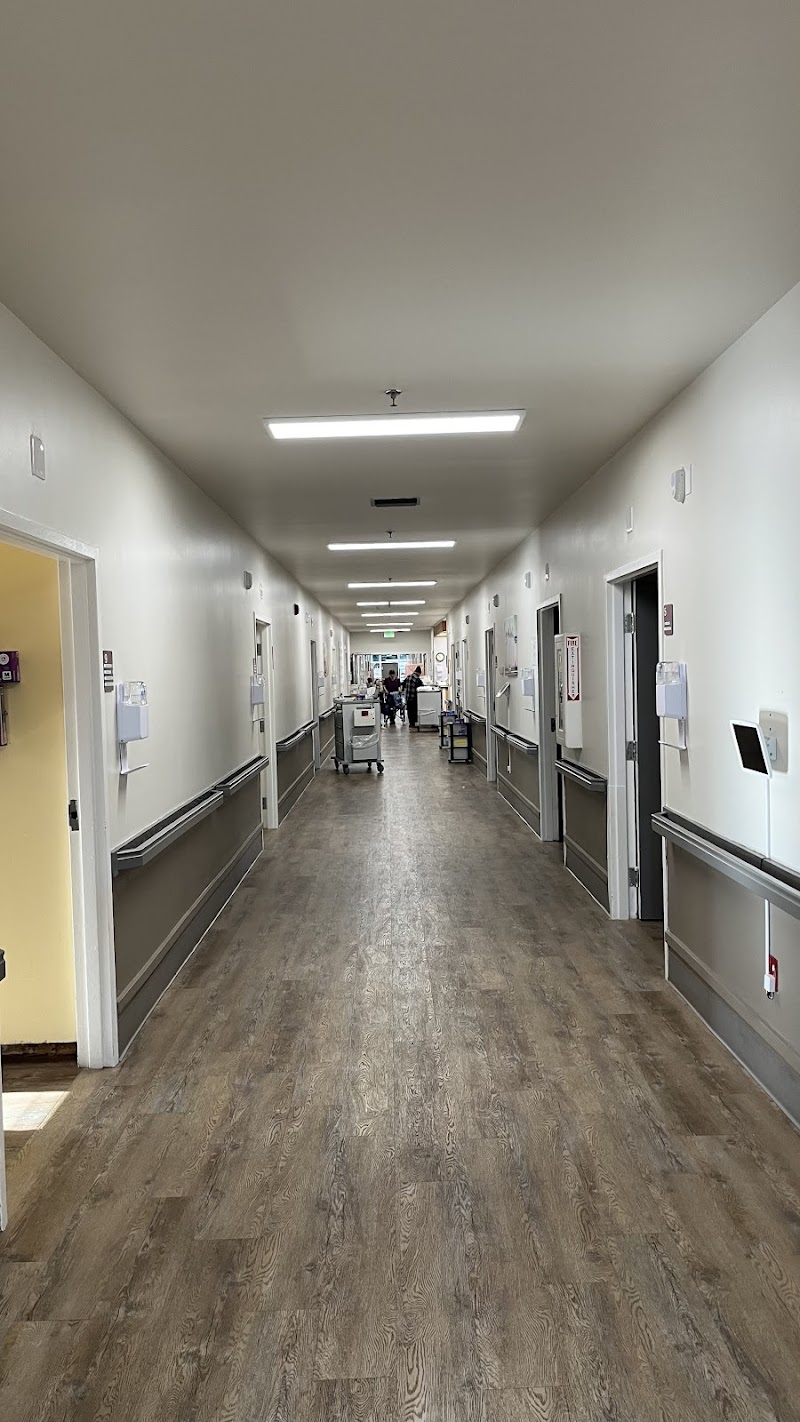
How Does Golden Harbor Healthcare Center Compare to Other California Nursing Homes?

Compared to the 100 nursing homes in California, GOLDEN HARBOR HEALTHCARE CENTER's overall rating (1 stars) is below the state average of 3.1 and health inspection rating (2 stars) is below the national benchmark.

What Should Families Ask When Visiting Golden Harbor Healthcare Center?

Based on this facility's data, families visiting should ask: "What changes have been made since the serious inspection findings, and how are you preventing similar issues?" "Can you walk me through typical staffing levels on day, evening, and night shifts?" "Can I visit during a mealtime to observe dining assistance and food quality?" "How do you handle medical emergencies, and what is your hospital transfer rate?" These questions are particularly relevant given the facility's Immediate Jeopardy citations and the below-average staffing rating.

Is Golden Harbor Healthcare Center Safe?

Based on CMS inspection data, GOLDEN HARBOR HEALTHCARE CENTER has documented safety concerns. Inspectors have issued 1 Immediate Jeopardy citation (the most serious violation level indicating risk of serious injury or death). The facility has a 1-star overall rating and ranks #100 of 100 nursing homes in California. Families considering this facility should ask detailed questions about what corrective actions have been taken since these incidents.

Do Nurses at Golden Harbor Healthcare Center Stick Around?

GOLDEN HARBOR HEALTHCARE CENTER has not reported staff turnover data to CMS. Staff turnover matters because consistent caregivers learn residents' individual needs, medications, and preferences. When staff frequently change, this institutional knowledge is lost. Families should ask the facility directly about their staff retention rates and average employee tenure.

Was Golden Harbor Healthcare Center Ever Fined?

GOLDEN HARBOR HEALTHCARE CENTER has been fined $43,554 across 4 penalty actions. The California average is $33,514. While any fine indicates a compliance issue, fines under $50,000 are relatively common and typically reflect isolated problems that were subsequently corrected. Families should ask what specific issues led to these fines and confirm they've been resolved.

Is Golden Harbor Healthcare Center on Any Federal Watch List?

GOLDEN HARBOR HEALTHCARE CENTER is not on any federal watch list. The most significant is the Special Focus Facility (SFF) program, which identifies the bottom 1% of nursing homes nationally based on persistent, serious quality problems. Not being on this list means the facility has avoided the pattern of deficiencies that triggers enhanced federal oversight. This is a positive indicator, though families should still review the facility's inspection history directly.