HAYWARD HILLS HEALTH CARE CENTER
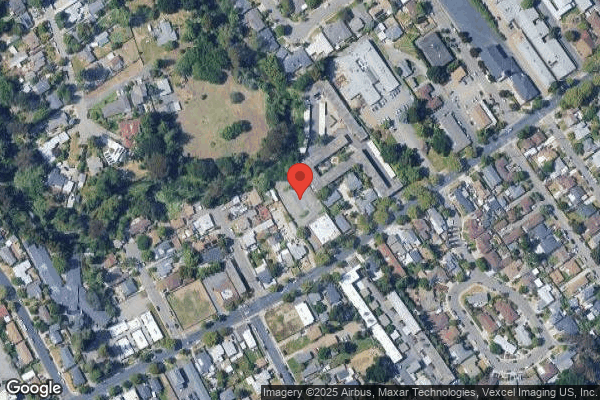
1768 B STREET, HAYWARD, CA 94541 (510) 538-4424
For profit - Partnership 74 Beds MARINER HEALTH CARE Data: November 2025
Trust Grade
55/100
#594 of 1155 in CA
Last Inspection: August 2024

Within standard 12-15 month inspection cycle. Federal law requires annual inspections.

Overview

Hayward Hills Health Care Center has a Trust Grade of C, indicating an average performance that places it in the middle of the pack for nursing homes. It ranks #594 out of 1155 facilities in California, which puts it in the bottom half, and #54 out of 69 in Alameda County, meaning there are only a few local homes that rank better. The facility's trend is worsening, as it increased from 11 issues in 2022 to 12 in 2024. Staffing is a relative strength with a 4 out of 5-star rating, but the 49% turnover rate is concerning, as it exceeds the state average of 38%. Although the facility has no fines on record, which is good, there have been serious incidents, such as a resident who was transferred incorrectly, resulting in multiple injuries, and failures in medication recommendations and sanitation practices in the kitchen, raising potential health risks for residents.

Trust Score
C
55/100
In California
#594/1155
Bottom 49%
Safety Record
Moderate
Needs review
Inspections
Getting Worse
11 → 12 violations
Staff Stability
⚠ Watch
49% turnover. Above average. Higher turnover means staff may not know residents' routines.
Penalties
✓ Good
No fines on record. Clean compliance history, better than most California facilities.
Skilled Nurses
○ Average
Each resident gets 38 minutes of Registered Nurse (RN) attention daily — about average for California. RNs are the most trained staff who monitor for health changes.
Violations
⚠ Watch
25 deficiencies on record. Higher than average. Multiple issues found across inspections.
★★★☆☆
3.0
Overall Rating
★★★★☆
4.0
Staff Levels
★★★★☆
4.0
Care Quality
★★★☆☆
3.0
Inspection Score
Stable
2022: 11 issues
2024: 12 issues

The Good

  • 4-Star Staffing Rating · Above-average nurse staffing levels
  • 4-Star Quality Measures · Strong clinical quality outcomes
  • Full Sprinkler Coverage · Fire safety systems throughout facility
  • No fines on record

Facility shows strength in staffing levels, quality measures, fire safety.

The Bad

3-Star Overall Rating

Near California average (3.1)

Meets federal standards, typical of most facilities

Staff Turnover: 49%

Near California avg (46%)

Higher turnover may affect care consistency

Chain: MARINER HEALTH CARE

Part of a multi-facility chain

Ask about local staffing decisions and management

The Ugly 25 deficiencies on record

1 actual harm
Aug 2024 8 deficiencies
CONCERN (D)

Potential for Harm - no one hurt, but risky conditions existed

Report Alleged Abuse (Tag F0609)

Could have caused harm · This affected 1 resident

Based on interview and record review, the facility failed to report alleged abuse or mistreatment for Resident 32 to the appropriate authorities. This failure had the potential to result in the event...

Read full inspector narrative →
Based on interview and record review, the facility failed to report alleged abuse or mistreatment for Resident 32 to the appropriate authorities. This failure had the potential to result in the event not being investigated completely, which could lead to further events of abuse or mistreatment. Findings: During an interview on 8/14/24 at 9:41 a.m. with Resident 32, Resident 32 stated approximately one year ago, a Certified Nursing Assistant (CAN) 1 touched her in a way that she felt was inappropriate. Resident 32 stated she felt very, very uncomfortable about the incident and she reported the event to facility staff a short time after it happened. Resident 32 stated after the event, she did not like having CNA 1 near her because she felt uncomfortable. During a record review of the Electronic Medical Record (EMR) for Resident 32, the Minimum Data Set (MDS, a resident assessment instrument used to identify resident care problems to be addressed in an individualized care plan) was reviewed. The MDS, dated 7/21/23, indicated Resident 32 had a Brief Interview for Mental Status score of 15 (BIMS, is a scoring system used to determine the resident's cognitive status in regard to attention, orientation, and ability to register and recall information. A BIMS score of thirteen to fifteen is an indication of intact cognitive status.). During a concurrent interview and record review on 8/14/24 at 10:47 a.m. with the Director of Nursing (DON), the EMR for Resident 32 was reviewed. The progress notes in the EMR indicated that on 5/26/23, Resident 32 expressed concern about an event when a male care staff member jiggled her abdomen while he was performing pericare (the process of cleaning the genital and anal areas of the body) on her. The DON stated that after the event, she spoke with CNA 1 and CNA 1 denied the event. The DON stated the interview with CNA 1 was the only investigation done into the event. The DON stated that there is no documentation of follow up with Resident 32 after the event documented in the EMR. The DON stated that the facility did not inform the ombudsman (an official who advocates for the rights of residents in nursing homes) or the California Department of Public Health (CDPH, a California government agency that investigates incidents in nursing homes) about this incident and they should have been notified. During a phone interview with CNA 1 on 8/14/24 at 1:42 p.m., CNA 1 stated that he did not remember being interviewed about the incident. During an interview on 8/16/24 at 10:27 a.m. with Administrator (ADM), ADM stated the event was reported to CDPH and the ombudsman on 8/14/24. During a review of the facility's policy and procedure (P&P), titled Abuse Investigation & Reporting OP2 0304.03, undated, the P&P indicated all alleged violations involving abuse, neglect, exploitation, or mistreatment will be reported to CDPH and the ombudsman.
CONCERN (D)

Potential for Harm - no one hurt, but risky conditions existed

Deficiency F0645 (Tag F0645)

Could have caused harm · This affected 1 resident

Based on interview and record review, the facility failed to complete the required Preadmission Screening and Resident Review (PASARR, a federal requirement to help ensure that individuals who have a ...

Read full inspector narrative →
Based on interview and record review, the facility failed to complete the required Preadmission Screening and Resident Review (PASARR, a federal requirement to help ensure that individuals who have a mental disorder or intellectual disabilities are not inappropriately placed in nursing homes for long term care) for one of three sampled residents (Resident 63). PASARR requires that 1) all applicants to a Medicaid-certified nursing facility be evaluated for a serious mental disorder and/or intellectual disability; 2) be offered the most appropriate setting for their needs (in the community, a nursing facility, or acute care setting); and 3) receive the services they need in those settings.) This failure had the potential to result in residents not receiving appropriate care for their mental disorders or intellectual disabilities. During a review of Resident 63's admission Record, the admission Record indicated Resident 63 was initially admitted to the facility in January 2024 with multiple diagnoses, including developmental disorder of scholastic skills (a type of intellectual disability) and other specified disorders of the brain. During a review of Resident 63's PASARR, dated 12/27/23, the PASARR indicated if the individual remains in the nursing facility longer than 30 days, the facility should resubmit a new screening on the 31st day. During an interview on 8/15/24 at 10:07 a.m. with the Director of Nursing (DON), DON stated the reason for doing the PASARR is to assess residents and make sure that residents get appropriate care. During a concurrent interview and record review on 8/15/24 at 12:20 p.m. with DON, DON stated the facility did not complete a PASARR for Resident 63 after Resident 63 had been at the nursing facility after 31 days. DON stated a PASARR should have been completed because Resident 63 had a diagnosis of an intellectual disability.
CONCERN (E)

Potential for Harm - no one hurt, but risky conditions existed

Pharmacy Services (Tag F0755)

Could have caused harm · This affected multiple residents

Based on observation, interview and record review, the facility failed to provide pharmaceutical services to meet the needs of residents by failing to ensure the proper storage and destruction of narc...

Read full inspector narrative →
Based on observation, interview and record review, the facility failed to provide pharmaceutical services to meet the needs of residents by failing to ensure the proper storage and destruction of narcotic (a drug that relieves pain and induces drowsiness) medication and the delivery of the correct dose of medication as ordered by the physician when: 1. Narcotic medication was stored in an unlocked drawer in Director of Nursing (DON) office, with 7 missing narcotic medications. 2. Narcotic medication was missing during a random narcotic audit for two of three sampled residents (Residents 24 and 64). 3. Resident 24 was undermedicated with diazepam (medication used to treat anxiety, muscle spasms, seizures, and alcohol withdrawal). 4. Resident 29 received the incorrect dose of Lactulose (medication used to treat constipation and to lower ammonia level in the blood for patients with liver disease). These deficient practices had the potential to result in drug diversion (illegal distribution or abuse of prescription drugs or their use for unintended purposes) and inaccurate drug dosages which could result in adverse outcomes. Findings 1. During concurrent observation and interview on 8/12/24 at 3:35 p.m. with DON, DON showed a locked file cabinet located in her office desk, filled with Residents' narcotics from over a year ago. DON stated she works with the pharmacy consultant to destroy medications. There were additional narcotic medications above the locked cabinet, in a drawer in DON's office desk that was unlocked. There were seven narcotic medications identified on narcotic reconciliation for Resident 325 and Resident 326 that were missing. List of the medications in the unlocked drawer, waiting for destruction: a. Bubble pack of lorazepam .5 mg tablet, 21 tablets, date issued 4/24/24, for Resident 325. The count sheet showed 24 tablets, but the bubble pack had only 18 tablets. There were six tablets missing. b. Bubble pack of oxycodone (a narcotic used for moderate to severe pain) 5 mg tablet three tablets, date issued 6/17/2023, for Resident 46. There were three tablets but no count sheet. c. Bubble pack of lorazepam .5 mg 27 tablets, date issued 8/4/23, for Resident 326. There were 27 tablets but count sheet says 28 tablets. d. One single pack of hydrocodone (a narcotic used to treat moderate pain) 5-325 tablet date issued 6/23/24, for Resident 40. One tablet bag, dated 6/23/24, was supposed to be wasted but was given to DON to waste. e. One single pack of klonopin (medication used to treat panic disorders and certain types of seizures) .5 mg, date issued 11/5/23 for Resident 327. One tablet was refused on 11/26/23 and was put in a small plastic bag and stapled to the count sheet. Record review showed resident was discharged on 12/12/23. f. One single pack of tramadol (medication used to treat moderate to moderately severe pain) 50 mg tablet, date issued 1/3/24, for Resident 328. A half tab of tramadol 50 milligrams, dated 5/11/24, was given to DON for destruction. DON stated it was placed in the plastic bag and put in the unlocked drawer. g. One single pack of lorazepam .5 mg tablet from emergency kit (e-kit), date issued 2/20/23. A record review indicated one tablet had been taken from E kit but not used. One tablet was placed into a plastic bag and stapled to the count sheet with two nurses' signatures. During an interview on 8/12/24 at 3:35 p.m. with DON, DON stated the facility does not keep a log of the narcotic medication for destruction including name of resident, date, name of drug, dose of drug, quantity of drug, and name and signature of nursing handing over narcotic and nurse receiving narcotic scheduled for destruction. from whom, date, drug dose, quantity. The DON acknowledged the narcotic medications should have been stored in a locked cabinet until they could be destroyed with Pharmacy Consultant (PC). During an interview on 8/13/24 at 11:30 a.m. with PC, PC stated PC provides monthly oversight to the facility and usually spends two hours on narcotic destruction with DON. PC stated she was last at the facility in July 2024, but had no knowledge of the narcotics in an unlocked drawer of DON's office. PC stated the last time narcotic destruction occurred was in June 2024. 2. During a random review of residents receiving narcotic medication and interview on 8/14/24 at 9:50 AM with DON, the narcotic reconciliation did not match up with the Medication Administration Record (MAR) for Resident 24 and Resident 64. a. During a review of Resident 24's Controlled Drug Record, hydrocodone/APAP 5/325 milligrams was signed out on 5/15/24 without documentation on the MAR. DON stated it should be documented on the MAR to account for the medication. b. During a review of Resident 64's Controlled Drug Record, hydrocodone/APAP 5/325 milligrams was signed out on 7/19/24, 7/29/24, 7/30/24, 8/2/24, and 8/13/24 without documentation on the MAR. DON stated it should be documented on the MAR to account for the medication. During a concurrent interview and record review on 8/14/24 at 10:32 a.m. with DON, DON verified two out of three patients were missing documentation of narcotics and the narcotics are not accounted for. 3. During a concurrent interview and record review on 8/14/24 at 9:25 a.m. with DON, Resident 24's MAR was reviewed. The MAR indicated an order for diazepam 5 milligrams every six hours PRN. Nursing staff were administering only half of the physician prescribed order, 6 times. (Order was changed to one tablet 5 milligrams every six hours PRN on 6/30/24, but nurses were giving only 2.5 milligrams on 7/24/24 at 5:51 a.m., 7/25/24 at 8:27 a.m., 7/26/24 at 11:00 a.m., 7/20/24 at 7:10 a.m., 7/28/24 at 8:00 a.m., and 7/30/24 at 6:24 a.m. only one tablet 2.5 mg given to resident when 2 tablets totaling 5.0 mg should have been given. DON double-checked the order and said the present order now is 5 milligrams 1 tablet every six hours PRN for anxiety. DON verify the nurses did not give the ordered 5 mg. 4. During a concurrent observation and interview on 8/13/24 at 10:54 a.m. with Licensed Vocational Nurse (LVN) 2, medication cart B, section A, contained a bottle of lactulose for Resident 29. LVN 2 stated she has been administering 10 ml and not 15 ml. The dosage on the bottle states 10 grams per 15 ml. A review of the Physician Order, dated 6/28/24, indicated lactulose 10 grams. During a review of the facility's policy and procedures (P&P) titled Disposal of Controlled Substances, dated 11/17, the P&P indicated: a. listed in schedules II, III, IV, V remaining the nursing care center after the order has been discontinued and retained in the nursing care center and is securely double locked area with restricted access until destroyed. A controlled medication disposition log or equivalent form shall be used for documentation. The consultant pharmacist or a pharmacist from the contracted pharmacy will verify accuracy and records shall be retained as per federal privacy and state regulations. This log shall contain the following information: Residents name, medication name and strength, prescription number, quantity, amount disposed date of disposition, and signatures of the required witnesses. b. Medications included in the Drug Enforcement Administration DEA classification as controlled substances are those classified as such by state regulation are subject to special handling storage disposal and record keeping in the nursing care center in accordance with federal and state laws and regulations. Controlled substances shall be destroyed by registered nurse employed by the care center and consultant pharmacist.
CONCERN (E)

Potential for Harm - no one hurt, but risky conditions existed

Unnecessary Medications (Tag F0759)

Could have caused harm · This affected multiple residents

Based on observation, interview, and record review, the facility failed to ensure it was free from medication error rate of 5% or greater during the medication pass observation. The facility had a cum...

Read full inspector narrative →
Based on observation, interview, and record review, the facility failed to ensure it was free from medication error rate of 5% or greater during the medication pass observation. The facility had a cumulative medication error rate of 30% consisting of nine errors where medications were not administered in accordance with physician's orders, in a sample size of 30 opportunities for error. These deficient practices had the potential to result in adverse consequences. Findings During an observation on 8/12/24 at 4:18 p.m. with Registered Nurse (RN) 1, RN 1 prepared medication for Resident 29 to be delivered via gastrostomy tube (G-tube, a tube inserted through a surgically created hole through the abdomen to deliver food/medications/fluids directly into the stomach) during evening medication schedule. During preparation, RN 1 placed clonazepam 1.5 milligrams, Ducolax stool softener 100 milligrams, Calcium 500 milligram oyster shell, Senna tablet 8.6 milligram, multivitamin with iron and folic acid, and Vitamin B1 100 milligrams and placed in a plastic bag and pounded the medication together until they turned to a powder. RN 1 then mixed powdered medications with the valproic acid liquid and warm water. RN 1 then extracted the liquid into a large syringe and administered the cocktail via resident's G-tube. He then followed with a flush of water and resumed G-tube feeding. During an interview on 8/12/24 at 5:33 p.m. with RN 1, RN 1 stated the pills are always crushed together when administering via G-tube and it is common practice. During an interview on 8/13/24 at 11:36 a.m. with Director of Staff Development (DSD), DSD stated when giving medications via G-tube, each pill should be individually crushed and diluted with water and given individually followed by a flush. DSD stated the pills should not be grounded all together, mixed together, and given at the same time via G-tube. During a record review on 8/12/24 of Resident 29's Physician Order Report, dated August 2024, Resident 29 was scheduled to receive MiraLAX and lactulose which were not given. During a concurrent observation and interview on 8/12/24 at 5:33 p.m. with RN 1, RN 1 stated that they did not give the Lactulose because he didn't have it in the medication cart. He looked in the medication cart and could not find the lactulose. I held the medication because I didn't have it. RN 1 stated that he will give the MiraLAX later and will order the lactulose through pharmacy. RN 1 stated that he did not know how long Resident 29 had been out of lactulose. During an observation on 8/13/24 at 9:25 a.m., Licensed Vocation Nurse (LVN) 1 administered medications to Resident 26. On reconciliation, LVN 1 did not administer multivitamin which was ordered for Resident 26. During a concurrent interview and record review on 8/13/24 at 10:41 a.m. with LVN 1, LVN 1 stated she forgot to give the multivitamin (MVI). I missed it. LVN 1 documented the MVI was given but remembers that it was not given to Resident 26 During a review of the facility's policy and procedures (P&P) titled Enteral Tubes, dated 9/18, the P&P indicated 10) crushed medications are not mixed together. The powder from each medication is mixed with water before administration. the soufflé cup is rinsed with water to get all of the medication contained within the cup to facilitate the ordered dose. The standard of practice is that crushed medications should not be combined and given all at once via feeding tube 11) Enteral tubes are flush with at least 15 milliliters of water before administrating any medication and after all medications have been administered and 12) each medication is administered separately to avoid interaction and clumping. The enteral tubing is flushed with water between each medication to avoid physical interaction of the medication.
CONCERN (E)

Potential for Harm - no one hurt, but risky conditions existed

Deficiency F0761 (Tag F0761)

Could have caused harm · This affected multiple residents

**NOTE- TERMS IN BRACKETS HAVE BEEN EDITED TO PROTECT CONFIDENTIALITY** Based on observation, interview, and record review, the facility failed to ensure the safe storage, labeling, open date, expirat...

Read full inspector narrative →
**NOTE- TERMS IN BRACKETS HAVE BEEN EDITED TO PROTECT CONFIDENTIALITY** Based on observation, interview, and record review, the facility failed to ensure the safe storage, labeling, open date, expiration date, and disposal of medications and vaccinations. Medications and vaccines were not stored and maintained within standards for safety when: 1. Over the counter eye drops were not labeled with resident's name. 2. Two open inhalers did not have opened dates and one open inhaler was expired and still being used. 3. One aplisol multidose TB vial opened without a documented open date with instructions to discard product after 30 days of being opened. 4. Twenty-one vaccine syringes, stored in medication refrigerator, expired 6/30/2024. 5. Intravenous (IV) heparin flushes were expired 7/20/24 in the emergency kit (E-kit is a limited supply of medication and intravenous supplies for urgent use in a sealed box.) 6. One e-kit was unsealed and had a documented open date of May 2024. 7. Medication/vaccine refrigerator temperature was not monitored twice daily and not consistently monitored daily for eight out of eight months. These failures had the potential to result in residents being given medication and vaccines with questionable potency and efficacy. Findings: During a concurrent observation of medication cart A and an interview on 8/12/24 at 10:09 a.m. with Licensed Vocation Nurse (with LVN) 3, one bottle of over the counter eye drops was in the medication cart without resident's name, two inhalers were opened without an open date (expires 42 days after opening), and one blood glucose test strip bottle opened without an open date (good for six months after opening). LVN 3 stated the eye drops should have a resident's name as eye drops cannot be shared amongst residents. During an observation of floater medication cart B on 8/12/24 at 1:56 p.m. with LVN 2, there was one fluticasone/salmeterol inhaler with an expiration date of 7/10/24 and no open date. LVN 2 stated it has an open date of 7/10/24 and expired one month later, per manufacturer which would have expired on 8/10/24. LVN 2 acknowledged it had been used past the expiration date. LVN 2 stated that using expired medication may alter effectiveness of the medication. Floater medication cart B had one vial of artificial tears with a room number but not a Resident's name, dated 7/3/24. During an observation on 8/12/24 at 11:50 a.m. of medication cart B, there was an inhaler with no open date and a notice to discard one month after open date. During a record review of Resident 69's Physican's Order, dated 6/17/24, the Physican's Order indicated an order for Wixela Inhub (fluticasone propion-salmeterol) inhalation blister with device 500-50 micrograms a dose ordered amount to administer 500-50 micrograms pharmacy directions, inhale one puff by mouth twice daily for chronic obstructive pulmonary disease, rinse mouth after use with water. Review of the Medication Administration Record (MAR)showed it was given twice a day, every day in August 2024. During an observation in the medication room [ROOM NUMBER]/12/24 at 10:32 a.m. with Director of Nursing (DON), the locked medication refrigerator had: a. One multidose vial of Aplisol Tuberculin Purified Protein Derivative (TPPD, solution used for skin testing to aid in the diagnosis of active or latent tuberculosis) without an open date. Manufacturer instructions indicate to discard 30 days after opening. b. Twenty-one syringes of flu vaccine with expiration dates of 6/24/24 and 6/30/24. c. Two COVID vaccines with an expiration date of 7/26/24. d. Four pneumovax vaccines with an expiration date of 2/16/24. e. Three intravenous (IV) heparin flushes with an expiration date of 7/20/24. During a concurrent medication room observation and interview on 8/12/24 at 10:40 a.m. with DON, there was an E-kit originally opened May 3, 2024. DON stated the E-kit should be replaced right away after opening. During an interview on 8/12/24 at 11:24 a.m. with Director of Staff Development (DSD), DSD stated aplisol should have been dated once opened and the expired flu vaccine should have been discarded. During interview on 8/14/24 at 10:37, DSD stated that eye drops should have the name of the resident and not the room number as the room changes. During a record review of the Refrigerator Temperature Log, dated 11/24 through 7/31/24, the Refrigerator Temperature Logs indicate 59 days with no temperature monitoring documented for a 24 hour period and the remaining days only had one temperature documented in a 24 hour period. The Refrigerator Temperature Log indicated recording the temperature needs to occur twice per day. During an interview on 8/13/24 at 11:25 a.m. with Pharmacy Consultant (PC), PC stated monthly oversight has been occurring since 2023, which includes checking the refrigerator temperature and expired medications and biologicals. PC stated monitoring the medication refrigerator temperature by staff should occur every shift. During an interview on 8/12/24 at 11:24 a.m. with DSD, DSD stated temperature of medication refrigerator should be documented twice a day, E-kits should be replaced right away within 72 hours, but pharmacy should be contacted immediately, and inhalers should not be used past the 30 days after opening. During a review of Policy and Procedures titled Medications and Medication labels, dated 5/16 the P&P indicted multi-dose vials shall be labeled to assure product integrity, considering the manufacturers' specification. Nursing staff should document the date opened. Non-prescription medications not labeled by the pharmacy are kept in the manufacturer's original container. Nursing care center personnel may write the resident's name on the container or label as long as the required information is not covered. During a review of P&P titled Emergency Pharmacy Service and Emergency Kits (E-Kit), dated 5/16, the P&P indicated upon removal of any medication or supply item from the emergency kit the nurse documents the medication or item used on an emergency kit log. One copy of this information should be immediately faxed to the pharmacy with the original prescriber order or refill request form and placed within the re-sealed emergency kit until it is scheduled for exchange . the fax sheet will inform the pharmacy of items used from the emergency kit. This will notify the pharmacy to replace the kit or item as applicable per state law. During a review of P&P titled Medication Storage Policies and Procedure, dated 9/18, the P&P indicated medications requiring refrigeration or temperatures between 36°F and 46°F are kept in a refrigerator with a thermometer to allow temperature monitoring. A temperature log or tracking mechanism is maintained to verify that temperature has remained within accepted limits.
CONCERN (E)

Potential for Harm - no one hurt, but risky conditions existed

Food Safety (Tag F0812)

Could have caused harm · This affected multiple residents

Based on observation, interview, and record review, the facility failed to store and prepare food in accordance with professional standards of food service safety when: 1. Expired chocolate pudding wa...

Read full inspector narrative →
Based on observation, interview, and record review, the facility failed to store and prepare food in accordance with professional standards of food service safety when: 1. Expired chocolate pudding was observed in the refrigerator. 2. Uncovered frozen soup with white crystals on top was observed in the freezer. These failures had the potential to result in food-borne illnesses or unpalatable food. Findings: During a concurrent observation and interview with the Dietary Manager (DM) on 8/12/24 at 9:39 a.m., frozen soup that was not securely covered was observed in the freezer. DM stated that the soup was open and appeared freezer burned. DM stated that a potential consequence of freezer burned food is that it might affect the taste of the food when served. During a concurrent observation and interview with the DM on 8/12/24 at 9:52 a.m., chocolate pudding was observed in the refrigerator with a preparation date of 8/4/24 and a use by date of 8/10/24. DM stated that the chocolate pudding is expired. DM stated that expired foods should not be in the refrigerator or served to residents.
CONCERN (F)

Potential for Harm - no one hurt, but risky conditions existed

Drug Regimen Review (Tag F0756)

Could have caused harm · This affected most or all residents

Based on interviews and record reviews the facility failed to ensure the Pharmacy Consultant (PC) provided the Medical Regimen Review (MRR) recommendations and Executive Summary to the facility within...

Read full inspector narrative →
Based on interviews and record reviews the facility failed to ensure the Pharmacy Consultant (PC) provided the Medical Regimen Review (MRR) recommendations and Executive Summary to the facility within the timeframes established in the facility's policies and procedures for four out of four months and the facility did not act on the reports within 30 days for five of 10 sampled residents (Residents 56, 26, 2, 66, and 54). This failure had the potential to result in Residents not receiving therapeutic recommendation on drug therapies. Findings: During a telephone interview on 8/15/24 at 9:19 a.m., with PC and Regional Supervisor (RS), PC stated that PC visits the facility once a month and completes the MRR for the month and submits the report within 48 hours. During a telephone interview on 8/15/24 at 11:17 a.m., with the Medical Director (MD), MD stated the MRR reports and recommendations were being submitted late. MD also stated it is important to get the MRR reports in a timely manner so, medical and nursing staff can have informed recommendations regarding Resident's medication and treatment plan. During a telephone interview on 8/15/24 at 12:18 p.m., with Pharmerica Regional Supervisor (PRS), PRS stated that MRR reports and Executive Summaries need to be sent to the facility 48 hours after completion. During a review of the facility's MRR reports and Executive Summary, emailed to the facility, the email indicated the reports were sent to the facility on the following dates: a. MRR report, dated 4/24 was sent to the facility on 6/11/24. b. MRR report, dated 5/24, was sent to the facility on 6/29/24. c. MRR report, dated 6/24, was sent to the facility on 7/23/24. d. MRR report, dated 7/24, was sent to the facility on 8/15/24. During a record review of the Executive Summary of Consultant Pharmacists Medication Regimen Review, dated 5/31/24, the documents indicated there were 52 recommendations forwarded to the following disciplines: a. There were 12 written to the Interdisciplinary Team (IDT, A team that includes staff members from multiple disciplines such as nursing, therapy, physicians, and other advanced practitioners) review. b. There were 22 written for nursing review. c. There were 18 written for the physician review. During a record review of the Executive Summary of Consultant Pharmacists Medication Regimen Review, dated 6/30/24, there were 73 residents reviewed with recommendations forwarded to the following disciplines: a. There were 16 written for IDT review. b. There were 29 written for nursing review. c. There were 27 written for physician review. During a record review of the Executive Summary of Consultant Pharmacists Medication Regimen Review, dated 7/31/24, there were 29 recommendations forwarded to the following disciplines: a. There were three for IDT review. b. There were 17 for nursing review. c. There were nine for physician review. During an interview on 8/15/24 at 8:44 a.m., with DON and Nurse Supervisor (NS), they stated the MRR reports from the PC have been late. NS stated when the reports are received by the facility, they are acted upon with a checked receipt and their signature. They also stated that April and May reports were delayed and some of the recommendations were acted upon last night 8/14/24. During a concurrent record review and interview on 8/15/24 at 11:47 a.m. with NS, the facility's MRR reports were reviewed. The MRR reports identified a delay in acting upon the pharmacy's recommendations for Residents 56, 26, 2, 66, and 54. During a review of the MRR, dated 5/24, for Resident 56, the MRR included nursing recommendations to monitor for signs of dehydration, electrolytes, acute kidney injury and to monitor for edema, congestion, and weight changes. These recommendations were acted upon on 8/6/24. During a review of the MRR, dated 5/24, for Resident 26, the MRR included nursing recommendations to monitor for sign of dehydration, electrolytes, acute kidney injury, and to monitor for edema, congestion, weight changes. These recommendations were acted upon on 8/15/24. During a review of the MRR, dated 5/24, for Resident 2, the MRR included nursing recommendations for prednisone is best administered with food to minimize GI irritation, potassium supplement is best administered with food or after meals with a full glass of water or fruit juice, and furosemide to monitor for signs of dehydration, electrolytes, acute kidney injury, and to monitor for edema, congestion, and weight changes. These recommendations were acted upon on 8/15/24. During a review of the MRR, dated 5/24, for Resident 66, the MRR included nursing recommendations to monitor for signs and symptoms of bleeding, bruising, and thromboembolism. These recommendations were acted upon on 8/15/24. During a review of the MRR, dated 5/24, for Resident 54, the MRR included nursing recommendations for escitalopram (medication for depression and generalized anxiety disorder) 10 milligram tablets at night to attempt gradual dose reduction to escitalopram 5 milligram tablet at night. These recommendations were acted upon on 8/1/24. During a review of the facility's policy and procedure (P&P) titled, Consultant Pharmacist Services Provider Requirements, the P&P indicated, Consultant Pharmacists will submit a monthly summary report to the nursing care center outlining specific findings based on the consultant pharmacist's MRR following the completion of the review. Consultant pharmacist will provide a report of activities, findings, and recommendations to the administrator and the DON on a monthly basis. This includes a consolidated report of all resident reviews and a summation of monthly finding. Individual resident recommendations are provided to the facility medical director, prescriber, DON upon completion or following MRR. During a review of the facilities P&P Medication Regiment Review and Reporting, the P&P indicated a record of the consultant pharmacist's observations and recommendations is made available in an easily retrievable format to nurses, physicians, and the care planning team within 48 hours of MRR completion. Resident specific MRR recommendations and findings are documented and acted upon by the nursing care center and or physician. Recommendations shall be acted upon within 30 calendar days.
CONCERN (F)

Potential for Harm - no one hurt, but risky conditions existed

Room Equipment (Tag F0908)

Could have caused harm · This affected most or all residents

Based on observation, interview, and record review, the facility failed to clean dishes in a safe and sanitary method when the dishwasher did not reach the required temperature. This failure had the p...

Read full inspector narrative →
Based on observation, interview, and record review, the facility failed to clean dishes in a safe and sanitary method when the dishwasher did not reach the required temperature. This failure had the potential to result in 65 residents being served food on dishes that were not sanitized, which could lead to the spread of disease. Findings: During an observation on 8/13/24 at 10:41 a.m. in the kitchen, the highest temperature reached by the dishwasher was 110 degrees (°) Fahrenheit (F, a unit to measure temperature). During a second observation on 8/13/24 at 10:44 a.m., the highest temperature reached by the dishwasher was 110°F. During a concurrent observation and interview on 8/13/24 at 11:11 a.m. with the Dietary Manager (DM), it was observed that the highest temperature reached by the dishwasher was 110°F. The Dietary Manager stated she would run the dishwasher again. During the second run of the dishwasher, the highest temperature reached was 110°F. The DM stated that the minimum safe temperature for the dishwasher is 120°F. During a concurrent interview and record review on 8/14/24 at 3:41 p.m. with the Maintenance Supervisor (MS), the Maintenance Log was reviewed. MS stated the dishwasher booster (a device that makes the water for the dishwasher hotter) was broken. MS stated the broken booster was not entered in the maintenance log and should be there. During an interview on 8/14/24 at 3:49 p.m. with the facility Administrator (ADM), ADM stated she had not been informed the dishwasher booster was broken and did not know the dishwasher was not reaching the minimum required temperature. During an observation on 8/16/24 at 11:00 a.m. in the kitchen, the highest temperature reached by the dishwasher was observed to be 105°F. During a concurrent observation and interview on 8/16/24 at 11:04 a.m. with DM of the dishwasher temperature, the highest temperature reached by the dishwasher was 105°F. DM stated the dishwasher temperature was not high enough. The DM stated she would run the dishwasher again and the highest temperature reached during the second run was 105°F. DM stated the minimum safe temperature for the dishwasher is 120°F. DM stated that the risk of the dishwasher not reaching the minimum temperature is that the dishes might not be cleaned or sterilized, which is not safe for the residents. During a review of the manufacturer's specifications for the ES2000 dishwasher, titled ES-2000 Dish machine, undated, the manufacturer specified the minimum operating temperature for the wash and sanitizing rinse was 120°F. During a review of the facility's policy and procedure (P&) titled Monitoring Water Temperature, OP3 0809.01, undated, the P&P indicated the acceptable temperature range for the dishwasher was 120°F to 160°F. During a review of the facility's P&P titled Repair Requisition, OP3 0801.01 A1, undated, the P&P indicated needed repairs should be documented and the original should be sent to MS and a copy to ADM.
Jul 2024 1 deficiency 1 Harm
SERIOUS (G) 📢 Someone Reported This

A family member, employee, or ombudsman was alarmed enough to file a formal complaint

Actual Harm - a resident was hurt due to facility failures

Accident Prevention (Tag F0689)

A resident was harmed · This affected 1 resident

Based on observation, interview, and record review, the facility failed to implement measures to safely transfer one of two sampled residents (Resident 1) when a staff transferred Resident 1 from bed ...

Read full inspector narrative →
Based on observation, interview, and record review, the facility failed to implement measures to safely transfer one of two sampled residents (Resident 1) when a staff transferred Resident 1 from bed to a shower chair using a Hoyer lift (mechanical device that lifts a resident for transfer, the resident will be suspended in the air in a sling while being move from a bed to a chair) without assistance from another staff member. This failure resulted in Resident 1 falling and sustaining multiple injuries: Multiple rib fractures (broken ribs), Trace Right-Sided Pneumothorax (presence of air in the space between the lung and chest wall leading to breathing difficulty and chest pain), Left Femur Peri-Prosthetic Fracture (broken bone around the artificial joint of the left thigh); and caused Resident 1's pain, emotional trauma, and an increased fear in Hoyer lift transfers. Findings: During a review of Resident 1's Face Sheet, printed July 2024, the Face Sheet indicated Resident 1 was a long-term resident since September 2014 and was readmitted to the facility in October 2023 with diagnoses that includes contact with lifting devices, generalized muscle weakness, bed confinement status, obesity, and anxiety (mental disorder characterized by excessive worry or fear). During a review of Resident 1's Minimum Data Set (MDS, a resident assessment instrument used to identify resident care problems to be addressed in an individualized care plan), dated October 2023, the MDS indicated Resident 1's Brief Interview for Mental Status (BIMS, is a scoring system used to determine the resident's cognitive status in regard to attention, orientation, and ability to register and recall information) was 14 out of 15, indicating cognitively intact mental status. The MDS also indicated resident was dependent on transfer to and from a bed to a chair. During a review of Resident 1's Fall Care Plan, problem start dated 4/16/16, the Fall Care Plan indicated Resident 1 was at risk for fall and injury due to history of falls and balance problem .Resident's risk of fall and injury will be minimize .Keep environment free of hazards .identify type of assistance resident needs .provide assistance as identified in transfer. During a review of Resident 1's Care Plan Essentials (pertinent information on resident's care used by nursing staffs), dated May 2023, the document indicated Resident 1 was a high risk for falls, required a Hoyer lift for transfers, and an assist of two people required. During a review of Resident 1's Observation Detail List Report, dated 10/14/23 and completed by Registered Nurse (RN), the report indicated at 8:15 a.m., Resident 1 fell from a Hoyer lift during a transfer from the bed to a bath chair. The fall was witnessed by Certified Nursing Assistant (CNA). Resident 1 hit her head and had a lump on her head. Resident 1 complained of pain under her right armpit and ribs and had difficulty talking. RN called 911 and Resident 1 left the facility at 8:45 a.m. via ambulance. During a review of facility's Nurse Staffing Assignment and Sign-in Sheet, dated 10/14/23, the document indicated CNA worked that morning from 6:24 a.m. until 3:02 p.m. and she was the assigned CNA for Resident 1. During a review of Resident 1's History and Physical (H&P), from the medical-surgical department, dated 10/14/23, the H&P indicated, Resident 1 was admitted due to fall from a Hoyer lift. Resident 1 had multiple right-sided broken ribs that includes the third, fourth, fifth, sixth ribs and trace right-sided pneumothorax from the Computerized Tomography (CT, an imaging method that uses x-rays and a computer to create pictures of cross-sections of the body) scan of the chest. The H&P also indicated Resident 1 had a Periprosthetic fracture of the left femur from the hip Xray. During a review of Resident 1's Trauma and Critical Care Surgery Consult Notes, dated 10/14/23, the notes indicated Trauma Surgeon (medical doctor who specializes in treating patients with traumatic injuries) assessed Resident 1 in the emergency room. The consult notes further indicated that Resident 1 had met the Alameda County criteria for trauma activation (immediate attention) due to her injuries. During a review of Resident 1's Discharge Summary from the acute hospital, dated 10/20/23, the Discharge Summary indicated Resident 1's right-sided pneumothorax got worse, and required an Interventional Radiology pigtail (IR pigtail- image-guided procedure of a catheter insertion) into the right chest cavity to treat the Pneumothorax from 10/16/23 until 10/19/23. During a concurrent observation and interview on 7/3/24 at 12:00 p.m. with Resident 1, she was in a mid-fowlers (Head of bed elevated at 45 degrees) position in bed, fully awake and able to carry out a meaningful conversation. Resident 1 stated she had a fall and went to the hospital because of fractures on her ribs and hip. Resident 1 stated a CNA came alone to transfer her from bed to the shower chair using the lift and sling. Resident 1 also stated she knew there were supposed to be two staff to use the lift. During a follow-up interview on 7/3/24 at 12:15 p.m. with Resident 1, Resident 1 stated she told CNA she did not want to be transferred because she was scared. She stated CNA did not listen, placed her on the sling, and lifted her. Resident 1 stated she felt the sling was too small for her size and caused her to move due to hip discomfort and fear. Resident 1 further stated her fear of transfer using the sling and lift had increased. During a telephone interview on 7/3/24 at 12:25 p.m. with RN, RN stated he found Resident 1 on the floor inside her room and assessed her. RN stated he called 911 because Resident 1 had difficulty speaking upon assessment. Resident 1 also complained of pain on the right side of her chest. RN stated he did not recall CNA asking for help that day. RN stated it had been emphasized to nursing staff they should always use a two person assist with the Hoyer lift to ensure residents safety during transfer. During an interview on 7/3/24 at 2:50 p.m. with Director of Nursing (DON), DON stated she and Director of staff Development (DSD) spoke to CNA and asked about Resident 1's fall. DON also stated that CNA confirmed transferring Resident 1 by herself using the Hoyer lift. DON stated that Hoyer lift transfers always require a two person assist and expected nursing staffs to follow per the facility's policy and Hoyer lift training instructions. During a review of the facility's training instruction titled, Use of Hoyer Lift Training, the document indicated knowing the lift and how to use it correctly can prevent patient falls from lifts-which may cause injuries, including head trauma, fractures, and death .choosing correct sling size is critical for safe patient transfer .sling too small: patient may fall out. Sling may worsen patient's condition .lifts require two or more caregivers to safely operate lift and handle patient. During a review of the facility's policy and procedure (P&P) titled, Resident Transfer: Mechanical Lift, undated, the P&P indicated A mechanical lift is used to safely facilitate transfer of residents whose functional ability or preference requires use of a lift .Manufacturer's instructions and recommendations should always be followed, including the number of staff needed for a safe transfer. Mechanical lifts require at least a 2-person assist or as per manufacturer's instructions.
Feb 2024 2 deficiencies
CONCERN (D) 📢 Someone Reported This

A family member, employee, or ombudsman was alarmed enough to file a formal complaint

Potential for Harm - no one hurt, but risky conditions existed

Free from Abuse/Neglect (Tag F0600)

Could have caused harm · This affected 1 resident

**NOTE- TERMS IN BRACKETS HAVE BEEN EDITED TO PROTECT CONFIDENTIALITY** Based on observation, interview, and record review, the facility failed to ensure one of two sampled residents (Resident 2) was ...

Read full inspector narrative →
**NOTE- TERMS IN BRACKETS HAVE BEEN EDITED TO PROTECT CONFIDENTIALITY** Based on observation, interview, and record review, the facility failed to ensure one of two sampled residents (Resident 2) was free from abuse when: There was no care planning intervention developed, implemented, and monitored for effectiveness after the first incident of physical abuse to Resident 2 by Resident 1. This failure resulted in further physical abuse to Resident 2, 21 days after the initial abuse by Resident 1. This failure also had the potential to expose other residents to an environment lacking protection and safety from abuse that may result in injuries and psychosocial distress, compromising their health and safety. During a review of face sheet for Resident 1, the face sheet indicated, Resident 1 was originally admitted [DATE], re-admitted on [DATE], with diagnoses that included stroke with R sided weakness, hypertension, and depression. During a review of the Minimum data set (MDS, a resident assessment tool) dated 11/29/23, the MDS indicated a brief interview for mental status (BIMS, a short scanner to help detect cognitive impairment) score of 11 indicating moderate cognitive impairment. A review of the MDS for behavior for Resident 1 dated 11/29/23 indicated no potential indicators of psychosis, no physical, verbal behavioral symptoms or other behavioral symptoms directed at others. MDS for mood for Resident 1 indicated 00 indicating no symptoms present. During a review of the care plan for Resident 1dated problem start date 8/3/23, the care plan indicated physically abusive to others, verbally abusive to others ., using self in wheelchair to block others form walking through/by . trying to throw juice cup at others passing by in the hallway unprovoked, yelling/screaming towards others unprovoked. Care plan also indicated, on 1/13/24, Resident 1 threw a bottle of lotion to another Resident (Resident 2); short term goal target date 11/30/23 with Behavior will be diverted into a productive and meaningful activity. Approach start date: 1/13/24 updated 1/15/24 indicated, Make sure resident is not holding any objects to throw on other residents and staff. During a review of Resident 2 ' s face sheet, the face sheet indicated Resident 2 was admitted [DATE] with diagnoses that included abnormalities of gait and mobility, congestive heart failure, and hypertension. During a review of Resident 2 ' s MDS, the MDS dated [DATE] indicated a BIMS score of 13 indicating no cognitive impairment. During a review of Resident 2 ' s progress note dated 12/23/23, the progress note indicated Resident 2 was hit on his left arm by a shoe that was thrown by another resident (Resident 1) while he was passing through the reception area. During a review of Resident 1 ' s progress note dated 1/13/24, the progress note indicated Resident 1 threw a plastic bottle at another resident (Resident 2), police was called and came to the building to take report. During a review of Resident 2 ' s progress note dated 1/13/24, the progress note indicated Resident 2 stated the bottle hit his left arm and that his thick jacket softened the impact. During an interview on 2/6/24 at 12:15 p.m. with CNA 1, CNA 1 stated Resident 2 usually goes around in his wheelchair and whenever Resident 1 sees Resident 2 passes by, Resident 1 tries to hit Resident 2. CNA 1 stated Resident 1 tries to hit other residents too, but most especially Resident 2. During an observation on 2/6/24 at 12:23 p.m. in A unit hallway, Resident 1 who was sitting in her WC outside her room, leaned forward and made a fist at Resident 2, while Resident 2 passed through the hallway to go into the reception area. During a concurrent interview and record review on 2/26/24, at 1:40 p.m. with Social Services Director (SSD), SSD looked for the care plan for psychosocial wellbeing for Resident 2, but unable to find it. She stated she would check with medical records. During a concurrent interview and record review on 2/6/24 at 2:20 p.m. with SSD, SSD looked for the IDT care conference notes done for Resident 2 (victim of the abuse) status post (S/P) the abuse incidents. SSD could not find any IDT notes for both incidents of 12/23/23 and 1/13/24 for Resident 2. SSD could only find the IDT notes for Resident 1, dated 1/15/24 for the abuse incident of 1/13/24. At 2:22 p.m. SSD confirmed no care plan and no IDT meetings for Resident 2 S/P the two cases of abuse, and no IDT meeting for Resident 1 after the abuse incident of 12/23/23. SSD stated IDT meeting is important so that staff members are aware in case of behavior or any triggers. It can help on what interventions to take place or to modify. SSD stated nursing and any of the IDT members are responsible to update the care plans. During a concurrent telephone interview and record review on 2/8/24 at 3:40 p.m. with the Director of Nursing (DON), the DON confirmed there was no IDT meeting done for the abuse incident of 12/23/23. DON stated IDT meeting is important for the team to discuss all the possible interventions to ensure Resident will be safe in the facility. DON stated care plan is the communication for all the members of the health care team. During a review of the facility ' s policy and procedure (P&P) titled, Abuse, Neglect & Exploitation Prohibition, undated, the P&P indicated, Each resident has the right to be free from .abuse . Definition: Abuse is willful infliction of injury .intimidation .with resulting harm, pain, or mental anguish .The company supervisors will immediately correct and intervene in reported or identified situations in abuse .is at risk of occurring .It is therefore the policy .to take all reasonable steps to prevent the occurrence of .abuse . During a review of the facility ' s policy and procedure (P&P) titled, Comprehensive Plan of Care, undated, the P&P indicated, Each resident will have a comprehensive care plan developed that includes goals, measurable objectives, and timetables to meet their medical, nursing, mental, and psychological needs identified . include interventions to attempt to manage risk factors . During a review of the facility ' s policy and procedure (P&P) titled, Care Plan Conference, undated, the P&P indicated, The care plan conference is held to identify resident needs and enable obtainable goals .Care plans are reviewed to meet the needs and requests of the resident/resident ' s family as identified during the conference .
CONCERN (D) 📢 Someone Reported This

A family member, employee, or ombudsman was alarmed enough to file a formal complaint

Potential for Harm - no one hurt, but risky conditions existed

Comprehensive Care Plan (Tag F0656)

Could have caused harm · This affected 1 resident

**NOTE- TERMS IN BRACKETS HAVE BEEN EDITED TO PROTECT CONFIDENTIALITY** Based on interview and record review, the facility failed to develop an individualized comprehensive care plan with measured obj...

Read full inspector narrative →
**NOTE- TERMS IN BRACKETS HAVE BEEN EDITED TO PROTECT CONFIDENTIALITY** Based on interview and record review, the facility failed to develop an individualized comprehensive care plan with measured objectives and specific interventions for one of two sampled residents (Resident 2) when there was no care plan to address the physical, mental, and psychosocial wellbeing of Resident 2 after two cases of abuse. This deficient practice had the potential for Resident 2 ' s needs not to be identified and negatively impact his physical, mental, and psychosocial functioning. Findings: During a review of Resident 1 ' s Face Sheet, the Face sheet indicated Resident 1 was originally admitted [DATE] and re-admitted in February 2023 with diagnoses that included stroke with right sided weakness, high blood pressure, and depression. During a review of the Minimum Data Set (MDS, a resident assessment instrument used to identify resident care problems to be addressed in an individualized care plan.), dated 11/29/23, the MDS indicated a Brief Interview for Mental Status (BIMS, is a scoring system used to determine the resident ' s cognitive status in regard to attention, orientation, and ability to register and recall information. A BIMS score of eight to twelve is an indication of moderate cognitive impairment.) score of 11 indicating moderate cognitive impairment. A review of the MDS for behavior for Resident 1, dated 11/29/23, indicated no potential indicators of psychosis, no physical, verbal behavioral symptoms or other behavioral symptoms directed at others. A review of the MDS for mood for Resident 1 indicated 00 indicating no symptoms present. During a review of Resident 2 ' s Face Sheet, the Face Sheet indicated Resident 2 was admitted in December 2022 with diagnoses that included abnormalities of gait and mobility, congestive heart failure (a chronic condition where the heart does not pump blood as well as it should), and high blood pressure. During a review of Resident 2 ' s MDS, dated 12/26/23, the MDS indicated a BIMS score of 13 indicating no cognitive impairment. During a review of Resident 2 ' s Progress Notes, dated 12/23/23, the Progress Notes indicated Resident 2 was hit on his left arm by a shoe that was thrown by Resident 1 while he was passing through the reception area. During a review of Resident 1 ' s Progress Notes, dated 1/13/24, the Progress Notes indicated Resident 1 threw a plastic bottle at Resident 2. During a review of Resident 2 ' s Progress Notes, dated 1/13/24, the Progress Notes indicated Resident 2 stated the bottle hit his left arm and that his thick jacket softened the impact. During an interview on 2/6/24 at 12:15 p.m. with CNA 1, CNA 1 stated Resident 2 usually goes around in his wheelchair and whenever Resident 1 sees Resident 2 passes by, Resident 1 tries to hit Resident 2. CNA 1 stated Resident 1 tries to hit other residents too, but most especially Resident 2. During an observation on 2/6/24 at 12:23 p.m. in A unit hallway, Resident 1 was sitting in her wheelchair outside her room, leaned forward and made a fist at Resident 2, while Resident 2 passed through the hallway to go into the reception area. During a concurrent interview and record review on 2/26/24, at 1:40 p.m. with Social Services Director (SSD), SSD looked for the care plan for psychosocial wellbeing for Resident 2, but unable to find it. She stated she would check with medical records. During a concurrent interview and record review on 2/6/24 at 2:20 p.m. with SSD, SSD looked for the interdisciplinary Team (IDT) Care Conference notes done for Resident 2 status post the abuse incidents. SSD could not find any IDT notes for either incidents on 12/23/23 or 1/13/24. SSD could only find the IDT notes for Resident 1, dated 1/15/24 for the abuse incident of 1/13/24. At 2:22 p.m. SSD confirmed there were no care plans or IDT meetings for Resident 2 after the two cases of abuse. SSD states IDT meeting is important so that staff members are aware in case of behavior or any triggers. It can help on what interventions to take place or to modify. SSD states nursing and any of the IDT members is responsible to update the care plans. During a concurrent telephone interview and record review on 2/8/24 at 3:40 p.m. with the Director of Nursing (DON), DON confirmed there were no IDT meetings done for Resident 2 for either abuse incidents. DON stated IDT meeting is important for the team to discuss all the possible interventions to ensure Resident will be safe in the facility. DON stated care plan is the communication for all the members of the health care team. During a review of the facility ' s policy and procedure (P&P) titled, Comprehensive Plan of Care, undated, the P&P indicated, Each resident will have a comprehensive care plan developed that includes goals, measurable objectives, and timetables to meet their medical, nursing, mental, and psychological needs identified .must address the resident ' s individual needs, strengths, and preferences .include interventions to attempt to manage risk factors . The interdisciplinary team, resident, and family will discuss and prioritize the resident ' s needs with input from the resident and/or family.
Feb 2024 1 deficiency
CONCERN (D) 📢 Someone Reported This

A family member, employee, or ombudsman was alarmed enough to file a formal complaint

Potential for Harm - no one hurt, but risky conditions existed

ADL Care (Tag F0677)

Could have caused harm · This affected 1 resident

Based on observation, interview, and record review, the facility failed to provide activities of daily living (ADLS,Activities of daily living are those needed for self-care and mobility and include a...

Read full inspector narrative →
Based on observation, interview, and record review, the facility failed to provide activities of daily living (ADLS,Activities of daily living are those needed for self-care and mobility and include activities such as bathing, dressing, grooming, oral care, ambulation, toileting, eating, transferring, and communicating.) to one of three sampled residents (Resident 1), when Resident 1 did not receive schedules showers for nine weeks and fingernails were long with brown matter underneath the nail. This failure placed Resident 1 feeling not cared for and neglected. Findings: During a review of Resident 1 ' s Face Sheet, dated October 2023, the Face sheet indicated Resident 1 was admitted to the facility in October 2023 with diagnoses to include left sided weakness. During a review of Resident 1 ' s Minimum Data Set (MDS, a resident assessment instrument used to identify resident care problems to be addressed in an individualized care plan.), dated 1/6/24, the MDS indicated, Resident 1 ' s Brief Interview for Mental (BIMS, is a scoring system used to determine the resident ' s cognitive status in regard to attention, orientation, and ability to register and recall information. A BIMS score of thirteen to fifteen is an indication of intact cognitive status.) was 15 out of 15. During a concurrent observation and interview on 1/17/24 at 9:26 a.m. in Resident 1 ' s room, Resident 1 was observed lying in bed. Resident 1 stated he liked showers but only had a shower two times since July 2023. Resident further stated he felt neglected. During a concurrent interview and record review on 1/17/24 at 10:30 a.m. with Certified Nursing Assistant (CNA), Resident 1 ' s January ' s electronic record for bathing was reviewed. CNA stated, Resident had shower on 1/14/24, then other days were all bed baths. CNA further stated, she was familiar with Resident 1 ' s care and had rejected care including showers before. CNA also stated, CNAs would notify charge nurse for refused care. During a concurrent interview and record review on 1/17/24 at 10:35 a.m. with CNA, facility ' s form titled Shower Day Skin Inspection filed in a purple binder at the nursing station was reviewed. The form had a section that includes Resident name, Room number and a skin assessment. Additionally, there were checklists provided to document shower if rendered or if refused. CNA stated residents shower schedule could be found on the first page of the binder. CNA showed the shower schedule and stated, Resident 1 ' s shower schedule were Mondays and Fridays, morning, and evening respectively. CNA also stated, she would use the form to document completion of shower or refusal. During an interview on 1/17/24 at 10:45 a.m. with Registered Nurse (RN) 1, RN 1 stated that Resident 1 required one to two staff to assist with his ADLs. RN 1 stated Resident 1 had episodes of refusing ADL care that was documented on the progress notes. During a concurrent interview and record review on 1/17/24 at 10:50 a.m. with Medical Records (MR), Resident 1 hard copy chart was reviewed. MR stated he was responsible in filing the shower form that was filled out by the CNAs. MR stated that Resident 1 ' s shower form should be in the hard copy chart, however MR was unable to locate the form. During a concurrent interview and record review on 1/17/24 at 1:15 p.m. with Licensed Vocational Nurse (LVN), Resident 1 ' s Progress Notes for October 2023 till January 2024 was reviewed. LVN 1stated that she was not able to locate progress notes on shower refusals. During a follow up interview on 1/17/24 at 1:30 p.m. with MR, MR stated that he could not find Resident 1 ' s shower forms. During an interview on 2/5/24 at 11:17 a.m. with Registered Nurse (RN) 2, RN 2 stated that a shower was a part of Resident 1 ' s activities of daily living that would keep him clean. RN 2 further stated, Licensed Nurses should document resident refusal of care in the progress notes. During a review of the facility ' s Policy and Procedure (P&P) titled, Tub Bath and Shower, undated, the P&P indicated, The purposes of this procedure are to promote cleanliness, provide comfort to the resident and to observe the condition of the resident ' s skin. During a concurrent observation and interview on 1/17/24 at 10:00 a.m. with Resident 1, Resident 1 ' s right hand fingernails were about 1/8 inch long with brown matter underneath and around cuticles. Resident 1 stated he required assistance in trimming them because of his left side weakness. Resident 1 stated, he felt like he was not being cared for. During a concurrent observation and interview on 1/17/24 at 10:05 a.m. with CNA, CNA confirmed Resident 1 ' s right hand fingernails were long and had brown matter underneath. During an interview on 1/17/24 at 10:30 a.m. with CNA, CNA stated that Resident 1 ' s hands should be checked and cleaned daily, and nail trimming should be provided any day of the week if nails are long. During a review of the facility ' s Policy and Procedures (P&P) titled, Fingernail Care, undated, the P&P indicated, Care of fingernails promotes circulation to hands and help prevent small tears around the nails that could lead to infections.
Jun 2022 11 deficiencies
CONCERN (D)

Potential for Harm - no one hurt, but risky conditions existed

Comprehensive Care Plan (Tag F0656)

Could have caused harm · This affected 1 resident

**NOTE- TERMS IN BRACKETS HAVE BEEN EDITED TO PROTECT CONFIDENTIALITY** Based on observation, interview, and record review, the facility failed to implement or develop the Comprehensive Plan of Care p...

Read full inspector narrative →
**NOTE- TERMS IN BRACKETS HAVE BEEN EDITED TO PROTECT CONFIDENTIALITY** Based on observation, interview, and record review, the facility failed to implement or develop the Comprehensive Plan of Care policy and procedure for the following three (Resident 37, 56 and 57) of 22 sampled residents when; -Resident 56's care plan was not developed to ensure safe smoking interventions were implemented. For example, an apron to protect clothing and self against burns. -Resident 57 did not have a care plan to address an impairment of the lower extremities. - Resident 37 had no care plan developed for range of motion. These deficient practices had the potential for residents to not receive care and treatment services based on care assessment needs. Findings: 1. During an interview on 6/22/22 at 8:18 a.m., Resident 56 stated he was a smoker and smoked cigarettes as scheduled. Review of Resident 56's Significant change in status Minimum Data Set (MDS- an assessment and care screening tool used to guide care), dated 11/7/21, indicated Resident 56's diagnoses included seizure disorder or epilepsy (a disorder in which nerve cell activity in the brain is disturbed causing seizures) and Traumatic Brain injury (a disruption in the normal function of the brain). During an interview on 6/22/22 at 8:29 a.m., the MDS coordinator (MDS) stated the care plan to address Resident 56's safe smoking was not developed. 2. Review of Resident 57's Significant change in status Minimum Data Set (MDS- an assessment and care screening tool used to guide care), dated 2/9/22, indicated Resident 57 had impairment on both sides, lower extremity (hip, knee, ankle, foot). Resident 57's diagnoses included osteoarthritis of the knee (degeneration of joint cartilage and underlying bone, which causes pain and stiffness). During an interview on 6/23/22 at 9:18 a.m., MDS stated the care plan was not developed for Resident 57's contractures (condition of hardening or shortening of a muscle often leading to deformity and rigidity of joints) and limitation to lower extremities. 3. Review of Resident 37's Resident Face Sheet indicated Resident 37 was admitted to the facility on [DATE] with diagnoses that included quadriplegia (paralysis from the neck down to all four limbs), contractures of the right and left arm, and right and left lower leg. Review of Resident 37's Minimum Data Set Assessment (MDS, an assessment tool used to direct resident care) dated 6/3/22 indicated Resident 37 required extensive staff assistance for turning/repositioning while in bed, and required total staff assistance with all other Activities of Daily Living (ADL) like personal hygiene, toileting, eating, and bathing. Resident 37 had functional limitations on both upper and lower extremities that interfered with daily function and placed Resident 37 at risk for injury. Review of Resident 37's Physician Order Report for 6/1/22-6/23/22 indicated the following orders dated 6/13/22: - Restorative Nursing Assistant (RNA) Program for Passive Range of Motion (PROM, when a therapist or provider causes movement to a joint) to bilateral (left and right) upper extremity twice weekly as tolerated for 90 days. - RNA Program for bilateral lower extremity twice weekly as tolerated for 90 days. - RNA to apply ankle splint to bilateral lower extremity twice weekly for 90 days, up to four hours a day, as tolerated. - RNA to apply hand splint to bilateral upper extremity twice weekly for 90 days, up to four hours a day as tolerated. - RNA to apply knee splint to bilateral lower extremity twice weekly for 90 days, up to four hours a day as tolerated. Review of Resident 37's Other care plan dated 6/13/22 indicated RNA program for PROM to bilateral lower extremity twice weekly as tolerated for 90 days, ROM of extremities as ordered and for RNA to apply ankle splint to both lower extremity twice weekly for 90 days up to four hours daily. During an observation and concurrent interview with Resident 37 on 6/20/22 at 12:15 p.m., Resident 37 was unable to move both upper and lower extremities. Resident 37 stated receiving range of motion exercises but not sure if it was from rehabilitation department or from RNA. Resident 37 did not have any splint on upper or lower extremity. During an interview with Certified Nursing Assistant (CNA) 3 on 6/23/22 at 10:38 a.m., CNA 3 stated Rehabilitation department staff had been assisting Resident 37 with exercises but has not seen RNA do any exercises for Resident 37. CNA 3 also stated Resident 37 has not had splints applied on any extremity. During an interview with RNA on 6/23/22 at 10:40 a.m., RNA stated she received the Rehab Department's referral for Resident 37 for the RNA program and splints on 6/13/22, but has not had the chance to start because RNA was re-assigned to work as a CNA. The facility's policy and procedure titled, Comprehensive Plan of Care dated 11/17 indicated, Care Area Assessments triggered by the MDS must be considered for care plan development. Care plans must be fully developed within 7 days after completing the comprehensive assessment (MDS). 3. Review of Resident 37's Resident Face Sheet indicated Resident 37 was admitted to the facility on [DATE] with diagnoses that included quadriplegia (paralysis from the neck down to all four limbs), contractures of the right and left arm, and right and left lower leg. Review of Resident 37's Minimum Data Set Assessment (MDS, an assessment tool used to direct resident care) dated 6/3/22 indicated Resident 37 required extensive staff assistance for turning/repositioning while in bed, and required total staff assistance with all other Activities of Daily Living (ADL) like personal hygiene, toileting, eating, and bathing. Resident 37 had functional limitations on both upper and lower extremities that interfered with daily function and placed Resident 37 at risk for injury. Review of Resident 37's Physician Order Report for 6/1/22-6/23/22 indicated the following orders dated 6/13/22: - Restorative Nursing Assistant (RNA) Program for Passive Range of Motion (PROM, when a therapist or provider causes movement to a joint) to bilateral (left and right) upper extremity twice weekly as tolerated for 90 days. - RNA Program for bilateral lower extremity twice weekly as tolerated for 90 days. - RNA to apply ankle splint to bilateral lower extremity twice weekly for 90 days, up to four hours a day, as tolerated. - RNA to apply hand splint to bilateral upper extremity twice weekly for 90 days, up to four hours a day as tolerated. - RNA to apply knee splint to bilateral lower extremity twice weekly for 90 days, up to four hours a day as tolerated. Review of Resident 37's Other care plan dated 6/13/22 indicated RNA program for PROM to bilateral lower extremity twice weekly as tolerated for 90 days, ROM of extremities as ordered and for RNA to apply ankle splint to both lower extremity twice weekly for 90 days up to four hours daily. During an observation and concurrent interview with Resident 37 on 6/20/22 at 12:15 p.m., Resident 37 was unable to move both upper and lower extremities. Resident 37 stated receiving range of motion exercises but not sure if it was from rehabilitation department or from RNA. Resident 37 did not have any splint on upper or lower extremity. During an interview with Certified Nursing Assistant (CNA) 3 on 6/23/22 at 10:38 a.m., CNA 3 stated Rehabilitation department staff had been assisting Resident 37 with exercises but has not seen RNA do any exercises for Resident 37. CNA 3 also stated Resident 37 has not had splints applied on any extremity. During an interview with RNA on 6/23/22 at 10:40 a.m., RNA stated she received the Rehab Department's referral for Resident 37 for the RNA program and splints on 6/13/22, but has not had the chance to start because RNA was re-assigned to work as a CNA. The facility's policy and procedure titled, Comprehensive Plan of Care dated 11/17 indicated, Care Area Assessments triggered by the MDS must be considered for care plan development. Care plans must be fully developed within 7 days after completing the comprehensive assessment (MDS).
CONCERN (D)

Potential for Harm - no one hurt, but risky conditions existed

Deficiency F0697 (Tag F0697)

Could have caused harm · This affected 1 resident

**NOTE- TERMS IN BRACKETS HAVE BEEN EDITED TO PROTECT CONFIDENTIALITY** Based on interview and record review, the licensed nursing staff routinely administered pain medication in the absence of pain f...

Read full inspector narrative →
**NOTE- TERMS IN BRACKETS HAVE BEEN EDITED TO PROTECT CONFIDENTIALITY** Based on interview and record review, the licensed nursing staff routinely administered pain medication in the absence of pain for one of 22 sampled residents (Resident 7). Resident 7 was ordered Morphine (an opioid/narcotic), twice a day for moderate pain. Staff routinely administered the narcotic when the resident denied having pain. Staff also continued to administer the medication when Resident 7 had become lethargic. This failure resulted in respiratory depression, and unnecessary admission to the hospital. Findings: Record review on 6/22/2022 of the document Resident Face Sheet showed the facility admitted Resident 7 on 3/22/2021. The diagnoses included arthritis. Record review on 6/23/2022 of the document, Minimum Data Set (MDS, a resident assessment tool for planning care) dated 3/14/2022, showed Resident 7 had clear speech, was able to express her ideas and wants and understood what was said to her. During the initial rounds on 6/20/2022 at 11:30 a.m., Resident 7 was observed awake, sitting up in bed but did not respond when greeted. In an interview on 6/20/2022 at 12:58 p.m., Family Member 1 stated the facility called her on 6/19/2022 to report Resident 7 had become sluggish and was not eating. Furthermore, on 6/22/2011 at 2:30 p.m., Family Member 1 stated she visited Resident 7 on 6/20/2022 (day after the change of condition and found the resident's voice to be sluggish which was a change for her. Record review on 6/21/2022 of the Physician Order Report: 5/1/2022-6/21/2022, showed an order for Morphine tablet extended release; 15 mg (milligram); amt: 15 mg;oral. Special Instructions: Give 1 tab (15 mg) by mouth twice a day for moderate pain. Twice a day; 10:00 a.m., 10:00 p.m. Review of the document, Medications Administration History: 6/1/2022 - 6/21/2022 showed Resident 7 received Morphine 15 mg twice a day for moderate pain throughout that time period. Review of the document, Pain Monitoring Administration History: 6/1/2022 - 6/20/2022 showed Resident 7 denied having pain. In an interview on 6/21/2022 at 2:45 p.m., Licensed Vocational Nurse 4 (LVN 4) stated the Morphine was for moderate pain, which, on a scale of 1-10 (10 being the most pain) moderate pain would have been 5. LVN stated she should have called the doctor since Resident 7 denied pain. LVN 4 stated it was important to assess the level of pain prior to administering the medication so staff can know whether to hold it or not. Too much can suppress respirations. In an interview on 6/21/2022 at 2:55 p.m., Registered Nurse 2 (RN 2) confirmed she was giving Resident 7 pain medication despite the fact that she had no pain. RN 2 stated, We still give it to her. RN stated the potential side effect of giving too much pain medication was respiratory depression. Review of the document, Observation Detail List Report (ODLR) dated 6/19/2022 at 8:40 a.m., showed Resident 7 had a change in mental status when she was Lethargic when awakened this morning for breakfast. Further review of the document, Medications Administration History: 6/1/2022 - 6/21/2022 showed Resident 7 had received Morphine 15 mg at 10 a.m. (one hour and 20 minutes after the documented change in mental status). In an interview on 6/22/2022 at 11:45 a.m., Licensed Vocational Nurse 2 (LVN 2) stated she was asked to check on Resident 7 on 6/19/2022 during morning rounds. LVN 2 stated Resident 7 was drowsy, lethargic, mumbling and refused her breakfast. Vital signs and oxygen saturations were stable. LVN 2 stated Resident 7 was typically more alert and would eat her breakfast. LVN 2 stated she gave the Morphine at 10 a.m. without regard to the change in condition at 8:40 a.m. because Resident 7 became more alert. LVN 2 stated administering too many narcotics may cause respiratory depression. Review of the document ODLR dated 6/19/2022 at 8:55 p.m., showed Resident 7 was observed to be More disoriented to her surroundings than normal. In an interview on 6/22/2022 at 1:31 p.m., LVN 3 stated on 6/20/2022, she administered Resident 7's Morphine at 11 a.m. when she had no pain. LVN 3 stated Resident 7 was lethargic at lunchtime and did not want to eat but staff encouraged her. In an interview on 6/22/2022 at 11:04 a.m., the Medical Doctor 1 (MD 1) MD 1 stated he would have expected staff to do a full assessment prior to administering the narcotic following the mental status change because Too many narcotics can cause respiratory depression. Review of the ODLR dated 6/20/2022 at 9:17 p.m., showed Resident 7 to be in Respiratory distress and was transferred to the hospital. Review of the document .Hospitalist ([physician) H & P (history and physical) dated 6/21/2022, showed Resident 7 was admitted to the hospital with diagnosis of acute respiratory failure and Consider opiates as patient is on morphine at facility More potent opiate medications, such as morphine, should be used only when the client's pain level is severe. Expect to institute appropriate tapering doses or substitute less-potent narcotic analgesics, as ordered, as the client's pain level decreases. The first sign of narcotic over-dose is often respiratory depression. [Textbook of Basic Nursing; [NAME] and [NAME] T. [NAME]. Wolters Kluwer/[NAME] & Wilkins; 2012]
CONCERN (D)

Potential for Harm - no one hurt, but risky conditions existed

Deficiency F0698 (Tag F0698)

Could have caused harm · This affected 1 resident

Based on observation, interview, and record review, for one of one sampled resident (Resident 29) reviewed for dialysis (process when a machine filters the blood of wastes when the kidneys are not hea...

Read full inspector narrative →
Based on observation, interview, and record review, for one of one sampled resident (Resident 29) reviewed for dialysis (process when a machine filters the blood of wastes when the kidneys are not healthy enough to do it), the facility failed to ensure that a phosphate binder (binds/attaches to some of the phosphate in food reducing one's blood phosphorus levels) was administered as ordered by the physician. This failure had the potential to result in increased blood phosphorus (mineral) levels. Findings: Review of Resident 29's Resident Face Sheet indicated Resident 29 was initially admitted with diagnoses that included end stage kidney failure, diabetes mellitus (abnormal levels of blood sugar), and dependence on hemodialysis. Review of Resident 29's Minimum Data Set (MDS, an assessment tool used to direct resident care) dated 4/19/22 indicated Resident 29 had a Brief Interview for Mental Status (BIMS, an assessment tool for resident's orientation to time and capacity to remember) score of 15, meaning cognitively intact. Furthermore, Resident 29 required staff supervision and set up help with meals. Review of Resident 29's Physician Order Report for the month of June 2022 indicated an order for Resident 29 to receive Renvela (a phosphate binder) 800 milligram (mg) tablet, one tablet by mouth three times daily with meals. Resident 29's order report indicated Resident 29 went to the dialysis center for hemodialysis every Tuesday, Thursday and Saturday from 10 a.m.- 2 p.m. During review of Resident 29's Medication Administration History (MAH) from 5/1/22-5/31/22, on 6/21/22 at 12:17 p.m., the May 2022 MAH indicated Resident 29 did not receive Renvela 13 out of 93 medication times. During review of Resident 29's MAH from 6/1/22-6/21/22, the MAH for June 2022 indicated Resident 29 missed 9 of 63 doses of Renvela. During an interview and concurrent review of Resident 29's MAH with Medical Records Director (MRD), on 6/22/22 at 10:07 a.m., MRD stated, if the MAH showed an asterisk and the licensed nurse initials in open close parenthesis, it means that the medication dose was not administered and there should be an explanation for why it was not administered. Resident 29's MAH for May 2022 and June 2022 indicated, Not administered: Resident unavailable Comment: [resident] out for dialysis. During an observation on 6/21/22 at 3:00 p.m., Resident 29 had just returned from dialysis and was being helped back to bed. During an interview with Licensed Vocational Nurse (LVN) 4 on 6/21/22 at 3:11 p.m., LVN 4 stated, when Resident 29 left for dialysis after breakfast, the night shift nurse would pack some food along with Renvela so Resident 29 could take Renvela with lunch while at dialysis center. LVN 4 stated sometimes Resident 29 would meet up with family at the dialysis center who would bring Resident 29 lunch. LVN 4 stated Resident 29 took Renvela independently and it was written in the dialysis book that Resident 29 brought to the dialysis clinic. During an observation and concurrent interview with Certified Dietary Manager (CDM) on 6/21/22 at 3:20 p.m., CDM went inside Resident 29's room to find out what Resident 29 wanted to eat after returning from dialysis center. During review of Resident 29's Dialysis Communication Record dated 6/11/22, 6/14/22, 6/16/22, 6/18/22 and 6/21/22, on 6/22/22 at 9:05 a.m., Resident 29's dialysis communication records indicated medications and meal provisions were not sent with Resident 29. During an interview with LVN 6 on 6/22/22 at 9:15 a.m., LVN 6 stated Resident 29 went to dialysis with a packed lunch. LVN 6 stated she was not sure if the phosphate binder was sent with the packed lunch, but if it was, there should be a physician's order indicating Renvela may be sent with Resident 29's packed lunch. LVN 6 stated the clinical record did not have a physician order for sending Renvela with the resident. During an interview with the Director of Nursing (DON) on 6/22/22 at 9:30 a.m., DON stated Resident 29 refused to take Renvela while at the dialysis clinic and mostly ate at the facility after returning from dialysis. During an interview with Resident 29 on 6/22/22 at 12:50 p.m., Resident 29 stated, when returning from the dialysis center after lunch hours, the assigned Certified Nursing Assistant would leave the lunch tray at the bedside for Resident 29 to eat. Review of Resident 29's dialysis care plan dated 9/21/20 indicated medications would be administered as ordered.
CONCERN (D)

Potential for Harm - no one hurt, but risky conditions existed

Medication Errors (Tag F0758)

Could have caused harm · This affected 1 resident

Based on interviews and record review, the facility failed to ensure two sampled residents (Resident 2 and 29) were free from unnecessary drugs when; -Resident 2 was administered Clonazepam (Klonopin-...

Read full inspector narrative →
Based on interviews and record review, the facility failed to ensure two sampled residents (Resident 2 and 29) were free from unnecessary drugs when; -Resident 2 was administered Clonazepam (Klonopin- antianxiety) without adequate monitoring of behavior manifestations and medication side effects. -Resident 29 was administered Remeron (antidepressant) medication without appropriate indication and gradual dose reduction. These failures had the potential for residents to receive unnecessary medications and adverse medication side effects. Findings: Review of Minimum Data Set (MDS - an assessment screening tool used to guide care) dated 3/5/22 indicated Resident 2's Basic Interview of mental status (BIMS) score was 8 (meaning moderate cognitive impairment). Resident 2 had no behavioral symptoms. Resident 2 diagnoses included, anxiety disorder (a mental health disorder characterized by feelings of worry, anxiety or fear that are strong enough to interfere with one's daily activities). During an observation on 6/20/22 at 11:42 a.m., Resident 2 was in bed awake, verbal with incomprehensible sounds. Review of Resident 2's physician order report dated 5/24/22 indicated the physician prescribed Clonazepam 0.5 mg (milligram), one tablet by mouth twice daily for anxiety manifested by yelling and screaming to the point of exhaustion. Review of the Medication Administration Record (MAR), for June 2022 in the presence of the Director of Nursing (DON), indicated Resident 2 was administered Clonazepam 0.5 mg one tablet by mouth twice daily for anxiety. During an interview on 6/22/22 at 2:19 p.m., Registered Nurse (RN 1) stated Resident 2 was administered Clonazepam because she had anxiety and yelled during incontinent diaper changes, when turned side to side, and when the head of bed was raised. During an interview 6/22/22 at 2:32 p.m., Certified Nursing Assistant (CNA 2) stated when Resident 2 was informed of care prior to providing care she was cooperative. Further review of the MAR and concurrent interview on 6/22/22 at 12:06 p.m., DON stated Resident 2's behavior manifestation and medication side effects for use of Clonazepam monitoring was not documented. Review of Resident 29's Resident Face Sheet indicated Resident 29 was admitted with diagnoses that included major depressive disorder (persistently depressed mood). Review of Resident 29's Physician Order Report for 6/20/22-6/22/22 indicated a physician's order dated 3/10/22 for Resident 29 to receive mirtazapine (treats depression) 15 mg tablet, one tablet by mouth every bedtime, for depression manifested by yelling and screaming. Review of Resident 29's Behavioral Monitoring Administration History from 4/1/22-4/30/22 indicated zero episodes of yelling and screaming. Review of Resident 29's Behavioral Monitoring Administration History from 5/1/22-5/31/22 indicated zero episodes of yelling and screaming. Review of Resident 29's antidepressant care plan dated 7/22/21 indicated to monitor frequency of yelling and screaming and review medication regimen for possible Gradual Dose Reduction (GDR, an attempt to taper/reduce the dose of a medication). During an interview and concurrent review of Resident 29's clinical record with Director of Nursing (DON) on 6/23/22 at 8:12 a.m., DON stated the Interdisciplinary Team (IDT, a group composed of individuals from different departments) met on 4/20/22 and recommended for Resident 29 to be monitored for any changes in behavior. DON stated the dose had not been reduced since admission in 2017. DON also stated IDT had met on 6/8/22 and recommended to continue to monitor and follow up. DON further stated, Resident 29 received mirtazapine for yelling and screaming but had been generally calm and quiet, and had not been having any behavior problems. During an interview with the Director of Staff Development (DSD), on 6/23/22 at 8:27 a.m., DSD stated Resident 29 had episodes of yelling, once in a while, but not as bad as it would disrupt everyday activities and did not affect the staff ability to provide care. DSD stated Resident 29 was not disruptive. During a follow-up interview with DON on 6/23/22 at 11:21 a.m., DON stated. from 2019 until 2022, IDT/s meetings for GDR was for Resident 29 to continue current dose and IDT has not attempted to reduce the dose. During a telephone interview with the Pharmacy Consultant (PC) on 6/23/22 at 2:32 p.m., PC stated, GDR, by rule, should be attempted once a year. Review of the facility's undated policy and procedure titled, Medication Monitoring Medication Management, indicated that if medication was for a chronic or prolonged condition, the facility must ensure that the resident's expression of distress is not due to environmental stressors alone like alteration in customary routine, unfamiliar care provider, hunger or thirst or inappropriate staff response. The facility's policy and procedure titled, Psychotropic Medication Assessment and Monitoring, dated 3/16/22 indicated, the side effect and black box warning for psychotropic medications will be monitored. Record behavior, interventions and the effectiveness of interventions taken in the behavior monitoring record. Review of Resident 29's Resident Face Sheet indicated Resident 29 was admitted with diagnoses that included major depressive disorder (persistently depressed mood). Review of Resident 29's Physician Order Report for 6/20/22-6/22/22 indicated a physician's order dated 3/10/22 for Resident 29 to receive mirtazapine (treats depression) 15 mg tablet, one tablet by mouth every bedtime, for depression manifested by yelling and screaming. Review of Resident 29's Behavioral Monitoring Administration History from 4/1/22-4/30/22 indicated zero episodes of yelling and screaming. Review of Resident 29's Behavioral Monitoring Administration History from 5/1/22-5/31/22 indicated zero episodes of yelling and screaming. Review of Resident 29's antidepressant care plan dated 7/22/21 indicated to monitor frequency of yelling and screaming and review medication regimen for possible Gradual Dose Reduction (GDR, an attempt to taper/reduce the dose of a medication). During an interview and concurrent review of Resident 29's clinical record with Director of Nursing (DON) on 6/23/22 at 8:12 a.m., DON stated the Interdisciplinary Team (IDT, a group composed of individuals from different departments) met on 4/20/22 and recommended for Resident 29 to be monitored for any changes in behavior. DON stated the dose had not been reduced since admission in 2017. DON also stated IDT had met on 6/8/22 and recommended to continue to monitor and follow up. DON further stated, Resident 29 received mirtazapine for yelling and screaming but had been generally calm and quiet, and had not been having any behavior problems. During an interview with the Director of Staff Development (DSD), on 6/23/22 at 8:27 a.m., DSD stated Resident 29 had episodes of yelling, once in a while, but not as bad as it would disrupt everyday activities and did not affect the staff ability to provide care. DSD stated Resident 29 was not disruptive. During a follow-up interview with DON on 6/23/22 at 11:21 a.m., DON stated. from 2019 until 2022, IDT/s meetings for GDR was for Resident 29 to continue current dose and IDT has not attempted to reduce the dose. During a telephone interview with the Pharmacy Consultant (PC) on 6/23/22 at 2:32 p.m., PC stated, GDR, by rule, should be attempted once a year. Review of the facility's undated policy and procedure titled, Medication Monitoring Medication Management, indicated that if medication was for a chronic or prolonged condition, the facility must ensure that the resident's expression of distress is not due to environmental stressors alone like alteration in customary routine, unfamiliar care provider, hunger or thirst or inappropriate staff response. The facility's policy and procedure titled, Psychotropic Medication Assessment and Monitoring, dated 3/16/22 indicated, the side effect and black box warning for psychotropic medications will be monitored. Record behavior, interventions and the effectiveness of interventions taken in the behavior monitoring record.
CONCERN (D)

Potential for Harm - no one hurt, but risky conditions existed

Deficiency F0804 (Tag F0804)

Could have caused harm · This affected 1 resident

Based on observation, interview, and record review, for one of three sampled residents (Resident 29) reviewed for food concerns, the facility failed to provide food at a safe and appetizing temperatur...

Read full inspector narrative →
Based on observation, interview, and record review, for one of three sampled residents (Resident 29) reviewed for food concerns, the facility failed to provide food at a safe and appetizing temperature when Resident 29 was served a lunch tray that had been sitting at the bedside for two hours or more. This failure had the potential to result in food borne illness and resulted in Resident 29 being served cold food. Findings: Review of Resident 29's Resident Face Sheet indicated Resident 29 had been known to the facility since 7/21/17 with diagnoses that included diabetes (abnormal levels of blood sugar), major depressive disorder (persistently depressed mood), and dependence on hemodialysis (treatment to filter water and waste from a patient's blood when the kidneys are not working normally). Review of Resident 29's Minimum Data Set (MDS, an assessment tool used to direct resident care) dated 4/19/22 indicated Resident 29 had a Brief Interview for Mental Status (BIMS, an assessment tool for resident's orientation to time and capacity to remember) score of 15, meaning cognitively intact. Furthermore, Resident 29 required staff supervision and set up help with meals, and required total assist for locomotion around the facility. During an interview with Resident 29 on 6/20/22 at 11:35 a.m., Resident 29 stated during meal times, the Certified Nursing Assistants (CNAs) would just pass the trays and move on to the next room. Resident 29 stated, CNAs have said they did not have time to warm up food if the food was cold. Resident 29 stated he went to dialysis every Tuesday, Thursday and Saturday. During an interview with Licensed Vocational Nurse (LVN) 4 on 6/21/22 at 12:20 p.m., LVN 4 stated Resident 29 left for dialysis after 8 am on dialysis days, and returned to the facility after lunch hours. During an observation on 6/21/22 at 3:00 p.m., Resident 29 had just returned from dialysis and was being helped back to bed. During an observation and concurrent interview with the Certified Dietary Manager (CDM) on 6/21/22 at 3:20 p.m., CDM went inside Resident 29's room and came out of the room carrying a lunch tray. CDM stated it was Resident 29's lunch tray that was left at the bedside. CDM stated she would take it to the kitchen to be thrown out because it was not supposed to be kept inside the room. During an interview with Resident 29 on 6/22/22 at 11:35 a.m., Resident 29 stated, upon returning from dialysis (on dialysis days), the lunch tray would be at the bedside and would eat whatever is on the lunch tray, even when the food was cold. Resident 29 stated, sometimes, Resident 29 would ask the CNA to warm up the food but would see a sad face, so Resident 29 would just eat the cold lunch.
CONCERN (D)

Potential for Harm - no one hurt, but risky conditions existed

Deficiency F0825 (Tag F0825)

Could have caused harm · This affected 1 resident

Based on observation, interview, and record review, the licensed staff did not provide the necessary rehabilitative services for one of 22 sampled residents. (Resident 25). Resident 25 had bilateral f...

Read full inspector narrative →
Based on observation, interview, and record review, the licensed staff did not provide the necessary rehabilitative services for one of 22 sampled residents. (Resident 25). Resident 25 had bilateral foot drop (inability to lift the front part of the foot causing the toes to drag on the ground which may be due to muscular problems or other underlying issues). Staff had not supported Resident 25's feet with a splint and there were no RNA (Restorative Nursing Assistant) visits documented in the clinical record. This failure resulted in the potential decrease in muscle strength in her feet and general range of motion. Findings: Record review on 6/22/2022 of the document, Resident Face Sheet showed diagnoses that included Joint Derangement (disturbance in the normal resting position of the joint that results in obstruction of movement). Review of the document, MDS 3.0 Nursing Home Quarterly . (resident assessment) dated 4/12/2022, showed Resident 25 was unable to walk, was bed-bound, and required extensive care from staff for dressing, toilet use and personal hygiene. The Functional Limitation in Range of Motion (ROM) showed Resident 25 had impairment on both sides of her lower extremities. On 6/23/2022 at 9:45 a.m. Resident 25 was observed to have bilateral foot drop. In a concurrent interview, Licensed Vocational Nurse 2 (LVN 2) confirmed the foot drop and stated Resident 25 had a splint for her hand (which was noted on her right wrist) but not on her feet. LVN 2 stated her feet have Always been like that. In a concurrent observation and interview on 6/23/22 at 10:11 a.m., the facility's Rehabilitation Director (RD) confirmed Resident 25's foot drop. RD stated Resident 25 was not currently receiving physical therapy services but was seen by the RNA. RD stated the RNA had been working with Resident 25 on ROM and Resident 25 would benefit from the use of a splint for her foot drop. In an interview on 6/23/22 at 10:26 a.m., RNA stated she supervised Resident 25's ROM in her upper and lower extremities. RNA was aware of the foot drop and stated Resident 25 had no splint for her feet and was Not sure if it had ever been tried. In an interview on 6/23/22 at 10:39 a.m., the facility's administrator stated there were no documented RNA visit notes in the clinical record for Resident 25. Record review on 6/23/2022 of the document, Care Plan dated 3/29/2021, showed Resident 25 . was at risk for a decline in ROM and/or functional mobility. The goals included, Decrease risk for further decline in ROM. Review of theInterdisciplinary Resident Referral dated 8/01, showed staff were to document any changes in contracture (foot drop) status and, Forward this form to the specific department for intervention. There was no documented referral made for Resident 25's foot drop. The most common treatment (for foot drop) is to support the foot with light-weight leg braces .Exercise therapy to strengthen the muscles and maintain joint motion also helps to improve gait. National Institute of Neurological Disorders and Stroke. [ninds.nih.gov/health-information/disorders/foot-drop] Last reviewed April 2, 2022
CONCERN (D)

Potential for Harm - no one hurt, but risky conditions existed

Medical Records (Tag F0842)

Could have caused harm · This affected 1 resident

**NOTE- TERMS IN BRACKETS HAVE BEEN EDITED TO PROTECT CONFIDENTIALITY** Based on interview and record review, for one of four (Resident 49) sampled residents reviewed for advanced directives, the faci...

Read full inspector narrative →
**NOTE- TERMS IN BRACKETS HAVE BEEN EDITED TO PROTECT CONFIDENTIALITY** Based on interview and record review, for one of four (Resident 49) sampled residents reviewed for advanced directives, the facility failed to ensure medical records were complete and accurate when Resident 49's Physician Order for Life -Sustaining Treatment (POLST, a form that gives seriously-ill patients control over end-of-life care decisions including medical care, prevents unwanted treatments and ensure patient's wishes are honored) was incomplete and not signed by Resident 49 or the Resident Representative. This failure had the potential to result in unwanted treatment and medical interventions and not honoring Resident 49's wishes for end-of-life care. Findings: Review of Resident 49's Resident Face Sheet indicated Resident 49 was admitted to the facility on [DATE] with diagnoses that included schizoaffective disorder (a mental illness), visual loss, history of breast cancer, congestive heart failure (progressive disorder affecting pumping power of the heart muscle), and dyspnea (difficult or labored breathing). Resident 49's face sheet indicated Do Not Resuscitate (to NOT revive from unconsciousness or apparent death). During an interview and concurrent review of Resident 49's clinical record with Director of Nursing (DON), on [DATE] at 8:49 a.m., DON stated Resident 49's POLST indicated Do Not Resuscitate/DNR order signed by Resident 49's Attending Physician (AP) 1. DON also stated there was no advanced directive in the clinical record and because the POLST was not signed by Resident 49 or Resident 49's Resident Representative, if and when Resident 49 goes into cardiac arrest, licensed nurses would be expected to do chest compressions to revive Resident 49. Resident 49's POLST form indicated an order to DNR but did not indicate other medical interventions or any order for artificially administered nutrition. During an interview and concurrent review of Resident 49's POLST with Registered Nurse (RN) 2 and Licensed Vocational Nurse (LVN) 5, on [DATE] at 9:07 a.m., both stated, since the POLST was not signed by Resident 49 or Resident 49's representative, Resident 49 will be treated as Full Code (resuscitation efforts will be performed such as chest compressions). During an interview with Social Services (SS) on [DATE] at 9:21 a.m., SS stated Resident 49's POLST should have been sent to Resident 49's conservator for signature as soon as it was signed by AP 1 but that was not done. SS stated Resident 49's POLST was prepared and signed by SAP 1 in [DATE] (more than a year ago). During a follow-up interview with SS on [DATE] at 12:47 p.m., SS stated she had contacted Resident 49's conservator and was told that POLST should be signed by Resident 49 or resident representative. Review of the facility's policy and procedure titled, Physician Orders for Life-Sustaining Treatment (POLST), last updated [DATE] indicated the following: The admitting licensed nurse will note existence of a POLST form in the clinical record and review its completeness. Social Worker will conduct an initial review of the POLST with the resident or legally recognized decision-maker within the first required 14-day assessment period as part of the care planning process. The POLST will be reviewed by the facility's Interdisciplinary Team (IDT, a group of individuals representing different departments of the facility) during quarterly care planning conference. The physician should discuss the benefits and efficacy and appropriateness of treatment and medical interventions with the resident /resident representative and is responsible for discussing treatment options. A fully executed, dated copy of the POLST should be retained in the medical records in the resident's chart.
CONCERN (E)

Potential for Harm - no one hurt, but risky conditions existed

Safe Environment (Tag F0584)

Could have caused harm · This affected multiple residents

**NOTE- TERMS IN BRACKETS HAVE BEEN EDITED TO PROTECT CONFIDENTIALITY** Based on observation, interviews, and record review, the facility failed to ensure residents had a safe and comfortable environm...

Read full inspector narrative →
**NOTE- TERMS IN BRACKETS HAVE BEEN EDITED TO PROTECT CONFIDENTIALITY** Based on observation, interviews, and record review, the facility failed to ensure residents had a safe and comfortable environment when; 1. Resident rooms [ROOM NUMBERS]'s room temperature was above 81 degrees Fahrenheit (F). 2. Resident 59's bed was broken. 3. Closet doors for 12 of 70 residents (Residents 56, 36, 60, 41, 64, 13, 118, 119, 40, 62, 48, 10) did not close. 4. Built in dresser drawers for 12 of 70 residents (Residents 53, 36, 60, 41, 12, 18, 118, 119, 40, 62, 48, 10) were covered in thick, textured paint making them difficult to open and close and were dirty inside. 5. The automatic patio door in lobby was non-operational. These deficient practices did not ensure a homelike environment and had the potential to cause discomfort from high environmental temperatures inside the facility. Findings: 1. During an interview on 6/21/22 at 10:25 a.m., Resident 52 stated the temperature in room [ROOM NUMBER] was too hot., and the Air-conditioning (AC) system was not working properly. Resident 52 further stated he reported the room being too hot to the nurse and was transferred to another room and was concerned for the other residents. During room rounds on 6/21/22 at 11:55 a.m., accompanied by the Regional Maintenance Director (RMD), rooms [ROOM NUMBERS]'s room temperature was 83 degrees F. RMD stated the facility had no maintenance supervisor and would check the AC for proper functioning. During an interview on 6/21/22 at 12:47 p.m., the Certified Nursing Assistant/Restorative Nursing Assistant (RNA) stated she was assigned to care for the residents in Rooms 14, 15 and 16 . RNA stated the facility was aware of the hot temperature in rooms [ROOM NUMBERS]. During an interview on 6/22/22 at 9:57 a.m., the Admin stated the facility had no Maintenance Supervisor. Admin stated the AC was running but not cooling. The facility policy and procedure titled, Air temperature Readings, dated 4/16/2001 indicated, the acceptable range for air temperature is 71 degrees to 81 degrees F. 2. During an observation and concurrent interview with Resident 59 on 6/21/22 at 2:16 p.m., Resident 59's bed footboard was broken with one side almost touching the floor. Resident 59 stated the bed footboard had been broken for three weeks now, and the Certified Nursing Assistants (CNAs) knew about it but management has not done anything yet. Resident 59 further stated the broken bed footboard was a tripping hazard. 3. During a concurrent observation and interview on 6/21/22, at 9:15 a.m., with Resident 58, the closet doors in the room did not close, exposing personal items. Resident 58 indicated the doors have never closed. Further observations in multiple rooms revealed the closet doors in the rooms did not close for Residents 56, 36, 60, 41, 64, 13, 118, 119, 40, 62, 48, and 10. 4. During a concurrent observation and interview on 6/21/22, at 9:17 a.m., with Resident 58, the built in dresser drawers in the room were covered with a thick, textured paint and were difficult to open and close and were dirty inside. Resident 58 indicated the drawers stick and sometimes cannot be opened. Subsequent observations in multiple rooms revealed the same issue with the built in dresser drawers for Residents 53, 36, 60, 41, 12, 18, 118, 119, 40, 62, 48, and 10. 5. During an interview on 6/21/22, at 10:28 a.m., with Resident 52, Resident 52 indicated the lobby patio door does not operate when the handicap access buttons are pushed, and they were unable to use the door. During a concurrent observation and interview on 6/21/22 at 10:58 a.m., with the Regional Director of Maintenance (RDM), in the lobby, the automatic patio door did not open when the handicap access buttons were pushed. RDM indicated the door was locked at night and had not been unlocked in the morning. RDM unlocked the door, but the handicap access buttons continued to be nonfunctional. During a concurrent observation and interview on 6/23/22 at 9:45 a.m., with the Administrator (Adm), in the lobby by the automatic patio door, the door was closed. Adm indicated the door was new and the motion sensor that opens the door was not working. The handicap access buttons do not work with the new door because there are motion sensors both inside the lobby and in the patio that operate the door. Adm confirmed the door was not functional and indicated needed to be repaired.
CONCERN (E)

Potential for Harm - no one hurt, but risky conditions existed

Deficiency F0688 (Tag F0688)

Could have caused harm · This affected multiple residents

**NOTE- TERMS IN BRACKETS HAVE BEEN EDITED TO PROTECT CONFIDENTIALITY** Based on observation, interview, and record review, the facility failed to provide four (Residents 2, 23, 26 and 29 ) sampled re...

Read full inspector narrative →
**NOTE- TERMS IN BRACKETS HAVE BEEN EDITED TO PROTECT CONFIDENTIALITY** Based on observation, interview, and record review, the facility failed to provide four (Residents 2, 23, 26 and 29 ) sampled residents restorative nursing care (RNA). No RNA services were provided for Resident 2's lower extremities and contractures (hardening or shortening of a muscle) and no splint was applied for Resident 23's left hand. For Resident 26, no ambulation was provided or Resident 29's range of motion (ROM) to the upper extremities, all of which were ordered by the physician and according to the residents' plan of care. These deficient practices had the potential to cause a decrease in Residents 2, 23, 23, and 29 ROM. Findings: 1. Review of the Minimum Data Set (MDS - an assessment screening tool used to guide care) dated 3/5/22, indicated Resident 2's Basic Interview of mental status (BIMS) score was 8 (meaning moderate cognitive impairment). Resident 2 had limited ROM and impairment to the upper (shoulder, elbow, wrist, and hand) and lower extremity hip knee, ankle and foot. The diagnoses included contracture of the muscle on the left upper arm and cerebrovascular accident (stroke). Review of the Physical Therapy (PT) Discharge summary dated [DATE] indicated Resident 2 had a PT evaluation and was to continue with ROM for the left lower extremity contracture. Review of the physician order report dated 6/13/22 indicated the physician prescribed Resident 2 to continue on the RNA program for passive range of motion (PROM) to the left lower and upper extremity (LL/LUE), two times per week, as tolerated for 90 days. 2. Review of the Annual MDS dated [DATE], indicated Resident 23 had limitation in ROM and impairment to the upper (shoulder, elbow, wrist, hand) and lower extremity hip knee, ankle and foot. Resident 22 had diagnoses that included hemiplegia/ hemiparesis (loss of strength or paralysis on one side of the body) and stroke. Review of Resident 23's ROM care plan dated 9/21/20 indicated Resident 23 was at risk for decline in ROM related to lower extremities and use of orthotics (external device). The care plan approach included the RNA to apply a hand splint to the left upper extremity, 3 x (times) for 90 days, up to four hours per day as tolerated. 3. Review of the general order dated 4/14/22, indicated the physician prescribed Resident 26 to receive RNA program for ambulation, 2-3 times a week, as tolerated for 90 days. During an interview on 6/21/22 at 1:10 p.m., the Restorative Nursing Assistant (RNA) stated she had not provided RNA services for Residents 2, 23, and 26. RNA further stated the facility has two RNA staff, one on vacation, and she had not worked as an RNA for some time because the facility was short of staff. During an interview on 6/22/22 at 9:15 a.m., the Director of Staff Development (DSD) stated she could not provide documentation that Residents 2, 23, and 26 received RNA care services. During an interview on 6/22/22 at 11:38 a.m., the Director of Nursing (DON) stated she was aware the RNA was reassigned to do Certified Nursing Assistant (CNA) duties because the facility was short of staff. 4. Review of Resident 29's Resident Face Sheet indicated Resident 29 was initially admitted to the facility on [DATE] with diagnoses that included left hand muscle contracture and hemiplegia and hemiparesis of the left side. Review of Resident 29's MDS dated [DATE] indicated Resident 29 required extensive assistance from staff for personal hygiene (combing hair, brushing teeth, shaving, washing face and hands), dressing and for turning and repositioning while in bed. Resident 29 also required total staff assistance for transfers, toilet use, and bathing. Further review showed Resident 29 had functional limitations that interfered with daily function, placing Resident 29 at risk for injury on both sides of the upper and lower extremities. Review of Resident 29's Physician Order Report reflected the order dated 5/30/22 for Resident 29 to receive the RNA program for Active Assistive ROM (AAROM, assists the resident in completing the movement/exercises), to both lower extremity and both upper extremity, twice weekly as tolerated. The order dated 5/30/22 indicated if the RNA is not available, mobility and ROM will be done by the CNA during Activities of Daily Living (ADL) care, such as bathing, personal hygiene, eating, turning/repositioning and transferring from bed to wheelchair). During an interview with RNA on 6/22/22 at 11:10 a.m., RNA stated she could not remember the last time the RNA program was done because she was re-assigned to work as a CNA when the facility was short of staff. RNA stated short staffing happened often, and the CNA assigned to Resident 29 would have to do the ROM exercises during ADL care. During an interview with CNA 2 on 6/22/22 at 2:52 p.m., CNA 2 stated he did not know which residents he had that were on the RNA program. CNA stated he was not doing ROM exercises during ADLs because no one said to do that. Review of Resident 29's Point of Care History dated 5/1/22- 6/22/22 indicated Resident 29 had AAROM exercises with RNA on 6/8/22 and 6/9/22 (two times). The facility's policy and procedure titled, Restorative Nursing Program dated 6/1/18 indicated, Residents will receive restorative nursing care as needed to help promote optimal safety and independence. 5. Review of Resident 29's Resident Face Sheet indicated Resident 29 was initially admitted to the facility on [DATE] with diagnoses that included left hand muscle contracture (condition of hardening or shortening of a muscle) and hemiplegia and hemiparesis of the left side (hemiplegia, weakness of one side of the body; hemiparesis, paralysis of one side of the body). Review of Resident 29's Minimum Data Set (MDS, an assessment tool used to direct resident care) dated 4/19/22 indicated Resident 29 required extensive assistance from staff for personal hygiene (like combing hair, brushing teeth, shaving, washing/drying face and hands) and dressing (like putting on and changing pajamas, or any items of clothing) and for turning and repositioning while in bed. Resident 29 also required total staff assistance (staff does 100% of the work) for transfers, toilet use, and bathing. resident 29's MDS also indicated Resident 29 had functional limitation that interfered with daily function, placing Resident 29 at risk for injury, on both sides of upper and lower extremities. Review of Resident 29's Physician Order Report for June 2022 indicated a physician order dated 5/30/22 for Resident 29 to receive Restorative Nursing Assistant (RNA) program for Active Assistive Range of Motion (AAROM, a helper or a provider helps the resident in completing the movement/exercises) to both lower extremity and both upper extremity twice weekly as tolerated. The report also indicated an order dated 5/30/22 that if RNA is not available, mobility and range of motion will be done by Certified Nursing Assistant (CNA) during care/Activities of Daily Living (ADL, like bathing, personal hygiene, turning/repositioning, eating, transferring from bed to wheelchair). During an interview with RNA on 6/22/22 at 11:10 a.m., RNA stated not being able to work with Resident 29 for awhile and could not remember the last time RNA program was done. RNA stated, if she had been re-assigned as CNA when facility was short of staff, which happened very often, the CNA who was assigned to Resident 29 would have to do the range of motion exercises during ADLs. During an interview with CNA 2 on 6/22/22 at 2:52 p.m., CNA 2 stated he did not know who, among his residents, were on RNA program. CNA 2 also stated not doing ROM exercises during ADLs and that no one had told them to. Review of Resident 29's Point of Care History for 5/1/22- 6/22/22 indicated Resident 29 had Assistive Active Range of Motion exercises with RNA on 6/8/22 and 6/9/22 (two times). Facility did not provide RNA care for the followings Resident 2 lower extremities contractures Resident 26 ambulation Resident 23 left hand splint applicated Resident 57 lower extremities contractures Resident 29 range of motion upper extremities Resident #29 Position, Mobility 06/20/22 11:35 AM right lower extremity bandaged up, resident stated the nurse changed the dressing just now. 06/22/22 10:56 AM RR MDS 4/19/22 indicated impairment on both upper extremities and both lower extremities. Physician orders: RNA program for AAROM to B LE/Left UE 2 times weekly as tolerated for 90 days, if RNA not available, ROM will be done by CNA during care/ADLs Hand roll to left hand contracture LN to check proper placement every shift 06/22/22 11:10 AM interview with [NAME] Arquisola, RNA, stated she started her shift today as a CNA, and had just been relieved because somebody showed up and took over her assignment, could not remember the last time she worked with resident cause it had been awhile. but was doing active ROM like extension of upper extremities for 15-20 minutes, but if not working as RNA for the day, CNA will have to do it during ADL care. 06/22/22 02:52 PM interview with [NAME], CNA, stated he did not know which of his residents were on RNA program, and nobody told them to do ROM exercises
CONCERN (E)

Potential for Harm - no one hurt, but risky conditions existed

Food Safety (Tag F0812)

Could have caused harm · This affected multiple residents

Based on observation, interview, and record review, the facility failed to store and prepare food in accordance with professional standards of food service safety when: 1. Dietary Aide (DA) 1 did not ...

Read full inspector narrative →
Based on observation, interview, and record review, the facility failed to store and prepare food in accordance with professional standards of food service safety when: 1. Dietary Aide (DA) 1 did not wear a hair net while inside the kitchen. 2. An opened container of syrup was stored inside the refrigerator beyond its use-by date. 3. Storage bins for rice, lentils and food thickener had dusty covers. 4. Soft and sprouted potatoes were stored. 5. A dented seven-pound can of chocolate pudding was stored together with non-dented canned food items in the dry storage area. These failures had the potential to result in food-borne illnesses. Findings: During initial kitchen tour observation and concurrent interview with the Certified Dietary Manager (CDM) on 6/20/22 at 10:25 a.m., the following were observed; 1. DA 1 did not wear a hair net while inside the kitchen. 2. There was an opened container of syrup with a use-by date of 5/6/22. CDM stated she was responsible in checking the refrigerators making sure all food items beyond their use-by dates were thrown out. CDM further stated she checked the refrigerators on 6/19/22 (day prior) and missed the container syrup. CDM stated she should have thrown it out. 3. Storage bins for rice, lentils and food thickener had dusty covers on them, some had chunks of white crumb-like substances on them. The storage bins were on the bottom of a metal shelf (see IMG_0261.jpg). 4. Potatoes that were stored inside a carton by the refrigerators/freezers were soft and sprouted (see IMG_0260.jpg). 5. Inside the dry food storage area, a seven-pound dented can was stored on a rack together with ready-to-use non-dented cans. CDM took the dented can from the rack and placed it in a container of dented cans outside the dry storage area. During a follow-up visit to the kitchen on 6/22/22 at 11:27 a.m., [NAME] 1 and [NAME] 2 were both wearing hair nets that did not completely cover their hair. Review of the facility's policy and procedure titled, SANITATION AND INFECTION CONTROL, Personal Hygiene indicated a hair net and/or head covering that completely cover all hair should be worn during meal preparation and service.
CONCERN (E)

Potential for Harm - no one hurt, but risky conditions existed

Safe Environment (Tag F0921)

Could have caused harm · This affected multiple residents

**NOTE- TERMS IN BRACKETS HAVE BEEN EDITED TO PROTECT CONFIDENTIALITY** Based on observation, interviews, and record review, the facility failed to ensure the Air-conditioning (AC) system on A side wa...

Read full inspector narrative →
**NOTE- TERMS IN BRACKETS HAVE BEEN EDITED TO PROTECT CONFIDENTIALITY** Based on observation, interviews, and record review, the facility failed to ensure the Air-conditioning (AC) system on A side was cooling when residents' rooms [ROOM NUMBERS] air temperature was 83 degrees. {Acceptable air temperature ranges between 71 degrees to 81 degrees Fahrenheit(F)} This deficient practice had the potential to cause residents discomfort and susceptible to heat exhaustion. Findings: During an interview on 6/21/22 at 10:25 a.m., Resident 52 stated that the temperature in rooms on A side was too hot. Resident 52 stated the AC system was not working properly, reported this to the nurse and was transferred to another room. Resident 52 further stated he was concerned for other residents. During rounds on A side on 6/21/22 at 11:55 a.m., and accompanied by the Regional Maintenance Director (RMD), rooms [ROOM NUMBERS]'s air temperature was 83 degrees F. RMD stated the facility had no maintenance supervisor and will check the AC for proper functioning. During an interview on 6/21/22 at 12:47 p.m., the Certified Nursing Assistant/Restorative Nursing Assistant (RNA) stated she was assigned to care for residents in Rooms 14, 15 and 16 . RNA stated the facility was aware of the hot temperatures in Rooms 14, 15 and 16. During an interview on 6/21/22 at 12:29 p.m., the Administrator (Admin) stated the AC was not cooling. Admin stated rooms [ROOM NUMBERS] were getting warmer and a call was placed for urgent repair of the AC system. During an interview on 6/22/22 at 9:57 a.m., Admin stated the repair contractor indicated the AC compressor for A side was faulty and not working. During an interview on 6/23/22 at 9:06 a.m., Admin stated the contractor found out that the AC vent to the A side was closed. The facility policy and procedure titled, Preventative Maintenance Program dated 4/15/2001, indicated, a basic preventative maintenance program results in a cleaner, safer, and more efficient operation with fewer deficiencies and emergency repairs.
Oct 2019 2 deficiencies
CONCERN (D)

Potential for Harm - no one hurt, but risky conditions existed

Deficiency F0685 (Tag F0685)

Could have caused harm · This affected 1 resident

Based on interview and record review, the skilled nursing facility did not provide the necessary care to to maintain a resident's ability to effectively communicate with staff for one of 19 sampled re...

Read full inspector narrative →
Based on interview and record review, the skilled nursing facility did not provide the necessary care to to maintain a resident's ability to effectively communicate with staff for one of 19 sampled residents (Resident 68). Facility staff did not address Resident 68's hearing loss. This failure resulted in Resident 68 expressing feelings of frustration. Findings: A record review on 10/15/19 of the document Resident Face Sheet, showed the facility admitted Resident 68 on 9/20/19. Diagnoses included kidney failure and lung disease. A review of the document MDS 3.0 (resident assessment), dated 9/27/19, showed Resident 68 understood what others said to him and had, Minimal Difficulty hearing with Difficulty in some environments (e.g., when person speaks softly or setting is noisy. In an interview on 10/14/19 at 8:40 a.m., Resident 68 stated he could not understand this surveyor's question because he could not hear. Resident 68 stated he did not have a hearing aide, could Sometimes understand what staff were saying to him. He stated he was Frustrated and would like to get a hearing aide At some point. In an interview on 10/15/19 at 12:50 p.m., Certified Nursing Assistant 1 (CNA 1) confirmed Resident 68 had a difficult time hearing and she needed to Speak louder to him. In an interview on 10/15/19 at 1:02 p.m., the facility's Social Services Director (SSD) confirmed Resident 68 had difficulty hearing. The SSD stated when a resident had anything other than adequate hearing documented on the resident assessment form, they needed to be placed on the audiologist (hearing specialist) referral list so the hearing loss can be addressed. The SSD stated Resident 68's name had not been placed on the list. A review of the document Referral to Outside Agencies, dated 6/2008, showed it was the facility's policy to, Establish guidelines for making referrals to outside agencies that will meet the psychosocial and/or concrete needs of a resident . Referrals can be made by the, Social Service Director, licensed nurse, or a member of the IDT (Interdisciplinary Team) based on a resident's individualized, specific needs identified through interviews, evaluations, and assessments.
CONCERN (D)

Potential for Harm - no one hurt, but risky conditions existed

Unnecessary Medications (Tag F0759)

Could have caused harm · This affected 1 resident

Based on observation, interview and record review, the facility failed to ensure the medication error rate was not five percent (5%) or greater. Medication pass observation on 10/16/19 and on 10/17/19...

Read full inspector narrative →
Based on observation, interview and record review, the facility failed to ensure the medication error rate was not five percent (5%) or greater. Medication pass observation on 10/16/19 and on 10/17/19 revealed two errors out of 33 opportunities resulting in an error rate of 6.06%. 1. For Resident 19, staff administered one capsule of Cranberry (used to prevent Urinary Tract Infections) instead of two capsules as ordered by the physician. 2. For Resident 66, staff did not administer Prednisone (medication used as an anti-inflammatory or an immunosuppressant that treats many different conditions such as allergic disorders, skin conditions, ulcerative colitis, arthritis, lupus, psoriasis, or breathing disorders) according to the manufacturer's specifications. These failures had the potential to result in Resident 19 and Resident 66 not getting the full therapeutic benefit of the medications and could result in undesired health outcomes. Findings: 1. Review of Resident 19's Face Sheet on 10/15/19 indicated she was admitted with multiple diagnoses that included Urinary Tract Infection, site not specified. During a medication pass observation with Licensed Vocational Nurse (LVN 1) on 10/15/19, LVN 1 prepared and administered Lactulose syrup 15 ml (ml, a unit of measurement) and seven tablets (Aripiprazole 1 tab, Vitamin D3-2 tabs, Keppra 1 tab, Multivitamin with Minerals 1 tab, Oscal 1 tab and Cranberry 1 cap) to Resident 19 at 9:10 a.m. During the medication reconciliation with the 2019 Physician Order Report on 10/15/19, the order indicated Cranberry extract capsule 425 mg (mg, a unit of measurement) take 2 caps (850 mg) by mouth every day for UTI prophylaxis. (prophylaxis: prevention) During an interview on 10/15/19 at 12:36 p.m., LVN 1 checked the order and stated she thought she gave Resident 19 two capsules of the Cranberry extract. LVN 1 agreed that she only gave the Resident 19 a total of seven pills during medication pass. LVN 1 stated the order was for 2 caps of cranberry, It was an error. 2. Review of Resident 66's Face Sheet on 10/15/19 indicated she was admitted with multiple diagnoses that included Myasthenia gravis (a chronic autoimmune neuromuscular disease that causes weakness in the skeletal muscles, which are responsible for breathing and moving parts of the body, including the arms and legs). During a medication pass observation on 10/15/19 at 9:35 a.m., Registered Nurse 1 (RN 1) prepared and administered 14 oral medications (Iron 1 tab, Vitamin C 1 tab, Aspirin 1 tab, Lorazepam 1 tab, Gabapentin 2 caps, Metoprolol 1 tab, Multivitamin 1 tab, Prednisone 1 tab, Mycophenolate 4 caps and Senna 1 tab). During the medication pass observation, the Prednisone medication card indicated Take with food/meal. Review of the Drug manufacturer's specification for Prednisone indicated Take this medicine with food or milk to avoid stomach irritation. During an interview on 10/15/19 at 1:15 p.m., RN 1 stated breakfast was served at 7 am and she gave the Prednisone to Resident 66 at 9:35 a.m. When RN 1 checked the medication card, RN 1 acknowledged the medication card's instructions was to give Prednisone with meals. RN 1 stated the medication should be given with meals for better absorption. RN 1 confirmed the drug specification stated Must be given with food/meals. During an interview on 10/16/19 at 9:10 a.m., the Registered Pharmacist (RPh) stated the Prednisone should be taken with meals. The RPh stated the manufacturer's specifications required the prednisone be taken with food and not doing so was an error. The facility policy and procedure titled Medication Pass Guidelines effective 3/00 indicated Purpose: To assure the most complete and accurate implementation of physician's medication orders and to optimize drug therapy for each resident by providing for administration of drugs in an accurate, safe, timely and sanitary manner.
Understanding Severity Codes (click to expand)
Life-Threatening (Immediate Jeopardy)
J - Isolated K - Pattern L - Widespread
Actual Harm
G - Isolated H - Pattern I - Widespread
Potential for Harm
D - Isolated E - Pattern F - Widespread
No Harm (Minor)
A - Isolated B - Pattern C - Widespread

Questions to Ask on Your Visit

  • "Can I speak with families of current residents?"
  • "What's your RN coverage like on weekends and overnight?"

Our Honest Assessment

Strengths
  • • No fines on record. Clean compliance history, better than most California facilities.
Concerns
  • • 25 deficiencies on record, including 1 serious (caused harm) violation. Ask about corrective actions taken.
  • • Grade C (55/100). Below average facility with significant concerns.
Bottom line: Mixed indicators with Trust Score of 55/100. Visit in person and ask pointed questions.

About This Facility

What is Hayward Hills Health's CMS Rating?

CMS assigns HAYWARD HILLS HEALTH CARE CENTER an overall rating of 3 out of 5 stars, which is considered average nationally. Within California, this rating places the facility higher than 0% of the state's 100 nursing homes. This mid-range rating indicates the facility meets federal standards but may have areas for improvement.

How is Hayward Hills Health Staffed?

CMS rates HAYWARD HILLS HEALTH CARE CENTER's staffing level at 4 out of 5 stars, which is above average compared to other nursing homes. Staff turnover is 49%, compared to the California average of 46%.

What Have Inspectors Found at Hayward Hills Health?

State health inspectors documented 25 deficiencies at HAYWARD HILLS HEALTH CARE CENTER during 2019 to 2024. These included: 1 that caused actual resident harm and 24 with potential for harm. Deficiencies causing actual harm indicate documented cases where residents experienced negative health consequences.

Who Owns and Operates Hayward Hills Health?

HAYWARD HILLS HEALTH CARE CENTER is owned by a for-profit company. For-profit facilities operate as businesses with obligations to shareholders or private owners. The facility is operated by MARINER HEALTH CARE, a chain that manages multiple nursing homes. With 74 certified beds and approximately 71 residents (about 96% occupancy), it is a smaller facility located in HAYWARD, California.

How Does Hayward Hills Health Compare to Other California Nursing Homes?

Compared to the 100 nursing homes in California, HAYWARD HILLS HEALTH CARE CENTER's overall rating (3 stars) is below the state average of 3.1, staff turnover (49%) is near the state average of 46%, and health inspection rating (3 stars) is at the national benchmark.

What Should Families Ask When Visiting Hayward Hills Health?

Based on this facility's data, families visiting should ask: "Can I visit during a mealtime to observe dining assistance and food quality?" "How do you handle medical emergencies, and what is your hospital transfer rate?" "Can I speak with family members of current residents about their experience?"

Is Hayward Hills Health Safe?

Based on CMS inspection data, HAYWARD HILLS HEALTH CARE CENTER has a clean safety record: no substantiated abuse findings (meaning no confirmed cases of resident harm), no Immediate Jeopardy citations (the most serious violation level indicating risk of serious injury or death), and is not on the Special Focus Facility watch list (a federal program monitoring the lowest-performing 1% of nursing homes). The facility has a 3-star overall rating and ranks #100 of 100 nursing homes in California. While no facility is perfect, families should still ask about staff-to-resident ratios and recent inspection results during their visit.

Do Nurses at Hayward Hills Health Stick Around?

HAYWARD HILLS HEALTH CARE CENTER has a staff turnover rate of 49%, which is about average for California nursing homes (state average: 46%). Moderate turnover is common in nursing homes, but families should still ask about staff tenure and how the facility maintains care continuity when employees leave.

Was Hayward Hills Health Ever Fined?

HAYWARD HILLS HEALTH CARE CENTER has no federal fines on record. CMS issues fines when nursing homes fail to meet care standards or don't correct problems found during inspections. The absence of fines suggests the facility has either maintained compliance or corrected any issues before penalties were assessed. This is a positive indicator, though families should still review recent inspection reports for the full picture.

Is Hayward Hills Health on Any Federal Watch List?

HAYWARD HILLS HEALTH CARE CENTER is not on any federal watch list. The most significant is the Special Focus Facility (SFF) program, which identifies the bottom 1% of nursing homes nationally based on persistent, serious quality problems. Not being on this list means the facility has avoided the pattern of deficiencies that triggers enhanced federal oversight. This is a positive indicator, though families should still review the facility's inspection history directly.