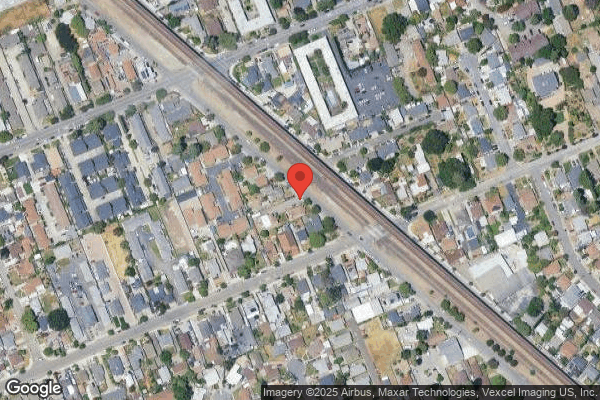
MORTON BAKAR CENTER

494 BLOSSOM WAY, HAYWARD, CA 94541 (510) 582-7676
For profit - Corporation 97 Beds Independent Data: November 2025
Trust Grade
95/100
#135 of 1155 in CA
Last Inspection: September 2024

Within standard 12-15 month inspection cycle. Federal law requires annual inspections.

Overview

Morton Bakar Center in Hayward, California, has earned an impressive Trust Grade of A+, indicating it is an elite facility with top-tier care. With a state rank of #135 out of 1155, they are in the top half of California nursing homes, and locally, they rank #13 out of 69 in Alameda County, which shows they are among the better options in the area. The facility is improving, having reduced issues from two in 2023 to none in 2024. Staffing is a strong point here, with a perfect 5-star rating and a low turnover rate of 16%, well below the state average, ensuring experienced staff are present to care for residents. However, there have been some concerns, such as the storage of expired medications that could risk residents receiving ineffective treatments, and issues with personal hygiene for some residents. Overall, while there are areas for improvement, the facility's strengths in staffing and quality of care make it a commendable option for families.

Trust Score
A+
95/100
In California
#135/1155
Top 11%
Safety Record
Low Risk
No red flags
Inspections
Getting Better
2 → 0 violations
Staff Stability
✓ Good
16% annual turnover. Excellent stability, 32 points below California's 48% average. Staff who stay learn residents' needs.
Penalties
✓ Good
No fines on record. Clean compliance history, better than most California facilities.
Skilled Nurses
✓ Good
Each resident gets 42 minutes of Registered Nurse (RN) attention daily — more than average for California. RNs are trained to catch health problems early.
Violations
✓ Good
Only 5 deficiencies on record. Cleaner than most facilities. Minor issues only.
★★★★★
5.0
Overall Rating
★★★★★
5.0
Staff Levels
★★★★★
5.0
Care Quality
★★★★★
5.0
Inspection Score
Stable
2023: 2 issues
2024: 0 issues

The Good

  • 5-Star Staffing Rating · Excellent nurse staffing levels
  • 5-Star Quality Measures · Strong clinical quality outcomes
  • Low Staff Turnover (16%) · Staff stability means consistent care
  • Full Sprinkler Coverage · Fire safety systems throughout facility
  • No fines on record
  • Staff turnover is low (16%)

    32 points below California average of 48%

Facility shows strength in staffing levels, quality measures, staff retention, fire safety.

The Bad

No Significant Concerns Identified

This facility shows no red flags. Among California's 100 nursing homes, only 1% achieve this.

The Ugly 5 deficiencies on record

Jul 2023 1 deficiency
CONCERN (E)

Potential for Harm - no one hurt, but risky conditions existed

Deficiency F0761 (Tag F0761)

Could have caused harm · This affected multiple residents

Based on observation, interview, and record review, the facility failed to ensure pharmaceutical products were stored and labeled correctly, when: 1a. One open and expired medication was available fo...

Read full inspector narrative →
Based on observation, interview, and record review, the facility failed to ensure pharmaceutical products were stored and labeled correctly, when: 1a. One open and expired medication was available for use for Resident 23 in the medication cart, which put residents 23 at risk of receiving expired medication, 1b. One open and expired medication was available for use for Resident 45 in the medication cart, which put residents 45 at risk of receiving expired medication, 1c. Two open and expired medications were available for use for Resident 59 in the medication cart, which put residents 59 at risk of receiving expired medication, 1d. One expired medication was available in the medication cart, which put all residents at risk for receiving expired medications. These deficient practices had the potential for residents to receive medications with reduced potency, had the potential to result in medication errors, or drug diversion. Findings: 1. During an inspection of the Treatment medication Cart number 1 on 7/24/23, at 11:50 a.m., with Licensed Vocational Nurse (LVN 1), four expired, one expired and unlabeled with open date medications were identified in the locked compartment of the treatment medication cart, as follows: a. A Betaxolol (used to relax blood vessels and for slowing heart rate to improve blood flow and decrease blood pressure) eye drop for Resident 23 with an open date of 6/19/23. b. A Brimonidine (is used to lower pressure in the eyes) eye drop for Resident 45 with an open date of 6/25/23. c. A Brimonidine eye drop for Resident 59 with an open date of 6/25/23. d. A Dorzolamide (is used to treat increased pressure in the eye) eye drop for Resident 59 with an open date of 6/25/23. e. An opened multiuse Calmoseptine (multipurpose moisture barrier that protects and helps heal skin irritations) ointment tube without an open date. During an interview on 7/24/23, at 12:17 p.m., with LVN 1, LVN1 stated, The Betaxolol, the Brimonidine, and the Dorzolamide are expired, The eye drops expire 28 days after opening and that and that all three eye drops bottles were now expired. LVN 1 stated, the Calmoseptine tube is used on more than one resident and could not see an open date or a discard date on the tube. LVN 1 stated, did not know who was responsible for removing of the expired medication from the carts. During an interview with the Director of Nursing (DON) on 7/24/23 at 1:30 p.m., DON stated, the staff nurse was supposed to give expired and discontinued medications to her. The DON verified the expired medications should have been removed from the medication carts to prevent medication errors. The DON stated, All licensed nurses working on the cart are to check for the discard date and remove expired and discontinued drugs from the medication and treatment carts. During a review of the facility's policy and procedure titled Disposal of Medications, dated 2007, the policy and procedure indicated, 8. Outdated medications, contaminated, or deteriorated medications and the contents of containers with no label shall be destroyed . During a review of the facility's policy and procedure titled Medication Administration, dated 2007, indicated, 8. No expired medication will be administered to a resident .b. The nurse shall place a 'date opened' sticker on the medication .and enter the date opened .c.multi-use eye drops and ointments should be disposed of 28 days after initial use .
Feb 2023 1 deficiency
CONCERN (D) 📢 Someone Reported This

A family member, employee, or ombudsman was alarmed enough to file a formal complaint

Potential for Harm - no one hurt, but risky conditions existed

Quality of Care (Tag F0684)

Could have caused harm · This affected 1 resident

**NOTE- TERMS IN BRACKETS HAVE BEEN EDITED TO PROTECT CONFIDENTIALITY** Based on interview and record review, for one of three sampled residents (Resident 1), the facility failed to ensure Resident 1,...

Read full inspector narrative →
**NOTE- TERMS IN BRACKETS HAVE BEEN EDITED TO PROTECT CONFIDENTIALITY** Based on interview and record review, for one of three sampled residents (Resident 1), the facility failed to ensure Resident 1, who had a diagnosis of dysphagia (difficulty swallowing) was provided adequate supervision during meals. This failure had the potential to result in avoidable accidents such as choking. Findings: Review of Resident 1's admission Record indicated, Resident 1 had been known to the facility since September 2008. Resident 1 was recently re-admitted to the facility on [DATE] with diagnoses that included dysphagia, glaucoma (eye condition that can cause blindness) and schizoaffective disorder (mental illness). Review of Resident 1's Post-Event Assessment Form 1 dated 12/24/21 indicated, Resident 1 had appeared pale, was unable to talk and had difficulty breathing. Resident 1's oxygen saturation was 60 percent (%) and code blue was activated. When Resident 1 finally started talking, Resident 1 stated I ate cupcake, it got stuck in my throat but now went down. Review of Resident 1's Hospitalist Discharge Summary & Transfer Instruction dated 12/27/21 indicated, on 12/24/21, Resident 1 was brought into emergency room for [shortness of breath] after choking on a piece of cake .[Resident 1] was coughing while eating cake and felt cake stuck in her throat. Heimlich maneuver was performed at the facility. (Heimlich maneuver, otherwise known as abdominal thrust, a first aid procedure used when a person is choking). The form also indicated for facility staff to provide 1:1 (allocating one staff member to provide continuous visual observation of a resident or staying within arm's length) supervision with meals. Review of Resident 1's Order Summary Report /Physician's Order for February 2022 indicated, an order dated 12/28/21 for staff to observe aspiration precautions. The report did not indicate the transfer instruction from the hospital for Resident 1 to receive 1:1 supervision with meals. Further review of Resident 1's care plan, dated 2/15/22, indicated, Resident 1 was at Risk for aspiration r/t (related to) depressed gag/cough reflex, eats too fast and impulsive. Review of Resident 1's dehydration risk care plan (identifies the patient's specific care needs and current treatments/interventions) undated, did not indicate 1:1 supervision with meals. During an interview and concurrent review of Resident 1's clinical record with Speech Therapist (ST) on 4/13/22 at 12:45 p.m., ST stated, Resident 1 was referred for speech therapy upon return from the hospital and was evaluated on 12/31/21. ST stated Resident 1 was initially on pureed diet (blenderized food for people with swallowing or chewing difficulty) with nectar thick liquids (thicker than water consistency, like heavy syrup found in canned fruits) but was discharged from speech therapy on 2/15/22 with mechanical soft (soft foods that don't take a lot of effort to chew or swallow) with thin liquids. Review of Resident 1's ST-Therapist Progress & Discharge summary dated and signed by ST on 2/15/22 indicated, under Discharge Plans & Instructions, recommendations discussed with Resident 1 and/or caregivers to include safe swallow strategies including chin tuck (person drops the chin towards the chest, maneuver that facilitates swallowing), small bites, and slow rate (eat slowly). ST stated, Resident 1 needed stand-by assist (staff has to be physically present, within arm's reach for safety) when eating. Review of Resident 1's Nutrition/Dietary Notes dated and signed by Registered Dietician (RD) on 2/15/22 indicated, RD did not address Resident 1's aspiration precaution or Resident 1's level of assistance during meals. Review of the facility's staffing schedule for 2/18/22, afternoon shift, indicated Licensed Vocational Nurse (LVN) 1, Certified Nursing Assistant (CNA) 1, CNA 2, CNA 3 and CNA 4 were assigned to the big dining room where Resident 1 ate dinner. During a telephone interview with LVN 1 on 4/18/22 at 1:30 p.m., LVN 1 assigned in the big dining room to supervise all the residents stated, she did not know what standby assist entailed. During a follow-up interview with LVN 1 on 4/18/22 at 1:47 p.m., LVN 1 stated, she did not sit with Resident 1 during meals and only watched Resident 1 on and off as there were other residents in the dining room needing assist with feeding. LVN 1 also stated, she did not know Resident 1 had finished eating and had already left the room. During a telephone interview with Certified Nursing Assistant (CNA) 1 on 4/14/22 at 12:49 p.m., CNA 1 stated, on 2/18/22, CNA 1 saw Resident 1 enter the big dining room but did not see Resident 1 during and after meals. During a telephone interview with CNA 2 on 2/22/23 at 9:53 a.m., CNA 2 stated, on 2/18/22, CNA 2 assisted another resident and did not supervise Resident 1 during meals. CNA 2 added Resident 1 was on puree diet and ate meals without staff supervision. During a telephone interview with CNA 3 on 2/22/23 at 1:20 p.m., CNA 3 stated, on 2/18/22, CNA 3 stated, saw Resident 1 left the dining room. and CNA 3 was helping another resident into the dining room. CNA 3 stated, as she left the dining room to get another resident, CNA 3 was told that Resident 1 was on the floor. Review of Resident 1's Post-Event Assessment Form 2 dated 2/22/22 indicated, code blue was initiated and 911 was activated. Review of the facility's policy and procedure titled Meal Observation (undated) indicated, persons served are supervised during meals to promote safety and too observe and/or manage behaviors. The policy indicated, staff were to remain with residents served throughout meal time, interact with residents during meals and appropriate level of assistance is provided as indicated.
May 2019 3 deficiencies
CONCERN (E)

Potential for Harm - no one hurt, but risky conditions existed

ADL Care (Tag F0677)

Could have caused harm · This affected multiple residents

**NOTE- TERMS IN BRACKETS HAVE BEEN EDITED TO PROTECT CONFIDENTIALITY** Based on observation, interview and record review, the facility failed to maintain personal hygienic care for two (Residents 25 ...

Read full inspector narrative →
**NOTE- TERMS IN BRACKETS HAVE BEEN EDITED TO PROTECT CONFIDENTIALITY** Based on observation, interview and record review, the facility failed to maintain personal hygienic care for two (Residents 25 and 80) of two sampled residents who had long facial hair. This failure had the potential to result in embarrassment and decreased self-esteem for both Residents 25 and 80. Findings: 1. Review of Resident 25's admission Record on 5/19/19 indicated Resident 25 was admitted to the facility on [DATE] with multiple diagnoses which included Schizoaffective disorder (a mental disorder in which a person experiences a combination of hallucinations or delusions and is hallmarked by a mood disorder such as depression or mania). Continued review of Resident 25's Minimum Data Set (MDS - An assessment tool used to direct health care needs) dated 2/14/19 showed that Resident 25 was cognitively intact and could understand and be understood by others. The MDS also indicated Resident 25 needed extensive assistance with her Activities of Daily Living (ADL - everyday personal hygienic care) with the help of one person. During an observation and concurrent interview on 5/19/19 at 7:27 p.m., Resident 25 was sitting outside of her room. Resident 25 stated that her assigned Mental Health Worker (MHW) told her she would come back to shave her facial hair, however the MHW had not returned to assist her. During a separate observation and concurrent interview on 5/20/19 at 9:32 a.m., Resident 25's unshaven facial hair remained. Mental Health Worker (MHW 2) stated he would attend to Resident 25 personal hygienic needs. 2. Review of Resident 80's admission Record on 5/19/19 showed Resident 80 was admitted to the facility on [DATE] with multiple diagnoses which included Undifferentiated Schizophrenia (a mental illness in which a person has symptoms of schizophrenia that cannot be classified into a particular type, such as paranoid, catatonic or disorganized). Continued review of Resident 80's Annual MDS dated on 4/10/19 showed that Resident 80 cognition was moderately impaired and that she had difficulties sometimes understanding or being understood by others. The MDS also indicated that Resident 80 needed supervision with her ADLs with the assistance of one person. During an observation and concurrent interview on 5/19/19 at 4:15 p.m., Resident 80 stated she wanted her facial hair shaved. During a separate observation and concurrent interview on 5/20/19 at 11:44 a.m., Resident 80 remained with unshaven facial hair. Mental Health Worker (MHW 1) stated, I will shave her today.
CONCERN (E)

Potential for Harm - no one hurt, but risky conditions existed

Medical Records (Tag F0842)

Could have caused harm · This affected multiple residents

**NOTE- TERMS IN BRACKETS HAVE BEEN EDITED TO PROTECT CONFIDENTIALITY** Based on interview and record review, the facility failed to maintain medical records that were accurate for three (Residents 25...

Read full inspector narrative →
**NOTE- TERMS IN BRACKETS HAVE BEEN EDITED TO PROTECT CONFIDENTIALITY** Based on interview and record review, the facility failed to maintain medical records that were accurate for three (Residents 25, 193 and 16) of three sampled residents when: 1. For Resident 25 the social services form titled, Danger to Self, Danger to Others Risk Assessment was incorrectly dated and Resident 25 was identified by a different name. 2. For Resident 193, the admission Record did not reflect the correct location of the facility Resident 193 was admitted from. 3. For Resident 16, the Minimum Data Set (MDS- an assessment tool used to direct health care needs) was coded inaccurately. These failures resulted in inaccurate information being shared and had the potential for Residents 25, 193 and 16 to receive uncoordinated care. Findings: 1. Review of Resident 25's admission Record on 5/19/19 indicated Resident 25 was admitted to the facility on [DATE] with multiple diagnoses which included Schizoaffective Disorder (a mental disorder in which a person experiences a combination of hallucinations or delusions and is also hallmarked by a mood disorder such as depression or mania). Continued review of Resident 25's Initial Minimum Data Set (MDS - an assessment tool used to direct health care needs) dated 2/14/19 indicated that Resident 25 was cognitively intact meaning that she had the ability to understand and be understood by others. Further review of a document titled, Social Services-Danger to Self/Others Risk Assessment, dated on 2/7/18 showed that Resident 25 was identified by another name. During an interview on 5/20/19 at 10:00 a.m., the Social Worker (SW 2) confirmed the date and name on the risk assessment were incorrect and that the assessment was done on 2/7/19. SW 2 stated however that she was describing Resident 25 and that the written notes on the assessment were accurate. SW 2 further stated she understood the importance of accuracy of medical records. 2. During a review of the clinical record 5/19/19 at 6 p.m., the admission record (face sheet), indicated that Resident 193 was admitted to the facility on [DATE] from a Regional Medical Center/Psychiatric Hospital with diagnoses which included Schizophrenia (a mental illness hallmarked by delusions and/or hallucinations). Review of discharge records from the transferring facility for Resident 193 dated on 4/29/19 showed that the coordination of transfer from the community hospital that Resident 193 came from was not indicated on the admission record. Review of the facility's social services progress notes dated on 4/30/19 at 4:41 p.m., showed that the admission history and physical for Resident 193 dated for 5/3/19 indicated Resident 193 was admitted from a hospital and location different than was indicated on the admission record. During an interview on 5/21/19 at 10:30 a.m., the Medical Records Director (MRD), stated the nurses enter information into the electronic admission record upon a resident's arrival to the facility. The MRD stated that documents received from a discharge location are used in order to audit the medical/clinical record within 72 hours of admission to the facility. The MRD confirmed the admitted from and admission location information on the admission record was incorrect for Resident 193. In an interview on 5/22/19 at 10 a.m., the Director of Nursing (DON) stated that the incorrect information in Resident 193's admission record, would make it difficult to contact the previous care team for information or coordination of care for Resident 193. Review of a document on 5/21/19 titled, PROTOCOL on the electronic health record system showed that the Licensed Nurse will activate the resident's record and enter all other information such as completion of face sheet based on information gathered from discharging facility and that Medical Records will audit accuracy of information within 72 hours after admission. 3. Record review on 5/21/19 of the document titled, admission Record, showed the facility admitted Resident 16 on 1/26/17 with diagnoses which included kidney disease. Review of the document titled, MDS 3.0 Nursing Home Comprehensive Version, (Minimum Data Set - An assessment used to direct health care needs) dated for 2/4/19, showed Resident 16 was on an anticoagulant (blood thinner) medication. Review of Resident 16's Medication Administration Record dated for 1/1/9 through 2/28/19, showed no reference of an anticoagulant medication. In an interview on 5/21/19 at 8:30 a.m., the facility's Director of Nursing (DON) confirmed Resident 16 had not been receiving an anticoagulant medication and the MDS documentation that indicated he was, was a mistake. In an interview on 5/21/19 at 9:15 a.m., the facility's Minimum Data Set Coordinator (MDSC) confirmed the indication of Resident 16 being on an anticoagulant medication on Resident 16's MDS form, was an error.
CONCERN (E)

Potential for Harm - no one hurt, but risky conditions existed

Deficiency F0849 (Tag F0849)

Could have caused harm · This affected multiple residents

**NOTE- TERMS IN BRACKETS HAVE BEEN EDITED TO PROTECT CONFIDENTIALITY** 2. Review of Resident 31's admission Record on 5/19/19 indicated Resident 31 was admitted to the facility on [DATE] with multipl...

Read full inspector narrative →
**NOTE- TERMS IN BRACKETS HAVE BEEN EDITED TO PROTECT CONFIDENTIALITY** 2. Review of Resident 31's admission Record on 5/19/19 indicated Resident 31 was admitted to the facility on [DATE] with multiple diagnoses which included protein-calorie malnutrition (a form of malnutrition that is defined as a range of pathological conditions arising from lack of dietary protein and/or energy (calories) in varying proportions). Continued review of the clinical record showed that Resident 31 was admitted to the hospice care program (care designed to give supportive care to people in the final phase of a terminal illness and focus on comfort and quality of life, rather than a cure) with the terminal diagnosis of cardiomyopathy (refers to a disease of the heart muscle which causes the heart muscle to become enlarged, thick or rigid) on 8/15/18. Further review of Resident 31's medical record showed hospice nurse staff visits on 4/2/19, 5/9/19, 5/14/19, and 5/20/19. There was no documentation of hospice visits in Resident 31's medical record. During an interview on 5/21/19 at 10:10 a.m., Licensed Vocational Nurse (LVN 1) stated they have a hospice nurse visit schedule and it is usually hanging in the facility's chart room. LVN 1 was unable to show the hospice visit schedule and further stated that the licensed staff communicates with hospice service via phone. LVN 1 continued by stating she has called the hospice nurse due to Resident 31 running out of medication, but she did not document the conversation in Resident 31's medical record. LVN 1 stated that she, just wrote it on the 24-hour (nursing) report. During an interview on 5/21/19 at 10:35 a.m., Licensed Vocational Nurse (LVN 2) stated there is no schedule for hospice nurse visits, but that hospice services calls the facility on the day they visit Resident 31. LVN 2 admitted the hospice nurse did not call yesterday, but she knew hospice services was at the facility because LVN 2 saw the guy. LVN 2 also stated she did not document a discussion she had with the hospice Nurse Practitioner (NP) concerning another resident on hospice which was a very important concern but she did not document it, and that she should have charted it because it was important. In an interview with the Hospice Patient Care Coordinator (HPCC) on 5/21/19 at 1:00 p.m., HPCC stated there were no calendars for nurses' visits. HPCC further stated copies of visit notes are sometimes left in the chart, sometimes not. The HPCC also stated hospice deals with the physical/medical side of the resident and the facility deals with their mental side. Review of the facility policy and procedure titled, Hospice Care, dated 4/1/13 indicated, The hospice and the facility communicate, establish, and agree upon a coordinated plan of care which reflects the hospice philosophy . Based on interview and record review, the skilled nursing facility did not coordinate hospice care for two of two sampled residents (Residents 24 and 31). Facility staff did not have a schedule for hospice nursing visits, maintain complete copies of the hospice nursing visit notes in the clinical record, or document communication/coordination with hospice services during their visits. These failures resulted in the potential for lack of continuity of care for Residents 24 and 31 who were receiving hospice services at the facility. Findings: 1. Review of the clinical record on 5/19/19 of the document titled admission Record showed the facility admitted Resident 24 on 2/4/19 with diagnoses which included malnutrition. In an interview on 5/20/19 at 2:20 p.m., the facility's Director of Nursing (DON) stated that licensed staff coordinated care with the hospice by checking to see if there were any new documented orders. The hospice nurse asks facility staff if they have any concerns. The DON stated however that this information should be documented in the clinical record. In an interview on 5/21/19 at 9:25 a.m., Licensed Vocational Nurse (LVN 3) stated there was no documented hospice nurse visit schedule at the facility. LVN 3 stated the hospice nurses, Just come, and they do not routinely leave a copy of their visit notes in the clinical record. LVN 3 then stated it would be better if they left copies so facility staff could ensure they were, On the same page, and that provision of coordinated and consistent care occurred. LVN 3 stated without a visit schedule or notes, the facility staff do not know when hospice visited or what type of care was provided. In an interview at on 5/21/19 at 10:12 a.m., the Social Worker (SW 1) stated the hospice agency re-evaluates Resident 24's hospice status at each visit. SW 1 stated hospice Manages the case, and she did not know when the hospice nurses made their visits to see Resident 24. In an interview at on 5/21/19 at 11:36 a.m., the facility's Associate Director of Nursing (ADON) stated once the hospice agreement and admission forms are signed, staff communicate with the hospice staff over the phone, and that this communication is not documented in the clinical record. In an interview at on 5/21/19 at 1:05 p.m., the hospice agency nurse (HPCC) stated hospice nursing staff do not send a schedule for visits to the facility and do not consistently leave copies of their visit notes. The HPCC stated the hospice agency focuses on the physical care of the resident while the facility focuses on the psychological care. In an interview on 5/22/19 at 11:16 a.m., the DON confirmed there was no documentation which showed staff communicated with the hospice agency. The DON stated, even if there wasn't a change in condition or new orders, the facility staff should document in their daily notes that hospice had made a visit on a particular day and staff discussed with them the continued effectiveness or ineffectiveness of the current plan of care. Record review on 5/24/19 of the documents titled HSPC Routine Visit, (hospice nursing visit notes) showed Resident 24 had been seen by hospice on 3/27/19, 3/29/19 and 4/2/19. There was no documentation in the clinical record which showed that the facility staff communicated or coordinated with the hospice nurse. Review of the document titled, Letter of Agreement for Routine and/or General Inpatient Levels of Care of a Hospice Patient in a Skilled Nursing Facility,(an agreement signed between the hospice and the facility) showed, The Medicare Conditions of Participation require that Hospice collaborate with Facility to develop a coordinated Plan of Care and that All services provided in accordance with this agreement must be documented.
Understanding Severity Codes (click to expand)
Life-Threatening (Immediate Jeopardy)
J - Isolated K - Pattern L - Widespread
Actual Harm
G - Isolated H - Pattern I - Widespread
Potential for Harm
D - Isolated E - Pattern F - Widespread
No Harm (Minor)
A - Isolated B - Pattern C - Widespread

Questions to Ask on Your Visit

  • "Can I speak with families of current residents?"
  • "What's your RN coverage like on weekends and overnight?"

Our Honest Assessment

Strengths
  • • Grade A+ (95/100). Above average facility, better than most options in California.
  • • No major safety red flags. No abuse findings, life-threatening violations, or SFF status.
  • • No fines on record. Clean compliance history, better than most California facilities.
  • • Only 5 deficiencies on record. Cleaner than most facilities. Minor issues only.
Concerns
  • • No significant concerns identified. This facility shows no red flags across CMS ratings, staff turnover, or federal penalties.
Bottom line: Generally positive indicators. Standard due diligence and a personal visit recommended.

About This Facility

What is Morton Bakar Center's CMS Rating?

CMS assigns MORTON BAKAR CENTER an overall rating of 5 out of 5 stars, which is considered much above average nationally. Within California, this rating places the facility higher than 99% of the state's 100 nursing homes. This rating reflects solid performance across the metrics CMS uses to evaluate nursing home quality.

How is Morton Bakar Center Staffed?

CMS rates MORTON BAKAR CENTER's staffing level at 5 out of 5 stars, which is much above average compared to other nursing homes. Staff turnover is 16%, compared to the California average of 46%. This relatively stable workforce can support continuity of care.

What Have Inspectors Found at Morton Bakar Center?

State health inspectors documented 5 deficiencies at MORTON BAKAR CENTER during 2019 to 2023. These included: 5 with potential for harm.

Who Owns and Operates Morton Bakar Center?

MORTON BAKAR CENTER is owned by a for-profit company. For-profit facilities operate as businesses with obligations to shareholders or private owners. The facility operates independently rather than as part of a larger chain. With 97 certified beds and approximately 90 residents (about 93% occupancy), it is a smaller facility located in HAYWARD, California.

How Does Morton Bakar Center Compare to Other California Nursing Homes?

Compared to the 100 nursing homes in California, MORTON BAKAR CENTER's overall rating (5 stars) is above the state average of 3.2, staff turnover (16%) is significantly lower than the state average of 46%, and health inspection rating (5 stars) is much above the national benchmark.

What Should Families Ask When Visiting Morton Bakar Center?

Based on this facility's data, families visiting should ask: "Can I visit during a mealtime to observe dining assistance and food quality?" "How do you handle medical emergencies, and what is your hospital transfer rate?" "Can I speak with family members of current residents about their experience?"

Is Morton Bakar Center Safe?

Based on CMS inspection data, MORTON BAKAR CENTER has a clean safety record: no substantiated abuse findings (meaning no confirmed cases of resident harm), no Immediate Jeopardy citations (the most serious violation level indicating risk of serious injury or death), and is not on the Special Focus Facility watch list (a federal program monitoring the lowest-performing 1% of nursing homes). The facility has a 5-star overall rating and ranks #1 of 100 nursing homes in California. While no facility is perfect, families should still ask about staff-to-resident ratios and recent inspection results during their visit.

Do Nurses at Morton Bakar Center Stick Around?

Staff at MORTON BAKAR CENTER tend to stick around. With a turnover rate of 16%, the facility is 30 percentage points below the California average of 46%. Low turnover is a positive sign. It means caregivers have time to learn each resident's needs, medications, and personal preferences. Consistent staff also notice subtle changes in a resident's condition more quickly.

Was Morton Bakar Center Ever Fined?

MORTON BAKAR CENTER has no federal fines on record. CMS issues fines when nursing homes fail to meet care standards or don't correct problems found during inspections. The absence of fines suggests the facility has either maintained compliance or corrected any issues before penalties were assessed. This is a positive indicator, though families should still review recent inspection reports for the full picture.

Is Morton Bakar Center on Any Federal Watch List?

MORTON BAKAR CENTER is not on any federal watch list. The most significant is the Special Focus Facility (SFF) program, which identifies the bottom 1% of nursing homes nationally based on persistent, serious quality problems. Not being on this list means the facility has avoided the pattern of deficiencies that triggers enhanced federal oversight. This is a positive indicator, though families should still review the facility's inspection history directly.