SAGE POST ACUTE

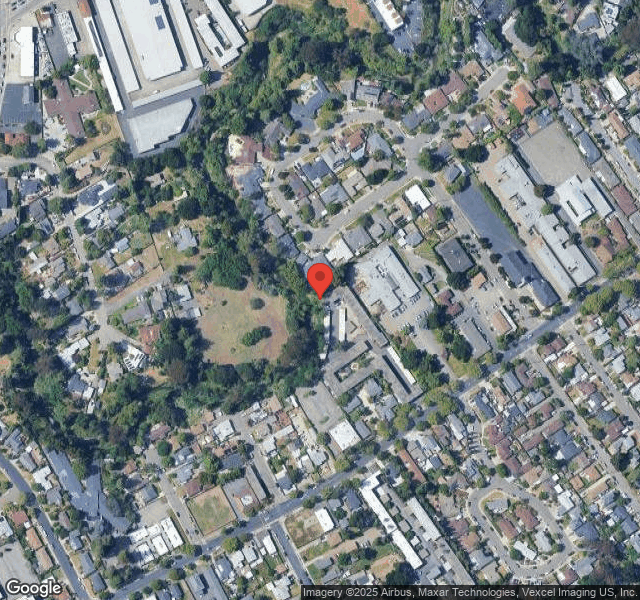
1832 B STREET, HAYWARD, CA 94541 (510) 538-3866
For profit - Individual 99 Beds Independent Data: November 2025
Trust Grade
63/100
#449 of 1155 in CA
Last Inspection: May 2024

Within standard 12-15 month inspection cycle. Federal law requires annual inspections.

Overview

Sage Post Acute in Hayward, California, has a Trust Grade of C+, which means it is considered decent and slightly above average among nursing homes. It ranks #449 out of 1,155 facilities statewide, placing it in the top half of California nursing homes, and #41 out of 69 in Alameda County, indicating that only a few local options are better. However, the facility is experiencing a worsening trend, with the number of issues reported increasing from 5 in 2023 to 12 in 2024. Staffing is rated at 4 out of 5 stars, which is good, but the turnover rate is concerning at 57%, significantly higher than the state average of 38%. Additionally, the facility has incurred $4,938 in fines, which is average, but it has more RN coverage than 85% of California facilities, suggesting that residents are likely to receive attentive care. On the downside, there have been specific incidents of concern, such as the facility lacking a full-time Director of Nursing for eight months, which could lead to inadequate oversight of care. There was also a failure to properly manage narcotic medications for a resident, indicating potential lapses in medication safety. Another issue involved not following infection control guidelines for residents with catheters, which could risk the spread of infections. Overall, while Sage Post Acute has strengths in staffing and RN coverage, families should be aware of the concerning trends and specific incidents that could affect care quality.

Trust Score
C+
63/100
In California
#449/1155
Top 38%
Safety Record
Low Risk
No red flags
Inspections
Getting Worse
5 → 12 violations
Staff Stability
⚠ Watch
57% turnover. Above average. Higher turnover means staff may not know residents' routines.
Penalties
✓ Good
$4,938 in fines. Lower than most California facilities. Relatively clean record.
Skilled Nurses
✓ Good
Each resident gets 42 minutes of Registered Nurse (RN) attention daily — more than average for California. RNs are trained to catch health problems early.
Violations
⚠ Watch
44 deficiencies on record. Higher than average. Multiple issues found across inspections.
★★★★☆
4.0
Overall Rating
★★★★☆
4.0
Staff Levels
★★☆☆☆
2.0
Care Quality
★★★★☆
4.0
Inspection Score
Stable
2023: 5 issues
2024: 12 issues

The Good

  • 4-Star Staffing Rating · Above-average nurse staffing levels
  • Full Sprinkler Coverage · Fire safety systems throughout facility
  • No fines on record

Facility shows strength in staffing levels, fire safety.

The Bad

Staff Turnover: 57%

11pts above California avg (46%)

Frequent staff changes - ask about care continuity

Federal Fines: $4,938

Below median ($33,413)

Minor penalties assessed

Staff turnover is elevated (57%)

9 points above California average of 48%

The Ugly 44 deficiencies on record

Jul 2024 1 deficiency
CONCERN (D) 📢 Someone Reported This

A family member, employee, or ombudsman was alarmed enough to file a formal complaint

Potential for Harm - no one hurt, but risky conditions existed

Accident Prevention (Tag F0689)

Could have caused harm · This affected 1 resident

Based on observation, interview and record review, the facility failed to ensure one of three sampled residents (Resident 1) with impaired mental status received adequate supervision to prevent accide...

Read full inspector narrative →
Based on observation, interview and record review, the facility failed to ensure one of three sampled residents (Resident 1) with impaired mental status received adequate supervision to prevent accident hazards when Resident 1 left the facility and was found and brought to the police station by a concerned citizen. This failure resulted in Resident 1's elopement (elopement is when a patient or resident who is incapable of adequately protecting themselves, departs the health care facility unsupervised and undetected) and had the potential for Resident 1 to be dehydrated, injured, or struck by a motor vehicle. Findings: During a review of Resident 1's Annual Minimum Data Set (MDS - Resident assessment and care guide tool), dated 4/20/24, the MDS indicated Resident 1's Basic Interview of Mental status (BIMS, a scoring system used to determine the resident's cognitive status regarding attention, orientation, and ability to register and recall information. A BIMS score of thirteen to fifteen is an indication of intact cognitive status.) score was 04 and indicated poorly impaired mental status. The MDS indicated Resident 1 was unable to recall the correct year, month and day of the week. The MDS indicated Resident 1 used a manual wheelchair for mobility. The MDS indicated Resident 1 responded only to simple and direct communication. The MDS further indicated Resident 1 had diagnosis of Non-Alzheimer's Dementia (a group of diseases characterized by progressive deficits in behavior, executive function or language). During a review of Resident 1's progress notes, dated 5/30/24, the progress notes indicated on 5/29/24 at 8:10 p.m., Resident 1 eloped from the facility and the police were notified. The progress notes indicated the police dispatcher mentioned Resident 1 was brought to the police station by a concerned citizen. The progress notes further indicated Resident 1's Family Member (FM1) brought Resident 1 back to the facility. During a concurrent observation and interview, on 6/13/24, at 11:20 a.m., with the Administrator (Admin), Resident 1's room observed with two sliding doors that exited directly into the car parking lot. An exit alarm was observed located on top of the exit sliding doors. The Admin stated the sliding door exit alarm next to Resident 1's bed was found to be loosely connected and not working when Resident 1 eloped from the facility. During a concurrent observation and interview, on 6/13/24, at 11:30 a.m., Resident 1 was observed sitting in a wheelchair in the activity room, verbally responsive with incomprehensible sounds. During a concurrent interview and record review, on 6/13/24 at 12:35 p.m., with Admin, Admin stated Resident 1 attempted to open her room's sliding door in the past. Admin could not provide documentation that addressed Resident 1's attempts to open sliding door that exited into the car parking area, offered room change, and revised care plan prior to the elopement. During an interview on 6/13/24 at 1:39 p.m., with Maintenance Staff (MS), MS stated usually he checked facility's exit door alarms monthly for proper functioning. MS said he did not keep records of scheduled checks or maintenance. MS stated the string to the exit door alarm next to Resident 1's bed was disconnected and loosely screwed. MS stated he reattached the alarm string with a washer to have it in place. MS stated removing the exit door alarm string deactivated the alarm. During an interview on 6/13/24 at 2:45 p.m., Licensed Vocational Nurse (LVN 1), LVN 1 stated she was on duty as charge nurse when Resident 1 eloped. LVN 1 stated she was aware Resident 1 was confused and wandered with risk for elopement. LVN 1 stated one staff member told her Resident 1 was missing. LVN 1 said she went to Resident 1's room, the sliding door was opened, and the alarm to the sliding door was not working. LVN 1 said the exit alarm did not make a sound, the alarm string cord was disconnected and pulled out. LVN 1 said Resident 1's wheelchair was next to her bed and Resident 1 was not in her room. LVN 1 said she called the police right away informed police Resident 1 was missing. Police informed LVN 1 that Resident 1 was found and brought to the police station by a good citizen. During an interview on 6/14/24 at 11:30 a.m., FM 1 stated she was at the facility to visit Resident 1 on 5/29/24 at about 8:00 p.m. when staff could not find Resident 1. FM 1 said staff told her Resident 1 was missing. FM 1 stated she called the Police and was informed that Resident 1 was found about nine blocks away from the facility and was brought to the police station by a good citizen. FM 1 stated she drove to the police station and brought Resident back to the facility. FM 1 stated staff told her Resident 1 was last seen after dinner around 5:30 p.m. FM 1 stated she told the charge nurse about her concern regarding the opened sliding doors in Resident 1''s room several days before Resident 1 left the facility. During a review of the facility's policy and procedure (P&P) titled, Safety and Supervision of Residents, revised December 2007, the P&P indicated, Our facility strives to make the environment as free from accident hazards as possible. Resident safety and supervision and assistance to prevent accidents are facility-wide priorities.
May 2024 11 deficiencies
CONCERN (D)

Potential for Harm - no one hurt, but risky conditions existed

Assessment Accuracy (Tag F0641)

Could have caused harm · This affected 1 resident

Based on interview, record review, and review of the Centers for Medicare & Medicaid Services [CMS] Long-Term Care Facility Resident Assessment Instrument [RAI] 3.0 User's Manual, the facility failed ...

Read full inspector narrative →
Based on interview, record review, and review of the Centers for Medicare & Medicaid Services [CMS] Long-Term Care Facility Resident Assessment Instrument [RAI] 3.0 User's Manual, the facility failed to ensure the accuracy of Minimum Data Set (MDS) assessments. Specifically, the facility failed to accurately code the presence of an indwelling urinary catheter for 1 (Resident #5) of 3 sampled residents who had urinary catheters and failed to accurately code the use of an antiplatelet medication for 1 (Resident #19) of 1 resident reviewed for MDS discrepancies. Findings Included: 1. The CMS Long-Term Care Facility RAI 3.0 User's Manual, version 1.18.11, dated October 2023, SECTION H: BLADDER AND BOWEL, revealed, Coding Instructions Check next to each appliance that was used at any time in the past 7 days. Select none of the above if none of the appliances A-D were used in the past 7 days. H0100A, indwelling catheter (including suprapubic catheter and nephrostomy tube). The user's manual further indicated, for section H0300 Urinary Continence staff should, Code 9, not rated: if during the 7-day look-back period the resident had an indwelling bladder catheter, condom catheter, ostomy, or no urine output. An admission Record revealed the facility originally admitted Resident #5 on 03/29/2018 and readmitted the resident on 12/19/2019. According to the admission Record, the resident had a medical history that included a diagnosis of retention of urine. Resident #5's care plan revealed a Focus area, initiated on 09/25/2019, that indicated the resident had a suprapubic catheter related to a diagnosis of urinary retention. Resident #5's Order Summary Report, listing active orders as of 05/14/2024, revealed an order, dated 06/03/2021, for a suprapubic catheter. An annual MDS, with and Assessment Reference Date (ARD) of 04/08/2024, revealed Resident #5 had moderate impairment in cognitive skills for daily decision-making and had short-term and long-term memory problems, per a staff assessment of mental status (SAMS). Section H0100 was coded as none of the above and did not reflect the presence of an indwelling urinary catheter. Section H0300 was coded to reflect the residents was always incontinent of urine, instead of a 9 to reflect not rated due to the presence of an indwelling catheter. During a telephone interview on 05/15/2024 at 12:39 PM, the MDS Coordinator stated the presence of suprapubic catheters should be coded in Section H of the MDS. The MDS Coordinator stated that Resident #5's MDS was not coded correctly, and it was inaccurate. During an interview on 05/16/2024 at 10:19 AM, the Director of Nursing (DON) stated that she believed there was a section of the MDS to code the presence of indwelling catheters. The DON stated Resident #5's MDS was not coded correctly. During an interview on 05/16/2024 at 10:29 AM, the Administrator stated there was a section of the MDS to code the presence of a suprapubic indwelling catheter. The Administrator stated if a resident had an indwelling catheter, this section of the MDS should be accurately coded to ensure the resident received proper treatment. 2. The CMS Long-Term Care Facility RAI 3.0 User's Manual, version 1.18.11, dated October 2023, section N0415: High Risk Drug Classes: Use and Indication, indicated, Code all high-risk drug class medications according to their pharmacological classification, not how they are being used. The user's manual indicated, N0415I1. Antiplatelet: Check if an antiplatelet medication (e.g. [exempli gratia, for example], aspirin/extended release, dipyridamole, clopidogrel) was taken by the resident at any time during the 7-day observation period (or since admission/entry or reentry if less than 7 days. An admission Record indicated the facility admitted Resident #19 on 04/21/2018. According to the admission Record, the resident had a medical history that included a diagnosis of cerebral infarction due to cerebral venous thrombosis, nonpyogenic (a form of stroke). Resident #19's care plan revealed a Focus area, initiated on 06/12/2022, that indicated the resident received Plavix (clopidogrel, an antiplatelet medication) related to cerebral infarction. Resident #19's Order Summary Report, listing active orders as of 05/14/2024, contained an order, dated 06/01/2018, for Plavix Tablet (Clopidogrel Bisulfate) 75 mg [milligrams] give 1 [one] tablet by mouth in the morning. A quarterly MDS, with an Assessment Reference Date (ARD) of 03/16/2024, revealed Resident #19 had a Brief Interview for Mental Status (BIMS) score of a 4, which indicated the resident had severe cognitive impairment. Section N0415 was coded to reflect that the resident was taking an anticoagulant medication and did not indicate that the resident was taking an antiplatelet medication. During an interview on 05/15/2024 at 12:44 PM, the MDS Coordinator stated Resident #19 was receiving Plavix. The MDS Coordinator said the resident's MDS was coded to reflect the resident received an anticoagulant because she considered Plavix an anticoagulant, instead of an antiplatelet medication. During an interview on 05/15/2024 at 3:03 PM, the Administrator stated facility staff should follow the RAI manual instructions for MDS coding. During an interview on 05/16/2024 at 9:20 AM, the Director of Nursing (DON) stated the MDS Coordinator was responsible for completing MDS assessments and ensuring they were accurate. During an interview on 05/16/2024 at 9:27 AM, the Administrator stated that the MDS Coordinator was responsible for completing and coding MDS assessments accurately.
CONCERN (D)

Potential for Harm - no one hurt, but risky conditions existed

Deficiency F0655 (Tag F0655)

Could have caused harm · This affected 1 resident

Based on interview, record review, and facility policy review, the facility failed to complete a baseline care plan within 48 hours of admission for 1 (Resident #207) of 3 residents reviewed for basel...

Read full inspector narrative →
Based on interview, record review, and facility policy review, the facility failed to complete a baseline care plan within 48 hours of admission for 1 (Resident #207) of 3 residents reviewed for baseline care plans. Findings included: A facility policy titled, Care Plans - Baseline, revised in 12/2016, revealed, A baseline plan of care to meet the resident's immediate needs shall be developed for each resident within forty-eight (48) hours of admission. An admission Record, indicated the facility admitted Resident #207 on 05/12/2024. According to the admission Record, the resident had a medical history that included diagnoses of atherosclerotic heart disease, end stage renal disease, dependence on renal dialysis, chronic pain syndrome, and insomnia. Resident #207's Baseline Care Plan, dated 05/12/2024 at 6:36 PM, revealed a status of In Progress. The sections addressing Dietary/Nutritional Status, Therapy, Social Services, Comments [and preferences], Plan of Care, and signatures of staff completing the baseline care plan, the resident, and the resident's representative were not complete. During an interview on 05/16/2024 at 9:20 AM, the Director of Nursing (DON) stated Resident #207's baseline care plan was not complete. During an interview on 05/16/2024 at 4:20 PM, Licensed Vocational Nurse (LVN) #6 stated baseline care plans were to be completed within 48 hours of admission and said staff must have just missed following up on the completion of Resident #207's baseline care plan. During a follow-up interview on 05/16/2024 at 10:25 AM, the DON stated baseline care plans should be completed within 48 hours of a resident's admission. She stated the baseline care plan for Resident #207 was not completed timely. During an interview on 05/16/2024 at 10:35 AM, the Administrator stated baseline care plans should be initiated at the time of a resident's admission and should be completed within 48 hours of admission.
CONCERN (D)

Potential for Harm - no one hurt, but risky conditions existed

Comprehensive Care Plan (Tag F0656)

Could have caused harm · This affected 1 resident

Based on observation, interview, record review, and facility policy review, the facility failed to develop a care plan addressing the use of anticoagulant medications for 1 (Resident #47) of 5 sampled...

Read full inspector narrative →
Based on observation, interview, record review, and facility policy review, the facility failed to develop a care plan addressing the use of anticoagulant medications for 1 (Resident #47) of 5 sampled residents reviewed for unnecessary medications and failed to develop a care plan addressing urinary catheters for 2 (Resident #13 and Resident #50) of 3 sampled residents with indwelling urinary catheters. Findings included: A facility policy titled, Anticoagulation - Clinical Protocol, revised in 11/2018, revealed, 1. As a part of the initial assessment, the physician and staff will identify individuals who are currently anticoagulated. A facility policy titled, Catheter Care, Urinary, revised in 08/2022, revealed, Preparation 1. Review the resident's care plan to assess for any special needs of the resident. 1. An admission Record revealed the facility admitted Resident #47 on 02/13/2024. According to the admission Record, the resident had a medical history that included diagnoses of personal history of pulmonary embolism and heart failure. An admission Minimum Data Set (MDS), with an Assessment Reference Date (ARD) of 02/20/2024, revealed Resident #47 had a Brief Interview for Mental Status (BIMS) score of 15, which indicated the resident had intact cognition. The MDS indicated the resident was taking an anticoagulant medication. Resident #47's care plan, last updated on 05/08/2024, revealed no Focus area that addressed the use of anticoagulant medication. Resident #47's Order Summary Report, listing active orders as of 05/15/2024, contained an order, dated 02/14/2024, for Eliquis (an anticoagulant) 5 milligram (mg) by mouth twice daily for blood clots. During an interview on 05/15/2024 at 2:11 PM, Licensed Vocation Nurse (LVN) #4 stated the nurse admitting a resident updated the care plan but all nurses were responsible for ensuring care plans were updated. She stated the use of anticoagulant medication should be addressed on the care plan. LVN #4 reviewed Resident #47's care plan and stated the use of an anticoagulant was not addressed on the care plan. During an interview on 05/15/2024 at 3:00 PM, the Director of Nursing (DON) stated the use of anticoagulants should be addressed on the care plan and residents taking anticoagulant medications should be monitored for signs and symptoms of bruising and bleeding. The DON stated the use of an anticoagulant was not addressed on Resident #47's care plan. She stated that nurses, as well as the MDS Coordinator, were responsible for updating care plans. During an interview on 05/16/2024 at 10:43 AM, the Administrator stated the use of anticoagulants should be addressed on the care plan. 2. An admission Record revealed the facility originally admitted Resident #13 on 04/12/2024 and readmitted the resident on 04/23/2024. An admission Minimum Data Set (MDS), with an Assessment Reference Date (ARD) of 04/18/2024, revealed Resident #13 had a Brief Interview for Mental Status (BIMS) score of 15, which indicated the resident had intact cognition. The MDS indicated that the resident did not have an indwelling urinary catheter at the time of the assessment. Resident #13's care plan revealed a Focus area, initiated on 04/13/2024, that indicated the resident had bowel and bladder incontinence. The care plan did not address the presence of an indwelling urinary catheter. A hospital Discharge Summary, dated 04/23/2024, revealed the resident had renal failure and was being discharged from the hospital to a skilled nursing facility with hospice services. The Discharge Summary did not indicate the resident had an indwelling urinary catheter. On 05/13/2024 at 10:14 AM, the resident was observed sitting on their bed with an indwelling urinary catheter in place. During an interview on 05/15/2024 at 10:10 AM, Licensed Vocational Nurse (LVN) #4 reviewed Resident #47's care plan and stated that she did not see any information about the resident's indwelling urinary catheter. LVN #4 stated it was the admitting nurse's responsibility to ensure the information regarding an indwelling catheter was entered on the resident's care plan. During an interview on 05/15/2024 at 11:03 AM, the Director of Nursing (DON) stated an indwelling urinary catheter should be addressed on the care plan. After reviewing Resident #13's medical record, the DON stated Resident #13 was readmitted from the hospital with a catheter. The DON then reviewed the resident's care plan and confirmed the care plan did not address the resident's indwelling urinary catheter. The DON said the nurse that admitted the resident back from the hospital should have added the catheter to the resident's care plan. During an interview on 05/16/2024 at 10:39 AM, the Administrator stated there should be a care plan in place addressing the presence of an indwelling urinary catheter. 3. An admission Record revealed the facility originally admitted Resident #50 on 04/19/2024 and readmitted the resident on 05/10/2024. An admission Minimum Data Set (MDS), with an Assessment Reference Date (ARD) of 04/25/2024, revealed Resident #50 had short-term and long-term memory problems and had severe cognitive impairment for daily decision making, per a staff assessment of mental status (SAMS). The MDS revealed Resident #50 was always incontinent of bowel and bladder and did not indicate that the resident had an indwelling urinary catheter. Resident #50's care plan, last updated on 05/10/2024, revealed no Focus area addressing the presence of an indwelling urinary catheter. Observations on the following dates and times revealed Resident #50 had an indwelling urinary catheter: - 05/13/2024 at 2:07 PM, - 05/14/2024 at 6:53 AM, - 05/14/2024 at 7:10 AM, - 05/14/2024 at 10:58 AM, - 05/14/2024 at 12:07 PM, - 05/14/2024 at 1:29 PM, and - 05/15/2024 at 11:07 AM. During an interview on 05/15/2024 at 11:23 AM, Licensed Vocation Nurse (LVN) #4 stated there should be a care plan for Resident #50's catheter, but she did not find one. During an interview on 05/15/2024 at 12:39 PM, the MDS Coordinator stated that when a resident readmitted to the facility with a catheter, the admitting nurse or the nurse the next day should update the resident's care plan to include the catheter. She stated she had not been to the facility since Resident #50 readmitted , but the nurse who identified the catheter should have added it to the care plan. During an interview on 05/16/2024 at 9:49 AM, the Director of Nursing (DON) stated catheter information should be added to the care plan by the admitting nurse. During an interview on 05/16/2024 at 3:59 PM, the Administrator stated she expected the admitting nurse to complete a readmission assessment to capture catheter information. The Administrator stated the nurse should have updated the care plan when she identified Resident #50 had a catheter.
CONCERN (D)

Potential for Harm - no one hurt, but risky conditions existed

Incontinence Care (Tag F0690)

Could have caused harm · This affected 1 resident

**NOTE- TERMS IN BRACKETS HAVE BEEN EDITED TO PROTECT CONFIDENTIALITY** 2. An admission Record revealed the facility originally admitted Resident #13 on 04/12/2024 and readmitted the resident on 04/23...

Read full inspector narrative →
**NOTE- TERMS IN BRACKETS HAVE BEEN EDITED TO PROTECT CONFIDENTIALITY** 2. An admission Record revealed the facility originally admitted Resident #13 on 04/12/2024 and readmitted the resident on 04/23/2024. An admission Minimum Data Set (MDS), with an Assessment Reference Date (ARD) of 04/18/2024, revealed Resident #13 had a Brief Interview for Mental Status (BIMS) score of 15, which indicated the resident had intact cognition. The MDS indicated that the resident did not have an indwelling urinary catheter at the time of the assessment. Resident #13's care plan revealed a Focus area, initiated on 04/13/2024, that indicated the resident had bowel and bladder incontinence. The care plan did not address the presence of an indwelling urinary catheter. A hospital Discharge Summary, dated 04/23/2024, revealed the resident had renal failure and was being discharged from the hospital to a skilled nursing facility with hospice services. The Discharge Summary did not indicate the resident had an indwelling urinary catheter. Resident #13's Order Summary Report, listing active orders as of 05/14/2024 revealed the resident did not have a physician's order for an indwelling urinary catheter. On 05/13/2024 at 10:14 AM, the resident was observed sitting on their bed with an indwelling urinary catheter in place. On 05/15/2024 at 10:10 AM, Licensed Vocational Nurse (LVN) #4 stated there should be a physician's order for the indwelling catheter. The LVN reviewed Resident #13's physician's orders and stated she did not see an order for the catheter. She stated without physician's orders, she did not know how the staff would know what care to provide. On 05/15/2024 at 11:03 AM, the Director of Nursing (DON) stated the staff needed a physician's order for a catheter. The DON stated Resident #13 readmitted from the hospital with the indwelling urinary catheter. Per the DON, there were no orders related to the catheter in Resident #13's electronic health record. On 05/16/2024 at 10:39 AM, the Administrator stated there should be physician's orders for a catheter . Based on observation, interview, record review, and facility policy review, the facility failed to ensure that residents who entered the facility with indwelling urinary catheters were assessed for removal of the catheter as soon as possible unless the resident's clinical condition demonstrated that catheterization was necessary, and failed to ensure physician's orders were in place for the placement of the catheter and any associated catheter care. This deficient practice affected 2 (Resident #50 and Resident #13) of 3 sampled residents with indwelling urinary catheters. Findings included: A facility policy titled, Catheter Care, Urinary, revised in 08/2022, revealed, Catheter Evaluation included 2. Nursing and the interdisciplinary team should assess and document the ongoing need for a catheter that is in place. Use a standardized tool for documenting clinical indications for catheter use. 3. Remove the catheter as soon as it is no longer needed. 1. An admission Record revealed the facility originally admitted Resident #50 on 04/19/2024 and readmitted the resident on 05/10/2024. An admission Minimum Data Set (MDS), with an Assessment Reference Date (ARD) of 04/25/2024, revealed Resident #50 had short-term and long-term memory problems and had severe cognitive impairment for daily decision making, per a staff assessment of mental status (SAMS). The MDS revealed Resident #50 was always incontinent of bowel and bladder and did not indicate that the resident had an indwelling urinary catheter at the time of the assessment. Resident #50's care plan, last updated on 05/10/2024, revealed no Focus area addressing the presence of an indwelling urinary catheter. Observations on the following dates and times revealed Resident #50 had an indwelling urinary catheter: - 05/13/2024 at 2:07 PM, - 05/14/2024 at 6:53 AM, - 05/14/2024 at 7:10 AM, - 05/14/2024 at 10:58 AM, - 05/14/2024 at 12:07 PM, - 05/14/2024 at 1:29 PM, and - 05/15/2024 at 11:07 AM. Resident #50's hospital SNF [Skilled Nursing Facility] Orders, dated 04/19/2024, revealed no orders for a urinary catheter when Resident #50 was originally admitted to the facility from the hospital. Resident #50's Admission/Re-Admission-Resident Data Collection nursing assessment, dated 04/19/2024, revealed no indication Resident #50 had an indwelling urinary catheter when admitted to the facility. The section of the assessment titled CATHETER had an area to list 1. Catheter Type/Size, but no information was recorded. Resident #50's History and Physical, dated 04/22/2024, revealed no indication Resident #50 had a urinary catheter. Resident #50's Order Summary Report, listing active orders as of 04/30/2024, revealed the resident did not have a physician's order for an indwelling urinary catheter. Resident #50's hospital Discharge Summary, dated 04/23/2024, revealed the resident had renal failure and was being discharged from the hospital to a skilled nursing facility with hospice services. The Discharge Summary did not indicate the resident had an indwelling urinary catheter. Resident #50's hospital Discharge Summary, dated 05/10/2024, revealed no indication that Resident #50 was discharged with an indwelling urinary catheter. Resident #50's Order Summary Report, listing active orders as of 05/14/2024, after the resident's readmission to the facility, revealed the resident did not have a physician's order for an indwelling urinary catheter. Resident #50's Progress Notes for the timeframe from 04/20/2024 through 05/15/2024 revealed no notes regarding an indwelling urinary catheter. Resident #50's SNF [Skilled Nursing Facility] Visit Note records, signed by a nurse practitioner, dated 04/29/2024, 05/03/2024, and 05/15/2024, revealed no indication Resident #50 had an indwelling urinary catheter. Resident #50's History and Physical, dated 05/13/2024, revealed no indication Resident #50 had an indwelling urinary catheter. Observations on 05/15/2024 at 8:21 AM revealed Certified Nursing Assistant (CNA) #5 gave Resident #50 a bed bath and provided indwelling urinary catheter care. During an interview on 05/15/2024 at 11:19 AM, CNA #5 stated she knew how to care for each resident by checking the CNA care plan or a nurse informed her. CNA #5 stated a nurse informed her that Resident #50 had a urinary catheter when they readmitted to the facility. During an interview on 05/15/2024 at 11:23 AM, Licensed Vocational Nurse (LVN) #4 stated there should be physician's orders for Resident #50's catheter, for catheter care, and for changing the catheter, but she could not find any orders in the resident's medical record. During an interview on 05/15/2024 at 11:44 AM, LVN #3 stated a nurse should inform the physician about the presence of a catheter when a resident was admitted from a hospital. She stated there should be orders for the use of a catheter, catheter care, changing the catheter, and typically orders to monitor the placement of the catheter and the resident's urinary output. During an interview on 05/15/2024 at 1:10 PM, LVN #8, a treatment nurse, stated she did not admit Resident #50, and there were no orders for her to complete any catheter treatments for the resident. During an interview on 05/15/2024 at 11:32 AM, the Director of Nursing (DON) stated Resident #50 readmitted from the hospital with a catheter. She stated there was no physician's order for the catheter in the resident's medical record. The DON stated the admitting nurse should have documented in their assessment that the resident had a catheter, but the nurse did not do it. She stated that the physician should have been contacted for orders when nursing staff saw the catheter, but they did not contact the physician. During an interview on 05/16/2024 at 11:30 AM, the DON stated that a nurse did not complete an admission/readmission document and did not indicate that a head-to-toe assessment had been completed when the resident was readmitted to the facility on [DATE], so the resident's catheter was missed. During an interview on 05/16/2024 at 1:16 PM, Physician #7 stated Resident #50 returned from the hospital with a urinary catheter. The physician stated, of course the admitting nurse should have informed him of the catheter and received orders from him. During an interview on 05/16/2024 at 3:59 PM, the Administrator stated she expected the admitting nurse to complete a readmission assessment to capture catheter information. The Administrator stated the nurse should have called the physician to get orders for the catheter when they identified the resident had one.
CONCERN (D)

Potential for Harm - no one hurt, but risky conditions existed

Deficiency F0757 (Tag F0757)

Could have caused harm · This affected 1 resident

Based on interview, record review, and facility policy review, the facility failed to ensure 1 (Resident #47) of 5 sampled residents reviewed for unnecessary medications was monitored for potential si...

Read full inspector narrative →
Based on interview, record review, and facility policy review, the facility failed to ensure 1 (Resident #47) of 5 sampled residents reviewed for unnecessary medications was monitored for potential side effects related to the use of a prescribed anticoagulant medication. Findings included: A facility policy titled, Anticoagulation - Clinical Protocol, revised in 11/2018, revealed, The staff and physician will monitor for possible complications in individuals who are being anticoagulated, and will manage related problems. a. If an individual on anticoagulation therapy shows signs of excessive bruising, hematuria [blood in the urine], hemoptysis [coughing up blood], or other evidence of bleeding, the nurse will discuss the situation with the physician before giving the next scheduled dose of anticoagulant. An admission Record revealed the facility admitted Resident #47 on 02/13/2024. According to the admission Record, the resident had a medical history that included diagnoses of personal history of pulmonary embolism and heart failure. An admission Minimum Data Set (MDS), with an Assessment Reference Date (ARD) of 02/20/2024, revealed Resident #47 had a Brief Interview for Mental Status (BIMS) score of 15, which indicated the resident had intact cognition. The MDS indicated the resident was taking an anticoagulant medication. Resident #47's care plan, last updated 05/08/2024, revealed no Focus area that addressed monitoring the resident related to the use of anticoagulant medication. Resident #47's Order Summary Report, listing active orders as of 05/15/2024, contained an order, dated 02/14/2024, for Eliquis (an anticoagulant) 5 milligram (mg) by mouth twice daily for blood clots. The Order Summary Report did not include orders related to monitoring the resident for side effects related to the use of Eliquis. Resident #47's May 2024 Medication Administration Record (MAR) revealed documentation that indicated Resident #47 received Eliquis 5 mg twice daily from 05/01/2024 through 05/14/2024. The MAR contained no documentation of monitoring for potential side effects related to the resident's use of Eliquis. Resident #47's Progress Notes for the time frame 03/01/2024 through 05/16/2024 revealed no Nurses Notes addressing monitoring for potential side effects related to the resident's use of Eliquis. During an interview on 05/15/2024 at 2:11 PM, LVN #4 stated residents receiving anticoagulants should be monitored and the monitoring documented on the resident's MAR. LVN #4 said there was no monitoring on Resident #47's MAR, and there should have been. During an interview on 05/15/2024 at 4:01 PM, the Director of Nursing (DON) stated residents receiving anticoagulants should be monitored for bruising and bleeding. The DON said Resident #47 was taking Eliquis and should be monitored for bruising and bleeding on their MAR. On 05/16/2024 at 10:43 AM, the Administrator stated monitoring should be in place for residents receiving anticoagulants.
CONCERN (D)

Potential for Harm - no one hurt, but risky conditions existed

Unnecessary Medications (Tag F0759)

Could have caused harm · This affected 1 resident

Based on observation, record review, interview, and facility policy review, the facility failed to ensure the medication error rate was not greater than 5 percent (%). The facility had 3 medication er...

Read full inspector narrative →
Based on observation, record review, interview, and facility policy review, the facility failed to ensure the medication error rate was not greater than 5 percent (%). The facility had 3 medication errors out of 32 total opportunities, resulting in a medication error rate of 9.38%, affecting 2 (Resident #15 and Resident #21) of 5 residents observed during medication administration. Findings included: A facility policy titled, Administering Medications, revised in 04/2019, revealed, Medications are administered in a safe and timely manner, and as prescribed. An admission Record revealed the facility originally admitted Resident #15 on 08/13/2021 and readmitted the resident on 02/15/2022. Resident #15's Order Summary Report, listing active orders as of 05/15/2024, revealed an order, dated 02/23/2024, for Multiple Vitamine-Minerals Tablet, one tablet by mouth one time daily for nutritional supplement. Observation of medication administration on 05/15/2024 at 8:07 AM revealed Licensed Vocational Nurse (LVN) #4 gave Resident #15 a multivitamin tablet without added minerals. During an interview on 05/15/2024 at 11:16 AM, LVN #4 stated she did not realize she gave Resident #15 a multivitamin rather than a multivitamin with added minerals and stated that she should have administered a multivitamin with minerals. An admission Record revealed the facility originally admitted Resident #21 on 11/01/2019 and readmitted the resident on 04/24/2024. According to the admission Record, the resident had a medical history that included a diagnosis of hypertension (high blood pressure). Resident #21's Order Summary Report, listing active orders as of 05/15/2024, revealed an order, dated 05/16/2023, for metoprolol tartrate (medication used to treat high blood pressure) 100 milligrams (mg), one tablet by mouth twice daily for hypertension. The Order Summary Report also contained an order, dated 11/08/2019, for Plavix (an antiplatelet medication) 75 mg, one tablet by mouth one time daily for a history of stroke. Observation of medication administration on 05/15/2024 at 9:06 AM revealed LVN #3 did not administer Resident #21's metoprolol tartrate or Plavix because the medications were not available. Following the observation, LVN #3 contacted the pharmacy. Resident #21's Medication Administration Record [MAR], dated 05/2024, revealed the transcription of the metoprolol tartrate order, which indicated the resident was to receive the medication at 9:00 AM and 5:00 PM. The MAR also revealed the transcription of the Plavix order, which indicated the resident was to receive the medication at 9:00 AM. The MAR revealed LVN #3 documented a 9 for the 9:00 AM administration of the resident's metoprolol tartrate and Plavix, indicating Other/See Progress Notes. Resident #21's Progress Notes revealed a note, dated 05/15/2024 at 9:37 AM, that indicated a new order for metoprolol tartrate had been faxed to the pharmacy. Progress Notes dated 05/15/2024 at 9:59 AM indicated that the pharmacy was contacted regarding the resident's Plavix. Resident #21's Progress Notes revealed no notes that indicated LVN #3 called the resident's physician. During an interview on 05/15/2024 at 9:40 AM, LVN #3 stated that she called the pharmacy regarding the resident's metoprolol tartrate and was told the pharmacy needed a new order, so she sent one. During an interview on 05/15/2024 at 3:27 PM, LVN #3 stated the Plavix and the metoprolol tartrate had not arrived yet and confirmed the 9:00 AM doses were not administered. She stated she had not contacted the physician regarding the omission of the scheduled medications. During an interview on 05/16/2024 at 1:16 PM, Physician #7 stated if a resident missed a dose of metoprolol tartrate, nursing staff should monitor the resident's heart rate and blood pressure, and the nurse should contact the physician. He stated if any dose of medication was missed, the nurse should call the physician. During an interview on 05/15/2024 at 11:38 AM, the Director of Nursing (DON) stated she expected all ordered medications to be given and expected the nurses to read the label on the medication bottles to ensure they administered the correct medication. During an interview on 05/16/2024 at 9:38 AM, the DON stated the nurse should have given multivitamins with minerals to Resident #15. The DON also stated the nurse should have informed Resident #21's physician regarding the missed doses of Plavix and metoprolol tartrate and monitored the resident's blood pressure. She stated a potential outcome of missing a dose of metoprolol was an increase in the chance of the resident having a hypertensive crisis. During an interview on 05/16/2024 at 3:59 PM, the Administrator stated she expected the nurses to notify the physician if a dose of medication was missed, and to document it.
CONCERN (D)

Potential for Harm - no one hurt, but risky conditions existed

Deficiency F0760 (Tag F0760)

Could have caused harm · This affected 1 resident

Based on observation, interview, record review, and facility policy review, the facility failed to ensure 1 (Resident #21) of 5 residents observed during medication administration was free of a signif...

Read full inspector narrative →
Based on observation, interview, record review, and facility policy review, the facility failed to ensure 1 (Resident #21) of 5 residents observed during medication administration was free of a significant medication error. Specifically, the facility failed to administer metoprolol to Resident #21. Findings included: The facility policy, Identifying and Managing Medication Errors and Adverse Consequences, revised April 2007 revealed, 1. The staff and practitioner shall strive to minimize adverse consequences by a. Following relevant clinical guidelines and manufacturer's specifications for use, dose, administration, duration, and monitoring of the medication. An admission Record revealed the facility originally admitted Resident #21 on 11/01/2019 and readmitted the resident on 04/24/2024. According to the admission Record, the resident had a medical history that included a diagnosis of hypertension (high blood pressure). Resident #21's Order Summary Report, listing active orders as of 05/15/2024, revealed an order, dated 05/16/2023, for metoprolol tartrate (medication used to treat high blood pressure) 100 milligrams (mg), one tablet by mouth twice daily for hypertension. Observation of medication administration on 05/15/2024 at 9:06 AM revealed Licensed Vocational Nurse (LVN) #3 did not administer Resident #21 metoprolol tartrate because the medication was not available. Following the observation, LVN #3 contacted the pharmacy . Resident #21's Medication Administration Record [MAR], dated 05/2024, revealed transcription of the metoprolol tartrate order, which indicated the resident was to receive the medication at 9:00 AM and 5:00 PM. The MAR revealed LVN #3 documented a 9 for the 9:00 AM administration of the resident's metoprolol tartrate, indicating Other/See Progress Notes. Resident #21's Progress Notes revealed a note, dated 05/15/2024 at 9:37 AM, that indicated a new order for metoprolol tartrate had been faxed to the pharmacy. Resident #21's Progress Notes, revealed no notes that indicated LVN #3 called the resident's physician. The Progress Notes revealed another note, dated 05/15/2024 at 5:13 PM, that indicated the facility was still awaiting the pharmacy's delivery of Resident #21's metoprolol tartrate. During an interview on 05/15/2024 at 9:40 AM, LVN #3 stated that she called the pharmacy regarding the resident's metoprolol tartrate and was told the pharmacy needed a new order, so she sent one. During an interview on 05/15/2024 at 3:27 PM, LVN #3 stated the metoprolol tartrate had not arrived yet and confirmed the 9:00 AM dose was not administered. She stated she had not contacted the physician regarding the omission of the scheduled medication. During an interview on 05/16/2024 at 1:16 PM, Physician #7 stated if a resident missed a dose of metoprolol tartrate, nursing staff should monitor the resident's heart rate and blood pressure, and the nurse should contact the physician. During an interview on 05/16/2024 at 9:38 AM, the Director of Nursing (DON) stated the nurse should have informed Resident #21's physician regarding the missed dose of metoprolol tartrate and monitored the resident's blood pressure. The DON stated a potential outcome of missing a dose of metoprolol was an increase in the chance of the resident having a hypertensive crisis. During an interview on 05/16/2024 at 3:59 PM, the Administrator stated she expected the nurse to notify the physician if a dose of medication was missed and to document it.
CONCERN (D)

Potential for Harm - no one hurt, but risky conditions existed

Medical Records (Tag F0842)

Could have caused harm · This affected 1 resident

Based record review, interview, and facility document and policy review, the facility failed to ensure nursing staff documented the administration of as needed (PRN) pain medication for 1 (Resident #2...

Read full inspector narrative →
Based record review, interview, and facility document and policy review, the facility failed to ensure nursing staff documented the administration of as needed (PRN) pain medication for 1 (Resident #209) of 2 sampled residents reviewed for pain management. Findings included: A facility policy titled, Administering Medications, revised in 04/2019, revealed, 22. The individual administering the medication initials the resident's MAR [medication administration record] on the appropriate line after giving each medication and before administering the next ones. An admission Record revealed the facility admitted Resident #209 on 05/11/2024. According to the admission Record, the resident had a medical history that included a diagnosis of pain to left hip. Resident #209's care plan included a Focus area, initiated on 05/12/2024, that indicated the resident was at risk for pain. An intervention dated 05/12/2024 directed staff to administer analgesics per physician's orders. Resident #209's Order Summary Report, listing active orders as of 05/14/2024, contained an order, dated 05/11/2024, for hydrocodone-acetaminophen (a pain medication) 10-325 milligrams (mg), give one tablet by mouth every four hours PRN for pain. Resident #209's CONTROLLED DRUG RECORD Individual Patient's Narcotic Record, revealed the pharmacy filled nine tablets of the resident's hydrocodone-acetaminophen on 05/11/2024. Per the record, Licensed Vocational Nurse (LVN) #6 signed as having administered one tablet on 05/12/2024 (no time specified), and LVN #4 signed as having administered another tablet on 05/13/2024 at 10:50 AM. Resident #209's May 2024 MAR revealed no documentation of the administration of the resident's doses of hydrocodone-acetaminophen signed out by staff on the narcotic record on 05/12/2024 and 05/13/2024. During an interview on 05/14/2024 at 4:11 PM, LVN #6 verified it was her initials on Resident #209's CONTROLLED DRUG RECORD Individual Patient's Narcotic Record. LVN #6 reviewed the resident's MAR and stated she failed to sign the MAR to indicate the medication was administered. LVN #6 said she thought she gave the medication at 6:30 PM. LVN #6 stated it was important to document the time of administration so other staff would know what time the next pill could be administered. During an interview on 05/13/2024 at 12:25 PM, LVN #4 confirmed she had administered a dose of Resident #209's hydrocodone-acetaminophen 10-325 about an hour prior to the interview. LVN #4 said the administration of medications should be documented on the electronic MAR when they were given, not at a later time. During an interview on 05/16/2024 at 10:10 AM, the Director of Nursing (DON) stated staff were educated to document on the MAR immediately after giving a medication. During an interview on 05/16/2024 at 10:31 AM, the Administrator stated staff should follow the rules of medication administration. The Administrator stated staff should sign the MAR right after administering a medication.
CONCERN (E)

Potential for Harm - no one hurt, but risky conditions existed

Pharmacy Services (Tag F0755)

Could have caused harm · This affected multiple residents

Based on observation, interview, record review, and facility document and policy review, the facility failed to ensure narcotic medications were signed out according to professional standards for 1 (R...

Read full inspector narrative →
Based on observation, interview, record review, and facility document and policy review, the facility failed to ensure narcotic medications were signed out according to professional standards for 1 (Resident #209) of 2 sampled residents reviewed for pain management and failed to ensure narcotic reconciliation counts were completed for 1 of 1 medication room and 1 of 2 medication carts. Findings included: A facility policy titled, Controlled Substances, revised in 04/2019, revealed, 8. Controlled substances are reconciled upon receipt, administration, disposition, and at the end of each shift. The policy indicated, 12. At the End of Each Shift: a. Controlled medications are counted at the end of each shift. The nurse coming on duty and the nurse going off duty determine the count together. The policy further indicated, Upon Administration: a. The nurse administering the medication is responsible for recording: (1) name of the resident receiving the medication; (2) name, strength and dose of the medication; (3) time of administration; (4) method of administration; (5) quantity of medication remaining; and (6) signature of nurse administering medication. 1. An admission Record revealed the facility admitted Resident #209 on 05/11/2024. According to the admission Record, the resident had a medical history that included a diagnosis of pain to left hip. Resident #209's care plan included a Focus area, initiated on 05/12/2024, that indicated the resident was at risk for pain. An intervention dated 05/12/2024 directed staff to administer analgesics per physician's orders. Resident #209's Order Summary Report, listing active orders as of 05/14/2024, contained an order, dated 05/11/2024, for hydrocodone-acetaminophen (a pain medication) 10-325 milligrams (mg), give one tablet by mouth every four hours as needed (PRN) for pain. Resident #209's CONTROLLED DRUG RECORD Individual Patient's Narcotic Record, revealed the pharmacy filled nine tablets of the resident's hydrocodone-acetaminophen on 05/11/2024. Per the record, Licensed Vocational Nurse (LVN) #6 signed as having administered one tablet on 05/12/2024. However, the column to document the time was not completed. During an interview on 05/14/2024 at 4:11 PM, LVN #6 verified it was her initials on Resident #209's CONTROLLED DRUG RECORD Individual Patient's Narcotic Record and indicated she should have recorded the time she removed the medication and administered it to the resident. During a concurrent observation and interview on 05/13/2024 at 12:25 PM, LVN #4 stated Resident #209 had complained of pain and had received their hydrocodone 10-325 about an hour prior to the interview. During the interview, a prefilled medication card containing Resident #209's hydrocodone-acetaminophen was observed. There were seven pills in the card with two empty slots that had been punctured. At this time, LVN #4 reviewed Resident #209's CONTROLLED DRUG RECORD Individual Patient's Narcotic Record, and she confirmed there was no documentation on the record indicating she had removed and administered a dose of the hydrocodone-acetaminophen approximately one hour earlier. LVN #4 said she failed to sign the medication out as she should have. In the presence of the surveyor, LVN #4 then signed Resident #209's CONTROLLED DRUG RECORD Individual Patient's Narcotic Record to reflect a tablet was removed and administered on 05/13/2024 at 10:50 AM. LVN #4 said she forgot to sign the medication out on the narcotic record. During an interview on 05/16/2024 at 10:10 AM, the Director of Nursing (DON) stated staff were to sign narcotics out on the narcotic record. During an interview on 05/16/2024 at 10:31 AM, the Administrator stated the staff should follow the rules of medication administration. The Administrator stated staff should sign narcotics out on the narcotic log. 2. A Controlled Dugs Count Record for a Unit 2 Narcotic Box, dated 04/2024, revealed the form was formatted for the off-going and oncoming nurses to conduct controlled drug counts three times per day at shift change. There were six shift changes in which no nurse documented the performance of a drug count and 24 shift changes in which only one of two nurses documented the performance of the drug counts. An 8-Hour Controlled Drugs-Count Record for Unit 2A, dated 04/2024, revealed three shift changes in which no nurse documented the performance of a drug count and 15 shift changes in which only one of two nurses documented the performance of the drug counts. A Controlled Drugs Count Record for Unit 2A, dated 05/2024, revealed one shift change in which no nurse documented the performance of a drug count and ten shift changes in which only one of two nurses documented the performance of the drug counts. During an interview on 05/14/2024 at 7:42 AM, Licensed Vocational Nurse (LVN) #4 stated that nurses were supposed to sign the narcotic count sheets immediately after they counted the narcotics with another nurse during a shift change. She stated that both the oncoming nurse and off-going nurse signed the count sheet at shift change as documentation they verified the narcotic counts. LVN #4 further stated when nurses signed the count forms, they were taking accountability for the narcotic count. She stated the blank spaces on the count sheets should have been signed and stated that she could not say if the counts were completed or not because of the blank spaces. During an interview on 05/15/2024 at 9:49 AM, LVN #3 stated when nurses signed the narcotic count sheet, they were taking accountability for the narcotics and verifying the narcotic count was correct. LVN #3 acknowledged that the narcotic count sheets were the facility's documentation to show the count was completed and verified. During an interview on 05/16/2024 at 9:14 AM, the Infection Control Specialist (ICS) stated the nurse coming onto their shift and the nurse leaving their shift should go into the medication room to verify the lock and seal on the narcotic box was intact and sign the count sheet. He stated the blank spaces on the Narcotic Box count sheet for the emergency kit, and the narcotic count sheets for the medication carts should have been signed, to show the narcotics were accounted for. The ICS stated the only proof they had that they completed a narcotics count was the signed sheets. During an interview on 05/15/2024 at 2:54 PM, the Pharmacist stated she checked the narcotic count documents when she came to the facility and checked the narcotics inventory. She stated when the off-going and the oncoming nurse signed the narcotic count sheets, they were verifying that the count was correct and indicating the oncoming nurse was assuming responsibility for those narcotics at that time. The pharmacist stated if there were missing signatures on the narcotic count sheets, it was significant because the oncoming nurse was responsible if a medication was missing. She stated the count sheets were a way to identify any discrepancies immediately. During an interview on 05/16/2024 at 9:34 AM, the Director of Nursing (DON) stated the narcotic count sheets were intended to track the narcotics to make sure they were not being used by other people. She stated the count sheets were documentation to prove the counts were completed, and with the blank spaces, the facility could not prove the counts were completed. During an interview on 05/16/2024 at 3:59 PM, the Administrator stated she expected the off-going nurse and the oncoming nurse to count the narcotics together between shifts, to ensure the medications were accounted for. During an interview on 05/17/2024 at 9:29 AM, the DON stated she was ultimately responsible for auditing the narcotic sheets to ensure they were completed shift-to-shift .
CONCERN (E)

Potential for Harm - no one hurt, but risky conditions existed

Infection Control (Tag F0880)

Could have caused harm · This affected multiple residents

Based on observation, interview, record review, facility policy review, and review of the Centers for Disease Control and Prevention (CDC) guidelines, the facility failed to ensure enhanced barrier pr...

Read full inspector narrative →
Based on observation, interview, record review, facility policy review, and review of the Centers for Disease Control and Prevention (CDC) guidelines, the facility failed to ensure enhanced barrier precautions (EBP) were implemented and catheter collection bags were kept off the floor for 3 (Residents #13, #5, and #50) of 3 sampled residents with indwelling urinary catheters. Findings included: CDC guidelines titled, Implementation of Personal Protective Equipment (PPE) Use in Nursing Homes to Prevent Spread of Multidrug-resistant Organisms (MDROs), dated 04/02/2024, revealed Enhanced Barrier Precautions Expand the use of PPE and refer to the use of gown and gloves during high-contact resident care activities that provide opportunities for transfer of MDROs to staff hands and clothing. MDROs may be indirectly transferred from resident-to-resident during these high-contact care activities. Nursing home residents with wounds and indwelling medical devices are at especially high risk of both acquisition of and colonization with MDROs. The use of gown and gloves for high-contact resident care activities is indicated, when Contact Precautions do not otherwise apply, for nursing home residents with wounds and/or indwelling medical devices regardless of MDRO colonization as well as for residents with MDRO infection or colonization. Examples of high-contact resident care activities requiring gown and glove use for Enhanced Barrier Precautions include: - Dressing - Bathing/showering - Transferring - Providing hygiene - Changing linens - Changing briefs or assisting with toileting - Device care or use: central line, urinary catheter, feeding tube, tracheostomy/ventilator - Wound care: any skin opening requiring a dressing In general, gown and gloves would not be required for resident care activities other than those listed above, unless otherwise necessary for adherence to Standard Precautions. Residents are not restricted to their rooms or limited from participation in group activities. Because Enhanced Barrier Precautions do not impose the same activity and room placement restrictions as Contact Precautions, they are intended to be in place for the duration of a resident's stay in the facility or until resolution of the wound or discontinuation of the indwelling medical device that placed them at higher risk. An undated facility policy titled, Enhanced Barrier Precautions, revealed, Enhanced barrier precautions (EBPs) are utilized to prevent the spread of multi-drug resistant organisms (MDROs) to residents. The policy also indicated, 2. EBPs employ targeted gown and glove use during high contact resident care activities when contact precautions do not otherwise apply. The policy also indicated, 5. EBPs are indicated (when contact precautions do not otherwise apply) for residents with wounds and/or indwelling medical devices regardless of MDRO colonization. The policy further indicated, 10. Signs are posted in the door or wall outside the resident room indicating the type of precautions and PPE required. A facility policy titled, Catheter Care, Urinary, revised in 08/2022, revealed, The purpose of this procedure is to prevent urinary catheter-associated complications, including urinary tract infections. Under the section titled, Infection Control, the policy specified, 2. Be sure the catheter tubing and drainage bag are kept off the floor. 1. An admission Record revealed the facility originally admitted Resident #13 on 04/12/2024 and readmitted the resident on 04/23/2024. An admission Minimum Data Set (MDS), with an Assessment Reference Date (ARD) of 04/18/2024, revealed Resident #13 had a Brief Interview for Mental Status (BIMS) score of 15, which indicated the resident had intact cognition. The MDS indicated that the resident did not have an indwelling urinary catheter at the time of the assessment. Resident #13's care plan revealed a Focus area, initiated on 04/13/2024, that indicated the resident had bowel and bladder incontinence. The care plan did not address the presence of an indwelling urinary catheter. A hospital Discharge Summary, dated 04/23/2024, revealed the resident had renal failure and was being discharged from the hospital to a skilled nursing facility with hospice services. The Discharge Summary did not indicate the resident had an indwelling urinary catheter. Resident #13's Order Summary Report, listing active orders as of 05/14/2024, revealed no orders related to an indwelling urinary catheter. The Order Summary Report also did not reveal any orders directing staff to implement EBP related to the presence of an indwelling urinary catheter. On 05/13/2024 at 10:14 AM, the resident was observed sitting on their bed with an indwelling urinary catheter in place. The resident's catheter bag was on the floor. There was no hanging device observed on the top of the catheter drainage bag to secure the bag to the bed. During the observation, Licensed Vocational Nurse (LVN) #4 came into the room and answered a question for the resident but did not address the catheter drainage bag being on the floor. At the time of the observation, there were no posted signs to indicate the resident was on EBP due to the resident having an indwelling urinary catheter. On 05/13/2024 at 11:44 AM, Resident #13's catheter drainage bag was observed on the floor in the resident's room. On 05/14/2024 at 4:04 PM, Resident #13 was observed in the dining area with the catheter drainage bag in a privacy bag, which was resting on the floor. On 05/15/2024 at 7:56 AM, Resident #13's catheter drainage bag was in a privacy bag, which was resting on the floor. On 05/15/2024 at 9:27 AM, Certified Nursing Assistant (CNA) #2 stated catheter drainage bags should be in a privacy bag, hung on the side of the bed and should not touch the ground. On 05/15/2024 at 10:10 AM, LVN #4 stated the catheter drainage bag should be in a privacy bag and it should not be on the floor because that was unsanitary. On 05/15/2024 at 4:06 PM, the Director of Nursing (DON) stated the catheter drainage bag should never be on the floor and indicated that it would be an infection control issue. On 05/16/2024 at 10:04 AM, the DON stated the facility required gloves for catheter care, and if there was a possibility for spillage, staff should wear a gown. The DON stated that she did not know about EBP. On 05/16/2024 at 2:49 PM, the DON stated they had educated themselves on EBP and would be implementing the needed PPE that day. On 05/16/2024 at 10:39 AM, the Administrator stated there should not be a catheter drainage bag on the floor and stated that that it was an infection control concern. On 05/16/2024 at 4:03 PM during a follow up interview, the Administrator stated they were not previously aware of EBP requirements. 2. An admission Record revealed the facility originally admitted Resident #5 on 03/29/2018 and readmitted the resident on 12/19/2019. According to the admission Record, the resident had a medical history that included a diagnosis of retention of urine. Resident #5's care plan revealed a Focus area, initiated on 09/25/2019, that indicated the resident had a suprapubic catheter related to a diagnosis of urinary retention. Resident #5's Order Summary Report, listing active orders as of 05/14/2024, revealed an order, dated 06/03/2021, for a suprapubic catheter. The Order Summary Report did not reveal any orders directing staff to implement EBP. On 05/14/2024 at 9:03 AM, Resident #5's room was observed with no signage to indicate staff were to use EBP. During an observation on 05/15/2024 at 8:12 AM, staff provided Resident #5 a bed bath and only wore gloves to provide close contact care inside the resident's room. There was no signage on the door directing staff to implement EBP. On 05/15/2024 at 7:52 AM, Resident #5's catheter drainage bag was inside a privacy bag, and the privacy bag was resting on the floor. On 05/15/2024 at 9:27 AM, Certified Nursing Assistant (CNA) #2 stated catheter drainage bags should be put in a privacy bag and hung on the side of the bed and should not touch the ground. CNA #2 said Resident #5 was not on any type of precautions, so he only wore gloves when providing care to the resident. On 05/15/2024 at 11:39 AM Licensed Vocational Nurse (LVN) #8, a treatment nurse, stated she was required to wear gloves and a mask for the resident's and her protection. LVN #8 stated the resident was not on any infection control precautions. On 05/15/2024 at 11:48 AM, the Infection Control Specialist (ICS) stated gloves were the only required PPE for catheter care. He further stated catheters should not be on the floor due to infection control concerns because the floor was contaminated. On 05/15/2024 at 4:06 PM, the Director of Nursing (DON) stated the catheter bag should never be on the floor and indicated that it would be an infection control issue. On 05/16/2024 at 10:04 AM, the DON stated the facility required gloves for catheter care, and if there was a possibility for spillage, staff should wear a gown. The DON stated that she did not know about EBP. On 05/16/2024 at 2:49 PM, the DON stated they had educated themselves on EBP and would be implementing the needed PPE that day. On 05/16/2024 at 10:39 AM, the Administrator stated there should not be a catheter bag on the floor and stated that that it was an infection control concern. On 05/16/2024 at 4:03 PM during a follow up interview, the Administrator stated they were not previously aware of EBP requirements. 3. An admission Record revealed the facility originally admitted Resident #50 on 04/19/2024 and readmitted the resident on 05/10/2024. An admission Minimum Data Set (MDS), with an Assessment Reference Date (ARD) of 04/25/2024, revealed Resident #50 had short-term and long-term memory problems and had severe cognitive impairment for daily decision making, per a staff assessment of mental status (SAMS). The MDS revealed Resident #50 was always incontinent of bowel and bladder and did not indicate that the resident had an indwelling urinary catheter at the time of the assessment. Resident #50's care plan, last updated on 05/10/2024, revealed no Focus area addressing the presence of an indwelling urinary catheter. An observation on 05/13/2024 at 2:07 PM revealed Resident #50 lying in their bed with a urinary catheter in place. The resident's catheter drainage bag was hanging on the right side of the bed. The catheter drainage bag was on the floor. An observation on 05/14/2024 at 6:53 AM revealed Resident #50 lying in their bed. The resident's catheter drainage bag was on the fall mat on the right side of the bed. An observation on 05/14/2024 at 7:10 AM revealed Resident #50 lying in their bed. The resident's catheter drainage bag was on the fall mat on the floor on the right side of the bed. An observation on 05/14/2024 at 10:58 AM revealed Resident #50 lying in their bed. The resident's catheter drainage bag was on the fall mat on the floor on the right side of the bed. An observation on 05/14/2024 at 12:07 PM revealed Resident #50's catheter drainage bag was on the fall mat on the floor on the right side of the resident's bed. During an observation on 05/15/2024 at 8:21 AM, Certified Nursing Assistant (CNA) #5 provided Resident #50 a bed bath and indwelling urinary catheter care. CNA #5 wore gloves but did not wear a gown while providing care. During an interview on 05/15/2024 at 11:19 AM, CNA #5 stated she knew how to care for each resident by checking the CNA care plan or a nurse would inform her. CNA #5 stated a nurse informed her Resident #50 had a urinary catheter when they readmitted to the facility. She stated when she provided care for Resident #50, she provided catheter care the way she learned in school. CNA #5 stated the appropriate personal protective equipment (PPE) for catheter care was gloves. She stated if the resident was on contact precautions, then appropriate PPE was a gown and gloves. CNA #5 stated the catheter drainage bag should not be on the floor because of a risk of infection. During an interview on 05/15/2024 at 11:23 AM, Licensed Vocation Nurse (LVN) #4 stated she did not know about EBP. During an interview on 05/15/2024 at 11:44 AM, LVN #3 stated she had not been educated about EBP. She stated catheter drainage bags should not be on the floor. LVN #3 stated there was a greater chance of infection from the drainage bag being on the floor or fall mat. During an interview on 05/15/2024 at 11:50 AM, the Infection Control Specialist (ICS) stated for catheter care and a bed bath, the appropriate PPE was gloves. He stated the catheter drainage bag should hang from the bed and not be on the floor. He stated the floor and the fall mat were contaminated and could cause an infection for the resident. During an interview on 05/15/2024 at 1:10 PM, LVN #8 stated she expected the catheter drainage bag to be off the floor or the fall mat because both were contaminated and posed a risk of infection. During an interview on 05/15/2024 at 4:06 PM, the Director of Nursing (DON) stated the catheter drainage bag should never be on the floor and indicated that it would be an infection control issue. During an interview on 05/16/2024 at 10:04 AM, the DON stated that she did not know about EBP. During an interview on 05/16/2024 at 2:49 PM, the DON stated they had educated themselves on EBP and would be implementing the needed PPE that day. During an interview on 05/16/2024 at 3:59 PM, the Administrator stated she expected the resident's catheter bag to not be touching the floor. She stated there was a potential risk of exposing bacteria into the drainage bag because anything touching the floor was exposed to germs and bacteria. The Administrator stated she had just become aware of EBP.
MINOR (B)

Minor Issue - procedural, no safety impact

Deficiency F0912 (Tag F0912)

Minor procedural issue · This affected multiple residents

**NOTE- TERMS IN BRACKETS HAVE BEEN EDITED TO PROTECT CONFIDENTIALITY** Based on observation, interview, and facility policy review, the facility failed to ensure multiple-resident bedrooms measured a...

Read full inspector narrative →
**NOTE- TERMS IN BRACKETS HAVE BEEN EDITED TO PROTECT CONFIDENTIALITY** Based on observation, interview, and facility policy review, the facility failed to ensure multiple-resident bedrooms measured at least 80 square (sq) feet (ft) per resident in 6 (Rooms 5, 23, 26, 28, 29, and 30) of 45 resident rooms in the facility. There were no negative consequences attributable to the decreased space in the six rooms; nor were any safety concerns noted. Recommend granting of room waiver. Findings included: An undated facility policy titled, Resident Bedrooms, indicated, All residents are provided with clean, comfortable, and safe bedrooms that meet federal and state requirements. The policy indicated 1. Bedrooms measure at least 80 square feet of space per resident in double rooms, and at least 100 square feet of space in single rooms. (Note: Individual variations on this may be permitted by federal authorities if it is demonstrated that the variation is in accordance with special needs of the resident and will not adversely affect the Resident's health and safety.) During observations on 05/15/2024 beginning at 2:16 PM, the Maintenance Supervisor measured all 45 resident rooms in the facility and the following multiple-resident rooms were identified as providing less than 80 sq ft per resident: - room [ROOM NUMBER] had two beds and measured 145 sq ft, equaling 72.5 sq ft per resident; - room [ROOM NUMBER] had three beds and measured 230 sq ft, equaling 76.7 sq ft per resident; - room [ROOM NUMBER] had three beds and measured 220 sq ft, equaling 73.3 sq ft per resident; - room [ROOM NUMBER] had three beds and measured 220 sq ft, equaling 73.3 sq ft per resident; - room [ROOM NUMBER] had three beds and measured 225.5 sq ft, equaling 75.2 sq ft per resident; and - room [ROOM NUMBER] had three beds and measured 220 sq ft, equaling 73.3 sq ft per resident. During the observations, resident rooms were observed with closets, nightstands, bedside tables, and medical equipment, including wheelchairs. No closets, doorways, or bathrooms were blocked by the furniture or equipment. Residents moved freely around their rooms, and no residents voiced concerns about their rooms. During an interview on 05/16/2024 at 8:55 AM, Certified Nursing Assistant (CNA) #1 said the size of some of the residents' rooms did not prevent her from providing proper care to the residents. During an interview on 05/16/2024 at 8:57 AM, CNA #2 said the size of some of the residents' rooms did not prevent her from doing her job or providing care to the residents. During an interview on 05/16/2024 at 9:00 AM, Licensed Vocational Nurse (LVN) #3 stated the size of some of the residents' rooms did not prevent her from providing care to the residents. During an interview on 05/16/2024 at 9:20 AM, the Director of Nursing (DON) stated she did not know what the residents' room size requirements were. She stated that she expected rooms to be large enough for staff to provide care for the residents and for the residents to have enough space for their belongings and to move around the room without having things in their way. During an interview on 05/16/2024 09:27 AM, the Administrator stated residents' rooms should provide 80 sq ft per resident. She stated the size of the room was important to allow the residents to move around and for staff to safely provide care to the residents. She stated she expected rooms to meet the 80 sq ft per resident requirement.
Jul 2023 1 deficiency
CONCERN (E) 📢 Someone Reported This

A family member, employee, or ombudsman was alarmed enough to file a formal complaint

Potential for Harm - no one hurt, but risky conditions existed

Medical Records (Tag F0842)

Could have caused harm · This affected multiple residents

Based on interviews and record review, the facility failed to ensure accurate documentation in the medical records for three of three sampled residents (Resident 1, Resident 2, Resident 3) when the fa...

Read full inspector narrative →
Based on interviews and record review, the facility failed to ensure accurate documentation in the medical records for three of three sampled residents (Resident 1, Resident 2, Resident 3) when the facility's Corporate Registered Nurse (RN 1) administered medications to the residents and signed the Medication Administration Record (MAR) with the initials of another nurse (Registered Nurse 2). This failure resulted in inaccurate information in Resident 1, Resident 2, and Resident 3 ' s medical records and prevented assessment of the administering nurse ' s medication administration performance in the event of medication error. Findings: A review of Resident 1 ' s MAR dated 4/25/22, indicated the initials of Registry Nurse 2 (RN 2) were in the area reserved for the nurse who administered the medications for four medications (Carbidopa-levodopa, Gabapentin, Ferrous Gluconate, Lisinopril) administered at 9 a.m. on 4/25/22. A review of Resident 2 ' s MAR dated 4/25/22, indicated the initials of Registry Nurse 2 (RN 2) were in the area reserved for the nurse who administered the medications for five medications (Fludrocortisone acetate, Carbazepine, Sensosides, Keppra, Tylenol/Acetaminophen) administered at 9 a.m. on 4/25/22. A review of the Resident 3 ' s MAR dated 4/25/22, indicated the initials of Registry Nurse 2 (RN 2) were in the area reserved for the nurse who administered the medications for two medications (Clopidogel Bisulfate, Riaroxaban) administered at 9 a.m. on 4/25/22. During an interview on 6/2/22, at 1:52 p.m., with RN 1, RN 1 stated she had administered the 9 a.m. medications for Resident 1, Resident 2, and Resident 3 on 4/25/22. RN 1 stated she had used RN 2's initials on the MAR to document the administration of the medications instead of her own initials. During an interview on 6/2/22, at 2:30 p.m., with RN 1, RN 1 stated RN 2 had been assigned to be responsible for medication administration for Resident 1, Resident 2 and Resident 3 on 4/25/22, but had been called in to work late as a replacement for another nurse. RN 1 stated she had been concerned RN 2 would not be able to administer the morning medications on time, so had administered Resident 1, Resident 2, and Resident 3's medications for RN 2. A review of the American Nurses ' Association (ANA) e-book titled, ANA ' s Principles of Documentation, Guidance for Registered Nurses, dated November 2010, indicated, Principle 5. Documentation Entries: Entries into organization documents or the health record (including but not limited to provider orders) must be accurate, valid, and complete; authenticated; that is, the information is truthful, the author is identified, and nothing has been added or inserted; dated and time-stamped by the persons who created the entry; legible/readable; and made using standardized terminology, including acronyms and symbols.
Jul 2023 2 deficiencies
CONCERN (D) 📢 Someone Reported This

A family member, employee, or ombudsman was alarmed enough to file a formal complaint

Potential for Harm - no one hurt, but risky conditions existed

Free from Abuse/Neglect (Tag F0600)

Could have caused harm · This affected 1 resident

Based on interview and record review, for one of two sampled residents (Resident 2), the facility failed to ensure Resident 2 was free from physical abuse when Resident 1 hit Resident 2's shoulder whi...

Read full inspector narrative →
Based on interview and record review, for one of two sampled residents (Resident 2), the facility failed to ensure Resident 2 was free from physical abuse when Resident 1 hit Resident 2's shoulder while in front of the nurse's station. This failure had the potential to result in Resident 2's emotional distress. Findings: Review of Resident 1's admission Record indicated Resident 1 was admitted to the facility with diagnoses that included Alzheimer's dementia (inability to remember, think, and use good judgement/decision-making) and major depressive disorder During a concurrent interview and record review with Social Services Director (SSD), on 5/25/23 at 11:42 a.m., SSD stated, Resident 1 had been on melatonin (a sleep aid) which did not offer much help in reducing behavior. SSD stated Resident 1 had delusions (false beliefs) that some people wanted to inflict harm. Review of Resident 1's behavior care plan dated 4/7/23 indicated Resident 1 had a behavior of screaming when approached. The care plan indicated multiple interventions that included administering medications as ordered, assisting Resident 1 to develop more appropriate methods of coping and providing positive interaction. Review of Resident 1's Progress Notes indicated the following incidents: - On 4/6/23, Resident 1 was in the dining room, yelling and screaming for help. As staff approached to offer help, Resident 1 screamed louder and was agitated and became aggressive. - On 4/16/23, Resident 1 was fully confused, screaming, hit Licensed Vocational Nurse (LVN) 1 twice, after alleging another resident's room belonged to her. - On 4/16/23, Resident 1 did not sleep the entire evening shift, was hostile, intrusive, and interfered with the care of other residents. Resident 1 did not respond to re-direction. - On 4/21/23. Resident 1 was Screaming and yelling at the top of her lungs, and redirections, distractions and assistance was not working, resident was inconsolable, grabbing other residents' wheelchairs. - On 4/21/23, during dinner in social dining room, Resident 1 was very disruptive and intrusive to other residents, grabbing food items from their trays, yelling in the other residents' faces, making them uncomfortable. Resident 1 did not respond to redirection and continually wandered between tables and Made the room [intolerable] for others to enjoy their dinner. - On 4/25/23, Resident 1 was in the alternate dining room with other residents, had a couple episodes of angry outburst towards staff and other residents in the dining room. -On 4/27/23, Resident 1 was screaming and yelling at staff. During an interview and concurrent review of Resident 1's behavior care plan with SSD on 7/12/23 at 11:05 a.m., SSD stated the behavior care plan was not revised after multiple incidents of negative behavior. During a concurrent interview and review of Resident 1's Progress Notes dated 4/29/23, with LVN 1 on 5/25/23 at 12:21 p.m., LVN 1 stated, on 4/29/23, Resident 1 and Resident 2 were at the nurse's station when LVN 1 saw Resident 1 push Resident 2's wheelchair out of the nurse's station and hit Resident 2 on the right shoulder. LVN 1 stated she tried to intervene and stop Resident 1 from further hitting Resident 2 but was also hit by Resident 1 in the process. Further review of Resident 1's Progress Notes dated 4/29/23 at 5:36 p.m., during dinner in the social dining room, Resident 1 continued to speak loudly with false accusations to everyone. Resident 1 could not be redirected and had mood changes from being pleasant to being very angry. During an interview with Resident 2 on 5/25/23 at 1 p.m., Resident 2 stated, while seated in a wheelchair at the nurse's station, Resident 1 approached from the back and hit Resident 2's right shoulder three times.
CONCERN (D) 📢 Someone Reported This

A family member, employee, or ombudsman was alarmed enough to file a formal complaint

Potential for Harm - no one hurt, but risky conditions existed

Deficiency F0745 (Tag F0745)

Could have caused harm · This affected 1 resident

Based on interview and record review, for one of two sampled residents (Resident 1), the facility failed to provide a psychological evaluation as ordered by the physician. This failure delayed the man...

Read full inspector narrative →
Based on interview and record review, for one of two sampled residents (Resident 1), the facility failed to provide a psychological evaluation as ordered by the physician. This failure delayed the management of disruptive, aggressive behavior towards other residents in the facility. Findings: Review of Resident 1's admission Record indicated Resident 1 was admitted to the facility with diagnoses that included Alzheimer's dementia (inability to remember, think and use good judgement/decision-making) and major depressive disorder with an onset date of 4/27/23. During a concurrent interview and record review with Social Services Director (SSD), on 5/25/23 at 11:42 a.m., SSD stated, Resident 1 had been on melatonin (a sleep aid) which did not offer much help in reducing Resident 1's behavior. SSD also stated Resident 1 had delusions (false beliefs) that some people wanted to inflict harm. Review of Resident 1's behavior care plan initiated 4/7/23 indicated Resident 1 had a behavior of screaming when approached related to dementia. The care plan identified interventions that included monitoring behavior episodes and intervene as necessary, offering tasks to divert attention, discussing behavior and inappropriateness of negative behaviors, educating caregivers on successful coping. Review of Resident 1's Progress Notes indicated the following incidents: - On 4/6/23, Resident 1 was in the dining room, yelling and screaming for help. As staff approached to offer help, Resident 1 screamed louder, was agitated and aggressive. - On 4/16/23, Resident 1 was fully confused, screaming, hit Licensed Vocational Nurse (LVN) 1 twice, after alleging another resident's room belonged to her. - On 4/16/23, Resident 1 did not sleep the entire evening shift, was hostile, intrusive,and interfered with the care of other residents. Resident 1 did not respond to re-direction. - On 4/21/23. Resident 1 was Screaming and yelling at the top of her lungs, redirections, distractions and assistance was not working, resident was inconsolable, grabbing other residents' wheelchairs. - On 4/21/23, during dinner in social dining room, Resident 1 was very disruptive and intrusive to other residents, grabbing food items from their trays, yelling in the other residents' faces, making them uncomfortable. Resident 1 did not respond to redirection and continually wandered between tables and Made the room [intolerable] for others to enjoy their dinner. - On 4/25/23, Resident 1 was in the alternate dining room with other residents, had a couple episodes of angry outburst towards staff and other residents in the dining room. Review of Resident 1's Physician's Orders dated 4/24/23 indicated Resident 1 to have a psychological evaluation completed. During a telephone interview with SSD, on 7/5/23 at 3:23 p.m., SSD stated the former Director of Nursing (DON) did not call the facility's psychologist to schedule an evaluation. SSD further stated the physician's order for a psychological evaluation was not done. During a follow-up interview with SSD, on 7/12/23 at 11:05 a.m., SSD stated, the nursing department should have carried out the order and SSD could have assisted if they needed help.
Apr 2023 2 deficiencies
CONCERN (D) 📢 Someone Reported This

A family member, employee, or ombudsman was alarmed enough to file a formal complaint

Potential for Harm - no one hurt, but risky conditions existed

Quality of Care (Tag F0684)

Could have caused harm · This affected 1 resident

Based on interviews and record review, the facility failed to ensure one (Resident 1) of three sampled residents received treatment and care services in accordance to professional standards of practic...

Read full inspector narrative →
Based on interviews and record review, the facility failed to ensure one (Resident 1) of three sampled residents received treatment and care services in accordance to professional standards of practice when the Licensed Vocational Nurse (LVN 1) did not provide wound care treatment as ordered by the physician for Resident 1's ruptured blisters on both feet. This failure had the potential to result in the wounds to worsen and or cause infection. Findings: During an interview on 2/13/23 at 9:24 a.m., Resident 1 stated it had been two days since wound care treatments were done on both of her feet. Resident 1 said wound treatment is supposed to be done once a day. Resident 1 further stated the day shift nurse did not provide wound treatment and the night shift will say the day shift will do it. Resident 1 stated her feet hurt. Review of the Admission-Minimum Data Set (MDS - an assessment screening tool used to guide care), dated 12/29/22, indicated, Resident 1's Basic Interview of Mental status (BIMS) score was 15 (meaning cognitively intact). Resident 1 had clear speech, was able to make self-understood and able to understand others. Resident 1 had diabetic foot ulcers and application of dressing. Resident 1 ' s diagnoses included diabetes mellitus (blood sugar disorder) and septicemia (blood poisoning caused by bacteria or their toxins). Review of the order summary report dated 1/3/23, indicated Resident 1 ' s physician ordered staff to apply betadine (antiseptic) solution to both feet and cover with a dry dressing once a day. Further review indicated on 1/16/23 , the physician ordered to apply triad paste (absorbs excess wound exudate or fluid while maintaiing a moist wound enviornment) to Resident 1 ' s bilateral lower extremities wound, twice a day (day and evening shift). Review of the Treatment Administration Record (TAR) for February 2023 indicated Resident 1 had not received wound care treatment to both feet and lower extremities on 2/6/23, 2/7/23, and 2/11/23. During an interview on 2/13/23 at 10:55 a.m., in the presence of the Administrator (Admin) and Director of Nursing (DON), the Licensed Vocational Nurse (LVN 1) stated she was the charge nurse on the day shift on 2/6/23, 2/7/23, and 11/2023. LVN 1 further stated she had broken fingers and cannot do the treatments for Resident 1 ' s wounds. LVN 1 stated Admin and the Director of Staff Development (DSD) were aware that she cannot do the wound care treatments for her assigned residents. Review of the skin impairment care plan initiated on 1/4/23 indicated Resident 1 was admitted with gangreneous (dead tissue caused by infection or lack of blood flow) wound to bilateral feet, and interventions included to administer treatment per physician order. During an interview on 2/13/23 at 11:45 a.m., Admin stated the facility had staffing challenges and was trying to hire more nurses.
CONCERN (D) 📢 Someone Reported This

A family member, employee, or ombudsman was alarmed enough to file a formal complaint

Potential for Harm - no one hurt, but risky conditions existed

Medical Records (Tag F0842)

Could have caused harm · This affected 1 resident

Based on interviews and record review, the facility failed to ensure accurate documentation of the medical records for one (Resident 2) of three sampled residents. Resident 2's Treatment Administratio...

Read full inspector narrative →
Based on interviews and record review, the facility failed to ensure accurate documentation of the medical records for one (Resident 2) of three sampled residents. Resident 2's Treatment Administration Record (TARs) for wound care treatment to the left foot, gangrenous toes was signed off (initialed) as done by the Registry (temporary contracted employee) Licensed Vocational Nurse (RLVN) for six days, when RLVN was not present or assigned to care for Resident 2. This failure resulted in inaccurate medical record wound care documentation. Findings: Review of the Annual-Minimum Data Set (MDS - an assessment screening tool used to guide care), dated 11/08/22, indicated: Resident 2's Basic Interview of Mental status (BIMS) score was 15 (meaning cognitively intact). Resident 2 had diabetic (blood sugar disorder) foot ulcers and dressing. Resident 2 ' s diagnoses included diabetes mellitus and peripheral vascular disease (a circulatory condition in which narrowed blood vessels reduce blood flow to the lmbs). Review of the order summary report dated 2/26/23, indicated the physician ordered Resident 2 ' s left foot gangrenous toes be applied with A&D to dry areas and may wrap foot with loose kerlix (gauze) for comfort, daily in the morning. Review of the Treatment Administration Record (TAR) dated 2/6/23 through 2/11/23 indicated wound care treatments for Resident 2's left foot gangrene toes was signed off as done with LVN's initials. During a review of the TARs and concurrent interview on 2/13/23 at 11:25 a.m., Licensed Vocational Nurse (LVN 1) stated she was the charge nurse on day shift . LVN 1 stated she did not do the wound treatments for Resident 2 ' s wounds. LVN 1 further stated the initial on the TAR documentation was not her initials. Review of Nursing staffing assignment and sign-in-sheet, indicated LVN 1 was assigned to day shift to provide care for Resident 2 on 2/6/23 to 2/11/23. During an interview on 2/13/23 at 1:54 p.m., Admin stated the facility did not use Registry LVN on the day shift for the week of 2/6/23 through 2/11/23. During an interview on 3/7/23 at 10:30 a.m., DON stated LVN 1 no longer worked at the facility. DON further stated the expectation was for licensed nurses to document according to standards of practice. The facility ' s policy and procedure titled, Wound Care, undated indicated the following information should be recorded in the resident ' s medical record: The type of wound care given. The date and time the wound care was given. The name and titled of the individual performing the wound care. The signature and title of the person recording the data.
Nov 2022 1 deficiency
CONCERN (F) 📢 Someone Reported This

A family member, employee, or ombudsman was alarmed enough to file a formal complaint

Potential for Harm - no one hurt, but risky conditions existed

Deficiency F0727 (Tag F0727)

Could have caused harm · This affected most or all residents

Based on interview and record review, the skilled nursing facility did not have a Director of Nursing working full-time for eight months. This failure resulted in the lack of nursing staff oversight a...

Read full inspector narrative →
Based on interview and record review, the skilled nursing facility did not have a Director of Nursing working full-time for eight months. This failure resulted in the lack of nursing staff oversight and had the potential for substandard provisions of care and patient needs to go unmet. Findings: In concurrent interviews on 7/5/2022 at 9:45 a.m., with the Director of Nursing (DON 1) and the Social Services Director (SSD), DON 1 stated she had been back working at the facility for one week after being gone for eight months. On 7/5/22 at 11:10 a.m., SSD stated there was a Director of Nursing at the facility (DON 2) while DON 1 was gone and stated, If we needed a DON, DON 2 would come in for a couple of hours and then leave. Furthermore, SSD stated the facility had no full-time DON over the past eight months. In an interview on 7/5/22 at 11:30 a.m., the Licensed Vocational Nurse 1 (LVN 1) stated she started to work at the facility two months ago. She stated there had been no DON until DON 1 arrived one week ago. LVN 1 stated, if she had questions, she relied on the staff nurses to help her. In an interview on 7/5/22 at 11:35 a.m., the facility ' s Infection Preventionist (FIC) stated DON 2 had been the DON on and off over the past eight months. Record review of the key facility personnel over the past 8 months showed DON 2 listed as the facility's Director of Nursing. Record review of the document, Pay Summary: 2022-21-1 Timecard Report showed DON 2 had worked a total of 33.5 hours from 4/1/2022 to 5/15/2022. In a concurrent interview and pay roll record review on 7/5/22 at 12 noon, the Payroll Director (PD) confirmed the 33.5 hours worked by DON 2 which showed DON 2 was the sole Director of Nursing working in the facility over the past eight months andt was not on a Full time basis. In an interview on 7/5/22 at 12:23 p.m., DON 2 stated she had been the DON for A week or two. DON 2 stated she started in April 2022 and had told the facility administrator she was not available full time. DON 2 further stated when she completed her temporary position at the facility, there had not been a full time DON ready to take over. Record review of the document, Job Description Director of Nursing Services (undated) showed the DON functions as follows: Plans, coordinates and manages the nursing department. Responsible for the overall direction, coordination and evaluation of nursing care and services provided to the residents.
May 2021 16 deficiencies
CONCERN (D)

Potential for Harm - no one hurt, but risky conditions existed

Deficiency F0554 (Tag F0554)

Could have caused harm · This affected 1 resident

Based on observation, interview, and record review, for one (Resident 46) of 17 sampled residents, the facility allowed Resident 46 to self-administer medication without a physician's order or assessm...

Read full inspector narrative →
Based on observation, interview, and record review, for one (Resident 46) of 17 sampled residents, the facility allowed Resident 46 to self-administer medication without a physician's order or assessment of the resident's ability to self-administer medications safely. This failure has the potential for Resident 46 to not take the medications as prescribed. Findings: During the initial tour observation and concurrent interview, on 5/24/2021 at 10:10 a.m., Resident 46's Proventil HFA (hydrofluoroalkane) Aerosol Solution (anti-asthmatic and bronchodilator agents to treat a disease that affects the lungs) and Naphcon eye drops (used for redness, puffiness, itching that commonly occur with allergies) were at the bedside table. The Director of Staff Development (DSD) confirmed Resident 46's medications were at the bedside table. During an interview with the Licensed Vocational Nurse 1 (LVN 1), on 5/24/2021 at 10:30 a.m., LVN 1 stated the albuterol (fast acting medication for shortness of breath) inhaler and eye drops were put on the bedside table a few days ago. For patient's safety, they do not leave the medications at the bedside table. LVN 1 added there was no medication assessment provided by the Interdisciplinary Team (IDT) for Resident 46. During an interview with Resident 46 on 5/24/2021 at 1:10 p.m., Resident 46 stated, This inhaler for my breathing and eye drop for my allergy were at my bedside table for three weeks because I need it every four hours. It is my rescue inhaler. A review of the Minimum Data Set (MDS, an assessment tool used to guide care) dated 4/15/2021 indicated, Resident 46 as being able to recall information, able to reason and able to understand communication. Record review of the physician orders dated 4/23/2021 indicated Proventil HFA Aerosol solution (albuterol sulfate HFA), two puffs inhale orally every four hours related to malignant Neoplasm of the lung. There was no physician's order for Naphcon eye drops or for Resident 46 to self-administer medications. During a review of the undated P&P titled, Bedside Medications indicated, bedside medication storage shall be permitted for residents who are able to self-administer medications, upon the written order of the prescriber and when it is deemed appropriate in the judgement of the facility's interdisciplinary resident assessment team.
CONCERN (D)

Potential for Harm - no one hurt, but risky conditions existed

Free from Abuse/Neglect (Tag F0600)

Could have caused harm · This affected 1 resident

Based on observation and interview, the skilled nursing facility's staff did not maintain an environment free from abuse for two, Residents 9 and 353 of 17 sampled residents. Resident 353 and 9 were e...

Read full inspector narrative →
Based on observation and interview, the skilled nursing facility's staff did not maintain an environment free from abuse for two, Residents 9 and 353 of 17 sampled residents. Resident 353 and 9 were engaged in verbal abuse and not separated by staff as soon as possible. This failure resulted in unnecessary verbal abuse. Findings: During an interview with Resident 353 on 5/25/21 at 9 a.m., Resident 9 (roommate) was observed yelling out, Nurse, nurse! Resident 353 said to Resident 9 Shut up. Resident 9 then stated, No, you shut the h### up! In an interview, on 5/25/21 at 9:10 a.m. Licensed Vocational Nurse 3 (LVN 3) stated she was not aware of any issues between Residents 353 and 9, but she would Let the social worker know. LVN 3 did not initiate separating the roommates. In an interview on 5/25/21 at 9:12 a.m., the Certified Nursing Assistant 5 (CNA 5) stated, Sometimes his roommate (Resident 353) is in a bad mood. In an interview on 5/25/21 at 9:15 a.m., Resident 353 stated, Did you hear him yell? Did you hear that? See what I have to put up with? I want him to move to another room. In an interview on 5/25/21 at 10:30 a.m., the facility's Director of Nursing (DON) stated she went to check on Residents 353 and 9 and believed the situation was under control. However, as DON was walking out of the room, she overheard the roommates bickering, I did not say that. Yes, you did. No I didn't. DON confirmed she did not further investigate what they were arguing about and did not separate the residents. In an interview on 5/25/21 at 2:50 p.m., (5 hours and 50 minutes since staff were first made aware of the verbal altercation), the facility's Social Service Director (SSD) stated no one told him about the negative interactions between Residents 535 and 9. SSD stated he would take care of the situation and then Resident 535 was moved to another room. Record review of the document, Abuse Prohibition and Prevention Policy and Procedure and Reporting Reasonable Suspicion of a Crime in the Facility Policy and Procedure, (not dated) showed, This facility prohibits and prevents abuse .a). The facility will ensure that all residents are protected from physical and psychosocial harm during and after the investigation. This includes responding immediately with providing a safe environment for resident(s) as indicated by the situation. b. If the suspected perpetrator is another resident .I. separate the residents immediately so they do not interact with each other until circumstances of the of the reported incident can be determined.
CONCERN (D)

Potential for Harm - no one hurt, but risky conditions existed

Transfer Notice (Tag F0623)

Could have caused harm · This affected 1 resident

Based on interview and record review, the facility failed to ensure the ombudsman (an official appointed to advocate and investigate resident complaints) was notified before discharging one (Resident ...

Read full inspector narrative →
Based on interview and record review, the facility failed to ensure the ombudsman (an official appointed to advocate and investigate resident complaints) was notified before discharging one (Resident 52) of three sampled residents from the facility. This deficient practice had the potential to deny protection and advocacy rights from the Ombudsman on behalf of Resident 52 from a possible inappropriate discharge or explore other available options. Findings: During a review of Resident 52's discharge records, the facility was unable to find the ombudsman notification of Resident 52's discharge from the facility. During an interview on 05/27/21 at 10 AM with the Licensed Vocational Nurse 2 (LVN 2), LVN 2 stated They (staff) need to inform the Ombudsman for residents who are going to be discharged , and for Resident 52, they did not do that. LVN 2 she did not know why staff forgot to inform the Ombudsman about Resident 52's discharge as required. During a review of the facility's policy and procedure, Notice Requirements Before Transfer/Discharge (undated) indicated, . c. the facility will send a copy of the notice to a representative of the office of the state long-term care ombudsman .
CONCERN (D)

Potential for Harm - no one hurt, but risky conditions existed

Deficiency F0676 (Tag F0676)

Could have caused harm · This affected 1 resident

Based on observation, interview, and record review, the facility failed to ensure that staff consistently used available methods to communicate with Resident 36. The certified nursing assistant 1 (CNA...

Read full inspector narrative →
Based on observation, interview, and record review, the facility failed to ensure that staff consistently used available methods to communicate with Resident 36. The certified nursing assistant 1 (CNA 1) did not know the resident's primary language (Russian) and spoke Spanish to Resident 36. For Resident 10, staff failed to assist in positioning the resident appropriately for eating breakfast. These failures resulted in staff not communicating in Resident 36's preferred language with the use of a communication board (symbols in primary language) to enable Resident 36 to communicate needs. Resident 10 ate his breakfast at a 30 degree lying position which did not promote digestion. Findings: During an observation and interview on 5/25/2021, at 10:30 a.m., Resident 36, was not speaking in English. Resident 36 did not have a posted communication board or visible communication binder in Resident 36's room. During a record review of Resident 36's admission record dated 10/12/2020,which reflected the resident's primary language is Russian. During a concurrent observation and interview, on 5/25/2021 at 10:55 a.m., CNA 2 was at Resident 36's bedside, and stated CNAs communicate with Resident 36 by using hand gestures, making eye contact, and speaking clearly and slowly. CNA 2 stated she speaks Spanish to the resident, and thinks the resident speaks Portuguese. CNA 2 further stated Resident 36 doesn't have one (communication board), and has not received an in-service on using communication boards. During a concurrent observation and interview, on 05/25/21 at 11:10 a.m., with Registered Nurse1 (RN 1), RN 1 stated non-English speaking residents, Should have one (communication binder above the Resident's bed. When RN 1 entered Resident 36's room, CNA 3 was in the room and stated, It (binder) was found in the Resident's closet. RN 1 stated the communication binder should be kept in the open and easy to find for staff. During a review of Resident 36's care plan titled, The resident has a communication problem (undated), indicated the primary language was Russian. Interventions included for staff to use alternative communication tools as needed. Monitor effectiveness of communication strategies and assistive devices .Nurse to evaluate resident's dexterity/ability to use communication board . During a review of the undated policy and procedure (P&P), Communication Barriers, Reduction of indicated, It is the policy of this facility to provide methods of communication to assure adequate communication between the resident and staff. 2. Review of Resident 10's admission record indicated he was admitted to the facility, and had diagnoses that included cognitive communication deficit, and unspecified encephalopathy (damage or disease that affects the brain). During a dining observation on 5/25/21, at 7:40 a.m., Resident 10 was unattended and lying on his left side with the head of bed slightly raised to a 30 degree angle. Resident 10 was supporting his head with his left hand, as he was facing the over-bed table and breakfast tray. Resident 10 was picking his food with his right hand. During an interview with the Licensed Vocational Nurse 2 (LVN 2) on 5/25/21 at 7:55 a.m., LVN 2 stated there should be no urinal on any meal tray. The urinal needs to be emptied immediately after use, disinfected, dried and kept in the drawer of Resident 10. LVN 2 further stated the head of the bed of Resident 10 should be raised higher so Resident 10 could be in an upright position while eating. Record review of the facility policy, Serving In-Room Meals dated April 2001 indicated, the resident should be positioned so his or her head and upper body are as upright as possible, and with the head tipped slightly forward.
CONCERN (D)

Potential for Harm - no one hurt, but risky conditions existed

ADL Care (Tag F0677)

Could have caused harm · This affected 1 resident

Based on observation, interview, and record review, the facility failed to provide personal hygiene assistance for two (Residents 2 and 3) of 17 sampled residents. Residents 2 and 3 had long, chipped ...

Read full inspector narrative →
Based on observation, interview, and record review, the facility failed to provide personal hygiene assistance for two (Residents 2 and 3) of 17 sampled residents. Residents 2 and 3 had long, chipped and dirty fingernails containing a black substance underneath the nails. This failure had the potential for the development of infection and /or skin injuries for Residents 2 and 3. Findings: A review of the Minimum Data Set (MDS, an assessment tool used to guide care) dated 2/11/2021 indicated, Resident 2 required extensive assistance for all personal hygiene activities, including cleaning of the face and hands. During an observation on 5/24/2021 at 11:30 a.m. , the chipped fingernails on Resident 2's contracted right hand extended beyond the end of the fingertips, with brown substances visible underneath the fingernails and were folded inside his palm. During an interview with the Certified Nursing Assistant 5 (CNA 5) on 5/25/2021 at 8: 45 a.m., CNA 5 stated their daily CNA routine is to cut or trim the resident's fingernails. CNA 5 further stated she had no time to trim Resident 2's fingernails. A review of the Minimum Data Set (MDS, an assessment tool used to guide care) dated 5/16/2021 indicated Resident 3 required total assistance for all personal hygiene activities including cleaning of face and hands. During an observation on 5/25/2021 at 11:25 a.m., the fingernails on Resident 3's right and left hand had one half-inch long nails with a black substance underneath the fingernails. During an interview with CNA 5 on 5/26/2021 at 1 p.m., CNA 5 stated she is aware Resident 3's fingernails are long with black substance underneath. CNA 5 further stated Resident 3 is combative and resistive to care so they do not cut his fingernails. Staff did not consider filing or having licensed staff assess and problem solve the resident's nail care needs.
CONCERN (D)

Potential for Harm - no one hurt, but risky conditions existed

Deficiency F0688 (Tag F0688)

Could have caused harm · This affected 1 resident

Based on observation, interview, and record review, the facility failed to provide necessary care and services for one (Resident 2) of 17 sampled residents when Resident 2 did not have interventions i...

Read full inspector narrative →
Based on observation, interview, and record review, the facility failed to provide necessary care and services for one (Resident 2) of 17 sampled residents when Resident 2 did not have interventions in place to prevent the loss of function/mobility of Resident 2's right hand. This failure had the potential for Resident 2's contractures (a condition of shortening and hardening of muscles, tendons or other tissues, often leading to deformity and rigidity of joints) to worsen. Findings: During an observation on 5/25/2021 at 11: 48 a.m., Resident 2 was sitting in his wheelchair next to the nurses Station with his right contracted hand resting on his lap. Resident 2 was unable to move his right hand and his fingers were folded inside his palm. During an interview on 5/25/2021 at 12: 45 p.m., the Certified Nursing Assistant 5 (CNA 5) stated Resident 2 had a contracture on his right hand and was unable to open his fingers and did not do anything for his hand because Resident 2 has a restorative nursing assistant (RNA) program (certified nursing assistant with specialized training in restorative care that helps patients increase their level of strength and mobility). A review of the Minimum Data Set (MDS, an assessment tool used to guide care) dated 2/11/2021 indicated Resident 2 had upper and lower extremity impairment. Further review indicated Resident 2 was admitted with right hand contracture and right hemiplegia (partial or total paralysis on one side of the body) . During an interview and concurrent record review on 5/25/2021 at 1:15 p.m., with Registered Nurse 1 (RN 1), when asked if she was aware of Resident 2's right hand contracture RN 1 stated, I don't know, I should have trimmed his fingernails and made referral to Physical Therapy for a device. During an interview and concurrent record review on 5/25/2021 at 3: 45 p.m., with Physical Therapy 1 (PT 1), PT 1 confirmed the physician's order dated 2/1/2021 to exercise both extremities, three times a week, for three months. He reviewed the referral on 5/12/2021 but there was no intervention or treatment for Resident 2's right hand contracture. During an interview on 5/26/2021 at 11:56 a.m., RNA 1 confirmed Resident 2's right hand contracture and the nurses are aware of it. Resident 2 was unable to open his hand and fingers due to pain even when she applied baby oil. RNA 1 stated, There should be a hand roll or a carrot roll to prevent increased contracture to Resident 2's right hand. During a review of the undated P&P titled,Restorative Nursing Program indicated, 3. The facility restorative nursing program will include but not limited to the following programs: b. Mobility- transfer and ambulation, including walking, prosthetic and or splint application with or without active and or passive range of motion, bed mobility.
CONCERN (D)

Potential for Harm - no one hurt, but risky conditions existed

Deficiency F0712 (Tag F0712)

Could have caused harm · This affected 1 resident

Based on interviews and record review, the facility failed to ensure one resident (Resident 23) was seen at least once, every 60 days by the physician. The Attending Physician (MD) did not personally ...

Read full inspector narrative →
Based on interviews and record review, the facility failed to ensure one resident (Resident 23) was seen at least once, every 60 days by the physician. The Attending Physician (MD) did not personally conduct alternate visits with Resident 23 as required. This failure had the potential for inadequate medical care and treatment when the physician did not evaluate Resident 23. Findings: During a review for of the face sheet for Resident 23, Resident 23 had a diagnoses that included schizophrenia (a long-term mental disorder involving a breakdown in the relation between thought, emotion, and behavior, leading to faulty perception, inappropriate actions and feelings, withdrawal, from reality or fantasy). Record review of the physician's progress notes dated 1/3/21, 1/8/21, 2/6/21, 2/11/21, 2/20/21, 2/28/21, 3/6/21, 3/21/21, 3/27/21, 4/3/21, 4/10/21, 4/19/21, 4/21/21, 5/15/21 and 5/22/21 reflected the visits were all performed and documented by the nurse practitioner (NP). The NP documented on 4/10/21, That nurses informed that patient refuses to take pills. Will DC (discontinue) certain pills. Continue to monitor. The History and Physical (H&P) dated 3/21/19 indicated MD last visited Resident 23 on 3/21/19 for the annual medical evaluation. (MD was not available for an interview). During an interview on 5/25/21 at 10:45 a.m., the Social Service Designee (SSD), stated Resident 23 had manifested aggressive behavior throughout her stay at the facility, and not taking any psychotropic (antipsychotic, anti-anxiety, antidepressant, mood stabilizer, or stimulant) medication. SSD further stated MD was not available and had not seen or visited Resident 23, and there was a psych (psychiatric or psychologist) order and Resident 23 refused to allow them in her room. Record review of the Behavioral Consultation notes dated 8//24/20 indicated Resident 23 will not be able to function with her day-to-day life without the support of psychotropic medication. Discussed with the treatment team to try to find appropriate placement for her. If symptoms persist and worsen, Resident 23 will benefit from inpatient psychiatric hospitalization for stabilization of symptoms. During an interview on 5/26/21 at 8:02 a.m., the Licensed Vocational Nurse 1 (LVN 1) stated Resident 23 refused psychotropic medications and the medication was discontinued. LVN 1 further stated MD had not visited Resident 23. During an interview on 5/27/21 at 8:34 a.m., the Director of Nursing (DON) could not provide MD's reevaluation of Resident 23 after 3/12/19. DON stated Resident 23 can be verbally abusive and aggressive, accusatory, refusing care, food, rehabilitation services, and refusal of medications. DON further stated she was not aware of the behavioral consultation report and recommendations dated 8/20/20 and MD was not available due to a health condition. During an interview on 5/25/21 at 9:39 a.m., the Administrator (Admin) stated MD had not visited Resident 23 because he was not available. (Note: There were no provisions to have another physician substitute to meet the regulatory requirement). The facility's policy and procedures titled, Physician Services revised April 2006 indicated, Physician visits, frequency of visits, emergency care of residents, etc., are provided in accordance with current OBRA (Omnibus Budget Reconciliation Act which is to establish uniform standards for nursing homes and ensure the protection and safety of residents) regulations and facility policy.
CONCERN (D)

Potential for Harm - no one hurt, but risky conditions existed

Pharmacy Services (Tag F0755)

Could have caused harm · This affected 1 resident

Based on observation, staff interview, and record review, the facility failed to identify expired narcotics (medications used to relieve pain) in the e-kit (emergency kit: a locked box which contains ...

Read full inspector narrative →
Based on observation, staff interview, and record review, the facility failed to identify expired narcotics (medications used to relieve pain) in the e-kit (emergency kit: a locked box which contains a limited supply of medications for the facility to use during emergency situations, and after pharmacy hours). This failure had the potential for residents to experience inadequate pain control. Findings: During a tour of the medication room with the Director of Nursing (DON), on 5/25/21, at 9:45 a.m , the narcotics e-kit had a yellow lock tag. Further inspection of the narcotics e-kit contained 2 vials of Hydromorphone (Dilaudid) 2mg/ml (milligram/milliliter) 1 ml injectable and expiration date of 5/21. During an interview with the Director of Nursing (DON) on 5/25/21 at 9:55 a.m., DON stated the pharmacy consultant is supposed to check the e-kits during the monthly pharmaceutical reviews. The pharmacy consultant had not visited the facility since the start of the COVID-19 pandemic. DON confirmed the 2 vials of Hydromorphone were expired and DON is responsible for checking the e-kits in the medication room for expired medications. An undated pharmacy policy and procedure titled, Controlled Medications-Disposal indicated, The director of nursing and the consultant pharmacist shall be responsible for the facility's compliance with federal and state laws and regulations in the handling of controlled medications .
CONCERN (D)

Potential for Harm - no one hurt, but risky conditions existed

Drug Regimen Review (Tag F0756)

Could have caused harm · This affected 1 resident

**NOTE- TERMS IN BRACKETS HAVE BEEN EDITED TO PROTECT CONFIDENTIALITY** Based on interview and record review, the facility failed to maintain the resident's highest practicable level of physical, ment...

Read full inspector narrative →
**NOTE- TERMS IN BRACKETS HAVE BEEN EDITED TO PROTECT CONFIDENTIALITY** Based on interview and record review, the facility failed to maintain the resident's highest practicable level of physical, mental, and psychosocial well-being and prevent or minimize adverse consequences related to medication therapy, for three of three sampled residents, (Resident 30, Resident 37 and Resident 3) when the facility did not inform the physicians about the pharmacist's recommendation of changing the medication dosages for Resident 30. The drug regimen review was not done within 30-days by the licensed pharmacist for Residents 3 and 37. These failures had the potential to receive unnecessary medication for Resident 30. For Resident 37 and Resident 3, this had the potential of adverse side effects of the medications. Findings: 1. During a review of the Consultant pharmacist's Medication Regimen Review (MRR) for Resident 30 dated 3/31/21, showed the pharmacist recommended a gradual dose reduction of venlafaxine (antidepressant medication) 75 milligrams daily for Resident 30. During an interview with the physician (MD) on 05/26/21 at 1:06 p.m., MD stated she usually responds to the facility's faxes or emails within 24 hours, and was expecting the facility to reach her for any MRR recommendations as soon as the facility received them from the pharmacist. During an interview with Director of Nursing (DON) on 05/26/21 at 1:15 p.m. DON stated, They (staff) put all the MRR recommendations in the binder since March 2021 for MD to sign but the nurses misplaced the binder and never asked MD to review the MRR recommendations by the pharmacy. During an interview with the Licensed Vocational Nurse 2 (LVN 2) on 05/26/21 at 01:20 p.m., LVN 2 stated, That it is important to address and follow up with the pharmacy recommendations with the doctors because the residents may receive the wrong dose of the medication. Review of the facility's policy and procedure, Pharmaceutical Services Policy and Procedure Manual undated indicated, . c. The consultant pharmacist and the facility shall follow up on his/her recommendations to verify that appropriate action has been taken . 2. Review of the clinical record indicated Resident 3 was admitted to the facility with diagnoses that included dementia with behavioral disturbance, (a progressive disease that destroys memory). Review of the facility's Consultant Pharmacist (CP) MRR dated 3/31/2021, indicated Resident is on Buspirone (anxiety disorder) 5 mg, three times a day and Ativan (anti-anxiety) 0.5 mg two times a day. The CP recommendation indicated, Is a dose reduction indicated? This therapeutic duplication may increase the potential for adverse effects. Please evaluate and document risk/benefits/rationale if the medications continue to be indicated concurrently. If the same dose is to continue, please document the reason in the chart. During an interview with DON on 5/26/2021 at 1:25 p.m., DON stated CP would email the recommendations after CP's visit. CP is responsible to follow up with the physicians or gives it to the nurses to follow up with the physicians. DON further stated, We need to take care of it as soon as possible. During a telephone interview with CP on 6/8/2021 at 2:59 p.m., CP stated the facility has 72-hours to complete the MRR after the date the facility receives the recommendations. 3. Review of the clinical record indicated Resident 37 was admitted to the facility on [DATE] with diagnoses that included schizophrenia ( a mental disorder of a type involving a breakdown in the relation between thought, emotion, and behavior) and major depressive disorder, recurrent. During an interview with Resident 37 on 5/25/2021 at 11:55 a.m., Resident 37 stated, I mentioned to the nurse that maybe the reason I had multiple falls is because of my medications. Resident 37 further stated he would like to decrease his medications. During an interview on 5/25/2021 at 12:35 p.m., LVN 1 stated Resident 1 is currently receiving multiple antipsychotic medications and had multiple falls since admission. LVN 1 further stated there was no MRR done for Resident 37. During an interview and concurrent record review on 5/27/2021 at 10:55 a.m., DON confirmed Resident 37's MRR had not been reviewed for 45-days from the date of admission. DON further stated, I sent an email message to CP on 5/17/2021 requesting a MRR. DON was unable to show if Resident 37's medication list for MRR was faxed to the pharmacy.
CONCERN (D)

Potential for Harm - no one hurt, but risky conditions existed

Deficiency F0757 (Tag F0757)

Could have caused harm · This affected 1 resident

Based on interview and record review, for one (Resident 37) of 17 sampled residents, the facility failed to accurately monitor, document, and communicate the effects of anti-psychotic (Seroquel) medic...

Read full inspector narrative →
Based on interview and record review, for one (Resident 37) of 17 sampled residents, the facility failed to accurately monitor, document, and communicate the effects of anti-psychotic (Seroquel) medication therapy. This failure had the potential for adverse side effects of Seroquel and possible need to adjust the medication dosage. Findings: Review of the clinical record indicated Resident 37 was admitted to the facility with diagnoses that included schizophrenia (a mental disorder of a type involving a breakdown in the relation between thought, emotion, and behavior) and major depressive disorder, recurrent (repeated episode of depression). During a review of Resident 37's physician orders dated 4/28/2021, indicated Seroquel (also called Quetiapine) ER (extended release) 400 milligrams (mg), two tablets by mouth at bedtime and Seroquel 50 mg, one tablet by mouth at bedtime related to schizophrenia. During an interview with Resident 37 on 5/25/2021 at 11:55 a.m., Resident 37 stated, I mentioned to the nurse that maybe the reason I had multiple falls is because of my medications. Resident 37 further stated he would like to decrease his medications. During an observation and concurrent interview on 5/25/2021 at 3: 33p.m., with Resident 37, Resident 37 was walking around his room. He stated he could walk around his room multiple times with extra precaution. During an interview and concurrent record review on 5/26/2021 at 10:25 a.m., with Licensed Vocational Nurse (LVN)1, LVN 1 stated they (staff) are not monitoring the behaviors as indicated on the Medication Administration Record (MAR). They only answer yes/no or put a check mark. LVN further stated putting a check mark does not mean anything. During an interview on 5/26/2021 at 1:10 p.m., with LVN 4, LVN 4 stated staff should be monitoring, and documenting the number of episodes to be able to quantify on the monthly psychopharmacology drug summary sheet and psychoactive medication quarterly evaluation sheet to evaluate the effectiveness of the medication. During an interview on 5/27/2021 at 11 a.m., with the Director of Nursing (DON) stated, Nurses are not monitoring Resident 37's behaviors. The DON further stated, I will give an in-service to the licensed staff. During a review of the undated P&P titled, Psychoactive Drug Monitoring indicated, Residents who receive anti-depressant, hypnotic, antianxiety, or antipsychotic medications should be monitored to evaluate the effectiveness of the medication. h. For deviation from the recommended dosage reduction criteria, the clinical record shall contain evidence to support justification for use of a drug not meeting the dosage criteria but considered clinically appropriate by the physician. Examples include: 2. Physician, nurse, or other health professional documentation that the resident is being monitored for adverse consequences or complications of therapy.
CONCERN (D)

Potential for Harm - no one hurt, but risky conditions existed

Deficiency F0760 (Tag F0760)

Could have caused harm · This affected 1 resident

Based on interview and record review, the facility failed to ensure one (Resident 46) of 17 sampled residents was free of significant medication error when Licensed Staff administered Omeprazole (redu...

Read full inspector narrative →
Based on interview and record review, the facility failed to ensure one (Resident 46) of 17 sampled residents was free of significant medication error when Licensed Staff administered Omeprazole (reduces the amount of acid in the stomach) after the medication was discontinued. This failure had the potential for Resident 46 to be exposed to more side effects from taking the medication longer than expected. Findings: Review of the admission Record indicated Resident 46 was admitted to the facility with multiple diagnoses that included malignant neoplasm of unspecified part of the bronchus or lung (cancerous abnormal mass of tissue). Review of the facility's Consultant Pharmacist (CP) Medication Regimen Review (MRR) for Resident 46 dated 4/30/2021, indicated this Resident has been receiving the proton pump inhibitor Omeprazole, could the ongoing need for this therapy be re-assessed at this time? MRR indicated the physician wrote an order Ok to Discontinue. During an interview and concurrent record review on 5/26/2021 at 10:30 a.m., with Licensed Vocational Nurse 1 (LVN 1) , LVN 1 confirmed Omeprazole was discontinued. LVN 1 stated, It was faxed to the physician's office on 5/17/2021 but not aware of the exact date it was discontinued. LVN 1 further stated, When this specific physician comes to visit, the medical record staff will gather all the resident charts and put them in the medical record office. The medical record Staff will put back all the charts in the chart holder without us knowing if there are new physician orders. LVN 1 added she told the Medical Record not to put back the residents chart in the chart holder until we checked for new orders. During an interview on 5/26/2021 at 11:53 a.m., with the Director of Nursing (DON), the DON stated she would provide in-service to the Licensed Staff. During a review of the undated P&P titled, Medication Administration- General Guidelines, indicated, c. prior to administration, the medication and dosage schedule on the residents MAR shall be compared with the medication label. If the label and MAR are different and the container is not flagged indicating a change in directions or if there is any other reason to question the dosage or directions, the physician's orders shall be checked for the correct dosage schedule.
CONCERN (D)

Potential for Harm - no one hurt, but risky conditions existed

Deficiency F0761 (Tag F0761)

Could have caused harm · This affected 1 resident

Based on observation, interview, and record review, the facility failed to ensure all drugs and biologicals were stored properly after they have been discontinued. This failure had the potential of ex...

Read full inspector narrative →
Based on observation, interview, and record review, the facility failed to ensure all drugs and biologicals were stored properly after they have been discontinued. This failure had the potential of exposing residents to drugs and biologicals with questionable potency and efficacy. 1. Two Glucagon (medication for low blood sugar) kits were found at the bottom drawer of the refrigerator in the medication room. 2. The refrigerator freezer in Station 2's medication room had a thick layer of frost. 3. Narcotic medications that were discontinued were kept stored in Medication Cart B. Findings: 1. During an inspection of the Station 2 medication room and concurrent interview with the Director of Nursing (DON), on 5/25/21 at 10 a.m., two Glucagon kits were found in the bottom drawer of the refrigerator. The two Glucagon kits did not have resident names nor expiration dates on them. DON stated the two Glucagon kits should have been destroyed after their original labels were removed. 2. During a concurrent tour and interview in the medication room on 5/25/21, at 10:05 a.m., an inspection of the refrigerator showed frost build-up. DON acknowledged the freezer was caked in frost. DON indicated the schedule for defrosting (process of melting the frost build-up in a freezer), is every Wednesday during the night shift, and the freezer was not defrosted last Wednesday. 3. The narcotic box (medication cart locked drawer where drugs that relieve severe pain are kept) had blister packs (plastic packaging for pills) of Morphine Sulfate 30 milligrams (mg) and Morphine Sulfate IR (immediate release) 30 mg. LVN 1 stated Morphine Sulfate 30 mg and Morphine Sulfate IR 30 mg were both discontinued, and these medications should have been given to DON for destruction with the pharmacy consultant. The facility policy and procedure titled, Storage of Medications (undated) indicated, .Medication storage conditions shall be monitored on a monthly basis and corrective action taken if problems are identified.
CONCERN (D)

Potential for Harm - no one hurt, but risky conditions existed

Infection Control (Tag F0880)

Could have caused harm · This affected 1 resident

2. During a dining observation on 5/25/21, at 7:40 a.m., Resident 10 was picking his food with his right hand, and in the corner of the breakfast tray, there was a urinal which was half-filled with ye...

Read full inspector narrative →
2. During a dining observation on 5/25/21, at 7:40 a.m., Resident 10 was picking his food with his right hand, and in the corner of the breakfast tray, there was a urinal which was half-filled with yellow urine. During an interview with LVN 2 on 5/25/21 at 7:55 a.m., LVN 2 stated there should be no urinal on any meal tray. The urinal needs to be emptied immediately after use, disinfected, dried and kept in the drawer of Resident 10. Based on observation, interviews and record review, the facility failed to maintain the infection control program. The Restorative Nursing Assistant (RNA-trained to assist residents with strengthening muscles and range of motion) entered an isolation room without wearing personal protective equipment (PPE) and performing hand hygiene. For Resident 10, a half-filled urinal containing yellow urine was not removed from the meal tray while Resident 10 ate breakfast. These failures had the potential to result in the spread of infection. Findings: During an observation on 5/24/21 at 10:47 a.m., RNA 1 entered Resident 23's isolation room without performing hand hygiene and wearing a disposable gown. During an interview on 5/24/21 at 10:47 a.m., RNA 1 stated she was sorry she did not wear the gown or perform hand hygiene. During an interview on 5/24/21 at 10:47 a.m., the Licensed Vocational Nurse 1 (LVN 1) stated RNA 1 was required to perform hand hygiene and wear a gown to enter an isolation room. Review of the care plan initiated 5/19/21 indicated Resident 23 was placed on isolation due to continued refusal of weekly tests for COVID-19 (a new coronavirus causing a respiratory illness and outbreak that is easily spread). Review of the document titled, SNF Outbreak Recommendations dated 8/11/20 indicated; Transmission based precautions (how it spreads, droplet, airborne, or contact) : Use standard plus droplet, plus contact, plus eye protection when caring for residents with suspected or confirmed COVID-19. Health care practitioner should perform hand hygiene before and after donning and doffing personal protective equipment (PPE).
CONCERN (E)

Potential for Harm - no one hurt, but risky conditions existed

Accident Prevention (Tag F0689)

Could have caused harm · This affected multiple residents

Based on observation, interview, and record review, the facility failed to maintain supervision for one (Resident 12) to ensure the safety of all residents. Resident 12 had a history of striking out a...

Read full inspector narrative →
Based on observation, interview, and record review, the facility failed to maintain supervision for one (Resident 12) to ensure the safety of all residents. Resident 12 had a history of striking out at other residents and staff. This failure resulted in an unsafe environment for all residents due to a lack of continued supervision. Findings: Record review on 5/25/21 of the document, admission Record showed the facility admitted Resident 12 with diagnoses that included Dementia (decline in mental ability severe enough to interfere with daily life) with behavioral disturbances (agitation which can include verbal and physical aggression). Review of the nurse's Progress Notes dated 12/20/2020, showed Resident 12 was found in another resident's room, and asked Resident 12 to come out. Resident 12 was found holding the nursing assistant's face shield. When the CNA (certified nursing assistant) asked for the face shield, Resident 12 hit her arm several times. Resident 12 was escorted back to his room by nurse and CNA. Resident 12 came out of his room and resumed pacing. Review of the document, SBAR (situation, background, assessment and recommendation) -Change of Condition dated 5/4/21, showed Resident 12 hit another resident on the face, For no apparent reason, as he passed by. Review of the nurse's Progress Note dated 5/6/21, showed Resident 12, Still noted with episodes of striking and resistive to ADL (activities of daily living, such as bathing, eating and toileting) care. Review of the Psychosocial Note dated 5/6/21, showed Resident 12 refused to talk to the Social Services Director (SSD) and Just paced away .he does a lot of pacing in the halls. Review of the plan of care titled, Hit another resident on the face r/t (related to) behavior of striking out dated 5/4/21, showed the goal was to have no further incidence of hitting others for one month. Staff interventions included medication as ordered and to redirect Resident 12 as needed, whenever he got close to other residents. On 5/25/21 at 12:55 p.m., Resident 28 was observed sitting in his wheelchair in the hallway. Resident 12 walked down the hallway in the opposite direction. Resident 12 suddenly and without warning, clenched his fist and hit Resident 28 in the right arm. Resident 12 continued to walk down the hall. Resident 28 yelled out in pain. The licensed staff assisted and assessed Resident 28. Staff did not follow Resident 12 who was then observed pacing alone in the activity room which had other residents. Resident 12 was sent out to the hospital for evaluation. In an interview on 5/27/21 at at 9:09 a.m. , CNA 7 was observed sitting in the activity room with Resident 12. CNA 7 stated she was assigned to be with Resident 12 at all times. CNA 7 stated Resident 12 can get angry, and has hit staff and residents and has never been 1:1 (staff member stays with the resident at all times for monitoring and intervenes as needed), until now (during survey). In an interview on 05/27/21 at 9:18 a.m., the Licensed Vocational Nurse 5 (LVN 5) stated Resident 12 likes to walk the halls, and one day, it appeared he was eloping (leaving without permission) from the building. LVN 5 stated she intervened and asked him to return. Resident 12 then looked as if he were about to hit her so she Ran away. LVN 5 stated staff have been afraid of him. LVN 5 stated Resident 12 has never had a 1:1 before. In an interview on 5/27/21 at 11:30 a.m., the Director of Nursing (DON) stated after the incident in May 2021, when Resident 12 hit another resident in the face, the plan was to keep him in our Line of sight at all times. DON further stated she was not aware of other interventions to ensure Resident 12 did not assault other residents. Record review of the document, Safety and Supervision of Residents dated July 2017 indicated, The care team shall target interventions to reduce individual risks related to hazards in the environment, including adequate supervision and Assistive devices.
CONCERN (E)

Potential for Harm - no one hurt, but risky conditions existed

Food Safety (Tag F0812)

Could have caused harm · This affected multiple residents

Based on observation, interview, and record review, the facility failed to follow proper sanitation and food handling practices safety for 51 of 51 residents who were residing at the facility. Multipl...

Read full inspector narrative →
Based on observation, interview, and record review, the facility failed to follow proper sanitation and food handling practices safety for 51 of 51 residents who were residing at the facility. Multiple items were found in the kitchen that were not dated or had expired. This deficient practice had the potential health risk of foodborne illness because of their compromised health status. Findings: During an observation on 05/24/21 at 10:23 a.m., the following items in the freezer were undated: 16 bags of pancake containing 8 pancakes each, 16 pieces of pizza in a bag, 2 bags of 3 lbs (pounds) diced potatoes, 21 muffin pieces in bags, 24 pieces of biscuits, 2 bags of cream puffs, 5 plates of pies, 6 French toasted bread items, each one included 6 pieces, dinner rolls 1 bag, 15 whip cream bags, each one 1 lb, 1 gallon of thousand island dressing, cooked 5 lb Italian sausage, one bag of diced chicken 2 lb, bag of fried ham 2 lb, 1 bag of beef hot dogs, 5 boxes of concentrated juice (each one 55 lb),(grapes, apple, orange, cranberry, pineapple), 3 gallons of opened vanilla ice cream, feta cheese 3.6 kg (kilogram). The following items were found to be expired: 5 lb ricotta cheese expired 8/19/20, one bag of 2 lb shredded carrots expired 5/18/21, and one box of 55 lb of thickened water expired on 11/27/19. During an interview with the Dietary manager (DM) on 05/24/21 at 12:50 PM, DM stated She had no idea the juices from the company will expire and they should not serve any expired juices to the residents, and for the undated items, she did not know the opened dates, delivery dates or expired dates on them. DM stated, They (kitchen staff) are not supposed to use any expired food because the resident could become sick and all the food needs to be dated so kitchen staff will not use expired food for the residents. During a review of the facility's policy and procedure, Procedure for refrigerated storage dated 2018 indicated .9. Dating the packages or containers will facilitate this practice . and Storage of Food and Supplies dated 2017 indicated . 8. All food products will be used per the times specified . No food will be kept longer than the expiration date on the product.
MINOR (B)

Minor Issue - procedural, no safety impact

Deficiency F0912 (Tag F0912)

Minor procedural issue · This affected multiple residents

**NOTE- TERMS IN BRACKETS HAVE BEEN EDITED TO PROTECT CONFIDENTIALITY** Based on observation, interview, and record review, the facility failed to provide 80 square feet per resident in room [ROOM NUM...

Read full inspector narrative →
**NOTE- TERMS IN BRACKETS HAVE BEEN EDITED TO PROTECT CONFIDENTIALITY** Based on observation, interview, and record review, the facility failed to provide 80 square feet per resident in room [ROOM NUMBER] that was occupied by two residents. This failure had the potential to result in a lack of sufficient space for providing care and storage of resident belongings. Findings: In an observation on 5/26/21 at 10:45 a.m., room [ROOM NUMBER] was occupied by two residents and had one unoccupied bed. The total square footage of room [ROOM NUMBER] was 225 square feet, allowing 75 square feet per resident. The two residents in the room stated they had no concerns regarding space and staff were easily able to move in and out of the room. They also felt they had plenty of room to store their belongings. The room was observed to be clean and without clutter. The residents were provided sufficient privacy and no complaints had been filed regarding the space in room [ROOM NUMBER]. There were no negative consequences attributed to the decreased living space in room [ROOM NUMBER] and no safety concerns were noted.
Oct 2019 10 deficiencies
CONCERN (D)

Potential for Harm - no one hurt, but risky conditions existed

Deficiency F0558 (Tag F0558)

Could have caused harm · This affected 1 resident

Based on observation, interview, and record review, the facility failed to ensure the resident's call light was within reach for one (Resident 57) of 23 sampled residents. Resident 57 had a permanent ...

Read full inspector narrative →
Based on observation, interview, and record review, the facility failed to ensure the resident's call light was within reach for one (Resident 57) of 23 sampled residents. Resident 57 had a permanent visual impairment of the right eye. Staff did not accommodate the need for providing a call system that the resident could use and within reach on the unaffected side. This failure had the potential for Resident 57 to not be able to call for help when needed and in an emergency. Findings: A review of the admission Records indicated Resident 57 had multiple diagnoses including, permanent blindness of the right eye. During an observation and concurrent interview on 10/21/19 10:30 a.m., Resident 57's call light was tucked between the head of the mattress and the headboard. Resident 57 was unable to locate her call light. When asked how she would call for help, Resident 57 stated she does not know, and felt anxious, frustrated and scared to not be able to find her call light. In an interview with the Licensed Vocational Nurse (LVN 1), on 10/21/19 at 10:32 a.m., LVN 1 stated Resident 57 was blind. LVN 1 added Resident 57 was not able to use the call light. In a separate interview with the Director of Nursing (DON) on 10/22/19 at 09:45 a.m., DON stated there was no care plan to address Resident 57's permanent blindness and call light. A record review of the Minimum Data Set (MDS) resident assessment tool dated 9/13/19 indicated Resident 57 was totally dependent due to vision impairment. The record review of the undated policy, Care Planning indicated, A comprehensive written plan is developed based on the MDS to meet the individual needs of the resident in 14 days with corrections or additions within 21 days . determine what problems and needs exist . The problems may include existing difficulties as well as potential problems as identified by the minimum data set.
CONCERN (D)

Potential for Harm - no one hurt, but risky conditions existed

Safe Environment (Tag F0584)

Could have caused harm · This affected 1 resident

**NOTE- TERMS IN BRACKETS HAVE BEEN EDITED TO PROTECT CONFIDENTIALITY** Based on observation, interview, and record review, the facility failed to provide housekeeping services to maintain a clean env...

Read full inspector narrative →
**NOTE- TERMS IN BRACKETS HAVE BEEN EDITED TO PROTECT CONFIDENTIALITY** Based on observation, interview, and record review, the facility failed to provide housekeeping services to maintain a clean environment for residents when a shower room was not cleaned before and after resident use. This deficient practice resulted in an unsanitary environment in the shared shower room that had unremoved feces. Findings: During an observation on 10/21/19 at 11 a.m., the shower room across from resident room [ROOM NUMBER] had feces covering the floor. During an observation on 10/21/19 at 11:47 a.m., the shower room across from resident room [ROOM NUMBER] still had feces covering the floor and now a shower chair was positioned on part of the soiled area. During an interview on 10/21/19 at 11:50 a.m., the Housekeeper 1 (HK1) stated that housekeeping routinely checks the shower rooms at the beginning of the shift for cleaning, and if they become dirty, staff will notify them and will clean the shower room as needed. During an observation on 10/21/19 at 12 p.m., the House Keeper 2 (HK 2) and Registered Nurse 1 (RN 1) confirmed the shower room across from room [ROOM NUMBER] had feces on the floor. During an interview on 10/21/19 at 1:38 p.m., the Restorative (assists with range of motion exercises) Nursing Assistant 1 (RNA 1) stated she brought Resident 68 into the shower room and noticed the shower floor was soiled and cleaned part of the shower room floor, then proceeded to shower Resident 68. RNA 1 further stated she planned on cleaning the rest of shower room floor later. During an interview on 10/21/19 at 1:46 p.m., the Certified Nursing Assistant (CNA 3) stated a resident had a bowel movement during showering, and she forgot to go back to clean it or notify housekeeping because she was busy. During an interview on 10/24/19 at 12:39 p.m., with the Housekeeping Supervisor (HS), HS stated she expects the housekeepers to clean the shower rooms three times a day at 7 a.m. and 11 a.m. to 11:30 a.m., in the afternoon, and to clean the shower rooms as needed when notified by staff. HS stated the housekeepers clean the shower rooms with disinfectants that other facility staff do not have access to. A record review of the undated Environmental Services Infection Prevention & Control policy indicated, .Effective maintenance of a good hygienic environment will assist in reducing the number of micoroorganaisms which might cause these hazards. All showers will be on a schedule and cleaned thoroughly using the approved disinfectant.
CONCERN (D)

Potential for Harm - no one hurt, but risky conditions existed

Comprehensive Care Plan (Tag F0656)

Could have caused harm · This affected 1 resident

**NOTE- TERMS IN BRACKETS HAVE BEEN EDITED TO PROTECT CONFIDENTIALITY** Based on observation, interview, and record review, the facility failed to develop a baseline care plan (a document that provide...

Read full inspector narrative →
**NOTE- TERMS IN BRACKETS HAVE BEEN EDITED TO PROTECT CONFIDENTIALITY** Based on observation, interview, and record review, the facility failed to develop a baseline care plan (a document that provides direction on the type of nursing care the individual may need) for one (Resident 57) of 23 sampled residents within 48 hours after admission to the facility. Resident 57 had no care plan for a permanent visual impairment. This failure had the potential for Resident 57 not to receive individualized care right after admission to the facility. Findings: A review of the admission Records indicated Resident 57 was admitted on [DATE] with multiple diagnoses including, permanent blindness of the right eye. During an observation and concurrent interview on 10/21/19 10:30 a.m., Resident 57's call light was tucked between the head of the mattress and the headboard. Resident 57 was unable to locate her call light. When asked how she would call for help, Resident 57 stated she does not know, and felt anxious, frustrated and scared to not be able to find her call light. In an interview with the Licensed Vocational Nurse (LVN 1), on 10/21/19 at 10:32 a.m., LVN 1 stated Resident 57 was blind. LVN 1 added Resident 57 was not able to use the call light. In a separate interview with the Director of Nursing (DON) on 10/22/19 at 09:45 a.m., DON stated there was no care plan to address Resident 57's permanent blindness and accessible placed call light. A record review of the Minimum Data Set (MDS) resident assessment tool dated 9/13/19 indicated Resident 57 was totally dependent due to vision impairment. The record review of the undated policy, Care Planning indicated, A comprehensive written plan is developed based on the MDS to meet the individual needs of the resident in 14 days with corrections or additions within 21 days . determine what problems and needs exist . The problems may include existing difficulties as well as potential problems as identified by the minimum data set.
CONCERN (D)

Potential for Harm - no one hurt, but risky conditions existed

Deficiency F0660 (Tag F0660)

Could have caused harm · This affected 1 resident

**NOTE- TERMS IN BRACKETS HAVE BEEN EDITED TO PROTECT CONFIDENTIALITY** Based on Interview and record review, the facility failed to implement the policy to conduct a timely residents' assessment and ...

Read full inspector narrative →
**NOTE- TERMS IN BRACKETS HAVE BEEN EDITED TO PROTECT CONFIDENTIALITY** Based on Interview and record review, the facility failed to implement the policy to conduct a timely residents' assessment and review within 14 days from the date of discharge for one (Resident 1) of 23 sampled residents. The Minimum Data Set resident assessment tool was not completed for Resident 23. This deficient practice had the potential for Resident 1 to be unprepared for discharge and affect the coordination of care at home. Findings: A record review of the Discharge summary dated [DATE] indicated Resident 1 was discharged from the facility to home on 5/17/19. In an interview and concurrent record review with the Minimum Data Set [(MDS) coordinator on 10/22/19 at 1:11 p.m., MDS was not able to verify that a MDS discharge assessment was completed at the time of Resident 1's discharge home. MDS stated that he forgot to complete the discharge MDS for Resident 1. The record review of the MDS Policy dated December 2016 indicated, The facility will ensure that Comprehensive assessment is done . The RAI Coordinator is responsible for ensuring that the IDT (interdisciplinary team) conduct timely resident's assessment and review according to the following schedule: e. Discharge Assessment - within 14 days from the date of discharge.
CONCERN (D)

Potential for Harm - no one hurt, but risky conditions existed

Pharmacy Services (Tag F0755)

Could have caused harm · This affected 1 resident

Based on observation, interview, and record review, the facility failed to ensure medications were accurately labeled and stored when: 1. Five tablets were stored in an unlabeled medication cup inside...

Read full inspector narrative →
Based on observation, interview, and record review, the facility failed to ensure medications were accurately labeled and stored when: 1. Five tablets were stored in an unlabeled medication cup inside the top drawer of Medication Cart (Med Cart 2 B). 2. Med Cart 1 A was left unsecured and unattended in the Dementia [NAME] (a section for residents with memory disorder, personality changes and impaired reasoning). 3. Med Cart 2 B, the amount in a bottle of a Controlled Drug did not match the count in the Controlled Drug Record. These failures had the potential for medication errors, including under/over dosages due to improper storage practices and loss and diversion of drugs. Findings: 1. During a Medication Cart inspection on 10/23/19 at 11:25 a.m., five tablets were stored in an unlabeled medication cup inside the top drawer of Med Cart 2 B. In an interview with the Licensed Vocational Nurse 2 (LVN 2) on 10/23/19 at 11:25 a.m., LVN 2 stated she forgot to give the medication she had pre-poured in the medicine cup for a resident that morning. Review of the policy, Pharmaceutical Services Policy and Procedure Manual (undated) indicated, Medications shall be administered at the time they are prepared. Medications shall not be pre-poured. The record review of the policy and procedure, Labeling of Medications revised April 2007, indicated All medications maintained in the facility shall be properly labeled . Labels for over-the-counter drugs shall include all necessary information such as resident's name, expiration date when applicable directions for use . 2. In an observation and concurrent interview on 10/23/19 at 9:45 a.m., one of four Med Carts (Med Cart 1 B) was left unsecured and unattended in the Dementia Ward. Residents residing in the Dementia [NAME] were seen ambulating past Med Cart 1 B. In an interview with LVN 3 on 10/23/19 at 9:45 a.m., LVN 3 stated the medication cart should be secured when unattended. A record review of the policy, Controlled Medications (undated) indicated, Medications shall be stored and obtained from the locked cabinet or safe, or medication cart. 3. During an inspection of Med Cart 2 B on 10/23/19 at 11:25 a.m., a bottle of Morphine Sulfate (opioid pain medication) was stored in the controlled substance drawer. In an observation on 10/23/19 at 11:25 a.m., LVN 2 stated the remaining amount of the Morphine Sulfate bottle was 18 milliliters (ml). A review of the Controlled Drug Record documented on 10/22/19 indicated the amount of Morphine Sulfate solution was 21.0 ml which was more than the actual amount left in the bottle. In an interview with LVN 2 on 10/22/19 at 11:25 a.m., LVN 2 stated the evening nurse did not count the controlled substance with her during the shift change. LVN 2 further stated she was not aware the count was incorrect and could not explain the discrepancy in the amount recorded and the amount left in the Morphine bottle. In an interview with the Director of Nurses (DON) on 10/24/19 at 10 a.m., DON stated the discrepancy in the count was due to licensed staff documenting the dose given on the progress notes instead of the controlled drug record. DON further stated she was able to account for 1.0 ml of the 3 ml of the missing Morphine solution. A record review of the policy, Controlled Medications (undated) indicated, When a controlled medication is administered, the licensed nurse administering the medication shall immediately enter the following information on the accountability record.
CONCERN (D)

Potential for Harm - no one hurt, but risky conditions existed

Unnecessary Medications (Tag F0759)

Could have caused harm · This affected 1 resident

Based on observation, interview, and record review, the facility failed to ensure the medication error rate was less than five percent (%) as required. The medication pass observations on 10/23/19 rev...

Read full inspector narrative →
Based on observation, interview, and record review, the facility failed to ensure the medication error rate was less than five percent (%) as required. The medication pass observations on 10/23/19 revealed five errors out of 25 opportunities that resulted in an error rate of 20%. This occurred as follows: 1. The medication was given over two hours late. This failure had the potential for one (Residents 228) of 23 sampled residents was not receiving the full therapeutic effect of the prescribed medications when medication was given two hours late and medications were crushed that had the potential for undesired effects. Findings: 1. During a medication pass observation with the Licensed Vocational Nurse 2 (LVN 2) on 10/23/19 at 11:09 a.m., LVN 2 had prepared the following medication for Resident 228 as follows: (1) one tablet of Clopidogrel Bisulfate (antiplatelet to inhibit blood clotting), 75 milligram (mg), one time a day. (2) one tablet of Ferrous Sulfate (iron supplement) 325 mg, one time a day. (3) one tablet of Metoprolol Tartrate (lowers blood pressure) 25 mg by mouth, every 12 hours for HTN (hypertension or high blood pressure). (4) one tablet of Pantoprazole Sodium (treats acid reflux digestive disease) 40 mg, one tablet, one time a day. (5) one tablet of Tylenol Extra Strength 500 mg two times a day for breakthrough pain. A record review of the Medication Administration Record (MAR) dated October 2019 indicated that the five medications LVN 2 gave to Resident 228 was due at 9 a.m. In an interview with LVN 2 on 10/23/19 at 11:10 a.m., LVN 2 stated the medications for Resident 228 should be given one hour before or one hour after they were scheduled to be given. During an interview with the Director of Nursing (DON) on 10/24 at 9:35 a.m., DON stated the medications must be given 60 minutes of the scheduled time. 2. In a continued observation and concurrent interview with LVN 2 on 10/23/19 at 11:09 a.m., LVN 2 crushed all five for Resident 228. LVN 2 stated Resident 228 wanted all of her medications crushed. Review of the Physician's (MD) orders for the month of October 2019 indicated, there was no physician's orders to crush all five of Resident 228's medication. During an interview with the Director of Nursing (DON) on 10/24 at 9:35 a.m., the DON stated, there must be a physician's order to crush the medications. Review of the facility's policy titled, Medication Administration - General Guidelines, no dated indicated, the need for crushing medications shall be indicated on the resident's order and the MAR so that all personnel administering medications are aware of this need and the consultant pharmacist can advise on safety and alternatives . Medications shall be administered within 60 minutes of scheduled time, .
CONCERN (D)

Potential for Harm - no one hurt, but risky conditions existed

Deficiency F0790 (Tag F0790)

Could have caused harm · This affected 1 resident

Based on observation, interview, and record review, the facility failed to assist and provide one (Resident 27) of 23 sampled residents with dental issues, dental services in a timely manner. This del...

Read full inspector narrative →
Based on observation, interview, and record review, the facility failed to assist and provide one (Resident 27) of 23 sampled residents with dental issues, dental services in a timely manner. This delay resulted in Resident 27's gum discomfort and inability to eat preferred foods due to complaints of painful chewing. Findings: A record review of the admission Records indicated Resident 27 was admitted with multiple diagnoses including, aphagia (inability to swallow) and dysphagia (swallowing difficulty). In an observation and concurrent interview on 10/21/19 at 8 a.m., Resident 27 had just finished eating breakfast, and stated the facility was not helping him getting his teeth fixed. Resident 27 stated it is hard to chew food and was frustrated because he could not eat preferred foods, and his gums were beginning to hurt. Resident 27 further stated he told everyone that he would like to have his teeth fixed. A record review of the physician's order dated 4/28/19 indicated, May have Dental Exam and Treatment as needed. The record review of the Food & Nutrition Service Director Nutrition Chart Review and Interview, dated 5/1/19 indicated, Resident 27 had missing teeth and had problems chewing. A record review of the Dentist's evaluation dated 8/22/19 indicated Resident 27 desired extraction. In an interview on 10/21/19 at 10 a.m., the Social Services Director (SSD) stated the forms were turned over to nursing services to complete the forms necessary for Resident 27's dental work. A record review of the Physician's Medical Order Release form dated 10/8/19 indicated the form needs to be completed in order to have the Resident 27 teeth extractions. The record review of the care plan dated 2/13/19 indicated, Refer resident to dental consultation as needed. Monitor episodes of chewing problems. In an interview with the Registered Nurse 1 (RN 1) on 10/22/19 at 9:30 a.m., RN 1 was not able to explain the reason for the delay in dental treatment for Resident 27. The record review of the policy, Dental dated November 2008 indicated, Routine and emergency dental services are available to meet the resident's oral health needs in accordance with the resident's assessment and careplan.
CONCERN (E)

Potential for Harm - no one hurt, but risky conditions existed

Food Safety (Tag F0812)

Could have caused harm · This affected multiple residents

Based on observation, interview, and record review, the facility failed to store, serve, and prepare food under sanitary conditions when the dry storage room had dented cans, dark brown bananas, and a...

Read full inspector narrative →
Based on observation, interview, and record review, the facility failed to store, serve, and prepare food under sanitary conditions when the dry storage room had dented cans, dark brown bananas, and a chef's knife had paint particles and stored in the knife rack. This deficient practice has the potential to place residents at risk for foodborne illness. Findings: During the initial observation of dietary department on 10/21/19 the following was observed: 1. At 8:42 a.m., a box of dark brown bananas was stored in the dry food storage room. 2. At 8:43 a.m., two dented seven pound Sysco Classic vanilla pudding cans were observed in the dry food storage room on a shelf with undented cans. 3. At 8:53 a.m., a chef's knife was stored in a knife rack with debris on it. During an interview on 10/21/19 at 8:53 a.m., the [NAME] stated the white debris on the chef's knife are paint chips from the wall which the knife rack is mounted on. [NAME] also stated that the knives tend to scratch the wall as they are being placed in the knife rack because the knife rack is mounted in a place which is awkward for dietary staff to reach. During an interview on 10/24/19 at 12 p.m., the Dietary Supervisor (DS) stated she expects staff to inspect the food in the dry food storage area every day and discard spoiled food and place dented cans in a designated area away from the undented cans and inform her. DS stated she is aware that the chef's knife rack is mounted on an area of the wall which is difficult to reach, and food should not be prepared with knives coated with paint chips because the residents would be served food containing paint particles. A record review of the policy, General Receiving of Delivery of Food and Suppliesrevised in January 2013 indicated, Store damaged canned goods in a separate and distinct area of the storeroom. The record review of the undated Sanitation policy indicated, All utensils, counters, shelves and equipment shall be kept clean, .
CONCERN (E)

Potential for Harm - no one hurt, but risky conditions existed

Deficiency F0912 (Tag F0912)

Could have caused harm · This affected multiple residents

**NOTE- TERMS IN BRACKETS HAVE BEEN EDITED TO PROTECT CONFIDENTIALITY** Based on observation, interview, and record review, the facility failed to provide the required 80 square feet of living space p...

Read full inspector narrative →
**NOTE- TERMS IN BRACKETS HAVE BEEN EDITED TO PROTECT CONFIDENTIALITY** Based on observation, interview, and record review, the facility failed to provide the required 80 square feet of living space per resident to three (Residents) of 23 surveyed residents who resided in the facility. This failure had the potential to result in a lack of adequate space for the provision of care by facility staff and for the lack of sufficient space for residents to have personal belongings at the bedside. Findings: During an initial observation tour with the Maintenance Supervisor (MS) on 10/22/19 at 10:24 a.m., there were three residents occupying room [ROOM NUMBER]. MS measured the rooms as follows: 11.25 Feet x 20 Feet which equals to 225 square feet. This space allowed 75 square feet of living space per Resident. During interview and concurrent interview with the Administrator (ADM) on 10/22/19 at at 11 a.m., ADM was aware that room [ROOM NUMBER] was less than the required 80 feet per resident. ADM stated a room waiver was needed and would be completed for the Centers for Medicare and Medicaid Services (CMS) approval. During an interview with Certified Nursing Assistant (CNA), Restorative Nursing Assistant (RNA), and the Registered Nurse 1 (RN 1), during the time of the observed resident care and treatment, all three stated they had adequate space to move about safely and without obstruction. There was sufficient space for provision of care and emergency access to all rooms. There was sufficient space for the storage of personal items and there were no complaints from residents or family members. There were no negative consequences attributable to the decreased space in room [ROOM NUMBER] or any safety concerns noted. The survey team recommended to renew the room waiver for room [ROOM NUMBER].
CONCERN (E)

Potential for Harm - no one hurt, but risky conditions existed

Deficiency F0924 (Tag F0924)

Could have caused harm · This affected multiple residents

Based on observation, interview, and record review, the facility failed to provide the maintenance services to ensure safety in the resident's bathrooms when grab bars were not firmly fastened to the ...

Read full inspector narrative →
Based on observation, interview, and record review, the facility failed to provide the maintenance services to ensure safety in the resident's bathrooms when grab bars were not firmly fastened to the walls. This deficient practice resulted in an increased risk for four Residents (Residents 26, 51, 52 and 63) experiencing falls. Findings: During an initial tour of the facility on 10/21/19 from 9 a.m. to 11:15 a.m., three resident's bathroom had grab bars that were not firmly secured to the wall. During an observation on 10/22/19 at 9 a.m., Resident 51 was being assisted by staff in his bathroom. A record review of Resident 51's Minimum Data Set (comprehensive assessment) dated 6/7/19 reflected Resident 51 was not interviewable. During an interview on 10/24/19 at 12:28 p.m., Certified Nursing Assistant 4 (CNA 4) stated that when staff finds broken items in the facility, they are supposed to write them into the maintenance log (located at each nursing station), and in addition, they can call maintenance staff. CNA further stated that a loose grab bar is quite serious and maintenance should be called immediately to fix the grab bar because it can be hazardous when used by residents. During an interview on 10/24/19 at 12:39 p.m., Housekeeping Supervisor (HS) stated that she expects her housekeepers to report broken items in the maintenance log or call maintenance if the repair is urgent. A record review of the undated policy, Environmental Services Infection Prevention & Control for cleaning indicated, Thoroughly clean resident treatment areas, bathroom fixtures, hand washing facilities and service sinks with a detergent germicide solution ever day. During an interview on 10/24/19 at 12:45 p.m., Maintenance Supervisor (MS) stated that he expects staff to report broken items in the maintenance logs at the nursing stations. MS also stated that the maintenance logs are reviewed by maintenance staff every day. A record review of the policy, Interior Maintenance: Resident Room and Equipment dated 5/'96 indicated, It is the policy of this facility to maintain in good repair, all interior surfaces, fixtures, equipment, appliances, and furnishing to provide a safe, clean, comfortable environment for residents and employees.
Understanding Severity Codes (click to expand)
Life-Threatening (Immediate Jeopardy)
J - Isolated K - Pattern L - Widespread
Actual Harm
G - Isolated H - Pattern I - Widespread
Potential for Harm
D - Isolated E - Pattern F - Widespread
No Harm (Minor)
A - Isolated B - Pattern C - Widespread

Questions to Ask on Your Visit

  • "Why is there high staff turnover? How do you retain staff?"
  • "Can I speak with families of current residents?"
  • "What's your RN coverage like on weekends and overnight?"

Our Honest Assessment

Strengths
  • • No major safety red flags. No abuse findings, life-threatening violations, or SFF status.
  • • $4,938 in fines. Lower than most California facilities. Relatively clean record.
Concerns
  • • 44 deficiencies on record. Higher than average. Multiple issues found across inspections.
  • • 57% turnover. Above average. Higher turnover means staff may not know residents' routines.
Bottom line: Mixed indicators with Trust Score of 63/100. Visit in person and ask pointed questions.

About This Facility

What is Sage Post Acute's CMS Rating?

CMS assigns SAGE POST ACUTE an overall rating of 4 out of 5 stars, which is considered above average nationally. Within California, this rating places the facility higher than 99% of the state's 100 nursing homes. This rating reflects solid performance across the metrics CMS uses to evaluate nursing home quality.

How is Sage Post Acute Staffed?

CMS rates SAGE POST ACUTE's staffing level at 4 out of 5 stars, which is above average compared to other nursing homes. Staff turnover is 57%, which is 11 percentage points above the California average of 46%. High turnover can affect care consistency as new staff learn residents' individual needs.

What Have Inspectors Found at Sage Post Acute?

State health inspectors documented 44 deficiencies at SAGE POST ACUTE during 2019 to 2024. These included: 42 with potential for harm and 2 minor or isolated issues.

Who Owns and Operates Sage Post Acute?

SAGE POST ACUTE is owned by a for-profit company. For-profit facilities operate as businesses with obligations to shareholders or private owners. The facility operates independently rather than as part of a larger chain. With 99 certified beds and approximately 77 residents (about 78% occupancy), it is a smaller facility located in HAYWARD, California.

How Does Sage Post Acute Compare to Other California Nursing Homes?

Compared to the 100 nursing homes in California, SAGE POST ACUTE's overall rating (4 stars) is above the state average of 3.2, staff turnover (57%) is significantly higher than the state average of 46%, and health inspection rating (4 stars) is above the national benchmark.

What Should Families Ask When Visiting Sage Post Acute?

Based on this facility's data, families visiting should ask: "How do you ensure continuity of care given staff turnover, and what is your staff retention strategy?" "Can I visit during a mealtime to observe dining assistance and food quality?" "How do you handle medical emergencies, and what is your hospital transfer rate?" "Can I speak with family members of current residents about their experience?" These questions are particularly relevant given the facility's high staff turnover rate.

Is Sage Post Acute Safe?

Based on CMS inspection data, SAGE POST ACUTE has a clean safety record: no substantiated abuse findings (meaning no confirmed cases of resident harm), no Immediate Jeopardy citations (the most serious violation level indicating risk of serious injury or death), and is not on the Special Focus Facility watch list (a federal program monitoring the lowest-performing 1% of nursing homes). The facility has a 4-star overall rating and ranks #1 of 100 nursing homes in California. While no facility is perfect, families should still ask about staff-to-resident ratios and recent inspection results during their visit.

Do Nurses at Sage Post Acute Stick Around?

Staff turnover at SAGE POST ACUTE is high. At 57%, the facility is 11 percentage points above the California average of 46%. High turnover means new staff may not know residents' individual needs, medications, or preferences. It can also be disorienting for residents, especially those with dementia who rely on familiar faces. Families should ask: What is causing the turnover? What retention programs are in place? How do you ensure care continuity during staff transitions?

Was Sage Post Acute Ever Fined?

SAGE POST ACUTE has been fined $4,938 across 1 penalty action. This is below the California average of $33,128. While any fine indicates a compliance issue, fines under $50,000 are relatively common and typically reflect isolated problems that were subsequently corrected. Families should ask what specific issues led to these fines and confirm they've been resolved.

Is Sage Post Acute on Any Federal Watch List?

SAGE POST ACUTE is not on any federal watch list. The most significant is the Special Focus Facility (SFF) program, which identifies the bottom 1% of nursing homes nationally based on persistent, serious quality problems. Not being on this list means the facility has avoided the pattern of deficiencies that triggers enhanced federal oversight. This is a positive indicator, though families should still review the facility's inspection history directly.