ST ANTHONY CARE CENTER
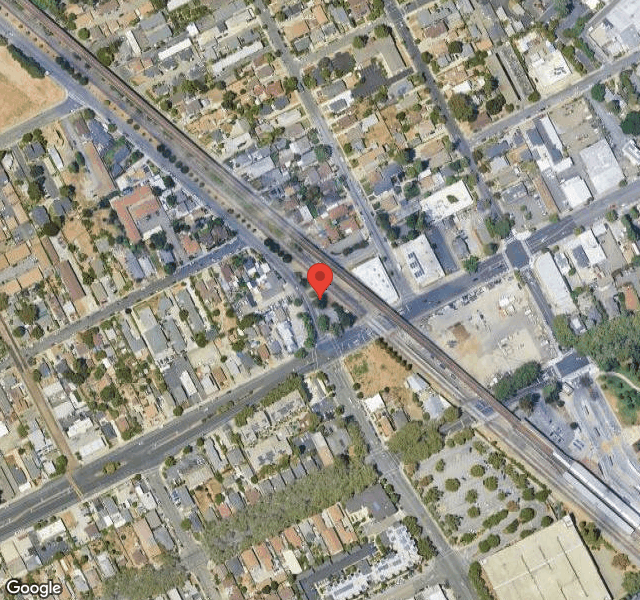
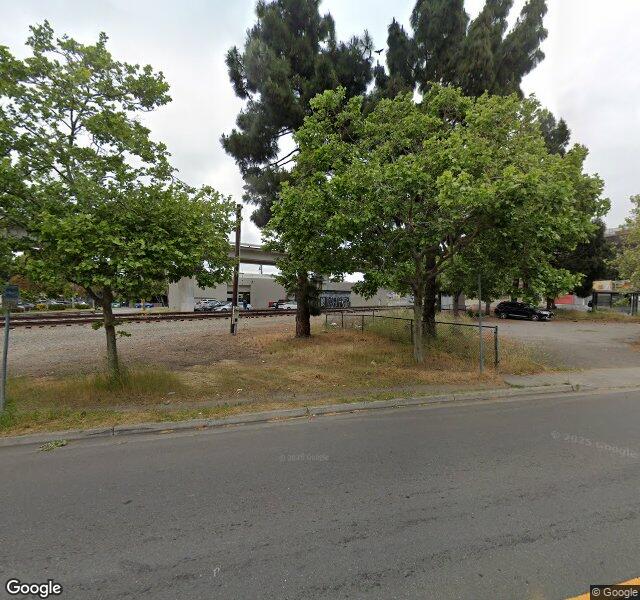
553 SMALLEY AVENUE, HAYWARD, CA 94541 (510) 733-3877
For profit - Partnership 30 Beds Independent Data: November 2025
Trust Grade
70/100
#207 of 1155 in CA
Last Inspection: October 2024

Within standard 12-15 month inspection cycle. Federal law requires annual inspections.

Overview

St. Anthony Care Center has a Trust Grade of B, indicating it is a good choice among nursing homes. It ranks #207 out of 1155 facilities in California, placing it in the top half, and #19 out of 69 in Alameda County, suggesting only a few local options are better. The facility is improving, with issues decreasing from 4 in 2024 to just 1 in 2025. However, staffing is a weakness, receiving only 1 out of 5 stars, which raises concerns about resident care. The center has accumulated $51,355 in fines, which is higher than 96% of California facilities, indicating potential compliance problems. While the care quality and health inspections are rated excellent with 5 out of 5 stars, there are notable concerns regarding sanitation and resident dignity. For instance, there were incidents where food was improperly stored and prepared, potentially risking foodborne illnesses. Additionally, residents experienced discomfort during feeding as staff leaned over them, which could lead to feelings of embarrassment. Lastly, some living conditions were not adequately maintained, such as unclean rooms and malfunctioning facilities, impacting the overall environment for residents.

Trust Score
B
70/100
In California
#207/1155
Top 17%
Safety Record
Moderate
Needs review
Inspections
Getting Better
4 → 1 violations
Staff Stability
○ Average
Turnover data not reported for this facility.
Penalties
✓ Good
$51,355 in fines. Lower than most California facilities. Relatively clean record.
Skilled Nurses
⚠ Watch
Each resident gets only 18 minutes of Registered Nurse (RN) attention daily — below average for California. Fewer RN minutes means fewer trained eyes watching for problems.
Violations
⚠ Watch
21 deficiencies on record. Higher than average. Multiple issues found across inspections.
★★★★★
5.0
Overall Rating
★☆☆☆☆
1.0
Staff Levels
★★★★★
5.0
Care Quality
★★★★★
5.0
Inspection Score
Stable
2024: 4 issues
2025: 1 issues

The Good

  • 5-Star Quality Measures · Strong clinical quality outcomes
  • Full Sprinkler Coverage · Fire safety systems throughout facility
  • No fines on record

Facility shows strength in quality measures, fire safety.

The Bad

Federal Fines: $51,355

Above median ($33,413)

Moderate penalties - review what triggered them

The Ugly 21 deficiencies on record

May 2025 1 deficiency
CONCERN (D) 📢 Someone Reported This

A family member, employee, or ombudsman was alarmed enough to file a formal complaint

Potential for Harm - no one hurt, but risky conditions existed

Deficiency F0627 (Tag F0627)

Could have caused harm · This affected 1 resident

Based on interview and record review, the facility failed to provide an accurate medication list that included both prescription and over-the-counter medications at the time of discharge to one out of...

Read full inspector narrative →
Based on interview and record review, the facility failed to provide an accurate medication list that included both prescription and over-the-counter medications at the time of discharge to one out of three (Resident 1) reviewed residents. This failure resulted in Resident 1 not receiving prescribed wound care treatment for six days post discharge. Findings: During a review of Resident 1's admission Record, dated 5/22/25, the document indicated Resident 1 was admitted to the facility in March 2025 with multiple diagnoses, including pressure ulcer of sacral region (lower back), Stage 3 (also known as a bedsore, a wound that affects the top two layers of skin), hypertension (high blood pressure), and pain in left nnee. The document indicated Resident 1 was discharged from the facility on 5/16/25. During a phone interview on 5/22/25 at 2:00 p.m. with Family Member 1 (FM1), FM1 stated when she picked up Resident 1 from the facility on 5/16/25, she did not receive any verbal instructions about wound care. FM1 stated she received handwritten discharge instructions and there was nothing on the handwritten instruction sheet about wound care. FM1 stated she also received a printout written in medical terms. FM1 stated the printed instructions read, Instructions for sacrum, cleanse with NS apply Medihoney cover with foam dressing, secure tape as needed, TX every evening shift. FM1 stated she does not know what TX or NS means, and stated she did not receive a prescription for Medihoney (a gel to help heal wounds) and does not know if it could be purchased over the counter. FM1 stated she did not understand how to follow these instructions or have access to the necessary supplies. FM1 stated that Resident 1 did not receive the prescribed wound care between the time he was discharged from the facility on 5/16/25 until the home health nurse arrived on 5/22/25. In a concurrent interview and record review on 5/23/25 at 11:03 a.m. with the Director of Nursing (DON), Resident 1's Physician's Other Order, dated 5/14/25, was reviewed. DON stated the document indicates Resident 1 may discharge home with current medication orders and treatment. DON stated the current medication orders for Resident 1 included the application of Medihoney to his sacrum for his stage 3 pressure ulcer. In a concurrent interview and record review on 5/23/25 at 11:08 a.m. with DON, Resident 1's Discharge Medication, dated 5/14/25, Nursing Discharge Summary Instructions, dated 5/16/25, and Order Summary Report, dated 5/1/25 were reviewed. DON stated Resident 1 should have received all three of the documents at the time of discharge. DON stated there were no wound care medications or instructions on Nursing Discharge Summary Instructions or Discharge Medication documents. DON stated the only mention of wound care instructions was on the Order Summary Report . DON stated the Order Summary Report stated, Tx to sacrum PU stage 3: Cleanse with NS, apply Medihoney, cover with foam dressing, secured with tape every evening shift until further notice . DON stated these instructions were written using medical terminology and they are not written in a way that non-medical professionals could easily understand. DON stated the order for Medihoney should have been discontinued and an order for Zinc Oxide cream (a barrier cream that is put on wounds to help them heal) should have been entered. DON stated instructions for wound care should have been written on the Discharge Medication document under the section Discharge Medications (Over the Counter) . In a concurrent interview and record review on 5/23/25 at 11:08 with DON, the Electronic Medical Record (EMR) for Resident 1 was reviewed. DON stated she could not find a record in the EMR that wound education was completed with Resident 1 prior to discharge. In a review of facility's policy titled Transfer or Discharge, Preparing a Resident for, dated 12/2016, the policy indicated A post-discharge plan is developed for each resident prior to his or her transfer or discharge. This plan will be reviewed with the resident, and/or his or her family, at least twenty-four (24) hours before the resident's discharge or transfer from the facility and Nursing Services is responsible for: . preparing the discharge summary and post-discharge plan .
Oct 2024 4 deficiencies
CONCERN (D)

Potential for Harm - no one hurt, but risky conditions existed

Pharmacy Services (Tag F0755)

Could have caused harm · This affected 1 resident

**NOTE- TERMS IN BRACKETS HAVE BEEN EDITED TO PROTECT CONFIDENTIALITY** Based on observation, interview, and record review, the facility failed to ensure supplies stored in the medication storage room...

Read full inspector narrative →
**NOTE- TERMS IN BRACKETS HAVE BEEN EDITED TO PROTECT CONFIDENTIALITY** Based on observation, interview, and record review, the facility failed to ensure supplies stored in the medication storage room were appropriate for use when hypodermic needles (devices intended to inject fluids into, or withdraw fluids from, parts of the body below the surface of the skin) were expired. These failures had the potential for residents to receive expired, ineffective, and contaminated medications and treatments. Findings: During a concurrent observation and interview on [DATE], at 12:35 p.m., with the Director of Nursing (DON) in the medication storage room, fourteen 18-gauge (measurement of a needle) hypodermic needles were observed in a box. The box and the individual packaged needles had listed expiration dates of [DATE]. The DON stated the needles should have been discarded so they could no longer be used. During an interview on [DATE], at 9:45 a.m., the DON stated the use of expired medical supplies might result in a loss of effectiveness. The DON also stated expired items such as needles may become dull, brittle, or break during use, injuring the resident. During a review of the facility's policy and procedure (P & P) titled, Medication Administration General Guidelines, dated 2007, indicated, Check expiration date on package/container. According to the Center for Disease Control (CDC) website titled, Preparing Vaccines for Administration, dated [DATE], it indicated, Some syringes and needles have expiration dates, so check those, too. NEVER use expired vaccine, diluent, or equipment.
CONCERN (D)

Potential for Harm - no one hurt, but risky conditions existed

Food Safety (Tag F0812)

Could have caused harm · This affected 1 resident

Based on observation, interview and record review, the facility failed to ensure safe, sanitary storage and distribution of foods when 1. dates of opened food packages were not labeled. 2. temperature...

Read full inspector narrative →
Based on observation, interview and record review, the facility failed to ensure safe, sanitary storage and distribution of foods when 1. dates of opened food packages were not labeled. 2. temperatures of prepared foods were not logged that were served to residents for dinners on 10/7/24 and 10//14. These failures had the potential to place all residents getting meals from the kitchen to be at risk for foodborne illness potentially leading to hospitalization or death. Findings: 1. During an observation on 10/21/24, at 10:05 a.m., in the dry storage room, opened bottles of Liquid Seasoning, Tabasco sauce and Tapatio sauce were not labeled with dates they were opened. A bag of opened, shredded coconut was labeled with an open date of 1/9/24. During a concurrent observation and interview on 10/21/24, at 10:10 a.m., with the Registered Dietician (RD), in the dry storage room, the RD stated staff were supposed to write the dates when items were opened and were not doing so. RD stated it was unknown when the items were opened and how long they were stored after opening. RD stated there are guidelines on how long dry goods are stored for. During an interview on 10/24/24, at 10:50 a.m., with the RD, the RD stated the food quality could be compromised when guidelines of food storage were not followed. During a review of the document, Dry Goods Storage Guidelines, dated 2018, the document indicated opened bottled sauces could be stored on the shelf for one year. For the shredded coconut, the document indicated it could be opened and on the shelf for 6 months. During a review of the policy and procedure P&P, titled, Storage of Food and Supplies, dated 2017, the P&P indicated liquid foods which had been opened would be labeled and dated. 2. During a review of the food temperature checklist on 10/21/24, at 10:20 a.m., no temperatures of foods served for dinner were recorded on 10/7/24 and 10/14/24. During an interview on 10/21/24, at 10:50 a.m., with Resident 80, Resident 80 stated that meals were lukewarm and preferred main dish and vegetables to be hot. During an interview on 10/21/24, at 11:00 a.m., with Resident 11, Resident 11 stated not having a hot meal because the meals were ice cold all the time. Review of the document, Meal Service, dated 2018, the document indicated, Food and Nutrition services staff member will take the food temperatures prior to service of the meal with a thermometer .at the recommended temperatures of the food item and recorded on the daily therapeutic menu in the temperature column .
CONCERN (D)

Potential for Harm - no one hurt, but risky conditions existed

Infection Control (Tag F0880)

Could have caused harm · This affected 1 resident

**NOTE- TERMS IN BRACKETS HAVE BEEN EDITED TO PROTECT CONFIDENTIALITY** Based on observation, interview, and record review, the facility failed to: 1. follow proper handwashing/hand hygiene protocol. ...

Read full inspector narrative →
**NOTE- TERMS IN BRACKETS HAVE BEEN EDITED TO PROTECT CONFIDENTIALITY** Based on observation, interview, and record review, the facility failed to: 1. follow proper handwashing/hand hygiene protocol. 2. replace a full sharps container (a puncture resistant container used to safely dispose of sharp medical objects like needles and lancets). The deficient practice had the potential for spread of infection. Findings: 1. During an observation on 10/22/24, at 9:17 a.m., Licensed Vocational Nurse 1 (LVN 1) was preparing medications for Resident 27 in the hallway. LVN 1 applied hand sanitizer to both hands, prepared the medications, touched the handles of the medication cart, locked the medication cart, and touched her eye-glasses. LVN 1 then picked up the prepared medications, went inside Resident 27's room, and handed Resident 27 his medications for administration. After touching various surfaces and a personal object, LVN 1 failed to wash or sanitize her hands prior to providing direct care to the resident. During a review of Resident 27's face sheet, printed 10/28/24, the face sheet indicated Resident 57 was admitted to the facility on [DATE], with diagnoses including Parkinsonism (a brain disorder that causes unintended or uncontrollable movements, such as shaking, stiffness, and difficulty with balance and coordination. Symptoms usually begin gradually and worsen over time. As the disease progresses, people may have difficulty walking and talking. They may also have mental and behavioral changes, sleep problems, depression, memory difficulties, and fatigue), Atherosclerotic Heart Disease (a condition where plaque builds up in the arteries of the heart. Plaque is a sticky substance made up of cholesterol, fat, blood cells, and other substances in the blood. As plaque builds up, arteries narrow, reducing blood flow to the heart and other organs. This can lead to a heart attack, stroke, or other serious medical conditions), Type 2 Diabetes Mellitus (a long-term [chronic] disease in which the body cannot regulate the amount of sugar in the blood) , and Chronic Systolic (congestive) Heart Failure (a serious, chronic condition that occurs when the left ventricle can't pump blood efficiently). During an interview on 10/24/24, at 10:05 a.m., with the Administrator (ADM- the backup Infection Preventionist Nurse), the ADM stated failure to wash or sanitize hands prior to resident contact could result in infection via cross-contamination. During a review of facility Policy and Procedure (P & P) titled, Handwashing/Hand Hygiene, dated 2019, the P&P indicated, Use alcohol-based hand rub containing at least 62% alcohol; or alternatively, soap (antimicrobial [products that kill or slow the spread of microorganisms] or non-antimicrobial) and water for the following situations .b. before and after direct contact with residents; c. before preparing or handling medications; . l. after contact with objects (e.g. medical equipment) in the immediate vicinity of the resident. 2. During a concurrent interview and observation on 10/23/24, at 1:00 p.m., with LVN 1, the contents inside the sharps container attached to the left side of the medication cart was full to the top. LVN 1 stated she thought it was full, and asked do you want me to remove it now? During an interview on 10/24/24, at 10:10 a.m., with the ADM, the ADM stated the risk of continuing to use a full sharps container could result in fingerstick injury and the spread of infection to staff, and the containers should be changed when 2/3 full. During a review of facility P&P titled, Sharps Disposal, dated 2012, the P&P indicated, Designated individuals will be responsible for sealing and replacing containers when they are 75% to 80% full to protect employees from punctures and/or needlesticks when attempting to push sharps into the container.
MINOR (B)

Minor Issue - procedural, no safety impact

Deficiency F0912 (Tag F0912)

Minor procedural issue · This affected multiple residents

**NOTE- TERMS IN BRACKETS HAVE BEEN EDITED TO PROTECT CONFIDENTIALITY** Based on observation and interview, the facility had five residents' rooms (room [ROOM NUMBER], 2, 4, 5 and 8) with multiple bed...

Read full inspector narrative →
**NOTE- TERMS IN BRACKETS HAVE BEEN EDITED TO PROTECT CONFIDENTIALITY** Based on observation and interview, the facility had five residents' rooms (room [ROOM NUMBER], 2, 4, 5 and 8) with multiple beds that provided less than 80 square feet (sq. ft) per resident who occupied these rooms. This deficient practice had the potential to result in inadequate space for delivery of care to each of the residents in each room, or for storage of the residents' belongings. Findings: During an observation on 10/21/24, at 10:00 a.m., the following rooms and corresponding square footage per bed were identified: Room Activity Room size Floor area 1 Rt room [ROOM NUMBER].8 x 20.3 sq. ft 297 sq. ft (74.3 per bed) 2 Rt room [ROOM NUMBER] x 21.3 sq. ft 297.5 sq. ft (74.3 per bed) 4 Rt room [ROOM NUMBER].2 x 10.4 sq. ft 146.4 sq. ft (73.2 per bed) 5 Rt room [ROOM NUMBER].2 x 9.8 sq. ft 137 sq. ft (68.5 per bed) 8 Rt room [ROOM NUMBER].4 x 17.11 sq. ft 364.3 sq. ft (72.86 per bed) During random observations of care and services from 10/21/24 to 10/24/24, there was sufficient space for the provision of care for the residents in all rooms. There was no heavy equipment kept in the rooms that might interfere with residents' care, and each resident had adequate personal space and privacy. There were no complaints from the residents regarding insufficient space for their belongings. There were no negative consequences attributed to the decreased space and/or safety concerns in the five rooms. Granting of room size waiver recommended.
Nov 2023 6 deficiencies
CONCERN (D)

Potential for Harm - no one hurt, but risky conditions existed

Resident Rights (Tag F0550)

Could have caused harm · This affected 1 resident

3. A review of Resident 8's admission Record, indicated Resident 8 was admitted to the facility with multiple diagnoses including dementia (dementia is a general term for loss of memory, language, pro...

Read full inspector narrative →
3. A review of Resident 8's admission Record, indicated Resident 8 was admitted to the facility with multiple diagnoses including dementia (dementia is a general term for loss of memory, language, problem-solving and other thinking abilities that are severe enough to interfere with daily life). During a concurrent interview and observation on 11/14/23, at 1:25 p.m., with LVN 1, in Resident 8's room, LVN 1 started to administer medication (eye drop) to Resident 8 while the door was open wide with Resident 8 visible from the hallway, and a staff member was walking in the hallway at that time. LVN 1 stated that she forgot to close the door and she should always provide privacy for the resident during medication pass which she did not do for Resident 8. 4. A review of Resident 12's admission Record, indicated Resident 12 was admitted to the facility with multiple diagnoses including brain injury. During a concurrent interview and observation on 11/14/23, at 9:00 a.m., with LVN 1, in Resident 12's room, LVN 1 started to administer medication via GT while the door was open wide with Resident 12 visible from the hallway, and a staff member was walking in the hallway at that time. LVN 1 stated she made a mistake and should have closed the curtain or the door for the privacy of Resident 12. A review of the facility's P&P titled, Quality of Life-Dignity, revised 2009, indicated, . Staff shall promote, maintain and protect resident privacy, including bodily privacy during assistance with personal care and during treatment procedures . Based on observation, interview, and record review, the facility failed to provide an environment that promoted respect and dignity for four of 15 sampled residents (Resident 18, Resident 22, Resident 8, and Resident 12) when: 1. For Resident 18, Certified Nursing Assistant 1 (CNA 1) remained standing while feeding the resident her meal. 2. For Resident 22, CNA 2 remained standing while feeding the resident her meal. 3. For Resident 8, Licensed Vocational Nurse 1 (LVN 1) did not provide privacy during eye drop administration. 4. For Resident 12, LVN 1 did not provide privacy during medication administration via Gastrostomy tube (GT, a medical device used to provide nutrition and medication to the stomach for people who are unable to swallow thru the mouth). These deficient practices had the potential to result in diminished individual dignity and a loss of self-esteem. Findings: 1. A review of Resident 18's admission Record, printed 11/15/23, indicated Resident 18 was admitted in 2021 with diagnoses of failure to thrive (decline in health and ability to live) and dysphagia (difficulty swallowing). A review of Resident 18's Minimum Data Set (MDS, an assessment tool used to guide care), dated 7/24/23, indicated resident had severely impaired cognition and was totally dependent with one-person assist in activities of daily living (ADLs), including eating. During a concurrent observation and interview on 11/13/23, at 12:20 p.m., inside the resident's room, CNA 1 was standing next to the bed while assisting Resident 18 with lunch. CNA 1 stated she does not have a chair but knew she should be seated to interact with the resident and to observe the resident with swallowing. 2. A review of Resident 22's admission Record, printed 11/15/23, indicated Resident 22 was admitted in February 2023 with diagnoses of dementia (memory loss) and dysphagia (difficulty swallowing). A review of Resident 22's MDS assessment, dated 8/25/23, indicated resident had severely impaired cognition and was totally dependent with one-person assist in activities of daily living (ADLs), including eating. During a concurrent observation and interview on 11/13/23, at 12:31 p.m., inside the resident's room, CNA 2 was standing next to the bed while assisting Resident 22 with lunch. CNA 2 pointed to the chair inside the room but remained standing while feeding the resident. CNA 2 stated he should sit while feeding so that he was in eye level with the resident due to risk of choking. During an interview on 11/14/23, at 1:08 p.m., with the Director of Nursing (DON), DON stated CNAs should sit when feeding the residents so that they are within eye level and easier to assess and monitor residents for choking. A review of the facility's policy and procedure (P&P) titled, Feeding the Impaired Resident, undated, indicated, Be observant during the feeding process. Watch for signs of choking or anything unusual .position a chair where it will be convenient for you and the resident . A review of the facility's P&P titled, Quality of Life - Dignity, revised date August 2009, indicated, Each resident shall be cared for in a manner that promotes and enhances quality of life, dignity, respect, and individuality. Residents shall be treated with dignity and respect at all times. Treated with dignity means the resident will be assisted in maintaining and enhancing his or her self-esteem and self-worth .Staff shall treat cognitively impaired residents with dignity and sensitivity .
CONCERN (D)

Potential for Harm - no one hurt, but risky conditions existed

Deficiency F0688 (Tag F0688)

Could have caused harm · This affected 1 resident

**NOTE- TERMS IN BRACKETS HAVE BEEN EDITED TO PROTECT CONFIDENTIALITY** Based on observation, interview, and record review, for one of 15 sampled residents (Resident 26) with limited range of motion (...

Read full inspector narrative →
**NOTE- TERMS IN BRACKETS HAVE BEEN EDITED TO PROTECT CONFIDENTIALITY** Based on observation, interview, and record review, for one of 15 sampled residents (Resident 26) with limited range of motion (ROM, a joint or body part with limited range of motion cannot move through its normal range of motion, also known as contractures), the facility failed to apply the ankle foot orthosis [AFO, boot(s) or external supportive devices used on lower legs/feet to stabilize the joints to prevent contractures] to Resident 26's left foot as ordered by the physician. This failure resulted in Resident 26's unmet care needs and had the potential to result in worsening of left foot contracture. Findings: A review of Resident 26's admission Record, printed 11/15/23, indicated resident was admitted on [DATE] with diagnoses of dementia (memory loss), contracture of left ankle, hemiplegia (unable to move one side of the body due to damage to the parts of the brain responsible for movement), and hemiparesis (muscle weakness on one side of the body). A review of Resident 26's Minimum Data Set (MDS, an assessment tool used to guide care), dated 9/23/23, indicated resident had moderately impaired cognition. The MDS also indicated resident had impairment of the left lower extremity that required extensive assistance with bed mobility, toilet use, personal hygiene, and total physical assistance with one-person assist on transfers between surfaces. A review of Resident 26's Physician Order, dated 8/25/23, indicated, Restorative Nursing Assistant/Certified Nursing Assistant (RNA/CNA) Program: Standard wheelchair with leg rest while wearing left (L) AFO, up on wheelchair 1-3 hours (hrs)/day, 3x/week as tolerated. Every day shift every Monday (Mon), Thursday (Thu), Sunday (Sun). A review of Resident 26's Care Plan, date initiated 3/24/23, indicated, The resident has limited physical mobility related to (r/t) Contracture left ankle. The resident will remain free of complications related to immobility, including contractures .Monitor/document/report as needed (PRN) any signs/symptoms (s/sx) of immobility: contractures forming or worsening .RNA/CNA Program as ordered . A review of Resident 26's Physical Therapy Treatment Encounter Note(s), completed on 6/21/23, indicated, Skilled Instruction; Patient and Caregiver Training: Instructed patient and primary caregivers in positioning maneuvers .increase safety and reduce the risk of further medical complications that may result from impairments/conditions . A review of Resident 26's Physical Therapy Treatment Encounter Note(s), completed on 6/22/23, indicated, Skilled Instruction; Patient and Caregiver Training: educated and trained CNA to get patient up 3x/week (wk) into wheelchair (w/c) while wearing AFO to left lower extremity (LLE) . During a concurrent observation and interview on 11/15/23, at 11:40 a.m., in the dining room/activity room, with the Activity Director (AD), the AD stated Resident 26 attended activities daily, positioned in the w/c with footrests, and AD had not seen the resident wear a boot to his left contracted foot. During an interview on 11/15/23, at 11:43 a.m., with CNA 2, CNA 2 stated he had been assigned as Resident 26's morning shift CNA the last three days and had taken the resident to activities daily, positioned up in the w/c with bilateral footrests, with no boot applied to the resident's left contracted foot. CNA 2 stated he knew of the resident's left foot contracture but was not aware of the left AFO. CNA 2 stated he could put a pillow on the footrest. During a concurrent observation, interview, and record review on 11/15/23, between 12:06-12:20 p.m., with the Director of Rehabilitation (DOR), Resident 26's Physician Order was reviewed. The DOR had Resident 26's labeled personal boot in her hand and stated Resident 26 required use of the AFO to his left foot to prevent further worsening of the contracture. DOR stated she found the left ankle boot inside the resident's room in his nightstand. The facility was unable to provide policies and procedures (P&Ps) on either Limited Range of Motion or Use of Orthotics, Braces, or Splints upon request.
CONCERN (D)

Potential for Harm - no one hurt, but risky conditions existed

Tube Feeding (Tag F0693)

Could have caused harm · This affected 1 resident

Based on observation, interview, and record review, the facility failed to ensure the prevention of complications of enteral feedings for one of one sample selected resident who has a feeding tube at ...

Read full inspector narrative →
Based on observation, interview, and record review, the facility failed to ensure the prevention of complications of enteral feedings for one of one sample selected resident who has a feeding tube at the facility (Resident 12) when Licensed Vocational Nurse (LVN) 1 administered the medication and water via gastrostomy tube (GT-a tube inserted through the abdomen that brings nutrition directly to the stomach) without first checking stomach residual (amount of fluid remaining in the stomach). This failure resulted in Resident 12 vomiting after receiving the medication and water via GT, and a potential for Resident 12 to aspirate (breathe in food or liquid into the airway). Findings: A review of Resident 12's admission Record, indicated Resident 12 was admitted to the facility with multiple diagnoses including brain injury. During a concurrent interview and observation on 11/14/23, at 9:00 a.m., with LVN 1, in Resident 12's room, LVN 1 started to administer medication and water flush via GT without checking the stomach residual, and Resident 12 started vomiting immediately after receiving the medication and water. LVN 1 stated she forgot to check the stomach residual before she administered medication and water which could have prevented complications such as vomiting. A review of the facility policy and procedure titled, Medication Administration, Enternal Tubes, dated 2007, indicated, . Aspirate stomach contents with syringe. Check residual .
CONCERN (D)

Potential for Harm - no one hurt, but risky conditions existed

Infection Control (Tag F0880)

Could have caused harm · This affected 1 resident

Based on observation, interview and record review, the facility failed to ensure prevention of infection for one of 15 sample selected residents (Resident 12), when Licensed Vocational Nurse (LVN) 1 d...

Read full inspector narrative →
Based on observation, interview and record review, the facility failed to ensure prevention of infection for one of 15 sample selected residents (Resident 12), when Licensed Vocational Nurse (LVN) 1 did not disinfect the blood pressure device between resident use. This failure had the potential of transmitting infection between the residents who are residing at the facility. Findings: A review of Resident 12's admission Record, indicated Resident 12 was admitted to the facility with multiple diagnoses including brain injury. During a concurrent observation and interview on 11/14/23, at 9:00 a.m., with LVN 1, in Resident 12's room, LVN 1 removed the blood pressure device from the medication cart and without disinfecting the device, checked Resident 12's blood pressure and put the device back inside the medication cart. LVN 1 confirmed and stated she should have disinfected the blood pressure device between residents' use for infection prevention and she forgot to do that. A review of the facility's policy and procedure (P&P) titled, Cleaning and Disinfecting of Resident-Care items and Equipment, revised 2010, indicated, . Reusable items are cleaned and disinfected or sterilized between residents .
CONCERN (E)

Potential for Harm - no one hurt, but risky conditions existed

Food Safety (Tag F0812)

Could have caused harm · This affected multiple residents

Based on observation, interview, and record review, the facility failed to follow proper sanitation, food handling, and food storage practices when: 1. Refrigerator 1 had two bags of iceberg lettuce t...

Read full inspector narrative →
Based on observation, interview, and record review, the facility failed to follow proper sanitation, food handling, and food storage practices when: 1. Refrigerator 1 had two bags of iceberg lettuce that were discolored, wilted, and did not have received-by or used-by dates. 2. During tray line (serving and plating of food) service: - Pureed (a procedure to change the texture of solid food so that it is smooth with no lumps and has a texture like pudding) fish and pureed rice were watery and did not stay formed when scooped on the plate. - Scooped food on four resident plates were left uncovered after these plates were placed inside the open food cart. 3. Dietary staff switched from one kitchen task to the next without performing handwashing. 4. Dietary staff's hair was not fully secured with the hairnet. These failures had the potential to result in food contamination and resident foodborne illnesses. Findings: 1. During the concurrent initial observation and interview on 11/13/23, at 9:50 a.m., in the kitchen, with the Registered Dietitian (RD) and Dietary Supervisor (DS), Refrigerator 1 had an unlabeled clear plastic bag that contained a head of wilted and discolored iceberg lettuce. DS stated the plastic bag should have been labeled and dated of when it was received. DS also stated the lettuce had signs of spoilage and should be discarded right away. During the concurrent second day observation and interview on 11/14/23, at 11:25 a.m., in the kitchen, with the Registered Dietitian (RD) and Dietary Supervisor (DS), Refrigerator 1 had another unlabeled clear plastic bag that contained six heads of wilted and discolored iceberg lettuce. DS stated this was delivered the same time as the previous bag of lettuce observed on 11/13/23. DS stated all six heads of lettuce will also be discarded. A review of the facility's dietary guideline titled, Produce Storage Guidelines, dated 2018, indicated, May use longer if no signs of spoilage are visible .lettuce, salad greens, parsley - 7 to 10 days . 2. During an observation on 11/14/23, at 11:55 a.m., in the kitchen, [NAME] 1 preceded with the tray line service and: -Scooped pureed fish and pureed rice which were watery and did not stay formed when served on the plates. During a follow-up concurrent interview on 11/14/23, at 12:40 p.m., with [NAME] 1 and RD, [NAME] 1 stated cooked fish was pureed with fish juice while the cooked rice was pureed with rice water. RD stated when preparing pureed foods, no specific amount of liquid was mixed with the cooked food as long as the required consistency was followed for the specific type of food pureed. RD also stated correct pureed food consistency was important for food presentation to make it look more appealing and appetizing to the residents with swallowing difficulty. A review of the facility's dietary guideline titled, Handout for Puree In-service, dated 10/2020, indicated consistency for meats and starches should be slightly softer than whipped topping. - [NAME] 1 did not cover four of the resident plates before these plates were placed in the tray inside the open food cart. During a follow-up interview on 11/14/23, at 12:45 p.m., with the RD, RD confirmed the observation and stated all food trays need to be covered to keep the food temperature warm and to prevent cross-contamination. A review of the facility's policy and procedure (P&P) titled, Covering Food During Transport, dated 2018, indicated, .All foods will be covered on trays .All hot food will be covered to maintain the proper temperature . 3. During an observation on 11/14/23, at 12:15 p.m., [NAME] 1 moved from plating foods to grind fish and did not perform handwashing before and after food preparation. During a follow-up concurrent interview on 11/14/23, at 12:40 p.m., with [NAME] 1 and RD, RD acknowledged [NAME] 1 left the tray line food service to grind the fish, without performing handwashing in between the two tasks. A review of the facility's policy and procedure (P&P) titled, Inservice: Handwashing, dated 3/2021, indicated, .Hand washing, when done correctly and often, can help us stay healthy and avoid spreading disease. When should hand washing be done .After handling soiled equipment, utensils .During food preparation as often as necessary to prevent contamination . 4. During an observation on 11/14/23, at 11:55 a.m., [NAME] 1's hair was not fully covered with a hairnet. During a follow-up concurrent interview on 11/14/23, at 12:40 p.m., RD confirmed [NAME] 1's hair to the side of her ears were exposed and not completely covered with the hairnet. A review of the facility's policy and procedure (P&P) titled, DRESS CODE for Women and Men, dated 2018, indicated, .PROPER DRESS: Women .Hair net or hat completely covers the hair . .
MINOR (B)

Minor Issue - procedural, no safety impact

Deficiency F0912 (Tag F0912)

Minor procedural issue · This affected multiple residents

**NOTE- TERMS IN BRACKETS HAVE BEEN EDITED TO PROTECT CONFIDENTIALITY** Based on observation and interview the facility had five residents (Rt)'s rooms (room [ROOM NUMBER], 2, 4, 5 and 8) with multipl...

Read full inspector narrative →
**NOTE- TERMS IN BRACKETS HAVE BEEN EDITED TO PROTECT CONFIDENTIALITY** Based on observation and interview the facility had five residents (Rt)'s rooms (room [ROOM NUMBER], 2, 4, 5 and 8) with multiple beds that provided less than 80 square feet (sq. ft) per resident who occupied these rooms. This deficient practice had the potential to result in inadequate space for delivery of care to each of the residents in each room, or for storage of the residents' belongings. Findings: During an observation on 11/13/23, at 10:00 a.m., the following rooms and corresponding square footage per bed were identified: Room Activity Room size Floor area 1 Rt room [ROOM NUMBER].8 x 20.3 sq. ft 297 sq. ft (74.3 per bed) 2 Rt room [ROOM NUMBER] x 21.3 sq. ft 297.5 sq. ft (74.3 per bed) 4 Rt room [ROOM NUMBER].2 x 10.4 sq. ft 146.4 sq. ft (73.2 per bed) 5 Rt room [ROOM NUMBER].2 x 9.8 sq. ft 137 sq. ft (68.5 per bed) 8 Rt room [ROOM NUMBER].4 x 17.11 sq. ft 364.3 sq. ft (72.86 per bed) During random observations of care and services from 11/13/23 to 11/16/23, there was sufficient space for the provision of care for the residents in all rooms. There was no heavy equipment kept in the rooms that might interfere with residents' care, and each resident had adequate personal space and privacy. There were no complaints from the residents regarding insufficient space for their belongings. There were no negative consequences attributed to the decreased space and/or safety concerns in the five rooms. Granting of room size waiver recommended.
Dec 2021 10 deficiencies
CONCERN (D)

Potential for Harm - no one hurt, but risky conditions existed

ADL Care (Tag F0677)

Could have caused harm · This affected 1 resident

**NOTE- TERMS IN BRACKETS HAVE BEEN EDITED TO PROTECT CONFIDENTIALITY** Based on observation, interview and record review, the facility failed to provide fingernail trimming and/or facial hair removal...

Read full inspector narrative →
**NOTE- TERMS IN BRACKETS HAVE BEEN EDITED TO PROTECT CONFIDENTIALITY** Based on observation, interview and record review, the facility failed to provide fingernail trimming and/or facial hair removal for three of 11 sampled residents (Residents 9, 19 and 5) who were unable to perform personal grooming. These failures resulted in Residents 9, 19, and 5 appearing ungroomed, and had the potential for a reasonable person to feel a diminished sense of self-esteem; the ragged nails also had the potential to cause injury from scratches or skin tears. Findings: 1. A review of Resident 19's admission Record, undated, indicated Resident 19 was admitted in June 2021 with a diagnosis of dementia (a brain disorder that affects the ability to remember, think clearly, communicate, and perform daily activities and that may cause changes in mood and personality). A review of Resident 19's Minimum Data Set (MDS, a resident assessment tool used to guide care) dated 10/29/2021, indicated Resident 19 was sometimes able to be understood, and sometimes understood others. The MDS indicated Resident 19 required total physical assistance from at least one person for personal hygiene (activities such as shaving, hair brushing, hand washing, etc.). During an observation on 11/30/2021 at 10:45 a.m., Resident 19 lay in bed with her arms on top of the bed linens. Resident 19's fingernails extended beyond the length of her fingertips and had dark brown substances beneath the fingernail tips. Resident 19 had visible white hairs on her chin. 2. A review of Resident 9's admission Record, undated, indicated Resident 9 was admitted in 2015 with a diagnosis of dementia with behavioral disturbance. A review of Resident 9's MDS dated [DATE], indicated Resident 9 was sometimes able to be understood, and sometimes understood others. The MDS indicated Resident 19 required extensive physical assistance from at least one person for personal hygiene. During an observation on 11/30/21 at 11:25 a.m., Resident 9 sat on the edge of her bed. Resident 9's fingernails extended beyond the length of her fingertips had jagged edges with dark substances beneath the fingernail tips. Resident 9 had visible white facial hairs above her upper lip and chin. During a concurrent observation and interview on 12/1/21 at 10:30 a.m., in Resident 9's room, with Certified Nursing Assistant 2 (CNA 2), CNA 2 stated Resident 9's fingernails should be trimmed and cleaned because they were long and dirty. CNA 2 stated Resident 9's upper lip and chin hairs needed to be shaved. During a concurrent observation and interview on 12/1/21 at 11:45 a.m., in Resident 19's room, the Activity Director (AD) assisted Resident 19 with eating her lunch. The AD stated Resident 19 needed her fingernails trimmed and cleaned and her chin hairs shaved. During an interview on 12/1/21 at 1:00 p.m., with the Director of Nursing (DON), the DON stated she expected the nursing staff to provide fingernail care to the residents with daily cleaning and trimming as needed. 3. A review of Resident 5's admission Record, undated, indicated Resident 5 was admitted to the facility with a diagnosis of dementia (a brain disorder that affects the ability to remember, think clearly, communicate, and perform daily activities). A review of Resident 5's MDS dated [DATE], indicated Resident 5 was rarely able to be understood, and sometimes understood others. The MDS indicated Resident 5 required total assistance from at least one person for personal grooming. During an observation on 11/30/2021 at 12:35 p.m., in Resident 5's room, Resident 5 lay in bed with his hands crossed on his stomach. Resident 5's fingernails extended beyond his fingertips and were raggedly chipped with a black substance underneath the fingernail tips. During an observation on 12/2/2021 at 1:35 p.m., Resident 5's fingernails remained untrimmed with a black substance underneath the fingernail tips. During an observation and concurrent interview on 12/3/2021 at 8:35 a.m., in Resident 5's room, with Certified Nursing Assistant 4 (CNA 4), CNA 4 stated Resident 5's nails needed cleaning and trimming, which was a task for the assigned certified nursing assistant. During an interview on 12/3/2021 at 12:05 p.m., with the Director of Nursing (DON), the DON stated staff are supposed to check and provide needed services for the resident's fingernails during daily personal care.
CONCERN (D)

Potential for Harm - no one hurt, but risky conditions existed

Drug Regimen Review (Tag F0756)

Could have caused harm · This affected 1 resident

Based on interview and record review, the facility failed to ensure the pharmacist's medication regimen review (MRR) was promptly acted upon for one (Residents 5) of 11 sampled residents. This failure...

Read full inspector narrative →
Based on interview and record review, the facility failed to ensure the pharmacist's medication regimen review (MRR) was promptly acted upon for one (Residents 5) of 11 sampled residents. This failure had the potential for delayed treatment and increased risk of adverse side effects for Residents 5. Findings: A review of Resident 5's admission Record undated, indicated Resident 5 was admitted to the facility with a diagnosis of dementia (a brain disorder that affects the ability to remember, think clearly, communicate, and perform daily activities). A review of the facility's Consultant Pharmacist (CP) Medication Regimen Review (MRR) dated 10/29/2021, indicated This resident has been taking Risperdal 0.5 mg since 5/18/2021. The recommendation indicated please evaluate the current dose and consider a dose reduction. During an interview and concurrent record review on 12/2/2021 at 11:05 a.m., with the Director of Nursing (DON), Resident 5's MRR dated 10/26/2021, was reviewed. The DON stated she had been so busy she had totally missed sending the pharmacist's MRR recommendations to the physician until 12/1/21, at which time the physician discontinued the medication. A review of the policy and procedure titled, Medication Regimen Review, dated May 2019, indicated, Within 24 hours of the MRR, the Consultant Pharmacist provides a written report to the attending physicians for each resident identified as having a non-life threatening medication irregularity If the Physician does not provide a timely or adequate response, or the Consultant Pharmacist identifies that no action has been taken, he/she contacts the Medical Director or (if the Medical Director is the physician of record) the Administrator. The attending physician documents in the medical record that the irregularity has been reviewed and what (if any) action was taken to address it.
CONCERN (D)

Potential for Harm - no one hurt, but risky conditions existed

Deficiency F0760 (Tag F0760)

Could have caused harm · This affected 1 resident

Based on observation, interview and record review, the facility failed to ensure one (Resident 23) of 11 sampled residents was free of significant medication errors when Licensed Vocational Nurse 2 (L...

Read full inspector narrative →
Based on observation, interview and record review, the facility failed to ensure one (Resident 23) of 11 sampled residents was free of significant medication errors when Licensed Vocational Nurse 2 (LVN 2) did not follow the medication instructions to shake the Dilantin suspension (a liquid preparation of medication used to prevent seizures) before administration. This failure had the potential to result in uneven distribution of medication in the liquid and prevent administration of the ordered dose necessary to maintain Resident 23's therapeutic drug level (the concentration of medication in the blood stream necessary to prevent seizures). Findings: A review of Resident 23's admission Record, undated, indicated Resident 23 was admitted to the facility in May 2021 with a diagnosis of epilepsy (a neurological disorder marked by sudden recurrent episodes of sensory disturbance, loss of consciousness, or convulsions, associated with abnormal electrical activity in the brain). A review of Resident 23's Minimum Data Set (MDS, a resident assessment tool used to guide care) dated 11/10/2021, indicated Resident 23 had a feeding tube (a plastic or rubber tube that is used to bypass chewing and swallowing in a patient who is not able to eat or drink safely). A review of Resident 23's Physician Order Summary Report, dated 12/8/2021, indicated an active order for 3 milliliters (ml) of 125 milligrams/5 ml Dilantin Suspension, through the gastrostomy tube (GT, a type of feeding tube surgically inserted through the abdomen into the stomach) every 8 hours, for treatment of epilepsy. During an observation on 12/1/2021 at 8:40 a.m., in Resident 23's room, with Licensed Vocational Nurse 2 (LVN 2), Resident 23 lay in bed while LVN 2 prepared medications for administration. LVN 2 picked up the Dilantin suspension container and without shaking the bottle, poured 5 ml of Dilantin Suspension into a medication cup, used a syringe to withdraw 3 ml of Dilantin suspension from the med cup, and administered the medication to Resident 23's GT. During a concurrent interview and record review on 12/1/2021 at 8:50 a.m., with LVN 2, Resident 23's Dilantin Suspension bottle label instructions were reviewed. The Dilantin Suspension bottle instructions indicated, Shake well before each use. LVN 2 stated because the Dilantin was a suspension it needed to be shaken before administration.
CONCERN (D)

Potential for Harm - no one hurt, but risky conditions existed

Food Safety (Tag F0812)

Could have caused harm · This affected 1 resident

Based on observation, interview, and record review, the facility failed to sanitize the ice machine's ice bin at the time of installation. This failure had the potential to result in resident food bo...

Read full inspector narrative →
Based on observation, interview, and record review, the facility failed to sanitize the ice machine's ice bin at the time of installation. This failure had the potential to result in resident food borne illness from contaminated ice. Findings: During a concurrent observation and interview on 11/30/21, at 12:35 p.m., with Maintenance 1 (MTN 1), an ice machine was located on a patio against the exterior wall of the facility, near the sliding glass door of the activity room. The inside of the ice machine cabinet had a reddish-brown substance on the back and side walls above the ice bin. The reddish-brown substance was removed from the walls by a paper towel. MTN 1 stated the ice from the ice machine was used in the residents' drinking water. MTN 1 stated the ice machine was three weeks old; the facility had not previously had an ice machine. MTN 1 stated the ice machine needed to be cleaned regularly to prevent contamination of the drinking water, but he had not cleaned the machine yet. MTN 1 stated he would check for the manufacturer's recommendations on how to correctly clean the ice machine. During an interview on 11/30/21, at 1:40 p.m., with Dietary Services Supervisor (DSS), DSS stated MTN 1 was responsible for cleaning of the ice machine. During an interview on 11/30/21, at 1:42 p.m., with Registered Dietician (RD), RD stated the ice machine needed to be kept clean to prevent contamination of the ice. A review of the ice machine manufacturer's manual, [Brand name] Undercounter Ice Machines, UG series, Installation, Operation and Maintenance Manual, dated 03/19, indicated, The chart below is an overview of the maintenance that the end user and service technician should perform, and the frequency. These figures are the minimum required. A review of the chart indicated the end user was responsible for sanitizing the ice bin at the time of installation.
CONCERN (E)

Potential for Harm - no one hurt, but risky conditions existed

Resident Rights (Tag F0550)

Could have caused harm · This affected multiple residents

**NOTE- TERMS IN BRACKETS HAVE BEEN EDITED TO PROTECT CONFIDENTIALITY** Based on observation, interview and record review, the facility failed to provide care in a manner that enhanced the dignity of ...

Read full inspector narrative →
**NOTE- TERMS IN BRACKETS HAVE BEEN EDITED TO PROTECT CONFIDENTIALITY** Based on observation, interview and record review, the facility failed to provide care in a manner that enhanced the dignity of two (Residents 5 and 16) of 11 sampled residents when two staff members (Certified Nursing Assistant 1 and Certified Nursing Assistant 5) stood and leaned over the residents during feeding assistance with two meals. This failure had the potential for Residents 5 and 16 to feel embarrassed and disrespected. Findings: A review of Resident 5's admission Record, undated, indicated Resident 5 was admitted to the facility with a diagnosis of dementia (a chronic progressive disease marked by memory loss, personality changes and impaired reasoning). A review of Resident 5's Minimum Data Set (MDS, an assessment tool used to guide care) dated 9/12/2021, indicated Resident 5 was rarely able to be understood, and sometimes understood others. The MDS indicated Resident 5 required total assistance from one person for eating. During a meal observation on 11/30/2021 at 12:30 p.m., in Resident 5's room, Resident 5 lay in bed with the head of the bed elevated while Certified Nursing Assistant 1 (CNA 1) stood next to the bed and leaned over Resident 5 to feed him lunch. During a meal observation on 12/1/2021 at 8:05 a.m., in Resident 5's room, Resident 5 lay in bed with the head of the bed elevated while Certified Nursing Assistant 1 (CNA 1) stood next to the bed and leaned over Resident 5 to feed him breakfast. During an interview on 12/1/2021 at 10:05 a.m., with CNA 1, CNA 1 stated he had stood while he fed Resident 5 because there was no chair in the room. A review of Resident 16's admission Record, undated, indicated Resident 16 was admitted to the facility with a diagnosis of myoneural disorder (a chronic disorder of the nerves and muscles causing muscle weakness). A review of Resident 16's MDS dated [DATE], indicated Resident 16 sometimes understood others, and was sometimes understood by others. The MDS indicated Resident 16 required total assistance from one person for eating. During a meal observation on 11/30/2021 at 12:40 p.m., in Resident 16's room, Resident 16 lay in bed with the head of the bed elevated while Certified Nursing Assistant 5 (CNA 5) stood next to the bed and leaned over Resident 16 to feed her lunch. During a meal observation on 12/1/2021 at 7:35 a.m., in Resident 16's room, CNA 5 stood next to the bed and leaned over Resident 16 to feed her breakfast. During an interview on 12/1/2021 at 7:45 a.m., with CNA 5, CNA 5 stated staff were supposed to sit while feeding residents but there was no chair in the room.
CONCERN (E)

Potential for Harm - no one hurt, but risky conditions existed

Safe Environment (Tag F0584)

Could have caused harm · This affected multiple residents

Based on observation, interview, and record review the facility failed to provide a clean, safe, home-like environment for: 1. One of 11 sampled residents (Resident 17), when Resident 17's bed moved ...

Read full inspector narrative →
Based on observation, interview, and record review the facility failed to provide a clean, safe, home-like environment for: 1. One of 11 sampled residents (Resident 17), when Resident 17's bed moved whenever Resident 17 stood up or sat down on the bed. Resident 17's room had a light fixture with a non-functioning bulb, the floor on one side of his bed was not cleaned, and there was a pile of empty garbage bags on the floor near the head of his bed. 2. Residents who used the shower room, when the shower room floor had an unlabeled hairbrush, with hair in the bristles, and a shelf in the shower room had the following items: a face mask, used gloves, four empty bottles of lotion, one bottle of conditioner, and an empty box of disposable razors. These failures resulted in: 1. Resident 17 feeling unsafe when transferring in or out of bed due to bed movement on the floor, having difficulty reading from inadequate lighting, and feeling staff did not care enough about him to adequately clean and tidy his room. 2. Residents who used the shower potentially having emotional distress from an unclean, cluttered environment. Findings: 1. A review of Resident 17's Minimum Data Set (MDS, a resident assessment tool used to guide care) dated 10/26/2021, indicated Resident 17 had a diagnosis of heart failure (heart is unable to pump adequate blood for the body's needs). The MDS indicated Resident 17 understood others and was able to be understood. The MDS indicated Resident 17 had adequate vision and was able to read fine details including regular print in newspapers/books. The MDS indicated Resident 17 required extensive assistance from at least two people for transfer between surfaces and bed mobility, was unsteady during transfer and walking with assistive devices, and used either a walker or wheelchair for locomotion. During a concurrent observation and interview on 11/30/21, at 12:44 PM, in Resident 17's room, Resident 17 sat on the side of his bed, using a tablet computer placed on the overbed table in front of him. A paperback book was lying on the overbed table. Resident 17's bed had casters (wheels mounted to an apparatus or piece of equipment to make that apparatus moveable) on the legs. The bed was located approximately 15 inches from a wall with a window, opposite from the door entry. A pile of translucent garbage bags, which appeared empty, were located on the window-side corner of the room, near the head of Resident 17's bed. The light fixture on the wall at the head of Resident 17's bed had one burned out bulb. Resident 17 stated the light bulb had been burned out for about a week which made the room darker and harder for him to read. Resident 17 stated he told Maintenance 1 (MTN) 1 that the bulb was burned out, but the bulb had not been changed yet. Resident 17 said the garbage bags were not his but had been there since he was admitted . Resident 17 adjusted his position while he sat on the bed and the bed moved back and forth. Resident 17 then stood up, and sat back down, using an assistive device (a walker); the bed moved back and forth when he stood up and sat down. Resident 17 stated his bed moved every time he got up or sat down on the bed which made him feel unsafe, especially since walking was hard for him and he used a walker. Resident 17 stated the Housekeeper (HSKP) never mopped the floor on the window-side of the bed. Resident 17 stated, the lack of mopping and the pile of garbage bags left him feeling the room was not clean and that nursing and housekeeping staff did care enough to pay attention to details. During a concurrent observation and interview on 12/1/21, at 11:07 AM, with Resident 17, in Resident 17's room, the light at the head of Resident 17's bed still had a burned out bulb and the garbage bags were in the same position on the floor in the corner. Resident 17 stated his bed still moved when he got up or sat down on it, and the window-side of the floor next to his bed not been mopped. During a concurrent observation and interview on 12/2/21, at 10:28 AM, with Resident 17, in Resident 17's room, the light at the head of Resident 17's bed still had a burned out bulb and the garbage bags were in the same position on the floor in the corner. Resident 17 stated his bed still moved when he got up or sat down on it, and the window-side of the floor next to his bed not been mopped. During an interview on 12/2/21, at 1:40 p.m., with Housekeeper (HSKP), which translation by MTN 1, HSKP stated, she mopped Resident 17's room. HSKP stated she had not mopped the floor on the window-side of Resident 17's bed. HSKP stated she never noticed the pile of garbage bags on the floor in the window-side corner of the room. During an interview on 12/3/21, at 10:15 a.m., with Certified Nursing Assistant (CNA) 4, CNA 4 stated she was assigned to Resident 17 yesterday and today. CNA 4 stated she was unaware Resident 17's bed moved when he stood up or sat down on the bed. CNA 4 stated she always kept the bed's casters locked to prevent the bed from moving. CNA 4 stated it was not safe for the bed to move because Resident 17 could fall. CNA 4 stated she was unaware of the pile of garbage bags in the corner of the room and that one light bulb at the head of the bed was burned out. During an interview on 12/3/21, at 11:27 a.m., with Licensed Vocational Nurse (LVN) 2, LVN 2 stated she was unaware the light was burned out in Resident 17's room and was unaware Resident 17's bed moved when Resident 17 stood up or sat down on the bed. LVN 2 stated needed repairs should be reported to licensed staff who could inform MTN 1, or to MTN 1 directly. During an interview on 12/3/21, at 11:21 a.m., with Director of Nursing (DON), DON stated Resident 17's bed casters should have been locked, as bed movement could cause Resident 17 to fall and be injured. DON stated MTN 1 had inspected Resident 17's bed after notification of the bed movement and noticed one of the casters was missing a wheel lock. DON stated Resident 17's safety and comfort would be increased by repair of the caster lock, a new light bulb, removal of the garbage bags, and mopping of the entire floor. 2. During an observation on 11/30/2021 at 10:29 a.m., in the shower room, a small shelf had the following items: a face mask, used gloves, four empty bottles of lotion, one bottle of conditioner, and an empty box of disposable razors. An unlabeled hairbrush, with hair in the bristles, was lying on the shower floor. During a concurrent observation and interview on 11/30/2021 at 10:45 a.m., with Licensed Vocational Nurse 1 (LVN 1), in the shower room, LVN 1 confirmed the used hairbrush was on the shower floor and the shelf contained used gloves, a face mask, empty bottles of lotion, a bottle of conditioner, and an empty box of disposable razors. LVN 1 stated staff were not supposed to the items in the bathroom, but should discard the used gloves, face mask, empty bottles and boxes in the garbage can.
CONCERN (E)

Potential for Harm - no one hurt, but risky conditions existed

Pharmacy Services (Tag F0755)

Could have caused harm · This affected multiple residents

Based on observation, interview and record review, the facility failed to: 1. Ensure one of (Resident 179) of 11 sampled residents received four medications as ordered by the physician. 2. Ensure expi...

Read full inspector narrative →
Based on observation, interview and record review, the facility failed to: 1. Ensure one of (Resident 179) of 11 sampled residents received four medications as ordered by the physician. 2. Ensure expired medications were not available for resident use when one expired intravenous antibiotic (ertapenem) and one expired influenza vaccine were stored in the medication room refrigerator. These failures had the potential for: 1. Resident 179 to not receive medications as needed for therapeutic effect, or adverse effects if medications were administered too closely together. 2. A residents to receive expired, less effective medications. Findings: 1. A review of Resident 179's admission Record, undated, indicated an admission date of 11/29/2021 with diagnoses of heart failure (heart is unable to pump enough blood for the body's needs) and dementia (a brain disorder that affects the ability to remember, think clearly, communicate, and perform daily activities). A review of Resident 179's Medication Administration Record (MAR) dated November 2021, indicated Resident 179 had the following medications ordered for administration at 9 a.m.: one tablet of amlodipine for high blood pressure, one tablet of bumetanide for heart failure, one tablet aspirin for stroke prevention, two tablets bismuth for prophylactic treatment of infection with the bacteria Heliobacter Pylori (a stomach infection). During an observation and concurrent interview on 11/30/2021 at 10:08 a.m., in Resident 179's room, was an overbed table at Resident 179's bedside. On top of the overbed table was a medication cup containing three white tablets and 4 pink tablet halves. Resident 179 stated the cups contained his medications and he did not want to take them. During an interview on 11/30/2021 at 10:20 a.m., with Licensed Vocational Nurse 1 (LVN 1), LVN 1 stated Resident 179 had not wanted to take his 9 a.m. medications when she had offered them earlier, so she had left them on the overbed table for Resident 179 to take later. LVN 1 stated Resident 179 had not been evaluated for his ability to safely self-administer medications as he had just been admitted the previous day. A review of the facility policy and procedure (PNP) titled, Medication Administration General Guidelines, dated 2007, indicated, Medications are to be administered at the time they are prepared. The person who prepares the dose for administration is the person who administers the dose Medications are administered within 60 minutes of scheduled time .Residents are allowed to self-administer medications when specifically authorized by the prescriber, the nursing care center's Interdisciplinary Team (IDT), and in accordance with procedures for self-administration of medications and state regulations . 2. During an observation and concurrent interview on 11/30/2021 at 11:30 a.m., with Licensed Vocational Nurse 1 (LVN 1), of the medication room refrigerator contents, LVN 1 confirmed the medication room refrigerator had one vial of influenza vaccine, opened date of 9/29/2021; and one ertapenem (antibiotic) intravenous infusion bag (medication delivered by infusion through a tube inserted directly into a vein), expiration date of 11/14/2021 at 5 p.m. LVN 1 stated the influenza vaccine expired 28 days after the vial was opened on 9/29/21, and all expired medication should be discarded. During an interview on 12/1/2021 at 1:05 p.m., with the Director of Nurses (DON), the DON stated she was responsible for discarding expired medications but had been too busy to do so. A review of the facility policy and procedure (PNP) titled, Discarding and Destroying Medications, revised April 2019, indicated, Medications will be disposed of in accordance with federal, state and local regulations governing management of non-hazardous pharmaceuticals, hazardous waste and controlled substances. A review of California Code of Regulations Title 22 §72357 (l) indicated, Drugs shall not be kept in stock after the expiration date on the label and no contaminated or deteriorated drugs shall be available for use.
CONCERN (E)

Potential for Harm - no one hurt, but risky conditions existed

Infection Control (Tag F0880)

Could have caused harm · This affected multiple residents

Based on observation, interview, and record review, the facility failed to maintain and implement infection control measures for six of 11 residents (3, 5, 10, 19, 21, and 23) when: 1. Certified Nursi...

Read full inspector narrative →
Based on observation, interview, and record review, the facility failed to maintain and implement infection control measures for six of 11 residents (3, 5, 10, 19, 21, and 23) when: 1. Certified Nursing Assistant 1 (CNA 1) did not perform hand hygiene (wash hands with soap and water or use an alcohol-based hand rub) between consecutive meal tray deliveries and set-up of meals for Residents 19, 21, and 5. 2. The blood pressure cuff was not sanitized between the consecutive use of Residents 10, 3, and 23. These failures had the potential to transmit infectious organisms and increase the risk of infection for residents. Findings: 1. During an observation on 12/01/21, at 12:20 p.m , CNA 1 carried a lunch tray into Resident 19's room. Resident 19 sat in a chair with an adjacent table. CNA 1 placed the lunch tray on the table, a cloth napkin on Resident 19's chest, took the covers off the food and drinks, and arranged the silverware on the tray. Without performing hand hygiene, CNA 1 exited Resident 19's room and walked to the tray cart, took a tray off the cart, and carried the tray into Resident 21's room. Resident 21 lay in bed, on his side, with the overbed table next to the head of the bed. CNA 1 placed the lunch tray on the overbed table, placed a cloth napkin on Resident 21's chest, took the covers off the food and drinks, and arranged the silverware on the tray. Without performing hand hygiene, CNA 1 exited Resident 21's room, walked to the tray cart, took a tray off the cart and carried it into Resident 5's room. Resident 5 lay in bed, with the head of the bed elevated and the overbed tray across his upper torso/lap. CNA 1 took the covers off the food and drinks, arranged silverware on the tray, and began assisting Resident 5 to eat. During an interview on 12/1/21, at 2:05 p.m., with CNA 1, CNA 1 stated she washed her hands before she started passing the lunch trays to residents and was sorry she had not performed hand hygiene between serving residents. During an interview on 12/2/21, at 11:03 a.m., with Director of Nursing (DON), DON stated staff were required to perform hand hygiene between residents when passing meal trays to residents, to prevent cross contamination and the spread of infection. During a review of the facility's policy and procedure (P&P) titled, Handwashing/Hand Hygiene, revised August 2019, the P&P indicated staff were to perform hand hygiene before and after direct contact with residents and before and after assisting a resident with meals to prevent the spread of infections. 2. During a continuous observation of medication administration on 12/1/2021 from 8:00 a.m. to 8:25 a.m., with Licensed Vocational Nurse 2 (LVN 2), LVN 2 placed a reusable blood pressure cuff on Resident 10's arm and checked Resident 10's blood pressure. After checking Resident 10's blood pressure, LVN 2 removed the blood pressure cuff and without cleaning, placed the cuff on top of the medication cart. At 8:18 a.m., LVN 2 placed the same blood pressure cuff on Resident 3's arm and checked Resident 3's blood pressure. After checking Resident 3's blood pressure, LVN 2 removed the blood pressure cuff and without cleaning, placed the cuff on top of the medication cart. At 8:25 a.m., LVN 2 placed the same blood pressure cuff on Resident 23's arm and checked Resident 23's blood pressure. After checking Resident 23's blood pressure, LVN 2 removed the blood pressure cuff and without cleaning, placed the cuff on top of the medication cart. During an interview on 12/1/2021 at 8:50 a.m., with LVN 2, LVN 2 stated she only sanitized the blood pressure cuff between residents when a resident was on isolation precautions (measures intended to prevent transmission of infectious agents which are spread by direct or indirect contact with the resident or the resident's environment). During an interview on 12/2/2021 at 1:08 p.m., with the Director of Staff Development (DSD), the DSD stated nursing staff were expected to sanitize blood pressure cuffs used for multiple residents, with alcohol swabs or wipes between each resident's use. A review of policy and procedure (P & P) titled, Cleaning and Disinfection of Resident Care Items and Equipment, revised October 2018, indicated, Reusable items are cleaned and disinfected or sterilized between residents (e.g., stethoscopes, durable medical equipment).
MINOR (B)

Minor Issue - procedural, no safety impact

Deficiency F0911 (Tag F0911)

Minor procedural issue · This affected multiple residents

**NOTE- TERMS IN BRACKETS HAVE BEEN EDITED TO PROTECT CONFIDENTIALITY** Based on observation and interview, the facility had one resident room (room [ROOM NUMBER]), that accommodated more than four re...

Read full inspector narrative →
**NOTE- TERMS IN BRACKETS HAVE BEEN EDITED TO PROTECT CONFIDENTIALITY** Based on observation and interview, the facility had one resident room (room [ROOM NUMBER]), that accommodated more than four residents. This failure had the potential to result in insufficient space to provide care to each of the five residents, and inadequate space to store their personal belongings. Findings: During observation of resident care in room [ROOM NUMBER] on 12/1/21 at 9:50 a.m., the staff had sufficient room to move around the residents' area as they provided care and changed linens. Privacy was always maintained during each procedure that the staff performed. Storage area for the personal belongings of each of the five residents was adequate, clean, and in good repair. The five residents did not have any complaints. There were no safety issues. Recommend granting room waiver.
MINOR (B)

Minor Issue - procedural, no safety impact

Deficiency F0912 (Tag F0912)

Minor procedural issue · This affected multiple residents

**NOTE- TERMS IN BRACKETS HAVE BEEN EDITED TO PROTECT CONFIDENTIALITY** Based on observation, interview and record review, the facility failed to provide 17 of 17 residents in the following multiple r...

Read full inspector narrative →
**NOTE- TERMS IN BRACKETS HAVE BEEN EDITED TO PROTECT CONFIDENTIALITY** Based on observation, interview and record review, the facility failed to provide 17 of 17 residents in the following multiple resident bedrooms (Rooms 1, 2, 4, 5, 8) with at least 80 square feet per resident. This failure had the potential to result in a lack of sufficient space for the provision of care by facility staff and for the lack of sufficient space for residents to have personal belongings at the bedside. After observation and interview, there was adequate space for residents and staff to move about without obstruction. Recommend granting waiver. Findings: During an observation on 12/2/21 at 9:10 a.m., the following resident rooms and corresponding square footage (sq ft) were identified: Room # # of residents Total Sq Ft Sq ft/resident room [ROOM NUMBER] 4 residents 297 sq ft 74.37 sq ft/bed room [ROOM NUMBER] 4 residents 297 sq ft 74.37 sq ft/bed room [ROOM NUMBER] 2 residents 146.3 sq ft 73.19 sq ft/bed room [ROOM NUMBER] 2 residents 136.9 sq ft 72.86 sq ft/bed room [ROOM NUMBER] 5 residents 364.3 sq ft 72.86 sq ft/bed During an observation on 12/2/21 at 9:10 a.m., there was sufficient space for the staff to move around without violating privacy as they provided care to residents. There were no complaints from residents that there was insufficient space for their belongings. There were no negative consequences attributable to the decreased space in resident rooms 1, 2, 4, 5, and 8; nor were any safety concerns noted.
Understanding Severity Codes (click to expand)
Life-Threatening (Immediate Jeopardy)
J - Isolated K - Pattern L - Widespread
Actual Harm
G - Isolated H - Pattern I - Widespread
Potential for Harm
D - Isolated E - Pattern F - Widespread
No Harm (Minor)
A - Isolated B - Pattern C - Widespread

Questions to Ask on Your Visit

  • "Can I speak with families of current residents?"
  • "What's your RN coverage like on weekends and overnight?"

Our Honest Assessment

Strengths
  • • Licensed and certified facility. Meets minimum state requirements.
Concerns
  • • 21 deficiencies on record. Higher than average. Multiple issues found across inspections.
  • • $51,355 in fines. Extremely high, among the most fined facilities in California. Major compliance failures.
Bottom line: Mixed indicators with Trust Score of 70/100. Visit in person and ask pointed questions.

About This Facility

What is St Anthony's CMS Rating?

CMS assigns ST ANTHONY CARE CENTER an overall rating of 5 out of 5 stars, which is considered much above average nationally. Within California, this rating places the facility higher than 99% of the state's 100 nursing homes. This rating reflects solid performance across the metrics CMS uses to evaluate nursing home quality.

How is St Anthony Staffed?

CMS rates ST ANTHONY CARE CENTER's staffing level at 1 out of 5 stars, which is much below average compared to other nursing homes.

What Have Inspectors Found at St Anthony?

State health inspectors documented 21 deficiencies at ST ANTHONY CARE CENTER during 2021 to 2025. These included: 17 with potential for harm and 4 minor or isolated issues.

Who Owns and Operates St Anthony?

ST ANTHONY CARE CENTER is owned by a for-profit company. For-profit facilities operate as businesses with obligations to shareholders or private owners. The facility operates independently rather than as part of a larger chain. With 30 certified beds and approximately 25 residents (about 83% occupancy), it is a smaller facility located in HAYWARD, California.

How Does St Anthony Compare to Other California Nursing Homes?

Compared to the 100 nursing homes in California, ST ANTHONY CARE CENTER's overall rating (5 stars) is above the state average of 3.2 and health inspection rating (5 stars) is much above the national benchmark.

What Should Families Ask When Visiting St Anthony?

Based on this facility's data, families visiting should ask: "Can you walk me through typical staffing levels on day, evening, and night shifts?" "Can I visit during a mealtime to observe dining assistance and food quality?" "How do you handle medical emergencies, and what is your hospital transfer rate?" "Can I speak with family members of current residents about their experience?" These questions are particularly relevant given the below-average staffing rating.

Is St Anthony Safe?

Based on CMS inspection data, ST ANTHONY CARE CENTER has a clean safety record: no substantiated abuse findings (meaning no confirmed cases of resident harm), no Immediate Jeopardy citations (the most serious violation level indicating risk of serious injury or death), and is not on the Special Focus Facility watch list (a federal program monitoring the lowest-performing 1% of nursing homes). The facility has a 5-star overall rating and ranks #1 of 100 nursing homes in California. While no facility is perfect, families should still ask about staff-to-resident ratios and recent inspection results during their visit.

Do Nurses at St Anthony Stick Around?

ST ANTHONY CARE CENTER has not reported staff turnover data to CMS. Staff turnover matters because consistent caregivers learn residents' individual needs, medications, and preferences. When staff frequently change, this institutional knowledge is lost. Families should ask the facility directly about their staff retention rates and average employee tenure.

Was St Anthony Ever Fined?

ST ANTHONY CARE CENTER has been fined $51,355 across 1 penalty action. This is above the California average of $33,592. Fines in this range indicate compliance issues significant enough for CMS to impose meaningful financial consequences. Common causes include delayed correction of deficiencies, repeat violations, or care failures affecting resident safety. Families should ask facility leadership what changes have been made since these penalties.

Is St Anthony on Any Federal Watch List?

ST ANTHONY CARE CENTER is not on any federal watch list. The most significant is the Special Focus Facility (SFF) program, which identifies the bottom 1% of nursing homes nationally based on persistent, serious quality problems. Not being on this list means the facility has avoided the pattern of deficiencies that triggers enhanced federal oversight. This is a positive indicator, though families should still review the facility's inspection history directly.