ST FRANCIS HEALTHCARE CENTER

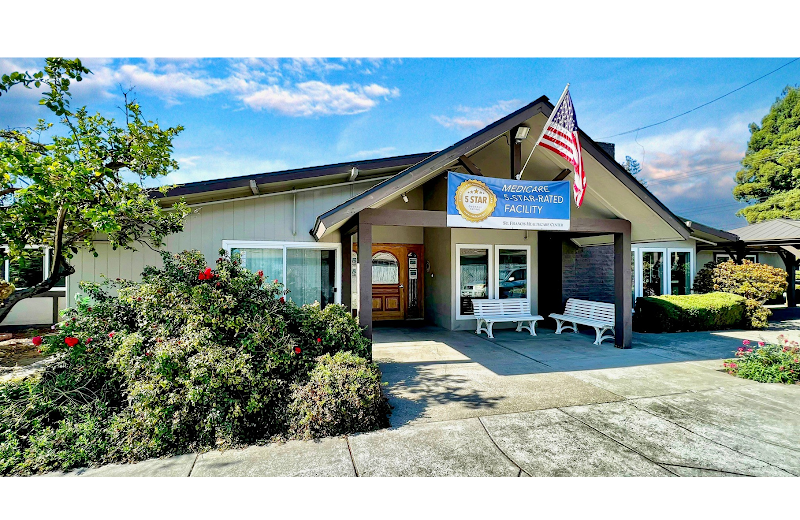
718 BARTLETT AVE, HAYWARD, CA 94541 (510) 785-3630
For profit - Limited Liability company 62 Beds PACS GROUP Data: November 2025
Trust Grade
85/100
#208 of 1155 in CA
Last Inspection: March 2024

Within standard 12-15 month inspection cycle. Federal law requires annual inspections.

Overview

St. Francis Healthcare Center has earned a Trust Grade of B+, which indicates they are recommended and above average compared to other facilities. They rank #208 out of 1,155 in California, placing them in the top half, and #20 out of 69 in Alameda County, meaning only 19 local options are better. However, the facility is experiencing a concerning trend as the number of issues reported has worsened from 1 in 2023 to 4 in 2024. Staffing is a relative strength with a rating of 4 out of 5 stars and a turnover rate of 47%, which is average compared to the state. Notably, there have been no fines reported, and the center has more registered nurse coverage than 87% of California facilities, enhancing care quality. On the downside, there were specific incidents noted by inspectors, including failing to follow COVID-19 protocols that could have allowed the virus to spread among residents. Additionally, two residents had overdue annual assessments, risking unaddressed care needs, and controlled medications were not properly stored, leading to potential safety issues. Overall, while St. Francis Healthcare Center has strengths in staffing and RN coverage, families should be aware of the recent issues and incidents that need addressing.

Trust Score
B+
85/100
In California
#208/1155
Top 18%
Safety Record
Low Risk
No red flags
Inspections
Getting Worse
1 → 4 violations
Staff Stability
⚠ Watch
47% turnover. Above average. Higher turnover means staff may not know residents' routines.
Penalties
✓ Good
No fines on record. Clean compliance history, better than most California facilities.
Skilled Nurses
✓ Good
Each resident gets 55 minutes of Registered Nurse (RN) attention daily — more than average for California. RNs are trained to catch health problems early.
Violations
⚠ Watch
14 deficiencies on record. Higher than average. Multiple issues found across inspections.
★★★★★
5.0
Overall Rating
★★★★☆
4.0
Staff Levels
★★★★★
5.0
Care Quality
★★★★★
5.0
Inspection Score
Stable
2023: 1 issues
2024: 4 issues

The Good

  • 4-Star Staffing Rating · Above-average nurse staffing levels
  • 5-Star Quality Measures · Strong clinical quality outcomes
  • Full Sprinkler Coverage · Fire safety systems throughout facility
  • No fines on record

Facility shows strength in staffing levels, quality measures, fire safety.

The Bad

Staff Turnover: 47%

Near California avg (46%)

Higher turnover may affect care consistency

Chain: PACS GROUP

Part of a multi-facility chain

Ask about local staffing decisions and management

The Ugly 14 deficiencies on record

Aug 2024 2 deficiencies
CONCERN (D) 📢 Someone Reported This

A family member, employee, or ombudsman was alarmed enough to file a formal complaint

Potential for Harm - no one hurt, but risky conditions existed

Deficiency F0602 (Tag F0602)

Could have caused harm · This affected 1 resident

Based on interviews and record reviews, the facility failed to ensure one of three sample selected residents (Resident1) will be free of neglect at the facility, when the facility sent the wrong resid...

Read full inspector narrative →
Based on interviews and record reviews, the facility failed to ensure one of three sample selected residents (Resident1) will be free of neglect at the facility, when the facility sent the wrong resident (Resident2) to the dialysis center instead of Resident 1. This failure resulted in frustration and unnecessary trip to the dialysis for Resident 2, delay in dialysis treatment for Resident 1, possibility of missing dialysis treatment for Resident 1 leading to hospitalization due to kidney complications. Findings: A review of Resident 1 ' s admission Record, undated, indicated Resident 1 was admitted to the facility with multiple diagnoses including end stage renal disease (a permanent condition where the kidneys are no longer able to function and filter waste from the blood. This leads to a buildup of toxins in the body that can be life-threatening if not treated with dialysis or a kidney transplant). A review of Resident 2 ' s admission Record, undated, indicated Resident 2 was admitted to the facility with multiple diagnoses including lung cancer. During an interview on 8/26/24 at 12:55 p.m. with Resident 2, Resident 2 stated he was sent to the dialysis center instead of his roommate (Resident 1). Dialysis staff realized and sent him back to the facility. He stated it was an unnecessary trip for him. He felt terrible, and he was still upset. Resident 2 stated he could not trust the facility anymore. During an interview on 8/23/24 at 2:20 p.m. with the complainant complainant stated, Resident 1 was admitted to the facility and roomed with another resident with the same last name. Complainant stated facility staff sent the roommate (Resident 2) to dialysis instead of Resident 1. When dialysis ' s staff realized that they sent Resident 2 back and accepted to do dialysis for Resident 1 later that day. Complainant stated if the dialysis staff would not accept Resident 1 that day, Resident 1 could easily miss his appointment and be hospitalized due to missing appointment that day. During an interview on 8/26/24, at 12:33, with the Licensed Vocational Nurse (LVN) 1, LVN 1 confirmed that Resident 2 was sent to dialysis instead of Resident 1. LVN 1 stated he was in a middle of shift change and was busy, when transportation staff came to the facility. LVN 1 stated he showed them Resident 1 ' s room and did not go the room to confirm the identification of Resident 1 with the transportation staff. He stated that was a mistake to not go to the room and identify Resident 1 with transportation staff and that caused this issue. During an interview on 8/26/24 at 12:03 p.m. with the Director of Nursing (DON), DON stated dialysis is a very important procedure and if Resident 1 would miss his dialysis appointment, he could have complication and hospitalization. Furthermore, DON stated nurses must check the identification of the residents with the transportation staff for the appointments. A review of Resident 2 ' s Progress Note, dated 8/17/24, indicated Resident (Resident 2) was picked up by . transportation this morning and taken to . contacted . dialysis to return patient (Resident 1) to community, Resident (2) was returned to .transport personnel stated they confirmed patient (Resident 2) ID with night shift nurse . A review of the physician ' s order Order Summary Report indicated Dialysis schedule: 3x (times) a week on Tuesday, Thursday and Saturday . A review of the facility ' s policy and procedure Coordination/Implementing Abuse, Neglect and Exploitation Policy and Procedures dated 2001, indicated The administrator is responsible for the overall coordination and implementation of our facility ' s policy and procedures against abuse, neglect, exploitation, and misappropriation of resident property . 1. Policies are in place that a. prohibit and prevent resident abuse, neglect . A review of the facility ' s policy and procedure Identifying Neglect dated 2001, indicated . 1. Preventing resident neglect is a priority throughout all levels of this organization . 8. Goods and services that the resident needs are identified and addressed though the following . e. oversight and monitoring of contracted services or services provided under arrangement .
CONCERN (D) 📢 Someone Reported This

A family member, employee, or ombudsman was alarmed enough to file a formal complaint

Potential for Harm - no one hurt, but risky conditions existed

Accident Prevention (Tag F0689)

Could have caused harm · This affected 1 resident

Based on interview and record review, the facility failed to ensure adequate supervision of two of three sampled residents (Resident 1 and Resident 2). The facility failed to ensure the two residents...

Read full inspector narrative →
Based on interview and record review, the facility failed to ensure adequate supervision of two of three sampled residents (Resident 1 and Resident 2). The facility failed to ensure the two residents who were roomed together and had the same surname were properly identified by facility staff before initiating a transfer for dialysis treatment. The facility failed to ensure staff properly identified Resident 1 so Resident 1 could be sent for dialysis treatment (a treatment for kidney failure to remove waste products and excess fluids by external filtration of blood). These failures resulted in Resident 2 being unnecessarily transported to the dialysis center, and a one-hour delay in pick-up for Resident 1's dialysis treatment. For Resident 1, the one-hour delay in pick-up for dialysis had the potential to result in shortened or unavailable dialysis treatment. For Resident 2, the unnecessary trip caused emotional distress. Findings: A review of Resident 1's admission Record, undated, indicated Resident 1 was admitted to the facility with multiple diagnoses including end stage renal disease (a permanent condition where the kidneys are no longer able to function and filter waste from the blood. This leads to a buildup of toxins in the body that can be life-threatening if not treated with dialysis or a kidney transplant). The admission Record indicated Resident 1 had a family member as the responsible party. A review of Resident 1's physician Order Summary Report, dated active orders 8/19/24, indicated an order with start date 8/14/24, for a dialysis schedule three times a week on Tuesday, Thursday and Saturday. The order indicated Resident 1 should be picked up for dialysis between 7:20 a.m. and 7:50 a.m.; dialysis treatment time from 8:15 a.m. to 12:15 p.m.; return to facility 12:15 p.m. to 12:45 p.m. During an interview on 8/26/24 at 11:52 a.m. with the Director of Nursing (DON), the DON stated when Resident 1 was admitted the only bed available was in the same room as Resident 2. The DON stated both Resident 1 and Resident 2 had the same surname. During an interview on 8/26/24, at 12:33, with the Licensed Vocational Nurse (LVN) 1, LVN 1 stated Resident 2 was sent to dialysis instead of Resident 1 on 8/17/24. LVN 1 stated the transport crew arrived to take Resident 1 to dialysis while LVN 1 was reporting off to the oncoming shift. LVN 1 stated LVN 1 had showed the transport crew Resident 1's room location but did not go into the room to identify Resident 1 to the transport crew. During an interview on 8/26/24 at 12:03 p.m. with the DON, the DON stated Resident 1 was scheduled for pick-up for dialysis at 7:20 a.m. to 7:50 a.m. for an 8:15 start time of dialysis. DON stated on August 17, Resident 1 was picked up for dialysis at 8:30 a.m. A review of Resident 1's nursing progress note dated 8/17/24 at 10:04 a.m., the note indicated Resident 1 left for dialysis around 8:30 a.m. During an interview on 8/23/24 at 2:20 p.m. with a family member of Resident 1, the family member stated Resident 1 was admitted to the facility and roomed with another resident with the same last name. The family member stated on 8/17/24, facility staff had sent Resident 1's roommate, Resident 2, to dialysis instead of sending Resident 1. The family member stated the family was worried the dialysis center would refuse to treat Resident 1 if treatments were missed as they were on August 17. A review of Resident 2's admission Record, undated, indicated Resident 2 was admitted to the facility with multiple diagnoses including lung cancer. The admission Record had no diagnosis for kidney impairment. The admission Record indicated Resident 2 was his own responsible party. A review of Resident 2's nursing progress note dated 8/17/24, indicated Resident 2 had been transported to the dialysis center this morning, but had arranged soon after for the transport crew to return Resident 2 to the facility. During an interview on 8/26/24 at 12:55 p.m. with Resident 2, Resident 2 stated he was sent to the dialysis center instead of his roommate, Resident 1. Resident 2 stated after he arrived, dialysis staff realized he shouldn't be at the dialysis center and sent him back to the facility. Resident 2 stated the trip to the dialysis center was unnecessary and he was still upset by the trip. Resident 2 stated he could be harmed if dialysis had been provided to him, and now he distrusted the facility.
Mar 2024 2 deficiencies
CONCERN (D)

Potential for Harm - no one hurt, but risky conditions existed

Medication Errors (Tag F0758)

Could have caused harm · This affected 1 resident

Based on observation, interview, and record review, for one of five sampled residents (Resident 38) who were reviewed for unnecessary medications use, the facility failed to ensure: 1. Resident 38 was...

Read full inspector narrative →
Based on observation, interview, and record review, for one of five sampled residents (Resident 38) who were reviewed for unnecessary medications use, the facility failed to ensure: 1. Resident 38 was given antipsychotic medication (medication to help reduce psychotic symptoms like hallucinations, delusions, and disordered thinking) to treat a specific condition. 2. Resident 38 was given antipsychotic medication with adequate monitoring of adverse effects from the medication. These failures had the potential to result in unnecessary use of antipsychotic medication and delayed management of adverse effects. Findings: During a review of Resident 38's admission Record, the admission Record indicated Resident 38 was admitted to the facility in January 2024 with diagnoses that included Parkinson's disease (a brain disorder that causes unintended or uncontrollable movements, such as shaking, stiffness, and difficulty with balance and coordination) without dyskinesia (uncontrolled, involuntary movement), type 2 diabetes mellitus (a long-term (chronic) disease in which the body cannot regulate the amount of sugar in the blood) and dementia (a loss of brain function that occurs with certain diseases, affecting one or more brain functions such as memory, thinking, language, judgment, or behavior). During review of Resident 38's Order Summary Report, the Order Summary Report indicated an order dated 3/1/24 for Resident 38 to receive quetiapine (an antipsychotic medication used to regulate mood, behaviors, and thoughts) 25 milligram (mg) one tablet by mouth every evening for agitation and behavioral issues related to Parkinson's disease. The Order Summary Report also indicated for staff to monitor Resident 38 for the following behaviors related to antipsychotic use: 0=none; 1= afraid; 2= agitated; 3=angry; 4=anxious; 5= mood change; 6= noisy; 7= restless; 8=withdrawn/crying; 9=crying; 10=combative. The Order Summary Report did not indicate any monitoring for adverse reactions from quetiapine. During a review of Resident 38's Medication Administration Record (MAR), dated March 2024, the MAR indicated Resident 38 received seroquel starting 3/3/24. The MAR indicated Resident 8 had 0 behaviors all shifts from 3/4/24 to 3/19/24. The MAR did not indicate Resident 38 was monitored for presence of adverse reactions from quetiapine. During an interview on 3/19/24 at 11:17 a.m. with Licensed Vocational Nurse (LVN) 1, LVN 1 stated not knowing if Resident 38 had any negative behavior. During an interview on 3/19/24 at 12:19 p.m. with Certified Nursing Assistant (CNA) 1, CNA 1 stated Resident 38 was calm when up in the wheelchair but got restless when back to bed. CNA 1 stated Resident 38 would want to be back to bed when up in the wheelchair only to ask to be back up in the wheelchair after going to bed. CNA 1 also stated Resident 38 moved a lot in bed needing frequent checks by staff for safety. During a follow-up interview and concurrent review of clinical records on 3/19/24 at 12:27 p.m. with LVN 1, Resident 38's MAR from January 2024 to March 2024 was reviewed. LVN 1 stated the MAR for March 2024 indicated Resident 38 had no behaviors during the morning, afternoon, and night shifts. LVN 1 also stated the MAR indicated there was no monitoring for adverse effects from seroquel use. LVN 1 stated, adverse effects that staff should watch out for include drowsiness, increased behavior episodes and nausea (feeling an urge to vomit). During an interview and concurrent review of clinical records on 3/19/24 at 1:52 p.m. with Minimum Data Set Coordinator (MDSC), MDSC stated, in January 2024, pain management was revised to address agitation and behaviors which did not help. MDSC stated, on 2/29/24, Resident 38 was re-evaluated by rehabilitation team with the goal to continue therapy to help with pain management, but Resident 38's participation with therapy did not improve, so quetiapine was started to address agitation. During a review of Resident 38's Psychological Assessment, dated 3/6/24, the Psychological Assessment indicated Resident 38's presenting problem: Agitation/Combative, mental status: confused but pleasant and cooperative. The Psychological Assessment indicated Resident 38 was Restarted 3/1 on quetiapine. During an interview on 3/19/24 at 3:11 p.m. with Registered Nurse (RN) 1, RN 1 stated Resident 38's only behavior in the evening shift was calling out and talking a lot but never physically restless even after being helped back to bed. During a review of Resident 38's care plans, the care plans indicated there was no care plan to address use of quetiapine. During a review of quetiapine's Product Monograph, last revised 11/29/21, the Product Monograph indicated an Increased mortality in elderly patients with dementia. It further indicated elderly patients with dementia treated with quetiapine are at an increased risk of death, of which cause of death varied to be either cardiovascular (a general term for conditions affecting the heart or blood vessels) or infectious in nature. The Product Monograph indicated most commonly adverse drug reactions included somnolence (a state of drowsiness or strong desire to fall asleep), dizziness, dry mouth, elevations in serum triglyceride (a type of fat, called lipids, that circulate in your blood), elevation in low density lipoprotein cholesterol (LDL, sometimes called bad cholesterol, makes up most of your body's cholesterol. High levels of LDL cholesterol raise your risk for heart disease and stroke) and decrease in high density lipoprotein cholesterol (sometimes called good cholesterol, absorbs cholesterol in the blood and carries it back to the liver. The liver then flushes it from the body. High levels of HDL cholesterol can lower your risk for heart disease and stroke), weight gain, decreased hemoglobin (a protein in your red blood cells that carries oxygen to your body's organs and tissues and transports carbon dioxide from your organs and tissues back to your lungs) and extrapyramidal symptoms (movement dysfunction such as continuous spasms and muscle contractions, motor restlessness, rigidity, slowness of movement, tremor, and irregular, jerky movements). During a review of the facility's policy and procedure (P&P) titled Antipsychotic Medication Use, last revised July 2022, the P&P indicated the following: 1. Residents will only receive antipsychotic medications when necessary to treat a specific condition for which it is indicated for. 2. Antipsychotic medications shall generally be used only for the following conditions as documented in the record .: a. schizophrenia (serious mental disorder in which people interpret reality abnormally, may result in hallucinations, delusions and extremely disordered thinking and behavior), b. schizoaffective disorder (a mental disorder characterized by abnormal thought processes and an unstable mood), c. schizophreniform disorder (mental health disorder that causes symptoms of psychosis like hallucinations, delusions and disorganized speech), d. delusional disorder (one or more firmly held false beliefs), e. mood disorders ., f. psychosis in the absence of dementia, g. medical illness with psychotic symptoms and/or treatment-related psychosis or mania .h. Tourette's Disorder ( involves repetitive movements or unwanted sounds (tics) that can't be easily controlled), i. Huntington Disease (causes progressive breakdown of the brain's nerve cells), j. hiccups (not induced by medications) or k. nausea and vomiting associated with cancer or chemotherapy (cancer treatment that uses powerful chemicals to kill fast-growing cells in your body). 3. Antipsychotic medications will not be used if the only symptoms are one or more of the following: a. wandering; b. poor self-care; c. restlessness; d. impaired memory; e. mild anxiety; f. insomnia; g. inattention or indifference to surroundings; h. sadness or crying alone that is not related to depression or other psychiatric disorders; i. fidgeting; j. nervousness; or k. uncooperativeness.
CONCERN (D)

Potential for Harm - no one hurt, but risky conditions existed

Deficiency F0836 (Tag F0836)

Could have caused harm · This affected 1 resident

Based on interview and record review, the facility failed to operate and provide services in compliance with State regulations when an unusual occurrence of a fall with major injury was not reported t...

Read full inspector narrative →
Based on interview and record review, the facility failed to operate and provide services in compliance with State regulations when an unusual occurrence of a fall with major injury was not reported to the State Agency. This failure had the potential to result in the lack of oversight for resident safety. Findings: During a review of Resident 7's Progress Notes, dated 3/8/24, the Progress Notes indicated Resident 7 was found sitting on the floor at the bedside while getting ready for the day. The Progress Notes indicated Resident 7 went to a day program but was sent back to the facility after vomiting and verbalizing Not feeling well. During a review of Resident 7's Radiology Results Report, dated 3/9/24, the Radiology Results Report indicated a vertebral compression fracture at L1. During a review of Resident 7's SNF/NF to Hospital Transfer Form, dated 3/9/24, and Patient Visit Information, dated 3/10/24, the Transfer Form indicated Resident 7 was transferred to the hospital for further management on 3/9/24. The Patient Visit Information indicated Resident 7 returned to the facility the next day, 3/10/24, with diagnoses that included closed fracture lumbar vertebra. During an interview on 3/20/24 at 12:07 p.m. with Certified Nursing Assistant (CNA) 2, CNA 2 stated, since the fall incident, Resident 7 could not have the head of bed elevated long enough to drink or eat enough. CNA 2 stated Resident 7's pain has caused Resident 7 so much confusion that Resident 7 did not know what she wanted. During an interview on 3/20/24 at 1:06 p.m. with Administrator (Adm), Adm stated Resident 7's fall was not reported to the State Agency because Adm stated not being aware of a requirement to report falls with major injuries. Adm stated the facility did not have a policy and procedure to address reporting of falls with major injury such as fractures. During a review of Barclays California Code of Regulations Title 22, Title 22 indicated, under Article 5. Administration, Section 72541, Unusual Occurrences, occurrences such as major accidents which threaten the welfare, safety or health of patients shall be reported by the facility within 24 hours either by telephone (and confirmed in writing) to the local health officer and the Department.
Nov 2023 1 deficiency
CONCERN (D) 📢 Someone Reported This

A family member, employee, or ombudsman was alarmed enough to file a formal complaint

Potential for Harm - no one hurt, but risky conditions existed

Free from Abuse/Neglect (Tag F0600)

Could have caused harm · This affected 1 resident

Deficiency Text Not Available

Read full inspector narrative →
Deficiency Text Not Available
Jan 2022 5 deficiencies
CONCERN (D)

Potential for Harm - no one hurt, but risky conditions existed

Transfer Notice (Tag F0623)

Could have caused harm · This affected 1 resident

**NOTE- TERMS IN BRACKETS HAVE BEEN EDITED TO PROTECT CONFIDENTIALITY** Based on interview and record review, the facility failed to inform the Responsible Party (RP) when one of three sampled residen...

Read full inspector narrative →
**NOTE- TERMS IN BRACKETS HAVE BEEN EDITED TO PROTECT CONFIDENTIALITY** Based on interview and record review, the facility failed to inform the Responsible Party (RP) when one of three sampled residents (Resident 105) was transferred and stayed overnight at the hospital. This failure had the potential to result in the lack of coordination and information to make treatment decisions during the transfer process. Findings: During a review of Resident 105's admission Record, dated 1/27/22, the admission Record indicated, Resident 105 was admitted to the facility on [DATE] with dementia (memory loss and impaired decision-making) and psychotic disorder (a mental illness) with hallucinations. The admission Record further indicated RP 1 was Resident 105's healthcare decision-maker. During a review of Resident 105's Physician's Orders (PO), dated 1/3/22, the PO indicated, Send to ER [emergency room] for further evaluation of left elbow swollen . During a concurrent interview and record review on 1/27/22, at 10:22 a.m., with Medical Records Director (MRD), Resident 105's clinical record was reviewed. MRD stated Resident 105 was transferred to the hospital on 1/3/22 but the transfer was not documented in the clinical record. During an interview with Director of Nursing (DON) on 1/27/22, at 10:38 a.m., with DON, DON stated, Resident 105 had a fractured elbow, transferred to the hospital for a soft cast (device used to protect and support fractured bones or joints) application, stayed overnight, and returned to the facility on 1/4/22. DON stated the facility's protocol was for the licensed nurse to complete the transfer and to call and inform the resident's RP of the transfer which was not done in Resident 105's case. During a review of Resident 105's Progress Notes, dated 1/4/22, the Progress Notes indicated, Resident 105 returned from the hospital with a sling. The Progress Notes did not indicate Resident 105's RP was notified of Resident 105's transfer and return between the facility and hospital. During a review of the facility's policy and procedure (P&P) titled, Transfer or Discharge, Emergency, revised August 2018, the P&P indicated, Should it become necessary to make an emergency transfer or discharge to a hospital . Notify the representative (sponsor) or other family member .
CONCERN (D)

Potential for Harm - no one hurt, but risky conditions existed

Quality of Care (Tag F0684)

Could have caused harm · This affected 1 resident

**NOTE- TERMS IN BRACKETS HAVE BEEN EDITED TO PROTECT CONFIDENTIALITY** Based on observation, interview, and record review, the facility failed to ensure one of one sampled resident (Resident 106), re...

Read full inspector narrative →
**NOTE- TERMS IN BRACKETS HAVE BEEN EDITED TO PROTECT CONFIDENTIALITY** Based on observation, interview, and record review, the facility failed to ensure one of one sampled resident (Resident 106), received treatment and care for non-pressure ulcers (open areas that is not caused by shear or pressure but may be caused by poor circulation) when Resident 106's left foot and blackened toes on both feet were not identified and treated. This failure had the potential to result in delayed healing and infection for Resident 106. Findings: During a review of Resident 106's admission Record, dated 1/26/22, the admission Record indicated, Resident 106 was initially admitted on [DATE] and has multiple medical diagnoses'; it indicated peripheral vascular disease (slow and progressive circulation disorder that reduces blood supply to the feet) and dementia (loss of memory and impaired decision-making ability). During a concurrent observation and interview on 1/24/22, at 1:55 p.m., with Treatment Nurse (TN), at Resident 106's bedside, Resident 106 feet were observed. Resident 106's feet were elevated on a pillow, left foot's second toe had thick grayish-black dry skin and an ulcer covering the entire top portion of the toe. The left foot's second toe also had an eschar (collection of dry, dead tissue within a wound) on the left middle side of the toe (please see IMG_0228.jpg). Resident 106's second and third toes on the right foot were blackened. TN stated, Resident 106's legs were monitored for worsening of edema but not for the ulcer and darkened skin color. TN further stated, some of Resident 106's toes darkened for some time but could not state when it started. TN could not say if this was a new change in Resident 106's health status. TN stated a podiatrist (a foot doctor) came to the facility but did not know for sure if the podiatrist saw Resident 106's feet. During a concurrent interview and record review, on 1/24/22, at 2:17 p.m., with Director of Nursing (DON), Resident 106's Podiatric Evaluation and Treatment, dated 11/1/21 was reviewed. DON stated, the podiatrist came in November 2021 and saw Resident 106. The Podiatric Evaluation Treatment indicated a recommendation for a follow-up with the vascular team (doctors that are highly trained to treat diseases of the vascular system, the arteries and veins that carry blood to different parts of the body). It also indicated, eschar on left 2nd and 3rd toes and dusky (discoloration sometimes from lack of blood supply) appearance to toes. DON stated the vascular surgeon was not contacted yet and the facility was still working on the referral. During an additional interview with DON, on 1/25/22, at 9:25 a.m., DON stated, the Interdisciplinary Team (a group of individuals representing different departments of the facility) had a conference with Resident 106's representative two weeks ago but the podiatrist's recommendation was not discussed. DON further stated, Resident 106 had a chronic problem with open areas in skin but could not state if this was the same skin problem as in the past. DON stated, did not see Resident 106's feet since this concern was identified on 1/24/22. During a follow-up observation and concurrent interview, on 1/25/22, at 10:13 a.m., with TN, DON, and Social Services Director (SSD), at Resident 106's bedside, TN stated it was a new skin issue. TN stated she saw it on 1/24/22, after it was identified by this writer but did not document the finding because TN thought it was already in Resident 106's record. DON confirmed there was no documentation of Resident 106's foot problems in the clinical record as the facility did not know about it. DON could not answer if Resident 106's foot problem appeared like it had developed over the last 48 hours. TN also stated, because a change in condition report was not completed, Resident 106's attending physician and representative were not notified of the skin issue. During a review of Resident 106's Progress Notes, dated 1/25/22, the Progress Notes indicated, raised circular skin on Resident 106's left second toe measured 1.2 centimeters (cm) by 1.3 cm and on the third toe, measured 0.5 cm by 0.8 cm. During an interview on 1/26/22, at 11:50 a.m., with Wound Doctor (WD), WD stated, the wound on Resident 106's left foot's 2nd toe looked like an arterial ulcer. WD also stated an ultrasound would be needed to check for blood supply. During a follow-up interview with TN, on 1/26/22, at 12:37 p.m., TN stated, there was no training provided in identifying and recognizing skin changes. During a concurrent interview and review of the facility's in-service education, with DON, on 1/27/22, at 11:42 a.m., DON stated, a training titled, Peripheral Vascular Disease, dated 2021, was provided to licensed staff. Review of the training material indicated symptoms and treatments of peripheral arterial disease were covered. TN's name was not listed on this staff training log. During an interview with Licensed Vocational Nurse (LVN) 1, on 1/26/22, at 12:40 p.m., LVN 1 stated she saw the changes in Resident 106's feet but thought they were not something new. LVN 1 further stated she monitored Resident 106's feet but could not explain why it was monitored. During a review of Resident 106's Treatment Administration Record (TAR), dated December 2021 and January 2022, the TAR did not indicate Resident 106's feet/toes skin treatment before 1/25/22. During a review of Resident 106's clinical record, various dates, it indicated the following: - Skin/Wound Note, dated 12/8/21 and 12/15/21, indicated No noted impairments in skin nor new skin issues. - Skin Wound Note, dated 1/8/22, indicated Weekly skin check completed for resident [without] noted impairments in skin. - Skin/Wound Note, dated 1/14/22, indicated No noted new issues. - Nursing Weekly Summary, dated 1/23/22, indicated No new skin issues this week.
CONCERN (E)

Potential for Harm - no one hurt, but risky conditions existed

Comprehensive Assessments (Tag F0636)

Could have caused harm · This affected multiple residents

Based on interview and record review, the facility failed to ensure two (Resident 3 and Resident 16) of 24 residents' annual assessments were completed within 14 days of the Assessment Reference Date ...

Read full inspector narrative →
Based on interview and record review, the facility failed to ensure two (Resident 3 and Resident 16) of 24 residents' annual assessments were completed within 14 days of the Assessment Reference Date (ARD, ). This failure to complete the annual assessments for 55 and 62 days had the potential to place Resident 3 and Resident 16, respectively, at risk for delayed or unidentified care needs. Findings: During a review of Resident 3's medical record, it indicated the Minimum Data Set (MDS, a resident assessment tool used to guide care) was 55 days overdue. An incomplete annual assessment was dated 11/19/21 and was still in progress on 1/27/22. During a review of Resident 16's medical record, it indicated the MDS was 62 days overdue. An incomplete annual assessment was dated 11/12/21 and was still in progress on 1/27/22. During an interview with MDS assessment nurse (MDS 1), MDS 1 stated, is behind on discharge assessments, has a plan to get it completed, and overlooked Resident 3 and 16's annual assessments. MDS further stated, needs a better system to track resident assessments. During a review of the facility's policy and procedure titled (P&P), Resident Assessments, revised November 2019, the P&P indicated, Annual Assessment (Comprehensive) - Conducted not less than once every twelve months.
CONCERN (E)

Potential for Harm - no one hurt, but risky conditions existed

Pharmacy Services (Tag F0755)

Could have caused harm · This affected multiple residents

Based on observation, interview, and record review, the facility failed to store and dispose of controlled medications (medications with potential or risk for abuse) when Ativan (medication for anxiet...

Read full inspector narrative →
Based on observation, interview, and record review, the facility failed to store and dispose of controlled medications (medications with potential or risk for abuse) when Ativan (medication for anxiety) vials were not disposed and stored in an unlocked refrigerator for one discharged resident. These deficient practices had the potential for loss or diversion of the controlled medications. Findings: During a concurrent observation and interview on 1/24/22, at 11:13 a.m., with Director of Staff Development (DSD), in the medication storage room, seven vials of Ativan 2mg/ml. were observed in an open plastic container in an unlocked refrigerator. DSD stated, the medications belonged to a resident who was discharged on 8/11/21. During an interview on 1/27/22, at 9:08 a.m., with Director of Nursing (DON), DON stated, discontinued schedule II-V medications (medications with potential or risk for abuse) should be submitted to the DON on the same day the resident is discharged , or on the same day the attending physician gave an order for the medication to be discontinued. DON further stated, schedule II-V medications should be in a locked container while awaiting destruction by the pharmacy consultant and a licensed nurse. During a review of facility's policy and procedure (P&P) titled, Discarding and Destroying Medications, revised April 2019, the P&P indicated, All unused controlled substances shall be retained in a securely locked area with restricted access until disposed of. The P&P further stated, Disposal of controlled substances [medications with potential or risk for abuse] must take place immediately (no longer than three days) after discontinuation of use by the resident.
CONCERN (F)

Potential for Harm - no one hurt, but risky conditions existed

Infection Control (Tag F0880)

Could have caused harm · This affected most or all residents

Based on observation, interview, and record review, the facility failed to follow their policies and procedures to mitigate the spread of COVID-19 (a respiratory virus that can cause mild to serious r...

Read full inspector narrative →
Based on observation, interview, and record review, the facility failed to follow their policies and procedures to mitigate the spread of COVID-19 (a respiratory virus that can cause mild to serious respiratory illness) when resident room doors were left open in the COVID-19 positive wing with no physical barrier between COVID-19 positive and COVID-19 negative residents and when an employee did not wear personal protective equipment (PPE, equipment worn to minimize exposure to hazards) before entering a room requiring transmission-based precautions (infection-control precautions in health care). These deficient practices had the potential to spread infection among residents and for Residents 3, 16, 48, 50, 51, 71, 72, 77, 80, 85, 96, 98. 99. 100, 103, 104, 105, 106, 107, 108, and 111 to contract COVID-19. Findings: 1. During an observation on 1/24/22, at 11:30 a.m., the red zone (area for COVID-19 positive residents) and yellow zone (area for COVID-19 exposed residents) were observed separated by red tape on the floor with no physical barrier between the zones, and the doors to COVID-19 positive resident rooms 3, 4, 5, 6, 7, 9, 10, and 11 were open. It was also observed the doors to rooms 2, 12, 14, 15, 16, 17, 18, 19, 21, and 22 were opened exposing those residents to COVID-19. During an interview on 1/24/22, at 12:30 p.m., with Infection Preventionist (IP) and Administrator (ADM), IP stated, they were told by Alameda County Public Health (ACPH) they could have the doors open if a resident is a fall risk. ADM stated the nurse from Healthcare Associated Infections Program (HAI) said they did not need the barrier between the different zones. IP further stated they follow the county recommendations. During an interview on 1/24/22, at 4:21 p.m., with Alameda County Public Health Nurse (PHN), PHN stated, there should be a barrier between the red and yellow zone to separate the red and yellow zones, if doors need to be left open for resident safety. PHN stated if there is not a barrier, the doors need to be closed for all the rooms. During a review of Long Term Care Facility COVID-19 Outbreak Control Recommendations from the Alameda County Health Care Services Public Health Department, dated 10/19/21, under Resident Placement, Movement Restrictions & Transferring Residents, it indicated, doors should remain closed, if possible, in the red and yellow zones. During a review of the facility's policy and procedure (P&P) titled, Coronavirus Disease (COVD-19) Prevention Control, dated March 2020, the P&P indicated, The response to the current outbreak of coronavirus disease is based on the most current recommendations from health policy officials, state agencies and the federal government. The P&P further indicated, Residents with suspected or confirmed COVID-19 infection are placed in a separate room or cohorted with other residents with the same infection status. 2. During a concurrent observation and interview on 1/24/22, at 11:10 a.m., with Certified Nursing Assistant (CNA) 1, CNA 1 was observed entering Resident 105's room without donning PPE and giving cloth protectors to both Residents 105 and Resident 85. Resident 105's room was a yellow room (are where residents who were exposed to other residents that tested positive for COVID-19 were cohorted). CNA 1 stated, I'm sorry and she should have donned a gown and worn gloves before entering the room. During a review of Long Term Care Facility COVID-19 Outbreak Control Recommendations from the Alameda County Health Care Services Public Health Department, dated 10/19/21, under Transmission-Based Precautions and Other Infection Control Measures, it indicated, in the yellow rooms of COVID-exposed residents, N-95 respirator, eye protection, gowns, and gloves with hand hygiene before donning and after doffing gloves are done upon room entry and between residents.
Mar 2019 4 deficiencies
CONCERN (D)

Potential for Harm - no one hurt, but risky conditions existed

Infection Control (Tag F0880)

Could have caused harm · This affected 1 resident

Based on observation, interview, and record review, the facility failed to follow infection control practices to prevent transmission of infection when Certified Nursing Assistant (CNA) 3 did not perf...

Read full inspector narrative →
Based on observation, interview, and record review, the facility failed to follow infection control practices to prevent transmission of infection when Certified Nursing Assistant (CNA) 3 did not perform hand hygiene in between feeding residents. This failure could potentially result in increased risk for infection. Findings: During a dining observation on 3/26/19 at 12:10 p.m., CNA 3 was observed feeding a resident. After wiping the resident's mouth with the cloth protector, CNA 3 got up and went to feed a second resident. When CNA 3 was done feeding the second resident, CNA 3 got up and went to feed a third resident. CNA 3 fed all three residents one after another, without hand washing or hand sanitizing in between feedings. In an interview on 3/26/19 at 12:33 p.m., CNA 3 stated he should have done gel in gel out in between feeding residents to prevent infection. During an interview on 3/28/19 at 9:58 a.m., Director of Staff Development (DSD) stated that a hand sanitizer dispenser is available in the dining room for residents and staff use. DSD also stated that staff should perform hand hygiene in between feeding residents. Review of the facility's undated policy and procedure Feeding the Resident (Dependent Eating) indicated, .To assist the resident with feeding as necessary .Wash your hands before and after all procedures .
CONCERN (E)

Potential for Harm - no one hurt, but risky conditions existed

Deficiency F0727 (Tag F0727)

Could have caused harm · This affected multiple residents

Based on interview and record review, the facility failed to provide Registered Nursing (RN) services for eight consecutive hours, seven days a week when there was no RN coverage on 2/2/19, 2/9/19, 2/...

Read full inspector narrative →
Based on interview and record review, the facility failed to provide Registered Nursing (RN) services for eight consecutive hours, seven days a week when there was no RN coverage on 2/2/19, 2/9/19, 2/10/19, 3/16/19 and 3/23/19. This failure had the potential to result in the facility not provide nursing care and services to meet each residents' physical, mental and psychosocial well-being. Findings: A review of the facility's Licensed Nurses Schedule and Daily Nursing Assignment, indicated there was no RN in the facility to provide nursing services for eight consecutive hours on 2/2/19, 2/9/19, 2/10/19, 3/16/19 and 3/23/19. During an interview on 3/28/19 at 9:20 a.m., the Director of Staff Development (DSD), stated facility did not have RN coverage on 2/2, 2/9, 2/10, 3/16 and 3/23/19. DSD stated she was responsible to schedule RN's assignments and sometimes RN called off and it was difficult to find replacement. During an interview on 3/28/19 at 9:55 a.m., Registered Nurse (RN 1), confirmed the facility did not have RN's services eight consecutive hours a day on 2/2, 2/9, 2/10, 3/16 and 3/23/19. RN 1 stated facility cannot find RN's.
CONCERN (E)

Potential for Harm - no one hurt, but risky conditions existed

Deficiency F0761 (Tag F0761)

Could have caused harm · This affected multiple residents

**NOTE- TERMS IN BRACKETS HAVE BEEN EDITED TO PROTECT CONFIDENTIALITY** Based on observation and interview, the facility failed to ensure one medication cart was left unlocked in the hallway unattende...

Read full inspector narrative →
**NOTE- TERMS IN BRACKETS HAVE BEEN EDITED TO PROTECT CONFIDENTIALITY** Based on observation and interview, the facility failed to ensure one medication cart was left unlocked in the hallway unattended. This failure had the potential to allow unauthorized access to the medications. Findings: During an observation on 3/27/19 at 10:23 a.m., there was one unlocked medication cart (container of narcotics and over the counter medication) in the hallway next to room [ROOM NUMBER] where residents and visitors walked up and down the hallway past the cart. During an interview on 3/27/19 at 10:35 a.m., LVN 1 returned to the medication cart and stated she was called for an emergency in the dining room and forgot to locked the medication cart. LVN 1 stated she was expected to locked the medication cart at all times when out of view. The facility's policy and procedure, titled, Medication Storage, dated 09/18, indicated; In order to limit access to prescription medications, only licensed nurses, pharmacy staff, and those lawfully authorized to administer medications (such as medication aides) are allowed access to the medication carts, medication rooms, cabinets and medication supplies should remain locked when not in use or attended by persons with authorized access.
CONCERN (E)

Potential for Harm - no one hurt, but risky conditions existed

Food Safety (Tag F0812)

Could have caused harm · This affected multiple residents

Based on observation, interview, and record review, the facility failed to ensure that food was prepared, stored, and served under sanitary conditions when: 1. One of five onions had scattered, black ...

Read full inspector narrative →
Based on observation, interview, and record review, the facility failed to ensure that food was prepared, stored, and served under sanitary conditions when: 1. One of five onions had scattered, black discoloration with soft areas. 2. Resident's food refrigerator with four undated and unlabeled bottles of beverages. These failed practices had the potential to result in foodborne illness. Findings: 1. During an observation of the dry storage area and concurrent interview with the DS on 3/26/19 at 8:40 a.m., DS acknowledged that inside the plastic container, one of the five onions had scattered, black discoloration with soft areas. Review of facility's policy and procedure, Storing Produce, dated 2018 indicated, 1. Check boxes of fruits and vegetables for rotten, spoiled items .Throw away all spoiled items . 2. During an observation of the Resident Food Refrigerator inside the medication room, and concurrent interviews with Licensed Vocational Nurse (LVN) 3 and LVN 4 on 3/27/19 at 12:06 p.m., LVN 3 and LVN 4 acknowledged there were three unopened soda bottles and one unopened soda can that were unlabeled. Review of facility's policy and procedure, Bringing in Food for A Resident, dated 2018 indicated, .Food or beverages should be labeled and dated to monitor for food safety. Food or beverages in the original containers marked with manufacture expiration dates and unopened, need to be marked with resident's name .
Understanding Severity Codes (click to expand)
Life-Threatening (Immediate Jeopardy)
J - Isolated K - Pattern L - Widespread
Actual Harm
G - Isolated H - Pattern I - Widespread
Potential for Harm
D - Isolated E - Pattern F - Widespread
No Harm (Minor)
A - Isolated B - Pattern C - Widespread

Questions to Ask on Your Visit

  • "Can I speak with families of current residents?"
  • "What's your RN coverage like on weekends and overnight?"

Our Honest Assessment

Strengths
  • • Grade B+ (85/100). Above average facility, better than most options in California.
  • • No major safety red flags. No abuse findings, life-threatening violations, or SFF status.
  • • No fines on record. Clean compliance history, better than most California facilities.
Concerns
  • • 14 deficiencies on record. Higher than average. Multiple issues found across inspections.
Bottom line: Generally positive indicators. Standard due diligence and a personal visit recommended.

About This Facility

What is St Francis Healthcare Center's CMS Rating?

CMS assigns ST FRANCIS HEALTHCARE CENTER an overall rating of 5 out of 5 stars, which is considered much above average nationally. Within California, this rating places the facility higher than 99% of the state's 100 nursing homes. This rating reflects solid performance across the metrics CMS uses to evaluate nursing home quality.

How is St Francis Healthcare Center Staffed?

CMS rates ST FRANCIS HEALTHCARE CENTER's staffing level at 4 out of 5 stars, which is above average compared to other nursing homes. Staff turnover is 47%, compared to the California average of 46%.

What Have Inspectors Found at St Francis Healthcare Center?

State health inspectors documented 14 deficiencies at ST FRANCIS HEALTHCARE CENTER during 2019 to 2024. These included: 14 with potential for harm.
Who Owns and Operates St Francis Healthcare Center?

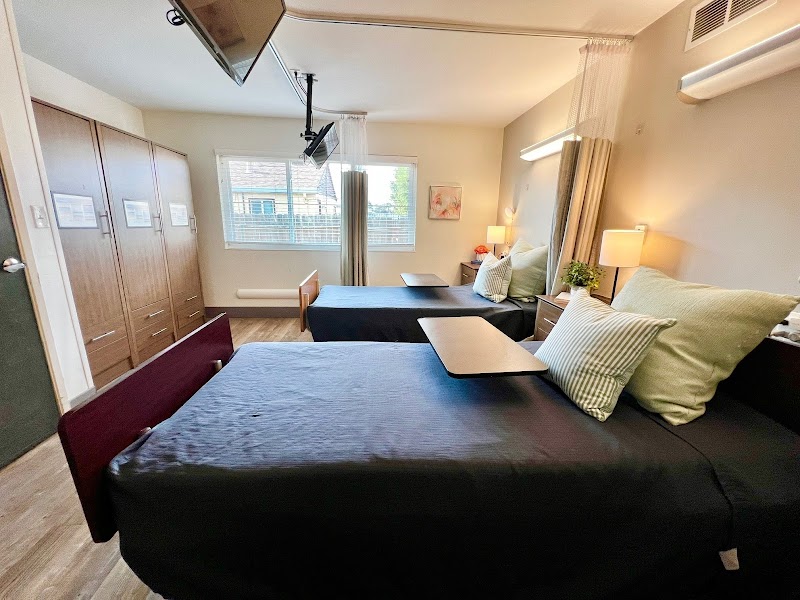
ST FRANCIS HEALTHCARE CENTER is owned by a for-profit company. For-profit facilities operate as businesses with obligations to shareholders or private owners. The facility is operated by PACS GROUP, a chain that manages multiple nursing homes. With 62 certified beds and approximately 54 residents (about 87% occupancy), it is a smaller facility located in HAYWARD, California.
How Does St Francis Healthcare Center Compare to Other California Nursing Homes?

Compared to the 100 nursing homes in California, ST FRANCIS HEALTHCARE CENTER's overall rating (5 stars) is above the state average of 3.2, staff turnover (47%) is near the state average of 46%, and health inspection rating (5 stars) is much above the national benchmark.

What Should Families Ask When Visiting St Francis Healthcare Center?

Based on this facility's data, families visiting should ask: "Can I visit during a mealtime to observe dining assistance and food quality?" "How do you handle medical emergencies, and what is your hospital transfer rate?" "Can I speak with family members of current residents about their experience?"

Is St Francis Healthcare Center Safe?

Based on CMS inspection data, ST FRANCIS HEALTHCARE CENTER has a clean safety record: no substantiated abuse findings (meaning no confirmed cases of resident harm), no Immediate Jeopardy citations (the most serious violation level indicating risk of serious injury or death), and is not on the Special Focus Facility watch list (a federal program monitoring the lowest-performing 1% of nursing homes). The facility has a 5-star overall rating and ranks #1 of 100 nursing homes in California. While no facility is perfect, families should still ask about staff-to-resident ratios and recent inspection results during their visit.

Do Nurses at St Francis Healthcare Center Stick Around?

ST FRANCIS HEALTHCARE CENTER has a staff turnover rate of 47%, which is about average for California nursing homes (state average: 46%). Moderate turnover is common in nursing homes, but families should still ask about staff tenure and how the facility maintains care continuity when employees leave.

Was St Francis Healthcare Center Ever Fined?

ST FRANCIS HEALTHCARE CENTER has no federal fines on record. CMS issues fines when nursing homes fail to meet care standards or don't correct problems found during inspections. The absence of fines suggests the facility has either maintained compliance or corrected any issues before penalties were assessed. This is a positive indicator, though families should still review recent inspection reports for the full picture.

Is St Francis Healthcare Center on Any Federal Watch List?

ST FRANCIS HEALTHCARE CENTER is not on any federal watch list. The most significant is the Special Focus Facility (SFF) program, which identifies the bottom 1% of nursing homes nationally based on persistent, serious quality problems. Not being on this list means the facility has avoided the pattern of deficiencies that triggers enhanced federal oversight. This is a positive indicator, though families should still review the facility's inspection history directly.