WINDSOR POST-ACUTE CARE CENTER OF HAYWARD


25919 GADING ROAD, HAYWARD, CA 94544 (510) 782-8424
For profit - Limited Liability company 99 Beds WINDSOR Data: November 2025
Trust Grade
80/100
#272 of 1155 in CA
Last Inspection: June 2024

Within standard 12-15 month inspection cycle. Federal law requires annual inspections.

Overview

Windsor Post-Acute Care Center of Hayward has a Trust Grade of B+, indicating it is above average and recommended for families seeking care. It ranks #272 out of 1155 facilities in California, placing it in the top half, and #25 out of 69 in Alameda County, meaning only 24 local options are better. However, the facility is experiencing a concerning trend, worsening from 1 issue in 2023 to 16 in 2024. Staffing ratings are good at 4 out of 5 stars, though turnover is average at 41%. Notably, there have been no fines, which is a positive sign. However, there are significant concerns reflected in the inspection findings. For example, food safety practices were inadequate, including rinsing corn in a handwashing sink and thawing meat improperly, which could lead to foodborne illnesses for residents. Additionally, one resident faced repeated issues with a nasogastric tube that resulted in multiple hospital transfers due to a lack of appropriate interventions. There were also deficiencies in personal hygiene care, as some residents did not receive showers as scheduled, which affected their comfort and satisfaction. Overall, while there are strengths in staffing and no fines, the recent increase in issues raises important questions for families considering this facility.

Trust Score
B+
80/100
In California
#272/1155
Top 23%
Safety Record
Low Risk
No red flags
Inspections
Getting Worse
1 → 16 violations
Staff Stability
○ Average
41% turnover. Near California's 48% average. Typical for the industry.
Penalties
✓ Good
No fines on record. Clean compliance history, better than most California facilities.
Skilled Nurses
○ Average
Each resident gets 34 minutes of Registered Nurse (RN) attention daily — about average for California. RNs are the most trained staff who monitor for health changes.
Violations
⚠ Watch
34 deficiencies on record. Higher than average. Multiple issues found across inspections.
★★★★★
5.0
Overall Rating
★★★★☆
4.0
Staff Levels
★★★★★
5.0
Care Quality
★★★★☆
4.0
Inspection Score
Stable
2023: 1 issues
2024: 16 issues

The Good

  • 4-Star Staffing Rating · Above-average nurse staffing levels
  • 5-Star Quality Measures · Strong clinical quality outcomes
  • Full Sprinkler Coverage · Fire safety systems throughout facility
  • No fines on record
  • Staff turnover below average (41%)

    7 points below California average of 48%

Facility shows strength in staffing levels, quality measures, fire safety.

The Bad

Staff Turnover: 41%

Near California avg (46%)

Typical for the industry

Chain: WINDSOR

Part of a multi-facility chain

Ask about local staffing decisions and management

The Ugly 34 deficiencies on record

Aug 2024 1 deficiency
CONCERN (E) 📢 Someone Reported This

A family member, employee, or ombudsman was alarmed enough to file a formal complaint

Potential for Harm - no one hurt, but risky conditions existed

Tube Feeding (Tag F0693)

Could have caused harm · This affected multiple residents

**NOTE- TERMS IN BRACKETS HAVE BEEN EDITED TO PROTECT CONFIDENTIALITY** Based on interview, and record review, the facility failed to develop new interventions to address the prevention of displacemen...

Read full inspector narrative →
**NOTE- TERMS IN BRACKETS HAVE BEEN EDITED TO PROTECT CONFIDENTIALITY** Based on interview, and record review, the facility failed to develop new interventions to address the prevention of displacement and clogging of one of one sampled resident's (Resident 1) nasogastric tube (NGT, a tube that is inserted through the nose going down into the stomach) when Resident 1's NGT was displaced or clogged five times between January to July 2024. This deficient practice resulted in five transfers to the acute care hospital emergency department for NGT reinsertion for Resident 1. This also had the potential of making Resident 1 feel discomfort and develop infections. Findings: Review of the admission Record, indicated, Resident 1 was admitted to the facility on [DATE] with diagnoses that included cerebrovascular disease (an interruption in the flow of blood to cells in the brain), dysphagia (difficulty swallowing) and hemiplegia (paralysis that affects only one side of your body). Review of Resident 1's Minimum Data Set (MDS, an assessment tool used to direct resident care) dated 7/19/24 under Section C, indicated Resident 1's short- and long-term memory was impaired, and had moderately impaired decision-making capacity (decisions poor, cues/supervision required). Review of Resident 1's Physician's Orders (PO), dated 8/9/24, the PO indicated an active diet order of NPO (nothing by mouth) dated 11/25/22 and an order of Glucerna (liquid food/nutrition) at a rate of 70 milliliters (ml., a form of measurement) per hour for 16 hours a day thru NGT. Review of Resident 1's Physical Therapy Evaluation and Treatment, dated 7/23/24, indicated the Resident 1 was able to move her left upper extremity (the region of the body that includes the left arm, forearm, left wrist, and left hand). Review of Resident 1's Situation, Background, Assessment, and Recommendation (SBAR, is a structured communication framework that can help teams share information about a change in the condition of a resident) notes dated 1/15/24, 1/27/24, 3/9/24 and 7/31/24, the SBAR indicated Resident 1 ' s NGT was dislodged or was pulled out. The SBAR indicated Resident 1 was sent to the hospital ' s emergency department on 1/15/24, 1/27/24, 3/9/24, and 7/31/24 for NGT reinsertion. Review of Resident 1's SBARs dated 4/18/24 and 4/22/24 indicated Resident 1 ' s NGT was clogged. SBAR indicated Resident 1 was sent to the emergency department on 4/18/24. Review of Resident 1's PO dated 8/9/24, the PO indicated an order to transfer Resident 1 to the emergency department for the replacement of NGT on 1/15/24, 1/27/24, 3/9/24, 4/18/24 and 7/31/24 for NGT reinsertion. During an interview with the Licensed Vocational Nurse (LVN) 1, on 8/16/24 at 1:18 p.m. , acknowledged updating and revising the care plan to add new interventions to prevent dislodgement and clogging of NGT and could have prevented some of Resident 1 ' s transfer to the emergency department for NGT reinsertion. LVN further stated staff monitored Resident 1's NGT every 2 hours but was unable to provide documentation. During a concurrent interview and review of Resident 1's nutritional care plan dated with the Director of Nursing (DON) and Assistant Director of Nursing (ADON) on 8/8/24 at 2:17 p.m., DON and ADON were not able to find a care plan revision and new interventions to address how to prevent the clogging and dislodgement of NGT after 1/15/24. DON stated the purpose of revising the care plan was to change the interventions because the previous intervention did not work. Review of facility's policy and procedure, titled care plan comprehensive, dated August 2021 indicated, . the interdisciplinary team is responsible for evaluation and updating of care plans: a. When there has been a significant change in the residence condition . c. When the resident has been readmitted to the facility from a hospital stay and d. At least quarterly .
Jun 2024 7 deficiencies
CONCERN (D)

Potential for Harm - no one hurt, but risky conditions existed

MDS Data Transmission (Tag F0640)

Could have caused harm · This affected 1 resident

Based on interview and record review, for one of one sampled resident (Resident 70) investigated for resident assessment, the facility failed to electronically transmit Minimum Data Set (MDS, an asses...

Read full inspector narrative →
Based on interview and record review, for one of one sampled resident (Resident 70) investigated for resident assessment, the facility failed to electronically transmit Minimum Data Set (MDS, an assessment tool used to direct resident care) Discharge assessment within the required 14 days. This failure had the potential to result in the lack of specific information for quality measure purposes. Findings: During a review of Resident 70's admission Record, the admission Record indicated Resident 70 was admitted to the facility for idiopathic aseptic necrosis (A condition in which there is a loss of blood flow to bone tissue, which causes the bone to die) of right femur. During a concurrent joint interview and record review on 6/26/24 at 12:15 p.m. with Minimum Data Set Coordinator (MDSC) and Licensed Vocational Nurse (LVN) 1, MDSC stated Resident 70's discharge assessment, dated 2/6/24, was completed on 2/16/24 but was transmitted late on 6/24/24, well beyond the required 14 days after completion date. MDSC stated there was an error in their computer system where some MDS assessments were missed.
CONCERN (D)

Potential for Harm - no one hurt, but risky conditions existed

Deficiency F0645 (Tag F0645)

Could have caused harm · This affected 1 resident

Based on interview and record review, the facility failed to accurately complete the Preadmission Screening and Resident Review (PASRR) assessment for one (1) of two (2) sampled residents (Resident 35...

Read full inspector narrative →
Based on interview and record review, the facility failed to accurately complete the Preadmission Screening and Resident Review (PASRR) assessment for one (1) of two (2) sampled residents (Resident 35) when Resident 35's PASRR assessment did not indicate diagnoses of Schizophrenia (A mental disorder characterized by delusions, hallucinations, disorganized thoughts, speech, and behavior), and Depression (mental condition where the affected feels negative emotions more strongly than ever). This failure placed Resident 35 at risk to not receive care and services appropriate to his needs. Findings: During a review of Resident 35's admission Record, printed on 6/25/24, the admission Record indicated Resident 35 had medical diagnoses of Schizophrenia and Depression. During a concurrent interview and record review, on 6/26/24, at 11:30 a.m., with Licensed Vocational Nurse (LVN) 1, Resident 35's Preadmission Screening and Resident Review (PASRR) Level I Screening, submitted on 2/27/24 was reviewed. LVN 1 confirmed Resident 35's PASRR Question 10. Does the individual have serious diagnosed mental disorder such as Depressive Disorder, Anxiety Disorder, Panic Disorder, Schizoaffective Disorder, or symptoms of psychosis, and /or mood Disturbance? was answered No. During a concurrent interview and record review, on 6/26/24, at 11:32 a.m., with LVN 1, Resident 35's Minimum Data Set (MDS, a resident assessment tool used to guide care), dated 4/3/24 was reviewed. The MDS indicated Resident 35 had medical diagnoses of Schizophrenia and Depression. The LVN 1 stated the facility was expected to code Yes to Question 10 on the PASRR Level I Assessment submitted on 2/27/24. LVN 1 also stated the documentation in the PASRR Level 1 assessment coding was incorrect and completing the PASRR Level I assessment accurately was important to identify if residents with mental disorder required Level II evaluation or not. LVN 1 stated if coded correctly, a Level II evaluation would be completed. LVN 1 also stated a Level 2 evaluation would help with providing any special accommodations or recommended services needed for Resident 35's care and well-being.
CONCERN (D)

Potential for Harm - no one hurt, but risky conditions existed

Deficiency F0657 (Tag F0657)

Could have caused harm · This affected 1 resident

**NOTE- TERMS IN BRACKETS HAVE BEEN EDITED TO PROTECT CONFIDENTIALITY** Based on observation, interview and record review, for one of three (Resident 33) sampled residents investigated for limited ran...

Read full inspector narrative →
**NOTE- TERMS IN BRACKETS HAVE BEEN EDITED TO PROTECT CONFIDENTIALITY** Based on observation, interview and record review, for one of three (Resident 33) sampled residents investigated for limited range of motion (the extent or limit to which a part of the body can be moved around a joint or a fixed point), the facility failed to ensure the comprehensive care plan that addressed Resident 33's limited range of motion was revised. This failure had the potential to result in the lack of coordination of care for Resident 33. Findings: During a review of Resident 33's admission Record, the admission Record indicated Resident 33 had diagnoses of hemiplegia (paralysis of one side of the body), hemiparesis (weakness or the inability to move on one side of the body, making it hard to perform everyday activities like eating or dressing) affecting the right dominant side, weakness, and cognitive communication deficit (person has difficulty communicating both verbal and non-verbal). During an observation on 6/24/24, at 10:36 a.m., Resident 33 was sitting at the edge of the bed, wearing a hospital gown that was coming off both shoulders. Resident 33, unable to move right hand, attempted to swing entire right arm to put the hospital gown back on both shoulders. Resident 33 did not have a splint or a rolled towel on the right hand. During another observation on 6/25/24, at 1:02 p.m., Resident 33 was up in a wheelchair sitting in front of the nurses' station. Resident 33 did not wear a splint or rolled hand towel. During a review of Resident 33's Minimum Data Assessment (MDS, an assessment tool used to direct resident care), dated 2/23/24, the MDS indicated Resident 33 had functional limitation in range of motion on one side of the upper and lower extremity. Resident 33's MDS, dated [DATE], also indicated functional limitation in range of motion on one side of upper and lower extremity. During a review of Resident 33's Order Summary Report, the Order Summary Report indicated a physician order, dated 9/13/23, for staff to Use rolled hand towels for right hand splint refusals, check placement every shift. During an observation and concurrent interview, on 6/26/24, at 9:45 a.m., with Registered Nurse (RN) 3, Resident 33 was observed in bed watching TV and did not wear rolled hand towel on the right hand. RN 3 stated not knowing how often and for how long the splint was placed by the Restorative Nursing Assistant (RNA). RN 3 also stated not knowing if Resident 33 was on an RNA program. During an interview on 6/26/24, at 10 a.m., with RNA, RNA stated Resident 33 refused any hand splint on the right hand. RNA also stated having tried using the rolled hand towels but Resident 33 only held the towel for a few seconds before quickly refusing to hold it. RNA stated Resident 33's refusals to use the rolled hand towels were documented manually in the clinical record. During an interview and concurrent record review, on 6/26/24, at 10:22 a.m., with Assistant Director of Nursing (ADON), ADON stated not being aware of Resident 33's refusal of the hand splint/rolled hand towels until this morning. ADON stated Resident 33's limited range of motion care plan will now be revised. Resident 33's clinical record did not indicate any limited range of motion/RNA care plan. During a review of Resident 33's limited range of motion/RNA care plan created on 9/13/23, the care plan indicated a revision date of 6/26/24. The care plan indicated interventions; monitor resident pain and discomfort and administer pain medications as needed, and notify responsible party and physician of any changes. During a review of the facility's policy and procedure (P&P), titled Care Plan Goals and Objectives, last revised November 2012, the P&P indicated goals and/or objectives are reviewed and revised at least quarterly.
CONCERN (D)

Potential for Harm - no one hurt, but risky conditions existed

Deficiency F0687 (Tag F0687)

Could have caused harm · This affected 1 resident

Based on observation, interview and record review, for one of four (Resident 33) sampled residents reviewed for activities of daily living care (ADL care), the facility failed to ensure Resident 33 re...

Read full inspector narrative →
Based on observation, interview and record review, for one of four (Resident 33) sampled residents reviewed for activities of daily living care (ADL care), the facility failed to ensure Resident 33 received proper treatment and care to maintain good foot health when podiatry (branch of medicine devoted to the study, diagnosis, and treatment of disorders of the foot, ankle and lower limb) services were not provided. This failure had the potential to result in foot pain and loss of toenails for Resident 33. Findings: During a review of Resident 33's admission Record, the admission Record indicated Resident 33 had diagnoses of type 2 diabetes mellitus (long-term [chronic] disease in which the body cannot regulate the amount of sugar in the blood) and cognitive communication deficit (person has difficulty communicating both verbal and non-verbal). During an observation, on 6/24/24, at 10:36 a.m., Resident 33 had thickened, curly and yellowish gray toenails on both feet. During a review of Resident 33's Order Summary Report, dated 6/25/24, the Order Summary Report indicated a physician's order dated 3/20/23 for the podiatry service for treatment of hypertrophic (also called onychauxis, a nail disorder that causes toenails to grow abnormally thick, over time, the nails become curled and turn white or yellow, increasing the risk for developing a fungal infection. This thickening of the nail may force the nail plate [the part you paint with nail polish] to separate from the nail bed) toenails and other foot problems every 61 days as needed. During an observation and concurrent joint interview, on 6/25/24, at 10:16 a.m., with Licensed Vocational Nurse (LVN) 2, with Registered Nurse (RN) 1 present, LVN 2 stated body/skin assessments were done weekly and it indicated the status of the skin including the toenails. LVN 2 stated Resident 33's toenails were very thick and discolored (yellowish gray), with the left pinky toenails (little toe or baby toe, the outermost toe in our foot) absent, and right pinky toenail only covered one fourth of the nailbed (layer of cells under the toenail). LVN 2 stated Resident 33 needed podiatry service. Resident 33's skin on both feet very dry and scaly. During an observation and concurrent interview, on 6/25/24, at 10:25 a.m., with Assistant Director of Nursing (DON), ADON stated Resident 33's toenails were too thick for the staff to clip and needed podiatry services. During an interview, on 6/25/24, at 10:34 a.m., with Social Services Director (SSD), SSD stated residents have not had podiatry services since October 2023. SSD stated the podiatrist (foot doctor) re-scheduled visits multiple times until finally cutting down hours. SSD stated not knowing how to go about the shortage in podiatrists to provide the services. During a review of the facility's policy and procedure (P&P) titled, Foot Care, last revised October 2022, the P&P indicated, Residents are assisted in making appointments and with transportation to and from specialists (podiatrist, endocrinologist, etc) as needed .Residents with foot disorders or medical conditions associated with foot complications are referred to qualified professionals. Foot disorder that require treatment include .nail disorders.
CONCERN (D)

Potential for Harm - no one hurt, but risky conditions existed

Pharmacy Services (Tag F0755)

Could have caused harm · This affected 1 resident

**NOTE- TERMS IN BRACKETS HAVE BEEN EDITED TO PROTECT CONFIDENTIALITY** Based on observation, interview, and record review, the facility failed to ensure effective storage of non-controlled medication...

Read full inspector narrative →
**NOTE- TERMS IN BRACKETS HAVE BEEN EDITED TO PROTECT CONFIDENTIALITY** Based on observation, interview, and record review, the facility failed to ensure effective storage of non-controlled medications when medications for disposal were not securely stored and rendered irretrievable. This failure had the potential for misuse of the medications. Findings: During an observation on 6/26/24, at 9:30 a.m., Licensed Vocational Nurse (LVN) 2 dispensed, crushed and placed four medications in separate 30 milliliters (ml) transparent plastic cup for a resident. However, LVN 2 was unable to administer and held these medications. During a concurrent observation and interview, on 6/26/24, at 9:40 a.m., with LVN 2, in room [ROOM NUMBER], LVN 2 discarded held medications in the trash bin attached to the right external side of the medication cart. Medication cart trash bin was left open. LVN 2 stated, non-controlled medications can be discarded in a regular trash bin or flushed in the toilet. During a concurrent observation and interview, on 6/26/24, at 10:45 a.m., with Director of Nursing (DON), in Station 2B hallway, DON showed stacks of 30 ml transparent plastic cups with wet and crushed white particles. DON stated, she retrieved the medications that was discarded by LVN 2 from the medication cart trash bin. DON further stated these medications should not be in that trash bin. During an interview, on 6/26/24, at 3:10 p.m., with DON, DON stated when the nurses were unable to administer and held medications, the nurse was to cover, label and give the medications to the DON or the Assistant Director of Nursing (ADON). The DON stated the DON/ADON disposed the medications in the medication collection receptacles located in their office. DON further stated medications not properly disposed can be easily accessed by anybody and could lead to an accidental ingestion of the medication. During a review of the facility's policy and procedure (P&P) titled, Discarding and Destroying Medications, dated November 2022, Medications that cannot be returned to the dispensing pharmacy are disposed of in accordance with federal, state, and local regulations governing management of non-hazardous pharmaceuticals, hazardous waste .non-controlled substances may be disposed of in the collection receptacle.
CONCERN (E)

Potential for Harm - no one hurt, but risky conditions existed

ADL Care (Tag F0677)

Could have caused harm · This affected multiple residents

Based on observation, interview and record review, the facility failed to ensure two of four sample selected residents (Resident 193 and Resident 43) received the necessary services to maintain good g...

Read full inspector narrative →
Based on observation, interview and record review, the facility failed to ensure two of four sample selected residents (Resident 193 and Resident 43) received the necessary services to maintain good grooming, and personal hygiene, when Resident 193 and 43's shower schedules were not followed as scheduled. This deficient practice resulted in Resident 193 and 43 not receiving showers and were unhappy about their hygiene. Findings: A review of Resident 43's admission Record indicated Resident 43 was admitted to the facility with multiple diagnoses including Hemiplegia (paralysis of one side of the body). A review of Resident 193's admission Record indicated Resident 193 was admitted to the facility with multiple diagnoses including C-Diff (a bacterium that can infect the bowel and cause diarrhea) and Osteomyelitis (bone infection). A review of Resident Shower and CNA lunch schedule, dated 3/5/24, indicated Resident 193 and 43 were supposed to have showers during the P.M. shift, Resident 43 every Monday and Thursday, and Resident 193 every Tuesday and Friday. A review of Resident 193 and 43's follow up question report indicated Resident 43 did not have a shower on 6/10/24, and Resident 193 did not have any showers since admission to the facility. A review of Resident 43's ADL's care plan indicated, . Bathing: Avoid scrubbing and pat dry sensitive skin . A review of Resident 193's ADL's care plan indicated, . provide shower as scheduled and as needed . During an interview, on 6/24/24, at 12:30 p.m., with Resident 43, Resident 43 stated he took a shower once a week and preferred to take more showers but staff refused to give him more showers. During an interview, on 6/24/24, at 11:22 p.m., with Resident 193, Resident 193 stated he had been in the facility for the last three weeks and has not had a shower. Resident 193 stated he was unhappy and had only one sponge bath. During an interview, on 6/25/24, at 10:10 a.m., in Resident 193's room, with the Certified Nurse Assistant (CNA) 1, CNA 1 confirmed and stated she did not give Resident 193 the sponge bath as scheduled on 6/23/24, and documented on the Activities of Daily Living (ADL) sheet by mistake. CNA 1 stated she did not give Resident 193 a shower because he was on isolation and contact precaution. CNA 1 further stated giving sponge baths every day is important for the residents because they need to assess the resident's skin, and ensure the residents are clean for infection prevention. During an interview, on 6/27/24, at 12:10 p.m., with the Director of Nursing (DON), the DON stated she was unable to find any shower sheets that indicated if Resident 43 refused showers or had a shower on 6/10/24. The DON stated they did not have any documents that indicated why Resident 43 missed a shower on 6/10/24. A review of the facility's policy and procedure (P&P) titled, Bath, Bed, revised March 2021, indicated, .The purposes of this procedure are to promote cleanliness, provide comfort and to observe the condition of the resident's skin . Notify the supervisor if the resident refuses the bed bath . A review of the facility's P&P titled, Activities of Daily Living (ADL's) Supporting revised March 2018, indicated, .1. Residents will be provided with care, treatment and services to ensure that their activities of daily living (ADL's) do not diminish .
CONCERN (F)

Potential for Harm - no one hurt, but risky conditions existed

Food Safety (Tag F0812)

Could have caused harm · This affected most or all residents

Based on observation, interview, and facility document review, the facility failed to store, prepare, and distribute food in a safe and sanitary manner when: 1. Corn was rinsed in the handwashing sink...

Read full inspector narrative →
Based on observation, interview, and facility document review, the facility failed to store, prepare, and distribute food in a safe and sanitary manner when: 1. Corn was rinsed in the handwashing sink, during food preparation, 2. Meat was thawed in still water, 3. There was no air gap (a gap of air between the floor and a drainpipe to prevent backflow of sewage into the equipment) for the 3-part compartment sink, 4. Hand Hygiene protocol was not followed during food preparation, and 5. Hand Hygiene protocol was not followed during tray line. These failures had the potential to cause food borne illnesses for 81 residents who received food from the kitchen for a facility census of 88. Findings: 1. During an observation in the kitchen, on 6/25/24, at 9:15 a.m., [NAME] 1 washed corn in the sink labeled and used for handwashing. During an interview, on 6/26/24, at 2:22 p.m., with Registered Dietician (RD) 2, RD 2 stated food should not be rinsed in the handwashing sink because it can cause bacterial or chemical cross contamination. During an interview on 6/27/24, at 9:10 a.m., with [NAME] 1, [NAME] 1 stated she should not have washed corn in the sink for handwashing sink. 2. During a concurrent observation and interview, in the kitchen, on 6/25/24, at 9:05 a.m., with Dietary Manager (DM), two meat bags thawed in still water in the sink. DM stated meat should be thawed under cold running water. During an interview, on 6/25/24, at 10:00 a.m., with RD 2, RD 2 stated if meat was thawed in water, it should be under running water to flush away any loose particles. 3. During a concurrent observation and interview, in the kitchen, on 6/27/24, at 9:10 a.m., with Maintenance Director (MD), the drainpipe from the 2-part compartment sinks currently used as food preparation sink connected directly into the floor and there was no air gap (a gap of air between the floor and a drainpipe) for the 2- part compartment sink. MD confirmed the sink water is pumped directly into the wastewater system/sewer. MD stated air gap is needed so there is no back flow into the sink. According to the 2017 Federal Food Code, a direct connection may not exist between the sewage system and a drain originating from equipment in which food, portable equipment, or utensils are placed. 4. During a concurrent observation and interview, in the kitchen, on 6/25/24, at 10:05 a.m., [NAME] 1 cut meat with gloved hands. [NAME] 1 without changing gloves, retrieved aluminum foil from the counter past the cooking stove. [NAME] 1 then touched the food processor, opened the processor, and transferred the meat into the cooking vessel. [NAME] 1 used the same gloved hand and covered the food with aluminum foil. [NAME] 1 then opened the oven without changing gloves and placed the cooking vessel inside the oven. [NAME] 1 then continued working on the meat. RD 2 stated is was not acceptable to use the same gloves used to cut meat to get other items and touch other kitchen surfaces and equipment. RD 2 stated it can cause cross contamination. RD 2 stated when something was on the gloves, it can be transferred to other items. 5. During an observation in the kitchen, on 6/25/24, at 12:15 p.m., [NAME] 1 served food in tray line. [NAME] 1 wore gloves and retrieved the soup ladle from above the food prep table. [NAME] 1 did not change gloves or performing hand hygiene. [NAME] 1 used the same gloved hands to break dinner rolls transferred one dinner roll each to Resident 239's and Resident 238's plates. During an observation in the kitchen, on 6/25/24, at 12:40 p.m., the lunch tray was served to Resident 239 and Resident 238 with the same dinner rolls in the dining room. During an interview on 6/26/24, at 12:24 p.m., with RD 2, RD 2 stated dinner rolls should be handled with tongs. RD 2 stated if food was handled improperly, it should be discarded. RD 2 also stated there was a risk of cross contamination and cross contact with bacteria and allergens. According to the 2022 Federal Food Code, food except when washing fruits and vegetables as, food employees may not contact exposed, ready-to-eat food with their bare hands and shall use suitable Utensils such as deli tissue, spatulas, tongs, single-use gloves, or dispensing equipments. During a review of the facility's undated Policy and Procedure (P&P) titled, Food Preparation and Service, the P&P indicated, .3. Food preparation staff adhere to proper hygiene and sanitary practices to prevent the spread of foodborne illness .Thawing Frozen Food: 1. Foods are not thawed at room temperature .Appropriate thawing procedures include: .completely submerging the item in cold running water (70 degrees F or below) that is running fast enough to agitate and remove loose ice particles .
Jun 2024 1 deficiency
CONCERN (D) 📢 Someone Reported This

A family member, employee, or ombudsman was alarmed enough to file a formal complaint

Potential for Harm - no one hurt, but risky conditions existed

Accident Prevention (Tag F0689)

Could have caused harm · This affected 1 resident

**NOTE- TERMS IN BRACKETS HAVE BEEN EDITED TO PROTECT CONFIDENTIALITY** Based on interview and record review, the facility failed to ensure one of three sample selected residents (Resident 1) stays fr...

Read full inspector narrative →
**NOTE- TERMS IN BRACKETS HAVE BEEN EDITED TO PROTECT CONFIDENTIALITY** Based on interview and record review, the facility failed to ensure one of three sample selected residents (Resident 1) stays free from accidents, when Resident 1 fell from the bed while Certified Nurse Assistance (CNA) 1 provided Activities of Daily Living (ADL, those activities needed for self-care and mobility and include activities such as bathing, dressing, grooming, oral care, ambulation, toileting, eating, transferring, and communicating). This failure in practice resulted in Resident 1 sustaining a skin laceration and transported to the emergency department. Findings: During a review of Resident 1's Face Sheet, undated, the Face Sheet indicated Patient 1 was admitted to the facility in 2019 with multiple diagnoses including stroke (a loss of blood flow to part of the brain, which damages brain tissue) and paralytic syndrome (a medical condition characterized by neuromuscular weakness that can progress to paralysis in severe cases) due to stroke. During a review of Resident 1's Minimum Data Set (MDS, a resident assessment instrument used to identify resident care problems to be addressed in an individualized care plan) Section G, dated in 2023, the MDS indicated Resident 1 had total dependence on staff for bed mobility (moving from side to side or changing position in bed) with a two person physical assist. During a review of Interdisciplinary Fall, dated 6/4/24, the document indicated .as per CNA resident was given ADL care at the time and resident slipped next to resident's right side of the head . During a review of Resident 1's Body Check, dated 6/5/24, (after Resident 1 was back from hospital), the Body Check indicated Forehead laceration S/P (Status Post) fall. During an interview on 6/17/24 at 4:30 p.m. with CNA 1, CNA 1 stated she was giving Resident 1 ADL care when Resident 1 fell from the bed. CAN 1 stated she had provided ADLs for Resident 1 for many years and none of the nurses told her that two people were needed for Resident 1's ADL. CNA stated usually nurses inform the CNAs about any residents who needed two CNAs to provide ADL, CNA 1 also stated the last few years she was always giving ADL to Resident 1 by herself and never two CNAs involved in Resident 1's care at the same time. During an interview on 6/18/24 at 1:45 p.m. with the Director of Nursing Assistant ([NAME]), [NAME] stated Resident 1 always had one CNA for providing ADLs because Resident 1 was immobile. During an interview on 6/18/24 at 1:45 with [NAME], [NAME] stated that the facility does not have any policy and procedure for accidents. During a review of the facility's policy and procedure Resident Rights, revised December 2021, the policy indicated, .resident right to be free from abuse, neglect, misappropriation of property .
Jun 2024 2 deficiencies
CONCERN (D) 📢 Someone Reported This

A family member, employee, or ombudsman was alarmed enough to file a formal complaint

Potential for Harm - no one hurt, but risky conditions existed

Resident Rights (Tag F0550)

Could have caused harm · This affected 1 resident

Based on observation, interview, and record review, the facility failed to maintain resident's privacy for one of three residents (Resident 1) when the privacy curtain was not fully drawn, exposing re...

Read full inspector narrative →
Based on observation, interview, and record review, the facility failed to maintain resident's privacy for one of three residents (Resident 1) when the privacy curtain was not fully drawn, exposing resident's body, brief (diaper), and legs during provision of care for activities of daily living (ADLs, are those needed for self-care and mobility and include activities such as bathing, dressing, grooming, oral care, ambulation, toileting, eating, transferring, and communicating). This deficient practice had the potential to result in public exposure of Resident 1's body during provision of care and cause emotional distress. Findings: A review of Resident 1's Minimum Data Set (MDS, a resident assessment instrument used to identify resident care problems to be addressed in an individualized care plan), dated 3/21/24, indicated Resident 1 was totally dependent on the assistance of two staff for ADLs. During an observation on 6/6/24 at 11:15 am, Resident 1 was in an occupied 2-bed room with Resident 1's bed on the side of the room near the window. Certified Nursing Assistant (CAN) 1 was assisting Resident 1 with a bed bath and incontinent care. The curtain on the foot of the bed was not pulled and the curtain at the window was not fully drawn for complete enclosure. Resident 1 laid flat in bed with no clothing on while CNA 1 assisted Resident 1 with ADL care. On two occasions, a staff person was observed walking past the window rolling the laundry hamper. During an interview on 6/6/24 at around 12:25 pm with CNA 1, CNA 1 acknowledged the privacy curtains were not fully drawn when she was performing ADL care for Resident 1. CNA 1 stated they have in their policy to always maintain resident's visual privacy during ADL care. During an interview on 6/6/24 at 4 pm with Director of Nursing (DON), DON stated staff should always have the privacy curtains drawn and can close the door when they are changing residents or doing ADL care. A review of the facility's policy and procedure (P&P) titled SNFCLINIC Resident Rights, revised December 2021, indicated Policy .Employees shall treat all residents with .respect, and dignity .Federal and state laws .basic rights to all residents .include the resident's right to a dignified existence . A review of the facility's P&P titled, SNFCLINIC Resident Rights Guidelines for all Nursing Procedures, revised October 2010, indicated, . Close the room entrance door and provide for the resident's privacy .
CONCERN (D) 📢 Someone Reported This

A family member, employee, or ombudsman was alarmed enough to file a formal complaint

Potential for Harm - no one hurt, but risky conditions existed

ADL Care (Tag F0677)

Could have caused harm · This affected 1 resident

Based on observation, interview, and record review, the facility failed to provide necessary services to maintain bathing, personal hygiene, turning & repositioning for one of three resident samples (...

Read full inspector narrative →
Based on observation, interview, and record review, the facility failed to provide necessary services to maintain bathing, personal hygiene, turning & repositioning for one of three resident samples (Resident 1), when one staff instead of two staff provided care for activities of daily living (ADLs, are those needed for self-care and mobility and include activities such as bathing, dressing, grooming, oral care, ambulation, toileting, eating, transferring, and communicating) for Resident 1. This failure caused undue pain and distress for Resident 1. Findings: A review of Resident1's admission record indicated Resident 1 was admitted with diagnoses that included diabetes, generalized muscle weakness, lack of coordination, hypertensin, and depression. During a review of Resident 1's Minimum Data Set (MDS, a resident assessment instrument used to identify resident care problems to be addressed in an individualized care plan), dated 3/21/24, the MDS indicated Resident 1 was totally dependent on the assistance of two staff for ADLs, Helper does ALL the effort. Resident does none of the effort to complete the activities. Or the assistance of 2 or more helpers is required for the resident to complete the activity for performances such as toileting hygiene, shower/bathe self, upper body dressing, lower body dressing, ., personal hygiene; roll left and right, . During an interview on 6/6/24 at 10:45 am with Resident 1, Resident 1 stated he was blind and only able to see slightly with the right eye. Resident 1 stated he could not move and can only move his legs a little. Resident stated it was always uncomfortable and painful when staff move and turn him in bed. Resident 1 stated it has always been one staff assisting him with turning. During an observation on 6/6/24 at 11:30 am in Resident 1's room, Certified Nursing Assistant (CNA) 1 assisted Resident 1 with a bed bath and incontinent care. CNA 1 urged Resident 1 to help with turning during the ADL care. Resident 1 informed CNA1 that he was unable to and never did help turn. CNA 1 attempted to place her hands on Resident 1 ' s left arm and shoulder to turn him, Resident 1 cried out in pain and asked CNA 1 to use the drawsheet under him instead. Then CNA 1 turned Resident 1 with the drawsheet, but Resident 1 still cried out in pain. The skin on Resident 1's buttocks area was red and had abrasions (scrapes). Resident 1 had wounds on his right leg and left foot, with dressings on them. Resident 1 was moved and turned by CNA 1 three times during the ADL care for Resident 1. After changing the bed sheet, placing a clean brief, and putting on a clean gown for Resident 1, CNA 1 then moved Resident 1 up in the bed with the draw sheet which was also uncomfortable and painful for Resident 1. During an interview on 6/6/24 at 12:15 pm with CNA 1, CNA 1 acknowledged Resident 1 is dependent and needed two people to change and turn him to ensure resident was comfortable and for safety. During a concurrent interview and record review on 6/6/24 at 12:40 pm with Licensed Vocation Nurse (LVN) 1, Resident1's MDS, dated 3/21/24, was reviewed. LVN 1 stated two people were needed to change Resident and it was indicated in the MDS that Resident 1 is dependent and requires two or more helpers to complete the activity for turning/repositioning. During a concurrent interview and record review on 6/6/24 at 12:58 pm with LVN 1, Resident 1's Physician Orders, dated June 2024, were reviewed. The Physician Orders indicated Gabapentin (medication to treat nerve pain) for Resident 1. LVN 1 stated Resident 1 did not have PRN (as needed) pain medication ordered. During an interview on 6/6/24 at 3:30 pm with Director of Nursing (DON) and assistant DON (ADON), DON stated that they are supposed to have two staff to change and reposition dependent residents such as Resident 1. DON and ADON stated they gave all staff in-service yesterday. During a review of the weekly summaries dated 5/12, 5/19, 5/26, and 6/5/24, the weekly summaries indicated one person performed ADLs for Resident 1. During a review of the facility's policy and procedure (P&P) titled, SNFCLINIC Activities of Daily Living (ADLs) Supporting Personal Care, revised March 2018, indicated, .Appropriate care and services will be provided for residents who are unable to carry out ADLs independently .including appropriate support and assistance with: Hygiene (bathing, dressing .). A resident's ability to perform ADLs will be measured using clinical tools, including the MDS . During a review of the P&P titled, SNFCLINIC Repositioning, Positioning and Moving, revised May 2013, the P&P indicated, Check the care plan, assignment sheet or the communication system to determine resident's specific positioning needs .resident level of participation and the number of staff required to complete the procedure .Use two people and a draw sheet to avoid shearing while turning or moving the resident up in bed.
Apr 2024 2 deficiencies
CONCERN (D) 📢 Someone Reported This

A family member, employee, or ombudsman was alarmed enough to file a formal complaint

Potential for Harm - no one hurt, but risky conditions existed

Notification of Changes (Tag F0580)

Could have caused harm · This affected 1 resident

Based on interviews and record review, the facility failed to ensure the Resident Representative (RR) was notified of changes in condition and treatment of one (Resident 1) of three sampled residents,...

Read full inspector narrative →
Based on interviews and record review, the facility failed to ensure the Resident Representative (RR) was notified of changes in condition and treatment of one (Resident 1) of three sampled residents, when: 1. Resident 1 developed an unstageable pressure injury and the wound progressed to a Stage 4 pressure injury and received wound debridement (process of removal of dead (necrotic) or infected skin tissue to help a wound heal) multiple times as part of the treatment plan. 2. Resident 1 ' s Physician was not notified and updated on the progress of wound from skin shear to Stage IV pressure injury (a pressure injury develops when one or more layers of skin and tissue are damaged from continuous pressure to the area. The depth of skin and tissue damage determines the stage of the pressure ulcer, which is on a scale of stage I to stage IV, stage IV the deepest ulcer, including damaged skin and muscle down to the level of bone). This deficient practice prevented Resident 1 ' s RR from exercising his rights to participate in her plan of care. This failure also caused Resident 1 ' s Physician being uninformed and unaware of Resident 1 ' s change in condition. Findings: 1.During a record review of admission Record, printed on 4/12/24, the admission Record indicated Resident 1 was admitted to the facility in July 2023. The admission Record indicated that Resident 1 has medical diagnoses to include hemiplegia (loss of muscle function on one side of body) affecting left dominant side, weakness, and multi-system degeneration of the autonomic nervous system (a condition of the nervous system that causes gradual damage to nerve cells in the brain and affects balance, movement, and the autonomic nervous system, which controls several basic functions). During a record review of Resident 1 ' s Minimum Data Set (MDS, a resident assessment instrument used to identify resident care problems to be addressed in an individualized care plan), Section C, dated 1/17/24, showed Resident 1 ' s Brief Interview for Mental Status (BIMS, is a scoring system used to determine the resident ' s cognitive status in regard to attention, orientation, and ability to register and recall information)score was 2 out of 15, indicating severely impaired mental status. During a record review of Resident 1 ' s physician notes titled, SNF Visit Notes, the physician notes indicated the patient does not have capacity to make decisions and Son is DPOA (durable power of attorney for health care is a legal document that gives another person the authority to make a medical decision for an individual). During a record review of Resident 1 ' s, Surgical wound notes, titled, Surgical Consult, dated 12/20/23, the wound notes indicated Resident 1 had an unstageable pressure injury at coccyx and the wound was debrided. During a concurrent interview and record review on 4/11/24 at 2:59 p.m. with Director of Nursing (DON), Resident 1 ' s Progress Notes and Care Conference Notes were reviewed. DON stated Resident 1 had a pressure injury wound and was treated and followed by the wound doctor (MD). DON stated the most recent care conference was conducted on 2/2/24. DON stated the care conference notes do not provide any information regarding the pressure injury wound or treatment to the RR. DON stated she has never talked to RR regarding the pressure injury so far. DON stated she was not able to provide any information or find any documentation if any staff from facility notified the RR when the wound progressed to stage 4. During an interview on 4/12/24 at 10:30 a.m., with RR, RR stated he is the responsible party for Resident 1, and he was never informed about the pressure injury and the progress to a stage IV pressure injury. RR stated he attended a care conference in February 2024, but no information was provided regarding the pressure injury or treatment. RR also stated as he was involved in care and in communication with the facility. RR stated he only found out about the pressure injury when Resident 1 was sent out to the hospital in April and was shocked. During a concurrent interview and record review on 4/17/24 at 11:53 a.m. with Assistant Director of Nursing (ADON), Resident 1 ' s, Surgical Consult Notes from MD, dated 12/20/23, were reviewed. The wound notes indicated Resident 1 has an unstageable pressure injury at coccyx and the wound was debrided. ADON reviewed Resident 1 ' s clinical chart and stated she could not find any documentation regarding a change in condition or notification to RR. During an interview and record review on 4/17/24 at 12:04 p.m., with Assistant Director of Nursing (ADON), Resident 1 ' s, Surgical Consult Notes from MD, dated 1/10/24, were reviewed. The wound notes indicated Resident 1 has Stage IV pressure injury at coccyx and wound was debrided. ADON stated she could not find any documentation regarding a change in condition or notification to RR. ADON also stated a change in condition documentation should have been done and family should be notified about the condition, treatment, and procedures done. During an interview on 4/23/24 at 10:51 am. with Director of Nursing (DON), DON stated when MD makes a change in wound staging, they must do a COC documentation and notify the attending physician (AP) and family. DON stated it is important to notify the family regarding the plan of care and to monitor Resident progress. During a review of the facility ' s policy and procedure (P&P) titled, Change of Condition, Resident, revised in November 2017, the P&P indicated Procedure .4. Keep the resident notified (If cognitively able to understand) and notify the resident representative of the change of condition, new physician orders, and/or the need to seek acute medical intervention. 2. During a concurrent interview and record review on 4/17/24 at 2:55 p.m. with NP, Resident 1 ' s clinical chart and surgical notes were reviewed. NP stated they initially made referral to MD when Resident 1 was noted with a skin shear at coccyx area. NP stated MD was following the wound since then. NP stated their team was not aware that the wound had progressed to a stage IV. NP also stated they expect the facility to provide communication regarding residents if there is change in condition. NP stated when they are not notified, they miss the chance to do any intervention if needed. During an interview on 4/23/24 at 10:51 am. with Director of Nursing (DON), DON stated when MD makes a change in wound staging, they must do a COC documentation and notify the AP and family. DON stated the facility had a binder system for communication update on Resident condition to the AP. DON stated treatment Nurse should also be notifying the MD or NP regarding the progress in the wound. During a review of the facility ' s P&P titled, Change of Condition, Resident revised in November 2017, the P & P indicated Procedure .2. After assuring the resident ' s safety, notify the resident ' s physician of the clinical findings and note/implement new orders given by the physician. Include information regarding the resident ' s allergies, advanced directives, or level of care wishes, etc., and any other pertinent information as it pertains to the change of condition, when reviewing the change of condition with the physician.
CONCERN (D) 📢 Someone Reported This

A family member, employee, or ombudsman was alarmed enough to file a formal complaint

Potential for Harm - no one hurt, but risky conditions existed

Pressure Ulcer Prevention (Tag F0686)

Could have caused harm · This affected 1 resident

Based on interviews and record review, the facility failed to provide treatment consistent with professional standards to promote healing of a pressure ulcer for one (Resident 1) of three sampled resi...

Read full inspector narrative →
Based on interviews and record review, the facility failed to provide treatment consistent with professional standards to promote healing of a pressure ulcer for one (Resident 1) of three sampled residents when: 1. Resident 1 did not have a physician ' s order for wound treatment and no wound treatments were documented on treatment administration record from 1/25/24 to 2/22/24. 2. Resident 1 ' s weekly skin assessment was not completed and accurately documented for multiple months. This deficient practice placed Resident 1 at risk for worsening existing pressure ulcer and slow healing of a stage IV pressure injury (a localized damage to the skin and/ or underlying soft tissue, usually over a bony area, or related to a medical or other device). Findings: 1.During a record review of admission Record, printed on 4/12/24, the admission Record indicated Resident 1 was admitted to the facility in July 2023. The admission Record indicated that Resident 1 has medical diagnoses to include hemiplegia (loss of muscle function on one side of body) affecting left dominant side, weakness, and multi-system degeneration of the autonomic nervous system (a condition of the nervous system that causes gradual damage to nerve cells in the brain and affects balance, movement, and the autonomic nervous system, which controls several basic functions). During a record review of Resident 1 ' s Minimum Data Set (MDS, a resident assessment instrument used to identify resident care problems to be addressed in an individualized care plan), Section C, dated 1/17/24, showed Resident 1 ' s Brief Interview for Mental Status (BIMS, is a scoring system used to determine the resident ' s cognitive status in regard to attention, orientation, and ability to register and recall information)score was 2 out of 15, indicating severely impaired mental status. During a concurrent interview and record review on 4/11/24 at 2:49 p.m. with Licensed Vocational Nurse (LVN) 1, Resident 1 ' s Treatment Administration Record (TAR, a documentation of wound treatment) was reviewed. LVN 1 stated there was no documentation of wound treatment from 1/25/24 to 2/22/24. During a concurrent interview and record review on 4/1/7/24, at 11:40 a.m., with Assistant Director of Nursing (ADON) and Medical Records Director (MRD), Resident 1 ' s Physician Orders and TAR were reviewed. MRD and ADON confirmed there were no doctors order for wound treatment and no wound treatment was documented from 1/25/24 to 2/22/24 for Resident 1 ' s pressure injury. During a concurrent interview and record review on 4/17/24 at 11:49 a.m. with ADON, Resident 1 ' s surgical wound notes, titled Surgical Consult, were reviewed. The notes indicated on 1/24/24, dressing used on wound to be Silvadene, Calcium alginate a dry dressing for the wound. The wound notes dated 1/31/24 ,2/7/24, 2/14/24 indicate dressing used on the wound to be calcium alginate with honey and dry dressing on the wound. ADON stated the treatment nurse usually puts in the treatment order for wound treatment at the facility as per wound physician orders. During an interview with ADON on 4/17/24 at 1:15 p.m. with ADON, ADON stated it is crucial to follow physician orders unless it is contra- indicated. ADON stated the doctor ' s orders are followed to ensure there are no ill-effects to the resident. During a review of the facilities, Policy and Procedures (P&P) titled, Administering Medications, revised in April 2019, the P&P indicated, Policy interpretation and implementation .24. Topical medications used in treatments are recorded on the Resident ' s treatment record (TAR). 2.During a concurrent interview and record review on 4/23/24 at 10:59 a.m. with Director of Nursing (DON), Resident 1 ' s weekly nursing skin assessment, titled Body Check. X- V2, were reviewed from January 2024 to March 2024. DON stated she could only find weekly skin assessments for 1/22/24, 1/29/24, 2/22/24, 3/22/24. DON stated it is important to do weekly skin assessments and document accurately to check if the patient has any skin issues and if there are any changes. During an interview and record review on 4/23/24 at 11:00 a.m. with MRD, Resident 1 ' s weekly skin assessment records were reviewed. MRD stated there is a schedule for weekly skin assessment for all residents and on the scheduled day nurses would document weekly assessment and summary. MRD stated as per Resident 1 ' s skin assessment schedule there is missing weekly nursing skin assessments on 1/8/24, 1/15/24, 2/1/24 ,2/8/24, 2/15/29, 2/29/24, 3/1/24, 3/8/24, 3/15/24, 3/29/ 24 for 2024. Resident 1 did not have weekly nursing skin assessment documentation for 10 weeks between January 2024 to March 2024. During a review of facilities P&P titled, Skin integrity Management, dated 5/26/21, the P&P indicated Procedure 3. Identify patient ' s skin integrity status and need for prevention intervention or treatment modalities thorough review of all appropriate assessment information. 3.1. Perform skin inspection on admission/re-admission and weekly. Document on treatment Administration Record (TAR) or in Point click care (PCC, electronic medical record).
Mar 2024 1 deficiency
CONCERN (D) 📢 Someone Reported This

A family member, employee, or ombudsman was alarmed enough to file a formal complaint

Potential for Harm - no one hurt, but risky conditions existed

Pharmacy Services (Tag F0755)

Could have caused harm · This affected 1 resident

Based on interview and record review, for one of four sampled residents (Resident 1), the facility failed to ensure accurate procedure for administering medications to meet the needs of each resident ...

Read full inspector narrative →
Based on interview and record review, for one of four sampled residents (Resident 1), the facility failed to ensure accurate procedure for administering medications to meet the needs of each resident when non-crushable medications were crushed and administered without consultation with the prescribing physician. This failure had the potential to result in rendering the medications ineffective while increasing their side effects. Findings: During a review of Resident 1's admission Record, printed 3/27/24, the admission Record indicated Resident 1 was admitted to the facility in March 2024 with essential hypertension (high blood pressure), cerebrovascular disease (a group of conditions that affect blood flow and the blood vessels in the brain), dysphagia (difficulty swallowing), and sepsis with pneumonia (life-threatening complication of an infection, pneumonia, an infection in the lung). During a review of Resident 1's Skilled Nursing Facility Orders, printed 3/1/24, the Skilled Nursing Facility Orders indicated for Resident 1 to receive pureed diet and for Pneumonia Prevention, staff should contact pharmacy to determine which medications can be crushed or for alternative and contact the physician to verify the medications. During a review of Resident 1's Medication Review Report, dated 3/27/24, the Medication Review Report indicated the following physician's orders: 1. May crush crushable medications. 2. Ferrous sulfate (iron supplement that treats anemia) 325 (65 Fe) milligram (mg) one tablet by mouth daily every Monday, Wednesday, and Friday. 3. Metoprolol succinate (lowers blood pressure) ER (Extended Release) 24 Hour 100 mg one tablet by mouth twice daily. 4. Pantoprazole sodium (reduces the amount of acid your stomach makes) 40 mg Delayed Release oral tablet, one tablet by mouth twice daily. During a review of the Drug Label Information, the Drug Label Information indicated the following: 1. Administration .Metoprolol succinate extended-release tablets are scored and can be divided; however, do not crush or chew the whole or half tablet. [Reference: https://dailymed.nlm.nih.gov/dailymed/drugInfo.cfm?setid=6588d77c-090f-4722-9c91-437887d4624a]. 2. For pantoprazole sodium delayed-release tablets, Do not split, chew, or crush pantoprazole sodium delayed-release tablets. [Reference: https://dailymed.nlm.nih.gov/dailymed/drugInfo.cfm?setid=0502f935-af7a-4f1e-8c3e-29e20647c885]. During a review of Resident 1's Medication Administration Record (MAR) for March 2024, the MAR indicated ferrous sulfate tablet, metoprolol succinate ER 100 mg tablet, and pantoprazole sodium 40 mg tablet, were administered. During an interview on 3/27/24 at 12:12 p.m. with Registered Nurse (RN) 1, RN 1 stated, for residents who were on pureed diet, medications were crushed and mixed with applesauce. RN 1 stated she did not know the facility's policy on non-crushable medications. During a telephone interview on 4/2/24 at 11:04 a.m. with Licensed Vocational Nurse (LVN) 1, LVN 1 stated for residents who are on pureed diet, like Resident 1, all medications should be crushed and mixed with applesauce before administration. LVN 1 stated if there was no instruction to crush the medications, she would call the doctor to get an order to crush them. LVN 1 also stated not being aware of a Do Not Crush medication list from the pharmacy. During an interview on 3/27/24 at 12:40 p.m. with Director of Nursing (DON), DON stated for residents that are on pureed diet who are to receive medications that are not crushable, the licensed nurse should call the physician and clarify the medication orders. During a telephone interview on 4/2/24 at 2:58 p.m. with Consultant Pharmacist (CP), CP stated crushing or dissolving medications in apple sauce was not an acceptable way to administer non-crushable medications like ferrous sulfate, metoprolol succinate and pantoprazole because doing so will ruin the medications' extended release or delayed release capability. CP stated ferrous sulfate could be changed to liquid form after a discussion with the physician to change the order. CP stated licensed nurses should refer to the Do Not Crush list of medications.
Jan 2024 1 deficiency
CONCERN (D) 📢 Someone Reported This

A family member, employee, or ombudsman was alarmed enough to file a formal complaint

Potential for Harm - no one hurt, but risky conditions existed

Deficiency F0657 (Tag F0657)

Could have caused harm · This affected 1 resident

Based on interview and record review, the facility failed to ensure the comprehensive plan of care for oral care was developed for one of three sampled residents (Resident 1) in accordance with Reside...

Read full inspector narrative →
Based on interview and record review, the facility failed to ensure the comprehensive plan of care for oral care was developed for one of three sampled residents (Resident 1) in accordance with Resident 1 ' s current assessed needs. This deficient practice had the potential for the facility not to meet Resident ' s current physical needs. Findings: During a review of Resident1 ' s face sheet, the face sheet indicated Resident 1 was admitted in November 2022, with diagnoses that included stroke, diabetes, dysphagia (difficulty swallowing), and muscle weakness. During a review of Resident1 ' s Medication Review Report, dated 12/1/23, the Medication Review Report indicated an order for Peridex solution (Chlorhexidine Gluconate) Apply to mouth topically every day and evening shift for Pneumonia Prevention Protocol Supervise or assist oral care twice daily with soft brush and then Peridex oral solution 15ml-Swish and spit twice per day. During a telephone interview on 1/10/24 at 4:35 p.m. with CNA 1, CNA 1 stated Resident 1 would sometimes refuse oral care and would want family to perform oral and incontinence care for Resident. During a concurrent interview and record review on 1/11/24 at 1:30 p.m. with Director of Nursing (DON), DON searched for Resident 1 ' s care plan for oral care and could not find it. DON stated the care plan is important for staff such as CNAs to follow for Resident ' s care. During a review of the facility ' s policy and procedure (P&P) titled Care plan, Baseline and Comprehensive, dated 11/2017, the P&P indicated . a comprehensive, person-centered care plan consistent with resident ' s rights will include measurable objective and time frames to meet a resident ' s medical, nursing, and mental and psychosocial needs that are identified in the comprehensive assessment .
Jan 2024 1 deficiency
CONCERN (D) 📢 Someone Reported This

A family member, employee, or ombudsman was alarmed enough to file a formal complaint

Potential for Harm - no one hurt, but risky conditions existed

ADL Care (Tag F0677)

Could have caused harm · This affected 1 resident

**NOTE- TERMS IN BRACKETS HAVE BEEN EDITED TO PROTECT CONFIDENTIALITY** Based on observation, interview, and record review, for one of three sampled residents (Resident 1), who required assistance fro...

Read full inspector narrative →
**NOTE- TERMS IN BRACKETS HAVE BEEN EDITED TO PROTECT CONFIDENTIALITY** Based on observation, interview, and record review, for one of three sampled residents (Resident 1), who required assistance from staff for grooming and personal hygiene, the facility failed to provide assistance with urinary and bowel incontinence to ensure good personal hygiene. This failure resulted in Resident 1's poor personal hygiene and grooming. Resident 1's bedside and bed linens reeked of strong urine-like smell. Findings: During a review of Resident 1's admission Record, the admission Record indicated Resident 1 was admitted to the facility on [DATE] with diagnoses that included functional urinary incontinence, bladder cancer, and unspecified complication of genitourinary prosthetic device (device that are implanted to restore function of the genitourinary system, organs of the reproductive and urinary system), implant and graft, initial encounter. During a review of Resident 1's Minimum Data Set (MDS, an assessment tool used to direct resident care), dated 12/14/23, the MDS indicated a Brief Interview for Mental Status (BIMS, a scoring system used to determine the resident's cognitive status regarding attention, orientation, and ability to register and recall information) score of 7 (a score of 0-7 is an indication of severe cognitive impairment). The MDS indicated, under Section GG, Resident 1 required substantial/maximal staff assistance in toileting hygiene (ability to maintain perineal hygiene, adjust clothes before and after voiding or having a bowel movement). The MDS also indicated Resident 1's urinary incontinence was not rated due to presence of urinary catheter (a flexible tube used to empty the bladder and collect urine in a drainage bag). During a review of Resident 1's ADL care (ADL, Activities of Daily Living, such as transfers from bed to chair, bathing/showers, eating, personal hygiene), dated 12/10/23, the care plan indicated Resident 1 required staff assistance for ADL care in grooming, personal hygiene, and toileting. Staff interventions included for staff to arrange Resident 1's environment as much as possible to facilitate ADL performance. Resident 1's care plan did not indicate any interventions to address incontinence. During an observation and concurrent interview on 1/11/24 at 12:10 p.m. with Assistant Director of Nursing (ADON) and Resident 1, Resident 1's bedside reeked of urine-like smell. Resident 1 was in bed wearing hospital gown, stated not being washed and changed since early morning. Resident 1 stated needing to use the bathroom while trying to get out of bed. Resident 1, who wore a hospital gown that was open at the back, stood up, exposing a brief that appeared dark yellow and heavily soaked that it sagged as Resident 1 walked towards the bathroom. During a follow-up interview on 1/11/24 at 12:47 p.m. with ADON, ADON stated Resident 1's bed sheets were also wet with urine. ADON stated Resident 1 was more continent than incontinent but was not sure if there was a bowel and bladder assessment done to determine if bladder training (Bladder training, a program of urinating on schedule, enables you to gradually increase the amount of urine you can comfortably hold) could be started. During an interview and concurrent review of Resident 1's clinical record with ADON on 1/11/24 at 3:15 p.m., ADON stated there was a bladder retraining evaluation but was done on a form titled Bowel Retraining Evaluation. Review of the record titled Bowel Retraining Evaluation dated 12/11/23 indicated there was no documented nursing intervention and care planning decision to address Resident 1's bladder incontinence. During review of the facility's policy and procedure (P&P) titled Resident Care, Routine last revised November 2012, the P&P indicated that basic nursing care tasks will be provided for each resident based on resident needs. The P&P also indicated staff to provide incontinent care to each resident after each incontinent episode, including washing the resident with soap and water, and to assist residents requiring help with toileting.
Nov 2023 1 deficiency
CONCERN (D) 📢 Someone Reported This

A family member, employee, or ombudsman was alarmed enough to file a formal complaint

Potential for Harm - no one hurt, but risky conditions existed

Deficiency F0573 (Tag F0573)

Could have caused harm · This affected 1 resident

Based on interview and record review, the facility failed to ensure one (Resident 1) of three sampled residents received a copy of requested medical records in a timely manner. This failure resulted ...

Read full inspector narrative →
Based on interview and record review, the facility failed to ensure one (Resident 1) of three sampled residents received a copy of requested medical records in a timely manner. This failure resulted in a delay of 29 days before release of copies of Resident 1's requested medical records. Findings: During an interview on 4/12/22 at 10:35 a.m., with Medical Records Director (MRD), MRD stated she received a request for copies of Resident 1's medical records on 2/23/22. MRD stated the request was forwarded to the corporate office for approval per facility policy. MRD stated after the corporate office approved release of requested medical records, which could take anywhere from a couple days to one week, MRD would send the requested records to the requestor. MRD stated she was the only employee able to provide copies of medical records, and she was not available from 2/25/22 until 3/4/22. MRD stated she thought she had 30 days to complete the request because the resident no longer resided in the facility. During a record review of emails dated from 2/23/22 to 3/24/22, emails indicated a request was made on 2/23/22 for copies of Resident 1's medical records from complainant. The email exchange indicated on 3/23/22 at 5:18 p.m., there was another request for copies of Resident 1's records. An email on 3/24/22 sent at 5:28 p.m., indicated copies of Resident 1's medical records were sent by the facility and received by the complainant's designee.
Feb 2022 9 deficiencies
CONCERN (D)

Potential for Harm - no one hurt, but risky conditions existed

Notification of Changes (Tag F0580)

Could have caused harm · This affected 1 resident

**NOTE- TERMS IN BRACKETS HAVE BEEN EDITED TO PROTECT CONFIDENTIALITY** Based on interview and record review, the facility failed to immediately notify one (Resident 235) sampled residents' physician ...

Read full inspector narrative →
**NOTE- TERMS IN BRACKETS HAVE BEEN EDITED TO PROTECT CONFIDENTIALITY** Based on interview and record review, the facility failed to immediately notify one (Resident 235) sampled residents' physician and representative or family member of a significant weight loss of 20 pounds in a month. This deficient practice had the potential to deny Resident 235's necessary treatment options and his representative the right to be informed. Findings: Review of the admission Minimum Data Set (MDS - an assessment screening tool used to guide care) dated 12/25/21 indicated, Resident 235 was admitted on [DATE] and required set up help with eating. Resident 235 had no weight loss in the last month. Resident 235's diagnoses included anemia (a condition in which the blood doesn't have enough healthy red blood cells) and chronic pain. Review of the weights summary indicated on 12/22/21, Resident 235 weighed 209 pounds. On 1/23/22, Resident 235 weighed 189 pounds. This was a significant weight loss of 20 pounds in a month. Review of Resident 235's medication review report dated 12/21/21 indicated the physician had prescribed Furosemide (diuretic or water pill to treat fluid retention) tablet 20 mg (milligrams) give 3 tablets by mouth one time a day for CHF (congestive heart failure - a chronic condition in which the heart doesn't pump blood as well as it should). During an interview on 2/17/22 at 9:48 a.m., the Assistant Director Of Nursing /Licensed Vocational Nurse (ADON) stated the physician and resident representative were not notified of Resident 235's significant weight loss of 20 pounds in a month. The facility's policy and procedure, titled, Change of Condition, Resident revised 11/2017, indicated,it is the policy of this facility to identify, inform the physician and resident or resident representative, and intervene to provide medical or nursing care for a resident experiencing an acute medical change of condition in a timely and effective manner.
CONCERN (D)

Potential for Harm - no one hurt, but risky conditions existed

Comprehensive Assessments (Tag F0636)

Could have caused harm · This affected 1 resident

**NOTE- TERMS IN BRACKETS HAVE BEEN EDITED TO PROTECT CONFIDENTIALITY** Based on interview and record review, for two of 13 residents (Resident 2 and 10), the facility failed to conduct an annual/comp...

Read full inspector narrative →
**NOTE- TERMS IN BRACKETS HAVE BEEN EDITED TO PROTECT CONFIDENTIALITY** Based on interview and record review, for two of 13 residents (Resident 2 and 10), the facility failed to conduct an annual/comprehensive Minimum Data Set (MDS, an assessment tool used to direct resident care) assessment in a timely manner. This failure had the potential to result in the lack of assessment of residents' needs, strengths, and goals of care. Findings: During a telephone interview and concurrent record review with the Minimum Data Set Coordinator (MDSC) on 2/17/22 at 1:08 p.m., MDSC stated all Minimum Data Set assessments should be completed timely based on the requirement in the Resident Assessment Instrument (RAI, a system for evaluation and documentation in long-term care) manual. MDSC stated the facility records of Residents 2 and 10's MDS assessments indicated the following: - Resident 2's annual MDS assessment dated [DATE] was completed 2/15/22 (63 days after the Assessment Reference Date [ARD, the last day of the observation period that the assessment covers for the resident], the ARD is the date of the assessment). - Resident 10's annual MDS assessment dated [DATE] has not been completed. According to the RAI manual, MDSC stated all annual assessments should be completed 14 days after the date of assessment. Furthermore, MDSC stated Resident 2 and 10's MDS assessments were completed late because the facility did not have an MDS Coordinator. Review of Resident 2's MDS assessment Section A indicated an annual (comprehensive) assessment was set for 12/15/21. Resident 2's last comprehensive assessment was dated 12/14/20. Review of Resident 10's MDS assessment Section A indicated an annual assessment was set for 1/3/22, and the last comprehensive assessment was 1/2/21. Review of the RAI manual last revised October 2019 indicated annual/comprehensive MDS assessments should be completed 14 days after the ARD.
CONCERN (D)

Potential for Harm - no one hurt, but risky conditions existed

Quality of Care (Tag F0684)

Could have caused harm · This affected 1 resident

3. During an interview on 2/16/22 at 11:59 A.M., Resident 73's daughter stated the facility notified her a week ago that the resident's toenail had lifted and bled, and has not been updated with the c...

Read full inspector narrative →
3. During an interview on 2/16/22 at 11:59 A.M., Resident 73's daughter stated the facility notified her a week ago that the resident's toenail had lifted and bled, and has not been updated with the current condition. Review of the document, Change In Condition dated 2/11/22 indicated Resident 73 had a skin wound or ulcer that started the afternoon of 2/10/22. The right great toe nail was slightly pulled from the base, slight bleeding with an unknown cause that was cleansed, kept dry and gently handled. The wound was described as developing redness, swelling, or pain. The doctor was notified, and there were no physician recommendations. Furthermore, there was no care plan or nursing interventions for wound management. During an observation and concurrent interview on 2/17/22 at 7:40 A.M., Resident 73's right great toenail had a patch of dried blood around the cuticle. The right toenail was long, thick, and the pointy edge pushed into the skin of the second toe. Resident 73's Certified Nurse Assistant (CNA 4) stated she did not know of the wound on his right great toe, will clean it and report it to the nurse. During an interview on 2/17/22 at 8:00 A.M., Registered Nurse 1 (RN 1) stated she was not aware of the extent of Resident 74's wound on the right great toe. RN 1 stated the treatment nurse (TN) would know about it. During an interview on 2/17/22 at 8:13 A.M., TN stated she was not aware of Resident 73's wound on his left great toe and was not reported. TN stated the nurse who identified Resident 73's wound initiates the change of condition report. It would be documented in the 24 hour observation binder. TN further stated Resident 73's wound was not being monitored by her because it was not recorded in the 24 hour observation binder. Review of the 24-Hour Report of Resident's COC (change of condition) and Nursing Unit Activities dated 2/11/22 had not included Resident 73 to have continued monitoring by staff for the identified toe wounds. Review of the Change of Condition, Resident revised 11/2017, indicated to continue to monitor and document resident's condition at a minimum of every shift for 72 hours and as needed, until the acute episode has subsided and the resident is stable. During an observation and concurrent interview on 2/17/22 at 7:40 A.M., the inner edge of Resident 73's right toenail pushed into the skin of the second toe. The side of the second toe had thick dried blood and was scabbed. CNA 4 stated she was not aware of any wounds. During an observation and concurrent interviews on 2/17/22 at 8:15 A.M, TN had evaluated Resident 73's toes that had trauma on the right second toe caused by the poking (digging into the skin) of the long right great toenail. TN measured the wound size as 1.5 cm (centimeters) x 1.5 cm x 0 (depth) and trimmed the great toenail and applied a topical dressing. Based on interviews and record review the facility failed to initiate a person centered care plan and or evaluate care for three sampled residents (Residents 29, 73, 86) when, 1. The facility did not initiate a care plan when Resident 29 had repeated episodes of vaginal bleeding. 2. Resident 86 was not evaluated for pain relief after the administration of narcotic pain medication. 3. Resident 73 had a wound on the right great toe and did not identify a developing wound of the right second toe. These deficient practices resulted in the decline in physical condition and delayed treatment. Resident 86 had the inability to perform daily tasks and tolerate treatment. For Resident 73, no treatment was provided for wounds on the right toes. Findings: 1. During an interview on 2/14/22 at 10:29 a.m., Resident 29 stated she had vaginal bleeding. Review of the change in condition documents indicated on 1/27/22 Resident 29 had blood tinged urine. Further review indicated on 1/29/22 and 2/13/22, Resident 29 had blood coming out of the vagina. During an interview on 2/16/22 at 11:37 a.m., the Assistant Director of Nursing /Licensed Vocational Nurse(ADON/LVN) stated Resident 29 complained of vaginal bleeding and had no care plan for the episodes of vaginal bleeding. 2. Review of Resident 86's admission record indicated Resident 86 was initially admitted to the facility with diagnoses that included a Stage II (partial thickness loss of skin and layer underneath the skin) pressure ulcer (bed sore) on the buttocks and cancer of the left and right lung, neoplasm (cancer) of the endometrium (lining inside the uterus), and gout (form of arthritis which can cause severe pain in the joints) of the right knee. During an interview with the Certified Nursing Assistant (CNA) 1 on 2/17/22 at 9:31 a.m., CNA 1 stated on the morning of 12/17/21, Resident 86 was in a lot of pain and refused almost everything from turning in bed to changing the wound dressing. CNA 1 also stated Resident 86's skin was very dry and looked like it was coming off which was probably the reason why Resident 86 did not want to be touched at all. Review of Resident 86's Interdisciplinary Team (IDT, individuals from different departments in the facility) Progress Notes dated 12/17/21 indicated, Resident 86's wound on the coccyx (tailbone) was not healing well and was debrided (damaged tissue is removed from the wound) by the physician. During an interview and concurrent record review of Resident 86's Medication Administration Record (MAR) and care plans with Assistant Director of Nursing (ADON) on 2/17/22 at 9:39 a.m., ADON stated Resident 86's pain was very complicated it was hard to determine the pain level. ADON stated on 12/17/21, Resident 86's physician had to do wound debridement but Resident 86 was in a lot of pain so the licensed nurse was told to administer another pain medication in addition to what was already given. Review of Resident 86's MAR for December 2021 indicated Hydromorphone (a narcotic pain medication) 2 milligrams (mg) one tablet was administered at 7:51 a.m. and Oxycontin (narcotic) tablet 20 mg was administered at 7:52 a.m. for pain level of six out of 10. Resident 86's MAR indicated the pain level after administration of the two narcotic pain medications was U or unknown. ADON stated the licensed nurse who administered the pain medication should have called the physician to notify the pain medications were not working. The licensed nurse was not available for interview. ADON stated there was no care plan developed to address Resident 86's pain and should have one.
CONCERN (D)

Potential for Harm - no one hurt, but risky conditions existed

Medication Errors (Tag F0758)

Could have caused harm · This affected 1 resident

Based on interviews and record review, the facility failed to ensure one sampled resident (Resident 77) was free from unnecessary drugs. Resident 77 was administered Depakote (a mood stabilizer) medic...

Read full inspector narrative →
Based on interviews and record review, the facility failed to ensure one sampled resident (Resident 77) was free from unnecessary drugs. Resident 77 was administered Depakote (a mood stabilizer) medication without monitoring the target behavior and adverse medication side effects. This deficient practice had the potential for Resident 77 to receive unnecessary drugs and possible adverse side effects. Findings: Review of the Minimum Data Set (MDS), Resident Assessment and Care guide tool, dated 12/20/21, indicated Resident 77 had short and long term memory problems. Resident 77 had slurred speech, and mumbled words. Resident 77 rarely makes self understood or understands others and no behavioral symptoms. The diagnoses included Non-Alzheimer's Dementia (a disease that destroys memory and other important mental functions) and psychotic disorder (a mental disorder characterized by disconnection from reality). Review of Resident 77's order summary dated 12/2/21 indicated the physician prescribed Depakote 250 mg (milligram) by mouth, two time a day for unspecified psychosis (see, hear or believe things that are not real). During an interview on 2/16/22 at 4:28 p.m., the Licensed Vocational Nurse (LVN 1) stated Resident 77 yells for no reason and was on Depakote 250 mg two times daily for psychosis. Review of the Medication Administration Record (MAR) dated 1/1/2022 to 1/31/22 and 2/1/22 to 2/17/22 indicated Resident 77 was administered Depakote 250 mg by mouth, two times a day without monitoring for targeted behavior and possible medication side effects. During an interview on 2/17/22 at 9:59 a.m., Assistant Director of Nursing (ADON/LVN) stated Resident 77's behavior and medication side effects were not monitored for the use of Depakote. ADON further stated Resident 77's behavior and use of Depakote was not care planned for monitoring. The facility's policy and procedure titled, Psychotropic Medication Management revised 10/24/17 indicated, the Medication effects will be monitored and documented on the MAR to include targeted behavior monitoring, and monitoring for adverse effects when the medications are used.
CONCERN (D)

Potential for Harm - no one hurt, but risky conditions existed

Deficiency F0813 (Tag F0813)

Could have caused harm · This affected 1 resident

Based on interview and record review, the facility failed to implement the policy regarding food brought to residents by family and provide a safe handling and sanitary storage, including refrigeratio...

Read full inspector narrative →
Based on interview and record review, the facility failed to implement the policy regarding food brought to residents by family and provide a safe handling and sanitary storage, including refrigeration. This failure had the potential to result in foodborne illness. Findings: During a joint interview with the Treatment Nurse (TN) and Certified Nursing Assistant (CNA) 2 on 2/17/22 at 10:57 a.m., TN and CNA 2 each stated they did not know where to store and how to go about food brought from home. TN went to find the answer from management and returned. TN stated food brought from home by family were stored inside the refrigerator in the staff break room. TN stated there were no refrigerators to store resident's food in the station's medication room. During an interview with CNA 3 who was inside the staff break room on 2/17/22 at 11:11 a.m., CNA 3 stated there was no place designated for storing food for residents that were brought from home. CNA 3 stated, usually, when family brought food for residents, the food is already warmed up and ready to eat and were only good for one-sitting. CNA 3 also stated family members knew not to bring extra food because there was no place for storage except inside the resident rooms. CNA 3 stated the refrigerators and microwave ovens inside the staff break room were not for storing residents' food. Review of the facility's policy, last revised April 2017 titled, Personal food Storage indicated, Food or beverage brought in from outside sources for storage in facility, refrigeration units, or personal room refrigeration units will be monitored by designated facility staff for food safety. The policy indicated procedures as follows: -Staff to examine food for quality to identify potential concerns. -Staff to provide information on safe food storage and handling as appropriate. -Designated facility staff will be assigned to monitor refrigeration units using the tips in the Food Safety for Your Loved One. -All refrigeration units will have an internal thermometer and temperature log with staff monitoring and documenting unit refrigerators daily. During an interview with the Certified Dietary Manager (CDM) on 2/17/22 at 11:17 a.m., CDM stated he was not the designated staff assigned to monitor refrigeration units for resident's food brought from home. CDM stated it was the Nursing Department's responsibility. During an interview and concurrent review of the facility's Personal Food Storage policy and Food Safety For Your Loved One with the Assistant Director of Nursing (ADON) on 2/17/22 at 11:20 a.m., ADON stated there was no designated staff to monitor storage of food brought from home. ADON also stated the facility has stopped storing food brought from home for residents and is not going to resume anytime. ADON stated the facility's policy for storage of resident food brought from home was not being used at all.
CONCERN (D)

Potential for Harm - no one hurt, but risky conditions existed

Garbage Disposal (Tag F0814)

Could have caused harm · This affected 1 resident

Based on observation and interview, the facility failed to ensure proper garbage and refuse disposal when garbage was stored in bins without lids outside the kitchen. This failure had the potential to...

Read full inspector narrative →
Based on observation and interview, the facility failed to ensure proper garbage and refuse disposal when garbage was stored in bins without lids outside the kitchen. This failure had the potential to result in an unsanitary environment and the potential to attract pests. Findings: During an observation and concurrent interview with the Certified Dietary Manager (CDM) on 2/14/22 at 10:25 a.m., outside the kitchen, there were two blue garbage containers that did not have lids and were full of garbage. CDM stated the garbage was from resident care areas and the kitchen collected from the morning hours. CDM stated the garbage would stay in those bins until the garbage truck collects them. According to the United States Food and Drug Administration (FDA) Food Code 2017, under Outside Receptacles, receptacles and waste handling units for refuse with materials containing food residue and used outside the food establishment shall be designed to have tight-fitting lids or covers.
CONCERN (E)

Potential for Harm - no one hurt, but risky conditions existed

Deficiency F0638 (Tag F0638)

Could have caused harm · This affected multiple residents

**NOTE- TERMS IN BRACKETS HAVE BEEN EDITED TO PROTECT CONFIDENTIALITY** Based on interview and record review, for eight of 13 residents (Resident 3, 5, 6, 11, 12, 13, 14, and 24) reviewed for resident...

Read full inspector narrative →
**NOTE- TERMS IN BRACKETS HAVE BEEN EDITED TO PROTECT CONFIDENTIALITY** Based on interview and record review, for eight of 13 residents (Resident 3, 5, 6, 11, 12, 13, 14, and 24) reviewed for resident assessments, the facility failed to assess residents using the quarterly review instrument as required. This failure had the potential to result in the delay of assessment of the residents' needs and goals of care and inability to monitor each residents' decline and progress over time. Findings: During a telephone interview and concurrent record review with the Minimum Data Set Coordinator (MDSC) on 2/17/22 at 1:08 p.m., MDSC stated all Minimum Data Set (MDS, an assessment tool used to direct resident care) assessments should be completed timely based on the requirement in Resident Assessment Instrument (RAI, a system for evaluation and documentation in long-term care) manual. MDSC stated the facility records of MDS assessments indicated the following: - Resident 3's combined quarterly and discharge MDS assessment dated [DATE] was completed 2/15/22 (53 days after the Assessment Reference Date [ARD, the last day of the observation period that the assessment covers for the resident and the ARD is the date of the assessment]. - Resident 5's quarterly MDS assessment dated [DATE] was completed 2/9/22 (47 days after the ARD). -Resident 6's quarterly MDS assessment dated [DATE] was completed 2/15/22 (52 days after the ARD). -Resident 11's quarterly MDS assessment dated [DATE] was not completed as yet. -Resident 12's quarterly MDS assessment dated [DATE] was completed on 2/16/22 (46 days after the ARD). -Resident 13's quarterly MDS assessment dated [DATE] was not completed as yet. -Resident 14's quarterly MDS assessment dated [DATE] was completed as yet. -Resident 24's quarterly MDS assessment dated [DATE] was completed 2/16/22 (46 days after the ARD). According to the RAI manual, MDSC stated all quarterly assessments should be completed 14 days after the date of assessment. MDSC also stated the assessments were completed late because the facility did not have an MDS Coordinator. Review of the RAI manual last revised October 2019 indicated quarterly assessments should be completed not later than 14 days after ARD.
CONCERN (E)

Potential for Harm - no one hurt, but risky conditions existed

Food Safety (Tag F0812)

Could have caused harm · This affected multiple residents

Based on observation and interview, the facility failed to store food in sanitary conditions when several food items in the kitchen refrigerator were either unlabeled or stored beyond their use-by dat...

Read full inspector narrative →
Based on observation and interview, the facility failed to store food in sanitary conditions when several food items in the kitchen refrigerator were either unlabeled or stored beyond their use-by dates. This failure had the potential to result in foodborne illness. Findings: During the initial kitchen tour observation and concurrent interview with Certified Dietary Manager (CDM) on 2/14/22 at 10:25 a.m., the following were observed: -Refrigerator # 2's external thermometer indicated a temperature of 45 degrees Fahrenheit (deg. F). There was no internal thermometer to measure the temperature inside the refrigerator that contained multiple food items. CDM stated the internal thermometer was taken out Friday, 2/11/22 because it was broken. CDM stated he did not know how to ensure the temperature inside the refrigerator stays below 41 deg. F as required. -Inside refrigerator #1, there was a small container of applesauce with a use-by date of 2/12/22, a pitcher of unlabeled orange-colored liquid with a use-by date of 2/9/22, and a gallon container, a quarter amount full of red-colored, thick substance that was not labeled and not dated. CDM stated the food items should be thrown away. According to the United States Food and Drug Administration (FDA) Food Code 2017, under Temperature Measuring Devices, cold holding equipment used for temperature control for food safety shall be designed to include and Shall be equipped with at least one integral or permanently affixed temperature measuring device that is located to allow easy viewing of the device's temperature display.
CONCERN (E)

Potential for Harm - no one hurt, but risky conditions existed

Infection Control (Tag F0880)

Could have caused harm · This affected multiple residents

Based on observation, interview, and record review, the facility failed to implement their infection prevention and control program policies and procedures (P&P) designed to provide a safe and sanitar...

Read full inspector narrative →
Based on observation, interview, and record review, the facility failed to implement their infection prevention and control program policies and procedures (P&P) designed to provide a safe and sanitary environment to prevent the spread of disease and infections when: 1. Improper signage on two of two resident room doors (Residents 79 and 85) with confirmed COVID-19 (a mild to severe lung illness). 2. Disposal of used isolation gown outside of resident room (Resident 85) with known COVID-19. 3. No surveillance vital signs (temperature, pulse, respiratory rate and blood pressure) for multiple days for five of five sampled residents. 4. Eye drop vials used for a resident, fell on the floor and was returned in the medication cart without being disinfected. 5. Nurse had long acrylic nails. These failures had the potential to spread disease and infection among facility residents and staff, including COVID-19, resulting in mild to severe illness and potential death. Findings: 1. During an observation on 2/14/22, at 11:58 a.m., of Station 1 hallway, two confirmed COVID-19 positive resident's room doors (Residents 79 and 85) had signs reflecting, STOP: COVID-19 Coronavirus Infection Zone Stay Clear, taped to clear plastic sheeting hanging over the doors. Taped to the door behind the clear plastic sheeting was signage on how to don and doff PPE (Personal Protective Equipment - clothing and equipment that is worn or used in order to provide protection against hazardous substances or environments) and had the first and last name of both residents posted on wall beside each door. During an interview on 2/15/22, at 12:19 p.m., with the Assistant Director of Nursing (ADON), ADON stated the contact and droplet transmission based precaution (TBP - used to stop the spread of infections) signs were posted on both Resident 79 and 85's room doors, but another resident tore them down. During a review of the facility's P&P, Enhanced Standard Precautions, dated January 2019 indicated, A sign will be posted outside the resident's room to indicate special precautions are in place and needed when coming within 3 feet of the isolated resident's environment. Resident's name and infectious organism will not be posted on the sign. 2. During a concurrent observation and interview on 2/15/22, at 12:25 p.m., in front of COVID-19 positive residents' room (Resident 85) with Director of Staff Development (DSD), an isolation gown was seen inside a trash can located in the hallway near the room. DSD stated staff threw away their isolation gown in the trash can outside of the residents' room after delivering resident's lunch tray. During a review of the facility's policy and procedure (P&P) titled, Enhanced Standard Precautions, dated January 2019, the P&P indicated, All PPE should be used once and discarded in either the trash or used linen receptacle before leaving the room. 3. During an interview on 2/15/22, at 11:08 a.m., ADON stated all residents had vitals signs done every four hours, even for residents that do not have COVID-19. During a review of Residents' 1, 19, 21, 41, 93 Vital Signs, multiple days of vital sign documentation were missing as follows: a. Resident 1: 2/14/22, 2/10/22, 2/4/22, 2/1/22, 1/27/22, 1/23/22, 1/21/22, 1/15/22, 1/11/22, 1/9/22. b. Resident 19: 2/14/22, 2/13/22, 2/6/22, 2/5/22, 1/29/22, 1/28/22, 1/25/22. c. Resident 21: 2/8/22, 1/12/22, 1/6/22, 1/5/22, 1/4/22. d. Resident 41: 2/14/22, 2/13/22, 2/12/22, 2/8/22, 2/6/22, 2/5/22, 2/4/22, 1/30/22, 1/29/22, 1/28/22, 1/14/22, 1/13/22. e. Resident 93: 2/14/22, 2/10/22, 1/22/22 4. During an observation on 2/16/22 at 10:14 A.M., Licensed Vocational Nurse 2 (LVN 2) dropped three unused single dose eyedrop vials on the floor. LVN 2 picked them up, placed them inside its box and stored them in the medication cart. LVN 2 did not clean or disinfect the dropped items prior to storing them. During an interview on 2/16/22 at 10:33 A.M., LVN 2 stated she should have thrown away the eyedrop vials instead of storing them because it was contaminated and to prevent the spread of infection. 5. During an observation on 2/16/22 at 10:14 A.M., LVN 2 wore polished acrylic fingernails approximately one-inch long. LVN 2 was providing care and administering medications to residents she was assigned to. During an interview on 2/17/22 at 7:58 A.M., LVN 2 stated personnel has not discussed the length of her nails. During an interview on 2/17/22 at 9:40 A.M., DSD stated staff caring for residents should have quarter inch nail tips. DSD further stated long nails harbors bacteria and is unacceptable. During an interview and concurrent document review on 2/17/22 at 11:55 A.M., the Director of Nursing (DON) explained the Dress Code policy, dated January 2013 comes from the Dietary Department and applies to the nursing department, too. The policy indicated fingernails be kept short, well groomed and no nail polish. During a review of the facility's P&P, COVID-19 Addendum to Infection Prevention and Outbreak Management, dated February 2022 indicated, The facility will implement actions according to CDC, local Department of Public Health and World Health Organization recommendations including identification, isolation and informing Health Department of any suspected cases of COVID-19. During a review of CDC (Centers for Disease Control) guidance titled, Interim Infection Prevention and Control Recommendations to Prevent SARS-CoV-2 Spread in Nursing Homes, updated 2/2/22, the guidance indicates, Actively monitor all residents upon admission and at least daily for fever (temperature at or above 100.0 degrees Fahrenheit) and symptoms consistent with COVID-19.
Apr 2019 8 deficiencies
CONCERN (D)

Potential for Harm - no one hurt, but risky conditions existed

Resident Rights (Tag F0550)

Could have caused harm · This affected 1 resident

Based on observation, interview and record review, the facility failed to promote dignity in dining for one (Resident 55) of 27 sampled residents when a Certified Nursing Assistant (CNA) stood over Re...

Read full inspector narrative →
Based on observation, interview and record review, the facility failed to promote dignity in dining for one (Resident 55) of 27 sampled residents when a Certified Nursing Assistant (CNA) stood over Resident 55 while assisting her with her meal. This failure had the potential to result in Resident 55 receiving undignified dining assistance. Findings: Review of Resident 55's admission Record, printed 4/10/19, indicated Resident 55 was admitted to the facility with diagnoses that included adult failure to thrive and generalized muscle weakness. Review of Resident 55's Minimum Data Set (MDS - a resident assessment tool used to guide care), dated 3/4/19, indicated Resident 55 was totally dependent on the assistance of one staff member for eating. During an observation on 4/8/19, at 8:27 a.m., CNA 1 stood on the right side of Resident 55's bed and assisted her with dining. During an interview with CNA 1 on 4/8/19, at 8:27 a.m., CNA 1 stated Resident 55's bed was in the lowest positron. CNA 1 stated she was standing while feeding Resident 55 because she did not have a chair high enough to sit in while feeding Resident 55, and it was ok to stand while feeding Resident 55. During an interview with Registered Nurse (RN) 2 on 4/8/19, at 8:32 a.m., RN 2 stated CNAs should sit while feeding residents. During an interview with the Director of Nursing (DON) on 4/8/19, at 8:42 a.m., DON stated CNAs should not stand over residents while feeding them.
CONCERN (D)

Potential for Harm - no one hurt, but risky conditions existed

Deficiency F0552 (Tag F0552)

Could have caused harm · This affected 1 resident

Based on interview and record review, for one of two residents (Resident 18) who wanted to participate in the care planning, the facility failed to ensure Resident 18 was offered to sign Physician Ord...

Read full inspector narrative →
Based on interview and record review, for one of two residents (Resident 18) who wanted to participate in the care planning, the facility failed to ensure Resident 18 was offered to sign Physician Order for Life Sustaining Treatment (POLST - an approach to end-of-life planning based on conversations between patients and health care professionals where patients can choose what treatments they want or do not want and their wishes are documented and honored). This failure had the potential to result in Resident 18's healthcare wishes not being honored. Findings: Review of Resident 18's admission Record, printed 3/27/19, indicated Resident 18 was admitted to the facility with diagnoses that included muscle weakness, cerebral infarction due to embolism (restricted blood supply to the brain caused by a blood clot). The MDS also indicated Resident 18 was his own responsible party. Review of Resident 18's Minimum Data Set (MDS - a resident assessment tool used to guide care), dated 1/23/19 indicated Resident 18 was cognitively intact (had the ability to think, reason, and remember clearly). During an interview with Resident 18 on 4/8/19, at 12:58 p.m., Resident 18 stated it was very important for him to decide his healthcare because he wanted to get better and be a part of the society again. During an interview with Minimum Data Set (MDS) Coordinator and concurrent review of Resident 18's POLST and progress notes on 4/8/19 at 12:45 p.m., MDS stated Resident 18's attending physician saw him last 3/6/19 and was determined that Resident 18 had capacity to make healthcare decisions. MDS stated Resident 18's POLST signed by attending physician on 9/26/18 did not have Resident 18's signature. MDS stated another POLST should have been completed at the time Resident 18 was assessed to be capable of making healthcare decisions.
CONCERN (D)

Potential for Harm - no one hurt, but risky conditions existed

Deficiency F0578 (Tag F0578)

Could have caused harm · This affected 1 resident

**NOTE- TERMS IN BRACKETS HAVE BEEN EDITED TO PROTECT CONFIDENTIALITY** Based on interview and record review, for three (Resident 22, 78, and 190) of five sampled residents, the facility failed to inf...

Read full inspector narrative →
**NOTE- TERMS IN BRACKETS HAVE BEEN EDITED TO PROTECT CONFIDENTIALITY** Based on interview and record review, for three (Resident 22, 78, and 190) of five sampled residents, the facility failed to inform and provide information to the residents and/or the residents' representative, the option to formulate an advance directive (a legal document in which a person specifies what actions should be taken for their health if they are no longer able to make decisions for themselves because of illness or incapacity). For Residents 22, 78, and 190 this failure had the potential to result in delayed treatment directions to healthcare providers regarding residents' medical care. Findings: During a review of the medical record for Resident 22, the Physician Orders for Life-Sustaining Treatment (POLST) form, dated and signed 5/18/18, indicated Section D - Information and Signatures regarding Advance Directives was left unanswered. Review of Resident 22's Minimum Data Set (MDS - an assessment tool used to direct care), dated 1/23/19, indicated the advance directive section was not completed. During a review of the medical record for Resident 78, the POLST form, dated and signed 3/14/19, indicated Section D - Information and Signatures regarding Advance Directives was left unanswered. Review of Resident 78's Minimum Data Set, dated [DATE], indicated No Advance Directive. During a review of the medical record for Resident 190, the POLST form, dated and signed 3/31/19, Section D - Information and Signatures regarding Advance Directives was left unanswered. Review of Resident 190's Minimum Data Set, dated [DATE] indicated, advance directive not completed. During concurrent interviews with the Social Services Director (SSD) and Minimum Data Set Coordinator (MDSC) on 4/9/19 at 12:37 p.m., SSD and MDSC stated the Interdisciplinary Team (IDT) reviews the POLST form during meetings with the residents and/or family members. MDSC and SSD stated the facility initiated the residents' POLST forms, but had failed to follow up on Resident 22, Resident 78, and Resident 190's advance directives. Review of facility's policy and procedure Advance Directives/DNR/Withholding Treatment dated July 2008 indicated, .1. On admission, the resident or substitute decision-maker will be notified of Residents Rights under state law to accept or refuse treatment and to formulate an Advance Directive .2. Each resident is asked at time of admission if he/she has executed an Advance Directive. If the resident answers yes, a copy of the Advance Directive is obtained and placed in the resident's Clinical Record. The resident's physician is made aware of the Advance Directive so that the appropriate orders can be documented in the resident's medical Care Plan. 3. Residents who are competent at the time of admission and who have not previously executed an Advance Directive are asked if they would like one prepared. Social Services may provide information on preparing Advance Directives. Social Services will ensure that a copy of the Advance Directive is obtained for the resident's Clinical Record
CONCERN (D)

Potential for Harm - no one hurt, but risky conditions existed

Comprehensive Care Plan (Tag F0656)

Could have caused harm · This affected 1 resident

Based on interview and record review, for two (Resident 26 and Resident 54) of 27 sampled residents the facility failed to implement its Care Plan, Comprehensive policy and procedure when: 1. there w...

Read full inspector narrative →
Based on interview and record review, for two (Resident 26 and Resident 54) of 27 sampled residents the facility failed to implement its Care Plan, Comprehensive policy and procedure when: 1. there was no care plan developed to address Resident 26's medical diagnoses of Depression (state of feeling sad) and Anxiety (state of feeling worried), and there was no care plan to address Resident 26's use of Klonopin (a medication used to treat anxiety), Lexapro, and Namenda (two medications used to treat depression), and; 2. Resident 54's depression care plan to monitor for target behaviors was not implemented. These deficient practices had the potential to result in Resident 26 and Resident 54 not receiving appropriate care and treatment. Findings: 1. A review of Resident 26's admission Record, dated 4/10/19, indicated Resident 26 was admitted to the facility with multiple diagnoses that included depression and anxiety. A review of Resident 26's physician orders, dated 4/10/19, indicated Resident 26 had: a. an order dated 3/7/19 to receive 0.5 milligrams (mg) Klonopin two times per day for anxiety; b. an order dated 6/6/18 to receive 10 mg of Lexapro every day for depression, and; c. an order dated 6/5/18 to receive 10 mg of Nameda two times per day for depression. During a concurrent interview and record review with the Director of Nursing (DON) on 4/9/19 at 12:13 p.m., DON could not show Resident 26 had care plans that addressed depression, anxiety, and the use of Klonopin, Lexapro and Namenda. DON stated Resident 26 needed care plans to address depression, anxiety, and the use of Klonopin, Lexapro, and Namenda. During an interview with the Minimum Data Set Coordinator (MDSC) on 4/9/19, at 12:22 p.m., MDSC stated depression and anxiety were listed as diagnoses on Resident 26's annual Minimum Data Set (a resident assessment tool used to guide care), dated 10/19/18. MDSC stated the facility's DON and Social Services Director (SSD) developed psychotropic (drugs that affect mental health) care plans. During a joint interview on 4/9/19 at 12:27 p.m., Director of Nursing (DON) and SSD stated there were no care plans to address Resident 26's depression, anxiety, and the use of Klonopin, Lexapro and Namenda, but SSD should have created the care plans. Review of the facility's policy and procedure titled, Care Plan, Comprehensive, dated 7/08, indicated a comprehensive care plan is .completed no later than seven (7) days after completion of the RAI . 3. The Care Plan is based on using fundamental information gathered by the MDS .4. The Care Plan must address issues related to medication administration 2. Review of Resident 54's admission Record indicated Resident 54 was admitted to the facility with diagnoses that included aphasia (a language disorder that affects a person's ability to communicate) and major depressive disorder. Review of Resident 54's Order Summary Report, printed 4/11/19, indicated Resident 54 had an order dated 2/5/19 to receive 100 milligrams (mg) of Zoloft (a medication that treats depression) one time per day for verbalization of feeling sad. The order also indicated to monitor episodes of verbalization of feeling depressed for his health condition every shift as monitoring for Zoloft use. Review of Resident 54's anti-depressant care plan, initiated on 11/29/17, indicated interventions related to antidepressant therapy that included administering antidepressant medication as ordered by the physician and monitoring for its effectiveness. In a review of Resident 54's Medication Administration Records (MAR) for January 2019, February 2019, March 2019, and April 2019 there was an x in each of the boxes for recording the number of episodes a behavior was observed. During interview with Director of Nursing (DON) on 4/11/19 at 9:18 a.m., DON stated when reviewing whether an antidepressant medication was effective or not, one would look at the MAR for the hash tags that licensed nurses complete. The hash tags would indicate the number of episodes a behavior was observed. DON confirmed there were no has tags indicated in Resident 54's MAR. DON stated there should be a number if licensed nurses were writing the number of episodes that behavior was observed, 0 would mean there was no behavior and x meant behavior was not assessed. During interview with Licensed Vocational Nurse (LVN) 1 on 4/11/19 at 10:29 a.m., LVN 1 stated, to monitor a resident who was on antidepressant, she would monitor whether Resident 54 was attending activities. Review of the facility's policy and procedure titled Psychoactive Medication Management, dated July 2008, indicated .Medication effects will be monitored and documented on the medication administration record, to include targeted behavior monitoring, and monitoring for adverse effects when the medications are used
CONCERN (D)

Potential for Harm - no one hurt, but risky conditions existed

Deficiency F0661 (Tag F0661)

Could have caused harm · This affected 1 resident

**NOTE- TERMS IN BRACKETS HAVE BEEN EDITED TO PROTECT CONFIDENTIALITY** Based on interview and record review, for one (Resident 91) of 3 discharged residents, the facility failed to ensure the dischar...

Read full inspector narrative →
**NOTE- TERMS IN BRACKETS HAVE BEEN EDITED TO PROTECT CONFIDENTIALITY** Based on interview and record review, for one (Resident 91) of 3 discharged residents, the facility failed to ensure the discharge summary included a complete recapitulation of resident's stay and complete post-discharge plan of care. This failure had the potential to result in lack of documentation of the treatments received during stay and lack of post-discharge continuous and cordinated, person-centered care. Findings: Review of Resident 91's admission Record, printed 1/17/19, indicated resident was admitted to the facility on [DATE] with diagnoses that included sepsis (presence of bacteria and other infectious organisms in the bloodstream). Review of the Medication Review Report, dated 2/12/19, indicated an order that Resident 91 may go home on 2/8/19 with Home Health Services/Physical Therapy (PT)/Occupational Therapy (OT)/Registered Nurse (RN). Further review indicated an order for post-discharge follow up appointment with a surgeon. Review of Physician's Discharge summary, dated [DATE], indicated Resident 91 was discharged to home on 2/8/19 with all medications and instructions. Review of Resident 91's Interdisciplinary Discharge summary, dated [DATE], indicated a blank Recapitulation of Resident's Stay section and a blank Rehab Services section. Review of Resident 91's Post-Discharge Plan of Care, dated 2/8/19, indicated several blank sections that included important names and phone numbers, scheduled appointments, wound/skin care, everyday functions, therapy needs, and community resources/services. In an interview with Medical Records (MR) on 4/09/19 at 12:59 p.m., MR stated the Interdisciplinary Team (IDT) completes the discharge summary where the IDT members each fill out their section. MR also stated the Post-Discharge Plan of Care is supposed to be completed by the nurses, at least by the desk nurse. Review of the facility's policy and procedure Discharge Chart Audit, dated January 2009 indicated, The Medical Record shall use Discharge Audit as a guide for completion of the clinical record .Any deficiencies noted (lack of signatures, lack of part of the record, improper charting, etc) are to be marked on the Discharge Chart Audit. Any deficiencies noted shall be brought to the attention of the responsible discipline for correction .Discharge chart assembly and audit is initiated within 72 hours of the resident's discharge date .The definition of a complete Discharge Chart is, all facility staff and the physicians have completed their documentation
CONCERN (E)

Potential for Harm - no one hurt, but risky conditions existed

Quality of Care (Tag F0684)

Could have caused harm · This affected multiple residents

**NOTE- TERMS IN BRACKETS HAVE BEEN EDITED TO PROTECT CONFIDENTIALITY** Based on interview and record review, for two of two residents investigated, the facility failed to provide treatment and care i...

Read full inspector narrative →
**NOTE- TERMS IN BRACKETS HAVE BEEN EDITED TO PROTECT CONFIDENTIALITY** Based on interview and record review, for two of two residents investigated, the facility failed to provide treatment and care in accordance with professional standards of care when: 1. Resident 38 was not provided with bowel regimen as ordered by the physician. This failure resulted in Resident 38 being transfered to the acute hospital for complaints of abdominal pain. 2. Resident 140 was not administered phosphate binder, Sevelamer (medication that lowers phosphorus level by binding with dietary phosphorus during meals) as ordered by the physician. This failure resulted in Resident 140's elevated blood phosphorus levels. Findings: 1. Review of the admission Record, printed 4/10/19, indicated Resident 38 was admitted to the facility on [DATE] with diagnoses that included hemiplegia (weakness on one side of the body) and hemiparesis (paralysis on one side of the body), high blood pressure and diabetes mellitus (abnormal levels of blood sugar). Review of Resident 38's Medication Regimen Report printed 4/10/19 indicated the following orders for bowel regimen medications: a. 30 cubic centimeter (cc) of Milk of Magnesia (MOM) by mouth every 24 hours as needed for constipation; b. 10 milligrams (mg) of dulcolax suppository per rectum daily as needed for constipation if MOM was ineffective, and; c. 133 milliliter (mL) of fleets enema (a laxative administered through the rectum to treat constipation) per rectum every 3 days as needed for constipation if dulcolax was ineffective. During an interview with Licensed Vocational Nurse (LVN) 1 on 4/11/19 at 10:26 a.m., LVN 1 stated if Resident 38 did not have bowel movement for three days, MOM should be administered, if there was no bowel movement or MOM was ineffective in 24 hours, then a dulcolax suppository should be administered, and if after 24 hours the dulcolax was ineffective and Resident 38 had no bowel movement, then a fleets enema should be administered. During an interview on 4/10/19 at 9:33 a.m., Minimum Data Set (MDS) Coordinator stated Resident 38 did not have bowel movement from 3/6/19 to 3/9/19 (four days). MDS stated licensed nurses should administer Milk of Magnesia (MOM - a laxative administered by mouth) as ordered at the first sign of constipation. Resident 38's MAR indicated on 3/9/19, Resident 38 received a dulcolax suppository (a laxative administered through the rectum). A review of Resident 38's Bowel Movement Report, dated 3/7/19 to 3/12/19, indicated Resident 38 had a small, constipated/hard stool after suppository was administered on 3/9/19. A review of Resident 38's MAR, dated 3/10/19 to 3/12/19 (three days), indicated from Resident 38 did not have bowel movement. A review of Resident 38's Medication Administration Report (MAR), dated March 2019, indicated Resident 38 did not receive any bowel regimen medications between 3/10/19 and 3/12/19. Review of Resident 38's Physician's Orders, dated 3/12/19, indicated to send Resident 38 to the hospital by ambulance for abdominal pain. Review of Resident 38's Progress Notes dated 3/12/19 indicated Resident 38 was .In severe pain possibly attributed to not having stool in 5 days 2. Review of the admission Record, printed 3/27/19, indicated Resident 140 was admitted to the facility with multiple diagnoses that included end stage renal disease and a dependency on dialysis (treatment where a machine cleans and filters blood of waste when the kidneys are not healthy enough to do it). Review of Resident 140's Medication Administration Record (MAR), dated April 2019, indicated an order dated 3/25/19, for Resident 140 was to be picked up at the facility at 4:20 a.m. to receive hemodialysis treatments three times per week every Monday, Wednesday, and Friday at 5:45 a.m. The order further indicated that Resident 140 was to be picked up from the dialysis center between 9:15 a.m. and 9:45 a.m. Review of Resident 140's MAR, dated March 2019, indicated an order to receive one table of 800 milligrams (mg) of Sevelamer two times a day at 9 a.m. and 5 p.m. The MAR also indicated the Sevelamer order was active between 3/23/19 and 4/3/19. Review of Resident 140's MAR, dated April 2019, indicated an order dated 4/3/19 for Resident 140 to receive three tablets of 800 milligrams (mg) Sevelamer three times a day with meals at 7 a.m., 12 p.m., and 5 p.m., and one tablet of 800 mg of Sevelamer twice a day 2 p.m. and 8 p.m. During an interview on 4/8/19 at 12:47 p.m., Resident 140 stated he went to dialysis on Mondays, Wednesdays, and Fridays at 4:30 a.m. with a sack lunch, but his phosphate binder (Sevelamer) was not sent with him. Resident 140 stated he was at the dialysis from 5 a.m. until 10 a.m. Resident 140 stated he did not eat breakfast when he returned to facility at 10 a.m., and did not eat snacks while at facility because he was not a snack person. During interview with Licensed Vocational Nurse (LVN) 1 and concurrent review on 4/18/19 at 12:57 p.m., LVN 1 stated the MAR indicated Resident 140 received his phosphate binder (Sevelamer) at 7 a.m. LVN 1 stated however, that Resident 140 could not be in the unit at 7 a.m. because he left early for dialysis. During interview on 4/9/19, at 9:45 a.m., Assistant Director of Nursing (ADON) stated if Resident 140 left for dialysis with a sack lunch, the licensed nurse was to send the phosphate binder (Sevelamer) with the sack lunch so that Resident 140 could take the medication when he ate at the dialysis center. During an interview with LVN 1 on 4/9/19 at 12:42 p.m., LVN 1 stated the Sevelamer doses at 2 p.m. and 8 p.m. were to be administered with Resident 140's snacks. During an interview and concurrent review of Resident 140's food intake and laboratory reports on 4/9/19 at 10:11 a.m., Registered Dietitian (RD) stated she was not aware that Resident 140's 7 a.m. dose of Sevelamer on days that Resident 140 went to dialysis were not administered with breakfast. RD stated Resident 140's phosphate binder (Sevelamer) dose was increased from one tablet of 800 mg twice a day to three tablets three times a day because of the increased phosphorus level. RD also stated the current order for Sevelamer 800 mg. one tablet at 2 p.m. and one tablet at 8 p.m. could not be for snacks because Resident 140 did not eat snacks. RD also confirmed Resident 140's documentation of percentage of snacks taken indicated Resident 140 did not eat snacks. RD stated, phosphate binders, when not administered when one eats meals would not be as effective in lowering phosphorus levels. Review of Resident 140's laboratory results from dialysis titled Tracking My Numbers, dated April 2019, indicated Resident 140's a phosphorus level was 5.8 (goal was 3.0 to 5.5). A note Too High was written on the report. The report also indicated plan for Resident 140 for High Protein diet with phosphorus binders every meal
CONCERN (E)

Potential for Harm - no one hurt, but risky conditions existed

Food Safety (Tag F0812)

Could have caused harm · This affected multiple residents

Based on observation, interview and record review, the facility failed to prepare and distribute food in a sanitary manner when two Non-Dietary personnel entered the kitchen during tray line (a system...

Read full inspector narrative →
Based on observation, interview and record review, the facility failed to prepare and distribute food in a sanitary manner when two Non-Dietary personnel entered the kitchen during tray line (a system of food preparation in which meal trays move along an assembly line) without wearing hair covers. This failure had the potential to result in food borne illnesses. Findings: During tray line observation and concurrent interview with Dietary Manager on 4/9/19 at 11:40 a.m., two male non-dietary staff entered the kitchen without hair covers and opened the ice machine which was located where the tray line was done. Both non-dietary staff had facial hair that was not covered with hairnet. During an interview with DM on 4/9/19 at 11:40 a.m., DM stated the two non-dietary staff were already advised against entering the kitchen without hair covers at any time. Review of the facility's policy and procedure titled Dietary Manual with the subject Dress Code, last revised January 2013, indicated to facilitate safe, sanitary meal production and service, the proper dress for men while in the dietary department included hair net and beards and mustaches which were not closely cropped and neatly trimmed should be covered.
CONCERN (E)

Potential for Harm - no one hurt, but risky conditions existed

Infection Control (Tag F0880)

Could have caused harm · This affected multiple residents

2. In an observation and concurrent interview on 4/08/19, at 11 a.m., the Occupational Therapist (OT) was inside Resident 78's contact isolation room without personal protective equipment (PPEs) worn ...

Read full inspector narrative →
2. In an observation and concurrent interview on 4/08/19, at 11 a.m., the Occupational Therapist (OT) was inside Resident 78's contact isolation room without personal protective equipment (PPEs) worn other than gloves. OT stated he was only talking and was not in direct contact with the resident. In an interview on 4/09/19, at 7:45 a.m., the Director of Nursing (DON) stated strict contact precaution should be followed when entering resident's isolation room. During an interview on 4/10/19 at 9:45 a.m., Director of Staff Development (DSD) stated all staff entering a contact isolation room must put on PPEs and perform hand washing before, during, and after contact with the resident. Review of the facility's policy and procedure titled, Infection Prevention & Control Program Policy for control of Clostridium difficile infection, dated March 2009, indicated .Hand washing will be done using antimicrobial soap and water. Alcohol-based (h)and sanitizer may not be effective against C-difficile Review of the facility's policy and procedure titled Hand Hygiene, dated March 2019, indicated employees are required to wash their hands thoroughly between patients, between procedures on the same patient, after touching objects that may be soiled and after removing gloves, and after removing gloves. Based on observation, interview and record review, for two of 27 sampled Resident (Residents 78 and 189) the facility failed to ensure infection control procedures were followed when: 1. Certified Nursing Assistant (CNA) 2 entered the rooms of Resident 78 and Resident 189 (both residents were in contact precaution rooms) to pass lunch trays without wearing Personal Protective Equipment (PPE - equipment such as gloves, mask, gown, goggles worn to minimize exposure to hazards or bacteria that cause serious illnesses) and without washing their hands after exiting those rooms or before entering other resident rooms. 2. Occupational Therapist (OT) did not wear PPE while inside Resident 78's contact precaution (safety measures used for infections that are spread by touching the patient or items in the room) room. These failures had the potential to result in spread of infection. Findings: 1. Review of Resident 78's admission Record, printed 4/11/19, indicated Resident 78 was admitted to the facility with diagnoses that included enterocolitis (inflammation of the digestive tract) due to clostridium difficile (an infectious bacterium that causes diarrhea, belly pain, and fever). Review of the facility's policy and procedure titled, Infection Prevention & Control Program Policy for control of Clostridium difficile infection, dated March 2009, indicated .Hand washing will be done using antimicrobial soap and water. Alcohol-based (h)and sanitizer may not be effective against C-difficile Review of the facility's policy and procedure titled Hand Hygiene, dated March 2019, indicated employees are required to wash their hands thoroughly between patients, between procedures on the same patient, after touching objects that may be soiled and after removing gloves, and after removing gloves. During observation and concurrent interview on 4/9/19, at 12:03 p.m., CNA 2 pushed the lunch cart toward Resident 78's room which had red signage to see nurse before entering. CNA 2 entered Resident 78's room with the lunch tray without putting on PPE and placed the lunch tray on Resident 78's over the bed table that was at the side of the bed. CNA 2's clothes touched Resident 78's footboard. CNA 2 exited Resident 78's room and used hand sanitizer on his hands. CNA 2 stated the room with the red signage were contact precaution rooms and stated he did not need to wear PPE because he was not going to touch the residents anyway. CNA 2 took another lunch tray from the cart and entered the room of resident who was not in a contact precaution room. CNA 2 then entered two more non-contact precaution rooms and only used hand sanitizer in between entering the rooms. CNA 2 entered Resident 189's contact precaution room without wearing any PPEs and delivered Resident 189's lunch tray, pulled and positioned Resident 189's over bed table on the side of the bed, placed the lunch tray down on the table. CNA 2 exited Resident 189's room and used hand sanitizer on his hands as he exited the room. CNA 2 then went to pass more lunch trays to other residents who were not in contact precaution rooms.
Understanding Severity Codes (click to expand)
Life-Threatening (Immediate Jeopardy)
J - Isolated K - Pattern L - Widespread
Actual Harm
G - Isolated H - Pattern I - Widespread
Potential for Harm
D - Isolated E - Pattern F - Widespread
No Harm (Minor)
A - Isolated B - Pattern C - Widespread

Questions to Ask on Your Visit

  • "Can I speak with families of current residents?"
  • "What's your RN coverage like on weekends and overnight?"

Our Honest Assessment

Strengths
  • • Grade B+ (80/100). Above average facility, better than most options in California.
  • • No major safety red flags. No abuse findings, life-threatening violations, or SFF status.
  • • No fines on record. Clean compliance history, better than most California facilities.
  • • 41% turnover. Below California's 48% average. Good staff retention means consistent care.
Concerns
  • • 34 deficiencies on record. Higher than average. Multiple issues found across inspections.
Bottom line: Generally positive indicators. Standard due diligence and a personal visit recommended.

About This Facility

What is Windsor Post-Acute Of Hayward's CMS Rating?

CMS assigns WINDSOR POST-ACUTE CARE CENTER OF HAYWARD an overall rating of 5 out of 5 stars, which is considered much above average nationally. Within California, this rating places the facility higher than 99% of the state's 100 nursing homes. This rating reflects solid performance across the metrics CMS uses to evaluate nursing home quality.
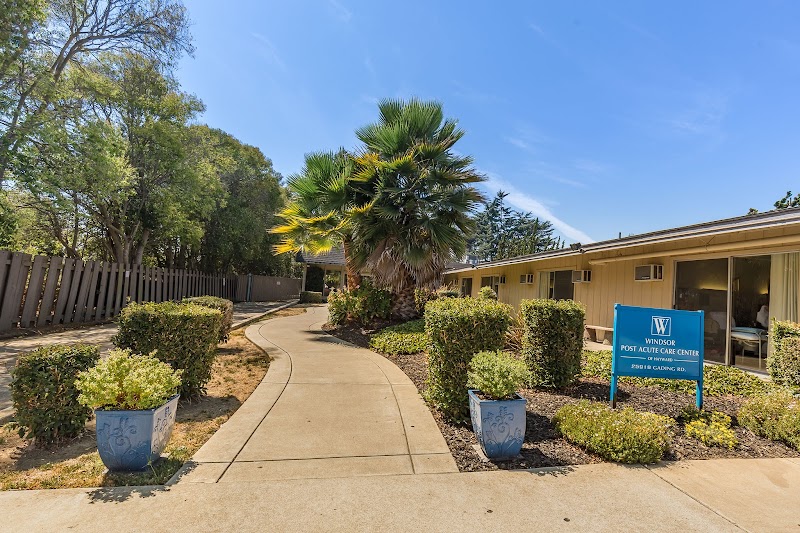
How is Windsor Post-Acute Of Hayward Staffed?

CMS rates WINDSOR POST-ACUTE CARE CENTER OF HAYWARD's staffing level at 4 out of 5 stars, which is above average compared to other nursing homes. Staff turnover is 41%, compared to the California average of 46%. This relatively stable workforce can support continuity of care.

What Have Inspectors Found at Windsor Post-Acute Of Hayward?

State health inspectors documented 34 deficiencies at WINDSOR POST-ACUTE CARE CENTER OF HAYWARD during 2019 to 2024. These included: 34 with potential for harm.
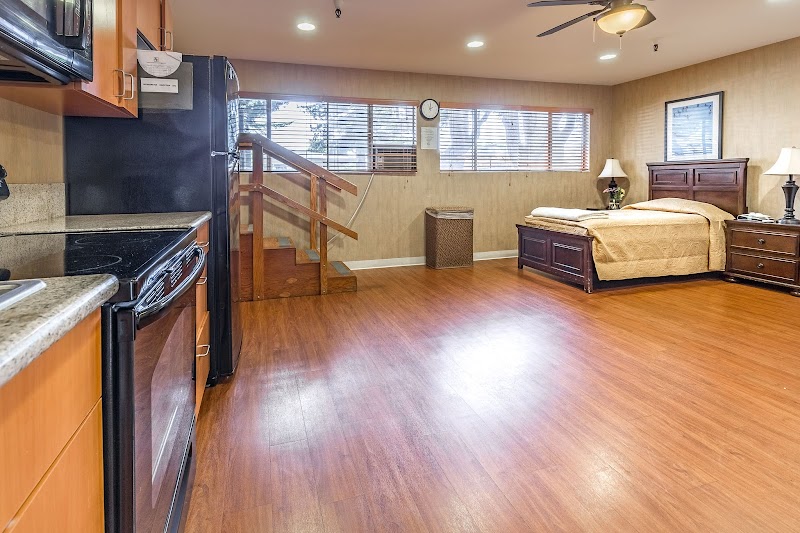
Who Owns and Operates Windsor Post-Acute Of Hayward?

WINDSOR POST-ACUTE CARE CENTER OF HAYWARD is owned by a for-profit company. For-profit facilities operate as businesses with obligations to shareholders or private owners. The facility is operated by WINDSOR, a chain that manages multiple nursing homes. With 99 certified beds and approximately 85 residents (about 86% occupancy), it is a smaller facility located in HAYWARD, California.
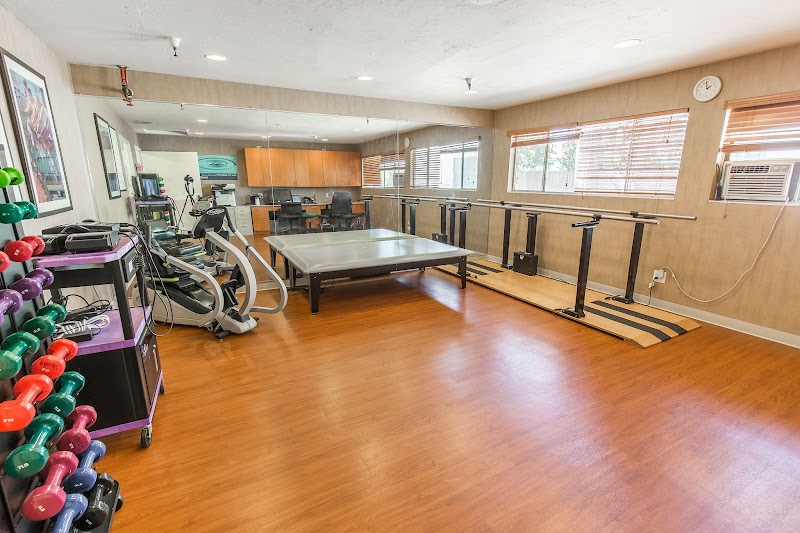
How Does Windsor Post-Acute Of Hayward Compare to Other California Nursing Homes?

Compared to the 100 nursing homes in California, WINDSOR POST-ACUTE CARE CENTER OF HAYWARD's overall rating (5 stars) is above the state average of 3.2, staff turnover (41%) is near the state average of 46%, and health inspection rating (4 stars) is above the national benchmark.

What Should Families Ask When Visiting Windsor Post-Acute Of Hayward?

Based on this facility's data, families visiting should ask: "Can I visit during a mealtime to observe dining assistance and food quality?" "How do you handle medical emergencies, and what is your hospital transfer rate?" "Can I speak with family members of current residents about their experience?"

Is Windsor Post-Acute Of Hayward Safe?

Based on CMS inspection data, WINDSOR POST-ACUTE CARE CENTER OF HAYWARD has a clean safety record: no substantiated abuse findings (meaning no confirmed cases of resident harm), no Immediate Jeopardy citations (the most serious violation level indicating risk of serious injury or death), and is not on the Special Focus Facility watch list (a federal program monitoring the lowest-performing 1% of nursing homes). The facility has a 5-star overall rating and ranks #1 of 100 nursing homes in California. While no facility is perfect, families should still ask about staff-to-resident ratios and recent inspection results during their visit.

Do Nurses at Windsor Post-Acute Of Hayward Stick Around?

WINDSOR POST-ACUTE CARE CENTER OF HAYWARD has a staff turnover rate of 41%, which is about average for California nursing homes (state average: 46%). Moderate turnover is common in nursing homes, but families should still ask about staff tenure and how the facility maintains care continuity when employees leave.

Was Windsor Post-Acute Of Hayward Ever Fined?

WINDSOR POST-ACUTE CARE CENTER OF HAYWARD has no federal fines on record. CMS issues fines when nursing homes fail to meet care standards or don't correct problems found during inspections. The absence of fines suggests the facility has either maintained compliance or corrected any issues before penalties were assessed. This is a positive indicator, though families should still review recent inspection reports for the full picture.

Is Windsor Post-Acute Of Hayward on Any Federal Watch List?

WINDSOR POST-ACUTE CARE CENTER OF HAYWARD is not on any federal watch list. The most significant is the Special Focus Facility (SFF) program, which identifies the bottom 1% of nursing homes nationally based on persistent, serious quality problems. Not being on this list means the facility has avoided the pattern of deficiencies that triggers enhanced federal oversight. This is a positive indicator, though families should still review the facility's inspection history directly.