HEALDSBURG HOSPITAL D/P SNF
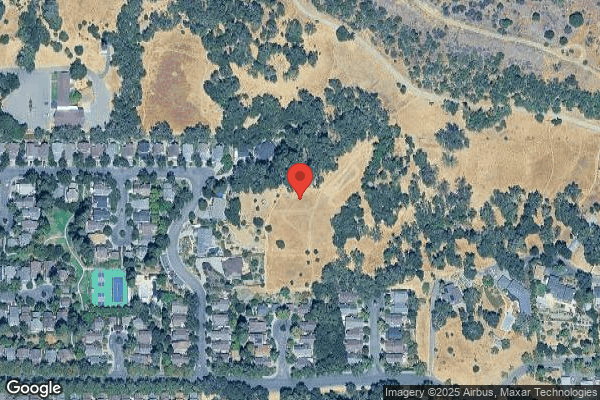
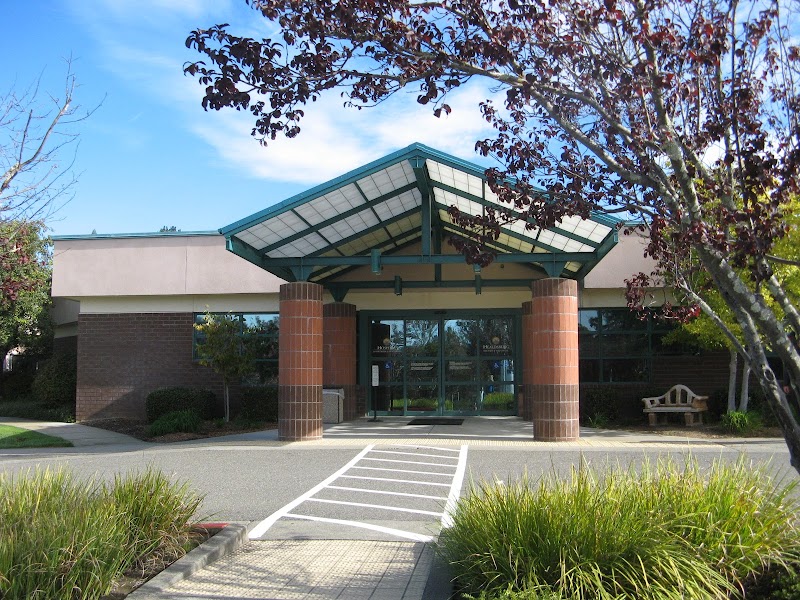
1375 UNIVERSITY AVENUE, HEALDSBURG, CA 95448 (707) 431-6500
Non profit - Corporation 17 Beds Independent Data: November 2025
Trust Grade
80/100
#93 of 1155 in CA
Last Inspection: August 2024

Within standard 12-15 month inspection cycle. Federal law requires annual inspections.

Overview

Healdsburg Hospital D/P SNF has a Trust Grade of B+, indicating it is above average and recommended for families considering care for their loved ones. It ranks #93 out of 1155 facilities in California, placing it in the top half, and #2 out of 18 in Sonoma County, meaning only one local option is better. The facility's performance trend is stable, with the same number of issues reported in both 2018 and 2024. Staffing is concerning, with a low rating of 0 out of 5 stars, though the turnover is impressively low at 0%, suggesting staff remain long-term. However, the facility has incurred $59,634 in fines, which is higher than 99% of California facilities, indicating potential compliance issues. Specific incidents include failures in food safety practices, where food items were not properly labeled, posing a risk of food-borne illness. Additionally, the facility did not create an individualized care plan for one resident, which could lead to inadequate care for their eye condition. Lastly, two residents did not have their enteral tubes properly flushed before and after medication administration, risking blockages and delays in receiving critical medications. While the facility has strengths in its overall quality ratings, these concerns highlight areas that need improvement.

Trust Score
B+
80/100
In California
#93/1155
Top 8%
Safety Record
Moderate
Needs review
Inspections
Holding Steady
3 → 3 violations
Staff Stability
○ Average
Turnover data not reported for this facility.
Penalties
⚠ Watch
$59,634 in fines. Higher than 81% of California facilities, suggesting repeated compliance issues.
Skilled Nurses
○ Average
RN staffing data not reported for this facility.
Violations
○ Average
6 deficiencies on record. Average for a facility this size. Mostly minor or procedural issues.
★★★★★
5.0
Overall Rating
☆☆☆☆☆
0.0
Staff Levels
★★★★★
5.0
Care Quality
★★★★★
5.0
Inspection Score
Stable
2018: 3 issues
2024: 3 issues

The Good

  • 5-Star Quality Measures · Strong clinical quality outcomes
  • Full Sprinkler Coverage · Fire safety systems throughout facility
  • No fines on record

Facility shows strength in quality measures, fire safety.

The Bad

Federal Fines: $59,634

Above median ($33,413)

Moderate penalties - review what triggered them

The Ugly 6 deficiencies on record

Aug 2024 3 deficiencies
CONCERN (D)

Potential for Harm - no one hurt, but risky conditions existed

Comprehensive Care Plan (Tag F0656)

Could have caused harm · This affected 1 resident

Based on observation, interviews and records review, the facility failed to develop a person-centered individualized care plan for 1 of 8 sampled residents (Resident 7.) This failure had the potential...

Read full inspector narrative →
Based on observation, interviews and records review, the facility failed to develop a person-centered individualized care plan for 1 of 8 sampled residents (Resident 7.) This failure had the potential for facility staff to not provide adequate care to Resident 7's eyes which could cause further damage to his eyes and/or blindness. Findings: During on observation on 8/13/24 at 10:25 a.m., in Resident 7's room, Resident 7 had his right eye covered with a gauze dressing. Resident 7's left eye was open and seemed to be looking at the HFEN. During an interview on 8/13/24 at 2:57 p.m., Licensed Nurse C stated Resident 7 has his eye covered because his medical condition causes the eye to be swollen preventing the eye lids from closing. He got eye drops and the dressing to prevent his eye from drying out. During an interview and concurrent record review on 8/14/24 at 3:35 p.m., Licensed Nurse C reviewed the electronic care plan for Resident 7, and it was determined that an individualized care plan concerning Resident 7's vision had not been written. The facilities policy Person-Centered Care Plan, dated 8/2024, indicated a Person-Centered Care Plan will be written for each resident. The plan will be based on the medical, functional, and psychosocial needs of the resident and will include instructions for providing effective and person-centered care that meets the professional standards of quality care.
CONCERN (D)

Potential for Harm - no one hurt, but risky conditions existed

Pharmacy Services (Tag F0755)

Could have caused harm · This affected 1 resident

**NOTE- TERMS IN BRACKETS HAVE BEEN EDITED TO PROTECT CONFIDENTIALITY** Based on observation, interview, and record review, the facility failed to ensure professional standards of practice when two of...

Read full inspector narrative →
**NOTE- TERMS IN BRACKETS HAVE BEEN EDITED TO PROTECT CONFIDENTIALITY** Based on observation, interview, and record review, the facility failed to ensure professional standards of practice when two of three residents (Resident 16 and Resident 5) did not have their enteral tube (a soft, flexible tube which enters a surgically created opening in the abdominal wall and is used to administer food, fluids, and medications to a person that cannot receive food, fluid, or medications through their mouth) flushed (the process of gently pushing water through the tube to clean it) before and after medication administration. This failure had the potential to cause a blockage in the enteral tube and delay the administration of critical medications (priority medications that should not be omitted or delayed). Findings: Record review of a document titled, Face Sheet (resident demographics) for Resident 16, indicated Resident 16 was admitted to the facility on [DATE]. Record review of a document titled, Problem List for Resident 16, indicated Resident 16 had the following diagnoses: traumatic brain injury with prolonged (more than 24 hours) loss of consciousness without return to pre-existing conscious level, encounter for PEG (percutaneous endoscopic gastrostomy [the procedure to insert an enteral tube into the abdomen]), fecal incontinence (loss of conscious control over bowel movements), and gastroesophageal reflux disease (GERD - a condition in which stomach acid repeatedly flows back up into the tube connecting the mouth and stomach, called the esophagus). During an observation on 8/14/24 at 10:32 AM, Licensed Nurse A prepared and administered the following medications through an enteral tube to Resident 16: Docusate 100 Milligrams (mg - a unit of weight measure), three liquid packets of 10 milliliters (ml - a unit of liquid measure) each (a medication used to prevent or treat constipation [a blockage and/or hardening of stool in the intestinal tract]). Senna 8.6 mg, one tablet (a medication used to prevent constipation). Famotidine 20 mg, one tablet (a medication used to treat stomach ulcers, heartburn, acid indigestion, and gastroesophageal reflux disease). Gabapentin 300 mg, one capsule (a medication used to treat or prevent seizures [a sudden, uncontrolled burst of electrical activity in the brain that can cause temporary changes in muscle tone, behavior, sensations, or awareness] or to treat nerve pain). Potassium Chloride 1.5 grams (gm - a unit of weight measure), mixed with 15 ml of water (a medication used in the management and treatment of hypokalemia [a condition where potassium [an important chemical in the body] levels are too low in the blood]). Polyethylene Glycol (PEG) 17 gm, mixed with enough water to dissolve the powder (a medication used to prevent constipation). Licensed Nurse A administered each medication separately and flushed Resident 16's enteral tube with a small amount of water (approximately 5 ml) between each medication. Licensed Nurse A did not flush the enteral tube before administering medications to Resident 16. Licensed Nurse A did not flush the enteral tube after administering medications to Resident 16. During an interview on 8/14/24 at 11:25 AM, Licensed Nurse A stated she flushed Resident 16's enteral tube with approximately 5 ml of water between each medication administered through the enteral tube. Record review of a document titled, Face Sheet (resident demographics) for Resident 5, indicated Resident 5 was admitted to the facility on [DATE]. Record review of a document titled, Problem List for Resident 5, indicated Resident 5 had the following diagnoses: traumatic brain injury (TBI - A traumatic brain injury refers to a brain injury that is caused by an outside force. TBI can be caused by a forceful bump, blow, or jolt to the head or body, or from an object entering the brain), seizure disorder, encounter for PEG, abdominal distension (abdomen is measurably swollen beyond its normal size, often due to trapped gas), and pneumonia (an infection that inflames air sacs in one or both lungs, which may fill with fluid.) During an observation on 8/14/24 at 12:39 PM, Licensed Nurse A prepared and administered the following medications through an enteral tube for Resident 5: Simethicone 125 mg, one tablet (a medication used to treat excessive gas in the digestive tract). Clonazepam 0.5 mg, four tablets (a medication used to treat seizure disorders and anxiety disorders [A mental health disorder characterized by feelings of worry, anxiety, or fear that are strong enough to interfere with one's daily activities]). Oxycodone 5 mg, one tablet (a medication used to treat pain). Milk of Magnesia (MOM) 5ml (a medication used as a dietary supplement of magnesium [an important chemical in the body]). Levetiracetam, 1500ml (a medication used to treat seizure disorders). Licensed Nurse A administered each medication separately and flushed Resident 5's enteral tube with a small amount of water (approximately 5 ml) between each medication. Licensed Nurse A did not flush the enteral tube before administering medications to Resident 5. Licensed Nurse A did not flush the enteral tube after administering medications to Resident 5. During an interview on 8/14/24 at 4:03 PM, the Director of Nursing (DON) stated the facility policy was to always flush before and after enteral tube medication administration. The DON further stated the policy specified a minimum flush of 15 ml of water before and after medication administration through an enteral tube. Record review of a Policy and Procedure titled, Medication Administration Through a Feeding Tube, last approved on 3/2021, indicated flush feeding tube with 15-30 ml of warm water before administering medications. The Policy and Procedure further indicated flush the feeding tube with at least 15 - 30 ml of warm water after the completion of the medication administration.
CONCERN (E)

Potential for Harm - no one hurt, but risky conditions existed

Food Safety (Tag F0812)

Could have caused harm · This affected multiple residents

**NOTE- TERMS IN BRACKETS HAVE BEEN EDITED TO PROTECT CONFIDENTIALITY** Based on observation and interview and facility policy review, the facility failed to ensure food items were stored in a manner ...

Read full inspector narrative →
**NOTE- TERMS IN BRACKETS HAVE BEEN EDITED TO PROTECT CONFIDENTIALITY** Based on observation and interview and facility policy review, the facility failed to ensure food items were stored in a manner that complied with food handling practices to prevent food-borne illness (illness caused by the ingestion of contaminated food or beverages), when two bowls of prepared food were in the walk-in refrigerator without any labeling and several food items were opened and without labels in the dry storage area. This failure had the potential to result in the rapid growth of pathogenic (capable of causing disease) microorganisms (e. g. bacteria, virus etc.) that could cause food-borne illnesses and could affect the residents of the facility. Findings: During an observation on 8/12/24 at 9:15 a.m., food items in the freezers were labeled with the arrival date. Food items in the refrigerators had the arrival date. Food items in dry storage were labeled with the arrival date. On 8/14/24 at 9:30 a.m., during an observation in the dry storage area, several open food packages were found without a label, starting with a large open box that contained the oatmeal in plastic bag, but no label. An open box of Nilla wafers, 1 bag of tortilla chips, an 8-ounce box of pasta and a box of pancake mix had been opened and partially used but were without labels to show an opened date or use by date. During an interview on 8/14/24 at 9:45 a.m., Kitchen Staff E stated that upon delivery, the items were labeled with a Received Date. The boxes and bags of the food products taken out of the shipping boxes also get the Received Date. When the food packages are opened, they should have a new label that showed the date received, date opened and a use by date. During an observation on 8/14/24 at 9:50 a.m., the walk-in refrigerator was found to have open items unlabeled. One item was a bowl of cooked and cut up chicken, covered with plastic wrap. No label was found. The second item was a dark colored sauce in a bowl, covered in plastic wrap and not labeled. During an observation and concurrent interview on 8/14/24 at 9:53 a.m., Kitchen Staff D removed the items and stated there should be labels that include the received date, open date, and use by date. Kitchen Staff D stated staff could generate labels electronically. Kitchen Staff D stated he would need to talk with staff. The facilities policy and procedure titled Food and Supply Storage, dated 6/2023, indicated: Cover, label and date unused portions and open packages. Complete all sections of the [NAME] orange label or other approved labeling system. The policy is to store food items and supplies in such a manner as to prevent contamination to maintain the safety and wholesomeness of the food for human consumption.
Dec 2018 3 deficiencies
CONCERN (D)

Potential for Harm - no one hurt, but risky conditions existed

Deficiency F0658 (Tag F0658)

Could have caused harm · This affected 1 resident

Based on observation, interview, and record review, the facility failed to follow medication administration policy for 1 of 8 residents (Resident 9), when the nurse did not hold the feeding tube befor...

Read full inspector narrative →
Based on observation, interview, and record review, the facility failed to follow medication administration policy for 1 of 8 residents (Resident 9), when the nurse did not hold the feeding tube before administering Phenytoin (medication used to treat and control seizure/epilepsy.). This failure had the potential to result in Phenytoin subtherapeutic blood levels (a dosage less than the amount required for a therapeutic effect), which could put Resident 9 at risk for seizures. Findings: During a medication administration observation and concurrent interview on 12/12/18, at 10:30 a.m. for Resident 9, Licensed Staff C was preparing to administer medications that would go into the J-tube (Jejunostomy tube - a soft, plastic tube placed through the skin of the abdomen into the midsection of the small intestine). Resident 9's nutritional supplement, via the feeding tube (medical device used to provide nutrition to people who cannot obtain nutrition by mouth, unable to swallow safely, or need nutritional supplementation), was running at 45 milliliter per hour (ml/hr). At 10:45 a.m., Licensed Staff C verified the feeding tube was running. Licensed Staff C stated staff held the feeding tube at 8 a.m., and restarted it at 10:30 a.m. At 10:48 a.m., Licensed Staff C turned off the feeding tube machine. At 10:55 a.m., Licensed Staff C administered the medications, including Phenytoin 350 mg via the J-tube. At 11:21 a.m., Licensed Staff C turned on the feeding tube machine. Licensed Staff C stated the feeding tube would be held for 50 minutes before it restarted running at 45 ml/hr, automatically. During an interview on 12/12/18, at 2:57 p.m., Administrator A stated the feeding tubes were held before administering Phenytoin. The facility policy and procedure titled, Medication Administration through a Feeding Tube, dated 11/16, indicated, Phenytoin. Administration with continuous tube feeding may result in subtherapeutic blood levels. Discontinue tube feeding 2 hours before and after phenytoin administration.
CONCERN (D)

Potential for Harm - no one hurt, but risky conditions existed

Respiratory Care (Tag F0695)

Could have caused harm · This affected 1 resident

Based on observation, interview and record review, the facility failed to provide respiratory care for 1 of 8 residents (Resident 7), when Resident 7's corrugated aerosol tubing was disconnected from ...

Read full inspector narrative →
Based on observation, interview and record review, the facility failed to provide respiratory care for 1 of 8 residents (Resident 7), when Resident 7's corrugated aerosol tubing was disconnected from the oxygen source. This failure had the potential to result in respiratory distress for Resident 7. Findings: During an observation on 12/10/18, at 9:05 a.m. Resident 7 had a tracheostomy (an opening in the neck used to deliver oxygen to the lungs). Resident 7's corrugated aerosol tubing was disconnected from the oxygen source and humidifier (medical devices used to humidify supplemental oxygen to provide long-lasting moisture for patients' comfort during oxygen therapy, especially in drier climates). During an observation and concurrent interview on 12/10/18, at 9:12 a.m., Licensed Staff B noticed Resident 7's corrugated aerosol tubing was disconnected from the oxygen source. Licensed Staff B stated the aerosol tubing came off. Licensed Staff B stated if the Respiratory Therapists from Night and Day shift did a walking round (giving reports at resident bedside); the disconnected aerosol tubing would have been noticed. Licensed Staff B stated he would replace the corrugated aerosol tubing and reconnect it to Resident 7. The facility policy and procedure titled, Respiratory Care Equipment, dated 7/18, indicated, The Respiratory Care Service is responsible for providing respiratory equipment in conjunction with respiratory care modalities and to assure safe and effective services to the patient.
CONCERN (D)

Potential for Harm - no one hurt, but risky conditions existed

Infection Control (Tag F0880)

Could have caused harm · This affected 1 resident

Based on observation, interview, and record review, the facility failed to follow infection control practices when: 1. The staff did not dispose of the suction catheter right away after suctioning Res...

Read full inspector narrative →
Based on observation, interview, and record review, the facility failed to follow infection control practices when: 1. The staff did not dispose of the suction catheter right away after suctioning Resident 1's airway; and 2. Condensation collected from Resident 7's corrugated aerosol tubing was touching the floor. These failures had the potential to spread infection among residents and staff. Findings: 1. During an observation and concurrent interview on 12/10/18, at 10:19 a.m., Resident 1 was sitting in his wheelchair by the nurse station with a suction catheter laying on top of his pillow. When the suction catheter was pointed out, Licensed Staff D stated, I think it's suction. Licensed Staff D disposed of the suction catheter. Review of the Resident 1's Minimum Data Set (an assessment tool) dated 9/9/18, indicated the facility was providing oxygen therapy, suctioning and tracheostomy care (an opening in the neck in order to place a tube into a person's windpipe, requiring care to keep the tube clean to prevent a clogged and decreased risk of infection.). During an interview on 12/13/18, at 4:15 p.m., Licensed Staff E stated the suction catheter was to be thrown away after use. The facility policy and procedure titled, Tracheal Suctioning and Sterile Technique, dated 4/17, indicated, Disconnect the catheter and fold it inside your gloves while removing them. Discard the catheter, gloves, rinsing solution and container into a waster container. 2. During an observation on 12/10/18, at 9:05 a.m., the condensation collector of the corrugated aerosol tubing connected to Resident 7, was touching floor. Review of the Resident 7's Minimum Data Set (an assessment tool) dated 10/17/18, indicated the facility was providing oxygen therapy. During an observation on 12/11/18, at 1:05 p.m., the condensation collector of the aerosol tubing connected to Resident 7, was touching the floor. During an observation on 12/13/18 at 3:36 p.m., the condensation collector of the aerosol tubing connected to Resident 7, was touching the floor. When pointed out, Licensed Staff C stated the condensation collector was not supposed to touch the floor. Licensed Staff C stated she fixed the aerosol tubing that morning but it moved. During an interview on 12/13/18, at 3:15 a.m., when asked about the condensation collector of the aerosol tubing touching the floor, Administrator F stated, Totally unacceptable, nothing should be on the floor.
Understanding Severity Codes (click to expand)
Life-Threatening (Immediate Jeopardy)
J - Isolated K - Pattern L - Widespread
Actual Harm
G - Isolated H - Pattern I - Widespread
Potential for Harm
D - Isolated E - Pattern F - Widespread
No Harm (Minor)
A - Isolated B - Pattern C - Widespread

Questions to Ask on Your Visit

  • "Can I speak with families of current residents?"
  • "What's your RN coverage like on weekends and overnight?"

Our Honest Assessment

Strengths
  • • Grade B+ (80/100). Above average facility, better than most options in California.
Concerns
  • • $59,634 in fines. Extremely high, among the most fined facilities in California. Major compliance failures.
Bottom line: Generally positive indicators. Standard due diligence and a personal visit recommended.

About This Facility

What is Healdsburg Hospital D/P Snf's CMS Rating?

CMS assigns HEALDSBURG HOSPITAL D/P SNF an overall rating of 5 out of 5 stars, which is considered much above average nationally. Within California, this rating places the facility higher than 99% of the state's 100 nursing homes. This rating reflects solid performance across the metrics CMS uses to evaluate nursing home quality.
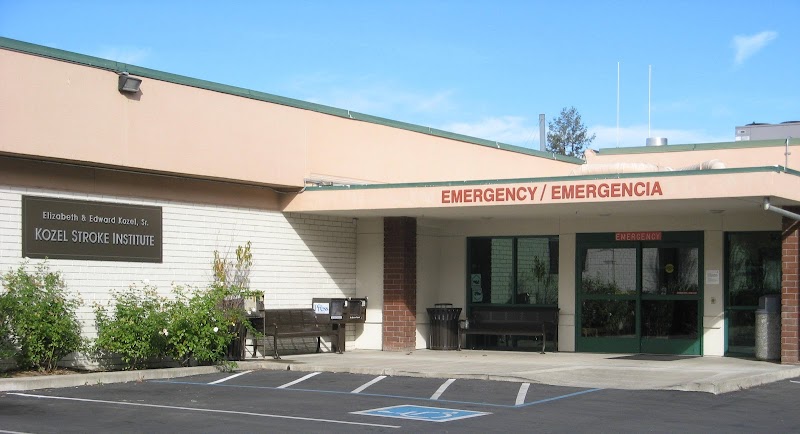
How is Healdsburg Hospital D/P Snf Staffed?

Detailed staffing data for HEALDSBURG HOSPITAL D/P SNF is not available in the current CMS dataset.
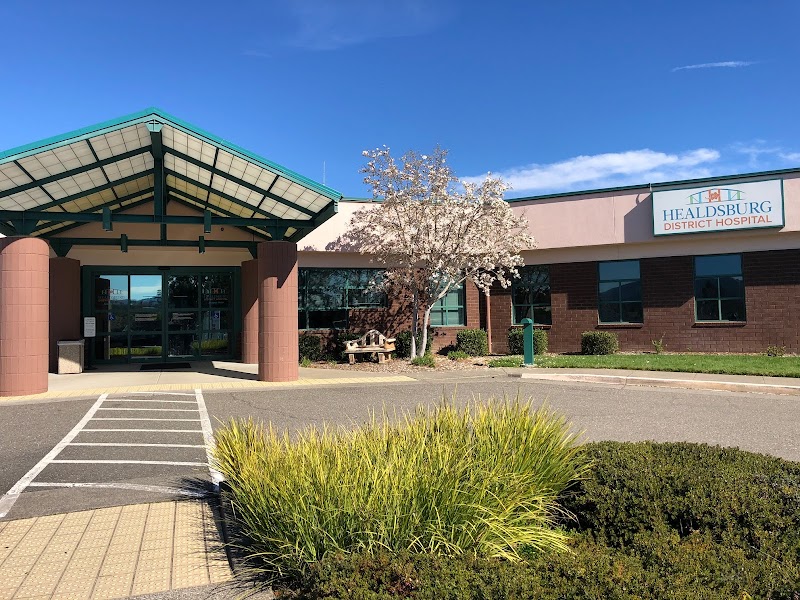
What Have Inspectors Found at Healdsburg Hospital D/P Snf?

State health inspectors documented 6 deficiencies at HEALDSBURG HOSPITAL D/P SNF during 2018 to 2024. These included: 6 with potential for harm.

Who Owns and Operates Healdsburg Hospital D/P Snf?

HEALDSBURG HOSPITAL D/P SNF is owned by a non-profit organization. Non-profit facilities reinvest revenue into operations rather than distributing to shareholders. The facility operates independently rather than as part of a larger chain. With 17 certified beds and approximately 15 residents (about 88% occupancy), it is a smaller facility located in HEALDSBURG, California.

How Does Healdsburg Hospital D/P Snf Compare to Other California Nursing Homes?

Compared to the 100 nursing homes in California, HEALDSBURG HOSPITAL D/P SNF's overall rating (5 stars) is above the state average of 3.2 and health inspection rating (5 stars) is much above the national benchmark.

What Should Families Ask When Visiting Healdsburg Hospital D/P Snf?

Based on this facility's data, families visiting should ask: "Can I visit during a mealtime to observe dining assistance and food quality?" "How do you handle medical emergencies, and what is your hospital transfer rate?" "Can I speak with family members of current residents about their experience?"

Is Healdsburg Hospital D/P Snf Safe?

Based on CMS inspection data, HEALDSBURG HOSPITAL D/P SNF has a clean safety record: no substantiated abuse findings (meaning no confirmed cases of resident harm), no Immediate Jeopardy citations (the most serious violation level indicating risk of serious injury or death), and is not on the Special Focus Facility watch list (a federal program monitoring the lowest-performing 1% of nursing homes). The facility has a 5-star overall rating and ranks #1 of 100 nursing homes in California. While no facility is perfect, families should still ask about staff-to-resident ratios and recent inspection results during their visit.

Do Nurses at Healdsburg Hospital D/P Snf Stick Around?

HEALDSBURG HOSPITAL D/P SNF has not reported staff turnover data to CMS. Staff turnover matters because consistent caregivers learn residents' individual needs, medications, and preferences. When staff frequently change, this institutional knowledge is lost. Families should ask the facility directly about their staff retention rates and average employee tenure.

Was Healdsburg Hospital D/P Snf Ever Fined?

HEALDSBURG HOSPITAL D/P SNF has been fined $59,634 across 7 penalty actions. This is above the California average of $33,675. Fines in this range indicate compliance issues significant enough for CMS to impose meaningful financial consequences. Common causes include delayed correction of deficiencies, repeat violations, or care failures affecting resident safety. Families should ask facility leadership what changes have been made since these penalties.

Is Healdsburg Hospital D/P Snf on Any Federal Watch List?

HEALDSBURG HOSPITAL D/P SNF is not on any federal watch list. The most significant is the Special Focus Facility (SFF) program, which identifies the bottom 1% of nursing homes nationally based on persistent, serious quality problems. Not being on this list means the facility has avoided the pattern of deficiencies that triggers enhanced federal oversight. This is a positive indicator, though families should still review the facility's inspection history directly.