COMMUNITY CONVALESCENT CENTER OF SAN BERNARDINO
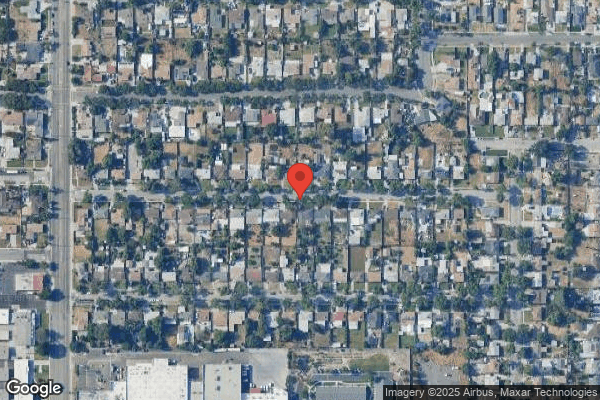
1676 MEDICAL CTR DR., SAN BERNARDINO, CA 92411 (909) 887-6481
Non profit - Corporation 84 Beds COMMONSPIRIT HEALTH Data: November 2025
Trust Grade
85/100
#52 of 1155 in CA
Last Inspection: April 2025

Within standard 12-15 month inspection cycle. Federal law requires annual inspections.

Overview

The Community Convalescent Center of San Bernardino has a Trust Grade of B+, which means it is recommended and considered above average in quality. It ranks #52 out of 1,155 facilities in California, placing it in the top half, and #3 out of 54 in San Bernardino County, indicating only two local options are better. However, the facility is experiencing a worsening trend, with reported issues increasing from 2 in 2024 to 4 in 2025. Staffing is generally a strength, with a 4/5 star rating and a turnover rate of 31%, which is better than the state average. Notably, the center has no fines, which is a positive sign, and more RN coverage than 85% of California facilities. On the downside, there have been specific concerns raised in recent inspections, such as failing to implement a timely action plan after a positive water test for Legionella, which poses a health risk. Additionally, there were issues with the proper labeling of medical equipment and supplies, potentially jeopardizing resident safety. Furthermore, the lack of a Director of Staff Development has led to gaps in ongoing staff education, which could affect the quality of care provided to residents. Overall, while there are strengths in staffing and quality measures, families should be aware of the recent concerns and trends as they consider this facility.

Trust Score
B+
85/100
In California
#52/1155
Top 4%
Safety Record
Low Risk
No red flags
Inspections
Getting Worse
2 → 4 violations
Staff Stability
○ Average
31% turnover. Near California's 48% average. Typical for the industry.
Penalties
✓ Good
No fines on record. Clean compliance history, better than most California facilities.
Skilled Nurses
✓ Good
Each resident gets 111 minutes of Registered Nurse (RN) attention daily — more than 97% of California nursing homes. RNs are the most trained staff who catch health problems before they become serious.
Violations
⚠ Watch
13 deficiencies on record. Higher than average. Multiple issues found across inspections.
★★★★★
5.0
Overall Rating
★★★★☆
4.0
Staff Levels
★★★★★
5.0
Care Quality
★★★★★
5.0
Inspection Score
Stable
2024: 2 issues
2025: 4 issues

The Good

  • 4-Star Staffing Rating · Above-average nurse staffing levels
  • 5-Star Quality Measures · Strong clinical quality outcomes
  • Full Sprinkler Coverage · Fire safety systems throughout facility
  • No fines on record
  • Staff turnover below average (31%)

    17 points below California average of 48%

Facility shows strength in staffing levels, quality measures, fire safety.

The Bad

Staff Turnover: 31%

15pts below California avg (46%)

Typical for the industry

Chain: COMMONSPIRIT HEALTH

Part of a multi-facility chain

Ask about local staffing decisions and management

The Ugly 13 deficiencies on record

Apr 2025 4 deficiencies
CONCERN (D)

Potential for Harm - no one hurt, but risky conditions existed

Deficiency F0761 (Tag F0761)

Could have caused harm · This affected 1 resident

Based on observation, interview, and record review, the facility failed to ensure safe storage of medications when seven packets of protein supplement (a nutritional supplement given to support dietar...

Read full inspector narrative →
Based on observation, interview, and record review, the facility failed to ensure safe storage of medications when seven packets of protein supplement (a nutritional supplement given to support dietary needs) were expired and available for resident use. This failure had the potential to affect the health and safety of 15 medically compromised residents placing them at risk for infection and at risk of administering a supplement with decreased potency, that may not achieve desired effect. Findings: During a concurrent observation and interview on April 23, 2025, at 7:30 AM, with Registered Nurse 1 (RN 1), an inspection of medication cart 6 (MC6- a mobile locked cart containing resident medications and supplements) was conducted. Seven protein supplement 15 Grams (a unit of measurement) of protein 60 calorie pouch were found with an expiration date of February 22, 2025. RN 1 stated, the seven protein supplements were expired by 60 days and should have been disposed and not available in the medication cart. During a concurrent interview and record review on April 23, 2025, at 9:06 AM, with the Director of Nursing (DON), the facility policy and procedure (P&P) titled, Safe Storage of Medications, dated January 2023, was reviewed. The P&P indicated, .Medications will be stored under appropriate conditions to maintain medication integrity, promote availability of medication when needed . The DON stated, the facility's P&P was not followed and expired medications and supplements should not be in the medication cart.
CONCERN (D)

Potential for Harm - no one hurt, but risky conditions existed

Food Safety (Tag F0812)

Could have caused harm · This affected 1 resident

Based on observation, interview, and record review, the facility failed to prevent cross contamination from a Certified Nursing Assistant 1 (CNA 1) when CNA 1 did not wash her hands prior to handling ...

Read full inspector narrative →
Based on observation, interview, and record review, the facility failed to prevent cross contamination from a Certified Nursing Assistant 1 (CNA 1) when CNA 1 did not wash her hands prior to handling a meal tray, and removed food from the tray to heat in the microwave with her bare hands. Furthermore, CNA 1 did not heat the food to the correct temperature. These failures put Resident 10, who was already medically compromised, at risk for food-borne illness (caused by eating or drinking something that is contaminated with bacteria, viruses, or parasites, that can make people sick). Findings: During an interview with the Dietary Services Supervisor (DSS), on April 21, 2025, at 10:15 AM, DSS stated the nursing staff heat the food in the microwave. She stated they heat the food to 165 degrees Fahrenheit (a scale for measuring temperature, in which water freezes at 32 degrees and boils at 212 degrees) and next to the microwave there is a thermometer ( device used to measure temperature) supplied with alcohol pad available to ensure it is heated to the correct temperature. During an observation on April 21, 2025, at 11:30 AM, CNA 1 walked to the kitchen to get Resident 10's lunch from the refrigerator. She did not wash her hands before entering the kitchen. CNA 1 grabbed the lunch tray and walked out of the kitchen to the microwave. She removed the cover from the lunch tray, that had hard boiled eggs, peas and green beans. She removed the hard-boiled eggs with her hands and then put the cover back on and put it in the microwave to 2:22 minutes. After 1:20 minutes she pulled the meal out and felt it with her hands to see if it was warm enough. She put it back in for another 15 seconds. She put the warmed food back onto the tray and carried the tray to the resident's room. During an interview with CNA 1 on April 21, 2025, at 3:10 PM, CNA 1 stated there is not a certain temperature she needs to heat the food. CNA 1 stated she heats up the meals based on the resident preference. She stated she should have washed her hands prior to grabbing the meal from the refrigerator in the kitchen. During an interview with the Licensed Vocational Nurse 1 (LVN 1) on April 22, 2025 at 8:13 AM, LVN 1 stated that the CNA 1 should have taken the temperature of the food and that they provide a thermometer next to the microwave. LVN 1 stated that handwashing should be done prior to handling the meal tray. During an interview with the Registered Dietitian (RD), on April 22, 2025, at 10:01 AM, RD stated the food needs to be heated to 165 degrees Fahrenheit and there is a thermometer for nursing staff to use. RD stated that the nurse should wash her hands prior to handling the meal tray. During a review of the facility's document titled, Food and Nutrition Services Standard Operating Procedure, dated August 1, 2004, the facility's document indicated, 15. Reheating: use appropriate cooking equipment for reheating food to 165 degrees Fahrenheit in less than two hours. In addition, 1. In the FNS (food and nutrition services) Department, all employees associated with the handling of food will wash hands. 2. Hands are to be washed with soap and water at the following times: a. before: i. each shift, ii. Handing food or clean utensils/dishes/equipment, iii. Putting on gloves.
CONCERN (E)

Potential for Harm - no one hurt, but risky conditions existed

Antibiotic Stewardship (Tag F0881)

Could have caused harm · This affected multiple residents

**NOTE- TERMS IN BRACKETS HAVE BEEN EDITED TO PROTECT CONFIDENTIALITY** Based on interview, and record review, the facility failed to implement their policy and procedure (P&P) on antibiotic stewardsh...

Read full inspector narrative →
**NOTE- TERMS IN BRACKETS HAVE BEEN EDITED TO PROTECT CONFIDENTIALITY** Based on interview, and record review, the facility failed to implement their policy and procedure (P&P) on antibiotic stewardship (a set of practices aimed at ensuring the safe and effective use of antibiotics [medications used to treat infections]) for one of six sampled residents (Resident 167) reviewed for antibiotic used when the Infection Control Preventionist (ICP) nurse did not accurately analyze the collected data to identify purpose of the antibiotic use to indicate the rationale and common clinical conditions necessary to ensure the appropriate use of antibiotic therapy for Resident 167. This failure had the potential to place Resident 167 at risk for adverse events, including the development of anti-biotic resistant organisms, from unnecessary or inappropriate antibiotic use. Findings: During a review of Resident 167's History and Physical (H&P - a document containing the formal and complete assessment of a resident and the current health problem), dated April 3, 2025, indicated, Resident 167 was admitted to the facility on [DATE] with diagnoses which included Chronic respiratory failure (a long-term condition in which the lungs are unable to provide enough oxygen to the body's tissues) with hypoxia (shortness of breath, fatigue, confusion, and bluish skin) and tracheostomy dependent (a person relies on a tracheostomy tube [a surgical opening in the neck that creates an airway when normal breathing is impaired] for breathing over a long period). During a record review on April 23, 2025, at 3:00 PM of Resident 167's physician's order dated April 11, 2025, the physician's order indicated, . Daptomycin [a powerful antibiotic given through an intravenous (IV - a method of delivering fluids, medications, or nutrients directly into a person's bloodstream) to help treat serious bacterial infections] 275 mg [milligram - unit of measure] IV Q [every] 24 hours. Indication: UTI (Urinary Tract Infection is an infection that affects any part of the urinary system) stop 04/13/25 [April 13, 2025] and Avibactam - Zeftazidime Intravenous [a strong antibiotic administered through an IV to treat serious bacterial infections] 2.5 gr [gram - milligram is unit of measure] IV Q 8 hours indication: infection criteria . CR PSA (a serious bacterial infection caused by Pseudomonas aeruginosa that is resistant to strong antibiotics called carbapenems stop 04/15/25 [April 15, 2025]. During a record review on April 23, at 3:45 PM with the ICP nurse, the ICP nurse reviewed form titled, Revised McGeer Criteria for Infection Surveillance Checklist, indicated as follows: a. Resident name: [Resident 167 name] . UTI . Criteria [was filled to indicated criteria data] .Fever [checked] and . microbiologic criteria [checked] . [ ] UTI criteria met. [ ] UTI criteria not meet. [left blank]. b. Resident name: [Resident 167 name] . Wound infection . Criteria [was filled to indicated criteria data] .Redness [checked] . tenderness [checked] and . fever [checked] . [checked] SSTI [Skin and Soft Tissue Infection] criteria met. The ICP nurse stated the facility used the McGeer Criteria (a criteria helps staff determine whether a patient has a true infection that needs treatment or if the symptoms are due to something else to be able to provide the best treatment) to monitor outcomes of true infection (means that the criteria indicate a real infection) versus untrue infection (patients might show some of these signs but don't actually have an infection) to ensure the appropriate use of antibiotic therapy. During a concurrent interview and record review on April 23, 2025, at 4:05 PM, with the Director of Nursing (DON) and the ICP nurse, the DON and ICP nurse reviewed Resident 167's clinical records of infection notes but was not able locate any documented evidence of infection notes to indicate whether the usage of the two antibiotics was for a true infection or an untrue infection. The ICP nurse stated she should have been conducting an analysis (looking for trends, spikes, or unusual patterns in the data) and reviewing the McGeer Criteria to confirm whether Resident 167 has a true infection, ensuring the appropriate use of antibiotic therapy. During an interview and concurrent record review on April 23, 2025, at 4:15 PM with the DON and ICP nurse, the DON and ICP nurse reviewed the facility's P&P titled, Antimicrobial Stewardship Program [programs to ensure effective and safe use of antibiotics] effective October 2010. The P&P indicated, Purpose: . To provide a guideline for the rational and safe use of antimicrobial- therapy throughout the facility, including the emergency department and long term care units .Antimicrobial medication use will be monitored by a clinical pharmacist under the direction of this physician-led multidisciplinary, collaborative work-group. Discussions with prescribing physicians regarding individual patient therapies will be conducted after evaluation of specific patient demographics and clinical data, evidence-based, national consensus guidelines and local susceptibility information, in order to provide the best possible patient outcomes . Procedure: 1.10 . takes actions on improvement opportunities identified in the antimicrobial stewardship program by collecting, analyzing and presenting antimicrobial use and resistance data to the Infection Control Committee, Pharmacy and Therapeutics Committee, Quality Improvement Committee, or other appropriate committees for review, action and quality improvement . The DON and the IPN stated that the analysis should have been conducted to identify trends in antimicrobial use, prevent unnecessary prescriptions, and reduce the spread of drug-resistant infections, but it was not. Furthermore, the IPN stated that the facility's P&P was not followed.
CONCERN (F)

Potential for Harm - no one hurt, but risky conditions existed

Infection Control (Tag F0880)

Could have caused harm · This affected most or all residents

**NOTE- TERMS IN BRACKETS HAVE BEEN EDITED TO PROTECT CONFIDENTIALITY** Based on observation, interview, and record review, the facility failed to ensure proper and safe infection control practices we...

Read full inspector narrative →
**NOTE- TERMS IN BRACKETS HAVE BEEN EDITED TO PROTECT CONFIDENTIALITY** Based on observation, interview, and record review, the facility failed to ensure proper and safe infection control practices were followed when: 1. An action plan was not initiated in a timely manner following a positive water test for Legionella (a bacteria that grows in water systems such as air conditioners or hot water tanks and can cause a lung infection) performed on February 4, 2025. 2. An open enteral feeding system (a feeding bag filled with formula that delivers liquid nutrition through a tube to a resident's stomach) was not labeled correctly with the date and time for Resident 7. 3. Sterile respiratory water (a type of water free of germs, used in nebulizers and humidifiers), a tracheostomy mask (a mask that delivers humidified water to a surgical opening in the neck when a resident is unable to breathe normally), and a nebulizer (a device used to deliver medications via mist to a resident's airway) were not labeled with the date and time for Resident 7. These failures had the potential to result in cross-contamination (the transfer of harmful bacteria) causing a preventable infection to 15 residents whose health conditions are already highly compromised. Findings: 1. A review of form titled, Analytic result. Water testing: Q 1 [quarter 1] 2025 Viable Legionella Bacteria, it indicated, .Date sampled: 02/04/2025 [February 4, 2025]. Dated reported: 02/17/2025 [February 17, 2025] We are providing you with the Legionella analytical results that were sampled at your facility on February 4th , 2025. Water samples of interest were collected and analyzed for the presence of viable Legionella species using the CDC Method. Results are expressed as one of the following terms: 1. No Detection (ND): No Legionella is detected in the sample 2. <1 [less than one] colony forming unit/ml (cfu/ml) [unit of measurement colony forming unit/ milliliter]: Legionella was detected between the minimum detection limit of 0.4 cfu/ml and 1 cfu/ml in the water sample 3. Whole number: Legionella is detected at 1 [one or less than one] in the sample. The goal is zero detectable Legionella in a water source . The following summarizes results from this sampling period: For domestic water, five (5) of the ten (10) samples showed the presence of Legionella bacteria: - Rm A 204 RR Sink - Hot detectable Legionella bacteria with counts at < 1cfu/ml. - Rm A 215 RR Sink - Hot showed detectable Legionella bacteria with counts at 1cfu/ml. - Rm A 209 RR Sink - Cold showed detectable Legionella bacteria with counts at 18cfu/ml. - P 106 RR Sink - Hot showed detectable Legionella bacteria with counts at < 1cfu/ml. - P 116 RR Sink - Hot showed detectable Legionella bacteria with counts at < 1cfu/ml The Following Recommended Actions are Advised: . All affected fixtures should be temporarily isolated if directed by Infection Prevention. Examples of System Isolation may consist of: 1) Disabling the water supply to the fixture until remediation has been conducted, 2) Isolating the room where the fixture is located from normal use, and 3) Installation of microbiological filters to prevent exposure to Legionella. It is recommended that positive fixtures and adjacent taps be thoroughly flushed for 5-minutes a day for a period of 7 to 10 days. It is important to verify the hot water temperature reaches the target temperature implementing a chlorination procedure per the SOP [Standard of Procedure] in your Water Safety Plan, as a majority of samples collected in the domestic water system show the presence of Legionella bacteria. All positive locations should be re-tested following completion of corrective actions in order to re-establish acceptable control. Continue to follow all preventative actions as part of your Utility Water Safety Program, including routine testing of the water systems During an interview on April 24, 2025, at 8:15 AM with the Director of Facility Management (DFM), the DFM stated that he manages the Engineering Department responsible for water management at the facility and is aware of the positive water test for Legionella performed on February 4, 2025. During a concurrent interview and record review on April 24, 2025, at 8:30 AM with the Director of Nursing (DON), the DON reviewed the water test result for Legionella performed on February 4, 2025. The DON stated, I was not aware of the positive water test for Legionella report and the recommendation dated February 17, 2025, until today [April 24, 2025]. The DON further stated that the result and recommendation were not communicated to the nursing department for follow-up and implementation. (The action plan was not implemented, leaving 15 residents with tracheotomies exposed to Legionella-contaminated water for two months and seven days.) During an interview on April 24, 2025, at 8:45 AM with the Administrator (Admin), the Admin stated, I was not aware of the positive water test for Legionella performed on February 4, 2025. He further explained that proper communication should have been initiated by the water management committee to both the facility's administration and the nursing department regarding this result and its associated recommendation, but it was not communicated for implementation. The action plan of remediation (corrective measures taken to resolve an identified issue or hazard) is designed to isolate the water system and minimize exposure to Legionella-contaminated water for 15 residents with tracheotomies was not implemented.) During a concurrent interview and record review on April 24, 2025, at 9:00 AM with the DFM, the DFM reviewed the water management program and water safety plan binder but was not able locate any documented evidence of recommendation remediation following the positive water test for Legionella report dated February 17, 2025. The DFM was not able to explain as why both the facility administration and the nursing department were not notified of the positive water test for Legionella. Furthermore, the DFM stated that he should have notified the facility's administrator and DON as soon as the results were available, but he did not. During an interview on April 24, 2025, at 10:00 AM with the Infection Prevention Nurse (IPN), the IPN stated, I was not aware of the positive water test for Legionella until today. I received the result because I mentioned that the surveyor was in the facility and had asked for it. A concurrent interview and record review on April 24, 2025, at 11:00 AM, was conducted with the Admin and DFM. They reviewed the agency's undated policy and procedure (P&P) titled, Water Management Program and Water Safety Plan [name of the facility], which indicated the following: .1. Introduction. The goal of the Water Management Plan is to control the growth and survival of Legionella and other waterborne pathogens in water systems, and to control epidemic in the facility. This water plan documents the actions that [named of the facility] specifically for the purpose of managing waterborne pathogens, including Legionella bacteria in the utility water systems . Domestic water action plan . [chart organization plan] .is Legionella detected -> yes -> Isolate the system to minimize exposure of water to patients as directed by Infection Prevention -> is localized or systematic -> Localized. 1. Flush the affected fixtures according to the SOP in Section 4, and record date, time, location on a log sheet. 2. Inspect fixtures and disinfect/descale per SOP in Section 4 or replace the fixtures. 3. Retest for Legionella following corrective actions. 4. If detections persist, a droplet disinfection may be considered by the Water Management Team. Systematic. 1. Perform System Chlorination . 2. If applicable, consider Hot Water Storage Tank Disinfection . 3. Flush the affected fixtures according to the SOP in Section 4, and record date, time, location on a log sheet. 4. Inspect fixtures and disinfect/descale per SOP in Section 4 or replace the fixtures. 5. Retest for Legionella following corrective actions. 6. The need for permanent secondary disinfection should be discussed by the Water Management Team. -> Resample for Legionella within 5-10 days after corrective actions. Note 1: Examples of System Isolation may consist of: 1. Disabling the water supply to the fixture until remediation has been conducted 2. Isolating the room where the fixture is located from normal use 3. Installation of microbiological filters to prevent exposure to Legionella bacteria . The DFM stated that, according to the facility's P&P, remediation should have been implemented following the positive water test for Legionella, and the water should have been retested afterward. The Admin stated the facility's P&P was not followed and he should have known the result promptly, as the necessary corrective actions would have been implemented immediately. A concurrent interview and record review on April 24, 2025, at 12:30 PM was conducted with the DON and IPN. The DON and IPN reviewed the facility's P&P titled, Performing an Outbreak Investigation, revised March 2021, which indicated, .Policy. Suspected disease outbreaks will be investigated . to ensure that methods to prevent further transmission are implemented Procedures. 1.0 Communication . 2.0 Establishing appropriate control measures . The DON stated the facility does not have a specific P&P for addressing a positive Legionella test and the facility follows this P&P in cases of potential or actual outbreaks. The IPN stated that appropriate control measures to minimize exposure to Legionella-contaminated water should have been implemented immediately, but they were not. Furthermore, both DON and IPN stated that the facility's P&P was not followed. 2. During a review of Resident 7's History and Physical (H&P - a document containing the formal and complete assessment of a resident and the current health problem), dated February 14, 2025, indicated, Resident 7 was admitted to the facility on [DATE] with diagnoses including respiratory failure (the inability of the respiratory system to meet the oxygen needs of the body), tracheomalacia (a weak windpipe that can collapse with breathing or coughing) and gastric-tube dependence (relies on a feeding tube for nutrition instead of eating food by mouth). During an observation on April 21, 2025, at 9:22 AM, in Resident 7's room, an enteral feeding bag was full of formula at Resident 7's bedside. The tube feeding was not connected to the resident and not infusing. The formula bag was dated as 4/2 [April 2] and did not include time it was prepared or nurse's initials. During a concurrent observation and interview, on April 21, 2025, at 9:22 AM, with Licensed Vocational Nurse 1 (LVN 1), in Resident 7's room, LVN 1 confirmed the date was written 4/2 [April 2] on the label and there was no time. LVN 1 stated, the label must be incorrect because 4/2 [April 2] was 19 days ago and the formula bag needs to be changed every 24 hours. LVN 1 stated, the nurse that started the feeding did not correctly date the system and should have dated it as 4/21/25 and there should have been a time on the label as well. LVN 1 stated, time and date is important because the open tube feeding system needs to be changed every 24 hours for resident safety. During a concurrent interview and record review, on April 24, 2025, at 9:06 AM, with the Infection Prevention Nurse (IPN), the facility's policy and procedure (P&P) titled, Administration of Formula Via Feeding Tube, Gravity, Bolus, Pump dated May 2011 was reviewed. The P&P indicated, . 3.1.17 Pump bags, syringe and tubing (open system) are to be changed every 24 hours and properly labeled with date time, and nurses initials . The IPN stated, the formula bag needs to be dated properly to ensure it is changed out every 24 hours to prevent bacterial growth since the open system allows for more formula to be added throughput the day. The IPN further stated, if the bag system is not changed every 24 hours, it could lead to an infection. 3. During an observation on April 21, 2025, at 8:48 AM in Resident 7's room, a tracheostomy oxygen mask was handing outside the crib, it was connected to an oxygen source and sterile water for humidity. The sterile water and the tracheostomy oxygen mask and nebulizer were not labeled as when they needed to be changed. During a concurrent observation and interview, on April 21, 2025, at 9:08 AM with Respiratory Therapist 1 (RT 1), RT 1 was not able to determine when the sterile respiratory water or tracheostomy mask and nebulizer had last been changed and when the resident respiratory items need to be changed next. The RT 1 stated nursing is to change the items out on a regular basis to prevent growth of bacteria (germs) and prevent infection. During a concurrent interview and record review, on April 24, 2025, at 9:22 AM, with the Infection Prevention Nurse (IPN), the facility's policy and procedure (P&P) title, Frequency for Change of Disposable Respiratory Equipment dated May 2022, it indicated, .All disposable respiratory equipment used in the provision of respiratory care, including .aerosol delivery devices, are changed according to the frequency identified for each respective device .3.0 Sterile respiratory water is placed every 48 hours or when depleted . 8.0 Aerosol nebulizers are changed every Monday, Wednesday, and Friday. 8.1 The nebulizer and/or aerosol tubing is changed whenever there is evidence of gross soiling . The IPN stated, the sterile respiratory water needed to be changed every 48 hours. The IPN stated, tubing and nebulizer mask needed to be changed every Monday, Wednesday and Friday. The IPN further stated, these items needed to be labeled to identify when they needed to be changed. The IPN stated, changing these respiratory devices on a regular basis prevents infection and is essential based on the resident population treated at this facility as they all have tracheostomies and require respiratory support.
May 2024 1 deficiency
CONCERN (D) 📢 Someone Reported This

A family member, employee, or ombudsman was alarmed enough to file a formal complaint

Potential for Harm - no one hurt, but risky conditions existed

Free from Abuse/Neglect (Tag F0600)

Could have caused harm · This affected 1 resident

Based on interview and record review, the facility failed to protect against physical abuse for one of three sampled residents (Resident 1) when Resident 1 was slapped on the hand by a School Licensed...

Read full inspector narrative →
Based on interview and record review, the facility failed to protect against physical abuse for one of three sampled residents (Resident 1) when Resident 1 was slapped on the hand by a School Licensed Vocational Nurse (S/LVN). This failure caused Resident 1 to suffer abuse and fear. Findings: An unannounced visit was made to the facility on May 29, 2024, at 11:34 AM, to investigate a facility reported incident regarding an allegation of physical abuse. A review of Resident 1 ' s face sheet (a document that gives a summary of resident ' s information), undated, indicated an admission date of May 1, 2024. Resident 1 had diagnoses that included chronic respiratory failure (a long-term condition in which the respiratory system is unable to adequately exchange oxygen). During an interview with the Administrator (Admin) on May 29, 2024, at 11:43 AM, the Admin stated he was the facility ' s abuse coordinator. The Admin stated Resident 1 was waiting in the entrance way of the facility with a School Licensed Vocational Nurse (S/LVN) for transport to school. The Admin stated a School District Teacher (Teacher) who taught residents in the facility walked into the facility ' s front lobby and observed the S/LVN tap Resident 1 ' s left hand as Resident 1 reached for his tracheostomy (trach-a procedure to help air and oxygen reach the lungs by creating an opening into the trachea (windpipe) from outside the neck). The Admin stated when Resident 1 reached for his trach again the S/LVN slapped Resident 1 ' s left hand. The Admin stated the teacher did not intervene or go out to the group, she went about her duties and later reported to the Director of Nursing (DON) who had reported to the Admin. The Teacher was unavailable for interview. The DON was unavailable for interview. During an interview with the Admin on May 29, 2024, at 1:11 PM, the Admin stated after interviewing the Teacher and reviewing the documents describing the incident he determined the S/LVN had physically abused Resident 1. A review of the facility ' s policy and procedure titled Notification and Exercise of Rights and Responsibilities, dated September 2009, indicated, Receive care in a safe setting, free from mental, physical, sexual, or verbal abuse and neglect, exploitation, or harassment. You have the right to access protective and advocacy services including notifying government agencies of neglect or abuse.
Apr 2024 1 deficiency
CONCERN (F)

Potential for Harm - no one hurt, but risky conditions existed

Infection Control (Tag F0880)

Could have caused harm · This affected most or all residents

Based on interviews and facility policy review, the facility failed to have evidence of the implementation of their water management program. This deficient practice affected all 18 residents who curr...

Read full inspector narrative →
Based on interviews and facility policy review, the facility failed to have evidence of the implementation of their water management program. This deficient practice affected all 18 residents who currently resided in the facility. Findings included: A review of the facility policy titled, Utility Water Safety Management, last reviewed in February 2024, revealed, Background: Legionnaires' disease is a serious type of pneumonia caused by bacteria, called Legionella, that live in water. Legionella can make people sick when they inhale contaminated water from building water systems that are not adequately maintained. Purpose The purpose of this management program is to reduce the risk for Legionnaires' disease associated with facility water systems and devices. Policy Engineering will implement a water management program that considers the ASHRAE (American Society of Heating, Refrigerating and Air conditioning Engineers) industry standard and the CDC (Center for Disease Control and Prevention), which includes control measures such as physical controls, temperature management, disinfectant level control, visual inspections, and water endpoint testing for pathogens. Maintain routine procedural logs, acceptable ranges for control measures, document the results of testing, and corrective actions taken when test results exceed limits. Responsibility Engineering Department is responsible for management of the Water Safety Program with consultation from a third-party vendor and Infection Control Department. During an interview on 04/17/2024 at 11:50 AM, the Plant Operation Manager stated he was not aware of any water testing conducted in the facility. During an interview on 04/17/2024 at 1:05 PM, the Facility Director stated there had was no assessment of the facility's water system. Per the Facility Director, there should be an assessment to indicate the flow system of water for the facility. The Facility Director stated the assessment was required to identify the risk of growth of waterborne pathogens. During an interview on 04/17/2024 at 2:12 PM., the Infection Preventionist stated she was told engineering would conduct the water management assessment. During an interview on 04/17/2024 at 2:11 PM, the Director of Nursing stated the concern related to the facility's water management system did not fall under her umbrella of duties. During an interview on 04/17/2024 at 1:52 PM, the Administrator stated the water management plan was managed by the facility's Engineering Department. The Administrator stated the assessment could not found, the assessment should be onsite, and staff were trying to locate it.
Jun 2023 1 deficiency
CONCERN (D) 📢 Someone Reported This

A family member, employee, or ombudsman was alarmed enough to file a formal complaint

Potential for Harm - no one hurt, but risky conditions existed

Infection Control (Tag F0880)

Could have caused harm · This affected 1 resident

**NOTE- TERMS IN BRACKETS HAVE BEEN EDITED TO PROTECT CONFIDENTIALITY** Based on observation, interview and record review, the facility failed to maintain infection control practices for one of three ...

Read full inspector narrative →
**NOTE- TERMS IN BRACKETS HAVE BEEN EDITED TO PROTECT CONFIDENTIALITY** Based on observation, interview and record review, the facility failed to maintain infection control practices for one of three sample residents (Resident 2) when the facility did not ensure a blood pressure device was stored in a proper place when it was found uncovered inside the Resident 2's restroom in front of the trash can. This failure had the potential to spread infection disease (disease caused by bacteria, virus, fungi) to 26 highly vulnerable residents whose health conditions are already compromised. Findings: During a review of the clinical record for Resident 2, the document title, Patient Insurance & Demographics indicated Resident 2 was admitted on [DATE], for diagnosis of Chronic respiratory failure (a condition that occurs when the lungs cannot get enough oxygen into the blood). During an observation on April 25, 2023, at 2:25 PM in Resident 2 ' s restroom, a vital signs machine was found inside. The vital signs machine was uncovered, unplugged next to the trash can, and a non-use bedside commode. Further observation on Resident 2 ' s restroom, it was observed to be crowded with a trash can linen hamper, a red rocking horse on top of an open toilet, and a blue step stool place on top of the open toilet. During an interview with Certified Nursing Assistant 2 (CNA 2) on April 25, 2023, at 2:31 PM, CNA 2 confirmed the restroom is not the proper place to store a blood pleasure device and stated all the items found on top of the toilet should not be store inside the resident ' s 2 restroom. During an interview with the Registered Nurse (RN 1) on April 25, 2023, at 2:43 PM, RN 1 acknowledge and stated that the blood pressure device should not be place inside of Resident 2 ' s restroom. During a review of the facility ' s policy and procedure Title Standard Precautions dated April 01, 2021, indicated .considers all blood, body substances, and non-intact skin as potentially infectious. Therefore .uses Standard Precautions as a primary component of the infection control program to both protect and prevent the spread of infection control program to both protect and prevent the spread of infections from patient to patient, in accordance with The Centers for Disease Control and Prevention (CDC) guidelines. Elements of Standard Precautions include . 5. Proper handling, cleaning and disinfection of patient care equipment and ./devices. 6. Care of the environment.
Oct 2022 6 deficiencies
CONCERN (D)

Potential for Harm - no one hurt, but risky conditions existed

Deficiency F0692 (Tag F0692)

Could have caused harm · This affected 1 resident

**NOTE- TERMS IN BRACKETS HAVE BEEN EDITED TO PROTECT CONFIDENTIALITY** Based on interview and record review, the facility failed to ensure a nutritional assessment was completed upon admission for on...

Read full inspector narrative →
**NOTE- TERMS IN BRACKETS HAVE BEEN EDITED TO PROTECT CONFIDENTIALITY** Based on interview and record review, the facility failed to ensure a nutritional assessment was completed upon admission for one of three residents (Resident 25) reviewed for nutrition. This failure had the potential to place Resident 25 at risk of weight loss and dehydration (condition caused by the loss of too much fluid from the body). Findings: A review of Resident 25's clinical record, Physician Note, dated October 20, 2022, indicated the resident was admitted to the facility on [DATE], with diagnoses which included chronic respiratory failure (failure of the lungs to function on their own) and short bowel syndrome (a condition in which your body is unable to absorb enough nutrients because there is not enough small intestine). Further review indicated that the resident was completely dependent on a gastrostomy tube (G-Tube, a tube placed into the stomach) feeding and total parenteral nutrition (TPN - a nutrition solution introduced into the body by way of the blood stream) for adequate maintenance of nutrition and hydration. During an interview with the Director of Nursing (DON), on October 19, 2022, at 8:45 AM, the DON reviewed Resident 25's clinical record and was unable to find documented evidence to indicate Resident 25's nutritional assessment was completed upon admission. The DON stated there was no assessment done until seven days after admission. During an interview with a Registered Nurse (RN 1), on October 19, 2022, at 11:00 AM, RN 1 stated when the Registered Dietician (RD) needs to be notified of a new admission, the nursing staff just call and leave them a message, and nothing was placed into the electronic charting system. RN 1 stated there was no way to tell if the RD had been notified of a resident's admission. During a concurrent interview and record review with the Director of Nutritional Services (DNS), on October 19, 2022, at 3:05 PM, the facility's policy and procedure (P&P) titled Nutritional Assessment, dated April 1997, was reviewed. The P&P indicated, Residents admitted to the Neurological Care Unit (NCU) or Pediatric Subacute Unit (PSA) will be assessed by the 3rd day of admission .Residents on the NCU or PSA are reassessed within 10 days after their initial assessment . The DNS stated there was not a nutritional assessment done within three days of admission. She further stated they did not follow their policy and procedure.
CONCERN (D)

Potential for Harm - no one hurt, but risky conditions existed

Tube Feeding (Tag F0693)

Could have caused harm · This affected 1 resident

**NOTE- TERMS IN BRACKETS HAVE BEEN EDITED TO PROTECT CONFIDENTIALITY** Based on observation, interview, and record review, the facility failed to ensure licensed nursing staff followed physician's or...

Read full inspector narrative →
**NOTE- TERMS IN BRACKETS HAVE BEEN EDITED TO PROTECT CONFIDENTIALITY** Based on observation, interview, and record review, the facility failed to ensure licensed nursing staff followed physician's orders for flushing (to clear by using a prescribed amount of water) G-tube (gastrostomy tube-a tube inserted through the belly that brings nutrition or medications directly to the stomach) lines before, after and in-between medication administration for two of 14 residents (Residents 21 and 29). This failure had the potential to cause an interaction to occur between medications resulting in a reduced drug effect, or drug toxicity, as well as clogging the G-tube. Findings: 1. A review of Resident 21's face sheet (a document that gives a summary of resident's information), undated, indicated Resident 21 was admitted to the facility on [DATE], with a diagnosis of profound intellectual disabilities (a low IQ [intelligence quotient less than 20] score and severely impaired intellectual and adaptive functioning) and gastrostomy dependent (an individual who is dependent on a tube inserted through the belly to bring nutrition and medication directly to the stomach). During Resident 21's medication administration observation and interview on October 19, 2022, at 5:48 AM, with a Licensed Vocational Nurse (LVN 5), LVN 5 poured 10 different medications into 10 individual pill cups. LVN 5 poured eight ounces of water into a paper cup. LVN 5 approached Resident 21, lifted her shirt away from her belly to access the G-tube and inserted a catheter syringe (a syringe without a needle whose principal use was to flush or clean a gastrostomy tube and to inject fluid through the G-tube) to the end of the G-tube. LVN 5 took the paper cup with the water and poured some water into the catheter syringe. LVN 5 stated he poured five (5) ml (milliliters-a unit of measurement) of water into the catheter syringe to clear the G-tube. LVN 5 then poured the first pill cup with a dissolved medication into the catheter syringe and poured some water from the paper cup after the medication. LVN 5 stated he poured five (5) ml of water after each medication to flush the G-tube in-between each medication. When one of Resident 21's medications was very thick in consistency, LVN 5 was observed pouring water directly into the medication. LVN 5 stated he used the water to thin the thicker mediations to help them go down the G-tube more easily. Between the ninth and tenth medications LVN 5 was observed pouring a couple drops of water in-between the medications. LVN 5 stated he had run out of water and was unable to provide the five (5) ml flush in-between medications nine and 10. LVN 5 stated he would not be able to clear the G-tube at the end of the medication administration because he had run out of water. During an interview and record review, on October 19, 2022, at 6:43 AM with LVN 5, LVN 5 reviewed Resident 21's physician's order, dated January 22, 2020, that indicated, Flush G-tube with 10 ml of water before and after medications and 2 [two] ml of water between each med. [medication]. LVN 5 stated he should have cleared Resident 21's G-tube with 10 ml of water before and after and did not. LVN 5 stated he should have flushed with 2 (two) ml of water instead of 5 (five) ml of water in-between medications. LVN 5 stated he had run out of water to flush because he used it to thin some of the thicker medications. LVN 5 stated he had not followed Resident 21's physician's order. 2. A review of Resident 29's face sheet (a document that gives a summary of resident's information), undated, indicated Resident 29 was admitted to the facility on [DATE], with a diagnosis of anoxic brain injury (an injury that occurs when the brain is deprived of oxygen) and gastrostomy dependent (an individual who is dependent on a tube inserted through the belly to bring nutrition and medication directly to the stomach). During Resident 29's medication administration observation and interview on October 19, 2022, at 8:05 AM with a Licensed Vocational Nurse (LVN 6), LVN 6 poured nine (9) different medications into nine (9) individual pill cups. LVN 6 poured an unknown amount of water into a paper cup. LVN 6 approached Resident 29, lifted his shirt away from his belly to access the G-tube and inserted a catheter syringe (a syringe without a needle whose principal use was to flush or clean a gastrostomy tube and to inject fluid through the G-tube) to the end of the G-tube. LVN 6 took the paper cup with the water and poured some water into the catheter syringe. LVN 6 stated she poured 30 ml (milliliters-a unit of measurement) of water into the catheter syringe to clear the G-tube. LVN 6 then poured the first pill cup with a dissolved medication into the catheter syringe and poured some water from the paper cup after the medication. LVN 6 stated she poured 10 ml of water after each medication to flush the G-tube in-between each medication. LVN 6 continued with Resident 29's medication administration pouring 10 ml of water after each medication. After the ninth and last medication LVN 6 stated she was flushing Resident 29's G-tube with 30 ml of water. During an interview and record review, on October 19, 2022, at 9:02 AM with LVN 6, LVN 6 reviewed Resident 29's physician's order, dated September 26, 2022, that indicated, Flush G-tube with 10 ml of water before and after meds. [medications]. LVN 6 stated she should have cleared Resident 29's G-tube with 10 ml of water before and after and did not. LVN 6 stated she should not have flushed with 10 ml of water in-between medications. LVN 6 stated she had not followed Resident 29's physician's order. During an interview with the Director of Nursing (DON) on October 19, 2022, at 11:10 AM, the DON stated LVN 5 and LVN 6 should have followed Resident 21 and 29's physician's orders respectively, and they did not. The DON stated LVN 5 and LVN 6 did not follow the facility's policy and procedure titled, Medication Administration Through a Feeding Tube, dated September 2009. During an interview with a Pharmacy Manager (PM) on October 19, 2022, at 1:18 PM, the PM stated a G-tube flush should happen before and after the medication administration and in-between each medication. The PM stated if the medications were not flushed in between they could react with each other, and the tube could become clogged. The PM stated the facility's policy and procedure titled, Medication Administration Through a Feeding Tube, dated September 2009, was not followed. A review of the facility's policy and procedure titled, Medication Administration Through a Feeding Tube, dated September 2009, indicated, Purpose: To administer medications via the .gastrostomy, . tube in those residents who are unable to take medications orally. Policy: Medications will be administered via the feeding tube by an RN [Registered Nurse] or LVN [Licensed Vocational Nurse], per physician's orders. Procedure: .Crush pills, tablets, or empty contents of capsules in separate containers, and mix with water . Place liquid medications in separate containers. (Do not mix medications with each other or with formula).Flush tube with water after all medications are given.
CONCERN (D)

Potential for Harm - no one hurt, but risky conditions existed

Pharmacy Services (Tag F0755)

Could have caused harm · This affected 1 resident

Based on observation, interview, and record review, the facility failed to ensure licensed nursing staff wasted (disposed of) controlled drugs (any drug or therapeutic agent-commonly understood to inc...

Read full inspector narrative →
Based on observation, interview, and record review, the facility failed to ensure licensed nursing staff wasted (disposed of) controlled drugs (any drug or therapeutic agent-commonly understood to include narcotics, with a potential for abuse or addiction, which is held under strict governmental control) in accordance with the facility's policy and procedure titled, Controlled Substance Waste, dated reviewed February 2020, for 29 residents. This failure had the potential to cause drug diversion (the transfer of any legally prescribed controlled substance from the individual for whom it was prescribed to another person for any illicit use) and accidental exposure. Findings: During a medication storage observation and interview with a Licensed Vocational Nurse (LVN 3) on October 17, 2022, at 2:36 PM, LVN 3 explained how she wasted narcotic medication. LVN 3 stated if she needed to waste a narcotic medication, she would ask another nurse to join her as a witness. LVN 3 stated she would put the narcotic medication in the disposal container affixed to the side of the medication cart. Observation of the container showed the container to be approximately 12.75 inches tall by 10.5 inches wide with a tennis ball sized round opening at the top. The container appeared to be made of a thick, hard plastic material. The container held used medication cups and medication wrappers. No fluid or gel was visualized at the bottom of the container. LVN 3 stated she would chart the wasting at an automated medication dispensing system along with the witness nurse. During a medication storage observation and interview with a Licensed Vocational Nurse (LVN 4) on October 17, 2022, at 2:51 PM, LVN 4 explained how she wasted narcotic medication. LVN 4 stated if she needed to waste a narcotic medication, she would ask another nurse to join her as a witness. LVN 4 stated she would crush the narcotic pill then put it in the disposal container affixed to the side of the medication cart. Observation of the container showed the container to be approximately 12.75 inches tall by 10.5 inches wide with a tennis ball sized round opening at the top. The container appeared to be made of a thick, hard plastic material. The container held used medication cups and medication wrappers. No fluid or gel was visualized at the bottom of the container. LVN 4 stated she would chart the wasting at an automated medication dispensing system along with the witness nurse. During an observation and interview with the Director of Nursing (DON), on October 17, 2022, at 3:17 PM, the DON inspected the container on the medication cart LVN 3 and LVN 4 had indicated disposing/wasting narcotic medication. The DON stated, I don't think this is right because it does not have the gel at the bottom. I will check with pharmacy. During an observation and interview with a Pharmacy Manager (PM) and LVN 4 on October 17, 2022, at 3:41 PM, the PM inspected the container on the medication cart LVN 3 and LVN 4 had indicated disposing/wasting narcotic medication. The PM stated the nurses could not use this container to waste narcotics because it did not contain a gel which would inactivate the narcotic. LVN 4 asked the PM if she crushed the narcotic first could she waste it in the container on the medication cart and the PM stated, No. It must be in the container with the gel at the bottom. During an interview and record review with the PM on October 17, 2022, at 4:00 PM, the PM reviewed the facility's policy and procedure titled, Controlled Substance Waste, dated reviewed February 2020. The PM stated LVN 3 and LVN 4 did not follow the facility's policy and procedure and did not know the proper procedure for wasting narcotics. A review of the facility's policy and procedure titled, Controlled Substance Waste, dated reviewed February 2020, indicated, Purpose: To outline the process for proper and secure disposal of controlled substance waste utilizing the secure controlled substance waste container which renders the product non-retrievable and un-recoverable. Policy: Controlled substance waste will be disposed of in the designated controlled substance waste containers. Responsibility of all licensed staff authorized to dispense, prepare, administer and/or waste-controlled substances to adhere to these guidelines for disposal of controlled substance waste. Procedure: .Only controlled substances will be disposed of in the secure controlled substance waste containers. The system can accept tablets, capsules, patches, and liquid waste. All other medication waste will be disposed of in an appropriate pharmaceutical waste container. The secure disposal unit is for medication only. Do not insert syringes, vials ampules or other objects into the openings.
CONCERN (E)

Potential for Harm - no one hurt, but risky conditions existed

Deficiency F0761 (Tag F0761)

Could have caused harm · This affected multiple residents

**NOTE- TERMS IN BRACKETS HAVE BEEN EDITED TO PROTECT CONFIDENTIALITY** 2. During an observation on October 19, 2022, at 5:30 AM, a Licensed Vocational Nurse (LVN 1) walked away from Medication Cart 1...

Read full inspector narrative →
**NOTE- TERMS IN BRACKETS HAVE BEEN EDITED TO PROTECT CONFIDENTIALITY** 2. During an observation on October 19, 2022, at 5:30 AM, a Licensed Vocational Nurse (LVN 1) walked away from Medication Cart 1 without locking and securing the cart. No other licensed nurse were observed in the hallway. During an interview on October 19, 2022, at 5:40 AM, with LVN 1, LVN 1 confirmed she left the medication cart unlocked and stated she went down the hall and forgot to lock it. LVN 1 opened the drawers of the medication cart and verified it contained 12 drawers with medications in them, for six different residents. LVN 1 further stated the medication cart should have been locked. During a concurrent interview and record review with the Pharmacy Manager (PM), on October 19, 2022, at 1:30 PM, the facility's policy and procedure (P&P) titled, Safe Storage of Medications, dated February 2020, was reviewed. The P&P indicated, . 2.1 Medication carts and treatment carts containing medications must be locked unless under the direct supervision of the nurse or other licensed/registered personnel. The PM stated they did not follow their policy and procedure. 3. During an observation on October 20, 2022, at 11:20 AM, a Licensed Vocation Nurse 2 (LVN 2) walked away from Medication Cart 3 without locking and securing the cart. No other licensed nurse staff were observed in the hallway. During an interview on October 20, 2022, at 11:26 AM, with LVN 2, LVN 2 confirmed she left the medication cart unlocked, and stated she went into a resident room across the hall and forgot to lock it. LVN 2 opened the drawers of the medication cart and verified it contained 11 drawers with medications in them, for six different residents. LVN 2 further stated the medication cart should have been locked. During a concurrent interview and record review with the Director of Nursing (DON), on October 20, 2022, at 4:02 PM, the facility's policy and procedure (P&P) titled, Safe Storage of Medications, dated February 2020, was reviewed. The P&P indicated, . 2.1 Medication carts and treatment carts containing medications must be locked unless under the direct supervision of the nurse or other licensed/registered personnel. The DON stated they did not follow their policy. The DON further stated the carts should have been locked, in order to prevent medications being taken by someone who doesn't have the license to do so. Based on observation, interview, and record review the facility failed to ensure secure storage of medications when three medication carts were unlocked on three separate occasions: 1. On October 18, 2022, at 7:50 AM, a medication cart, unlabeled, was left unlocked while unattended by a licensed nurse. 2. On October 19, 2022, at 5:30 AM, a medication cart # 1, was left unlocked while unattended by a licensed nurse. 3. On October 20, 2022, at 11:20 AM, a medication cart # 3, was left unlocked while unattended by a licensed nurse. This failure had the potential for medications to be accessed and dispersed by an unauthorized person, in a vulnerable population of 29 residents. Findings: 1. During an observation on October 18, 2022, at 7:50 AM, four medication carts (a cart used by licensed nurses to transport medication to resident rooms) were in the hallway while all staff were at the morning huddle (staff meeting at the beginning of the shift) at the nurses' station. One cart, unlabeled, was observed located outside room [ROOM NUMBER]. It was left unlocked and unattended by a licensed nurse. During a concurrent observation and interview, on October 18, 2022, at 8:06 AM, with a Licensed Vocational Nurse (LVN 5), LVN 5 opened the drawers of the medication cart and acknowledged the cart was left unlocked. LVN 5 counted eleven drawers in the medication cart containing medications for five residents and after reviewing the contents, there were no controlled medications inside the drawers. LVN 5 stated she was assigned to the cart and forgot to lock it before she went to the huddle. LVN 5 further stated the cart must be kept locked when unattended. During an interview on October 18, 2022, at 8:20 AM, with the Director of Nursing (DON), the DON stated medication carts were expected to be locked when left unattended. During a concurrent interview and record review, on October 19, 2022, at 1:30 PM, with the Pharmacy Manager (PM), the facility's policy and procedure (P&P) titled, Safe Storage of Medications, revised February 2020, was reviewed. The P&P indicated, .2.1. Medication carts and treatment carts containing medications must be locked unless under direct supervision of the nurse or other licensed/registered personnel . The PM stated the facility did not follow their policy and procedure. The PM further stated the medication carts were expected to be kept locked when unattended because someone who was not authorized can take the medications away from the cart.
CONCERN (E)

Potential for Harm - no one hurt, but risky conditions existed

Infection Control (Tag F0880)

Could have caused harm · This affected multiple residents

**NOTE- TERMS IN BRACKETS HAVE BEEN EDITED TO PROTECT CONFIDENTIALITY** 3. A review of Resident 4's clinical record titled, Physician's Note, dated October 18, 2022, indicated the resident was admitte...

Read full inspector narrative →
**NOTE- TERMS IN BRACKETS HAVE BEEN EDITED TO PROTECT CONFIDENTIALITY** 3. A review of Resident 4's clinical record titled, Physician's Note, dated October 18, 2022, indicated the resident was admitted on [DATE], with diagnoses which included Tetralogy of Fallot (a heart defect causing unoxygenated blood to flow back into blood stream), history of gastrointestinal bleed (bleeding in the stomach or intestines), and gastrostomy dependent (relies solely on feeding through a tube placed into the stomach for nutrition). During an observation on October 19, 2022, at 11:10 AM, Resident 4 was not in his room. Resident 4's enteral feeding (nutrition delivered directly into stomach and intestinal tract) was not in use and was observed at the bedside. The feeding and water flush lines were seen draped over the top of the feeding machine and pole. The lines were dangling freely without an end cap, exposed to the open air. During a concurrent observation and interview with a Licensed Vocational Nurse (LVN 3), on October 19, 2022, at 11:45 AM, in Resident 4's room, LVN 3 inspected Resident 4's enteral tube feeding and confirmed the end of the tubing did not have a cap. LVN 3 stated that when a resident is disconnected from tube feeding, the end of the line should be capped. LVN 3 further stated when the line is not capped, it could introduce bacteria back to the resident, when reconnected again. During a concurrent interview and record review with the Director of Nursing (DON) on October 20, 2022, at 3:58 PM, the facility's policy and procedure (P&P) titled Administration of Formula via Feeding Tube, Gravity, Bolus, Pump, reviewed December 2019, the P&P indicated .3.0 Pump or Infusion Controller Method .3.1.9 Close the roller clamp, and recap tubing. The DON stated they did not follow their policy and procedure. The DON further stated the tube feeding lines are expected to be capped when not in use, because if the end of the tubing is left exposed there is an increased risk of infection for the resident. 4. A review of Resident 21's clinical record titled, Physician's Note, dated October 20, 2022, indicated the resident was admitted on [DATE], with diagnoses which included [NAME] Syndrome (a brain malformation that can cause muscle stiffness and paralysis), Epilepsy (a seizure disorder), and gastrostomy dependent (relies solely on feeding through a tube placed into the stomach for nutrition). During an observation on October 19, 2022, at 11:12 AM, Resident 21 was not in her room. Resident 21's enteral feeding (nutrition delivered directly into the stomach and intestinal tract) was not in use and was observed at the bedside. The feeding and water flush lines were seen draped over the top of the feeding machine and pole. The lines were dangling freely without an end cap, exposed to the open air. During a concurrent observation and interview with a Licensed Vocational Nurse (LVN 4), on October 19, 2022, at 11:50 AM, in Resident 21's room, LVN 4 inspected Resident 21's enteral tube feeding and confirmed the end of the tubing did not have a cap. LVN 4 stated when the tube feeding is not in use, it should be capped. LVN 4 pointed to the tubing, near where it enters into the machine, and stated there is usually a cap taped here, it should be right here, I'm not sure where it's at. During a concurrent interview and record review with the Director of Nursing (DON) on October 20, 2022, at 3:58 PM, the facility's policy and procedure (P&P) titled Administration of Formula via Feeding Tube, Gravity, Bolus, Pump, reviewed December 2019, the P&P indicated .3.0 Pump or Infusion Controller Method .3.1.9 Close the roller clamp, and recap tubing. The DON stated they did not follow their policy and procedure. The DON further stated the tube feeding lines are expected to be capped when not in use, because if the end of the tubing is left exposed there is an increased risk of infection for the resident. Based on observation, interview, and record review, the facility failed to maintain infection control practices when: 1. Resident 28's enteral feeding (Nutrition delivered directly into gastrointestinal tract) administration set was not covered with a protective endcap when it was not in use. 2. Two visitors (Visitor 1 and 2) did not wear a mask and did not perform COVID-19 (a highly contagious illness caused by a virus) screening upon entry into the facility on October 20, 2022, in accordance with the facility's policy and procedure. 3. Resident 4's enteral feeding administration set was not covered with a protective endcap when it was not in use. 4. Resident 21's enteral feeding administration set was not covered with a protective endcap when it was not in use. These failures had the potential to spread infectious disease (disease caused by bacteria, viruses, fungi or parasites) to other residents and staff in the facility. Findings: 1. During a review of Resident 28's clinical records, the face sheet (containing demographic information), indicated that Resident 28 was admitted on [DATE], with diagnoses which included, profound intellectual disability (cannot live independently and require close supervision and help with self-care), cerebral palsy (A congenital disorder of movement, muscle tone, or posture) and gastrostomy status (surgical procedure used to insert a G-tube). During a review of Resident 28's document titled Orders, dated October 17, 2022, indicated, [name of the formula], Gtube (gastrostomy tube - a tube inserted through the belly that brings nutrition directly to the stomach), 125 ml [ml - unit of measurement] 5x [times]/day via enteral pump to run at 125 ml/hr (2400, 0800, 1200, 1600, 2200). The original order date was August 23, 2022. During an observation on October 17, 2022, at 9:00 AM, inside Resident 28's bedroom, Resident 28 was sitting on her wheelchair, asleep, with the head of the bed elevated, her enteral feeding administration set tubing was not protected by an endcap when it was not in use. During a concurrent observation and interview on October 17, 2022, at 9:20 AM, inside Resident 28's bedroom, with the Registered Nurse (RN 2), RN 2 inspected Resident 28's enteral feeding administration set tubing and acknowledged the end of the enteral tubing was not capped. RN 2 stated that the end of the tubing should be capped while it is disconnected because it can cause an infection to Resident 28. During a concurrent interview and record review, on October 18, 2022, at 10:55 AM, with the Director of Nursing (DON), the facility's policy and procedure (P&P) titled, Administration of Formula Via Feeding Tube, Gravity, Bolus, Pump, reviewed December 2019, was reviewed. The P&P indicated, . 3.0 Pump or Infusion controller Method . 3.1.9. close the roller clamp and recap the tubing. The DON stated the staff did not follow the policy. The DON further stated the end of the Gtube must be covered with the endcap to prevent infection. 2. During an observation on October 20, 2022, at 7:25 AM, one Visitor (Visitor 1) was inside of the facility standing in the hallway. Visitor 1 was not wearing a face cover and did not perform COVID-19 screening at the table located in the lobby area. During an observation on October 20, 2022, at 7:27 AM, a second Visitor (Visitor 2) was inside of the facility standing in the hallway and met with Visitor 1. Visitor 2 was not wearing a face cover and did not perform COVID-19 screening at the table located in the lobby area. During a subsequent interview on October 20, 2022, at 7:33 AM, with Visitor 1, Visitor 1 stated he did not know he had to wear a mask and get screened for COVID-19 upon entrance to the facility at 7:00 AM. During a follow up interview on October 20, 2022, at 7:35 AM, with Visitor 2, Visitor 2 stated he did not know he had to wear a mask and get screened for COVID-19 upon entrance to the facility at 7:00 AM. Visitor 2 further stated he entered the facility through a door located next to the laundry room. During an interview on October 20, 2022, at 7:41 AM, with the Director of Nursing (DON), the DON stated all visitors were expected to perform COVID-19 screening upon entering the facility and to wear a mask. During a review of facility document titled Visitor/Vendor Temperature and Screening Questionnaire for COVID-19. Long Term Care. NCU/PSA, dated October 20, 2022, Screening questionnaire indicated, Visitor/Vendor Name, Time In, Temperature upon entry, Cough/congestion, SOB (Shortness of Breath), Sore Throat, Not feeling Well or Headache, Fever or Chills, Runny Nose or Sneezing, Fatigue or Muscle Pain, New Loss of Smell or Taste, N&V (nausea and vomiting), Diarrhea/Soft Stool or Stomach Cramps. There was no documented evidence that Visitor 1 and Visitor 2 were screened for COVID-19 upon entrance to the facility. During a concurrent interview and record review, on October 20, 2022, at 11:22 AM, with the Administrator (Admin), the facility's policy and procedure (P&P) titled, Revised Visitation Policy During COVID Pandemic, revised October 13, 2022, was reviewed. The P&P indicated, .1.0 .The facility will ask visitors to self-screen at the facility entrance by recording the temperature and answering questions regarding covid related symptoms . 9.0 while in the facility, the visitor must wear a hospital issued mask at all times (provided at the entrance) and practice proper hand hygiene . The Admin stated the policy was not followed.
CONCERN (F)

Potential for Harm - no one hurt, but risky conditions existed

Deficiency F0726 (Tag F0726)

Could have caused harm · This affected most or all residents

Based on interviews, and record review, the facility failed to have a Director of Staff Development (DSD - Orient and educate nursing staff to ensure safe and effective nursing care according to feder...

Read full inspector narrative →
Based on interviews, and record review, the facility failed to have a Director of Staff Development (DSD - Orient and educate nursing staff to ensure safe and effective nursing care according to federal, state and facility guidelines) available in the facility to provide ongoing education and evaluation of competencies. These failures had the potential to result in inappropriate care and services for 29 residents residing in the facility. Findings: During an interview on October 20, 2022, at 4:07 PM, with a License Vocational Nurse (LVN 6), LVN 6 stated she completed her annual competencies (application and demonstration of appropriate skills, knowledge and abilities in a clinical setting), at an offsite facility (the general acute care hospital's Education Department). During an interview on October 20, 2022, at 4:11 PM, with Certified Nursing Assistant (CNA 1), CNA 1 stated she completed her annual competencies at the general acute care hospital. CNA 1 further stated she had to go there to complete her annual competencies every year. During an interview on October 20, 2022, at 5:10 PM, with a License Vocational Nurse (LVN 3), LVN 3 stated she completed her annual competencies at the general acute care hospital's Education Department. LVN 3 stated she did not know the name of the DSD. During an interview on October 20, 2022, at 5:12 PM, with a License Vocational Nurse (LVN 2), LVN 2 stated she completed her annual competencies in July 2022 at the Education Department located at the general acute care hospital. LVN 2 further stated she did not know who the DSD was at the facility. During an interview on October 20, 2022, at 5:35 PM, with Registered Nurse Educator (RNE), RNE stated she had been employed by the general acute care hospital and has been DSD for the last three weeks. RNE stated she works at the facility only 10 hours a week and has a second job at another facility making her unavailable for observation and education of CNAs on all shifts. When asked for copies of competencies evaluation provided by the prior DSD, the DSD was unable to produce documented evidence to indicate ongoing education was being provided by the prior DSD to ensure staff are competent to care for the specific type of residents cared for in the facility. The facility did not have a policy and procedure on assessing staff competencies for Licensed Staff or Certified Nursing Assistants based on ongoing evaluation by the DSD or the Director of Nursing (DON). The facility was not able to provide a job description for the DSD.
Understanding Severity Codes (click to expand)
Life-Threatening (Immediate Jeopardy)
J - Isolated K - Pattern L - Widespread
Actual Harm
G - Isolated H - Pattern I - Widespread
Potential for Harm
D - Isolated E - Pattern F - Widespread
No Harm (Minor)
A - Isolated B - Pattern C - Widespread

Questions to Ask on Your Visit

  • "Can I speak with families of current residents?"
  • "What's your RN coverage like on weekends and overnight?"

Our Honest Assessment

Strengths
  • • Grade B+ (85/100). Above average facility, better than most options in California.
  • • No major safety red flags. No abuse findings, life-threatening violations, or SFF status.
  • • No fines on record. Clean compliance history, better than most California facilities.
  • • 31% turnover. Below California's 48% average. Good staff retention means consistent care.
Concerns
  • • 13 deficiencies on record. Higher than average. Multiple issues found across inspections.
Bottom line: Generally positive indicators. Standard due diligence and a personal visit recommended.

About This Facility

What is Community Convalescent Center Of San Bernardino's CMS Rating?

CMS assigns COMMUNITY CONVALESCENT CENTER OF SAN BERNARDINO an overall rating of 5 out of 5 stars, which is considered much above average nationally. Within California, this rating places the facility higher than 99% of the state's 100 nursing homes. This rating reflects solid performance across the metrics CMS uses to evaluate nursing home quality.

How is Community Convalescent Center Of San Bernardino Staffed?

CMS rates COMMUNITY CONVALESCENT CENTER OF SAN BERNARDINO's staffing level at 4 out of 5 stars, which is above average compared to other nursing homes. Staff turnover is 31%, compared to the California average of 46%. This relatively stable workforce can support continuity of care.

What Have Inspectors Found at Community Convalescent Center Of San Bernardino?

State health inspectors documented 13 deficiencies at COMMUNITY CONVALESCENT CENTER OF SAN BERNARDINO during 2022 to 2025. These included: 13 with potential for harm.

Who Owns and Operates Community Convalescent Center Of San Bernardino?

COMMUNITY CONVALESCENT CENTER OF SAN BERNARDINO is owned by a non-profit organization. Non-profit facilities reinvest revenue into operations rather than distributing to shareholders. The facility is operated by COMMONSPIRIT HEALTH, a chain that manages multiple nursing homes. With 84 certified beds and approximately 15 residents (about 18% occupancy), it is a smaller facility located in SAN BERNARDINO, California.

How Does Community Convalescent Center Of San Bernardino Compare to Other California Nursing Homes?

Compared to the 100 nursing homes in California, COMMUNITY CONVALESCENT CENTER OF SAN BERNARDINO's overall rating (5 stars) is above the state average of 3.2, staff turnover (31%) is significantly lower than the state average of 46%, and health inspection rating (5 stars) is much above the national benchmark.

What Should Families Ask When Visiting Community Convalescent Center Of San Bernardino?

Based on this facility's data, families visiting should ask: "Can I visit during a mealtime to observe dining assistance and food quality?" "How do you handle medical emergencies, and what is your hospital transfer rate?" "Can I speak with family members of current residents about their experience?"

Is Community Convalescent Center Of San Bernardino Safe?

Based on CMS inspection data, COMMUNITY CONVALESCENT CENTER OF SAN BERNARDINO has a clean safety record: no substantiated abuse findings (meaning no confirmed cases of resident harm), no Immediate Jeopardy citations (the most serious violation level indicating risk of serious injury or death), and is not on the Special Focus Facility watch list (a federal program monitoring the lowest-performing 1% of nursing homes). The facility has a 5-star overall rating and ranks #1 of 100 nursing homes in California. While no facility is perfect, families should still ask about staff-to-resident ratios and recent inspection results during their visit.

Do Nurses at Community Convalescent Center Of San Bernardino Stick Around?

COMMUNITY CONVALESCENT CENTER OF SAN BERNARDINO has a staff turnover rate of 31%, which is about average for California nursing homes (state average: 46%). Moderate turnover is common in nursing homes, but families should still ask about staff tenure and how the facility maintains care continuity when employees leave.

Was Community Convalescent Center Of San Bernardino Ever Fined?

COMMUNITY CONVALESCENT CENTER OF SAN BERNARDINO has no federal fines on record. CMS issues fines when nursing homes fail to meet care standards or don't correct problems found during inspections. The absence of fines suggests the facility has either maintained compliance or corrected any issues before penalties were assessed. This is a positive indicator, though families should still review recent inspection reports for the full picture.

Is Community Convalescent Center Of San Bernardino on Any Federal Watch List?

COMMUNITY CONVALESCENT CENTER OF SAN BERNARDINO is not on any federal watch list. The most significant is the Special Focus Facility (SFF) program, which identifies the bottom 1% of nursing homes nationally based on persistent, serious quality problems. Not being on this list means the facility has avoided the pattern of deficiencies that triggers enhanced federal oversight. This is a positive indicator, though families should still review the facility's inspection history directly.