
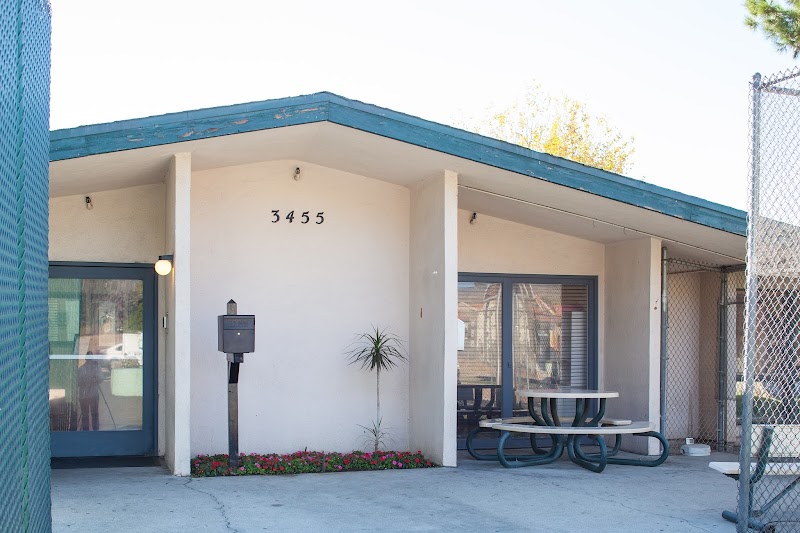
SIERRA VISTA

3455 EAST HIGHLAND AVE, HIGHLAND, CA 92346 (909) 862-6454
For profit - Limited Liability company 116 Beds Independent Data: November 2025
Trust Grade
80/100
#200 of 1155 in CA
Last Inspection: December 2024

Within standard 12-15 month inspection cycle. Federal law requires annual inspections.

Overview

Sierra Vista in Highland, California has a Trust Grade of B+, which means it is recommended and above average compared to other facilities. It ranks #200 out of 1,155 nursing homes in California, placing it in the top half of the state, and #14 out of 54 in San Bernardino County, indicating that only a few local options are better. The facility is improving, as it has reduced issues from six in 2024 to just one in 2025. Staffing is a strength, rated 4 out of 5 stars, with a 34% turnover rate, which is lower than the state average, indicating that staff are generally stable and familiar with residents. However, there are concerning findings regarding food safety practices, such as unclean kitchen equipment and improperly stored items, which could lead to potential health risks. Overall, while Sierra Vista shows strong staffing and a solid reputation, families should be aware of the food safety issues that need addressing.

Trust Score
B+
80/100
In California
#200/1155
Top 17%
Safety Record
Low Risk
No red flags
Inspections
Getting Better
6 → 1 violations
Staff Stability
○ Average
34% turnover. Near California's 48% average. Typical for the industry.
Penalties
✓ Good
No fines on record. Clean compliance history, better than most California facilities.
Skilled Nurses
⚠ Watch
Each resident gets only 20 minutes of Registered Nurse (RN) attention daily — below average for California. Fewer RN minutes means fewer trained eyes watching for problems.
Violations
⚠ Watch
21 deficiencies on record. Higher than average. Multiple issues found across inspections.
★★★★★
5.0
Overall Rating
★★★★☆
4.0
Staff Levels
★★★★★
5.0
Care Quality
★★★★☆
4.0
Inspection Score
Stable
2024: 6 issues
2025: 1 issues

The Good

  • 4-Star Staffing Rating · Above-average nurse staffing levels
  • 5-Star Quality Measures · Strong clinical quality outcomes
  • Full Sprinkler Coverage · Fire safety systems throughout facility
  • No fines on record
  • Staff turnover below average (34%)

    14 points below California average of 48%

Facility shows strength in staffing levels, quality measures, fire safety.

The Bad

Staff Turnover: 34%

12pts below California avg (46%)

Typical for the industry

The Ugly 21 deficiencies on record

Jul 2025 1 deficiency
CONCERN (D) 📢 Someone Reported This

A family member, employee, or ombudsman was alarmed enough to file a formal complaint

Potential for Harm - no one hurt, but risky conditions existed

Deficiency F0604 (Tag F0604)

Could have caused harm · This affected 1 resident

**NOTE- TERMS IN BRACKETS HAVE BEEN EDITED TO PROTECT CONFIDENTIALITY** Based on observation, interview, and record review, the facility failed to ensure resident's rights to be free from physical res...

Read full inspector narrative →
**NOTE- TERMS IN BRACKETS HAVE BEEN EDITED TO PROTECT CONFIDENTIALITY** Based on observation, interview, and record review, the facility failed to ensure resident's rights to be free from physical restraint (a manual method, physical or mechanical device or material that restricts the resident's freedom of movement or normal access to his/her body), for one of one resident (Resident 1), were followed when a Certified Nursing Assistant (CNA 1) placed his arm over Resident 1's shoulders, restricting his movement, on June 8, 2025. This failure had the potential for Resident 1to be at risk for physical and psychological harm (the unpleasant emotional or psychological symptoms that individuals experience when they feel overwhelmed, impacting their quality of life). Findings: During a review of Resident 1's admission Record (clinical record with demographic information), the admission Record indicated, Resident 1 was admitted to the facility on [NAME] 3, 2025, with diagnoses which included schizophrenia unspecified (a chronic mental illness characterized by significant disturbances in thought, perception, emotion, and behavior), and functional dyspepsia (a condition characterized by persistent or recurring pain or discomfort in the upper abdomen). During a concurrent observation and interview, on June 26, 2025, at 3:20PM, with Resident 1, in his room sitting on bed. Resident 1 stated, on June 8, 2024, at approximately 6:10 PM, he was in the room (an area in which residents are typically not permitted without supervision that had a vending machine). During a concurrent observation and interview, on June 26, 2025, at 3:35 PM, with the Administrator (Admin), in the hallway, there was a small room with open door next to a bathroom, inside the room, there was a vending machine and microwave. The admin stated that it was the room where the incident took place. The admin further stated Resident 1 was inside the room, unsupervised. CNA 1 then entered the room and asked him to leave but Resident 1 repeatedly calling him Fagette and refuse to leave the room. Resident 1 became agitated, and CNA 1 puts his hands over Resident 1's shoulder, to escort him out the room. During a review of Resident 1's Nurses Progress Notes, dated June 8, 2025, at 6:41 PM, the Nurses Progress Notes indicated, Documenting staff was on lunch break and saw [name of Resident 1] using the vending machine unsupervised. Document staff was asking [name of Resident 1] what he was doing. While trying to answer, another staff member [CNA 1] came and began to say that he's seen [name of Resident 1] do this before. [name of Resident 1] and the other staff member [CNA 1] started engaging in a verbal altercation. During the verbal altercation, 2 additional staff members came to help de-escalate the situation. The staff member [CNA 1] that [name of Resident 1] was arguing with pushed him [Resident 1] against the wall and held his arm there. They were separated and [name of Resident 1] returned to his visit and was given a grievance form to fill out. During a review of the facility's document titled, Event Summary Report, dated June 13, 2025, the Event Summary Report, indicated, . The identified Staff initiated capture of Resident by taking hold of Resident and holding him to the wall against which Resident was already standing . investigators determined Resident's [Resident 1] behavior did not pose an imminent danger and, therefore, capture was not indicated. The identified staff's actions were not consistent with facility policy regarding criteria for restrictive behavioral intervention . During a concurrent interview and record review on June 26, 2025, at 3:50 PM with the Admin, the facility's policy and procedure (P&P) titled, STP305-CA Restrictive Behavioral Interventions (RBI): Philosophy of Care, dated November 01, 2017, was reviewed. The P&P indicated, . Prior to the use of physical and /or psychopharmacological restraints: .Will only be used as emergency measures to protect the resident from injury to self or to others . Containment means a brief physical restraint of a person for the purpose of effectively gaining quick control of a person who is aggressive or agitated, or is a danger to self or others . The Admin stated CNA1 did not follow the procedure. The Admin further stated, Resident 1 was not a danger to himself, or others and CNA 1 should not have used its arm to restrain Resident 1, even though it was with good intention. Admin stated, it did not need to be escalated to that.
Dec 2024 5 deficiencies
CONCERN (D) 📢 Someone Reported This

A family member, employee, or ombudsman was alarmed enough to file a formal complaint

Potential for Harm - no one hurt, but risky conditions existed

Pharmacy Services (Tag F0755)

Could have caused harm · This affected 1 resident

**NOTE- TERMS IN BRACKETS HAVE BEEN EDITED TO PROTECT CONFIDENTIALITY** Based on observation, interview, and record review, the facility failed to ensure medications were administered according to the...

Read full inspector narrative →
**NOTE- TERMS IN BRACKETS HAVE BEEN EDITED TO PROTECT CONFIDENTIALITY** Based on observation, interview, and record review, the facility failed to ensure medications were administered according to the facility's policies and procedures (P&P) for two of 71 residents (Resident 22 and 85) when: 1. For Resident 22, 11 tablets of Clozapine (medication used to treat severely ill patients with serious mental illness that have difficulty distinguishing what is real and what is not) 50 mg (milligrams- unit of measurement) were found with an expiration date of August 9, 2024 (expired 124 days) and were available for resident use when stored in Unit 2's medication cart (Cart 2). 2. For Resident 85, five tablets of Vitamin B6 (a vitamin used to treat movement disorder) 100 mg were found with an expiration date of December 3, 2024 (expired 8 days) and were available for resident use when stored in Unit 2's medication cart (Cart 1). These failures had the potential for the medications to lose their potency over time, making them less effective and to adversely affect the health and safety of Residents 22 and 85. Findings: 1. During a review of Resident 22's clinical records, the admission Record (contains demographic and medical information) indicated, Resident 22 was admitted to the facility on [DATE], with diagnoses of paranoid schizophrenia (mental illness characterized by significant disruptions in thought processes, perceptions, emotions, and social interactions with false beliefs or sensory experiences that are not real), insomnia (difficulty falling or staying asleep), and hyperlipidemia (high concentration of fats in the blood). During a review of Resident 22's physician order, dated May 25, 2023, the physician order indicated, Resident 22 had an order for Clozapine 50 mg by mouth three times a day for Disrobing in Public related to PARANOID SCHIZOPHRENIA). During a concurrent observation and interview on December 11, 2024, at 7:55 AM, with the Registered Nurse (RN 1). The RN 1 opened the contents of medication cart 2 and found a bubble pack (a card that packages doses of medication within small plastic bubbles) containing Resident 22's tablets of Clozapine 50mg. The RN 1 stated the label on the bubble pack indicated an expiration date of August 9, 2024 (expired 124 days). The RN 1 counted the contents of the bubble pack and stated there were 11 remaining tablets. During a concurrent interview and record review on December 11, 2024, at 9:11 AM with the Director of Nursing (DON), the facility's P&P titled, Medication storage in the facility, dated April 2008 was reviewed. The P&P indicated, .Outdated .medications and those in containers that are cracked, soiled, or without secure closures are immediately removed from stock, disposed or according to procedures for medication disposal, and reordered from the pharmacy if a current order exists. The DON stated the policy was not followed and further stated there should be no expired medication stored in the medication cart. 2. During a review of Resident 85's clinical record, the admission Record, indicated, Resident 85 was admitted to the facility on [DATE], with diagnoses of schizophrenia, neutropenia (a abnormally low number of white blood cells that fights infection), and astigmatism (eye condition where the lens on the eye has an irregular curvature) During a review of Resident 85's physician's order dated February 27, 2023, the physician order indicated, Resident 85 had an order for Vitamin B6 100 MG tablets. During concurrent observation and interview on December 11, 2024, at 8:10 AM, with a Licensed Vocational Nurse (LVN 1), LVN 1 opened the contents of medication cart 1 and found a bubble pack containing Resident 85's tablets of Vitamin B6 100 mg. LVN 1 stated the label on the bubble pack indicated an expiration date of December 3, 2024 (expired 8 days). LVN 1 counted the contents of the bubble pack and stated there were five remaining tablets. During an concurrent interview and record review on December 11, 2024, at 9:14 AM with the DON, the facility's P&P titled, Disposal of medications and medication-related supplies, effective date December 2018, which indicated If a medication expires .[medication] shall be marked or otherwise identified and shall be stored in a separate location designated solely for this purpose .and destroyed in accordance with the Medication Destruction policy. The DON stated the policy was not followed and further stated there should be no expired medications stored in the medication cart. During a telephone interview on December 11, 2024, at 11:03 AM, with the facility's Pharmacy Consultant (PC), the PC stated non-controlled expired medications should not be left in medication carts and be removed to disposal area, so it does not get mixed up with non-expired medications and be given to residents.
CONCERN (D) 📢 Someone Reported This

A family member, employee, or ombudsman was alarmed enough to file a formal complaint

Potential for Harm - no one hurt, but risky conditions existed

Deficiency F0761 (Tag F0761)

Could have caused harm · This affected 1 resident

Based on observation, interview, and record review, the facility failed to ensure secure storage of medications when one of two medication rooms (Unit 2's medication room) and two of three medication ...

Read full inspector narrative →
Based on observation, interview, and record review, the facility failed to ensure secure storage of medications when one of two medication rooms (Unit 2's medication room) and two of three medication carts (Medication Cart 1 and 2 in Unit 2's medication room - carts used by licensed nurses and Psych technicians [PT] to hold medications for all residents) were found unlocked and unattended by a licensed nurse and PT. This failure had the potential for medications to be accessed and dispersed by an unauthorized person, in a vulnerable population of 71 residents. Findings: During an observation on December 10, 2024, at 4:40 PM, PT 1 was inside Unit 2's medication room, using medication cart 1 and 2. Psych Tech left the nurses station and went across the hall to a locked closet to assist a resident. PT 1 left Unit 2's medication room, medication cart 1, and medication cart 2 unlocked and unattended. During a concurrent observation and interview on December 10, 2024, at 4:45 PM, with PT 1, PT 1 walked towards the opened Unit 2's medication room door and went inside. When PT 1 was asked about the opened medication room and unattended unlocked carts, he stated, If the medication room door is locked, cart 1 and cart 2 does not have to be locked. Oh but I see now that the medication room door was not closed all the way and the carts are not locked. PT1 then went to medication cart 1 and medication cart 2 and proceeded to lock them. PT 1 further stated it should have been locked when unattended to prevent unauthorized people from opening the cart. During a concurrent interview and record review, on December 10,2024, at 4:49 PM, with the Director of Nursing (DON), the facility's policy and procedure (P&P) titled, Medications and biologicals are stored safely, securely, and properly, following manufacturer's recommendations or those of the supplier., dated, April 2008. was reviewed. The P&P indicated, .Medication cart is locked at all times unless in use and under the direct observations of the medication nurse . The DON stated the policy was not followed and further stated the medication carts were expected to be kept locked when unattended because someone who was not authorized can take the medications away from the cart.
CONCERN (D) 📢 Someone Reported This

A family member, employee, or ombudsman was alarmed enough to file a formal complaint

Potential for Harm - no one hurt, but risky conditions existed

Deficiency F0805 (Tag F0805)

Could have caused harm · This affected 1 resident

Based on observation, interview, record review, the facility failed to prepare food in a form designed to meet the need of one resident (Resident 28) when Resident 28's lunch on Monday, December 9, 20...

Read full inspector narrative →
Based on observation, interview, record review, the facility failed to prepare food in a form designed to meet the need of one resident (Resident 28) when Resident 28's lunch on Monday, December 9, 2024, had visible chunks of food. This failure had the potential to result in Resident 28 choking during the meal. Findings: During an observation on December 9, 2024, at 12:24 AM, in Unit 2's dining room, Resident 28's tray consisted of chicken potpie and carrots with notable lumps present. Resident 28's diet ticket stated dysphagia puree. (food texture that is smooth). During an interview on December 10, 2024, at 11:40 AM with the Dietary Supervisor (DS), in the kitchen, the DS stated that Resident 28's diet order is dysphagia puree. The DS further stated the meal should have had a smooth texture with no lumps. During an interview on December 11, 2024, at 8:15 AM with the Registered Dietician, the RD stated that Resident 28's diet order is dysphagia puree and that the order should have been followed. The RD further stated the expectation for a dysphagia puree diet is to have no lumps and to be smooth like pudding. During a review of the Physician Orders for Resident 28, the ordered diet stated Resident 28 is to have a consistent carbohydrate (CCD) diet; dysphagia puree texture, pureed meats with gravy/sauce. During a review of the Nutritional Assessment, dated November 11, 2024, the nutritional assessment indicated the dysphagia puree diet for Resident 28 was appropriate for chewing ease and swallowing safety due to Resident 28's seven missing teeth. During a concurrent interview and record review on December 11, 2024, at 10:20 AM with the Facility Administrator, the facility's policy and procedure (P&P) titled, Menu, revised September 2017 was reviewed. The P&P indicated, Menus will be served as written, unless a substitution is provided in response to preference, unavailability of an item, or a special meal. The facility administrator stated the facility staff should have followed the P&P.
CONCERN (D) 📢 Someone Reported This

A family member, employee, or ombudsman was alarmed enough to file a formal complaint

Potential for Harm - no one hurt, but risky conditions existed

Room Equipment (Tag F0908)

Could have caused harm · This affected 1 resident

Based on observation, interview, and record review, the facility failed to maintain equipment in safe operating condition when the refrigerator had corrosion on the walls and expanding foam visible fr...

Read full inspector narrative →
Based on observation, interview, and record review, the facility failed to maintain equipment in safe operating condition when the refrigerator had corrosion on the walls and expanding foam visible from behind the refrigerator wall. This failure had the potential to result in unsafe temperature control for safety foods and the accumulation of bacterial growth (germs that can cause illness). Findings: During an observation on December 9, 2024, at 8:18 AM, in the kitchen, corrosion on the bottom walls of the walk-in refrigerator was observed. There was a yellow expanding foam visible from behind the posterior refrigerator wall. The Dietary Supervisor (DS) stated the foam was from the previous maintenance repair, and it should not have been visible. The DS further stated there should not be corrosion on the walls. During an interview on December 11, 2024, at 8:15 AM, with the Registered Dietician (RD), the RD stated the fridge should not have had corrosion on the walls and visible expanding foam from repair. During a concurrent interview and record review on December 11, 2024, at 10:20 AM with the Facility Administrator, the facility's policy and procedure (P&P) titled, Equipment, revised September 2017, was reviewed. The P&P indicated, All foodservice equipment will be clean, sanitary, and in proper working order. All non-food contact equipment will be clean and free of debris. The facility administrator stated that the facility did not follow the P&P. During a review of the FDA Federal Food Code, dated 2022, section 4-501.11, titled, Good Repair and Proper Adjustment, indicated, Equipment shall be maintained in a state of repair and condition that meets the requirements specified under Parts 4-1 and 4-2. The FDA Food Code, Section 4-501.11, further indicated, Proper maintenance of equipment to manufacturer specifications helps ensure that it will continue to operate as designed. Failure to properly maintain equipment could lead to violations of the associated requirements of the Code that place the health of the consumer at risk. For example, refrigeration units in disrepair may no longer be capable of properly cooling or holding time/temperature control for safety foods at safe temperatures.
CONCERN (F) 📢 Someone Reported This

A family member, employee, or ombudsman was alarmed enough to file a formal complaint

Potential for Harm - no one hurt, but risky conditions existed

Food Safety (Tag F0812)

Could have caused harm · This affected most or all residents

Based on observation, interview, and record review, the facility failed to store and prepare food in accordance with professional standards for food safety when: 1. A toaster was stored in the dry st...

Read full inspector narrative →
Based on observation, interview, and record review, the facility failed to store and prepare food in accordance with professional standards for food safety when: 1. A toaster was stored in the dry storage, and it had an accumulation of food residue. 2. On the floor under the industrial mixer, there was black grime, food crumbs, and paint splashes. 3. The shelf under the cook's preparation area that was storing clean pans had crusted food and debris. 4. In the Unit 2 kitchen area where food is served to the residents, the refrigerator door handle had crusted food and smudges. Under the steam table, there was a storage compartment that had black grime and food debris. These failures had the potential to result in accumulating pathogenic microorganisms (germs or infectious agents that can cause disease) and to attract insects or rodents. Findings: 1. During a concurrent observation and interview on December 9, 2024, at 8:10 AM, in the kitchen's dry storage room, an unused toaster with crusted debris and crumbs was observed on a shelf rack. The Dietary Supervisor (DS) stated that the toaster works but is not currently in function. The DS further stated the unused toaster should not have been stored in the dry storage room and will be removed and cleaned. During an interview on December 11, 2024, at 8:15 AM, with the Registered Dietician (RD), the RD stated the expectation for the kitchen is to be cleaned, with no presence of grime or crusted food. During a review of the FDA Federal Food Code, dated 2022, section 6-601.11, titled, Equipment, Food-Contact Surfaces, Nonfood-Contact Surfaces, and Utensils, indicated, Equipment food-contact surfaces and utensils shall be clean to sight and touch .The food-contact surfaces of cooking equipment and pans shall be kept free of encrusted grease deposits and other soil accumulations .Nonfood-contact surfaces of equipment shall be kept free of an accumulation of dust, dirt, food residue, and other debris. The FDA Food Code, Section 4-601.11, further indicated, The objective of cleaning focuses on the need to remove organic matter from food-contact surfaces so that sanitization can occur and to remove soil from nonfood contact surfaces so that pathogenic microorganisms will not be allowed to accumulate, and insects and rodents will not be attracted. 2. During a concurrent observation and interview on December 9, 2024, at 8:18 AM, in the kitchen, paint splashes, crumbs, and black grime were observed on the floor behind underneath the industrial mixer. The DS stated that the kitchen was recently painted, but there should not be any paint on the floor. The DS further stated that the kitchen is deep-cleaned every Thursday, but it was not done the week prior. During an interview on December 11, 2024, at 8:15 AM, with the Registered Dietician, the RD stated that the expectation is for the kitchen to be cleaned weekly, with no presence of paint splashes, crumbs, and black grime. During a concurrent and record review on December 11, 2024, at 10:20 AM with the Facility Administrator, the facility's policy and procedure (P&P) titled, Environment, revised September 2017 was reviewed. The P&P indicated, All food preparation areas, food service areas, and dining areas will be maintained in a clean and sanitary condition .Ensure the kitchen is maintained in a clean, sanitary manner, including floors, walls. ceiling, lighting, and ventilation. The facility administrator stated the facility staff should have followed the P&P. 3. During an observation on December 9, 2024, at 8:25 AM, in the kitchen, crusted food and stains were observed on the metal pans and trays underneath the cook's prep table. The DS stated the pans and trays were cleaned by the cooks every day. The DS further stated it should have been cleaned. During a concurrent and record review on December 11, 2024, at 10:20 AM with the Facility Administrator, the facility's policy and procedure (P&P) titled, Environment, revised September 2017 was reviewed. The P&P indicated, All food preparation areas, food service areas, and dining areas will be maintained in a clean and sanitary condition .Ensure the kitchen is maintained in a clean, sanitary manner, including floors, walls. ceiling, lighting, and ventilation. The facility administrator stated the facility staff should have followed the P&P. 4. During an observation on December 9, 2024, at 9:03 AM, in unit 2's kitchenette, the refrigerator handle had sticky residue. The compartment underneath the steam table had black residue and debris. The DS stated that it was not acceptable, and both had to be cleaned. During a concurrent and record review on December 11, 2024, at 10:20 AM with the Facility Administrator, the facility's policy and procedure (P&P) titled, Environment, revised September 2017 was reviewed. The P&P indicated, All food preparation areas, food service areas, and dining areas will be maintained in a clean and sanitary condition .Ensure the kitchen is maintained in a clean, sanitary manner, including floors, walls. ceiling, lighting, and ventilation. The facility administrator stated the facility staff should have followed the P&P. During a review of the FDA Federal Food Code, dated 2022, section 6-601.11, titled, Equipment, Food-Contact Surfaces, Nonfood-Contact Surfaces, and Utensils, indicated, Equipment food-contact surfaces and utensils shall be clean to sight and touch .The food-contact surfaces of cooking equipment and pans shall be kept free of encrusted grease deposits and other soil accumulations .Nonfood-contact surfaces of equipment shall be kept free of an accumulation of dust, dirt, food residue, and other debris. The FDA Food Code, Section 4-601.11, further indicated, The objective of cleaning focuses on the need to remove organic matter from food-contact surfaces so that sanitization can occur and to remove soil from nonfood contact surfaces so that pathogenic microorganisms will not be allowed to accumulate, and insects and rodents will not be attracted.
Dec 2024 1 deficiency
CONCERN (D) 📢 Someone Reported This

A family member, employee, or ombudsman was alarmed enough to file a formal complaint

Potential for Harm - no one hurt, but risky conditions existed

Free from Abuse/Neglect (Tag F0600)

Could have caused harm · This affected 1 resident

**NOTE- TERMS IN BRACKETS HAVE BEEN EDITED TO PROTECT CONFIDENTIALITY** Based on observation, interview, and record review, the facility failed to protect the resident's right to be free from abuse (t...

Read full inspector narrative →
**NOTE- TERMS IN BRACKETS HAVE BEEN EDITED TO PROTECT CONFIDENTIALITY** Based on observation, interview, and record review, the facility failed to protect the resident's right to be free from abuse (the willful infliction of injury, unreasonable confinement, intimidation, or punishment with resulting physical harm, pain, or mental anguish) for one resident (Resident 1), when a Certified Nursing Assistant (CNA 1) threw water on Resident 1's face and kicked his right leg. This failure placed Resident 1 at risk for physical and psychological harm. Findings: During a review of Resident 1's admission Record (clinical record with demographic information), it indicated Resident 1 was admitted to the facility on [DATE], with diagnoses that included paranoid schizophrenia (a mental disorder that affects a person's thoughts, feelings, and behavior). A review of the MDS (Minimum Data Set, and assessment tool), dated November 14, 2024, indicated Resident 1 had cognitive function with a score of 15/15 on the BIMS assessment (Brief Interview for Mental Status) which indicated Resident 1 is likely to have normal cognition and may require the least amount of cognitive aid and memory support from staff. During a telephone interview with Primary Counselor (PC 1) on December 3, 2024, at 1:42 PM, PC 1 stated she witnessed the incident that occurred on December 2, 2024, at approximately 7:45 AM. PC 1 stated after Resident 1 took his medication, he stood in line to get his meal ticket. PC 1 stated she saw CNA 1 requested Resident 1 to drink water, but Resident 1 refused. PC 1 further stated that Resident 1 lunged [to move forward suddenly] at CNA 1, CNA 1 reacted by kicking Resident 1 on his right leg and poured the water on his face before Resident 1 moved back into line. During an interview with Resident 1, on December 3, 2024, at 1:59 PM, Resident 1 stated on December 2, 2024, CNA 1 kicked him and threw water on his face because he refused to drink water after taking his medication. Resident 1 indicated his right lower leg when asked where he had been kicked. During an interview with the Quality Assurance (QA 1), on December 3, 2024, at 2:17 PM, she stated the CNA 1's actions of kicking and throwing water at Resident 1, constituted abuse. During concurrent interview and record review with QA 1 on December 3, 2024, at 2:35 PM, facility Policy & Procedure (P&P) titled Abuse Prohibition dated February 23, 2021, was reviewed. The P&P indicated, .Federal Definitions; .Physical Abuse includes hitting, slapping, pinching, kicking, etc., as well as controlling behavior through corporal punishment . Based on observation, interview, and record review, the facility failed to protect the resident's right to be free from abuse (the willful infliction of injury, unreasonable confinement, intimidation, or punishment with resulting physical harm, pain, or mental anguish) for one resident (Resident 1), when a Certified Nursing Assistant (CNA 1) threw water on Resident 1's face and kicked his right leg. This failure placed Resident 1 at risk for physical and psychological harm. Findings: During a review of Resident 1's admission Record (clinical record with demographic information), it indicated Resident 1 was admitted to the facility on [DATE], with diagnoses that included paranoid schizophrenia (a mental disorder that affects a person's thoughts, feelings, and behavior). A review of the MDS (Minimum Data Set, and assessment tool), dated November 14, 2024, indicated Resident 1 had cognitive function with a score of 15/15 on the BIMS assessment (Brief Interview for Mental Status) which indicated Resident 1 is likely to have normal cognition and may require the least amount of cognitive aid and memory support from staff. During a telephone interview with Primary Counselor (PC 1) on December 3, 2024, at 1:42 PM, PC 1 stated she witnessed the incident that occurred on December 2, 2024, at approximately 7:45 AM. PC 1 stated after Resident 1 took his medication, he stood in line to get his meal ticket. PC 1 stated she saw CNA 1 requested Resident 1 to drink water, but Resident 1 refused. PC 1 further stated that Resident 1 lunged [to move forward suddenly] at CNA 1, CNA 1 reacted by kicking Resident 1 on his right leg and poured the water on his face before Resident 1 moved back into line. During an interview with Resident 1, on December 3, 2024, at 1:59 PM, Resident 1 stated on December 2, 2024, CNA 1 kicked him and threw water on his face because he refused to drink water after taking his medication. Resident 1 indicated his right lower leg when asked where he had been kicked. During an interview with the Quality Assurance (QA 1), on December 3, 2024, at 2:17 PM, she stated the CNA 1's actions of kicking and throwing water at Resident 1, constituted abuse. During concurrent interview and record review with QA 1 on December 3, 2024, at 2:35 PM, facility Policy & Procedure (P&P) titled Abuse Prohibition dated February 23, 2021, was reviewed. The P&P indicated, .Federal Definitions; .Physical Abuse includes hitting, slapping, pinching, kicking, etc., as well as controlling behavior through corporal punishment .
Aug 2023 1 deficiency
CONCERN (D) 📢 Someone Reported This

A family member, employee, or ombudsman was alarmed enough to file a formal complaint

Potential for Harm - no one hurt, but risky conditions existed

Quality of Care (Tag F0684)

Could have caused harm · This affected 1 resident

**NOTE- TERMS IN BRACKETS HAVE BEEN EDITED TO PROTECT CONFIDENTIALITY** Based on observation, interview and record review, the facility failed to ensure one of three sampled residents (Resident 1) wit...

Read full inspector narrative →
**NOTE- TERMS IN BRACKETS HAVE BEEN EDITED TO PROTECT CONFIDENTIALITY** Based on observation, interview and record review, the facility failed to ensure one of three sampled residents (Resident 1) with significant weight loss (10% of his body weigh) was weighed weekly which put Residents 1's nutritional status at risk. This failure resulted in Resident 1's significant weight loss going unmonitored which put this resident at risk for medical complications related to further weight loss. Findings: During a review of Resident 1's clinical record, the face sheet (contains demographic and medical information), indicated Resident 1 was admitted on [DATE], with diagnoses which includes: schizoaffective disorder (a mental illness that can affect your thoughts, mood, and behavior), hyperglycemia (high blood sugar), and Crohn's disease (inflammation of the bowels). During a review of Resident 1's Monthly Weights and Vitals Summary Record indicated the following: 1. January 9, 2023, indicated a weight of 168 pounds (unit of measure, lbs.), 2. April 3, 2023, indicated a weight of 166 lbs., 3. May 5, 2023, indicated a weight of 156 lbs., 4. June 3, 2023, indicated a weight of 150 lbs., 5. June 19, 2023, indicated a weight of 147 lbs., 6. June 28, 2023, indicated a weight of 148 lbs., 7. July 5, 2023, indicated a weight of 150 lbs. Resident 1's monthly weights indicated there was Significant weight loss for the following time periods: 1. January 9, 2023, to June 3, 2023, indicated an 18 lb. weight loss (greater than 10% of weight loss in 180 days), 2. April 3, 2023, to May 5, 2023, indicated a 10lb weight loss (over 5% or 5 lb. of weight loss in 30 days). The facility could not provide documentation that indicated weekly monitoring or weights were completed after the significant weight loss on May 5, 2023, and June 3, 2023. A review of the nutritional assessment, dated June 7, 2023, indicated Resident 1 was 6 feet and 150 pounds with an ideal body weight (IBW) of 166-202 lbs. Resident 1's usual body weight was 175-185 lbs. Resident 1's Weight status indicated a weight loss of 13.2 lbs. The nutrition plan included weekly weights for four weeks During a review of Resident 1's Nutrition note (late entry) dated June 28, 2023, the weekly and monthly weight follow up indicated: weight 150lbs on July 5, 2023 .4. Keep monitoring weekly weights and tolerance of diet and house nutrition to avoid further weight loss. During an interview and concurrent record review of Resident 1's medical records with Quality Assurance (QA) on August 2, 2023, at 12:55 PM, QA stated, when do we do weekly weights? If the weight is 5 pounds up or 5 pounds down in one month and especially if it is unplanned. QA stated further, I would have done weekly weights. I don't see that he refused to be weighed. The facility could not provide documentation that Resident 1 received weekly weights after the significant loss in weight. During an interview and concurrent record review of Resident 1's medical records with Director of Nursing on August 2, 2023, at 1:01 PM, DON stated, We do monthly weights when there is an indicator, 5% weight loss for 1 month, . If that happens then we do weekly weights. DON stated further, They should have been doing weekly weights for his weight loss. DON confirmed the weekly weights were not completed for Resident 1. Policy Weight Management dated August 25, 2021, indicated To obtain baseline weight and identify significant weight change. To determine possible causes of significant weight change .2 .Weights will be obtained monthly unless physician's orders or an individual's condition warrants more frequent weight measurements .5. In the event of a patterned or significant, unplanned weight loss of at least 2% in a week (or +/- 3lbs), 5% in 30 days (or +/- 5 lbs.), 7.5% in 90 days or 10% in 180 days, the following interventions will be carried out . The facility IDT collaborates for determining the need for initiation or discontinuation of weights other than weekly or ordered by physician .
Mar 2023 8 deficiencies
CONCERN (D)

Potential for Harm - no one hurt, but risky conditions existed

Resident Rights (Tag F0550)

Could have caused harm · This affected 1 resident

**NOTE- TERMS IN BRACKETS HAVE BEEN EDITED TO PROTECT CONFIDENTIALITY** Based on observation, interview, and record review, the facility failed to ensure resident rights were respected for two of five...

Read full inspector narrative →
**NOTE- TERMS IN BRACKETS HAVE BEEN EDITED TO PROTECT CONFIDENTIALITY** Based on observation, interview, and record review, the facility failed to ensure resident rights were respected for two of five residents (Residents 59 and 18) reviewed for unnecessary medications (any medications which are in excessive dose; or for excessive duration; or without adequate monitoring; or without adequate indications for its use; or in the presence of adverse consequences which indicate the dose should be reduced or discontinued) when: 1. For Resident 18, the informed consent (document signed by resident or representative to give permission for a proposed psychotropic medication [medications that affects brain activities associated with mental processes and behavior] and possible risks and benefits expected) were not obtained for Resident 18's order of Ativan (anti-anxiety medication), Temazepam (hypnotic medication- induce sleep) and Trazodone (anti-depressant medication). 2. For Resident 59, the informed consent was not obtained for Resident 59's order of Invega (anti-psychotic medication). These failures resulted in Residents 18 and 59's and their representatives rights to be violated when Residents 18 and 59 and their representatives were not informed of the psychotropic medications' risks, benefits, adverse reactions, and their right to refuse the medications. Findings: 1. During an observation on March 7, 2023, at 9:23 AM, outside Resident 18's room, Resident 18 was walking on the hallway, wearing street clothes, talking to a staff. During a review of Resident 18's admission Record (clinical record with demographic and medical information), it indicated Resident 18 was admitted to the facility on [DATE], with diagnoses which included schizophrenia (disorder in which people interpret reality abnormally), and anti-social personality disorder (condition in which a person has a long term pattern of manipulating, exploiting or violating the right of others). A review of Resident 18's Physician's Order, dated February 6, 2021, indicated Resident 59 had an order for Ativan 1 MG [MG - milligram unit of measurement], three times a day for anxiety, Temazepam 30 MG at bedtime, for inability to sleep and Trazodone (anti-depressant medication) HCl [hydrochloride] 75 MG. During a concurrent interview and record review, on March 10, 2023, at 7:25 AM, with the Director of Nursing (DON), the DON reviewed Resident 18's health records and was not able to find documented evidence to indicate Resident 18 or his representative have been informed of the order for Ativan, Temazepam, and Trazodone. 2. During an observation on March 7, 2023, at 10:12 AM, inside Resident 59's room, Resident 59 was lying in bed in a semi-upright position, watching television. During a review of Resident 59's admission Record, it indicated Resident 59 was admitted to the facility on [DATE], with diagnoses which included schizoaffective disorder (mood disorder), and bipolar type (a combination of delusions, hallucinations with episodes of mania or depression). A review of Resident 59's Physician's Order, dated February 6, 2021, indicated Resident 59 had an order for Invega Sustenna (Invega) Suspension Prefilled Syringe 234 MG/1.5 ML [ML - milliliters, unit of fluid volume] intramuscularly one time a day every 30 days for hitting others related to schizoaffective disorder, bipolar type. During a concurrent interview and record review, with the DON, on March 10, 2023, at 7:23 AM, the DON reviewed Resident 59's health records and was not able to find documented evidence to indicate Resident 59 or his representative have been informed of the order for Invega. The DON stated there was no informed consent for Invega. During an interview with the Licensed Vocational Nurse (LVN 1), on March 10, 2023, at 8:45 AM, the LVN 1 stated it was the licensed nurses' responsibility to obtain informed consent for psychotropic medications from the residents or representatives and to document it in the Psychotropic Medication Administration Disclosure form. The LVN 1 further stated the Psychotropic Medication Administration Disclosure must be included in the resident's health records. During a concurrent interview and record review, with the DON, on March 10, 2023, at 9:47 AM, the DON reviewed the facility's policy and procedure (P&P) titled, Resident Rights, revised December 2021, which indicated, .1. Federal and state laws guarantee certain basic rights to all residents of this facility. These rights include the resident's right to: . p. be informed of, and participate in, his or her care planning and treatment. The DON stated facility did not follow the policy. During further concurrent interview and record review, with the DON, on March 10, 2023, at 9:55 AM, the DON reviewed the facility's P&P titled, 3.8 Psychotropic Medication Use, revised October 24, 2022, which indicated, .17. Facility should inform the resident and/or resident representative of the initiation, reason for use, and the risks associated with the use of psychotropic medications, per facility policy or applicable state regulations. The DON stated facility did not follow the policy.
CONCERN (D)

Potential for Harm - no one hurt, but risky conditions existed

Deficiency F0604 (Tag F0604)

Could have caused harm · This affected 1 resident

**NOTE- TERMS IN BRACKETS HAVE BEEN EDITED TO PROTECT CONFIDENTIALITY** Based on observation, interview, and record review, the facility failed to respect the rights of one resident (Resident 43) revi...

Read full inspector narrative →
**NOTE- TERMS IN BRACKETS HAVE BEEN EDITED TO PROTECT CONFIDENTIALITY** Based on observation, interview, and record review, the facility failed to respect the rights of one resident (Resident 43) reviewed for physical restraints (any manual method, physical or mechanical device/equipment or material that limits a resident's freedom of movement and cannot be removed by the resident in the same manner as it was applied by staff) when Resident 43's physician's order for restraint was not discontinued in accordance with the facility's policy. This failure had the potential to result in Resident 43 to be restraint unnecessarily and without a new physician's order. Findings: During an observation on March 7, 2023, at 9:51 AM, Resident 43 was lying in bed, facing right side. Resident 43 refused to be interviewed. During a review of Resident 43's clinical record, the admission Record (contains demographic and medical information) indicated Resident 43 was admitted to the facility on [DATE], with diagnoses which included schizophrenia (mental disorder in which people interpret reality abnormally), and psychoactive substance abuse (drug abuse). During a review of Resident 43's Physician's Order, dated December 23, 2022, it indicated . Place resident [Resident 43] in wall-assisted upright restraint per Pro-Act (method of restraint using trained staff members) due to walking up to staff will fists balled, refusing redirection to stop approaching staff, and mumbling threats at staff. Resident was released when Resident agreed to expectations to cease behavior and behave in a socially appropriate manner. NTE (not to exceed) 4pts [points], NTE 30 minutes. Further review indicated the physician's order had no end date. During a review of Resident 43's Progress Notes, dated December 23, 2022, it indicated, Resident 43 .was captured per Pro-Act and placed in an upright wall-assisted restraint for two minutes . was released when he agreed to expectations to cease behavior and behave in a socially appropriate manner . declined assessment by RN [Registered Nurse] . [name of physician] was notified . During an interview with the Director of Nursing (DON), on March 8, 2023, at 8:55 AM, the DON stated she had made an error. The DON further stated she should have discontinued Resident 43's order for Pro-Act restraints the same day it was ordered. During a follow up interview and concurrent record review, with the DON, on March 8, 2023, at 9:00 AM, the DON reviewed the facility's policy and procedure titled Restrictive Behavioral Interventions (RBI): Physical Restraints dated November 1, 2017, which indicated, . 4.2 The original physician order cannot be used to reinitiate another physical restraint. The DON stated the policy was not followed.
CONCERN (D)

Potential for Harm - no one hurt, but risky conditions existed

Deficiency F0637 (Tag F0637)

Could have caused harm · This affected 1 resident

**NOTE- TERMS IN BRACKETS HAVE BEEN EDITED TO PROTECT CONFIDENTIALITY** Based on interview and record review, the facility failed to ensure a Significant Change of Status Assessment (SCSA) Minimum Dat...

Read full inspector narrative →
**NOTE- TERMS IN BRACKETS HAVE BEEN EDITED TO PROTECT CONFIDENTIALITY** Based on interview and record review, the facility failed to ensure a Significant Change of Status Assessment (SCSA) Minimum Data Set (MDS- a computerized assessment instrument) was completed for one of four residents (Resident 8) reviewed for nutrition after severe weight loss and decline in personal hygiene to reflect current resident's status, care, and services was identified . This failure had the potential to delay identification and implementation of Resident 8's care and support needs, which could result on his care plan not being updated and revised to reflect his current status. Findings: A review of Resident 8's admission Record (a document that contains demographic and clinical data), indicated Resident 8 was admitted to the facility on [DATE], with diagnoses which included schizoaffective disorder (mental illness that can affect your thoughts, mood, and behavior) and hypertension (blood pressure that is higher than normal). During a concurrent interview and record review, on March 10, 2023, at 9:21 AM, with the Minimum Data Set Nurse (MDS Nurse) and the Director of Nursing (DON), the MDS Nurse and the DON reviewed Resident 8's clinical record which indicated that on the following dates, Resident 8's weight were as follows: i. March 3, 2023: 211 pounds ii. February 6, 2023: 217 pounds iii. January 7, 2023: 226 pounds iv. December 5, 2022: 237 pounds v. November 1, 2022: 250 pounds vi. October 11, 2022: 258 pounds The MDS Nurse and the DON confirmed that Resident 8 had a severe weight loss from November 2022 to January 2023 for a total of 24 pounds weight loss which was 9.6% in 3 months period. (7.5 % in three months is the suggested parameter for evaluating significance of unplanned and undesired weight loss). Further interview and record review was conducted with the MDS Nurse and the DON on March 10, 2023, at 9:30 AM. The MDS Nurse and the DON reviewed Resident 8's admission MDS Assessment, dated October 12, 2022, which indicated under Section G (Functional Status- assesses the need for assistance with activities of daily living, altered gait and balance, and decreased range of motion), Resident 8 was independent in his personal hygiene. They reviewed Resident 8's Quarterly MDS Assessment, dated January 12, 2022, which indicated under Section G, Resident 8's was supervision (oversight, encouragement, or cueing) with setup help in his personal hygiene, and further review, under Section K (Swallowing/Nutritional Status), it indicated Resident 8 had weight loss. The MDS Nurse and the DON confirmed Resident 8 was declining in his functional personal hygiene. During a follow up interview on March 10, 2023, at 9:40 AM with the MDS Nurse and the DON, Resident 8's admission MDS Assessment, dated October 12, 2022, and Quarterly MDS Assessment, dated January 12, 2022, were reviewed. The DON stated, the Quarterly Assessment should be SCSA MDS, not a Quarterly MDS. She further stated We missed it. A concurrent interview and record review, with the MDS Nurse and the DON, was conducted on March 10, 2023, at 9:55 AM. The MDS Nurse and the DON reviewed and acknowledged the facility's policy and procedure (P&P) titled Weight Assessment and Intervention, which indicated . The threshold for significant unplanned and undesirable weight loss will be based on following criteria [where percentage of body weight loss =(usual weight-actual weight)/(usual weight) x 100]: a. 1 month 5% weight loss is significant; greater than 5% is severe. b. 3-month 7.5% weight loss is significant; greater than 7.5% is severe. c. 6-month 10% weight loss is significant; greater than 10% is severe . During a review of the facility's P&P titled Change in Resident's Condition or Status revised February 2021, it indicated .2. A significant assessment is major decline or improvement in resident status that will: a. Will not normally resolve itself without intervention . b. impact more than one area . c. requires interdisciplinary review and/or revision of the care plan .9. If a significant change in resident's physical or mental condition occurs, a comprehensive assessment of the resident's condition will be conducted as required by current OBRA [Omnibus Budget Reconciliation Act - is a federal law that establishes regulations for nursing facilities] regulation governing resident assessment and as MDS RAI instruction manual . A concurrent interview and record review was conducted with the MDS Nurse and the DON on March 10, 2023, at 9:55 AM. The MDS Nurse and the DON reviewed and acknowledged the MDS 3.0 Resident Assessment Instrument (RAI) Manual, revised October 2019, indicated . The SCSA is a comprehensive assessment for a resident . It can be performed at any time after the completion of an admission assessment .The MDS completion date (item Z0500B) must be no later than 14 days from the ARD [Assessment Reference Date- is the last day of this observation period] (ARD + 14 calendar days) and no later than 14 days after the determination that the criteria for an SCSA were met.
CONCERN (D)

Potential for Harm - no one hurt, but risky conditions existed

Assessment Accuracy (Tag F0641)

Could have caused harm · This affected 1 resident

**NOTE- TERMS IN BRACKETS HAVE BEEN EDITED TO PROTECT CONFIDENTIALITY** Based on interview and record review, the facility failed to ensure the Minimum Data Set (MDS- a computerized assessment instrum...

Read full inspector narrative →
**NOTE- TERMS IN BRACKETS HAVE BEEN EDITED TO PROTECT CONFIDENTIALITY** Based on interview and record review, the facility failed to ensure the Minimum Data Set (MDS- a computerized assessment instrument) Assessments were completed accurately to reflect the resident's status, care, and services for one of seven residents (Resident 56) reviewed for skin conditions. This failure had the potential to cause inaccuracy in identifying Resident 56's care and support needs. Findings: During a review of Resident 56's admission Record (a document that contains demographic and clinical data), it indicated Resident 56 was admitted to the facility on [DATE], with diagnoses which included schizophrenia (a severe long-term mental health condition) and atopic dermatitis (areas of skin to become itchy, dry, cracked, sore and red). A concurrent interview and review of Resident 56's clinical record was conducted with the Minimum Data Set Nurse (MDS Nurse) and the Director of Nursing (DON) on March 10, 2023, at 8:55 AM. The MDS Nurse and the DON reviewed Resident 56's Body Check assessment, conducted on December 19, 2022, and Skin Check assessment, conducted on September 17, 2022, which indicated Resident 56 had wounds on both legs. The MDS Nurse and the DON reviewed and confirmed Resident 56's Physician's Order, dated July 21, 2022, which indicated Resident 56 had a wound treatment order for both of his legs. During further interview and record review, with the MDS Nurse and the DON, on March 10, 2023, at 9:05 AM, the MDS Nurse and the DON reviewed Resident 56's Quarterly MDS assessments dated September 21, 2022, and December 21, 2022. Both assessments, under Section M titled Skin Conditions, indicated Resident 56 did not have other ulcers, wounds, and skin problem. The MDS Nurse and the DON confirmed Open lesion(s) on the foot were not coded for both of Resident 56's Quarterly MDS Assessments. The DON stated it should have been coded. During a concurrent interview and record review with the MDS Nurse and the DON, on March 10, 2023, at 9:10 AM, the MDS Nurse and the DON reviewed the Minimum Data Set (MDS) 3.0 Resident Assessment Instrument (RAI) Manual, revised October 2019, which indicated The RAI has multiple regulatory requirements. Federal regulation .and . require that (1) the assessment accurately reflects the resident's status . M1040: Other Ulcers, Wounds and Skin Problems (cont.) Steps for Assessment . 1. Review the medical record, including skin care flow sheets or other skin tracking forms . 2. Speak with direct care staff and the treatment nurse to confirm conclusions from the medical record review . 3. Examine the resident and determine whether any ulcers, wounds, or skin problems are present The MDS Nurse and the DON stated the facility did not follow the RAI manual.
CONCERN (D)

Potential for Harm - no one hurt, but risky conditions existed

Accident Prevention (Tag F0689)

Could have caused harm · This affected 1 resident

**NOTE- TERMS IN BRACKETS HAVE BEEN EDITED TO PROTECT CONFIDENTIALITY** Based on observation, interview, and record review, the facility failed to ensure the post fall protocol was implemented in acco...

Read full inspector narrative →
**NOTE- TERMS IN BRACKETS HAVE BEEN EDITED TO PROTECT CONFIDENTIALITY** Based on observation, interview, and record review, the facility failed to ensure the post fall protocol was implemented in accordance with the facility's policy and procedure for one of four residents (Resident 18) reviewed for falls, when Resident 18's care plans (action plan that outline the type of care and treatment a resident need) was not updated, and the Interdisciplinary Team (IDT- a group of healthcare professionals from different disciplines working towards a common goal for a resident) did not conduct a review after Resident 18 had a fall. This failure have the potential for Resident 18 to be at risk of further falls which could increase Resident 18's risk of injuries. Findings: During an observation, on March 7, 2023, at 9:23 AM, outside of Resident 18's room, Resident 18 was walking on the hallway, wearing street clothes, talking to a staff. During a review of Resident 18's admission Record (clinical record with demographic information), it indicated, Resident 18 was admitted to the facility on [DATE], with diagnoses which includes schizophrenia (a disorder in which people interpret reality abnormally), type 2 diabetes mellitus (a condition where body does not produce enough insulin), and anti-social personality disorder (condition in which a person has a long term pattern of manipulating, exploiting or violating the right of others). A review of a facility provided document titled Falls in the past 4 months, indicated Resident 18 had a fall incident on November 15, 2022, January 27, 2023, February 15, 2023, and March 6, 2023 (4 episodes of falls in 4 months). During a concurrent interview and record review, with the Director of Nursing (DON), on March 10, 2023, at 7:25 AM, the DON reviewed Resident 18's health records, and was not able to find documented evidence that Resident 18's care plan was updated after he had a fall incident on January 27, 2023 and February 15, 2023. The DON was unable to provide documentation that the IDT met, and reviewed his fall incident on January 27, 2023. A concurrent interview and record review was conducted with the DON on March 10, 2023, at 7:31 AM. The DON reviewed the facility's policy and procedure (P&P) titled, Fall Management, dated May 26, 2021, which indicated, .III. Procedure . 5. If patient falls: . 5.4. Update care plan to reflect new interventions . 5. 6. Interdisciplinary to review post Fall. and stated the policy was not followed.
CONCERN (D) 📢 Someone Reported This

A family member, employee, or ombudsman was alarmed enough to file a formal complaint

Potential for Harm - no one hurt, but risky conditions existed

Infection Control (Tag F0880)

Could have caused harm · This affected 1 resident

**NOTE- TERMS IN BRACKETS HAVE BEEN EDITED TO PROTECT CONFIDENTIALITY** 2. During an observation, on March 8, 2023, at 7:40 AM, the DS was serving breakfast in the dining room. She was wearing clear g...

Read full inspector narrative →
**NOTE- TERMS IN BRACKETS HAVE BEEN EDITED TO PROTECT CONFIDENTIALITY** 2. During an observation, on March 8, 2023, at 7:40 AM, the DS was serving breakfast in the dining room. She was wearing clear gloves. Her nails were past the length of the tip of her fingertips. During a concurrent interview and record review with the DS, on March 8, 2023, at 7:55 AM, the DS stated the nails she was wearing were acrylic and was past the tip of the finger. The DS reviewed the facility's undated P&P titled, Infection Control Overview & Policy, which indicated, . Acrylic and gel nails with length up to the tip of the fingers are allowed . The DS stated the P&P was not followed. She stated it is important for it to be followed because having longer nails could get things stuck under the nails and get into the food. During a concurrent interview and record review with the Registered Dietician (RD), on March 10, 2023, at 10:08 AM, the RD stated her expectation of staff who work in the kitchen was not to have nails go past the tips of the fingers because of bacteria and germs getting stuck because it is hard to clean under the nails. The RD reviewed the facility's undated P&P titled, Infection Control Overview & Policy, and stated it was not followed. 3. During a review of Resident 23's clinical record, the admission Record (contains demographic and medical information) indicated Resident 23 was admitted to the facility on [DATE], with the diagnoses of schizophrenia (a serious mental illness that affects how a person thinks, feels, and behaves), and cocaine dependence (a neurological disorder characterized by withdrawal symptoms). A review of Resident 23's Progress Notes, dated March 8, 2023, the Progress Notes indicated Resident 23 had pediculosis (lice) on the shoulder and chest. During a concurrent observation and interview, with the Primary Counselor (PC), on March 8, 2023, at 10:40 AM, the inspection of Resident 23's room was conducted. There were used towels and linens on the floor with live lice crawling. The towels and linens were not inside a plastic bag. The PC verified the finding, and stated, Yes, those are lice. An interview was conducted with the Housekeeping Supervisor (HS), on March 8, 2023, at 12:15 PM. The HS stated, Usually, the CNAs [Certified Nursing Assistants] put the infested linen in plastic bags, and then they bring them to me in containers. I put them outside for three days still in the plastic bags in the sun. After that time, I bring them in after donning complete PPE [personal protective equipment] and wash them in hot water. A review of facility policy and procedure (P&P) titled Standard Precaution revised September 2022, indicated .Linen. a. Linen soiled with blood, body fluids, secretion, excretions are handled and processed on a manner that prevent skin mucous membrane exposures, contamination of clothing, and avoids transfer of microorganism to other resident and environment . During a review of Centers for Disease Control and Prevention Prevention and Control for Headlice indicated Machine wash and dry clothing, bed linens, and other items that an infested person wore or used during the 2 days before treatment using the hot water (130°F) laundry cycle and the high heat drying cycle. Clothing and items that are not washable can be dry-cleaned OR sealed in a plastic bag and stored for 2 weeks. Based on observation, interview, and record review, the facility failed to ensure staff followed safe infection control practices when: 1. A Dietary Aide did not perform hand hygiene before serving lunch on March 7, 2023. 2. The Dietary Supervisor (DS) was wearing acrylic nails, longer than the tip of the fingers, while breakfast on March 8, 2023. 3. Resident 23's used towels and linens, with live lice crawling, were not placed in bags. These failures had the potential to result in cross-contamination (the transfer of harmful bacteria) causing a preventable infection to 116 highly vulnerable residents whose health conditions are already compromised. Findings: 1. During an observation, in Wing 2's dining room, on March 7, 2023, at 12:43 PM, Dietary Aide (DA 1) entered the dining area and applied a pair of gloves. DA 1 did not wash his hands on the sink, which was located at the left side of the steam table (used to keep the food hot). DA 1 proceeded to serve food from the food pans (rectangular pans used for food serving) for 45 residents. DA 1 removed his gloves. Without washing his hands, he proceeded to pick up empty food pans, and place them in a metal cart. During an interview with DA 1, on March 7, 2023, at 1:06 PM, DA 1 stated he did not wash his hands before or after he wore the gloves. DA 1 stated I forgot. During a concurrent interview and record review, with the Dietary Supervisor (DS), on March 7, 2023, at 4:57 PM, the DS reviewed the facility's policy and procedure (P&P) titled, Handwashing Procedures for Dining Services, dated June 30, 2022, and stated the policy was not followed. She further stated staff must wash their hands to prevent cross contamination. During a review of the facility's P&P titled, Handwashing Procedures for Dining Services, dated June 30, 2022, it indicated, .Situations where handwashing is required . Hand hygiene continue to be the primary means of preventing the transmission of infection. The following is a list of some situations that require hand hygiene: . Before and after eating or handling food . Handwashing with soap and water is required in a Dining Services Setting in the following situations: . After removing gloves . Before putting on a fresh pair of gloves .
CONCERN (D) 📢 Someone Reported This

A family member, employee, or ombudsman was alarmed enough to file a formal complaint

Potential for Harm - no one hurt, but risky conditions existed

Deficiency F0925 (Tag F0925)

Could have caused harm · This affected 1 resident

2. During a concurrent observation and interview, with the Pest Control Technician (PCT), March 10, 2023, at 10:45 AM, in the Wing 2 Men's shower room, there was a live cockroach in inbetween Showers ...

Read full inspector narrative →
2. During a concurrent observation and interview, with the Pest Control Technician (PCT), March 10, 2023, at 10:45 AM, in the Wing 2 Men's shower room, there was a live cockroach in inbetween Showers 4 and 5. The PCT verified the finding. A review of the facility's policy and procedure titled, Pest Control revised May 2009, indicated Our facility shall maintain an effective pest control program . 1. This facility maintains an on-going pest control program to ensure that the building is kept free of insects and rodents 6. Personnel are encouraged to report observations of pests so maintenance staff can inspect the area and request additional pest control services and needed. During a review of California Code of Regulations (CCR), Title 22, Division 5, Chapter 3, under § 72637. General Maintenance, it indicated .(f) The facility shall be maintained free from vermin and rodents through operation of a pest control program. The pest control program shall be conducted in the main patient buildings, all outbuildings on the property and all grounds. Based on observation, interview, and record review, the facility failed to ensure an effective pest control program was being implemented when: 1. There was one live cockroach crawling out from the janitor's closet, close to the Wing 1 dining room. 2. There was one live cockroach found in wing 2 Men's shower room. Findings: 1. During an observation, on March 9, 2023, at 2:27 PM, near the Wing 1 dining room, a cockroach came out underneath the Janitor's closet, and crawled towards the Wing 1 dining room. Resident 41 stepped on the roach before it could reach the dining room. During a subsequent observation, on March 9, 2023, at 2:30 PM, Resident 41 stepped on the cockroach twice while he was in line waiting for an activity. During a concurrent observation and interview, with the Activity Director (AD), on March 9, 2023, at 2:33 PM, the AD verified the cockroach was on the floor, near the Wing 1 dining room.
CONCERN (F)

Potential for Harm - no one hurt, but risky conditions existed

Food Safety (Tag F0812)

Could have caused harm · This affected most or all residents

Based on observation, interview, and record review, the facility failed to store, prepare, and serve food in accordance with professional standards for food service safety when: 1. Three plastic pitch...

Read full inspector narrative →
Based on observation, interview, and record review, the facility failed to store, prepare, and serve food in accordance with professional standards for food service safety when: 1. Three plastic pitchers and three lids were stored wet. It was placed on a rack where clean and dried cookware and serviceware (containers, bowls, plates, trays, cups, utensils) were stored. 2. An unlabeled large plastic container with red liquid was found inside the fridge. 3. The kitchen floors were observed with build-up of dirt, sticky residue, and crumbs. Behind the stove, the floors had buildup of crumbs and one food thermometer. 4. The metal shelf, above the stove, had grease build-up. 5. There was no thermometer inside the Resident Refrigerator, and the Resident Refrigerator Temperature Log was empty. These failures had the potential to lead to growth of microorganisms (bacteria, virus, fungi) and foodborne illness for 116 highly susceptible residents who receives facility prepared meals. Findings: 1. During the initial kitchen tour, with the Dietary Supervisor (DS), on March 7, 2023, at 8:10 AM, three plastic pitchers and three lids were observed to be stored wet. It was on a rack where clean and dried cookware and serviceware were stored. The DS stated, The pitchers and lids should have been air dried and then stored dry. A concurrent interview and record review was conducted with the DS on March 8, 2023, at 8:07 AM. The DS reviewed the facility's policy and procedure (P&P) titled, Manual Warewashing, dated September 2017, which indicated, . All serviceware and cookware will be air dried prior to storage . The DS stated the policy was not followed. The DS further stated it should have been stored dry due to the risk of harboring microorganisms. During an interview, with the Registered Dietician (RD), on March 10, 2023, at 9:59 AM, the RD stated, My expectation of all stored serviceware and cookware is that it should be stored dry. A review of the Federal Food and Drug Administration (FDA) 2022 Food Code, Section 4-901.11 Equipment and Utensils, Air-Drying Required, .Items must be allowed to drain and to air-dry before being stacked or stored. Stacking wet items such as pans prevents them from drying and may allow an environment where microorganisms can begin to grow . 2. During the initial kitchen tour, with the DS, on March 7, 2023, at 8:15 AM, an unlabeled and undated large plastic container with red liquid was observed inside the fridge. The DS stated, The red liquid in the large plastic container is Kool-Aid [flavored drink mix] and it should have been labeled and dated. A concurrent interview and record review was conducted with the DS on March 8, 2023, at 8:10 AM. The DS reviewed the facility's P&P titled, Food Storage: Cold Foods, dated, April 2018, which indicated, .All foods will be stored wrapped or in covered containers, labeled and dated, and arranged in a manner to prevent cross contamination . The DS stated the policy was not followed. During an interview with the RD, on March 10, 2023, at 10:04 AM, the RD stated, My expectation of food being labeled in the fridge is that all food needs to be labeled and dated immediately, especially when the food or liquid item is placed in a new container. 3. During the initial kitchen tour, with the DS, on March 7, 2023, at 8:20 AM, several areas of the floor (under the food preparation sink, shelves where pans and bakeware were stored, inside the walk-in fridge, and underneath the stove] had build-up of dirt, sticky residue, and crumbs. A food thermometer was found underneath the stove floor. The DS stated, Breakfast preparation was just done, but there should not have been a build-up of crumbs and dirt. A concurrent interview and record review was conducted with the RD on March 10, 2023, at 10:02 AM. The RD reviewed the facility's P&P titled, Environment, dated September 2017, and stated the policy was not followed. The RD further stated, My expectation of the floors in the kitchen is for the floors to be clean because we want to prevent the attraction of pests. During a review of the facility's P&P titled, Environment, dated September 2017, indicated, .All food preparation areas, food service areas, will be maintained in a clean and sanitary condition .The Dining Services Director [Dietary Supervisor, DS] will ensure that the kitchen is maintained in a clean and sanitary manner, including floors .proper procedures for cleaning and sanitizing of all food service equipment and surfaces .all food contact surfaces will be cleaned and sanitized after each use . A review of the Federal FDA Food Code 2022, indicated, Cleanliness of the food establishment is important to minimize attractants for insects and rodents, aid in preventing the contamination of food and equipment, and prevent nuisance conditions. 4. During the initial kitchen tour, with the DS, on March 7, 2023, at 8:23 AM, the metal shelf, above the stove, was observed with grease build-up. The DS stated there should not be any grease build-up. A concurrent interview and record review was conducted with the RD, on March 10, 2023, at 10:06 AM. The RD reviewed the facility's P&P titled, Environment, dated September 2017, and stated the policy was not followed. The RD stated, My expectation of the metal shelf above the stove is to be kept clean, with no buildup of grease. During a review of the facility's P&P titled, Environment, dated September 2017, indicated, .All food preparation areas, food service areas, will be maintained in a clean and sanitary condition .The Dining Services Director [Dietary Supervisor, DS] will ensure that the kitchen is maintained in a clean and sanitary manner, including floors .proper procedures for cleaning and sanitizing of all food service equipment and surfaces .all food contact surfaces will be cleaned and sanitized after each use . A review of to the Federal FDA Food Code 2022, Section 4-301.14 Ventilation Hood Systems, Adequacy, indicated, If a ventilation system is inadequate, grease and condensate may build up on the floors, walls and ceilings of the food establishment, causing an insanitary condition and possible deterioration of the surfaces of walls and ceilings. The accumulation of grease and condensate may contaminate food and food-contact surfaces as well as present a possible fire hazard. 5. During a concurrent observation and interview, with the Administrator (Admin) on March 8, 2023, at 5:04 PM, in a small room near the main lobby, the Resident Refrigerator was inspected. A tube refrigerator thermometer [thermometer used specifically for the refrigerator or freezer] was found outside the refrigerator. There was no thermometer inside the refrigerator. The Admin stated the thermometer should have been inside the refrigerator. A concurrent interview and record review was conducted with the Admin on March 8, 2023, at 5:08 PM. The Admin reviewed a facility binder labeled, RESIDENTS REFRIGERATOR TEMPERATURE LOG and was unable to find any documented evidence that the temperatures for the refrigerator were being recorded. The Admin stated the night shift nursing staff were responsible in the daily checking and recording of the refrigerator's temperature. The Admin further stated it was not done. During a concurrent interview and record review, with the Admin, on March 8, 2023, at 5:10 PM, the Admin reviewed the facility's P&P titled, GUIDELINES FOR FOOD BROUGHT IN FOR INDIVIDUAL RESIDENTS, dated October 7, 2022, which indicated, . Nursing staff is responsible for recording the temperature of the refrigerator on a daily basis and reporting to maintenance immediately if the temperature is out of range . The Administrator stated the policy was not followed.
Feb 2020 5 deficiencies
CONCERN (D)

Potential for Harm - no one hurt, but risky conditions existed

Medical Records (Tag F0842)

Could have caused harm · This affected 1 resident

**NOTE- TERMS IN BRACKETS HAVE BEEN EDITED TO PROTECT CONFIDENTIALITY** Based on interview, and record review, the facility failed to ensure accurate documentation when: 1. A post-fall interdisciplina...

Read full inspector narrative →
**NOTE- TERMS IN BRACKETS HAVE BEEN EDITED TO PROTECT CONFIDENTIALITY** Based on interview, and record review, the facility failed to ensure accurate documentation when: 1. A post-fall interdisciplinary team (IDT- health care professionals from different disciplines) meeting was not documented, for one of four residents (Resident 73) reviewed for falls. Resident 73 had a fall incident on October 11, 2019. This failure had the potential for Resident 73's safety needs to be unmet, which may place Resident 73 at risk of injury or even death. 2. An inaccurate admission date was documented on the clinical record, for one of three residents (Resident 116) reviewed for closed records. This failure had the potential for inconsistent care coordination and unmet care needs for Resident 116. Findings: 1. During a review of Resident 73's clinical record, the face sheet (contains demographic information) indicated Resident 73 was admitted to the facility on [DATE], with diagnoses that included schizoaffective disorder (mental disorder characterized by abnormal thought processes and an unstable mood), major depressive disorder (mental health disorder having episodes of psychological depression), and hypertension (high blood pressure). During a review of Resident 73's Nursing Notes, dated October 11, 2019, at 11:54 AM, it indicated At approximately 1150 (11:50 AM) Resident was sitting on the floor and attempted to stand and walk to lunch line when he became unsteady and fell back onto buttocks. No head to hard surface contact. Resident was assessed by RN (Registered Nurse); no visible injury, alert and oriented, speech clear, skin intact, steady gait with no s/s (signs and symptoms) of acute distress . During a concurrent interview and record review, with the Director of Nursing (DON), on February 12, 2020, at 1:41 PM, the DON reviewed Resident 73's clinical record and was unable to find documented evidence to indicate the post-fall IDT meeting was conducted for Resident 73's fall incident on October 11, 2019. During a concurrent interview and record review, with the Administrator (ADMIN), on February 12, 2020, at 2:02 PM, the ADMIN reviewed the facility's policy and procedure titled, Falls Management, revised November 1, 2019, which indicated Conduct interdisciplinary team meeting within 72 hours of fall. The ADMIN acknowledged the policy was not followed and stated the IDT meeting for Resident 73's post-fall incident on October 11, 2019 should have been documented in the clinical record. 2. During a review of Resident 116's closed clinical record, the face sheet (contains demographic information) indicated Resident 116 was admitted to the facility on [DATE], with diagnoses that included schizophrenia (mental disorder characterized by delusions, hallucinations, disorganized speech and behavior), vitamin d deficiency, and diabetes mellitus (chronic condition that affects how the body processes blood sugar). During a review of Resident 116's Physician Order Sheet, dated January 8, 2020, at 7:39 PM, it indicated Admit Resident to skilled nursing facility . During a review of Resident 116's admission Note, dated January 8, 2020, at 2:35 PM, it indicated Resident 116 was admitted /readmitted to [room number]. Arrived by ambulating. Information upon admission obtained from Patient Chart Reason for admission is Special Treatment Program . During a concurrent interview and record review with the Assistant Director of Nursing (ADON), on February 12, 2020, at 2:48 PM, the ADON reviewed Resident 116's clinical record and stated the dates for his admission order and admission note were wrong. During a concurrent interview and record review with a Registered Nurse Supervisor (RN 1), on February 13, 2020, at 10:08 AM, RN 1 reviewed Resident 116's clinical record and stated the date that she documented for Resident 116's admission order and admission note were incorrect. RN 1 stated Resident 116 was admitted on [DATE], and not January 8, 2020. She stated It was my fault. RN 1 further stated she forgot to document the correct date of admission when she activated the admission order. RN 1 stated it was important for the clinical records to be complete and accurate because it provides a complete information of the resident's stay in the facility. She further stated nurses are expected to make sure everything in the clinical record is accurate and complete. During a concurrent interview and record review with the Director of Nursing (DON), on February 13, 2020, at 10:28 AM, the DON reviewed the facility's policy and procedure titled Clinical Record: Charting and Documentation revised July 1, 2019, which indicated Be concise, accurate, complete, factual, and objective. The DON stated the policy was not followed because there was inaccurate information on Resident 116's clinical record.
CONCERN (D)

Potential for Harm - no one hurt, but risky conditions existed

Infection Control (Tag F0880)

Could have caused harm · This affected 1 resident

Based on observation, interview, and record review, the facility failed to ensure infection control practices were implemented for thirteen of 23 residents (Resident 113, 50, 64, 46, 59, 75, 89, 83, 5...

Read full inspector narrative →
Based on observation, interview, and record review, the facility failed to ensure infection control practices were implemented for thirteen of 23 residents (Resident 113, 50, 64, 46, 59, 75, 89, 83, 58, 16, 106, 94, and 26) reviewed for medication administration when a Licensed Vocational Nurses (LVN 1) failed to perform hand hygiene (a practice of washing hands with water and soap or using an alcohol based hand rub) in between medication administration to Residents 113, 50, 64, 46, 59, 75, 89, 83, 58, 16, 106, 94, 26 on February 10, 2020. This failure had the potential for the spread of infection (the process of bacteria or viruses invading the body or making someone ill), placing the residents' health and safety at risk. Findings: During an observation with a Registered Nurse Supervisor (RN 2), on February 10, 2020, at 11:00 AM, a Licensed Vocational Nurse (LVN 1) administered medications to Residents 113, 50, 64, 46, 59, 75, 89, 83, 58, 16, 106, 94, and 26. LVN 1 did not wash his hands or perform hand hygiene in between medication administration. During a concurrent interview with RN 2, on February 10, 2020, at 12:01 PM, RN 2 stated LVN 1 did not perform hand hygiene in between residents during medication administration. During a concurrent interview and record review with the Director of Nursing (DON), on February 10, 2020, at 4:21 PM, the DON reviewed the facility's policy and procedure titled Hand Hygiene revised November 28, 2017, which indicated Process: 1.1 Before patient care; Before an aseptic procedure; After patient contact with blood or other body fluids, even if gloves are worn; after patient care; after contact with the patient's environment. The DON acknowledged the policy should be followed. During an interview with RN 1, on February 13, 2020, at 10:10 AM, RN 1 stated hand hygiene should be performed in between residents during medication administration. During an interview with the Educator (ED 1), on February 13, 2020, at 1:54 PM, ED 1 stated infection control standard precautions expected nurses to wash their hands in between resident medication administration.
CONCERN (F)

Potential for Harm - no one hurt, but risky conditions existed

Food Safety (Tag F0812)

Could have caused harm · This affected most or all residents

Based on observation, interview, and record review, the facility failed to store, prepare and serve food in accordance with professional standards for food service safety when: 1. The ice machine had...

Read full inspector narrative →
Based on observation, interview, and record review, the facility failed to store, prepare and serve food in accordance with professional standards for food service safety when: 1. The ice machine had a black substance in the ice chute. 2. Meat residue was found on the meat slicer. 3. Plastic storage containers and metal pans were stacked and stored wet. 4. Dish racks had a black build-up. 5. Floors had a dirty build-up. 6. Food and grease build-up was found on the back of the stove and under the shelf above the stove. 7. An air gap found was not found under the food prep sink. These failures had the potential to lead to growth of microorganisms and food borne illness for all 114 residents eating facility prepared meals. Findings: 1. During the initial kitchen tour observation and concurrent interview with the Director of Dining Services (DDS), on February 10, 2020, at 7:42 AM, black build-up was found on the ice chute of the ice machine. The DDS stated a company is contracted to provide a deep cleaning of the machine while the dietary staff clean outside the machine and the bin once a month with soap and water. Based on the presence of build-up, the DDS stated this may not be sufficient to keep it clean. According to the Federal FDA 2017 Food Code 4-204.17, it indicated The potential for mold and algal growth in this area is very likely due to the high moisture environment. Molds and algae that form . are difficult to remove and present a risk of contamination to the ice stored in the bin. During a review of the facility's policy and procedure titled Cleaning Standards dated June 15, 2018, indicated Written cleaning procedures are used to clean all equipment .to ensure . equipment are clean and sanitary. According to monthly cleaning procedure (undated), it indicated Scrub all surfaces of the machine inside and out with the delimer solution using a nylon brush. Rinse thoroughly using clear water. Sanitize by spraying entire surface. 2. During the initial kitchen tour observation and concurrent interview with the Director of Dining Services (DDS), on February 10, 2020, at 8:00 AM, the meat slicer was found covered with a plastic bag which indicated it was clean and ready for use. Once uncovered, it was noted to have meat residue on the blade which was confirmed by the DDS. The DDS stated the slicer is used to slice meats that is used for resident sandwiches. During a review of a facility document titled Department Sanitation revised June 16, 2018, it indicated equipment is cleaned as soon after use as possible. During a review of the facility's policy and procedure titled Cleaning Standards dated June 15, 2018, indicated all food service equipment .are clean and sanitary. Specific cleaning procedures . for the following equipment/areas are included in the Appendix .Slicer. During a review of the undated Slicer Cleaning guidance, it indicated Give special attention to: blade-both sides . 3. During the initial kitchen tour observation and concurrent interview with the Director of Dining Services (DDS) and Dietary Aide 1, on February 10, 2020, at 8:08 AM, four plastic, rectangular shaped food containers were found to be stacked and stored wet. Dietary Aide 1 stated they shouldn't be stacked wet. The DDS stated that they should be air dried. Five metal sheet pans were also found stacked and stored wet. In a concurrent interview with the DDS she stated that they should be dried before stacking. During review of the facility's policy and procedure titled Machine Warewashing and Sanitizing dated of June 15, 2018, it indicated: To ensure all dishware is cleaned and sanitized after use . Machine warewashing procedures are posted in the dishwashing area. Per the Ecolab 2011 Pot & Pan Wash Procedure (hung over the three compartment manual dish washing sink) indicated to turn washed items upside down to air dry. Do not wipe dry. According the Federal Food and Drug Administration (FDA) 2017 Food Code, Section 4-901.11 Equipment and Utensils, Air-Drying Required, Items must be allowed to drain and to air-dry before being stacked or stored. Stacking wet items such as pans prevents them from drying and may allow an environment where microorganisms can begin to grow. 4. During the initial kitchen tour observation and concurrent interview with the Director of Dining Services, on February 10, 2020, at 7:32 AM, in the dish room were found seven dish racks with black build-up and a greenish color in the crevices. The DDS stated that the expectation is that they are replaced as needed. According to the Federal FDA 2017 Food Code Section 4-501.11, indicated a chemical sanitizer will not sanitize a dirty dish; as such, the clean dishes coming out of the dishwasher may be in contact with a non-sanitized surface. 5. During the initial kitchen tour observation and concurrent interview with the Director of Dining Services, on February 10, 2020, at 8:03 AM, a build-up of dirt and crumbs was found on the several areas of the floor (including behind the ice machine, under the shelf containing the meat slicer, under the food prep sink and behind the stove). The DDS stated Staff sweep three times a day after meals. she further stated deep cleaning of the floors is done monthly by housekeeping. During an interview with the Director of Housekeeping, on February 11, 2020, at 10:33 AM, he stated they use a machine to scrub the dietary floors and edges every 4th week of the month using a machine. He further stated the areas such as under sink pipes would need to be done by hand with a scrub pad. He stated his expectation is that this was done by the kitchen staff since they clean daily. During an interview with the Corporate Regional Dietitian, on February 12, 2020, at 12:32 PM, she stated that her expectation is that floors should be kept clean and buildup free. During a review of the facility's policy and procedure titled Department Sanitation, dated June 15, 2018, indicated Floors are kept clean, free of debris, and spills are cleaned-up immediately . According to an undated facility cleaning procedures for floor, wet mopping, indicated Sweep area thoroughly. Use putty knife to remove sticky material from floor .Heavy soil deposits may require several applications of cleaning solution and scrubbing action to remove soil. 6. During the initial kitchen tour observation and concurrent interview with the DDS, on February 10, 2020, at 8:19 AM, the shelf above the stove was found with a black build-up of grease underneath the shelf (directly over the burners). The stove wall and the area behind the stove also had food residue and grease build-up. The DDS stated a company comes in every three months to clean the stainless steel, and that they were last there is December. During an interview with the Regional Registered Dietitian, on February 12, 2020, at 12:32 PM, she stated her expectation is that the stove should have a schedule for cleaning and be kept clean. According to the Federal FDA 2017 Food Code, Section 4-204.11 Ventilation Hood Systems, Drip Prevention, indicated The dripping of grease or condensation onto food constitutes adulteration and may involve contamination of the food with pathogenic organisms. In Section 4-301.14 Ventilation Hood Systems, Adequacy, If a ventilation system is inadequate, grease and condensate may build up on the floors, walls and ceilings of the food establishment, causing an unsanitary condition and possible deterioration of the surfaces of walls and ceilings. The accumulation of grease and condensate may contaminate food and food-contact surfaces as well as present a possible fire hazard. 7. During the initial kitchen tour observation and concurrent interview with the Director of Dining Services, on February 10, 2020, at 8:09 AM, it showed that there was no air gap under the food preparation sink. The DDS stated she is aware of air gaps but is not sure why the food prep sink does not have one. (An air gap refers to a fixture that provides back-flow prevention. When installed and maintained properly, the air gap works to prevents drain water from backing up into the sink and possibly contaminating the area used for washing food. An air gap is a way to make certain wastewater and contaminants never re-enter the clean water supply.) During Review of 2017 FDA Food Code 5-202.13 stated an air gap between the water supply inlet and the flood level rim of the plumbing fixture .shall be at least twice the diameter of the water supply inlet and may not be less than 25 millimeters (1 inch).
CONCERN (F)

Potential for Harm - no one hurt, but risky conditions existed

Deficiency F0813 (Tag F0813)

Could have caused harm · This affected most or all residents

Based on interview and record review, the facility failed to ensure there was a policy regarding the use and storage of foods brought to residents by family and other visitors that would ensure safe a...

Read full inspector narrative →
Based on interview and record review, the facility failed to ensure there was a policy regarding the use and storage of foods brought to residents by family and other visitors that would ensure safe and sanitary storage, handling and consumption. This failure had the potential to limit the resident rights to have food brought in by family and visitors for later consumption as well as decreased access to food provided by the residents' family and friends for the 114 residents at the facility. Findings: During an interview with the Program Director, on February 12, 2020, at 10:08 AM, she stated residents can receive outside food, but the facility's policy stated it be a single portion that the resident must eat immediately when brought in, as the facility does not have a place to store resident food. She further stated that the food is checked for contraband, but not for food safety. During a review of the facility's policy and procedure titled Food Brought in for Individual Residents, dated November 29, 2017, it indicated Visitors are asked to be mindful of food and beverage temperatures to prevent burns or scalding. Visitors are encouraged to bring reasonable portions of food and beverage items that can be consumed during the visit. To ensure a safe and sanitary residence, storage of foods is not available on the unit or in the facility's kitchen. Any food items that are not consumed during a visit may be removed by the visitor or discarded, per the visitor's preference. Appliances to heat/reheat food items are not available.
CONCERN (F)

Potential for Harm - no one hurt, but risky conditions existed

Room Equipment (Tag F0908)

Could have caused harm · This affected most or all residents

Based on observation, interview and record review, the facility failed to maintain the reach-in refrigerator in safe operating condition when the refrigerator was found running at an unsafe temperatur...

Read full inspector narrative →
Based on observation, interview and record review, the facility failed to maintain the reach-in refrigerator in safe operating condition when the refrigerator was found running at an unsafe temperature. This failure had the potential to lead to growth of microorganisms and food borne illness for all 114 residents eating facility prepared meals. Findings: During the initial kitchen tour observation and concurrent interview with the Director of Dining Services (DDS), on February 10, 2020, at 07:23 AM, the reach-in cook's refrigerator was found at 44 degrees Fahrenheit. This refrigerator contained potentially hazardous foods such as hard boiled eggs, butter, cauliflower, parsley and dessert cakes. The DDS stated the thermometer may be broken. During a follow up observation, on February 10, 2020, at 8:18 AM, the refrigerator temperature was re-measured and found to be 46 degrees Fahrenheit. During an interview with the DDS, on February 10, 2020, at 8:40 AM, the DDS stated when staff close the door to the refrigerator, sometimes the other door with pop open. During an interview with the Maintenance Director, on February 12, 2020, at 9:55 AM, he stated the problem is that staff are not closing the doors properly and that he recently replaced the gaskets (rubber seal around the door). He further stated it was not clear why the door would keep opening. During a review of the facility's Food and Nutrition Services policy titled Refrigeration/Freezer Temperature Standards, dated June 15, 2018, indicated The director of Dining Services .or designee observes and records the temperatures of refrigerators and freezers on a daily basis using the .log .If temperatures fall outside of the acceptable range, the Maintenance Department is notified immediately.Acceptable ranges are: Refrigerators: 32 to 40 degrees Fahrenheit According to the 2017 Federal Food and Drug Administration (FDA) Food Code, Section 4-501.11, indicated Good Repair and Proper Adjustment, (B) Equipment components such as doors, seals, hinges, fasteners, and kick plates shall be kept intact, tight, and adjusted in accordance with manufacturer's specifications.
Understanding Severity Codes (click to expand)
Life-Threatening (Immediate Jeopardy)
J - Isolated K - Pattern L - Widespread
Actual Harm
G - Isolated H - Pattern I - Widespread
Potential for Harm
D - Isolated E - Pattern F - Widespread
No Harm (Minor)
A - Isolated B - Pattern C - Widespread

Questions to Ask on Your Visit

  • "Can I speak with families of current residents?"
  • "What's your RN coverage like on weekends and overnight?"

Our Honest Assessment

Strengths
  • • Grade B+ (80/100). Above average facility, better than most options in California.
  • • No major safety red flags. No abuse findings, life-threatening violations, or SFF status.
  • • No fines on record. Clean compliance history, better than most California facilities.
  • • 34% turnover. Below California's 48% average. Good staff retention means consistent care.
Concerns
  • • 21 deficiencies on record. Higher than average. Multiple issues found across inspections.
Bottom line: Generally positive indicators. Standard due diligence and a personal visit recommended.

About This Facility

What is Sierra Vista's CMS Rating?

CMS assigns SIERRA VISTA an overall rating of 5 out of 5 stars, which is considered much above average nationally. Within California, this rating places the facility higher than 99% of the state's 100 nursing homes. This rating reflects solid performance across the metrics CMS uses to evaluate nursing home quality.

How is Sierra Vista Staffed?

CMS rates SIERRA VISTA's staffing level at 4 out of 5 stars, which is above average compared to other nursing homes. Staff turnover is 34%, compared to the California average of 46%. This relatively stable workforce can support continuity of care.

What Have Inspectors Found at Sierra Vista?

State health inspectors documented 21 deficiencies at SIERRA VISTA during 2020 to 2025. These included: 21 with potential for harm.

Who Owns and Operates Sierra Vista?

SIERRA VISTA is owned by a for-profit company. For-profit facilities operate as businesses with obligations to shareholders or private owners. The facility operates independently rather than as part of a larger chain. With 116 certified beds and approximately 115 residents (about 99% occupancy), it is a mid-sized facility located in HIGHLAND, California.

How Does Sierra Vista Compare to Other California Nursing Homes?

Compared to the 100 nursing homes in California, SIERRA VISTA's overall rating (5 stars) is above the state average of 3.2, staff turnover (34%) is significantly lower than the state average of 46%, and health inspection rating (4 stars) is above the national benchmark.

What Should Families Ask When Visiting Sierra Vista?

Based on this facility's data, families visiting should ask: "Can I visit during a mealtime to observe dining assistance and food quality?" "How do you handle medical emergencies, and what is your hospital transfer rate?" "Can I speak with family members of current residents about their experience?"

Is Sierra Vista Safe?

Based on CMS inspection data, SIERRA VISTA has a clean safety record: no substantiated abuse findings (meaning no confirmed cases of resident harm), no Immediate Jeopardy citations (the most serious violation level indicating risk of serious injury or death), and is not on the Special Focus Facility watch list (a federal program monitoring the lowest-performing 1% of nursing homes). The facility has a 5-star overall rating and ranks #1 of 100 nursing homes in California. While no facility is perfect, families should still ask about staff-to-resident ratios and recent inspection results during their visit.

Do Nurses at Sierra Vista Stick Around?

SIERRA VISTA has a staff turnover rate of 34%, which is about average for California nursing homes (state average: 46%). Moderate turnover is common in nursing homes, but families should still ask about staff tenure and how the facility maintains care continuity when employees leave.

Was Sierra Vista Ever Fined?

SIERRA VISTA has no federal fines on record. CMS issues fines when nursing homes fail to meet care standards or don't correct problems found during inspections. The absence of fines suggests the facility has either maintained compliance or corrected any issues before penalties were assessed. This is a positive indicator, though families should still review recent inspection reports for the full picture.

Is Sierra Vista on Any Federal Watch List?

SIERRA VISTA is not on any federal watch list. The most significant is the Special Focus Facility (SFF) program, which identifies the bottom 1% of nursing homes nationally based on persistent, serious quality problems. Not being on this list means the facility has avoided the pattern of deficiencies that triggers enhanced federal oversight. This is a positive indicator, though families should still review the facility's inspection history directly.