CENTINELA SKILLED NURSING & WELLNESS CENTRE WEST
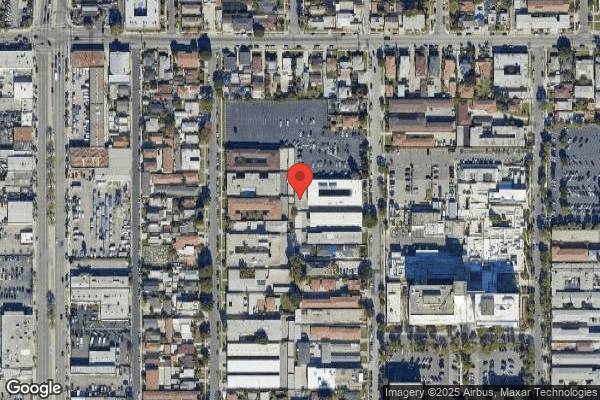
950 FLOWER STREET, INGLEWOOD, CA 90301 (310) 674-3216
For profit - Corporation 59 Beds PACIFIC HEALTHCARE HOLDINGS Data: November 2025
Trust Grade
83/100
#40 of 1155 in CA
Last Inspection: October 2024

Within standard 12-15 month inspection cycle. Federal law requires annual inspections.

Overview

Centinela Skilled Nursing & Wellness Centre West has a Trust Grade of B+, indicating it is above average and generally recommended for families considering care options. It ranks #40 out of 1,155 facilities in California, placing it in the top half of state nursing homes, and #6 out of 369 in Los Angeles County, meaning only five local facilities are rated higher. However, the trend is concerning as the number of reported issues has worsened from 7 in 2023 to 13 in 2024. While staffing is relatively stable with a turnover rate of 29%, below the state average, the facility has less RN coverage than 78% of California facilities, which is a significant concern. Notably, there have been 32 issues identified, including expired medical supplies that could pose risks to residents and a failure to ensure proper COVID-19 safety measures, which could potentially compromise resident safety. Overall, while there are strengths in staffing and overall rating, the increasing number of issues and specific concerns identified warrant careful consideration.

Trust Score
B+
83/100
In California
#40/1155
Top 3%
Safety Record
Low Risk
No red flags
Inspections
Getting Worse
7 → 13 violations
Staff Stability
✓ Good
29% annual turnover. Excellent stability, 19 points below California's 48% average. Staff who stay learn residents' needs.
Penalties
✓ Good
No fines on record. Clean compliance history, better than most California facilities.
Skilled Nurses
⚠ Watch
Each resident gets only 19 minutes of Registered Nurse (RN) attention daily — below average for California. Fewer RN minutes means fewer trained eyes watching for problems.
Violations
⚠ Watch
32 deficiencies on record. Higher than average. Multiple issues found across inspections.
★★★★★
5.0
Overall Rating
★★★☆☆
3.0
Staff Levels
★★★★★
5.0
Care Quality
★★★★☆
4.0
Inspection Score
Stable
2023: 7 issues
2024: 13 issues

The Good

  • 5-Star Quality Measures · Strong clinical quality outcomes
  • Low Staff Turnover (29%) · Staff stability means consistent care
  • Full Sprinkler Coverage · Fire safety systems throughout facility
  • No fines on record
  • Staff turnover is low (29%)

    19 points below California average of 48%

Facility shows strength in quality measures, staff retention, fire safety.

The Bad

Chain: PACIFIC HEALTHCARE HOLDINGS

Part of a multi-facility chain

Ask about local staffing decisions and management

The Ugly 32 deficiencies on record

Oct 2024 11 deficiencies
CONCERN (D)

Potential for Harm - no one hurt, but risky conditions existed

Resident Rights (Tag F0550)

Could have caused harm · This affected 1 resident

**NOTE- TERMS IN BRACKETS HAVE BEEN EDITED TO PROTECT CONFIDENTIALITY** Based on observation, interview, and record review, the facility failed to ensure two out of six sampled residents (Resident 27 ...

Read full inspector narrative →
**NOTE- TERMS IN BRACKETS HAVE BEEN EDITED TO PROTECT CONFIDENTIALITY** Based on observation, interview, and record review, the facility failed to ensure two out of six sampled residents (Resident 27 and 24) were dressed appropriately. This deficient practice of the Residents 24 and 27 not wearing their own clothes had the potential to make the residents feel left out from socialization (activities that contributes to the integrity of an individual's health and wellness). Findings: a. During a review of Resident 27's admission Record (Face Sheet), the Face Sheet indicated Resident 27 was admitted to the facility on [DATE]. Resident 27's diagnoses included hemiplegia (total paralysis of the arm, leg, and trunk on the same side of the body), chronic kidney disease (a condition where the kidneys do not work as well as they should), and aphasia (a disorder that makes it difficult to speak). During a review of Resident 27's History and Physical (H&P), dated 6/12/2024, the H&P indicated Resident 27 could make needs known but could not make medical decisions. During a review of Resident 27's Minimum Data Set ([MDS] a federally mandated assessment tool), dated 6/29/2024 the MDS indicated, Resident 27 was usually able to understand others. The MDS indicated Resident 27 was dependent on staff for personal hygiene, showering, and dressing. The MDS indicated Resident 27 was dependent with staff for chair/bed to chair transfer. During observations on 10/12/2024 between the hours 8:30 a.m. through 6:00 p.m., Resident 27 was observed wearing a hospital gown. During a concurrent observation and interview on 10/12/2024 at 6:21 p.m. with Certified Nursing Assistant (CNA) 1, in Resident 27's room, Resident 27 was observed lying in the bed wearing a hospital gown. CNA 1 stated Resident 27 was wearing a hospital gown. CNA 1 stated Resident 27 was not dressed daily. CNA 1 stated Resident 27 was only dressed when the staff took the resident to the dining room or when Resident 27 had a visitor. CNA 1 stated Resident 27 should be dressed in clothes during the day. CNA 1 stated dressing Resident 27 daily would help with socialization (by engaging in group activities, such as games, music, or arts and crats) and a sense of belonging (a feeling of security and support when there is inclusion) with the other residents. CNA 1 stated if Resident 27 was not dressed daily the resident could have the potential to feel depressed and not feel good. During an interview on 10/12/2024 at 6:26 p.m. with the Director of Nursing (DON), the DON stated the staff dress the residents if the residents were going out of their room. The DON stated if the residents were total care and were in the bed staff kept the residents in their gowns. The DON stated there was no policy for keeping residents in hospital gowns during the day. The DON stated it was important to dress Resident 27 in clothing to look presentable. b. During a review of Resident 24's admission Record (Face Sheet), the Face Sheet indicated Resident 24 was initially admitted to the facility on [DATE]. Resident 24's diagnoses included heart failure (a condition in which the heart does not pump blood as well as it should), dysphasia (difficulty swallowing), and aphasia (a disorder that makes it difficult to speak). During a review of Resident 24's H&P, dated 8/26/2024, the H&P indicated Resident 24 had fluctuating capacity to understand and make decisions. During a review of Resident 24s MDS, dated [DATE] the MDS indicated, Resident 24's cognition (ability to learn, reason, remember, understand, and make decisions) was severely impaired. The MDS indicated Resident 24 required substantial assistance with staff for personal hygiene, showering, and dressing. The MDS indicated Resident 24 required substantial assistance with staff for chair/bed to chair transfer. During an observation on 10/12/2024 between the hours 8:35 a.m. through 6:05 p.m., Resident 24 was observed wearing a hospital gown. During a concurrent observation and interview on 10/12/2024 at 6:31 p.m. with CNA 1, in Resident 24's room, Resident 24 was observed lying in the bed wearing a hospital gown. CNA 1 stated Resident 24 was wearing a hospital gown, and his clothes were in the closet. CNA 1 stated it was important to dress Resident 24 in clothing so he would feel togetherness with the other residents. CNA 1 stated if Resident 24 was not dressed daily he could feel demoralized and become depressed. During an interview on 10/12/2024 at 6:58 p.m. with the DON, the DON stated it was important to dress Resident 24 in clothing. The DON stated not having the resident dressed was a dignity issue and could make the resident feel sad about not being changed daily. During a review of the facility's policy and procedure (P&P) titled, Certified Nursing assistant Job Description, date unknown, the P&P indicated a nursing assistant responsible for providing routine nursing care to assure that the highest degree of quality resident care can be maintained at all times. The P&P indicated dress residents neatly ad in their own clothing. During a review of the facility's P&P titled, Resident Rights, dated 1/2012, the P&P indicated Resident's receive care and does not hamper, compel by force, treat differently, or retaliate against a resident for exercising his or her rights. The P&P indicated personal care needs, such as bathing methods, grooming styles, and dress, During a review of the facility's P&P titled, Resident Rights-Quality of Life, dated 3/2017, the P&P indicated to ensure the resident receives the necessary care and services to attain or maintain the highest practicable physical, mental, and psychosocial well-being. The P&P indicated Residents are encouraged and assisted to dress in their own clothes rather in hospital gowns.
CONCERN (D)

Potential for Harm - no one hurt, but risky conditions existed

Deficiency F0557 (Tag F0557)

Could have caused harm · This affected 1 resident

**NOTE- TERMS IN BRACKETS HAVE BEEN EDITED TO PROTECT CONFIDENTIALITY** Based on observation, interview, and record review, the facility failed to ensure one out six sampled residents (Resident 24) wa...

Read full inspector narrative →
**NOTE- TERMS IN BRACKETS HAVE BEEN EDITED TO PROTECT CONFIDENTIALITY** Based on observation, interview, and record review, the facility failed to ensure one out six sampled residents (Resident 24) was offered his dentures before eating. This deficient practice of not offering Resident 24 his dentures while eating had the potential to not be able to chew food effectively. Findings: During a review of Resident 24's admission Record (Face Sheet), the Face Sheet indicated Resident 24 was initially admitted to the facility on [DATE]. Resident 24's diagnoses included heart failure (a condition in which the heart does not pump blood as well as it should), dysphasia (difficulty swallowing), and aphasia (a disorder that makes it difficult to speak). During a review of Resident 24's History and Physical (H&P), dated 8/26/2024, the H&P indicated Resident 24 had fluctuating capacity to understand and make decisions. During a review of Resident 24s Minimum Data Set ([MDS] a federally mandated assessment tool), dated 7/1/2024 the MDS indicated, Resident 24's cognition (ability to learn, reason, remember, understand, and make decisions) was severely impaired. The MDS indicated Resident 24 required substantial assistance with staff for personal hygiene, showering, and dressing. The MDS indicated Resident 24 required substantial assistance with staff for chair/bed to chair transfer. During an observation on 10/12/2024 at 8:15 a.m., 12:40 p.m., and at 6:15 p.m., in Resident 24's room, Resident 24's certified nursing assistant (CNA) did not provide Resident 24 with dentures while feeding the resident his meals. During an observation on 10/13/2024 at 12:45 p.m., in the dining room, Resident 24 was observed eating his meal without dentures. Resident 24 was not offered dentures while eating his meal. During a concurrent observation and interview on 10/12/2024 at 6:40 p.m., with CNA 1, in Resident 24's room, Resident 24 was observed lying in bed with no dentures in his mouth. CNA 1 located the dentures in Resident 24's bedside table. CNA 1 stated Resident 24 did not eat at times. CNA 1 stated it was important to offer the dentures to help the resident with chewing and eating his food. CNA 1 stated providing the dentures would help give Resident 24 a normal feeling while eating. During an interview on 10/13/2024 at 2:54 p.m. with the Director of Nursing (DON), the DON stated Resident 24 required feeding assistance and the staff should offer the resident dentures. The DON stated it was important for Resident 24 to wear dentures while eating so he could eat more food. The DON stated not providing the dentures could have an affect how he looked and felt during the day. During a review of the facility's policy and procedure (P&P) titled, Resident Rights-Accommodation of Needs, dated 1/2012, the P&P indicated to ensure that the facility provides an environment and services that meet residents' individual needs. The P&P indicated facility staff arranges personal items within easy reach of the resident. The P&P indicated facility staff helps to keep aids, glasses and other adaptive devices clean and in working order for the resident. During a review During a review of the facility's P&P titled, Resident Rights-Quality of Life, dated 3/2017, the P&P indicated to ensure each resident shall be cared for in a manner that promotes and enhances the quality of life, dignity, respect, individuality and receives services in a person-center manner, as well as those that support resident in attaining or maintaining his/her highest practicable well-being. The P&P indicated facility staff treats cognitively impaired resident with dignity and sensitivity.
CONCERN (D)

Potential for Harm - no one hurt, but risky conditions existed

Deficiency F0558 (Tag F0558)

Could have caused harm · This affected 1 resident

**NOTE- TERMS IN BRACKETS HAVE BEEN EDITED TO PROTECT CONFIDENTIALITY** Based on observation, interview, and record review, the facility failed to ensure one out of six sampled residents (Resident 27)...

Read full inspector narrative →
**NOTE- TERMS IN BRACKETS HAVE BEEN EDITED TO PROTECT CONFIDENTIALITY** Based on observation, interview, and record review, the facility failed to ensure one out of six sampled residents (Resident 27) had the appropriate call light device to call for assistance. This deficient practice of not having the appropriate call light device had the potential for Resident 27 to not get assistance in a timely manner. Findings: During a review of Resident 27's admission Record (Face Sheet), the Face Sheet indicated Resident 27 was admitted to the facility on [DATE]. Resident 27's diagnoses included hemiplegia (total paralysis of the arm, leg, and trunk on the same side of the body), chronic kidney disease (a condition where the kidneys do not work as well as they should), and aphasia (a disorder that makes it difficult to speak). During a review of Resident 27's History and Physical (H&P), dated 6/12/2024, the H&P indicated Resident 27 could make needs known but could not make medical decisions. During a review of Resident 27's Minimum Data Set ([MDS] a federally mandated assessment tool), dated 6/29/2024 the MDS indicated, Resident 27 was usually understood others. The MDS indicated Resident 27 was dependent on staff for personal hygiene, showering, and dressing. The MDS indicated Resident 27 was dependent on staff for chair/bed to chair transfer. During an observation on 10/12/2024 at 9:49 a.m., in Resident 27's room, Resident 27 was observed lying in the bed awake. Resident 27 attempted to reach for the call light and was not able to grasp the call light and press the button for assistance. During an interview on 10/13/2024 at 1:56 p.m. with Licensed Vocational Nurse (LVN) 1, LVN 1 stated Resident 27 was slow to talk and slow to touch the call light device. LVN 1 stated Resident 27 would benefit from having the touch pad call light. LVN 1 stated it would be easier for Resident 27 to call for assistance. LVN 1 stated it was important to have the touch paid call light just in case the resident was falling or choking. LVN 1 stated the call light was needed to save a life or to offer assistance when she needed help. During an interview on 10/13/2024 at 3:00 p.m. with the Director of Nursing (DON), the DON stated Resident 27 did not have the correct call light device because she could not press the call light button. The DON stated Resident 27 should have had the touch pad call light device. The DON stated it was important for Resident 27 to have the appropriate the touch pad call light to make it easier to call for assistance. The DON stated by not having the appropriate call light for Resident 27 staff would not be able to assist her with her accommodations (the facility's efforts to individualize the resident's physical environment). During a review of the facility's policy and procedure (P&P) titled, Resident Rights- Accommodation of Needs, date unknown, the P&P indicated, the facility's environment is designed to assist the resident in achieving independent functioning and maintaining the resident's dignity and well-being. The P&P indicated Residents' individual needs and preferences, including the need for adaptive devices and modifications to the physical environment, are evaluated upon admission and reviewed on an ongoing basis.
CONCERN (D)

Potential for Harm - no one hurt, but risky conditions existed

Deficiency F0582 (Tag F0582)

Could have caused harm · This affected 1 resident

**NOTE- TERMS IN BRACKETS HAVE BEEN EDITED TO PROTECT CONFIDENTIALITY** Based on interview and record review, the facility failed to inform and provide the Notice of Medicare Non-Coverage (NOMNC) form...

Read full inspector narrative →
**NOTE- TERMS IN BRACKETS HAVE BEEN EDITED TO PROTECT CONFIDENTIALITY** Based on interview and record review, the facility failed to inform and provide the Notice of Medicare Non-Coverage (NOMNC) form 48 hours prior to the end of skilled nursing services for one of three sampled residents (Resident 205). This deficient practice had the potential to result in the resident not being able to exercise his right to file an appeal and unknowingly paying for non-covered care expenses. Findings: During a review of Resident 205's admission Record (front page of the chart that contains a summary of basic information about the resident), the admission Record indicated, Resident 205 was admitted to the facility on [DATE]. Resident 205's diagnoses included chronic obstructive pulmonary disease ([COPD] a chronic lung disease causing difficulty in breathing), alcoholic liver disease (damage to the liver and its function due to alcohol abuse), and diabetes mellitus ([DM] a disorder characterized by difficulty in blood sugar control and poor wound healing). During a review of Resident 205's Minimum Data Set ([MDS] a federally mandated resident assessment tool), dated 4/30/2024, the MDS indicated, Resident 205's cognitive (ability to think and reason) skills for daily decision making was intact. The MDS also indicated, Resident 205 required supervision (helper provides verbal cues) in oral hygiene, toileting hygiene, and upper and lower body dressing. During a concurrent interview and record review on 10/12/2024 at 3:10 p.m. with the Social Service Director (SSD), Resident 205's NOMNC form was reviewed. The SSD stated she was responsible in completing, providing and maintaining signed copies of the NOMNC form The SSD stated Resident 205's last covered day for Medicare Part A skilled services would end on 6/20/2024. The SSD stated Resident 205's NOMNC was given to the resident on 6/19/2024. The SSD stated the facility process was to give NOMNC to the resident 48 to 72 hours prior to the end of Medicare Part A skilled services so the resident would have enough time to make an appeal. The SSD stated Resident 205's right to appeal for financial coverage was not honored. During a review of the facility's policy and procedure (P&P), titled Medicare Denial Process, dated 3/2018, the P&P indicated, Medicare beneficiaries will be properly notified when it is determined that they do not meet the requirements for covered skilled services under the Medicare program. The P&P also indicated the Medicare status change form is completed by the Director of Nursing (DON) or designee upon admission and or minimum of 2 days prior to the last Medicare covered day.
CONCERN (D)

Potential for Harm - no one hurt, but risky conditions existed

Safe Environment (Tag F0584)

Could have caused harm · This affected 1 resident

**NOTE- TERMS IN BRACKETS HAVE BEEN EDITED TO PROTECT CONFIDENTIALITY** Based on observation, interview, and record review, the facility failed to ensure one out of six sampled residents (Resident 34)...

Read full inspector narrative →
**NOTE- TERMS IN BRACKETS HAVE BEEN EDITED TO PROTECT CONFIDENTIALITY** Based on observation, interview, and record review, the facility failed to ensure one out of six sampled residents (Resident 34) was provided a homelike environment and did not have chipped paint on the wall next to the resident's bed. This deficient practice of not providing a homelike environment for Resident 34 had the potential to negatively impact the resident quality of life. Findings: During a review of Resident 34's admission Record (Face Sheet), the Face Sheet indicated Resident 34 was initially admitted to the facility on [DATE] and last readmitted [DATE]. Resident 34's diagnoses included aphasia (a disorder that makes it difficult to speak), chronic kidney disease (a condition where the kidneys do not work as well as they should), and atherosclerotic hearth disease (a chronic inflammatory disease that causes plaque buildup in the walls of arteries, narrowing them and restricting blood flow). During a review of Resident 34's History and Physical (H&P), dated 8/29/2024, the H&P indicated Resident 34 did not have the capacity to understand and make decisions. During a review of Resident 34's Minimum Data Set ([MDS] a federally mandated assessment tool), dated 8/16/2024 the MDS indicated, Resident 34 was able to usually understand others. The MDS indicated Resident 34 required substantial assistance with staff for personal hygiene, showering, and dressing. During an observation on 10/12/2024 at 9:55 a.m. in Resident 34's room, observed scattered chipped paint along the wall next to Resident 34's bed. During a concurrent observation and interview on 10/12/2024 at 4:55 p.m. with the Administrator (ADM), in Resident 34's room, there was scattered chipped paint observed along the wall next to Resident 34's bed. The ADM stated he was aware of the chipped paint on the wall in Resident 34's room. The ADM stated when Resident 34 was lying in the bed the resident may not like looking at chipped paint. The ADM stated the wall needed to be repaired and painted. The ADM stated it was important to have the room looking nice and presentable, so the resident could feel good. The ADM stated the wall needed to be repaired and painted. During an interview on 10/12/2024 at 5:12 p.m. with the Maintenance Director (MD), the Maintenance Log, dated 9/17/2024 was reviewed. The Maintenance Log indicated on 9/17/2024 Resident 34's room walls needed paint. The MD stated the staff reported and put it the maintenance book. The MD stated it would take him one day to paint the room. The MD stated it would make the Resident feel a bit sad if the room did not look nice. During a review of the facility's policy and procedure (P&P) titled, Resident Rights- Accommodation of Needs, date unknown, the P&P indicated to ensure that the facility provides an environment and services that meet resident's individual needs. The P&P indicated Resident's individual needs are accounted for in the facility's provision of a clean comfortable environment and is consistent with individual resident needs.
CONCERN (D)

Potential for Harm - no one hurt, but risky conditions existed

Comprehensive Care Plan (Tag F0656)

Could have caused harm · This affected 1 resident

**NOTE- TERMS IN BRACKETS HAVE BEEN EDITED TO PROTECT CONFIDENTIALITY** Based on interview and record review, the facility failed to ensure one out of six sampled residents (Resident 2) had a care pla...

Read full inspector narrative →
**NOTE- TERMS IN BRACKETS HAVE BEEN EDITED TO PROTECT CONFIDENTIALITY** Based on interview and record review, the facility failed to ensure one out of six sampled residents (Resident 2) had a care plan (a communication tool for patient care between nurses) for the refusal of dental services. This deficient practice of not having a care plan for refusal of dental services had the potential to place Resident 2 at risk for not receiving the appropriate interventions to prevent discomfort when eating. Findings: During a review of Resident 2's admission Record (Face Sheet), the Face Sheet indicated Resident 2 was admitted to the facility on [DATE]. Resident 2's diagnoses included chronic kidney disease (damage to kidneys and can't filter blood the way they should), dysphagia (difficulty swallowing), and aortic aneurysm (a bulge in the wall of an artery). During a review of Resident 2's History and Physical (H&P), dated 7/22/2024, the H&P indicated Resident 2 had fluctuating capacity to understand and make decisions. During a review of Resident 2s Minimum Data Set ([MDS] a federally mandated assessment tool), dated 7/8/2024 the MDS indicated, Resident 2's cognition (ability to learn, reason, remember, understand, and make decisions) was intact. The MDS indicated Resident 2 required supervision from staff for personal hygiene, showering, and dressing. The MDS indicated Resident 2 required supervision from staff for chair/bed to chair transfer. During a review of Resident 2's dental record titled, Elite Mobile Dental, dated 8/22/2024, the Elite Mobile Dental indicated, Resident 2 refused treatment. During an interview on 10/13/2024 at 11:34 a.m. with Resident 2, Resident 2 stated the staff did not review the risks and benefits of not having dentures. Resident 2 stated it would be easier to chew food with dentures. During a concurrent interview and record review on 10/13/2024 at 2:06 p.m. with Licensed Vocational Nurse (LVN) 1, Resident 2's dental record titled, Elite Mobile Dental, dated 8/22/2024 was reviewed. The Elite Mobile Dental indicated on 8/22/2024 Resident 2 refused treatment. LVN 1 stated when Resident 2 refused to have dental treatment a care plan needed to be developed. LVN 1 stated it was important to have a care plan to set goals and interventions that would help the resident with dental care. LVN 1 stated having a care plan would help with prevention of mouth infection. During a concurrent interview and record review on 10/13/2024 at 2:48 p.m. with the Director of Nursing (DON), Resident 2's dental record titled, Elite Mobile Dental, dated 8/22/2024 was reviewed. The Elite Mobile Dental indicated on 8/22/2024 Resident 2 refused treatment. The DON stated when the resident refused dental treatment the staff were to complete a care plan. The DON stated it was important to find out the reason for the refusal and educate Resident 2 the risks and benefits of the treatment. The DON stated the staff was to identify the problem and provide the care according to the resident preferences. During a review of the facility's policy and procedure titled, Comprehensive Person-Centered Care Planning, dated 11/2018, the P&P indicated to ensure that a comprehensive person-centered care plan is developed for each resident. The P&P indicated additional changes or updates to the resident's comprehensive care plan will be made based on the assessed needs of the resident. The P&P indicated the comprehensive care plan will be periodically reviewed and revised following onset of new problems and to address changes in behavior and care.
CONCERN (D)

Potential for Harm - no one hurt, but risky conditions existed

Quality of Care (Tag F0684)

Could have caused harm · This affected 1 resident

**NOTE- TERMS IN BRACKETS HAVE BEEN EDITED TO PROTECT CONFIDENTIALITY** Based on interview and record review, the facility failed to ensure residents received treatment and care in accordance with pro...

Read full inspector narrative →
**NOTE- TERMS IN BRACKETS HAVE BEEN EDITED TO PROTECT CONFIDENTIALITY** Based on interview and record review, the facility failed to ensure residents received treatment and care in accordance with professional standards of practice, by failing to measure the abdominal girth (the measurement of the distance around the abdomen at a specific point, usually at the level of the belly button) weekly per the physician's order for one of one sampled resident (Resident 45) who had a diagnosis of ascites (a condition where fluid builds up in the abdomen). This deficient practice would put Resident 45 at risk for abdominal pain and shortness of breath possibly leading to medical complications requiring hospitalization. Findings: During a review of Resident 45's admission Record, the admission Record indicated, Resident 45 was admitted to the facility on [DATE]. Resident 45's diagnoses included ascites, chronic kidney disease (kidneys are damaged and can't filter blood they way they should), and psychosis (a severe mental condition in which thought, and emotions are so affected that contact is lost with reality). During a review of Resident 45's History and Physical (H&P), dated 9/2/2024, the H&P indicated, Resident 45 had fluctuating capacity to understand and make decisions. During a review of Resident 45's Minimum Data Set ([MDS] a federally mandated resident assessment tool), dated 8/6/2024, the MDS indicated, Resident 45's cognitive (ability to think and reason) skills for daily decision making was moderately impaired. The MDS indicated, Resident 45 required supervision (helper provides verbal cues) in oral hygiene, upper body dressing, and personal hygiene. During a review of Resident 45's Order Summary Report (a document containing active orders), dated 10/1/2024, the Order Summary Report indicated, Resident 45 had a physician order to measure abdominal girth weekly on Wednesday and to call medical doctor for any significant change in resident's abdominal girth. During a concurrent interview and record review on 10/12/2024 at 4:53 p.m. with the Director of Nursing (DON), Resident 45's Treatment Administration Record ([TAR] a report detailing the treatment administered to a patient by a healthcare professional at a facility) for September and October 2024 was reviewed. The DON stated Resident 45's abdominal girth on 9/4/2024, 9/11/2024, 9/18/2024, 9/25/2024, 10/2/2024, and 10/9/2024 were not measured. The DON stated it was the responsibility of the licensed nurse to measure the abdominal girth of Resident 45 and record in the TAR. The DON stated all physician orders must be followed as standard of practice. The DON stated it was essential to measure Resident 45's abdominal girth as a guide for the licensed nurses to know if Resident 45 was accumulating more fluids in the abdomen. The DON stated failure to measure and monitor the abdominal girth of resident with a diagnosis of ascites would cause negative effect such as abdominal discomfort, weakness and shortness of breath. During a review of the facility's policy and procedure (P&P) titled, Quality of Care Compliance Requirements, dated 6/2016, the P&P indicated, The facility is committed to providing care and services necessary to attain or maintain a resident's highest practicable physical, mental and psychosocial wellbeing.
CONCERN (D)

Potential for Harm - no one hurt, but risky conditions existed

Pressure Ulcer Prevention (Tag F0686)

Could have caused harm · This affected 1 resident

**NOTE- TERMS IN BRACKETS HAVE BEEN EDITED TO PROTECT CONFIDENTIALITY** Based on observation, interview, and record review, the facility failed to ensure the low air loss mattress ([LALM] a mattress d...

Read full inspector narrative →
**NOTE- TERMS IN BRACKETS HAVE BEEN EDITED TO PROTECT CONFIDENTIALITY** Based on observation, interview, and record review, the facility failed to ensure the low air loss mattress ([LALM] a mattress designed to prevent and treat pressure ulcer (injuries to skin and underlying tissue resulting from prolonged pressure on the skin) was set and maintained at the correct setting for one of three sampled residents (Resident 6). This deficient practice placed Resident 6 at risk for worsening of pressure ulcer/injury ([PU] localized, pressure-related damage to the skin and/or underlying tissue usually over a bony prominence) and further skin breakdown. Findings: During a review of Resident 6's admission Record (front page of the chart that contains a summary of basic information about the resident), the admission Record indicated, Resident 6 was initially admitted to the facility on [DATE] and was readmitted on [DATE]. Resident 6's diagnoses included PU Stage 3 (Full-thickness loss of skin. Dead and black tissue may be visible) on the sacral (large triangular bone at the base of the spine) area, heart failure (a heart disorder which causes the heart to not pump the blood efficiently, sometimes resulting in leg swelling), and dementia (a progressive state of decline in mental abilities). During a review of Resident 6's History and Physical (H&P), dated 9/10/2024, the H&P indicated, Resident 6 had fluctuating capacity to understand and make decisions. During a review of Resident 6's Minimum Data Set ([MDS] a federally mandated resident assessment tool), dated 7/1/2024, the MDS indicated, Resident 6's cognitive (ability to think and reason) skills for daily decision making was moderately impaired. The MDS also indicated, Resident 6 was totally dependent (helper does all of the effort) on staff in oral hygiene, toileting hygiene, and personal hygiene. The MDS also indicated, Resident 6 was at risk of developing PU. During a review of Resident 6's Weight Summary Report, dated 10/3/2024, the Weight Summary Report indicated, Resident 6's weight was 100. 2 pounds ([lbs.] unit of mass and weight). During a review of Resident 6's Order Summary Report (a document containing active orders), dated 10/1/2024, the Order Summary Report indicated, Resident 6's physician prescribed a LALM for skin management. During a review of Resident 6's care plan titled, Impaired skin integrity related to sacral Stage 3 PU with severe moisture associated skin damage ([MASD] caused from prolonged exposure to moisture) dated 9/10/2024, the care plan indicated staff interventions included to provide pressure redistributing devices and assess for effectiveness. During a concurrent observation and interview on 10/12/2024 at 9:53 a.m. with the Director of Nursing (DON), in Resident 6's room, Resident 6 was observed lying in bed. The DON stated Resident 6 was lying on a LALM with a setting of 350 pounds (lbs.- unit of measurement in weight). The DON stated Resident 6 did not weigh 350 lbs. The DON stated the setting of the LALM should be based on Resident 6's current weight. The DON stated the purpose of the LALM was for wound management. The DON stated an incorrect setting of the LALM would result in delayed wound healing and possibly worsening of Resident 6's PU. During an interview on 10/12/2024 at 10:10 a.m. with Treatment Nurse 1 (TN 1), TN 1 stated it was the responsibility of the licensed nurses to check the correct setting of the LALM. TN 1 stated if the LALM was not properly set based on the resident's weight then it would defeat its purpose and it would cause extra pressure on the bony prominence and the resident would be uncomfortable. During a review of the facility's undated policy and procedure (P&P) titled, Mattress Resource, the P&P indicated, A low air loss mattress is designed to distribute the resident's body weight over a broad surface area and help prevent skin breakdown by letting out air very slowly through micro holes which helps keep the skin dry and [NAME] moisture away. The P&P also indicated to follow manufacturer guidelines to ensure appropriate settings.
CONCERN (D)

Potential for Harm - no one hurt, but risky conditions existed

Deficiency F0698 (Tag F0698)

Could have caused harm · This affected 1 resident

**NOTE- TERMS IN BRACKETS HAVE BEEN EDITED TO PROTECT CONFIDENTIALITY** Based on interview and record review, the facility failed to ensure a resident who received hemodialysis ([HD]) a treatment to c...

Read full inspector narrative →
**NOTE- TERMS IN BRACKETS HAVE BEEN EDITED TO PROTECT CONFIDENTIALITY** Based on interview and record review, the facility failed to ensure a resident who received hemodialysis ([HD]) a treatment to cleanse the blood of wastes and extra fluids artificially through a machine when the kidney[s] have failed) treatment received care in accordance with standards of practice for one of two sampled residents (Resident 204) by failing to monitor and record the resident's daily fluid restriction (medical treatment that limits the amount of fluids a person can consume each day). This deficient practice placed Resident 204 at risk for swelling, discomfort, and shortness of breath. Findings: During a review of Resident 204's admission Record (front page of the chart that contains a summary of basic information about the resident), the admission Record indicated, Resident 204 was initially admitted to the facility on [DATE] and readmitted on [DATE]. Resident 204's diagnoses included end stage renal disease ([ESRD] irreversible kidney failure) and heart failure (a heart disorder which causes the heart to not pump the blood efficiently, sometimes resulting in leg swelling). During a review of Resident 204's History and Physical (H&P), dated 8/23/2024, the H&P indicated, Resident 204 had a fluctuating capacity to understand and make decisions. During a review of Resident 204's Minimum Data Set ([MDS] a federally mandated resident assessment tool), dated 8/29/2024, the MDS indicated, Resident 204's cognitive (ability to think and reason) skills for daily decision making was moderately impaired. The MDS indicated, Resident 204 required maximum assistance (helper does more than half the effort) from staff with toileting hygiene and lower body dressing. During a review of Resident 204's Order Summary Report (a document containing active orders), dated 10/1/2024, the Order Summary Report indicated, Resident 204 had a physician's order of 1200 milliliter ([ml] unit of measurement in volume) of fluid restriction in 24 hours. During a concurrent interview and record review on 10/13/2024 at 12:19 p.m. with Registered Nurse 1 (RN 1), Resident 204's Medication Administration Record ([MAR] a report detailing the medications administered to a patient by a healthcare professional at a facility) for September and October 2024 was reviewed. RN 1 stated Resident 204's 1200 ml fluid restriction from 9/1/2024 to 10/12/2024 was not monitored and recorded in the MARs. RN 1 stated it was the responsibility of the licensed nurses to monitor and record Resident 204's fluid restriction in the MAR. RN 1 stated it was very important to follow Resident 204's physician's order for 1200 ml fluid restriction accurately since the resident was receiving HD treatment and too much fluid would cause fluid overload such as swelling shortness of breath, and chest pain. During a review of the facility's policy and procedure (P&P) titled, Intake and Output Recording, dated 4/15/2021, the P&P indicated, Residents with an order for fluid restriction will have an intake recorded for the duration of the order unless otherwise specified by the physician. During a review of the facility's P&P titled, Fluid Restrictions, dated 4/21/2022, the P&P indicated, Residents on fluid restriction will be monitored for intake and will receive appropriate interventions to alleviate discomfort from the fluid restriction for the duration of the attending physician order. The P&P also indicated the licensed nurse will initiate strict intake measurement per the attending physician's order and will record any fluids given on the intake and output record.
CONCERN (D)

Potential for Harm - no one hurt, but risky conditions existed

Medication Errors (Tag F0758)

Could have caused harm · This affected 1 resident

**NOTE- TERMS IN BRACKETS HAVE BEEN EDITED TO PROTECT CONFIDENTIALITY** Based on interview and record review, the facility failed to: 1. Ensure a resident with a diagnosis of dementia was free from th...

Read full inspector narrative →
**NOTE- TERMS IN BRACKETS HAVE BEEN EDITED TO PROTECT CONFIDENTIALITY** Based on interview and record review, the facility failed to: 1. Ensure a resident with a diagnosis of dementia was free from the use of antipsychotic medication (class of drug to treat mental illness) for one out of five sampled residents (Resident 49). This deficient practice had the potential to result in use of unnecessary psychotropic drugs (drug or other substance that affects how the brain works and causes changes in mood, awareness, thoughts, feelings, or behavior) for Resident 49. Findings: During a review of Resident 49's admission record (face sheet), the admission record indicated Resident 49 was admitted to the facility on [DATE]. Resident 49's diagnoses included dementia (a decline in mental functioning, such as thinking, remembering, and reasoning, to the point that it interferes with daily life), urinary tract infection (a bacterial infection that occurs when bacteria enter the urinary tract and multiply), cerebral ischemia (a condition that occurs when there isn't enough blood flow to the brain) and muscle weakness (a loss of muscle strength or the inability to contract muscles properly). During a review of Resident 49's Minimum Data Set Assessment (MDS- a federally mandated resident assessment tool), dated 10/7/2024, indicated Resident 49 was severely cognitively impaired (ability to think and reason). The MDS indicated Resident 49 required maximal assistance with toileting, showering, and upper/lower body dressing. The MDS also indicated Resident 49 did not exhibit any physical behavioral symptoms directed towards others. During a review of Resident 49's Medication Administration Record (MAR), for the month of October 2024, the MAR indicated Resident 49 was receiving Seroquel 50 milligrams (mg- unit of measurement) by mouth two times a day for psychotic features manifested by constant screaming. During a concurrent interview and record review, on 10/13/2024, at 1:46 p.m., with the Director of Nursing (DON), Resident 49's MAR for the month of October 2024 was reviewed. The DON stated the protocol before administering antipsychotic medications was to monitor a resident's behavior for 72 hours. The DON stated Resident 49's original Seroquel order was placed on 10/4/2024 and indicated the reason for Seroquel usage was for dementia. The DON stated she revised Resident 49's Seroquel order on 10/12/24 to indicate the reason was for psychotic features. The DON stated Resident 49 was constantly screaming. The DON stated there was no behavioral screening log to monitor Resident 47's behavior. The DON stated the risk of giving an antipsychotic medication for dementia could result in a resident receiving unnecessary medication. During a review of the facility's policy and procedure (P&P), dated 8/2019, titled Unnecessary Medications, the P&P indicated, Residents who have not used anti-psychotic drugs are not given these drugs unless anti-psychotic drug therapy is necessary to treat a specific condition diagnosed and documented in the clinical record.
CONCERN (D)

Potential for Harm - no one hurt, but risky conditions existed

Deficiency F0790 (Tag F0790)

Could have caused harm · This affected 1 resident

**NOTE- TERMS IN BRACKETS HAVE BEEN EDITED TO PROTECT CONFIDENTIALITY** Based on interview and record review, the facility failed to: 1. Ensure a dental services follow-up was completed for one of fiv...

Read full inspector narrative →
**NOTE- TERMS IN BRACKETS HAVE BEEN EDITED TO PROTECT CONFIDENTIALITY** Based on interview and record review, the facility failed to: 1. Ensure a dental services follow-up was completed for one of five sampled residents (Resident 17). This deficient practice had the potential to result in a decreased appetite and weight loss for Resident 17. Findings: During a review of Resident 17's admission record (face sheet), the admission record indicated Resident 17 was admitted to the facility on [DATE]. Resident 17's diagnoses included metabolic encephalopathy (a brain disorder caused by a chemical imbalance in the blood that affects brain function), dysphagia (difficulty swallowing), protein-calorie malnutrition (a nutritional status in which reduced availability of nutrients leads to changes in body composition and function), and iron deficiency (a condition where the body's total iron content decreases). During a review of Resident 17's Minimum Data Set Assessment (MDS- a federally mandated resident assessment tool), dated 7/19/2024, the MDS indicated Resident 17 was cognitively intact (ability to think and reason). The MDS indicated Resident 17 required maximal assistance with toileting, showering, and upper/lower body dressing. The MDS indicated Resident 17 required supervision and set up assistance with eating and oral hygiene. During an interview, on 10/12/2024, at 10:15 a.m., with Resident 17, Resident 17 stated she had a toothache one month ago and did not receive any follow-up regarding dental services. Resident 17 stated she wanted to see a dentist and obtain dentures. Resident 17 stated she had last seen the facility's dentist in August 2024. During an interview on 10/13/2024, at 11:56 a.m., with the Social Services Director (SSD), the SSD stated Resident 17 received a dental recommendation for teeth extraction in August 2024. The SSD stated Resident 17 needed a medical clearance for the procedure. The SSD stated she was responsible for following up with the medical clearance needed for teeth extraction so Resident 17 could obtain dentures. The SSD stated she did not follow up with the medical clearance or dental services for Resident 17. The SSD stated the risk of not following up on dental services could result in a resident being uncomfortable, tooth pain and not being able to chew or eat properly. During an interview on 10/13/2024, at 1:36 p.m., with the Director of Nursing (DON), the DON stated the Social Services Department was responsible for ensuring dental services, referrals and follow up appointments for all residents. The DON stated there was no follow up on dental services for Resident 17. The DON stated the risk of not providing follow up dental services for residents could result in a potential for weight loss, not eating or being able to chew properly and low self-esteem. The DON stated, I will ensure the follow-up for Resident 17's extraction is completed. During a review of the facility's policy and procedure (P&P), dated 7/14/2017, titled Oral Healthcare & Dental Services, the P&P indicated, The Social Services Staff/designee is responsible for assisting with arranging necessary dental appointments. And All requests for routine and emergency dental services should be directed to the Social Services Staff/designee to ensure that appointments are made in a timely manner. Social Services will document extenuating circumstances that led to delayed referrals.
Aug 2024 1 deficiency
CONCERN (D) 📢 Someone Reported This

A family member, employee, or ombudsman was alarmed enough to file a formal complaint

Potential for Harm - no one hurt, but risky conditions existed

Comprehensive Care Plan (Tag F0656)

Could have caused harm · This affected 1 resident

**NOTE- TERMS IN BRACKETS HAVE BEEN EDITED TO PROTECT CONFIDENTIALITY** Based on interview and record review, the facility failed to develop and implement a comprehensive (complete; including all or n...

Read full inspector narrative →
**NOTE- TERMS IN BRACKETS HAVE BEEN EDITED TO PROTECT CONFIDENTIALITY** Based on interview and record review, the facility failed to develop and implement a comprehensive (complete; including all or nearly all elements or aspects of something) and patient-centered care plan for one out of four sampled residents (Resident 1) following allegations of financial abuse and Resident 1 missing $ 11,000. This failure had the potential to result in Resident 1 repeatedly being placed at risk for financial abuse. Findings: During a review of Resident 1's admission Record, the admission Record indicated, Resident 1 was admitted to the facility on [DATE] with diagnoses including hypertensive (high blood pressure) heart disease without heart failure, peripheral vascular disease (a reduced blood flow to a body part, other than the brain or heart, due to a narrowed or blocked blood vessel), and chronic obstructive pulmonary disease (COPD, a lung disease causing restricted airflow and breathing problems). During a review of Resident 1's Minimum Data Set (Minimum Data Set [MDS] a standardized assessment and care screening tool), dated 4/21/2024, the MDS indicated Resident 1 was cognitively (the ability to think and reason) intact. Resident 1's MDS indicated Resident 1 required substantial/maximal assistance (staff does more than half the effort) for Activities of Daily Living (ADLs) such as sitting to lower body dressing (ability to dress and undress below the waist) showering/bathing self, and personal hygiene (ability to maintain personal hygiene, including combing hair, shaving, applying makeup, washing/drying face, and hands). During a review of Resident 1's care plan, dated August 2024, the care plan indicated Resident 1 was at risk for emotional distress or fear related to allegations of financial abuse due to suspicious activities made on his Chase Bank account. The care plan did not indicate to implement other focuses, goals, or interventions (actions) to further secure Resident 1's belongings or prevent further potential loss of money. During an interview on 8/7/2024 at 1:00 p.m. with Director of Nursing (DON), DON stated the purpose of a care plan is to create interventions for a certain problem. Care plans are to be updated as needed and when there is a new change of condition. Interventions are important to know what is to be done for the resident. During an interview on 8/12/2024 at 3:06 p.m. with MDS Coordinator, MDS Coordinator stated other departments are to also update their care plan depending on the issue. MDS Coordinator stated for any alleged abuse, it is to be expected that Nursing and Social Services department are involved. During a concurrent interview and record review on 8/13/2024 at 10:36 a.m. with Social Services Director (SSD), Resident 1's care plan dated 8/7/2024 was reviewed. SSD stated there are other interventions that could be implemented to further secure Resident 1's belongings such as locking up their belongings or offering a trust to make sure financial theft, loss, or abuse does not happen. SSD stated Resident 1's care plan did not indicate other focuses or interventions to prevent financial abuse, theft, or loss from happening. SSD stated if interventions are not noted on the care plan, it is to be assumed that it is not being done or that other disciplines of the care team are not implementing the necessary interventions. During a review of facility's policy and procedure (P&P) titled, Comprehensive Person-Centered Care Planning, dated November 2018, the P&P indicated, It is the policy of this Facility to provide person-centered, comprehensive and interdisciplinary care that reflects best practice of standards for meeting health, safety, psychosocial, behavioral, and environmental needs of residents in order to obtain or maintain the highest physical, mental, and psychosocial wellbeing. The P&P also indicated, Additional changes or updates to the resident's comprehensive care plan will be based on the assessed needs of the care plan.
Apr 2024 1 deficiency
CONCERN (D) 📢 Someone Reported This

A family member, employee, or ombudsman was alarmed enough to file a formal complaint

Potential for Harm - no one hurt, but risky conditions existed

Abuse Prevention Policies (Tag F0607)

Could have caused harm · This affected 1 resident

**NOTE- TERMS IN BRACKETS HAVE BEEN EDITED TO PROTECT CONFIDENTIALITY** Based on interview and record review the facility failed to: 1). Implement its policy and procedure (P&P) titled Theft and Loss,...

Read full inspector narrative →
**NOTE- TERMS IN BRACKETS HAVE BEEN EDITED TO PROTECT CONFIDENTIALITY** Based on interview and record review the facility failed to: 1). Implement its policy and procedure (P&P) titled Theft and Loss, which indicated residents ' personal property will be safeguarded and when a resident ' s property was missing, the facility will investigate and document the incident on a theft and loss log. 2. Implement its P&P titled Abuse Prevention, Screening, and Training Program, which indicated misappropriation of resident property and financial abuse were the deliberate misplacement, exploitation, or wrongful use of a resident ' s belongings or money without the resident ' s consent. As a result, Resident 1 and other residents in the facility were placed at risk. Findings: A review of Resident 1 ' s admission Record indicated Resident 1 was admitted to the facility on [DATE]. Resident 1 ' s diagnoses included chronic kidney disease ([CKD], condition which the kidneys are damaged and cannot filter blood as well as they should), chronic obstructive pulmonary disease (COPD, lung disease that causes blocked airflow from the lungs), and cognitive communication deficit (difficulty with thinking and language use). A review of Resident 1 ' s history and physical (H&P), dated 3/29/2024, the H&P indicated Resident 1 did have the capacity to understand and make decisions. A review of the Minimum Data Set ([MDS], a standardized assessment and care planning tool), dated 1/27/2024, indicated Resident 1 had a BIMS (brief interview for mental status) score of 12 (suggested moderate cognitive impairment). The MDS indicated Resident 1 required maximal assistance from staff for activities of daily living ([ADLs] such as toileting, positioning and dressing. The MDS indicated Resident 1 required moderate assistance from staff for oral hygiene and personal hygiene. During an interview on 4/24/2024 at 10:25 a.m., with Certified Nurse Assistant 1 (CNA) 1, CNA 1 stated when something is stolen from a resident, they could potentially get depressed. During an interview on 4/24/2024, at 10:45 a.m., with Licensed Vocational Nurse 1 (LVN 1), LVN 1 stated when a resident put a complaint that money was missing we report immediately to the Social Service Director (SSD), Director of Nursing (DON), and Administrator (Admin). LVN 1 stated if a Resident ' s money was missing it could potentially cause, anger, depression, a fall risk the resident may try to get up to search for the money. LVN 1 stated we need to make sure the resident ' s money and belongings are safe here in the facility. During an interview on 4/24/2024 at 11:00 a.m. with SSD, the SSD stated on 4/3/2024, before the money went missing Resident 1 could not remember where she put her wallet with money due to declining health. Resident 1's wallet should have not been given back to her with $647. During an interview on 4/24/2024 at 11:45 a.m. with the DON, the DON stated money should have been kept safe here in the facility and it was not. A review of the facility's P&P, titled Theft and Loss Policy dated 07/2017, indicated, residents ' personal property will be safeguarded and when a resident ' s property was missing, the facility will investigate and document the incident on a theft and loss log. The P&Pindicated residents ' money and other valuables should be taken to the business office for safe keeping. The P&Pindicated staff will strongly urge resident/resident representative that some valuables be taken home by the resident representative in which case these items are not to be listed on the resident inventory and upon the request of the resident/resident representative, the Maintenance Department provides for a secured area for the safekeeping of the resident's property. This may include the placement of a lock on the resident's bedside drawer or closet. The provision of a secured area is at the expense of the resident. A review of the facility's P&P, titled Abuse Prevention, Screening, and Training Program, dated 7/2018, indicated the facility did not condone any form of resident abuse, neglect, misappropriation of resident property and exploitation. The P&P indicated misappropriation of resident property and financial abuse were the deliberate misplacement, exploitation, or wrongful use of a resident ' s belongings or money without the resident ' s consent.
Oct 2023 6 deficiencies
CONCERN (D)

Potential for Harm - no one hurt, but risky conditions existed

Deficiency F0582 (Tag F0582)

Could have caused harm · This affected 1 resident

**NOTE- TERMS IN BRACKETS HAVE BEEN EDITED TO PROTECT CONFIDENTIALITY** Based on interview and record review, the facility failed to ensure the Skilled Nursing Facility (SNF) Advance Beneficiary Notic...

Read full inspector narrative →
**NOTE- TERMS IN BRACKETS HAVE BEEN EDITED TO PROTECT CONFIDENTIALITY** Based on interview and record review, the facility failed to ensure the Skilled Nursing Facility (SNF) Advance Beneficiary Notice of Non-coverage form (SNFABN, a document issued by medical providers to Medicare recipients, warning that services might not be covered; formally and legally transfers liability for payment of services to the Medicare recipient instead of Medicare) was completely filled out, by having one of three residents (Residents 256), chose one of the options for billing the anticipated non-covered inpatient skilled nursing facility (an in-patient rehabilitation and medical treatment center staffed with trained medical professionals) stay. This deficient practice had the potential to affect the skilled nursing services needed to progress and achieve the highest practicable physical, mental, and psychosocial wellbeing of the affected resident (Resident 256). Findings: During a review of the admission record indicated Resident 256 was originally admitted to the facility on [DATE] and an initial admission date of 2/26/2023 with diagnoses that included, but not limited to hypertensive heart disease (a heart condition caused by high blood pressure), heart failure (a chronic condition where the heart does not pump blood as well as it should), and chronic obstructive pulmonary disease (a group of lung diseases that block airflow and make it difficult to breathe). During a review of Resident 256's SNF Advance Beneficiary Notice of Non-coverage (SNFABN, a document issued by medical providers to Medicare recipients, warning that services might not be covered; formally and legally transfers liability for payment of services to the Medicare recipient instead of Medicare) form signed on 3/31/23, the SNFABN form indicated Resident 256's inpatient skilled nursing facility (an in-patient rehabilitation and medical treatment center staffed with trained medical professionals) stay will not be covered effective 4/4/2023. The Reason Medicare may not pay was due to SNF benefits have exhausted. The three options sections (for billing the anticipated non-covered inpatient skilled nursing facility stay) for Resident 256 were left blank. During a review of the undated document titled, Notice of Medicare Provider Non-Coverage document for Resident 256, indicated the effective date of current skilled nursing services will end on 4/3/2023. It also indicated Resident 256's financial liability will begin on 4/4/2023. During a concurrent interview and record review with the Business Office Manager (BOM), on 10/11/23 at 4:02 p.m., the BOM stated the protocol for beneficiary notices are, all beneficiary forms must be given to the residents 72 hours before their coverage ends. The BOM stated the facility's business office was responsible for providing all residents or the residents' responsible party with the form, explaining the options to the residents and/or responsible party and have residents and/or responsible party choose 1 of 3 options listed on the form. The BOM stated one option on Resident 256's beneficiary form should have been checked but was missed. During an interview with the administrator (ADM), on 10/12/23 at 2:26 p.m., the ADM stated Notice of Medicare Non-Coverage and Advance Beneficiary Notice of Non-Coverage should be explained to residents and they should be informed of the financial liability for the services provided.
CONCERN (D)

Potential for Harm - no one hurt, but risky conditions existed

Assessment Accuracy (Tag F0641)

Could have caused harm · This affected 1 resident

**NOTE- TERMS IN BRACKETS HAVE BEEN EDITED TO PROTECT CONFIDENTIALITY** Based on interview and record review, the facility failed to ensure an accurate Minimum Data Set (MDS) assessment, a comprehensi...

Read full inspector narrative →
**NOTE- TERMS IN BRACKETS HAVE BEEN EDITED TO PROTECT CONFIDENTIALITY** Based on interview and record review, the facility failed to ensure an accurate Minimum Data Set (MDS) assessment, a comprehensive assessment and care planning tool, regarding the pneumococcal vaccination (vaccine to prevent pneumococcal disease), was conducted for one of two sampled residents (Resident 3). This deficient practice had the potential for a poor care planning which can affect the health and safety of the affected resident (Resident 3). Findings: During a review of Resident 3's admission Record, the admission Record indicated Resident 3 was originally admitted to the facility on [DATE] and was readmitted on [DATE] with diagnosis that included cerebral infarction (damage to tissues in the brain due to a loss of oxygen to the area), dysphagia (difficulty of swallowing), aphasia (loss of ability to understand or express speech, caused by brain damage) and dementia (the loss of thinking, remembering, and reasoning). During a review of Resident 3's Minimum Data Set (MDS), a comprehensive assessment and care planning tool) dated 8/10/2023, the MDS indicated Resident 3's cognitive skills for daily decision making was severely impaired. The MDS, indicated Resident 3 required extensive assistance from staff with one-person physical assist in bed mobility, transfer, dressing, personal hygiene, and bathing. The MDS also indicated, Resident 3's Pneumococcal Vaccine (vaccine to prevent pneumococcal disease) was coded as 1 (up to date). During a review of Resident 3's Pneumococcal Vaccination, the Consent or Refusal (PVCR) form dated 11/8/2021 indicated Resident 3's responsible party refused for Resident 3 to receive the Pneumococcal Vaccine. During an interview on 10/13/2023 at 8:55 a.m. with the MDS nurse (a nurse that collects and assess information for the health and well-being of residents in Medicare or Medicaid certified nursing homes), the MDS nurse stated the MDS are completed upon admission, quarterly and yearly. The MDS nurse also stated if there was a significant change of resident's status, the facility should transmit a new MDS. When asked if the MDS assessment dated [DATE] under section 00300 Pneumococcal vaccine was completed accurately, the MDS nurse stated it was a wrong assessment. It should have been coded 2 (as offered and declined), not 1, since Resident 3 refused to receive the Pneumococcal Vaccine. The MDS nurse stated if the facility did not put the correct assessment in the MDS, there would be a problem in billing and with the care of the resident. During a review of the facility's policy and procedure (P&P), titled RAI process, revised October 4, 2016, indicated the facility will utilize the Resident Assessment Instrument (RAI) process as the basis for the accurate assessment of each resident's functional capacity and health status, as outlined in the CMS RAI MDS 3.0 Manual.
CONCERN (D)

Potential for Harm - no one hurt, but risky conditions existed

Respiratory Care (Tag F0695)

Could have caused harm · This affected 1 resident

**NOTE- TERMS IN BRACKETS HAVE BEEN EDITED TO PROTECT CONFIDENTIALITY** Based on observation, interview and record review, the facility failed to follow its policy and procedure by ensuring one of one...

Read full inspector narrative →
**NOTE- TERMS IN BRACKETS HAVE BEEN EDITED TO PROTECT CONFIDENTIALITY** Based on observation, interview and record review, the facility failed to follow its policy and procedure by ensuring one of one sampled resident (Resident 42), had a titration order (order to adjust flow of oxygen to achieve target oxygen level range in the system) for oxygen use, and ensuring the oxygen tubing was changed and labeled every seven days per policy. The deficient practice had the potential to cause respiratory complications and had the potential for facility acquired respiratory infections associated with oxygen therapy. Findings: During an observation on 10/10/2023 at 10:10 a.m., Resident 42 was receiving oxygen at two (2) liters per minute (LPM) via nasal cannula (a small flexible tube that has two open prongs that sit inside the nostrils used to deliver oxygen). The oxygen regulator (regulator that controls the flow of oxygen) was set at 2 LPM. During an observation on 10/12/2023 at 7:57 a.m. at Resident 42's room, Resident 42 was receiving oxygen at three (3) LPM via nasal cannula. Resident 42's oxygen tubing had no label and date. During an interview on 10/12/2023 at 8:10 a.m. with the Director of Nursing (DON), the DON confirmed that Resident 42's oxygen tubing was not dated and labeled. The DON stated our practice is to put the date on the plastic bag and on the oxygen tubing. The DON can't verify when the oxygen tubing was last changed because it was not labeled and dated. During an interview on 10/12/2023 at 9:40 a.m. with the Licensed Vocational Nurse 1 (LVN) and DON, LVN 1 stated Resident 42's physician orders for oxygen was 2-3 liters per minute as needed for shortness of breath. LVN 1 stated Resident 42 sometimes increased his oxygen flow to 4 liters per minute by herself. The DON stated that Resident 42's physician's order for oxygen was not clear and was confusing for the nursing staff. The DON stated the physician order should have included titration order and parameters. The DON stated I will have LVN 1 call the doctor and clarify the oxygen order of Resident 42. During a review of Resident 42's admission Record, the admission Record indicated Resident 42 was admitted to the facility on [DATE] with diagnoses of chronic obstructive pulmonary disease (a lung disease characterized by long term poor airflow), encephalopathy (damage or disease that affects the brain), and congestive heart failure (a chronic condition in which the heart doesn't pump blood as well it should). During a review of Resident 42's History and Physical (H&P), dated 8/7/2023, the H&P, indicated Resident 42 has the capacity to understand and make decisions. During a review of Resident 42's Minimum Data Set (MDS), a standardized assessment and care screening tool, dated 7/14/2023, the MDS indicated Resident 42 required extensive assistance in dressing, toilet use, and personal hygiene. The MDS indicated Resident 42 was on oxygen therapy. During a review of Resident 42's Physician Order dated 7/8/2023, the physician order indicated, May use oxygen at 2-3 liters per minute via nasal cannula for shortness of breath as needed and to change the oxygen tubing weekly on Sunday and as needed. During a review of the facility's policy and procedure (P&P) titled, Oxygen Therapy, revised November 2017, the P&P indicated, oxygen titration orders will have parameters specified by the physician (example: 02 @ 2-4 L/min to maintain 02 @ saturations at or above 92%) and the humidifier and tubing should be changed no more than every 7 days and labeled with the date of change.
CONCERN (D)

Potential for Harm - no one hurt, but risky conditions existed

Deficiency F0761 (Tag F0761)

Could have caused harm · This affected 1 resident

**NOTE- TERMS IN BRACKETS HAVE BEEN EDITED TO PROTECT CONFIDENTIALITY** Based on observation, interview, and record review, the facility failed to ensure two insulin pens (a type of medication used to...

Read full inspector narrative →
**NOTE- TERMS IN BRACKETS HAVE BEEN EDITED TO PROTECT CONFIDENTIALITY** Based on observation, interview, and record review, the facility failed to ensure two insulin pens (a type of medication used to treat high blood sugar) requiring refrigeration were stored according to the manufacturer's requirements affecting Residents 10 and 21, in one of two inspected medication carts (West Back Medication Cart 1.) The deficient practices of failing to store medications per the manufacturers' requirements increased the risk that Residents 10 and 21 could have received medication that had become ineffective or toxic due to improper storage possibly leading to health complications resulting in hospitalization. Findings: During a concurrent observation and interview on [DATE] at 2:10 p.m. of the [NAME] Back Medication Cart 1 with the Licensed Vocational Nurse 1 ( LVN), the following medications were found either expired, stored in a manner contrary to their respective manufacturer's requirements, or not labeled with an open date, as required by their respective manufacturer's specifications: 1. One unopened insulin lispro (a type of insulin used to treat high blood sugar) pen for Resident 21 was found stored at room temperature. According to the manufacturer's product labeling, unopened insulin lispro pens must be stored in the refrigerator. 2. One unopened insulin aspart (a type of insulin used to treat high blood sugar) pen for Resident 10 was found stored at room temperature. According to the manufacturer's product labeling, unopened insulin aspart pens should be stored in the refrigerator. LVN 1 stated the insulin for Residents 10 and 21 were not stored properly according to the manufacturer's requirements. LVN 1 stated when an insulin is unopened, it must remain in the refrigerator. LVN 1 stated she does not know why the insulin for Residents 10 and 21 are stored in the medication cart. LVN 1 stated if the insulin is stored at room temperature, the expiration date is shortened significantly and needs to be discarded much sooner. LVN 1 stated when insulin is stored improperly at room temperature, there is a risk of administering it to the resident once it has expired. LVN 1 stated administering expired insulin to residents could result in poor blood sugar control which could cause medical complications possibly leading to hospitalization. A review of the facility's policy titled, Medication Storage in the Facility, dated [DATE], indicated Medications and biologicals are stored safely, securely, and properly, following the manufacturer's recommendations . medications requiring 'refrigeration' . are kept in a refrigerator with a thermometer to allow temperature monitoring .
CONCERN (D)

Potential for Harm - no one hurt, but risky conditions existed

Deficiency F0804 (Tag F0804)

Could have caused harm · This affected 1 resident

Based on observation, interview and record review, the facility failed to prepare food by methods that conserved flavor, texture, and appearance for one of one puree food test-tray. The texture of the...

Read full inspector narrative →
Based on observation, interview and record review, the facility failed to prepare food by methods that conserved flavor, texture, and appearance for one of one puree food test-tray. The texture of the pureed diet was sticky and gummy with glossy and shiny appearance. When tasted the food was sticky to palate and gums and difficult to swallow and the flavor was bland. This deficient practice had the potential to result in meal dissatisfaction, decreased intake and placed Four resident on the puree diet at risk for unplanned weight loss. Findings: During initial facility tour on 10/10/2023 at 9:00 a.m., complaints about the temperature and flavor of the food were identified. During an observation and interview in the kitchen on 10/10/2023 at 10:00 a.m., Cook1 was preparing the lunch menu. Cook1 said the lunch includes chicken, creamy pasta, and spinach. Cook1 was cooking the chicken in the oven, she had prepared the creamy sauce for the pasta and was steaming the spinach on the stove. Cook1 stated, once food is cooked will take a portion and will blend for the residents on the pureed diet. Cook1 said that she blends with the juices of the chicken or adds broth then adds thickener until the consistency is thick and is not runny. During an observation of the tray line service for lunch at 11:45 a.m., the pureed spinach was thick and had sticky consistency, it was sticking to the serving scoop. The pureed spinach looked shiny and glossy. During the test tray on 10/10/2023 at 12:34 p.m., the pureed spinach was thick, clinging or sticking to the mouth and palate and difficult to clear the mouth and swallow like a peanut butter consistency. The taste was bland and didn't taste that it had cheese per recipe. The pureed pasta was bland and had no creamy pasta taste like the regular unblended pasta. During a concurrent interview with the Dieatry Supervisor (DS) and Registered Dietitian (RD1), the DS said the pureed food could use a little more seasoning. RD1 stated the puree should have an apple sauce like consistency and not thick like this spinach. RD1 agreed that the balance of the thickness is off in the spinach and will discuss with the cooks. During an interview with Cook1 on 10/10/34 at 1:30 p.m., Cook1 said she adds a portion of the cooked food in the blender and sometimes adds broth. Once blended, she adds enough thickener that will make the consistency thick and not runny. Cook1 said she does not measure how much thickener she uses. A review of facility menu titled recipe: pureed vegetables indicated, complete regular recipe, measure out the total number of potions needed for puree diets, puree on low speed, puree should reach the consistency of applesauce.
CONCERN (E)

Potential for Harm - no one hurt, but risky conditions existed

Food Safety (Tag F0812)

Could have caused harm · This affected multiple residents

**NOTE- TERMS IN BRACKETS HAVE BEEN EDITED TO PROTECT CONFIDENTIALITY** 5. During a review of Resident 1's admission Record, the admission record indicated Resident 1 was originally admitted to the fa...

Read full inspector narrative →
**NOTE- TERMS IN BRACKETS HAVE BEEN EDITED TO PROTECT CONFIDENTIALITY** 5. During a review of Resident 1's admission Record, the admission record indicated Resident 1 was originally admitted to the facility on [DATE] and was readmitted on [DATE] with diagnoses of hemiplegia (paralysis on one side of the body) and hemiparesis (muscle weakness on one side of the body) following cerebral infarction (damage to tissues in the brain due to a loss of oxygen to the area), affecting right and left dominant side, polyarthritis (joint pain and stiffness) and right hand contracture (fixed tightening of muscle, tendons, ligaments, or skin). During a review of Resident 1's History and Physical (H&P), dated 5/1/2023, the H&P, indicated Resident 1 has the capacity to understand and make decisions. During a review of Resident 1's Minimum Data Set (MDS), a standardized assessment and care screening tool dated 7/25/2023, the MDS indicated Resident 1 required extensive assistance in bed mobility, transfer, toilet use, and personal hygiene. During an observation of Resident 1's food refrigerator in his room on 10/10/2023 at 1:25 p.m., it was observed one unopened carton of milk with used by date 10/18/2023, one unopened Arizona tea, and three containers of leftover cooked beans with no label and date. During an interview on 10/10/2023 at 1:35 p.m., with Certified Nursing Assistant 1 (CNA 1) at Resident 1's room, CNA 1 verified the three containers of left-over cooked beans with no label of date opened or when was it stored or kept in the refrigerator. CNA 1 stated she does not know who brought Resident 1's outside food. During an interview on 10/12/2023 at 8:45 a.m., with Director of Nursing (DON), the DON stated food brought from outside of the facility needs to be labeled and dated prior to keeping in Resident 1's food refrigerator. The DON stated it important to label and date outside food especially the perishable food because of the risk of food borne illness. During a review of the facility's policy and procedure (P&P), titled Food Brought in by Visitors, revised June 2018, the P&P indicated When food is brought into a nursing home prepared by others, the nursing home is responsible for ensuring that the food container is clearly labeled with the resident's name and date received and stored in a refrigerator designated for this purpose. Based on observation, interview and record review, the facility failed to ensure safe and sanitary food storage and food preparation practices in the kitchen were followed when: 1. Three bags of breaded potato hash browns were stored in the reach-in freezer with no date label. One large container of apple sauce was store in the reach-in refrigerator with no date. 2. Personal water bottles were stored in the facility two door reach-in refrigerator. 3. Nutritional supplement labeled store frozen, with manufactures instruction to use within 14 days of thawing, were not monitored for the date they were thawed to ensure expired shakes were discarded after this time frame. 30 strawberry flavored nutrition supplements were stored in the reach in refrigerator with no thaw date. This deficient practice had the potential to result in food borne illness (food poisoning caused by consuming contaminated food, beverages, or water) in 9 residents who are on nutrition supplements at the facility. 4. Juice machine tubing connectors were sticky and had drops of dried sticky residue, two gnats were flying around the sticky tubing connectors. One juice tubing connector was not attached to juice box and was hanging close to the floor and touching other juice boxes. Coffee making machine glass gauge pipe was stained with dark brown color residue. 5. Resident food brought from outside, including leftovers, were stored in the resident refrigerator with no label and date. Resident (1) had three containers of leftover cooked beans stored in the refrigerator with no date. This deficient practice had the potential to result in food borne illness in one resident who had food stored in the resident refrigerator with no date. These deficient practices had the potential to result in harmful bacteria growth and cross contamination (transfer of harmful bacteria from one place to another) that could lead to foodborne illness in 49 out of 52 residents who received food from the kitchen and Resident 1 who stored and consumed personal foods from the resident refrigerator. Findings: 1. During an observation in the kitchen on 10/10/2023 at 9:00 a.m., there were three large bags of breaded triangle shaped food items stored in the reach-in freezer with no label or date. During a concurrent interview with Dietary Aide (DA1), DA1 stated they are fish but was not sure and will have to check. During an observation in the kitchen on 10/10/23 at 9:10 a.m., there was a large container of apple sauce stored in the reach-in refrigerator with no date. During a concurrent interview with Dietary supervisor (DS), DS stated that everything in the refrigerator must be labeled and dated. DS said the apple sauce will be discarded since there is no date. A review of facility policy titled Food Storage policy No.DS-52 (revised7/25/2019) indicated, All items will be correctly labeled and dated. A review of the 2022 U.S. Food and Drug Administration Food Code titled Ready to Eat, Time/Temperature control for safety food, Date Marking Code#3-501.17, indicated, Ready to eat, time temperature control for safety food prepared and packaged by food processing plant shall be clearly marked, at the time the original container is opened in a food establishment and if the food is held for more than 24 hours, to indicate the date or day by which the food shall be consumed, sold, or discarded. 2. During a concurrent observation and interview with DS on 10/10/23 at 9:15 a.m., there were 2 plastic water bottles stored in the kitchen refrigerator next to food preparation area. DS stated these belong to staff and staff should not store their water bottles inside the refrigerators due to possible cross contamination with facility food for residents. 3. During an observation in the kitchen on 10/10/23 at 9:20 a.m.,there were 30 single serve cartons of strawberry nutrition supplement stored inside the dairy refrigerator with no date. During a concurrent interview with DS, DS stated the single serve carton of nutrition supplements are frozen and are stored in the refrigerator. DS said once thawed they are good for 14 days. DS agreed there should be a date on the supplements to monitor date of thaw. DS was not sure when the Strawberry flavored nutrition supplements were thawed. 4. During an observation in the kitchen on 10/10/23 at 9:30 a.m., juice machine tubing connectors were sticky to the touch, there were dark sticky spots on the tubing and there were two gnats flying around the sticky tubing and connectors. One of the tubing connectors was disconnected from the juice box and was hanging close to the floor and touching other juice boxes and tubing. During a concurrent observation and interview with the DS, the DS stated the juice machine in-serviced by the juice machine company. DS stated that kitchen staff are responsible to wipe down and clean the tubing and connectors. DS agreed that juice spills and dry sticky juices on tubing can attract pests such as gnats. During an observation in the kitchen on 10/10/23 at 9:40 a.m., observed the coffee maker machine had glass gauge pipe in front of the machine. The pipes were half filled with coffee and there was dark brown stains inside the pipes. During a concurrent interview with DA1, DA1 stated that the pipes are cleaned every week with a special thin pipe brush. DA1 acknowledged that the glass pipe is dirty and said that it has not been cleaned. DA1 said that stained and dirty coffee maker can contaminate the coffee and change the quality. During an interview with DS on 10/11/23 at 1:30 p.m., DS stated that we will begin a new cleaning schedule log which will include the cleaning the juice box machine and connectors and the coffee machine. A review of facility policy titled Bag-in Box juice Dispenser cleaning and sanitizing instructions not dated indicated, wipe down all connecting hoses and product rack, with a soft cloth and a mild soap and water solution. A review of facility daily cleaning schedule log indicated to clean the juice machine, nozzle, holder, and tray so no build up. Clean machine area no sticky counters. The cleaning schedule also includes to clean the coffee maker on daily basis.
Apr 2023 1 deficiency
CONCERN (D) 📢 Someone Reported This

A family member, employee, or ombudsman was alarmed enough to file a formal complaint

Potential for Harm - no one hurt, but risky conditions existed

Comprehensive Care Plan (Tag F0656)

Could have caused harm · This affected 1 resident

**NOTE- TERMS IN BRACKETS HAVE BEEN EDITED TO PROTECT CONFIDENTIALITY** Based on interview and record review, the facility failed to develop a comprehensive and person-centered care plan for one of fo...

Read full inspector narrative →
**NOTE- TERMS IN BRACKETS HAVE BEEN EDITED TO PROTECT CONFIDENTIALITY** Based on interview and record review, the facility failed to develop a comprehensive and person-centered care plan for one of four sampled residents (Resident 1) to address the resident's refusal to participate in physical therapy (PT) exercises as ordered by the physician. This deficient practice had the potential to result in a delay or lack or provision of necessary care and services for Resident 1. During a review of Resident 1's Face Sheet, the Face Sheet indicated Resident 1 was originally admitted to the facility on [DATE] with diagnoses including cerebral infarction (damage to tissues in the brain due to a loss of oxygen to the area), muscle weakness and difficulty in walking (uncontrollable walking patterns). During a review of Residents 1's Minimum Data Set ([MDS], a standardized assessment and care screening tool) dated 2/28/2023, the MDS indicated Resident 1 was able to usually be understood by others and required extensive assistance (resident involved in activity, staff provide weight-bearing support) for Activity's of daily living (ADL's) such as bed mobility, transfer, walking, eating, personal hygiene and toileting. During a review of Resident 1's Physician Orders dated 2/10/2023, 3/30/2023, the Orders indicated Resident 1 was to continue skilled PT services daily (QD) x 4 weeks and QD 3 times a week (TID) for 4 weeks consecutively. The orders also indicated treatment (TX) diagnosis (Dx) of difficulty in walking to include therapeutic exercises, therapeutic activity, (the systematic and planned performance of body movements or exercises to improve and restore function), neuro re-education (activities for balance and core control), gait training (walking on a treadmill and completing muscle strengthening activities) and wheelchair mobility training. During a concurrent record review and interview on 4/21/2023 at 11:40 a.m. with Director Of Rehabilitation Services (DOR), Resident 1's Physical Therapy Treatment Encounter Notes were reviewed. The PT notes indicated the following: 1. On 2/10/2023 at 3:09 p.m., Resident 1 refused to perform any standing activity. 2. On 2/17/2023 at 3:20 p.m., Resident 1 refused sit to stand, walk 10 feet and bed/chair transfer. 3. On 3/27/2023 at 3:20 p.m., Resident 1 refused sit to stand and chair/bed transfer 4. On 4/4/2023 at 4:22 p.m., Resident 1 refused sit to stand and chair/bed transfer. DOR stated, when residents refused therapy, the facility would conduct an interdisciplinary (IDT) meeting and develop a care plan. DOR stated, developing of care plan was very important because the care plan would indicate interventions, goals, and solutions for Resident 1 to participated in therapy. DOR stated, it was important to find solutions in order to reduce the risk of the resident losing her strength. During a review of Resident 1's Care Plans, there were no care plans documented to address Resident 1's refusal of PT services. During an interview on 4/21/2023 at 12:30 p.m. with Director of Nursing (DON), DON stated, Care Plans were the basis of care for residents, and it was essential because we put goals and interventions that the facility needed to follow for resident care. DON stated, it was very important to develop a care plan for Resident 1 refusing therapy to help provide staff guidance of care in order to improve Residents 1 ability to walk and be able to return back home. During a review of facility's policy and procedure (P&P) titled, Comprehensive Person-Centered Care Panning. Dated 11/2018, the P&P indicated, it was the policy of the facility to provide person-centered, comprehensive, and interdisciplinary (IDT) care that reflected best practice standards for meeting health, safety, psychosocial, behavioral, and environmental needs of residents to obtain or maintain the highest physical, mental and psychosocial well-being. The P&P also indicated the comprehensive care plan would be periodically reviewed and revised by IDT after each assessment, at the onset of new problems, change in condition, to address changes in behavior and care, and other times as appropriate or necessary.
Oct 2022 12 deficiencies
CONCERN (D)

Potential for Harm - no one hurt, but risky conditions existed

Deficiency F0685 (Tag F0685)

Could have caused harm · This affected 1 resident

**NOTE- TERMS IN BRACKETS HAVE BEEN EDITED TO PROTECT CONFIDENTIALITY** Based on observation, interview, and record review, the facility failed to ensure one of five sampled residents (Resident 38) re...

Read full inspector narrative →
**NOTE- TERMS IN BRACKETS HAVE BEEN EDITED TO PROTECT CONFIDENTIALITY** Based on observation, interview, and record review, the facility failed to ensure one of five sampled residents (Resident 38) received prompt assistive devices to maintain his hearing abilities by failing to assist and follow the physician's order to obtain a hearing aid (device designed to improve hearing by making sound audible to a person with hearing loss). These failures resulted in a delay in treatment and services and had the potential to result in Resident 38 having feelings of frustration and negatively affect his well-being. Findings: During a review of resident 38's medical records, the face sheet indicated Resident 38 was originally admitted to the facility on [DATE] with diagnoses that included cognitive communication deficit, (difficulty with thinking and uses of language) muscle weakness (lack of strength in the muscles) and essential hypertension ([HTN]) abnormally high blood pressure. During a review of resident 38's Otorhinolaryngology (ENT) Consultations dated 7/27/2022 and timed 10:30 a.m., indicated Resident 38 reason for visit diminished hearing gradual loss, over 2 years. Ears with stuffiness, muffled sound. Procedure's cerumen removal. Referrals Audiogram Recommended. During a review of Resident 1's medical records, the initial History and Physical dated 9/2/2022, indicated Resident 38 had the capacity to understand and make decisions. During a review of residents 38's Minimum Data Set ([MDS] a standardized assessment and screening tool) dated 9/16/2022, indicated Resident 38 ability to hear was difficult in some environments, when a person speaks softly, or the setting is noisy. The MDS further indicated Resident 38's decisions were consistent and reasonable. The MDS indicated Resident 38 required limited assistance and was highly involved in activity and staff provide guided maneuvering, and Resident 38 was able to perform personal hygiene and toileting. During an observation on 10/11/2022 at 2:30 p.m., in Resident 38's room, Resident 38 was sitting on the bed. Resident 38 was wearing regular clothes and was well groomed. Resident 38 was hard of hearing. The Staff had to get close to Resident 38's right ear and talk louder for Resident 38 to hear. During an interview on 10/12/2022 at 10:58 a.m., with Resident 38, Resident 38 stated the doctor checked the resident ear 30 days ago, and said, she would have to use a hearing aid, but it is going to take long, and he is still waiting for the hearing aide. During a concurrent interview and record review, on 10/13/2022 at 10:46 a.m., with RN 1, RN 1 stated, I am in charge to make some of the resident's doctor appointments. When residents have their own doctor, we refer them to the Social Services Director (SSD) for follow up. The ENT doctor comes to assess the residents every three months. When a doctor recommends a special procedure, a list of residents is provided to the SSD for follow up with the resident's insurance for coverage. RN 1 stated, Resident 38 was seen by ENT on 7/27/2022. The ENT doctor recommended for Resident 38 to have an Audiogram (a graph showing the results of a pure tone hearing test). RN 1 was unable to find Audiogram results in Point Click Care (PCC). RN 1 stated Resident 38 needs a hearing aid, but the SSD will be the person who will know about the recommendations. During a concurrent interview and record review on 10/13/2022 at 11:04 p.m., with SSD, the SSD stated when Residents have a follow up referral, SSD will call the agency and arrange an appointment for the recommendations. SSD stated, for Resident 38 she sent an e-mail to the ear group, which was the same place the ENT recommended. SSD stated, I did not document in the PCC I only sent an e-mail. SSD stated obtaining an appointment depends on availability, but she believed Resident 38 was scheduled for the end of August. SSD stated, Resident 38 told her two or three weeks ago the ear doctor came and saw him, but I did not follow up with the doctor if they came to see Resident 38. During a record review with SSD, there was no documentation on the PCC or paper chart of a doctors consults or progress notes of a visit. SSD stated, I called the Ear Group regarding the August visit, but I did not document it in the PCC that I followed up. The SSD stated there is no proof that I called. SSD further stated when doctors come and see a resident, they usually take two weeks to fax the consult note. SSD stated Resident 38's communication and hearing can be affected by a decrease in his ability to hear. It is important to document any activity or referral for residents to keep track and have proof of services provided. During an interview and record review on 10/13/2022 at 12:01 p.m. with SSD, the SSD provided a copy of the Audiogram and consult notes. SSD stated, I just called the Ear Group today and they faxed me a copy of the Audiogram and consult notes. SSD stated, the Audiogram was done on 8/10/2022. SSD stated, the Ear Group will call the insurance to obtain an approval for the hearing aid. SSD stated, it usually takes four to six weeks for the insurance approval. The SSD stated it is past two months and I had not called the Ear Group for an update on the approval. I will call the Ear Group today for a follow up. During an interview on 10/14/2022 at 9:21 a.m. with Director of Nursing (DON), the DON stated Resident 38 is hard of hearing in the right ear. The DON stated, upon admission, residents are referred for a consult. The ENT doctor comes and assess all residents every three months. The DON stated after residents are seen by the doctor the doctor will usually inform the SSD about the services needed. The DON stated depending on the doctor, some will provide the consults results the same day. Otherwise, it will take two or three days to receive a fax with the consult notes. The Social services is responsible to follow up with additional orders or any services the resident needs. The DON stated Resident 38's quality of care can be affected, and It could be a possibility that Resident 38's hearing ability could keep decreasing. The DON stated Resident 38 needs a hearing aid for better communications. This would help him to feel better to be able to hear. The facility policy and procedure titled Resident Rights-Accommodation of Needs. dated, 1/1/2012 indicated resident's individual needs and preferences including the need for adaptive devices are evaluated upon admission and reviewed on an ongoing basis. The facility's undated policy and procedure titled Social Services Coordinator Job Description indicated the SSD's principal responsibility is to maintain records on outside referrals and meet with the resident's consultants as required.
CONCERN (D)

Potential for Harm - no one hurt, but risky conditions existed

Deficiency F0688 (Tag F0688)

Could have caused harm · This affected 1 resident

**NOTE- TERMS IN BRACKETS HAVE BEEN EDITED TO PROTECT CONFIDENTIALITY** Based on observation, interview, and record review, the facility failed to ensure one of three sampled residents (Resident 42), ...

Read full inspector narrative →
**NOTE- TERMS IN BRACKETS HAVE BEEN EDITED TO PROTECT CONFIDENTIALITY** Based on observation, interview, and record review, the facility failed to ensure one of three sampled residents (Resident 42), with a limited range of motion (ROM) (the extent of movement of a joint), received restorative nursing program (designed to improve or maintain the functional ability of residents) care five times a week daily as indicated in the physician order. These deficient practices had the potential to place the residents at increased risk for ROM decline. Findings: During a concurrent observation and interview on 10/11/2022 at 12:22 p.m., in Resident 42's room, Resident 42 was observed sitting on a wheelchair eating lunch. Resident 42 stated, I was in a coma, that is the reason. I cannot walk, I used to receive therapy every day, but now not every day. Resident 42 was able to move his arms in an upper position. Resident 42 was able to slightly move his lower extremities. Resident 42 stated, I feel weakness on my right side and need more therapy, so I can get better. I am looking into therapy. During a review of Resident 42's medical records, the face sheet indicated Resident 42 was originally admitted to the facility on [DATE] with diagnoses that included other lack of coordination (uncoordinated movement, coordination impairment, or loss of coordination) difficulty on walking (an unsteady or abnormal gait, shuffling gait or jerking movements) weakness (condition in which the body lacks strength or has lost strength). During a review of resident 42's Rehabilitation Rounding, and Screening dated 7/3/2022, indicated Resident 42 with no functional change noted for physical therapist, Resident 42 will continue with RNA program. During a review of residents 42's Minimum Data Set ([MDS] a standardized assessment and screening tool) dated 9/17/2022, indicated Resident 42 was sometimes understood and responds adequately to simple, direct questions. The MDS indicated Resident 42 required extensive assistance in activity, staff provide weight- bearing support with personal hygiene and toileting. During a review of Resident 42's Order Summary dated 7/28/2022, 8/29/2022 and 9/28/2022, indicated Resident 42 had an order for RNA to be provided with Active Range of motion (AROM) to bilateral upper extremities and bilateral lower extremities five times a week daily as tolerated by Resident 42. During a review of resident 42's medical records the initial History and Physical dated 10/11/2022, indicated Resident 42 has fluctuating capacity to understand and make decisions. During a review of Residents 42's Restorative documentation log schedule for August 2022, the schedule indicated Resident 42 received RNA therapy for the first week of August 3 for consecutive days. The second week of August for five days. The third week of August five days and the fourth week of August Resident 42 there was no documentation therapy was received. The Schedule for September 2022 indicated Resident 42 did not receive RNA therapy for four weeks. There was no documentation log of Resident 42's therapy. During a concurrent interview and record review on 10/13/2022 at 2:58 p.m., with Rehabilitation Director (RD), the RD stated, Resident 42's last Physical Therapist (PT) therapy was on 12/16/2022. PT worked with Resident 42 for two weeks. Resident 42 was requesting therapy. RD stated Residents are screened by PT every three months and the last PT screen for Resident 42's was on 7/8/2022. No changes were noted and the order from PT was for Resident 42 to continue with the RNA program for five days a week or as tolerated by the resident. During an interview on 10/13/2022, at 3:45 p.m., with RNA 1, RNA 1 stated, the orders for RNA are given by PT. If Resident is not improving, with therapy, we inform the PT and DON. If the resident refuses therapy, we enter a note regarding resident refusal of therapy. RNA 1 stated, for Resident 42 there is an order for RNA therapy five times a week on BLE and BUE everyday Monday to Friday. The order for RNA is renewed every month by the RD then we start therapy when the order is received. During a Record Review on 10/13/2022 at 4:00 p.m., with Information Technology (IT), IT stated, RNAs started using computer charting on 9/15/2022. Record review with IT for Resident 42's RNA therapy for the month of September indicated there was no documentations of RNA therapy entered in point click care program (PPC). Resident 42's RNA therapy for the month of October indicated Resident 42 received therapy only on 10/3/2022, 10/10/2022 and 10/12/2022. During an interview on 10/13/2022 at 4:15 p.m., with RNA 1, RNA 1 stated for Resident 42's RNA therapy for the month of September the paper charting was empty. RNA 1 stated, It was not documented. If there was no documentation, it means it was never done. RNA 1 stated it is very important for Resident 42 to received therapy. The danger of not receiving therapy as ordered is that Resident 42 can become bedridden and develop contractures. During an interview on 10/14/2022, at 10:03 a.m., with the RD stated, the RD stated we do not oversee the RNA therapy. If residents complained of not receiving therapy, the RD will talk to the RNA and ask the reason why the resident was not receiving the therapy. The RD stated, it is very important to document any therapy or assessment provided to residents, if there is no documentation, it means the therapy was never done. During an interview and record review on 10/14/2022 at 4:29 p.m., with the Director of Nursing (DON), the DON stated, PT will discharge the resident with RNA orders and the license nurse will check the orders and give it to the RNA. DON stated, before 9/16/2022, RNAs would document therapy on a paper chart, but after 9/16/2022 the RNAs documented therapy in PCC, unless is down. The DON stated, it is important to document, because it means the Residents received therapy, if there is no documentation, it means the resident never received therapy. The DON stated, for Resident 42 there was an order for the RNA program for active ROM for five days a week daily or as tolerated by the resident. The DON stated for Resident 42 for the month of August the log indicated, Resident 42 received three weeks of therapy. The September paper documentation log was empty. Record review in PCC for the month of September, indicated Resident 42's therapy for 9/20/2022 was documented on 10/13/2022. DON stated, it is acceptable to documented late in PCC but in paper chart it should be documented from 9/1/2022 through 9/15/2022 that Resident 42's received therapy. The DON further stated it is important for Resident 42 to receive therapy because it can help to improve Resident 42's condition. A review of the facility's policy and procedures (P&P), titled, Restorative Nursing Program Guidelines, dated 9/19/2019, indicated the RNA carries out the restorative program according to the Care Plan. The RNA documents the frequency of the program, the amount of time the resident spent in the activity and their tolerance to the program. A review of the P&P titled, Documentation Nursing Manual-Restorative Nursing Program dated 1/1/2012 indicated, daily and weekly documentation will be done on the RNA flow sheet.
CONCERN (D)

Potential for Harm - no one hurt, but risky conditions existed

Deficiency F0740 (Tag F0740)

Could have caused harm · This affected 1 resident

Based on interview and record review, the facility failed to prevent one of five residents (Resident 53) who had a diagnoses of toxic encephalopathy (brain dysfunction caused by toxic exposure) and co...

Read full inspector narrative →
Based on interview and record review, the facility failed to prevent one of five residents (Resident 53) who had a diagnoses of toxic encephalopathy (brain dysfunction caused by toxic exposure) and cognitive communication deficit (impairment in organization/ thought organization, sequencing, attention, memory, planning, problem-solving, and safety awareness) from signing legal documents (documents affecting the legal rights of any person including, but not limited to, any deed, mortgage, will, trust instrument, contract or any document filed in any court, quasi-judicial or administrative tribunal). This failure resulted in the resident signing a facility contractual agreement without understanding. Findings: During an interview with Resident 53, on 10/11/2022 at 3:45 PM, Resident 53 was unable to name the current month or year, place of residence, or the reason for the resident's stay in the facility. During a record review of Resident 53's Health Care Power of Attorney, Advance Health Care Directive (POA, the authority to act for another person in specified or all legal or financial matters) dated 11/10/2009, the POA indicated Resident 53 had designated a POA. The POA indicated the Power of attorney for health care lets you name another individual as agent to make health care decisions for you if you become incapable of making your own decisions. POA also indicated, If you choose not to limit the authority of your agent, your agent will have the right to consent or refuse consent to any care, treatment, service, or procedure to maintain, diagnose, or otherwise affect a physical or mental condition. During a record review of Resident 53's History and Physical Exam (H&P), dated 9/28/2022, the H&P indicated Resident 53 did not have the capacity to understand and make decisions. During a record review of Resident 53's Minimum Data (MDS- a comprehensive assessment and care screening tool) dated 9/30/2022, the MDS indicated Resident 53 had severe cognitive impairment. During a record review of Resident 53's Care Plan (CP), revised date 10/6/2022, the CP indicated Resident 53 had impaired cognitive function or impaired thought processes related to toxic encephalopathy and cognitive communication deficit with a goal indicating Resident 53 will maintain current level of decision-making ability. During a record review of Resident's 53's Care Plan (CP), revised date 10/6/2022, the CP indicated Resident 53's focus was personalized care and activities of own choice. The CP intervention included to having family or close friend involved in discussions about care was very important for Resident 53. During a record review of Resident 53's Progress Notes (PN), dated 10/11/2022, the PN indicated, the Registered Dietician (RD) visited Resident 53 with a new order to D/C (discharge) previous Nepro and change to Nepro eight [ounces] with meals. It indicated the Medical Doctor and resident were made aware. The order was noted and the plan of care on going. During an observation on 10/13/2022, at 1:03 PM, when Resident 53 was questioned by the admission Clerk (AC), Resident 53 shouted I want to take nap. AC stated Resident 53 is self-responsible. AC stated it is up to Resident 53 if Resident 53 would like to keep arbitration or waive it to have chance to have court. AC stated it is Resident 53's right to keep Arbitration Agreement (AA, the use of an arbitrator [an independent person or body officially appointed to settle a dispute] to settle a dispute) as resident is self-responsible per face sheet. During a concurrent interview and record review with AC on 10/13/2022 at 1:59 PM, Resident 53's admission Agreement (AA), dated 9/26/2022, and Resident 53's admission Records (AR) were reviewed. The AA indicated Resident 53 had signed the admission Agreement. The AR indicated Resident 53 signed assignment of insurance, MDS Transmission Notification that includes resident's certification, authorization to release information, payment request, resident services for laundry and mortuary selection, and mail disbursement to be given to resident versus Agent or legal representative, and financial arrangements. The admission Clerk (AC) stated if the doctor indicated Resident 53 did not have capacity to understand and make decisions then Resident 53 is not self-responsible. AC stated Resident 53's POA that is currently in place is the responsible party. AC stated it is important to know who the responsible party is to prevent asking the wrong person for resident pertinent care needs. AC stated Resident 53 should have never signed any documents as the resident does not have the capacity to understand and make decisions. AC admitted she has been receiving emails from POA regarding arbitration but did not act on it because according to face sheet it indicated the resident was self- responsible, but it is incorrect. AC stated she will check if other residents have self-responsible incorrections as well. A review of the facility policy and procedure (P&P), titled Informed Consent revised 12/7/2020 indicated the resident's physician will determine the Resident's capacity to make decisions and provide informed consent. If the physician determines that the resident lacks capacity to provide informed consent and has documented the lack of capacity in the resident's medical record, then the Resident's surrogate decision maker may provide informed consent on the Resident's behalf. Based on interview and record review, the facility failed to prevent one of five residents (Resident 53) who had a diagnoses of toxic encephalopathy (brain dysfunction caused by toxic exposure) and cognitive communication deficit (impairment in organization/ thought organization, sequencing, attention, memory, planning, problem-solving, and safety awareness) from signing legal documents (documents affecting the legal rights of any person including, but not limited to, any deed, mortgage, will, trust instrument, contract or any document filed in any court, quasi-judicial or administrative tribunal). This failure resulted in the resident signing a facility contractual agreement without understanding. Findings: During an interview with Resident 53, on 10/11/2022 at 3:45 PM, Resident 53 was unable to name the current month or year, place of residence, or the reason for the resident stay in the facility. During a record review of Resident 53's Health Care Power of Attorney, Advance Health Care Directive (POA, the authority to act for another person in specified or all legal or financial matters) dated 11/10/2009, the POA indicated Resident 53 had designated a POA. The POA indicated the Power of attorney for health care lets you name another individual as agent to make health care decisions for you if you become incapable of making your own decisions. POA also indicated, If you choose not to limit the authority of your agent, your agent will have the right to consent or refuse consent to any care, treatment, service, or procedure to maintain, diagnose, or otherwise affect a physical or mental condition. During a record review of Resident 53's History and Physical Exam (H&P), dated 9/28/2022, the H&P indicated Resident 53 did not have the capacity to understand and make decisions. During a record review of Resident 53's Minimum Data (MDS- a comprehensive assessment and care screening tool) dated 9/30/2022, the MDS indicated Resident 53 had severe cognitive impairment. During a record review of Resident 53's Care Plan (CP), revised date 10/6/2022, the CP indicated Resident 53 had impaired cognitive function or impaired thought processes related to toxic encephalopathy and cognitive communication deficit with a goal indicating Resident 53 will maintain current level of decision-making ability. During a record review of Resident's 53's Care Plan (CP), revised date 10/6/2022, the CP indicated Resident 53's focus was personalized care and activities of own choice. The CP intervention included to having family or close friend involved in discussions about care was very important for Resident 53. During a record review of Resident 53's Progress Notes (PN), dated 10/11/2022, the PN indicated, the Registered Dietician (RD) visited Resident 53 with a new order to D/C (discharge) previous Nepro and change to Nepro eight [ounces] with meals. It indicated the Medical Doctor and resident were made aware. The order was noted and the plan of care on going. During an observation on 10/13/2022, at 1:03 PM, when Resident 53 was questioned by the admission Clerk (AC), Resident 53 shouted I want to take nap. AC stated Resident 53 is self-responsible. AC stated it is up to Resident 53 if Resident 53 would like to keep arbitration or waive it to have chance to have court. AC stated it is Resident 53's right to keep Arbitration Agreement (AA, the use of an arbitrator [an independent person or body officially appointed to settle a dispute] to settle a dispute) as resident is self-responsible per face sheet. During a concurrent interview and record review with AC on 10/13/2022 at 1:59 PM, Resident 53's admission Agreement (AA), dated 9/26/2022, and Resident 53's admission Records (AR) were reviewed. The AA indicated Resident 53 had signed the admission Agreement. The AR indicated Resident 53 signed assignment of insurance, MDS Transmission Notification that includes resident's certification, authorization to release information, payment request, resident services for laundry and mortuary selection, and mail disbursement to be given to resident versus Agent or legal representative, and financial arrangements. The admission Clerk (AC) stated if the doctor indicated Resident 53 did not have capacity to understand and make decisions then Resident 53 is not self-responsible. AC stated Resident 53's POA that is currently in place is the responsible party. AC stated it is important to know who the responsible party is to prevent asking the wrong person for resident pertinent care needs. AC stated Resident 53 should have never signed any documents as the resident does not have the capacity to understand and make decisions. AC admitted she has been receiving emails from POA regarding arbitration but did not act on it because according to face sheet it indicated the resident was self- responsible, but it is incorrect. AC stated she will check if other residents have self-responsible incorrections as well. A review of the facility policy and procedure (P&P), titled Informed Consent revised 12/7/2020 indicated the resident's physician will determine the Resident's capacity to make decisions and provide informed consent. If the physician determines that the resident lacks capacity to provide informed consent and has documented the lack of capacity in the resident's medical record, then the Resident's surrogate decision maker may provide informed consent on the Resident's behalf.
CONCERN (D)

Potential for Harm - no one hurt, but risky conditions existed

Pharmacy Services (Tag F0755)

Could have caused harm · This affected 1 resident

Based on interview and record review, the facility failed to ensure the licensed nurse signed the Controlled Drug Receipt Record and Disposition Form for one (1) of two (2) medication carts out of thr...

Read full inspector narrative →
Based on interview and record review, the facility failed to ensure the licensed nurse signed the Controlled Drug Receipt Record and Disposition Form for one (1) of two (2) medication carts out of three (3) total medication carts in the facility. This deficient practice had the potential to result in loss of accountability which could lead to drug loss, diversion, or theft. Findings: During a review and count of the narcotics reconciliation record, titled, Controlled Drug Receipt/Record/Disposition Form, on Station 1, Medication Cart [NAME] Front, on 10/14/2022 at 12:19 p.m., there was one (1) missing licensed nurse signatures on the signature box for medication removal. Additionally, there were Medications removed on 10/14/2022, at 4:30 a.m. and the missing signature box of the licensed nurse was blank. During an interview with Licensed Vocational Nurse 1 (LVN 1) and LVN 2, LVN 1 stated a licensed nurse signature is required when removing narcotics from the med cart. LVN 2 stated the narcotic sheet with a missing signature was for Resident 34. Resident 34's physician ordered to administer Tramadol 50 mg one tablet by mouth every six hours as needed. On 10/14/2022 at 4:30 a.m. Tramadol 50 mg was removed. When asked LVN 1 stated, Yes, I do not see a signature of the licensed nurse that removed the medications. LVN 1 stated, it is very important for the license nurse to sign their signature every time a narcotic medication is removed to prevent overdose and to keep track of medications. During an interview on 10/14/2022 at 4:18 p.m., with the Director of Nursing (DON). The DON stated, whenever the LVN medicates a resident with a narcotic it is only required that one licensed nurses' signature be obtained. The DON further stated It is important for the licensed nurse to sign the record because it is a record of time, and the licensed nurse is accountable for any missing medications. The DON stated the narcotic sheet must be signed and must match the actual count of narcotics. The DON stated if the narcotic sheet signature is missing I will talk to the nurses and verify who gave the medications to avoid any loss of medications. A review of the facility's policy and procedure, titled, Preparation and General Guidelines for Controlled Medications, dated 8/1/2010 indicated when a controlled medication is administered the licensed nurse administering the medication should immediately enter the following on the accountability and the Medications administration record (MAR): 1). Date and time of administration. 2). Amount administered. 3). Signature of the nurse administering the dose completed after the Medication is administered.
CONCERN (D)

Potential for Harm - no one hurt, but risky conditions existed

Deficiency F0757 (Tag F0757)

Could have caused harm · This affected 1 resident

**NOTE- TERMS IN BRACKETS HAVE BEEN EDITED TO PROTECT CONFIDENTIALITY** Based on observation, interview and records review, the facility failed to ensure one of two residents (Resident 15) was free of...

Read full inspector narrative →
**NOTE- TERMS IN BRACKETS HAVE BEEN EDITED TO PROTECT CONFIDENTIALITY** Based on observation, interview and records review, the facility failed to ensure one of two residents (Resident 15) was free of unnecessary drugs, by failing to adequately monitor the residents lab for potassium level prior to administering Potassium Chloride (CL) Extended Release (ER) tablets (mineral supplement used to treat low amounts of potassium in the blood.) This deficient practice had the potential to result in adverse side effects and lead to hyperkalemia (a higher-than-normal level of potassium in the bloodstream). Findings: During a concurrent observation and interview on 10/12/2022 at 8:03 a.m., with Licensed Vocational Nursing (LVN) 2, in Station 2 [NAME] Back, LVN 2 was observed passing morning medications to Resident 15. Resident 15 was sitting on his wheelchair, watching television (TV). LVN 2 was preparing medications for Resident 15 that included potassium chloride (KCL) extended release (ER) 20 Milliequivalents (MEQ) tablet oral daily. LVN 2 stated, Resident 15 is receiving potassium Cl ER for hypokalemia (a lower-than-normal potassium level in your bloodstream). LVN 2 was unable to find a potassium level for Resident 15 in the Point Click of Care (PCC) computer system or paper chart. LVN 2 stated, the only lab for Resident 15 was a creatinine (chemical made by the body and is used to supply energy to muscles) level of 1.2 mg/dl, that was drawn on 10/12/2022. LVN 2 stated, there was not a recent or any level of potassium for Resident 15. LVN 2 stated, potassium Cl ER tablet, was originally started on 9/19/2022. LVN 2 stated, it is important to check Resident 15's potassium level because the resident could have an adverse reaction to the medication and his potassium level could dangerously increase. During a review of resident 15's medical records, the face sheet indicated Resident 15 was originally admitted to the facility on [DATE] and readmitted on [DATE] with diagnoses that included cerebral infarction (lack of adequate blood supply to brain cells deprives cells of oxygen), polyosteoarthritis unspecified (characterized by joint pain and stiffness.) and malignant neoplasm of prostate (malignant (cancer) cells form in the tissues of the prostate) During a review of resident 15's medical records, the initial History and Physical dated 4/20/2022, indicated Resident 15 had the capacity to understand and make decisions. During a review of residents 15's Minimum Data Set ([MDS] a standardized assessment and screening tool) dated 7/25/2022, indicated Resident 15 was cognitively intact. The MDS indicated Resident 15 required extensive assistance, was involved in activity and staff provided weight bearing support. The MDS further indicated Resident 15 required staff assistance with personal hygiene and toileting. During a review of resident 15's Order Summary dated 9/28/2022, indicated Resident 15 had an order to administer Potassium CL ER 20 MEQ Tablet one time a day for hypokalemia and administer with food and a full glass of fluid to minimize the risk of gastric irritation to start on 10/19/2021. During a review of resident 15's Medications Administrated Record (MAR) dated 9/2022 and 10/2022, indicated Resident 15 received potassium CL ER daily basis at 9 a.m. A review of resident 15's laboratory Report dated 10/19/2021 and timed 11:43 p.m., indicated a creatinine level of 1.2 mg/dl (normal reference range is 0.6-1.2 mg/dl). During a concurrent interview and record review on 10/14/2022 at 9:31 a.m. with the Director of Nursing (DON), the DON stated labs for residents are ordered by the doctor. The DON stated potassium tablets are a supplement if a resident has a low potassium level and some residents take potassium daily to maintain their potassium level. When residents have a history or diagnosis of hypokalemia, the doctor orders potassium chloride to maintain the residents KCL level. The DON stated, doctors do not have a specific time to check the labs for potassium. The DON stated, when a resident is admitted , the nurses inform the doctor about the medications the residents are taking. The doctor will decide whether to continue with medications. The policy of the facility is to enter the diagnosis or reason for taking each medication During a record review with the DON, the DON stated, Resident 15 did not have a diagnosis for hypokalemia. Resident 15 has an order for potassium CL ER 20 MEQ oral one time a day for hypokalemia. The order for potassium was placed on 10/6/2021 and lab was drawn on 10/19/2021 for creatinine 1.2mg/dl and there was no potassium level to determine if Resident 15 had hypokalemia. During a record review on 10/14/2022 at 10 a.m., with the DON, the DON stated, Resident 15's paper chart indicated Resident 15's laboratory results for the acute hospital indicated a potassium level of 3.5 mEq/L was drawn on 2/27/2019. The DON further stated Resident 15 did not have any laboratory drawn for a potassium level for the year 2020 or 2021. During an interview on 10/14/2022 at 10:30 a.m., with the Medical Doctor (MD), the MD stated, oral potassium is used to treat hypokalemia. MD stated, if residents received potassium for a long time without drawing a potassium level, residents are at risk of having cardiac arrhythmias (irregular heartbeat) due to hyperkalemia. MD stated labs to check potassium levels should be ordered at least once a month. The MD stated Resident 15 has been in and out of the hospital and this could be the reason we do not have a recent potassium level. MD stated Resident 15 was diagnosed with prostate cancer and Resident 15 will always have a low potassium level. The MD stated regardless of the situations it is important to order labs to check the potassium levels to prevent further medical complications. The MD stated the resident orders labs, but the nurses should call me when, there is a needed for a lab to be drawn. During an interview on 10/14/22 at 10:43 a.m., with the DON, the DON stated, the danger of medicating Resident 15 without a potassium level is that Resident 15 can develop an adverse reaction to medication and be at risk of cardiac arrhythmias due to high levels of potassium. The facility's policy titled Laboratory Services dated 1/1/2012, indicated the order for labs and the results will be maintained in the resident's medical record.
CONCERN (D)

Potential for Harm - no one hurt, but risky conditions existed

Smoking Policies (Tag F0926)

Could have caused harm · This affected 1 resident

**NOTE- TERMS IN BRACKETS HAVE BEEN EDITED TO PROTECT CONFIDENTIALITY** Based on observation, interview, and record review, the facility failed to implement its policy regarding smoking safety for two...

Read full inspector narrative →
**NOTE- TERMS IN BRACKETS HAVE BEEN EDITED TO PROTECT CONFIDENTIALITY** Based on observation, interview, and record review, the facility failed to implement its policy regarding smoking safety for two of four residents (Residents 3 and 26) when Residents 3 and 26 were allowed to smoke in the smoking area without supervision. These failures had the potential to result in a fire which could cause injury and harm to residents, staff and visitors. Findings: During a concurrent observation, on 10/12/2022 at 11:49 AM in the smoking area at [NAME] Back (define), Resident 3 and Resident 26 were observed smoking cigarettes unsupervised and with no apron on. During an observation on 10/12/2022 at 11:55 AM in the smoking area at [NAME] Back, Resident 26 was in the patio sitting on a chair and started smoking without staff supervision. Resident 3 was sitting on his wheelchair next to a patio table, opened a dirty ashtray which was sitting on top of the patio table, removed a used cigarette, lights it and started smoking it without staff supervision. During a review of Resident 3's Face Sheet, the facesheet indicated Resident 3 was admitted on [DATE] with diagnosis that included hypertensive heart disease with heart failure (constellation of changes in the left ventricle, left atrium, and coronary arteries as a result of chronic blood pressure elevation), lack of coordination (uncoordinated movement due to a muscle control problem that causes an inability to coordinate movements), muscle weakness (happens when your full effort doesn't produce a normal muscle contraction or movement), cognitive communication deficit (impairment in organization/ thought organization, sequencing, attention, memory, planning, problem-solving, and safety awareness). During a review of Resident 3's History and Physical (H&P), dated 3/1/2022, the H&P indicated, Resident 3 was able to make needs known, but could not make medical decisions. The H&P also indicated Resident 3 had a history of dementia (loss of memory, language, problem-solving and other thinking abilities that are severe enough to interfere with daily life) without behavior disabilities. During a review of Resident 3's Minimum Data Set (MDS- a comprehensive assessment and care screening tool) dated 9/29/2022, the MDS indicated Resident 3 had impaired vision, severe cognitive impairment, and required supervision with eating. During a record review of Resident 3's Care Plan (CP) titled, Risk for environmental hazard related to smoking resident refused to use apron, initiated on 12/29/2021, the CP indicated to observe resident for unsafe smoking behavior and practices. During a review of Resident 26's Face Sheet, the Face Sheet indicated Resident 26 was initially admitted to the facility on [DATE] and readmitted on [DATE] with diagnosis that included sequelae of cerebral infarction (brain or retinal cell death due to prolonged ischemia), abnormalities of gait and mobility (when a person is unable to walk in the usual way), muscle weakness (happens when your full effort doesn't produce a normal muscle contraction or movement), cognitive communication deficit (impairment in organization/thought organization, sequencing, attention, memory, planning, problem-solving, and safety awareness), voice and resonance disorder (hoarseness, strained, breathy or raspy vocal quality, discomfort upon voicing), schizophrenia (a long-term mental disorder of a type involving a breakdown in the relation between thought, emotion, and behavior, leading to faulty perception, inappropriate actions and feelings, withdrawal from reality and personal relationships into fantasy and delusion, and a sense of mental fragmentation), bipolar disorder (a mental condition marked by alternating periods of elation and depression). During a review of Resident 26's MDS dated [DATE], indicated Resident 26 had impaired vision, and moderately impaired cognition. During a record review of Resident 26's CP titled, Risk for environmental hazard related to smoking resident refused to use apron, revised on 10/11/2022, the CP indicated to monitor the resident's whereabouts especially during smoking time and observe the resident for unsafe smoking behavior and practices. During a concurrent observation and interview with the Certified Nurse Assistant (CNA 1), on 10/12/2022 at 11:57 AM in the smoking area at [NAME] Back, Resident 3 and Resident 26 were observed smoking cigarettes unsupervised with no apron on. CNA 1 stated, I am not on the clock, I am at lunch. I was not watching the Residents; they should be supervised by the Activity Director (AD) at all times. During a concurrent observation and interview with Registered Nurse (RN 1), on 10/12/2022 at 11:59 AM in the smoking area at [NAME] Back, Resident 3 and Resident 26 were observed smoking cigarettes unsupervised with no apron on. RN 1 stated there should be staff supervision around when residents are smoking. During a concurrent observation and interview with AD, on 10/12/2022 at 12:01 PM in the smoking area at [NAME] Back, Resident 3 and Resident 26 were observed smoking cigarettes unsupervised with no apron on. AD stated he went to the rehabilitation room for a moment to grab something. AD stated the smoking policy stated residents should have staff supervision while they smoke. AD stated it is important to prevent unusual occurrences for Residents as the Resident can be at risk of getting burned while smoking. AD stated alert Residents know they must put ashes in the ash tray, but Residents with some confusion require staff supervision and reminders of where to put the ashes. AD stated smoking aprons are for resident with limited movement to their arms, so the ashes do not fall on them and get burned. AD stated the ash trays are cleaned daily. AD stated Resident 3 always takes a cigarette from the ash trays and has been told not to but Resident 3 does it anyway. AD stated that is the reason Resident 3 requires supervision. AD stated the two portable ash trays that were on top of the table belong to employees. During an interview with the Director of Nursing (DON) on 10/14/2022 at 9:16 AM, the DON stated upon admission the facility assesses Residents for smoking to determine if they are independent smokers or supervised smokers. The DON stated when Residents are outside smoking, they are overseen in the Residents smoke area. The DON stated there are hours for smoking and Residents can go smoke as they please. The DON stated it is important for staff to supervise residents smoking for resident safety. The DON stated the risk of leaving residents without smoking supervision presents the possibility of residents getting burned. AD stated cigarettes are provided by the family to residents, but most of the time the facility provides cigarettes to residents. The DON stated if a resident is independent the resident can have a cigarette lighter. During a review of the facility's policy and procedure (P&P) titled, Smoking by Residents, revised 1/2017, the P&P indicated the facility will provide a safe environment for residents, staff, and visitors. The policy further indicated the facility would accommodate residents who desire to smoke by taking reasonable precautions, providing a safe environment for them, and protecting the non- smoking residents.
CONCERN (E)

Potential for Harm - no one hurt, but risky conditions existed

Deficiency F0761 (Tag F0761)

Could have caused harm · This affected multiple residents

Based on observation, interview, record review the facility failed to remove and replace expired medical supplies and nutritional protein supplement in their Central Supply Storage Room. This deficie...

Read full inspector narrative →
Based on observation, interview, record review the facility failed to remove and replace expired medical supplies and nutritional protein supplement in their Central Supply Storage Room. This deficient practice had the potential to result in the use of ineffective equipment and supplements for the residents. Findings: During a concurrent observation and interview with Housekeeping/Central Supply Supervisor (HKS) on 10/12/2022, at 1:50 PM, of the Central Supply Storage Room (CSR) the CSR was observed with expired medical supplies and nutritional protein supplements. HKS stated, Anything expired should be thrown away. The following medical equipment and nutritional protein supplements have expired: 1. One Toothette Suction Swab (an instrument used to clean the mouth) packet containing sodium bicarbonate (a fluid used relieve heartburn, sour stomach, or acid indigestion by neutralizing excess stomach acid) and hydrogen peroxide solution (a mild antiseptic used on the skin to prevent infection of minor cuts, scrapes, and burns) with expired date of 8/6/2021. 2. One First Aid Essentials kit (a set of materials and tools used for giving emergency treatment to a sick or injured person) containing medications such as ibuprofen (a pain medicine), extra- strength non- aspirin tablets (pain medicine), and aspirin (medication to prevent blood clots) with expiration date of 8/31/2022. 3. Three packets of Nestle Arginaid Arginine (nutritional supplement for people with chronic wounds) with expired date of 9/11/2022. During an interview on 10/14/2022, at 1:50 PM, with HKS, HKS stated, It is important not to have expired items for residents' safety. During an interview with the Director of Nursing (DON), on 10/14/2022 at 4:23 PM, the DON stated residents cannot take any expired medications even if it was over the counter as it could potentially cause the residents to get sick. The DON stated the central supply storage room supervisor checked all supplies to ensure they were not expired before given to residents. During an email correspondence on 10/16/2022 at 6:37 PM, with the facility's Vendor Customer Service for First Aid Essentials, the Customer Service stated, it is not (okay to use expired kit). Please dispose of the expired product. During an email correspondence on 10/19/2022 at 7:55 AM, with the facility's Vendor Customer Service for Toothette Suction Swab, stated, It is not recommended by the manufacture to use product past the expiration date. During a review of facility's policy and procedure (P&P) titled Dignity, dated 8/1/2010, the P&P indicated, Outdated, contaminated, or deteriorated medications and those in containers that are cracked, soiled, or without secure closures were immediately removed from stock, disposed of according to procedures and medication disposal and reordered.
CONCERN (E)

Potential for Harm - no one hurt, but risky conditions existed

Deficiency F0800 (Tag F0800)

Could have caused harm · This affected multiple residents

**NOTE- TERMS IN BRACKETS HAVE BEEN EDITED TO PROTECT CONFIDENTIALITY** Based on observation, interview and record review, the facility failed to implement their corona virus ([Covid-19] a highly cont...

Read full inspector narrative →
**NOTE- TERMS IN BRACKETS HAVE BEEN EDITED TO PROTECT CONFIDENTIALITY** Based on observation, interview and record review, the facility failed to implement their corona virus ([Covid-19] a highly contagious respiratory virus caused by SARS-CoV-2 virus) policy and procedure (P&P) titled Covid-19 Mitigation Plan by failing to ensure staff wore a face shield (protective covering for all or part of the face to reduce the spread of infection) in the [NAME] Zone (designated area for residents who are negative for COVID-19 and who do not have COVID-19 symptoms). This deficient practice had the potential to spread Covid-19 to non-infected residents, staff and the community. Findings: During an observation with the Infection Preventionist Nurse ([IPN] licensed nurse in charge of infection prevention in the facility) in room [ROOM NUMBER]B located in the green zone, on 10/11/22 at 01:15 PM, the IPN was observed with an N95 mask (a respiratory protective device designed to achieve a very close facial fit and very efficient filtration of airborne particles) but without a face shield During an observation on 10/11/22 2:59 PM, Certified Nurse Assistant (CNA 2), was observed in room [ROOM NUMBER]B in the green zone with an N95 mask but no face shield. During an observation on 10/11/22 2:59 PM, CNA 3 was observed in room [ROOM NUMBER]B, in the green zone with an N95 mask but no face shield. During a concurrent interview and observation with CNA 4 on 10/11/22 3:38 PM, in room [ROOM NUMBER]A, located in the green zone, CNA 4 was observed was wearing an N95 mask but no face shield. CNA 4 stated it was important to wear proper Personal Protective Equipment ([PPE] equipment worn to minimize exposure to hazards that cause serious workplace injuries and illnesses) to prevent the spread of infections. During a concurrent interview and observation on 10/11/22 3:54 PM, in room [ROOM NUMBER]B, located in the green zone, CNA 5 was observed with an N95 mask but no face shield. CNA 5 stated eye protection was not required in the green zone. CNA 5 stated it was important to wear proper PPE to help prevent the spread of covid. During a concurrent interview and observation with IPN on 10/11/22 4:16 PM, in nurse's station 2 hallway in the green zone, some residents were wearing masks and others were not. Residents were observed to be within 6 feet of each other. The IPN was observed with an N95 mask but no face shield and within 6 feet of residents. The IPN stated she did not realize current infection control consisted of wearing eye protection in the green zone. The IPN stated there was a miscommunication and she did not know staff had to wear face shields in the green zone. The IPN stated she has been busy with flu and new covid shots and did not follow up with new covid PPE standards. The IPN stated approximately 99% of staff were not wearing eye protection in green zone. During a concurrent interview and observation with Social Service Director (SSD) on 10/11/22 4:20 PM, in the green zone's dining room, SSD was observed with an N95 mask but no face shield. SSD stated should have been wearing N95 mask and face shield. SSD stated should have shield on to avoid cross contamination and prevent corona virus spread. SSD stated she knew she had to wear a face shield while in the green zone. SSD verified she came within 6 feet of Residents. During a concurrent interview and observation with the Speech Language Therapist (SLT) on 10/11/22 4:25 PM, in the green zone's dining room with Residents, SLT was observed with an N95 mask but no face shield. SLT stated she was within 6 feet of residents and was not aware that eye protection was to be worn around green zone residents. SLT stated proper PPE was to prevent the spread of infections including Covid-19 among staff, residents and visitors. During a review of the facility's undated policy and procedure (P&P) titled Covid-19 Mitigation Plan, the P&P indicated, Signs shall be posted immediately outside of resident rooms indicating appropriate infection control and prevention precautions and required PPE in accordance with CDPH guidance. During a review of the Skilled Nursing Facilities B73 Covid-19 Procedural Guidance for DPH Staff (B73), updated on 8/25/2022, the B73 indicated, Eye protection, which can be goggles or face Shields, should be worn when staff are providing resident care, within 6 feet of residence, or while in resident rooms and all cohorts.
CONCERN (E)

Potential for Harm - no one hurt, but risky conditions existed

Menu Adequacy (Tag F0803)

Could have caused harm · This affected multiple residents

Based on observation, interview, and record review, the facility failed to follow the menu written for residents on puree diet. Four residents on pureed diet received less protein and starches. This ...

Read full inspector narrative →
Based on observation, interview, and record review, the facility failed to follow the menu written for residents on puree diet. Four residents on pureed diet received less protein and starches. This failure resulted in resident not receiving the necessary nutritional content of food and had the potential of decreased the resident's nutritional intake and lead to weight loss for the residents. Findings: According to the facility's lunch menu on 10/11/22, the following items would be served: Lemon chicken piccata pureed use #8 scoop (4 ounces ([oz] unit of measurement)), pasta with creamy Italian sauce pureed (½ cup), spinach au gratin pureed use #12 scoop (1/3 cup), pureed green salad, gelatin/whip topping. During an observation of the tray line service (a line for service where patient trays are assembled and checked for accuracy before food is delivered to patients) for lunch on 10/11/22, at 11:45AM, residents who were on puree diet, the cook served pureed lemon chicken piccata using #10 scoop size, yielding (3oz) instead of (4oz). And the cook served pureed pasta with cream Italian sauce using #12 scoop size yielding (1/3 cup) instead of (1/2 cup). During an interview with cook (cook1) on 10/11/22, at 12:15PM, cook1 stated someone else put the scoops in the tray line. During a concurrent review of the menu and the spreadsheet (food portioning and serving guide) cook1 was not able to find the correct scoop size to use. During the same interview and review of the menu, assistant kitchen supervisor (KS) stated he made a mistake and set the wrong scoops to serve the food. KS stated he should have the #8 scoop (4oz) of puree chicken and ½ cup of the pureed pasta. During an interview with Dietary Supervisor (DS) on 10/11/22, at 12:30PM, DS stated the cooks made a mistake and he would Inservice them on how to read the menu and spreadsheet. A review of facility's policy titled Menus (revised 4/2014), indicated a purpose to ensure that the facility provides meals to residents that meet the requirement of the food and nutrition board .
CONCERN (E)

Potential for Harm - no one hurt, but risky conditions existed

Food Safety (Tag F0812)

Could have caused harm · This affected multiple residents

Based on observation, interview, and record review, the facility failed to ensure a safe and sanitary food storage and food preparation practices in the kitchen when: 1.One large container of Macaron...

Read full inspector narrative →
Based on observation, interview, and record review, the facility failed to ensure a safe and sanitary food storage and food preparation practices in the kitchen when: 1.One large container of Macaroni Salad with a use by date 9/21/22 and one large container of cottage cheese with an expiration date of 9/22/22 were stored in the refrigerator exceeding storage periods for ready to eat food. 2. Nutritional supplements labeled store frozen with manufactures instruction to use within 14 days of thawing, were not monitored for the date they were thawed to ensure expired shakes were discarded after this time frame. 26 strawberry flavored nutrition supplements were stored in the reach in refrigerator with no thaw date. This deficient practice had the potential to result in food borne illness in 13 residents who are on nutrition supplements at the facility. 3.Personal water bottles were stored in the kitchen refrigerator next to food preparation and service area. 4.Dietary Aide did not wash hands and change gloves after going to the storage area and gathering items and before making sandwiches. These failures had the potential to result in harmful bacteria growth and cross contamination (transfer of harmful bacteria from one place to another) that could lead to foodborne illness in 48 residents who received food from the kitchen and 13 residents who received nutrition supplement shakes. Findings: 1.During a concurrent observation and interview, in the kitchen, with Dietary Supervisor (DS) and assistant kitchen supervisor (KS), on 10/11/2022, at 11:00AM, there was a large container of ready to eat Macaroni salad with manufactures use by date of 9/29/22 stored in the reach in refrigerator for snacks. The DS stated he checked the refrigerators for expired foods, but he missed this one. DS discarded the expired macaroni salad. During a concurrent observation and interview, in the kitchen, with DS and KS, on 10/11/2022, at 11:30AM, a large container of cottage cheese, with manufactures expiration date of 9/22/22, was stored in the refrigerator with sliding doors next to the food preparation area. The KS stated the cottage cheese was delivered this morning and he did not check for dates before receiving the product. Both KS and DS stated the cottage cheese was expired when they received the delivery. The DS discarded the cottage cheese. A review of facility policy titled Food Storage Policy No.DS-52 (revised7/25/2019) indicated, All items will be correctly labeled and dated. A review of the 2017 U.S. Food and Drug Administration Food Code indicated Ready-to-eat, Time/Temperature control for safety food should be marked by date or day of preparation, with a procedure to discard the food on or before the last date or day by which the food must be consumed, sold, or discarded. 2.During an observation and concurrent interview, in the kitchen, with Dietary aide (DA1) and DS, on 10/11/22, at 11:30AM, there were 26 single serve cartons of strawberry nutrition supplement stored inside the dairy refrigerator with no date. DA1 stated the single serve carton of nutrition supplements was transferred from the snacks refrigerator and placed in the dairy refrigerator ready for lunch and dinner service. The DS stated the nutrition supplements were delivered frozen and once thawed they were good for 2 weeks. The DS agreed there should be a date on the supplements to monitor the date of thaw. DS stated he would Inservice the staff on labeling and dating. 3.During a concurrent observation and interview, with DS, on 10/11/22, at 11:40AM, there were tree plastic water bottles and one large reusable water bottle stored in the kitchen refrigerator next to the food preparation area. DS stated these bottles belong to the staff and the staff should not store their water bottles inside the refrigerators. During the same observation and interview, Registered Dietitian (RD) stated the staff water bottles should be placed inside of their designated locker and refrigerators in the staff break room. DS also stated the staff should not store their water bottles inside the resident's refrigerator due to possible cross contamination. A review of the 2017 U.S. Food and Drug Administration Food Code indicated food employees should prevent contamination of food, equipment, and utensils. The food Code indicated personal belongings could contaminate food, food equipment, and food-contact surfaces. 4.During an observation in the kitchen, on 10/11/22, at 11:45AM, Diet aide (DA2) had gloves on and was preparing sandwiches. DA2 had a cutting board, peanut butter and jelly, and a spatula. DA2 left to get more bread and returned, then she left to the dry storage area to get sandwich papers and returned. She opened the refrigerator, took out tuna salad, and returned. She touched boxes and refrigerator handles. She returned with all the items and started making a sandwich with the same gloves. DA2 did not remove gloves and wash her hands. During a concurrent interview with DA2, she stated she didn't touch anything dirty. During the same observation and interview DS stated when you move or leave a task and return to it you should wash hands and put on new gloves. RD and DS both stated they will provide in-service on handwashing and glove use. A review of facility's policy tilted Infection control for dietary employees Policy No.DS-61 (11/9/2016) indicated, Proper Handwashing by personnel will be done as follows: During food preparation, as often as necessary to remove soil and contamination and to prevent cross-contamination when changing tasks.
CONCERN (E)

Potential for Harm - no one hurt, but risky conditions existed

Garbage Disposal (Tag F0814)

Could have caused harm · This affected multiple residents

Based on observation, interview, and record review, the facility failed to ensure trash stored in the dumpster area was maintained in a sanitary manner when two out of two garbage dumpsters were overf...

Read full inspector narrative →
Based on observation, interview, and record review, the facility failed to ensure trash stored in the dumpster area was maintained in a sanitary manner when two out of two garbage dumpsters were overfilled. Two small garbage bins were over filled, and 6 trash bags were on the floor around the dumpster area. This failure had the potential to attract disease causing pests to harbor in the dumpster area. Findings: During a concurrent observation and interview on 10/12/22, at 11:24AM, the Maintenance Supervisor (MS) stated the garbage dumpsters in the parking lot were overfilled with trash and there was trash on the floor. MS stated the trash had not been picked up due to the holiday. MS stated the last time for trash pick-up was on Sunday, three days ago. MS also stated the housekeeping supervisor was responsible for the trash area. MS further stated trash on the floor and overfilled dumpster could attract pests to the area. During an interview with housekeeping supervisor (HKS) on 10/12/22, at 11:35AM, HKS stated the garbage bins were overfilled, could not close the lid, and there was trash on the floor. HKS stated he called the trash company, and they were coming to pick up the trash today. HKS stated trash collection occurred seven days a week. HKS stated the trash company did not come in and the schedule because was a holiday and their service was disrupted. HKS stated after the trash was picked up, he would clean and wash the trash area. HKS also said trash on the floor could attract pests to the area. A review of facility policy titled Waste management (revised 4/21/2022) indicated, Dispose trash bag into large, covered waste bin . According to the 2017 U.S. Food and Drug Administration Food Code, proper storage and disposal of garbage and refuse were necessary to minimize the development of odors, prevent such waste from becoming an attractant and harborage or breeding place for insects and rodents, and prevent the soiling of food preparation and food service areas. Improperly handled garbage created nuisance conditions, made housekeeping difficult, and may be a possible source of contamination of food, equipment, and utensils. In addition, storage areas must be large enough to accommodate all the containers necessitated by the operation to prevent scattering of the garbage and refuse. All containers must be maintained in good repair and cleaned as necessary to store garbage under sanitary conditions as well as to prevent the breeding of flies. https://www.fda.gov/media/110822/download (p. 172).
CONCERN (E)

Potential for Harm - no one hurt, but risky conditions existed

Infection Control (Tag F0880)

Could have caused harm · This affected multiple residents

**NOTE- TERMS IN BRACKETS HAVE BEEN EDITED TO PROTECT CONFIDENTIALITY** Based on observation, interview and record review, the facility failed to implement their corona virus ([Covid-19] a highly cont...

Read full inspector narrative →
**NOTE- TERMS IN BRACKETS HAVE BEEN EDITED TO PROTECT CONFIDENTIALITY** Based on observation, interview and record review, the facility failed to implement their corona virus ([Covid-19] a highly contagious respiratory virus caused by SARS-CoV-2 virus) policy and procedure (P&P) titled Covid-19 Mitigation Plan by failing to ensure staff wore a face shield (protective covering for all or part of the face to reduce the spread of infection) in the [NAME] Zone (designated area for residents who are negative for COVID-19 and who do not have COVID-19 symptoms). This deficient practice had the potential to spread Covid-19 to non-infected residents, staff and the community. Findings: During an observation with the Infection Preventionist Nurse ([IPN] licensed nurse in charge of infection prevention in the facility) in room [ROOM NUMBER]B located in the green zone, on 10/11/22 at 01:15 PM, the IPN was observed with an N95 mask (a respiratory protective device designed to achieve a very close facial fit and very efficient filtration of airborne particles) but without a face shield During an observation on 10/11/22 2:59 PM, Certified Nurse Assistant (CNA 2), was observed in room [ROOM NUMBER]B in the green zone with an N95 mask but no face shield. During an observation on 10/11/22 2:59 PM, CNA 3 was observed in room [ROOM NUMBER]B, in the green zone with an N95 mask but no face shield. During a concurrent interview and observation with CNA 4 on 10/11/22 3:38 PM, in room [ROOM NUMBER]A, located in the green zone, CNA 4 was observed was wearing an N95 mask but no face shield. CNA 4 stated it was important to wear proper Personal Protective Equipment ([PPE] equipment worn to minimize exposure to hazards that cause serious workplace injuries and illnesses) to prevent the spread of infections. During a concurrent interview and observation on 10/11/22 3:54 PM, in room [ROOM NUMBER]B, located in the green zone, CNA 5 was observed with an N95 mask but no face shield. CNA 5 stated eye protection was not required in the green zone. CNA 5 stated it was important to wear proper PPE to help prevent the spread of covid. During a concurrent interview and observation with IPN on 10/11/22 4:16 PM, in nurse's station 2 hallway in the green zone, some residents were wearing masks and others were not. Residents were observed to be within 6 feet of each other. The IPN was observed with an N95 mask but no face shield and within 6 feet of residents. The IPN stated she did not realize current infection control consisted of wearing eye protection in the green zone. The IPN stated there was a miscommunication and she did not know staff had to wear face shields in the green zone. The IPN stated she has been busy with flu and new covid shots and did not follow up with new covid PPE standards. The IPN stated approximately 99% of staff were not wearing eye protection in green zone. During a concurrent interview and observation with Social Service Director (SSD) on 10/11/22 4:20 PM, in the green zone's dining room, SSD was observed with an N95 mask but no face shield. SSD stated should have been wearing N95 mask and face shield. SSD stated should have shield on to avoid cross contamination and prevent corona virus spread. SSD stated she knew she had to wear a face shield while in the green zone. SSD verified she came within 6 feet of Residents. During a concurrent interview and observation with the Speech Language Therapist (SLT) on 10/11/22 4:25 PM, in the green zone's dining room with Residents, SLT was observed with an N95 mask but no face shield. SLT stated she was within 6 feet of residents and was not aware that eye protection was to be worn around green zone residents. SLT stated proper PPE was to prevent the spread of infections including Covid-19 among staff, residents and visitors. During a review of the facility's undated policy and procedure (P&P) titled Covid-19 Mitigation Plan, the P&P indicated, Signs shall be posted immediately outside of resident rooms indicating appropriate infection control and prevention precautions and required PPE in accordance with CDPH guidance. During a review of the Skilled Nursing Facilities B73 Covid-19 Procedural Guidance for DPH Staff (B73), updated on 8/25/2022, the B73 indicated, Eye protection, which can be goggles or face Shields, should be worn when staff are providing resident care, within 6 feet of residence, or while in resident rooms and all cohorts.
Understanding Severity Codes (click to expand)
Life-Threatening (Immediate Jeopardy)
J - Isolated K - Pattern L - Widespread
Actual Harm
G - Isolated H - Pattern I - Widespread
Potential for Harm
D - Isolated E - Pattern F - Widespread
No Harm (Minor)
A - Isolated B - Pattern C - Widespread

Questions to Ask on Your Visit

  • "Can I speak with families of current residents?"
  • "What's your RN coverage like on weekends and overnight?"

Our Honest Assessment

Strengths
  • • Grade B+ (83/100). Above average facility, better than most options in California.
  • • No major safety red flags. No abuse findings, life-threatening violations, or SFF status.
  • • No fines on record. Clean compliance history, better than most California facilities.
  • • 29% annual turnover. Excellent stability, 19 points below California's 48% average. Staff who stay learn residents' needs.
Concerns
  • • 32 deficiencies on record. Higher than average. Multiple issues found across inspections.
Bottom line: Generally positive indicators. Standard due diligence and a personal visit recommended.

About This Facility

What is Centinela Skilled Nursing & Wellness Centre West's CMS Rating?

CMS assigns CENTINELA SKILLED NURSING & WELLNESS CENTRE WEST an overall rating of 5 out of 5 stars, which is considered much above average nationally. Within California, this rating places the facility higher than 99% of the state's 100 nursing homes. This rating reflects solid performance across the metrics CMS uses to evaluate nursing home quality.

How is Centinela Skilled Nursing & Wellness Centre West Staffed?

CMS rates CENTINELA SKILLED NURSING & WELLNESS CENTRE WEST's staffing level at 3 out of 5 stars, which is average compared to other nursing homes. Staff turnover is 29%, compared to the California average of 46%. This relatively stable workforce can support continuity of care.

What Have Inspectors Found at Centinela Skilled Nursing & Wellness Centre West?

State health inspectors documented 32 deficiencies at CENTINELA SKILLED NURSING & WELLNESS CENTRE WEST during 2022 to 2024. These included: 32 with potential for harm.

Who Owns and Operates Centinela Skilled Nursing & Wellness Centre West?

CENTINELA SKILLED NURSING & WELLNESS CENTRE WEST is owned by a for-profit company. For-profit facilities operate as businesses with obligations to shareholders or private owners. The facility is operated by PACIFIC HEALTHCARE HOLDINGS, a chain that manages multiple nursing homes. With 59 certified beds and approximately 52 residents (about 88% occupancy), it is a smaller facility located in INGLEWOOD, California.

How Does Centinela Skilled Nursing & Wellness Centre West Compare to Other California Nursing Homes?

Compared to the 100 nursing homes in California, CENTINELA SKILLED NURSING & WELLNESS CENTRE WEST's overall rating (5 stars) is above the state average of 3.2, staff turnover (29%) is significantly lower than the state average of 46%, and health inspection rating (4 stars) is above the national benchmark.

What Should Families Ask When Visiting Centinela Skilled Nursing & Wellness Centre West?

Based on this facility's data, families visiting should ask: "Can I visit during a mealtime to observe dining assistance and food quality?" "How do you handle medical emergencies, and what is your hospital transfer rate?" "Can I speak with family members of current residents about their experience?"

Is Centinela Skilled Nursing & Wellness Centre West Safe?

Based on CMS inspection data, CENTINELA SKILLED NURSING & WELLNESS CENTRE WEST has a clean safety record: no substantiated abuse findings (meaning no confirmed cases of resident harm), no Immediate Jeopardy citations (the most serious violation level indicating risk of serious injury or death), and is not on the Special Focus Facility watch list (a federal program monitoring the lowest-performing 1% of nursing homes). The facility has a 5-star overall rating and ranks #1 of 100 nursing homes in California. While no facility is perfect, families should still ask about staff-to-resident ratios and recent inspection results during their visit.

Do Nurses at Centinela Skilled Nursing & Wellness Centre West Stick Around?

Staff at CENTINELA SKILLED NURSING & WELLNESS CENTRE WEST tend to stick around. With a turnover rate of 29%, the facility is 17 percentage points below the California average of 46%. Low turnover is a positive sign. It means caregivers have time to learn each resident's needs, medications, and personal preferences. Consistent staff also notice subtle changes in a resident's condition more quickly.

Was Centinela Skilled Nursing & Wellness Centre West Ever Fined?

CENTINELA SKILLED NURSING & WELLNESS CENTRE WEST has no federal fines on record. CMS issues fines when nursing homes fail to meet care standards or don't correct problems found during inspections. The absence of fines suggests the facility has either maintained compliance or corrected any issues before penalties were assessed. This is a positive indicator, though families should still review recent inspection reports for the full picture.

Is Centinela Skilled Nursing & Wellness Centre West on Any Federal Watch List?

CENTINELA SKILLED NURSING & WELLNESS CENTRE WEST is not on any federal watch list. The most significant is the Special Focus Facility (SFF) program, which identifies the bottom 1% of nursing homes nationally based on persistent, serious quality problems. Not being on this list means the facility has avoided the pattern of deficiencies that triggers enhanced federal oversight. This is a positive indicator, though families should still review the facility's inspection history directly.