CENTURY VILLA, INC

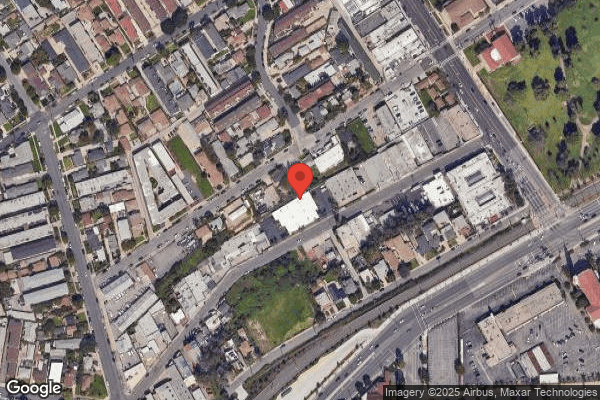
301 CENTINELA AVE, INGLEWOOD, CA 90302 (310) 672-1012
For profit - Corporation 99 Beds ROLLINS-NELSON HEALTHCARE MANAGEMENT Data: November 2025
Trust Grade
35/100
#549 of 1155 in CA
Last Inspection: February 2025

Within standard 12-15 month inspection cycle. Federal law requires annual inspections.

Overview

Century Villa, Inc. in Inglewood, California has a Trust Grade of F, indicating significant concerns about the quality of care provided. It ranks #549 out of 1155 in California, placing it in the top half of facilities statewide, and #95 out of 369 in Los Angeles County, meaning only a few local options rank higher. However, the facility is experiencing a worsening trend, with issues increasing from 9 in 2024 to 15 in 2025. Staffing is a relative strength, earning 4 out of 5 stars, and showing good turnover rates at 38%, which is on par with the state average. Despite no fines on record, serious incidents have raised alarms, including a resident being physically attacked by another resident with known aggressive behaviors, and a staff member physically assaulting a resident, resulting in injuries. While there are some positives, such as good staffing and quality measures, these serious safety concerns highlight significant weaknesses in resident protection and care practices.

Trust Score
F
35/100
In California
#549/1155
Top 47%
Safety Record
High Risk
Review needed
Inspections
Getting Worse
9 → 15 violations
Staff Stability
○ Average
38% turnover. Near California's 48% average. Typical for the industry.
Penalties
✓ Good
No fines on record. Clean compliance history, better than most California facilities.
Skilled Nurses
⚠ Watch
Each resident gets only 23 minutes of Registered Nurse (RN) attention daily — below average for California. Fewer RN minutes means fewer trained eyes watching for problems.
Violations
⚠ Watch
42 deficiencies on record. Higher than average. Multiple issues found across inspections.
★★★☆☆
3.0
Overall Rating
★★★★☆
4.0
Staff Levels
★★★★★
5.0
Care Quality
★★☆☆☆
2.0
Inspection Score
Stable
2024: 9 issues
2025: 15 issues

The Good

  • 4-Star Staffing Rating · Above-average nurse staffing levels
  • 5-Star Quality Measures · Strong clinical quality outcomes
  • Full Sprinkler Coverage · Fire safety systems throughout facility
  • No fines on record
  • Staff turnover below average (38%)

    10 points below California average of 48%

Facility shows strength in staffing levels, quality measures, fire safety.

The Bad

3-Star Overall Rating

Near California average (3.1)

Meets federal standards, typical of most facilities

Staff Turnover: 38%

Near California avg (46%)

Typical for the industry

Chain: ROLLINS-NELSON HEALTHCARE MANAGEMEN

Part of a multi-facility chain

Ask about local staffing decisions and management

The Ugly 42 deficiencies on record

2 actual harm
Aug 2025 2 deficiencies 1 Harm
SERIOUS (G) 📢 Someone Reported This

A family member, employee, or ombudsman was alarmed enough to file a formal complaint

Actual Harm - a resident was hurt due to facility failures

Free from Abuse/Neglect (Tag F0600)

A resident was harmed · This affected 1 resident

**NOTE- TERMS IN BRACKETS HAVE BEEN EDITED TO PROTECT CONFIDENTIALITY** Based on interview and record review, the facility failed to protect residents right to be free from physical abuse (deliberate,...

Read full inspector narrative →
**NOTE- TERMS IN BRACKETS HAVE BEEN EDITED TO PROTECT CONFIDENTIALITY** Based on interview and record review, the facility failed to protect residents right to be free from physical abuse (deliberate, aggressive, or violent behavior with the intention to cause harm) for one of three sampled residents (Resident 1), who was physically attacked by Resident 2, who had a known history of agitation and aggressive behaviors toward others. The facility failed to:1. Implement its policy and procedure (P&P) titled, Abuse, Neglect and Exploitation which indicated each resident had the right to be free from abuse and neglect.2. Implement its P&P titled Behavior Management Plan, which indicated, residents with behavioral concerns will have a behavioral management plan to ensure they received appropriate services and interventions to meet their needs. These deficient practices resulted in Resident 2 punching Resident 1 on the right side of the face causing Resident 1 to sustain a hematoma (broken blood vessels) on the head and left ear bleeding, that required hospitalization in a general acute care hospital (GACH), where he was diagnosed with a right frontal (to the front and adjacent to the forehead) scalp (the skin covering the head) hematoma. Resident 1 underwent a repair of a one-centimeter ([cm] - unit of measurement) laceration (skin cut) to the left ear that required sutures (a basic wound closure technique where individual stitches are placed and tied separately along the length of the wound). Resident 1 was still admitted to the GACH as of 8/20/2025.Findings: During a review of Resident 1's Face Sheet, the Face Sheet indicated, Resident 1 was initially admitted to the facility on [DATE] and readmitted on [DATE]. Resident 1's diagnoses included Diabetes Mellitus ([DM] - a disorder characterized by difficulty in blood sugar control and poor wound healing), Parkinson's disease (a progressive disease of the nervous system marked by tremor, muscular rigidity, and slow, imprecise movements), and major depressive disorder ([MDD] - a mood disorder that cause a persistent feeling of sadness and loss of interest). During a review of Resident 1's History and Physical (H&P), dated 4/22/2025, the H&P indicated, Resident 1 had fluctuating capacity to understand and make decisions. During a review of Resident 1's Minimum Data Set ([MDS] - a resident assessment tool), dated 6/26/2025, the MDS indicated, Resident 1's cognitive (ability to think and reason) skills for daily decision making was severely impaired (never/rarely made decisions). The MDS indicated Resident 1 sometimes had the ability to make self-understood and understand others. The MDS indicated Resident 1 required moderate assistance (helper does less than half the effort) from staff with activities of daily living (ADL's - routine tasks/activities) such as oral hygiene, toileting hygiene, and personal hygiene. During a review of Resident 1's Change in Condition Evaluation ([COC] - a communication tool used to communicate a resident's change of condition), dated 7/28/2025, the COC indicated Resident 1 was found on the floor with Resident 2 on top of him. The COC indicated Resident 1 stated Resident 2 hit him and pushed him to the floor. The COC indicated Resident 1 was bleeding from the left ear and had a hematoma on the right side of his face. The COC indicated Resident 1 was transferred to the GACH for evaluation and treatment. During a review of Resident 1's GACH Emergency Report (ER), dated 7/28/2025, the report indicated Resident 1 presented to the ER with injuries to his head, hand, neck, and a left ear laceration. The ER Report indicated Resident 1's Computed Tomography scan ([CT] process of taking pictures of body parts to diagnose and treat disease and injury) of the head indicated Resident 1 had a right frontal hematoma. The ER Report indicated Resident 1 had a 1-centimeter ([cm] - unit of measurement) laceration to his left ear that required sutures (a basic wound closure technique where individual stitches are placed and tied separately along the length of the wound). During a review of Resident 2's Face Sheet, the Face Sheet indicated, Resident 2 was admitted to the facility on [DATE]. Resident 2's diagnoses included paranoid schizophrenia (a mental illness that is characterized by disturbances in thought), bipolar disorder (sometimes called manic-depressive disorder; mood swings that range from the lows of depression to elevated periods of emotional highs), and anxiety disorder (a condition in which a person has excessive worry and feelings of fear, dread, and uneasiness). During a review of Resident 2's H&P, dated 6/28/2025, the H&P indicated Resident 2 could make needs known but could not make medical decisions. During a review of Resident 2's MDS assessment, dated 7/10/2025, the MDS indicated Resident 2's cognitive skills for daily decision making were intact. The MDS indicated Resident 2 was independent (Resident completes the activity by themself with no assistance from a helper) on ADLs such as eating, toileting hygiene, and upper body dressing. During a review of Resident 2's GACH Psychiatric Evaluation Notes prior to admission to the facility, dated 6/14/2025, the notes indicated Resident 2 was admitted to the GACH on a 5150 (an involuntary 72-hour psychiatric hold, allowing law enforcement or designated mental health professionals to detain individuals who, due to a mental health disorder, are deemed a danger to themselves or others) for danger to others. The Psychiatric Evaluation Notes indicated, Resident 2 was involved in a physical altercation with another resident and had been increasingly agitated and aggressive toward others without any provocation (an action or statement that is intended to make someone angry). During a review of Resident 2's Initial Psychiatric Evaluation in the facility, dated 7/14/2025, The initial Psychiatric Evaluation indicated, Resident 2 was agitated, paranoid (unjustified suspicion and mistrust of other people or their actions) and anxious. The Initial Psychiatric Evaluation indicated a treatment plan to observe Resident 2 for deterioration in function, increase socialization to prevent isolation and compliance of medication. During a review of Resident 2's Progress Notes, dated 7/28/2025, the Progress Notes indicated Resident 2 had experienced an auditory hallucination (perceptions of sound when no actual sound is present) commanding him to fight. The progress Notes indicated Resident 2 went to Resident 1's room and physically attacked Resident 1 and put him on the floor. During a review of the facility's Five Day Follow Up Investigative Report, dated 8/1/2025, the report indicated on 7/28/2025 CNA 1 witnessed Resident 2 hitting Resident 1 across the face and both residents lost their balance and fell to the ground. The report indicated Residents 1 and 2 were separated immediately and assessed by staff. The report indicated Resident 1 was transferred to the GACH for further evaluation. During a telephone interview on 8/6/2025 at 12:19 p.m., with Licensed Vocational Nurse (LVN 1), LVN 1 stated on 7/28/2025 at approximately 5 a.m., she heard a staff calling for help from Resident 1's room, she ran to the resident room and observed Resident 2 coming out of Resident 1's room. LVN 1 stated she found Resident 1 lying on his back on the floor with a hematoma on the right side of his forehead. LVN 1 stated she observed a moderate amount of blood coming from Resident 1's left ear. During an interview on 8/6/2025 at 3:02 p.m., with CNA 1, CNA 1 stated on 7/28/2025 at around 5:00 a.m., she was assisting another resident and heard a loud noise coming from Resident 1's room. CNA 1 stated she ran to Resident 1's room, observed Resident 1 on the floor and Resident 2 on top of him. CNA 1 stated she observed Resident 2 punching Resident 1's head and right side of the resident's face with both fists. CNA 1 stated she observed bruises on Resident 1's face and left ear was bleeding. CNA 1 stated she tried to stop Resident 2 from punching Resident 1 but Resident 2 tried to hit her (CNA 1). CNA 1 stated she left Resident 1 and Resident 2 in the room while Resident 2 continued hitting Resident 1, went outside and screamed for help. CNA 1 stated there was a lot of blood on the floor. During an interview on 8/6/2025 at 3:54 p.m., with the Minimum Data Set Nurse (MDSN), the MDSN stated Resident 2 had a history of aggressive behavior and physical altercation with another resident prior to admission to the facility. The MDSN stated there was no comprehensive care plan developed addressing Resident 2's potential to be physically aggressive to others because Resident 1's aggressive behavior was only a history. The MDSN stated he did not develop a care plan for Resident 2's history of physically aggressive behavior until Resident 2 displayed the actual behavior by attacking Resident 1 on 7/28/2025. During an interview on 8/6/2025 at 4:10 p.m., with the Director of Staff Development (DSD), the DSD stated residents with a history of physical aggressive behavior should have a comprehensive care plan so staff could identify any triggers and better manage the resident's behaviors, provide supervision, and implement other interventions to ensure the safety and well-being of the residents in the facility. The DSD stated she had no answer why the MDSN did not develop a care plan with measurable interventions related to Resident 2's history of physical altercation prior to admission to the facility. The DSD stated without a care planning there was a chance to escalate Resident 2's aggressive behavior. During an interview on 8/8/2025 at 2:26 p.m., with the Social Service Director (SSD), the SSD stated failure to develop a comprehensive care plan for a resident with a known history of physical aggression could lead to a resident-to-resident altercation and physical abuse. The SSD stated the physical abuse Resident 1 suffered from Resident 2 could have been prevented if the facility had provided close monitoring and supervision to Resident 2, given the resident's history of physical altercation with other residents prior to admission to the facility. During an interview on 8/8/2025 at 3:36 p.m., with the Administrator (ADM), the ADM stated all residents had the right to be free from any forms of abuse. The ADM stated Resident 2 should have been closely monitored given his history of agitation and aggressive behavior. The ADM stated that since Resident 1 sustained an injury, the facility did not prevent Resident 1 from physical abuse by Resident 2. During a review of the facility's undated P&P, titled Abuse, Neglect and Exploitation, the P&P indicated, Each resident has the right to be free from abuse, neglect, misappropriation of resident property and exploitation. The P&P indicated Physical abuse includes, but not limited to hitting, slapping, punching and kicking. The P&P indicated, Prevention of Abuse, Neglect, and Exploitation - the facility will consider utilization of the following tips for prevention of abuse, neglect, and exploitation of resident: l. Assess, monitor and develop appropriate plans of care for residents with needs and behaviors which might lead to conflict or neglect, such as residents with a history of aggressive behaviors. During a review of the facility's undated P&P, titled Behavior Management Plan, the P&P indicated, Residents who exhibit behavioral concerns may require a behavioral management plan to ensure they are receiving appropriate services and interventions to meet their needs.
CONCERN (D) 📢 Someone Reported This

A family member, employee, or ombudsman was alarmed enough to file a formal complaint

Potential for Harm - no one hurt, but risky conditions existed

Assessment Accuracy (Tag F0641)

Could have caused harm · This affected 1 resident

**NOTE- TERMS IN BRACKETS HAVE BEEN EDITED TO PROTECT CONFIDENTIALITY** Based on interview and record review, the facility failed to ensure an accurate Minimum Data Set ([MDS] - a resident assessment ...

Read full inspector narrative →
**NOTE- TERMS IN BRACKETS HAVE BEEN EDITED TO PROTECT CONFIDENTIALITY** Based on interview and record review, the facility failed to ensure an accurate Minimum Data Set ([MDS] - a resident assessment tool) was completed accurately for one of three sampled residents (Resident 2) by failing to:1. Ensure Resident 2's Depakote (an anticonvulsant used to treat seizure disorder and other psychiatric conditions) medication was encoded as anticonvulsant and reflected in the MDS assessment under Section N (N0415 High-Risk Drug Classes) medication. This deficient practice resulted in incorrect data transmitted to Center for Medicare and Medicaid Services (CMS) related to inappropriate MDS care screening and assessment tool practices. Findings:During a review of Resident 2's admission Record (front page of the chart that contains a summary of basic information about the resident), the admission Record indicated, Resident 2 was admitted to the facility on [DATE]. Resident 2's diagnoses included paranoid schizophrenia (a mental illness that is characterized by disturbances in thought), bipolar disorder (sometimes called manic-depressive disorder; mood swings that range from the lows of depression to elevated periods of emotional highs), and anxiety disorder (a condition in which a person has excessive worry and feelings of fear, dread, and uneasiness). During a review of Resident 2's History and Physical (H&P), dated 6/28/2025, the H&P indicated, Resident 2 could make needs known but cannot make medical decisions. During a review of Resident 2's MDS assessment, dated 7/10/2025, the MDS indicated, Resident 2 was independent (decisions consistent/reasonable) in cognitive (ability to think and reason) skills for daily decision making. The MDS indicated, Resident 2 was independent (Resident completes the activity by themself with no assistance from a helper) with eating, toileting hygiene, and upper body dressing. During a review of Resident 2's Order Summary Report (a document containing active orders), dated 8/6/2026, the Order Summary Report indicated, the physician placed a telephone order on 6/27/2025 for Resident 2 to start on Depakote 500 milligrams ([mg] - metric unit of measurement, used for medication dosage/and or amount) by mouth to give 1 tablet by mouth every 12 hours (9 a.m. and 9 p.m.) for bipolar disorder manifested by fluctuation in mood as evidenced by sudden angry outburst due to responding to internal stimuli for no form of provocation. During a concurrent interview and record review on 8/6/2025 at 1:21 p.m., with the Minimum Data Set Nurse (MDSN), Resident 2's MDS assessment, dated 7/10/2025, was reviewed. The MDSN stated Resident 2 was taking Depakote which is considered as anti-convulsant medication. The MDSN stated there should a check marked on MDS Section N0415 under anticonvulsant medication. The MDSN stated the MDS assessment was completed inaccurately. The MDSN stated per Resident Assessment Instrument ([RAI] - a guide that helps nursing home staff use to assess residents and develop care plans) manual coding of medications should be based on the pharmacological (relating to the use of drugs to treat a condition) classification of the medication not based on the reason it was prescribed. The MDSN stated he had not been coding Depakote medication as anticonvulsant in the past and it was not a red flagged. The MDSN stated accuracy of assessment in the MDS was important because it entails the condition and needs of the resident and for continuity of care. During a review of the facility's undated policy and procedure (P&P), titled Conducting an Accurate Resident Assessment, the P&P indicated, The purpose of this policy is to assure that all residents receive an accurate assessment, reflective of the resident's status at the time of the assessment, by staff qualified to assess relevant care areas.
Feb 2025 13 deficiencies
CONCERN (D)

Potential for Harm - no one hurt, but risky conditions existed

Deficiency F0558 (Tag F0558)

Could have caused harm · This affected 1 resident

**NOTE- TERMS IN BRACKETS HAVE BEEN EDITED TO PROTECT CONFIDENTIALITY** Based on observation and interview the facility failed to: 1. Ensure call light device was placed within reach for one of 18 sam...

Read full inspector narrative →
**NOTE- TERMS IN BRACKETS HAVE BEEN EDITED TO PROTECT CONFIDENTIALITY** Based on observation and interview the facility failed to: 1. Ensure call light device was placed within reach for one of 18 sampled residents (Resident 56). This deficient practice had the potential to result in a delay in or an inability for the residents to obtain necessary care and services. Findings: During a review of Resident 56's admission Record, the admission Record indicated, Resident 56 was initially admitted to the facility on [DATE] and last readmitted on [DATE]. Resident 56's diagnoses included chronic obstructive pulmonary disease (COPD-a chronic lung disease causing difficulty in breathing), depression (a common and serious medical illness that negatively affects how you feel, the way you think and how you act), schizophrenia (a mental illness that is characterized by disturbances in thought). During a review of Resident 56's History and Physical (H&P), dated 4/30/24, the H&P indicated Resident 56 had fluctuating capacity to understand and make decisions. A review of Resident 56's Minimum Data Set (MDS - a federally mandated resident assessment tool)), dated 1/24/25, indicated Resident 56 was assessed to have comprehend (the action or capability of understanding something) most conversation. The MDS indicated Resident 56 required supervision or touching assistance from staff for activities of daily living (ADLs- routine tasks/activities such as bathing, dressing and toileting a person performs daily to care for themselves) such as oral hygiene, showering, sit to stand, chair/bed-to-chair transfer, and toilet transfer. During a concurrent observation and interview on 2/4/25 at 2:50 p.m. with Certified Nursing Assistant (CNA) 1 in Resident 56's room, the resident call lights was hanging on the overhead light above Resident 56's bed, not within reach for the resident. CNA 1 stated the call light was not within reach for the Resident 56. CNA 1 stated the call light should be next to him for an emergency. CNA 1 stated if the call light was not within reach the resident could potentially fall, have breathing issues and not get the help they needed. During an interview on 2/7/25 at 9:06 a.m. with the Director of Staff Development (DSD), DSD stated if the call light were not within reach the resident could not get the help they needed in case of an emergency. During an interview on 2/7/25 at 10:28 a.m. with the Director of Nursing (DON), the DON stated the call light should always be within reach for the resident. The [NAME] stated it would potentially be dangerous for the resident not able to call for help when it was needed. During a review of the facility's policy and procedure (P&P) titled, Answering the Call Light, (undated), the P&P indicated, when the resident is in bed or confined to a chair be sure the call light is within easy reach of the resident.
CONCERN (D)

Potential for Harm - no one hurt, but risky conditions existed

Deficiency F0583 (Tag F0583)

Could have caused harm · This affected 1 resident

**NOTE- TERMS IN BRACKETS HAVE BEEN EDITED TO PROTECT CONFIDENTIALITY** Based on observation and interview, the facility failed to: 1. Conceal a sign containing personal information for one of two res...

Read full inspector narrative →
**NOTE- TERMS IN BRACKETS HAVE BEEN EDITED TO PROTECT CONFIDENTIALITY** Based on observation and interview, the facility failed to: 1. Conceal a sign containing personal information for one of two residents, (Resident 44), by posting it on the wall above the resident's bed. This deficient practice violated the resident's right to have personal information shielded from public view. Findings: During an initial tour on 2/4/2025 at 10:13, a handwritten sign disclosed Law enforcement device to be plugged in was posted above the Resident's 44 bed. During a review of Resident 44's admission Record, the admission record indicated the facility admitted Resident 44 on 2/22/2019 and re-admitted on [DATE] with diagnoses including chronic obstructive pulmonary disease (COPD-a chronic lung disease causing difficulty breathing), epilepsy (a chronic disorder characterized by recurrent, unprovoked seizures), and schizophrenia (a mental disorder characterized by disturbances in thought). During a review of the MDS, the MDS indicated Resident 44 rarely/never had the ability to express ideas and wants and rarely/never had the ability to understand others. The MDS also indicated Resident 44 was dependent (helper does all the effort) in all functional abilities. During a concurrent observation and interview on 2/6/2025 at 10:29 am at Resident 44's bedside with CNA 3, CNA 3 stated she was on staff when Resident 44 was originally admitted with the device, and the sign above his bed has been on the wall the whole time. CNA 3 stated the sign probably should not be there with Resident 44's personal information on it. The nurses leave it plugged in because the police come looking for Resident 44 when the battery dies. During a concurrent observation and interview on 2/6/2025 at 1:00 pm with Licensed Vocational Nurse (LVN) 4, at Resident 44's bedside, LVN 4 stated the sign placed above the bed states the resident has a device from a law enforcement agency. LVN 4 stated the sign is indicating Resident 44 has some issues with the law. LVN 4 also stated the sign above the bed does not protect Resident 44's privacy and it should have been placed in his chart. During an interview on 2/7/2025 at 2:34 pm with the Director of Nursing (DON), the DON stated the sign above Resident 44's bed is a violation of his privacy. The DON also stated the sign was there when she started working at the facility one year ago and she never questioned it. The last time an agent came out to check the devices' power, she asked about it and the agent stated it was court ordered and the sign needs to be posted so facility staff know it needs to be kept charged. During a review of the facility's policy and procedure (P&P) titled Posting Signs Policy, undated, the P&P indicated all signs posted within the facility shall comply with regulatory requirements. The P&P also stated signs with confidential resident information shall be displayed discreetly or in restricted areas only.
CONCERN (D)

Potential for Harm - no one hurt, but risky conditions existed

Deficiency F0657 (Tag F0657)

Could have caused harm · This affected 1 resident

**NOTE- TERMS IN BRACKETS HAVE BEEN EDITED TO PROTECT CONFIDENTIALITY** Based on observation, interview, and record review the facility failed to: 1.Ensure one out four sampled residents (Resident 57)...

Read full inspector narrative →
**NOTE- TERMS IN BRACKETS HAVE BEEN EDITED TO PROTECT CONFIDENTIALITY** Based on observation, interview, and record review the facility failed to: 1.Ensure one out four sampled residents (Resident 57) had a revised care plan for oxygen therapy (the medical practice of providing a patient with supplemental oxygen). This deficient practice of not having a revised care plan to indicate when to administer oxygen therapy placed Resident 57 at risk of not meeting the care plan goal as indicated. Findings: During a review of Resident 57's admission Record ([Face Sheet] front page of the chart that contains a summary of basic information about the resident), the Face Sheet indicated Resident 57 was initially admitted to the facility on [DATE] and readmitted to the facility on [DATE]. Resident 57's diagnoses included chronic obstructive pulmonary disease ([COPD]- a chronic lung disease causing difficulty in breathing), respiratory failure (when the body's respiratory system is unable to exchange oxygen and carbon dioxide properly), and chronic heart failure (a condition where the heart can't pump blood efficiently). During a review of Resident 57's History and Physical (H&P), dated 12/20/2024, the H&P indicated, Resident 57 did not have capacity to understand and make decisions. During a review of Resident 57's Minimum Data Set ([MDS] a resident assessment tool), dated 1/15/2025, the MDS indicated Resident 57's cognition (ability to learn, reason, remember, understand, and make decisions) was moderately impaired. The MDS indicated Resident 57 was substantial assistance on staff for showering, dressing, and personal hygiene. The MDS indicated Resident 57 health condition included shortness of breath (trouble breathing) with exertion (walking, bathing, transferring, and when lying flat. During a review of Resident 57's physician orders titled, Order Summary Report, dated 12/10/2024, the physician orders indicated oxygen at two liters ([L] -a metric unit of measurement used to calculate volumes) per minute continuously every shift for shortness of breath and wheezing (a high-pitched whistling sound that indicates a person may be having trouble breathing). During a review of Resident 57's care plan titled, Risk for Shortness of Breath due to Chronic Respiratory Failure, dated 10/10/2024 the care plan indicated Resident 57 goals were not to have shortness of breath. The care plan interventions indicated to have oxygen available if ordered or as needed. During a concurrent interview and record review on 2/5/2025 at 12:32 p.m. with Minimum Data Set (MDS) Nurse, Resident 57's care plan titled, Risk for Shortness of Breath, dated 10/10/2024 was reviewed. The care plan goal indicated Resident 57 will have no shortness of breath daily. The care plan interventions indicated to have oxygen available if ordered or as needed. The MDS Nurse stated the care plan interventions should have been revised to state the frequency, route, when to change the nasal canula (a thin, flexible tube that delivers oxygen to a patient through their nose), and humidifier (a device that adds moisture to oxygen to prevent irritation of the nose and throat). The MDS Nurse stated it was important to revise the care plan so the staff will know when to give the oxygen such as when the saturation (measures the amount of oxygen in a patient's blood) is too low. The MDS Nurse stated it was also important to know when to change the nasal canula and humidifier. The MDS Nurse stated with incomplete interventions could affect Resident 57's care plan goals therefore the goal will not be met. During a review of facility's policy and procedure (P&P) titled, Reviewing and Revising the Care Plan, date unknown, the P&P indicated the purpose of this procedure is to provide a consistent process for reviewing and revising the care plan for those residents experiencing a status change. The P&P indicated the care will be updated with the new or modified interventions. The P&P indicated the care plans will be modified as needed by the MDS Coordinator or other designated staff member.
CONCERN (D)

Potential for Harm - no one hurt, but risky conditions existed

Deficiency F0658 (Tag F0658)

Could have caused harm · This affected 1 resident

**NOTE- TERMS IN BRACKETS HAVE BEEN EDITED TO PROTECT CONFIDENTIALITY** Based on interview, and record review, the facility failed to: 1. Properly obtain orthostatic blood pressure (a form of low bloo...

Read full inspector narrative →
**NOTE- TERMS IN BRACKETS HAVE BEEN EDITED TO PROTECT CONFIDENTIALITY** Based on interview, and record review, the facility failed to: 1. Properly obtain orthostatic blood pressure (a form of low blood pressure that happens when standing after sitting or lying down) readings for two of four sampled residents (Resident 3, Resident 52). This deficient practice had the potential for Resident 3 and Resident 52 to experience a delay in interventions if they were positive for orthostatic hypotension (low blood pressure). Findings: a. During a review of Resident 3's Face Sheet, it indicated Resident 3 was originally admitted on [DATE] and readmitted on [DATE] with diagnoses that included bipolar disorder (mood swings that range from the lows of depression to elevated periods of emotional highs), and schizophrenia (a mental illness that is characterized by disturbances in thought). During a review of Resident 3's Care Plan, dated 11/7/2024 it indicated Resident 3 had hypertension (high blood pressure) and an intervention included to monitor for side effects of blood pressure medications by checking orthostatic hypotension. During a review of Resident 3's Order Summary, an order was placed on 10/5/2024 to monitor orthostatic blood pressure sitting and lying weekly on Saturday in the evening. During a review of Resident 3's Blood Pressure Summary, dated 1/2025- 2/2025, Resident 3 had the following blood pressure recorded: 2/1/2025 6:40 p.m. 128 / 70 millimeters per mercury (mmHg- unit of measurement) Lying 2/1/2025 6:40 p.m. 136 / 84 mmHg Sitting 2/1/2025 8:14 a.m. 140 / 80 mmHg Sitting 1/25/2025 7:28 p.m. 128 / 70 mmHg Lying 1/25/2025 7:27 p.m. 136 / 80 mmHg Sitting 1/25/2025 9:01 a.m. 124 / 71 mmHg Sitting 1/25/2025 9:00 a.m. 124 / 71 mmHg Sitting 1/18/2025 8:24 p.m. 128 / 74 mmHg Lying 1/18/2025 7:24 p.m. 136 / 80 mmHg Sitting 1/18/2025 9:03 a.m. 140 / 61 mmHg Sitting b. During a review of Resident 52's Face Sheet, it indicated Resident 52 was originally admitted on [DATE] and readmitted on [DATE] with a diagnosis that included schizophrenia. During a review of Resident 52's Care Plan, dated 12/3/2024 it indicated Resident 52 had hypertension and an intervention included to monitor for side effects of blood pressure medications by checking orthostatic hypotension. During a review of Resident 52's Order Summary, an order was placed on 1/3/2025 to monitor orthostatic blood pressure sitting and lying weekly on Saturday in the evening. During a review of Resident 52's Blood Pressure Summary, dated 1/2025- 2/2025, Resident 52 had the following blood pressure recorded: 2/1/2025 10:40 p.m. 122 / 80 mmHg Lying 2/1/2025 10:40 p.m. 120 / 60 mmHg Sitting 1/25/2025 11:22 p.m. 116 / 84 mmHg Lying 1/25/2025 11:21 p.m. 122 / 60 mmHg Sitting 1/18/2025 6:14 p.m. 120 / 76 mmHg Lying 1/18/2025 6:12 p.m. 134 / 76 mmHg Lying 1/11/2025 10:19 p.m. 108 / 60 mmHg Sitting 1/11/2025 10:15 p.m. 122 / 66 mmHg Lying 1/4/2025 9:16 p.m. 120 / 66 mmHg Lying 1/4/2025 9:15 p.m. 122 / 74 mmHg Sitting During an interview on 2/6/2025 at 1:35 p.m. with Registered Nurse (RN) 1, RN 1 stated the method to take orthostatic blood pressure is by taking a blood pressure reading with the resident lying down first. Then, they would sit up and have them sit for about 5 minutes and take another blood pressure reading. RN 1 stated you must wait about 5 minutes between the position change to allow for their body to adjust to the change in position. RN 1 stated the nurse will report to the physician if there is a change of over 20mm/Hg for During a concurrent interview and record review on 2/6/2025 at 1:48 p.m. with RN 1, Resident 3 and Resident 52's Blood Pressure Summary dated 1/2025- 2/2025 was reviewed. RN 1 stated in some of the blood pressure documentation, the time they were taken was only 1 minute apart and that is not correct because the nurse needs to wait about 5 minutes from the lying to sitting position to allow the body to adjust to the change, not doing so means it is an inaccurate reading. RN 1 further stated according to the documentation of the blood pressure, the staff who took the readings took it in the sitting position first and then lying. RN 1 stated this method is incorrect and stated the first blood pressure reading should be lying first and then sitting and doing it in the reverse order is not how orthostatic blood pressure readings are to be taken. If it is done incorrectly, the nurse wouldn't know if the resident had orthostatic hypotension. During a review of the facility's policy and procedures (P&P), titled Orthostatic Hypotension Policy, undated, it indicated individuals are advised to change positions gradually, moving from lying to sitting before standing to prevent sudden drops in blood pressure, and blood pressure shall be measured in three positions- lying, sitting, and standing.
CONCERN (D)

Potential for Harm - no one hurt, but risky conditions existed

Accident Prevention (Tag F0689)

Could have caused harm · This affected 1 resident

**NOTE- TERMS IN BRACKETS HAVE BEEN EDITED TO PROTECT CONFIDENTIALITY** Based on observation, interview and record review the facility failed to: 1. Ensure one of four sampled residents (Resident 32) ...

Read full inspector narrative →
**NOTE- TERMS IN BRACKETS HAVE BEEN EDITED TO PROTECT CONFIDENTIALITY** Based on observation, interview and record review the facility failed to: 1. Ensure one of four sampled residents (Resident 32) was supervised and wore a smoking apron during smoking break. This deficient practice had the potential to put residents at risk for injury due to lack of supervision and maintain proper safety precautions while smoking. Findings: During a review of Resident 32's admission Record (front page of the chart that contains a summary of basic information about the resident), the admission record indicated, Resident 32 was initially admitted to the facility on [DATE] and last readmitted on [DATE]. Resident 32's diagnoses included cerebrovascular accident (CVA-stroke, loss of blood flow to a part of the brain), schizophrenia (a mental illness that is characterized by disturbances in thought), and bipolar disorder (sometimes called manic-depressive disorder; mood swings that range from the lows of depression to elevated periods of emotional highs). During a review of Resident 32's History and Physical (H&P), dated 2/4/25, the H&P indicated Resident 32 did not have the capacity to understand and make decisions. During a review of Resident 32's Care Plan for smoking, initiated on 2/4/25, the care plan indicated, the resident would not smoke without supervision. The care plan also indicated, the resident required a smoking apron while smoking., During a review of Resident 32's Smoking Assessment Form, dated 2/4/25, the Smoking Assessment Form indicated, resident must be supervised at all times and wear protective non-flammable smoking apron when smoking. During a concurrent observation and interview on 2/4/25 at 3:15 p.m. with the Assistant Activities Director (AAD), in the dining room next to the opening to the sliding glass door where the residents were smoking. Resident 32 was sitting in the wheelchair in the smoking patio with her back to the sliding glass door, and not wearing a smoking apron. The AAD stated Resident 32 needed supervision and a smoking apron. AAD stated when Resident 32's cigarette was lit the smoking apron should have been put on, and resident should have been facing the sliding glass door. AAD stated it is important to place the smoking apron and supervise while smoking for the resident's safety. AAD stated this was to help prevent resident from harm, such as getting burned or starting a fire. During an interview on 2/4/25 at 4:00 p.m. with the Activities Director (AD), AD stated the activity staff does not smoke so we supervise by the opening of the sliding glass door. Residents who need supervision should be facing forward so we can supervise them. AD stated that Resident 32 back was facing he door and did not have on a smoking apron. AD stated that Resident 32 did need supervision and a smoking bib. AD stated this was not a way to supervise her, she should have had a smoking apron on and facing the door. AD stated that resident did have a napkin on lap while smoking this is a huge safety hazard. AD stated there was potential for resident to drop cigarette, burn herself or start a fire. During an interview on 2/7/25 at 10:28 a.m. with the Director of Nursing (DON), the DON stated smoking assessments let us know if the resident was a safe smoker or needed interventions such as supervision and smoking aprons. The DON stated the actives staff oversaw giving and lighting cigarettes, placing smoking aprons, and supervising resident while smoking. The DON stated that if there was not proper supervision, or if the resident was not wearing a smoking apron when needed, it was a safety issue. The DON stated there was a potential for harm to the resident, the resident could burn their clothes, skin, or even start a fire. During a review of the facility's policy and procedure (P&P) titled, Resident Smoking, (undated), the P&P indicated, facility provides a safe and healthy environment for residents, visitors, and employees, including safety as related to smoking. Residents who smoke will be further assessed, using the Resident Safe Smoking Assessment, to determine whether or not supervision is required for smoking, or if resident is safe to smoke at all. Supervision will be provided as indicated on each resident's care plan.
CONCERN (D)

Potential for Harm - no one hurt, but risky conditions existed

Deficiency F0697 (Tag F0697)

Could have caused harm · This affected 1 resident

**NOTE- TERMS IN BRACKETS HAVE BEEN EDITED TO PROTECT CONFIDENTIALITY** Based on interview and record review the facility failed to: 1. Ensure one out of four sampled residents (Resident 84) was admin...

Read full inspector narrative →
**NOTE- TERMS IN BRACKETS HAVE BEEN EDITED TO PROTECT CONFIDENTIALITY** Based on interview and record review the facility failed to: 1. Ensure one out of four sampled residents (Resident 84) was administered pain medication as needed. This deficient practice of not administering pain medication for Resident 84 had the potential to increase pain and discomfort. Findings: During a review of Resident 84's admission Record (Face Sheet), the Face Sheet indicated Resident 84 was admitted to the facility on [DATE]. Resident 84's diagnoses included cervicalgia (neck pain or discomfort in the upper spine), idiopathic neuropathy (a condition where nerve damage occurs with no identifiable cause), and anxiety (a feeling of apprehension or dread that can be caused by a real or perceived threat). During a review of Resident 84's History and Physical (H&P), dated 11/24/2024, the H&P indicated Resident 84 had the capacity to understand and make decisions. During a review of Resident 84's Minimum Data Set ([MDS] a mandated assessment tool), dated 12/28/2024 the MDS indicated, Resident 84's cognition (ability to learn, reason, remember, understand, and make decisions) he was able to understand. The MDS indicated Resident 84 was independent with personal hygiene, dressing, and eating. The MDS indicated Resident 84's numeric rating scale (a system where patients rate their pain intensity using numbers on a scale from 0 to 10, with 0 representing no pain and 10 representing the worst pain imaginable) of pain intensity was seven out of ten and had the potential to interfere with day-to-day activities. During a review of Resident 84's controlled drug record, titled Antibiotic or Controlled Drug Record, dated 11/30/2025 the Antibiotic or Controlled Drug Record indicated to give one tablet of tramadol 50mg every six hours as needed for severe pain. The Antibiotic or Controlled Drug Record indicated tramadol 50mg was removed on 11/30/2025 at 5:00 p.m. During a review of Resident 84's Electronic Medication Administration Record ([eMAR]- a daily documentation record used by a licensed nurse to document medications and treatments given to a resident), dated 11/30/2024, the eMAR indicated on 11/30/2024 Resident 84 did not receive her tramadol 50mg at 5:00 p.m. During a review of Resident 84's controlled drug record, titled Antibiotic or Controlled Drug Record, dated 12/1/2024, the Antibiotic or Controlled Drug Record indicated to give one tablet of tramadol 50mg every six hours as needed for severe pain. The Antibiotic or Controlled Drug Record indicated tramadol 50mg was removed on 12/1/2024 at 12:00 p.m. During a review of Resident 84's Electronic Medication Administration Record ([eMAR]- a daily documentation record used by a licensed nurse to document medications and treatments given to a resident), dated 12/1/2024, the eMAR indicated on 12/1/2024 Resident 84 did not receive her tramadol 50mg at 12:00 p.m. During an interview on 2/6/2025 at 12:45 p.m. with Resident 84, Resident 84 stated she had chronic pain (pain that persists for a prolonged period lasting beyond the normal healing time after an injury or illness) in her neck and when she requested for pain medication there was a delay and did not receive her pain medication. Resident 84 stated the delay in not receiving the pain medication mad her neck pain worse. Resident 84 stated the delay of not receiving her pain medication made her feel frustrated and upset. During a concurrent interview and record review on 2/7/2025 at 1:01 p.m. with Licensed Vocational Nurse (LVN) 2, Resident 84's Antibiotic or Control Drug Record and eMAR, dated 11/30/2024 and 12/1/2024 was reviewed. The Antibiotic or Control Drug Record indicated on 11/30/2024 at 5:00 p.m. and 12/1/2024 at 12:00 p.m. tramadol 50mg was removed from medication cart. The eMAR indicated Resident 84 did not receive tramadol 50mg 11/30/2024 at 5:00 p.m. and 12/1/2024 at 12:00 p.m. LVN 2 stated the protocol is to remove the pain medication from the narcotic medication cart, sign on the Antibiotic or Control Drug Record log that the medication was removed. LVN 2 stated once the medication is removed from the narcotic cart the time and date should correspond with the eMAR. LVN 2 stated the eMAR does not show the pain medication given nor was documented that it was given to Resident 84. LVN 2 stated not given the pain medication to Resident 84 could cause her to feel not happy and feel worse. During an interview on 2/7/2025 at 1:22 p.m. with Minimum Data Set (MDS) Nurse, Resident 84's Antibiotic or Control Drug Record and eMAR, dated 11/30/2024 and 12/1/2024 was reviewed. The Antibiotic or Control Drug Record indicated on 11/30/2024 at 5:00 p.m. and 12/1/2024 at 12:00 p.m. tramadol 50mg was removed from medication cart. The eMAR indicated Resident 84 did not receive tramadol 50mg 11/30/2024 at 5:00 p.m. and 12/1/2024 at 12:00 p.m. The MDS Nurse stated it does not look like the tramadol pain medication was given to Resident 84. The MDS Nurse stated it could make Resident 84 agitated and increase her discomfort. During a review of facility's policy and procedure (P&P) titled, Charge Nurse, date unknown, the P&P indicated ensures that policies and procedures are complied with by nursing personnel assigned. The P&P indicated the charge nurse prepares and administers medications as per physicians' orders. During a review of facility's policy and procedure (P&P) titled, Medication Administration, dated 11/2017, the P&P indicated review MAR to identify medication to be administered. The P&P indicated to administer with 60 minutes prior to or after scheduled times unless otherwise ordered by physician. The P&P indicated sign MAR after medication administration.
CONCERN (D)

Potential for Harm - no one hurt, but risky conditions existed

Deficiency F0700 (Tag F0700)

Could have caused harm · This affected 1 resident

**NOTE- TERMS IN BRACKETS HAVE BEEN EDITED TO PROTECT CONFIDENTIALITY** Based on observation, interview, and record review, the facility failed to: 1. Ensure one of four sampled residents (Resident 39...

Read full inspector narrative →
**NOTE- TERMS IN BRACKETS HAVE BEEN EDITED TO PROTECT CONFIDENTIALITY** Based on observation, interview, and record review, the facility failed to: 1. Ensure one of four sampled residents (Resident 39) had an assessment and order for the use of siderails. This deficient practice had the potential to result in inappropriate use of siderails for Resident 39 and could lead to injuries. Findings: During an observation on 2/4/2025 at 9:20 a.m., Resident 39 was resting in bed with 1 siderail up on each side of him. During a review of Resident 39's admission Record, it indicated Resident 39 was originally admitted on [DATE] and readmitted on [DATE] with diagnoses that included failure to thrive (a decline caused by chronic diseases and functional impairments which can cause weight loss, decreased appetite, poor nutrition, and inactivity) and encephalopathy (a medical condition that affects the brain's function). During a review of Resident 39's Order Summary Report, there were no orders seen for the use of siderails. During an interview on 2/6/2025 at 1:25 p.m. with Registered Nurse (RN) 1, RN 1 stated residents who should have or want to have siderails need to have an Interdisciplinary Team (IDT) Meeting to determine if it is appropriate for them to use. RN 1 stated residents who are not fully alert and able to follow safety directions should not have siderails. If it is determined that siderails are appropriate for the resident, they would call the physician to put in an order. During an interview on 2/6/2025 at 2:15 p.m. with the Minimum Data Set Nurse (MDSN), MDSN stated an IDT meeting would be held to determine if it is safe for the resident to have siderails. MDSN stated Resident 39 did not have an assessment done or an order for the use of siderails. MDSN stated sometimes siderails are not appropriate like if they are not alert enough to follow directions or if they have unsteady gait or if they were not able to use it at all. An order for siderails is also needed so the physicians and the care team are all on the same page. During a review of the facility's policy and procedure (P&P), undated, it indicated an assessment of the resident's symptoms and the reason for using siderails would be conducted prior to use and would be documented in the residents' record.
CONCERN (D)

Potential for Harm - no one hurt, but risky conditions existed

Deficiency F0761 (Tag F0761)

Could have caused harm · This affected 1 resident

**NOTE- TERMS IN BRACKETS HAVE BEEN EDITED TO PROTECT CONFIDENTIALITY** Based on observation, interview, and record review, the facility failed to: 1. Discard a bottle of expired cranberry extract in ...

Read full inspector narrative →
**NOTE- TERMS IN BRACKETS HAVE BEEN EDITED TO PROTECT CONFIDENTIALITY** Based on observation, interview, and record review, the facility failed to: 1. Discard a bottle of expired cranberry extract in the medication cart. 2. Label a bottle of opened docusate liquid with the open date. This deficient practice had the potential for the residents to receive ineffective medication dosages. Findings: During an observation on [DATE] at 11:30 a.m., of medication cart #3 at nurses station #3, a bottle of cranberry juice extract had an expiration date of 1/2025 and a bottle of opened docusate sodium liquid did not have an open date was found. During an interview on [DATE] at 11:54 a.m. with the Treatment Nurse (TN), the RN stated the cranberry juice extract was expired and should have been disposed of. If left in the cart, there is potential for the resident to receive the expired medication, and that medication could have not been as effective. TN also stated the bottle of opened docusate liquid should have an open date on it, if not, the nurses would not have known when it was opened. During a review of the facility's policy and procedure (P&P), titled Storage of Medications, undated, it indicated the facility should not use discontinued, outdated or deteriorated drugs, and all such drugs should be returned to the pharmacy or destroyed. It also indicated that nursing staff are responsible for maintaining medication storage and preparation areas in a clean, safe, and sanitary manner.
CONCERN (D)

Potential for Harm - no one hurt, but risky conditions existed

Deficiency F0813 (Tag F0813)

Could have caused harm · This affected 1 resident

**NOTE- TERMS IN BRACKETS HAVE BEEN EDITED TO PROTECT CONFIDENTIALITY** Based on observation, interview, and record review the facility failed to: 1. Ensure one out of four sampled residents (Resident...

Read full inspector narrative →
**NOTE- TERMS IN BRACKETS HAVE BEEN EDITED TO PROTECT CONFIDENTIALITY** Based on observation, interview, and record review the facility failed to: 1. Ensure one out of four sampled residents (Resident 84) food items stored in Resident 84's room were not dated and labeled. This deficient practice of not having food items dated and labeled had the potential to for Resident 84 to cause a stomach infection (an inflammation of the stomach and intestines caused by bacteria). Findings: During a review of Resident 84's admission Record (Face Sheet), the Face Sheet indicated Resident 84 was admitted to the facility on [DATE]. Resident 84's diagnoses included cervicalgia (neck pain or discomfort in the upper spine), idiopathic neuropathy (a condition where nerve damage occurs with no identifiable cause), and anxiety (a feeling of apprehension or dread that can be caused by a real or perceived threat). During a review of Resident 84's History and Physical (H&P), dated 11/24/2024, the H&P indicated Resident 84 had the capacity to understand and make decisions. During a review of Resident 84's Minimum Data Set ([MDS] a mandated assessment tool), dated 12/28/2024 the MDS indicated, Resident 84's cognition (ability to learn, reason, remember, understand, and make decisions) he was able to understand. The MDS indicated Resident 84 was independent with personal hygiene, dressing, and eating. The MDS indicated Resident 84 was on a therapeutic diet (a meal plan that helps patients manage health conditions). During an observation on 2/4/2025 in Resident 84's room there were 1 liter ([l]-a metric unit of measurement used to calculate volume) of coke-cola bottle, a large bag of opened ruffles potato chips, and an open jar of Cheez Whiz were not dated or labeled. During an interview on 2/4/2025 at 12:53 p.m. with Licensed Vocational Nurse (LVN) 3, LVN 3 stated when Resident 84 brought in outside food (food brought into a healthcare facility by a patient or visitor) the food items were to be dated and labeled by the staff. LVN 3 stated the food items should not bed stored in the resident room for no more than three days. LVN 3 stated keeping the food items in Resident 84's room for more than three days had the potential for the resident to have stomach problems such as diarrhea (having loose or watery stools more than three times a day). During a concurrent observation and interview on 2/5/2025 at 3:24 p.m. with Certified Nursing Assistant (CNA) 2, in Resident 84's room, Resident 84 had 1 liter ([l]-a metric unit of measurement used to calculate volume) of coke-cola bottle, a large bag of opened ruffles potato chips, and an open jar of Cheez Whiz were not dated or labeled. CNA 2 stated food items in the resident's rooms were to be dated. CNA 2 stated once the food item is opened the staff is to keep track of the date and throw the food item once its pass three days. CNA 2 stated if the food items in Resident 84's room she could get a stomach illness. During a review of facility's policy and procedure (P&P) titled, Use and Storage of Food Brought in by Family or Visitors, date unknown, the P&P indicated it is the right of the residents of this facility to have food [NAME] in by family or other visitors, however, the food must be handled in a way to ensure the safety of the resident. The P&P indicated all food items must be labeled with content and dated and must be consumed within three days. The P&P indicated if food items were not consumed within three days, food will be thrown away by facility staff. The P&P indicated all food items brought in to the facility must be kept in the resident room inside a lock tight container.
CONCERN (D)

Potential for Harm - no one hurt, but risky conditions existed

Medical Records (Tag F0842)

Could have caused harm · This affected 1 resident

**NOTE- TERMS IN BRACKETS HAVE BEEN EDITED TO PROTECT CONFIDENTIALITY** Based on interview and record review, the facility failed to maintain complete and accurate medical records in accordance with a...

Read full inspector narrative →
**NOTE- TERMS IN BRACKETS HAVE BEEN EDITED TO PROTECT CONFIDENTIALITY** Based on interview and record review, the facility failed to maintain complete and accurate medical records in accordance with accepted professional standards for one of four sampled residents (Resident 22), by failing to: 1. Document the correct information on the when the resident transferred to a different facility. This deficient practice had the potential to result in confusion and incomplete assessment of the resident's needs and could lead to a lack of or delay in delivery of necessary care or services to Resident 22. Findings: During a review of Resident 22's admission Record (front page of the chart that contains a summary of basic information about the resident), the admission record indicated, Resident 22 was initially admitted to the facility on [DATE] and last readmitted on [DATE]. Resident 22's diagnoses included chronic kidney disease ([CKD], condition which the kidneys are damaged and cannot filter blood as well as they should), schizophrenia (a mental illness that is characterized by disturbances in thought), and anxiety disorder (persistent and excessive worry that interferes with daily activities). During a review of Resident 22's History and Physical (H&P), dated 11/24/24, the H&P indicated Resident 22 did not have the capacity to understand and make decisions. A review of Resident 22's Minimum Data Set (MDS - a federally mandated resident assessment tool)), dated 11/26/24, indicated Resident 22 was assessed to comprehend (the action or capability of understanding something) most conversation. The MDS indicated Resident 22 required supervision or touching assistance from staff for activities of daily living (ADLs- routine tasks/activities such as bathing, dressing and toileting a person performs daily to care for themselves) such as oral hygiene, showering, sit to stand, chair/bed-to-chair transfer, and toilet transfer. During a concurrent interview and record review on 2/4/25 at 9:06 a.m. with Director of Staff Development (DSD), Resident 22's SNF/NF to Hospital Transfer Form (Transfer form) dated 2/3/25, the transfer form Resident 22 was sent to Los Angeles Downtown Medical Center on 11/20/24 [NAME] to behavior symptoms. The transfer form indicated most current vital signs were dated blood pressure 124/72 on 1/25/25, heart rate 78 on 1/19/25, respiratory rate 16 on 1/19/25, temperature 97.2 degrees Fahrenheit on 1/19/25 and oxygen saturation level 97 percent on 1/19/25. The transfer form indicated report called in to receiving facility on 2/3/25 at 4:50 p.m. DSD stated the Resident 22 wanted to go to the facility she was before, so we arranged her transfer, Resident 22 was transferred on 2/3/25. DSD stated the transfer form was not filled out correctly, the vitals should have been from the day she left the facility. DSD stated it is very important to document correct, it was a guide to know what is happing with the resident. DSD stated if the documentation was not correct, it could affect the type of care the resident receives. DSD stated this can potentially harm the resident. During an interview on 2/7/25 at 10:13 a.m. with Registered Nurse (RN) 2, RN 2 stated Resident 22 was transferred to another facility that she wanted to go to. RN 2 stated I forgot to updated the transfer form with the correct information. RN2 stated documentation not done correctly may affect the resident in the correct care given to resident. During an interview on 2/7/25 at 10:28 a.m. with the Director of Nursing (DON), the DON stated documenting correctly was important, it was how we know the condition of the resident. DON stated when a resident is being transferred out of our facility it was important to document correctly the vitals, mode of transportation, where resident was going. DON stated if documentation was not done correctly there would be no way to know if the resident was stable, where the resident went to, who picked them up. During a review of the facility's policy and procedure (P&P) titled, Charting and Documentation, (undated), the P&P indicated, all services provided to the resident, or any changes in the resident's medial or mental condition, shall be documented in the resident's medical record.
CONCERN (E)

Potential for Harm - no one hurt, but risky conditions existed

Comprehensive Care Plan (Tag F0656)

Could have caused harm · This affected multiple residents

**NOTE- TERMS IN BRACKETS HAVE BEEN EDITED TO PROTECT CONFIDENTIALITY** Based on interview and record review, the facility failed to ensure care plan interventions for two of four sampled residents (R...

Read full inspector narrative →
**NOTE- TERMS IN BRACKETS HAVE BEEN EDITED TO PROTECT CONFIDENTIALITY** Based on interview and record review, the facility failed to ensure care plan interventions for two of four sampled residents (Residents 44 and 90) were implemented. The facility failed to implement: 1. Resident 44's care plan interventions regarding skin care for an ankle monitor. 2. Resident 90's care plan interventions regarding the resident leaving the facility temporarily with family. These failures placed Resident 44 and 90 at risk of not having their needs being met. Findings: a. During a review of Resident 44's admission Record, the admission Record indicated the facility admitted Resident 44 on 2/22/2019 and re-admitted on [DATE] with diagnoses including COPD, epilepsy, and schizophrenia (a mental disorder characterized by disturbances in thought). During a review of the Minimum Data Set (MDS - a resident assessment tool), dated 11/22/2024, the MDS indicated Resident 44 rarely/never had the ability to express ideas and wants and rarely/never had the ability to understand others. The MDS also indicated Resident 44 was dependent (helper does all the effort) in all functional abilities. During a concurrent observation and interview on 2/6/2025 at 10:29 am with Certified Nursing Assistant (CNA) 3, at Resident 44's bedside, Resident 44 was observed asleep. There was a brown electrical cord and black electrical power pack hanging from the foot of the bed. CNA 3 stated the plug was for Resident 44's ankle monitor and was unplugged during hygiene care and the charge nurses are responsible for keeping it charged. CNA 3 also stated the device has been connected to Resident 44's left ankle since he was admitted and if it runs out of power, the police show up to make sure Resident 44 is still in the facility. During a concurrent observation, interview, and record review on 2/6/2025 at 1:00 pm with Licensed Vocational Nurse (LVN) 4, at Resident 44's bedside, LVN 4 confirmed the presence of the ankle monitor on the left and stated there should be some material between it and the skin to protect from skin breakdown. At the nursing station, LVN 4 confirmed there was no care plan in Resident 44's health record regarding the ankle monitor. During an interview on 2/6/2025 at 2:20 pm with the Social Services Director (SSD), the SSD stated no paperwork was given to the facility by law enforcement regarding Resident 44's ankle monitor and that it was present on admission. The SSD stated there should be some paperwork in his chart regarding the device in case of emergency. During an interview on 2/7/2025 at 2:34 pm with the Director of Nursing (DON), the DON stated she does not know why Resident 44 has an ankle monitor. Everyone knows the device is there and no one has reported any skin issues. DON also stated there should be a care plan to ensure there is no skin break down. During a review of the facility's P&P titled Comprehensive Care Plans, undated the P&P indicated that it is the policy of the facility to develop and implement a comprehensive person-centered care plan for each resident that addresses a resident's medical, nursing, and mental and psychosocial needs. b. During a review of Resident 90's admission Record, the admission Record indicated the facility admitted Resident 90 on 12/11/2024 with diagnoses including chronic obstructive pulmonary disease (COPD-a chronic lung disease causing difficulty breathing) , epilepsy (a chronic disorder characterized by recurrent, unprovoked seizures), major depressive disorder (a condition that involves persistent feelings of sadness and hopelessness), and paranoid schizophrenia (feelings of distrust and suspicion of others for no reason in addition to hearing or seeing things that are not there). During a review of the MDS, dated [DATE], the MDS indicated Resident 90 had the ability to express ideas and wants and had the ability to understand others. The MDS also indicated Resident 90 was independent with self-care and mobility (walking). During a review of Resident 90's Order Summary Report dated 2/1/2025, the report indicated an order on 12/11/2024 the resident may go for temporary leave of absence with companion and on indicated on 12/25/2024 the resident may go out for temporary leave of absence with family as needed. During a concurrent interview and record review on 2/7/2025 at 9:42 am with LVN 1, LVN 1 stated there should be an order and care plan for residents leaving the facility. The MDS Nurse is responsible for the care plan initiation. During a review of Resident 90's care plan, initiated 12/13/2024, LVN 1 did not see a focus area with goals and interventions for leaving the facility temporarily. LVN 1 stated he did not know how the residents' safety would be ensured while out of facility, but a care plan indicating goals and interventions would help. During an interview on 2/6/2025 at 1:50 pm with the MDS Nurse (MDSN), the MDSN stated he is responsible for care plan initiation and licensed nurses and other administrators can make revisions. MDSN stated he never thought of doing a care plan for residents leaving the facility temporarily but thinks there should at least be an assessment done when they leave and when they come back. During a review of the facility's policy and procedure (P&P) titled Out on Pass Policy, undated, the P&P indicated individuals who leave the facility on a temporary pass shall do so in a manner that ensures their safety, maintains proper documentation, and upholds facility guidelines.
CONCERN (E)

Potential for Harm - no one hurt, but risky conditions existed

Infection Control (Tag F0880)

Could have caused harm · This affected multiple residents

**NOTE- TERMS IN BRACKETS HAVE BEEN EDITED TO PROTECT CONFIDENTIALITY** Based on observation, interview, and record review the facility failed to: 1. Ensure two out of four sampled residents (Resident...

Read full inspector narrative →
**NOTE- TERMS IN BRACKETS HAVE BEEN EDITED TO PROTECT CONFIDENTIALITY** Based on observation, interview, and record review the facility failed to: 1. Ensure two out of four sampled residents (Resident 57): nasal cannula and humidifiers (a medical device that provides supplemental oxygen to a patient through their nose) were dated, labeled and (Resident 36) GT feeding was changed per physcian orders. These deficient practices had the potential to transmit infectious microorganisms and increase the risk of infection for residents. Findings: a. During a review of Resident 57's admission Record ([Face Sheet] front page of the chart that contains a summary of basic information about the resident), the Face Sheet indicated Resident 57 was initially admitted to the facility on [DATE] and readmitted to the facility on [DATE]. Resident 57's diagnoses included chronic obstructive pulmonary disease ([COPD]- a chronic lung disease causing difficulty in breathing), respiratory failure (when the body's respiratory system is unable to exchange oxygen and carbon dioxide properly), and chronic heart failure (a condition where the heart can't pump blood efficiently). During a review of Resident 57's History and Physical (H&P), dated 12/20/2024, the H&P indicated, Resident 57 did not have the capacity to understand and make decisions. During a review of Resident 57's Minimum Data Set ([MDS] a resident assessment tool), dated 1/15/2025, the MDS indicated Resident 57's cognition (ability to learn, reason, remember, understand, and make decisions) was moderately impaired. The MDS indicated Resident 57 was substantial assistance on staff for showering, dressing, and personal hygiene. The MDS indicated Resident 57 health condition included shortness of breath (trouble breathing) with exertion (walking, bathing, transferring, and when lying flat. During an observation on 2/4/2025 at 9:57 a.m. in Resident 57's room, there a humidifier attached to a concentrator (it takes air from your surroundings, extract oxygen and filter it into purified oxygen for you to breathe) and a nasal cannula connected to the humidifier. The humidifier was dated 12/20/2024 and the nasal cannula was not dated and labeled. During a review of Resident 57's physician orders titled, Order Summary Report, dated 12/10/2024, the physician orders indicated oxygen at two liters ([L] -a metric unit of measurement used to calculate volumes) per minute continuously every shift for shortness of breath and wheezing (a high-pitched whistling sound that indicates a person may be having trouble breathing). During a concurrent observation and interview on 2/5/2025 at 12:08 p.m. with Licensed Vocational Nurse (LVN) 3 in Resident 57's room, Resident 57 had a humidifier attached to a concentrator dated 12/20/2024 and the nasal cannula was not dated and labeled. LVN 3 stated the humidifier should have been changed every two weeks. LVN 3 stated the humidifier provides moisture to the resident and if it was not changed every two weeks it could cause a respiratory infection. LVN 3 stated the nasal cannula needed to be changed every two weeks to prevent respiratory infection. During an interview on 2/5/2025 at 12:32 p.m. with Minimum Data Set (MDS) Nurse, the MDS Nurse stated the humidifier and nasal cannula tubing should be changed weekly. The MDS Nurse stated the nasal cannula could get clogged with mucus dryness, condensation (water collects) buildup in the tubing. The MDS Nurse stated not changing the humidifier and the nasal cannula tubing weekly could cause Resident 57's COPD to exacerbate (to make a disease or its symptoms worse). During a review of facility's policy and procedure (P&P) titled, Oxygen Administration, date unknown, the P&P indicated the purpose of this procedure is to provide guidelines for safe oxygen administration. The P&P indicated the following equipment and supplies a nasal cannula and humidifier bottle will be necessary when performing this procedure. The P&P did not indicate issues regarding infection control. During a review of facility's policy and procedure (P&P) titled, Oxygen Concentrator, date unknown, the P&P indicated to administer oxygen for the treatment of certain disease or conditions. The P&P indicated the care of the concentrator were to change tubing weekly, change humidifier every seven days or as needed, and change nebulizer tubing every seven days. b. During an observation on 2/4/2025 at 10:28 am at Resident 36's bedside, a 50.7-ounce container of Jevity 1.2 cal enteral nutrition was hanging from an IV pole dated 2/2/2025 5am. The container had 200 mL's of formula remaining. During a review of Resident 36's admission Record, the admission record indicated the facility re-admitted on [DATE] with diagnoses that included dysphagia (swallowing difficulty), ileus (a condition where the normal movement of food and waste through the gut is impaired), and cerebrovascular disease (a group of conditions that affect the blood vessels in the brain and spinal cord). During a review of the Minimum Data Set (MDS - a resident assessment tool), the MDS indicated Resident 36 usually had the ability to express ideas and wants and sometimes had the ability to understand others. The MDS also indicated Resident 36 was dependent (helper does all the effort) in all functional abilities. During a review of Resident 36's Order Summary Report, dated 2/3/2025, the report indicated Enteral Feed Order every shift Jevity 1.2 @ 40cc x 20 hours to yield 800cc/1200 kcal in 24 hours via continuous feeding pump. Turn feeding off at 10am or till dose is completed. During a review of the manufacturers product information titled Jevity 1.2 Cal, the document indicated to hang for no more than 24 hours and that all medical foods, regardless of type of administration system, require careful handling because they can support microbial (bacteria) growth. During a concurrent interview and record review on 2/7/2025 at 9:18 am with Licensed Vocational Nurse (LVN) 2, LVN 2 stated Resident 36's enteral nutrition should be changed everyday because it is no longer fresh. It is like food being left out and could cause diarrhea, constipation, or vomiting. A review of a picture taken on 2/4/2025 at 10:29 am at Resident 36's bedside, of the Jevity container dated 2/2/2025 5am without a nurse's signature or initials, LVN 2 stated the container hanging there should be dated 2/3/2025 if it was changed every twenty-four hours as ordered. During a review of the facility's policy and procedure (P&P) titled Enteral Nutrition, undated, the P&P indicated, Adequate nutritional support through enteral feeding will be provided to residents as ordered.
MINOR (B)

Minor Issue - procedural, no safety impact

Deficiency F0912 (Tag F0912)

Minor procedural issue · This affected multiple residents

**NOTE- TERMS IN BRACKETS HAVE BEEN EDITED TO PROTECT CONFIDENTIALITY** Based on observation, interview, and record review, the facility failed to: 1. Ensure six out of forty-seven rooms met the requi...

Read full inspector narrative →
**NOTE- TERMS IN BRACKETS HAVE BEEN EDITED TO PROTECT CONFIDENTIALITY** Based on observation, interview, and record review, the facility failed to: 1. Ensure six out of forty-seven rooms met the requirement of the minimum 80 square footage ([sq ft] - a unit of an area measurement equal to a square measuring one foot on each side) per room. This deficient practice to provide adequate space created the potential for adversely affecting the quality of life and safety who may had occupied rooms 22,24,26,27,28 and 29. Findings: During an observations and interviews, on 2/7/2025 at 2:30 p.m. with Maintenance Supervisor, the Maintenance Supervisor confirmed the room measurements for rooms 22,24,26,27,28, and 29. Room Number Floor per square footage Beds per room 22 229.13 sq ft 3 24 229.13 sq ft 3 26 229.13 sq ft 3 27 227.5 sq ft 3 28 225.87 sq ft 3 29 225.87 sq ft 3 During an interview on 2/7/2025 at 2:38 p.m. with Administrator (ADM), the ADM stated the facility had a room waiver for a room variance. The ADM provided a copy of room wavier letter, dated 4/13/2024, the room waiver indicated rooms 22,24,26,27,28, and 29 had less than 80 square feet in multi-patient's rooms. During an interview on 2/7/2025 at 2:48 p.m. with Administrator (ADM), the ADM stated rooms 22, 26, 27, 28,29, had three residents occupied these rooms. The ADM stated room [ROOM NUMBER] had two residents. The ADM stated these rooms did not meet the 80 sq ft requirements. The ADM stated the residents who occupied the rooms with smaller square footage would have less space in the rooms. The ADM stated the less room residents have to walk around. The ADM stated this would affect the resident's safety and environment which would increase the resident's chances of having an accident. During a review of facility's policy and procedure (P&P) titled, Room Size and Occupancy, date unknown, the P&P indicated the facility ensures that all resident rooms meet the state and federal regulations regarding room size, occupancy limits, and space requirements to provide a safe, comfortable, and functional living environment. The P&P indicated shared rooms must provide at least 80 square feet per resident.
Nov 2024 1 deficiency
CONCERN (E) 📢 Someone Reported This

A family member, employee, or ombudsman was alarmed enough to file a formal complaint

Potential for Harm - no one hurt, but risky conditions existed

Pharmacy Services (Tag F0755)

Could have caused harm · This affected multiple residents

**NOTE- TERMS IN BRACKETS HAVE BEEN EDITED TO PROTECT CONFIDENTIALITY** Based on interview and record review, the facility failed to document medication as given within the ordered administration time...

Read full inspector narrative →
**NOTE- TERMS IN BRACKETS HAVE BEEN EDITED TO PROTECT CONFIDENTIALITY** Based on interview and record review, the facility failed to document medication as given within the ordered administration time for four of four Sampled residents (Residents 1, 2, 3, and 4). This failure had the potential to result in the medication ' s intended therapeutic effect being compromised or possibly leading to inadequate disease management or symptom control. Findings: During a review of Resident 1 ' s admission record, Resident 1 was originally admitted to the facility on [DATE], and readmitted on [DATE] with diagnoses that include bipolar disorder unspecified (sometimes called manic-depressive disorder; mood swings that range from the lows of depression to elevated periods of emotional highs), paranoid schizophrenia (a mental illness that is characterized by disturbances in thought) , and insomnia (trouble falling asleep or staying asleep). During a review of Resident 1 ' s Electronic Medication Administration Record (EMAR), the EMAR indicated a medication scheduled for November 22, 2024, at 0900 (9:00 am), was administered at 11:26 am and documented at 11:32 am by LVN 3. During a review of Resident 2 ' s admission record, Resident 2 was originally admitted to the facility on [DATE], and readmitted on [DATE], with diagnoses that include dementia (a progressive state of decline in mental abilities), major depressive disorder, and schizophrenia. During a review of Resident 2 ' s EMAR, the EMAR indicated a medication scheduled for November 22, 2024, at 0900, was administered at 10:48 am and documented at 10:50 am by LVN 3. During a review of Resident 3 ' s admission record, Resident 3 was originally admitted to the facility on [DATE], and readmitted on [DATE], with diagnoses that include epilepsy (a brain disorder that causes seizures, which are episodes of abnormal electrical activity in the brain), schizophrenia, and muscle weakness. During a review of Resident 3 ' s EMAR, the EMAR indicated a medication scheduled for November 22, 2024, at 0900, was administered at 10:06 am and documented at 10:07 am by LVN 3. During a review of Resident 4 ' s admission record, Resident 4 was originally admitted to the facility on [DATE], and readmitted on [DATE], with diagnoses that include neuropathy, (disease or dysfunction of one or more nerves, typically causing numbness or weakness in the hands and feet) anemia (a condition where the body does not have enough healthy red blood cells), and schizophrenia. During a review of Resident 4 ' s EMAR, the EMAR indicated a medication scheduled for November 22, 2024, at 0900, was administered at 11:23 am and documented at 11:24 am by LVN 3. During an interview on 11/22/2024 at 3:00 pm with LVN 3, LVN 3 stated the electronic medical record system they are using is new as of October 8, 2024, and that he is slow documenting medication times. LVN 3 stated medication administration should be done within one hour before or after scheduled time. LVN 3 stated he received training, but feels he needs more but did not mention this to management. During an interview on 11/22/2024 at 4:45 pm with the Director of Nursing (DON), the DON stated the facility switched from paper charting to EMAR on October 8, 20224. DON stated staff was provided twenty-four-hour access to training that can be done at home, in addition to group sessions done in office in a conference room on. The DON stated LVN 3 has not asked for help and that she double checks the staffs work almost every day. DON could not provide documentation for the trainings. During a review of a facility policy entitled Medication Administration dated 2024, indicated administer within 60 minutes prior to or after scheduled time unless otherwise ordered by physician. During a review of a facility policy entitled Documentation Policy dated 2024, indicated entries must be completed as soon as possible after the care is provided or a significant event occurs. All nursing staff will receive training on proper documentation practices a part of their orientation and ongoing education. Based on interview and record review, the facility failed to document medication as given within the ordered administration time for four of four Sampled residents (Residents 1, 2, 3, and 4). This failure had the potential to result in the medication's intended therapeutic effect being compromised or possibly leading to inadequate disease management or symptom control. Findings: During a review of Resident 1's admission record, Resident 1 was originally admitted to the facility on [DATE], and readmitted on [DATE] with diagnoses that include bipolar disorder unspecified (sometimes called manic-depressive disorder; mood swings that range from the lows of depression to elevated periods of emotional highs), paranoid schizophrenia (a mental illness that is characterized by disturbances in thought) , and insomnia (trouble falling asleep or staying asleep). During a review of Resident 1's Electronic Medication Administration Record (EMAR), the EMAR indicated a medication scheduled for November 22, 2024, at 0900 (9:00 am), was administered at 11:26 am and documented at 11:32 am by LVN 3. During a review of Resident 2's admission record, Resident 2 was originally admitted to the facility on [DATE], and readmitted on [DATE], with diagnoses that include dementia (a progressive state of decline in mental abilities), major depressive disorder, and schizophrenia. During a review of Resident 2's EMAR, the EMAR indicated a medication scheduled for November 22, 2024, at 0900, was administered at 10:48 am and documented at 10:50 am by LVN 3. During a review of Resident 3's admission record, Resident 3 was originally admitted to the facility on [DATE], and readmitted on [DATE], with diagnoses that include epilepsy (a brain disorder that causes seizures, which are episodes of abnormal electrical activity in the brain), schizophrenia, and muscle weakness. During a review of Resident 3's EMAR, the EMAR indicated a medication scheduled for November 22, 2024, at 0900, was administered at 10:06 am and documented at 10:07 am by LVN 3. During a review of Resident 4's admission record, Resident 4 was originally admitted to the facility on [DATE], and readmitted on [DATE], with diagnoses that include neuropathy, (disease or dysfunction of one or more nerves, typically causing numbness or weakness in the hands and feet) anemia (a condition where the body does not have enough healthy red blood cells), and schizophrenia. During a review of Resident 4's EMAR, the EMAR indicated a medication scheduled for November 22, 2024, at 0900, was administered at 11:23 am and documented at 11:24 am by LVN 3. During an interview on 11/22/2024 at 3:00 pm with LVN 3, LVN 3 stated the electronic medical record system they are using is new as of October 8, 2024, and that he is slow documenting medication times. LVN 3 stated medication administration should be done within one hour before or after scheduled time. LVN 3 stated he received training, but feels he needs more but did not mention this to management. During an interview on 11/22/2024 at 4:45 pm with the Director of Nursing (DON), the DON stated the facility switched from paper charting to EMAR on October 8, 20224. DON stated staff was provided twenty-four-hour access to training that can be done at home, in addition to group sessions done in office in a conference room on. The DON stated LVN 3 has not asked for help and that she double checks the staffs work almost every day. DON could not provide documentation for the trainings. During a review of a facility policy entitled Medication Administration dated 2024, indicated administer within 60 minutes prior to or after scheduled time unless otherwise ordered by physician. During a review of a facility policy entitled Documentation Policy dated 2024, indicated entries must be completed as soon as possible after the care is provided or a significant event occurs. All nursing staff will receive training on proper documentation practices a part of their orientation and ongoing education.
Aug 2024 1 deficiency
CONCERN (E) 📢 Someone Reported This

A family member, employee, or ombudsman was alarmed enough to file a formal complaint

Potential for Harm - no one hurt, but risky conditions existed

Deficiency F0726 (Tag F0726)

Could have caused harm · This affected multiple residents

Based on observation, interview, and record review, the facility failed to ensure the Infection Preventionist (IP), Licensed Vocational Nurse (LVN) 1, LVN2, and Certified Nursing Assistant (CNA) 2 had...

Read full inspector narrative →
Based on observation, interview, and record review, the facility failed to ensure the Infection Preventionist (IP), Licensed Vocational Nurse (LVN) 1, LVN2, and Certified Nursing Assistant (CNA) 2 had an annual competency checklist (yearly nursing skills assessment) performed. This deficient practice had the potential to result in staff providing substandard quality of care to residents due to lack of training/assessment. Findings: During a concurrent interview and record review on 8/13/2024 at 3:36 p.m. with the Director of Staff Development (DSD), random employee files were reviewed. The DSD was unable to show annual competencies were completed for three Licensed Vocational Nurses (LVN1, LVN2, the IP) and for one CNA2. The DSD stated staff completes a competency checklist upon hire, then an annual competency. The DSD stated the purpose of the annual competency was to check the nursing skills of the staff and how well they (staff) can do their jobs. During an interview on 8/13/2024 at 4:15 p.m. with the Director of Nursing (DON), the DON stated the staff complete a competency checklist upon hire, then an annual competency will be conducted. The checklists are completed to ensure staff are competent in their job and if they need additional training, it will be done. If this was not completed annually, the facility would not know if staffs are competent to provide quality care. During a review of the facility ' s undated policy and procedure (P&P) titled, Competency Evaluation, the P&P indicated checklists are used to document training and competency evaluations. The P&P indicated employee competency forms are maintained in the Staff Development office for the current training year. The P&P indicated the facility will evaluate each employee to assure appropriate competencies and skills for performing his or her job and to meet the needs of facility residents.
Feb 2024 6 deficiencies
CONCERN (D)

Potential for Harm - no one hurt, but risky conditions existed

Deficiency F0773 (Tag F0773)

Could have caused harm · This affected 1 resident

**NOTE- TERMS IN BRACKETS HAVE BEEN EDITED TO PROTECT CONFIDENTIALITY** Based on interview and record review the facility failed to: 1. Notify the physician of an abnormal level of Lithium (a medicati...

Read full inspector narrative →
**NOTE- TERMS IN BRACKETS HAVE BEEN EDITED TO PROTECT CONFIDENTIALITY** Based on interview and record review the facility failed to: 1. Notify the physician of an abnormal level of Lithium (a medication to treat mood disorders) for one out of three sampled residents (Resident 54). This deficient practice had the potential for Resident 54 to suffer adverse consequences (unwanted, uncomfortable, or dangerous effects that a drug may have such as impairment or decline in an individual's mental or physical condition or functional and psychosocial status). Findings: During a review of Resident 54's admission Record, the admission Record indicated Resident 54 was initially admitted to the facility on [DATE] and last readmitted on [DATE]. During a review of Resident 54's physician admitting orders dated 3/7/2023 diagnoses included bipolar disorder (a mental illness characterized by extreme mood swings), schizophrenia (a mental disorder that affects a person's ability to think, feel and behave clearly), and hypertension (when the pressure in your blood vessels is too high). During a review of Resident 54's Minimum Data Set ([MDS], a standardized assessment and care planning tool), dated 12/1/2023, the MDS indicated Resident 54 had a BIMS (brief interview for mental status) of 03 which suggested severe cognitive (ability to learn, reason, remember, understand, and make decisions impairment. During a concurrent interview and record review on 2/8/2024 at 11:16 a.m. with Assistant Director of Nursing (ADON), Resident 54's lab report, dated 1/26/2024 was reviewed. The lab report indicated; the lithium level was abnormal it was 0.3 mmol/L which was low (reference range is 0.6-1.2). The ADON stated the physician was not notified of the results. The ADON stated the abnormal results should immediately be reported to the physician. The ADON stated it should then be documented. The ADON stated if physician is not notified, they would not be informed on how to treat the resident. During an interview on 2/8/2024 at 2:00 p.m. with Licensed Vocational Nurse (LVN) 1, LVN 1 stated you need to notify the physician as soon as you receive an abnormal result. LVN 1 stated the physician needs to be informed of the results so they can make an informed decision on the next action to take for the care of the resident. LVN 1 stated if the physician was not notified it can potentially affect the resident by getting sick, be under or overdosed, or even die. During an interview on 2/8/2024 at 2:40 p.m. with Registered Nurse Supervisor (RN) 1, RN 1 stated you need to notify the physician as soon as an abnormal lab comes in, you then document in nursing notes or on the results sheet. RN 1 stated it is very important that we notify the physician so he can intervene with a new order, monitor resident, or repeat lab. RN1 stated there could be a change of condition in the resident. During an interview on 2/8/2024 at 3:59 p.m. with Director of Nursing (DON), the DON stated notify the physician immediately of any abnormal labs and follow through with the orders given. DON stated staff needs to document the date they spoke to physician and what action the physician wants to take. DON stated the potential can be dangerous if the labs are abnormal. DON stated the physician needs to know if to increase or lower dose of medication to keep the resident stable. During a review of the facility's policy and procedure (P&P) titled, Verbal Orders, dated 2024, the P&P indicated, Follow through wit orders by making appropriate contact or notification (e.g., lab or pharmacy).
CONCERN (E)

Potential for Harm - no one hurt, but risky conditions existed

Deficiency F0552 (Tag F0552)

Could have caused harm · This affected multiple residents

**NOTE- TERMS IN BRACKETS HAVE BEEN EDITED TO PROTECT CONFIDENTIALITY** Based on interview and record review the facility failed to: 1. Ensure the residents and/or responsible party (RP) were informed...

Read full inspector narrative →
**NOTE- TERMS IN BRACKETS HAVE BEEN EDITED TO PROTECT CONFIDENTIALITY** Based on interview and record review the facility failed to: 1. Ensure the residents and/or responsible party (RP) were informed in advance, of the risks and benefits of psychoactive medication (a drug that changes brain function and results in alterations in perception, mood, consciousness, or behavior) for three of seven sampled residents (Resident 38, 54, and 46). This deficient practice violated the residents' right to make an informed decision regarding the use of psychoactive medications. Findings: During a review of Resident 38's admission Record, the admission Record indicated Resident 38 was initially admitted to the facility on [DATE] and last readmitted on [DATE]. Resident 38's diagnoses included schizoaffective disorder (a mental disorder with symptoms of hallucinations or delusions and mood disorder like depression), anxiety disorder - (persistent and excessive worry that interferes with daily activities), and cardiomyopathy (disease in which the heart muscle becomes weakened, stretched, or has another structural problem, often contributes to the heart's inability to pump, or function well). During a review of Resident 38's History and Physical (H&P), dated 8/11/2023, the H&P indicated Resident 38 does not have the capacity to understand and make decisions. During a review of Resident 38's Minimum Data Set ([MDS], a standardized assessment and care planning tool), dated 1/26/2024, the MDS indicated Resident 38 had moderately impaired cognition (ability to learn, reason, remember, understand, and make decisions). During an interview on 2/8/2024 at 2:00 p.m. with Licensed Vocational Nurse (LVN) 1, LVN 1 stated there was a new order for resident 38 for Zyprexa (medication for mental health condition) 5 milligrams (mg - a unit of measure for mass) Qday (once a day) old order was Zyprexa 5 mg BID (twice a day). LVN 1 stated there is not an updated consent in the resident's chart showing the new order. LVN stated that there should have been a new informed consent any time there is a change in medication order or a new order for medication. During a review of Resident 46's admission Record, the admission Record indicated Resident 46 was initially admitted to the facility on [DATE] and last readmitted on [DATE]. Resident 46's diagnoses included epilepsy (a chronic disorder of the brain characterized by recurrent brief episodes of involuntary movement that may involve a part of the body or the entire body), schizophrenia (a mental disorder that affects a person's ability to think, feel and behave clearly), and anxiety disorder - (persistent and excessive worry that interferes with daily activities). During a review of Resident 46's History and Physical (H&P), dated 1/19/2024, the H&P indicated Resident 46 does not have the capacity to understand and make decisions. During an interview on 2/8/2024 at 2:00 p.m. with Licensed Vocational Nurse (LVN) 1, LVN 1 stated there is a new order for Resident 46 on 1/21/2024 for clonazepam 0.5 mg PO AM, 1 mg PM clonazepam (a medication used to treat panic disorder, anxiety) there needs to be an informed consent signed by the resident/resident representative. LVN 1 stated there is no informed consent in the chart for Resident 46. LVN 1 stated if a informed consent is not signed it can affect the resident because they did not give consent to start the medication. LVN 1 stated it is the resident rights to be informed and make decision if they want to start a medication. During a review of Resident 54's admission Record, the admission Record indicated Resident 54 was initially admitted to the facility on [DATE] and last readmitted on [DATE]. During a review of Resident 54's physician admitting orders dated 3/7/2023 diagnoses included bipolar disorder (a mental illness characterized by extreme mood swings), schizophrenia (a mental disorder that affects a person's ability to think, feel and behave clearly), and hypertension (when the pressure in your blood vessels is too high). During a review of Resident 54's Minimum Data Set ([MDS], a standardized assessment and care planning tool), dated 12/1/2023, the MDS indicated Resident 54 had a BIMS (brief interview for mental status) of 03 which suggested severe cognitive (ability to learn, reason, remember, understand, and make decisions impairment. During a concurrent interview and record review on 2/8/2024 at 11:16 a.m. with Assistant Director of Nursing (ADON), Resident 54's informed consent for psychotherapeutic drugs or prolonged use of a device, dated 3/7/2023 was reviewed. The informed consent was for medication Haldol (medication used to treat schizophrenia) and Lithium (medication used to treat mood stabilizing), the section I have obtained Informed Consent from the: resident, resident representative or legal empowered representative was not filled out or signed. ADON stated the informed consent is not complete, resident/resident representative did not sign the form. ADON stated with out a signature you can not tell if the resident/resident representative agreed to taking these medications. During an interview on 2/8/2024 at 2:40 p.m. with Registered Nurse Supervisor (RN)1, RN 1 stated that a consent not signed could affect the resident by being non-compliant, if they are not informed of the medication being given. RN 1 stated it is the resident right to be informed. During an interview on 2/8/2024 at 3:59 p.m. with Director of Nursing (DON), DON stated informed consents should be completed as soon as the patient is admitted or when there is a new order or a change for a psychotropic medication. DON stated an informed consent is very important so the resident can make an informed decision on care. DON stated if an informed consent is not done for a medication the resident could be possibly taking a medication they did not want to take. DON stated it is the resident right to give consent to take a medication. During a review of the facility's policy and procedure (P&P) titled, Consent-Informed, dated 2024, the P&P indicated, the nurse will witness that the informed consent has been obtained by the physician from the patient/resident of legal guardian for treatments, procedures, and all psychotropics with significant risk. Informed consent is decision made freely by the patient/resident or a legally authorized representative after he/she has full knowledge and understanding of the risks, benefits, and available options about the various treatment alternatives. Confirm documentation of informed consent on the medical record. The physician signs and dates prior to treatment/procedure being performed. The patient/resident or legal guardian signs and dates prior to treatment/procedure being performed. The completed consent form is placed in the resident's medical record.
CONCERN (E)

Potential for Harm - no one hurt, but risky conditions existed

Comprehensive Care Plan (Tag F0656)

Could have caused harm · This affected multiple residents

**NOTE- TERMS IN BRACKETS HAVE BEEN EDITED TO PROTECT CONFIDENTIALITY** b. During a review of the admission record for Resident 194 indicated the resident was initially admitted to the facility on [DA...

Read full inspector narrative →
**NOTE- TERMS IN BRACKETS HAVE BEEN EDITED TO PROTECT CONFIDENTIALITY** b. During a review of the admission record for Resident 194 indicated the resident was initially admitted to the facility on [DATE] with diagnoses that included schizophrenia (A disorder that affects a person's ability to think, feel, and behave clearly), insomnia (persistent problems falling and staying asleep), cachexia (a state of ill health involving great weight loss and muscle loss) and anorexia (an eating disorder causing people to obsess about weight and what they eat). During a review of Resident 194's Minimum Data Set (MDS - assessment and care screening tool) dated 2/2/24, indicated the resident was assessed to have a moderately cognitively impairment, and was independent with activities of daily living, toileting and upper and lower body dressing. During a record review of Resident 194's care plan indicated resident had a diagnosis of schizophrenia. Upon review, resident 194's care plan for schizophrenia was incomplete as no signs and symptoms were listed on the concerns and goals section of resident 194's care plan. During an interview on 2/8/2024 at 11:40 a.m. with MDS Nurse (MDS), MDS stated care plans should be filled out completely. MDS stated the care plan is to show our quality of care, the end goal we are all working towards. MDS stated if there is no goal on the care plan how would we know what to work towards. During an interview on 2/8/2024 at 2:00 p.m. with Licensed Vocational Nurse (LVN) 1, LVN 1 stated that care plans include the problem, goals, interventions, and time frame, it is re-evaluated every 3 months. LVN 1 stated care plans should be filled out completely, they are a guideline to help us with the care and goals the resident needs. LVN 1 stated if not filled out we would know what the main objective is with the resident. During an interview on 2/8/2024 at 2:40 p.m. with Registered Nurse Supervisor (RN) 1, RN 1 stated care plans should be fill out completely. RN 1 stated they are a form of communication for the staff. RN 1 stated if a goal is not filled out it could potentially affect the resident by not making sure the goal is met. During an interview on 2/8/2024 at 3:59 p.m. with Director of Nursing (DON), the DON stated care plans are for the all-around safety and care of the resident. The DON stated if the care plan is not filled out completely the resident may not reach their goal, as the staff are not following what intervention to reach the specific goal. The DON stated it is about safety. During a review of the facility's policy and procedure (P&P) titled, Baseline Care Plan, dated 2024, the P&P indicated, Include the minimum healthcare information necessary to properly care for a resident including but not limited to: Initial goals based on admission orders. The facility must provide the resident and their representative with a summary of the baseline care plan that includes but is not limited to: the initial goals of the resident. During a review of the facility's P&P titled, Care Plans - Comprehensive, dated 2024, the P&P indicated, Each resident's comprehensive care plan is designed to: Reflect the resident's expressed wishes regarding care and treatment goals; Reflect treatment goals, timetables and objectives in measurable outcomes. Based on interview and record review, the facility failed to develop and complete a comprehensive and resident centered care plan for four of 12 sampled residents (Residents 46, 38, 54 and 194) 1. Did not develop a care plan addressing the use of medication Clonazepam for Resident 46. 2. Failed to complete the care plan goals for Residents 38, 54, and 194. This deficient practice had the potential to negatively affect the delivery of nursing care, medical interventions, and goals to Residents 46, 38, 54, and 194. Findings: a. During a review of Resident 46's admission Record, the admission Record indicated Resident 46 was initially admitted to the facility on [DATE] and last readmitted on [DATE]. Resident 46's diagnoses included epilepsy (a chronic disorder of the brain characterized by recurrent brief episodes of involuntary movement that may involve a part of the body or the entire body), schizophrenia (a mental disorder that affects a person's ability to think, feel and behave clearly), and anxiety disorder - (persistent and excessive worry that interferes with daily activities). During a review of Resident 46's History and Physical (H&P), dated 1/19/2024, the H&P indicated Resident 46 does not have the capacity to understand and make decisions. During a review of Resident 38's admission Record, the admission Record indicated Resident 38 was initially admitted to the facility on [DATE] and last readmitted on [DATE]. Resident 38's diagnoses included schizoaffective disorder (a mental disorder with symptoms of hallucinations or delusions and mood disorder like depression), anxiety disorder - (persistent and excessive worry that interferes with daily activities), and cardiomyopathy (disease in which the heart muscle becomes weakened, stretched, or has another structural problem, often contributes to the heart's inability to pump, or function well). During a review of Resident 38's History and Physical (H&P), dated 8/11/2023, the H&P indicated Resident 38 does not have the capacity to understand and make decisions. During a review of Resident 38's Minimum Data Set ([MDS], a standardized assessment and care planning tool), dated1/26/2024, the MDS indicated Resident 38 had moderately impaired cognition (ability to learn, reason, remember, understand, and make decisions). During a review of Resident 54's admission Record, the admission Record indicated Resident 54 was initially admitted to the facility on [DATE] and last readmitted on [DATE]. During a review of Resident 54's physician admitting orders dated 3/7/2023 diagnoses included bipolar disorder (a mental illness characterized by extreme mood swings), schizophrenia (a mental disorder that affects a person's ability to think, feel and behave clearly), and hypertension (when the pressure in your blood vessels is too high). During a review of Resident 54's Minimum Data Set ([MDS], a standardized assessment and care planning tool), dated 12/1/2023, the MDS indicated Resident 54 had a BIMS (brief interview for mental status) of 03 which suggested severe cognitive (ability to learn, reason, remember, understand, and make decisions impairment. During a concurrent interview and record review on 2/8/2024 at 11:16 a.m. with Assistant Director of Nursing (ADON), Resident 54's care plan for schizophrenia disorder, dated 3/7/2023 was reviewed. The care plan indicated, it was initially filled on 3/7/2023, and revised on 9/2023 and 12/2023 the goals were not filled out. The ADON stated the care plan was not filled out completely, there were no goals made. The ADON stated that a complete care plan has the problem, resident goals, interventions, and time frame moving towards the goal. The ADON stated that a care plan needs to be complete including the goal, so you know what you are working towards for the resident's comfort and wellbeing.
CONCERN (E)

Potential for Harm - no one hurt, but risky conditions existed

Deficiency F0761 (Tag F0761)

Could have caused harm · This affected multiple residents

**NOTE- TERMS IN BRACKETS HAVE BEEN EDITED TO PROTECT CONFIDENTIALITY** Based on observation, record review and interview, the facility failed to: 1. Discard expired and discontinued medications for f...

Read full inspector narrative →
**NOTE- TERMS IN BRACKETS HAVE BEEN EDITED TO PROTECT CONFIDENTIALITY** Based on observation, record review and interview, the facility failed to: 1. Discard expired and discontinued medications for four out of four sampled residents (Residents 12, 80, 48 and 36). Findings: a. During a review of Resident 12's admission record indicated Resident 12 was initially admitted to the facility on [DATE] and readmitted to the facility on [DATE], with diagnoses that included type 2 diabetes mellitus (a long-term condition in which the body has trouble controlling blood sugar and using it for energy), chronic obstructive pulmonary disease (a group of lung diseases that block airflow and make it difficult to breathe), and osteoarthritis (a type of arthritis that occurs when flexible tissue at the ends of bones wears down). During a review of Resident 12's Minimum Data Set (MDS - assessment and care screening tool) dated 1/24/24, indicated the resident was assessed to be cognitively intact. During a record review of Resident 12's MDS Section N- Medications indicated Resident 12 was taking a hypoglycemic agent (insulin). Resident 12 also had a discontinued order for Lactulose. b. During a review of Resident 80's admission record indicated Resident 80 was initially admitted to the facility on [DATE] and readmitted to the facility on [DATE], with diagnoses that included chronic kidney disease (longstanding disease of the kidneys leading to renal failure), chronic obstructive pulmonary disease (a group of lung diseases that block airflow and make it difficult to breathe), and gastroesophageal reflux disease (a digestive disease in which stomach acid or bile irritates the food pipe lining). During a review of Resident 80's Minimum Data Set (MDS - assessment and care screening tool) dated 11/9/2023, indicated the resident was assessed to be cognitively intact. During a record review of Resident 80's Physician Orders indicated Resident 80 had a discontinued order for Sucralfate. During a concurrent observation and interview, on 2/09/24, at 10:46 AM, with LVN 1, at Medication Cart 1, expired and discontinued medications were observed in Cart 1 for Resident 12 and 80. LVN 1 stated all expired and discontinued medications should not be in medication carts. LVN acknowledge Resident 12's expired and discontinued insulin and Resident's 80 discontinued medication was in Medication Cart 1. LVN 1 stated the risk of having expired and discontinued medications in a medication cart can lead to medication errors and administering a wrong medication to residents. LVN 1 stated These medications should not be in the cart. c. During a review of Resident 48's admission record indicated Resident 48 was initially admitted to the facility on [DATE] and readmitted to the facility on [DATE], with diagnoses that included type 2 diabetes mellitus (a long-term condition in which the body has trouble controlling blood sugar and using it for energy), chronic obstructive pulmonary disease (a group of lung diseases that block airflow and make it difficult to breathe), and hypothyroidism (a condition in which the thyroid gland doesn't produce enough thyroid hormone). During a review of Resident 48's Minimum Data Set (MDS - assessment and care screening tool) dated 11/9/2023, indicated the resident was assessed to have a severe cognitive impairment and did not have the capacity to understand and make decisions. During a record review of Resident 48's MDS Section N- Medications indicated Resident 48 was taking a hypoglycemic agent (insulin). During an concurrent observation and concurrent interview, on 2/09/24, at 11:12 AM, with LVN 2, at Medication Cart 2, an expired medication was observed in Cart 2 for Resident 48. LVN 2 stated Resident 48's insulin vial for nighttime had open date for 1/7/24 and should have been discarded by 2/4. LVN 2 stated the risk of having expired medication in a medication cart could result in medication being inactive and to not work for the resident. I don't know why this is here, I'm sorry, I don't work the night shift, I only work the morning shift. d. During a review of Resident 36's admission record indicated Resident 36 was initially admitted to the facility on [DATE] and readmitted to the facility on [DATE], with diagnoses that included type 2 diabetes mellitus (a long-term condition in which the body has trouble controlling blood sugar and using it for energy), chronic obstructive pulmonary disease (a group of lung diseases that block airflow and make it difficult to breathe), and polyosteoarthritis (the process of having arthritis in five or more joints at the same time). During a review of Resident 36's Minimum Data Set (MDS - assessment and care screening tool) dated 11/15/23, indicated the resident was assessed to be cognitively intact. During a record review of Resident 12's MDS Section N- Medications indicated Resident 12 was taking a hypoglycemic agent (insulin). Resident 12 also had a discontinued order for Lactulose. During a concurrent observation and interview, on 2/09/24, at 11:28 AM, with LVN 1, at the Medication Storage room, expired medication were observed in the refrigerator for Resident 36. LVN 1 stated the medication was opened on 1/8/24 and should have been discarded after 28 days which would have be 2/5/24. LVN 1 stated the risk of having expired medications in a medication storage refrigerator can lead to the medication being ineffective. During a review of the facility's policy and procedures titled, Administering Medications, revised 2024, indicated to check the expiration date on medications and to return any expired medications to the pharmacy. During a review of the facility's policy and procedures titled, Mediation Storage, revised 2024, indicated that the pharmacy and all medication rooms are routinely inspected by the consultant pharmacist for discontinued, outdated, defective, or deteriorated medications with worn, illegible, or missing labels.
CONCERN (E)

Potential for Harm - no one hurt, but risky conditions existed

Food Safety (Tag F0812)

Could have caused harm · This affected multiple residents

Based on observation, interview and record review, the facility failed to: 1. Ensure expired chocolate cookies in the reach in freezer were discarded after expiration date. 2. Ensure turkey lunchme...

Read full inspector narrative →
Based on observation, interview and record review, the facility failed to: 1. Ensure expired chocolate cookies in the reach in freezer were discarded after expiration date. 2. Ensure turkey lunchmeat, hamburger patties, polish sausages, tamales, and beef hot dogs in the reach in freezer were labeled with received date and use by date. 3. Ensure the ice machine was maintained clean. These deficient practices had the potential to result in pathogen (germ) exposure to residents and placed residents at risk for developing foodborne illness (food poisoning) with symptoms including upset stomach, stomach cramps, nausea, vomiting, diarrhea, and fever and can lead to other serious medical complications and hospitalization. Findings: During an observation on 2/6/2024 at 9:00 a.m. in the kitchen's reach in freezer, there were chocolate cookies with expired date of 2/5/2024 and turkey lunchmeat, hamburger patties, polish sausages, beef hot dogs and tamales not labeled. During an interview on 2/6/2024 at 9:20 a.m. with Dietary Aide (DA) 1, DA 1 stated the expiration on the cookies is 2/5/2024, it should have been thrown out. DA 1 stated the turkey lunchmeat, hamburger patties, polish sausage, beef hot dogs and tamales has no date on them. DA 1 stated if we use these there is a risk that the residents can potentially get sick, the food may not be good. During an interview on 2/9/2024 at 9:56 a.m. with the DM1, DM1 stated that food should be labeled with received date and expired date. DM1 stated if not labeled there is no way to know if the food is good or not. DM1 stated it could affect the residents by getting them sick. DM1 stated the policy is to label as soon as the food comes in to the facility. During a concurrent observation and interview on 2/9/2024 at 9:56 a.m. with Dietary Manager (DM) 1 in the ice machine room, checked the inside of the ice machine with a paper towel, an orange color substance was left on the paper towel. DM 1 stated it is not supposed to look like that. DM1 stated this could be harmful to the residents, the residents could get sick. During a review of the facility's policy and procedure (P&P) titled, Receiving, dated 9/2017, the P&P indicated, All food items will be appropriately labeled and dated either through manufacturer packaging or staff notation. During a review of the facility's policy and procedure (P&P) titled, Food Storage: Cold Foods, dated 4/2018, the P&P indicated, All foods will be stored wrapped or in covered containers, labeled and dated, and arranged in a manner to prevent cross contamination. During a review of the facility's policy and procedure (P&P) titled, Refrigerators and Freezers, dated 2024, the P&P indicated, All food shall be appropriately dated to ensure proper rotation by expiration dates. Received dates (dates of delivery) will be marked on cases and on individual items removed from cases for storage. Use by dates will be completed with expiration dates on all prepared food in refrigerators. Expiration dates on unopened food will be observed and us by dates indicated once food is opened. Supervisors will be responsible for ensuring food items in pantry, refrigerators, and freezers are not expired or past perish dates. Supervisors should contact vendors or manufactures when expiration dates are in question or to decipher codes. During a review of the facility's policy and procedure (P&P) titled, Ice, dated 9/2017, the P&P indicated, Ice will be prepared and distributed in a safe and sanitary manner. The Dining Services Director will coordinate with the Maintenance Director to ensure that the ice machine will be disconnected, cleaned and sanitized quarterly and as needed, or according to manufacturer guidelines.
MINOR (B)

Minor Issue - procedural, no safety impact

Deficiency F0912 (Tag F0912)

Minor procedural issue · This affected multiple residents

**NOTE- TERMS IN BRACKETS HAVE BEEN EDITED TO PROTECT CONFIDENTIALITY** Based on observation, interview and record review, the facility failed to provide rooms that meet the required square footage of...

Read full inspector narrative →
**NOTE- TERMS IN BRACKETS HAVE BEEN EDITED TO PROTECT CONFIDENTIALITY** Based on observation, interview and record review, the facility failed to provide rooms that meet the required square footage of 80 square feet per resident for 43 out of 48 rooms. This deficient practice placed the residents at risk for injury, lack of privacy, inadequate space during care, emergency services, visitation with family and friends. Findings: During a review of the analysis of client accommodations indicated the following room did not meet the required size of 80 square feet per multiple resident rooms after measuring with maintenance supervisor. room [ROOM NUMBER]: 2 residents measuring total of 143 square feet, required is 160 square feet. room [ROOM NUMBER]: 2 residents measuring total of 148.5 square feet, required is 160 square feet. room [ROOM NUMBER]: 2 residents measuring total 143 square feet, required is 160 square feet. room [ROOM NUMBER]: 2 residents measuring total 148.5 square feet, required is 160 square feet. room [ROOM NUMBER]: 2 residents measuring total 148.5 square feet, required is 160 square feet. room [ROOM NUMBER]: 2 residents measuring total 143 square feet, required is 160 square feet. room [ROOM NUMBER]: 2 residents measuring total 147.4 square feet, required is 160 square feet. room [ROOM NUMBER]: 2 residents measuring total 147.4 square feet, required is 160 square feet. room [ROOM NUMBER]: 2 residents measuring total 147.4 square feet, required is 160 square feet. room [ROOM NUMBER]: 2 residents measuring total 147.4 square feet, required is 160 square feet. room [ROOM NUMBER]: 2 residents measuring total 147.4 square feet, required is 160 square feet. room [ROOM NUMBER]: 2 residents measuring total 147.4 square feet, required is 160 square feet. room [ROOM NUMBER]: 2 residents measuring total 147.4 square feet required is 160 square feet. room [ROOM NUMBER]: 2 residents measuring total 148.5 square feet, required is 160 square feet. room [ROOM NUMBER]: 2 residents measuring total 147.4 square feet, required is 160 square feet. room [ROOM NUMBER]: 2 residents measuring total 147.4 square feet required is 160 square feet. room [ROOM NUMBER]: 2 residents measuring total 148.5 square feet, required is 160 square feet. room [ROOM NUMBER]: 2 residents measuring total 147.4 square feet, required is 160 square feet. room [ROOM NUMBER]: 3 resident measuring total 222.72 square feet, required 240 square feet. room [ROOM NUMBER]: 3 resident measuring total 222.72 square feet, required 240 square feet. room [ROOM NUMBER]: 2 residents measuring total 147.4 square feet, required 160 square feet. room [ROOM NUMBER]: 3 residents measuring total 225.04 square feet, required 240 square feet. room [ROOM NUMBER]: 2 residents measuring total 146.3 square feet, required 160 square feet. room [ROOM NUMBER]: 3 residents measuring total 223.1 square feet, required 240 square feet. room [ROOM NUMBER]: 3 residents measuring total 225.04 square feet, required 240 square feet. room [ROOM NUMBER]: 3 residents measuring total 225.04 square feet, required 240 square feet. room [ROOM NUMBER]: 3 residents measuring total 225.04 square feet, required 240 square feet. room [ROOM NUMBER]: 3 residents measuring total 221.95 square feet, required 240 square feet. room [ROOM NUMBER]: 2 resident measuring total 144.1 square feet, required 160 square feet. room [ROOM NUMBER]: 2 residents measuring total 144.1 square feet, required 160 square feet. room [ROOM NUMBER]: 2 residents measuring total 144.1 square feet, required 160 square feet. room [ROOM NUMBER]: 2 residents measuring total 144.1 square feet, required 160 square feet. room [ROOM NUMBER]: 2 residents measuring total 147.4 square feet, required 160 square feet. room [ROOM NUMBER]: 2 residents measuring total 147.4 square feet, required 160 square feet. room [ROOM NUMBER]: 2 residents measuring total 147.4 square feet, required 160 square feet. room [ROOM NUMBER]: 2 residents measuring total 147.4 square feet, required 160 square feet. room [ROOM NUMBER]: 2 residents measuring total 147.4 square feet, required 160 square feet. room [ROOM NUMBER]: 2 residents measuring total 147.4 square feet, required 160 square feet. room [ROOM NUMBER]: 2 residents measuring total 147.4 square feet, required 160 square feet. room [ROOM NUMBER]: 2 residents measuring total 147.4 square feet, required 160 square feet. room [ROOM NUMBER]: 2 residents measuring total 147.4 square feet, required 160 square feet. room [ROOM NUMBER]: 2 residents measuring total 147.4 square feet, required 160 square feet. room [ROOM NUMBER]: 2 residents measuring total 147.4 square feet, required 160 square feet. room [ROOM NUMBER]: 2 residents measuring total 147.4 square feet, required 160 square feet. During an interview on 2/9/2024 at 8:37 a.m. with the Administrator (ADM). The ADM stated I do not know what the room accommodation size should be for the resident rooms, I will look into it and find out. I will find out how to get a room wavier. During an review of the facility's policy and procedure (P&P) titled, Resident Rooms, dated (Revised 2024), the P&P indicated Resident bedrooms must be designed and equipped for adequate nursing care, comfort and privacy of resident. Resident bedrooms will measure at least 80 square feet per resident in multiple resident bedroom and at least 100 square feet in single resident bedrooms.
Jan 2024 1 deficiency
CONCERN (D) 📢 Someone Reported This

A family member, employee, or ombudsman was alarmed enough to file a formal complaint

Potential for Harm - no one hurt, but risky conditions existed

Accident Prevention (Tag F0689)

Could have caused harm · This affected 1 resident

**NOTE- TERMS IN BRACKETS HAVE BEEN EDITED TO PROTECT CONFIDENTIALITY** Based on interview and record review, the facility failed to ensure the 10-foot ladder (steps) was secured in the facility's saf...

Read full inspector narrative →
**NOTE- TERMS IN BRACKETS HAVE BEEN EDITED TO PROTECT CONFIDENTIALITY** Based on interview and record review, the facility failed to ensure the 10-foot ladder (steps) was secured in the facility's safe storage location and failed to report the unusual occurrence to the appropriate agencies, for two of 3 sampled residents, (Resident 1, and Resident 2). This failure resulted in an intruder to enter 1 of 3 resident ' s room, placing the residents' safety at risk to danger and resulted in the delay of the investigation by the California Department of Public Health. Findings: a). During a review of Resident 1 ' s admission record dated 1/10/2024, the admissions record indicated Resident 1, a [AGE] year-old female, was admitted to the facility on [DATE] and was re- admitted on [DATE] with diagnosis of morbid obesity (overweight) due to excess calorie (serious health condition that results from an abnormally high body mass that is diagnosed by having a body mass index greater than 40), cerebral infarction (occurs when the blood supply to part of the brain is blocked or reduce), and depression (serious mood disorder). During a review of Resident 1 ' s Minimum Data Set (MDS-an assessment and care planning tool) dated 11/28/23, the MDS indicated Resident 1 has clear speech, the ability to express ideas and wants, and understands. The MDS indicated Resident 1 is dependent on staff (helper does all the effort) for toileting hygiene, shower/bathe, and upper and lower body dressing. During an interview on 1/10/2024 at 12:20 p.m., with Resident 1 in her room, Resident 1 stated an intruder came through the sliding glass door and she got scared when the police came. Resident 1 stated the intruder moved quickly and did not touch her or her roommate. b). During a review of Resident 2 ' s admission record dated 1/10/2024, the admissions record indicated Resident 2, a [AGE] year-old male, was admitted to the facility on [DATE] and was re-admitted on [DATE], with diagnosis of alcohol abuse, personal history of self-harm, and bilateral osteoarthritis (a wear and tear disease) of knees. During a review of Resident 2 ' s MDS, dated [DATE], the MDS indicated Resident 2 has clear speech, difficulty communicating some words or finishing thoughts but is able if prompted or given time, and usually understands. The MDS indicated Resident 2 is dependent on staff for toileting hygiene, shower/bathe, and personal hygiene. During an interview on 1/10/2024 at 12:30 p.m., with Resident 2, the roommate of Resident 1, Resident 2 stated the intruder moved her bed to come into the room. Resident 2 stated the police came and were looking around the room. Resident 2 stated the intruder was scared. During an interview on 1/10/2024 at 1:10 p.m., with the director of staff development (DSD), the DSD stated the intruder incident occurred about a month ago, she notified the Administrator, and the police came to the facility and picked up the intruder. The intruder used the ladder that was in the parking garage to access resident rooms. During an interview on 1/11/2024 at 10:55 a.m., with the Maintenance Supervisor, the maintenance supervisor stated ladders are stored inside the parking garage and they are not locked up. The intruder used a 10-foot ladder to get into Resident ' s 1 and 2 ' s room. The intruder broke the sliding door stopper on the tract to enter the room. The maintenance supervisor stated the ladders should not have been left unattended, this may have jeopardized Resident's safety. During an interview on 1/10/2024 at 1:55 p.m., with the Administrator, the Administrator stated an intruder came through the sliding glass door. The Administrator stated the DSD contacted him, and the police came to the facility. The Administrator acknowledged that The California Department of Public Health (Department) and the Ombudsman (patient advocate) were not notified about the unusual incident of the intruder breaking into Resident's 1 and 2's room. The Administrator stated failure to report may have delayed the Department's investigation. During an interview on 1/11/2024 at 10:55 a.m., with the Maintenance Supervisor, the Maintenance Supervisor stated ladders are stored inside the parking garage and they are not locked up. The intruder used the 10-foot ladder to get into Resident's 1 and 2's room. The intruder broke the sliding door stopper on the tract to enter the room. The Maintenance Supervisor stated the ladders should not have been left unattended, this may have jeopardized Resident's safety. During a review of the facility ' s policy and procedure (P&P) titled Preventative Maintenance Program, revised 2023, the P&P indicated, preventative maintenance program shall be developed and implemented to ensure the provision of a safe, functional, sanitary, and comfortable environment for residents, staff, and the public. The maintenance director is responsible for developing and maintaining a schedule of maintenance services to ensure that the buildings, grounds, and equipment are maintained in a safe and operable manner. The maintenance director shall assess all aspects of the physical plant to determine if Preventative Maintenance (PM) is required. During a review of the undated P&P titled Maintenance Supervisor Job Description, the P&P indicated the primary purpose of this position is to assist in supervising the day-to-day activities of the Maintenance department in accordance with current federal, state, and local standards, guidelines, and regulations governing the facility, and as may be Director of Maintenance to assure the facility is maintained in a safe and comfortable manner. During a review of the facility's policy and procedure (P&P) titled Unusual Occurrence Reporting, revised 2023, the P&P indicated as required by federal or state regulations, our facility reports unusual occurrences or other reportable events which affect the health, safety, or welfare of our residents, employees, or visitors. The facility will report other unusual occurrences via telephone to appropriate agencies as required by current law and/or regulations within twenty-four (24) hours of such incident required by federal and state regulations. A written report detailing the incident and actions taken by the facility after the event shall be sent or delivered to the state agency (and other appropriate agencies as required by law) within forty-eight (48) hours of reporting the event or as required by federal and state regulations.
May 2023 1 deficiency 1 Harm
SERIOUS (G) 📢 Someone Reported This

A family member, employee, or ombudsman was alarmed enough to file a formal complaint

Actual Harm - a resident was hurt due to facility failures

Free from Abuse/Neglect (Tag F0600)

A resident was harmed · This affected 1 resident

**NOTE- TERMS IN BRACKETS HAVE BEEN EDITED TO PROTECT CONFIDENTIALITY** Based on observation, interview, and record review the facility failed to ensure one of three sample residents (Resident 1), was...

Read full inspector narrative →
**NOTE- TERMS IN BRACKETS HAVE BEEN EDITED TO PROTECT CONFIDENTIALITY** Based on observation, interview, and record review the facility failed to ensure one of three sample residents (Resident 1), was not physically abused. Licensed Vocational Nurse (LVN) 1 punched Resident 1 in the face. This deficient practice resulted in Resident 1 developing a swollen and bruised left eye. Findings: During a review of Resident 1 ' s admission Record (Face Sheet), the admission Record indicated, Resident 1 was admitted to the facility on [DATE] with diagnoses including schizophrenia (serious mental disorder in which people interpret reality abnormally), anxiety disorder (feeling of worry or fear), and major depressive disorder (a mood disorder that causes a persistent feeling of sadness and loss of interest and can interfere with daily living). During a review of Resident 1 ' s History and Physical (H&P), dated 2/19/2023, the H&P indicated, Resident 1 had the capacity to understand and make decisions intermittently related to acute psychosis (a clinical syndrome that involves hallucinations [perception of something not present], delusions [unable to tell what is real from what is imagined], disorganized thoughts or behaviors, or some combination within an acute timeframe often less than 1 month). During a review of Resident 1 ' s Minimum Data Set ([MDS] a standardized care screening and assessment tool), dated 2/26/2023, the MDS indicated Resident 1 had the capacity to understand and be understood intermittently. The MDS indicated Resident 1 had trouble concentrating, no physical behavioral symptoms directed toward others, and verbal behavioral symptoms directed toward others. The MDS indicated Resident 1 required supervision with activities of daily living ([ADL] activities related to personal care) when walking in corridor and toileting. During a review of Resident 1 ' s Nurses Notes, dated 4/21/2023, indicated on 4/21/2023 at 3:00 a.m., Resident 1 was making loud noises in the hallway with Resident 4. LVN 1 intervened and separated the two residents (Resident 1 and Resident 4). Nurses Notes indicated on 4/21/2023 at 3:45 a.m., Resident 1 followed LVN 1 to the nurse station and started talking about shooting people and LVN 1 tried to calm down Resident 1 by asking him to go to his room then Resident 1 hit LVN 1 in the mouth. On 4/21/2023 Resident 1 was escorted to his room without any incidents. During a review of Resident 1 ' s Situation, Background, Assessment, and Recommendation ([SBAR] communication form) form, dated 4/21/2023, indicated Resident 1 had a change of condition ([COC] a clinical deviation from a resident's baseline) with symptom, or sign observed and evaluated with a black eye (an area of bruised skin around the eye resulting from a blow). During a review of Resident 1 ' s Interdisciplinary Care Plan, titled Alteration in Skin Integrity, dated 4/21/2023, indicated, Resident 1 had left lower eyelid slight discoloration measuring 0.3 x ([by] proximity of measurement) 0.5 centimeters ([cm] unit of measurement). During a review of Resident 1 ' s Interdisciplinary Care Plan titled, Aggressive Behavior (behavior that is intended to harm another individual who does not wish to be harmed) dated 4/21/2023, the care plan indicated Resident 1 had an incident with staff, Resident 1 was anxious, restless and had delusional behavior (having false or unrealistic beliefs or opinions). Care plan indicated Resident 1 stated he had a fight with someone where he was screaming, yelling, and should be shooting unnamed resident. The care plan indicated Resident 1 stated he was fighting like animal, hit unnamed person and someone wearing a green and black jacket hit him (Resident 1). During a review of Certified Nurse Assistant (CNA 2) interview record (written statement) regarding the incident that happened on 4/21/2023, CNA 2 indicated he heard loud yelling coming from Nursing Station 1 and saw Resident 1 and LVN 1 were engaged in verbal confrontation. CNA 2 indicated Resident 1 called LVN 1 a racial remark Ni er and hit LVN 1 in the mouth. CNA 2 put himself in between Resident 1 and LVN 1 to de-escalate the situation with his hands up and palms open to let Resident 1 know he was not trying to be the aggressor. Resident 1 took some steps back and was focused on CNA 2, then LVN 1 ran from behind CNA 2 and tackled Resident 1 to the floor. CNA 2 stated while Resident 1 was on his back on the floor, LVN 1 put his knees on each one of Resident 1 arms to keep Resident 1 still on the floor and started to strike Resident 1 across his face. CNA 2 indicated the tackle was not needed because he (CNA 2) was already in between Resident 1 and LVN 1 to deescalate the situation. During an observation on 5/4/2023 at 11:00 a.m., Resident 1 was in hallway near his (Resident 1) room, Resident 1 was observed with swelling and bruising around his left eye. During a telephone interview on 5/4/2023 at 2:00 p.m., with CNA 2, CNA 2 stated he witnessed Resident 1 and Licensed Vocational Nurse (LVN) 1 arguing and heard Resident 1 call LVN 1 a racial remark Ni er. CNA 2 stated Resident 1 was observed in a fighting posture and LVN 1 told Resident 1 you are not going to do anything. CNA 2 stated he saw Resident 1 hit LVN 1 in the mouth, then CNA 2 (with his hands up in a non-aggressive gesture) stood in between Resident 1 and LVN 1 to stop Resident 1 from hitting LVN 1. Resident 1 stopped hitting LVN 1. Resident 1 stepped away from LVN 1 then LVN 1 tackled Resident 1 to the ground and slapped Resident 1 in the face. CNA 2 stated Resident 1 fought back and tried to kick LVN 1 off him. CNA 2 stated LVN 1 should know that Resident 1 was a psychiatric (having mental illness) patient and should not hit Resident 1. During a telephone interview on 5/4/2023 at 3:00 p.m., with LVN 1, LVN 1 stated, he was the charge nurse the night of 4/21/23 at 3:00 a.m. and was assigned to Resident 1. LVN 1 stated, Resident 1 was fixated with Room A and he (LVN 1) asked Resident 1 to move away from the room. LVN 1 tried to make Resident 1 go to his room but instead of going back to his room, Resident 1 followed him (LVN 1) to the nursing station and yelled an inappropriate racial comment Ni er. and hit him (LVN 1) in the mouth and neck. LVN 1 stated he tried to block the hits and moved away from Resident 1. LVN 1 stated Resident 1 stopped hitting him and walked back to his room. LVN stated he should have run for his life, de-escalated (reduce the potential for violent situation), and redirected Resident 1. LVN 1 stated he never hit him (Resident 1). During an interview on 5/4/2023 at 3:40p.m., with the Director of Staff Development (DSD), the DSD stated she interviewed the staff and Resident 1. The DSD stated CNA 2 reported LVN 1 hit Resident 1 in the face. Resident 1 admitted hitting LVN 1 and said, The staff (LVN 1) punched him back. CNA 2 and Resident 1 statements were aligned about Resident 1 being hit by LVN 1. The DSD stated LVN 1 denied hitting Resident 1 and said he was hit by Resident 1. The DSD stated Resident 1 presented with discoloration of the left eye lid that morning. Resident 1 should not have been hit by staff or anyone. The DSD stated LVN 1 resigned on 4/24/23. During an interview on 5/4/2023 at 3:55 p.m., with the Director of Nursing (DON) regarding the incident that happened on 4/21/2023, the DON stated LVN 1 reported Resident 1 had aggressive behavior and hit LVN 1 during the night shift. The DON stated during rounds on 4/21/12 at 6:00 a.m., she noticed Resident 1 left eye was discolored. The DON stated she asked Resident 1 what happened, and Resident 1 said, he hit someone, and someone hit him back. The DON stated, LVN 1 stated he does not know what happen to Resident 1 ' s eye. The DON stated CNA 2 was called by the DSD and was told Resident 1 hit LVN 1, and LVN 1 charged Resident 1 to the floor and punched Resident 1 in the face. The DON stated it was not okay for staff to hit residents. It was important to give good customer service and abusive behavior (a wide range of actions, words, and behaviors that are intended to control, manipulate, or harm another person) was not tolerated at the facility. During an interview on 5/4/2023 at 4:15 p.m., with the Administrator (ADM), the ADM stated, CNA 2 reported Resident 1 punched LVN 1 and LVN 1 hit Resident 1 in the face. The ADM stated the DON was doing rounds in the morning and noticed the discoloration to Resident 1 ' s left eye. The ADM stated CNA 2 reported LVN 1 hit Resident 1 in the face. Resident 1 was sent to the hospital on 4/21/2023. The ADM stated it was not okay to hit residents and abusive behavior was not tolerated. During a concurrent interview and record review on 5/30/2023 at 3:15 p.m., with the DON, Resident 1 ' s Nurses Notes, dated 4/21/2023 was reviewed. Nurses Notes indicated Resident 1 stated he had a fight where he fought like an animal, he was screaming, yelling and should shout and shoot him (did not name who). Nurses ' notes indicated Resident 1 stated he hit them (did not indicate who) but he (did not specify name) hit him. The DON stated he asked Resident 1 who hit him, and Resident 1 stated he does not know, he was wearing a green uniform and black jacket. Nurses ' notes indicated at around 7 a.m., slight discoloration was noted on Resident 1 ' s lower left eye lid. The DON stated, she was doing rounds that morning and noticed discoloration to Resident 1 ' s left eye. During a review of the facility ' s policy and procedure (P&P) titled, Charge Nurse-RN/LVN Job Description, undated, the P&P indicated, The primary purpose of your job position was to provide direct nursing care to the residents and to supervise the day-to-day nursing activities performed by the certified nursing assistants. All care and supervision must be in accordance with current federal, state, and local standards, guidelines, regulations, and laws that govern our facility .Complies with abuse prevention & reporting policies and procedures. During a review of the facility ' s policy and procedure (P&P), titled Promoting/Maintaining Resident Dignity, dated (2022), indicated, It is the practice of this facility to protect and promote resident rights and treat each resident with respect and dignity as well as care for each resident in a manner and in an environment, that maintains or enhances resident ' s quality of life by recognizing each resident ' s individuality. During a review of the facility ' s P&P, titled Abuse, Neglect and Exploitation (the action or fact of treating someone unfairly in order to benefit from their work), dated 2023, indicated, Each resident has the right to be free from abuse, neglect, misappropriation of resident property and exploitation. Residents must not be subject to abuse by anyone, including, but not limited to; facility staff, other residents, consultants, contractors, volunteers, or staff of other agencies serving the resident, family members, legal guardians, friends, or other individuals . Physical abuse includes, but is not limited to hitting, slapping, pinching, and kicking.
Oct 2021 17 deficiencies
CONCERN (D)

Potential for Harm - no one hurt, but risky conditions existed

Resident Rights (Tag F0550)

Could have caused harm · This affected 1 resident

**NOTE- TERMS IN BRACKETS HAVE BEEN EDITED TO PROTECT CONFIDENTIALITY** Based on observation, interview, and record review the facility failed to provide 2-3-person assistance for activities of daily ...

Read full inspector narrative →
**NOTE- TERMS IN BRACKETS HAVE BEEN EDITED TO PROTECT CONFIDENTIALITY** Based on observation, interview, and record review the facility failed to provide 2-3-person assistance for activities of daily living for one of twenty-one residents (Resident 77). This deficient practice had the potential to affect the resident's self-worth and dignity, leading to feelings of misery and frustration. Findings: During a review of Resident 77's admission Record indicated the resident was admitted to the facility on [DATE]. Resident 77's diagnoses included morbid obesity (excessive body fat that increases the risk of health problems), bilateral (affecting both sides) primary osteoarthritis (disorder of the joints and bones that causes pain and stiffness) of knee, hemiplegia (paralyzed on one side of the body) following cerebral infarct (lack of blood supply to brain cells) affecting left non dominant side, hereditary (passing from parents to their children) and idiopathic (of unknown cause) neuropathy (disease causing numbness or weakness). During a review of Resident 77's History and Physical (H/P) record dated 5/27/2021, indicated the resident was alert, oriented, bedbound and had the capacity to understand and make decisions. During a review of Resident 77's Minimum Data Set ([MDS] a resident assessment and care screening tool) dated 12/31/2020, indicated the resident had no memory or decision-making problems, was able to make needs known and understand others. The MDS indicated the resident required extensive assist of two-plus-person physical assist for transfers and bed mobility. The MDS indicated the resident was always incontinent of urine and bowel. The MDS indicated the resident preferences for customary routine and activities, was very important for her to choose between a tub bath, shower, bed bath, or sponge bath. During a review of Resident 77's Care Plan titled Involved in Group Activities dated 6/1/2021 indicated the goals were for the resident to attend group activities of interest once weekly. The interventions indicated the resident would be offered assistance and escort to the activity functions. During a review of the resident's Care Plan titled Needs Assistance with ADLS (activities of daily living) dated 5/27/2021, indicated the resident's bed mobility was extensive and needed support of 2-3 staff to assist. The resident's toileting needs required total assistance with support of 2-3 staff for assistance. The care plan indicated for transfers; this resident required total assistance with the assistance of 2-3 staff members. The resident's goals were for resident to maintain a current level of ADL participation daily for 3 months. The approach for the plan was to assist resident as needed. During a review of resident's Activity assessment dated [DATE] under Activity Preferences and Routines indicated, it was important for the resident to do things with groups of people and very important for the resident to shower. During an interview with Resident 77 on 10/13/2021 at 10:07 a.m., Resident 77 stated, she doesn't always get two people to assist with activities. During an observation of Resident 77 on 10/14/2021 at 11:36 a.m., stated, she was waiting for assistance to get out of bed. The resident was observed being assisted out bed at 2:35 p.m. During an interview and concurrent observation Certified Nurse Assistant 5 (CNA) on 10/14/2021 at 2:29 p.m., was observed assisting Resident 77 without assistance. CNA 5 stated, it was difficult to assist the resident and as far as she knew when a resident was overweight and paralyzed, they were supposed to have two persons for assistance. CNA 5 was not told the resident required two persons for assistance out of bed. During an interview with Licensed Vocational Nurse (LVN 6) on 10/15/2021 at 9:19 a.m., LVN 6 stated he did not know where to find the information on how many persons were needed to assist this resident. During an interview with Licensed Vocational Nurse (LVN 6) on 10/15/2021 at 10:09 a.m., LVN 6 stated, he did not know the number of persons needed to assist the resident out of bed. During an interview with the Director of Staff Development (DSD) on 10/15/2021 at 11:18 a.m., the DSD stated he oversaw informing CNAs and LVNs each shift the number of persons for assistance of each resident needs. LVN 6 stated, he was not informed that morning how many staff persons the resident needed to get out of bed. During an interview with the Director of Nursing (DON) on 10/15/2021 at 11:42 a.m., DON stated staff should know how many persons assist is each resident, and they should know where to find this information. DON stated it is important to know this information to provide proper care with safety for staff and resident. During an interview with Certified Nurse Assistant 8 (CNA 8) on 10/18/2021 at 9:10 a.m., CNA 8 stated they usually get the resident out of bed 2 to 3 days a week. During a review of an undated policy and procedure titled Resident Rights indicated the resident had the right to self-determination through support of their choice, including the right to interact with members of the community and participate in community activities both inside and outside the facility. The resident has the right to, and the facility must promote and facilitate resident self-determination through support of resident's choice.
CONCERN (D)

Potential for Harm - no one hurt, but risky conditions existed

Deficiency F0604 (Tag F0604)

Could have caused harm · This affected 1 resident

**NOTE- TERMS IN BRACKETS HAVE BEEN EDITED TO PROTECT CONFIDENTIALITY** Based on interview and record review, the facility's nursing staff failed to identify, evaluate, and implement accident risks an...

Read full inspector narrative →
**NOTE- TERMS IN BRACKETS HAVE BEEN EDITED TO PROTECT CONFIDENTIALITY** Based on interview and record review, the facility's nursing staff failed to identify, evaluate, and implement accident risks and hazard interventions for one (1) of four (4) sampled residents (Resident 51) by failing to: 1. Assess and indicate appropriate use of side rails 2. Keep side rails lowered on the sides of the bed 3. Care plan the use of side rails These deficient practices resulted in the use of unnecessary restraints, absence of a continuous assessment, or monitoring and placed the resident at risk for serious physical injuries. Findings: During a review of Resident 51's admission Face Sheet, the Face Sheet indicated the resident was readmitted on [DATE] with an initial admission date of 10/01/2019. Resident 51's diagnoses included schizophrenia (mental disorder in which people interpret reality abnormally which may include delusions, hallucinations, disorganized speech, trouble with thinking and lack of motivation), major depressive disorder (impaired cognitive function and vegetative symptoms, such as disturbed sleep or appetite), unspecified dementia with behavioral disturbance (broad category of brain diseases that cause a long term and often gradual decrease in the ability to think and remember that is great enough to affect a person's daily functioning). During a review of Resident 51's History and Physical Examination ([H&P) record (formal and complete assessment of the patient and the problem) dated 8/10/2021, indicated that the resident was able to make needs known, but could not make medical decisions. During a review of Resident 51's Minimum Data Set [(MDS), a comprehensive assessment and care screening tool] dated 10/04/2021, the MDS indicated Resident 51 was receiving antipsychotic and antidepressant medications. The MDS also indicated that Resident 51 required limited assistance with two persons assistance for bed mobility and transfers; limited assistance with one person assistance for dressing, eating and total dependence with one person assistance for toilet use and personal hygiene. The MDS indicated Resident 51 did not have bed rails identified as physical restraints. During an observation on 10/13/2021 at 11:53 a.m., Resident 51 was laying on an air mattress, with the bed in a low position, both side rails were up, and a call light positioned in the resident's hand. During an observation on 10/14/21 at 11:19 a.m., Resident 51 was laying on an air mattress with the bed in a low position, call light within reach and both side rails were up. During an observation, interview and record review on 10/15/2021 at 1:32 p.m., the Director of Nursing (DON) stated that the facility has a no restraint policy and bed rails are only used for positioning or providing care, not for restraints. The DON walked over to Resident 51's room and observed the residents' side rails in the up position. The DON immediately called Certified Nurse Assistant (CAN 4) and instructed her to put the side rails in the down position. The DON stated, all employees are aware that the facility is restraint free and must place side rails back down after providing care for the residents. The DON also stated, Resident 51 does not need bed rails for positioning or as restraints because she does not even move or try to get out of bed. The DON stated, there was no documentation on device assessment or assessment for bed rail because there was no need for the resident. The DON stated, there was no care plan for bed rail use in the resident's medical chart because bed rails are not used for restraints or positioning for the resident. The DON stated, the bed rails should have been placed down after assisting, cleaning, or moving resident. The DON stated, they don't use side rails as restraints because of its safety issues like getting their limbs stuck in the rails or bumping their heads - which is why the facility is restraint free. During a review of the facility's policy and procedure titled Proper Use of Side Rails, revised 2021, indicated that the facility prohibits the use of side rails as a restraint. The policy and procedure indicated side rails are considered a restraint when they limit the resident's freedom of movement depending upon the individual's condition and circumstances. An assessment of the residents' symptoms and the reason for using side rails will be conducted prior to use, including their mental status and reason for use of the side rail, and will be documented in the residents' record. The physician will also review and order side rail usage as he deems necessary .The use of side rails as an assistive device will be addressed in the residents' care plan. During a review of the facility's policy and procedure titled Bed Safety, revised 2021, indicated that if side rails are used, there shall be an interdisciplinary assessment of the resident, consultation with the Attending Physician, and input from the resident and/or legal representative .Before using side rails for any reason, the staff shall inform the resident and family about the benefits and potential hazards associated with side rails. When using side rails for any reason, the staff shall take measures to reduce related risks.
CONCERN (D)

Potential for Harm - no one hurt, but risky conditions existed

Comprehensive Assessments (Tag F0636)

Could have caused harm · This affected 1 resident

Deficiency Text Not Available

Read full inspector narrative →
Deficiency Text Not Available
CONCERN (D)

Potential for Harm - no one hurt, but risky conditions existed

PASARR Coordination (Tag F0644)

Could have caused harm · This affected 1 resident

**NOTE- TERMS IN BRACKETS HAVE BEEN EDITED TO PROTECT CONFIDENTIALITY** Based on observation, interview, and record review, the facility failed to: 1. Incorporate the recommendations from the Preadmi...

Read full inspector narrative →
**NOTE- TERMS IN BRACKETS HAVE BEEN EDITED TO PROTECT CONFIDENTIALITY** Based on observation, interview, and record review, the facility failed to: 1. Incorporate the recommendations from the Preadmission Screening and Resident Review ([PASARR] a federal requirement to help ensure that individuals are not inappropriately placed in nursing homes for long term care) level II determination for one out of four residents (Resident 41) into the resident care and care plan 2. Accurately assess and complete the PASARR assessment for one out of four residents (Resident 33) These deficient practices resulted in Resident 41 not receiving the personalized care and services to improve his health outcome and had the potential to result in Resident 33 not receiving necessary care and services to improve his health Findings: a. During a concurrent interview and record review on 10/14/21, at 4:02 p.m., the Director of Nurses (DON) stated the PASRR recommendations for specialized services purpose was to ensure Resident 41 would get would receive the services and incorporate into his plan of care. The DON stated she did not know Resident 41 had recommendations for specialized services and the facility did not develop a care plan for Resident 41 specialized services. During a review of the clinical records for Resident 41, the Facesheet indicated Resident 41 was originally admitted on [DATE] and readmitted on [DATE]. Resident 41 diagnosis included epilepsy (a burst of uncontrolled electrical activity between brain cells (also called neurons or nerve cells) that causes temporary abnormalities in muscle tone or movements (stiffness, twitching or limpness), behaviors, sensations or states of awareness), schizoaffective disorder ( a chronic mental health condition characterized primarily by symptoms such as hallucinations or delusions, and symptoms of a mood disorder, such as mania and depression), and hemiplegia (total or partial paralysis of one side of the body) During a review of the clinical records for Resident 41, the PASARR dated 10/21/20, indicated Resident 41 level I PASARR was positive. During a review of the clinical records for Resident 41, the Department of Health Care Services sent a letter for Resident 41 on 11/24/21, indicating the level II PASARR evaluation conducted on 11/24/20 made the determination for specialized services for resident 41. These services included psychotropic medication (any drug that affects brain activities associated with mental processes and behavior) end education monitor; mental health rehabilitation activities; activities of daily living training/reinforcement; supportive services, psychotherapy (treatment of mental disorder by psychological rather than medical means)/counseling; psychiatric consultation (a physician who specializes in the diagnoses and treatment of mental disorder); neuropsychology (a specialized field dedicated to understanding the relationships between brain and behavior) consultation; internal medicine (a clinical specialty devoted to the comprehensive care of adults) consultation; neurology ( a branch of medicine that deals with the anatomy, functions, and organic disorders of nerves and the nervous system) consultation; physical therapy; occupational therapy; social worker consultation; pain services consultation; continence retraining; and safety monitoring for falling and seizures During a review of the clinical records for Resident 41, the History and Physical Examination dated 12/12/20, indicated Resident 41 did not had the capacity to understand or make decisions. During a review of the clinical records for Resident 41, the Resident Plan of Care Needs Assistance with Activities of daily living revised on 6/11/21, indicated Resident 41 required limited assistance with eating. The Plan of care approach included frequent assistance of needs During a review of the clinical records for Resident 41, the Minimum Data Set ([MDS] a standardized assessment and care screening tool) dated 7/28/21, indicated Resident 41 usually made himself understood and was usually able to understand others. The MDS indicated Resident 41 required extensive one person assistance with bed mobility, dressing, toilet use, and personal hygiene. The facility's policy titled Resident Assessment- Coordination with PASARR Program revised on 2021, indicated recommendations such as any specialized services, from PASARR level II determination and/or PASRR evaluation report would be incorporated into the resident's assessment, care planning, and transitions of care The facility's policy titled Comprehensive Care Plan revised 2021, indicated the facility would develop and implement a comprehensive person-centered care plan for each resident. The policy indicated the comprehensive care plan would describe at a minimum any specialized rehabilitation services the nursing facility would provide as a result of PASRR recommendations. b. During a review of Resident 33's admission record indicated Resident 33 was admitted to the facility on [DATE] with diagnoses including Schizoaffective Disorder (is a chronic mental health condition characterized primarily by symptoms of schizophrenia [a serious mental disorder in which people interpret reality abnormally], such as hallucinations or delusions, and symptoms of a mood disorder, such as mania and depression) and Anxiety Disorder (a group of mental illnesses that cause constant and overwhelming worry and fear. A review of the Minimum data Set (MDS - a comprehensive assessment and care screening tool), dated 8/2/2021, indicated Resident 33 had impaired cognitive skills for daily decision making, and required extensive assistance from staff for personal hygiene and bathing. Resident 33 makes inaudible sounds and point at things to make needs known. During a review of Resident 33's PASARR Level l Screening dated 10/24/2020 indicated Level 1 was Negative. The form indicated only up to Section II was completed, six sections were not filled out. There are eight sections in form in total. The Physical Diagnosis written on the form at the time of admission to nursing facility did not indicate diagnosis of mental illness. The form did not indicate Schizoaffective Disorder diagnosis for Resident 33. During a concurrent interview with MDS on 10/14/2021, at 11:21 a.m., and record review of Resident 33's Physician Orders, MDS stated Resident 33 had a diagnosis for Schizoaffective Disorder from when he was admitted to the facility. The MDS agreed Resident 33 PASARR was inaccurate but the only way to get a PASARR screening was either admission, readmission, or a significant change. The MDS stated she was unsure unsure if Resident 33 needed another PASARR screening. During an interview with MDS on 10/15/2021 at 8:28 a.m., the MDS stated the PASARR was important to ensure the resident receive the right type of treatment. The MDS stated the PASARR form needed to be completed accurately and complete. The MDS stated the form completed for Resident 33 indicated he was a female although he was a male. During an interview with MDS on 10/15/21 at 10:56 a.m., the MDS stated the policy indicated Any resident who exhibits a newly evident or possible serious mental disorder, intellectual disability, or a related condition will be referred promptly to the state mental health or intellectual disability authority for a level II resident review. During a concurrent interview and record review with the DON on 10/15/2021 at 3:05 p.m., The DON stated the PASARR form for Resident 33 was incomplete and inaccurate. The DON stated Resident 33 on 10/23/20 was admitted to the facility with the diagnoses of Schizoaffective Disorder. DON stated, the previous PASARR Coordinator should have finished that. DON confirmed the PASARR assessment did not screen Resident 33 for the diagnosis of Alzheimer's disease and mental illness and they were left blank. During a review of the facility's Policy titled Resident Assessment- Coordination with PASARR Program revised 2021 under Policy Explanation and Compliance Guidelines; the policy indicated any resident who exhibited a newly evident or possible serious mental disorder, intellectual disability, or a related condition would be referred promptly to the state mental health or intellectual disability authority for a level II resident review.
CONCERN (D)

Potential for Harm - no one hurt, but risky conditions existed

Deficiency F0655 (Tag F0655)

Could have caused harm · This affected 1 resident

**NOTE- TERMS IN BRACKETS HAVE BEEN EDITED TO PROTECT CONFIDENTIALITY** Based on interview and record review, the facility failed to identify, evaluate, and implement accident risks and hazard interve...

Read full inspector narrative →
**NOTE- TERMS IN BRACKETS HAVE BEEN EDITED TO PROTECT CONFIDENTIALITY** Based on interview and record review, the facility failed to identify, evaluate, and implement accident risks and hazard interventions for one (1) of four (4) sampled residents (Resident 51) by failing to: 1. Assess and indicate appropriate use of side rails 2. Keep side rails lowered on the sides of the bed 3. To care plan the use of side rail These deficient practices resulted to unnecessary restraint, absence of continued assessment and monitoring and placed the resident for potential risk for serious physical injuries. Findings: During a review of Resident 51's admission Face Sheet, the Face Sheet indicated Resident 51 was readmitted on [DATE] with initial admission date on 10/01/2019. Resident 51's diagnoses included schizophrenia (mental disorder in which people interpret reality abnormally which may include delusions, hallucinations, disorganized speech, trouble with thinking and lack of motivation), major depressive disorder (impaired cognitive function and vegetative symptoms, such as disturbed sleep or appetite), unspecified dementia with behavioral disturbance (broad category of brain diseases that cause a long term and often gradual decrease in the ability to think and remember that is great enough to affect a person's daily functioning). During a review of Resident 51's History and Physical Examination ([H&P], formal and complete assessment of the patient and the problem), dated 8/10/2021, indicated that the resident was able to make needs known, but was unable to make medical decisions. During a review of Resident 51's Minimum Data Set (MDS) a comprehensive assessment and care screening tool dated 10/04/2021, indicated Resident 51 is receiving antipsychotic and antidepressant medications. The MDS also indicated, Resident 51 requires limited assistance with two persons assistance for bed mobility and transfer; limited assistance with one person assist for dressing and eating; and total dependence with one person assist for toilet use and personal hygiene. The MDS indicated, Resident 51 does not have physical restraints such as bed rail. During an observation on 10/13/2021 at 11:53 a.m., Resident 51 was laying on an air mattress, with the bed in a low position, both side rails up, with the call light in her hand. During an observation on 10/14/21 at 11:19 a.m., Resident 51 was laying on an air mattress, bed in low position, with the call light within reach and both side rails up. During an observation, interview, and record review on 10/15/2021 at 1:32 p.m., the Director of Nursing (DON) stated, the facility has a no restraint policy and bed rails are only used for positioning or providing care, not for restraint. The DON walked over to Resident 51's room and observed the residents' side rails up. The DON immediately called Certified Nurse Assistant (CNA 4) and instructed her to bring the side rails down. The DON stated, all employees are aware that the facility is restraint free and must place side rails back down after providing care for the residents. The DON stated, Resident 51 does not need bed rails for positioning or as restraints because she does not even move or try to get out of bed. DON stated there is no documentation on device assessment or assessment for bed rail because there was no need for the resident. The DON stated, there is no care plan for bed rail use in resident medical chart because bed rail is not used for restraint or positioning for resident. She stated, the bed rails should have been placed down after assisting, cleaning, or moving resident. She stated they don't use side rails as restraints because of its safety issues like getting their limbs stuck in the rails or bumping their heads - which is why the facility is restraint free. During a review of the facility's policy and procedure (p/p) titled Proper Use of Side Rails, revised 2021, indicated that the facility prohibits the use of side rails as a restraint. P/p indicated side rails are considered a restraint when they limit the resident's freedom of movement depending upon the individual's condition and circumstances. An assessment of the residents' symptoms and the reason for using side rails will be conducted prior to use, including their mental status and reason for use of the side rail, and will be documented in the residents' record. The physician will also review and order side rail usage as he deems necessary .The use of side rails as an assistive device will be addressed in the residents' care plan. During a review of the facility's policy and procedure titled Bed Safety, revised 2021, indicated that if side rails are used, there shall be an interdisciplinary assessment of the resident, consultation with the Attending Physician, and input from the resident and/or legal representative .Before using side rails for any reason, the staff shall inform the resident and family about the benefits and potential hazards associated with side rails. When using side rails for any reason, the staff shall take measures to reduce related risks.
CONCERN (D)

Potential for Harm - no one hurt, but risky conditions existed

Comprehensive Care Plan (Tag F0656)

Could have caused harm · This affected 1 resident

**NOTE- TERMS IN BRACKETS HAVE BEEN EDITED TO PROTECT CONFIDENTIALITY** Based on interview, and record review, the facility failed to develop a person centered care plan for one of 21 residents (Resid...

Read full inspector narrative →
**NOTE- TERMS IN BRACKETS HAVE BEEN EDITED TO PROTECT CONFIDENTIALITY** Based on interview, and record review, the facility failed to develop a person centered care plan for one of 21 residents (Resident 41). Resident 41 who needed assistance with positioning during meals. The deficient practice resulted in the staff not properly positioning Resident 41 during meals and had the potential to result in choking and/or death for Resident 41. Finding: During a review of the clinical records for Resident 41, the Facesheet indicated Resident 41 was originally admitted on [DATE] and readmitted on [DATE]. Resident 41 diagnosis included epilepsy (a burst of uncontrolled electrical activity between brain cells (also called neurons or nerve cells) that causes temporary abnormalities in muscle tone or movements (stiffness, twitching or limpness), behaviors, sensations or states of awareness), schizoaffective disorder ( a chronic mental health condition characterized primarily by symptoms such as hallucinations or delusions, and symptoms of a mood disorder, such as mania and depression), and hemiplegia (total or partial paralysis of one side of the body) During a review of the clinical records for Resident 41, the History and Physical Examination dated 12/12/20, indicated Resident 41 did not had the capacity to understand or make decisions. During a review of the clinical records for Resident 41, the Resident Plan of Care for Needs Assistance with Activities of daily living revised on 6/11/21, indicated Resident 41 required limited assistance with eating. The Plan of care approach included to provide frequent assistance for Resident 41's needs During a review of the clinical records for Resident 41, the Minimum Data Set ([MDS] a standardized assessment and care screening tool) dated 7/28/21, indicated Resident 41 usually made himself understood and was usually able to understand others. The MDS indicated Resident 41 required extensive one person assistance with bed mobility, dressing, toilet use, and personal hygiene. During an observation on 10/13/21, at 12:50 p.m., certified nurse assistant (CNA. 6) brought the meal tray for Resident 41 who was lying in bed with the head of the bed at a 35 degree angle and his body appeared to have slid down on the bed. During a concurrent interview and observation on 10/14/21, at 8 a.m., LVN 1 stated Resident 41 was not properly positioned for his meal and needed to sit up on the bed. Resident 41 was obsereved with the head of the bed elevated at a 35-degree angle, and the meal tray was elevated. During a concurrent interview and record review on 10/14/21, at 8:22 a.m., the Director of Nurses (DON) stated Resident 41 should be properly positioned for his meal to prevent him from chocking. The DON reviewed Resident 41's care plans and stated the care plan indicated Resident 41 required limited assistance with his meal. The care plan did not address how to position Resident 41 for the meal. The DON stated Resident 41 should be sitting up in the bed, and the meal tray should be lower. The facility's undated policy titled Meal Supervision and Assistance, indicated the resident would be prepared for a well-balanced meal with adequate supervision and assistance to prevent accidents. The policy indicated the compliance guidelines included to review the resident's care plan and provide special needs of the resident. The facility's policy titled Comprehensive Care Plan revised 2021, indicated the facility would develop and implement a comprehensive person-centered care plan for each resident. The policy indicated the comprehensive care plan would describe at a minimum the services that were to be furnished to attain or maintain the resident's highest practicable physical, mental, and psychosocial well-being.
CONCERN (D)

Potential for Harm - no one hurt, but risky conditions existed

Deficiency F0773 (Tag F0773)

Could have caused harm · This affected 1 resident

**NOTE- TERMS IN BRACKETS HAVE BEEN EDITED TO PROTECT CONFIDENTIALITY** Based on observation, interview, and record review the facility failed to notify the physician in a timely manner and recheck an...

Read full inspector narrative →
**NOTE- TERMS IN BRACKETS HAVE BEEN EDITED TO PROTECT CONFIDENTIALITY** Based on observation, interview, and record review the facility failed to notify the physician in a timely manner and recheck an abnormal level of Depakote (a seizure medication) for one out of three residents (Resident 41). This deficient practice had the potential for Resident 41 to suffer adverse consequences (unwanted, uncomfortable, or dangerous effects that a drug may have such as impairment or decline in an individual 's mental or physical condition or functional and psychosocial status). Findings: During a review of the clinical records for Resident 41, the Face sheet indicated Resident 41 was originally admitted on [DATE] and was readmitted on [DATE]. Resident 41 diagnoses included epilepsy (a burst of uncontrolled electrical activity between brain cells (also called neurons or nerve cells) that causes temporary abnormalities in muscle tone or movements (stiffness, twitching or limpness), behaviors, sensations or states of awareness), schizoaffective disorder ( a chronic mental health condition characterized primarily by symptoms such as hallucinations or delusions, and symptoms of a mood disorder, such as mania and depression), and hemiplegia (total or partial paralysis of one side of the body). During a review of Resident 41's History and Physical Examination record dated 12/12/20, indicated Resident 41 did not had the capacity to understand or make decisions. During a review of the Minimum Data Set ([MDS] a standardized assessment and care screening tool) dated 7/28/21, indicated the usually made himself understood and was usually able to understand others. The MDS indicated the resident required extensive one person assistance with bed mobility, dressing, toilet use, and personal hygiene. During a review of the Physician Orders dated 3/16/21 indicated the resident had an order for Depakote 750 milligrams (750 mg), orally, daily, for mood disorder manifested by sudden anger outburst. During a review of the Laboratory report dated 6/28/21, indicated the Depakote level for Resident 41 was 27 micrograms per milliliter ([ug/ml] unit of measurement). The laboratory report indicated the normal range for the Depakote was between 50-100 ug/ml. During a review of the Nurse's Note dated 6/29/21 and timed at 1 p.m., indicated an order to draw a Depakote level, was received and carried out. Another note written on 7/16/21 and timed at 7 p.m., indicated the physician asked the facility to fax the resident 's laboratory results to his office. The note indicated the laboratory was closed and the physician asked the facility to fax the residents' laboratory results the next day. The note indicated the facility was going to follow up on the results. During a concurrent interview and record review on 10/18/21 at 7:23 a.m., Licensed Vocational Nurse (LVN 8) stated, normal laboratory test results were faxed to the physician, but when he received an abnormal laboratory test result he called the physician and documented in the medical records. LVN 8 reviewed the Resident 41's Depakote laboratory results and stated the laboratory result was received on 6/28/21 but was reported to the physician late on 7/26/21. LVN 8 stated, he could not find documentation of any new orders for the Depakote medication and he did not know if the facility had followed up with the physician about the medication abnormal level as he could not find any documentation. LVN 8 stated, the facility should have documented in the medical records and follow up with the physician about the abnormal result. During a review of the facility's policy titled Verbal orders revised on 2021, indicated the facility should follow through with the physician's orders by making appropriate contact or notification (e.g., lab or pharmacy).
CONCERN (E)

Potential for Harm - no one hurt, but risky conditions existed

Deficiency F0578 (Tag F0578)

Could have caused harm · This affected multiple residents

**NOTE- TERMS IN BRACKETS HAVE BEEN EDITED TO PROTECT CONFIDENTIALITY** Based on interview, and record review the facility failed to obtain accurate information about the advanced directive (a legal d...

Read full inspector narrative →
**NOTE- TERMS IN BRACKETS HAVE BEEN EDITED TO PROTECT CONFIDENTIALITY** Based on interview, and record review the facility failed to obtain accurate information about the advanced directive (a legal document that states your wishes for medical care in an emergency and at end of life) status for four of five residents (Residents 33, and 41). For Residents 33, and 41, who were unable to make decisions, the facility documented their wishes without asking the residents or responsible parties. This deficient practice had the potential to violate Residents 29, 33, 41 and 66's, choices for medical care. Findings: During a review of the clinical records for Resident 33, the Face sheet indicated Resident 33 was originally admitted to the facility on [DATE], with diagnosis that included cerebral Infarction (damage to tissues in the brain due to a loss of oxygen), dysphasia (difficulty swallowing), and hemiplegia (total paralysis of one side of the body). During a review of the clinical records for Resident 33, The Minimum data Set (MDS - a comprehensive assessment and care screening tool), dated 8/2/2021, indicated Resident 33 had impaired decision making skills, responds adequately to simple and direct communication, only and was non-verbal. The MDS indicated Resident 33 made inaudible sounds and pointed at things to make his needs known. During a review of clinical records for Resident 33, the History and Physical examination dated 10/25/2020, indicated Resident 33 did not have the capacity to understand and make decisions. During a review of the clinical records for Resident 41, the Face sheet indicated Resident 41 was originally admitted on [DATE] and readmitted on [DATE]. Resident 41 diagnosis included epilepsy (a burst of uncontrolled electrical activity between brain cells (also called neurons or nerve cells) that causes temporary abnormalities in muscle tone or movements (stiffness, twitching or limpness), behaviors, sensations or states of awareness), schizoaffective disorder ( a chronic mental health condition characterized primarily by symptoms such as hallucinations or delusions, and symptoms of a mood disorder, such as mania and depression), and hemiplegia (total or partial paralysis of one side of the body). During a review of the clinical records for Resident 41, the History and Physical Examination dated 12/12/20, indicated Resident 41 did not have the capacity to understand or make decisions. During a review of the clinical records for Resident 41, the Minimum Data Set ([MDS] a standardized assessment and care screening tool) dated 7/28/21, indicated Resident 41 usually made himself understood and was usually able to understand others. During a review of Resident 41's Physician's order for life sustaining treatement (POLST)dated 10/21/20, the POLST indicated Resident 41 Resident 41 did not have an advanced directive. During a concurrent interview and record review with Social Services Director (SSD), on 10/14/21, at 12:17 p.m., she stated every resident had the advanced directive acknowledgment form in their chart. SSD stated the advanced directive form had to meet the Physician Order for Life Sustaining Treatment [POLST] (a form designed to improve patient care by creating a portable medical order form that records patients' treatment wishes so that emergency personnel know what treatments the patient wants in the event of a medical emergency) form. SSD reviewed the form for Resident 33 and 41 which indicated Resident 33, made the decision to not formulate an advanced directive. SSD stated Resident 33 and 41 did not tell the SSD that they did not want to formulate an advanced directive. SSD stated Residents 33 was not competent to make a decision and should not have had the advanced directive acknowledgment form completed in the chart. SSD stated she made a mistake and completed Resident 33 acknowledgement form as she thought every resident needed to have the form completed. The facility's policy titled Advanced Directives revised 2021, indicated advanced directive would be respected in accordance with state law and facility policy. The policy indicated the SSD or designee would provide written information to the resident concerning their rights to formulate an advanced directive, enquire about the existence of any written advanced directive, and display the information in the medical records. The facility's Job Description titled Social Services Director revised 2021, indicated major duties and responsibilities included identifying the needs for medically-related social services and ensure these services were provided according to state and federal regulation; coordinate implementation and oversight of procedures to ensure social services actions and interactions were properly documented in each resident's medical record, and that legal, ethical, and professional standards are upheld. The job description indicated the Social Services Director would review the residents advanced directive with the resident/resident representative and ensure that staff was aware of the resident's code status and end of life wishes.
CONCERN (E)

Potential for Harm - no one hurt, but risky conditions existed

Deficiency F0645 (Tag F0645)

Could have caused harm · This affected multiple residents

**NOTE- TERMS IN BRACKETS HAVE BEEN EDITED TO PROTECT CONFIDENTIALITY** The facility's staff failed to follow through with the Preadmission Screening and Resident Review (PASSAR) recommendation to obt...

Read full inspector narrative →
**NOTE- TERMS IN BRACKETS HAVE BEEN EDITED TO PROTECT CONFIDENTIALITY** The facility's staff failed to follow through with the Preadmission Screening and Resident Review (PASSAR) recommendation to obtain a PASSAR level II evaluation for two (2) out of four (4) sampled residents (Resident 51 and 75). This deficient practice had the potential to result in an inappropriate placement and unidentified specialized services for Resident 51 and 75. Findings: During a review of Resident 51's admission Face Sheet, the Face Sheet indicated Resident 51 was readmitted on [DATE] with an initial admission date on 10/01/2019. Resident 51's diagnoses included schizophrenia (mental disorder in which people interpret reality abnormally which may include delusions, hallucinations, disorganized speech, trouble with thinking and lack of motivation), major depressive disorder (impaired cognitive function and vegetative symptoms, such as disturbed sleep or appetite and unspecified dementia with behavioral disturbance (broad category of brain diseases that cause a long term and often gradual decrease in the ability to think and remember that is great enough to affect a person's daily functioning). During a review of Resident 51's History and Physical Examination ([H&P], formal and complete assessment of the resident and the problem) dated 8/10/2021, indicated that the resident is able to make needs known, but cannot make medical decisions. During a review of Resident 51's Minimum Data Set [(MDS), a comprehensive assessment and care screening tool] dated 10/04/2021, indicated Resident 51 was receiving antipsychotic and antidepressant medications. The MDS also indicated that Resident 51 requires limited assistance with two persons assist for bed mobility and transfers; limited assistance with one person assist for dressing and eating; and total dependence with one person assist for toilet use and personal hygiene. During a review of Resident 51's PASSAR completed on 08/05/2021, indicated the need for Level II PASSAR evaluation. During a review of Resident 51's clinical record, there was no documented evidence that a Level II PASSAR evaluation was done or any documentation that indicated the facility had followed up on obtaining a Level II PASSAR evaluation. During a review of Resident 75's admission Face Sheet, the Face Sheet indicated Resident 75 was readmitted on [DATE] with the initial admission date on 03/10/2017. Resident 75's diagnoses included schizophrenia (mental disorder in which people interpret reality abnormally which may include delusions, hallucinations, disorganized speech, trouble with thinking and lack of motivation), hypertension (elevated blood pressure), diabetes (abnormal blood sugar) and morbid obesity (excess body fat). During a review of Resident 75's History and Physical Examination ([H&P] record, formal and complete assessment of the resident and the problem) dated 8/15/2021, indicated the resident has fluctuating capacity to understand and make decisions. During a review of Resident 75's Minimum Data Set [(MDS), a comprehensive assessment and care screening tool] dated 09/02/2021, indicated Resident 75's cognitive (mental action or process of acquiring knowledge and understanding) skills for daily decisions were moderately impaired. The MDS also indicated, Resident 75 was receiving antipsychotic medications. During a review of Resident 75's PASSAR completed on 08/16/2021, indicated the need for Level II PASSAR evaluation. During a review of Resident 75's clinical record, there was no documented evidence that a Level II PASSAR evaluation was done or any documentation that indicated the facility had followed up on obtaining a Level II PASSAR evaluation. During an interview on 10/14/2021 at 3:35 p.m., with the Minimum Data Set Coordinator (MDS) stated, that she is responsible for Level I PASSAR submission. She stated, that if the PASSAR Level I is positive and need Level II PASSAR, the business office manager follows up. The MDS person stated, she does not follow up for Level II PASSAR evaluation. During an interview on 10/14/2021 at 3:57 p.m., the Business Office Manager (BOM) stated, she is not responsible for following up on PASSAR Level II evaluation. She stated, she does not deal with the MDS and is given the password for billing purposes only. During an interview and record review on 10/14/2021 at 4:02 p.m., the Director of Nursing (DON) stated that the MDS person is responsible for transmission of initial PASSAR Level I. She stated that if PASSAR Level I is positive and need PASSAR Level II evaluation, the MDS and DON are responsible to follow up with the Department of Health Care Services (DHCS) to make sure an evaluation was done, and recommendations carried out. The DON stated, that for Resident 75, DHCS contacted and informed her they will fax paperwork, but the fax was not received. The DON could not provide documentation of conversation and did not follow up on paperwork that was not received. The DON stated that they did not receive a call from DHCS regarding Resident 51 and no follow up was done to obtain a PASSAR Level II evaluation for this resident. The DON stated, they should have followed up, but they missed it. She stated, PASSAR Level II is important so DHCS can give recommendations specific to individual resident treatments and services needed. During a review of the facility's policy and procedure titled Resident Assessment - Coordination with PASARR Program, revised 2021, indicated the purpose is for the facility to coordinate assessment with the preadmission screening and resident review (PASARR) program under Medicaid to the maximum extent practicable to avoid duplicative testing and effort. The policy and procedure indicated that all individuals with mental disorder or intellectual disability who apply for admission to this facility will be screened in accordance with the State's Medicaid rules for screening .Recommendations, such as any specialized services, from a PASSAR level II determination and/or PASSAR evaluation report will be incorporated into the resident's assessment, care planning and transitions of care.
CONCERN (E)

Potential for Harm - no one hurt, but risky conditions existed

Deficiency F0658 (Tag F0658)

Could have caused harm · This affected multiple residents

**NOTE- TERMS IN BRACKETS HAVE BEEN EDITED TO PROTECT CONFIDENTIALITY** Based on observation, interview, and record review the facility failed to: 1. Properly position one out of two residents (Reside...

Read full inspector narrative →
**NOTE- TERMS IN BRACKETS HAVE BEEN EDITED TO PROTECT CONFIDENTIALITY** Based on observation, interview, and record review the facility failed to: 1. Properly position one out of two residents (Resident 41) who needed assistance with positioning during meals. The deficient practices had the potential to result on chocking and death for resident 41. This deficient practice had the potential to result on a resident's accidental use of the medication, harm and hospitalization. Findings: During a review of the clinical records for Resident 41, the Facesheet indicated Resident 41 was originally admitted on [DATE] and readmitted on [DATE]. Resident 41 diagnosis included epilepsy (a burst of uncontrolled electrical activity between brain cells (also called neurons or nerve cells) that causes temporary abnormalities in muscle tone or movements (stiffness, twitching or limpness), behaviors, sensations or states of awareness), schizoaffective disorder (a chronic mental health condition characterized primarily by symptoms such as hallucinations or delusions, and symptoms of a mood disorder, such as mania and depression), and hemiplegia (total or partial paralysis of one side of the body) During a review of the clinical records for Resident 41, the History and Physical Examination dated 12/12/20, indicated Resident 41 did not had the capacity to understand or make decisions. During a review of the clinical records for Resident 41, the Resident Plan of Care Needs Assistance with Activities of daily living revised on 6/11/21, indicated Resident 41 required limited assistance with eating. The Plan of care approach included frequent assistance of needs During a review of the clinical records for Resident 41, the Minimum Data Set ([MDS] a standardized assessment and care screening tool) dated 7/28/21, indicated Resident 41 usually made himself understood and was usually able to understand others. The MDS indicated Resident 41 required extensive one person assistance with bed mobility, dressing, toilet use, and personal hygiene. During an observation on 10/13/21, at 12:50 p.m., certified nurse assistant (CNA 6) brought the meal tray for Resident 41 who was lying in bed with the head of the bed at a 35 degree angle and his body appeared to have slid down on the bed. CNA 6 left the room and Resident 41 start to eat his meal. During an observation and concurrent interview on 10/13/21, at 12:54 p.m., License Vocational Nurse (LVN 7) stated he did not know the reason Resident 41 was not sitting up during his meal. LVN 7 stated Resident 41 should be sitting up during his meal positioned to prevent him from chocking which could lead to death. During an observation and concurrent interview on 10/13/21, at 12:59, CNA 6 stated Resident 41 was not properly positioned to eat his meal which could cause him to choke and die. CNA 6 stated she did not call someone to help her lift Resident 41 because by the time she thought about getting help the surveyor was already there. During a concurrent interview and observation on 10/14/21, at 8 a.m., LVN 1 stated Resident 41 was not properly positioned for his meal and needed to sit up on the bed. Resident 41 was observed with the head of the bed elevated at a 35-degree angle, and the meal tray was elevated. During an concurrent observation and interview on 10/14/21, at 7:56 a.m., CNA 5 stated Resident 41 had a tendency to slide on the bed and he should have been sitting up straighter to eat his meal. CNA 5 stated she was going to lower the tray, but Resident 41 did not want her to lower the tray and she left the meal tray elevated. During an interview on 10/14/21, at 8:22 a.m., the Director of Nurses (DON) stated Resident 41 should be properly positioned for his meal to prevent him from chocking. The DON stated Resident 41 should be sitting up on the bed, and the meal tray should be lower. The DON stated she would in-service her CNAs to ensure they know how to properly position residents during mealtime. The facility's undated policy titled Meal Supervision and Assistance, indicated the resident would be prepared for a well-balanced meal with adequate supervision and assistance to prevent accidents. The policy indicated the compliance guidelines included review the resident's care plan and provide special needs of the resident; the resident's head and upper body should be positioned as upright as possible with the head slightly forward. If the resident's meal was served while he or she were on the bed use wedges and pillows to achieve a nearly upright position. The policy indicated not to serve the meal until the attendant was ready to assist the resident and dishes and silverware should be arranged so that resident could reach them easily. The facility's undated job description titled Certified Nursing Assistant indicated the CNAs are to assist residents with activities of daily living in accordance with the care plan and established policies and procedures. The job description indicated CNAs would also assist the residents with positioning and mealtimes, including set-up and clean up, meal tray delivery, and feeding assistance.
CONCERN (E)

Potential for Harm - no one hurt, but risky conditions existed

Deficiency F0726 (Tag F0726)

Could have caused harm · This affected multiple residents

Based on interview and record review, the facility failed to follow its own policy to ensure the 6 of 6 employees had the knowledge base, capability, and capacity to perform their duties by performing...

Read full inspector narrative →
Based on interview and record review, the facility failed to follow its own policy to ensure the 6 of 6 employees had the knowledge base, capability, and capacity to perform their duties by performing an Initial Skills Competency (measurable pattern of knowledge, skills, abilities, behaviors, and other characteristics that an individual needs to perform work roles or occupational functions successfully) and Annual Skills Competency checklist as needed and at least annually that was a part of the employee file. This deficient practice had the potential for 89 of 89 residents who resided in the facility not being assisted, not receive medically related care and services, which could cause serious injury, harm, impairment, or death. Findings: a. During a concurrent interview and record review on 10/18/2021 at 12:10 p.m., with Director of Staff Development (DSD) an employee files for License Vocational Nurse (LVN 2), Infection Preventionist (IP), Certified Nurse Assistant CNA2, CNA7, CNA8, CNA10 were reviewed. There were no Skills Check list form found in the employees' files. DSD stated the employees should have an annual Skills Competency Check list on their file upon hire, annually, and as needed thereafter to ensure the staff were competent in performing their duties. DSD stated he was responsible for ensuring the employee files were complete, however there were no Skills checklist found on the employee's file. DSD stated the Director of Nursing was responsible for assessing LVN's skills competency and the DSD was responsible for checking CNAs competencies. DSD stated he completed employee skills check list but gave it back to the employees and did not keep a record because he just started working as DSD in March 2021 and was not aware that he should keep it on the employee file and will do the competency again. During an interview and concurrent record review of employee files with DON on 10/18/2021 at 12:19 p.m., DON stated the Skills competency check list should be in the employee file and if it was not there that means it was not done. DON stated she was responsible for doing the Skills competency for RN and LVN, the DSD does the Skills competency for CNA but stated that they were not able to do it. DON stated Skills Competency should be completed upon hire and annually to ensure the employees were competent and had the skills to perform their duty safely while caring for the residents. The DON stated the Skills Check list should be kept in the employee's file as a proof to show the competency of the staff. During a review of the facility's policy and procedure titled, Staffing dated revised October 2017, indicated the facility provides sufficient numbers of staff with the skills and competency necessary to provide care and services for all residents in accordance with resident care plans and facility assessment. During a review of the facility's policy and procedure titled, Competency Evaluation dated revised 2019, indicated it is the policy of this facility to evaluate each employee to assure appropriate competencies and skills for performing his or her job and to meet the needs of the facility residents. Initial competency is evaluated during the orientation process, an employee remains on orientation until all competencies are verified. Subsequent and/or annual competency is evaluated at a frequency determined by the facility assessment, evaluation of the training program, and or job performance evaluation. Checklist are used to document training and competency evaluations. Employee competency forms are maintained in the Staff Development Coordinator's office for current training year, then forwarded to the Human Resources Director for placing into the employee's personnel file.
CONCERN (E)

Potential for Harm - no one hurt, but risky conditions existed

Deficiency F0761 (Tag F0761)

Could have caused harm · This affected multiple residents

**NOTE- TERMS IN BRACKETS HAVE BEEN EDITED TO PROTECT CONFIDENTIALITY** Based on observation, interview and record review the facility's staff failed to: 1. Label with an open date as required by thei...

Read full inspector narrative →
**NOTE- TERMS IN BRACKETS HAVE BEEN EDITED TO PROTECT CONFIDENTIALITY** Based on observation, interview and record review the facility's staff failed to: 1. Label with an open date as required by their respective manufacturer's specifications, four inhalation solution foil packs (a drug or combination of drugs in mist form intended to reach the lungs) for one out one medication storage and one out of three medication carts (medication cart 1) medication for Residents 52 and 203. 2. Discard expired medication, three inhalation solution boxes from one out of one medication storage and one out of three medication carts (medication cart 1) medication for Residents 52 and 203. 3. Properly stored drugs in one out of three medication carts (medication cart #2). Medication cart # 2 had a disinfectant wipe stored with residents' medication. These deficient practices increased the risk of Residents' 52 and 203 receiving expired or potentially toxic medications and could result in hospitalization or death. Findings: 1. During a review of Resident 52's admission Record indicated Resident 52 was admitted to the facility on [DATE]. Resident 52's diagnosis included chronic obstructive pulmonary disease (is a disease that causes blocked airflow from the lungs). During a review of Resident 52's Care Plan titled Potential for impaired breathing pattern, shortness of breath, congestion wheezing, and respiratory distress indicated the resident goals were for the resident to have optimal breathing patterns. The facility's plan was to administer a breathing treatment pro re nata (P.R.N.) when necessary) as ordered for shortness of breath. During a review of Resident 203's admission Record indicated the resident was admitted to the facility on [DATE]. Resident 203's diagnosis included acute respiratory failure unspecified with hypoxia and hypercapnia (when fluid builds up in the air sacs of the lungs, causing low oxygen and high carbon dioxide). During a review of Resident 203's Care Plan titled Resident is at risk/has chronic obstructive pulmonary disease (COPD) and increases chance of rehospitalization, indicated the resident's goals were for the resident to minimized signs or symptoms of COPD through the next review with a plan to administer medication as ordered. During an observation on [DATE] at 8:32 a.m., on station two's medication room, there were two opened Ipratropium Bromide and Albuterol Sulfate Inhalation Solution 0.5 mg/ 3 mg per 3 ml vials (a combination medication used to treat and prevent shortness of breath) combination inhalation solution foil pack for Resident 203 had a fill date of [DATE] for one box and [DATE] for the second box. Both boxes were found stored at room temperature and not labeled with an open date on the foil pack. During a review of the manufacturer's product storage and labeling guidelines, indicated opened foil packs of ipratropium with albuterol inhalation solutions should be stored at room temperature between 36 to 77 degrees Fahrenheit and should be used or discarded within two weeks. During an interview with the Director of Staff Development (DSD) on [DATE] at 8:32 a.m., the DSD stated Resident 203 had expired (died) and they were supposed to discard the solutions, but they did not. During an observation on [DATE] at 3:28 p.m., on station one medication cart 1, two open Ipratropium Bromide 0.5 mg/ 2.5 ml unit dose vials (a combination medication used to treat and prevent shortness of breath) inhalation solution foil pack with a fill date of [DATE] and a second box / foil pack with a fill date [DATE], for Resident 52 was found stored at room temperature and not labeled with a date on which foil pack was opened. During a review of the manufacturer's product storage and labeling guidelines indicated, open foil packs of ipratropium with albuterol inhalation solutions should be stored at room temperature between 36 to 77 degrees Fahrenheit and should be used or discarded within two weeks. During an interview with Licensed Vocational Nurse 1 (LVN 1) on [DATE] at 8:50 a.m., LVN 1 stated the breathing treatments for Resident 52 did not have an open date and it was important to have an open date because if expired, the medication would not be effective. During an interview with the Consultant Pharmacist (CP) on [DATE] at 9:23 a.m., stated the inhaler solutions are to be dated once the foil container is opened and all inhaler solutions are treated the same way, they are to be used within two weeks once opened. During an interview with the CP on [DATE] at 9:44 a.m., stated according to the manufactures guidelines and only based on their studies, the inhalation solution can only guarantee the preservatives (a substance used to preserve materials against decay) to remain effective for fourteen days within the solution, beyond that there is a risk of bacterial growth. During a review of the facility's policy and procedure revised 2021 and titled, Storage of Medications indicated staff shall place an open date on all medication that are open prior to use. 2. During a review of Resident 52's admission Record indicated Resident 52 was admitted to the facility on [DATE]. Resident 52's diagnosis included chronic obstructive pulmonary disease (is a disease that causes blocked airflow from the lungs). During a review of Resident 52's Care Plan titled Potential for impaired breathing pattern, shortness of breath, congestion wheezing, and respiratory distress indicated the resident goals were for resident to have optimal breathing patterns with a plan to administer breathing treatment pro re nata (P.R.N. when necessary) as ordered for shortness of breath. During a review of Resident 203's admission Record indicated Resident 203 was admitted to the facility on [DATE]. Resident 203's diagnosis included acute respiratory failure unspecified with hypoxia and hypercapnia (when fluid builds up in the air sacs of the lungs, causing low oxygen and high carbon dioxide). During a review of Resident 203's Care Plan titled Resident is at risk/has chronic obstructive pulmonary disease (COPD) and increases chance of rehospitalization indicated the resident goals were for resident to minimized signs or symptoms of COPD through next review with plan to administer medication as ordered. During an observation on [DATE] at 8:32 a.m., on station two's medication room, two open Ipratropium Bromide and Albuterol Sulfate Inhalation Solution 0.5 mg/ 3 mg per 3 ml vials (a combination medication used to treat and prevent shortness of breath) combination inhalation solution foil pack for Resident 203 with fill date of [DATE] for one box and [DATE] for second box. Both boxes where found stored at room temperature and not discarded. During a review of the manufacturer's product storage and labeling guidelines, opened foil packs of ipratropium with albuterol inhalation solutions should be stored at room temperature between 36 to 77 degrees Fahrenheit and used or discarded within two weeks. During an interview with the Director of Staff Development (DSD) on [DATE] at 8:32 a.m., the DSD stated Resident 203 had expired (died) and the facility was supposed to discard the solutions but did not. During an observation on [DATE] at 3:28 p.m., on station 1 medication cart, there was one open container of Ipratropium Bromide 0.5 mg/ 2.5 ml unit dose vial (a combination medication used to treat and prevent shortness of breath) inhalation solution foil pack fill date of [DATE], for Resident 52 was found stored at room temperature and not discarded. During a review of the manufacturer's product storage and labeling guidelines, opened foil packs of ipratropium with albuterol inhalation solutions should be stored at room temperature between 36 to 77 degrees Fahrenheit and used or discarded within two weeks. During an interview with Licensed Vocational Nurse 1 (LVN) on [DATE] at 8:50 a.m., LVN 1 stated the breathing treatments for Resident 52 did not have an open date and it was important to have an open date because if expired, the medication has been used and it would not be effective. During an interview with Consultant Pharmacist 1 (CP) on [DATE] at 9:23 a.m., CP 1 stated inhaler solutions are to be dated once foil container od any inhaler solution was opened it must be used within two weeks. During an interview with CP on [DATE] at 9:44 a.m., CP 1 stated according to the manufactures studies the inhalation solution can only guarantee the preservatives (a substance used to preserve materials against decay) to remain effective for fourteen days within the solution, beyond that there is a risk of bacterial growth. During a review of the facility's policy and procedure revised 2021 and titled, Storage of Medications indicated staff shall place an open date on all medication that are opened prior to use. 3. During an observation and concurrent interview on [DATE], at 07:03 a.m., the medication cart 2 stored a disinfectant wipe product next to the resident's medication bubble package. Licensed Vocational Nurse (LVN 6) stated the disinfectant wipes were stored with the resident's medication because the medication cart did not have any other space to store the resident's morning medications. During a review of the facility's undated policy titled Medication Storage, the policy indicated disinfectants and drugs for external use were stored separately from internal and injectable medications.
CONCERN (E)

Potential for Harm - no one hurt, but risky conditions existed

Food Safety (Tag F0812)

Could have caused harm · This affected multiple residents

Based on observation, interview, and record review, the facility failed to ensure safe and sanitary food storage and food preparation practices in the kitchen when: 1. Different types of Juices and mi...

Read full inspector narrative →
Based on observation, interview, and record review, the facility failed to ensure safe and sanitary food storage and food preparation practices in the kitchen when: 1. Different types of Juices and milk in cups on a food cart in the walk-in refrigerator was not labeled with a date and name. 2. Two boxes of raw pork was on top of uncooked chicken in the walk-in refrigerator. 3. 7 wraps of waffle inside of the freezer was taken out of the original box, there was no receiving date or expiration date. 4. chicken nuggets and 11 boxes of egg rolls were in the freezer with no written expiration dates. 5. 8 cans of sweet pepper in the dry storage area had no expiration dates. 6. 4 containers of spices on the counter have no opening or expiration dates. 7. 1 container of seasoning salt on the counter with the expiration date of 10/3/21. 8. Food preparation and storage area were not maintained clean. The kitchen was cluttered with items, a bucket with dirty water and towel was sitting on the food preparation counter, one of the Kitchen sinks was cluttered with disposable trays and boxes. 9. Sanitizing solution was not mix according to manufactures' direction. 10. one cook had no hair cover on while in the food preparation area. These deficient practices had the potential to result in harmful bacteria growth and cross contamination (transfer of harmful bacteria from one place to another) that could lead to foodborne illness for 89 out of 89 residents who received food from this kitchen. FINDINGS: 1. During a Kitchen tour observation on 10/13/21 at 8:15 a.m., Juices and milk in cups were observed on a food cart in the walk-in refrigerator. the juice in the cups were different colors and the milk were different textures. the cups were not labeled with names, types, and dates. In the freezer, 7 wraps of waffles with 4 in each wrap was observed with no expiration date, chicken nuggets in a zipped lock bag without expiration date, 11 boxes of vegetable egg rolls with no expiration date, In the dry storage, 8 cans of sweet pepper were observer on the counter with no expiration date. 4 containers of cooking spices were observed on the counter with no opening and expiration date. 1 container of seasoning salt was on the counter with expiration date of 10/3/21. The food preparation area was cluttered with items; stack of disposable trays and boxes were observed on the sink. During an interview on 10/13/21 at 10:20 a.m., with the dietary supervisor (DS) the DS stated, the juice in the cups were orange juice, apple juice and cranberry juice and the milk in the cups were regular and skim milk. The DS stated, each cup should be labeled with date and the name of the content. According to the DS, the undated food in the freezer and every item that were delivered should have a received date and an opened date once foods were opened. The DS stated, she could not find the received date on the frozen waffle, chicken nuggets and the vegetable egg roll. The DS stated foods that have a past written and used should be discarded. During concurrent observation and interview with the DS on 10/14/2021 at 2:30 p.m., a bucket with dirty water and a towel was observed on the countertop close to cooking stove. The DS stated the dirty bucket was left there by one of the staff after cleaning and it should be discarded immediately after use. During a concurrent observation in the kitchen on 10/14/21 at 2: 30 p.m., one of the cooks (cook 1) was observed not wearing a hair cover while preparing the dinner meal. During an interview on 10/14/21 3:05 p.m., with cook 1, cook 1 stated she forgot to cover her hair before entering the kitchen. During concurrent observation and interview with DS in the kitchen on 10/14/21 at 2:30 a.m., a black bucket was observed under the counter close to the cooking stove with towels. The DS stated the liquid in the bucket was the sanitizing solution. The DS tested the solution with a test strip, compare the test strip color to the concentration indicator on the test strip label. The DS stated, it's between 100-200 part per million (PPM). (PPM is a method uses in measuring concentration in a sanitizing solution). When asked by the surveyor what the correct concentration should be for effective sanitization the DS stated, it should be 200 ppm. During observation and interview with cook 2 on 10/14/21 at 3:10 p.m., cook 2 stated that the sanitizing solution in the bucket was mixed by the day shift staff and it should be changed every 2 hours. [NAME] 2 was observed: he poured the solution into the black bucket and cleaned the bucket. He then mixed a fresh solution by adding hot water into this same bucket and poured in the 'sani-10% disinfectant' into the bucket without measuring it. During interview with cook 2, he stated that he did not need to measure the amount of hot water and the sanitizer, he estimated the amount. During an interview with the DS on 10/14/21 at 3:36 p.m., the DS stated that the sanitizing solution should be prepared according to the manufacture's directions. According to the DS the correct measurement should be 1.2 tablespoon of sanitizer to 1 gallon of water. The mixed solution should be changed every shift. During a review of facility Policy and Procedure (P&P) titled Quaternary Ammonium Log Policy dated 2018, the P&P indicated that the concentration of the ammonium in the quaternary sanitizer will be tested to ensure the effectiveness of the solution. (Quaternary Ammonium is a type of chemical that is used to kill bacteria, viruses and mold). The P&P also indicated the quaternary solution used for sanitizing clean surfaces in the kitchen will be made according to the instructions on the container. According to the P&P, the food and nutrition worker will place the solution in an appropriate bucket labeled for its contents. The concentration of the solution will be tested every shift or when cloudy and the result recorded on the quaternary ammonium log. It also indicated the solution will be replaced when the reading is below 200 ppm. During a review of facility's policy and procedure titled Food Receiving and Storage revised on 2021, the policy and procedure indicated that dry foods that are stored in the bins will be removed from original packaging, labeled, and dated 'use by date'. All food stored in the refrigerator or freezer will be covered, labeled, and dated 'use by date'.
CONCERN (E)

Potential for Harm - no one hurt, but risky conditions existed

Deficiency F0838 (Tag F0838)

Could have caused harm · This affected multiple residents

Based on interview, and record review, the facility's failed to follow its policy to ensure staff had the knowledge, capability, and capacity to perform their duties by not performing annual skills co...

Read full inspector narrative →
Based on interview, and record review, the facility's failed to follow its policy to ensure staff had the knowledge, capability, and capacity to perform their duties by not performing annual skills competency (measurable pattern of knowledge, skills, abilities, behaviors, and other characteristics that an individual needs to perform work roles or occupational functions successfully) checklist as needed on 6 of 6 employee files. This deficient practice had the potential for 89 of 89 residents not being assisted, or provided medically related care and services, and could lead to serious injury, harm, impairment, or death. Findings: During a concurrent interview and record review on 10/18/2021 at 12:10 p.m., with the Director of Staff Development (DSD), employee files for License Vocational Nurse (LVN 2), Infection Preventionist (IP), Certified Nurse Assistant (CNA 2), CNA 7, CNA 8, CNA10 were reviewed. There were no :Skills Check list forms: found inside the employees' files. During an interview on 10/18/21 at 12:10 p.m., the DSD stated that employees should have an annual Skills Competency Check list inside their files upon being hired, annually and as needed thereafter to ensure the staff are competent in performing their duties. The DSD stated, he was responsible for ensuring the employee files were complete. Upon further review of the employee files by the DSD revealed, there were no Skills checklist found in the above mentioned employee's file. The DSD also stated, the Director of Nursing was responsible for assessing LVN's skills competency and the DSD was responsible for checking CNAs competencies. The DSD stated, he completed employee skills check list but gave it back to the employees and did not keep a record because he just started working as the DSD in March 2021, and was not aware that he should keep it on the employee file and will do the competency again. During an interview and concurrent record review of employee files with the DON on 10/18/2021 at 12:19 p.m., the DON stated, the Skills competency check list should be in the employee files and if it was not there, that means it was not done. The DON stated, she was responsible for doing the Skills competency for RNs and LVNs, the DSD does the Skills competency for CNAs but stated that they were not able to do it. The DON stated, the Skills Competency check list should be completed upon hire and annually to ensure the employees were competent and had the skills to perform their duty, safely while caring for the residents. The DON stated, the Skills Check list should be kept in the employee's file as proof to show the competency of the staff. During a review of the Facility Assessment form dated 09/30/2021, indicated the following information; the facility resources needed to provide competent support and care for resident population every day and during emergencies, facility will identify the type of staff members, other healthcare professional and medical practitioners that are needed to provide support and care for residents. Describe the training /education and competencies that are necessary to provide the level and types of support and care needed for your resident population. Include staff certification requirements as applicable. Potential data sources include hiring, education training, competency instruction and testing policies. The required in-service training for nurses aides must be sufficient to ensure the continuing competence of nurse aides-must be no less than 12 hours per year, to included dementia management training and resident abuse prevention training. The assessment indicated to address areas of weakness as determined in nurse aide's performance reviews. Staff training and competencies include the following : infection control, person centered care, activities of daily living, medication administration, specialized care like catheterization insertion/care, colostomy care, diabetic blood glucose testing, oxygen administration, tube feedings, wound care/ dressings. During a review of the facility's policy and procedure titled, Staffing revised October 2017, indicated the facility provides sufficient numbers of staff with the skills and competency necessary to provide care and services for all residents in accordance with resident care plans and facility assessment. During a review of the facility's policy and procedure titled, Competency Evaluation revised 2019, indicated it is the policy of this facility to evaluate each employee to assure appropriate competencies and skills for performing his or her job and to meet the needs of the facility residents. Initial competency is evaluated during the orientation process, an employee remains on orientation until all competencies are verified. Subsequent and/or annual competency is evaluated at a frequency determined by the facility assessment, evaluation of the training program, and or job performance evaluation. Checklist were used to document training and competency evaluations. Employee competency forms are maintained in the Staff Development Coordinator's office for current training year, then forwarded to the Human Resources Director for placing into the employee's personnel file.
CONCERN (E)

Potential for Harm - no one hurt, but risky conditions existed

QAPI Program (Tag F0867)

Could have caused harm · This affected multiple residents

Based on interview, and record review the facility's Quality Assessment and Assurance ([QAA] develop and implement appropriate plans of action to correct identified quality deficiencies) and Quality A...

Read full inspector narrative →
Based on interview, and record review the facility's Quality Assessment and Assurance ([QAA] develop and implement appropriate plans of action to correct identified quality deficiencies) and Quality Assurance Performance Improvement ([QAPI] takes a systematic, interdisciplinary, comprehensive, and data-driven approach to maintaining and improving safety and quality in nursing homes while involving residents and families, and all nursing home caregivers in practical and creative problem solving) committee failed to develop and implement appropriate plans of action to ensure the QAA/QAPI committee systematically implemented and evaluated the plan of action facility wide to ensure housekeepers and genitors were following manufacturer's recommendation for use of disinfectant product when cleaning the facility. These deficient practices could result in the spread of COVID-19 (a highly contagious infection, caused by a virus that can easily spread from person to person) infection to residents, staff, and the public and prevent residents from receiving the quality treatments necessary to meet their highest potential well-being. Findings: The QAA/QAPI committee failed to ensure housekeeper and genitor were following manufacturer's recommendation for use of disinfectant product when cleaning the facility. During a QAPI interview on 10/18/21 at 11:52 a.m., the Director of Nurses (DON) stated the facility had discuss how to improve infection control practices, but they were not aware the housekeeping staff and genitors did not know how to properly use the disinfecting products and stated could be due to a language barrier. The facility's policy titled Quality Assurance Performance Improvement (QAPI) Plan dated 2021, indicated the facility was to systematically monitor, analyze, and improve its performance to improve resident outcome. The policy indicated the facility would identify areas for improvement and would review past facility measures to benchmark for improvements in all areas.
CONCERN (F)

Potential for Harm - no one hurt, but risky conditions existed

Infection Control (Tag F0880)

Could have caused harm · This affected most or all residents

**NOTE- TERMS IN BRACKETS HAVE BEEN EDITED TO PROTECT CONFIDENTIALITY** 5. During a concurrent interview and record review on 10/14/21 02:51 pm, with the DSD, the DSD stated the N95 testing log and Ce...

Read full inspector narrative →
**NOTE- TERMS IN BRACKETS HAVE BEEN EDITED TO PROTECT CONFIDENTIALITY** 5. During a concurrent interview and record review on 10/14/21 02:51 pm, with the DSD, the DSD stated the N95 testing log and Certificate issued to staff did not indicate the brand name or model number of the respirator, for which each staff had been fit tested. The DSD stated the large N95 was in the white (Honeywell), the medium was the blue/green (Byd), and the small was the duck ([NAME]-[NAME] Corp). The DSD also stated, he did not know why there was no documentation of the specific type of N95 used to test staff because fit testing was done by the facility's corporate staff. The DSS added that it should have been indicated for proper identification and prevent the spread of COVID-19. 3. a. During a review of Resident 72's admission Record indicated, the resident was admitted to the facility on [DATE]. Resident 72's diagnoses included iron deficiency (lack of) and encounter for attention to gastrostomy (attention to artificial opening to stomach). During a review of Resident 72's History and Physical (H/P) record dated 11/13/2020, indicated the resident did not have the capacity to understand and make decisions. During a review of Resident 72's Care Plan titled Potential for aspiration do to use of gastric (stomach) feeding indicated the resident goals were for resident to not have aspiration in the next three months, plan to gastric tube feed as ordered. During a review of Residents 72's Minimum Data Set ([MDS] a resident assessment and care planning tool) dated 9/10/2021, indicated the resident received 51% or more total calories through parenteral (administered or occurring elsewhere in the body than the mouth) or tube feeding (providing nutrition through a tube into the stomach). The MDS also indicated, the resident's average fluid intake was 501 cubic centimeters (cc) per day or more by Intravenous ([IV] through a vein) or tube feeding. During an observation on 10/13/2021 at 10:24 a.m., the resident's [NAME] valve had brown/black residual connecting to the PEG tube (tube that connects to the wall of the abdomen directly into the stomach). During an observation on 10/15/2021 at 8:03 a.m., the [NAME] Valve remained not changed and the pump remain dirty. During an interview with Licensed Vocational Nurse 6 (LVN 6) stated, they had to change all tubing and label all tubing within 24 hours. LVN 6 stated, they needed to label tubing otherwise they would not know when it would expire and not knowing when to change it, it could lead to risk for infection. During an interview with the Director of Nursing (DON) on 10/15/2021 at 11:57 a.m. stated, all parts of the tube feeding system must be label, including the formula tubing attached to the pump. The [NAME] Valve must be changed if it is dirty and has residue on it. Not following these steps could lead to infection. During a review of the facility's policy and procedure revised 2021 and titled, Enteral Tube Feeding via Continuous Pump indicated under general guidelines label formula, tubing, and syringe. 4. During a review of Resident 33's admission record indicated, the resident was admitted to the skilled nursing facility on [DATE] with diagnoses including, Cerebral Infarction (also known as a stroke) refers to damage to tissues in the brain due to a loss of oxygen to the area, dysphagia (difficulty swallowing) and Hemiplegia (paralysis on one side of the body). During a review of the Minimum data Set (MDS - a comprehensive assessment and care screening tool), dated 4/2/2021, indicated Resident 33 had impaired cognitive skills for daily decision making and required extensive assistance from staff for personal hygiene and bathing. According to this record Resident 33 makes inaudible sounds and points at things to make needs known. During a review of the Physician's Order dated 4/26/2021 indicated, to provide Resident 33's tube feeding of Jevity 1.5 calories at 70 cubic centimeters per hour cubic centimeters (cc) per hour for 12 hours by pump to provide 840 cc/1260 kilocalories per day. Start feeding at 7 p.m. and off at 7 a.m. or until dose complete. The Physician's Order was resumed from the previous order written on 10/23/2020. During a review of Resident 33's nutritional care plan initiated on 10/23/2020, indicated the resident should have received the tube feeding from 7 p.m. to 7 a.m. and to provide a therapeutic diet, fortified puree with no added salt, consistent carbohydrate additional as ordered by the Physician on 10/23/2020. During an observation on 10/13/2021 at 9:55 a.m., Resident 33 was awake and lying supine (on the back) in bed, unable or refused to speak at this time. The tube feeding (TF) solution of Jevity 1.5 was dated for 10/11/2021 at 10 p.m., with no initials of the staff who had started the tube feeding recently. The tube feeding found turned off with the remaining 700cc in the canister. During an observation on 10/13/2021 at 2:22 p.m., the same TF solution was hanging and had not been changed nor turned on to be infused. During an observation on 10/14/2021 at 10:20 a.m. noticed a new TF solution was seen hanging on the pole for Resident 33 dated October 13, at 7 p.m. at 70 cc/hr for 12 hours. During an interview with LVN 6 on 10/14/2021 at 3:12 p.m., LVN 6 stated, the TF solution that was already spiked and infusing, must be changed every 24 hours. LVN 6 also stated, the evening shift checked and changed the solution at 7 p.m. and turn off at 7 a.m. The syringe is changed as well. During an interview with LVN 1 on 10/14/2021 at 3:20 p.m. LVN 1 stated, TF is changed when it runs out or not more than 24 hours. LVN 1 stated, TF will decay, gets spoiled, and will cause infection. The syringe is changed by the night shift. During a concurrent observation and interview with LVN 6 on 10/15/2021 at 8:20 a.m. it was observed that the TF line was connected to the TF solution canister and ready to infuse but was not connected to the resident. The TF solution canister was labeled and dated 10/15/2021 at 7 p.m. LVN 6 stated he just changed TF line this am but made a mistake on time. According to LVN 6, it's the evening shift that change the TF. When asked who changed it, LVN 6 said it was him. LVN 6 stated, night shift asked him to change this morning. When asked why he prepared the TF at 7 a.m. when it will not be turned on until 7 p.m. that night, LVN 6 did not answer and walked away. LVN 6 then returned to throw away the TF solution. During an interview with the Director of Nursing (DON) on 10/15/2021 at 3:01 p.m., the DON stated the TF solution is good for 24 hours, usually the 11-7 shift change the feeding, if not changed on the 3-11 shift. They must change it after 24 hours because it can be spoiled, bacteria can grow, and can make resident sick. During a review of the facility's policy and procedure titled Enteral Tube Feeding via (by) Continuous Pump under General Guidelines number 4, indicated refrigerate formulas that have been reconstituted in advance and discard within 24 hours. 2. During a medication administration observation on 10/14/21 at 9:45 a.m., with Licensed Vocational Nurse 6 (LVN), LVN 6 was observed getting Resident 1's medication ready to be administered through a gastrostomy tube [(G. tube) a tube placed into the stomach through the abdomen for feeding, medication administration and hydration]. LVN 6 needed a bed table to place Resident 1's medications, and LVN 6 went into another room with 2 residents, brought out a bed side table, took it into Resident 1's room, without sanitizing the table and placed the medications and cups with water on top of the table and proceed to administering the medicines to the resident through the G. tube. During an interview on 10/14/21 at 1:55 p.m. with LVN 6, LVN 6 stated that he should have wiped the bed table with a Sani wipe before taking it into Resident 1's room to prevent cross contamination and exposure to infection. 1c. During an observation and interview on 10/13/21 9:05 a.m., Certified Nurse Assistant 2 and 8 (CNA 2 and CNA8) were observed inside the green zone, in room [ROOM NUMBER]C, wearing surgical masks and gloves, but both were not wearing eye protection while cleaning and shaving the resident. CNA2 stated, they do not need to wear a face shield inside the green zone even when providing care or within 6 feet from the resident. She stated, she thought the face shield was only required in the yellow zone and not in the green zone, even while providing care. During an observation and interview on 10/13/2021 at 10:53 a.m., Certified Nurse Assistant CNA 3, (inside the green zone) room [ROOM NUMBER]B, was observed helping the resident get situated in bed without a face shield. During an interview CNA 3 stated, she just finished showering the resident and helping her back into bed. CAN 3 stated, the PPE inside the green zone includes surgical mask, hand washing and gloves. CNA3 stated, the face shields are only worn inside the yellow zone area to help prevent spread of infection. During an observation on 10/13/2021 at11:04 a.m., CNA3 was observed inside of room [ROOM NUMBER]B again, placing a blanket and tucking a resident in bed, without a face shield. During an observation and interview on 10/13/2021 at 12:52 p.m., Certified Nurse Assistant (CNA2) was observed feeding a resident and was not wearing a face shield. CNA2 stated, inside the green zone she would only wear a face shield if she was cleaning a resident, but she does not need to wear one while feeding the resident. She stated, that the face shield is to help prevent the spread of virus. During an observation and interview on 10/14/2021 at 11:42 a.m., the Housekeeper (HSK) inside of the yellow zone was observed wearing Personal Protective Equipment (PPE) of green / blue N95 (BYD DE2322), gown and gloves with no face shield or googles. The HSK stated, she forgot to wear her face shield today, but PPE required in yellow zone includes N95 mask, face shield, gown, and gloves. During an interview on 10/18/2021 at 10:21 a.m., the Infection Preventionist Nurse (IP) stated that inside the green zone, PPE worn by staff includes surgical masks, gloves and face shield. She stated, face shield is needed with the evident a spill or bodily fluids and anytime providing resident care that is less than 6 feet apart. She also stated, this is important to prevent the spread of Covid-19 or any kind of virus. 1d. During an observation on 10/14/2021 at 11:42 a.m., the Housekeeper (HSK) inside the yellow zone was observed wearing Personal Protective Equipment (PPE) of greenish blue N95 (BYD DE2322), gown and gloves with no face shield or googles. The HSK was observed mopping from rooms 33 to room [ROOM NUMBER] and room [ROOM NUMBER], without wearing a face shield and without changing the PPE. During an interview on 10/14/2021 at 11:52 a.m., the HSK inside the yellow zone stated she forgot to wear her face shield today, but PPE required includes N95 mask, face shield, gown and gloves. She stated, she was N95 fit tested and the white one is her size, but she is wearing the greenish blue one, because it is what is available in the cart. The HSK stated, when cleaning the yellow zone, she changes gowns and gloves twice, once to clean the rooms and a second time to collect trash. She stated, she was not aware she had to change PPE in between rooms. During an interview and record review on 10/14/2021 at 2:52 p.m., a record review with the Director of Staff Development (DSD) regarding the HSK's N95 testing certificate, dated 3/30/2021, indicated that her N95 fit tested size is large without information regarding N95 make and/or model. The DSD stated, that the large size is the white N95, the medium size is the blue/green N95, and the small size is the duck looking N95. It's important to wear the proper fit size to protect resident and staff from spread of infection, certificate that checks off large are to wear the white N95. During an interview on 10/18/21 at 10:08 a.m., the Director of Nursing (DON) stated that staff cleaning in the yellow zone are required to wear PPE such as proper fit tested N95 size, face shield, gown, and gloves. She stated, the PPE should be changed in between cleaning rooms to prevent spread of germs and virus to avoid infection. During a review of the facility' s Mitigation Plan dated 6/15/2021, indicated staff have been educated and trained on Covid-19: symptoms, modes of transmission, complications, treatment /precautions, infection prevention measures, proper use of PPE's and the facility designated COVID-19 area .Staff will be trained on proper donning and doffing procedures, appropriate PPE .All staff will wear recommended PPE while in the building per current CDPH PPE guidance . During a review of the Los Angeles County's Coronavirus Disease 2019 Guidelines for Preventing and Managing COVID-19 in Skilled Nursing Facilities, updated 10/1/2021, indicated eye protection, which can be goggles or face shields, should be worn when staff are providing resident care, within 6 ft of residents, or while in the resident rooms in all cohorts .Gowns should be changed (donned and doffed) between every patient, included those in multi-occupancy rooms) regardless of the cohort .In the Yellow and Red Cohorts, all staff regardless of vaccination status should wear N95 respirators when providing resident care (e.g., entering resident room and/or within 6 ft of resident) .Initial and annual N95 respiratory fit testing is required for all staff per California Division of Occupational Safety and Health (Cal-OSHA). During a review of the California Occupational Safety and Health ([Cal/OSHA], a program responsible for enforcing California laws and regulations pertaining to workplace safety and health) guidance on COVID-19 for Health Care Facilities: Severe Respiratory Supply Shortages dated 8/2020 indicated employers must implement work practices to minimize the number of employees exposed to suspected and confirmed COVID-19 residents. The guidelines also indicated initial respirator fit testing was required before an employee used a respirator, or when an employee changed to a different model, make, or size of respirator. According to the guidelines, annual respirator fit testing was required by all facilities. 1e. During a concurrent observation and interview on 10/13/21, at 11:57 a.m., Janitor 1 was mopping the recreation room with his surgical mask below his nose. Janitor 1 walked to the supply room and showed me his cleaning products while continuing to have his face mask below his nose. Janitor 1 stated, his mask should have been over his nose to prevent him from catching or spreading infection in the facility. During an interview on 10/18/21 at 7:02 am, the Supervisor of Housekeeping stated the staff had to properly wear the face mask in the facility. The Los Angeles Department of Public Health (DPH) Skilled Nursing Facilities B73 COVID-19 Procedural Guidance updated 10/1/21, indicated all staff, regardless of vaccination status, must always wear a medical-grade surgical/procedure mask or N95 respirator for universal source control while in the facility. The facility's policy titled Covid-19 Mitigation Plan undated, indicated all the staff would wear a face mask while in the facility and were trained on how to properly put on personal protective equipment ([PPE] equipment worn to minimize exposure to hazards that cause serious workplace injuries and illnesses). The mitigation plan indicated all the staff would wear the recommended PPE while in the building . 1f. During a concurrent observation and interview on 10/13/21 at 11:57 a.m., Janitor 1 stated he used Maxi-san disinfectant to clean high touch surfaces. Janitor 1 stated, he sprayed the product on the surface and immediately wiped the product from the surfaces. Janitor 1 stated, he did not know what the contact time (time the product should be in contact with the surface to disinfect the surface) for the product he was using. During a concurrent observation and interview on 10/13/21 at 12:10 a.m., HK1 showed the surveyor the Clorox healthcare Fuzion product which she uses to clean the high touch surfaces. HK 1 demonstrated how she used the product by spraying the product on a towel and wiping a cart surface. HK 1 stated, there was nothing else she had to do to disinfect a surface. HK 1 stated, she did not know how long the product had to be in contact to the surface. HK 1 read the product label which indicated to thoroughly spray the surface. HK 1 stated, she was not following the label instructions. During an interview on 10/18/21 at 7:02 a.m., Supervisor Housekeeper (SHK) stated the disinfectant products were sprayed on the surface and let the product sit before whipping it down. The SHK stated, Clorox healthcare fusion contact time was two and half minutes. SHK stated, it was important to follow the product contact time to kill the viruses. During a review of the Maxi-San Disinfectant 1 oz Dilution label indicated, the product had a 10-minute contact time. The label on the Clorox Healthcare Fuzion Cleaner Disinfectant indicated, to clean and disinfect the surface, spray the surface until thoroughly wet and allow the product to remain wet for one minute. The Los Angeles Department of Public Health (DPH) Skilled Nursing Facilities B73 COVID-19 Procedural Guidance updated 10/1/21, indicated the facility should follow the disinfectant manufacturer direction. Based on observation, interview and record review, the facility's staff failed to implement their infection control interventions in accordance with the facility's infection control policies and procedures (P/P) and mitigation plan ([MP] a plan to reduce the spread of the Corona Virus ([COVID-19] a highly contagious virus that causes severe respiratory illness that affects the lungs and airways) by failing to: 1a. Ensure the facility have a full-time, dedicated Infection Preventionist (IP) person who will monitor for compliance according to the infection control guidance. 1b. Ensure the Infection Preventionist wears eye protection, like a face shield or goggle and personal protective equipment ([PPE] protective devices that are worn to prevent the spread of infection) in the yellow zone (a unit for residents suspected of COVID-19) while assisting Resident 440 to use the bathroom. 1c. Ensure five (5) staff members inside the green zone, are wearing face shield when giving care or within 6 feet of resident. 1d. Ensure the housekeeper (HSK) is wearing the correct N95 size, face shield and changing gowns and gloves in between cleaning resident rooms inside the yellow zone. 1e. Ensure the staff (Janitor 1) properly wore the surgical face mask while in the facility. 1f. Ensure the staff (Janitor 1 and Housekeeping 1 [HK 1] follow the manufacturer guidance to disinfect the facility. 2. Ensure to clean a bedside table from another resident's room, before using it for Resident 1 during a medication administration observation. 3. Ensure tube feeding equipment is maintained, dated and cleaned for one of twenty-one residents, Resident 72. a. Ensure Resident 72's [NAME] Valve (device use to control the passage of fluid through a tube) was clean and changed. b. Ensure Resident 72's tube feeding pump was clean. c. Ensure to label the feeding tube for Resident 72. d. Ensure to follow their own policy regarding tube feeding solution hang time for one of four sampled residents, Resident 33, with a gastrostomy feeding tube (GT - a tube that is passed through the abdominal wall to the stomach used to provide nutrition) was not administered and was replaced per facility's policy for one of four residents (33). These deficient practices had the potential to result in the spread of COVID-19, foodborne illness (illness caused by food contaminated with bacteria, viruses, parasites, or toxins) for Residents 33 and 72 and the resident not getting the required nutrition as order by their physicians. Findings: 1a. During an interview on 10/13/21 at 9:58 a.m., CNA 10 stated the Infection Preventionist (IP) was the charge nurse for Station 3 and the IP had been working at least 3 times a week as charge nurse. During an interview on 10/13/2021 at 10:00 a.m., the IP stated she was the Infection Preventionist on 10/13/2021 and the charge nurse for Station 3 at the same time. The IP nurse stated, she was working as charge nurse at least 3 times a week and working as IP at the same time and no other person was designated to cover the IP role. The IP stated, she sometimes works more than 40 hours in a week, working as charge nurse and IP but there were weeks that she was not able to complete the 40 hours required to work as an IP but stated there was no additional coverage for the IP who was needed since the facility has no COVID 19 outbreak. During an interview on 10/14/21 at 9:28 a.m., The IP nurse was unable to state the current guideline and unable to state where to find the latest guideline for COVID 19. The IP state, the N95 (a respiratory protective device designed to achieve a very close facial fit and very efficient filtration of infectious particles in the air) can be worn for one week in the yellow and red zone area unless it becomes soiled. The IP also stated, she was not aware eye protection like face shield or goggles, personal protective equipment ([PPE] protective devices worn to prevent the spread of infection) was required when providing care for residents or when they are within 6 feet, near the resident. The IP also stated, she did not know what positivity rate (rate of infection in the community) was and has not been checking positivity rate. The IP stated, that her DON was the one who checks for the latest updates with COVID 19 and was relaying the messages to her. During a review of the Los Angeles County Guidelines for Preventing & Managing COVID-19 in Skilled Nursing Facilities, dated 10/1/2021, guidance requires eye protection, which can be goggles or face shields, should be worn when staff are providing resident care, within 6 ft of residents, or while in resident rooms in all cohorts. During an interview on 10/18/2021 at 11:33 a.m., the Director of Staff of Development (DSD) stated, since the IP was promoted on March 2021, he was not assigned to work as IP. The DSD stated, that he also needed to work as DSD and charge nurse when they were short of staff. During a review of the IP timecard records from 10/3/2021 to 10/9/2021, indicated the IP worked 45.58 hours from 10/3/2021 to 10/9/2021. During a review of the nursing staff assignment sheet records from 10/3/2021 to 10/9/2021 indicated, the IP was scheduled to work as the charge nurse on 10/4/2021, 10/6/2021, 10/9/2021 and was only scheduled to work as an IP on 10/3/2021. The assignment sheet did not indicate if there was IP covering the days the IP was working as charge nurse. During a concurrent interview and record review of the assignment sheets dated from 9/1/2021 to 10/15/2021, and the timecards for the IP from 9/1/2021 to 10/15/2021 at 2:53 p.m. The DON stated the IP was the only IP at the facility and had been working 8 hours as charge nurse and IP at the same time. The DON stated the staff were calling in sick and she had to ask the IP as a last resort to work as the charge nurse. The DON stated, the IP will sometime stay over to work as an IP but admitted the IP was not able to complete 40 hours working as an IP, the past couple of weeks due to staff calling in sick. During a review of the facility's COVID-19 MP, revised on 6/15/2021, the MP indicated the Skilled Nursing Facility (SNF) has a full time, dedicated Infection Preventionist. An infection control lead has been designated to address and improve infection control based on public health advisories (Federal and State) and spends adequate time in the building focused on activities dedicated to infection control. During a review of the Los Angeles County Guidelines for Preventing & Managing COVID-19 in Skilled Nursing Facilities, dated 10/1/2021, guidance requires that facilities employ a full-time, on-site infection preventionist who will monitor compliance with infection control guidance. 1b. During an observation on 10/13/21 at 9:00 a.m., the IP was observed inside the yellow zone not wearing eye protection while talking and assisting Resident 440 to use the bathroom. During an interview on 10/18/21 11:00 a.m., IP stated she was not wearing face shield on yellow zone because she was only talking and assisting a resident to use the bathroom, but she admitted that she was less than 6 feet apart from Resident 440 because she needed to hold the resident while going to the bathroom. The IP stated, she should have worn eye protection while inside the yellow zone when staff were providing resident care, within 6 ft of residents, or while in resident rooms. During a review of the facility's COVID-19 MP, revised on 6/15/2021, the MP indicated all staff will wear recommended PPE while in the building per current California Department Public Health (CDPH) PPE guidance. During a review of the Los Angeles County Guidelines for Preventing & Managing COVID-19 in Skilled Nursing Facilities, dated 10/1/2021, guidance requires eye protection, which can be goggles or face shields, should be worn when staff are providing resident care, within 6 ft of residents, or while in resident rooms in all cohorts.
MINOR (B)

Minor Issue - procedural, no safety impact

Social Worker (Tag F0850)

Minor procedural issue · This affected multiple residents

Based on interview and record review the facility's Social Services Director (SSD) failed to provide knowledge and understanding in regard to the Advanced Directive process. The SSD did not have an un...

Read full inspector narrative →
Based on interview and record review the facility's Social Services Director (SSD) failed to provide knowledge and understanding in regard to the Advanced Directive process. The SSD did not have an understanding about the facility's Advanced Directive process which was a minimum qualification for the SSD's job position, according to the facility's policy. This deficient practice had the potential to violate residents' decisions for end-of-life decisions. Findings: During an interview with the Director of Social Services (DSS) on 10/14/21, at 12:17 p.m., she stated the POLST form had to meet the Advanced Directive acknowledgement form. The DSS stated, she completed the Advanced Directive acknowledgement form to all the residents because all the residents had to have this form. The SSD said, all residents should have the Advanced Directive acknowledge form in their chart, but she was unable to explain the reason for the form. The DSS stated, she completed the form for all residents, including residents who were not competent to make decisions because she thought they have to have the form. The DSS stated, she did not ask the residents who could not speak if they wanted to complete an Advanced Directive, but she did complete the form for some of the residents she had not asked as they could not speak. The DSS stated, she had not completed any college training to become a Social Services person. The DSS stated, she completed a course and obtained a Certificate for Social Services Designee. During a record review of the DSS certificate dated 6/14/2007, indicated the DSS obtained a social services certification program after completing a 36-hour workshop. The facility's Job Description titled Social Services Director revised 2021, indicated qualifications required to direct the social services department must be a minimum of a bachelor's degree in social work or another human services field. The job description indicated major duties and responsibilities included identifying the needs for medically related social services and ensure these services were provided according to state and federal regulation; coordinate implementation and oversight of procedures to ensure social services actions and interactions were properly documented in each resident's medical record, and that legal, ethical, and professional standards were upheld. It also indicated the Social Services Director was responsible for improving the safety and quality in nursing homes while involving residents and families, and all nursing home caregivers in practical and creative problem solving) plans of action to ensure the QAA/QAPI committee systematically implemented and evaluated the plan of action facility wide.
Understanding Severity Codes (click to expand)
Life-Threatening (Immediate Jeopardy)
J - Isolated K - Pattern L - Widespread
Actual Harm
G - Isolated H - Pattern I - Widespread
Potential for Harm
D - Isolated E - Pattern F - Widespread
No Harm (Minor)
A - Isolated B - Pattern C - Widespread

Questions to Ask on Your Visit

  • "What safeguards are in place to prevent abuse and neglect?"
  • "Can I speak with families of current residents?"
  • "What's your RN coverage like on weekends and overnight?"

Our Honest Assessment

Strengths
  • • No fines on record. Clean compliance history, better than most California facilities.
  • • 38% turnover. Below California's 48% average. Good staff retention means consistent care.
Concerns
  • • Multiple safety concerns identified: Federal abuse finding, 2 harm violation(s). Review inspection reports carefully.
  • • 42 deficiencies on record, including 2 serious (caused harm) violations. Ask about corrective actions taken.
  • • Grade F (35/100). Below average facility with significant concerns.
Bottom line: This facility has a substantiated abuse finding. Extreme caution advised. Explore alternatives.

About This Facility

What is Century Villa, Inc's CMS Rating?

CMS assigns CENTURY VILLA, INC an overall rating of 3 out of 5 stars, which is considered average nationally. Within California, this rating places the facility higher than 0% of the state's 100 nursing homes. This mid-range rating indicates the facility meets federal standards but may have areas for improvement.

How is Century Villa, Inc Staffed?

CMS rates CENTURY VILLA, INC's staffing level at 4 out of 5 stars, which is above average compared to other nursing homes. Staff turnover is 38%, compared to the California average of 46%. This relatively stable workforce can support continuity of care.

What Have Inspectors Found at Century Villa, Inc?

State health inspectors documented 42 deficiencies at CENTURY VILLA, INC during 2021 to 2025. These included: 2 that caused actual resident harm, 37 with potential for harm, and 3 minor or isolated issues. Deficiencies causing actual harm indicate documented cases where residents experienced negative health consequences.

Who Owns and Operates Century Villa, Inc?

CENTURY VILLA, INC is owned by a for-profit company. For-profit facilities operate as businesses with obligations to shareholders or private owners. The facility is operated by ROLLINS-NELSON HEALTHCARE MANAGEMENT, a chain that manages multiple nursing homes. With 99 certified beds and approximately 90 residents (about 91% occupancy), it is a smaller facility located in INGLEWOOD, California.

How Does Century Villa, Inc Compare to Other California Nursing Homes?

Compared to the 100 nursing homes in California, CENTURY VILLA, INC's overall rating (3 stars) is below the state average of 3.1, staff turnover (38%) is near the state average of 46%, and health inspection rating (2 stars) is below the national benchmark.

What Should Families Ask When Visiting Century Villa, Inc?

Based on this facility's data, families visiting should ask: "What safeguards and monitoring systems are in place to protect residents from abuse or neglect?" "Can I visit during a mealtime to observe dining assistance and food quality?" "How do you handle medical emergencies, and what is your hospital transfer rate?" "Can I speak with family members of current residents about their experience?" These questions are particularly relevant given the substantiated abuse finding on record.

Is Century Villa, Inc Safe?

Based on CMS inspection data, CENTURY VILLA, INC has documented safety concerns. The facility has 1 substantiated abuse finding (meaning confirmed case of resident harm by staff or other residents). The facility has a 3-star overall rating and ranks #100 of 100 nursing homes in California. Families considering this facility should ask detailed questions about what corrective actions have been taken since these incidents.

Do Nurses at Century Villa, Inc Stick Around?

CENTURY VILLA, INC has a staff turnover rate of 38%, which is about average for California nursing homes (state average: 46%). Moderate turnover is common in nursing homes, but families should still ask about staff tenure and how the facility maintains care continuity when employees leave.

Was Century Villa, Inc Ever Fined?

CENTURY VILLA, INC has no federal fines on record. CMS issues fines when nursing homes fail to meet care standards or don't correct problems found during inspections. The absence of fines suggests the facility has either maintained compliance or corrected any issues before penalties were assessed. This is a positive indicator, though families should still review recent inspection reports for the full picture.

Is Century Villa, Inc on Any Federal Watch List?

CENTURY VILLA, INC is not on any federal watch list. The most significant is the Special Focus Facility (SFF) program, which identifies the bottom 1% of nursing homes nationally based on persistent, serious quality problems. Not being on this list means the facility has avoided the pattern of deficiencies that triggers enhanced federal oversight. This is a positive indicator, though families should still review the facility's inspection history directly.