OSAGE HEALTHCARE & WELLNESS CENTRE
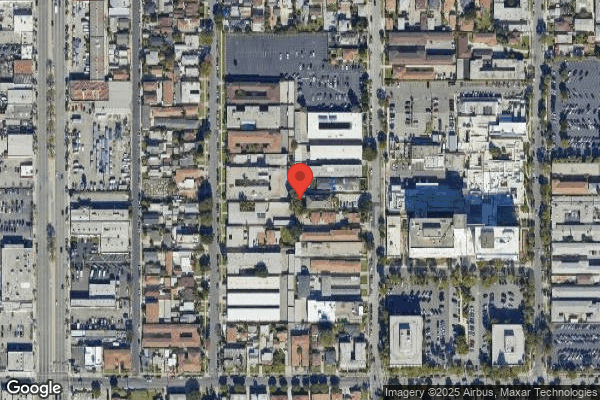
1001 SOUTH OSAGE AVE, INGLEWOOD, CA 90301 (310) 674-3216
For profit - Corporation 53 Beds PACIFIC HEALTHCARE HOLDINGS Data: November 2025
Trust Grade
80/100
#153 of 1155 in CA
Last Inspection: November 2024

Within standard 12-15 month inspection cycle. Federal law requires annual inspections.

Overview

Osage Healthcare & Wellness Centre has a Trust Grade of B+, indicating it is above average and recommended for care. It ranks #153 out of 1,155 facilities in California, placing it in the top half, and #31 out of 369 in Los Angeles County, meaning only 30 local options are better. The facility is improving, with issues decreasing from 14 in 2024 to just 2 in 2025. However, staffing is a concern, receiving a low rating of 2/5 stars, although the turnover rate of 31% is better than the California average. While there have been no fines, which is positive, the facility does have less RN coverage than 78% of California facilities, which could impact the quality of care. Specific incidents include a resident being at risk for foodborne illness due to an unlabeled sandwich and failures in hand hygiene practices that could lead to infection risks. Overall, while there are notable strengths, families should weigh these concerns carefully.

Trust Score
B+
80/100
In California
#153/1155
Top 13%
Safety Record
Low Risk
No red flags
Inspections
Getting Better
14 → 2 violations
Staff Stability
○ Average
31% turnover. Near California's 48% average. Typical for the industry.
Penalties
✓ Good
No fines on record. Clean compliance history, better than most California facilities.
Skilled Nurses
⚠ Watch
Each resident gets only 19 minutes of Registered Nurse (RN) attention daily — below average for California. Fewer RN minutes means fewer trained eyes watching for problems.
Violations
⚠ Watch
30 deficiencies on record. Higher than average. Multiple issues found across inspections.
★★★★★
5.0
Overall Rating
★★☆☆☆
2.0
Staff Levels
★★★★★
5.0
Care Quality
★★★★☆
4.0
Inspection Score
Stable
2024: 14 issues
2025: 2 issues

The Good

  • 5-Star Quality Measures · Strong clinical quality outcomes
  • Full Sprinkler Coverage · Fire safety systems throughout facility
  • No fines on record
  • Staff turnover below average (31%)

    17 points below California average of 48%

Facility shows strength in quality measures, fire safety.

The Bad

Staff Turnover: 31%

15pts below California avg (46%)

Typical for the industry

Chain: PACIFIC HEALTHCARE HOLDINGS

Part of a multi-facility chain

Ask about local staffing decisions and management

The Ugly 30 deficiencies on record

Aug 2025 2 deficiencies
CONCERN (D) 📢 Someone Reported This

A family member, employee, or ombudsman was alarmed enough to file a formal complaint

Potential for Harm - no one hurt, but risky conditions existed

Quality of Care (Tag F0684)

Could have caused harm · This affected 1 resident

**NOTE- TERMS IN BRACKETS HAVE BEEN EDITED TO PROTECT CONFIDENTIALITY** Based on interview and record review, the facility failed to: 1. Ensure one of four sampled residents (Resident 4) was transferr...

Read full inspector narrative →
**NOTE- TERMS IN BRACKETS HAVE BEEN EDITED TO PROTECT CONFIDENTIALITY** Based on interview and record review, the facility failed to: 1. Ensure one of four sampled residents (Resident 4) was transferred from chair to bed using an appropriate technique.This deficient practice resulted in Resident 4 feeling discomfort when being transferred.Findings: During a review of Resident 4's admission Record, the admission Record indicated Resident 4 was admitted to the facility on [DATE]. Resident 4's diagnoses included paraplegia (loss of movement and/or sensation, to some degree, of the legs), muscle weakness, and contracture (a stiffening/shortening at any joint, that reduces the joint's range of motion). During a review of Resident 4's History and Physical (H&P), dated 8/14/2025, the H&P indicated Resident 4 was able to make needs known, but could not make medical decisions. During a review of Resident 4's Minimum Data Set (MDS - a resident assessment tool), dated 8/18/2025, the MDS indicated Resident 4 had the ability to make himself understood and ability to understand others. Resident 4 was not able to stand or transfer from bed to chair.During a review of Resident 4's Physical Therapy PT Discharge Summary for Dates of Service 8/11/2025-8/24/2025, the summary indicated Resident 4 was dependent (helper does all the effort, two or more helpers are required for the resident to complete the activity). During a review of Resident 4's care plan, dated 8/15/2025, the care plan indicated Resident 4 had paraplegia related to trauma. The goal indicated Resident 4 would remain free of complications or discomfort related to paraplegia. The interventions indicated staff would assist with locomotion as required. During an interview on 8/26/2025 at 3:17 p.m. with Resident 4, Resident 4 stated there is a guy that picks me up and throws me in the bed. He hurt my foot one time. Resident 4 told the guy he doesn't have to move him like that. Resident 4 stated when this happens It makes me want to pick him up and rough him up. Resident 4 stated the guy picks him up under his arms, then throws him in the bed. No one helps the guy; he does it by himself. During an interview on 8/27/2025 at 1:21 p.m. with the Director of Physical Therapy (DOP), the DOP stated Resident 4 was assessed on 8/11/2025. Resident 4's ability to stand was not assessed on that date because it wasn't medically safe. The DOP stated Resident 4 is dependent for transfers and should be transferred using 2-person assist for safety. It would be difficult for one person. For safety it's best to use two people otherwise you might injure the resident. During an interview on 8/27/2025 at 4:13 p.m. with CNA 3, CNA 3 stated he transferred Resident 4 from wheelchair to bed on 8/25/2025. CNA 3 stated he transferred Resident 4 to bed by himself. CNA 3 placed his right arm under Resident 4's right arm and placed him into bed. CNA 3 cannot state exactly how he was able to transfer Resident 4 using one arm. CNA 3 was reminded Resident 4 was paraplegic and did not stand, CNA 3 was silent and could not explain how he transferred Resident 4 to bed. CNA 3 could not state if Resident 4 required one or 2-person assist. CNA 3 did not respond when asked how he knew it was okay to transfer Resident 4 by himself. CNA 3 did not respond when asked how he is made aware of what type of assistance residents under his care require. During a review of the facility's policy and procedure (P&P), titled Resident Rights - Quality of Life, dated March 2017, the P&P indicated each resident shall be cared for in a manner that enhances their quality of life, dignity, respect, individuality, and receives services in a person-centered manner. During a review of the facility's P&P, titled Transfer, dated January 2012, the P&P indicated safe and efficient transfers are a combination of the resident's physical ability, perceptual capacity, appropriate techniques, and good planning. During a review of the Certified Nursing Assistant Job Description, no date, the description indicated the CNA will perform all duties as assigned and in accordance with facility's established protocols and procedures, nursing care procedures and safety rules/regulations.
CONCERN (D) 📢 Someone Reported This

A family member, employee, or ombudsman was alarmed enough to file a formal complaint

Potential for Harm - no one hurt, but risky conditions existed

Deficiency F0726 (Tag F0726)

Could have caused harm · This affected 1 resident

Based on interview and record review, the facility failed to: 1. Ensure one of four sampled employees (Certified Nursing Assistant 2) had an annual skills competency completed.This deficient practice ...

Read full inspector narrative →
Based on interview and record review, the facility failed to: 1. Ensure one of four sampled employees (Certified Nursing Assistant 2) had an annual skills competency completed.This deficient practice had the potential to result in residents receiving a decreased quality of care.Findings:During a concurrent interview and record review on 8/27/2025 at 2:30 p.m. with the Director of Staff Development (DSD), Certified Nursing Assistant (CNA) 2's employee file was reviewed. The DSD stated CNA 2's new hire competency was completed on 2/21/2024. CNA 2 should have had an annual competency completed in February of 2025. The DSD stated the annual competency was not completed because she forgot. The annual competency is needed to ensure staff have up to date skills and check if retraining is needed. If staff don't know what they are doing it will affect the quality of the care the resident receives. During a review of the facility's policy and procedure (P&P), titled Staff Competency Validation, dated June 2024, the P&P indicated competency validation is completed to evaluate an individual's performance, meet standards set by regulatory agencies, and address problematic issues. The purpose is to protect the health, safety, and well-being of residents.
Nov 2024 14 deficiencies
CONCERN (D)

Potential for Harm - no one hurt, but risky conditions existed

Deficiency F0558 (Tag F0558)

Could have caused harm · This affected 1 resident

**NOTE- TERMS IN BRACKETS HAVE BEEN EDITED TO PROTECT CONFIDENTIALITY** Based on observation, interview, and record review the facility failed to ensure one out of three sampled residents, (Resident 2...

Read full inspector narrative →
**NOTE- TERMS IN BRACKETS HAVE BEEN EDITED TO PROTECT CONFIDENTIALITY** Based on observation, interview, and record review the facility failed to ensure one out of three sampled residents, (Resident 26) call light was within reach. This deficient practice placed Resident 26 at risk for accidents and had the potential to delay in meeting Resident 26 physical and emotional needs. Findings: During an observation on 10/30/2024 at 10:29 a.m. Resident 26's call light was hanging on the side of the bed and not within reach. During a review of Resident 26's admission Record ([Face Sheet] front page of the chart that contains a summary of basic information about the resident), the Face Sheet indicated Resident 26 was initially admitted to the facility on [DATE] and readmitted on [DATE] with diagnoses that included chronic obstructive pulmonary (COPD-a chronic lung disease causing difficulty in breathing), diabetes mellitus (a chronic metabolic disease that causes high blood glucose levels), and gastro-esophageal reflux disease ([GERD] is a condition in which the stomach contents leak backward from the stomach into the esophagus). During a review of Resident 26's History and Physical (H&P), dated 7/7/2024, the H&P indicated Resident 26 had the capacity to understand and make decisions. During a review of Resident 26's Minimum Data Set ([MDS] a federally mandated assessment tool), dated 8/28/2024 the MDS indicated, Resident 26's cognition (ability to learn, reason, remember, understand, and make decisions) was resident usually understands. The MDS indicated Resident 26 was dependent on staff for toileting hygiene, showering, and dressing. During a review of Resident 26's care plan dated 9/4/2024, titled, The Resident is at risk for falls related to gait/balance problems, the care plan indicated Resident 26 will be free from falls. The staff intervention was to ensure the Resident 26 call light was always within reach and encouraged Resident 26 to use it for assistance when needed. During a concurrent observation and interview on 10/30/2024 at 11:45 a.m. with Certified Nursing Assistant (CNA) 3 in Resident 26's room, Resident 26 call light was hanging on the bedrail not within reach. CNA 3 stated, Resident 26's call light was not within reach. CNA 3 stated if the resident needed to call for help, she would not be able to reach for the call light. CNA 3 stated it was important to have the call light within reach because the resident may be having an emergency such as choking, and she would not be able to call for help. During an interview on 10/31/2024 at 11:51 a.m. with Director of Staff Development (DSD), the DSD stated it was important for the staff to place the call light within reach for Resident 26. The DSD stated the call light is the communication tool used to let the staff know when residents need assistance. The DSD stated if the call light is not within reach, Resident 26 could not call if she needed something or was under distress (a state of pain or suffering that can be physical emotional or social). The DSD stated the requirement is to have the call light within reach. During a review of the facility's policy and procedure (P&P) titled, Communication-Call System, dated 1/2012, the P&P indicated, the facility will provide a call system to enable residents to alert the nursing staff from their rooms and toileting/bathing facilities. The P&P indicated call cords will be placed within reach in the resident's room. During a review of the facility's policy and procedure (P&P) titled, Certified Nursing Assistant Job Description, date unknown, the P&P indicated a nursing assistant responsible for providing routine nursing care in accordance with established policies and procedures. The P&P indicated to assure the call system is attached to the bed and within easy reach at all times for residents.
CONCERN (D)

Potential for Harm - no one hurt, but risky conditions existed

Notification of Changes (Tag F0580)

Could have caused harm · This affected 1 resident

**NOTE- TERMS IN BRACKETS HAVE BEEN EDITED TO PROTECT CONFIDENTIALITY** Based on interview and record review, the facility failed to: 1.Inform the physician one of one sampled resident (Resident 38) r...

Read full inspector narrative →
**NOTE- TERMS IN BRACKETS HAVE BEEN EDITED TO PROTECT CONFIDENTIALITY** Based on interview and record review, the facility failed to: 1.Inform the physician one of one sampled resident (Resident 38) refused to take trazodone (medication to treat depression). This deficient practice placed Resident 38 at risk for worsening of depression and withdrawal effect that could cause medical complications. Findings: During a review of Resident 38's admission Record (front page of the chart that contains a summary of basic information about the resident), the admission Record indicated, Resident 38 was admitted to the facility on [DATE]. Resident 38's admission diagnoses included major depressive disorder (a mood disorder that causes persistent feeling of sadness and loss of interest), Diabetes Mellitus ([DM] - a disorder characterized by difficulty in blood sugar control and poor wound healing), and muscle weakness. During a review of Resident 38's History and Physical (H&P), dated 4/10/2024, the H&P indicated, Resident 38 had the capacity to understand and make decisions. During a review of Resident 38's Minimum Data Set ([MDS] - a federally mandated resident assessment tool), dated 9/20/2024, the MDS indicated, Resident 38's cognitive (ability to think and reason) skills for daily decision making was moderately impaired. The MDS indicated, Resident 38 required substantial assistance (helper does more than half the effort) from staff with upper body dressing and personal hygiene. During a review of Resident 38's Order Summary Report (a document containing active orders) dated 10/31/2024, indicated Resident 38 had a physician's order of trazodone 25 milligrams ([mg] metric unit of measurement, used for medication dosage and/or amount) by mouth at bedtime every Monday, Tuesday, Wednesday, Thursday, Friday, and Saturday (6 days a week) for major depression manifested by inability to sleep. During a concurrent interview and record review on 10/31/2024 at 10:52 a.m., with the Director of Nursing (DON), Resident 38's Medication Administration Records ([MAR] - a daily documentation record used by a licensed nurse to document medications and treatments given to a resident) for October 2024 was reviewed. The DON stated Resident 38 refused to take the trazadone 25mg on 10/2/2024, 10/3/2024, 10/4/2024, 10/5/2024, 10/8/2024, 10/9/2024, 10/10/2024, 10/11/2024, 10/12/2024, 10/14/2024, 10/15/2024, 10/16/2024, 10/17/2024, 10/21/2024, 10/22/2024, 10/23/2024, 10/26/2024, 10/28/2024, and 10/29/2024 (19 days). The DON stated the facility process for the refusal of medication was to inform the physician and chart the refusal on the progress notes documenting three attempts to offer the medication. The DON stated a change of condition documentation should be completed by the licensed nurse. The DON stated there was no documentation indicating Resident 38's physician was notified of Resident 38's persistent and continued refusal to take trazadone. The DON further stated it was important to notify the physician of Resident 38's continued refusal to take trazadone for him to offer different medication and to evaluate what was the reason for his refusal. During a review of the facility's policy and procedure (P&P) titled, Refusal of Treatment, dated 1/1/2012, the P&P indicated, The Charge Nurse of DNS will document information relating to the refusal in the resident's medical record and the documentation will include the date and time the attending physician was notified and his or her response. During a review of the facility's P&P titled, Medication Administration, dated 1/1/2012, the P&P indicated, The licensed nurse will attempt to give the medications several times, but if resident continues to refuse after one hour, the refused medication will be destroyed and licensed nurse will notify MD and document in the medical record.
CONCERN (D)

Potential for Harm - no one hurt, but risky conditions existed

Assessment Accuracy (Tag F0641)

Could have caused harm · This affected 1 resident

**NOTE- TERMS IN BRACKETS HAVE BEEN EDITED TO PROTECT CONFIDENTIALITY** Based on interview and record review, the facility failed to: 1.Ensure an accurate Minimum Data Set ([MDS] - a federally mandate...

Read full inspector narrative →
**NOTE- TERMS IN BRACKETS HAVE BEEN EDITED TO PROTECT CONFIDENTIALITY** Based on interview and record review, the facility failed to: 1.Ensure an accurate Minimum Data Set ([MDS] - a federally mandated resident assessment tool), was completed accurately for one of 13 sampled residents (Resident 9). This deficient practice resulted in incorrect data transmitted to Center for Medicare and Medicaid Cervices (CMS) and had the potential for a poor care planning which could affect the health and safety of Resident 9. Findings: During a review of Resident 9's admission Record (front page of the chart that contains a summary of basic information about the resident), the admission Record indicated, Resident 9 was admitted to the facility on [DATE]. Resident 9's diagnoses included End Stage Renal Disease ([ESRD] - irreversible kidney failure), muscle weakness congestive heart failure ([CHF] - a heart disorder which causes the heart to not pump the blood efficiently, sometimes resulting in leg swelling). During a review of Resident 9's History and Physical (H&P), dated 12/11/2023, the H&P indicated, Resident 9 had the capacity to understand and make decisions. During a review of Resident 9's MDS annual assessment, dated 9/25/2024, the MDS indicated Resident 9's cognitive (ability to think and reason) skills for daily decision making was moderately impaired. The MDS indicated, Resident 9 required maximum assistance (helper does more than half the effort) from staff with toileting hygiene and upper and body dressing. During a review of Resident 9's Order Summary Report (a document containing active orders), dated 10/1/2024, the Order Summary Report indicated, Resident 9 had a physician's order of dialysis (a treatment to cleanse the blood of wastes and extra fluids artificially through a machine when the kidney(s) have failed) every Tuesday, Thursday, and Saturday. During a concurrent interview and record review on 10/30/2024 at 4:01 p.m., with the Minimum Data Set Nurse (MDS Nurse), Resident 9's MDS annual assessment dated [DATE] was reviewed. The MDS Nurse stated the MDS annual assessment of Resident 9 was completed inaccurately. The MDS Nurse stated there was a wrong entry on the MDS section O (Special Treatments, Procedures, and Programs) J1 (dialysis). The MDS Nurse stated there should be a checked mark on Section O (J1) since Resident 9 was receiving dialysis treatment every Tuesday, Thursday, and Saturday. The MDS Nurse stated MDS assessment reflects the condition of the resident and the facility's plan of care based on their diagnoses, treatment, and care needs. The MDS Nurse stated it was a mandated requirement to submit and encode MDS assessment completely and accurately because it could affect the delivery of care and services to the residents. During a review of the facility's policy and procedure (P&P) titled, RAI Process, dated 10/4/2016, the P&P indicated, To provide resident-assessments that accurately depict and identify resident-specific issues and objectives as required, while meeting state and federal guidelines and data submission. The P&P also indicated the facility will utilize the Resident Assessment Instrument (RAI) process as the basis for the accurate assessment of each resident's functional capacity and health status, as outlined in the CMS RAI MDS 3.0 Manual.
CONCERN (D)

Potential for Harm - no one hurt, but risky conditions existed

Comprehensive Care Plan (Tag F0656)

Could have caused harm · This affected 1 resident

**NOTE- TERMS IN BRACKETS HAVE BEEN EDITED TO PROTECT CONFIDENTIALITY** Based on interview and record review the facility failed to ensure one out of three sampled residents, (Resident 26) had a care ...

Read full inspector narrative →
**NOTE- TERMS IN BRACKETS HAVE BEEN EDITED TO PROTECT CONFIDENTIALITY** Based on interview and record review the facility failed to ensure one out of three sampled residents, (Resident 26) had a care plan to: 1. Monitor the frequency of outside food being brought in by family. 2. Monitor Resident 26's ability to tolerate regular textured (consists of normal, everyday foods textures that including hard, chewy, dry, and crunch foods) food brought in by family. These deficient practices resulted in failure to monitor Resident 26's prescribed pureed textured diet (a texture-modified diet that consists of foods that are ground, pressed, or strained until they have a smooth, soft consistency, like pudding) and had the potential to place Resident 26 at risk for choking. Findings: During an observation on 10/29/2024 at 10:15 a.m. in Resident 26's room, there was an empty box of a burger, large bag of potato chips, crackers, and cans of soda on the bedside table. During a review of Resident 26's admission Record ([Face Sheet] front page of the chart that contains a summary of basic information about the resident), the Face Sheet indicated Resident 26 was initially admitted to the facility on [DATE] and readmitted on [DATE]. The face sheet indicated Resident 26's diagnoses included chronic obstructive pulmonary (COPD-a chronic lung disease causing difficulty in breathing), diabetes mellitus (a chronic metabolic disease that causes high blood glucose levels), and gastro-esophageal reflux disease ([GERD] is a condition in which the stomach contents leak backward from the stomach into the esophagus). During a review of Resident 26's History and Physical (H&P), dated 7/7/2024, the H&P indicated Resident 26 had the capacity to understand and make decisions. During a review of Resident 26's Minimum Data Set ([MDS] a federally mandated assessment tool), dated 8/28/2024 the MDS indicated, Resident 26's cognition (ability to learn, reason, remember, understand, and make decisions) usually able to understand. The MDS indicated Resident 26 required oxygen therapy (a treatment that provided extra oxygen to people with breathing problems). The MDS indicated Resident 26 was dependent on staff for toileting hygiene, showering, and dressing. The MDS indicated Resident 26 required a mechanical altered diet such as textured food that is pureed (a meal plan that consist of foods and drinks to make it easier to chew and swallow). During a review of Resident 26's physician orders, titled, Order Summary Report, dated 7/11/2024, the Order Summary Report indicated, Resident 26 was to have a pureed texture diet. During an interview on 10/29/2024 at 10:20 a.m. with Resident 26, Resident 26 stated she had a hamburger yesterday and her family brings her food when they visit. Resident 26 stated, certain types of food her family brings, makes her cough when she eats her food. Resident 26 stated the staff does not come into the room after she eats food brought in by her family to check if she was able to tolerate the food. During an interview on 10/31/2024 at 12:55 p.m. with the Director of Nursing (DON), the DON stated there was no documentation of what texture or type of foods the family brought to Resident 26. The DON stated there was no care plan on how often the resident should be monitored while eating food not prescribed by the physician. The DON stated the staff needs to know when the family is bringing in regular food texture. The DON stated if we don't know when the family is bringing the regular textured food; the resident could have issues such as choking, coughing, and aspiration (inhaling food, liquid, or other material into the lungs). During an interview on 11/1/2024 at 4:18 p.m. with the Registered Dietitian (RD), the RD stated, I was not aware Resident 26 was receiving food from family that was not prescribed. The RD stated Resident 26 should be monitored for the types of food and textures being brought in by the family. The RD stated a care plan should have been developed to monitor when the family brought in food into the facility. The RD stated Resident 26 needed to be monitored during mealtimes, to prevent choking. During a review of the facility's policy and procedure (P&P) titled, Comprehensive Person-Centered Care Planning, dated 11/2018, the P&P indicated the baseline care plan must include information necessary to properly care for each resident with safety concerns to prevent decline or injury and would identify needs for supervision.
CONCERN (D)

Potential for Harm - no one hurt, but risky conditions existed

Deficiency F0657 (Tag F0657)

Could have caused harm · This affected 1 resident

**NOTE- TERMS IN BRACKETS HAVE BEEN EDITED TO PROTECT CONFIDENTIALITY** Based on record review and interview the facility failed to: 1. Revise one of three sampled residents Resident 26) interventions...

Read full inspector narrative →
**NOTE- TERMS IN BRACKETS HAVE BEEN EDITED TO PROTECT CONFIDENTIALITY** Based on record review and interview the facility failed to: 1. Revise one of three sampled residents Resident 26) interventions identified by the multidisciplinary care team ([IDT] group of healthcare professionals from different disciplines) who was at risk of aspirating (inhalation of food or liquid into the lungs). The deficient practice had the potential for repeat occurrence. Findings: During a review of Resident 26's admission Record ([Face Sheet] front page of the chart that contains a summary of basic information about the resident), the Face Sheet indicated Resident 26 was initially admitted to the facility on [DATE] and readmitted on [DATE]. Resident 26's diagnoses included chronic obstructive pulmonary disease ([COPD] a chronic lung disease causing difficulty in breathing), diabetes mellitus ([DM] a chronic metabolic disease that causes high blood glucose levels), and gastro-esophageal reflux disease ([GERD] a condition in which the stomach contents leak backward from the stomach into the esophagus). During a review of Resident 26's History and Physical (H&P) dated 7/7/2024, the H&P indicated Resident 26 had the capacity to understand and make decisions. During a review of Resident 26's Order Summary Report, dated 7/11/2024, the Order Summary Report indicated, to provide Resident 26 with a pureed textured diet (food that are ground and pressed to have a smooth consistency). During a review of Resident 26's Minimum Data Set ([MDS] a federally mandated assessment tool) dated 8/28/2024, the MDS indicated Resident 26's was usually able to understand and be understood by others. The MDS indicated Resident 26 required oxygen therapy (a treatment that provides extra oxygen to residents with breathing problems). The MDS indicated Resident 26 was dependent on staff for toileting hygiene, showering, and dressing. The MDS indicated Resident 26 required a mechanical altered diet (a meal plan that consists of foods that are soft and easy to swallow such as a pureed textured diet). During a review of Resident 26's Multidisciplinary Care Conference, (a meeting where the IDT discuss and plan care for the resident) dated 9/4/2024, the Care Conference indicated, Resident 26's needed monitoring related to medical management and observation related to complex medical conditions. The Care Conference indicated to keep the resident's head of bed (HOB) elevated due to the resident experiencing shortness of breath (SOB) when lying flat. The Care Conference indicated to always observe safety and aspiration precautions for the resident. During a concurrent interview and record review on 10/31/2024 at 11:59 a.m. with the Director of Staff Development (DSD), the Multidisciplinary Care Conference, dated 9/4/2024 was reviewed. The DSD stated Resident 26's Care Plan should have been revised after the IDT identified the need to observe aspiration precautions for the resident, however, was not done. During a concurrent interview and record review on 10/31/2024 at 12:43 p.m. with the Director of Nursing (DON), the Multidisciplinary Care Conference, dated 9/4/2024 was reviewed. The DON stated, Resident 26 needed to always be monitored for safety and aspiration precautions. The DON stated the care plan should have been revised to add aspiration precaution interventions needed to prevent aspiration pneumonia for Resident 26. During a review of the facility's Policy and Procedure (P&P) titled, Comprehensive Person-Centered Care Planning, dated 11/2018, the P&P indicated to ensure a comprehensive, person-centered, and interdisciplinary care that reflected best practice standards for meeting the health, safety, and environmental needs of residents, to obtain or maintain the highest physical, mental, and psychosocial well-being was developed for residents. The P&P indicated, the comprehensive care plan would be periodically reviewed and revised by Interdisciplinary Team (IDT). The P&P indicated the care plan would be reviewed and revised at the onset of new problems as appropriate and as necessary.
CONCERN (D)

Potential for Harm - no one hurt, but risky conditions existed

Pressure Ulcer Prevention (Tag F0686)

Could have caused harm · This affected 1 resident

**NOTE- TERMS IN BRACKETS HAVE BEEN EDITED TO PROTECT CONFIDENTIALITY** Based on interview and record review, the facility failed to; 1. Ensure one of one sampled resident (Resident 16) who had a stag...

Read full inspector narrative →
**NOTE- TERMS IN BRACKETS HAVE BEEN EDITED TO PROTECT CONFIDENTIALITY** Based on interview and record review, the facility failed to; 1. Ensure one of one sampled resident (Resident 16) who had a stage 4 pressure ulcer (localized, pressure-related damage to the skin and/or underlying tissue usually over a bony prominence) was turned and reposition every two hours. This deficient practice had the potential to worsen and delay wound healing. Findings: During review of Resident 16's admission Record (front page of the chart that contains a summary of basic information about the resident), Resident 16's was admitted to the facility on [DATE] with diagnoses including anxiety (conditions that cause excessive and persistent feelings of fear or worry that can interfere with daily life), chronic obstructive pulmonary disease (COPD - a chronic lung disease causing difficulty in breathing), muscle weakness (loss of muscle strength), major depressive disorder (a mood disorder that causes a persistent feeling of sadness and loss of interest) and schizoaffective disorder (a mental illness that can affect thoughts, mood, and behavior. During a review of Resident 16's Minimum Data Set (MDS - a federally mandated resident assessment tool), dated 9/27/2024, the MDS indicated Resident 16's cognitive (the ability to think and process information) skills for daily decisions making was severely impaired. The MDS indicated Resident 40 was dependent (helper does ALL the efforts, resident does none of the effort to completes activity) or the assistance of two or more helpers was required for resident to complete the activity. During observation on 10/29/2024 at 10:07 a.m., Resident 16 was observed in her room lying in bed in supine (back) position. During observing on 10/29/2024 at 12:16 p.m., Resident 16 was observed in her room, lying in supine position. During observation 10/30/2024 at 8:16 a.m., Resident 16 was observed in her room, lying in supine position. During observation on 10/30/2024 at 10:19 a.m., Resident 16 was observed in her room, lying in supine position. During an interview with Certified Nurse Assistant (CNA) 4 on 10/31/2024 at 2:47 p.m., CNA 4 stated the resident can get worse if not turned and repositioned. During an interview with Licensed Vocational Nurse (LVN) 2 on 10/31/2024 at 2:53 p.m., LVN 2 stated there was nowhere specified on the electronic health record (EHR) to show Resident 16 was repositioned every two hours. During a record review on 10/31/2024 at 3:10 p.m., with Licensed Vocational Nurse (LVN) 4, to clarify Resident 16's care plan indicating frequent turning and repositioning, LVN 4 stated the intervention meant every two hours. During an interview on 10/31/2024 at 9:04 a.m. with the Director of Nursing (DON), the DON stated does not have signs posted turning residents with pressure ulcers at bed side. The DON clarified that frequent repositioning meant to reposition every two hours. During a review of the facility's policy and procedure (P&P) titled, Pressure Injury Prevention dated 6/27/2024 indicated in section 3-b: Implement intervention identified in the plan of care which may include reposition and turning.
CONCERN (D)

Potential for Harm - no one hurt, but risky conditions existed

Deficiency F0687 (Tag F0687)

Could have caused harm · This affected 1 resident

**NOTE- TERMS IN BRACKETS HAVE BEEN EDITED TO PROTECT CONFIDENTIALITY** Based on observation, interview, and record review, the facility failed to: 1. Ensure resident with long thick elongated (nail p...

Read full inspector narrative →
**NOTE- TERMS IN BRACKETS HAVE BEEN EDITED TO PROTECT CONFIDENTIALITY** Based on observation, interview, and record review, the facility failed to: 1. Ensure resident with long thick elongated (nail plate grows linger than the nail bed) toenails received podiatry (profession dealing with the specialized care of the feet) care services for one of one sampled resident (Resident 36). This deficient practice had the potential to result in discomfort and decline in physical mobility for Resident 36. Findings: During a review of Resident 36's admission Record (front page of the chart that contains a summary of basic information about the resident), the admission Record, indicated Resident 36 was admitted to the facility on [DATE]. Resident 36's diagnoses included muscle weakness, iron deficiency anemia (a condition when your body does not have enough iron), and protein calorie malnutrition (a condition that occurs when someone doesn't consume enough protein, calories, and other nutrients). During a review of Resident 36's History and Physical (H&P), dated 10/6/2024, the H&P indicated, Resident 36 had the capacity to understand and make decisions. During a review of Resident 36's Minimum Data Set ([MDS] a federally mandated resident assessment tool), dated 10/10/2024, the MDS indicated, Resident 36's cognitive (ability to think and reason) skills for daily decision making was moderately impaired. The MDS indicated, Resident 36 required moderate assistance (helper does less than the effort) from staff with upper body dressing and personal hygiene. During a concurrent observation and interview on 10/29/2024 at 4:02 p.m., with Resident 36 in her room, Resident 36 had a long thick elongated toenails on both feet. Resident 36 stated she had been telling the facility staff about her long toenails and requested to see a podiatrist (a doctor who specializes in diagnosing and treating conditions that affect the foot, ankle, and lower leg) but nothing had been done. Resident 36 stated her long thick toenails prevented her from walking and it hurts when it touches the linen. During a concurrent observation and interview on 10/30/2024 at 9:37 a.m., at Resident 36's room, with Certified Nurse Assistant 2 (CNA 2), CNA 2 stated Resident 36 had a long thick toenails since she was admitted to the facility. CNA 2 stated he was aware of Resident 36's long thick toenails and did not report to the Social Service Director (SSD) because it was not a serious condition. During an interview on 10/31/2024 at 9:46 a.m., with the SSD, the SSD stated she was in charge of referring all residents to podiatrist who needed foot care. The SSD stated resident with long thick elongated toenails should be referred to the podiatrist immediately because of the risk of ingrown toenail (a condition where the side or corner of a toenail grows into the skin beside it) that could cause pain and foot infection. During a review of the facility's policy and procedure (P&P) titled, Foot Care, dated 1/1/2012, the P&P indicated, To provide hygienic care of the feet, to prevent skin breakdown or infection and to promote comfort. During a review of the facility's P&P titled, Grooming Care of the Fingernails and Toenails, dated 10/21/2021, the P&P indicated, High risk residents and residents with hypertrophic, myotic and keratotic toenails are referred to a podiatrist. During a review of the Job Description of the Social Service Coordinator, the Job Description indicated, To arrange ancillary services that have been determined necessary to maintain the residents concrete needs.
CONCERN (D)

Potential for Harm - no one hurt, but risky conditions existed

Accident Prevention (Tag F0689)

Could have caused harm · This affected 1 resident

**NOTE- TERMS IN BRACKETS HAVE BEEN EDITED TO PROTECT CONFIDENTIALITY** Based on observation, interview, and record review the facility failed to: 1. Ensure one of three sampled residents (Resident 26...

Read full inspector narrative →
**NOTE- TERMS IN BRACKETS HAVE BEEN EDITED TO PROTECT CONFIDENTIALITY** Based on observation, interview, and record review the facility failed to: 1. Ensure one of three sampled residents (Resident 26) bed was placed in the lowest position to prevent injuries during a fall. This deficient practice had the potential in the resident falling from the bed and sustaining an injury. Findings: During a review of Resident 26's admission Record ([Face Sheet] front page of the chart that contains a summary of basic information about the resident), the Face Sheet indicated Resident 26 was initially admitted to the facility on [DATE] and last readmitted on [DATE]. Resident 26's diagnoses included chronic obstructive pulmonary (COPD-a chronic lung disease causing difficulty in breathing), diabetes mellitus (a chronic metabolic disease that causes high blood glucose levels), and gastro-esophageal reflux disease ([GERD] is a condition in which the stomach contents leak backward from the stomach into the esophagus). During a review of Resident 26's History and Physical (H&P), dated 7/7/2024, the H&P indicated Resident 26 had the capacity to understand and make decisions. During a review of Resident 26's Minimum Data Set ([MDS] a federally mandated assessment tool), dated 8/28/2024 the MDS indicated, Resident 26's cognition (ability to learn, reason, remember, understand, and make decisions) was resident usually understands. The MDS indicated Resident 26 was dependent on staff for toileting hygiene, showering, and dressing. During a review of Resident 26's care plan titled, The Resident is at risk for falls related to gait/balance problems, dated 9/4/2024, the care plan indicated Resident 26 will be free from falls. The staff intervention was to ensure Resident 26's bed was in the lowest position. During a concurrent observation and interview on 10/30/2024 at 11:45 a.m. with Certified Nursing Assistant (CNA) 3 in Resident 26's room, CNA 3 stated the bed was too high and should be in the lowest position. CNA 3 stated the bed should be in the lowest position to prevent an injury if Resident 26 was to fall from the bed. During an interview on 10/31/2024 at 11:42 a.m. with the Director of Staff Development (DSD), the DSD stated Resident 26 was at high risk for falls. The DSD stated Resident 26's bed should have been in the lowest position. The DSD stated when the bed was in a high position, if Resident 26 fell off the bed, it could result in an injury. During a review of the facility's policy and procedure (P&P), Fall Management Program, dated 3/2021, the P&P indicated, to provide residents a safe environment that minimizes complications associated with falls. The P&P indicated the facility will implement a fall management program that supports providing an environment free from fall hazards. During a review of the facility's policy and procedure (P&P), Resident Safety, dated 4/2021, the P&P indicated, to provide a safe and hazard free environment. The P&P indicated after a risk evaluation is completed, a resident centered care plan will be developed to mitigate safety risk factors. The P&P indicated the staff will observe the safety and well-being of the residents and to check around the clock by nursing service personnel.
CONCERN (D)

Potential for Harm - no one hurt, but risky conditions existed

Incontinence Care (Tag F0690)

Could have caused harm · This affected 1 resident

**NOTE- TERMS IN BRACKETS HAVE BEEN EDITED TO PROTECT CONFIDENTIALITY** Based on interview and record review, the facility failed to: 1. Ensure one of one sampled resident (Resident 146) was provided ...

Read full inspector narrative →
**NOTE- TERMS IN BRACKETS HAVE BEEN EDITED TO PROTECT CONFIDENTIALITY** Based on interview and record review, the facility failed to: 1. Ensure one of one sampled resident (Resident 146) was provided with a scheduled toileting plan, per bowel and bladder assessment. This deficient practice had the potential for decline in bladder and bowel function for Resident 146. Finding: During a review of Resident 146's admission Record (front page of the chart that contains a summary of basic information about the resident), the admission Record indicated, Resident 146 was admitted to the facility on [DATE]. Resident 136's diagnoses included muscle weakness, nondisplaced fracture of greater trochanter of left femur (a break in the top of the thigh bone near the hip), and chronic obstructive pulmonary disease ([COPD] - a chronic lung disease causing difficulty of breathing. During a review of Resident 146's History and Physical (H&P), dated 10/23/2024, the H&P indicated, Resident 146 did not have the capacity to understand and make decisions. During a review of Resident 146's Minimum Data Set ([MDS] a federally mandated resident assessment tool), dated 10/28/2024, the MDS indicated, Resident 146's cognitive (ability to think and reason) for daily decision making was severely impaired. The MDS indicated, Resident 146 was totally dependent (helper does all of the effort) from staff with toileting hygiene and lower body dressing. The MDS also indicated, a trial of toileting program such as scheduled toileting (a technique that involves using a set schedule to go to the bathroom) or bladder training (type of training that will help a person manage urinary incontinence) have not been attempted. During a concurrent interview and record review on 10/30/2024 at 4:13 p.m., with the MDS Nurse, Resident 146's Bowel and Bladder Program Screener was reviewed. The Bowel and Bladder Program Screener indicated; Resident 146 had a total score of 7 (candidate for schedule toileting). The Bowel and Bladder Program Screener indicated, Resident 146's mental status was forgetful but follows commands. The MDS Nurse stated, Resident 146 would benefit from Scheduled toileting program to reduce problem with incontinence (inability to control the flow or urine or stool). The MDS Nurse stated scheduled toileting plan was essential for all residents to monitor their bowel and bladder pattern. The MDS Nurse stated there was no documented evidence in the clinical records of Resident 146's indicating staff implemented a scheduled toileting plan. During an interview on 10/30/2024 at 4:37 p.m., with the Director of Nursing (DON), the DON stated a scheduled toileting plan is a set schedule every 2 to 3 hours for resident to be assisted to the bathroom or to offer bedside commode (a portable toilet that can be used by people who are unable to walk to the bathroom but can get out of bed). The DON stated the goal of scheduled toileting plan was to help residents with incontinence managed their bowel and bladder safely, keep them clean and dry to prevent the risk of skin breakdown and decrease in motor function and mobility. During a review of the facility's policy and procedure (P&P) titled, Bowel and Bladder Training/Toileting Program, dated 8/21/2020, the P&P indicated, Each resident who is incontinent of bowel and/or bladder is identified, assessed and provided appropriate treatment and services to achieve or maintain as much as normal bladder/bowel functions as possible. The P&P also indicated following review and determination of the resident's voiding/bowel evacuation program; the licensed nurse will develop an individualized scheduled toileting program to meet the resident needs.
CONCERN (D)

Potential for Harm - no one hurt, but risky conditions existed

Deficiency F0698 (Tag F0698)

Could have caused harm · This affected 1 resident

**NOTE- TERMS IN BRACKETS HAVE BEEN EDITED TO PROTECT CONFIDENTIALITY** Based on interview and record review, the facility failed to: 1. Ensure one of one sampled residents received hemodialysis ([HD...

Read full inspector narrative →
**NOTE- TERMS IN BRACKETS HAVE BEEN EDITED TO PROTECT CONFIDENTIALITY** Based on interview and record review, the facility failed to: 1. Ensure one of one sampled residents received hemodialysis ([HD] a treatment to cleanse the blood of wastes and extra fluids artificially through a machine when the kidney (s) have failed) treatment received care in accordance with standards of practice for one of two sampled residents (Resident 9) by failing to communicate to Resident 9's physician regarding Registered Dietitian ([RD] a health professional in nutrition) recommendation to provide Nova source ( a high calorie, nutritional supplement designed for those on dialysis) supplement. This deficient practice had the potential to result in weight loss and malnutrition that can lead to worsened health complication for Resident 9. Findings: During a review of Resident 9's admission Record (front page of the chart that contains a summary of basic information about the resident), the admission Record indicated, Resident 9 was admitted to the facility on [DATE]. Resident 9's diagnoses included End Stage Renal Disease ([ESRD] - irreversible kidney failure), muscle weakness congestive heart failure ([CHF] - a heart disorder which causes the heart to not pump the blood efficiently, sometimes resulting in leg swelling). During a review of Resident 9's History and Physical (H&P), dated 12/11/2023, the H&P indicated, Resident 9 had the capacity to understand and make decisions. During a review of Resident 9's Minimum Data Set ([MDS] - a federally mandated resident assessment tool) annual assessment, dated 9/25/2024, the MDS indicated, Resident 9's cognitive (ability to think and reason) skills for daily decision making was moderately impaired. The MDS indicated, Resident 9 required maximum assistance (helper does more than half the effort) from staff with toileting hygiene and upper and body dressing. During a review of Resident 9's Order Summary Report (a document containing active orders), dated 10/1/2024, the Order Summary Report indicated, Resident 9 had a physician's order of dialysis (a treatment to cleanse the blood of wastes and extra fluids artificially through a machine when the kidney(s) have failed) every Tuesday, Thursday, and Saturday. During a review of Resident 9's care plan titled Resident has potential nutritional problem related to disease process dated 10/2/2023, indicated goal of Resident 9 to maintain adequate nutritional status with no signs and symptoms of malnutrition daily through next review date of 12/23/2024. The care plan indicated intervention for RD to evaluate and make diet change recommendation. During a concurrent interview and record review on 10/31/2024 at 12:25 p.m., with the RD, Resident 9's Nutritional Risk Assessment, dated 9/20/2024 was reviewed. The RD stated she did recommend to provide Novasource supplement 1 can (237 milliliter ([ml] unit of volume) daily as nutritional intervention since Resident 9 had a variable oral intake. The RD stated there was no documentation indicating the physician was notified regarding RD's recommendation to give Resident 9 Novasource 1 can daily. During an interview on 10/31/2024 at 3:09 p.m., with the Director of Nursing (DON), the DON stated all RD recommendations should be reported to the physician by the licensed nurses within 72 hours. The DON stated the licensed nurses did not communicate to the physician of Resident 9's RD recommendation because the facility did not have available supply of Novasource supplement. The DON stated by not providing Novasource supplement, Resident 9 would be at risk for weight loss and dehydration that could contribute to Resident 9's decline in health condition. During a review of the facility's policy and procedure (P&P) titled, Dialysis Care, dated 10/1/2018, the P&P indicated, The Nursing staff, Dialysis Provider Staff, and the Attending physician will collaborate on a regular basis concerning the resident's care.
CONCERN (D)

Potential for Harm - no one hurt, but risky conditions existed

Deficiency F0761 (Tag F0761)

Could have caused harm · This affected 1 resident

**NOTE- TERMS IN BRACKETS HAVE BEEN EDITED TO PROTECT CONFIDENTIALITY** Based on observation, interview, and record review, the facility failed to: 1. Label with an open date of ketorolac (a medicatio...

Read full inspector narrative →
**NOTE- TERMS IN BRACKETS HAVE BEEN EDITED TO PROTECT CONFIDENTIALITY** Based on observation, interview, and record review, the facility failed to: 1. Label with an open date of ketorolac (a medication used to treat swelling and redness after eye surgery) and prednisolone acetate (a medication used to treat infection before and after eye surgery) ) ophthalmic solution (liquid eye drops) for Resident 34. This deficient practice had the potential for harm to Resident 34 due to the potential loss of strength of medication. 2. Label with an open date and remove one pouch of expired ipratropium with albuterol (a combination solution use to treat and prevent shortness of breath) inhalation solution for Resident 40. This deficient practice had the potential to result in prolonged use and loss of strength of the expired inhalation solution and can lead to ineffective treatment of respiratory symptoms for Resident 40. Findings: 1. During a review of Resident 34's admission Record (front page of the chart that contains a summary of basic information about the resident), the admission Record indicated, Resident 34 was initially admitted to the facility on [DATE] and readmitted on [DATE]. Resident 34's diagnoses included glaucoma (a chronic eye disease that can cause vision loss and blindness), muscle weakness and hypertension ([HTN]-high blood pressure). During a review of Resident 34's History and Physical (H&P), dated [DATE], the H&P indicated, Resident 34 did not have the capacity to understand and make decisions. During a review of Resident 34's Minimum Data Set ([MDS] - a federally mandated resident assessment tool), dated 9/19//2024, the MDS indicated, Resident 34's cognitive (ability to think and reason) skills for daily decision making was moderately impaired. The MDS indicated, Resident 34 required setup assistance (helper assists only prior to or following the activity) from staff with eating and oral hygiene. During a review of Resident 34's Order Summary Report (a document containing active orders), dated [DATE], the Order Summary Report indicated, Resident 34 had a physician's order of ketorolac ophthalmic solution 1 drop (unit of measure of volume) in left eye four times a day and prednisolone acetate 1 drop in left eye every 6 hours to reduce inflammation (a normal part of the body's response to injury or infection) after eye surgery. During a concurrent observation and interview on [DATE] at 10:33 a.m., of the medication cart 3 with Licensed Vocational Nurse (LVN 1), found one opened ketorolac ophthalmic solution with no open date and one opened prednisolone acetate suspension solution with no open date for Resident 34. LVN 1 stated the ketorolac ophthalmic solution and prednisolone acetate suspension indicates a pharmacy fill date of [DATE]. LVN 1 stated it was the responsibility of the licensed nurse who opened the medication to put a date opened and label it. LVN 1 stated labeling medication with an open date was important to know the validity and when to discard the medication. During a review of the facility's policy and procedure (P&P) titled, Medication Labels, dated 5/2022, the P&P indicated, Medications are labeled in accordance with facility requirements and state and federal laws. 2. During a review of Resident 40's admission Record (front page of the chart that contains a summary of basic information about the resident), the admission Record indicated, Resident 40 was admitted to the facility on [DATE]. Resident 40's diagnoses included chronic obstructive pulmonary disease ([COPD] - a chronic lung disease causing difficulty in breathing) and anxiety disorder (a condition in which a person has excessive worry and feelings of fear, dread, and uneasiness). During a review of Resident 40's History and Physical (H&P), dated [DATE], the H&P indicated, Resident 40 did not have the capacity to understand and make decisions. During a review of Resident 40's Minimum Data Set ([MDS] - a federally mandated resident assessment tool), dated [DATE], the MDS indicated, Resident 40's cognitive (ability to think and reason) skills for daily decision making was moderately impaired. The MDS indicated, Resident 40 required setup assistance (helper assists only prior to or following the activity) from staff with eating, oral hygiene, and personal hygiene. During a review of Resident 40's Order Summary Report (a document containing active orders), dated [DATE], the Order Summary Report indicated, Resident 40 had a physician's order of ipratropium with albuterol 3 milliliter ([ml] unit of volume) to be administered by inhaling orally via nebulizer (a device used to inhale the medication) every 6 hours as needed for shortness of breath. During a concurrent observation and interview on [DATE] at 10:56 a.m., of the medication cart 2 with Licensed Vocational Nurse (LVN 1), found one opened and expired ipratropium with albuterol inhalation foil pack for Resident 40 stored at room temperature and not labeled with a date on which the foil pack was opened. LVN 1 stated the ipratropium with albuterol solution for Resident 40 indicates a pharmacy fill date of [DATE]. LVN 1 stated it was unknown at this time when the ipratropium with albuterol solution foil pack for Resident 40 was opened. LVN 1 stated giving expired ipratropium with albuterol solution for Resident 40 can be ineffective in treating her symptoms of shortness of breath that would likely require hospitalization. During an interview on [DATE] at 10:40 a.m., with the Director of Nursing (DON), the DON stated all medications should be labeled with an open date and expiration date to evaluate the efficacy of the medications. The DON stated giving expired medication would have a potential adverse reaction to resident. During a review of the manufacturer's product storage and labeling, opened foil packs of ipratropium with albuterol solutions should be stored at room temperature between 36 and 77 degrees Fahrenheit and once removed from foil pouch, the individual vials should be used within one week.
CONCERN (D)

Potential for Harm - no one hurt, but risky conditions existed

Infection Control (Tag F0880)

Could have caused harm · This affected 1 resident

**NOTE- TERMS IN BRACKETS HAVE BEEN EDITED TO PROTECT CONFIDENTIALITY** Based on observation, interview, and record review the facility failed to: 1. Ensure one out of three sampled residents (Residen...

Read full inspector narrative →
**NOTE- TERMS IN BRACKETS HAVE BEEN EDITED TO PROTECT CONFIDENTIALITY** Based on observation, interview, and record review the facility failed to: 1. Ensure one out of three sampled residents (Resident 26) nasal cannula (a medical device that provides supplemental oxygen to a patient through their nose) was dated and labeled. This deficient practice placed Resident 26 at risk for a respiratory infection (an infectious disease that affects the respiratory system, which is responsible for breathing). Findings: During an observation on 10/29/2024 at 10:15 a.m. and 10/30/2024 at 10:52 a.m. in Residents 26's room, Resident 26's nasal cannula was not dated and labeled. During a review of Resident 26's admission Record ([Face Sheet] front page of the chart that contains a summary of basic information about the resident), the Face Sheet indicated Resident 26 was initially admitted to the facility on [DATE] and readmitted on [DATE]. Resident 26's diagnoses included chronic obstructive pulmonary (COPD-a chronic lung disease causing difficulty in breathing), diabetes mellitus (a chronic metabolic disease that causes high blood glucose levels), and gastro-esophageal reflux disease ([GERD] is a condition in which the stomach contents leak backward from the stomach into the esophagus). During a review of Resident 26's History and Physical (H&P), dated 7/7/2024, the H&P indicated Resident 26 had the capacity to understand and make decisions. During a review of Resident 26's Minimum Data Set ([MDS] a federally mandated assessment tool), dated 8/28/2024 the MDS indicated, Resident 26's cognition (ability to learn, reason, remember, understand, and make decisions) was resident usually understands. The MDS indicated Resident 26 required oxygen therapy (a treatment that provides extra oxygen to people with breathing problems). The MDS indicated Resident 26 was dependent on staff for toileting hygiene, showering, and dressing. During a concurrent observation and interview on 10/31/2024 at 12:18 p.m. with the Director of Staff Development (DSD), in Resident 26's room, Resident 26's nasal canula did not have a date and was not labeled. The DSD stated the nasal cannula should be changed every week. The DSD stated the staff should put the date on the nasal cannula. The DSD stated if the nasal cannula is not changed the nostrils (one of the two external openings of the nose that allow air to flow into the nasal cavity and lungs) area can get dirty and after a week could clogged. The DSD stated Resident 26 could become sick if the nasal cannula is not change weekly and dated. During a concurrent observation and interview on 10/31/2024 at 1:08 p.m. with Director of Nursing (DON), in Resident 26's room, Resident 26's nasal cannula did not have a date and was not labeled. The DON stated the nasal cannula should have a date on the nasal cannula and changed weekly. The DON stated the nasal cannula should be dated so the staff will know when it needs to be changed. The DON stated the date indicated on the nasal cannula would let the staff know when it was applied to the resident. The DON stated not having the date on the nasal cannula placed the resident at risk for respiratory infection. During a review of facility's policy and procedure (P&P) titled, Oxygen Therapy, dated 11/2017, the P&P indicated, oxygen is administered under safe and sanitary conditions to meet resident needs. The P&P indicated the tubing should be changed no more than every 7 days and labeled with the date of changed.
CONCERN (E)

Potential for Harm - no one hurt, but risky conditions existed

Food Safety (Tag F0812)

Could have caused harm · This affected multiple residents

**NOTE- TERMS IN BRACKETS HAVE BEEN EDITED TO PROTECT CONFIDENTIALITY** Based on observation, interview, and record review, the facility failed to: 1. Ensure a sandwich for one of five sampled residen...

Read full inspector narrative →
**NOTE- TERMS IN BRACKETS HAVE BEEN EDITED TO PROTECT CONFIDENTIALITY** Based on observation, interview, and record review, the facility failed to: 1. Ensure a sandwich for one of five sampled resident (Resident 40) was identified with a label and date. This deficient practice placed Resident 40 at risk for foodborne illness (any illness resulting from eating contaminated/spoiled foods). Findings: During review of Resident 40's admission Record (front page of the chart that contains a summary of basic information about the resident), Resident 40 was admitted to the facility on [DATE] with diagnoses including anxiety (conditions that cause excessive and persistent feelings of fear or worry that can interfere with daily life), chronic obstructive pulmonary disease (COPD-a chronic lung disease causing difficulty in breathing), and muscle weakness (loss of muscle strength) During a review of Resident 40's Minimum Data Set (MDS - a federally mandated resident assessment tool), dated 10/18/2024, the MDS indicated Resident 40's cognitive (the ability to think and process information) skills for daily decisions making was intact. The MDS indicated Resident 40 required setup or clean up assistance (helper set up or clean up; resident completes activity) from staff for Activities of Daily Living (ADLs- routine tasks/activities such as bathing, dressing and toileting a person performs daily to care for themselves). During a concurrent observation and interview on 10/30/2024, at 11:02 a.m. with Resident 40, in Resident 40's room, observed an undated and unlabeled sandwich on top of the bed side table. Resident 40 stated, I don't know, but this sandwich looks old and ready to throw in the trash. During an interview with the Dietary Service Supervisor (DSS), the DSS stated she had no answer to when food needed to be disposed but hoped the staff discarded the old ones because residents will have a potential for food poisoning. The DSS stated, the best way and best practice was to label and date each food item. During an interview with Registered Dietitian (RD) on 10/31/24 at12:14 p.m., the RD stated, all sandwiches need to be identified with a label and date. The RD stated if residents ate food that was old, the residents can get food poisoning or get sick. During a review of the facility's policy and procedure Title, (food storage) dated 7/25/2019, indicated all food items will be stored, thawed, and prepared in accordance with good sanitary practice. all items will be correctly label and dated.
MINOR (B)

Minor Issue - procedural, no safety impact

Deficiency F0911 (Tag F0911)

Minor procedural issue · This affected multiple residents

**NOTE- TERMS IN BRACKETS HAVE BEEN EDITED TO PROTECT CONFIDENTIALITY** Based on observation, interview and record review, the facility failed to: 1. Ensure two of 19 sampled resident rooms (rooms [RO...

Read full inspector narrative →
**NOTE- TERMS IN BRACKETS HAVE BEEN EDITED TO PROTECT CONFIDENTIALITY** Based on observation, interview and record review, the facility failed to: 1. Ensure two of 19 sampled resident rooms (rooms [ROOM NUMBERS]) accommodated no more than four residents per room. This deficient practice had the potential to result in and/or create safety hazards, lack of privacy, and care issues for the residents. Findings: During observations of rooms [ROOM NUMBERS] from 10/29/2024 through 11/1/2024, room [ROOM NUMBER] beds (B and c) and room [ROOM NUMBER] bed (D) were empty. There were no noted concerns with the privacy and care issues for the residents. During a review of the letter Client Accommodations Analysis completed by the facility on 10/29/2024, the form indicated room [ROOM NUMBER] beds (A, B, C, D, and E) and room [ROOM NUMBER] beds (A, B, C, D, and E) accommodated five residents. During a review of the Request for Waiver/Variance to Section 483.70 dated 10/29/2024, the Administrator requested a renewal for a variation of the above variance.
Nov 2023 5 deficiencies
CONCERN (D)

Potential for Harm - no one hurt, but risky conditions existed

Deficiency F0578 (Tag F0578)

Could have caused harm · This affected 1 resident

Based on interview and record review, the facility failed to ensure the resident's clinical records were updated for advance directives (written statement of a person's wishes regarding medical treatm...

Read full inspector narrative →
Based on interview and record review, the facility failed to ensure the resident's clinical records were updated for advance directives (written statement of a person's wishes regarding medical treatment made to ensure those wishes are carried out should the person be unable to communicate them to a doctor) for one (1) out of 42 sampled residents (Resident 1) by failing to maintain a current signature and adequate dates that match dates on the copy of the resident's advance directives in the resident's clinical record. Based on interview and record review, the facility failed to ensure one of 42 sampled residents advance directive was updated by failing to maintain a current signature and dates that matched the dates on the copy of the residents advance directives in the resident's clinical record. This deficient practice had the potential to result in conflict with the resident's wishes regarding health care (Resident 1). Findings: A review of Resident 1's admission record indicated Resident 1 was admitted to the facility with hemiplegia and hemiparesis (hemiplegia, a patient experiences weakness on one side of the body hemiparesis refers to partial weakness) and heart failure (a chronic condition in which the heart doesn't pump blood as well as it should), Muscle weakness (due to lack of exercise, ageing, muscle injury). A review of Resident 1's Minimum Data Set (MDS - a standardized assessment and screening tool), dated 9/27/2023, indicated the resident had severe cognitive impairment and needed extensive assistance with bed mobility, dressing, and total dependence with locomotion on and off unit, eating, toilet use and personal hygiene. During an interview and record review on 11/2/2023 at 9:16 a.m. with the SSD, the SSD read the policy and procedure (P&P) titled Advance Directives, dated 7/2018, the policy and procedure indicated .The Interdisciplinary Team will annually review the resident or responsible party, to ensure that the directive still reflects the wishes of the resident. The SSD acknowledged there are no checks indicating the resident's understanding of their rights as set. The SSD also indicated there was no signature of the resident's representative, and the dates observed on the advance healthcare directive indicated different dates. The LVN's signature is different from the date of 11/5/2021. The SSD stated it is her responsibly to check the advance director for accuracy. The SSD indicated Medical Records did not conduct an audit or quarterly review of the advance healthcare directive. During an interview and record review on 11/2/2023 at 9:51 a.m. with LVN/Charge Nurse, the Charge Nurse stated the advance directive was not correctly filled out and there is no signature from the resident or resident representative. There were different dates on the incomplete form. The Charge Nurse stated the dates should have been the same unless it was a weekend, and not three months apart. The Charge Nurse stated the facility failed to properly document the advance directive. During an interview and record review on 11/2/2023 at 12:49 p.m. with the DON, the DON stated the advance directive is the responsibility of the SSD. The DON stated Resident 1's advance directive is not completed, and there are two different dates on the document. The DON states the facility failed to offer the resident or representative an opportunity to complete the advance directive.
CONCERN (D)

Potential for Harm - no one hurt, but risky conditions existed

Deficiency F0657 (Tag F0657)

Could have caused harm · This affected 1 resident

**NOTE- TERMS IN BRACKETS HAVE BEEN EDITED TO PROTECT CONFIDENTIALITY** Based on observation, interview and record review, the facility failed to revise the care plan for one of four Residents (Reside...

Read full inspector narrative →
**NOTE- TERMS IN BRACKETS HAVE BEEN EDITED TO PROTECT CONFIDENTIALITY** Based on observation, interview and record review, the facility failed to revise the care plan for one of four Residents (Resident 39). This deficient practice had the potential to result in Resident 39 to receive inappropriate interventions and treatment. Findings: During a review of Resident 39s admission record facesheet, the face sheet indicated Resident 39 was initially admitted to the facility on [DATE] and readmitted to the facility on [DATE] with diagnoses that included chronic embolism and thrombosis (is a blockage or obstruction in the pulmonary arteries in the lungs), respiratory failure (a serious condition that makes it difficult to breathe on you own), left and right hand contractures (a fixed tightening of muscle, ligaments, or skin), chronic kidney disease (a condition in which the kidneys are damaged and cannot filter blood as well as they should). During a review of Resident 39's history and physical (H&P), dated 5/9/2023, the H&P indicated Resident 39 does not have the capacity to understand and make decisions. During a review of Resident 39's Minimum Data Set ([MDS] a comprehensive assessment and care-screening tool), dated 8/10/2023, the MDS indicated Resident 39's cognition (ability to learn, reason, remember, understand, and make decisions) was not able to recall information when ask to repeat information. The MDS indicated Resident 39 was total dependence for bed mobility, dressing, eating, toilet use, and person hygiene. During an observation on 10/31/2023 at 9:14 a.m. in Resident 39's room, Resident 39 was lying in bed and had contractures to the left and right hand with no splints on the left and right hand. During a review of Resident 39's Care Plan (CP), dated 8/18/2022 and revised on 11/1/2023, the CP indicated, the RNA was to apply a resting splint on the right hand and on the left hand. The CP interventions indicated, the RNA was to apply a splint as ordered and to provide gentle range of motion and splinting as needed. During a review of Resident 39's Order Summary Report, dated 10/1/2023, the Order Summary Report indicated, the Restorative Nursing Assistant (RNA) was to apply a resting hand splint on the left and right hand for five hours as tolerated daily three times a week. During a concurring interview and record review on 11/2/23 at 11:02 a.m. with Occupational Therapist (OT), Resident 39's Oder Summary Report, dated 10/1/2023 was reviewed, the Order Summary Report indicated, on 10/1/2023 the RNA was to apply a resting hand splint on the left and right hand for five hours as tolerated daily three times a week. The OT stated the Resident 39 should not have splints due to the discontinuation of the order. The OT stated the orders to place the splints to the left and right hand is still showing as active and should have been discontinued. The OT stated the order was not to continue with the splints by RNA 1 but it was not discontinued on the Order Summary Report. The OT stated it was important to follow the physician orders and the physician orders still stated to place the splints according to the Order Summary Report. The OT stated it was important to follow the physician orders and to make sure the orders are up to date so that residents can receive the correct care. During a concurrent interview and record review on 11/2/2023 at 1:25 p.m. with Registered Nurse Supervisor (RNS) 1 of Resident 39's Care Plan (CP), dated 8/18/2022 and revised on 11/1/2023, the CP indicated, the RNA was to apply a resting splint on the right hand and on the left hand. The CP interventions indicated, the RNA was to apply a splint as ordered and to provide gentle range of motion and splinting as needed. RNS 1 stated the CPs are updated every three months and Resident 39's CP was not updated because the physician orders were not updated. RNS 1 stated if the physician orders were correct then the CP would have been correct with no splints for Resident 39. RNS 1 stated its important to make sure the CP is up to date so the Resident 39 could get the correct medical treatment. During a concurrent interview and record review on 11/2/2023 at 1:25 p.m. with the Minimum Data Set (MDS) Coordinator of Resident 39's Care Plan (CP), dated 8/18/2022 and revised on 11/1/2023, the CP indicated the RNA was to apply a resting splint on the right hand and on the left hand. The CP interventions indicated, the RNA was to apply a splint as ordered and to provide gentle range of motion and splinting as needed. The MDS Coordinator stated there is an active physician order for Resident 39 to have the splints in place, therefore there must be a CP in place for the interventions related to the splints. The MDS Coordinator stated the order for the splints should have discontinued from the physician list set and I would have removed the splint placements from the CP. The MDS Coordinator stated it is important to have an updated CP so the Resident 39 would be provided adequate care. During a concurrent interview and record review on 11/2/2023 at 1:25 p.m. with the Director of Nursing (DON) of Resident 39's Care Plan (CP), dated 8/18/2022 and revised on 11/1/2023, the CP indicated, the RNA was to apply a resting splint to the right hand and on the left hand of Resident 39. The CP interventions indicated, the RNA was to apply a splint as ordered and to provide gentle range of motion and splinting, as needed. The DON stated the CP is updated every three months and to have the correct CP the physician order needed to be discontinued for the splints to the hands. The DON stated since no one knew there was a change in the physician orders (When was the physician order changed? Do not see it in the findings?) there was no change in the care plan. During a review of the facility's policy and procedure (P&P) titled, Restorative Nursing Program Guidelines, dated 9/19/2019, the P&P indicated, The program actively focuses on achieving and maintaining optimal physical, mental, and psychosocial functioning unless a decline is unavoidable based on the resident's clinical condition .The Care Plan to each resident will be updated with any changes to the Restorative Nursing Program when they occur and reviewed quarterly or as needed by the Interdisciplinary Team. During a review of the facility's policy and procedure (P&P) titled, Comprehensive Person-Centered Care Planning, dated 11/2018, the P&P indicated, To ensure that a comprehensive person-centered care plan is developed for each resident .The comprehensive care plan will be reviewed and revised by IDT (interdisciplinary team) after each assessment which means after each MDS assessment . to address changes in behavior and care.
CONCERN (D)

Potential for Harm - no one hurt, but risky conditions existed

Food Safety (Tag F0812)

Could have caused harm · This affected 1 resident

Based on observation, interview, and record review, the facility failed to ensure safe and sanitary food storage, food preparation practices in the kitchen by failing to: 1. Ensure one bag of breaded...

Read full inspector narrative →
Based on observation, interview, and record review, the facility failed to ensure safe and sanitary food storage, food preparation practices in the kitchen by failing to: 1. Ensure one bag of breaded potato hash browns were not stored in the reach in freezer with no date and label and one large plastic wrapped bacon was open. 2. Ensure Dishwasher 1 (DW 1) knew how to use the proper sanitizer test strip for the dish machine sanitizer (competency - cross reference F802). 3. Ensure DW 1 did not take clean food trays out of the dishwasher and place them on the floor, then pick up the trays up and place the food trays that was on the floor in the rack with other clean trays. And ensure DAS did not place trays on top of clean dishes. 4. Ensure Employee's food was not stored in the resident food refrigerator without a label, date, and temperature log. These deficient practices had the potential to result in harmful bacteria growth and cross contamination (transfer of harmful bacteria from one place to another) that could lead to foodborne illness in 42 out of 42 residents who received food from the kitchen and who stored and consumed personal foods from the resident refrigerator. Findings: 1. During an observation in the kitchen on 10/31/2023 at 8:46 a.m. there were a large bag of breaded hash brown potatoes with an open date of 10/31/2023 in the reach in freezer with no used by date. During an interview 10/31/2023 at 8:46 am, with the DS regarding their food storage process, the DS stated all foods should be dated upon receipt, when opened and used by date on label for every open item in the freezer. DS stated the hash brown potatoes and open bacon will be discarded. A review of the facility policy titled Food Storage poly No.DS-52 revised 7/25/2019, indicated, All items will be correctly labeled and dated. 2. During an observation on 10/31/2023 at 8:46 am, the DW1 did not know the process for checking dish machine sanitizer concentration when requested. DW 1 was observed being provided a test strip by DS and still could not demonstrate how to use the test strip. During an interview with the DS on 10/31/2023 at 8:48 a.m. the DS states DW 1 was trained on how to use the sanitizer strips, and DW 1 is nervous when demonstrating proper use of sanitizer strips. 3. During an observation on 11/3/2023 at 8:35 a.m. DA1 removed trays from the dish washer and placed the clean trays on the floor, then picked the trays up off the floor and placed them in rack with other clean trays. The DAS took the trays off the floor and placed the trays on top of the clean dishes and proceeded to place the trays that were on the floor with other clean dishes and proceeded to place trays that were on the floor with other clean dishes. A review of facility P&P titled Pot and Pan Cleaning with a revised of 6/22/2023 and an effective date of 7/13/2023, indicated .Allow the items to air dry, when items are dry, store them in the proper storage area. During an interview with DS 1, DS 1 stated DW 1 should not have placed the trays on the floor and DAS should not have placed trays on top of clean dishes. 4. During an observation and interview on 11/3/2023 at 2:47 p.m. with DS, the resident nutrition snack/nourishment refrigerator had employees' snack in the resident nourishment refrigerator with no label and there was no temperature log posted on the outer refrigerator door. The DS stated the staff's food should not be in the resident's refrigerator and proceeded to discard several items including drinks. A review of the Policy and Procedure (P&P) titled Food Brought in by Visitors dated 1/1/2012, indicated perishable food requiring refrigeration will be discarded after two hours at bedside, and if refrigerated it will then be labeled, dated, and discarded after 48 hours.
CONCERN (D)

Potential for Harm - no one hurt, but risky conditions existed

Deficiency F0826 (Tag F0826)

Could have caused harm · This affected 1 resident

**NOTE- TERMS IN BRACKETS HAVE BEEN EDITED TO PROTECT CONFIDENTIALITY** Based on observation, interview and record review, the facility failed to follow physician orders to discontinue use of splints ...

Read full inspector narrative →
**NOTE- TERMS IN BRACKETS HAVE BEEN EDITED TO PROTECT CONFIDENTIALITY** Based on observation, interview and record review, the facility failed to follow physician orders to discontinue use of splints for one out of four Residents (Resident 39). This deficient practice had the potential to result in Resident 39 to receive the inappropriate medical treatment as ordered by the physician. Findings: During a review of Resident 39s admission record, the admission record indicated Resident 39 was initially admitted to the facility on [DATE] and readmitted to the facility on [DATE] with diagnoses that included chronic embolism and thrombosis (is a blockage or obstruction in the pulmonary arteries in the lungs), respiratory failure (a serious condition that makes it difficult to breathe on you own), left and right hand contractures (a fixed tightening of muscle, ligaments, or skin), chronic kidney disease (a condition in which the kidneys are damaged and cannot filter blood as well as they should). During a review of Resident 39's history and physical (H&P) dated 5/9/2023, the H&P indicated Resident 39 does not have the capacity to understand and make decisions. During a review of Resident 39's Minimum Data Set ([MDS] a comprehensive assessment and care-screening tool), dated 8/10/2023, the MDS indicated Resident 39 was impaired cognitively (ability to learn, reason, remember, understand, and make decisions) and not able to recall information when asked to repeat information. The MDS indicated Resident 39 required total dependence for bed mobility, dressing, eating, toilet use, and personal hygiene. During a review of Resident 39's Order Summary Report dated 10/1/2023, the Order Summary Report indicated, the Restorative Nursing Assistant (RNA) was to apply a resting hand splint on left and right hand for five hours as tolerated daily three times a week. During an observation on 10/31/2023 at 9:14 a.m. while in Resident 39's room, Resident 39 was lying in bed and had contractures to the left and right hand with no splints on the left and right hand. During a concurring interview and record review on 11/2/23 at 11:02 a.m. with Occupational Therapist (OT), Resident 39's Oder Summary Report, dated 10/1/2023 was reviewed, The Order Summary Report indicated, on 10/1/2023 the RNA was to apply a resting hand splint on the left and right hand for five hours as tolerated daily three times a week. The OT stated Resident 39 should not have splints due to the discontinuation of the order. The OT stated the orders to place the splints to the left and right hand is still showing as active and should have been discontinued. The OT stated the order was verbalize not to continue with the splints to RNA 1, but not discontinued on the Order Summary Report. The OT stated it was important to follow the physician orders and the physician orders still stated to place the splints from the Order Summary Report. The OT stated it was important to follow the physician orders and to make sure the orders are up to date so the Residents can receive the correct care. During a concurring interview and record review on 11/2/23 at 11:28 a.m. with RNA 1 Resident 39's Oder Summary Report, dated 10/1/2023 was reviewed. The Order Summary Report indicated, on 10/1/2023 the RNA was to apply a resting hand splint on the left and right hand for five hours, as tolerated, daily three times a week. RNA 1 stated the OT verbalized to discontinue the left- and right-hand splints for Resident 39. RNA 1 stated when the orders were verbalized to discontinue the splints, it should have been documented on the Oder Summary Report to discontinue the splints. RNA 1 stated the Order Summary Report had the incorrect order and if another RNA was taken care of Resident 39 were to see the order the RNA would apply the hand splints. During a concurring interview and record review on 11/2/23 at 11:28 a.m. with the Director of Nursing (DON) Resident 39's Oder Summary Report, dated 10/1/2023, was reviewed. The Order Summary Report indicated, on 10/1/2023, the RNA was to apply a resting hand splint on the left and right hand for five hours, as tolerated, daily three times a week. The DON stated Resident 39 was to wear the hand splints to the left and right hand and there were no current orders to discontinue the splints. The DON stated the orders were not being followed and when there is a verbal order to discontinue the order should be removed from the Order Summary Report. The DON stated it is important for all spectrum of the staff to follow the physician orders so we can take care of the Residents. During a review of the facility's policy and procedure (P&P) titled, Restorative Aide Job Description, date unknown, the P&P indicated, A nursing assistant designated to perform restorative nursing measures on a resident under the supervision of the Director of Nursing Services .Follow Physician's orders as written. During a review of the facility's policy and procedure (P&P) titled, Physician Orders, dated 8/21/2020, the P&P indicated, To have a process to verify that all physician orders are complete and accurate .The licensed nurse will confirm that physician orders are clear, complete, and accurate as needed .Treatment orders will include a description of the treatment, frequency, and duration of the order.
MINOR (B)

Minor Issue - procedural, no safety impact

Deficiency F0911 (Tag F0911)

Minor procedural issue · This affected multiple residents

**NOTE- TERMS IN BRACKETS HAVE BEEN EDITED TO PROTECT CONFIDENTIALITY** Based on observation, interview and record review, the facility failed to ensure that two of 12 sampled resident rooms (room [RO...

Read full inspector narrative →
**NOTE- TERMS IN BRACKETS HAVE BEEN EDITED TO PROTECT CONFIDENTIALITY** Based on observation, interview and record review, the facility failed to ensure that two of 12 sampled resident rooms (room [ROOM NUMBER] and 18) accommodated no more than four residents per room. This deficient practice had the potential to result in and or create safety hazards, lack of privacy and care issues for the residents. Findings: During observations of rooms [ROOM NUMBERS] from 10/31/2022 through 11/3/2023, there were no noted concerns with the privacy, care issues and or safety to the residents. During a review of the Client Accommodations ' Analysis form completed by the facility on 10/31/2023, the form indicated room [ROOM NUMBER] beds (A, B, C, D, and E) and room [ROOM NUMBER] beds (A, B, C, D, and E) accommodated five residents. During an interview with the Administrator (ADM), on 11/3/2023 at 9:20 a.m., the ADM stated the facility had a request for a waiver, that included two rooms to accommodate more than four residents. The facility's plan was to request another waiver for the current year 2024. The ADM stated Each resident in room [ROOM NUMBER] and 18 has an adequate amount of space, bedside tables and closet space. Everything is adequate. Every year, I must write a letter requesting for a waiver, submit the waiver form and get the approval from CMS. ADM provided letter requesting for waiver form to CDPH.
Sept 2023 2 deficiencies
CONCERN (D) 📢 Someone Reported This

A family member, employee, or ombudsman was alarmed enough to file a formal complaint

Potential for Harm - no one hurt, but risky conditions existed

Resident Rights (Tag F0550)

Could have caused harm · This affected 1 resident

**NOTE- TERMS IN BRACKETS HAVE BEEN EDITED TO PROTECT CONFIDENTIALITY** Based on interview and record review, the facility failed to ensure Licensed Vocational Nurse (LVN) 1 treat two of five sample r...

Read full inspector narrative →
**NOTE- TERMS IN BRACKETS HAVE BEEN EDITED TO PROTECT CONFIDENTIALITY** Based on interview and record review, the facility failed to ensure Licensed Vocational Nurse (LVN) 1 treat two of five sample residents (Resident 1 and Resident 5) with dignity and respect. These deficient practices violated the resident's right to be treated with respect and dignity and had the potential to affect the self-esteem, cause emotionally distress, and psychosocial well-being of the residents. Findings: a.During a review of Resident 1 ' s admission record, the admission record indicated Resident 1 was admitted on [DATE], and re-admitted on [DATE] with a diagnosis that included Parkinson disease (brain disorder that causes unintended or uncontrollable movements), obstructive and reflux uropathy (disorder characterized by blockage of the normal flow of contents of the urinary tract), and other specifies disorders of bladder (medical classification of a range -Other diseases of the urine). During a review of Resident 1 ' s history and physical (H&P) dated 5/12/2023, the H&P indicated Resident 1 had the capacity to understand and make medical decisions. During a review of Resident 1 ' s minimum data set ([MDS] a standardized care assessment and care screening tool), dated 8/16/2023, the MDS indicated Resident 1 ' s cognitive skills (thought process) was capable and could understand and be understood by others. The MDS indicated Resident 1 required total dependence with activities of daily living (ADL) such as dressing, toilet use, personal hygiene, transfer (moving between surfaces to and from bed, chair, and wheelchair) and bed mobility (how resident moves from lying to turning side to side). During an interview on 9/1/2023 at 12:05 p.m., with Resident 1 complainant, the complainant stated, I am a friend of Resident 1 but sometimes resident 1 calls me family. Complainant stated, on 8/21/2023 I called Resident 1 and he put me on a speaker phone, when I heard a nurse coming to his room. Complainant stated, LVN 1 did not noted, I was on the speaker phone and LVN 1 started to talk to Resident 1 in a rude tone. Complainant stated, LVN 1 was telling Resident 1 to take his medications and If he does not take the medications, LVN1 was going to leave and not give him anything. Complainant stated, then I talked to LVN 1 on the phone, and I told her that she should not be rude with him and talk loud at him. Complainant stated it is unrespectful to treat resident 1 that way. During an interview on 9/1/2023 at 1:06 p.m., with LVN 1 stated, I had talked to resident 1 family member, via phone when I was passing medications to resident 1. LVN 1 stated, I told the family member that I was showing resident 1 the medications. LVN stated, I remember I told the family, that I was doing the right thing LVN 1 stated, I did not report to the Director of Nursing (DON) about the miss understanding of words because, I tough was not serious. LVN 1 stated, when nurses talked to residents in a loud tone of voice, it can be disrespectful. b. During a review of Resident 5 ' s admission record, the admission record indicated Resident 5 was admitted on [DATE] and re-admitted on [DATE] with a diagnosis that included chronic obstructive pulmonary disease (airflow blockage and breathing-related problems.), diabetes (DM-high blood sugar), and hypertension (HTN-high blood pressure). During a review of Resident 5 ' s history and physical (H&P) dated 7/16/2023, the H&P indicated Resident 5 had the capacity to understand and make medical decisions. During a review of Resident 1 ' s minimum data set ([MDS] a standardized care assessment and care screening tool), dated 8/15/2023, the MDS indicated Resident 5 ' s cognitive skills (thought process) was capable and could understand and be understood by others. The MDS indicated Resident 1 required total dependence with activities of daily living (ADL) such as dressing, toilet use, personal hygiene, transfer (moving between surfaces to and from bed, chair, and wheelchair) and bed mobility (how resident moves from lying to turning side to side). During an interview on 9/1/2023 at 12:05 p.m., with Resident 5, Resident 5 stated, LVN 1 had a rude attitude towards passing medications. Resident 5 stated, LVN 1 come this morning and just tossed the medications cup on the table and in a demanding way, she asked me to take the medications fast. Resident 5 stated, I take time taking medications, I like to see what I am taking. Resident 5 stated, LVN 1 has a hard mode when giving medications and said take it. Resident 1 stated, I just think her voice sounds rude toward me. Resident 5 stated, I do not like it. Resident 5 stated, LVN 1 should be softer and not rush me. During an interview on 9/1/2023 at 1:06 p.m., with LVN 1 stated, I had Resident 5, I gave his medications this morning. LVN 1 stated, resident 5 never refused medications. LVN 1 stated, resident 5 likes to take his medications slowly and check all the medications. LVN 1 stated, I do not remember, I rush him taking the medications. LVN 1 stated, sometimes resident 5 asked me to put the medications on the table and I told him to take it. LVN 1 stated yes, we need to be patience with residents, so they do not feel we are rushing them. During an interview on 9/1/2023 at 1:06 p.m., with DON stated, the communications with resident should be in polite mode and listen to resident and allow time to speak. DON stated, some nurses tone of voice can be stronger and can appeared to resident that is harsh. DON stated, we must communicate patently and nicely as we can, with residents. DON stated resident 1 can be affected emotionally. DON stated, it is important to use a controlling tone of voice, so resident cannot be emotionally disturbed. A review of the facility ' s policies and procedures (P&P) titled Residents Right- Quality of Life, dated 3/2017 the P&P indicated Facility staff speaks respectfully to residents at all times, procedures are explained to resident before they are performed. The P&P LVN Job Descriptions undated, the P&P indicated LVN treats resident/family member with dignity and respect.
CONCERN (D) 📢 Someone Reported This

A family member, employee, or ombudsman was alarmed enough to file a formal complaint

Potential for Harm - no one hurt, but risky conditions existed

Incontinence Care (Tag F0690)

Could have caused harm · This affected 1 resident

**NOTE- TERMS IN BRACKETS HAVE BEEN EDITED TO PROTECT CONFIDENTIALITY** Based on observation, interview and record review, the facility failed to ensure one of five sampled residents (Resident 2) with...

Read full inspector narrative →
**NOTE- TERMS IN BRACKETS HAVE BEEN EDITED TO PROTECT CONFIDENTIALITY** Based on observation, interview and record review, the facility failed to ensure one of five sampled residents (Resident 2) with an indwelling catheter (a flexible plastic tube inserted into the bladder that remains there to provide continuous urinary drainage) received proper care and services as indicated in the physician orders by failing to: 1. Assess and document color and sediments (consistsof biological elements such as leukocytes, erythrocytes, epithelial cells, casts, bacteria, fungi, parasites) in Resident 2 ' s urine. 2. Notify the physician of color and sediments in Resident 2's urine output. This deficient practice resulted in delayed identification of Urinary Tract Infection [UTI- an infection in any part of the urinary system, the kidneys, bladder, or urethra)] delayed in necessary care and treatment and had the potential to lead to worsening infection. Findings: During a review of Resident 2 ' s admission record, the admission record indicated Resident 2 was admitted on [DATE] and re-admitted on [DATE] with a diagnosis that included unspecified dementia (mild memory disturbance due to known physiological condition), pressure ulcer of sacral region stage 4 (full thickness skin and tissue loss), muscle weakness (a lack of muscle strength). During a review of Resident 1 ' s history and physical (H&P) dated 8/30/2023, the H&P indicated Resident 1 was unable to follow commands. During a review of Resident 2 ' s minimum data set ([MDS] a standardized care assessment and care screening tool), dated 8/16/2023, the MDS indicated Resident 2 ' s cognitive skills (thought process) usually understand and be understood by others. The MDS indicated Resident 2 required total dependence with activities of daily living (ADL) such as dressing, toilet use, personal hygiene, transfer (moving between surfaces to and from bed, chair, and wheelchair) and bed mobility (how resident moves from lying to turning side to side). During a review of Resident 2 ' s physician orders dated, 7/31/2023 the physician orders indicated Resident 2 had an order for Assess urinary drainage for sign and symptoms of infection, noting cloudiness, color, sediments, blood, odor, and amount of urine output every day shift, every evening and night shift. During concurrent observation and interview on 9/1/2023 at 9:45 a.m., in Residents 2 ' s room, Resident 2 unable to answer questions. Observed Resident 2 with a foley catheter to gravity on the left side of the bed, catheter off floor with privacy bag. Foley catheter tubing with white sediments. Certified Nurse Assistance (CNA) 1 stated I did observe the sediments on the tubing. CNA 1 stated, when I see sediments, I informed the charge nurses. CNA 1 stated, I had not informed the charge nurse. During concurrent observation and interview on 9/1/2023 at 11:28 a.m., in Residents 2 ' s room with Licensed Vocational Nurse (LVN) 1, observed Resident 2 ' s foley catheter tubing with sediments and urine amber in color and cloudy. LVN 1 stated, I did not see it this morning. LVN 1 stated, yes the urine is amber and cloudy. LVN 1 stated, I just noted the sediments this morning while surveyor in residents 2 ' s room. LVN 1 stated, I had not called the doctor or documented finding until now. LVN 1 stated, I will call the doctor now. LVN 1 stated, I usually do my assessment in resident 2 when I pass medications, but I did not see it. LVN 1 stated, it is not acceptable wait to inform the doctor of Residents 2 ' urine findings. LVN 1 stated, it can be an infection and the doctor will give us orders for medications or urine sample. LVN 1 stated, the sediments and cloudiness can be a sign of infection or dehydration (loss of total body water). LVN 1 stated Resident 2 can be in danger of having UTI and be transfer to the hospital. During an interview on 9/1/2023 at 1:50 p.m., with Treatment Nurse (TN), TN stated, I oversee changing the foley catheter bag if order by doctor. TN stated, the foley catheter is change every two weeks or as needed. TN stated, if sediments or blood or discharge noted, the bag is change, and the doctor is notified. TN stated, if we see the urine amber and sediment, the doctor may order urinalysis and a change of catheter. LVN 1 stated, nurses must inform the doctor because if can be a possible UTI. TN stated resident 2 can be at risk for dehydration, sepsis (body's extreme response to an infection), and cause resident to go to the hospital. During an interview on 9/1/2023 at 2:20 p.m., with Director of Nursing (DON), DON stated, it is important to do a catheter care because is a porter of infection and can cause a lot of issues such as infections, sepsis, kidney failure (condition in which one or both of your kidneys no longer work on their own), pain (an unpleasant signal that something hurts), and can cause hospitalization. DON stated, Resident 2 has a foley catheter for wound management. DON stated, I was not aware of residents 2 foley catheter with sediments. DON stated, when urine is amber and sediments, nurses must call the doctor for orders to find out if there is an infection. DON stated, if nurses delay in notifying the doctor, resident 2 can get sicker and develop an illness or infection. A review of the facility ' s policies and procedures (P&P) dated 6/10/2021 titled Catheter Care, the P&P indicated Nursing Staff will assess urinary drainage for signs and symptoms of infection, nothing cloudiness, color, sediments, blood, odor, and amount of urine. A Licensed Nurse will notify the Attending Physician of any signs and symptoms of infection for clinical interventions.
Nov 2022 7 deficiencies
CONCERN (D)

Potential for Harm - no one hurt, but risky conditions existed

Deficiency F0657 (Tag F0657)

Could have caused harm · This affected 1 resident

**NOTE- TERMS IN BRACKETS HAVE BEEN EDITED TO PROTECT CONFIDENTIALITY** Based on interview and record review, the facility failed to revise the care plan for one of two residents (Resident 21), who re...

Read full inspector narrative →
**NOTE- TERMS IN BRACKETS HAVE BEEN EDITED TO PROTECT CONFIDENTIALITY** Based on interview and record review, the facility failed to revise the care plan for one of two residents (Resident 21), who received psychoactive medication for behavior management, but no longer exhibited the behavior of talking to herself. This deficient practice had the potential to result in adverse and serious reactions, side effects and harm to Resident 21. Findings: During a review of the admission records for Resident 21 on 11/3/22 indicated Resident 21 was originally admitted to the facility on [DATE] and was readmitted on [DATE] with diagnoses that included cerebrovascular disease (a condition that affect blood flow and blood vessels in the brain), end stage renal disease (kidney failure), schizoaffective disorder (chronic mental health condition characterized primarily by symptoms such as hallucinations or delusions, and symptoms of a mood disorder, such as mania and depression) and anxiety disorder. During a review of the clinical record for Resident 21, the history and physical examination dated 7/20/20, indicated Resident 21 did not have the capacity to understand and make decisions. During a review of the clinical record for Resident 21, the Minimum Data Set ([MDS] a standardized assessment and care screening tool) dated 1/10/2022, indicated Resident 21 did not have the ability to understand and to be understood. During a review of Resident 21's comprehensive care plan dated 6/6/22, there was a plan of care to address the use of psychotropic medication related to behavior management. A review of the physician order dated 6/13/22 indicated Resident 21 had been receiving Abilify for the treatment of schizoaffective disorder. The physician order also indicated to monitor Resident 21 for the episodes of schizoaffective disorder manifested by (M/B) talking to herself. During a review of the nurse's documentation on monitoring Resident 21's behavior of talking to herself for the months of September, October and November 2022. There was no documentation or indication that resident 21 had exhibited behavior of talking to herself. There was no indication the care plan dated 6/6/22 for the use of psychotropic medication was revised and updated to reflect Resident 21 no longer exhibited the behavior of talking to herself. During an interview on 11/3/22 at 11:06 a.m., with licensed vocational nurse (LVN 4), LVN 4 stated she developed Resident 21's care plan in the facility, and she re-evaluated and revised Resident's care plan every three months. LVN 4 stated Resident 21's care plan should have been re-evaluated and revised in the month of September and all care plans should be comprehensive and person centered. During a review of the facility's policy and procedure (P&P) titled Comprehensive Person-Centered care Planning with a revised date of November 2018, the P&P indicated the facility will ensure that a comprehensive, person-centered care plan is developed for each resident in order to obtain or maintain the highest physical, mental and psychosocial well-being.
CONCERN (D)

Potential for Harm - no one hurt, but risky conditions existed

Pharmacy Services (Tag F0755)

Could have caused harm · This affected 1 resident

**NOTE- TERMS IN BRACKETS HAVE BEEN EDITED TO PROTECT CONFIDENTIALITY** Based on observation, interview, and record review, the facility's nursing staff failed to ensure Resident 1 received medication...

Read full inspector narrative →
**NOTE- TERMS IN BRACKETS HAVE BEEN EDITED TO PROTECT CONFIDENTIALITY** Based on observation, interview, and record review, the facility's nursing staff failed to ensure Resident 1 received medication as ordered by the physician by failing to: 1. Administer the correct amount of water to Resident 1 before and after medication administration through the gastrostomy tube (G-tube-an artificial opening into the stomach to deliver medication, nutrition, and hydration). This deficient practice had the potential to result in clogging of the G-tube and cause dehydration to Resident 1. 2. Administer Resident 1 Pro-Stat Sugar Free (protein supplement) as ordered by the physician. This deficient practice had the potential to result in inconsistent effectiveness. Findings: During a review of Resident's 1 admission record (Face Sheet), indicated Resident 1 was admitted to the facility on [DATE] with diagnoses that included encephalopathy (brain damage), hypertensive heart disease (heart problems related to high blood pressure) and quadriplegia (paralysis of all four limbs). During a Review of Resident1's Minimum Data Set (MDS - a standardized assessment and care-screening tool), dated 10/7/22 indicated Resident 1 was moderately impaired cognitively and required extensive assistance with dressing, toilet use, and does not ambulate. During an observation on 11/2/22, at 9:05 a.m., LVN 1 was observed administering Pro-Stat Sugar Free (protein supplement) to Resident 1 with 10 mls. of water. During an interview on 11/2/22, at 2:07 p.m., with LVN 1, LVN 1 stated, I flushed the G-tube with 10ml of water before giving the medication and probably 20ml of water after I gave the medication to Resident 1. LVN 1 stated, it is important to flush the G-tube with the right amount of water, so the G-tube won't get clogged. During an observation on 11/3/22, at 9:05 a.m., LVN 1 was observed administering 10 millimeters (mls-is a tiny unit of measurement) of water through Resident 1's gastrostomy tube (G-tube - a surgically placed tube inserted through the abdomen that delivers nutrition and/or medication directly to the stomach) prior to administering Resident 1's medications During a review of Resident 1's Order Summary Report, dated 10/31/22, the order summary report indicated Resident 1 to flush G-tube with 30-50 millimeters (mls-is a tiny unit of measurement) of before and after medication administration. During a review of Resident 1's Order Summary Report, dated 10/31/22, the order summary report indicated to mix Pro-Stat Sugar Free with 30 mls of water. During a review of the facility's policy and procedure (P&P) titled, Preparation and General Guidelines, dated 2015, the P&P indicated medications are administered in accordance with written orders of the attending physician. During a review of the facility's policy and procedure (P&P) titled, Medication Administration, dated 2012, the P&P indicated medications and treatments will be administered as prescribed to ensure compliance with dose guidelines.
CONCERN (D)

Potential for Harm - no one hurt, but risky conditions existed

Medication Errors (Tag F0758)

Could have caused harm · This affected 1 resident

**NOTE- TERMS IN BRACKETS HAVE BEEN EDITED TO PROTECT CONFIDENTIALITY** Based on observation, interview and record review, the facility failed to ensure one of two sample residents (Resident 21) who w...

Read full inspector narrative →
**NOTE- TERMS IN BRACKETS HAVE BEEN EDITED TO PROTECT CONFIDENTIALITY** Based on observation, interview and record review, the facility failed to ensure one of two sample residents (Resident 21) who was receiving antipsychotic medication was properly monitored and attempts at gradual dose reduction (GDR) were done in accordance with the facility's policy. This deficient practice had the potential to result in the resident receiving an unnecessary medication and to prevent the resident from reaching the highest practicable mental, physical and psychosocial well- being. Findings: During a review of the admission records (Facesheet) for Resident 21 indicated Resident 21 was originally admitted to the facility on [DATE] and was readmitted on [DATE] with diagnoses that included cerebrovascular disease, end stage renal disease (kidney disease), schizoaffective disorder (chronic mental health condition characterized primarily by symptoms such as hallucinations or delusions, and symptoms of a mood disorder, such as mania and depression) and anxiety disorder. A review of the physician order dated 6/13/22 indicated Resident 21 had been receiving Abilify for the treatment of schizoaffective disorder. The physician order also indicated to monitor Resident 21 for the episodes of schizoaffective disorder manifested by (M/B) talking to herself. During a review of the clinical record for Resident 21, the History and Physical Examination dated 7/19/22, indicated Resident 21 did not have the capacity to understand and make decisions. During a review of the clinical record for Resident 21, the Minimum Data Set ([MDS] a standardized assessment and care screening tool) dated 10/14/2022, indicated Resident 21 had the ability to understand and to be understood. During a review of the nurse's monitoring documentation for Resident 21's behavior of talking to herself for the months of September, October and November 2022, there was no indication that Resident 21 had demonstrated behavior of talking to herself. During a review of the facility's Medical Record Review/ Gradual Dose Reduction (MRR/GDR) binder, there was no documented evidence a GDR was attempted on Resident 21 who was receiving antipsychotic medication (Abilify). During an interview on 11/3/22 at 2:45 p.m., with the licensed vocational nurse LVN 3, LVN 3 stated she had been taking care of Resident 21 for the past 3 months and had not seen or observed her talking to herself. During an interview and record review 11/3/11 at 3:50 p.m., with the director of nursing (DON), the DON stated it was a mistake on their part that a GDR should have been done, since Resident 21 is no longer having the behavior of talking to herself and pulling on her dialysis lines. The DON stated she will communicate with Resident 21's physician and have the medication dose reduced. A review of the facility policy titled Behavior/Psychoactive drug management with a revised date of November 2018, indicated dosage reductions or re-evaluations are to be provided on Residents who are receiving antipsychotic medications every six months of continuous use.
CONCERN (D)

Potential for Harm - no one hurt, but risky conditions existed

Unnecessary Medications (Tag F0759)

Could have caused harm · This affected 1 resident

**NOTE- TERMS IN BRACKETS HAVE BEEN EDITED TO PROTECT CONFIDENTIALITY** Based on observation, interview, and record review, the facility failed to ensure the medication error rate was less than five p...

Read full inspector narrative →
**NOTE- TERMS IN BRACKETS HAVE BEEN EDITED TO PROTECT CONFIDENTIALITY** Based on observation, interview, and record review, the facility failed to ensure the medication error rate was less than five percent or less when 31 medications were administered to (Residents 1, 2, and 3). The facility administered three of 31 medications in error, which resulted in a medication error of 9.68 percent for one of three residents (Resident 1). This had the potential to result in sub-therapeutic effects of the medications administered to the residents. Findings: During a review of Resident 1's Face Sheet, (a document that provides patient information at-a-glance), indicated Resident 1 was admitted to the facility on [DATE], with diagnoses that included encephalopathy (brain damage), hypertensive heart disease (heart problems related to high blood pressure), quadriplegia (paralysis of all four limbs) and dysphagia (difficulty swallowing). During a review of Resident 1's Minimum Data Set (MDS - a standardized assessment and care-screening tool), dated 10/7/22 indicated, Resident 1's was moderately impaired cognitively and required extensive assistance with dressing, toilet use, and does not ambulate. During a review of Resident 2's face sheet, indicated Resident 2 was admitted to the facility on [DATE], with diagnoses that included hypertensive heart disease (heart problems related to high blood pressure), type 2 diabetes mellitus (chronic condition that affects how the body processes sugar), cerebral infarction (stroke- damage to tissues in the brain), and anemia a condition in which there is lack of enough red blood cells). During a review of Resident 2's MDS, dated [DATE] indicated, Resident 2's was mildly impaired cognitively and required extensive assistance with dressing, toilet use, and used a wheelchair for mobility. During a review of Resident 3's face sheet, indicated Resident 3 was admitted to the facility on [DATE], with diagnoses that included hypertensive heart disease (heart problems related to high blood pressure), anxiety disorder (mental illness causing persistent fear and/or worry), and angina pectoris (chest pain or discomfort). During a review of Resident 3's MDS, dated [DATE] indicated Resident 3's was severely impaired cognitively and required extensive assistance with dressing, toilet use, transfer, and used a wheelchair for mobility. 1. During an observation on 11/3/2022, at 9:05 a.m., LVN 1 was observed administering 10 millimeters (mls-is a tiny unit of measurement) of water through Residents 1's gastrostomy tube (G-tube - a surgically placed tube inserted through the abdomen that delivers nutrition and/or medication directly to the stomach) prior to administering medications. During a review of Resident 1's, Order Summary Report, dated 10/31/2022, the order summary report indicated, to flush the G-tube with 30-50 mls of water before and after mediation administration every shift. 2. During an observation on 11/2/2022, at 9:05 a.m., LVN 1 was observed administering Pro-Stat Sugar Free (protein supplement) to Resident 1 with 10 mls of water. During a review of Resident 1's Order Summary Report, dated 10/31/2022, the order summary report indicated, to mix Pro-Stat Sugar Free with 30 mls of water. 3. During an observation on 11/3/2022, at 10:00 a.m., LVN 1 administered 20 mls of water through Resident 1's G-tube after administration of Resident 1's medication. 4. During an interview on 11/2/2022, at 2:07 p.m. with LVN 1, LVN 1 stated, I flushed the G-tube with 10ml of water before giving the medication and probably 20ml of water after I gave the medication to Resident 1. LVN 1 stated, it is important to flush the G-tube with the right amount of water, so the G-tube won't get clogged. During a review of the facility's policy and procedure (P&P) titled, Preparation and General Guidelines, dated 2015, the P&P indicated, Medications are administered in accordance with written orders of the attending physician. During a review of the facility's policy and procedure (P&P) titled, Medication Administration, dated 2012, the P&P indicated, Medications and treatments will be administered as prescribed to ensure compliance with dose guidelines.
CONCERN (D)

Potential for Harm - no one hurt, but risky conditions existed

Deficiency F0911 (Tag F0911)

Could have caused harm · This affected 1 resident

**NOTE- TERMS IN BRACKETS HAVE BEEN EDITED TO PROTECT CONFIDENTIALITY** Based on observation, interview, and record review, the facility failed to ensure there were no more than four residents per bed...

Read full inspector narrative →
**NOTE- TERMS IN BRACKETS HAVE BEEN EDITED TO PROTECT CONFIDENTIALITY** Based on observation, interview, and record review, the facility failed to ensure there were no more than four residents per bedroom for five resident rooms (Court Rooms 3 -A, B, C, D, E 18-A, B, C, D, E). This deficient practice had the potential to result in and create safety hazards, lack of privacy and care issues for the residents. Findings: During the entrance conference with the Administrator (ADM) on 11/1/2022 at 8:57 a.m., the ADM stated the facility had a request for a waiver, that included five rooms to accommodate more than four residents. The facility's plan was to request another waiver for the current year 2023. During a review of the Client Accommodations Analysis form completed by the facility on 11/1/2022, the form indicated Court room [ROOM NUMBER] Beds A, B, C, D, E and room [ROOM NUMBER] beds A, B, C, D, and E accommodated five residents. During observations of Court rooms [ROOM NUMBERS] from 11/1/2022 through 11/4/2022, there were no noted concerns with privacy, care issues and or safety to the residents.
CONCERN (E)

Potential for Harm - no one hurt, but risky conditions existed

PASARR Coordination (Tag F0644)

Could have caused harm · This affected multiple residents

**NOTE- TERMS IN BRACKETS HAVE BEEN EDITED TO PROTECT CONFIDENTIALITY** Based on observation, interview, and record review, the facility failed to accurately assess and complete the Preadmission Scree...

Read full inspector narrative →
**NOTE- TERMS IN BRACKETS HAVE BEEN EDITED TO PROTECT CONFIDENTIALITY** Based on observation, interview, and record review, the facility failed to accurately assess and complete the Preadmission Screening and Resident Review ([PASRR] a federal requirement to help ensure that individuals are not inappropriately placed in nursing homes for long term care) assessment for two out of two sampled residents (Resident 15 and Resident 33) This deficient practice had the potential to result in inappropriate placement and placed the residents at risk of not receiving the necessary care and services Findings: a). During a review of the clinical record for Resident 15, the admission Record indicated Resident 15 was originally admitted to the facility on [DATE] and was readmitted on [DATE], with diagnoses that included hemiplegia (a symptom that involves one-sided paralysis. Hemiplegia affects either the right or left side of your body. It happens because of brain or spinal cord injuries and conditions. Depending on the cause, hemiplegia can be temporary or permanent) and hemiparesis (Hemiparesis is weakness or the inability to move on one side of the body, making it hard to perform everyday activities like eating or dressing), high blood pressure and schizoaffective disorder (chronic mental health condition characterized primarily by symptoms such as hallucinations or delusions, and symptoms of a mood disorder, such as mania and depression), bipolar disorder (a brain disorder that causes unusual shifts in mood, energy, activity levels, and the ability to carry out day-to-day tasks). During a review of the clinical record for Resident 15, the PASRR Level 1 Screening document dated 5/8/18, indicated Resident 15 did not have any diagnoses of a mental disorder such as schizoaffective disorder and bipolar disorder. During a review of the clinical record for Resident 15, the History and Physical Examination dated 3/21/22, indicated resident 15 do not have the capacity of understand and make decisions. During a review of Resident 15's medical record, the physician order sheet dated 10/13/21, indicated that Resident 15 had an order for Risperidone 0.25 mg for the treatment of psychosis manifested by (M/B) outburst of anger and Depakene 375 mg for the treatment of mood disorder M/B verbally abusive. During a review of the clinical record for Resident 15, the Minimum Data Set ([MDS] a standardized assessment and care screening tool) dated 9/29/22, indicated Resident 15 had an active diagnosis of psychotic disorder and schizophrenia. The MDS indicated Resident 15 have the ability understand and be understood. During a concurrent interview and record review on 11/3/22, at 12:37 p.m., with the medical record personnel who is responsible of completing resident's PASRR, the medical record personnel stated Resident 15 had a diagnosis of schizoaffective and bipolar disorder, and the PASRR assessment form did not identify Resident 15's mental diagnosis. The medical record personnel stated that it was important to accurately complete the form to ensure Resident 15 receives the needed mental health services. The facility's policy titled PASRR dated 8/15/16, indicated its purpose is to ensure all facility applicants were screened for mental illness and mental retardation prior to admission. The facility's policy titled admission Assessment dated 8/21/20, indicated its purpose is to identify the residents needs and develop a plan of care. b). During a review of Resident 33's face sheet, the face sheet indicated Resident 33 was originally admitted to the facility on [DATE] and re admitted on [DATE] with diagnoses that included psychotic disorder with delusions (an unshakeable belief in something implausible, bizarre, or untrue), major depressive disorder (mood disorder that causes a persistent feeling of sadness and loss of interest), anxiety disorder (a mental health disorder characterized by feelings of worry, anxiety, or fear that are strong enough to interfere with daily activities). During a review of residents 33's Minimum Data Set ([MDS] a standardized assessment and care screening tool) dated 9/16/2022, indicated the resident had a Brief Interview for Mental Status (BIMS) score of 6. A BIMS score of 6 indicated that Resident 33's cognitive ability (mental action or process of acquiring knowledge and understanding ability) for daily decisions were severely impaired. The MDS further indicated Resident 33 received antipsychotics (medication to treat psychotic disorders) daily. A review of Resident 33's PASSAR Level 1 screening dated 9/24/2021 indicated Resident 33's level 1 screening was negative due to inaccurate information being entered in Section 3 regarding serious mental illness screen question #10, which indicated Resident 33 did not have a mental disorder diagnosis. This resulted in Resident 33 not being screened properly for PASSAR Level II. During an interview on 11/3/2022 at 8:50 a.m., with the Minimum Data Set Coordinator (MDS), the MDS stated, upon admission all residents are screened for PASSAR level 1. MDS stated when a resident has a diagnosis of mental illness or is on a psychotropic medication for mental illness, the resident will qualify for PASSAR level 2. MDS stated Resident 33 had a diagnosis of psychosis and was taking psychotropic medications and should had a PASSAR level 2 completed. During a concurrent interview and record review on 11/4/2022 at 7:50 a.m., with the Director of Nursing (DON), the DON stated PASSAR process begins upon admission. The MDS coordinator reviews the resident's diagnosis and medications for any psychotropic medications and is evaluated according to the answer to the questions on the PASSAR level 1 screening. The PASSAR system will automatically refer the resident to PASSAR level 2, and the Department of Public health will come to the facility and screen the resident. The DON stated, for Resident 33, the PASSAR level 1 was not answered accurately in Section 3 for serious mental illness screen under question #10. DON stated, Resident 33 had a diagnosis of psychotic disorder, delusion, depression and anxiety and Question #10 was answered No. The DON stated, the answer should have been Yes, and this could be the reason Resident 33 had not received a PASSAR level 2 screening since 9/24/2021. During a review of the facility's policy and procedure titled Preadmission Screening Resident Review (PASSR) dated 8/21/2020 indicated, the facility's MDS coordinator will be responsible to access and ensure updates to the PASSAR are done per MDS guidelines. The DON will review the PASSAR portal for new admissions and report PASARR status at Stand-up. The medical records admission will include PASSAR completion. A review of the California Department of Health Care Service website, states that if a level I screen is positive for possible serious mental illness (SMI) and or intellectual/developmental disability (ID/DD) or related condition (RC), then a level II evaluation will be performed. The level II evaluation helps determine placement and specialized services.
CONCERN (E)

Potential for Harm - no one hurt, but risky conditions existed

Infection Control (Tag F0880)

Could have caused harm · This affected multiple residents

**NOTE- TERMS IN BRACKETS HAVE BEEN EDITED TO PROTECT CONFIDENTIALITY** Based on observation, interview and record review, the facility failed to implement its Hand Hygiene and Clorox Healthcare Bleac...

Read full inspector narrative →
**NOTE- TERMS IN BRACKETS HAVE BEEN EDITED TO PROTECT CONFIDENTIALITY** Based on observation, interview and record review, the facility failed to implement its Hand Hygiene and Clorox Healthcare Bleach Germicidal Wipes policy and procedure by failing to: 1). Ensure LVN 2 performed hand hygiene (the act of cleaning one's hands with soap and water to remove harmful and unwanted substances stuck to the hands) while providing care to Resident 2. Ensure LVN 1 did not use a bleached wipe to wash her hands. This deficient practice had the potential to spread infection to residents and staff in the facility. Findings: During a review of Resident 2's admission record (Face Sheet), indicated Resident 2 was admitted to the facility on [DATE], with diagnoses that included hypertensive heart disease (heart problems related to high blood pressure), type 2 diabetes mellitus (chronic condition that affects how the body processes sugar), cerebral infarction (stroke-damage to tissues in the brain), and anemia a condition in which there is lack of enough red blood cells). During a Review of Resident 2's Minimum Data Set (MDS - a standardized assessment and care-screening tool), dated 9/30/22 indicated, Resident 2's was mildly impaired cognitively and required extensive assistance with dressing, toilet use, and uses a wheelchair for mobility. During an observation on 11/2/22 at 10:04 a.m., LVN 2 was observed using a bleach germicidal wipe to clean her hands before entering Resident 2's room to administer medication. During an interview on 11/2/22 at 10:30 a.m., LVN 2 stated, hand hygiene should be performed before and after resident care to prevent the spread of infection to me, other residents, and the staff. LVN 2 stated, bleach wipes should not be used to perform hand hygiene, because the bleach wipes could irritate the skin or cause a rash. LVN 2 stated, I have had in-services on proper hand hygiene. LVN 2 stated, staff are in-serviced maybe every six months or as needed by the director of staff development (DSD) or the infection preventionist nurse (IP). During an observation on 11/2/22 at 2:10 p.m. LVN 2 was observed exiting room [ROOM NUMBER] East on the Back station without performing hand hygiene. During a review of the facility's policy and procedure (P&P) titled, Hand Hygiene, dated 2020, the P&P indicated the facility considers hand hygiene as the primary means to prevent the spread of infections. Hand hygiene means cleaning your hands by handwashing (washing hands with soap and water), antiseptic hand wash or antiseptic hand rub (i.e., alcohol-based hand rub (ABHR) including foam or gel). During a review of the facility's policy and procedure (P&P) titled, Hand Hygiene, dated 2020, the P&P indicated appropriate hand hygiene should be performed immediately upon entering and exiting a resident room. During a review of Clorox Healthcare Bleach Germicidal Wipes, manufacturers guidelines (MG), indicated the wipes are not for cleaning or sanitizing the skin. During a review of the facility's policy and procedure (P&P) titled, Infection Control, dated 2012, the P&P indicated the facility's infection control policies and procedures are intended to facilitate maintaining a safe, sanitary, and comfortable environment and to help prevent and manage transmission of diseases and infections.
Understanding Severity Codes (click to expand)
Life-Threatening (Immediate Jeopardy)
J - Isolated K - Pattern L - Widespread
Actual Harm
G - Isolated H - Pattern I - Widespread
Potential for Harm
D - Isolated E - Pattern F - Widespread
No Harm (Minor)
A - Isolated B - Pattern C - Widespread

Questions to Ask on Your Visit

  • "Can I speak with families of current residents?"
  • "What's your RN coverage like on weekends and overnight?"

Our Honest Assessment

Strengths
  • • Grade B+ (80/100). Above average facility, better than most options in California.
  • • No major safety red flags. No abuse findings, life-threatening violations, or SFF status.
  • • No fines on record. Clean compliance history, better than most California facilities.
  • • 31% turnover. Below California's 48% average. Good staff retention means consistent care.
Concerns
  • • 30 deficiencies on record. Higher than average. Multiple issues found across inspections.
Bottom line: Generally positive indicators. Standard due diligence and a personal visit recommended.

About This Facility

What is Osage Healthcare & Wellness Centre's CMS Rating?

CMS assigns OSAGE HEALTHCARE & WELLNESS CENTRE an overall rating of 5 out of 5 stars, which is considered much above average nationally. Within California, this rating places the facility higher than 99% of the state's 100 nursing homes. This rating reflects solid performance across the metrics CMS uses to evaluate nursing home quality.

How is Osage Healthcare & Wellness Centre Staffed?

CMS rates OSAGE HEALTHCARE & WELLNESS CENTRE's staffing level at 2 out of 5 stars, which is below average compared to other nursing homes. Staff turnover is 31%, compared to the California average of 46%. This relatively stable workforce can support continuity of care.

What Have Inspectors Found at Osage Healthcare & Wellness Centre?

State health inspectors documented 30 deficiencies at OSAGE HEALTHCARE & WELLNESS CENTRE during 2022 to 2025. These included: 28 with potential for harm and 2 minor or isolated issues.

Who Owns and Operates Osage Healthcare & Wellness Centre?

OSAGE HEALTHCARE & WELLNESS CENTRE is owned by a for-profit company. For-profit facilities operate as businesses with obligations to shareholders or private owners. The facility is operated by PACIFIC HEALTHCARE HOLDINGS, a chain that manages multiple nursing homes. With 53 certified beds and approximately 46 residents (about 87% occupancy), it is a smaller facility located in INGLEWOOD, California.

How Does Osage Healthcare & Wellness Centre Compare to Other California Nursing Homes?

Compared to the 100 nursing homes in California, OSAGE HEALTHCARE & WELLNESS CENTRE's overall rating (5 stars) is above the state average of 3.2, staff turnover (31%) is significantly lower than the state average of 46%, and health inspection rating (4 stars) is above the national benchmark.

What Should Families Ask When Visiting Osage Healthcare & Wellness Centre?

Based on this facility's data, families visiting should ask: "Can you walk me through typical staffing levels on day, evening, and night shifts?" "Can I visit during a mealtime to observe dining assistance and food quality?" "How do you handle medical emergencies, and what is your hospital transfer rate?" "Can I speak with family members of current residents about their experience?" These questions are particularly relevant given the below-average staffing rating.

Is Osage Healthcare & Wellness Centre Safe?

Based on CMS inspection data, OSAGE HEALTHCARE & WELLNESS CENTRE has a clean safety record: no substantiated abuse findings (meaning no confirmed cases of resident harm), no Immediate Jeopardy citations (the most serious violation level indicating risk of serious injury or death), and is not on the Special Focus Facility watch list (a federal program monitoring the lowest-performing 1% of nursing homes). The facility has a 5-star overall rating and ranks #1 of 100 nursing homes in California. While no facility is perfect, families should still ask about staff-to-resident ratios and recent inspection results during their visit.

Do Nurses at Osage Healthcare & Wellness Centre Stick Around?

OSAGE HEALTHCARE & WELLNESS CENTRE has a staff turnover rate of 31%, which is about average for California nursing homes (state average: 46%). Moderate turnover is common in nursing homes, but families should still ask about staff tenure and how the facility maintains care continuity when employees leave.

Was Osage Healthcare & Wellness Centre Ever Fined?

OSAGE HEALTHCARE & WELLNESS CENTRE has no federal fines on record. CMS issues fines when nursing homes fail to meet care standards or don't correct problems found during inspections. The absence of fines suggests the facility has either maintained compliance or corrected any issues before penalties were assessed. This is a positive indicator, though families should still review recent inspection reports for the full picture.

Is Osage Healthcare & Wellness Centre on Any Federal Watch List?

OSAGE HEALTHCARE & WELLNESS CENTRE is not on any federal watch list. The most significant is the Special Focus Facility (SFF) program, which identifies the bottom 1% of nursing homes nationally based on persistent, serious quality problems. Not being on this list means the facility has avoided the pattern of deficiencies that triggers enhanced federal oversight. This is a positive indicator, though families should still review the facility's inspection history directly.