
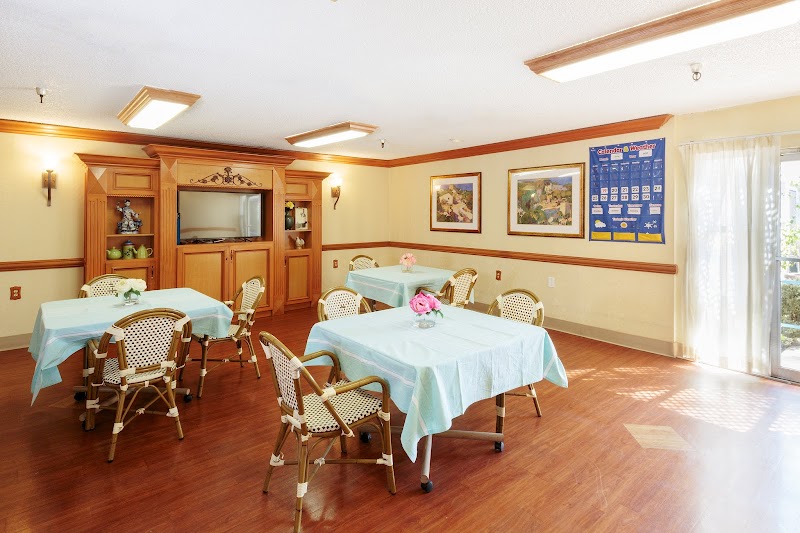
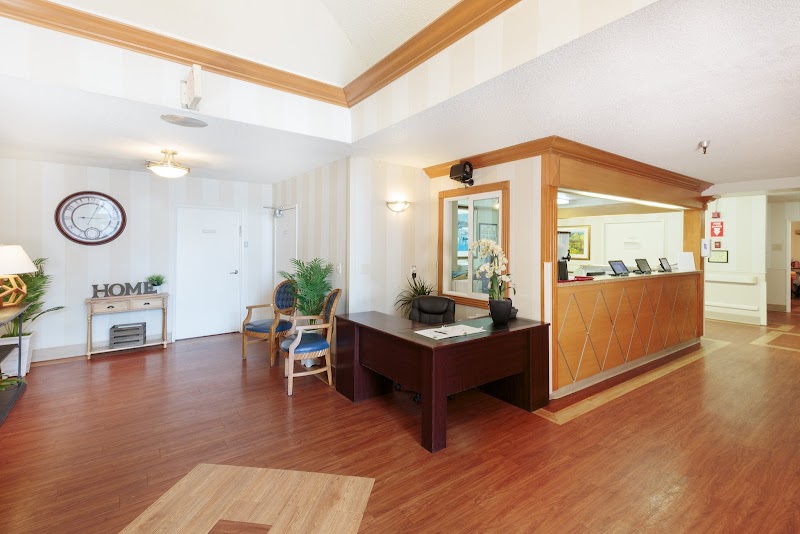
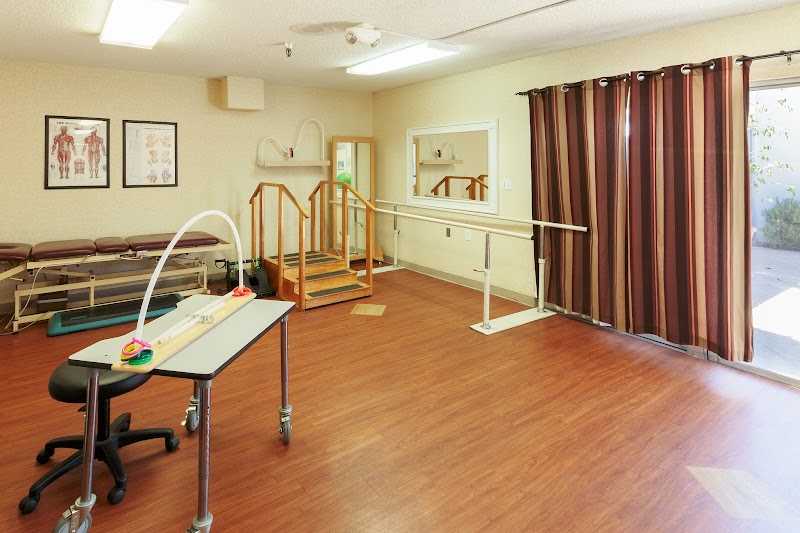
PRIMROSE POST-ACUTE

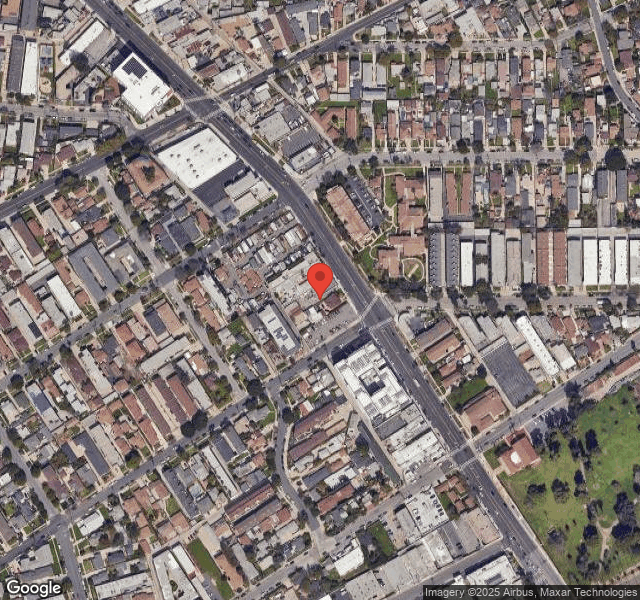
515 CENTINELA AVE., INGLEWOOD, CA 90302 (310) 674-4500
For profit - Limited Liability company 69 Beds PACS GROUP Data: November 2025 1 Immediate Jeopardy citation
Trust Grade
36/100
#884 of 1155 in CA
Last Inspection: May 2025

Inspected within the last 6 months. Data reflects current conditions.

Overview

Primrose Post-Acute has received a Trust Grade of F, indicating a poor rating with significant concerns about the quality of care provided. It ranks #884 out of 1155 facilities in California, placing it in the bottom half of nursing homes in the state, and #228 out of 369 in Los Angeles County, suggesting that there are many better options nearby. While the facility is improving in terms of issues reported, decreasing from 24 in 2024 to 17 in 2025, it still has serious weaknesses, including a concerning lack of RN coverage, which is lower than 92% of California facilities. Specific incidents include a failure to call 911 for a resident who was unresponsive, leading to their death, and inadequate monitoring of food storage temperatures, which could pose health risks to residents. On a positive note, staffing turnover is relatively low at 34%, which is below the state average, but the overall staffing rating is poor at just 1 out of 5 stars.

Trust Score
F
36/100
In California
#884/1155
Bottom 24%
Safety Record
High Risk
Review needed
Inspections
Getting Better
24 → 17 violations
Staff Stability
○ Average
34% turnover. Near California's 48% average. Typical for the industry.
Penalties
✓ Good
$16,801 in fines. Lower than most California facilities. Relatively clean record.
Skilled Nurses
⚠ Watch
Each resident gets only 15 minutes of Registered Nurse (RN) attention daily — below average for California. Fewer RN minutes means fewer trained eyes watching for problems.
Violations
⚠ Watch
68 deficiencies on record. Higher than average. Multiple issues found across inspections.
★★☆☆☆
2.0
Overall Rating
★☆☆☆☆
1.0
Staff Levels
★★★★★
5.0
Care Quality
★★☆☆☆
2.0
Inspection Score
Stable
2024: 24 issues
2025: 17 issues

The Good

  • 5-Star Quality Measures · Strong clinical quality outcomes
  • Full Sprinkler Coverage · Fire safety systems throughout facility
  • No fines on record
  • Staff turnover below average (34%)

    14 points below California average of 48%

Facility shows strength in quality measures, fire safety.

The Bad

2-Star Overall Rating

Below California average (3.1)

Below average - review inspection findings carefully

Staff Turnover: 34%

12pts below California avg (46%)

Typical for the industry

Federal Fines: $16,801

Below median ($33,413)

Minor penalties assessed

Chain: PACS GROUP

Part of a multi-facility chain

Ask about local staffing decisions and management

The Ugly 68 deficiencies on record

1 life-threatening
Sept 2025 1 deficiency
CONCERN (E) 📢 Someone Reported This

A family member, employee, or ombudsman was alarmed enough to file a formal complaint

Potential for Harm - no one hurt, but risky conditions existed

Deficiency F0583 (Tag F0583)

Could have caused harm · This affected multiple residents

**NOTE- TERMS IN BRACKETS HAVE BEEN EDITED TO PROTECT CONFIDENTIALITY** Based on observation, interviews and record review, the facility failed to protect resident-identifiable, personal and/or medica...

Read full inspector narrative →
**NOTE- TERMS IN BRACKETS HAVE BEEN EDITED TO PROTECT CONFIDENTIALITY** Based on observation, interviews and record review, the facility failed to protect resident-identifiable, personal and/or medical information for 3 of 3 sampled residents (Residents 1, 2 and 3). This deficient practice violated Resident 1, 2 and 3's right to privacy and had the potential to result in the public obtaining access to confidential (private) information and for their identity to be compromised or stolen.Findings:During an observation on 9/3/2025 at 11:50 a.m. with the Maintenance Supervisor (MS), and the Director of Nursing (DON), five boxes containing invoices from dietary purchases, lab services, intravenous services and equipment purchases, with Resident personal and/or medical information such as resident name, date of birth [DOB], room number and/or resident medical record number [MRN], were observed at the facility parking lot unattended. During a review of Resident 1 admission Record, the admission Record indicated Resident 1 was admitted to the facility on [DATE] and readmitted on [DATE] with diagnoses including Dysphagia (difficulty in swallowing), Diabetes Mellitus (DM- a disorder characterized by difficulty in blood sugar control and poor wound healing), and Acute Kidney Failure (a condition in which the kidneys lose the ability to remove waste and balance fluids).During a review of Resident 1 Minimum data Set ([MDS] a resident assessment tool) dated 6/5/2025, the MDS indicated Resident 1 had severe cognitive (ability to think and reason) impairment but was usually able to understand others. The MDS indicated Resident 1 was totally dependent on staff for Activities of Daily Living (ADLs) such as toileting, dressing and personal hygiene. During a review of the facility's Pathology (laboratory) Services Invoice dated 11/1/2021, the Invoice included Resident 1's name, MRN, DOB and lab charges. During a review of Resident 2 admission Record, the admission Record indicated Resident 2 was originally admitted to the facility on [DATE] and readmitted on [DATE] with diagnoses including Hemiplegia (total paralysis of the arm, leg, and trunk on the same side of the body, DM, and Hypertension (HTN- high blood pressure).During a review of Resident 2 MDS dated [DATE], the MDS indicated Resident 2 had moderate cognitive impairment but was able to understand others. The MDS indicated Resident 2 was totally dependent on staff for ADLs such as toileting and dressing. During a review of the facility's Radiology (medical specialty that uses various imaging technologies such as X-rays [creates images of the inside of the body] and Computed Tomography [CT-uses x-rays to create detailed cross-sectional images of the body] to diagnose diseases and injuries) Invoice dated 9/3/2021, the Invoice included Resident 2's DOB, exam charge and reason for exam (leg pain). During a review of the facility's Pathology Services Invoice dated 11/1/2021, the Invoice included Resident 2's name, Medical Record Number, DOB and lab charges. During a review of Resident 3 admission Record, the admission Record indicated Resident 3 was originally admitted to the facility on [DATE] and readmitted on [DATE] with diagnoses including Parkinson's disease (a progressive disorder of the nervous system marked by tremor, muscular rigidity and slow imprecise movement), Chronic Obstructive Pulmonary Disease (COPD- a chronic lung disease causing difficulty in breathing) and Major Depression (a mood disorder that causes a persistent feeling of sadness and loss of interest).During a review of Resident's 3 MDS dated [DATE], the MDS indicated Resident 3 has severe cognitive impairment, but was able to understand others. The MDS indicated Resident 3 was totally dependent on staff for ADLs such as eating, lower body dressing and personal hygiene. During a review of the facility's Pathology (laboratory) Services Invoice dated 11/1/2021, the Invoice included Resident 3's name, Medical Record Number, date of birth (DOB) and lab charges.During an interview on 9/3/2025 at 12:15 p.m. with the MS, the MS stated he brought out the five boxes (containing facility invoices) from the storage and left them outside in the parking lot approximately two weeks ago. The MS stated, he planned on disposing of them later. During an interview on 9/3/2025 at 1:00 p.m. with the DON, the DON stated she was not aware of the boxes filled with records containing patient information left outside in the parking lot. The DON stated any documents from the facility should not have been left outside and all documents with resident 's information needing to be disposed of, should be placed in the shredder.During a review of the facility's policy and procedure (P&P) titled, Compliance Risks- Privacy, Security, and Breach Notifications, dated 4/2025, the P&P indicated the facility complies with the laws governing privacy, security and breach notification of protected health information as set forth in the Health Insurance Portability and Accountability Act (HIPAA) and other privacy and security rules. The P&P indicated the facility maintains policies and procedures ensuring resident privacy and confidentiality including maintaining the privacy and confidentiality of residents' medical records and resident access to personal and medical records.
May 2025 16 deficiencies
CONCERN (D)

Potential for Harm - no one hurt, but risky conditions existed

Deficiency F0558 (Tag F0558)

Could have caused harm · This affected 1 resident

**NOTE- TERMS IN BRACKETS HAVE BEEN EDITED TO PROTECT CONFIDENTIALITY** Based on observation, interviews, record review, the facility failed to ensure the call light was within reach for one of four s...

Read full inspector narrative →
**NOTE- TERMS IN BRACKETS HAVE BEEN EDITED TO PROTECT CONFIDENTIALITY** Based on observation, interviews, record review, the facility failed to ensure the call light was within reach for one of four sampled residents (Resident 7). This failure had the potential for increased risk of falls, delayed response to emergencies, and unmet basic needs for Resident 7. Findings: During a review of Resident 7's record titled, Face Sheet (front page of the chart that contains a summary of basic information about the resident), dated 5/22/25, the Face Sheet indicated Resident 7 was admitted on [DATE] with diagnoses of dementia (a progressive state of decline in mental abilities), cerebral vascular accident (CVA - stroke, loss of blood flow to a part of the brain), hypertension (high blood pressure), and generalized muscle weakness. During a review of Resident 7's record titled, Minimum Data Sheet (MDS - a resident assessment tool), dated 3/19/2025, the MDS indicated Resident 7 was dependent on staff for all activities. During a review of Resident 7's records, titled Care Plan Report (CP), dated 4/24/25, the CP indicated, Resident is at risk for falls with or without injury related to antidepressant medication, antihypertensive medication, visual impairment. and Keep call light within reach. During a concurrent observation and interview on 5/21/25 at 3:10 PM with Licensed Vocational Nurse 1 (LVN 1) in Resident 7's room, Resident 7 was in bed and their touch pad call light was hanging behind the resident's head, out of reach. LVN 1 stated that the call light should be in the residents reach to allow the resident to call for assistance and prevent accidents. During an interview on 5/21/25 at 3:13 PM with Certified Nursing Assistant 2 (CNA 2), CNA 2 stated that the call light should be within the resident's reach so they can call for assistance. The resident can fall if they cannot get to the call light. During a review of the facility's policy and procedure (P&P) titled, Answering the Call Light, dated 4/25, the P&P indicated, Ensure that the call light is accessible to the resident when in bed, from the toilet, from the shower or bathing facility and from the floor.
CONCERN (D) 📢 Someone Reported This

A family member, employee, or ombudsman was alarmed enough to file a formal complaint

Potential for Harm - no one hurt, but risky conditions existed

Investigate Abuse (Tag F0610)

Could have caused harm · This affected 1 resident

**NOTE- TERMS IN BRACKETS HAVE BEEN EDITED TO PROTECT CONFIDENTIALITY** Based on interview and record review, the facility failed to: 1. Implement its abuse prevention and reporting policy by failing ...

Read full inspector narrative →
**NOTE- TERMS IN BRACKETS HAVE BEEN EDITED TO PROTECT CONFIDENTIALITY** Based on interview and record review, the facility failed to: 1. Implement its abuse prevention and reporting policy by failing to submit the results of the investigation of an allegation of financial abuse to the state agency (California Department of Public Health) within five working days of the incident for one of one sampled resident (Resident 52). This deficient practice delayed the investigation by the CDPH and placed Resident 52 at risk for further abuse. Findings: During a review of Resident 52's admission Record (front page of the chart that contains a summary of basic information about the resident), the admission Record indicated, Resident 52 was admitted to the facility on [DATE]. Resident 52's diagnoses included dementia (a progressive state of decline in mental abilities), osteoarthritis (a progressive disorder of the joints, caused by gradual loss of cartilage) of knee, and acute kidney failure (a sudden and often temporary loss of the kidneys ability to function properly). During a review of Resident 52's History and Physical (H&P), dated 1/21/2025, the H&P indicated, Resident 52 had the capacity to understand and make decisions. During a review of Resident 52's Minimum Data Set ([MDS]- a resident assessment tool), dated 4/2/2025, the MDS indicated, Resident 52's cognitive (ability to think and reason) skills for daily decision making was moderately impaired (decisions poor, cues/supervision required). The MDS indicated, Resident 52 was totally dependent (helper does all of the effort) from staff with toileting hygiene, upper and lower body dressing, and personal hygiene. During a review of Resident 52's Progress Notes, dated 10/1/2024, the Progress Notes indicated, the Social Service Director (SSD) submitted a report of financial abuse to Adult Protective Services ([APS] - a government agency that investigates allegations of a vulnerable adult being or having been abused, neglected, or exploited by their caregivers). During a review of the facility's Report of Suspected Dependent Adult/Elder Abuse (SOC 341) faxed to CDPH on 5/21/2025 at 11:24 a.m. (approximately 7 months after the allegation was reported) indicated, the date and time of financial abuse incident occurred on 10/1/2024 at approximately 4:30 p.m. The SOC 341 indicated the SSD was suspicious of potential financial abuse of Resident 52 by her representative and reported the case to APS on 10/1/2024. During an interview on 5/21/2025 at 8:54 a.m., with the SSD, the SSD stated she filed the report of an allegation of financial abuse to APS on 10/1/2024 against Resident 52's representative. The SSD stated the allegation of financial abuse of Resident 52's funds by her representative was reported to the Director of Nursing (DON) but not to the CDPH, Ombudsman and law enforcement agency. The SSD stated she was a mandated reporter, and any allegation of abuse should be reported immediately or within 2 hours to the CDPH, Ombudsman, and law enforcement agency. The SSD stated the facility did not investigate the allegation of financial abuse. The SSD stated the facility should have submitted the final written investigation result to CDPH after 5 days so they would know the outcome of the findings conducted by the facility. During a concurrent interview and record review on 5/21/2025 at 9:17 a.m., with the DON, the facility's policy and procedure (P&P) titled, Abuse, Neglect, Exploitation, or Misappropriation - Reporting and Investigating, dated 4/2025, was reviewed. The P&P indicated, Folow-up report, within five business days of the incident, the Administrator will provide a follow-up investigation report. The follow-up investigation report will provide as much as information as possible at the time of submission of the report. The DON stated this was the facility's P&P when it comes to the 5-day follow-up investigation report that will be submitted to the CDPH.
CONCERN (D)

Potential for Harm - no one hurt, but risky conditions existed

PASARR Coordination (Tag F0644)

Could have caused harm · This affected 1 resident

**NOTE- TERMS IN BRACKETS HAVE BEEN EDITED TO PROTECT CONFIDENTIALITY** Based on interview and record review, the facility failed to: 1. Complete and re-submit the Preadmission Screening and Resident ...

Read full inspector narrative →
**NOTE- TERMS IN BRACKETS HAVE BEEN EDITED TO PROTECT CONFIDENTIALITY** Based on interview and record review, the facility failed to: 1. Complete and re-submit the Preadmission Screening and Resident Review ([PASARR - a tool to determine if the person had, or was suspected of having a mental illness, intellectual disability, or related condition) Level one (I) screening and refer one of two sampled residents (Resident 45) who had a diagnosis of major depressive disorder ([MDD] - a mood disorder that causes a persistent feelings of sadness and loss of interest) to the appropriate state-designated authority for PASARR Level two (II) evaluation and determination. This deficient practice had the potential to result in Resident 45 to not receive the appropriate medical treatments for mental illness diagnosis. Findings: During a review of Resident 45's admission Record (front page of the chart that contains a summary of basic information about the resident), the admission Record indicated, Resident 45 was admitted to the facility on [DATE]. Resident 45's diagnoses included MDD, cerebrovascular accident ([CVA] - stroke, loss of blood flow to a part of the brain) with hemiplegia (total paralysis of the arm, leg, and trunk on the same side of the body), and hypertension ([HTN] - high blood pressure). During a review of Resident 45's Minimum Data Assessment ([MDS] - a resident assessment tool), dated 2/6/2025, the MDS indicated, Resident 45's cognitive (ability to think and reason) skills for daily decision making was moderately impaired (decisions poor, cues/supervision required). The MDS indicated, Resident 45 required substantial assistance (helper does more than half the effort) from staff with upper body dressing and personal hygiene and moderate assistance (helper does less than half the effort) with oral hygiene. During a concurrent interview and record review on 5/21/2025 at 11:47., with the Case Manager (CM), Resident 45's PASARR level I Screening completed by another facility on 11/2/2024, was reviewed. The CM stated the PASARR Level 1 screening indicated, Resident 45 had no serious mental illness diagnosis. The CM stated the PASARR Level 1 screening also indicated, Resident 45's case was closed, and a PASARR level II mental health evaluation was not required. The CM stated she should have completed and resubmitted a new PASARR Level I screening as required by federal regulation based on Resident 45's diagnosis of MDD which was considered as mental illness. The CM stated a positive Level I screening would trigger a Level II mental health evaluation. The CM stated it was important to refer Resident 45 to the state mental health agency to evaluate if the facility could provide her psychiatric (branch of medicine that deals with mental illness) care and treatment. The CM stated there was a possibility that Resident 45's rights to avail for mental health services was denied because the facility did not resubmit the PASARR Level 1 screening. During a review of PASRR reference manual, dated 2/2023, the PASRR reference manual indicated, An additional requirement has been added for NF's to promptly notify the state mental health and/or intellectual or developmental disability authority, as applicable, if there is a significant change in the physical or mental condition of an individual who is mentally ill or has an intellectual or developmental disability. This would warrant a re-evaluation to determine if a NF is still the most appropriate setting and/or if the individual could benefit from specialized services for his/her mental illness or intellectual disability.
CONCERN (D)

Potential for Harm - no one hurt, but risky conditions existed

Deficiency F0645 (Tag F0645)

Could have caused harm · This affected 1 resident

**NOTE- TERMS IN BRACKETS HAVE BEEN EDITED TO PROTECT CONFIDENTIALITY** Based on interview, and record review, the facility failed to: 1. Ensure one of seven sampled residents (Resident 39) received a...

Read full inspector narrative →
**NOTE- TERMS IN BRACKETS HAVE BEEN EDITED TO PROTECT CONFIDENTIALITY** Based on interview, and record review, the facility failed to: 1. Ensure one of seven sampled residents (Resident 39) received a Pre-admission Screening and Resident Review ([PASRR] - a federal assessment requirement to help ensure that individuals who have a mental disorder or intellectual disabilities are placed in facilities that can provide the appropriate care) level II assessment. This deficient practice had the potential to result in Resident 39 not receiving the required services for his mental health condition. Findings: During a review of Resident 39's admission Record, the admission Record indicated Resident 39 was admitted to the facility on [DATE] with diagnoses including hypertension (HTN-high blood pressure), bipolar disorder (mood swings that range from the lows of depression to elevated periods of emotional highs), and schizoaffective disorder (a mental illness that can affect thoughts, mood, and behavior). During a review of Resident 39's History and Physical (H&P), dated 4/9/2025, the H&P indicated Resident 39 had the capacity to understand and make medical decisions. During a review of Resident 39's Minimum Data Set ([MDS]- a resident assessment tool), dated 4/11/2025, the MDS indicated Resident 39 was dependent on staff for toileting, showering, and dressing the lower body. During a review of Resident 39's Department of Health Care Services ([DHCS]- a state agency responsible for providing health care to low-income individuals and people with disabilities) letter, dated 4/22/2025, the letter indicated a serious mental illness [NAME] II mental health evaluation was required. During a concurrent interview and record review on 5/22/2025 at 9:14 a.m. with the Medical Records Director (MRD), Resident 39's DHCS letter, dated 4/28/2025 was reviewed. The letter indicated a Level II evaluation was not completed because facility staff were unresponsive to two or more attempts of communication and the case is now closed. The MRD stated she was supposed to resubmit the Level I within a week of receiving the letter but failed to do so. The MRD stated she just resubmitted the Level I today. Since the Level I was not submitted on time, the resident may not have received the psychiatric care he needed. During a review of the facility's policy and procedure (P&P) titled, Admissions Criteria, dated April 2025, the P&P indicated if the level I screen indicates that the individual may meet criteria for a mental disorder they are referred to the state PASARR representative for the Level II screening process.
CONCERN (D)

Potential for Harm - no one hurt, but risky conditions existed

Deficiency F0658 (Tag F0658)

Could have caused harm · This affected 1 resident

**NOTE- TERMS IN BRACKETS HAVE BEEN EDITED TO PROTECT CONFIDENTIALITY** Based on interview and record review, the facility failed to: 1. Ensure one of seven sampled residents (Resident 63) had the bat...

Read full inspector narrative →
**NOTE- TERMS IN BRACKETS HAVE BEEN EDITED TO PROTECT CONFIDENTIALITY** Based on interview and record review, the facility failed to: 1. Ensure one of seven sampled residents (Resident 63) had the battery changed in her Life Vest (device that monitors the heart to correct dangerous rhythms) per physician's order. This deficient practice had the potential to result in the battery running out which would prevent monitoring of the resident's heart rhythm. Findings: During a review of Resident 63's admission Record, the admission Record indicated Resident 63 was initially admitted to facility on 3/21/2025, with a readmission on [DATE]. Resident 63's diagnoses included hypertension (HTN-high blood pressure), diabetes mellitus ((DM-a disorder characterized by difficulty in blood sugar control and poor wound healing), and congestive heart failure (CHF-a heart disorder which causes the heart to not pump the blood efficiently). During a review of Resident 63's History and Physical (H&P), dated 3/22/2025, the H&P indicated Resident 63 had the capacity for medical decision making. During a review of Resident 63's Minimum Data Set (MDS- a resident assessment tool), dated 4/15/2025, the MDS indicated Resident 63's cognition (ability to think and reason) was moderately impaired. Resident 63 was dependent on staff for toileting, showering, and dressing the lower body. During a review of Resident 63's care plan, dated 4/6/2025, the care plan indicated Resident 63 had a life vest and was at risk for chest pain, dizziness, and palpitations (irregular heartbeat). The care plan indicated the facility would perform Life Vest checks as ordered. During a review of Resident 63's Order Summary, dated 5/23/2025, the summary indicated the physician entered an order on 4/13/2025 for staff to change the Life Vest battery every morning at 6:00 a.m. During an interview on 5/22/2025 at 1:08 p.m. with Licensed Vocational Nurse (LVN) 2, LVN2 stated the night shift did not change the Life Vest battery today at 6:00 a.m. LVN2 stated he did not change the battery today because he only changes it when it beeps. Beeping indicates the battery is running low. LVN2 stated the physician entered the order for the battery to be changed at 6:00 a.m. because it needs to be changed at that specific time. LVN2 stated if the battery runs out Resident 63 might be in distress and no one would know because the machine is not monitoring.
CONCERN (D) 📢 Someone Reported This

A family member, employee, or ombudsman was alarmed enough to file a formal complaint

Potential for Harm - no one hurt, but risky conditions existed

Pressure Ulcer Prevention (Tag F0686)

Could have caused harm · This affected 1 resident

**NOTE- TERMS IN BRACKETS HAVE BEEN EDITED TO PROTECT CONFIDENTIALITY** Based on interview and record review, the facility failed to ensure resident who was admitted to the facility with intact skin d...

Read full inspector narrative →
**NOTE- TERMS IN BRACKETS HAVE BEEN EDITED TO PROTECT CONFIDENTIALITY** Based on interview and record review, the facility failed to ensure resident who was admitted to the facility with intact skin did not develop a pressure ulcer ([PU] - injury to skin and underlying tissue resulting from prolonged pressure on the skin or bony prominences) for one of four sampled residents (Resident 120) by failing to: 1. Ensure nursing staff implemented Resident 120's care plan titled Resident is at risk for skin breakdown to apply barrier cream and to check resident's skin daily. This deficient practice resulted in Resident 120 acquiring a PU stage 2 (Partial-thickness loss of skin, presenting as a shallow open sore or wound) on sacral (a triangular-shaped bone located at the base of the spine) area. Findings: During a review of Resident 120's admission Record (front page of the chart that contains a summary of basic information about the resident), the admission Record indicated, Resident 120 was admitted to the facility on [DATE]. Resident 120's diagnoses included cerebrovascular accident ([CVA] - stroke, loss of blood flow to a part of the brain) with hemiplegia (total paralysis of the arm, leg, and trunk on the same side of the body), left elbow contracture (a stiffening/shortening at any joint, that reduces the joint's range of motion), and osteoarthritis (a progressive disorder of the joints, caused by a gradual loss of cartilage). During a review of Resident 120's History and Physical (H&P), dated 11/16/2024, the H&P indicated, Resident 120 had the capacity to make medical decision. During a review of Resident 120's Minimum Data Set ([MDS] - a resident assessment tool) admission assessment, dated 11/19/2024, the MDS indicated, Resident 120's cognitive ability to think and reason) skills for daily decision making was moderately impaired (decisions poor, cues/supervision required). The MDS indicated, Resident 120 was totally dependent (helper does all of the effort) from staff with oral hygiene, upper body and lower body dressing, and personal hygiene. The MDS indicated Resident 120 did not have unhealed PU or injuries. During a review of Resident 120's Braden Scale (tool commonly used in healthcare to assess and document a resident's risk for developing pressure ulcers) form, dated 11/13/2024, the Braden scale indicated Resident 120 had slightly limited sensory perception (ability to respond meaningfully to pressure-related discomfort), was occasionally moist, bedfast (confined in bed), very limited mobility (ability to change and control body positions), adequate nutrition, and had a problem in friction and shear. The Braden scale indicated, Resident 120 had a score of 13 (at risk score of 15-18, moderate risk 13-14, high risk 10-12, and very high risk 9 or below), indicating Resident 120 was moderate risk for developing PU. During a review of Resident 120's Comprehensive Skin Evaluation/Assessment form, dated 11/14/2024, the Comprehensive Skin Evaluation/Assessment form indicated Resident 120 had no existing wounds or skin integrity concerns. During a review of Resident 120's Interventions to Reduce Acute Care Transfers ([eINTERACT] - a clinical support tool designed to help identify and manage changes in patient's condition, particularly in long-term care settings) Change in Condition Evaluation form, dated 1/7/2025, the eINTERACT indicated, Resident 120 had a PU Stage 2 on Sacrum. During an interview on 5/21/2025 at 1:40 p.m., with Treatment Nurse 1 (TN 1), TN 1 stated Resident 120 had no barrier cream applied to his body as skin maintenance to prevent resident from developing PU. TN 1 stated nursing staff would do a general skin inspection during residents scheduled shower or bed bath (a wash that you give to someone who cannot leave their bed). TN 1 stated the purpose of checking the skin condition of resident was to identify immediately the presence of PU in order to provide and implement wound care interventions. TN 1 stated Resident 120's PU stage II on sacrum was identified the day he was transferred to the hospital on 1/7/2025. During a concurrent interview and record review on 5/21/2025 at 2:40 p.m., with the Director of Nursing (DON), Resident 120's clinical records and care plan titled Resident at risk for skin breakdown related to bedbound and impaired circulation dated 11/14/2024, was reviewed. The care plan goal was to prevent or delay skin breakdown for Resident 120. The care plan interventions included to apply barrier cream and check resident skin during daily care provisions. The DON stated licensed nursing staff should have called Resident 120's physician to obtain an order for skin barrier since resident is at risk for development of PU. The DON stated barrier cream maintains skin integrity by protecting the skin from moisture and shear and could possibly prevent risk of skin breakdown for resident at risk for PU. The DON stated there was no documentation by nursing staff that Resident 120's skin was assessed daily during care. The DON stated facility staff did not follow and implement the care plan interventions to prevent Resident 120's from developing stage II PU. During a review of the facility's policy and procedure (P&P), titled Prevention of Pressure Injuries, dated 4/2025, the P&P indicated Inspect the skin on a daily basis when performing or assisting with personal care or ADL's and use a barrier product to protect skin from moisture.
CONCERN (D)

Potential for Harm - no one hurt, but risky conditions existed

Accident Prevention (Tag F0689)

Could have caused harm · This affected 1 resident

Based on observation, interview, and record review, the facility failed to ensure the resident's bed was in the low position for one of four sampled residents (Resident 6). This failure had the poten...

Read full inspector narrative →
Based on observation, interview, and record review, the facility failed to ensure the resident's bed was in the low position for one of four sampled residents (Resident 6). This failure had the potential for an increased risk of falls and injuries. Findings: During a review of Resident 6's record titled, Face Sheet (front page of the chart that contains a summary of basic information about the resident), dated 5/22/25, the Face Sheet indicated the facility admitted Resident 6 on 12/18/24 with a diagnoses of dementia (a progressive state of decline in mental abilities), epilepsy (brain disorder that causes a person to have seizures, a sudden surge of electrical activity in the brain that can cause convulsions and a loss of consciousness), unspecified immunodeficiency (condition where the immune system is unable to effectively fight off infections and diseases), dysphagia (difficulty swallowing), repeated falls, and muscle weakness. During a review of the Resident 6's record, titled Physician Order's, dated 5/22/25, the Physician Order's indicated, Fall Precautions (strategies and measures taken to reduce the risk of accidental falls). During a review of Resident 6's record, titled Minimum Data Sheet (MDS - a resident assessment tool), dated 3/19/25, the MDS indicated Resident 6 required partial to moderate assistance with transfers from bed to chair. During a review of Resident 6's records, titled Care Plan Report (CP), dated 2/10/25, the CP indicated, Keep bed in lowest position. During an observation on 5/20/25 at 10:20 AM in Resident 6's room, Certified Nursing Assistant 1 (CNA 1) exited the room and did not lower Resident 6's bed to the lowest position while Resident 6 was in bed. During an interview on 5/20/25 10:22 AM with CNA 1, CNA 1 stated the bed should have been lowered to prevent injury. During a concurrent observation and interview on 5/21/25 at 3:10 PM with Licensed Vocational Nurse 1 (LVN 1) in Resident 6's room, Resident 6's bed was not in the lowest position while Resident 6 was in bed. LVN 1 stated that Resident 6 is under fall precautions which requires keeping the bed in the lowest position and using bilateral floor mats to lessen injury should Resident 6 fall out of bed. During an interview on 05/20/25 10:22 AM with CNA 1, CNA 1 stated the bed should have been lowered to prevent injury. During an interview on 5/21/25 at 9:12 AM with the Director of Nursing (DON), the DON stated resident beds should be in the low position to lessen the harm from falls.
CONCERN (D) 📢 Someone Reported This

A family member, employee, or ombudsman was alarmed enough to file a formal complaint

Potential for Harm - no one hurt, but risky conditions existed

Deficiency F0745 (Tag F0745)

Could have caused harm · This affected 1 resident

**NOTE- TERMS IN BRACKETS HAVE BEEN EDITED TO PROTECT CONFIDENTIALITY** Based on interview and record review, the facility failed to: 1. Ensur e an inventory of personal belongings was completed upon...

Read full inspector narrative →
**NOTE- TERMS IN BRACKETS HAVE BEEN EDITED TO PROTECT CONFIDENTIALITY** Based on interview and record review, the facility failed to: 1. Ensur e an inventory of personal belongings was completed upon transfer to General Acute Care Hospital (GACH) for one of one sampled resident (Resident 120). This deficient practice had the potential for not having proper accountability of Resident 120's personal belongings. Findings: During a review of Resident 120's admission Record (front page of the chart that contains a summary of basic information about the resident), the admission Record indicated, Resident 120 was admitted to the facility on [DATE]. Resident 120's diagnoses included , cerebrovascular accident ([CVA] - stroke, loss of blood flow to a part of the brain) with hemiplegia (total paralysis of the arm, leg, and trunk on the same side of the body), left elbow contracture (a stiffening/shortening at any joint, that reduces the joint's range of motion), and osteoarthritis (a progressive disorder of the joints, caused by a gradual loss of cartilage). During a review of Resident 120's History and Physical (H&P), dated 11/16/2024, the H&P indicated, Resident 120 had the capacity to make medical decision. During a review of Resident 120's Minimum Data Set ([MDS] - a resident assessment tool) admission assessment, dated 11/19/2024, the MDS indicated, Resident 120's cognitive (ability to think and reason) skills for daily decision making was moderately impaired (decisions poor, cues/supervision required). The MDS indicated, Resident 120 was totally dependent (helper does all of the effort) from staff with oral hygiene, upper body and lower body dressing, and personal hygiene. During a review of Resident 120's Interventions to Reduce Acute Care Transfers ([eINTERACT] - a clinical support tool designed to help identify and manage changes in patient's condition, particularly in long-term care settings) Transfer form, dated 1/7/2025, the eINTERACT indicated, Resident 120 was transferred to GACH. During a concurrent interview and record review on 5/22/2025 at 10:26 a.m., with the Social Service Director (SSD), Resident 120's Inventory of Personal Effects form, was reviewed. The SSD stated Resident 120's Inventory of Personal Effects was not completed and signed by facility representative when Resident 120 was transferred to GACH on 1/7/2025. The SSD stated it was her responsibility to keep track and safeguard residents personal belongings. The SSD stated it was important to account residents personal items to prevent fraud and it is residents rights to protect their personal items by having an inventory. During an interview on 5/23/2025 at 10:00 a.m., with Registered Nurse 1 (RN 1), RN 1 stated the Inventory of Personal Effects of resident should be completed immediately at the time of transfer or discharge. RN 1 stated it was the responsibility of the SSD to keep resident personal belongings for safe keeping. RN 1 stated by not keeping residents personal belongings there would be a potential for loss and theft. During a review of the facility's policy and procedure (P&P), titled Personal Property, dated 4/2025, the P&P indicated The resident's personal belongings and clothing are inventoried and documented upon admission and updated as necessary. During a review of facility's Social Service Director Job Description, the SSD Job Description indicated to assist in inventory and tracking patient belongings.
CONCERN (D)

Potential for Harm - no one hurt, but risky conditions existed

Deficiency F0804 (Tag F0804)

Could have caused harm · This affected 1 resident

**NOTE- TERMS IN BRACKETS HAVE BEEN EDITED TO PROTECT CONFIDENTIALITY** Based on interview and record review, the facility failed to: 1. Ensure one of seven sampled residents (Resident 42) food was at...

Read full inspector narrative →
**NOTE- TERMS IN BRACKETS HAVE BEEN EDITED TO PROTECT CONFIDENTIALITY** Based on interview and record review, the facility failed to: 1. Ensure one of seven sampled residents (Resident 42) food was at an appetizing temperature for consumption. This deficient practice resulted in Resident 42 not being able to eat the hard-boiled eggs she requested for breakfast. Findings: During a review of Resident 42's admission Record, the admission Record indicated Resident 42 was admitted to the facility on [DATE]. Resident 42's diagnoses included hypertension (HTN-high blood pressure), diabetes mellitus ((DM-a disorder characterized by difficulty in blood sugar control and poor wound healing), and hyperlipidemia (condition where there is high levels of fat in the blood). During a review of Resident 42's History and Physical (H&P), dated 4/4/2025, the H&P indicated Resident 42 had the capacity for medical decision making. During a review of Resident 42's Minimum Data Set (MDS - a resident assessment tool), dated 4/8/2025, the MDS indicated Resident 42's cognition (ability to think and reason) was intact. Resident 42 was dependent on staff for toileting, showering, and dressing. During a review of Resident 42's care plan, dated 4/15/2025, the care plan indicated Resident 42 was at risk for a nutritional imbalance. During a concurrent observation and interview on 5/22/2025 at 7:40 a.m. with Resident 42, Resident 42's breakfast tray was noted to contain one hard-boiled egg, toast, and cereal. Resident 42 pointed at the egg and stated, It's cold. I can't eat it when it's cold. Resident 42 stated she gets cold food all the time. During a concurrent observation and interview on 5/22/2025 at 7:45 a.m. with Licensed Vocational Nurse (LVN) 2, LVN2 touched the boiled egg and stated, It's ice cold. It feels like it just came out of the refrigerator. LVN2 stated he would be upset if he was served the egg. LVN2 stated residents need protein for nutrition and it helps them maintain their weight. If the resident can't eat the food she may lose weight. During a concurrent observation and interview on 5/22/2025 at 7:47 a.m. with the Dietary Services Supervisor (DSS), the DSS felt the boiled egg and stated, It's cold, it should be warm. The DSS stated the eggs come from the refrigerator but should be reheated. The DSS stated receiving cold food can affect the resident's food intake and she can have weight loss. During a review of the Dietary Services Supervisor job description, (no date), the job description indicated the DSS would participate in food preparation and service of food that is appetizing and is of the quality to meet each resident's needs.
CONCERN (D)

Potential for Harm - no one hurt, but risky conditions existed

Deficiency F0806 (Tag F0806)

Could have caused harm · This affected 1 resident

**NOTE- TERMS IN BRACKETS HAVE BEEN EDITED TO PROTECT CONFIDENTIALITY** Based on observation, interview and record review, the facility failed to: 1. Ensure one of seven sampled residents (Resident 65...

Read full inspector narrative →
**NOTE- TERMS IN BRACKETS HAVE BEEN EDITED TO PROTECT CONFIDENTIALITY** Based on observation, interview and record review, the facility failed to: 1. Ensure one of seven sampled residents (Resident 65) preferences to accommodate her lactose intolerance (digestive issue that results in difficulty digesting the sugar in milk) was honored. This deficient practice resulted in Resident 65 not being able to enjoy milk with her meals. This practice also had the potential to result in Resident 65 experiencing diarrhea, belly pain, or nausea if she consumed the milk that was provided. Findings: During a review of Resident 65's admission Record, the admission Record indicated Resident 65 was admitted to the facility on [DATE]. Resident 65's diagnoses included diabetes mellitus ((DM-a disorder characterized by difficulty in blood sugar control and poor wound healing), hypertension (HTN-high blood pressure), and hyperlipidemia (condition where there is high levels of fat in the blood). During a review of Resident 65's History and Physical (H&P), dated 3/30/2025, the H&P indicated Resident 65 had the capacity for medical decision making. During a review of Resident 65's Dietary Interview/Pre-Screen, dated 3/28/2025, the pre-screen indicated Resident 65's beverage preference was to have Lactaid for breakfast, lunch, and dinner. During a review of Resident 65's care plan, dated 4/6/2025, the care plan indicated the facility would cater to Resident 65's food preferences. During a concurrent observation and interview on 5/21/2025 at 12:30 p.m. with Resident 65, Resident 65's lunch tray contained a carton of low-fat milk. Resident 65 stated she is lactose intolerant. Resident 65 stated milk upsets my stomach. Stated she gets abdominal pain and diarrhea if she drinks the low-fat milk. Resident 65 stated the facility gives her milk every day with every meal although she requested Lactaid. Observation of Resident 65's tray card did not indicate she was lactose intolerant or preferred Lactaid. During an interview on 5/21/2025 at 12:40 p.m. with the Dietary Services Supervisor (DSS), the DSS stated Resident 65 is lactose intolerant. The DSS stated the low-fat milk on Resident 65's tray can cause her to have stomach problems. During a review of the facility's policy and procedure (P&P) titled, Therapeutic Diets, (no date), the P&P indicated each resident has specific food and beverage preferences detailed on a tray card, so accurate diets are served. During a review of the Dietary Services Supervisor job description, (no date), the job description indicated the DSS would check trays for accuracy before they are delivered.
CONCERN (D)

Potential for Harm - no one hurt, but risky conditions existed

Infection Control (Tag F0880)

Could have caused harm · This affected 1 resident

Based on observation, interview, and record review, the facility failed to: 1. Follow enhanced barrier precautions (EBP - an infection control intervention designed to reduce transmission of multidru...

Read full inspector narrative →
Based on observation, interview, and record review, the facility failed to: 1. Follow enhanced barrier precautions (EBP - an infection control intervention designed to reduce transmission of multidrug-resistant organisms) for one of four sampled residents (Resident 6). 2. Ensure Certified Nursing Assistant 1 (CNA 1) performed hand hygiene (the act of cleaning one's hands with soap and water or using an alcohol-based hand sanitizer to remove germs, dirt, and other unwanted substances) before and after performing care for one of four sampled residents (Resident 16). This failure had the potential for an increased risk of developing and spreading life threatening infections to Resident 6, Resident 16, as well as other residents and staff in the facility. Findings: 1.During a review of Resident 6's record titled, Face Sheet (front page of the chart that contains a summary of basic information about the resident), dated 5/22/25, the Face Sheet indicated the facility admitted Resident 6 on 12/18/24 with a diagnoses of dementia (a progressive state of decline in mental abilities), epilepsy (brain disorder that causes a person to have seizures, a sudden surge of electrical activity in the brain that can cause convulsions and a loss of consciousness), unspecified immunodeficiency (condition where the immune system is unable to effectively fight off infections and diseases), dysphagia (difficulty swallowing), repeated falls, and muscle weakness. During a review of Resident 6's record titled, Minimum Data Sheet (MDS - a resident assessment tool), dated 3/19/25, the MDS indicated Resident 6 required partial to moderate assistance with transfers from bed to chair. During a review of Resident 6's record titled, History and Physical (H&P - a comprehensive evaluation of a patient's health, including a thorough medical history and a physical examination), dated 1/13/25, the H&P indicated the resident had a gastric tube (G-tube - a surgical opening fitted with a device to allow feedings to be administered directly to the stomach common for people with swallowing problems). During a review of Resident 6's record titled, Physician Orders (PO), dated 5/22/25, the PO indicated Enhanced Barrier Precautions. During an observation on 05/20/25 at 10:20 AM in Resident 6's room, CNA 1 was not wearing a gown while shaving Resident 6, under EBP. During an interview on 5/20/25 at 10:25 AM with CNA 1, CNA 1 stated they should have worn a gown while administering care to Resident 6. During an interview on 5/21/25 at 9:12 AM with the Director of Nursing (DON), the DON stated that staff need to wear a gown and gloves when performing care for residents under EBP to prevent the spread of infections. During an interview on 5/22/25 at 10:37 AM with the Infection Preventionist Nurse (IPN - a healthcare professional who works to prevent the spread of infections in the healthcare setting), the IPN stated EBP is practiced on residents that have a medical device like a G-tube, foley catheter (a thin, flexible tube inserted into the bladder to drain urine) or have a wound. The IPN stated that when providing care for residents under EBP, staff are supposed to wear gloves, mask, and gown to protect the residents from acquiring and spreading multidrug resistant organisms (MDRO - is a germ that is resistant to many antibiotics). 2. During a review of Resident 16's record, titled, Face Sheet (front page of the chart that contains a summary of basic information about the resident), dated 5/23/25, the Face Sheet indicated the facility admitted Resident 16 on 5/5/25 with a diagnoses of dementia, epilepsy, and hemiplegia (total paralysis of the arm, leg, and trunk on the same side of the body). During a review of Resident 16's record, titled, Minimum Data Sheet (MDS - a resident assessment tool), dated 4/17/25, the MDS indicated Resident 16 was dependent on staff for all activities. During an observation on 5/23/25 at 8:04 AM in Resident 16's room, After CNA 1 fed Resident 16, CNA 1 walked out of the room without performing hand hygiene, CNA 1 obtained a cup from the medication cart and returned to the room and did not perform hand hygiene prior to restarting to feed Resident 16. During an interview on 5/23/25 at 8:07 AM with CNA 1, CNA 1 stated, Oh, I forgot. CNA 1 stated that they are required to perform hand hygiene before and after entering the resident's room to prevent the spread of infections. During an interview on 5/23/25 at 12:08 PM with the IPN, the IPN stated staff are supposed to wash or perform hand hygiene before and after entering the room, to prevent the spread of infections. During a review of the facility's policy and procedure (P&P) titled, Enhanced Barrier Precautions, dated 4/25, the P&P indicated, Enhanced barrier precautions apply when: A resident is NOT to be infected with or colonized with any MDRO, has a wound or indwelling medical devices. During a review of the facility's policy and procedure (P&P) titled, Handwashing/Hand Hygiene, dated 4/25, the P&P indicated, Hand hygiene is indicated: immediately before touching a resident; after touching a resident; after touching the resident's environment; immediately after glove removal.
CONCERN (D)

Potential for Harm - no one hurt, but risky conditions existed

Antibiotic Stewardship (Tag F0881)

Could have caused harm · This affected 1 resident

**NOTE- TERMS IN BRACKETS HAVE BEEN EDITED TO PROTECT CONFIDENTIALITY** Based on interview and record review. The facility failed to: 1. Complete the McGeer Criteria (minimum set of signs and symptoms...

Read full inspector narrative →
**NOTE- TERMS IN BRACKETS HAVE BEEN EDITED TO PROTECT CONFIDENTIALITY** Based on interview and record review. The facility failed to: 1. Complete the McGeer Criteria (minimum set of signs and symptoms which when met, indicated that a resident likely has an infection and that an antibiotic (a drug used to treat infections caused by bacteria) might be needed) for Infection Screening Evaluation for one of two sampled residents (Resident 13). This deficient practice had the potential to result in the development of multi-drug-resistant organisms ([MDRO] - microorganisms, predominantly bacteria that are resistant to one or more classes of antimicrobial agents) from inappropriate antibiotic use. Findings: During a review of Resident 13's admission Record (front page of the chart that contains a summary of basic information about the resident), the admission Record indicated, Resident 13 was initially admitted to the facility on [DATE] and readmitted on [DATE]. Resident 13's diagnoses included cerebrovascular accident ([CVA] - stroke, loss of blood flow to a part of the brain) with hemiplegia (total paralysis of the arm, leg, and trunk on the same side of the body), congestive heart failure ([CHF] - a heart disorder which causes the heart to not pump the blood efficiently, sometimes resulting in leg swelling), and hypertension ([HTN] - high blood pressure). During a review of Resident 13's History and Physical (H&P), dated 3/17/2025, the H&P indicated, Resident 13 did not have the capacity to make medical decision. During a review of Resident 13's Minimum Data Assessment ([MDS] - a resident assessment tool), dated 4/11/2025, the MDS indicated, Resident 13's cognitive (ability to think and reason) skills for daily decision making was severely impaired (never/rarely made decisions). The MDS indicated, Resident 13 was totally dependent (helper does all of the effort) from staff with oral hygiene, toileting hygiene, and upper and lower body dressing. During a review of Resident 13's Physician Order, dated 12/16/2024, the Physician Order indicated, Resident 13 had an order to give Clindamycin hydrochloride (an antibiotic used to treat many different types of infection caused by bacteria) 600 milligrams ([mg] - metric unit of measurement, used for medication dosage and/or amount) every 8 hours until 12/19/2024 for sacral (the triangular-shaped bone at the base of the back) wound infection. During a concurrent interview and record review on 5/20/2025 at 2:28 p.m., with the Infection Preventionist Nurse (IPN), Resident 13's clinical records were reviewed. The IPN stated she did not complete and fill out Resident 13's McGeer Criteria Infection Screening Evaluation form within 3 days after the antibiotic was ordered. The IPN stated McGeer Criteria Infection Screening Evaluation form was a guide to determine if the resident meets the criteria for the use of antibiotic as prescribed by the physician. The IPN stated she could not validate Resident 13's antibiotic was appropriate and would put her at risk for MDRO since she did not complete the McGeer Criteria Infection Screening Evaluation form. During a review of the facility's policy and procedure (P&P) titled, Surveillance for Infections, dated 4/2025, the P&P indicated, The infection preventionist will conduct ongoing surveillance for healthcare-associated infections (HAI's) and other epidemiologically significant infections that have substantial impact on potential resident outcome and that may require transmission-based precautions and other preventative interventions. The P&P indicated the criteria for such infections are based on the current standard definitions of infections.
CONCERN (E) 📢 Someone Reported This

A family member, employee, or ombudsman was alarmed enough to file a formal complaint

Potential for Harm - no one hurt, but risky conditions existed

Assessment Accuracy (Tag F0641)

Could have caused harm · This affected multiple residents

**NOTE- TERMS IN BRACKETS HAVE BEEN EDITED TO PROTECT CONFIDENTIALITY** Based on interview and record, the facility failed to ensure an accurate Minimum Data Set ([MDS] - a resident assessment tool) a...

Read full inspector narrative →
**NOTE- TERMS IN BRACKETS HAVE BEEN EDITED TO PROTECT CONFIDENTIALITY** Based on interview and record, the facility failed to ensure an accurate Minimum Data Set ([MDS] - a resident assessment tool) assessment was completed accurately for three of 17 sampled residents (Residents 13, 120, and 42) by failing to: 1. Ensure Resident 13's Gabapentin (medication used to treat seizure and nerve pain medication) was encoded as anticonvulsant medication under MDS section N (N0415 High-Risk Drug Classes). 2. Ensure Resident 120's Pressure Ulcer stage 2 ([PU] Partial-thickness loss of skin, presenting as a shallow open sore or wound) was encoded under MDS section M0300 (Current Number of Unhealed Pressure Ulcers/Injuries at Each Stage) discharge assessment. 3. Ensure Resident 42 had accurate documentation in the Minimum Data Set ([MDS]- a resident assessment tool) to reflect her use of Eliquis ([anti-coagulant]- medication used to thin the blood). These deficient practice resulted in incorrect data being transmitted to the Center for Medicare and Medicaid Services (CMS) and had the potential to negatively affect the plan of care and services for Residents 13, 120, and 42. Findings: 1. During a review of Resident 13's admission Record (front page of the chart that contains a summary of basic information about the resident), the admission Record indicated, Resident 13 was initially admitted to the facility on [DATE] and readmitted on [DATE]. Resident 13's diagnoses included cerebrovascular accident ([CVA] - stroke, loss of blood flow to a part of the brain) with hemiplegia (total paralysis of the arm, leg, and trunk on the same side of the body), congestive heart failure ([CHF] - a heart disorder which causes the heart to not pump the blood efficiently, sometimes resulting in leg swelling), and hypertension ([HTN] - high blood pressure). During a review of Resident 13's History and Physical (H&P), dated 3/17/2025, the H&P indicated, Resident 13 did not have the capacity to make medical decision. During a review of Resident 13's MDS assessment, dated 4/11/2025, the MDS indicated, Resident 13's cognitive (ability to think and reason) skills for daily decision making was severely impaired (never/rarely made decisions). The MDS indicated, Resident 13 was totally dependent (helper does all of the effort) from staff with oral hygiene, toileting hygiene, and upper and lower body dressing. During a review of Resident 13's Order Summary Report (a document containing active orders), dated 5/20/2025 indicated, the physician placed a telephone order on 3/23/2025 for Resident 13 to start on Gabapentin and to give 200 milligrams ([mg) - metric unit of measurement, used for medication dosage and/or amount) three times a day for neuropathic pain (type of pain that can happen if your nervous system malfunctions or gets damaged). During a concurrent interview and record review on 5/20/2025 at 1:57 p.m., with the Minimum Data Set Nurse (MDSN), Resident 13's MDS assessment, dated 4/11/2025, was reviewed. The MDSN stated Resident 13's MDS assessment was completed inaccurately. The MDSN stated there should be a check marked on section N0415 under anticonvulsant drug. The MDSN stated Gabapentin is classified as anticonvulsant drug. The MDSN stated coding of medication in the MDS assessment should be based on pharmacological classification of the medication not based on the reason it was prescribed. The MDSN stated inaccuracy of MDS assessment could affect the care and services and facility's interventions to residents. During a review of the facility's policy and procedure (P&P), titled Resident Assessments, dated 4/2025, the P&P indicated All persons who have completed any portion of the MDS resident assessment form must sign the document attesting to the accuracy of such information. 2. During a review of Resident 120's admission Record (front page of the chart that contains a summary of basic information about the resident), the admission Record indicated, Resident 120 was admitted to the facility on [DATE]. Resident 120's diagnoses included , cerebrovascular accident ([CVA] - stroke, loss of blood flow to a part of the brain) with hemiplegia (total paralysis of the arm, leg, and trunk on the same side of the body), left elbow contracture (a stiffening/shortening at any joint, that reduces the joint's range of motion), and osteoarthritis (a progressive disorder of the joints, caused by a gradual loss of cartilage). During a review of Resident 120's History and Physical (H&P), dated 11/16/2024, the H&P indicated, Resident 120 had the capacity to make medical decision. During a review of Resident 120's MDS admission assessment, dated 11/19/2024, the MDS indicated, Resident 120's cognitive (ability to think and reason) skills for daily decision making was moderately impaired (decisions poor, cues/supervision required). The MDS indicated, Resident 120 was totally dependent (helper does all of the effort) from staff with oral hygiene, upper body and lower body dressing, and personal hygiene. During a review of Resident 120's Interventions to Reduce Acute Care Transfers ([eINTERACT] - a clinical support tool designed to help identify and manage changes in patient's condition, particularly in long-term care settings) Change in Condition Evaluation form, dated 1/7/2025, the eINTERACT indicated, Resident 120 had a PU Stage 2 on Sacrum (a triangular-shaped bone located at the base of the spine). During a concurrent interview and record review on 5/22/2025 at 10:44 a.m., with the MDSN, Resident 120's Discharge MDS assessment, dated 1/7/2025, was reviewed. The MDSN stated Resident 120's MDS Discharge MDS assessment was completed inaccurately. The MDSN stated Resident 120's Discharge MDS, Section M0300 (1. Number of Stage 2 Pressure Ulcers) should have been coded one (1) because resident was identified with one Stage 2 PU prior to discharge to acute hospital. The MDSN stated the Assessment Reference Date ([ARD] - the last day of the observation period used for gathering information in the MDS assessment process) for Section M (Skin Conditions) was 7 days. The MDSN stated she provided wrong information of Resident 120's assessment to the CMS. During a review of the facility's P&P, titled Resident Assessments, dated 4/2025, the P&P indicated All persons who have completed any portion of the MDS resident assessment form must sign the document attesting to the accuracy of such information. 3. During a review of Resident 42's admission Record, the admission Record indicated Resident 42 was admitted to the facility on [DATE]. Resident 42's diagnoses included hypertension (HTN-high blood pressure), diabetes mellitus ((DM-a disorder characterized by difficulty in blood sugar control and poor wound healing), and hyperlipidemia (condition where there is high levels of fat in the blood). During a review of Resident 42's History and Physical (H&P), dated 4/4/2025, the H&P indicated Resident 42 had the capacity for medical decision making. During a review of Resident 42's Minimum Data Set (MDS - a resident assessment tool), dated 4/8/2025, the MDS indicated Resident 42's cognition (ability to think and reason) was intact. Resident 42 was dependent on staff for toileting, showering, and dressing. The MDS indicated Resident 42 was not taking an anti-coagulant. During a review of Resident 42's Order Summary, dated 5/23/2025, the summary indicated on 4/2/2025 the physician entered an order to give Eliquis 5 mg (a unit of measure for medication) twice a day. During a review of Resident 42's care plan, dated 4/3/2025, the care plan indicated Resident 42 was at risk for bleeding due to her use of an anti-coagulant. During a concurrent interview and record review on 5/23/2025 at 8:53 a.m. with the Minimum Data Set Nurse (MDSN), Resident 42's MDS assessment was reviewed. The MDSN stated the assessment indicated Resident 42 is not on an anti-coagulant. The MDSN stated if the assessment is not completed accurately, it could affect what type of interventions are provided in the residents' care. MDS assessments are done to collect data about a residents' care to send to CMS so CMS can know what kind of residents are in the facility and what type of care the facility is providing. During a review of the facility's policy and procedure (P&P) titled, Resident Assessments, dated April 2025, the P&P indicated information in the MDS assessment will consistently reflect information in the progress notes and plans of care.
CONCERN (E)

Potential for Harm - no one hurt, but risky conditions existed

Deficiency F0865 (Tag F0865)

Could have caused harm · This affected multiple residents

Based on interview and record review, the facility failed to provide meeting minutes and evidence of sufficient governing oversight to demonstrate the maintenance of an effective Quality Assurance and...

Read full inspector narrative →
Based on interview and record review, the facility failed to provide meeting minutes and evidence of sufficient governing oversight to demonstrate the maintenance of an effective Quality Assurance and Performance Improvement (QAPI - a data driven proactive approach to improvement used to ensure services are meeting quality standards) Program for the last recertification survey of 2024. This deficient practice resulted in repeat deficiencies in the areas of Resident Assessments and Food and Nutrition Services that could affect the residents' health. Findings: During an interview on 5/23/25 at 10:28 AM with the Administrator (ADM), the ADM stated there was no documentation of QAPI for the past deficiencies in nutrition services and resident assessments. ADM stated that any deficient findings should have been addressed during QAPI meetings to improve the staff and facility. During a review of the facility's policy and procedure (P&P) titled, Quality Assurance and Performance Improvement (QAPI) Program, dated 4/25, the P&P indicated, The responsibilities of the QAPI committee are to: help departments, consultants and ancillary services implement systems to correct potential and actual issues in quality of care.
CONCERN (F)

Potential for Harm - no one hurt, but risky conditions existed

Food Safety (Tag F0812)

Could have caused harm · This affected most or all residents

Based on observation, interview and record review, the facility failed to: 1. Ensure the emergency dry food storage room had the correct thermometer for accurate temperatures. This deficient practice ...

Read full inspector narrative →
Based on observation, interview and record review, the facility failed to: 1. Ensure the emergency dry food storage room had the correct thermometer for accurate temperatures. This deficient practice resulted in inadequate monitoring of food being stored in the room. Findings: During a concurrent observation and interview on 5/21/2025 at 12:37 p.m. with the Dietary Services Supervisor (DSS) in the emergency food dry storage room, a thermometer labeled Cold Food Handling Ref-Freezer Thermometer was noted. The thermometer range was -20 to 70 degrees Fahrenheit (unit of measure for temperature). The thermometer gauge was past the 70 mark. The DSS stated it was not the correct thermometer. The DSS stated the food can be dangerous to give to a resident because you don't know the correct temperature of the room. During a review of the Dietary Services Supervisor job description, (no date), the job description indicated the DSS would maintain the food storage area in a safe manner.
MINOR (B)

Minor Issue - procedural, no safety impact

Deficiency F0912 (Tag F0912)

Minor procedural issue · This affected multiple residents

Based on observation, interview, and record review, the facility failed to provide at least 80 square feet ([sq. ft.] unit of measurement) per resident in multiple resident bedrooms for six out of 30 ...

Read full inspector narrative →
Based on observation, interview, and record review, the facility failed to provide at least 80 square feet ([sq. ft.] unit of measurement) per resident in multiple resident bedrooms for six out of 30 resident rooms. The insufficient space had the potential to result in and lead to inadequate nursing care to the residents. Findings: During a facility tour on 5/23/2025 at 8:10 a.m., it was observed that residents in Rooms 1, 2, 3, 5, 22 and 31 were able to move in and out of their rooms, and there was space for the beds, side tables, and resident care equipment. During an interview on 5/232025 at 8:25 a.m., with the Maintenance Supervisor (MS), the MS confirmed they had resident rooms with less than the required 80 sq. ft. per resident. The facility's letter requesting a Room Size Waiver, dated 5/22/2025, submitted by the Administrator (ADM), for 6 resident rooms was reviewed. The waiver request letter indicated that there were sufficient space for wheelchair and other medical equipment, as well as space for ambulatory and non-ambulatory residents to move freely without harm or impediment and all rooms will continue to maintain privacy standards and promote a home like environment while continuing to maintain infection control and safety standards. The following room provided less than 80 sq. ft. per resident: Rooms # beds sq. ft 1 3 212.00 2 3 227.00 3 4 280.00 5 4 286.00 22 3 181.00 31 4 269.00 During a review of the facility's policy and procedure (P&P) titled, Bedrooms, dated 4/2025, the P&P indicated, Bedrooms measure at least 80 square feet of usable living space per resident in double rooms and at least 100 square feet of usable living space in single rooms.
Dec 2024 1 deficiency
CONCERN (D) 📢 Someone Reported This

A family member, employee, or ombudsman was alarmed enough to file a formal complaint

Potential for Harm - no one hurt, but risky conditions existed

Report Alleged Abuse (Tag F0609)

Could have caused harm · This affected 1 resident

**NOTE- TERMS IN BRACKETS HAVE BEEN EDITED TO PROTECT CONFIDENTIALITY** Based on interview and record review, the facility failed to: 1. Implement its Abuse, Neglect, Exploitation or Misappropriation ...

Read full inspector narrative →
**NOTE- TERMS IN BRACKETS HAVE BEEN EDITED TO PROTECT CONFIDENTIALITY** Based on interview and record review, the facility failed to: 1. Implement its Abuse, Neglect, Exploitation or Misappropriation - Reporting and Investigating policy and procedure (P&P) by not reporting within two (2) hours of an allegation of physical abuse, for one of three sampled residents (Resident 1) to the California Department of Public Health ([CDPH] – state licensing and certification agency) and the Ombudsman (an agency who investigates, reports on, and helps settle complaints against the facility), after Resident 2 allegedly hit Resident 1 on 12/5/2024. This deficient practice resulted in the delay of investigation by the CDPH and had the potential to place Resident 1 for further abuse. Findings: During a review of Resident 1's admission Record (front page of the chart that contains a summary of basic information about the resident), the admission Record indicated, Resident 1 was initially admitted to the facility on [DATE] and readmitted on [DATE]. The admission Record indicated Resident 1's diagnoses included unspecified dementia (a progressive state of decline in mental abilities), cerebral infarction (also known as stroke – damage to tissues in the brain due to a loss of oxygen to the area) with hemiplegia ( paralysis on one side of the body) and metabolic encephalopathy (a brain disorder that occurs when a chemical imbalance in the blood affects the brain). During a review of Resident 1's History and Physical (H&P), dated 10/25/2024, the H&P indicated, Resident 1 did not have the capacity for medical decision making. During a review of Resident 1's Minimum Data Set ([MDS] – a resident assessment tool), dated 12/6/2024, the MDS indicated, Resident 1's cognitive (ability to think and reason) skills for daily decision making was severely impaired. The MDS indicated, Resident 1 required moderate assistance (helper does less than half the effort) on staff with oral hygiene, upper body dressing and personal hygiene. During a review of Resident 2's admission Record, the admission Record indicated, Resident 2 was initially admitted to the facility on [DATE] and readmitted on [DATE]. The admission Record indicated Resident 2's diagnoses included encephalopathy (any disorder or damage that affects the brain's structure or function), Diabetes Mellitus ([DM] – a disorder characterized by difficulty in blood sugar control and poor wound healing), and hypertension ([HTN] – high blood pressure). During a review of Resident 2's H&P, dated 7/4/2024, the H&P indicated, Resident 2 had the capacity for medical decision making. During a review of Resident 2's MDS, dated [DATE], the MDS indicated, Resident 2's cognitive (ability to think and reason) skills for daily decision making was intact. The MDS indicated, Resident 2 required supervision (helper provides verbal cues as resident completes activity) on staff with oral hygiene, upper body dressing and personal hygiene. During a review of the facility's Report of Suspected Dependent Adult/Elder Abuse (SOC 341) faxed to CDPH on 12/6/2024 at 12:29 p.m., indicated the date and time of physical abuse incident occurred on 12/5/2024 at 7:30 p.m. The SOC 341 indicated during the clinical review on 12/6/2024 at around 10 a.m., the team came across a progress note written by the charge nurse stating Resident 1 was hit by Resident 2. During a review of Resident 1's Progress Notes, dated 12/5/2024 at 7:30 p.m., the Progress Notes indicated Resident 1 told the nurse she was hit by Resident 2. During a review of Resident 1's Progress Notes, dated 12/6/2024 at 5:47 p.m., the Progress Notes indicated Interdisciplinary Team ([IDT] – a group of healthcare professionals from different disciplines who work together collaboratively to develop and implement a comprehensive care plan for a patient) met to discuss Resident 1's allegation of physical abuse by Resident 2. During a telephone interview on 12/11/2024 at 1:25 p.m., with Licensed Vocational Nurse 1 (LVN 1), LVN 1 stated Resident 1's allegation of physical abuse she was hit by Resident 2 occurred on 12/5/2024 at around 8:00 p.m. LVN 1 stated she did not report the allegation of abuse to the Administrator (ADM) who is the abuse coordinator. LVN 1 stated the ADM was responsible in reporting any allegation of abuse to the CDPH and Ombudsman. LVN 1 stated the ADM reported the allegation of physical abuse to the CDPH on 12/6/2024. LVN 1 stated Resident 1's allegation of abuse should have been reported to the ADM, CDPH and ombudsman sooner for the safety of the resident. LVN 1 stated any allegations of abuse should be reported immediately not more than 2 hours to the ADM, CDPH, and Ombudsman. LVN 1 stated it was important to report any allegation of abuse to the CDPH in a timely manner so they could start the investigation and to protect the resident involved for further harm. During a concurrent interview and record review on 12/11/2024 at 2:22 p.m., with the ADM, the facility's undated P&P titled, Abuse, Neglect, Exploitation or Misappropriation – Reporting and Investigating, was reviewed. The P&P indicated, The Administrator or the individual making the allegation immediately reports his or her suspicion to the following persons or agencies: A) The state licensing/certification agency responsible for surveying/licensing the facility, B) The local/state Ombudsman Immediately is defined as A) within two hours of an allegation involving abuse or result in serious bodily injury, or B) within 24 hours of an allegation that does not involve abuse or result in serious bodily injury. The ADM stated this was the facility's policy when it comes to abuse reporting allegation as required by State and Federal law. The ADM stated everyone is a mandated reporter when it comes to abuse. The ADM stated the facility was cited in the past by CDPH for late reporting of allegation of abuse.
Nov 2024 1 deficiency
CONCERN (D) 📢 Someone Reported This

A family member, employee, or ombudsman was alarmed enough to file a formal complaint

Potential for Harm - no one hurt, but risky conditions existed

Accident Prevention (Tag F0689)

Could have caused harm · This affected 1 resident

**NOTE- TERMS IN BRACKETS HAVE BEEN EDITED TO PROTECT CONFIDENTIALITY** Based on observation, interview, and record review, the facility failed to install floor mats (a cushioned floor pad designed to...

Read full inspector narrative →
**NOTE- TERMS IN BRACKETS HAVE BEEN EDITED TO PROTECT CONFIDENTIALITY** Based on observation, interview, and record review, the facility failed to install floor mats (a cushioned floor pad designed to help prevent injury should a resident falls) for one of three residents (Resident 1) who was a high risk for fall, as indicated on the resident ' s Care Plan. This failure had the potential to result in Resident 1 sustaining injuries such as fractures (broken bones) and brain hemorrhage (bleeding in the brain) from a fall. Findings: During a review of Resident 1 ' s admission Record, the admission Record indicated Resident 1 was originally admitted to the facility on [DATE] and readmitted on [DATE]. The admission Record indicated Resident 1 ' s diagnoses included metabolic encephalopathy (a disorder that affects brain function), hemiplegia (total paralysis of the arm, leg, and trunk on the same side of the body), dementia (a progressive state of decline in mental abilities) and cerebral infarction (loss of blood flow to the brain). During a review of Resident 1 ' s History and Physical (H&P), dated 7/5/2024, the H&P indicated Resident 1 did not have capacity to make medical decisions. During a review of Resident 1 ' s Fall Risk Observation/assessment dated , 7/4/2024, the Assessment indicated Resident 1 was a high risk for fall. During a review of Resident 1 ' s Fall Care Plan dated 10/20/2024, the Care Plan indicated Resident 1 had a fall with injury due to the resident getting out of bed unassisted, confusion, poor balance, poor communication/comprehension, and unsteady gait. The Care plan indicated nursing interventions included, to place floor mats on both sides of Resident 1 ' s bed. During a concurrent interview and record review on 11/4/2024 at 8:59 a.m. with Licensed Vocational Nurse (LVN 1), Resident 1 ' s Change of Condition (COC) and fall care plan dated 10/20/2024 were reviewed. LVN 1 stated Resident 1 fell out of bed and was transported to the hospital. LVN 1 stated the care plan indicated Resident 1 should have floor mats on both sides of the bed to minimize injury if Resident 1 fell again. During a concurrent observation and interview on 11/4/2024 at 9:08 a.m. with LVN 1 in Resident 1 ' s room, no floor mats were observed on both sides of Resident 1 ' s bed. LVN 1 stated, Resident 1 should have floor mats however there were no floor mats on both sides of Resident 1 ' s bed. LVN 1 stated Resident 1 could fall again and suffer broken bones and brain hemorrhage because the pads were not in place. During an interview on 11/4/2024 at 2:35 p.m. with the Director of Nursing (DON), the DON stated nursing staff were responsible for implementing care plan interventions and ensuring floor mats were provided for Resident 1. During a review of the facility ' s undated policy and procedure (P&P) titled, Care Plans, Comprehensive Person-Centered, the P&P indicated care plans describe the services to be provided to maintain the residents ' highest practicable level of well-being. The P&P indicated residents had the right to receive the services and items included in the care plan.
Oct 2024 1 deficiency
CONCERN (D) 📢 Someone Reported This

A family member, employee, or ombudsman was alarmed enough to file a formal complaint

Potential for Harm - no one hurt, but risky conditions existed

Report Alleged Abuse (Tag F0609)

Could have caused harm · This affected 1 resident

**NOTE- TERMS IN BRACKETS HAVE BEEN EDITED TO PROTECT CONFIDENTIALITY** Based on interview and record review, the facility failed to: 1. Report an allegation of abuse to the State agency (Department o...

Read full inspector narrative →
**NOTE- TERMS IN BRACKETS HAVE BEEN EDITED TO PROTECT CONFIDENTIALITY** Based on interview and record review, the facility failed to: 1. Report an allegation of abuse to the State agency (Department of Public Health) within 24 hours for one of 3 sampled residents (Resident 1). This deficient practice had the potential to result in further abuse for Resident 1. Findings: During a review of Resident 1 ' s face sheet (front page of the chart that contains a summary of basic information about the resident), the face sheet indicated Resident 1 was admitted to the facility on [DATE]. The face sheet indicated Resident 1 ' s diagnoses included dementia (a progressive state of decline in mental abilities), urinary tract infection (UTI- an infection in the bladder/urinary tract), hemiplegia (total paralysis of the arm, leg, and trunk on the same side of the body) and cerebral infarction (when the blood supply to part of the brain is blocked or reduced). During a review of Resident 1 ' s Minimum Data Set (MDS- a federally mandated resident assessment tool), the MDS indicated Resident 1 cognitive skills (thinking skills) was moderately impaired (a physical or mental condition that significantly limits a person's ability to function in their daily life). The MDS also indicated Resident 1 required partial/moderate assistance with toileting hygiene, showering, and upper/lower body dressing. During a review of Resident 1 ' s social services notes, dated 10/25/2024, at 8:42 a.m., the social services note indicated Resident 1 was on the phone with her family member (FM 1) and stated someone tried to crawl in her bed and rape her. The social services notes indicated Resident 1 stated the person was her second cousin. The social services note indicated Resident 1 ' s FM 1, who was on the phone with the resident at the time of the allegation, stated Resident 1 was hallucinating and confused, then ended the call. During an interview, on 10/31/2024 at 12:04 p.m. with the Social Services Director (SSD), the SSD stated, the Activities Assistant (AA) informed her of Resident 1 ' s alleged abuse allegations on 10/25/2024. The SSD stated she reported the allegation to the Director of Nursing. The SSD stated the risk of failing to report abuse in a timely manner could result in placing a resident at risk for further abuse. During an interview on 10/31/2024 at 12:20 p.m. with the Activities Assistant (AA), the AA stated while assisting Resident 1 during her phone call with her daughter on 10/25/2024, she heard Resident 1 stating to FM 1 again that a family member attempted to rape her. The AA stated she informed the SSD of Resident 1 ' s allegation. The AA stated after informing the SSD of the allegations, she went to assist other residents and did not know what happened afterwards. The AA stated the allegation was to be reported. The AA stated the risk of failing to report abuse in a timely manner could result in a resident being in danger. During an interview on 10/31/2024 at 12:37 p.m. with the Director of Nursing (DON), the DON stated the SSD had informed her of Resident 1 ' s abuse allegation. The DON stated the reason the allegation was not reported was due to Resident 1 ' s daughter claiming Resident 1 was hallucinating and confused. The DON stated the time frame for reporting abuse was within 2 hours. The DON stated the allegation should had been reported on 10/25/24 and was not. The DON stated the risk of failing to report abuse in a timely manner could result in further abuse. During an interview on 10/31/2024 at 1:04 p.m. with the Administrator (ADM), the ADM stated he was initially informed of Resident 1 ' s abuse allegation on 10/30/24. The ADM stated the allegation from 10/25/2024 was not reported. The ADM stated the risk of failing to report abuse in a timely manner could result in putting residents ' in the way of unnecessary harm. During a review of the facility ' s policy and procedures, titled Abuse, Neglect, Exploitation or Misappropriation – Reporting and Investigating, dated, the policy indicated 1. If resident abuse, neglect, exploitation, misappropriation of resident property or injury of unknown source is suspected, the suspicion must be reported immediately to the administrator and to other officials according to state law. and ' Immediately ' is defined as: a. within two hours of an allegation involving abuse or result in serious bodily injury; or b. within 24 hours of an allegation that does not involve abuse or result in serious bodily injury.
Oct 2024 1 deficiency
CONCERN (D) 📢 Someone Reported This

A family member, employee, or ombudsman was alarmed enough to file a formal complaint

Potential for Harm - no one hurt, but risky conditions existed

Report Alleged Abuse (Tag F0609)

Could have caused harm · This affected 1 resident

**NOTE- TERMS IN BRACKETS HAVE BEEN EDITED TO PROTECT CONFIDENTIALITY** Based on observation, interview, and record review, the facility failed to: 1.Implement its abuse Policy and Procedure (P&P) tit...

Read full inspector narrative →
**NOTE- TERMS IN BRACKETS HAVE BEEN EDITED TO PROTECT CONFIDENTIALITY** Based on observation, interview, and record review, the facility failed to: 1.Implement its abuse Policy and Procedure (P&P) titled, Abuse Investigation and Reporting which indicated an allegation of abuse would be reported immediately to the State Licensing/Certification Agency immediately, but no later than two hours. This deficient practice had the potential for a delay in the investigation of the state agency and placed Resident 1 and other residents at risk for further abuse. Findings: During a review of Resident 1 ' s admission Record, the admission Record indicated Resident 1 was originally admitted to the facility on [DATE] and readmitted on [DATE] with diagnoses including heart failure (heart disorder which causes the heart to not pump the blood efficiently), end stage renal disease ([ESRD] irreversible kidney failure), and hypertension ([HTN] high blood pressure). During a review of Resident 1 ' s History and Physical (H&P) dated 3/1/2024, the H&P indicated Resident 1 did not have the capacity to understand and make decisions. During a review of Resident 1 ' s Minimum Data Set ([MDS] a federally mandated resident assessment tool) dated 9/3/2024, the MDS indicated Resident 1 had no cognitive (ability to think and reason) impairment. The MDS indicated Resident 1 required partial/moderate assistance (staff does less than half the effort) for Activities of Daily living (ADLs) such as lower body dressing, personal hygiene, and transfers (ability to transfer to and from the bed or chair). During a review of Resident 1 ' s SBAR ([Situation Background, Assessment, Recommendation) Communication Form (a communication tool used by healthcare workers when there is a change in condition among the residents) dated 10/1/2024, the SBAR indicated (on 10/1/2024) at approximately 12:25 a.m., Resident 2 hit Resident 1 on both of his cheek with closed fists. During a review of Resident 2 ' s admission Record, the admission Record indicated Resident 2 was originally admitted to the facility on [DATE] and readmitted on [DATE] with diagnoses including schizoaffective disorder (a mental illness that can affect thoughts, mood, and behavior), diabetes (a disorder characterized by difficulty in blood sugar control and wound healing) and HTN. During a review of Resident 2 ' s H&P dated 7/30/2024, the H&P indicated Resident 2 had the capacity to make medical decisions. During a review of Resident 2 ' s MDS dated [DATE], the MDS indicated Resident 2 had moderate cognitive impairment. The MDS indicated Resident 2 required partial/moderate assistance from staff for ADLs such as oral hygiene, dressing and transfers. During a review of Resident 2 ' s SBAR dated, 10/1/2024, the SBAR indicated (on 10/1/2024)12:25 a.m. at approximately 12:25 a.m., Resident 2 physically assaulted his roommate (Resident 1). During an interview on 10/8/2024 at 10:52 a.m. with Resident 2, Resident 2 stated (on 10/1/2024), Resident 1 punched him while lying in bed for refusing to turn the television off. During a concurrent record review and interview on 10/8/2024 at 1:55 p.m. with the Director of Nursing (DON), the facility ' s Report of Suspected Dependent Adult/Elder Abuse fax submitted to the State Agency was reviewed. The DON stated the Charge Nurse (unnamed) notified her regarding the altercation between Resident 1 and Resident 2 on 10/1/2024 at around 12:00 a.m. The DON stated the report was sent to the State Agency on 10/1/2024 at 2:02 p.m. The DON stated the abuse incident should have been reported to the State Agency within 2 hours however was not done because she wanted to investigate first. During an interview on 10/8/2024 at 2:50 p.m. with the Administrator (ADM), the ADM stated the DON informed him of the abuse incident on 10/1/2024 at 2:50 a.m. The ADM stated, per policy, abuse should be reported (to the State Agency) within 2 hours however was delayed because they were gathering statements and nurses may not be aware they could complete the report. The ADM also stated abuse should be reported timely to ensure residents were safe. During a review of the facility ' s P&P titled, Abuse Investigation and Reporting, dated 7/2017, the P&P indicated all reports of resident abuse, neglect, exploitation, mistreatment shall be promptly reported to local, state, and federal agencies. The P&P indicated all alleged violations involving abuse would be reported by the facility Administrator, or his/her designee to the State Licensing/Certification Agency, local/state Ombudsman, law enforcement immediately, but no later than two hours.
May 2024 16 deficiencies 1 IJ
CRITICAL (J)

Immediate Jeopardy (IJ) - the most serious Medicare violation

Deficiency F0678 (Tag F0678)

Someone could have died · This affected 1 resident

**NOTE- TERMS IN BRACKETS HAVE BEEN EDITED TO PROTECT CONFIDENTIALITY** Based on interview and record review, the facility failed to implement its policy and procedures (P/P) titled Emergency Procedur...

Read full inspector narrative →
**NOTE- TERMS IN BRACKETS HAVE BEEN EDITED TO PROTECT CONFIDENTIALITY** Based on interview and record review, the facility failed to implement its policy and procedures (P/P) titled Emergency Procedures for Cardiopulmonary Resuscitation ([CPR] an emergency procedure to restart a person's heart and breathing after one or both suddenly stop) by not calling 911 (an emergency alert system) when one of one sampled resident (Resident 65), who had full code status (when a medical personal does everything possible to save a person's life in a medical emergency), was observed unresponsive in bed, on [DATE]. This deficient practice resulted in Resident 65's death and placed 54 other residents, who had Full Code statuses, at risk of not receiving timely life saving measures. Findings: On [DATE] at 2:28 p.m., the Administrator (ADM), and Director of Nursing (DON) were notified of an Immediate Jeopardy (IJ- a situation on which the facility's noncompliance with on or more requirements of participation has caused, or is likely to cause serious injury, harm impairment, or death to a resident) was called for the facility's failure to call 911 during a medical emergency for Resident 65. The facility's staff did not call 911 after initiating CPR for Resident 65. The facility's Administrator and DON were notified of the seriousness of all resident's health and safety were at risk due to staff's failure to call 911 after initiating CPR. An IJ removal plan (am intervention to immediately correct the deficient practices) was requested. On [DATE] at 2:20 p.m., the facility submitted an acceptable IJ removal plan. After onsite verification if the IJ Removal Plan was implemented through interviews, and record reviews, the IJ was removed on [DATE] at 2:44 p.m., in the presence of the ADM, DON and Assistant Administrator (AADM). The IJ Removal Plan included the following: a. On [DATE], Cardio-Pulmonary Emergencies/CPR in-services were initiated for all licensed staff and certified nurse assistants (CNAs) and expected to be completed by [DATE]. b. On [DATE], Physician Orders for Life-Sustaining Treatment ([POLST] a written medical order from a physician, nurse practitioner or physician assistant that helps give people with serious illnesses more control over their own care by specifying the types of medical treatment they want to receive during serious illness) in-services was initiated by the DSD to licensed nurses. Training referred to the section titled Directions for Healthcare Provider was expected to be completed by [DATE]. c. On [DATE], the Director of Staff Development (DSD) conducted a review of the employee files pertaining to the nursing dept, specially checking for CPR certifications. The DSD did not find any expired CPR certificates. d. On [DATE], the DON conducted an in-service informing licensed nurses about the notification procedures following a death in the facility which included prompt notification to the DON and Administrator. The training was expected to be completed by [DATE]. e. An annotated provider was invited to provide the nursing staff an in-service regarding emergency response during CPR on [DATE]. f. During daily clinical meetings from Monday to Friday, the DON will review all reported changes in condition to ensure comprehensive assessment of changes, evaluation of initial interventions, identification of additional needs, implementation of adjustments, follow-up, and thorough documentation. g. On the weekends, the Registered Nurse Supervisor will review admissions with a particular focus on POLST and their accurate completion. Any review findings will be completed by the RN, and a summary will be submitted to the DON by the next business day. h. On weekends, the RN Supervisor will review any changes of a resident's condition and report any concerns to the DON by the next business day to ensure adequate interventions were provided. i. The DSD will provide weekly reports on the emergency response CPR review for newly hired staff, if applicable. For employees who undergo annual reviews, the DSD will report monthly to the DON. j. The emergency response system will be reviewed during the annual competency evaluation by the DSD and reported to the DON for acknowledgement. k. The Administrator will update the Quality Assessment & Assurance (QA&A) committee during next Quality Assurance (QA) meetings for progress of action plan or if revisions are necessary. Findings: A review of Resident 65's closed record (face sheet), indicated Resident 65 was initially admitted to the facility on [DATE], and readmitted on [DATE]. Resident 65's diagnoses included encephalopathy (brain disease that causes confusion and memory loss), sepsis (a life-threatening condition in which the body responds improperly to an infection), acute respiratory failure (occurs when the lungs cannot release enough oxygen into a person's blood), and pneumonia (an infection that affects one or both lungs). A review of Resident 65's Minimum Data Set ([MDS] an assessment and care screening tool) dated [DATE], indicated Resident 65's cognitive patterns (the process of thinking) were severely impaired. The MDS indicated Resident 65's required extensive assistance from staff for activities of daily living ([ADLs]- an individual's daily self-care activities such as toileting, showering, dressing oneself). The MDS indicated Resident 65's was dependent on staff for toileting, showering and upper/lower body dressing. A record review of Resident 65's Change of Condition document, dated [DATE], indicated Resident 65's code status was Full Code. A review of Resident 65's progress notes, dated [DATE] at 4:30 a.m., indicated on [DATE], at 4:00 a.m., Certified Nurse Assistant (CNA 1) observed Resident 65 in bed, flaccid (loose or floppy limbs), cool to touch with no rise and fall of the chest and nonresponsive to tactile (touch) and verbal stimuli. The progress notes indicated CNA 1 notified Licensed Vocational Nurse (LVN 1) of Resident 65's change of condition at 4:00 a.m. Code Blue (a medical emergency code used to describe a resident who is in cardiac or respiratory arrest) was called, and LVN 1 and LVN 2 performed CPR on Resident 65 for 20 minutes. The progress notes indicated at 4:20 a.m., LVN 1 notified Resident 65's primary physician (Physician 1) via telephone, and the physician pronounced Resident 65 deceased (dead). A review of Resident 65's Death Certificate, dated [DATE], indicated Resident 65's cause of death was respiratory failure. During a telephone interview, on [DATE] at 4:10 p.m., with LVN 1, LVN 1 stated on [DATE] around 4:00 a.m., CNA 1 went to Resident 65's room to reposition him. LVN 1 stated CNA 1 ran back out of the room informing her that Resident 65 did not look good. LVN 1 stated she went into Resident 65's room, assessed the resident's pulses and announced a code blue. LVN 1 stated she initiated CPR on Resident 65 at 4:02 a.m. LVN 1 stated LVN 2 came to assist with CPR for 20 minutes. LVN 1 stated 911 was not called because she called to notify the resident's physician (MD 1) of Resident 65's situation at 4:20 a.m. LVN 1 stated the physician pronounced Resident 65 dead over the telephone at 4:20 a.m., during the phone call. LVN 1 stated the physician did not assess the resident prior to pronouncing the resident dead. During an interview, on [DATE] at 3:25 p.m., with Registered Nurse (RN 1), RN 1 stated during a code blue, a resident's airway, breathing, and circulation should always be checked, followed by the resident's POLST. RN 1 stated if a resident had no vital signs and was a full code, staff start CPR immediately. RN 1 stated another staff should be asked to call 911 right away, and another staff should notify the resident's physician on the resident's condition immediately. RN 1 stated paramedics (healthcare professional trained to respond to emergency calls for medical help outside of a hospital) had the capacity to handle life threatening situations and provide advanced cardiac life support. RN 1 stated 911 was not called on [DATE], after CNA 1 observed Resident 65 unresponsive. During an interview, on [DATE] at 11:46 a.m., with the DON, the DON stated CPR should be initiated if a resident was found unresponsive without a pulse and not breathing. The DON stated during a code blue, staff were supposed to call for assistance, take a crash cart to the resident's room and call 911 immediately. The DON stated 911 was not called on [DATE], when CNA 1 observed Resident 65 unresponsive in bed. The DON stated if 911 was called as soon as a Code Blue was called, Resident 65 might have received prompt lifesaving care. During an interview, on [DATE] at 3:05 p.m., with Resident 65's the physician, the physician stated she could not recall the details but remembered she received an early morning phone call on [DATE], regarding Resident 65. The physician stated LVN 1 informed her Resident 65 was found unresponsive around 4:00 a.m., and staff-initiated CPR for 20 minutes. The physician stated the standard of practice was to initiate CPR and call 911. Physician 1 stated she did not have any notes or documentation from the call received from the facility on [DATE] regarding Resident 65. A record review of the facility's policy and procedure (P/P), titled Emergency Procedures- Cardiopulmonary Resuscitation, dated February 2018, indicated if an individual was found unresponsive, staff would briefly assess for abnormal or absence of breathing and if a sudden cardiac arrest was likely, staff should begin CPR, instruct another staff member to activate the emergency response system (code) and call 911. The P/P indicated staff should continue with CPR until an emergency medical personnel arrived.
CONCERN (D)

Potential for Harm - no one hurt, but risky conditions existed

Notification of Changes (Tag F0580)

Could have caused harm · This affected 1 resident

**NOTE- TERMS IN BRACKETS HAVE BEEN EDITED TO PROTECT CONFIDENTIALITY** Based on interview and record review the facility failed to: 1. Ensure a change of condition was formulated and responsible part...

Read full inspector narrative →
**NOTE- TERMS IN BRACKETS HAVE BEEN EDITED TO PROTECT CONFIDENTIALITY** Based on interview and record review the facility failed to: 1. Ensure a change of condition was formulated and responsible party notified for one of 18 sampled residents (Residents 55). This deficient practice violated the responsible party's right to be informed of the care services provided, violated the resident's rights of notification to the resident's representative (family member) and hand the potential to result in lack of proper care and treatment. Findings: A review of Resident 55's admission Record indicated, Resident 55 was initially admitted to the facility on [DATE]. Resident 55's diagnoses included acute kidney failure (sudden loss of the ability of the kidneys to function), cerebral infarction (damage to tissues in the brain due to a loss of oxygen to the area), dementia (loss of the ability to think, remember, and reason to levels that affect daily life and activities), and hypertension (when the pressure in your blood vessels is too high). A review of Resident 55's History and Physical (H&P), dated 1/27/2024, indicated Resident 55 had the capacity to understand and make decisions. A review of Resident 55's Minimum Data Set ([MDS], a standardized assessment and care planning tool), dated 4/18/2024, the MDS indicated Resident 55 had clear cognition (ability to think and reason). The MDS indicated Resident 8 required dependent assistance from staff for activities of daily living (ADLs) such as toileting, showering, and dressing. During a concurrent interview and record review on 5/10/2024 at 4:20 p.m., with Licensed Vocational Nurse (LVN) 6, Resident 55's electronic medical record (eMAR) was reviewed, no change of condition was documented for the transfer to hospital on 2/19/2024. LVN 6 state there was no change of condition record documented for 2/19/2024. LVN 6 stated there should always be a change of condition document when there is change in the resident's condition. LVN 6 stated if a change of condition was not done it could be potentially harmful to the resident, due to the physician or responsible party not aware and nothing would be done for them. During an interview on 5/10/2024 at 4:30 p.m., with the Director of Nursing (DON), the DON stated if a change of condition regarding the resident was not documented there would be no way to know if physician was notified. The DON stated if change of condition was not reported the residents change would not be addressed. The DON stated the resident would potentially get worse. During a review of the policy and procedure (P&P) titled, Change in a Resident's Condition or Status, dated 2001, the P&P indicated, prior to notifying the physician, the nurse will make detailed observations and gather relevant and pertinent information for the provider, including (for example) information prompted by the SBAR communication form. Nurse will notify the resident's representative when: there is a significant change in the resident's physical, mental, or psychosocial status and or it is necessary to transfer the resident to a hospital/treatment center. Except in medical emergencies, notifications will be made within twenty-four hours of a change occurring in the resident's medical/mental conditions or status. Regardless of the resident's current mental or physical condition, a nurse will inform the resident of any changes in his/her medical care or nursing treatments.
CONCERN (D)

Potential for Harm - no one hurt, but risky conditions existed

Assessment Accuracy (Tag F0641)

Could have caused harm · This affected 1 resident

**NOTE- TERMS IN BRACKETS HAVE BEEN EDITED TO PROTECT CONFIDENTIALITY** Based on interview and record review, the facility failed to ensure an accurate Minimum Data Set ([MDS] assessment and care scre...

Read full inspector narrative →
**NOTE- TERMS IN BRACKETS HAVE BEEN EDITED TO PROTECT CONFIDENTIALITY** Based on interview and record review, the facility failed to ensure an accurate Minimum Data Set ([MDS] assessment and care screening tool), regarding functional limitation in range of motion, was conducted for one of 18 sampled residents (Resident 47). This deficient practice had the potential to result inaccurate care and services for Resident 47 due to inappropriate MDS care screening and tool assessment practices. Findings: A review of Resident 47's admission Record Resident 47 was originally admitted to the facility on [DATE] and readmitted on [DATE]. Resident 47's diagnosis included osteoarthritis (a degenerative joint disease in which the tissues in the joint break down over time) and contractures (chronic loss of joint mobility) on right elbow, right knee, and left knee. A review of Resident 47's History and Physical (H&P), dated 8/7/2023, the H&P indicated Resident 47 had the capacity to understand and make decisions. A review of Resident 47's Rehab Joint Mobility Screen Assessment (a form used to assess the ability of the joints to move without any restrictions), dated 3/18/20224, indicated Resident 47 had severe impairment in range of motion on left and right hip, left and right knee, and left and right ankle. During a concurrent interview and record review on 5/10/2024 at 12:15 p.m., with the MDS Nurse, Resident 47's MDS assessment, dated 3/22/2024 was reviewed. The MDS assessment under section GG (Functional Limitation in Range of Motion) indicated Resident 47's had no impairment in functional limitation (inability to perform an activity or task) on lower extremity and coded as ([0] no impairment). The MDS nurse stated the assessment was not accurate. The MDS nurse stated the MDS assessment should had been coded as 2 (impairment on both sides of lower extremity). The MDS nurse stated it was very important to have an accuracy of assessment for residents to have proper interventions and facility reimbursement. During an interview on 5/10/2024 at 12:33 p.m., with the Director of Nursing (DON), the DON stated the standard of practice was to provide accurate MDS assessment to all residents so they could have adequate and quality of care. A review of the facility's Policy and Procedure (P&P), titled, Certifying Accuracy of the Resident Assessment, dated 2019, indicated any person completing a portion of the MDS must sign and certify the accuracy of that portion of the assessment.
CONCERN (D)

Potential for Harm - no one hurt, but risky conditions existed

Deficiency F0658 (Tag F0658)

Could have caused harm · This affected 1 resident

**NOTE- TERMS IN BRACKETS HAVE BEEN EDITED TO PROTECT CONFIDENTIALITY** Based on interview and record review the facility failed to: 1. Ensure g-tube residuals were checked for one of one sampled resi...

Read full inspector narrative →
**NOTE- TERMS IN BRACKETS HAVE BEEN EDITED TO PROTECT CONFIDENTIALITY** Based on interview and record review the facility failed to: 1. Ensure g-tube residuals were checked for one of one sampled residents (Resident 8). 2. Ensure a clean stirring utensil was used when diluting the medications for one of one sampled residents (Resident 8). 3. Ensure physician orders were followed to place floor mats for one of 18 sampled residents (Residents 44). This deficient practice had the potential for the affected resident not to receive the care and services needed and the provision of a poor-quality care. Findings: a. A review of Resident 44's admission Record indicated, Resident 44 was initially admitted to the facility on [DATE] and last readmitted on [DATE]. Resident 44's diagnoses included multiple sclerosis (a potentially disabling disease of the brain and spinal cord), Huntington's disease (a condition that damages nerve cells in the brain causing them to stop working properly. The damage can affect movement, cognition (perception, awareness, thinking, judgement) and mental health.), and insomnia (inability to fall asleep). A review of Resident 44's Minimum Data Set ([MDS], a standardized assessment and care planning tool), dated 2/21/2024, the MDS indicated the resident was assessed to have a clear cognition in daily decision making. The MDS indicated Resident 44 required dependent assistance from staff for activities of daily living (ADLs) such as toileting, showering, and dressing. During a concurrent observation and interview on 5/9/2024 at 4:10 p.m., with Certified Nursing Attendant (CNA) 2 in resident's room, Resident 44 had no floor mats placed next to bed. CNA 2 stated there are no floor mats on the ground. CNA 2 stated when a resident is on fall precautions floor mats should be placed on both sides of the bed. CNA 2 stated that the floor mats are placed for the resident's protection to add cushion if they should fall. CNA 2 stated the resident could potentially get hurt. During a concurrent interview and record review on 5/9/2024 at 4:13 p.m., with Director of Staff Development (DSD), Resident 44's physician orders, dated 3/29/24 were reviewed. The physician orders indicated low bed with floor mats at bedside. The DSD stated if physician orders are not followed it could affect the resident in so many ways, for fall precautions that are not put in place there was potential for falls with injuries. During an interview on 5/10/2024 at 4:30 p.m., with the Director of Nursing (DON), the DON stated when staff receives a physician order it was followed and carried out. If physician orders are not followed it could affect the resident and delay care that is needed. A review of the policy and procedure (P&P) titled, Medication and Treatment Orders, dated 2001, the P&P indicated, orders for medications and treatments will be consistent with principles of safe and effective order writing. b. During an observation on 5/10/2024 at 9:00 a.m. in Resident 8 room during medication administration, LVN 3 was observed checking placement of g-tube and did not check the residuals. LVN 3 then proceeded to prepare the residents' medication by adding 30ml water into each crushed medication cup, LVN 3 proceeded to use the same syringe to stir all the medication cups. LVN 3 then proceeded to administer the medication to Resident 8. A review of Resident 8 admission Record indicated, Resident 8 was initially admitted to the facility on [DATE] and last readmitted on [DATE]. Resident 8's diagnoses included acute kidney failure (sudden loss of the ability of the kidneys to function), type 2 diabetes mellitus (abnormal blood sugar), hypertension (when the pressure in your blood vessels is too high), and dementia (loss of the ability to think, remember, and reason to levels that affect daily life and activities). A review of Resident 8 History and Physical (H&P), dated 7/15/2023, indicated Resident 8 did not have the capacity to understand and make decisions. A review of Resident 8's Minimum Data Set ([MDS], a standardized assessment and care planning tool), dated 3/6/2024, the MDS indicated the resident was assessed to comprehend most conversations. The MDS indicated Resident 8 required dependent assistance from staff for activities of daily living (ADLs) such as toileting, showering, positioning, and dressing. During an interview on 5/10/2024 at 4:30 p.m., with the Director of Nursing (DON), the DON stated residents on g-tubes, residuals and placement should be checked before giving medications. The DON stated it is important to check residuals to make sure the resident is absorbing food. The DON stated the resident could be potentially getting overfed and vomit. The DON stated this is a safety issue for the resident. The DON stated when you reconstitute the medication with water you need to stir each cup with a different spoon/stir stick. The DON stated if you stir with the same spoon, and the resident had a reaction there is no way to know which mediation gave the reaction. A review of the policy and procedure (P&P) titled, Administering Medications through and Enteral Tube, dated November 2018, the P&P indicated dilute crushed (powdered) medication with purified water. Administer each medication separately.
CONCERN (D)

Potential for Harm - no one hurt, but risky conditions existed

Respiratory Care (Tag F0695)

Could have caused harm · This affected 1 resident

**NOTE- TERMS IN BRACKETS HAVE BEEN EDITED TO PROTECT CONFIDENTIALITY** Based on observation, interview, and record review, the facility failed to: 1. Ensure respiratory care was consistent with profe...

Read full inspector narrative →
**NOTE- TERMS IN BRACKETS HAVE BEEN EDITED TO PROTECT CONFIDENTIALITY** Based on observation, interview, and record review, the facility failed to: 1. Ensure respiratory care was consistent with professional standards of practice when there was no physician order to administer oxygen for one of 7 sampled residents (Resident 16). This deficient practice had the potential to result in unsafe use of oxygen equipment, respiratory infection, unable to breathe comfortably, and/or hospitalization for Resident 16. Findings: A review of Resident 16's admission record indicated Resident 16 was initially admitted to the facility on [DATE] and readmitted on [DATE], with diagnoses that included epilepsy (seizures), dyspnea (difficulty breathing), hemiplegia (muscle weakness or paralysis on one side of the body), and encephalopathy (a brain disease in which the brain is affected by an infection or toxins). A review of Resident 16's Minimum Data Set (MDS- an assessment and care screening tool) assessment, dated 3/20/2024, indicated Resident 16's was dependent on staff members with toileting, showering and upper/lower body dressing. A review of Resident 16's history and physical (H&P), dated 12/15/2023, indicated Resident 16 was alert and oriented to her name and did not have the capacity to understand and make decisions. During an observation, on 05/07/24 at 11:36 a.m., Resident 16 observed receiving 3 liters of oxygen by a nasal canula. A record review of Resident 16's physician orders, on 05/07/24 at 12:08 PM, indicated there was no order for oxygen administration. During an observation, on 05/09/24 at 11:52 a.m., Resident 16 was observed receiving 2 liters of oxygen by nasal cannula. During a concurrent interview and record review, on 5/09/2024 at 12:40 p.m., with LVN 7, LVN 7 stated a physician order was required to administer oxygen. LVN 7 stated Resident 16 was on oxygen and had a physician order. Resident 16's physician orders were reviewed. LVN 7 stated there was no order to administer oxygen to Resident 16. LVN 7 stated the risk of administering oxygen without an order can cause the resident to receive too much oxygen. During an interview, on 5/10/2024 at 11:46 a.m., with the DON, DON stated a resident must have a physician order to receive oxygen. DON stated oxygen was also a medication and without an order the staff would not know how much oxygen to administer to the resident. DON stated the risk of administering oxygen without a physician order was a medication error. DON stated administering too little or too much oxygen could result in, affecting a resident's respiratory system. A resident can also become confused as well. A review of the facility's policy and procedure, titled, Oxygen Administration, dated 10/2010, indicated to Verify that there is a physician's order for this procedure. Review the physician's orders or facility protocol for oxygen administration.
CONCERN (D)

Potential for Harm - no one hurt, but risky conditions existed

Deficiency F0698 (Tag F0698)

Could have caused harm · This affected 1 resident

**NOTE- TERMS IN BRACKETS HAVE BEEN EDITED TO PROTECT CONFIDENTIALITY** Based on interview and record review, the facility failed to ensure a resident who received hemodialysis ([HD]) process of remov...

Read full inspector narrative →
**NOTE- TERMS IN BRACKETS HAVE BEEN EDITED TO PROTECT CONFIDENTIALITY** Based on interview and record review, the facility failed to ensure a resident who received hemodialysis ([HD]) process of removing waste products and excess fluids from the body) received treatments in accordance with standards of practice for one of three sampled residents (Resident 216) by failing to communicate to physician and implement the fluid restrictions (certain amount of liquid each day) as recommended by hemodialysis. This deficient practice placed Resident 216 at risk for fluid overload, swelling, shortness of breath and discomfort. Findings: A review of Resident 216's admission Record, indicated, Resident 216 was admitted to the facility on [DATE] with diagnoses including end stage renal disease (a life-threatening condition when the kidneys fail to filter the blood) and hyperkalemia (too much potassium in the blood). A review of Resident 216's History and Physical (H&P), dated 4/30/2024, indicated, Resident 216 had the capacity for medical decision making. A review of Resident 216's Minimum Data Set ([MDS] resident assessment and care screening tool), dated 5/3/2024, the MDS indicated Resident 216 needed moderate assistance (Helper does less than half the effort) in oral hygiene and upper body dressing. A review of Resident 216's Order Summary Report, dated 5/10/2024, indicated Resident 216 had a physician order for HD treatment every Tuesday, Thursday and Saturday. During a concurrent interview and record review on 5/8/2024 at 10:29 a.m., with Licensed Vocational Nurse 3 (LVN 3), Resident 216's Daily Skilled Charting Note dated 4/27/2024 was reviewed. LVN 3 stated the Daily Skilled Charting Note, indicated Resident 216 was on fluid restriction of 1200 cubic centimeter ([cc] unit of measurement) per day. LVN 3 stated the fluid restriction was not communicated to the physician of Resident 216 and the facility did not monitor Resident 216's for signs and symptoms of fluid overload (your body has too much water). During an interview on 5/8/2024 at 11:03 a.m. with the Director of Nursing (DON), the DON stated the facility failed to collaborate the plan of care to the hemodialysis center by not communicating Resident 216's physician regarding the fluid restriction. The DON stated the facility did not follow the standard of practice in managing a hemodialysis resident. During an interview on 5/9/2024 at 3:30 p.m. with Registered Nurse 1 (RN 1), RN 1 stated there was an order for Resident 216 to have 1200 cc fluid restriction per day from the hemodialysis center when Resident 216 was admitted to the facility on [DATE]. RN 1 stated she did not inform Resident 216's physician regarding the fluid restriction. RN 1 stated it was essential to placed Resident 216 for fluid restriction since he is receiving dialysis treatment. RN 1 stated too much fluid would cause shortness of breath, swelling and other cardiac (heart) complications. A review of facility's policy and procedure (P&P) titled, End-Stage Renal Disease, Care of a Resident with, undated, the P&P indicated, Residents with end-stage renal disease will be cared for according to currently recognized standards of care.
CONCERN (D)

Potential for Harm - no one hurt, but risky conditions existed

Deficiency F0726 (Tag F0726)

Could have caused harm · This affected 1 resident

**NOTE- TERMS IN BRACKETS HAVE BEEN EDITED TO PROTECT CONFIDENTIALITY** Based on interview and record review, the facility failed to ensure that licensed nurses have the specific competencies and skil...

Read full inspector narrative →
**NOTE- TERMS IN BRACKETS HAVE BEEN EDITED TO PROTECT CONFIDENTIALITY** Based on interview and record review, the facility failed to ensure that licensed nurses have the specific competencies and skill sets necessary to provide emergency care for one of 8 sampled residents (Resident 65) by: 1. Failing to call 911 after initiating CPR. This deficient practice resulted in Resident 65's death. Findings A review of Resident 65's closed record (face sheet), indicated Resident 65 was initially admitted to the facility on [DATE], and readmitted on [DATE], with diagnoses that included encephalopathy (a broad term for any brain disease that alters brain function or structure), sepsis (a serious condition resulting from the presence of harmful microorganisms in the blood or other tissues and the body's response to their presence, potentially leading to the malfunctioning of various organs, shock, and death), acute respiratory failure (the inability of the respiratory system to meet the oxygenation, ventilation, or metabolic requirements needed of the body), and pneumonia (an infection that inflames air sacs in one or both lungs, which may fill with fluid). A review of Resident 65's Minimum Data Set (MDS- an assessment and care screening tool) assessment, dated [DATE], indicated Resident 65's cognitive patterns were severely impaired and needed extensive assistance from staff members for activities of daily living and was dependent with toileting, showering and upper/lower body dressing. A review of Resident 65's progress notes, dated [DATE], indicated Resident 65 was found by Certified Nurse Assistant 1 (CNA 1). CNA 1 noted Resident 65 was flaccid, cool to touch with no rise and fall of the chest wall and nonresponsive to tactile and verbal stimuli. CNA 1 notified Licensed Vocational Nurse (LVN 1) of Resident 65's change of condition at 4:00 a.m. Code Blue (a medical emergency code used to describe a resident who is in cardiac or respiratory arrest) was called, and CPR was initiated by LVN 1. LVN 1 and LVN 2 performed CPR for 20 minutes. At 4:20 a.m., Resident 65's primary physician (MD) was notified by LVN 1 via telephone, who pronounced Resident 65 deceased . A review of the facility's licensed staff CPR certificates indicated all certifications were current. During an interview, on [DATE] at 3:15 p.m., with Certified Nurse Assistant 2 (CNA 2), CNA 2 stated if a Code Blue was called for a resident, 911 was to be called immediately. CNA 2 stated 911 is called if a resident is found without a pulse and not breathing. CNA 2 stated when 911 is called, the paramedics arrive to the facility within 2 minutes. CNA 2 stated the risk of not calling 911 during a Code Blue could result in the patient dying. CNA 2 stated We cannot wait to call 911, we have to call right away whether a resident is full code or a do not resuscitate (DNR) resident. During an interview, on [DATE] at 3:33 p.m., with Licensed Vocational Nurse 4 (LVN 4), LVN 4 stated CPR is performed if a resident is a full code. LVN 4 stated while CPR is performed, another staff member should call 911. LVN 4 stated the importance of calling 911 was provide advanced CPR techniques such as using a defibrillator, IV medications and advanced cardiac life support. LVN 4 stated the facility did not have an AED. LVN 4 stated the risk of not calling 911 would result in a resident dying. During a telephone interview, on [DATE] at 4:10 p.m., with Licensed Vocational Nurse 1 (LVN 1), LVN 1 stated on [DATE] at 4: 00 a.m., CNA 1 informed her of Resident 65 not looking good. LVN 1 stated she went into the room, assessed Resident 65's pulses and initiated CPR. LVN 1 stated LVN 2 came to assist with Resident 65's CPR for 20 minutes. LVN 1 stated 911 was not called because she called to notify the MD of Resident 65's situation at 4:20 a.m. LVN 1 stated MD pronounced Resident 65's death overt the telephone. LVN 1 stated the importance of calling 911 is so the paramedics can assist with intubation, setting up any IVs, and do things that we can't do when giving CPR. LVN 1 stated the risk of not calling 911 during a Code Blue could result in a resident's death. During an interview, on [DATE] at 3:25 p.m., with Registered Nurse 1 (RN 1), RN 1 stated during a Code Blue, a resident's airway, breathing, circulation should always be checked, followed by the resident's POLST. RN 1 stated if a resident has no vitals and is a full code, CPR is to be initiated and other staff members are asked to call 911 immediately then the resident's doctor is called. RN 1 stated paramedics have the capacity to handle life threatening situations and can provide advanced cardiac life support. RN 1 stated 911 was not called for Resident 65. RN 1 stated the risk of not calling 911 during a Code Blue could resident in a resident's death. During an interview, on [DATE] at 11:46 a.m., with the Director of Nursing (DON), the DON stated CPR should be initiated if a resident is found unresponsive without a pulse and is not breathing. DON stated during a Code Blue, staff members should call for assistance, bring a crash cart to the resident's room and call 911 immediately. DON stated 911 was not called for Resident 65 and should have been. DON stated the risk of not calling 911 during a Code Blue could result in a resident's death. A review of the facility's policy and procedure, titled Emergency Procedures- Cardiopulmonary Resuscitation, dated February 2018, indicated If an individual is found unresponsive, briefly assess for abnormal or absence of breathing. If sudden cardiac arrest is likely, begin CPR: a. Instruct a staff member to activate the emergency response system (code) and call 911. and Continue with CPR/BLS until emergency medical personnel arrive.
CONCERN (D)

Potential for Harm - no one hurt, but risky conditions existed

Pharmacy Services (Tag F0755)

Could have caused harm · This affected 1 resident

Based on observation, interviews, and record review, the facility failed to document quality control checks for two of two medication carts in Nursing Station 1. This deficient practice had the potent...

Read full inspector narrative →
Based on observation, interviews, and record review, the facility failed to document quality control checks for two of two medication carts in Nursing Station 1. This deficient practice had the potential to result in inaccurate blood sugar measurements for residents requiring blood sugar checks and can lead to uncontrolled blood sugar. Findings: During concurrent observation and interview on 5/10/2024 at 3:15 p.m. with Licensed Vocational Nurse (LVN) 5, at Medication Carts 1 and 2 in Nursing Station 1, the glucometer (a hand-held device that measures blood sugar) test solutions were not found in two of two medication carts. LVN 5 was unable to find the test solutions. LVN 5 stated the glucometer's results could be inaccurate if the glucometer was not calibrated at least once per day. LVN 5 stated the calibration was done by the night shift. During concurrent interview and record review on 5/10/2024 at 3:18 p.m. with LVN 5, the Quality Control Record, dated May 2024, in Cart 1 and Cart 2 for Station 1 were reviewed. The records indicated there was no documentation for blood sugar calibration quality control indices such as: the test strip lot number, test strip expiration date, normal control lot number, normal control expiration date, normal control range, high control lot number, high control expiration date and high control range instead of entries. LVN 5 stated she did not know why there were blank spaces in the record. During concurrent interview and record review on 5/10/2024 at 3:25 p.m. with the Director of Nursing (DON), the Quality Control Record (QCR), dated May 2024, in Cart 1 and Cart 2 at Nursing Station 1 were reviewed. The DON stated there was no documentation on the QCR that calibration was performed on 5/1/2024. The DON stated that glucometers should be calibrated and recorded at least once per day to ensure resident's blood sugar results are accurate. During review of the facility's policy titled Obtaining a Fingerstick Glucose Level, dated 10/2011, indicated that the facility must ensure the equipment and devices are working properly by preforming any calibrations or checks as instructed by the manufacturer or this facility. During review of the manufacturer's insert titled Assure Platinum QAQC Manual, dated 12/2014, the insert indicated, On each day, two controls (high & normal) should be performed per instrument. During review of the manufacturer's insert titled Assure Dose Control Solution, dated 5/2022, the insert indicated that Healthcare Professionals: Record result in the quality logbook.
CONCERN (D)

Potential for Harm - no one hurt, but risky conditions existed

Deficiency F0773 (Tag F0773)

Could have caused harm · This affected 1 resident

**NOTE- TERMS IN BRACKETS HAVE BEEN EDITED TO PROTECT CONFIDENTIALITY** Based on interview and record review, the facility failed to ensure laboratory test of Comprehensive Metabolic Panel ([CMP] a te...

Read full inspector narrative →
**NOTE- TERMS IN BRACKETS HAVE BEEN EDITED TO PROTECT CONFIDENTIALITY** Based on interview and record review, the facility failed to ensure laboratory test of Comprehensive Metabolic Panel ([CMP] a test that measures different substances in the blood and provides important information of the body's chemical balance and how it uses food and energy) results for one of 18 sampled residents (Resident 216) was reported to the physician in a timely manner. This deficient practice had the potential to result in Resident 216 experiencing preventable complications from abnormal lab values and possibly leading to medical complications requiring hospitalization. Findings: A review of Resident 216's admission Record, indicated, Resident 216 was admitted to the facility on [DATE] with diagnoses including end stage renal disease (a life-threatening condition when the kidneys fail to filter the blood) and hyperkalemia (too much potassium in the blood). A review of Resident 216's History and Physical (H&P), dated 4/30/2024, indicated Resident 47 had the capacity for medical decision making. A review of Resident 216's Minimum Data Set ([MDS] resident assessment and care screening tool), dated 5/3/2024, the MDS indicated Resident 216 needs moderate assistance (Helper does less than half the effort) in oral hygiene and upper body dressing. A review of Resident 216's Order Summary Report, dated 5/10/2024, indicated Resident 216 had a physician order to check CMP on 4/29/2024. The Order Summary Report also indicated Resident 216 was taking lokelma (a medication that is used to treat high level of potassium in the blood) every Monday. During a concurrent interview and record review on 5/8/2024 at 11:15 a.m., with the Director of Nursing (DON), Resident 216's clinical records were reviewed. The DON stated Resident 216's laboratory test results were available in the chart. The DON stated there was no documentation indicating the facility communicated Resident 216's laboratory test results to the physician. The DON stated Resident 216's lokelma should had been discontinued since his potassium level in the blood was 3.9. The DON stated the normal range (set of values that a doctor uses to interpret a patient's test results) of potassium level in the body was 3.5 to 5.1. The DON stated low potassium level in the body could cause fatigue, muscle cramps, and abnormal heart rhythms. The DON stated CMP blood test were important to monitor resident health condition and to prescribe medication if needed. A review of the facility's policy and procedure (P&P) titled, Lab and Diagnostic Test Results-Clinical Protocol, undated ,the P&P indicated, A physician can be notified by phone, fax or voicemail. The P&P indicated facility staff should document information about when, how, and to whom the information was provided and the response. The P&P indicated this should be done in the Progress Notes section of the medical record.
CONCERN (E)

Potential for Harm - no one hurt, but risky conditions existed

Deficiency F0558 (Tag F0558)

Could have caused harm · This affected multiple residents

**NOTE- TERMS IN BRACKETS HAVE BEEN EDITED TO PROTECT CONFIDENTIALITY** Based on observation, interview, and record review, the facility failed to ensure adequate space to access the room's restroom f...

Read full inspector narrative →
**NOTE- TERMS IN BRACKETS HAVE BEEN EDITED TO PROTECT CONFIDENTIALITY** Based on observation, interview, and record review, the facility failed to ensure adequate space to access the room's restroom for two out of 7 sampled residents (Resident 28 and Resident 39). This deficient practice resulted in psychological harm from the shame of possibly soiling themselves while sitting in their wheelchairs. Findings: a. A review of Resident 28's admission record indicated Resident 28 was initially admitted to the facility on [DATE] and readmitted on [DATE], with diagnoses that included falls, dementia (a group of thinking and social symptoms that interferes with daily functioning), polyneuropathy (damage to multiple brain and spinal cord nerves), and gait/mobility abnormalities (an unusual walking pattern). A review of Resident 28's Minimum Data Set (MDS- an assessment and care screening tool) assessment, dated 4/4/2024, indicated Resident 28's cognitive patterns were moderately impaired and was dependent on staff members with toileting, showering and upper/lower body dressing. b. A review of Resident 39's admission record indicated Resident 39 was initially admitted to the facility on [DATE] and readmitted on [DATE], with diagnoses that included hemiplegia of the left side (muscle weakness or paralysis on one side of the body), gait/mobility abnormalities (an unusual walking pattern), depression (a low mood or loss of pleasure or interest in activities), and asthma (a lung disease where the airways become narrowed and swollen, making it difficult to breathe). A review of Resident 39's Minimum Data Set (MDS- an assessment and care screening tool) assessment, dated 4/25/2024, indicated Resident 39's cognitive patterns were severely impaired and was dependent on staff members with toileting, showering and upper/lower body dressing. During a concurrent observation and interview, on 5/7/2024 at 1:33 p.m., with Resident 28, Resident 28 was observed sitting in her wheelchair near her bed. Observation showed there was inadequate space to access the restroom due to roommate's bed blocking the restroom door. Resident 28 stated she was unable to walk. Resident 28 stated to use the restroom, she had to call a staff member for assistance. Resident 28 stated staff would park her wheelchair at the foot of her roommate's bed. Resident 28 stated when she receives assistance, a staff member would walk into the adjacent room next door through their shared restroom and transfer her into the restroom. Resident 28 stated this made her feel rushed to use the restroom and afraid of soiling herself. During a concurrent observation and interview, on 5/7/2024 at 1:44 p.m., with Resident 39, Resident 39 was also observed sitting in her wheelchair near her bed. Resident 39 stated she couldn't walk and required assistance to use the restroom. Resident 39 stated staff would also park her wheelchair at the end of their roommate's bed and transfer her to the restroom. Resident 39 stated staff would also take her to other residents' rooms to use the restroom. Resident 39 stated this made her feel frustrated and afraid that she would not make it to the restroom in a timely matter. During an interview, on 5/10/2024 at 11:52 a.m., with CNA 3, CNA 3 stated Resident 28 and Resident 39 did not use the restroom on their own and required assistance to the restroom. CNA 3 stated to get Resident 28 and Resident 39 to the restroom, a roommate's bed that is blocking the residents was moved. CNA 3 stated if roommate was asleep and Resident 28 or Resident 39 had to use the restroom, the bed would be moved. CNA 3 stated Oh, that resident doesn't mind, she is comfortable and sleeps through it. During an interview, on 5/10/24 at 12:00 p.m., with LVN 3, LVN 3 stated all residents in room [ROOM NUMBER] (Resident 28 and Resident 39's room) were total care (dependent on staff for assistance) residents. LVN 3 stated the room was rearranged once all resident in the room were total care residents. LVN 3 stated beds should not had been moved to access the restroom. LVN 3 stated We don't move the bed. I don't usually work at this station. I don't know how the staff at this station transfer the residents to the restroom. During an interview, on 5/10/24 at 4:03 p.m., with the DON, DON stated it had been noticed staff members were having a hard time opening the door fully to the restroom. DON stated she was informed when Resident 28 and Resident 39 need to go the restroom, staff must go through the other room and bathroom to assist the resident. DON stated it would be hard on the staff and residents to be assisted to the restroom without disturbing the roommate. DON stated the risks of having inadequate space for residents to use the restroom could result in limiting resident's ability to freely go to restroom, increase the risk of falling and residents may not be able to wait to use the restroom. During an interview, on 5/10/24 at 4:15 p.m., with the Administrator, Administrator stated he did not believe the inadequate space reduced the quality of care being given. Administrator stated inadequate space could result in challenges for nurses to provide care for the residents, perform their job effectively, and create a barrier to care. Administrator stated for residents, it could challenge residents to get to restroom freely. Administrator stated the risk of having inadequate space to the restroom could result in residents feeling more cumbersome and enclosed in small areas. Administrator stated, We are cognizant of room assignments and size of room, we work with residents to ensure comfort and needs are met. A review of the facility's policy and procedures, titled Accommodations of Needs, dated 3/2021, indicated In order to accommodate individual needs and preferences, adaptions may be made to the physical environment, including the resident's bedroom and bathroom, as well as the common areas in the facility. Examples of adaptions may include: f. moving furniture or large items in rooms and common areas that may obstruct the path of a resident.
CONCERN (E)

Potential for Harm - no one hurt, but risky conditions existed

Comprehensive Care Plan (Tag F0656)

Could have caused harm · This affected multiple residents

**NOTE- TERMS IN BRACKETS HAVE BEEN EDITED TO PROTECT CONFIDENTIALITY** Based on interview and record review the facility failed to develop a care plan (the process of identifying a patient's needs an...

Read full inspector narrative →
**NOTE- TERMS IN BRACKETS HAVE BEEN EDITED TO PROTECT CONFIDENTIALITY** Based on interview and record review the facility failed to develop a care plan (the process of identifying a patient's needs and facilitating care and ensures collaboration among nurses, patients, and other healthcare providers) for three of 18 sampled residents (Residents 44, 16, and 53). This deficient practice had the potential for Resident 44, Resident 16, and Resident 53 to not receive the care and services needed. Findings: a. A review of Resident 44's admission Record indicated, Resident 44 was initially admitted to the facility on [DATE] and last readmitted on [DATE]. Resident 44's diagnoses included multiple sclerosis (a potentially disabling disease of the brain and spinal cord), Huntington's disease (a condition that damages nerve cells in the brain causing them to stop working properly), and insomnia (inability to fall asleep). A review of Resident 44's Minimum Data Set ([MDS], a standardized assessment and care planning tool), dated 2/21/2024, indicated the resident was assessed to have no cognitive impairment in daily decision making (ability to think and reason). The MDS indicated Resident 44 was dependent on staff for activities of daily living (ADLs, self-care activities performed daily such as toileting, showering, and dressing). During a concurrent interview and record review on 5/10/2024 at 3:10 p.m., with Registered Nurse (RN) 1, Resident 44's care plan was reviewed. RN 1 stated there was no care plan for Resident 44's fall on 3/22/2024. RN 1 stated there should have been a care plan. RN 1 stated a care plan was the plan of care for the resident, which included goals and interventions. RN 1 stated if there was no care plan created the resident could potentially decline and would not get the best care they should have received. During an interview on 5/10/2024 at 4:30 p.m., with the Director of Nursing (DON), the DON stated a care plan was for the specific plan of care regarding the resident. The DON stated care plans were very important to help the staff to care for the resident. The DON stated if a care plan was not created the staff would not know what interventions the residents would need for specific conditions. b. A review of Resident 16's admission record indicated Resident 16 was initially admitted to the facility on [DATE] and readmitted on [DATE]. Resident 16's diagnoses included epilepsy (a chronic disorder of the brain characterized by recurrent brief episodes of involuntary movement that may involve a part of the body or the entire body), dyspnea (difficult, painful breathing or shortness of breath), hemiplegia (paralysis [inability to move] of one side of the body), and encephalopathy (damage or disease that affects the brain). A review of Resident 16's History and Physical (H&P), dated 12/15/2023, indicated Resident 16 did not have the capacity to understand and make decisions. A review of Resident 16's MDS, dated [DATE], indicated Resident 16's was dependent on staff with toileting, showering and upper/lower body dressing. During a concurrent interview and record review, on 5/9/2024 at 1:05 p.m., with Licensed Vocational Nurse (LVN) 7, Resident 16's care plans was reviewed. LVN 7 stated care plans were initiated upon admission and with any residents' change of condition. LVN 7 stated care plans were extremely important in guiding a resident's care. LVN 7 performed a search of Resident 16 and Resident 53's care plans. LVN 7 stated there was no care plan nor a physician's order for Resident 16 regarding oxygen administratio n. LVN 7 stated the risk of not having a care plan resulted in giving improper care to a resident. c. A review of Resident 53's admission record indicated Resident 53 was initially admitted to the facility on [DATE] and readmitted on [DATE]. Resident 53's diagnoses included Parkinson's disease (a brain disorder that causes unintended or uncontrollable movements, such as shaking, stiffness, and difficulty with balance and coordination), asthma (a chronic disease making it difficult to breathe), congestive heart failure (chronic condition where the heart does not pump blood effectively), and adult failure to thrive (loss of appetite, eats and drinks less than usual, loses weight, and is less active than normal). A review of Resident 53's H&P, dated 4/25/2024, indicated Resident 53 did not have the capacity to understand and make decisions. A review of Resident 53's MDS, dated [DATE], indicated Resident 53 was dependent on staff with toileting, showering and upper/lower body dressing. A review of Resident 53's physician orders, dated 4/25/2024, indicated Resident 53 had a gastrostomy tube (a flexible plastic tube placed into the stomach to help provide nutrition when someone is unable to eat). Resident 53's physician's order indicated Enteral Feed Order one time a day GT feeding. During a concurrent interview and record review, on 5/9/2024 at 1:10 p.m., with Licensed Vocational Nurse (LVN) 7, Resident 53 care plan was reviewed. LVN 7 stated care plans were initiated upon admission and with any residents' change of condition. LVN 7 stated care plans were extremely important in guiding a resident's care. LVN 7 performed a search of Resident 53's care plan. LVN 7 stated there was no care plan for Resident 53 regarding a gastrostomy tube. LVN 7 stated the risk of not having a care plan resulted in giving improper care to a resident. During an interview on 5/10/2024 at 11:46 a.m., with the DON, the DON stated licensed staff were responsible for initiating and revising care plans. The DON stated the importance of care plans were to guide the licensed staff on caring for residents. The DON stated, the risk of not having a care plan, shows that we don't have a plan in place for the resident. The care plan shows how we are supposed to take care of them. A review of the facility's policy and procedure (P&P) titled, Care Plans, Comprehensive Person-Centered, dated March 2022, indicated, a comprehensive person-centered care plan should be developed and include measurable objectives and timetables to meet the resident's physical, psychosocial and functional needs. The interdisciplinary team should review and update the care plan when there has been a significant change in the resident's condition.
CONCERN (E)

Potential for Harm - no one hurt, but risky conditions existed

Deficiency F0761 (Tag F0761)

Could have caused harm · This affected multiple residents

**NOTE- TERMS IN BRACKETS HAVE BEEN EDITED TO PROTECT CONFIDENTIALITY** Based on observation, staff interviews, and record review, the facility failed to ensure expired and discontinued medications we...

Read full inspector narrative →
**NOTE- TERMS IN BRACKETS HAVE BEEN EDITED TO PROTECT CONFIDENTIALITY** Based on observation, staff interviews, and record review, the facility failed to ensure expired and discontinued medications were discarded and disposed in accordance with the regulatory requirement: 1. The facility failed to label medications in accordance with the facility's medication disposition policy for one of three residents (Resident 53) who was discharged from the facility 2. The facility failed to label multi-dose medications with an open date for two of two residents (Residents 1 and 17). This failure had the potential to result in the loss of medication potency and for residents to receive ineffective medication dosages. Findings: A. During review of Resident 53's admission Record (facesheet), the record indicated the resident was initially admitted to the facility on [DATE], and the most recent re-admission was on [DATE]. Resident 53's diagnoses included hypertension (high blood pressure), hyperlipidemia (high cholesterol), malnutrition, venous thrombosis and embolism (blood clots in veins), and Parkinson's disease (nervous system disease). During concurrent observation and interview on [DATE] at 11:10 a.m. with Registered Nurse (RN) 1 inside the Medication Storage closet in Nursing Station 1, an unlabeled clear bag containing nine medications for Resident 53 were stored in the closet. The following medications were observed unlabeled in the Medication Storage closet at Nursing Station 1: a. Mirtazapine (used to treat depression) b. Metoprolol (used to treat high blood pressure) c. Atorvastatin (used to treat high cholesterol) d. Famotidine (used to prevent stomach ulcers) e. Eliquis (used to reduce the risk of blood clots) f. Carbidopa-Levodopa (used to treat Parkinson's disease) RN 1 stated registered nurses collect and label medications when residents are transferred to the hospital with the resident's name, discharge location, and the date the resident was transferred to hospital prior to locking the bag in the medication storage closet. RN 1 stated there was no resident name or date of discharge labeled on or in the bag containing the medications for Resident 53. RN 1 was unable to tell when the resident discharged and when the medication bag was placed into storage. During an interview on [DATE] at 11:41 a.m. with the Director of Staff Development (DSD), in the Medication Storage closet at Nursing Station 1, the DSD stated the bag of medications was missing a label and stated that nurses should write the resident's name and date of transfer on a piece of paper and place in the bag with the medications. The DSD stated that nurses should review the stored bags every shift because medication bags could go missing if they are not properly labeled. During an interview on [DATE] at 11:25 a.m. with the Director of Nursing (DON), the DON stated that an RN should collect non-narcotic medications and place the medication packs in a bag in the Medication Storage closet with a paper indicating the resident's name, room number, and date of transfer to the hospital. The DON stated the facility stores the medication for up to 30 days before destruction. The DON stated that storing unlabeled medications can cause a medication error. During a record review of the facility's policy and procedure titled, Storage of Medication, dated 11/2020, indicated The nursing staff is responsible for maintaining medication storage and preparation areas in a clean, safe, and sanitary manner and Discontinued, outdated, or deteriorated drugs or biologicals are returned to the dispensing pharmacy or destroyed. During a record review of the facility's policy and procedure titled, Disposal of Medications and Medication-Related Supplies [undated], indicated When medications are discontinued by a prescriber, a resident is transferred or discharged and does not take medications with him/her, or in the event of a resident's death, the medications are marked as discontinued and destroyed, or, if the packages are unopened, returned to the issuing pharmacy. B. During a review of Resident 1's admission Record (facesheet), the record indicated Resident 1 was admitted to the facility on [DATE] with diagnoses including constipation (difficulty passing stool) and a history of bowel blockage. During a review of Resident 1's physician orders, an order placed on [DATE] indicated Resident 1 was receiving lactulose (a medication to help pass stool), 30 milliliters four times daily. During a review of Resident 17's admission Record (facesheet), the record indicated Resident 17 was admitted to the facility on [DATE] with diagnoses including diabetes mellitus type 2 (disease that effects blood sugar control). During a review of Resident 17's physician orders, an order placed on [DATE] indicated Resident 17 received insulin lispro (a medication to control blood sugar) before meals and at bedtime. During a concurrent observation and interview on [DATE] at 12:06 p.m. with Licensed Vocational Nurse (LVN) 6 at Medication Cart 1, two medications did not have open dates indicated on the packaging or vial. a. One multi-dose vial of insulin lispro (a medication to control blood sugar) 100 units per 1 milliliter for Resident 17 was opened with no open date. b. One multi-dose container of lactulose (a medication to treat constipation) solution 10 grams per 15 milliliters for Resident 1 was opened with no open date. LVN 6 stated the open date indicates how long the medication has been opened so others know when it expires because expired medication may not be effective. LVN 6 stated whoever opened the vial, should have placed an open date on the vial. During an interview on [DATE] at 11:32 a.m., the DON stated that nurses can cause an error and will not be able to verify expiration dates if the medication is not labeled with an open date. During review of the manufacturer's recommendations, Insulin Lispro, the recommendations indicate After opening, store at room temperature. Throw away any part not used after 28 days. During review of the facility's policy titled Administering Medication, dated 4/2019, the policy indicated When opening a multi-dose container, the date opened is recorded on the container.
CONCERN (E)

Potential for Harm - no one hurt, but risky conditions existed

Food Safety (Tag F0812)

Could have caused harm · This affected multiple residents

Based on observation, interview, and record review, the facility failed to ensure safe and sanitary food storage and food preparation practices in the kitchen when: 1. Several food items were not date...

Read full inspector narrative →
Based on observation, interview, and record review, the facility failed to ensure safe and sanitary food storage and food preparation practices in the kitchen when: 1. Several food items were not dated and labeled in the dry storage area, reach in Refrigerator 1, Freezer 1, Freezer 2, and Freezer 3. 2. Dietary Aide 1 (DA 1) did not perform handwashing or wear gloves when cleaning the stainless-steel table. 3. [NAME] 1 did not perform handwashing or wear gloves when handling the scooper. 4. DA 2 did not perform handwashing after picking up a dirty towel on the kitchen floor. These failures had the potential to result in harmful bacterial growth and cross contamination (transfer of harmful bacteria from one place to another) that could lead to foodborne illness in 59 out of 64 residents who received food from the kitchen. Findings: 1. During a concurrent observation and interview on 5/7/2024 at 8:45 a.m., with the Dietary Service Supervisor (DSS), in the dry storage area, four cans of evaporated milk were not labeled. The DSS stated all the food items in the dry storage should be labeled. During an observation on 5/7/2024 at 8:50 a.m., in Refrigerator 1, two plastic containers of strawberries and one plastic bag of mushrooms were not dated and labeled. During an observation on 5/7/2024 at 9:00 a.m., in Freezer 1, eight unopened frozen plastic bags of corn, eight unopened frozen plastic bags of chopped spinach, eight unopened frozen plastic bags of mixed vegetables, and five unopened frozen plastic bags of green beans were not dated and labeled. During an observation on 5/7/2024 at 9:05 a.m., in Freezer 2, one unopened plastic bag of tater tots and three unopened plastic bags of hash browns were not dated and labeled. During an observation on 5/7/2024 at 9:07 a.m., in Freezer 3, three unopened packs of hotdogs were not dated and labeled. During an interview on 5/7/2024 at 9:10 a.m., with the DSS, the DSS stated the risk of not having items labeled could cause confusion on knowing when the food items were opened or whether the contents were expired or not. The DSS stated that staff who received the food items were responsible for labelling and dating the food items. A review of the facility's policy and procedure (P&P) titled, General Receiving of Delivery of Food and Supplies, dated 2018, indicated label all items with the delivery date or use-by date. A review of the facility's P&P titled, Procedure for Freezer Storage, dated 2018, indicated all frozen food should be labeled and dated. A review of the facility's P&P titled, Procedure for Refrigerated Storage, dated 2018, indicated food items should be arranged so that older items will be used first. The P&P indicated dating the package or containers will facilitate this practice. The P&P indicated individual packages of refrigerated or frozen food taken from the original packing box need to be labeled and dated. 2. During a concurrent observation and interview on 5/9/2024 at 11:25 a.m. in the kitchen, observed DA 1 cleaning the stainless-steel table with no gloves. DA 1 stated she did not wash her hands or put the gloves on before touching and cleaning the stainless-steel table. DA 1 stated handwashing and putting on gloves were important to prevent cross contamination in the kitchen which could lead to residents developing food borne illness. 3. During a concurrent observation and interview on 5/9/2024 at 11:43 a.m., in the kitchen, observed [NAME] 1 walking with a scooper with bare hands. [NAME] 1 handed the scooper to [NAME] 2. Cook1 stated she forgot to perform handwashing and wear new clean gloves. 4. During a concurrent observation and interview on 5/9/2024 at 12:43 p.m., in the kitchen, observed DA 2 pick up a dirty towel on the floor then threw the dirty towel outside the kitchen by the dumpster area. DA 2 then walked directly to the dry storage area without washing her hands. DA 2 stated she forgot to wash her hands. During an interview on 5/9/2024 at 12:50 p.m., with the DSS, the DSS stated all dietary staff were expected to practice good hand hygiene by washing their hands in between tasks. The DSS stated the dietary staff were aware of the facility's policy to wear gloves when working in the kitchen area. A review of the 2022 U.S. Food and Drug Administration Food Code, code number 2-301.14 (F) and (H) When to Wash Hands, indicated during food preparation, as often as necessary to remove soil and contamination and to prevent cross contamination when changing tasks and before donning gloves to initiate a task that involves working with food. A review of the facility's P&P titled Handwashing/Hand Hygiene, dated 2001, indicated the facility considers hand hygiene the primary means to prevent the spread of healthcare-associated infections.
CONCERN (E)

Potential for Harm - no one hurt, but risky conditions existed

Garbage Disposal (Tag F0814)

Could have caused harm · This affected multiple residents

Based on observation, interview, and record review, the facility failed to ensure the trash stored in the dumpster area was maintained in a sanitary manner when one out of one garbage bin was overfill...

Read full inspector narrative →
Based on observation, interview, and record review, the facility failed to ensure the trash stored in the dumpster area was maintained in a sanitary manner when one out of one garbage bin was overfilled with the lid open. This deficient practice had the potential for harboring mice and other pest. Findings: During a concurrent observation and interview on 5/9/2024 at 1:00 p.m., with the Dietary Service Supervisor (DSS), in the outside kitchen area, found one garbage dumpster overfilled with the lid open. The DSS stated the lid was unable to close due to overfilling trash. The DSS stated trash bins that were open attracted unwanted pests to the area. A review of the 2022 U.S. Food and Drug Administration Food Code, code number 5-501.116 Cleaning Receptacles indicated, Outside receptacles must be constructed with tight-fitting lids or covers to prevent the scattering of the garbage or refuse by birds, the breeding of flies, or the entry of rodents. A review of the facility's policy and procedure (P&P) titled, Food-Related Garbage and Refuse Disposal, revised 2017, the P&P indicate, Outside dumpsters provided by garbage pickup services will be kept closed and free of surrounding litter.
CONCERN (F)

Potential for Harm - no one hurt, but risky conditions existed

Deficiency F0838 (Tag F0838)

Could have caused harm · This affected most or all residents

Based on interview and record review, the facility failed to revise and provide an updated accurate resident census in the Facility's Assessment. This deficient practice had the potential to place re...

Read full inspector narrative →
Based on interview and record review, the facility failed to revise and provide an updated accurate resident census in the Facility's Assessment. This deficient practice had the potential to place residents at risk for lack or delay of care and treatment services. Findings: A review of the facility census for 5/7/2024, indicated 64 residents were in the facility. A review of the Facility's Assessment on 5/10/2024 at 2:10 p.m., indicated the Facility Assessment was last revised for the period of 1/1/2024. The assessment provided was for a census of 52-53 residents. A record review of the Facility Assessment, on 5/10/24 at 02:12 PM, the Facility Assessment did not match the census number for provision of Activities of Daily Living (ADL). During a concurrent interview and record review, on 5/10/2024 at 2:47 p.m., with the DON, the DON stated the census recorded on the facility assessment did not match with the current census. DON stated there were residents who were not accounted for on the Facility Assessment. DON stated the residents who weren't accounted for on the facility assessment were receiving care in the facility. DON stated I am responsible for providing an accurate census of the residents on the facility assessment. I don't know what happened. DON stated the risk of not having an accurate census on the facility assessment could result in appearing as if the unaccounted residents were not being taken care of. During a concurrent interview and record review, on 5/10/2024 at 2:50 p.m., with the Administrator, the Admin stated the facility assessment contains data of all the metrics of the care provided to the facility's residents. Admin stated the risk of incorrect documentation of the resident census could result in, appearing as if we are taking care of some residents and not the others. According to Centers for Medicare and Medicaid Services (CMS) the intent of the facility assessment was for the facility to evaluate its resident population and identify the resources needed to provide the necessary person-centered care and services the residents require. Specifically, under Acuity Section 1.5. the facility was to describe the residents' acuity levels to help them understand the potential implications regarding the intensity of care and services needed. The intent of this was to give an overall picture of acuity data obtain from data sources such as RUGs (Resource Utilization Groups are significant because they are the core of the nursing home payment system), MDS data, and resident/patient acuity tools to plan for staffing across the different shifts in the facility. https://www.cms.gov/Outreach-and-Education/Outreach/NPC/National-Provider-Calls-and-Events-Items/2017-09-07-Dementia-Care-in-Nursing-Homes-Call.html
MINOR (B)

Minor Issue - procedural, no safety impact

Deficiency F0912 (Tag F0912)

Minor procedural issue · This affected multiple residents

**NOTE- TERMS IN BRACKETS HAVE BEEN EDITED TO PROTECT CONFIDENTIALITY** Based on observation and record review, the facility failed to meet the required 80 square feet for each resident in rooms 1, 2,...

Read full inspector narrative →
**NOTE- TERMS IN BRACKETS HAVE BEEN EDITED TO PROTECT CONFIDENTIALITY** Based on observation and record review, the facility failed to meet the required 80 square feet for each resident in rooms 1, 2, 3, 5, 22, and 31. This deficient practice had the potential to result in inadequate space to provide safe nursing care and privacy for residents in room [ROOM NUMBER], 2, 3, 5, 22 and 31 and resulted in psychosocial harm for two out of 21 residents. Findings: A review of the Request for waiver variation letter completed by the facility, on 5/8/2024 at 11:30 a.m., dated on 1/25/2024, indicated room [ROOM NUMBER], 2, 3, 5, 22 and 31 did not meet the requirement of 80 square feet (sq ft) per resident as follows: a. room [ROOM NUMBER] had three resident beds, which measured 212 square feet, b. room [ROOM NUMBER] had three resident beds, which measured 227 square feet. c. room [ROOM NUMBER] had four resident beds, which measured 280 square feet. d. room [ROOM NUMBER] had four resident beds, which measured 286 square feet. e. room [ROOM NUMBER] had three resident beds, which measured 181 square feet. f. room [ROOM NUMBER] had four resident beds, which measured 269 square feet. During a concurrent observation and interview, on 5/7/2024 at 1:33 p.m., with Resident 28, Resident 28 was observed sitting in her wheelchair near her bed. Observation showed there was inadequate space to access the restroom due to roommate's bed blocking the restroom door. Resident 28 stated she was unable to walk. Resident 28 stated to use the restroom, she had to call a staff member for assistance. Resident 28 stated staff would park her wheelchair at the foot of her roommate's bed. Resident 28 stated when she receives assistance, a staff member would walk into the adjacent room next door through their shared restroom and transfer her into the restroom. Resident 28 stated this made her feel rushed to use the restroom and afraid of soiling herself. During a concurrent observation and interview, on 5/7/2024 at 1:44 p.m., with Resident 39, Resident 39 was also observed sitting in her wheelchair near her bed. Resident 39 stated she couldn't walk and required assistance to use the restroom. Resident 39 stated staff would also park her wheelchair at the end of their roommate's bed and transfer her to the restroom. Resident 39 stated staff would also take her to other residents' rooms to use the restroom. Resident 39 stated this made her feel frustrated and afraid that she would not make it to the restroom in a timely matter. During observations of the care being provided to residents in room [ROOM NUMBER] and 4 by staff from 5/7/2024 to 5/10/2022, the square footage of the resident rooms did not interfere with the care and services provided by the staff but did cause psychosocial harm for Resident 28 and Resident 39. There were no negative observations related to the adequacy of space for nursing care, the resident's privacy, and visitors. A review of the facility's policy and procedure (P&P) titled, Bedrooms, dated May 2018, the P&P indicated, all residents are provided with clean, comfortable, and safe bedrooms.
Mar 2024 1 deficiency
CONCERN (D) 📢 Someone Reported This

A family member, employee, or ombudsman was alarmed enough to file a formal complaint

Potential for Harm - no one hurt, but risky conditions existed

ADL Care (Tag F0677)

Could have caused harm · This affected 1 resident

**NOTE- TERMS IN BRACKETS HAVE BEEN EDITED TO PROTECT CONFIDENTIALITY** Based on interview and record review, the facility failed to ensure two of four residents (Resident 2 and Resident 3) were assis...

Read full inspector narrative →
**NOTE- TERMS IN BRACKETS HAVE BEEN EDITED TO PROTECT CONFIDENTIALITY** Based on interview and record review, the facility failed to ensure two of four residents (Resident 2 and Resident 3) were assisted with Activities of Daily Living ([ADL's] activities related to personal care) in a timely manner. This deficient practice resulted in Resident 2 feeling upset, Resident 3 feeling frustrated and ignored, and had the potential to result in skin breakdown and falls for Residents 2 and 3. Findings: During a review of Resident 2's admission Record, the admission Record indicated Resident 2 was admitted on [DATE], with a diagnoses that included Hemiplegia (paralysis one side of the body) and Hemiparesis (muscle weakness or paralysis on one side of the body) following cerebral infarction (occurs as a result of disrupted blood flow due to the brain), other abnormalities of gait (manner of walking) and mobility, and other lack of coordination (having problems with movement). During a review of Resident 2's History and Physical (H&P) dated 3/11/2024, the H&P indicated Resident 2 had the mental capacity to understand and make medical decisions. During a review of Resident 2's Minimum Data Set ([MDS] a standardized care assessment and care screening tool), dated 3/15/2024, the MDS indicated Resident 2 was dependent (staff does all of the effort or the assistance of 2 or more staff was required for the resident to complete the activity) with ADL'ssuch as toileting hygiene, personal hygiene, dressing, transfer (moving between surfaces to and from bed, chair, and wheelchair) and bed mobility (how resident moves from lying to turning side to side). During a review of Resident 2's Care Plan for ADL/Mobility dated 3/9/2024, the Care Plan indicated, Resident 2 was at risk for ADL/mobility decline and required assistance related to bed-bound status, chronic disease progression, recent hospitalization and weakness. Resident 2 Care Plan indicated Resident 2's goals included, the resident would have her needs anticipated and met by staff. The Care Plan also indicated staff interventions included to assist the resident with morning (AM) and afternoon/night (PM) care and encourage resident to use the call light (bedside device directing signals to the nursing station to indicate when residents have a need requiring the attention of the nurses on duty) for assistance. During an interview on 3/20/2024 at 10:20 a.m. with Resident 2, Resident 2 stated, she needed assistance from two nurses to get up from bed. Resident 2 stated nurses who worked from 3:00 p.m. to 11:00 p.m. took approximately one hour to answer the call light and assist her with changing her brief. Resident 2 stated, she would get upset when the nurses did not come and help her. During a review of Resident 3's admission Record, the admission Record indicated Resident 3 was admitted on [DATE], with diagnoses that included muscle weakness, unspecific abnormalities of gait and mobility and other lack of coordination. During a review of Resident 3's H&P dated 3/9/2024, the H&P indicated Resident 3 had the mental capacity to understand and make medical decisions. During a review of Resident 3's MDS dated [DATE], the MDS indicated Resident 3 required partial/moderate assistance (staff lifts or holds trunk or limbs and provided more than half the effort) with ADLs such as dressing, toileting hygiene, transfer and bed mobility. During a review of Resident 3's Care Plan for ADL/Mobility dated 3/7/2024, the Care Plan indicated Resident 3 was at risk for ADL/mobility decline and required assistance related to bed-bound status, chronic disease progression, recent hospitalization and weakness. The Care Plan indicated, Resident 3's goal included, the resident would have her needs anticipated and met by staff. Resident 3 Care Plan also indicated staff interventions included to assist the resident with ambulation (walking), toileting and transfers. During an interview on 3/20/2024 at 10:20 a.m. with Resident 3, Resident 3 stated, the nurses who worked 3:00 p.m. to 11:00 p.m. shift would take approximately 30 to 40 minutes to respond to the call light. Resident 3 stated, nurses did not come to ask her what she needed or the reason she was pressing the call light and would get frustrated that the nurses did not come and at least acknowledge her. Resident 3 stated, she had periods of incontinence (having no or insufficient voluntary control over urination) and needed assistance from the nurses. Resident 3 stated she would need to get up by herself because the nurses would take too long, and she did not want to lay down with wet pants. Resident 3 also stated she would get scared, she would slip. During an interview on 3/20/2024 at 1:20 p.m. with Certified Nurse Assistant (CNA) 2, CNA 2 stated, everybody was responsible in answering the resident call lights and needed to be answered as soon as possible. CNA 2 stated, not answering the call lights in a timely manner could lead to residents feeling bad or ignored if staff did not attend to their needs. CNA 2 also stated, Residents 2 and 3 could develop wounds or fall. During an interview on 3/20/2024 at 2:05 p.m. with Licensed Vocational Nurses (LVN) 2, LVN 2 stated, nurses needed to answer call lights a soon as possible. LVN 2 stated, it was the nurse's responsibility to keep the residents dry and clean. During an interview on 3/20/2024 at 3:30 p.m. with the Director of Nursing (DON), the DON stated staff should answer the call lights as soon as possible and nurses needed to attend to the resident needs in a timely manner. DON stated also stated, not answering the call lights could place the residents in danger of developing skin rash or wounds. During a review of the facility's undated Policy and Procedure (P&P) titled, Job Description: Certified Nurse Assistant , the P&P indicated the primary purpose of the job position was to provide each assigned residents with routine daily nursing care and services in accordance with the resident's assessment and Care Plan. The P&P indicated essential duties included to answer resident calls promptly, check residents routinely to ensure their personal care needs were being met and to keep residents dry (change gown, clothing and linens, when it becomes wet or soiled). During a review of the facility's P&P titled, Answering the Call Light dated 2001, the P&P indicated the purpose of the procedure was to respond to the resident's requests and needs. the P&P indicated to answer the resident's call as soon as possible and to do what the resident asks, if permitted. The P&P also indicated, if uncertain as to whether a request could be fulfilled or if staff could not fulfill the resident's request, to ask the nurse supervisor for assistance. During a review of the facility's P&P titled, Activities of Daily Living (ADL's), Supporting dated 3/2018, the P&P indicated residents who were unable to carry out ADL's independently would receive the services necessary to maintain good nutrition, grooming and personal or oral hygiene.
Jan 2024 3 deficiencies
CONCERN (D) 📢 Someone Reported This

A family member, employee, or ombudsman was alarmed enough to file a formal complaint

Potential for Harm - no one hurt, but risky conditions existed

Safe Environment (Tag F0584)

Could have caused harm · This affected 1 resident

Based on observation and interview, the facility failed to provide a clean and safe environment for residents by failing to ensure the activity room and hallway near the exit door (#3) were free of cl...

Read full inspector narrative →
Based on observation and interview, the facility failed to provide a clean and safe environment for residents by failing to ensure the activity room and hallway near the exit door (#3) were free of clutter. This deficient practice had the potential to result in accidents, fall and injuries for residents in the facility. Findings: During an observation on 1/10/2024 at 10:20 a.m. in the activity room, cardboard boxes piled against the wall next to the activity desk, 2 cardboard boxes at the back of the activity room and 1 cardboard box open behind the door were observed. Residents were observed propelling in their wheelchairs next to the boxes as they were going in and out of the activity room. During an observation on 1/10/2024 at 10:30 a.m., six plastic bags and six boxes piled up with resident's belongings, one linen cart and 2 wheelchairs were observed at the back hallway near the exit door to the smoking patio. Residents were observed propelling their wheelchair through this hallway to go in and out of the smoking patio. During an interview on 1/10/2024 at 12:03 p.m. with the Maintenance Supervisor (MS), MS stated, the bags with clothes, boxes and wheelchairs were from residents that had being discharged or transferred from the facility. MS stated the boxes and belongings had been stored there for two weeks and should have been brought to the storage room however have not had time to move them. MS stated, it was important to keep the hallway clear in case of an emergency and to enable residents to propel their wheelchairs easily through the hallway. During an interview on 1/11/2024 at 12:00 p.m., with the Activity Director (AD), AD stated, the hallways, activity room, and resident's rooms needed to be clean and free of clutter because it was considered a hazard to have boxes around on the floor. AD stated, it was not safe for residents and could cause them to trip and fall. AD also stated, the facility needed to keep the environment clear for the residents to be able to move around. During an interview on 1/11/2024 at 1:27 p.m., with the Director of Nursing (DON), DON stated, it was the facility's policy to keep the hallways free of clutter, to prevent any injuries to residents. DON stated, when resident was discharged to the hospital, the Certified Nurse Assistant would pack all resident belongings in plastic bags or box with a resident's name and take it to the hallway in front of the Social Services (SS) office and would have the items moved to storage. DON stated, it was not acceptable to have piles of belongings at the hallway or activities room because residents could fall and have injuries. DON stated, it was the facility's responsibility to keep the hallways free of clutter. During a review of the facility's policies and procedures (P&P) titled, Safety and Supervision of Residents dated, 7/2017, the P&P indicated the facility strive to make the environment as free from accident hazards as possible. The care team shall target interventions to reduce individual risks related to hazards in the environment. During a review of the facility's undated P&P titled, Homelike Environment, the P&P indicated residents are provided with a safe, clean, comfortable, and homelike environment. The facility staff and management maximize, to the extent possible, the characteristics of the facility that reflect a personalized, homelike setting. These characteristics include clean, sanitary and orderly environment.
CONCERN (D) 📢 Someone Reported This

A family member, employee, or ombudsman was alarmed enough to file a formal complaint

Potential for Harm - no one hurt, but risky conditions existed

Deficiency F0658 (Tag F0658)

Could have caused harm · This affected 1 resident

**NOTE- TERMS IN BRACKETS HAVE BEEN EDITED TO PROTECT CONFIDENTIALITY** Based on interview and record review, the facility failed to meet professional standards of quality for one of one sampled resid...

Read full inspector narrative →
**NOTE- TERMS IN BRACKETS HAVE BEEN EDITED TO PROTECT CONFIDENTIALITY** Based on interview and record review, the facility failed to meet professional standards of quality for one of one sampled resident (Resident 2) by failing to contact the physician and obtain orders for blood glucose (BG blood sugar level) checks for Resident 2 who had a history of Diabetes Mellitus ([DM] a chronic condition that affected the way the body processes blood glucose). This deficient practice increased the risk of Resident 2 having adverse effects (unwanted effects) related to hyperglycemia (high BG) or hypoglycemia (low BG) which could result in medical complications including hospitalization or death. Findings: During a review of Resident 2 ' s admission Record (Face Sheet), the admission Record indicated Resident 2 was admitted on [DATE], with diagnoses including Type 2 DM, End Stage Renal Disease (a medical condition in which a person's kidneys stop functioning properly) and hypertension ([HTN] high blood pressure). During a review of Resident 2 ' s History and Physical (H&P) dated 12/17/2023, the H&P indicated Resident 2 had the mental capacity to understand and make medical decisions. During a review of Resident 2 ' s Minimum Data Set ([MDS] a standardized care assessment and care screening tool), dated 12/7/2023, the MDS indicated Resident 2 ' s cognitive skills (thought process) was adequate and could understand and be understood by others. The MDS indicated Resident 2 required partial/moderate assistance with activities of daily living (ADLs) such as dressing, toilet use, personal hygiene, transfer (moving between surfaces to and from bed, chair, and wheelchair) and bed mobility (how resident moves from lying to turning side to side). During a review of residents 2 ' s Care Plan dated 12/1/2023, the care plan indicated, BG levels will be within range as established by physician. BG checks as ordered. Report to physician if BG is outside of set parameters. During a review of resident 2 ' s Order Summary Report dated 1/10/2023 at 12:58 p.m., the report indicated there were no orders for checking BG levels for Resident 2. During a review of resident 2 ' s Medication Administration Record (MAR) dated 12/2023, the MAR indicated there were BG level checked or insulin (essential hormone which helps turn food into energy and controls blood sugar levels) administered for Resident 2. During an interview on 1/10/2024 at 11:40 a.m., with Resident 2, Resident 2 stated, he was concerned about his BG levels. Resident 2 stated nurses had not been checking his BG since he had been at the facility. Resident 2 stated, he had to check his BG at home 3 times a day and take insulin. Resident 2 also stated, when he asked the nurses at the facility to check his BG, the nurses told him his BG was not being checked because there was no doctor ' s order to perform the BG checks. During an interview on 1/11/2024 at 12:56 p.m. with Licensed Vocational Nurse (LVN) 2, LVN 2 stated Resident 2 informed her about the resident ' s history of checking his BG at home and had asked why the facility was not checking his BG. LVN 2 stated she had not followed up with the physician regarding the resident ' s concern and should have called the doctor. LVN 2 also stated, not checking Resident 2 ' s BG placed resident 2 at risk of hospitalization due to uncontrol BG levels. During a concurrent record and interview with Registered Nurse (RN) on 1/11/2024 at 1:00 p.m., Resident 2 ' s progress notes and physician orders were reviewed. RN stated there were no documentation to indicate the physician was contacted about Resident 2 ' s BG nor were there any orders for BG check. RN stated, it was important for nurses to follow up with the doctor, to clarify whether the resident needed BC checked. RN stated this was a standard of care as a licensed nurse. During an interview on 1/11/2024 at 1:27 p.m., with Director of Nursing (DON), DON stated, nurses must call the doctor and get and order for BG. DON stated, it was Resident 2 ' s right to check the BG and he should be aware of the BG levels. DON stated, if BG levels were not checked, nurses would not know where the levels are, and resident could be at risk of hyperglycemia, hypoglycemia, and hospitalization. During a review of the facility ' s policies and procedures (P&P) titled, Guidelines for Notifying Physicians of Clinical Problems, dated, 9/2017, the P&P indicated medical care problems are communicated to the medical staff in a timely efficient and effective manner. The charge nurses or supervisor should contact the attending physician if a clinical situation appears to require immediate discussion and management.
CONCERN (D) 📢 Someone Reported This

A family member, employee, or ombudsman was alarmed enough to file a formal complaint

Potential for Harm - no one hurt, but risky conditions existed

Infection Control (Tag F0880)

Could have caused harm · This affected 1 resident

**NOTE- TERMS IN BRACKETS HAVE BEEN EDITED TO PROTECT CONFIDENTIALITY** Based on interview, and record review, the facility staff failed to follow its infection control policy and procedure (P&P) for ...

Read full inspector narrative →
**NOTE- TERMS IN BRACKETS HAVE BEEN EDITED TO PROTECT CONFIDENTIALITY** Based on interview, and record review, the facility staff failed to follow its infection control policy and procedure (P&P) for one of five sampled residents (Resident 5) by failing to use the appropriate measures to rinse and clean the resident ' s bedpan (shallow vessel used for urination or defecation) after use. This deficient practice had the potential to for cross contamination (transfer of harmful bacteria from one place to another), transmit infectious microorganisms and increase the risk of infection for Resident 5. Findings: During a review of Resident 5 ' s admission Record (Face Sheet), the admission Record indicated Resident 5 was admitted on [DATE], with diagnoses including pneumothorax (collection of air outside the lung but within the pleural cavity), osteoarthritis (wearing down of the protective tissue at the ends of bones), and hypertension ([HTN] high blood pressure). During a review of Resident 5 ' s History and Physical (H&P) dated 1/3/2024, the H&P indicated Resident 5 had the mental capacity to understand and make medical decisions. During a review of Resident 5 ' s Minimum Data Set ([MDS] a standardized care assessment and care screening tool), dated 1/3/2024, the MDS indicated Resident 5 ' s cognitive skills (thought process) was adequate and could understand and be understood by others. The MDS indicated Resident 5 required supervision or touching assistance with activities of daily living (ADLs) such as dressing, toilet use, personal hygiene, transfer (moving between surfaces to and from bed, chair, and wheelchair) and bed mobility (how resident moves from lying to turning side to side). During a concurrent observation and interview on 1/10/2024 at 3:30 p.m. in Resident 5 ' s room, Resident 5 ' s personal hygiene supplies was observed at the sink in the middle of the room. Resident 5 stated there was no sink in the restroom and there was one sink in the room: outside the restroom. Resident 5 stated he was worried about sanitization, and he had seen nurses wash bedpans in the same sink where he washed his face, brush his teeth. During an interview on 1/10/2024 at 1:30 p.m. with Certified Nursing Assistance (CNA) 1, CNA 1 she would have to get water from the sink in the room to wash the bedpans. CNA 1 also stated, Residents used the sink to brush their teeth and wash their hands and did not think it was acceptable to wash the bedpan at the sink, however it was the only sink available. During an interview on 1/11/2024 at 11:34 a.m. with the Infection Control Nurse (IP), IP stated, the sink was used for residents to brush their teeth, wash their face and personal care. IP stated, the bedpan was dirty, had bodily fluid and it would be an infection control issue, as well as unsanitary to utilize the same sink to wash the bedpan. IP also stated resident 5 could become sick due to contamination. During an interview on 1/11/2024 at 1:27 p.m. with the Director of Nursing (DON), DON stated, nurses should rinse the bedpans at the toilet and not at the resident ' s sink. DON stated it was not acceptable for nurses to rinse the bedpan at the sink. DON stated, the CNA should take a bucket of water and rinse the bedpan on the toilet and not bring the bedpan to the sink. DON stated, cleaning the bedpan at the resident ' s sink would be infection control issue and could cause the resident to become sick. During a review of the facility ' s P&P titled, Policies and Practices- Infection Control, dated 10/2018, the P&P indicated the facility ' s infection control policies and practices are intended to facilitate maintaining a safe, sanitary, and comfortable environment and to help prevent and manage transmission of diseases and infections. The P&P also indicated objectives of infection control policies and practices are to provide facility guidelines for the safe cleaning and reprocessing of reusable resident-care equipment.
Oct 2023 1 deficiency
CONCERN (E) 📢 Someone Reported This

A family member, employee, or ombudsman was alarmed enough to file a formal complaint

Potential for Harm - no one hurt, but risky conditions existed

Infection Control (Tag F0880)

Could have caused harm · This affected multiple residents

**NOTE- TERMS IN BRACKETS HAVE BEEN EDITED TO PROTECT CONFIDENTIALITY** Based on observation, interview and record review, the facility failed to follow it's Infection prevention and Control Policy an...

Read full inspector narrative →
**NOTE- TERMS IN BRACKETS HAVE BEEN EDITED TO PROTECT CONFIDENTIALITY** Based on observation, interview and record review, the facility failed to follow it's Infection prevention and Control Policy and Procedure (P&P) during wound care for three of 3 of 4 sampled residents (Residents 2, 3 and 4) by failing to ensure facility staff performed hand hygiene (cleaning hands by handwashing or using an alcohol-based hand sanitizer) after removing soiled dressing, doffing (removing) soiled gloves and donning (putting on) clean gloves. This deficient practice had the potential to result in cross contamination (transfer of harmful bacteria from one place to another), infection and delay in the wound healing process for Residents 2, 3 and 4. Findings: a.During a review of Resident 2's admission record, the admission record indicated Resident 2 was admitted on [DATE], with diagnoses including transient ischemic attack (temporary blockage of blood flow to the brain), diabetes ([DM] high blood sugar), and hypertension ([HTN] high blood pressure). During a review of Resident 2's history and physical (H&P) dated 10/22/2023, the H&P indicated Resident 2 had the capacity to understand and make medical decisions. During a review of Resident 2's minimum data set ([MDS] a standardized care assessment and care screening tool), dated 7/27/2023, the MDS indicated Resident 2 required extensive assistance (resident involved in activity, staff provide weight-bearing support) with activities of daily living (ADL) such as dressing, toilet use, personal hygiene, transfer (moving between surfaces to and from bed, chair, and wheelchair) and bed mobility (how resident moves from lying to turning side to side). During a review of Resident 2's physician orders dated 10/5/2023, the physician orders indicated to cleanse Resident 2's right ankle venous ulcer (wound caused by abnormal or damaged veins), pat dry and apply collagen powder (used to help with wound healing) and foam dressing as needed when loosened or soiled. During an observation on 10/25/2023 at 9:15 a.m. of Resident 2's wound care in Resident's 2 room, Treatment Nurse (TN) was observed removing soiled dressing from Resident 2 right ankle venous ulcer then proceeded to change gloves, cleanse the resident's wound with normal saline ([NS] a mixture of sodium chloride and water) and applied clean dressings, without performing hand hygiene. b.During a review of Resident 3's admission record, the admission record indicated Resident 3 was admitted on [DATE], with a diagnoses including atherosclerotic heart disease ( caused by plaque buildup in the wall of the arteries that supply blood to the heart), DM and non-pressure chronic ulcer (open sores or lesions that will not heal or that return over a long period of time). During a review of Resident 3's H&P dated 10/18/2023, the H&P indicated Resident 3 had fluctuating capacity to understand and make medical decisions. During a review of Resident 3's physician orders dated 10/17/2023, the physician orders indicated to paint Resident 3's left great toe with betadine (an antiseptic), then rinse with NS, pat dry, apply small amount of Santyl ointment (medicine that removes dead tissue from wounds so they can start to heal) to necrotic tissue and cover with silicone dressing daily as needed if soiled or missing dressing. During an observation on 10/25/2023 at 9:35 a.m. of Resident 3's wound care in Resident's 3 room TN was observed to remove Resident's 3 soiled dressing from the resident's left great toe, then proceeded to change gloves and cleanse the resident's left great toe with NS and applied clean dressings without performing hand hygiene. c.During a review of Resident 4's admission record, the admission record indicated Resident 4 was admitted on [DATE], with a diagnoses including neuralgia and neuritis unspecified (type of nerve pain usually caused by inflammation, injury, or infection), DM and gait disorder (difficulty in walking). During a review of Resident 4's H&P dated 7/17/2023, the H&P indicated Resident 4 had the capacity to understand and make medical decisions. During a review of Resident 4's MDS dated [DATE], the MDS indicated Resident 4 required extensive assistance with ADL's such as dressing, toilet use, personal hygiene, transfer and bed mobility. During a review of Resident 4's physician orders dated 10/5/2023 and 10/19/2023, the physician orders indicated the following: 1. Cleanse Resident 4's right knee venous ulcer with NS, pat dry, apply Santyl directly to wound and cover with an abdominal pad plus kerlix roll (types of dressings) and medical tape, change dressing daily and as needed. 2. Cleanse Resident 4's right lateral malleolus ankle ulcer with NS, pat dry, apply medical honey (recommended for treatment of non-draining to moderately draining wounds), cover with silicone bordered foam dressing every shift for 21 days until finished. During an observation on 10/25/2023 at 10:40 a.m. of Resident 4's wound care in Resident's 4 room TN was observed to remove Resident's 4 old dressing from the right knee then proceeded to change gloves, cleanse the resident's right knee venous ulcer and applied clean dressings without performing hand hygiene. During interviews on 10/25/2023 at 12:20 p.m. and 10/25/2023 at 2:20 p.m. with TN, TN stated he did not perform hand hygiene after removing Residents 2, 3 and 4's dirty dressing, between changing his gloves and prior to applying the clean dressings. TN also stated it was important to perform hand hygiene during dressing change and changing gloves to prevent the spread of any bacteria that causes infection. TN also stated, wounds needed to heal by performing adequate hand hygiene. During an interview on 10/25/2023 at 2:30 p.m., with the Infection Control Nurse (IP), IP stated, it was important to perform hand hygiene to avoid infection and cross contaminations. IP stated, when nurses change a dressing, they must perform hand hygiene before and after removing or applying cleaned dressing. IP stated, it was important to follow this process so there would not be an increase of infection to the wound. IP also stated failing to conduct hand hygiene could place the residents at risk for sepsis (life threatening complication of an infection), multiple bacteria and hospitalization. During a review of the facility's P&P titled, Handwashing/Hand Hygiene, dated 8/2009, the P&P indicated, nurses should use an alcohol-based hand rub containing at least 62% alcohol: or, alternatively, soap and water for the following situations: before handling clean or soiled dressing, gauze pads, etc., before moving from a contaminated body site to clean body site, after handling used dressing contaminated equipment and after removing gloves.
Sept 2023 1 deficiency
CONCERN (D) 📢 Someone Reported This

A family member, employee, or ombudsman was alarmed enough to file a formal complaint

Potential for Harm - no one hurt, but risky conditions existed

Pharmacy Services (Tag F0755)

Could have caused harm · This affected 1 resident

**NOTE- TERMS IN BRACKETS HAVE BEEN EDITED TO PROTECT CONFIDENTIALITY** Based on interview and record review, the facility failed to ensure controlled narcotic drugs (strong pain medicine) for two of ...

Read full inspector narrative →
**NOTE- TERMS IN BRACKETS HAVE BEEN EDITED TO PROTECT CONFIDENTIALITY** Based on interview and record review, the facility failed to ensure controlled narcotic drugs (strong pain medicine) for two of three sampled residents (Resident 1 and Resident 2) were accurately accounted for. This deficient practice resulted in Resident 1 missing 30 tablets of Norco (strong pain medicine) and Resident 2 missing 30 tablets of oxycodone (medication to treat severe pain). It also had the potential of preventing Resident 1 and Resident 2 from getting pain medications and exposed staff and others to drug misuse. Finding: During a review of Resident 1 ' s admission Record, the admission record indicated Resident 1 was admitted to the facility on [DATE], with diagnoses including hemiplegia (paralysis of one side of the body) and hemiparesis (weakness of one side of the body), hypertension (high blood pressure) and obesity (excess body fat). During a review of Resident 1 ' s Minimum Data Set (MDS – a standardized assessment and care screening tool), dated 7/20/2023, indicated Resident 1 was able to understand and to be understood by others. The MDS indicated Resident 1 required extensive assistance with transfer, dressing and personal hygiene. During a review of Resident 1 ' s history and physical examination (H&P) dated 11/25/2023, indicated Resident 1 had the capacity to understand and make decisions. During a review of Resident 1 ' s physician ' s Active Order dated 8/28/2023, the order indicated Norco 5-325 milligrams ([mg] unit of measurement), one tablet by mouth every 8 hours as needed for moderate to severe pain. During a review of Resident 1 ' s medication Administration Record (MAR), the MAR indicated Resident 1 had been receiving Norco 6-325 mg since 12/8/2022, and had not missed any dose. During a review of Resident 2 ' s admission Record, the admission record indicated Resident 2 was admitted to the facility on [DATE] with diagnoses including Paralytic Syndrome (occurs when a person is unable to make voluntary muscle movements), Type 2 diabetes (abnormal blood sugar) and chronic pain syndrome (a condition that causes widespread pain lasting more than 3 months). During a review of Resident 2 ' s MDS dated [DATE], the MDS indicated Resident 2 had the ability to understand and to be understood by others. The MDS indicated Resident 2 required limited to extensive assistance with transfer, dressing and performing personal hygiene. During a review of Resident 2 ' s physician ' s Active Order dated 8/3/2023 indicated Percocet 5-325 mg, one tablet by mouth every 4 hours as needed for moderate pain. During a review of Resident 2 ' s MAR, the MAR indicated Resident 2 had been receiving Norco 6-325 mg since 8/3/2023 and had not missed any dose. During an interview on 8/30/2023 at 11:50 a.m., with the Director of Nursing (DON), the DON stated that on 8/22/2023 she was notified Resident 1 and 2 ' s narcotics were missing along with the narcotic count sheets. The DON stated she interviewed the staff and none of them could give an account of the missing narcotics. DON stated she watched the video footage with the Administrator (ADM) and the Director of Staff Development and observed Licensed Vocational Nurse (LVN 3) taking out the medications from the narcotics drawer. The DON stated LVN 3 put the medication in his green colored bag. The DON stated the nurse that received the medication from the pharmacy noticed there were missing during narcotic count with another nurse. The DON stated residents ' medications were missing with the narcotic count sheets. During an interview on 8/30/2023 at 1 p.m., with the LVN 1, LVN 1 stated on 8/22/2023 at 7 a.m., she was counting narcotics with the night shift nurse LVN 2 and noticed one bubble pack of Norco belonging to Resident 1 and one bubble pack of Percocet for Resident 2 were missing. LVN 1 stated she reported to the DON. LVN 1 stated she knew Resident 1 have three bubble packs of Norco; each pack contained 30 tablets. LVN1 stated Resident 2 had three bubble packs of Percocet; with two packs containing 30 tablets, and one pack had 24 tablets of Percocet. LVN 1 stated the narcotic count sheets were also missing. During an interview on 9/6/2023 at 9:24 a.m., with LVN 2, LVN 2 stated that she received the narcotics from the pharmacy on 8/17/2023, the delivery day. LVN 2 stated she received 3 bobble packs of Norco for Resident 1, each bobble pack had 30 tablets of Norco. LVN 2 stated she knew Resident 2 had three bobble packs of Percocet, two with 30 tablets and one with 24 tablets. During an interview on 9/6/2023 at 11:38 a.m., with the DSD, the DSD stated LVN 3 worked on 8/19/2023. DSD stated she watched the video footage with the DON and the Administrator, and they were able to LVN 3 was observed taking the narcotics from the drawer and putting them into his bag (Green bag). A review of the facility ' s policy and procedures (P&P), undated, titled Controlled Substance Storage indicated medications classified as controlled substances were subject to recordkeeping in the facility, in accordance with federal, state and applicable laws and regulations. The P&P indicated, at each shift change, or when keys were transferred, a physical inventory of all controlled substances including refrigerated items was conducted by two nurses and documented in a form (shift verification of controlled substances count).
Jun 2023 2 deficiencies
CONCERN (D) 📢 Someone Reported This

A family member, employee, or ombudsman was alarmed enough to file a formal complaint

Potential for Harm - no one hurt, but risky conditions existed

Deficiency F0697 (Tag F0697)

Could have caused harm · This affected 1 resident

**NOTE- TERMS IN BRACKETS HAVE BEEN EDITED TO PROTECT CONFIDENTIALITY** Based on interview and record review, the facility failed to implement care plan nursing interventions to administer pain medica...

Read full inspector narrative →
**NOTE- TERMS IN BRACKETS HAVE BEEN EDITED TO PROTECT CONFIDENTIALITY** Based on interview and record review, the facility failed to implement care plan nursing interventions to administer pain medication as needed and follow their policy and procedure to administer and document pain medication for 1 of three sampled residents (Resident 1). This failure resulted in Resident 1 suffering in pain all over her body, losing sleep for several days, and a diminished quality of life. Findings: During a review of Resident 1' admission Record (AR) dated June 22, 2023. The AR indicated Resident 1 was admitted to the facility on [DATE] with diagnoses of cellulitis (an infection of the deeper layers of skin and the underlying tissue), presence of unspecified artificial knee joint (surgery replaces parts of injured or worn-out knee joints) and anxiety disorder (a mental health disorder characterized by feelings of worry, anxiety, or fear that are strong enough to interfere with one's daily activities). During a review of Resident 1's Minimum Data Set (MDS- an assessment and care planning tool), dated April 21, 2023, indicated Resident 1 has clear speech, the ability to express ideas and wants, and clear comprehension (understands). The MDS indicated Resident 1 required extensive assistance from staff with bed mobility (how resident moves to and from lying position, turns side to side, and positions body while in bed or alternative sleep furniture), dressing, and personal hygiene. During an interview on 6/21/2023 at 12:10 p.m., in Resident 1's room. Resident 1 stated the facility had run out of her pain medication Norco (a combination opioid medication used to manage pain when non-opioid medications are not working well enough) five (5) times since her residency at the facility and staff were not effectively managing her pain at her tailbone (bottom of spine), left shoulder and generalized pain. Resident 1 stated her pain level was nine out of ten (severe pain). Resident 1 stated she was prescribed two pain medications to try to control her pain. Resident 1 stated she was being given Morphine (medication to treat moderate to severe pain) and has break through pain (a flare of pain that might happen even though resident is taking pain medicine regularly for chronic pain) and the Norco tablet helped alleviate the pain. Resident 1 stated she was unable to sleep and had increased anxiety attacks because of the lack of pain control. During a review of Resident 1's Medication Administration Record (MAR) dated May 2023. The MAR indicated Resident 1 did not receive Norco 10-325 milligram ([mg] unit of measurement) tablet by mouth for pain on May 2, 7, 9, 12, 15, 16, 17, and 23 of 2023. During a review of Resident 1's Order Summary Report (OSR), dated 6/1/2023. The OSR indicated a Physician Order, dated 4/17/2023, for Norco Oral Tablet 10-325 mg. Give 1 tablet by mouth every four (4) hours as needed for moderate pain. During a review of Resident 1's Pain Assessment (PA), dated 4/17/2023, the PA indicated Resident 1 had generalized pain with a pain intensity rating of six (6) out of ten (moderately strong pain that interferes with normal daily activities). The PA indicated Resident 1's pain management was scheduled pain medication regimen of Morphine Sulfate Extended Release 15 mg and PRN (as needed) pain medications of Norco Oral tablet 10-325 mg. The PA further indicated Resident 1's pain had limited her participation in day-to-day activities because of pain. During a review of Resident 1's care plan (CP) with the focus on pain, undated. The CP indicated Resident 1 had actual pain manifested by neuropathy (weakness, numbness, and pain from nerve damage) wound to left lower extremity. The care plan goal indicated Resident 1 will not experience a decline in function related to pain and will maintain an adequate level of comfort as evidenced by no signs or symptoms of unrelieved pain or distress, verbalizing satisfaction with level of comfort. Nursing interventions included to administer pain medication as needed, assess, record and report to medical doctor as needed signs and symptoms of distress or pain unrelieved by ordered treatment or medications. During an interview on 6/21/2023 at 1:15 p.m., with the DON, the DON stated Resident 1's Norco had run out and Resident 1 did not receive Norco for few days (unable to specify number of days) and they just received the Norco medication in the morning (6/21/2023). The DON stated Resident 1 was also receiving Morphine Sulfate for pain and may feel unhappy for not receiving Norco in conjunction with Morphine Sulfate. The DON stated Resident 1 requested Norco around the clock and will have a pain consultation. During a review of the facility's policy and procedure titled, Administering Pain Medications, revised dated October 2022, indicated the purpose of this policy is to provide guidelines for assessing the resident's level of pain prior to administering analgesic pain medication. Administer pain medications as ordered. Re-evaluate the resident's level of pain 30-60 minutes after administering. Document medication, dose, route of administration results of medication (adverse or desired). Report other information in accordance with facility policy and professional standards of practice. During a review of the facility's policy and procedure titled Administering Medications, revised dated April 2019, indicated medications are administered in a safe and timely manner, and as prescribed. Only persons licensed or permitted by this state to prepare, administer, and document the administration of medications may do so. Medications are administered in accordance with prescriber orders, including any required time frame. The individual administering the medication records in the resident's medical record the date and time the medication was administered, the dosage, the route of administration, any complaints, or symptoms for which the drug may have caused, any results achieved, and the signature and title of the person administering the drug.
CONCERN (D) 📢 Someone Reported This

A family member, employee, or ombudsman was alarmed enough to file a formal complaint

Potential for Harm - no one hurt, but risky conditions existed

Pharmacy Services (Tag F0755)

Could have caused harm · This affected 1 resident

**NOTE- TERMS IN BRACKETS HAVE BEEN EDITED TO PROTECT CONFIDENTIALITY** Based on interview and record review, the facility failed to follow their policy and procedure to keep/store narcotic count reco...

Read full inspector narrative →
**NOTE- TERMS IN BRACKETS HAVE BEEN EDITED TO PROTECT CONFIDENTIALITY** Based on interview and record review, the facility failed to follow their policy and procedure to keep/store narcotic count records, and accurately document the medication administration of Norco (is a combination opioid medication used to manage pain when non-opioid medications are not working well enough) for 1 of three sampled residents (Resident 1). This failure had the potential to cause a lack of communication, drug overdose (ingestion or application of a drug or other substance in quantities much greater than are recommended) and increased risk of drug diversion (the illegal distribution or abuse of prescription drugs or their use for purposes not intended by the prescriber). Findings: During a concurrent interview and record review on 6/28/2023 at 10:45 a.m., with the Medical Record Director (MRD), Resident 1 ' s Controlled Drug Records (CDR) of Norco tablet 10-325, dated 4/21/2023 through 5/22/2023 were reviewed along with Resident 1 ' s Medication Administration Record (MAR) dated May 2023. Resident 1 ' s MAR indicated Resident 1 was not administered Norco on May 2nd, 7th, 9th, 12th, 15th, 16th, 17th, and the 23rd. During a review of the CDRs the MRD was unable to provide the CDR ' s for dates between May 3, 2023, to May 18, 2023. The MDR stated Resident 1 ' s CDR ' s were missing, and she notified the Director of Nursing (DON) of the missing CDR ' s. The MDS stated the lost CDR ' s may cause inaccurate documentation of Resident 1 ' s medical records. Inconsistency of documentation was noted with the CDR which indicated Resident 1 was administered Norco on 5/2/2023 at 5 a.m. and 1:36 p.m., and the MAR dated May 2, 2023, was not documented to indicate Norco was given. During an interview on 6/28/2023 at 11:15 a.m., with the DON, the DON stated the facility was using registry staff and they may have failed to document Norco was given. The DON stated the lost CDR may indicate Resident 1 may not have received the medications as ordered and poor inaccurate record keeping. During a review of Resident 1 ' admission record (AR) dated June 22, 2023. The AR indicated Resident 1 was admitted to the facility on [DATE] with diagnosis of cellulitis (an infection of the deeper layers of skin and the underlying tissue), presence of unspecified artificial knee joint (surgery replaces parts of injured or worn-out knee joints) and anxiety disorder (a mental health disorder characterized by feelings of worry, anxiety, or fear that are strong enough to interfere with one's daily activities). During a review of Resident 1 ' s Minimum Data Set (MDS- an assessment and care planning tool), dated April 21, 2023, indicated Resident 1 has clear speech, the ability to express ideas and wants, and clear comprehension (understands). The MDS indicated Resident 1 required extensive assistance from staff with bed mobility (how resident moves to and from lying position, turns side to side, and positions body while in bed or alternative sleep furniture), dressing, and personal hygiene. During a review of Resident 1 ' s Order Summary Report (OSR), dated 6/1/2023. The OSR indicated a physician order, dated 4/17/2023, for Norco Oral Tablet 10-325 mg. Give 1 tablet by mouth every 4 hours as needed for moderate pain. During a review of Resident 1 ' s Pain Assessment (PA), dated 4/17/2023. The PA indicated Resident 1 complains of generalized pain with a pain intensity rating of six (6), on the numeric rating scale of 00 to 10. The PA indicated Resident 1 is on a scheduled pain medication regimen and receives pain medications as needed (PRN). The PA further indicated Resident 1 ' s pain has limited her participation in day-to-day activities because of pain. During a review of Resident 1 ' s care plan (CP) with the focus on pain, no date. The CP indicated Resident 1 has actual pain manifested by neuropathy (weakness, numbness, and pain from nerve damage) wound to left lower extremity. The care plan goal indicated Resident 1 will not experience decline in function related to pain and will maintain an adequate level of comfort as evidenced by no signs or symptoms of unrelieved pain or distress, verbalizing satisfaction with level of comfort. Nursing interventions included to administer pain medication as needed, assess, record and report to medical doctor as needed signs and symptoms of distress or pain unrelieved by ordered treatment or medications. During a review of the facility ' s policy and procedure titled, Controlled Substance Storage, no date, indicated medications included in the Drug Enforcement Administration (DEA) classification as controlled substances are subject to recordkeeping in the facility in accordance with federal, state and other applicable laws and regulations. The director of nursing, in collaboration with the consultant pharmacist, maintains the facility compliance. A controlled substance accountability record is prepared by the pharmacy/facility for all Schedule 11, 111, IV and V medications.
Apr 2023 1 deficiency
CONCERN (D) 📢 Someone Reported This

A family member, employee, or ombudsman was alarmed enough to file a formal complaint

Potential for Harm - no one hurt, but risky conditions existed

Deficiency F0658 (Tag F0658)

Could have caused harm · This affected 1 resident

**NOTE- TERMS IN BRACKETS HAVE BEEN EDITED TO PROTECT CONFIDENTIALITY** Based on observation, interview and record review, the facility failed to implement the facility's monthly weight assessment pol...

Read full inspector narrative →
**NOTE- TERMS IN BRACKETS HAVE BEEN EDITED TO PROTECT CONFIDENTIALITY** Based on observation, interview and record review, the facility failed to implement the facility's monthly weight assessment policy and procedure for one of four sampled residents (Resident 1). This deficient practice had the potential to negatively affect the delivery of care services for Resident 1. Findings: During a review of resident 1's face sheet, the face sheet indicated Resident 1 was originally admitted to the facility on [DATE]. Resident 1's diagnoses included morbid obesity (a disorder involving excessive body fat that increases the risk of health problems.), chronic obstructive pulmonary disease (COPD) (lung diseases that block airflow and make it difficult to breathe), muscle weakness (commonly due to lack of exercise, ageing and muscle injury). During a review of residents 1's Minimum Data Set ([MDS] a standardized assessment and care screening tool) dated 1/16/2023, the MDS indicated Resident 1 was able to understand and be understood by others. The MDS indicated Resident 1 required total dependence for bed mobility, transfer, walking, eating, personal hygiene and toileting. During a review of Resident 1's Registered Dietician (RD) progress notes (PN) dated 1/18/2023 indicated, Resident 1 was working with [NAME] Clinic to obtain bariatric surgery and to lose some weight before surgery. Resident 1 needed to lose about 80 pounds prior to surgery. During a review of Resident 1's weight summary dated 4/4/2023 indicated the following: 1. On 1/13/2023 at 12:41 p.m., Resident 1 weighed 617 pounds (Mechanical Lift) 2. On 2/28/2023 at 2:17 p.m., upon admission Resident 1 weighed617 pounds. 3. There was no weight monitored for the month of March. During a review of Resident 1's Weight Variance Log dated 2/1/2023 to 3/1/2023, there was no documentationindicating Resident 1 was weighed in the months of February and March. During an interview and record review on 4/5/2023 at 11:27 a.m., with the Restorative Nurses Assistance (RNA), the RNA stated RNAs are responsible for obtaining the residents weight every month. The RNA stated, when the RD comes to assess the residents, the RNA reports any weight loss or weight gain to the RD. The RNA stated when residents are weighed. The RNA documents the weight on a paper log and keeps itin a binder, then it is entered into the Point Click of care (PCC) computer system. The RNA reviewed the weight variance log for Resident 1 and there was no weight documented in February and March. RNA stated when Resident 1 was admitted , Resident 1 told her to use the same weight from the hospital, because she was just weighed before she came to the facility. RNA stated, for the month of February I was not able to weigh resident 1 because we were waiting for the bed with a scale, and I used the same weight used for admission. RNA stated, for the month of March, I was not able to weigh Resident 1 and I spoke with the DON, Administrator (ADM) and the Director of Staff Development (DSD) regarding a Hoyer lift, so resident can be weighed and they told me They were going to rent a special bed with a scale. The RNA stated, it is very important to weigh residents at least once a month because the resident can be at risk of losing or gain weight, whichcan affect their health. Residents 1 has a potential to get sicker and even in danger to be transfer to the hospital. During an interview on 4/5/2023 at 11:52 p.m., with Maintenance Supervisor (MS) MS stated, I oversee ordering supplies for the facility such as lights, wheelchair, special beds, clocks and Hoyer lifts. MS stated on2/15/2023 the DON informed me they needed a Hoyer lift or bed for above 600 pounds capacity. MS stated, I called Med supplies company and placed an order, the supplycompany told me they will investigate for the equipment. MS stated by the end of January the company send me a quote and I show the DON and ADM and they did not say anything. MS stated by the end of February they told me to look for a better bed with a scale. MS stated, I called med supplies again and placed anorder. They told me they would look for it. MS stated, I never heard from them in February. MS stated, I did not follow up with them about the bed. MS stated, I do not have any proof of calling the supply company in February. MS stated, it is our duty to make the resident comfortable at all means and Yes I should follow up with supply company to provide the resident the best care and prevent any decrease in their health status. Sorry I forgot about the bed. During an interview on 4/5/2023 at 12:29 p.m., with Registry Dietician (RD) RD stated, Resident 1 was admitted in January, and Resident 1's weight was greater than 600 pounds. RD stated, in February her weight was 617 pounds according to PPC documentations. I did not question about the weight because it was the same. RD stated, the RNA informed me that they weretrying to get a Hoyer lift for above 600 pounds capacity. RD stated for the month of March, I did not see any weight on the weight log. Then I brought it to the RNA'sattention, and she told me the facility was trying to get a bed with a scale. The RD stated, Resident 1 was morbidly obese, so it was beneficial to lose weight because she was on the bariatric surgery list, so having a record of Resident 1's weight was very important. During an interview on 4/5/2023 at 1:29 p.m., with the DON, the DON stated, it is important to be aware of residents losing or gaining weight, to manage their intake accordantly and follow the RD recommendations. The DON stated, the risk of not obtaining a resident's weight can be malnourishment. Resident 1 can develop pressure ulcer or accumulated fluids and can be at risk for getting sick and have to be transferred to the hospital depending on the resident's condition. TheDON stated the standard of care is to weigh the resident every month. It is the facility's responsibility to follow the policy and find all the ways possible to find the supplies and equipment necessary for the resident's care. TheDON stated, Resident 1 should be weighed in February and March, and it was important to weigh the resident regardless of whether the resident is obese or not, but unfortunately, we did not have equipment to weigh Resident 1 and we failed to follow up with the supplycompany. During a review of the facility's policy and procedure (P&P) titled, Weight Assessment and Interventions, dated 3/2022, the P&P indicated, Residents are weighed upon admission and at intervals established by the interdisciplinary team. Weight isrecorded in the individual's medical record. The dietician will review the unit weight record monthly to follow individual weight trends over time. Individualized care plans shall address to the extentpossible: goals and benchmarks for improvement; and times frames and parameters for monitoring and reassessment of weight.
Feb 2022 22 deficiencies
CONCERN (D)

Potential for Harm - no one hurt, but risky conditions existed

Deficiency F0559 (Tag F0559)

Could have caused harm · This affected 1 resident

**NOTE- TERMS IN BRACKETS HAVE BEEN EDITED TO PROTECT CONFIDENTIALITY** Based on interview and record review, the facility did not ensure a written notice of room change was provided for one of two re...

Read full inspector narrative →
**NOTE- TERMS IN BRACKETS HAVE BEEN EDITED TO PROTECT CONFIDENTIALITY** Based on interview and record review, the facility did not ensure a written notice of room change was provided for one of two residents (Resident 38). This failure resulted in Resident 38 feeling frustrated by the changing of rooms. Findings: A review of Resident 38's Facesheet (admission record) indicated the resident was admitted to the facility on [DATE] with diagnoses including heart failure, diabetes mellitus (high blood sugar), atrial fibrillation (irregular heartbeat), hyperlipidemia (high cholesterol), and functional quadriplegia (loss of ability to move due to severe disability or frailty). A review of Resident 38's Minimum Data Set (MDS), a standardized assessment and care screening tool dated 1/12/22, indicated that Resident 38 has intact cognition (ability to think, undertsand and make daily decisions), required extensive assistance with one person for personal hygiene concerns, toileting, and dressing and was frequently incontinent of bowel and bladder (loss of control of bowel and bladder functions). During an interview with Resident 38 on 2/10/22 at 8:28 a.m., the resident stated according to the facility staff his room change was required because there were too many rooms with one resident occupying a room, and the facility needed his room. Resident 38 stated that it did not make sense to him, and it was really starting to piss off them off. Resident 38 stated that he was moved to different rooms three times in one month. The resident stated he received his notification verbally and there was no written notice given. During an interview with the Licensed Vocational Nurse (LVN) 1 on 2/11/22 at 10:45 a.m., LVN 1 stated that the Director of Nursing (DON) and the Administrator decided when residents will change rooms. LVN1 stated the residents are asked if they would like to move, and the families are notified. LVN 1 also stated Social Services staff will document the room changes in the progress notes. During an interview with the DON on 2/11/22 at 11:15 a.m., the DON stated the process of moving resident rooms are coordinated by the admission coordinator and the DON. The DON also stated that the resident/family was notified through Social Services and/or the licensed staff. The DON stated that multiple room changes can be very dissatisfying to the residents, but they try to keep the residents informed and hope they will understand the need for the room changes. During an interview with the Social Services Director (SSD) on 2/11/22 at 11:57 a.m., the SSD confirmed that the DON and the admission coordinator will initiate any resident room changes. The SSD stated that her process in room changes include notifying the family, verbally asking the resident, and documenting the move in the progress notes. During a concurrent interview and record review of Resident 38's progress notes with the SSD, the SSD could not find any documentation of the room changes. The SSD stated they cannot keep up with all the residents moving and changing rooms. A review of the facility's policy titled Room Change/Roommate Assignment revised May 2017 indicates prior to changing a room or roommate assignment all parties involved in the change/assignment (e.g., residents and their representatives (sponsors)) will be given a ___ hour/day advance notice of such change. The same policy indicates documentation of a room change is recorded in the resident's medical record.
CONCERN (D)

Potential for Harm - no one hurt, but risky conditions existed

Deficiency F0582 (Tag F0582)

Could have caused harm · This affected 1 resident

Based on interview and record review, the facility to ensure Skilled Nursing Facility Advanced Beneficiary Notice (SNFABN, provides information to the beneficiary so that s/he can decide whether or no...

Read full inspector narrative →
Based on interview and record review, the facility to ensure Skilled Nursing Facility Advanced Beneficiary Notice (SNFABN, provides information to the beneficiary so that s/he can decide whether or not to get the care that may not be paid for by Medicare) was provided to two out of three residents (Resident 19 and Resident 28) who were discharged from Medicare part A services (covers payment for skilled nursing care). This deficient practice has the potential for Resident 19 and Resident 28 and/or their responsible parties not having the information to make an informed decision regarding continuing to receive skilled services not covered by Medicare. Findings: a. A review of Resident 19's SNF Beneficiary Protection Notification Review form indicated the resident's last day Medicare Part A Skilled Services was 8/24/21. A review of Resident 19's SNF Beneficiary Protection Notification Review form filled out by the Social Sevices Director (SSD) indicated that Resident 19 did not receive SNFABN because the form was not issued. b. A review of Resident 28's Beneficiary Protection Notification Review form indicated the resident's last day Medicare Part A Skilled Services was 12/14/21. A review of Resident 28's SNF Beneficiary Protection Notification Review form filled out by the Social Sevices Director (SSD) indicated that Resident 28 did not receive SNFABN because the form was not issued. During an interview with Social Services Director (SSD) on 2/11/22 at 11:57 a.m., the SSD stated that she was not too familiar with the process regarding the issuance of the SNFABN. During a concurrent interview and record review, the SSD was could not differentiate between the Notice to Medicare Provider Non-Coverage (NOMNC) and the SNFABN.
CONCERN (D)

Potential for Harm - no one hurt, but risky conditions existed

Safe Environment (Tag F0584)

Could have caused harm · This affected 1 resident

**NOTE- TERMS IN BRACKETS HAVE BEEN EDITED TO PROTECT CONFIDENTIALITY** Based on observation, interview, and record review, the facility failed to ensure residents were provided a safe, clean, comfort...

Read full inspector narrative →
**NOTE- TERMS IN BRACKETS HAVE BEEN EDITED TO PROTECT CONFIDENTIALITY** Based on observation, interview, and record review, the facility failed to ensure residents were provided a safe, clean, comfortable, and homelike environment for four of 14 sampled residents by: a. Storing belongings (clothing) in boxes on the floor for Resident 9, 16 and 49. b. The floor of Resident 22's room was soiled with yellow fluid and black substance leading from the foot of Resident 22's bed to the bathroom. This deficient practice had the potential for resident falls due to clutter at the bedside and wet substance on the floor, cross contamination, infection, and negatively affect the resident's quality of life. Findings: a. During a review of Resident 9's Face Sheet (admissio record) indicated Resident 9 was admitted to the facility on [DATE] with diagnoses including osteoporosis with current pathological fracture of right forearm (decreased bone density which can lead to a break in the bone), muscle weakness (when your full effort doesn't produce a normal muscle contraction or movement). During a review of Resident 9's Minimum Data Set (MDS), a standardized assessment and care planning tool, dated 11/12/2021 indicated Resident 9 had severely impaired cognition (ability to think, understand and make daily decisions) and required extensive assistance (resident involved in activity, staff provide weight-bearing support) for bed mobility, transfer, dressing, toilet use and personal hygiene. During an observation on 2/11/2022 at 9:35 a.m., in Resident 9's room, Resident 9's clothing was observed in a cardboard box on the floor. During a review of Resident 16's Face Sheet (admission record) indicated Resident 16 was admitted to the facility on [DATE] with diagnoses including hemiplegia (paralysis of one side of body), convulsions (uncontrollable muscle contractions), lack of coordination (lack of muscle control of voluntary movements, such as walking or picking up objects), muscle weakness. During a review of Resident 16's MDS dated [DATE] indicated Resident 16's cognition wasintact. The MDS indicated Resident 16 required extensive assistance for bed mobility, dressing, personal hygiene and required total dependence (full staff performance every time during entire 7-day period) for transfer and toilet use. During a concurrent observation and interview on 2/11/2022 at 8:50 a.m., with Resident 16, in Resident 16's room, Resident 16's clothing was observed in three cardboard boxes (one on a bedside nightstand, and two on the floor). Resident 16 stated, I hate how all of my things are stored in cardboard boxes, some are on the floor and one is thrown on top of this nightstand to my left, it looks like I'm homeless, there is nowhere to put my things, its embarrassing, this is my home yet my things are thrown in boxes like I'm a homeless person. During a review of Resident 49's Face Sheet (admission record) indicated Resident 49 was admitted to the facility on [DATE] with diagnoses including hemiplegia, muscle weakness, lack of coordination, fracture of tibia (bone break of shin) or fibula (bone break of the calf bone). During a review of Resident 49's MDS, dated [DATE], the MDS indicated Resident 49's cognition was moderately impaired. The MDS indicated Resident 49 required extensive assistance for bed mobility, transfer, locomotion on and off unit, dressing, toilet use, and personal hygiene. During a concurrent observation and interview on 2/10/2022 at 2:52 p.m., with Resident 49, in Resident 49's room, Resident 16's clothing was observed in four cardboard boxes stacked on two nightstand tables. Resident 49 stated, You see how all of my stuff (clothing) is thrown in these boxes, its not even neat. How is someone supposed to live like this, they (staff) keep moving my rooms, they (staff) just throw my things in boxes and ship me off all over this place. These are not even all of my things, some of my things are still in other rooms, in boxes waiting to get misplaced. I tell the staff all of the time, but nothing gets done. It is so frustrating; how can someone live like this. b. During a review of Resident 22's Face Sheet (admission record) indicated Resident 22 was admitted to the facility on [DATE] with diagnoses including Alzheimer's disease (most common cause of dementia, a general term for memory loss and other cognitive abilities serious enough to deal with daily life). During a review of Resident 22's MDS, dated [DATE], the MDS indicated Resident 22 had severely impaired cognition. The MDS indicated Resident 22 required supervision (oversight, encouragement of cueing by staff) for bed mobility, transfer, dressing, toilet use, and personal hygiene. During a concurrent observation and interview on 2/8/2022 at 9:17 a.m., in Resident 22's room, with Certified Nursing Assistant (CNA 3), yellow fluid and black substance was observed leading from Resident 22's foot of bed to the restroom. CNA 3 stated yellow substance on floor was urine. CNA 3 stated, It is not acceptable that there is urine on the resident's floor, resident can fall and germs can be spread if Resident 22 or staff step in it (urine). CNA 3 could not confirm what black substance on floor was, however stated it (substance) could be feces. I will notify housekeeping immediately to clean this up. During a concurrent observation and interview on 2/8/2022 at 10:00 a.m., in Resident 22's room, with Infection Preventionist (IP), observed yellow fluid and black substance leading from Resident 22's foot of bed to restroom. IP stated, This fluid looks like urine, I cannot confirm if this black substance is feces, but it could be. Informed IP that housekeeping department was notified at 9:17 a.m. by CNA 3 and IP stated, It is unacceptable that this has not been cleaned up yet, Resident 22 and staff could potentially step in it (urine) and possibly fall because the floor is slippery, also there is a risk for spread of infection to other residents, staff, and visitors if it (urine) is carried throughout the facility. During a concurrent observation and interview on 2/8/2022 at 10:10 a.m., in Resident 22's room, with Housekeeper (HK), HK stated, The room smells like urine and the yellow substance on the floor is urine. I usually have to clean Resident 22's room at least three times because the resident urinates on the floor. Resident is sometimes confused; I do not see Resident 22 urinate on the floor, but the nursing staff ask me several times a day to clean Resident 22's room. When I start my shift, I usually start with this room (Resident 22's) room because there is almost always urine on the floor. HK could not confirm that black substance on the floor was feces but stated, It (black) substance looks like it (feces). During an interview on 2/11/2022 at 2:56 p.m., with Director of Staff Development (DSD), DSD stated, Resident clothing should not be in cardboard boxes, they should be neatly put away, however we (facility) do not have enough space to put all of their things in. I understand that it looks messy and there is a risk for the residents to fall, but there is nothing else we can do at this time. The resident's have moved rooms so many times that we leave their things (clothing) in boxes. I understand that it is not ideal and no I would not want my things treated like that. During a review of facility's Policy and Procedure (P/P) titled, Personal Property, dated 2001, the P/P indicated: 1. Residents are permitted to retain and use personal possessions, including furniture and clothing, as space permits, unless doing so would infringe on the rights or health and safety of other residents. 2. Resident rooms are equipped with closet space that includes clothes racks and shelving and that permits easy access to personal belongings. 3. Resident belongings are treated with respect by facility staff, regardless of perceived value. 4. Residents are encouraged to use personal belongings to maintain a homelike environment and foster independence. During a review of facility's P/P titled, Homelike Environment, revised February 2021, the P/P indicated: 1. Residents are provided with a safe, clean, comfortable and homelike environment and encouraged to use their personal belongings to the extent possible. 2. The facility staff and management maximizes, to the extent possible, the characteristics of the facility that reflect a personalized, homelike setting. These characteristics include: a. Clean, sanitary and orderly environment; b. Personalized furniture and room arrangements;
CONCERN (D)

Potential for Harm - no one hurt, but risky conditions existed

Abuse Prevention Policies (Tag F0607)

Could have caused harm · This affected 1 resident

Based on interview and record review, the facility failed to follow and implement the facility's written abuse policy and procedure for one of two residents (Resident 34) by failing to investigate an ...

Read full inspector narrative →
Based on interview and record review, the facility failed to follow and implement the facility's written abuse policy and procedure for one of two residents (Resident 34) by failing to investigate an allegation where the welfare and safety of the resident was involved. This failure resulted in Resident 34 feeling distressed. Findings: A review of Resident 34's Facesheet (admission reocrd) indicated the resident was admitted to the faciliyu on 11/16/22 with diagnoses including paraplegia (partial or complete paralysis of the lower half of the body with involvement of both legs), osteoarthritis (inflammation and breakdown of the cartilage in the joints), hyperlipidemia (high cholesterol), and generalized muscle weakness. A review of Resident 34's Minimum Data Set (MDS, a standardized assessment and care-screening tool), dated 1/14/22, indicated that the resident was cognitively intact (ability to think, understand and make daily decisions), required extensive assistance for toileting needs and was always incontinent (loss of control) of bowel and bladder. During an interview on 2/08/22 at 1:09 p.m. with Resident 34, the resident stated that there was an incident in January (previous month) where a Certified Nursing Assistant (CNA) was very rough while performing incontinence care for her. Resident 34 stated she reported the incident to Licensed Vocational Nurse (LVN 2) and requested not to have the CNA assigned to her again. During an interview on 2/11/22 at 1:03 p.m., LVN 2 stated any mishandling of resident was considered abuse and the time frame for reporting was immediately, whether or not there was any injury. LVN 2 stated the process for reporting any kind of abuse included completing an incident report and notifying the Administrator and the Director of Nursing (DON). Lastly, LVN 2 stated she would document the alleged incident in the Progress Notes. A review of Resident's 34 progress notes dated on 1/09/22 at 6:30 a.m. written by LVN 2 indicated Per resident she did not like the way CNA was handling her while he changed her brief. The progress note also indicated DON was notified of situation. During an interview on 2/11/22 at 11:15 a.m., the DON stated if any abuse allegation was brought to their attention, they would report it to the administrator who was the abuse coordinator, and they would initiate an incident report. During an interview with Administrator on 2/11/22 at 11:39 a.m., the Administrator stated there were no incidents documented on the incident log for the month of January 2022. The Administrator stated the process for alleged abuse reporting included notifying the Administrator immediately and completing an investigation. There was no documentation of an investigation for the alleged incident. The Administrator stated that a consequence of not being informed of an alleged abuse could result in delay of care for the resident. A review of the facility's policy titled Abuse Prevention effective date 12/31/2015 indicated If a resident incident is reported, discovered or suspected, where the health, welfare or safety of the resident is involved, the Center will take steps to provide a safe environment for the resident as indicated by the situation .The investigation shall include interviews of employees, resident(s), family, visitors who may have knowledge of the alleged incident. Also, the policy further indicates The documentation of the investigation shall be kept in the Administrator's office in a confidential file.
CONCERN (D)

Potential for Harm - no one hurt, but risky conditions existed

ADL Care (Tag F0677)

Could have caused harm · This affected 1 resident

**NOTE- TERMS IN BRACKETS HAVE BEEN EDITED TO PROTECT CONFIDENTIALITY** Based on observation, interview, and record review, the facility failed to ensure residents nails were kept clean and neat for t...

Read full inspector narrative →
**NOTE- TERMS IN BRACKETS HAVE BEEN EDITED TO PROTECT CONFIDENTIALITY** Based on observation, interview, and record review, the facility failed to ensure residents nails were kept clean and neat for three of 14 residents (Resident 12, 13, 25). This deficient practice had the potential for Resident 12, 13 and 25 having feelings of low self-worth and self-esteem. Findings: a. During a review of Resident 12's Face Sheet (admission record) indicated Resident 12 was admitted to the facility on [DATE] with diagnoses including urinary tract infection (an infection in any party of the urinary system, the kidneys, bladder, or urethra), lack of coordination (inability to coordinate body movements) and transient ischemic attack (a temporary period of symptoms like those of a stroke). During a review of Resident 12's History and Physical (H/P) record, dated 8/24/2021, the H/P indicated the resident's judgement/insight was appropriate and cooperative. During a review of Resident 12's Minimum Data Set (MDS), a standardized assessment and care planning tool, dated 11/19/2021, indicated Resident 12 required extensive assistance (resident involved in activity, staff provide weight-bearing support) for transfer, locomotion on unit, locomotion off unit, toilet use, and personal hygiene. During a concurrent observation and interview with Resident 12 on 2/9/2022, at 12:45 p.m., during a group meeting with alert and oriented residents, Resident 12 was observed to have nails that were long with white substance underneath all ten fingernails. Resident 12 stated, I did not get my nails cleaned today because it is not my shower day, but I will make sure when I shower tomorrow, my nails will be cleaned. They (staff) do not clean or groom my nails daily, but I make sure they clean my nails on my shower days. There used to be someone that would do my nails, trim, clean and paint them but I do not know what happened to them. b. During a review of Resident 13's Face Sheet, indicated the resident was admitted to the facility on [DATE] with diagnoses including encephalopathy (a disease in which the functioning of the brain is affected by some agent or condition), hemiplegia (paralysis of one side of the body), lack of coordination and muscle weakness. During a review of Resident 13's H/P record, dated 7/24/2021, the H/P indicated the resident does not have the capacity to understand and make decisions. During a review of Resident 13's MDS, dated [DATE], the MDS indicated Resident 13 had severe cognitive impairment (lack of ability to think, understand and mkae dailt decisions), required extensive assistance from staff for bed mobility, dressing, toilet use, personal hygiene and was totally dependent on staff for transfers. During an observation on 2/9/2022 at 10:17 a.m., in Resident 13's room, the resident was observed with black substance under all five fingernails on the right hand. During a concurrent observation and interview with Restorative Nurse Assistant (RNA), on 2/10/22 at 2:18 p.m., in Resident 13's room, RNA was observed assisting Resident 13 into bed after Resident 13 returned from dialysis. Resident 13 was observed to have a black substance underneath all five fingernails on the right hand. RNA stated Resident 13's fingernails were dirty. RNA stated, I just took over care for this resident, the Certified Nursing Assistant that was taking care of this resident went home sick for the day. I did not care for this resident yesterday. The resident's fingernails are dirty, and it is unacceptable. Whether or not it is Resident 13's shower day or not, it is our (staff) responsibility to make sure we inspect and groom all resident's nails daily. I will clean and groom Resident 13's nails right now. c. During a review of Resident 25's Face Sheet indicated Resident 25 was admitted to the facility on [DATE] with diagnoses including encephalopathy, heart failure (condition that develops when your heart doesn't pump enough blood for your body's needs), lack of coordination. During a review of Resident 25's MDS, dated [DATE], indicated Resident 25 cognition was intact and required supervision (oversight, encouragement or cueing from staff) for bed mobility, dressing, toilet use and personal hygiene. During a concurrent observation and interview with Resident 25, on 2/10/2022 at 12:03 p.m., the resident was observed to have long nails, about one quarter (1/4) of an inch past the fingertip of all ten (10) nails of right and left hands. Resident 25 stated, My nails are longer than they should be, I used to have some nail clippers on my table next to my bed, but I do not know what happened to them. They (staff) used to keep my nails nice and neat and clip my fingernails when needed. I do not know what happened and why they (staff) stopped doing that. I do not like my nails this long, but I do not know what to do, I asked them (staff) to help me clip my nails, but nothing gets done. During a concurrent observation and interview with Resident 25, on 2/11/2022 at 1:44 p.m., the resident was observed with the same nail length as as observed on 2/11/2022 at 1:44 p.m. Resident 25 stated, I got a nice shower today, but they (staff) still have not trimmed my nails. I asked them (staff) to, but they (staff) said ok and never came back to trim my nails. I'm sure I could cut my nails myself if I had my own nail clippers, but I do not have any. During an interview on 2/11/2022 at 2:56 p.m., with Director of Staff Development (DSD), DSD stated, Resident's nails should be inspected, cleaned and trimmed daily regardless of if it is the resident's shower day or not. The DSD stated the licensed charge nurses are responsible to make sure Certified Nursing Assistants are ensuring the resident's nails are inspected and groomed daily. During a review of facility's Policy and Procedure (P/P) titled, Activities of Daily Living (ADLs), Supporting, revised 3/2018, the P/P indicated: 1. Appropriate care and services will be provided for residents who are unable to carry out ADLs independently, including appropriate support and assistance with: a. Hygiene (bathing, dressing, grooming, oral and nail care). During a review of facility's P/P titled, Care of Fingernails/Toenails, revised 10/2010, the P/P indicated: 1. The purposes of this procedure are to clean the nail bed, to keep nails trimmed, and to prevent infections. 2. Nail care includes daily cleaning and regular trimming. 3. Proper nail care can aid in the prevention of skin problems around the nail bed. 4. Trimmed and smooth nails prevent the resident from accidentally scratching and injuring his or her skin.
CONCERN (D)

Potential for Harm - no one hurt, but risky conditions existed

Deficiency F0745 (Tag F0745)

Could have caused harm · This affected 1 resident

**NOTE- TERMS IN BRACKETS HAVE BEEN EDITED TO PROTECT CONFIDENTIALITY** e. A review of Resident 19's SNF Beneficiary Protection Notification Review form indicated the resident's last day Medicare Part...

Read full inspector narrative →
**NOTE- TERMS IN BRACKETS HAVE BEEN EDITED TO PROTECT CONFIDENTIALITY** e. A review of Resident 19's SNF Beneficiary Protection Notification Review form indicated the resident's last day Medicare Part A Skilled Services was 8/24/21. A review of Resident 19's SNF Beneficiary Protection Notification Review form filled out by the Social Sevices Director (SSD) indicated that Resident 19 did not receive SNFABN because the form was not issued. A review of Resident 28's Beneficiary Protection Notification Review form indicated the resident's last day Medicare Part A Skilled Services was 12/14/21. A review of Resident 28's SNF Beneficiary Protection Notification Review form filled out by the Social Sevices Director (SSD) indicated that Resident 28 did not receive SNFABN because the form was not issued. During an interview with Social Services Director (SSD) on 2/11/22 at 11:57 a.m., the SSD stated that she was not too familiar with the process regarding the issuance of the SNFABN. During a concurrent interview and record review, the SSD was could not differentiate between the Notice to Medicare Provider Non-Coverage (NOMNC) and the SNFABN. During a review of the facility's Job Description (JD), titled Social Services Director, undated, the JD indicated the essential duties include assisting residents with health care decisions. Based on interview and record review the facility failed to ensure social services was provided to four of 14 sampled residents (Resident 2, 22, 23, 49) in assisting residents with advance care planning and providing a Skilled Nursing Facility Advanced Beneficiary Notice (SNFABN, provides information to the beneficiary so that s/he can decide whether or not to get the care that may not be paid for by Medicare) for two of three residents (Resident 19 and Resident 28) who were discharged from Medicare part A services (covers payment for skilled nursing care). This deficient practices had the potential to cause conflict with resident's wishes regarding health care needs, and/or delay in the delivery and care of service and not having information to make an informed decision regarding continuing to receive skilled services not covered by Medicare. Findings: a. During a review of Resident 2's Face Sheet (admission record), indicated Resident 2 was admitted to the facility on [DATE] with diagnoses including chronic obstructive pulmonary disease (group of diseases that cause airflow blockage and breathing-related problems), contracture of left hand muscle (when muscle tightens or shorten causing a deformity), contracture of unspecified joint, malaise (a general feeling of discomfort, illness, or uneasiness whose exact cause is difficult to identify). During a review of Resident 2's Minimum Data Set (MDS), a standardized assessment and care planning tool, dated 1/27/2022, indicated Resident 2 had intact cognition (ability to think, understand and make daily decisions). During a review of Resident 2's Physician Orders for Life-Sustaining Treatment [(POLST), a portable medical order form that records resident's treatment wishes to emergency personnel to know what treatments the resident wants in the event of a medical emergency, taking the resident's current medical condition into consideration], dated 9/16/2018, indicated section D (included information and signatures, including advance directive) was blank, indicating there was no advance directive for Resident 2. b. During a review of Resident 22's Face Sheet (admission record) indicated Resident 22 was admitted to the facility on [DATE] with diagnoses including Alzheimer's disease (most common cause of dementia, a general term for memory loss and other cognitive abilities serious enough to deal with daily life). During a review of Resident 22's MDS, dated [DATE], the MDS indicated Resident 22 had severely impaired cognition. During a review of Resident 22's POLST dated 12/14/2020, indicated section D (included information and signatures, including advance directive) was blank, indicating there was no advance directive for Resident 22. c. During a review of Resident 23's Face Sheet (admission record) indicated Resident 23 was admitted to the facility on [DATE] with diagnoses including Parkinson's disease (most common cause of dementia, a general term for memory loss and other cognitive abilities serious enough to deal with daily life), muscle weakness (when your full effort doesn't produce a normal muscle contraction or movement), hemiplegia (paralysis of one side of the body). During a review of Resident 23's MDS, dated [DATE], the MDS indicated Resident 23 had intact cognition. During a review of Resident 23's POLST dated 1/13/2022, indicated section D (included information and signatures, including advance directive) was blank, indicating there was no advance directive for Resident 23. During a concurrent interview and record review of POLST on 2/11/2022 at 11:13 a.m., for Resident 23 with Licensed Vocational Nurse (LVN 2), LVN 2 stated, The POLST form is completely blank, and I don't know where to find it on the resident's face sheet either, which means we don't know resident's code status or resident's advance directive wishes. If there is an emergency, we would have to call the family to clarify what the residents wishes are, that takes time, so we (staff) might do something to the resident against the resident's wishes. d. During a review of Resident 49's Face Sheet (admission record) indicated Resident 49 was admitted to the facility on [DATE] with diagnoses including hemiplegia (paralysis of one side of the body), generalized muscle weakness (when your full effort doesn't produce a normal muscle contraction or movement), lack of coordination (uncoordinated movement), fracture of tibia (bone break of shin) or fibula (bone break of the calf bone). During a review of Resident 49's MDS, dated [DATE], the MDS indicated Resident 49 had moderately impaired cognition. During a review of Resident 49's POLST dated 11/5/2013, indicated section D (included information and signatures, including advance directive) was blank, indicating there was no advance directive for Resident 49. During a concurrent interview and record review of POLST, with Social Service Director (SSD), on 2/11/2022 at 11:32 a.m., the SSD stated There are no advance directives for Resident 2, 22, 23 and 49. Advance directives should be done immediately after residents are admitted so we (staff) know what the resident's wishes are. When asked why advance directives were not done, the SSD stated, Um, I'm not sure but I will do them today. During a concurrent interview and record review of POLST, with Director of Nursing (DON), on 2/11/2022 at 11:42 a.m., the DON stated, It is important for advance directives be available on the resident's chart because if it is not on the resident's chart, then it can mislead the care provider on what the resident wishes are. DON confirmed section D on Residents 2, 22, 23, and 49 were blank, indicated there was no advance directive. During a concurrent interview and record review of POLST, with Administrator (Admin), on 2/11/2022 at 4:09 p.m., for Resident 2, 22, 23, and 49, Admin stated, In section D of the POLST it is completely blank, which indicates in an event of an emergency, we wouldn't know what the resident's wishes are. During a review of the facility's Policy and Procedure (P/P), titled Advance Directives, dated 2001, the P/P indicated: 2. Prior to or upon admission of a resident to our facility, the Social Services Director or designee will provide written information to the resident concerning his/her right to make decisions concerning medical care, including the right to accept or refuse medical or surgical treatment, and the right to formulate advance directives. 3. Prior to or upon admission of a resident, the Social Services Director or designee will inquire of the resident, and or his/her family members, about the existence of any written advance directives.
CONCERN (D)

Potential for Harm - no one hurt, but risky conditions existed

Deficiency F0802 (Tag F0802)

Could have caused harm · This affected 1 resident

Based on observation, interview, and record review, the facility failed to ensure two out of four dietary staff (Dietary [NAME] and Dietary Aide) were competent, and had the skills sets to prepare the...

Read full inspector narrative →
Based on observation, interview, and record review, the facility failed to ensure two out of four dietary staff (Dietary [NAME] and Dietary Aide) were competent, and had the skills sets to prepare therapeutic diet portion sizes and correct use of scoops for 26 residents. This deficient practice caused 26 residents on a regular diet to receive the incorrect food portions. Findings: During an observation on 2/09/22 at 12:12 PM of the tray line, the [NAME] was using a green handle ladle for large portions, white handle ladle for small portion, white and black scoop for the mechanical diet, a navy blue, green and white handled ladles for regular. During a concurrent observation and interview on 2/09/22 at 12:30 PM with the Cook, scoops numbers and ladle sizes were reviewed. The following ladle and/or scoop size were used: 1. For regular diet, ladle size 6 ounces (oz , a unit of measure) used for seasoned beans/ham, for the fried potatoes an 8 oz ladle was used, for greens 4 oz and 3 oz ladle were used. A review of the menu spreadsheet for a regular diet on Wednesday 2/9/22 indicates for a regular diet the following scoops should be used: 1. Seasoned bean/ham, #6 scoop 2. Skillet fried potatoes, #8 scoop 3. Seas greens, #8 scoop A review of Disher scoop sizes, color and yields chart indicated the following scoop # and the corresponding fluid oz: 1. #6 scoop is 5.33 oz 2.#8 scoop is 4 oz During an interview on 2/11/22 at 8:25 AM with the [NAME] regarding the usage of designated scoops, the [NAME] stated the scoops are related to the diet for the resident. The [NAME] was asked to show #12 scoop for Puree diet. The [NAME] showed green handle scoop with no number indicated on it and stated that this is what they would have used. During an interview 2/11/22 at 8:30 AM with the Dietary Aide (DA), the DA was asked to show #6 scoop for large portion, they pulled out a dark green handle ladle with 6 oz/ 177 ml marked on it. The DA stated the using the correct scoop size was important because residents would not get their preferences if they requested large portions versus small portion. During an interview on 2/11/22 at 8:35 AM with Dietary Supervisor (DS), the DS was asked if they provide education regarding therapeutic diet and scoop sizes, and they were unable to provide an answer. The DS was unable to provide documentation of in-service education regarding correct scoop number and size. During an interview on 2/11/22 at 11:48 AM with Registered Dietician (RD), the RD stated that it was an expectation of the [NAME] and the DAs to understand the significance of using the appropriate scoop number according to the menu spreadsheet. The RD also stated that it is important to follow the menu spreadsheet because if resident's do not receive the correct amount, it may cause weight gain or weight loss. A review of the facility's job description for [NAME] indicates that one of the essential duties includes ability to follow prepared menus and portion control guides A review of the facility's job description for Dietary Aide indicates that one of the essential duties includes Assist with serving the different meal.
CONCERN (D)

Potential for Harm - no one hurt, but risky conditions existed

Deficiency F0883 (Tag F0883)

Could have caused harm · This affected 1 resident

**NOTE- TERMS IN BRACKETS HAVE BEEN EDITED TO PROTECT CONFIDENTIALITY** Based on interview and record review, the facility failed to implement their policy for offering and administering influenza (vi...

Read full inspector narrative →
**NOTE- TERMS IN BRACKETS HAVE BEEN EDITED TO PROTECT CONFIDENTIALITY** Based on interview and record review, the facility failed to implement their policy for offering and administering influenza (viral infection) and pnuemococcal (bacterial infection) vaccines two of 14 residents (Resident 22 and Resident 8). This deficient practice placed the residents at increased risk of acquiring, transmiting and experiencing complications from an influenza and pneumococcal infection. Findings: During an interview with the Minimum Data Set [(MDS), a standardized assessment and care planning tool] Coordinator on 2/11/2022 at 10:54 a.m., who works as the back up Infection Preventionist (IP) stated Resident 22 was not offered the pneumococcal vaccine (immunization to prevent bacterial infection of the lungs) and Resident 8 was not offered the influenza vaccine (immunization to prevent viral flu infection). A concurrent review of Resident 22's electronic chart ([NAME] record) indicated there was no documentation of pneumococcal vaccine (immunization to prevent bacterial infection of the lungs) administration. Resident 8's Electronic chart indicated for the the year of 2021, influenza vaccine (immunization to prevent viral flu infection) was not offered to Resident 8. A review of Resident 22's electronic medical record indicated Resident 22 was admitted from to the facility on [DATE] with a diagnoses including Alzheimer's disease (the most common cause of dementia, invloves memory loss and other cognitive abilities serious enough to interfere with daily life), essential hypertension (high blood pressure), and encounter for palliative care (interdisciplinary medical caregiving approach aimed at optimizing quality of life and mitigating suffering among people with serious, complex illnesses). A review of Resident 8's electronic medical record indicated the resident was admitted to the facility on [DATE] with a diagnosis of malnutrition, obstructive uropathy (a condition in which the flow of urine is blocked) and hemiplegia (paralysis of one side of the body). A review of the facility's document titled Station 2 Pneumonia Vaccine updated on 2/5/2022, did not indicate any information, whether the pneumococcal vaccine was administered to Resident 22. A concurrent record review of the facility's document titled, Station 1 Influenza Vaccine updated 2/5/2022, did not indicate any information, whether the influenza vaccine was administered to Resident 8. A review of the facility's policies titled, Pneumococcal Vaccine, and Influenza Vaccine revised on 10/19 indicated as follows: (1) Between October 1st and March 31st each year, the Influenza vaccine shall be offered to residents and employees, unless the vaccine is medically contraindicated or the resident or employee has already been immunized; (4) Pneumococcal vaccines will be administered to residents (Unless medically contraindicated, already given, or refused) per our facility's physician-approved pneumococcal vaccination protocol.
CONCERN (E)

Potential for Harm - no one hurt, but risky conditions existed

Resident Rights (Tag F0550)

Could have caused harm · This affected multiple residents

**NOTE- TERMS IN BRACKETS HAVE BEEN EDITED TO PROTECT CONFIDENTIALITY** h. A review of Resident 38's Facesheet (admission record) indicated the resident was admitted to the facility on [DATE] with the...

Read full inspector narrative →
**NOTE- TERMS IN BRACKETS HAVE BEEN EDITED TO PROTECT CONFIDENTIALITY** h. A review of Resident 38's Facesheet (admission record) indicated the resident was admitted to the facility on [DATE] with the diagnoses including heart failure, diabetes mellitus (high blood sugar), atrial fibrillation (irregular heartbeat), hyperlipidemia (high cholesterol), and functional quadriplegia (loss of ability to move due to severe disability or frailty). A review of Resident 38's Minimum Data Set (MDS), a standardized assessment and care screening tool dated 01/12/22 indicated that Resident 38 has intact cognition (ability to think, understand and make daily decisions), required extensive assistance with one person assist from staff for personal hygiene concerns, toileting, and dressing, and was frequently incontinent of bowel and bladder (loss of control of bowel and bladder functions). During an observation on 2/08/22 at 11:15 a.m., Resident 38 was overheard saying it took 3 nurses to get you. During an interview on 2/08/22 at 11:32 a.m., Resident 38 stated he had called for assistance for a Certified Nursing Assistant (CNA) at 10:45 a.m. to change his incontinent brief (diaper)after a bowel movement. The resident stated it took him to ask three other staff before the CNA responded. The resident stated when the CNA responded to the call light, the CNA told Resident 38 that she was on break, and she return later. Resident 38 stated at time of interview, he had not been changed and the CNA had not returned from break. During an interview on 2/08/22 at 11:40 a.m. with Certified Nurse Assistant (CNA 5) stated she was on break when Resident 38 called for assistance, and she informed the resident she was on break and would come back to change the resident when her break was over. During an interview on 2/08/22 at 11:42 a.m. with Licensed Vocational Nurse (LVN 1), the LVN stated that when a CNA was on break either the charge nurse or another CNA can cover them and respond to the call lights. During an interview on 2/11/22 at 11:00 a.m. with Licensed Vocational Nurse (LVN 2), the LVN stated CNAs are covered by each other during their breaks and if a resident calls when the CNA is on break, licensed staff or other staff members can answer call lights. LVN 2 stated that the charge nurse should be notified when the CNAs are going to break and it was not appropriate to have a resident wait while a CNA was at break. LVN 2 stated that breaks can be adjusted or delayed if a resident required care. LVN 2 stated making the residents wait for care can cause skin breakdown and the resident may feel neglected and their needs are not priorities. During an interview on 2/11/22 at 11:15 a.m. with the Director of Nursing (DON) stated depending on the needs of the resident, any staff member can answer the call light. The DON stated CNAs should be alternating their breaks and should be covering each other while on break. The DON stated that the CNAs should be communicating with the charge nurses and if needed breaks can be delayed or someone else can attend to the needs of the resident. The DON stated that having the resident wait for any length of time when they need to be changed can negatively affect them and can leave the uncomfortable especially if they are wet or have feces on their back. A review of the facility's policy titled Answering the Call light , undated indicated Do what the resident asks of you, if permitted. If you are uncertain as to whether or not a request can be fulfilled or if you cannot fulfill the resident's request, ask the nurse supervisor for assistance. Based on observation, interview, and record review, the facility failed to provide care services in a manner that maintained a resident's dignity for nine of 14 residents (Residents 2, 12, 17, 22, 38, 49, 208 and 209) who required assistance with activities of daily living (ADL, skills required to manage basic physical needs, including personal hygiene or grooming, dressing, toileting, transferring or ambulating, and eating). a. Resident 17, 209, 2, 12, 22, 49 and 38's call lights were not answered and the residents' care needs were not addressed in a timely manner. b. Resident 208's was not provided with accommodations, when the resident requested to get out of bed. These deficient practices resulted in residents' feelings of decreased self-esteem, self-worth, anger and frustration. For incontinent residents who were not provided care timely, there is a risk for skin breakdown and infection. Findings: a. A review of Resident 17's Face sheet (admission record) indicated the resident was admitted to the facility on [DATE] with diagnoses including hemiplegia and hemiparesis following cerebral infarction (paralysis of one side of the body due to stroke), severe obesity, hyperlipidemia (high level of fat particles in the blood), bipolar disorder (mental health condition that causes extreme mood swings), dysphagia (difficulty of swallowing), hypertension (high blood pressure), dysarthria (weakness in the muscles used for speech which causes slowed speech) and ulcerative colitis (chronic disease of the large intestines in which the lining of colon becomes inflamed and develops tiny open sores). A review of Resident 17's Minimum Data Sheet (MDS, a standardized assessment and care screening tool), dated 12/16/2021, indicated the resident had intact cognition (ability to think, understand and make daily decisions) and required extensive assistance with transfer, bed mobility, dressing, toilet use and personal hygiene. During an interview on 2/8/22, at 12:55 p.m., with Resident 17, the resident stated that the facility did not do anything in answering the call lights. Resident stated most of the time, she would wait thirty minutes for the staff to change her soiled brief with feces after requesting assistance. The resident stated this experience made her feel upset and feel bad. b. A review of Resident 209's Face Sheet (admission record) indicated that the resident was admitted on [DATE] with diagnoses that included acquired absence of unspecified leg below knee, person injured in unspecified motor vehicle accident, muscle weakness, fracture of one rib and acetabulum (crack or breakage of rib and hip socket), lumbar fracture (a breakage or crack in the spine) and fracture of pubis (a breakage in either or pair of bones forming the two sides of bones that connect the trunk and the legs). A review of Resident 209's History and Physical obtained from general acute care hospital (GACH) dated 12/21/21, indicated the resident had intact cognition. The resident was able to respond and followed instructions appropriately. During an interview with Resident 209 on 2/8/22, at 10:43 a.m., Resident 209 stated that the facility took ten to twenty minutes to assist him with the bedpan and that made him feel embarrassed and upset. Resident 209 stated that after the car accident, his right leg was amputated (cut off surgically) and required assistance with activity of daily living (fundamental skills required to independently care for oneself) like toilet use. During an interview on 2/9/22, at 9:30 a.m., with RNA Restorative Nurse Assistant (RNA) about call lights, the RNA stated when residents use their call lights to ask for assistance, staff would enter the room and check who needs help. A review of the facility's policies and procedure titled Activities of Daily Living', revised March 2018, indicated that appropriate care and services will be provided for residents who are unable to carry out activities of daily living independently. c. A review of Resident 208's Face sheet (admission Record) indicated that the resident was admitted on [DATE] with the diagnoses that included unruptured cerebral aneurysm (weakness in blood vessel in the brain that balloons and fills with blood),right artificial hip joint, difficulty of walking, acute embolism and thrombosis of deep veins of unspecified lower extremity (blood clots form on one of the deep veins in the body, usually in the legs), fracture of the right femur (a break or crack on the thigh bone), and alcohol abuse. A review of Resident 208's Progress Notes dated 2/2/22, indicated that the resident had intact cognition. During an interview with Resident 208 on 2/8/22, at 11:15 a.m., the resident stated t he requested to be taken out of his room in a wheelchair to get some fresh air but facility unable to accommodate his request. Resident also stated that he has been staying inside his room most days and was only taken out of his room one time since admission to the facility (2/4/2022). The resident stated felt like his request did not matter to the facility. d. During a review of Resident 12's Facesheet (admisson record) indicated Resident 12 was admitted to the facility on [DATE] with diagnoses including urinary tract infection (an infection in any party of the urinary system, the kidneys, bladder, or urethra), lack of coordination (inability to coordinate body movements), transient ischemic attack (a temporary period of symptoms like those of a stroke). During a review of Resident 12's History and Physical record dated 8/24/2021, indicated the resident's judgement/insight was appropriate and cooperative. During a review of Resident 12's Minimum Data Set (MDS), a standardized assessment and care planning tool, dated 11/19/2021, the MDS indicated Resident 12 required extensive assistance (resident involved in activity, staff provide weight-bearing support) for transfer, locomotion on unit, locomotion off unit, toilet use, and personal hygiene. During an interview with a group of alert and oriented residents on 2/9/2022, Resident 12 stated, It takes them (the staff) so long to answer the call lights. Sometimes I have to wait over on hour or more for them (staff) to answer the call light. It's all shifts, not just one shift in particular. I have brought this up many of times at the resident council meetings and nothing is done. I feel so angry. My neighbor (Resident 34) has to yell for help when her call light isn't being answered. I can't even imagine how helpless the other resident's feel who can't even move or speak up for themselves. e. During a review of Resident 2's Facesheet (admission record) indicated Resident 2 was admitted to the facility on [DATE] with diagnoses including chronic obstructive pulmonary disease (group of diseases that cause airflow blockage and breathing-related problems), contracture of left hand muscle (when muscle tightens or shorten causing a deformity), contracture of unspecified joint, malaise (a general feeling of discomfort, illness, or uneasiness whose exact cause is difficult to identify). During a review of Resident 2's MDS, dated [DATE], the MDS indicated Resident 2 had intact cognition, required extensive assistance from staff for bed mobility, dressing, toilet use, personal hygiene and was totally dependent on staff for transfers. During an interview on 1/8/2022, at 11:35 a.m., with Resident 2, in Resident 2's room, the resident stated, I hate how I have to wait so long for the nurses to answer my call light. I sometimes have to wait over thirty minutes to an hour for them (staff) to answer, when they (staff) finally answer, all they tell me is they will get my nurse. It is so frustrating because I can't get out of bed by myself. I am calling them (staff) because I need help, I wouldn't be calling (them) if I didn't need help or else, I'd do it myself. f. During a review of Resident 22's Facesheet (admission record) indicated Resident 22 was admitted to the facility on [DATE] with diagnoses including Alzheimer's disease (most common cause of dementia, a general term for memory loss and other cognitive abilities serious enough to deal with daily life). During a review of Resident 22's MDS, dated [DATE], the MDS indicated Resident 22 had severely impaired cognition and required supervision (oversight, encouragement of cueing by staff) for bed mobility, transfer, dressing, toilet use, and personal hygiene. During a concurrent observation and interview on 2/8/2022 at 9:17 a.m., with Certified Nurse Assistant (CNA3), in Resident 22's room, the resident call light was on the floor behind the head of Resident 22's bed, out of Resident 22's reach. CNA3 stated, The call light should be within the resident's reach regardless if the resident can press it (call light) or not. If the call light is not within the resident's reach, they (resident's) have no way to call the nurses for help and the resident's feel helpless if there is no way to call us. g. During a review of Resident 49's Face Sheet (admission record) indicated Resident 49 was admitted to the facility on [DATE] with diagnoses including hemiplegia (paralysis of one side of the body), generalized muscle weakness (when your full effort doesn't produce a normal muscle contraction or movement), lack of coordination (uncoordinated movement), fracture of tibia (bone break of shin) or fibula (bone break of the calf bone). During a review of Resident 49's MDS, dated [DATE], the MDS indicated Resident 49's cognition was moderately impaired and required extensive assistance from staff for bed mobility, transfer, locomotion on and off unit, dressing, toilet use, and personal hygiene. A record review of the facility's Nursing Progress Note, dated 1/30/2022, timed at 3:46 p.m., for Resident 49, indicated the Director of Nursing (DON) and Administrator (Admin) were notified by Licensed Vocational Nurse (LVN 2) regarding complaints of call light not being answered in a timely manner. A record review of facility's Social Service Progress Note, dated 2/2/2022, timed at 2:55 p.m., for Resident 49, indicated Resident 49 was moved from room [ROOM NUMBER]A to 22A. During an interview on 2/8/2022 at 11:25 a.m., Resident 49 stated, When I was moved to this room (22A) last Wednesday (2/2/2022), there was no call light to call the nurses, how am I supposed to call the nurses if there is no call light? Do they expect me to shout? I don't have time for all of that. That's ridiculous. All of this silliness frustrates me. I live here because I need help. You think I'd really want to be here if I didn't need help from anyone. Now that I have one (call light), when I press it, it's not like they come anyway, its almost like I didn't have a call light at all. When I do press it (call light) it takes them (staff) sometimes one (1) or sometimes two (2) hours to answer my call, especially during the night. I have mentioned it to my son, and he said he talked with the staff, but nothing has been done, like always. During a review of facility's Administrator Progress Note, for the period of 1/30/2022 to 2/11/2022, there were no follow up notes from Admin regarding call light not being answered in a timely manner. During a review of facility's Nursing Progress Note, for the period of 1/30/2022 to 2/11/2022, there were no follow up notes from DON regarding call light not being answered in a timely manner. During an interview on 2/11/2022 at 5:15 p.m., the DON stated, The appropriate call light wait time is two (2) to three (3) minutes from put on until answered, it is everyone's (all staff's) responsibility to answer the call light. A call light not being answered for one (1) to (2) hours is unacceptable. When the call light is answered, the staff need to find out what the resident needs and those needs need to be met immediately, unless it is out of the staff's scope, then another staff member within that scope needs to be notified immediately. If the call light isn't within the resident's reach, residents don't have any way to call staff for assistance, which can lessen the safety and security of the resident, leading them to feelings of anger and frustration. During a review of facility's Policy and Procedure (P/P) titled, Answering the Call Light, dated 2001, the P/P indicated: 1. The purpose of this procedure is to respond to the resident's requests and needs. 2. Be sure the call light is plugged in at all times. 3. When the resident is in bed or confined to a chair be sure the call light is within easy reach of the resident. 4. Answer the resident's call light as soon as possible. 5. Do what the resident asks of you. If you are uncertain as to whether or not a request can be fulfilled or if you cannot fulfill the resident's request, ask the nursing supervisor for assistance. 6. If you have promised the resident you will return with an item or information, do so promptly.
CONCERN (E)

Potential for Harm - no one hurt, but risky conditions existed

Deficiency F0578 (Tag F0578)

Could have caused harm · This affected multiple residents

**NOTE- TERMS IN BRACKETS HAVE BEEN EDITED TO PROTECT CONFIDENTIALITY** Based on interview and record review, the facility failed to ensure residents' medical records were updated to show documentatio...

Read full inspector narrative →
**NOTE- TERMS IN BRACKETS HAVE BEEN EDITED TO PROTECT CONFIDENTIALITY** Based on interview and record review, the facility failed to ensure residents' medical records were updated to show documentation that advance directives (written statements of a person's wishes regarding medical treatment made to ensure those wishes are carried out should the person unable to communicate them to a doctor) were discussed and formulated, and written information were provided to the residents and/or responsible parties for seven of 14 residents (Resident 2, 15, 22, 23, 49, 200 and 202). These deficient practices violated the residents' and/or the resident representatives' right to be fully informed of the option to formulate their advance directives and had the potential to cause conflict with the residents' wishes regarding alternatives in the provision of health care. Findings: a. A review of Resident 200's Face Sheet (admission Record), indicated the resident was admitted to the facility on [DATE] with diagnoses that included metabolic encephalopathy (diffuse disease of the brain that changes brain function), muscle weakness, end stage renal disease(when kidneys no longer function to meet body's demands),depression, chronic viral hepatitis C (an infection caused by a virus that attacks the liver and leads to inflammation), diabetes mellitus (a disease that results in which blood sugar is high), malnutrition (lack of proper nutrition), acidosis (an excessively acid condition of the body fluids or tissues), and gout (a disease marked by a painful inflammation of the joints). A review of Resident 200's Resident Progress Notes dated 2/4/22 indicated that the resident was awake, unable to make needs known and did not answer questions when asked. b. A review of Resident 202's Face Sheet (admission Record) indicated that the resident was admitted to the facility on [DATE] with diagnoses that included multiple myeloma (blood cancer of cells found in spongy tissue inside some of our bones like hip and thigh bones that affects the immune system), epilepsy (disorder in which nerve cell activity in the brain is disturbed causing temporary abnormalities in muscle tone or movements), diabetes mellitus (abnormal high blood sugar), obesity, hypertension (high blood pressure) and history of falling. A review of Resident 202's History and Physical indicated that the resident was awake, alert and able to understand and make her own decisions. c. A review of the Resident 15's Facesheet (admission record) indicated the resident was admitted to the facility on [DATE] with the diagnoses including dementia (the loss of cognitive functioning-thinking, remembering, and reasoning), hyperlipidemia (high cholesterol), hypertension (high blood pressure) and adult failure to thrive. A review of Resident 15's medical record incdicated no documentation of informing or providing written information to formulate an advance directive. During an interview on 2/10/22, at 3:55 p.m., with Social Services Director (SSD), the SSD stated that if an advance directive acknowledgement form was not found on the residents' medical record, it was not done. SSD stated, I did not do it, if the advance directive form is not on the chart. SSD stated that advance directive should be initiated on admission and Social Services Department should follow it up because it will be bad for the resident if it is not done. A review of Resident 200 and Resident 202's medical records, indicated an advance directive acknowledgement documents were not found. A record review of facility's policy and procedure titled Advance Directives, indicated that prior to or upon admission of a resident, the Social Services Director or designee will provide written information to the resident concerning his/her right to make decisions concerning medical care, the right to accept or refuse medical or surgical treatment, and the right to formulate advance directives. The policy also stated that information about whether or not the resident has carried out an advance directive shall be displayed prominently in the medical record. d. During a review of Resident 2's Face Sheet (admission record), indicated Resident 2 was admitted to the facility on [DATE] with diagnoses including chronic obstructive pulmonary disease (group of diseases that cause airflow blockage and breathing-related problems), contracture of left hand muscle (when muscle tightens or shorten causing a deformity), contracture of unspecified joint, malaise (a general feeling of discomfort, illness, or uneasiness whose exact cause is difficult to identify). During a review of Resident 2's Minimum Data Set (MDS), a standardized assessment and care planning tool, dated 1/27/2022, indicated Resident 2 had intact cognition (ability to think, understand and make daily decisions). During a review of Resident 2's Physician Orders for Life-Sustaining Treatment [(POLST), a portable medical order form that records resident's treatment wishes to emergency personnel to know what treatments the resident wants in the event of a medical emergency, taking the resident's current medical condition into consideration], dated 9/16/2018, indicated section D (included information and signatures, including advance directive) was blank, indicating there was no advance directive for Resident 2. e. During a review of Resident 22's Face Sheet (admission record) indicated Resident 22 was admitted to the facility on [DATE] with diagnoses including Alzheimer's disease (most common cause of dementia, a general term for memory loss and other cognitive abilities serious enough to deal with daily life). During a review of Resident 22's MDS, dated [DATE], the MDS indicated Resident 22 had severely impaired cognition. During a review of Resident 22's POLST dated 12/14/2020, indicated section D (included information and signatures, including advance directive) was blank, indicating there was no advance directive for Resident 22. f. During a review of Resident 23's Face Sheet (admission record) indicated Resident 23 was admitted to the facility on [DATE] with diagnoses including Parkinson's disease (most common cause of dementia, a general term for memory loss and other cognitive abilities serious enough to deal with daily life), muscle weakness (when your full effort doesn't produce a normal muscle contraction or movement), hemiplegia (paralysis of one side of the body). During a review of Resident 23's Minimum Data Set (MDS), dated [DATE], the MDS indicated Resident 23 had intact cognition. During a review of Resident 23's POLST dated 1/13/2022, indicated section D (included information and signatures, including advance directive) was blank, indicating there was no advance directive for Resident 23. During a concurrent interview and record review of POLST on 2/11/2022 at 11:13 a.m., for Resident 23 with Licensed Vocational Nurse (LVN 2), LVN 2 stated, The POLST form is completely blank, and I don't know where to find it on the resident's face sheet either, which means we don't know resident's code status or resident's advance directive wishes. If there is an emergency, we would have to call the family to clarify what the residents wishes are, that takes time, so we (staff) might do something to the resident against the resident's wishes. g. During a review of Resident 49's Face Sheet (admission record) indicated Resident 49 was admitted to the facility on [DATE] with diagnoses including hemiplegia (paralysis of one side of the body), generalized muscle weakness (when your full effort doesn't produce a normal muscle contraction or movement), lack of coordination (uncoordinated movement), fracture of tibia (bone break of shin) or fibula (bone break of the calf bone). During a review of Resident 49's MDS, dated [DATE], the MDS indicated Resident 49 had moderately impaired cognition. During a review of Resident 49's POLST dated 11/5/2013, indicated section D (included information and signatures, including advance directive) was blank, indicating there was no advance directive for Resident 49. During a concurrent interview and record review of POLST, with Social Service Director (SSD), on 2/11/2022 at 11:32 a.m., the SSD stated There are no advance directives for Resident 2, 22, 23 and 49. Advance directives should be done immediately after residents are admitted so we (staff) know what the resident's wishes are. When asked why advance directives were not done, the SSD stated, Um, I'm not sure but I will do them today. During a concurrent interview and record review of POLST, with Director of Nursing (DON), on 2/11/2022 at 11:42 a.m., the DON stated, It is important for advance directives be available on the resident's chart because if it is not on the resident's chart, then it can mislead the care provider on what the resident wishes are. DON confirmed section D on Residents 2, 22, 23, and 49 were blank, indicated there was no advance directive. During a concurrent interview and record review of POLST, with Administrator (Admin), on 2/11/2022 at 4:09 p.m., for Resident 2, 22, 23, and 49, Admin stated, In section D of the POLST it is completely blank, which indicates in an event of an emergency, we wouldn't know what the resident's wishes are. During a review of the facility's Policy and Procedure (P/P), titled Advance Directives, dated 2001, the P/P indicated: 1. Advance directives will be respected in accordance with state law and facility policy. 2. Prior to or upon admission of a resident to our facility, the Social Services Director or designee will provide written information to the resident concerning his/her right to make decisions concerning medical care, including the right to accept or refuse medical or surgical treatment, and the right to formulate advance directives. 3. Prior to or upon admission of a resident, the Social Services Director or designee will inquire of the resident, and or his/her family members, about the existence of any written advance directives. 4. Information about whether or not the resident has executed an advance directive shall be displayed prominently in the medical record. 5. Inquiries concerning advance directives should be referred to the Admin, DON, and/or to the SSD.
CONCERN (E)

Potential for Harm - no one hurt, but risky conditions existed

Grievances (Tag F0585)

Could have caused harm · This affected multiple residents

**NOTE- TERMS IN BRACKETS HAVE BEEN EDITED TO PROTECT CONFIDENTIALITY** Based on interview and record review, the facility failed to ensure a system implemented for grievances to be addressed and reso...

Read full inspector narrative →
**NOTE- TERMS IN BRACKETS HAVE BEEN EDITED TO PROTECT CONFIDENTIALITY** Based on interview and record review, the facility failed to ensure a system implemented for grievances to be addressed and resolved of one of 14 residents (Resident 14). This deficient practice resulted in the resident feeling upset and had the potential for other residents' grievances to not be addrressed in a timely manner. Findings: During an interview with Resident 14 on 2/9/22 at 11:09 a.m., during a group meeting of alert and oriented residents, the resident stated the Social Services Director (Social Service Director) does not follow up on transportation requests and lost items. A review of Resident 14's medical record the resident was admitted to the facility on [DATE] with diagnoses including sepsis (presence of harmful microorganisms in the blood) with escherichia coli (a bacteria that causes infection in the intestines), anemia ( low red blood cells in the blood) unspecified, hypothyroidism (a condition in which the thyroid gland does not produce enough thyroid hormone) unspecified, Type 2 diabetes (a condition that affects the way the body processes blood sugar), essential hypertension (elevated blood pressure) and peripheral vascular disease (a condition in which narrowed blood vessels reduced blood flow to the limbs). A review of Resident 14's Minimum Data Set (MDS), a comprehensive assessment and care screening tool, dated 5/26/21 indicated Resident 14's cognitive (relating to the process of acquiring knowledge and understanding) status and decision making skills were intact. During an interview with Resident 14 on 2/9/22 at 3:09 p.m., the resident stated grievances are discussed in the Resident Council meetings (group meeting held monthly by residents). Resident 14 stated that grievances about lost items: 1 shirt/blouse, a pair of pants, a pair of compression stockings were reported to the SSD (Social Service Director) but SSD (Social Service Director) kept asking for receipts and her lost items were not reimbursed. Resident 14 further stated, I have appointments with my orthopedic doctor (a doctor who specializes in treating muscle and bone disorders) and every time I come back from the appointment, I give the paperwork to the SSD so she can arrange for my transportation for my next appointment. I do not appreciate that on the day of my appointment, the SSD tells me the transportation company has no driver. These appointments are important and it makes me upset because rescheduling an appointment is not easy. The social worker should be a resident's advocate. Who else will be our advocate? During an interview with the SSD on 2/9/22 at 3:25 p.m., the SSD stated she takes care of lost/ stolen Items as well as arrangement of transportation services. The SSd stated the grievance process for lost/ stolen Items, is done by thorough searching for the items, checking the Resident's Inventory List, and if the items are not listed in the Resident's Inventory List, the facility reimburses lost/missing items within 1 to 2 days. When the SSD (Social Services Director) was asked about the facility's system for tracking of grievances (Complaint and Grievance Log), the SSD stated that she does not have much. The SSD stated transportaiton is scheduled for Resident 14 on time, however the transportation company does not arrive on the day of appointment due to not having a driver or wheelchair access unavailability. During an interview on 2/10/22 2:18 p.m., the SSD stated she was not aware of Resident 14's missing items. When asked about documentation logs on transportation and appointments, SSD (Social Service Director) stated, I do not have that. During an interview on 2/10/22 at 2:50 p.m., the Activities Director (AD) stated she attends the Resident Council Meetings and was aware of Resident 14's grievances. The AD stated all department directors document on the Resident Council Meeting resolution section and the Administrator (ADMN) was also aware of the Resident 14's concern on following up of grievances. A review of the facility's document titled RESIDENT GRIEVANCE/COMPLAINT LOG or the months of 11/2021, 12/2021 and 1/2022 there was no documentation of missing items for Resident 14. A review of Resident 14's electronic chart Section 5, titled INVENTORY OF PERSONAL ITEMS recorded on 5/ 25/21, listed among others items are: two Blouses and three pairs of pants. During a review of the facility's document titled Resident Council Meeting minutes of the past 5 months indicated: a. 8/ 23/21- New Business Minutes: Social Services follow up needs to be better; Resolution by SSD: Residents want follow up to be better. b. 9/ 8/21- New Business Minutes: Social Services not good at follow up; Resolution by SSD: Residents would like for SSD to follow up in a timely manner. c. 11/ 30/21- New Business Minutes: Social Services no follow up, no response when asked to follow up on situations. Social Worker need to go room to room weekly to see of residents have needs or concerns; Resolution by the SSD: Make rounds every morning and ask residents if they have any concerns/ issues and will continue to make sure all needs are met on a timely manner. d. 12/16/21- New Business Minutes: Transportation; Resolution by SSD: A resident complaining of transportation; SSD (Social Services Director) in the Resident Council Meeting and addressed all needs. During an interview on 2/10/22 at 2:56 p.m., the ADMN stated that he have not read nor he received the copies of the Resident Council Meeting Minutes since he started working at the facility. The ADMN stated that he was aware of the concerns regarding the SSD's lack of timely follow up on grievances. ADMIN stated, I have not in serviced the SSD but I will talk to her about a correction plan because if this continues, the residents will be unhappy. During a review of the facility's policy and procedure document titled, Resident Grievance/ Complaint Procedures dated as revised 1/2017 indicated, Any resident, family member, or appointed resident representative may file a grievance or complaint concerning care, treatment, behavior of other residents, staff members, theft or property or any other concerns regarding his or her stay at the facility. Grievances also may be voiced or filed regarding care that has not been furnished. During a review of the facility's policy document entitled Resident Council revised January 2011 indicates, are as follows per number bullets in the policy: (1.) Purpose of the Resident Council is to provide forum for: a. Residents to have input in the operation of the facility; b. Discussion of concerns; c. Consensus building and communication between residents and facility staff; and d. Staff to disseminate information and gather feedback from interested residents. (7.) Council Meetings are scheduled monthly or more frequently if requested by residents or the Administrator. The date, time, and location of the meetings are noted in the Activities Calendar. A Resident Council Response Form will be utilized to track issues and their resolution. The facility department related to any issues will be responsible to address the item(s) of concern. (9.) The Administrator reviews the minutes and any responses from departments within the facility. Responses are presented at the next meeting, or sooner, if indicated.
CONCERN (E)

Potential for Harm - no one hurt, but risky conditions existed

Assessment Accuracy (Tag F0641)

Could have caused harm · This affected multiple residents

**NOTE- TERMS IN BRACKETS HAVE BEEN EDITED TO PROTECT CONFIDENTIALITY** Based on observation, interview, and record review, the facility failed to ensure the assessment entries on the Minimum Data Set...

Read full inspector narrative →
**NOTE- TERMS IN BRACKETS HAVE BEEN EDITED TO PROTECT CONFIDENTIALITY** Based on observation, interview, and record review, the facility failed to ensure the assessment entries on the Minimum Data Set (MDS, an assessment and care screening tool) related to bladder (body organ that stores urine) were accurately documented to reflect the resident's incontinence status for one of six residents (Resident 8). This deficient practice had the potential to negatively affect Resident 8's plan of care and delivery of necessary care and services. Findings: A review of Resident 8's Facesheet (admisson record) indicated the resident was admitted to the facility on [DATE] with diagnoses including hemiplegia and hemiparesis after cerebral infarction (inability to move or weakness of one side of the body after a stroke), hypertension (high blood pressure), dysphagia (difficulty swallowing), and benign prostatic hyperplasia (overgrowth of prostate tissue). A review of Resident 8's MDS dated [DATE] under Section H Bladder and Bowel, indicated that the resident had an indwelling catheter. During an interview and concurrent observation on 2/10/22 at 2:12 p.m. with Licensed Vocational Nurse (LVN 3), the LVN stated Resident 8 was incontinent (having no or insufficient voluntary control over urination or defecation), wears an adult brief and had no foley catheter. During an interview and concurrent record review on 2/10/22 at 2:12 p.m. with LVN 3 reagrding Resident 8's care plan titled Indwelling Urinary Cath Care Plan dated 12/20/20, LVN 3 stated Resident 8 does not have a indwelling urinary catheter and LVN 3 did not know why the care plan was active for the resident. During an interview on 2/10/22 at 2:55 p.m., the MDS Coordinator (MDSC) stated when the quarterly MDS was completed information was gathered from nursing documentation, activities of daily living documentation, and progress notes. The MDSC also stated they make rounds on the resident to confirm the documentation. The MDSC stated when assessments are incorrect, the proper intervention or care can be missed. A review of the facility's policy titled Resident Assessment Instrument revised September 2010 indicates information derived from the comprehensive assessment helps the staff to plan care that allows the resident to reach his/her highest practicable level of functioning.
CONCERN (E)

Potential for Harm - no one hurt, but risky conditions existed

Deficiency F0655 (Tag F0655)

Could have caused harm · This affected multiple residents

**NOTE- TERMS IN BRACKETS HAVE BEEN EDITED TO PROTECT CONFIDENTIALITY** Based on interview and record review, the facility failed to develop a baseline care plan for one of four residents (Resident 20...

Read full inspector narrative →
**NOTE- TERMS IN BRACKETS HAVE BEEN EDITED TO PROTECT CONFIDENTIALITY** Based on interview and record review, the facility failed to develop a baseline care plan for one of four residents (Resident 200) within 48 hours of resident's admission. This deficient practice placed Resident 200 at risk for not receiving necessary care and services. Findings: A review of Resident 200's Face Sheet (admission Record), indicated the resident was admitted to the facility on [DATE] with diagnoses including metabolic encephalopathy (diffuse disease of the brain that changes brain function), muscle weakness, end stage renal disease(when kidneys no longer function to meet body's demands), depression, chronic viral hepatitis C (an infection caused by a virus that attacks the liver and leads to inflammation), diabetes mellitus (abnormal blood sugar), malnutrition (lack of proper nutrition), acidosis (an excessively acid condition of the body fluids or tissues), and gout (a disease marked by a painful inflammation of the joints). A review of Resident 200's Resident Progress Notes, dated 2/4/22 indicated that the resident was awake, unable to make needs known and did not answer questions when asked. A review of Resident 200's Baseline Care Plan, dated 2/3/22 indicated that the care plans were not completely filled out. During an interview on, 2/10/22, at 4:05 p.m. Licensed Vocational Nurse (LVN4) stated the licensed nurses were responsible in completing the baseline Care Plans. LVN 4 stated that she admitted Resident 200 but was not able to complete it. During an interview on, 2/10/22 at 4:15 p.m., Registered Nurse (RN1) stated Resident 200's Baseline Care Plan was not done, because the facility was completely swamped by admissions. RN1 stated the facility did not have enough licensed nurses to complete the Baseline Care Plan. RN1 stated the purpose of Baseline Care Plan was to know what kind of care the resident would receive in the facility. RN1 stated if the Baseline Care Plan was not done, it would be bad for the resident's care. A review of facility's Policy and Procedure titled Care Plans- Baseline, revised December 2016, indicated a baseline plan of care will be developed within forty-eight hours of the resident's admission to assure that the resident's immediate care needs are met and maintained.
CONCERN (E)

Potential for Harm - no one hurt, but risky conditions existed

Deficiency F0658 (Tag F0658)

Could have caused harm · This affected multiple residents

**NOTE- TERMS IN BRACKETS HAVE BEEN EDITED TO PROTECT CONFIDENTIALITY** Based on observation, interview and record review, the facility failed to ensure resident care met professional standards for tw...

Read full inspector narrative →
**NOTE- TERMS IN BRACKETS HAVE BEEN EDITED TO PROTECT CONFIDENTIALITY** Based on observation, interview and record review, the facility failed to ensure resident care met professional standards for two of 46 residents (Resident 15 and Resident 43) by: a. Not following wound care procedures during treatment for Resident 15. b. Failing to assess and change the dressing of a midline catheter for Resident 43. These deficient practices placed Resident 43 at risk for accidental removal of the midline catheter and placed both residents at risk for infection. Findings: a. A review of the Resident 15's Facesheet (admssion record) indicated the resident was admitted to the facility on [DATE] with diagnoses including dementia (the loss of cognitive functioning, thinking, remembering, and reasoning), hyperlipidemia (high cholesterol), hypertension (high blood pressure) and adult failure to thrive. During an observation in Resident 15's room on 2/10/22 at 10:00 a.m., Licensed Vocational Nurse (LVN 6) was preforming wound care and dressing change on th resident. During the observation, LVN 6 removed the old, dirty dressing and failed to change her gloves before putting a new, clean dressing on the resident's wound. During an interview on 2/10/22 at 10:30 a.m. LVN 6 stated she did not change her gloves after removing the old dressing. LVN 6 stated the failure to change gloves can cause cross contamination (infection). A review of the facility's policy titled Wound Care revised in October 2010 indicated 4. Put on exam glove. Loosen tape and remove dressing. 5. Pull glove over dressing and discard into appropriate receptacle. Wash and dry hand thoroughly. A review of the Centers for Disease Control and Prevention website under glove use indicates change gloves and perform hand hygiene during patient care, if moving from work on a soiled body site to clean body site on the same patient or if another clinical indication for hand hygiene occurs. b. A review of Face Sheet (admission Record), indicated Resident 43 was admitted to the facility on [DATE] with diagnoses including cellulitis (bacterial infection underneath the skin surface characterized with redness, pain and swelling) of right lower limb, atherosclerosis (buildup of fats and other substances in the artery walls obstructing blood flow) of arteries in the right leg with ulcerations, diabetes mellitus (abnormal blood sugar), hypertension (high blood pressure) and lymphedema (buildup of tissue fluid). A review of Resident 43's Minimum Data Set (MDS, a standardized care and assessment tool), dated 1/20/22, indicated the resident has intact cognition (the mental action or process of acquiring knowledge and understanding through thought, experience and senses). Resident 43 required extensive assistance from staff members for bed mobility, dressing, personal hygiene and bathing and was receiving intravenous medications (medicines administered through a vein). During a concurrent observation and interview on 2/10/22, at 11:13 a.m., Resident 43 was observed with a midline catheter (long, soft catheter placed in veins and the tip of the midline catheter rests inside a vein at or below the armpit) on left upper arm. The dressing (special bandage that blocks germs and keeps the catheter site clean and dry) of the midline catheter was soiled, loose, with no date on the dressing and no end caps on one of the ports (cap to cover the port to prevent infection). Resident 43 stated that the staff had not changed the dressing since admission [DATE]). During a concurrent observation and interview on 2/10/22, at 11:22 a.m., with Licensed Vocational Nurse (LVN 1), the LVN stated the midline dressing on Resident 43 was dirty, not dated and not secured. LVN 1 stated that if the dressing on the midline catheter was not changed, infection or possible removal of the catheter can happen. During an interview on, 2/10/22 at 11:41 a.m., with Director of Nursing (DON), DON stated the RN Supervisor was responsible for changing, assessing the midline catheter, and checking if the midline catheter was still needed by resident. DON also stated that the midline catheter can be a portal for infection if dressing was not changed. A review of Resident 43's Medication Administration Record, dated from 1/14/22 to 2/10/22, indicated the dressing and assessment of midline catheter was done only on 1/14/22. A review of Resident 43's Physician orders, dated 1/14/22, indicated a physician order to change midline dressing every seven days, once a day and as needed. The Physician's Order also indicated that the intravenous site should be assessed every shift for signs and symptoms of infection. A review of facility's Policy and Procedure titled Guidelines for Preventing Intravenous Catheter-Related Infections, 'revised August 2014, indicated that the insertion site should be observed on every shift, on admission and with dressing changes. The policy and procedure also indicated that anytime the dressing is not intact, or end caps are missing, the catheter has potential for contamination. A review of Infection Control by Centers for Disease Control and Prevention titled Guidelines for the Prevention of Intravascular Catheter-Related Infections, dated 2011, indicated that to replace catheter site dressing if the dressing becomes damp, loosened or visibly soiled to prevent intravavascular (administered by entry into blood vessel) catheter-related infection.
CONCERN (E)

Potential for Harm - no one hurt, but risky conditions existed

Pharmacy Services (Tag F0755)

Could have caused harm · This affected multiple residents

b. A review of the Resident 15's Face sheet indicated an admission date of 10/22/21 with diagnoses including dementia (the loss of cognitive functioning-thinking, remembering, and reasoning), hyperlip...

Read full inspector narrative →
b. A review of the Resident 15's Face sheet indicated an admission date of 10/22/21 with diagnoses including dementia (the loss of cognitive functioning-thinking, remembering, and reasoning), hyperlipidemia (high cholesterol), hypertension (high blood pressure) and adult failure to thrive. A review of Resident 15's Minimum Data Set (MDS, a comprehensive assessment and care screening tool) dated 2/23/2022 indicated that Resident 15 was severely cognitively impaired (ability to think, understand and make daily decisions). A review of Resident 15's Medication Administration History: 2/1/22-2/11/22 indicated an order for Risperdal (risperidone) tablet 1 mg twice a day with the DX: Psychosis M/B constantly screaming to exhaustion. The Medication Administration History also indicates blanks spaces on the following dates and times: 1. 2/1/22 at 9:00 and 17:00 (5 p.m.) 2. 2/3/22 at 9:00 and 17:00 3. 2/5/22 at 0:00 and 17:00 4. 2/6/22 at 9:00 and 17:00 5. 2/7/22 at 9:00 and 17:00 6. 2/8/22 at 9:00 and 17:00 7. 2/9/22 at 17:00 8. 2/10/22 at 17:00 9. 2/11/22 at 9:00 During an observation on 2/11/22 at 2:40 p.m. of the medication administration bubble pack for Resident 15's Risperdal medication morning doses showed an empty spot on 2, an empty spot on 3, an empty spot on 4, an empty spot on 9, and an empty spot at 28. During an observation on 2/11/22 at 2:40 p.m. of the medication administration bubble pack for Resident 15's Risperdal medication evening doses show an empty spot on 3, an empty spot on 5, an empty spot on 8, an empty spot on 1. During an interview on 2/11/22 at 2:45 p.m. with Licensed Vocational Nurse (LVN 2), the LVN stated that she had given the morning dose of Risperdal but did not have the chance to document the administration in the record. LVN 2 said that she was very busy that day. During an interview on 2/11/22 at 3:05 p.m. with Licensed Vocational Nurse (LVN) 7, the LVN stated that the number on the bubble pack corresponds with day of the month and sometimes staff will punch out the wrong date/number. During an interview on 2/11/22 at 3:35 p.m., with Registered Nurse (RN1), RN1 stated the cycle count for the facility starts on the first day of the month. During an interview on 2/11/22 at 3:30 p.m. with the Director of Nursing (DON), while concurrently reviewing Resident 15's Risperdal medication bubble pack, and the Medication Administration History for Resident 15's Risperdal medication, the DON stated that she was unsure why the medication administration bubble packs punch outs do not correspond with the medication administration record. The DON stated that if medication was not given as ordered, residents will not achieve desired therapeutic range for medication, and they can experience negative effects. A review of the facility's policy titled Medication Administration-General Guidelines indicates Medications are administered in accordance with written orders of attending physician and At the end of each medication pass, the person administering the medications reviews the MAR to ensure necessary doses were administered and documented. Based on observations, interviews, and record reviews, the facility failed to: 1. Ensure that one (1) licensed nurse administered the correct formulations of two (2) medications to two (2) out of four (4) residents observed during the morning medication administration. This deficient practice had the potential for harm to the residents receiving medication formulations not ordered by the physician. 2. Ensure that one (1) licensed nurse accurately documented the narcotics count of one (1) resident's narcotics record, which did not match the actual physical count, at one (1) out of two (2) total medication carts at the facility. This deficient practice had the potential for loss of accountability, which affected the controls against drug loss, diversion, or theft. 3. Ensure that the change of shift narcotics reconciliation record, for one (1) out of two (2) total medication carts at the facility, was not missing one (1) licensed nurse signature in the designated nurse signature space, over a nine (9) day period. This deficient practice had the potential for loss of accountability, which affected the controls against drug loss, diversion, or theft. 4. Ensure the facility administered antipsychotic medication per physician order for Resident 15. This deficient practice has the potential in the worsening of Resident 15's psychosis. Findings: 1a. During an observation, on 2/9/22, at 8:22 a.m., the morning medication administration (med pass) for Resident 39, at the Station 2 medication cart, indicated, Oyster Shell Calcium (calcium carbonate from the shell of an oyster used to treat low calcium levels in the body, necessary for normal functioning of nerves, cells, muscle, and bone) 500 mg (strength in milligram units) Tablet, take two (2) tablets by mouth. During an interview, on 2/9/22, at 11:49 a.m., the licensed vocational nurse/director of staff development (DSD) stated when she receives telephone orders, We put it directly in the system electronically. We do not handwrite it on paper and put into the chart. Usually, we don't print the orders and place them in the chart. Regarding which person was responsible for printing the orders and placing them into the chart, stated, Because we do it electronically, we normally don't [put a copy in the chart]. A review of the, Physician and Telephone Orders, dated 1/13/22, indicated, Oyster Shell 500/200, 2 tablets by mouth daily for osteoporosis (a condition of significantly diminished bone mass). A review of the online reference, WebMD, indicated the description, Oyster Shell Calcium-Vitamin D3 500 mg-5 mcg (200 unit) tablet. A review of Resident 39's, Resident Face Sheet (document that gives a resident's information at a quick glance. Face sheets can include contact details, a brief medical history and the patient's level of functioning), the resident's original admission date was 10/15/21 and indicated a diagnosis of age-related osteoporosis with current pathological (caused by, or of the nature of a physical disease) fracture, among other diagnoses. 1b. During an observation, on 2/9/22, at 8:53 a.m., the morning medication administration (med pass) for Resident 41, at the Station 2 medication cart, indicated, Multivitamin with Mineral Tablet, one (1) tablet by mouth. A review of Resident 41's, Physician Order Report, dated 12/24/21 to 1/24/22, indicated, Start Date 10/15/21, Daily Multi-vitamin (multivitamin) tablet, one (1) tablet, for supplement, once a day at 9 a.m. During an interview, on 2/29/22, at 11:49 p.m., the licensed vocational nurse/director of staff development (DSD), regarding receiving telephone orders, stated, We put it directly in the system electronically. We do not handwrite it on paper and put into the chart. Usually we don't print the orders and place them in the chart. Regarding the person who was responsible for printing the orders and placing them in the chart, the DSD stated, Because we do it electronically, we normally don't [put a copy in the chart]. During the interview, on 2/9/22, at 1:03 p.m., the DSD, regarding the wrong formulation, stated, Umm, OK, yeah. A review of Resident 41's, Resident Face Sheet, original admission date 10/15/21, indicated diagnoses of cellulitis (a deep infection of the skin cause by bacteria) of the upper limb, and anemia (a condition marked by a deficiency of red blood cells or of hemoglobin in the blood, resulting in pallor and weariness), among other diagnoses. A review of the facility's pharmacy policies and procedures, titled, Medication Administration-General Guidelines, date not listed, indicated, Procedures .Preparation .Prior to administration, the medication and dosage schedule on the resident's medication administration record (MAR) is compared with the medication label. If the label and MAR are different and the container is not flagged indicating a change in directions or if there is any other reason to question the dosage or directions, the physician's orders are checked for the correct dosage schedule .Administration .Medications are administered in accordance with written orders of the attending physician. 2. During an observation, on 2/9/22, at 3:53 p.m., at the Station 2 medication cart, the Controlled Drug (a drug or other substance that is tightly controlled by the government because it may be abused or cause addiction) Record for Resident 28's Pregabalin (Lyrica, used to treat pain from nerve damage as well as certain types of seizures) Capsule, 75 mg (C-V, Schedule V drugs, substances or chemicals are defined as drugs with lower potential for abuse than Schedule IV and consist of preparations containing limited quantities of certain narcotics) indicated six (6) blank spaces, representing a quantity of six (6) remaining tablets on paper in the Controlled Drug Record, but the physical medication card indicated a physical quantity of five (5) remaining tablets. During an interview, on 2/9/22, at 3:54 p.m., with the DSD, regarding the narcotic count discrepancy stated, I just gave it. and attempted to sign in the blank space in the signature box representing medication administration on the Controlled Drug Record. A review of the facility's pharmacy policy and procedures, titled, Controlled Medication Storage, date not listed, indicated, Policy .Medications included in the Drug Enforcement Administration (DEA) classification as controlled substances are subject to special handling, storage, disposal and recordkeeping in the facility in accordance with federal, state and other applicable laws and regulations .Procedures .A controlled medication accountability record is prepared by (pharmacy/facility) for all Schedule II, III, IV, and V medications .including those in the emergency supply . 3. During an observation, on 2/9/22, at 3:02 p.m., at the Station 2, Medication Cart, the shift change narcotics reconciliation sheet, titled, Narcotic / Controlled Check Record, indicated one (1) missing licensed nurse signature in the blank space representing 2/3/22, 3-11 Shift, Sign Out 11:00 PM. During an interview, on 2/9/22, 3:55 p.m., the licensed vocational nurse/director of staff development, (DSD), regarding the missing license nurse signature, acknowledged it, and stated, I see it. A review of the facility's pharmacy policy and procedures, titled, Controlled Medication Storage, date not listed, indicated, Procedures .At each shift change, a physical inventory of all controlled medications, including the emergency supply, is conducted by two licensed nurses and is documented on the controlled substances accountability record .
CONCERN (E)

Potential for Harm - no one hurt, but risky conditions existed

Unnecessary Medications (Tag F0759)

Could have caused harm · This affected multiple residents

Based on observation, interview, and record review, the facility failed to ensure that the medication error rate of less than five (5) percent, due to two (2) medication administration errors out of t...

Read full inspector narrative →
Based on observation, interview, and record review, the facility failed to ensure that the medication error rate of less than five (5) percent, due to two (2) medication administration errors out of twenty-six (26) opportunities involving two (2) out of four (4) residents observed during medication administration (med pass). This deficient practice of a medication administration error rate of seven and sixty-nine hundredths percent (7.69 %) exceeded the five percent (5%) threshold. Findings: 1a. During an observation, on 2/9/22, at 8:22 a.m., the morning medication administration (med pass) for Resident 39, at the Station 2 medication cart, indicated, Oyster Shell Calcium (calcium carbonate from the shell of an oyster used to treat low calcium levels in the body, necessary for normal functioning of nerves, cells, muscle, and bone) 500 mg (strength in milligram units) Tablet, take two (2) tablets by mouth. During an interview, on 2/9/22, at 11:49 a.m., the licensed vocational nurse/director of staff development (DSD), stated that when she receives telephone orders, We put it directly in the system electronically. We do not handwrite it on paper and put into the chart. Usually, we don't print the orders and place them in the chart. Regarding which person was responsible for printing the orders and placing them into the chart, stated, Because we do it electronically, we normally don't [put a copy in the chart]. A review of the, Physician and Telephone Orders, dated 1/13/22, indicated, Oyster Shell 500/200, 2 tablets by mouth daily for osteoporosis (a condition of significantly diminished bone mass). A review of the online reference, WebMD, indicated the description, Oyster Shell Calcium-Vitamin D3 500 mg-5 mcg (200 unit) tablet. A review of Resident 39's, Resident Face Sheet (document that gives a resident's information at a quick glance. Face sheets can include contact details, a brief medical history and the patient's level of functioning), the resident's original admission date 10/15/21, indicated a diagnosis of age-related osteoporosis with current pathological (caused by, or of the nature of a physical disease) fracture, among other diagnoses. 1b. During an observation, on 2/9/22, at 8:53 a.m., the morning medication administration (med pass) for Resident 41, at the Station 2 medication cart, indicated, Multivitamin with Mineral Tablet, one (1) tablet by mouth. A review of Resident 41's, Physician Order Report, dated 12/24/21 to 1/24/22, indicated, Start Date 10/15/21, Daily Multi-vitamin (multivitamin) tablet, one (1) tablet, for supplement, once a day at 9 a.m. During an interview, on 2/29/22, at 11;49 p.m., the licensed vocational nurse/director of staff development (DSD), regarding receiving telephone orders, stated, We put it directly in the system electronically. We do not handwrite it on paper and put into the chart. Usually we don't print the orders and place them in the chart. Regarding the person who was responsible for printing the orders and placing them in the chart, the DSD stated, Because we do it electronically, we normally don't [put a copy in the chart]. During the interview, on 2/9/22, at 1:03 p.m., the DSD, regarding the wrong formulation, stated, Umm, OK, yeah. A review of Resident 41's, Resident Face Sheet, original admission date 10/15/21, indicated diagnoses of cellulitis (a deep infection of the skin cause by bacteria) of the upper limb, and anemia (a condition marked by a deficiency of red blood cells or of hemoglobin in the blood, resulting in pallor and weariness), among other diagnoses. A review of the facility's pharmacy policies and procedures, titled, Medication Administration-General Guidelines, date not listed, indicated, Procedures .Preparation .Prior to administration, the medication and dosage schedule on the resident's medication administration record (MAR) is compared with the medication label. If the label and MAR are different and the container is not flagged indicating a change in directions or if there is any other reason to question the dosage or directions, the physician's orders are checked for the correct dosage schedule .Administration .Medications are administered in accordance with written orders of the attending physician.
CONCERN (E)

Potential for Harm - no one hurt, but risky conditions existed

Deficiency F0761 (Tag F0761)

Could have caused harm · This affected multiple residents

Based on observations, interviews, and record reviews, the facility failed to: 1. Ensure that a room thermometer was in place for routine monitoring of medications requiring storage at room temperatur...

Read full inspector narrative →
Based on observations, interviews, and record reviews, the facility failed to: 1. Ensure that a room thermometer was in place for routine monitoring of medications requiring storage at room temperature, in one (1) of two (2) medication storage rooms, out of three (3) total medication storage rooms at the facility. This deficient practice had the potential for harm to residents due to the potential loss of strength of the medications, and the potential for the residents to receive ineffective medication dosages. 2. Ensure that eleven (11) containers of six (6) over-the-counter medications were not expired, in one (1) out of two (2) total medication carts at the facility, and in one (1) out of three (3) total medication storage rooms at the facility. This deficient practice had the potential for harm to residents due to the potential loss of strength of the medications, and the potential for the residents to receive ineffective medication dosages. Findings: 1. During an observation, on 2/10/22, at 10:15 a.m., an inspection of the Central Supply medication closet indicated no room thermometer present. However, a room temperature log was posted on the inside part of the closet door, with the same temperature of 72 degrees F for 2/1/22, 2/2/22, 2/3/22, 2/4/22, 2/5/22, 2/6/22, 2/7/22, and 2/8/22. The room temperature log was missing the entry for temperature on 2/9/22, and today's temperature reading for 2/10/22 was also blank. During an interview, on 2/10/22, at 10:34 a.m., the licensed vocational nurse (LVN 5) regarding the missing thermometer, stated, There was a thermometer, but it is now missing. Shortly thereafter, a maintenance staff installed a mercury thermometer on the rear top shelf of the medication storage area. A review of the facility's pharmacy policies and procedures, titled, Storage of Medications, date not listed, indicated, Procedure .Medications requiring storage at 'room temperature' are kept at temperatures ranging from .59 degrees F .to 86 degrees F . 2a. During an observation, on 2/10/22, at 10:42 a.m., an inspection of the Central Supply Medication Closet indicated four (4) expired, sealed bottles of Acetaminophen Oral Liquid, 160 mg/5 ml, 473 ml (16 fluid ounces), with manufacturer labelled expiration date of 11/21 (November 2021). During an interview, on 2/8/22, at 11:28 a.m., the Director of Nursing (DON), regarding the four expired bottles of Acetaminophen (Tylenol, an analgesic drug used to relieve mild or chronic pain and to reduce fever, often as an alternative to aspirin) oral liquid, acknowledged it and stated, I saw it sir, expired in November (2021), I will take it out. 2b. During an observation, on 2/10/22, at 11:01 a.m. an inspection of the Central Supply Medication Closet indicated three (3) expired, sealed bottles of Vitamin B Complex Tablets, 100 tablets per bottle, with manufacturer labeled expiration date of 1/22 (January 22, 2022). During the interview, on 2/10/22, at 11:29 a.m., the DON, regarding the three (3) expired bottles of Vitamin B Complex tablets, acknowledged it and stated, (Expired) at the end of January 2022, sir. 2c. During an observation, on 2/10/22, 11:05 a.m., an inspection of the Central Supply Medication Closet indicated one (1) expired, sealed bottle of Bisacodyl (Dulcolax, a class of medications called stimulant laxatives. It works by increasing activity of the intestines to cause a bowel movement) 5 mg (strength in milligram units) Enteric Coated Tablets (coated with a material that permits transit through the stomach to the small intestine before the medication is released), 100 tablets per bottle, with manufacturer labeled expiration date of 1/22 (January 22, 2022). During an interview, on 2/10/22, 11:32 a.m., the DON, regarding the one (1) expired bottle of Bisacodyl 5 mg tablets, acknowledged it and stated, (Expired) on January 2022 again, sir. 2d. During an observation, on 2/9/22, at 3:20 p.m., of the Station 2, Medication Cart, the inspection indicated one (1) opened bottle of expired Vitamin B Complex Tablets [any of a group of substances (the vitamin B complex) which are essential for the working of certain enzymes in the body and, although not chemically related, are generally found together in the same foods. They include thiamine (vitamin B1), riboflavin (vitamin B2), pyridoxine (vitamin B6), and cyanocobalamin (vitamin B12)], labelled quantity of 100 tablets, with expiration date of 01/22 (January 2022). During an interview, on 2/9/22, at 3:49 p.m., with the licensed vocational nurse/director of staff development (DSD), regarding the expired bottle, acknowledged and stated, OK, 1/22 (January 2022). 2e. During an observation, on 2/9/22, at 3:20 p.m., of the Station 2, Medication Cart, the inspection indicated one (1) opened bottle of expired Acetaminophen Oral Liquid, 160 mg/5 ml, labelled amount of 473 ml (16 fluid ounces), with expiration date of 11/21/21 November 2021), and handwritten opened date of 1/20/22 (January 20, 2022) in ink on the back part of the manufacturer's label. During an interview, on 2/9/22, at 3:30 p.m., with the DSD, regarding the expired bottle, acknowledged and stated, Yeah, 11/21 (November 2021)? 2f. During an observation, on 2/9/22, at 3:20 p.m., of the Station 2, Medication Cart, the inspection indicated one (1) opened bottle of expired Docusate Sodium (a stool softener used in the management and treatment of constipation) 50 mg/5 ml (concentration as strength in milligram units per volume in milliliter units), labelled amount of 473 ml (1 pint), with expiration date of 12/2021 (December 2021). During an interview, on 2/9/22, at 3:51 p.m., with the DSD, regarding the expired bottle, acknowledged it and stated, 12/21 (December 2021). A review of the facility's pharmacy policy and procedures, titled, Storage of Medications, date not listed, indicated, Procedures .Outdated .medications .are immediately removed from stock, disposed of according to procedures for medication disposal .
CONCERN (E)

Potential for Harm - no one hurt, but risky conditions existed

Menu Adequacy (Tag F0803)

Could have caused harm · This affected multiple residents

Based on observation, interview, and record review, the facility failed to follow menu as written for 26 out of 26 residents on regular diet. The 26 residents on regular diet received an incorrect por...

Read full inspector narrative →
Based on observation, interview, and record review, the facility failed to follow menu as written for 26 out of 26 residents on regular diet. The 26 residents on regular diet received an incorrect portion size for skillet fried potatoes and seas greens. This failure had the potential for residents to receive the wrong caloric intake when not following the menu, which could result in over nutrition or under nutrition and further compromise the medical status of the 26 residents who received food from the kitchen. Findings: During an observation on 02/09/22 at 12:12 PM of the tray line, the [NAME] was using a green handle ladle for large portions, white handle ladle for small portion, white and black scoop for the mechanical diet, a navy blue, green and white handled ladles for regular. During a concurrent observation and interview on 02/09/22 at 12:30 PM with the Cook, scoops numbers and ladle sizes were reviewed. The following ladle and/or scoop size were used: 1. For regular diet, ladle size 6 ounce (oz, unit of measure) used for seasoned beans/ham, for the fried potatoes an 8 oz ladle was used, for greens 4 oz and 3 oz ladle were used. A review of the menu spreadsheet for a regular diet on Wednesday 2/9/22 indicates for a regular diet the following scoops should be used: 1. Seasoned bean/ham, #6 scoop 2. Skillet fried potatoes, #8 scoop 3. Seas greens, #8 scoop A review of Disher scoop sizes, color and yields chart indicated the following scoop # and the corresponding fluid oz: 1. #6 scoop is 5.33 oz 2. #8 scoop is 4 oz During an interview on 2/11/22 at 8:25 AM with the [NAME] regarding the usage of designated scoops, the [NAME] stated the scoops are related to the diet for the resident. The [NAME] was asked to show #12 scoop for Puree diet. The [NAME] showed green handle scoop with no number indicated on it and stated that this is what they would have used. During an interview 2/11/22 at 8:30 AM with the Dietary Aide (DA), the DA was asked to show #6 scoop for large portion, they pulled out a dark green handle ladle with 6 oz/ 177 ml marked on it. The DA stated the using the correct scoop size was important because residents would not get their preferences if they requested large portions versus small portion. During an interview on 2/11/22 at 11:48 AM with Registered Dietician (RD), the RD stated that it was an expectation of the [NAME] and the DAs to understand the significance of using the appropriate scoop number according to the menu spreadsheet. The RD also stated that it is important to follow the menu spreadsheet because if resident's do not receive the correct amount, it may cause weight gain or weight loss.
CONCERN (E)

Potential for Harm - no one hurt, but risky conditions existed

Food Safety (Tag F0812)

Could have caused harm · This affected multiple residents

Based on observation, interviews, and record review, the facility failed to store food in accordance with professional standards for food service safety when: 1. Several food items were not dated and ...

Read full inspector narrative →
Based on observation, interviews, and record review, the facility failed to store food in accordance with professional standards for food service safety when: 1. Several food items were not dated and labeled after being placed in the reach-in freezer. 2. Multiple containers of unlabeled and not dated small bowls of ice cream in the reach in freezer. 3. Ground beef and chicken thawing in separate plastic containers noted at the bottom of the Refrigerator #1 were unlabeled with date. 4. Bulk container of thickener had scoop stored in container. 5. Several items were not dated and labeled after being place in Resident Refrigerator. 6. Staff were placing food items in Resident Refrigerator. These failures have the potential to result in pathogen (germ) exposure to residents and placed residents at risk for developing foodborne illness (food poisoning: any illness resulting from the food spoilage of contaminated food, pathogenic bacteria, viruses, or parasites that contaminate food, as well as toxins) which can lead to other serious medical complications and hospitalization for 55 out of the 61 residents who received food from the kitchen. Findings: During a concurrent observation and interview on 2/08/22 at 8:27 AM with Dietary Supervisor (DS), it was observed in reach in Freezer #1, multiple items that looked like chicken patties and chicken nuggets were unlabeled with name and date. According to the DS, items were removed from the box that has the name of the item because there is not enough space in the freezer. Also, the DS stated that every item placed in the refrigerator and freezer should have a receive date and the name of the item. In Veggie Freezer, multiple bowls of ice cream unlabeled and not dated were observed. According to the DS, those items should not be in there and they proceeded to throw them away. In Refrigerator #1, ground beef and chicken were observed in separate plastic containers thawing at the bottom of the refrigerator. The containers were missing dates when they were placed in the refrigerator to thaw. According to DS, items placed in the refrigerator to thaw are dated with the date they are placed in the refrigerator and a use by date. The DS added that thawing usually takes about 3 days. In the dry storage room, it was observed the bulk container of thickener had a scoop stored in the container. According to the DS, there should be no scoops stored in bulk containers of dry goods. During an observation on 2/08/22 at 9:29 AM of refrigerator in facility's activity room labeled as Resident Refrigerator, multiple items were missing resident names and date. There was a container of sour cream, opened energy drink, a prepackaged salad, and a Tupperware with pasta. During a concurrent observation and interview on 2/08/22 at 11:46 AM the Assistant Maintenance Supervisor (AMS) was observed removing food from resident refrigerator. The AMS stated that they did not have access to the employee refrigerator because it had been blocked off because of the red zone. The AMS had placed the food in the refrigerator that morning. The AMS also stated they discard the food every three days because the family and residents get upset when the food is thrown away. A review of the sign posted on the Resident Refrigerator indicates Resident use only, all items must be dated, all items must be labeled with resident name, During a concurrent observation and interview on 2/09/22 at 3:45 PM with the DS, the resident refrigerator was observed, the DS stated that the refrigerator was only for resident food. When the resident refrigerator was opened, there was a container of sour cream, a prepackaged salad, and a Tupperware with pasta, all unlabeled with date or resident name. The DS stated that the sign should be changed because the food is good for 3 days. The DS also proceeded to discard the food in the trash. A review of the facility's policy titled Food Receiving and Storage revised in October 2017 indicates All foods stored in the refrigerator or freezer will be covered, labeled and dated (use by date.) Also, the policy indicates other opened containers must be dated and sealed or covered during storage. Lastly, the policy indicates all foods belonging to residents must be labeled with the resident's name, the item, and the use by' date.
CONCERN (E)

Potential for Harm - no one hurt, but risky conditions existed

Medical Records (Tag F0842)

Could have caused harm · This affected multiple residents

**NOTE- TERMS IN BRACKETS HAVE BEEN EDITED TO PROTECT CONFIDENTIALITY** Based on interview and record review, the facility staff failed to ensure medical records were accurately labeled to correspond ...

Read full inspector narrative →
**NOTE- TERMS IN BRACKETS HAVE BEEN EDITED TO PROTECT CONFIDENTIALITY** Based on interview and record review, the facility staff failed to ensure medical records were accurately labeled to correspond with the correct room number for four of 14 residents (Resident 23, 28, 49, 400). This deficient practice had the potential for delay in finding records during an emergency and errors in resident care. Findings: a. During a review of Resident 23's Face Sheet (admission record) indicated Resident 23 was admitted to the facility on [DATE] with diagnoses including Parkinson's disease (most common cause of dementia, a general term for memory loss and other cognitive abilities serious enough to deal with daily life), muscle weakness (when your full effort doesn't produce a normal muscle contraction or movement), hemiplegia (paralysis of one side of the body). During a review of Resident 23's Minimum Data Set (MDS), a standardized assessment and care planning tool, dated 12/28/2021, indicated Resident 23 had intact cognition (ability to think, understand and make daily decisions). b. During a review of Resident 28's Face Sheet (admission record), indicated Resident 28 was admitted to the facility on [DATE] with diagnoses including chronic obstructive pulmonary disease (COPD), a group of diseases that cause airflow blockage and breathing-related problems, spondylolysis (a painful condition of the spine resulting from the breakdown of the spinal discs), epilepsy (a neurological disorder marked by sudden recurrent episodes of sensory disturbance, loss of consciousness, or convulsions, associated with abnormal electrical activity in the brain), fibromyalgia (a chronic disorder characterized by widespread musculoskeletal pain, fatigue, and tenderness in localized areas), muscle weakness. During a review of Resident 28's MDS, dated [DATE], the MDS indicated Resident 28's cognition was intact. c. During a review of Resident 49's Face Sheet (admission record) indicated Resident 49 was admitted to the facility on [DATE] with diagnosis including hemiplegia (paralysis of one side of the body), generalized muscle weakness (when your full effort doesn't produce a normal muscle contraction or movement), lack of coordination (uncoordinated movement), fracture of tibia (bone break of shin) or fibula (bone break of the calf bone). During a review of Resident 49's MDS, dated [DATE], the MDS indicated Resident 49 cognition was moderately impaired. d. During a review of Resident 400's Face sheet indicated the resident was admitted to the facility on [DATE] with diagnoses including hemiplegia, hypovolemic shock (an emergency condition in which severe blood or other fluid loss makes the heart unable to pump enough blood to the body), lack of coordination. During a review of Resident 400's MDS, dated [DATE], indicated Resident 400 cognitive skills for decision making was severely impaired (never/rarely made decisions). During a concurrent interview and record review on 2/11/2022 at 4:09 p.m. with Administrator (Admin), for Resident's 23, 28, 49 and 400 medical records. Admin stated that medical records were mislabeled (did not correspond to their room numbers) for Resident 23, 28, 48 and 400. Admin stated, The importance of having the medical records labeled correctly is because if there is an emergency and we cannot access the electronic record, for example to locate the Physician Orders for Life Sustaining Treatment (POLST) form, a written medical order from a physician, nurse practitioner or physicians assistant that helps give people with serious illnesses more control over their own care by specifying the types of medical treatment they want to receive during serious illness, we (staff) can locate the original POLST form on the medical records, if we have problems accessing the medical records, it can possibly delay care to the residents, especially in emergency situations.
CONCERN (E)

Potential for Harm - no one hurt, but risky conditions existed

Deficiency F0919 (Tag F0919)

Could have caused harm · This affected multiple residents

**NOTE- TERMS IN BRACKETS HAVE BEEN EDITED TO PROTECT CONFIDENTIALITY** Based on observation, interview, and record review, the facility failed to provide a functioning call light for two of 14 sample...

Read full inspector narrative →
**NOTE- TERMS IN BRACKETS HAVE BEEN EDITED TO PROTECT CONFIDENTIALITY** Based on observation, interview, and record review, the facility failed to provide a functioning call light for two of 14 sampled residents (Resident 23 and Resident 28). This deficient practice had the potential for delay in providing the resident's needs in a timely manner and resulted in Resident 23 and Resident 28 feelings of helplessness. Findings: a. During a review of Resident 23's Face Sheet (admission record) indicated Resident 23 was admitted to the facility on [DATE] with diagnoses including Parkinson's disease (most common cause of dementia, a general term for memory loss and other cognitive abilities serious enough to deal with daily life), muscle weakness (when your full effort doesn't produce a normal muscle contraction or movement), hemiplegia (paralysis of one side of the body). During a review of Resident 23's Minimum Data Set (MDS), a standardized assessment and care planning tool, dated 12/28/2021, the MDS indicated Resident 23 had intact cognition (ability to think, undertsand and make daily decisions) and required extensive assistance (resident involved in activity, staff provide weight-bearing support) for bed mobility, transfer, dressing, toilet use, and personal hygiene. During a review of facility's Social Service Progress Note, dated 2/2/2022 and timed at 10:45 a.m., indicated Resident 23 had a room change. During a concurrent observation and interview on 2/8/2022, at 12:30 p.m., in Resident 23's room , Resident 23 was observed pressing call light. The call light was observed on the wall between bed A and B, the visual light was not lit in the room, neither was the light above Resident 23's doorway as seen from the hallway. Resident 23 stated, This call light hasn't been working since I got to this room, it was last week sometime. I have to yell help at the top of my lungs to get some help around here, I'm lucky nothing has happened to me yet, it is absolutely ridiculous that I have to yell for help. Even when I yell for help, they (staff) still don't come. I get so helpless and frustrated. During a review of Resident 23's Progress Notes, dated 2/2/2022 to 2/11/2022, there is no documentation indicating Maintenance Personnel were notified regarding non-functioning call light. b. During a review of Resident 28's Face Sheet (admission record) indicated Resident 28 was admitted to the facility on [DATE] with diagnoses including chronic obstructive pulmonary disease (COPD), a group of diseases that cause airflow blockage and breathing-related problems, spondylolysis (a painful condition of the spine resulting from the breakdown of the spinal discs), epilepsy (a neurological disorder marked by sudden recurrent episodes of sensory disturbance, loss of consciousness, or convulsions, associated with abnormal electrical activity in the brain), fibromyalgia (a chronic disorder characterized by widespread musculoskeletal pain, fatigue, and tenderness in localized areas), muscle weakness. During a review of Resident 28's MDS, dated [DATE], the MDS indicated Resident 28's cognition was intact. The MDS indicated Resident 28 required supervision (oversight, encouragement or cueing by staff) for bed mobility, transfer, walk in room, locomotion on and off unit, toilet use, and required limited assistance (resident highly involved in activity; staff provide guided maneuvering of limbs or other non-weight-bearing assistance) for dressing and personal hygiene. During a review of facility's Social Services Progress Note, dated 2/2/2022 and timed at 3:30 p.m., indicated Resident 28 had a room change. During a concurrent observation and interview on 2/8/2022, at 12:31 p.m., in Resident 28's room, Resident 28 was observed pressing the call light. The call light was observed on the wall between bed A and B, the visual light was not lit in the room, neither was the light above Resident 23's doorway as seen from the hallway. Resident 28 stated, The call light does not work when I press it, it has not worked since I got to this room last Wednesday, February 2nd. I have told the nurses but they do not do anything about it. Every time I need something I have to get out of bed and walk to find a nurse. It is frustrating because I shoudl not have to get out of bed every time I need something. Half the time my neighbor (Resident 23) is screaming for help because her call light doesn't work either. During a review of Resident 28's Progress Notes, dated 2/2/2022 to 2/11/2022, there was no documentation indicating Maintenance Personnel were notified regarding non-functioning call light. During a concurrent observation and interview on 2/8/22, at 12:33 p.m., with Restorative Nurse Assistant (RNA 2), in Resident 23 and Resident 28's room, RNA 2 was observed pressing the call light for Resident 23 and Resident 28. Both Resident 23 and Resident 28 stated to RNA 2, Our call lights don't work, they haven't worked since we came in this room. RNA 2 stated, Oh, that's weird, the call light is not lit on the wall or on the doorway. When RNA 2 was asked regarding importance and maintenance of call lights, RNA stated, Maintenance Personnel (MP) is in charge of making sure that all call lights work, but staff need to let him (MP) know that they are not working so he can fix it. It is all of our (staff) responsibility to make sure the call lights are working. When RNA was asked if there is a documentation whether call lights are functioning, RNA stated, No we don't document that. During an interview on 2/11/2022, at 4:07 p.m., with MP, the MP stated, Maintenance is in charge of making sure the call lights are working at all times, we are notified by nursing staff when the call lights do not work and we fix them immediately. MP stated he will fix the call lights today. During an interview on 2/11/2022, at 5:15 p.m., with Director of Nursing (DON), the DON stated, The call light is the lifeline for the resident, the call light has to be available and functioning properly in case the resident needs something, if call lights are not working at all I would feel devastated if I was a resident because the only thing I can rely on to call for help is not working. During a review of the facility's Policy and Procedure (P/P), titled Answering the Call light, dated 2001, indicated the following: 1. The purpose of this procedure is to respond to the resident's requests and needs. 2. Explain the call light to the resident. 3. Demonstrate the use of the call light. 4. Be sure the call light is plugged in at all times. 5. Report all defective call lights to the nurse supervisor promptly.
MINOR (B)

Minor Issue - procedural, no safety impact

Deficiency F0912 (Tag F0912)

Minor procedural issue · This affected multiple residents

**NOTE- TERMS IN BRACKETS HAVE BEEN EDITED TO PROTECT CONFIDENTIALITY** Based on observation and record review, the facility failed to meet the required 80 square feet for each resident. This deficien...

Read full inspector narrative →
**NOTE- TERMS IN BRACKETS HAVE BEEN EDITED TO PROTECT CONFIDENTIALITY** Based on observation and record review, the facility failed to meet the required 80 square feet for each resident. This deficient practice had the potential to result in inadequate space to provide safe nursing care and privacy for residents in room [ROOM NUMBER] and 5. Findings: A review of the Request for waiver/Variation letter dated 2/11/22 completed by the facility indicated room [ROOM NUMBER] and room [ROOM NUMBER] did not meet the requirement of 80 square feet (sq ft) per resident as follows: a. room [ROOM NUMBER] had four resident beds, which measured 294 square feet, b. room [ROOM NUMBER] had four resident beds, which measured 308.6 square feet. During observations of the care being provided to residents in room [ROOM NUMBER] and 4 by staff from 2/8/2022 to 2/11/2022, the square footage of the resident rooms did not interfere with the care and services provided by the staff. There were no negative observations related to the adequacy of space for nursing care, the resident's privacy and visitors.
Understanding Severity Codes (click to expand)
Life-Threatening (Immediate Jeopardy)
J - Isolated K - Pattern L - Widespread
Actual Harm
G - Isolated H - Pattern I - Widespread
Potential for Harm
D - Isolated E - Pattern F - Widespread
No Harm (Minor)
A - Isolated B - Pattern C - Widespread

Questions to Ask on Your Visit

  • "What changes have you made since the serious inspection findings?"
  • "Can I speak with families of current residents?"
  • "What's your RN coverage like on weekends and overnight?"

Our Honest Assessment

Strengths
  • • 34% turnover. Below California's 48% average. Good staff retention means consistent care.
Concerns
  • • Multiple safety concerns identified: 1 life-threatening violation(s), Payment denial on record. Review inspection reports carefully.
  • • 68 deficiencies on record, including 1 critical (life-threatening) violation. These warrant careful review before choosing this facility.
  • • $16,801 in fines. Above average for California. Some compliance problems on record.
  • • Grade F (36/100). Below average facility with significant concerns.
Bottom line: Trust Score of 36/100 indicates significant concerns. Thoroughly evaluate alternatives.

About This Facility

What is Primrose Post-Acute's CMS Rating?

CMS assigns PRIMROSE POST-ACUTE an overall rating of 2 out of 5 stars, which is considered below average nationally. Within California, this rating places the facility higher than 0% of the state's 100 nursing homes. A rating at this level reflects concerns identified through health inspections, staffing assessments, or quality measures that families should carefully consider.

How is Primrose Post-Acute Staffed?

CMS rates PRIMROSE POST-ACUTE's staffing level at 1 out of 5 stars, which is much below average compared to other nursing homes. Staff turnover is 34%, compared to the California average of 46%. This relatively stable workforce can support continuity of care. RN turnover specifically is 60%, which is notably high. RNs provide skilled clinical oversight, so turnover in this role can affect medical care quality.

What Have Inspectors Found at Primrose Post-Acute?

State health inspectors documented 68 deficiencies at PRIMROSE POST-ACUTE during 2022 to 2025. These included: 1 Immediate Jeopardy (the most serious level, indicating potential for serious harm or death), 64 with potential for harm, and 3 minor or isolated issues. Immediate Jeopardy findings are rare and represent the most serious regulatory concerns. They require immediate corrective action.

Who Owns and Operates Primrose Post-Acute?

PRIMROSE POST-ACUTE is owned by a for-profit company. For-profit facilities operate as businesses with obligations to shareholders or private owners. The facility is operated by PACS GROUP, a chain that manages multiple nursing homes. With 69 certified beds and approximately 61 residents (about 88% occupancy), it is a smaller facility located in INGLEWOOD, California.

How Does Primrose Post-Acute Compare to Other California Nursing Homes?

Compared to the 100 nursing homes in California, PRIMROSE POST-ACUTE's overall rating (2 stars) is below the state average of 3.1, staff turnover (34%) is significantly lower than the state average of 46%, and health inspection rating (2 stars) is below the national benchmark.

What Should Families Ask When Visiting Primrose Post-Acute?

Based on this facility's data, families visiting should ask: "What changes have been made since the serious inspection findings, and how are you preventing similar issues?" "Can you walk me through typical staffing levels on day, evening, and night shifts?" "Can I visit during a mealtime to observe dining assistance and food quality?" "How do you handle medical emergencies, and what is your hospital transfer rate?" These questions are particularly relevant given the facility's Immediate Jeopardy citations and the below-average staffing rating.

Is Primrose Post-Acute Safe?

Based on CMS inspection data, PRIMROSE POST-ACUTE has documented safety concerns. Inspectors have issued 1 Immediate Jeopardy citation (the most serious violation level indicating risk of serious injury or death). The facility has a 2-star overall rating and ranks #100 of 100 nursing homes in California. Families considering this facility should ask detailed questions about what corrective actions have been taken since these incidents.

Do Nurses at Primrose Post-Acute Stick Around?

PRIMROSE POST-ACUTE has a staff turnover rate of 34%, which is about average for California nursing homes (state average: 46%). Moderate turnover is common in nursing homes, but families should still ask about staff tenure and how the facility maintains care continuity when employees leave.

Was Primrose Post-Acute Ever Fined?

PRIMROSE POST-ACUTE has been fined $16,801 across 1 penalty action. This is below the California average of $33,247. While any fine indicates a compliance issue, fines under $50,000 are relatively common and typically reflect isolated problems that were subsequently corrected. Families should ask what specific issues led to these fines and confirm they've been resolved.

Is Primrose Post-Acute on Any Federal Watch List?

PRIMROSE POST-ACUTE is not on any federal watch list. The most significant is the Special Focus Facility (SFF) program, which identifies the bottom 1% of nursing homes nationally based on persistent, serious quality problems. Not being on this list means the facility has avoided the pattern of deficiencies that triggers enhanced federal oversight. This is a positive indicator, though families should still review the facility's inspection history directly.