HI-DESERT MEDICAL CENTER D/P SNF
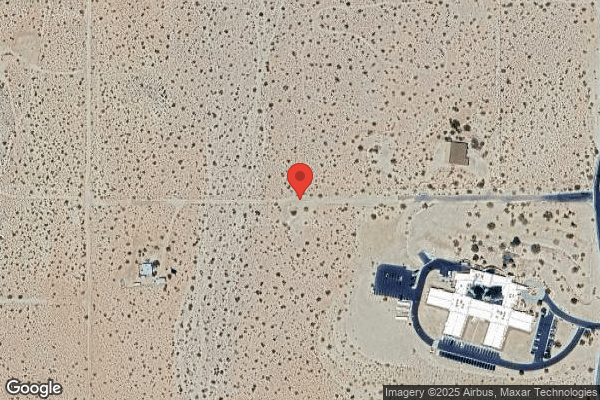
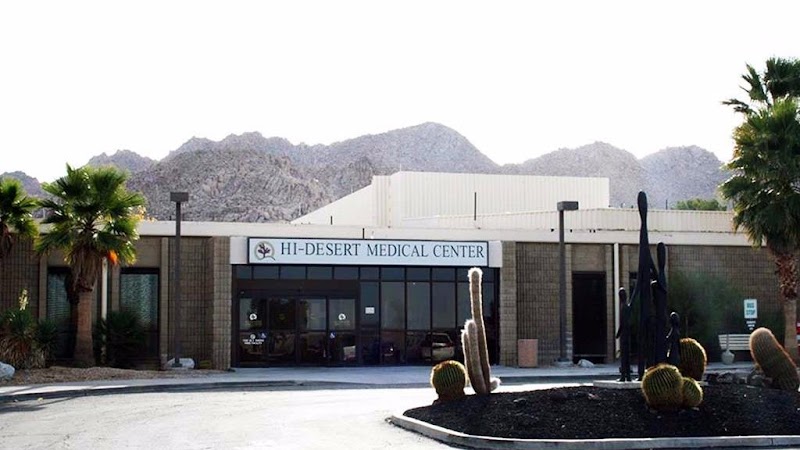
6601 WHITE FEATHER ROAD, JOSHUA TREE, CA 92252 (760) 366-6437
For profit - Limited Liability company 92 Beds Independent Data: November 2025
Trust Grade
55/100
#595 of 1155 in CA
Last Inspection: December 2024

Within standard 12-15 month inspection cycle. Federal law requires annual inspections.

Overview

Hi-Desert Medical Center D/P SNF has a Trust Grade of C, which means it is average and falls in the middle of the pack among nursing homes. It ranks #595 out of 1155 in California, indicating it is in the bottom half of facilities in the state, and #42 out of 54 in San Bernardino County, meaning there are only a few local options that are better. The facility is improving, as it reduced its issues from 9 in 2024 to 3 in 2025. Staffing is a concern, with a below-average rating of 2 out of 5 stars and a high turnover rate of 64%, significantly above the state average. On a positive note, there have been no fines, which is a good sign, and the facility offers more RN coverage than 88% of California facilities, ensuring better oversight of resident care. However, there are specific incidents of concern, including a failure to maintain accurate records for controlled medications, which could pose risks to residents' health, and a lack of a full-time qualified Dietary Supervisor, potentially impacting food service quality for residents. Additionally, food storage practices were inadequate, with unlabeled bulk food containers that could compromise the nutritional value of meals. While the facility has strengths in RN coverage and a lack of fines, these weaknesses highlight areas that families should consider when researching care options.

Trust Score
C
55/100
In California
#595/1155
Bottom 49%
Safety Record
Low Risk
No red flags
Inspections
Getting Better
9 → 3 violations
Staff Stability
⚠ Watch
64% turnover. Above average. Higher turnover means staff may not know residents' routines.
Penalties
✓ Good
No fines on record. Clean compliance history, better than most California facilities.
Skilled Nurses
✓ Good
Each resident gets 47 minutes of Registered Nurse (RN) attention daily — more than average for California. RNs are trained to catch health problems early.
Violations
⚠ Watch
32 deficiencies on record. Higher than average. Multiple issues found across inspections.
★★★☆☆
3.0
Overall Rating
★★☆☆☆
2.0
Staff Levels
★★★☆☆
3.0
Care Quality
★★★☆☆
3.0
Inspection Score
Stable
2024: 9 issues
2025: 3 issues

The Good

  • Full Sprinkler Coverage · Fire safety systems throughout facility
  • No fines on record

Facility shows strength in fire safety.

The Bad

3-Star Overall Rating

Near California average (3.1)

Meets federal standards, typical of most facilities

Staff Turnover: 64%

18pts above California avg (46%)

Frequent staff changes - ask about care continuity

Staff turnover is elevated (64%)

16 points above California average of 48%

The Ugly 32 deficiencies on record

Aug 2025 1 deficiency
CONCERN (D) 📢 Someone Reported This

A family member, employee, or ombudsman was alarmed enough to file a formal complaint

Potential for Harm - no one hurt, but risky conditions existed

Report Alleged Abuse (Tag F0609)

Could have caused harm · This affected 1 resident

**NOTE- TERMS IN BRACKETS HAVE BEEN EDITED TO PROTECT CONFIDENTIALITY** Based on interview, and record review, the facility failed in response to safety concerns with suspected abuse for one of three ...

Read full inspector narrative →
**NOTE- TERMS IN BRACKETS HAVE BEEN EDITED TO PROTECT CONFIDENTIALITY** Based on interview, and record review, the facility failed in response to safety concerns with suspected abuse for one of three sampled Residents (Resident 1) when the facility reported the suspected abuse to the California Department of Public Health (CDPH) on August 20, 2025, or five (5) days after the suspected abuse incident. This failure had the potential to result in a delay of an investigation to determine abuse which could continue or become more severe, other vulnerable Residents to be put at risk for abuse, worsen long-term psychological and physical effects, delay timely access to medical, psychological, and other services for healing for Resident 1.Findings: During a review of the facility's SOC 341 (California form used by specific people, called mandated reporters, to report suspected abuse or neglect of elders and dependent adults), dated August 20, 2025, at 1:00 PM, the SOC 341 indicated that Licensed Vocation Nurse (LVN2) reported on Friday (August 15, 2025, at 1:00 PM), (Visitor) friend of Resident 3 entered room [ROOM NUMBER] and was observed touching (Resident 1) . without her consent. (LVN2) instructed (Visitor) ‘not to touch (Resident1), or her meal tray'.(Visitor) was instructed to leave and he refused. CNA1 (Certified Nursing Assistant) reported witnessing him eating food from (Resident 1's) tray. Staff instructed (Visitor) to leave and he refused. Staff concerned for safety. (Visitors) presence in resident rooms interferes with care, disrupts residents and impedes (licensed nursing) ability to perform duties as a nurse. During a review of Resident 1's admission History and Physical (H&P), dated March 25, 2025, the H&P indicated Resident 1 had medical history of diabetes (a chronic condition that affects how the body uses sugar [glucose] which will make the blood sugar levels high), dementia (loss of memory, language, problem-solving and other thinking abilities that are severe enough to perform activities of daily living), chronic obstructive pulmonary disease (COPD - lung and airway diseases that restrict your breathing), and hypertension (HTN - the force of blood flowing through your blood vessels continues to be too high over time). During a review of Resident 1's nursing note, dated August 16, 2025, at 5:28 PM, the nursing note indicated, Resident 3 had a visitor who entered the room and woke up Resident 1.(LVN2) instructed (the visitor) not to touch V or (Resident1) meal tray. (The Visitor) responded by stating that (LVN2) did not know what (LVN2) was talking about and claimed (Resident1) was pretending to be asleep. (LVN2) explained that (Visitor) is not an employee and should not be entering resident rooms or disturbing other residents. I directed (the Visitor) to leave at that time. However.there was limited support, and (the Visitor) did not leave. Another CNA later reported witnessing (Visitor) eating food from (Resident1's) tray. I told (Visitor) he needed to leave that he was not to wake up or disturb other residents. (The Visitor) did not leave and there was a concern for (LVN2's) safety as we do not have security up here. When this visitor is seated in the dining room with (Resident3), there are no issues. However, his presence in resident rooms interferes with care, disrupts residents, and impedes my ability to perform my duties as a nurse. During a review of CNA1's statement, dated August 20, 2025, the CNA1's statement indicated, On 8/15 [August 15] I observed a pts visitor, [Resident 1] shares room with pt, visitor approached while [Resident 1] sitting on her bed, attempting to eat off of [Resident 1] plate, visitor touched [Resident 1] hand, this writer made (LVN2) aware, visitor was asked to leave room. During an interview on August 25, 2025, at 11:32 AM, with the Director of Nursing (DON), the DON stated, the visitor placed his hand on Resident 1's arm and he had been interfering with Resident 1's care. The DON stated from what the nurse told me [the visitor] was touching [Resident 1] by helping [Resident 1] get in and out of bed. feeding [Resident 1] and taking food off [Resident 1's] tray. [Resident 1] is a diabetic and [Resident 1] has Alzheimer's [a form of dementia] and unable to consent. [CNA1] gave a statement where she observed [the visitor] eating off [Resident 1's plate and touching [Resident 1's] hand and [the visitor] was asked to leave the room. The DON stated LVN2 tried to get the visitor to leave Resident 1's room on August 15, 2025, and he refused. The DON stated LVN2 was concerned about Resident 1's safety. The DON stated she was made aware of LVN2's nursing note that informed of the event on August 20, 2025 (five days after the incident). The DON stated that everybody was a mandated reporter and should report right away which did not occur. During an interview on August 25, 2025, at 1:44 PM, with LVN2, LVN2 stated she observed the visitor enter Resident 1's room accompanied by Resident 3 where she had line of sight and I saw [the visitor] lean over [Resident 1]'s bed to try to wake her up. And I don't know 100% if [the visitor] touched [Resident 1]. I said please don't wake her up. Then [the visitor] touched [Resident 1]'s meal tray and said to me he was trying to wake her up and help her eat. I told [the visitor] to please leave the room and he was asking why. I said [Resident 1] can't eat anything until blood sugar is checked and told him she needs to sleep and that's when he started (questioning me). I thought [the visitor] had left but he was back, and he apologized for questioning and the way that he spoke to me. I told my charge nurse that day and what happened, and [RN1] said I did the right thing . We went to [Resident 1] on August 20, 2025, to interview [Resident1]. She didn't remember any occurrence of that. LVN2 stated she was told by the DON on August 20, 2025, that she should have reported the incident and should have known. LVN2 confirmed that CDPH was not notified until August 20, 2025 (five days after the incident). During an interview on August 25, 2025, at 2:02 PM, with the DON, the DON stated, as far as reporting there was a delay of five days. The DON further stated, at the time of the event, RN1 and LVN2 should report the incident to the DON who was the abuse coordinator and reported it to the Administration at the hospital. The DON stated that she helped LVN1 filled out the SOC 341 on August 20, 2025. The DON stated she was notified by the MDS (The Minimum Data Set is a standardized assessment tool that measures health status in nursing home residents) nurse who found LVN2's nursing note, dated August 16, 2025, during record review for Resident 1's plan of care meeting. During concurrent interview and record review on August 29, 2025, at 3:30 PM, with the DON, the facility's policy and procedure (P&P) titled, RESIDENT ABUSE, NEGLECT PREVENTION, INVESTIGATION AND REPORTING, dated November 21, 2017, was reviewed. The P&P indicated, .IN THE EVENT OF AN INCIDENT OR ALLEGATION OF ABUSE: Staff Member's Responsibility: .E. Reporting is the individual responsibility of the mandated reporter. No one may prohibit the filing of a required report .Charge Nurse or Supervisor Responsibility: .F. All allegations of abuse that DO NOT result in serious bodily injury are reported within 24 hours to the administrator of the facility, the State Survey Agency (CDPH) and the ombudsman in accordance with State law through established procedures. The DON stated that this P&P was not followed.
Aug 2025 2 deficiencies
CONCERN (D) 📢 Someone Reported This

A family member, employee, or ombudsman was alarmed enough to file a formal complaint

Potential for Harm - no one hurt, but risky conditions existed

Comprehensive Care Plan (Tag F0656)

Could have caused harm · This affected 1 resident

**NOTE- TERMS IN BRACKETS HAVE BEEN EDITED TO PROTECT CONFIDENTIALITY** Based on interview and record review, the facility failed to follow their policy and procedure (P&P) for resident abuse for one ...

Read full inspector narrative →
**NOTE- TERMS IN BRACKETS HAVE BEEN EDITED TO PROTECT CONFIDENTIALITY** Based on interview and record review, the facility failed to follow their policy and procedure (P&P) for resident abuse for one of three sampled residents (Resident 1) when Resident 1's care plan (an individualize treatment plan) was not updated or revised and enhanced monitoring was not implemented. This failure had the potential to result in Resident 1 having psychosocial (affecting person's feelings, emotions, relationships, and sense of well-being) harm to residents such as fear, anxiety and loss of trust in staff.Findings: An unannounced visit was conducted to the facility on August 5, 2025, for an investigation of a facility reported incident of abuse. During a review of Resident 1's Face Sheet (FS- a document containing patient demographics), the FS indicated, Resident 1 was admitted to the facility on [DATE]. A review of Resident 1's History and Physical (H&P - a document containing demographic information), dated January 8, 2025, indicated Resident 1 has a history of depression (feeling sad, hopeless for long period), paraplegia (unable to move or feel both legs) secondary to self-inflicted gunshot wound, and left sided weakness. During an interview on August 5, 2025, at 3:14 PM, with Resident 1, Resident 1 claimed Certified Nurse Assistant (CNA 1) hit him on his buttocks and thighs while getting dressed. Resident 1 stated he did not want CNA 1 to get fired, he was just concerned that if he did not say anything it would happen again. During an interview on August 5, 2025, at 4:11 PM, with the Director of Nursing (DON), the DON stated that CNA 1 was suspended until the investigation completed. The DON further stated no inventions were in place in the care plan to monitor Resident 1 during the investigation process. The DON stated she was unable to substantiate the allegation at this time. During an interview on August 6, 2025, at 11:37 AM, with the DON, the DON stated that the importance of the care plan is to make everyone aware of incidents and it is important to be used on the residents to make sure they are emotionally and psychosocially ok after an abuse allegation. During a concurrent interview and record review on August 6, 2025, at 12:42 PM, with the DON, the P&P titled Resident abuse, neglect, prevention, investigation, and reporting, dated August 18, 2021, was reviewed. The P&P indicated, .During the investigation process, actions will be taken to assure the residents health and safety. This includes but is not limited to: Assessment, care planning, supervision of resident, assignment of staff and monitoring the support, needs and behaviors of the residents.staff member responsibility. Director of nursing.will oversee the process for reporting, investigating, interventions and corrective action taken during the incident. The DON stated that the policy was not followed, and she should have updated the care plan right away.
CONCERN (D) 📢 Someone Reported This

A family member, employee, or ombudsman was alarmed enough to file a formal complaint

Potential for Harm - no one hurt, but risky conditions existed

Deficiency F0657 (Tag F0657)

Could have caused harm · This affected 1 resident

**NOTE- TERMS IN BRACKETS HAVE BEEN EDITED TO PROTECT CONFIDENTIALITY** Based on interview and record review, the facility failed to follow their policy and procedure (P&P) for resident documentation ...

Read full inspector narrative →
**NOTE- TERMS IN BRACKETS HAVE BEEN EDITED TO PROTECT CONFIDENTIALITY** Based on interview and record review, the facility failed to follow their policy and procedure (P&P) for resident documentation of care plan for one of three sampled residents (Resident 2) when Resident 2's care plan (an individualize treatment plan) was not updated with description of changes in Resident 2's condition and behaviors. This failure had the potential to result in Resident 2 deterioration, emotional distress and an increase in the risk of injury to self, other residents, and staff.Findings: An unannounced visit was conducted to the facility on August 6, 2025, for an investigation of a facility reported incident of resident abuse. A review of Resident 1's Face Sheet (FS- a document containing patient demographics), the FS indicated, Resident 1 was admitted to the facility on [DATE]. A review of Resident 1's History and Physical (H&P - a document containing demographic information), dated March 2, 2025, indicated, Resident 1 has a history of depression (feeling sad, hopeless for long period), cerebrovascular accident (CVA- known as a stroke where the blood flow to the brain is disrupted causing brain damage), complete immobility due to severe physical disability, diabetes (high blood sugar), and hypertension (high blood pressure) A review of Resident 2's FS indicated, Resident 2 was admitted to the facility on [DATE]. A review of Resident 2's H&P, dated September 6, 2024, indicated, Resident 2 has a history of subdural hemorrhage ( a bleed between the brain and its outer covering (the dura) caused by a head injury), expressive and receptive (able to receive) aphasia (difficulty speaking, understanding, reading, or writing because of brain damage), dementia (condition where a person's memory, thinking, and ability to make decisions gets worse over time because of damage to the brain). A review of Resident 2's SS [Social Service] note, dated August 5, 2025, by the Social Worker (SW), indicated the inappropriate language and behavior from Resident 2 toward Resident 1, .I am extremely concerned about the safety of [Resident 1] . there is a pattern of inappropriate and potentially unsafe behavior. During an interview on August 6, 2025, at 1:25 PM, with Resident 1, Resident 1 stated she is friend with Resident 2, she is afraid of Resident 2 because he gets angry at other people. During an interview on August 6, 2025, at 2:55 PM, with the SW, the SW stated that when she attempted to speak with Resident 2 regarding reports of Resident 2 feeding Resident 1, Resident 2 becoming upset when staff instructed him to leave Resident 1 alone, and Resident 2 responded No and walked away. During an interview on August 6, 2025, 3:24 PM, with Registered Nurse (RN1), RN1 stated, Resident 2 has been overly aggressive within the last week. A review of Resident 2's nursing narrative (a note done by the nursing staff), dated July 22, 2025, indicated .patient [Resident 2] was observed screaming, yelling and slamming room door. During a concurrent telephone interview and record review on August 12, 2025, at 4:02 PM, with RN1, Resident 2's LTC [Long Term Care] Neurological IPOC [Individual Plan of Care] (long term care plan- document that has the plan of care for resident regarding things to do with brain), dated May 19, 2025, was reviewed. The long-term care plan indicated, .document in Ad Hoc Form [area where nursing staff can document] every outburst, elevation in voice or aggressive behavior last evaluated on June 24, 2025. RN1 verified that the last time a nursing staff documented on Ad Hoc Form was June 24, 2025. RN 1 stated that Resident 2's nurse should document any time Resident 2 had an outburst, elevation in voice or aggressive behavior. RN1 stated that the plan of correction should have been updated since Resident 2 has been having outburst within the last week. During a concurrent telephone interview and record review on August 12, 2025, at 4:28 PM, with the Director of Nursing (DON), the facility's P&P titled, Documentation guidelines, dated October 17, 2016, was reviewed. The P&P indicated . all of the active nursing problems identified in the care plan and problem lists are included in the EHR Information or observations related to the problems are addressed . State the resident's response to nursing actions . Care plan updates will be done by adding the new information to the plan and dating the addition . description of changes in residence condition and behaviors . The DON stated that the policy regarding documentation of care plan was not followed and should have been. The DON stated that it is important for the nursing staff to follow and document on the care plan because it is a form of communication and it alerts the staff that follows.
Dec 2024 4 deficiencies
CONCERN (D)

Potential for Harm - no one hurt, but risky conditions existed

Transfer Notice (Tag F0623)

Could have caused harm · This affected 1 resident

**NOTE- TERMS IN BRACKETS HAVE BEEN EDITED TO PROTECT CONFIDENTIALITY** Based on interview and record review, the facility failed to ensure family or emergency contact person were notified appropriate...

Read full inspector narrative →
**NOTE- TERMS IN BRACKETS HAVE BEEN EDITED TO PROTECT CONFIDENTIALITY** Based on interview and record review, the facility failed to ensure family or emergency contact person were notified appropriately of resident transfer for one of 22 sampled residents (Resident 1) when there was no documented evidence that Resident 1's family was notified before Resident 1 was transferred to the acute care hospital for suprapubic catheter (a surgically created tube that drains urine from the bladder when other methods are not possible) exchange. This failure resulted in no communication between Resident 1's family and the healthcare team and had the potential to interfere with Resident 1's family ability to follow and participate in Resident 1's transfer process and care. Finding: During a review of resident 1's Emergency department Physician note, dated September 30, 2024, the Emergency Department Physician note indicated, resident is [AGE] year-old male with history of quadriplegia (a condition that causes a person to lose all or most motor function in their arms, hands, trunk, legs, and pelvic organs), tracheostomy (a tube placed into a patients airway to allow breathing) ventilator(a machine used to allow breathing) dependent, neurogenic bladder(a condition that occurs when the nerves and muscles that control the bladder don't communicate properly with the brain), suprapubic catheter dependent, transferred from his long-term care facility for suprapubic catheter exchange During an interview on December 4, 2024, at 11:17 AM, with a Licensed vocational nurse (LVN4), LVN 4 stated, the facility will call residents' family and notify them of a transfer and document the communication into a resident's medical record. During a concurrent interview and record review on December 5, 2024, at 8:18 AM, with the Director of nursing (DON), Resident 1's nursing narrative notes, dated September 30, 2024, at 1:27 PM, was reviewed. The Nursing Narrative indicated, 1:15 PM the resident went by transport to [Hospital Name] Emergency department, for suprapubic catheter change accompanied by RN [Registered Nurse], care plan remains unchanged. The DON, stated, she was unable to find any documented evidence of Resident 1's family notification. The DON further stated, the facility policy indicates family should be notified upon any transfer. During a review of facility policy and procedure (P&P) titled, Transfer of Resident requiring emergency or acute care, dated October 12, 2021, the P&P indicated, Procedure, 1.) notify the emergency room if evaluation requested. A hand off report must include reason for transfer, latest vital signs .4.) residents primary contact must be notified. 5.) Notify the [facility name] business office.
CONCERN (D)

Potential for Harm - no one hurt, but risky conditions existed

Deficiency F0688 (Tag F0688)

Could have caused harm · This affected 1 resident

**NOTE- TERMS IN BRACKETS HAVE BEEN EDITED TO PROTECT CONFIDENTIALITY** Based on observation, interview, record review, the facility failed to ensure Passive Range of Motion (PROM - the movement of a ...

Read full inspector narrative →
**NOTE- TERMS IN BRACKETS HAVE BEEN EDITED TO PROTECT CONFIDENTIALITY** Based on observation, interview, record review, the facility failed to ensure Passive Range of Motion (PROM - the movement of a joint from staff or therapist with no effort from the resident) services were provided for two of five sampled residents (Resident 61 and 67) when there was no documented evidence that the Range of Motion (ROM-extent or limit to which joint can be moved around) was completed as ordered. This failure has the potential to result in further decline in physical, mental, and/or psychosocial aspects of the resident's ability to maintain and improve range of motion and mobility. Findings: 1. During an observation on December 3, 2024, at 2:03 PM, on the sub-acute unit (a specialized unit where the resident breathes with the help of a medical device and need close monitoring, rehabilitation, nursing, and respiratory care), Resident 61 was observed lying in bed, supine (lying on the back, face up) with eyes closed and the head of bed elevated. Feeding pump was infusing. Resident 61 was noted to have bilateral (both) upper extremities contractures. During a review of Resident 61's History and Physical (H&P-a medical document containing demographic information), dated August 3, 2024, the H&P indicated Resident 61 was admitted on [DATE], with diagnoses that included anoxic brain injury (a medical condition where the brain is deprived of oxygen resulting in brain cell death), chronic respiratory failure (a long-term medical condition where not enough oxygen travels from the lungs into the blood), tracheostomy (an opening through the neck into the windpipe to help with breathing). The H&P further indicated contracted bilateral wrists and elbows, but able to passively move. Flexion contracture left wrist. Extension contracted right ankle. Other extremities stiff but does not acute appear contracted. During an interview on December 5, 2024, at 12:50 PM, with the Restorative Nurse Assistant (RNA-an aide who provides exercises to residents to regain their functional ability or to prevent worsening of a medical condition), the RNA stated she does not provide any ROM services to the residents in the Sub-Acute unit and indicated that Certified Nurse Assistant (CNA-an aide providing care to residents) will do the PROM. When asked how and where she documents the ROM services she provides, RNA stated she signs the RNA logbook located at the nursing station for each resident. Resident 61 is not listed in the RNA logbook. During an interview on December 5, 2024, at 1:12 PM, with CNA1, CNA1 stated she does not provide ROM to the residents. CNA1 further stated, she is not certified to perform any ROM to residents. During a review of Resident's 61's physician order, dated October 22, 2024, the physician order indicated, Restorative Program Passive Range of Motion every Monday, Wednesday and Friday. During a concurrent interview and record review on December 5, 2024, at 1:53 PM, with the Director of Nursing (DON), Resident 61's electronic clinical record for Musculoskeletal (relating to the body's muscles and skeleton, which work together to provide structure, support, and movement) Assessment and the Range of Motion, dated November 28, 2024, through December 5, 2024, were reviewed. There was no documented evidence that the PROM was done on Monday, December 2, 2024, and Wednesday, December 4, 2024. The DON verified and confirmed. When asked why the range of motion services was not provided to Resident 61, the DON stated Well, if the Aide said she's not doing it, then we do not currently provide the ROM services, I cannot fight that. During a review of the facility's policy and procedure titled Wound Care Management Pressure Wounds, dated September 27, 2019, page 6, Treatments, the P&P indicated Turn with range of motion every 2 hours and prn. Initiate turning schedule. Ambulate or exercise (passive or active). Document appropriately 2. During an observation on December 3, 2024, at 2:03 PM, on the sub-acute unit, Resident 67 was observed lying in bed, supine with eyes closed. Resident 67 was noted to breath via tracheostomy and to have contracted upper extremities. During a review of Resident 67's the Face Sheet (patient demographic information), dated October 1, 2024, the Face Sheet indicated, Resident 67 was admitted on [DATE], with diagnoses that included anoxic brain injury, chronic respiratory failure, and tracheostomy. During an interview on December 5, 2024, at 12:50 PM, with the RNA, the RNA stated she does not provide any ROM services to the residents in the Sub-Acute unit and indicated that CNA will do that. When asked how and where she documents the ROM services she provides, she said she signs the RNA logbook located at the nursing station after she does the ROM with each resident. Resident 67 is not listed in the RNA logbook. During an interview on December 5, 2024, at 1:12 PM, with CNA1, CNA1 stated she does not provide ROM to the residents. CNA1 further and stated, I am not Certified to perform any ROM to our residents. During a review of Resident's 67's physician order, dated November 5, 2024, the physician order indicated, Restorative Program Passive Range of Motion every Monday, Wednesday and Friday. During a concurrent interview and record review on December 5, 2024, at 1:53 PM, with the DON, Resident of 67's electronic clinical record for Musculoskeletal Assessment and the Range of Motion, dated November 28, 2024, through December 5, 2024, were reviewed. There was no documented evidence that the PROM was done on Monday, December 2, 2024, and Wednesday, December 4, 2024. The DON verified and confirmed. When asked why the range of motion services was not provided to Resident 61, the DON stated Well, if the Aide said she's not doing it, then we do not currently provide the ROM services, I cannot fight that. During a review of the facility's policy and procedure titled Wound Care Management Pressure Wounds, dated September 27, 2019, page 6, Treatments, the P&P indicated Turn with range of motion every 2 hours and prn. Initiate turning schedule. Ambulate or exercise (passive or active). Document appropriately.
CONCERN (E)

Potential for Harm - no one hurt, but risky conditions existed

Comprehensive Care Plan (Tag F0656)

Could have caused harm · This affected multiple residents

**NOTE- TERMS IN BRACKETS HAVE BEEN EDITED TO PROTECT CONFIDENTIALITY** Based on observation, interview, record review the facility failed to develop and implement a comprehensive person-center care p...

Read full inspector narrative →
**NOTE- TERMS IN BRACKETS HAVE BEEN EDITED TO PROTECT CONFIDENTIALITY** Based on observation, interview, record review the facility failed to develop and implement a comprehensive person-center care plan (a document that outlines a patient's care, including their diagnosis, treatment goals, and nursing orders) that includes measurable objectives and timeframes to meet a resident's medical, nursing, mental, and psychosocial needs for four of five sampled residents (Resident 24, 61, 67, and 50). This failure had the potential to result in person-centered care not being provided which may lead to negative physical, mental, and psychosocial impact upon the resident's function, mood, and cognition. Findings: 1. During an observation on December 4, 2024, at 9:20 AM, on the sub-acute unit (a specialized unit where the resident breathes with the help of a medical device and need close monitoring, rehabilitation, nursing and respiratory care), Resident 24 was observed lying in bed, supine (lying on the back, face up) with eyes closed; on ventilator (a medical device that helps with breathing) via tracheostomy (an opening through the neck into the windpipe to help with breathing), feeding pump off; On contact isolation (a set of steps to prevent the spread of germs from a resident to others) for wound infection. During a review of Resident 24's History and Physical (H&P-a medical document containing demographic information), dated May 3, 2024, the H&P indicated Resident 24 was admitted on [DATE], with diagnoses that included anoxic brain injury (a medical condition where the brain is deprived of oxygen resulting in brain cell death), chronic respiratory failure (a long-term medical condition where not enough oxygen travels from the lungs into the blood), ventilator dependent, chronic obstructive pulmonary disease (lung disease that makes it difficult to breathe due to damage to the lungs' airways causing restricted airflow and breathing problems), and gastrostomy tube (a tube inserted through the abdominal wall used for feeding). During an interview on December 4, 2024, at 9:45 AM with Licensed Vocational Nurse 2 (LVN2) regarding Resident 24's sacral (tailbone) wound care plan, the LVN2 stated the wound care treatment is provided daily and as needed, but the wound healing appears to be slow, and the wound treatment order was changed several times because the wound was not healing properly. LVN2 further stated that on September 16, 2024, the wound care plan was developed and implemented and confirmed that no measurable goals, timeframes, and re-evaluation of the care plan was done since September 16, 2024. During a concurrent interview and record review on December 5, 2024, at 1:53 PM, with the Director of Nursing (DON), Resident 24's electronic medical record (EMR), dated September 16, 2024, was reviewed. The EMR indicated a care plan for sacral wound care was initiated. The care plan does not include patient-centered measurable objectives and timeframes to meet a resident's medical, nursing, mental, and psychosocial needs. The record does not indicate that the care plan was re-evaluated and updated as needed. The DON verified and stated, the care plan should have been initiated the same day the physician order was received and re-evaluated. During a review of the facility's policy and procedure (P&P) titled Wound Care Management Pressure Wounds, dated September 27, 2019, page 6, Treatments, the P&P indicated Initiate appropriate care plan. Turn with range of motion every 2 hours and prn. Initiate turning schedule. Ambulate or exercise (passive or active). Document appropriately. 2. During an observation on December 3, 2024, at 2:03 PM, on the sub-acute unit Resident 61 was observed lying in bed, supine with eyes closed, and the head of bed elevated. feeding pump was infusing. Resident 61 is noted to have bilateral (both) upper extremities contractures and breath via a tracheostomy. During a review of Resident 61's H&P, dated August 3, 2024, the H&P indicated Resident 61 was admitted on [DATE], with diagnoses that include anoxic brain injury, chronic respiratory failure, and tracheostomy. The H&P further indicated contracted bilateral wrists and elbows, but able to passively move. Flexion contracture left wrist. Extension contracted right ankle. Other extremities stiff but does not acute appear contracted. During a review of Resident's 61's physician order, dated October 22, 2024, the physician order indicated, Restorative Program Passive Range of Motion (the movement of a joint by staff or therapist with no effort from the resident) every Monday, Wednesday and Friday. During a concurrent interview and record review on December 5, 2024, at 1:53 PM, with the DON, Resident 61's EMR, dated October 22, 2024, through December 5, 2024, were reviewed. There was no care plan developed and implemented for Resident 61's Passive Range of Motion. The DON verified and stated, the care plan should have been initiated the same day the physician order was received and re-evaluated. During a review of the facility's policy and procedure (P&P) titled Wound Care Management Pressure Wounds, September 27, 2019, page 6, Treatments, the P&P indicated Initiate appropriate care plan. Turn with range of motion every 2 hours and prn. Initiate turning schedule. Ambulate or exercise (passive or active). Document appropriately. 3. During an observation on December 3, 2024, at 2:03 PM, on the sub-acute unit Resident 67 was observed lying in bed, supine with eyes closed. Tracheostomy dependent, respiration even and unlabored. Resident was noted to have upper extremities contractures. During a review of Resident 67's Face Sheet (patient demographics information), dated October 1, 2024, the Face Sheet indicated Resident 67 was admitted on [DATE], with diagnoses that included anoxic brain injury, chronic respiratory and tracheostomy. During a review of Resident's 67's physician order, dated November 5, 2024, the physician order indicated, Restorative Program Passive Range of Motion every Monday, Wednesday and Friday. During a concurrent interview and record review on December 5, 2024, at 1:53 PM, with the DON, Resident 61's EMR, dated November 5, 2024, through December 5, 2024, were reviewed. There was no care plan developed and implemented for Resident 61's Passive Range of Motion. The DON verified and stated, the care plan should have been initiated the same day the physician order was received and re-evaluated. During a review of the facility's policy and procedure (P&P) titled Wound Care Management Pressure Wounds, dated September 27, 2019, page 6, Treatments, the P&P indicated Initiate appropriate care plan. Turn with range of motion every 2 hours and prn. Initiate turning schedule. Ambulate or exercise (passive or active). Document appropriately. 4. During a review of resident 50's H&P, dated August 19, 2024, the H&P indicated, Resident is a [AGE] year old female with history of cerebral vascular accident (a medical emergency that occurs when blood flow to the brain is suddenly cut off), behavioral disturbance, dementia (a decline in mental ability that affects thinking, memory, and behavior, and interferes with daily life), generalized weakness and chronic pain. During a review of resident 50's Active Care Plans/ Power plans, on December 5, 2024, the only active care plan was nutritional status/ nutritional intake to meet needs plan of care, initiated on September 10, 2024. The other care plans identified were discontinued in August 2024, including activities kkin, cognitive loss, cardiovascular (the network of organs that supplies blood throughout the body), visual function, gastrointestinal (refers to the digestive system, which includes the organs and passageways that food and liquids travel through as they are digested and absorbed), elopement (the potential danger that someone with cognitive impairments or other conditions may leave a supervised area) risk, dehydration and fluid maintenance, neurological (relating to the nervous system or nerves) , nutritional status, and psychosocial well-being. The respiratory plan of care was discontinued on November 1, 2024. During a concurrent interview and record review with the Director of Nursing (DON), on December 5, 2024, at 9:00 AM, Patient 50's care plan flowsheets were reviewed. Residents 50's care plans indicated nutritional status was the only active care plan for Resident 50. The DON stated, she was unable to provide any documented evidence to show the required care plan for Resident 50. The DON confirmed, the nursing staff should have documented Resident 50's care plan. During a review of the facility policy and procedure (P&P) titled, Care Planning Process, dated March 20, 2023, the P&P indicated, The care planning process will be documented on the plan of care, interdisciplinary care plan, clinical notes, medication profiles, team conferences and discharge clinical summaries .All clinicians consider the conclusions of the initial and ongoing assessments in their care planning process, including but not limited to: Individualized patient needs and resultant problems, related to care/ service/functional status, family/ caregiver support systems. Changes in patient condition, clinical drug monitoring as appropriate. Pain and symptom management as appropriate .
CONCERN (E)

Potential for Harm - no one hurt, but risky conditions existed

Pharmacy Services (Tag F0755)

Could have caused harm · This affected multiple residents

**NOTE- TERMS IN BRACKETS HAVE BEEN EDITED TO PROTECT CONFIDENTIALITY** Based on observation, interview, and record review, the facility failed to ensure the nursing staff administered medication as o...

Read full inspector narrative →
**NOTE- TERMS IN BRACKETS HAVE BEEN EDITED TO PROTECT CONFIDENTIALITY** Based on observation, interview, and record review, the facility failed to ensure the nursing staff administered medication as ordered for 23 residents of 41 sampled residents (Residents 2, 4, 8, 9, 20, 28, 41, 42, 45, 49, 53, 55, 56, 57, 58, 59, 60, 64, 65, 71, 74, 147 and 295) when: 1.) The nursing staff did not give medications to 22 residents (Residents 2, 4, 8, 9, 20, 28, 41, 42, 45, 49, 53, 55, 56, 57, 58, 59, 60, 64, 65, 71, 74 and 295) on December 1, 2024, as ordered and did not notify a responsible physician or a pharmacist for not giving the medications. 2.) The nursing staff did not administer Resident 147's medication by mouth as ordered and did not verify with a physician for using a percutaneous endoscopic gastrostomy (PEG-a feeding tube surgically inserted directly to the stomach wall to use for food and medication) tube for medication administration. These failures had resulted in unsafe medication administration and could cause adverse health outcomes from the inconsistency of medication dosage requirement which could negatively affect these vulnerable residents' health and safety. Findings: 1a. During a review of Resident 2's History and Physical (H&P- a medical document containing demographic information), dated May 31, 2021, the H&P indicated, [AGE] year-old female with a past medical history of traumatic brain injury (TBI-a brain injury caused by an external force, such as a blow or jolt to the head). During a review of Resident 2's Medication administration record (MAR), dated December 1, 2024, the MAR indicated, there were eight medications not given as ordered included: 1. levetiracetam (a medication used to treat Seizures. Seizures are bursts of electrical activity in the brain that temporarily affect how it works.) 1,300 Milligram (mg- a unit of measurement), 2. carbamazepine (used to manage and treat epilepsy, trigeminal neuralgia, and acute manic and mixed episodes in bipolar I disorder) 250 mg, 3. baclofen (a muscle relaxer used to treat muscle symptoms including spasm, pain) 20 mg, 4. famotidine (used to prevent and treat heartburn due to acid indigestion) 20 mg, 5. loratadine (used to temporarily relieve the symptoms of allergy to pollen, dust, or other substances in the air) 10 mg, 6. Vitamin C 1000 mg, and 7. Multivitamin 5 milliliters (ml- a unit of volume). 1b. During a review of Resident 4's H&P, dated January 25, 2024, the H&P indicated, Resident 4 had diagnoses including Multiple sclerosis (a chronic autoimmune disease that damages the central nervous system), degenerative disc disease (a chronic condition that occurs when the spinal discs wear down and break down), and major depressive disorder (a mental health disorder that causes a persistent low mood and loss of interest in activities). During a review of Resident 4's MAR, dated December 1, 2024, the MAR indicated, there were five medications not given as ordered included: 1. gabapentin (used to treat and prevent seizures in people with epilepsy or to treat nerve pain) 100 mg, 2. baclofen 10 mg, 3. glatiramer (a medication that is used to treat relapsing forms of multiple sclerosis) 40 mg, 4. acyclovir (used to treat infections caused by certain types of viruses) 400 mg pantoprazole (medication used to treat heart burn) 40 mg, and 5. vitamin c 500 mg. 1c. During a review of Resident 8's H&P, dated September 7, 2023, the H&P indicated, This is a [AGE] year-old male with a past medical history of seizures, diabetes mellitus (a chronic disease that causes high blood sugar levels), chronic kidney disease (a condition where the kidneys are damaged and can't filter blood properly) and hypertension (high blood pressure). During a review of Resident 8's MAR, dated December 1, 2024, the MAR indicated, there were six medications not given as ordered included: 1. hydralazine (a medication used to treat high blood pressure) 20 mg, 2. metoprolol (a medication to treat high blood pressure) 50 mg, 3. amlodipine (a medication used to treat high blood pressure) 10 mg, 4. levetiracetam 250 mg, 5. liraglutide (medication injection to lower blood sugar) 1.8 mg, and 6. losartan (a medication used to treat high blood pressure) 25 mg. 1d. During a review of Resident 9's H&P, dated July 1, 2022, the H&P indicated, The patient is a [AGE] year old female with history of stroke (occurs when blood flow to the brain is blocked or a blood vessel in the brain bursts), diabetes mellitus, Chronic Obstructive Pulmonary Disease (COPD-a lung disease that makes it difficult to breathe) hypertension, and major depressive disorder. During a review of Resident 9's MAR, dated December 1, 2024, the MAR indicated, there were 11 medications not given as ordered included: 1. insulin regular (a short-acting human-made insulin. It helps adults and children with Type 1 and Type 2 diabetes control their blood sugar levels.) given per sliding scale (it is the scale used to calculate the amount of insulin given based on blood sugar level), 2. albuterol (used to prevent and treat wheezing, difficulty breathing, chest tightness, and coughing caused by lung diseases such as asthma and chronic obstructive pulmonary disease) 2.5mg, 3. insulin glargine (is a long-acting insulin injected once daily to control blood sugar levels in people with diabetes mellitus), 4. metformin (helps to control the amount of glucose (sugar) in your blood) 500 mg, 5. metoprolol extended release 25 mg, 6. oxybutynin extended release (used to treat symptoms of an overactive bladder, such as incontinence (loss of bladder control) 5 mg, 7. aspirin (a medication that can treat pain, fever, headache, and inflammation. It can also reduce the risk of heart attack) 81 mg, 8. cholecalciferol (a dietary supplement that is used to treat vitamin D deficiency) 50 micrograms (mcg- a unit of mass equal to one millionth of a gram), 9. clonidine (a medication used to treat high blood pressure) 0.2 mg, 10. docusate-senna (a medication used to treat constipation) 1 tablet, and 11. fluoxetine (used to treat depression, obsessive-compulsive disorder (bothersome thoughts that won't go away and the need to perform certain actions over and over) 40 mg. 1e. During a review of Resident 20's H&P, dated April 3, 2024, the H&P indicated, [AGE] year-old female with a past medical history of COPD, chronic kidney disease, diabetes, hypothyroidism (when the thyroid gland doesn't make enough thyroid hormones to meet your body's needs), and hypertension. During a review of Resident 20's MAR, dated December 1, 2024, the MAR indicated, there were four medications not given as ordered included: 1. Janumet 50-500mg (a prescription medication that combines sitagliptin and metformin to help lower blood sugar in adults with type 2 diabetes), 2. furosemide (a diuretic, also called a water pill, that is commonly used to reduce edema (fluid retention) 20 mg, 3. trelegy (a prescription inhaler used to treat chronic obstructive pulmonary disease (COPD) and asthma) 100 mcg/62.5 mcg/25 mcg, and 4. amlodipine 5 mg. 1f. During a review of Resident 28's H&P, dated November 22, 2022, the H&P indicated, this is a [AGE] year old female with past medical history of diabetes mellitus. During a review of Resident 28's MAR, dated December 1, 2024, the MAR indicated, there was one medication not given as ordered included: metformin 500 mg. 1g. During a review of Resident 41's H&P, dated October 28, 2024, the H&P indicated, the resident is a [AGE] year old female with a past medical history of bradycardia (slow heart rate), hypertension and heart failure(a serious condition that occurs when the heart is unable to pump enough blood to meet the body's needs). During a review of Resident 41's MAR, dated December 1, 2024, the MAR indicated, there were two medications not given as ordered included: 1. empagliflozin (medication for adults with Type 2 Diabetes & Adults with Heart Failure) 10 mg, and 2. entresto (oral combination heart medication that contains two blood pressure-lowering medications: sacubitril and valsartan) 1 tablet. 1h. During a review of Resident 42's H&P, dated July 10, 2024, the H&P indicated, resident is [AGE] year-old man with past medical history significant for muscle spasm and unspecified pain. During a review of Resident 42's MAR, dated December 1, 2024, the MAR indicated, there was one medication not given as ordered included: lidocaine patch (eases pain by numbing the nerves and making them less sensitive to pain) 5 percent (%). 1i. During a review of Resident 45's H&P, dated April 5, 2024, the H&P indicated, resident is [AGE] year-old female with a past medical history significant for chronic back pain, muscular dystrophy (a group of genetic diseases that cause muscles to progressively weaken and break down.), restrictive lung disease(a category of lung conditions that make it difficult to breathe in and out because the lungs are unable to expand fully), osteoporosis (a bone disease that weakens bones, making them more likely to break), right heart failure, and depression. During a review of Resident 45's MAR, dated December 1, 2024, the record MAR indicated, there were three medications not given as ordered included: 1. escitalopram (used to treat depression and anxiety) 10 mg cetirizine (antihistamine used to relieve allergy symptoms) 1 tablet, 2. metronidazole cream (applied to the skin to treat certain symptoms of rosacea. Rosacea is a long-term skin condition that can cause symptoms such as redness and small bumps.) 0.75%, and 3. montelukast (used for the long-term treatment of asthma and to prevent symptoms of exercise-induced asthma) 10 mg. 1j. During a review of Resident 49's H&P, dated May 3, 2022, the H&P indicated, resident is [AGE] year-old male with past medical history if traumatic brain injury and hypertension. During a review of Resident 49's MAR dated December 1, 2024, the MAR indicated, there was one medication not given as ordered included propranolol (a medication used to treat high blood pressure) 10 mg. 1k. During a review of Resident 53's H&P, dated October 2, 2024, the H&P indicated, resident is [AGE] year-old male with past medical history of left side stroke, chronic deep vein thrombosis (DVT- condition that occurs when a blood clot forms in a vein deep in the body) of the right lower extremity, hypertension and diabetes. During a review of Resident 53's MAR dated December 1, 2024, the MAR indicated, there were five medications not given as ordered included: 1. apixaban (works by decreasing the clotting ability of the blood and helps preventing harmful clots from forming in the blood vessels) 2.5 mg, 2. aspirin 81 mg, 3. famotidine (used to prevent and treat heartburn due) 20 mg, 4. liraglutidem 1.8mg, and 5. rosuvastatin (commonly used to lower bad cholesterol levels) 10 mg. 1l. During a review of Resident 55's H&P, dated March 1, 2024, the H&P indicated, resident is [AGE] year-old male with past medical history significant for hypertension and arthritis (a chronic condition that causes joint inflammation and pain). During a review of Resident 55's MAR, dated December 1, 2024, the MAR indicated, there were three medications not given as ordered included: 1. cholecalciferol 50 mcg, 2. famotidine 20 mg, and 3. rosuvastatin 20 mg. 1m. During a review of Resident 56's H&P, dated September 4, 2024, the H&P indicated, resident is a [AGE] year-old female with past medical history of traumatic brain injury and seizures. During a review of Resident 56's MAR, dated December 1, 2024, the MAR indicated, there were three medications not given as ordered included: 1. cholecalciferol 50 mcg, 2. docusate (stool softener) 100 mg, and 3. levetiracetam 1000 mg. 1n. During a review of Resident 57's H&P, dated April 4, 2024, the H&P indicated, resident is an [AGE] year-old female with past medical history of fibromyalgia (a chronic condition that causes widespread pain and tenderness throughout the body), diabetes mellitus, chronic gastroesophageal reflux disease (long term heart burn), and major depression. During a review of Resident 57's MAR, dated December 1, 2024, the MAR indicated, there were three medications not given as ordered included: 1. pantoprazole (used to treat damage from gastroesophageal reflux disease) 40 mg, 2. pregabalin (used to treat nerve pain that may be associated with diabetes, herpes zoster (shingles), or injury to the spinal cord) 150 mg, and 3. sertraline (medication used to manage and treat the major depressive disorder) 25mg. 1o. During a review of Resident 58's H&P, dated February 21, 2024, the H&P indicated, resident is a [AGE] year-old female with a past medical history of dementia (a decline in mental ability that affects daily life) and arthritis. During a review of Resident 58's MAR, dated December 1, 2024, the MAR indicated, there was one medication not given as ordered included memantine (used to treat moderate to severe dementia) 28 mg. 1p. During a review of Resident 59's H&P, dated October 31, 2024, the H&P indicated, resident is a [AGE] year old male with past medical history significant for COPD, DVT, and anemia. During a review of Resident 59's MAR, dated December 1, 2024, the MAR indicated, there were four medications not given as ordered were Not given, No nurse missing medications administrations from 9:00 AM included: 1. apixaban 2.5 mg, 2. famotidine 20 mg, 3. ferrous sulfate (medication is an iron supplement used to treat or prevent low blood levels of iron) 325 mg, and 4. fluticasone-salmeterol (a combination medication used to treat asthma and chronic obstructive pulmonary disease (COPD)) 100 mcg 1q. During a review of Resident 60's H&P, dated April 24,2024, the H&P indicated, resident is a [AGE] year-old male with history of dementia, hypertension, and Hyperlipidemia (HLD- the clinical term for an imbalance of LDL (bad) cholesterol, HDL (good) cholesterol, and triglycerides). During a review of Resident 60's MAR, dated December 1, 2024, the MAR indicated, there were 6 medications not given as ordered included: 1. donepezil (a medication that treats symptoms of Alzheimer's disease like memory loss and confusion) 10 mg, 2. melatonin (a medication commonly used to help someone sleep) 3 mg, 3. amlodipine 10 mg, 4. aspirin 81 mg, 5. cholecalciferol 50 mcg, and 6. clopidogrel (prevents platelets in your blood from sticking together) 75 mg. 1r. During a review of Resident 64's H&P, dated August 4, 2023, the H&P indicated, resident is an [AGE] year-old male with past medical history significant for hypothyroidism, hypertension, diabetes mellitus, and heart failure. During a review of Resident 64's MAR, dated December 1, 2024, the indicated, there were four medications not given as ordered included: 1. metformin 500 mg, 2. amlodipine 5 mg, 3. aspirin 81 mg, and 4. gabapentin 300 mg 1s. During a review of Resident 65's H&P, dated October 3, 2023, the H&P indicated, resident is a [AGE] year-old female with a history of urinary tract infection (a bacterial infection that affects the urinary tract, which includes the bladder, urethra, and kidneys). During a review of Resident 65's MAR, dated December 1, 2024, the MAR indicated, there was one medication not given as ordered included doxycycline (used for bacterial infections, including acne, rosacea, urinary and respiratory tract infections) 100 mg 1t. During a review of Resident 71's H&P, dated March 4, 2023, the H&P indicated, resident is an [AGE] year-old female with a past medical history significant for diabetes mellitus and hypertension. During a review of Resident 71's MAR, dated December 1, 2024, the MAR indicated, there were three medications not given as ordered included: 1. insulin glargine (an injection that treats diabetes by increasing insulin levels in your body) 16 units, 2. insulin lispro 5 units, and 3. lisinopril 20 mg. 1w. During a review of Resident 74's H&P, dated March 27, 2024 indicated, Resident is an [AGE] year-old female with past medical history significant for COPD, hypertension, atrial fibrillation (a heart condition that causes an irregular and often rapid heartbeat in the upper chambers of the heart), and depression. During a review of Resident 74's MAR, dated December 1, 2024, the MAR indicated, there were four medications not given as ordered included: 1. apixaban 5 mg, 2. gabapentin 100 mg, 3. sertraline 50 mg, and 4. tiotropium (a medication that treats asthma and chronic obstructive pulmonary disease) 18 mcg. 1x. During a review of Resident 295's H&P, dated November 27, 2024, the H&P indicated, resident is a [AGE] year-old female with past medical history significant for cerebral vascular accident (which is another term for a stroke. A stroke occurs when the blood supply to the brain is disrupted), hypertension, and diabetes mellitus. During a review of Resident 295's MAR, dated December 1, 2024, the MAR indicated, there were seven medications not given as ordered included: 1. amlodipine 10 mg, 2. aspirin 81 mg, 3. bisoprolol 20 mg, 4. clonidine 0.1 mg, 5. clopidogrel 75 mg, 6. insulin regular based on sliding scale, and 7. lisinopril 40 mg During an interview on December 5, 2024, at 9:42 AM, with Pharmacist (Pharmacist 1), Pharmacist 1 stated, missing one dose of a drug like levetiracetam, or apixaban can be detrimental, even blood pressure medications can cause a spike in residents blood pressure. Pharmacist 1 further confirmed, on Sunday December 1, 2024, there were a number of missed doses during the medication reconciliation, and stated the nursing staff should have notified a pharmacist or the doctor. During an interview on December 5, 2024, at 9:45 AM, with a Family Medicine Doctor (MD1), MD1 stated, he was informed about the incident of missed medications on December 4, 2024 (3 days after the incident). MD 1 further stated, the nursing staff or the facility should have called and informed him as soon as possible. MD1 added, some medication, such as apixaban and levetiracetam, are the big issues with missed doses, without apixaban residents can get blood clots, and without levetiracetam residents can have seizures, even insulin can be a problem with multiple missed doses. During a concurrent interview and record review on December 5, 2024, at 12:08 PM, with the Director of Nursing (DON), the facility's policy and procedure (P&P) titled, Medication administration, dated April 17, 2023, was reviewed. The P&P indicated, Medication variance is defined as : .wrong patient, wrong route or site, Omitted medication or intravenous solution .2. complete mediation incident report and forward to risk management. 3. Notify the attending physician and pharmacy. The DON stated, the nursing staff did not follow the P&P since the medication were not given as ordered for 22 residents and the physician or pharmacist was not notified about the incident. The DON further stated, the nursing staff should have informed her so she could provide proper process to follow. 2. During a review of Resident 147's Face sheet (demographic data of the resident), the face sheet indicated, Resident 147 was admitted to the facility on [DATE], with the chief complaint of Septicemia (a life-threatening complication of infection). During a review of Resident 147's H&P, dated October 7, 2024, at 12:55, the H&P indicated , Resident 147 is a [AGE] year old male came with altered mental status, intubated (tube inserted into the body which helps for breathing), had pulmonary emboli (a condition in which one or more of the arteries in the lungs are blocked by a blood clot), and had a PEG tube placed on September 25, 2024. During a review of Resident 147's Orders, dated November 5, 2024, the Order indicated, Resident 147 has an order for NPO (nothing by mouth), unable to safely swallow or follow commands, Patient remains on G tube (gastrostomy tube- a tube inserted for feeding and medication administration) feeding continuously. The Orders further indicated, 1. Acetaminophen [medication used for pain management and temperature] 325 mg [milligram-a unit measure for weight] =[equal] 1 tab [tablet], oral every 4 hrs [hours] as needed [PRN] for pain, starting on November 5, 2024. 2. Acetaminophen 325 mg = 1 tab, oral, every 4 hours as needed for temperature over 100 F [Fahrenheit- unit measuring heat and cold], starting on November 5, 2024. 3. Glucose [sugar, source of energy] 4 g [gram-a unit measuring weight] oral tablet, chewable ordered 16 g = 4 tab, chew, one time as needed for abnormal blood glucose, starting on November 5,2024. 4. Glucose (glucose 40 percentage oral gel) ordered 15 g = 37.5 ml [milliliter-a unit measuring liquid], one time unscheduled as needed for abnormal blood glucose, starting on November 5, 2024. 5. Losartan [medication used for treating blood pressure] 50 mg = 1 tab, oral, twice daily, starting on November 5, 2024, at 9:00 PM. 6. Metformin [medication used for treating blood sugar] 1000 mg = 1 tab, oral, twice daily with meals, starting on November 5, 2024. 7. Quetiapine [Seroquel-medication used for treating bipolar disease, depression] 12.5 mg = 0.5 tab, oral, twice daily, starting on November 5, 2024, at 9:00 PM. 8. Tramadol [medication used for treating pain management] 50 mg = 1 tab, oral, every 6 hours as needed for moderate pain, starting on November 5, 2024, at 2:00 PM. During a concurrent observation and interview on December 4, 2024, at 9:00 AM, with Registered Nurse 1 (RN 1), RN 1 was observed giving Losartan 50 mg, metformin 1000 mg, Quetiapine 25 mg through G tube. RN 1 stated, she has been giving all the medication through Resident 147's G tube as he cannot take anything orally. RN 1 further stated, she had never noticed the route of the order was oral, she knows that this resident has no oral medications. During a concurrent interview and record review on December 5, 2024, at 3:00 PM, with Interim Director of Nursing (DON), the facility's policy and procedure (P&P) titled, Medication Administration, dated April 14, 2023, was reviewed. The P&P indicated, .PROCEDURE: 1. Medication orders must include: . Method of administration .9. Medications are administered only after the licensed practitioner validates the six rights of medication administration for each medication: .5. Right Route. The DON stated, Resident 147 is a G tube dependent resident. The DON confirmed, the nursing staff did not check the order or notified the physician which the nursing staff should have done. The DON stated, the policy for the medication administration was not followed.
Aug 2024 1 deficiency
CONCERN (D) 📢 Someone Reported This

A family member, employee, or ombudsman was alarmed enough to file a formal complaint

Potential for Harm - no one hurt, but risky conditions existed

Quality of Care (Tag F0684)

Could have caused harm · This affected 1 resident

**NOTE- TERMS IN BRACKETS HAVE BEEN EDITED TO PROTECT CONFIDENTIALITY** Based on observation, interview, and record review, the facility failed to ensure call lights were answered in a timely manner t...

Read full inspector narrative →
**NOTE- TERMS IN BRACKETS HAVE BEEN EDITED TO PROTECT CONFIDENTIALITY** Based on observation, interview, and record review, the facility failed to ensure call lights were answered in a timely manner to provide care and services for two of three residents (Resident 1 and Resident 2). This failure has the potential to jeopardize the health and safety of clinically compromised Residents (Resident 1 and Resident 2) when their requests for assistance with activities of daily living were not responded to promptly. Findings: During a concurrent observation and interview on August 29, 2024, at 1:50 PM. Resident 1 was found seated in a wheelchair in his room, it was noted that Resident 1 relied solely on the wheelchair for mobility. Resident 1 stated, It takes a long time, sometimes up to two hours for staff to answer the calls for help. During a review of Resident 1's clinical record, the face sheet (contains demographic and medical information), indicated Resident 1 was admitted on [DATE]. A review of history and physical (H&P – a formal assessment of a patient ' s health that includes an interview, physical exam, and summary of tests.) dated July 22, 2024, at 6: 53 PM, H&P indicated Resident 1 had a diagnosis that included paraplegia (a paralysis that affects the legs, but not the arms). During a review of the clinical record for Resident 1 ' s the Brief Interview for Mental Status (BIMS- screening tool to identify and monitor cognitive decline), dated June 2, 2024. Resident 1 ' s score was a 15, which indicated Resident 1 had no mental impairment. During a review of Resident 1's MDS Section G (Functional Status), dated June 22, 2024, the MDS Section G indicated, Resident 1 was totally dependent for transfers to and from bed (or wheelchair). During a concurrent observation and interview on August 29, 2024, at 2:15 PM, Resident 2 was found lying in her room with the commode positioned at the foot of her bed. Resident 2 indicated she relied on staff assistance for commode use as needed. Resident 2 also stated, The response time for the call light varies, sometimes the staff are prompt and sometimes the wait time could last half an hour to 45 minutes, depending on who is working. During a review of Resident 2's clinical record, the face sheet (contains demographic and medical information), indicated Resident 2 was admitted on [DATE]. A review of history and physical (H&P – a formal assessment of a patient ' s health that includes an interview, physical exam, and summary of tests.) dated August 7, 2024, at 7:05 AM. H&P indicated Resident 2 had a diagnosis that included lung cancer that has metastasized to the bone (occurs when cells in the lungs[pair of organ that supply the body with oxygen and remove carbon dioxide] grow out of control and form tumors that prevent the lungs from working, the cancer also spreads to the bones). During a review of Resident 2's MDS Section G (Functional Status), dated June 16, 2024, the MDS Section G indicated, Resident 2 was totally dependent for shower/bath self: the ability to bathe self, including washing, rinsing, and drying self (excludes washing of back and hair) does not include transferring in/out of tub/shower; and upper body dressing: The ability to dress and undress above the waist, including fasteners, if applicable. During a review of the clinical record for Resident 2, the Brief Interview for Mental Status (BIMS- screening tool to identify and monitor cognitive decline), dated June 16, 2024, indicated, Resident 2 ' s score was a 15, which indicated Resident 1 had no mental impairment. During an interview with the director of nursing (DON 1) on August 29, 2024, at 3:17 PM, DON 1 stated that call lights should be answered in a timely manner. However, when asked for the facility ' s policy regarding call lights, none was provided. During a telephone interview with the administrator (ADM 1) on September 10, 2024, at 1:28 PM, ADM 1 confirmed that the facility does not have a specific policy in place on call lights.
Aug 2024 2 deficiencies
CONCERN (D) 📢 Someone Reported This

A family member, employee, or ombudsman was alarmed enough to file a formal complaint

Potential for Harm - no one hurt, but risky conditions existed

Deficiency F0602 (Tag F0602)

Could have caused harm · This affected 1 resident

**NOTE- TERMS IN BRACKETS HAVE BEEN EDITED TO PROTECT CONFIDENTIALITY** Based on interviews, and record review, the facility failed to ensure the controlled medication (medications that can cause phys...

Read full inspector narrative →
**NOTE- TERMS IN BRACKETS HAVE BEEN EDITED TO PROTECT CONFIDENTIALITY** Based on interviews, and record review, the facility failed to ensure the controlled medication (medications that can cause physical and mental dependence) was kept securely within the facility for one resident (Resident 1) when License Vocational Nurse (LVN 1) took Resident 1 ' s acetaminophen and hydrocodone (Norco—one of controlled medications that combine two types of medications together for pain control) from the medication cart without permission. This failure had resulted in diversion (medication illegally going to someone without a prescription) of controlled medication, which had the potential formisuse of drugs and stealing of Resident 1 ' s medication that could put Resident 1 at risk for inadequate relief of pain. Findings: During a review of Resident 1 Face Sheet (contain resident demographic), the Face Sheet indicated, Resident 1 was admitted on [DATE], with a diagnosis of unspecified focal traumatic brain injury (brain injury that is caused by an outside force). A review of Resident 1 ' s Orders, dated August 8, 2024, indicated, Norco 5-325 milligram (mg—unit dosing medication, a combination of 325 mg of acetaminophen and 5 mg of hydrocodone) was ordered to be given as needed for moderate pain (pain scale to evaluate pain level of patients). A review of Resident 1 ' s Orders, dated August 8, 2024, indicated, Norco 10-325 mg was ordered to be given as needed for severe pain. During an interview on August 22, 2024, at 10:40 AM, with the Administration (Admin) and the Director of Nursing (DON), the Admin stated, on August 19, 2024, Registered Nurse (RN 1) reported there was a discrepancy with Resident 1 ' s Norco during the controlled medication verification with LVN 1. The Admin further stated he was unable to find Resident 1 ' s pill cards (packages doses of medication within small, clear, or light-resistant, amber-colored plastic bubbles) of Norco 5-325 mg and Norco 10-325 mg. The Admin added there were 13 tablets of Norco 5-325 mg as well as 5 tablets of Norco 10-325 mg that were missing (total of 18 tablets missing) from the medication cart. During a telephone interview on August 26, 2024, at 10:40 AM, with RN 1, RN 1 stated, there was a discrepancy with Resident 1 ' s Norco 10-325 mg when RN 1 verified with LVN 1. RN 1 further stated, LVN 1 then took the pill card and all the remaining medication home while she went to report the discrepancy to the facility ' s management. RN 1 denied seeing Resident 1 ' s pill card of Norco 5-325 mg or any remaining medication during the controlled medication verification with LVN 1. During a telephone interview on August 27, 2024, at 9:35 AM, with LVN 1, LVN 1 stated, he could not explain the discrepancy or missing of Norco 10-325 mg during the medication verification. LVN 1 admitted taken the pill card of Norco 10-325 mg along with the remaining tablets back to his home and destroyed them. LVN 1 stated, I didn ' t want to have it. LVN 1 further stated, he did not know anything about Norco 5-325 mg. A review of the facility ' s policies and procedures (P&P) titled, Nursing Care Center Pharmacy Policy & Procedure Manual subtitled, Medication Storage Controlled Medication Storage, dated 2007, indicated, .10. Controlled medications are not surrendered to anyone, including the resident's prescriber other than releasing controlled medications for a resident on pass or therapeutic leave, to a resident or responsible party upon discharge from the nursing care center, or to the DEA [Drug Enforcement Administration] or other law enforcement officials functioning in a professional capacity in exchange for a receipt documenting the transaction. (Refer to Section 6.1 - Out-on-Pass (Leave of Absence) Medications and Section 5.2-Discharge Medications) .
CONCERN (F) 📢 Someone Reported This

A family member, employee, or ombudsman was alarmed enough to file a formal complaint

Potential for Harm - no one hurt, but risky conditions existed

Pharmacy Services (Tag F0755)

Could have caused harm · This affected most or all residents

Based on interviews, and record review, the facility failed to maintain an accurate controlled medication (medications that can cause physical and mental dependence) verification process for a univers...

Read full inspector narrative →
Based on interviews, and record review, the facility failed to maintain an accurate controlled medication (medications that can cause physical and mental dependence) verification process for a universe of 17 residents when the controlled medication verification was not accurately completed with two (2) licensed nurses for seven (7) of 20 days from August 1, 2024, through August 20, 2024. This failure had the potential in delaying the recognition of any discrepancy to the controlled medication which can negatively affect residents ' health from misuse of medication or diversion (medication illegally going to someone without a prescription) of medication to unauthorized people. Findings: During a review of the facility ' s control drug count record for 17 residents, dated August 1, 2024, through August 20, 2024, the record indicated, missing one license nurse signature on the following days and shift (work hours): On August 1, 2024: AM shift (work shift that starts at 7:00 AM and ends at 7:00 PM) On August 4, 2024: AM shift. On August 6, 2024: PM shift (work shift that starts at 7:00 PM and ends at 7:00 AM) On August 7, 2024: AM shift. On August 10, 2024: PM shift. On August 11, 2024: AM shift and PM shift. On August 20, 2024: PM shift. During an interview on August 26, 2024, at 11:30 AM, with the Director of Staff Development (DSD), the DSD stated that nursing staff were trained to verify the controlled drugs daily with two nurses at the beginning and end of shift. During a telephone interview on August 26, 2024, at 12:55 PM, with the Pharmacist Consultant (PC), the PC stated that some of the drug count sheets processed for August 2024 showed only one nurse signature which should have been two nurses ' signature. During a telephone interview on August 28, 2024, at 9:16 AM, with the Administrator (Admin), the Admin stated he recently became aware that the controlled drugs was counted by one nurse as opposed to two nurses on some days in August 2024. A review of facility ' s P&P titled Medication Administration, dated March 15, 2017, indicated, High Alert Medications: 1. High alert medications, as indicated in Table 1 and 2 of the High Alert Medication Independent Double Check Policy will be checked by two licensed nurses prior to administration. A list of these medications is posted at each automated dispensing cabinet. 2. Both nurses will document the verification process in the MAR to indicate that this has been completed .
Mar 2024 1 deficiency
CONCERN (D) 📢 Someone Reported This

A family member, employee, or ombudsman was alarmed enough to file a formal complaint

Potential for Harm - no one hurt, but risky conditions existed

Quality of Care (Tag F0684)

Could have caused harm · This affected 1 resident

**NOTE- TERMS IN BRACKETS HAVE BEEN EDITED TO PROTECT CONFIDENTIALITY** Based on interview, and record review, the facility failed to ensure 2 of 3 sampled residents (Resident 1 and Resident 2) Schedu...

Read full inspector narrative →
**NOTE- TERMS IN BRACKETS HAVE BEEN EDITED TO PROTECT CONFIDENTIALITY** Based on interview, and record review, the facility failed to ensure 2 of 3 sampled residents (Resident 1 and Resident 2) Schedule II medication narcotic (medication which is controlled by law due to the potential for misuse/abuse), to be unlawfully diverted (medication illegally going to someone without a prescription) from the facility The facility failed to ensure strict controls for persons authorized to access controlled substances in preventing the diversion of medication, leading to potential misuse and theft of the medications for clinically compromised Residents (Residents 1 and 2) health and safety. Findings: During a review of Resident 1 ' s admission Record (general demographics), the document indicated Resident 1 was admitted to the facility on [DATE], with a diagnosis to include Acute Respiratory Failure, (the inability of the respiratory system to meet the oxygenation, ventilation, or metabolic requirements of the patient) Anoxic Brain Damage ( caused by a complete lack of oxygen to the brain, which results in the death of brain cells after approximately four minutes of oxygen deprivation), Hepatitis C (a liver infection caused by the hepatitis C virus) . During a review of resident 1 ' s medication administration on February 27. 2024 at 1:00 PM, the document indicated the medication Tramadol (narcotic used to relieve moderate to moderately severe pain), was administered on January 4, 2024, at 08:29 PM by Registered Nurse 1 (RN). Document states the reason for medication administration, Pain scale rating:6=Hurts even more. During a review of resident 1 ' s laboratory urine drug screen dated January 5, 2024, at 10:00 PM, the laboratory results indicated Negative for narcotics. During review of resident 2 ' s admission Record, the document indicated Resident 2 was admitted to the facility on [DATE], with a diagnosis to include Traumatic Brain Injury ( a sudden injury that causes damage to the brain), Persistent Vegetative State (a chronic disorder in which an individual with severe brain damage appears to be awake but shows no evidence of awareness of their surroundings) , Chronic Respiratory Failure (a condition that occurs when the lungs cannot get enough oxygen into the blood or eliminate enough carbon dioxide from the body). During a review of resident 2 ' s medication administration on February 27. 2024 at 1:00 PM, the document indicated the medication Tramadol (narcotic used to relieve moderate to moderately severe pain), was administered on January 15, 2024, at 2:13 PST by Registered Nurse 1 (RN). Document states the reason for medication administration, Pain scale rating:8=Hurts whole lot. During a review of residents 2 ' s laboratory urine drug screen dated January 17, 2024, at 9:00 PM, the laboratory results indicated negative for narcotics. During an interview on February 27, 2024, at 11:30 AM with DON (Director of Nursing), DON stated that a nurse came to her and asked her if they can please monitor registered nurse 1 because they were being suspicious, she was administering pain medications on paper but no to the residents. States that those residents are non-verbal or vegetative. States they have what this called pain add and they based pain levels on residents by vitals or observation. States she sat with the nurse and asked her it seems you are giving pain medication to residents and asked her tell me how you assess? and RN 1 answered, well I have been hospice nurse for a long time, and I look at their face and that ' s why I know they need narcotics. On January 3, she notified Medical Director and CNO (chief nursing officer). She stated that they did not do a urine test on her, but she called the medical director and the CNO, and she explained the issue and medical director asked her to do urine test on residents that where supposedly getting the narcotics. Blood and urine test where done twice and they all came back negative for narcotics. She took the labs herself to LabCorp (Laboratory Corporation of America). She thinks someone may have alerted RN 1 because she then called off claiming medical leave and on January 20, 2024. RN 1 was cleared to come back to work on 2/11/24 but she gave her verbal resignation on 2/9/24. During an Interview on February 27, 2024, at 2:08 PM with DCQI (director clinical quality improvement), stated RN 1 was set to return from stress leave on February 11, 2024, HR (Human Resources) called her and let her know RN 1 was on administrative leave and on February 9, 2024, RN 1 gave her resignation. CNO (Chief Nursing Officer) completed the report and sent it to the BRN (Board of Registered Nursing). During a review of the facility ' s policy and procedure titled, RESIDENT ABUSE, NEGLECT PREVENTION, INVESTIGATION AND REPORTING revised June 16, 2021, the policy and procedure indicate, B. Prohibit and prevent abuse, neglect, and exploitation of residents and misappropriation of resident property.
Jan 2024 1 deficiency
CONCERN (D) 📢 Someone Reported This

A family member, employee, or ombudsman was alarmed enough to file a formal complaint

Potential for Harm - no one hurt, but risky conditions existed

Deficiency F0551 (Tag F0551)

Could have caused harm · This affected 1 resident

**NOTE- TERMS IN BRACKETS HAVE BEEN EDITED TO PROTECT CONFIDENTIALITY** Based on interview and record review, the facility failed to request permission, to remove a Resident ' s beard from the Respons...

Read full inspector narrative →
**NOTE- TERMS IN BRACKETS HAVE BEEN EDITED TO PROTECT CONFIDENTIALITY** Based on interview and record review, the facility failed to request permission, to remove a Resident ' s beard from the Responsible Person (RP, ensures the residents wishes are carried out and enforced) for one of three residents (Resident 1). This failure resulted in the nursing staff not respecting Resident 1's right to have the RP exercise his wishes. Findings: During a review of Resident 1's clinical record, the face sheet (contains demographic and medical information), indicated Resident 1 was admitted on [DATE], with diagnoses which included: Alzheimer Disease (brain disorder that causes memory loss, thinking skills and changes in behavior). The face sheet indicated Resident 1 ' s wife is the responsible party. During a review of the clinical record for Resident 1, the Brief Interview for Mental Status dated December 19, 2023, indicated a total score of 00 indicating severe cognitive impairment. During a review of the clinical record for Resident 1, the Nurses admission Note, dated December 12, 2023, indicated Resident 1 is alert and oriented x1, responsive to name. Resident is confused, has a diagnosis of Alzheimer ' s Disease. Resident ' s wife will be in to sign consents for psychotropic medications and is aware of his placement here at the facility. During a review of the clinical record for Resident 1, the Nurses Note dated December 16, 2023, indicated, Resident 1 sitting in wheelchair after breakfast picking at and itching his face and had food stuck in his facial hair. Resident being discharged today so Resident was given a shower, shaved, and dressed for transfer by male Cna, (Certified Nursing Assistant, Cna 1). During an interview with CNA1 on January 23, 2024, at 1:12 PM, Cna 1 stated, before shaving a resident, I do ask the family out of respect and for dignity. Resident 1, the RN (Registered Nurse) supervisor asked me if I could get him up. I asked if I could give Resident 1 a shower and shave him, and the RN Supervisor said that ' s fine. Cna 1 stated further, I know that Resident 1 had dementia. He was confused. I should have asked her (responsible person). I know that was my mistake. CNA 1 stated further, The RN Supervisor said we will never do that again. When residents come now, we are going to ask them. Yes or no and sign this paperwork. During an interview with Director of Staff Development (DSD) on January 23, 2024, at 2:29 PM, when asked about the removal of Resident 1's beard, DSD stated, They are to call the family member for permission. The itching was acquired here. They should have received permission from the RP before they shaved him. During an interview with Director of Nursing (DON) on January 23, 2023, at 2:56 PM, when asked about the removal of Resident 1's beard, DON stated, We have to ask for permission. DON was asked, Should the staff have asked for permission from the RP before removing Resident 1 ' s beard? DON stated, Of course we should have. It is imperative that we get permission. The facility policy and procedure titled, Resident Rights dated October 7, 2021 indicated, It is the policy of the Skilled Nursing Facility to protect and promote the exercise of rights for each resident including any who face barriers (communication problems, hearing problems and cognition limits) in the exercise of these rights without interference, coercion, discrimination or reprisal from the facility and to be supported by the facility in the exercise of his or her rights. The resident has a right to: A. A dignified existence, self-determination .B. Exercise his or her rights as a resident of the facility .D. A resident who has not been adjudged incompetent by the state court .2. The resident representative has the right to exercise the resident ' s rights to the extent those rights are delegated to the representative .4. The facility must treat the decisions of a resident representative as the decisions of the resident .
Dec 2023 9 deficiencies
CONCERN (D)

Potential for Harm - no one hurt, but risky conditions existed

Comprehensive Care Plan (Tag F0656)

Could have caused harm · This affected 1 resident

**NOTE- TERMS IN BRACKETS HAVE BEEN EDITED TO PROTECT CONFIDENTIALITY** Based on observation, interview, and record review, the facility failed to ensure a comprehensive care plan was developed and im...

Read full inspector narrative →
**NOTE- TERMS IN BRACKETS HAVE BEEN EDITED TO PROTECT CONFIDENTIALITY** Based on observation, interview, and record review, the facility failed to ensure a comprehensive care plan was developed and implemented for one of three residents reviewed for rehabilitative and restorative care (Resident 6) when an individualized care plan for functional maintenance program was not initiated for Resident 6. This failure had the potential for inadequate treatment and management of the resident's medical conditions and had a potential to not meet the residents' personal goals, choices and preferences that could negatively impact Residents 6. Findings: During an observation on December 6, 2023, at 9:06 AM, in Resident 6's room, Resident 6 was lying on his back, with his head tilted to the right side. The head of the bed was slightly elevated. During a review of Resident 6's clinical record, the face sheet indicated Resident 6 was admitted to the facility on [DATE], with diagnosis of osteomyelitis (bone infection). A review of Resident 6's History and Physical, dated November 20, 2023, indicated Resident 6 has, quadriplegia (form of paralysis that affects all four limbs), pressure ulcer (injury to skin and underlying tissue resulting from prolonged pressure on the skin) of right hip and sacral (base of spine) osteomyelitis. During a concurrent interview and record review, with the Director of Rehab Services (DRS), on December 7, 2023, at 10:22 AM, the DRS stated resident has been discharged from rehab to nursing plan of care for restorative, functional maintenance program, on January 26, 2023. The DRS reviewed Resident 6's Restorative Nursing Assistant (RNA) order, given on January 26, 2023, signed by physical therapist, which indicated 3X30 seconds hold or to tolerance, gentle stretching b [both] hamstrings, hip adductors, hip/knee flexion to chest with R/L [right and light] distraction to tolerance to reduce loading or compression on spine and hip. During a concurrent interview and record review, with RNA on December 7, 2023, at 10:33 AM, RNA stated she was the only RNA in the facility, and she has not seen any care plan for Resident 6 for restorative/ functional maintenance program. RNA reviewed Resident 6's clinical records and was unable to find any documentation that the restorative or functional maintenance program nursing care plan was initiated for Resident 6. During concurrent interview and record review with RN 1, on December 7, 2023, at 11:00 AM, RN 1 reviewed Resident 6's clinical record and was unable to find any documented evidence to indicate a restorative or functional maintenance program nursing care plan was initiated for Resident 6. RN 1 acknowledged that the facility did not complete the care plan. During a follow up interview and concurrent record review, with RN 1, on December 7, 2023, at 11:30 AM, RN 1 reviewed and acknowledged the facility's policy and procedure titled, Functional Maintenance Program, dated June 2018, and stated the facility failed to implement the policy. During a review of the facility's policy and procedure titled, Functional Maintenance Program, dated June 2018, it indicated, Policy Statement: Hi-Desert Continuing Care Center nursing staff will implement and maintain a Functional Maintenance Program (FMP). The following regulatory criteria must be met when using an FMP: Implementing a Restorative program: a. Restorative Nursing Assistants (RNAs) or certified Nursing Assistants (CNAs) must perform restorative services in at least one category for at least 15 continuous minutes in order to be coded within the Minimum Data Set (MDS). b. Measurable objectives and interventions must be documented on the care plan within the Electronic Health Record (EHR).
CONCERN (D)

Potential for Harm - no one hurt, but risky conditions existed

Deficiency F0657 (Tag F0657)

Could have caused harm · This affected 1 resident

**NOTE- TERMS IN BRACKETS HAVE BEEN EDITED TO PROTECT CONFIDENTIALITY** Based on observation, interview, and record review, the facility failed to ensure the care plan (a summary of a resident's healt...

Read full inspector narrative →
**NOTE- TERMS IN BRACKETS HAVE BEEN EDITED TO PROTECT CONFIDENTIALITY** Based on observation, interview, and record review, the facility failed to ensure the care plan (a summary of a resident's health conditions, specific care needs, and current treatments) was revised for one of five residents reviewed for nutrition (Resident 32), when Resident 32's nutrition care plan was not revised or updated from June 15, 2023, to December 6, 2023, and visual function care plan was not revised or updated since March 23, 2023. Resident 32 went from 139.5 pounds in May 2023 to 129.4 pounds in December 2023. This failure had the potential to cause Resident 32 to continue to lose weight and negatively affect her nutrition status. Findings: During an observation on December 4, 2023, at 12:40 PM through 12:48 PM, Resident 32 was sitting upright in bed, eyes closed, and appeared to be sleeping with lunch in front of her. The bowl containing chili was full, 75% of Resident 32's corn bread remained on the plate, the milk container was full, salad was untouched, and 90% of the dessert remained. No facility staff entered Resident 32's room to assist with her meal. When addressed, Resident 32 was unresponsive. During a concurrent observation and interview, on December 6, 2023, at 12:42 PM, infront of Resident 32's room, with a Licensed Vocational Nurse (LVN) 1, Resident 32 was sitting in bed, upright, with lunch in front of her. Resident 32's eyes were closed and appeared to be sleeping. An empty cup with a lid and straw was in her hand. All lunch components were in separate containers and bowls. The milk container was full, and all solid foods were uneaten and untouched. LVN 1 stated Resident 32's meals were separated into individual bowls due to her visual deficits. During a concurrent observation and interview, on December 6, 2023, at 12:45 PM, in Resident 32's room, a Certified Nursing Assistant (CNA) 1 entered Resident 32's room. CNA 2 asked Resident 32 what she wanted to eat and then placed the food container in Resident 32's hand. CNA 2 stated she placed liquids such as soup into a cup with a straw to prevent food spills since Resident 32 was unable to see. CNA 2 then proceeded to verbally cue Resident 32 to eat her lunch whenever Resident 32 was falling asleep. During a concurrent interview and record review, on December 7, 2023, at 2:01 PM, with the Registered Dietitian (RD), Resident 32's Nutrition Care Plan, dated December 6, 2023, and Visual Care Plan, dated March 23, 2023, were reviewed. The RD stated the Nutrition Care Plan and the Visual Care Plan were not revised to address and individualized Resident 32's current care needs. The RD further stated facility expectations were to revise care plans on a quarterly basis or as needed and interventions were to be individualized to each resident's needs. He stated he should have included specific interventions to assist Resident 32 during mealtime. He stated hearing and seeing were important senses that could affect a resident's ability to eat on their own. During a review of Resident 32's clinical record, the face sheet indicated Resident 32 was admitted to the facility on [DATE], with diagnoses of complete immobility due to severe physical disability or frailty (physical weakness or lack of strength) and late onset Alzheimer's disease (a brain disorder that slowly destroys memory and thinking skills, and eventually, the ability to carry out the simplest tasks). During a review of Resident 32's Body Measurements dated from February 3, 2023 to December 4, 2023, it indicated: May 2, 2023 - 63.4 kg (kilograms- unit of measure, 2.2 kg/pound) (129.8 pounds) November 10, 2023 - 59 kg (129.8 pounds) December 4, 2023 - 58.8 kg (129.4 pounds) During a review of Resident 32's Nutrition Services Note, dated September 6, 2023, it indicated, .Last weight in July reflected a 1.4 kg [3.1 pounds] loss in two months . Resident has a history of progressive weight loss . During a review of Resident 32's Nursing Home Visit (Progress Note), dated September 30, 2023, it indicated Resident 32 had poor memory, was forgetful, and bedbound (confined to bed) during the general exam. During a review of Resident 32's LTC Visual Function IPOC (Visual Care Plan), dated March 23, 2023, it indicated, Outcome: Visual compensatory techniques optimize independence . Intervention: Support care assistance related to visual loss .Keep room lay out and supplies in a consistent place . Further review indicated it was not revised or updated since March 23, 2023. During a review of Resident 32's LTC [Long Term Care] Nutritional Status IPOC [Individualized Plan of Care - the facility's name for a care plan], (Nutrition Care Plan) dated December 6, 2023, it indicated, .Evaluate Eating Limitations: Dentures, Oral Pain .Dietitian Consult as Indicated .Liberalize diet to regular, mech soft; honor food preferences .RD to assess need and recommend supplements/interventions to prevent undesirable changes PRN [as needed] .Red Napkin program, monitor weekly weight with weight/wound IDT until stable . Further review indicated it was not updated from June 15, 2023 to December 6, 2023. During a review of the facility's policy and procedure (P&P) titled, Interdisciplinary Team Meeting, dated September 24, 2018, it indicated, .Reviewing care plans to ensure that: .they reflect the resident's medical and nursing assessment .The Interdisciplinary Team is responsible for the periodic review and updating of care plans . A minimum of quarterly . During a review of the facility's P&P titled Nutritional Assessment and Care Plan, dated September 27, 2018, it indicated, .Registered Dietitians help identify nutritional risk factors and recommend nutritional interventions, based on each resident's medical condition needs, desires, and goals . The individualized care plan addresses . and identifies resident-specific interventions and a time frame and parameters for monitoring. The care plan is updated as needed; e.g. [for example], as conditions change .
CONCERN (D)

Potential for Harm - no one hurt, but risky conditions existed

Accident Prevention (Tag F0689)

Could have caused harm · This affected 1 resident

**NOTE- TERMS IN BRACKETS HAVE BEEN EDITED TO PROTECT CONFIDENTIALITY** Based on observation, interview, and record review, the facility failed to establish a safe resident smoking practice for one of...

Read full inspector narrative →
**NOTE- TERMS IN BRACKETS HAVE BEEN EDITED TO PROTECT CONFIDENTIALITY** Based on observation, interview, and record review, the facility failed to establish a safe resident smoking practice for one of two residents reviewed for accidents (Resident 439) when Resident 439's smoking assessment was not completed accurately. This failure had the potential for Resident 439's safety needs to be unmet, which could place him at risk for accidents and life-threatening injuries. Findings: A review of an undated facility document titled Current Smokers List, submitted by the facility on December 4, 2023, was conducted. It indicated Resident 439 was a current smoker. During an observation on December 6, 2023, at 1:00 PM, Resident 439 was sitting in his wheelchair by the designated smoking area. He was smoking cigarettes. There was no staff observed supervising him. During a review of Resident 439's clinical record, the face sheet (contains demographic information) indicated Resident 439 was admitted to the facility on [DATE], with diagnoses of high blood sugar and generalized weakness. During a review of Resident 439's History and Physical, dated September 20, 2023, indicated Resident 439 had the capacity to understand and make decisions. During a review of Resident 439's Smoking Evaluation Tool (assessment of the residents' capabilities and deficits which determines whether or not smoking supervision is required) dated September 19, 2023, the following was not completed or was left unanswered: 10. Resident is able to verbalize safe smoking principles. 11. Resident is able to safely utilize a lighter. 12. Resident is able to safely handle lit smoking materials. 14. Does resident have clothing with burn holes. 16. Does resident wear a smoke apron [fire resistant garment]. 17. Has therapy been involved in reviewing resident for necessary adaptive equipment. 18. Care plan reviewed and revised for appropriate supervision and direction to include. 19. General supervision. During a concurrent interview and record review with Registered Nurse (RN 1), on December 6, 2023, at 2:00 PM, RN 1 reviewed Resident 439's Smoking Evaluation Tool dated September 19, 2023, and acknowledged that it was not completed accurately. During a review of the facility's policy and procedure titled Smoke Free Facility revised January 16, 2023, it indicated Upon admission, residents will receive a notice stating they acknowledge that the facility is a no smoking facility. In an effort to allow the residents to maintain their rights to participate in activities they enjoy and be able to do so safely, a dedicated area outside and behind the facility is set up for those who wish to smoke. Residents will be screened at admission.
CONCERN (D)

Potential for Harm - no one hurt, but risky conditions existed

Tube Feeding (Tag F0693)

Could have caused harm · This affected 1 resident

**NOTE- TERMS IN BRACKETS HAVE BEEN EDITED TO PROTECT CONFIDENTIALITY** Based on observation, interview, and record review, the facility failed to follow the facility's policy and procedure for entera...

Read full inspector narrative →
**NOTE- TERMS IN BRACKETS HAVE BEEN EDITED TO PROTECT CONFIDENTIALITY** Based on observation, interview, and record review, the facility failed to follow the facility's policy and procedure for enteral nutrition (a form of nutrition delivered to the digestive system in the form of a liquid usually through a feeding tube) for one of five residents reviewed for tube feeding (Resident 81), when Resident 81's enteral nutrition feeding container was not dated. This failure had the potential for the enteral nutrition container and tubing set to exceed the manufacturer's prescribed hang-time (amount of time a feeding is safe to use after opening), and for Resident 81 to not receive the prescribed amount of nutritional calories resulting in weight loss. Findings: During a review of Resident 81's clinical record, the face sheet indicated Resident 81 was admitted to the facility on [DATE] with diagnoses that included anoxic brain injury (caused by a complete lack of oxygen to the brain, which results in death of brain cells), cardiac arrest (the abrupt loss of heart function), hemorrhage into subarachnoid (bleeding into the space that surrounds the brain), and pulmonary embolism (a blood clot in the lung). During an observation on December 4, 2023, at 12:47 PM, in Resident 81's room, Resident 81's enteral nutrition container was inspected. It was undated. During a concurrent observation and interview, on December 4, 2023, at 12:59 PM, with Registered Nurse (RN) 2, in Resident 81's room, RN 2 inspected Resident 81's enteral nutrition container and acknowledged it was undated. RN 2 stated the bottle and tubing were changed daily. RN 2 further stated the date should be labeled on the enteral nutrition container. During an interview, on December 4, 2023, at 1:15 PM, with Licensed Vocational Nurse (LVN) 2, LVN 2 acknowledged she changed the enteral nutrition container, and did not date the container. LVN 2 stated the enteral nutrition container should always be dated when changed. LVN 2 further stated the enteral nutrition container was to be changed every 24 hours. During an interview, on December 8, 2023, at 8:32 AM, with the Director of Clinical Quality Improvement (DCQI), the DCQI stated there was a policy and procedure for dating the enteral nutrition container and they should be dating it. During a review of the facility's undated policy and procedure titled, Feeding Tube: Enteral Nutrition via Nasoenteric, Gastrostomy, or Jejunostomy Tube, it indicated, 14. Prepare the feeding container and tubing .h. Label the bag with .the date and time and initial it.
CONCERN (D)

Potential for Harm - no one hurt, but risky conditions existed

Medical Records (Tag F0842)

Could have caused harm · This affected 1 resident

**NOTE- TERMS IN BRACKETS HAVE BEEN EDITED TO PROTECT CONFIDENTIALITY** 2. During a review of Resident 588's clinical record, the face sheet indicated Resident 588 was admitted to the facility on [DAT...

Read full inspector narrative →
**NOTE- TERMS IN BRACKETS HAVE BEEN EDITED TO PROTECT CONFIDENTIALITY** 2. During a review of Resident 588's clinical record, the face sheet indicated Resident 588 was admitted to the facility on [DATE], with diagnosis of diabetes mellitus (long lasting health condition that affects how the body turns food into energy). During a review of Resident 588's POLST, dated on December 1, 2023, under Section D of Information and Signatures, it indicated the Advanced Directive information was not documented. The POLST items indicating if the Advance Directive was available or not, or if the education was provided with the patient and legal representative were left blank and incomplete. During a concurrent interview and record review, on December 5, 2023, at 2:30 PM, with Licensed Vocational Nurse (LVN) 1, LVN 1 reviewed Resident 588's POLST and stated it was not filled out completely. LVN 1 acknowledged that all parts of the form should be documented in its entirety. During a concurrent interview and record review, on December 7, 2023, at 3:55 PM, with Nurse Supervisor (RN) 1, RN 1 reviewed Resident 588's POLST and confirmed it should be completed in all areas. RN 1 further stated, I see that the advanced directives section was not documented. During a review of the facility's undated rules and regulations titled Medical Records, it indicated under Section G, All medical entries should be made as soon as possible after the care is provided, or an event or observation is made. The facility was unable to provide a policy and procedure regarding POLST form completion. Based on interview and record review, the facility failed to ensure the Physician Orders Life Sustaining Form (POLST-medical orders that communicates to healthcare facilities and providers a patient's wishes for end-of-life interventions) was completed accurately for two of two residents reviewed for Advance Directives (legal document that allows you to spell out your decision about end-of-life care) (Residents 70 and 588) when: 1. Resident 70's POLST was not signed by the physician. 2. Resident 588's Advance Directive information was not documented on the POLST. Findings: 1. During a review of Resident 70's face sheet, it indicated Resident 70 was admitted to the facility on [DATE], with diagnoses of hypertension (high blood pressure) and hyperlipidemia (elevated levels of fat in the blood). During a review of Resident 70's POLST, dated November 16, 2022, under Section D of Information and Signatures, it indicated physician's signature was left blank. (The form was incomplete.) During a concurrent interview and record review, on December 7, 2023, at 1:54 PM, with Nurse Supervisor (RN) 1, RN 1 reviewed Resident 70's POLST and confirmed it should have been completed on all areas. RN 1 further stated, I see that the physician's signature is not in the form. During a concurrent interview and record review, on December 7, 2023, at 2:16 PM, with Regional Medical Director (RMD), the RMD reviewed Resident 70's POLST and stated it was not complete without a physician's signature. The RMD acknowledged that all parts of the form should be documented in its entirety.
CONCERN (E) 📢 Someone Reported This

A family member, employee, or ombudsman was alarmed enough to file a formal complaint

Potential for Harm - no one hurt, but risky conditions existed

Pharmacy Services (Tag F0755)

Could have caused harm · This affected multiple residents

**NOTE- TERMS IN BRACKETS HAVE BEEN EDITED TO PROTECT CONFIDENTIALITY** Based on observation, interview, and record review, the facility failed follow their own policy and procedure, and the standards...

Read full inspector narrative →
**NOTE- TERMS IN BRACKETS HAVE BEEN EDITED TO PROTECT CONFIDENTIALITY** Based on observation, interview, and record review, the facility failed follow their own policy and procedure, and the standards of care for medication administration and reporting to physician for one of three residents reviewed for omitted (absent) medications (Resident 438) when: 1. Resident 438 had an order to receive routine Albuterol (respiratory medication) for Chronic Obstructive Pulmonary Disorder (COPD - is a chronic inflammatory lung disease that causes obstructed airflow from the lungs). The Albuterol was ordered on October 26, 2023, at 11:52 AM and did not receive the medication until October 27, 2023, at 1:00 AM. Documentation indicated the licensed nurses and RTs did not notify the physician of the omitted medication. 2. Resident 438 had an order to receive routine Umeclidinium (respiratory medication) for COPD. Resident 438 did not receive the Umeclidinium from the time it was ordered on November 21, 2023, to the time it was discontinued on November 27, 2023. Documentation indicated the licensed nurses and RTs did not notify the physician of the omitted medication. 3. Resident 438 had an order to receive routine Spiriva (respiratory medication) for COPD. Resident 438 did not receive the Spiriva from the time it was ordered on November 27, 2023, to the time it was discontinued on November 30, 2023. Documentation indicated the licensed nurses and RTs did not notify the physician of the omitted medication. 4. Resident 438 had an order to receive routine Bevespi (respiratory medication) for COPD. The Bevespi was ordered on November 30, 2023, and did not receive the medication until December 2, 2023, at 9:00 PM. Documentation indicated the licensed nurses and RTs did not notify the physician of the omitted medication. This failure had the potential for Resident 438 to be at risk of respiratory distress (when a person is not getting as much oxygen as needed) and an emergency flare-up resulting in death. Findings: During an observation on December 4, 2023, at 11:42 AM, with Respiratory Therapist (RT) 1, in Resident 438's room, Resident 438 has a tracheostomy (a procedure that creates an opening into the windpipe to help air and oxygen reach the lungs) with ventilator (a machine that breaths for you) support for breathing. Resident 438's eyes were open, does not respond to voice. She was non-verbal, and does not follow commands and eyes do not track to voice or movement. There were no signs or symptoms of respiratory distress. RT 1 stated, Resident 438's as needed respiratory medication and routine breathing treatment was started on admission, but pharmacy didn't cover the medication and started another medication. RT 1 stated Resident 438 was not wheezing and secretions not too bad. RT 1 stated Resident 438 was not on antibiotics. During a review of Resident 438's clinical record, the face sheet indicated Resident 438 was admitted to the facility on [DATE], with diagnoses of COPD and ventilator dependent (unable to wean off a ventilator and breathe independently). During a concurrent interview and record review, on December 7, 2023, at 10:19 AM, with Clinical Education Manager (CEM), Resident 438's physician orders and Medication Administration Record (MAR) October 2023 was reviewed. The physician order indicated Albuterol (medication for when air ways in the lungs narrow and makes it difficult for oxygen to get to the body) inhalation every six hours and it was started on October 26, 2023, at 11:52 AM. The CEM acknowledged that the MAR showed it was not given until October 27, 2023, at 1:00 AM (Approximately 13 hours after it was ordered). The CEM acknowledged the clinical record does not show the physician was notified. During further interview and record review, with the CEM, Resident 438's physician orders and MAR for the month of November 2023 were reviewed. The physician order indicated Umeclidinium (medication for maintenance of COPD and reduce flare-ups of serious symptoms) 62.5 mcg volume dose: 1 inhalation RT daily, started on November 21, 2023, at 2:00 PM and discontinued on December 27, 2023, at 10:23 AM. The CEM acknowledged that the MAR showed the Umeclidinium was not given from start date to the time it was discontinued (Approximately six consecutive days not given). The CEM acknowledged the clinical record does not show the physician was notified. During further interview and record review, with the CEM, Resident 438's physician orders and MAR for the month of November 2023 were reviewed. The physician order indicated Spiriva Respimate (medication for maintenance of COPD and reduce flare-ups of serious symptoms) Soft Mist inhaler (2.5 mcg/actuation), 2 inhalations by mouth once daily, started on November 28, 2023, at 9:00 AM and discontinued on November 30, 2023, at 9:30 AM (2 consecutive days were not given). The CEM acknowledged that the MAR showed the Spiriva was not given from start date to the time it was discontinued. The CEM acknowledged the clinical record does not show the physician was notified. During further interview and record review, with the CEM, Resident 438's physician orders and MAR for the months of November and December 2023 were reviewed. The physician order indicated Bevespi Aerosphere (medication for maintenance of COPD and reduce flare-ups of serious symptoms) 2 inhalations twice daily, started November 30, 2023, at 9:37 AM. The CEM acknowledged that the MAR showed it was not given until December 2, 2023, at 9:00 PM (2 days after the ordered date). The CEM acknowledged the clinical record does not show the physician was notified. During an interview on December 8, 2023, at 8:41 AM, with Licensed Vocational Nurse (LVN) 1, LVN 1 stated if the medication was not available, the pharmacy and physician would be notified, and it would be charted in the MAR. LVN 1 further stated if it was not documented, then it was not done. LVN 1 stated the RT would normally give the respiratory medication and notify the physician and pharmacy if it was not available. During an interview on December 8, 2023, at 8:59 AM with RT 2, RT 2 stated if the medication does not arrive then they would re-fax the order and call the pharmacy. RT 2 further stated with Albuterol, it may be a day before he calls the pharmacy unless the resident was wheezing. RT 2 further stated they would put a comment in the MAR if the physician or pharmacy was notified. RT 2 stated non-formulary medication can take up to three or four days to be delivered. RT 2 stated he found out yesterday that the facility has an ekit (a locked container with emergency medications) in case a resident needs a rescue inhaler. During an interview on December 8, 2023, at 9:29 AM, with the Director of Nursing (DON), the DON stated a two-day delay is too long for a routine medication to not be given. The DON further stated, The standard of care should be realistically to give the medication within two to four hours. During the review of the facility's policy and procedure titled, Medication Administration, dated March 15, 2017, it indicated, Delivery of Medications from the pharmacy: 3. Standard delivery time of new medications=2 hours (FIRST DOSE). 4. Missing doses - 1 hour .Medication Variances: f. Omitted medication .3. Notify the attending physician and pharmacy .13. Timing of Medication Administration .2. Medication eligible for scheduled dosing times-Time-critical scheduled medications-those medications for which an early or late administration of greater than 30 minutes might cause harm or have a significant, negative impact on the intended therapeutic or pharmacological effect, including but not limited to: g. medications prescribed for administration within a specific period of time of the medication order .4 .Medications given outside those parameters should be reported to the attending physician responsible for the care of the patient prior to rescheduling the medication.
CONCERN (F)

Potential for Harm - no one hurt, but risky conditions existed

Deficiency F0801 (Tag F0801)

Could have caused harm · This affected most or all residents

Based on interview and record review, the facility failed to ensure the Dietary Supervisor (DS - plans and supervises employees in the food and nutrition services at a health care facility) was qualif...

Read full inspector narrative →
Based on interview and record review, the facility failed to ensure the Dietary Supervisor (DS - plans and supervises employees in the food and nutrition services at a health care facility) was qualified and hired full-time (working 35 or more hours a week). This failure had the potential to harm 80 residents by not monitoring or managing food services to promote, maintain or restore the residents' health. Findings: During an interview on December 4, 2023, at 10:21 AM, with the Kitchen Crew Lead (KCL), the KCL stated there was a Dietary Supervisor that was recently hired and he comes a few times a week. During an interview on December 5, 2023, at 9:55 AM, with the Registered Dietitian (RD), the RD stated the DS was currently enrolled in a certified dietary manager (CDM- nationally recognized certification indicating the individual is qualified to manage menus, food purchasing, food preparation, and apply nutrition principles) certification program and the regional dietitian was overseeing the facility kitchen. The RD further stated he did not oversee the sanitation practices or food procurement (buying supplies) of the facility kitchen. During an interview on December 5, 2023, at 10:04 AM, with the Director of Nursing (DON), the DON stated the DS worked at both the hospital campus and skilled nursing campus. The DON further stated the DS was not at the facility on a full-time basis. During an interview on December 5, 2023, at 10:20 AM, with the DS, the DS stated he was currently enrolled in the CDM program but was not certified or qualified as the dietary supervisor when he was hired. The DS further stated he splits his time at both the facility and the hospital campus. During a concurrent interview and record review, on December 5, 2023, at 3:08 PM, with the Director of Clinical Quality Improvement (DCQI), the facility's job description titled Dietary Supervisor, dated November 11, 2017, was reviewed. The job description indicated, .Minimum Education/Certification/Experience: .Minimum of DSS (Dietetic Service Supervisor) or CDM (Certified Dietary Manager) Certification . The DCQI stated the DS did not meet the minimum requirements upon hire but was given a job offer with contingencies. During a subsequent concurrent interview and record review on December 5, 2023, at 3:31 PM, with the DCQI, the DS's Job Offer, dated June 8, 2023, was reviewed. The Job Offer indicated, .Offer contingent on completion of required CDM or DSS certification as well as obtaining the necessary degree no later than October 2023. Position: Temporary Dietary Supervisor Per Diem Days . The DCQI stated the DS was hired without the minimum certifications for the position and not on a full-time basis.
CONCERN (F)

Potential for Harm - no one hurt, but risky conditions existed

Deficiency F0804 (Tag F0804)

Could have caused harm · This affected most or all residents

Based on observation, interview, and record review, the facility failed to ensure food ingredients were stored to conserve nutritive value (vitamins and minerals in food), flavor, and appearance when ...

Read full inspector narrative →
Based on observation, interview, and record review, the facility failed to ensure food ingredients were stored to conserve nutritive value (vitamins and minerals in food), flavor, and appearance when bulk food (food items offered in large quantities) storage was not labeled with the name of the product and initial date of storage. These failures had the potential to harm 80 highly vulnerable residents by not providing food with the full nutritive value, or food palatability (taste and/or flavor of the food). Findings: During a concurrent observation and interview, on December 4, 2023, at 10:21 AM, with the Kitchen Crew Lead (KCL), in the kitchen, two plastic bulk food containers, one contained brown flour and the second contained white flour, were inspected. It was unlabeled and undated. The KCL stated the brown flour was wheat flour and the white flour was regular flour. The KCL stated the containers were expected to be labeled with the product name and date to prevent residents from receiving old foods. During a review of the facility's policy and procedure titled, Receiving and Storage dated July 23, 2019, it indicated, .Metal or plastic containers should be used for storing cereals, cereal products, dried vegetables and broken lots of bulk foods. Containers must be plainly marked or labeled .
CONCERN (F)

Potential for Harm - no one hurt, but risky conditions existed

Food Safety (Tag F0812)

Could have caused harm · This affected most or all residents

Based on observation, interview, and record review, the facility failed to maintain professional standards for food service safety when: 1. There were crumbs and dust buildup on the right side of the ...

Read full inspector narrative →
Based on observation, interview, and record review, the facility failed to maintain professional standards for food service safety when: 1. There were crumbs and dust buildup on the right side of the staff refrigerator in the kitchen. 2. Food spill stains and crumbs were found in six of six food warming drawers. 3. There were trash, crumbs, and dirt buildup under the nourishment station (an area designed for storage for food and beverages) in the resident dining room area. 4. A total of four open rodent snap traps (a trap that snaps shut when the bait or trigger is disturbed) were found in the kitchen, under the metal racks for storing clean cooking supplies and nourishment station in the resident dining room area. These failures had the potential to attract pests and expose 80 highly susceptible residents who received food from the kitchen to foodborne illness (illness caused by ingestion of contaminated food or beverages) due to cross-contamination (the transfer of harmful substances or disease-causing microorganisms to food). Findings: 1. During a concurrent observation and interview, on December 4, 2023, at 10:21 AM, with the Kitchen Crew Lead (KCL), the floor, on the right side of the staff refrigerator, had dust buildup and crumbs. The KCL stated areas should be kept clean and free of dust and crumbs. During a review of the facility's policy and procedure (P&P) titled, Sanitation, dated July 23, 2019, it indicated, Purpose: To ensure a clean, safe environment for storage, production, and service of food . During a review of the FDA Federal Food Code dated 2022 4-601.11, it indicated, The objective of cleaning focuses on the need to remove organic matter from food-contact surfaces so that sanitization can occur and to remove soil from nonfood contact surfaces so that pathogenic microorganisms will not be allowed to accumulate and insects and rodents will not be attracted. In addition, (C) Nonfood-contact surfaces of equipment shall be kept free of an accumulation of dust, dirt, food residue, and other debris. 2. During a concurrent observation and interview, on December 4, 2023, at 10:21 AM, in the kitchen, with the KCL, six of six food warming drawers had food spill stains and crumbs. The KCL stated the warming drawers were not regularly used but were expected to be kept clean and free of food stains. During a review of the facility's policy and procedure (P&P) titled, Sanitation, dated July 23, 2019, it indicated, Purpose: To ensure a clean, safe environment for storage, production, and service of food . During a review of the FDA Federal Food Code dated 2022 4-601.11, it indicated, The objective of cleaning focuses on the need to remove organic matter from food-contact surfaces so that sanitization can occur and to remove soil from nonfood contact surfaces so that pathogenic microorganisms will not be allowed to accumulate and insects and rodents will not be attracted. In addition, (C) Nonfood-contact surfaces of equipment shall be kept free of an accumulation of dust, dirt, food residue, and other debris. 3. During a concurrent observation and interview, on December 4, 2023, at 11:16 AM, with the Environmental Supervisor (Maintenance), there was dirt buildup, trash, and food crumbs under the nourishment station in the dining room. During a review of the facility's policy and procedure (P&P) titled, Sanitation, dated July 23, 2019, it indicated, Purpose: To ensure a clean, safe environment for storage, production, and service of food . During a review of the FDA Federal Food Code dated 2022 4-601.11, it indicated, The objective of cleaning focuses on the need to remove organic matter from food-contact surfaces so that sanitization can occur and to remove soil from nonfood contact surfaces so that pathogenic microorganisms will not be allowed to accumulate and insects and rodents will not be attracted. In addition, (C) Nonfood-contact surfaces of equipment shall be kept free of an accumulation of dust, dirt, food residue, and other debris. 4. During a concurrent observation and interview on December 4, 2023, at 10:35 AM, with the KCL, two opened rodent snap traps were found under the metal rack, which stored clean cooking bowls, pans, and cooking utensils. Two unset and opened rodent snap traps were found under the nourishment station in the resident dining room. During a telephone interview with the Plant Operations Secretary (POS) on December 5, 2023, at 2:51 PM, the POS stated the opened rodent snap traps were placed in the kitchen and dining area by the facility as a preventative measure against pests. The POS further stated the opened snap traps were not placed by the pest control company and she was not aware that all rodent traps had to be enclosed. During a review of the facility's policy and procedure (P&P) titled, Sanitation, dated July 23, 2019, it indicated, Purpose: To ensure a clean, safe environment for storage, production, and service of food . During a review of the FDA Federal Food Code dated 2022 7-206.12, it indicated, Rodent bait shall be contained in a covered, tamper-resistant bait station. In addition, Open bait stations may result in the spillage of the poison being used. Also, it is easier for pests to transport the potentially toxic bait throughout the establishment. Consequently, the bait may end up on food-contact surfaces and ultimately in the food being prepared or served.
Sept 2023 1 deficiency
CONCERN (E) 📢 Someone Reported This

A family member, employee, or ombudsman was alarmed enough to file a formal complaint

Potential for Harm - no one hurt, but risky conditions existed

Safe Environment (Tag F0584)

Could have caused harm · This affected multiple residents

Based on observation, interview, and record review, the facility failed to ensure a safe, comfortable, homelike environment, when the facility's main dining room was not maintained at the appropriate ...

Read full inspector narrative →
Based on observation, interview, and record review, the facility failed to ensure a safe, comfortable, homelike environment, when the facility's main dining room was not maintained at the appropriate temperature on August 24, 2023. This failure had the potential to affect the health and wellness of 74 residents residing in the facility. Findings: During a concurrent observation and interview, on August 24, 2023, at 11:50 AM, with Resident 1, in the Main Dining room, Resident 1 was covered on her shoulders with a blanket. Resident 1 stated It's too cold in here. I put work orders for this about a month ago, but nothing ever happened, it's been cold in here for a while. During a concurrent observation and interview, on August 24, 2023, at 11:50 AM, with Resident 2, in the Main Dining room, Resident 2 was covered on her shoulders with a blanket. Resident 2 stated the room was too cold. During a concurrent observation and interview, on August 24, 2023, at 11:50 AM, with Resident 3, in the Main Dining room, Resident 3 was covered on her shoulders with a blanket. Resident 3 stated the room was too cold. During a concurrent observation and interview, on August 24, 2023, at 12:20 PM, with Engineering 1, in the Main Dining room, a temperature gun was aimed at the vents blowing air. It showed a reading of 48 degrees Fahrenheit. (23 degrees lower than the required 71 degrees Fahrenheit) The gun was pointed at the floor and read 69 degrees Fahrenheit. (2 degrees lower than the required 71 degrees Fahrenheit) The gun was pointed at the vent going back to the air conditioning unit and it read 66 degrees Fahrenheit. (5 degrees lower than the required 71 degrees Fahrenheit) When asked for a policy on required temperatures in the facility the facility was unable to provide one. During an observation on August 24, 2023, at 12:25 PM, in the Main Dining room, the air conditioning control box was observed to be set at 71 degrees Fahrenheit, the unit continued to blow cold air into the room. During a review of the State Operation Manual, dated February 3, 2023, the State Operation Manual indicated §483.10(i)(6) Comfortable and safe temperature levels. Facilities initially certified after October 1, 1990, must maintain a temperature range of 71 to 81 degrees Fahrenheit.
Aug 2023 1 deficiency
CONCERN (D) 📢 Someone Reported This

A family member, employee, or ombudsman was alarmed enough to file a formal complaint

Potential for Harm - no one hurt, but risky conditions existed

Free from Abuse/Neglect (Tag F0600)

Could have caused harm · This affected 1 resident

Based on, interview, observation and record review, the facility failed to protect one of three sampled residents (Resident 1) from abuse. This failure has the potential to place Resident 1 health, sa...

Read full inspector narrative →
Based on, interview, observation and record review, the facility failed to protect one of three sampled residents (Resident 1) from abuse. This failure has the potential to place Resident 1 health, safety, and well-being at risk and increasing chances of psychosocial harm. Findings: During resident 1 admission Record (general Demographics) the document indicated Resident 1 was admitted to the facility June 24, 1994, with a diagnosis of C1-C4 fx (is a bone fracture of the vertebra C1 to C4), Quadriplegia (is a symptom of paralysis that affects all a person's limbs and body from the neck down) During an interview on July 26, 2023, at 11:30 AM with resident 1, he stated he has had multiple problems with CNA 1 (Certified Nursing Assistant) since 2013. States he asked CNA 1 to turn him gently and she was rough with him, states he repeatedly asked her to stop being rough and finally he I had to yell at her and curse her out because she would not stop. I then asked her to please move my arm from underneath me and she did it roughly, that I finally had to yell at her to stop and I did curse at her again that is when she punched me. She used her fist. At that time LVN 1 (Licensed Vocational Nurse) walked in because she heard the argument and told CNA 1 to leave the room. He states that other residents have had similar incident and they have reported it to state. Resident states that overall, he feels safe in facility all other staff are great, I just don ' t want to deal with CNA 1. All other CNAs and staff are nice and treat me well. I feel safe here it I don ' t want CNA 1 anymore as my CNA. During an interview on July 26, 2023, at 1200 with LVN 2: She stated that CNA 1 is a horrible CNA and she and other day shift nurses always fear coming back on their next shift because they are afraid what they will find out about their residents. She states, these residents are vulnerable and CNA 1 likes working here in Sub acute because most of our residents can ' t talk. States I bathe and change my own residents because she is nowhere to be found most of the time and other nurses here do the same, It is disturbing to know she still works here, she goes to the UNION all the time and I think she gets away with it. States, there was a resident that passed away and he was terrified of her, she was not able to work with him or another resident, there are too many red flags with that CNA 1. Hope you can do something about it now before more residents get hurt. During an interview on July 26, 2023, at 1215 PM with Charge Nurse LVN 3, She stated that CNA 1 is bad with the residents, but she goes to the union, and she can lie straight to your face. States too many incidents and she should not be working here anymore. We worry when we have to come in to work and CNA 1 worked the night before because we do not know what we will find. She states CNA 1 has been caught stealing from staff and residents, but she can lie and deny. During Record Review of document 5 Day Follow up Resident 3 dated November 3, 2022 it indicates: Date Reported to CDPH November 3rd, 2022. Category: Potential Neglect. Resident 3. Event Date: 11/02/2022. Brief Summary: Resident was left unchanged. Resident reported staff member CNA 1 went in at 8pm and did not return until morning. 11/10/2022- At this time the HR/DON is still reviewing findings for potential disciplinary action. During Record Review of document 5 day Follow up Resident 2 dated December 12, 2022 it indicates: Event Date: 12/6//2022, Date Reported to CDPH December 7th, 2022. Category: Unusual Occurrence. Brief Summary: The sister reported grievance for Resident 2, December 6th. Sister reported to ADON Potential neglect from staff members. Scar tissue on resident sacrum opened on 10/25. Hi-Desert Medical Center Continuing Care Center reported to CDPH on December 7th, 2022 During a review of the facility ' s policy and procedure titled resident Abuse, Neglect prevention, investigation and Reporting date November 21,2017, the policy indicates Purpose: To outline the facility and staff ' s responsibility to establish and maintain a safe environment for our residents. In Pursuant to Federal and state laws, abuse in all of its forms is prohibited. Policy C. Investigate and report any such allegation of abuse and reasonable suspicion of crime.
Nov 2022 1 deficiency
CONCERN (D) 📢 Someone Reported This

A family member, employee, or ombudsman was alarmed enough to file a formal complaint

Potential for Harm - no one hurt, but risky conditions existed

Smoking Policies (Tag F0926)

Could have caused harm · This affected 1 resident

**NOTE- TERMS IN BRACKETS HAVE BEEN EDITED TO PROTECT CONFIDENTIALITY** Based on observation, interview, and record review, the facility failed to establish a system of safety for residents who smokes...

Read full inspector narrative →
**NOTE- TERMS IN BRACKETS HAVE BEEN EDITED TO PROTECT CONFIDENTIALITY** Based on observation, interview, and record review, the facility failed to establish a system of safety for residents who smokes when two residents (Resident 1 and 2) were found smoking by the road without supervision and protective safety garment. This failure had the potential for Resident 1 and Resident 2 to be exposed to various environmental hazards such as increment weather or accidents that may result to serious injuries and even death. Findings: 1. During an observation on [DATE] at 9:28 AM, Resident 1 was in her electric wheelchair smoking by the road that adjoins the road leading up to the facility. Resident 1 was unsupervised and without a protective safety vest. During an interview on [DATE] at 9:44 AM, with Resident 1, Resident 1 when asked if there was a designated smoking area Resident 1 stated, No. we have to go to the street because we can ' t smoke on the property. I just go out myself. [NAME] ' t no body (staff) going out with me. During a review of Resident 1 ' s medical record, admission Face Sheet (contains demographic information), undated, indicated Resident 1 was admitted [DATE], with a diagnosis of Multiple Sclerosis (A disease in which the immune system eats away at the protective covering of nerves) and history of depression. During a review of Resident 1 ' s minimum data set (MDS: tool for implementing standardized assessment) record, Section C: Cognitive Patterns, dated [DATE]. 2022, indicated Resident 1 ' s Brief Summary of Mental Status (BIMS) (It is a required screening tool used in nursing homes to assess cognition 13- 15 suggests the patient is cognitively intact, 8-12 moderately impaired and 0-7 severe impairment) BIMS score is 15. During a review of Resident 1 ' s MDS record, Section G: Functional Status, dated [DATE], indicated, Resident 1 is totally dependent on staff to assist in bed mobility, transfer, dressing and bathing. Section G: Functional Status, also indicated Resident 1 is impaired on both sides of her lower extremities and uses a wheelchair for mobility. During a review of Resident 1 ' s clinical document, Admit/Readmit Screener, dated [DATE], indicated, A. Demographics/Orientation to facility: 1. admission details: (unchecked) k. Current Smoker. No other recent assessment provided. O. Sensory: 47. Vision: a. Ability to see in adequate light: 1. Impaired. 2. During a review of Resident 2 ' s admission History & Physical, dated [DATE], indicated, resident has a history of heart failure with ejection fraction ( measures the amount of blood the left ventricle ( a hollow part or cavity in an organ) of the heart pumps out to the body with each heartbeat )of 30-40% , Chronic obstructive pulmonary disease (A group of lung diseases that block airflow and make it difficult to breathe) and smoking 3 packs a day. During an interview on [DATE] at 9:58 AM, with Resident 2 who also goes off the property to smoke, when asked if there was a designated smoking area stated, No we don ' t. The facility has not provided any. [Name of road] is our smoking area. We have to be off the property. He further stated, No one watches over me while I smoke and that brings a concern, a good example was on Monday [DATE], the battery of my wife ' s [Resident 1] loaner wheelchair died. I had to go up the hill to the facility to get help. I was so short of breath it almost killed me. During a review of Resident 2 ' s admission Face sheet, undated, indicated Resident 2 was admitted on [DATE], with a diagnosis for gastrointestinal bleed (a symptom of a disorder in the digestive tract). During a review of Resident 2 ' s MDS record, Section C: Cognitive Patterns, dated [DATE], indicated Resident 2 ' s BIMS score is 11. During a review of Resident 2 ' s MDS record, Section G: Functional Status, dated [DATE], indicated, Resident 2 needs staff supervision on his activities of daily living and uses a walker for mobility. During an interview on [DATE] at 10:20 AM, with a Certified Nursing Assistant (CNA). CNA 1 stated, Residents can ' t smoke at the facility, they need to go down the hill by the stop sign, the sign before coming up this building. During an interview on [DATE] at 10:24 AM, with a Registered Nurse (RN 1), RN 1 stated, This is a nonsmoking facility, so no one is allowed from residents, visitors, and employees to smoke in the property. She further stated, staff don ' t go out and supervise the residents when they smoke outside During an interview on [DATE] at 10:55 AM, with a Licensed Vocational Nurse (LVN), LVN stated, This is a nonsmoking facility, but if the residents want to go and smoke, they have to go down the street because it ' s not facility property. She further stated residents who are alert oriented are not accompanied when they go out to smoke. During a review of Resident 1 and Resident 2 ' smoking assessment, the facility was unable to provide the documents. During an interview on [DATE], at 11:30 AM, with the Quality Manager (QM) stated when care plan on smoking was requested for Resident 1 and Resident 2, We don ' t need a care plan because residents are alert and oriented times four. If they are not, then they can ' t be alone, and staff needs to be involved. During a telephone interview on [DATE], at 2:57 PM with DON. DON when asked how they are keeping resident safe when they are outside smoking such as when having an inclement weather, DON stated, I know we are discussing on providing a designated place for the residents to smoke. I know that we are discussing putting cover on that designated place. He stated it ' s hard for him to say if they have a system in place for smoking residents because they are still working on it. During a concurrent interview and record review with QM, Resident Sign In /Out Sheet: (Resident 1), undated was reviewed. The document indicated that Resident 1 was consistently not signing out when she goes out to smoke and not signing in when she comes back. QM stated, Yeah, they are not consistent and yes it says in the policy that the nurses should be checking out but with lack of charge nurses we are not doing it consistently. During a concurrent interview and record review with QM, Resident Sign In /Out Sheet: (Resident 2), undated was reviewed. The document indicated that Resident 1 was consistently not signing out when she goes out to smoke and not signing in when she comes back. QM stated, Yeah, they are not consistent and yes it says in the policy that the nurses should be checking out but with lack of charge nurses we are not doing it consistently. During a concurrent interview and record review with the QM policy and procedure (P & P), Resident Pass and Leave of Absence, dated [DATE] was reviewed. The policy and procedure indicated, Procedure: .4. The Resident must sign out before leaving the facility. QM stated the policy was not followed. During a concurrent interview and record with the QM P &P Smoking Policy, dated [DATE], was reviewed. The P & P indicated Policy .Smoking is not permitted in any hospital structure and only at exterior locations marked as smoking areas .Procedure: .9. Incidents of smoking, including evidence of smoking, is documented on incident reports, aggregated, and evaluated for trends and patterns. Policy does not indicate system for residents who smoke such as a smoking area, safety precautions staff and residents should take, or safety garments needed for smoking residents. QM stated since the facility is a non-smoking facility residents need to leave and smoke outside the property. When asked if it ' s safe for the residents to be smoking outside unsupervised QM stated, No. QM further stated they have no system in place to keep residents safe while they smoke.
Nov 2022 8 deficiencies
CONCERN (D) 📢 Someone Reported This

A family member, employee, or ombudsman was alarmed enough to file a formal complaint

Potential for Harm - no one hurt, but risky conditions existed

Deficiency F0557 (Tag F0557)

Could have caused harm · This affected 1 resident

**NOTE- TERMS IN BRACKETS HAVE BEEN EDITED TO PROTECT CONFIDENTIALITY** Based on observation, interview, and record review, the facility failed to ensure dignity was maintained for five (5) of six (6)...

Read full inspector narrative →
**NOTE- TERMS IN BRACKETS HAVE BEEN EDITED TO PROTECT CONFIDENTIALITY** Based on observation, interview, and record review, the facility failed to ensure dignity was maintained for five (5) of six (6) sampled residents (Resident 43, 80, 84, 90 and 249) reviewed for foley catheters (a flexible tube used to empty the bladder and collect urine in a drainage bag) when: a. Resident 43's foley catheter bag was not covered by a dignity bag (non-transparent covering over a plastic urine collection bag). b. Resident 80's foley catheter bag was not covered by a dignity bag. c. Resident 84's foley catheter bag was not covered by a dignity bag. d. Resident 90's foley catheter bag was not covered by a dignity bag. e. Resident 249's foley catheter bag was not covered by a dignity bag. These failed practices had the potential to compromise residents (Resident 43, 80, 84, 90 and 249)'s dignity and violate their right to privacy. Findings: a. During a review of Resident 43's medical record, admission RECORD (a document contains demographic information), indicated, Resident 43 was originally admitted on [DATE], with diagnoses which included, acute and chronic respiratory failure with hypoxia (condition that makes it difficult to breathe on your own), dependence on respirator (condition where an individual depends on a machine for life support), and gastrostomy (an opening into the stomach from the abdomen for an individual who has trouble eating to get nutrition and water). A review of Resident 43's medical record, Orders, dated August 25, 2022, indicated Resident 43 had an order for a foley catheter. During a concurrent observation and interview on October 31, 2022, at 10:33 AM, in Resident 43's room with Licensed Vocational Nurse (LVN 2), LVN 2 acknowledged, the foley catheter bag was hanging on the bed frame out of the dignity bag. The foley catheter bag was uncovered and visible to public view. LVN 2 stated, the foley catheter bag should have been placed in the dignity bag to provide privacy and dignity for Resident 43. b. During a review of Resident 80's medical record, admission RECORD, indicated, Resident 80 was originally admitted on [DATE], with diagnoses which included, acute respiratory failure with hypoxia (condition that makes it difficult to breathe on your own), type 2 diabetes mellitus (condition of too much sugar circulating in the bloodstream), anoxic brain damage (injury caused by no oxygen to the brain), gastrostomy. A review of Resident 80's medical record, Orders, dated October 11, 2022, indicated Resident 80 had an order for a foley catheter. During a concurrent observation and interview on November 1, 2022, at 9:13 AM, in Resident 80's room with RN 2, RN 2 acknowledged, the foley catheter bag was hanging on the bed frame without of the dignity bag. The foley catheter bag was uncovered and visible to public view. RN 2 stated, the foley catheter bag should have been placed in the dignity bag to provide privacy and dignity to Resident 80. c. During a review of Resident 84's medical record, titled, admission FACESHEET (a document that contains the resident's demographic information), indicated, Resident 84 was admitted on [DATE]. Resident 84's admitting diagnosis was a foot infection. During a review of Resident 84's medical record titled, admission H&P (History and Physical) EMR (Electronic Medical Record), dated September 13, 2022, at 2:41 PM, by Nurse Practitioner (NP 1) indicated, Resident 84 had a past medical history of paralysis (inability to move body) of the lower extremity due to scoliosis (sideways curvature of the spine) surgery in 2000, recurrent foley tract infections (UTI) - secondary to chronic catheterization, and gout (inflammatory arthritis). Resident 84 underwent a left above the knee amputation (removal of a limb) on September 11, 2022 (due to osteomyelitis [infection in the bone]). The Review of Systems indicated the Resident was positive for chronic foley catheterization. During an observation on November 1, 2022, at 8:19 AM, observed Resident 84's foley catheter bag without a dignity bag cover over the foley catheter bag. Yellow urine was visible through the transparent plastic foley catheter bag. The foley catheter bag was hanging from the left side of the Resident's bed, and visible from the hallway door. During a subsequent observation on November 3, 2022, at 8:02 AM, observed Resident 84's foley catheter bag did not to have a dignity bag in place. During a concurrent observation and interview, on November 1, 2022, at 4:04 PM, with RN 1, Resident 84's foley catheter bag was observed without a dignity bag in place. RN 1 stated, foley catheter bags are to be covered for privacy issues. RN 1 stated the foley catheter bag was not covered for Resident 84, because it was not brought to RN 1's attention that it was the expectation to have the dignity bags in place at all times. During an interview with the Director of Nursing (DON) on November 2, 2022, at 3:00 PM, the DON stated, staffs are expected to always use the dignity bag over the foley catheter bag. The DON stated, he/she expects that the staff will place the foley catheter bag in an inconspicuous area - to allow for privacy. The DON stated, there should always be enough dignity bags on hand, and pillowcases should not be used in place of a dignity bag. During an interview with LVN 3, on November 3, 2022, at 8:05 AM, LVN 3 stated, residents with foley catheters are supposed to have a dignity bag in place. LVN 3 stated, Resident 84 did not have a dignity bag in place. d. During a review of Resident 90's admission FACESHEET, indicated, Resident 90 was admitted to the facility on [DATE], with diagnoses of cellulitis (a deep infection of the skin caused by bacteria) of the right elbow. During a concurrent observation and interview on October 31, 2022, at 4:44 PM in Resident 90's room, Resident 90 was sitting on his wheelchair watching television. Resident 90's foley catheter bag was hanging at the side of his wheelchair. The foley catheter bag was uncovered, with yellow urine visible to the public. Resident 90 stated, he's had this foley catheter for 2 ½ years and had it when admitted at this facility. Resident 90 further stated it used to have a cover but was taken out and never covered again. A concurrent observation and interview with Certified Nursing Assistant (CNA 3), on October 31, 2022, at 4:50 PM, in Resident 90's room , CNA 3 stated foley catheter bag should be covered with dignity bags, but the facility ran out. During an interview with the LVN 4, on October 31, 2022, at 5:00 PM, LVN 4 stated she was not aware that foley catheter bags should be covered. During an interview with the Infection Prevention Nurse (IPN) on November 1, 2022, at 10:00 AM, the IPN stated, it is an expectation that foley catheter bags should have dignity bags. IPN further stated she gave an in service to staff discussing dignity bags. e.During a review of Resident 249's medical record titled, admission FACESHEET (a document that contains the Resident's demographic information), indicated, Resident 249 was admitted to the facility on [DATE], with a diagnosis of left hip fracture. During a review of Resident 249's medical record titled, admission H&P EMR, dated October 27, 2022, at 3:37 PM, by NP 1, indicated, Resident 249, had a primary medical history of liver cirrhosis (scarring of the liver due to long term liver damage), and diabetes insipidus (a condition that causes the resident to urinate large amounts). Resident 249, was presented to [FACILITY NAME] after a fall in the bathroom that resulted in a hip fracture. The Assessment/Plan indicated; the resident arrived at the facility with foley catheter due to urine retention. During an observation on November 1, 2022, at 3:42 PM, observed Resident 249's foley catheter bag hanging from the right side of the bedframe and without a dignity bag cover over urine collection system. During a concurrent observation and interview, on November 1, 2022, at 3:45 PM, with RN 1, Resident 249's foley catheter bag was observed to be without a dignity bag. RN 1 acknowledged there was not a dignity bag in place. RN 1 stated the facility is out of the dignity bags. During an interview with CNA 1, on November 2, 2022, at 3:13 PM, CNA 1 stated, the facility ran out of dignity bags. CNA 1 stated the expectation is that foley catheter bags are covered at all times. CNA 1 stated the purpose of the dignity bags are to provide the resident with dignity and privacy. CNA 1 stated, Resident 249 was not provided a dignity when the foley catheter bag was not covered. During a review of the document titled, Catheter Care, dated April 2022, indicated, Catheter Privacy Bags: All residents should have a privacy cover for their catheter bag. If they decline, include that in your documentation. During a concurrent interview and record review, on November 2, 2022, at 3:15 PM, with the DON, the Job description (JD) titled, [Facility Name] Job Description Certified Nursing Assistant SNF (Skilled Nursing Facility)/Subacute Unit, dated April 2016, was reviewed. [Facility Name] Job Description CCNA) SNF /Subacute Unit indicated, Primary Duties .6. Demonstrates sensitivity to resident comfort and privacy. The DON acknowledged; the JD was not followed when dignity bags were not placed over the foley catheter bags. During a concurrent interview and JD review, on November 3, 2022, at 3:20 PM, with the DON, the JD titled, [Facility Name] Job Description Charge RN SNF/CDP Unit, dated July 2005, was reviewed. [Facility Name] Job Description Charge Registered Nurse (RN) SNF/CDP Unit indicated, Key Result Areas . 4. Service: The employee meets or exceeds customer service expectations . Primary Duties .10. Carries out on a daily basis, as needed: .Ensure LVN and CNA's team leaders complete assisted tasks and charting. The DON acknowledged; the JD was not followed when dignity bags were not placed over the foley catheter bags. During a concurrent interview and Policy and Procedure (P&P) review on November 3, 2022, at 3:25 PM, with the DON, the P&P titled, Resident Rights, dated October 7, 2021, was reviewed.The P&P), indicated, Policy: It is the policy of the Skilled Nursing Facility to protect and promote the exercise of rights for each resident . The resident has a right to: a dignified existence, self -determination, and communication with and access to persons and services inside and outside the facility and to be free from all forms of abuse .F. Be informed of his or her total health status and participate in his or her treatment and plan of care, inducing: . 3. To be treated with consideration, respect and full recognition of dignity and individuality, including privacy in treatment and in care of personal needs. The DON acknowledged the policy was not followed.
CONCERN (D) 📢 Someone Reported This

A family member, employee, or ombudsman was alarmed enough to file a formal complaint

Potential for Harm - no one hurt, but risky conditions existed

Deficiency F0582 (Tag F0582)

Could have caused harm · This affected 1 resident

**NOTE- TERMS IN BRACKETS HAVE BEEN EDITED TO PROTECT CONFIDENTIALITY** Based on interview and record review, the facility failed to complete DP (Distinct Part) SNF (Skilled Nursing Facility) Notice O...

Read full inspector narrative →
**NOTE- TERMS IN BRACKETS HAVE BEEN EDITED TO PROTECT CONFIDENTIALITY** Based on interview and record review, the facility failed to complete DP (Distinct Part) SNF (Skilled Nursing Facility) Notice Of Medicare Noncoverage (NOMNC) (a form that contains information regarding the end date of Medicare covered services) for one of three (3) sampled residents (Resident 253). This failure had the potential for the resident to be uninformed regarding his/her specific rights and protections related to financial liability for potential incurred medical expenses as well as the right to appeal. Findings: During a review of Resident 253's clinical record titled, REGISTRATION RECORD, indicated, Resident 253, was admitted to the facility on [DATE], for a chief complaint of shortness of breath. During a review of Resident 253's clinical record titled, Discharge Summary EMR (Electronic Medical Record), dated May 2, 2022, at 2:31 PM, by Family Nurse Practitioner (FNP) indicated, Resident 253 had a past medical history of hypertension (high blood pressure), dyspepsia (indigestion), and dyslipidemia (high cholesterol). Resident 253 presented to the Emergency Department (ED) after a fall with subsequent right hip pain. The resident had a right hip replacement and was sent to the facility for continued physical therapy and rehabilitation. The Resident was discharged to home on April 29, 2022, with an order for home health physical therapy. During an interview with Social Services (SS) on November 2, 2022, at 2:30 PM, stated, SS was unable to find the NOMNC form for Resident 253. SS stated, it was important to have the resident's signature on the NOMNC form, because the insurance company was informing the resident that their skilled services are ending. SS stated, in addition, the NOMNC form informs the resident of their right to appeal the decision. SS further stated, the NOMNC form should be given to the resident two to three days prior to services ending. SS acknowledged that he/she is unable to produce a copy of Resident 253's NOMNC form. During an interview with the Quality Manager (QM), on November 2, 2022, at 2:56 PM, the QM stated, he/she does not have a copy of the NOMNC form for Resident 253. The Quality Manager acknowledged that a copy of the NOMNC form should be available, and the form was missing. During a concurrent interview and record review on November 2, 2022, at 3:15 PM, with the Director of Nursing (DON), the facility's document titled, DP SNF Notice of Medicare Noncoverage, undated, was reviewed. DP SNF Notice of Medicare Noncoverage, indicated, The Effective Date Coverage of Your Current: Services Will End: _____. Your Medicare provider and/or health plan have determined that Medicare probably will not pay for your current SNF services after the effective date indicated above. You may have to pay for any services you receive after the above date. Your Right to Appeal This Decision: You have the right to an immediate, independent medical review (appeal) of the decision to end Medicare coverage of these services. Your services will continue during the appeal . The DON acknowledged the facility was unable to produce a copy of the NOMNC form for Resident 253.
CONCERN (D) 📢 Someone Reported This

A family member, employee, or ombudsman was alarmed enough to file a formal complaint

Potential for Harm - no one hurt, but risky conditions existed

Quality of Care (Tag F0684)

Could have caused harm · This affected 1 resident

**NOTE- TERMS IN BRACKETS HAVE BEEN EDITED TO PROTECT CONFIDENTIALITY** Based on observation, interview, and record review, the facility failed to ensure and follow their Policy and Procedure (P&P), f...

Read full inspector narrative →
**NOTE- TERMS IN BRACKETS HAVE BEEN EDITED TO PROTECT CONFIDENTIALITY** Based on observation, interview, and record review, the facility failed to ensure and follow their Policy and Procedure (P&P), for the availability of appropriate lifting and safety equipment (sling) to transfer from the bed to the wheelchair for two (2) of 23 sampled residents (Resident 10 and 74) when: 1. Resident 10 stayed in the bed due to unavailability of sling. 2. Resident 74 stayed in the bed due to unavailability of sling. These failures had the potential for the two residents to develop skin breakdown and promote further deconditioning (having lost fitness or muscle tone). Findings: 1. During a review of Resident 10's admission Record (contains demographic information), indicated, Resident 10 was admitted to the facility on [DATE], with a diagnosis of Multiple Sclerosis (a disease in which the immune system eats away at the protective covering of nerves) and Paraplegia (paralysis that affects all or part of the trunk, legs, and pelvic organs). During a concurrent observation and interview on October 31, 2022, at 11:50 AM, with Resident 10, who was observed to be alert awake and verbally responsive. Resident 10 stated, There's not enough [slings], that I had to order my own. During a review of Resident 10's Minimum Data Set (MDS - facility assessment tool), dated October 14, 2022, Section C: Cognitive Patterns, indicated Resident 10's Brief Summary of Mental Status (BIMS- screening tool used in nursing homes to assess cognition and a score of 13-15 suggests cognitively intact) score is 15. A further review of Resident 10's MDS , Section G: Functional Status, indicated, that resident was totally dependent on staff on bed mobility, transfer, dressing and toilet use. Section G: Functional Status, indicated, Resident 10 had an impairment on both sides of her lower extremities and uses a wheelchair for mobility. 2. During a review of Resident 74's medical record, Face Sheet (contains demographic information), indicated, Resident 74 was admitted on November 11, 2022, with a diagnosis of left foot fracture. During a concurrent observation and interview on October 31, 2022, at 11:00 AM, in Resident 74's room, Resident 74 stated, she was still in bed because there was no sling available to use for the lift equipment to help her transfer from the bed to the wheelchair. Resident 74 further stated, We are forced to stay in bed for 24 to 36 hours. During a review of Resident 74'sMDS dated [DATE], Section C: Cognitive Patterns, indicated, Resident 74's BIMS score was 15. Section G: Functional Status, indicated, Resident 74 was totally dependent on staff to assist with bathing. A further review of Section G indicated, Resident 74 had impairement on both sides of her lower extremities and uses a wheelchair for mobility. During a follow- up interview on November 3, 2022, at 12:45 PM, with Resident 74, stated, this is what happens when CNA3 is off. She will be off until Monday. This morning there was no sling available for me, good thing my roommate was good enough to let me borrow her new sling that just arrived yesterday. Resident 74 further stated, she ordered her own sling, so she won't have to wait long to get out of bed like today. During a concurrent interview and record review on November 1, 2022, at 9:00 AM, with CNA3, the facility's document, [FACILITY NAME] Sling Tracking Log dated October 31,2022, for the day shift (7:00 AM to 7:00 PM), was reviewed. sling Tracking Log indicated, sling names [SLING 1], [SLING 2], [SLING 3], [SLING 4], [SLING 5], [SLING 6], [SLING 7], [SLING 8]. CNA 3 stated, these are the only slings available at this facility and the staff must sign out the sling when they use it because staff have lost so many slings in the past. CNA3 further stated, Some residents are buying their own (slings). Sometimes I have to get the slings early, or else I will have none. During a concurrent interview and record review on November 1, 2022, at 9:15 AM, with Registered Nurse (RN3), Printed Patient List, dated October 31, 2022, was reviewed. The Printed Patient List indicated, the names and room numbers of the residents located on the skilled nursing area of the facility. RN3 marked S adjacent to resident's names that needed slings. RN3 marked 49 residents. RN3 was asked if 8 slings are enough for the 49 residents, RN3 stated, No. During a concurrent interview and record review on November 2, 2022, at 6:10 AM, with RN7, Night Shift Get Up list undated, was reviewed. The Night Shift Get Up list, indicated, 114 Hall: 120B Friday only per family request, 122B and 125B. RNA7 stated, this was the list of residents provided by the facility who will be using the slings first. During an interview on November 2, 2022, at 12:18 PM, with the Assistant Director of Nursing (ADON), stated, Yes, we don't have enough (slings) for each resident, so we are constantly ordering more. ADON further stated, Some residents bought their own (slings). During an interview on November 3, 2022, at 1:10 PM, with Licensed Vocational Nurse (LVN), LVN1 stated, the facility does not have enough slings. LVN1 further stated, Slings are being ordered, but we can't provide slings for all the residents. when asked how staff choose or prioritize which residents can use the sling, LVN1 stated, It's first come first serve. During an interview on November 3, 2022, at 2:38 PM, with the Director of Nursing (DON), the DON when asked if they have enough slings, stated, If you are asking if we have enough [slings] no, we don't but we are continuing to order. During record review of the facility's Policies and Procedure (P&P), Lifting Resident, No Lift Policy, reviewed on January 28, 2019, indicated, Procedure: .2 .The DON and designee will ensure the availability of appropriate lifting and safety equipment for the staff 7. Sling- Each lift should be equipped with medium, large and extra larges slings.
CONCERN (D) 📢 Someone Reported This

A family member, employee, or ombudsman was alarmed enough to file a formal complaint

Potential for Harm - no one hurt, but risky conditions existed

Accident Prevention (Tag F0689)

Could have caused harm · This affected 1 resident

**NOTE- TERMS IN BRACKETS HAVE BEEN EDITED TO PROTECT CONFIDENTIALITY** Based on interview and record review, the facility failed to ensure adequate supervision was provided for one of five (5) sample...

Read full inspector narrative →
**NOTE- TERMS IN BRACKETS HAVE BEEN EDITED TO PROTECT CONFIDENTIALITY** Based on interview and record review, the facility failed to ensure adequate supervision was provided for one of five (5) sampled residents (Resident 248), reviewed for supervision leading to an elopement (a form of unsupervised wandering that leads to the resident leaving the facility) from the facility and traveled via city bus to a city approximately one and a half hours away. This failure placed the resident at risk for harm and endangerment in the community and had the potential to affect other residents with supervision needs in a universe of 90 residents. Findings: During a review of Resident 248's clinical record titled, admission Record (document that contains the resident's demographics), indicated, Resident 248 was admitted to the facility on [DATE], and discharged on November 12, 2021. The Resident's admitting diagnosis included atrial fibrillation (irregular heart rhythm), paraplegia (inability to move the legs and lower body) and urinary tract infection (bacteria that enters the urinary system and leads to painful urination and infection). During a review of Resident 248's clinical record titled, Care Plan, dated July 7, 2020, by Registered Nurse RN 5, indicated, Resident 248 was an elopement risk related to previous attempts to leave other facilities. During a review of Resident 248's clinical record titled, Wandering Risk Scale, dated, July 7, 2020, at 1:54 PM, indicated, the resident had no history of wandering. The Resident's Wandering Risk Score was 7 (low risk). 0-8 - Low Risk to Wander 9-10 - At Risk to Wander 11 above - High Risk to Wander. During a review of Resident 248's clinical record titled, Wandering Risk Scale, dated October 27, 2021, at 8:28 AM, indicated, the Resident had no history of wandering. Wandering Risk Score was 3 (low risk). During a review of Resident 248's clinical record titled, Wandering Risk Scale, dated November 9, 2021, indicated, the Resident was a high risk for wandering. Wandering Risk Score was 12. During a review of Resident 248's clinical record titled, Nursing Narrative, dated November 12, 2021, at 1:15 PM, by RN 4, indicated, Resident noted not being physically present in the building at 12:35 (PM). Staff searched the facility. Security notified by phone, 911 call initiated to report a missing resident. A visitor to the facility reported witnessing resident getting into a City bus. City bus call center notified, bus driver reported seeing resident getting off the bus at the local transfer center. During a review of Resident 248's clinical record titled, Nursing Narrative, dated November 12, 2021, at 1:30 PM, by RN 4 indicated, Facility driver was unable to locate resident at the local bus transit center. Sheriff has been notified; facility security aware of missing resident. During a review of Resident 248's clinical record titled, [FACILITY NAME] Continuing Care Center Progress Notes, dated November 15, 2021, at 9:43 AM, by Social Services (SS) indicated, the facility received a call from [Acute Care Hospital] in [NAME], that the resident had been admitted to the hospital in their ER (Emergency Room) department. During an interview with Certified Nursing Assistant (CNA 3), on October 31, 2022, at 11:28 AM, stated, he/she remembers that Resident 248 was a risk for wandering. CNA 3 stated, the Resident required total care from staff and was unable to care for himself/herself. CNA 3 stated, someone in the Housekeeping Department saw Resident 248 left the facility via his/her electric wheelchair. CNA 3 stated, the residents who are risk for elopement are supposed to have an alarm around their ankle that sets off an alarm when the resident exits the front door. CNA 3 stated, the resident did not have an alarm in place. During an interview with the Minimum Data Set (MDS-oversee the resident's assessment) MDS RN, on November 3, 2022, at 8:30 AM, stated, Resident 248 had eloped from every facility he/she had been at. The MDS RN stated, the MDS RN knew this information because she reviewed the resident's referral packet before admission. The MDS RN acknowledged, the elopement scores were not done correctly. During a concurrent interview and policy and procedure (P&P) review, with the Director of Nursing (DON), on November 3, 2022, at 8:50 AM, Accident Prevention, dated January 6, 2020, was reviewed. P&P Accident Prevention indicated, Policy: It is the policy of the D/P ([Distinct Part] section of a facility) SNF (Skilled Nursing Facility) to ensure that: . B. Each resident receives adequate supervision .to prevent accidents. Procedure: . A. Upon admission, as part of the assessment, the nurse will assess the patient and his or her risk potential across a number of different variables including but not limited to . 3. Wandering. The DON acknowledged, Resident 248's careplan dated July 7, 2020, indicated, the resident was at risk for wandering and the elopement score was not completed correctly on July 7, 2020, and October 27, 2021, when no history of wandering was documented. The DON acknowledged the P&P was not followed.
CONCERN (D) 📢 Someone Reported This

A family member, employee, or ombudsman was alarmed enough to file a formal complaint

Potential for Harm - no one hurt, but risky conditions existed

Infection Control (Tag F0880)

Could have caused harm · This affected 1 resident

**NOTE- TERMS IN BRACKETS HAVE BEEN EDITED TO PROTECT CONFIDENTIALITY** Based on observation, interview, and record review, the facility failed to implement their infection control and prevention when...

Read full inspector narrative →
**NOTE- TERMS IN BRACKETS HAVE BEEN EDITED TO PROTECT CONFIDENTIALITY** Based on observation, interview, and record review, the facility failed to implement their infection control and prevention when: 1. The Treatment Nurse (TN) used the same pair of gloves to remove a soiled wound dressing and grabbed a clean gauze to clean Resident 86's sacral (tailbone) wound. 2. The trash bin was overflowing, and the dirty linen bag was on the floor in Resident 86's bathroom. These deficient practices had the potential to promote development and spread of communicable diseases and infections in the facility in a highly susceptible population of 90 residents. Findings: 1. A review of Resident 86's admission RECORD (a document contains demographic information), indicated, Resident 86 was originally admitted to the facility on [DATE], with diagnoses that included, osteomyelitis (bone infection), quadriplegia (inability to move all four limbs), and chronic pain. A review of Resident 86's admission H&P (History and Physical) EMR (Electric Medical Record), dated October 11, 2022, the problem list and past medical history included pressure ulcer (wound) of the right hip and the sacral region. A review of Resident 86's cliniical record, Orders, dated, October 12, 2022, indicated, Wound Care by Nursing Routine, 10/12/2022 . Daily Instructions: chronic pressure injury, sacrum, cleanse with wound cleanser apply triad Hydrophilic cream (used to treat wound infections) to edges cover with border foam dressing, Routine . During a concurrent observation and interview of Resident 86's wound care on November 3, 2022, at 9:50 AM, in Resident 86's room, with the TN, the TN used the same pair of gloves to remove a soiled wound dressing and grabbed a clean gauze to clean Resident 86's sacral wound. When asked about the process of cleaning during wound care, the TN acknowledged, she did not do proper hygiene and stated, I forgot to remove my gloves and wash my hands with soap and water before cleaning the wound. TN further stated the purpose of washing hands with soap and water was to decrease transmission of infection. During a review of the facility's undated document, titled, How to Change Your Wound Dressing, it indicated, How to change your dressing. Removing your old dressing. Wash your hands with soap and water for at least 20 seconds. Dry your hands with clean towel. If soap and water are not available, use hand sanitizer .Take off the dressing. If the dressing sticks to your skin, use the recommended cleaning solution to wet the dressing. This helps it come off more easily. Remove any gauze or packing in your wound. Inspect the dressing and wound for any changes in drainage, such as color, amount, and odor. Throw the old dressing supplies into the garbage bag. Remove each glove by grabbing the cuff with opposite hand and turning the glove inside out. Place the gloves in the trash immediately. Wash your hands with soap and water for at least 20 seconds. Dry your hands with a clean towel. If soap and water are not available, use hand sanitizer . 2. During an observation on November 3, 2022, at 10:15 AM, a dirty linen bag was on the floor and the trash bin in Resident 86's bathroom was overflowing. During a concurrent observation and interview on November 3, 2022, at 10:25 AM, with an Environmental Services Aide (EVSA), EVSA acknowledged, Resident 86's bathroom, the dirty linen bag was on the floor and the trash bin in the bathroom was overflowing. EVSA further stated staff should ensure soiled linen and trash bins were disposed of properly in a designated area. During an interview on November 3, 2022, at 10:45 AM, with the Environmental Services Manager (EVSM), he stated trash bins should be emptied as needed and not overflowing, and dirty linen bags should be transported to the appropriate storage and not be on the floor. He further stated, this was not an acceptable practice. A review of a facility's policy and procedure (P&P) titled, ENVIRONMENTAL SERVICES Title: PATIENT ROOM, OCCUPIED, CLEAN, reviewed on September 3, 2019, the P&P indicated, To provide a safe and germ free room for patient/residents visit. POLICY: The Environmental Service Department will clean and disinfect each patient/resident room and restroom on a daily basis according to procedures listed below .5. Remove General Waste a. Remove general waste from the patient room .d. Place the bag of trash into the container on your cart or take it to the waste pick-up site. 6 .Place the linen in the appropriate container. Secure the container for proper transport to the soiled linen storage area.
CONCERN (E) 📢 Someone Reported This

A family member, employee, or ombudsman was alarmed enough to file a formal complaint

Potential for Harm - no one hurt, but risky conditions existed

Deficiency F0561 (Tag F0561)

Could have caused harm · This affected multiple residents

**NOTE- TERMS IN BRACKETS HAVE BEEN EDITED TO PROTECT CONFIDENTIALITY** Based on observation, interview, and record review, the facility failed to provide five (5) out of 23 residents (Resident 10, 36...

Read full inspector narrative →
**NOTE- TERMS IN BRACKETS HAVE BEEN EDITED TO PROTECT CONFIDENTIALITY** Based on observation, interview, and record review, the facility failed to provide five (5) out of 23 residents (Resident 10, 36, 51, 74 and 90) the choice to eat their meals in the dining room. This failure had the potential to deny five (5) out of 23 residents (Resident 10, 36, 51, 74 and 90) the right to choose where they eat their meals. Findings: During a lunch observation on October 31,2022 at 12:10 PM, lunch trays were served in the residents' rooms instead of the dining room. During an interview on October 31, 2022, at 12:35 PM, with Certified Nurse Assistant 3 (CNA3), CNA3 stated, residents eat their meals at their room most of the time because of a shortage of staffing. She stated, management re-assigns the Restorative Nurse Assistant (RNAs) to do patient care. CNA4 stated, Today is a good example, we are short of CNAs, so they took the RNA to do CNA work. During an interview on October 31,2022, at 12:44 PM, with Resident 10, Resident 10 stated they seldom eat in the dining room. She stated, We only eat in the dining room [ROOM NUMBER]-4 times a week, only for lunch, breakfast and dinner are always in the room. Most residents eat in their own room. I would love to eat in the dinning room so I could see and talk to other residents. During an interview on October 31, 2022, at 12: 46 PM, with Resident 74, Resident 74 stated, They don't have enough staff to watch us, so we usually eat in bed. We eat at the dining room [ROOM NUMBER] to 4 times a week, usually lunch time, dinner is always in bed. She stated that it would be nice to eat in the dining room so she could socialize with other residents. During an interview on October 31,2022, at 1:15 PM, with Resident 51, Resident 51 stated that he eats his meals in the room most of the time. He stated due to staffing shortage, the dining room occasionally opens. Resident 51 further stated he would appreciate it if the dining room were open for all meals. During an observation of the dinner meal, on October 31,2022, at 5:00 PM, the residents were all being served their dinner meal in their rooms. During an observation of the breakfast meal on November 1, 2022, at 7:00 AM, the residents were all being served their breakfast meal in their rooms. During an interview on November 1, 2022, at 8:20 AM, with Kitchen Lead (KL), KL stated, As far as the dietary department is concerned, the dinning room can be opened for service anytime because we have enough staff to do it, however, nursing has always been short staffed so no one can watch the residents while in the dining room. During an interview on November 1, 2022, at 9:15 AM, with Registered Nurse (RN3), RN3 stated, To be honest if we have enough staff the dining room is open for breakfast, lunch, and dinner. We have been for one and half years, running one aid per hall. She stated there is only one RNA for the whole facility. During an interview on November 1, 2022, at 10:00 AM, with Resident 90, Resident 90 stated, he has not eaten in the dining room because there was not enough room. Resident 90 further stated that since he was admitted to this facility the dining room has not been open often. During an interview on November 2, 2022, at 1:30 PM, with Resident 36, Resident 36 stated that he enjoys eating in the dining room. When asked how he would feel about eating all his meals in the dining room, he stated, That would be great. I would like that. During an observation of the dinner meal, on November 1,2022, at 5:10 PM, the residents were all being served their dinner meal in their rooms. During an observation on November 2, 2022, at 7:00 AM, the residents were all being served their breakfast meal in their rooms. During an interview on November 2, 2022, at 7:05 AM, with CNA2, CNA2 stated residents always eat their breakfast in the room because there's not enough staff to get the residents out of bed. During an interview on November 2, 2022, at 7:43 AM, with the Assistant Director ofNursing (ADON), the ADON was asked how many active RNAs does the facility currently have, ADON stated, For now we only have one RNA, and we are actively hiring. During an interview on November 2, 2022, at 9:15 AM, with LVN1, LVN1 stated if the facility was fully staffed, they can have the residents eat their meals at the dining room. LVN1 stated with less staff everyday they do not have enough to supervise the residents in the dining room during meals. She stated we have 2 RNAs but they are being pulled to do resident care. LVN1 stated, RNA1, is also the van driver so if he has some errands to do, he is unable to do his RNA duties. During an interview on November 2, 2022, at 2:05 PM, with RNA2, RNA2 stated that there are two RNAs at this facility, however, they are pulled most of the time to do CNA responsibilities because they don't have enough staff. She stated, RNA1 is also the transportation driver so if he has errands, he is unable to help in the dining room. During an interview on November 3, 2022, at 3:57 PM, with the Director of nursing (DON), the DON was asked about why the residents are not eating at the dining room, he stated, It should be as much as possible. We have enough staff, but they are not getting the residents up. The DON further stated, staff should be getting the residents up as scheduled (for those that are willing) to have their meals in the dining room. During a review of the facility policy and procedure titled, Resident Rights, reviewed on October 7,2021, indicated, Procedure: C. Preferences, rights, and requests shall be honored to the maximum extent possible regardless of if the resident is deemed incompetent.
CONCERN (F) 📢 Someone Reported This

A family member, employee, or ombudsman was alarmed enough to file a formal complaint

Potential for Harm - no one hurt, but risky conditions existed

Deficiency F0801 (Tag F0801)

Could have caused harm · This affected most or all residents

Based on observation, interview and record review, the facility failed to designate a qualified Director of Food and Nutrition Services. This resulted in the food services department lacking oversight...

Read full inspector narrative →
Based on observation, interview and record review, the facility failed to designate a qualified Director of Food and Nutrition Services. This resulted in the food services department lacking oversight which led to unsanitary conditions in the kitchen that served food to 80 medically compromised residents from an universe of 90, when the following were found: 1. The microwave was not kept in sanitary condition which could transfer to residents' foods during reheating. This had the potential to contaminate the food and cause foodborne illnesses (stomach illness acquired from ingesting contaminated food). 2. The toaster oven was dusty, wire rack and conveyor had hardened crumbs, old food residue and grime on the top heat switch and the bottom heat switch, which put residents who ingest food heated in the toaster at risk for foodborne illnesses. 3. The floor under a counter near a sink adjacent to tray line table had food crumbs and dust, which had the potential to contaminate the food being prepared at the tray line table. 4. The floors under the food racks in the walk-in freezer had food crumbs, trash, an axe, and dust, which had the potential to attract microorganisms carrying pests and contaminate the food stored in the freezer. Findings: During an interview on October 31, 2022, at 9: 00 AM, with the [NAME] (Cook), [NAME] stated, that Director of Operations and Maintenance (DOM) is serving as the Director of Food and Nutrition Services. During an interview on October 31, 2022, at 9:10 AM, with Kitchen Lead (KL), KL stated, he is not the Director of Food and Nutrition Services, I am just a mere kitchen lead crew. My manager is the DOM. During an initial tour of the kitchen on October 31, 2022, at 9:20 AM, the following unsanitary conditions were observed: The microwave oven had old food residue in the cooking cavity. The toaster oven was dusty, wire rack and conveyor had hardened crumbs, old food residue and grime on the top heat switch and the bottom heat switch. The floor under a counter near a sink adjacent to tray line table had food crumbs and dust. The floors under the food racks in the walk-in freezer had food crumbs, trash, an axe, and dust. During an interview on October 31, 2022, at 10:00AM, with KL, KL stated, DOM has the oversight of this facility's kitchen and serves as the Director of Food and Nutrition Services. During an interview on November 1, 2022, at 8:30 AM, with DOM, DOM stated he manages the kitchen and can acknowledge the findings of the initial tour of the kitchen. DOM further stated that he is responsible for ordering kitchen equipment such as the oven toaster. During an interview on November 3, 2022, 9:40 AM, with Registered Dietician (RD), RD stated his role at this facility is to assess new admissions, quarterly and annual review of all residents, monitor weights, and approve menus. RD stated, he does not serve as Director of Food and Nutrition Services. RD further stated, The DOM has oversight of the kitchen operations. I don't know if the DOM has the qualifications, you will have to talk to Human Resources (HR). During an interview on November 3, 2022, at 9 :55 AM, with the Director of Nursing (DON), DON was asked who the Director of Food and Nutrition Services is, DON stated, the DOM is the Director of Food and Nutrition Services. During an interview on November 3, 2022, at 12:00 with KL, KL stated, he is not the Director of Food and Nutrition Services and does not have the qualifications to be one. KL stated, if he has concerns with the menu he consults with the RD, however, if KL has concerns with the kitchen operations he consults with the DOM. During an interview on November 3, 20221 at 12:15PM with the DOM, DOM stated, he manages the kitchen including staff performance evaluations. DOM further stated that he does not have the qualifications stipulated in the regulations to be the Director of Food and Nutrition Services. During a record review of the facility's document, Job Title Dir, Plant operations [FACILITY NAME], undated, indicated, DOM was hired as the Director of Plant Operations on March 17, 2019. During a record review of the facility's document, Job Description Director of Plant Maintenance, revised on March 2017, indicated, DOM's position has the following general duties, The Director of Facilities Management has responsibility for all aspect of the physical plant at [FACILITY NAME] Responsibilities Include: Plant Operations, Environmental Services, Grounds Security, Safety, Construction and Hazardous Material/Waste Management.
CONCERN (F) 📢 Someone Reported This

A family member, employee, or ombudsman was alarmed enough to file a formal complaint

Potential for Harm - no one hurt, but risky conditions existed

Food Safety (Tag F0812)

Could have caused harm · This affected most or all residents

Based on observation, interview, and record review, the facility failed to ensure a safe and sanitary food preparation and storage practices in the kitchen when: 1. The microwave was not kept in sani...

Read full inspector narrative →
Based on observation, interview, and record review, the facility failed to ensure a safe and sanitary food preparation and storage practices in the kitchen when: 1. The microwave was not kept in sanitary condition which could transfer to residents' foods during reheating. This had the potential to contaminate the food and cause foodborne illnesses (stomach illness acquired from ingesting contaminated food). 2. The toaster oven was dusty, wire rack and conveyor had hardened crumbs, old food residue and grime on the top heat switch and the bottom heat switch, which put residents who ingest food heated in the toaster at risk for foodborne illness. 3. The floor under a counter near a sink adjacent to tray line table had food crumbs and dust, which had the potential to contaminate the food being prepared at the tray line table. 4.The floors under the food racks in the walk-in freezer had food crumbs, trash, an axe, and dust, which had the potential to attract microorganism carrying pests and contaminate the food stored in the freezer. The facility's failures to ensure a safe and sanitary condition in the kitchen resulted in the increased risk of resident harm from food-borne illness to a population of 80 medically compromised residents from an universe of 90, who received food from the kitchen. Findings: 1. During a concurrent observation and interview with the Kitchen Lead (KL), on October 31, 2022, at 9:10 AM, the microwave oven was observed to have old food residue at the cooking cavity. The KL confirmed that it was dirty and should have been cleaned after use. During an interview, on November 1, 2022, at 8:30 AM, the Director of Operations and Maintenance (DOM) stated that his expectation is for staff to follow the cleaning schedule and equipment to be cleaned every day. During a record review of facility's policy and procedure (P&P) titled, Ranges and Oven dated 2018, indicated, Ovens: Cleaning procedure: 2. Weekly and as often as necessary, racks and shelves should be removed and cleaned in a warm detergent solution following manufacturer's instructions. A review of the FDA Federal Food Code 2017, 4-601.11 titled, Equipment, Food-Contact Surfaces, Nonfood-Contact Surfaces, and Utensils indicated, (C) Nonfood-CONTACT SURFACES of EQUIPMENT shall be kept free of an accumulation of dust, dirt, FOOD residue, and other debris. A review of the FDA Federal Food Code 2017, 4-601.12 titled, Cooking and Baking Equipment, indicated, (B) The cavities and door seals of microwave ovens shall be cleaned at least every 24 hours by using the manufacturer's recommended cleaning procedure. 2. During a concurrent observation and interview with the KL, on October 31, 2022, at 9: 13 AM, the toaster oven was dusty, wire rack and conveyor had hardened crumbs, old food residue and grime on the top heat switch and the bottom heat switch. The KL acknowledged that the toaster oven was very dirty and stated that his expectation was for the toaster oven to be cleaned daily. During an interview, on November 1, 2022, at 8:30 AM, with DOM, the DOM stated that his expectation is for staff to follow the cleaning schedule and the toaster oven to be cleaned every day. During a review of the facility's document Cook: Cleaning schedule - CCC dated August 25, 2021, indicated, Week beginning Monday: Time .Weekly .Saturday . Action .3. Clean ovens. During a record review of facility's policy and procedure titled, Ranges and Oven dated 2018, indicated, Ovens : Cleaning procedure: 2. Weekly and as often as necessary, racks and shelves should be removed and cleaned in a warm detergent solution following manufacturer's instructions. A review of the FDA Federal Food Code 2017, 4-601.11 titled, Equipment, Food-Contact Surfaces, Nonfood-Contact Surfaces, and Utensils indicated, (A) EQUIPMENT FOOD-CONTACT SURFACES and UTENSILS shall be clean to sight and touch. (B) The FOOD-CONTACT SURFACES of cooking EQUIPMENT and pans shall be kept free of encrusted grease deposits and other soil accumulations. 3. During a concurrent observation and interview with the KL, on October 31, 2022, at 9:15 AM, the floor under a stainless-steel counter near a sink adjacent to tray line table had food crumbs and dust. KL acknowledged the floor was dirty and stated his expectation is for staff to clean the floors daily. During an interview, on November 1, 2022, at 8:30 AM, with the DOM, the DOM stated that his expectation is for staff to follow the cleaning schedule and the floors to be cleaned every day. During a review of the facility's document Utility Cleaning Schedule- CCC form, dated August 25, 2021 indicated, Week Beginning Monday: Time: Daily .Action .2. Sweep and mop kitchen after each meal (AM/PM). During a review of the facility's policy and procedure (P&P), titled General Appearance of Food and Nutrition Department, dated 2018, the P&P indicated, Floors, floor mats, and walls must be scheduled for routine cleaning and maintained in good condition .Floors and floor mats: 1. Floors must be mopped a least once per day.2. Sweep the floor, pushing all debris forward. Use a dustpan to remove and dispose of ebris as it accumulates 8. Mop under and around the equipment, along the walls and corners . 4. During a concurrent observation and interview with the KL, on October 31, 2022, at 9:25 AM, the floors under the food racks in the walk-in freezer had food crumbs, trash, an axe, and dust. The KL stated, What can I say. He stated the staff should have followed the cleaning schedule for the freezer. During an interview, on November 1, 2022, at 8:30 AM, with the DOM, the DOM stated that his expectation is for staff to follow the cleaning schedule and the floors in the walk-in freezer should be cleaned every day. During a review of the facility's document Cook: Cleaning schedule - CCC form dated August 25, 2021, indicated, Week beginning Monday: Time .Weekly .Tuesday . Action .1. Organize and clean own area of walk-in refrigerator, produce bins/area, freezer (AM/PM Cooks). During a review of the facility's P&P, Refrigerator and Freezer, dated 2018, the P&P indicated, Maintaining a clean refrigerator and freezer can improve the safety and quality of your food .1. Refrigerator and freezer should be on a weekly cleaning schedule .7. Sweep the floor and mop with a freezer cleaner product obtained from your chemical company.
Understanding Severity Codes (click to expand)
Life-Threatening (Immediate Jeopardy)
J - Isolated K - Pattern L - Widespread
Actual Harm
G - Isolated H - Pattern I - Widespread
Potential for Harm
D - Isolated E - Pattern F - Widespread
No Harm (Minor)
A - Isolated B - Pattern C - Widespread

Questions to Ask on Your Visit

  • "Why is there high staff turnover? How do you retain staff?"
  • "Can I speak with families of current residents?"
  • "What's your RN coverage like on weekends and overnight?"

Our Honest Assessment

Strengths
  • • No major safety red flags. No abuse findings, life-threatening violations, or SFF status.
  • • No fines on record. Clean compliance history, better than most California facilities.
Concerns
  • • 32 deficiencies on record. Higher than average. Multiple issues found across inspections.
  • • Grade C (55/100). Below average facility with significant concerns.
  • • 64% turnover. Above average. Higher turnover means staff may not know residents' routines.
Bottom line: Mixed indicators with Trust Score of 55/100. Visit in person and ask pointed questions.

About This Facility

What is Hi-Desert Medical Center D/P Snf's CMS Rating?

CMS assigns HI-DESERT MEDICAL CENTER D/P SNF an overall rating of 3 out of 5 stars, which is considered average nationally. Within California, this rating places the facility higher than 0% of the state's 100 nursing homes. This mid-range rating indicates the facility meets federal standards but may have areas for improvement.
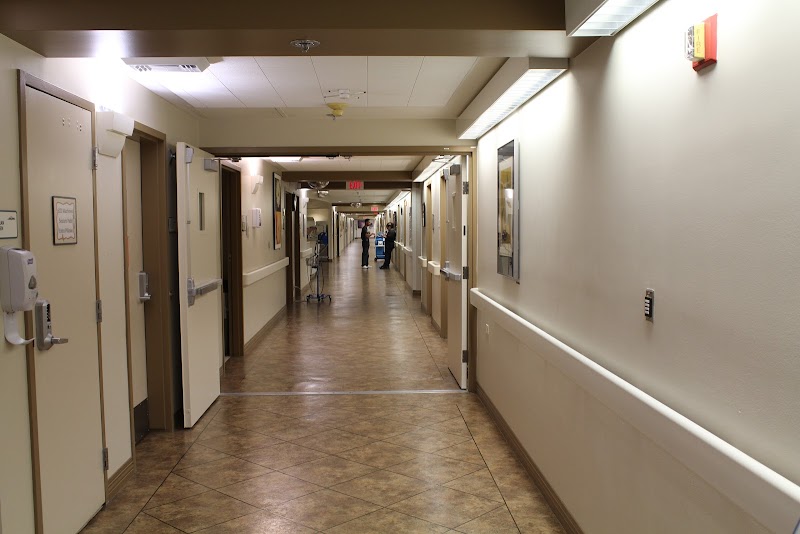
How is Hi-Desert Medical Center D/P Snf Staffed?

CMS rates HI-DESERT MEDICAL CENTER D/P SNF's staffing level at 2 out of 5 stars, which is below average compared to other nursing homes. Staff turnover is 64%, which is 18 percentage points above the California average of 46%. High turnover can affect care consistency as new staff learn residents' individual needs. RN turnover specifically is 71%, which is notably high. RNs provide skilled clinical oversight, so turnover in this role can affect medical care quality.

What Have Inspectors Found at Hi-Desert Medical Center D/P Snf?

State health inspectors documented 32 deficiencies at HI-DESERT MEDICAL CENTER D/P SNF during 2022 to 2025. These included: 32 with potential for harm.
Who Owns and Operates Hi-Desert Medical Center D/P Snf?

HI-DESERT MEDICAL CENTER D/P SNF is owned by a for-profit company. For-profit facilities operate as businesses with obligations to shareholders or private owners. The facility operates independently rather than as part of a larger chain. With 92 certified beds and approximately 83 residents (about 90% occupancy), it is a smaller facility located in JOSHUA TREE, California.
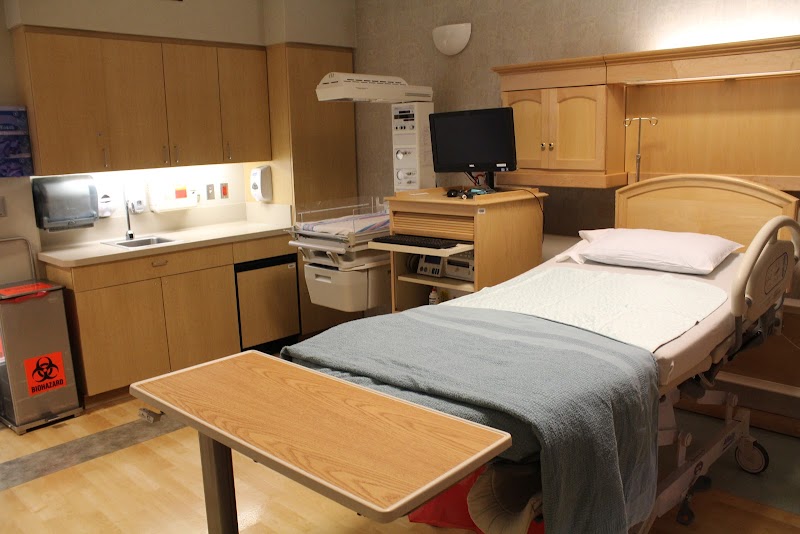
How Does Hi-Desert Medical Center D/P Snf Compare to Other California Nursing Homes?

Compared to the 100 nursing homes in California, HI-DESERT MEDICAL CENTER D/P SNF's overall rating (3 stars) is below the state average of 3.1, staff turnover (64%) is significantly higher than the state average of 46%, and health inspection rating (3 stars) is at the national benchmark.

What Should Families Ask When Visiting Hi-Desert Medical Center D/P Snf?

Based on this facility's data, families visiting should ask: "How do you ensure continuity of care given staff turnover, and what is your staff retention strategy?" "Can you walk me through typical staffing levels on day, evening, and night shifts?" "Can I visit during a mealtime to observe dining assistance and food quality?" "How do you handle medical emergencies, and what is your hospital transfer rate?" These questions are particularly relevant given the facility's high staff turnover rate and the below-average staffing rating.

Is Hi-Desert Medical Center D/P Snf Safe?

Based on CMS inspection data, HI-DESERT MEDICAL CENTER D/P SNF has a clean safety record: no substantiated abuse findings (meaning no confirmed cases of resident harm), no Immediate Jeopardy citations (the most serious violation level indicating risk of serious injury or death), and is not on the Special Focus Facility watch list (a federal program monitoring the lowest-performing 1% of nursing homes). The facility has a 3-star overall rating and ranks #100 of 100 nursing homes in California. While no facility is perfect, families should still ask about staff-to-resident ratios and recent inspection results during their visit.

Do Nurses at Hi-Desert Medical Center D/P Snf Stick Around?

Staff turnover at HI-DESERT MEDICAL CENTER D/P SNF is high. At 64%, the facility is 18 percentage points above the California average of 46%. Registered Nurse turnover is particularly concerning at 71%. RNs handle complex medical decisions and coordinate care — frequent RN changes can directly impact care quality. High turnover means new staff may not know residents' individual needs, medications, or preferences. It can also be disorienting for residents, especially those with dementia who rely on familiar faces. Families should ask: What is causing the turnover? What retention programs are in place? How do you ensure care continuity during staff transitions?

Was Hi-Desert Medical Center D/P Snf Ever Fined?

HI-DESERT MEDICAL CENTER D/P SNF has no federal fines on record. CMS issues fines when nursing homes fail to meet care standards or don't correct problems found during inspections. The absence of fines suggests the facility has either maintained compliance or corrected any issues before penalties were assessed. This is a positive indicator, though families should still review recent inspection reports for the full picture.

Is Hi-Desert Medical Center D/P Snf on Any Federal Watch List?

HI-DESERT MEDICAL CENTER D/P SNF is not on any federal watch list. The most significant is the Special Focus Facility (SFF) program, which identifies the bottom 1% of nursing homes nationally based on persistent, serious quality problems. Not being on this list means the facility has avoided the pattern of deficiencies that triggers enhanced federal oversight. This is a positive indicator, though families should still review the facility's inspection history directly.