La Crescenta Healthcare Center
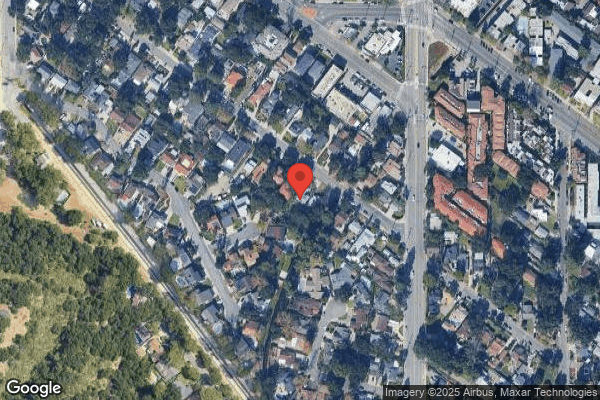
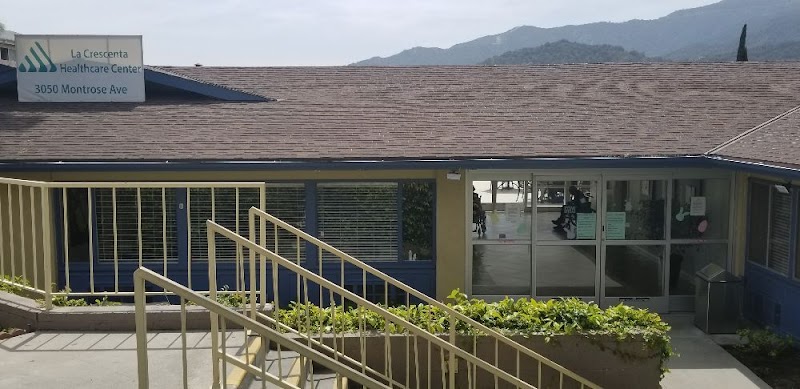
3050 MONTROSE AVE, LA CRESCENTA, CA 91214 (818) 957-0850
For profit - Partnership 92 Beds MARINER HEALTH CARE Data: November 2025 1 Immediate Jeopardy citation
Trust Grade
38/100
#623 of 1155 in CA
Last Inspection: April 2025

Within standard 12-15 month inspection cycle. Federal law requires annual inspections.

Overview

La Crescenta Healthcare Center has a Trust Grade of F, indicating significant concerns about the facility's care. Ranking #623 out of 1155 facilities in California places it in the bottom half, and at #121 of 369 in Los Angeles County, it suggests that there are better local options available. Although the facility is improving slightly, with issues decreasing from 20 in 2024 to 19 in 2025, it still reported 59 issues in total, including serious incidents like failing to supervise a resident at risk for falls and allowing another resident to leave the facility unsupervised. Staffing is a relative strength, rated 4 out of 5, but there is a concerning level of fines at $47,122, higher than 81% of California facilities, pointing to compliance problems. Additionally, while RN coverage is average, specific incidents show clear gaps in safety and supervision that families should weigh alongside the strengths.
Trust Score
F
38/100
In California
#623/1155
Bottom 47%
Safety Record
High Risk
Review needed
Inspections
Getting Better
20 → 19 violations
Staff Stability
○ Average
42% turnover. Near California's 48% average. Typical for the industry.
Penalties
✓ Good
$47,122 in fines. Lower than most California facilities. Relatively clean record.
Skilled Nurses
○ Average
Each resident gets 30 minutes of Registered Nurse (RN) attention daily — about average for California. RNs are the most trained staff who monitor for health changes.
Violations
⚠ Watch
59 deficiencies on record. Higher than average. Multiple issues found across inspections.
★★★☆☆
3.0
Overall Rating
★★★★☆
4.0
Staff Levels
★★★★★
5.0
Care Quality
★★☆☆☆
2.0
Inspection Score
Stable
2024: 20 issues
2025: 19 issues

The Good

  • 4-Star Staffing Rating · Above-average nurse staffing levels
  • 5-Star Quality Measures · Strong clinical quality outcomes
  • Full Sprinkler Coverage · Fire safety systems throughout facility
  • No fines on record
  • Staff turnover below average (42%)

    6 points below California average of 48%

Facility shows strength in staffing levels, quality measures, fire safety.

The Bad

3-Star Overall Rating

Near California average (3.1)

Meets federal standards, typical of most facilities

Staff Turnover: 42%

Near California avg (46%)

Typical for the industry

Federal Fines: $47,122

Above median ($33,413)

Moderate penalties - review what triggered them

Chain: MARINER HEALTH CARE

Part of a multi-facility chain

Ask about local staffing decisions and management

The Ugly 59 deficiencies on record

1 life-threatening 1 actual harm
Jul 2025 1 deficiency 1 IJ
CRITICAL (J) 📢 Someone Reported This

A family member, employee, or ombudsman was alarmed enough to file a formal complaint

Immediate Jeopardy (IJ) - the most serious Medicare violation

Accident Prevention (Tag F0689)

Someone could have died · This affected 1 resident

Based on interview, and record review, the facility failed to provide a safe and secured environment for one of five sampled residents (Resident 1), reviewed for accidents/safety, who was identified a...

Read full inspector narrative →
Based on interview, and record review, the facility failed to provide a safe and secured environment for one of five sampled residents (Resident 1), reviewed for accidents/safety, who was identified at risk for elopement (when a person with cognitive [thought process] impairment leaves a safe area, such as a care facility or home, without awareness of the potential dangers), wandering (a person that roams around and becomes lost or confused about their location) out of the facility, and at risk for falls by failing to: 1. Implement care plan interventions to visually monitor hourly, and check whereabouts (the place where a person is located), of Resident 1, who had been assessed at Risk for Elopement and Falls which resulted in Resident 1 leaving without authorization or supervision during Resident 1's scheduled physician (Oncologist -a physician who has special training in diagnosing and treating cancer) appointment, outside the facility on 7/17/2025. 2. Ensure the facility staff communicated with the medical transport driver (Driver 1) and the Oncologist Office Staff of Resident 1's needs to be supervised visually and monitored for whereabouts due to Resident 1's elopement risk, while the resident is in the Physician's [Oncologist] Office on 7/17/2025, prior to the scheduled appointment on 7/17/2025. 3. Ensure Registered Nurse (RN) 1 and the facility's Social Services Director (SSD 1) provided Resident 1 with a facility staff to accompany the resident at the physician [Oncologist] appointment on 7/17/2025, outside the facility, when Resident 1 was sent with Driver 1 (not a facility staff) on 7/17/2025 at 1:15 PM, who dropped off and left Resident 1 unsupervised in the Oncologist Office. As a result of these deficient practices, Resident 1 eloped and was reported missing by Driver 1 and Oncologist Office Staff on 7/17/2025 at 2:30 PM at the Oncologist Office, which was 10 miles away from the facility. These deficient practices placed Resident 1 at risk for falls, motor vehicle accidents and exposed Resident 1 to other environmental elements that can lead to serious injury, serious harm, serious impairment or death. On 7/22/2025 (five days after Resident 1 was reported missing), the Oncologist Office Staff informed the facility that Resident 1 was back in Resident 1's family member's (FM 1) home. On 7/18/2025 at 7:41 PM, while onsite at the facility, the California Department of Public Health (CDPH) identified and notified the Administrator (ADM) and the Director of Nursing (DON) of an Immediate Jeopardy situation (IJ, a situation in which the provider's noncompliance [not following rules] with one or more requirements of participation has caused or is likely to cause serious injury, harm, impairment, or death of a resident) regarding the facility's failure to provide one-on-one supervision to Resident 1, who was at high risk for elopement, during a physician's (Oncologist) appointment, outside of the facility that resulted to Resident 1 eloping from the Oncologist's office on 7/17/2025 and was placed at risk for falls, motor vehicle accidents and exposed to harsh environmental conditions that can lead to serious injury, serious harm, serious impairment, and/or death. On 7/19/2025 at 2:17 PM, the Administrator (ADM) provided an acceptable IJ Removal Plan (a detailed plan to address the IJ findings). On 7/19/2025 at 3:25 PM, while onsite and after the surveyor verified/confirmed the facility's full implementation of the IJ Removal Plan through observation, interview, record review, and determined that the IJ situation was no longer present, the IJ was removed onsite on 7/19/2025 at 3:25 PM, in the presence of the ADM and the Director of Nursing (DON). After the IJ was removed, the surveyor verified that the facility's non-compliance remained at a lower scope of isolated (when one or a very limited number of residents are affected and/or one or a very limited number of staff are involved) and lower severity of Level 2 (noncompliance with the requirements for participation that results in the potential for no more than minimal physical, mental, and/or psychosocial harm to the resident, but has the potential to result in more than minimal harm that is not immediate jeopardy). The IJ Removal Plan dated 7/19/2025 included the following information: 1. On 7/17/2025 at 2:30 PM, the facility was notified that Resident 1 was missing, the ADM, DON, Marketing Director, Central Supply Personnel, Rehabilitation Director, and Registered Nurse (RN) organized a search of the clinic and surrounding area. 2. On 7/18/2025 at 8 PM, the Regional Director of Clinical Operations provided a one-on-one in-service education to the ADM, DON, and SSD 1. The training covered the following: -Identification of residents at risk of elopement; -Risk assessment and care planning related to elopement; -New policies and procedures for residents' safety during External Medical and other Off-site (not in the facility) Visits for residents identified with risk for elopement. The requirement that the facility staff or a designated resident representative accompany such resident to appointments and the necessity of verbal and documented communication utilizing the consultation packet and providing the information including the Elopement Risk Evaluation Form to the receiving clinic regarding the resident's elopement risk. 3. The facility's Interdisciplinary Team (IDT- a group of professionals from different fields, designed with the purpose of supporting the health and well-being of participants) re-evaluated all four current residents (Residents 2, 3, 4 and 5) identified at risk for elopement and reviewed appropriate interventions. 4. On 7/18/2025, DON and ADM provided in-service training to all available facility staff concerning the elopement risk identification binder and new policy and procedures. In-service will continue approximately from 7/18/2025 to 7/21/2025 until all active facility staff have received the training. Staff on leave of absence or vacation will receive in-service training upon returning to work before the start of their shift. New employees will receive this training upon hire, and it will be repeated by the Director of Staff Development (DSD) annually. 5. Upon admission, the admitting nurse will evaluate each resident for elopement risk utilizing the designated evaluation form. Care plans and interventions should be identified. IDT will review and verify residents at risk have the necessary precautions in place. 6. The DON or a designee will review appointments daily to confirm that any resident identified at risk for elopement will be accompanied by either facility staff or a resident representative. The facility's nursing supervisor is responsible for verifying residents at risk for elopement are properly accompanied to their appointments. 7. Medical record personnel or their designee will conduct weekly audits of residents with off-site appointments and audit results will be submitted to the ADM and DON for follow-up, as necessary. 8. The SSD will review the off-site appointment schedule for residents each weekday and present the report to ADM and DON, and for any resident identified at risk, an arrangement will be made for a staff or a resident representative to accompany resident to appointment. Findings: During a review of Resident 1's admission Record (AR), the AR indicated the facility admitted Resident 1 on 5/20/2025, with diagnoses including encephalopathy (a change in brain function due to injury or disease), hypertension (high blood pressure), chronic pulmonary embolism (a blockage in one of the blood vessels in a person's lungs, most often caused by a blood clot that travels from another part of the body), malignant neoplasm (abnormal growth of tissue [cancerous cells] that can travel to other parts of the body) of the rectum (end part of the large intestine), and dementia (a progressive state of decline in mental abilities). During a review of Resident 1's History and Physical (H&P) signed and dated 5/20/2025 by Resident 1's primary physician (Physician 1), the H&P indicated Resident 1 had a diagnosis that included dementia. The H&P indicated Resident 1 needed scheduled treatments at the Oncologist Office located at the General Acute Care Hospital (GACH) 1. During a review of Resident 1's Minimum Data Set (MDS - a federally mandated [requirements imposed by the federal government] resident assessment tool) with assessment date of 5/26/2025, the MDS indicated Resident 1 had moderately impaired (decision poor; cues/supervision required) cognition (the process of knowing and understanding). The MDS also indicated that Resident 1 required supervision or touching assistance (helper provides verbal cues and/or touching/steadying and/or contact guard assistance as resident completes activity) for oral and personal hygiene, upper body dressing, roll left and right, and sit to lying position. The MDS also indicated that Resident 1 used a walker and wheelchair for her mobility and required partial/moderate assistance (helper does less than half the effort) on walking ten feet on uneven surfaces, wheeling 50 feet with two turns, and wheeling 150 feet with a manual wheelchair. The MDS indicated Resident 1 had wandering behavior present that occurred around one to three days during the MDS assessment date During a review of Resident 1's Elopement Risk Assessment (ERA) dated 5/20/2025, the ERA indicated Resident 1 was assessed with the following: Mobility Status: Resident 1's status was marked check for Able to propel a wheelchair. Behaviors: Resident 1's status was marked check for Wanting to go home, to work, or somewhere else. And history of wanting to leave the facility within the last 30 days. The ERA indicated a conclusion that Resident 1 was identified as At risk for elopement. The ERA indicated to develop a care plan for Resident 1's risk for elopement. During a review of Resident 1's care plan for Falls dated 5/21/2025, the care plan indicated Resident 1 was at risk for falls with Fall Risk Assessment score of 18. The care plan indicated that a Fall Risk Assessment with a score of 14 and above is considered high risk for falls. The care plan goal included decreasing the resident's risk for falls and injury with interventions. The care plan interventions included providing assistance with transfers and mobility, and visual monitoring every hour for Falling Star Program. (a fall prevention initiative that uses visual cues to identify residents at high risk of falling. It involves assessing residents, assigning them a fall risk score, and then using signs, such as a falling star graphic on their doors or at their bedside to alert staff to take extra precautions). During a review of Resident 1's Care Plan dated 5/22/2025, the Care Plan indicated that Resident 1 was at risk for elopement and wandering out of the facility. The care plan goals indicated to decrease Resident 1's risk for elopement and wandering out of the facility and provide a safe and supervised environment for wandering. The care plan interventions included avoiding overstimulation (experiencing too much sensory or mental input at once, causing a feeling of being overwhelmed and unable to process information effectively) which can occur in noisy environments, provide activities that will divert resident's attention from wandering, create a secure environment by securing doors and alarms, check the resident's whereabouts and place a wander-guard bracelet (resident's security system that sound off an alarm to alert caregivers when residents have wandered from the protected zone) for elopement precautions. During a review of Resident 1's Physician's Orders dated 5/22/2025, the Physician's Order indicated to place wander-guard bracelet on for elopement precautions and monitor for [wander-guard] proper placement and battery function every shift. During a review of Resident 1's IDT Care Conference Notes dated 5/22/2025, timed at 1:55 PM, conducted with the Social Service Director (SSD) 1 on 7/18/25 at 5:30 PM, the IDT Notes indicated Resident 1's current plan of care was discussed with FM 1 by phone that included fall risk assessment, visual monitoring every hour, elopement risk wander guard on the arm and interventions to manage risks. The IDT Note indicated FM 1's plan was to discharge Resident 1 to an Assisted Living Facility (ALF - provides housing and personal care services to individuals who need help with daily activities, but not the level of medical care provided in a nursing home) or Board and Care (refers to a residential care option catering to individuals requiring assistance with daily living activities). The IDT Note indicated the discharge date was not determined yet due to Resident 1's current condition and waiting for progress within 30 days due to encephalopathy and needs improvement in function. The IDT Notes did not indicate how Resident 1 would be monitored/supervised when going out on appointments outside of the facility. During a review of Resident 1's Social Service Progress Note (SSPN) dated 7/3/2025, the SSPN indicated that Resident 1 insists on going to FM 1's home and the facility's SSD 1 attempted to contact FM 1 several times, but FM 1 did not answer. The SSPN also indicated that the SSD 1 discussed with Resident 1 regarding placement to an ALF in which the resident replied, She [Resident 1] will think about it. During a review of Resident 1's Physician's Orders dated 7/14/2025, the Physician's Order indicated a follow-up appointment with the Oncologist at the Oncologist Office on 7/17/2025 at 1:20 PM. During a review of Resident 1's Progress Note (PN) dated 7/17/2025, timed at 12:30 PM, the PN indicated that Resident 1 went to the [Oncologist] appointment and picked up by medical transportation (to the appointment) in stable condition. During a review of Resident 1's PN dated 7/17/2025 timed at 2:30 PM, the PN further indicated that a phone call was received by the facility from the Oncologist Office Staff looking for Resident 1 because [Resident 1] took the restroom keys with her. At 2:30 PM, Driver 1 called the facility and notified the facility that Driver 1 could not find Resident 1 at the Oncologist Office. At 4 PM, the facility's supervisor notified the Police Department that Resident 1 was missing. During a review of a facility record titled Risk Meeting Notes (RMN) dated 7/18/2025, the RMN indicated that Resident 1 did not return from the Oncologist appointment to the facility. The RMN also indicated the following: 1. On admission, Resident 1 expressed the desire to go home with FM 1. 2. The plan is to continue to work and communicate with the Police Department in locating the resident (Resident 1) to ensure safety. The record indicated Will continue to attempt to reach out to FM 1. During an interview on 7/18/2025 at 1:10 PM with the DON, the DON stated, on 7/17/2025 immediately after the medical transportation driver (Driver 1) notified the facility of Resident 1's elopement, the DON went to the Oncologist office and looked for Resident 1. The DON stated that he also searched for Resident 1's home address indicated on the admission Record. The DON stated Resident 1 was alert and oriented and had never attempted to elope or wander during appointments outside the facility. The DON acknowledged that Resident 1 was identified by the facility as being at risk for elopement, and the facility staff did not send a facility staff to provide supervision and stay/accompany with Resident 1 while in the Oncologist Office [on 7/17/2025] because Resident 1 was alert and oriented and able to verbalize her needs. During an interview on 7/18/2025 at 2:10 PM with SSD 1, SSD 1 stated upon Resident 1's admission to the facility, the facility was made aware that Resident 1 was homeless (no home) and FM 1 informed the facility that Resident 1 would need a placement upon discharge. SSD 1 stated that on 7/3/2025, Resident 1 was asking to go to FM 1's house and SSD 1 tried to contact FM 1. SSD 1 stated she did not document in Resident 1's records or progress notes Resident 1's risk for elopement and how Resident 1 would be monitored/supervised when going out to the Oncologist appointments, scheduled outside the facility. During an interview on 7/18/2025 at 2:55 PM with Registered Nurse (RN) 1, RN 1 stated Resident 1 did not appear to be a wanderer (a person with dementia roams around and becomes lost or confused about their location). RN 1 stated on 7/17/2025, she escorted Resident 1 on the way out of the facility prior to the Oncologist appointment and endorsed Resident 1 to Driver 1. RN 1 stated she removed Resident 1's wander-guard battery in front of Driver 1. RN 1 stated she did not want to mention that Resident 1 was an elopement risk in front of Resident 1. RN 1 stated Driver 1 should have been made aware by SSD 1 of Resident 1's risk for elopement. RN 1 stated that it was more appropriate that the facility's SSD (SSD 1) communicate Resident 1's risk for elopement to Driver 1 and the Oncologist office staff, when SSD 1 made the physician appointments for Resident 1. During an interview on 7/18/2025 at 3:40 PM, Driver 1 stated he dropped off Resident 1 at the Oncologist's Office on 7/17/2025 at around 1:15 PM and informed the Oncologist Office staff by saying, Call me when Resident 1 is ready for pick up. Don't let Resident 1 go anywhere else. However, Driver 1 stated he did not receive instructions from RN 1 or any facility staff that he needed to stay and supervise or accompany Resident 1 one-to-one, while in the Oncologist Office. Driver 1 stated he did not receive a call back from the Oncologist office staff that Resident 1 was ready to be picked up, so Driver 1 went back to the Oncologist Office on 7/17/2025 at around 2:15 PM (approximately one hour after dropping the resident off), but Driver 1 stated he did not see Resident 1 at the waiting area of the Oncologist Office. Driver 1 stated the Oncologist Office staff told him (Driver 1) that Resident 1 went to the restroom. Driver 1 stated he then waited for about five to ten minutes more for Resident 1 in the waiting area, but Resident 1 did not come back. Driver 1 stated the Oncologist Office staff tried to find Resident 1 around 2:30 PM but could not find Resident 1. Driver 1 stated he called the facility immediately, when Oncologist office staff informed him, they could not find Resident 1. During an interview on 7/18/2025 at 4:55 PM with the Oncologist Office Staff (OS) 1, OS 1 stated she recalled when checking in Resident 1 for the Oncology (the branch of medicine that studies, diagnoses, and treats cancer) appointment on 7/17/2025 at around 1:10 PM, OS 1 stated Resident 1 was accompanied by only one person (Driver 1) who did not stay with Resident 1, during the appointment. OS 1 stated the person (Driver 1) who took Resident 1 to the Oncology appointment asked what time to pick the resident (Resident 1) up and left the resident in the physician office. OS 1 stated the Oncologist office staff were not informed by facility staff to always supervise Resident 1 due to risk of elopement or that the resident was at risk for elopement. During a follow-up phone interview on 7/22/2025 at 10 AM with the Administrator (ADM), the ADM stated Resident 1 remained missing and had not returned to the facility. During a review of an email communication sent to the California Department of Public Health (CDPH), from General Acute Care Hospital (GACH) 1, who oversee the Oncologist Office, dated 7/22/2025 timed at 10:30 PM, an email communication titled Notification of Potential Reportable Event was reviewed. The email communication indicated that GACH 1 was notified by the Oncologist Office of A potential reportable neglect event. The email further indicated On 7/18/2025, a social worker (unknown) was made aware of an incident that occurred on 7/17/2025. The email indicated that a resident (Resident 1) with history of forgetfulness and dementia who was a patient at the Oncologist Office was dropped off at the Oncologist Office without a caregiver or a chaperone to attend to the resident's needs and Therefore [Resident 1] attended the appointment alone. The email further indicated At the conclusion of the appointment, [Resident 1] checked out the [Oncologist Office] and asked for the key to the restroom which was provided. The patient [Resident 1] did not return to the lobby to return the key. [Oncologist Office staff] went to check on [Resident 1] in the restroom and did not find [Resident 1]. The key was found later in the lobby. Further review of GACH 1's email communication dated 7/22/2025 indicated that [Driver 1] was in the parking lot of the [Oncologist Office] waiting for [Resident 1] did not see Resident 1. The email indicated the Police Department was notified of the concern for missing person. The email further indicated that the facility reported to GACH 1 that this had been a trend for Resident 1 and had eloped from the same facility in the past, as well as other facilities. The email indicated that on 7/22/2025, Resident 1 called the Oncologist Office Staff and informed the Oncologist Office that she was safe and staying at FM 1's house at the moment. During a review of the facility's policy and procedure (P&P) titled Safety Supervision of Residents undated, the P&P indicated that resident supervision is a core component of the systems approach to safety. The P&P indicated the type and frequency of resident supervision is determined by the individual resident's assessed needs and identified hazards in the environment. During a review of the facility's P&P titled Resident Elopement undated, the P&P indicated The facility will provide a safe environment and preventive measures for elopement with the aim to monitor and document patients at risk for elopement.
Jul 2025 1 deficiency 1 Harm
SERIOUS (G) 📢 Someone Reported This

A family member, employee, or ombudsman was alarmed enough to file a formal complaint

Actual Harm - a resident was hurt due to facility failures

Accident Prevention (Tag F0689)

A resident was harmed · This affected 1 resident

**NOTE- TERMS IN BRACKETS HAVE BEEN EDITED TO PROTECT CONFIDENTIALITY** Based on observation, interview, and record review, the facility failed to ensure residents reviewed for accidents/hazards recei...

Read full inspector narrative →
**NOTE- TERMS IN BRACKETS HAVE BEEN EDITED TO PROTECT CONFIDENTIALITY** Based on observation, interview, and record review, the facility failed to ensure residents reviewed for accidents/hazards received adequate supervision to prevent accidents and injury for one of two sampled residents (Resident 1), who had a recent fall, and who was identified at high risk for falls upon admission on [DATE], by failing to:1. Ensure the facility communicated and provided awareness to licensed nurses (Licensed Vocational Nurse [LVNs 1 and 2] and Registered Nurse [RN] 1) and certified nurse assistants (CNAs 1, 2, 3 and 4) that Resident 1 was identified as high risk for falls due to recent history of falls history of falls and interventions to visually monitor every hour, in accordance with the care plan for falls and the physician order.2. Ensure the Restorative Nursing Assistants (RNA - provides rehabilitative care to patients recovering from illnesses or injuries) check the fall risk visual identifiers (Red name band and/or red star on the room, bed, and wheelchair) for residents identified as high risk for falls, during the RNAs daily resident rounds, in accordance with the facility's policy and procedure (P&P) titled Falling Star Program. These deficient practices resulted in Resident 1 having an unwitnessed fall (unknown date) as discovered by CNA 1, LVN 1, and RN 1 in the morning shift (7 AM to 3 PM) of 6/19/2025, resulting in an acute (sudden onset) comminuted (fragments) right intertrochanteric (upper part of the femur) fracture (crack or break in the bone) with moderate displacement (a broken bone where the two ends have moved out of their normal alignment) and angulation (the bone is bent in a curved position) on 6/19/2025. Resident 1 sustained bruising to the right knee and right inner thigh and complained of pain to the right hip. The facility transferred Resident 1 to General Acute Care Hospital (GACH 1) on 6/19/2025 because Resident 1 could not move her right leg due to pain and had a surgery of the right femur (bone of the thigh).Findings:During a review of Resident 1's admission Record (AR), the AR indicated the Resident 1 was admitted to the facility on [DATE] with diagnoses that included nondisplaced (the bone cracks or breaks but retains its proper alignment) fracture of the sacrum (the triangular bone at the base of your spine, below your lower back and between your hip bones), unspecified fall, left artificial hip joint, and idiopathic (cause unknown) peripheral autonomic neuropathy (nerve damage often causes weakness, numbness and pain, usually in the hands and feet).During a review of Resident 1's facility document titled Fall Risk Data Collection (FRDC), dated 5/14/2025, the FRDC indicated Resident 1 had one to two falls for the past three months. The FRDC indicated Resident 1 was not able to stand or balance on both feet. The FRDC indicated Resident 1 was identified as high risk for falls. The FRDC further indicated IDT met with the resident's family (Family 1 and 2) and discussed plan of care . Informed of risks upon fall risk assessment, red star fall program, and visual monitoring every hour and interventions to manage risks.During a review of Resident 1's History and Physical Examination (H&P), dated 5/15/2025, the H & P indicated Resident 1 had the capacity to make healthcare decision. The H&P indicated Resident 1's diagnoses included s/p fall with left hip fracture. During a review of Resident 1's physician order titled General Order dated 5/15/2025, the order indicated Visual monitoring every hour for Falling Star Program.During a review of Resident 1's care plan titled High risk for falls that may result to physical harm dated 5/15/2025, the care plan indicated a goal developed on 5/15/2025, to decrease the resident's risk of falls and injury with intervention. The care plan interventions with an approach date of 5/15/2025, included Resident 1 to be placed in the facility's Falling Star Program, provide awareness to staff that patient has history of falls and continued to be at risk for falls. The care plan interventions dated 7/3/2025, indicated Visual monitoring every hour for falling star program (two months after Resident 1 was identified as high risk for falls on 5/15/2025)During a review of Minimum Data Set (MDS, a resident assessment tool), dated 5/20/2025, the MDS indicated Resident 1 required setup or clean-up assistance (helper sets up or cleans up; resident completes activity) with eating, partial/moderate assistance (helper does less than half the effort) with personal; hygiene and dressing and substantial/maximal assistance (helper does more than half the effort) with bathing and toileting. During a review of Resident 1's facility document titled SBAR [Situation, Background, Assessment, Recommendations] - General (document used for residents change of condition), dated 6/19/2025 timed at 7:37 AM, the SBAR indicated at 7:30 AM, Resident 1 complained of right knee pain, and had discoloration (bruising) on the right knee and right inner thigh. The SBAR indicated [Resident 1] was unable to move her right leg due to pain. The SBAR indicated the resident was confused because she was trying to get out of bed .The SBAR indicated pain medication was given for pain management. The SBAR indicated the physician was made aware, and X-ray (used to create images of the inside of the body) was ordered. The document indicated on 6/19/2025 timed at 2 PM, the X-ray result indicated an acute comminuted right intertrochanteric fracture. The document indicated, at 3:40 PM, Primary Medical Doctor (PMD) ordered to transfer Resident 1 to [GACH] 1. During a review of Resident 1's physician order, dated 6/19/2025, the order indicated Resident 1 was transferred to [GACH 1] for further evaluation of acute comminuted right intertrochanteric fracture.During a review of Resident 1's GACH 1 Records titled Emergency Department Reports (EDR), dated 6/19/2025, the EDR indicated Resident 1 presented to the GACH 1 Emergency Department with right hip tenderness (sensitivity to pain) due to a right hip fracture. The EDR indicated under Medical Decision Making indicated Patient [Resident 1] seen and evaluated and given the presentation, the diagnoses included but not limited to fracture, fall, UTI (urinary tract infection - infection of the urinary system), no dislocation, contusion (a bruise). During a review of Resident 1's GACH 1 Records titled History and Physicals (H & P), dated 6/19/2025, the H & P indicated Resident 1 was recently admitted to GACH 1 after a fall leading to an insufficiency fracture (a crack in a bone that occurs without a definite injury). The GACH 1 record indicated Resident 1 was residing at a facility and had a fall a few days ago. The GACH 1 record indicated the X-ray report was consistent with a right intertrochanteric fracture.During a review of Resident 1's GACH 1 Records titled Surgery and Procedure Reports (SPR), dated 6/20/2025, the SPR indicated Resident 1 had a surgery of the right femur.During a review of Resident 1's GACH 1 Records titled Discharge Summaries Notes (DSN), dated 6/23/2025, the DSN indicated Resident 1 had a hip and femur fracture repair. The DSN indicated Resident 1 was transferred to another facility for rehabilitation on 6/23/2025. During phone interview on 7/3/2025 at 10:20 AM with Resident 1's family member (FAM 1), FAM 1 stated, Resident 1 was alert and able to verbalize her needs. FAM 1 stated, someone in the facility called him on 6/19/2025 and informed him that Resident 1 had a fall and sustained a fracture and will be transferred to GACH 1. FAM 1 stated, Resident 1 was still at GACH 1 and had surgery because of the fracture. FAM 1 stated to call Resident 1 in GACH 1. During phone interview on 7/3/2025 at 10:35 AM with Resident 1, Resident 1 stated, she was still recovering at [GACH 1] at this time because she had a fall at the facility. Resident 1 stated she was getting up from her wheelchair when her wheelchair moved, and she fell on the ground. Resident 1 stated, she could not remember when, where and the time she had the fall. Resident 1 stated, she could not remember how she got up or who helped her get back on her wheelchair after the fall.During an interview on 7/3/2025 at 10:50 AM with CNA 1 (worked 7 to 3 shift on 6/15, 6/17, 6/18, and 6/19), CNA 1 stated, in the morning of 6/19/2025 (7AM to 3 PM shift), not sure of the time, CNA 1 noticed Resident 1's right leg was swollen and had purple discoloration, so she informed her supervisor (RN 1). CNA 1 stated, she was not aware if Resident 1 had a fall prior to the morning shift. CNA 1 stated she was not aware if Resident 1 was on any type of special monitoring such as every hour visual monitoring for risk for falls. CNA 1 stated she normally checks on Resident 1 every two hours during her shift. During an interview on 7/3/2025 at 11:40 AM with LVN (license Vocational Nurse) 1, LVN 1 stated, she was the licensed nurse assigned to Resident 1, in the morning (7 AM to 3 PM) of 6/19/2025, when CNA 1 reported to RN 1 that Resident 1's right leg had purple discoloration and swollen. LVN 1 stated that Resident 1's primary medical doctor (PMD) ordered x-ray which showed fracture to the right leg. LVN 1 stated Resident 1 was sent to [GACH 1] for further evaluation. LVN 1 was asked if Resident 1 was on frequent visual monitoring and why. LVN 1 stated she was not sure if Resident 1 was on visual monitoring and unsure if the monitoring was every one hour or every two hours. LVN 1 stated, the previous shift (11 PM to 7 AM) did not mention if Resident 1 had a fall during their shift. During an interview on 7/3/2025 at 1:35 PM with CNA 2 (worked 3 PM to 11 PM shift, on 6/14, 6/15, 6/18 and 6/19), CNA 2 stated, she knows Resident 1, and normally checks on Resident 1 every 2 hours just like every other resident on her assignments. During an interview on 7/3/2025 at 1:45 PM with CNA 3 (worked 11 to 7 shift on 6/18/2025), CNA 3 stated, she knows Resident 1, and did not know if Resident 1 was not on any special type of frequent visual monitoring, so she checks on her four times a shift (approximately every two hours in an 8 hour shift) and normally checks on this resident every 2 hours just like every other resident on her assignments.During an interview on 7/3/2025 at 2 PM with CNA 4 (worked 7 to 3 shift on 6/14/2025), CNA 4 stated, he knows Resident 1, and CNA 4 was not aware of her every one-hour visual monitoring for risk for falls.During an interview on 7/3/2025 at 2:05 PM with LVN 2, LVN 2 stated, she knows Resident 1, but was not aware Resident 1 had a history of fall nor on one-hour visual monitoring for risk for falls.During an interview on 7/9/2025 at 2:20 PM with Treatment Nurse (TN) 1, TN 1 stated, she worked on 6/19/2025 in the morning shift (7 AM to 3 PM). TN 1 stated, there was bruising and purple discolorations on Resident 1's right knee and right inner thigh when she observed the resident on 6/19/2025, prior to [GACH 1] transfer. During an interview on 7/9/2025 at 2:30 PM with RN (Registered Nurse) 1, RN 1 stated, she worked on 6/19/2025, in the morning shift (7 AM to 3 PM). RN 1 stated, she assessed Resident 1 right away when CNA 1 told her about the bruising found on Resident 1' s right knee and thigh. RN 1 stated, there was quite a bit of discoloration/bruising on Resident 1's right knee and thigh so she notified the PMD on the same day (6/19/2025) and X-ray and blood tests were ordered. RN 1 stated, Resident 1 was transferred to [GACH 1] on 6/19/2025, for further evaluation. During an interview on 7/9/2025 at 3:20 PM with RNA 1, RNA 1 stated, she works five days a week doing Range of Motion Exercises (ROM) for the residents. RNA 1 stated, she is aware of the facility's Red Star Program for those residents who were identified at risk for falls. RNA 1 stated, RNAs does not have a list of residents included in the Red Star Program, and she was not aware that RNAs were responsible to ensure residents on the Redstar program had visual identifier. During a concurrent observation inside the facility's Dining Room (DR) and interview with the MDS Nurse (MDSN), on 7/9/2025 at 4 PM, a facility record titled Resident on Staff Fall Monitoring dated 5/28/2025, was observed posted on the wall of the DR. During the interview, the MDSN stated, the posted record is the document posted for the facility staff to monitor for fall. The posted record indicated a list of eight resident names and room numbers. The posted record further indicated Monitor (staff in charge) CNA, please remind assigned CNAs to change the residents for incontinent episodes . The posted record further indicated in bold letters Residents Must Be Checked. During the record review, the posted record did not include Resident 1's name on it. The MDSN stated, there was another list for the facility's Red Star Program, but the resident's list was not posted anywhere. The MDSN could not answer why the resident's list for the facility's Red Star Program was not posted for facility staff information and why Resident 1's name and room number were not included on the posted record list for the facility staff to include in monitoring for residents on fall monitoring, as indicated from Resident 1's Fall Risk Data Collection dated 5/14/2025. During a concurrent interview and record review, on 7/9/2025, at 4:15 PM, the Administrator (ADM) handed over a resident's list titled Red Star (undated) that included 22 residents' names and their corresponding room numbers. The undated Red Star list did not include Resident 1's name and room number. The ADM stated, she got the Red Star list from the facility's internal records. The ADM did not have an answer as to why Resident 1 was not on the Red Star list as indicated in the IDT recommendations on the Fall Risk Data Collection dated 5/14/2025. The ADM stated she did not know why the Red Star list was not posted for facility staff to be aware on who are all the residents to be monitored for fall risk. The ADM was asked if she can provide the list of residents included in the Red Star list for May and June 2025 and stated she was not able to find the lists of residents for these months.During a concurrent interview and record review of the facility's P&P titled Falling Star Program, provided by the facility's Administrator on 7/9/2025, at 4:17 PM, the ADM stated the facility uses this specific policy to implement the facility's Falling Star Program. During the concurrent review of the policy, the policy indicated The Restorative Nursing Assistant (RNA) will be responsible for checking of the [residents'] visual identifiers during daily rounds. During the concurrent interview, the ADM did not have an answer as to why the RNAs were not aware of checking identifiers for residents identified as high risk for falls and included in the Falling Star Program. The ADM stated there was another policy for the Falling Star Program specific for the RNAs but could not find it at this time. During a concurrent interview and record review of Resident 1's care plan (CP) for falls developed on 5/15/2025, on 7/9/2025, at 4:30 PM, the MDSN stated the indicated care plan intervention in the CP included Resident 1 was placed in the facility's Red Star Program. The MDSN stated the CP also indicated the intervention of visual monitoring every hour was just added on 7/3/2025 (35 days after the unwitnessed fall on 6/19/2025). The MDSN stated since the care plan interventions for every hour monitoring was just added on 7/3/2025, that means Resident 1 did not have hourly visual monitoring implemented prior to 6/19/2025 (unwitnessed fall).During an interview on 7/9/2025 at 4:50 PM, the MDSN stated, he was aware Resident 1 was assessed on 5/14/2025 for high fall, with the planned interventions to place Resident 1 on the facility's Red Star Fall Program with visual checks every hour. The MDSN did not have an answer as to why Resident 1 was not included on the list of Red Star Residents provided by the ADM and did not know why the RNAs were not aware of the responsibility to check visual identifiers of the high fall risk residents. The MDSN stated, the intervention of visual monitoring every hour due to Resident 1's risk for falls should have been initiated upon admission on [DATE] and not just added on 7/3/2025, to ensure facility staff had the proper guidance to prevent and protect from falls. The MDSN stated, since there was no intervention of visual monitoring every hour there was no guidance to how to take care of Resident 1, and if no guidance, Resident 1 had the potential for recurrent falls or accidents. A review of the facility's P & P titled, Fall Management (undated), the P&P indicated: a)based on previous evaluation and current data, staff will identify interventions related to resident specific risk and causes to try to reduce the risk of resident falling, and try to minimize complications from falling, b) any resident admitted will have a fall risk data collection form completed, a score of fourteen (14) or above is considered a high fall risk, a fall prevention plan will be implemented (Falling Stars Program).A review of the facility's policy and procedure (P & P) titled, Falling Star Program (undated), the P&P indicated the following information: - The purpose of the Falling Star Program is to identify residents at highest risk for falls and/or injuries and designed to monitor residents and determine the predisposing factors and underlying reasons for fall incidents, develop and implement a plan of care to minimize the risk for fall or major injuries . Use of visual identifiers to alert staff of the residents' high risk for falls and/or injuries would be implemented. -The red star will be affixed by the license Nurse/Designee in the resident's name at the room entrance, on top of the resident ‘s bed, in the wheelchair and/or walker, and a red name band. If the resident has Fall Risk Data Collection Score of 14 and above, along with following additional criteria: 1. Resident has more then one (1) fall within the last ninety (90 days). 2. Resident has history of major injuries, including but not limited to a fracture. -The facility's IDT will review the Fall Risk Data Collection and conduct resident observations, discuss during the schedule meeting (i.e., weekly Fall Risk Meeting), evaluate the resident's status, and determine if the resident will need to continue being included in the program or will need to discontinue if resident is no longer deemed appropriate for the program.-Individualized plans of care will be implemented by the IDT to minimize the risk of resident of falling with major injuries. Sample strategies. Depending on resident-specific care needs are as follows: 1. Creating an area for residents on high risk for falls/injuries. 2. Staff assigned in the designated area will be provided ongoing training on fall prevention strategies. 3. Specialized activity programming for the residents designated area to meet the resident preferences, including a happy feet program 4. Scheduled safety rounds with assigned staff.-Restorative Nurse Assistant (RNA) will be responsible for checking of the visual identifiers during their daily rounds. A review of the facility's P & P titled, Safety Supervision of Residents 8/23/2024, the P&P indicated: 1. Resident safety and supervision and assistance to prevent accidents are company-wide priorities.2. Implementing interventions to reduce accident risk and hazard shall include communicating interventions to all relevant staff and assigning responsibility to carrying out interventions, and ensuring interventions are implemented. A review of the facility's P & P titled, Comprehensive Plan of Care (undated), the P&P indicated that comprehensive plan of care must address the resident's individual needs, reflect interventions to meet short- and long-term resident goals and include interventions to attempt to manage risk factors.
Apr 2025 12 deficiencies
CONCERN (D)

Potential for Harm - no one hurt, but risky conditions existed

Deficiency F0554 (Tag F0554)

Could have caused harm · This affected 1 resident

**NOTE- TERMS IN BRACKETS HAVE BEEN EDITED TO PROTECT CONFIDENTIALITY** Based on observation, interview, and record review the facility failed to follow the facility ' s policy and procedure for self-...

Read full inspector narrative →
**NOTE- TERMS IN BRACKETS HAVE BEEN EDITED TO PROTECT CONFIDENTIALITY** Based on observation, interview, and record review the facility failed to follow the facility ' s policy and procedure for self-administration of medications for one out of one sampled resident (Resident 75) when: 1. Resident 75 was not assessed prior to self-administration of medications. 2. Resident 75 was observed storing medications at the bedside. This deficient practice had the potential for Resident 75 and other resident who can have access to the medications to be at risk of harm from potential side effects or adverse effect (undesired effect of medication) that the medications could pose on Resident 75. Findings: A review of Resident 75 ' s admission Record indicated the resident was admitted on [DATE] with diagnoses that included right leg wound, left leg fracture (break in the bone), and hypertension (elevated blood pressure). A review of Resident 75 ' s History and Physical (H&P), dated 9/28/2024, indicated the resident does have the capacity to understand and make decisions. A review of Resident 75 ' s Minimum Data Set (MDS - a federally mandated resident assessment tool), dated 4/4/2024, indicated the resident has intact cognition (the ability to process thoughts and information.) The MDS also indicated the resident is independent in self-care activities including eating, toileting, and personal hygiene. A record review of Resident 75 ' s physician order report for 4/2025, included orders for: May keep artificial tears and Flonase (a medication administered to the nose to aid in treating allergies) nasal spray at bedside in locked cabinet, ordered on 4/22/2025. Monitor for proper self-administration of Flonase nasal spray and artificial tears weekly, ordered on 4/22/2025. Artificial Tears 1 (one) drop, as needed, ordered on 4/22/2025. The order included instructions, may self administer 1 drop into each eye as often as needed. Flonase Allergy Relief spray, 50 mcg (microgram, a unit of measurement), 1 or 2 sprays into each nostril once a day, ordered on 4/22/2025. The order included instructions, may self administer 1 or 2 sprays into each nostril once a day as needed for nasal congestion. During an observation and interview on 4/22/2025 at 9:23 AM inside Resident 75 ' s room, a bottle of nasal spray, labeled Saline Nasal Spray, and a bottle of eye drops without a cap labeled, Clear Eyes, were observed on Resident 75 ' s table. While the surveyor was interviewing Resident 75, the resident grabbed the bottle of nasal spray from the table, uncapped the bottle, and administered 1 spray into each nostril. Resident 75 stated he self-administers the nasal spray every 3 to 4 hours. During a follow-up interview on 4/22/2025 at 9:25 AM, Resident 75 stated he bought the nasal spray (spray into the nose) and eye drops himself and has been using them for more than 1 month. Resident 75 stated the facility has not conducted a meeting with him regarding the self administration of medications. Resident 75 stated he has always kept the medications on his table so that they are easily accessible. During a concurrent observation and interview on 4/22/2025 at 9:41 AM inside Resident 75 ' s room with Licensed Vocational Nurse (LVN) 2, LVN 2 stated she was not aware that Resident 75 was keeping medications at bedside and self-administering them. LVN 2 stated the medications must be stored inside of a locked container to prevent access to other residents who may be confused. During a concurrent interview and observation on 4/22/2025 at 9:44 AM with LVN 2, Resident 75 ' s medical records were reviewed. LVN 2 stated there is no record that Resident 75 was assessed for the capacity to self-administer medications. LVN 2 stated there are no records of medication administration for Resident 75 ' s nasal spray and eye drops. LVN 2 added there are no orders for Resident 75 ' s nasal spray and eye drops, and that Resident 75 may self-administer his own medications. During an interview on 4/22/2025 at 9:49 AM with Registered Nurse (RN) 1, RN 1 stated residents are only permitted to self-administer medications if they have been assessed and evaluated. RN 1 stated if the residents self-administer without being evaluated, they could be self-administering the medications incorrectly which could lead to overdose and interactions with their current medications. RN 1 also stated the resident ' s use of the medication must be logged and monitored. During a concurrent interview and record review on 4/25/2025 at 10:51 AM with the Director of Nursing (DON), the facility ' s policies and procedures (P&P) titled, Self-Administration of Medication, undated, was reviewed. The DON stated the P&P indicated residents must be assessed prior to allowing them to self-administer their own medications. The DON stated that the resident ' s self-administration of medications must also be tracked by staff by giving the resident a log to record when they self-administer their medication. The DON also stated that not following the policy puts the resident at risk for harm such as overdosing on medication. The DON added not storing the medications in a locked container could allow other residents to use the medications, which could lead to the spread of infection. A review of the facility ' s P&P titled, Self-Administration of Medication, undated, indicated the following: If a resident desires to participate in self-administration, the interdisciplinary team will assess the ability of the resident to participate. The nurse will interview the resident to determine their ability to identify, prepare, secure, and administer medications. The nurse will obtain a physician ' s order for each resident conducting self-administration of medications. Storage of self-administered medications will comply with state and federal requirements for medication storage. A review of the facility ' s P&P titled, Bedside Medication Storage, dated 2007, indicated the following: The interdisciplinary team (IDT) will review and approve resident competencies and understanding prior to permission of bedside storage of medications as established in the nursing care centers policies and procedures. A written order for the bedside storage of medications is present in the resident ' s medical record. Bedside storage of medications is indicated on the resident medication administration record (MAR) for the appropriate medications. The manner of storage prevents access by other residents.
CONCERN (D)

Potential for Harm - no one hurt, but risky conditions existed

Deficiency F0558 (Tag F0558)

Could have caused harm · This affected 1 resident

**NOTE- TERMS IN BRACKETS HAVE BEEN EDITED TO PROTECT CONFIDENTIALITY** 2. A review of Resident 33's admission Record, indicated the resident was originally admitted to the facility on [DATE] and read...

Read full inspector narrative →
**NOTE- TERMS IN BRACKETS HAVE BEEN EDITED TO PROTECT CONFIDENTIALITY** 2. A review of Resident 33's admission Record, indicated the resident was originally admitted to the facility on [DATE] and readmitted on [DATE] with diagnoses that included dementia (a gradual decline in mental ability usually caused by a brain disease), Parkinson's disease a brain disorder in which there is a lack of the chemical messenger dopamine, which helps control muscle movement; leads to muscle stiffness, weakness, and trembling), and osteoarthritis (inflammation of the joints due to the breakdown of the cartilage lining the bones in joints). A review of Resident 33's H&P, dated 11/27/2024, indicated the resident has a history of fractures (a break in a bone). The H&P also indicated the resident has a history of mental illness. A review of Resident 33's MDS, dated [DATE], indicated Resident 33 has severely impaired cognition (the ability to think and process information). The MDS also indicated that the resident is dependent on activities such as toileting and bathing and required substantial/maximal assistance to roll in bed from left to right. A review of Resident 33's care plans for visual deficit, dated 3/14/2025, included an intervention to keep call light within reach. During an observation and interview on 4/22/2025 at 8:58 AM inside Resident 33's room, Resident 33 was lying in bed and stated help. Resident 33's call light was observed hanging on the left side of the bed, not within reach of the resident. During a concurrent observation and interview on 4/22/2025 at 9:03 AM with Certified Nursing Assistant (CNA) 1, CNA 1 stated Resident 33 cannot reach the call light because it is hanging on the side of the bed. CNA 1 stated Resident 33 knows how to use and uses the call light to call for help. CNA 1 stated the resident would not be able to call for help if the call light is not within reach. During an interview on 4/24/25 at 9:28 AM with DON (Director of Nurses), DON stated, he expects staff to answer call light promptly, and call lights should always be within the residents reach as per policy. DON stated, the call light needs to be within reach so residents can call for assistance with ADLs, and especially during an emergency from accidents or falls. A review of the facility's policy and procedure (P&P) titled, Fall Management, (undated), indicated; a) the staff will identify interventions related to the resident's specific risks and causes to try to reduce the risk of the resident falling, b) a fall prevention program will be developed for each resident that will provide staff with functional strategies to minimize risk for fall and c) fall risk factor includes; lower extremity weakness, functional impairments, heart failure and neurological disorders. A review of the facility's policy and procedure (P&P) titled, Call Lights-Answering Of, (undated), indicated; a facility staff will provide an environment that helps meet the resident's need, b) respond to resident's call light in a timely manner, and c) ensure that the call light is placed within the Resident's reach. Based on observation, interview and record review, the facility failed to accommodate the needs two of two sampled residents (Resident 184 and 33) in accordance with the facility's policy and procedure by failing to ensure the call light (a device used by residents to signal his or her needs for assistance) was within reach (within arm's length). This deficient practice had the potential for Resident 184, who was at high risk of falls, and Resident 33, who has visual deficits, to not be able to call the facility staff to ask for help or assistance, especially during emergencies. Findings: 1. During a review of Resident 184's admission Record, indicated the facility originally admitted Resident 184 on 3/26/2025 and readmitted on [DATE] with diagnoses that included encephalopathy (a general term for brain disease, damage, or malfunction), disorder of bone density and structure (a condition where bones become weak and brittle, making them more prone to fractures), and atherosclerotic heart disease (thickening or hardening of the arteries). During a review of Resident 184's History and Physical Examination (H&P), dated 4/17/2025, indicated chief complaint was weakness and neurological physical examination was grossly intact. During a review of Resident 184's Minimum Data Set (MDS - a resident assessment tool), dated 3/31/2025, indicated Resident 184 was dependent (helper does all the effort) with eating, toileting and bathing, and required substantial/maximal assistance (helper does more than half the effort) with dressing and personal hygiene. A review of Resident 184's facility document titled, Fall Risk Data Collection dated 4/15/2025, indicated Resident 184 was high risk for fall. A review of Resident 184's care plan (CP) for high risk for fall that may result in physical harm due to balance problem and muscle weakness dated 4/16/2025, the CP intervention included keep call light within reach. During a concurrent observation and interview on 4/22/25 at 11:00 AM with Registered Nurse (RN) 1 and License Vocational Nurse (LVN) 1 in Resident 184's room. Resident 184 was lying in the bed with head of bed elevated at 30 degrees eyes closed, the call light was hanging on the left side of the bed, the button was about six inches from the floor. LVN 1 stated, the call light for Resident 184 could not be reached by Resident 184, and she was not able to use call light for assistance when she needed care. RN 1 stated, Resident 184's call light should always be within reach, so Resident 184 can ask for help especially for emergencies from accidents or fall. During an interview on 4/23/25 at 1:00 PM with Resident 184, Resident 184 stated that she knows how to use the call light, and she uses it if she needs assistance with the staff.
CONCERN (D)

Potential for Harm - no one hurt, but risky conditions existed

Comprehensive Care Plan (Tag F0656)

Could have caused harm · This affected 1 resident

**NOTE- TERMS IN BRACKETS HAVE BEEN EDITED TO PROTECT CONFIDENTIALITY** Based on observation, interview and record review, the facility failed to develop and implement a comprehensive person-centered ...

Read full inspector narrative →
**NOTE- TERMS IN BRACKETS HAVE BEEN EDITED TO PROTECT CONFIDENTIALITY** Based on observation, interview and record review, the facility failed to develop and implement a comprehensive person-centered care plan to address Resident 32's refusal to have the long nails with fungal infection and for podiatric (a physician specialized in foot treatment) treatment on 7/13/2024, 8/24/2024, 10/24/2024 and 1/7/2025 (total 4 days). This deficient practice had a potential result in Resident 32's inadequate and incomplete provision of care and result in worsened foot infection and pain. Findings: During a review of Resident 32's admission Record, indicated Resident 32 was admitted to the facility on [DATE] and readmitted on [DATE] with diagnoses that included postherpetic trigeminal neuralgia (a condition characterized by persistent, severe facial pain that can develop after a shingles [a viral infection that causes a painful, blistering rash that typically appears on one side of the body] outbreak), secondary parkinsonism (a condition where symptoms similar to Parkinson's disease [like tremors, stiffness, and slow movements]), and peripheral autonomic neuropathy [nerve damage outside the brain and spinal cord (a column of nerve tissue that runs from the base of the skull down the center of the back)]. During a review of Resident 32's Podiatric Evaluation and Treatment (PET), dated 7/13/2024, indicated Resident 32 was assessed with onychomycosis (a fungal infection of the nails) and left great toe ingrown nail (occurs when the side of a nail, typically a toenail, grows into the surrounding skin, causing pain, and potentially infection). The PET indicated Resident 32 refused treatment. During a review of Resident 32's Physician Oder Report, indicated Resident 32 had a physician order on 7/24/2024 to Podiatry services for treatment of hypertrophied (thicken) toenails and/or other foot problems needed. During a review of Resident 32's PET, dated 8/24/2024, 10/24/2024 and 1/7/2025, indicated Resident 32 refused to have the left great toenail treatment and toenails care during all dated visits. During a review of Resident 32's Minimum Data Set (MDS, a federally mandated resident assessment tool), dated 2/8/2025, indicated Resident 32's cognition (ability to think, remember, and reason with no difficulty) was moderately impaired, and was dependent (helper does all of the effort, resident does none of the effort to complete the activity) in personal hygiene. During a concurrent observation and interview on 4/24/2025 at 10:05 AM with Registered Nurse (RN) 2 in Resident 32's room, Resident 32's toes were about 5 millimeters (mm-a unit of measurement) in length and the resident ' s left great toe was partially black. Resident 32 stated, his left great toe had been bleeding for almost a year on and off. Resident 32 stated, he could not recall if he refused nail treatment or nail care. Resident 32 stated, if he ever refused the treatment, it was because he felt like his toenails were not taken care of enough by the doctor, which caused him pain. RN 2 stated, Resident 32's left great toe had [NAME] dry brown substance that appear like dry blood underneath the nail. During an interview on 4/24/2025 at 10:12 AM with RN 2, RN 2 stated, she was not aware that Resident 32 had been refusing toenails care and treatment. RN 2 stated, the podiatrist ' s assistant usually give report to the charge nurse after each doctor ' s visit. RN 2 stated, she could not recall if she got reported for Resident 32's refusal to toenails care and treatment. During a concurrent record review and interview on 4/24/2025 at 10:35 AM with RN 1, Resident 32 ' s PET dated 7/13/2024, 8/24/2024, 10/24/2024 and 1/7/2025, and Resident 32 ' s care plan records were reviewed. RN 1 stated, she was the RN Supervisor who was in charge of Resident 32. RN 1 stated, if Resident 32 refused toenails care and treatment, there should be a care plan to address his refusal and education for the risk of refusal to care should be provided to Resident 32. RN 1 stated, she could not find any care plan for Resident 32 ' s refusal to toenails care and treatment. During a concurrent record review and interview on 4/24/2025 at 10:50 AM with the Director of Nursing (DON), Resident 32 ' s medical records including Resident 32 ' s Progress Notes and Care Plans were reviewed. The DON stated, there was no care plan and any other documented evidence that Resident 32 ' s refusal to toenails care and treatment was addressed, or if alternative treatments were discussed and provided to the resident. The DON stated, there should be an interdisciplinary team (IDT, a coordinated group of experts from several different fields) meeting, and a care plan should be developed and implemented for Resident 32 ' s refusal to toenails care and treatment. During a review of the facility ' s policy and procedure (P&P) titled, Refusal of Treatment, undated, indicated: -Treatment is defined as care provided for purposes of maintaining/restoring health, improving functional level, or relieving symptoms. -Risks versus benefits will be discussed by the assigned staff with the resident/resident representative. -A member of the interdisciplinary team (IDT) interviews residents refusing treatment to determine what is being refused and why in order to address the resident ' s concerns. -An IDT member assesses the reasons for the resident's refusal of treatment and attempts to clarify and educate the resident and/or family as to the consequences of such refusal. -The care plan team assesses the resident ' s needs and offers the resident alternative treatments while continuing to provide all other services outlined in the care plan. During a review of the facility ' s P&P titled, Comprehensive Plan of Care, undated, indicated the comprehensive plan of care must address the resident ' individual needs, strengths, and preferences; and reflect the company ' s efforts to provide alternative methods when a resident wishes to refuse certain treatments or services.
CONCERN (D)

Potential for Harm - no one hurt, but risky conditions existed

Respiratory Care (Tag F0695)

Could have caused harm · This affected 1 resident

**NOTE- TERMS IN BRACKETS HAVE BEEN EDITED TO PROTECT CONFIDENTIALITY** Based on observation, interview, and record review, the facility failed to provide respiratory care and treatments in accordance...

Read full inspector narrative →
**NOTE- TERMS IN BRACKETS HAVE BEEN EDITED TO PROTECT CONFIDENTIALITY** Based on observation, interview, and record review, the facility failed to provide respiratory care and treatments in accordance with the professional standards of practice, care plan goals, physician's order and the facility's policy and procedure for one of one sample residents (Resident 78) who was observed without oxygen for more than 30 minutes, while pulse oximeter reading (a measure of how much oxygen is carried by red blood cells in the blood, expressed as a percentage, with a normal range being 95-100%) decreased to 85%. The Physician ordered Resident 78 to receive oxygen at 2 liters (standard unit used to measure the rate of oxygen flow) as needed for shortness of breath or oxygen saturation less than 93 percent. This deficient practice had the potential for Resident 78 to experience hypoxia (not enough oxygen is available to meet the needs of the body's cells) and/or respiratory distress (difficulty breathing), hospitalization and death. Findings: During a review of Resident 78's admission Record, indicated the resident was originally admitted to the facility on [DATE] and readmitted on [DATE] with diagnoses that included peripheral autonomic neuropathy (happens when the nerves that are located outside of the brain and spinal cord are damaged, pneumonia (an infection that affects one or both lungs), and chronic kidney disease (a condition where the kidneys don't function properly over a long period). During a review of Resident 78's History and Physical Examination (H&P), dated 4/17/2025, indicated Resident 78 does not have the capacity to make healthcare decisions. A review of Resident 78's Minimum Data Set (MDS- a resident assessment tool) dated 2/20/2025, indicated Resident 78 required partial/moderate assistance (helper does less than half the effort) with eating, dressing and personal hygiene, and substantial/maximal assistance (helper does more than half the effort) with toileting. A review of Resident 78's facility document titled General Order (a physician order), dated 4/15/2025, indicated to provide the resident oxygen at 2 liters as needed for shortness of breath or oxygen saturation less than 93 percent, and record oxygen saturation. A review of Resident 78's care plan (CP) for alteration in respiratory status due to risk for legionella (severe type on pneumonia), pneumonia unspecified organism, and shortness of breath, dated 4/16/2025, intervention includes, provide oxygen at 2 liters as needed for shortness of breath or oxygen saturation less than 93 percent. A review of Resident 78's care plan (CP) for Anemia with risk for weakness, fatigue and shortness of breath, dated 4/19/2025, intervention includes, provide supplemental oxygen as ordered. During an observation on 4/23/2025 at 11:38 AM in Resident 78's room, Resident was in bed laying on his back with occasional cough, oxygen machine was on, connected to a nasal cannula (a device/tubing that gives you additional oxygen through the nose), which was on top of Resident 78's bed and not connected to Resident 78's nose for more than 30 minutes. During a concurrent observation and interview on 4/23/2025 at 11:40 AM with LVN (license Vocational Nurse) 1, CM (Case Manager) 1, and RN (Registered Nurse) 1, in Resident 78 ' s room. LVN 1 stated, Resident 78 should be getting oxygen via nasal cannula, she was not sure why it was not on the patient. CM 1 stated, pulse oximeter should have been checked prior to administering supplemental oxygen. RN 1 stated, Resident 78 not receiving oxygen can cause respiratory distress and potentially get hypoxia. During a concurrent interview and record review on 4/23/2025 at 11:43 AM with LVN 1, Resident 78 EHR (Electronic Health Record) dated 4/23/25 was reviewed and did not indicate pulse oximeter was checked, or supplemental oxygen was administered. LVN 1 stated, she did not remember Resident 78 ' s pulse oximeter reading at the beginning of her shift, and she forgot to record it. During a concurrent observation, interview on 4/23/2025 at 11:45 AM with LVN 1, CM 1 and RN1 in Resident 78' s room, Resident 78 pulse oximeter reading was low at 85 percent on room air and went up to 95 percent when supplemental oxygen at 2 liters per minute was administered via nasal cannula. LVN 1 stated, Resident 78 needed supplemental oxygen as per his pulse oximeter reading. CM 1 stated, pulse oximeter reading should have been monitored at the beginning of the shift to get a baseline and to ensure Resident 78 receives oxygen as needed. RN 1 stated, Residents 78 who had physician order for oxygen as needed, pulse oximeter reading should be done at the beginning of the shift, to ensure oxygen was administered as needed because of the potential for respiratory distress and hypoxemia. A review of Resident 78 ' s facility document titled Medication Administration History, dated 4/1/2025 to 4/25/2025, the document did not indicate pulse oximeter was checked, and 2 liter of oxygen was administered as needed for pulse oximeter reading less than 93 percent on 4/23/2025. During an interview on 4/24/2025 at 9:32 AM with DON (Director of Nurses), DON stated, Resident 78 had an order for supplemental oxygen as needed, then the pulse oximeter reading should have been done at the beginning of the shift, supplemental oxygen should have been administered as ordered and ensure it was on the patient. DON stated, a pulse oximeter reading of 85 percent and Resident 78 not receiving supplemental oxygen had the potential for respiratory distress and /or hypoxemia that can negatively affect Resident 78 ' s quality of life. A review of the facility ' s policy and procedure (P&P) titled, Physician Orders, (undated), indicated: physician orders are obtained to provide a clear direction in the care of the resident. A review of the facility ' s policy and procedure (P&P) titled, Oxygen Administration,(undated), indicated: a) a resident will need oxygen therapy when hypoxemia (low oxygen in blood) occurs, and pulse oximetry monitoring, and clinical examinations determine the adequacy of oxygen therapy, b) monitor the residents response to oxygen therapy, check pulse oximetry values during initial adjustments of oxygen flow, check pulse oximetry as indicated by the physicians order, and c) monitor the resident for signs of hypoxemia as appropriate such as pulse oximetry and breathing patterns.
CONCERN (D)

Potential for Harm - no one hurt, but risky conditions existed

Unnecessary Medications (Tag F0759)

Could have caused harm · This affected 1 resident

**NOTE- TERMS IN BRACKETS HAVE BEEN EDITED TO PROTECT CONFIDENTIALITY** Based on observation, interview, and record review, the facility failed to maintain a medication error rate of five percent or (...

Read full inspector narrative →
**NOTE- TERMS IN BRACKETS HAVE BEEN EDITED TO PROTECT CONFIDENTIALITY** Based on observation, interview, and record review, the facility failed to maintain a medication error rate of five percent or (5%) or less during medication pass for two of four residents (Residents 28 and 237) in which three (3) medication errors were identified out of 30 opportunities which yielded a cumulative error rate of 10 %. Licensed Vocational Nurse (LVN) 1 checked the heart rate of Resident 237 prior to the administration of Hydrochlorothiazide (medication that lowers the blood pressure and heart rate) and Verapamil (medication ordered to manage hypertension [HTN- elevated blood pressure]) LVN 1 verified the dosage of Cyanocobalamin B12 (a vitamin supplement) according to the physician's order, the Medication Administration Record (MAR) and the medication available prior to administration of of to Resident 28's. Findings: 1. A review of Resident 237's admission Record indicated the resident was admitted on [DATE] with diagnoses that included heart disease (the build-up of fats, cholesterol, and other substances in and on the walls of blood vessels) and history of falls. A review of Resident 237's History and Physical (H&P), dated 4/17/2025, indicated the resident has a diagnosis of hypertension. The H&P also indicated the resident has the capacity to understand and make decisions. A review of Resident 237's Minimum Data Set (MDS- A resident assessment tool), dated 4/22/2025, indicated the resident has intact cognition (the ability to think and process information). A review of Resident 237's physician orders, for April 2025, included medication orders: 1. Hydrochlorothiazide tablet; 25 mg (mg, milligram, a unit of measurement) once a day ordered on 4/16/2025. The order also included instructions to Hold [do not give the medication] if systolic blood pressure (SBP - the amount of pressure in the arteries during contraction of the heart muscle) <110 (less than 100) or HR (hear rate) <60 (less than 60). 2. Verapamil tablet extended release; 25 mg once a day ordered on 4/16/2025. The order also included instructions to Hold if SBP <110 or HR <60. During a medication pass observation and concurrent interview with LVN 1 on 4/23/2025 at 8:20 AM, LVN 1 was observed checking Resident 237 ' s blood pressure. LVN 1 stated the blood pressure was 130/70, but did not mention that she checked the resident ' s heart rate. After checking Resident 237's blood pressure, LVN 1 prepared the medications Hydrochlorothiazide and Verapamil. As LVN 1 was about to administer the Hydrochlorothiazide and Verapamil, the surveyor stopped LVN 1 and asked if Resident 237 ' s heart rate was checked. LVN 2 stated that she forgot to check Resident 237's HR. LVN 1 stated the physician ' s order indicated that the resident ' s heart rate must be checked before administering the medications Hydrochlorothiazide and Verapamil. During a follow up interview and concurrent record review with on 4/23/2025 at 8:29 AM with LVN 1, Resident 237's physician orders were reviewed. LVN 1 stated the resident ' s blood pressure and heart rate must be checked prior to administering the resident ' s Hydrochlorothiazide and Verapamil. LVN 1 stated the resident ' s blood pressure and heart rate could potentially go down to unsafe levels if the medications are administered since the resident ' s blood pressure and heart rate were already low. LVN 1 stated Resident 237 could experience weakness, dizziness, or pass out and fall if the blood pressure and heart rate go down too low. 2. A review of Resident 28's admission Record indicated the resident was originally admitted on [DATE] and readmitted on [DATE] with diagnoses that included hypertension (HTN) and hyperlipidemia (elevated cholesterol). A review of Resident 28's H&P, dated 9/13/2025, indicated the resident has the capacity to understand and make decisions. A review of Resident 28's MDS, dated [DATE], indicated the resident has moderately impaired cognition. A review of Resident 28's physician orders, for April 2025, included a medication order for Cyanocobalamin (Vitamin B12) tablet; 500 mcg (microgram, a unit of measuring weight) by mouth daily for supplement. During a medication pass observation with LVN 1 on 4/23/2025 at 9:01 AM, LVN 1 was observed preparing Resident 28's medications. LVN 1 was observed putting a Cyanocobalamin 1000 mcg tablet into Resident 28 ' s medication cup. During a medication pass observation and concurrent interview with the LVN 1 on 4/23/2025 at 9:10 AM, before LVN 1 administered the Cyanocobalamin 1000 mcg tablet and other medications to Resident 28, the surveyor stopped LVN 1 and asked LVN 1 if the correct medication was about to be administered to Resident 28. LVN 1 stated she was about to give Cyanocobalamin 1000 mcg dosage instead of 500 mcg. LVN 1 stated she should not continue administering the medication because it was not the correct dose of the medication. During a follow up interview and concurrent record review with on 4/23/2025 at 9:14 AM with LVN 1, Resident 28's physician orders were reviewed. LVN 1 stated the physician ' s order indicated for Resident 28 to receive Cyanocobalamin 500 mcg, and not Cyanocobalamin 1000 mcg. LVN 1 stated administering 1000 mcg of the Cyanocobalamin was an error and could lead to overdose. During an interview and concurrent interview on 4/25/2025 at 11:28 AM with Director of Nursing (DON), the facility ' s policy and procedure (P&P) titled, Medication Administration dated 2007, was reviewed. DON stated the P&P indicated medications are administered accordance to the physician's orders. DON stated administering medications with parameters, such as those that affect the blood pressure and heart rate, not following the prescribed parameters could cause dizziness which could lead to accidents. DON stated if the incorrect dose of a medication/supplement is administered, the effect of the medication could be lessened or could lead to overdose. A review of the facility's P&P titled, Medication Administration, dated 2007, indicated: Prior to administration, the medication and dosage schedule on the resident ' s MAR (medication administration record) is compared with the medication label. Medications are administered in accordance with written orders of the prescriber. A review of the facility's P&P titled, Medication Pass Guidelines undated, indicated: Verify the medication label against the medication sheet for accuracy of drug frequency, duration, strength, and route. If applicable and/or prescribed, take vital signs or tests prior to administration of the dose such as the heart rate or pulse and the blood pressure.
CONCERN (D)

Potential for Harm - no one hurt, but risky conditions existed

Deficiency F0760 (Tag F0760)

Could have caused harm · This affected 1 resident

**NOTE- TERMS IN BRACKETS HAVE BEEN EDITED TO PROTECT CONFIDENTIALITY** Based on observation, interview, and record review, the facility failed to ensure one of four observed residents (Residents 237)...

Read full inspector narrative →
**NOTE- TERMS IN BRACKETS HAVE BEEN EDITED TO PROTECT CONFIDENTIALITY** Based on observation, interview, and record review, the facility failed to ensure one of four observed residents (Residents 237) was free from any significant medication errors when Licensed Vocational Nurse (LVN) 1 did not check the heart rate of Resident 237 prior to the administration of Hydrochlorothiazide (medication that lowers the blood pressure and heart rate) and Verapamil (medication ordered to manage hypertension [HTN- elevated blood pressure]). This deficient practice had the potential for the resident have dangerously decreased blood pressure and heart rate that could result in hospitalization and death. Findings: 1. A review of Resident 237's admission Record indicated the resident was admitted on [DATE] with diagnoses that included atherosclerotic heart disease (the build-up of fats, cholesterol, and other substances in and on the walls of blood vessels) and history of falls. A review of Resident 237's History and Physical (H&P), dated 4/17/2025, indicated the resident has a diagnosis of hypertension a (condition of having high blood pressure). The H&P also indicated Resident 237 has the capacity to understand and make decisions. A review of Resident 237's Minimum Data Set (MDS- A resident assessment tool), dated 4/22/2025, indicated the resident has intact cognition (the ability to think and process information). A review of 237's physician orders, for April 2025, included medication orders for: Hydrochlorothiazide tablet; 25 mg (mg, milligram, a unit of measurement) once a day ordered on 4/16/2025. The order also included instructions to Hold [do not give the medication] if systolic blood pressure (SBP - the amount of pressure in the arteries during contraction of the heart muscle) <110 (less than 100) or HR (hear rate) <60 (less than 60). Verapamil tablet extended release; 25 mg once a day ordered on 4/16/2025. The order also included instructions to Hold if SBP <110 or HR <60. During a medication pass observation and concurrent interview with LVN 1 on 4/23/2025 at 8:20 AM, LVN 1 was observed checking Resident 237 ' s blood pressure. LVN 1 stated the blood pressure was 130/70, but did not mention that she checked the resident ' s heart rate. After checking Resident 237's blood pressure, LVN 1 prepared the medications Hydrochlorothiazide and Verapamil. As LVN 1 was about to administer the Hydrochlorothiazide and Verapamil, the surveyor stopped LVN 1 and asked if Resident 237 ' s heart rate was checked. LVN 2 stated that she forgot to check Resident 237's HR. LVN 1 stated the physician's order indicated that the resident ' s heart rate must be checked before administering the medications. During a follow up interview and concurrent record review with on 4/23/2025 at 8:29 AM with LVN 1, Resident 237 ' s physician orders were reviewed. LVN 1 stated the resident ' s blood pressure and heart rate must be checked prior to administering the resident ' s Hydrochlorothiazide and Verapamil. LVN 1 stated the resident ' s blood pressure and heart rate could potentially go down to unsafe levels if the medications are administered and the resident ' s blood pressure and heart rate are already low. LVN 1 stated the resident could experience weakness, dizziness, or pass out and fall if the blood pressure and heart rate go down too low. During an interview and concurrent interview on 4/25/2025 at 11:28 AM with Director of Nursing (DON), the facility's policy and procedure (P&P) titled, Medication Administration, dated 2007, was reviewed. DON stated the P&P indicated medications are administered accordance to the physician ' s orders. DON stated administering medications with parameters, such as those that affect the blood pressure and heart rate, not following the prescribed parameters could cause the resident to feel dizzy which could lead to accidents. DON added if the blood pressure and heart rate drastically goes down, the resident could become distressed. DON stated nurses should follow the physician ' s orders for the residents ' safety. A review of the facility ' s P&P titled, Medication Error Reporting and Adverse Drug Reaction Prevention and Detection, dated 2007, indicated medication error/variance shall be defined as any preventable event that may cause or lead to inappropriate medication use or harm while the medication is in the control of the health care professional. A review of the facility ' s P&P titled, Medication Administration, dated 2007, indicated: Prior to administration, the medication and dosage schedule on the resident ' s MAR (medication administration record) is compared with the medication label. Medications are administered in accordance with written orders of the prescriber. A review of the facility ' s P&P titled, Medication Pass Guidelines, undated, indicated: Verify the medication label against the medication sheet for accuracy of drug frequency, duration, strength, and route. If applicable and/or prescribed, take vital signs or tests prior to administration of the dose such as the heart rate or pulse and the blood pressure.
CONCERN (D)

Potential for Harm - no one hurt, but risky conditions existed

Deficiency F0761 (Tag F0761)

Could have caused harm · This affected 1 resident

**NOTE- TERMS IN BRACKETS HAVE BEEN EDITED TO PROTECT CONFIDENTIALITY** Based on observation, interview, and record review, the facility failed to follow their policy and procedure for medication stor...

Read full inspector narrative →
**NOTE- TERMS IN BRACKETS HAVE BEEN EDITED TO PROTECT CONFIDENTIALITY** Based on observation, interview, and record review, the facility failed to follow their policy and procedure for medication storage when one out of three medication carts was found to have 2 insulin pens (medication to control the blood sugar), belonging to Resident 72, that were not discarded within 28 days from the opened date. This deficient practice had the potential for staff to administer the insulin pens, which may less efficacy and could lead to the mismanagement of the blood sugar of Resident 72. Findings: A review of Resident 72's admission Record indicated the resident was admitted to the facility on [DATE] with diagnoses that included diabetes mellitus (DM-a disorder characterized by difficulty in blood sugar or blood glucose control and poor wound healing) and hyperlipidemia (elevated blood cholesterol). A review of Resident 72's History and Physical (H&P), dated [DATE], indicated the resident does not have the capacity to understand and make decisions. The H&P also indicated the resident has a history of mental illness. A review of Resident 72's Minimum Data Set (MDS - a federally mandated resident assessment tool), dated [DATE], indicated the resident has severely impaired cognition (the ability to process thoughts and information.) A review of Resident 72's physician orders for 4/2025, included orders for Insulin Glargine (medication used to control the blood sugar) insulin pen inject 8 units (u- a unit of measuring insulin) subcutaneously at bedtime. The physician orders did not include an order for Insulin Lispro insulin pen (an injectable medication used to control the blood sugar). A review of Resident 72's care plans for unstable blood glucose level, initiated on [DATE], indicated it is the facility ' s goal that Resident 72's blood glucose will remain stable. The care plan also indicated for facility staff to administer insulin as ordered. During a concurrent observation and interview on [DATE] at 11:46 AM with Minimum Data Set Nurse (MN), Medication Cart 1 was observed to have 2 insulin pens that were past the 28 days of their opened date. One insulin pen was Resident 72 ' s Insulin Glargine, with a written opened date of [DATE]. MN stated the Insulin Glargine should have been discarded before [DATE]. Another insulin pen was Resident 72 ' s Insulin Lispro, with a written opened date of [DATE]. MN stated the Insulin Lispro should have been discarded before [DATE]. During a follow up interview on [DATE] at 11:48 AM with MN and Licensed Vocational Nurse (LVN) 1, both MN and LVN 1 stated insulin must be discarded within 28 days of their opened date. MN stated insulin could be expired and less potent if they are past the 28 days from their opened date. MN stated staff could potentially administer the insulin to Resident 72 which could lead to the mismanagement of Resident 72 ' s DM and unstable blood sugar levels. LVN 1 added Resident 72 ' s Lispro should have been discarded because the order for Lispro was discontinued and changed to another medication. During an interview and concurrent interview on [DATE] at 10:51 AM with the Director of Nurses (DON), the facility's policy and procedures (P&P) were reviewed. The DON stated the P&P titled, Disposal of Medications, Syringes, and Needles (-) Disposal of Medications, dated 2007, indicated for outdated medications to be destroyed. DON added the P&P titled Medications with Shortened Expiration Dates, dated 2007, indicated insulin Lispro and Glargine expire 28 days after its first use. DON stated if insulins are used past the 28 days, they could be ineffective in controlling the resident ' s blood sugar and could lead to hyperglycemia (high blood sugar). A review of the facility's P&P titled, Disposal of Medications, Syringes, and Needles (-) Disposal of Medications, dated 2007, indicated for outdated medications, contaminated or deteriorated medications, and the contents of containers with no label shall be destroyed. A review of the facility's P&P titled, Medications with Shortened Expiration Dates, dated 2007, indicated insulin Lispro expires 28 days after first use or removal from refrigerator, whichever comes first. The P&P indicated for Lispro KwikPen, the product expires 10 days after first use or removal from refrigerator, whichever comes first. The P&P also indicated for insulin Glargine KwikPen and SoloStarPen, the product expires 28 days after first use or removal from refrigerator, whichever comes first.
CONCERN (D)

Potential for Harm - no one hurt, but risky conditions existed

Food Safety (Tag F0812)

Could have caused harm · This affected 1 resident

Based on observation, interview, and record review, the facility failed to ensure nutritional supplement and food products for two out of three stored in the medication carts were labeled with expirat...

Read full inspector narrative →
Based on observation, interview, and record review, the facility failed to ensure nutritional supplement and food products for two out of three stored in the medication carts were labeled with expiration date, in accordance with the facility's policy and procedure. This deficient practice had the potential for facility staff to administer the food products to residents, which could cause foodborne illnesses (a disease caused by consuming contaminated food or beverages. These contaminations can be from bacteria, viruses, parasites, or harmful chemicals that can cause nausea, vomiting, diarrhea, and fever). Findings: During a concurrent observation and interview on 4/23/2025 at 11:00 AM with Minimum Data Set Nurse (MN), Medication Cart (MC) 3 was examined. The bottom drawer of MC 3 was observed to have a 237 mL carton of Ensure Plus that was opened and undated. MN stated the carton of Ensure Plus did not have any markings that indicated the date it was used and for which resident the Ensure Plus was ordered for. MN stated it must be thrown away because it could be expired, and residents could experience stomach issues if it is ingested. During a concurrent observation and interview on 4/23/2025 at 11:00 AM with MN, MC 2 was examined. The bottom drawer of MC 2 was observed to have an unopened carton of Vital Cuisine Milkshake. The carton felt warm to touch and the contents were in liquid form when the carton was shaken. The carton had a written label indicating for the food item to be store[d] frozen. The carton also appeared to be bulging, and pressure was felt when the carton was slightly squeezed. MN stated the milkshake is expired because it is bulging, and it was not stored properly in an ice box. MN stated residents could get sick if they are given the milkshake. During a concurrent interview and record review on 4/25/2025 at 10:51 AM with the Director of Nursing (DON), the facility ' s policy and procedure (P&P) titled, Food Storage Principles, undated, was reviewed. DON stated the P&P indicated for food to be stored properly. DON stated not storing food in the proper way could lead to food spoilage. DON stated is residents eat the spoiled food; they could get sick. A review of the facility's P&P titled, Food Storage Principles, undated, indicated proper food storage is essential for preserving food quality. The P&P indicated storage factors that impact the preservation of quality include holding period, temperature, and humidity. The P&P also indicated to discard leftover foods that have not been used within 48 hours of preparation.
CONCERN (E)

Potential for Harm - no one hurt, but risky conditions existed

Deficiency F0658 (Tag F0658)

Could have caused harm · This affected multiple residents

**NOTE- TERMS IN BRACKETS HAVE BEEN EDITED TO PROTECT CONFIDENTIALITY** Based on observation, interview, and record review, the facility failed to follow its policy for Medication Pass Guidelines and ...

Read full inspector narrative →
**NOTE- TERMS IN BRACKETS HAVE BEEN EDITED TO PROTECT CONFIDENTIALITY** Based on observation, interview, and record review, the facility failed to follow its policy for Medication Pass Guidelines and the professional standard of practice for one of one sampled resident (Resident 49) who received his scheduled 9 AM medications more than one hour late. This deficient practice had resulted in Resident 49, who also receives medication to lower blood pressure, felt frustrated, and had the potential for Resident 49 to have elevated blood pressure and not to optimize the effect of his drug therapy that could negatively affect Resident 49's quality of life Findings. A review of Resident 49's admission record indicated the resident was admitted to the facility on [DATE] with diagnoses that included multiple sclerosis (a condition that affects nerves in your central nervous system, causes a range of symptoms like blurred vision and problems with how we move, think and feel), hypertension (high or raised blood pressure), atrial fibrillation (an irregular and often very rapid heart rhythm), malignant neoplasm of prostate (prostate cancer) and anxiety disorder (feelings of nervousness or anxiousness and involve excessive fear or anxiety). During a review of Resident 49's History and Physical Examination (H&P), dated 12/12/2024, indicated Resident 49 was alert and oriented and follows simple commands. A review of Minimum Data Set (MDS, a standardized assessment and care screening tool), dated 3/31/2025, indicated Resident 49's cognitive skills (ability to make daily decisions) was intact. The MDS indicated Resident 49 was independent with eating, supervision or touching assistance (Helper provides verbal cues and or touching steadying) with dressing, and partial/moderate assistance (helper does less than half the effort) with toileting, bathing and personal hygiene. A review of Resident 49's care plan (CP) for diagnosis of hypertension, dated 4/1/2025, indicated intervention include administer medications as ordered. A review of Resident 49's care plan (CP) for risk for constipation dated 4/1/2025, indicated intervention include administer medications as ordered. A review of Resident 49's care plan (CP) for cardiac function deficit due to atrial fibrillation, dated 4/1/2025, indicated intervention include administer medications as ordered. During a concurrent observation and interview on 4/22/2025 at 10:50 AM with Resident 49, in Resident 49's room, sitting upright in bed with head of bed elevated, Resident 49 was angry and with glaring eyes, tense jaw, and clenched fist. Resident 49 stated, he had been waiting for his medications for a while, it was late, and he was very angry and frustrated. During an interview on 4/22/2025 at 10:55 AM, with LVN (License Vocational Nurse) 1, in Resident 49's room, LVN 1 stated, she was aware that she had not administered Resident 49 ' s 9AM medications and will be administering the medications late because she was busy with other residents. LVN 1 stated, it was important to give the scheduled medication on time because it might affect the effectiveness of the drug therapy, such as managing his depression and discomfort from muscle spasm, and especially the medication for Resident 49 ' s hypertension. LVN 1 stated, she will inform Resident 49's Primary Medical Doctor (PMD) about the late administration of the medication today. A review of Resident 49's facility document titled Medication Administration History dated 4/22/2025, the document indicated the following list of medications given late: 1.Calcium 600 mg (unit of measurement of mass) + D (3) 5 mcg (unit of measurement of mass) tablet (200 Unit) - for supplement - scheduled at 9AM administered at 11:11 AM. 2.Carisoprodol 175 mg - for muscle spasm - scheduled at 9AM administered at 11:11 AM. 3.Cranberry Tablet 450 mg - for supplement - scheduled at 9AM administered at 11:11 AM. 4.Daily Multivitamin-minerals tablet - for supplement - scheduled at 9AM administered at 11:11 AM. 5.Docusate sodium capsule 100 mg - for constipation - scheduled at 9AM administered at 11:11 AM. 6.echinacea capsule 400 mg - for supplement - scheduled at 9AM administered at 11:11 AM. 7.Eliquis 5mg - for atrial fibrillation - scheduled at 9AM administered at 11:11 AM. 8.Enalapril maleate tablet 10 mg - for hypertension - scheduled at 9AM administered at 11:11 AM. 9.ergocalciferol 50 mcg - for supplement - scheduled at 9AM administered at 11:11 AM. 10. Flecainide Tablet 100 mg - for atrial fibrillation - scheduled at 9AM administered at 11:11 AM. 11. Glucosamine sulfate 500 mg - for supplement - scheduled at 9AM administered at 11:11 AM. 12. lactulose 10 gm - for constipation - scheduled at 9AM administered at 11:11 AM. 13. magnesium citrate 200 mg - for supplement - scheduled at 9AM administered at 11:11 AM. 14. omega 3 fish oil 2000mg - for supplement - scheduled at 9AM administered at 11:11 AM. 15. Pepogest (peppermint oil) 1 capsule - for supplement - scheduled at 9AM administered at 11:11 AM. 16. PreserVision AREDS capsule - for supplement - scheduled at 9AM administered at 11:11 AM. 17. Refresh Tears 2 drops - for dry eyes - scheduled at 9AM administered at 11:11 AM. 18. Sertraline 50 mg - for depression manifested by social isolation - scheduled at 9AM administered at 11:11 AM. 19. Slippery elm bark capsule 1200 mg - to soothe gastrointestinal tract - scheduled at 9AM administered at 11:11 AM. 20. Vitamin A 10,000 units -for supplement - scheduled at 9AM administered at 11:11 AM. During an interview and concurrent record review Medication Administration History on 4/23/2025 at 2:30 PM with RN (Registered Nurse) 1, indicated 20 medications were given more than one hour late at 11:11 AM. RN 1 stated, she was not sure why LVN 1 was late giving the medications scheduled on 4/22/2025 at 9 AM, RN 1 stated LVN 1 Probably she got busy with other residents. RN 1 stated, administering the medication late may affect the effectiveness of the drug therapy, and the medications to lower high blood pressure if given late had the potential to cause Resident 49's blood pressure to go up. During an interview on 4/24/2025 at 9:30 AM, with the DON (Director of Nurses), DON stated, to optimize drug therapy, medication orders should be administered safely and timely. DON stated, scheduled medications should be administered plus/minus 60 minutes of the scheduled time. DON stated, Resident 49's medications was administered late, which had cause anger and frustration, and since he had medication to lower his blood pressure that was administered late as well, it had the potential to cause 49's blood pressure to go up. During a review of the facility ' s policy and procedure (P&P) titled, Quality of Care, (undated), the P&P indicated; a) purpose based on the comprehensive assessment of a resident, the facility must ensure that residents receive treatment and care in accordance with professional standards of practice, the comprehensive person-centered care plan, b) The facility will implement resident-directed care and treatment consistent with the resident ' s comprehensive assessment and care plan, and c) The facility will provide needed care or services (i.e., manage symptoms) for residents to improve and/or attain their highest practicable physical, mental and/or psychosocial wellbeing. During a review of the facility ' s policy and procedure (P&P) titled, Medication pass Guidelines, (undated), the P&P indicated; a) purpose is to assure the most complete and accurate implementation of physicians medication orders and to optimize drug therapy for each resident by providing for administration of drugs in an accurate, safe and timely manner, and b) administer medications within 60 minutes of the scheduled time.
CONCERN (E)

Potential for Harm - no one hurt, but risky conditions existed

Garbage Disposal (Tag F0814)

Could have caused harm · This affected multiple residents

Based on observation, interview, and record review, the facility failed to ensure the facility's waste dumpsters cover were kept closed and not exposed to elements in the trash area. This failure had...

Read full inspector narrative →
Based on observation, interview, and record review, the facility failed to ensure the facility's waste dumpsters cover were kept closed and not exposed to elements in the trash area. This failure had a potential to result in pest infestation [an increase in the numbers of a pest species (insect or small animal that is harmful, such as rats, mice, or cockroaches) in a given area], odors, unsanitary environment, and a spread of bacteria (small living things that could be dangerous and cause illnesses) and insects (small animals such as ants, and flies). Findings: During an observation on 4/22/2025 at 10:20 AM in the facility ' s trash area, the blue waste dumpster was overflowing with trash, and the lid was not closed. One of two facility ' s black waste dumpsters was not closed with lid. During an interview on 4/22/2025 at 2:35 PM with the Administrator (ADM), the ADM stated, she was responsible to do the facility ' s round in the trash area to make sure the facility ' s waste dumpsters were closed and the area surrounding the trash area was clean. The ADM stated, she got a report from a facility ' s staff that the dumpster was overflowing with trash and the dumpsters ' lids were not closed so she had the housekeeper come and cleaned the trash area around 11 AM on 4/22/2025. The ADM stated the facility ' s dumpsters were big and the lids were heavy, so sometimes staffs were not able to close the lids after they threw away the trash. The ADM stated, the dumpsters should always be closed to prevent pest from entering. During a review of the facility ' s policy and procedure (P&P) titled, Pest Control, undated, indicated routine inspections are conducted at the company for evidence of pests. The P&P indicated to keep facility grounds free of trash and brush, and to keep the dumpster area clean and the lid closed.
CONCERN (E)

Potential for Harm - no one hurt, but risky conditions existed

Infection Control (Tag F0880)

Could have caused harm · This affected multiple residents

**NOTE- TERMS IN BRACKETS HAVE BEEN EDITED TO PROTECT CONFIDENTIALITY** Based on observation, interview, and record review, the facility failed to follow the facility ' s policy for Infection Control ...

Read full inspector narrative →
**NOTE- TERMS IN BRACKETS HAVE BEEN EDITED TO PROTECT CONFIDENTIALITY** Based on observation, interview, and record review, the facility failed to follow the facility ' s policy for Infection Control Program and Hand Hygiene for six of 16 sampled residents ' (Resident's 57, 35, 30, 66,41, and 64) during dinning observation in the Front Dining Room (FDR) by failing to ensure: 1. The Activity Director (AD) who was observed serving, preparing food trays and touching Resident's 57, 35 and 30 without performing hand hygiene before and after direct contact. 2. Director of Staff Development (DSD) was observed serving, preparing food trays and touching Resident's 66, 41 and 64 without performing hand hygiene before and after direct contact. This deficient practice had the potential to cause and/or spread infection (a process when a microorganism, such as bacteria, fungi, or a virus, enters a person's body and causes harm) in the facility. Finding: During a review of Resident 57's admission Record, indicated the facility admitted Resident 57 on 2/18/2022 with diagnoses that included cerebral infarction (a stroke), diabetic with chronic kidney disease (the kidneys are damaged and can't filter blood as well as they should), and congestive heart failure (heart isn't pumping blood effectively enough to meet the body's needs). During a review of Resident 35's admission Record, indicated the facility originally admitted Resident 35 on 2/7/2024 and was readmitted on [DATE] with diagnoses that included cerebral infarction, diabetes (blood sugar, is too high), and atherosclerotic heart disease (thickening or hardening of the arteries caused by a buildup of plaque in the inner lining of an artery). During a review of Resident 30's admission Record, indicated the facility originally admitted Resident 30 on 10/ 27/2022 and was readmitted on [DATE] with diagnoses muscle wasting and atrophy (the loss of muscle mass and strength), benign prostatic hyperplasia (enlarged prostate), and white matter disease (damage to the white matter in the brain, which is the tissue containing nerve fibers that connect different areas of the brain and spinal cord). During a review of Resident 66's admission Record, indicated the facility admitted Resident 66 on 2/28/2025 with diagnoses that included diabetes, chronic kidney heart disease, and atherosclerotic heart disease. During a review of Resident 41's admission Record, indicated the facility admitted Resident 41 on 8/14/2018 with diagnoses that included iron deficiency anemia (a condition in which blood lacks adequate healthy red blood cells), chronic kidney disease, and atherosclerotic heart disease. During a review of Resident 64's admission Record, indicated the facility admitted Resident 64 on 1/21/2023 with diagnoses that included peripheral autonomic neuropathy (the nerves that are located outside of the brain and spinal cord (peripheral nerves) are damaged), hypertension secondary to other renal disorders (conditions that affect the kidneys, the body's filters that remove waste and excess fluid from the blood), and cardiac arrhythmias (an irregular heartbeat). During an observation on 4/22/2025 at 12:30 PM in the Facility ' s Dining Room (FDR), AD was serving, preparing food trays and touching Resident's 57, 35 and 30 shoulders and hands to position the Residents in front of the food tray without performing hand hygiene before and after direct contact with each resident. In a concurrent observation, the DSD was serving, preparing food trays and touching Resident ' s 66, 41 and 64 shoulders and hands to position the Residents in front the food tray without performing hand hygiene before and after direct contact. During an interview on 4/22/2025 at 12:45 PM with AD and DSD, AD stated, she was not aware that she had to perform hand hygiene before and after direct contact with every Residents during mealtime, and she will start doing it now that she knows. DSD stated, she thought she was only supposed to perform hand hygiene at the beginning of passing food trays and not before and after direct contact with residents, she added she will start doing it now that she knows. During a concurrent observation and interview on 4/22/2025 at 1 PM with RN (Registered Nurse) 1 in the FDR, RN 1 stated, currently there are 16 Residents using the front dining room, the staff who are helping pass the food trays are expected to perform hand hygiene before and after direct contact with every resident. RN 1 stated, not performing hand hygiene between Residents was an infection control issue and had the potential for cross-contamination and spread of infection. During an interview on 4/23/2025 at 7:36 AM with IPN (Infection Preventionist Nurse), IPN stated, the staff who are passing trays during mealtime are expected to do hand hygiene between residents. If the staff does no perform hand hygiene, it had the potential for cross contamination of infection between residents and spread of infection between residents in the facility. During an interview on 4/24/2025 at 9:23 AM with the DON (Director of Nurses), DON stated, during mealtime, while passing and preparing tray and taking care of residents, the staff are expected to perform hand hygiene between residents to prevent possible cross contamination which is the potential to cause and/or spread infection in the facility. A review of the facility ' s P&P titled, Hand Hygiene, dated 2/2017, indicated; a) the facility considers hand hygiene the primary means to prevent the spread of infection, b) all personnel shall be trained and regularly in-service on the importance of hand hygiene in preventing the transmission of healthcare- associated infections, c)all personnel shall follow the hand washing/hand hygiene procedures to help prevent the spread of infections to other personnel , residents,, and visitors, and d) use an alcohol-based hand rub containing at least 62% alcohol or soap and water to the following situations: before and after direct contact with resident, after contact with objects in immediate vicinity of the resident, and before and after assisting a resident with meals. A review of the facility's P&P titled, Infection Control Program, (undated), indicated; a)the elements of the infection prevention and control program consist of policies and procedures, outbreak management and infection prevention, b) prevention of infection includes: instituting measures to avoid complications or disseminations, educating staff and ensuring that they adhere to proper techniques and procedures and c) following established general and disease specific guidelines such those of the Center for Disease Control and Prevention (CDC) and California Department of public Health.
CONCERN (E)

Potential for Harm - no one hurt, but risky conditions existed

Room Equipment (Tag F0908)

Could have caused harm · This affected multiple residents

Based on observation, interview, and record review, the facility failed to maintain the facility ' s dishwasher in operating condition to keep in a safe and efficient manner when the dishwasher failed...

Read full inspector narrative →
Based on observation, interview, and record review, the facility failed to maintain the facility ' s dishwasher in operating condition to keep in a safe and efficient manner when the dishwasher failed the chlorine sanitizer (an effective, chlorine-based, substance or product used to reduce the number of harmful germs on all food contact surfaces to a safe level when cleaned and processed through an approved ware wash operation) test on 4/22/2025 at 9:05 AM. This failure had a potential to result in the facility ' s foodware (items used for containing, serving, or consuming prepared food, including cups, bowls, plates, etc.) and cookware (pots, pans, and other utensils used for cooking food) were not cleaned and sanitized, which could lead to a wide spread of foodborne illness (a condition that occurs when consuming contaminated food or beverages, which caused by the ingestion of harmful germs) within the facility ' s residents. Findings: During an observation on 4/22/2025 at 9 AM with the Dishwasher Aid (DA 1) in the kitchen, the dishwasher ' s water temperature was at 120 degrees Fahrenheit (F, unit of temperature). During a concurrent observation and interview on 4/22/2025 at 9:05 AM with DA 1 in the kitchen, DA 1 demonstrated how he checked the dishwasher for chlorine level to make sure the foodware was sanitized after the washing cycle. The chlorine testing strip (a narrow, elongated piece of pad which contains a chemical that reacts with chlorine in the water. The reaction causes the pad to change color that correlates to the chlorine concentration) did not change color when DA 1 dipped the testing strip in the dishwasher water to indicate the chlorine was in the correct level [50-100 PPM (or parts per million, a unit of concentration that indicates how many parts of a substance are present in one million parts of a solution)]. DA 1 completed another cycle to retest for chlorine level again, the testing strip did not change color. DA 1 stated, the testing strip should change color from white to purple that matched the reading of 50 PPM to indicate the food ware was sanitized. DA 1 stated, the dishwasher was not working appropriately. DA 1 stated the last time he checked the dishwasher ' s chlorine level was at 6 AM, about 3 hours prior to the demonstration, and the testing result was at 50 PPM. During an interview on 4/22/2025 at 9:15 AM with the Dietary Supervisor (DS), the DS stated, the dishwasher was supposed to be working with chlorine sanitizer at all times to make sure the facility ' s food ware were cleaned and sanitized. The DS stated food ware that had been cleaned by the dishwasher after 6 AM might still be contaminated. The DS stated, they would stop using the dishwasher and wait for maintenance to come and fix it. During an interview on 4/22/2025 at 9:45 AM with the Administrator (ADM), the ADM stated, the Maintenance Supervisor (MS) already came to see the dishwasher but he could not fix it, so she requested the vendor technician to come already. The ADM stated, they would use disposable foodware for lunch time while waiting for the dishwasher to be fixed. During a review of the facility ' s Extra Service Request report, dated 4/22/2025, timed at 11:21 AM, the report indicated the dishwasher ' s sanitizer line was pulled up and not reaching the chlorine chemical in the bucket. The report indicated the technician had to replace the sanitizer line with a new straight line so that the sanitizer could be pumping, and the chlorine test result could get back to normal (50-100 PPM). During an interview with the ADM on 4/25/2025 at 2:45 PM, the ADM stated, the dishwasher supposed to be operating in a safe and efficient manner at all times to ensure the facility ' s food ware and cook ware were cleaned and sanitized to prevent a spread in foodborne illness. During a review of the facility ' s policy and procedure (P&P) titled, Sanitation and Infection Control - Dishwashing Procedures (Dishmachine), dated 2018, indicated chemical low temperature dish-machines must maintain a water temperature of 120F-140F. Use a chemical sanitizing rinse to achieve and maintain 50-100 PPM of chlorine at the dish surface or according to manufacturer ' s specifications.
Feb 2025 5 deficiencies
CONCERN (D) 📢 Someone Reported This

A family member, employee, or ombudsman was alarmed enough to file a formal complaint

Potential for Harm - no one hurt, but risky conditions existed

Comprehensive Care Plan (Tag F0656)

Could have caused harm · This affected 1 resident

**NOTE- TERMS IN BRACKETS HAVE BEEN EDITED TO PROTECT CONFIDENTIALITY** Based on observation, interview, and record review the facility failed to implement the resident ' s care plan to wear protectiv...

Read full inspector narrative →
**NOTE- TERMS IN BRACKETS HAVE BEEN EDITED TO PROTECT CONFIDENTIALITY** Based on observation, interview, and record review the facility failed to implement the resident ' s care plan to wear protective clothing and/or Geri sleeves to protect skin due to pinching/scratching self and/or when agitated for one of three sampled residents (Resident 1). This deficient practice may have the potential to compromise quality of life, unmet care needs, increased risk of health decline and emotional and psychological distress. Findings: During a review of Resident 1 ' s admission Record (AR), the AR indicated Resident 1 was admitted on [DATE], with diagnoses that included cerebral infarction ( when blood flow to the brain is blocked) , cardiac pacemaker( a small medical device implanted in the chest to regulate abnormal heart rhythms) and Atrial fibrillation ( irregular heartbeat). During a review of Resident 1 ' s History and Physical dated, 4/18/2024, indicated Resident 1 had a diagnosis of dementia. The H&P indicated Resident 1 had fair rehabilitation potential and confused. During a review of Resident 1 ' s Minimum Data Set (MDS – a federally mandated resident assessment tool) dated 11/15/2024, indicated the resident had severely impaired cognition (ability to reason and thought process). The MDS indicated the resident has the ability to express ideas and wants, both verbally and nonverbally. The MDS also indicated the resident requires setup or clean – up assistance (helper sets up or cleans up) with eating. During a review of resident 1 ' s care plans, the care plans indicated the following: During a review of Resident 1 ' s Care plan titled Pressure ulcer Risk dated 11/6/2024, indicated resident at risk for development of pressure ulcer/ skin breakdown with intervention to include Geri-sleeves (are protective sleeves often used to prevent skin breakdown and provide protection for the arms especially for residents at high risk of injury) to left and right arms for skin management every shift During a review of Resident 1 ' s Care plan titled Ecchymosis on left Forearm dated 2/11/2025, indicated a goal of further skin damage and to ensure protective clothing be used as well as to handle resident gently while giving care During a review of Resident 1 ' s care plan titled discoloration on left Forearm near wrist, and slight redness on left wrist dated 11/6/204, with a goal to prevent further skin damage indicated to handle resident gently while giving care and use protective clothing. During a review of Resident 1 ' s care plan titled skin integrity impaired related to skin bruising and discoloration dated 11/6/2024, with a goal to prevent further skin damage and indicated to handle resident gently while giving care and use of protective clothing. During a review of Resident 1 ' s care plan titled multiple discoloration on right upper extremity dated 11/6/2024, with a goal to prevent further skin damage and indicated to handle resident gently while giving care while using protective clothing. During a review of Resident 1 ' s care plan titled Other, resident picking on skin and pinching skin unconsciously dated 11/6/2024, with a goal that resident will understand the risk associated with being non – compliant. Intervention includes to monitor for manifestations. No interventions indicated to provide safety and prevent further injury. During an interview on 2/26/2025 at 10:05AM, with LVN1, LVN 1 stated she had seen Resident 1 pinching her arms. LVN 1 stated Resident 1 sees worms, or some type of creatures crawling on her. During an interview on 2/26/2025 at 10:15 AM, with CNA 4, CNA 4 stated Resident 1 at times talks about seeing animals or bugs on her skin and on her food and cereals. CNA 4 stated she see creatures. Further stating she has witnessed the resident touching and picking up her skin at times. During an interview on 2/26/2025 at 10:31, with CNA 1, CNA 1 stated she had seen Resident1 scratching her arms. During a concurrent interview and record review on 2/26/2025 at 1:20PM with MDS, Resident 1 ' s care plan titled Pressure ulcer Risk dated 11/6/2024, indicated resident at risk for development of pressure ulcer/ skin breakdown with intervention to include Geri-sleeves ( are protective sleeves often used to prevent skin breakdown and provide protection for the arms especially for residents at high risk of injury) to left and right arms for skin management every shift. MDS stated the resident should be wearing the geri-sleeves and/or protective clothing as indicated in the care plan. During an observation on 2/26/2025 at 2:02PM, in Activity Room, observed Resident 1 without Geri sleeves present. Resident 1 stated she does not wear anything on her arms. During a current observation and interview on 2/26/2024 at 2:04PM, with LVN2 in Residents 1 room, LVN2 stated she does not wear [NAME] Sleeves and stated there are no [NAME] sleeves in either the resident ' s drawer or the residents ' closet. Maybe it ' s a new order. During an interview on 2/26/2024 at 2:13 PM with CNA 4, stated she has not seen Resident 1 wearing Geri sleeves. During an interview on 2/26/2024 at 2:15 PM with the DON, the DON stated he is aware Resident 1 is care planned for Geri sleeves and should have geri-sleeves available for staff to put on the resident at all times to protect from skin breakdown and bruising. During a review of the facility ' s policy and procedure ( P&P) Titled Comprehensive Plan of Care ( undated, the P&P indicated the purpose of policy states each resident will have a comprehensive care plan developed that includes goals, measurable objectives, and timetables, to meet their medical , nursing , mental, and psychosocial needs identified during the comprehensive assessment. The comprehensive care plan must describe services that are provided to the resident to attain or maintain the resident ' s highest practicable physical, mental, and psychosocial wellbeing. The comprehensive care plan must address the resident ' s individual needs, strengths, and preferences, reflect current standards of professional practice, include treatment goals with measurable objectives, reflect interventions to meet both short- and long-term resident goals, include intervention to prevent avoidable decline in function or functional level.
CONCERN (D) 📢 Someone Reported This

A family member, employee, or ombudsman was alarmed enough to file a formal complaint

Potential for Harm - no one hurt, but risky conditions existed

Deficiency F0658 (Tag F0658)

Could have caused harm · This affected 1 resident

**NOTE- TERMS IN BRACKETS HAVE BEEN EDITED TO PROTECT CONFIDENTIALITY** Based on interview, and record review, the facility failed to meet professional standards of quality for one of three sampled re...

Read full inspector narrative →
**NOTE- TERMS IN BRACKETS HAVE BEEN EDITED TO PROTECT CONFIDENTIALITY** Based on interview, and record review, the facility failed to meet professional standards of quality for one of three sampled residents (Resident 3) by failing to ensure medications were administered by licensed personnel only, in accordance the facility policy and procedure (P&P) titled Medication Pass Guidelines. This deficient practice had the potential to result in serious harm, including the risk of injury to the resident due to medication errors that could have occurred. Findings: During a review of Resident 3 ' s admission Record (AR), the AR indicated Resident 3 was admitted to the facility on [DATE], with a diagnoses that included Peripheral vascular disease( a condition where the blood vessels outside the heart and brain become narrowed or blocked), paraplegia ( paralysis affecting one half of the body) and cardiomegaly( an abnormal enlargement of the heart, leading to high blood pressure). During a review of Resident 3 ' s History and Physical (H&P) dated 11/3/2024, the H&P indicated resident had the capacity to make health care decisions. During a review of Resident 3 ' s Minimum Data Set (MDS – a federally mandated resident assessment tool) dated 12/25/2024, indicated the resident is cognitively intact (having the ability to think, learn, remember, and use language without significant impairment). During a review of Resident 3 ' s Medication Administration (MAR) history record dated 2/1/2025 to 2/26/2025, the MAR indicated LVN 2 ' s documented initials that indicated LVN 2 administered the Amlodipine (blood pressure medication) 10 mg tablet orally scheduled at 9 AM on February 4, 5, 6,8, 13,14,18,19, 22, and 26, 2025 to Resident 3. During a review of Resident 3 ' s MAR history record dated 2/1/2025 to 2/26/2025, the MAR indicated LVN 2 ' s documented initials that indicated LVN 2 administered the Hydralazine (blood pressure medication) tablet 100 mg orally scheduled at 9 AM on [DATE], 5, 6, 8,13,14,18,19, 20, 21, 22, 25 and 26, 2025 to Resident 3. During an interview on 2/26/2025 at 2:21 PM, with Resident 3, Resident 3 stated that his assigned nurse (LVN 2) does not administer his blood pressure medications directly to him in the morning, instead LVN 2 gives the medications to a CNA or another nurse to administer to him. Resident 3 stated that his blood pressure was not checked before receiving his blood pressure medications in the morning. Resident 3 expressed concern about the competence of his assigned nurse (LVN 2), stating She (LVN 2) is very incompetent. I am very aware and alert. Resident 3 stated that on multiple occasions, CNAs have given him his medications instead of a licensed nurse and that this had been going on for months, that his assigned LVN (LVN 2) does not personally administer his morning medications to him. Resident 3 also stated that he would prefer a different medication nurse to provide his care, stating he has high blood pressure, and he felt neglected. Resident 3 stated that during the day shift, he did not feel like he had a licensed nurse to provide care for him. Resident 3 further stated that in the event of a medical issue or emergency, Resident 3 would have to wait until the evening shift to receive proper care because of LVN 2. Resident 3 stated he feels bad. Resident 3 stated This where I live ever day, and I ' m assigned to a nurse who does not wish to provide me care or even check on me. During an interview on 2/26/2025 at 2:30 PM, with the Director of Nursing (DON), the DON was asked if he was aware that LVN 2 had not been providing direct care to Resident 3 and had been asking other staff members especially CNAs, to administer medications to Resident 3. The DON stated that he was aware that LVN 2 had been delegating medication administration to others because Resident 3 and LVN 2 do not get along. The DON stated that this practice does not meet professional standard of practice and the facility ' s policy. The DON stated LVN 2 should first Resident 3 prior to administering medications. The DON stated he would change the assignment immediately. During an interview on 2/26/2025 at 2:57PM, with LVN 2, LVN 2 stated she had never given a medication to an unlicensed CNA to administer to a resident and further stated I give the licensed nurse at Station 2 or to whoever is licensed to administer medications to Resident 3. LVN 2 stated she pop out (prepare) the medication and hand it to another nurse and asked them to give to Resident 3 inside his room. During another interview on 2/26/2025 at 3:30 PM, with Resident 3, Resident 3 stated CNA 3 had administered his medications 3 or 4 times already. Resident 3 stated when the CNAs administered the medications, he had never seen LVN 2 standing by even outside his door. Resident 3 further stated, his assigned LVN (LVN 2) never check on him or properly assesses him prior to receiving his morning medications. During an interview on 2/26/2025 at 3:39 PM, with CNA 3, CNA 3 stated he had been asked by LVN 2 to administer Resident 3 ' s morning medications. CNA 3 stated LVN 2 hands over the medication cup and says to give Resident 3 his medications. During a review of the facility ' s policy and procedure titled, Medication Pass Guidelines undated, indicated the purpose of the P&P is to assure the most complete and accurate implementation of physicians ' medication orders and to optimize drug therapy for each resident by providing for administration of drugs in an accurate , safe, timely, and sanitary manner. To systematically distribute medication to resident in accordance with state and federal guidelines. Further indicating only authorized personnel (licensed) may prepare, administer, and record the administering of medication.
CONCERN (D) 📢 Someone Reported This

A family member, employee, or ombudsman was alarmed enough to file a formal complaint

Potential for Harm - no one hurt, but risky conditions existed

Deficiency F0744 (Tag F0744)

Could have caused harm · This affected 1 resident

**NOTE- TERMS IN BRACKETS HAVE BEEN EDITED TO PROTECT CONFIDENTIALITY** Based on observation, interview, and record review, the facility failed to develop and implement a person-centered care plan wit...

Read full inspector narrative →
**NOTE- TERMS IN BRACKETS HAVE BEEN EDITED TO PROTECT CONFIDENTIALITY** Based on observation, interview, and record review, the facility failed to develop and implement a person-centered care plan with individualized interventions that included the dementia (a disorder of mental processes caused by brain disease or injury and marked by memory disorder, Personality changes, and impaired reasoning) care needs with behavioral issues for one of three sampled residents (Resident 1), in accordance with the resident ' s care plans written for dementia and ADL functional /Rehabilitation and the facility ' s policy & procedures (P&P) titled Behavioral Symptoms Associated with Dementia Management. Resident 1 manifested increased in behavior/agitation when care was rendered by registry staff of certain ethnicity as requested and repeatedly filed through the facility ' s grievance process. The facility failed to assess and implement resident centered interventions to address the root cause of Resident 1 ' s increased in behavior symptoms when care was provided by registry staff of certain ethnicity. The facility continued to assign Resident 1 to be cared for by registry staff. These failures resulted in Resident 1 to have increased in agitation, refused care, and manifest combative behavior and results in bruising and discoloration in Resident 1 ' s bilateral arms. Furthermore, the facility did not ensure that Resident 1, who was assessed as having severely impaired cognition (ability to reason and thought process) wears the correct identification bracelet at all times for proper identification during provision of medical and nursing care, in accordance with the facility ' s policy and procedure (P&P) on Resident Identification System. This deficient practice has the potential to result in adverse effects, such as pain, injury, and harm and negatively affect the delivery of services. Cross referenced to F585 Findings: 1. During a review of Resident 1 ' s admission Record (AR), the AR indicated Resident 1 was admitted on [DATE], with diagnoses that included cerebral infarction ( when blood flow to the brain is blocked) , cardiac pacemaker( a small medical device implanted in the chest to regulate abnormal heart rhythms) and Atrial fibrillation ( irregular heartbeat). During a review of Resident 1 ' s History and Physical dated, 4/18/2024, indicated Resident 1 had a diagnosis of dementia. The H&P indicated Resident 1 had fair rehabilitation potential and confused. During a review of Resident 1 ' s Minimum Data Set (MDS – a federally mandated resident assessment tool) dated 11/15/2024, indicated the resident had severely impaired cognition (ability to reason and thought process). The MDS indicated the resident has the ability to express ideas and wants, both verbally and nonverbally. The MDS also indicated the resident requires setup or clean – up assistance (helper sets up or cleans up) with eating. During a review of Resident 1 ' s Grievance Complaint Report dated 8/5/2024, indicated Family Member (FM) 1 stated concerns about inconsistency in care and stated that FM 1 did not wish for Resident 1 to be assigned to a registry staff. Further documentation of the facility ' s follow- up indicated that a group meeting was held with FM 1, the social Services Director (SSD), the Administrator, and the Director of Nursing (DON). During the meeting, it was stated that while Resident 1 ' s preference was to avoid using registry staff, Resident 1 could be assigned registry staff if no other option were available. However, the grievance form did not indicate that FM 1 agreed with this resolution, nor was their evidence that Resident 1 ' s care plan was updated to reflect these concerns. During a review of Resident 1 ' s care plan titled Cognitive loss/ Dementia dated 11/06/2024, the care plan indicated a long-term goal of resident's ability to make activities of daily living decisions and recall information at highest practicable level would be promoted. The care plan interventions indicated to allow time to make simple decision and provide encouragement, approach resident in a calm, gentle, matter of fact approach, assess level of cognition and formulate a plan of care, call resident by preferred name if applicable, encourage family/friends pictures in resident ' s room, encourage social interaction, identify yourself to the resident, provide environmental cues such as clock, provide verbal cues to the resident. The care plan did not indicate the reason why Resident 1 was not to be assigned to a registry staff and behaviors manifested when assigned to a registry staff. The care plan did not indicate that this intervention to be communicated and endorsed to facility staff. During a review of Resident 1 ' s care plan titled ADL functional /Rehabilitation with a goal that the resident will be provided with need assistance with ADLs to maintain comfort and dignity with interventions to provide a 2 person assist or Hoyer with transfers, FM1 requested not to assign Resident 1 to a registry CNA. The care plan did not indicate the reason why Resident 1 was not to be assigned to a registry staff and behaviors manifested when assigned to a registry staff. The care plan did not indicate that this intervention to be communicated and endorsed to facility staff. During a review of Resident 1 ' s care plan with problem start dated 12/9/2024, titled Aggressive behavior: Resisting Care/Striking Out, the care plan indicated interventions that included providing support by allowing resident to express self without confrontation, remove from triggering environment to a calm and quiet place with supervision, and identifying the cause that might have caused behavioral problem and assist resident resident in resolving identified issues. The interventions further indicated for staff to observe for pain or discomfort that that might trigger negative behavior. The care plan did not indicate the reason why Resident 1 was not to be assigned to a registry staff and behaviors manifested when assigned to a registry staff. The care plan did not indicate that this intervention to be communicated and endorsed to facility staff. During a review of Resident 1 ' s care plan with problem start dated 11/6/2024, titled Resident with emotional and psychological deficit due to anxiety disorder manifested by physically aggressive towards others. The care plan goals included how the resident ' s emotional and psychological condition would be stabilized by interventions and to improve the resident ' s quality of life as evidenced by being calm. The care plan interventions included monitoring the resident ' s behaviors and identifying issues that may trigger behavioral manifestations. The care plan interventions further indicated how the staff would provide support and understanding and plan for consistent routine activities for the resident. The care plan did not indicate the reason why Resident 1 was not to be assigned to a registry staff and behaviors manifested when assigned to a registry staff. The care plan did not indicate that this intervention to be communicated and endorsed to facility staff. During another review of Resident 1 ' s care plan with problem start dated 11/6/2024, titled Rejection of care: Behavior that interrupts or interferes with the delivery or receipt of care, picking on skin, and pinching skin unconsciously. The care plan goal indicated Resident 1 to understand the risks associated with being non-compliant. The care plan goals included staff to be empathetic, and recognize the challenges the resident may experience, educate the consequences of rejecting care . and avoiding ultimatum, and to offer available and reasonable alternate if possible. The interventions included if alternative was offered, and not work, FM 1 would be called to speak with the resident regarding the importance of care. The care plan did not indicate the reason why Resident 1 was not to be assigned to a registry staff and behaviors manifested when assigned to a registry staff. The care plan did not indicate that this intervention to be communicated and endorsed to facility staff. During a review of Resident 1 ' s Medication Administration Record (MAR) for February 2025, the MAR indicated the resident was on the following medications: Clopidogrel 75 mg oral once a day( a blood thinner) and Atorvastatin 10 mg oral at bedtime (lipid lowering medication that may cause bruising more easily than normal due to low level of blood Platelets). During a review of facility ' s typewritten Interview statements on 2/22/2025, with permanent facility staff CNA 1, the statement indicated that CNA 1 was assigned to Resident 1 on Friday, 2/21/2025 during the 11-7 shift. The statement indicated in the early morning of Saturday around 5:30 AM (within the same 11-7 shift), the night shift RN2 supervisor told CNA 1 that Resident 1 had an early morning appointment at the clinic and will be picked – up by transport around 6:50 AM. CNA 1 stated at about 5:45 AM, CNA 1 went to Resident 1 ' s room together with CNA 2 (registry staff), being that CNA 1 may need assistance with Resident 1. CNA 1 indicated in the interview that Resident 1 was happy at first but midway of the care, after removing her brief and cleaning her, Resident 1 began to ask where she was going? CNA 1 stated telling Resident 1 she is going to the doctor's clinic for appointment. CNA1 stated it was at this point when Resident 1 ' s behavior became erratic, agitated and started to kick and swing her hand and trying to scratch at both CNA 1 and CNA 2. During a review of facility ' s typewritten Interview statements on 2/22/2025, with Registry CNA 2 indicated that CNA 2 was asked by CNA1 to assist with cleaning Resident 1. CNA 2 stated it was CNA1 who mainly attended to the resident, and she only helped support the resident's shoulder to keep her on side lying position while CNA1 was cleaning. CNA 2 stated she had never grabbed the Resident 2's arms. CNA 2 stated Resident 1 started to struggle when she asked where she was going and CNA1 told her that she was going to a clinic appointment, and at that time Resident 1 began to kick and swing her arms. CNA 2 stated we moved back away from the resident, CNA1 calmed Resident 1 which allowed CNA 1 and 2 to finish cleaning her. During a review of another facility ' s typewritten Interview statements on 2/22/2025, with RN 2 supervisor indicated RN2 supervisor had told CNA1 about the need to prepare Resident 1 early because the resident had and early appointment for a procedure and will be picked up between 6:30 AM – 6:45 AM. The statement indicated RN 2 instructed CNA 1 to clean, have the resident ' s briefs changed and place the resident in a hospital gown, with jacket and blanket to go with her. RN 2 stated transportation picked up Resident 1 at 6:50 AM via gurney accompanied by CNA 3 to the appointment. CNA 1 and 2 did not report any incident or issue during the time the resident was prepared and incontinence care done to RN 2. During a review of Resident 1 ' s Grievance Complaint Report dated 2/22/25, the Grievance Report indicated FM 1 reported multiple bruises on Resident1 ' s arms after discovering that she had once again been placed in the care of registry staff. The Grievance Report stated FM 1 complained this was despite a prior grievance report stating that FM 1 did not want registry staff to provide care for Resident 1. The Grievance Report indicated multiple grievances had been filed by FM 1 without resolution. Documentation of the facility ' s follow- up indicated that the grievance had been reported to the police, the California Department of Public health (CDPH), and Ombudsman services, and that an in-service training had been provided to staff During an interview on 2/24/2025 at 3 PM, Family Member (FM) 1 stated that she has requested the facility not to be assigned with a registry staff because Resident 1 ' s non-compliant with mostly registry staff. FM 1 stated she had repeatedly informed the facility of this and stated, I do not wish for registry CNA to provide care for (Resident 1). The facility responded that they would try, meaning that if no permanent CNA was available, they would still have to use a registry CNA. During the same interview on 2/24/2025 at 3 PM, with Family Member (FM) 1 stated during the month of January 2025 while visiting Resident 1, FM 1 had witnessed Resident 1 wearing an incorrect identification (ID) bracelet. FM 1 stated Resident 1 was wearing an ID bracelet with a different resident name written on it. FM 1 stated she reported the incident to Registered Nurse (RN) 1. FM 1 stated the facility did not seem alarmed by this incident and at sometime, the staff later replaced Resident 1 ' s ID bracelet with correct name. During an observation on 2/25/2025 at 9:14 AM in Resident 1 ' s room, Resident 1 was observed sleeping in bed, with bilateral padded side rails up. During a concurrent observation, in the presence of FM 1, Resident 1 ' s bilateral lower arms were noted to have visible dark purple/blackish bruises, no open tears visible with medium Tegaderm covering larger bruises. During a subsequent interview with FM 1, FM 1 stated Resident 1 would easily bruise when staff would not handle the resident carefully and if resident is grabbed during care. FM 1 stated that on the day of Resident 1 ' s doctor ' s appointment on 2/22/2025, FM 1 stated she had specifically informed the night shift RN2 supervisor to just change Resident 1 ' s briefs but let the resident stay in her pajamas. FM 1 stated it would be less stress and agitation for Resident 1. FM 1 stated when she saw Resident 1 in the Doctor ' s office on 2/20/2025, Resident 1 had bruising on both arms and staff had removed her pajamas and changed the resident ' s clothing to a hospital gown. FM 1 stated that it is difficult for a staff to assist Resident 1 during dressing and changing briefs especially when a registry staff was assigned to care for her. During the same interview, on 2/25/2025 at 9:14 AM, FM 1 stated Resident 1 fears registry staff. FM 1 stated that Resident 1 has had bad experiences in the past with registry staff of a certain ethnicity and this had been repeatedly requested with the facility staff. FM 1 stated she had called the facility on 2/22/2025 at 7:15 AM and spoke with the night shift supervisor to notify them of the bruising on Resident 1 ' s arms. FM 1 stated the night shift supervisor stated she had no information and was not notified by any staff including the registry staff assigned to Resident 1. FM 1 stated she had placed several grievances to ask that the facility to no longer assign Resident1 to registry staff and yet the resident is still being assigned to registry staff. During a concurrent observation and interview on 2/25/2025 at 10 AM, CNA 4 (regular facility staff assigned to Resident 1 on 2/25/2025) stated she had been taking care of Resident 1 for a year now. CNA 4 was observed assisting Resident 1 during incontinence brief change. Resident 1 appeared calm and corporative during changing. No behaviors such as hitting or kicking observed. CNA 4 stated it depends on Resident 1 ' s mood if she wants to be changed. CNA 4 stated Resident 1 needs to be asked everything prior to giving care. CNA 4 stated if Resident 1 refuses, CNA 4 would inform the charge nurse and wait and come back later when Resident 1 says it ' s okay to be assisted again. During an interview with the LVN Treatment Nurse on 2/25/2025 at 10:20AM, LVN Treatment Nurse she was not present on 2/22/2025 when Resident 1 went to the doctor ' s appointment. However, LVN Treatment Nurse stated that according to her nursing experience, she believed that bruises like the ones Resident 1 had at present can develop within a shift, especially if residents are at risk for bruising. During an interview on 2/25/25 at 12 PM, the DON stated there had been multiple grievances filed by FM 1 requesting that registry staff not be assigned to Resident 1. The DON further stated that he had informed FM 1 that the facility would try not to assign registry staff to Resident 1 but that sometimes it was not possible. During a review of a facility document titled Nursing Assignment Direct Care log dated 2/21/2025, during the 11 PM to 7AM shift, the document indicated that there was a total of seven CNAs during that shift on 2/21/2024– (four registry staff and three permanent facility staff). Additionally, the Nursing Assignment indicated two Licensed Nurses on the schedule were available as alternatives to assist Resident 1 for any activities of daily living needs. The Nursing Assignment Direct Care log indicated CNA 2 and CNA 5 were from a nursing registry). During an interview on 2/25/2025 at 12:49 PM, with CNA 2 (registry staff on 2/21/2025 during 11 PM to 7 AM shift), CNA 2 stated while she was providing care to another resident, CNA1, who was assigned to care for Resident 1 on 2/21/2025 during 11 PM to 7 AM shift), called for assistance in changing Resident 1 ' s incontinent brief. Initially, Resident 1 agreed to the change, but suddenly, Resident 1 began to yell, Don't change me! Stop! CNA 2 stated that CNA1 and CNA 2 both attempted to reassure Resident 1 and asked her to calm down, but Resident 1 suddenly extended her arms and continued to say, don ' t change me. CNA 2 stated eventually, CNAs 1 and 2 were able to complete the change after telling Resident 1 that CNA 1 and 2 were taking her to the casino. During an interview on 2/25/2025 at 12:56 PM, with CNA 5, CNA 5 stated he was also from a nursing registry. CNA 5 stated he was not asked to assist in changing Resident1 ' s briefs during that night shift (early morning of 2/22/2025) and denied grabbing or touching Resident 1 ' s ankles. CNA 5 also stated that he heard CNA 1 asked Resident 1 to calm down. During an interview on 2/25/2025 at 9:14 AM, with Resident 1, Resident 1 stated three CNAs were trying to change her pajamas that day (2/21/2025). Two registry staff and one from the facility staff (CNA1). Resident 1 stated that the staff in her room that day appeared angry. Resident 1 stated there were two female staff (CNA 1 and CNA 2) and one male staff (CNA 5), who were trying to change her pajamas. Resident 1 stated the two female CNA ' s (CNA 1 and 2) were grabbing her arms while the male CNA (CNA 5) was holding her by the ankles. Resident 1 stated two of the CNAs were from a (certain ethnicity that resident did not prefer). Resident 1 stated she was not asked if she wanted to be changed, she was forced and said she screamed help, help, help. Resident 1 stated her room ' s door was closed and no one came to stop this. Resident 1 stated that time I was very scared and further stated the same incident has happened to her in the past. Resident 1 stated she was in pain, and it felt like chili had been poured on her arms. Resident stated she did not tell any staff but only FM 1. During an interview on 2/26/2025 at 10:31AM, with CNA 1, CNA 1 stated that RN 2 had instructed her to prepare Resident 1 for an early morning appointment on 2/21/2025 (night shift) for 2/22/205. Before entering the resident ' s room, CNA 1 stated she requested assistance from CNA 2 which was a registry staff, despite having prior knowledge of Resident 1 ' s care preferences. CNA 1 stated that she asked CNA 2 from registry for assistance because CNA 2 had an assignment close to hers (CNA 1). A review of the schedule indicated that sufficient permanent staff were available as a substitute option for assistance. During a review of Resident 1 ' s care plan developed on 2/23/2025, after FM 1 filed a grievance report for Resident 1 ' s bruising to both arms observed on 2/22/2025, the care plan titled Alteration in Psychosocial due to Alleged Physical Abuse, indicated a goal to prevent any further changes in behavior towards incident of alleged abuse. The goals further indicated the care plan was developed for Resident 1 to feel safe after the incident to prevent any further incidents of alleged abuse. The care plan interventions included to Remind the resident to report any abuse that she feels happened to her or any other resident . Reassure resident that any type of abuse is not tolerated, and she will be protected . There was no documented evidence that Resident 1 ' s newly developed care plans and interventions after the alleged abuse allegation and/or grievance brought up by FM 1 and reported by Resident 1 on 2/22/2025 included accommodating FM 1 ' s request not to assign Resident 1 to registry staff and/or staff with certain ethnicity as requested by the resident. 2. During an interview on 2/26/2025 at 12:57 PM, with LVN 3, LVN 3 stated that she noticed the incorrect wristband on Resident 1 and reported it to her supervisor but could not recall the exact date. LVN 3 stated that the RN1 supervisor informed the next shift about the issue. LVN3 stated she remembered the first name on the ID bracelet was incorrect. LVN 3 stated FM 1 removed the incorrect ID band and showed it to her. During an interview on 2/26/2025 at 12:57 PM, with RN1, RN 1 stated she recalled Resident 1 that had the wrong ID bracelet on. RN 1 stated that the error was corrected by replacing the ID bracelet with one containing the correct name of Resident 1. During a review of the facility ' s policy and procedure ( P&P) titled, Comprehensive plan of Care undated, indicated each resident will have a comprehensive care plan developed that includes goals , measurable objectives, and timetables to meet their medical, nursing, mental, and psychosocial needs identified during the comprehensive assessment that will include interventions to attempt to manage risk factors and be periodically reviewed and revised by the interdisciplinary team as changes in the resident ' scare and treatment occur and to reflect participation of resident. During a review of the facility ' s P&P titled Behavioral Symptoms Associated with Dementia Management dated 8/2/2024, indicated the licensed Nurse, Social Services Director/ Designee, and other members of the Company ' s interdisciplinary Team (IDT) will describe the resident's behaviors(s). Perform assessment and evaluate the environment, and to implement non pharmacologic interventions. Non pharmacologic treatment of underlying medical conditions as a first treatment strategy will be implemented to all resident with agitation or distress. Further indicating treatment to include individualized caregiver ' s approach that recognized the needs of the resident. During a review of the facility ' s P&P titled, Resident Identification System indicated a resident identification system is used to assist company personnel in providing medical and nursing care. Identification bracelet is required and not an option.
CONCERN (D) 📢 Someone Reported This

A family member, employee, or ombudsman was alarmed enough to file a formal complaint

Potential for Harm - no one hurt, but risky conditions existed

Menu Adequacy (Tag F0803)

Could have caused harm · This affected 1 resident

**NOTE- TERMS IN BRACKETS HAVE BEEN EDITED TO PROTECT CONFIDENTIALITY** Based on observation, interview, and record review the facility failed to follow the prescribed diet order for one of three samp...

Read full inspector narrative →
**NOTE- TERMS IN BRACKETS HAVE BEEN EDITED TO PROTECT CONFIDENTIALITY** Based on observation, interview, and record review the facility failed to follow the prescribed diet order for one of three sampled residents (Resident 1). Resident 1, who is on a very low- carbohydrate, double protein, 1200- calorie diet, did not receive meals in accordance with correct order and prescribed portion sizes. This deficient practice resulted in an unintentional weight gain (not on purpose) , potentially delaying recovery from illness or injury. Findings: During a review of Resident 1 ' s admission Record (AR), the AR indicated Resident 1 was admitted on [DATE], with diagnoses that included cerebral infarction ( when blood flow to the brain is blocked) , cardiac pacemaker( a small medical device implanted in the chest to regulate abnormal heart rhythms) and Atrial fibrillation ( irregular heartbeat). During a review of Resident 1 ' s History and Physical dated, 4/18/2024, indicated Resident 1 had a diagnosis of dementia. The H&P indicated Resident 1 had fair rehabilitation potential and confused. During a review of Resident 1 ' s Minimum Data Set (MDS – a federally mandated resident assessment tool) dated 11/15/2024, indicated the resident had severely impaired cognition (ability to reason and thought process). The MDS indicated the resident has the ability to express ideas and wants, both verbally and nonverbally. The MDS also indicated the resident requires setup or clean – up assistance (helper sets up or cleans up) with eating. During a review of Resident 1 ' s Physician Order Report with start date of 1/29/2025, the Order indicated a diet order of very low carbohydrates with double portions of protein 1200 calorie diet. The texture is regular with no juice with meals. During a review of Resident 1 ' s care plans titled Nutritional status, dated 11/6/2024, the care plan indicated on 1/8/25 Resident 1 had a 5-pound weight gain in one month, on 2/15/25 Resident 1 had a 16 -pound weight gain in 6 months. The care plan goals are to maintain weight acceptable to resident/responsible party and clinically appropriate. The care plan interventions included a diet consisting of very low carbohydrates, double portions of protein, 1200 calories, with no juice. The care plan indicated to honor resident ' s reasonable food preference and offer substitutes if needed. The care plan further indicated to monitor food and fluid intake. During a review of Resident 1 ' s Vital Report dated from 2/20/2025 indicated a weight loss of 14 pounds in 6 months. During a review of Resident 1 ' s Dietary Progress notes dated 2/10/2025, written by the Registered Dietitian indicated a significant weight gain in 6 months, Resident 1 ' s weight for February 2025 was 152 pounds, a 11.8 % weight gain in 6 months which is not beneficial or planned. During a concurrent observation and interview on 2/25/2025 at 9:14 AM, with Family Member (FM) 1 in Resident 1 ' s room, Resident 1 was served a breakfast tray which contained 2 pieces of toast bread, 1 whole large banana, oatmeal/ Cream of wheat, one 8oz glass of milk, jelly and butter. Further observation of Tray label /card indicated Resident 1 is to have double portion protein and half a banana. During an observation on 2/26/2025 at 11:10 AM in Activities Room, observed Resident 1 sitting with red colored liquid in plastic glass. When asked Resident 1 what she was drinking, she replied juice. During a concurrent interview and observation on 2/26/2025 at 11:27 AM with Dietary Supervisor (DS), after showing Resident 1 ' s breakfast tray and menu card for 2/25/2025 served breakfast, the dietary supervisor stated, the meal served to Resident 1 did not match what was indicated in the ordered menu card. Specifically, the protein portion was missing as well. The dietary supervisor stated that it was the facility ' s responsibility to ensure the proper nutrition is provided on Resident 1 ' s meal trays. If a resident does not like a certain protein, alternatives such as cottage cheese, yogurt, or a peanut butter and jelly sandwich may be provided as replacements. During a concurrent interview and observation on 2/26/2025 at 11:27 AM with the Dietary Supervisor (DS) in Activity Room, Resident 1 was observed drinking a glass of juice served by Activity staff. The DS stated yes that it was juice that Resident 1 was drinking, that was contrary to the resident ' s diet orders. During an interview on 2/26/2025 at 11:58 AM with the Registered Dietician (RD), the RD stated that Resident 1 is on a consistent carbohydrate diet. The RD stated that the breakfast served to Resident 1 on 2/25/2025 did not match the prescribed diet ordered by the physician. The RD further stated that the meal served to Resident 1 also did not align with the meal ticket/card. Additionally, the RD noted that FM 1 had requested double portions of protein, and the resident should have received a protein source on the tray. While milk contains protein, the RD clarified that it is not an adequate amount according to the diet order of double portion of protein. During a review of the facility ' s policy and procedure (P&P) titled Diet Tray Card, undated, the P&P indicated the diet card ' s primary purpose is to inform the dietary staff how to assemble the resident ' s meal tray and to provide caregivers with mealtime information. Further to indicate the ordered diet, portion sizes, food dislikes, and special requests. Further procedure is to ensure that the tray card information is current and that it matches the diet as prescribed by the physician. To ensure that food items served are consistent with tray card information and the planned menu.
CONCERN (E) 📢 Someone Reported This

A family member, employee, or ombudsman was alarmed enough to file a formal complaint

Potential for Harm - no one hurt, but risky conditions existed

Grievances (Tag F0585)

Could have caused harm · This affected multiple residents

**NOTE- TERMS IN BRACKETS HAVE BEEN EDITED TO PROTECT CONFIDENTIALITY** Based on observation, interview and record review, the facility failed to ensure prompt attempts were made to resolve grievances...

Read full inspector narrative →
**NOTE- TERMS IN BRACKETS HAVE BEEN EDITED TO PROTECT CONFIDENTIALITY** Based on observation, interview and record review, the facility failed to ensure prompt attempts were made to resolve grievances brought by resident representative (Family [FM] 1) for one of three sampled residents (Resident 1) to the facility, and reports/resolution was signed and made available to the resident or FM 1, in accordance to the facility policy and procedure (P&P) titled Grievances and Complaints. This deficient practice violated the resident ' s right to have their grievance properly addressed and resulted in care that did not align with the resident ' s wishes/preferences. Findings: During a review of Resident 1 ' s admission Record (AR), the AR indicated Resident 1 was admitted on [DATE], with diagnoses that included cerebral infarction ( when blood flow to the brain is blocked) , cardiac pacemaker( a small medical device implanted in the chest to regulate abnormal heart rhythms) and Atrial fibrillation ( irregular heartbeat). The AR indicated FM 1 is Resident 1 ' s responsible party. During a review of Resident 1 ' s History and Physical dated, 4/18/2024, indicated Resident 1 had a diagnosis of dementia (a condition that affects the brain, making it harder for a person to remember things, think clearly, make decisions, or take care of themselves). The H&P indicated Resident 1 had fair rehabilitation potential and confused. During a review of Resident 1 ' s Minimum Data Set (MDS – a federally mandated resident assessment tool) dated 11/15/2024, the MDS indicated the resident had severely impaired cognition (ability to reason and thought process). The MDS also indicated the resident required setup or clean – up assistance (helper sets up or cleans up) with eating. During a review of Resident 1 ' s Grievance Complaint Report dated 8/5/2024, indicated FM 1 stated concerns about inconsistency in care and stated that FM 1 did not wish for Resident 1 to be assigned to a registry staff. Further documentation of the facility ' s follow- up indicated that a group meeting was held with FM 1, the social Services Director (SSD), the Administrator, and the Director of Nursing (DON). During the meeting, it was stated that while Resident 1 ' s preference was to avoid using registry staff, Resident 1 could be assigned registry staff if no other option were available. However, the grievance form did not indicate that FM 1 agreed with this resolution, nor was their evidence that Resident 1 ' s care plan was updated to reflect these concerns. During a review of Resident 1 ' s Grievance Complaint Report dated 2/22/25, the Grievance Report indicated FM 1 reported multiple bruises on Resident1 ' s arms after discovering that she had once again been placed in the care of registry staff. The Grievance Report stated FM 1 complained this was despite a prior grievance report stating that FM 1 did not want registry staff to provide care for Resident 1. The Grievance Report indicated multiple grievances had been filed by FM 1 without resolution. Documentation of the facility ' s follow- up indicated that the grievance had been reported to the police, the California Department of Public health (CDPH), and Ombudsman services, and that an in-service training had been provided to staff. The Grievance Report indicated the resident ' s care plan had not been updated for the above grievance, and the resolution of grievance remained blank. During a review of Resident 1 ' s care plan developed on 2/23/2025, after FM 1 filed a grievance report for Resident 1 ' s bruising to both arms observed on 2/22/2025, the care plan titled Alteration in Psychosocial due to Alleged Physical Abuse, indicated a goal to prevent any further changes in behavior towards incident of alleged abuse. The goals further indicated the care plan was developed for Resident 1 to feel safe after the incident to prevent any further incidents of alleged abuse. The care plan interventions included to Remind the resident to report any abuse that she feels happened to her or any other resident . Reassure resident that any type of abuse is not tolerated, and she will be protected . There was no documented evidence that Resident 1 ' s newly developed care plans and interventions after the alleged abuse allegation and/or grievance brought up by FM 1 and reported by Resident 1 on 2/22/2025 included accommodating FM 1 ' s request not to assign Resident 1 to registry staff and/or staff with certain ethnicity as requested by the resident. During a review of a facility document titled Nursing Assignment Direct Care log dated 2/21/2025, during the 11 PM to 7AM shift, the document indicated that there was a total of seven CNAs during that shift on 2/21/2024– (four registry staff and three permanent facility staff). Additionally, the Nursing Assignment indicated two Licensed Nurses on the schedule were available as alternatives to assist Resident 1 for any activities of daily living needs. The Nursing Assignment Direct Care log indicated CNA 2 and CNA 5 were from a nursing registry). During an interview on 2/24/2025 at 3 PM, Family Member (FM) 1 stated that she has requested the facility for Resident 1 not to be assigned with a registry staff because Resident 1 ' s non-compliant with mostly registry staff. FM 1 stated she had repeatedly informed the facility of this and stated, I do not wish for registry CNA to provide care for (Resident 1). The facility responded that they would try, meaning that if no permanent CNA was available, they would still have to use a registry CNA. FM 1 stated completing a grievance on 2/22/2025 but has not received a response or update. FM 1 stated not receiving any signed/written grievance resolution after filing multiple grievances to the facility. During an interview, on 2/25/2025 at 9:14 AM, FM 1 stated Resident 1 fears registry staff. FM 1 stated that Resident 1 has had bad experiences in the past with registry staff of a certain ethnicity and this had been repeatedly requested with the facility staff. FM 1 stated she had called the facility on 2/22/2025 at 7:15 AM and spoke with the night shift supervisor to notify them of the bruising on Resident 1 ' s arms. FM 1 stated the night shift supervisor stated she had no information and was not notified by any staff including the registry staff assigned to Resident 1. FM 1 stated she had placed several grievances to ask that the facility to no longer assign Resident1 to registry staff and yet the resident is still being assigned to registry staff. During an interview on 2/25/25 at 12 PM, the DON stated there had been multiple grievances filed by FM 1 requesting that registry staff not be assigned to Resident 1. The DON further stated that he had informed FM 1 that the facility would try not to assign registry staff to Resident 1 but that sometimes it was not possible. During a concurrent interview and record review on 2/25/2025 at 12 PM, with DON, Resdient1 ' s Grievance complaint report dated 8/5/2024, was reviewed. The Grievance complaint report stated that R1did not want her to be assigned a registry CNA due to concerns about inconsistency in care. The DON stated that a care plan meeting was held on 8/5/2024, indicating the family agreed that the resident could be assigned a CNA From the registry if no other option was available. Further review of the Grievance report dated 8/5/2024 with the DON, the DON stated the report indicated no documented evidence that FM 1 signed the specific grievance report, nor were any specific interventions/resolution documented as resolution to the grievance presented by FM 1 on behalf of Resident 1. During another interview on 2/25/2025 at 3:35 PM, with the DON, the DON stated he did not provide FM 1 with a written grievance resolution for the grievance filed to the facility on 8/5/2024, nor did he provide FM 1 any written copy of any of the grievances in the past. A review of the facility ' s policy and procedure (P&P) titled Grievances and Complaints undated, indicated the purpose of policy is to support each resident ' s right to voice grievances and to ensure that after a grievance has been received, the Company will actively resolve the issue and communicate the resolution ' s progress to the resident and / or resident ' s family in a timely manner. Further stating the Administrator (Grievance Official) is responsible for the resolution of all grievances and / or complaints. All grievances and complaints are investigated, resolved, and documented. The resident, or person filing the grievance and /or complaint on behalf of the resident, will be informed of the findings of the investigation and the actions that will be taken to correct any identified problems. All reports must be signed and will be made available to the resident or person acting on behalf of the resident. The original reports are filed in a binder labeled Grievance and maintained in the office of the Grievance Official.
Dec 2024 1 deficiency
CONCERN (D) 📢 Someone Reported This

A family member, employee, or ombudsman was alarmed enough to file a formal complaint

Potential for Harm - no one hurt, but risky conditions existed

Accident Prevention (Tag F0689)

Could have caused harm · This affected 1 resident

**NOTE- TERMS IN BRACKETS HAVE BEEN EDITED TO PROTECT CONFIDENTIALITY** Based on observation, interview and record review, the facility failed to ensure a personal safety alarm (PSA: any physical or e...

Read full inspector narrative →
**NOTE- TERMS IN BRACKETS HAVE BEEN EDITED TO PROTECT CONFIDENTIALITY** Based on observation, interview and record review, the facility failed to ensure a personal safety alarm (PSA: any physical or electronic device that monitors resident movement and alerts the staff when movement is detected) was placed on one of two sampled residents (Resident 1) bed, who was assessed as a high risk for fall, in accordance to the facility ' s policy and procedure (P&P) titled, Personal Safety Alarm. This deficient practice had the potential for a delayed response from facility staff when Resident 1 attempted to get out of bed unassisted, potentially resulting in falls. Findings: During areview of Resident 1 ' s Face Sheet, the Face Sheet indicated that Resident 1 was originally admitted to the facility on [DATE] and readmitted on [DATE] with diagnoses that included Alzheimer ' s disease (a brain disorder that slowly destroys memory and thinking skills and, eventually, the ability to carry out the simplest tasks), history of pelvis fracture, history of falling, and osteoporosis (a bone disease that weakens bones, making them more likely to break). During areview of Minimum Data Set (MDS - a resident assessment tool), dated 9/4/2024, the MDS indicated Resident 1 ' s cognitive skills for daily decision making was severely impaired. The MDS indicated Resident 1 was dependent (helper does all the effort) eating, bathing, dressing and personal hygiene, and required substantial/maximal assist (helper does more than half the effort) with walking 150 feet. During areview of Resident 1 ' s facility document titled Fall Risk Data Collection dated 9/4/2024, , the Fall Risk Data Collection indicated Resident 1 score was 14, indicating Resident 1 was considered ahigh risk for fall resident. During areview of Resident 1 ' s facility document titled, Observation Detail List Report for Situation, Background, Action, Response (SBAR) – Fall dated 10/21/2024, the SBAR indicated Resident 1 was found in Resident 1 ' s room sitting on the floor. During areview of Resident 1 ' s facility document titled Fall Risk Data Collection dated 10/21/2024, the Fall Risk Data Collection indicated Resident 1 ' s score was 18, indicating Resident 1 was considered ahigh risk for fall resident. During a review of Resident 1 ' s facility document titled Observation Detail List Report SBAR – Fall dated 11/27/2024, the SBAR indicated Resident 1 was found in Resident 1 ' s room on the floor in a sitting position on top of the bed bolster (narrow cushion stuffed with firm materials like memory foam). During areview of Resident 1 ' s facility document titled Fall Risk Data Collection dated 11/27/2024, the Fall Risk Data Collection indicated Resident 1 ' s score was 18, indicating Resident 1 was considered ahigh risk for fall resident. During a review of Resident 1 ' s facility document titled Physician Order Report (POR) for December 2024, the POR indicated an order for personal safety alarm while in bed to remind resident to call for assistance during mobility and transfers due to dementia (the loss of cognitive functioning — thinking, remembering, and reasoning) and restlessness. The order indicated to check for proper placement and functioning every shift (Shift 1: 7 AM- 3 PM; Shift 2: 3 PM-11 PM; Shift 3: 11 PM- 7 AM). During areview of Resident 1 ' s Care Plan (CP) titled, Falls and high risk for falls that may result to physical harm due to history of fall, balance problems and behavior of getting out of bed and wheelchair unassisted, revised on 12/2/2024 , the CP indicatedinterventions that included the use PSA while in bed to remind Resident 1 to call for assistance during mobility and transfer due to dementia and restlessness. During an observation on 12/10/2024 at 8:35 AM in Resident 1 ' s room, Resident 1 was in bed without the PSA observed on the bed. During a concurrent observation and interview on 12/10/2024 at 10:30 AM with certified nurse assistant (CNA) 1 and Physical Therapist (PT), in Resident 1 ' s room, CNA 1, PT and Licensed Vocational Nurse (LVN) 1 could not locate Resident 1 ' s PSA. CNA 1 stated, he did not know where Resident 1 ' s PSA was, and that Resident 1 required the PSA for safety and for fall prevention. PT stated, Resident 1 was assessed as a high risk for fall resident, therefore Resident 1 should have her PSA present. PT stated since Resident 1 ' s PSA could not be located, there was a potential for Resident 1 to get injured due to poor safety awareness, especially since Resident 1 sustained a recent fall on 11/27/24. During an interview on 12/10/2024 at 11:10 AM with LVN 1, LVN 1 stated Resident 1 ' s PSA was not placed on Resident 1 ' s bed and should have been placed on the bed for safety and to aid in the prevention of falls. During an interview on 12/10/2024 at 11:15 AM with Registered Nurse (RN) 1, RN 1 stated, Resident 1 should always have the PSA while in bed since Resident 1 was assessed as a fall risk. During an interview on 12/10/2024 at 3:10 AM with the Director of Nurses (DON), DON stated the use of Resident 1 ' s PSA was important to aid in notifying facility staff when Resident 1 was attempting to get up from bed. The DON stated the PSA an intervention utilized to aid in the prevention of fall by triggering an alarm, that alerts staff when Resident 1 attempted to get up from the bed unassisted. During a review of the facility ' s policy and procedure (P&P) titled, Personal Safety Alarm,(Undated), the P&P indicated; a) the facility staff understands the facility ' s responsibility, as well as their own, to ensure the safest environment possible for the resident. The policy indicated that licensed nurse will monitor for the personal safety alarm proper placement every shift, and that the administrator will monitor for compliance of routine rounds and testing of the personal alarm system. During areview of the facility ' s policy and procedure (P&P) titled, Fall Management, dated 3/19/2024, the P&P indicated; a)staff will identify interventions related to resident ' s specific risks and causes to try to reduce the risk of resident falling and try to minimize complications from falling, b) Fall will defined as Fall-Found on the Floor, c) a fall prevention plan will be implemented, and the staff with the input of the attending physician will implement a resident centered fall prevention to reduce specific risk factor(s) of falls for each resident at risk or with history of falls.
Aug 2024 2 deficiencies
CONCERN (D) 📢 Someone Reported This

A family member, employee, or ombudsman was alarmed enough to file a formal complaint

Potential for Harm - no one hurt, but risky conditions existed

Resident Rights (Tag F0550)

Could have caused harm · This affected 1 resident

**NOTE- TERMS IN BRACKETS HAVE BEEN EDITED TO PROTECT CONFIDENTIALITY** Based on observation, interview, and record review, the facility failed to protect and promote resident rights for 1 of 3 sample...

Read full inspector narrative →
**NOTE- TERMS IN BRACKETS HAVE BEEN EDITED TO PROTECT CONFIDENTIALITY** Based on observation, interview, and record review, the facility failed to protect and promote resident rights for 1 of 3 sampled residents (Resident 1) when LVN 1, CNA 2, and CNA 3, continue to change Resident 1 ' s diaper after Resident 1 refused to be changed. This deficient practice resulted in Resident 1 ' s right hand accidentally hit the bedrail (metal or plastic bars positioned along the side of a bed, also commonly known as side rails) and caused bruising (an injury in which the skin is not broken but is discolored from the breaking of small blood vessels that lie underneath the skin) to the back of the right hand and right wrist area. Findings: A review of Resident 1s admission record indicated the resident was originally admitted to the facility on [DATE] and readmitted on [DATE] with diagnoses that included but not limit to, cerebral infarction (damage to tissues in the brain due to a loss of oxygen to the area), depressive disorder (a mental health condition that causes a persistently low or depressed mood and a loss of interest in activities that once brought joy), and anxiety disorder (.persistent and excessive worry that interferes with daily activities). A review of Minimum Data Set (MDS, a standardized assessment and care screening tool), dated 5/15/2024, indicated Resident 1 required setup or clean-up assistance (helper sets up or cleans up; resident completes activity) with eating, supervision or touching assistance (helper provides verbal cues and/or touching/steadying and or contact guar assistance as resident completes activity) with dressing, partial/moderate assistance (helper does less than half the effort) personal hygiene, and substantial/maximal assist (helper does more than half the effort) with toileting. During a concurrent observation and interview on 8/8/2024 at 11:50 AM with Fam1 in Resident 1 ' s room, Resident 1 on her wheelchair observed with bruise on the back of the right hand and wrist area. Fam 1 stated, the incident happened on Saturday 8/3/2024 and she was told by Licensed Vocational Nurse (LVN) 1, Resident 1 was agitated during diaper change and accidentally hit right hand to the right bedrail causing the bruising. FAM 1 stated Resident 1 behavior was usually calm but gets agitated when woken up or forced to do care she does not like. Fam 1 stated, she told staff months ago to call her if Resident 1 refuses care and gets agitated, she usually can get Resident 1 to calm down. During an interview on at 8/8/2024 at 12:15 PM with certified nurse assistant (CNA) 1 (CNA for 8/8/24), CNA 1 stated, Resident 1 is usually calm, but gets agitated if suddenly awakened and /or do not want care. CNA 1 stated, when refusing Resident 1 would use her hands to push away the care givers. During an interview on 8/8/2024 at 2:00 PM with CNA 2 (CNA on duty 8/3/24 the day of incident), CNA 2 stated, the day of incident, Resident 1 had a bowel movement and when she tried to change her, Resident 1 got agitated, pushed away, and refused, so she called LVN 1 (charge nurse for 8/3/24 the day of incident) and CNA 3 to help. CNA 2 stated, she did not inform the family about refusal of care, but she told the charge nurse LVN 1. During an interview on 8/8/2024 at 2:15 PM with LVN 1, LVN 1 stated, on the day of incident when CNA 2 and CNA 3 was trying to change Resident 1 ' s diaper, Resident 1 got agitated, pushed, and tried to hit a CNA, refusing care. LVN 1 stated, as they proceeded changing the diaper, Resident 1 accidentally hit the bedrail with her right hand and it turned red. LVN 1 stated she was aware to notify FAM 1 when Resident 1 was refusing care, she did not call because she was able to calm Resident 1 down after calling a Spanish speaker CNA (CNA 4) to talk to her. LVN 1 stated, she did not call FAM 1 when Resident 1 got agitated and refused care prior to the incident. During an interview on 8/8/2024 at 2:45 PM with Registered Nurse (RN) 1, RN 1 stated, LVN 1 told her that Resident 1 was resisting care during diaper change and accidentally hit her right hand to the bedrail. RN 1 stated, she was aware that FAM 1 should be called when Resident 1 is resisting care. RN 1 stated, she does not know why LVN 1 did not call Fam 1 when Resident 1 resisted care. During an interview on 8/8/2024 at 3:00 PM with CNA 4 (Spanish speaker 3 to 11 shift day of incident), CNA 4 stated, she saw CNA 2 and CNA 3 with LVN 1 changing Resident 1 ' s diaper during shift change, and Resident 1 was refusing care. During an interview on 8/8/2024 at 4:45 PM with RN 2 (RN supervisor 3 to 11 shift), RN 2 stated, if resident is refusing care, we stop and inform the family. RN 2 stated, if resident is pushing away it means no, we cannot force and we notify family. During an interview on 8/8/2024 at 5:00 PM with RN 1 (RN supervisor 7 to 3 shift), RN 1 stated, if a resident is refusing care, stop and then let the family know. RN1 stated, I don ' t know why they did not call the Fam 1 when Resident 1 was pushing them away, it is the same as refusing. During an interview on 8/9/2024 at 10:55 AM with LVN 1, LVN 1 stated, she should have stopped the care/changing diaper when Resident 1 refused and hit one of the CNA and called Fam 1. LVN 1 stated, it could have prevented Resident 1 hit the bedrail. A review of Resident 1 ' s care plan (CP) for Rejection of care with: behavior that interrupts or interferes with the delivery or receipt of care, dated 5/28/2024, the CP intervention includes a) will call Fam 1 and let her speak with patient regarding the importance of care, b) inform responsible party of any changes, and c) respect resident ' s wishes and refusal of procedure. A review of Resident 1 ' s facility document titled SBAR-GENERAL OBSERVATION INFORMATION dated 8/3/2024 timed at 5:20 PM, the document indicated Resident 1 had multiple discoloration on the right upper extremity. During an interview on 8/9/2024 at 12:00 PM with Director of Nurses (DON), DON stated, LVN 1 should have called the daughter when Resident 1 refused care, it could have prevented aggravation, and prevented the injury. DON stated, there were many incidence when we called the daughter, she was able to calm the Resident 1 down. A review of the facility ' s policy and procedure (P&P) titled Refusal of Care, (undated), indicated; a) the facility honors a competent resident ' s request not to receive medical treatment as prescribed by his or her physician, as well as care routines outlined on the resident ' s assessment and plan of care, b) a legally designated surrogate or resident representative may similarly refuse treatment or care on behalf of an incompetent resident. c) the resident is not forced to accept any medical treatment and may refuse specific treatment even though a physicians prescribe it, and d) if the resident refuses to accept the treatment, the residents ' representative/surrogate and the attending physician must be notified of refusal without delay. A review of the facility ' s policy and procedure (P&P) titled Resident Rights, (undated), indicated; a) the company protects and promote the rights of each resident, b) the resident has the right to a dignified existence , self-determination, and communication with and access to persons and services inside and outside the facility.
CONCERN (D) 📢 Someone Reported This

A family member, employee, or ombudsman was alarmed enough to file a formal complaint

Potential for Harm - no one hurt, but risky conditions existed

Deficiency F0804 (Tag F0804)

Could have caused harm · This affected 1 resident

**NOTE- TERMS IN BRACKETS HAVE BEEN EDITED TO PROTECT CONFIDENTIALITY** Based on observation, interview and record review, the facility failed to ensure food tray was served timely for one of three sa...

Read full inspector narrative →
**NOTE- TERMS IN BRACKETS HAVE BEEN EDITED TO PROTECT CONFIDENTIALITY** Based on observation, interview and record review, the facility failed to ensure food tray was served timely for one of three sampled residents (Resident 4) when Resident 4, who was in the dining room, lunch tray was delivered at 1:00 P (scheduled meal service was 12:15 PM). This deficient practice had the potential to affect the palatability of the food (quality of being tasty or acceptable in some other way), attractiveness and temperature which could decrease food intake and affect Resident 4 ' s nutritional health (the adequate provision of vitamins, minerals, fiber, water carbohydrates, proteins, fats and other micronutrients to cells and organisms, to support life). Findings: A review of Resident 4 ' s admission record indicated the resident was admitted to the facility on [DATE] with diagnoses that included but not limit to autonomic neuropathy (damage to the nerves that control automatic body functions), vitamin D deficiency (inadequate amounts of vitamin D in your body) and muscle wasting (decrease in size and wasting of muscle tissue). A review of Resident 4 ' s History and Physical Examination (H & P), dated 10/5/2024, indicated Resident 4 does not have the capacity to understand and make decisions. A review of Resident 4 ' s Minimum Data Set (MDS, a standardized assessment and care screening tool), dated 7/8/2024, indicated Resident 4 required partial/moderate assistance (helper does less than half the effort) with eating, substantial/maximal assist (helper does more than half the effort) with personal hygiene, dressing and dependent (helper does all the effort) on bathing and toileting. During a concurrent observation and interview on 8/8/2024 at 1:00 PM with DSD in the dining room, observed Resident 4 just receiving her food tray as she watched Resident 5 (table mate) for 40 minutes being fed by DSD. DSD stated, the kitchen had trouble looking for Resident 4 ' s tray. DSD stated, residents in the dining room should have received their food tray timely around 12:15, otherwise it could affect the food temperature and palatability and affects residents ' food intake. During an observation on 8/8/2024 at 1:30 PM in the dining room, Resident 4 consumed less than 50 percent of her meal. During an interview on 8/8/2024 at 1:35 PM with Director of Nurses (DON) , DON stated, residents in the dining room should have their tray at the same time and should be eating at the same time. DON stated, late tray could affect food temperature and palatability and may affect resident ' s intake. During an interview on 8/9/2024 at 10:15 AM dietary service supervisor (DSS), DSS stated, her process was to prep the food early to get the tray on time and her team prep 45 minutes before the scheduled time. DSS stated, it needs to be served between 12:00 to 12:30 PM for lunch and it needs to be served timely for proper temperature and be palatable to patient. A review of Resident 4 ' s care plan (CP), dated 7/10/2024, the CP indicated Resident 4 had fragile skin with risk for bruising, skin tear and irritation. CP intervention included to provide adequate nutrition and hydration. A review of facility document Mealtime Services, (undated), the document indicated lunch was scheduled at 12:15 noon. During an interview on 8/9/2024 at 12:00 PM with the DON, DON stated, food trays should be distributed timely. DON stated, the scheduled lunch time was 12:15 PM it should distributed at that time, in order to have the right temperature, to ensure palatability, because it could potentially affect their intake, and their nutrition. A review of the facility ' s policy and procedure (P and P) titled Meal Service dated 2018, indicated; a) meals will be delivered to resident ' s/patients in a timely manner and free from the risk of cross contamination by those who are serving them, and b)nursing is responsible for the delivery of trays to the resident ' s/patient ' s room or individual table in the dining room.
Jun 2024 1 deficiency
CONCERN (D) 📢 Someone Reported This

A family member, employee, or ombudsman was alarmed enough to file a formal complaint

Potential for Harm - no one hurt, but risky conditions existed

Report Alleged Abuse (Tag F0609)

Could have caused harm · This affected 1 resident

Based on interview and record review the facility failed to report immediately, but not later than 2 hours, all alleged violations involving abuse, including injuries of unknown source to the Californ...

Read full inspector narrative →
Based on interview and record review the facility failed to report immediately, but not later than 2 hours, all alleged violations involving abuse, including injuries of unknown source to the California Department of Public Health for one of three sampled residents (Resident 1) with increased bruising on the left flank area and new fractures of the ribs on 6/1/24. This deficient practice had the potential for Resident 1 and other residents in the facility to be subject from possible abuse in the facility. Findings: A review of Resident 1 ' s admission Record indicated the facility admitted the resident on 3/25/24 with diagnoses that included fracture (broken bone) of sacrum (injuries that involve sacral lateral to the foramina (based of the skull), fracture of first and fifth lumbar vertebra (lower back), and thrombocytopenia (a condition in which you have low blood platelet count). A review of Resident 1 ' s the Minimum Data Set (MDS, a standardized assessment and care-screening tool), dated 3/31/24, indicated Resident 1 ' s cognitive skill (mental action or process of acquiring knowledge and understanding for daily decision-making) was moderately impaired. The MDS indicated Resident 1 required substantial/maximal assistance (helper does more than half the effort) with toileting hygiene, shower/bathe self, and personal hygiene. A review of Resident 1 ' s Interdisciplinary Team (IDT, a group of health care professional with various areas of expertise who work together toward the goals of their residents) notes, dated 4/1/24, indicated Resident 1 was at risk for fall, skin and pressure ulcer (skin injury due to prolonged unrelieved pressure on the bony part of the body). The notes indicated to informed IDT team of current skin condition and the preventative measures in place. During an interview with Registered Nurse 4 (RN) on 6/4/24 at 3:50 PM, RN 4 stated Resident 1 had a blood disorder and increased risk of bleeding and bruising. RN 4 stated it was important to inform IDT team of Resident 1 ' s current skin condition and if there were any new bruising and thoroughly indicate body marking such as scars, incision, bruise, discolorations, abrasion, or questionable markings. RN 1 stated that facility staff should indicate location, size, color, and drainage and indicate in the Observation Detail List Report (ODLR-a daily nursing assessment note). RN 1 stated this is to avoid unnecessary treatment and avoid resident possibly being abuse by other residents or staff. A review of Resident 1 ' s ODLR, dated 5/26/24 documented by Registered Nurse 1 (RN), under skin condition section indicated Resident 1 did not have skin discoloration nor bruises. A review of Resident 1 ' s ODLR, dated 5/27/24 documented by Licensed Vocational Nurse 2 (LVN), under skin condition section indicated Resident 1 did not have skin discoloration nor bruises. During an interview with Director of Nursing (DON) on 6/4/24 at 3:23 PM, the DON stated that there was no documented evidence that an ODLR was completed for Resident 1 on 5/28/24. A review of Resident 1 ' s ODLR, dated 5/29/24, documented by LVN 2, indicated Resident 1 ' s skin was warm and dry, and the right buttock skin had a scratch. The ODLR note did not indicate if Resident 1 had bruises or not or described the appearance or size of the scratches. A review of Resident 1 ' s ODLR, dated 5/30/24 documented by LVN 2, under the Skin Condition Section indicated Resident 1 did not have skin discoloration issues or bruises. A review of Resident 1 ' s SBAR General Report (a communication tool that can help teams share information about the condition of a patient or team member or about another issue that the team needs to address), dated 6/1/24, documented by LVN 2, indicated on 6/1/24 at 1:30 PM, Certified Nursing Assistant (CNA) 3 noted discoloration on the resident ' s left lower back while changing the resident ' s undergarment. The SBAR indicated that during an observation on 6/1/24 timed at 3:30 PM, LVN 2 noted Resident 1 ' s skin discoloration was spreading and becoming darker. The SBAR report did not indicate the specific appearance of the skin discoloration such as size and color. A review of Resident 1 ' s Radiology (looking at the image of inside the body using specialized machine) Report result, dated 6/1/24, timed at 3:51 PM, indicated Resident 1 sustained a left 3-9 rib fractures. The Radiology Report further indicated Age indeterminant 4-7 rib fractures. A review of the General Acute Care Hospital (GACH) History and Physicals (H&P) dated 6/2/24 timed at 3:30 PM, indicated Resident 1 arrived at the GACH ED due to concerns of an injury that could have possibly occurred at the facility. The GACH H&P indicated the resident Woke up this morning with left flank pain and significant bruising was noted. [Resident 1] was unable to tell what happened, states that she woke up with this type of injury. The GACH H&P indicated the resident denied any recent falls, any traumatic event that is aware of .and states she did feel some type of pain while she was sleeping overnight, but unable to provide any further details . No family at bedside at this time. The GACH H&P indicated After discussion with the ED doctor who had spoken with Family (FM) 1, there was concerns of possible abuse incident in the [facility]. A review of Resident 1 ' s Radiology Report result from the GACH, dated 6/2/24 timed at 6:44 AM, indicated Resident 1 had a displaced fracture (pieces of the bone moved so much that a gap formed around the fracture when the bone broke) of the left fourth through seventh rib. During a telephone interview on 6/5/24 at 8:38 AM, Family (FM) 1 stated she visited Resident 1 daily. FM 1 stated she observed a bruise on Resident 1 ' s left lower back while CNA 3 was cleaning the resident on 6/1/24 at 1:30 PM. FM 1 stated, when she asked how Resident 1 sustained the bruises, CNA 3 and LVN 2 stated, they did not know how Resident 1 sustained the bruises on her back. FM 1 stated she became concerned and asked to speak to Registered Nurse Supervisor (RN) 4 (on 6/1/24) who informed her that Resident 1 ' s physician would be notified. FM 1 stated she was concerned that Resident 1 was being abused or neglected. FM 1 stated, RN 4 assured her that facility would investigate about the bruises. FM 1 stated RN 4 and the facility did not provide her the results of the alleged abuse or neglect investigation and the facility informed her that they were not aware when Resident 1 sustained the bruise on her left lower back. During an interview with CNA 3 on 6/5/24 at 1:26 PM, CNA 3 stated while changing Resident 1 ' s undergarment on 6/1/24, she observed the bruises on Resident 1 ' s left lower back. CNA 3 stated the bruises were obvious, and it was purple and red color, but she did not know the exact size. CNA 3 stated she then notified LVN 2 because she did not see the bruise from Resident 1 on 5/31/24 (previous day) during care. During an interview with LVN 2 on 6/5/24 at 1:32 PM, LVN 2 stated she did not receive a report from the previous shift (11 PM – 7AM) on 6/1/24, about Resident 1 ' s bruises. When asked how LVN 2 assessed or monitored Resident 1 ' s skin, LVN 2 stated usually if there was a change in skin condition, the CNA would notify the treatment nurse. LVN 2 stated she only received report from CNA 3 and confirmed the bruises on Resident 1 ' s left back was spreading and getting darker purple color. LVN 2 stated she did not document the progression of Resident 1 ' s bruise in the SBAR. LVN 2 stated she reported the incident to RN 4. LVN 2 stated that the facility policy is to report to administrator or DON immediately if staff suspects any abuse allegations. LVN 2 stated reporting the resident ' s bruising to RN 4. During an interview with RN 4 on 6/5/24 at 4:16 PM, RN 4 stated that on 6/1/24, she notified Resident 1 ' s attending physician of Resident 1 ' s bruising and obtained the orders for chest x-ray (radiology test of the chest) and laboratory test. While waiting for lab test, Resident 1 ' s bruises was spreading. RN 4 stated she immediately informed the attending physician and obtained an order to transfer Resident 1 to the GACH. RN 4 stated she reported the incident to the Administrator ([ADM] abuse coordinator). RN 4 stated she did not call FM 1 for an update of the investigation. RN 4 stated because the investigation was still in progress during that time. During an interview and record review on 6/5/24 at 4:34 PM, the ADM stated Resident 1 had a displaced left fourth through seventh rib fracture according to the GACH (General Acute Care Hospital) ' s chest x-ray obtained on 6/2/24 at 6:44 AM. The ADM stated Resident 1 ' s left rib fracture and the bruise on her left back were new. The ADM stated she did not initiate abuse investigation right away and did not report to CDPH within two hours as stated in the facility ' s Abuse and Neglect Clinical Protocol, because Resident 1 had a diagnosis of thrombocytopenia and a history of multiple fractures due to a history of falls. The ADM further stated that failure to initiate abuse investigation and report the incident to appropriate agencies placed the resident at risk for potential elder abuse and a delay in receiving treatment. A review of a fax transmittal report dated 6/3/24 from the facility indicated a date/time stamp of 6/3/24 timed at 11:08 AM (2 days after CNA 3 and LVN 2 observed the left flank discoloration and reported to RN 4 on 6/1/24 timed at 1:30 PM), reporting Resident 1 ' s left flank discoloration found on 6/1/24. During a review of the facility ' s policy and procedure, titled Abuse and Neglect Clinical Protocol, dated 5/28/19, indicated that if an incident or suspected incident of resident abuse, mistreatment, neglect, or injury of unknown source is reported, the Administrator will conduct the investigation or assign the investigation to an appropriate individual when not available. The administrator will keep the resident and his/her representative informed of the progress of the investigation, and an alleged violation of abuse, neglect, exploitation or mistreatment (including injuries of unknown source and misappropriation of resident property) will be reported immediately, but not later than: two hours if the alleged violation involves abuse or has resulted in serious bodily injury; or twenty-four hours if the alleged violation does not involve abuse and has not resulted in serious bodily injury.
Apr 2024 16 deficiencies
CONCERN (D)

Potential for Harm - no one hurt, but risky conditions existed

Deficiency F0552 (Tag F0552)

Could have caused harm · This affected 1 resident

**NOTE- TERMS IN BRACKETS HAVE BEEN EDITED TO PROTECT CONFIDENTIALITY** Based on observation, interview, and record review, the facility failed to obtain an informed consent for psychotropic/psychothe...

Read full inspector narrative →
**NOTE- TERMS IN BRACKETS HAVE BEEN EDITED TO PROTECT CONFIDENTIALITY** Based on observation, interview, and record review, the facility failed to obtain an informed consent for psychotropic/psychotherapeutic (any drug that affects behavior, mood, thoughts, or perception) drugs for one of one sampled resident (Resident 39) who was prescribed Sertraline (medication used to treat depression [a persistent feeling of sadness and loss of interest]), and Divalproex (medication used to treat certain types of seizures (epilepsy) and mood disorder (a disorder manifested by severe feeling of sadness and no interest with ADLs [activity of daily living]). This deficient practice had violated Resident 39 ' s rights to be informed and choose the type of care or treatment to be received, make decisions on alternative measures the resident or responsible party preferred, which can negatively affect Resident 39 ' s quality of life. Findings: A review of the admission record indicated Resident 39 was originally admitted on [DATE] and readmitted on [DATE] with diagnoses that included dementia (a group of related symptoms associated with an ongoing decline of the brain and its abilities), psychotic disorder (affect the mind, where there has been some loss of contact with reality), and depression (mood disorder that causes a persistent feeling of sadness and loss of interest and can interfere with your daily). A review of Resident 39 ' s History and Physical (H&P), dated 3/5/2024, the H&P indicated Resident 39 had the capacity to understand and make healthcare decision. A review of Minimum Data Set (MDS, a standardized assessment and care screening tool), dated 2/10/2024, indicated Resident 39 ' s was usually able to make self-understood (difficulty communicating some words or finishing thoughts but is able if prompted or given time) and usually understands others (misses some part/intent of message but comprehends most conversation). The MDS indicated Resident 39 was independent with eating, supervision or touching assistance (helper provides verbal cues and/or touching/steadying and or contact guar assistance as resident completes activity) with oral hygiene, substantial/maximal assist (helper does more than half the effort) with upper and lower body dressing, and dependent (helper does all the effort) bathing and personal hygiene. A review of the Physician's Order Report dated 4/1/2024 to 4/ 23/2024 indicated to give Resident 39 the following: 1. Sertraline 12.5 milligrams (mg-a unit of measurement) once daily for depression manifested by inability to sleep. 2. Divalproex 275 mg in the AM (morning) and 375 mg at bedtime for mood disorder manifested by no interest with ADLs. During an observation on 4/22/2024 at 11:15 AM in Resident 39 ' s room, Resident 39 was putting on a sweater and was able to verbalize simple needs. During a concurrent interview and record review, on 4/23/2024, at 3:15 AM, with Medical Data Set Nurse (MDS), the Facility Verification of Informed Consent to Psychotherapeutic Drugs(IC), dated 9/29/23 (date of Resident readmission to the facility) for Resident 39 did not include the name of the physician, the signature, signature of the physician who obtained the consent and the date the consent was obtained for medications Sertraline and Divalproex. MDS nurse stated, the informed consent should be signed and dated, and he was not sure why it ' s not. During a concurrent interview and record review, on 4/24/2024, at 9 AM, with Registered Nurse (RN) 1, Resident 39 ' s electronic medical records (EMR) and physical chart was reviewed. RN 1 stated the IC did not have a physician's name who obtained the consent, physicians ' signature, and date it was signed. RN 1 also stated that there was no documentation in the resident ' s medical record or physician ' s progress notes about obtaining informed consent on 9/29/2023. During an interview on 4/24/2024 at 9:20 AM with the DON, DON stated, if an informed consent was not signed, then it was not complete. The DON stated, the informed consent should be signed by the physician who obtained the consent as soon as possible. DON stated, she does not have a policy on how to complete an informed consent, but IC needed to be signed by the physician as soon as possible. During an interview on 4/25/2024 at 8:10 AM with the DON, DON stated, after checking Resident 39 ' s EMR and physical chart she was unable to find any type of documentation that informed consent for the use of psychotropic/psychotherapeutic drug was obtained by the physician for Resident 39. DON stated, the physician should have had obtained informed consent for the use of psychotropic/psychotherapeutic drug for Resident 39 so that risks and benefits and alternatives options, were discussed with the resident, since it is a violation of Resident 39 ' s rights. A review of the facility's policy and procedure (P&P) titled, Health Information/Record Manual under Behavior Drugs/ Psychotropic, dated 2015, indicated; a) when physician orders use of a psychotropic/ psychotherapeutic drug, the physician will obtain the informed consent from the resident or resident representative, b) The Licensed Nurse carrying out the physician order for use of the psychotropic will verify with the physician to make certain that an informed consent has been obtained by the physician with the resident or resident representative. c) The Licensed Nurse will document such information as a telephone order [i.e., Informed consent was obtained by the physician (state name) for the use of ( identify the psychotropic) with the resident ' s representative (may state relationship to resident) and in the Informed Consent form, d) before administration of psychotherapeutic drugs, the facility staff will verify the resident ' s/patient health record contained documentation that the resident/patient had received informed consent.
CONCERN (D)

Potential for Harm - no one hurt, but risky conditions existed

Deficiency F0558 (Tag F0558)

Could have caused harm · This affected 1 resident

**NOTE- TERMS IN BRACKETS HAVE BEEN EDITED TO PROTECT CONFIDENTIALITY** Based on observation, interview, and record review, the facility failed to provide reasonable accommodations of need for residen...

Read full inspector narrative →
**NOTE- TERMS IN BRACKETS HAVE BEEN EDITED TO PROTECT CONFIDENTIALITY** Based on observation, interview, and record review, the facility failed to provide reasonable accommodations of need for resident needs and preferences for 2 out of 22 sampled residents (Resident 22 and 35) by not ensuring the overhead light cord was within resident (22 and 35) ' s reach that prevented resident 22 and 35 from having the ability to turn the light on or off as needed. This deficient practice is not in line with the resident ' s right to have adequate lighting and reasonable accommodation of needs and preferences which limits the resident's ability to see clearly and adjust the lighting to their individual needs. In addition, this deficient practice could also result in accident that results in injury to the residents. Findings: 1. A review of an admission information indicated Resident 22 was admitted to the facility on [DATE], with diagnoses that included atrial fibrillation (abnormal irregular heartbeat), rheumatoid arthritis (swelling and stiffness of joints) and Dry eye syndrome (eyes do not produce enough tears). A review of History and physical dated [DATE], indicated Resident 22 has the capacity to understand and make own decisions. A review of Minimum set data (MDS- assessment and care planning tool), dated [DATE] indicated Resident 22 requires partial assistance with upper body tasks. A review of Resident 22 ' s care plan dated [DATE], indicated Resident 22 will have an environment appropriate for residents ' cognition and needs. A review of admission record indicated Resident 35 was admitted to the facility on [DATE] with diagnoses which included Myocardial infarction (heart attack), angina (chest pain), chronic kidney disease (kidneys are damaged and cannot filter blood as well as they should). A review of History and Physical dated [DATE] indicated Resident 35 has the capacity to understand and make own decisions. A review of Minimum set data (MDS - Assessment and care planning tool) Dated [DATE] indicated Resident 35s preference to have books, newspapers, and magazines to read was very important and indicated resident 35 requires partial assistance with functional abilities. During concurrent observation and interview on [DATE] at 9:45 am, Resident 35 stated she was not able to reach the overhead light cord to turn on and off light. Resident 35 stated, I am not an able-bodied person, and I cannot reach the cord. During concurrent observation and interview on [DATE]-24 at 10:am, LVN2 stated Resident 35 was not able to reach the cord for above bed lighting. When asked what can happen if the resident cannot reach the string, LVN2 stated they are not able to turn the light on or off with out calling for help. During an observation on [DATE] at 10:31 am, Resident 22 observed in bed, lying supine to right side with overhead light cord was hanging down behind bed, that was not in reach of the resident. During concurrent observation and interview on [DATE] at 11:23 am, CNA 2 verified Resident 22 was not able to reach overhead light string. A review of facility Policy and Procedure Titled Quality of life - Dignity Policy no. OP2 0304.07 No Date, indicates that each resident shall be cared for in a manner that promotes and enhances his or her sense of well being by supporting and encouraging the individuals ' choices and preferences such as bed position and lighting preferences.
CONCERN (D)

Potential for Harm - no one hurt, but risky conditions existed

Safe Environment (Tag F0584)

Could have caused harm · This affected 1 resident

**NOTE- TERMS IN BRACKETS HAVE BEEN EDITED TO PROTECT CONFIDENTIALITY** Based on observation, interview, and record review, the facility failed to provide adequate lighting suitable to perform tasks t...

Read full inspector narrative →
**NOTE- TERMS IN BRACKETS HAVE BEEN EDITED TO PROTECT CONFIDENTIALITY** Based on observation, interview, and record review, the facility failed to provide adequate lighting suitable to perform tasks that the resident chooses to perform, or the facility staff must perform to assist one of twenty-two sampled residents (Resident 48). This deficient practice violated the resident ' s right to reasonable accommodation of needs and preferences which was essential to creating and individualized, home- like environment to include adequate and comfortable lighting levels. This deficient practice could also result in resident falls or accidents in the room which could lead to injury. Comfortable light means lighting that minimizes glare and provides maximum resident control, where feasible, over the intensity, location, and direction of lighting to meet their needs or enhance independent functioning. Findings: A review of Resident 48 ' s admission Record indicated the resident was admitted to the facility on [DATE] with diagnoses that included fracture of neck, right femur (thigh bone), right tibial spine (top of thigh bone), and vertebra in cervical region (the neck area of spine). A review of Resident 48 ' s History and Physical, dated 1/29/2024 indicated, Resident 48 has capacity to understand and make decisions. A review of Resident 48 ' s Minimum Set Data (MDS- that measures health status in nursing home residents) dated 1/31/2024 indicated Resident 48 can complete functional activity independently, by themselves. A review of Resident 48 ' s Care Plan, dated 1/29/2024 indicated Resident 48 is high risk for falls due balance issue and muscle weakness, with goal is to decrease resident's risk of fall and injury with intervention to keep environment free of hazards, obtaining information of patient's preference and history that may contribute to promoting safety and comfort during inpatient stay. During an observation on 4/22/24 at 8:14 am, Resident 48 observed sitting at end of hallway in front of a window with bedside table and sitting on an aluminum folding chair. During an interview on 4/22/2024 at 8:14 am, Resident 48 stated she cannot stay in the dark and went on to say her roommate likes it dark and I like it light, that is why I stay in hallway all day. Resident 48 stated, I do not like the atmosphere in my room, it ' s too dark, I eat all my meals in hallway. During an interview on 4/22/2024 at 9:00 am, CNA1 stated Resident 48 told her she does not like to be in the room because it was always dark. During an interview on 4/22/2024 At 09:15 am, LVN2, stated Resident 48 likes to be outside of the room. LVN 2 stated when Resident 48 was in her previous room, she would spend most of her time in her room and not in the hallway., Now resident 48 is always outside her room. During an interview on 4/22/2024 at 10:35 am, the DON, stated Resident 48 likes to eat outside of the room Infront of a big window. During a review of the facility ' s policy no date, titled Quality of life- Dignity, indicated each resident shall be cared for in a manner that promotes and enhances his or her sense of well - being, level of satisfaction with life, feeling of self - worth and self - esteem. The facility culture is one that supports and encourages humanization and individuation of residents, honoring a resident choice in their physical environment, to include but not limited to lighting preferences.
CONCERN (D)

Potential for Harm - no one hurt, but risky conditions existed

Comprehensive Care Plan (Tag F0656)

Could have caused harm · This affected 1 resident

**NOTE- TERMS IN BRACKETS HAVE BEEN EDITED TO PROTECT CONFIDENTIALITY** Based on interview and record review the facility failed to develop an individualized resident-centered care plan (a care plan t...

Read full inspector narrative →
**NOTE- TERMS IN BRACKETS HAVE BEEN EDITED TO PROTECT CONFIDENTIALITY** Based on interview and record review the facility failed to develop an individualized resident-centered care plan (a care plan that prioritizes the unique health needs and desired outcomes of the resident) to meet the resident's' needs for two of 2 sampled residents (Resident 17 and Resident 187). 1. Resident 17 did not have a care plan with a measurable objective to ensure the resident is participating in activities. 2. Resident 187 was unable to attend group activity. The care plan did not indicate the reason the resident was unable to attend activities. The care plan goals indicated Resident 187 will benefit and participate in room/bedside activities: X/week. This deficient practice had the potential for the residents not to receive the appropriate interventions to achieve the goals to achieve the highest practicable mental and psychosocial (social, cultural, and environmental influences on the mind and behavior) wellbeing and improve in the quality of life. Findings: A review of Resident 17 ' s admission records, the record indicated the resident was admitted to the facility on [DATE] with diagnoses that included cerebral infraction (damage to tissues in the brain due to a loss of oxygen to the area), dysphagia (difficulty in swallowing), anxiety disorder (disorder involves persistent and excessive worry that interferes with daily activities), major depressive disorder (a mental health condition that causes a persistently low or depressed mood and a loss of interest in activities that once brought joy), primary osteoarthritis (a condition involving the deterioration of a joint), and paraplegia (the condition of being unable to move the lower half of your body). During a review of Resident 17 ' s comprehensive care plan (a plan that outlines resident-specific interventions used to guide a resident's care for a given area of concern), initiated on 4/16/24, the care plan indicated Resident 17's goal for activities was to ensure the resident participate in room/bedside activities for X times out of the week. During a concurrent interview and record review with the Minimum Data Set Coordinator (MDS) on 4/24/24 at 3:12 PM, the MDS stated the goal of X/week was not specific or resident centered. MDS stated it important to have a timeframe for goals to determine if the goal has been met. MDS further stated that if the goal was not met, the facility needs to consider different interventions. MDS stated the goal needs to be specific and attainable by setting a specific timeframe. During a concurrent interview and record review with the Director of Nursing (DON) on 4/25/24 at 8:58 AM, the DON stated Resident 17's activity care plan did not have a resident-centered goal. DON stated the resident ' s goal should be clear, so staff understand the resident's plan of care. DON stated it is important for the resident to have a specific goal to ensure it was being met. 2. A review of Resident 187's admission Record indicated the resident was initially admitted to the facility on [DATE] with a diagnosis that included of sepsis (a life threatening and severe infection in the blood) and myocardial infarction (caused by decrease or complete cessation of blood flow to a portion of the heart). A review of Resident 187's General Acute Care Hospital (GACH) History and Physical, dated 4/13/2024, indicated Resident 187 demonstrated good judgement and reason. A review of Resident 187's Minimum Data Set (MDS, a standardized resident assessment and care screening tool) dated 4/27/2024, indicated Resident 187's cognition (the mental action or process of acquiring knowledge and understanding) was moderately impaired. A review of Resident 187's Care Plan under category of Activities, dated 4/17/2024 indicated Resident 187 was unable to attend group activity. The care plan did not indicate the reason the resident was unable to attend activities. The care plan goals indicated Resident 187 will benefit and participate in room/bedside activities: X/week. During a concurrent interview and record review on 4/24/2024 at 11:45 AM, the Case Manager/Quality Assurance Nurse (CM) stated Resident 187 care plan did not indicate the reason why Resident 187 was unable to attend activities. CM stated it was important to indicated what the problem areas were to formulate goals for activities. CM stated care plan under goal of X/week was not specific a goal. CM stated it was important to have a specific time frame for goals to determine if the goal has been met. CM stated that if a problem was not identified along with goals, it would affect Resident 187's psychosocial wellbeing (emotional and mental status) and the goal would not be met. During a concurrent interview and record review on 4/24/2024 at 12:45 PM with the Director of Nursing (DON), DON stated Resident 187's activity care plan did not indicate a problem and had no resident-centered goal. DON stated the resident's problem and goal should have been clear, so staff could understand the resident activity plan of care. DON stated by not having a resident centered care plan for activities for Resident 187 would affect his psych-social needs. During a review of the facility's undated policy Comprehensive Plan of Care indicated Each resident will have a comprehensive care plan developed that includes goals, measurable objectives, and timetables to meet their medical, nursing, mental, and psychosocial needs identified during the comprehensive assessment and The comprehensive care plan must . include treatment goals with measurable objectives.
CONCERN (D)

Potential for Harm - no one hurt, but risky conditions existed

ADL Care (Tag F0677)

Could have caused harm · This affected 1 resident

**NOTE- TERMS IN BRACKETS HAVE BEEN EDITED TO PROTECT CONFIDENTIALITY** Based on observation, interview, and record review the facility failed to provide necessary care and services to one of three sa...

Read full inspector narrative →
**NOTE- TERMS IN BRACKETS HAVE BEEN EDITED TO PROTECT CONFIDENTIALITY** Based on observation, interview, and record review the facility failed to provide necessary care and services to one of three sampled residents (Resident 46) who was dependent with the staff to carry out activities of daily living (ADL) by not maintaining grooming, and good personal hygiene by not shaving her long facial hairs above the lips and under the chin. This deficient practice had the potential to negatively affect Resident 46 ' s self image, physical appearance, dignity, and quality of life. Findings: A review of Resident 46s admission record indicated the resident was admitted to the facility on [DATE] with diagnoses that included cerebrovascular disease (a group of conditions that affect blood flow and the blood vessels in the brain), Alzheimer ' s disease (a brain disorder that slowly destroys memory, thinking skills, and eventually loose the ability to carry out the simplest tasks), and history of pneumonia (swelling of the tissue in one or both lungs, usually caused by a bacterial infection). A review of Minimum Data Set (MDS, a standardized assessment and care screening tool), date 3/28/2024, indicated Resident 46s cognitive skills (ability to make daily decisions and process information) was severely impaired. The MDS indicated Resident 46 was dependent (helper does all the effort) with all ADLs., which included personal hygiene (combing hair, shaving, washing and drying face and hands). During a concurrent observation and interview on 4/22/2024 at 10:40 AM with Licensed Vocational Nurse (LVN) 4 in Resident 46 ' s room, Resident 46 was observed with long facial hairs above the lips and under the chin. LVN 4 stated, Resident 46 ' s facial hairs should have been shaved during morning care, since it affects Residents dignity and quality of life. LVN 4 stated, there was no restrictions in shaving Resident 46 ' s facial hairs. During an interview on 4/22/2024 at 10:50 AM with Certified Nurse Assistant (CNA) 6, CNA 6 stated, Resident 46 ' s facial hairs should have been shaved during morning care as part of her grooming, and it does not look good for a female resident to have facial hairs. During an interview on 4/24/2024 at 10:46 AM with Registered Nurse (RN) 1, RN 1 stated, as part of daily grooming, unless there was a restriction, female resident hairs should be shaved for physical appearance, dignity, and quality of life. During an interview on 4/25/2024 at 8:06 AM with Director of Nurses (DON), DON stated, Resident 46 ' s facial hair should have been shaved as part of good grooming, for overall appearance, health, and dignity. A review of Resident 46's care plan (CP), dated 4/3/2024, CP indicated Resident 46 requires extensive assistance and total dependence (helper does all the effort) due to physical limitation and disability. The CP goal is to provide Resident 46 with needed assistance in ADL to maintain comfort and dignity. A review of the facility's policy and procedure (P&P) titled, Morning Care, (undated), the P&P ' s purpose was to facilitate residents' overall comfort, cleanliness, grooming and well-being. A review of the facility's policy and procedure (P&P) titled, Personal Care Needs Policy, (undated), indicated residents who was unable to carry out activities of daily living receives the necessary services to maintain good grooming and personal and oral hygiene.
CONCERN (D)

Potential for Harm - no one hurt, but risky conditions existed

Deficiency F0692 (Tag F0692)

Could have caused harm · This affected 1 resident

**NOTE- TERMS IN BRACKETS HAVE BEEN EDITED TO PROTECT CONFIDENTIALITY** Based on observation, interview and record review, the facility failed to provide sufficient hydration to one of 2 sampled resid...

Read full inspector narrative →
**NOTE- TERMS IN BRACKETS HAVE BEEN EDITED TO PROTECT CONFIDENTIALITY** Based on observation, interview and record review, the facility failed to provide sufficient hydration to one of 2 sampled residents (Resident 22) who was not provided and offered water at bedside to maintain and promote proper hydration (process of replacing water loss in the body) and health as indicated in resident ' s care plan. This deficient practice had the potential to place the resident at risk for dehydration (a harmful reduction in the amount of water in the body) and poor nutritional outcomes. Findings: A review of Resident 22 ' s Face Sheet (Document that gives a patient ' s information such as contact details and brief medical history) indicated the facility admitted Resident 22 on 3/1/2024, with diagnoses that included proximal atrial Fibrillation (abnormal Heartbeat), Chronic constipation (Not passing stools regularly) rheumatoid arthritis (condition that causes pain and swelling and stiffness in the joints). A review of Resident 22 ' s Minimum Data Set (MDS – comprehensive assessment and care screening tool), dated 3/24/2024, indicated MDS indicated the resident has severe cognitive impairment (ability to remember and process information) and can independently use suitable utensils to bring the food and or liquid to the mouth and swallow food and or liquid once the meal is placed before the resident. A review of Resident 22 ' s care plan dated 3/24/2024, indicated Resident 22 was at risk for dehydration, fluid, and electrolyte imbalance with interventions that included to encourage fluid intake monitoring for thirst and frequent offering of hydration. A review of Resident 22 ' s progress notes dated 4/6/2024, indicated Resident 22 was to allow for PO (per oral or by mouth) diet of Regular NAS to increase metabolic (basic materials needed for important life processes) needs. During a concurrent observation and interview on 4/22/2024 at 10:31 am Resident 22, stated she needed a little water while pointing at her mouth and no water cup or water pitcher available on bedside table. During an interview on 3/22/2024 at 11:23 am, CNA2 stated every resident gets a [NAME] cup at start of shift. During an interview on 4/22/2024 at 11:35 am, LVN 2 Stated Resident 22 can have water and it may be at her bedside. During an interview on 4/23/2024 at 4:55 pm, the Registered Dietician (RD), stated Resident 22 should be on regular diet, with a water pitcher at bedside. Water should be ad lib (as much and as often as desired). A review of the facility ' s policy and procedure titled, Hydration Evaluation & approaches (no date), indicated the purpose of policy is to identify risk factors that lead to dehydration and the facility will develop an appropriate preventative care plan to provide the resident with sufficient fluid intake to maintain proper hydration and health. Observation of care delivery to determine if the interventions identified in the care plan have been implemented. Factors of care delivery indicated staff to observe resident ' s response to the interventions and to provide the necessary fluids as described in the plan, encouraging the resident to drink, providing fluids during and in-between meals.
CONCERN (D)

Potential for Harm - no one hurt, but risky conditions existed

Deficiency F0919 (Tag F0919)

Could have caused harm · This affected 1 resident

**NOTE- TERMS IN BRACKETS HAVE BEEN EDITED TO PROTECT CONFIDENTIALITY** Based on observation, interview, record review, the facility failed to ensure a call light (a device that allows residents to si...

Read full inspector narrative →
**NOTE- TERMS IN BRACKETS HAVE BEEN EDITED TO PROTECT CONFIDENTIALITY** Based on observation, interview, record review, the facility failed to ensure a call light (a device that allows residents to signal caregivers when they are in need of help and allows caregivers to communicate with each other at a distance) was accessible while in bed for one of five sampled residents (Resident 39) who was observed with call light stuck between the left side bedrail and the bed, hanging below the bottom of the mattress. Resident 39 stated she needed assistance from the staffs because she was having difficulty putting her sweater and she was feeling cold and unable to reach the call light to call for assistance. This failure had the potential for Resident 39 not to receive assistance timely or not receive assistance with her needs or in an event of an emergency that could result in a decline in performing ADLs (activities of daily living) residents well being. Findings: A review of Resident 39 ' s admission record indicated the resident was originally admitted to the facility on [DATE] and readmitted on [DATE] with diagnoses that included displaced bicondylar fracture (involved two areas) of right tibia (shinbone), osteoporosis (disease that weakens your bones), and type 1 diabetes mellitus (inadequate control of blood levels of glucose/sugar) with chronic kidney disease (kidneys are damaged and cannot filter blood as well as they should). A review of Resident 39 ' s History and Physical (H&P), dated 3/5/2024, the H&P indicated Resident 39 had the capacity to understand and make healthcare decision. A review of Minimum Data Set (MDS, a standardized assessment and care screening tool), dated 2/10/2024, indicated Resident 39 ' s was usually able to make self-understood (difficulty communicating some words or finishing thoughts but is able if prompted or given time) and usually understands others (misses some part/intent of message but comprehends most conversation). The MDS indicated Resident 39 was independent with eating, supervision or touching assistance (helper provides verbal cues and/or touching/steadying and or contact guar assistance as resident completes activity) with oral hygiene, substantial/maximal assist (helper does more than half the effort) with upper and lower body dressing, and dependent (helper does all the effort) bathing and personal hygiene. A review of Resident 39 ' s Care Plan (CP) initiated on 10/2/2023, indicated Resident 39 had self-care deficit with ADLs related to physical limitation/disability. The CP goal is to provide Resident 39 with needed assistance in ADL to maintain comfort and dignity. Interventions included provide assistance needed to the Resident including incontinent care. A review of Resident 39 ' s Care Plan (CP) initiated on 10/2/2023, indicated Resident 39 had a history of falls, and was at high risk for falls, with goals that included to decrease resident ' s risk of fall and injury with interventions that included to keep call light within reach. During a concurrent observation and interview on 4/22/2024 at 11:15 AM with Social Service Director (SSD) in Resident 39 ' s room, Resident 39 was having difficulty putting on her sweater, while the call light was stuck between the left side bedrail and the bed, hanging below the bottom of the mattress unreachable for the Resident 39. SSD validated the observation and stated, Resident 39 can use the call light for assistance and should be within reach. During an interview with Marketing Director/ Interpreter (MDI) on 4/22/2024 at 11:20 AM in Resident 39 ' s room, MDI stated Resident 39 reported to her she was cold, needed assistance with her sweater and could not reach the call light. During an interview with Licensed Vocational Nurse (LVN) 4 on 4/22/2024 at 11:30 AM, LVN 4 stated Resident 39 was alert enough to use the call light for assistance, but the call light should always be within reach. During an interview with Registered Nurse (RN) 1 on 4/23/2024 at 10:45 AM, RN 1 stated, call light should be within reach so residents could call for assistance with ADLs needs and for safety. During an interview with the Director of Nurses (DON) on 4/24/2024 at 8:04 AM, DON stated, her expectation was to ensure the call light would be answered immediately and within the residents reach at all times for ADLs assistance and safety. A review of the facility ' s policy and procedure (P&P) titled, Morning Care, (undated), indicated; facilitate residents ' overall comfort, cleanliness, grooming, well-being, and place the call button where the resident can use it. A review of the facility ' s policy and procedure (P&P) titled, Call Lights-Answering Of, (undated), indicated; facility staff will provide an environment that helps meet the residents needs, respond to resident ' s call light in a timely manner, and when leaving the room, ensure that the call light is placed within the resident ' s reach.
CONCERN (E)

Potential for Harm - no one hurt, but risky conditions existed

Deficiency F0578 (Tag F0578)

Could have caused harm · This affected multiple residents

**NOTE- TERMS IN BRACKETS HAVE BEEN EDITED TO PROTECT CONFIDENTIALITY** Based on interview and record review, the facility failed to ensure an Advance Directives (AD-a written statement of a person's ...

Read full inspector narrative →
**NOTE- TERMS IN BRACKETS HAVE BEEN EDITED TO PROTECT CONFIDENTIALITY** Based on interview and record review, the facility failed to ensure an Advance Directives (AD-a written statement of a person's wishes regarding medical treatment to ensure those wishes are carried out should the person be unable to communicate his/her needs to the doctor) and the Physician Orders for Life-Sustaining Treatment (POLST: medical order forms that indicate to the medical staff what to do in an event of medical emergency) were offered and/or obtained and accessible in the residents medical records for 4 of 5 sampled residents (Resident 187, 30, 25 & 74). The facility failed to ensure: 1. Resident's 187 Advance Directive acknowledgement form was not located in the paper chart and POLST was not completed. 2. Resident's 30, 25, and 74 medical records did not include and Advance Directive acknowledgement form. This deficient practice had the potential for residents' medical treatment provisions to not be carried out, according to the resident's request during emergency situations and/or when a resident was incapacitated (the clinical state in which a patient is unable to participate in a meaningful way in medical decisions). Findings: 1. A review of Resident 187's admission Record indicated the resident was initially admitted to the facility on [DATE] with a diagnosis of sepsis (the body ' s extreme reaction to an infection that can lead to death) and myocardial infarction (caused by decrease or complete cessation of blood flow to a portion of the heart). A review of Resident 187's General Acute Care Hospital (GACH) History and Physical dated 4/13/2024, indicated Resident 187 demonstrated good judgement and reason. A review of Resident 187's Minimum Data Set (MDS, a standardized resident assessment and care screening tool) dated 4/27/2024, indicated Resident 187 ' s cognition (the mental action or process of acquiring knowledge and understanding) was moderately impaired. A review of Resident 187 ' s POLST, dated 4/19/2024, indicated Resident 187 ' s information and signatures for the AD was not completed. 2. A review of Resident 30's admission Record indicated the resident was initially admitted to the facility on [DATE] with a diagnosis of cerebral infarction (damage to tissue in the brain due to loss of oxygen) and atrial fibrillation (irregular heartbeat). A review of Resident 30's History and Physical dated 4/19/2024, indicated Resident 30 did not have the capacity to understand and make decisions. A review of Resident 30's MDS dated [DATE], indicated Resident 30 ' s cognition was moderately impaired. 3. A review of Resident 25's admission Record indicated the resident was initially admitted to the facility on [DATE] and was readmitted on [DATE] with a diagnosis of cerebral infarction (damage to tissue in the brain due to loss of oxygen) and psychosis (a collection of symptoms that affect the mind and loss of contact with reality). A review of Resident 25's History and Physical dated 9/21/2023, indicated Resident 25 did not have the capacity to understand and make decisions. A review of Resident 25's MDS dated [DATE], indicated Resident 30 ' s cognition was severely impaired. 4. A review of Resident 74's admission Record indicated the resident was initially admitted to the facility on [DATE] with a diagnosis of). Heart failure (a condition that develops when the heart doesn ' t pump enough blood for the body ' s needs) and Hypertension (high blood pressure). A review of Resident 74's History and Physical dated 1/10/2024, indicated Resident 74 did have the capacity to understand and make decisions. A review of Resident 74's MDS dated [DATE], indicated Resident 30 ' s cognition was intact. During a concurrent interview and record review on 4/24/2024 at 11:35 AM with the Case Manager/Quality Assurance Nurse (CM), stated Resident 187, 30, 25 and 74 ' s active paper charts of medical records were reviewed. The CM stated Resident ' s 187, 30, 25 and 74 AD acknowledgement form was not in the paper chart. CM also stated Resident 187 ' s POLST was not completed, and facility staff would not know what Resident 187 ' s wishes were regarding treatment and care during a medical emergency. CM stated the AD acknowledgement form should be kept in the paper chart of resident's current medical record so that the AD was always easily accessible. During a concurrent interview and record review on 4/24/2024 at 12:30 PM with the Director of Nursing (DON), Resident 187, 30, 25 and 74 paper charts were reviewed. the DON stated that a copy of AD acknowledgement form should be kept in the residents' paper chart, so the staff could easily retrieve the information and know about the resident's wishes regarding treatment during an emergency. The DON stated that Residents 187 ' s POLST was not completed in the paper chart. A review of the facility ' s policy and procedure titled, Advance Directive, dated 8/16/2021, indicated the AD the company ' s copy of the AD must be filed in the resident ' s clinical record.
CONCERN (E)

Potential for Harm - no one hurt, but risky conditions existed

Deficiency F0688 (Tag F0688)

Could have caused harm · This affected multiple residents

**NOTE- TERMS IN BRACKETS HAVE BEEN EDITED TO PROTECT CONFIDENTIALITY** Based on observation, interviews, and record review, the facility failed to provide treatments and services for three out of six...

Read full inspector narrative →
**NOTE- TERMS IN BRACKETS HAVE BEEN EDITED TO PROTECT CONFIDENTIALITY** Based on observation, interviews, and record review, the facility failed to provide treatments and services for three out of six sampled residents (Residents 68, 25, and 17) at risk for decline in range of motion (ROM, full movement potential of a joint) and mobility by failing to: 1a. Provide Resident 68 with Restorative Nursing Aide program (RNA, nursing aide program that help residents to maintain their function and joint mobility) treatments for passive range of motion (PROM, movement at a given joint with full assistance from another person) exercises on both lower extremities (BLE, hip, knee, ankle, feet) five (5) times a week as ordered. 1b. Provide Resident 68 with RNA treatments to apply both knee extension splint (rigid material or apparatus used to support and immobilize a broken bone or impaired joint to keep the knee in straight position) for three (3) hours or as tolerated once a day 5 times a week. 1c. Follow physician RNA treatment orders to apply both knee extension splints for maximum of three hours for Resident 68. 1d. Complete one quarterly rehabilitation screen in 2022 and two quarterly rehabilitation screens 2023 for Resident 68. 2a. Provide Resident 25 with RNA treatments for PROM to left upper extremity (LUE, shoulder, elbow, wrist, hand) and lower left extremity (LLE) five times a week as ordered. 2b. Provide Resident 25 with RNA treatments to apply left resting hand splint five times a week for up to 5 hours as ordered. 2c. Complete three quarterly rehabilitation screens in 2022 and 2 quarterly rehabilitation screens 2023 for Resident 25. 3. Complete one quarterly rehabilitation screen in 2022 and 1 quarterly rehabilitation screen 2023 for Resident 17. These deficient practices had the potential to cause further decline in functional mobility, ROM, and quality of life for Residents 68, 25, and 17. FINDINGS: 1a. A review of Resident 68 ' s Face Sheet indicated Resident 68 was admitted to the facility on [DATE], with diagnoses including but not limited to, osteoarthritis (loss of protective cartilage that cushions the ends of your bones) of the right and left hip and encephalopathy (any damage or disease that affects the brain). A review of Resident 68 ' s Minimum Data Set (MDS, a standardized assessment and care-screening tool) dated 2/6/24 indicated Resident 68 was severely impaired in cognitive skills for daily decision making (difficulty with or unable to make decisions, learn, remembering things). The MDS also indicated Resident 68 required dependent assistance with eating, oral hygiene, dressing, chair to bed transfers and walking 10 feet was not attempted. The MDS also indicated Resident 68 received four days each of RNA program for the techniques of passive ROM and splint or brace assistance in the past seven days. A review of Resident 68 ' s physician order report dated 4/1/24 to 4/24/24, indicated an order with start date 3/28/24 and end date 6/26/24, for RNA to provide PROM exercises on BLE 5 times a week for 90 days as tolerated by the resident. The physician order report also indicated an order with start date 4/1/24 and end date 7/7/24 for RNA to provide bilateral knee extension splint for three hours or as tolerated once a day five times a week for 90 days. The physician order report indicated for the licensed nurse to monitor skin integrity for any redness, open area, swelling, circulation and pain before and after application. A review of Resident 68 ' s care plan dated 4/18/24 and edited 4/24/24, indicated Resident 68 was at risk for further contracture (loss of motion of a joint) formation. The care plan goal indicated Resident 68 to maintain/improve functional joint mobility. The care plan approach indicated for RNA to provide bilateral knee extension splint for three hours or as tolerated once a day five times a week for 90 days. The care plan approaches indicated the licensed nurse to monitor skin integrity for any redness, open area, swelling, circulation and pain before and after application. The care plan approach also indicated physical therapy (PT, a rehabilitation profession that restores, maintains, and promotes optimal physical function) and occupational therapy (OT, rehabilitative profession that provides services to increase and/or maintain a person ' s capability to participate in everyday life activities) referral as needed and joint mobility assessment every 3 months and as needed. A review of Resident 68 ' s care plan dated 7/3/23 and edited on 3/29/24, indicated Resident 68 had limitation in ROM and Resident 68 was at risk for developing limitation in ROM and/or functional mobility. The care plan goal indicated for Resident 68 to maintain and/or improve functional mobility and to decrease risk for further limitation in ROM. The care plan approach indicated RNA to provide PROM exercises on BLEs 5x/week for 90 days as tolerated and monitor joint mobility quarterly and as needed. During an observation on 4/23/24 at 12 PM in Resident 68 ' s room, Resident 68 was sitting up in a wheelchair with a high back and slightly reclined backwards. Resident 68 ' s left knee was bent and leaning towards the right side of the body. Resident 68 ' s left foot was resting on top of the right footrest leg support. Resident 68 ' s right knee was bent, and the right foot was resting behind the right footrest. Resident 68 was able to move both arms and bring the right hand to the resident ' s face. During the observation, Resident 68 did not have both knee extension splints applied to both legs. During a concurrent interview and record review of Resident 68 ' s RNA Point of Care History for RNA treatment provided for PROM to BLEs for January 2024, on 4/25/24 at 8:55 AM, the Director of Rehabilitation, Physical Therapist (PT) 1 confirmed the following RNA treatments were missed: -one treatment during week of 1/28/24. During a concurrent interview and record review of Resident 68 ' s RNA Point of Care History for RNA treatment provided for PROM to BLEs during February 2024, on 4/25/24 at 8:55 AM, PT 1 confirmed the following RNA treatments were missed: -one treatment during week of 2/4/24, -one treatment during week of 2/18/24, -one treatment during week of 2/25/24. During a concurrent interview and record review of Resident 68 ' s RNA Point of Care History for RNA treatment provided for PROM to BLEs during March 2024, on 4/25/24 at 8:55 AM, PT 1 confirmed the following RNA treatments were missed: -one treatment during week of 3/3/24, -one treatment during week of 3/17/24, -three treatments during week of 3/31/24. During a concurrent interview and record review of Resident 68 ' s RNA Point of Care History for RNA treatment provided for PROM to BLEs during April 2024, on 4/25/24 at 8:55 AM, PT 1 confirmed the following RNA treatments were missed: -one treatment during week of 4/14/24. 1b. During a concurrent interview and record review of Resident 68 ' s RNA Point of Care History for RNA treatment provided for both knee extension splints five times a week during January 2024, on 4/25/24 at 8:55 AM, PT 1 confirmed the following RNA treatments were missed: -one treatment during week of 1/28/24. During a concurrent interview and record review of Resident 68 ' s RNA Point of Care History for RNA treatment provided for both knee extension splints five times a week during February 2024, on 4/25/24 at 8:55 AM, PT 1 confirmed the following RNA treatments were missed: -one treatment during week of 2/4/24, -one treatment during week of 2/18/24, -one treatment during week of 2/25/24. During a concurrent interview and record review of Resident 68 ' s RNA Point of Care History for RNA treatment provided for both knee extension splints five times a week during March 2024, on 4/25/24 at 8:55 AM, PT 1 confirmed the following RNA treatments were missed: -one treatment during week of 3/3/24, -one treatment during week of 3/10/24, -five treatments during week of 3/17/24, -five treatments during week of 3/24/24, -three treatments during week of 3/31/24. During a concurrent interview and record review of Resident 68 ' s RNA Point of Care History for RNA treatment provided for both knee extension splints five times a week during April 2024, on 4/25/24 at 8:55 AM, PT 1 confirmed the following RNA treatments were missed: -one treatment during week of 4/14/24. During an interview on 4/24/24 at 1:57 PM, PT 1 stated an RNA program was a functional maintenance program for residents once they complete therapy to continue with exercises or walking so that residents could maintain their function. PT 1 stated it was important for residents to receive their RNA treatments as ordered so that residents do not decline in function. During an interview on 4/25/24 at 9:19 AM, the Director of Nursing (DON) stated the RNA program was a restorative nursing program that does range of motion exercises, splinting, walking to help prevent contractures, maintain the resident ' s functional mobility and ROM. DON stated it was important to prevent contractures because contractures caused changes in the body and the resident could be uncomfortable and in pain. DON stated it was important for all residents to receive RNA program as ordered. 1c. During an concurrent interview and record review of Resident 68 ' s RNA Point of Care History for RNA treatment provided for both knee extension splints five times a week for 3 hours from January 2024 to April 2024, on 4/24/24 at 2:28 PM, PT 1 stated RNAs indicated the knee extension splints were put on the resident for four hours, more than 3 maximum hours ordered, on the following dates: 1/4/24, 1/11/24, 1/18/24, 2/13/24, 2/17/24, 2/20/24, 3/2/24, 4/4/24, 4/8/24, 4/12/24, 4/22/24. In the same interview, PT 1 stated RNAs should not put on the splints for more than the time indicated in the RNA orders because the time ordered was what the PT had determined was the maximum time the resident would tolerate the splint. PT 1 stated PT or OT were the only disciplines that had the training and knowledge to assess and determine how long a resident could wear splints. If a splint was put on a resident longer than prescribed, then the resident was at risk for skin issues such as redness, swelling, irritation, and possibly pain. A review of the facility ' s undated policies and procedures titled, Restorative Nursing Program – General Overview, indicated residents will receive restorative nursing care as needed to help promote optimal safety and independence. 1d. During a concurrent interview and record review of Resident 68 ' s quarterly rehabilitation screens from 1/1/22 to present, on 4/24/24 at 2:28 PM, PT 1 stated all residents were screened by rehabilitation at least one discipline upon admission, every 3 months, or as needed. PT 1 stated the rehabilitation screens should be done every 3 months so that rehabilitation staff could identify any change of conditions or if the resident could benefit from therapy services. PT 1 indicated a contracture screen was completed if a resident had a limitation in ROM or contracture and to indicate if the ROM was stable, declined or improved. PT 1 stated if the rehabilitation screens were not completed every 3 months, then residents could possibly have a decline in function. After review of Resident 68 completed rehabilitation screens, PT 1 confirmed one rehabilitation quarterly screen was missed in 2022 and confirmed one quarterly screen was missed in 2023. PT 1 stated Resident 68 had contractures in both legs and was at risk for further ROM decline and it was important to monitor all residents for ROM, mobility and overall decline in function. A review of the facility ' s policy and procedure dated 2/15, titled, Therapy Contracture Assessment Procedure, indicated, at least one discipline of Physical, Occupational, or Speech Therapy will screen a resident for therapy services upon admission, and quarterly thereafter. If a therapy screen identifies joint function is limited by contracture, a contracture screen is used to identify the specific deficits in range of motion. The contracture screen is performed, at least quarterly with range of motion measurements taken. 2a. A review of Resident 25 ' s Face Sheet indicated Resident 25 initially admitted to the facility on [DATE] and readmitted on [DATE], with diagnoses including, but not limited to cerebral infarction (blockage of the flow of blood brain, causing or resulting in brain tissue death) and arthritis left shoulder. A review of Resident 25 ' s MDS dated [DATE] indicated Resident 25 was moderately impaired in cognitive skills for daily decision making. The MDS also indicated Resident 25 required dependent assistance with oral hygiene, dressing, chair to bed transfers and walking 10 feet was not attempted. The MDS also indicated Resident 25 received four days each of RNA program for the techniques of passive ROM and splint or brace assistance. A review of Resident 25 ' s physician order report dated 4/1/24 to 4/24/24 indicated an order with start date 3/24/24 and end date 6/25/24 for RNA to provide LUE and LLE PROM exercises as resident tolerates 5 times a week for 90 days. The physician order report also indicated an order with start date 3/26/24 and end date 6/25/24 for RNA to apply left resting hand orthotic for up to 5 hours or as tolerated once a day 5 times a week for 90 days. A review of Resident 25 ' s indicated a care plan dated 3/27/24 indicated Resident 25 was using a splint for limb support and temporary immobility of a limb for medical and orthotic management: RNA will apply left resting hand orthotic. The care plan goal indicated Resident 25 to minimize risk of decline in ROM for affected extremities and the resident will tolerate the use of a splinting device as scheduled. The care plan approach indicated for RNA splinting order: RNA will apply left resting hand orthotic for up to 5 hours or as resident tolerates once a day, 5 times a week for 90 days, ROM of extremities as ordered, check for discomfort and adjust splinting as necessary. A review of Resident 25 ' s indicated a care plan dated 3/27/24 for resident with limitation in ROM and Resident 25 was at risk for developing limitation in ROM and/or functional mobility. The care plan goal indicated for Resident 25 to maintain and/or improve functional mobility and maintain physical function despite limited mobility whenever possible. The care plan approach indicated RNA to provide LUE/LLE PROM as resident tolerated once a day, 5 times a week for 90 days, and monitor joint mobility quarterly and as needed. During an observation and interview on 4/23/24 at 9:31 AM in Resident 25 ' s room, Resident 25 was sitting up in bed and had a green hand splint on the left wrist/hand. Resident 25 pointed to the left hand and stated the exercise was so good it was perfect. Resident 25 was able to raise the right arm to about shoulder level, straighten the right elbow and open and close the left hand. Resident 25 ' s left elbow was bent a little and Resident 25 could not move the left arm. Resident 25 was able to move the right leg a little. During a concurrent interview and record review of Resident 25 ' s RNA Point of Care History for RNA treatment provided for PROM to LUE and LLE from January 2024 to April 2024, on 4/24/24 at 1:57 PM, PT 1 confirmed the following RNA treatments were missed: -one treatment during week of 1/28/24, -one treatment during week of 2/12/24, -one treatment during week of 3/3/24, -one treatment during week of 4/14/24. 2b. During a concurrent interview and record review of Resident 25 ' s RNA Point of Care History for RNA treatment provided to apply left resting hand orthotic for up to 5 hours from January 2024 to April 2024, on 4/24/24 at 1:57 PM, PT 1 confirmed the following RNA treatments were missed: -one treatment during week of 2/12/24, -one treatment during week of 3/3/24, -one treatment during week of 4/14/24. During an interview on 4/24/24 at 1:57 PM, PT 1 stated an RNA program was a functional maintenance program for residents once they complete therapy to continue with exercises or walking so that residents could maintain their function. PT 1 stated it was important for residents to receive their RNA treatments as ordered so that residents do not decline in function. PT 1 stated the left resting hand splint was to prevent a contracture in Resident 25 ' s hand because Resident 25 had hemiplegia after a stroke and had a tendency to close the left hand. PT 1 stated it was important to put on the left resting hand splint so that the resident ' s hand would not be in a closed fisted position. During an interview on 4/25/24 at 9:19 AM, DON stated the RNA program was a restorative nursing program that does range of motion exercises, splinting, walking to help prevent contractures, maintain the resident ' s functional mobility and ROM. DON stated it was important to prevent contractures because contractures caused changes in the body and the resident could be uncomfortable and in pain. DON stated it was important for all residents to receive RNA program as ordered. A review of the facility ' s undated policies and procedures titled, Restorative Nursing Program – General Overview, indicated residents will receive restorative nursing care as needed to help promote optimal safety and independence. 2c. During a concurrent interview and record review of Resident 68 ' s quarterly rehabilitation screens from 1/1/22 to present, on 4/24/24 at 1:57 PM, PT 1 stated all residents were screened by rehabilitation at least one discipline upon admission, every 3 months, or as needed. PT 1 stated the rehabilitation screens should be done every 3 months so that rehab staff could identify any change of conditions or if the resident could benefit from therapy services. PT 1 indicated a contracture screen was completed if a resident had a limitation in ROM or contracture and to indicate if the ROM was stable, declined or improved. PT 1 stated if the rehabilitation screens were not completed every 3 months, then residents could possibly have a decline in function. After review of Resident 25 ' s completed rehabilitation screens, PT 1 confirmed 3 rehabilitation quarterly screens were missed in 2022 and confirmed 2 quarterly screens were missed in 2023. PT 1 stated Resident 25 had hemiplegia (weakness or loss of movement in one side of the body) and could not move the left upper extremity and lower extremity and was at risk for further ROM decline and it was important to monitor all residents for ROM, mobility and overall decline in function. A review of the facility ' s policy and procedure dated 2/15, titled, Therapy Contracture Assessment Procedure, indicated, at least one discipline of Physical, Occupational, or Speech Therapy will screen a resident for therapy services upon admission, and quarterly thereafter. If a therapy screen identifies joint function is limited by contracture, a contracture screen is used to identify the specific deficits in range of motion. The contracture screen is performed, at least quarterly with range of motion measurements taken. 3. A review of Resident 17 ' s Face sheet indicated Resident 17 was admitted to the facility on [DATE] with diagnoses that included cerebral infraction, dysphagia (difficulty in swallowing), osteoarthritis, and paraplegia (the condition of being unable to move the lower half of your body). A review of Resident 17 ' s MDS, dated [DATE], the MDS indicated Resident 17 had no speech, rarely expressed ideas and wants, and was severely impaired for cognition (ability to think, understand, learn, and remember). The MDS also indicated Resident 17 had ROM impairment on both sides of the upper and lower extremity. The MDS indicated Resident 17 required dependent assistance with oral hygiene, dressing, eating, rolling from left to right, chair to bed transfers, and walking 10 feet was not attempted. A review of Resident 17 ' s care plan indicated a care plan dated 3/27/24 for resident with limitation in joint mobility and Resident 17 was at risk for further contracture. The care plan goal indicated for Resident 17 to maintain and/or improve functional joint mobility. The care plan approach indicated joint mobility assessment every 3 months and as needed. During a concurrent interview and record review of Resident 17 ' s quarterly rehabilitation screens from 1/1/22 to present, on 4/24/24 at 10:42 AM, the Physical Therapist (PT 2) stated all residents were screened by rehabilitation at least one discipline on admission, quarterly, or as needed. PT 2 stated the rehabilitation screens should be done once in a quarter so that rehabilitation staff can monitor range of motion and maintain resident ' s joint integrity. After review of Resident 17 ' s completed rehabilitation screens, PT 2 confirmed one rehabilitation quarterly screen was missed in 2022 and confirmed one quarterly screen was missed in 2023. PT 2 stated it was important to conduct the quarterly screenings to prevent contractures. During an interview with the PT 1 on 4/24/24 at 1:57 PM, PT 1 stated all residents were screened by rehabilitation at least one discipline upon admission, every 3 months, or as needed. PT 1 stated the rehabilitation screens should be done every 3 months so that rehab staff could identify any change of conditions or if the resident could benefit from therapy services. PT 1 stated if the rehabilitation screens were not completed every 3 months, then residents could possibly have a decline in function. During a concurrent interview and record review of Resident 17 ' s care plan, with the DON on 4/25/24 at 9:04 AM, the DON stated Resident 17 should have a joint mobility assessment completed every three months. DON stated it was important to monitor Resident 17 ' s current condition and determine if Resident 17 ' s contractures were getting worse. A review of the facility ' s policy and procedure dated 2/15, titled, Therapy Contracture Assessment Procedure, indicated, at least one discipline of Physical, Occupational, or Speech Therapy will screen a resident for therapy services upon admission, and quarterly thereafter. If a therapy screen identifies joint function is limited by contracture, a contracture screen is used to identify the specific deficits in range of motion. The contracture screen is performed, at least quarterly with range of motion measurements taken.
CONCERN (E)

Potential for Harm - no one hurt, but risky conditions existed

Accident Prevention (Tag F0689)

Could have caused harm · This affected multiple residents

Based on observation, interview, and record review the facility failed to insure resident's safety through implementation and fire prevention interventions. by identifying and eliminating fire and env...

Read full inspector narrative →
Based on observation, interview, and record review the facility failed to insure resident's safety through implementation and fire prevention interventions. by identifying and eliminating fire and environmental hazard for two of twelve sampled residents (Residents 35 and 288) by failing to ensure heating units ( a machine used that provide heat in the room) were free and clear of potentially flammable ( materials that can cause fire) items. This deficient practice had a potential to result in a fire that could lead to burns, injury and death to the facility staffs, residents and visitors. Findings: 1. A review of Resident 35s' admission Record indicated the facility admitted Resident 35 on 3/29/2024, with diagnoses that included myocardial infarction (heart attack or interruption of blood flow in the heart) and angina (chest pain), A review of Resident 35's History and physical, dated 4/20/24, indicated the resident has the capacity to understand and make decisions. A review of Residents 35's Minimum Data Set (MDS- a standardized assessment and screening tool) dated 3/18/2024, indicated the resident is cognitively intact and performs activities of daily living such as dressing and showering independently. A review of Resident 35's Care plan dated 3/13/2024, indicated to keep environment free of hazards and clutter free. 2. A review of Resident 288's admission Record indicated the facility admitted Resident 288 on 4/8/2024, with diagnosis of tr aumatic hemorrhage of right cerebrum with loss of consciousness (stroke due to loss of blood supply to an area of the brain) and paralytic syndrome (loss of muscle movement) aphasia (problem with language abilities or inability to speak or express self). A review of Resident 288's History and physical dated 4/4/2024, indicated Resident 288 does not have the capacity to decisions. A review of Resident 288's Minimum Data Set (MDS- a standardized assessment and screening tool) dated 4/9/2024 indicated the resident is cognitively intact and required moderate assistance with transfers and ambulation, requiring a wheelchair for mobility. A review of Resident 288's Care Plan dated 1/3/2024, indicated intervention to keep environment free of hazards by providing a clutter free environment and call light withing reach. During an observation on 4/22/24 at 9:45 am, Resident 35's heating unit had multiple paper books on top surface of the heater unit next to resident's bed. A visible sign posted on heating unit indicated to Keep area clear. During concurrent observation and interview on 4/22/24 at 10 am, with Licensed Vocational Nurse (LVN) 2 stated the heating unit with the book on the top surface need to be cleared because it can cause a fire, and nothing is to be put on top of unit. During an observation on 4/22/2024 at 12pm, Resident 288's heating unit had plastic containers on top of the unit. During a concurrent observation and interview on 4/22/2024 at 12:05pm, Certified Nursing Assistant (CNA) 3 stated there are plastic container being stored on top of the heating unit. CNA 3 stated , We are not supposed to place anything on top of heating units, it is a fire issue. During a concurrent observation and interview on 4/22/2024 at 4 pm, with the Maintenance Supervisor (MS) stated the area on top of heating /air units are to be clear and free of paper, flowers, or anything. MS stated if the heater was on, it would be a fire hazard. MS stated if water spilled into the heating unit, it could be an electrical hazard. MS stated he was provided with instructions to keep area clear at all times. MS stated again, we should not keep anything on top of the heating unit because it will burn. A review of the facility's undated, policy and procedure (P&P) titled, Fire Prevention, indicated the purpose of the policy was to insure resident's safety through implementation and fire prevention interventions. The fundamental information indicated: It is everyone's responsibility to report any unsafe condition so that corrective measure can be taken promptly. Combustible (a material that can burn). Storage material is not stored in a heat producing area and waste or trash is removed regularly.
CONCERN (E)

Potential for Harm - no one hurt, but risky conditions existed

Pharmacy Services (Tag F0755)

Could have caused harm · This affected multiple residents

**NOTE- TERMS IN BRACKETS HAVE BEEN EDITED TO PROTECT CONFIDENTIALITY** Based an observation, interview and record review, the facility failed to: 1. Ensure the activities recorded in the Controlled ...

Read full inspector narrative →
**NOTE- TERMS IN BRACKETS HAVE BEEN EDITED TO PROTECT CONFIDENTIALITY** Based an observation, interview and record review, the facility failed to: 1. Ensure the activities recorded in the Controlled Drug Records (the accountability record or count sheet for narcotics) had corresponding administration documentations in residents' electronic medication administration records (eMAR) for two (2) of 29 sampled residents (Residents 46 & 64). 2. Ensure there was a policy, developed and implemented, for the accurate usage of the Emergency Medication Supplies (E-kit). There were missing entries in the E-kit logbook. These deficient practices had the potential for drug diversion (medical and legal concept involving the transfer of any legally prescribed controlled substance from the individual for whom it was prescribed to another person for any illicit use) and/or medication errors. Findings: 1. On 4/23/24 at 2:55 PM, during an observation at of Medication (med) Cart 2 with a Registered Nurse (RN 3), there was a bottle of morphine (an opioid and a potent treatment for pain) concentrate solution 20 milligrams (mg, unit to measure mass) per milliliter (ml, unit to measure volume) for Resident 46. On 4/23/24 at 2:55 PM, during a concurrent review of the Controlled Drug Records of Resident 46 ' s Morphine solution, the record indicated there were 18 doses removed for administration since 3/24/2023; 6 of those 18 doses occurred in April 2024 (4/9/24, 4/14/24, 4/15/24, 4/16/24, 4/19/24, and 4/22/24) (6 doses). On 4/23/24 at 2:55 PM, during the same interview and concurrent review of Resident 46 ' s eMAR for April 2024, RN 3 stated there was no documented evidence Morphine was administered in April 2024 (4/9/24, 4/14/24, 4/15/24, 4/16/24, 4/19/24, and 4/22/24). RN 3 stated the e-MAR did not indicate morphine 20 mg/ml were administered on 4/9/24, 4/14/24, 4/15/24, 4/16/24, 4/19/24, and 4/22/24. RN 3 stated Resident 46 could not communicate verbally. A review of Resident 46's physician order dated 3/8/2023, indicated instruction: give Morphine 20 mg/ml, 0.25 ml sublingual (under the tongue) every 2 hours as needed for shortness of breath or pain. On 4/23/24 at 3:13 PM during an observation at Med Cart 1 with a licensed vocational nurse (LVN 2), there was a bubble pack (a blister pack that is a form of tamper-evident packaging where an individual pushes individually sealed medication through the foil in order to take or administer the medication) of Norco (brand name for hydrocodone/acetaminophen, a potent opioid to treat pain) 5/325 mg for Resident 64. On 4/23/24 at 3:13 PM, a concurrent review of the controlled drug accountability record indicated there were 10 removal records of Norco, dated from 10/9/2023 to 4/21/2024. Two of those 10 Norco removed occurred in April 2024. LVN 2 reviewed Resident 64 ' s eMAR and stated there was no administration documentation in April 2024. On 4/23/24 at 3:23 PM during an interview with the director of nursing (DON) and concurrent review of Resident 46 ' s eMAR from March 2023 to April 2024, the DON stated Resident 46 ' s eMAR did not indicate any administration documentation. DON stated the administration of PRN meds must also be documented in the residents ' eMAR. During a concurrent of Resident 64 ' s eMAR, DON stated there was one administration record on 3/11/2024 at 12:44 PM for Resident 64 ' s Norco. DON stated nurses must document the administrations of medications in the eMAR, in addition to the controlled drug records. A review of the facility ' s policy and procedures, Medication Administration (January 2021), indicated . The individual who administers the medication dose, records the administration on the resident ' s MAR immediately following the medication being given . When PRN medications are administered, the following documentation is provided: Date and time of administration, dose, route . complaints or symptoms for which the medication was given . Results achieved . Signature or initials of person recording administration . 2. On 4/23/24 at 2:38 PM during an observation in Medication room [ROOM NUMBER] with Registered Nurse (RN) 2, there was an Emergency Kit (E-Kit, an emergency supplies of medications) and a Facility Emergency Kit Log Book. Inside the log book, the first page had 3 entries documented the usage of the E-Kit; other pages were blank. Inside the log book, there were also eight loose filled out yellow slips. During a concurrent interview, RN 2 stated when the facility needs to obtain a medication from the E-Kit, the nurse would contact the pharmacy for permission to use, verify the physician order with the pharmacist on duty, fill out the individual slip. Then the nurse would also create an entry in the log book and keep the yellow carbon copy in the log book. After reviewing the eight yellow slips, RN 2 confirmed that the log book did not have entries for five of the eight E-kit usages. On 4/23/24 at 2:49 PM during an interview, the director of staff development (DSD) stated the nursing staff need to fill out both E-Kit usage slips and the log book for accountability and accuracy of the medication use. On 4/23/24 at 3:35 PM during an interview, the DON could not find a specific policy for the use of the E-Kit, the facility presented the policy and procedures Storage of Medication (January 2021), that did not describe the process of accessing the E-kit, the accountability, and the accuracy of use.
CONCERN (E)

Potential for Harm - no one hurt, but risky conditions existed

Deficiency F0761 (Tag F0761)

Could have caused harm · This affected multiple residents

Based on observation, interview, and record review, the facility failed to ensure one (1) of 3 medication carts were locked when left unattended in the hallway. Registered Nurse 2 (RN2) prepared the m...

Read full inspector narrative →
Based on observation, interview, and record review, the facility failed to ensure one (1) of 3 medication carts were locked when left unattended in the hallway. Registered Nurse 2 (RN2) prepared the medication and did not lock the medication cart before entering the resident ' s room. These deficient practices had the potential to result in misuse or medication loss by providing the unauthorized staff or person an opportunity to access resident ' s medications. Findings: On 4/23/24 at 8:56 AM during an interview, the registered nurse (RN 2) stated the facility has 2 nursing stations and 3 medication carts. On 4/23/24 at 9 AM during an observation, there was a medication Cart (med cart 1) located outside of a resident room, in the hallway which was accessible by other residents, visitors, and staff. RN 2 finished preparing medications and entered the resident's room without locking the med cart; thus, leaving the med cart unattended in the hallway. On top of the med cart, there were 7 over-the-counter medication bottles on top of the med cart and 1 bubble pack (a blister pack that is a form of tamper-evident packaging where an individual pushes individually sealed medication through the foil in order to take or administer the medication). The following medications were accessible to anyone who had access to the hallway. 1. Aspirin (a medication that can treat fever, pain, inflammation, and reduces risk of heart attack) 81 milligram (mg, an unit to measure mass) 2. Vitamin C (a nutrient that is vital to the body ' s healing process) 500 mg 3. Calcium 600mg with vitamin D3 (a combination of nutrients that maintain bone health) 4. Docusate sodium (generic for Colace, a medication to soften stool and prevent constipation) 100mg 5. Multiple vitamins 6. Vitamin D3 (a nutrient that can prevent bone loss) 2000 units 7. Zinc (a nutrient that helps heal wounds and has an important role in immune system) 50 mg 8. Plavix (an antiplatelet medication that can prevent blood clots from forming) 75 mg On 4/23/24 at 9:12 AM during an observation, RN 2 returned to the cart. During a concurrent interview, RN 2 stated she forgot to lock the med cart. On 4/23/24 at 9:14 AM during an observation and at surveyor's prompt, RN 2 realized there were meds on top of the cart and proceeded to put the medications back into the cart. A review of the facility ' s policy and procedures, Medication Storage (effective 1/2021), indicated . only licensed nurses, pharmacy staff, and those lawfully authorized to administer medications . are allowed access to medication carts . medication supplies should remain locked when not in use or attended by persons with authorized access. A review of the facility ' s policy and procedures, Medication Administration (January 2021), indicated . During administration of medications, the medication cart is kept closed and locked when out of sight of the medication nurse. No medications are kept on top of the cart .
CONCERN (E)

Potential for Harm - no one hurt, but risky conditions existed

Deficiency F0802 (Tag F0802)

Could have caused harm · This affected multiple residents

Based on observations, interviews, and record review the facility failed to ensure the kitchen staff were routinely trained and evaluated for competency and skills sets to carry out functions of the f...

Read full inspector narrative →
Based on observations, interviews, and record review the facility failed to ensure the kitchen staff were routinely trained and evaluated for competency and skills sets to carry out functions of the food and nutrition service by failing to: a. Staff failed to demonstrate and verbalize the correct procedures in testing the chlorine (a chemical used for disinfectant) for low temperature dish machine. b. Staff failed to verbalize and follow the manufacturer ' s guidelines of QT-40 test strips (a type of test strip) when checking the Quaternary Ammonium Compounds (Quats, a group of chemicals used to disinfect surfaces and equipment) sanitizer concentration. c. Staff failed to verbalize proper cooling procedures of food. These failures had a potential to result to potential cross-contamination (a transfer of bacteria from one object to another), ineffective dish machine, unsanitized food preparation areas and bacterial growth to food that could lead to food borne illness (an illness caused by contaminated food and beverages) in 85 of 85 medically compromised residents who received food and ice from the kitchen. Findings: During a concurrent observation of the dishwashing process and interview on 4/23/2024 at 9:22 AM, with Diet Aide 2 (DA 2), DA 2 dipped the chlorine test strips into the dish machine water after the sanitizing cycle, slowly counted one, two, three, four, five, then compared it to the color chart. DA 2 stated they used a low temperature dish machine and checked the chlorine concentration before washing the dishes around 8AM to 8:15 AM at the start of dishwashing. DA 2 stated the acceptable concentration was 50 parts per million (ppm, a unit to measure concentration of a solution). During a concurrent review of the chlorine test strips and interview with DA 2 on 4/23/2024 at 9:25 AM, with DA 2, chlorine test strip manufacturer ' s guidelines indicated Kay chlorine test strips, date 2/1/2025 Lot 2032238. (1) Dip and remove quickly. (2) Blot immediately with paper towel. (3) Compared to color chart at once. Required chlorine concentration 100ppm. Dip, blot and read at once. DA 2 stated she did not blot the test strip dry with a paper towel and counted five (5) seconds instead of removing the test paper immediately from the solution. DA 2 stated the Dietary Supervisor (DS) did a training last week about how to test the chlorine in the dish machine. DA 2 stated it was important to follow the steps in testing ppm of the chlorine to make sure it was properly sanitizing dishes that they were washing as residents could get sick. During an interview with DS on 4/23/2024 at 9:41 AM, DS stated she provided training to the staff on how to test the dish machine chlorine using the chlorine test strips. DS stated she immerse one test strip in the dish machine water for one (1) second then compare it with the chart and the ppm should be between 50-100ppm. DS stated it was important to follow the manufacturer ' s guidelines to ensure the chlorine concentration was accurate to ensure that dish machine was disinfecting the dishes. A review of the facility ' s policy and procedure (P&P) titled Dishwashing Procedures (Dish machine) dated 1/8/2024, indicated (3) Use a chemical sanitizing (process of removing germs using chemicals) rinse to achieve and maintain 50-100ppm of chlorine at the dish surface or according to manufacturer ' s specifications. (4) Obtain test strips from your local chemical distributor for testing PPM on low temperature machines A review of Food Code 2017 indicated 4-501.114 Manual and Mechanical Ware washing Equipment, Chemical Sanitation- Temperature, pH, Concentration, and Hardness. Verifying the adequacy of chlorine-based solutions can be accomplished on an on-going basis by confirming that the concentration, temperature, and pH of the sanitizing solutions comply with paragraphs 4-501.114 (A) using acceptable test methods and equipment. The manufacturer should provide methods (e.g. test strips, kits, etc.) to verify that the equipment consistently generates solution on-site at the necessary concentration to achieve sanitation. During a concurrent observation of red bucket sanitizing solution testing demonstration and interview on 4/23/2023 at 9:31 AM, with DA 2, DA 2 filled the red bucket with sanitizer from the premix station by the three-compartment sink. DA 2 dipped the sanitizer strips in the red bucket with sanitizer, counted ten (10) seconds then compared the test strips to the color chart. DA 2 stated she counted 10 seconds when dipping the test strip in the sanitizer and the ppm had to be 200-400ppm. DA 2 stated the Quat sanitizer intended to disinfect preparation and other area surfaces in the kitchen. DA 2 stated they tested the concentration of the Quat sanitizer to ensure it was effective, it cleaned surfaces and if they do not follow the manufacturer ' s guidelines, it might not be the right or correct concentration that would not disinfect surfaces and dishes. DA 2 stated residents could get sick due to infection if the dishes and kitchen surfaces were not disinfected. During review of the QT-10 tests strips manufacturer ' s guidelines and interview on 4/23/2024 at 9:36 AM with DA 2, QT-10 test strips manufacturer ' s guidelines indicated Testing solution should be at room temperature 65-75 degrees Fahrenheit (°F, scale of temperature). Withdraw and tear off appropriate two (2) inches of test paper from dispenser. Dip test water for 10 seconds in the solution. Do not shake. Compare colors immediately with colors on the test paper package to determine ppm. Always compare against package scale. Testing solution should be between 150-400ppm. DA 2 temped the testing water solution and it was at 123°F. DA 2 stated they do not take the temperature of the Quat solution when testing. During an interview with DS on 4/23/2024 at 9:47 AM, DS stated the red bucket was used for the Quat sanitizer to disinfect the whole kitchen areas like tables and preparation areas. DS stated she provided training to the staff regarding Quat sanitizer testing last Friday. DS stated the process of checking the concentration of the Quat sanitizer was to take a piece of the test strip, dip it on the solution for 10 seconds then compare it to the color chart for an acceptable range of 200-400ppm. After reading the test strips for Quat sanitizer manufacturer ' s guidelines, DS stated they did not check the temperature for testing the Quat sanitizer hence they were not following the steps. DS stated it was important to follow the test strips manufacturer ' s guidelines, so they know the Quat sanitizer concentration was accurate to disinfect dishes and surfaces to prevent residents from getting infection. A review of the facility ' s P&P titled Sanitizing Equipment and Surfaces with Quaternary Ammonium (Quat) Sanitizer dated 1/18/2024, indicated (1) Buckets or spray bottles will be filled with water (minimum temp of 75 degrees F) or Quat solution per manufacturer. (2) Staff will check for appropriate Quat levels by inserting Quat test strip into the bucket of solution. During an interview on 4/23/2024 at 11:40 AM with [NAME] 1, [NAME] 1 stated she cooked the apple cinnamon for today ' s lunch at 6AM and started cooling at 7AM then checked the temperature at 10 AM and it was at 70°F. [NAME] 1 stated she was not able to check it at 9AM because she got busy. [NAME] 1 stated if it was not cooled at 70°F at 10 AM, she would wait for more time for the food to cool and if the food was not at 40°F after six (6) hours total then she would have to reheat it or put ice around the food container. [NAME] 1 stated she forgot the record the temperature as she got busy. During a review of the cool down log on 4/23/2024 at 11:48 AM indicated no entry for apple cinnamon crisp dessert for time and temperature monitoring. During an interview on 4/23/2024 at 11:49 AM with DS, DS stated the process of cooling the apple cinnamon crisp dessert was, for food items with a temperature of 180°F, they would leave the food out for the temperature to come down to 140°F as this was the time bacteria started to grow. DS stated they have two (2) hours for the food temperature to go down to 70°F and if the food temperature did not go down to 70°F, they would have to reheat it up to 165°F for 15 seconds and start the cooling process again. DS stated it was important to cool the food following time and temperature for bacteria not to grow in food. DS stated [NAME] 1 did not follow the cooling of foods as it passed an hour, she did not check it and it was not recorded in the log for time and temperature monitoring. A review of the facility ' s log titled Cool Down Log for Potentially Hazardous Foods (PHF), dated 4/2024 indicated Food that must be properly cooled and monitored: All leftovers (meats, casserole, soups, starches, potatoes, vegetables) dairy products, meat roast pre-cooked the day before service, custard, tapioca, bread, pudding, tofu, etc. Use four-hour standard for PHF prepared with room temperature ingredients such as salads and sandwich, fillings (tuna, egg, potato, macaroni). Puree leftovers are not saved or re-used. Standard cooling and monitoring PHF: (1) Initial time and temperature - start recording when cooked/hot food reaches 140°F. (2) two hour- temp should be 70°F or less within two hours for cooked/hot foods. If not 70°F or less reheat to 165°F and start the cool down process all over (one time only). (3) Four hour- check temperature (must be 41°F or less). If not 41°F or less, food is unsafe: discard. (4) Six hour- temperature must be 41°F or less within four additional hours (after initial cooling to 70°F in two hours). Check temperature (must be 41°F or less). If not 41°F or less, food is unsafe: discard. A review of the facility ' s P&P titled Cool Down dated 1/18/2024, indicated Food that is cooked and will not be used for immediate service will be cooled to be the appropriate temperatures within the allotted time to prevent microbial growth. PROCEDURES: (1) A cool down log will be maintained to ensure standards are met. (2) Food must be cooled to 70°F within two hours and then to 41°F within the next four hours. (4) Although not advisable, if food does not reach 41°F within 6 hours, reheat until the inner temperature reaches 165°F for at least 15 seconds and re-start the process (allowable one time). A review of the facility ' s job description titled Cook, signed on 10/13/2021 by [NAME] 1, indicated Essential Duties and Responsibilities include the following. Other duties may be assigned. Prepares, stores, and disposes of food using proper food handling, labeling, and safety techniques according to established policies and procedures. Maintains the proper temperature of food during preparation and services. Records food temperatures according to established policy. A review of the facility ' s competency checklist titled Competency Checklist for Employee of Department of Nutrition and Food Services signed on 12/12/2023 by [NAME] 1 and DS, indicated Cook 1 was competent in controlling the time and temperature of food, cooling down foods and completing the cool down log. A review of Food Code 2017, indicated 3.501.14 Cooling. (A) Cooked time and temperature control for food safety shall be cooled: (1) within 2 hours from 135°F to 70°F and (2) within a total of 6 hours from 135°F to 41°F or less. The following guidance may be used for determining the appropriate corrective action for improper cooling. Cooked food may be reheated to 165°F for 15 seconds and cooling process started again using a different cooling method if the food is: above 70°F and two (2) hours or less into the cooling process; and above 41°F and six hours or less into the cooling process.
CONCERN (E)

Potential for Harm - no one hurt, but risky conditions existed

Menu Adequacy (Tag F0803)

Could have caused harm · This affected multiple residents

Based on observation, interview, and record review the facility failed to follow the menu for 32 of 85 residents on Regular texture diet (diet that has no restriction in texture and consistency) by no...

Read full inspector narrative →
Based on observation, interview, and record review the facility failed to follow the menu for 32 of 85 residents on Regular texture diet (diet that has no restriction in texture and consistency) by not following the portion size for paprika chicken based on the facility ' s menu spread sheet. This deficient practice placed the facility residents at risk of unintended (not done on purpose) weight gain or weight loss and not meeting the physician ' s diet orders causing delay of recovery from illness or injury. Findings: During an observation of the lunch tray line (an area where resident ' s food was assembled) on 4/23/2024 at 12:07 PM, pieces of the chicken in the steam well were not consistent in size, some were small, and some were big for a three (3) ounces (oz, a unit of measurement) size. During a concurrent observation of the weight of the chicken and interview with [NAME] 1 and [NAME] 2 on 4/23/2024 at 12:35 PM, [NAME] 1 stated, their practice was to serve 2 small pieces of the chicken as a serving. [NAME] 1 weigh 2 small chicken pieces using a facility weighing scale and it weighed 5 oz. [NAME] 1 weigh pieces of chicken and it weigh 2 oz, 3 oz, 4 oz and two (2) small pcs weighed 5 oz. [NAME] 1 stated serving 2 small pieces was an okay practice because the supervisor said it was better to serve more food than a smaller portion. [NAME] 2 stated their practice was to follow the menu spreadsheet and there were portion sizes they needed to give the residents. [NAME] 2 stated giving more food the residents would not be okay because it would affect the health of the residents and they were not following the resident ' s diet order. [NAME] 2 stated the menu spreadsheet indicated 3-4 oz of chicken was a serving. [NAME] 1 stated the menu spreadsheet indicated 3 oz was the chicken portion size for everyone. During an interview with Dietary Supervisor on 4/23/2024 at 12:55 PM, DS stated they bought a precut chicken portions of 3 oz however the portions could have shrunk during the cooking process. DS stated they needed to follow the menu spreadsheet for the right portions otherwise it would be too big of portions the residents might be exceeding their needs for sodium restriction, fat and other nutrients that are restricted for them. DS stated it could also cause residents unintentional weight gain. A review of the facilities ' diet spreadsheet titled Fall/Winter 2023 Diet Spreadsheet, dated, week 4, day 23, indicated residents on regular diet (diet with no food restrictions), renal diet (diet used for residents with kidney disease where protein, sodium, potassium, and phosphorus were restricted), 1800 calorie diet (diet that was restricted in calories) would receive 3 oz protein portions. A review of facilities ' Policies and Procedures (P&P) titled, Meal Production, dated 1/18/2024 indicated The menu should be followed as posted. The cook should follow the accurate portion control and use correct scoop sizes per the therapeutic spreadsheets. A review of the facilities ' P&P titled, Standardized Recipes, dated 1/8/2024, indicated Standardized recipes are the most effective tool for the control of food production quality, quantity, consistency, and cost. Standardized recipes will be adjusted by the Director of Food and Nutrition Services to the needed quantity. Resident/patients have a right to expect the product to be the same quality each and every time it is served. Standardized recipes must be used for all food preparations. Best practice is to use a production sheet for each meal stating the amounts of each item to prepare. Department of Food and Nutrition Services staff will only prepare quantities listed on the production sheets. A review of the facilities ' P&P titled, Menus, dated 1/18/2024, indicated Menus are written and approved by Registered Dietitian to meet the nutritional needs of the residents; achieve the dietary standards stated in the diet manual. Menus must meet the nutritional needs of residents in accordance with the recommend dietary allowances of the Food and Nutrition Board of the National Research Council, National Academy of sciences; be prepared in advance and be followed.
CONCERN (E)

Potential for Harm - no one hurt, but risky conditions existed

Food Safety (Tag F0812)

Could have caused harm · This affected multiple residents

Based on observation, interview, and record review, the facility failed to ensure safe and sanitary food storage and food preparation practices in the kitchen in accordance with the facility ' s polic...

Read full inspector narrative →
Based on observation, interview, and record review, the facility failed to ensure safe and sanitary food storage and food preparation practices in the kitchen in accordance with the facility ' s policy and procedure and standard of practice by failing to ensure: 1. Equipment and kitchen cleanliness were maintained: a. Three of 3 storage racks had rust-looking discoloration and stained in the walk-in refrigerator. b. Storage rack where bananas were stored in the preparation area had dust and dirt buildup. c. Storage container for ketchup, mix jelly, creamer and yellow cake mix had food and dirt residue. d. Dry storeroom floors had dirt debris. e. Kitchen hood had grease and dirt buildup. f. Three of 3 vent by the tray line area (food preparation area in which food trays travel around the production line) had dirt buildup. 2. Ensure measures to prevent cross-contamination was maintained: a. Two (2) dented cans were found in the dry storage area and emergency supply room. b. Scoop and tong handles were not stored in one direction. c. Pots and pans were stacked wet. d. Staff did not check the chlorine solution concentration according to test strips manufacturer ' s guidelines. e. Staff did not check Quaternary ammonium (Quat, a group of chemicals used to disinfect surfaces and equipment) concentration according to test strips manufacturer ' s guidelines. 3. Ensure the twenty resident ' s trays were not cracked and chipped. 4. Ensure proper food storage a. Apple cinnamon dessert was not properly cooled. b. Expired and unlabeled food in the resident ' s refrigerator. c. Resident's freezer had no thermometer. 5. Ensure the staff were wearing jewelries, long nails, and nail polish during meal preparation. These failures had the potential to result in harmful bacteria growth and cross contamination (a transfer of harmful bacteria from one place to another or one object to another) that could lead to foodborne illness (illness caused by food contaminated with bacteria, viruses and other toxins) in 85 of 85 medically compromised residents who received food and ice from the kitchen. Findings: 1a. During a concurrent observation of the walk-in refrigerator and interview with Dietary Supervisor (DS) on 4/23/2024 at 8:26 AM, three (3) of 3 racks had rust-looking discoloration. DS stated she did not know what the discoloration and stain on the 3 racks, however it was not okay to have discoloration on the racks and they were supposed to be clean as it was stainless steel material. DS stated the discolored racks could possibly cause bacteria buildup causing residents to vomit and have diarrhea. 1b. During a concurrent observation of the rack in the preparation area where bananas were stored and interview with DS on 4/23/2024 at 8:35 AM, the storage rack had dirt build up. DS was scraping the surface of the rack using her fingers. DS stated the rack had dirt buildup and the possible outcome was cross-contamination of dirt to food. 1c. During a concurrent observation of the dry storage area and interview with DS on 4/23/2024 at 8:42 AM, the mixed fruit jelly, ketchup, creamer, and yellow cake mix containers had food and dirt residues. DS stated they cleaned and washed these containers every time they had a delivery and as needed. DS stated the dust and food residue in the food containers could cause cross-contamination. DS stated it was important to maintain cleanliness of these containers for safety, sanitation, and pest prevention. 1d. During a concurrent observation of the dry storage floor and interview with the DS on 4/23/2024 at 8:42 AM, the dry storage floor had dirt debris. DS stated the staff swept and mopped every day. DS stated it was important to maintain the floor ' s cleanliness to prevent pest. 1e. During an observation of the kitchen hood on 4/23/2024 at 9:07 AM, the hood had grease and dust buildup. During a concurrent observation of the kitchen hood and interview with DS on 4/23/2024 at 11:35 AM, DS stated the hood had dirt and grease buildup. DS stated the kitchen hood was cleaned by staff once or twice a week and there should not have dirt and grease buildup. DS stated it was important to keep a grease-free hood as it could aggravate fire if there was fire, and it could also fall on the food causing cross-contamination. 1f. During a concurrent observation of the kitchen vents near the tray line area and interview with DS on 4/24/2024 at 8:41 AM, three (3) of 3 vents had dust buildup. DS stated it was more than two (2) weeks since the last time the vents were cleaned as she has been short staffed in the last four (4) months. DS stated they usually cleaned the vent once a week. DS stated that she would have the vents cleaned immediately because the vents were near the serving area and dust could go to food for cross-contamination. DS stated if dirt particles go to the food, it would not be good for the residents they could get sick due to cross-contamination. A review of the facility ' s Policies and Procedures (P&P) titled Cleaning Schedules, dated 1/18/2024, indicated POLICY: The dining services director will develop comprehensive cleaning schedules that staff will follow in order to maintain a sanitary department, prevent cross-contamination and meet state/federal requirements. (10) The following is suggested cleaning schedule for the kitchen and dining areas: Follow manufacturer guidelines if different. Cleaning frequency- after each use/ cleaning areas- all kitchen equipment and surfaces, which come in contact with food, will be cleaned and sanitized after each use. Storage containers and vents will be cleaned monthly. A review of the facility ' s P&P titled Cleaning Small Appliances/Equipment dated 1/18/2024, indicated POLICY: Equipment will be cleaned and sanitized to prevent food borne illness. (6) Food Storage Bins (a) Food storage bin will be cleaned monthly or more often if needed. (b) It is recommended to use a clean, sanitized and air-dried food storage bins for all new products and packets. A review of the facility ' s P&P titled Canned and Dry Goods Storage dated 1/18/2024, indicated Storage area will be cleaned and maintained. A review of the facility ' s P&P titled Cleaning Stove and Hood dated 1/18/2024, indicated POLICY: Stove will be cleaned and sanitized after each use. Hoods (vents) will be cleaned weekly or monthly as needed. A review of Food Code 2017 indicated 4-601.11 (A) Equipment Food Contact Surfaces and utensils shall be clean to sight and touch. (B) Non-Food-Contact surfaces of equipment shall be kept free of an accumulation of dust, dirt, food residue and other debris. A review of Food Code 2017 indicated 4-602.13 Nonfood-contact surfaces of equipment shall be cleaned at a frequency necessary to preclude accumulation of soil residues. 2a. During a concurrent observation of the dry storage area, in the emergency supply room and interview with DS on 4/23/2024 at 8:39 AM, there was one (1) dented can stored with the non-dented cans in the dry storage and 1 dented can stored with the non-dented cans in the emergency supply room. DS stated they have a separate area for dented cans so they would not commit mistakes of serving dented cans to residents. DS stated dented cans could hover bacteria. A review of facility ' s P&P titled Canned and Dry Goods Storage, dated, 1/18/2024, indicated, (10) Canned food items should be routinely inspected for damage such as dented, bulging or leaking cans. These items should be set aside in a designated area for return to the vendor or disposed of properly. A review of Food Code 2017 indicated 3-101.11 Safe Unadulterated, and Honestly Presented. Food shall be safe, unadulterated, and, as specified under 3-601.12, honestly presented. 3-201.11 Compliance with Food Law. A primary line of defense ensuring that food meets the requirements of §3-101.11 is to obtain food from approved sources, the implications of which are discussed below. However, it is also critical to monitor food products to ensure that, after harvesting, processing, they do not fall victim to conditions that endanger their safety, make them adulterated, or compromise their honest presentation. The regulatory community, industry, and consumers should exercise vigilance in controlling the conditions to which foods are subjected and be alert to signs of abuse. FDA considers food in hermetically sealed containers that are swelled or leaking to be adulterated and actionable under the Federal Food, Drug, and Cosmetic Act. Depending on the circumstances, rusted, and pitted or dented cans may also present a serious potential hazard. 2b. During an observation of the scoop and tongs in the white storage container on 4/23/2024 at 9:15 AM, the scoops sand tongs were stored in different direction. During an observation of the scoop storage container and interview with DS on 4/23/2024 at 11:28 AM, DS stated the scoop handles were not stored in the same direction. DS stated the scoop and tong containers should be in a close container and handle should be smooth and not burnt. DS stated the scoop and tong directions should be stored in the same direction, so they do not touch the lip surface or serving surface of the food with their bare hands. DS stated this could cause cross-contamination. A review of the facility ' s P&P titled Food Handling Practices, dated 1/18/2024, indicated (11) After eating utensils and dishes are sanitized, do not touch any food contact surfaces. This includes the rims of bowls, cups, and glasses, eating surfaces of plates, forks, tines, spoons, bowls, and knife blades. A review of Food Code 2017 indicated 4-904.11 Kitchenware and Tableware (A) Single-service and Single-use articles and cleaned and sanitized utensils shall be handled, displayed, and dispensed so that contamination of food-and lip-contact surfaces is prevented. 2c. During an observation of the pots and pans stored at the bottom of trayline (an area for food assembly) on 4/23/2024 at 9:16 AM, pots and pans were stacked wet. During an observation and interview on 4/23/2024 at 9:18 AM with Dietary Aide 1 (DA 1), DA 1 stated their process of washing dishes included air drying because it could accumulate bacteria when stored and stacked wet. DA 1 stated the stacked pots and pans were still wet due to water residues in it. DA 1 stated it should be air dried before storing. During an interview with DS on 4/23/2024 at 11:31 AM, DS stated their process of dishwashing included air drying. The DS stated, it was not okay to store the pots and pans stacked wet as it could harbor moisture and bacteria. DS stated the potential outcome would be residents could get sick. A review of facility ' s P&P dated Dishwashing Procedures (Dish machine) dated 1/18/2024, indicated (10) Allow racks of dishes/trays/utensils to air dry. If drying space is not ample for dishes to air dry, use utility carts. Do not use towels to dry dishes. Do not rack and stack wet dishes or trays. A review of Food Code 2017 indicated 4-901.11 Equipment and Utensils, air-drying required. After cleaning and sanitizing equipment and utensils: (A) Shall be air-dried or used after adequate draining. (B) May not be cloth dried. 2d. During a concurrent observation of the dishwashing process and interview on 4/23/2024 at 9:22 AM, with Diet Aide 2(DA 2), DA 2 dipped the chlorine test strips into the dish machine water after the sanitizing cycle, slowly counted one, two, three, four, five, then compared it to the color chart. DA 2 stated they used a low temperature dish machine and checked the chlorine concentration before washing the dishes around 8AM to 8:15 AM at the start of dishwashing. DA 2 stated the acceptable concentration was 50 parts per million (ppm, a unit to measure concentration of a solution). During a concurrent review of the chlorine test strips and interview with DA 2 on 4/23/2024 at 9:25 AM, with DA 2, chlorine test strip manufacturer ' s guidelines indicated Kay chlorine test strips, date 2/1/2025 Lot 2032238. (1) Dip and remove quickly. (2) Blot immediately with paper towel. (3) Compared to color chart at once. Required chlorine concentration 100ppm. Dip, blot and read at once. DA 2 stated she did not blot the test strip dry with a paper towel and counted five (5) seconds instead of removing the test paper immediately from the solution. DA 2 stated the DS did a training last week about how to test the chlorine in the dish machine. DA 2 stated it was important to follow the steps in testing ppm of the chlorine to make sure it was properly sanitizing dishes that we were washing as residents could get sick. During an interview with DS on 4/23/2024 at 9:41 AM, DS stated she provided training to the staff on how to test the dish machine chlorine using the chlorine test strips. DS stated she would immerse one test strip in the dish machine water for one (1) second then compare it with the chart and the ppm should be between 50-100ppm. DS stated it was important to follow the manufacturer ' s guidelines to ensure the chlorine concentration is accurate to ensure that dish machine was disinfecting the dishes. A review of the facility ' s policy and procedure (P&P) titled Dishwashing Procedures (Dish machine) dated 1/8/2024, indicated (3) Use a chemical sanitizing rinse to achieve and maintain 50-100ppm of chlorine at the dish surface or according to manufacturer ' s specifications. (4) Obtain test strips from your local chemical distributor for testing PPM on low temperature machines A review of Food Code 2017 indicated 4-501.114 Manual and Mechanical Ware washing Equipment, Chemical Sanitation- Temperature, pH, Concentration, and Hardness. Verifying the adequacy of chlorine-based solutions can be accomplished on an on-going basis by confirming that the concentration, temperature, and pH of the sanitizing solutions comply with paragraphs 4-501.114 (A) using acceptable test methods and equipment. The manufacturer should provide methods (e.g. test strips, kits, etc.) to verify that the equipment consistently generates solution on-site at the necessary concentration to achieve sanitation. 2e. During a concurrent observation of red bucket sanitizing solution testing demonstration and interview on 4/23/2023 at 9:31 AM, with DA 2, DA 2 filled the red bucket with sanitizer from the premix station by the three-compartment sink. DA 2 dipped the sanitizer strips in the red bucket with sanitizer, counted ten seconds (10) then compared the test strips to the color chart. DA 2 stated she counted 10 seconds when dipping the test strip in the sanitizer and the ppm had to be 200-400ppm. DA 2 stated the Quat sanitizer intended to disinfect preparation and other area surfaces in the kitchen. DA 2 stated they tested the concentration of the Quat sanitizer to ensure it was effective, it cleaned surfaces and if they do not follow the manufacturer ' s guidelines, it might not be the right or correct concentration that would not disinfect surfaces and dishes. DA 2 stated residents could get sick due to infection if the dishes and kitchen surfaces were not disinfected. During review of the QT-10 tests strips manufacturer ' s guidelines and interview on 4/23/2024 at 9:36 AM with DA 2, QT-10 test strips manufacturer ' s guidelines indicated Testing solution should be at room temperature 65-75 degrees Fahrenheit (°F, scale of temperature). Withdraw and tear off appropriate two (2) inches of test paper from dispenser. Dip test water for 10 seconds in the solution. Do not shake. Compare colors immediately with colors on the test paper package to determine ppm. Always compare against package scale. Testing solution should be between 150-400ppm. DA 2 temped the testing water solution and it was at 123°F. DA 2 stated they do not take the temperature of the Quat solution when testing. During an interview with DS on 4/23/2024 at 9:47 AM, DS stated the red bucket was used for the Quat sanitizer to disinfect the whole kitchen areas like tables and preparation areas. DS stated she provided training to the staff regarding Quat sanitizer testing last Friday. DS stated the process of checking the concentration of the Quat sanitizer was to take a piece of the test strip, dip it on the solution for 10 seconds then compare it to the color chart for an acceptable range of 200-400ppm. After reading the test strips for Quat sanitizer manufacturer ' s guidelines, DS stated they did not check the temperature for testing the Quat sanitizer hence they were not following the steps. DS stated it was important to follow the test strips manufacturer ' s guidelines, so they know the Quat sanitizer concentration was accurate to disinfect dishes and surfaces to prevent residents from getting infection. A review of the facility ' s P&P titled Sanitizing Equipment and Surfaces with Quaternary Ammonium (Quat) Sanitizer dated 1/18/2024, indicated (1) Buckets or spray bottles will be filled with water (minimum temp of 75 degrees F) or Quat solution per manufacturer. (2) Staff will check for appropriate Quat levels by inserting Quat test strip into the bucket of solution. A review of Food Code 2017 indicated 3-307.11 Miscellaneous Sources of Contamination. Food shall be protected from contamination that may result from a factor or source not specified under Subparts 3-301-3-306. During a concurrent observation of the resident ' s tray and interview on 4/23/2024 at 11:21 AM, with DS, 20 of 81 resident ' s tray were cracked and chipped. DS stated she replaced trays as needed gradually as she sees chipped trays. DS stated it was not okay to have chipped trays as food can enter in it and residents could get cut with the sharp edges of the tray that would cause injury. A review of the facility ' s P&P titled Machine Dishwashing Racking Procedures dated 1/18/2024, indicated Dishes that are sanitary area free from cracks and chips that harbor bacteria. Stacking: (5) Separate out cracked, chipped and dishes without glaze and report to the Dietary Manager A review of facility ' s P&P titled Waste Control and Disposal dated 1/18/2024 indicated PROCEDURES: (5) Damaged or dangerous objects will be handled carefully or immediately into an outside receptacle (a) All broken or chipped china, glass and tableware. A review of Food Code 2017 indicated 4-202.11 Food-Contact Surfaces. (A) Multiuse Food-contact surfaces shall be (1) Smooth (2) Free of breaks, open seams, cracks, chips, inclusions, pits, and similar imperfections. 4a. During an interview on 4/23/2024 at 11:40 AM with [NAME] 1, [NAME] 1 stated she cooked the apple cinnamon for today ' s lunch at 6AM and started cooling at 7AM then checked the temperature at 10 AM and it was at 70°F. [NAME] 1 stated she was not able to check it at 9AM because she got busy. [NAME] 1 stated if it was not cooled at 70°F at 10 AM, she would wait for more time for the food to cool down and if the food was not at 40°F after six (6) hours total then she would have to reheat it or put ice around the food container. [NAME] 1 stated she was not able to log the time and temperature for the apple cinnamon crisp as she got busy. During a review of the cool down log on 4/23/2024 at 11:48 AM indicated no entry for apple cinnamon crisp dessert for time and temperature monitoring. During an interview on 4/23/2024 at 11:49 AM with DS, DS stated they have two (2) hours for the food temperature to go down to 70°F and if the food temperature did not go down to 70°F, they would have to reheat it up to 165°F for 15 seconds and start the cooling process again. DS stated it was important to cool the food following time and temperature for bacteria not to grow in food. DS stated [NAME] 1 did not follow the cooling of foods as it passed an hour, and she did not check it and it was not recorded in the log for time and temperature monitoring. A review of the facility ' s log titled Cool Down Log for Potentially Hazardous Foods (PHF), dated 4/2024 indicated Food that must be properly cooled and monitored: All leftovers (meats, casserole, soups, starches, potatoes, vegetables) dairy products, meat roast pre-cooked the day before service, custard, tapioca, bread, pudding, tofu, etc. Use four-hour standard for PHF prepared with room temperature ingredients such as salads and sandwich, fillings (tuna, egg, potato, macaroni). Puree leftovers are not saved or re-used. Standard cooling and monitoring PHF: (1) Initial time and temperature - start recording when cooked/hot food reaches 140°F. (2) two hour- temp should be 70°F or less within two hours for cooked/hot foods. If not 70°F or less reheat to 165°F and start the cool down process all over (one time only). (3) Four hour- check temperature (must be 41°F or less). If not 41°F or less, food is unsafe: discard. (4) Six hour- temperature must be 41°F or less within four additional hours (after initial cooling to 70°F in two hours). Check temperature (must be 41°F or less). If not 41°F or less, food is unsafe: discard. A review of the facility ' s P&P titled Cool Down dated 1/18/2024, indicated Food that is cooked and will not be used for immediate service will be cooled to be the appropriate temperatures within the allotted time to prevent microbial growth. PROCEDURES: (1) A cool down log will be maintained to ensure standards are met. (2) Food must be cooled to 70°F within two hours and then to 41°F within the next four hours. (4) Although not advisable, if food does not reach 41°F within 6 hours, reheat until the inner temperature reaches 165°F for at least 15 seconds and re-start the process (allowable one time). A review of Food Code 2017, indicated 3.501.14 Cooling. (A) Cooked time and temperature control for food safety shall be cooled: (1) within 2 hours from 135°F to 70°F and (2) within a total of 6 hours from 135°F to 41°F or less. The following guidance may be used for determining the appropriate corrective action for improper cooling. Cooked food may be reheated to 165°F for 15 seconds and cooling process started again using a different cooling method if the food is: above 70°F and two (2) hours or less into the cooling process; and above 41°F and six hours or less into the cooling process. 4b. During a concurrent observation of the resident ' s refrigerator inside the utility room and interview on 4/24/2025 at 9:08 AM, with Registered Nurse 1 (RN 1), pasta in a container was dated 4/24/2024 with no name, salad dressing had a date of 1/6/2024 which was expired. RN 1 stated the process of storing resident ' s food from home was to label it with name, date of storage and room number in a sealed container and they were allowed to keep the food in 24 hours. RN 1 stated it was important to label the food to make sure it would be consumed by the right person who owns it to avoid potential chocking and allergic reactions. RN 1 stated they checked for expired products, and they throw it right away because it could cause residents diarrhea, gastrointestinal discomforts, and allergic reactions. A review of facility ' s P&P titled Waste Control and Disposal dated 1/18/2024 indicated PROCEDURES: (4) These foods should be disposed of immediately: (c) Outdated food. A review of facility ' s P&P titled Food Brought from Outside the Facility dated 1/18/2024, indicated Containers will be labeled with the resident ' s name, the item and the use by date. (5) The nursing staff will discard perishable foods on or before the use by date. (6) The nursing and/or food service staff will discard any foods prepared for the resident that show obvious signs of potential foodborne danger (for example, mold growth, foul odor, past due package expiration dates) A review of Food Code 2017 indicated 3-501.17 Commercially processed food, open and hold cold, (B) except specified in (E) - (G) of this section, refrigerated, ready-to-eat time/temperature control for food safety food prepared and packed by a food processing plant shall be clearly marked, at the time the original container is opened in a food establishment and if the food is held for more than 24 hours, to indicate the date or day by which the food shall be consumed on the premises, sold, or discarded, based on the temperature and time combinations specified in (A) of this section and (1) The day the original container is opened in the food establishment shall be counted as Day 1; and (2) The day or date marked by the food establishment may not exceed a manufacture ' s use-by- date if the manufacturer determined the use-by date based on food safety. 4c. During an observation of the resident ' s freezer inside the utility room and interview on 4/24/2024 at 9:08 AM with RN 1, there was no thermometer in the freezer where breads were stored. RN 1 stated there should be a thermometer in the freezer for them to be able to monitor freezer temperature. RN 1 stated it was important to monitor freezer temperature to ensure food items remain frozen. A review of facility ' s P&P titled Freezer Storage dated 1/18/2024, indicated POLICY: All the perishable frozen food will be stored in freezer storage. The freezer areas will be managed so that proper time temperature is maintained to avoid food spoilage and time temperature abuse. Each freezer must have a thermometer that is easily visible. Place the thermometer halfway in the freezer to record the most accurate reading. A review of Food Code 2017 indicated, 4-204.112 Temperature Measuring Devices. (A) In a mechanically refrigerated or hot Food Storage unit, the sensor of a temperature Measuring Device shall be located to measurer the air temperature or a simulated product temperature in the warmest part of the mechanical refrigerated unit and in the coolest part of a hot food storage unit. During an observation of tray line on 4/23/2024 at 11:38 AM, DA 1 was wearing a gold bracelet while placing cold food items on the resident ' s trays. During an observation of lunch tray line on 4/23/2024 at 12:07 AM, [NAME] 2 was wearing a rubber bracelet while serving hot food, [NAME] 1 was wearing earrings long fingernails and nail polish while serving main entrée. During a concurrent observation of lunch tray line and interview on 4/23/2024 at 12:26 PM, with DS, DS stated staff were not allowed to wear jewelries, long nails, and nail polishes because it could get into the food. DS stated DA 1 was wearing gold bracelet, [NAME] 2 was wearing rubber bracelet and [NAME] 1 was wearing earrings, long nails and nail polish was not okay due to infection control for the residents. A review of facility ' s P&P titled Food Handling Practices dated 1/18/2024, indicated PROCEDURE: Keep nails short and unpolished. Limit jewelry to wedding bands. A review of Food Code 2017 indicated 2-303.11 Prohibition. Except for a plain ring such as wedding band, while preparing food, food employees may not wear jewelry including medical information jewelry on their arms and hands.
CONCERN (F)

Potential for Harm - no one hurt, but risky conditions existed

Garbage Disposal (Tag F0814)

Could have caused harm · This affected most or all residents

Based on observation, interview, and record review, the facility failed to dispose garbage and refuse (food waste, scraps) properly by not covering three of three metal dumpsters (large trash containe...

Read full inspector narrative →
Based on observation, interview, and record review, the facility failed to dispose garbage and refuse (food waste, scraps) properly by not covering three of three metal dumpsters (large trash container designed to be emptied into a truck) due to overflowing garbage bags leaving more than 5 trash bags, broken sofa, broken chair, and boxes on the ground next to the dumpster. This deficient practice had a potential to attract birds, flies, insects, pest and possibly spread infection to 87 of 87 facility residents and staffs in the facility. Findings: During an observation on 4/22/2024 at 8:30 AM, three metal dumpsters were not covered due to overflowing garbage bags leaving more than 5 trash bags, broken sofa, broken chair, and boxes on the ground next to the dumpster. During a concurrent observation of the dumpster area located at the back of the facility and with Housekeeping Supervisor (HS) accompanied by Maintenance Supervisor (MS) dated 4/22/2024 at 8:50 AM. HS and MS stated the three-metal dumpster are overflowing with trash bags. HS stated, the three-metal dumpster should not be left open with overflowing trash bags, and trash bags should not be left on the ground, it could attract animals and pest and affect everyone ' s health. MS stated, I informed the administrator today so it will be cleaned up right away. During an interview on 4/22/2024 at 9 AM with Dietary Supervisor (DS), DS stated, having insects and other pest in the kitchen can negatively affect the health of the resident ' s and staff. During an interview on 4/22/2024 at 9:30 AM with the Director on Nurses (DON), DON stated, insects and pest can bring bacteria and viruses in the facility and negatively affect the health of the residents and staff. During an interview on 4/22/2024 at 9:35 AM with the Administrator (ADM), ADM stated, it is not healthy for the residents and staff if insects and pest gets inside the facility. A review of the facility ' s policies and procedures (P&P) titled Pest Control, (undated), indicated, keep facility grounds free of trash and brush and keep the dumpster area clean and lid closed. A review of the facility ' s policies and procedures (P&P) titled Sanitation and Infection control, dated 2018, indicated, food infested by insects or pests should be dispose of immediately, and keep lids of outside trash dumpster closed.
Dec 2023 1 deficiency
CONCERN (D) 📢 Someone Reported This

A family member, employee, or ombudsman was alarmed enough to file a formal complaint

Potential for Harm - no one hurt, but risky conditions existed

Accident Prevention (Tag F0689)

Could have caused harm · This affected 1 resident

**NOTE- TERMS IN BRACKETS HAVE BEEN EDITED TO PROTECT CONFIDENTIALITY** Based on observation, interview, and record review, the facility failed to place fall risk identifiers for one of three sampled ...

Read full inspector narrative →
**NOTE- TERMS IN BRACKETS HAVE BEEN EDITED TO PROTECT CONFIDENTIALITY** Based on observation, interview, and record review, the facility failed to place fall risk identifiers for one of three sampled residents (Resident 1) in accordance with the facility ' s policy and procedure (P&P). This failure had the potential to result in repeated falls for Resident 1 who already had a history of multiple falls with injury. Findings During a review of Resident 1 ' s admission record, the admission Record indicated the resident was originally admitted to the facility on [DATE], with diagnoses that included dementia (impaired ability to remember, think, or make decisions that interferes with doing everyday activities), hypertension (high blood pressure), hyperlipidemia (excess of fats in the blood), and atrial fibrillation (abnormal heartbeat that can lead to blood clots in the heart). During a review of Resident 1 ' s Fall Risk Assessment, dated 12/28/2022, indicated a Fall Risk Score of 16 that means Resident 1 was assessed as high risk for falls. During a review of Resident 1 ' s Minimum Data Set (MDS, a comprehensive assessment of each resident ' s functional capabilities and identifies health problems), dated 10/7/2023, indicated the resident was assessed to have short-term and long-term memory problems, and required maximal assistance from chair/bed to chair transfers. A review of Resident 1 ' s SBAR (Situation, Background, Assessment, Recommendations) Fall dated 12/12/2023, indicated Resident 1 was observed removing her seat belt while inside the activity room and tried to get up from the wheelchair. The SBAR indicated Resident 1 fell from the wheelchair and noted with left knee pain. The SBAR indicated Resident 1 would be transferred to the acute hospital. A review of Resident 1 ' s Computerized Tomography (CT, series of images taken at different angles around the body) Left Knee Report, dated 12/12/2023, indicated Resident 1 sustained a distal (located away from center of body) femoral (upper bone of the leg) nondisplaced fracture (bone cracks but keeps position) of the left knee. During a review of Resident 1 ' s Fall Risk Assessment, dated 12/12/2023, indicated a Fall Risk Score of 20 that means Resident 1 was reassessed as high risk for falls. A review of Resident 1 ' s Risk Meeting Notes dated 12/13/2023, indicated Resident 1 should continue with all fall precautions upon return from the acute hospital aftersustaining a fall on 12/12/2023. The A review of Resident 1 ' s Care Plan (documents that specify residents health care needs and outlines how staff will meet requirements), dated 7/3/2023, indicated Resident 1 was at high risk for falls that may result to physical harm due to balance problem, muscle weakness, and psychotropic medications. The care plan interventions included the following interventions and dates of implementation (approach start dates): On 12/12/2023, the care plan interventions indicated all fall precautions in place. The care plan indicated the resident was transferred to the acute hospital for evaluation. On 12/13/2023, the care plan interventions indicated to implement the facility ' sFalling Star Program (a program that identifies residents who are at a high risk for falls) by placinga red falling staroutside Resident 1 ' s door to provide awareness to facility staff that the resident had history of falls and continued to be a fall risk, and visual monitoring every hour. During an interview with Resident 1 ' s family (Family Member [FAM] 1), FAM 1 stated Resident 1 could not remember using the call lights to ask for staff assistance. During a concurrent observation andinterview on 12/28/23, at 12:05 pm with Licensed Vocational Nurse (LVN) 1 in Resident 1 ' s room, Resident 1 ' s door did not have the red stars placed on Resident 1 ' s name plate and did not have a red wristband placedon Resident 1 ' s wrist. LVN 1 stated Resident 1 should have a red star on the name plate and a red wristband as Resident 1 had fallen recently. LVN 1 stated that the red star indicated that the resident had history of multiple falls. During an interview on 12/28/2023 at 12:44 pm with Certified Nurse Assistant (CNA) 1, CNA 1 stated that yellow stars on a resident ' s name plate indicate that a resident is at a risk for falling. CNA 1 further stated red stars are placed on the door, and the resident wears a red wristband if the resident has had a fall. A review of the facility ' s undated policy and procedure titled, Falling Star Program, indicated a red star will be placed by the Licensed Nurse/Designee on the resident ' s name at the room entrance, on top of the resident ' s bed, in the wheelchair and/or in the walker, and a red name band if the resident has a Fall Risk Data Collection Score of 14 and above. During a concurrent interview and record review on 12/28/23, at 12:34 pm with the Director of Nursing (DON), the undated Falling Star Program was reviewed. The DON stated fall risk identifiers should have been changed when Resident 1 returned from the hospital on [DATE]. The DON stated that it was not appropriate for the fall risk identifiers to not be changed for more than 3 weeks (since Resident 1 ' s fall). The DON further stated updating the fall risk identifiers is important because it notifies staff that the resident is a higher risk for falls. The DON stated that the facility staff that applies the interventions for the falling star program should have placed the fall risk identifiers as indicated in the Falling Star Program.
Nov 2023 1 deficiency
CONCERN (D) 📢 Someone Reported This

A family member, employee, or ombudsman was alarmed enough to file a formal complaint

Potential for Harm - no one hurt, but risky conditions existed

Comprehensive Care Plan (Tag F0656)

Could have caused harm · This affected 1 resident

**NOTE- TERMS IN BRACKETS HAVE BEEN EDITED TO PROTECT CONFIDENTIALITY** Based on observation, interview, record review, the facility failed to ensure the call light was within reach, as indicated in t...

Read full inspector narrative →
**NOTE- TERMS IN BRACKETS HAVE BEEN EDITED TO PROTECT CONFIDENTIALITY** Based on observation, interview, record review, the facility failed to ensure the call light was within reach, as indicated in the care plan for fall and dementia, and in accordance with the facility's policy for falls and call lights for one of two sampled residents (Resident 1). This failure had the potential to negatively affect Resident 1 ' s quality of life and quality of care for not being able to call for assistance if needed. Resident 1 had diagnoses that include dementia and anxiety disorder. Resident 1 was a fall risk and had a fall incident on 10/24/23. Resident 1 had been diagnosed with osteoporosis ( decrease in bone strength that can increase the risk of fractures) and had an injury of unknown origin on 11/06/23 Left Hip Fracture (Break). Resident 1 was readmitted [DATE] status post-surgery from the left hip fracture and requires maximum assist with activity of daily living (ADL). Findings: A review of Resident 1 ' s admission record indicated Resident 1 was admitted to the facility on [DATE], and readmitted on [DATE], with diagnoses that included dementia (loss of memory, language, problem-solving and other thinking abilities, anxiety disorder (constant feeling of anxiety or fear), osteoporosis and fracture of the neck of left femur (the bone of the thigh or upper hind limb, articulating at the hip and the knee). A review of Resident 1 ' S Minimum Data Set (MDS – a standardized resident assessment care screening tool), dated 09/18/23, indicated the Resident 1's cognitive skills for daily decision making was severely impaired. The MDS indicated Resident 1 was independent with eating, and required extensive assistance (resident involve in activity, staff provide weight bearing support) with bed mobility, transfer, locomotion on and off the unit, dressing, toilet use and personal hygiene. During a review of Resident 1 ' s care plan (CP) for dementia dated 06/09/23, indicated approaches that included staff to provide total assistance while ensuring comfort and dignity, and anticipate residents needs and attend to resident in a timely manner. A review of Resident 1 ' s facility document titled Fall Risk Data Collection, dated 09/12/23, indicated Resident 1 was high risk for falls. During a review of Resident 1 ' s facility document titled SBAR – Fall (SBAR) (written communication tool that helps provide essential, concise information), dated 10/24/23 at 1:52 AM, the SBAR indicated at 1:45 AM, Resident 1 was found on the floor next to the bathroom and sustained skin tear on the right elbow and left hand. The SBAR indicated, Resident 1 was able to perform range of motion and able to ambulate without grimacing or complain of pain. During a review of Resident 1 ' s care plan (CP) under the category falls dated 06/09/23, and revised 10/24/23, indicated approaches that included reminding the resident to use the call light if assistance is needed. During a review of Resident 1 ' s facility document titled SBAR – General (SBAR), dated 11/06/23 at 8:57 AM, the SBAR indicated when the Restorative Nurse Assistant (RNA) (staff that have special training, skills, and knowledge in therapeutic or rehabilitative techniques) tried to get resident up from the wheelchair, Resident 1 complained of pain when moving the left leg. A review of Resident 1 ' s facility document titled Resident Progress Notes dated 11/06/03 at 12:45 PM, indicated an Xray of the left hip was performed. A review of Resident 1 ' s facility document titled Radiology Report (Xray Results), dated 11/06/23, indicated the resident suatained an acute (sudden onset) intertrochanter left femoral fracture (type of hip fracture). A review of Resident 1 ' s Resident Progress Notes, dated 11/06/03 timed at 2:45 PM, indicated Resident 1 was transferred to the General Acute Care Hospital (GACH) 1. A review of Resident 1 ' s Resident Progress Notes, dated 11/10/03 timed at 9:26 PM, indicated Resident 1 was re-admitted from GACH 1 with diagnosis of left femoral neck fracture, status post nailing (process of fixing the parts of a broken bone by means of nail). A concurrent observation and interview on 11/15/23 at 9:51 AM with Certified Nurse Assistant (CNA) 1 in Resident 1 ' s room, indicated Resident 1 was in bed awake, with the call light placed at the back of the bed, on the floor, and out of Resident 1 ' s reach. CNA 1 stated, Resident 1's call light should be within reach so she can call for help. CNA 1 stated, Resident 1 can use the call light and she can answer yes or no questions and can point at things to communicate. During an interview on 11/15/23 at 10:10 AM with Licensed Vocational Nurse (LVN) 1, LVN 1 stated Resident 1 ' s call light should be within her reach to ask for assistance, especially because she is a high risk for falls. During an interview on 11/15/23 at 10:19 AM with the Physical Therapist (PT), the PT stated, Resident 1 was evaluated for physical therapy and occupational therapy when readmitted on [DATE]. The PT stated, Resident 1 can use her call light to ask for assistance. During an interview on 11/15/23 at 11:18 AM with the Director of Nurses (DON), the DON stated, the expectation for the staff is to keep the call light within Resident 1 ' s reach, so Resident 1 could call for assistance. The DON stared it is patient safety. During a review of the facility ' s policy and procedure (P&P) titled, Fall Management (undated), indicated, the staff, with the input of the attending physician, will implement a resident-centered fall prevention plan to reduce the specific factors of fall for each resident at risk or with a history of falls. The P & P indicated if underlying causes cannot be readily identified or corrected, staff will try various interventions, based on assessment of the nature or category of falling, until falling is reduced or stopped, or until the reason for the continuation of falling is identified as unavoidable. The P & P indicated fall risk factor included delirium and other cognitive impairment, neurological disorders. During a review of the facility ' s policy and procedure (P&P) titled, Call Lights-Answering of, dated 06/2011, the P & P indicated, facility staff will provide an environment that helps meet the Resident ' s needs. The P & P indicated, respond to resident ' s call light in a timely manner, and when leaving the room, ensure that the call lights is placed within the Resident ' s reach and maintain Resident ' s safety.
Oct 2023 1 deficiency
CONCERN (D) 📢 Someone Reported This

A family member, employee, or ombudsman was alarmed enough to file a formal complaint

Potential for Harm - no one hurt, but risky conditions existed

Deficiency F0657 (Tag F0657)

Could have caused harm · This affected 1 resident

**NOTE- TERMS IN BRACKETS HAVE BEEN EDITED TO PROTECT CONFIDENTIALITY** Based on observation, interview and record review, the facility failed to ensure one of three sampled residents, who were at ris...

Read full inspector narrative →
**NOTE- TERMS IN BRACKETS HAVE BEEN EDITED TO PROTECT CONFIDENTIALITY** Based on observation, interview and record review, the facility failed to ensure one of three sampled residents, who were at risk for falls and history of multiple falls, had assigned direct care staff that were made aware of revisions to the resident ' s fall care plan by failing to: 1. Ensure Resident 1 ' s fall care plan initiated on 9/20/23 and revised on 10/21/23 was implemented to include staff visual monitoring every hour for fall precaution. 2. Include Resident 1 on the list of residents for CNA3 to monitor. 3. Orient CNA3 on Resident 1 ' s history of falls and fall interventions to be implemented. 4. Ensure CNA3 would monitor Resident 1 as part of general fall prevention and not only when out of bed and in the Activity Room. As a result, Resident 1 had a fall on 10/13/23 which resulted to an acute appearing left femoral periprosthetic fracture (a broken bone that happens around or very close to the implants [metal and plastic] of a hip replacement) and another fall, on 10/20/23 (within 7 days) which resulted to an abrasion to the right side of the head. Resident 1 was transferred to a general acute care hospital (GACH 1) and (GACH 2) Emergency Department on both occasions (10/13/23 and 10/20/23). Findings: A review of Resident 1's admission Record indicated the resident was admitted to the facility on [DATE] and was readmitted on [DATE]. The admission Record indicated Resident 1 ' s diagnoses included fracture (crack or break in a bone) of unspecified part of the neck of left femur (bone in the thigh), age related osteoporosis (bone strength weakens and is susceptible to fracture), and lack of coordination (the ability to use different parts of the body together smoothly and efficiently). A review of a facility document titled Physician ' s History and Physical dated 9/22/23, indicated Resident 1 did not have the capacity to make health care decisions. A review of Resident 1's Minimum Data Set (MDS, a standardized assessment and care screening tool) dated 09/25/23, indicated Resident 1 ' s cognitive status was severely impaired. The MDS indicated Resident 1 required limited assistance (resident highly involved in activity; staff provided guided maneuvering) with eating. The MDS indicated Resident 1 required extensive assistance (resident involved in activity, staff provide weight bearing support) with bed mobility, transfers, locomotion on/off unit, dressing, toilet use, and personal hygiene. The MDS indicated Resident 1 surface-to-surface transfer (transfer between bed and chair or wheelchair) was not steady and was only able to stabilize with staff assistance. A review of a facility form titled, Fall Risk Data Collection (FRDC), dated 09/19/23, the FRDC indicated, Resident 1 was high risk for fall. A review of a facility form titled, Care Plan under fall, initiated 9/20/23, the Care Plan indicated approaches which included adjusting the height of the bed to accommodate residents ' ability to get in and out of bed with ease if able, assessing for presence of medical condition that may affect patient ' s physical function such as hypotension, dizziness, headache, or fatigue. The approaches further indicated to encourage activity participation if needed, providing assistance if needed, and visual monitoring every hour for fall precaution. A review of a facility form titled, Progress Notes, dated 10/13/23 at 8 AM, The Progress Notes indicated, Resident 1 through a translator, claimed he had a fall last night. Medical Doctor (M.D.) was made aware with an order to do x-ray stat (Immediately). A review of a form titled, Radiology Report (RR), dated 10/13/23, indicated a conclusion of acute appearing left femoral periprosthetic fracture (a broken bone that happens around or very close to the implants [metal and plastic] of a hip replacement). A review of a facility form titled, Progress Notes dated 10/13/23 timed at 08:30 PM, the Progress notes indicated, the physician was made aware with an order to transfer Resident 1 to a General Acute Care Hospital 1 (GACH 1). A review of a facility form titled, Fall Risk Data Collection (FRDC), dated 10/13/23, the FRDC indicated, Resident 1 was high risk for fall. A review of the GACH 1 record titled History and Physical Examination Final Report dated 10/14/23, indicated Resident 1 arrived via ambulance from the facility due to a ground level slip and fall. The GACH 1 record indicated Patient [Resident 1] was at the facility for rehabilitation following a left femoral neck fracture. The GACH records indicated the x-ray showed fracture around Resident 1 ' s prosthesis (an artificial body part). The GACH 2 record indicated Resident 1 was discharged back to the facility on [DATE]. A review of a facility form titled, Progress Notes (PN), dated 10/15/23 at 5:15 PM, indicated Resident 1 was readmitted back to the facility from GACH 1 via ambulance with diagnosis of left femur fracture. A review of a facility form titled, Fall Risk Data Collection (FRDC), dated 10/15/23, the FRDC indicated, Resident 1 was high risk for fall. A review of a facility form titled, Physician Order Report (POR), dated 10/19/23, the POR indicated, personal safety alarm while in bed to remind resident to call for assistance during mobility and transfer due to getting up unassisted unaware of safety. A review of the same Care Plan under fall, initiated on 9/20/23, indicated an additional approach added dated 10/19/23, which included personal safety alarm while in bed to remind resident to call for assistance during mobility and transfer due to getting up unassisted unaware of safety. A review of a facility form titled, SBAR-Fall (SBAR), the SBAR (Situation-Background-Assessment-Recommendation), dated 10/20/23 at 8:40 AM, indicated that Resident 1 had another fall at around 1:39 AM. The SBAR indicated Resident 1 ' s bed alarm went off and Resident 1 was found on the floor. The SBAR indicated Resident 1 sustained an abrasion to the right side of the head and was transferred to GACH 2 Emergency Department. A review of a facility form titled, Progress Notes (PN), dated 10/21/23 at 5:24 PM, the Progress Notes indicated, Resident 1 was readmitted back to the facility from GACH 2 via ambulance with diagnosis of left femur fracture (the same diagnosis from the previous fall). A review of the same Care Plan under fall, initiated on 9/20/23, indicated an additional approach added dated 10/21/23, which included visual monitoring every hour fall precaution, two half siderails, bed alarm, and remind resident to use call light for assistance. During an observation on 10/27/23 at 8:32 AM in Resident 1 ' s room, Resident 1 was observed in a low-profile bed (lower in height than a standard mattress) and a bed alarm (warn caregivers when patients leave or attempt to leave their beds). During an interview on 10/27/23 at 9:04 AM with Licensed Vocational Nurse (LVN) 1, LVN 1 stated, Resident 1 did not have a bed alarm when he was first admitted to the facility. LVN 1 stated that according to Resident 1, on 10/13/23, Resident 1 claimed to have fallen on his left side. LVN 1 stated Resident 1 was transferred to GACH 1 and readmitted back to the facility on [DATE]. LVN 1 stated, the facility moved Resident 1 closer to the Nurse ' s Station, and on 10/19/23, the facility placed a bed alarm on Resident 1 ' s bed. LVN 1 stated, on 10/20/23, Resident 1 had another fall and was transferred to GACH 2. LVN 1 stated, upon Resident 1 ' s readmission back to the facility on [DATE], the facility did not have a new/revised care plan that was different from the 10/20/23 fall care plan. LVN 1 stated the facility continued to do usual visual checks and answer Resident 1 ' s bed alarm. During an interview on 10/27/23 at 10:50 AM with the administrator (ADM), the ADM stated, after Resident 1 ' s fall incident on 10/20/23, the facility started to have one designated certified nurse assistant (CNA) to monitor all fall risk residents every shift. During an interview on 10/27/23 at 11:27 AM with Certified Nurse Assistant (CNA) 3, CNA 3 stated, she was monitoring the fall risk residents that day (10/27/23). CNA 3 stated, she was responsible to watch three residents only. CNA 3 stated that Resident 3 was not included in the three residents she was monitoring. CNA 3 stated she was not familiar with Resident 1. CNA 3 stated, there were more residents in the facility who are at risk for fall. During a concurrent interview and record review on 10/27/23 at 12:30 PM with the ADM, Resident 1 ' s care plan for fall was reviewed and revised on 10/21/23. The care plan approaches included two half side rails, bed alarm, visual monitoring every hour, remind patient to use call light. The ADM stated the CNA 3 ' s monitoring of fall risk residents that included Resident 1, was not in the care plan but was initiated on 10/20/23. The ADM stated the facility failed to provide CNA 3 the completed fall risks residents assignment list immediately. During an interview on 10/27/23 at 12:54 PM with Certified Nurse Assistant (CNA) 3, CNA 3 stated, the fall risk resident monitoring list had five residents now, including Resident 1. CNA 3 stated, Resident 1 was not on her list of residents to monitor since she started to monitor fall risk residents. CNA 3 further stated that she was assigned to monitor residents in the Activity Room only. CNA 3 stated, she cannot monitor Resident 1 if he was in his room. During an interview on 10/27/23 at 2 PM with the ADM, the ADM stated, the facility was just planning to implement the CNA monitoring of residents with risk for falls. The ADM stated the facility had not revised Resident 1 ' s care plan with additional/revised interventions after the fall on 10/20/23 (to indicate the visual monitoring as indicated in the care plan [initiated 9/20/23 and added again 10/21/23). A review of the facility's policy and procedure (P&P) titled, Falling Star Program, (undated), the P&P indicated, the program is designed to monitor these residents and determine the predisposing factors and underlying reasons for fall incidents, develop, and implement a plan of care to minimize the risk of falls and major injuries. The P&P indicated; individualized plan of care will be implemented by the Interdisciplinary team (IDT) to minimize the risk of resident of falling with major injuries. A review of the facility's policy and procedure (P&P) titled, Fall Management, (undated), the P&P indicated, based on previous evaluations and current data, the staff will identify interventions related to the resident ' s specific risk and causes to try to reduce the resident falling and to try to minimize complications from falling. The P&P indicated, if falling recurs despite initial interventions, staff will implement additional or different interventions, or indicate why the current approach remains relevant.
Sept 2023 2 deficiencies
CONCERN (D) 📢 Someone Reported This

A family member, employee, or ombudsman was alarmed enough to file a formal complaint

Potential for Harm - no one hurt, but risky conditions existed

Free from Abuse/Neglect (Tag F0600)

Could have caused harm · This affected 1 resident

**NOTE- TERMS IN BRACKETS HAVE BEEN EDITED TO PROTECT CONFIDENTIALITY** Based on observation, interview, and record review, the facility failed to ensure one of two sampled residents (Resident 2) was ...

Read full inspector narrative →
**NOTE- TERMS IN BRACKETS HAVE BEEN EDITED TO PROTECT CONFIDENTIALITY** Based on observation, interview, and record review, the facility failed to ensure one of two sampled residents (Resident 2) was free from sexual abuse (non-consensual sexual contact) on 9/22/2023 around 2 PM when Resident 1 exposed his penis (the male genital organ) and grabbed Resident 2 ' s breast while in the facility ' s Activity Room as observed by Resident 3. These deficient practices resulted in Resident 2 experiencing sexual abuse and unwanted nonconsensual sexual contact from Resident 1. Resident 2, who has a diagnosis of Alzheimer ' s (a brain disorder that slowly destroys memory and thinking skills and, eventually, the ability to carry out the simplest tasks) with dementia (loss of memory, language, problem-solving and other thinking abilities that are severe enough to interfere with daily life) did not exhibit a change in behavior due to the sexual abuse but had a potential to suffer a negative psychosocial outcome such as anger, fear, anxiety, or loss of self-esteem using the reasonable person concept (assessment of the severity level of negative, or potentially negative, psychosocial outcome the deficiency may have had on a reasonable person in the resident ' s position) Findings: A review of the facility ' s September 2023 Activity Schedule indicated that on 8/23/23 at 2 PM the facility ' s planned activity with residents was Juice/Hydration Pass. A review of Resident 1 ' s admission Record indicated the facility admitted the resident on 7/28/2020 and readmitted on [DATE], with diagnoses that included metabolic encephalopathy an alteration in consciousness caused due to brain dysfunction), unspecified dementia with behavioral disturbances. A review of Resident 1 ' s History and Physical Examination (HPE) signed and dated by the attending physician on 9/21/2023, indicated the resident did not have the capacity to make decisions. A review of Resident 1 ' s Minimum Data Set (MDS; a care assessment screening tool) dated 9/07/2023, indicated Resident 1 had impaired memory recall. The MDS indicated Resident 1 required extensive assistance (resident involved in activity; staff provide weight bearing support) with bed mobility, transferring between surfaces, dressing, toilet use and personal hygiene. The MDS indicated Resident 1 required supervision (oversight, encouragement or cueing) while eating. A review of Resident 1 ' s record titled Situation, Background, Assessment, Report (SBAR) dated 9/25/2023, indicated It was reported by Resident 3 that on Saturday (9/23/2023) [Resident 1] was seen pulling his private area out of his pants and after he pulled it out he touched the breast of Resident 2. A review of Resident 2 ' s admission Record indicated the facility admitted the resident on 2/22/2023, with diagnoses that included unspecified dementia with behavioral disturbances and Alzheimer ' s disease. A review of Resident 2 ' s HPE signed and dated by the attending physician on 2/23/2023, indicated the resident did not have the capacity to understand or make decisions. A review of Resident 2 ' s MDS dated [DATE], indicated the resident had severely impaired cognition (thought process). The MDS indicated Resident 2 required extensive assistance (resident involved in activity; staff provide weight bearing support) with bed mobility, transferring between surfaces, walking in room, dressing, toilet use and personal hygiene. The MDS indicated Resident 2 required supervision limited assistance (resident highly involved in activity, staff provide guided maneuvering of limbs or other non-weight bearing assistance) while eating. A review of Resident 2 ' s SBAR formdated 9/25/2023, indicated a narrative note, It was reported by Resident 3 that on Saturday (9/23/23) Resident 1 was seen pulling out private part out and after he pulled it out he touched Resident 2 ' s breast. Resident 3 stated that she notified [Family (FM) 1] who went to notify the Receptionist. A review of Resident 3 ' s admission Record indicated the facility admitted the resident on 2/18/2022 , with diagnoses that included hypertension (when your blood pressure, the force of blood flowing through your blood vessels, is consistently high) secondary to other renal disorders. A review of Resident 3 ' s HPE signed and dated by the attending physician on 2/01/2023, indicated the resident did not have the capacity to understand or make decisions. A review of Resident 3 ' s MDS dated [DATE], indicated Resident 3 was cognitively intact. The MDS indicated Resident 3 required extensive assistance (resident involved in activity; staff provide weight bearing support) with bed mobility, transferring between surfaces, dressing and personal hygiene. The MDS indicated Resident 3 required supervision limited assistance (resident highly involved in activity, staff provide guided maneuvering of limbs or other non-weight bearing assistance) while eating. During an interview with Resident 2 on 9/26/2023 at 11 AM, Resident 2 stated she remembered a resident touching her heart on Saturday 9/23/2023. During an interview with Resident 3 on 9/26/2023 at 12:15 PM, Resident 3 stated on Saturday 9/23/2023 around 2 PM, while in the facility ' s Activity Room, she observed Resident 1 wheeling self-closer to Resident 2. Resident 3 stated she saw Resident 1 take out his penis from his pants and place his finger over his mouth as in signaling to Resident 2 to stay quiet. Resident 3 stated she observed Resident 1 touchedhis penis and then proceed to touch Resident 2 ' s breast. Resident 3 stated she observed Resident 2 sitting on her wheelchair looking at Resident 1 without reaction while Resident 1 was touching Resident 2 ' s breasts. Resident 3 stated that she screamed at Resident 1 to stop but Resident 1 did not because he was hard of hearing. Resident 3 stated she immediately informed Family Member 1 (FM1), who was in the Activity Room with another resident during that time the incident was happening. Resident 3 stated that FM 1 went outside the Activity Room to inform the facility ' s Receptionist (RCP). Resident 3 stated she observed RCP coming into the Activity Room and wheeled Resident 1 out of the Activity Room. Resident 3 stated during the time of the incident, there were no facility staff members present and supervising in the Activity Room. During an interview with the Director of Nurses (DON) on 9/26/2023 at 12:50 PM, the DON stated Resident 3 informed her of the incident of sexual abuse between Resident 1 and Resident 2 on 9/25/2023 (2 days after the incident). The DON stated none of the facility staff informed her or the Administrator of the sexual abuse allegation that happened between Residents 1 and 2 on 9/23/2023. During an interview with the RCP on 9/26/2023 at 1:30 PM, the RCP stated that on 9/23/2023 she was notified by Resident 3 that Resident 1 had his penis out and was touching Resident 2 ' s breast. The RCP stated FM 1 informed her of Resident 3 ' s claims as well. The RCP stated she informed the Activities Assistant who wheeled Resident 1 out of the Activities Room on 9/23/2023. The RCP stated she only informed the Activities Assistant and maybe Certified Nursing Assistant (CNA) 1. The RCP stated she could not recall what she informed CNA 1. The RCP stated she did not inform anyone else of the alleged sexual abuse allegations reported to her by Resident 3. During an interview with FM 1 on 9/26/2023 at 2:29 PM, FM 1 stated she was in the facility ' s Activity Room visiting with another resident family member on 9/23/2023 at around 2 PM. FM 1 stated Resident 3 notified her that Resident 1 had his penis out and was touching Resident 2 ' s breast. FM 1 stated she yelled at Resident 1 to stop it and immediately went to notify the RCP who was outside the Activity Room. FM 1 stated there was no staff present in the Activity Room when the sexual abuse incident happened between Residents 1 and 2. During an interview with CNA 1 on 9/26/2023 at 3:32 PM, CNA 1 stated she was outside Resident 1 ' s room on Saturday of 9/23/2023 when the RCP and the Activities Assistant where observed wheeling Resident 1 back to his room. CNA 1 stated the Activities Assistant notified her to put Resident 1 back to bed because He was trying to touch someone. CNA 1 stated she thought Resident 1 was trying to grab or hit someone as he had a history of getting aggressive with staff. CNA 1 stated she was not informed of the sexual abuse that happened between and Resident 2. CNA 1 stated if she had been informed, she would have reported it immediately to the charge nurse. During an interview with the Activity Director on 9/26/2023 at 4:30 P.M., the AD stated that the activity staff was expected to be present in the Activity Room when residents are present. The AD stated residents should never be left alone unsupervised in the Activity Room becausethere are vulnerable residents that always need supervision/assistance. The AD stated that on 9/23/2023 at 2 PM, there was an activity scheduled for the residents (juice/hydration pass) in the Activity Room and a facility staff should had been present to oversee residents. A review of the facility ' s policy and procedure titled Abuse Prevention Program dated 5/28/2019, indicated Our residents have the right to be free from abuse . The policy indicated, This includes sexual or physical abuse . The policy further indicated the facility will protect residents from abuse by anyone including, other residents.
CONCERN (D) 📢 Someone Reported This

A family member, employee, or ombudsman was alarmed enough to file a formal complaint

Potential for Harm - no one hurt, but risky conditions existed

Report Alleged Abuse (Tag F0609)

Could have caused harm · This affected 1 resident

**NOTE- TERMS IN BRACKETS HAVE BEEN EDITED TO PROTECT CONFIDENTIALITY** Based on observation, interviews and record review, the facility failed to report allegations of sexual abuse from another resid...

Read full inspector narrative →
**NOTE- TERMS IN BRACKETS HAVE BEEN EDITED TO PROTECT CONFIDENTIALITY** Based on observation, interviews and record review, the facility failed to report allegations of sexual abuse from another resident to the State Agency (California Department of Public Health [CDPH]) and other officials immediately, but not later than two hours, in accordance with the facility ' s policy and procedure on Abuse Investigation and Reporting Policy and Procedure, for one of three sampled residents (Residents 3). Resident 3 and Family Member (FM 1) reported to facility staff (Receptionist [RCP]) that Resident 1 was observed exposing his penis (the male genital organ) and grabbing Resident 2 ' s breast while in the facility ' s Activity Room on 9/23/2023. This deficient practice had the potential for the facility to under report allegations of abuse, neglect, exploitation or mistreatment which could lead to failure to investigate all types of abuse in a timely manner and protect residents from abuse. Findings: A review of Resident 1 ' s admission Record indicated the facility admitted the resident on 7/28/2020 and readmitted on [DATE], with diagnoses that included metabolic encephalopathy ( an alteration in consciousness caused due to brain dysfunction), unspecified dementia (loss of memory, language, problem-solving and other thinking abilities that are severe enough to interfere with daily life) with behavioral disturbances. A review of Resident 1 ' s History and Physical Examination (HPE) signed and dated by the attending physician on 9/21/2023, indicated the resident did not have the capacity to make decisions. A review of Resident 1 ' s Minimum Data Set (MDS; a care assessment screening tool) dated 9/07/2023, indicated Resident 1 had impaired memory recall. A review of Resident 1 ' s record Situation, Background, Report (SBAR) dated 9/25/23 indicated a section titled narrative note It was reported by Resident 3 that on Saturday (9/23/2023) Resident 1 was seen pulling his private area out of his pants and after he pulled it our he touched the breast of Resident 2. A review of Resident 2 ' s admission Record indicated the facility admitted the resident on 2/22/2023, with diagnoses that included unspecified dementia with behavioral disturbances and Alzheimer ' s disease. A review of Resident 2 ' s HPE signed and dated by the attending physician on 2/23/2023, indicated the resident did not have the capacity to understand or make decisions. A review of Resident 2 ' s MDS dated [DATE], indicated the resident had severely impaired cognition (thought process). A review of Resident 2 ' s SBAR form dated 9/25/2023,indicated a narrative note, It was reported by Resident 3 that on Saturday (9/23/23) Resident 1 was seen pulling out private part out and after he pulled it out he touched Resident 2 ' s breast. Resident 3 stated that she notified [Family (FM) 1] who went to notify the Receptionist. A review of Resident 3 ' s admission Record indicated the facility admitted the resident on 2/18/2022 , with diagnoses that included hypertension (when your blood pressure, the force of blood flowing through your blood vessels, is consistently high) secondary to other renal disorders. A review of Resident 3 ' s HPE signed and dated by the attending physician on 2/01/2023, indicated the resident does not have the capacity to understand or make decisions. A review of Resident 3 ' s MDS dated [DATE], indicated Resident 3 was cognitively intact. During an interview with Resident 2 on 9/26/2023 at 11:00 AM, resident 2 stated she remembered a man touching her heart on Saturday 9/23/2023. During an interview with Resident 3 on 9/26/2023 at 12:15 PM, Resident 3 stated on Saturday 9/23/2023 around 2 PM, while in the facility ' s Activity Room, she observed Resident 1 wheeling self-closer to Resident 2. Resident 3 stated she saw Resident 1 take out his penis from his pants and place his finger over his mouth as in signaling to Resident 2 to stay quiet. Resident 3 stated she observed Resident 1 touchedhis penis and then proceed to touch Resident 2 ' s breast. Resident 3 stated she observed Resident 2 sitting on her wheelchair looking at Resident 1 without reaction while Resident 1 was touching Resident 2 ' s breasts. Resident 3 stated that she screamed at Resident 1 to stop but Resident 1 did not because he was hard of hearing. Resident 3 stated she immediately informed Family Member 1 (FM1), who was in the Activity Room with another resident during that time the incident was happening. Resident 3 stated that FM 1 went outside the Activity Room to inform the facility ' s Receptionist (RCP). Resident 3 stated she observed RCP coming into the Activity Room and wheeled Resident 1 out of the Activity Room. Resident 3 stated during the time of the incident, there were no facility staff members present and supervising in the Activity Room. During an interview with the Director of Nurses (DON) on 9/26/2023 at 12:50 PM, the DON stated Resident 3 informed her of the incident of sexual abuse between Resident 1 and Resident 2 on 9/25/2023 (2 days after the incident). The DON stated none of the facility staff informed her or the Administrator of the sexual abuse allegation that happened between Residents 1 and 2 on 9/23/2023. During an interview with the RCP on 9/26/2023 at 1:30 PM, the RCP stated that on 9/23/2023 she was notified by Resident 3 that Resident 1 had his penis out and was touching Resident 2 ' s breast. The RCP stated FM 1 informed her of Resident 3 ' s claims as well. The RCP stated she informed the Activities Assistant who wheeled Resident 1 out of the Activities Room on 9/23/2023. The RCP stated she only informed the Activities Assistant and maybe Certified Nursing Assistant (CNA) 1. TheRCP stated she could not recall what she informed CNA 1. The RCP stated she did not inform anyone else of the alleged sexual abuse allegations reported to her by Resident 3. During an interview with FM 1 on 9/26/2023 at 2:29 PM, FM 1 stated she was in the facility ' s Activity Room visiting with another resident family member on 9/23/2023 at around 2 PM. FM 1 stated Resident 3 notified her that Resident 1 had his penis out and was touching Resident 2 ' s breast. FM 1 stated she yelled at Resident 1 to stop it and immediately went to notify the RCP who was outside the Activity Room. FM 1 stated there was no staff present in the Activity Room when the sexual abuse incident happened between Residents 1 and 2. During an interview with CNA 1 on 9/26/2023 at 3:32 PM, CNA 1 stated she was outside Resident 1 ' s room on Saturday of 9/23/2023 when the RCP and the Activities Assistant where observed wheeling Resident 1 back to his room. CNA 1 stated the Activities Assistant notified her to put Resident 1 back to bed because He was trying to touch someone. CNA 1 stated she thought Resident 1 was trying to grab or hit someone as he had a history of getting aggressive with staff. CNA 1 stated she was not informed of the sexual abuse that happened between and Resident 2. CNA 1 stated if she had been informed, she would have reported it immediately to the charge nurse. During an interview and concurrent record review of the facility ' s Abuse Investigation and Reporting Policy and Procedure with the DON on 9/26/2023 at 5:02 PM, the DON stated that the facility ' s policy on reporting abuse allegations to the Department and other State Agencies were not implemented by the facility staff when Resident 3 and FM 1 reported sexual abuse allegations against Resident 1 on 9/23/2023. The DON stated the RCP and Activities Assistant should have reported the sexual abuse allegations to the abuse coordinator, charge nurse or DON immediately once the allegation was received and then the abuse coordinator would have reported within two hours to the Department and other required agencies. A review of the facility ' s policy and procedure titled Abuse Investigation and Reporting Policy and Procedure with a revision date of 5/28/2019 indicated All reports of resident abuse shall be promptly reported to local, state, federal agencies (as defined by current regulations The policy further indicated an alleged violation of abuse will be reported immediately but no later than 2 hours.
Feb 2023 1 deficiency
CONCERN (E) 📢 Someone Reported This

A family member, employee, or ombudsman was alarmed enough to file a formal complaint

Potential for Harm - no one hurt, but risky conditions existed

Quality of Care (Tag F0684)

Could have caused harm · This affected multiple residents

**NOTE- TERMS IN BRACKETS HAVE BEEN EDITED TO PROTECT CONFIDENTIALITY** Based on observation, interviews, and record review, the facility failed to ensure the licensed nurses administer the prescribed...

Read full inspector narrative →
**NOTE- TERMS IN BRACKETS HAVE BEEN EDITED TO PROTECT CONFIDENTIALITY** Based on observation, interviews, and record review, the facility failed to ensure the licensed nurses administer the prescribed laxatives for one of two sampled residents (Resident 1), who had a history of [NAME] Syndrome (a disorder characterized by acute dilation of the colon that obstructs the flow of intestinal contents) on 1/2, 1/3, 1/4, 1/5, 1/6, 1/9, 1/10, 1/12, 1/14, 1/15, 1/17, 1/18, 1/22, and 1/23 (14 days) as indicated in Resident 1's prescribed Bowel Movement Regimen. The facility failed to ensure that facility staff monitor and document Resident 1's bowel movement episodes to assure implementation of Resident 1's Bowel Management Regimen, in accordance with the physician's orders. The facility documented Resident 1's bowel movements in two separate areas in the resident's medical records that indicated a difference of 6 days. Resident 1's record titled Vitals Report indicated no bowel movements on 1/2, 1/3, 1/4, 1/5, 1/6, 1/9, 1/10, 1/12, 1/14, 1/15, 1/17, 1/18, 1/22, and 1/23 (14 days). Another Resident 1's record titled Output: Bowel Movement, indicated no bowel movements on 1/9, 1/10, 1/12, 1/14, 1/17, 1/18, 1/22, 1/23 (8 days) and prescribed laxatives should had been administered. This deficient practice had the potential for Resident 1's Bowel Movement Regimen not to manage the resident's [NAME] Syndrome and result to constipation and/or discomfort. Resident 1 was transferred to the general acute care hospital (GACH) on 1/24/23 for treatment of severe constipation (a condition in which there is difficulty in emptying the bowels, usually associated with hardened feces). Findings: A review of Resident 1's admission Record indicated Resident 1 was admitted to the facility on [DATE] and readmitted on [DATE] with diagnoses that included Sjogren syndrome (an immune disorder characterized by dry eyes and mouth), [NAME] Syndrome, and dementia (a condition characterized by loss of intellectual functioning, especially with impairment of memory and abstract thinking). A review of Resident 1's Care Plan dated 11/23/22, indicated Resident 1 had a risk for constipation due to diagnosis, decrease physical mobility, and medications that affect gastric mobility and can cause constipation. The goal of this plan was Resident 1 will have a bowel movement (BM) at least every 3 days. The care plan interventions included adhering to a Bowel Movement Regimen. A review of Resident 1's Care plan dated 11/23/22, indicated Resident 1 had risk for abdominal pain or discomfort. The care plan interventions included providing symptoms relieving measures, such as repositioning and administration of PRN (as needed) medications if ordered and checking for resident's Bowel Movements (BM). A review of Resident 1's Minimum Data Set (MDS, a standardized assessment and care planning screening tool), dated 12/17/2022, indicated Resident 1 had severely impaired cognition. The MDS indicated Resident 1 needed extensive assistance for bed mobility, transfer, walk, dressing, toilet use, personal hygiene, and limited assistance for eating. A review of Resident 1's History and Physical, dated 12/30/22, indicated Resident 1 had history of [NAME], bowel surgery and ileus (a painful obstruction of the ileum [the third portion of the small intestine] or other part of the intestine). The diagnosis indicated ileus now soft and to continue with bowel regimen. A review of Resident 1's Physician Orders, from 1/1/23 to 1/31/23, indicated the following orders to start on 12/15/22: 1. Miralax (a laxative that makes the stool softener and easier to pass) and to take by mouth twice daily for constipation management. 2. Sennosides-docusate sodium (a stimulant laxative which helps to cause movement of the intestines) tablet to give 2 tablets by mouth twice daily for constipation management. 3. Milk of Magnesia (MOM) (a laxative that helps to cause movement of the intestines) and to give 30 mL by mouth x 1 as needed if no BM in 2 days. 4. Dulcolax (a stimulant laxative which has a dual-action effect stimulates bowel muscles and soften dry, hard stool) and to insert suppository rectally every day as needed one time if MOM is ineffective and no BM in 24 hours after administration of MOM. 5. Fleet Enema (a saline laxative used to alleviate occasional constipation. It causes a bowel movement within 1 to 5 minutes) and use one dose enema rectally daily as needed one time If MOM and Dulcolax suppository are ineffective and no BM in 8 hours after administration of Dulcolax suppository. 6. Bowel Management Regimen: If no results from MOM, suppository, and enema, call the attending physician (MD). A review of Resident 1's Medication Administration Record (MAR) from 1/1/23 to 1/24/23, indicated: -Miralax powder 17 gram/dose, oral; mix with 6 oz water take by mouth was given twice a day at 9 AM and 5 PM every day. -Sennosides-docusate sodium 2 tabs by mouth was given twice a day at 9 AM and 5 PM every day. -Milk of Magnesia (MOM) and Dulcolax were not administered from 1/1/23 to 1/24/23. -Fleet Enema was administered rectally on 1/23/23. The MAR indicated that during the days that Resident 1 did not have a BM for two to three days, the resident did not receive the prescribed Bowel Movement Regimen which included the MOM, Dulcolax suppository, and Fleet enema as ordered to manage the resident's risk for constipation. A review of Resident 1's Vitals Report (the vital signs report), from 1/1/23 to 1/24/23, indicated that Resident 1 had eight bowel movements (BM) for 24 days as indicated below: 1/1/23 @ 11:36 AM - BM medium, incontinent, soft/formed, brown 1/2/23 - BM was not documented 1/3/23 - BM was not documented 1/4/23 - BM was not documented 1/5/23 - BM was not documented 1/6/23 - BM was not documented 1/7/23 @ 2:34 PM - BM large, soft/formed 1/8/23 @ 9:42 PM - BM small, incontinent, soft/formed, brown 1/9/23 @ 1:08 PM - BM none 1/9/23 @ 10:41 PM - BM none 1/10/23 @ 2:00 PM - BM none 1/11/23 @ 1:49 PM - BM large 1/12/23 @ 10:26 PM - BM none 1/13/23 - BM was not documented 1/14/23 @ 3:51 PM - BM none 1/15/23 - undocumented BM 1/16/23 @ 2:38 PM - BM none 1/16/23 @ 10:23 PM - large, incontinent 1/17/23 @ 5:15 PM - BM none 1/18/23 @ 2:02 PM - BM none 1/19/23 @ 1:09 PM - BM large, soft/formed 1/19/23 @ 9:53 PM and 9:56 PM - BM none 1/20/23 @ 1:36 PM - BM large, continent, soft/formed, brown 1/20/23 @ 10:14 PM - BM none 1/21/23 @ 1:48 PM - BM large, continent, soft/formed, brown, foul odor 1/22/23 @ 10:07 PM - BM none 1/23/23 @ 2:43 PM - BM none A review of Resident 1's SBAR (Situation, Background, Assessment, and Recommendation [a tool to aid communication between nurses and prescribers to implement an initiative]), dated 1/21/22 at 11:42 AM, indicated Resident 1 complained of abdominal pain. LVN 1 assessed resident's abdomen, no redness or discoloration noted, with bowel sounds upon auscultation (is listening to the sounds of the body during physical examination), no abdominal distention (bloating and swelling in the belly area), no vomiting noted. Upon palpation on left lower quadrant (one of four corresponding regions) of the abdomen, the resident complained of mild pain, resident with BM yesterday. The SBAR resident's physician and responsible party was informed. X-ray (a photographic or digital image of the internal composition of a part of the body) ordered. A review of Resident 1's Radiology Report (a detailed report that describes the results of an imaging test), dated 1/23/23 at 2:24 PM, indicated dilated loops of bowel (distended bowel due to a specific type of mechanical obstruction in the bowel or intestine). Colonic fecal residual (typically it happens when impacted stool collects in the colon) was noted. The conclusion of the radiology report indicated ileus (a painful obstruction of the ileum [the third portion of the small intestine] or other part of the intestine) type pattern favored; obstruction (occurs when food or stool cannot move through the intestines) not excluded. Recommended CT scan (a procedure that uses a computer linked to an x-ray machine to make a series of detailed pictures of areas inside de body) or follow-up as clinically warranted (necessary). A review of Resident 1's Progress Notes, dated 1/23/23 at 9:17 PM, indicated Resident 1 had a large bowel movement after enema was given. A review of Resident 1's SNF to Hospital Transfer Report, dated 1/24/23 at 12:54 PM, indicated Resident 1 was transferred to the hospital due to abnormal x-ray result, dilated loops of bowel. A review of the General Acute Care Hospital (GACH) General admission History and Physical, dated 1/24/23 timed at 6:04 PM, indicated Resident 1 was admitted for abdominal pain and constipation. The impression indicated abdominal pain, severe constipation, and history of fecal impaction (hardened stool that is stuck in the rectum [the final section of the large intestine termination at the anus] or lower due to chronic constipation). During an interview with Licensed Vocational Nurse (LVN) 1 on 2/13/23 at 10:35 AM, LVN 1 stated Resident 1 was very confused, but able to say what the resident was feeling. LVN 1 stated that on that day the resident was transferred to GACH (1/24/23), Resident 1 had a change of condition and complained of abdominal pain on her left lower quadrant. LVN 1 stated Resident 1's Certified Nurse Assistant (CNA) 1 reported that the resident complained of pain and did not have a bowel movement. LVN 1 stated Resident 1 had a bowel movement the day before 1/24/23. LVN 1 stated she assessed Resident 1's abdomen and noted that it was tender (the pain felt when pressure is placed over a certain part of the belly area). LVN 1 stated the Registered Nurse (RN) Supervisor called the attending physician (Physician 1) and ordered x-rays. LVN 1 stated the x-ray report showed a dilated colon (distended bowel due to a specific type of mechanical obstruction in the bowel or intestine), and Physician 1 recommended to transfer Resident 1 to the acute hospital for further evaluation. During an interview with CNA 1 on 2/13/23 at 1:26 PM, CNA 1 stated Resident 1 was able to communicate what she needs. CNA 1 stated he was assigned to Resident 1 on 1/24/23. CNA 1 stated Resident 1 used diapers. CNA 1 stated that on 1/24/23, Resident 1 wanted to go to the bathroom, and he sat the resident on the toilet, but the resident did not passed stool. CNA 1 stated he informed LVN 1, and LVN 1 stated she will give Resident 1 her medication. CNA 1 stated that after Resident 1 received the medication, the resident passed stool, but it was small amount and liquid (watery). On 2/24/23 at 3:49 PM, during a concurrent interview and record review of Resident 1's January vital signs records with the Director of Nurses (DON), the DON stated that Resident 1 did not have bowel movements on 1/2, 1/3, 1/4, 1/5, 1/6, 1/9, 1/10, 1/12, 1/14, 1/15, 1/17, 1/18, 1/22, and 1/23. The DON stated Resident 1 had only eight BM in 24 days. A review of physician orders indicated to administer the prescribed BM management regimen, which consisted of the administration of Milk of Magnesia (MOM) as needed if no BM in 2 days, Dulcolax suppository as needed if MOM is ineffective and no BM in 24 hours, and Fleet enema as needed if MOM and Dulcolax suppository are ineffective and no BM in 8 hours. In addition, Resident 1's care plan goal to prevent constipation stated that the goal was for the resident to have at least three BMs per week. The DON stated the physician orders, and the care plan did not match. The DON stated that physician orders take precedence over the care plan. The DON stated that a report called Output: Bowel Movement was not provided to the surveyor in which shows that Resident 1 had more than eight BM during 1/1 to 1/24/23. The DON stated there were two sets of documentations for Resident 1's bowel movements for the month of January 2023. A review of Resident 1's Output: Bowel Movement, dated 3/3/23, indicated Resident 1 had BM during the following dates: 1/1/23 @ 11:36 AM - BM medium, incontinent, soft/formed, brown 1/2/23 @ 9:39 AM - BM medium 1/3/23 @ 11:25 PM - BM medium 1/4/23 @ 2:40 PM - BM large 1/5/23 @ 11:55 PM - BM small 1/6/23 @ 2:13 PM - BM small 1/7/23 @ 2:34 PM - BM large, soft/formed 1/8/23 @ 9:42 PM - BM small, incontinent, soft/formed, brown 1/9/23 @ 1:08 PM - BM none 1/9/23 @ 10:41 PM - BM none 1/10/23 @ 2:00 PM - BM none 1/11/23 @ 1:49 PM - BM Large 1/12/23 @ 10:26 PM - BM none 1/13/23 @ 8:37 PM - BM medium 1/14/23 @ 3:51 PM - BM none 1/15/23 - undocumented BM 1/16/23@ 2:38 PM - BM none 1/16/23 @ 10:23 PM - BM large, incontinent 1/17/23 @ 5:15 PM - BM none 1/18/23 @ 2:02 PM - BM none 1/19/23 @ 1:09 PM - BM large, soft/formed 1/19/23 @ 9:53 PM and 9:56 PM - BM none 1/20/23 @ 1:36 PM - BM large, continent, soft/formed, brown 1/20/23 @ 10:14 PM - BM none 1/21/23 @1:48 PM - BM large, continent, soft/formed, brown, foul odor 1/22/23 @10:07 PM - BM none 1/23/23 @ 2:43 PM - BM none The Output record indicated Resident 1 had 14 BM in 24 days. A review of Resident 1's January MAR indicated the licensed nurses still did not administer Resident 1's BM regimen as ordered by Physician 1, if the second documented BM record were monitored. The DON acknowledged that Resident 1's care plan for risk of constipation did not match Resident 1's BM regimen as ordered by the physician. The DON acknowledged that the licensed nurses did not follow Resident 1's BM regimen to avoid constipation. A review of facility's policy and procedure Bowel Management Interventions indicated demented residents may not remember how or when to use the bathroom, may not feel the urge to defecate, or may be unable to communicate this need to others. The best approach is for staff to help the resident to the toilet after every meal and to assist as needed. Also, medications must be monitored, and all interventions must be documented on the resident's plan of care. A Review of facility's policy and procedure Physician Orders indicated physician orders were obtained to provide a clear direction in the care of the resident. Orders given by a physician must be accepted by a licensed nurse. The license nurse receiving the order must verify to ensure the order is complete and that it includes: date, time, physician signature, accurate dosage, accurate frequency, duration as applicable, accurate rout and/or site, if applicable, and other information as may be necessary to accurately and complete carry out the order.
Feb 2023 1 deficiency
CONCERN (D) 📢 Someone Reported This

A family member, employee, or ombudsman was alarmed enough to file a formal complaint

Potential for Harm - no one hurt, but risky conditions existed

Infection Control (Tag F0880)

Could have caused harm · This affected 1 resident

**NOTE- TERMS IN BRACKETS HAVE BEEN EDITED TO PROTECT CONFIDENTIALITY** Based on observation, interview, and record review, the facility failed to implement its infection prevention and control progra...

Read full inspector narrative →
**NOTE- TERMS IN BRACKETS HAVE BEEN EDITED TO PROTECT CONFIDENTIALITY** Based on observation, interview, and record review, the facility failed to implement its infection prevention and control program and in accordance with the resident ' s physician orders to place one of seven sampled residents (Resident 4) on transmission-based precautions [added measures to prevent the spread of disease from patients with known or suspected disease] to include droplet isolation due to Respiratory syncytial virus (RSV; a common respiratory virus that usually causes mild, cold-like symptoms in the facility and the community) and prevent the development and transmission of communicable diseases and infections. This failure placed all the residents and staff at higher risk for the spread of the RSV. Findings: During the facility ' s initial tour and observation on 2/7/23, at 2:40 p.m., in the presence of Licensed Vocational nurse 1 (LVN1), Resident 4 ' s door was observedopen. During the observation, Resident 4 ' s doorway showed posted signages and reminders indicating Resident 4 ' s room was located at the facility ' s [NAME] Zone (a unit that houses residents who were COVID 19 [Coronavirus disease, a mild to severe respiratory illness that spread from person to person] negative) area. Resident 4 ' s room also indicated a signage posted that showed a poster indicating standard precautions (are the minimum infection prevention and control practices that is applied to all care activities regardless of suspected or confirmed infection status). During the same observation, on 2/7/23 at 2:40 p.m., Resident 4 ' s room poster (standard precautions) indicated reminders to wash hands or use ABHR, before and after leaving the room, and for direct care staff to wear N95 mask (personal protective equipment that are used to protect the wearer from particles or from liquid contaminating the face), eye shield or a face shield. The poster did not indicate to wear an isolation gown as an added PPE (Personal Protective Equipment) prior to entering Resident 4 ' s room. A review of the General Acute Care Hospital (GACH) Final Report Internal Medicine IP Progress Note dated 2/1/2023, indicated that Resident 4 had a diagnosis of bronchitis (inflammation of the mucous membrane in the bronchial tubes. It typically causes bronchospasm and coughing) due to RSV infection. The GACH Final Report indicated to continue Resident 4 ' s droplet isolation (a type of transmission-based precaution that prevents transmission of diseases spread by large respiratory droplets through coughing, sneezing, or talking). A review of admission Record indicated Resident 1 was originally admitted to the facility on 2/3/23, with diagnoses that included RSV (respiratory virus that usually causes mild, cold-like symptoms). A review of Resident 4 ' s Face Sheet (admission record) indicated the resident was directly admitted from the GACH to the facility on 2/3/23 with diagnosis of acute bronchitis due to RSV. A review of Resident 4's admission physician's order initiated on 2/3/23, indicated to place the resident on contact isolation for RSV (+) positive, from 2/3/23 to 2/8/23 (6 days). A review of Resident 4 ' s Progress Notes dated 2/3/23 indicated that Resident 4 was admitted to the facility with RSV positive on isolation. During an interview on 2/7/23, at 3:12 p.m., with the facility ' s infection preventionist nurse (IPN), IPN stated that Resident 4 was admitted to the facility with RSV and had no treatment. IPN statedthat she could not remember any physician order for Resident 4 ' s isolation. IPN stated she wasmonitoring Resident 4for at this time that iswhy she did not put the appropriate transmission-based precaution signage upon the resident ' s admission on [DATE]. IPN stated that she would ask their assigned public health nurse (PHN) for guidelines and recommendations for Resident 4 ' s isolation precautions. During the same interview, on 2/7/23 at 3:12 p.m., IPN stated that RSV positive residents should be on droplet isolation precautions, wherein resident ' s door is closed, personal protective equipment (PPE) cart should be outside the resident ' s door, all staff, including physicians and visitors would be required to wear an isolation gown, gloves, N95 mask, face shield or eye shield. IPN stated the importance of having the proper isolation signage outside Resident 4 ' s room for infection prevention, and awareness of staff and visitors of the resident`s transmission-based precautions. During an interview, on 2/8/23 at 12:45 PM, IPN stated that after talking to the facility's assigned Public Health Nurse and clarified the RSV guidelines,. the facility had placed Resident 1 on droplet isolation. A review of the facility's policy titled Respiratory Syncytial Virus, dated January 2023 indicated The risk for residents acquiring and transmitting RSV is minimized in the facility by .placing residents having, or suspected of having, RSV on precautions, if indicated.
Dec 2022 1 deficiency
CONCERN (D) 📢 Someone Reported This

A family member, employee, or ombudsman was alarmed enough to file a formal complaint

Potential for Harm - no one hurt, but risky conditions existed

Infection Control (Tag F0880)

Could have caused harm · This affected 1 resident

**NOTE- TERMS IN BRACKETS HAVE BEEN EDITED TO PROTECT CONFIDENTIALITY** Based on observation, interview and record review the facility failed to adhere to infection control practices in accordance to ...

Read full inspector narrative →
**NOTE- TERMS IN BRACKETS HAVE BEEN EDITED TO PROTECT CONFIDENTIALITY** Based on observation, interview and record review the facility failed to adhere to infection control practices in accordance to the facility's policy and procedures for two of 18 facility staff members. Certified Nursing Assistant 1 (CNA 1) and Housekeeper 1 (HK1) failed to wear the appropriate personal protective equipment (PPE) when inside the resident's rooms who were positive for influenza (Flu: a viral infection and attacks the lungs, nose and throat and can be deadly in certain populations) and on droplet precautions (a transmission-based precaution used for patients with certain infections that can be spread through speaking, sneezing, and coughing). This failure had the potential for the staff members to be infected themselves and/or transmit the infectious organism to other staff and residents. Findings: During the facility's initial tour on 12/10/22 at 9:10 am, with Registered Nurse 1 (RN1). The facility's census was 76, with 14 residents residing in the Red Zone (covid positive residents), 49 residents residing in the Yellow Zone (covid exposed), and 13 residents residing in the facility's Orange Zone (residents positive for the influenza virus). On 12/10/22 at 9:50 am, CNA 1 was observed in Resident 1's room, changing the linen of the resident's bed. CNA 1 was observed wearing an N95 and gloves. CNA1 was not wearing an isolation gown and goggles/face shield. During the observation, the signage on the door indicated that Resident 1's room was designated by the facility as an Orange Zone (positive influenza) and the signage indicated for facility staff to don (put on) a gown, gloves, face shield/goggle, and mask before entering. CNA1 changing the bed was only wearing gloves and N95 (a special face make that protects against certain airborne particles). During a concurrent observation and interview on 12/10/22, at 9:52 am, Registered Nurse 1 (RN1) observed CNA 1 while in Resident 1's room without the appropriate PPE for the Orange Zone. During the observation, RN 1 instructed CNA 1 to step out of Resident 1's room, wash her hands, and don the proper PPE. CNA 1 stated she forgot to DON full PPE due to her not paying attention to the resident's room signage. RN 1 stated all facility staff should wear full PPE when entering the facility's Orange Zone rooms. RN 1 stated it is important for staff to put on full PPE to protect themselves and other residents of the facility from spreading the flu (influenza). On 12/10/22 at 10:05 am, Housekeeper 1 (HK1) was observed cleaning Resident 2's room an Orange Zone room. During the observation, HK1 was observed wearing only an N95 and gloves. RN 1 also observed HK1 and instructed HK1 to don full PPE. HK1 stated that she knows she is supposed to wear the full PPE in Resident 2's room, but she forgot. A review of Resident 1's face sheet indicated an admission date on 10/19/22 and diagnoses of chronic obstructive pulmonary disease (disease that effects lungs and cause difficulty breathing), Influenza due to identified novel influenza A virus, and acute respiratory failure with hypoxia (absence of enough oxygen in the tissues to sustain bodily functions). A review of Resident 1's Minimum Data Set (MDS, a standardized assessment and care-screening tool), dated 10/10/18, indicated the resident made self-understood and understood others and did not have impairment in cognitive skills. Resident 1 required extensive assistance (staff provide weight bearing support) from staff for dressing, eating, toileting, and personal hygiene. A review of Resident 2's Face Sheet indicated an admission date of 8/14/18 and diagnoses of cervical disc disorder with myelopathy (nervous system disorder that effects the spine), Influenza due to identified novel influenza A virus, and acute respiratory disease. A review of Resident 2's MDS, dated [DATE], indicated that Resident 2 has severe cognitive impairment (when a person has trouble remembering, learning new things, concentrating, or making decisions that affect their everyday life). Resident 2 required extensive assistance (from staff for dressing, eating, toileting, and personal hygiene. A review of the Influenza tracking list (Line List) provided by the Infection Preventionist Nurse (IPN) indicated that Resident 1 tested positive for the flu on 12/1/22 and Resident 2 tested positive on 12/5/22. During an interview on 12/10/22 at 11:15 am, IPN stated that facility staff have to wear full PPE in the facility's Orange, Red and Yellow Zones. IPN stated that PPE is important in order for facility staff do not catch any infection, and do not spread the infection. A review of the facility's policy and procedure (P&P) titled Personal Protective Equipment Guidelines, dated 3/18/2020, indicated that all employees are to use the following PPE: gloves, face mask, googles and gown if any contact with airborne/droplet infectious material, for example: body fluids, soiled linen, resident care items.
Oct 2021 12 deficiencies
CONCERN (D)

Potential for Harm - no one hurt, but risky conditions existed

Resident Rights (Tag F0550)

Could have caused harm · This affected 1 resident

**NOTE- TERMS IN BRACKETS HAVE BEEN EDITED TO PROTECT CONFIDENTIALITY** Based on observation, interview, and record review, the facility failed to provide respect and dignity for one out of one reside...

Read full inspector narrative →
**NOTE- TERMS IN BRACKETS HAVE BEEN EDITED TO PROTECT CONFIDENTIALITY** Based on observation, interview, and record review, the facility failed to provide respect and dignity for one out of one resident (Resident 194), when leaving his foley catheter bag (is a tube placed in the body to drain and collect urine from the bladder) exposed. This deficient practice violated the resident's right to be treated with dignity and respect in the facility. Findings: A review of Resident 194's admission records indicated that resident was admitted on [DATE] with essential (primary) hypertension (high blood pressure that doesn't have a known secondary cause.), type 1 diabetes mellitus (A chronic condition in which the pancreas produces little or no insulin), and Major depressive disorder (A mental health disorder characterized by persistently depressed mood or loss of interest in activities, causing significant impairment in daily life). A review of Resident 194's history and physical, dated 09/16/21, indicated that resident did not have the capacity to understand and make decisions. A review of Resident 194's Minimum Data Set (MDS-care-screening tool), dated 09/18/21, indicated Resident 194's cognition is 6 out of 15 (Severe cognitive impact). Resident 1 requires extensive assistance with transfer (moves between surfaces including to or from: bed, chair, wheelchair, or standing position) and bed mobility (moves to and from lying position, turns side to side, and positions body while in bed or alternate sleep furniture). On 10/26/21 at 11:58 AM, during the initial tour of the facility and observation of Resident 194's room, Resident 194 was lying in bed with a foley bag (hanging on the left side of his bed on the side rail, with two hundred (200) milliliters (ml, unit of measurement) of urine, yellowish in color. On 10/26/21 at 12:04 PM during interview with Licensed Vocational Nurse (LVN 14), she stated the foley bag should not be hanging on the side rail of the resident's bed but inside the dignity bag in a lower position. On 10/26/21 at 12:08 PM, during interview with Resident 194, he stated his foley bag has been hanging from his side rail since the morning. He prefers his foley bag to be placed inside his dignity bag (conceals fluid in the drainage bag to improve patient dignity) because he does feel embarrassed when his urine is exposed. On 10/28/21 at 12:18 PM, during interview with Director of Nursing (DON), she stated foley catheter bags should always be placed in a dignity bag, it was important to place it inside the dignity bag for respect and the dignity of residents. A review of Resident 194's physician order dated 9/11/21, indicated there is an order for a suprapubic catheter (is a surgically created connection between the urinary bladder and the skin used to drain urine from the bladder in individuals with obstruction of normal urinary flow) and special instructions included monitoring for proper placement of the catheter. A review of Resident 194's care plan dated 9/13/21, indicated privacy and dignity should be promoted by providing a dignity bag.
CONCERN (D)

Potential for Harm - no one hurt, but risky conditions existed

Deficiency F0558 (Tag F0558)

Could have caused harm · This affected 1 resident

**NOTE- TERMS IN BRACKETS HAVE BEEN EDITED TO PROTECT CONFIDENTIALITY** 2. A review of Resident 42's admission records indicated that resident was admitted at the facility on 9/17/21 with diagnosis of...

Read full inspector narrative →
**NOTE- TERMS IN BRACKETS HAVE BEEN EDITED TO PROTECT CONFIDENTIALITY** 2. A review of Resident 42's admission records indicated that resident was admitted at the facility on 9/17/21 with diagnosis of acute cystitis (a sudden inflammation of the urinary bladder) without hematuria (blood in the urine), lack of coordination (poor balance), and hypertension (a condition in which the force of the blood against the artery walls is too high). A review of Resident 42's History and Physical, dated 9/13/2021, indicated that resident had the capacity to understand and make decisions. A review of Resident 42's Minimum Data Set (MDS-care-screening tool), dated 01/21/2021, indicated Resident 8's cognition (mental action or process of acquiring knowledge and understanding) was intact. Resident 42 required extensive assistance with transfer (moves between surfaces including to or from: bed, chair, wheelchair, or standing position) and bed mobility (moves to and from lying position, turns side to side, and positions body while in bed or alternate sleep furniture). On 10/26/21 at 1:02 PM, during a room inspection in Resident 42's room, Resident 42 was observed sitting in the wheelchair on the right side of the bed, watching television. Resident 42's call light was hanging on the bed siderail (a structural support attached to the frame of a bed and intended to prevent a patient from falling) on the left side of his bed, not within his reach. On 10/26/21 at 1:08 PM, during an interview, Resident 42 stated his call light was usually closer when he was in the wheelchair. Resident 42 stated he preferred his call light to be closer so he can ask staff to assist him back to bed. Resident 42 stated he uses and needed the call light to ask for staff help. On 10/26/21 at 1:12 PM, during an interview, Certified Nursing Assistant (CNA) 5 stated Resident 42's call light was not within reach because he was helped by Physical Therapy staff into his wheelchair earlier, but they might have forgotten to place his call light closer after the call light was placed at the bed siderail on the left side of his bed. CNA 5 stated the call light should always be within the resident's reach when they are in their wheelchair, so the residents could call for help if they need to get back into bed. A review of Resident 42's care plan dated 9/27/21, indicated Resident 42 was at risk for falls and the following approaches should be followed to decrease injury: Keep environment free of hazards, clutter free, call light within reach. Based on interview, observation, and record review, the facility failed to ensure reasonable accommodation were provided the needs for two of two sampled residents by failing to ensure call light was within the residents' reach. This deficient practice violated the residents' rights to reside and receive services in the facility with reasonable accommodation. Findings: 1. A review of Resident 55's admission records indicated the resident was admitted at the facility on 10/22/2020 with right-sided hemiplegia (paralysis on the right side of the body), pressure ulcer of sacral region, stage 4 (bed sores caused by prolonged pressure on the skin), myalgia (muscle pain that aren't due to underlying disease like exercise, prolonged sitting or lying down), and obstructive uropathy (disorder of the urinary tract that occurs due to obstructed urinary flow). A review of Resident 55's Minimum Data Set, dated [DATE], indicated the resident had impaired independence in cognition that included some difficulty in new situations only in making decisions regarding tasks of daily life. The MDS indicated Resident 55 was total dependent (needs full staff's assistance) every time during a 7-day period with activities that include bed mobility, transfer, dressing, eating, toilet, and personal hygiene. A review of Resident 55's care plan dated 9/30/2021, indicated she was at risk for falls and injury and the following safety measures should be followed: Remind resident to use call light when assistance was needed and keep environment free of hazards, clutter free, call light within reach. During the facility's initial tour and room inspection on 10/26/2021 at 10:05 AM, Resident 55 was observed sitting in a wheelchair on the left side of her bed with no call light within reach. Resident 55's extended grabber stick was observed on the floor and the call light was located on the side rail to right side of her bed. Resident 55 was non-verbal and able to respond by nodding her head. During a concurrent observation in Resident 55's room and interview on 10/26/2021 at 10:17 AM, Licensed Vocational Nurse (LVN) 1 was called into the room and moved the call light closer to Resident 55. LVN 1 stated that certified nursing assistants (CNA) were the ones that transfer resident out of bed and that facility rounds should be done frequently. LVN 1 stated, Resident 55's call light should have been placed within her reach, so Resident55 could use the call light to call staff for assistance or if she needed anything. During an interview on 10/28/2021 at 9:55 AM, CNA 2 stated the call light should be within reach of the resident because when the resident needed something, the residents must reach for the call light and stand up on their own. CNA 2 stated this situation put the residents at risk for tripping or falling. During an interview on 10/28/2021 at 10:10 AM, CNA 3 stated the usual reasons for residents using their call lights were to ask for assistance for diaper change. CNA 3 stated that when residents did not have their call lights within reach, the residents were at risk for falling. A review of the facility's policy titled Call Lights- Answering of, dated 06/2011, indicated when leaving the room, ensure that the call light was within reach.
CONCERN (D)

Potential for Harm - no one hurt, but risky conditions existed

Deficiency F0625 (Tag F0625)

Could have caused harm · This affected 1 resident

Based on interview and record review, the facility failed to provide a written notice to one of one sample resident (resident 89) of their bed hold (when a nursing home holds a bed for you when you go...

Read full inspector narrative →
Based on interview and record review, the facility failed to provide a written notice to one of one sample resident (resident 89) of their bed hold (when a nursing home holds a bed for you when you go into the hospital.) policy prior to being transferred to General Acute Hospital (GACH). This deficient practice violated the resident's rights to be informed of their transfer and ensure their bed are reserved while absent from the facility. Findings: 1. A review of Resident 89's admission records indicated the facility re-admitted resident on 8/23/2021 with diagnosis of chronic kidney disease (kidneys are damaged and can't filter blood the way they should) and dementia (a general term for loss of memory, language, problem-solving and other thinking abilities that are severe enough to interfere with daily life). A review of Resident 89's history and physical dated 4/28/2021, indicated resident has severe dementia. A review of Resident 89's Minimum Data Set (MDS-care-screening tool), dated 08/3/2021, indicated Resident 89's cognition was severely impaired. Resident 89 required extensive assistance with transfer (moves between surfaces including to or from: bed, chair, wheelchair, or standing position) and bed mobility (moves to and from lying position, turns side to side, and positions body while in bed or alternate sleep furniture). On 10/29/21 at 08:20 AM during interview and record review of Resident 89's closed records with MDS nurse (Minimum Data Set nurse conducts federally mandated assessments of the residents in the facility), resident 89 had a physician's order to be transferred to GACH on 8/27/21 11:35 AM due to being unresponsive, and low oxygen saturation (02 SAT) of 88%. Transportation arranged with ambulance for Resident 89's transfer to the hospital. On 10/29/21 at 08:23 AM during record review of Resident 89's closed record with MDS indicated bed hold informed consent was not completed by the licensing staff (Registered Nurse (RN or Licensed Vocational Nurse (LVN)). On 10/29/21 at 08:29 AM during interview with DON, she stated the bed-hold consent for the resident should be filled out by the licensing nurse to confirm the transfer of the resident to the hospital or receiving facility and the 24-hour notification portion should be completed as well. The bed-hold inform consent form should have been filled out to ensure the resident or family representative was notified of the transfer and confirmation of the bed hold. DON stated, Resident 89's bed-hold informed consent had not been filled out prior to the resident's transfer because it might have been missed. The Behold informed consent should be filled out within 24 hours to ensure the representative was made aware of the transfer and their right to have their bed hold for the resident. On 10/29/21 at 08:34 AM Interview with Director of Nursing (DON), stated when a resident was discharged , documentation included notification of family member regarding transfer and bed hold, status of the resident during transfer and report given to the receiving facility and is placed in the resident's physical chart. On 10/29/21 at 08:53 AM, during interview with Social Service (SSD) stated she meets with family to inform them initially of the behold upon admission and places the form in the chart. When the resident does require a transfer the licensing staff who was responsible for the transfer fills out the bottom portion of the form within 24 hours that included: confirmation of the transfer and bed hold provision and the 24-hour notification. If the licensing staff does a verb consent via telephone, the form should still be filled out indicating the staff received a verbal consent. A review of the facility's policy and procedure titled Bed-Hold (Chapter: Admission-Transfer-Discharge revised on 4/15/2001; indicated the facility will have written notification to all residents, family members and/or legal representative of the bed-hold policy upon admissions, and at the time of transfer by ensuring the following: Upon admission, and at the time a resident is transferred to a hospital or goes on a therapeutic leave, a facility designee will provide the resident and an immediate family member, surrogate, or representative written information concerning the option to exercise the bed-hold policy. The written information must specify the duration of the bed-hold and be issued at the time of transfer.
CONCERN (D)

Potential for Harm - no one hurt, but risky conditions existed

Pressure Ulcer Prevention (Tag F0686)

Could have caused harm · This affected 1 resident

**NOTE- TERMS IN BRACKETS HAVE BEEN EDITED TO PROTECT CONFIDENTIALITY** 2. A review of Resident 62's Face Sheet indicated the facility initially admitted the Resident 62 on 5/10/2015 and then re admit...

Read full inspector narrative →
**NOTE- TERMS IN BRACKETS HAVE BEEN EDITED TO PROTECT CONFIDENTIALITY** 2. A review of Resident 62's Face Sheet indicated the facility initially admitted the Resident 62 on 5/10/2015 and then re admitted on [DATE], with diagnoses including pressure ulcer of right buttock, unstageable (a pressure ulcer whose severity cannot be determined with a visual exam), functional quadriplegia (the inability to move due to severe disability), contracture left , right hands ( condition of shortening and hardening of muscles, tendons, or other tissue, often leading to deformity and inability to move joints) A review of Resident 62's Minimum Data Set (MDS, a standardized resident assessment and care planning tool) dated 2/28/2021, indicated Resident 62's cognitive skills (the ways that your brain remembers, reasons, holds attention, solves problems, thinks, reads, and learns) for daily decision making was severely impaired. The MDS indicated Resident 62 was totally dependent (needing the support of something or someone in order to continue existing) to staff for bed mobility, transfer, dressing, eating, toilet use, personal hygiene, and bathing. The MDS section titled Skin Conditions indicated Resident 62 Skin and Ulcer/Injury treatments should include pressure reducing device. A review of Resident 62's SNF (Skilled nursing facility) wound care, dated 10/14/2021, indicated the resident had an existing Stage 3 pressure ulcer to the right buttock measuring about 2.0-centimeter (cm) x 3.0 cm x 0.1 cm. A review of Resident 62's Physician Order report dated 9/30/21, indicated LAL (low air loss mattress) for wound management: licensed nurses to monitor for proper function Q (every) shift, every shift; Shift 1 7 AM to 3 PM, Shift 2 3 PM to 11 PM, Shift 3 11 PM to 7 PM. A review of Resident 62's Physician Order report dated 10/05/21, indicated for Wound Prevention and Management: turn and reposition Q2hrs and PRN (as needed) Every 2 hours; 12 AM, 2 AM, 4 AM, 6 AM, 8 AM 10 AM, 12 PM, 2 PM, 4 PM, 6 PM, 8 PM, 10 PM. A review of Resident 62's care plan, initiated on 10/04/2021, indicated risk for further development of pressure ulcer would be minimized with interventions. The interventions included wound prevention and management: turn and reposition Q2 hrs. LAL Mattress for wound management: license nurse to monitor for proper function every shift every shift. A review of Resident 62's monthly weights dated 9/30/21, indicated Resident 62 weighed 134 pounds. On 10/26/21 at 10:31 AM, during an observation Resident 62 was observed in bed in supine position, head of bed elevated with the air mattress set on static mode (In static mode, the mattress provides a firm surface that makes it easier for the patient to transfer or reposition) and the dial of the air mattress was set between 60 to 160 pounds. On 10/26/21 at 12:40 PM During an observation Resident 62 was observed in bed in supine position, head of bed elevated with the air mattress set on static mode and the dial was set between 60 to 160 pounds. On 10/26/21 at 2:15 PM during an observation and concurrent interview, Resident 62 was observed in bed in supine position, head of bed elevated with the air mattress set on static mode and the dial was set between 60 to 160 pounds. On 10/26/21 at 2:16 PM. during an interview, Certified Nursing Assistant 5 (CNA 5) stated Resident 62 was on a two-hour turning schedule. CNA 5 stated the last time she turned Resident 62 was at 9:20 AM (almost 5 hours) and she was getting ready to turn him again. CNA 5 stated all nursing staff was responsible for turning their residents and she would turn Resident 62 on her own. CNA 5 stated Resident 62 was on a turning schedule but sometimes CNA 5 does not go by the turning schedule posted on the head of Resident 62's bed. CNA 5 stated she goes by the report given to her by the night shift nurse on what Resident's 62 last position was. On 10/26/21 at 2:18 PM during an interview, the director of staff development (DSD) stated We do not document the turning schedules all the CNA's who have residents on turning schedules will go by the turning schedule posted on the head of the resident's bed or by the report they receive from the outgoing nurse. The DSD stated Resident 62 should be turned every two hours as indicated because he is bedbound the risk of bed sores was very high. The DSD stated the Treatment Nurse (TN) is the person in charge of controlling and setting the low air loss mattress. On 10/28/21 at 8:53 AM during an observation inside the resident's room, and concurrent interview, Resident 62 was observed lying slightly tilted on his left side, head of bed elevated, with the air mattress set on static mode (light illuminated) and the dial was set between 60 to 160 pounds. The TN stated Every month he would check the resident's weights and would set the mattress' weight dial. The TN stated Resident 62's air mattress was set incorrectly, and it should be in alternating mode (Alternating pressure mode help treat pressure sores by providing two sets of air cells that expand and contract on an alternating basis so as to continually redistribute weight ). so Resident's 62's weight could be distributed and prevent pressure ulcers. The TN stated he did not know who changed the settings on Resident 62's. Based on observation, interview and record review, the facility failed to provide the necessary care and services for two of two sampled residents (Resident 62 and 55) who were high risk for developing pressure injuries (areas of damaged skin caused by staying in one position for too long which reduces blood flow to the area and cause the skin to die and develop a sore) by failing to: 1. For Resident 55, the alternating pressure mattress (provides pressure redistribution by filling and un-filling air cells within the mattress so that contact points with the body are reduced) settings failed to allow the mattress to meet the resident's needs. 2. For Resident 62, the alternating pressure mattress (provides pressure redistribution by filling and un-filling air cells within the mattress so that contact points with the body are reduced) settings failed to allow the mattress to meet the resident's needs. 3. For Resident 62 the facility did not turn and reposition the resident, who had an existing Stage 3 pressure ulcer (a localized damage to the skin and underlying soft tissue over a bony area), to the right buttock area, every two hours as indicated in the resident's care plan. These deficient practices have the potential to cause further skin breakdown and delay of wound healing for Residents 62 and Resident 55. Findings: 1. A review of Resident 55's Face Sheet indicated the resident was admitted the facility on 10/22/2020, with right-sided hemiplegia (paralysis on the right side of the body), pressure ulcer of sacral region, stage 4 (bed sores caused by prolonged pressure on the skin), myalgia (muscle pain that aren't due to underlying disease like exercise, prolonged sitting or lying down), and obstructive uropathy (disorder of the urinary tract that occurs due to obstructed urinary flow.). A review of Resident 55's Minimum Data Set (MDS-care-screening tool), dated 09/30/2021, indicated the resident had impaired independence in cognition (mental action or process of acquiring knowledge and understanding) that included some difficulty in new situations only in making decisions regarding tasks of daily life. Resident 55's functional status (activities of daily living assistance) required total dependence from staff every time during a 7-day period with activities that included bed mobility, transfer, dressing, eating, toilet, and personal hygiene. A review of Resident 55's Physician Order report dated 10/23/2020, indicated an order for low air loss (LAL) mattress for wound management, for licensed nursed to check for proper function every shift. A review of Resident 55's care plan dated 9/30/2021, indicated the resident was at risk for development of pressure ulcer/skin breakdown and would be minimized by following interventions to maintain skin integrity and assist in turning and repositioning if needed. During an observation on 10/28/2021 at 8:40 AM, Resident 55 was in bed, sleeping. During the observation, Resident 55's low air loss mattress was set on static mode. During an interview on 10/28/2021 at 9:43 PM, the treatment nurse (TN) stated he changed the setting for resident and did not know who changed the setting and sometimes it is messed up and he does not know who changes it. The TN stated he always tell the CNAs that residents need to be repositioned and to let TN know if they need help and he would help them. During an interview on 10/28/2021 at 9:55 AM, CNA 2 stated the reason the facility staff repositions residents was to avoid pressure sores. CNA 2 stated residents are repositioned every 2 hours. During an interview on 10/28/2021 at 10:10 AM, CNA 3 stated residents were repositioned every 2 hours, to prevent bed sores. During an interview on 10/28/2021 at 1:56 PM, the Director of Staff Development (DSD) stated residents should be repositioned every 2 hours to prevent bed sores and CNAs should not change the settings of the air mattress. The DSD stated if they (CNAs) have any questions they will ask the treatment nurse, they are not supposed to touch the settings at all. A review of the facility's policy and procedure titled, Pressure Ulcer Preventive Measures Policy, dated 3/00, indicated 16. Establish a repositioning schedule Encourage residents, who are able, to shift their weight periodically. Periodically reposition residents who are unable to shift their weight. Reposition bed- and chair-bound residents at least every two hours. A review of In-service and operators guide for Medline Supra Low Air Loss and Alternating Pressure Mattress indicated the caregiver may elect to stop the alternating function for dressing changes or for pain management by pressing the orange static button. When illuminated the alternating function is turned off. For optimal pressure relief it is recommended that the system be set to alternate as much as possible.
CONCERN (D)

Potential for Harm - no one hurt, but risky conditions existed

Deficiency F0700 (Tag F0700)

Could have caused harm · This affected 1 resident

**NOTE- TERMS IN BRACKETS HAVE BEEN EDITED TO PROTECT CONFIDENTIALITY** Based on observation, interview, and record review, the facility failed to obtain informed consent for the use of bed rails (a r...

Read full inspector narrative →
**NOTE- TERMS IN BRACKETS HAVE BEEN EDITED TO PROTECT CONFIDENTIALITY** Based on observation, interview, and record review, the facility failed to obtain informed consent for the use of bed rails (a rail along the side of a bed connecting the headboard to the footboard.) for two of two sampled residents (Resident 199 and 68). This deficient practice placed the residents at risk for potential accident such as a body part being caught between the bed rails, falls if a resident attempt to climb over, around, between, or through the side rails. Findings: A. A review of Resident 199's admission records indicated that resident was admitted on [DATE] with altered mental status (a disruption in how your brain works that causes a change in behavior), encephalopathy (A broad term for any brain disease that alters brain function or structure) and type 1 diabetes mellitus (A chronic condition in which the pancreas produces little or no insulin). A review of Resident 199's history and physical, dated 10/28/2021, indicated that resident did not have the capacity to understand and make decisions. On 10/26/21 at 11:15 AM, during initial tour of the facility in Resident 199's room, Resident 199 was lying in bed with both side rails up extending from her head to waist. On 10/26/21 at 11:20 AM, during interview and observation with Certified Nursing Assistant (CNA 6), she stated the side rails are usually up for this resident to assist her with movement in bed. On 10/26/21 at 11:22 AM, during interview with Resident 199, she stated her side rails have been up since her admission and are usually up on both sides to help her move around in bed by holding on to it. On 10/28/21 at 11:12 AM, during interview and record review with Minimum Data Set (MDS) Nurse, he stated there should be a consent for side rails when there was an order from the physician. He does not see a consent for the resident for use of side rails in the electronic chart or in the resident's physical chart. Consent needs to be obtained before the side rails are in use. On 10/28/21 at 11:24 AM, during observation and interview with LVN 9 (Licensed Vocational and Quality Assurance Nurse) in Resident 199's room, LVN 9 stated Resident 199 has side rails up on both sides of her bed extending from head to waist. LVN 9 stated the side rails are for repositioning and movement in bed. On 10/28/21 at 11:27 AM, during interview and record review with LVN 9/QA Nurse, she stated the resident did have a physician order, dated 10/22/21 for half side rails up on bilat side of bed to enable independent repositioning and transfers but she did not have a signed consent for the use of side rails in the electronic medical record under Observation Assessment in the section titled: Facility Verification Informed Consent. According to the facility's policy the resident's consent for side rails should be filled out prior to the use of side rails. B. A review of Resident 68's admission records indicated that resident was admitted on [DATE] with pneumonia (an infection that inflames air sacs in one or both lungs, which may fill with fluid), anxiety (Intense, excessive, and persistent worry and fear about everyday situations), and Type 2 diabetes mellitus (A chronic condition that affects the way the body processes blood sugar (glucose)- type 2 diabetes, the body either doesn't produce enough insulin, or it resists insulin). A review of Resident 68's history and physical, dated 10/06/2021, indicated resident did not have the capacity to understand and make decisions. A review of Resident 68's Minimum Data Set (MDS-care-screening tool), dated 01/21/2021, Resident 68 requires supervision with transfer (moves between surfaces including to or from: bed, chair, wheelchair, or standing position) and bed mobility (moves to and from lying position, turns side to side, and positions body while in bed or alternate sleep furniture). On 10/26/21 at 12:35 PM, during the initial tour of the facility and Resident 68's room; Resident 68 is lying in bed with side rails up on both sides extending his shoulder to waist. On 10/26/21 at 12:39 PM, during interview with Resident 68, he stated his side rails are usually up on both sides of his bed. On 10/26/21 at 12:45 PM, during observation and interview with RNS (RN Supervisor), she stated Resident 68's side rails are up for helping in movement so the resident can move around in bed more easily. On 10/28/21 at 11:17 AM, during interview and record review with MDS (Minimum Data Set) Nurse, he stated there should be a consent for side rails when there is an order from the physician. He does not see a consent for the resident for use of side rails in the electronic chart or in the resident's physical chart. Consent needs to be obtained before the side rails are in use. On 10/28/21 at 11:40 AM, during observation and interview with QA nurse, stated the resident was lying in bed and has bilateral side rails up, extending from his shoulders to waist. On 10/28/21 at 11:46 AM, during record review and interview with QA nurse indicated the resident does not have an informed consent for use of side rails. There was an order for use of side rails dated on 10/04/21; however, there was no informed consent noted in the physical or electronic chart for use of side rails. There should be an informed consent signed by the resident to ensure the resident is educated on the indication of use and were in agreement with its use. On 10/28/21 at 12:15 PM during interview with the DON stated side rails can be used for positioning and transfer in bed. Before use of side rails, licensed staff should obtain a physician's order, consent from the resident or representative and care plan in place because it is considered a restraint and poses a risk for entrapment. A review of the facility's policy and procedure, titled Restraints Management indicated that side rails may restrain the resident even when used to improve a resident's mobility. If side rails are used for mobility aid, the facility must ensure the following elements completed: Completed Informed Consent reviewing risks and benefits with responsible party, including risk for entrapment (restraint or not a restraint).
CONCERN (D)

Potential for Harm - no one hurt, but risky conditions existed

Deficiency F0809 (Tag F0809)

Could have caused harm · This affected 1 resident

Based on interview and record review the facility failed to offer snacks at bedtime for one of six sampled residents (Resident 20). This deficient practice had the potential for the resident's nutrit...

Read full inspector narrative →
Based on interview and record review the facility failed to offer snacks at bedtime for one of six sampled residents (Resident 20). This deficient practice had the potential for the resident's nutritional needs not being met. Findings: On 10/27/21 at 2:04 PM, during the group interview, Resident 20 stated he had not been offered snacks at bedtime, Resident 20 stated he did not know the facility was offering bedtime snacks. Resident 20 stated he would like to be given the option if he wanted a bedtime snack. On 10/27/2021 at 12:15 PM during an interview, the dietary consultant supervisor (DS 1) stated the kitchen staff would prepare bedtime snacks to residents who had routine orders and residents who requested the bedtime snacks. DS 1 stated the dietary department would prepare sandwiches and fruits and the bedtime snacks would be passed to these residents in the evening, before bedtime. On 10/28/21 at 4:27 PM, during an interview with Certified Nursing Assistant 4 (CNA 4) stated they pass out bedtime snacks between 7 PM to 8 PM every night. CNA 4 stated they offer snacks to residents they know would want the bedtime snacks. On 10/29/21 at 8:25 AM, during another interview with Resident 20, Resident 20 stated that the evening of 10/28/21 was the first time the facility offered him a snack. Resident 20 stated he was given a sandwich and fruit and he is now looking forward to getting his bedtime snacks every night. A review of the facility's policy dated 4/15/19, indicated the facility provides and each resident receives at least three meals daily, at regular times comparable to normal mealtimes in the community. The facility offers snacks at bedtime daily.
CONCERN (E)

Potential for Harm - no one hurt, but risky conditions existed

Safe Environment (Tag F0584)

Could have caused harm · This affected multiple residents

**NOTE- TERMS IN BRACKETS HAVE BEEN EDITED TO PROTECT CONFIDENTIALITY** Based on interview, observation, and record review the facility failed to ensure that personal equipment of residents were in go...

Read full inspector narrative →
**NOTE- TERMS IN BRACKETS HAVE BEEN EDITED TO PROTECT CONFIDENTIALITY** Based on interview, observation, and record review the facility failed to ensure that personal equipment of residents were in good repair for four residents' rooms out of four resident rooms visited. Battery operated wall clocks inside the rooms of Residents 20, 28, 33, and 34 were not maintained in good working condition. This deficient practice had the potential to negatively affect resident's quality of life, independence and not able to track time during their stay in the facility. Findings On 10/26/21 at 10:45 AM during initial tour of facility observation the clock in room [ROOM NUMBER] had time of 5:00. Resident 24 stated she had notified the facility's nurses that the clock was not working a few days ago but no one had came to fixed it. Resident 24 stated she like knowing what the correct time was because she relied on the time in the clock for her daily activities in the facility. On 10/26/21 at 10:50 AM during a concurrent observation and interview, with the maintenance supervisor (MS), MS stated the clock in room [ROOM NUMBER] was not working. The MS stated the correct time was 10:50 AM and during the observation, the clock had the time of 8:25 AM. MS stated he was responsible for making sure the clocks inside the resident's rooms work every week. The MS stated he checked the rooms every Wednesday. MS stated he was not aware the clocks of Residents 20, 28, 33, and 34 were not working but will change the battery and check clocks in all the rooms. On 10/26/21 at 11:12 AM, during an observation, the clock in room [ROOM NUMBER] had a time of 1:10. On 10/26/21 at 11:13AM, during an observation, the clock in room [ROOM NUMBER] had a time of 5:30. On 10/28/21, during an interview, the Social Service designee stated it was important for the facility to maintain the clocks in the residents' room in good working condition so the residents were aware of the current time and day, especially for residents who had dementia because it will help them with reality orientation. The Social Service designee stated the residents needed to know the correct time of the day. A review of the facility's policy and procedure titled, Maintaining Resident Rooms, dated 4/15/2001, indicated Resident rooms are inspected and maintained on a periodic basis to ensure proper function.
CONCERN (E)

Potential for Harm - no one hurt, but risky conditions existed

Deficiency F0658 (Tag F0658)

Could have caused harm · This affected multiple residents

Based on interview and record review, the facility failed to rotate and use the correct administration sites for insulin (a hormone that allows the body to use glucose for energy) injections, accordin...

Read full inspector narrative →
Based on interview and record review, the facility failed to rotate and use the correct administration sites for insulin (a hormone that allows the body to use glucose for energy) injections, according to accepted standards of clinical practice for four of four sampled residents (Residents 3, 53, 54, and 62). This deficient practice increased the risk of unsafe administration of insulin to residents with diabetes mellitus (a disease in which the body's ability to produce or respond to the hormone insulin is impaired). Findings: 1. A review of Resident 3's face sheet indicated the facility initially admitted the resident on 7/15/2021 with diagnoses that included type 2 diabetes mellitus and hypertension (high blood pressure). A review of Resident 3's Minimum Data Set (MDS, a standardized resident assessment and care planning tool) dated 10/20/2021, indicated the resident had impaired independence in cognition (mental action or process of acquiring knowledge and understanding) that included some difficulty in new situations only in making decisions regarding tasks of daily life. A review of Resident 3's Order Summary Report as of 7/16/2021, indicated a physician order for Insulin Novolog Flexpen U-100 (insulin aspart u-100) insulin pen; 100 unit/ml (3 ml) amount per sliding scale if blood sugar is 150-200= 4 units, 201-250= 6 units, 251-300= 10 units, 301-350= 12 units, 351-400= 15 units, greater than 400= 16 units, subcutaneously (SQ) every 8 hours at 6 AM, 2 PM, and 10 PM. A review of Resident 3's MAR for October 2021 indicated the following information: a. On 10/3/2021, timed at 10 PM, LVN 3 administered insulin Novolog SQ on left abdomen, 10/4/2021, timed at 6 AM, LVN 5 administered insulin Novolog SQ on abdomen. LVN 5 did not specify what area of the abdomen was used for the injection site. b. On 10/4/2021, timed at 10 PM, LVN 11 administered insulin Novolog SQ on right abdomen, 10/5/2021, timed at 6 AM, LVN 5 administered insulin Novolog SQ on abdomen, 10/5/2021, timed at 2 PM, LVN 1 administered insulin Novolog SQ on abdomen, 10/5/21, timed at 10 PM, LVN 11 administered insulin Novolog SQ on right abdomen, 10/6/2021, timed at 6 AM, LVN 5 administered insulin Novolog SQ on abdomen, 10/6/2021, timed at 2 PM, LVN 1 administered insulin Novolog SQ on abdomen. LVN 11, LVN 5, and LVN 1 did not rotate injection site from previous injection. LVN 5 and LVN 1 did not specify what area of the abdomen was used for injection site. c. On 10/7/2021, timed at 6 AM, LVN 5 administered insulin Novolog SQ on abdomen, 10/7/2021, timed at 2 PM, LVN 9 administered insulin Novolog SQ on right lower quadrant, 10/7/2021, timed at 10 PM, LVN 4 administered insulin Novolog SQ on abdomen, 10/8/21, timed at 6 AM, LVN 6 administered insulin Novolog SQ on right abdomen, 10/8/2021, timed at 2 PM, LVN 2 administered insulin Novolog SQ on abdomen. LVN 9, LVN 4, LVN 6, and LVN 2 did not rotate injection site from previous injection. LVN 5, LVN 4 and LVN 2 did not specify what area of the abdomen was used for injection site. d. On 10/8/2021, timed at 10 PM, LVN 3 administered insulin Novolog SQ on right deltoid, 10/9/2021, timed at 10 PM, LVN 3 administered insulin Novolog SQ on right deltoid. LVN 3 did not use the correct injection site for a subcutaneous injection. e. On 10/10/2021, timed at 10 PM , LVN 3 administered insulin Novolog SQ on right abdomen, 10/11/2021, timed at 6 AM, LVN 5 administered insulin Novolog SQ on abdomen. LVN 5 did not specify what area of the abdomen was used for injection site. f. On 10/11/2021, timed at 10 PM, LVN 3 administered insulin Novolog SQ on right deltoid. LVN 3 did not use the correct injection site for a subcutaneous injection. g. On 10/12/2021, timed at 6 AM, LVN 5 administered insulin Novolog SQ on abdomen. LVN 5 did not specify what area of the abdomen was used for injection site. h. On 10/12/2021, timed at 10 PM, LVN 3 administered insulin Novolog SQ on right deltoid. LVN 3 did not use the correct injection site for a subcutaneous injection. i. On 10/13/2021, timed at 6 AM, LVN 7 administered insulin Novolog SQ on abdomen, 10/13/2021, timed at 6 AM, LVN 1 administered insulin Novolog SQ on abdomen. LVN 1 did not rotate injection site from previous injection. LVN 7 and LVN 1 did not specify what area of the abdomen was used for injection site. j. On 10/14/2021, timed at 10 PM, LVN 3 administered insulin Novolog SQ on right deltoid, 10/15/2021, timed at 10 PM, LVN 3 administered insulin Novolog SQ on right deltoid, 10/17/2021, timed at 10 PM, LVN 3 administered insulin Novolog SQ on left deltoid. LVN 3 did not use the correct injection site for a subcutaneous injection. k.On 10/18/2021, timed at 6 AM, LVN 5 administered insulin Novolog SQ on abdomen, 10/18/2021, timed at 2 PM, LVN 2 administered insulin Novolog SQ on abdomen, 10/18/2021, timed at 10 PM, LVN 11 administered insulin Novolog SQ on right abdomen, 10/19/21, timed at 6 AM, LVN 10 administered insulin Novolog SQ on right abdomen, 10/19/2021, timed at 2 PM, LVN 1 administered insulin Novolog SQ on abdomen. LVN 2, LVN 11, LVN 10, and LVN 1 did not rotate injection site from previous injection. LVN 5, LVN 2 and LVN 1 did not specify what area of the abdomen was used for injection site. l. On 10/20/2021, timed at 6 AM, LVN 5 administered insulin Novolog SQ on abdomen, 10/20/2021, timed at 2 PM, LVN 1 administered insulin Novolog SQ on abdomen, 10/20/2021, timed at 10 PM, LVN 11 administered insulin Novolog SQ on right abdomen, 10/21/21, timed at 6 AM, LVN 5 administered insulin Novolog SQ on abdomen. LVN 1 and LVN 11 did not rotate injection site from previous injection. LVN 5 and LVN 1 did not specify what area of the abdomen was used for injection site. m. On 10/22/2021, timed at 6 AM, LVN 7 administered insulin Novolog SQ on left abdomen, 10/22/2021, timed at 2 PM, LVN 2 administered insulin Novolog SQ on abdomen. LVN 2 did not specify what area of the abdomen was used for injection site. n. On 10/22/2021, timed at 10 PM, LVN 3 administered insulin Novolog SQ on left deltoid, 10/23/2021, timed at 10 PM, LVN 3 administered insulin Novolog SQ on right deltoid, 10/24/2021, timed at 10 PM,. LVN 3 did not use the correct injection site for a subcutaneous injection. o. On 10/25/2021, timed at 6 AM, LVN 5 administered insulin Novolog SQ on abdomen, 10/25/2021, timed at 2 PM, LVN 2 administered insulin Novolog SQ on abdomen. LVN 2 did not rotate injection site from previous injection site. LVN 5 and LVN 2 did not specify what area of the abdomen was used for injection site. p. On 10/25/2021, timed at 10 PM, LVN 11 administered insulin Novolog SQ on right arm, 10/26/21, timed at 6 AM, LVN 13 administered insulin Novolog SQ on right arm. LVN 13 did not rotate injection site from previous injection. q. On 10/26/2021, timed at 2 PM, LVN 1 administered insulin Novolog SQ on abdomen, 10/26/2021, timed at 10 PM, LVN 11 administered insulin Novolog SQ on right abdomen, 10/27/21, timed at 6 AM, LVN 4 administered insulin Novolog SQ on abdomen, 10/27/21, timed at 2 PM, LVN 1 administered insulin Novolog SQ on abdomen. LVN 1, LVN 11, and LVN 4 did not rotate injection site from previous injection. LVN 1 and LVN 4 did not specify what area of the abdomen was used for injection site. 2. A review of Resident 53's face sheet indicated the facility initially admitted the resident on 8/22/2021 with diagnoses that included type 2 diabetes mellitus, hypertension, and chronic kidney disease stage 3 (a condition which there is moderate kidney damage). A review of Resident 53's Minimum Data Set (MDS, a standardized resident assessment and care planning tool) dated 9/25/2021, indicated the resident had a Brief Interview Mental Status (BIMS) Summary Score of 6 (range 00-15) and is able to repeat three words. A review of Resident 53's Order Summary Report as of 8/22/2021, indicated a physician order for Insulin Novolog U-100 (insulin aspart u-100, 100 unit/ml amount per sliding scale if blood sugar is 150-199= 2 units, 200-249= 4 units, 250-299 = 6 units, 300-349= 8 units, 350-399= 10 units, 400-449= 12 units, greater than 449 call MD, subcutaneously at 6:45 AM, 11:45 PM, 4:45 PM. A review of Resident 53's MAR for October 2021 indicated the following information: a. On 10/3/2021, timed at 11:45 AM, LVN 11 administered insulin Novolog SQ on left abdomen, 10/3/2021, timed at 4:45 PM, LVN 8 administered insulin Novolog SQ on left abdomen. LVN 8 did not rotate injection site from previous injection site. b. On 10/6/2021, timed at 4:45 PM, LVN 3 administered insulin Novolog SQ on right deltoid, 10/13/2021, timed at 4:45 PM, LVN 3 administered insulin Novolog SQ on right deltoid. LVN 3 did not use the correct injection site for a subcutaneous injection. c. On 10/17/2021, timed at 11:45 AM, LVN 1 administered insulin Novolog SQ on abdomen, 10/17/2021, timed at 4:45 PM, LVN 8 administered insulin Novolog SQ on left abdomen. LVN 1 did not specify what area of the abdomen was used for injection site. d. On 10/19/2021, timed at 4:45 PM, LVN 3 administered insulin Novolog SQ on right deltoid, 10/20/2021, timed at 4:45 PM, LVN 3 administered insulin Novolog SQ on right deltoid. LVN 3 did not use the correct injection site for a subcutaneous injection. e. On 10/23/2021, timed at 11:45 AM, LVN 1 administered insulin Novolog SQ on abdomen, 10/23/2021, timed at 4:45 PM, LVN 8 administered insulin Novolog SQ on right lower abdomen. LVN 1 did not specify what area of the abdomen was used for injection site. f. On 10/26/2021, timed at 4:45 PM, LVN 3 administered insulin Novolog SQ on right deltoid, 10/27/2021, timed at 4:45 PM, LVN 3 administered insulin Novolog SQ on right deltoid. LVN 3 did not use the correct injection site for a subcutaneous injection. 3. A review of Resident 54's face sheet indicated the facility initially admitted the resident on 9/22/2021 with diagnoses that included type 1 diabetes mellitus (a chronic condition in which the pancreas produces little or no insulin, typically appears in adolescence), diabetic chronic kidney disease (a type of kidney disease caused by diabetes), and hypertension. A review of Resident 54's Minimum Data Set (MDS, a standardized resident assessment and care planning tool) dated 9/29/2021, indicated the resident had a Brief Interview Mental Status (BIMS) Summary Score of 15 (range 00-15) and is able to repeat three words, oriented to year, month and day, and able to recall words. A review of Resident 54's Order Summary Report as of 8/22/2021, indicated a physician order for Humulin R Regular U-100 (insulin regular human) 100 unit/ml amount per sliding scale if blood sugar is 150-199= 2 units, 200-249= 4 units, 250-299= 6 units, 300-349= 8 units, 350-399= 10 units, greater than 400= call MD, subcutaneously at 6:45 AM, 11:45 PM, 4:45 PM, 9 PM. A review of Resident 54's MAR for October 2021 indicated the following information: a. On 10/3/2021, timed at 11:45 AM, LVN 1 administered insulin regular human SQ on abdomen, 10/3/2021, timed at 4:45 PM, LVN 3 administered insulin regular human SQ on left abdomen, 10/3/2021, timed at 9 PM, LVN 4 administered insulin regular human SQ on abdomen. LVN 1 and LVN 4 did not specify what area of the abdomen was used for injection site. LVN 3 and LVN 4 did not rotate injection site from previous injection site. b. On 10/4/2021, timed at 4:45 PM, LVN 4 administered insulin regular human SQ on abdomen, 10/4/2021, timed at 9 PM, LVN 4 administered insulin regular human SQ on abdomen, 10/5/2021, timed at 6:45 AM, LVN 10 administered insulin regular human SQ on abdomen. LVN 4 and LVN 10 did not specify what area of the abdomen was used for injection site. c. On 10/6/2021, timed at 6:45 AM, LVN 5 administered insulin regular human SQ on abdomen, 10/6/2021, timed at 11:45 AM, LVN 1 administered insulin regular human SQ on abdomen. LVN 5 and LVN 1 did not specify what area of the abdomen was used for injection site. d. On 10/6/2021, timed at 4:45 PM, LVN 11 administered insulin regular human SQ on right arm, 10/6/2021, timed at 9 PM, LVN 11 administered insulin regular human SQ on right arm. LVN 11 did not rotate injection site from previous injection site. e. On 10/8/2021, timed at 4:45 PM, LVN 3 administered insulin regular human on left deltoid, 10/8/2021, timed at 9 PM, LVN 3 administered insulin human regular SQ on right deltoid, 10/9/2021, timed at 4:45 PM, LVN 3 administered insulin regular human on right deltoid, 10/10/2021, timed at 4:45 PM, LVN 3 administered insulin human regular SQ on right deltoid. LVN 3 did not use the correct injection site for a subcutaneous injection. f. On 10/10/2021, timed at 9 PM, LVN 3 administered insulin regular human SQ on left abdomen, 10/11/2021, timed at 6:45 AM, LVN 5 administered insulin regular human SQ on abdomen, 10/11/2021, timed at 11:45 AM, LVN 2 administered insulin regular human SQ on abdomen. LVN 5 and LVN 2 did not rotate injection site from previous injection site. LVN 5 and LVN 2 did not specify what area of the abdomen was used for injection site. g. On 10/11/2021, timed at 4:45 PM, LVN 3 administered insulin regular human on left deltoid, 10/11/2021, timed at 9 PM, LVN 3 administered insulin human regular SQ on right deltoid, 10/12/2021, timed at 11:45 AM, DSD administered insulin regular human on right deltoid, 10/12/2021, timed at 4:45 PM, LVN 3 administered insulin human regular SQ on right deltoid, 10/14/2021, timed at 4:45 PM, LVN 3 administered insulin human regular SQ on right deltoid, 10/14/2021, timed at 9 PM, LVN 3 administered insulin human regular SQ on left deltoid. LVN 3 did not rotate injection site from previous injection site. LVN 3 and DSD did not use the correct injection site for a subcutaneous injection. h. On 10/15/2021, timed at 6:45 AM, LVN 7 administered insulin regular human SQ on left abdomen, 10/15/2021, timed at 11:45 AM, LVN 2 administered insulin regular human SQ on abdomen. LVN 2 did not specify what area of the abdomen was used for injection site. i. On 10/15/2021, timed at 4:45 PM, LVN 3 administered insulin human regular SQ on right deltoid, 10/15/2021, timed at 9 PM, LVN 3 administered insulin human regular SQ on right deltoid, 10/16/2021, timed at 4:45 PM, DSD administered insulin regular human SQ on right deltoid, 10/17/2021, timed at 4:45 PM, LVN 3 administered insulin human regular SQ on right deltoid, 10/17/2021, timed at 9 PM, LVN 3 administered insulin human regular SQ on right deltoid. LVN 3 did not rotate injection site from previous injection site. LVN 3 and DSD did not use the correct injection site for a subcutaneous injection. j. On 10/21/2021, timed at 9 PM, LVN 11 administered insulin regular human SQ on left abdomen, 10/22/2021, timed at 6:45 AM, LVN 7 administered insulin regular human SQ on left abdomen, 10/22/2021, timed at 11:45 AM, LVN 2 administered insulin regular human SQ on abdomen. LVN 7 did not rotate injection site from previous injection site. LVN 2 did not specify what area of the abdomen was used for injection site. k. On 10/23/2021, timed at 4:45 PM, LVN 3 administered insulin human regular SQ on right deltoid, 10/23/2021, timed at 9 PM, LVN 3 administered insulin human regular SQ on right deltoid. LVN 3 did not rotate injection site from previous injection site. LVN 3 did not use the correct injection site for a subcutaneous injection. l. On 10/25/2021, timed at 4:45 PM, LVN 11 administered insulin human regular SQ on right arm, 10/25/2021, timed at 9 PM, LVN 11 administered insulin human regular SQ on right arm. LVN 11 did not rotate injection site from previous injection site. m. On 10/26/2021, timed at 11:45 AM, LVN 1 administered insulin human regular SQ on right arm, 10/26/2021, timed at 4:45 PM, LVN 11 administered insulin human regular SQ on right arm. LVN 11 did not rotate injection site from previous injection site. n. On 10/27/2021, timed at 6:45 AM, LVN 4 administered insulin regular human SQ on abdomen, 10/15/2021, timed at 11:45 AM, LVN 1 administered insulin regular human SQ on abdomen. LVN 1 did not rotate injection site from previous injection site. LVN 4 and LVN 1 did not specify what area of the abdomen was used for injection site. 4. A review of Resident 62's face sheet indicated the facility initially admitted the resident on 9/29/2021 with diagnoses that included diabetes mellitus. A review of Resident 62's Minimum Data Set (MDS, a standardized resident assessment and care planning tool) dated 10/04/2021, indicated the resident had severe impairment in cognition (mental action or process of acquiring knowledge and understanding) that includes never/rarely making decisions regarding tasks of daily life. A review of Resident 62's Order Summary Report as of 9/29/2021, indicated a physician order for Novolin R Regular U-100 insulin (insulin regular human) 100 unit/ml amount per sliding scale if blood sugar is 151-200= 2 units, 201-250= 4 units, 251-300= 6 units, 301-350= 8 units, 351-400= 10 units, greater than 400= call MD, subcutaneously at 12 AM, 6 PM, 12 PM, 6 PM. A review of Resident 62's MAR for October 2021 indicated the following information: a. On 10/1/2021, timed at 12 AM, LVN 6 administered insulin regular human SQ on right abdomen, 10/1/2021, timed at 6 AM, LVN 6 administered insulin regular human SQ on right abdomen, 10/2/2021, timed at 12 AM, LVN 6 administered insulin regular human SQ on rig ht abdomen, 10/2/2021, timed at 6 AM, LVN 6 administered insulin regular human SQ on right abdomen, 10/3/2021, timed at 12 AM, LVN 6 administered insulin regular human SQ on right abdomen, 10/3/2021, timed at 6 AM, LVN 6 administered insulin regular human SQ on right abdomen LVN 6 did not rotate injection site from previous injection site. b. On 10/3/2021, timed at 12 PM, LVN 1 administered insulin regular human SQ on abdomen, 10/3/2021, timed at 6 PM, LVN 4 administered insulin regular human SQ on abdomen, 10/4/2021, timed at 12 AM, LVN 6 administered insulin regular human SQ on right abdomen, 10/4/2021, timed at 6 AM, LVN 6 administered insulin regular human SQ on right abdomen. LVN 4 and LVN 6 did not rotate injection site from previous injection site. LVN 1 and LVN 4 did not specify what area of the abdomen was used for injection site. c. On 10/4/2021, timed at 12 PM, LVN 9 administered insulin regular human SQ on left upper quadrant, 10/4/2021, timed at 6 PM, LVN 4 administered insulin regular human SQ on abdomen, 10/5/2021, timed at 12 AM, LVN 10 administered insulin regular human SQ on abdomen, 10/5/2021, timed at 6 AM, LVN 10 administered insulin regular human SQ on abdomen, 10/5/2021, timed at 12 PM, LVN 12 administered insulin regular human SQ on left lower quadrant, 10/5/2021, timed at 6 PM, LVN 4 administered insulin regular human SQ on abdomen, 10/6/2021, timed at 12 AM, LVN 7 administered insulin regular human SQ on right abdomen, 10/6/2021, timed at 6 AM, LVN 7 administered insulin regular human SQ on right abdomen. LVN 4, LVN 10, and LVN 7 did not rotate injection site from previous injection site. LVN 4 and LVN 10 did not specify what area of the abdomen was used for injection site. d. On 10/6/2021, timed at 12 PM, LVN 12 administered insulin regular human SQ on left lower abdomen, 10/6/2021, timed at 6 PM, LVN 4 administered insulin regular human SQ on abdomen, 10/7/2021, timed at 12 PM, LVN 12 administered insulin regular human SQ on left lower abdomen, 10/7/2021, timed at 6 PM, LVN 4 administered insulin regular human SQ on abdomen. LVN 4 did not specify what area of the abdomen was used for injection site. e. On 10/8/2021, timed at 12 AM, LVN 7 administered insulin regular human SQ on right abdomen, 10/8/2021, timed at 6 AM, LVN 7 administered insulin regular human SQ on right abdomen, 10/9/2021, timed at 12 AM, LVN 6 administered insulin regular human SQ on right abdomen, 10/9/2021, timed at 6 AM, LVN 6 administered insulin regular human SQ on right abdomen. LVN 7 and LVN 6 did not rotate injection site form previous injection site. f. On 10/10/2021, timed at 12 PM, LVN 1 administered insulin regular human SQ on abdomen, 10/10/2021, timed at 6 PM, LVN 4 administered insulin regular human SQ on abdomen, 10/11/2021, timed at 6 PM, LVN 4 administered insulin regular human SQ on abdomen, 10/12/2021, timed at 12 AM, LVN 10 administered insulin regular human SQ on abdomen, 10/12/2021, timed at 6 AM, LVN 10 administered insulin regular human SQ on abdomen. LVN 1, LVN 4, and LVN 10 did not specify what area of the abdomen was used for injection site. LVN 4 and LVN 10 did not rotate injection site from previous injection site. g. On 10/12/2021, timed at 12 PM, LVN 9 administered insulin regular human SQ on right upper quadrant, 10/12/2021, timed at 6 PM, LVN 4 administered insulin regular human SQ on abdomen, 10/13/2021, timed at 12 PM, LVN 12 administered insulin regular human SQ on left lower abdomen, 10/13/2021, timed at 6 PM, LVN 4 administered insulin regular human SQ on abdomen, 10/16/2021, timed at 12 PM, LVN 1 administered insulin regular human SQ on abdomen, 10/5/2021, timed at 6 PM, LVN 8 administered insulin regular human SQ on right abdomen, , 10/17/2021, timed at 12 PM, LVN 1 administered insulin regular human SQ on abdomen, 10/17/2021, timed at 6 PM, LVN 8 administered insulin regular human SQ on left abdomen, 10/18/2021, timed at 12 AM, LVN 5 administered insulin regular human SQ on abdomen. LVN 4, LVN 1, and LVN 5 did not specify what area of the abdomen was used for injection site. h. On 10/19/2021, timed at 6 PM, LVN 3 administered insulin human regular SQ on right deltoid, 10/20/2021, timed at 12 AM, LVN 5 administered insulin regular human SQ on abdomen, 10/20/2021, timed at 6 AM, LVN 5 administered insulin regular human SQ on abdomen, 10/20/2021, timed at 12 PM, LVN 13 administered insulin regular human SQ on right abdomen, 10/20/2021, timed at 6 PM, LVN 3 administered insulin human regular SQ on right deltoid, 10/21/2021, timed at 12 AM, LVN 5 administered insulin regular human SQ on abdomen, 10/21/2021, timed at 6 AM, LVN 5 administered insulin regular human SQ on abdomen. LVN 5 did not rotate injection site from previous injection site. LVN 5 did not specify what area of the abdomen was used for injection site. LVN 3 did not use the correct injection site for a subcutaneous injection. i. On 10/23/2021, timed at 12 PM, LVN 1 administered insulin regular human SQ on abdomen, 10/17/2021, timed at 6 PM, LVN 8 administered insulin regular human SQ on right lower abdomen. LVN 1 did not specify what area of the abdomen was used for injection site. j. On 10/25/2021, timed at 12 AM, LVN 5 administered insulin regular human SQ on abdomen, 10/25/2021, timed at 6 AM, LVN 5 administered insulin regular human SQ on abdomen, 10/25/2021, timed at 12 PM, LVN 13 administered insulin regular human SQ on right abdomen, 10/25/2021, timed at 6 PM, LVN 13 administered insulin regular human SQ on abdomen. LVN 5 and LVN 13 did not rotate injection site from previous injection site. LVN 5 did not specify what area of the abdomen was used for injection site. k. On 10/26/2021, timed at 6 AM, LVN 13 administered insulin regular human SQ on right arm, 10/26/2021, timed at 12 PM, LVN 13 administered insulin regular human SQ on right arm, 10/26/2021, timed at 6 PM, LVN 3 administered insulin regular human SQ on right deltoid, 10/27/2021, timed at 12 AM, LVN 4 administered insulin regular human SQ on abdomen, 10/27/2021, timed at 6 AM, LVN 4 administered insulin regular human SQ on abdomen. LVN 13 and LVN 4 did not rotate injection site from previous injection site. LVN 3 did not use the correct injection site for a subcutaneous injection. l. On 10/27/2021, timed at 6 PM, LVN 3 administered insulin regular human SQ on right deltoid, 10/28/2021, timed at 6 AM, LVN 5, administered insulin regular human SQ on left deltoid. LVN 3 and LVN 5 did not use the correct injection site for a subcutaneous injection. During an interview on 10/29/2021 at 11:14 AM, LVN 2 stated documentation for location of administration is free type text, you can type the location you administer medication. Insulin is given in subcutaneous areas and when you add location for charting it must be specific for example right or left abdomen. Insulin injection sites need to be rotated so that it does not cause lipodystrophy (a syndrome in which body fat tissue is lost or abnormally accumulated in the whole body or just areas of it) or trauma (serious injury to the body). During an interview on 10/29/2021 at 11:20 AM, LVN 3 stated staff types what location they administer insulin, it is free type text. Locations insulin can be given are subcutaneous areas which include, the abdominal area, arm, buttocks, and deltoid. LVN 3 stated she administers insulin in the deltoid. The deltoid is a muscle on the arm and usually IM (intramuscular) injections are given in the deltoid muscle. LVN 3 stated it was important to rotate the location of insulin administration sites for the effectiveness of the medications, so it would not hurt the resident and cause lipodystrophy. During a concurrent interview and record review of Residents 3, 53, 54, and 62's Medication Administration Records for the month of October on 10/29/2021 at 11:40 AM, the Director of Nursing (DON) verified and validated insulin administration sites used by the licensed nurses on Resident 3, 53, 54, and 62. The DON stated insulin injection sites should be rotated, will in-service staff on site today and in-service nursing staff regarding medication administration. A review of facility's policy and procedure titled Subcutaneous Injection dated March 2000 indicated insulin injection sites are arms, abdomen, thighs, and buttocks. A review of a facility document for skills knowledge assessment for nursing staff technique titled Medication Administration System dated March 2021 indicated site for injections should be properly rotated and show date and initials.
CONCERN (E)

Potential for Harm - no one hurt, but risky conditions existed

Pharmacy Services (Tag F0755)

Could have caused harm · This affected multiple residents

**NOTE- TERMS IN BRACKETS HAVE BEEN EDITED TO PROTECT CONFIDENTIALITY** Based on observations, interviews, and record reviews, the facility failed to: 1. Ensure that a resident receiving liquid narcot...

Read full inspector narrative →
**NOTE- TERMS IN BRACKETS HAVE BEEN EDITED TO PROTECT CONFIDENTIALITY** Based on observations, interviews, and record reviews, the facility failed to: 1. Ensure that a resident receiving liquid narcotic medication was not missing entries of volume (current amount) in the narcotic medication record, and that the net measure of volume matched the physical volume of the liquid narcotic medication container during reconciliation by licensed nurses.This deficient practice had the potential for loss of accountability, and the controls against narcotic drug loss, diversion, or theft. 2. Ensure that the quantities of psychotherapeutic medications did not exceed maximum quantities allowed in the facility's emergency kits. This deficient practice violated state regulations on emergency kit medications. 3. Ensure that the quantities of controlled (narcotic) medications did not exceed maximum quantities allowed in the emergency kits. This deficient practice violated state regulations on emergency kit medications. 4. Ensure that one (1) out of eight (8) emergency kits was re-sealed and replaced within 72 hours of opening. This deficient practice had the potential for harm to the residents due to delays in the timely administration of emergency medications in the event of an emergency. 5. Ensure that the administration of a controlled (narcotic) medication taken from the emergency kit was documented in the emergency kit record (log sheet). This deficient practice had the potential for harm to the resident due to an inaccurate record of narcotic medication use, and the loss of accountability, which affected the controls against drug loss, diversion, or theft. 6. Ensure that a licensed nurse was not going to crush medications that were not supposed to be crushed together because the potency and chemical component of the medications would be affected until the surveyor intervened. This deficient practice had the potential for harm to the resident due to potential physical or chemical drug interactions. 7. Ensure that a licensed nurse administered the correct formulation of an over-the-counter house supply medication to a resident. This deficient practice had the potential for harm to the resident receiving a medication formulation not ordered by the physician. 8. Ensure that a licensed nurse would administer a pain medication as requested by a resident who was in pain, before surveyor intervention. This deficient practice had the potential for discomfort and unrelieved pain to the resident due to prolonged pain and discomfort. Findings: 1. During an observation, on 10/27/21 at 1:23 p.m., of the Station 2, Medication Cart 2 inspection, the narcotic reconciliation for Resident 41's Guaifenesin-Codeine (a Schedule V Controlled Substance, which has a low potential for abuse relative to substances listed in Schedule IV and consist primarily of preparations containing limited quantities of certain narcotics) Solution indicated a physical quantity of approximately 150 ml, as compared to Resident 41's narcotic count sheet, titled, Controlled Drug Record, Individual Patient's Narcotic Record. The last handwritten entries under Date indicated 10/13, Time indicated 10A (10:30 a.m.), Amount Given indicated 5 cc (volume in cubic centimeters) and Amount Left indicated 170cc. The discrepancy was approximately 20 cc between the documented amount left of 170 cc and the physical quantity of 150 cc. A review of Resident 41's Face Sheet (document that gives a resident's information at a quick glance. Face sheets can include contact details, a brief medical history and the patient's level of functioning, along with patient preferences and wishes), admission date 9/1/21, indicated a [AGE] year old female with diagnoses of respiratory failure, acute bronchitis (inflammation of the mucous membrane in the bronchial tubes), ulcerative colitis (chronic inflammation of the digestive tract, atrial fibrillation (irregular, rapid heart rate), dysphagia (difficulty swallowing), metabolic encephalopathy (alteration of consciousness caused by caused by brain dysfunction from impaired cerebral metabolism), sepsis (blood infection), obesity, major depressive disorder, insomnia (inability to sleep), Type 1 diabetes (pancreas produces little or no insulin), chronic obstructive pulmonary disease (COPD, a group of lung diseases that block airflow and make breathing difficult), asthma, lack of coordination, muscle wasting and atrophy, cough, gastro-esophageal reflux disease (GERD, acidic gastric fluid flows backward into the esophagus, resulting in heartburn) without esophagitis (inflammation of the esophagus). During an interview, on 10/27/21 at 1:35 p.m., the license vocational nurse, LVN 13, regarding if she could read the calibrations on the bottle, stated, I can read it. Regarding shift change narcotic checks of the measured amounts by the licensed nurses, stated, Nobody is reading (the amount measured on the bottle). During a document review, on 10/27/21, at 2:32 p.m., the director of nursing, DON, showed the doses that the nurses entered in the medication administration record (MAR, a report that serves as a legal record of the drugs administered to a patient at a facility by a health care professional, and is a part of a resident's permanent record on their medical chart) but did not enter into the Controlled Drug Record (a record of narcotic drug administration to a resident, which includes the name of the resident, narcotic drug name and strength, date and time of the dose administered, the amount administered for a liquid narcotic medication, the volume remaining of a liquid narcotic medication, and the signature or initials of the licensed nurse who administered the narcotic medication). The DON stated she will provide copies of the missed doses. At 10/27/21, at 2:41 p.m., the DON provided copies of the missed doses. A review of the facility's pharmacy policy and procedures, titled, Controlled Medication Storage, dated November 2017, indicated, Procedures .A controlled medication accountability record is prepared when receiving inventory of a Schedule II medication. Accountability record necessity for Scheduled III, IV, or V medications will depend on state regulations or a decision of the nursing care center . At each shift change or when keys are surrendered, a physical inventory of all Schedule II, including refrigerated items, is conducted by two licensed nurses or per state regulation and is documented on the controlled substances accountability record or verification of controlled substances count report. The nursing care center may elect to count all controlled medications at shift change . Any discrepancy in controlled substance medication counts is reported to the director of nursing immediately . 2. During an observation, on 10/27/21, at 2:08 p.m., of an inspection of Station 2, Medication Cart 2, the emergency kit, labelled, Narcotic E-Kit (CII)(CIII-V), indicated a quantity of six (6) for Ativan 0.5 mg (Lorazepam, a Schedule 4 [C-IV] controlled substance [narcotic medication] that has common therapeutic uses but are also prone to abuse, misuse, and diversion, warranting more stringent controls on possession and supply), and a quantity of six (6) for Klonopin 0.5 mg (Clonazepam, a Schedule 4 controlled substance). Both medications are psychotherapeutic drugs (indicated for improvement of principal symptoms, e.g., anxiety, depression, and psychosis, in the mentally disturbed). During an interview, on 10/29/21, at 1:53 p.m., the pharmacist, PHRM, employed by the facility's dispensing pharmacy, regarding maximum oral doses in E-kit, stated, It is totally up to the director of [the dispensing pharmacy], for every e-kit (emergency kit), in each pocket (compartment of the e-kit). A review of the facility's pharmacy policy and procedures, titled, Emergency Pharmacy Service and Emergency Kits (E-Kits), dated January 2020, indicated, Policy .emergency medications and supplies are provided by the pharmacy in compliance with applicable state and federal regulations. A review of the applicable state regulation, titled, California Health and Safety Code 1261.5(b) indicated, Not more than four (4) of the 48 oral form or suppository form drugs secured for storage in the emergency supplies container shall be psychotherapeutic drugs .The department shall limit the number of doses of psychotherapeutic drugs available to not more than four (4) doses in each emergency supply . 3. During an observation, on 10/28/21, at 2:17 p.m., of the inspection of the Station 1 Medication Room, two (2) emergency kits, labelled, Injectable (IM/SC) Emergency Drug Supply, with the emergency kit container identifiers, M01 and M04 respectively, indicated for each emergency kit, four (4) vials of Furosemide (Lasix, used to increase passing of urine) 40 mg (strength in milligram units) /4 ml (volume in milliliter units)(concentration as 10 mg/1 ml), and four (4) vials of Gentamicin (a broad-spectrum antibiotic used chiefly for severe systemic infections) 80 mg/2 ml (40 mg/1 ml). During an interview, on 10/29/21, at 1:53 p.m., the pharmacist, PHRM, employed by the facility's dispensing pharmacy, regarding maximum injectable doses in E-kit, stated, It is totally up to the director of [the dispensing pharmacy], for every e-kit, in each pocket (compartment). A review of the facility's pharmacy policy and procedures, titled, Emergency Pharmacy Service and Emergency Kits (E-Kits), dated January 2020, indicated, Policy .emergency medications and supplies are provided by the pharmacy in compliance with applicable state and federal regulations. A review of the applicable state regulation, titled, California Code of Regulations Title 22 section 72377(b)(1)(A), indicated, Injectable supplies of legend drugs shall be limited to a maximum of three (3) single doses in ampules or vials or one container of the smallest available multi-dose vial and shall be in sealed, unused containers. 4. During an observation, on 10/28/21, at 1:15 p.m., of the inspection of the Station 1 Medication Room refrigerator, one (1) emergency kit, labeled, Refrigerator Emergency Kit, labelled with the emergency kit container identifier M11, was not sealed with the green ties (a type of fastener for locking the emergency kit), which indicated an opened container with removed medication(s) that needed replacement (according to the DON during yesterday's inspection of the Station 2 medication cart). One (1) vial of Novolin R (a short acting form of synthetic insulin, used to remove glucose (sugar) from the blood into the body's cells) 100 units (measure of strength)/ml (volume in milliliters) was missing. The two vials of Lorazepam (Ativan, a Schedule 4 [C-IV] controlled substance [narcotic medication] that has common therapeutic uses but are also prone to abuse, misuse, and diversion, warranting more stringent controls on possession and supply) were accessible in the e-kit container that was left unsealed after Novolin R 100 was removed and had been unsealed for an unknown time. A review of the facility's pharmacy policy and procedures, titled, Emergency Pharmacy Service and Emergency Kits (E-Kits), dated January 2020, indicated, Procedures .8. Upon removal of any medication or supply item from the emergency kit, the nurse documents the medication or item used on an emergency kit log. One copy of this information should be immediately faxed to the pharmacy or placed within the resealed emergency kit until it is scheduled for exchange .The process will be defined by the provider pharmacy. The hard copy will be retained in the nursing care center . 5. During an observation, on 10/28/21, at 1:15 p.m., of the inspection of the Station 1 Medication Room refrigerator, one (1) emergency kit, labeled, Refrigerator Emergency Kit, with the emergency kit container identifier M11, one (1) vial of Novolin R (a short acting form of synthetic insulin, used to remove glucose (blood sugar) from the blood into the body's cells) 100 units (measure of strength)/ml (volume in milliliters) was missing, and the emergency kit was left unlocked without a green seal for an unknown time period. The surveyor could not locate the refrigerated emergency kit log sheet (a form is used whenever the pharmacy supplied emergency kit is opened by the facility). During an observation, on 10/28/21, at 1:33 p.m., of the Station 1 Medication Room, the RN Supervisor (RNS), and DON kept looking for the refrigerated e-kit log for the Novolin R vial that was removed. The binders included one binder from Station 1, titled, Emergency Kit Log Book, and one binder from Station 1 titled, Narcotic PO E-Kit Binder Log, and another binder from Station 2, titled, Narcotic PO E-Kit Binder Log, in case the refrigerated e-kit log was misfiled. During an interview, on 10/28/21, at 1:18 p.m., the RN Supervisor, RNS, when looking for the refrigerated e-kit log, stated, For e-kit log, I don't think we have that one. During an interview, on 10/28/21, at 1:38 p.m., the DON stated, I will call Medical Records. During an interview, on 10/28/21, at 1:57 p.m., the DON stated, They (pharmacy) let us know that it (e-kit) came in (to the facility) on the 26th (10/26/21). During an interview, on 10/28/21, at 2:48 p.m., the DON stated, I will call the pharmacy so that they can send us the slip when the e-kit was delivered. We call the pharmacy when we open the e-kit. We will call the pharmacy to investigate. I will close up [the refrigerated e-kit] until the pharmacy comes in. A review of the facility's pharmacy policy and procedures, titled, Emergency Pharmacy Service and Emergency Kits (E-Kits), dated January 2020, indicated, Procedures .8. Upon removal of any medication or supply item from the emergency kit, the nurse documents the medication or item used on an emergency kit log. One copy of this information should be immediately faxed to the pharmacy or placed within the resealed emergency kit until it is scheduled for exchange .The process will be defined by the provider pharmacy. The hard copy will be retained in the nursing care center . 6. During an observation, on 10/28/21, at 9:12 a.m., of the morning medication administration (med pass) for Resident 56 at Middle Station, Medication Cart 2, the surveyor stopped the licensed vocational nurse, LVN 14, as she was about to crush two medications together in the same bag. Then, LVN 14 stated, One by one after a pause, then proceeded to crush each medication individually. The medications to be crushed included one (1) tablet each of Vitamin D3 (cholecalciferol, a supplement that helps the body absorb calcium) 25 mcg (strength in micrograms), (equivalent strength of 1000 IU), Ferrous Sulfate (iron supplement) 325 mg, Furosemide (Lasix, used to increase passing of urine) 20 mg, Losartan (Cozaar, used to treat high blood pressure) 50 mg, Memantine (Namenda, used to treat dementia associated with Alzheimer's disease) 10 mg, Metoprolol (Lopressor, a beta-blocking drug used to treat high blood pressure and severe chest pain caused by an inadequate blood supply to the heart) 100 mg, Multivitamin/Multimineral (dietary supplement), and Thiamine (Vitamin B1, dietary supplement necessary for the growth, development and function of cells) 100 mg. A review of Resident 56's Face Sheet (document that gives a patient's information at a quick glance. Face sheets can include contact details, a brief medical history and the patient's level of functioning, along with patient preferences and wishes), date not listed, indicated an [AGE] year old female, admission date 11/20/20, with diagnoses of cellulitis (deep infection of skin caused by bacteria)of abdominal wall, encephalopathy (function of brain is affected by some agent or condition), Type 1 diabetes mellitus (pancreas produces little or no insulin) with diabetic chronic kidney disease, cutaneous abscess (localized collection of pus in the skin) of abdominal wall, gastrostomy (opening into the stomach from the abdominal wall made surgically for the introduction of food or medication) , longstanding atrial fibrillation, iron deficiency anemia (deficiency of red blood cells in blood), muscle wasting and atrophy, epigastric (upon or over the stomach) abdominal tenderness, lack of coordination, symptoms and signs concerning food and fluid intake, imbalance of constituents of fluid intake, obesity, hyperlipidemia (high concentrations of fats in blood), unspecified dementia (memory disorder, personality changes, impaired reasoning) with behavioral disturbance, major depressive disorder, Alzheimer's disease , secondary hypertension, chronic systolic (congestive) heart failure, cerebral infarction, dysphagia, ulcerative colitis, constipation, COVID-19 acute respiratory disease. A review of the Physician Order Report, dated 10/01/2021 (October 1, 2021), indicated, Start Date 05/06/2021, May crush medications or may open capsules but do not crush contents as needed unless contraindicated. FYI (for your information) During an interview, on 10/28/21, at 10:02 a.m., LVN 14, regarding crushing medications together, stated, I made a mistake and put two medications in a bag, then continued, You cannot crush medications together because there might a reaction with the medication. If it's the same drug, you can crush the medications in the same bag. Like Tylenol, I can crush two tablets, it is the same drug. A review of the facility's pharmacy policy and procedure, titled Medication Pass Guidelines, effective date March 2000, indicated, Purpose .to assure the most complete and accurate implementation of physicians' medication orders and to optimize drug therapy for each resident by providing for administration of drugs in an accurate, safe, timely, and sanitary manner .to systematically distribute medications to residents in accordance with state and federal guidelines .(check Do Not Crush list) before crushing medications .direct specific questions to the pharmacist . 7. During an observation, on 10/28/21, at 9:12 a.m., of the morning medication administration (med pass) for Resident 56 at Middle Station, Medication Cart 2, the licensed vocational nurse, LVN 14, administered plain Ferrous Sulfate (iron supplement) 325 mg (strength in milligrams), one (1) tablet, crushed and mixed with apple sauce. A review of Resident 56's Physician Order Report, dated 10/01/2021 (October 1, 2021), indicated an order for delay release or enteric coated Ferrous Sulfate, not plain Ferrous Sulfate. The physician's order indicated, Start Date 05/06/2021, Ferrous Sulfate tablet, delayed release (DR/EC); 325 mg (65 mg iron); amt: 325 mg; oral, Special Instructions: 1 Tab By Mouth Once Daily For Supplement Once A Day; 09:00 AM, During an observation, on 10/28/21, at 2:46 p.m., of the Middle Station Medication Cart, the bottle of Ferrous Sulfate 325 mg Tablets was not labelled enteric-coated or extended release or delayed release. During an interview, on 10/28/21, at 2:46 p.m., LVN 14, regarding the resident's physician's order for delayed release, she read the physician's order aloud, Ferrous Sulfate tablet, delayed release. The surveyor asked her if the label on the container indicated delayed release or regular release, stated, It's regular. Let me call Central Supply. During an interview, on 10/28/21, at 3:07 p.m., the Central Supply Manager, CSM, stated that he does not carry it, but to call the pharmacy. During an observation, on 10/28/21, at 3:11 p.m., LVN 14 called the pharmacy by phone and placed an order for Ferrous Sulfate delayed release. Allegedly, the pharmacy staff stated the product they have at the pharmacy is enteric coated. LVN 14 stated that it is not a new order, that it is an old order. Allegedly, the pharmacy staff stated, If it's delayed release, it is enteric coated. A review of the facility's pharmacy policy and procedure, titled Medication Pass Guidelines, effective date March 2000, indicated, Purpose .to assure the most complete and accurate implementation of physicians' medication orders and to optimize drug therapy for each resident by providing for administration of drugs in an accurate, safe, timely, and sanitary manner .to systematically distribute medications to residents in accordance with state and federal guidelines .Physician's Orders - Medications are administered in accordance with written orders of the attending physician .
CONCERN (E)

Potential for Harm - no one hurt, but risky conditions existed

Deficiency F0761 (Tag F0761)

Could have caused harm · This affected multiple residents

Based on observations, interviews, and record reviews, the facility failed to ensure that eight (8) medications were not expired, in one (1) out of two sampled medication storage rooms, out of three t...

Read full inspector narrative →
Based on observations, interviews, and record reviews, the facility failed to ensure that eight (8) medications were not expired, in one (1) out of two sampled medication storage rooms, out of three total medication storage rooms at the facility, and in one (1) out of two (2) sampled medication carts, out of three (3) total medication carts at the facility. This deficient practice had the potential for harm to residents due to the potential loss of strength of the medications, and the potential for the resident to receive ineffective medication dosages. Findings: 1. During an observation, on 10/27/21 at 2:55 PM, at the Central Supply Room, the supply of over-the-counter medications contained one (1) unused bottle of expired Vitamin D3 (allows the body to absorb calcium) 400 IU (strength in International Units), quantity of 100 tablets, with an expiration date of 08/21 (August 2021), three (3) bottles of Calcium 600 + D (a dietary supplement, (Calcium is necessary for building strong, healthy bones; Vitamin D allows your body to absorb calcium), quantity 60 tablets, expiration date 6/21 (June 2021), and two (2) bottles of Niacin (a dietary supplement, niacin can treat high cholesterol and triglyceride levels as well as niacin deficiency. It can also reduce the risk of heart attack and slow narrowing of the arteries.) 100 mg tablets, quantity 100, expiration date 08/21 (August 2021). During an interview, on 10/27/21, at 3:25 PM, the Central Supply Manager (CSM), regarding expired medications, acknowledged the expired medications after examining the expiration dates, and stated, Yes. During an observation, on 10/27/21, at 3:50 PM, at the Central Supply Room following the interview, an emergency bin of overstocked medications indicated one (1) more expired medication, Calcium 500+D Tablets, quantity 120 tablets, expiration date 05/21 (May 2021). 2. During an observation, on 10/27/21 at 12:59 PM, at the Station 2 Medication Cart 2, the floor stock supply of over-the-counter medications contained one (1) expired over-the-counter medication, a used bottle of Vitamin D3 400 IU Tablets, labelled quantity 100 tablets, with an expiration date of 08/21 (August 2021). During an interview, on 10/27/21, at 1:48 PM, the licensed vocation nurse (LVN 13), regarding expired Vitamin D3 400 IU bottle, stated, 8/21, it's expired, we don't have a patient using this one, it's still expired. A review of the facility's pharmacy policy and procedures, titled, Storage of Medication, dated January 2021, indicated, Procedures .Outdated .medications .are immediately removed from stock, disposed of according to procedures for medication disposal .
CONCERN (E)

Potential for Harm - no one hurt, but risky conditions existed

Food Safety (Tag F0812)

Could have caused harm · This affected multiple residents

Based on observation, interview and record review the facility failed to follow proper sanitation and safe food handling by failing to: 1. Ensure all opened food items have an open date and use-by-dat...

Read full inspector narrative →
Based on observation, interview and record review the facility failed to follow proper sanitation and safe food handling by failing to: 1. Ensure all opened food items have an open date and use-by-dates label. 2. Ensure the food shelves and floor were maintained free of dirt and grime. 3. Ensure the freezer were arranged appropriately and not overcrowded and freezer vent was free from obstructions for proper circulation. 4. Ensure to perform proper hand hygiene during food preparation. These deficient practices had the potential to put residents at risk for serious complications from foodborne illnesses (illness caused by food contaminated with bacteria, viruses, parasites, or toxins) because of residents' compromised health status. Findings: On 10/26/21 at 8:08 AM, during the initial tour of the facility's kitchen with Main [NAME] 1 and the director of staff development (DSD), the following were observed: a. Black shirt on top of the small refrigerator b. Inside the small refrigerator was an opened whipped cream bottle observed with yellowish liquid dripping around the tip. The bottle was covered with a dirty and ripped plastic bag with the tip of the can exposed (not covered properly) and the bag was dated 5/6/21. c. Tray in the small refrigerator with 3 unopened vanilla shakes, not dated. d. Tray in the small refrigerator containing opened juices, milk, jello in individually poured cups dated 10/24. e. Inside small refrigerator pink sticky liquid, orange juice and milk spilled on bottom of refrigerator. f. The flooring of the walk-in refrigerator was dirty and had visible food debris. g. A half lemon in a plastic bag, a half-cut onion in a plastic bag with no label of open date inside the walk-in refrigerator. h. Two 32 ounces (oz) of opened strawberry yogurt container inside the walk-in refrigerator with no label of open date. i. Boxes of pies inside the freezer was covering the freezer vent. j. Two opened frozen chickens inside a clear plastic bag with no label. k. The flooring was dirty with visible food debris in the dry storage area. l. An opened bag of tostada (half empty) with no label of open date. m. Black sweater on top shelf of dry storage rack containing bread. n. Plastic peanut butter container with peanut butter stains around the container and lid by the Juice/Milk Preparation area. e. Multiple unused Covid test (bags containing plastic vial with liquid and sealed q-tips), binders, two opened and used face shields placed on the Juice/Milk Preparation area next to plastic Peanut Butter container. On 10/26/21 at 8:52 AM during a concurrent interview, the DSD stated she would in-service the kitchen staff in the absence of the dietary supervisor. The DSD stated she would have the kitchen staff clean out foods with no labels, clean the kitchen floors and clean out the juice/milk preparation area. On 10/27/21 at 12:05 PM, during a follow up visit to the kitchen, Main [NAME] 1 wearing one glove, one glove fell on the floor. Main [NAME] 1 was observed picking up a glove off the floor and touched the trash can lid to throw away the contaminated glove and proceeded to slice the fresh oranges and place the oranges in a bowl while wearing only one glove. Main [NAME] 1 continued to cut the cooked meat without performing hand hygiene in between. On 10/27/21 at 12:06 PM, during a subsequent with Dietary Consultant (DC) 1, DC 1 stated she had in serviced the kitchen staff on handwashing and infection control, touching the trash can and not washing their hands during food preparation. DC 1 all these practices were not acceptable. A review of the facility's policy and procedure titled Food receiving and storage of cold foods, dated 2018 indicated, All perishable food items purchased by the department of food and dining services will be stored properly. Perishable food will be kept refrigerated or frozen during necessary periods of preparation and services. All open food items will have an open date and use-by-date per manufacturer's guidelines. 2. Cold food storage areas will be clean, dry, and free of contamination by condensation, stored following proper food storage hierarchy, with a consistent temperature of < 41 °F in the refrigerator. Frozen food will always be stored at 0° F below. Food items should be arranged in the refrigerator for proper air circulation. Overcrowding should be avoided to ensure adequate cooling.9. All refrigerator foods will be covered properly. All cooked food should be labeled and dated. 10. Leftover food or unused portions of packaged foods should be covered, labeled, and dated to assure they will be used first. 14. Poured beverages such as milk or juice, should be labeled and dated to assure use for following meal, then discarded at the end of the day. A review of the facility's policy and procedure titled Sanitation and Infection-subject: canned and dry goods storage, dated 2018 indicated All the food and non-food items purchased by the department of food and nutrition services will be stored properly. All open food items will have an open date and use-by-date per manufacturer's guidelines 1. Food storage areas will be clean, dry, and free of pests, contamination by condensation, leakage, sewage, or waste backflow and neatly arranged. A review of facility's policy and procedure titled Food Preparation dated 2018 indicated Hands should be properly washed prior to food preparation. Plastic gloves should be worn to avoid direct contact with food, i.e., handling ground beef, mixing salads, ready-to-eat- foods, etc. Hands must be washed prior to putting on gloves and any glove change.
CONCERN (E)

Potential for Harm - no one hurt, but risky conditions existed

Infection Control (Tag F0880)

Could have caused harm · This affected multiple residents

**NOTE- TERMS IN BRACKETS HAVE BEEN EDITED TO PROTECT CONFIDENTIALITY** 3. On 10/26/21 at 10:24 AM, during a concurrent observation and interview with the Licensed Vocational Nurse, (LVN) 13. Resident...

Read full inspector narrative →
**NOTE- TERMS IN BRACKETS HAVE BEEN EDITED TO PROTECT CONFIDENTIALITY** 3. On 10/26/21 at 10:24 AM, during a concurrent observation and interview with the Licensed Vocational Nurse, (LVN) 13. Resident 49's was observed lying in bed, eyes closed, his nasal-canula and oxygen tubbing was observed laying on the floor next to the head of Resident 49's bed. LVN 13 stated the Resident had a as needed order for oxygen the nasal canula should not be laying on the floor. LVN 13 stated she would change the entire nasal canula and oxygen tubbing. A review of Resident 49's Physician Order report dated 9/16/21, indicated an order for Oxygen via nc at 2L/min continuously, every shift On 10/26/21 at 2:40 PM, during a concurrent observation and interview of Residents 28 nasal-canula oxygen tubing, with Certified Nursing Assistant 1. Resident 28's nasal-canula oxyge n tubing was observed laying on the floor next to the Resident 28's bed. CNA 1 stated she did not know why it was on the floor, it should be placed inside the bag if it's not in use. CNA 1 stated she would notify the LVN to change Resident 28's nasal-canula oxygen tubbing. A review of Resident 28's Physician Order report dated 01/05/21, indicated an order for Oxygen via nc at 2L/min continuously, every shift, During an interview with the DON on 10/28/2021 at 3:49 PM, the DON stated, oxygen tubing must be kept off from the floor to prevent contamination to the residents. 4. On 10/26/21 at 10:43 AM, during a concurrent observation and interview of room [ROOM NUMBER]'s shared bathroom for 4 residents . A resident shower chair was observed on the toilet with brown stain on the seating area. CNA 5 stated she would normally clean the shower chair in between residents use but had forgotten to clean it today after it was used. CNA 5 stated she would clean the shower chair with soap and water and dry with paper towel after a resident use if she could not find sanitizing wipes. On 10/26/21 at 10:44 AM [NAME] ring interview, the DSD stated staff should always disinfect shower chairs before and immediately after resident use with disinfectants available in the facility and not use soap and water to clean. A review of the facility's policy and procedure titled, Cleaning and Disinfecting Bathing tubs & Showers, dated 11/15/2002 indicated Shower & Shower chairs. -Obtain a long-handled brush, and a spray bottle containing disinfecting solution. -Rinse the shower area and shower chair with clean water to flush out dirt, hair, and body oils. -Spray all surfaces of the shower are and chair with the disinfecting solution. -Scrub all surfaces on the shower area and shower chair with the long-handled brush. -Rinse the shower area and chair thoroughly with fresh water to clean out disinfecting solution. -Allow the shower area, chair, and long-handled brush to air dry. 7 Repeat the procedure steps (1-4) for cleaning and disinfecting between each resident, and after the last shower at the end of the day. 2. During an interview on 10/26/2021 at 8:23 AM, the Director of Nursing (DON) and Minimum Data Set (MDS) Coordinator stated the facility's census was 87 with a bed capacity of 99. The DON stated there were no residents in the Red Zone (confirmed Covid-19 [a mild to severe respiratory illness] positive residents) and 6 residents were residing in the Yellow Zone (suspected or exposed residents, and residents who were recently admitted , or who frequently leave the facility for medical appointments). During a concurrent observation and interview on 10/27/2021 at 10:37 AM, restorative nurse assistant (RNA) was observed in the hallway using a cloth gait belt for a resident during ambulation. RNA stated she had bought the cloth gait belt and this was the first time she used it since the pandemic. RNA stated, there is another gait belt that is not cloth, but someone is using it, this cloth gait belt is her personal one and is used for emergency only. RNA stated another staff was using the correct vinyl gait belt at the time and she just pulled the cloth gait belt from the RNA room. RNA stated she would normally go to the rehabilitation room to get the correct vinyl gait belt. RNA stated, the importance of using a vinyl gait belt is for safety, so that it does not spread from bacteria for patient to patient use, it is easier to disinfect after every use. During a concurrent observation and interview on 10/27/2021 at 11:03 AM with the RNA and Director of Rehabilitation (DR), RNA located the storage of gait belts. Observed 2 cloth belts in storage drawer and more than 4 vinyl belts. The DR stated we do not use the cloth gait belts because it is hard to disinfect and because of infection prevention which is why only a vinyl gait belt is used. Gait belts are provided by the facility and the equipment are all located in the rehabilitation room. During an interview on 10/28/2021 at 1:56 PM, Director of Staff Development (DSD), stated when Covid hit, staff were educated to use vinyl gait belt, it is not okay to use a cloth gait belt because you cannot disinfect it and it could carry germs from resident to resident. A review of facility's policy titled Gait Belt Utilization Policy, not dated, indicated each care assistant will be issued a gait belt upon hire and provided with instruction on the proper use of a gait belt. The policy also indicated the proper gait belt usage is to be demonstrated to the orientation facilitator and each direct care assistant is to be given the policy and procedure on gait belt utilization. A review of facility's in-service/training attendance record, dated 10/16/2020, indicated proper sanitization of high touched area which included no using of cloth gait belt only vinyl, to sanitize after/before use. Based on observation, interview, and record review, the facility failed to maintain a safe, sanitary environment to help prevent the spread of infections such as Coronavirus ([COVID-19] an illness caused by a virus that can spread from person to person) and other communicable diseases to residents, staff members, and visitors by failing to: 1. Ensure that one (1) out of three (3) licensed nurses performed timely hand washing and/or hand sanitizing before preparing medications and before administering for morning medications for one (1) out of three (3) residents (Resident 38). 2. Ensure to use a gait belt that can be disinfected and used in between residents. Restorative nurse assistant (RNA) was using a cloth gait belt for residents, instead of the vinyl gait belt. 3. Ensure that nasal cannula- oxygen tubing (flexible plastic tubing used to deliver oxygen through nostrils and the tubing is fitted over the patient's ears) for Residents 28 and Resident 49 was not touching the floor. 4. Ensure Certified Nursing Assistant (CNA) 5 disinfected shared resident care-equipment between resident's use. CNA 5 stated during an interview, that she cleaned the shower chair with soap and water between resident use. These deficient practices had the potential to increase the risk in the development and transmission of communicable disease and infections, including COVID-19. Findings: 1. During an observation, on 10/27/21 at 10:13 a.m., of the morning medication administration (medication pass) at Station 1 Medication Cart 1, the licensed vocational nurse (LVN 12) did not wash her hands nor use hand sanitizer before preparing and before administering Resident 388's morning medications. A review of Resident 38's Resident Face Sheet (admission record, a document that gives a patient's information at a quick glance), dated 10/22/21, indicated an admission date of 10/22/21, with diagnoses of fracture of left femur (thigh bone of upper leg), malignant neoplasm (a form of cancer), iron deficiency anemia (shortage of iron in the body causing lack of healthy red blood cells), atherosclerotic heart disease (plaque build-up inside the arteries of the heart), among other diagnoses. During an interview, on 10/27/21 at 10:34 a.m., LVN 12, regarding hand hygiene, laughed and point to the bottle of hand sanitizer, then stated, Yes, hand sanitizer, then proceeded to apply hand sanitizer. Regarding applying hand sanitizer before administering medications, LVN 12 stated, Usually we do it before we prepare the medicine. Regarding not applying hand sanitizer before preparing the medications and not hand sanitizing before administering the medications, LVN 12 stated, Yes. A review of the facility's policy and procedures, titled, Medication Pass Guidelines, dated March 2000, indicated, Procedure .1. Follow sanitary practices, a. Wash hands prior to medication preparation for each medication pass .
Understanding Severity Codes (click to expand)
Life-Threatening (Immediate Jeopardy)
J - Isolated K - Pattern L - Widespread
Actual Harm
G - Isolated H - Pattern I - Widespread
Potential for Harm
D - Isolated E - Pattern F - Widespread
No Harm (Minor)
A - Isolated B - Pattern C - Widespread

Questions to Ask on Your Visit

  • "What changes have you made since the serious inspection findings?"
  • "Can I speak with families of current residents?"
  • "What's your RN coverage like on weekends and overnight?"

Our Honest Assessment

Strengths
  • • 42% turnover. Below California's 48% average. Good staff retention means consistent care.
Concerns
  • • Multiple safety concerns identified: 1 life-threatening violation(s), 1 harm violation(s), $47,122 in fines. Review inspection reports carefully.
  • • 59 deficiencies on record, including 1 critical (life-threatening) violation. These warrant careful review before choosing this facility.
  • • $47,122 in fines. Higher than 94% of California facilities, suggesting repeated compliance issues.
  • • Grade F (38/100). Below average facility with significant concerns.
Bottom line: Trust Score of 38/100 indicates significant concerns. Thoroughly evaluate alternatives.

About This Facility

What is La Crescenta Healthcare Center's CMS Rating?

CMS assigns La Crescenta Healthcare Center an overall rating of 3 out of 5 stars, which is considered average nationally. Within California, this rating places the facility higher than 0% of the state's 100 nursing homes. This mid-range rating indicates the facility meets federal standards but may have areas for improvement.
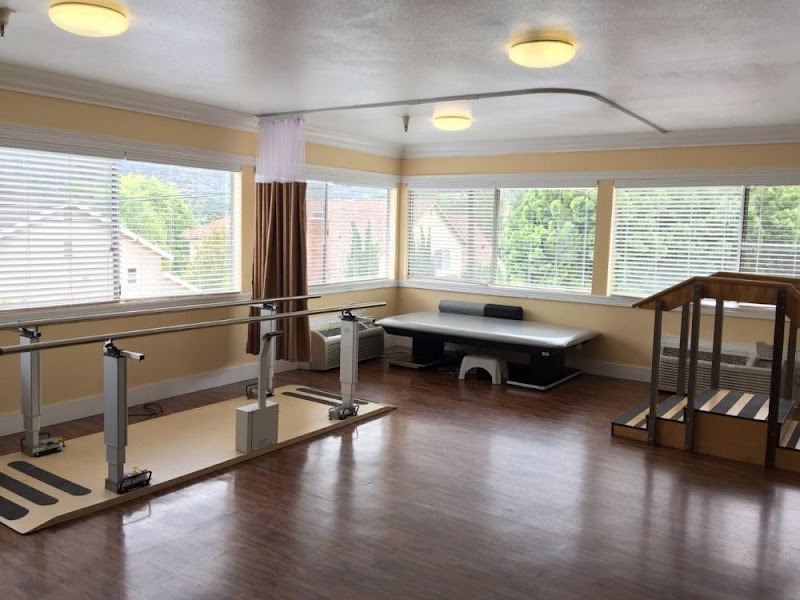
How is La Crescenta Healthcare Center Staffed?
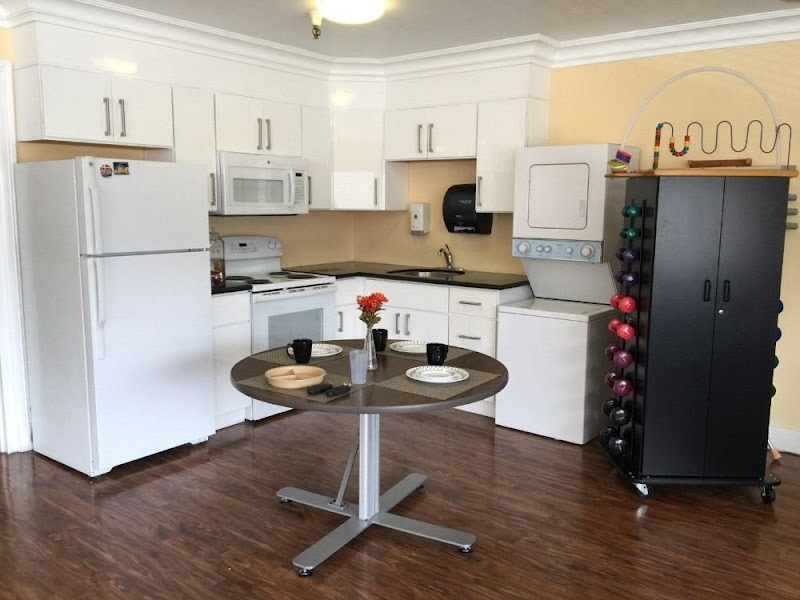
CMS rates La Crescenta Healthcare Center's staffing level at 4 out of 5 stars, which is above average compared to other nursing homes. Staff turnover is 42%, compared to the California average of 46%. This relatively stable workforce can support continuity of care.

What Have Inspectors Found at La Crescenta Healthcare Center?

State health inspectors documented 59 deficiencies at La Crescenta Healthcare Center during 2021 to 2025. These included: 1 Immediate Jeopardy (the most serious level, indicating potential for serious harm or death), 1 that caused actual resident harm, and 57 with potential for harm. Immediate Jeopardy findings are rare and represent the most serious regulatory concerns. They require immediate corrective action.

Who Owns and Operates La Crescenta Healthcare Center?

La Crescenta Healthcare Center is owned by a for-profit company. For-profit facilities operate as businesses with obligations to shareholders or private owners. The facility is operated by MARINER HEALTH CARE, a chain that manages multiple nursing homes. With 92 certified beds and approximately 85 residents (about 92% occupancy), it is a smaller facility located in LA CRESCENTA, California.

How Does La Crescenta Healthcare Center Compare to Other California Nursing Homes?

Compared to the 100 nursing homes in California, La Crescenta Healthcare Center's overall rating (3 stars) is below the state average of 3.1, staff turnover (42%) is near the state average of 46%, and health inspection rating (2 stars) is below the national benchmark.

What Should Families Ask When Visiting La Crescenta Healthcare Center?

Based on this facility's data, families visiting should ask: "What changes have been made since the serious inspection findings, and how are you preventing similar issues?" "Can I visit during a mealtime to observe dining assistance and food quality?" "How do you handle medical emergencies, and what is your hospital transfer rate?" "Can I speak with family members of current residents about their experience?" These questions are particularly relevant given the facility's Immediate Jeopardy citations.

Is La Crescenta Healthcare Center Safe?

Based on CMS inspection data, La Crescenta Healthcare Center has documented safety concerns. Inspectors have issued 1 Immediate Jeopardy citation (the most serious violation level indicating risk of serious injury or death). The facility has a 3-star overall rating and ranks #100 of 100 nursing homes in California. Families considering this facility should ask detailed questions about what corrective actions have been taken since these incidents.

Do Nurses at La Crescenta Healthcare Center Stick Around?

La Crescenta Healthcare Center has a staff turnover rate of 42%, which is about average for California nursing homes (state average: 46%). Moderate turnover is common in nursing homes, but families should still ask about staff tenure and how the facility maintains care continuity when employees leave.

Was La Crescenta Healthcare Center Ever Fined?

La Crescenta Healthcare Center has been fined $47,122 across 3 penalty actions. The California average is $33,550. While any fine indicates a compliance issue, fines under $50,000 are relatively common and typically reflect isolated problems that were subsequently corrected. Families should ask what specific issues led to these fines and confirm they've been resolved.

Is La Crescenta Healthcare Center on Any Federal Watch List?

La Crescenta Healthcare Center is not on any federal watch list. The most significant is the Special Focus Facility (SFF) program, which identifies the bottom 1% of nursing homes nationally based on persistent, serious quality problems. Not being on this list means the facility has avoided the pattern of deficiencies that triggers enhanced federal oversight. This is a positive indicator, though families should still review the facility's inspection history directly.