IMPERIAL HEALTHCARE CENTER
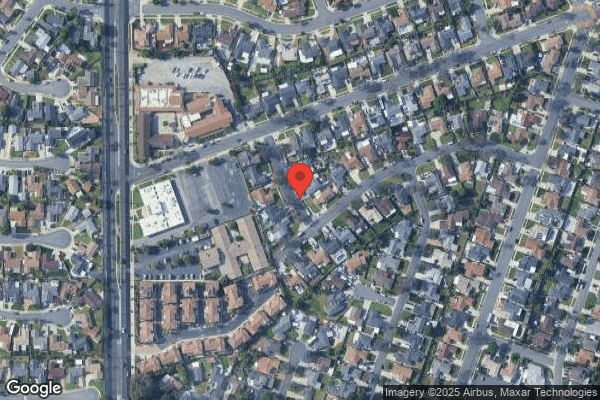
11926 LA MIRADA BLVD, LA MIRADA, CA 90638 (562) 943-7156
For profit - Limited Liability company 99 Beds ABRAHAM BAK & MENACHEM GASTWIRTH Data: November 2025
Trust Grade
58/100
#604 of 1155 in CA
Last Inspection: May 2025

Inspected within the last 6 months. Data reflects current conditions.

Overview

Imperial Healthcare Center has received a Trust Grade of C, indicating it is average and falls in the middle of the pack among nursing homes. In California, it ranks #604 out of 1155 facilities, placing it in the bottom half, while its county rank is #114 out of 369, meaning only a few local options are better. The facility's trend is stable, with 17 issues reported consistently over the past two years. Staffing is rated at 3 out of 5 stars, with a turnover rate of 37%, which is slightly better than the state average. However, there is concerning RN coverage, as it falls below 80% of California facilities, which could impact the quality of care. The facility has faced serious concerns regarding infection control, particularly during a COVID-19 outbreak, where staff failed to ensure proper PPE usage and room closures for infected residents, leading to unnecessary exposure. Additionally, safety issues were noted, such as exposed nails and damaged furniture in the outdoor area, which could pose injury risks to residents. While the facility has strengths in staffing retention, these critical safety and infection control issues highlight significant areas for improvement.

Trust Score
C
58/100
In California
#604/1155
Bottom 48%
Safety Record
Low Risk
No red flags
Inspections
Holding Steady
17 → 17 violations
Staff Stability
○ Average
37% turnover. Near California's 48% average. Typical for the industry.
Penalties
✓ Good
$10,339 in fines. Lower than most California facilities. Relatively clean record.
Skilled Nurses
⚠ Watch
Each resident gets only 18 minutes of Registered Nurse (RN) attention daily — below average for California. Fewer RN minutes means fewer trained eyes watching for problems.
Violations
⚠ Watch
45 deficiencies on record. Higher than average. Multiple issues found across inspections.
★★★☆☆
3.0
Overall Rating
★★★☆☆
3.0
Staff Levels
★★★★☆
4.0
Care Quality
★★★☆☆
3.0
Inspection Score
Stable
2024: 17 issues
2025: 17 issues

The Good

  • 4-Star Quality Measures · Strong clinical quality outcomes
  • Full Sprinkler Coverage · Fire safety systems throughout facility
  • No fines on record
  • Staff turnover below average (37%)

    11 points below California average of 48%

Facility shows strength in quality measures, fire safety.

The Bad

3-Star Overall Rating

Near California average (3.1)

Meets federal standards, typical of most facilities

Staff Turnover: 37%

Near California avg (46%)

Typical for the industry

Federal Fines: $10,339

Below median ($33,413)

Minor penalties assessed

Chain: ABRAHAM BAK & MENACHEM GASTWIRTH

Part of a multi-facility chain

Ask about local staffing decisions and management

The Ugly 45 deficiencies on record

May 2025 16 deficiencies
CONCERN (D)

Potential for Harm - no one hurt, but risky conditions existed

Deficiency F0552 (Tag F0552)

Could have caused harm · This affected 1 resident

**NOTE- TERMS IN BRACKETS HAVE BEEN EDITED TO PROTECT CONFIDENTIALITY** Based on interview and record review, the facility failed to ensure an informed consent for psychotropic medication (any drug th...

Read full inspector narrative →
**NOTE- TERMS IN BRACKETS HAVE BEEN EDITED TO PROTECT CONFIDENTIALITY** Based on interview and record review, the facility failed to ensure an informed consent for psychotropic medication (any drug that affects brain activities associated with mental processes and behavior) was obtained in accordance with the facility's policy and procedures for one of five sampled residents (Resident 4). This deficient practice placed Resident 4 at risk for experiencing unexpected and/or unwanted adverse effects or complications of the medication, including increased cognitive impairment (problems with a person's ability to think, learn, remember, use judgment, and make decisions), over sedation (excessive drowsiness, loss of response to verbal command, inappropriate movement, hearing abnormalities, visual disturbances, sweating, or nausea), and tardive dyskinesia (a chronic movement disorder that causes involuntary, repetitive movements in the body). Findings: During a review of Resident 4's admission Record, the admission Record indicated Resident 4 was admitted to the facility on [DATE] and readmitted on [DATE]. Resident 4's admitting diagnoses included dementia (a progressive state of decline in mental abilities), cognitive communication deficit (a disorder in which a person has difficulty communicating because of injury to the brain that controls the ability to think), generalized muscle weakness, and major depressive disorder (a mental health condition characterized by persistent sadness, a loss of interest or pleasure in activities, and a range of other symptoms). During a review of Resident 4's Minimum Data Set (MDS, a resident assessment tool), dated 4/23/2025, the MDS indicated Resident 4 had moderate cognitive impairment. The MDS indicated Resident 4 was independent with mobility while in and out of bed. During a review of Resident 4's History and Physical (H&P), dated 2/7/2024, the H&P indicated Resident 4 did not have the capacity to understand and make decisions. During a review of Resident 4's medical record titled Informed Consent - Informed Consent for Use of Psychotropic Medication, dated 1/17/2025, the record indicated Physician Assistant (PA) 1 signed the form to indicate he obtained an in-person informed consent for the administration of Lexapro 5 milligram (mg, a unit of dose measurement) every day for Resident 4, and indicated Licensed Vocational Nurse (LVN) 1 signed the document verifying in-person informed consent was obtained by PA 1. The record indicated Resident 4's Responsible Party (RP) 2 did not sign or date the document to indicate she provided informed consent for the administration of Lexapro. During a review of Resident 4's Medication Administration Record (MAR), dated 1/1/2025 to 1/31/2025, the MAR indicated Resident 4 received 31 doses of Lexapro. During a review of Resident 4's Medication Administration Record (MAR), dated 2/1/2025 to 2/28/2025, the MAR indicated Resident 4 received 28 doses of Lexapro. During a review of Resident 4's Medication Administration Record (MAR), dated 3/1/2025 to 3/31/2025, the MAR indicated Resident 4 received 31 doses of Lexapro. During a review of Resident 4's Medication Administration Record (MAR), dated 4/1/2025 to 4/30/2025, the MAR indicated Resident 4 received 30 doses of Lexapro. During an interview on 05/21/2025 at 9:58 a.m., with Resident 4's RP 2, RP 2 stated she made medical decisions for and provided consents on behalf of Resident 4. RP 2 stated an unidentified facility staff told her Lexapro (a medication used to treat depression) was ordered, and stated it was not a physician, nurse practitioner (NP), or PA that she spoke with. RP 2 stated, aside from the name of the medication and the indication for the medication, no one from the facility explained any potential side effects or potential complications of the Lexapro. RP 2 stated she had never talked to a physician, NP, or PA related to Resident 4's use of Lexapro. During a concurrent interview and record review on 5/21/2025 at 12:23 p.m., with LVN 1, Resident 4's record titled Informed Consent - Informed Consent for Use of Psychotropic Medication, dated 1/17/2025, was reviewed. LVN 1 stated the record did not indicate RP 2 provided informed consent for the administration of Lexapro. LVN 1 stated obtaining informed consent was important because psychotropic medications were high risk, especially for elderly residents (individuals over the age of 65). LVN 1 stated psychotropic medication, such as Lexapro, could cause sedation, falls, and accidents. During a concurrent interview and record review on 5/22/2025 at 10:30 a.m., with the Director of Nursing (DON), the facility's policy and procedure (P&P) titled Verifications of Informed Consent for Psychotherapeutic Medications, revised 6/2024 was reviewed. The DON stated the P&P indicated each resident had the right to provide informed consent for treatment with psychotherapeutic drugs. The DON stated the P&P indicated staff were to obtain a written informed consent for treatment and a consent renewal every six (6) months, which would be recorded in the record. The DON stated it was important to get informed consent for the administration of the Lexapro to ensure RP 2 agreed with and was aware of the potential adverse effects of the ordered medication.
CONCERN (D)

Potential for Harm - no one hurt, but risky conditions existed

Deficiency F0558 (Tag F0558)

Could have caused harm · This affected 1 resident

**NOTE- TERMS IN BRACKETS HAVE BEEN EDITED TO PROTECT CONFIDENTIALITY** Based on observation, interview, and record review, the facility failed to ensure call lights were kept within reach for two of ...

Read full inspector narrative →
**NOTE- TERMS IN BRACKETS HAVE BEEN EDITED TO PROTECT CONFIDENTIALITY** Based on observation, interview, and record review, the facility failed to ensure call lights were kept within reach for two of 22 sampled residents (Resident 33 and Resident 75). This deficient practice removed Resident 33's and 75's ability to exercise their right to request assistance from staff and created the potential for accidents and/or delays in care. Findings: 1. During an observation on 5/20/2025 at 8:43 a.m., in Resident 33's doorway, Resident 33 was observed sitting up in a wheelchair in her room, at the foot of her bed. Resident 33's call light was in her bed and not within her reach. During a review of Resident 33's admission Record, the admission Record indicated Resident 33 was admitted on [DATE]. Resident 33's admitting diagnoses included generalized muscle weakness, abnormalities of gait and mobility, and history of falling. During a review of Resident 33's Minimum Data Set (MDS, a resident assessment tool), dated 5/4/2025, the MDS indicated Resident 33 had severe cognitive impairments (a decline in mental processes like memory, attention, language, and reasoning). The MDS indicated Resident 33 had lower extremity (hips, knees, ankles, feet) impairments on both sides of her body and required partial assistance from staff to complete activities. During a review of Resident 33's Fall Risk Assessment, dated 4/1/2025, the assessment indicated Resident 33 was at risk for falls. During a review of Resident 33's care plan titled At risk for falls secondary to recent fall prior to admission, dated 4/2/2025, the care plan indicated Resident 33 goals were to consistently use the call light for assistance. The care plan interventions indicated staff were to keep Resident 33's call light within easy reach. During a concurrent interview and record review on 5/21/2025 at 1:56 p.m., with Registered Nurse (RN) 1, a photo of Resident 33's wheelchair and call light placement, taken on 5/20/2025 at 8:43 a.m., was reviewed. RN 1 stated Resident 33's call light was not within reach. RN 1 stated the call light should always be within reach, and stated staff should ensure the call light was left within the resident's reach before leaving the room. 2. During an observation on 5/19/2025 at 10:23 a.m., at Resident 75's bedside, Resident 75 was observed sitting up in a wheelchair, on the left side of his bed. Resident 75's call light cord and call button were wrapped around the side rail of the bed, behind Resident 75. Resident 75 was heard yelling nurse! During a review of Resident 75's admission Record, the admission Record indicated Resident 75 was admitted on [DATE] and readmitted on [DATE]. Resident 75's admitting diagnoses included generalized muscle weakness, reduced mobility, glaucoma (a group of eye diseases that can cause vision loss and blindness), and legal blindness (a status that government agencies can grant when you have severe vision loss). During a review of Resident 75's MDS, dated [DATE], the MDS indicated Resident 75 had moderate cognitive impairments and severely impaired vision. The MDS indicated Resident 75 had upper extremity (shoulder, elbow, wrist, and hand) and lower extremity impairments on both sides of his body requiring partial assistance from another person to complete activities. During a review of Resident 75's Fall Risk assessment dated [DATE], the assessment indicated Resident 75 was at high risk for falls. During a review of Resident 75's care plan titled The resident is at risk for recurrent falls & related injuries r/t: impaired vision, balance problem, gait abnormality, impaired cognition, weakness and history of fall, dated 5/1/2025, the care plan goals included Resident 75 having reduced risk for falls and injuries. The care plan interventions indicated staff were to keep Resident 75's call light within reach. During a concurrent observation and interview on 5/19/2025 at 10:37 a.m., at Resident 75's bedside, Licensed Vocational Nurse (LVN) 1 entered Resident 75's room and approached Resident 75. LVN 1 stated Resident 75 was legally blind. LVN 1 stated Resident 75's call light was stuck in the side rail and not within his reach. During an interview on 5/21/2025 at 2:02 p.m., with RN 1, RN 2 stated the call light should always be within the residents' reach to ensure staff can be made aware of and meet their needs. RN 1 also stated accidents could happen very quickly and stated that providing residents with a call light was important to prevent accidents. During a review of the facility's policy and procedure (P&P) titled Answering the Call Light, revised 3/2021, the P&P indicated the purpose of the policy was to ensure timely responses to the resident's requests and needs. The P&P indicated staff were to ensure the call light was within easy reach of the resident while they were in bed or confined to a chair.
CONCERN (D)

Potential for Harm - no one hurt, but risky conditions existed

Deficiency F0582 (Tag F0582)

Could have caused harm · This affected 1 resident

**NOTE- TERMS IN BRACKETS HAVE BEEN EDITED TO PROTECT CONFIDENTIALITY** Based on interview and record review, the facility failed to provide information related to Notice of Medicare Non-Coverage (NOM...

Read full inspector narrative →
**NOTE- TERMS IN BRACKETS HAVE BEEN EDITED TO PROTECT CONFIDENTIALITY** Based on interview and record review, the facility failed to provide information related to Notice of Medicare Non-Coverage (NOMNC, a document that informs Medicare beneficiaries when their covered services are ending) and Skilled Nursing Facility Advance Beneficiary Notice (SNFABN, a document that informs beneficiaries about potential non-coverage for specific items or services and informs beneficiaries they may have to pay for the service out-of-pocket), to one of three sampled residents (Resident 98), who was self-responsible and had the capacity to understand and make decisions. This deficient practice removed Resident 98's right to file an appeal if he disagreed with the discontinued coverage, including rehabilitation services (i.e., physical therapy [the treatment of disease, injury, or deformity by physical methods rather than by drugs or surgery]). Findings: During a review of Resident 98's admission Record, the admission Record indicated Resident 98 was admitted on [DATE]. Resident 98's admitting diagnoses included generalized muscle weakness, abnormalities of gait (walking) and mobility, and lack of coordination. During a review of Resident 98's admission Minimum Data Set (MDS, a resident assessment tool), dated 3/12/2025, the MDS indicated Resident 98 did not have cognitive impairments (a decline in mental processes like memory, attention, language, and reasoning). The MDS indicated Resident 98 required supervision or touch assistance from staff to perform activities of daily living (ADLs, activities such as bathing, dressing and toileting a person performs daily). During an interview on 5/22/2025 at 1:03 p.m. with the Business Office Manager (BOM), the BOM stated the purpose of the SNFABN and NOMNC were to notify the resident (or resident representative [RP]) that Medicare would no longer pay for services and allowed the resident or RP to file an appeal if they felt they still need skilled nursing services. The BOM stated that if the resident was alert and had decision making capacity, she provided the SNFABN and NOMNC notices directly to the resident, unless the resident preferred the notice to be provided to an alternative RP. During a concurrent interview and record review, on 5/22/2025 at 1:05 p.m., with the BOM, Resident 98's History and Physical (H&P) dated 3/10/2025, and SNAFBN and NOMNC dated 4/25/2025, were reviewed. The BOM stated the H&P indicated Resident 98 had the capacity to understand and make decisions. The BOM stated the SNAFBN and NOMNC indicated that the notices were explained to Resident 98's son who made the decision to forfeit the appeal process for continued Medicare coverage. The BOM stated this decision should have been made by Resident 98. The BOM stated forfeiture of the appeal meant Resident 98 would be under custodial care. The BOM stated this meant Resident 98's rehabilitative services were discontinued. The BOM stated rehabilitative services were important in facilitating the resident's safe discharge back into the community. During an interview on 5/22/2025 at 1:33 p.m., with Resident 98, Resident 98 stated his son was not involved in his medical care. Resident 98 stated he never asked the facility to involve his son in his care or allow his son to make any healthcare decisions on his behalf. Resident 98 stated he was not aware his son forfeited the appeal process for continued coverage, and stated he would have wanted to make the decision for himself. During a review of Resident 98's discontinued physician order, dated 4/9/2025, the order indicated Resident 98 received occupational therapy services (therapy aimed to improve one's ability to perform daily tasks, promote health and well-being, and maximize independence) five (5) times a week. The order indicated services were discontinued on 4/29/2025. During a review of Resident 98's discontinued physician order, dated 3/10/2025, the order indicated Resident 98 received physical therapy services five (5) times a week. The order indicated services were discontinued on 4/29/2025. During a review of Resident 98's active physician order, dated 4/24/2025, the order indicated Resident 98's was to transition to custodial care effective 4/29/2025. During a review of the facility's policy and procedure (P&P) titled Medicare Advance Beneficiary and Medicare Non-Coverage Notices, revised 9/2022, the P&P indicated residents were to be informed in advance when there would be changes to their bills, indicated the resident (or RP) was to be informed that they may choose to continue receiving the skilled services that may not be paid for by Medicare, and assume financial responsibility.
CONCERN (D)

Potential for Harm - no one hurt, but risky conditions existed

Comprehensive Care Plan (Tag F0656)

Could have caused harm · This affected 1 resident

**NOTE- TERMS IN BRACKETS HAVE BEEN EDITED TO PROTECT CONFIDENTIALITY** Based on observation, interview, and record review, the facility failed to develop a person-centered care plan (document that he...

Read full inspector narrative →
**NOTE- TERMS IN BRACKETS HAVE BEEN EDITED TO PROTECT CONFIDENTIALITY** Based on observation, interview, and record review, the facility failed to develop a person-centered care plan (document that helps nurses and other team care members organize aspects of resident care) with interventions (actions a nurse takes to implement a care plan, intend to improve the resident's comfort and health) for two of two sampled residents' (Resident 10 and 68) use of side rails (short rails on one or both sides of the bed that can be used to assist in bed mobility). This deficient practice had the potential to result in Resident 10 and 68 not receiving the necessary care to safely utilize the side rails. Cross Reference F700. Findings: a. During a review of Resident 10's admission Record (Face Sheet), the Face Sheet indicated Resident 10 was initially admitted to the facility on [DATE] and readmitted on [DATE] with diagnoses that included traumatic brain injury ([TBI], a disruption in the normal function of the brain that can be caused by a bump, blow, or jolt to the head) and functional quadriplegia (paralysis from the neck down, including legs, and arms, without any underlying injury or damage to the spinal cord). During a review of Resident 10's Minimum Data Set ([MDS], a resident assessment tool), dated 4/1/2025, the MDS indicated Resident 10's cognitive skills (process of thinking) for daily decision making was severely impaired. The MDS indicated Resident 10 had impairment on both sides of his upper (shoulder, elbow, wrist, and hand) and lower extremities (hip, knee, ankle, foot). The MDS indicated Resident 10 was dependent on staff's assistance with oral hygiene, toileting, bathing, dressing, personal hygiene, and rolling left and right. During a review of Resident 10's History and Physical (H&P), dated 8/19/2024, the H&P indicated Resident 10 did not have the capacity to understand and make decisions. During a review of Resident 10's Order Summary Report, dated 5/21/2025, the Order Summary Report indicated Resident 10 to utilize grab bars for self-turning and repositioning. The order date was 11/15/2024. During a review of Resident 10's Side Rail Assessment, dated 4/1/2025, the Side Rail Assessment recommended the use of bilateral grab bars as a mobility aid to assist in turning, repositioning, and transferring in bed. During an observation on 5/19/2025 at 10:55 a.m., in Resident 10's room, Resident 10 was laying in bed and had bilateral (both sides) half side rails (longer side rails attached to the side of the bed, covering about half the length of the bed) on the bed. During an interview on 5/21/2025 at 10:18 a.m., with Certified Nursing Assistant (CNA) 1, CNA 1 stated Resident 10 utilized the side rail when turning. During a concurrent observation and interview on 5/21/2025 at 1:15 p.m., with Registered Nurse (RN) 1, Resident 10 was observed lying in bed. RN 1 stated Resident 10 had bilateral half side rails installed on the bed. During a concurrent interview and record review on 5/21/2025 at 1:36 p.m. with RN 1, Resident 10's electronic health record (eHR) was reviewed. RN 1 stated Resident 10 did not have a care plan developed to address his use of side rails. RN 1 stated the purpose of the care plan was to guide the staff to properly care for Resident 10. RN 1 stated the care plan would indicate the staff's management and intervention to monitor and assess Resident 10's use of side rails. RN 1 stated, without the care plan, Resident 10 was at risk of not receiving the necessary care to safely utilize the side rails. b. During a review of Resident 68's admission Record (Face Sheet), the Face Sheet indicated Resident 68 was initially admitted to the facility on [DATE] and readmitted on [DATE] with diagnoses that included generalized muscle weakness (lack of strength in many areas of the body), right and left hand contracture (a stiffening/shortening at any joint, that reduces the joint's range of motion), and dementia (a progressive state of decline in mental abilities). During a review of Resident 68's MDS, dated [DATE], the MDS indicated Resident 68's cognition was moderately impaired. The MDS indicated Resident 68 required maximal assistance (helper does more than half the effort) with eating, oral hygiene, toileting, lower body dressing, and rolling left and right. During a review of Resident 68's H&P, dated 2/6/2025, the H&P indicated Resident 68 could make needs known but could not make medical decisions. During a review of Resident 68's Siderail Use Assessment, dated 2/3/2025, the Siderail Use Assessment indicated to use bilateral grab bars for space awareness and to increase sense of security and safety. During an observation on 5/19/2025 at 10:47 a.m., in Resident 68's room, Resident 68 was lying in bed. Resident 68 had bilateral grab bars installed to the bed. During an interview on 5/21/2025 at 10:35 a.m., with CNA 2, CNA 2 stated Resident 68 could use the grab bars to assist in turning in bed. During a concurrent observation and interview on 5/21/2025 at 1:12 p.m., with RN 1, in Resident 68's room, Resident 68 was observed lying in bed. RN 1 stated Resident 68 had bilateral grab bars on his bed. During a concurrent interview and record review on 5/21/2025 at 1:18 p.m., with RN 1, Resident 68's Orders, dated 5/21/2025 were reviewed. RN 1 stated Resident 21 had an order to utilize grab bars for self-turning and repositioning. RN 1 stated she inputted the order that day, 5/21/2025, because Resident 68 did not have an order for the grab bars previously. During a concurrent interview and record review on 5/21/2025 at 1:54 p.m. with RN 1, Resident 68's eHR was reviewed. RN 1 stated Resident 68 did not have a care plan developed to address his use of grab bars. RN 1 stated a care plan should have been developed to ensure Resident 68 received the necessary care to safely utilize the side rails. During an interview on 5/22/2025 at 9:48 a.m., with the Director of Nursing (DON), the DON stated Residents 10 and 68 should have had care plans developed to address their use of side rails as a mobility aid. The DON stated individualized goals and interventions would be in place for the staff to follow in case any issues arose from the side rails. The DON stated without the care plan, the staff may not be able to provide the necessary care Residents 10 and 68 need. During a review of the facility's policy and procedure (P&P) titled, Care Plans, Comprehensive Person-Centered, revised 3/2022, the P&P indicated, A comprehensive, person-centered care plan that includes measurable objectives and timetables to meet the resident's physical, psychosocial and functional needs is developed and implemented for each resident.
CONCERN (D)

Potential for Harm - no one hurt, but risky conditions existed

Quality of Care (Tag F0684)

Could have caused harm · This affected 1 resident

**NOTE- TERMS IN BRACKETS HAVE BEEN EDITED TO PROTECT CONFIDENTIALITY** Based on interview and record review, the facility failed to conduct an interdisciplinary team (IDT) conference (a meeting to di...

Read full inspector narrative →
**NOTE- TERMS IN BRACKETS HAVE BEEN EDITED TO PROTECT CONFIDENTIALITY** Based on interview and record review, the facility failed to conduct an interdisciplinary team (IDT) conference (a meeting to discuss the resident's plan of care, involving the IDT [physician, registered nurse, certified nursing assistant, dietary staff, the resident, and other pertinent staff]), and develop a care plan for one of two sampled residents (Resident 26) following a resident-to-resident altercation that occurred on 11/17/2024. These deficient practices had the potential for Resident 26 to be involved in another resident-to-resident altercation. Findings: During a review of Resident 26's admission Record, the admission Record indicated Resident 26 was originally admitted on [DATE] and readmitted on [DATE]. Resident 26's admitting diagnoses included dementia (a progressive state of decline in mental abilities), restlessness, agitation, Alzheimer's disease (a disease characterized by a progressive decline in mental abilities), and a personal history of other mental and behavioral disorders. During a review of Resident 26's Minimum Data Set (MDS, a resident assessment tool), dated 9/26/2024, the MDS indicated Resident 26 had moderate cognitive impairments (a decline in mental processes like memory, attention, language, and reasoning). The MDS indicated Resident 26 did not have impairments to her lower extremities (hips, knees, ankles, feet) on either side of her body and could wheel herself in her wheelchair with supervision from staff. During a review of Resident 26's progress note, dated 11/17/2024, the progress note indicated Resident 26 was transferred to the hospital following an altercation with another resident. During a concurrent interview and record review on 5/22/2025 at 12:05 p.m., with the Director of Nursing (DON), the facility's policy and procedure (P&P) titled Care Plans, Comprehensive Person Centered, revised 3/2022 was reviewed. The DON stated the P&P indicated the IDT was to review the care plans and update them when a change of conditioned occurred. The DON stated a resident-to-resident altercation was considered a change of condition. During a concurrent interview and record review on 5/22/2025 at 12:07 p.m., with the DON, Resident 26's IDT conference notes, dated 11/21/2024 were reviewed. The DON stated the IDT was conducted on 11/21/2024, when Resident 26 was re-admitted from the hospital following the resident-to-resident altercation. The DON stated the IDT conference notes did not indicate the resident-to-resident altercation was addressed or a care plan to address Resident 26's behavior of kicking others was developed. The DON stated it was important to have an IDT conference to address concerns and to identify staff interventions to prevent future incidents and altercations. During an interview on 5/22/2025 at 12:10 p.m., with the DON, the DON stated a care plan should have been developed following the resident-to-resident altercation to address Resident 26's behavior of kicking others, which is alleged to have started the altercation. The DON stated a care plan would outline interventions to prevent future altercations and ensure a safe environment for all facility residents. The DON stated Resident 26 did not have a current or discontinued care plan to address her behavior of kicking. During a review of the facility's P&P titled Safety and Supervision of Residents, dated 7/2017, the P&P indicated the interdisciplinary care team was to analyze information obtained from assessments and observations to identify any specific accident hazards or risks for individual residents. During a review of the facility's P&P titled Resident-to-Resident Altercations, dated 12/2016, the P&P indicated staff were to review the events with the nursing supervisor and Director of Nursing, and identify possible measures to try to prevent additional incidents. The P&P further indicated staff were to make any necessary changes in the care plan approaches to any or all of the involved individuals and document in the resident's clinical record all interventions and their effectiveness.
CONCERN (D)

Potential for Harm - no one hurt, but risky conditions existed

Deficiency F0685 (Tag F0685)

Could have caused harm · This affected 1 resident

**NOTE- TERMS IN BRACKETS HAVE BEEN EDITED TO PROTECT CONFIDENTIALITY** Based on observation, interview, and record review, the facility failed to ensure two out of five sampled residents (Resident 11...

Read full inspector narrative →
**NOTE- TERMS IN BRACKETS HAVE BEEN EDITED TO PROTECT CONFIDENTIALITY** Based on observation, interview, and record review, the facility failed to ensure two out of five sampled residents (Resident 11 and Resident 72) were provided with communication tools. This deficient practice placed Residents 11 and 72 at risk of not having their needs met and potentially negatively affecting their psychosocial needs. Findings: 1. During a review of Resident 11's admission Record, the admission Record indicated Resident 11 was originally admitted to the facility on [DATE] and readmitted on [DATE]. Resident 11's diagnoses included hemiplegia (total paralysis of the arm, leg, and trunk on the same side of the body) and diabetes mellitus (DM- a disorder characterized by difficulty in blood sugar control and poor wound healing). During a review of Resident 11 's History and Physical (H&P) dated 1/19/2025, the H&P indicated Resident 11 could make needs known but could not make medical decisions. During a review of Resident 11's Minimum Data Set ([MDS] a resident assessment tool), dated 3/21/2025, the MDS indicated Resident 11's cognitive skills for daily decision making was intact (ability to think and reason). The MDS indicated Resident 11 required set up/clean up assistance for eating and oral hygiene. The MDS indicated Resident 11 required maximal assistance (helper does more than half the effort) for toileting hygiene, and shower/bathing, dressing and personal hygiene. The MDS indicated Resident 11's hearing was adequate. During a review of Resident 11's Activities Review assessment, dated 3/19/2025, the Activities Review assessment indicated Resident 11 had adequate hearing. During an interview on 5/19/2025 at 12:42 p.m. with Resident 11, in Resident 11's room, Resident 11 had difficulty answering questions. Resident 11 asked to be spoken to using her right ear because she recently lost her hearing from her left ear. Resident 11 stated she recently noticed her hearing impairment when she had staff repeat themselves when speaking to her. During an interview on 5/22/2025 at 11:12 a.m. with the Activity Director (AD), in Resident 11's room, the AD asked Resident 11 if she was hard of hearing. Resident 11 replied that she was hard of hearing from her left ear. The AD stated she was not aware that Resident 11 had a hearing impairment. The AD stated Resident 11 would benefit from a communication board. The AD asked Resident 11 if she would like a communication board and Resident 11 replied yes. The AD stated residents that have hearing impairment benefit from a communication board because it helps them communicate with staff by pointing to pictures. The AD stated it was important for residents to communicate with staff to make their needs known. The AD stated she completed an activity review assessment and did not document Resident 11 was hard of hearing. During an interview on 5/22/2025 at 2:03 p.m. with the Director of Nursing (DON), the DON stated she was not aware Resident 11 had a hearing impairment. The DON stated she noticed a small difference in Resident 11's hearing but not much. The DON stated Resident 11 needed a communication board to make her needs known. The DON stated it was important for Resident 11 to be able to communicate to prevent self-isolation. 2. During a review of Resident 72's admission Record, the admission Record indicated Resident 72 was originally admitted to the facility on [DATE] and readmitted on [DATE]. Resident 72's diagnoses included hepatomegaly (the liver is larger than its normal size) and dysphagia (difficulty or discomfort in swallowing). During a review of Resident 72's History and Physical (H&P) dated 4/13/2025, the H&P indicated Resident 72 had the capacity to understand and make decisions. During a review of Resident 72's MDS, dated [DATE], the MDS indicated Resident 72's cognitive skills for daily decision making was intact. The MDS indicated Resident 72 was independent for eating, oral hygiene, toileting hygiene, dressing, and personal hygiene. The MDS indicated Resident 72 required supervision for showering/bathing. The MDS indicated Resident 72 had difficulty in hearing (in some environments). During a review of Resident 72's Care Plan titled Hearing deficit, dated 2/15/2025, the care plan indicated the goal was that all of Resident 72's needs would be met by review date. The interventions indicated to use alternative communication tools as needed. During a review of Resident 72's Activities Review assessment, dated 5/1/2025, the Activities Review assessment indicated Resident 72 had adequate hearing. During a concurrent observation and interview on 5/20/2025 at 3:14 p.m. with Resident 72, in Resident 72's room, there was communication tools observed. When speaking, Resident 72 kept asking to repeat the questions. Resident 72 state he was hard of hearing from his left ear. Resident 72 stated he did not know what a communication board was. Resident 72 stated he would like a communication board and that it would be better to communicate with staff than to have staff repeat themselves when asking questions. During an interview on 5/22/2025 at 11:24 a.m. with the AD, in Resident 72's room, the AD asked Resident 72 if he was hard of hearing. Resident 72 replied he was hard of hearing from his left ear. The AD stated she was not aware that Resident 72 was hard of hearing. The AD stated Resident 72 needed a communication board due to his hearing impairment. The AD stated she completed an activity review assessment but did not document Resident 72 was hard of hearing. During an interview on 5/22/2025 at 1:58 p.m. with the Director of Nursing (DON), the DON stated she was not aware Resident 72 had a hearing impairment. The DON stated Resident 72 needed a communication board to express what he needs and what he wants. The DON stated if residents cannot communicate there was a potential risk for a decline in overall function. During a review of the facility's Policy and Procedure (P&P) titled Care of Hearing-Impaired Resident dated 2001, the P&P indicated staff would assist hearing-impaired residents to maintain effective communication with clinicians, caregivers, other residents and visitors. The P&P indicated staff would evaluate and address avoidable obstacles to effective communication. The P&P indicated staff would evaluate resident's adaptive needs and progress at regular intervals.
CONCERN (D)

Potential for Harm - no one hurt, but risky conditions existed

Pressure Ulcer Prevention (Tag F0686)

Could have caused harm · This affected 1 resident

**NOTE- TERMS IN BRACKETS HAVE BEEN EDITED TO PROTECT CONFIDENTIALITY** Based on observation, interview, and record review, the facility failed to ensure one of four sampled residents' (Resident 21) l...

Read full inspector narrative →
**NOTE- TERMS IN BRACKETS HAVE BEEN EDITED TO PROTECT CONFIDENTIALITY** Based on observation, interview, and record review, the facility failed to ensure one of four sampled residents' (Resident 21) low air loss mattress ([LALM], a mattress designed to distribute body weight over a broad surface area to help prevent skin breakdown) was accurately set to Resident 21's weight. This deficient practice had the potential to result in the avoidable development of pressure ulcers ([PU], localized, pressure-related damage to the skin and/or underlying tissue usually over a bony prominence) and the complications associated with impaired skin integrity. Findings: During a review of Resident 21's admission Record (Face Sheet), the Face Sheet indicated Resident 21 was initially admitted to the facility on [DATE] and readmitted on [DATE] with diagnoses that included metabolic encephalopathy (a change in how the brain works due to an underlying condition and could cause confusion and memory loss), cerebral infarction (a type of stroke that occurs when part of the brain does not get enough blood and oxygen), and dementia (a progressive state of decline in mental abilities). During a review of Resident 21's Minimum Data Set ([MDS], a resident assessment tool), dated 4/8/2025, the MDS indicated Resident 21's cognition (process of thinking) was severely impaired. The MDS indicated Resident 21 was dependent on staff's assistance with oral hygiene, toileting, bathing, dressing, and personal hygiene. The MDS indicated Resident 21 required maximal assistance (helper does more than half the effort) with rolling left and right in bed. The MDS indicated Resident 21 had a pressure-reducing device for the bed. During a review of Resident 21's History and Physical (H&P), dated 1/4/2025, the H&P indicated Resident 21 did not have the capacity to understand an make decisions. During a review of Resident 21's Order Summary Report, dated 5/21/2025, the Order Summary Report indicated Resident 21 to have a LALM for skin management. During a review of Resident 21's Care Plan titled, Potential impairment to Skin Integrity, dated 1/6/2025, the Care Plan indicated Resident 21's goal of maintaining intact skin. The Care Plan indicated staff interventions to have a LALM for skin management. During a review of Resident 21's Braden Scale for Predicting Pressure Sore Risk, dated 4/28/2025, the Braden Scale indicated Resident 21 was at risk for developing pressure sores. During an observation on 5/19/2025 at 11:12 a.m. and 2:25 p.m. and on 5/20/2025 at 12:15 p.m., in Resident 21's room, Resident 21 was observed lying in bed on a Drive brand LALM. The weight setting knob on the pump that inflated the LALM indicated the LALM was set for a resident that weighed approximately 200 pounds (lbs, a unit of measurement). The pump had a note with 100-150 taped on the front and an arrow pointed between 100 and 150lbs. During a concurrent interview and record review on 5/21/2025 at 10:29 a.m., with Treatment Nurse (TN) 1, Resident 21's Weight, dated 5/2025, was reviewed. TN 1 stated Resident 21 weighed 104lbs and her LALM should be set according to the range on the pump. TN 1 stated the LALM set to 200lb was too high for Resident 21's weight because the LALM would be too firm. TN 1 stated Resident 21 had a LALM to prevent the development of PUs due to Resident 21's fragile skin and history of PUs that were already healed. TN 1 stated if the LALM was set outside of the appropriate weight range, the LALM would become too firm and could potentially cause Resident 21 to develop PUs. During an interview on 5/22/2025 at 9:20 a.m., with the Director of Nursing (DON), the DON stated LALM were utilized for wound prevention and management. The DON stated the LALM offloads pressure on the residents with fragile skin, those at risk for skin breakdown, and those with existing wounds. The DON stated when a LALM was used, a weight range was indicated on the pump to ensure the correct setting. The DON stated Resident 21's LALM setting should have been set between the indicated the setting on the pump to ensure the LALM was not too firm. The DON stated if the LALM setting was outside the indicate range, the pressure would be too high, causing the LALM to be too firm, which could cause Resident 21 to develop a PU. During a review of the facility's document titled, Med-Aire Assure 14530 Alternating Pressure and Low Air Loss Mattress System with Foam Base User Manual, undated, the document indicated to turn the Pressure Adjust Knob to set a comfortable pressure level according to the resident's weight.
CONCERN (D)

Potential for Harm - no one hurt, but risky conditions existed

Accident Prevention (Tag F0689)

Could have caused harm · This affected 1 resident

**NOTE- TERMS IN BRACKETS HAVE BEEN EDITED TO PROTECT CONFIDENTIALITY** Based on observation, interview, and record review, the facility failed to maintain a hazard-free environment for two of 22 samp...

Read full inspector narrative →
**NOTE- TERMS IN BRACKETS HAVE BEEN EDITED TO PROTECT CONFIDENTIALITY** Based on observation, interview, and record review, the facility failed to maintain a hazard-free environment for two of 22 sampled residents (Resident 4 and Resident 87) by failing to ensure: 1. Staff responded timely to Resident 4's bed alarm. 2. Resident 4, who had a Wander Guard alarm (a security system designed to prevent residents from wandering outside of designated areas) did not exit the building unsupervised. 3. Resident 87 had a functioning bed alarm. These deficient practices placed Resident 4 and Resident 87 at risk for injuries related to unsafe wandering and/or falls. Findings: 1. During a review of Resident 4's admission Record, the admission Record indicated Resident 4 was admitted to the facility on [DATE] and was most recently readmitted on [DATE]. Resident 4's admitting diagnoses included dementia (a progressive state of decline in mental abilities), generalized muscle weakness, lack of coordination, and abnormalities of gait (walking pattern) and mobility. During a review of Resident 4's History and Physical (H&P), dated 2/7/2024, the H&P indicated Resident 4 did not have the capacity to understand and make decisions. During a review of Resident 4's Minimum Data Set (MDS, a resident assessment tool), dated 4/23/2025, the MDS indicated Resident 4 had moderate cognitive impairment (problems with a person's ability to think, learn, remember, use judgement, and make decisions). The MDS indicated Resident 4 required partial to moderate assistance from staff to walk ten (10) feet. a. During a review of Resident 4's Quarterly Risk Assessment, dated 4/23/2025, the assessment indicated Resident 4 was at high risk for falls. During a review of Resident 4's Change of Condition (COC) assessments dated 1/24/2025, 1/31/2025, and 2/23/2025, assessments indicated Resident 4 had two unwitnessed falls on 1/24/2025 and 2/23/2025, and a witnessed fall on 1/31/2025. During a review of Resident 4's physician order dated 2/3/2025, the order indicated staff were to apply bed and wheelchair pad alarms to remind Resident 4 to call for assistance and to alert staff when alarm goes off. During a review of Resident 4's care plan titled Resident 4 is at risk for falls & injuries ., dated 2/3/2025, the care plan indicated the purpose of the bed and wheelchair pad alarms was to prevent Resident 4 from having repeat incidents of falls. During an interview on 5/20/2025 at 8:23 a.m., with Resident 4, Resident 4 stated she knew that her strength was not good and stated she could fall if she tried to walk by herself. During an observation on 5/20/2025 at 9:36 a.m., in the doorway of Resident 4's room, observed Resident 4's bed alarm alarming. Resident 4 was observed standing up at bedside with bare feet and multiple staff walked past Resident 4's room, while alarm was audible from the hallway. During an observation on 5/20/2025 at 9:38 a.m., in the doorway of Resident 4's room, Resident 4 was observed putting on her own shoes and getting into her wheelchair. Resident 4 wheeled herself to the doorway of her room. The alarm on Resident 4's bed was still alarming, and multiple staff walked by without responding to the alarm. During an observation at 5/20/2025 at 9:39 a.m., in the hallway outside of Resident 4's room, Certified Nursing Assistant (CNA) 4 was observed approaching Resident 4 in the hallway, then entered Resident 4's room to respond to the alarm. During an observation on 5/20/2025 at 9:40 a.m., in the doorway of Resident 4's room, the Director of Nursing (DON) was observed entering Resident 4's room. Resident 4's bed alarm was still alarming. CNA 4 told the DON she did not know how to turn off the bed alarm in Resident 4's room. During an interview on 5/20/2025 at 9:46 a.m., with CNA 4, CNA 4 stated, when staff hear a bed or wheelchair alarm go off, they were to respond right away. During an interview on 5/21/2025 at 11:01 a.m. with Registered Nurse (RN) 1, RN 1 stated, when a bed alarm goes off, staff were to respond to the alarm right away. RN 1 stated any staff can respond to the bed alarm, not just nursing staff. RN 1 stated prompt response to bed or wheelchair alarms was important to prevent falls. RN 1 stated not responding to the bed alarm timely created the possibility for falls and injury. RN 1 stated staff should respond to bed and wheelchair alarm within seconds. RN 1 stated there should always be staff in the hallways to ensure someone was available to respond. During a review of the facility's policy and procedure (P&P) titled Falls and Fall Risk, Managing, revised 3/2020, the P&P indicated staff were to implement a resident-centered fall prevention plan to reduce the specific risk factor(s) of falls for each resident at risk for or with a history of falls. b. During an observation on 5/20/2025 at 8:35 a.m., in the hallway outside of room [ROOM NUMBER], Resident 4 was observed entering the building through a door indicated as an emergency exit only. The emergency exit alarm and Wander Guard alarm were both alarming. Staff did not directly observe Resident 4 enter the building, and no staff followed Resident 4 into the building to indicate she was supervised while outside. The MA turned off the alarms and walked away. During a review of Resident 4's physician order, dated 7/12/2024, the order indicated staff were to monitor Resident 4 for episodes of seeking exit door and attempts to leave premises without informing staff. The physician order indicated staff were to call Resident 4's physician if they observed the behavior for further orders. During a review of Resident 4's physician order, dated 5/7/2025, the order indicated staff were to apply a Wander Guard on Resident 4's wheelchair to alert staff when resident attempted to pass through an exit door. During a concurrent observation and interview, on 05/19/2025 at 11:36 a.m., in the hallway outside of room [ROOM NUMBER], Resident 4 was observed entering the building through a door indicated as an emergency exit only. The Wander Guard alarm sensor on the wall was alarming. Resident 4 stated she was outside and stated she goes outside often. Resident 4 was not accompanied by staff, and no staff responded to the alarm. Resident 4 wheeled herself down the hallway. During an interview on 5/19/2025 at 11:41 a.m., with Registered Nurse (RN) 1, RN 1 stated the doors next to room [ROOM NUMBER] were for employee use, or emergency evacuations only. RN 1 stated there was a gate outside of the doors that led out of the facility. During a concurrent observation and interview, on 5/19/2025 at 11:50 a.m., with the Maintenance Assistant (MA), the area outside of the exit doors by room [ROOM NUMBER] was observed. The MA stated there were no cameras monitoring the area. During an interview on 5/21/2025 at 11:07 a.m., with RN 1, RN 1 stated, when Resident 4 approached an exit door, the Wander Guard alarm should go off, prompting staff to stop her from exiting the building. RN 1 stated Resident 4 should be supervised when outside of the building due to the possibility of accidents outside, and staff not knowing Resident 4 was outside. RN 1 stated Resident 4 could end up behind the building and no one would know. RN 1 stated there was also the potential for Resident 4 to elope (a resident leaving the facility's premises without authorization or supervision). RN 1 stated Resident 4 should have supervision for her safety. During a review of the facility's P&P titled Wandering and Elopements, dated 2001, the P&P indicated staff were to identify residents who were at risk of unsafe wandering and strive to prevent harm through interventions to maintain the resident's safety. 2. During an observation on 5/19/2025 at 12:04 p.m., Resident 87 was observed lying in bed, with the bed alarm monitor hanging from Resident 87's left siderail. The bed alarm lights on the monitor were not flashing or lit up, indicating it was not on. During a review of Resident 87's admission Record, the admission Record indicated Resident 87 was admitted to the facility on [DATE]. Resident 87's admitting diagnoses included muscle contractures (stiffening/shortening at any joint, that reduces the joint's range of motion), dementia, and history of falling. During a review of Resident 87's MDS, dated [DATE], the MDS indicated Resident 87 had moderate cognitive impairment. The MDS indicated Resident 87 had impairments to his upper extremities (i.e., shoulder, elbow, wrist, hand) on one side of his body, and required partial to moderate assistance from staff for bed mobility. During a review of Resident 87's physician order, dated 8/19/2024, the order indicated staff were to place an alarm in Resident 87's bed for safety precaution every shift. During a review of Resident 87's Fall Risk Assessment, dated 11/21/2024, the assessment indicated Resident 87 was at high risk for falls. During a review of Resident 87's care plan titled The resident is at risk for further falls & related injuries created 8/21/2024 and revised on 11/22/2024, the care plan indicated the goal was to reduce Resident 87's risk for falls and injuries through implementation of safety devices and other interventions. The care plan interventions indicated staff were to place a bed pad alarm in Resident 87's bed for safety precaution and monitor for bed alarm placement and functioning every shift. During a concurrent observation and interview on 5/19/2025 at 12:07 p.m., with CNA 6 at Resident 87's bedside, Resident 87's bed alarm monitor was observed with no indicator lights on or flashing. CNA 6 stated she was not sure if the bed alarm was on or working. CNA 6 states she did not know how to check the functionality on the alarm monitor itself. During a concurrent observation and interview on 5/19/2025 at 12:13 p.m., with the Director of Nursing (DON) at Resident 87's bedside, Resident 87's bed alarm monitor was observed. The DON stated the bed alarm was not functioning and needed to be replaced. The DON stated the indicator lights on the monitor should blink to indicate the monitor is on. The DON stated that not having a functioning bed alarm was a fall risk. During a review of the facility's policy and procedure titled Falls and Fall Risk, Managing, revised 3/2020, the P&P indicated staff were to implement a resident-centered fall prevention plan to reduce the specific risk factor(s) of falls for each resident at risk for or with a history of falls.
CONCERN (D)

Potential for Harm - no one hurt, but risky conditions existed

Deficiency F0700 (Tag F0700)

Could have caused harm · This affected 1 resident

**NOTE- TERMS IN BRACKETS HAVE BEEN EDITED TO PROTECT CONFIDENTIALITY** Based on observation, interview, and record review, the facility failed to ensure the proper use of side rails (short rails on o...

Read full inspector narrative →
**NOTE- TERMS IN BRACKETS HAVE BEEN EDITED TO PROTECT CONFIDENTIALITY** Based on observation, interview, and record review, the facility failed to ensure the proper use of side rails (short rails on one or both sides of the bed that can be used to assist in bed mobility) for two of two sampled residents (Residents 10 and 68) by failing to: 1. Ensure Resident 10 had grab bars (short side rails used to assist in bed mobility), instead of half side rails (longer side rails attached to the side of the bed, covering about half the length of the bed), were installed onto the bed. This deficient practice had the potential to result in Resident 10 unable to optimally utilize the half side rails in turning and repositioning in bed. 2. Ensure Resident 68 had an order for grab bars. 3. Obtain informed consent (voluntary agreement to accept treatment and/or procedures after receiving education regarding the risks, benefits, and alternatives offered) from Responsible Party (RP) 1, for Resident 68's grab bars, immediately upon Resident 68's readmission to the facility. These deficient practices had the potential to result in the unsafe usage of grab bars and for RP 1 being unaware of the installment of grab bars and unable to make an informed decisions of its utilization. Findings: 1. During a review of Resident 10's admission Record (Face Sheet), the Face Sheet indicated Resident 10 was initially admitted to the facility on [DATE] and readmitted on [DATE] with diagnoses that included traumatic brain injury ([TBI], a disruption in the normal function of the brain that can be caused by a bump, blow, or jolt to the head) and functional quadriplegia (paralysis from the neck down, including legs, and arms, without any underlying injury or damage to the spinal cord). During a review of Resident 10's Minimum Data Set ([MDS], a resident assessment tool), dated 4/1/2025, the MDS indicated Resident 10's cognitive skills (process of thinking) for daily decision making was severely impaired. The MDS indicated Resident 10 had impairment on both sides of his upper (shoulder, elbow, wrist, and hand) and lower extremities (hip, knee, ankle, foot). The MDS indicated Resident 10 was dependent on staff's assistance with oral hygiene, toileting, bathing, dressing, personal hygiene, and rolling left and right. During a review of Resident 10's History and Physical (H&P), dated 8/19/2024, the H&P indicated Resident 10 did not have the capacity to understand and make decisions. During an observation on 5/19/2025 at 10:55 a.m., in Resident 10's room, Resident 10 was lying in bed and had bilateral (both sides) half side rails on the bed. During an interview on 5/21/2025 at 10:18 a.m., with Certified Nursing Assistant (CNA) 1, CNA 1 stated Resident 10 utilized the side rail when turning. CNA 1 stated Resident 10 could only grab the side rail on his left and sometimes had difficulty with holding onto the side rail. During a concurrent observation and interview on 5/21/2025 at 1:15 p.m., with Registered Nurse (RN) 1, Resident 10 was observed lying in bed. RN 1 stated Resident 10 had bilateral half side rails installed on the bed. During a concurrent interview and record review on 5/21/2025 at 1:44 p.m. with RN 1, Resident 10's Side Rail Assessment, dated 4/1/2025, was reviewed. RN 1 stated the Side Rail Assessment recommended the use of bilateral grab bars as a mobility aid to assist in turning, repositioning, and transferring in bed. RN 1 stated Resident 10 did not have bilateral grab bars installed on the bed and instead had bilateral half side rails. During a concurrent interview and record review on 5/21/2025 at 1:46 p.m. with RN 1, Resident 10's Orders, dated 11/15/2024, was reviewed. RN 1 stated the Orders indicated for Resident 10 to utilize grab bars for self-turning and repositioning. RN 1 stated Resident 10 had the incorrect side rails installed to his bed. RN 1 stated the grab bars were used for repositioning and turning compared to the half side rails which were used more for safety purposes. RN 1 stated installing the correct side rails was important to ensure Resident 10's safety and Resident 10's maximal utilization of the grab bars to assist in turning and repositioning. During an interview on 5/22/2025 at 9:35 a.m., with the Director of Nursing (DON), the DON stated according to Resident 10's orders and assessments, Resident 10 should have had grab bars on his bed instead of the half side rails. The DON stated the nurses were responsible for following Resident 10's orders. The DON stated half side rails were not appropriate for Resident 10 and were not practical for Resident 10 to grab while repositioning in bed. 2a. During a review of Resident 68's admission Record (Face Sheet), the Face Sheet indicated Resident 68 was initially admitted to the facility on [DATE] and readmitted on [DATE] with diagnoses that included generalized muscle weakness (lack of strength in many areas of the body), right and left hand contracture (a stiffening/shortening at any joint, that reduces the joint's range of motion), and dementia (a progressive state of decline in mental abilities). During a review of Resident 68's MDS, dated [DATE], the MDS indicated Resident 68's cognition was moderately impaired. The MDS indicated Resident 68 required maximal assistance (helper does more than half the effort) with eating, oral hygiene, toileting, lower body dressing, and rolling left and right. During a review of Resident 68's H&P, dated 2/6/2025, the H&P indicated Resident 68 could make needs known but could not make medical decisions. During a review of Resident 68's Siderail Use Assessment, dated 2/3/2025, the Siderail Use Assessment indicated to use bilateral grab bars for space awareness and to increase sense of security and safety. During an observation on 5/19/2025 at 10:47 a.m., in Resident 68's room, Resident 68 was lying in bed. Resident 68 had bilateral grab bars installed to the bed. During an interview on 5/21/2025 at 10:35 a.m., with CNA 2, CNA 2 stated Resident 68 could use the grab bars to assist in turning in bed. During a concurrent observation and interview on 5/21/2025 at 1:12 p.m., with RN 1, in Resident 68's room, Resident 68 was observed lying in bed. RN 1 stated Resident 68 had bilateral grab bars on his bed. During a concurrent interview and record review on 5/21/2025 at 1:18 p.m., with RN 1, Resident 68's Orders, dated 5/21/2025 were reviewed. RN 1 stated Resident 21 had an order to utilize grab bars for self-turning and repositioning. RN 1 stated she inputted the order that day, 5/21/2025, because Resident 68 did not have an order for the grab bars previously. RN 1 stated she was unsure how long Resident 68 had the bilateral grab bars on his bed for, but Resident 68 did not have any order for them since his readmission to the facility. RN 1 stated for a resident to appropriately have side rails, an assessment was completed and a physician's order had to be in place. During an interview on 5/22/2025 at 9:33 a.m., with the DON, the DON stated a physician's order for grab bars was necessary to ensure the physician deemed it necessary and safe to install onto the bed. The DON stated without an order for grab bars, Resident 68 was at risk of unsafe use of the grab bars. 2b. During a concurrent interview and record review on 5/22/2025 at 9:36 a.m., with the DON, Resident 68's Facility Verification of Resident Informed Consent for Use of a Device, dated 2/28/2025, was reviewed. The DON stated Resident 68 was readmitted to the facility and into his same room on 2/3/2025. The DON stated Resident 68 always had the grab bars on his bed. The DON stated when Resident 68 was readmitted to the facility, the informed consent should have been obtained the same day due to the grab bars being utilized. The DON stated the purpose of verifying informed consent was obtained from RP 1 was to ensure RP 1 agreed with the use of the grab bars were explained the risks and benefits. The DON stated with the delay in verifying informed consent, RP 1 may not have been aware of the use of the grab bars and could not make an informed decision to allow the continued use of them. During a review of the facility's policy and procedure (P&P) titled, Bed Safety and Bed Rails, undated, the P&P indicated, The use of bed rails or side rails is prohibited unless the criteria for use of bed rails have been met including attempts to use alternatives, interdisciplinary evaluation, resident assessment, and informed consent. The P&P indicated, Before using bed rails for any reason, the staff shall inform the resident or representative about the benefits and potential hazards associated with bed rails and obtain informed consent.
CONCERN (D)

Potential for Harm - no one hurt, but risky conditions existed

Unnecessary Medications (Tag F0759)

Could have caused harm · This affected 1 resident

**NOTE- TERMS IN BRACKETS HAVE BEEN EDITED TO PROTECT CONFIDENTIALITY** Based on observation, interview, and record review, the facility failed to ensure their medication error rate was less than five...

Read full inspector narrative →
**NOTE- TERMS IN BRACKETS HAVE BEEN EDITED TO PROTECT CONFIDENTIALITY** Based on observation, interview, and record review, the facility failed to ensure their medication error rate was less than five percent (%), when Licensed Vocational Nurse (LVN) 3 failed to administer two of five randomly selected residents' (Residents 28 and 66) medications in accordance with the physicians' orders. The outcome was two medication errors out of 30 opportunities for errors, which resulted in a Medication Administration Error Rate of 6.67%, based on the following: 1. LVN 3 did not administer Resident 28's metoprolol (medication to treat high blood pressure) with food. 2. LVN 3 did not administer Resident 66's aspirin (an antiplatelet medication used to prevent blood clots from forming) with food. This deficient practice had the potential to result in Residents 28 and 66 to experience stomach pain and discomfort. Findings: a. During a review of Resident 28's admission Record (Face Sheet), the Face Sheet indicated Resident 28 was initially admitted to the facility on [DATE] and readmitted on [DATE] with diagnoses that included hypertensive heart disease with heart failure (long-term high blood pressure that weakened the heart, causing difficulty to pump blood efficiently) and paroxysmal atrial fibrillation (sudden episodes when the heart beats irregularly and rapidly). During a review of Resident 28's Minimum Data Set ([MDS], a resident assessment tool), dated 4/10/2025, the MDS indicated Resident 28's cognition (process of thinking) was severely impaired. The MDS indicated Resident 28 required maximal assistance (helper does more than half the effort) with toileting, dressing, and personal hygiene. During a review of Resident 28's History and Physical (H&P), dated 1/10/2025, the H&P indicated Resident 28 did not have the capacity to understand and make decisions. During a review of Resident 28's Order Summary Report, dated 5/20/2025, the Order Summary Report indicated to give metoprolol 50 milligrams (mg, unit of measurement), by mouth two times a day for hypertension. Hold the medication if the systolic blood pressure ([SBP], the top number in a blood pressure reading, representing the pressure in the arteries when the heart beats and pumps blood out) was less than 110 millimeters of mercury (mm Hg, unit of pressure measurement) or if the heart rate was less than 60 beats per minute (bpm). Give the medication with food or after meals. During an observation on 5/20/2025 at 8:25 a.m., in Resident 28's room, LVN 3 checked Resident 28's blood pressure, which was 140/60 mmHg, and heart rate which was 64 bpm. LVN 3 informed Resident 28 that he would prepare her medications. LVN 3 did not ask Resident 28 whether she ate breakfast or if she would like a snack. During an observation on 5/20/2025 at 8:30 a.m., outside of Resident 28's room, LVN 3 prepared a total of nine medications that consisted of nine tablets and one eye drop. LVN 3 entered Resident 28's room, explained the medications to Resident 28, and nine tablets were administered with water and LVN 3 administered the eye drop to Resident 28's left eye. LVN 3 expressed appreciation to Resident 28 and provided no other instruction. During a concurrent interview and record review on 5/20/2025 at 8:56 a.m., with LVN 3, Resident 28's Orders, dated 5/20/2025, was reviewed. LVN 3 stated Resident 28's order for metoprolol specified to give the medication with food. LVN 3 stated he did not ask Resident 28 whether she ate prior to taking the metoprolol nor offer Resident 28 a snack. LVN 3 stated food should be provided when administering metoprolol to prevent Resident 28 from experiencing stomach pains and discomfort. b. During a review of Resident 66's admission Record (Face Sheet), the Face Sheet indicated Resident 66 was admitted to the facility on [DATE] and readmitted on [DATE] with diagnoses that included hemiplegia (paralysis on one side of the body) and hemiparesis (weakness on one side of the body) following cerebral infarction (also known as stroke, a loss of blood flow to a part of the brain) affect the left non-dominant side, malignant neoplasm of the brain (a cancerous brain tumor), essential hypertension. During a review of Resident 66's MDS, dated [DATE], the MDS indicated Resident 66's cognition was moderately impaired. The MDS indicated Resident 66 required moderate assistance (helper does less than half the effort) with toileting, dressing, and personal hygiene. The MDS indicated Resident 66 took antiplatelet medication. During a review of Resident 66's H&P, dated 2/16/2025, the H&P indicated Resident 66 could make needs known but could not make medical decisions. During a review of Resident 66's Order Summary Report, dated 5/20/2025, the Order Summary Report indicated to give aspirin 81mg, by mouth one time a day, for stroke prophylaxis (prevention). Give the medication with food. During an observation on 5/20/2025 at 8:45 a.m., in Resident 66's room, LVN 3 informed Resident 66 that he would prepare her medications. LVN 3 did not ask Resident 66 whether she ate breakfast or if she would like a snack. During an observation on 5/20/2025 at 8:50 a.m., outside of Resident 28's room, LVN 3 prepared a total of six medications that consisted of seven tablets. LVN 3 entered Resident 66's room, explained the medications to Resident 66, and seven tablets were administered with water. LVN 3 expressed appreciation to Resident 66 and provided no other instruction. During a concurrent interview and record review on 5/20/2025 at 8:59 a.m., with LVN 3, Resident 66's Orders, dated 5/20/2025, was reviewed. LVN 3 stated Resident 66's order for aspirin specified to give the medication with food. LVN 3 stated he did not ask Resident 66 whether she ate breakfast prior to taking aspirin not offer Resident 66 a snack. LVN 3 stated food should be provided when administering aspirin to prevent Resident 66 from experiencing any kind of stomach discomfort. During an interview on 5/22/2025 at 9:11 a.m., with the Director of Nursing (DON), the DON stated prior to administering medication to a resident, the licensed nurse was responsible for reviewing the medication order. The DON stated all order instructions should be reviewed and carried out. The DON stated when a medication order specified to give with food, the licensed nurse should verify whether the resident ate a meal prior to administer the medication or should offer a small snack to the resident. The DON stated many medications could cause stomach discomfort if taken on an empty stomach, therefore the physician would order the medication to be taken with food. The DON stated Residents 28 and 66's medication orders specified to give with food, therefore the licensed nurse should have ensured they were given a snack if breakfast was not consumed. The DON stated Residents 28 and 66 were at risk of stomach pain and discomfort. During a review of the facility's policy and procedure (P&P) titled, Administering Medications, revised 4/2019, the P&P indicated, Medications are administered in accordance with the prescriber orders.
CONCERN (D)

Potential for Harm - no one hurt, but risky conditions existed

Deficiency F0761 (Tag F0761)

Could have caused harm · This affected 1 resident

**NOTE- TERMS IN BRACKETS HAVE BEEN EDITED TO PROTECT CONFIDENTIALITY** Based on observation, interview, and record review, the facility did not ensure one out of eight sampled residents (Resident 72)...

Read full inspector narrative →
**NOTE- TERMS IN BRACKETS HAVE BEEN EDITED TO PROTECT CONFIDENTIALITY** Based on observation, interview, and record review, the facility did not ensure one out of eight sampled residents (Resident 72) did not store medications at the bedside when: 1. Resident 72 had a medication bottle of Adderall (a stimulant that helps improve focus, attention, and impulse control in people with attention deficit hyperactivity disorder [ADHD, chronic condition including attention difficulty, hyperactivity, and impulsiveness]) at the bedside. 2. Resident 72 had a medication bottle of Atarax (medication for anxiety [a feeling of worriedness, dread, and uneasiness]) at the bedside. 3. Resident 72 had a medication bottle of Diovan (medication for high blood pressure [the force of blood pushing against the walls of the arteries is consistently too high]) at the bedside. These deficient practices placed Resident 72 at risk for potential medication error and potential adverse effects due to overdosing of medications. Findings: During a review of Resident 72's admission Record, the admission Record indicated Resident 72 was originally admitted to the facility on [DATE] and readmitted on [DATE]. Resident 72's diagnoses included ADHD, anxiety and hypertension (high blood pressure). During a review of Resident 72's History and Physical (H&P) dated 4/13/2025, the H&P indicated Resident 72 had the capacity to understand and make decisions. During a review of Resident 72's Minimum Data Set ([MDS] a resident assessment tool), dated 5/1/2025, the MDS indicated Resident 72's cognitive skills for daily decision making was intact (ability to think and reason). The MDS indicated Resident 72 was independent for eating, oral hygiene, toileting hygiene, dressing, and personal hygiene. The MDS indicated Resident 72 needed supervision for showering/bathing. During a review of Resident 72's Order Summary Report, dated 4/14/2025, the Order Summary Report indicated the following orders: 1. Adderall oral tablet 10 milligrams (mg, unit of measurement) give one tablet a day for ADHD. 2. Diovan 40 mg, give one tablet a day for high blood pressure. During a review of Resident 72's Medication Administration Record (MAR), dated 5/1/2025 - 5/21/2025, the MAR indicated Resident 72 received Adderall 10 mg, one tablet a day for ADHD, and Diovan 40 mg, one tablet a day for high blood pressure. During a concurrent observation and interview on 5/20/2025 at 12:40 p.m. in Resident 72's room, there was a closed medication bottle at Resident 72's bedside. Resident 72 opened the dresser drawer, removed and opened a medication bottle. Resident 72 took one pill out and placed it in his mouth and swallowed it. Resident 72 stated he swallowed a pill for his anxiety. Resident 72 stated he took these pills all the time. Resident 72 stated it was safe for him to take this medication because his physician prescribed it. During an interview on 5/21/2025 at 12:13 p.m. with Resident 72, in Resident 72's room, Resident 72 stated he still had his medications in his dresser and he took his medications when he needed them. Resident 72 stated staff knew he had these medications because he was not hiding them, they were displayed on his dresser. During an interview on 5/21/2025 at 2:48 p.m. with Licensed Vocational Nurse (LVN) 2, LVN 2 stated residents are not allowed to keep medications at their bedside, even over the counter medications (medications that can be purchased without a prescription) are not acceptable. LVN 2 stated it was unsafe for residents to keep medications at their bedside because they can overdose on those medications or their roommates can take the medication. LVN 2 stated nurses must be informed of all the medications residents take to prevent adverse effects. LVN 2 stated if a resident took medication without informing the licensed staff it could negatively interact with administered medication. LVN 2 stated it was unsafe practice to have residents with mediations at their bedside. During an interview on 5/21/2025 at 3:12 p.m. with Registered Nurse (RN) 2, RN 2 stated residents were not allowed to keep medications at their bedside. RN 2 stated if medications were discovered at a resident's bedside they must be removed immediately and inform the resident they could only take medication administered by a licensed nurse. RN 2 stated it was all of the staff's responsibility to make sure residents did not have medications at their bedside. During a concurrent observation and interview on 5/21/2025 at 3:36 p.m. with RN 2, in Resident 72's room, there was a medication bottle of Atarax and Diovan observed in the resident's dresser drawer and a medication bottle of Adderall on top of the dresser. RN 2 removed the bottles from the dresser and stated she did not know Resident 72 kept these medications at his bedside and it was an unsafe practice. RN 2 stated someone should have caught this and removed medications from Resident 72's bedside. RN 2 stated it was a possibility that Resident 72 took his medication and received the same medication from the licensed nurses which could have caused an overdose of the medication. During an interview on 5/22/2025 at 1:42 p.m. with the Director of Nursing (DON), the DON stated residents were not allowed to keep medications at their bedside because there was a risk of side effects, toxicity and a potential interaction with administered medication. The DON stated it was not safe for Resident 72 to self-administer his medication and he never requested to self-administer medications. The DON stated there was no reason why Resident 72 should have medications at his bedside. During a review of the facility's Policy and Procedure (P&P) titled Medication Storage in the Facility, undated, the P&P indicated medication supply was accessible only to licensed nursing personnel, pharmacy personnel, or staff members lawfully authorized to administer mediations. During a review of facility's P&P titled Medication Administration, dated 4/2019, the P&P indicated resident may self-administer their own medications only if the attending physician, in conjunction with the interdisciplinary care planning team, had determined resident had the decision-making capacity to do so safely.
CONCERN (D)

Potential for Harm - no one hurt, but risky conditions existed

Deficiency F0805 (Tag F0805)

Could have caused harm · This affected 1 resident

**NOTE- TERMS IN BRACKETS HAVE BEEN EDITED TO PROTECT CONFIDENTIALITY** Based on observation, interview, and record review, the facility failed to prepare and serve food to meet individual needs for o...

Read full inspector narrative →
**NOTE- TERMS IN BRACKETS HAVE BEEN EDITED TO PROTECT CONFIDENTIALITY** Based on observation, interview, and record review, the facility failed to prepare and serve food to meet individual needs for one out of eight sampled residents (Resident 19) by: 1. Not ensuring Resident 19 received a regular diet during mealtime. This deficient practice did not meet Residents 19's individual needs and placed resident 19 to feel unsatisfied with the meal. Findings: During a review of Resident 19's admission Record, the admission Record indicated Resident 19 was originally admitted to the facility on [DATE] and readmitted on [DATE]. Resident 19's diagnoses included hypertensive heart disease (caused by persistently high blood pressure, causes chest pain, shortness of breath, fatigue, swelling in the legs or ankles, and palpitations) and malignant neoplasm (abnormal growth of cells that can spread to other parts of the body and cause harm) of the colon (longest part of the large intestine). During a review of Resident 19's History and Physical (H&P) dated 4/25/2025, the H&P indicated Resident 19 had the capacity to understand and make decisions. During a review of Resident 19's Minimum Data Set ([MDS] a resident assessment tool), dated 3/20/2025, the MDS indicated Resident 19's cognitive skills for daily decision making was intact (ability to think and reason). The MDS indicated Resident 19 required supervision for eating, oral hygiene, and personal hygiene. The MDS indicated Resident 19 required maximal assistance (helper does more than half the effort) for showering/bathing, lower body dressing and putting on and taking off shoes. During a review of Residents 19's Order Summary Report, dated 4/24/2025, the order summary report indicated Resident 19 had an order for regular diet (a balanced diet with no special restrictions or modifications) and regular texture (textures of foods commonly consumed by individuals with no increased risk of choking or swallowing difficulties, and who have no difficulty chewing). During a review of Resident 19's Nutritional Assessment, dated 4/29/2025, the assessment indicated Resident 19 was on a regular diet and regular texture. The Nutritional assessment indicated Resident 19's nutritional risks were altered nutrition and poor intake. During a concurrent observation and interview on 5/21/2025 at 1230 p.m., in Resident 19's room, Resident 19 received a food tray with ground meat. Resident 19 stated she did not know why she received her meat in that texture. Resident 19 stated she did not want to eat the meat that was served to her because she preferred regular texture food. Resident 19 questioned why she received ground meat and asked if this was a new diet change that she was not informed of. Resident 19 stated she had no problem chewing or swallowing and she did not want the ground meat because the ground meat was for residents that had issues with chewing and swallowing. Resident 19 stated she preferred to eat the big chunks of meat that was served for the regular texture diet. During a concurrent observation and interview on 5/21/2025 at 12:37 p.m. with Certified Nursing Assistant (CNA) 5, in Resident 19's room, observed CNA 5 review Resident 19's dietary card (communication tool used to inform healthcare professionals, chefs, or food service staff about a person's specific dietary needs, restrictions, or allergies) and stated Resident 19's ordered diet was regular with regular texture. CNA 5 stated the meat that was on Resident 19's plate was for a mechanical soft diet (texture-modified diet, typically prescribed for individuals with difficulty chewing or swallowing) and not for a regular texture diet. CNA 5 stated the meat was for a mechanical soft diet because it was chopped up into small pieces. During a concurrent observation and interview on 5/21/2025 at 12:43 p.m. with the Dietary Supervisor (DS), in Resident 19's room, the DS observed Resident 19's food tray and stated Resident 19 had been served ground meat which was for a mechanical soft diet. The DS stated Resident 19 was ordered to receive a regular texture diet. The DS stated it was a mistake that Resident 19 received ground meat and Resident 19 should have received the cubed meat instead. The DS stated it was important to serve Resident 19 the correct food texture to provide her dignity during her mealtimes. The DS stated Resident 19 was able to chew and swallow and there was no reason to serve her ground meat. During an interview on 5/21/2025 at 3:02 p.m. with Licensed Vocational (LVN) 2, LVN 2 stated all food delivered to the residents was checked by the dietary department, licensed nurses, and CNAs. LVN 2 stated everyone was responsible for checking the residents' dietary cards and making sure it matched with the food residents received. LVN 2 stated staff must check if the resident received the correct diet, correct texture, correct liquid consistency and for allergies. During an interview on 5/21/2025 at 3:29 p.m. with Registered Nurse (RN) 2, RN stated all food delivered to residents must be checked because all residents have different diets and textures that potentially pose a safety concern. RN 2 stated a resident with a regular texture diet should not receive a mechanical soft diet because they do not need their food in smaller sizes to chew or swallow. RN 2 stated a resident on regular texture diet would feel degraded if they received food cut into small pieces. RN 2 stated it was important for all residents to receive the ordered diet for their dignity. During an interview on 5/22/2025 at 3:00 p.m. with the Director of Nursing (DON), the DON stated it was not acceptable to serve a resident a mechanical soft diet when they are ordered to receive a regular texture diet because it would affect their psychosocial needs. The DON stated Resident 19 could potentially think her health was deteriorating and that was the reason why her food was not regular texture. During a review of the facility's Policy and Procedure (P&P) titled Therapeutic Diets, dated 2001, the P&P indicated therapeutics diets are prescribed by the attending physician to support the resident's treatment and plan of care and in accordance with residents' goals and preferences.
CONCERN (D)

Potential for Harm - no one hurt, but risky conditions existed

Deficiency F0847 (Tag F0847)

Could have caused harm · This affected 1 resident

**NOTE- TERMS IN BRACKETS HAVE BEEN EDITED TO PROTECT CONFIDENTIALITY** Based on interview and record review, the facility failed to ensure the Arbitration Agreement (an agreement between the facility...

Read full inspector narrative →
**NOTE- TERMS IN BRACKETS HAVE BEEN EDITED TO PROTECT CONFIDENTIALITY** Based on interview and record review, the facility failed to ensure the Arbitration Agreement (an agreement between the facility and the resident where they would resolve any disputes through a neutral person rather than going to court) was provided to and signed by an individual with decision making capacity for two of three sampled residents (Resident 104 and 105). This deficient practice resulted in Resident 104 and 105 being unaware that their right to resolve a dispute in court was waived after entering into the binding arbitration agreement. Findings: a. During a review of Resident 104's admission Record (Face Sheet), the Face Sheet indicated Resident 104 was admitted to the facility on [DATE] with diagnoses that included dementia (a progressive state of decline in mental abilities), depression (a mood disorder that causes a persistent feeling of sadness and loss of interest), and bipolar disorder (sometimes called manic-depressive disorder; mood swings that range from the lows of depression to elevated periods of emotional highs). The Face Sheet indicated Resident 104 had two emergency contacts. During a review of Resident 104's Minimum Data Set ([MDS], a resident assessment tool), dated 5/14/2025, the MDS indicated Resident 104's cognition (process of thinking) was moderately impaired. The MDS indicated Resident 104 required supervision with eating, oral hygiene, upper body dressing, and personal hygiene. During a concurrent interview and record review on 5/22/2025 at 3:15 p.m., with Admissions Assistant (AA) 1, Resident 104's History and Physical (H&P), dated 5/11/2025, was reviewed. AA 1 stated Resident 104's H&P indicated Resident 104 did not have the mental capacity to understand and make decisions. AA 1 stated it was not part of her practice to check the H&P prior to reviewing the Arbitration Agreement with the resident. AA 1 stated to determine whether a resident was alert and capable of understanding the Arbitration Agreement, she would enter the room and just speak to the resident. AA 1 stated, If it is obvious [the resident] is not alert and is not able to sign, I would reach out to the resident's first emergency contact or responsible party (RP). During a concurrent interview and record review, on 5/22/2025 at 3:25 p.m., with AA 1, Resident 104's Arbitration Agreement, dated 5/13/2025, was reviewed. AA 1 stated on 5/13/2025, she entered Resident 104's room and when she spoke to Resident 104, Resident 104 appeared to be alert and understood what the Arbitration Agreement was prior to signing. AA 1 stated Resident 104 signed the Arbitration Agreement in English and Spanish. AA 1 stated due to Resident 104 assessed to not have the mental capacity to understand and make decisions, the Arbitration Agreement should not have been explained to nor signed by Resident 104. AA 1 stated the Arbitration Agreement should have been discussed with Resident 104's RP who had the capacity to understand and make an informed decision whether to enter the Arbitration Agreement or not. b. During a review of Resident 105's admission Record (Face Sheet), the Face Sheet indicated Resident 105 was admitted to the facility on [DATE] with diagnoses that included metabolic encephalopathy (a change in how the brain works due to an underlying condition and could cause confusion and memory loss), cognitive communication deficit (having trouble communicating because of a problem with how the brain processes information), and dementia. The Face Sheet indicated Resident 105 had one emergency contact. During a review of Resident 105's MDS, dated [DATE], the MDS indicated Resident cognition was moderately impaired. The MDS indicated Resident 105 required maximal assistance (helper does more than half the effort) with toileting, bathing, and lower body dressing. During an interview on 5/22/2025 at 2:50 p.m. with Resident 105, Resident 105 stated she did not remember signing the Arbitration Agreement and did not remember what entering into the Arbitration Agreement meant. During a concurrent interview and record review on 5/22/2025 at 3:32 p.m., with AA 1, Resident 105 H&P, dated 5/15/2025, was reviewed. AA 1 stated Resident 105's H&P indicated Resident 105 could make needs known but could not make medical decisions. AA 1 stated based on Resident 105's H&P, any conversations or decisions regarding Resident 105's care should be dealt by Resident 105's RP. During a concurrent interview and record review on 5/22/2025 at 3:37 p.m., with AA 1, Resident 105's Arbitration Agreement, dated 5/16/2025, was reviewed. AA 1 stated on 5/16/2025, she entered Resident 105's room and explained to Resident 105 the process of entering the Arbitration Agreement. AA 1 stated Resident 105 appeared to understand the conversation and agreed to enter the Arbitration Agreement by signing the document. AA 1 stated due to Resident 105 assessed as not able to make medical decisions, she should not have allowed Resident 105 to sign the document. AA 1 stated the Arbitration Agreement should have been discussed with Resident 105's RP. During an interview on 5/22/2025 at 3:49 p.m., with the Administrator (ADM), the ADM stated prior to explaining the Arbitration Agreement to a resident, the resident's H&P should be reviewed to ensure they had the capacity to make medical decisions. The ADM stated Residents 104 and 105 were assessed to not have the capacity to make medical decisions, therefore, they should not have signed the Arbitration Agreement. During a review of the facility's policy and procedure (P&P) titled, Binding Arbitration Agreements, undated, the P&P indicated, Residents or representatives are informed of the nature and implications of any proposed binding arbitration agreements so as to make informed decisions on whether to enter into such agreements.
CONCERN (D)

Potential for Harm - no one hurt, but risky conditions existed

Infection Control (Tag F0880)

Could have caused harm · This affected 1 resident

**NOTE- TERMS IN BRACKETS HAVE BEEN EDITED TO PROTECT CONFIDENTIALITY** Based on observation, interview, and record review, the facility failed to place one of five sampled residents (Resident 253) on...

Read full inspector narrative →
**NOTE- TERMS IN BRACKETS HAVE BEEN EDITED TO PROTECT CONFIDENTIALITY** Based on observation, interview, and record review, the facility failed to place one of five sampled residents (Resident 253) on enhanced barrier precaution ([EBP], infection control intervention to reduce the transmission of multi-drug-resistant organisms [MDRO] from staff to patient). This deficient practice had the potential to result in staff members, who provided direct care to Resident 253, transmitting MDRO and other bacteria to Resident 253 and other residents. Findings: During a review of Resident 253's admission Record (Face Sheet), the Face Sheet indicated Resident 253 was admitted to the facility on [DATE] with diagnoses that included infection of right lower extremity amputation stump (residual limb leftover after the removal of the body part) and dehiscence of closure of surgical wound (a surgical incision that opens after it has been closed, usually due to a problem with healing). During a review of Resident 253's Minimum Data Set ([MDS], a resident assessment tool), dated 5/3/2025, the MDS indicated Resident 253's cognition (process of thinking) was intact. The MDS indicated Resident 253 required maximal assistance (helper does more than half the effort) with bathing, lower body dressing, and putting on and taking off footwear. The MDS indicated Resident 253 was on intravenous (IV) antibiotics (medications given directly into the blood stream to treat bacterial infections). During a review of Resident 253's History and Physical (H&P), dated 5/2/2025, the H&P indicated Resident 253 had a peripherally inserted central catheter ([PICC], a long, thin, flexible tube inserted into the vein in the arm that reaches a large vein near the heart) line on the left upper extremity for long-term antibiotic therapy. During a review of Resident 253's Skin Supplemental Assessment, dated 5/3/2025, the Assessment indicated Resident 253 had an infected wound with serous drainage (a clear to yellow fluid that leaks out of a wound) on his right above the knee amputation ([AKA], surgical removal of the portion of the leg above the knee) stump. During a concurrent observation and interview on 5/19/2025 at 10:43 a.m., outside Resident 253's room, Resident 253 was sitting in his wheelchair. Resident 253 was observed with a dressing over his right AKA stump and a PICC line on his left upper arm. Resident 253 stated he had an infection of his stump that required IV antibiotics. During a review of the facility's document titled, Door Sticker Identifiers, undated, the document indicated an orange sticker next to the resident's name indicated the resident was on EBP isolation precautions. During an observation on 5/19/2025 at 10:45 a.m. and 5/20/2025 at 8:16 a.m., outside of Resident 253's room, Resident 253's name was posted next to the door. Resident 253's name tag did not have an orange sticker next to his name. During an interview on 5/20/2025 at 9:29 a.m., with Resident 253, Resident 253 stated any time the staff entered his room and performed any kind of care, the staff member would not wear any gowns. During an interview on 5/21/2025 at 3:13 p.m., with the Infection Preventionist Nurse (IPN), the IPN stated to be placed on EBP, residents would have wounds, indwelling medical devices, presence of MDRO, and/or infected wound. The IPN stated residents on EBP should have a physician's order and to alert staff of the precautions, an orange sticker would be placed outside the resident's door, next to their name. The IPN stated Resident 253 should have been on EBP upon his admission to the facility due to the presence of a PICC line and his infected wound. The IPN stated Resident 253 slipped through the cracks and she did not realize he was not on EBP until 5/20/2025. The IPN stated Resident 253 was not on EBP for approximately 19 days. The IPN stated residents who required EBP, the staff were required to wear a gown and gloves when providing any direct care to the resident. The IPN stated not every staff member would be familiar with Resident 253 and the sticker was necessary to alert staff of Resident 253's isolation status. The IPN stated Resident 253 was at an increased risk for infection due to his PICC line and infected wound and without the proper EBP utilization, Resident 253 was at risk for worsening infection, During an interview on 5/22/2025 at 9:27 a.m., with the Director of Nursing (DON), the DON stated the purpose of EBP was to decrease and prevent the spread of bacteria and infection from the staff to residents and vice versa. The DON stated there were specific requirements for EBP, such as wounds with drainage and presence of a PICC line, which would require the staff to wear a gown and gloves during care. The DON stated Resident 253 should have been on EBP to ensure the staff took the necessary precautions. The DON stated Resident 253 was at risk for further infection if bacteria were to enter through his PICC line or his already infected wound. During a review of the facility's policy and procedure (P&P) titled, Standard Precautions, Enhanced Barrier Precautions, and Transmission Based Precautions, revised 8/7/2024, the P&P indicated for EBP, the use of gowns and gloves were primarily used during specific high contract care activities. The P&P indicated EBP was indicated for those with the presence of indwelling medical devices and chronic and open non-healing wounds.
CONCERN (D)

Potential for Harm - no one hurt, but risky conditions existed

Smoking Policies (Tag F0926)

Could have caused harm · This affected 1 resident

**NOTE- TERMS IN BRACKETS HAVE BEEN EDITED TO PROTECT CONFIDENTIALITY** Based on observation, interview, and record review, the facility staff failed to ensure safe smoking practices were maintained f...

Read full inspector narrative →
**NOTE- TERMS IN BRACKETS HAVE BEEN EDITED TO PROTECT CONFIDENTIALITY** Based on observation, interview, and record review, the facility staff failed to ensure safe smoking practices were maintained for one of 10 sampled residents (Resident 79). This deficient practice placed Resident 79 at risk for burn injuries and accidents related to unsupervised cigarette smoking, and placed all facility residents at risk due to the fire hazard associated with unsafe smoking practices. Findings: During a review of Resident 79's admission Record, the admission Record indicated Resident 79 was originally admitted on [DATE] and was most recently readmitted on [DATE]. Resident 79's admitting diagnoses included generalized muscle weakness, lack of coordination, epilepsy (a brain condition characterized by recurrent, unprovoked seizures [a sudden, uncontrolled electrical disturbance in the brain which can cause uncontrolled jerking, blank stares, and loss of consciousness]), and tobacco use. During a review of Resident 79's Minimum Data Set (MDS, a resident assessment tool), dated 3/21/2025, the MDS indicated Resident 79 had moderate cognitive impairments (a decline in mental processes like memory, attention, language, and reasoning). The MDS indicated Resident 79 required partial to moderate assist from staff with oral hygiene (ability to insert and remove dentures into and from the mouth and manage denture soaking and rinsing with use of equipment) and upper body dressing (the ability to dress and undress above the waist, including fasteners, if applicable). During a review of Resident 79's Smoking Assessment, dated 8/9/2024, the assessment indicated staff observed Resident 79 throwing cigarette butts (the part of a cigarette that is left after it has been smoked) over the wall that surrounded the facility, and into the yard of the house next to the facility. During a review of Resident 79's care plan titled The resident [has] history of tobacco use, previously a smoker ., created 3/29/2025, the care plan indicated the goal of care was Resident 79 being free from injury related to unsafe smoking practices. Care plan interventions indicated staff were to ensure Resident 79 smoked with staff supervision. During a review of the untitled facility document, dated 5/19/2025, the documented indicated the list of all residents who smoked in the facility and whether they required staff supervision while smoking. The documented indicated Resident 79 required supervision while smoking. During an observation on 5/21/2025 at 12:46 p.m., Resident 79 was observed sitting in his wheelchair on the walkway along the side of facility. Resident 79 was not in the designated smoking patio. Resident 79 was not visible from the smoking patio. Resident 79 lit and smoked a cigarette. Resident 79 was not accompanied or supervised by staff, and was observed wheeling himself back into the smoking patio where he was approached by Certified Nursing Assistant (CNA) 3 on the patio. CNA 3 brought him to his room. During an interview on 5/21/2025 at 12:53 p.m., with CNA 3, CNA 3 stated Resident 79 smoked. CNA 3 stated he required supervision while smoking and smoked at a designated time. CNA 3 stated she was not Resident 79's assigned CNA, and did not know he smoked a cigarette before she helped him back to his room. During a concurrent observation and interview, on 5/21/2025 at 12:56 p.m., at Resident 79's bedside, Resident 79 stated he kept his lighter at his bedside and would get cigarettes from other residents. Resident 79, who was sitting upright at the edge of his bed, lifted his wheelchair cushion, and a lighter was observed on the wheelchair seat. During an interview on 5/21/2025 at 1:01 p.m., with Registered Nurse (RN) 1, RN 1 stated Resident 79 required staff supervision while smoking. RN 1 stated staff supervision during smoking was for the safety of the resident. RN 1 stated unsupervised smoking created the risk for Resident 79 to sustain burns and other injuries. RN 1 stated residents were also forbidden from keeping lighters at their bedside. RN 1 stated keeping lighters at the bedside was a safety concern due to the potential for burn injuries and fires if there was oxygen therapy in use. During a concurrent observation and interview, on 5/21/2025 at 2:52 p.m., with Activity Staff (AS) 1, the AS stated the designated smoking patio was the area that was visible from the double door exiting from the facility onto the patio. AS 1 stated the side of the building where Resident 79 was observed smoking was not considered a part of the designated smoking area. During an observation on 5/21/2025 at 2:53 p.m., Resident 79 was observed sitting in his wheelchair on the walkway along the side of facility. Resident 79 was not in the designated smoking patio. Resident 79 was not visible from the smoking patio. Resident 79 lit a cigarette. Resident 79 was not accompanied or supervised by staff. Resident 79 was approached by AS 2 while smoking his cigarette. During an interview on 5/21/2025 at 2:56 p.m., with AS 2, AS 2 stated Resident 79 was smoking unsupervised. AS 2 stated Resident 79 required supervision while smoking. AS 2 stated he did not know where Resident 79 was getting cigarettes from. AS 2 stated staff supervision while smoking was to prevent accidents, and stated Resident 79 smoking without supervision was not safe. During a concurrent interview and record review, on 5/22/2025 at 10:43 a.m., with the Director of Nursing (DON), the untitled facility document indicating all residents in the facility who smoked, dated 5/19/25, was reviewed. The DON stated the document indicated staff were to be present to ensure safety while residents who required supervision smoked. The DON stated the documented indicated Resident 79 required supervised smoking privileges. During a concurrent interview and record review, on 5/22/2025 at 10:47 a.m., with the DON, the facility's policy and procedure (P&P) titled Smoking Policy - Residents, dated 2001, was reviewed. The DON stated the P&P indicated smoking was only permitted in designated resident smoking areas. The DON stated the side of the building, out of view of staff, was not considered a permitted designated smoking area. The DON stated the P&P indicated residents requiring supervised smoking privileges were not allowed to have or keep smoking items. The DON stated this was for resident safety, and stated possession of smoking items (i.e., lighters) created the potential for combustion, burns, and injuries.
CONCERN (E)

Potential for Harm - no one hurt, but risky conditions existed

Safe Environment (Tag F0921)

Could have caused harm · This affected multiple residents

**NOTE- TERMS IN BRACKETS HAVE BEEN EDITED TO PROTECT CONFIDENTIALITY** Based on observation, interview, and record review, the facility failed to ensure the outside patio was safe and in functional c...

Read full inspector narrative →
**NOTE- TERMS IN BRACKETS HAVE BEEN EDITED TO PROTECT CONFIDENTIALITY** Based on observation, interview, and record review, the facility failed to ensure the outside patio was safe and in functional condition when a nail stuck out from the water drain securement clip and the plastic tabletop was cracked and missing pieces. This deficient practice had the potential for residents to sustain injuries from the exposed nail and from the cracked plastic tabletop. Findings: During a review of Resident 32's admission Record (Face Sheet), the Face Sheet indicated Resident 32 was initially admitted to the facility on [DATE] and readmitted on [DATE] with diagnoses that included major depressive disorder (a mood disorder that causes a persistent feeling of sadness and loss of interest), anxiety disorder (persistent and excessive worry that interferes with daily activities), and transient cerebral ischemic attack (a temporary blockage of blood flow to the brain). During a review of Resident 32's History and Physical (H&P), dated 4/26/2025, the H&P indicated Resident 32 had the capacity to understand and make decisions. During a review of Resident 32's Minimum Data Set ([MDS], a resident assessment tool), dated 4/29/2025, the MDS indicated Resident 32's cognition (process of thinking) was intact. During a concurrent observation and interview on 5/20/2025 at 2:30 p.m. with Resident 32 in the outside patio, a nail was observed sticking out from the water drain securement clip and the point of the nail pointed towards the door. A table was observed with a crack on the plastic tabletop and the middle of the tabletop had jagged edges. Resident 32 stated the tabletop had been cracked for as long as he had been admitted to the facility. Resident 32 stated the water pipe was not properly secured to the wall and the nail was pointed towards the door where the residents would enter and exit through. Resident 32 stated the patio should be kept in safe conditions because any resident could accidentally injure themselves on the nail or table. During an interview on 5/20/2025 at 2:43 p.m., with the Maintenance Supervisor (MS), the MS stated every day he was responsible for cleaning the patio and ensuring the patio was in a clean, safe condition for the residents. The MS stated he was unsure how long the tabletop had been cracked and how long the nail had been sticking out from the water drain. The MS stated both issues should have been attended to immediately to ensure the safety of the residents who go out onto the patio. During an interview on 5/22/2025 at 10:34 a.m., with the Administrator (ADM), the ADM stated inside and outside the facility should be well-kept and all safety concerns should be addressed immediately. The ADM stated the water drain in the patio should have been fixed immediately after coming lose from the wall to ensure the nail did not stick out and pose a risk to the residents. During a review of the facility's policy and procedure (P&P) titled, Homelike Environment, revised 5/2017, the P&P indicated, Residents are provided with a safe, clean, comfortable, and homelike environment. During a review of the facility's job description titled, Director of Maintenance, revised 10/2020, the job description indicated the duties of the Director of Maintenance were to ensure the safe and proper functioning and equipment, maintain building and grounds throughout the year, and conduct ongoing inspections of the facility to identify areas and equipment requiring improvement or repairs.
Jan 2025 1 deficiency
CONCERN (D) 📢 Someone Reported This

A family member, employee, or ombudsman was alarmed enough to file a formal complaint

Potential for Harm - no one hurt, but risky conditions existed

Quality of Care (Tag F0684)

Could have caused harm · This affected 1 resident

**NOTE- TERMS IN BRACKETS HAVE BEEN EDITED TO PROTECT CONFIDENTIALITY** Based on observation, interview and record review, the facility failed to provide services for and monitor a resident with a pac...

Read full inspector narrative →
**NOTE- TERMS IN BRACKETS HAVE BEEN EDITED TO PROTECT CONFIDENTIALITY** Based on observation, interview and record review, the facility failed to provide services for and monitor a resident with a pacemaker (a device that delivers electrical impulses to control the rhythm of the heart) for one out of three sampled residents (Resident 1), by failing to: 1. Ensure Resident 1's pacemaker information (insertion date, paced rate, type of pacemaker, the name of the cardiologist, type of leads [an insulated wire that is connected to the pulse generator in the heart], manufacturer and model, and serial number) was obtained upon admission, as indicated in the facility's policy, Resident 1's pacemaker care plan, and physician orders. 2. Ensure effective and timely management of Resident 1's pacemaker and blood pressure medications were assessed and monitored when the facility could not obtain any information regarding Resident 1's assigned cardiologist and pacemaker details before and after Resident 1's two hospitalizations due to syncope (a brief loss of consciousness that occurs due to a sudden drop in blood pressure). These deficient practices placed Resident 1 at risk for undetected episodes of pacemaker malfunction, recurring episodes of hypotension (low blood pressure), and subsequent syncopal episodes (a brief loss of consciousness that occurs due to a sudden drop in blood pressure), which had the potential lead to falls, death, and injury for Resident 1. Findings: During an observation, on 1/14/2025, at 1:30 p.m., of Resident 1, in Resident 1's room, Resident 1 had a left upper chest pacemaker. During a review of Resident 1's admission Record, the admission Record indicated Resident 1 was originally admitted to the facility on [DATE] and readmitted [DATE]. Resident 1's diagnoses included implanted cardiac pacemaker, sick sinus syndrome (a disease in which the heart is unable to generate normal heartbeats at the normal rate), and hypertension (high blood pressure). During a review of Resident 1's Minimum Data Set ([MDS], a resident assessment tool), dated 12/17/2024, the MDS indicated Resident 1's cognitive skills (mental action or process of acquiring knowledge and understanding) for daily decision making were severely impaired. The MDS indicated Resident 1 was entirely dependent on staff for activities of daily living (ADLs- routine tasks/activities such as bathing, dressing and toileting a person performs daily to care for themselves). During a review of Resident 1's History and Physical (H&P), dated 11/4/2024, the H&P indicated that Resident 1 did not have the capacity to understand and make decisions. During a review of Resident 1's Order Summary, dated 1/15/2025, the Order Summary did not indicate Resident 1's pacemaker information (diagnosis for pacemaker, date implanted, serial number, type, model, set rate, power source, cardiologist name, cardiologist contact number, and pacemaker check frequency). The Order Summary did not indicate a cardiology consult (a meeting with a cardiologist [a doctor who specializes in the treatment of heart diseases] to discuss heart health, symptoms, and risk factors) was ordered. During a review of the Resident 1's Nursing admission Note, dated 11/4/2024, the Nursing admission Note indicated Resident 1 was admitted with a left upper chest pacemaker. There was no documentation to indicate Resident 1's pacemaker information was obtained. During a review of Resident 1's Situation, Background, Assessment, Recommendation (SBAR -a communication tool used by healthcare workers when there is a change of condition among the residents), dated 11/27/2024, the SBAR indicated Resident 1 became unresponsive in the dining room during lunch time, and was found drooling and leaning over to the right side of her wheelchair. The SBAR indicated Resident 1 had a blood pressure of 70/44 millimeters of mercury ([MM HG]- unit of measurement that describes the amount of force blood uses to get through the vessels of the body [normal range of 120-129 [top number] and 80-84 [bottom number]). The SBAR indicated Resident 1 was transferred to the general acute care hospital (GACH). During a review of the Resident 1's Nursing readmission Note, dated 11/29/2024, the Nursing readmission note indicated Resident 1 was readmitted from the GACH due to a syncopal episode and hypotension (low blood pressure). There was no documentation to indicate attempts were made to obtain Resident 1's pacemaker information, or Resident 1's Nurse Practitioner (NP) 1 or attending physician (MD 1) had been made aware of the missing pacemaker information. During a review of Resident 1's pacemaker care plan (CP), initiated 1/1/2025, the CP indicated the facility was to obtain and maintain record of Resident's 1 Pacemaker information (manufacturer, model, serial number, date implanted, and name of cardiologist). The CP interventions were left incomplete and did not specify the listed pacemaker information. During a review of Resident 1's SBAR note, dated 1/4/2025, the SBAR indicated Resident 1 attempted to get up from the wheelchair, and fell forward, on her face. The SBAR indicated Resident 1 was sent to the GACH for further evaluation. During a review of Resident 1's readmission Progress Note, dated 1/11/2025 to 1/12/2025, the notes indicated Resident 1 was readmitted from the GACH due to a fall and sustained a fracture to maxillary sinus (hollow spaces in the bones around the nose). There was no documentation to indicate Resident 1's pacemaker information was obtained. During a review of Resident 1's Progress Notes, dated 12/13/2024 to 1/14/2025, there was no documentation to indicate follow up attempts were made to obtain Resident 1's pacemaker information or attempts were made to seek a cardiology consult or guidance (from NP 1, MD 1, or the Medical Director) for the management of Resident 1's pacemaker. During an interview, on 1/14/2025, at 2:20 p.m., with Registered Nurse (RN) 1, RN 1 stated the process for providing care for a resident with a pacemaker was to obtain information on the resident's pacemaker upon admission. RN 1 stated it was important to know when the pacemaker was implanted, last checked to ensure that the pacemaker was functioning properly and to keep the resident safe from any adverse effects of a malfunctioning pacemaker. RN 1 stated pacemaker information should be obtained upon admission and if the information was not available, the licensed nurses were expected to notify the attending physician and request for an order for a cardiology consult right away. RN 1 stated Resident 1's heart rate would be uncontrolled and could suffer from shortness of breath, sudden weakness, light headedness, or even a syncopal episode. During a concurrent record review and interview, on 1/14/2025, at 2:40 p.m., with RN 1, Resident 1's Nursing Progress Notes, dated 11/2024 to 1/14/2025, were reviewed. The nursing progress notes did not indicate there was documentation the facility made continued attempts to contact the medical director or obtain a cardiology consult for the management of Resident 1's pacemaker. During an interview, on 1/15/2025, at 8:30 a.m., with MD 1, MD 1 stated he would have expected the licensed nurses to obtain Resident 1's pacemaker information right away to know the pacemaker was viable (functioning properly). MD 1 stated he was not made aware by NP 1 or the facility Resident 1's pacemaker information was missing. MD 1 stated if he had known, he would have put in orders for an electrocardiogram ([EKG]- a noninvasive test that measures the electrical activity of the heart), and for a cardiologist to come evaluate Resident 1's cardiac medications and pacemaker. MD 1 stated if Resident 1's cardiac medications were not evaluated and the pacemaker was not monitored regularly there was a potential for Resident 1 to suffer pacemaker malfunction, hypotension, abnormal heart rhythm, syncopal episodes, which could lead to falls or a fracture from a fall. During an interview, on 1/15/2025, at 10:20 a.m., with the Director of Nursing (DON), the DON stated she was aware Resident 1's pacemaker information was unknown prior to Resident 1's admission. The DON stated there could have been more efforts to obtain an order for a cardiologist consult or to notify the Medical Director for further management of Resident 1's pacemaker. The DON stated cardiac care was important because of the unknown details of Resident 1's pacemaker and syncopal episodes. During a review of the facility's Policy and Procedure (P&P), titled, Pacemaker, Care of a Resident with a, dated 12/2015, the P&P indicated the following: 1. The pacemaker battery will be monitored remotely through the telephone or an in tern et connection. The resident's cardiologist will provide instructions on how and when to do this. 2. The resident will have an EKG annually, or as ordered, to monitor for changes in the heart's electrical activity. 3. The facility was to ensure the resident has a medical identification card that indicates he or she has a pacemaker. The medical record must contain this information as well. When the resident is transferred to another facility, this information was to be communicated to the receiving facility in the discharge summary. 4. The facility was to document the following in the medical record and on a pacemaker identification card upon admission: a. The name, address, and telephone number of the cardiologist. b. Type of pacemaker. c. Type of leads. d. Manufacturer and model. e. Serial number. f. Date of implant; and g. Paced rate.
Nov 2024 2 deficiencies
CONCERN (D) 📢 Someone Reported This

A family member, employee, or ombudsman was alarmed enough to file a formal complaint

Potential for Harm - no one hurt, but risky conditions existed

Resident Rights (Tag F0550)

Could have caused harm · This affected 1 resident

**NOTE- TERMS IN BRACKETS HAVE BEEN EDITED TO PROTECT CONFIDENTIALITY** Based on interview and record review, the facility failed to: 1. Ensure Certified Nursing Assistant (CNA) 1 did not sleep at the...

Read full inspector narrative →
**NOTE- TERMS IN BRACKETS HAVE BEEN EDITED TO PROTECT CONFIDENTIALITY** Based on interview and record review, the facility failed to: 1. Ensure Certified Nursing Assistant (CNA) 1 did not sleep at the nurses' station, use a cellular device while working, and ensure call lights were answered promptly for two out of three sampled residents (Resident 2 and Resident 3). These failures had the potential to make the residents feel less dignified and uncared for. Findings: During a review of Resident 2 ' s admission Record, the admission Record indicated Resident 2 was originally admitted to the facility on [DATE], with a diagnosis of chronic obstructive pulmonary disease (COPD-a chronic lung disease causing difficulty in breathing), diabetes (a disorder characterized by difficulty in blood sugar control), and myasthenia gravis (a condition that causes weakness of the skeletal muscles). During a review of Resident 2 ' s Minimum Data Set ([MDS], a federally mandated resident assessment tool), dated 8/27/2024, the MDS indicated that Resident 2 ' s cognitive skills (mental action or process of acquiring knowledge and understanding) for daily decision making was intact. The MDS indicated Resident 2 was dependent on staff for dressing, toileting and performing personal hygiene. During a review of Resident 3 ' s admission Record, the admission Record indicated Resident 3 was originally admitted to the facility on [DATE], and readmitted [DATE], with a diagnosis of metabolic encephalopathy and heart failure. During a review of Resident 3 ' s MDS, dated [DATE], the MDS indicated that Resident 3 ' s cognitive skills for daily decision making was intact. The MDS indicated Resident 3 require supervision or touching assistance dressing, toileting and performing personal hygiene and require partial assistance for showering or bathing. During a review of CNA 1 ' s Disciplinary Action Record, dated 2/15/2024, the record indicated that CNA 1 failed to change residents ' brief in a timely manner, and was observed with his head down at the nurses ' station while a call light was on, and when a resident called out for help. During a review of CNA 1 ' s Disciplinary Action Record, dated 9/17/2024, the record indicated that CNA 1 had excessively used his cellular device and headphones while working in resident care areas. During an interview, on 11/25/2024, at 2:42 p.m., with Resident 2, Resident 2 stated that he had known CNA 1 to work multiple jobs, so that would cause CNA 1 to slack off and he would sleep at the nurses ' station for half of the shift. Resident 2 stated that he would recall that when Resident 2 would use the call light button, CNA 1 would reach into the room to turn off the call light system and would not address Resident 2 ' s needs. Resident 2 stated that all the staff knew of CNA 1 ' s work ethic and would recall that nurses complained about him. During an interview, on 11/26/2024, at 11:07 a.m., with Resident 3, Resident 3 stated that he had known CNA 1 to sleep at the nurses ' station and snore very loudly. Resident 3 stated, CNA 1 was going to work the way he wanted to work. Resident 3 stated CNA 1 used his cellular device excessively. Resident 3 stated that he had witnessed CNA 1 usually start his shift by sitting in the smoking area and using his cellular device. Resident 3 stated that he recalled a time that no one was answering his call light, so he went to the nurses ' station to ask for his medicine and witnessed CNA 1 sleeping and snoring like crazy at the nurses ' station. During an interview on 11/25/2024, at 4:10 p.m., with the Director of Nursing (DON), the DON stated that she expected that all staff are expected to work when he or she has clocked into work. The DON stayed that it was unacceptable and disrespectful for any staff to sleep at the nurses ' station, or use their cellular device, especially when the residents can see these actions. During a review of the facility ' s Policy and Procedure (P&P), titled, Quality of Life-Dignity, dated 2/2020, the P&P indicated that each resident was to be care for in a manner that promoted and enhanced his or her sense of well-being, level of satisfaction with life, feeling of self-worth, and self-esteem.
CONCERN (D) 📢 Someone Reported This

A family member, employee, or ombudsman was alarmed enough to file a formal complaint

Potential for Harm - no one hurt, but risky conditions existed

Notification of Changes (Tag F0580)

Could have caused harm · This affected 1 resident

**NOTE- TERMS IN BRACKETS HAVE BEEN EDITED TO PROTECT CONFIDENTIALITY** Based on interview, and record review, the facility failed to: 1. Notify both designated emergency contacts listed on a resident...

Read full inspector narrative →
**NOTE- TERMS IN BRACKETS HAVE BEEN EDITED TO PROTECT CONFIDENTIALITY** Based on interview, and record review, the facility failed to: 1. Notify both designated emergency contacts listed on a resident ' s admission Record for one out of three sampled residents (Resident 1) when Resident 1 suffered a fall, and was sent to the General Acute Gare Hospital (GACH). These findings resulted in Responsible Party (RP) 1 becoming upset that she was not notified and was unaware that her father fell, and was transported to the hospital. Findings: During an interview, 11/21/2024, at 10:52 a.m., RP 1 stated that she was informed that her father (Resident 1) had arrived back to the facility after being transported to the GACH. RP 1 stated that she was never informed that her father had fallen around 2:00 a.m. (on 11/21/2024) and was never informed that he was sent to the GACH. During a review of Resident 1 ' s admission Record, the admission Record indicated Resident 1 was originally admitted to the facility on [DATE], with a diagnosis of traumatic subarachnoid hemorrhage, fracture of orbital floor, fracture of skull, traumatic hemorrhage of cerebrum, fracture of medial orbital wall, left side. During a review of Resident 1 ' s Minimum Data Set ([MDS], a federally mandated resident assessment tool), dated 8/23/2024, the MDS indicated that Resident 1 ' s cognitive skills (mental action or process of acquiring knowledge and understanding) for daily decision making was intact. The MDS indicated Resident 1 was dependent on staff for dressing, toileting and performing personal hygiene. During a review of Resident 1 ' s History and Physical (H&P), dated 8/22/2024, the H&P indicated Resident 1 did not have the capacity to understand and make decisions. During a review of Resident 1 ' s Situation Background Assessment Recommendation (SBAR- note indicating a resident ' s change of condition) Note, dated 11/21/2024, the note indicated Resident 1 fell at around 2:20 a.m. and was found lying at the right side of his body and sustained two skin tears on his right hand. The note indicated that Resident 1 stated that he hit his head. The note indicated that Resident 1 was sent to the GACH at 3:28 a.m. The note indicated that RP 1 was notified at 12:00 a.m. During an interview, on 11/26/2024, at 8:37 a.m., with Licensed Vocational Nurse (LVN) 1, LVN 1 stated that she was assigned to care for Resident 1 on 11/21/2024 and worked the 11:00 p.m. to 7:00 a.m. shift. LVN 1 acknowledged that the SBAR Note indicated that RP 1 was notified at 12:00 am on 11/21/2024. LVN 1 stated that she did not call or attempt to call RP 1 because the fall and transfer [of Resident 1] occurred around 2:00 a.m. and did not want to wake RP 1. LVN 1 stated that it was in her practice to call or notify family of a change of condition when it was closer to the end of her shift. LVN 1 stated that she should have called closer to the end of her shift, but instead, endorsed to have RP 1 called by the incoming nurse because a lot of things were happening and that LVN 1 was busy. LVN 1 stated that it was important to promptly notify the family member or the RP whenever there was a change of condition because it was his or her right to know the medical condition and whereabouts of his or her loved one. During a review of the facility ' s Policy and Procedure (P&P), titled, Change in a Resident ' s Condition or Status, dated 2/2021, the P&P indicated the facility was to promptly notify the resident representative of changes in the resident ' s medical condition or status. The policy indicated that a nurse will notify the resident ' s representative when the resident was involved in an accident and [or] it was necessary to transfer the resident to a hospital.
Jul 2024 1 deficiency
CONCERN (F)

Potential for Harm - no one hurt, but risky conditions existed

Infection Control (Tag F0880)

Could have caused harm · This affected most or all residents

**NOTE- TERMS IN BRACKETS HAVE BEEN EDITED TO PROTECT CONFIDENTIALITY** Based on observation, interview, and record review, the facility failed to implement effective infection prevention measures dur...

Read full inspector narrative →
**NOTE- TERMS IN BRACKETS HAVE BEEN EDITED TO PROTECT CONFIDENTIALITY** Based on observation, interview, and record review, the facility failed to implement effective infection prevention measures during a Coronavirus Disease outbreak ([COVID-19], an infectious disease that affects a person's organs and tissues that aid in breathing) in the facility. The facility failed to: 1. Minimize Resident 1's exposure to COVID-19. 2. Stock face shields in eight of eight isolation carts (storage unit for personal protective equipment [PPE, protective clothing or equipment designed to protect the wearer's body from infection, such as a gown, gloves, mask, and face shield]) designated for the COVID-19 positive and COVID-19 exposed rooms. 3. Ensure face shields were used by staff members prior to entering Residents 2 and 3 rooms, who were COVID-19 positive. 4. Ensure Activities Assistant (AA) 1 doffed (took off) and disposed of the used PPE, inside Resident 3's room, who was COVID-19 positive. These failures resulted in Resident 1 being unnecessarily exposed and eventually contracted COVID-19 and had the potential to result in the spread of COVID-19 to the rest of the residents' staff and visitors within the facility. Findings: a. A review of Resident 1's admission Record (Face Sheet), indicated Resident 1 was initially admitted to the facility on [DATE], with diagnoses that included but not limited to cellulitis (an infection of the deeper layers of skin and the underlying tissue) of left lower limb, muscle weakness, and schizophrenia (a severe mental illness that causes disturbed or unusual thinking, loss of interest in life, and strong or inappropriate emotions). A review of Resident 1's Minimum Data Set ([MDS], a standardized resident assessment and care planning tool), dated 6/10/2024, indicated Resident 1's cognitive skills (mental action or process of acquiring knowledge and understanding) for daily decision making was severely impaired. The MDS indicated Resident 1 was dependent (needs total assistance from staff) on staff for activities of daily living, bed mobility and chair to bed transfers. A review of Resident 1's Progress Notes, dated 7/2/2024, indicated Resident 1 was ordered by facility staff to be changed from Room A to Room B. A review of Resident 1's COVID-19 Laboratory Result, dated 7/9/2024, indicated Resident 1 was positive for the COVID-19 virus. A review of the facility Censuses, dated 7/1/2024 to 7/3/2024, indicated Rooms D, bed C which were not near the exposed Covid -19 residents, was vacant for all three dates. A review of the COVID-19 Tracking Floor Map Diagram, dated 7/2/2024, indicated Room B was in a hallway that showed 10 rooms dedicated to either COVID-19 exposed residents or active, positive COVID-19 cases. During an interview, on 7/15/2024, at 1:54 p.m., with the Infection Prevention Nurse (IPN), The IPN stated when a resident was assigned to move into another room, the normal process was to have the Social Services Director (SSD) notify the IPN or the Director of Nurses (DON), and the DON would approve the room change. The IPN stated it was important for her to know about the change so that she could ensure it would not comprise the health and safety of the residents. The IPN stated she was not made aware that Resident 1 was assigned to be moved to Room B because she was off work due to illness. The IPN stated she would not have approved the room change because Room B was near several COVID-19 positive rooms. The IPN stated there was a high chance that the resident could have contracted the virus when he was moved from an area of the facility that was considered clean to an area of the facility significantly marked by COVID-19 cases. During an interview on 7/15/2024, at 2:04 p.m. with Registered Nurse (RN) 1, RN 1 stated it was important to place COVID-19 positive residents away from clean residents (residents that not tested positive for COVID-19 nor have been exposed) so the virus would not spread to other non-infected residents. RN 1 stated the DON typically approved the decision to move a resident into a specific room. RN 1 stated that it was not safe to reassign Resident 1 in Room B due to the increased risk of Resident 1 contracting the virus. During a concurrent review and interview, on 7/16/2024, at 12:31p.m., with the DON, the Facility's Census, dated 7/1/2024 to 7/3/2024, and the COVID-19 Tracking Floor Map Diagram, dated 7/2/2024, were reviewed. The census indicated Room D had one vacant bed (for all three days) that was highlighted in green to indicate the room did not house COVID-19 positive residents. The map indicated Room B (the newly assigned room for Resident 1) was in a hallway that showed ten (10) rooms dedicated to either COVID-19 exposed residents or active, positive COVID-19 cases. The DON stated the normal process of conducting a room change was to discuss the proposed change in the morning meetings amongst the department heads. The DON stated proposed room changes were finalized and approved by the entire team. The DON stated it was important to evaluate the appropriateness of the room to ensure the resident would be comfortable and safe. The DON stated she expected the RN Supervisor and the Charge Nurse to intervene with any room change if it affected resident safety. The DON stated the admission Coordinator, or the Social Worker usually referred to the census to decide which room to place residents into. The DON stated there was an error in the identification and highlighting color of Room A for three days (7/1/2024 through 7/3/2024). The DON stated Room B should have been highlighted as yellow, instead of green, so that staff would know that Room B had occupants that had been exposed to the virus. The DON stated Resident 1's room change was not a safe room change because it placed Resident 1 at an increased likelihood of contracting COVID-19. The DON stated Room D (the clean room with one vacant bed) would have been a better alternative for Resident 1's room change. A review of the facility's policy and procedure (P&P) titled, COVID-19, Prevention and Control, revised 6/10/2024, the P&P indicated, This facility follows current guidelines and recommendations for the prevention and control of COVID-19. b. During an observation on 7/15/2024 at 10:47 a.m., in the hallway of the facility, eight individual isolation carts were stationed outside of COVID-19 positive and exposed resident rooms. The isolation carts contained disposable gowns, gloves, and disinfectant wipes. There were no face shields inside or on top of the isolation carts. During an interview on 7/15/2024 at 11:05 a.m., with the Treatment Nurse (TN), the TN stated the facility provided face shields to the staff and should be available to anyone who had to enter a COVID-19 positive or exposed room. The TN stated the IPN, or central supply usually stock the isolation carts with the face shields, so they were readily available for use. During a concurrent observation and interview on 7/15/2024 at 2 p.m., with the IPN, in the storage room, there were three unopened boxes of face shields that were ready for use. The IPN stated the facility had adequate stock of PPE, including the face shields. A review of the facility's Inventory of PPE, dated 7/16/2024, the Inventory of PPE indicated the facility had 200 face shields available for use. During an interview on 7/16/2024 at 12:15 p.m., with the IPN, the IPN stated the isolation carts outside the COVID-19 positive and exposed rooms should have masks, face shields, gowns, and disinfectant wipes readily available to the staff. The IPN stated the purpose of the face shield was to protect the individual from any respiratory droplets from the resident if they were to sneeze or cough. The IPN stated face shields should be readily available to the staff in the event they have to enter a COVID-19 positive or exposed room. The IPN stated if the face shields were not readily available, the staff could enter the COVID-19 positive or exposed room without it and would put them at risk of contracting the virus. During an interview on 7/16/2024 at 12:33 p.m., with the DON, the DON stated face shields should be stocked in the isolation carts so they can be used by the staff to protect themselves when inside a COVID-19 positive or exposed room. The DON stated the face shields provide additional protection for the staff and if they were not stocked, they would not be used. The DON stated the staff could potentially contract COVID-19 without the proper PPE. A review of the facility's P&P titled, Personal Protective Equipment, revised October 2022, the P&P indicated, Personal protective equipment appropriate to specific task requirements is available at all times. c. A review of Resident 2's admission Record (Face Sheet), indicated Resident 2 was initially admitted to the facility on [DATE] and readmitted to the facility on [DATE] with diagnoses that include but not limited to Alzheimer's disease (a progressive disease that destroys memory and other important mental functions), atrial fibrillation (an irregular, often rapid heart rate that can cause poor blood flow), and dementia (a condition characterized by progressive or persistent loss of intellectual functioning). A review of Resident 2's MDS, dated [DATE], the MDS indicated Resident 2 cognition was moderately impaired. The MDS indicated Resident 2 required maximal assistance (helper does more than half the effort) with toileting, bathing, dressing, and personal hygiene. A review of Resident 2's History and Physical (H&P) Note, dated 10/5/2023, the H&P indicated Resident 2 did not have the mental capacity to make medical decisions. A review of Resident 2's Laboratory Report, dated 7/9/2024, the Laboratory Results indicated Resident 2 was positive for COVID-19. A review of Resident 2's Order Summary Report, dated 7/16/2024, the Order Summary Report indicated to place Resident 2 on contact and droplet isolation (type of isolation to prevent germs from spreading from one person to another) for ten days, starting on 7/11/2024. During an observation on 7/15/2024 at 10:10 a.m., outside of Resident 2's room, with Certified Nursing Assistant (CNA 2), donned (put on) a disposable gown and gloves prior to entering Resident 2's room. CNA 2 did not wear a face shield prior to entering Resident 2's room as stated in the facility P&P. d. A review of Resident 3's admission Record (Face Sheet), indicated Resident 3 was initially admitted to the facility on [DATE] and readmitted to the facility on [DATE] with diagnoses that include but not limited to heart failure (a chronic condition in which the heart does not provide adequate blood flow to meet the body's needs), type two (2) diabetes mellitus (a condition that results in too much sugar circulating in the blood), and dementia. A review of Resident 3's MDS, dated [DATE], the MDS indicated Resident 3's cognition was moderately impaired. The MDS indicated Resident 3 was dependent on staff with eating, oral hygiene, toileting, bathing, dressing, and personal hygiene. A review of Resident 3's H&P, dated 7/18/2023, the H&P indicated Resident 3 did not have the capacity to understand and make decisions. A review of Resident 3's Laboratory Report, dated 7/9/2024, the Laboratory Report indicated Resident 3 was positive for COVID-19. A review of Resident 3's Order Summary Report, dated 7/16/2024, the Order Summary Report indicated to place Resident 3 on contact and droplet for ten days, starting on 7/11/2024. During a concurrent observation and interview. on 7/15/2024 at 10:15 a.m., outside of Resident 3's room, with Activities Assistant (AA), AA donned a disposable gown and gloves prior to entering Resident 3's room. AA did not wear a face shield prior to entering Resident 3's room. AA doffed her gown and gloves outside of Resident 3's room, in the hallway, and threw away the used gown and gloves into the Housekeeper's trash cart. The AA stated before entering Resident 3's room, she was supposed to don a gown, gloves, and face shield. The AA 1 stated there were no face shields available in the isolation cart, therefore did not wear one prior to entering Resident 3's room. AA stated she was supposed to doff her used PPE inside Resident 3's room and dispose of the PPE in the designated trash bin inside the room. The AA stated doffing and disposing of the PPE inside the room was to prevent the spread of COVID-19 to the other residents and staff. During an observation on 7/15/2024 at 11 a.m., outside of Resident 3's room, CNA 1 donned a disposable gown and gloves prior to entering Resident 3's room. CNA 1 did not wear a face shield prior to entering Resident 3's room. During an interview on 7/15/2024 at 11:30 a.m., with CNA 1, CNA 1 stated prior to entering Resident 3's room, she was supposed to don a gown, gloves, and a face shield. CNA 1 stated she did not wear a face shield because there was not one available in the isolation cart. During an interview on 7/16/2024 at 12:15 p.m., with the IPN, the IPN stated prior to entering a COVID-19 positive or exposed room, the staff member was supposed to don a gown, mask, face shield, and gloves. The IPN stated a face shield was supposed to be worn to protect the individual from any respiratory droplets in the air if the resident were to cough or sneeze. The IPN stated once the staff member was finished with the care inside the resident's room, they were supposed to doff inside the resident's room and dispose of the contaminated PPE in the designated trash bin. The IPN stated anything inside the room was considered dirty and to prevent the spread of COVID-19 to other residents and staff, the contaminated PPE needed to stay inside the room until it was disposed of properly by the housekeeping staff. The IPN stated not wearing the proper PPE and improper doffing of PPE increased the risk of COVID-19 spreading to the other residents and staff within the facility. During an interview on 7/16/2024 at 12:33 p.m., with the DON, the DON stated prior to entering a COVID-19 positive room, the nurse was supposed to don a gown, gloves, and face shield. The DON stated the face shield provided additional protection for the wearer from the respiratory droplets in the air. The DON stated without a face shield, the individual would be at risk of contamination from the respiratory droplets and could contract COVID-19. The DON stated before exiting the room, the contaminated PPE should be doffed and be thrown away in the trash bin inside the room. The DON stated there was no reason to doff nor to throw the contaminated PPE outside of the room. The DON stated this placed a risk of the spread of COVID-19 to others. A review of the Centers for Disease Control and Prevention (CDC)'s sign titled, How to Safely Remove PPE, undated, the sign indicated, Remove all PPE before exiting the patient room. A review of the Department of Public Health (DPH)'s Novel Respiratory Precautions sign, revised August 2021, the sign indicated, Wear a N-95 (type of mask) and face shield or goggles.
May 2024 1 deficiency
CONCERN (D) 📢 Someone Reported This

A family member, employee, or ombudsman was alarmed enough to file a formal complaint

Potential for Harm - no one hurt, but risky conditions existed

Deficiency F0658 (Tag F0658)

Could have caused harm · This affected 1 resident

**NOTE- TERMS IN BRACKETS HAVE BEEN EDITED TO PROTECT CONFIDENTIALITY** Based on interview and record review, the facility failed to ensure a complete set of vital signs (a group of the four to six mo...

Read full inspector narrative →
**NOTE- TERMS IN BRACKETS HAVE BEEN EDITED TO PROTECT CONFIDENTIALITY** Based on interview and record review, the facility failed to ensure a complete set of vital signs (a group of the four to six most crucial medical signs that indicate the status of the body's vital functions) were taken, documented, and monitored as ordered by the physician for one out of three sampled residents (Resident 1). This deficient practice had the potential to delay the care provided to Resident 1, who exhibited an acute episode of desaturation (respiratory distress) and tachycardia (fast heart rate). Resident 1 was sent to the general acute care hospital (GACH) on 5/20/2024, and diagnosed with acute renal failure (occurs when your kidneys suddenly become unable to filter waste products from your blood), hyperkalemia (elevated potassium [an electrolyte] in the blood) , and sepsis (an infection in the blood). Findings: A review of Resident 1's admission Record indicated Resident 1 was initially admitted to the facility on [DATE], and readmitted on [DATE]. Resident 1's diagnoses included acute respiratory failure (difficulty breathing) and hypoxia (low oxygen in the blood), hypertension (when the force of blood flowing through your blood vessels continues to be too high over time), heart failure (a condition that develops when your heart does not pump enough blood for the body's needs), a history of cerebral infarction (disruption in blood flow in the brain), contractures (a condition of shortening and hardening of muscles, tendons, or other tissue, often leading to deformity and rigidity of joints), unstageable pressure ulcer (a type of bed sore that occurs due to prolonged pressure on a specific area of the skin) of the sacral region (area on the posterior side of the body's pelvis), gastrostomy (an opening into the stomach from the abdominal wall, made surgically for the introduction of food), urinary tract infection (infection of the tube through which urine leaves the body), and sepsis. A review of Resident 1's Minimum Data Set ([MDS]- a standardized assessment and care planning tool), dated 2/16/2024, indicated Resident 1's cognition (ability to think and reason) was severely impaired. The MDS indicated Resident 1 was completely dependent on staff for all activities of daily living and personal hygiene needs. The MDS indicated Resident 1 had a feeding tube (tube inserted directly in the stomach for nutrition). A review of Resident 1's Physician Orders, dated 2/12/2024, indicated to monitor Resident 1's vital signs every night shift. A review of Resident 1's Hypertension Care Plan (undated), indicated the facility was to monitor Resident 1's vital signs every night shift. A review of Resident 1's Risk for Dehydration or Potential for Fluid Deficit Care Plan (undated), indicated the facility was to monitor and record Resident 1's vital signs as ordered. A review of Resident 1's Weights and Vitals Summary, dated 5/2024, indicated Resident 1 did not any vital sign entries for 5/17/2024, 5/18/2024, and 5/19/2024. A review of Resident 1's Situation, Background, Assessment, Recommendation ([SBAR]- a note that is relayed to the physician that describes the resident's change of condition ) note, dated 5/20/2024, indicated Resident 1 was noted on 5/20/2024 to have increased work of breathing (difficulty breathing), with Resident 1's oxygen saturation (amount of oxygen that is circulating in the resident's blood [normal range 95% to 100%]), measuring in the low 80's . The SBAR indicated the physician was made aware and ordered for Resident 1 to be sent out to the general acute care hospital (GACH). The SBAR indicated Resident 1 had the following vital signs: Respiratory (breathing) Rate of 22 breaths per minute (normal respiratory rate 12 to 20 breaths per minute). Blood Pressure was 87/54 millimeters of mercury ([MM HG]- unit of measurement that describes the amount of force blood uses to get through the vessels of the body [normal range of 120–129 [top number] and 80–84 [bottom number]]). Heart Rate of 100 beats per minute (normal range 60-100 beats per minute). Temperature of 98.4 Fahrenheit (normal range 97 to 99 degrees Fahrenheit [a unit of measurement]). A review of Resident 1's GACH History and Physical, dated 5/21/2024, indicated Resident 1 exhibited acute renal failure, hyperkalemia, and sepsis. A review of Resident 1's GACH Infectious Disease Progress Note, dated 5/22/2024, indicated Resident 1 had bacteremia (blood infection) with septic shock (a dramatic drop in blood pressure that can damage the lungs, kidneys, liver and other organs). During a concurrent record review and interview, on 5/30/2024, at 2:35 p.m., with Licensed Vocational Nurse (LVN 1), Resident 1's Weights and Vitals Summary , dated 5/2024, and Physician Orders, dated 5/2024, were reviewed. LVN 1 stated vital signs were usually taken each shift and monitored to prevent in a decline in a resident. LVN 1 stated that the vital signs for Resident 1 should have been taken on 5/17/2024, 5/18/2024, and 5/19/2024. LVN 1 stated she had been assigned to care for Resident 1 on 5/19/2024 and should have noticed that a complete set of vital signs were not taken for Resident 1. LVN 1 stated Physician Orders were important to be followed because it guides the care for the resident. LVN 1 stated the facility did not follow the physician orders if a complete set of vitals were not taken for three days before Resident 1 was sent out to the GACH. LVN 1 stated that there was a potential for a delay in care for Resident 1 because the resident could have exhibited changes in her medical condition long before Resident 1 exhibited overt (obvious) signs of respiratory distress. LVN 1 stated Resident 1 lacked the ability to make her needs known, and display typical signs of distress (facial grimacing or grunting), therefore, a complete set of vital signs were imperative to effectively monitor Resident 1 for any acute changes of condition. During an interview on 5/30/2024, at 2:40 p.m. with Nurse Practitioner 1 ([NP]- a nurse who has advanced clinical education and training), NP 1 stated, Vital signs are very important and are a part of basic nursing. It does not matter if the resident appears to be stable. Vital signs need to be taken at least once a day, and if the resident is unstable, the vitals may need to be taken more frequently. The vital signs are used to establish a baseline (an initial measurement of a condition that is taken at an early time point and used for comparison over time to look for changes) for the resident and are used to determine whether an intervention needs to be implemented. It is a part of monitoring the resident . NP 1 stated it was very important that Resident 1 have her vital signs taken at least once a day because Resident 1 was unable to display the typical signs of decline or distress and could not speak for herself. The NP stated that the lack of taking a complete set of vital signs (blood pressure, heart rate, respiratory rate, oxygen saturation, and temperature) could have led to a delay in care and harm for Resident 1. During an interview on 5/30/2024, at 2:58 p.m. with Registered Nurse (RN) 2, RN 2 sated that a complete set of vital signs were important so that that the nursing staff could establish the baseline condition of the resident. RN 2 stated that it was important for the vital signs to be taken and monitored for Resident 1 because Resident 1 was known to be nonverbal and only opened her eyes. RN 2 stated that the facility should have taken a complete set of vital signs for Resident 1 because there was a possibility that Resident 1 could have exhibited a change of condition that could have been identified sooner. RN 1 stated that it was possible that any Certified Nursing Assistant (CNA) or LVN could have missed a physical change of condition in Resident 1 because Resident 1 did not have the ability to display overt, typical signs of pain, or respiratory distress. RN 1 stated that if the nursing staff did not take the vital signs of Resident 1 once a shift, then the facility did not follow the Physician Orders, which could have led to a delay in care for Resident 1. During a concurrent review and interview, on 5/31/2024, at 12:31 p.m., with RN 1, Resident 1's Nursing progress notes, Physician Orders (prior to discharge on [DATE]), and Medication Administration Record (MAR), dated 5/2024, were reviewed. The nursing progress notes indicated physical assessments were not documented from 5/17/2024 to 5/19/2024. The MAR indicated Resident 1's systolic blood pressure ([SBP]-the pressure caused by your heart contracting and pushing out blood) was the only vital sign measurement taken from 5/17/2024 to 5/19/2024. RN 1 stated the single measurement of a SBP, did not account for a complete set of vital signs, as ordered by the Physician. RN 1 stated that there was a potential for a delay in care for treatment for Resident 1 due to lack of physical assessments and monitored vital signs, and the possibility that Resident 1 exhibited undetected signs of respiratory distress, dehydration, or sepsis prior to the noted changes of condition on 5/20/2024 at 1:00 p.m. RN 1 stated that all staff nurses shared the responsibility of ensuring that all the vital signs were taken and documented, as ordered by the Physician. During an interview, on 5/31/2024, at 1:02 p.m., with the Director of Nursing (DON), The DON stated that it was best practice to monitor the residents for any change of condition every shift , and to take vital signs on a weekly basis for the residents in the facility. The DON stated Resident 1's vital signs were not documented from 5/17/2024 to 5/19/2024 because the supplemental documentation boxes did not populate in Resident 1's electronic medical record (EMR) for the LVNs to input the values. The DON stated the LVNs should have noticed that the vital signs were missing in the EMR and they should have documented the values. A review of the facility's Policy and Procedure (P&P), titled, Vital Signs, Measuring , dated 9/2022, indicated a resident must have temperature, pulse, respiratory rate, and blood pressure recorded every time vital sign procedures are to be performed and the facility was to review the resident's care plan to assess for any special needs for the resident. A review of the facility's Registered Nurse Job Description, dated 5/2017, indicated the Registered Nurse was to ensure treatment is provided in a proficient manner per direction from the physician. A review of the facility's LVN Job Description, dated 10/2020, indicated the LVN's were to provide licensed nursing care that is consistent with the written plans of care for each resident.
May 2024 9 deficiencies
CONCERN (D)

Potential for Harm - no one hurt, but risky conditions existed

Deficiency F0552 (Tag F0552)

Could have caused harm · This affected 1 resident

**NOTE- TERMS IN BRACKETS HAVE BEEN EDITED TO PROTECT CONFIDENTIALITY** Based on observation, interview and record review, the facility failed to obtain informed consent prior to administration of psy...

Read full inspector narrative →
**NOTE- TERMS IN BRACKETS HAVE BEEN EDITED TO PROTECT CONFIDENTIALITY** Based on observation, interview and record review, the facility failed to obtain informed consent prior to administration of psychotropics (medications that affect the mind, emotions, and behavior) for three out of five residents (Resident 3, 48, and 149) by failing to: 1. Ensure an informed consent was obtained and signed by the responsible party (RP) of Resident 3 who could not make medical decisions for treatment with psychotropics. 2. Ensure Resident 48's verification signature was included on the informed consent for treatment with psychotropics. 3. Ensure Resident 149 had an informed consent for treatment with psychotropics. These failures placed Residents 3, 48, and 149 at risk for avoidable harm from unwanted adverse effects (a harmful and undesired effect resulting from a medication or intervention) related to psychotropic medication use and removed the Residents' rights to make decisions about the care and treatments they received in the facility. Findings: 1. A review of Resident 3's admission Record (Face Sheet), the admission Record indicated Resident 3 was initially admitted to the facility on [DATE] and readmitted to the facility on [DATE] with diagnoses that include but not limited to chronic kidney disease (longstanding disease of the kidneys leading to renal failure), type two (2) diabetes mellitus (a condition that results in too much sugar circulating in the blood), and major depressive disorder (a mental health disorder characterized by persistently depressed mood or loss of interest in activities, causing significant impairment in daily life). The admission Record indicated Resident 3 was her own Resident Representative. A review of Resident 3's History and Physical Examination (H&P), dated 2/17/2024, the H&P indicated Resident 3 could make her needs known but could not make medical decisions. A review of Resident 3's Minimum Data Set ([MDS] a standardized resident assessment and screening tool) dated 2/18/2024, the MDS indicated Resident 3's cognition (process of thinking) was moderately impaired. The MDS indicated Resident 3 had impairments (the state or function being weakened or damaged) on both sides of her upper extremities (upper part of body that includes the shoulder, elbow, wrist, and hand) and lower extremities (lower part of the body that includes the hip, knee, ankle, and foot). The MDS indicated Resident 3 was dependent on staff for toileting, bathing, and dressing. A review of Resident 3's Order Summary Report, dated 5/15/2024, the Order Summary Report indicated to give Mirtazapine (medication to treat depression) 7.5 milligrams (mg, unit of measurement) to Resident 3 for depression as manifested by poor oral intake as evidenced by meal intake less than 50 percent (%) and/or meal refusal. A review of Resident 3's Facility Verification of Informed Consent to Psychotherapeutic Drugs, dated 5/14/24, the Facility Verification of Informed Consent to Psychotherapeutic Drugs indicated, informed consent was provided to the resident or surrogate decision maker for the use of Mirtazapine 7.5 mg, but did not have Resident 3's signature. The Facility Verification of Informed Consent to Psychotherapeutic Drugs indicated, Resident signature on this form is not required. A review of Resident 3's Medication Administration Record (MAR), dated May 2024, the MAR indicated Resident 3 received Mirtazapine 7.5mg on 5/14/2024 and 5/15/2024. During an interview on 5/14/2024 at 3:53 p.m., with the Director of Nursing (DON), the DON stated the resident's physician would document that informed consent was given to either the resident or their representative party (RP). The DON stated the resident, nor the RP had to sign the form. The DON stated only the nurse who confirmed that informed consent was provided would sign the form and then the physician. The DON stated this was the facility's practice for years. During an interview on 5/15/2024 at 12:14 p.m., with Registered Nurse (RN) 1, RN 1 stated the resident's physician would inform the resident and/or their RP about the psychotropic medication they would be given. RN 1 stated the nurse would then confirm that informed consent was given and would sign the Facility Verification of Informed Consent to Psychotherapeutic Drugs. RN 1 stated it was important for the resident and/or their RP to be aware of the medications being administered. During an interview on 5/15/2024 at 3:42 p.m., with the Director of Nursing (DON), the DON stated if Resident 3 could not make medical decisions, as indicated in her H&P, then Resident 3 could not consent to for her own psychotropic medications. The DON stated that Resident 3 was currently taking medications she could not consent for and that has led to inaccurate consent forms in her EHR and possibly the administration of unnecessary medications. 2. A review of Resident 48's admission Record indicated the facility admitted Resident 48 on 4/30/2024. Resident 48's admitting diagnoses included but were not limited to: chronic obstructive pulmonary disease ([COPD] a group of lung diseases that block airflow and make it difficult to breathe), and major depressive disorder (a mood disorder that causes a persistent feeling of sadness and loss of interest). A review of Resident 48's History and Physical (H&P), dated 5/1/2024, indicated Resident 48 had capacity to understand and make decisions. A review of Resident 48's Minimum Data Set ([MDS] a standardized assessment and care screening tool), dated 5/4/2024, indicated Resident 48 was cognitively intact. A review of Resident 48's Physician Orders, dated 4/30/2024, indicated Resident 48 was prescribed Sertraline (an antidepressant classified as a psychotropic) 50 milligrams ([mg] a unit of measurement) once daily for depression. A review of Resident 48's Black Box Warning care plan, dated 5/2/2024, indicated Sertraline had a black box warning (now known as a box warning which is intended to bring attention to the major risks associated with high-risk medications) and to monitor Resident 48 for mania (extremely elevated and excitable mood usually associated with bipolar disorder), seizure disorder (a disorder in which nerve cell activity in the brain is disturbed, causing seizures), and suicidal tendencies (the propensity of an individual to experience suicidal thoughts or attempt suicide). Resident 48's Black Box Warning care plan did not indicate informed consent. A review of Resident 48's Facility Verification of Informed Consent to Psychotherapeutic Drugs, dated 4/30/2024, indicated an informed consent was provided regarding the risks and benefits of Sertraline use, but did not have a signature of either Resident 48 or his responsible party. A review of Resident 48's Medication Administration Record, dated 5/2024, indicated Resident 48 received Sertraline 50 mg daily 5/2/2024 through 5/14/2024. During a concurrent observation and interview on 5/15/2024, at 8:35 a.m. with Resident 48, Resident 48 was awake, alert, oriented, and was sitting in his chair. Resident 48 stated he did not recall a physician or anyone else discussing the risks or benefits of Sertraline. During an interview on 5/15/2024, at 8:38 a.m., with Resident 48's wife, Family Member (FM 1), FM 1 stated she was not aware her husband (Resident 48) was on antidepressants (a psychotropic medication used to treat depression), and the facility did not discuss the risks and benefits with her or Resident 48 regarding Sertraline. 3. A review of Resident 149's admission Record indicated the facility admitted Resident 149 on 5/3/2024. Resident 149's admitting diagnoses included but were not limited to: fracture of the thoracic 5-6 ([T5-T6] spinal bones 5 and 6 out of 12 in the middle of the back) vertebra (spinal bone column), and neuropathy (a nerve problem that causes pain, numbness, tingling, swelling, or muscle weakness in different parts of the body). A review of Resident 149's History and Physical (H&P), dated 5/5/2024, indicated Resident 149 had capacity to understand and make decisions. A review of Resident 149's Physician Orders, dated 5/3/2024, indicated Resident 149 was taking Duloxetine (an antidepressant classified as a psychotropic) 30 mg by mouth once daily for neuropathy. A review of Resident 149's Black Box Warning care plan, dated 5/7/2024, indicated Duloxetine had a black box warning and to monitor Resident 149 closely for suicidal thoughts and behaviors, and hyponatremia (low sodium in the blood). A review of Resident 149's Medication Administration Record, dated 5/2024, indicated Resident 149 received Duloxetine 30 mg once daily 5/4/2024 through 5/16/2024. During an interview on 5/15/2024, at 9:48 a.m., with Registered Nurse (RN) 1, RN 1 stated an informed consent is not obtained by the facility for off label use (the practice of prescribing a drug for a different purpose than what was approved by the regulatory agency) of psychotropic medications, and Resident 149 did not have an informed consent in the chart because it was not needed. During an interview on 5/15/2024, at 2:56 p.m., with the Director of Nursing (DON), the DON stated they did not have an informed consent for Resident 149 because per their policy for informed consent was not required for off-label use, and was not prescribed as a chemical restraint (a form of medical restraint which a drug is used to restrict the freedom of movement of a patient or in some cases to sedate the patient). The DON stated the physician would be the one to explain the risks and benefits to the resident or responsible party for informed consent, and a licensed nurse would verify with the resident or responsible party that the risks and benefits were explained to them. The DON stated but the facility did not require a signature from the resident or responsible party on their Verification of Informed Consent form because that was how they have always done it. During an interview on 5/16/2024, at 11:32 a.m. with the DON, the DON stated an informed consent verification form did not require a signature by the resident or responsible party. A review of the facility policy and procedure (P&P) titled Verification of Informed Consent for Psychotherapeutic Medications and Physical Restraints, dated 8/2014, indicated the facility is responsible to assure that consent was obtained by the physician. The P&P further indicated the facility will not be responsible for obtaining a signature from the resident, responsible party, or public guardian. A review of the facility policy and procedure (P&P) titled Behavioral Assessment, Management, Psychoactive Medications and Monitoring, dated 12/2020, indicated the facility will comply with regulatory requirements related to the use of medications to manage behavioral changes, and off label psychotherapeutic medications do not require an informed consent. A review of the California Department of Public Health All Facilities Letter (AFL), dated 2/28/2024, indicated facilities must obtain a resident's written informed consent for treatment using psychotherapeutic drugs, and consent renewal every six months, which must be signed by the resident or resident's representative.
CONCERN (D)

Potential for Harm - no one hurt, but risky conditions existed

Deficiency F0557 (Tag F0557)

Could have caused harm · This affected 1 resident

**NOTE- TERMS IN BRACKETS HAVE BEEN EDITED TO PROTECT CONFIDENTIALITY** Based on observation, interview, and record review, the facility failed to ensure dignity was maintained for one of three sample...

Read full inspector narrative →
**NOTE- TERMS IN BRACKETS HAVE BEEN EDITED TO PROTECT CONFIDENTIALITY** Based on observation, interview, and record review, the facility failed to ensure dignity was maintained for one of three sampled residents (Resident 86) when the privacy curtain was left open while Resident 86 was left exposed (without any clothes on) in only their diaper. This failure had the potential to result in Resident 86 having a decreased feelings of self-worth and self-confidence and the potential for feelings of humiliation. Findings: A review of Resident 86's admission Record (Face Sheet), the admission Record indicated Resident 86 was admitted to the facility on [DATE] with diagnoses that include but not limited to anoxic (a total depletion in the level of oxygen) brain damage, major depressive disorder (a mental health disorder characterized by persistently depressed mood or loss of interest in activities, causing significant impairment in daily life), and benign prostatic hyperplasia ([BPH] age-associated prostate gland enlargement that can cause urination difficulty). A review of Resident 86's Minimum Data Set (MDS, a standardized resident assessment care screening tool), dated 3/18/2024, the MDS indicated Resident 86 was able to understand and be understood by others. The MDS indicated Resident 86's cognition (process of thinking) was intact. The MDS indicated Resident 86 required supervision when dressing. The MDS indicated Resident 86 required moderate assistance (requires assistance from helper, who provides less than half the effort) with oral and personal hygiene. The MDS indicated Resident 86 required maximal assistance (requires assistance from helper, who provides more than half the effort) with toileting and bathing. The MDS indicated Resident 86 was frequently incontinent (lacking control) of his stool. During an observation on 5/15/2024 at 10:23 a.m. in Resident 86's room with Certified Nursing Assistant (CNA 4), CNA 4 opened the privacy curtain (piece of material that is hung to provide privacy) in Resident 86 room and Resident 86, who was uncovered, was lying on his bed with only a diaper on. During an interview on 5/15/2024 at 10:30 a.m., with CNA 4, CNA 4 stated Resident 86 would let her know if he needed his diaper changed. CNA 4 stated Resident 86 does not like to wear a gown or other clothing items when he was in bed but would like to be covered with a blanket. CNA 4 whenever a resident was exposed in a diaper, the privacy curtain should be closed. CNA 4 stated ensuring the residents were covered when exposed in a diaper was to protect the resident's dignity. During an interview on 5/15/2024 at 10:38 a.m., with Resident 86, Resident 86 stated when he was exposed in his diaper, he wanted the curtain, or the door closed so he could have privacy. Resident 86 stated he did not like wearing the gown or other clothes in the bed but wanted the blanket covering him to provide privacy. During an interview on 5/15/2024 at 1:08 p.m. with the Registered Nurse (RN 2), RN 2 stated a resident in only a diaper would be considered as exposed. RN 2 stated when a resident has only a diaper on and a staff member assisting them, the privacy curtain should be closed. RN 2 stated the curtain should be kept closed until Resident 86 was covered with either a gown, clothing, or a blanket. RN 2 stated the staff were responsible for treating all residents with respect and to maintain their dignity. During an interview on 5/16/2024 at 2:09 p.m., with the Director of Nursing (DON), the DON stated to treat all residents with dignity and respect. The DON stated it was important for the staff to maintain the residents' privacy and whenever care was provided to a resident, the curtain should be pulled closed to ensure privacy. The DON stated when Resident 86 was exposed, the curtain should have been closed and should have only be opened once the resident was dressed or covered. The DON stated it was unacceptable to leave Resident 86 lying in bed exposed in a diaper with the curtain open. The DON stated there was a possibility that Resident 86 could have felt embarrassed that he was exposed in his diaper to the public. A review of the facility's policy and procedure (P&P) titled, Dignity, undated, the P&P indicated, Each resident shall be cared for in a manner that promotes and enhances his or her sense of well-being, level of satisfaction with life, and feelings of self-worth and self-esteem; residents are treated with dignity and respect at all times . staff should promote, maintain, and protect resident privacy, including bodily privacy during assistance with personal care during treatment procedures.
CONCERN (D)

Potential for Harm - no one hurt, but risky conditions existed

Pressure Ulcer Prevention (Tag F0686)

Could have caused harm · This affected 1 resident

**NOTE- TERMS IN BRACKETS HAVE BEEN EDITED TO PROTECT CONFIDENTIALITY** Based on observation, interview and record review, the facility failed to prevent an avoidable pressure ulcer (localized skin an...

Read full inspector narrative →
**NOTE- TERMS IN BRACKETS HAVE BEEN EDITED TO PROTECT CONFIDENTIALITY** Based on observation, interview and record review, the facility failed to prevent an avoidable pressure ulcer (localized skin and soft tissue injuries that form as a result of prolonged pressure and shear, usually exerted over bony prominences) for one out of three residents (Resident 30). This deficient practice resulted in Resident 3 having a stage II pressure ulcer (an open wound with partial thickness loss where the top layer of the skin has been damaged). A review of Resident 30's admission Record indicated the facility originally admitted Resident 30 on 3/12/2021 and readmitted on [DATE] with diagnoses of pneumonia (an infection of the lungs), type 2 diabetes mellitus (a metabolic disorder where the pancreas cannot produce enough insulin to digest sugars properly, causing high blood sugar that damages organs over time if not controlled), sepsis (infection of the blood) due to streptococcus pneumoniae (a bacteria often the cause of pneumonia), and asthma (a respiratory condition marked by spasms in the broncho of the lungs, causing difficulty in breathing as a result of an allergic reaction). A review of Resident 30's Minimum Data Set ([MDS] a standardized assessment and care screening tool), dated 3/1/2024, indicated Resident 30 was moderately cognitively impaired (impaired ability to think and reason), and had required moderate assistance (helper does less than half the effort) for rolling from left to right when turning or repositioning in bed. The MDS indicated Resident 30 was non-ambulatory and required maximal assistance (helper does more than half the effort) for getting out of bed to chair or from lying to sitting in bed. A review of Resident 30's History and Physical (H&P), dated 3/5/2024, the H&P indicated Resident 30 had capacity to understand and make decisions. A review of Resident 30's care plan titled Potential for skin impairment, dated 3/14/2024, indicated Resident 30 was at risk for skin impairment. The care plan interventions indicated for staff to assist resident with turning and repositioning every 2 hours. A review of Resident 30's SNF Wound Care note, dated 5/10/2024, indicated Resident 30 had intact skin from a body assessment. During an interview on 5/13/2024, at 11:43 a.m., with Resident 30, Resident 30 stated on 5/12/2024, Resident 30 had a newly developed bed sore on her lower back per the licensed nurse, but did not have one on 5/11/2024, and did not remember which nurse had told her about it. During an interview on 5/13/2024, at 3:43 p.m., with Certified Nursing Assistant (CNA 1), CNA 1 stated Resident 30 did not have any skin break down or redness 5/12/2024 when she had last worked with Resident 30. CNA 1 stated bed bound (unable to get out of the bed without assistance) residents need to be turned every 2 hours or sooner to prevent skin damage. During an observation on 5/14/2024, at 9:33 a.m., Resident 30 had a stage II pressure ulcer on her sacrum (lower back) which was covered by a dressing with a scant amount of serosanguinous (blood and blood fluid contents) drainage on it. During an interview on 5/14/2024, at 1:59 p.m., with the Treatment Nurse (TXN), the TXN stated to her knowledge Resident 30 did not have any skin break down and nobody had informed her of any changes in Resident 30's skin assessment. The TXN stated Resident 30 should be turned every 2 hours by CNAs to offload (prevent vulnerable areas prone to skin break down from having too much pressure by use of a prop such as a pillow) pressure and prevent skin break down. During an interview on 5/14/2024, at 3:28 p.m., with TXN, TXN stated Resident 30 had developed a stage II pressure ulcer after 5/10/2024 because she had assessed Resident 30 on 5/10/2024 and Resident 30 had no skin break down at that time. During an interview on 5/15/2024, at 9:54 a.m., with Registered Nurse (RN 1), RN 1 stated residents who are bed bound had to be repositioned every 2 hours or more and should be encouraged to get out of bed to offload vulnerable pressure areas to prevent skin breakdown. RN 1 stated any skin break down that was observed by any of the nurses must be reported to the charge nurse and treatment nurse. RN 1 stated there was nothing in Resident 30's medical record indicating a new report of skin break down, and the facility staff did not notify him of the change in Resident 30's skin assessment. During an interview on 5/16/2024, at 11:27 a.m., with the Director of Nursing (DON), the DON stated if staff had observed any skin changes on Resident 30 it should have been reported to the charge nurse and a change of condition (a clinical deviation from a resident baseline health status) note should have been initiated. A review of the facility policy and procedure (P&P) titled Pressure Ulcers/Injuries, dated 7/2017, indicated an avoidable pressure ulcer means that the resident developed a pressure ulcer/injury and that the one or more of the following was not completed: a. Evaluation of the resident's clinical conditions or risk factors. b. Definition of Implementation of interventions that are consistent with resident's needs, resident goals, and professional standards of practice. c. Monitoring or evaluation of the impact of the interventions. d. Revision of the interventions as appropriate.
CONCERN (D)

Potential for Harm - no one hurt, but risky conditions existed

Accident Prevention (Tag F0689)

Could have caused harm · This affected 1 resident

**NOTE- TERMS IN BRACKETS HAVE BEEN EDITED TO PROTECT CONFIDENTIALITY** Based on observation, interview, and record review, the facility failed to ensure fall measures were implemented to prevent the ...

Read full inspector narrative →
**NOTE- TERMS IN BRACKETS HAVE BEEN EDITED TO PROTECT CONFIDENTIALITY** Based on observation, interview, and record review, the facility failed to ensure fall measures were implemented to prevent the occurrence of further falls and injuries for two out of two sampled residents (Resident 64 and Resident 194) who sustained major injuries after a fall within the facility when the facility staff failed to: 1. Ensure bilateral fall mats were in place for Resident 64. 2. Ensure a falling star sticker was placed to the name plates of Resident 64 and Resident 194. These failures had the potential for Resident 64, who had fallen on 4/10/2024, sustained a broken left hip and underwent an open reduction internal fixation ([ORIF]- surgery to repair the hip) of the left hip (because of the fall), to endure another fall. These failures also had the potential for Resident 194, who sustained a traumatic subarachnoid hemorrhage (bleeding in the space between brain and the surrounding membrane) due to a fall within the facility, to sustain further bodily injury from another fall. Findings: a. A review of Resident 64's, admission Record, indicated Resident 64 was admitted to the facility on [DATE] and readmitted to the facility on [DATE] with diagnoses that included history of falling, fracture of the neck of the left femur (broken left hip bone), muscle weakness, hemiplegia (muscle weakness affecting one side of the body) and hemiparesis (muscle weakness affecting one side of the body) following cerebral infarction (disruption of blood flow in the brain) affecting the right dominant side, and epilepsy (uncontrollable brain activity that affects the function of the body). A review of Resident 64 's ([MDS]- a standardized assessment and care planning tool), dated 12/21/2023 (before the fall), indicated Resident 64 required supervision when performing toilet transfers, sitting to standing, and partial to moderate assistance (patient performance of 50% of a task and care giver assists with 50%) when walking 10 feet. A review of Resident 64 's MDS, dated [DATE], indicated Resident 64's cognitive skills (mental action or process of acquiring knowledge and understanding) was severely impaired. The MDS indicated Resident 64 required substantial or maximal assistance (patient performance of 25% of a task and care giver assists with 75%) when transferring to the toilet, sitting to standing, and moderate assistance walking 10 feet. A review of Resident 64's Situation Background Assessment Recommendation (SBAR) note dated 4/10/2024, indicated Resident 64 suffered an unwitnessed fall and Resident was noted on the floor in front of [the] roommate's bed near the door . She was found on floor lying on her left side. Resident ambulated without assistance. Call light was in reach near her wheelchair left side of her bed. The SBAR note indicated Resident 64 complained of 10/10 pain to her left leg and was sent to General Acute Care Center (GACH). A review of Resident 64's At risk for further falls Care Plan, dated 4/19/2024, indicated that Resident 64 was at risk for falls secondary to status post left hip ORIF, hemiplegia, and hemiparesis following cerebral infarction. The facility's interventions, initiated 4/19/2024, were to use an injury prevention device such as floor mats, low bed, concave mattress . and place a falling star sticker to indicate resident in a fall prevention program. A review of Resident 64's Fall Risk Assessment, dated 4/16/2024 (date of readmission), indicated Resident 64 scored a 15 (a score of 10 or more on the fall risk assessment was considered a high risk for falls) and was at high risk for falls. During observations made on 5/13/2024 at 10:05 a.m. and 5/14/2024 at 10:00 a.m., there were no fall mats in place, on either side of Resident 64's bed, and no falling star sticker was placed on Resident 64's name plate. During a concurrent observation and interview on 5/14/2024 at 12:23 p.m. with Certified Nursing Assistant (CNA 3), Resident 64's room was observed without any fall mats in place on the floor on either side of Resident 64's bed, and no falling star sticker was placed on Resident 64's name plate. CNA 3 stated there should have been fall mats on the floor for Resident 64, because she recently had a fall and so that all staff could identify Resident 64 as a high fall risk resident. CNA 3 stated that the fall mats were important to lessen the impact of a fall. During an interview, on 5/14/2024, at 12:39 p.m., with Licensed Vocational Nurse (LVN) 1, LVN 1 stated that Resident 64 recently had a fall was at high risk for falls and. LVN 1 stated that if there were no fall mats in place, the impact of a fall would cause greater injury. LVN 1 stated that Resident 64 required floor mats and a falling star sticker. During an interview, on 5/15/2024, at 12:36 p.m., with Registered Nurse (RN 2), RN 2 stated the facility usually placed fall mats on either side of the resident's bed if a resident was identified as high fall risk. RN 2 stated a star sticker was also placed on all name plates of the residents' that were identified as a high fall risk. RN 2 stated that Resident 64 was at high risk for falls and fall mats should have been placed in her room. RN 2 stated that prior to Resident 64's most recent fall (on 4/10/2024), Resident 64 was known to be forgetful, had a tendency to get up on her own and required more monitoring. During an interview on 5/16/2024 at 2:13 p.m. with the Director of Nursing (DON), the DON, stated that the facility usually performed a fall risk assessment and used the assessment to determine which interventions to put into place. The DON stated that a score of 10 or more on the fall risk assessment was considered a high risk for falls. The DON stated that if a resident that is high risk for falls does not have a star sticker, then there was a potential that the resident would not be closely monitored and fall, as result. The DON stated that Resident 64 did not need floor mats in place because the resident had limited mobility due to her recent surgery. The DON confirmed that Resident 64 was readmitted to the facility on [DATE] after her hospitalization for the fall. The DON stated that fall interventions including the Falling Star Program needed to be implemented immediately after a resident had a fall to prevent the possibility of another fall. The DON stated it was not acceptable to implement fall precautions a month after Resident 64 had been re-admitted to the facility. A review of Resident 64's Physical Therapy Evaluation and Plan of Treatment dated 4/17/2024 indicated Resident 64 was at risk for falls due to documented physical impairments and associated functional deficits (limitation or impairment of physical abilities/function resulting in evaluation and inclusion in a treatment plan of care). A review of Resident 64's Physical Therapy Treatment Encounter Note, dated 5/7/2024 indicated Resident 64's functional status progressed to minimal assistance for the following tasks: bed mobility, rolling, laying down to sitting and sitting to laying down. The PT treatment encounter note also indicated Resident 64 required moderate assistance when sitting to standing and transferring from the bed. A review of the facility's Policy and Procedure (P&P) titled, Falling Star Program (undated), indicated the falling star stickers were visual identifiers that would assist the facility staff identify those residents that were at risk for falls, and to respond accordingly when the resident demonstrated a behavior that may have been associated with an impending fall. The P&P indicated that a falling star sticker needed to be placed if a resident was identified for the program. The P&P indicated a falling star symbol would be placed by the entry door next to the name of the resident. A review of the facility's P&P titled Falls and Fall Risk Managing dated 3/2020 indicated the facility was to utilize floor mats when indicated to prevent injuries related to falls from bed. A review of the facility's P&P titled Safety and Supervision of Residents dated 7/2017 indicated the facility was to strive to make the environment as free from accident hazards as possible. The P&P indicated that resident safety and supervision and assistance to prevent accidents are facility-wide priorities. The P&P indicated the care team shall target interventions to reduce individual risks related to hazards in the environment, including adequate supervision and assistive devices. b. A review of Resident 194's admission Record (Face Sheet), the admission Record indicated Resident 193 was initially admitted to the facility on [DATE] and readmitted to the facility on [DATE] with diagnoses that include but not limited to traumatic subarachnoid hemorrhage (bleeding in the space between brain and the surrounding membrane), end stage renal disease (ESRD, a stage where the kidneys can no longer support the body's needs for waste removal and fluid balance), and type two (2) diabetes mellitus (a condition that results in too much sugar circulating in the blood). A review of Resident 194's MDS, dated [DATE], the MDS indicated Resident 194 was able to understand and be understood by others. The MDS indicated Resident 194's cognition (process of thinking) was intact. The MDS indicated Resident 194 had impairment on both sides of his lower extremities (lower part of the body that included the hip, knee, ankle, and foot). The MDS indicated Resident 194 requires supervision when eating. The MDS indicated Resident 194 required moderate assistance with oral hygiene. The MDS indicated Resident 194 required maximal assistance with toileting, bathing, dressing, and rolling left and right on the bed. A review of Resident 194's History and Physical Examination (H&P), dated 5/13/2024, the H&P indicated Resident 194 had the capacity to understand and make decisions. A review of Resident 194's Fall Risk Assessment, dated 4/26/2024 and 5/10/2024, the Fall Risk Assessment indicated Resident 194 was at a high risk for falls. A review of Resident 194's Care Plan (CP), initiated on 5/11/2024, the CP indicated Resident 194 had a fall on 5/4/2024 that resulted in a subarachnoid hemorrhage. The CP goals indicated Resident 194's injuries would resolve without complication. The CP intervention included to place a falling star sticker to indicate that Resident 194 was in the fall prevention program. During an observation on 5/13/2024 at 12:54 p.m. and on 5/14/2024 at 1:45 p.m., outside of Resident 194's room, there was no star symbol sticker next to Resident 194's name. During an interview on 5/15/2024 at 12:35 p.m. with RN 2, RN 2 stated when a resident falls, the staff should be made aware that they are a fall risk. RN 2 stated to communicate to the staff of the resident's risk for falls, a star symbol sticker is placed next to their name outside the room. RN 2 stated the star symbol next to their name would ensure the staff were aware that the resident required additional monitoring to prevent further falls. RN 2 stated without the star symbol sticker next to Resident 194's name, there was potential for miscommunication within the staff and they would not be aware that Resident 194 was at high risk for falls. During an interview on 5/16/2024 at 2:15 p.m. with the DON, the DON stated a resident was placed on the Falling Star Program based on their Fall Risk Assessment and if the Interdisciplinary Team (IDT, a group of healthcare professionals with various areas of expertise who work together towards the goals of the residents) had determined the resident would benefit from the program. The DON stated to identify if a resident was part of the Falling Star Program was to place a yellow star sticker next to their name by the door. The DON stated the sticker allowed for easy identification of the staff to recognize the residents that were a fall risk. The DON stated when a resident was placed on the Falling Star Program, the staff were aware to watch those residents more closely because they had the potential to fall. The DON stated without a star symbol sticker next to Resident 194's name, there was the potential that Resident 194 would not be monitored closely as frequently as needed and Resident 194 could have another fall incident. A review of the facility's policy and procedure (P&P) titled, Falling Star Program undated, the P&P indicated The falling star is a visual identifier/reminder program for staff to recognize and to be aware of residents determined to be at risk. The P&P indicated identifiers will assist the facility staff as well as family and visitors to identify those residents that are at risk for falls, and to respond accordingly when the resident demonstrates a behavior that may be associated with an impending fall. The P&P indicated if resident is identified for the program, a falling star symbol will be placed on any or all of the locations by the entry door next to the name of the resident.
CONCERN (D)

Potential for Harm - no one hurt, but risky conditions existed

Respiratory Care (Tag F0695)

Could have caused harm · This affected 1 resident

**NOTE- TERMS IN BRACKETS HAVE BEEN EDITED TO PROTECT CONFIDENTIALITY** Based on observation, interview and record review, the facility failed to provide respiratory care services according to profess...

Read full inspector narrative →
**NOTE- TERMS IN BRACKETS HAVE BEEN EDITED TO PROTECT CONFIDENTIALITY** Based on observation, interview and record review, the facility failed to provide respiratory care services according to professional standards for Resident 30 by failing to: 1. Change Resident 30's oxygen tubing and humidifier (a device used to keep oxygen delivery moist to prevent irritation to the airway) within one (1) week according to facility policy and procedure. 2. Providing care/treatment/services to strengthen lungs due to history of recurring pneumonia (infection of the lungs). As a result of these deficient practices, Resident 30 had the potential to have a relapse in pneumonia. A review of Resident 30's admission Record, indicated the facility originally admitted Resident 30 on 3/12/2023 and readmitted on [DATE]. Resident 30's admitting diagnoses included but were not limited to: pneumonia (an infection of the lungs), type 2 diabetes mellitus (a metabolic disorder where the pancreas cannot produce enough insulin to digest sugars properly, causing high blood sugar that damages organs over time if not controlled), sepsis (infection of the blood) due to streptococcus pneumoniae (a bacteria often the cause of pneumonia), and asthma (a respiratory condition marked by spasms in the bronchi of the lungs, causing difficulty in breathing as a result of an allergic reaction). A review of Resident 30's Minimum Data Set ([MDS] a standardized assessment and care screening tool), dated 3/1/2024, indicated Resident 30 was moderately cognitively impaired (impaired ability to think and reason), and had required moderate assistance (helper does less than half the effort) for rolling from left to right when turning or repositioning in bed. The MDS further indicated Resident 30 was non-ambulatory and required maximal assistance (helper does more than half the effort) for getting out of bed to chair or from lying to sitting in bed. A review of Resident 30's History and Physical (H&P), dated 3/5/2024, indicated Resident 30 had capacity to understand and make decisions. A review of Resident 30's Physician Orders, dated 12/27/2023, indicated Resident 30 had a completed order for Levaquin (an antibiotic) Oral Tablet 250 milligrams ([mg] a unit of measurement), two (2) tablets by mouth one time only for right upper lobe infiltrate (infection of the right upper lung). A review of Resident 30's nursing progress note, dated 1/10/2024, indicated Resident 30 had a non-productive cough and congestion. A review of Resident 30's Physician Orders, dated 4/21/2024, indicated Resident 30 had an active order for oxygen two (2) liters ([L] a unit of measurement) per minute via nasal cannula (a tubing device that fits into the nostrils to delivery oxygen) as needed for shortness of breath or oxygen saturation (how much oxygen is in the blood) less than 95% on room air (normal value is 92% to 100%). A review of Resident 30's Physician Orders, dated 5/3/20234, indicated Resident 30 had a completed order for Levaquin Oral Tablet 750 mg, by mouth one time for pneumonia for three (3) days. A review of Resident 30's nursing progress note, dated 5/5/2024, indicated Resident 30 had complained of chest tightness and difficulty breathing with oxygen. A review of Resident 30's Physician Orders, dated 5/11/2024, indicated Resident 30 had an active order for Ipratropium-Albuterol Inhalation Solution (an inhalant that opens the airway) 0.5-2.5 milligrams ([mg]a unit of measurement) per 3 milliliters ([ml] a unit of measurement), to be inhaled orally every six (6) hours as needed for pneumonia. During an observation on 5/13/2024, at 11:43 a.m., Resident 30's oxygen tubing was dated 4/26/2024, and her humidifier was dated 4/30/2024. During an interview on 5/15/2024, at 10:17 a.m., with Registered Nurse (RN 1), RN 1 stated oxygen tubing and humidifiers must be dated and were changed every 2 days but per facility policy at least once a week to prevent infection. RN 1 stated Resident 30 had a history of and was recently treated for pneumonia on 5/1/2024. During an interview on 5/15/2024, at 3:42 p.m., with the Director of Nursing (DON), the DON stated they encourage Resident 30 to get out of bed to help her lungs but Resident 30 had periods of refusal. The DON stated she was unable to produce documentation of Resident 30's refusal of care such as getting out of bed to promote lung expansion (occurs during inhalation and is the process in which the lungs increase in volume to accommodate inhaled air). During an interview on 5/16/2024, at 11:33 a.m., with the DON, the DON stated oxygen tubing and humidifiers had to be changed at least once weekly or more as needed to prevent potential infection, and since Resident 30 had a history of pneumonia it made her vulnerable to becoming infected again. A review of facility policy and procedure (P&P) titled Requesting, Refusing and/or Discontinuing Care of Treatment, dated 12/2016, indicated if a resident refuses care or treatment the Charge Nurse, or Director of Nursing Services, or Interdisciplinary Team (IDT) will meet with the resident to: a. Determine why the resident is refusing care or treatment. b. Try to address the resident's concerns and discuss alternative options. c. Discuss the potential outcomes or consequences of the residents' decision. A review of facility policy and procedure (P&P) titled Oxygen Administration and Storage, dated 10/2023, indicated the purpose of the procedure was to provide guidelines for safe oxygen administration and storage, and all oxygen/respiratory supplies will be replaced every seven (7) days and as needed by facility staff.
CONCERN (E)

Potential for Harm - no one hurt, but risky conditions existed

Comprehensive Care Plan (Tag F0656)

Could have caused harm · This affected multiple residents

**NOTE- TERMS IN BRACKETS HAVE BEEN EDITED TO PROTECT CONFIDENTIALITY** Based on observation, interview, and record review, the facility failed to develop and/or implement an individualized person-cen...

Read full inspector narrative →
**NOTE- TERMS IN BRACKETS HAVE BEEN EDITED TO PROTECT CONFIDENTIALITY** Based on observation, interview, and record review, the facility failed to develop and/or implement an individualized person-centered plan of care with measurable objectives, timeframe, and interventions to meet the residents' needs for two of eight sampled residents (Residents 74 and 78) by failing to: a. Ensure Resident 74 was consistently turned and repositioned (during the month of March [2024]) as indicated on a pressure ulcer ([PU]-injury to skin and underlying tissue resulting from prolonged pressure on the skin) care plan to prevent the development of an unstageable (full thickness tissue loss) pressure ulcer. b. Develop and implement a care plan for Resident 78's multiple and consecutive RNA refusals. These deficient practices led to the development of an unstageable pressure ulcer on Resident 74's right medial lower leg and had the potential to negatively affect the delivery of necessary care and services for Residents 74 and 78. Findings: a. A review of Resident 74's admission Record indicated Resident 74 was admitted to the facility on [DATE] with diagnoses that included a history cerebral infarction (disruption in blood flow in the brain), contractures (a condition of shortening and hardening of muscles, tendons, or other tissue, often leading to deformity and rigidity of joints), pressure ulcer of sacral region (area on the posterior side of the body's pelvis) unstageable and gastrostomy (an opening into the stomach from the abdominal wall, made surgically for the introduction of food). A review of Resident 74's ([MDS]- a standardized assessment and care planning tool), dated 2/16/2024, indicated Resident 74's cognition (ability to think and reason) was severely impaired. The MDS indicated Resident 74 was completely dependent on staff for all activities of daily living and personal hygiene needs. The MDS indicated Resident 74 had a feeding tube (tube inserted directly in the stomach for nutrition). A review of Resident 74's Situation Background Assessment Recommendation (SBAR) communication form dated 3/28/2024, indicated Resident 74 had four new diabetic ulcers and one right medial lower leg unstageable pressure ulcer, that measured 2.0 centimeters ([cm]- a unit of measurement) by 1.8cm and had an undetermined depth. The SBAR form indicated turning and repositioning Resident 74 every 2 hours and properly offloading resident's wounds would make the condition or symptom better. A review of Resident 74's Skin Impairment Care Plan, dated 3/28/2024, indicated Resident 74 had a diabetic ulcer of the right lateral (side) fourth toe, and the care plan interventions were to change Resident 74's position every two hours. A review of Resident 74's Wound Care Note dated 3/21/2024 indicated the Wound Nurse Practitioner (WNP) recommended to change positions often to keep pressure off the wound . for Resident 74. A review of Resident 74's Skin Ulcer Weekly Report dated 3/21/2024 indicated the facility's preventative measures were to place Resident 74 on the turning and repositioning program. A review of Resident 74's Turning and Repositioning monitoring log dated 3/1/2024 to 3/28/2024 (date of the discovery of the PU) indicated Resident 74 was turned and repositioned on the following dates and times: -3/2/2024, at 1:40 p.m., no documented repositioning performed until 10:41 p.m. -3/3/2024, at 2:00 p.m., no documented repositioning performed until10:34 p.m. -3/4/2024, at 1:28 p.m., no documented repositioning performed until 3/5/2024 at 5:33am. -3/5/2024, at 5:34 a.m., no documented repositioning performed until 2:31 p.m., and no other documented reposition performed until 3/6/2024, at 4:55 a.m. -3/21/2024, at 9:31 a.m., no documented repositioning performed until 7:51 p.m. -3/28/2024 (date of the discovery of the PU), at 4:57 a.m., no documented repositioning performed until 2:21 p.m. During an interview on 5/15/2024 at 1:08 p.m. with the Licensed Vocational Nurse (LVN 2), LVN 2 stated it was important to turn [the resident] every two hours to relieve pressure and to avoid the development of pressure ulcers. LVN 2 stated if Resident 74 was not repositioned very two hours, then the likelihood of Resident 74 to develop a pressure ulcer would increase. LVN 2 stated a pressure ulcer was considered harm for any resident and stated that the lack of turning may have led to the development of Resident 74's pressure ulcer. During an interview on 5/16/2024 at 8:37 a.m. with the Wound Nurse Practitioner (WNP), the WNP stated that to prevent the development of a pressure ulcer for a resident like Resident 74, it was important to properly turn and reposition Resident 74, every two hours, so that all her bony prominences (areas where bones are close to the surface of the skin) could be offloaded. The WNP stated, An unstageable pressure ulcer could definitely develop within two hours of not being repositioned. During an interview on 5/16/2024 at 10:56 a.m. with CNA 2, CNA 2 stated that the usual process was to turn and reposition residents who were at risk of developing pressure ulcers and document the task in the resident's chart. CNA 2 stated that if Resident 74 was not turned and repositioned consistently, then Resident 74 could form a bad pressure ulcer. During an interview on 5/16/2024 at 12:38 p.m. with RN 1, RN 1 stated the nursing staff were to ensure residents are repositioned and turned every two hours, good perineal care was provided and that all change of conditions were reported to the charge nurse so that care is not delayed. RN 1 also stated a care plan was important so that interventions could be implemented to care for the resident. RN 1 stated if Resident 74 was not repositioned every two hours, then it was possible that the lack of turning and repositioning led to the development Resident 74's unstageable pressure ulcer and that it did not align with Resident 74's current pressure ulcer care plan. During an interview on 5/16/2024 at 3:52 p.m. with the Director of Nursing (DON), the DON stated the facility staff was following Resident 74's pressure ulcer care plan if Resident 74 was not repositioned every two hours. The DON stated that if Resident 74 was not turned every two hours, Resident 74 would be subject to another pressure injury or worsening of Resident 74's pressure ulcers. A review of the facility's Policy and Procedure (P&P) titled, Repositioning dated 5/2013 indicated the following: 1. Repositioning was critical for a resident who is immobile or dependent upon staff 2. Residents who are in bed should be on at least every two-hour repositioning schedule. 3. Residents with a Stage I or above pressure ulcer, every two-hour repositioning schedule is inadequate. b. A review of Resident 78's admission Record indicated the facility admitted Resident 78 on 10/9/2023 with diagnoses including spinal stenosis (condition that occurs when the spaces in the spine narrow and put pressure on the spinal cord and nerve roots), peripheral autonomic neuropathy (disorder that affects then nerves that control the body's processes without conscious effort), and malignant neoplasms (cancerous tumors) of the bladder and kidney. During a review of Resident 78's Minimum Data Set ([MDS] an assessment and care-screening tool) dated 4/11/2024, the MDS indicated Resident 78 was cognitively (ability to think, understand, learn, and remember) intact. The MDS indicated Resident 78 was independent in eating, hygiene, toileting, bathing, and transfers and required supervision or touching assistance for walking 150 feet. The MDS indicated Resident 78 had no functional limitations in range of motion (limited ability to move a joint that interferes with daily functioning, including activities of daily living, or places the resident at risk of injury) in both arms (shoulder, elbow, wrist, hand) and both legs (hip, knee, ankle, foot). During a review of Resident 78's Physician's Orders dated 10/26/2023, the Physician's Orders indicated for Resident 78 to receive the Restorative Nursing Aide program ([RNA] nursing aide program that helps residents maintain their function and joint mobility) for ambulation (walking) exercises using a single point cane (device used to help with stability when walking), five times a week. During a review of Resident 78's November 2023 RNA Documentation Survey Report, the Survey Report indicated Resident 78 refused RNA services for ambulation exercises on 11/1/2023, 11/2/2023, 11/13/2023, 11/14/2023, 11/15/2023, 11/16/2023, 11/17/2023, 11/20/2023, and 11/21/2023. During a review of Resident 78's Interdisciplinary Team ([IDT] team of health care professionals that work together with the resident and or resident's representative to prioritize the resident 's needs and goals) Conference Record dated 11/15/2023, the IDT Conference Record indicated the team including discussed plans to discontinue Resident 78's RNA services for ambulation with Resident 78. During a review of Resident 78's Physician's Orders dated 11/21/2023, the Physician's Orders indicated to discontinue RNA services. During a review of Resident 78's care plans, there was no care plan in place that addressed Resident 78's refusals of RNA services. During a concurrent observation and interview on 5/14/2024 at 12:51 p.m., Resident 78 was observed sitting at the edge of the bed eating lunch. Resident 78 stated he received RNA services to assist with walking exercises with a cane when he was discharged from Physical Therapy (PT, profession aimed in the restoration, maintenance, and promotion of optimal physical function). Resident 78 stated he no longer had RNA services to assist with exercises and walking and did not know why. Resident 78 stated he walked with a cane and used a wheelchair for longer distances such as going outside. During an interview and record review on 5/16/2024 at 10:19 a.m., the Minimum Data Set Coordinator (MDSC) stated the care plan was a comprehensive (inclusive, including everything necessary) individualized plan of care created to address the resident's needs. The MDSC reviewed Resident 78's care plan and RNA Documentation Survey Reports for November 2023 and confirmed Resident 78 refused RNA multiple times and did not have a care plan to address Resident 78's multiple and consecutive RNA refusals. The MDSC stated it was important the facility developed a care plan for multiple RNA refusals to ensure there were goals and interventions in place to ensure the resident maintained his or her current level of function. The MDSC stated if multiple RNA refusals were not care planned, the facility may not be providing the appropriate care and services the residents need to maintain mobility and range of motion (full movement potential of a joint) which could potentially lead to a functional decline. During an interview on 5/16/2024 at 11:43 a.m. with the DON, the DON stated comprehensive care plans were developed for every resident and used as a guide for staff to identify the type of care to provide the residents in the facility. The DON stated if a resident refused RNA services more than three consecutive times, an IDT meeting should be done, the Rehabilitation department should be notified, and a comprehensive care plan should be developed and escalated to ensure the facility had the proper interventions in place to prevent a decline. The DON stated it was important for care plans to be developed, implemented, and accurate to ensure the appropriate care was provided to each individual resident. During a review of the facility's Policy and Procedure (P&P) titled, Care Plans, Comprehensive Person-Centered, revised 12/2016, the P&P indicated a comprehensive, person-centered care plan should include measurable objectives and timetables to meet the resident's physical, psychosocial and functional needs. The P&P indicated the care plan should describe the services that are to be furnished to assist the resident attain or maintain that level of physical, mental, and psychosocial well-being that the resident desires or that is possible. The P&P indicated the comprehensive care plan would describe services that would otherwise be provided but were not provided due to the resident's right to refuse treatment. The P&P indicated the resident had the right to refuse to participate in nursing treatment and such refusals would be documented in the resident's clinical record in accordance with established policies.
CONCERN (E)

Potential for Harm - no one hurt, but risky conditions existed

Medical Records (Tag F0842)

Could have caused harm · This affected multiple residents

**NOTE- TERMS IN BRACKETS HAVE BEEN EDITED TO PROTECT CONFIDENTIALITY** Based on interview and record review, the facility failed to ensure an Interdisciplinary Team Meeting (meeting with a group of h...

Read full inspector narrative →
**NOTE- TERMS IN BRACKETS HAVE BEEN EDITED TO PROTECT CONFIDENTIALITY** Based on interview and record review, the facility failed to ensure an Interdisciplinary Team Meeting (meeting with a group of healthcare professionals with various areas of expertise who work together towards the goals of the residents) records were completed, organized, and readily accessible for three of three sampled residents (Resident 64, 78, and 194). These deficient practices resulted in staff being unaware where Resident 64, 78, and 194's medical records were located and had the potential to delay and negatively affect the delivery of necessary care and services. Findings: a. A review of Resident 194's admission Record (Face Sheet), Resident 194 was initially admitted to the facility on [DATE] and readmitted to the facility on [DATE] with diagnoses that included but not limited to, traumatic subarachnoid hemorrhage (bleeding in the space between brain and the surrounding membrane), end stage renal disease ([ESRD], a stage where the kidneys can no longer support the body's needs for waste removal and fluid balance), and type two (2) diabetes mellitus (a condition that results in too much sugar circulating in the blood). A review of Resident 194's Minimum Data Set (MDS, a standardized resident assessment and screening tool), dated 4/30/2024, the MDS indicated Resident 194 was able to understand and be understood by others. The MDS indicated Resident 194's cognition (process of thinking) was intact. The MDS indicated Resident 194 had impairment (weakened or damaged function) on both sides of his lower extremities (lower part of the body that included the hip, knee, ankle, and foot). The MDS indicated Resident 194 requires supervision when eating. The MDS indicated Resident 194 required moderate assistance (requires assistance from helper, who provides less than half the effort) with oral hygiene. The MDS indicated Resident 194 required maximal assistance (requires assistance from helper, who provides more than half the effort) with toileting, bathing, dressing, and rolling left and right on the bed. A review of Resident 194's History and Physical Examination (H&P), dated 5/13/2024, the H&P indicated Resident 194 had the capacity to understand and make decisions. A review of Resident 194's Fall Risk Assessment, dated 4/26/2024 and 5/10/2024, the Fall Risk Assessment indicated Resident 194 was at a high risk for falls. A review of Resident 194's Situation Background Assessment Recommendation (SBAR) Form, dated 5/4/2024, the SBAR indicated Resident 194 had an unwitnessed fall on 5/4/2024 from his bed to the floor and sustained a bump with a laceration (cut) above his left eyebrow. b. A review of Resident 64's, admission Record, indicated Resident 64 was admitted to the facility on [DATE] and readmitted to the facility on [DATE] with diagnoses that included history of falling, fracture of the neck of the left femur (broken left hip bone), muscle weakness, hemiplegia (muscle weakness affecting one side of the body) and hemiparesis (muscle weakness affecting one side of the body) following cerebral infarction (disruption of blood flow in the brain) affecting the right dominant side, and epilepsy (uncontrollable brain activity that affects the function of the body). A review of Resident 64 's MDS, dated [DATE], indicated Resident 64's cognitive skills (mental action or process of acquiring knowledge and understanding) was severely impaired. The MDS indicated Resident 64 required substantial or maximal assistance (patient performance of 25% of a task and care giver assists with 75%) when transferring to the toilet, sitting to standing, and moderate assistance walking 10 feet. A review of Resident 64's Situation Background Assessment Recommendation (SBAR) note, dated 4/10/2024, indicated Resident 64 suffered an unwitnessed fall and Resident was noted on the floor in front of [the] roommate's bed near the door . She was found on floor lying on her left side. Resident 64 ambulated without assistance and the call light was in reach, near her wheelchair left side of her bed. The SBAR note indicated Resident 64 complained of 10/10 pain to her left leg and was sent to the General Acute Care Hospital (GACH). A review of Resident 64's Fall Risk assessment dated [DATE] (date of readmission) indicated Resident 64 was at high risk for falls. During an interview on 5/15/2024 at 12:27 p.m. with the Registered Nurse (RN 2), RN 2 stated an IDT meeting was held post-fall to discuss the causation of the fall and the necessary interventions to prevent further falls. RN 2 stated they have an IDT Conference Record on the electronic health record (EHR), but they also have handwritten IDT Conference Record when they meet after a fall. During a concurrent interview and record review on 5/15/2024 at 1:50 p.m., with RN1, Resident 194's Interdisciplinary Post Event Review dated 5/6/2024 and Resident 64's IDT Conference Record dated 3/14/2024 were reviewed. RN 1 stated any handwritten IDT Conference Records were in the Medical Records Department and were not kept in the residents' charts. During an interview on 5/15/2024 at 2:18 p.m., with the Medical Records Director (MRD), the MRD stated Resident 194's Interdisciplinary Post Event Review and Resident 64's IDT Conference Record were in a separate binder that held all the IDT Conference Records in the Nurses' Station and were not held in the Medical Records Department. c. A review of Resident 78's admission Record indicated Resident 78 was admitted to the facility on [DATE] with diagnoses including spinal stenosis (condition that occurs when the spaces in the spine narrow and put pressure on the spinal cord and nerve roots), peripheral autonomic neuropathy (disorder that affects then nerves that control the body's processes without conscious effort), and malignant neoplasms (cancerous tumors) of the bladder and kidney. A review of Resident 78's MDS, dated [DATE], the MDS indicated Resident 78 was cognitively intact. The MDS indicated Resident 78 was independent in eating, hygiene, toileting, bathing, and transfers and required supervision or touching assistance for walking 150 feet. The MDS indicated Resident 78 had no functional limitations in range of motion (limited ability to move a joint that interferes with daily functioning, including activities of daily living, or places the resident at risk of injury) in both arms (shoulder, elbow, wrist, hand) and both legs (hip, knee, ankle, foot). During an interview on 5/14/2024 at 12:51 p.m. with Resident 78, Resident 78 stated he no longer had Restorative Nursing Aide services ([RNA] nursing aide program that helps residents maintain their function and joint mobility) to assist with exercises and walking and did not know why. During an interview on 5/15/2024 at 1:50 p.m. with the Director of Rehabilitation (DOR), the DOR stated Resident 78 was discharged from RNA services in 2023 due to multiple refusals. The DOR stated an IDT meeting should have been conducted with Resident 78 when he was discharged from RNA services but was unsure if it was done. The DOR stated she would check Resident 78's medical record to locate an IDT meeting note indicating staff discussed discontinuation of RNA services with Resident 78. During an interview on 5/15/2024 at 3:20 p.m. with the DOR, the DOR stated she reviewed Resident 78's physical chart and electronic record and could not locate an IDT meeting note indicating staff discussed discontinuation of RNA services with Resident 78. During an interview on 5/15/2024 at 3:55 p.m., the MRD, the MRD stated she provided all the IDT meeting notes she was able to locate in Resident 78's physical chart and electronic record, however, there was no IDT meeting note addressing Resident 78's discontinuation of RNA services. During a concurrent interview and record review on 5/16/2024 at 12:53 p.m. with the DON and Director of Staff Development (DSD), the DON and DSD both stated they located Resident 78's IDT meeting note, dated 11/15/2023, indicating staff discussed discontinuation of RNA services with Resident 78 in a stack of papers in the DSD's office. The DSD and DON stated all IDT meeting notes should either be in Resident 78's physical chart, the Falls binder (records containing documents related to falls), or electronic record and not in a stack of papers in the DSD's office. The DSD stated she was very disorganized and had stacks of papers, including medical records, scattered in unorganized piles throughout her office. The DSD stated she tended to obtain or complete a medical record document, put it on her desk, and forget to file it in either the physical chart or upload it into the electronic record. The DSD and DON stated they were unsure if other IDT meeting notes were missing or misplaced because the DSD had a lot of medical record documents on her desk that were not filed into the physical chart or uploaded in the electronic record. The DSD stated if medical records were unorganized and not readily available, it could potentially lead to lost documents, incomplete medical records, and lack of evidence indicating care or services were provided. During an interview on 5/16/2024 at 3:30 p.m. with the MRD, the MRD stated all IDT notes should either be in the resident's physical chart under the MDS tab, in the Falls binder, or uploaded into the electronic record. The MRD stated the facility needed an organized and centralized way of accessing documents because the medical records were in so many different areas in the facility and staff did not know how and where to access them. The MRD stated if medical records were unorganized and not readily available, it could potentially lead to an incomplete medial record, lost documents, and confusion and inability to access the medical record. During an interview on 5/16/2024 at 3:54 p.m. with the DON, the DON stated all medical records should be organized and readily available. The DON stated the IDT meeting notes should either be in the physical chart, fall binder, overflow charts, or in the electronic record and not stored loosely in the DSD's office in a stack of papers. The DON stated the facility had instances in the past where parts of the resident's medical records were lost or misplaced due to lack of organization. The DON stated the disorganization of medical records was an issue for the facility that needed to be fixed. The DON stated that if medical records were unorganized and not readily available, it could potentially lead to a delay in care and services, an incomplete medical record, confusion of how and where to access the medical record, and lost documents. A review of the facility's Policy and Procedure (P&P), titled, Location and Storage of Medical Records, revised 12/2006, The P&P indicated the facility maintained a hybrid health record system that included both paper and electronic documents where all resident information was maintained. The P&P indicated the facility maintained a hard-chart health record at the nursing station to include paper-based health records that were not electronically maintained.
CONCERN (E)

Potential for Harm - no one hurt, but risky conditions existed

Infection Control (Tag F0880)

Could have caused harm · This affected multiple residents

**NOTE- TERMS IN BRACKETS HAVE BEEN EDITED TO PROTECT CONFIDENTIALITY** Based on observation, interview, and record review, the facility failed to implement and maintain infection control procedures f...

Read full inspector narrative →
**NOTE- TERMS IN BRACKETS HAVE BEEN EDITED TO PROTECT CONFIDENTIALITY** Based on observation, interview, and record review, the facility failed to implement and maintain infection control procedures for one of six sampled residents (Resident 36) when the Restorative Nursing Aide 1 (RNA 1) did not clean and disinfect shared resident equipment, a front wheeled walker ([FWW] mobility device with two wheels in the front used for support when standing or walking), after resident use and before placing the FWW into the Utility Room with other clean equipment. This deficient practice had the potential to result in the spread of infection to facility staff, residents, and visitors. Findings: A review of Resident 36's admission Record indicated Resident 36 was admitted to the facility on [DATE] and re-admitted the resident on 12/10/2023 with diagnoses including muscle weakness, acquired absence of the left leg above the knee (amputation of the leg above the level of the knee), and ischemic heart disease (damage or disease in the heart's major blood vessels). During an observation on 5/15/2024 at 11:40 a.m. in the hallway with RNA 1 and RNA 2, both were observed completing walking exercises with Resident 36 in the hallway using a FWW. At the end of the session, RNA 1 folded the FWW, walked to the Utility Room (storage room) holding the FWW, placed the FWW in the Utility Room, closed the door, and walked to the nurse's station. RNA 1 did not clean and disinfect the FWW after using the device with Resident 36 and before placing the FWW into the Utility Room. During an interview on 5/15/2024 at 11:52 a.m. with RNA 1, RNA 1 stated shared equipment such as FWWs were stored in the Utility Room for all staff to use with the residents. RNA 1 stated all shared equipment must be disinfected in between resident use and before being placed into the Utility Room because only clean equipment was stored in the Utility Room. RNA 1 confirmed he did not clean and disinfect the FWW after he used it with Resident 36 and before placing the FWW into the Utility Room. RNA 1 stated it was important to clean and disinfect shared equipment in between resident use to prevent the spread of infection. RNA 1 stated he should have disinfected the FWW after using the equipment with Resident 36 and before placing it in the Utility Room because staff could unknowingly use a contaminated FWW and spread infection. During an interview on 5/15/2024 at 2:44 p.m. with the Infection Preventionist Nurse (IPN), the IPN stated all shared resident equipment should be cleaned and disinfected in between resident use and before being placed into the Utility Room. The IPN stated shared resident equipment such as walkers were stored in the Utility Room and should always be cleaned and disinfected before being placed into the Utility Room since all equipment in the room was clean. The IPN stated if shared resident equipment was not cleaned and disinfected appropriately in between resident use, it could lead to the spread of infection. During an interview on 5/16/2024 at 11:43 p.m. with the Director of Nursing (DON), the DON stated all shared resident equipment should be cleaned and disinfected in between and after resident use. The DON stated the Utility Room stored only clean equipment and all equipment should be disinfected before being placed back into the Utility Room. The DON stated it was important shared resident equipment was cleaned and disinfected in between resident use and before placing the equipment back into the Utility Room to prevent the spread of infection. During a review of the facility's Policy and Procedure (P&P), titled, Cleaning and Disinfection of Resident-Care Items and Equipment, undated the P&P indicated resident care equipment, including reusable items and durable medical equipment (DME) would be cleaned and disinfected according to current CDC recommendations for disinfection and the OSHA Bloodborne Pathogens Standard. The P&P indicated DME or other shared equipment must be cleaned and disinfected before reuse by another resident. The P/P indicated reusable resident care equipment such as walkers would be decontaminated and/or sterilized between residents.
CONCERN (E)

Potential for Harm - no one hurt, but risky conditions existed

Deficiency F0907 (Tag F0907)

Could have caused harm · This affected multiple residents

Based on observation, interview, and record review, the facility failed to ensure the therapy mat (an adjustable padded surface used for therapy treatment) in the rehabilitation room was clear of misc...

Read full inspector narrative →
Based on observation, interview, and record review, the facility failed to ensure the therapy mat (an adjustable padded surface used for therapy treatment) in the rehabilitation room was clear of miscellaneous items including a black bag, office supplies, a large black mat, a large therapy ball (large inflatable ball used for exercise), a graded rainbow arc (device used in therapy to assist with arm exercises), two bins containing multiple balls, a foam roller, a backpack, two large cardboard boxes, and four plastic bins containing various items to ensure adequate space was available for resident use during therapy treatments. This deficient practice had the potential to minimize equipment use and usable treatment space for residents during therapy. Findings: During an observation in the rehabilitation gym on 5/14/2024 at 12:49 p.m. during the recertification survey, a black bag, office supplies, a large black mat, a large therapy ball, a graded rainbow arc, two bins containing multiple balls, a foam roller, a backpack, two large cardboard boxes, and four plastic bins containing miscellaneous items were observed on top of the therapy mat. During an observation and interview on 5/14/2024 at 3:16 p.m. with the DOR , the DOR stated, the therapy mat was used for residents who had trouble standing and sitting. The DOR confirmed there was black bag, office supplies, a large black mat, a large therapy ball, a graded rainbow arc, two bins containing multiple balls, a foam roller, a backpack, two large cardboard boxes, and four plastic bins containing staff's personal items and therapy equipment. The DOR stated there should not be any items on the therapy mat because the mat was used for therapy treatment with residents. The DOR stated the items were on the therapy mat because there was no more storage space in the rehabilitation gym and the designated storage area outside the rehabilitation gym was also full. During a review of the facility's Policy and Procedures (P&P), revised February 2009, titled, Therapy Department Supplies and Equipment, Maintenance, indicated equipment must be ready for use to serve the resident's needs. The P&P indicated the therapy department supplied and equipment would be properly stored in designated locations.
Apr 2024 1 deficiency
CONCERN (F) 📢 Someone Reported This

A family member, employee, or ombudsman was alarmed enough to file a formal complaint

Potential for Harm - no one hurt, but risky conditions existed

Infection Control (Tag F0880)

Could have caused harm · This affected most or all residents

**NOTE- TERMS IN BRACKETS HAVE BEEN EDITED TO PROTECT CONFIDENTIALITY** Based on observation, interview, and record review, the facility did not ensure doors remained closed to residents' rooms that t...

Read full inspector narrative →
**NOTE- TERMS IN BRACKETS HAVE BEEN EDITED TO PROTECT CONFIDENTIALITY** Based on observation, interview, and record review, the facility did not ensure doors remained closed to residents' rooms that tested positive for COVID-19 (highly contagious respiratory disease) for five of five sampled residents (Resident 6, Resident 7, Resident 8, Resident 9, and Resident 10). This deficient practice had the potential to expose all residents, staff, and visitors to COVID-19. Findings: a. During a review of Resident 6's admission Record, dated 4/2/2024, the admission record indicated Resident 6 was initially admitted to the facility on [DATE] and readmitted on [DATE] with the following diagnoses which included COVID-19, muscle weakness, acute kidney failure (the sudden and rapid loss of kidney's ability to filter waste and balance fluid in blood), type 2 diabetes mellitus ( when your sugar is too high in the blood), hypertension (high blood pressure), and epilepsy (a disorder in which nerve cell activity in the brain is disturbed, causing seizures [a sudden, uncontrolled burst of electrical activity in the brain]). During a review of Resident 6's History and Physical (H&P), dated 2/20/2024, the H&P indicated that Resident 6 could make needs known but could not make medical decisions. During a review of Resident 6's Minimum Data Set (MDS - a standardized resident assessment care screening tool), dated 2/14/2024, the MDS indicated Resident 6 was cognitively intact (the ability to think, remember, and reason) for daily decision making. The MDS indicated Resident 6 required some assistance with personal hygiene and self-care. During a review of Resident 6's COVID-19 Point of Care Test Result Report Form, dated 3/29/2024, the COVID-19 test result report indicated Resident 6 had a positive test result for COVID -19. b. During a review of Resident 7's admission Record dated 4/2/2024, the admission record indicated Resident 7 was admitted on [DATE] with the following diagnosis which included contact with a suspected exposure to COVID-19, hydrocephalus (the accumulation of too much fluid in the brain and spinal cord), muscle weakness, seizures, and acute respiratory failure (inability to maintain adequate oxygen) with hypoxia (low oxygen in the tissue). During a review of Resident 7's H&P, dated, 3/6/2024, the H&P indicated that Resident 7 did not have the capacity to understand and make decisions. During a review of Resident 7's MDS, dated [DATE], the MDS indicated Resident 7 was moderately impaired with cognitive skills for daily decision making and required maximum assistance with toileting and bathing. During a review of Resident 7's COVID-19 Point of Care Test Result Report Form, dated 3/29/2024, the COVID-19 test result report indicated Resident 7 tested negative for COVID -19. c. During a review of Resident 8's admission Record, dated 4/2/2024, the admission record indicated Resident 8 was initially admitted to the facility on [DATE] with the following diagnoses which included COVID-19, Parkinson's disease (progressive neurological disease characterized by a fixed inexpressive face, tremor at rest, slowing of voluntary movements), pulmonary edema (excess fluid in the lungs), hyperlipidemia (an abnormally high concentration of fat particles in the blood), hypertension (high blood pressure), and acute kidney failure. During a review of Resident 8's H&P, dated 3/14/2024, the H&P indicated that Resident 8 had the capacity to understand and make decisions. During a review of Resident 8's MDS, dated [DATE], the MDS indicated Resident 8 was moderately impaired with cognitive skills for daily decision making and required supervision for eating and oral hygiene and maximal assistance, toileting, and bathing. During a review of Resident 8's COVID-19 Point of Care Test Result Report Form, dated 3/29/2024, the COVID-19 test result report indicated Resident 8 tested positive for COVID -19. d. During a review of Resident 9's admission Record, dated 4/2/2024, the admission record indicated Resident 9 was initially admitted to the facility on [DATE] and readmitted on [DATE] with the following diagnoses which included epilepsy, pneumonia (an infection that affects one or both lungs), type 2 diabetes, asthma (chronic disease in which the airways in the lungs become narrowed and swollen, making it difficult to breathe), chronic kidney disease (CKD - longstanding disease of the kidneys leading to renal failure), and hyperlipidemia (an abnormally high concentration of fat particles in the blood). During a review of Resident 9's H&P, dated 3/5/2024, the H&P indicated that Resident 9 had the capacity to understand and make decisions. During a review of Resident 9's MDS, dated [DATE], the MDS indicated Resident 9 was moderately impaired with cognitive skills for daily decision making and was independent with eating, and required maximal assistance with toileting and personal hygiene. During a review of Resident 9's COVID-19 Point of Care Test Result Report Form, dated 3/29/2024, the COVID-19 test result report indicated Resident 9 tested negative for COVID-19. e. During a review of Resident 10's admission Record, dated 4/2/2024, the admission record indicated Resident 10 was initially admitted to the facility on [DATE] with the following diagnoses which included COVID-19, acute respiratory failure with hypoxia, type 2 diabetes, pleural effusion (when fluid builds up in the space between the lung and the chest wall), hypertension, hyperlipidemia, atrial fibrillation (a rapid, irregular heartbeat). During a review of Resident 10's H&P, dated 3/5/2024, the H&P indicated that Resident 10 had the capacity to understand and make decisions. During a review of Resident 10's MDS, dated [DATE], the MDS indicated Resident 10 was moderately impaired with cognitive skills for daily decision making and required maximal assistance with toileting and bathing. During a review of Resident 10's COVID-19 Point of Care Test Result Report Form, dated 3/29/2024, the COVID-19 test result report indicated Resident 10 tested positive for COVID-19. During an observation on 4/1/2024 at 12:20 p.m., observed staff walking in the hallways in patient care areas wearing N95 masks (a disposable mask that forms a tight seal around the nose and mouth and is used as a respiratory protective device to filtrate particles in the air). Also observed residents in the hallways, some of the residents were wearing masks and others were not wearing masks. During an observation on 4/1/2024 at 3:02 p.m., in Nursing Station 1, observed doors opened to COVID-19 positive rooms. (Rooms 3, 5, 12, 10. 15 and 16). During an interview on 4/1/2024 at 3:46 p.m., with the Infection Preventionist Nurse (IPN), the IPN was asked how many residents were positive for COVID-19 and what the facility's process was once a resident tested positive for COVID-19 in the facility. The IPN stated that there were currently eight residents (Residents 5, 6, 8, 10, 11, 12, 13 and 14) in the facility who were positive for COVID-19 and two residents (Residents 7 and 9) who were exposed but had not converted to a positive COVID-19 status. The IPN stated that Resident 7 currently had developed symptoms of a cough but continued to test negative for COVID19. The IPN also stated that on 3/29/2024, Resident 5 presented with symptoms of fever and chills and was then tested for COVID-19, which came back with a positive result. The IPN then stated that COVID-19 rapid response testing (a rapid test to detect COVID-19) was performed on Resident 5's roommate (Resident 9) and all staff that were exposed to Resident 5 for the last 5 days were also given a COVID-19 test. The IPN stated that COVID-19 testing was then started for all staff and residents on 3/29/2024 with a plan to continue testing twice per week, every 2 weeks. The IPN stated that contact tracing (used to identify and notify people who have been exposed to someone with an infectious disease) was also initiated, starting with Resident 5. The IPN stated that contract tracing revealed that Resident 5 had gone out on a pass to visit family and that the facility initially thought Resident 5 was exposed while visiting outside of the facility. Resident 5's family was notified of the Resident 5's positive COVID-19 status. The IPN stated that Resident 5's family members who were in contact with Resident 5 were all tested for COVID-19. The IPN stated that no family members reported a positive COVID test or having any signs of illness. The IPN also stated that Resident 5 had previously resided in another room in the facility but was transferred to her current room on 3/27/2024. The IPN stated that she tested Resident 5's former roommate (Resident 11) who also tested positive for COVID-19 on 3/29/2023. The IPN stated that Resident 11's new roommate (Resident 12) was also exposed, tested, and converted to a positive COVID-19 status on 3/31/2024. The IPN stated that residents with a positive COVID-19 status were not cohorting (grouping residents together based on their risk of infection or whether they have tested positive for COVID-19 during an outbreak) but were to isolate (in place in their current rooms. The IPN stated that this was done because the facility was full and changing rooms to move COVID-19 positive residents to other rooms could have potentially cause cross contamination and exposed more residents to COVID-19. The IPN stated that she was waiting on further recommendations from the public health outbreak nurse (OBN). The IPN stated that residents that are isolating in place should have a filtration system in the room along with curtains drawn to separate and cause a barrier between each resident in the COVID-19 positive rooms. The IPN stated that doors should be kept closed at all times to prevent airborne particles from emitting into the hallways. The IPN stated that the doors should not have been open. The IPN also stated that there are residents in the hallway and not all residents wear masks. The IPN stated that residents are notified that there is a COVID-19 outbreak and the residents were encouraged to wear masks while in the hallways and public area, but resident have a choice not to wear the masks. The IPN stated that the staff should have made sure that the doors were closed to all COVID-19 positive residents and residents that were exposed to COVID 19. The IPN stated that there was an in-service regarding COVID-19 on 3/28/2024 during the all-staff meeting, so the staff should know to close the doors of COVID-19 residents' rooms. The IPN stated that there was no designated staff to care for COVID-19 residents only. The IPN stated that staff are told to do the positive resident firsts and do the negative resident last so that they do not cross contaminate. The IPN stated that staff will also change N95 masks when leaving COVID-19 positive rooms and put on a fresh one. The IPN stated that nurses that work in the front are not rotated. The IPN stated that certified nursing assistants (CNAs) were seeing both positive and negative residents. The IPN stated that if the facility gets more than seven COVID-19 positive residents, she would then assign one nurse to the COVID-19 area. The IPN stated that there were currently three staff members that tested positive for COVID-19 (CNA 4, CNA 5, and the Activities Director (AD). The IPN stated that CNA 4 tested positive for COVID-19 on 3/31/2029 and her last day at work was 3/29/2024. The IPN stated that on CNA 4's last workday, CNA 4 worked the 3 p.m. to 11 p.m. shift and was assigned to care for COVID-19 positive residents, Resident 5, Resident 10, Resident 11, Resident 12, and Resident 14 and Resident 9 who was exposed to Five of which tested positive to COVID-19 and one exposed. The IPN stated that staff CNA 5 and AD both tested positive on the morning of 4/1/2024 when they arrived to work and were both sent home the same day. IPN stated that staff can return to work after 5 days if they have a negative COVID-19 test and asymptomatic (have no symptoms). During an observation on 4/1/2024 at 6:05 p.m., at Station 1, with the Physical Therapy Assistant (PTA) and the Occupational Therapy Assistant (OTA), in Resident 11's room, observed both the PTA and the OTA providing therapy for Resident 11 with the door open for approximately 15 minutes. Observed Licensed Vocational Nurse (LVN) 2 standing outside of the room tending to a resident in a wheelchair who refused to put her mask over her nose and mouth. The resident rolled down the hallway with the mask on her chin. The PTA and OTA came out of Resident 11's room but did not close the door when they both left the room. During a concurrent observation and interview on 4/1/2024 at 6:30 p.m., with the PTA and OTA, at Station 1, outside of Resident 11's room, PTA and OTA was asked if the door to Resident 11's room should remain open if the residents in the room are COVID-19 positive. PTA stated that he was about to close the door to Resident 11's room and stated that he is aware that it is unsafe to keep the doors open when residents are COVID-19 positive. The PTA stated that COVID-19 could possibly spread further. The OTA also acknowledged that the door should have been closed while they were providing therapy and the door should have been closed as soon as they both left the room and of the resident. During an interview on 4/1/2024 at 6:35 p.m., with LVN 2, LVN 2 stated that she was just recently trained on the COVID protocol and that the doors were not to be kept open when a resident was COVID-19 positive. LVN 2 stated, If the infection (COVID-19) is in the air, it can come out of the room and infect other residents. LVN 2 stated that the goal is to contain COVID-19 and not spread it further. LVN 2 stated that the resident that was in the hallway across from Resident 11's room with not mask could have been exposed to COVID-19 because the doors were open. During an interview on 4/1/2024 at 6:50 p.m., with CNA 3, CNA 3 stated that when a resident becomes COVID-19 positive, it was her responsibility as a CNA to ensure the doors were closed. CNA 3 stated that some residents would open the door and get agitated if the doors were closed. CNA 3 stated that if this happens, the CNA staff should report it to the charge nurse so that they can intervene. CNA 3 stated that leaving the doors open could spread COVID-19 to other residents. During an interview on 4/1/2024 at 7:00 p.m., with the Administrator (ADM), the ADM stated that the doors should be closed on rooms with COVID-19 positive residents. During a telephone interview on 4/2/2024 at 2:02 p.m., with the Outbreak Nurse (OBN), the OBN stated that she spoke with the IPN on 4/1/2024 to inform her of the COVID-19 recommendations. The OBN stated that she was there in January 2024 for another COVID-19 outbreak in the facility. The OBN stated that she did not think that the facility was following some of the recommendations provided. The OBN stated that she gave the same recommendation for this COVID-19 outbreak as she did for the outbreak in January 2024. The OBN stated that the doors should be closed to the COVID-19 positive residents and there should be dedicated CNAs to work only with COVID-19 positive residents or the CNAs and staff would be at a higher risk of cross contamination. During a review of the facility's Policy and Procedure (P&P) titled, COVID-19, Prevention and Control, revised 9/29 2023, the P&P indicated Residents suspected or confirmed COVID-19 infection will be placed on transmission-based precautions (contact and droplet precautions). The P&P also indicated, Dedicated, consistent staffing teams who directly interact with residents that are COVID-19 positive.
Jan 2024 3 deficiencies
CONCERN (D) 📢 Someone Reported This

A family member, employee, or ombudsman was alarmed enough to file a formal complaint

Potential for Harm - no one hurt, but risky conditions existed

Deficiency F0657 (Tag F0657)

Could have caused harm · This affected 1 resident

**NOTE- TERMS IN BRACKETS HAVE BEEN EDITED TO PROTECT CONFIDENTIALITY** Based on interview and record review, the facility failed to ensure the Interdisciplinary Team (IDT, a group of healthcare profe...

Read full inspector narrative →
**NOTE- TERMS IN BRACKETS HAVE BEEN EDITED TO PROTECT CONFIDENTIALITY** Based on interview and record review, the facility failed to ensure the Interdisciplinary Team (IDT, a group of healthcare professionals with various areas of expertise who work together towards the goals of the residents) met for an IDT meeting (meeting to coordinate care and document communication between all members of the team related to residents ' plan of care and treatment goal) after a physical altercation took place between two of 10 sampled residents (Resident 1 and 2). This failure had the potential to negatively affect the provision of care and services for Resident 1 and Resident 2. Findings: a. During a review of Resident 1 ' s admission Record (Face Sheet), the admission Record indicated Resident 1 was initially admitted to the facility on [DATE] and readmitted to the facility on [DATE] with diagnoses included but not limited to Parkinson ' s disease (progressive neurological disease characterized by a fixed inexpressive face, tremor at rest, slowing of voluntary movements), type 2 diabetes mellitus (condition that results in too much sugar circulating in the blood), chronic obstructive pulmonary disorder (COPD, a lung disease characterized by long-term poor airflow), and dementia (a condition characterized by progressive or persistent loss of intellectual functioning). During a review of Resident 1 ' s Minimum Data Set (MDS, a standardized assessment and screening tool), dated 12/14/2023, the MDS indicated Resident 1 was able to understand and be understood by others. The MDS indicated Resident 1 ' s cognition (process of thinking) was intact. During a review of Resident 1 ' s History and Physical Examination (H&P), dated 5/25/2023, the H&P indicated Resident could make his needs known but could not make medical decisions. During a review of Resident 1 ' s SBAR (Situation, Background, Assessment, Recommendation) Communication Form, dated 12/21/2023, the SBAR Communication Form indicated Resident 1 was in the dining room and another resident hit his back six times. b. During a review of Resident 2 ' s admission Record (Face Sheet), the admission Record indicated Resident 2 was initially admitted to the facility on [DATE] and readmitted to the facility on [DATE] with diagnoses included but not limited to schizoaffective disorder (mental illness that affects mood and has symptoms of hallucinations and/or delusions), bipolar disorder (a mental illness that causes unusual shifts in mood, energy, and concentration), type 2 diabetes mellitus, and anxiety disorder (a group of mental disorders characterized by significant feelings of fear). During a review of Resident 2 ' s MDS, dated [DATE], the MDS indicated Resident 2 was able to understand and be understood by others. The MDS indicated Resident 2 ' s cognition was intact. During a review of Resident 2 ' s SBAR Communication Form, dated 12/21/2023, the SBAR Communication Form indicated Resident 2 walked up to another resident and started patting him on the back. The resident asked Resident 2 to stop because she was starting to hurt him. Resident 2 did not comply and started to hit him more aggressively. During a concurrent interview and record review on 1/4/2024 at 1:55 p.m., with the interim Director of Nursing (DON), the facility ' s policy and procedure (P&P) titled, Resident-to-Resident Altercations, undated, was reviewed. The P&P indicated, If two residents are involved in an altercation, staff will . consult psychiatric services as needed for assistance in assessing the resident, identifying causes, and developing a care plan for intervention and management as necessary or as may be recommended by the Attending Physician or Interdisciplinary Care Planning Team. The interim DON stated they should have followed the P&P and had an IDT meeting to discuss the altercation with Resident 1 and Resident 2. The interim DON stated the IDT should have met to evaluate and analyze possible triggers for Resident 1 to create a plan to prevent another incident from occurring in the future. The interim DON stated the IDT would have assessed Resident 2 for any psychosocial problems that could have arisen after the incident and ensured Resident 2 ' s well-being. Based on interview and record review, the facility failed to ensure the Interdisciplinary Team (IDT, a group of healthcare professionals with various areas of expertise who work together towards the goals of the residents) met for an IDT meeting (meeting to coordinate care and document communication between all members of the team related to residents' plan of care and treatment goal) after a physical altercation took place between two of 10 sampled residents (Resident 1 and 2). This failure had the potential to negatively affect the provision of care and services for Resident 1 and Resident 2. Findings: a. During a review of Resident 1's admission Record (Face Sheet), the admission Record indicated Resident 1 was initially admitted to the facility on [DATE] and readmitted to the facility on [DATE] with diagnoses included but not limited to Parkinson's disease (progressive neurological disease characterized by a fixed inexpressive face, tremor at rest, slowing of voluntary movements), type 2 diabetes mellitus (condition that results in too much sugar circulating in the blood), chronic obstructive pulmonary disorder (COPD, a lung disease characterized by long-term poor airflow), and dementia (a condition characterized by progressive or persistent loss of intellectual functioning). During a review of Resident 1's Minimum Data Set (MDS, a standardized assessment and screening tool), dated 12/14/2023, the MDS indicated Resident 1 was able to understand and be understood by others. The MDS indicated Resident 1's cognition (process of thinking) was intact. During a review of Resident 1's History and Physical Examination (H&P), dated 5/25/2023, the H&P indicated Resident could make his needs known but could not make medical decisions. During a review of Resident 1's SBAR (Situation, Background, Assessment, Recommendation) Communication Form, dated 12/21/2023, the SBAR Communication Form indicated Resident 1 was in the dining room and another resident hit his back six times. b. During a review of Resident 2's admission Record (Face Sheet), the admission Record indicated Resident 2 was initially admitted to the facility on [DATE] and readmitted to the facility on [DATE] with diagnoses included but not limited to schizoaffective disorder (mental illness that affects mood and has symptoms of hallucinations and/or delusions), bipolar disorder (a mental illness that causes unusual shifts in mood, energy, and concentration), type 2 diabetes mellitus, and anxiety disorder (a group of mental disorders characterized by significant feelings of fear). During a review of Resident 2's MDS, dated [DATE], the MDS indicated Resident 2 was able to understand and be understood by others. The MDS indicated Resident 2's cognition was intact. During a review of Resident 2's SBAR Communication Form, dated 12/21/2023, the SBAR Communication Form indicated Resident 2 walked up to another resident and started patting him on the back. The resident asked Resident 2 to stop because she was starting to hurt him. Resident 2 did not comply and started to hit him more aggressively. During a concurrent interview and record review on 1/4/2024 at 1:55 p.m., with the interim Director of Nursing (DON), the facility's policy and procedure (P&P) titled, Resident-to-Resident Altercations , undated, was reviewed. The P&P indicated, If two residents are involved in an altercation, staff will . consult psychiatric services as needed for assistance in assessing the resident, identifying causes, and developing a care plan for intervention and management as necessary or as may be recommended by the Attending Physician or Interdisciplinary Care Planning Team. The interim DON stated they should have followed the P&P and had an IDT meeting to discuss the altercation with Resident 1 and Resident 2. The interim DON stated the IDT should have met to evaluate and analyze possible triggers for Resident 1 to create a plan to prevent another incident from occurring in the future. The interim DON stated the IDT would have assessed Resident 2 for any psychosocial problems that could have arisen after the incident and ensured Resident 2's well-being.
CONCERN (E) 📢 Someone Reported This

A family member, employee, or ombudsman was alarmed enough to file a formal complaint

Potential for Harm - no one hurt, but risky conditions existed

Comprehensive Care Plan (Tag F0656)

Could have caused harm · This affected multiple residents

**NOTE- TERMS IN BRACKETS HAVE BEEN EDITED TO PROTECT CONFIDENTIALITY** Based on interview and record review, the facility failed to develop a resident-centered care plan (document helps nurses and ot...

Read full inspector narrative →
**NOTE- TERMS IN BRACKETS HAVE BEEN EDITED TO PROTECT CONFIDENTIALITY** Based on interview and record review, the facility failed to develop a resident-centered care plan (document helps nurses and other team care members organize aspect of resident care) for three of 10 sampled residents (Resident 4, 5, and 7) by failing to: 1. Develop a care plan for Resident 4 who had a temperature of 100 degrees Fahrenheit (F, scale for measuring temperature, typical body temperature is between 97 degrees Fahrenheit to 99 degrees Fahrenheit), congestion (a buildup of mucus in the lungs and lower breathing tubes), body weakness, and was prescribed Levaquin (an antibiotic, which is a medication to treat bacterial infection) as treatment. 2. Develop a care plan for Resident 5 who had a temperature of 101.2 degrees F, a productive cough (a cough that produces mucus) and was prescribed Tamiflu (an antiviral, which is medication used to treat and prevent influenza [infection caused by a virus that affects the nose, throat, and lungs] and other viruses) as treatment. 3. Develop a care plan for Resident 7 who was prescribed Azithromycin (an antibiotic). These failures had the potential to result for the residents ' care needs not to be addressed and the lack of ability to identify the resident ' s ongoing needs. Findings: a. During a review of Resident 4 ' s admission Record (Face Sheet), the admission Record indicated Resident 4 was initially admitted to the facility on [DATE] and readmitted to the facility on [DATE] with diagnoses included but not limited to heart failure (a chronic condition in which the heart does not provide adequate blood flow to meet the body ' s needs), type 2 diabetes mellitus (condition that results in too much sugar circulating in the blood), and major depressive disorder (a mental health disorder characterized by persistently depressed mood or loss of interest in activities, causing significant impairment in daily life). During a review of Resident 4 ' s Minimum Data Set (MDS, a standardized assessment and screening tool), dated 12/13/2023, the MDS indicated Resident 4 was able to understand and be understood by others. The MDS indicated Resident 4 ' s cognition was intact. During a review of Resident 4 ' s History and Physical Examination (H&P), dated 12/14/2023, the H&P indicated Resident 4 had the capacity to understand and make decisions. During a review of Resident 4 ' s SBAR (Situation, Background, Assessment, Recommendation) Communication Form, dated 12/20/2023, the SBAR Communication Form indicated Resident 4 had a low grade fever of 100 degrees Fahrenheit, congestion and body weakness. During a review of Resident 4 ' s Order Summary Report, dated 1/3/2024, the Order Summary Report indicated to administer Levaquin 500 milligrams (mg, unit of measurement) by mouth, once a day for five days, for respiratory infection, which started on 12/31/2023. During a concurrent interview and record review on 1/4/2024 at 12:28 p.m., with the MDS Assistant (MDSA), Resident 4 ' s Care Plans were reviewed. Resident 4 did not have a care plan that addressed his respiratory symptoms or antibiotic treatment. The MDSA stated Resident 4 should have had care plans developed for his symptoms and antibiotic treatment. b. During a review of Resident 5 ' s admission Record (Face Sheet), the admission Record indicated Resident 5 was initially admitted to the facility on [DATE] and readmitted to the facility on [DATE] with diagnoses included but not limited to hyperlipidemia (elevated levels of fat in the blood), schizophrenia (a severe mental illness that causes disturbed or unusual thinking, loss of interest in life, and strong or inappropriate emotions), and cerebral palsy (a congenital disorder that affects movement, muscle tone, and posture). During a review of Resident 5 ' s MDS, dated [DATE], the MDS indicated Resident 5 was able to understand and be understood by others. The MDS indicated Resident 5 ' s cognition was intact. During a review of Resident 5 ' s H&P, dated 7/29/2023, the H&P indicated Resident 5 did not have the capacity to understand and make decisions. During a review of Resident 5 ' s SBAR Communication Form, dated 12/29/2023, the SBAR Communication Form indicated Resident 5 had a temperature of 101.2 degrees Fahrenheit and a productive cough. During a review of Resident 5 ' s Order Summary Report, dated 12/30/2023, the Order Summary Report indicated to administer TamiFlu 75mg, via gastrostomy tube (g-tube, a tube inserted through the belly that brings nutrition directly to the stomach), twice a day for five days, for nonproductive cough, which started on 12/30/2023. During a concurrent interview and record review on 1/4/2024 at 12:34 p.m., with the MDSA, Resident 5 ' s Care Plans were reviewed. Resident 5 did not have a care plan that addressed her respiratory symptoms or antiviral treatment. The MDSA stated Resident 5 should have had care plans developed for her symptoms and antiviral treatment. c. During a review of Resident 7 ' s admission Record (Face Sheet), the admission Record indicated Resident 7 was initially admitted to the facility on [DATE] and readmitted to the facility on [DATE] with diagnoses that included but not limited to metabolic encephalopathy, asthma (condition where the airways narrow and swell), bipolar disorder (a mental illness that causes unusual shifts in mood, energy, and concentration), and hypertension (high blood pressure). During a review of Resident 7 ' s MDS, dated 128/2023, the MDS indicated Resident 7 was usually able to understand and be understood by others. The MDS indicated Resident 7 ' s cognition was moderately impaired. During a review of Resident 7 ' s H&P, dated 12/2/2023, the H&P indicated Resident 7 did not have the capacity to understand and make decisions. During a review of Resident 7 ' s SBAR Communication Form, dated 12/31/2023, the SBAR Communication Form indicated Resident 7 had a temperature of 100.8 degrees Fahrenheit and a non-productive cough. During a review of Resident 7 ' s Order Summary Report, dated 1/4/2024, the Order Summary Report indicated to administer Azithromycin 250mg, by mouth, once a day for four days, for infection, which started on 1/2/2024. During a concurrent interview and record review on 1/4/2024 at 12:39 p.m., with the MDSA, Resident 7 ' s Care Plans were reviewed. Resident 7 did not have a care plan that addressed her antibiotic treatment. The MDSA stated Resident 7 should have had a care plan developed for her antibiotic treatment. The MDSA stated the purpose of care plans was to establish a comprehensive guide for the resident ' s condition, to address any diseases and diagnoses the residents were admitted with or developed in the facility that needed to be monitored and addressed. The MDSA stated care plans was a way to communicate, with all the providers, the problems the residents had and a way to be appropriately guided on how to provide the best quality of care to them. The MDSA stated care plans for symptoms and medication use usually had interventions for monitoring, whether it be for worsening symptoms or side effects from the medications. During an interview on 1/4/2024 at 3:15 p.m., with the interim DON, the interim DON stated care plans should be developed when symptoms initially occur and medications were ordered so the staff could be aware and the staff could develop the individualized goals and interventions for each resident. During a review of the facility ' s P&P titled, Care Plans, Comprehensive Person-Centered, revised 12/2016, the P&P indicated, Assessments of residents are ongoing and care plans are revised as information about the residents and the residents ' conditions change. Based on interview and record review, the facility failed to develop a resident-centered care plan (document helps nurses and other team care members organize aspect of resident care) for three of 10 sampled residents (Resident 4, 5, and 7) by failing to: 1. Develop a care plan for Resident 4 who had a temperature of 100 degrees Fahrenheit (F, scale for measuring temperature, typical body temperature is between 97 degrees Fahrenheit to 99 degrees Fahrenheit), congestion (a buildup of mucus in the lungs and lower breathing tubes), body weakness, and was prescribed Levaquin (an antibiotic, which is a medication to treat bacterial infection) as treatment. 2. Develop a care plan for Resident 5 who had a temperature of 101.2 degrees F, a productive cough (a cough that produces mucus) and was prescribed Tamiflu (an antiviral, which is medication used to treat and prevent influenza [infection caused by a virus that affects the nose, throat, and lungs] and other viruses) as treatment. 3. Develop a care plan for Resident 7 who was prescribed Azithromycin (an antibiotic). These failures had the potential to result for the residents' care needs not to be addressed and the lack of ability to identify the resident's ongoing needs. Findings: a. During a review of Resident 4's admission Record (Face Sheet), the admission Record indicated Resident 4 was initially admitted to the facility on [DATE] and readmitted to the facility on [DATE] with diagnoses included but not limited to heart failure (a chronic condition in which the heart does not provide adequate blood flow to meet the body's needs), type 2 diabetes mellitus (condition that results in too much sugar circulating in the blood), and major depressive disorder (a mental health disorder characterized by persistently depressed mood or loss of interest in activities, causing significant impairment in daily life). During a review of Resident 4's Minimum Data Set (MDS, a standardized assessment and screening tool), dated 12/13/2023, the MDS indicated Resident 4 was able to understand and be understood by others. The MDS indicated Resident 4's cognition was intact. During a review of Resident 4's History and Physical Examination (H&P), dated 12/14/2023, the H&P indicated Resident 4 had the capacity to understand and make decisions. During a review of Resident 4's SBAR (Situation, Background, Assessment, Recommendation) Communication Form, dated 12/20/2023, the SBAR Communication Form indicated Resident 4 had a low grade fever of 100 degrees Fahrenheit, congestion and body weakness. During a review of Resident 4's Order Summary Report, dated 1/3/2024, the Order Summary Report indicated to administer Levaquin 500 milligrams (mg, unit of measurement) by mouth, once a day for five days, for respiratory infection, which started on 12/31/2023. During a concurrent interview and record review on 1/4/2024 at 12:28 p.m., with the MDS Assistant (MDSA), Resident 4's Care Plans were reviewed. Resident 4 did not have a care plan that addressed his respiratory symptoms or antibiotic treatment. The MDSA stated Resident 4 should have had care plans developed for his symptoms and antibiotic treatment. b. During a review of Resident 5's admission Record (Face Sheet), the admission Record indicated Resident 5 was initially admitted to the facility on [DATE] and readmitted to the facility on [DATE] with diagnoses included but not limited to hyperlipidemia (elevated levels of fat in the blood), schizophrenia (a severe mental illness that causes disturbed or unusual thinking, loss of interest in life, and strong or inappropriate emotions), and cerebral palsy (a congenital disorder that affects movement, muscle tone, and posture). During a review of Resident 5's MDS, dated [DATE], the MDS indicated Resident 5 was able to understand and be understood by others. The MDS indicated Resident 5's cognition was intact. During a review of Resident 5's H&P, dated 7/29/2023, the H&P indicated Resident 5 did not have the capacity to understand and make decisions. During a review of Resident 5's SBAR Communication Form, dated 12/29/2023, the SBAR Communication Form indicated Resident 5 had a temperature of 101.2 degrees Fahrenheit and a productive cough. During a review of Resident 5's Order Summary Report, dated 12/30/2023, the Order Summary Report indicated to administer TamiFlu 75mg, via gastrostomy tube (g-tube, a tube inserted through the belly that brings nutrition directly to the stomach), twice a day for five days, for nonproductive cough, which started on 12/30/2023. During a concurrent interview and record review on 1/4/2024 at 12:34 p.m., with the MDSA, Resident 5's Care Plans were reviewed. Resident 5 did not have a care plan that addressed her respiratory symptoms or antiviral treatment. The MDSA stated Resident 5 should have had care plans developed for her symptoms and antiviral treatment. c. During a review of Resident 7's admission Record (Face Sheet), the admission Record indicated Resident 7 was initially admitted to the facility on [DATE] and readmitted to the facility on [DATE] with diagnoses that included but not limited to metabolic encephalopathy, asthma (condition where the airways narrow and swell), bipolar disorder (a mental illness that causes unusual shifts in mood, energy, and concentration), and hypertension (high blood pressure). During a review of Resident 7's MDS, dated 128/2023, the MDS indicated Resident 7 was usually able to understand and be understood by others. The MDS indicated Resident 7's cognition was moderately impaired. During a review of Resident 7's H&P, dated 12/2/2023, the H&P indicated Resident 7 did not have the capacity to understand and make decisions. During a review of Resident 7's SBAR Communication Form, dated 12/31/2023, the SBAR Communication Form indicated Resident 7 had a temperature of 100.8 degrees Fahrenheit and a non-productive cough. During a review of Resident 7's Order Summary Report, dated 1/4/2024, the Order Summary Report indicated to administer Azithromycin 250mg, by mouth, once a day for four days, for infection, which started on 1/2/2024. During a concurrent interview and record review on 1/4/2024 at 12:39 p.m., with the MDSA, Resident 7's Care Plans were reviewed. Resident 7 did not have a care plan that addressed her antibiotic treatment. The MDSA stated Resident 7 should have had a care plan developed for her antibiotic treatment. The MDSA stated the purpose of care plans was to establish a comprehensive guide for the resident's condition, to address any diseases and diagnoses the residents were admitted with or developed in the facility that needed to be monitored and addressed. The MDSA stated care plans was a way to communicate, with all the providers, the problems the residents had and a way to be appropriately guided on how to provide the best quality of care to them. The MDSA stated care plans for symptoms and medication use usually had interventions for monitoring, whether it be for worsening symptoms or side effects from the medications. During an interview on 1/4/2024 at 3:15 p.m., with the interim DON, the interim DON stated care plans should be developed when symptoms initially occur and medications were ordered so the staff could be aware and the staff could develop the individualized goals and interventions for each resident. During a review of the facility's P&P titled, Care Plans, Comprehensive Person-Centered , revised 12/2016, the P&P indicated, Assessments of residents are ongoing and care plans are revised as information about the residents and the residents' conditions change.
CONCERN (E) 📢 Someone Reported This

A family member, employee, or ombudsman was alarmed enough to file a formal complaint

Potential for Harm - no one hurt, but risky conditions existed

Infection Control (Tag F0880)

Could have caused harm · This affected multiple residents

**NOTE- TERMS IN BRACKETS HAVE BEEN EDITED TO PROTECT CONFIDENTIALITY** Based on observation, interview, and record review, the facility failed to implement effective infection prevention measures for...

Read full inspector narrative →
**NOTE- TERMS IN BRACKETS HAVE BEEN EDITED TO PROTECT CONFIDENTIALITY** Based on observation, interview, and record review, the facility failed to implement effective infection prevention measures for four of 10 sampled residents (Resident 6, 7, 9, and 10) when the facility failed to: 1. Drape the privacy curtain between Resident 6 and Resident 9, and drape the privacy curtain between Resident 7 and Resident 10, who were all on droplet precautions (used to prevent the spread of pathogens that are passed through respiratory secretions). 2. Ensure the Activities Assistant (AA) 1 performed hand hygiene (a way of cleaning one ' s hands that substantially reduces the potential germs on the hands) prior to entering and upon exiting a droplet precaution room. These failures had the potential to transmit infectious microorganisms and increase the risk of infection for the residents. Findings: 1a. During a review of Resident 6 ' s admission Record (Face Sheet), the admission Record indicated Resident 6 was initially admitted to the facility on [DATE] and readmitted to the facility on [DATE] with diagnoses included but not limited to hemiplegia (one-sided weakness) and hemiparesis (inability to move one side of the body) following a cerebral infarction (damage to the tissues in the brain due to a loss of oxygen to the area), heart failure (a chronic condition in which the heart does not provide adequate blood flow to meet the body ' s needs), type 2 diabetes mellitus (condition that results in too much sugar circulating in the blood), and dementia (a condition characterized by progressive or persistent loss of intellectual functioning). During a review of Resident 6 ' s Minimum Data Set (MDS, a standardized assessment and screening tool), dated 10/11/2023, the MDS indicated Resident 6 was sometimes able to understand and be understood by others. The MDS indicated Resident 6 ' s cognition (process of thinking) was severely impaired. During a review of Resident 6 ' s History and Physical Examination (H&P), dated 7/18/2023, the H&P indicated Resident 6 did not have the capacity to understand and make decisions. During a review of Resident 6 ' s SBAR (Situation, Background, Assessment, Recommendation) Communication Form, dated 1/2/2024, the SBAR Communication Form indicated Resident 6 had chest congestion (a buildup of mucus in the lungs and lower breathing tubes) and a non-productive cough (a cough that does not produce mucus). During a review of Resident 6 ' s Order Summary Report, dated 1/4/2024, the Order Summary Report indicated the order on 1/3/2024 to place Resident 6 on droplet precaution for influenza (infection caused by a virus that affects the nose, throat, and lungs). 2a. During a review of Resident 9 ' s admission Record (Face Sheet), the admission Record indicated Resident 9 was initially admitted to the facility on [DATE] and readmitted to the facility on [DATE] with diagnoses included but not limited to metabolic encephalopathy (problem in the brain caused by chemical imbalances in the blood), epilepsy (a disorder in which nerve cell activity in the brain is disturbed), and major depressive disorder (a mental health disorder characterized by persistently depressed mood or loss of interest in activities, causing significant impairment in daily life). During a review of Resident 9 ' s H&P, dated 11/12/2023, the H&P indicated Resident 9 could make needs known but could not make medical decisions. During a concurrent observation and interview on 1/4/2024 at 11:48 a.m., with the Infection Preventionist Nurse (IPN), in Room A, the privacy curtain was not draped between Resident 6 and Resident 9 and there was no barrier separating the two residents. The IPN stated the curtain was supposed to be draped in between the residents to prevent the transmission of any germs from one resident to the other. 3a. During a review of Resident 7 ' s admission Record (Face Sheet), the admission Record indicated Resident 7 was initially admitted to the facility on [DATE] and readmitted to the facility on [DATE] with diagnoses that included but not limited to metabolic encephalopathy, asthma (condition where the airways narrow and swell), bipolar disorder (a mental illness that causes unusual shifts in mood, energy, and concentration), and hypertension (high blood pressure). During a review of Resident 7 ' s MDS, dated 128/2023, the MDS indicated Resident 7 was usually able to understand and be understood by others. The MDS indicated Resident 7 ' s cognition was moderately impaired. During a review of Resident 7 ' s H&P, dated 12/2/2023, the H&P indicated Resident 7 did not have the capacity to understand and make decisions. During a review of Resident 7 ' s SBAR Communication Form, dated 12/31/2023, the SBAR Communication Form indicated Resident 7 had a temperature of 100.8 degrees Fahrenheit (scale for measuring temperature, typical body temperature is between 97 degrees Fahrenheit to 99 degrees Fahrenheit) and a non-productive cough. During a review of Resident 7 ' s Order Summary Report, dated 1/4/2024, the Order Summary Report indicated the order on 1/3/2024 to place Resident 6 on droplet precaution for influenza. 4a. During a review of Resident 10 ' s admission Record (Face Sheet), the admission Record indicated Resident 9 was initially admitted to the facility on [DATE] and readmitted to the facility on [DATE] with diagnoses included but not limited to type 2 diabetes, hyperlipidemia (elevated level of fat in the blood), and hypertension. During a review of Resident 10 ' s H&P, dated 5/16/2023, the H&P indicated Resident 10 had the capacity to understand and make decisions. During a concurrent observation and interview on 1/4/2024 at 11:49 a.m., with the IPN, in Room B, the privacy curtain was not draped between Resident 7 and Resident 10 and there was no barrier separating the two residents. The IPN stated the curtain was supposed to be draped in between the residents to prevent the transmission of any germs from one resident to the other. During an interview on 1/4/2024 at 3:12 p.m., with the interim Director of Nursing (DON), the interim DON stated curtains had to be draped in between residents on droplet precaution to ensure the droplets would land on the surface of the curtain instead of the resident, the resident ' s belongings, and the resident ' s surfaces. During a review of the facility ' s policy and procedure (P&P) titled, Isolation- Categories of Transmission-Based Precautions, revised 10/2018, the P&P indicated, Residents on droplet precautions will be placed in a private room if possible. When a private room is not available and cohorting is not achievable, a curtain will be used and a distance of at least 3 feet of space will be maintained between the infected resident [and] his or her roommate. b. During an observation on 1/4/2024 at 10:22 a.m., in the hallway facing Room C, Activities Assistant (AA) 1 entered the room without performing hand hygiene, placed a milk carton on the bedside table, and exited the room without performing hand hygiene. Droplet Precautions signage posted next to doorway. During an interview on 1/4/2024 at 10:25 a.m., with AA 1, AA1 stated she was passing out snacks and drinks to the residents. AA 1 stated she did not perform hand hygiene before entering the room and when she exited. AA 1 stated she was supposed to perform hand hygiene before entering and exiting a room. During an interview on 1/4/2024 at 11:20 a.m., with the IPN, the IPN stated all staff members had to perform hand hygiene before entering and before exiting a room. The IPN stated hand hygiene was a way to prevent the transmission and spread of bacteria throughout the facility. During an interview on 1/4/2024 at 3:13 p.m., with the interim DON, the interim DON stated staff were to perform hand hygiene before going into the residents ' room, in between different tasks, after assisting a resident, and upon exiting the residents ' room. The interim DON stated performing hand hygiene upon leaving a droplet precaution room was important due to droplets in the air that could fall onto the person ' s hands. The interim DON stated the purpose of performing hand hygiene was to prevent the spread of infection to the residents. During a review of the facility ' s signage titled, Droplet Precautions, revised 8/2021, the signage indicated to clean hands upon room entry and to clean hands when exiting. During a review of the facility ' s P&P titled, Hand Hygiene, the P&P indicated, All personnel shall follow the handwashing/hand hygiene procedures to help prevent the spread of infection to other personnel, residents, and visitors. Based on observation, interview, and record review, the facility failed to implement effective infection prevention measures for four of 10 sampled residents (Resident 6, 7, 9, and 10) when the facility failed to: 1. Drape the privacy curtain between Resident 6 and Resident 9, and drape the privacy curtain between Resident 7 and Resident 10, who were all on droplet precautions (used to prevent the spread of pathogens that are passed through respiratory secretions). 2. Ensure the Activities Assistant (AA) 1 performed hand hygiene (a way of cleaning one's hands that substantially reduces the potential germs on the hands) prior to entering and upon exiting a droplet precaution room. These failures had the potential to transmit infectious microorganisms and increase the risk of infection for the residents. Findings: 1a. During a review of Resident 6's admission Record (Face Sheet), the admission Record indicated Resident 6 was initially admitted to the facility on [DATE] and readmitted to the facility on [DATE] with diagnoses included but not limited to hemiplegia (one-sided weakness) and hemiparesis (inability to move one side of the body) following a cerebral infarction (damage to the tissues in the brain due to a loss of oxygen to the area), heart failure (a chronic condition in which the heart does not provide adequate blood flow to meet the body's needs), type 2 diabetes mellitus (condition that results in too much sugar circulating in the blood), and dementia (a condition characterized by progressive or persistent loss of intellectual functioning). During a review of Resident 6's Minimum Data Set (MDS, a standardized assessment and screening tool), dated 10/11/2023, the MDS indicated Resident 6 was sometimes able to understand and be understood by others. The MDS indicated Resident 6's cognition (process of thinking) was severely impaired. During a review of Resident 6's History and Physical Examination (H&P), dated 7/18/2023, the H&P indicated Resident 6 did not have the capacity to understand and make decisions. During a review of Resident 6's SBAR (Situation, Background, Assessment, Recommendation) Communication Form, dated 1/2/2024, the SBAR Communication Form indicated Resident 6 had chest congestion (a buildup of mucus in the lungs and lower breathing tubes) and a non-productive cough (a cough that does not produce mucus). During a review of Resident 6's Order Summary Report, dated 1/4/2024, the Order Summary Report indicated the order on 1/3/2024 to place Resident 6 on droplet precaution for influenza (infection caused by a virus that affects the nose, throat, and lungs). 2a. During a review of Resident 9's admission Record (Face Sheet), the admission Record indicated Resident 9 was initially admitted to the facility on [DATE] and readmitted to the facility on [DATE] with diagnoses included but not limited to metabolic encephalopathy (problem in the brain caused by chemical imbalances in the blood), epilepsy (a disorder in which nerve cell activity in the brain is disturbed), and major depressive disorder (a mental health disorder characterized by persistently depressed mood or loss of interest in activities, causing significant impairment in daily life). During a review of Resident 9's H&P, dated 11/12/2023, the H&P indicated Resident 9 could make needs known but could not make medical decisions. During a concurrent observation and interview on 1/4/2024 at 11:48 a.m., with the Infection Preventionist Nurse (IPN), in Room A, the privacy curtain was not draped between Resident 6 and Resident 9 and there was no barrier separating the two residents. The IPN stated the curtain was supposed to be draped in between the residents to prevent the transmission of any germs from one resident to the other. 3a. During a review of Resident 7's admission Record (Face Sheet), the admission Record indicated Resident 7 was initially admitted to the facility on [DATE] and readmitted to the facility on [DATE] with diagnoses that included but not limited to metabolic encephalopathy, asthma (condition where the airways narrow and swell), bipolar disorder (a mental illness that causes unusual shifts in mood, energy, and concentration), and hypertension (high blood pressure). During a review of Resident 7's MDS, dated 128/2023, the MDS indicated Resident 7 was usually able to understand and be understood by others. The MDS indicated Resident 7's cognition was moderately impaired. During a review of Resident 7's H&P, dated 12/2/2023, the H&P indicated Resident 7 did not have the capacity to understand and make decisions. During a review of Resident 7's SBAR Communication Form, dated 12/31/2023, the SBAR Communication Form indicated Resident 7 had a temperature of 100.8 degrees Fahrenheit (scale for measuring temperature, typical body temperature is between 97 degrees Fahrenheit to 99 degrees Fahrenheit) and a non-productive cough. During a review of Resident 7's Order Summary Report, dated 1/4/2024, the Order Summary Report indicated the order on 1/3/2024 to place Resident 6 on droplet precaution for influenza. 4a. During a review of Resident 10's admission Record (Face Sheet), the admission Record indicated Resident 9 was initially admitted to the facility on [DATE] and readmitted to the facility on [DATE] with diagnoses included but not limited to type 2 diabetes, hyperlipidemia (elevated level of fat in the blood), and hypertension. During a review of Resident 10's H&P, dated 5/16/2023, the H&P indicated Resident 10 had the capacity to understand and make decisions. During a concurrent observation and interview on 1/4/2024 at 11:49 a.m., with the IPN, in Room B, the privacy curtain was not draped between Resident 7 and Resident 10 and there was no barrier separating the two residents. The IPN stated the curtain was supposed to be draped in between the residents to prevent the transmission of any germs from one resident to the other. During an interview on 1/4/2024 at 3:12 p.m., with the interim Director of Nursing (DON), the interim DON stated curtains had to be draped in between residents on droplet precaution to ensure the droplets would land on the surface of the curtain instead of the resident, the resident's belongings, and the resident's surfaces. During a review of the facility's policy and procedure (P&P) titled, Isolation- Categories of Transmission-Based Precautions , revised 10/2018, the P&P indicated, Residents on droplet precautions will be placed in a private room if possible. When a private room is not available and cohorting is not achievable, a curtain will be used and a distance of at least 3 feet of space will be maintained between the infected resident [and] his or her roommate. b. During an observation on 1/4/2024 at 10:22 a.m., in the hallway facing Room C, Activities Assistant (AA) 1 entered the room without performing hand hygiene, placed a milk carton on the bedside table, and exited the room without performing hand hygiene. Droplet Precautions signage posted next to doorway. During an interview on 1/4/2024 at 10:25 a.m., with AA 1, AA1 stated she was passing out snacks and drinks to the residents. AA 1 stated she did not perform hand hygiene before entering the room and when she exited. AA 1 stated she was supposed to perform hand hygiene before entering and exiting a room. During an interview on 1/4/2024 at 11:20 a.m., with the IPN, the IPN stated all staff members had to perform hand hygiene before entering and before exiting a room. The IPN stated hand hygiene was a way to prevent the transmission and spread of bacteria throughout the facility. During an interview on 1/4/2024 at 3:13 p.m., with the interim DON, the interim DON stated staff were to perform hand hygiene before going into the residents' room, in between different tasks, after assisting a resident, and upon exiting the residents' room. The interim DON stated performing hand hygiene upon leaving a droplet precaution room was important due to droplets in the air that could fall onto the person's hands. The interim DON stated the purpose of performing hand hygiene was to prevent the spread of infection to the residents. During a review of the facility's signage titled, Droplet Precautions , revised 8/2021, the signage indicated to clean hands upon room entry and to clean hands when exiting. During a review of the facility's P&P titled, Hand Hygiene, the P&P indicated, All personnel shall follow the handwashing/hand hygiene procedures to help prevent the spread of infection to other personnel, residents, and visitors.
Sept 2023 1 deficiency
CONCERN (D) 📢 Someone Reported This

A family member, employee, or ombudsman was alarmed enough to file a formal complaint

Potential for Harm - no one hurt, but risky conditions existed

Comprehensive Care Plan (Tag F0656)

Could have caused harm · This affected 1 resident

**NOTE- TERMS IN BRACKETS HAVE BEEN EDITED TO PROTECT CONFIDENTIALITY** Based on observation, interviews, and record review, the facility failed to develop a comprehensive person-centered plan of care...

Read full inspector narrative →
**NOTE- TERMS IN BRACKETS HAVE BEEN EDITED TO PROTECT CONFIDENTIALITY** Based on observation, interviews, and record review, the facility failed to develop a comprehensive person-centered plan of care for one of three sample residents (Resident 1) by failing to 1.Develop an Activity of Daily Living (ADL) care plan for Resident 1 with extensive assistance daily care. 2. Develop an intervention in a mobility care plan. This deficient practice had a potential to result in inconsistent implementation of the care plan that may lead to a delay in or lack of delivery of care and services. Findings: During a review of Resident 1's admission record, the admission record indicated Resident 1 was admitted on [DATE] with a diagnosis that included muscle weakness (full effort doesn't produce a normal muscle contraction or movement), difficult walking (problems with the joints, bones, circulation, or even pain can make it difficult to walk properly), Osteoporosis without current pathological fractures (a condition of reduced bone mass, with decreased cortical thickness and a decrease in the number and size of the trabeculae of cancellous bone, resulting in increased fracture incidence). During a review of Resident 1's minimum data set ([MDS] a standardized care assessment and care screening tool), dated 8/31/2023, the MDS indicated Resident 1's cognitive skills (thought process) was capable to understand and be understood by others. The MDS indicated Resident 1 required extensive assistance with activities of daily living such as dressing, toilet use, personal hygiene, supervision with bed mobility (how resident moves from lying to turning side to side). During a review of Resident 1's physician orders dated 915/2023, the physician orders indicated Resident 1 Occupational Therapy (OT) order of treatment (Tx) plan daily 5 times a week for 4 weeks, Tx approaches may include: self-care training, therapeutic exercises, therapeutic act (type of mindful psychotherapy that helps you stay focused on the present moment), neuromuscular re-education ( deals with retraining the brain and spinal cord in voluntary and reflex motor activities.) group treatment for diagnosis: Muscular weakness. During a review of Resident 1's physician orders dated 915/2023, the physician orders indicated Resident 1 Physical Therapy (PT) order for skilled physical therapy services with Tx plan to include daily 5 times a week for 4 weeks, for PT evaluation, therapeutic exercises, therapeutic act, gait training, wheelchair management, resident/caregiver education. Treatment diagnosis: Difficulty Walking During an interview on 9/28/2023 at 10:00 a.m., with Resident 1, Resident 1 stated, I do need assistance, getting out of bed, my therapist helps me to the wheelchair. Resident 1 stated, I cannot do it alone . I get up once a day every day and tried to walk. Resident 1 stated, I need assistance getting in and out of bed, taking a shower, getting dress, and going to the bathroom. During an interview on 9/28/2023 at 11:00 p.m., with Certified Nursing Assistance (CNA 1), CNA 1 stated, Resident 1 cannot get up from the bed by herself. CNA 1 stated nurses must assist her to the wheelchair taking a shower, changing her brief and getting out of bed. Resident 1 needs extensive assistance with activities of daily living. During a concurrent interview and record review on 9/28/2023 at 1:46 p.m., with Registered Nurse (RN) RN stated, care plans are developed for patient care. RN stated, care plans included a problem, goal, interventions, and evaluation. RN stated care plan is a guide of care for residents and for nurses to evaluated interventions and if goals had been met. RN stated, if there is not a care plan, the resident is at in risk of not received the proper care. RN state, there is not a care plan for ADL. RN stated the ADL care plan will describe the assistance resident 1 need with mobility, hygiene care, oral care, eating assistance. RN stated, there is no interventions in mobility care plan. RN stated, it is important to have an intervention, so nurses will know how can assisted Resident 1 with mobility. During an interview on 9/28/2023 at 2:11 p.m., with Director of Nursing (DON) DON stated, care plan is individualized for each patient. DON stated care plan included problem, goal, and interventions. DON stated if care plan is not formulated resident can be at risk of not receiving proper care and delay of care. DON stated, the care plan should be use as guidance for nurses. DON stated the care plan is formulated by Interdisciplinary Team (IDT) member as well from resident comprehensive assessment. DON stated, nurses must create an ADL care plan, that includes mobility, eating, hygiene, oral care, and mobility. DON stated, including interventions, it is important because it is a part of a care for Residents. A review of the facility's policies and procedures (P&P) dated 12/2016 titled Care Plans, Comprehensive Person-Centered , the P&P indicated The Interdisciplinary Team (IDT) in conjunction with the resident and his/her family or legal representative, develops and implement a comprehensive, person-centered care plan for each resident. The care plan interventions are derived from a thorough analysis of the information gathered as part of the comprehensive assessment.
Mar 2023 1 deficiency
CONCERN (E) 📢 Someone Reported This

A family member, employee, or ombudsman was alarmed enough to file a formal complaint

Potential for Harm - no one hurt, but risky conditions existed

Infection Control (Tag F0880)

Could have caused harm · This affected multiple residents

**NOTE- TERMS IN BRACKETS HAVE BEEN EDITED TO PROTECT CONFIDENTIALITY** Based on observation, interview and record review, the facility failed to follow Infection Prevention Control policy and procedu...

Read full inspector narrative →
**NOTE- TERMS IN BRACKETS HAVE BEEN EDITED TO PROTECT CONFIDENTIALITY** Based on observation, interview and record review, the facility failed to follow Infection Prevention Control policy and procedures during wound care for two of three residents (Residents 1 and 2) by failing to: 1 Ensure Treatment Nurse (TN) changed gloves and performed hand hygiene (cleaning hands by handwashing or alcohol-based hand sanitizer) after removing soiled dressing and applying clean dressing during wound care for Resident 1. 2. Ensure TN performed hand hygiene after removing soiled gloves and prior to donning (putting on) new gloves for Resident 2. This deficient practice had the potential to result in cross contamination (transfer of harmful bacteria from one place to another) and spread of infection which can lead to a delay in wound healing process. Findings: During a review of Resident 1's Face Sheet, the Face Sheet indicated Resident 1 was originally admitted to the facility on [DATE] and readmitted on [DATE] with diagnoses including muscle weakness (lack of strength in the muscles), down syndrome (condition in which a person has an extra chromosome) and encephalopathy (disease of the brain that alters brain function or structure). During a review of Residents 1's Minimum Data Set ([MDS], a standardized assessment and care screening tool) dated 12/8/2022, the MDS indicated Resident 1 had severe cognitive (ability to reason, remember, understand and make decisions) impairment and required extensive assistance (resident involved in activity, staff provided weight-bearing support) to total assistance from staff for activities of daily living (ADL's) including bed mobility, transfer, walking, eating, toilet use and personal hygiene. During an observation on 2/22/2023 at 9:59 a.m., in Resident's 1 room, TN was observed performing Resident 1's wound care. TN donned (put on) gloves and removed soiled dressing from the resident's left lateral (side) ankle wound. TN then proceeded to clean the resident's wound with normal saline ([NS], a mixture of sodium chloride and water), applied santyl (topical medication used to remove damaged skin to allow wound healing) and new dressing without changing gloves or performing hand hygiene. TN was also observed using the same gloves to remove soiled dressing, clean and dress the resident's right first metatarsal wound. During a review of Resident 2's Face sheet, the Face Sheet indicated Resident 2 was originally admitted to the facility on [DATE] and readmitted on [DATE] with diagnoses including muscle weakness, Parkinson's Disease (progressive disorder that affects the nervous system) and encephalopathy. During a review of Residents 2's MDS dated [DATE], the MDS indicated Resident 2 had severe cognitive impairment and required extensive assistance from staff for ADL's including bed mobility, transfer, walking, eating, toilet use and personal hygiene. During an observation on 2/22/2023 at 10:21 a.m., in Resident's 2 room. TN was observed performing Resident 2's wound care. TN cleaned the resident's sacral coccyx wound with NS and proceeded to apply santyl and collagen pellets (absorbent topical dressing made of a matrix of micro fibrillar collagen) to the resident's wound without performing hand hygiene and changing gloves. During an interview on 2/22/2023 at 1:25 p.m. TN stated she had forgotten to change gloves or perform hand hygiene when she removed soiled dressing and applied clean dressing for Residents 1 and 2. TN stated it was important to prevent cross contamination and it was important to change gloves while going from a dirty to clean dressing in order to promote wound healing and prevent the wounds from getting infected. During an interview on 2/22/23 at 1:45 p.m. with Infection Preventionist (IP), IP stated nurses should sanitize or wash hands and change gloves after removing dirty dressing and before touching clean dressing and area to ensure the resident's wound did not get worse and infection control prevention was followed. During a review of the facility's policy and procedure (P/P) titled, Standards Precautions, dated 10/2018, the P/P indicated gloves were changed as necessary, during the care of a residents to prevent cross-contamination from one body site to another (when moving from a dirty site to a clean one). During a review of the facility's P/P titled, Wound Care, dated 10/2010, the P&P indicated steps in the procedure were to put on gloves, loosen tape, remove dressing, pull glove over dressing and discard into appropriate receptacle, wash and dry hands thoroughly, put on gloves, apply treatments and dress wound. During a review of the facility's P/P titled, Handwashing/ Hand Hygiene, dated 8/2019, the P/P indicated the facility considered hand hygiene the primary means to prevent the spread of infections and to use alcohol-based hand rub containing at least 62% alcohol or soap and water before handling clean dressing, gauze and pads and after removing gloves.
Dec 2022 1 deficiency
CONCERN (E) 📢 Someone Reported This

A family member, employee, or ombudsman was alarmed enough to file a formal complaint

Potential for Harm - no one hurt, but risky conditions existed

Infection Control (Tag F0880)

Could have caused harm · This affected multiple residents

**NOTE- TERMS IN BRACKETS HAVE BEEN EDITED TO PROTECT CONFIDENTIALITY** Based on observation, interview and record review, the facility staff failed to properly prevent and/or contain COVID-19 (a pote...

Read full inspector narrative →
**NOTE- TERMS IN BRACKETS HAVE BEEN EDITED TO PROTECT CONFIDENTIALITY** Based on observation, interview and record review, the facility staff failed to properly prevent and/or contain COVID-19 (a potentially severe respiratory illness caused by a coronavirus and characterized by fever, coughing, and shortness of breath) by failing to: 1. Adhere to their infection control policies and procedures (P/P) that stipulated handwashing/sanitizing of hands was to be done before and in between interacting with residents in the yellow zone (an area designated for monitoring of residents who were exposed to the COVID-19 virus and/or who displayed symptoms) for four of five sampled residents (Residents 1, 2, 3, and 4). 2. Implement their mitigation plan to co-[NAME] green zone (an area designated for residents testing negative for the COVID-19) residents separately from yellow zone residents for one of two sampled residents (Resident 5). These failures had the potential to increase the risk of transmitting the Coronavirus (COVID-19), to residents, staff and the community. Findings: a. During a concurrent observation and interview on 12/13/2022 at 12:05 p.m., with CNA 1, CNA 1 was observed transporting Resident 1 in his wheelchair down the hallway through the yellow zone. CNA 1 doffed (took off) her yellow gown, grabbed a towel from the linen cart to drape over Resident 1, touched and turned the door knobs of the lobby's double doors to open them without washing her hands after leaving Resident 1's room. CNA 1 stated she failed to wash/sanitize her hands before leaving Resident 1's room and she was spreading germs. During a review of Resident 1's admission Records (face sheet), the face sheet indicated Resident 1 was re-admitted to the facility on [DATE] with diagnosis of encephalopathy (is a term for any diffuse disease of the brain that alters brain function or structure), muscle weakness and dysphagia (swallowing difficulties). During a review of Resident 1's Minimum Data Set ([MDS] a standardized assessment and care planning tool) dated 11/29/2022, the MDS indicated Resident 1's cognitive skills for daily decision-making were severely impaired. The MDS indicated Resident 1 was totally dependent on staff to complete his activities of daily living ([ADLs] task such as eating, bathing, dressing, grooming and toileting). b. During a concurrent observation and interview on 12/13/2022 at 12:15 p.m., while in the yellow zone, CNA 2 was observed arranging Resident 2's lunch tray when Resident 2 asked CNA 2 to take a can of soda to Resident 3 who was in a different room. CNA 2 immediately left Resident 2's room without washing/sanitizing her hands and took the soda to Resident 3, who was also in the yellow zone. CNA 2 put the can of soda on Resident 3's bedside table and left the room without washing/sanitizing her hands. CNA 2 then entered the room of Resident 4 (roommate of Resident 2) and grabbed a towel from a chair to place on Resident 4. CNA 2 stated she failed to wash her hands between interacting with each resident and could spread infection. During a review of Resident 2's face sheet, the face sheet indicated Resident 2 was admitted to the facility on [DATE], with diagnosis of exposure to COVID-19. During a review of Resident 2's MDS dated [DATE], the MDS indicated Resident 2 was able to make independent decisions that were reasonable and consistent. The MDS indicated Resident 2 required extensive assistance from staff to complete his ADLs. During a review of Resident 2's CP dated 11/30/2022. The CP indicated Resident 4 was at risk for COVID-19 infection, reinfection and complications secondary to potential exposure from residents and staff who were PUI (person/patient under investigation for COVID-19 after exposure to a COVID-19 positive person and/or exhibiting symptoms of COVID-19) or positive for COVID-19. During a review of Resident 3's face sheet, the face sheet indicated Resident 3 was admitted to the facility on [DATE] with diagnosis of exposure to COVID-19. During a review of Resident 3's MDS dated [DATE], the MDS indicated Resident 3 was able to make independent decisions that were reasonable and consistent. The MDS indicated Resident 3 required supervision from staff to complete his ADLs. During a review of Resident 3's CP dated 12/1/2022. The CP indicated Resident 3 was at risk for COVID-19 infection secondary to potential exposure from other residents and staff under PUI or positive for COVID-19. During a review of Resident 4's face sheet, the face sheet indicated Resident 4 was admitted to the facility on [DATE] with diagnosis of acute respiratory failure with hypoxia (results from acute or chronic impairment of gas exchange between the lungs and the blood causing shortness of breath), muscle weakness and dysphagia. During a review of Resident 4's MDS dated [DATE], the MDS indicated Resident 4 was able to make independent decisions that were reasonable and consistent. The MDS indicated Resident 4 required extensive assistance from staff to complete his ADLs. During a review of Resident 4's CP dated 11/30/2022. The CP indicated Resident 4 is at risk for COVID-19 infection, reinfection and complications secondary to potential exposure from residents and staff who are PUI or positive for COVID-19. c. During an observation on 12/13/2022 at 1:45 p.m., room [ROOM NUMBER], which was designated a green zone room, was observed in the middle of yellow zone room in a yellow zone area without a barrier separating the rooms. All the yellow zone room's doors were open allowing the air in the monitored area of the yellow zone to freely flow and possibly affect residents (Resident 5) who were deemed COVID negative and in a green zone room. During an interview on 12/13/2022 at 2:25 p.m. with the Infection Preventionist Nurse ([IP] a nurse who helps prevent and identify the spread of infectious agents in a healthcare environment). The IP stated the green zone room should not be in the middle of a yellow zone. The IP stated Resident 5 was recently moved from the red zone (an area designated for COVID-19 positive residents to be monitored) after completing his isolation days and she had no control or input regarding Resident 5 being placed in the yellow zone. During a review of Resident 5's face sheet, the face sheet indicated Resident 5 was re-admitted to the facility on [DATE] with diagnosis of morbid obesity (when a person weighs 100 pounds over the recommended weight) and pleural effusion (a buildup of fluid between the layers of tissue that line the lungs and chest cavity). During a review of Resident 5's MDS dated [DATE]. The MDS indicated Resident 5 was able to make independent decisions that were reasonable and consistent. The MDS indicated Resident 5 required extensive assistance from staff to complete his ADLs. During a review of Resident 5's care plan dated 11/21/2022. The CP indicated Resident 5 is at risk for COVID-19 infection, reinfection and complications secondary to potential exposure from residents and staff who are PUI or positive for COVID-19. During a record review of the facility's policy and procedure (P/P) titled Handwashing/Hand Hygiene revised 8/2019, the P/P indicated the facility considers hand hygiene the primary means to prevent the spread of infections. All personnel shall follow the handwashing/hand hygiene procedures to help prevent the spread of infection to other personnel, residents, and visitors. Use an alcohol-based hand rub containing at least 62% alcohol; or, alternatively, soap and water before and after direct contact with residents, after contact with objects in the immediate vicinity of the resident, before and after entering isolation precaution settings. Use an alcohol-based hand rub after removing gloves and before and after assisting a resident with meals. During a review of the facility P/P titled COVID-19 Mitigation Plan, revised 12/13/2022, the P/P indicated the yellow cohort quarantine zone, regardless of vaccination status, is designated to residents who are new admission/readmission or left the facility 24 hours or longer that are symptomatic, atypical (irregular, unusual) symptoms, symptomatic residents after exposure, contact or awaiting testing results. The green zone residents are non-COVID care asymptomatic (a person affected by a condition but producing or showing no symptoms of it) residents who recovered from COVID and have completed quarantine or isolation period. Where separation is not possible, the facility is responsible for communicating with the local health department (LDH) and California Department of Public Health (CDPH) and transferring the resident to the hospital or alternate care site.
Mar 2022 8 deficiencies
CONCERN (D)

Potential for Harm - no one hurt, but risky conditions existed

Deficiency F0558 (Tag F0558)

Could have caused harm · This affected 1 resident

**NOTE- TERMS IN BRACKETS HAVE BEEN EDITED TO PROTECT CONFIDENTIALITY** Based on observation, interview, and record review, the facility failed to ensure the plan of care was implemented to ensure res...

Read full inspector narrative →
**NOTE- TERMS IN BRACKETS HAVE BEEN EDITED TO PROTECT CONFIDENTIALITY** Based on observation, interview, and record review, the facility failed to ensure the plan of care was implemented to ensure resident's needs could be met and the call light was accesible for one of 19 sampled residents (Resident 80). Resident 80's left arm was impaired, and the call light was observed dangling from the left side of the bed and was not accessible to her. This deficient practice create a safety concern and had the potential to result in a delay in care or inability for the resident to obtain the necessary care and services timely. Findings: During an observation on 3/14/2022, at 10:26 a.m., while in the resident's room, Resident 80 was observed on her back in bed with the head of bed elevated at 45 degrees. Resident 80 had an arm sling (a device to limit movement of the shoulder, arm, or elbow while it heals) to the left upper extremity. The call light was dangling off the bed out of reach of the resident. Resident 80 was unable to grab the call light due to left arm restrictions. During an interview on 3/14/2022, at 10:28 a.m., with certified nurse assistant (CNA 3) while at the resident's bedside, CNA 3 stated Resident 80 was not able to grab the call light due to the restrictions of her left arm. CNA 3 moved the call to the right side of the bed so Resident 80 was able to reach it. CNA 3 stated Resident 80 had a high risk for falls. CNA 3 stated Resident 80 had a recent fall which was why she had the left arm sling. CNA 3 stated it was important for the resident to have the call light in reach in case she needed assistance and needed to call the staff. CNA 3 stated the call light needed to be in reach at all times. During a review of Resident 80's admission Record (Face Sheet), the Face Sheet indicated Resident 80 was admitted to the facility on [DATE]. According to the Face Sheet, Resident 80's diagnoses included left humerus fracture ([a broken bone] in the upper arm that connects the shoulder to the elbow), dementia (memory loss), diabetes mellitus (elevated sugar), and a history of falling. During a review of Resident 80's Minimum Data Set (MDS), a standardized assessment and care-screening tool, the MDS indicated the resident was cognitively (thought process) impaired for daily decision- making. During a review of Resident 80's physician orders, dated 2/16/2022, the orders indicated to keep the arm sling on the left arm to immobilized the shoulder and maintain non-weight bearing to the left arm as ordered. During a review of Resident 80's Fall Risk Assessment (FRA), dated 2/14/2022, the FRA indicated Resident 80 had a high fall risk. During a review of Resident 80's untitled care plan, dated 9/19/2021, the care plan indicated Resident 80 had a high fall risk. The staff's interventions included to answer the call light in a timely manner and keep the call light and bed controls within easy reach. During a concurrent observation and interview on 3/16/2022, at 8:52 a.m., in the resident's room, Resident 80 was observed sitting in the wheelchair to right side of her bed. The call light was lying across the bed out of reach of the resident's functional right arm. CNA 2 stated in the current position, Resident 80 was unable to reach the call light and therefore unable to call for assistance. CNA 2 moved Resident 80 to the left side of the bed and the resident was able to access the call light with her right arm without restrictions. During an interview on 3/17/2022, at 8:58 a.m., with the Director of Nursing (DON), the DON stated Resident 80 had a fall that resulted in a fractured arm. The DON stated Resident 80 could operate the call light and knows when to call for assistance., but had left arm restrictions which included non-weight bearing. The DON stated the call light should be within reach of the resident's functional arm. The DON stated it was important to have the call in reach of the resident for convenience and to ensure compliance with using the call light. During a review of the facility's policy and procedure (P/P) titled, Accommodation of Needs, revised January 2020, the P/P indicated the resident's individual needs and preferences will be accommodated to the extent possible, except when the health and safety of the individual or other residents would be endangered. The resident's individual needs and preferences, including the need for adaptive devices and modifications to the physical environment, shall be evaluated upon admission and reviewed on an ongoing basis.
CONCERN (D)

Potential for Harm - no one hurt, but risky conditions existed

Comprehensive Care Plan (Tag F0656)

Could have caused harm · This affected 1 resident

**NOTE- TERMS IN BRACKETS HAVE BEEN EDITED TO PROTECT CONFIDENTIALITY** Based on interview and record review, the facility failed to develop and implement a black box medication warning (strictest war...

Read full inspector narrative →
**NOTE- TERMS IN BRACKETS HAVE BEEN EDITED TO PROTECT CONFIDENTIALITY** Based on interview and record review, the facility failed to develop and implement a black box medication warning (strictest warning put in the labeling of prescription drugs or drug products by the Food and Drug Administration [FDA, a government agency responsible for protecting the public health]) when there is reasonable evidence of an association of a serious hazard with the drug) care plan for Resident 23 that met professional standards of care for one of 24 sampled residents (Resident 23). Residents 23 did not have a care plan for Amiodarone (medication used for irregular heart rhythms [antiarrhythmic]), a black box warning medication for over 180 days. This deficient practice had the potential for the staff to be unaware of Resident 23's side effects of Amiodarone, such as life-threatening arrhythmias (an irregular heartbeat), painful breathing, cough, dizziness, lightheadedness, fainting and or fever which could have required an emergency evaluation and treatments. Findings: During a review of Resident 23's admission Record (Face Sheet), the Face Sheet indicated Resident 23 was initially admitted to the facility on [DATE] and last admitted on [DATE]. Resident 23's diagnoses included hypertensive heart disease (heart conditions caused by high blood pressure), cardiomyopathy (heart muscle disease when the heart can no longer pump enough blood to the rest of the body), heart failure (the heart is unable to pump sufficiently to maintain blood flow to meet the body's needs), atherosclerotic heart disease of coronary artery/coronary artery disease ([ASCHD/CAD] buildup of plaque in the arteries that supply oxygen-rich blood to your heart), hemiplegia (paralysis of one side of the body) and hemiparesis (weakness to one side of the body) following cerebral infarction (blockage in the blood vessels supplying blood to the brain) affecting the right dominant (preferred) side, old myocardial infarction with gastrostomy tube ([G-tube] a tube surgically placed into the stomach to provide nutrition, hydration, and medication) in place. During a review of Resident 23's recapitulated ([recap] a summary) Physician's Orders for the month of 1/2022, 2/2022 and 3/2022, the orders indicated Amiodarone 200 milligrams, daily, through the G-tube for CAD and to hold if Resident 23's heart rate is lower than 60 bpm was initially ordered for Resident 23 on 8/30/2021. During a review of Resident 23's Medication Administration Record (MAR) for the month of 1/2022, the MAR indicated Resident 23's heart rate lower than 60 bpm and Resident 23 did not receive Amiodarone 200 mg on the following dates: On 1/29/2022 at 9 a.m. - HR of 58 bpm On 1/30/2022 at 9 a.m.- HR of 56 bpm During a review of Resident 23's Medication Administration Record (MAR) for the month of 2/2022, the MAR indicated Resident 23's heart rate lower than 60 bpm and Resident 23 did not receive Amiodarone 200 mg on the following dates: On 2/7/2022 at 9 a.m.- HR of 56 bpm On 2/8/2022 at 9 a.m.- HR of 58 bpm On 2/9/2022 at 9 a.m.- HR of 58 bpm On 2/10/2022 at 9 a.m.- HR of 56 bpm On 2/11//2022 at 9 a.m.- HR of 58 bpm On 2/15/2022 at 9 a.m.- HR of 58 bpm On 2/16/2022 at 9 a.m.-HR of 58 bpm On 2/17/2022 at 9 a.m.-HR of 58 bpm On 2/20/2022 at 9 a.m.- HR of 56 bpm On 2/21/2022 at 9 a.m.- HR of 56 bpm On 2/22/2022 at 9 a.m.- HR of 58 bpm On 2/23/2022 at 9 a.m.- HR of 58 bpm On 2/25/2022 at 9 a.m.- HR of 58 bpm On 2/26/2022 at 9 a.m.- HR of 58 bpm On 2/28/2022 at 9 a.m.- HR of 58 bpm During a review of Resident 23's Medication Administration Record (MAR) for the month of 2/2022, the MAR indicated Resident 23's heart rate lower than 60 bpm and Resident 23 did not receive Amiodarone 200 mg on the following dates: On 3/1/2022 at 9 a.m.- HR of 58 bpm On 3/2/2022 at 9 a.m.- HR of 56 bpm On 3/4/2022 at 9 a.m. -HR of 58 bpm On 3/5/2022 at 9 a.m.- HR of 56 bpm On 3/7/2022 at 9 a.m.- HR of 58 bpm On 3/8/2022 at 9 a.m.- HR of 58 bpm On 3/9/2022 at 9 a.m.- HR of 56 bpm On 3/14/2022 at 9 a.m.- HR of 58 bpm On 3/15/2022 at 9 a.m.- HR of 58 bpm During a review of Resident 23's clinical records there were no documented evidence of a care plan indicating a black box warning medication. During a concurrent interview and record review on 3/16/2022 at 11:47 a.m., of Resident 23's NPN dated from 1/2022 through 3/14/2022 and Resident 23's MARs dated for the month of 1/2022, 2/2022 and 3/2022, with the Director of Nursing (DON), the DON stated the facility did not have a care plan that specified Resident 23's Amiodarone, but Resident 23 had a care plan indicating hypertensive disease which indicated for the staff to notify the physician when the resident's blood pressure was low. During a review of the facility's revised policy and procedure (P/P), dated 12/2016 and titled, Care Plans, Comprehensive Person-Centered the P/P indicated a comprehensible, person-centered care plan that includes measurable objectives and timetables to meet the resident's physical, psychosocial and functional needs is developed and implemented for each resident. According to the P/P, the comprehensible, person-centered care plan would include measurable objectives and timeframes, describe the services that are to be furnished to attain or maintain the resident's highest practicable physical, mental and psychosocial well-being, incorporate identified problem areas, incorporate risk factors associated with identified problems. The P/P indicated areas assessments of residents are ongoing and care plans are revised as information about the residents and the residents' conditions change. During a review of the facility's P/P, dated 9/2016 and titled, Black Box Warnings, the P/P indicated a black box warning on a medication denotes that there is a serious or life- threatening potential side effect associated with that medication. The following procedures should be implemented when a medication with a black box warning has been prescribed including nursing to document in the care plan the black box warning when a resident is on a medication with a black box warning.
CONCERN (D)

Potential for Harm - no one hurt, but risky conditions existed

Quality of Care (Tag F0684)

Could have caused harm · This affected 1 resident

**NOTE- TERMS IN BRACKETS HAVE BEEN EDITED TO PROTECT CONFIDENTIALITY** Based on interview and record review, the facility's staff failed to ensure a resident received the necessary care and services ...

Read full inspector narrative →
**NOTE- TERMS IN BRACKETS HAVE BEEN EDITED TO PROTECT CONFIDENTIALITY** Based on interview and record review, the facility's staff failed to ensure a resident received the necessary care and services as per the care plan for one of 24 sampled residents (Resident 23). Resident 23's plan of care stipulated the resident's blood pressure and/or heart would be monitored and any abnormal results would be reported to the physician, but nurses failed to notify the physician for 60 days. This deficient practice resulted in Resident 23 experiencing 66 episodes of hypotension (low blood pressure) and 26 episodes of bradycardia (low heart rate) for 60 days, which had the potential for Resident 23 to experience dizziness, weakness, tiredness, fainting and shortness of breath. Findings: During a review of Resident 23's admission Record (Face Sheet), the Face Sheet indicated Resident 23 was initially admitted to the facility on [DATE] and last readmitted on [DATE]. Resident 23's diagnoses included hypertensive heart disease (heart conditions caused by high blood pressure), cardiomyopathy (heart muscle disease when the heart can no longer pump enough blood to the rest of the body), atherosclerotic heart disease of coronary artery/coronary artery disease ([ASCHD/CAD] buildup of plaque in the arteries that supply oxygen-rich blood to your heart), hemiplegia (paralysis of one side of the body) and hemiparesis (weakness to one side of the body) following cerebral infarction (blockage in the blood vessels supplying blood to the brain) affecting the right dominant (preferred) side, and a gastrostomy tube ([G-tube] a tube surgically placed into the stomach to provide nutrition, hydration and medication) in place. A review of Resident 23's Minimum Data Set (MDS), a standardized assessment and care-screening tool, dated 1/6/2022, the MDS indicated Resident 23's cognition (thought process) was severely impaired, was totally dependent on staff with a one to two-person physical assistance for transfers, bed mobility, toileting, dressing, eating and personal hygiene. During a review of Resident 23's care plan, dated 7/21/2021 and titled, Resident 23's cardiac function compromised due to old myocardial infarction, cardiomyopathy, hypertensive heart disease, hyperlipidemia, ASCHD, CVA with hemiparesis/hemiplegia and heart failure, at risk for chest pains, shortness of breath, high blood pressure, low blood pressure, irregular pulses. The listed goals for Resident 23 indicated for the resident's pulse (heart rate [HR]) to stay between 60-100 beats per minute (bpm) which is normal reference range (NRR) and a blood pressure to stay between 100/60-139/70 mm/Hg (millimeters of mecury). The staff's interventions included to monitor Resident 23 for swelling of feet and hands, irregular pulse, low blood pressure or high blood pressure and report to the physician. During a review of Resident 23's recapitulated ([recap] a summary) Physician's Orders for the months of 1/2022, 2/2022 and 3/2022, the orders indicated for Resident 23 to receive Amiodarone (medication used for irregular heart rhythms) 200 milligrams daily, through the G-tube for CAD and to hold if Resident 23's heart rate is lower than 60 bpm and Metropolol Tartrate (medication to lower the blood pressure), 50 mg twice daily, through the G-tube, for hypertension (high blood pressure), hold for systolic (top number) blood pressure (SBP) was less than 110 mm/Hg or if the HR was lower than 60 bpm. During a review of Resident 23's Medication Administration Record (MAR) for the month of 1/2022, the MAR indicated Resident 23's SBP was less than 110 mm/Hg and Resident 23 did not receive Metropolol Tartrate 50 mg on the following dates: On 1/1/2022 at 5 p.m.- b/p of 108/58 mm/Hg On 1/7/2022 at 5 p.m.- b/p of 100/60 mm/Hg On 1/10/2022 at 5 p.m.- b/p of 102/60 mm/Hg On 1/13/2022 at 5 p.m.- b/p of 98/73 mm/Hg On 1/14/2022 at 5 p.m.-b/p of 104/68 mm/Hg On 1/15/2022 at 5 p.m.- b/p of 91/62 mm/Hg On 1/16/2022 at 5 p.m.-b/p of 98/57 mm/Hg On 1/17/2022 at 5 p.m.- b/p of 96/58 mm/Hg On 1/19/2022 at 5 p.m.- b/p of 101/64 mm/Hg On 1/20/2022 at 5 p.m.- b/p of 97/64 mm/Hg On 1/21/2022 at 9 a.m.- HR of 58 bpm On 1/21/2022 at 5 p.m.- b/p of 101/74 mm/Hg On 1/23/2022 at 5 p.m.- b/p of 97/56 mm/Hg On 1/25/2022 at 9 a.m.- b/p of 97/76 mm/Hg On 1/26/2022 at 9 a.m.- b/p of 97/74 mm/Hg On 1/27/2022 at 9 a.m.- b/p of 98/60 mm/Hg On 1/27/2022 at 5 p.m.- b/p of 101/67 mm/Hg On 1/28/2022 at 5 p.m.- b/p of 94/64 mm/Hg On 1/29/2022 at 5 p.m.- b/p of 99/64 mm/Hg During a review of Resident 23's MAR for the month of 1/2022, the MAR indicated Resident 23's heart rate lower than 60 bpm and Resident 23 did not receive Amiodarone 200 mg on the following dates: On 1/29/2022 at 9 a.m. - HR of 58 bpm On 1/30/2022 at 9 a.m.- HR of 56 bpm During a review of Resident 23's MAR for the month of 2/2022, the MAR indicated Resident 23's SBP was less than 110 mm/Hg and Resident 23 did not receive Metropolol Tartrate 50 mg on the following dates: On 2/2/2022 at 9 a.m.- HR of 58 bpm On 2/2/2022 at 5 p.m.- b/p of 90/67 mm/Hg On 2/3/2022 at 9 a.m.- b/p of 97/67 mm/Hg On 2/3/2022 at 5 p.m.- b/p of 98/64 mm/Hg On 2/4/2022 at 5 p.m.- b/p of 98/69 mm/Hg On 2/5/2022 at 9 a.m.-b/p of 96/69 mm/Hg On 2/5/2022 at 5 p.m.- b/p of 96/50 mm/Hg On 2/6/2022 at 5 p.m.-b/p of 92/76 mm/Hg On 2/7/2022 at 9 a.m.- HR of 56 bpm On 2/8/2022 at 9 a.m.- HR of 58 bpm and b/p of 90/60 mm/Hg On 2/9/2022 at 9 a.m.- HR of 58 bpm On 2/9/2022 at 5 p.m.- b/p of 96/65 mm/Hg On 2/10/2022 at 9 a.m.- HR of 56 bpm On 2/10/2022 at 5 p.m.- b/p of 99/63 mm/Hg On 2/11//2022 at 9 a.m.- HR of 58 bpm On 2/11/2022 at 5 p.m.- b/p of 96/68 mm/Hg On 2/12/2022 at 5 p.m.- b/p of 108/66 mm/Hg On 2/13/2022 at 9 a.m.- b/p of 102/61 mm/Hg On 2/15/2022 at 5 p.m.- HR of 58 bpm and b/p of 109/78 mm/Hg On 2/16/2022 at 9 a.m.-HR of 58 bpm and b/p of 100/76 mm/Hg On 2/16/2022 at 5 p.m.- b/p of 106/65 mm/Hg On 2/17/2022 at 9 a.m.- b/p of 98/70 mm/Hg On 2/17/2022 at 5 p.m.- b/p of 104/67 mm/Hg On 2/18/2022 at 5 p.m.- b/p of 97/57 mm/Hg On 2/19/2022 at 5 p.m.- b/p of 97/62 mm/Hg On 2/20/2022 at 9 a.m.- HR of 56 bpm and b/p of 97/62 mm/Hg On 2/20/2022 at 5 p.m.- HR of 54 bpm On 2/21/2022 at 9 a.m.- HR of 56 bpm On 2/22/2022 at 9 a.m.- HR of 58 bpm On 2/23/2022 at 9 a.m.- HR of 58 bpm On 2/23/2022 at 5 p.m.- b/p of 104/67 mm/Hg On 2/24/2022 at 5 p.m.- b/p of 108/58 mm/Hg On 2/25/2022 at 9 a.m.- HR of 58 bpm On 2/27/2022 at 9 a.m.- b/p of 100/75 mm/Hg On 2/27/2022 at 5 p.m.- b/p of 101/67 mm/Hg During a review of Resident 23's Medication Administration Record (MAR) for the month of 2/2022, the MAR indicated Resident 23's heart rate lower than 60 bpm and Resident 23 did not receive Amiodarone 200 mg on the following dates: On 2/7/2022 at 9 a.m.- HR of 56 bpm On 2/8/2022 at 9 a.m.- HR of 58 bpm On 2/9/2022 at 9 a.m.- HR of 58 bpm On 2/10/2022 at 9 a.m.- HR of 56 bpm On 2/11//2022 at 9 a.m.- HR of 58 bpm On 2/15/2022 at 9 a.m.- HR of 58 bpm On 2/16/2022 at 9 a.m.-HR of 58 bpm On 2/17/2022 at 9 a.m.-HR of 58 bpm On 2/20/2022 at 9 a.m.- HR of 56 bpm On 2/21/2022 at 9 a.m.- HR of 56 bpm On 2/22/2022 at 9 a.m.- HR of 58 bpm On 2/23/2022 at 9 a.m.- HR of 58 bpm On 2/25/2022 at 9 a.m.- HR of 58 bpm On 2/26/2022 at 9 a.m.- HR of 58 bpm On 2/28/2022 at 9 a.m.- HR of 58 bpm During a review of Resident 23's MAR for the month of 3/2022, the MAR indicated Resident 23's SBP was less than 110 mm/Hg and Resident 23 did not receive Metropolol Tartrate 50 mg on the following dates: On 3/1/2022 at 9 a.m.- HR of 58 and b/p of 90/70 mm/Hg On 3/2/2022 at 9 a.m.- HR of 56 bpm On 3/2/2022 at 5 p.m.- b/p of 94/67 mm/Hg On 3/3/2022 at 9 a.m.- b/p of 103/79 On 3/3/2022 at 5 p.m.- b/p of 94/74 mm/Hg On 3/4/2022 at 9 a.m. -HR of 58 bpm On 3/4/2022 at 5 p.m.- b/p of 93/70 mm/Hg On 3/5/2022 at 9 a.m.- HR of 56 bpm and b/p of 96/69 mm/Hg On 3/5/2022 at 5 p.m.- b/p of 98/74 mm/Hg On 3/6/2022 at 5 p.m.- b/p of 91/68 mm/Hg On 3/7/2022 at 9 a.m.- HR of 58 bpm On 3/8/2022 at 9 a.m.- HR of 56 bpm On 3/9/2022 at 9 a.m.- HR of 56 bpm On 3/9/2022 at 5 p.m.- b/p of 104/84 mm/Hg On 3/10/2022 at 9 a.m.- b/p of 99/67 mm/Hg On 3/11/2022 at 5 p.m.- b/p of 96/74 mm/Hg On 3/13/2022 at 5 p.m.- b/p of 107/71 mm/Hg On 3/14/2022 at 9 a.m.- HR of 58 bpm and b/p of 100/70 mm/Hg On 3/14/2022 at 5 p.m.- b/p of 91/67 mm/Hg On 3/15/2022 at 9 a.m.- HR of 58 bpm During a review of Resident 23's MAR for the month of 2/2022, the MAR indicated Resident 23's heart rate lower than 60 bpm and Resident 23 did not receive Amiodarone 200 mg on the following dates: On 3/1/2022 at 9 a.m.- HR of 58 bpm On 3/2/2022 at 9 a.m.- HR of 56 bpm On 3/4/2022 at 9 a.m. -HR of 58 bpm On 3/5/2022 at 9 a.m.- HR of 56 bpm On 3/7/2022 at 9 a.m.- HR of 58 bpm On 3/8/2022 at 9 a.m.- HR of 58 bpm On 3/9/2022 at 9 a.m.- HR of 56 bpm On 3/14/2022 at 9 a.m.- HR of 58 bpm On 3/15/2022 at 9 a.m.- HR of 58 bpm During a review of Resident 23's Nursing Progress Notes (NPN), dated from 1/1/2022 through 3/14/2022, the NPNs indicated there was no documented evidence Resident 23's physician was notified of the 66 documented episodes of hypotension and 26 documented episodes of bradycardia (low heart rate). During a concurrent interview and medication pass observation, on 3/15/2022 at 8:20 a.m. with a licensed vocational nurse (LVN 3), LVN 3 checked Resident 23's blood pressure and heart rate. Resident 23's blood pressure was low at 90/60 mm/Hg and HR was low at 58 bpm. LVN 3 stated Resident 23's blood pressure usually ran low and she withheld the Amiodarone 200 mg and Metoprolol 50 mg that was scheduled for 9 a.m. During a review of a Situation, Background, Appearance and Review/Notify ([SBAR] an internal communicaton of information that requires immediate attention and action), dated 3/15/2022 and timed at 9:58 a.m. (after the surveyor questioned the staff) the SBAR indicated Resident 23 had fluctuating low blood pressure with a b/p of 90/60 mm/Hg. The SBAR indicated Resident 23's physician was notified and ordered to change Resident 23's Metoprolol Tartrate from 50 mg to 25 mg twice daily. During a review of Resident 23's physician's order, dated 3/15/2022 and timed at 10:13 a.m., the order indicated to decrease the medication to Metoprolol Tartrate 25 mg through the G-tube twice daily and for the staff to hold if the SBP was less than 110 mm/Hg or the HR was less than 60 bpm. During an interview on 3/16/2022 at 8:59 a.m., LVN 4 stated Resident 23's blood pressure sometimes ran low and a change of condition (COC) was completed on 3/15/2022 (after the staff were questioned) for Resident 23's fluctuating blood pressure. During a concurrent interview and record review on 3/16/2022 at 11:47 a.m., of Resident 23's NPN dated from 1/2022 through 3/14/2022 and Resident 23's MARs dated for the month of 1/2022, 2/2022 and 3/2022, with the Director of Nursing (DON) the DON was asked about the facility's practice regarding Resident 23's low b/p, the DON stated the staff should have notified Resident 23's physician at some point when the resident's b/p was consistently low and/or consecutively low. The DON stated Resident 23 had a low blood pressure trend and after three days of the resident had a consistently low and/or consecutively low blood pressure, the Resident 23's physician should have been notified to make adjustments with the blood pressure medications. The DON stated the facility did not have a care plan that specified Resident 23's Metoprolol and/or Amiodarone, but Resident 23 had a care plan indicating hypertensive disease which indicated for the staff to notify the physician when the resident's blood pressure was low. During a review of the facility's revised policy and procedure (P/P) dated 12/2016 and titled, Care Plans, Comprehensive Person-Centered the P/P indicated the comprehensible, person-centered care plan would include measurable objectives and timeframes, describe the services that are to be furnished to attain or maintain the resident's highest practicable physical, mental and psychosocial well-being, incorporate identified problem areas, incorporate risk factors associated with identified problems. The P/P indicated areas assessments of residents are ongoing and care plans are revised as information about the residents and the residents' conditions change.
CONCERN (D)

Potential for Harm - no one hurt, but risky conditions existed

Accident Prevention (Tag F0689)

Could have caused harm · This affected 1 resident

**NOTE- TERMS IN BRACKETS HAVE BEEN EDITED TO PROTECT CONFIDENTIALITY** Based on observation, interview, and record review, the facility failed to ensure one of 24 sampled residents (Resident 10) room...

Read full inspector narrative →
**NOTE- TERMS IN BRACKETS HAVE BEEN EDITED TO PROTECT CONFIDENTIALITY** Based on observation, interview, and record review, the facility failed to ensure one of 24 sampled residents (Resident 10) room was free from cluttered to prevent accidents. Resident 10, who uses devices for mobility, room was cluttered with many items which included personal items on the bed and surrounding space. This deficient practice had the potential to result in an accident with injuries that could negatively impact the resident's safety and wellbeing. Findings: During an initial tour of the facility on 3/14/2022 at 9:30 a.m., while in , Resident 10's room, the resident was seated in her wheelchair with a movable side table in front of her. The room was clutter with things such as a front wheel walker was behind her stacked with towels and gowns, a large pile of personal belongings were scattered on the resident's bed which included incontinence pads, electronic items, books/reading materials, large amount of clothing and cloth hangers, a large pink case, plastic bags of unidentified items and a considerable amount of toiletries. On the bedside [NAME] were more items for personal hygiene and large amount of crafting materials. Resident 10 stated she have collected so many items after being in the facility for so long and there was not enough closet space for her belongings. During a review of Resident 10's admission Record (Face Sheet) the Face Sheet indicated the resident was admitted to the facility on [DATE] and last readmitted on [DATE]. Resident 10's diagnosis included unspecified heart failure (a chronic condition in which the heart does not pump blood as it should), morbid obesity (a disorder involving excessive body fat that increases the risk of heart problems), low back pain, spinal stenosis (a narrowing of the spinal canal), hypertensive heart disease (heart problems due to high blood pressure), Type 2 diabetes mellitus (a chronic condition that affects the way the body processes blood sugar levels), unspecified allergic rhinitis (irritation and swelling of the mucous membrane in the nose) and irritable bowel syndrome (an intestinal disorder causing pain in the stomach, gas, diarrhea and constipation). During a review of Resident 10's Minimum Data Set (MDS), a standardized assessment and care-screening tool, dated 3/10/2022, the MDS indicated Resident 10's cognition was intact. According to the MDS, Resident 10 required limited assistance in activity; staff to provide guided manuevering of limbs or other non-weight bearing assistance by a one person physical assist and the use of mobility devices such as a wheelchair and a walker because of unsteadiness. During a concurrent observation and interview, on 3/15/2022 at 9:34 a.m., Resident 10 stated she was leaving the facility in a few weeks to go to an assisted living facility so she was not going to complain about the closet and lack of room space. During a subsequent concurrent observation and interview, on 3/15/2022 at 11:11 a.m., there were large amount of Resident 10's personal effects and belonging scattered the bed with reading materials stacked by the bed's headboard. Resident 10 stated she uses her rollator front wheel walker to transfer and organize her items. Resident 10 stated she wants to keep her items and the staff and Social Worker Director were aware of the clutter of items in her room. During an interview with the social service director (SSD) and the social service assistance (SSA), on 3/15/2022 at 11:18 a.m., they both stated the closet space for Resident 10 was the only space available. They stated they did not offer any assistance for storage of the resident's excess items because they were not aware of the resident's situation. The SSD and SSA stated the facility only stores items from previous residents who were discharged . The SSD and SSA concluded by stating if a resident's space was cluttered and disorganized, it was a safety hazard and can cause accidents, such as falls During another observation of Resident 10's room on 3/15/2022 at 1:09 p.m., there were a large amount of personal items which included different clothing and shoes, plastic bags, and some reading materials by the headboard and cluttered on the bed. During an interview with the director of nurses (DON), on 3/15/2022 at 1:09 p.m., the DON stated all department heads of the facility are required to perform the room rounds daily and as needed, calling the method Guardian Angels Rounds where any concerns and other issues of each resident are addressed. The DON stated all staff must make sure each resident's space must be homelike as the resident prefers, but each resident's space must be clutter free, to ensure the resident's safety. The DON concluded stating the SSW needs to address the resident's piling of belongings and must offer assistance in storing the resident's excessive items, which can become a hazards, if left unattended, and may result in falls and accidents. During an interview with the SSD, on 3/15/2022 at 3:15 p.m., the SSD stated she was not aware of Resident 10's room being cluttered until that day and stated she does not perform daily rounds. The SSD stated she only goes to the resident's rooms to talk to the resident when there was an issue or concern. The SSD stated, I am working on Resident 10's discharge and I will advise Resident 10's sister to pick up the items that are not needed. I did not see any reading materials in there and most of the time, I could not get through the resident's room area to check the resident's items, as the resident was blocking her space. During a review of the facility's document titled, Resident's Clothing and Possessions, dated 4/28/2020 and eight slips of facility's document titled, Personal Inventory Update subsequently dated 2/21/2022, 4/27/2021, 2/19/2021, 5/27/2021, 5/28/2021, 11/24/2020, 8/23/2020 and 6/19/2020 indicated the following items as follows: 1 purple twin blanket 1 charcoal pillow pad 1 aqua mini umbrella 1 calligraphy pen set with instruction book 1 vivid view tortoise sunglasses 1 blouse (color undisclosed) 2 pairs of capri pants (color undisclosed) 1 Coloring Book 1 48 Tower Fan 1 pair of white Apple earbuds with charger end 1 pair of universal earbuds with audio jack end 3 pink,white,black/nude camisoles 1 pair of gray leggings 1 pair of blue floral leggings 1 rose gold Drive Rollator Front Wheel [NAME] 2 pairs of denim jeans 3 pairs black, navy and printed black leggings 1 magenta skirt 1 maroon long sleeve shirt 1 blue long sleeve thermal shirt 1 purple tie dye pull over shirt with hood 1 prescription progressive eyeglasses 1 gray/black dotted shirt 1 pair black/ gray fur slippers 2 aqua and white short sleeves shirts 1 pair navy/ hot pink shoes 1 silver charm bracelet 2 charms 20 purple cloth hangers 1 Carbon lens cleaner 1 white hanging neck folding stand fan 4 shirts (color undisclosed) 1 skirt (color undisclosed) 1 denim shirt jacket (color undisclosed) 1 sketch pad 1 pink zipper pouch 2 Undergarments 1 shirt (color undisclosed) 1 pair of shoes (color undisclosed) 1 pair of socks (color undisclosed) 1 pair trousers (color undisclosed) 1 pair of eyeglasses 1 cellular phone 1 pink case 1 cellular phone charger During a review of Resident 10's Social Services Progress Notes, from 1/13/2022 to 3/15/2022, did not indicate the SSD and SSA have addressed Resident 10's cluttered belongings in the room and/or lack of storage/ closet space. During a review of the facility's undated policy and procedure (P/P) document titled, Personal Property, the P/P indicated residents are permitted to retain and use personal possessions and appropriate clothing, as space permits. During a review of the facility's undated P/P titled, Safety and Supervision of Residents the P/P indicated the facility strives to make the environment as free from accident hazards as possible and to ensure residents' safety with supervision and assistance to prevent accidents were the facility's priorities. On 3/16/2022 at 10 a.m., the facility was unable to provide a policy on resident storage and safekeeping of belongings.
CONCERN (D)

Potential for Harm - no one hurt, but risky conditions existed

Incontinence Care (Tag F0690)

Could have caused harm · This affected 1 resident

**NOTE- TERMS IN BRACKETS HAVE BEEN EDITED TO PROTECT CONFIDENTIALITY** Based on observation, interview, and record review, the facility's staff failed to ensure residents with urinary catheters (a fl...

Read full inspector narrative →
**NOTE- TERMS IN BRACKETS HAVE BEEN EDITED TO PROTECT CONFIDENTIALITY** Based on observation, interview, and record review, the facility's staff failed to ensure residents with urinary catheters (a flexible tube used to drain urine from the bladder into a drainage bag) receive the necessary care and services for two of 11 residents (Residents 81 and 239). The staff failed to adhere to the resident's plan of care and facility's policy and procedure to prevent kinking and dislodgement (to remove or force out from a position or dwelling previously occupied) by not using catheter straps. This deficient practice had the potential to cause pain, urinary blockage, bleeding and impede progress of the residents wellness. Findings: a. During a concurrent observation and interview on 3/16/2022 at 8:30 a.m. with a registered nurse (RN 1) while in Resident 81's room, Resident 81 was sitting in a wheelchair wearing short pants and the urinary catheter strap was visible on the right thigh and the catheter tubing was free hanging on the left thigh. The urinary catheter tubing was not secured in the urinary catheter strap. RN 1 stated the urinary catheter tubing was not in the urinary catheter strap which may cause the tubing to dislodge and cause bleeding. During a review of Resident 81's admission Record (Face Sheet), dated 3/9/2022, the Face Sheet indicated Resident 81 was admitted to the facility on [DATE] with diagnoses of obstructive and reflux uropathy (occurs when urine cannot drain through the kidneys; urine backs up into the kidney and causes it to become swollen), benign prostatic hyperplasia, and cardiomegaly (an enlarged heart). During a review of Resident 81's Minimum Data Set (MDS), an assessment and care-screening tool, dated 2/2/2022, the MDS indicated Resident 81 had clear speech, the ability to express ideas and wants, and clear comprehension (understands). The MDS further assessed Resident 81 as requiring extensive assistance with dressing, toilet use, and personal hygiene. During a review of Resident 81's Order Summary Report dated 2/25/2022, the Summary Report indicated an active physician order to perform urinary catheter care (peri-care care) every shift and may change urinary catheter as needed for blockage or obstruction, but no more once a month unless the physician was notified as needed. During a review of Resident 81's care plan, dated 2/25/2022, the care plan indicated Resident 81 has an alteration in bowel and bladder as manifested by the presence of a urinary catheter and frequently incontinent of bowel (lack of voluntary control over urination or defecation). The nursing interventions included to provide loose fitting easy to remove clothing, provide urinary catheter care per protocol, and place urine collector bag below level of the bladder. b. During a concurrent observation and interview on 3/16/2022 at 9 a.m., with a certified nursing assistant (CNA 1), while in Resident 239's room, the resident was observed lying in bed and needed to be repositioned in bed. CNA 1 assisted Resident 239 with repositioning her body in the bed and while being repositioned there was no catheter strap in place. CNA 1 stated she will report to the charge nurse that Resident 239 did not have a urinary catheter strap in place to prevent dislodgement of the urinary catheter. During a review of Resident 239's admission Record (Face Sheet), dated 3/24/2022, the Face Sheet indicated Resident 239 was admitted to the facility on [DATE] with diagnoses of a Stage IV (a deep sore to the muscles, ligaments and bone) pressure ulcer (an ulcer as a result of pressure) to the sacral region (tailbone), abnormal posture, and dysphagia (difficulty swallowing). During a review of Resident 239's Order Summary Report, dated 3/14/2022, the Summary Report indicated active physician orders to provide urinary catheter care every shift and to monitor urinary catheter for presence of sediment and cloudy urine, notify physician if noted. During a review of Resident 239's care plan, dated 3/16/2022, the care plan indicated Resident 239 required a urinary catheter due to having a neurogenic bladder (lacks bladder control due to a brain, spinal cord, or nerve condition). The care plan nursing interventions included to check urinary catheter for kinks, monitor/document for pain/discomfort due to catheter, and position urinary catheter bag and tubing below the level of the bladder. During a review of the facility's policy and procedure (P/P) titled, Catheter Care, Urinary, and revised on 9/2014, the P/P indicated the purpose of the policy was to prevent catheter-associated urinary tract infection. The P/P indicated to check the resident frequently to be sure he or she was not lying on the catheter and to keep the catheter tubing free of kinks and ensure the catheter remains secured with a leg strap to reduce friction and movement at the insertion site. (Note: Catheter tubing should be strapped to the resident's inner thigh.)
CONCERN (D)

Potential for Harm - no one hurt, but risky conditions existed

Infection Control (Tag F0880)

Could have caused harm · This affected 1 resident

**NOTE- TERMS IN BRACKETS HAVE BEEN EDITED TO PROTECT CONFIDENTIALITY** Based on observation and interview the facility failed to observe infection control measures by failing to: 1. Ensure certified ...

Read full inspector narrative →
**NOTE- TERMS IN BRACKETS HAVE BEEN EDITED TO PROTECT CONFIDENTIALITY** Based on observation and interview the facility failed to observe infection control measures by failing to: 1. Ensure certified nurse assistant (CNA 3) performed hand hygiene before and after resident care for one of 19 sampled residents. 2. Ensure the housekeeping staff (HK 1) donned (put on) a gown while cleaning a contact precaution (measures that are intended to prevent transmission of infectious agent which are spread by direct or indirect contact with the resident or the resident's environment) isolation room for one of one sampled room. These deficient practices were a safety concern and had the potential to result in transmission of infectious microorganisms and increase the risk of exposure to infection for the residents and staff. Findings: a. During an observation on 3/14/2022, at 10:02 a.m., certified nurse assistant (CNA 3) assist Resident 78 by removing her pants. Resident 78 's roommate, Resident 65, was calling out for help. CNA 3 removed her gloves and donned (put on) new gloves, no hand hygiene was performed. CNA 3 then assisted Resident 65 with adjustment in bed, raised the head of the bed to 45 degrees, and provided water to the resident. CNA 3 then removed gloves performed hand hygiene and exited the room. During an interview on 3/14/2022, at 10:09 a.m., CNA 3 stated she removed Resident 78's pants because the resident stated she was hot, then she heard Resident 65 moaning and went directly to her to see what she needed. CNA 3 stated she may have forgotten to perform hand hygiene between residents because Resident 65 was moaning and wanted to take care of her quickly. CNA 3 stated it was important to use hand sanitizer before and after resident care and in-between residents to decrease the risk of spreading infections. During an interview on 3/16/2022, at 12:08 p.m., with the infection preventionist ([IP] a professional to provide training to staff to mitigate infections), the IP stated hand hygiene was to be completed before and after care and definitely in between residents. The IP stated changing gloves is not enough, because hands are dirty. The IP stated when providing care to roommates the staff were required to remove gloves, perform hand hygiene, then don new gloves. The IP stated there was a risk to spread infection and create cross contamination between residents. During a review of the facility's policy and procedure (P/P) titled, Handwashing/Hand Hygiene, revised August 2019, the P/P indicated the facility considers hand hygiene the primary means to prevent the spread of infections. Use an alcohol-based hand rub containing at least 62% alcohol; or, alternatively, soap (antimicrobial or non-antimicrobial) and water for the following situations: before and after direct contact with residents, after contact with resident intact skin, after contact with objects (e.g., medical equipment) in the immediate vicinity of the resident; after removing gloves. Hand hygiene is the final step after moving and disposing of personal protective equipment. The use of gloves does not replace hand washing/hand hygiene. Integration of glove use along with routine hand hygiene is recognized as the best practice for prevention health care-associated infections. b. During an observation on 3/14/2022, at 11:38 a.m., housekeeping (HK 1) was cleaning a contact precaution isolation room wearing gloves, N95 respirator (personal protective device that is worn on the face, covers at least the nose and mouth, and is used to filter out at least 95% of airborne (infection virus-containing smaller particles that can remain suspended in the air over long distances), and faceshield. There was a contact precaution isolation signs posted on the outside of the door on the wall. The signage informing the staff of how to properly don (put on) and doff (take off) personal protective equipment ([PPE] equipment worn to minimize exposure to hazards that cause serious workplace injuries and illnesses). An isolation cart was outside of the room fully stocked with PPEs, including gowns. Resident 36 was lying in bed sleeping. During an interview on 3/14/2022, at 11:42 a.m., HK 1 stated the room he was cleaning was a green zone (area designated for people who are COVID-19 [highly contagious respiratory virus] negative or have recovered from COVID-19) room and he was required to wear gloves, N95 respirator, and a faceshield. HK 1 stated it was not necessary to wear a gown because this room was not a yellow zone (dedicated area for persons under suspicion of COVID 19) room. The signage on the door was observed with HK 1, after some time, HK 1 realized the room was a contact precaution isolation room. HK 1 stated, I did not look at the sign before entering the room and assumed this was only a green zone room. HK 1 stated he was required to wear a gown for contact precaution isolation rooms and stated it was important to wear the correct PPE because the clothing can become contaminated and spread infection to other residents or staff. During a concurrent interview on 3/16/2022, at 12:15 p.m., with the IP and Director of Staff Development (DSD), the IP stated Resident 36 was on contact precautions for [NAME] Auris ([C. Auris] a fungus that causes serious infections). The IP stated all staff were educated to know the difference between a green zone, yellow zone, and a contact precaution isolation sign. The IP stated staff were required to don a gown, gloves, mask, and goggles or shield when entering a contact precaution isolation room. The DSD stated staff were taught to recognize a contact precaution isolation sign and which residents were on isolation and what type of PPE to wear. The IP stated it was important to wear the correct PPE to decrease the spread of infections and they do not want cross contamination in the facility. During a review of the facility's policy and procedure (P/P) titled, Isolation- Categories of Transmission-Based Precautions, revised April 2012, the P/P indicated in addition to Standard Precautions, implement Contact Precautions for residents known or suspected to be infected with microorganisms that can be transmitted by direct contact with the resident of indirect contact with environment surfaces or resident-care items in the resident's environment. According to the P/P, disposable gowns should be worn upon entering the Contact Precautions room or cubicle and after removing the gown, do not allow clothing to contact potentially contaminated environmental surfaces.
CONCERN (D)

Potential for Harm - no one hurt, but risky conditions existed

Safe Environment (Tag F0921)

Could have caused harm · This affected 1 resident

**NOTE- TERMS IN BRACKETS HAVE BEEN EDITED TO PROTECT CONFIDENTIALITY** Based on observation, interview, and record review, the facility failed to ensure one of 24 sampled residents (Resident 10) room...

Read full inspector narrative →
**NOTE- TERMS IN BRACKETS HAVE BEEN EDITED TO PROTECT CONFIDENTIALITY** Based on observation, interview, and record review, the facility failed to ensure one of 24 sampled residents (Resident 10) room was free from cluttered and was a safe environment. Resident 10, who uses devices for mobility, room was cluttered with many items which included personal items on the bed and surrounding space (crossed reference to F689). This deficient practice resulted in Resident 10's room being an unsafe, uncomfortable and dysfunctional area and had the potential to result in an accident. Findings: During an initial tour of the facility on 3/14/2022 at 9:30 a.m., while in , Resident 10's room, the resident was seated in her wheelchair with a movable side table in front of her. The room was clutter with things such as a front wheel walker was behind her stacked with towels and gowns, a large pile of personal belongings were scattered on the resident's bed which included incontinence pads, electronic items, books/reading materials, large amount of clothing and cloth hangers, a large pink case, plastic bags of unidentified items and a considerable amount of toiletries. On the bedside [NAME] were more items for personal hygiene and large amount of crafting materials. Resident 10 stated she have collected so many items after being in the facility for so long and there was not enough closet space for her belongings. During a review of Resident 10's admission Record (Face Sheet) the Face Sheet indicated the resident was admitted to the facility on [DATE] and last readmitted on [DATE]. Resident 10's diagnosis included unspecified heart failure (a chronic condition in which the heart does not pump blood as it should), morbid obesity (a disorder involving excessive body fat that increases the risk of heart problems), low back pain, spinal stenosis (a narrowing of the spinal canal), hypertensive heart disease (heart problems due to high blood pressure), Type 2 diabetes mellitus (a chronic condition that affects the way the body processes blood sugar levels), unspecified allergic rhinitis (irritation and swelling of the mucous membrane in the nose) and irritable bowel syndrome (an intestinal disorder causing pain in the stomach, gas, diarrhea and constipation). During a review of Resident 10's Minimum Data Set (MDS), a standardized assessment and care-screening tool, dated 3/10/2022, the MDS indicated Resident 10's cognition was intact. According to the MDS, Resident 10 required limited assistance in activity; staff to provide guided manuevering of limbs or other non-weight bearing assistance by a one person physical assist and the use of mobility devices such as a wheelchair and a walker because of unsteadiness. During a concurrent observation and interview on 3/15/2022 at 9:34 a.m., Resident 10 stated she was leaving the facility in a few weeks to go to an assisted living facility so she was not going to complain about the closet and lack of room space. During a subsequent concurrent observation and interview on 3/15/2022 at 11:11 a.m., there were large amount of Resident 10's personal effects and belonging scattered the bed with reading materials stacked by the bed's headboard. Resident 10 stated she uses her rollator front wheel walker to transfer and organize her items. Resident 10 stated the staff and Social Worker Director were aware of the clutter of items in her room. During an interview with the social service director (SSD) and the social service assistance (SSA), on 3/15/2022 at 11:18 a.m., they both stated the closet space for Resident 10 was the only space available. They stated they did not offer any assistance for storage of the resident's excess items because they were not aware of the resident's situation. The SSD and SSA stated the facility only stores items from previous residents who were discharged . The SSD and SSA concluded by stating if a resident's space was cluttered and disorganized, it was a safety hazard and can cause accidents, such as falls During another observation of Resident 10's room on 3/15/2022 at 1:09 p.m., there were a large amount of personal items which included different clothing and shoes, plastic bags, and some reading materials by the headboard and cluttered on the bed. During an interview with the director of nurses (DON), on 3/15/2022 at 1:09 p.m., the DON stated all staff must make sure each resident's space must be homelike as the resident prefers, but each resident's space must be clutter free, to ensure the resident's safety. The DON concluded stating the SSW needs to address the resident's piling of belongings and must offer assistance in storing the resident's excessive items, which can become a hazards, if left unattended, and may result in falls and accidents. During an interview with the SSD, on 3/15/2022 at 3:15 p.m., the SSD stated she was not aware of Resident 10's room being cluttered until that day and stated she does not perform daily rounds. The SSD stated she only goes to the resident's rooms to talk to the resident when there was an issue or concern. The SSD stated, I am working on Resident 10's discharge and I will advise Resident 10's sister to pick up the items that are not needed. I did not see any reading materials in there and most of the time, I could not get through the resident's room area to check the resident's items, as the resident was blocking her space. During a review of the facility's document titled, Interdisciplinary Team Conference Record dated 1/6/2022, the record did not indicate the team's discussion of Resident 10's concerns of cluttered personal belongings. A concurrent review of the facility's document titled, Resident Care Conference Review dated 3/15/2022, the review did not indicate the team's discussion of Resident 10's cluttered belongings in the room and/or lack of storage/ closet space. During a review of the facility's undated policy and procedure (P/P) titled, Quality Life- Homelike Environment the P/P indicated the facility's staff shall maximize, to the extent possible, the characteristics of the facility that reflect a personalized, homelike setting and includes (a) Clean, sanitary and orderly environment. During a request on 3/16/2022 at 10 a.m., the facility was unable to provide a policy regarding resident storage and safekeeping of resident's belongings.
CONCERN (E)

Potential for Harm - no one hurt, but risky conditions existed

Notification of Changes (Tag F0580)

Could have caused harm · This affected multiple residents

**NOTE- TERMS IN BRACKETS HAVE BEEN EDITED TO PROTECT CONFIDENTIALITY** Based on observation, interview, and record review, the facility's staff failed to adhere to resident's plan of care to notify t...

Read full inspector narrative →
**NOTE- TERMS IN BRACKETS HAVE BEEN EDITED TO PROTECT CONFIDENTIALITY** Based on observation, interview, and record review, the facility's staff failed to adhere to resident's plan of care to notify the physician when the resident's abnormal heart rate and blood pressure for one of 24 sampled residents (Resident 23). Resident 23's heart rate and blood pressure were low with 66 episodes of low blood pressure (hypotension) and 26 episodes of low heart rate (bradycardia) for 60 days and there were no documented evidence the physician was notified of the resident's change of condition (COC). This deficient practice resulted in Resident 23 experiencing a COC and required the physician to be notified and medications reevaluated and had the potential for the resident to experience dizziness, weakness, tiredness, fainting and shortness of breath which could have rsulted in an emergency situation. Findings: During a review of Resident 23's admission Record (Face Sheet), the Face Sheet indicated Resident 23 was initially admitted to the facility on [DATE] and last readmitted on [DATE]. Resident 23's diagnoses included hypertensive heart disease (heart conditions caused by high blood pressure), cardiomyopathy (heart muscle disease when the heart can no longer pump enough blood to the rest of the body), atherosclerotic heart disease of coronary artery/coronary artery disease ([ASCHD/CAD] buildup of plaque in the arteries that supply oxygen-rich blood to your heart), hemiplegia (paralysis of one side of the body) and hemiparesis (weakness to one side of the body) following cerebral infarction (blockage in the blood vessels supplying blood to the brain) affecting the right dominant (preferred) side, and a gastrostomy tube ([G-tube] a tube surgically placed into the stomach to provide nutrition, hydration and medication) in place. A review of Resident 23's Minimum Data Set (MDS), a standardized assessment and care-screening tool, dated 1/6/2022, the MDS indicated Resident 23's cognition (thought process) was severely impaired, was totally dependent on staff with a one to two-person physical assistance for transfers, bed mobility, toileting, dressing, eating and personal hygiene. During a review of Resident 23's care plan, dated 7/21/2021 and titled, Resident 23's cardiac function compromised due to old myocardial infarction, cardiomyopathy, hypertensive heart disease, hyperlipidemia, ASCHD, CVA with hemiparesis/hemiplegia and heart failure, at risk for chest pains, shortness of breath, high blood pressure, low blood pressure, irregular pulses. The listed goals for Resident 23 indicated for the resident's pulse (heart rate [HR]) to stay between 60-100 beats per minute [bpm] which is a normal reference range (NRR) and a blood pressure to stay between 100/60-139/70 mm/Hg (millimeter of mecury). The staff's interventions included to monitor Resident 23 for swelling of feet and hands, irregular pulse, low blood pressure or high blood pressure and report to the physician. During a review of Resident 23's recapitulated ([recap] a summary) Physician's Orders for the month of 1/2022, 2/2022 and 3/2022, the orders indicated for Resident 23 to receive Amiodarone (medication used for irregular heart rhythms) 200 milligrams ([mg] unit of measurements) daily, through the G-tube for CAD and to hold if Resident 23's heart rate is lower than 60 bpm and Metropolol Tartrate (medication to lower the blood pressure), 50 mg twice daily, through the G-tube, for hypertension (high blood pressure), hold for systolic (top number) blood pressure (SBP) was less than 110 mm/Hg or if the HR was lower than 60 bpm. During a review of Resident 23's Medication Administration Record (MAR) for the month of 1/2022, the MAR indicated Resident 23's SBP was less than 110 mm/Hg (normal reference range [NRR] is 60/90-139/79 mm/Hg) and Resident 23 did not receive Metropolol Tartrate 50 mg on the following dates: On 1/1/2022 at 5 p.m.- b/p of 108/58 mm/Hg On 1/7/2022 at 5 p.m.- b/p of 100/60 mm/Hg On 1/10/2022 at 5 p.m.- b/p of 102/60 mm/Hg On 1/13/2022 at 5 p.m.- b/p of 98/73 mm/Hg On 1/14/2022 at 5 p.m.-b/p of 104/68 mm/Hg On 1/15/2022 at 5 p.m.- b/p of 91/62 mm/Hg On 1/16/2022 at 5 p.m.-b/p of 98/57 mm/Hg On 1/17/2022 at 5 p.m.- b/p of 96/58 mm/Hg On 1/19/2022 at 5 p.m.- b/p of 101/64 mm/Hg On 1/20/2022 at 5 p.m.- b/p of 97/64 mm/Hg On 1/21/2022 at 9 a.m.- HR of 58 bpm On 1/21/2022 at 5 p.m.- b/p of 101/74 mm/Hg On 1/23/2022 at 5 p.m.- b/p of 97/56 mm/Hg On 1/25/2022 at 9 a.m.- b/p of 97/76 mm/Hg On 1/26/2022 at 9 a.m.- b/p of 97/74 mm/Hg On 1/27/2022 at 9 a.m.- b/p of 98/60 mm/Hg On 1/27/2022 at 5 p.m.- b/p of 101/67 mm/Hg On 1/28/2022 at 5 p.m.- b/p of 94/64 mm/Hg On 1/29/2022 at 5 p.m.- b/p of 99/64 mm/Hg During a review of Resident 23's MAR for the month of 1/2022, the MAR indicated Resident 23's heart rate lower than 60 bpm (NRR is 60-100 bpm) and Resident 23 did not receive Amiodarone 200 mg on the following dates: On 1/29/2022 at 9 a.m. - HR of 58 bpm On 1/30/2022 at 9 a.m.- HR of 56 bpm During a review of Resident 23's MAR for the month of 2/2022, the MAR indicated Resident 23's SBP was less than 110 mm/Hg and Resident 23 did not receive Metropolol Tartrate 50 mg on the following dates: On 2/2/2022 at 9 a.m.- HR of 58 bpm On 2/2/2022 at 5 p.m.- b/p of 90/67 mm/Hg On 2/3/2022 at 9 a.m.- b/p of 97/67 mm/Hg On 2/3/2022 at 5 p.m.- b/p of 98/64 mm/Hg On 2/4/2022 at 5 p.m.- b/p of 98/69 mm/Hg On 2/5/2022 at 9 a.m.-b/p of 96/69 mm/Hg On 2/5/2022 at 5 p.m.- b/p of 96/50 mm/Hg On 2/6/2022 at 5 p.m.-b/p of 92/76 mm/Hg On 2/7/2022 at 9 a.m.- HR of 56 bpm On 2/8/2022 at 9 a.m.- HR of 58 bpm and b/p of 90/60 mm/Hg On 2/9/2022 at 9 a.m.- HR of 58 bpm On 2/9/2022 at 5 p.m.- b/p of 96/65 mm/Hg On 2/10/2022 at 9 a.m.- HR of 56 bpm On 2/10/2022 at 5 p.m.- b/p of 99/63 mm/Hg On 2/11//2022 at 9 a.m.- HR of 58 bpm On 2/11/2022 at 5 p.m.- b/p of 96/68 mm/Hg On 2/12/2022 at 5 p.m.- b/p of 108/66 mm/Hg On 2/13/2022 at 9 a.m.- b/p of 102/61 mm/Hg On 2/15/2022 at 5 p.m.- HR of 58 bpm and b/p of 109/78 mm/Hg On 2/16/2022 at 9 a.m.-HR of 58 bpm and b/p of 100/76 mm/Hg On 2/16/2022 at 5 p.m.- b/p of 106/65 mm/Hg On 2/17/2022 at 9 a.m.- b/p of 98/70 mm/Hg On 2/17/2022 at 5 p.m.- b/p of 104/67 mm/Hg On 2/18/2022 at 5 p.m.- b/p of 97/57 mm/Hg On 2/19/2022 at 5 p.m.- b/p of 97/62 mm/Hg On 2/20/2022 at 9 a.m.- HR of 56 bpm and b/p of 97/62 mm/Hg On 2/20/2022 at 5 p.m.- HR of 54 bpm On 2/21/2022 at 9 a.m.- HR of 56 bpm On 2/22/2022 at 9 a.m.- HR of 58 bpm On 2/23/2022 at 9 a.m.- HR of 58 bpm On 2/23/2022 at 5 p.m.- b/p of 104/67 mm/Hg On 2/24/2022 at 5 p.m.- b/p of 108/58 mm/Hg On 2/25/2022 at 9 a.m.- HR of 58 bpm On 2/27/2022 at 9 a.m.- b/p of 100/75 mm/Hg On 2/27/2022 at 5 p.m.- b/p of 101/67 mm/Hg During a review of Resident 23's Medication Administration Record (MAR) for the month of 2/2022, the MAR indicated Resident 23's heart rate lower than 60 bpm and Resident 23 did not receive Amiodarone 200 mg on the following dates: On 2/7/2022 at 9 a.m.- HR of 56 bpm On 2/8/2022 at 9 a.m.- HR of 58 bpm On 2/9/2022 at 9 a.m.- HR of 58 bpm On 2/10/2022 at 9 a.m.- HR of 56 bpm On 2/11//2022 at 9 a.m.- HR of 58 bpm On 2/15/2022 at 9 a.m.- HR of 58 bpm On 2/16/2022 at 9 a.m.-HR of 58 bpm On 2/17/2022 at 9 a.m.-HR of 58 bpm On 2/20/2022 at 9 a.m.- HR of 56 bpm On 2/21/2022 at 9 a.m.- HR of 56 bpm On 2/22/2022 at 9 a.m.- HR of 58 bpm On 2/23/2022 at 9 a.m.- HR of 58 bpm On 2/25/2022 at 9 a.m.- HR of 58 bpm On 2/26/2022 at 9 a.m.- HR of 58 bpm On 2/28/2022 at 9 a.m.- HR of 58 bpm During a review of Resident 23's MAR for the month of 3/2022, the MAR indicated Resident 23's SBP was less than 110 mm/Hg and Resident 23 did not receive Metropolol Tartrate 50 mg on the following dates: On 3/1/2022 at 9 a.m.- HR of 58 and b/p of 90/70 mm/Hg On 3/2/2022 at 9 a.m.- HR of 56 bpm On 3/2/2022 at 5 p.m.- b/p of 94/67 mm/Hg On 3/3/2022 at 9 a.m.- b/p of 103/79 On 3/3/2022 at 5 p.m.- b/p of 94/74 mm/Hg On 3/4/2022 at 9 a.m. -HR of 58 bpm On 3/4/2022 at 5 p.m.- b/p of 93/70 mm/Hg On 3/5/2022 at 9 a.m.- HR of 56 bpm and b/p of 96/69 mm/Hg On 3/5/2022 at 5 p.m.- b/p of 98/74 mm/Hg On 3/6/2022 at 5 p.m.- b/p of 91/68 mm/Hg On 3/7/2022 at 9 a.m.- HR of 58 bpm On 3/8/2022 at 9 a.m.- HR of 56 bpm On 3/9/2022 at 9 a.m.- HR of 56 bpm On 3/9/2022 at 5 p.m.- b/p of 104/84 mm/Hg On 3/10/2022 at 9 a.m.- b/p of 99/67 mm/Hg On 3/11/2022 at 5 p.m.- b/p of 96/74 mm/Hg On 3/13/2022 at 5 p.m.- b/p of 107/71 mm/Hg On 3/14/2022 at 9 a.m.- HR of 58 bpm and b/p of 100/70 mm/Hg On 3/14/2022 at 5 p.m.- b/p of 91/67 mm/Hg On 3/15/2022 at 9 a.m.- HR of 58 bpm During a review of Resident 23's MAR for the month of 2/2022, the MAR indicated Resident 23's heart rate lower than 60 bpm and Resident 23 did not receive Amiodarone 200 mg on the following dates: On 3/1/2022 at 9 a.m.- HR of 58 bpm On 3/2/2022 at 9 a.m.- HR of 56 bpm On 3/4/2022 at 9 a.m. -HR of 58 bpm On 3/5/2022 at 9 a.m.- HR of 56 bpm On 3/7/2022 at 9 a.m.- HR of 58 bpm On 3/8/2022 at 9 a.m.- HR of 58 bpm On 3/9/2022 at 9 a.m.- HR of 56 bpm On 3/14/2022 at 9 a.m.- HR of 58 bpm On 3/15/2022 at 9 a.m.- HR of 58 bpm During a review of Resident 23's Nursing Progress Notes (NPN), dated from 1/1/2022 through 3/14/2022, the NPNs indicated there was no documented evidence Resident 23's physician was notified of the 66 documented episodes of hypotension and 26 documented episodes of bradycardia (low heart rate). During a concurrent interview and medication pass observation, on 3/15/2022 at 8:20 a.m. with a licensed vocational nurse (LVN 3), LVN 3 checked Resident 23's blood pressure and heart rate. Resident 23's blood pressure was low at 90/60 mm/Hg and the HR was low at 58 bpm. LVN 3 stated Resident 23's blood pressure usually ran low, and she withheld the Amiodarone 200 mg and Metoprolol 50 mg that was scheduled for administration at 9 a.m. During a review of a Situation, Background, Appearance and Review/Notify ([SBAR] an internal communicaton of information that requires immediate attention and action), dated 3/15/2022 and timed at 9:58 a.m., the SBAR indicated Resident 23 had fluctuating low blood pressure with a b/p of 90/60 mm/Hg. The SBAR indicated Resident 23's physician was notified and ordered to change and decrease the Metoprolol Tartrate from 50 mg to 25 mg twice daily. During a review of Resident 23's physician's order, dated 3/15/2022 and timed at 10:13 a.m., the order indicated for Resident 23 to receive Metoprolol Tartrate 25 mg through the G-tube twice daily and for the staff to hold if the SBP was less than 110 mm/Hg or the HR was less than 60 bpm. During an interview on 3/16/2022 at 8:59 a.m., LVN 4 stated Resident 23's blood pressure sometimes ran low and a change of condition (COC) was completed on 3/15/2022 (after the surveyor questioned it) for Resident 23's fluctuating blood pressure. During a concurrent interview and record review on 3/16/2022 at 11:47 a.m., of Resident 23's NPN from 1/2022 through 3/14/2022 and Resident 23's MARs for months of 1/2022, 2/2022 and 3/2022, with the Director of Nursing (DON), the DON was asked about the facility's practice regarding Resident 23's low b/p, the DON stated the staff should have notified Resident 23's physician at some point when the resident's b/p was consistently and/or consecutively low. The DON stated Resident 23 had a low blood pressure trend and after three days of the resident having a consistently low and/or consecutively low blood pressure, the physician should have been notified to make adjustments with the blood pressure medications. The DON stated the facility did not have a care plan that specified Resident 23's Metoprolol and/or Amiodarone, but Resident 23 had a care plan indicating hypertensive disease which indicated for the staff to notify the physician when the resident's blood pressure was low. During a review of the facility's revised policy and procedure (P/P) dated 5/2017 and titled, Change in a Resident's Condition or Status, the P/P indicated the facility shall promptly notify the resident, his or her attending physician, and representative (sponsor) of changes in the residents medical/mental condition and/or status (e.g., changes in level of care, billing/payments, resident rights, etc). The P/P indicated the nurse would notify the resident's attending physician or physician on call when there has been a change in condition, need to alter the resident's medical treatment significantly. The P/P indicated prior to notifying the physician or healthcare provider, the nurse would make detailed observations, gather relevant and pertinent information for the provider, including information prompted by the SBAR communication form. The P/P indicated the nurse would record in the resident's medical record information relative to changes in the resident's medical/mental condition or status.
Understanding Severity Codes (click to expand)
Life-Threatening (Immediate Jeopardy)
J - Isolated K - Pattern L - Widespread
Actual Harm
G - Isolated H - Pattern I - Widespread
Potential for Harm
D - Isolated E - Pattern F - Widespread
No Harm (Minor)
A - Isolated B - Pattern C - Widespread

Questions to Ask on Your Visit

  • "Can I speak with families of current residents?"
  • "What's your RN coverage like on weekends and overnight?"

Our Honest Assessment

Strengths
  • • No major safety red flags. No abuse findings, life-threatening violations, or SFF status.
  • • 37% turnover. Below California's 48% average. Good staff retention means consistent care.
Concerns
  • • 45 deficiencies on record. Higher than average. Multiple issues found across inspections.
  • • $10,339 in fines. Above average for California. Some compliance problems on record.
  • • Grade C (58/100). Below average facility with significant concerns.
Bottom line: Mixed indicators with Trust Score of 58/100. Visit in person and ask pointed questions.

About This Facility

What is Imperial Healthcare Center's CMS Rating?

CMS assigns IMPERIAL HEALTHCARE CENTER an overall rating of 3 out of 5 stars, which is considered average nationally. Within California, this rating places the facility higher than 0% of the state's 100 nursing homes. This mid-range rating indicates the facility meets federal standards but may have areas for improvement.
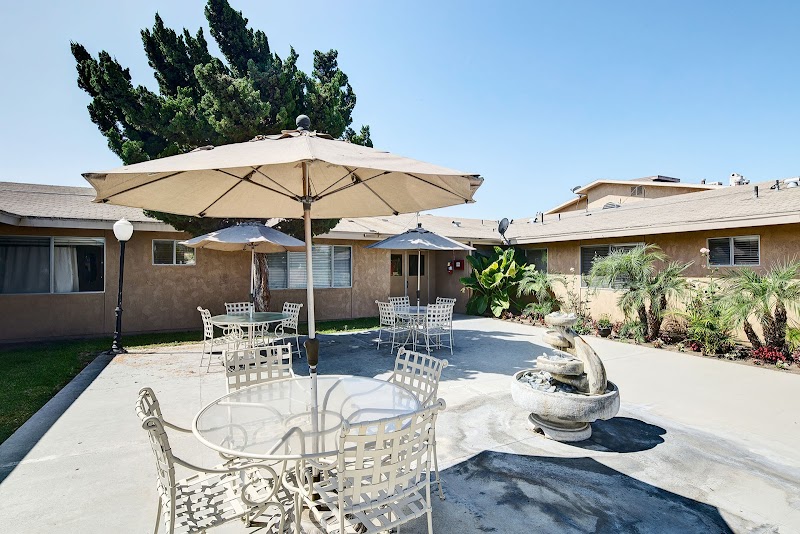
How is Imperial Healthcare Center Staffed?

CMS rates IMPERIAL HEALTHCARE CENTER's staffing level at 3 out of 5 stars, which is average compared to other nursing homes. Staff turnover is 37%, compared to the California average of 46%. This relatively stable workforce can support continuity of care.

What Have Inspectors Found at Imperial Healthcare Center?

State health inspectors documented 45 deficiencies at IMPERIAL HEALTHCARE CENTER during 2022 to 2025. These included: 45 with potential for harm.
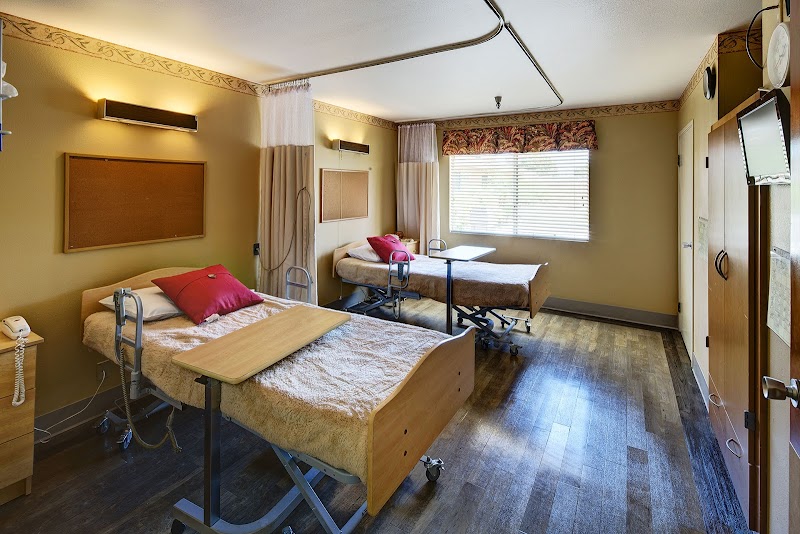
Who Owns and Operates Imperial Healthcare Center?

IMPERIAL HEALTHCARE CENTER is owned by a for-profit company. For-profit facilities operate as businesses with obligations to shareholders or private owners. The facility is operated by ABRAHAM BAK & MENACHEM GASTWIRTH, a chain that manages multiple nursing homes. With 99 certified beds and approximately 93 residents (about 94% occupancy), it is a smaller facility located in LA MIRADA, California.

How Does Imperial Healthcare Center Compare to Other California Nursing Homes?

Compared to the 100 nursing homes in California, IMPERIAL HEALTHCARE CENTER's overall rating (3 stars) is below the state average of 3.1, staff turnover (37%) is near the state average of 46%, and health inspection rating (3 stars) is at the national benchmark.

What Should Families Ask When Visiting Imperial Healthcare Center?

Based on this facility's data, families visiting should ask: "Can I visit during a mealtime to observe dining assistance and food quality?" "How do you handle medical emergencies, and what is your hospital transfer rate?" "Can I speak with family members of current residents about their experience?"

Is Imperial Healthcare Center Safe?

Based on CMS inspection data, IMPERIAL HEALTHCARE CENTER has a clean safety record: no substantiated abuse findings (meaning no confirmed cases of resident harm), no Immediate Jeopardy citations (the most serious violation level indicating risk of serious injury or death), and is not on the Special Focus Facility watch list (a federal program monitoring the lowest-performing 1% of nursing homes). The facility has a 3-star overall rating and ranks #100 of 100 nursing homes in California. While no facility is perfect, families should still ask about staff-to-resident ratios and recent inspection results during their visit.

Do Nurses at Imperial Healthcare Center Stick Around?

IMPERIAL HEALTHCARE CENTER has a staff turnover rate of 37%, which is about average for California nursing homes (state average: 46%). Moderate turnover is common in nursing homes, but families should still ask about staff tenure and how the facility maintains care continuity when employees leave.

Was Imperial Healthcare Center Ever Fined?

IMPERIAL HEALTHCARE CENTER has been fined $10,339 across 1 penalty action. This is below the California average of $33,182. While any fine indicates a compliance issue, fines under $50,000 are relatively common and typically reflect isolated problems that were subsequently corrected. Families should ask what specific issues led to these fines and confirm they've been resolved.

Is Imperial Healthcare Center on Any Federal Watch List?

IMPERIAL HEALTHCARE CENTER is not on any federal watch list. The most significant is the Special Focus Facility (SFF) program, which identifies the bottom 1% of nursing homes nationally based on persistent, serious quality problems. Not being on this list means the facility has avoided the pattern of deficiencies that triggers enhanced federal oversight. This is a positive indicator, though families should still review the facility's inspection history directly.